
Halal Food Guide: Beijing Breakfast — Pakistani, Turkish, Inner Mongolian & Henan Food
Reposted from the web
Summary: This Beijing breakfast guide introduces four distinctive places connected with Pakistani, Turkish, Inner Mongolian, and Henan food. The article keeps the original shop details, dishes, photos, and personal notes while presenting them as a practical English food account.
Pakistani breakfast: flatbread (naan) and curry.
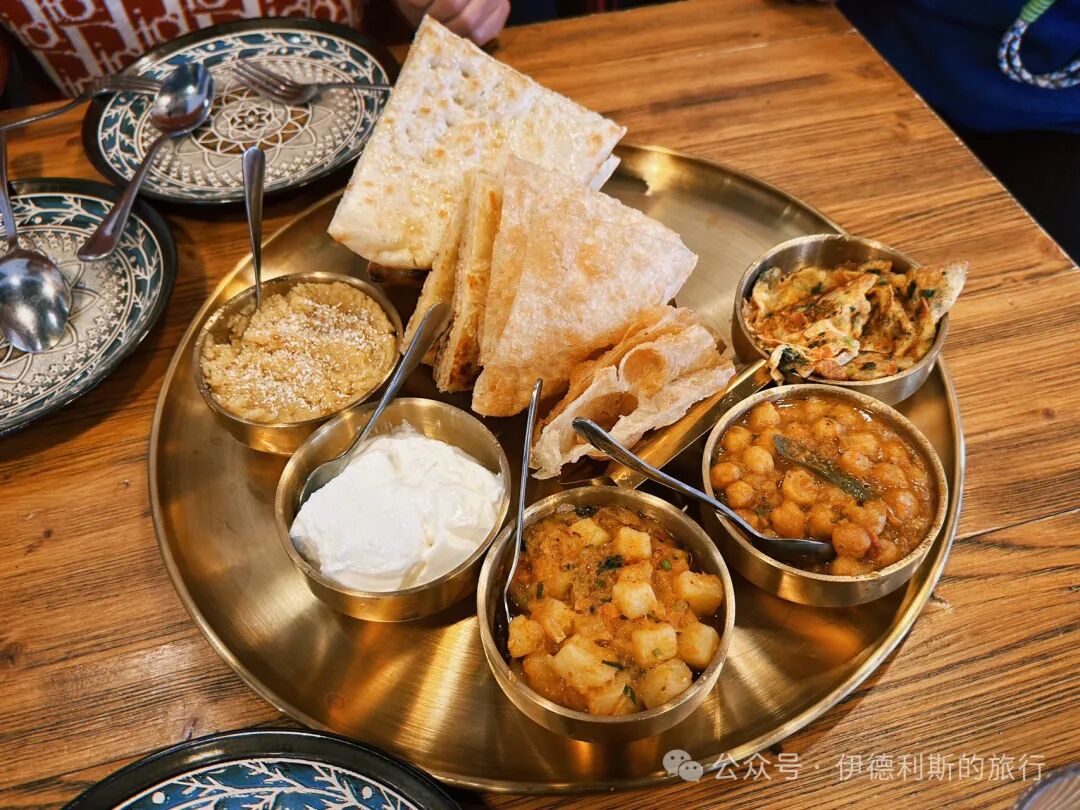
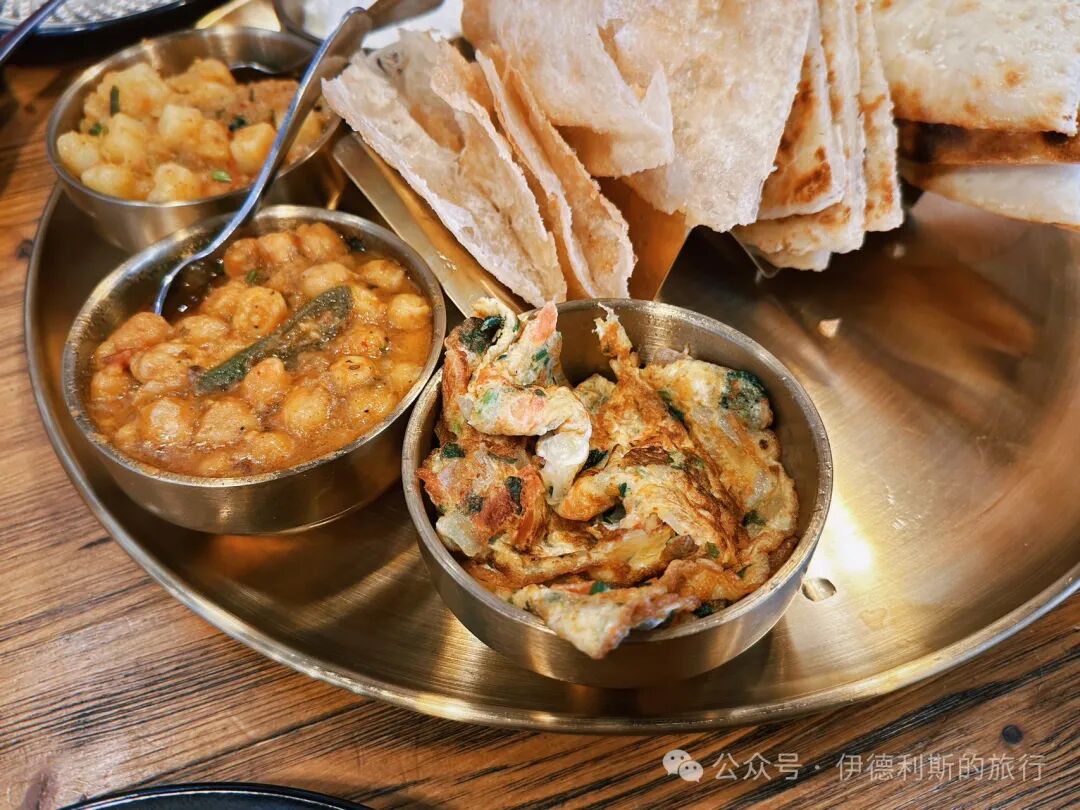
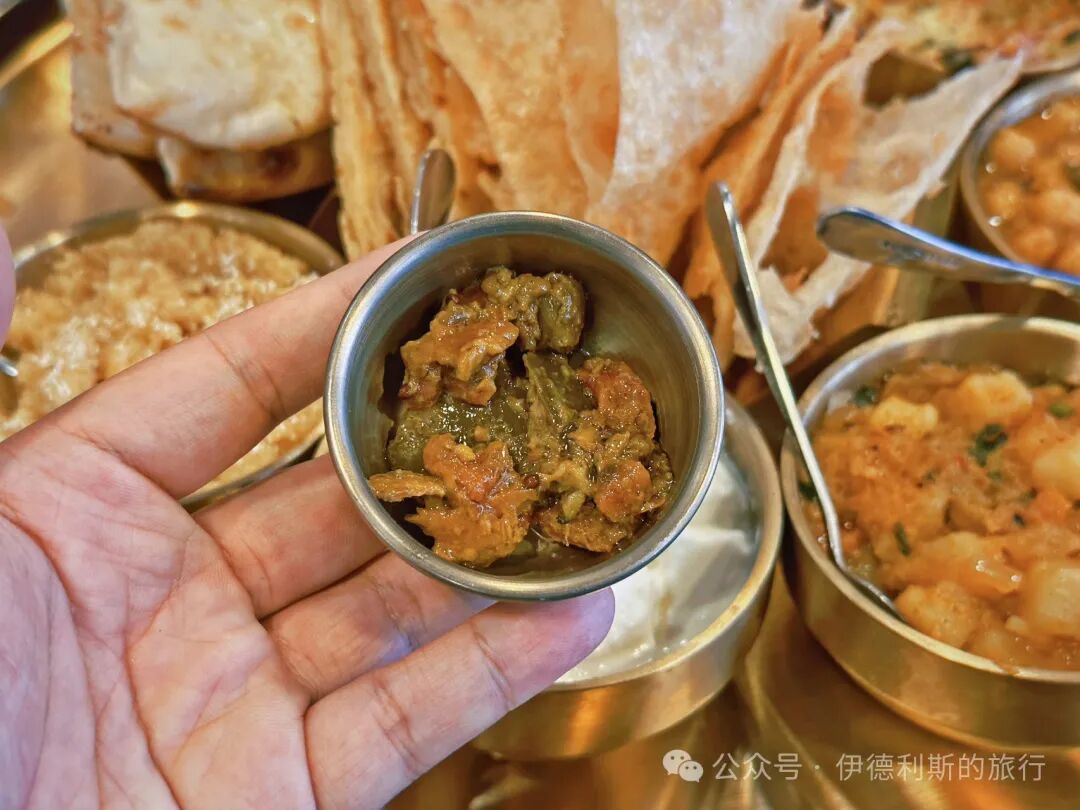
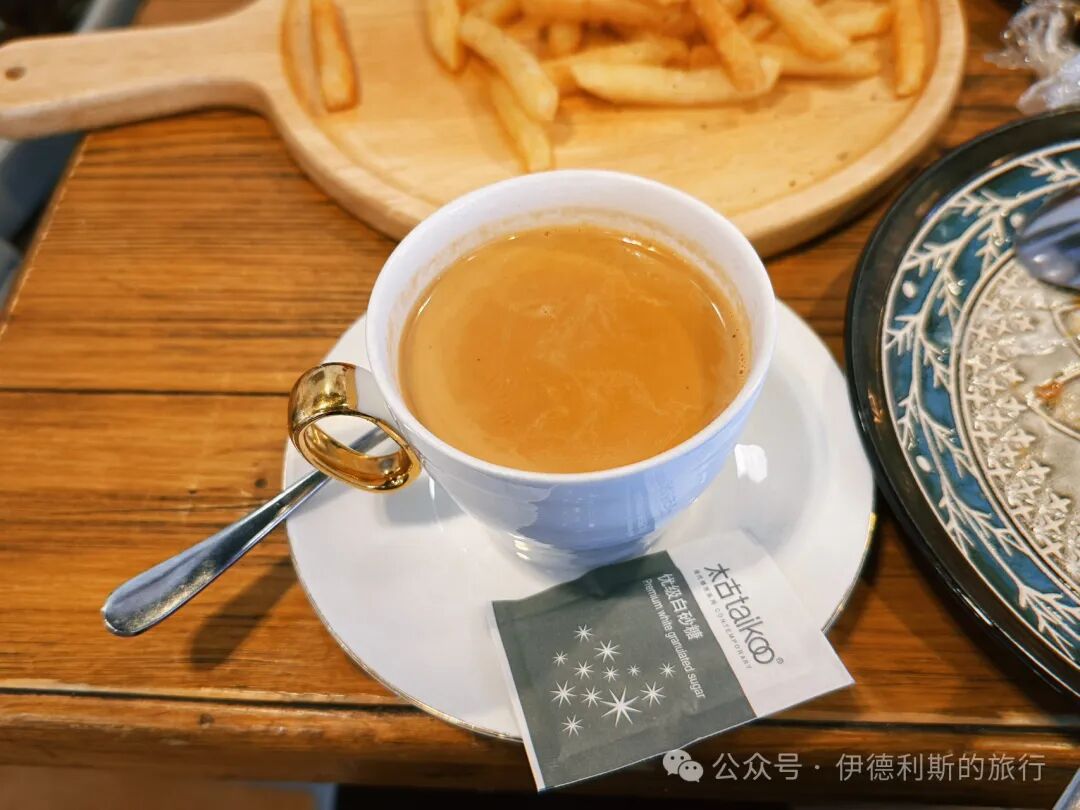
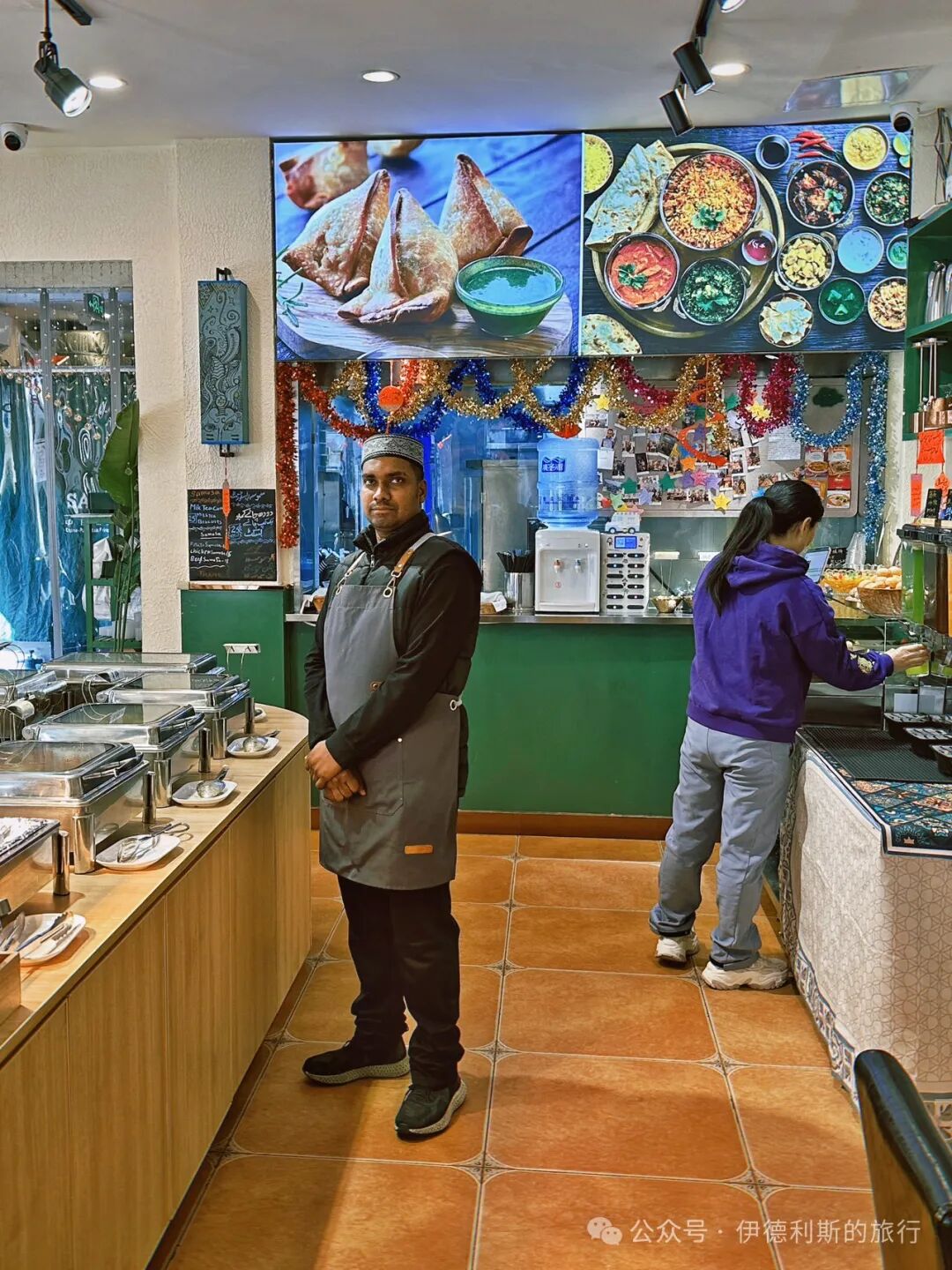
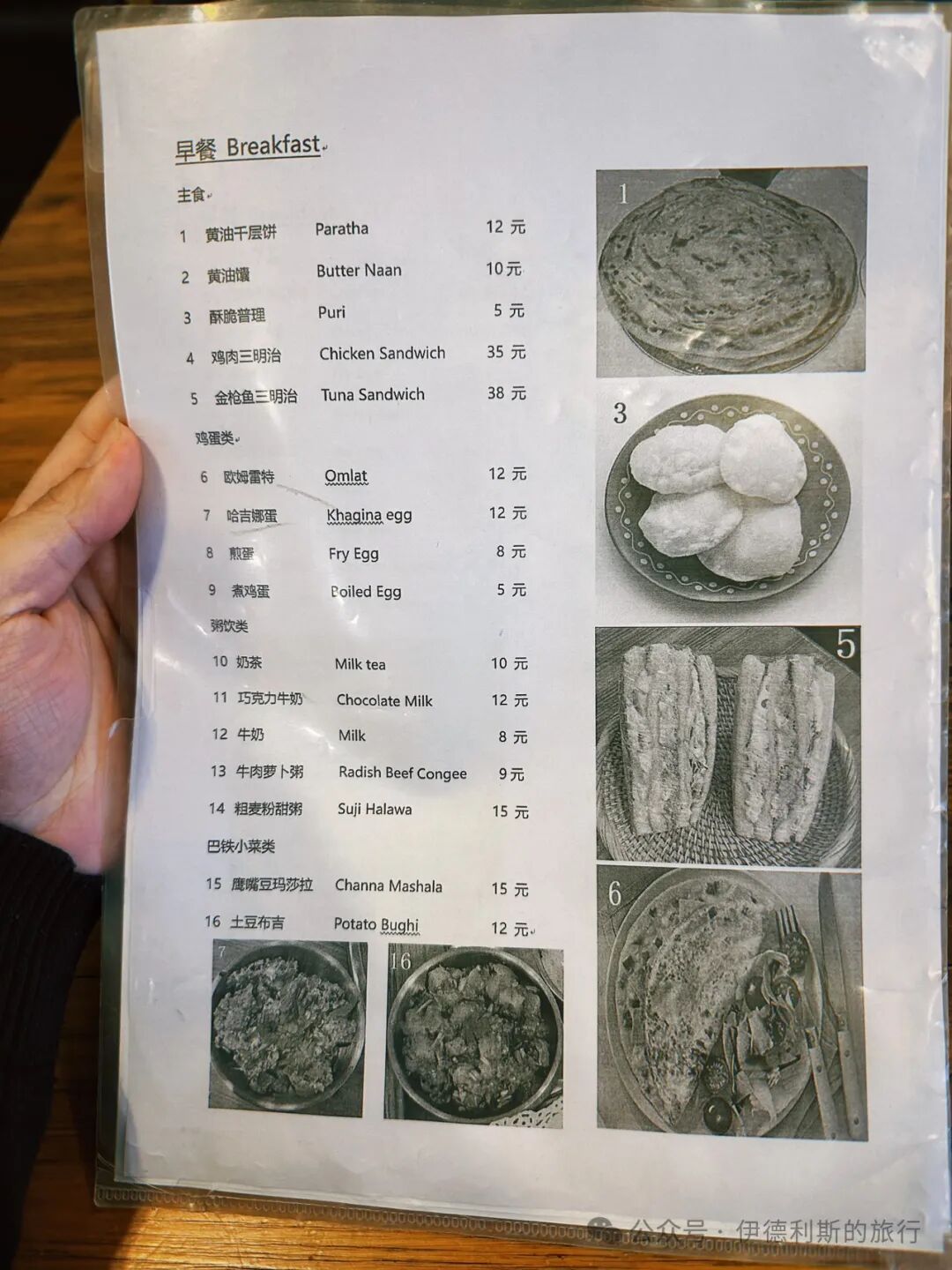
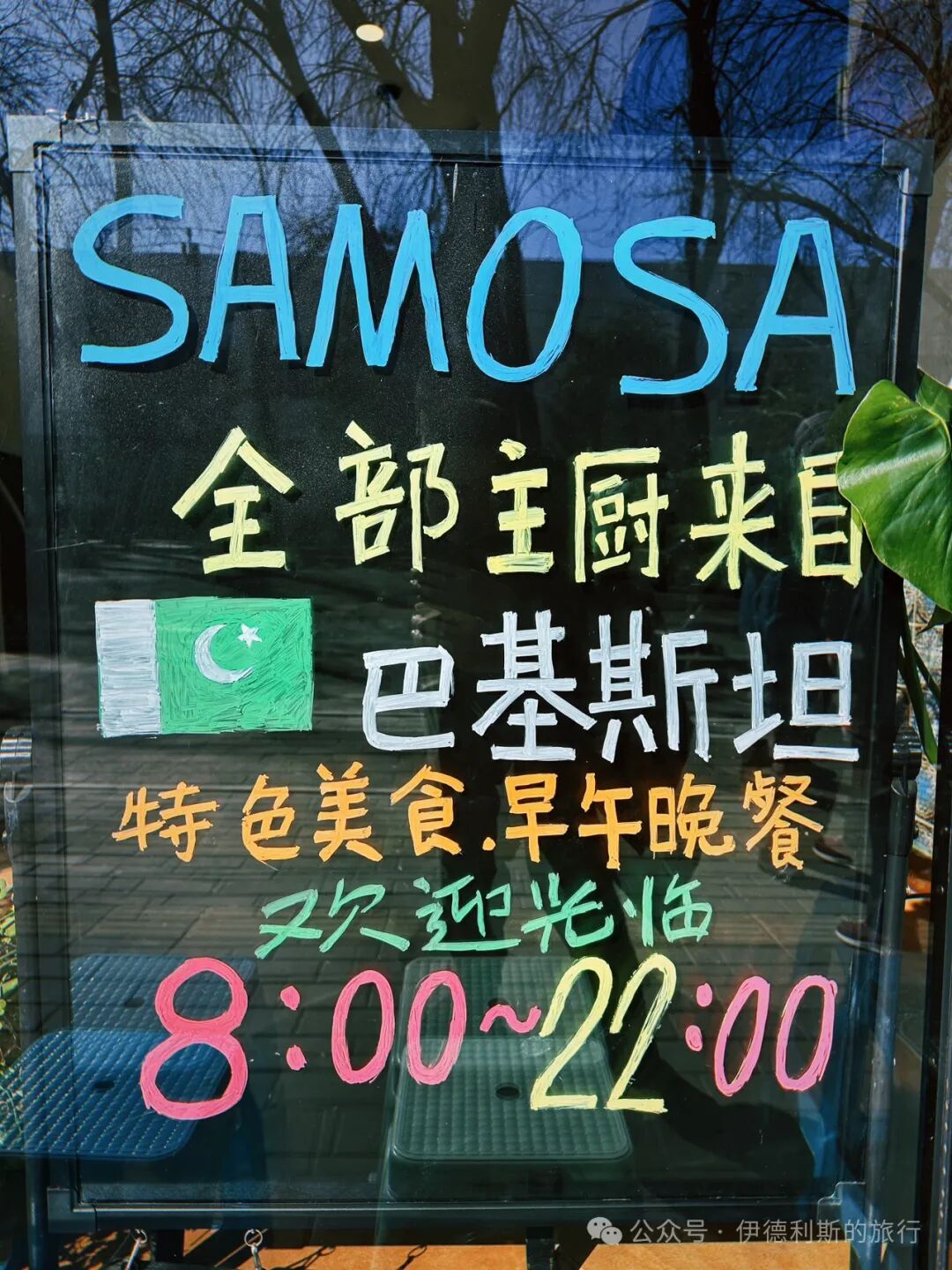
The Pakistani restaurant Samosa in Xibahe just started serving breakfast! You can order a la carte or choose a set meal from 7:30 to 11:00 in the morning. The three-person set includes three staples: butter naan, layered flatbread (paratha), and thin crispy bread (puri). It also comes with three dishes: chickpea masala curry, potato bhaji curry, and a Pakistani-style spicy scrambled egg (khagina). For dessert, there is homemade yogurt and semolina pudding (halawa), plus a unique mango pickle. For hot drinks, you can choose milk tea, milk, or coffee. This three-person set has a huge variety, making it perfect for a family to eat and chat on a weekend morning. Their naan is softer than the kind in Xinjiang, which makes it perfect for dipping in curry. The paratha is similar to northern Chinese griddle cakes, but it is made with butter and is very fragrant. The puri is very popular with kids, and it tastes great paired with the halawa dessert. Their yogurt is homemade, unsweetened, and has a very rich milky flavor. The halawa is not too sweet, so it feels light to eat.
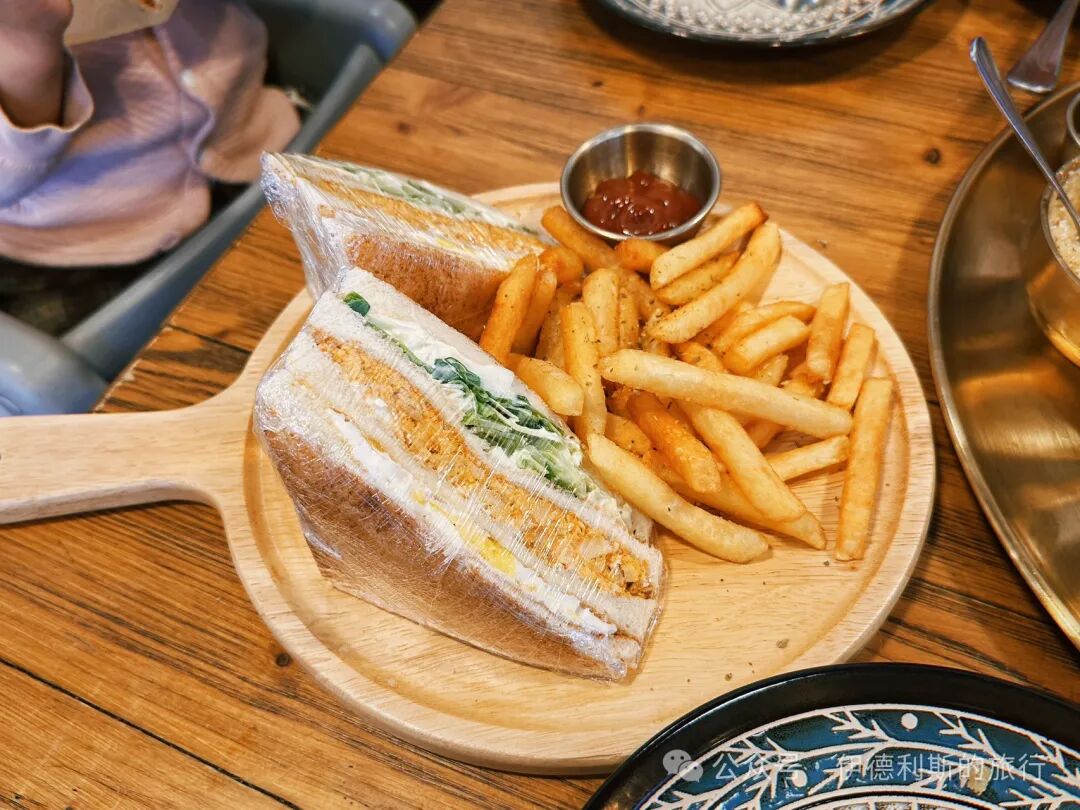
You can also choose a simple meal of a sandwich and a hot drink. Their sandwiches are delicious, with chicken breast or tuna options, plus vegetables and eggs. They are very healthy and great for when you are in a rush for work.
Since subway lines 12 and 17 opened, it is very convenient to get to Samosa. After eating, you can take the subway directly to Sanlitun for shopping and enjoy a wonderful weekend.
Turkish breakfast: bread and...
cheese.
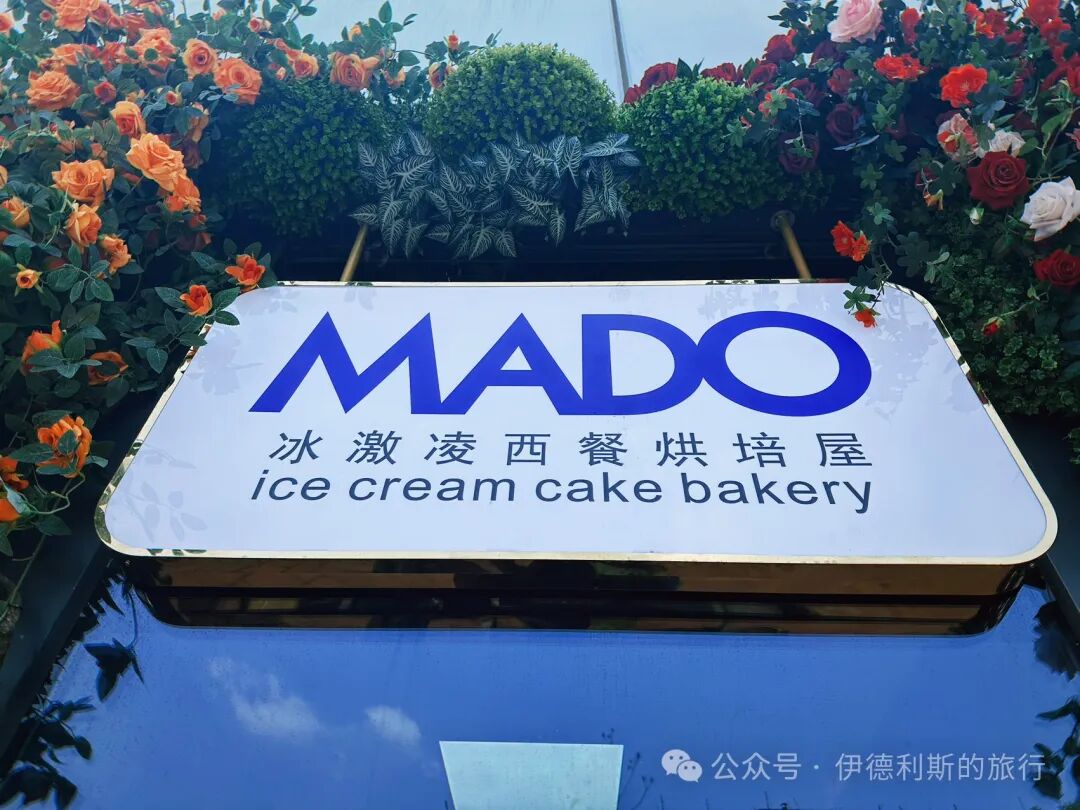
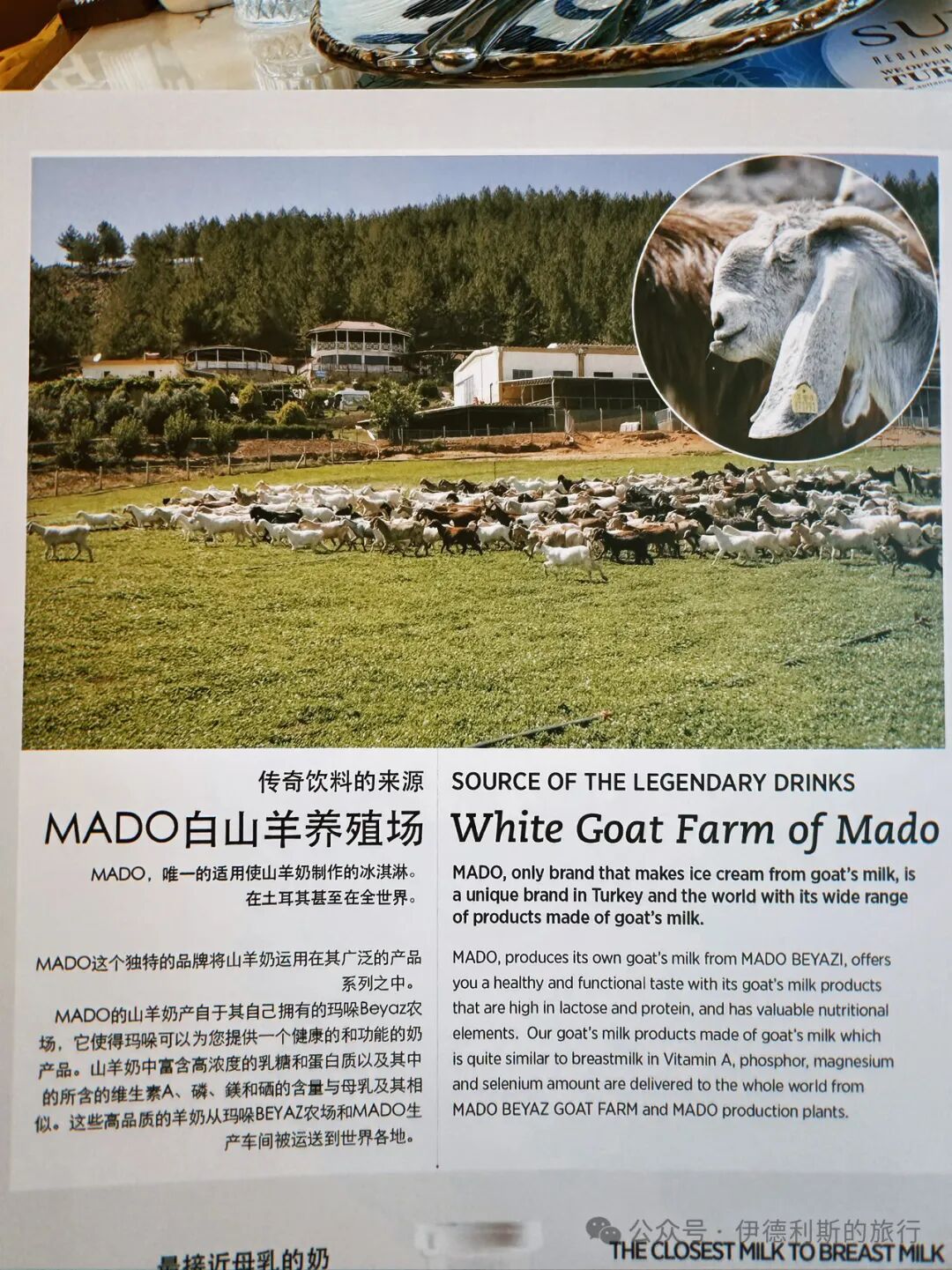
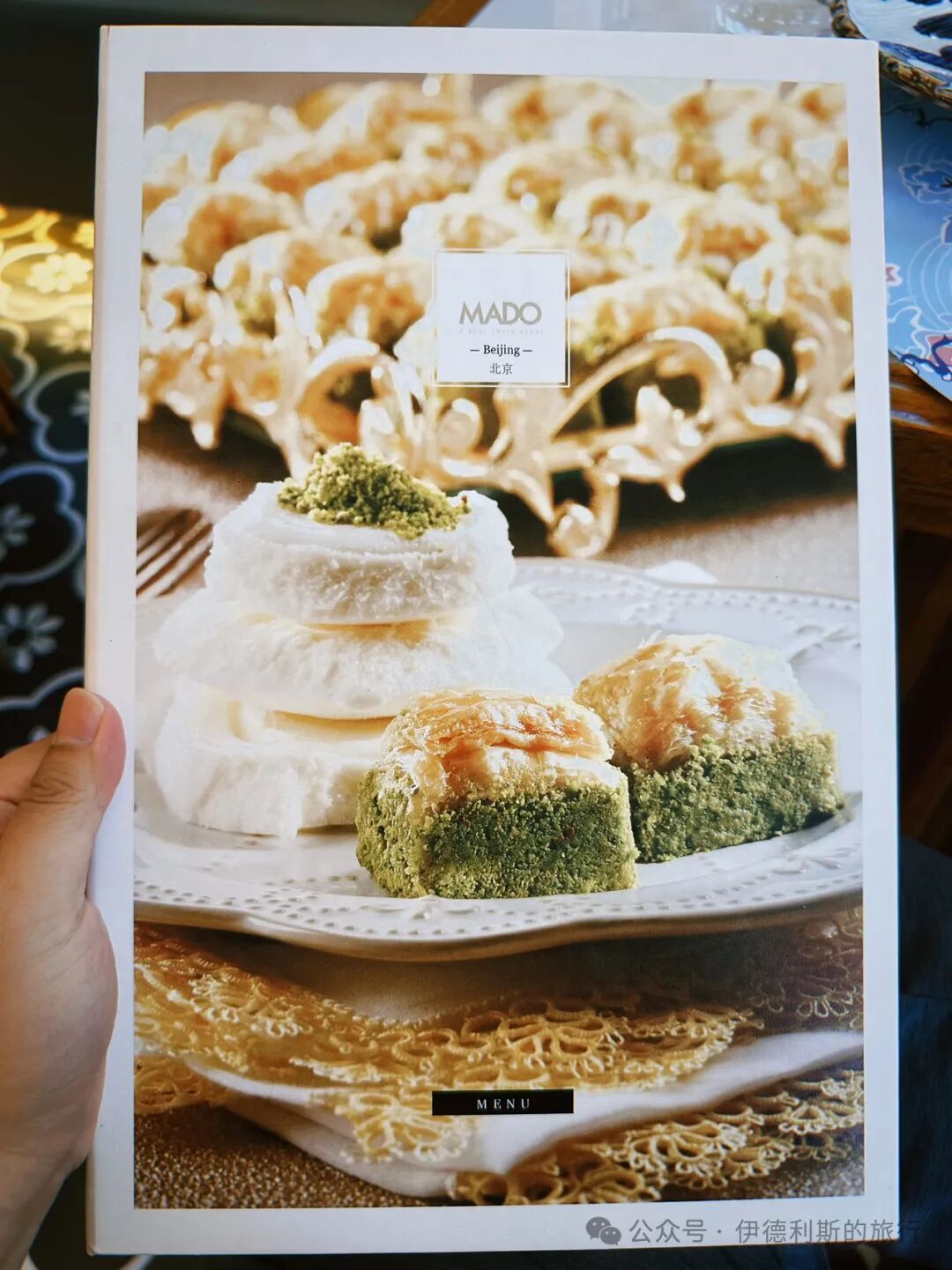
Mado is a famous Turkish snack chain from the city of Kahramanmarash in southeastern Turkey. Its biggest feature is that it uses goat milk from its hometown to make all its signature dairy products and ice cream. Their breakfast is also very rich.
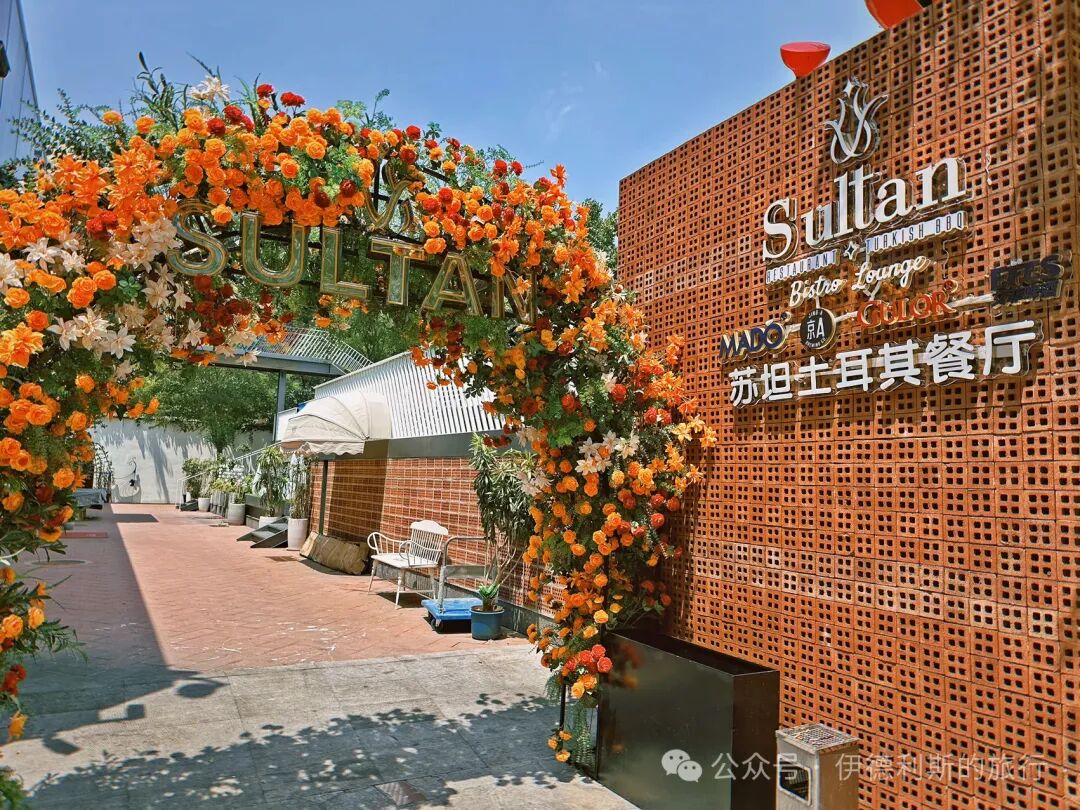
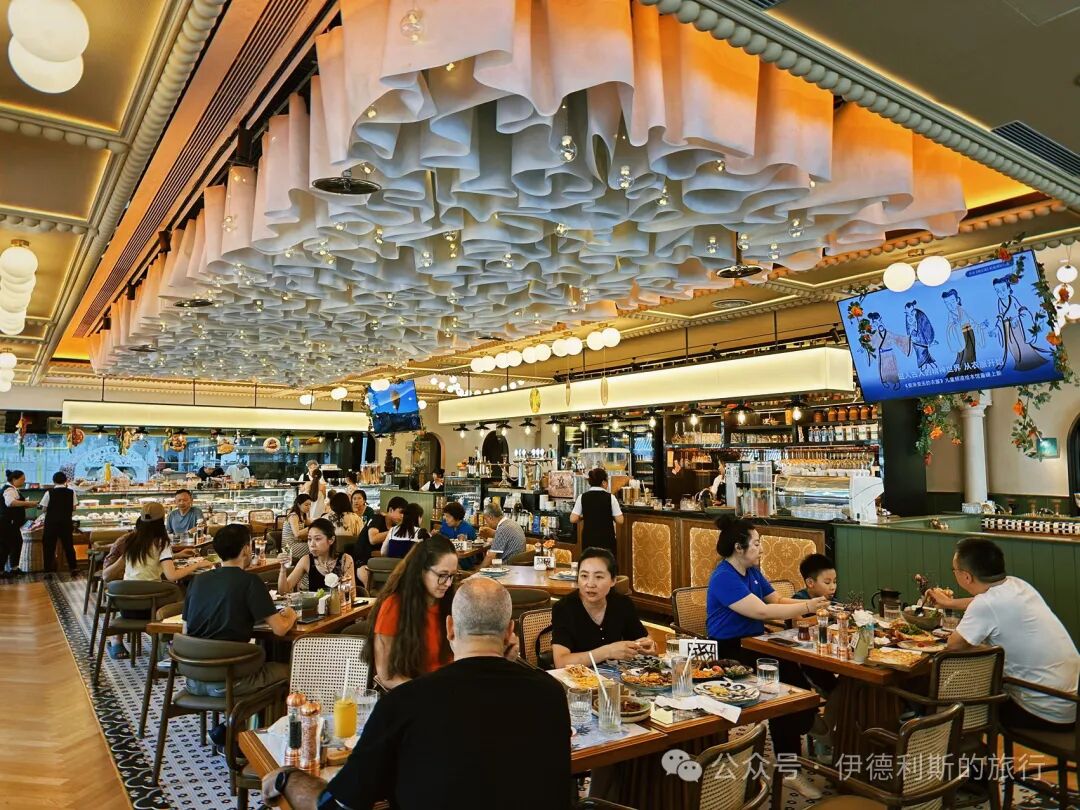
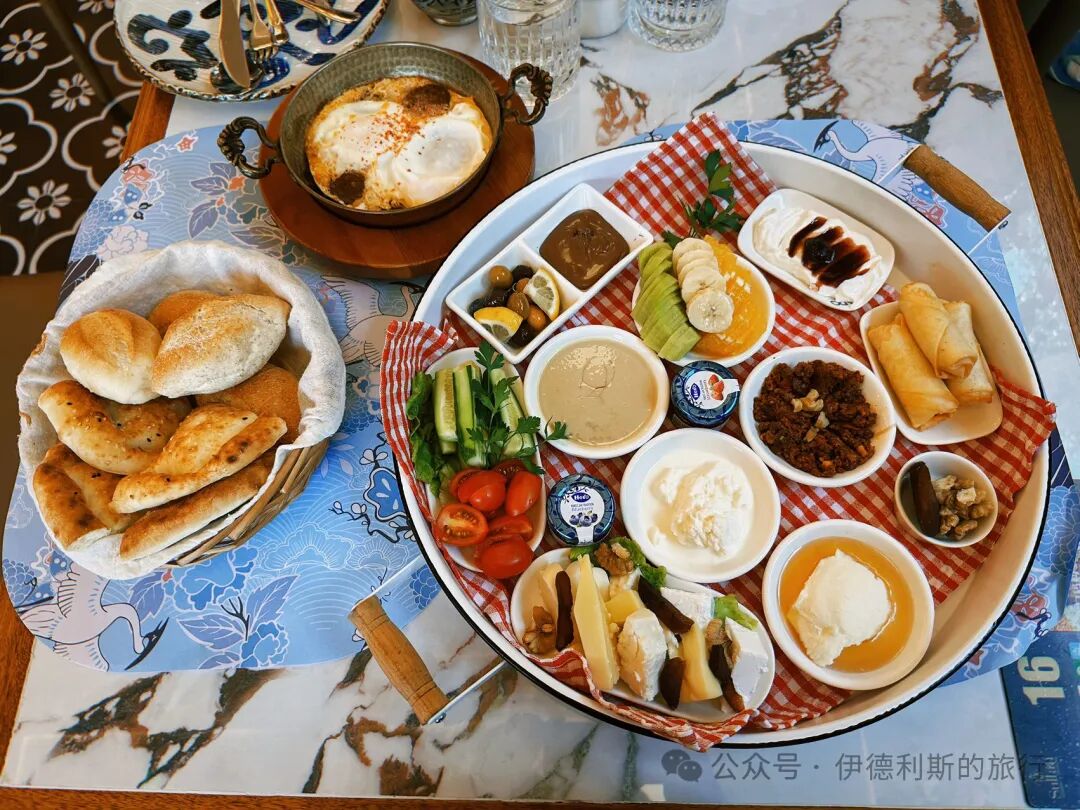
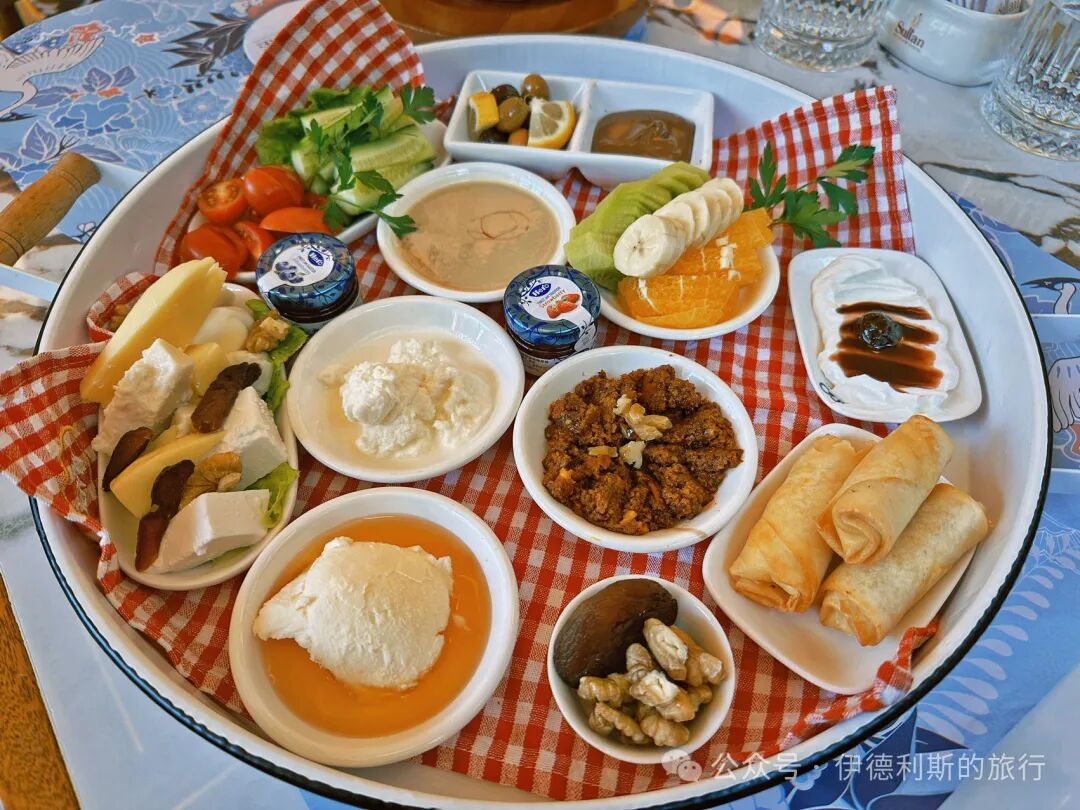
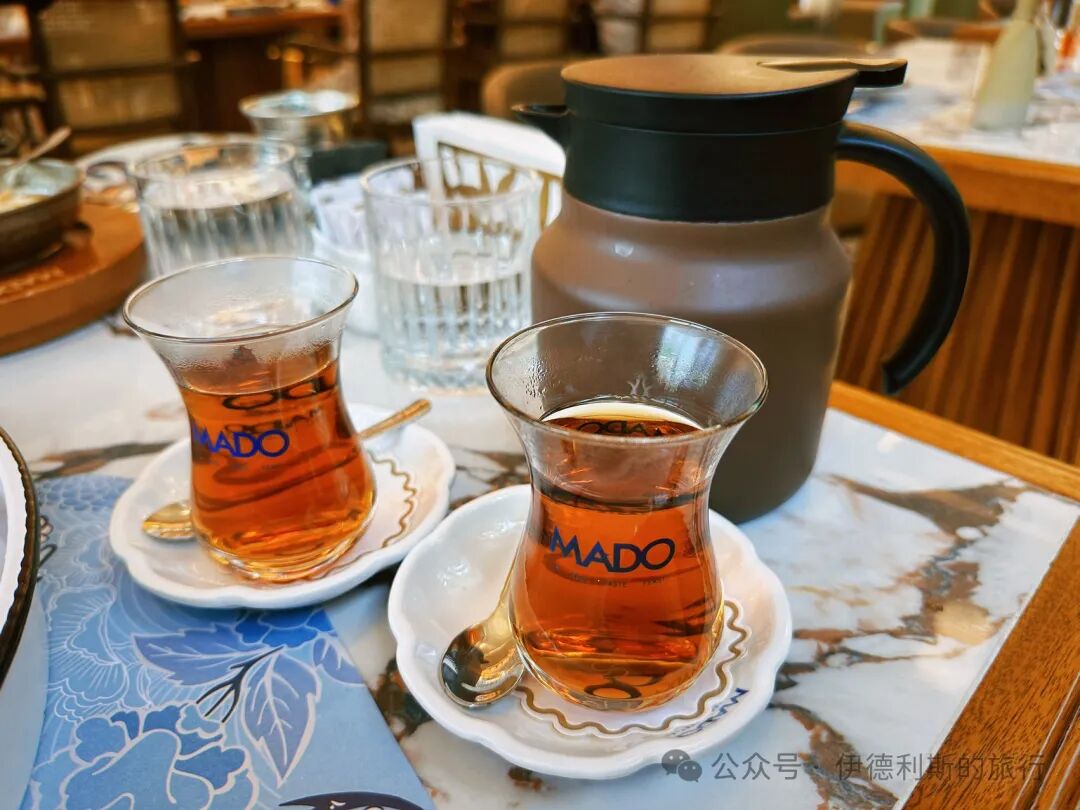
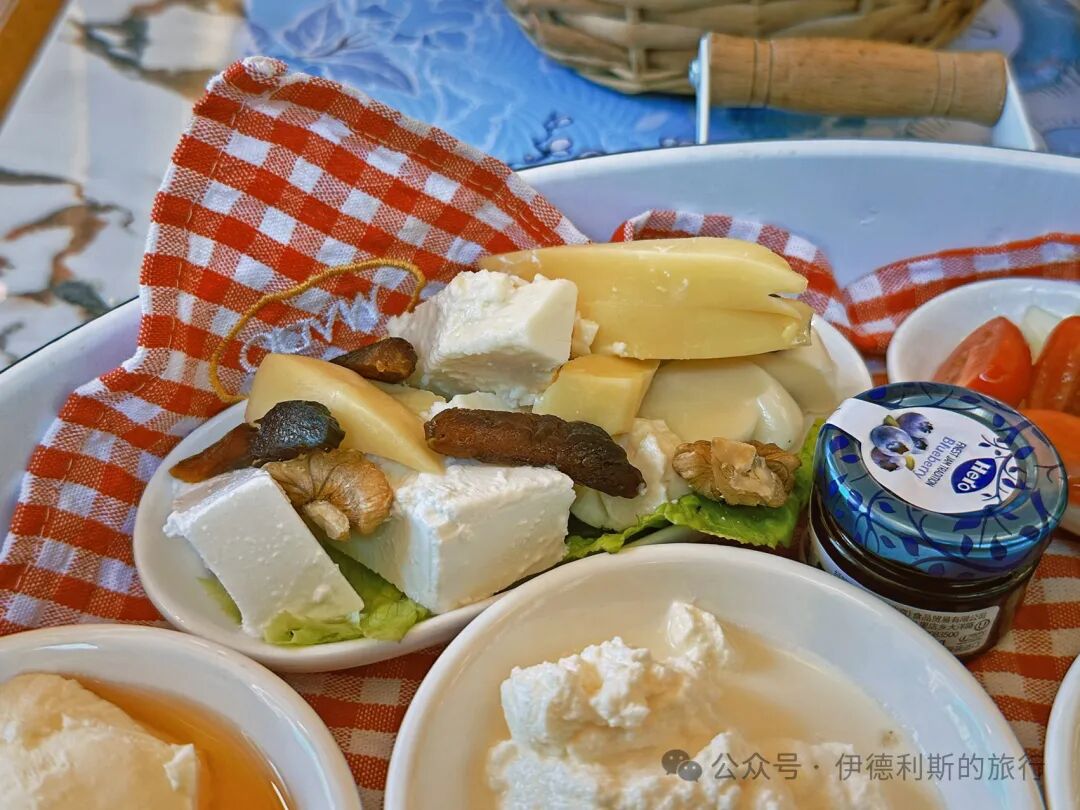
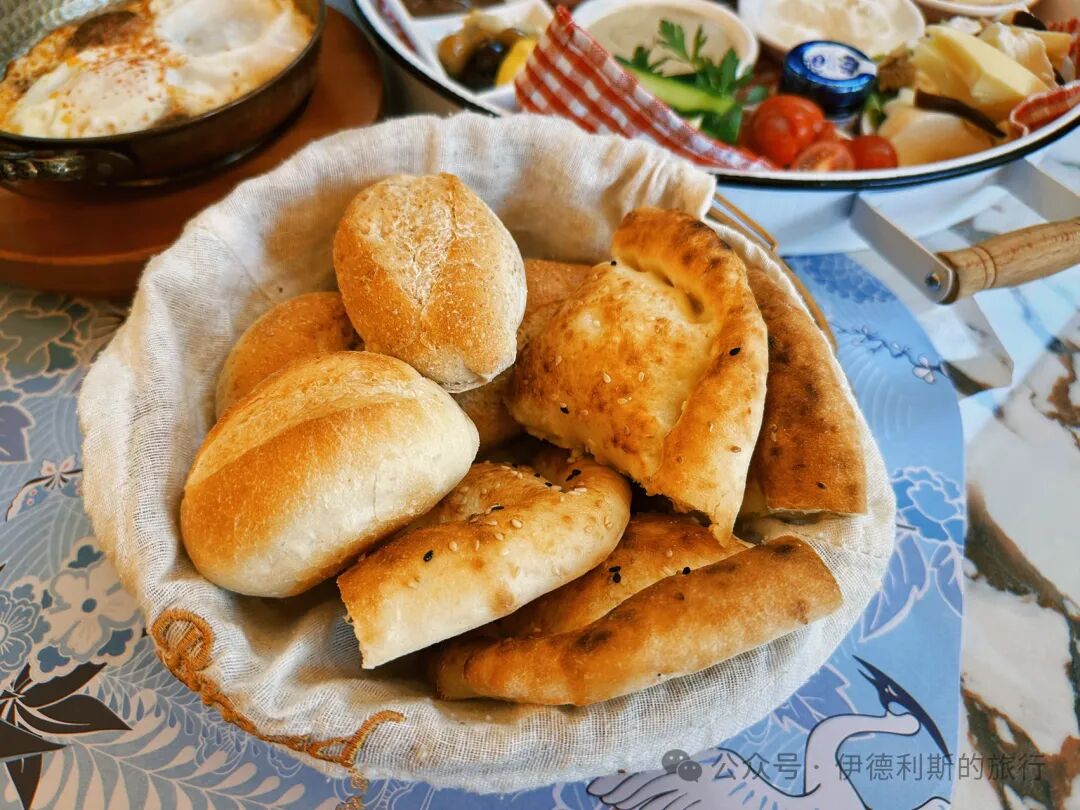
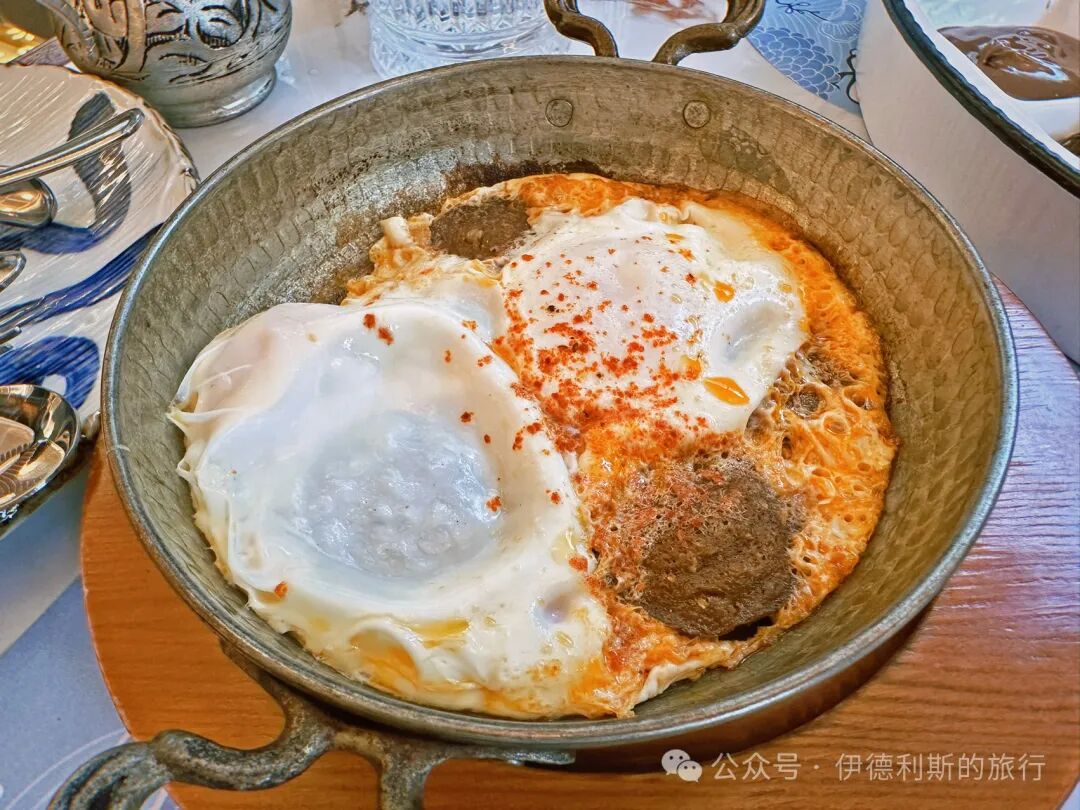
I have eaten Mado breakfast at their Yiwu and Guangzhou locations before, and in 2024, it became available at the Sultan Turkish Restaurant in Beijing. Mado has many breakfast options. We ordered the two-person set, which is served starting at 10:30 and is available all day. The two-person set includes Turkish-style fried eggs with sausage, Marash cheese, feta cheese, a yellow cheese platter, honey with Turkish cream, green olives, black olives, tomato chili paste, tahini syrup, cherry jam, dried apricots, walnuts, feta cheese spring rolls, a kiwi-orange-banana platter, a cucumber-tomato platter, plus bread, flatbread (naan), and Turkish black tea. It is a very rich variety. Their naan is very fluffy, and it tastes great when you tear it open and spread different jams on it.
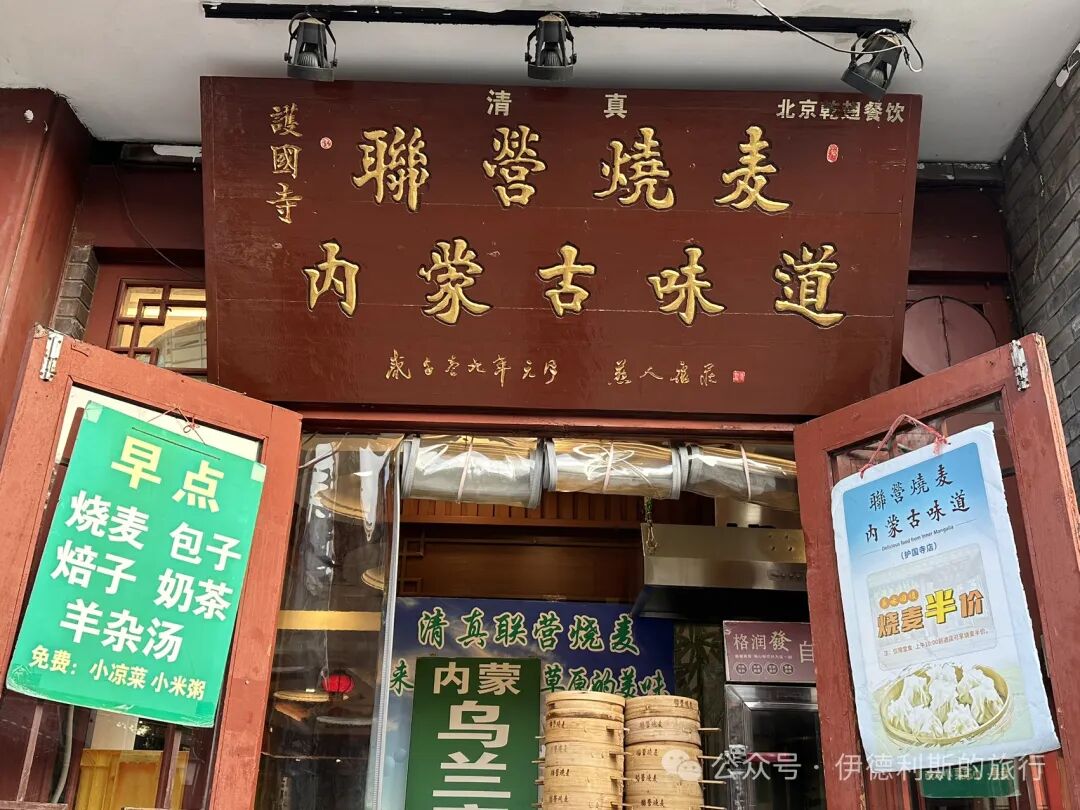
Inner Mongolian breakfast: steamed dumplings (shaomai) and pot tea (guocha).
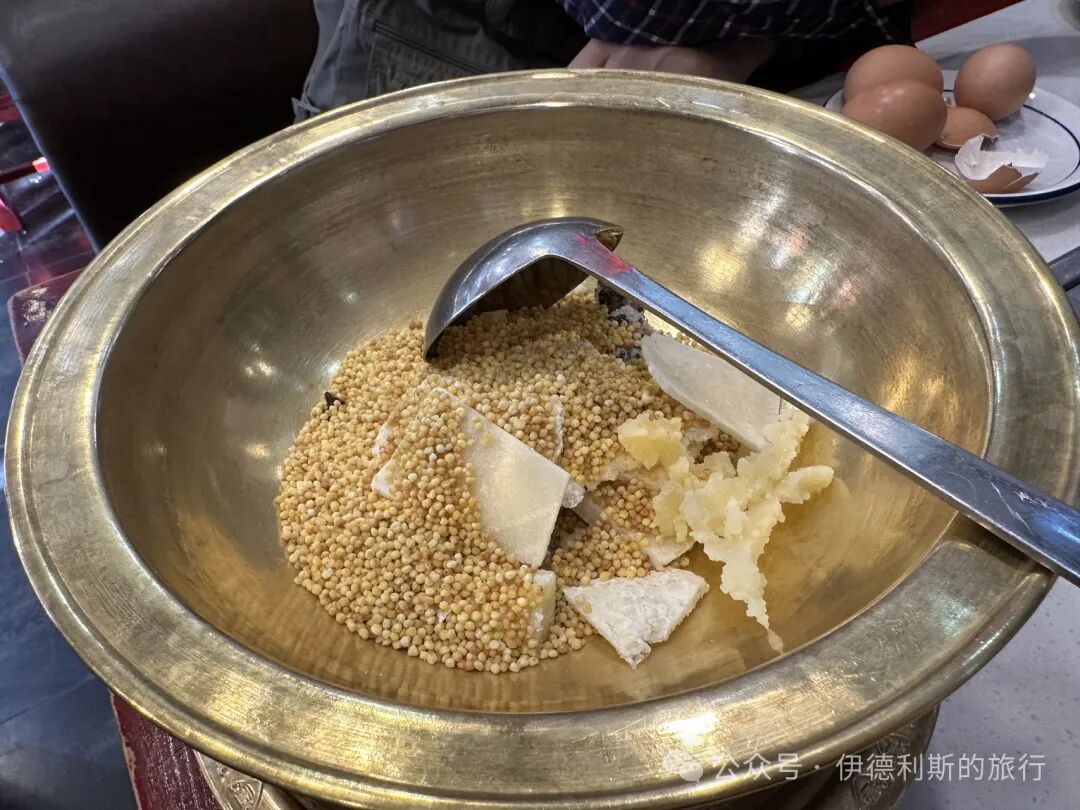
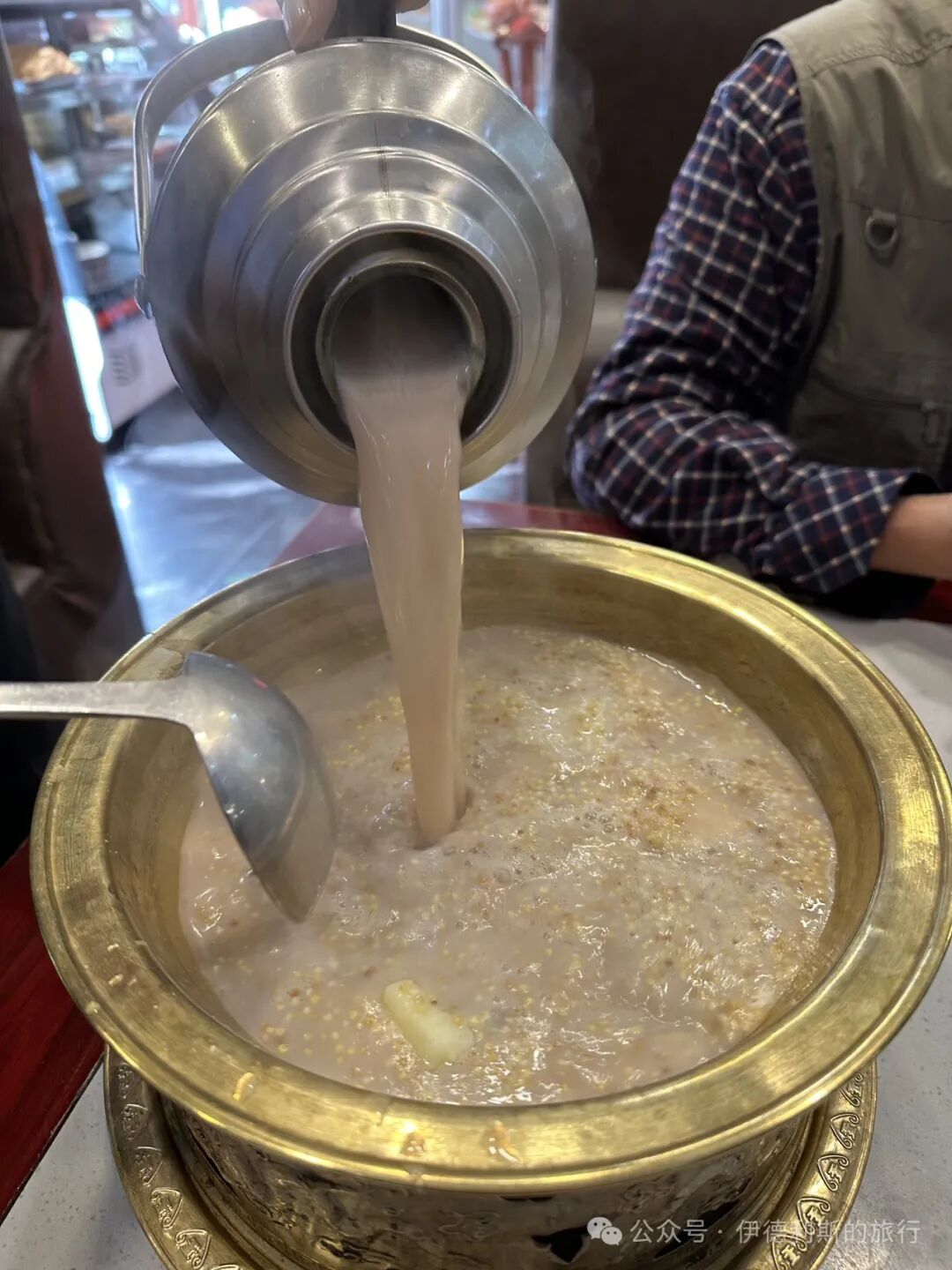
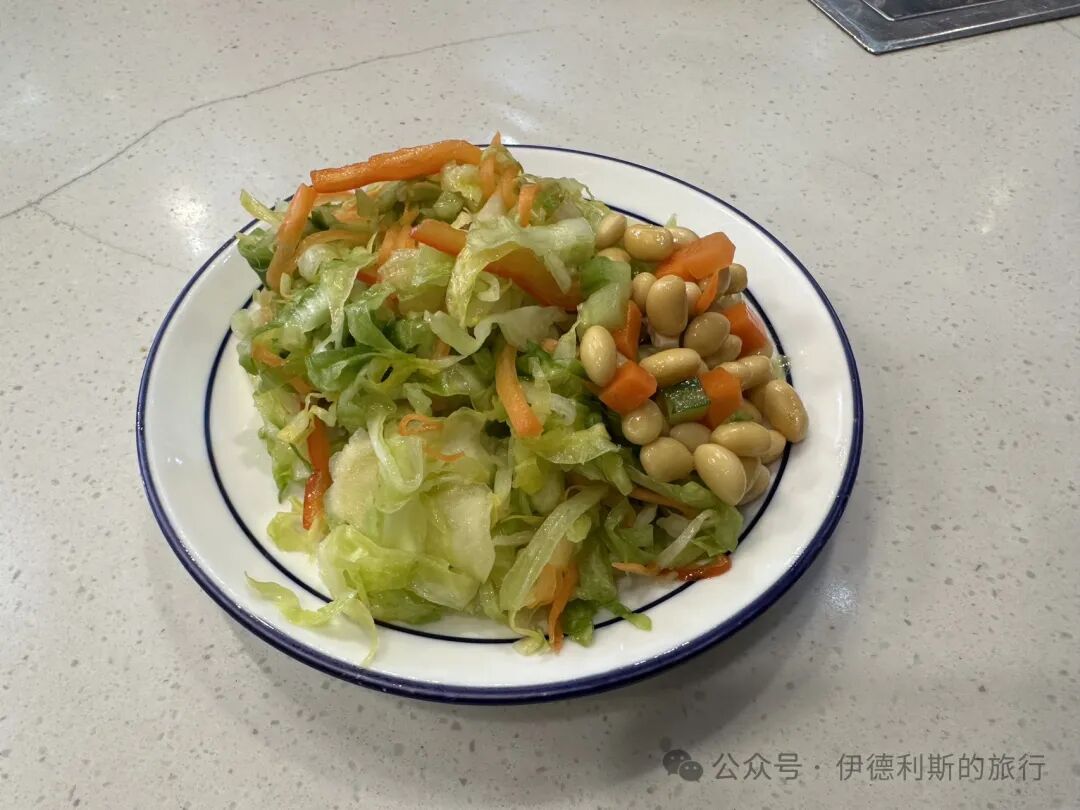
Lianying Shaomai is a time-honored brand from Jining, Inner Mongolia, and they also have a branch on Huguosi Street in Beijing. You can have an Inner Mongolian breakfast there in the morning. The pot tea contains milk skin, milk tofu, beef jerky, and roasted millet. It has a very rich milky flavor, and our whole family loves it. We ordered the mutton filling and the mutton with wild onion (shacong) filling for the shaomai. Both are made with chunks of meat and have very thin skins. The wild onion flavor is between green onion and chives; it is very pungent and suits the taste of people from Xinjiang. You can get free refills on their cold dishes and corn grit porridge (bangzazhou). They also serve salty baked flatbread (beizi) with Inner Mongolian lamb offal. We ordered the flatbread this time, and it was quite good.
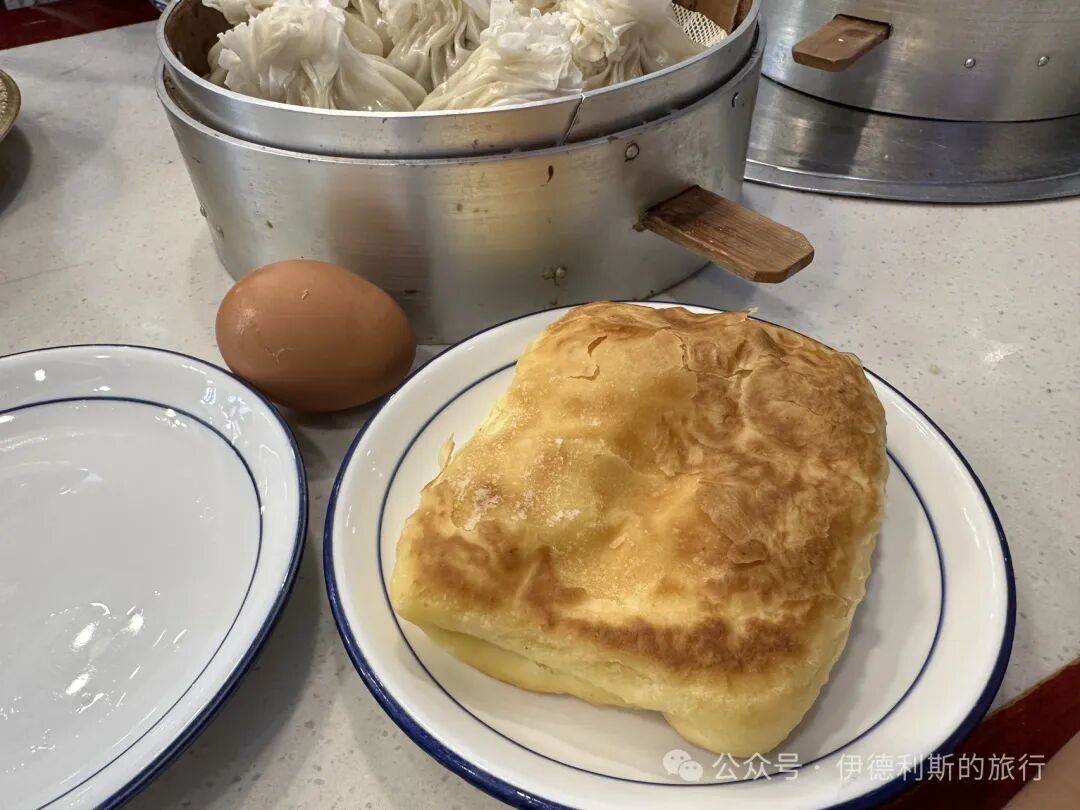
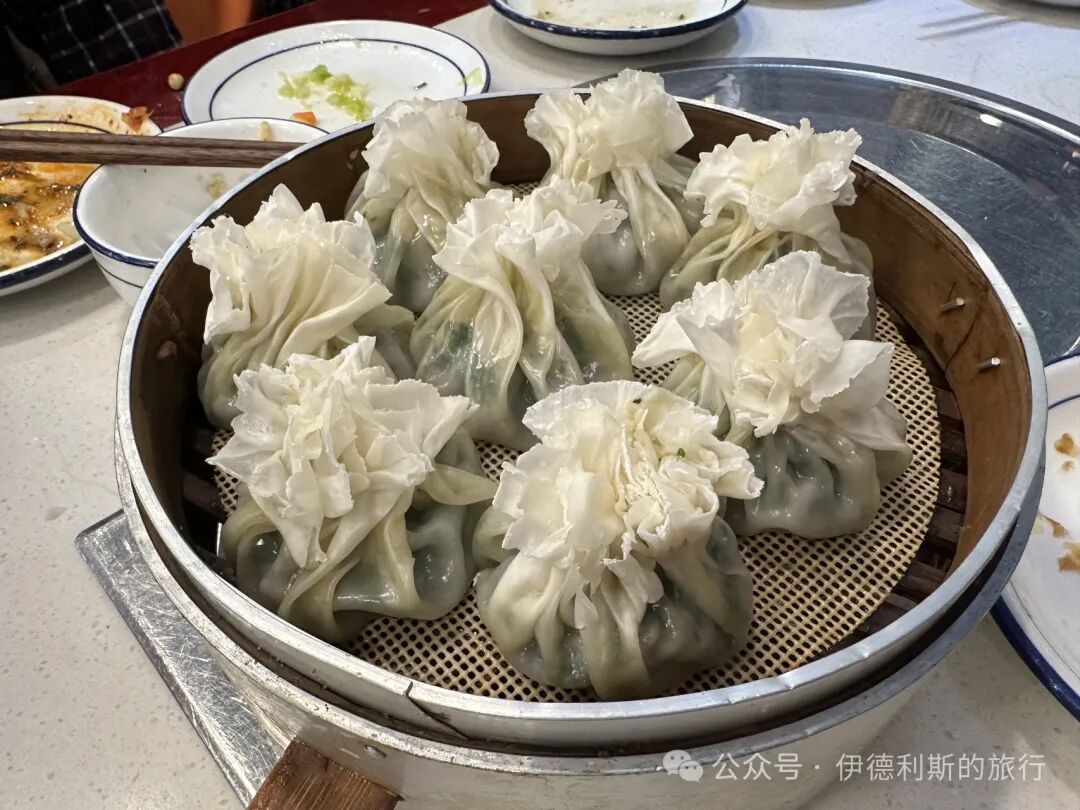
Henan breakfast: bean flour soup (doumo) and vegetable snake-shaped rolls (caimang).
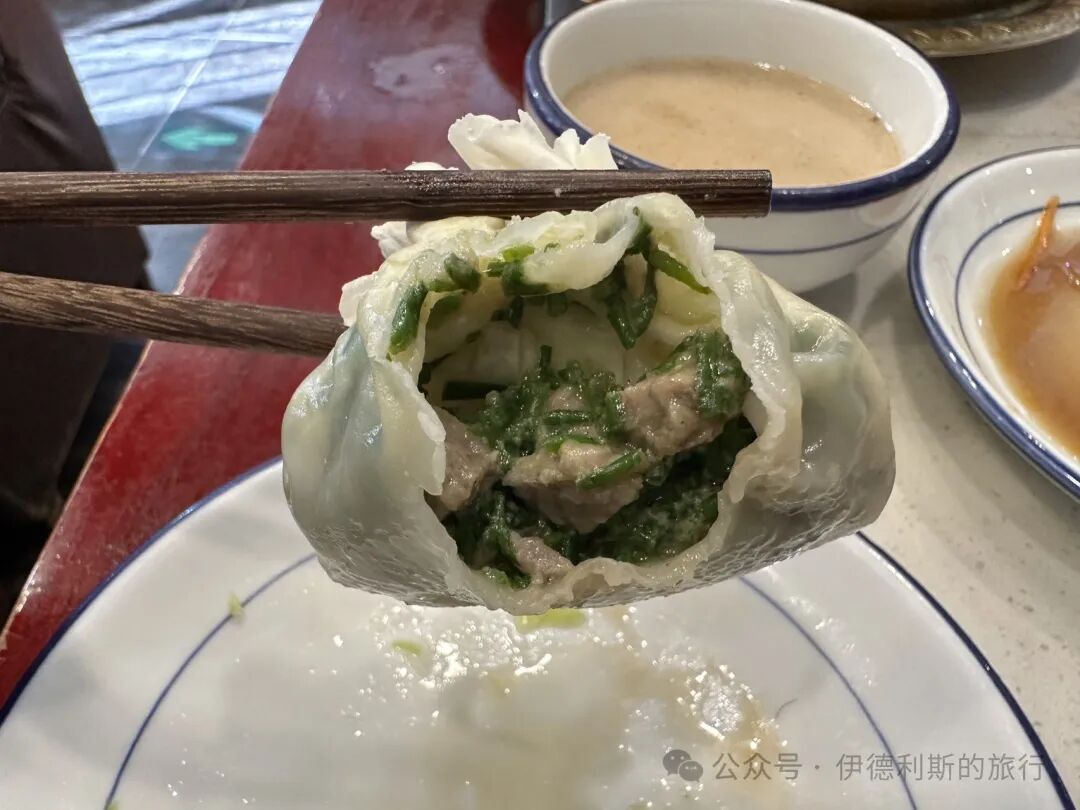
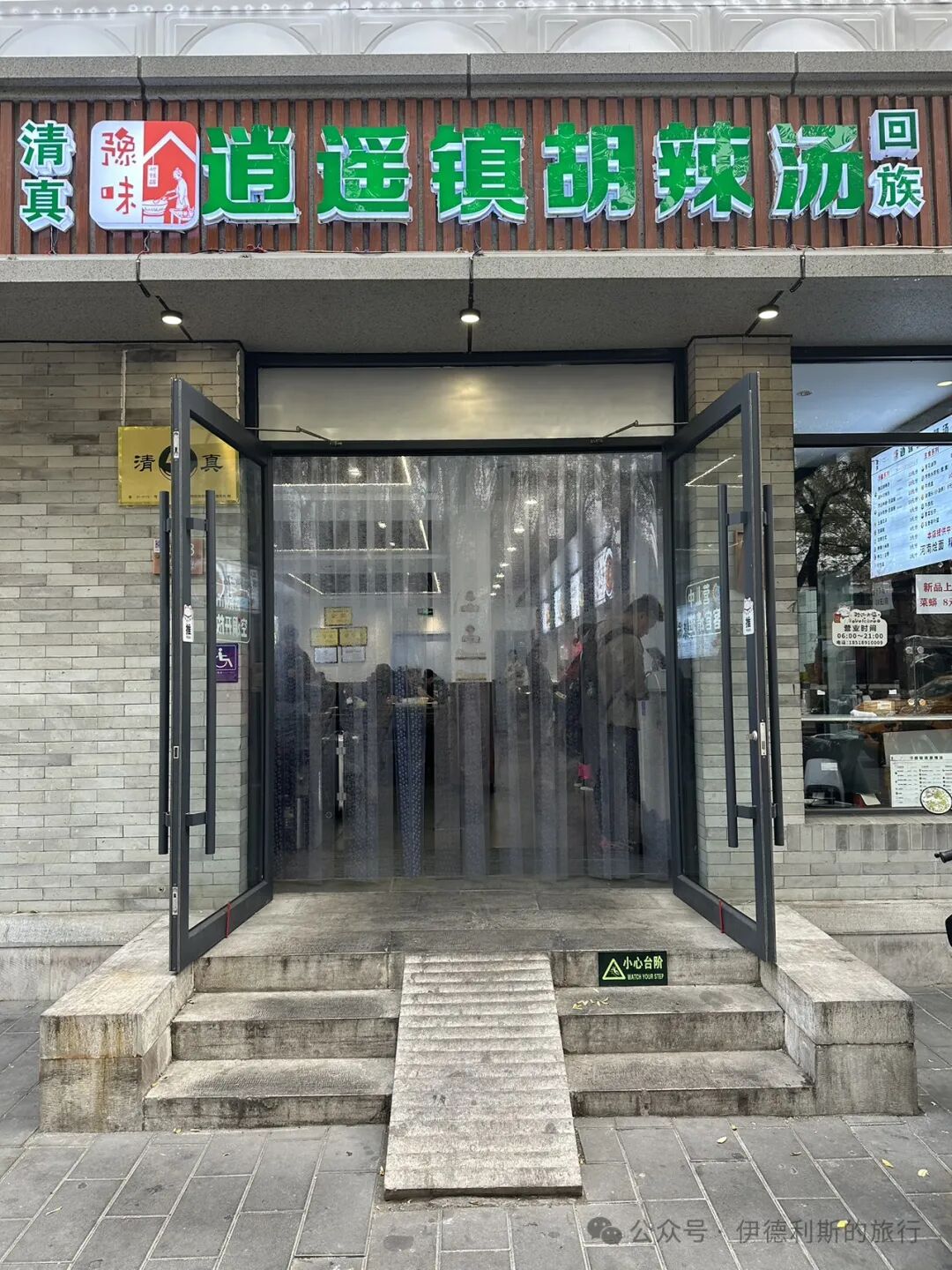
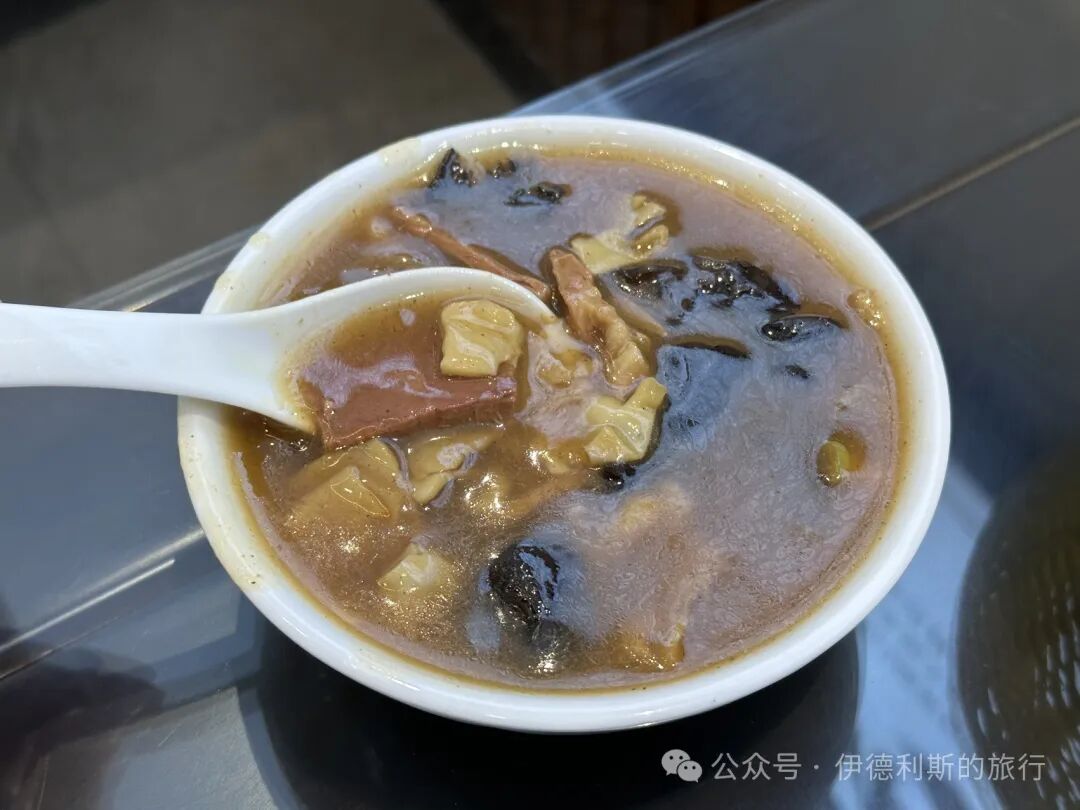
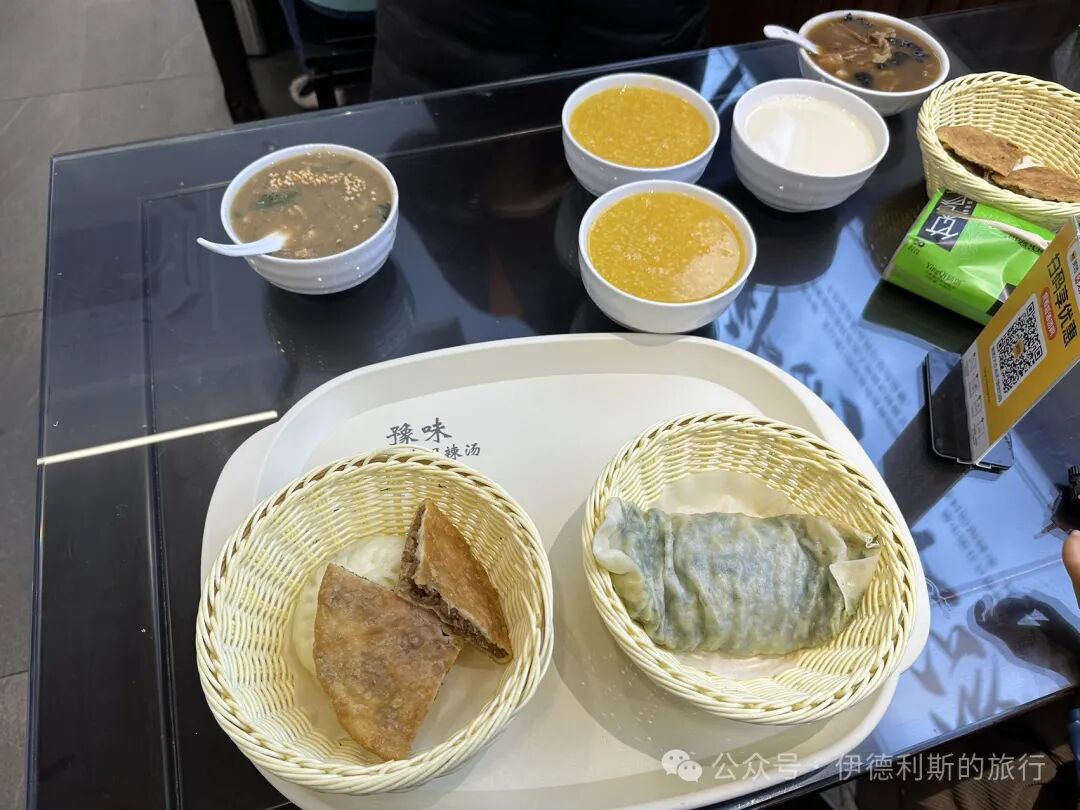
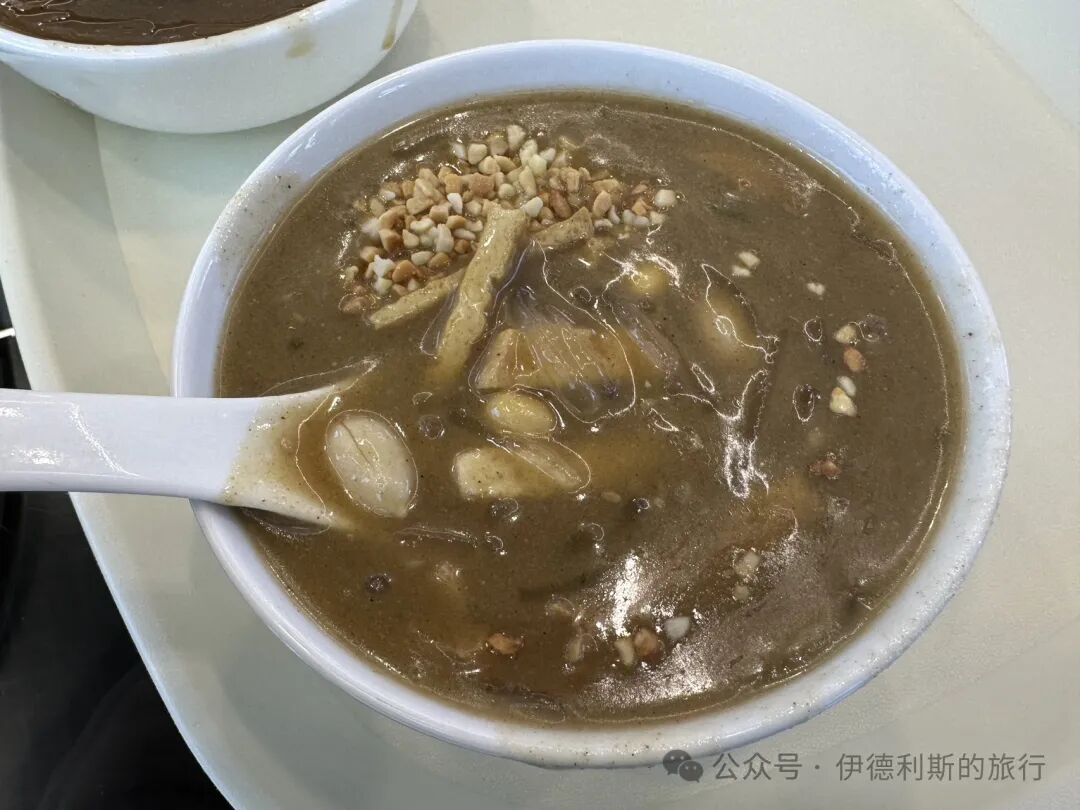
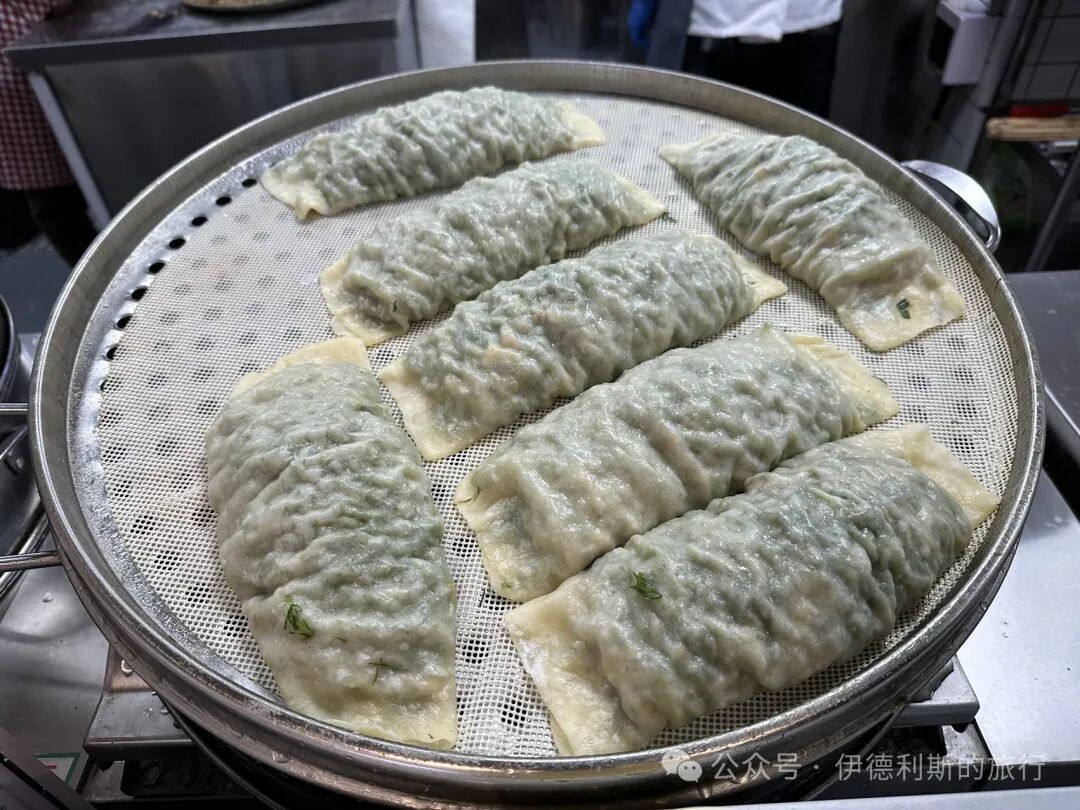
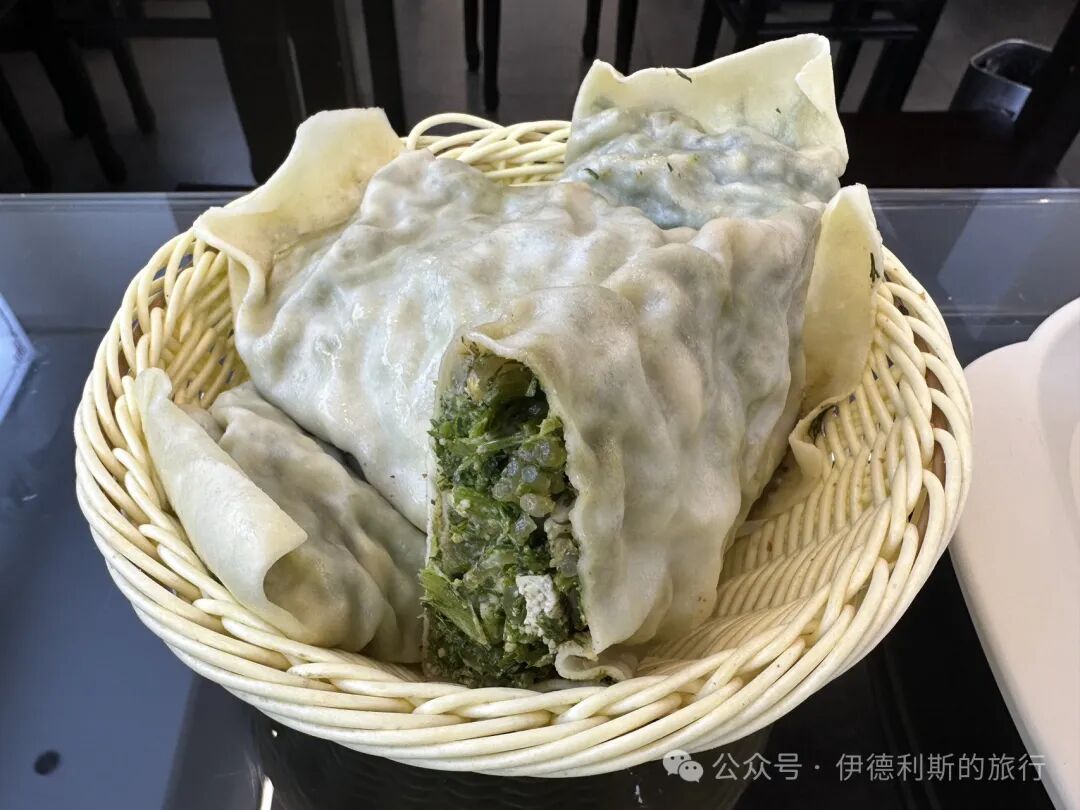
The Yuwei Xiaoyao Town spicy soup (hulatang) shop on Dongsi North Street opened in 2024. When we don't want to cook breakfast at home on weekends, we go there to eat. We often order the fennel and egg or chive and egg vegetable snake-shaped rolls (caimang), spicy soup (hulatang), bean flour soup (doumo), and millet and pumpkin porridge. The skin of the vegetable snake-shaped roll (caimang) is very thin, and I think it tastes better than steamed buns (baozi).
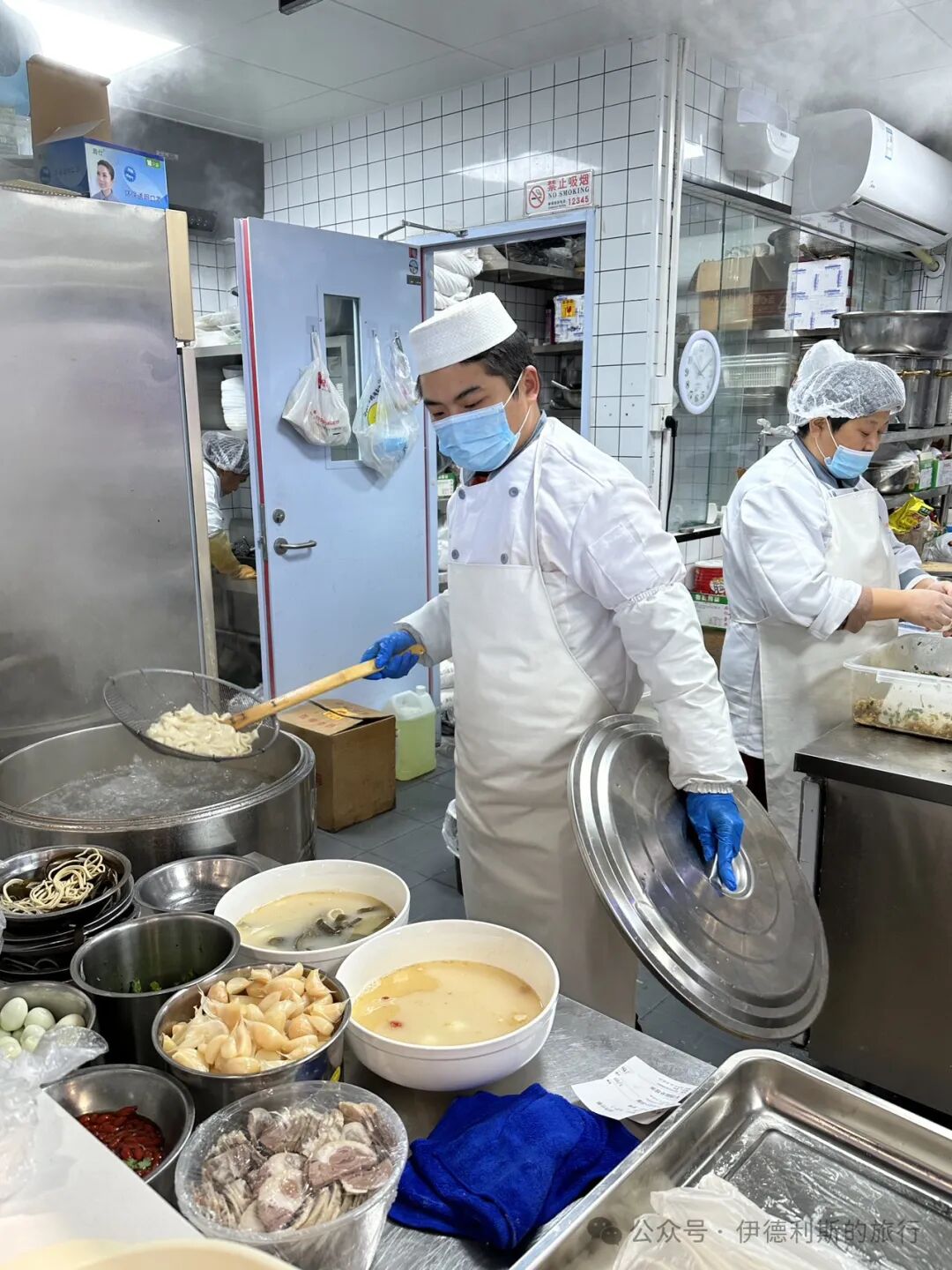
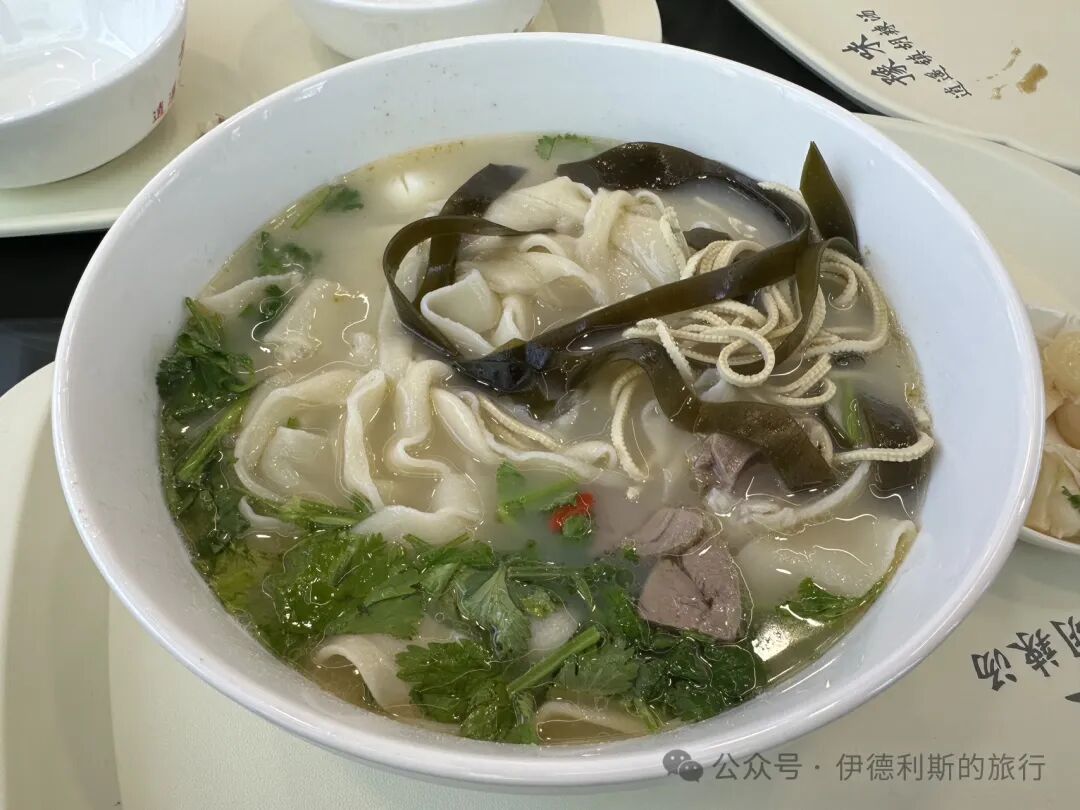
They serve braised noodles (huimian) in the morning, made in the Zhengzhou style with kelp, shredded tofu, vermicelli, quail eggs, and sliced meat. The white broth is light, so you can add chili and pickled garlic yourself.
Summary: This Beijing breakfast guide introduces four distinctive places connected with Pakistani, Turkish, Inner Mongolian, and Henan food. The article keeps the original shop details, dishes, photos, and personal notes while presenting them as a practical English food account.
Pakistani breakfast: flatbread (naan) and curry.
The Pakistani restaurant Samosa in Xibahe just started serving breakfast! You can order a la carte or choose a set meal from 7:30 to 11:00 in the morning. The three-person set includes three staples: butter naan, layered flatbread (paratha), and thin crispy bread (puri). It also comes with three dishes: chickpea masala curry, potato bhaji curry, and a Pakistani-style spicy scrambled egg (khagina). For dessert, there is homemade yogurt and semolina pudding (halawa), plus a unique mango pickle. For hot drinks, you can choose milk tea, milk, or coffee. This three-person set has a huge variety, making it perfect for a family to eat and chat on a weekend morning. Their naan is softer than the kind in Xinjiang, which makes it perfect for dipping in curry. The paratha is similar to northern Chinese griddle cakes, but it is made with butter and is very fragrant. The puri is very popular with kids, and it tastes great paired with the halawa dessert. Their yogurt is homemade, unsweetened, and has a very rich milky flavor. The halawa is not too sweet, so it feels light to eat.
You can also choose a simple meal of a sandwich and a hot drink. Their sandwiches are delicious, with chicken breast or tuna options, plus vegetables and eggs. They are very healthy and great for when you are in a rush for work.
Since subway lines 12 and 17 opened, it is very convenient to get to Samosa. After eating, you can take the subway directly to Sanlitun for shopping and enjoy a wonderful weekend.
Turkish breakfast: bread and...
cheese.
Mado is a famous Turkish snack chain from the city of Kahramanmarash in southeastern Turkey. Its biggest feature is that it uses goat milk from its hometown to make all its signature dairy products and ice cream. Their breakfast is also very rich.
I have eaten Mado breakfast at their Yiwu and Guangzhou locations before, and in 2024, it became available at the Sultan Turkish Restaurant in Beijing. Mado has many breakfast options. We ordered the two-person set, which is served starting at 10:30 and is available all day. The two-person set includes Turkish-style fried eggs with sausage, Marash cheese, feta cheese, a yellow cheese platter, honey with Turkish cream, green olives, black olives, tomato chili paste, tahini syrup, cherry jam, dried apricots, walnuts, feta cheese spring rolls, a kiwi-orange-banana platter, a cucumber-tomato platter, plus bread, flatbread (naan), and Turkish black tea. It is a very rich variety. Their naan is very fluffy, and it tastes great when you tear it open and spread different jams on it.
Inner Mongolian breakfast: steamed dumplings (shaomai) and pot tea (guocha).
Lianying Shaomai is a time-honored brand from Jining, Inner Mongolia, and they also have a branch on Huguosi Street in Beijing. You can have an Inner Mongolian breakfast there in the morning. The pot tea contains milk skin, milk tofu, beef jerky, and roasted millet. It has a very rich milky flavor, and our whole family loves it. We ordered the mutton filling and the mutton with wild onion (shacong) filling for the shaomai. Both are made with chunks of meat and have very thin skins. The wild onion flavor is between green onion and chives; it is very pungent and suits the taste of people from Xinjiang. You can get free refills on their cold dishes and corn grit porridge (bangzazhou). They also serve salty baked flatbread (beizi) with Inner Mongolian lamb offal. We ordered the flatbread this time, and it was quite good.
Henan breakfast: bean flour soup (doumo) and vegetable snake-shaped rolls (caimang).
The Yuwei Xiaoyao Town spicy soup (hulatang) shop on Dongsi North Street opened in 2024. When we don't want to cook breakfast at home on weekends, we go there to eat. We often order the fennel and egg or chive and egg vegetable snake-shaped rolls (caimang), spicy soup (hulatang), bean flour soup (doumo), and millet and pumpkin porridge. The skin of the vegetable snake-shaped roll (caimang) is very thin, and I think it tastes better than steamed buns (baozi).
They serve braised noodles (huimian) in the morning, made in the Zhengzhou style with kelp, shredded tofu, vermicelli, quail eggs, and sliced meat. The white broth is light, so you can add chili and pickled garlic yourself.
