

Hebei Mosques
China Mosque Travel Guide Hebei Cangzhou: Old Mosques, Hui Villages and Muslim Heritage
Articles • yusuf908 posted the article • 0 comments • 168 views • 2026-05-23 23:15
Reposted from the web
Summary: This China Mosque Travel Guide keeps the original 2016 Cangzhou travel notes intact while making the route clear for Muslim readers. It is useful for China Muslim travel tips, halal food in China, Chinese Muslim food, and old mosque heritage in Hebei.
I visited the Hui Muslim community in Cangzhou twice, on November 26, 2016, and March 25, 2017. I will share my experiences here. Some information in this article comes from the book Cangzhou Hui Muslims by Wu Piqing.
The high-speed train from Beijing South Station to Cangzhou West Station takes only 50 minutes. At Beijing South Station, there is a fast-track entrance for the Beijing-Shanghai high-speed railway right at the subway exit. You can swipe your card to leave the subway and head straight to the train, which is very convenient.
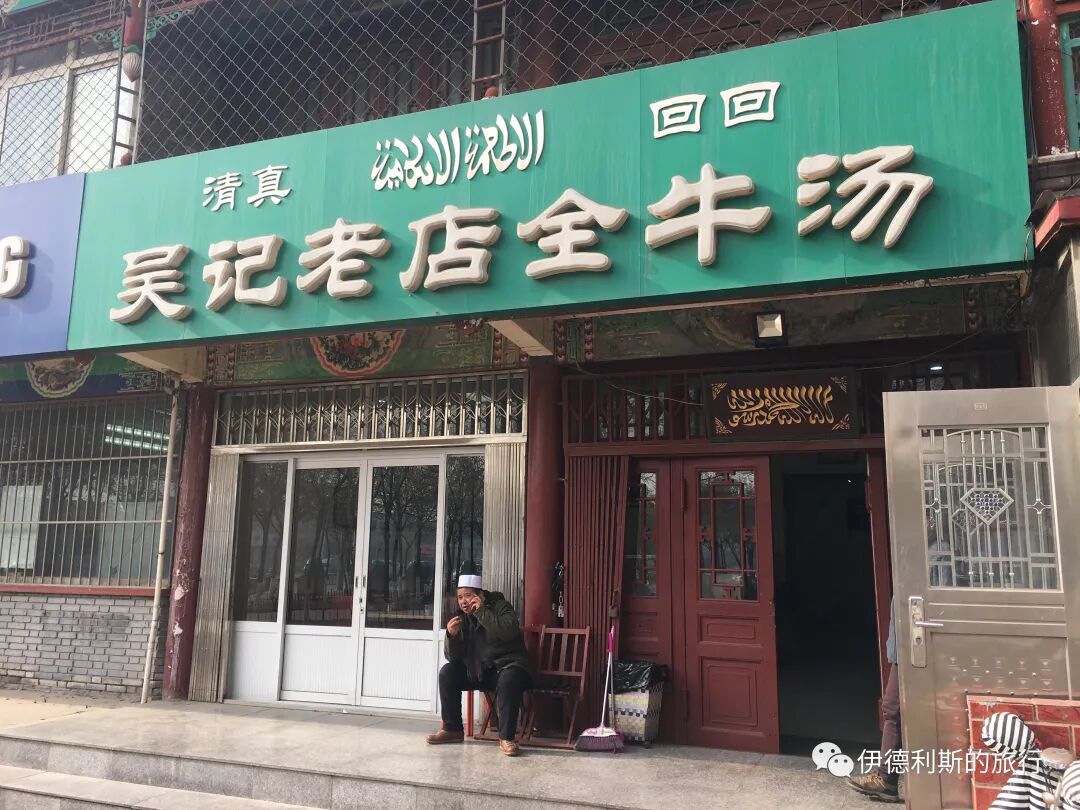
When you leave Cangzhou West Station, you can take a metered taxi. It costs about a dozen yuan and takes 20 minutes to reach the mosque. When Cangzhou locals talk about the mosque, they usually mean the North Great Mosque (Qingzhen Beidasi) on the main street. It is the most magnificent mosque in Cangzhou. Once at the mosque, I first went to eat the famous Wu's All-Beef Soup (Wu Ji Quan Niu Tang).
From Wu's All-Beef Soup to the Cangzhou Hui Muslim district.
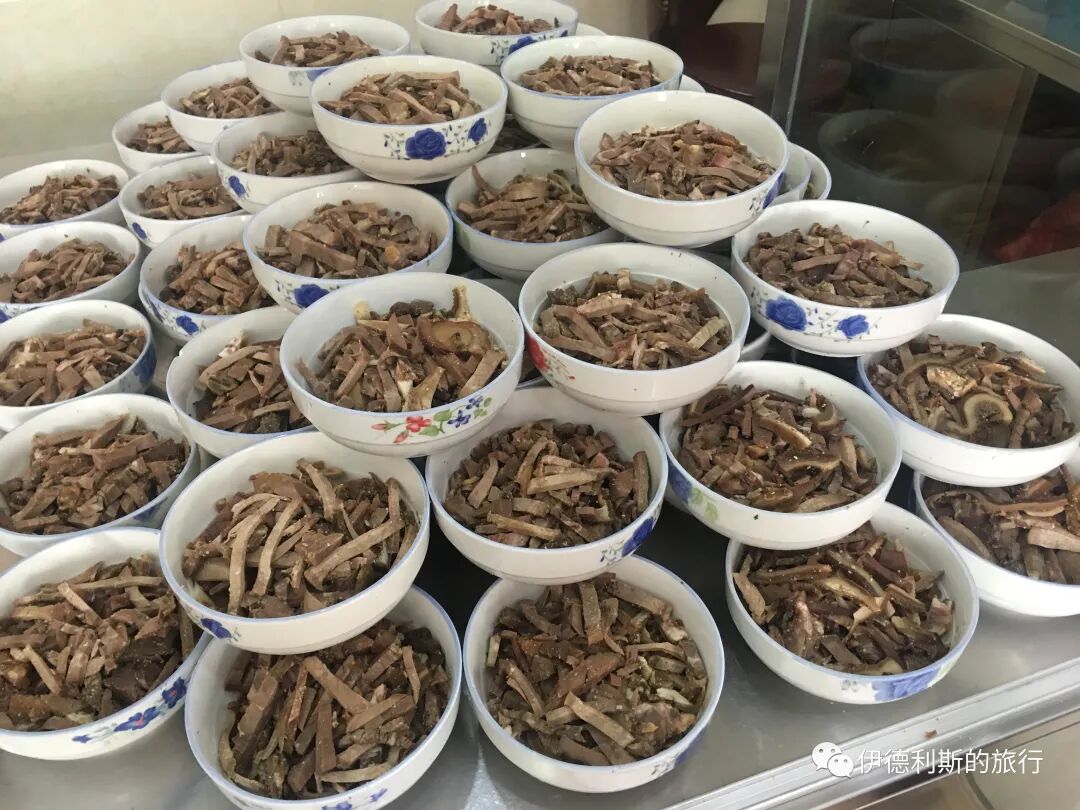
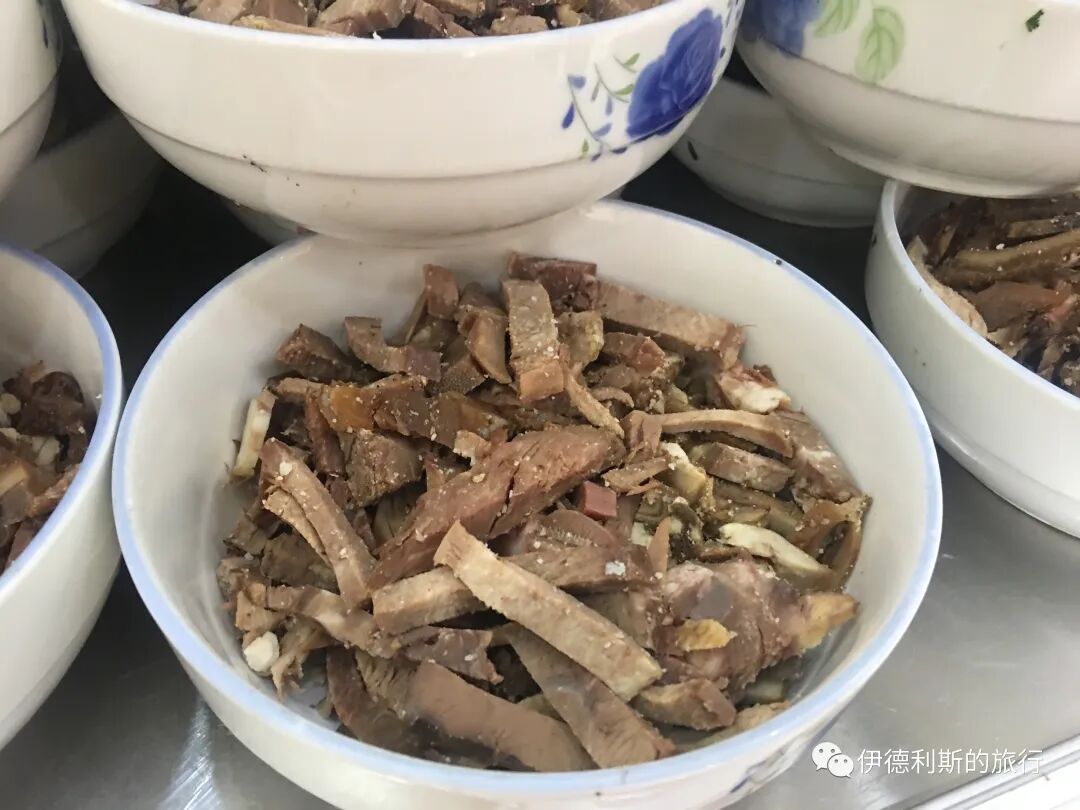
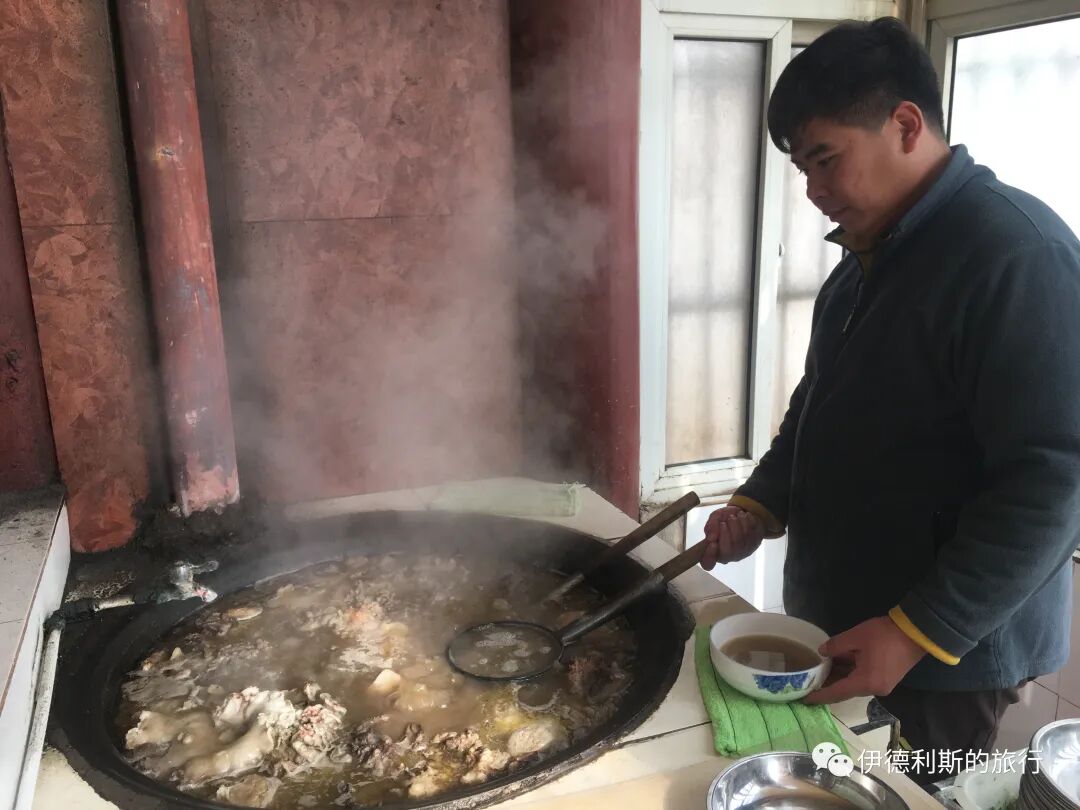
Wu's All-Beef Soup has cost fifty yuan a bowl for years. Don't let the price scare you; once you see the amount of beef, you will know it is worth it. You take dried beef from the counter and dip it in the boiling soup. The beef soup is incredibly delicious, and the beef is very fragrant. It keeps you full for a long time. You can eat all the flatbreads you want there. I chose this long, multi-grain flatbread, which goes perfectly with the soup.
After finishing the beef soup, I have to talk a bit about the Wu family of Cangzhou. The Wu family is an important branch of the Hui Muslims in Cangzhou, and they are closely linked to the city's history.
Like many canal cities, Cangzhou has had Hui Muslim merchants settling down with their families since the Yuan Dynasty. However, the Cangzhou city of that time was not the one we see today. It was located at the Old Prefecture City ruins, 20 kilometers southeast of the current city, where the famous Cangzhou Iron Lion stands.
In 1399, during the Jingnan Campaign, the Prince of Yan, Zhu Di, captured the old Cangzhou city. He killed thousands of surrendered soldiers and tens of thousands of residents, destroying the entire city. The Prince of Yan's sweep to the north became a major turning point in Cangzhou's history.
In 1404, after the war, Cangzhou began to rebuild. Zhu Di, who had gone from Prince of Yan to the Yongle Emperor, ordered the city moved to Changlu by the Grand Canal. He brought in residents from Shanxi, Shandong, and Anhui to settle there, forming the new Cangzhou city.
Just one year before the city was rebuilt, in 1403, the Wu family ancestor, Zuoyong, was appointed as the Assistant Prefect of the Cangzhou Salt Transport Commission in Hejian Prefecture, Zhili. He moved to Cangzhou from Shexian, Anhui. Cangzhou borders the Bohai Sea to the east and has had a thriving salt industry since ancient times. The Cangzhou Salt Transport Commission, established in the early Ming Dynasty, managed the local salt trade. The salt fields were located by the Grand Canal west of Cangzhou city. Transport was very convenient and cost-effective, making the salt popular along the canal.
a descendant of the Wu family, Wu Zhong, founded the famous Wu-style Baji martial arts during the reigns of the Yongzheng and Qianlong emperors, becoming the pride of Cangzhou's Hui Muslims.
Cangzhou North Great Mosque.
The area south of the city gate was an important passage to the canal. Most Hui Muslim artisans and small vendors chose to live there. In 1420, the Cangzhou North Great Mosque was built in the south of the city on land donated by the Wu family ancestor Yongzuo, marking the formal establishment of the Cangzhou Hui Muslim community.
The Fatimah Auntie Festival (Fatumei Gutai Hui), one of the two major festivals and two major gatherings in North China.
The North Mosque (Beidasi) in Cangzhou is grand, but it was badly damaged in the 1908 earthquake, which caused the main hall to tilt toward the south. Local legend says a famous Cangzhou craftsman named Master Jiang Ba dismantled the four walls of the hall, straightened the structure, and restored it. During the Cultural Revolution, the Cangzhou Instrument Factory took over the North Mosque. They tore down the hall and the south lecture hall, burned historic plaques, smashed the roof of the main hall, and removed the front gate.
The North Mosque was only fully repaired after the factory moved out in 1989. Its layout changed quite a bit to reach its current form.
Halal food near the North Mosque
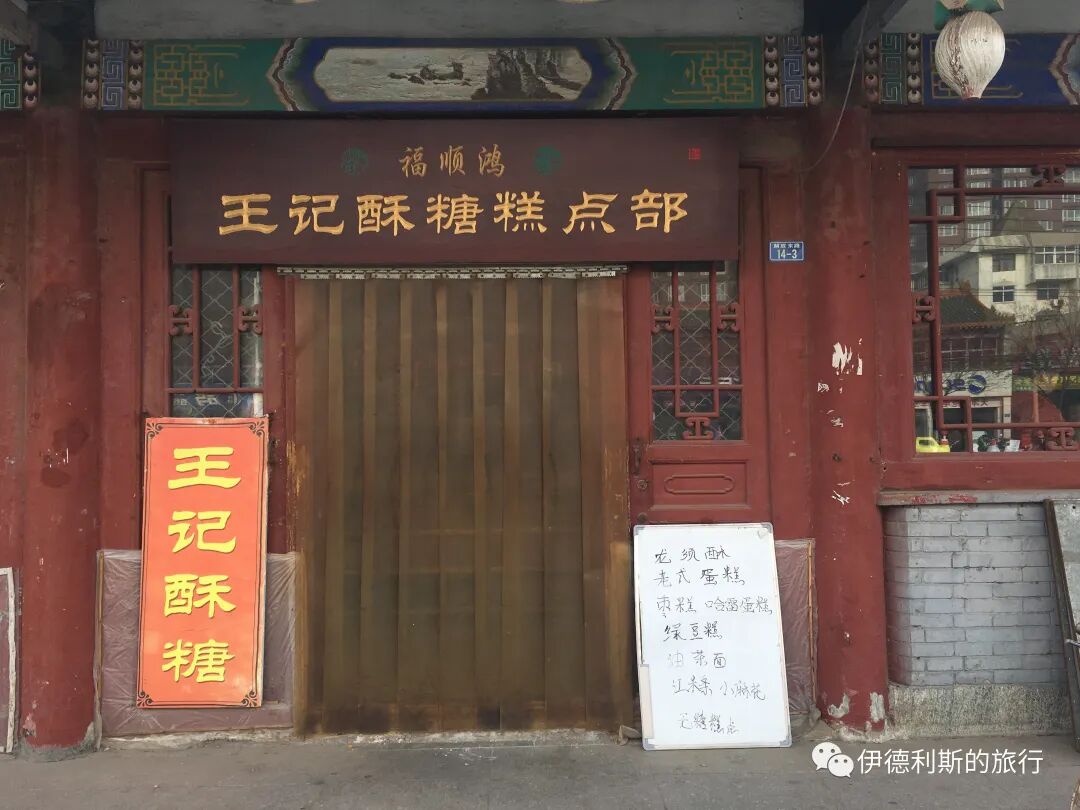
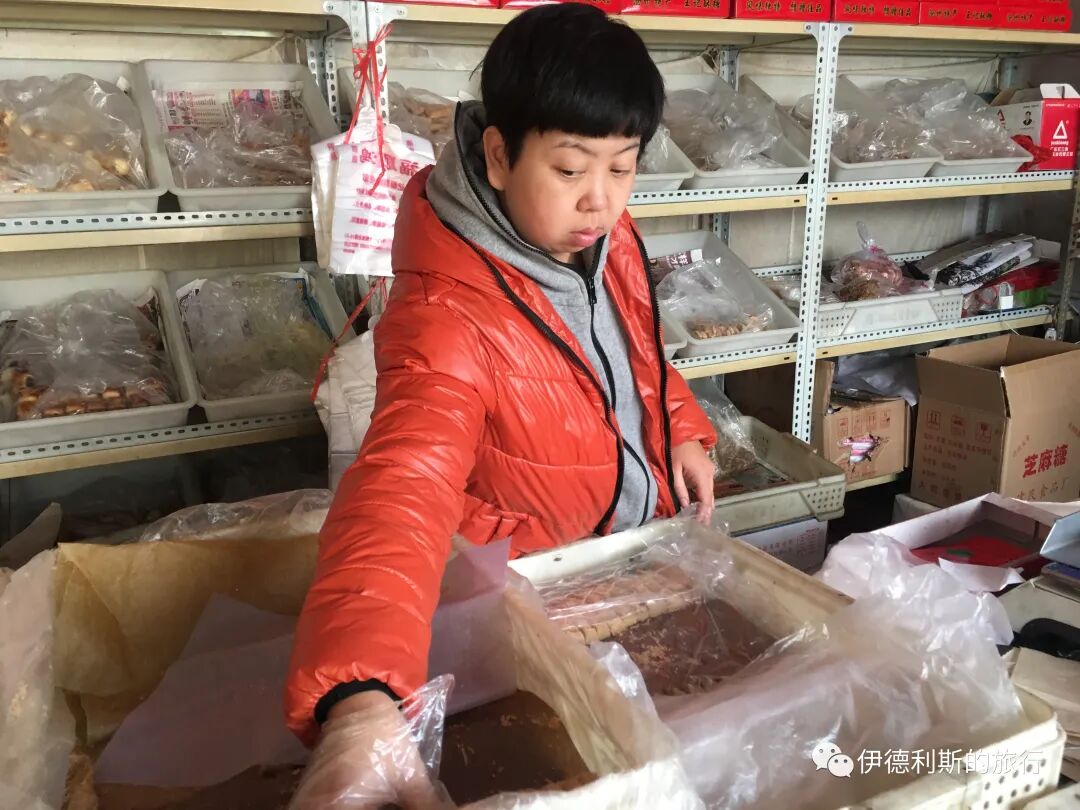
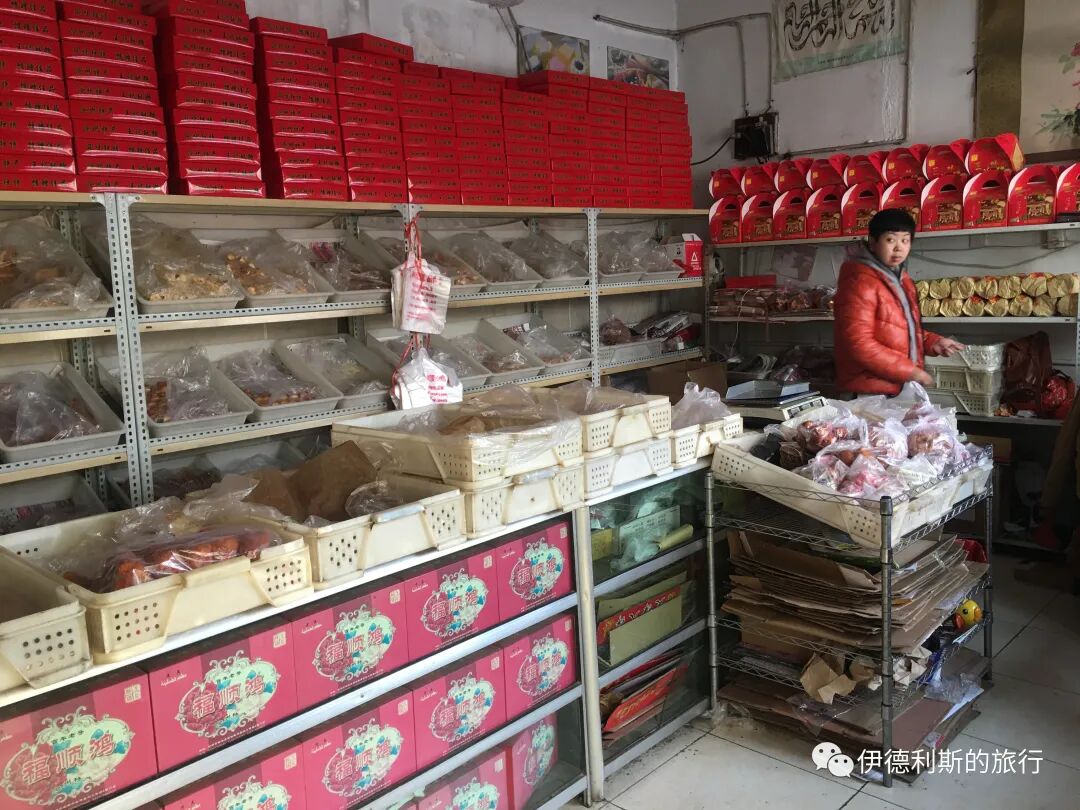
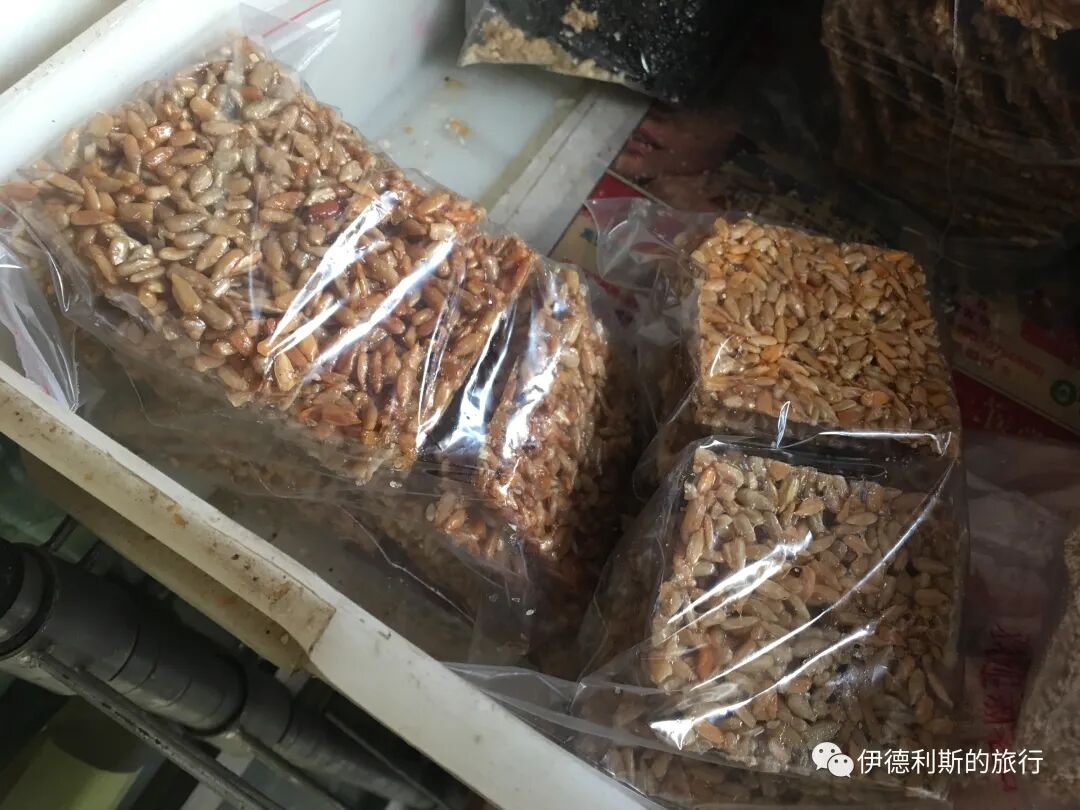
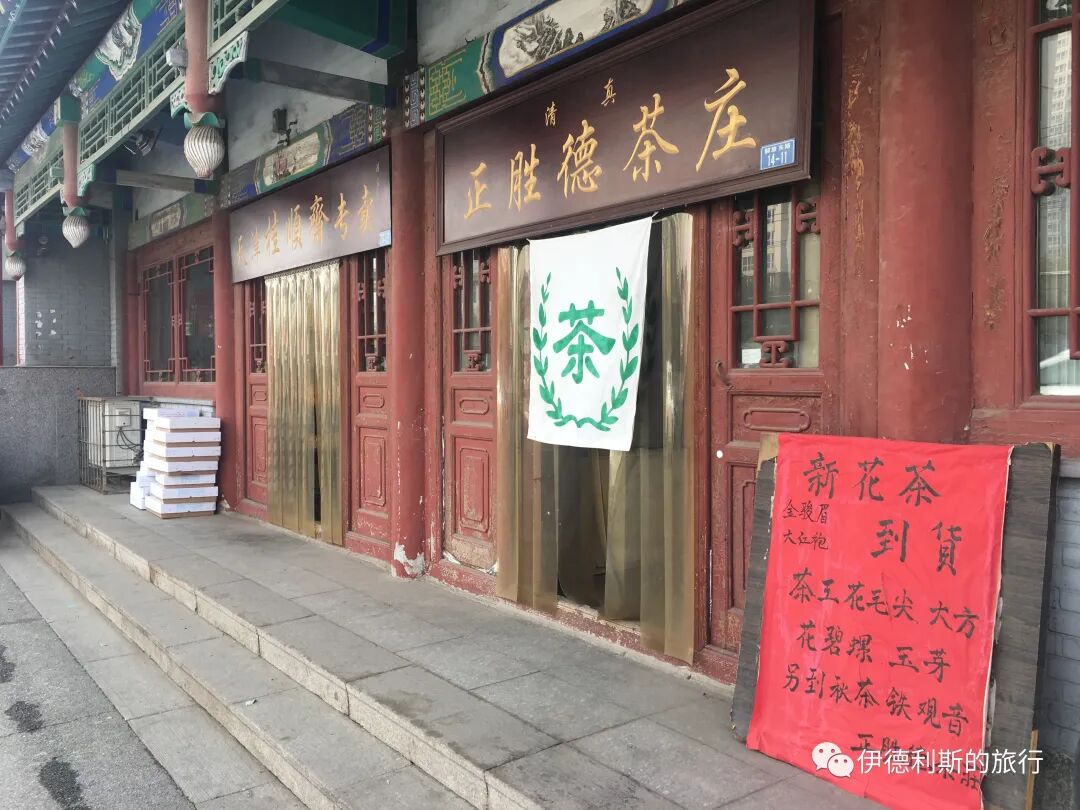
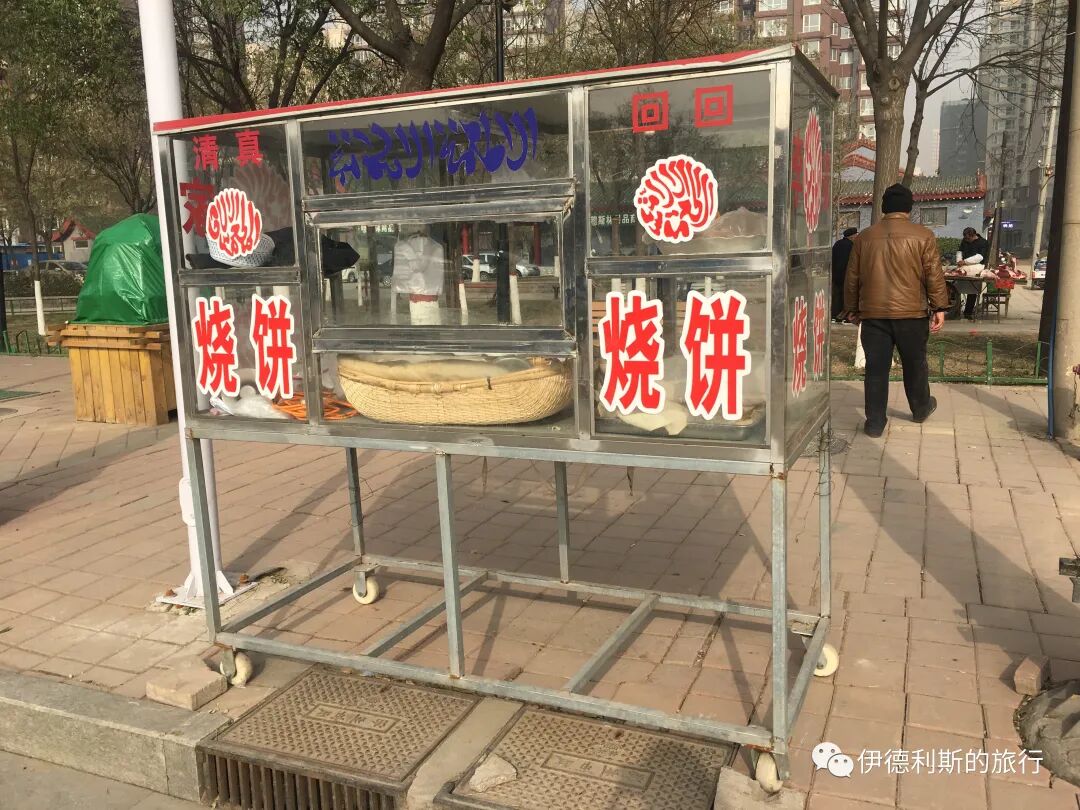
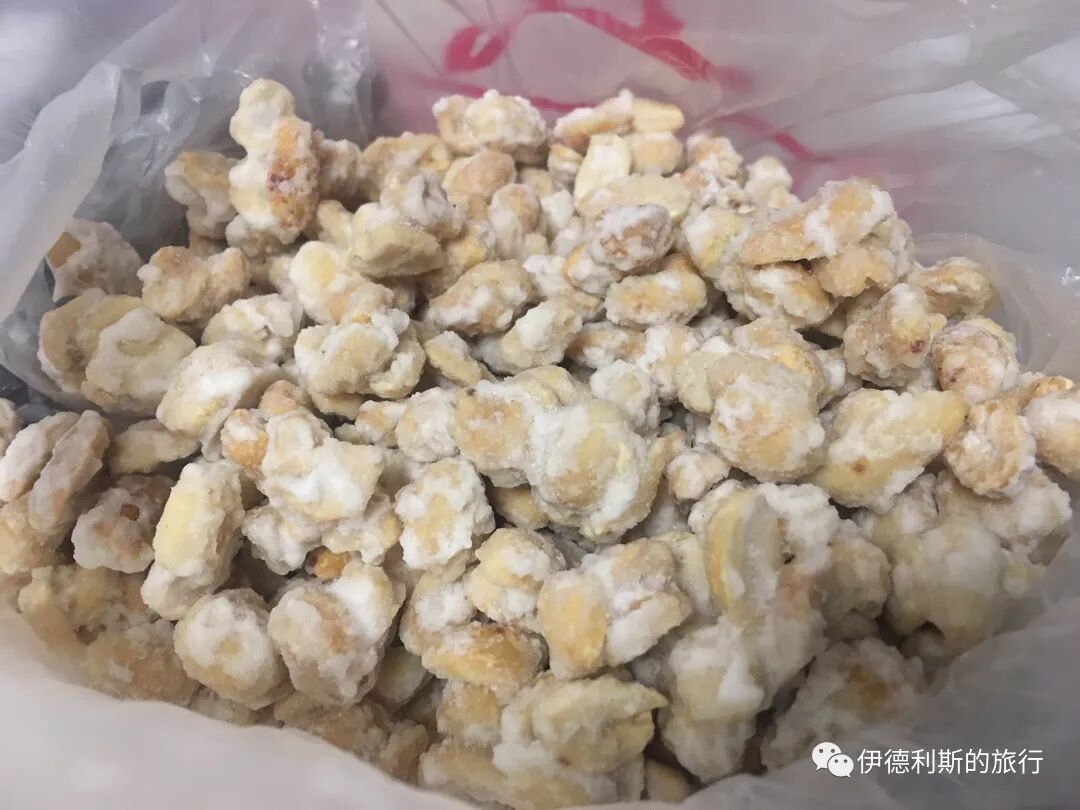
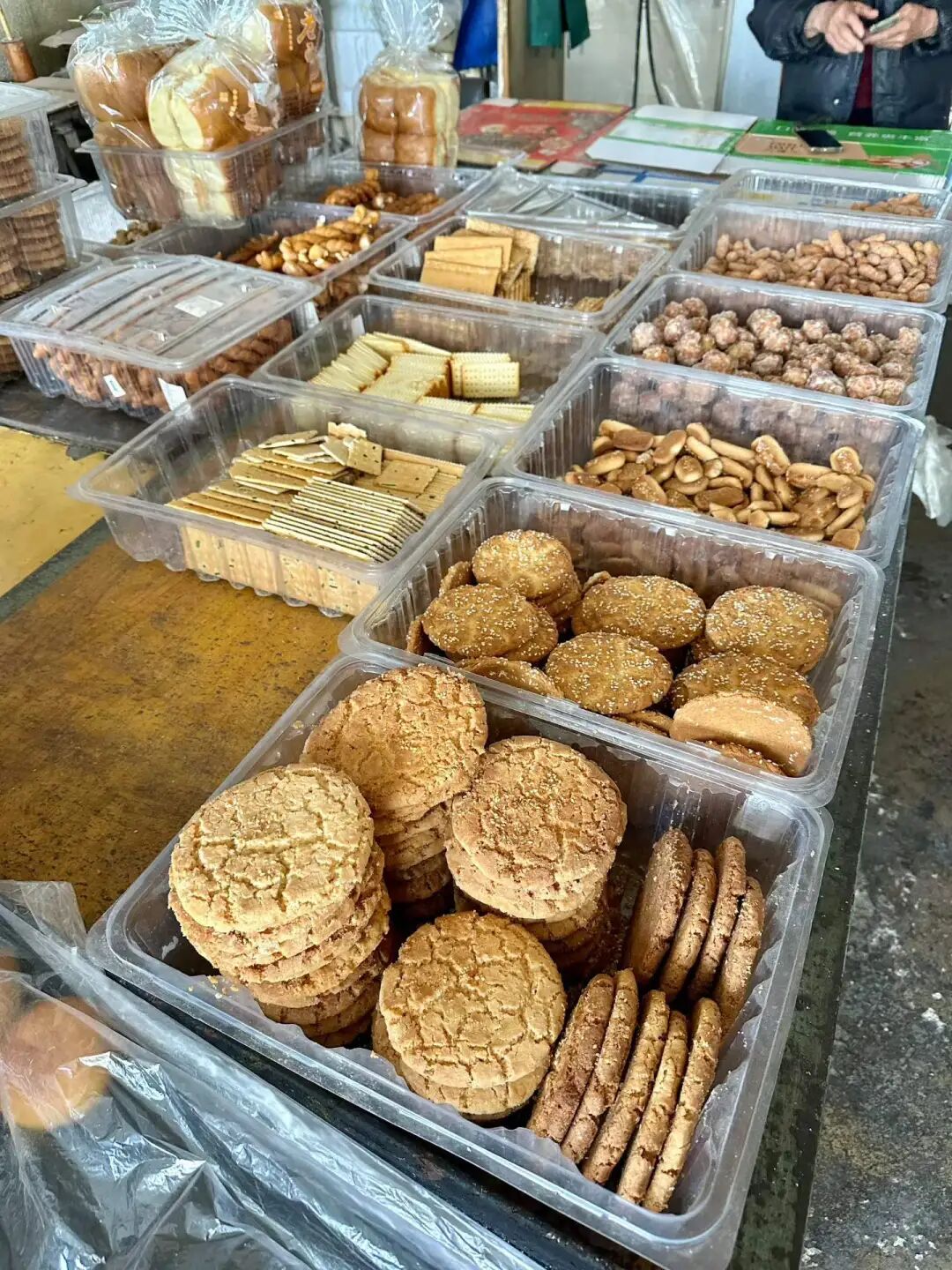
There are many small shops on both sides of the North Mosque gate. I bought some local specialty crispy candy (sutang) at the Wangji Crispy Candy and Pastry Shop. I only got to eat this during the Chinese New Year when I was a kid, so it brings back many memories.
Horseshoe-shaped crispy pastry (matisu) bought at the pastry department of the Cangzhou Halal Food Factory.
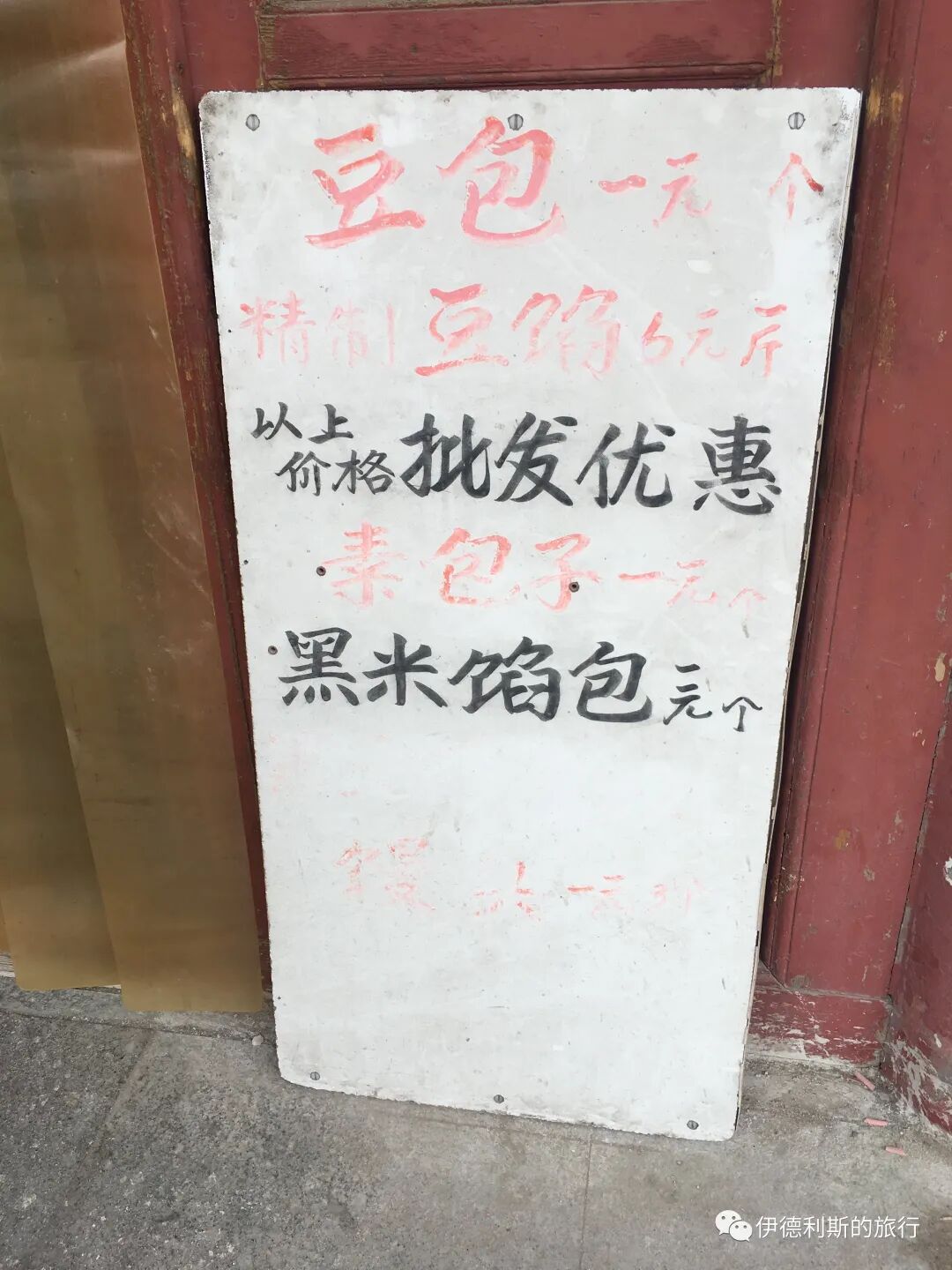
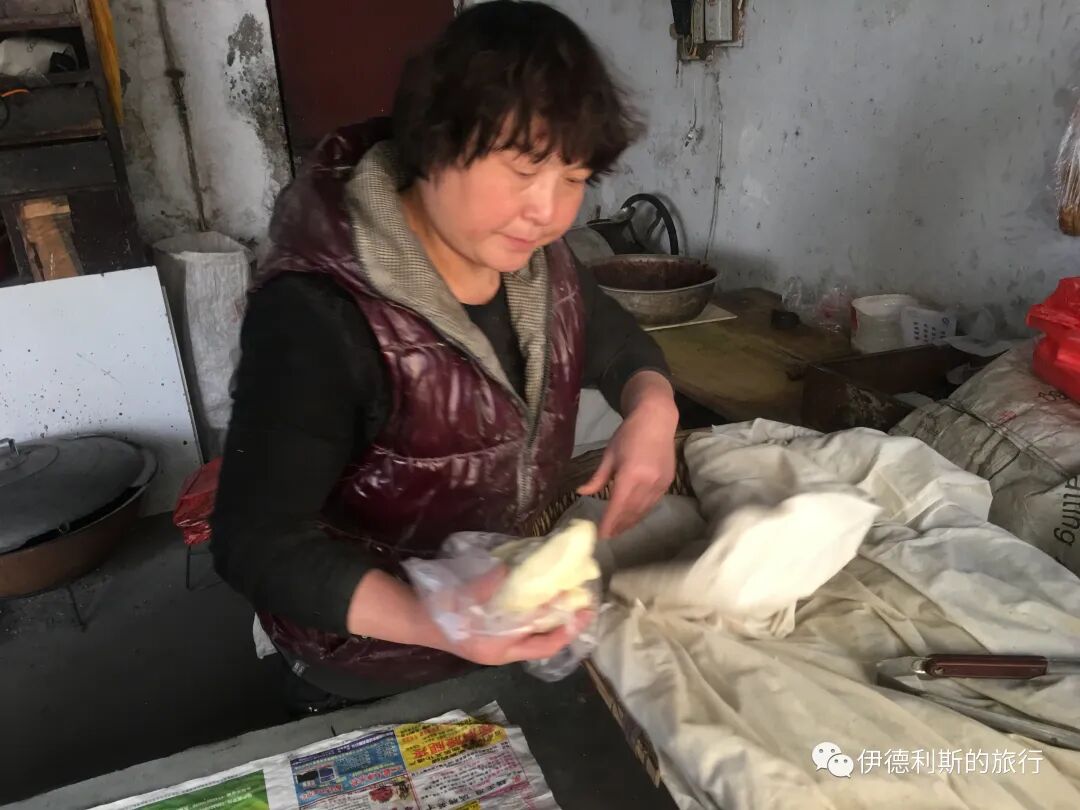
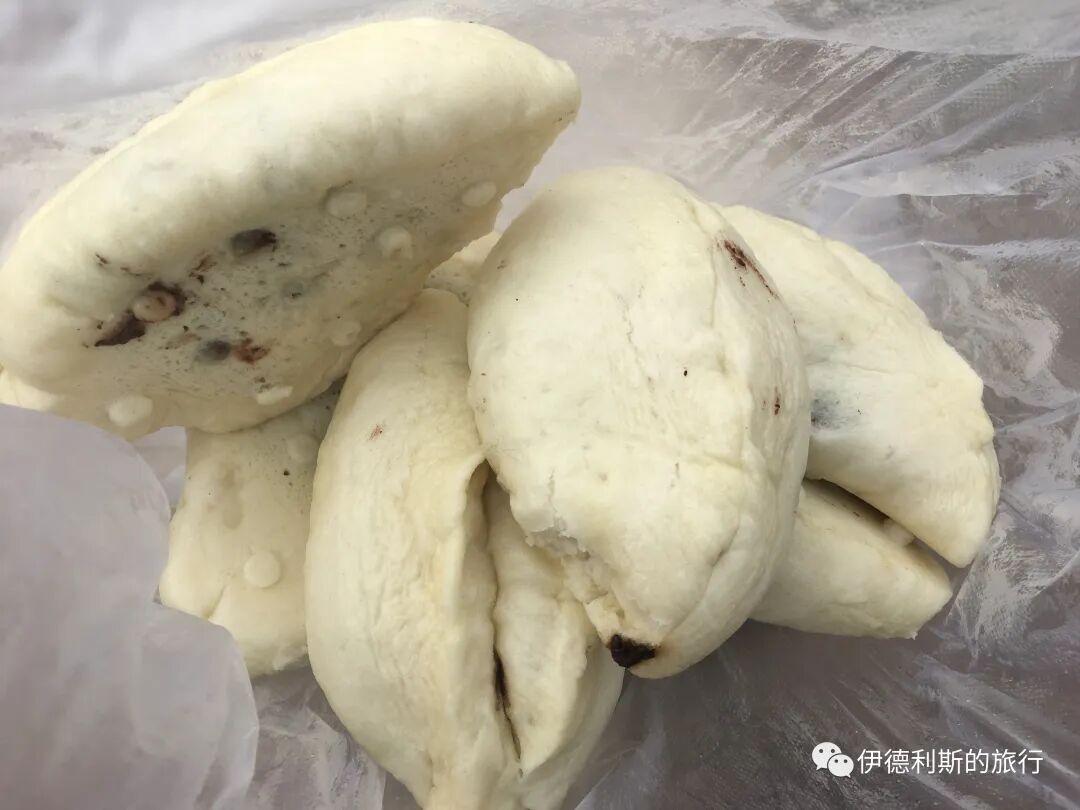
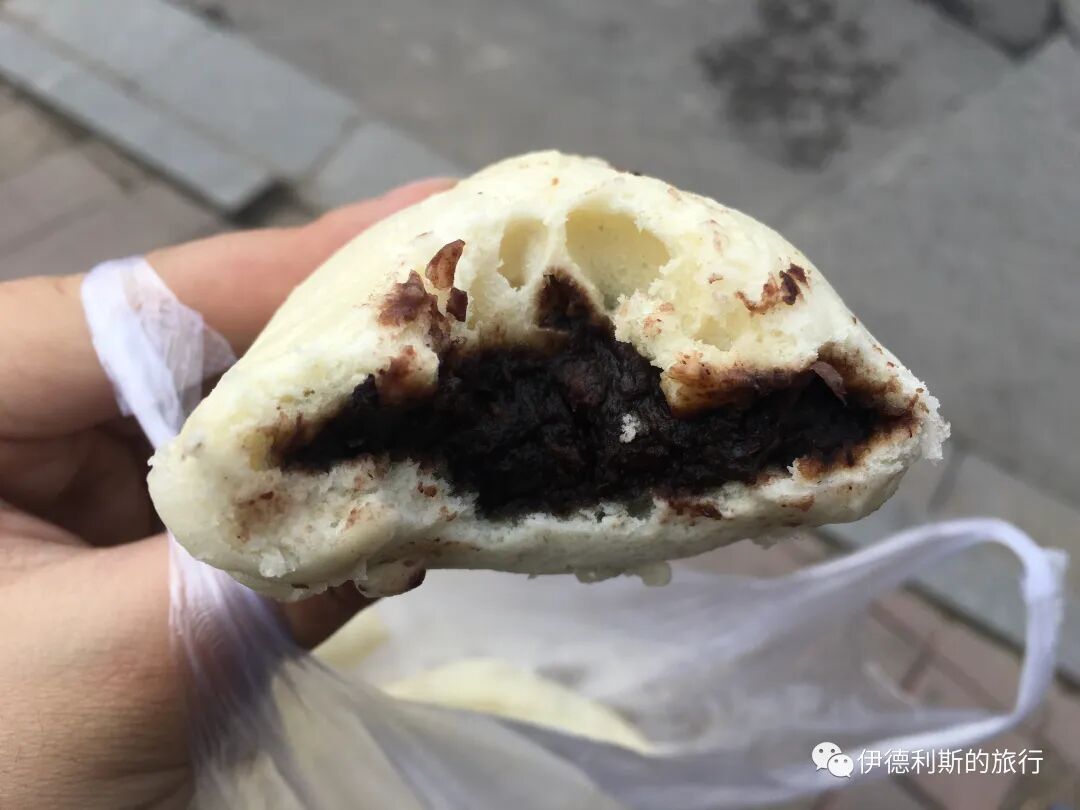
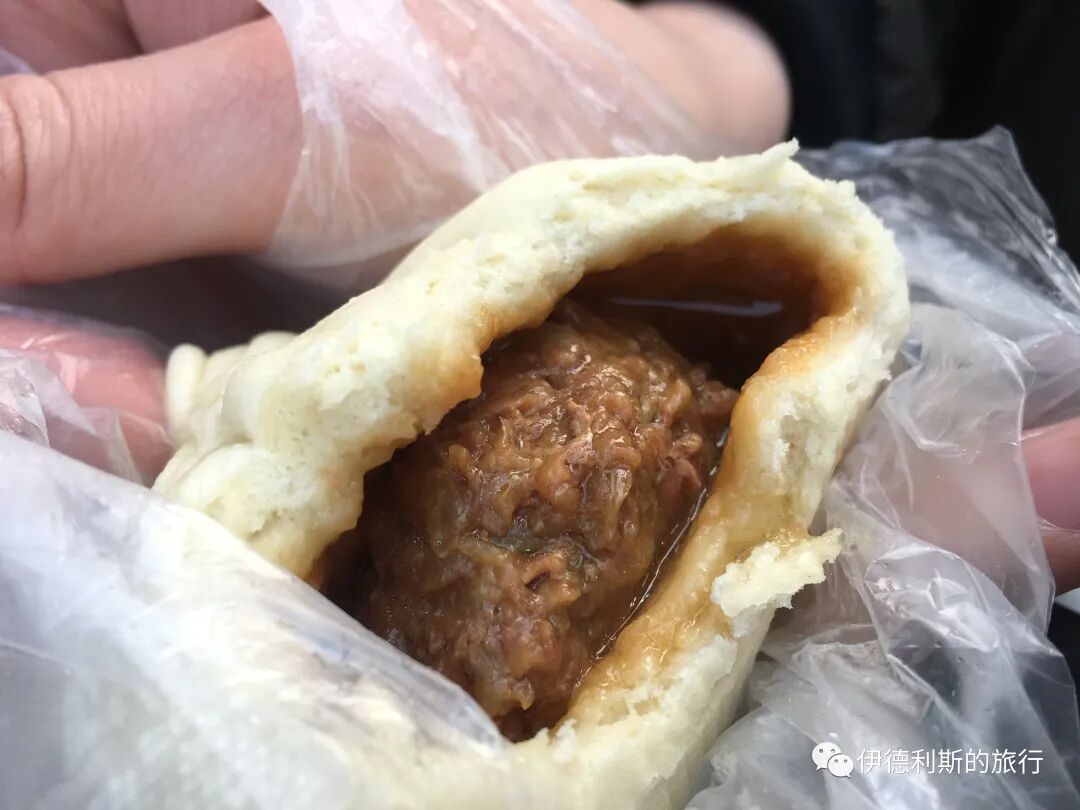
The halal red bean buns (doubao) next to the North Mosque are delicious. I bought a bunch both times I visited.
Women's Mosque (Qingzhen Nüsi)
Across from the North Mosque is the Women's Mosque, which was first built in 1666 (the fifth year of the Kangxi reign). The Women's Mosque used to be called the Inner City Mosque (Chengli Qingzhensi), and it was separated from the North Mosque by the south city wall of Cangzhou. The Inner City Mosque faced a similar fate to the North Mosque, suffering near-total destruction in the 1960s and 70s before being restored in the 1980s. In 1986, the Inner City Mosque became the Women's Mosque. It was rebuilt in 1993 to look the way it does today.
The Hui Muslim district in the south of Cangzhou city
South of the North Mosque is the Hui Muslim district. Although the houses have been rebuilt, the original street layout remains.
Halal food on Minzu Street
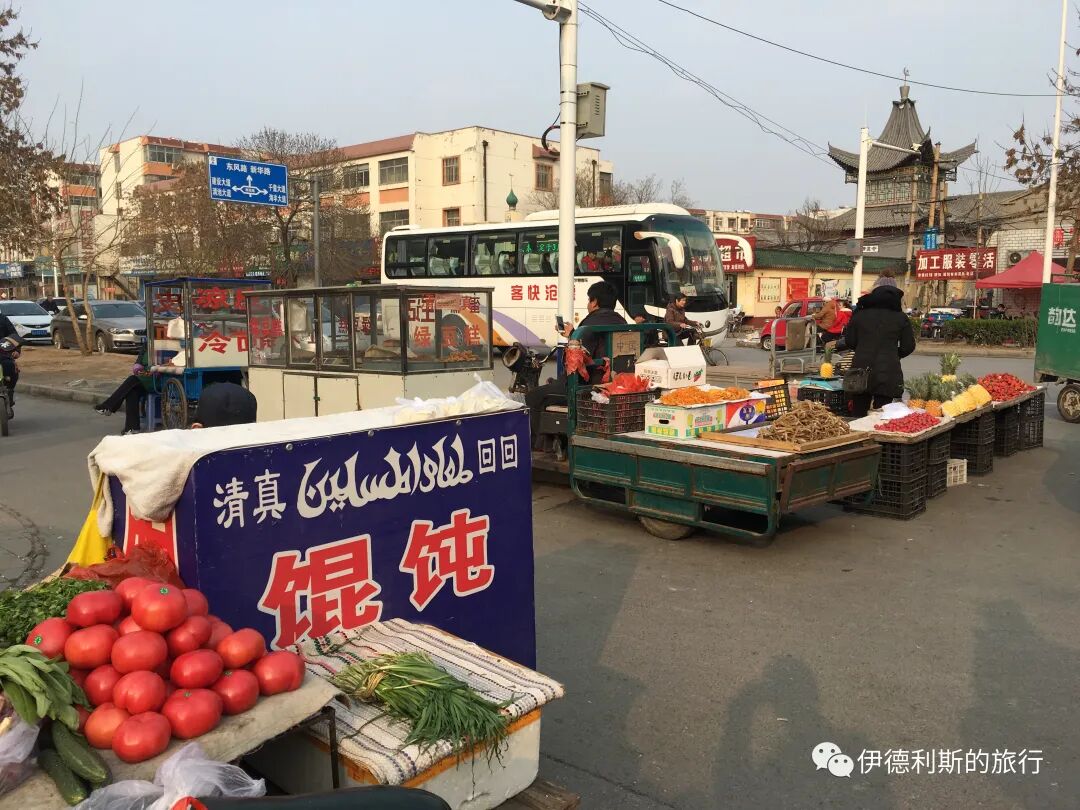
The heart of the southern Hui Muslim district is the Minzu Street food market, which is packed with all kinds of Hui Muslim snacks.
The East Mosque (Dongsi) is at the east end of the street.
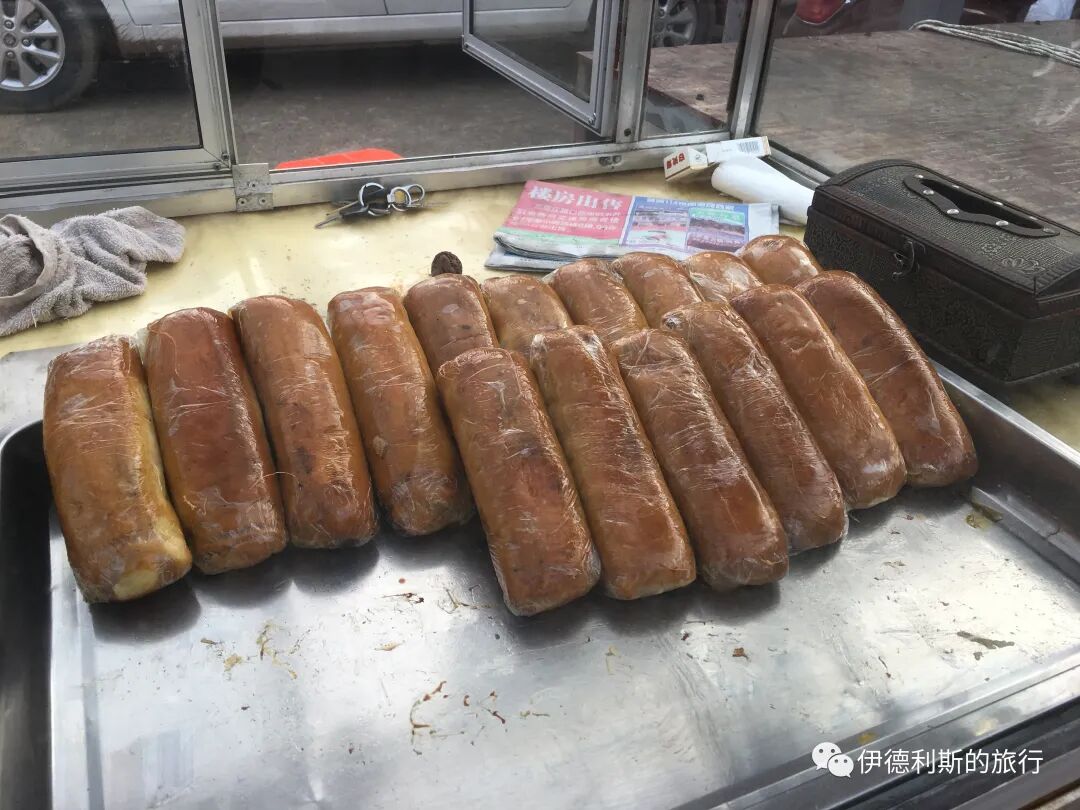
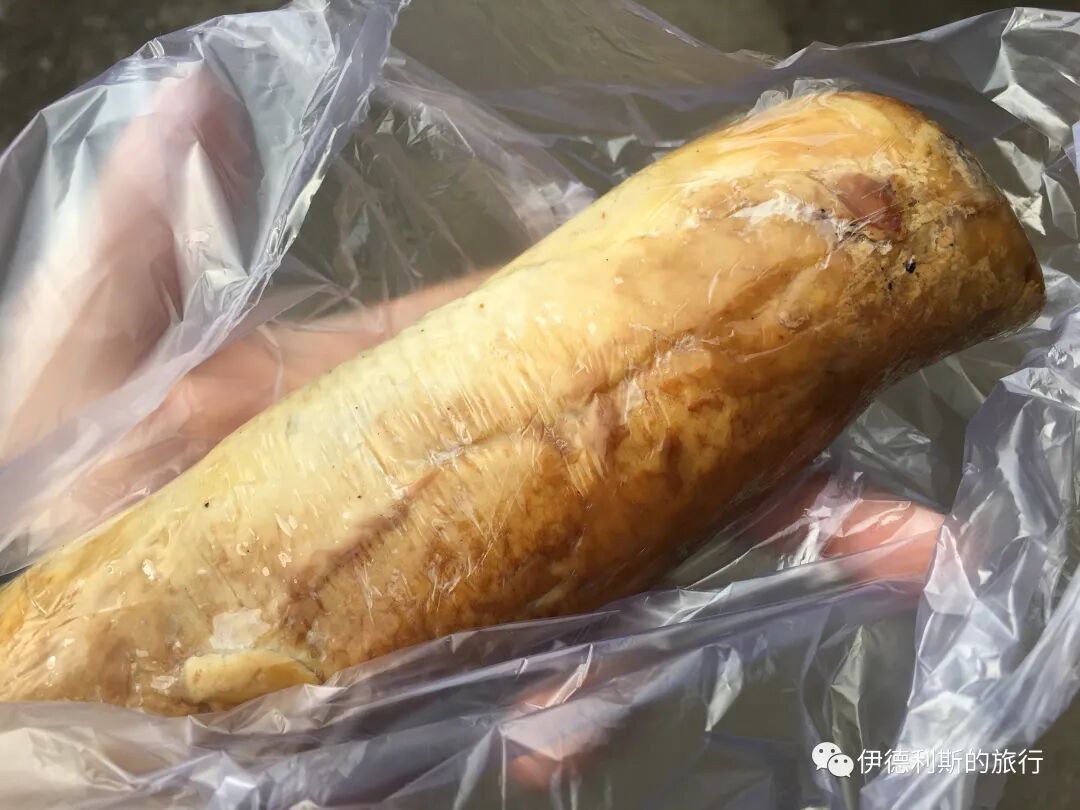
Liuji pine nut chicken legs (songhuajitui) are chicken sausages stuffed with pine nut jelly. They go perfectly with flatbread (laobing) or steamed buns (mantou).
This is the third place outside of Beijing and Tianjin where I have had tea soup (chatang). The version in Cangzhou came from Tianjin along the Grand Canal, but this shop uses more ingredients and has a stronger flavor.
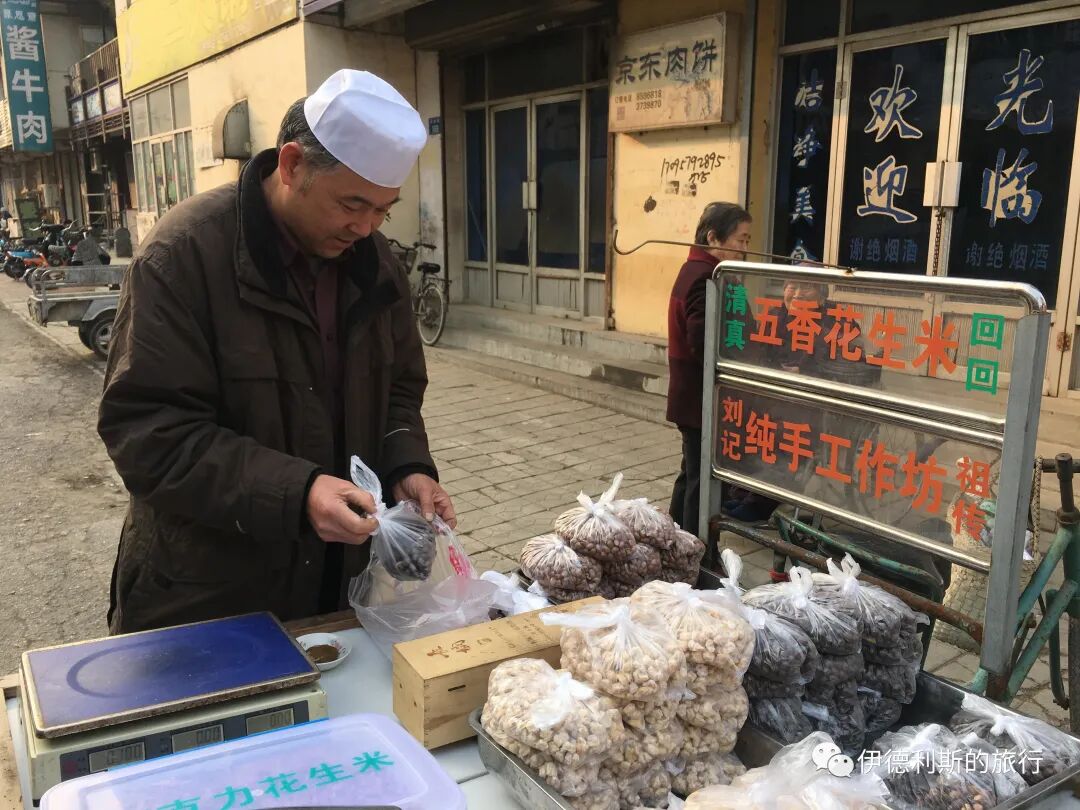
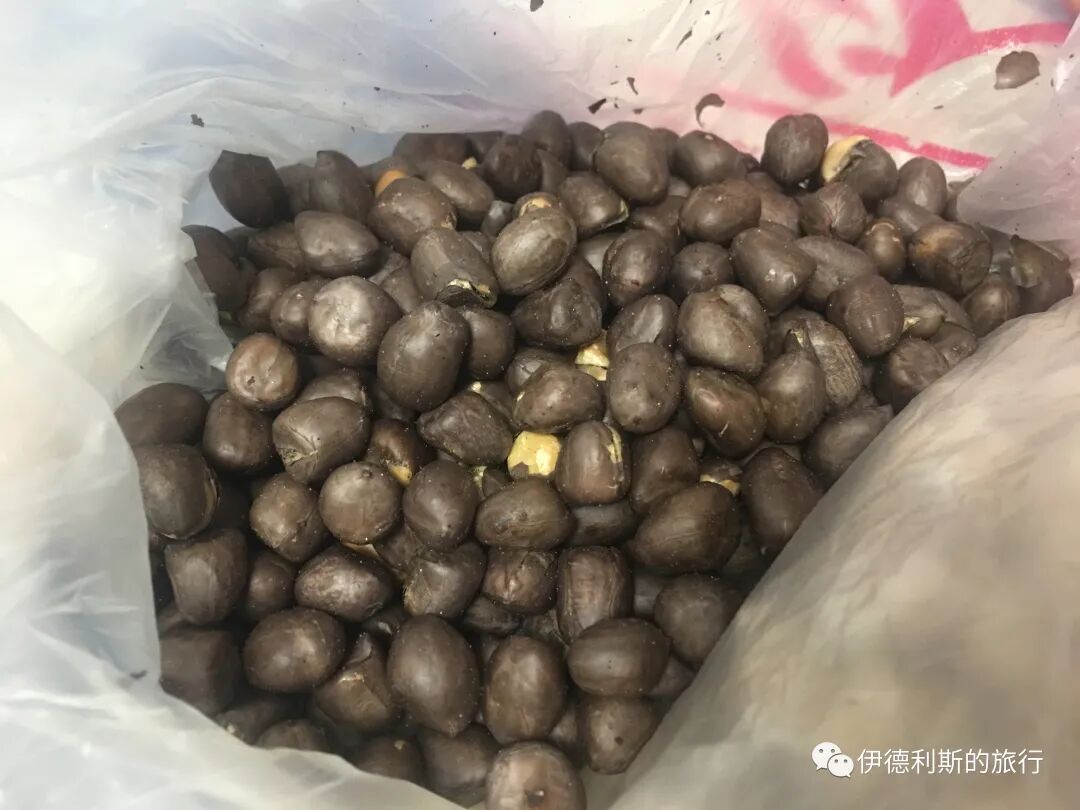
I bought two bags of five-spice peanuts. The black ones are addictive when eaten with tea.
I walked all the way to the west end of Minzu Street and had a pizza at Oumale.
Botou Yang family sesame flatbread (shaobing)
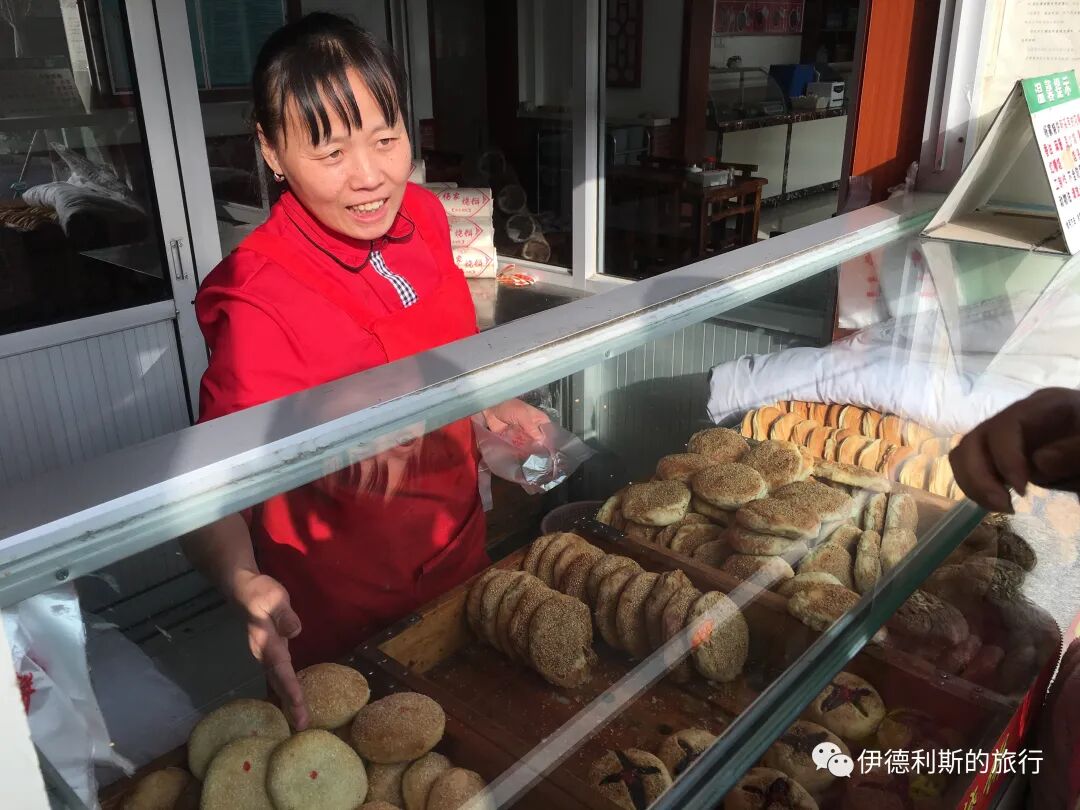
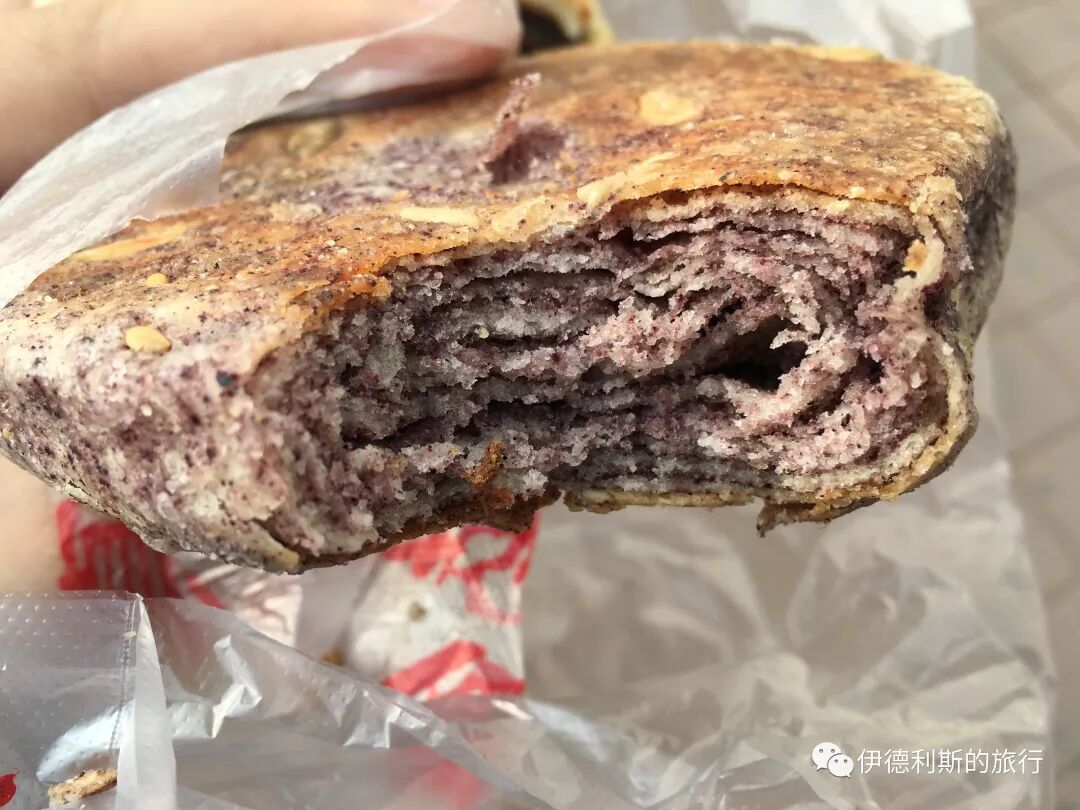
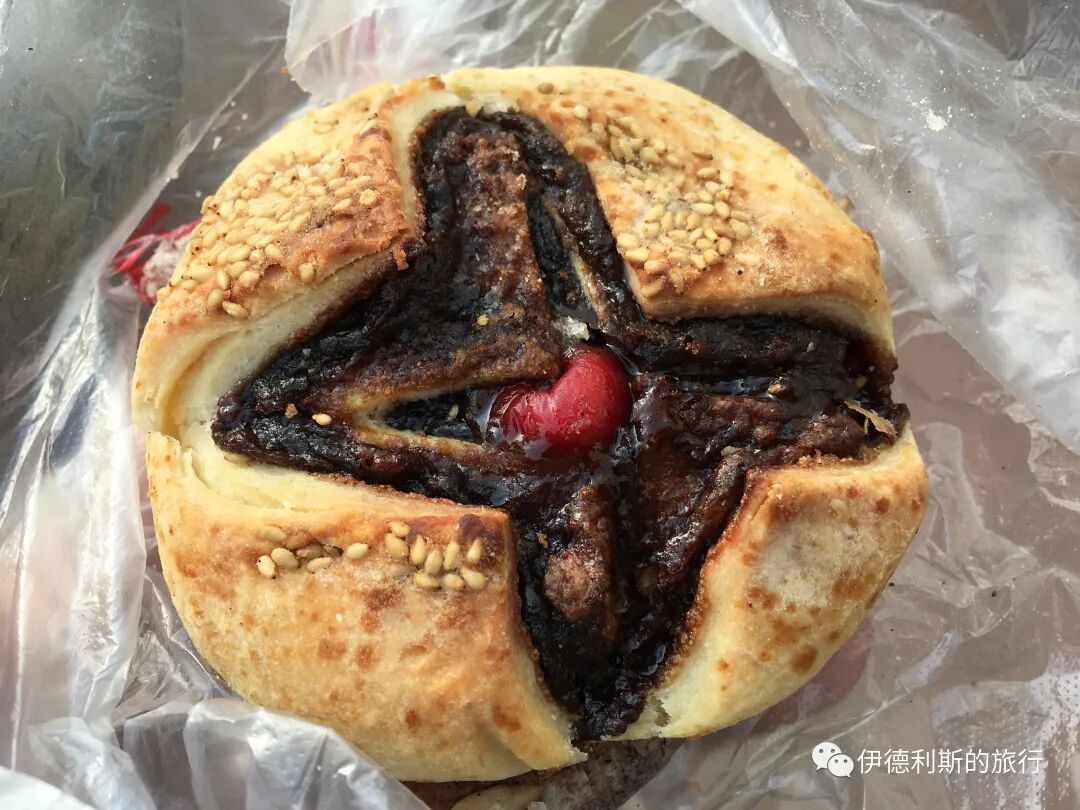
I bought sugar-filled triangular flatbreads (tang sanjiao shaobing) and black rice crispy flatbreads (heimi su shaobing) at the Cangzhou branch of Botou Yang Family Flatbreads (Yangjia shaobing).
Yang Yongchang, the founder of Yang Family Flatbreads, opened a roadside inn called Yongchang Store in the ancient canal town of Botou, south of Cangzhou, in the 1930s. He started making flatbreads then and continued until the business was closed during the public-private partnership transition in 1956. In 1979, Yang Family Flatbreads reopened. It became a Cangzhou municipal-level intangible cultural heritage site and developed many new varieties that taste as delicious as pastries.
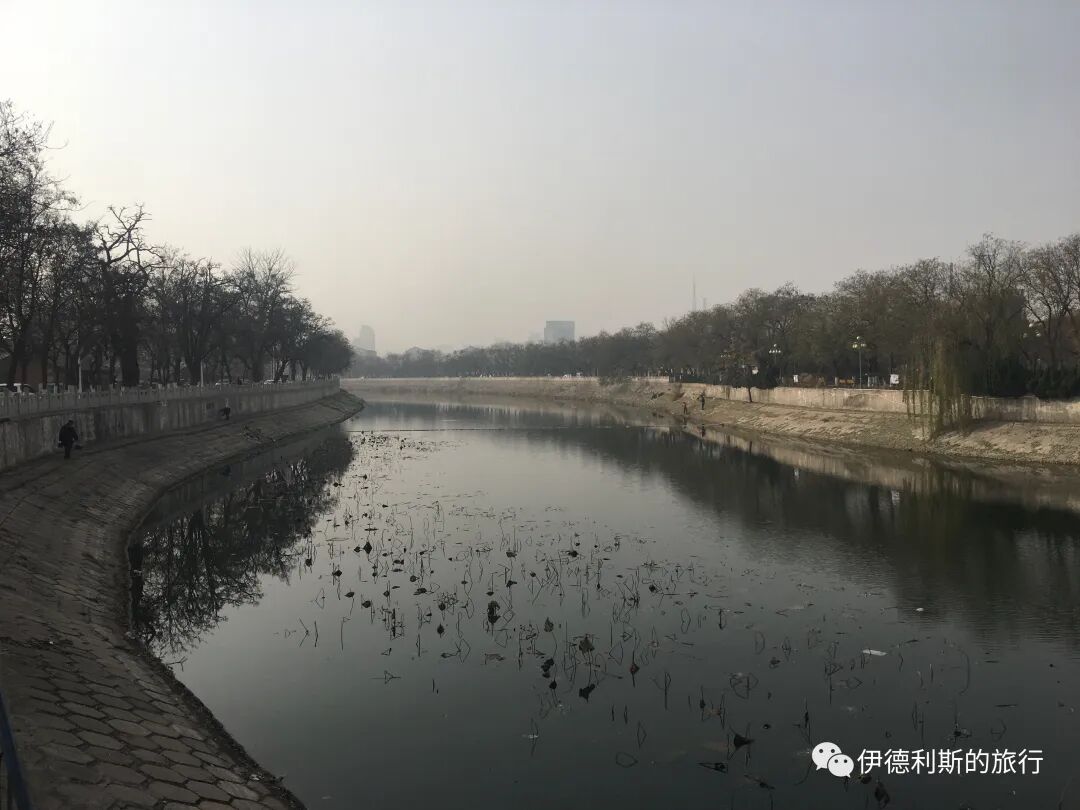
The Grand Canal in Cangzhou.
The canal wharf is not far from the west side of the Hui Muslim district in the south of the city. In 1411 (the ninth year of the Yongle reign), the Ming Dynasty cleared the silted-up section of the Grand Canal known as the Huitong River. This reopened the north-south water transport route, and the new Cangzhou city, which had moved from the old state city, became a hub for water transport.
At that time, many Hui Muslims made their living directly from water transport. The wealthiest boat owners rented out their ships or hired people for transport. Ordinary small boat owners made a living by ferrying, while the poorest Hui Muslims survived by pulling boats along the riverbank or carrying cargo at the wharf.
The convenience of water transport naturally led to a boom in business. Before the July 7th Incident, there were over five hundred halal restaurants in Cangzhou city. These included large establishments like Qinghua Restaurant and Tianqing Hall, as well as large tea houses like Wancheng Tea House. There were also various banks and grocery stores run by Hui Muslims, marking the peak of commercial activity for Cangzhou's Hui Muslims. (The Influence of the Canal on the Formation and Development of Hui Muslim Settlements in Cangzhou)
Until the 1960s, cargo ships still traveled constantly along the South Canal, and water transport in Cangzhou remained prosperous. However, by the 1970s, the water source for the South Canal channel deteriorated sharply and could no longer provide the water volume needed for transport, so the Cangzhou water transport wharves were abandoned.
Cangzhou has many Hui Muslim martial artists and schools. Besides the previously mentioned Wu-style Kaimen Baji Quan, there is also the famous Cha-Hua Quan. Cha-Hua Quan was created by Hui Muslims Cha Shangyi, Hua Zongqi, and Wu Dianzhang. It is also called Huihui Quan and is very popular among Hui Muslims in Shandong and Hebei.
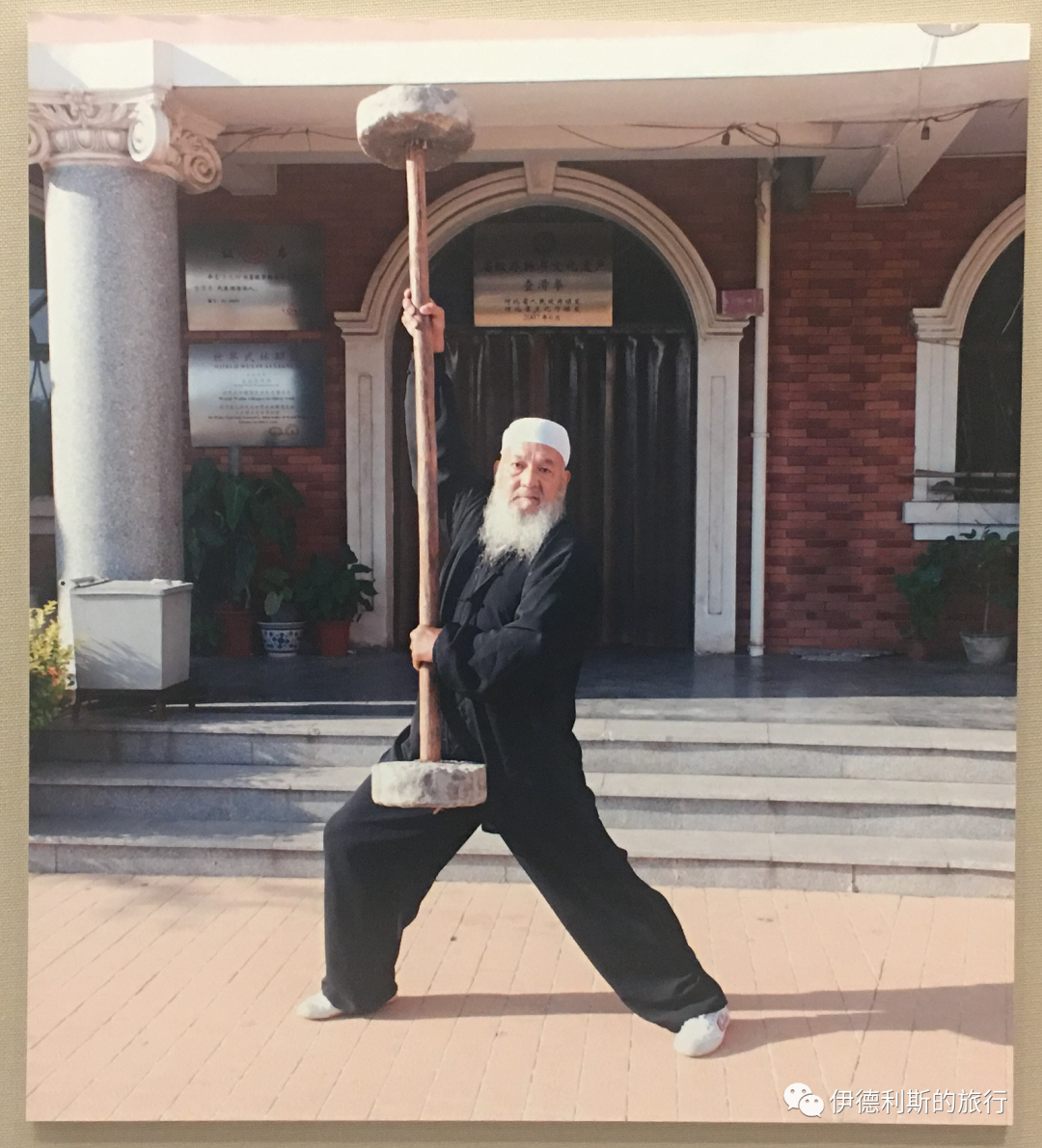
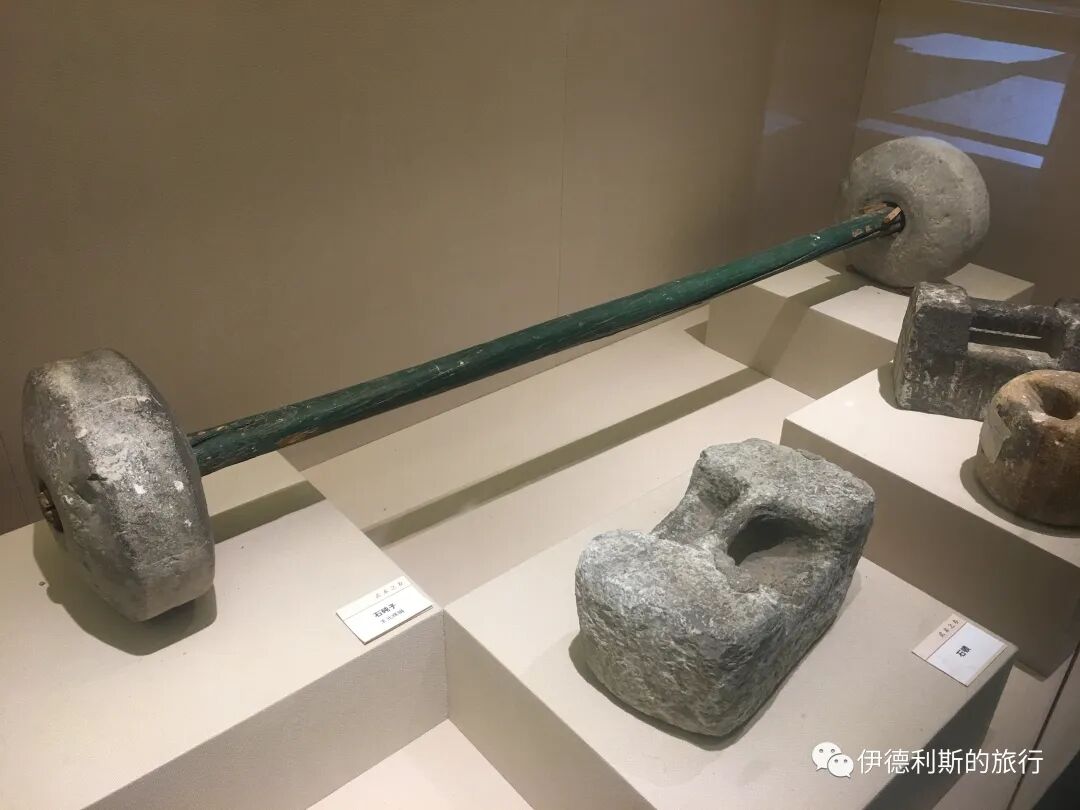
Wang Yuanxiang from Cangzhou is a fifth-generation successor of the Cha-Hua school and is skilled in using the long spear (daxing qiang). The longest spear in the picture below is the one he donated to the Cangzhou Museum.
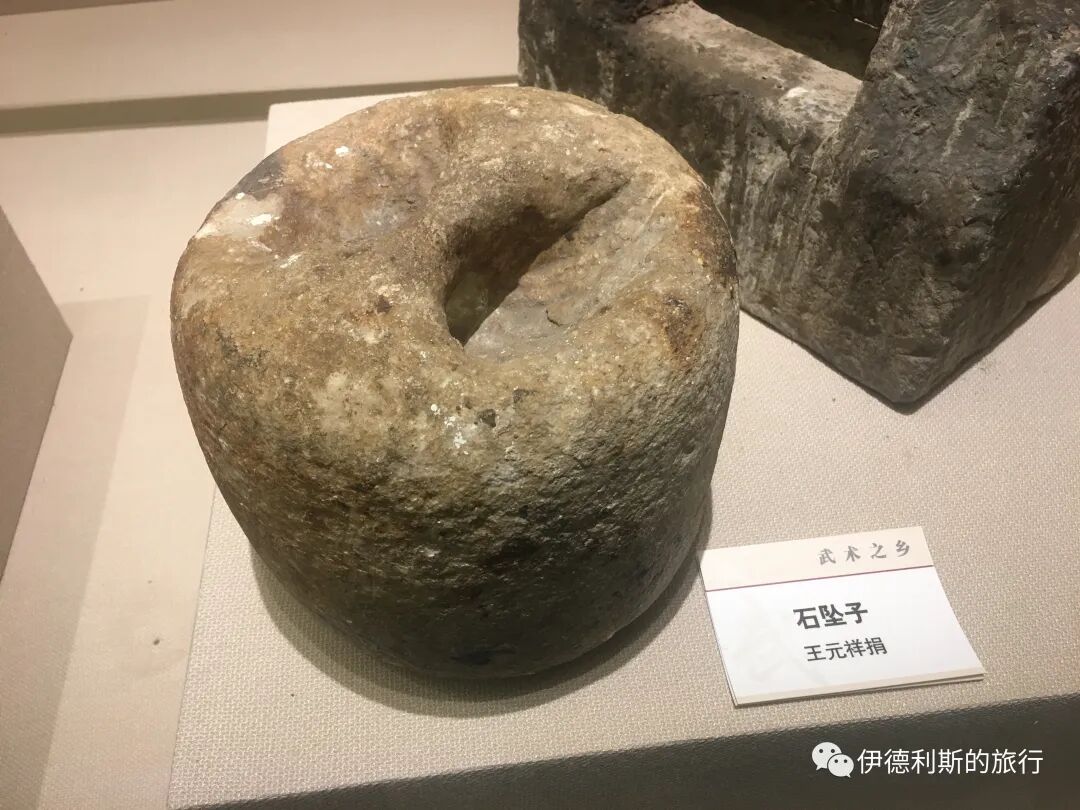
Practicing Cha-Hua Quan often requires the use of stone weights (shidun). The stone weight below was also donated by Wang Yuanxiang.
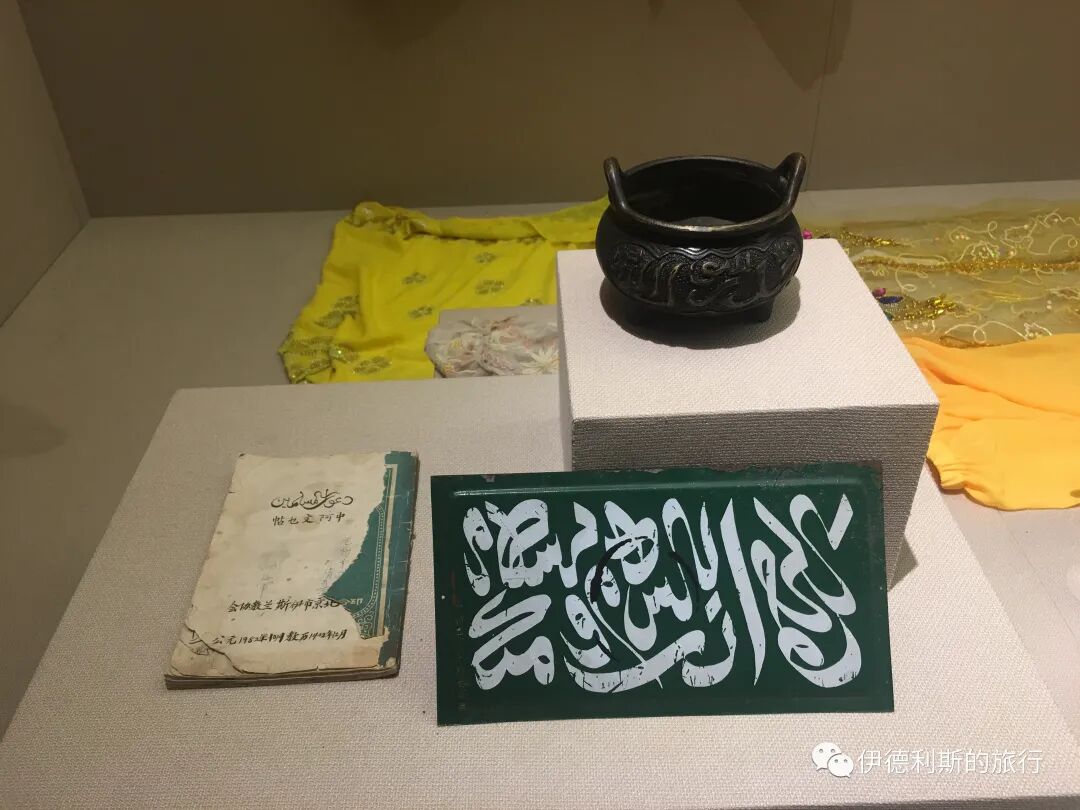
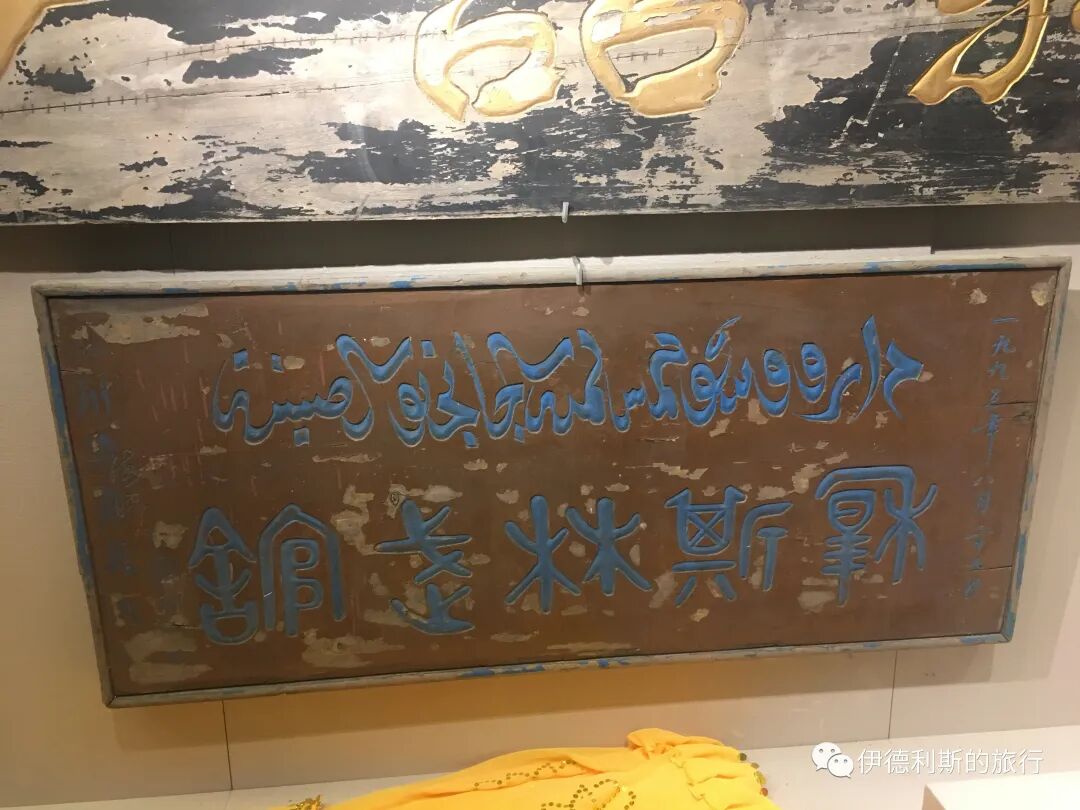
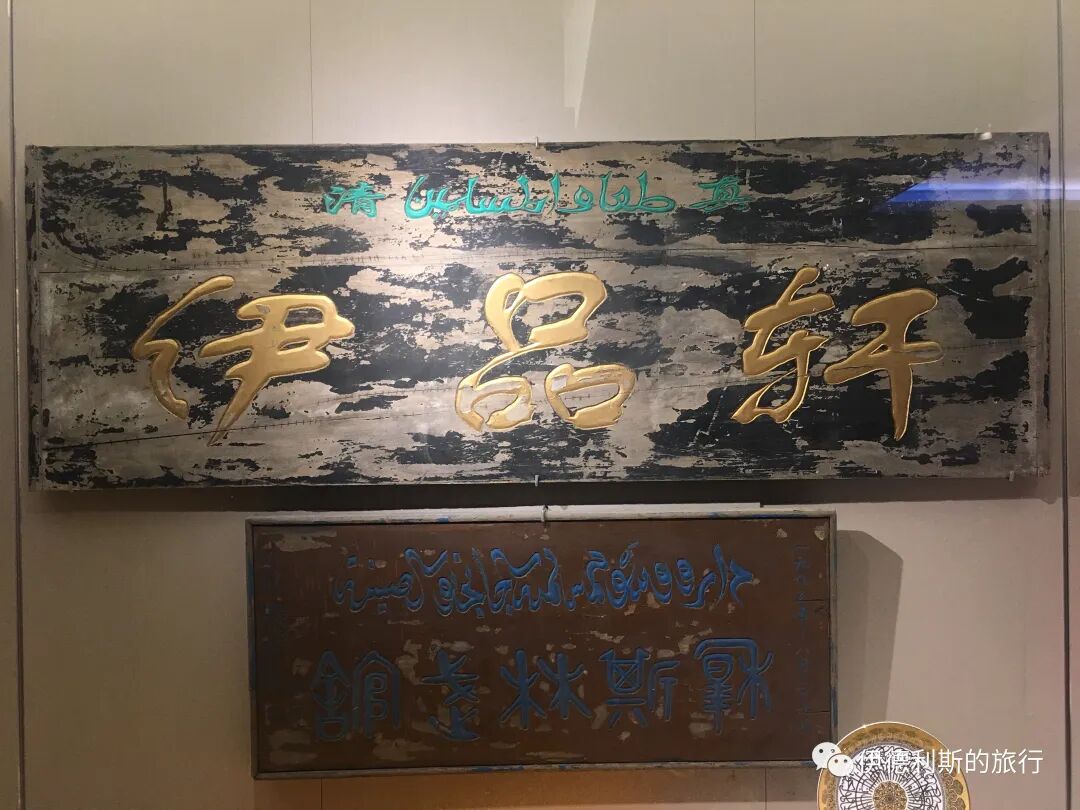
The religious exhibition cabinet at the Cangzhou Museum. view all
Summary: This China Mosque Travel Guide keeps the original 2016 Cangzhou travel notes intact while making the route clear for Muslim readers. It is useful for China Muslim travel tips, halal food in China, Chinese Muslim food, and old mosque heritage in Hebei.
I visited the Hui Muslim community in Cangzhou twice, on November 26, 2016, and March 25, 2017. I will share my experiences here. Some information in this article comes from the book Cangzhou Hui Muslims by Wu Piqing.
The high-speed train from Beijing South Station to Cangzhou West Station takes only 50 minutes. At Beijing South Station, there is a fast-track entrance for the Beijing-Shanghai high-speed railway right at the subway exit. You can swipe your card to leave the subway and head straight to the train, which is very convenient.
When you leave Cangzhou West Station, you can take a metered taxi. It costs about a dozen yuan and takes 20 minutes to reach the mosque. When Cangzhou locals talk about the mosque, they usually mean the North Great Mosque (Qingzhen Beidasi) on the main street. It is the most magnificent mosque in Cangzhou. Once at the mosque, I first went to eat the famous Wu's All-Beef Soup (Wu Ji Quan Niu Tang).
From Wu's All-Beef Soup to the Cangzhou Hui Muslim district.
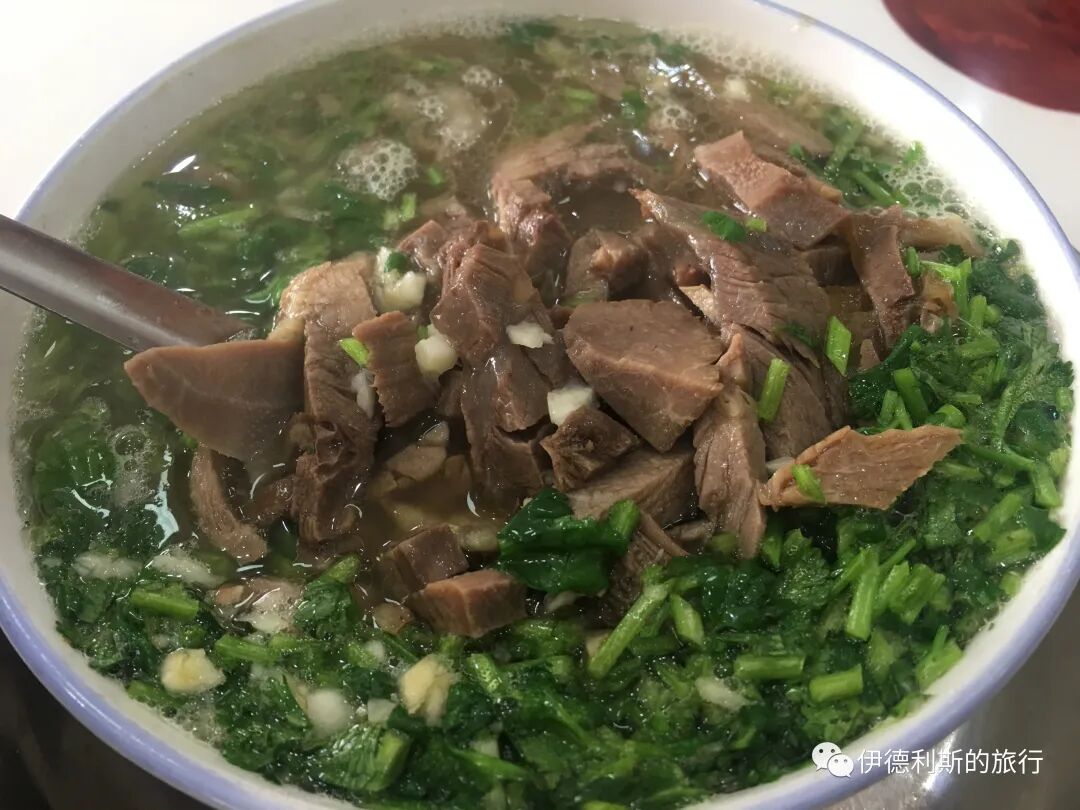
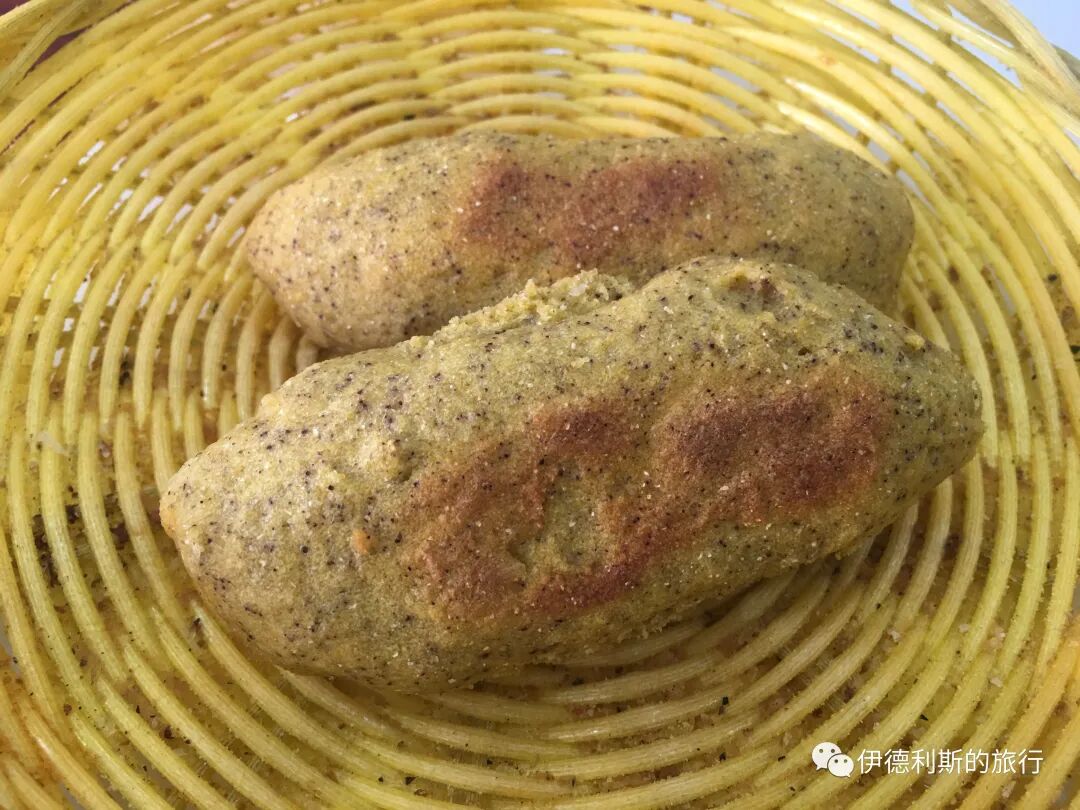
Wu's All-Beef Soup has cost fifty yuan a bowl for years. Don't let the price scare you; once you see the amount of beef, you will know it is worth it. You take dried beef from the counter and dip it in the boiling soup. The beef soup is incredibly delicious, and the beef is very fragrant. It keeps you full for a long time. You can eat all the flatbreads you want there. I chose this long, multi-grain flatbread, which goes perfectly with the soup.
After finishing the beef soup, I have to talk a bit about the Wu family of Cangzhou. The Wu family is an important branch of the Hui Muslims in Cangzhou, and they are closely linked to the city's history.
Like many canal cities, Cangzhou has had Hui Muslim merchants settling down with their families since the Yuan Dynasty. However, the Cangzhou city of that time was not the one we see today. It was located at the Old Prefecture City ruins, 20 kilometers southeast of the current city, where the famous Cangzhou Iron Lion stands.
In 1399, during the Jingnan Campaign, the Prince of Yan, Zhu Di, captured the old Cangzhou city. He killed thousands of surrendered soldiers and tens of thousands of residents, destroying the entire city. The Prince of Yan's sweep to the north became a major turning point in Cangzhou's history.
In 1404, after the war, Cangzhou began to rebuild. Zhu Di, who had gone from Prince of Yan to the Yongle Emperor, ordered the city moved to Changlu by the Grand Canal. He brought in residents from Shanxi, Shandong, and Anhui to settle there, forming the new Cangzhou city.
Just one year before the city was rebuilt, in 1403, the Wu family ancestor, Zuoyong, was appointed as the Assistant Prefect of the Cangzhou Salt Transport Commission in Hejian Prefecture, Zhili. He moved to Cangzhou from Shexian, Anhui. Cangzhou borders the Bohai Sea to the east and has had a thriving salt industry since ancient times. The Cangzhou Salt Transport Commission, established in the early Ming Dynasty, managed the local salt trade. The salt fields were located by the Grand Canal west of Cangzhou city. Transport was very convenient and cost-effective, making the salt popular along the canal.
a descendant of the Wu family, Wu Zhong, founded the famous Wu-style Baji martial arts during the reigns of the Yongzheng and Qianlong emperors, becoming the pride of Cangzhou's Hui Muslims.
Cangzhou North Great Mosque.
The area south of the city gate was an important passage to the canal. Most Hui Muslim artisans and small vendors chose to live there. In 1420, the Cangzhou North Great Mosque was built in the south of the city on land donated by the Wu family ancestor Yongzuo, marking the formal establishment of the Cangzhou Hui Muslim community.
The Fatimah Auntie Festival (Fatumei Gutai Hui), one of the two major festivals and two major gatherings in North China.
The North Mosque (Beidasi) in Cangzhou is grand, but it was badly damaged in the 1908 earthquake, which caused the main hall to tilt toward the south. Local legend says a famous Cangzhou craftsman named Master Jiang Ba dismantled the four walls of the hall, straightened the structure, and restored it. During the Cultural Revolution, the Cangzhou Instrument Factory took over the North Mosque. They tore down the hall and the south lecture hall, burned historic plaques, smashed the roof of the main hall, and removed the front gate.
The North Mosque was only fully repaired after the factory moved out in 1989. Its layout changed quite a bit to reach its current form.
Halal food near the North Mosque
There are many small shops on both sides of the North Mosque gate. I bought some local specialty crispy candy (sutang) at the Wangji Crispy Candy and Pastry Shop. I only got to eat this during the Chinese New Year when I was a kid, so it brings back many memories.
Horseshoe-shaped crispy pastry (matisu) bought at the pastry department of the Cangzhou Halal Food Factory.
The halal red bean buns (doubao) next to the North Mosque are delicious. I bought a bunch both times I visited.
Women's Mosque (Qingzhen Nüsi)
Across from the North Mosque is the Women's Mosque, which was first built in 1666 (the fifth year of the Kangxi reign). The Women's Mosque used to be called the Inner City Mosque (Chengli Qingzhensi), and it was separated from the North Mosque by the south city wall of Cangzhou. The Inner City Mosque faced a similar fate to the North Mosque, suffering near-total destruction in the 1960s and 70s before being restored in the 1980s. In 1986, the Inner City Mosque became the Women's Mosque. It was rebuilt in 1993 to look the way it does today.
The Hui Muslim district in the south of Cangzhou city
South of the North Mosque is the Hui Muslim district. Although the houses have been rebuilt, the original street layout remains.
Halal food on Minzu Street
The heart of the southern Hui Muslim district is the Minzu Street food market, which is packed with all kinds of Hui Muslim snacks.
The East Mosque (Dongsi) is at the east end of the street.
Liuji pine nut chicken legs (songhuajitui) are chicken sausages stuffed with pine nut jelly. They go perfectly with flatbread (laobing) or steamed buns (mantou).
This is the third place outside of Beijing and Tianjin where I have had tea soup (chatang). The version in Cangzhou came from Tianjin along the Grand Canal, but this shop uses more ingredients and has a stronger flavor.
I bought two bags of five-spice peanuts. The black ones are addictive when eaten with tea.
I walked all the way to the west end of Minzu Street and had a pizza at Oumale.
Botou Yang family sesame flatbread (shaobing)
I bought sugar-filled triangular flatbreads (tang sanjiao shaobing) and black rice crispy flatbreads (heimi su shaobing) at the Cangzhou branch of Botou Yang Family Flatbreads (Yangjia shaobing).
Yang Yongchang, the founder of Yang Family Flatbreads, opened a roadside inn called Yongchang Store in the ancient canal town of Botou, south of Cangzhou, in the 1930s. He started making flatbreads then and continued until the business was closed during the public-private partnership transition in 1956. In 1979, Yang Family Flatbreads reopened. It became a Cangzhou municipal-level intangible cultural heritage site and developed many new varieties that taste as delicious as pastries.
The Grand Canal in Cangzhou.
The canal wharf is not far from the west side of the Hui Muslim district in the south of the city. In 1411 (the ninth year of the Yongle reign), the Ming Dynasty cleared the silted-up section of the Grand Canal known as the Huitong River. This reopened the north-south water transport route, and the new Cangzhou city, which had moved from the old state city, became a hub for water transport.
At that time, many Hui Muslims made their living directly from water transport. The wealthiest boat owners rented out their ships or hired people for transport. Ordinary small boat owners made a living by ferrying, while the poorest Hui Muslims survived by pulling boats along the riverbank or carrying cargo at the wharf.
The convenience of water transport naturally led to a boom in business. Before the July 7th Incident, there were over five hundred halal restaurants in Cangzhou city. These included large establishments like Qinghua Restaurant and Tianqing Hall, as well as large tea houses like Wancheng Tea House. There were also various banks and grocery stores run by Hui Muslims, marking the peak of commercial activity for Cangzhou's Hui Muslims. (The Influence of the Canal on the Formation and Development of Hui Muslim Settlements in Cangzhou)
Until the 1960s, cargo ships still traveled constantly along the South Canal, and water transport in Cangzhou remained prosperous. However, by the 1970s, the water source for the South Canal channel deteriorated sharply and could no longer provide the water volume needed for transport, so the Cangzhou water transport wharves were abandoned.
Cangzhou has many Hui Muslim martial artists and schools. Besides the previously mentioned Wu-style Kaimen Baji Quan, there is also the famous Cha-Hua Quan. Cha-Hua Quan was created by Hui Muslims Cha Shangyi, Hua Zongqi, and Wu Dianzhang. It is also called Huihui Quan and is very popular among Hui Muslims in Shandong and Hebei.
Wang Yuanxiang from Cangzhou is a fifth-generation successor of the Cha-Hua school and is skilled in using the long spear (daxing qiang). The longest spear in the picture below is the one he donated to the Cangzhou Museum.
Practicing Cha-Hua Quan often requires the use of stone weights (shidun). The stone weight below was also donated by Wang Yuanxiang.
The religious exhibition cabinet at the Cangzhou Museum. view all
Reposted from the web
Summary: This China Mosque Travel Guide keeps the original 2016 Cangzhou travel notes intact while making the route clear for Muslim readers. It is useful for China Muslim travel tips, halal food in China, Chinese Muslim food, and old mosque heritage in Hebei.
I visited the Hui Muslim community in Cangzhou twice, on November 26, 2016, and March 25, 2017. I will share my experiences here. Some information in this article comes from the book Cangzhou Hui Muslims by Wu Piqing.
The high-speed train from Beijing South Station to Cangzhou West Station takes only 50 minutes. At Beijing South Station, there is a fast-track entrance for the Beijing-Shanghai high-speed railway right at the subway exit. You can swipe your card to leave the subway and head straight to the train, which is very convenient.
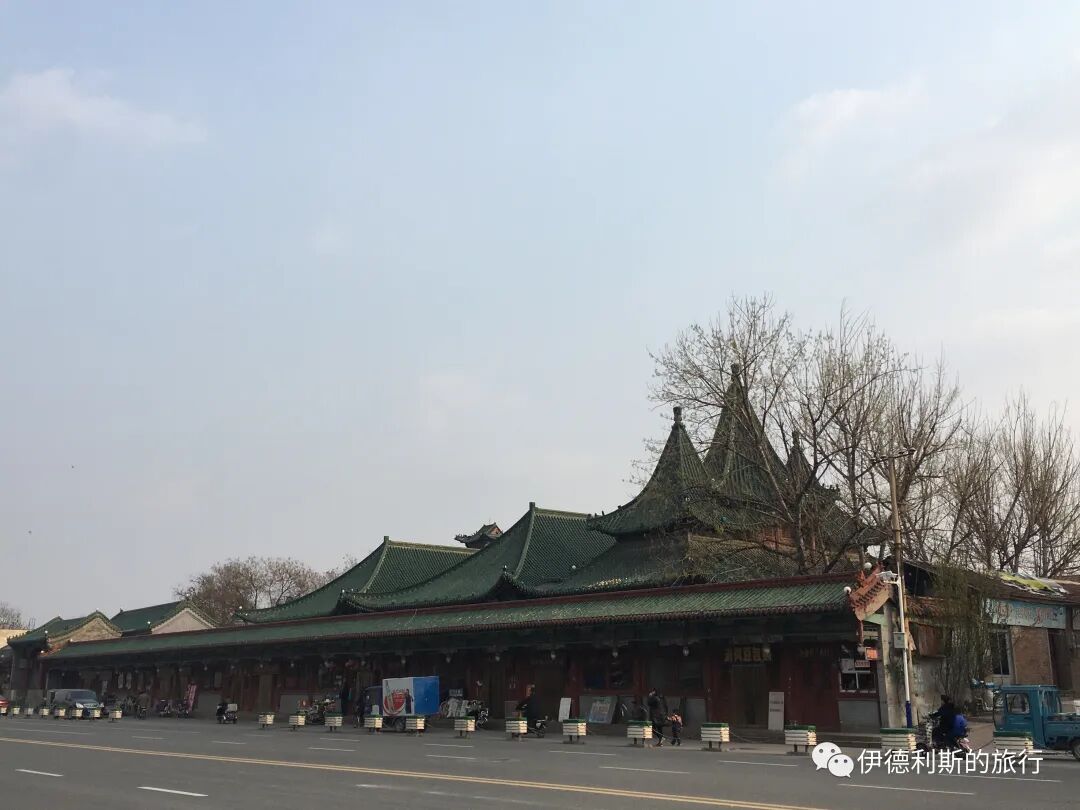
When you leave Cangzhou West Station, you can take a metered taxi. It costs about a dozen yuan and takes 20 minutes to reach the mosque. When Cangzhou locals talk about the mosque, they usually mean the North Great Mosque (Qingzhen Beidasi) on the main street. It is the most magnificent mosque in Cangzhou. Once at the mosque, I first went to eat the famous Wu's All-Beef Soup (Wu Ji Quan Niu Tang).
From Wu's All-Beef Soup to the Cangzhou Hui Muslim district.
Wu's All-Beef Soup has cost fifty yuan a bowl for years. Don't let the price scare you; once you see the amount of beef, you will know it is worth it. You take dried beef from the counter and dip it in the boiling soup. The beef soup is incredibly delicious, and the beef is very fragrant. It keeps you full for a long time. You can eat all the flatbreads you want there. I chose this long, multi-grain flatbread, which goes perfectly with the soup.
After finishing the beef soup, I have to talk a bit about the Wu family of Cangzhou. The Wu family is an important branch of the Hui Muslims in Cangzhou, and they are closely linked to the city's history.
Like many canal cities, Cangzhou has had Hui Muslim merchants settling down with their families since the Yuan Dynasty. However, the Cangzhou city of that time was not the one we see today. It was located at the Old Prefecture City ruins, 20 kilometers southeast of the current city, where the famous Cangzhou Iron Lion stands.
In 1399, during the Jingnan Campaign, the Prince of Yan, Zhu Di, captured the old Cangzhou city. He killed thousands of surrendered soldiers and tens of thousands of residents, destroying the entire city. The Prince of Yan's sweep to the north became a major turning point in Cangzhou's history.
In 1404, after the war, Cangzhou began to rebuild. Zhu Di, who had gone from Prince of Yan to the Yongle Emperor, ordered the city moved to Changlu by the Grand Canal. He brought in residents from Shanxi, Shandong, and Anhui to settle there, forming the new Cangzhou city.
Just one year before the city was rebuilt, in 1403, the Wu family ancestor, Zuoyong, was appointed as the Assistant Prefect of the Cangzhou Salt Transport Commission in Hejian Prefecture, Zhili. He moved to Cangzhou from Shexian, Anhui. Cangzhou borders the Bohai Sea to the east and has had a thriving salt industry since ancient times. The Cangzhou Salt Transport Commission, established in the early Ming Dynasty, managed the local salt trade. The salt fields were located by the Grand Canal west of Cangzhou city. Transport was very convenient and cost-effective, making the salt popular along the canal.
a descendant of the Wu family, Wu Zhong, founded the famous Wu-style Baji martial arts during the reigns of the Yongzheng and Qianlong emperors, becoming the pride of Cangzhou's Hui Muslims.
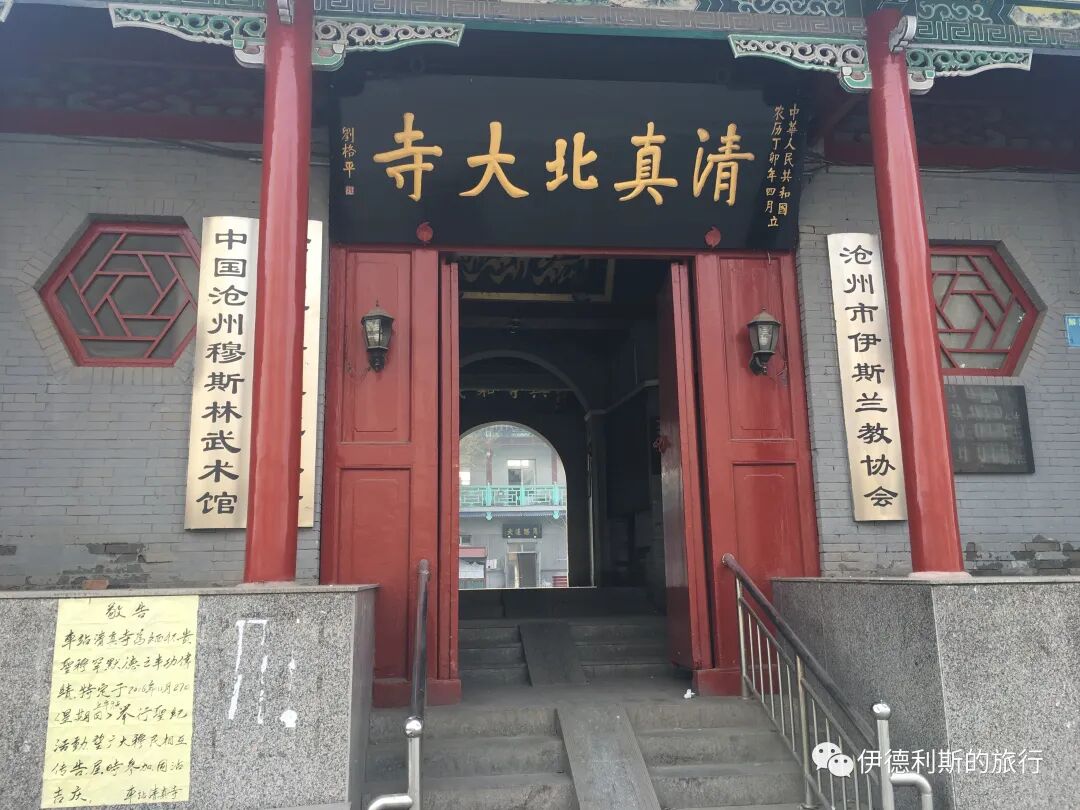
Cangzhou North Great Mosque.
The area south of the city gate was an important passage to the canal. Most Hui Muslim artisans and small vendors chose to live there. In 1420, the Cangzhou North Great Mosque was built in the south of the city on land donated by the Wu family ancestor Yongzuo, marking the formal establishment of the Cangzhou Hui Muslim community.
The Fatimah Auntie Festival (Fatumei Gutai Hui), one of the two major festivals and two major gatherings in North China.
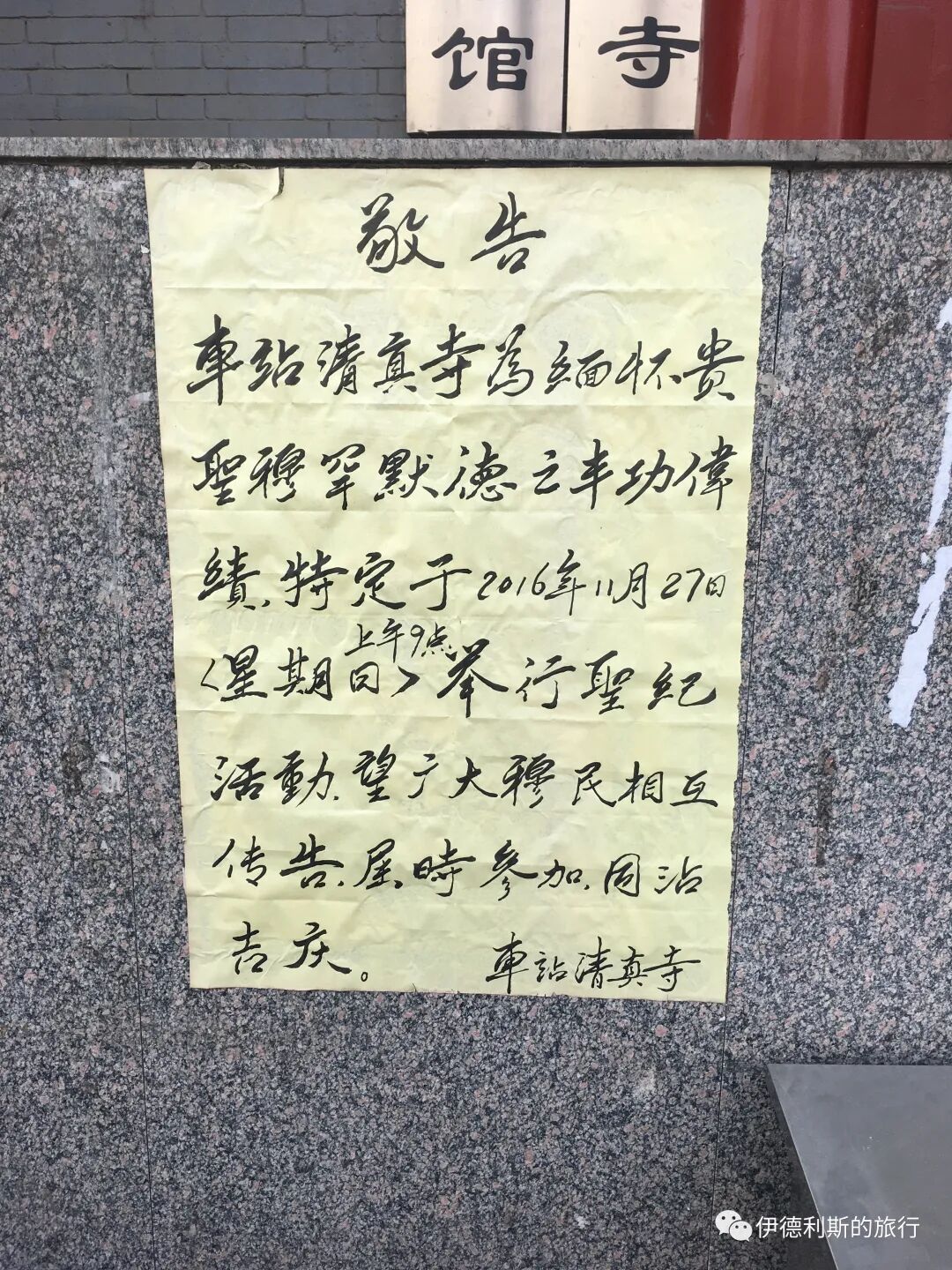
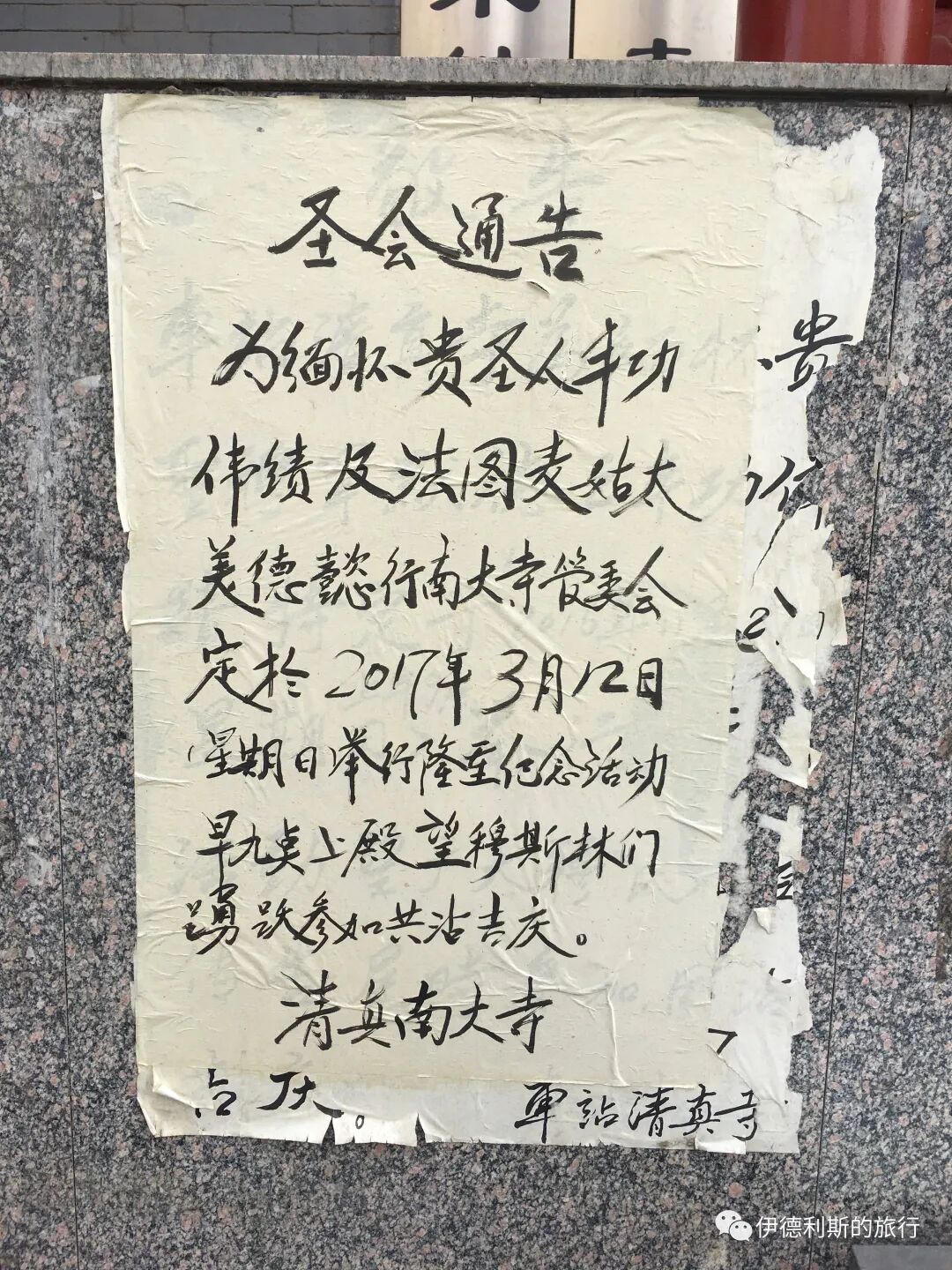
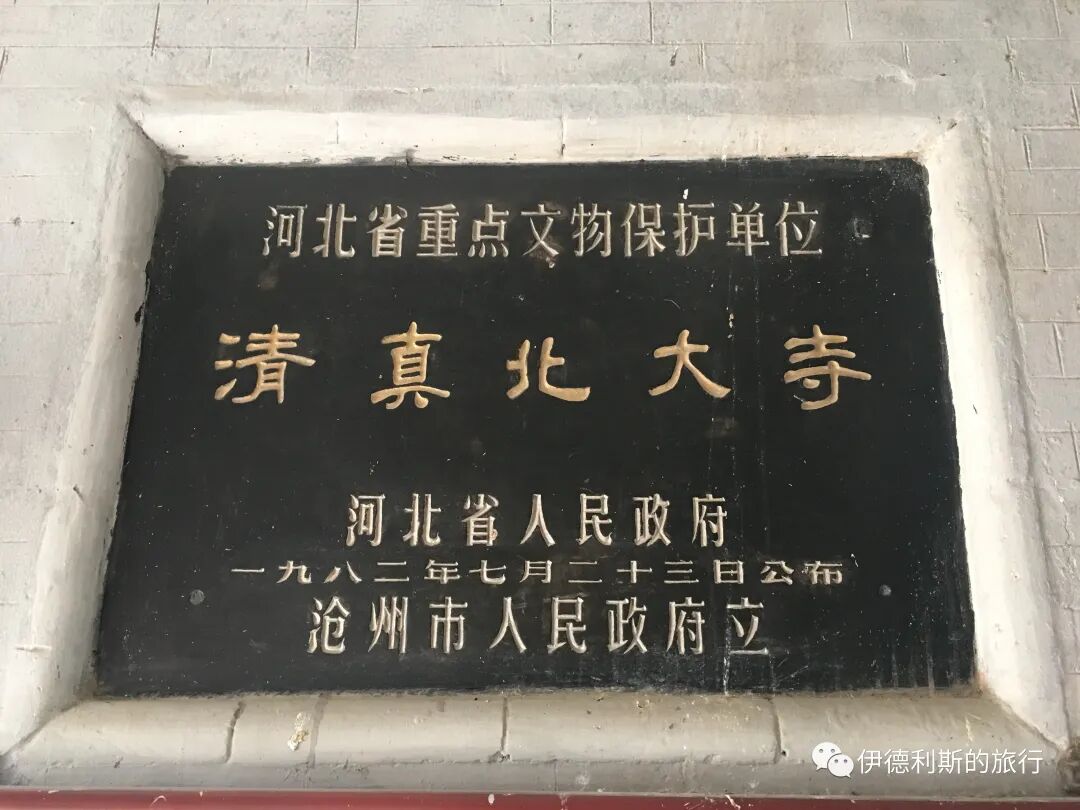
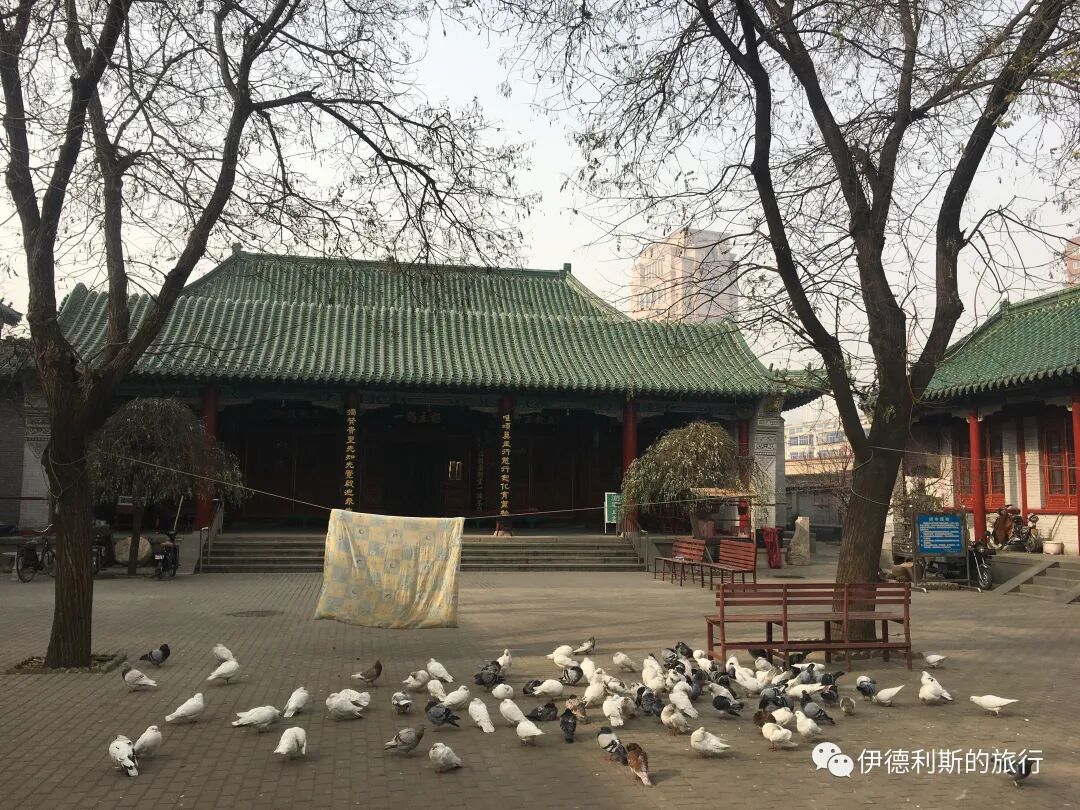
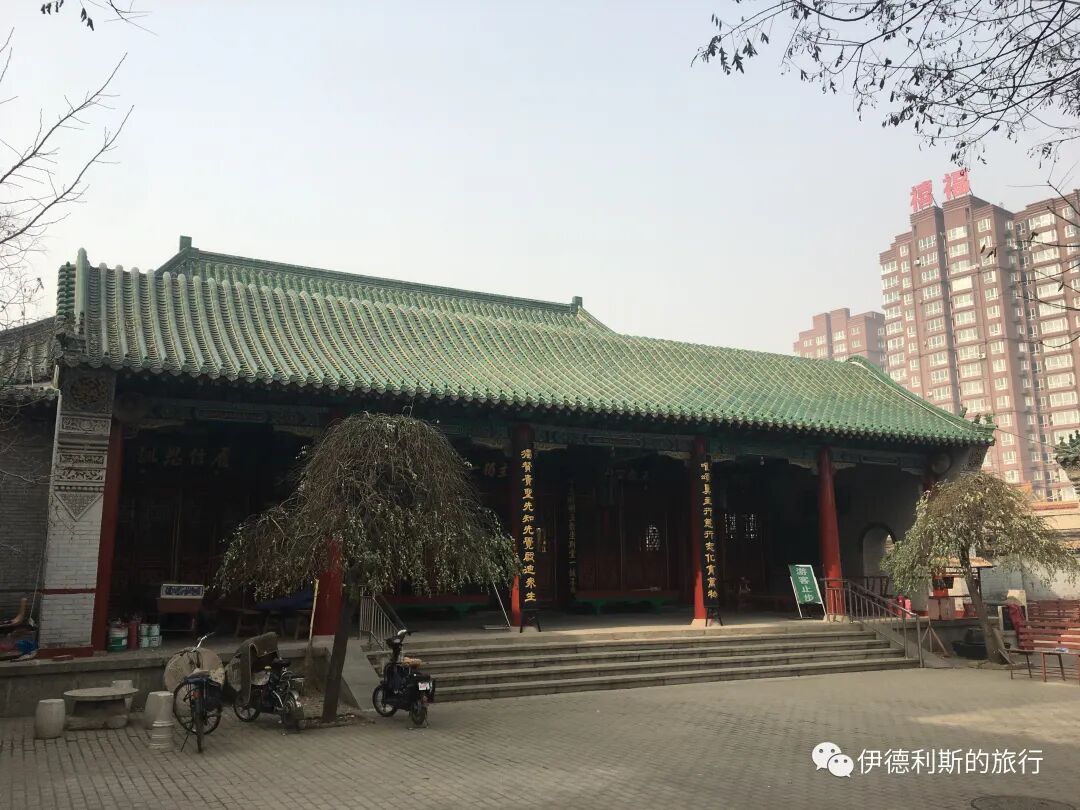
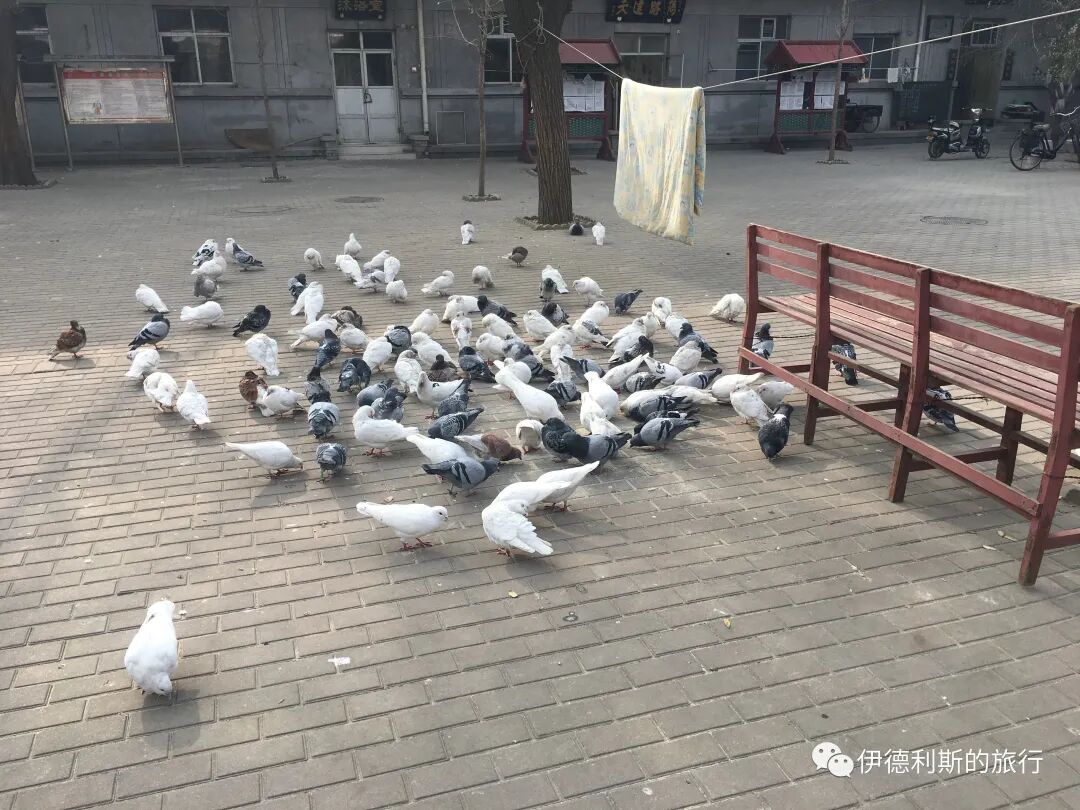
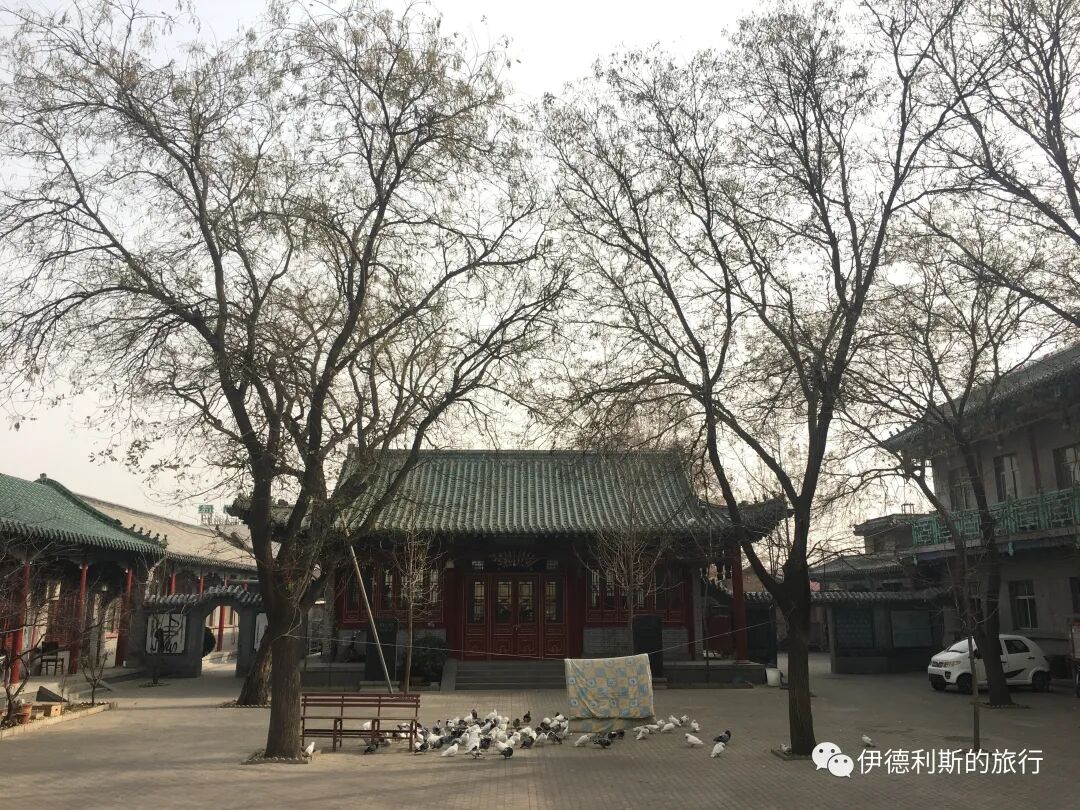
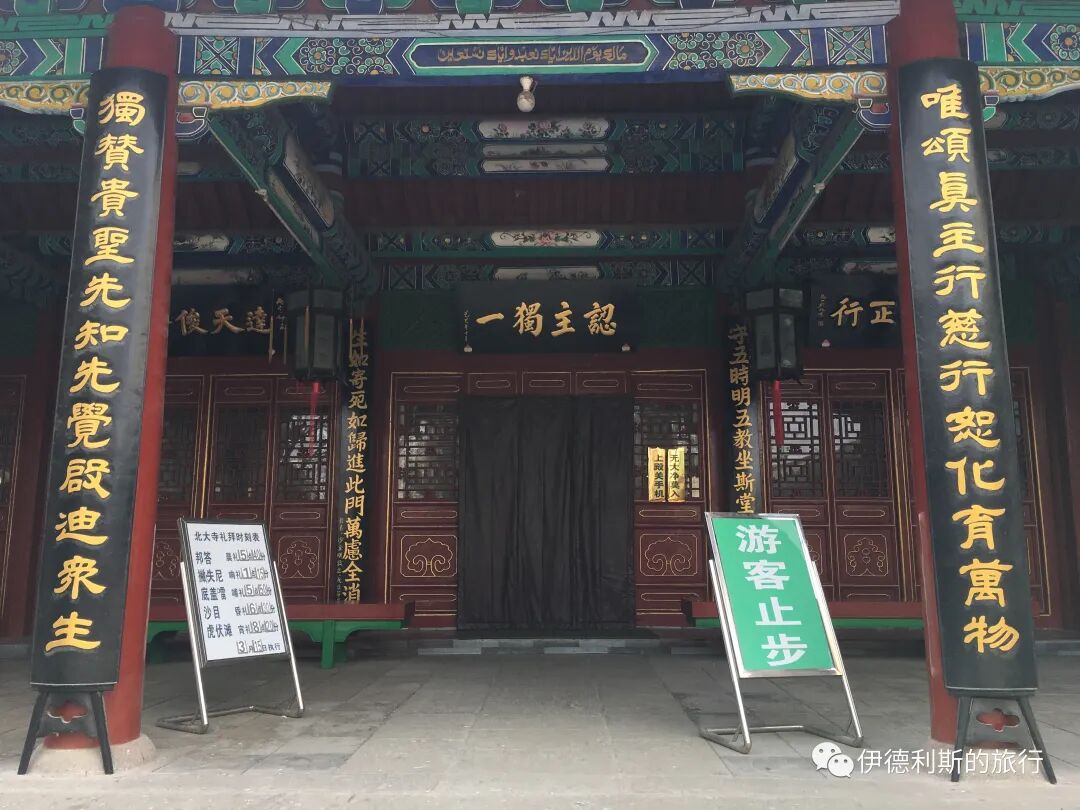
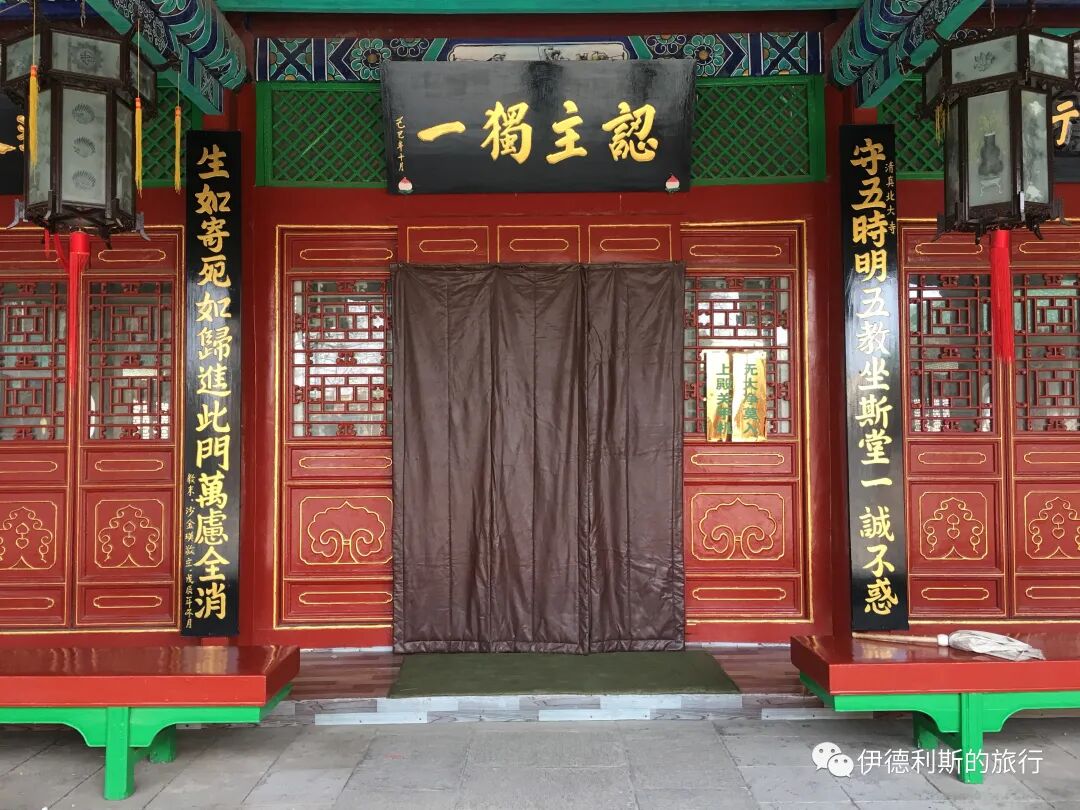
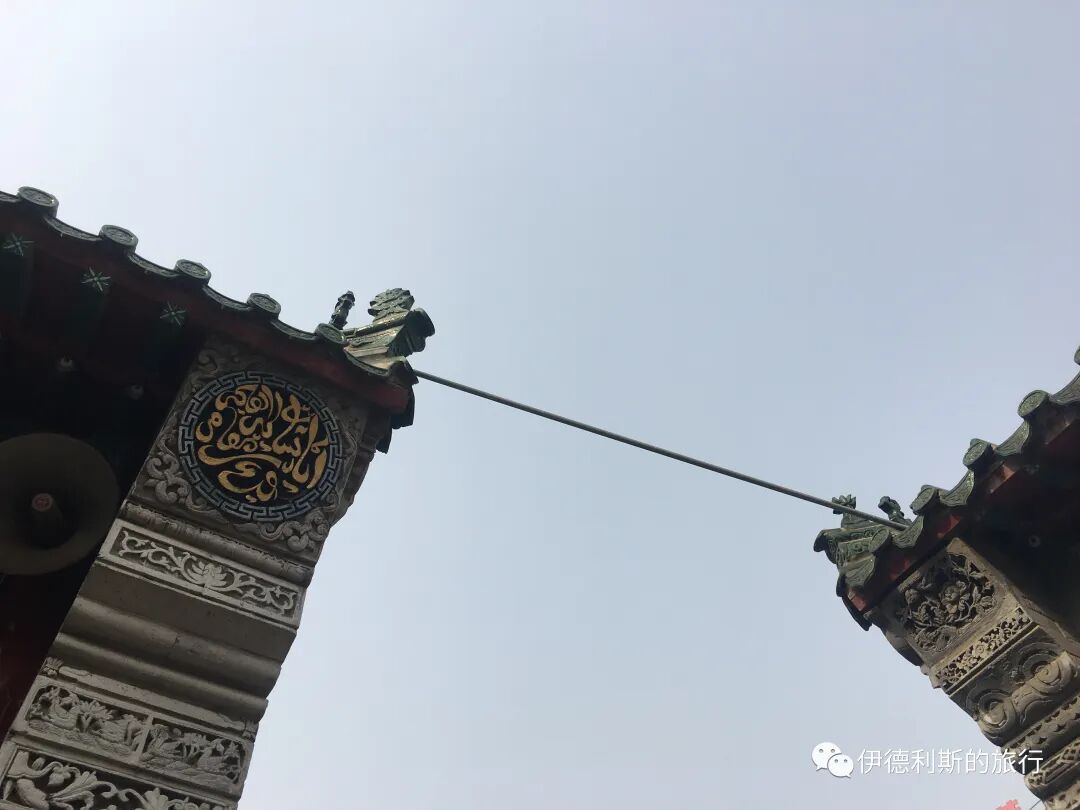
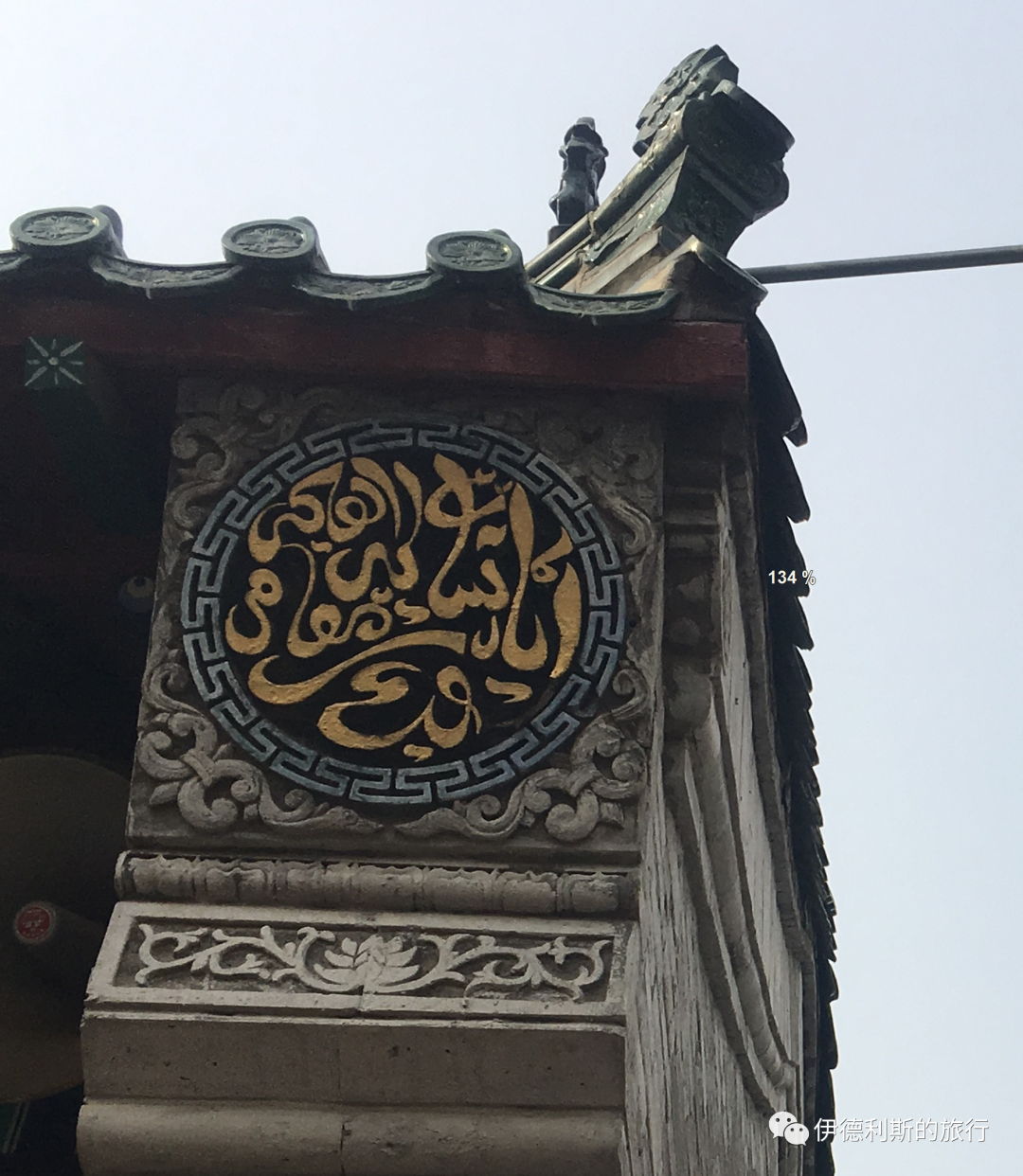
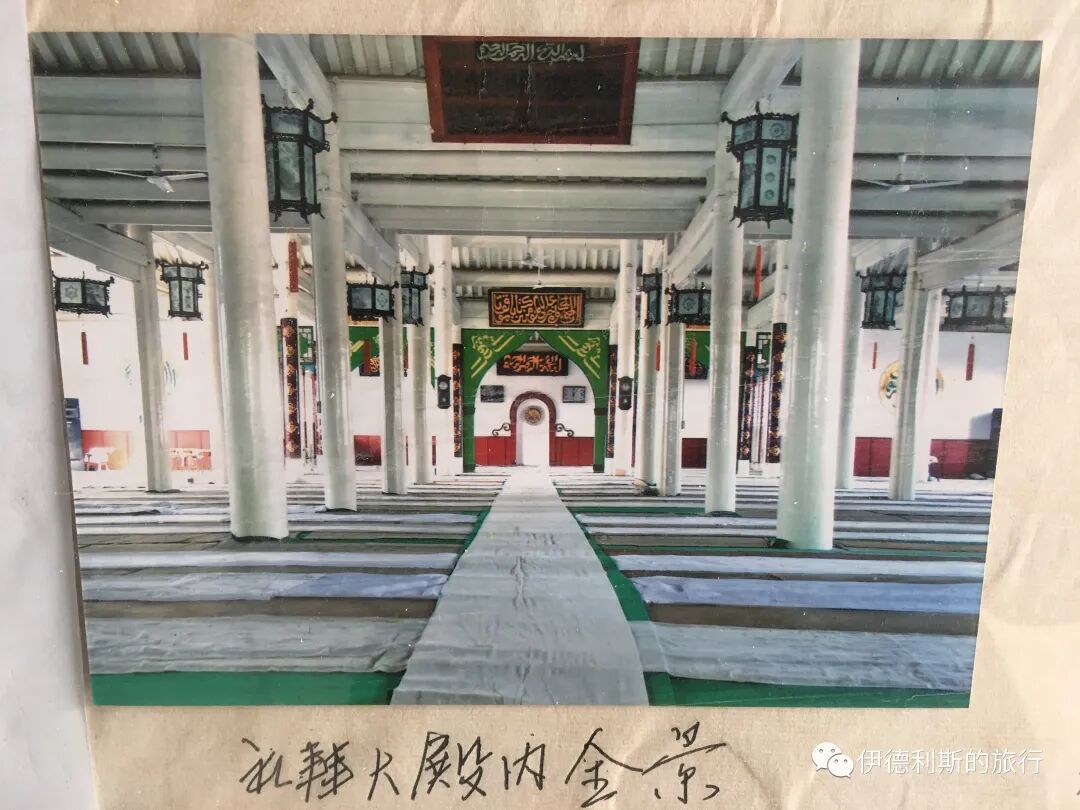
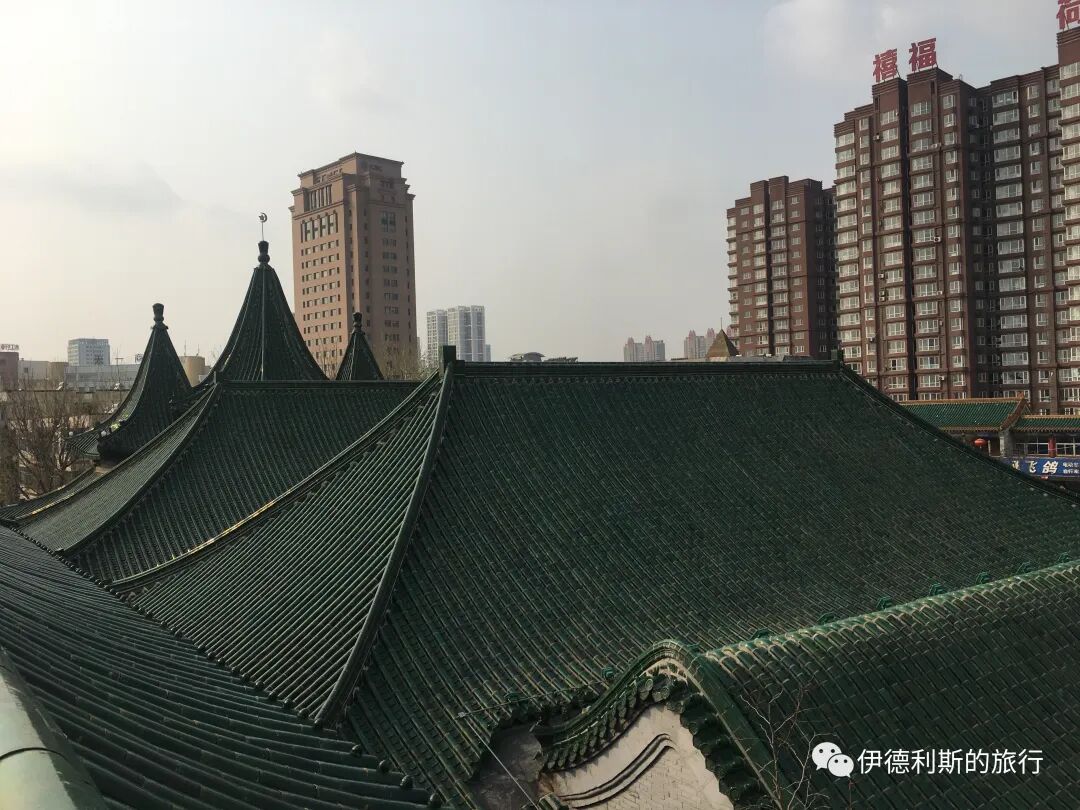
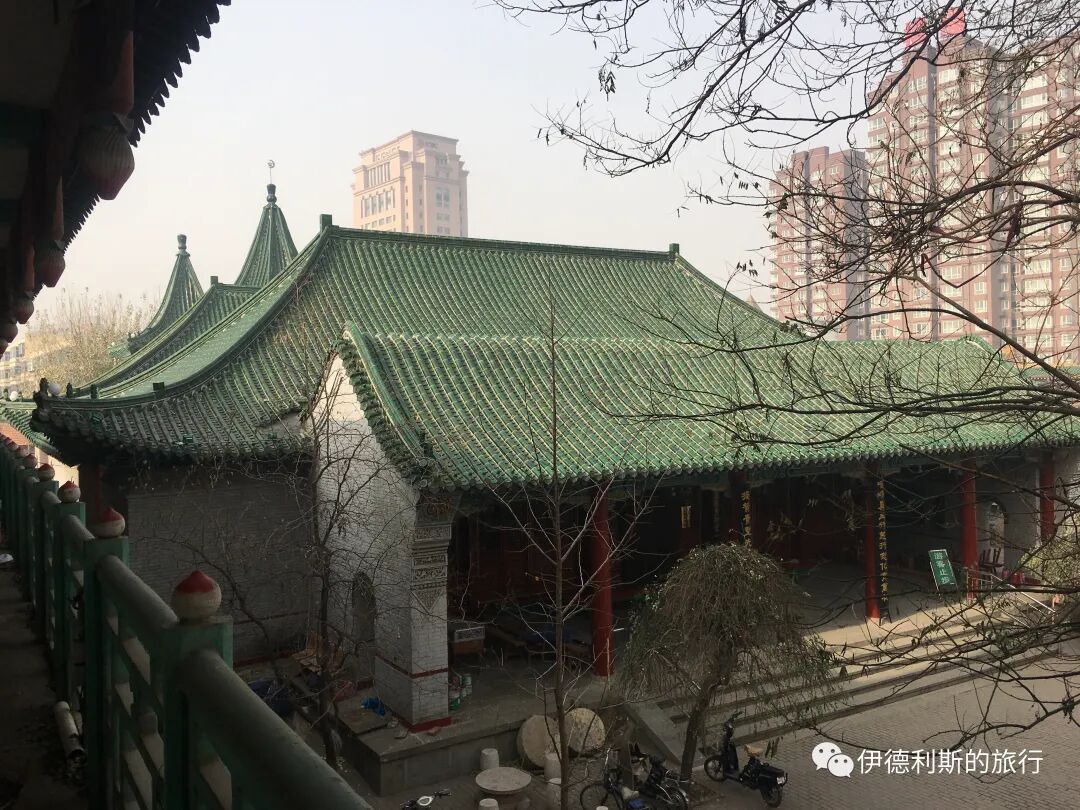
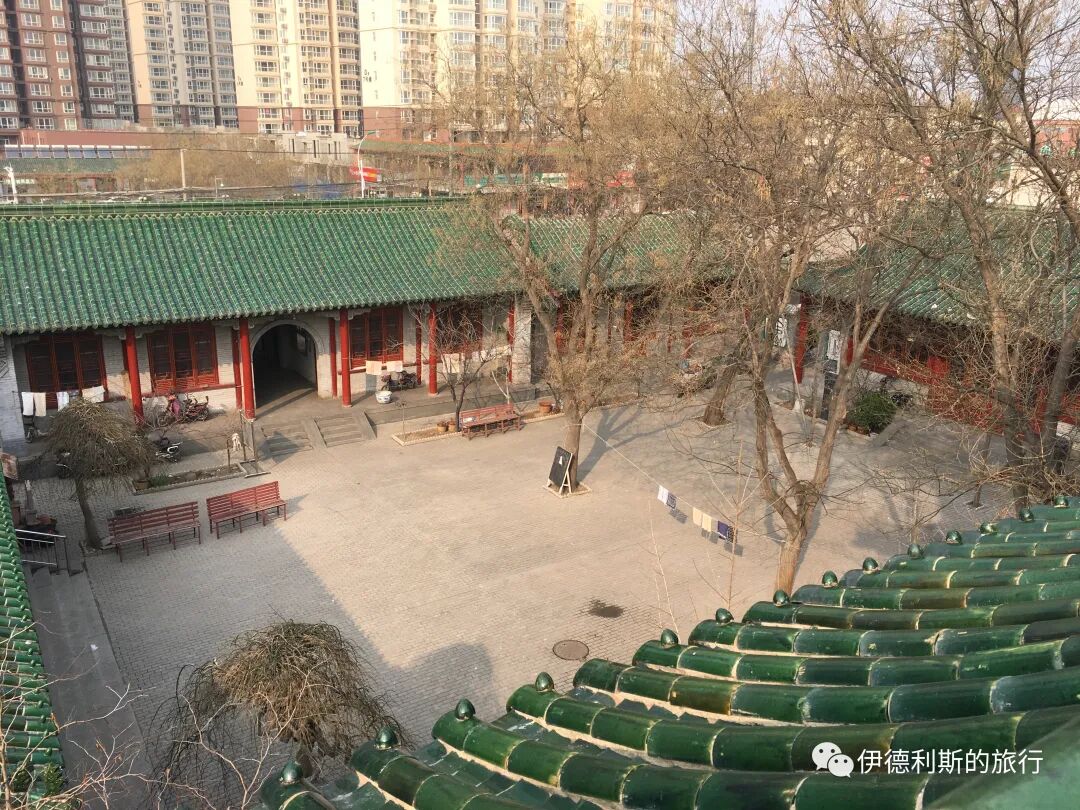
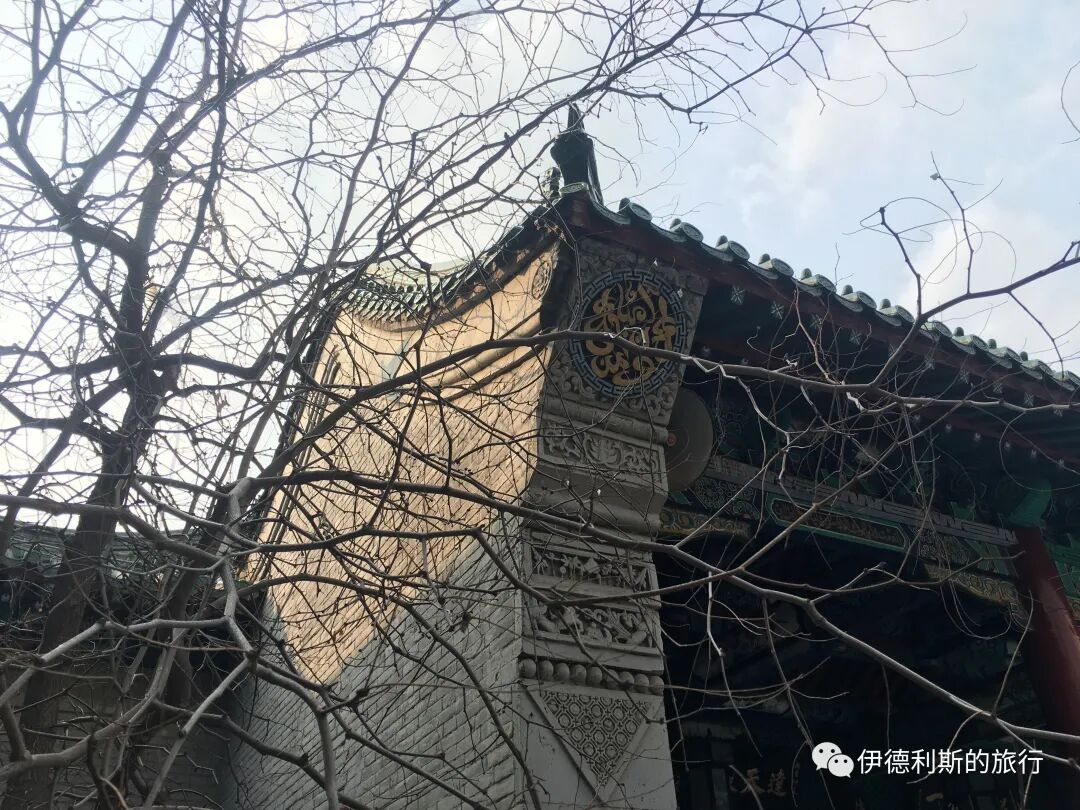
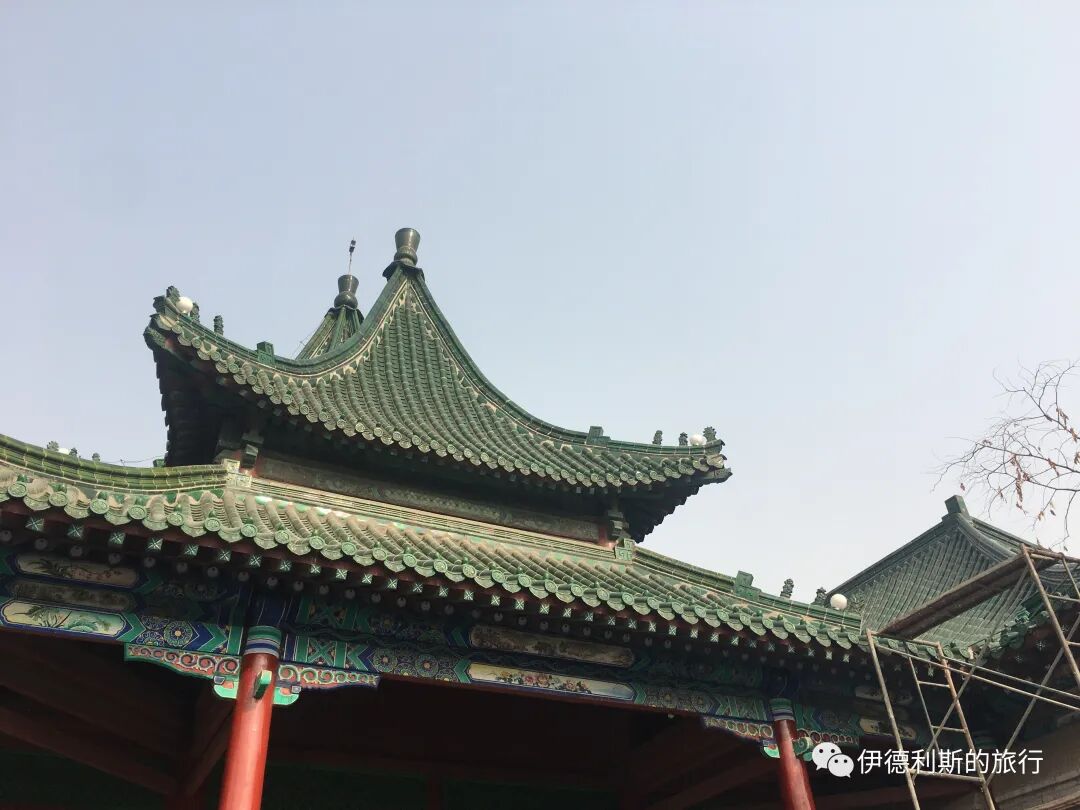
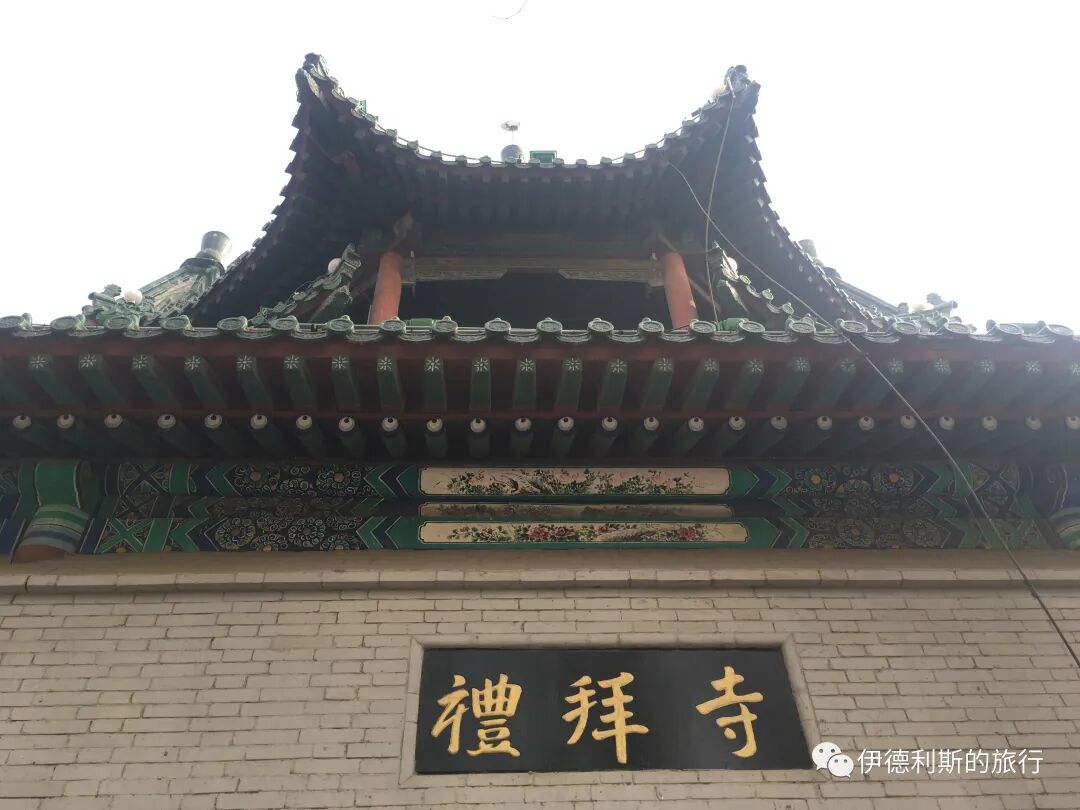
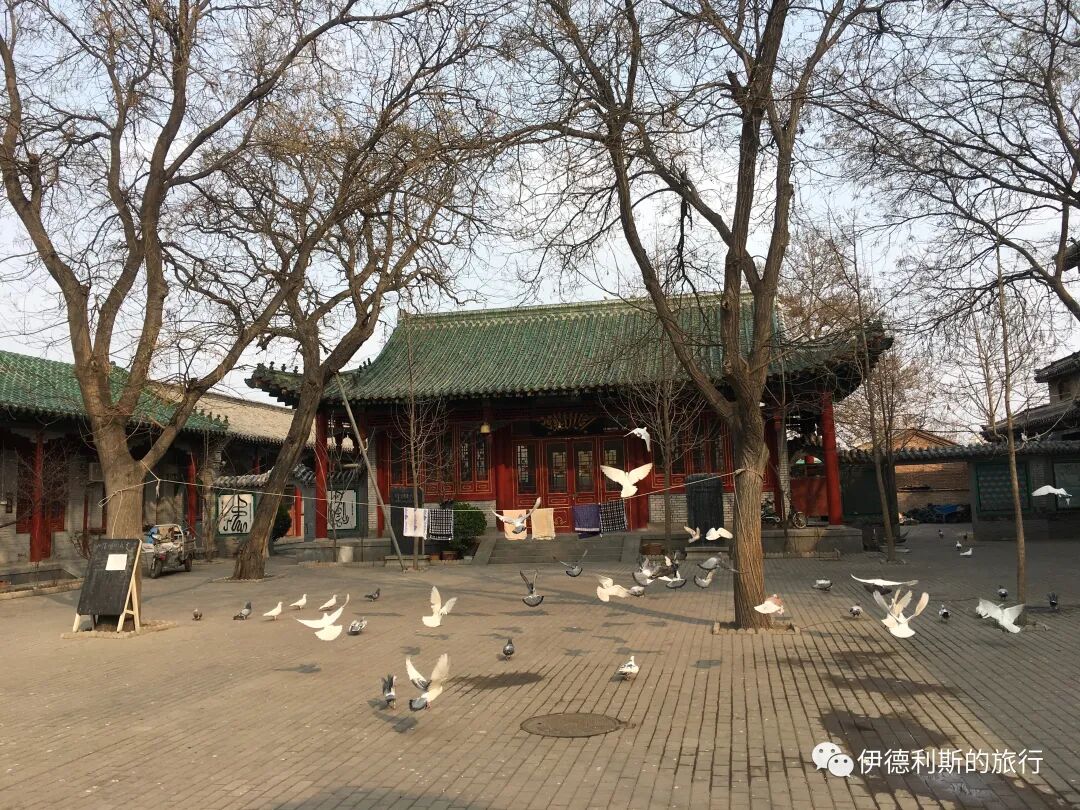
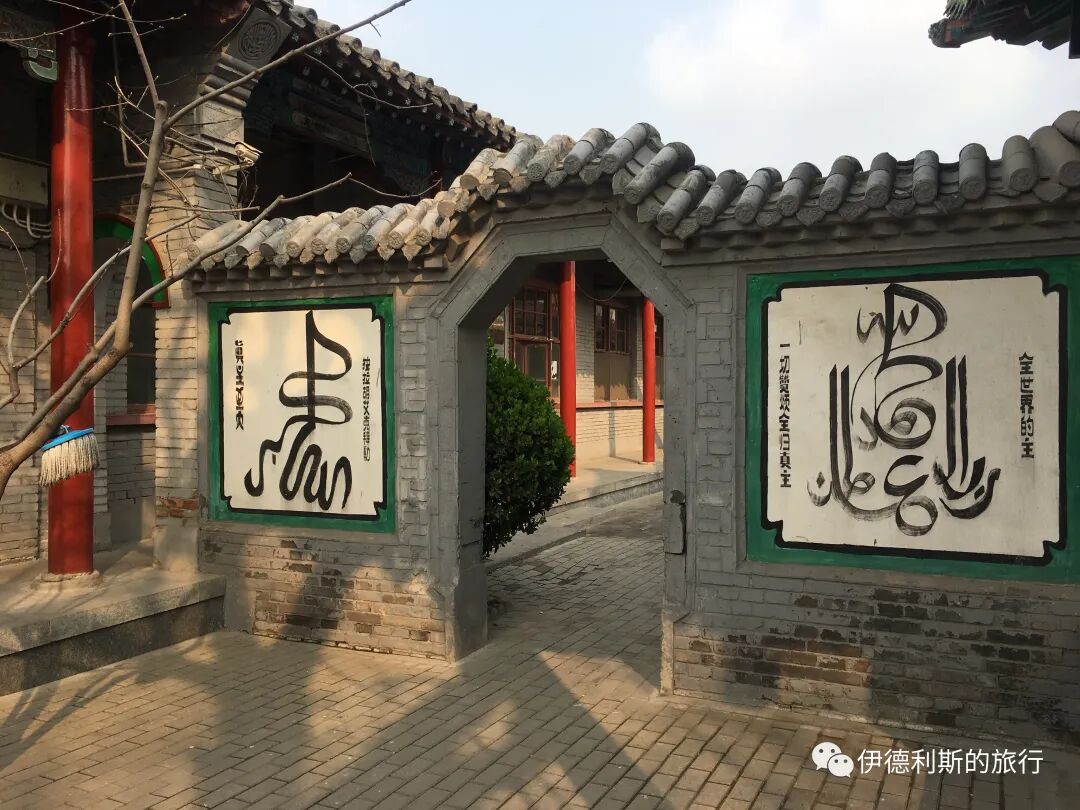
The North Mosque (Beidasi) in Cangzhou is grand, but it was badly damaged in the 1908 earthquake, which caused the main hall to tilt toward the south. Local legend says a famous Cangzhou craftsman named Master Jiang Ba dismantled the four walls of the hall, straightened the structure, and restored it. During the Cultural Revolution, the Cangzhou Instrument Factory took over the North Mosque. They tore down the hall and the south lecture hall, burned historic plaques, smashed the roof of the main hall, and removed the front gate.
The North Mosque was only fully repaired after the factory moved out in 1989. Its layout changed quite a bit to reach its current form.
Halal food near the North Mosque
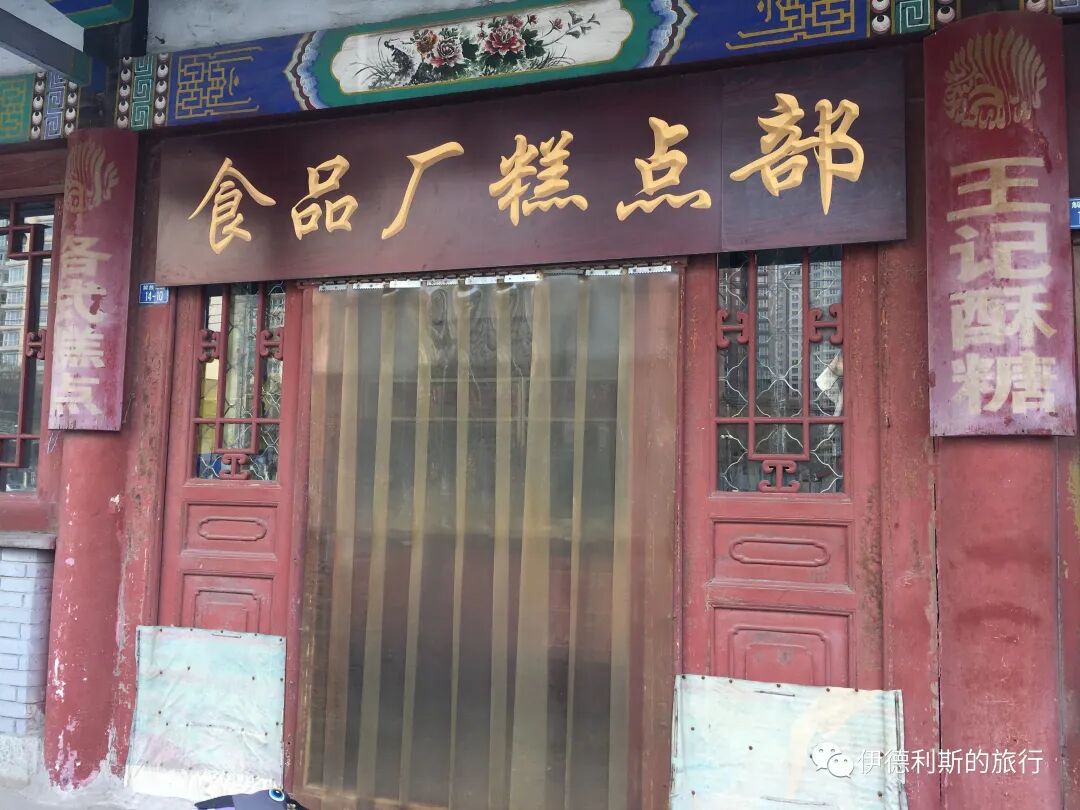
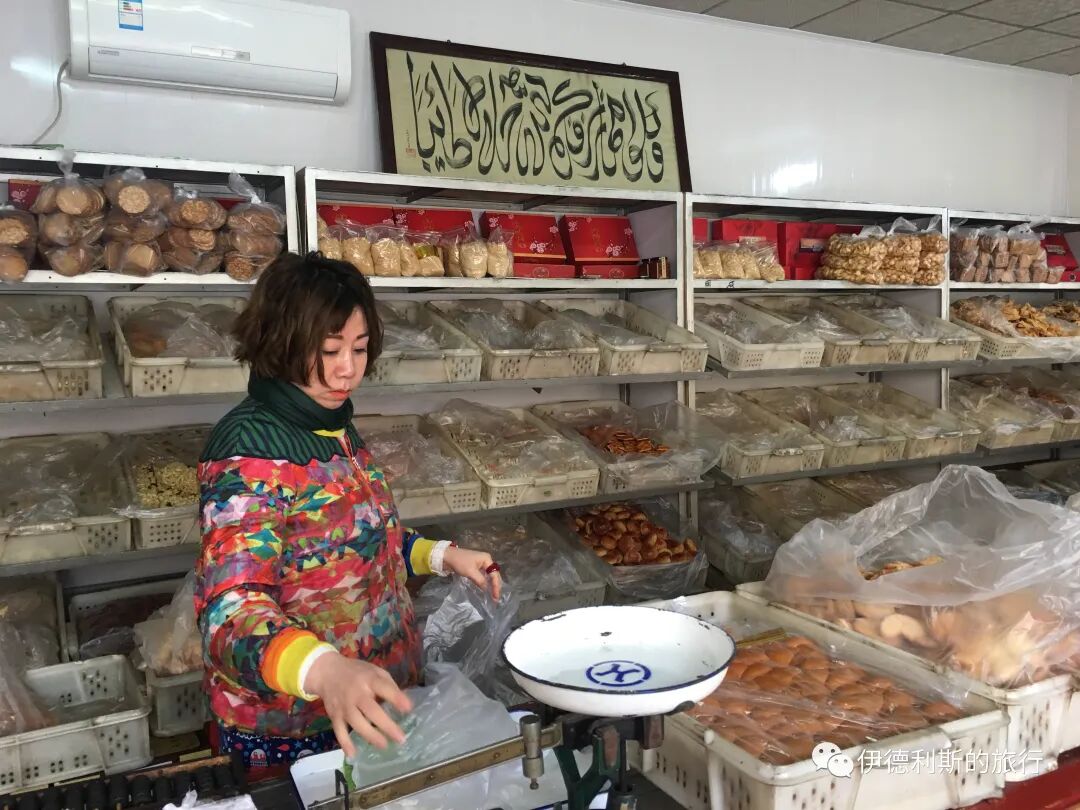
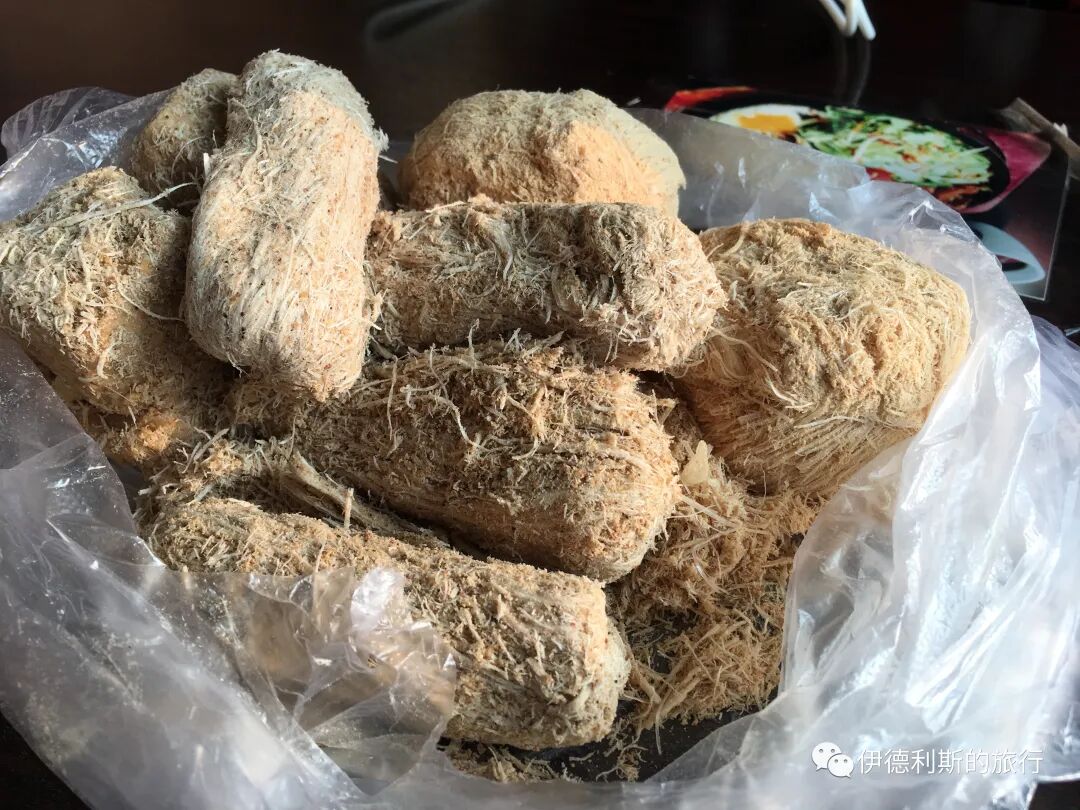
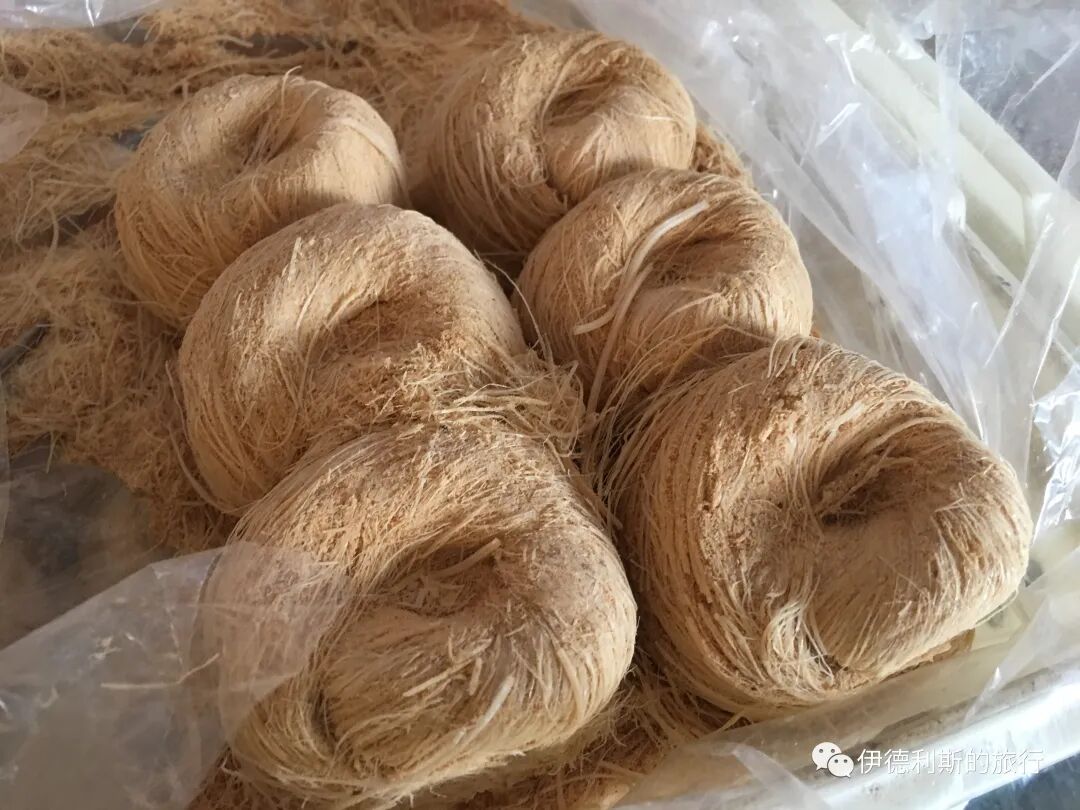
There are many small shops on both sides of the North Mosque gate. I bought some local specialty crispy candy (sutang) at the Wangji Crispy Candy and Pastry Shop. I only got to eat this during the Chinese New Year when I was a kid, so it brings back many memories.
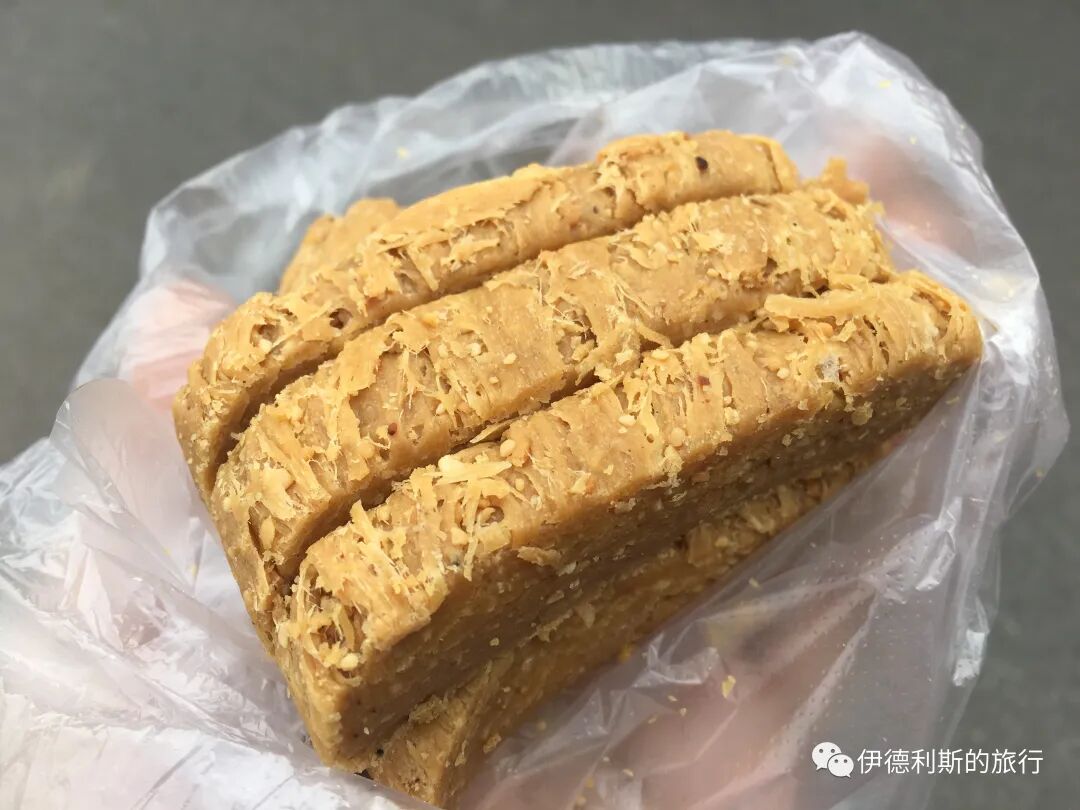
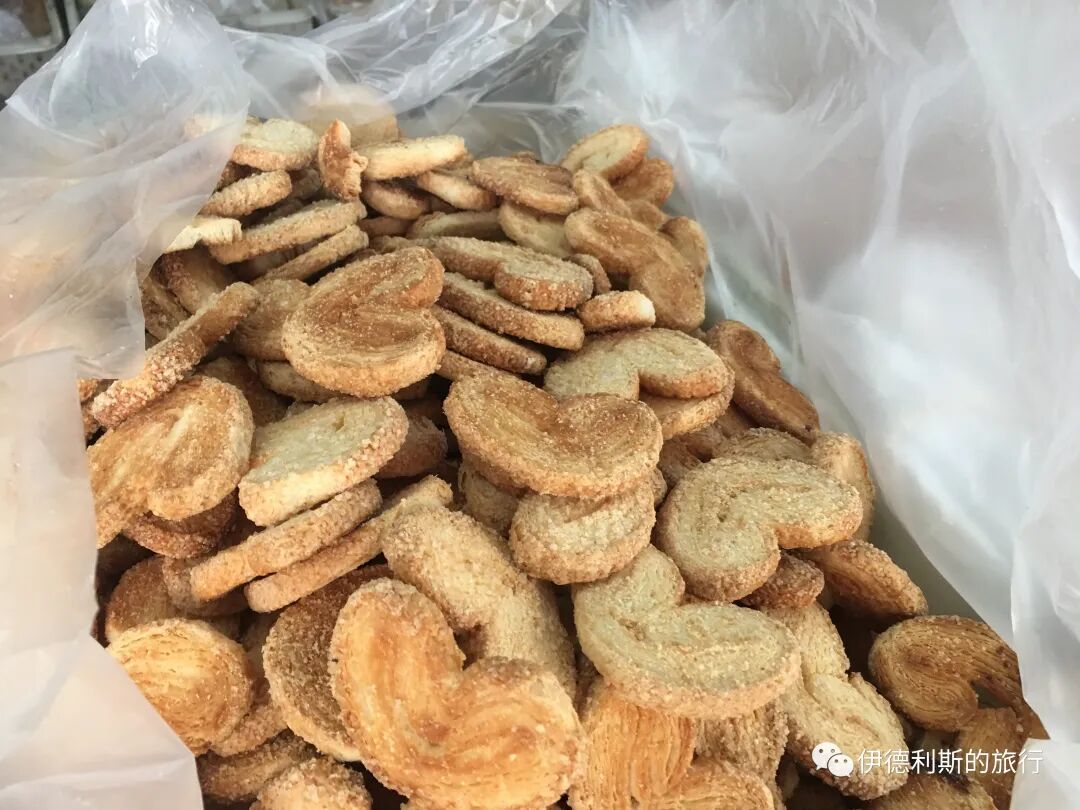
Horseshoe-shaped crispy pastry (matisu) bought at the pastry department of the Cangzhou Halal Food Factory.
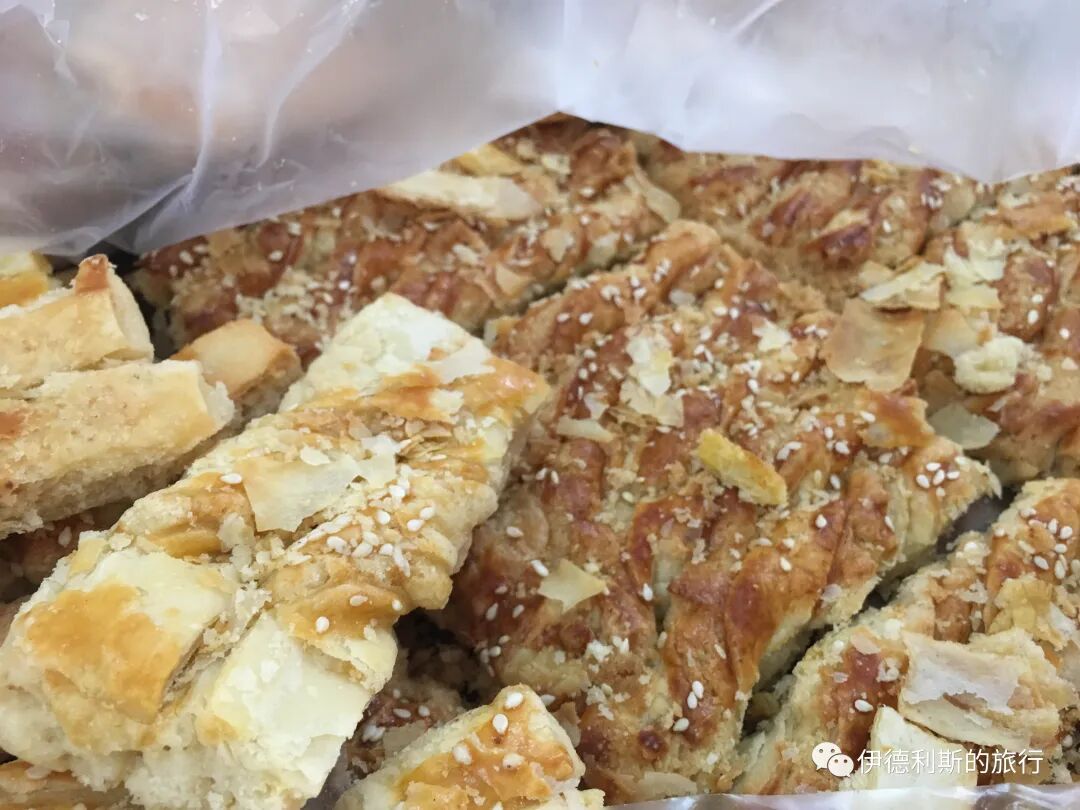
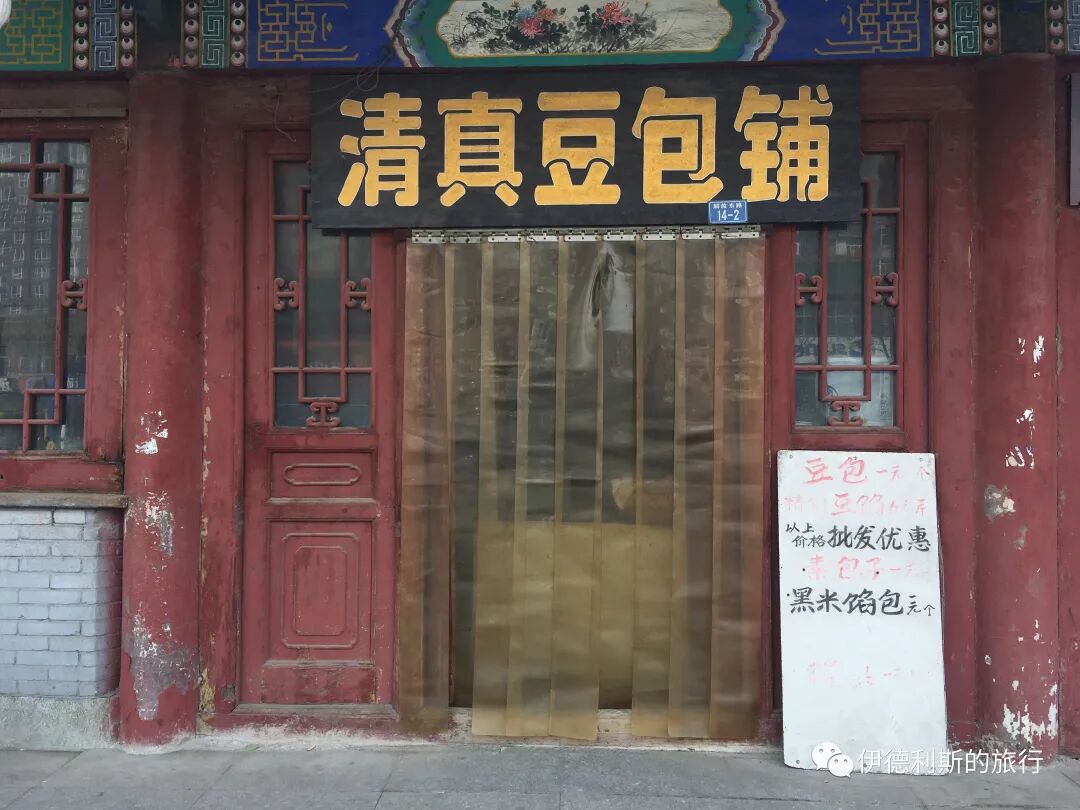
The halal red bean buns (doubao) next to the North Mosque are delicious. I bought a bunch both times I visited.
Women's Mosque (Qingzhen Nüsi)
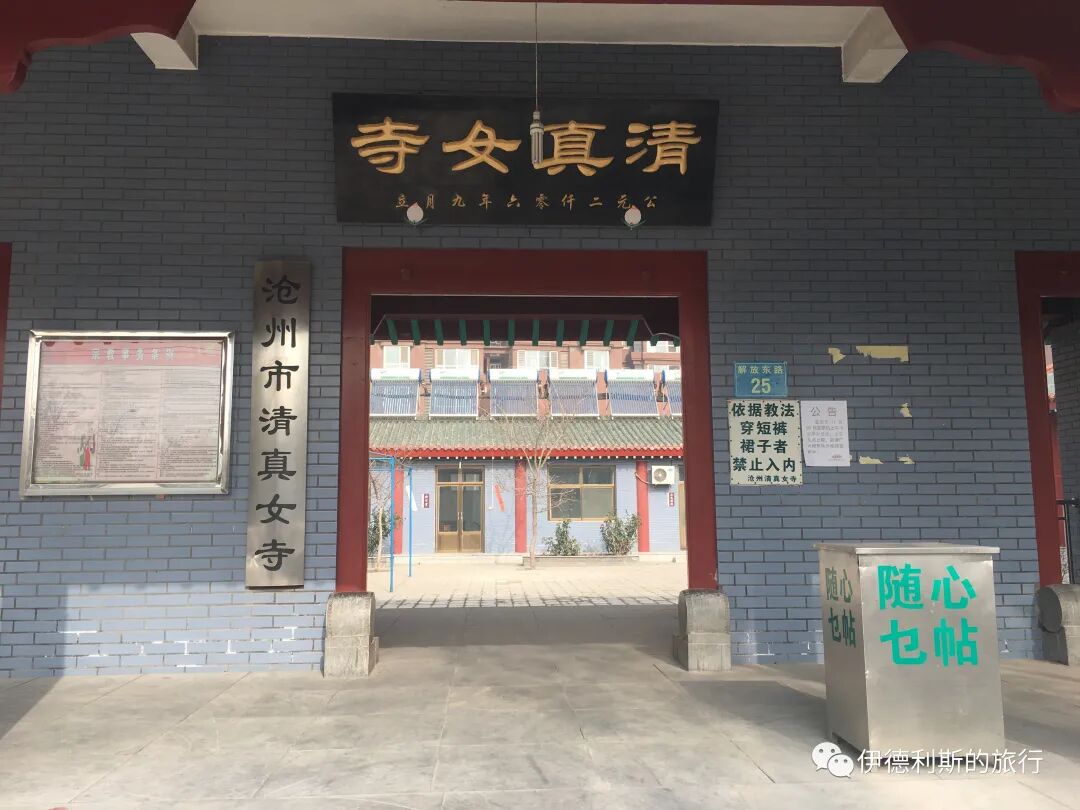
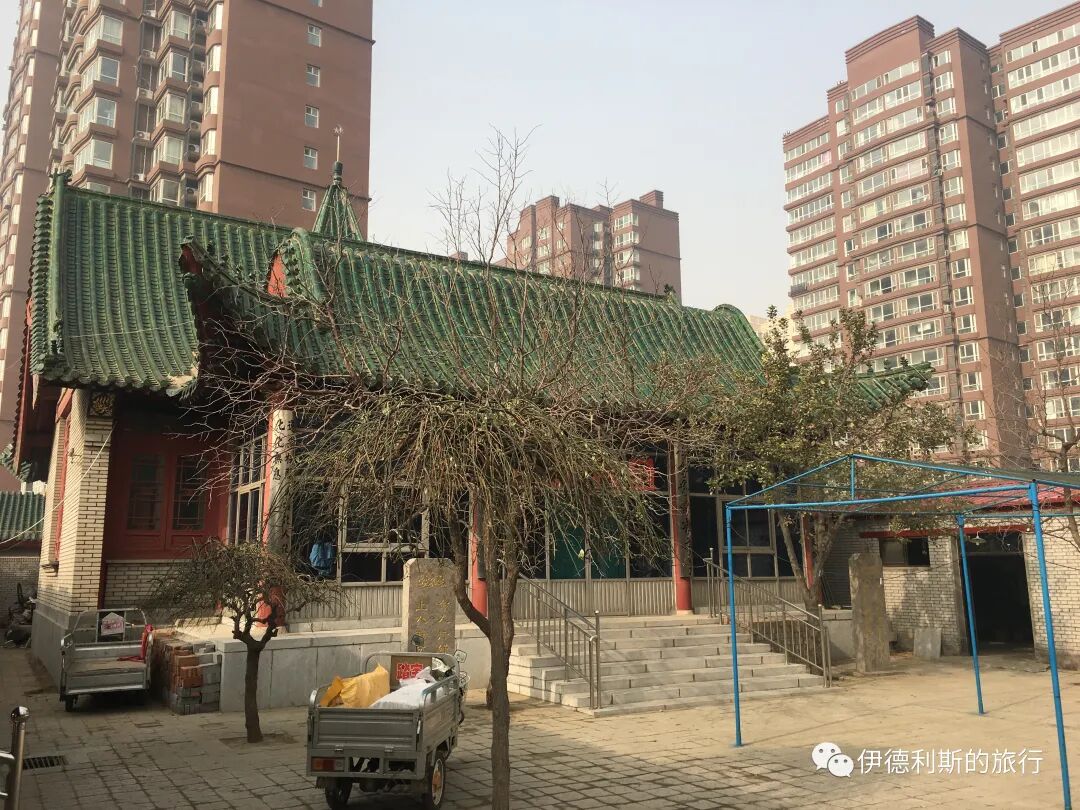
Across from the North Mosque is the Women's Mosque, which was first built in 1666 (the fifth year of the Kangxi reign). The Women's Mosque used to be called the Inner City Mosque (Chengli Qingzhensi), and it was separated from the North Mosque by the south city wall of Cangzhou. The Inner City Mosque faced a similar fate to the North Mosque, suffering near-total destruction in the 1960s and 70s before being restored in the 1980s. In 1986, the Inner City Mosque became the Women's Mosque. It was rebuilt in 1993 to look the way it does today.
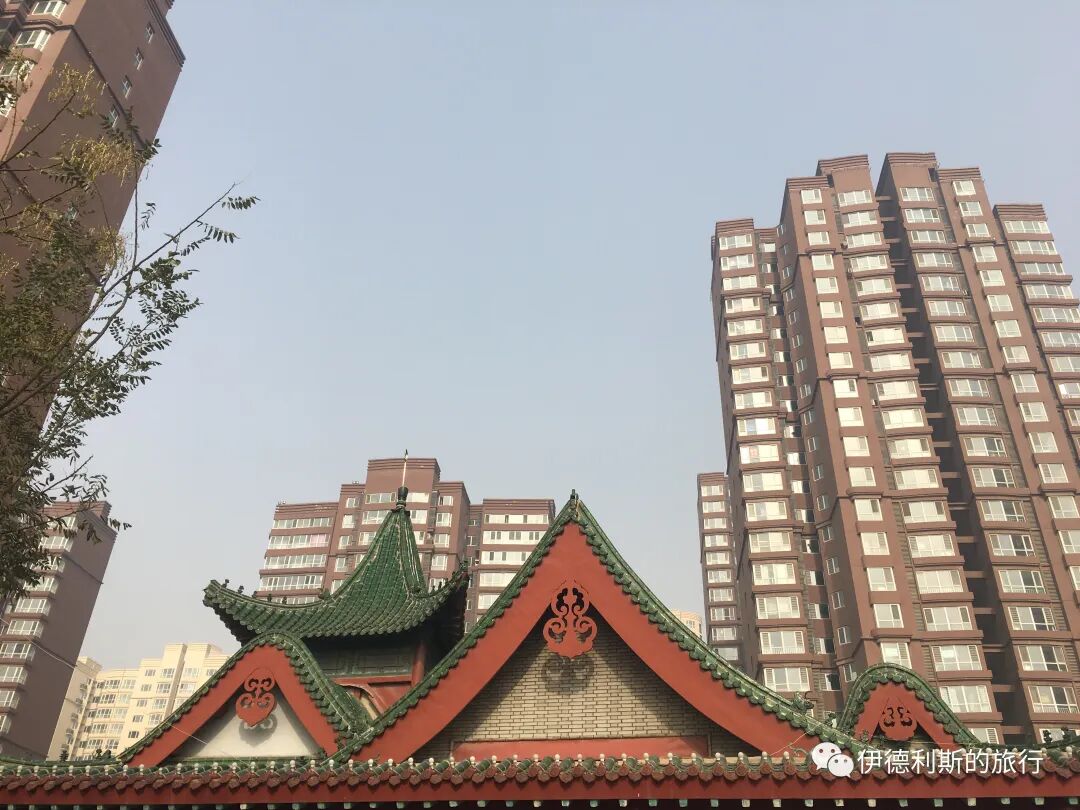
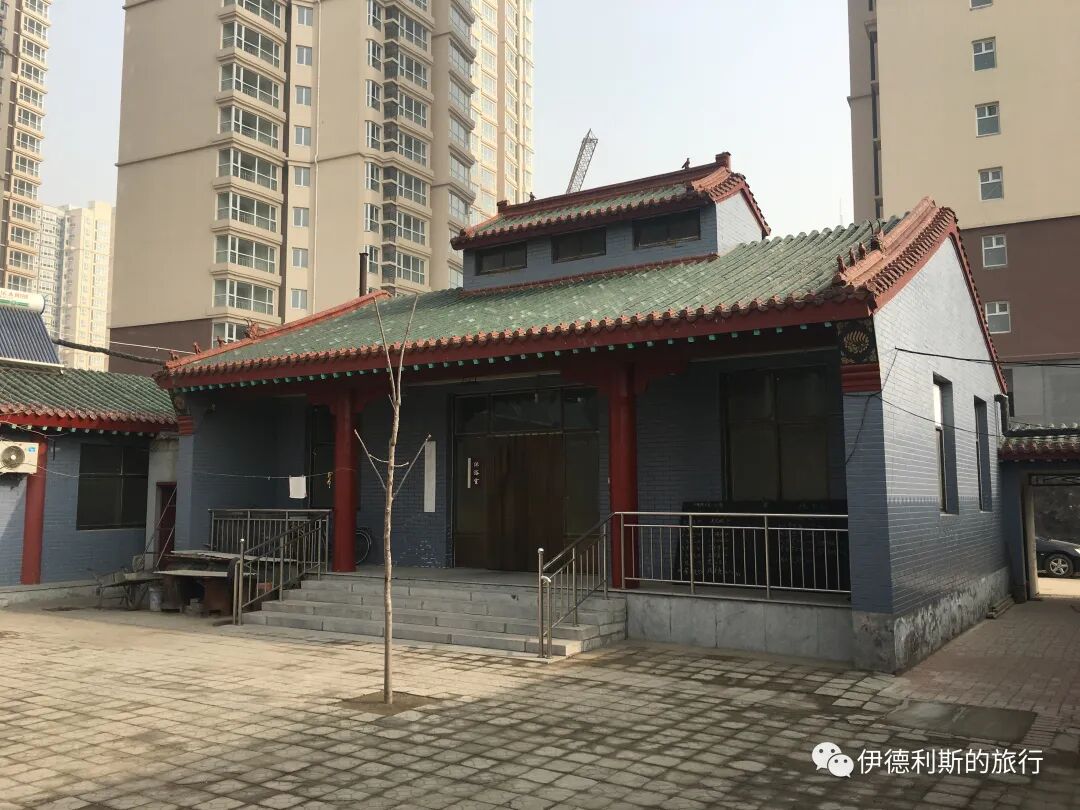
The Hui Muslim district in the south of Cangzhou city
South of the North Mosque is the Hui Muslim district. Although the houses have been rebuilt, the original street layout remains.
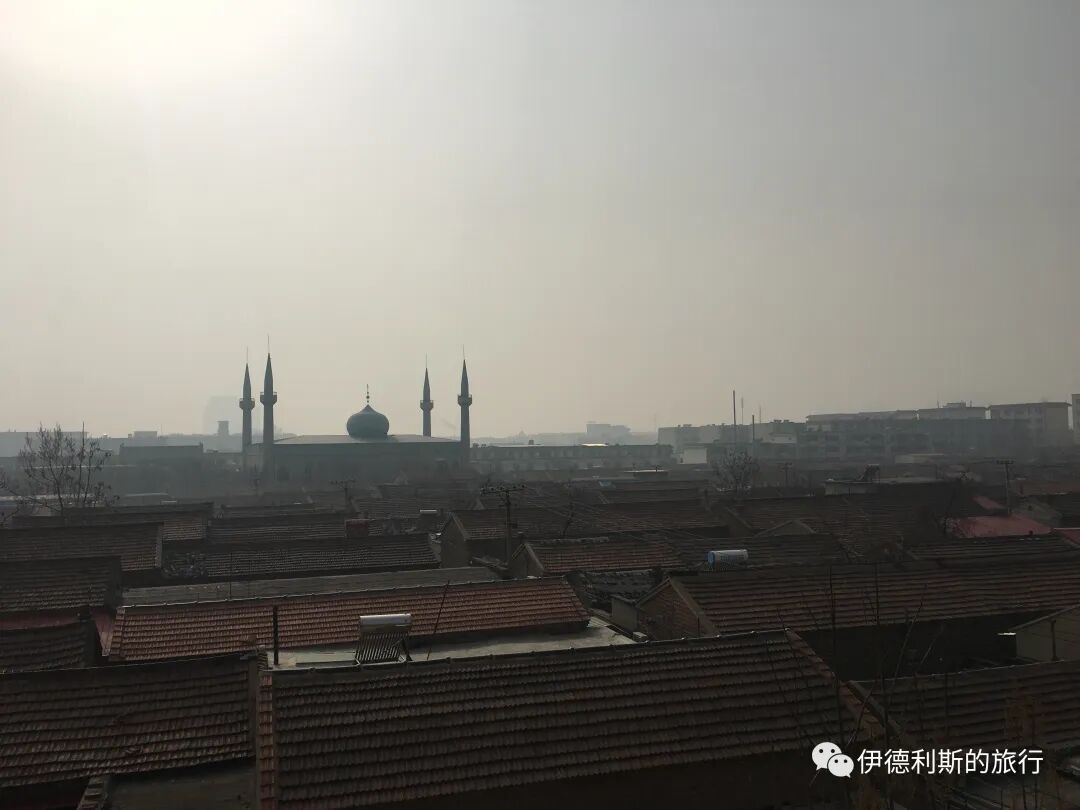
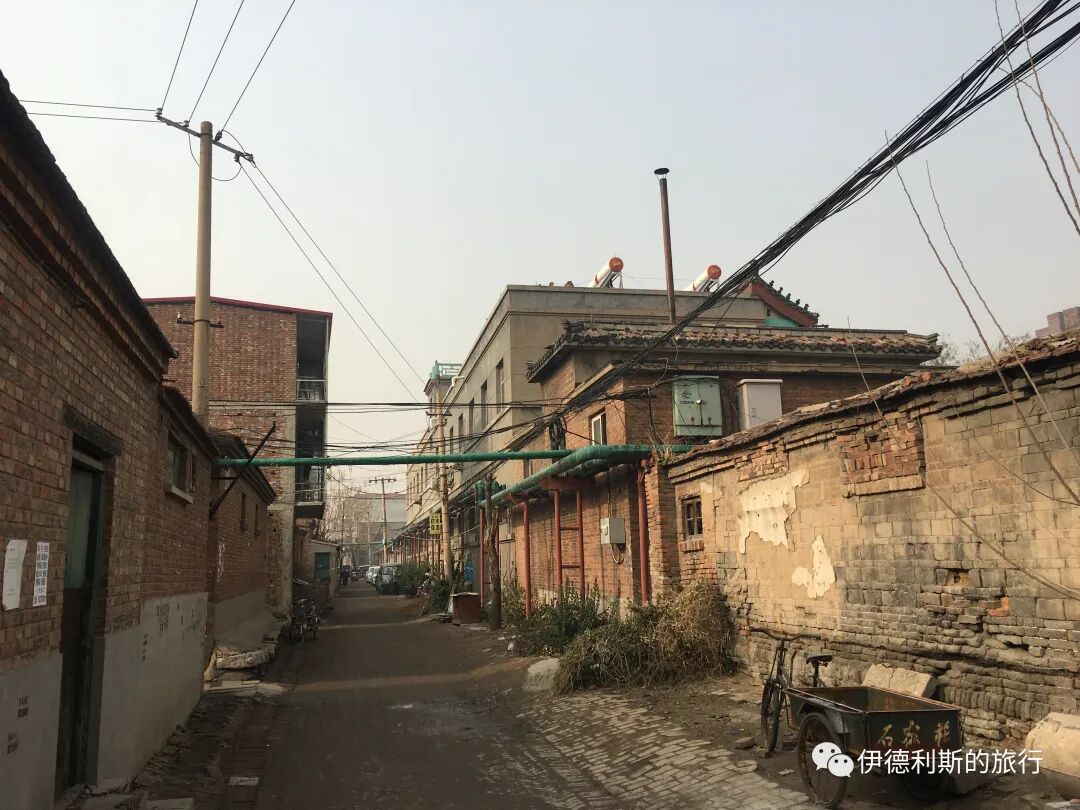
Halal food on Minzu Street
The heart of the southern Hui Muslim district is the Minzu Street food market, which is packed with all kinds of Hui Muslim snacks.
The East Mosque (Dongsi) is at the east end of the street.
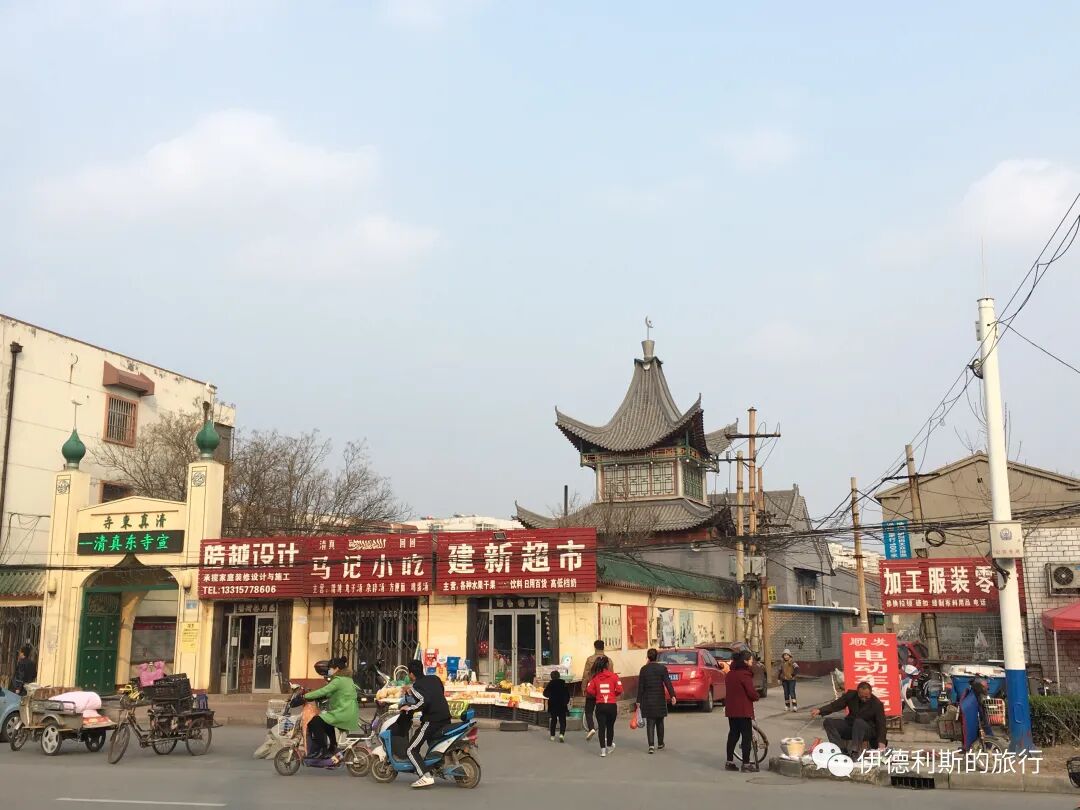
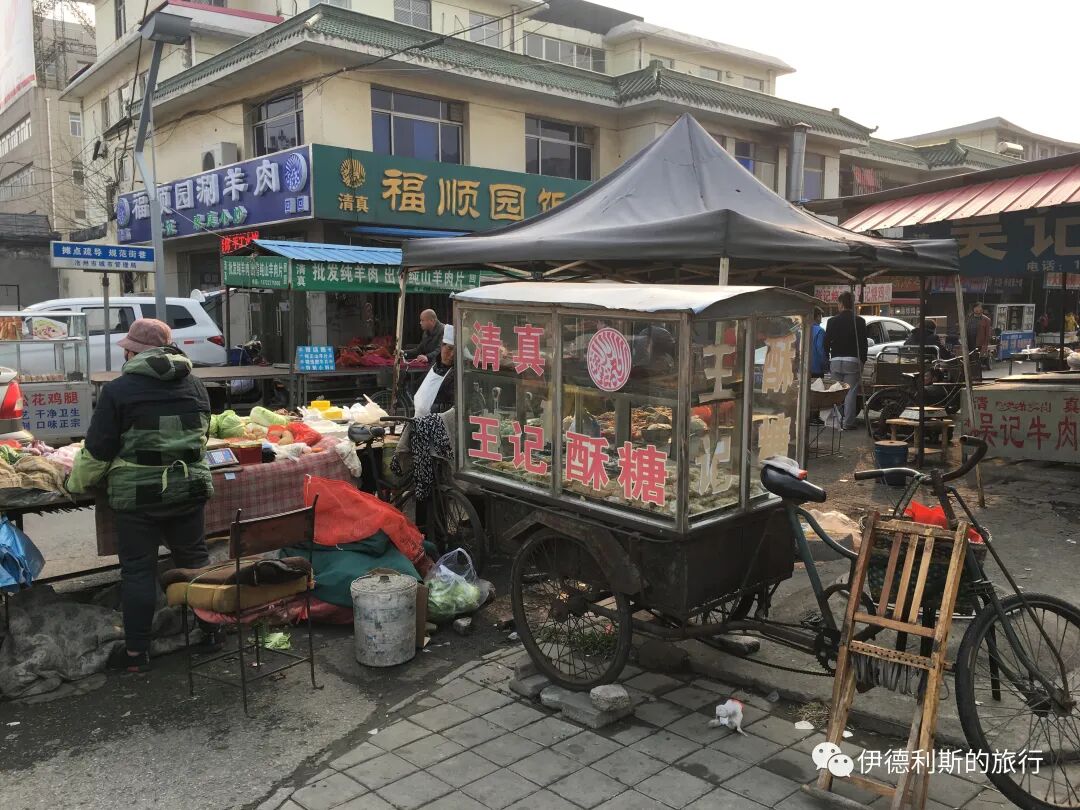
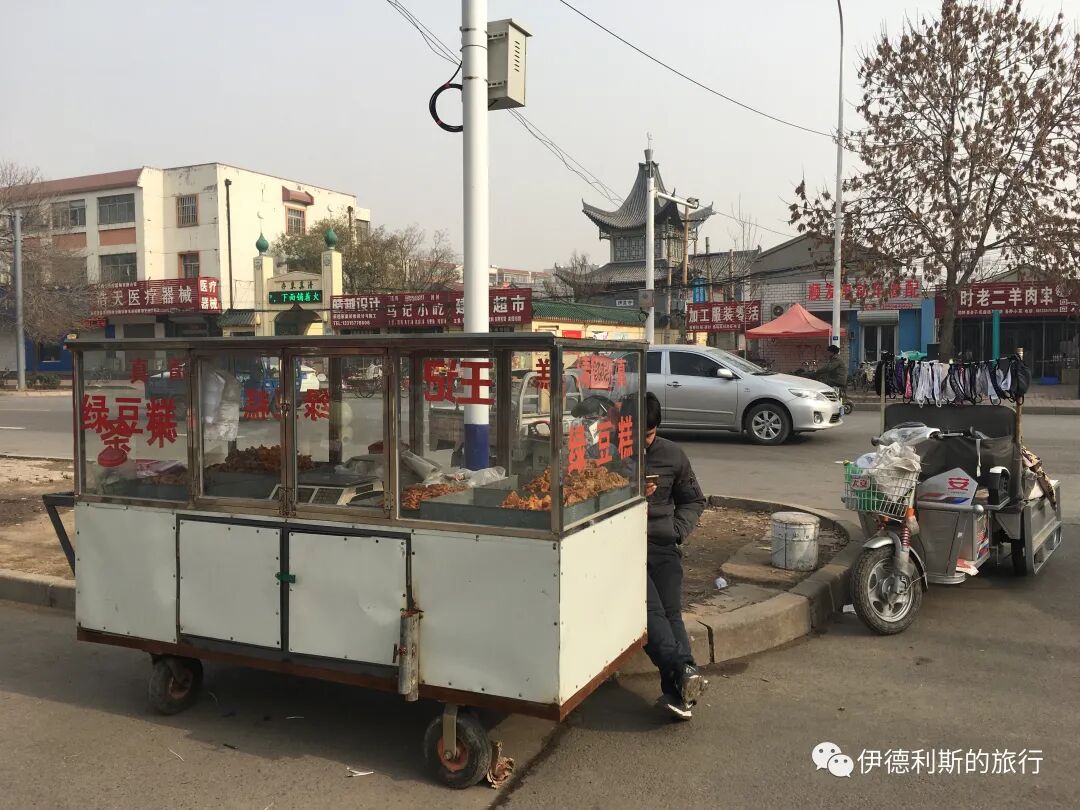
Liuji pine nut chicken legs (songhuajitui) are chicken sausages stuffed with pine nut jelly. They go perfectly with flatbread (laobing) or steamed buns (mantou).
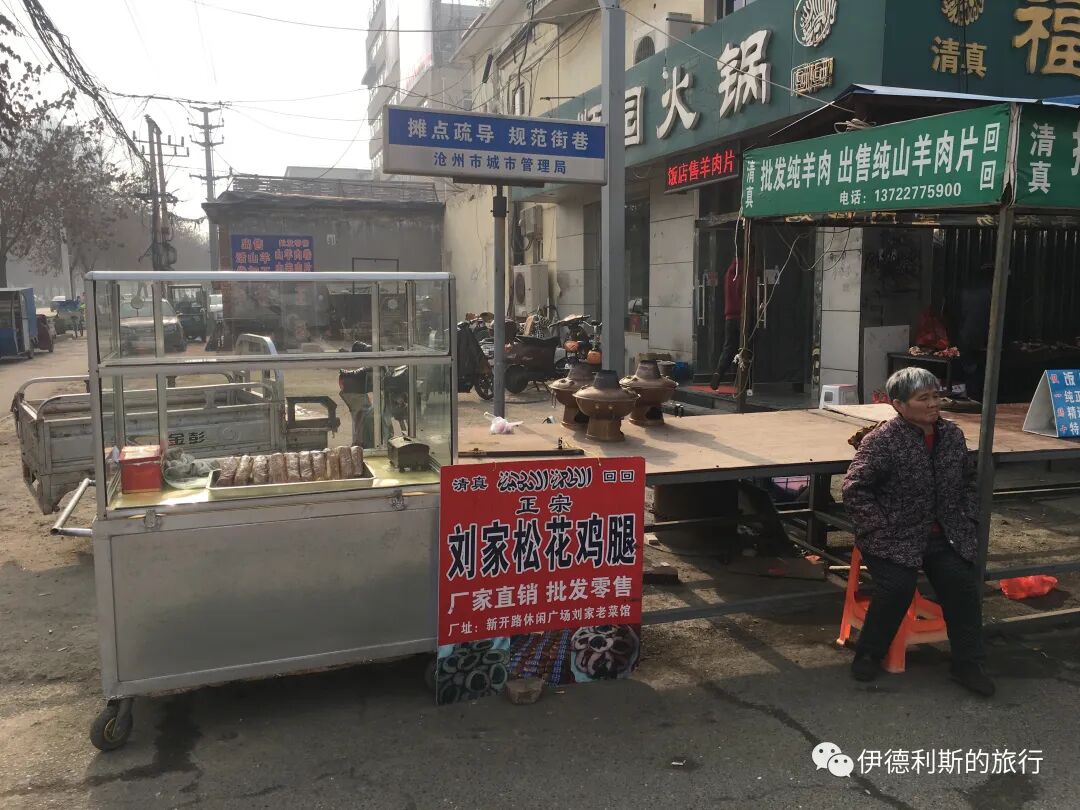
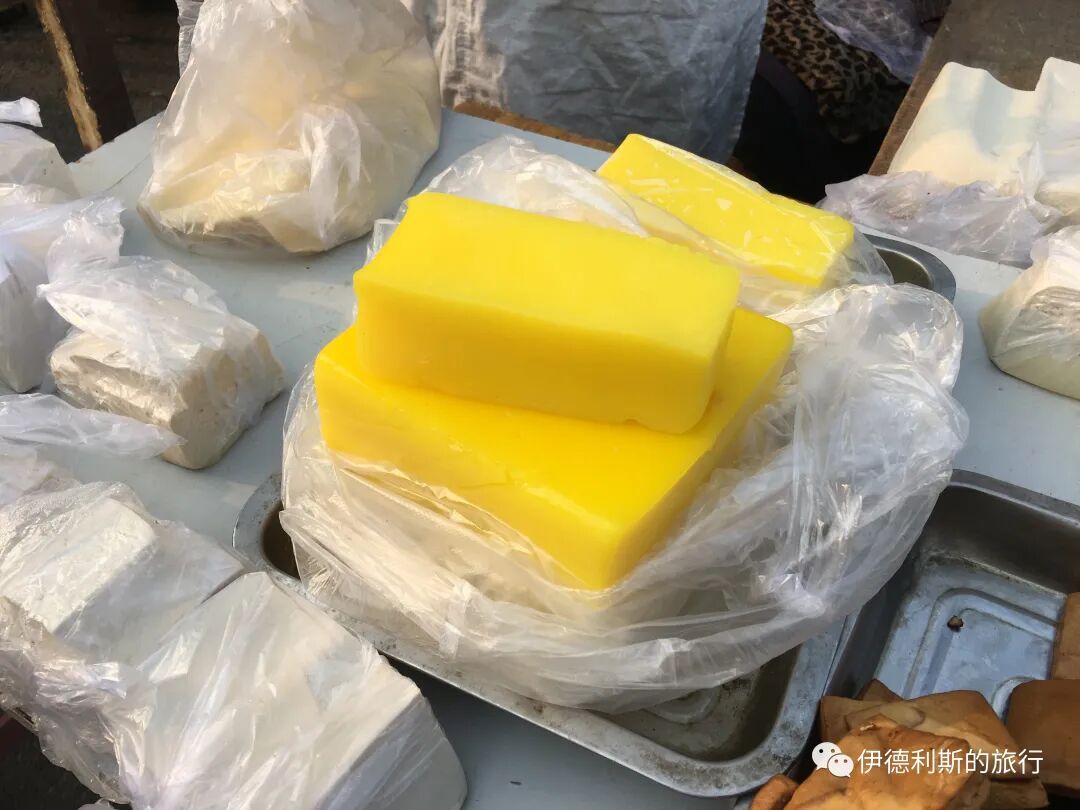
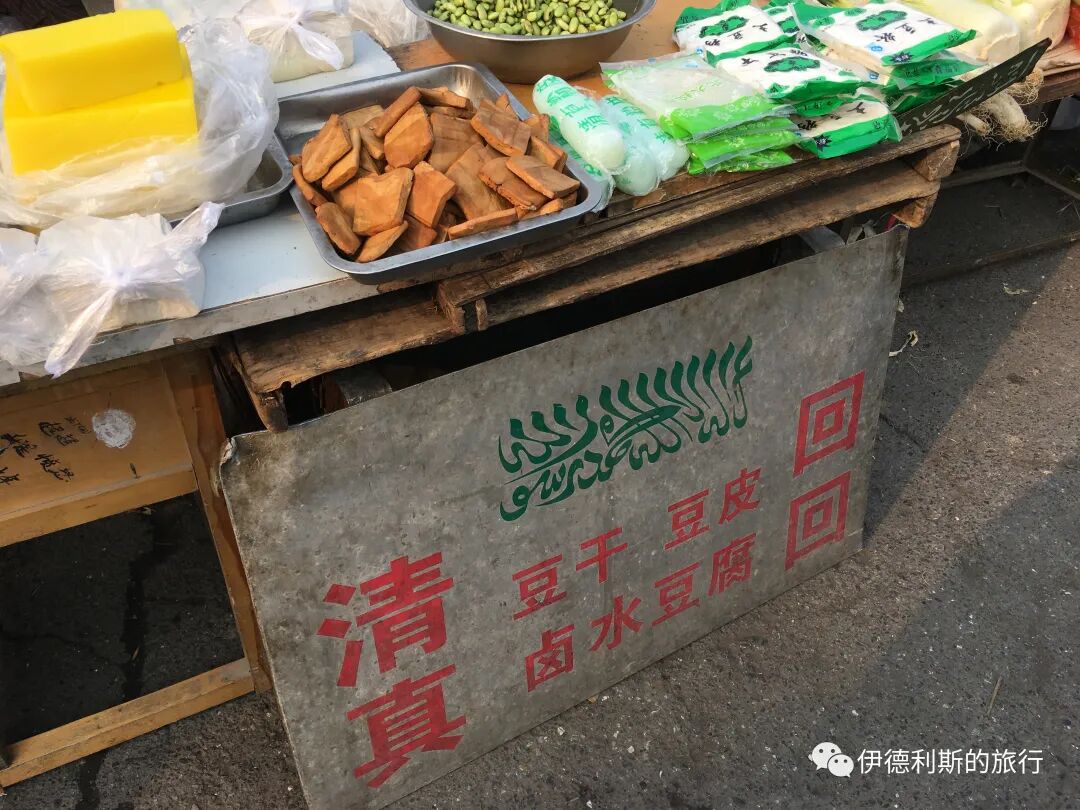
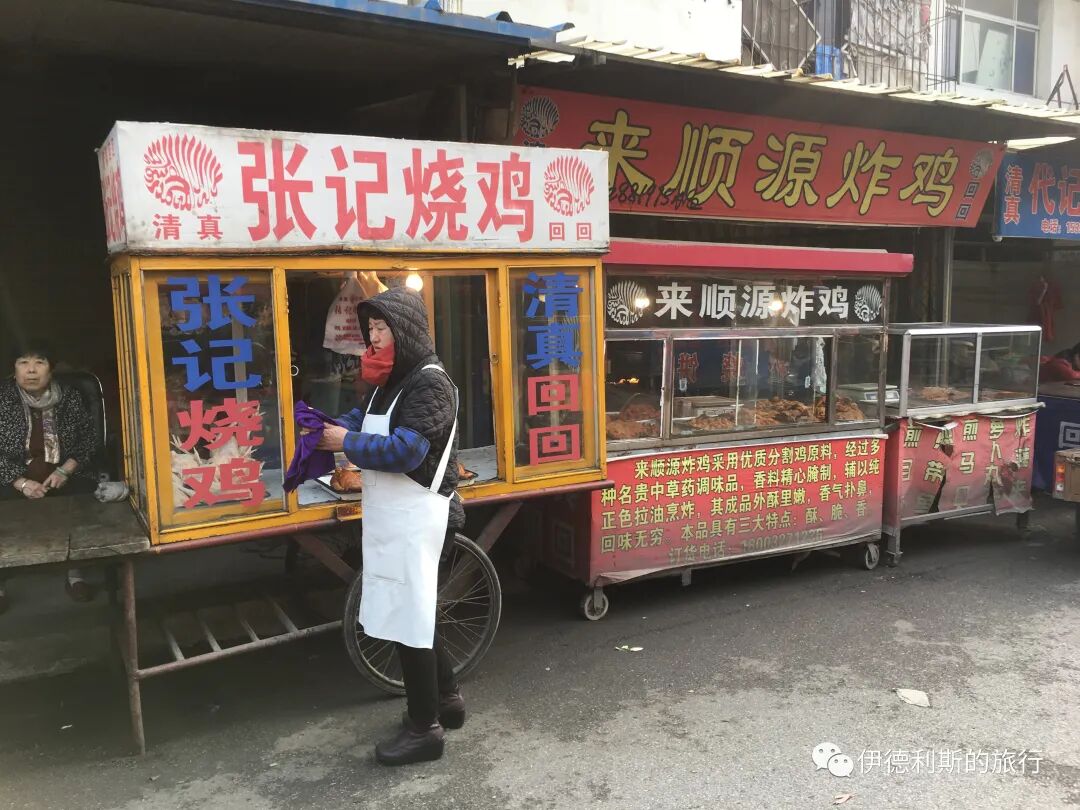
This is the third place outside of Beijing and Tianjin where I have had tea soup (chatang). The version in Cangzhou came from Tianjin along the Grand Canal, but this shop uses more ingredients and has a stronger flavor.
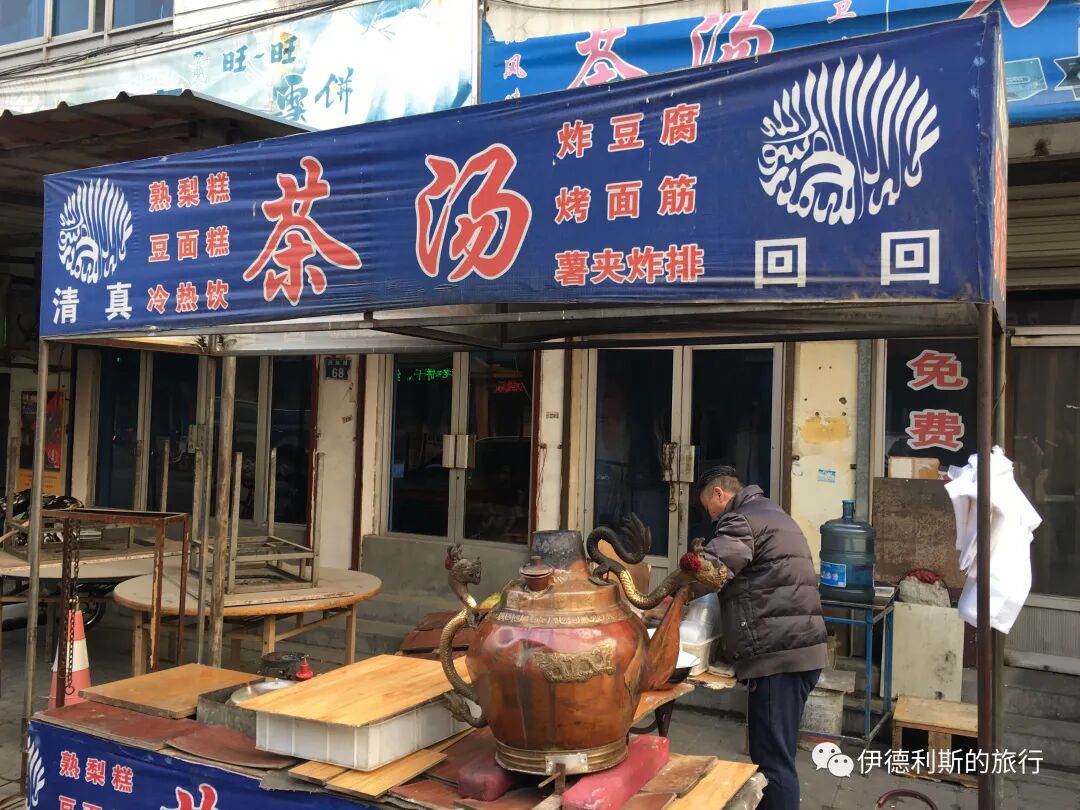
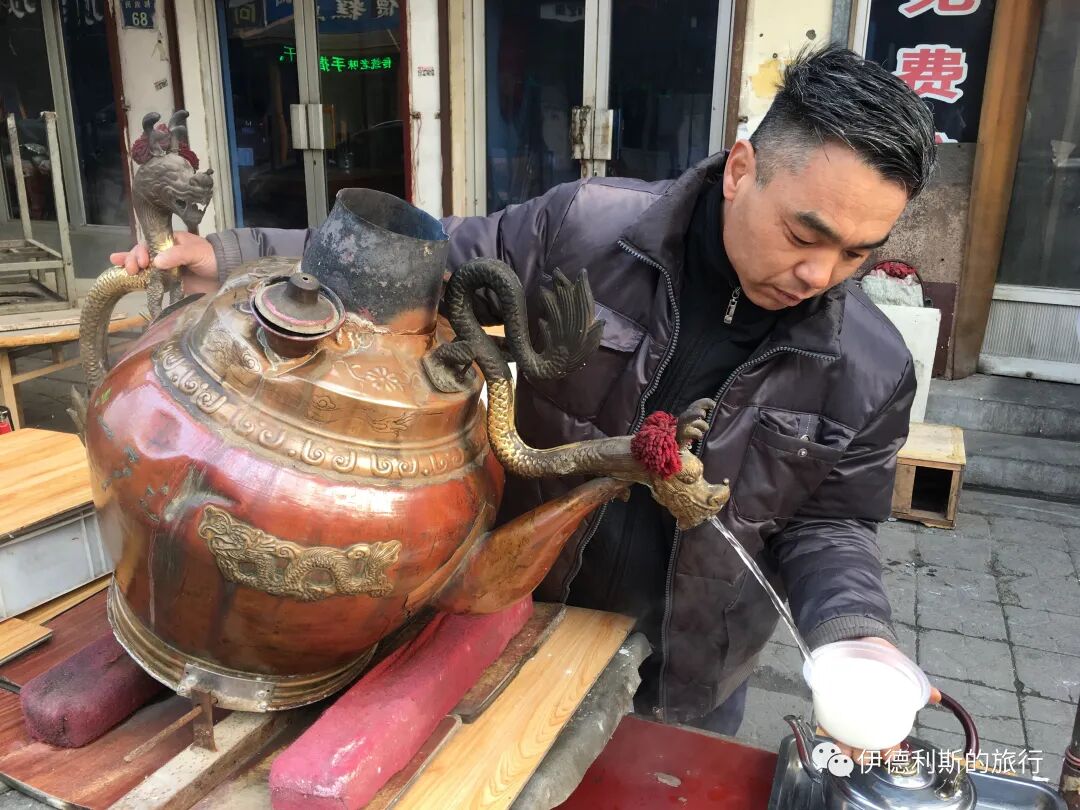
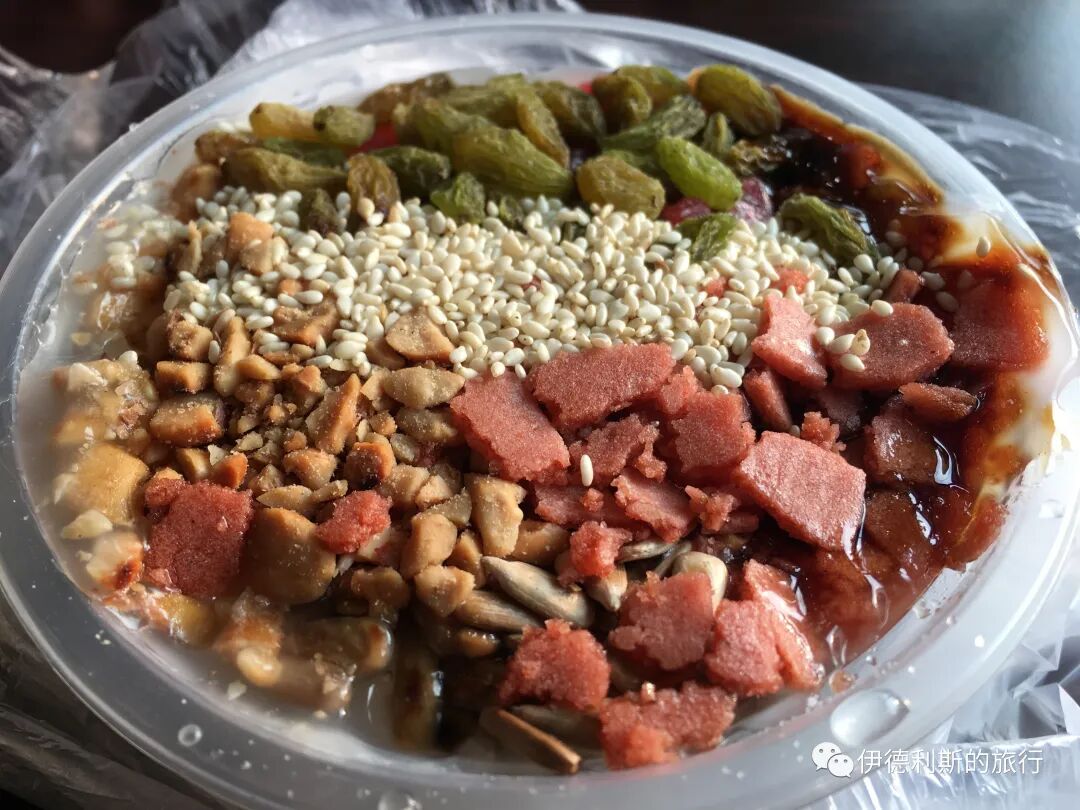
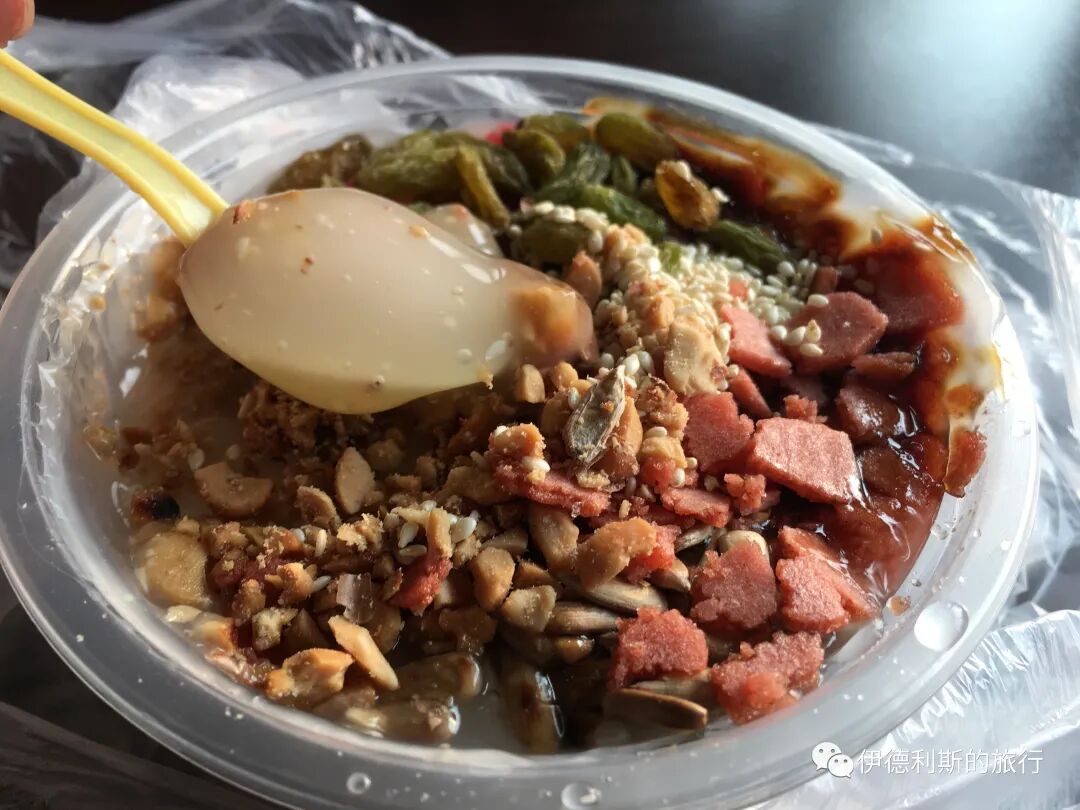
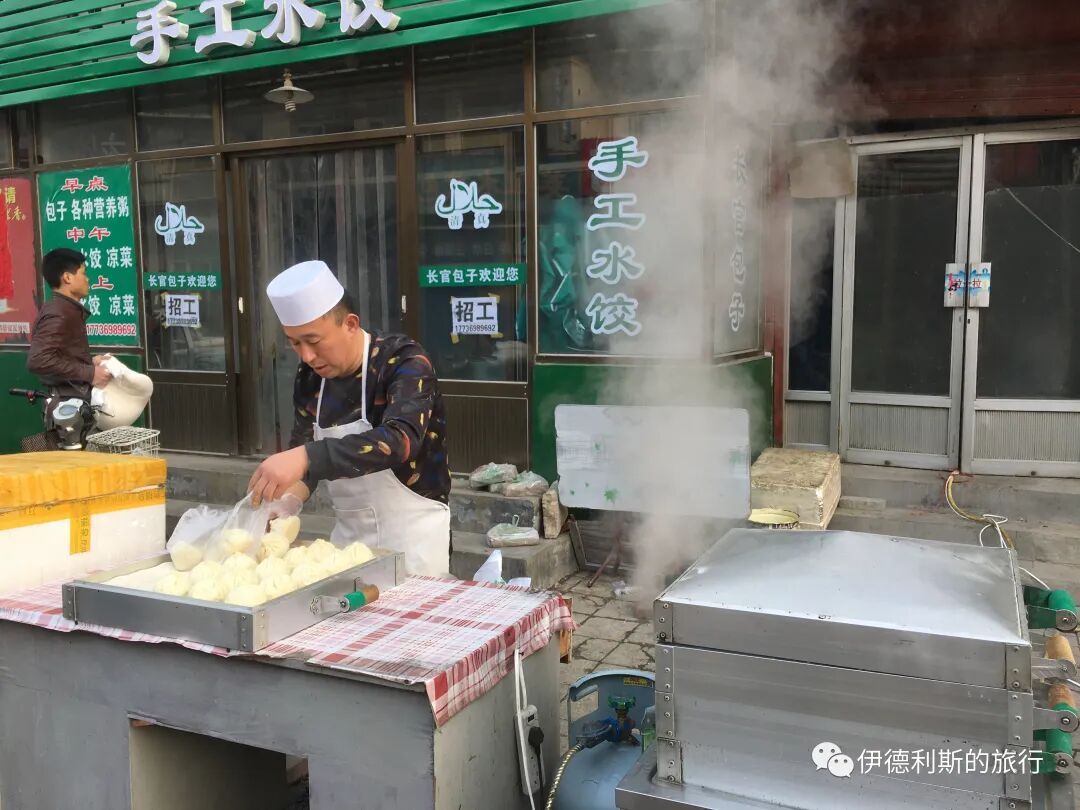
I bought two bags of five-spice peanuts. The black ones are addictive when eaten with tea.
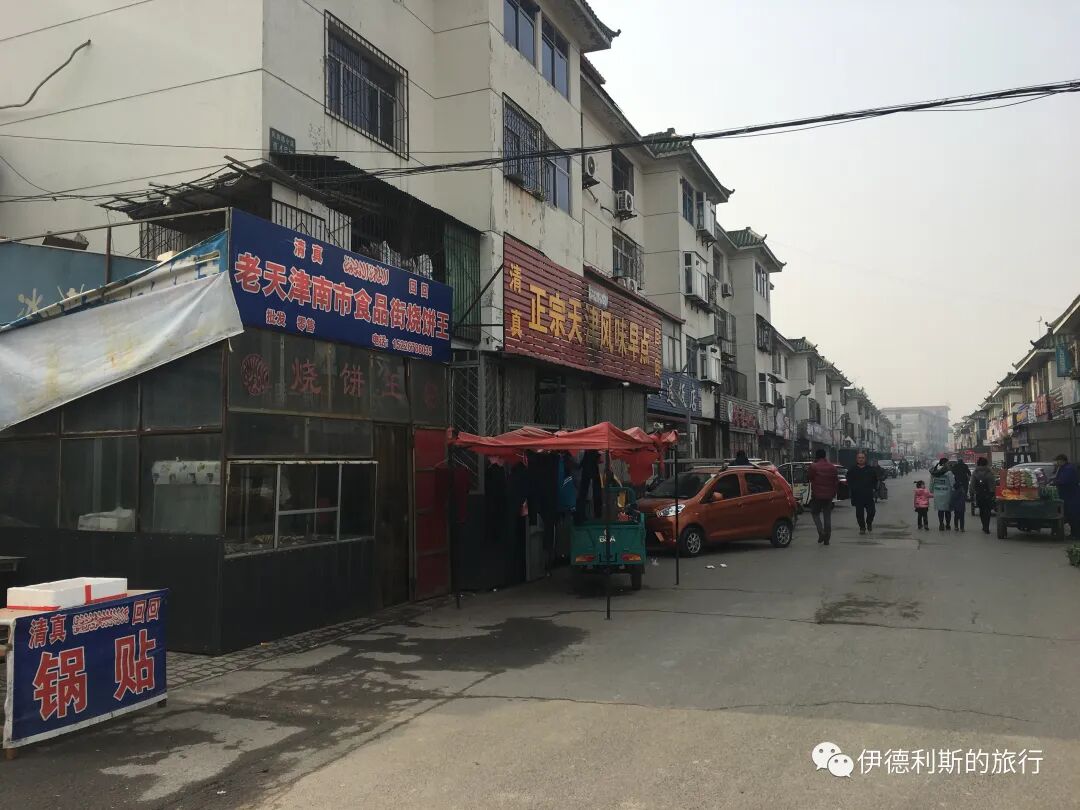
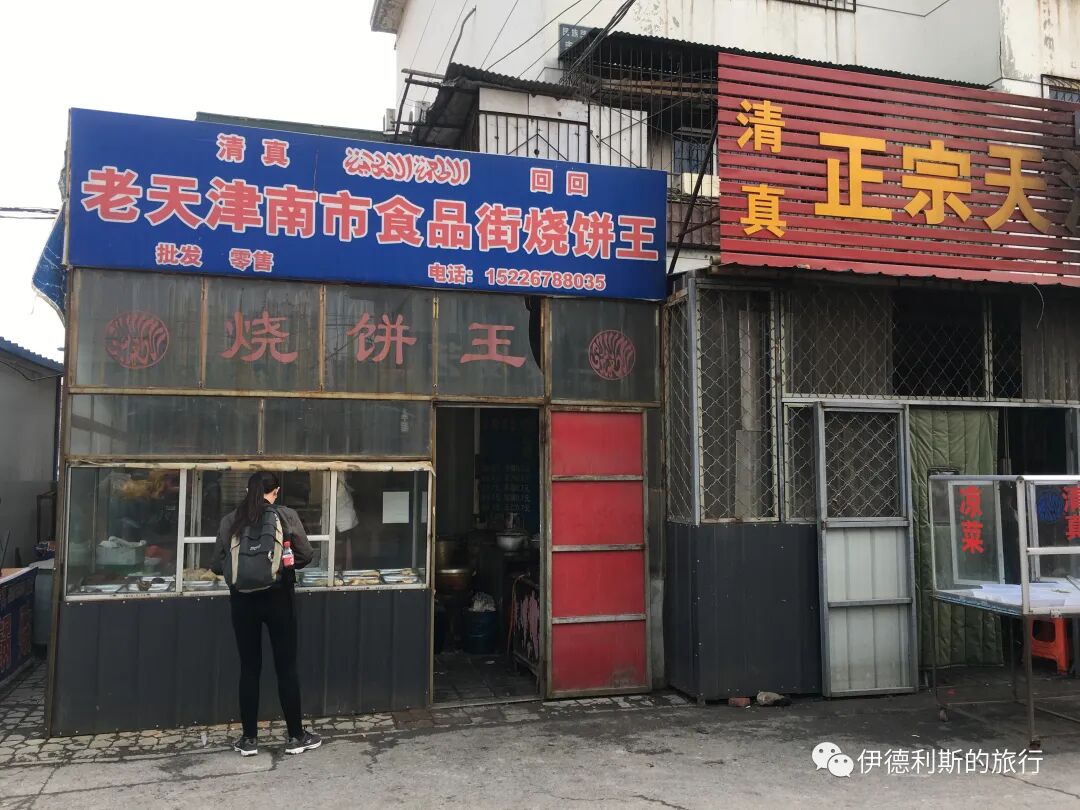
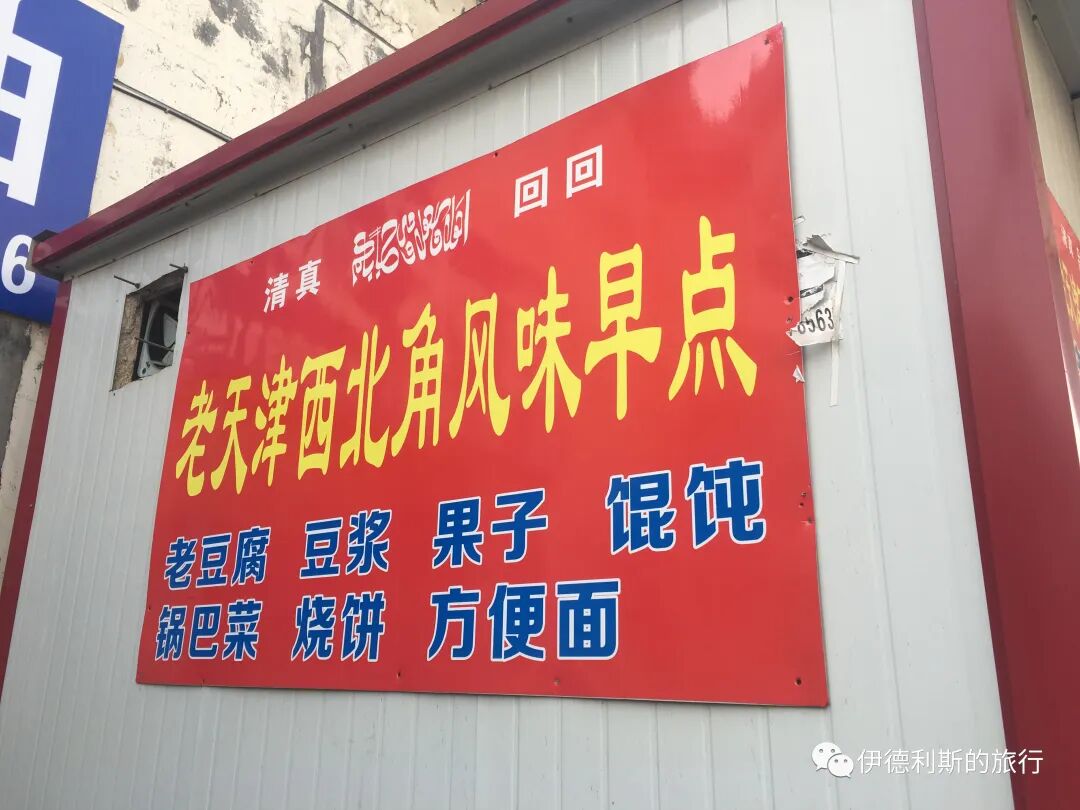
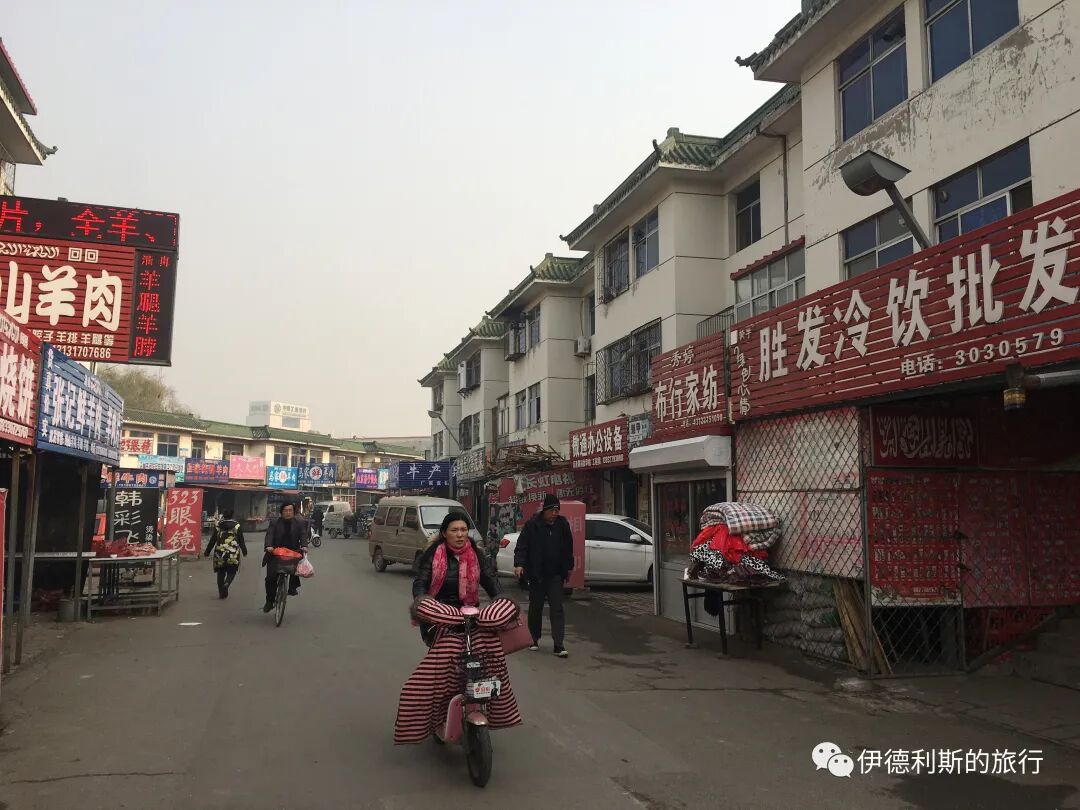
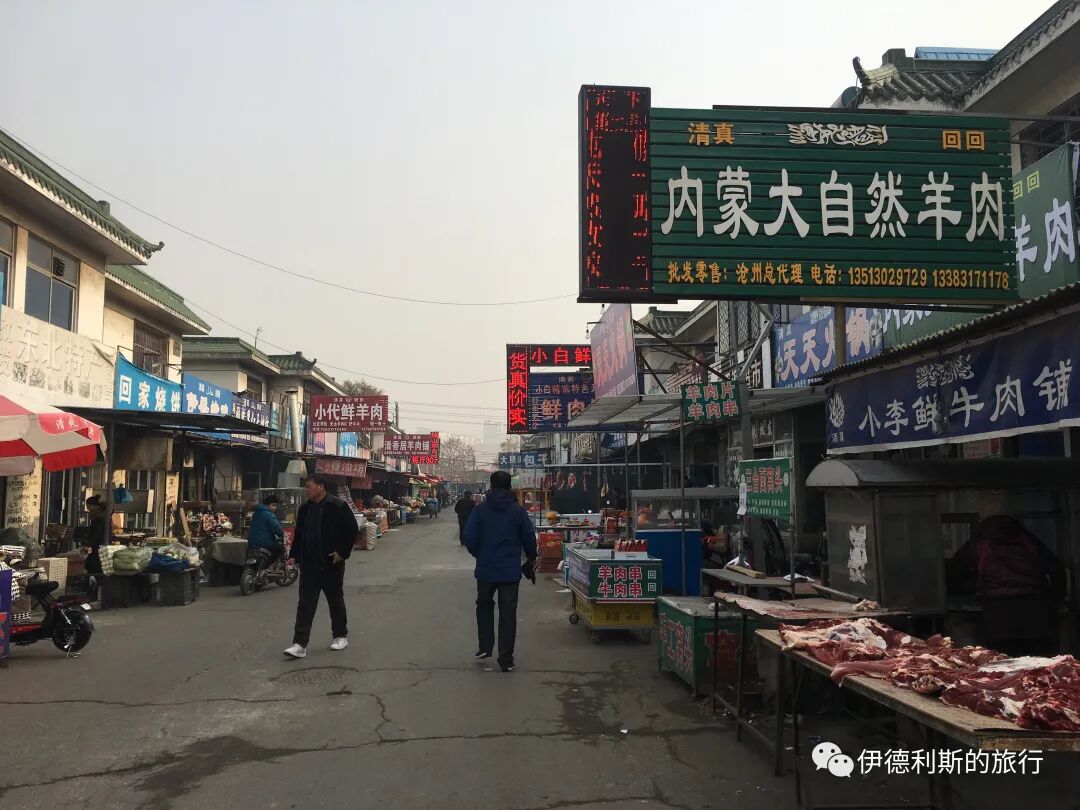
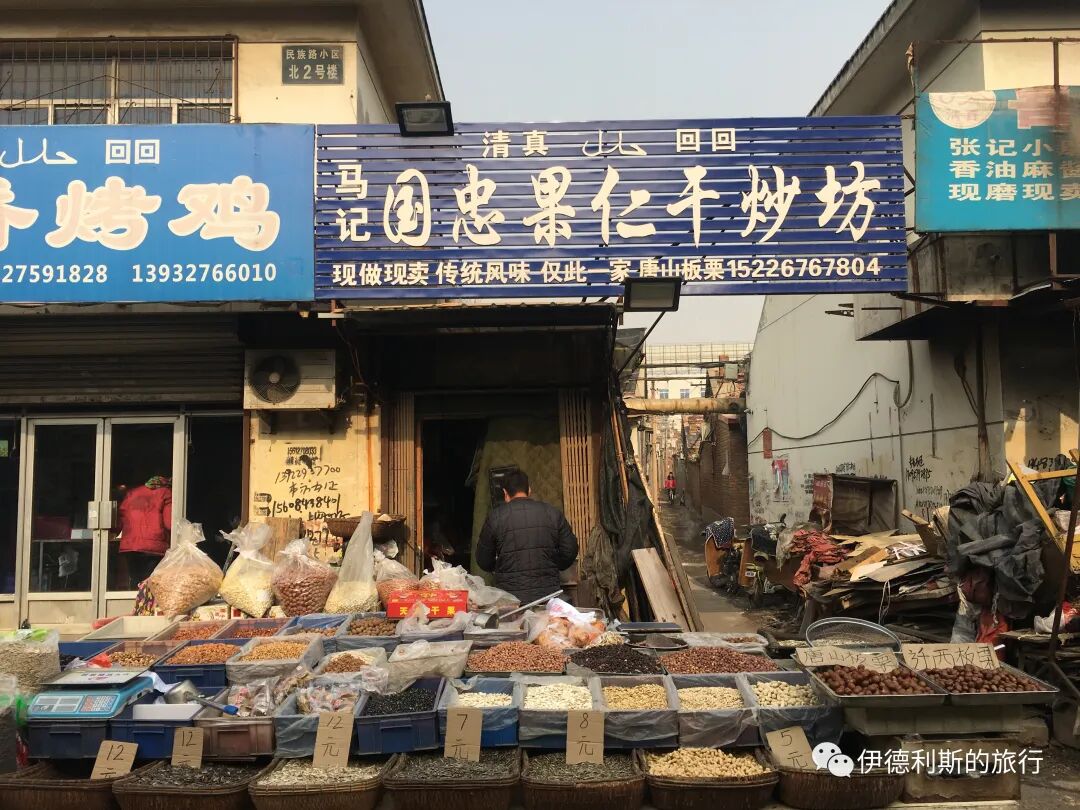
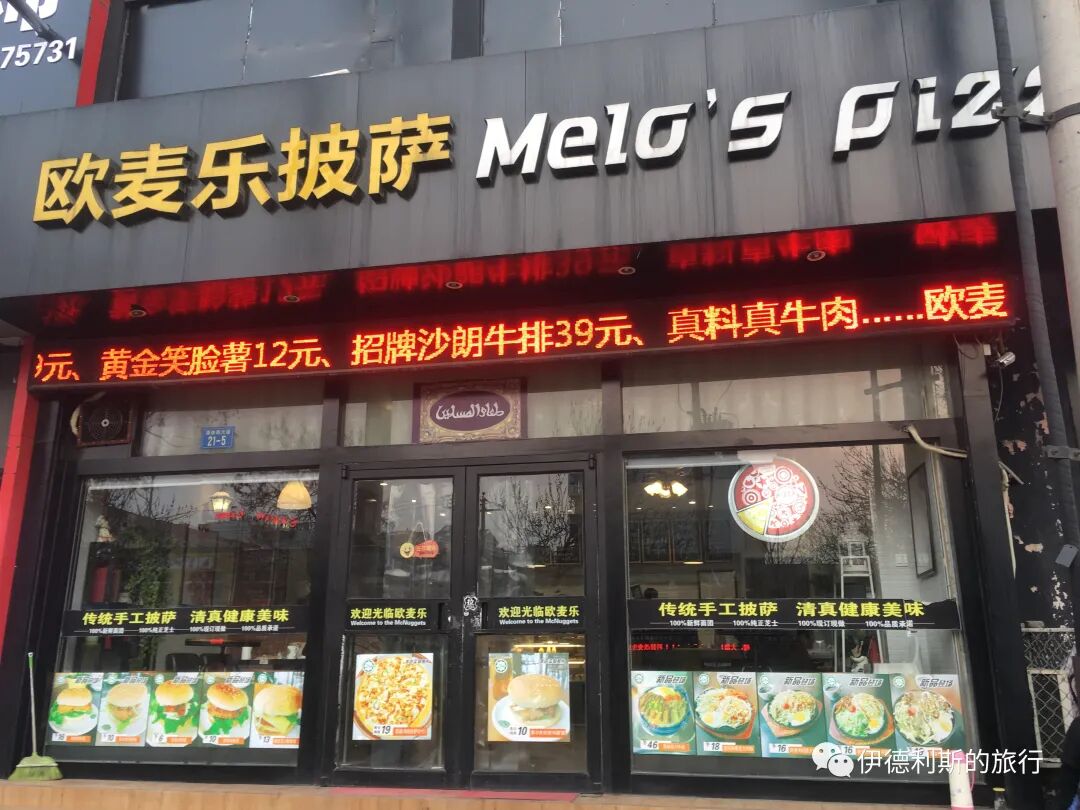
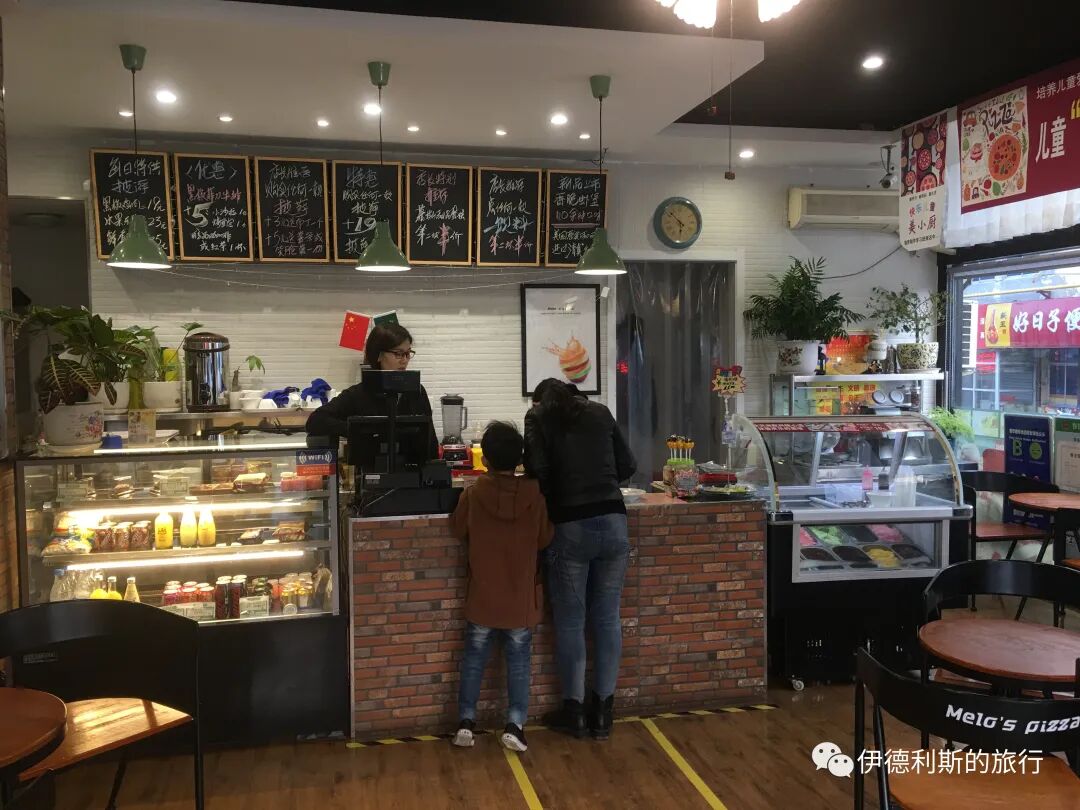
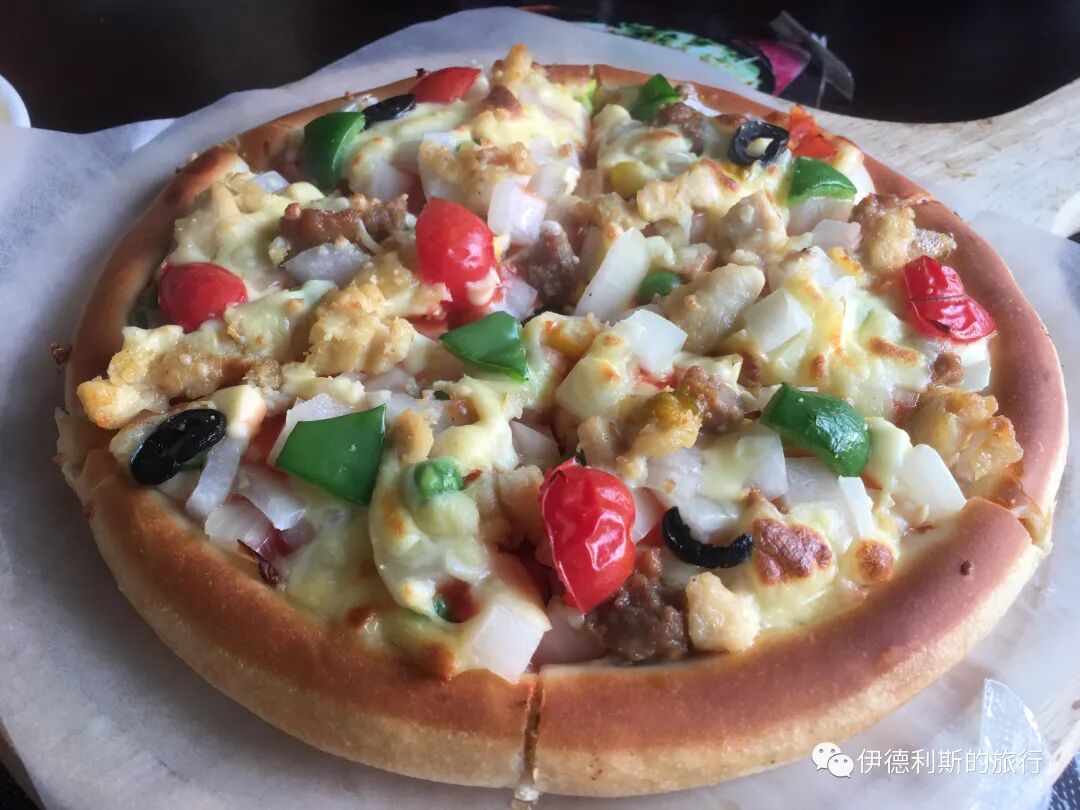
I walked all the way to the west end of Minzu Street and had a pizza at Oumale.
Botou Yang family sesame flatbread (shaobing)
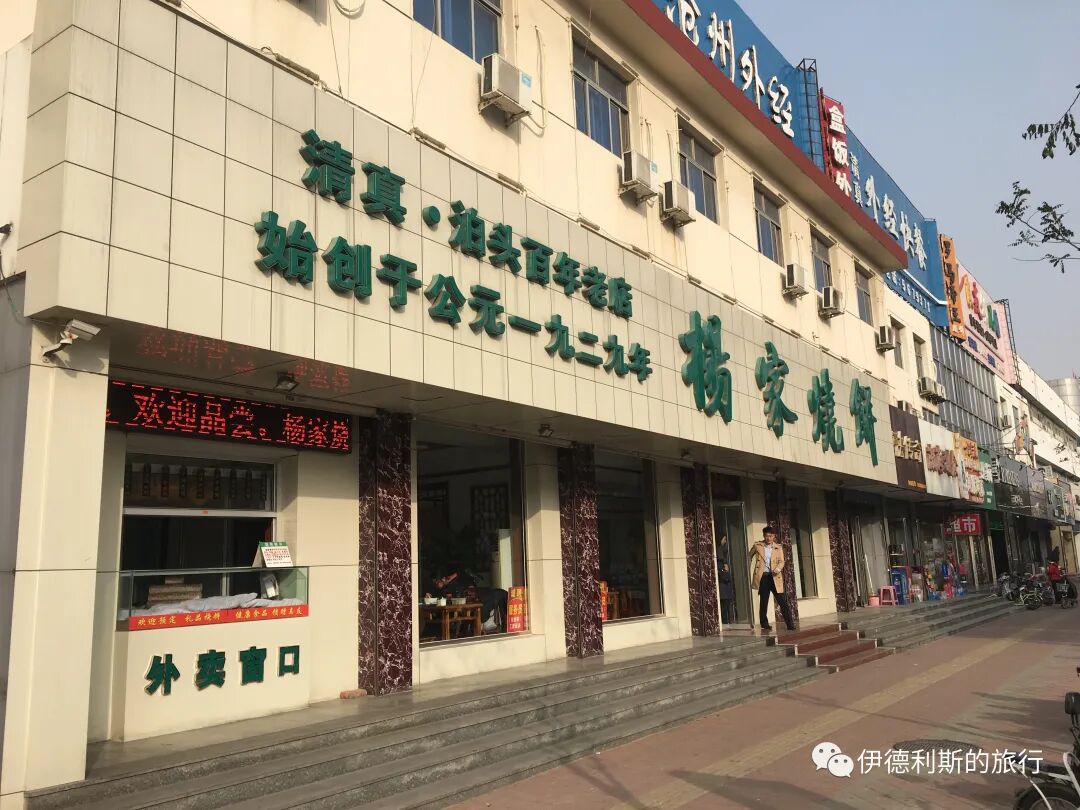
I bought sugar-filled triangular flatbreads (tang sanjiao shaobing) and black rice crispy flatbreads (heimi su shaobing) at the Cangzhou branch of Botou Yang Family Flatbreads (Yangjia shaobing).
Yang Yongchang, the founder of Yang Family Flatbreads, opened a roadside inn called Yongchang Store in the ancient canal town of Botou, south of Cangzhou, in the 1930s. He started making flatbreads then and continued until the business was closed during the public-private partnership transition in 1956. In 1979, Yang Family Flatbreads reopened. It became a Cangzhou municipal-level intangible cultural heritage site and developed many new varieties that taste as delicious as pastries.
The Grand Canal in Cangzhou.
The canal wharf is not far from the west side of the Hui Muslim district in the south of the city. In 1411 (the ninth year of the Yongle reign), the Ming Dynasty cleared the silted-up section of the Grand Canal known as the Huitong River. This reopened the north-south water transport route, and the new Cangzhou city, which had moved from the old state city, became a hub for water transport.
At that time, many Hui Muslims made their living directly from water transport. The wealthiest boat owners rented out their ships or hired people for transport. Ordinary small boat owners made a living by ferrying, while the poorest Hui Muslims survived by pulling boats along the riverbank or carrying cargo at the wharf.
The convenience of water transport naturally led to a boom in business. Before the July 7th Incident, there were over five hundred halal restaurants in Cangzhou city. These included large establishments like Qinghua Restaurant and Tianqing Hall, as well as large tea houses like Wancheng Tea House. There were also various banks and grocery stores run by Hui Muslims, marking the peak of commercial activity for Cangzhou's Hui Muslims. (The Influence of the Canal on the Formation and Development of Hui Muslim Settlements in Cangzhou)
Until the 1960s, cargo ships still traveled constantly along the South Canal, and water transport in Cangzhou remained prosperous. However, by the 1970s, the water source for the South Canal channel deteriorated sharply and could no longer provide the water volume needed for transport, so the Cangzhou water transport wharves were abandoned.
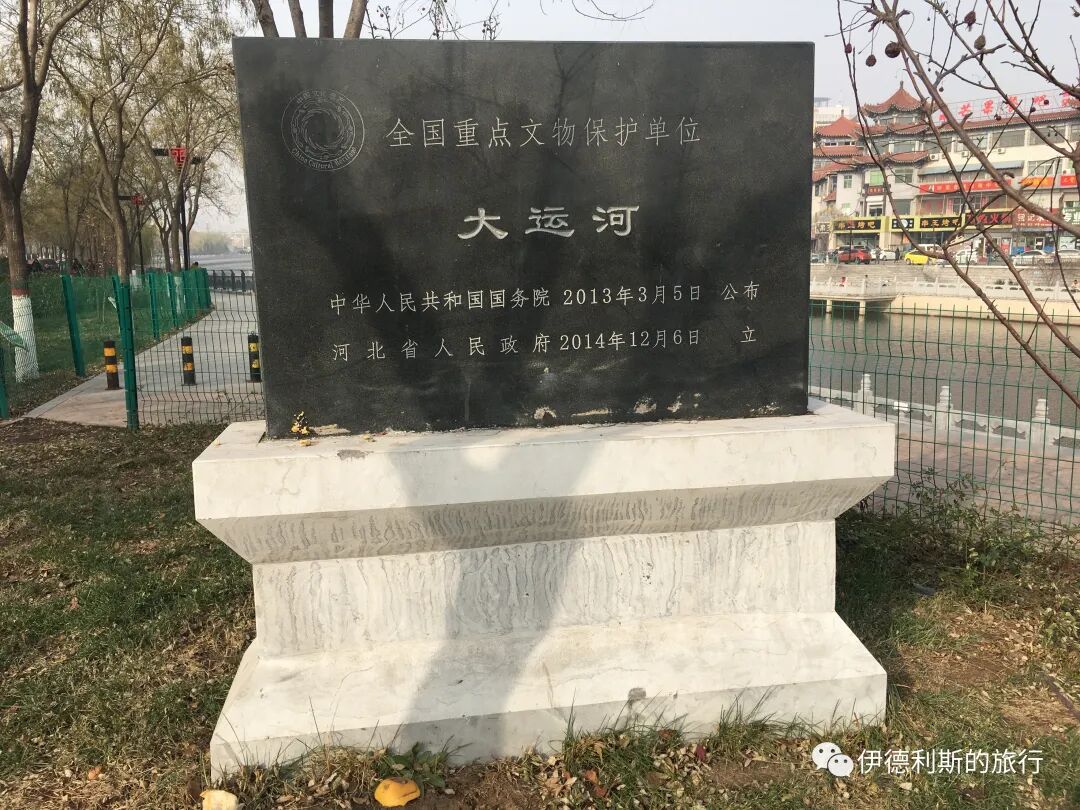
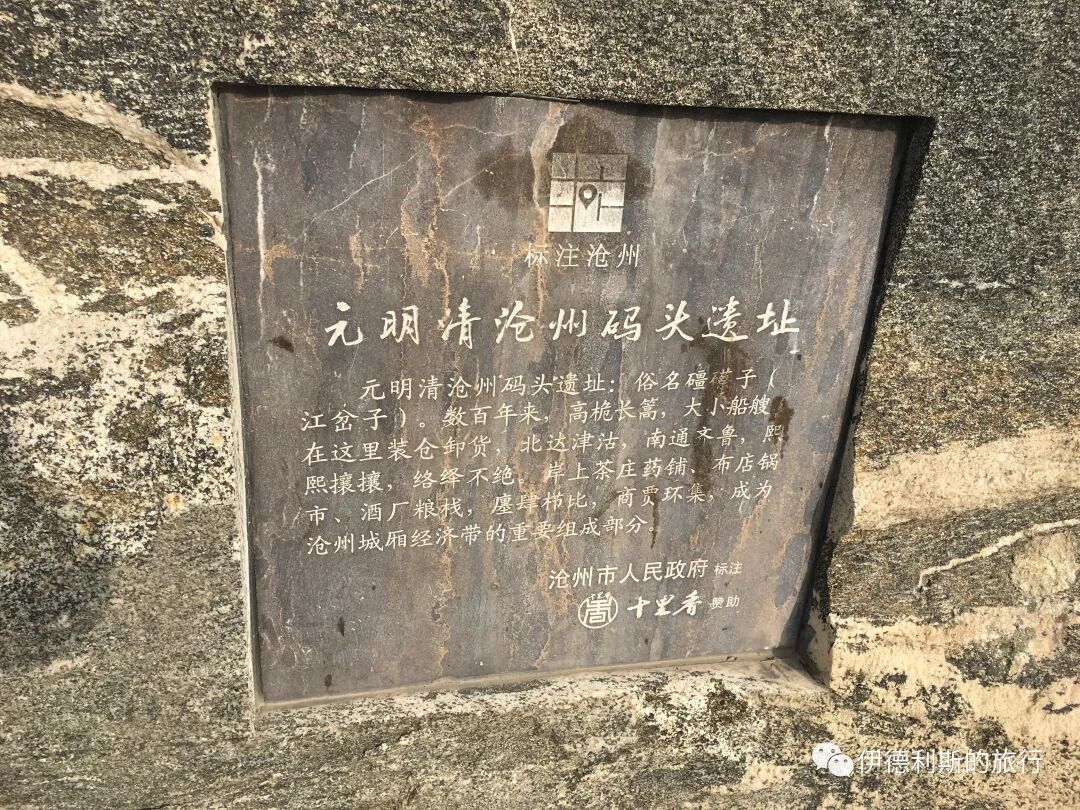
Cangzhou has many Hui Muslim martial artists and schools. Besides the previously mentioned Wu-style Kaimen Baji Quan, there is also the famous Cha-Hua Quan. Cha-Hua Quan was created by Hui Muslims Cha Shangyi, Hua Zongqi, and Wu Dianzhang. It is also called Huihui Quan and is very popular among Hui Muslims in Shandong and Hebei.
Wang Yuanxiang from Cangzhou is a fifth-generation successor of the Cha-Hua school and is skilled in using the long spear (daxing qiang). The longest spear in the picture below is the one he donated to the Cangzhou Museum.
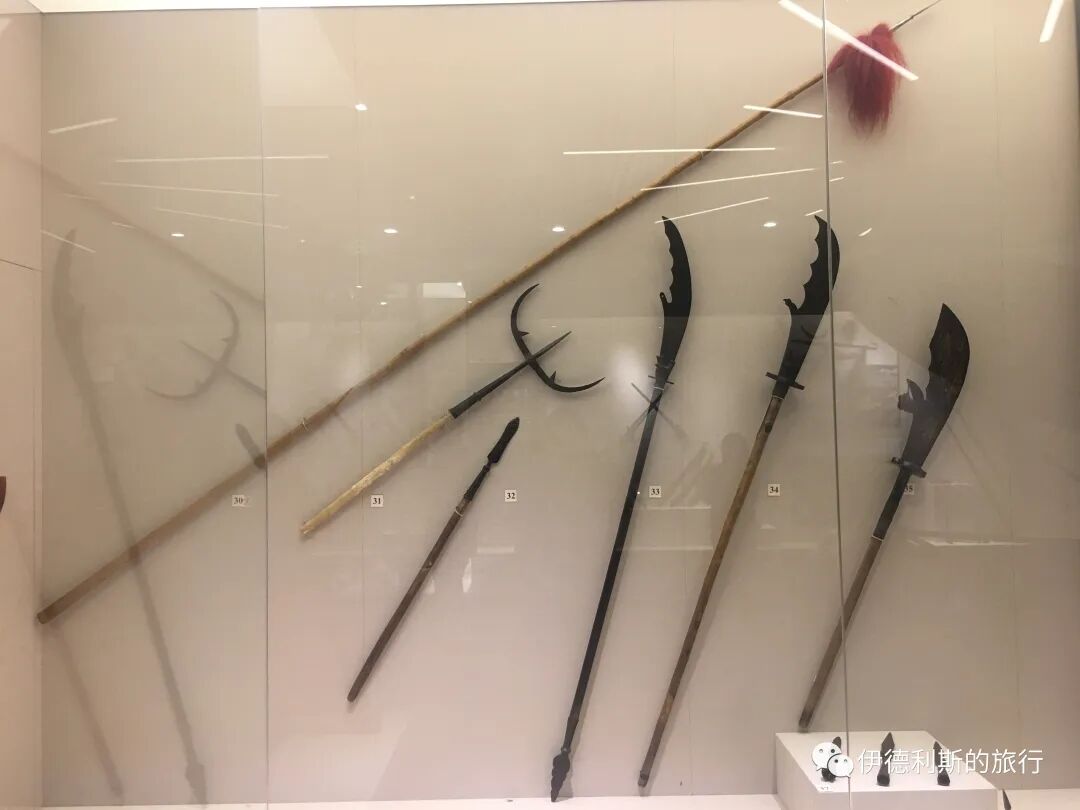
Practicing Cha-Hua Quan often requires the use of stone weights (shidun). The stone weight below was also donated by Wang Yuanxiang.
The religious exhibition cabinet at the Cangzhou Museum.
Summary: This China Mosque Travel Guide keeps the original 2016 Cangzhou travel notes intact while making the route clear for Muslim readers. It is useful for China Muslim travel tips, halal food in China, Chinese Muslim food, and old mosque heritage in Hebei.
I visited the Hui Muslim community in Cangzhou twice, on November 26, 2016, and March 25, 2017. I will share my experiences here. Some information in this article comes from the book Cangzhou Hui Muslims by Wu Piqing.
The high-speed train from Beijing South Station to Cangzhou West Station takes only 50 minutes. At Beijing South Station, there is a fast-track entrance for the Beijing-Shanghai high-speed railway right at the subway exit. You can swipe your card to leave the subway and head straight to the train, which is very convenient.
When you leave Cangzhou West Station, you can take a metered taxi. It costs about a dozen yuan and takes 20 minutes to reach the mosque. When Cangzhou locals talk about the mosque, they usually mean the North Great Mosque (Qingzhen Beidasi) on the main street. It is the most magnificent mosque in Cangzhou. Once at the mosque, I first went to eat the famous Wu's All-Beef Soup (Wu Ji Quan Niu Tang).
From Wu's All-Beef Soup to the Cangzhou Hui Muslim district.
Wu's All-Beef Soup has cost fifty yuan a bowl for years. Don't let the price scare you; once you see the amount of beef, you will know it is worth it. You take dried beef from the counter and dip it in the boiling soup. The beef soup is incredibly delicious, and the beef is very fragrant. It keeps you full for a long time. You can eat all the flatbreads you want there. I chose this long, multi-grain flatbread, which goes perfectly with the soup.
After finishing the beef soup, I have to talk a bit about the Wu family of Cangzhou. The Wu family is an important branch of the Hui Muslims in Cangzhou, and they are closely linked to the city's history.
Like many canal cities, Cangzhou has had Hui Muslim merchants settling down with their families since the Yuan Dynasty. However, the Cangzhou city of that time was not the one we see today. It was located at the Old Prefecture City ruins, 20 kilometers southeast of the current city, where the famous Cangzhou Iron Lion stands.
In 1399, during the Jingnan Campaign, the Prince of Yan, Zhu Di, captured the old Cangzhou city. He killed thousands of surrendered soldiers and tens of thousands of residents, destroying the entire city. The Prince of Yan's sweep to the north became a major turning point in Cangzhou's history.
In 1404, after the war, Cangzhou began to rebuild. Zhu Di, who had gone from Prince of Yan to the Yongle Emperor, ordered the city moved to Changlu by the Grand Canal. He brought in residents from Shanxi, Shandong, and Anhui to settle there, forming the new Cangzhou city.
Just one year before the city was rebuilt, in 1403, the Wu family ancestor, Zuoyong, was appointed as the Assistant Prefect of the Cangzhou Salt Transport Commission in Hejian Prefecture, Zhili. He moved to Cangzhou from Shexian, Anhui. Cangzhou borders the Bohai Sea to the east and has had a thriving salt industry since ancient times. The Cangzhou Salt Transport Commission, established in the early Ming Dynasty, managed the local salt trade. The salt fields were located by the Grand Canal west of Cangzhou city. Transport was very convenient and cost-effective, making the salt popular along the canal.
a descendant of the Wu family, Wu Zhong, founded the famous Wu-style Baji martial arts during the reigns of the Yongzheng and Qianlong emperors, becoming the pride of Cangzhou's Hui Muslims.
Cangzhou North Great Mosque.
The area south of the city gate was an important passage to the canal. Most Hui Muslim artisans and small vendors chose to live there. In 1420, the Cangzhou North Great Mosque was built in the south of the city on land donated by the Wu family ancestor Yongzuo, marking the formal establishment of the Cangzhou Hui Muslim community.
The Fatimah Auntie Festival (Fatumei Gutai Hui), one of the two major festivals and two major gatherings in North China.
The North Mosque (Beidasi) in Cangzhou is grand, but it was badly damaged in the 1908 earthquake, which caused the main hall to tilt toward the south. Local legend says a famous Cangzhou craftsman named Master Jiang Ba dismantled the four walls of the hall, straightened the structure, and restored it. During the Cultural Revolution, the Cangzhou Instrument Factory took over the North Mosque. They tore down the hall and the south lecture hall, burned historic plaques, smashed the roof of the main hall, and removed the front gate.
The North Mosque was only fully repaired after the factory moved out in 1989. Its layout changed quite a bit to reach its current form.
Halal food near the North Mosque
There are many small shops on both sides of the North Mosque gate. I bought some local specialty crispy candy (sutang) at the Wangji Crispy Candy and Pastry Shop. I only got to eat this during the Chinese New Year when I was a kid, so it brings back many memories.
Horseshoe-shaped crispy pastry (matisu) bought at the pastry department of the Cangzhou Halal Food Factory.
The halal red bean buns (doubao) next to the North Mosque are delicious. I bought a bunch both times I visited.
Women's Mosque (Qingzhen Nüsi)
Across from the North Mosque is the Women's Mosque, which was first built in 1666 (the fifth year of the Kangxi reign). The Women's Mosque used to be called the Inner City Mosque (Chengli Qingzhensi), and it was separated from the North Mosque by the south city wall of Cangzhou. The Inner City Mosque faced a similar fate to the North Mosque, suffering near-total destruction in the 1960s and 70s before being restored in the 1980s. In 1986, the Inner City Mosque became the Women's Mosque. It was rebuilt in 1993 to look the way it does today.
The Hui Muslim district in the south of Cangzhou city
South of the North Mosque is the Hui Muslim district. Although the houses have been rebuilt, the original street layout remains.
Halal food on Minzu Street
The heart of the southern Hui Muslim district is the Minzu Street food market, which is packed with all kinds of Hui Muslim snacks.
The East Mosque (Dongsi) is at the east end of the street.
Liuji pine nut chicken legs (songhuajitui) are chicken sausages stuffed with pine nut jelly. They go perfectly with flatbread (laobing) or steamed buns (mantou).
This is the third place outside of Beijing and Tianjin where I have had tea soup (chatang). The version in Cangzhou came from Tianjin along the Grand Canal, but this shop uses more ingredients and has a stronger flavor.
I bought two bags of five-spice peanuts. The black ones are addictive when eaten with tea.
I walked all the way to the west end of Minzu Street and had a pizza at Oumale.
Botou Yang family sesame flatbread (shaobing)
I bought sugar-filled triangular flatbreads (tang sanjiao shaobing) and black rice crispy flatbreads (heimi su shaobing) at the Cangzhou branch of Botou Yang Family Flatbreads (Yangjia shaobing).
Yang Yongchang, the founder of Yang Family Flatbreads, opened a roadside inn called Yongchang Store in the ancient canal town of Botou, south of Cangzhou, in the 1930s. He started making flatbreads then and continued until the business was closed during the public-private partnership transition in 1956. In 1979, Yang Family Flatbreads reopened. It became a Cangzhou municipal-level intangible cultural heritage site and developed many new varieties that taste as delicious as pastries.
The Grand Canal in Cangzhou.
The canal wharf is not far from the west side of the Hui Muslim district in the south of the city. In 1411 (the ninth year of the Yongle reign), the Ming Dynasty cleared the silted-up section of the Grand Canal known as the Huitong River. This reopened the north-south water transport route, and the new Cangzhou city, which had moved from the old state city, became a hub for water transport.
At that time, many Hui Muslims made their living directly from water transport. The wealthiest boat owners rented out their ships or hired people for transport. Ordinary small boat owners made a living by ferrying, while the poorest Hui Muslims survived by pulling boats along the riverbank or carrying cargo at the wharf.
The convenience of water transport naturally led to a boom in business. Before the July 7th Incident, there were over five hundred halal restaurants in Cangzhou city. These included large establishments like Qinghua Restaurant and Tianqing Hall, as well as large tea houses like Wancheng Tea House. There were also various banks and grocery stores run by Hui Muslims, marking the peak of commercial activity for Cangzhou's Hui Muslims. (The Influence of the Canal on the Formation and Development of Hui Muslim Settlements in Cangzhou)
Until the 1960s, cargo ships still traveled constantly along the South Canal, and water transport in Cangzhou remained prosperous. However, by the 1970s, the water source for the South Canal channel deteriorated sharply and could no longer provide the water volume needed for transport, so the Cangzhou water transport wharves were abandoned.
Cangzhou has many Hui Muslim martial artists and schools. Besides the previously mentioned Wu-style Kaimen Baji Quan, there is also the famous Cha-Hua Quan. Cha-Hua Quan was created by Hui Muslims Cha Shangyi, Hua Zongqi, and Wu Dianzhang. It is also called Huihui Quan and is very popular among Hui Muslims in Shandong and Hebei.
Wang Yuanxiang from Cangzhou is a fifth-generation successor of the Cha-Hua school and is skilled in using the long spear (daxing qiang). The longest spear in the picture below is the one he donated to the Cangzhou Museum.
Practicing Cha-Hua Quan often requires the use of stone weights (shidun). The stone weight below was also donated by Wang Yuanxiang.
The religious exhibition cabinet at the Cangzhou Museum.
Hidden Mosques Near Beijing: Huailai and Zhuolu Qingming Road Trip, Part Two
Articles • ali2007fr posted the article • 0 comments • 182 views • 2026-05-21 07:07
Reposted from the web
Summary: This second Huailai and Zhuolu road trip entry continues through Hebei mosque sites, local Hui Muslim stories, village routes, and Qingming travel notes from the original Chinese article.
In the last post, we had lunch in Shacheng Town, Huailai, Hebei, and visited two old mosques in Ganji Liang and Mayukou. See 'Visiting Old Mosques in Huailai and Zhuolu, Hebei during the Qingming Holiday (Part 1)'. In this part, we head to Xinbao'an Town and Zhuolu County to experience the local Islamic culture.
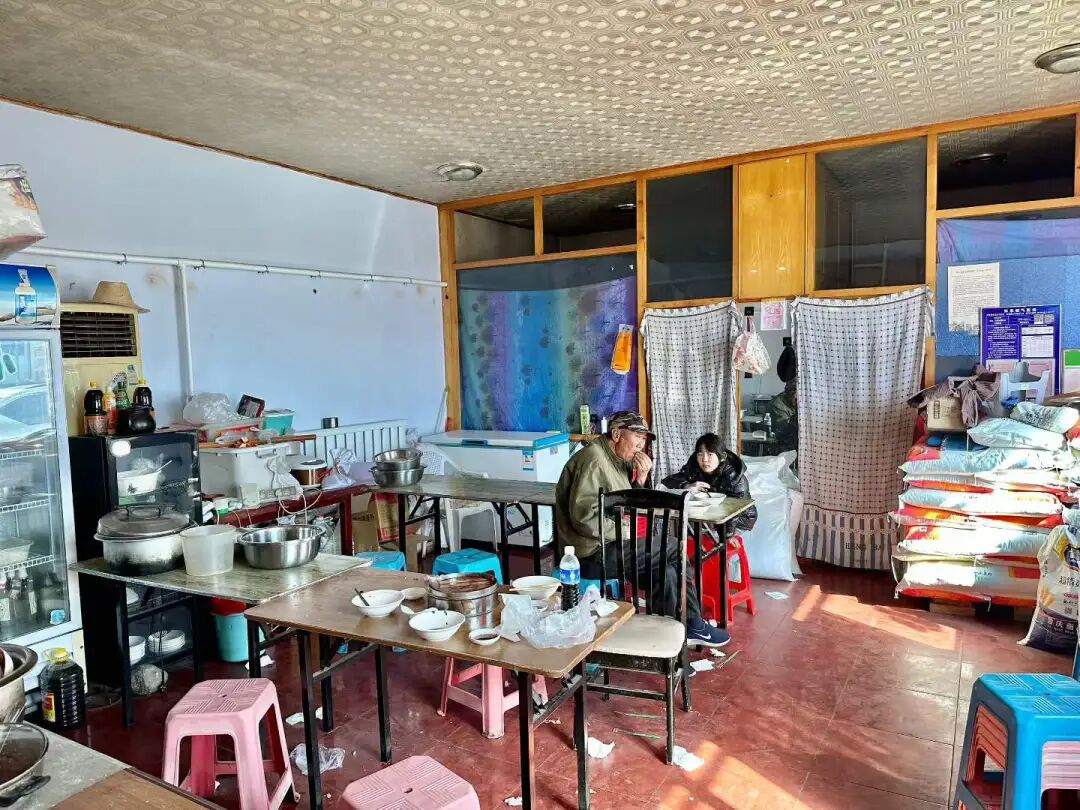
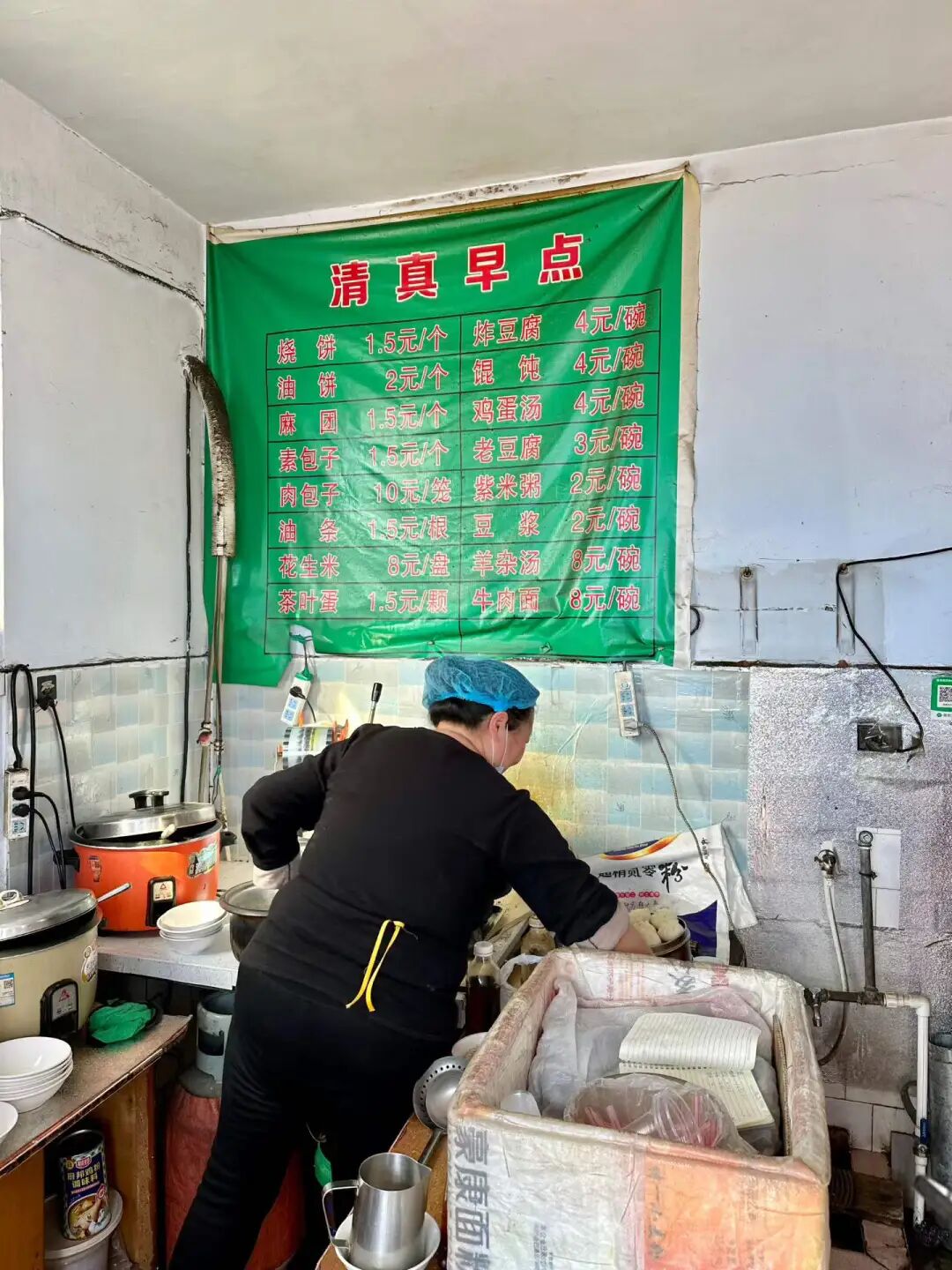
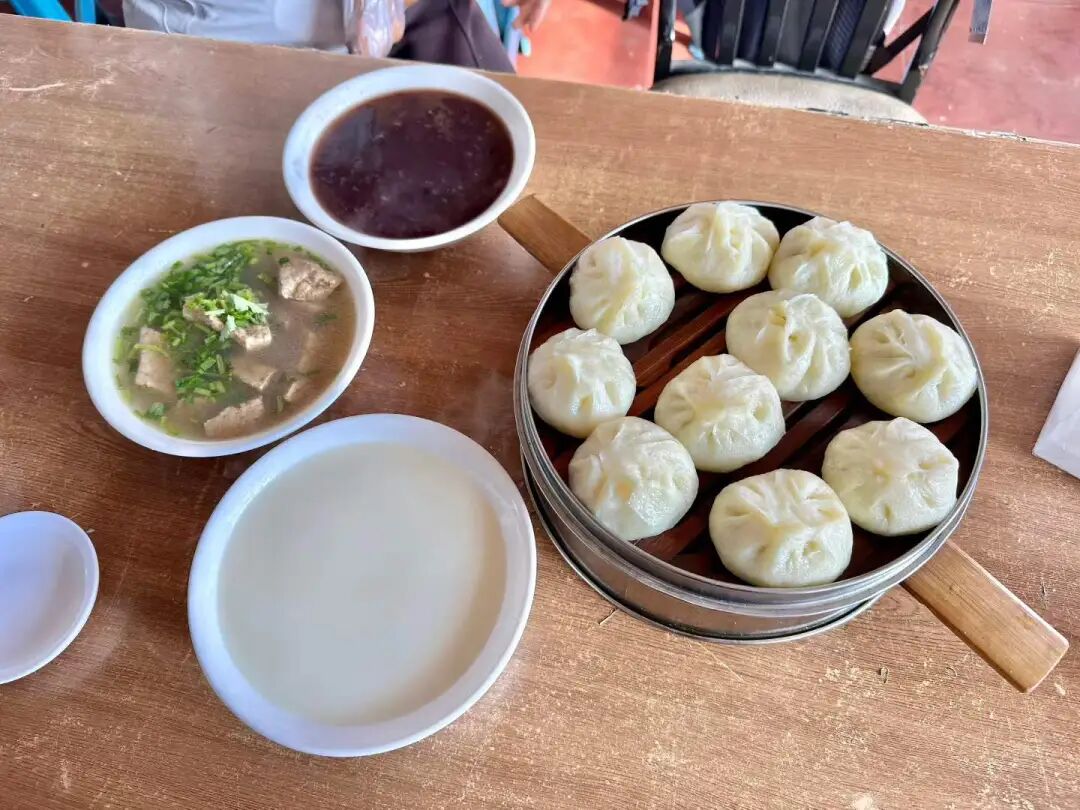
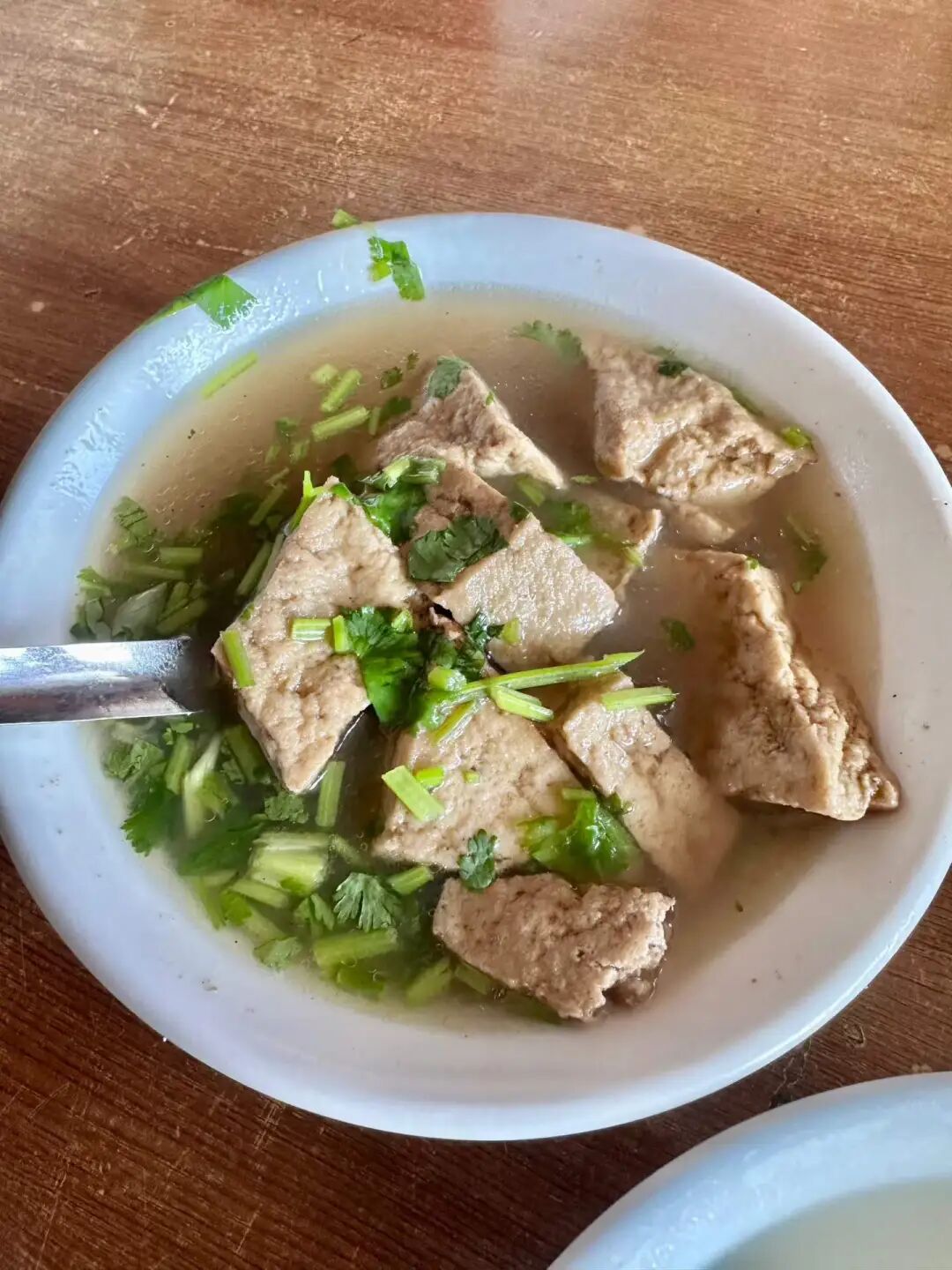
On April 5, we had breakfast in Xinbao'an Town, Huailai, Hebei. We arrived a bit late, so the soft tofu (laodoufu) and brown sugar flatbread (shaobing) were sold out. We had a steamer of buns with fried tofu soup, and Suleiman really enjoyed the purple rice porridge.
Xinbao'an Town is a key town on the ancient Beijing-Zhangjiakou road, with a post station built as early as the Yuan Dynasty. After the Tumu Crisis in the Ming Dynasty, a city was built here in 1451 (the second year of the Jingtai reign) to strengthen the northern defense line of Beijing. The Bao'an Garrison, originally located in Zhuolu, was moved here, and it has been called Bao'an New City ever since. After the Qing Dynasty, Xinbao'an gradually changed from a military town to a commercial hub, connecting Beijing and Zhangjiakou.
At the Xinbao'an town market, we bought old-fashioned five-nut mooncakes (wuren yuebing) and honey cakes at a roadside bakery. They were made that day and were perfect as tea snacks.
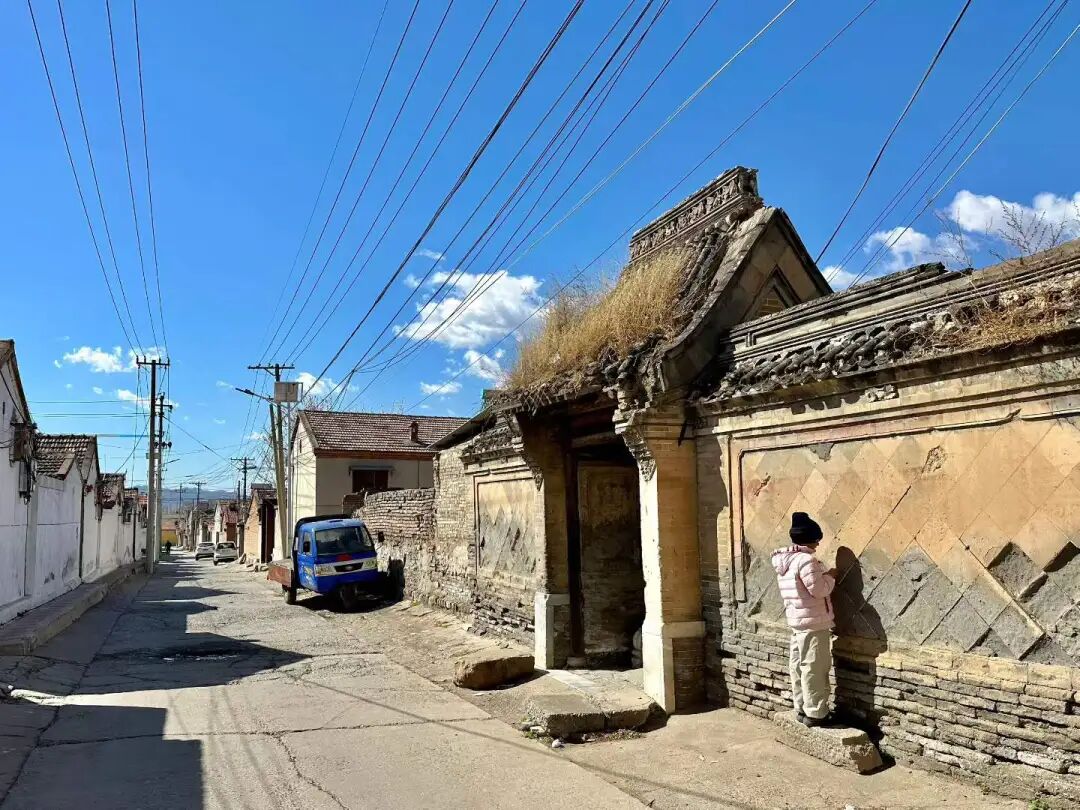
After breakfast, we went to the Hui Muslim residential area in the northwest of the old town to visit the famous 'Nine-Link Courtyard' (Jiulianhuan Dayuan). This was originally a wealthy merchant's residence in the Qing Dynasty. Later, the merchant declined and Hui Muslims moved in, so it is also called the 'Hui Muslim Courtyard'. The gate of the courtyard is very beautiful and is a classic example of Qing Dynasty residential style in Zhangjiakou, featuring complex brick, wood, and stone carvings. The courtyard was caught in the fighting during the 1948 Battle of Xinbao'an, and you can still see clear bullet marks today.
The Hui Muslims in Xinbao'an mainly have the surnames Liang and Zheng. The Liang family's ancestors moved from Nanjing to Liangjiapo, Weinan, Shaanxi, in the late Ming Dynasty during the Chongzhen reign. In 1677 (the 16th year of the Kangxi reign), they moved to Xinbao'an Town to farm and guard the capital. During the Qianlong reign, the Liang family began doing business in Zhangjiakou. By the Tongzhi reign, their camel caravans reached as far as Kulun in Outer Mongolia and Lanzhou. They later opened five shops known as the 'Five Great Guangs'.
The Zheng family shares the same origin as those in nearby Huailai and Zhuolu counties. Their ancestors moved from Shaanxi in the late Ming and early Qing dynasties, first to Shacheng Town in Huailai, then spreading to Wangjialou, Yanzhuang, Xinbao'an, Xuanhua, and Zhangjiakou. Zheng Kuishi was a famous Hui Muslim general in the late Qing Dynasty. He fought against the Taiping Heavenly Kingdom during the Xianfeng reign, won many battles, was given the title 'Shalama Baturu', and was awarded a yellow riding jacket. During the Tongzhi reign, he served as the acting Zhili provincial commander, guarding the capital region and suppressing the Nian Rebellion in Zhili to keep the capital safe. In his later years, he returned home to work on water conservancy, building the Yonggu Dam to manage the Liu River. He also repaired the Zhenshuo Tower and Four Archways in Xuanhua and opened the Huoshi Slope road to improve transportation. He was highly respected locally.
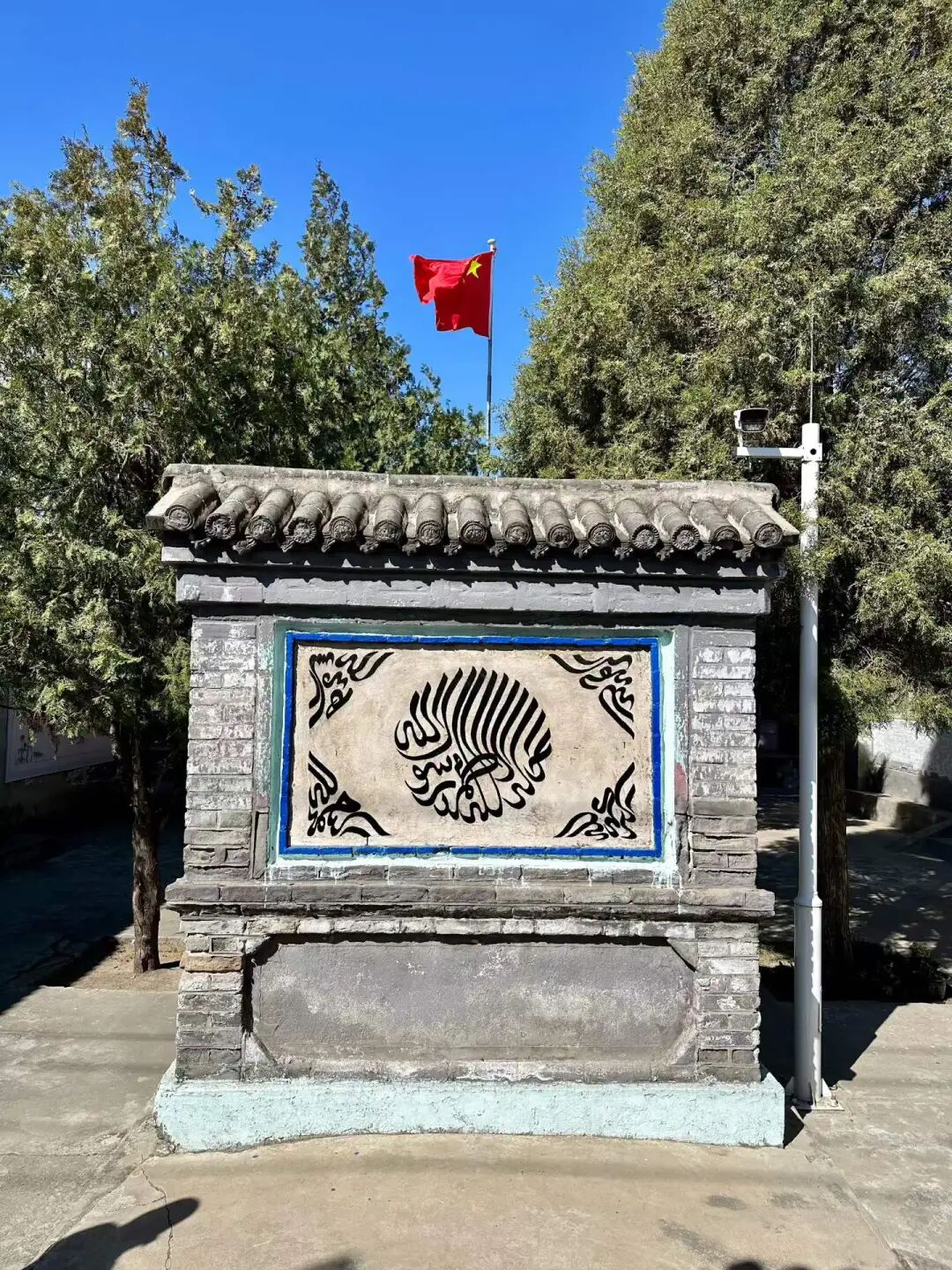
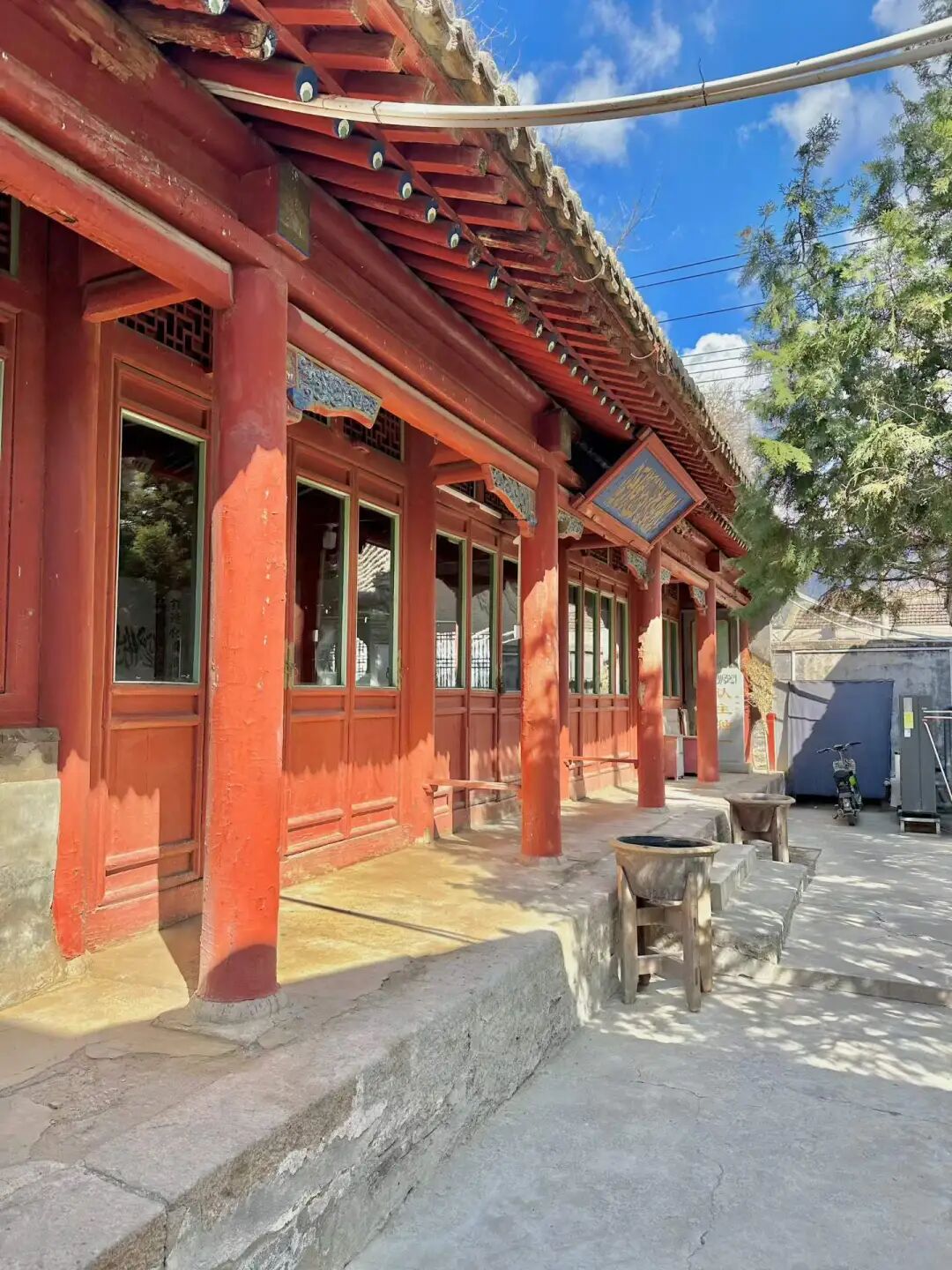
Xinbao'an Mosque is right next to the Nine-Link Hui Muslim Courtyard. Some say it was built in 1621 (the first year of the Tianqi reign), while others say it was built in 1677 (the 16th year of the Kangxi reign). The main hall consists of a front hall, a middle hall, and a rear kiln hall. It is larger than other old mosques in Huailai and still has beautiful brick carvings, though the moon-watching tower on the kiln hall roof is gone.
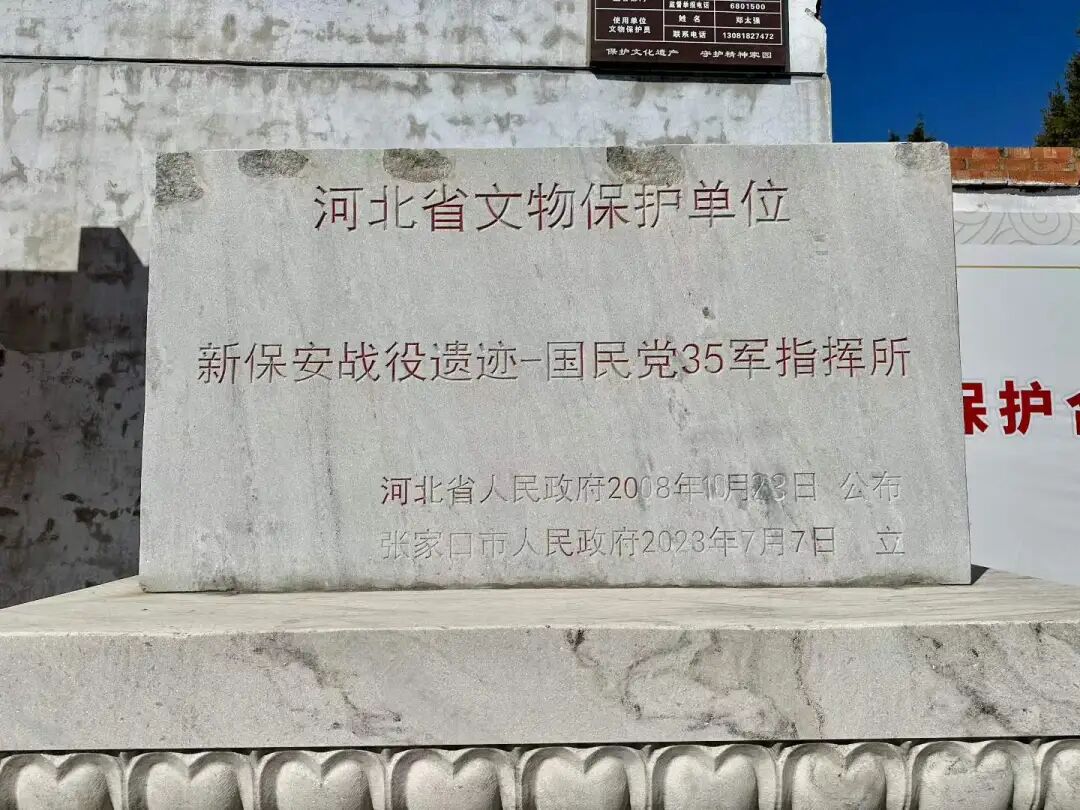
During the 1948 Pingjin Campaign, Xinbao'an was a key battlefield. The Xinbao'an Mosque became the command post for the Nationalist 35th Army, and the walls of the main hall are still covered in bullet marks. In 2008, the mosque was listed as a Hebei Provincial Cultural Relic Protection Unit under the name 'Site of the Battle of Xinbao'an—Command Post of the Nationalist 35th Army'.
The only remaining stone tablet at Xinbao'an Mosque is likely a donation tablet, which lists many business names.
We drove from Xinbao'an Town to Zhuolu County to visit another old mosque in Zhangjiakou—Zhuolu Mosque.
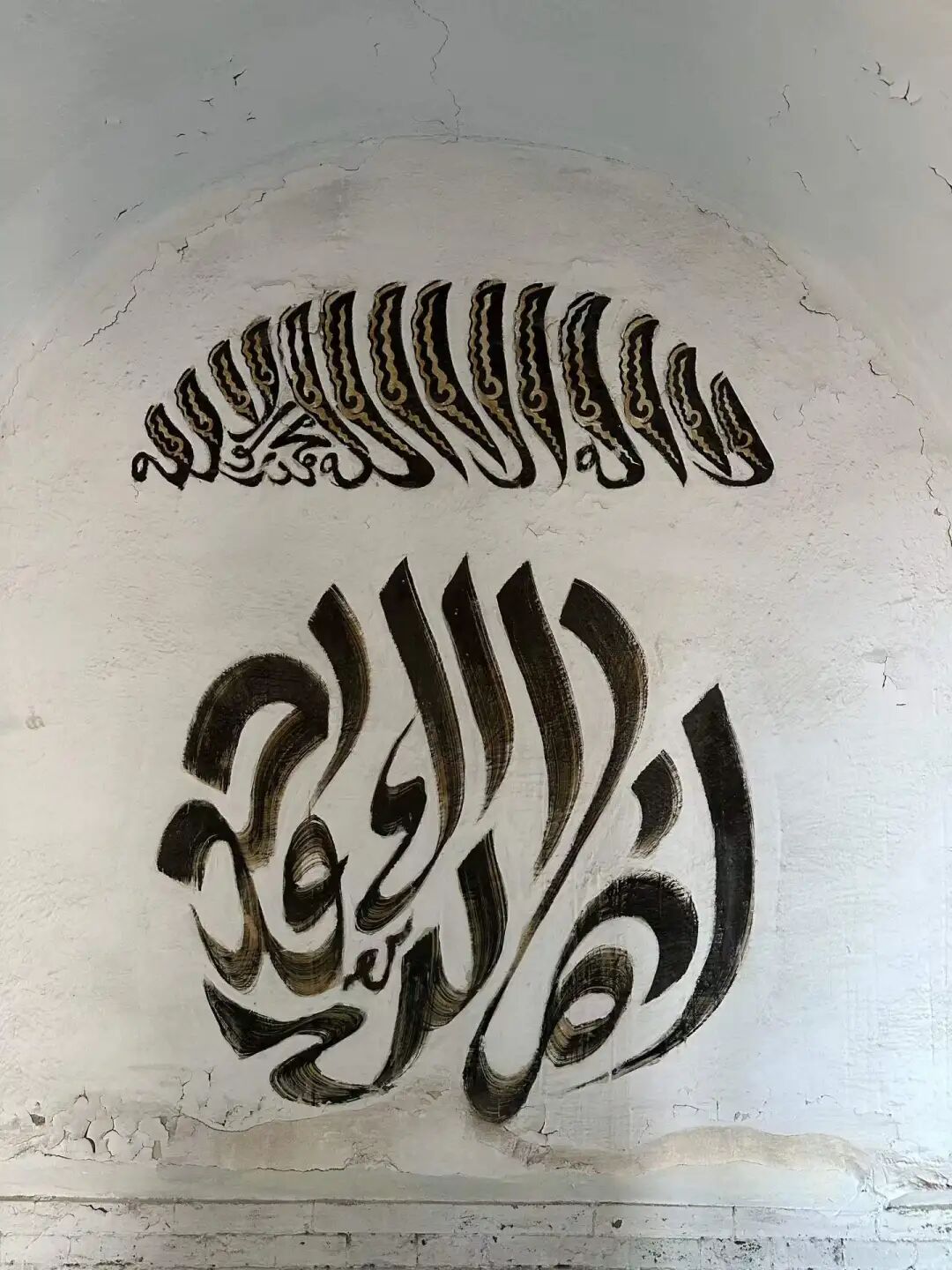
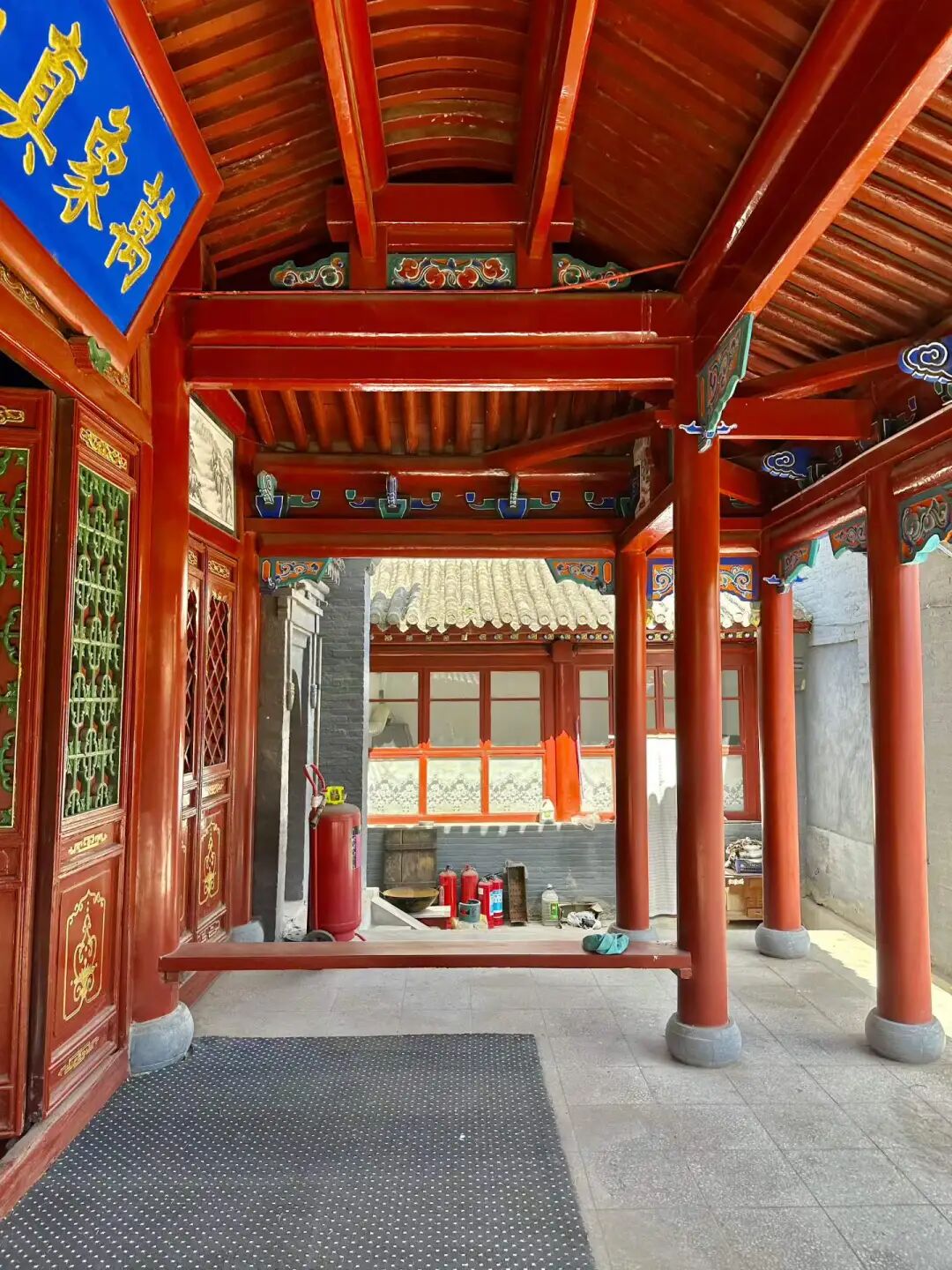
Zhuolu Mosque is located in the east gate area of the county. It was first built during the Chenghua period of the Ming Dynasty. It is a famous historic mosque north of Beijing and was listed as a key cultural relic protection site in Hebei Province in 2008. The main hall of Zhuolu Mosque is made of three connected hard-mountain roofs with a front porch. Behind the kiln hall stands an 11-meter-high octagonal spire-roofed Moon-Watching Tower (wangyuelou), which is more spectacular than the common hexagonal spire roofs found in North China. Wind bells hang on the Moon-Watching Tower. When the wind blows, the bells ring, creating a refreshing and soothing sound. A wooden partition screen is built between the main hall and the kiln hall, featuring a unique design of the Basmala (tasimi) written in hard-pen calligraphy.
The Hui Muslims in Zhuolu are mainly of the Shan surname. The Shan family are descendants of Sayyid Ajjal Shams al-Din. One branch originally came from Shanjia Gou in Xi'an Prefecture, Shaanxi. They moved to Zhuolu during the Kangxi period of the Qing Dynasty, and during the Qianlong period, they built the Shan Family Nine-Linked Ring Courtyard in the west gate area. The Shan family is known for their military service. Five members once passed the military imperial examinations, and they were known as the 'Five Dragons of the Shan Family'. The east gate area where Zhuolu Mosque is located was also a residential area for Hui Muslims. It once had alleys named after local Hui Muslim families: Ma Family Alley (Majia Xiang), Fei Family Alley (Feijia Xiang), and Shan Family Alley (Shanjia Xiang). Unfortunately, the east gate area was demolished in 2018, and only the mosque was preserved.
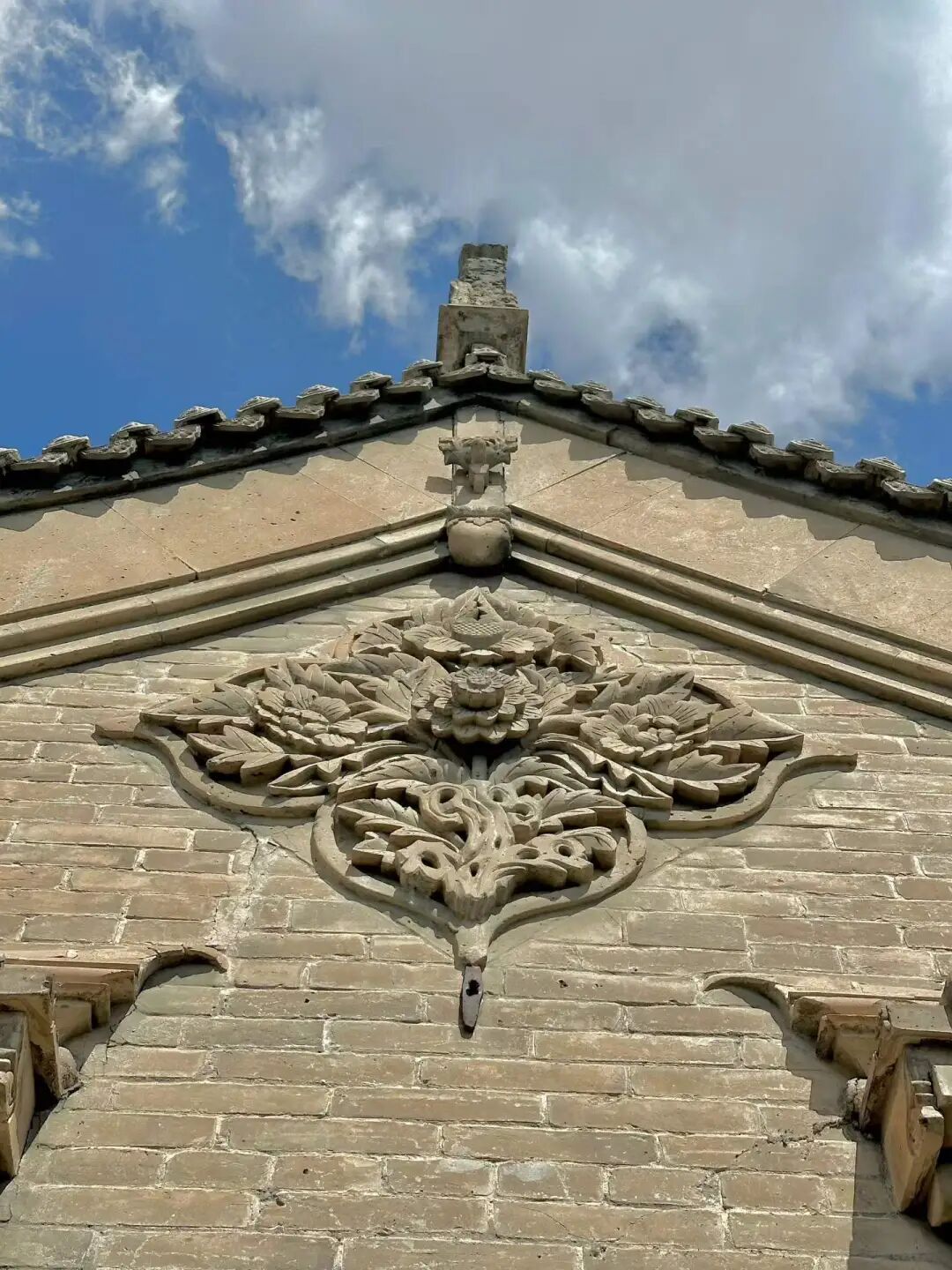
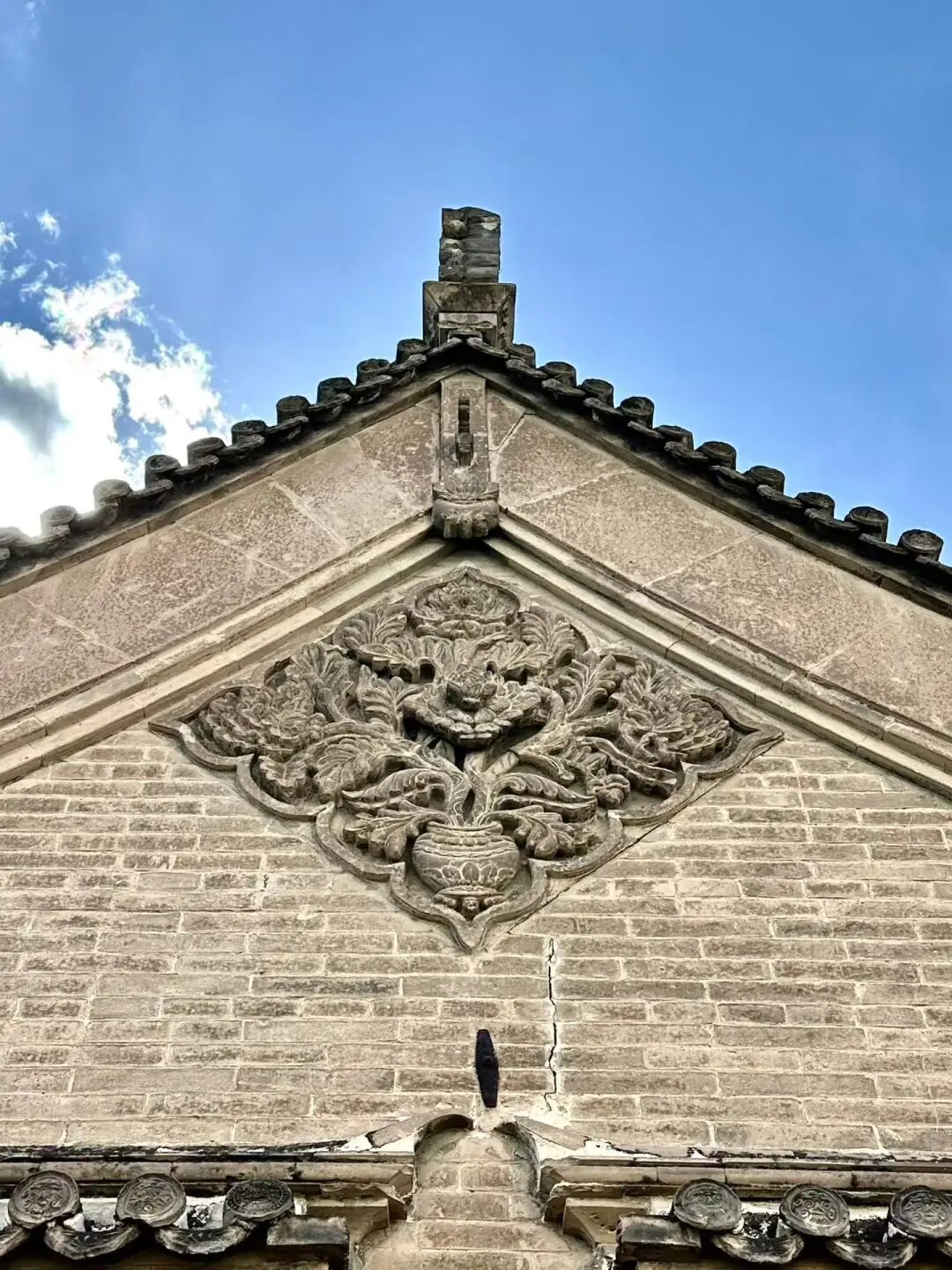
Zhuolu Mosque is famous for its exquisite brick carvings. The brick carvings on the sides of the three-room hard-mountain main hall are all different. Inside the main hall, there are eighteen precious murals featuring themes of plum blossoms, orchids, bamboo, chrysanthemums, landscapes, and utensils, which are very rare in the main halls of mosques.
Plaques inside Zhuolu Mosque:
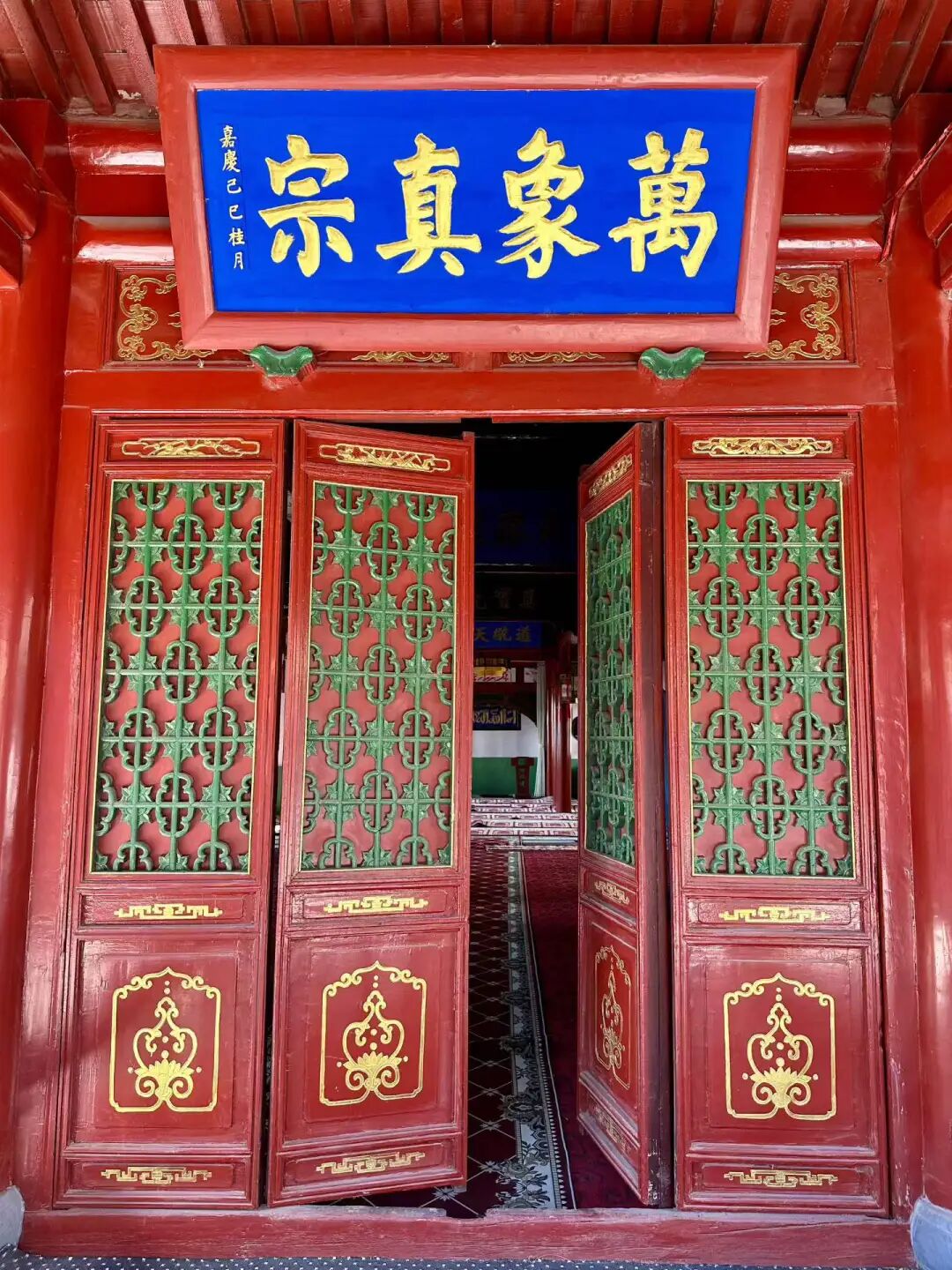
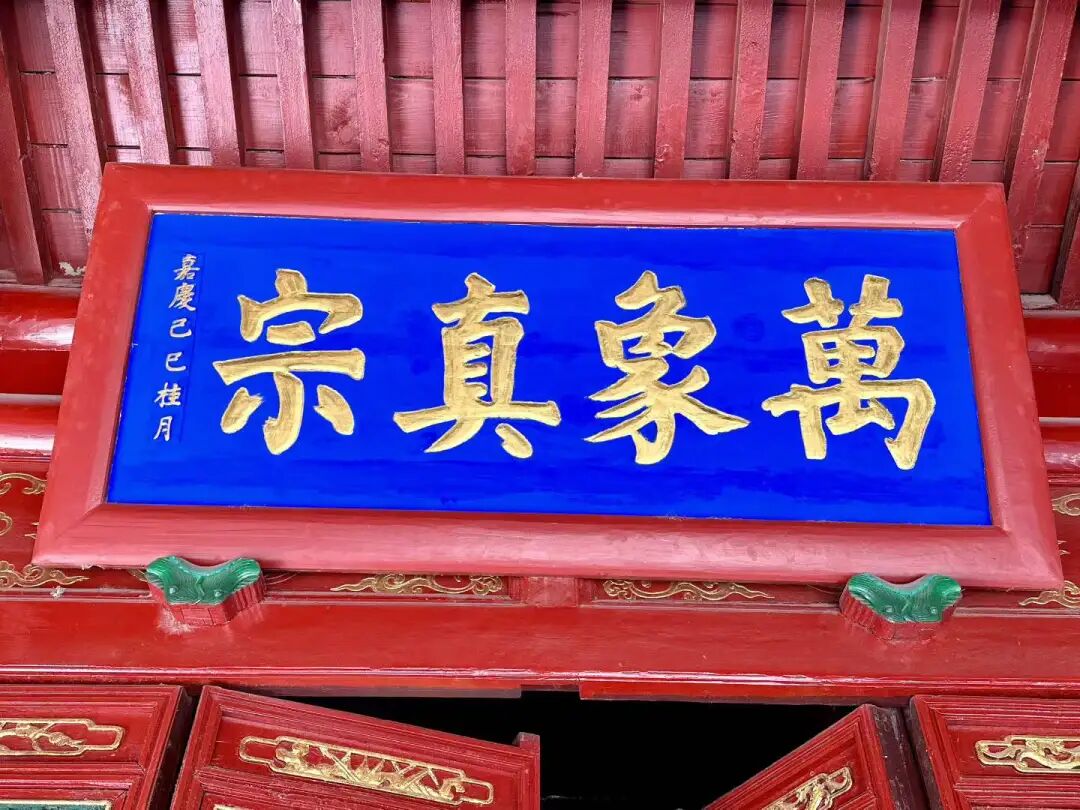
The 'Wanxiang Zhenzong' plaque from 1809 (the 14th year of the Jiaqing reign).
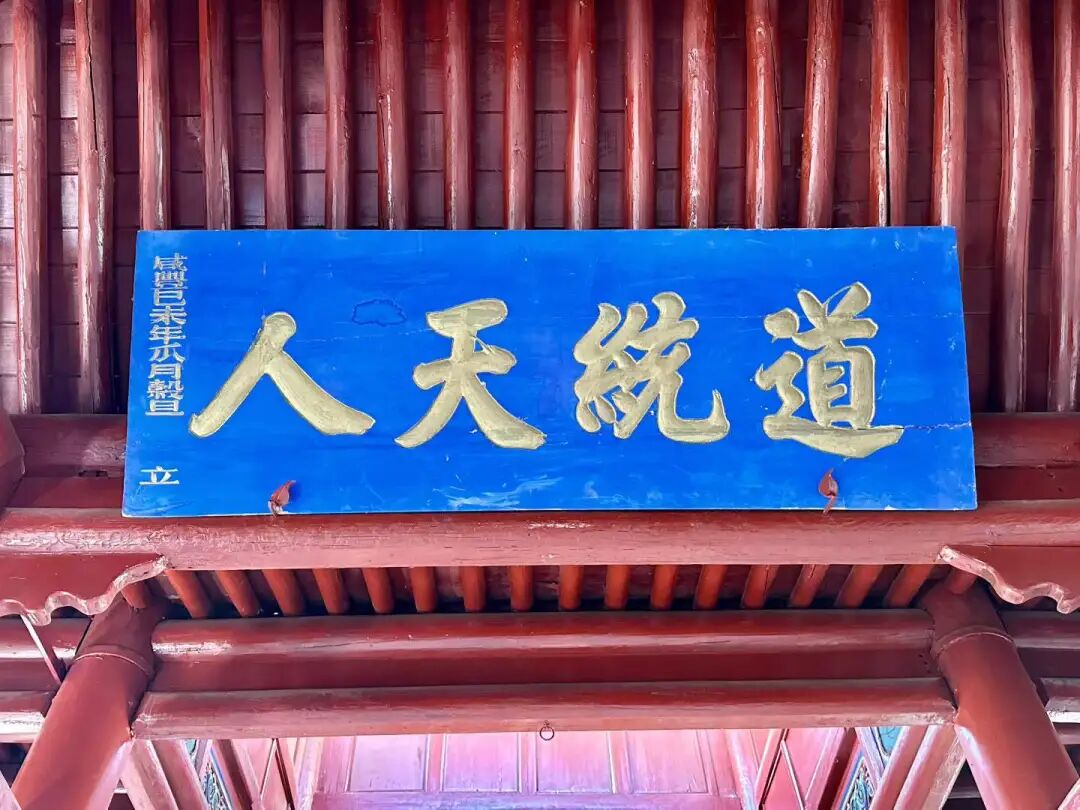
The 'Daotong Tianren' plaque from 1859 (the 9th year of the Xianfeng reign).
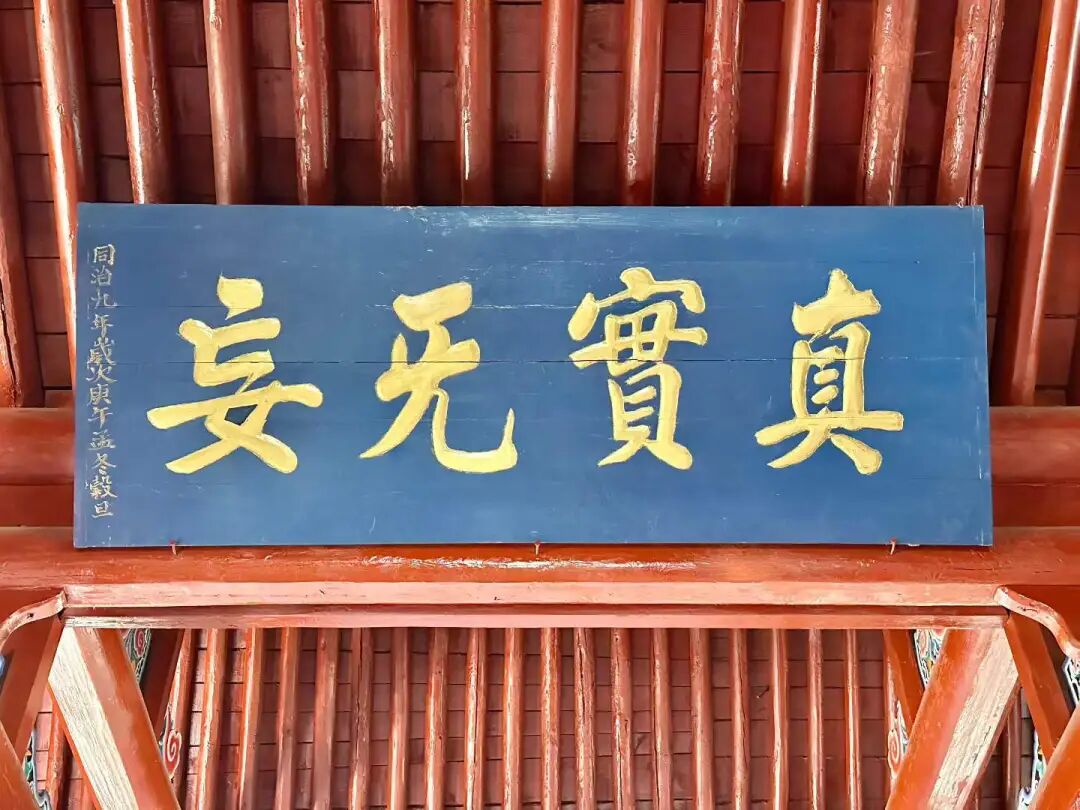
The 'Zhenshi Wuwang' plaque from 1870 (the 9th year of the Tongzhi reign).
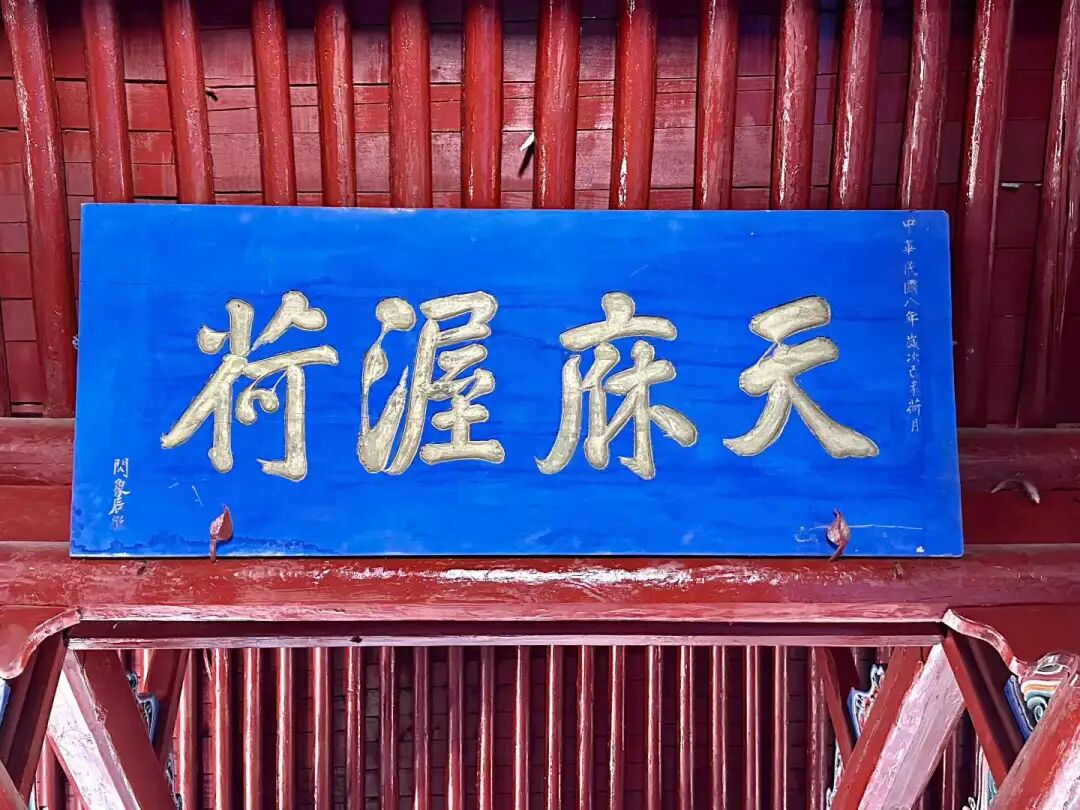
The 'Tianxiu Wohe' plaque from 1919, which is the only one with an inscription, signed by 'Shan Xiangchen'.
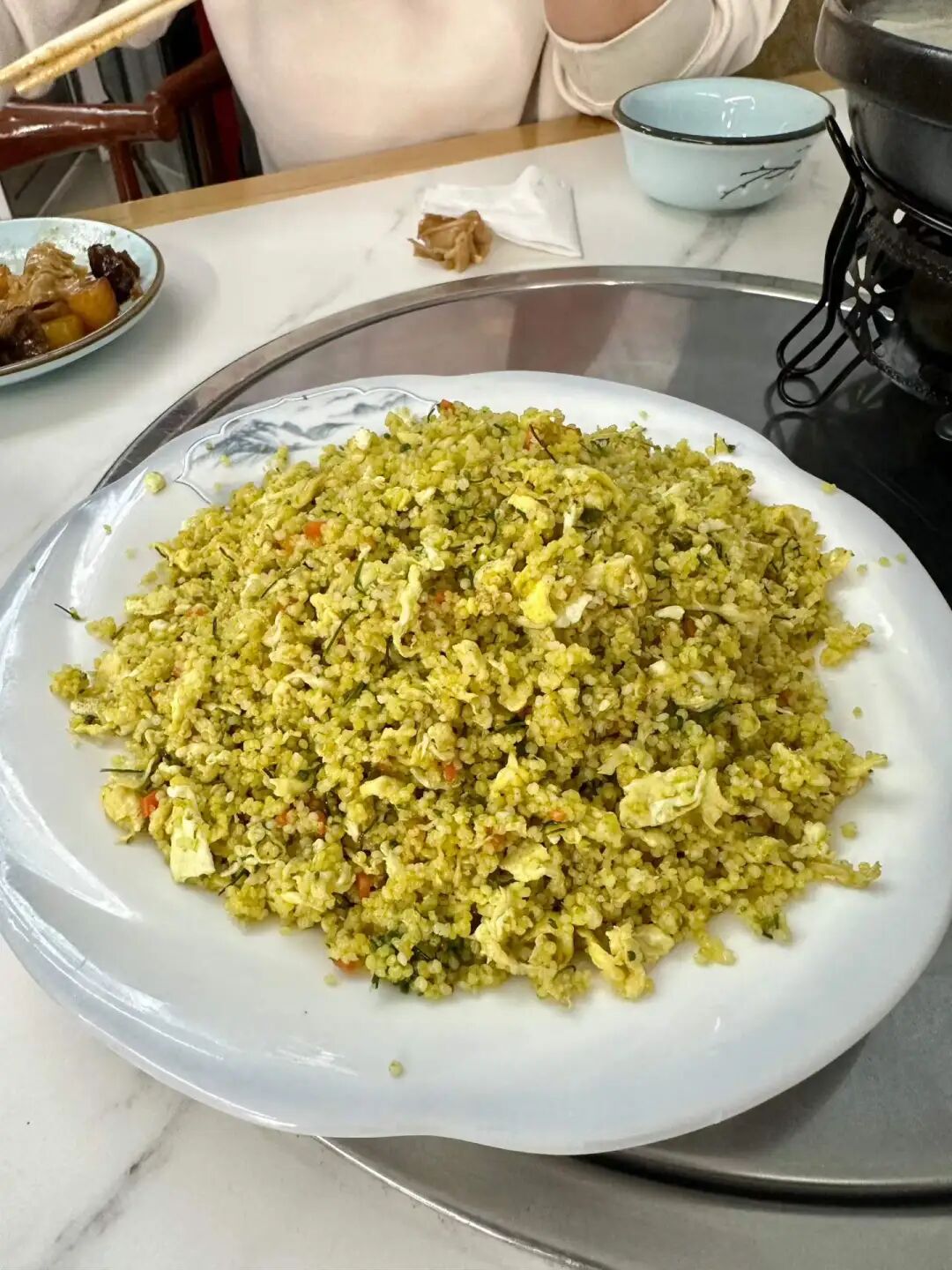
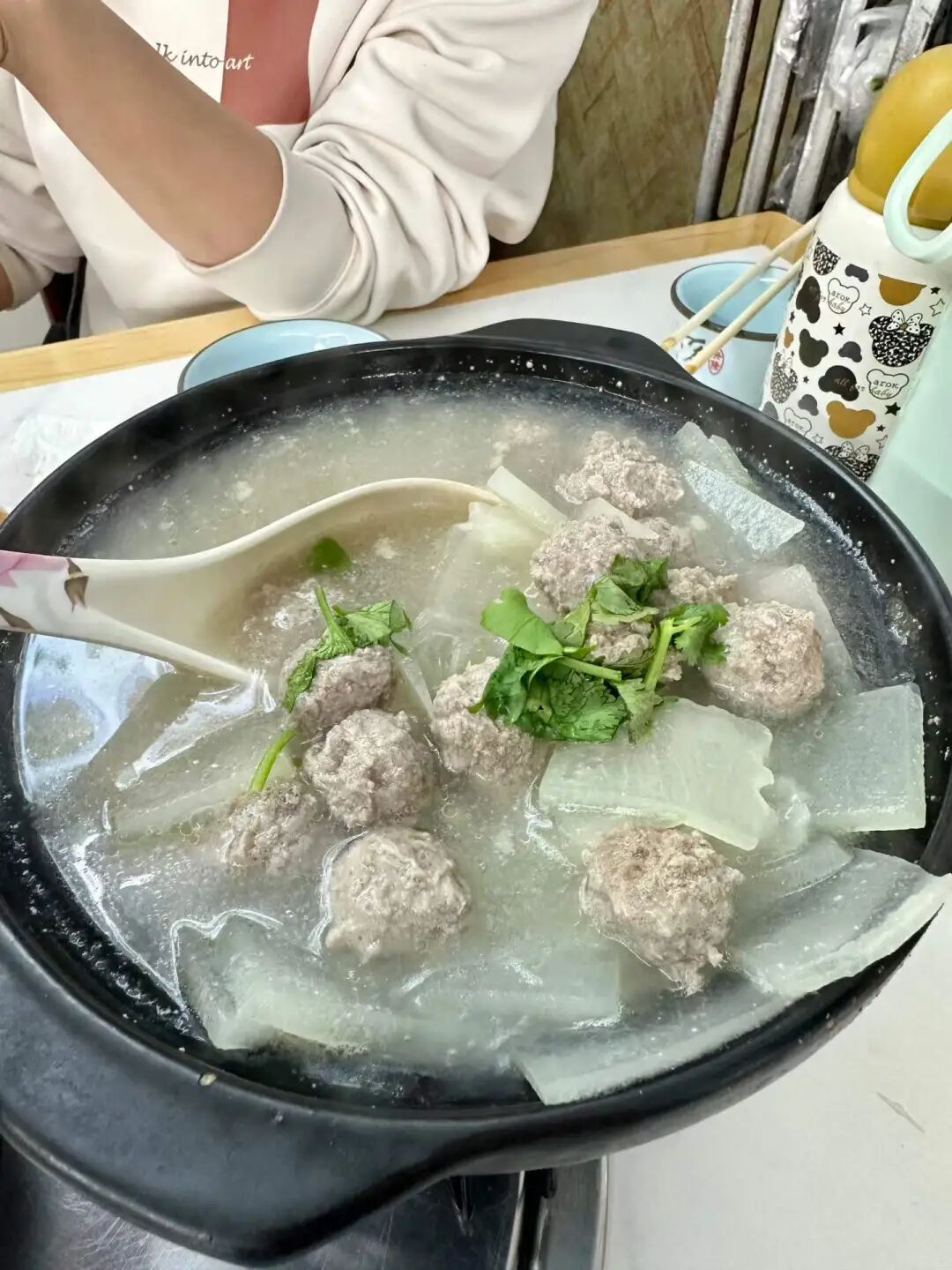
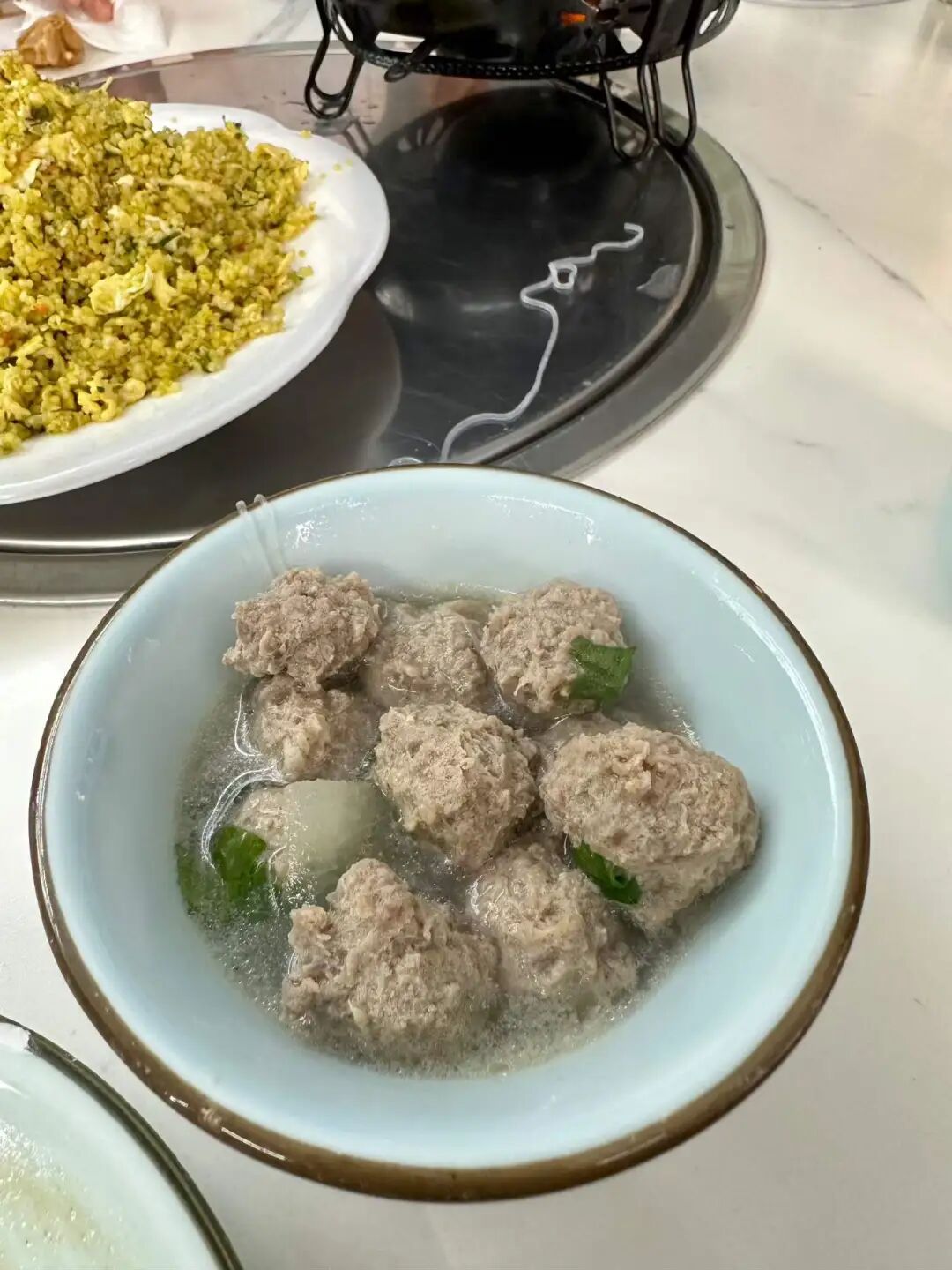
At noon, I returned to Shacheng Town in Huailai for lunch. At Qingyizhai, I had lamb and mushroom with oat noodles (youmian wowo), stir-fried millet with chive flowers, and a clay pot of winter melon and meatballs. The prices at restaurants here are cheaper than in Beijing, and the food is delicious.
The lamb and mushroom dish had quite a few potatoes, but it was stir-fried well. There were several types of mushrooms, making it fresh, fragrant, and rich. The oat noodles were firm and chewy, carrying the unique, natural wheat aroma of whole grains. It was my first time eating stir-fried millet with chive flowers. The taste was slightly salty. The golden millet grains were dry and distinct, mixed with the unique spicy fragrance of chive flowers, giving it a coarse yet refreshing texture. The winter melon and meatball soup was the most amazing. The clear soup with meatballs was especially good—firm and bouncy. It tasted better than what I make myself, and one bite told me there wasn't much starch, as it was mostly meat. view all
Summary: This second Huailai and Zhuolu road trip entry continues through Hebei mosque sites, local Hui Muslim stories, village routes, and Qingming travel notes from the original Chinese article.
In the last post, we had lunch in Shacheng Town, Huailai, Hebei, and visited two old mosques in Ganji Liang and Mayukou. See 'Visiting Old Mosques in Huailai and Zhuolu, Hebei during the Qingming Holiday (Part 1)'. In this part, we head to Xinbao'an Town and Zhuolu County to experience the local Islamic culture.
On April 5, we had breakfast in Xinbao'an Town, Huailai, Hebei. We arrived a bit late, so the soft tofu (laodoufu) and brown sugar flatbread (shaobing) were sold out. We had a steamer of buns with fried tofu soup, and Suleiman really enjoyed the purple rice porridge.
Xinbao'an Town is a key town on the ancient Beijing-Zhangjiakou road, with a post station built as early as the Yuan Dynasty. After the Tumu Crisis in the Ming Dynasty, a city was built here in 1451 (the second year of the Jingtai reign) to strengthen the northern defense line of Beijing. The Bao'an Garrison, originally located in Zhuolu, was moved here, and it has been called Bao'an New City ever since. After the Qing Dynasty, Xinbao'an gradually changed from a military town to a commercial hub, connecting Beijing and Zhangjiakou.
At the Xinbao'an town market, we bought old-fashioned five-nut mooncakes (wuren yuebing) and honey cakes at a roadside bakery. They were made that day and were perfect as tea snacks.
After breakfast, we went to the Hui Muslim residential area in the northwest of the old town to visit the famous 'Nine-Link Courtyard' (Jiulianhuan Dayuan). This was originally a wealthy merchant's residence in the Qing Dynasty. Later, the merchant declined and Hui Muslims moved in, so it is also called the 'Hui Muslim Courtyard'. The gate of the courtyard is very beautiful and is a classic example of Qing Dynasty residential style in Zhangjiakou, featuring complex brick, wood, and stone carvings. The courtyard was caught in the fighting during the 1948 Battle of Xinbao'an, and you can still see clear bullet marks today.
The Hui Muslims in Xinbao'an mainly have the surnames Liang and Zheng. The Liang family's ancestors moved from Nanjing to Liangjiapo, Weinan, Shaanxi, in the late Ming Dynasty during the Chongzhen reign. In 1677 (the 16th year of the Kangxi reign), they moved to Xinbao'an Town to farm and guard the capital. During the Qianlong reign, the Liang family began doing business in Zhangjiakou. By the Tongzhi reign, their camel caravans reached as far as Kulun in Outer Mongolia and Lanzhou. They later opened five shops known as the 'Five Great Guangs'.
The Zheng family shares the same origin as those in nearby Huailai and Zhuolu counties. Their ancestors moved from Shaanxi in the late Ming and early Qing dynasties, first to Shacheng Town in Huailai, then spreading to Wangjialou, Yanzhuang, Xinbao'an, Xuanhua, and Zhangjiakou. Zheng Kuishi was a famous Hui Muslim general in the late Qing Dynasty. He fought against the Taiping Heavenly Kingdom during the Xianfeng reign, won many battles, was given the title 'Shalama Baturu', and was awarded a yellow riding jacket. During the Tongzhi reign, he served as the acting Zhili provincial commander, guarding the capital region and suppressing the Nian Rebellion in Zhili to keep the capital safe. In his later years, he returned home to work on water conservancy, building the Yonggu Dam to manage the Liu River. He also repaired the Zhenshuo Tower and Four Archways in Xuanhua and opened the Huoshi Slope road to improve transportation. He was highly respected locally.
Xinbao'an Mosque is right next to the Nine-Link Hui Muslim Courtyard. Some say it was built in 1621 (the first year of the Tianqi reign), while others say it was built in 1677 (the 16th year of the Kangxi reign). The main hall consists of a front hall, a middle hall, and a rear kiln hall. It is larger than other old mosques in Huailai and still has beautiful brick carvings, though the moon-watching tower on the kiln hall roof is gone.
During the 1948 Pingjin Campaign, Xinbao'an was a key battlefield. The Xinbao'an Mosque became the command post for the Nationalist 35th Army, and the walls of the main hall are still covered in bullet marks. In 2008, the mosque was listed as a Hebei Provincial Cultural Relic Protection Unit under the name 'Site of the Battle of Xinbao'an—Command Post of the Nationalist 35th Army'.
The only remaining stone tablet at Xinbao'an Mosque is likely a donation tablet, which lists many business names.
We drove from Xinbao'an Town to Zhuolu County to visit another old mosque in Zhangjiakou—Zhuolu Mosque.
Zhuolu Mosque is located in the east gate area of the county. It was first built during the Chenghua period of the Ming Dynasty. It is a famous historic mosque north of Beijing and was listed as a key cultural relic protection site in Hebei Province in 2008. The main hall of Zhuolu Mosque is made of three connected hard-mountain roofs with a front porch. Behind the kiln hall stands an 11-meter-high octagonal spire-roofed Moon-Watching Tower (wangyuelou), which is more spectacular than the common hexagonal spire roofs found in North China. Wind bells hang on the Moon-Watching Tower. When the wind blows, the bells ring, creating a refreshing and soothing sound. A wooden partition screen is built between the main hall and the kiln hall, featuring a unique design of the Basmala (tasimi) written in hard-pen calligraphy.
The Hui Muslims in Zhuolu are mainly of the Shan surname. The Shan family are descendants of Sayyid Ajjal Shams al-Din. One branch originally came from Shanjia Gou in Xi'an Prefecture, Shaanxi. They moved to Zhuolu during the Kangxi period of the Qing Dynasty, and during the Qianlong period, they built the Shan Family Nine-Linked Ring Courtyard in the west gate area. The Shan family is known for their military service. Five members once passed the military imperial examinations, and they were known as the 'Five Dragons of the Shan Family'. The east gate area where Zhuolu Mosque is located was also a residential area for Hui Muslims. It once had alleys named after local Hui Muslim families: Ma Family Alley (Majia Xiang), Fei Family Alley (Feijia Xiang), and Shan Family Alley (Shanjia Xiang). Unfortunately, the east gate area was demolished in 2018, and only the mosque was preserved.
Zhuolu Mosque is famous for its exquisite brick carvings. The brick carvings on the sides of the three-room hard-mountain main hall are all different. Inside the main hall, there are eighteen precious murals featuring themes of plum blossoms, orchids, bamboo, chrysanthemums, landscapes, and utensils, which are very rare in the main halls of mosques.
Plaques inside Zhuolu Mosque:
The 'Wanxiang Zhenzong' plaque from 1809 (the 14th year of the Jiaqing reign).
The 'Daotong Tianren' plaque from 1859 (the 9th year of the Xianfeng reign).
The 'Zhenshi Wuwang' plaque from 1870 (the 9th year of the Tongzhi reign).
The 'Tianxiu Wohe' plaque from 1919, which is the only one with an inscription, signed by 'Shan Xiangchen'.
At noon, I returned to Shacheng Town in Huailai for lunch. At Qingyizhai, I had lamb and mushroom with oat noodles (youmian wowo), stir-fried millet with chive flowers, and a clay pot of winter melon and meatballs. The prices at restaurants here are cheaper than in Beijing, and the food is delicious.
The lamb and mushroom dish had quite a few potatoes, but it was stir-fried well. There were several types of mushrooms, making it fresh, fragrant, and rich. The oat noodles were firm and chewy, carrying the unique, natural wheat aroma of whole grains. It was my first time eating stir-fried millet with chive flowers. The taste was slightly salty. The golden millet grains were dry and distinct, mixed with the unique spicy fragrance of chive flowers, giving it a coarse yet refreshing texture. The winter melon and meatball soup was the most amazing. The clear soup with meatballs was especially good—firm and bouncy. It tasted better than what I make myself, and one bite told me there wasn't much starch, as it was mostly meat. view all
Reposted from the web
Summary: This second Huailai and Zhuolu road trip entry continues through Hebei mosque sites, local Hui Muslim stories, village routes, and Qingming travel notes from the original Chinese article.
In the last post, we had lunch in Shacheng Town, Huailai, Hebei, and visited two old mosques in Ganji Liang and Mayukou. See 'Visiting Old Mosques in Huailai and Zhuolu, Hebei during the Qingming Holiday (Part 1)'. In this part, we head to Xinbao'an Town and Zhuolu County to experience the local Islamic culture.
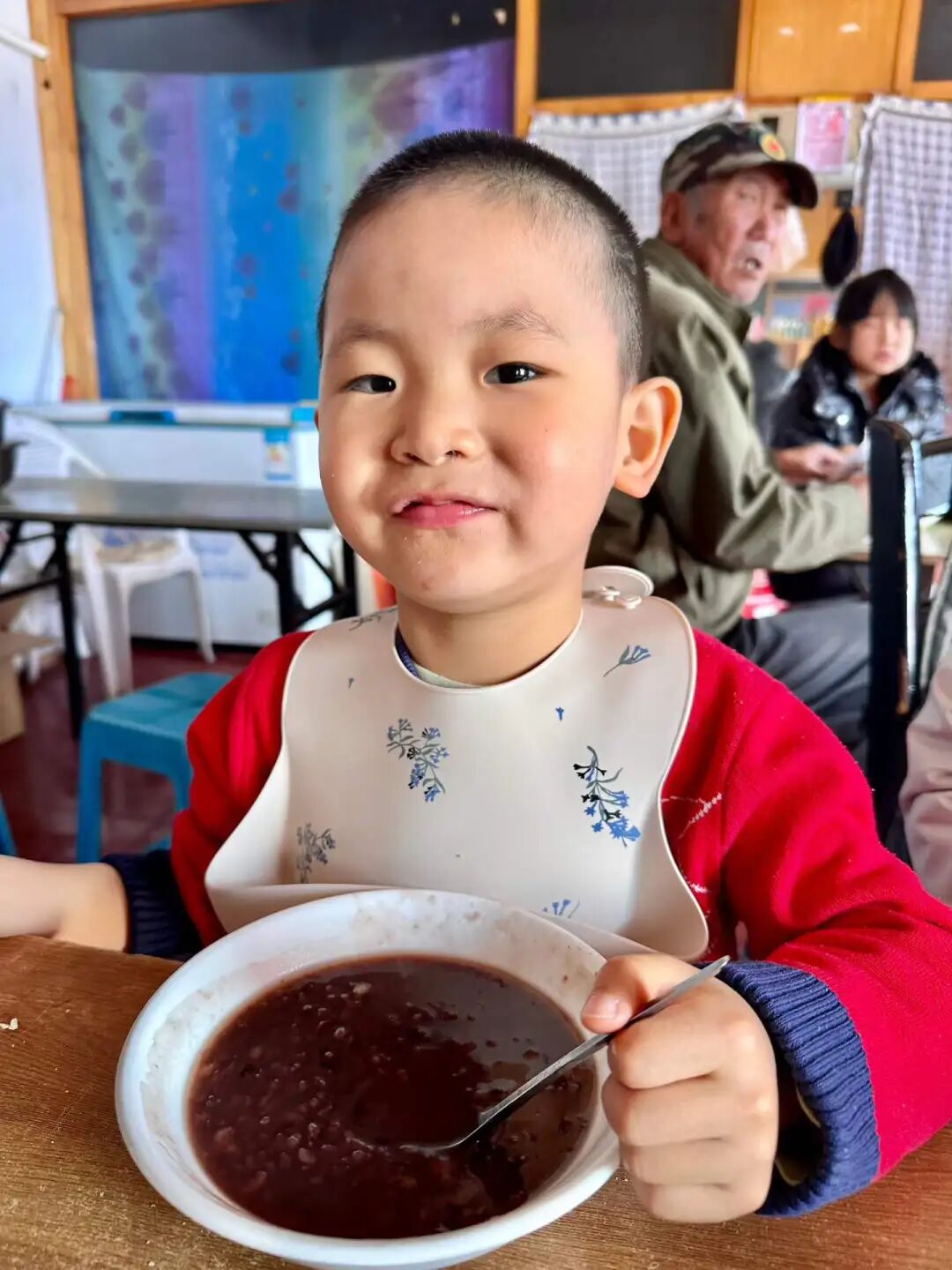
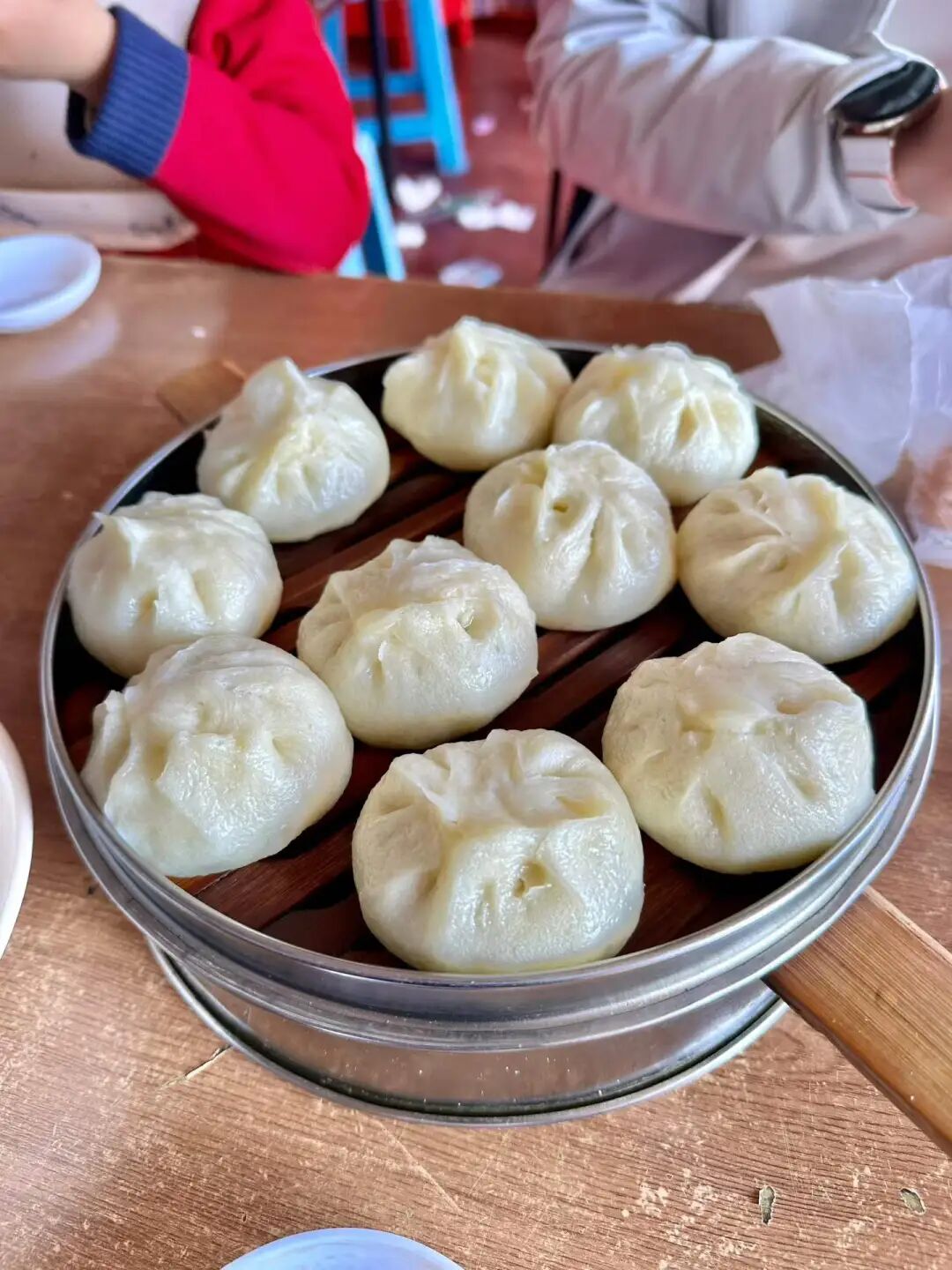
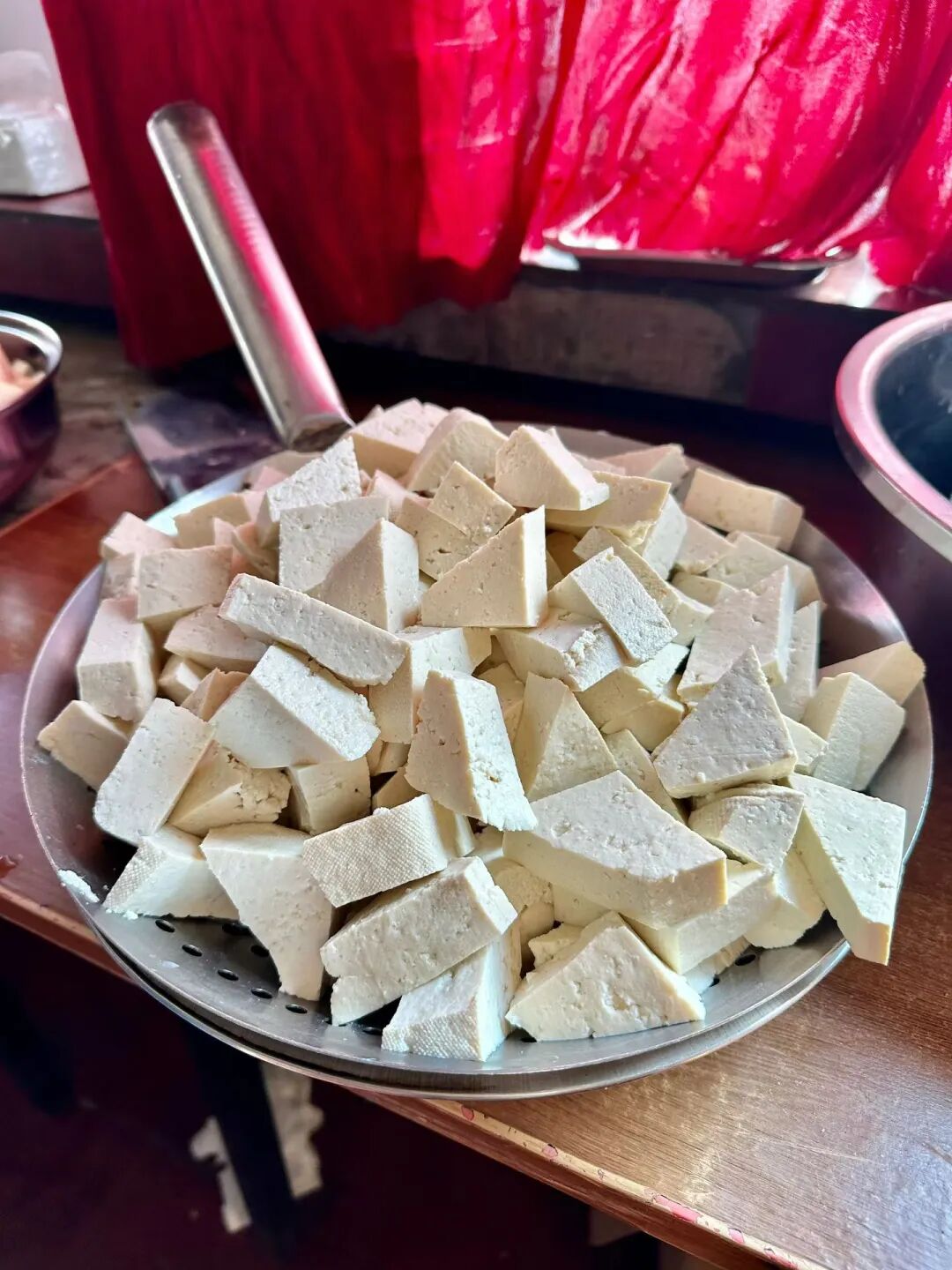
On April 5, we had breakfast in Xinbao'an Town, Huailai, Hebei. We arrived a bit late, so the soft tofu (laodoufu) and brown sugar flatbread (shaobing) were sold out. We had a steamer of buns with fried tofu soup, and Suleiman really enjoyed the purple rice porridge.
Xinbao'an Town is a key town on the ancient Beijing-Zhangjiakou road, with a post station built as early as the Yuan Dynasty. After the Tumu Crisis in the Ming Dynasty, a city was built here in 1451 (the second year of the Jingtai reign) to strengthen the northern defense line of Beijing. The Bao'an Garrison, originally located in Zhuolu, was moved here, and it has been called Bao'an New City ever since. After the Qing Dynasty, Xinbao'an gradually changed from a military town to a commercial hub, connecting Beijing and Zhangjiakou.
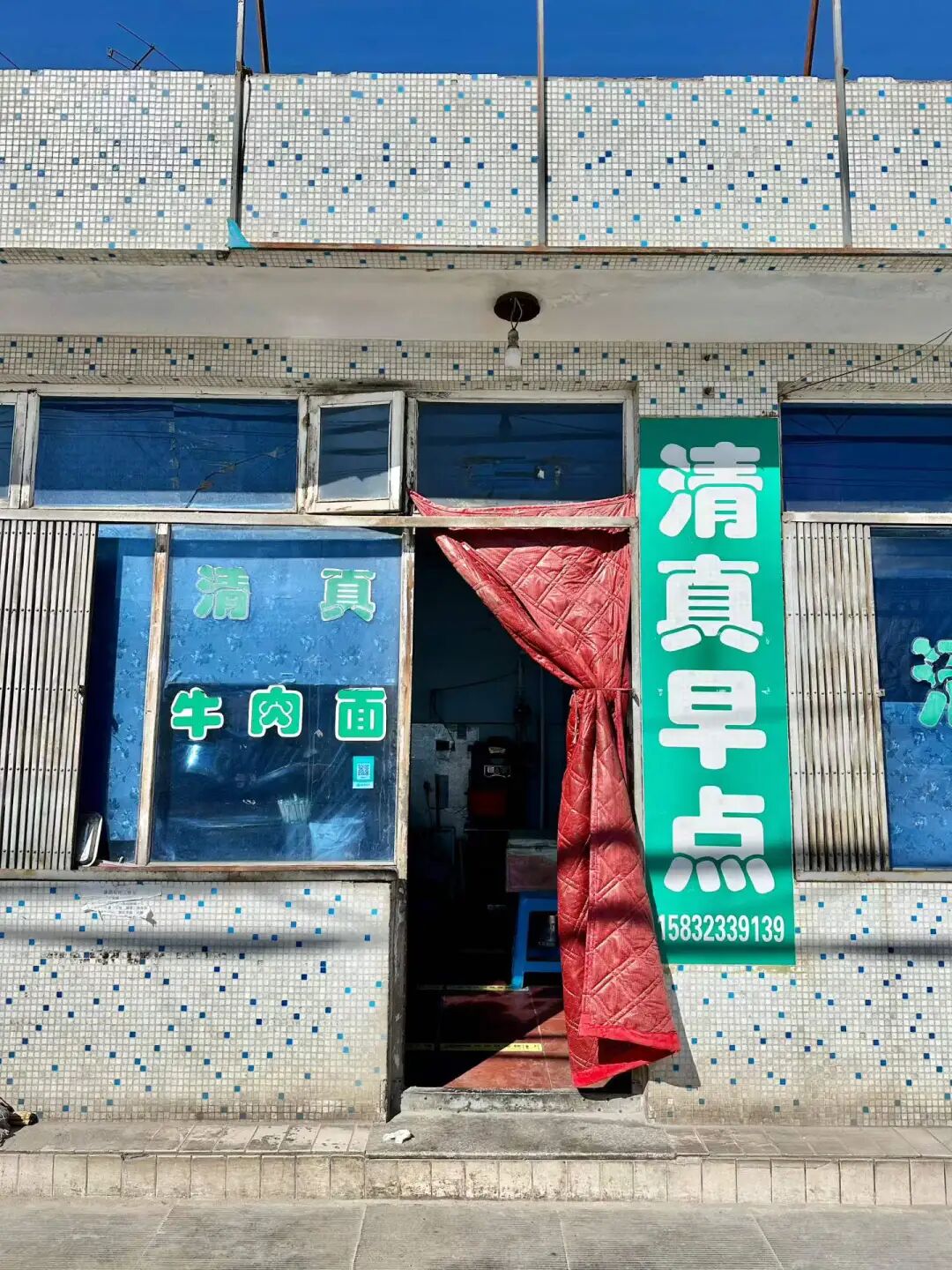
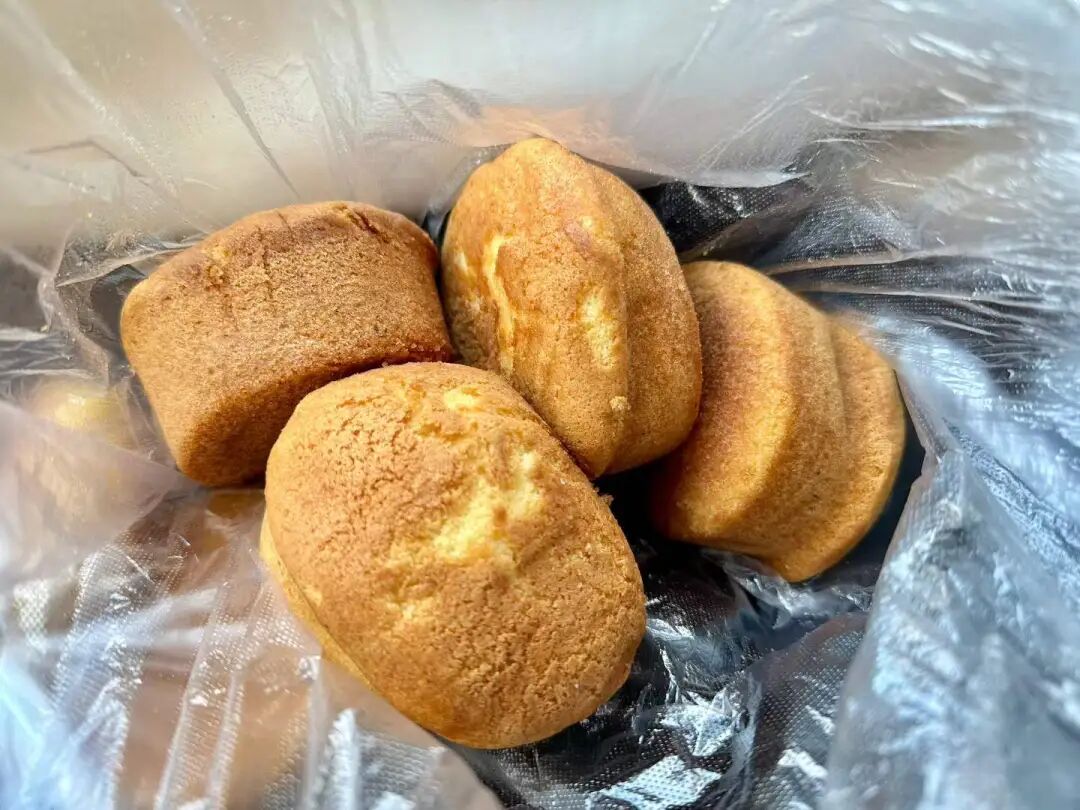
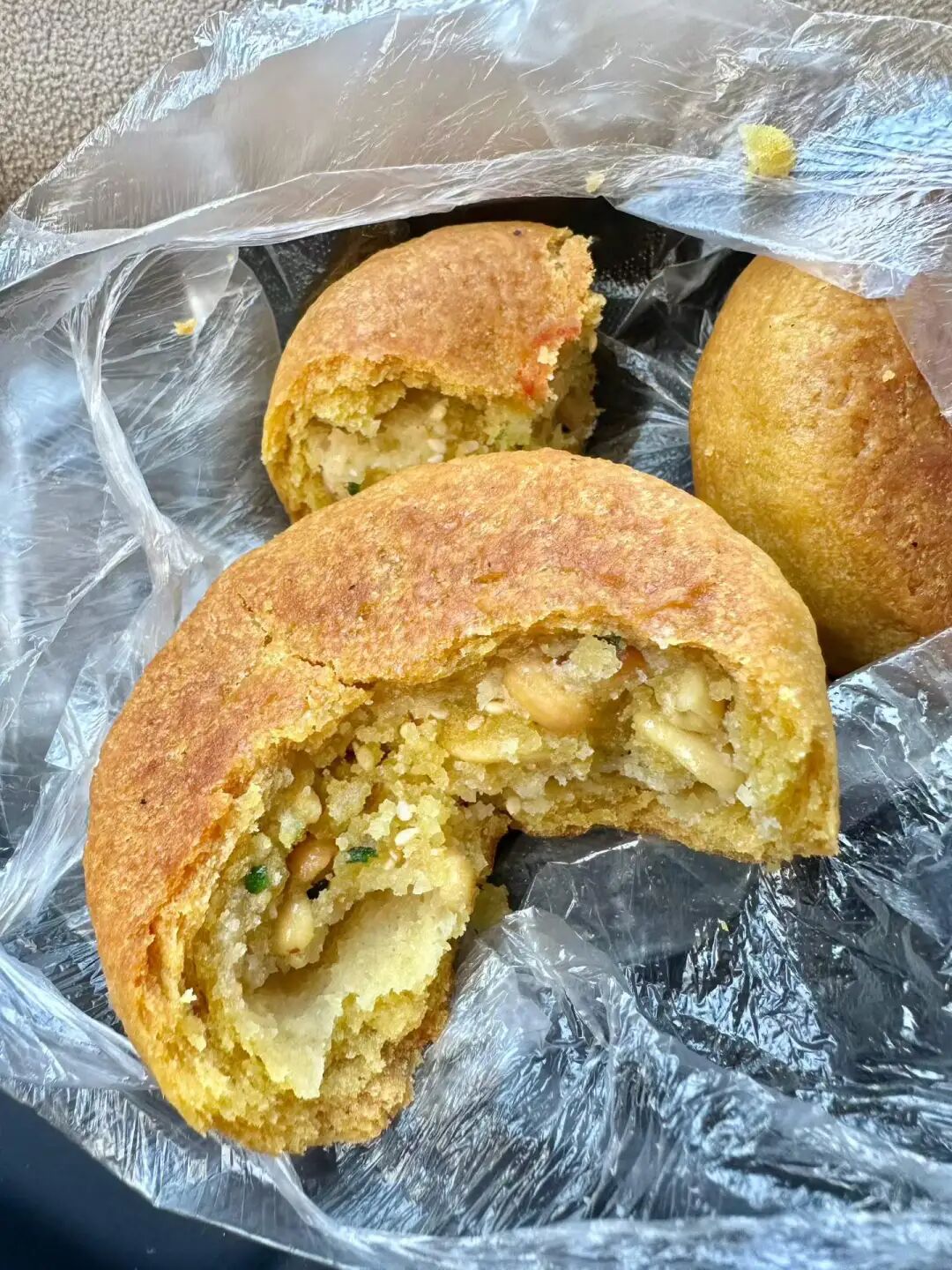
At the Xinbao'an town market, we bought old-fashioned five-nut mooncakes (wuren yuebing) and honey cakes at a roadside bakery. They were made that day and were perfect as tea snacks.
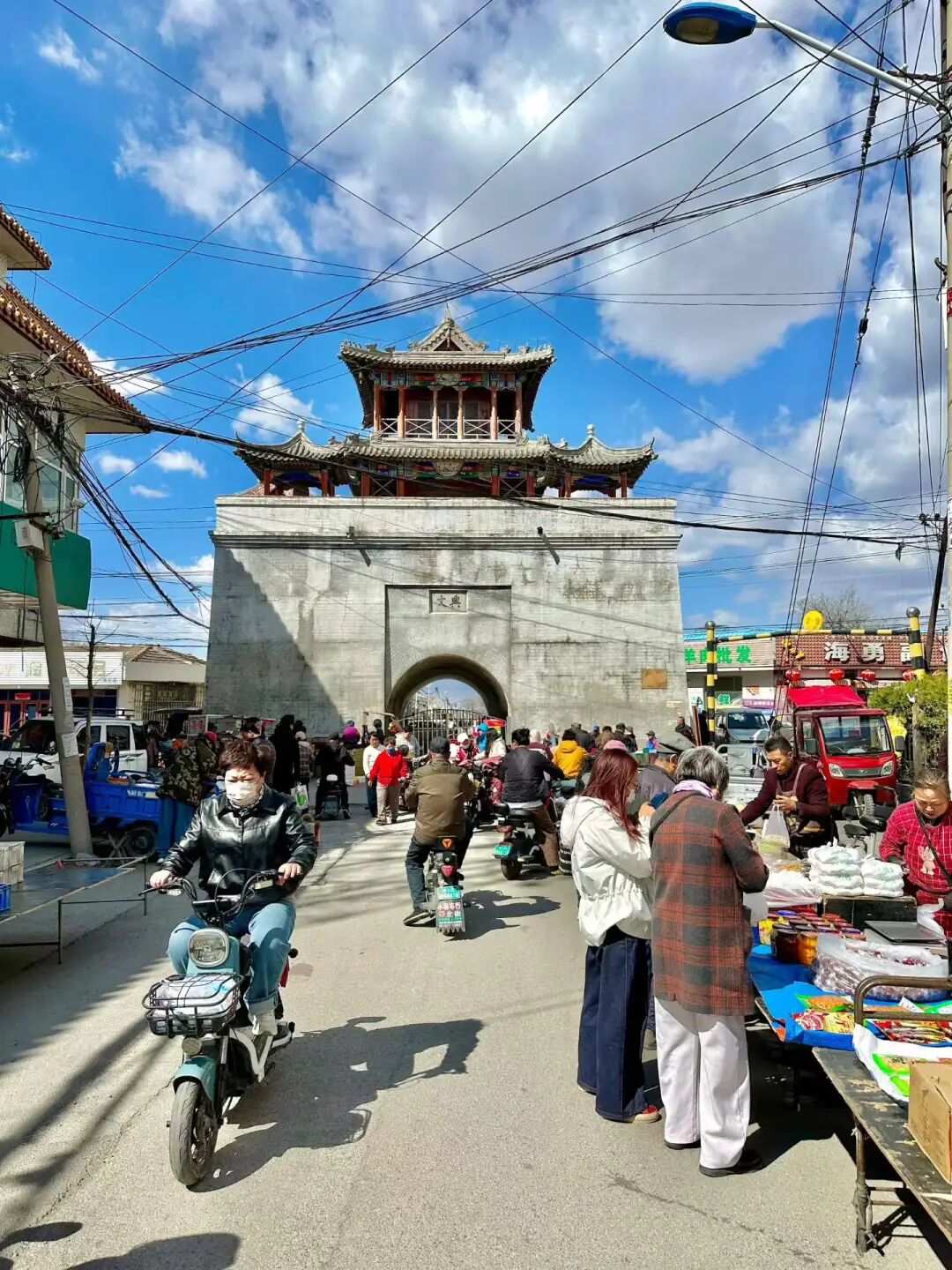
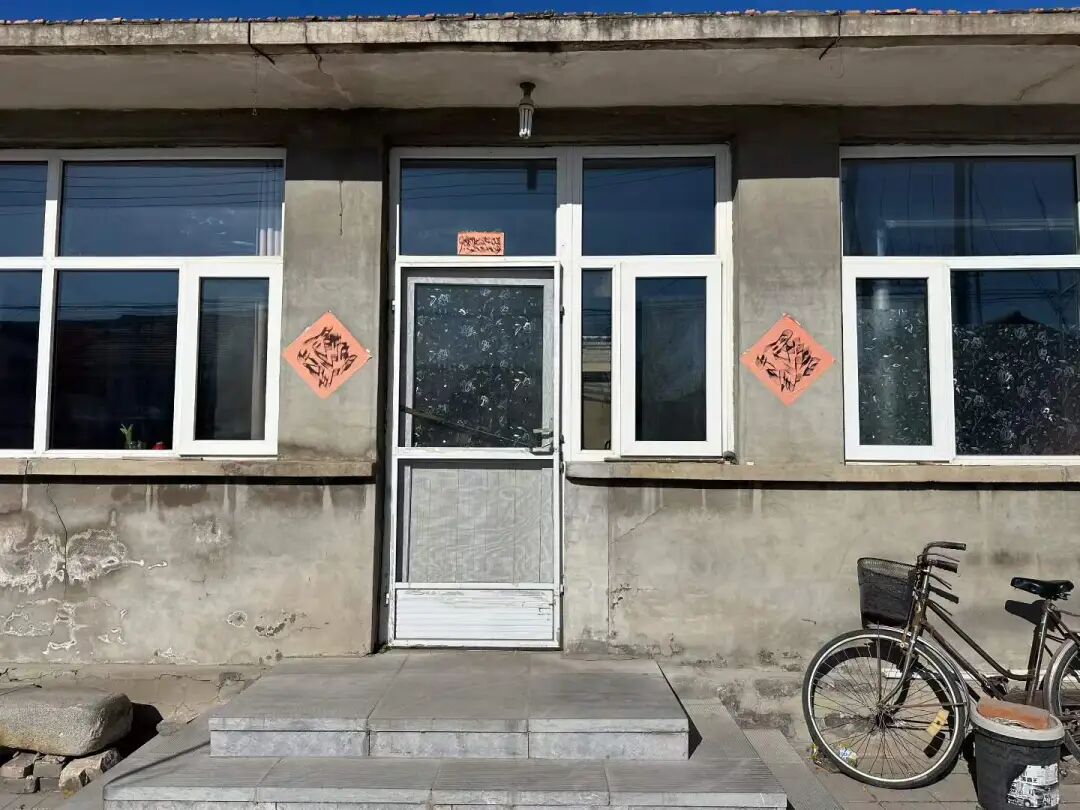
After breakfast, we went to the Hui Muslim residential area in the northwest of the old town to visit the famous 'Nine-Link Courtyard' (Jiulianhuan Dayuan). This was originally a wealthy merchant's residence in the Qing Dynasty. Later, the merchant declined and Hui Muslims moved in, so it is also called the 'Hui Muslim Courtyard'. The gate of the courtyard is very beautiful and is a classic example of Qing Dynasty residential style in Zhangjiakou, featuring complex brick, wood, and stone carvings. The courtyard was caught in the fighting during the 1948 Battle of Xinbao'an, and you can still see clear bullet marks today.
The Hui Muslims in Xinbao'an mainly have the surnames Liang and Zheng. The Liang family's ancestors moved from Nanjing to Liangjiapo, Weinan, Shaanxi, in the late Ming Dynasty during the Chongzhen reign. In 1677 (the 16th year of the Kangxi reign), they moved to Xinbao'an Town to farm and guard the capital. During the Qianlong reign, the Liang family began doing business in Zhangjiakou. By the Tongzhi reign, their camel caravans reached as far as Kulun in Outer Mongolia and Lanzhou. They later opened five shops known as the 'Five Great Guangs'.
The Zheng family shares the same origin as those in nearby Huailai and Zhuolu counties. Their ancestors moved from Shaanxi in the late Ming and early Qing dynasties, first to Shacheng Town in Huailai, then spreading to Wangjialou, Yanzhuang, Xinbao'an, Xuanhua, and Zhangjiakou. Zheng Kuishi was a famous Hui Muslim general in the late Qing Dynasty. He fought against the Taiping Heavenly Kingdom during the Xianfeng reign, won many battles, was given the title 'Shalama Baturu', and was awarded a yellow riding jacket. During the Tongzhi reign, he served as the acting Zhili provincial commander, guarding the capital region and suppressing the Nian Rebellion in Zhili to keep the capital safe. In his later years, he returned home to work on water conservancy, building the Yonggu Dam to manage the Liu River. He also repaired the Zhenshuo Tower and Four Archways in Xuanhua and opened the Huoshi Slope road to improve transportation. He was highly respected locally.
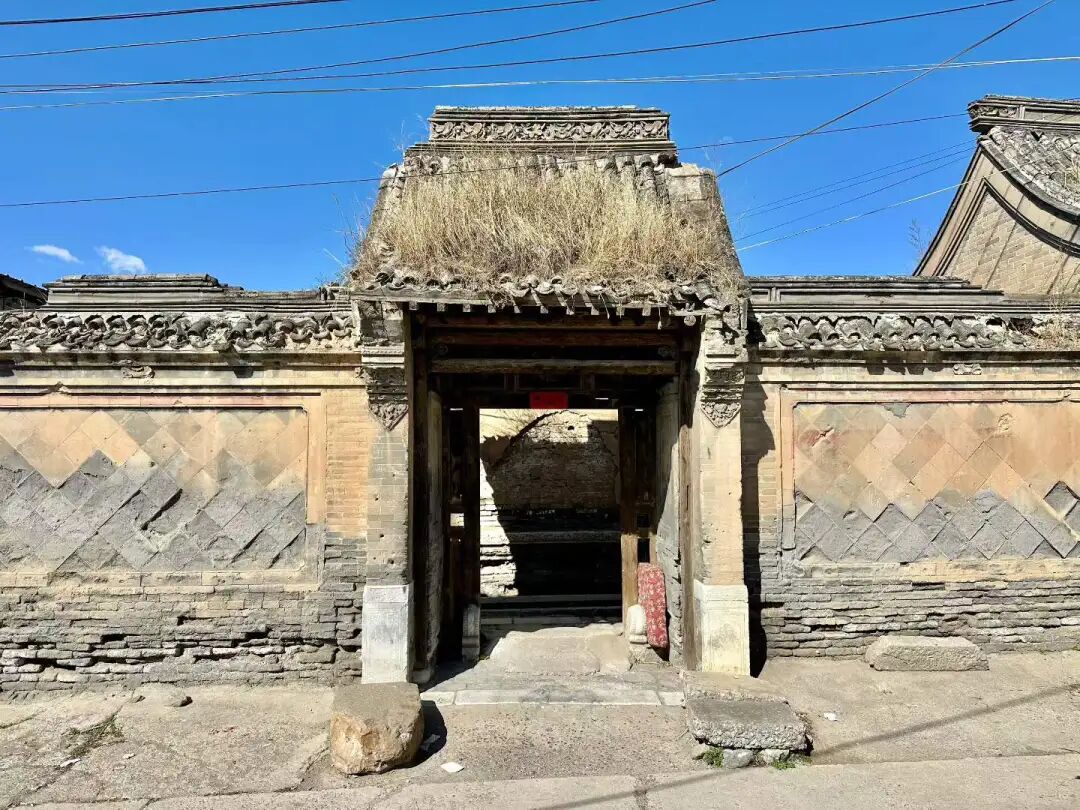
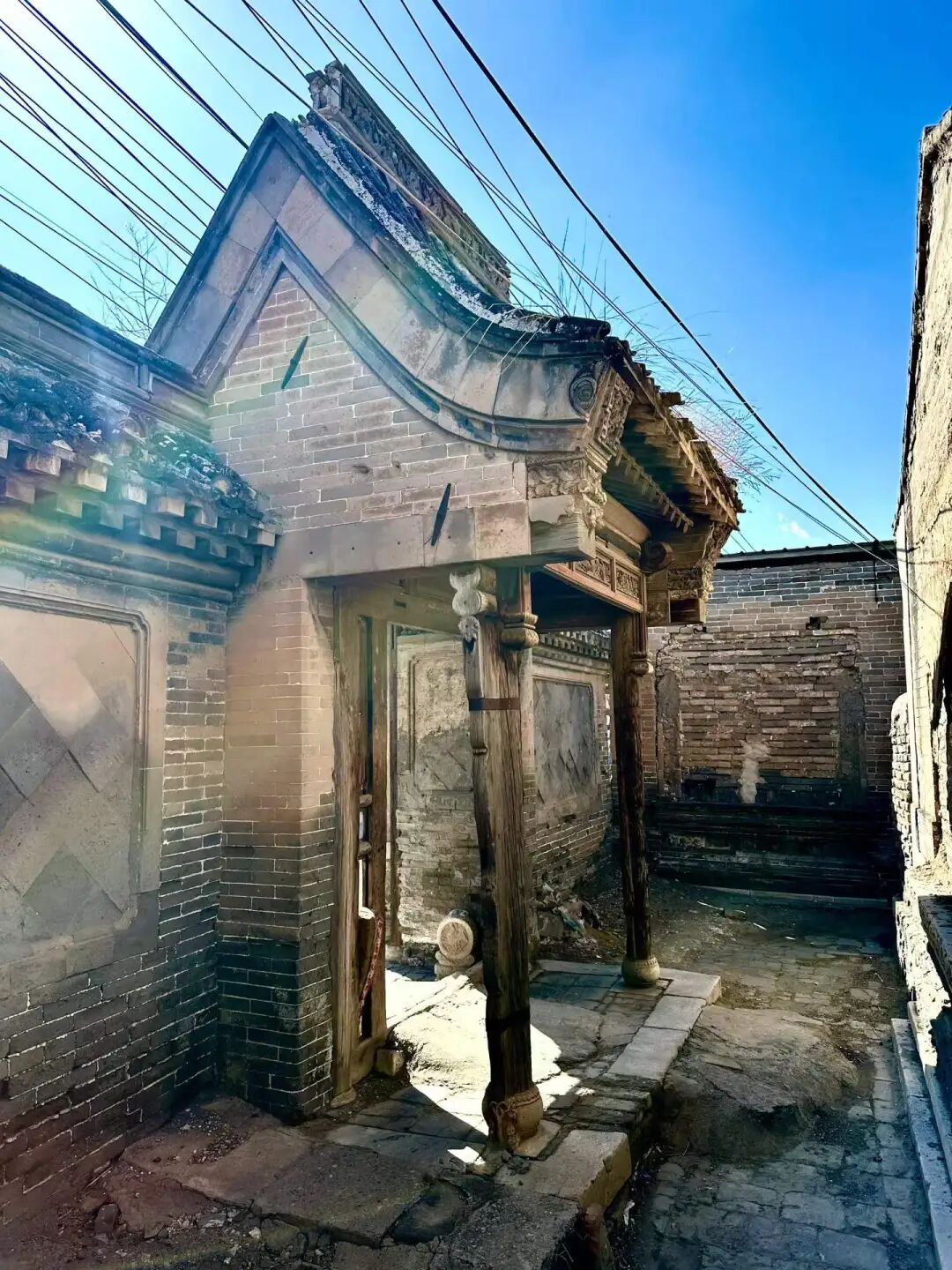
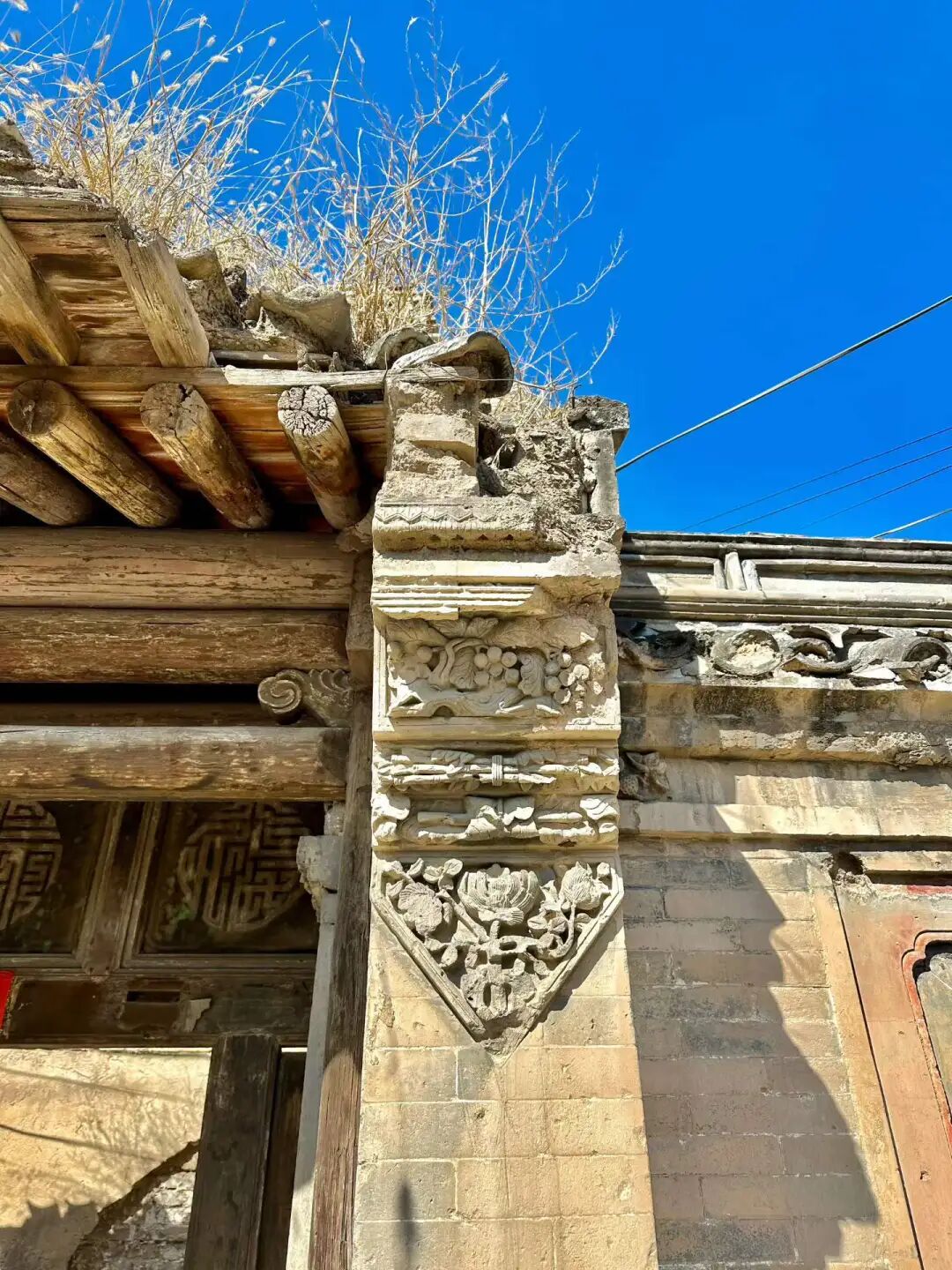
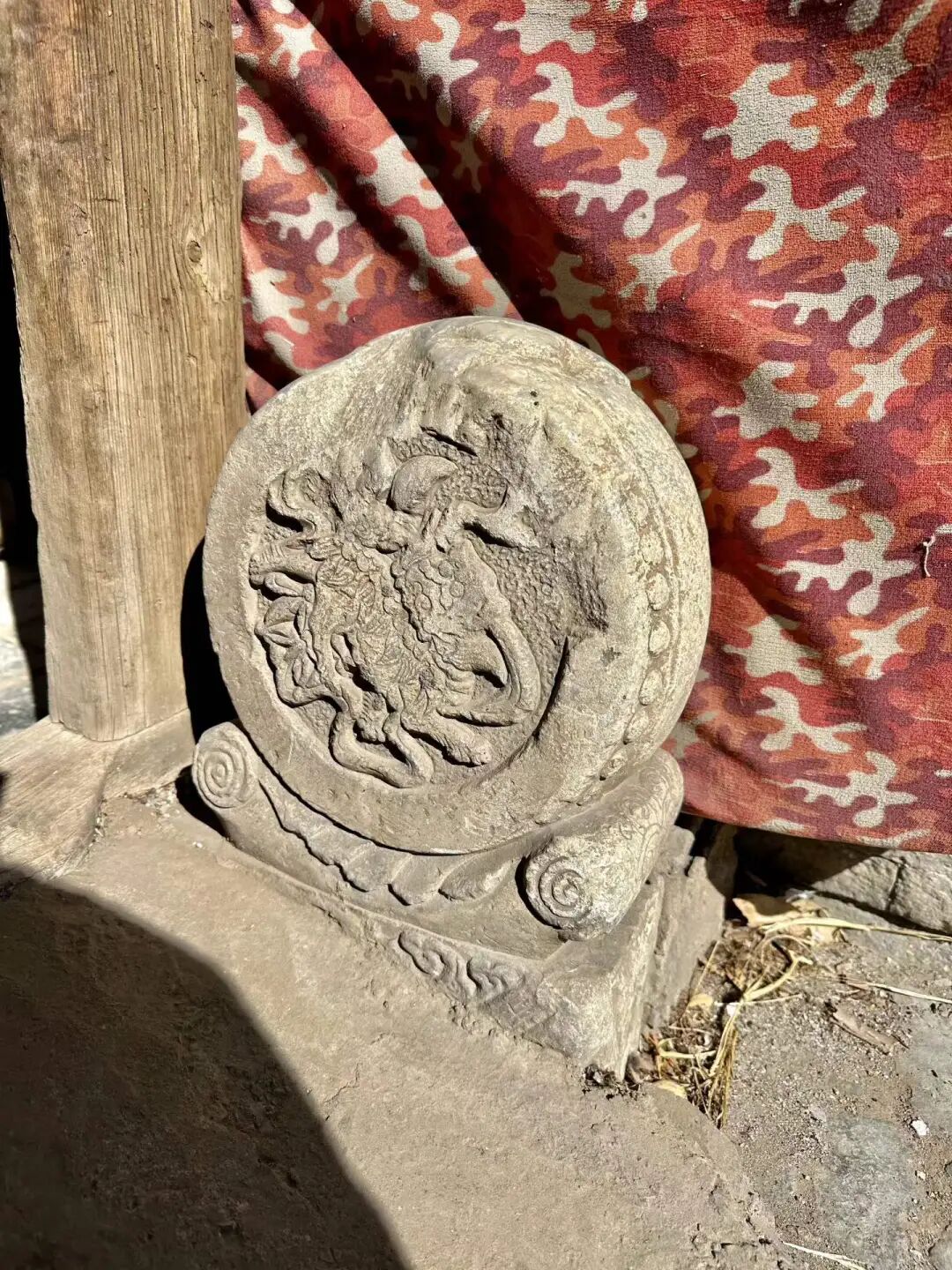
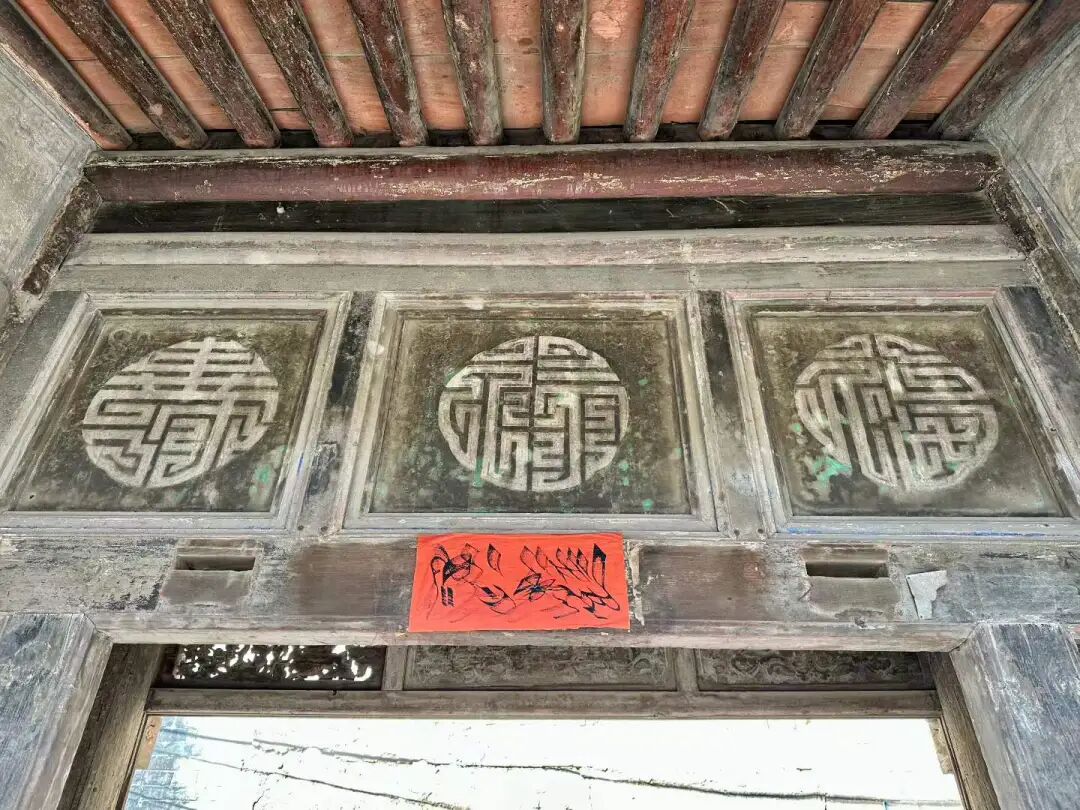
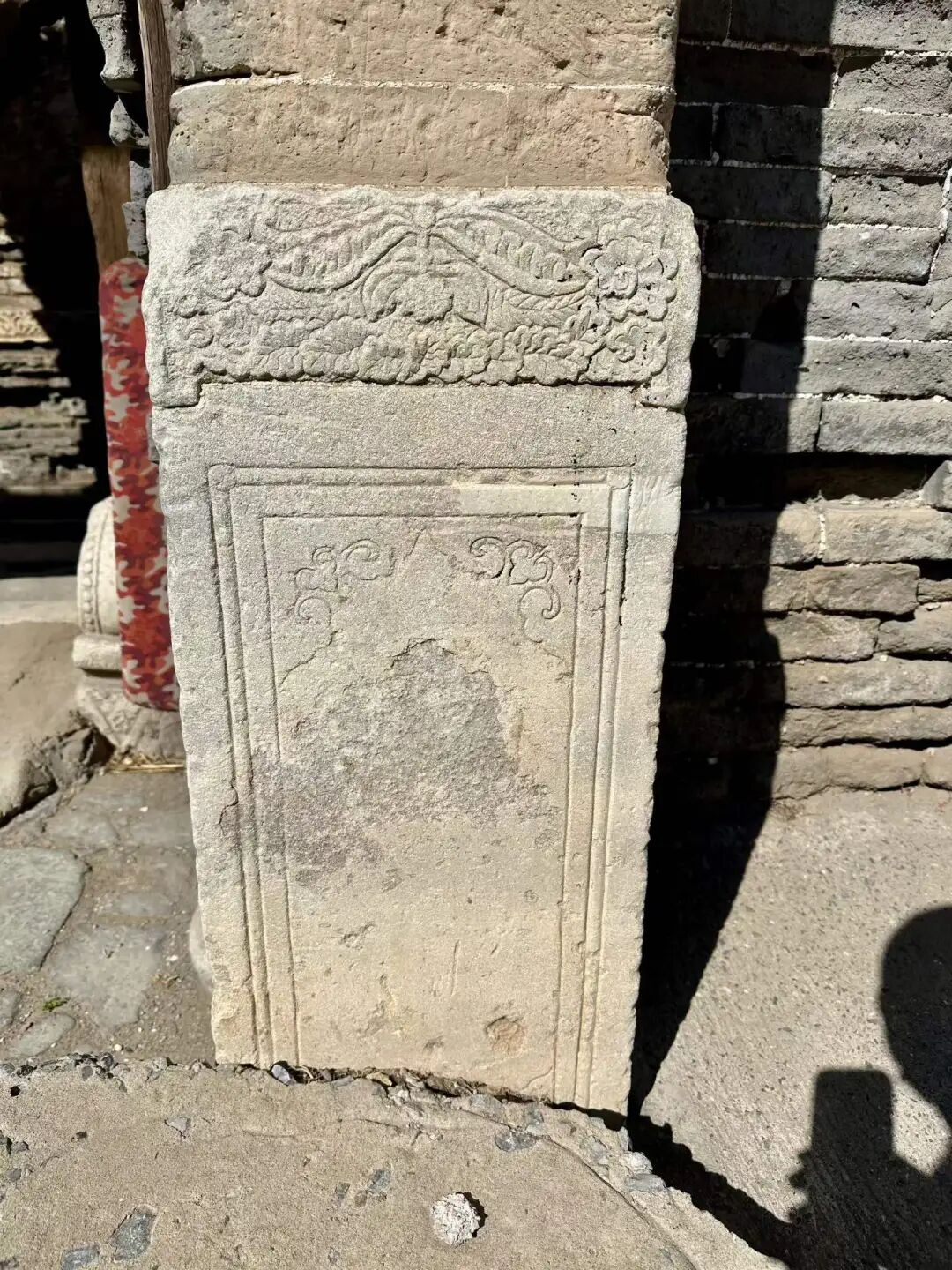
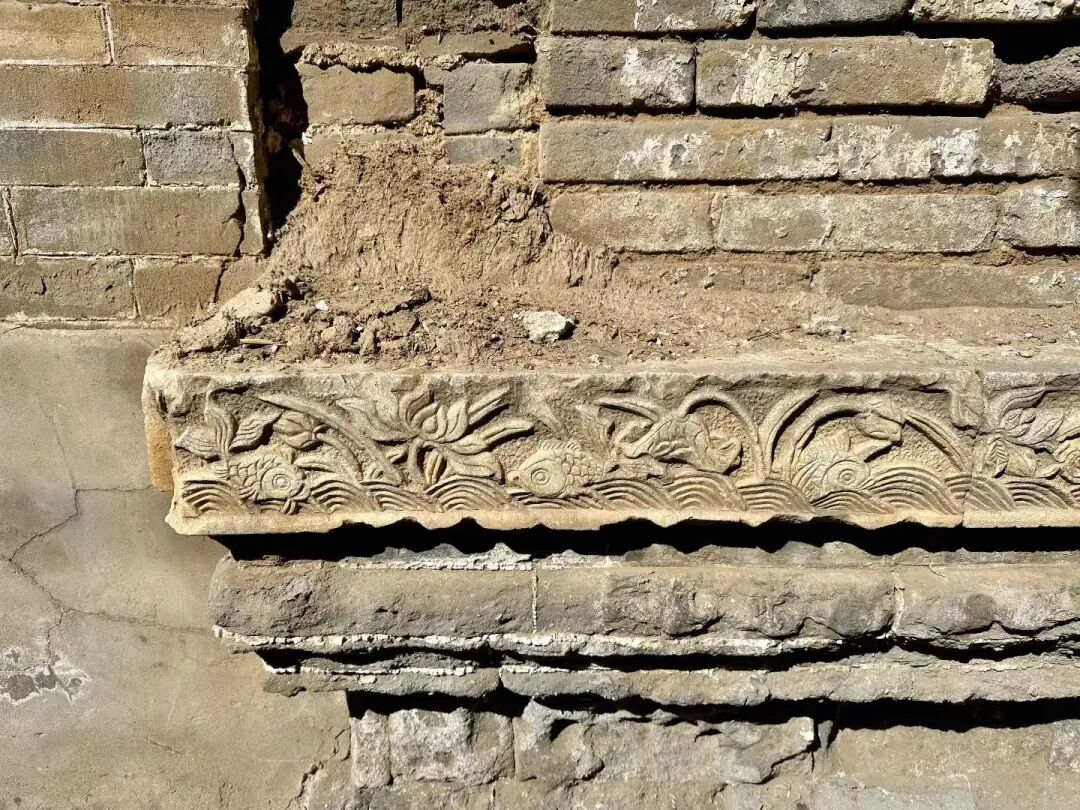
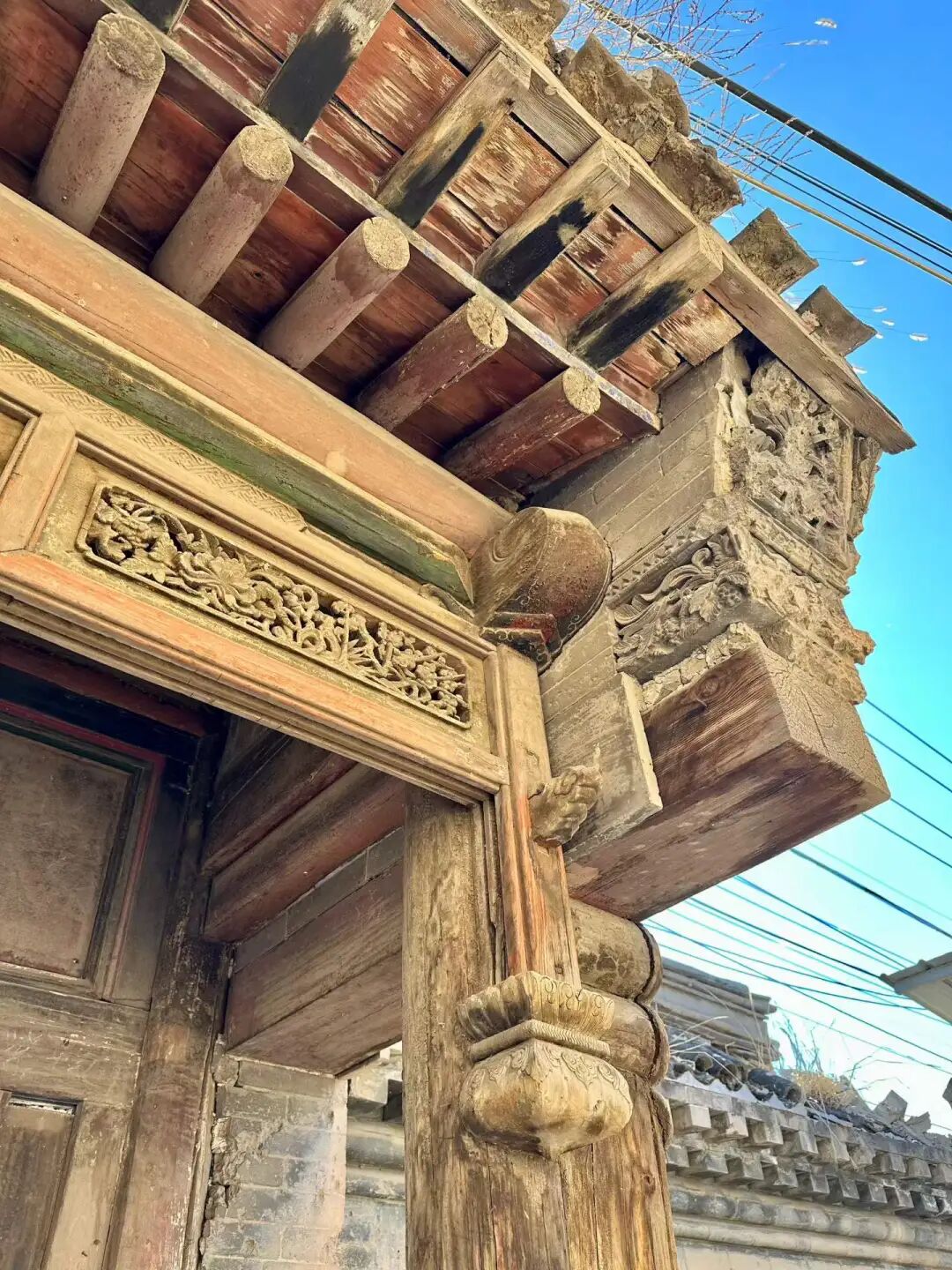
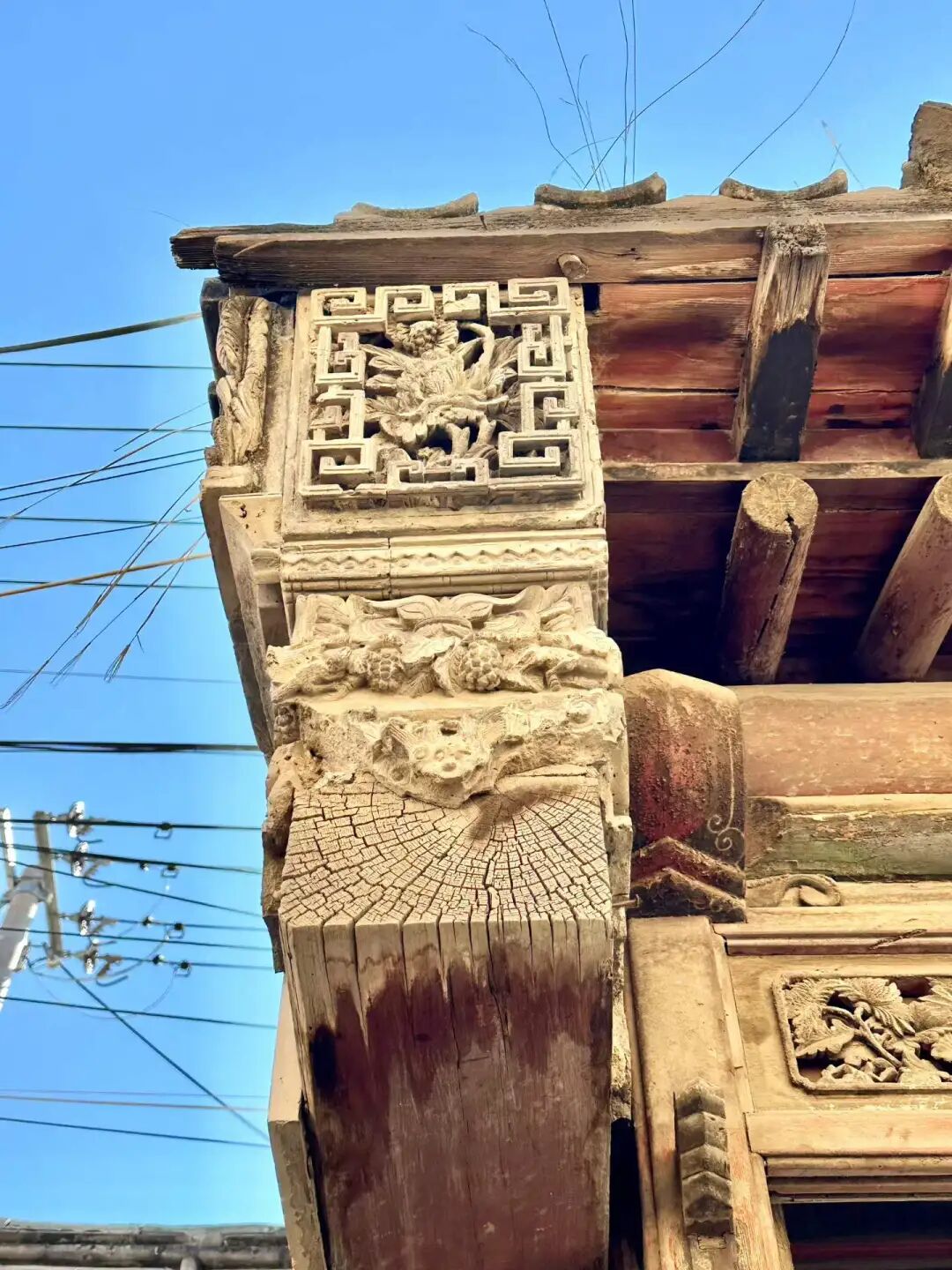
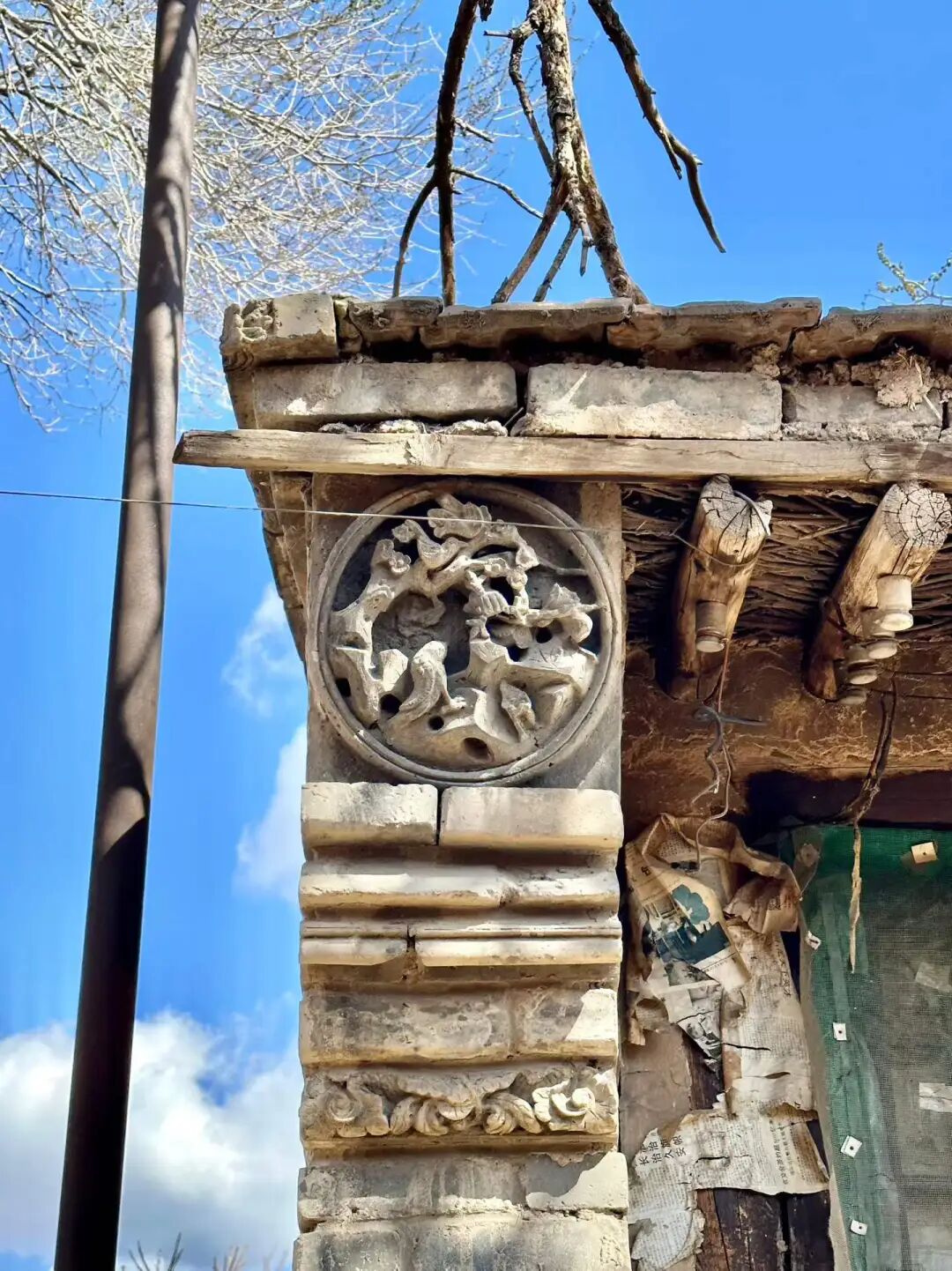
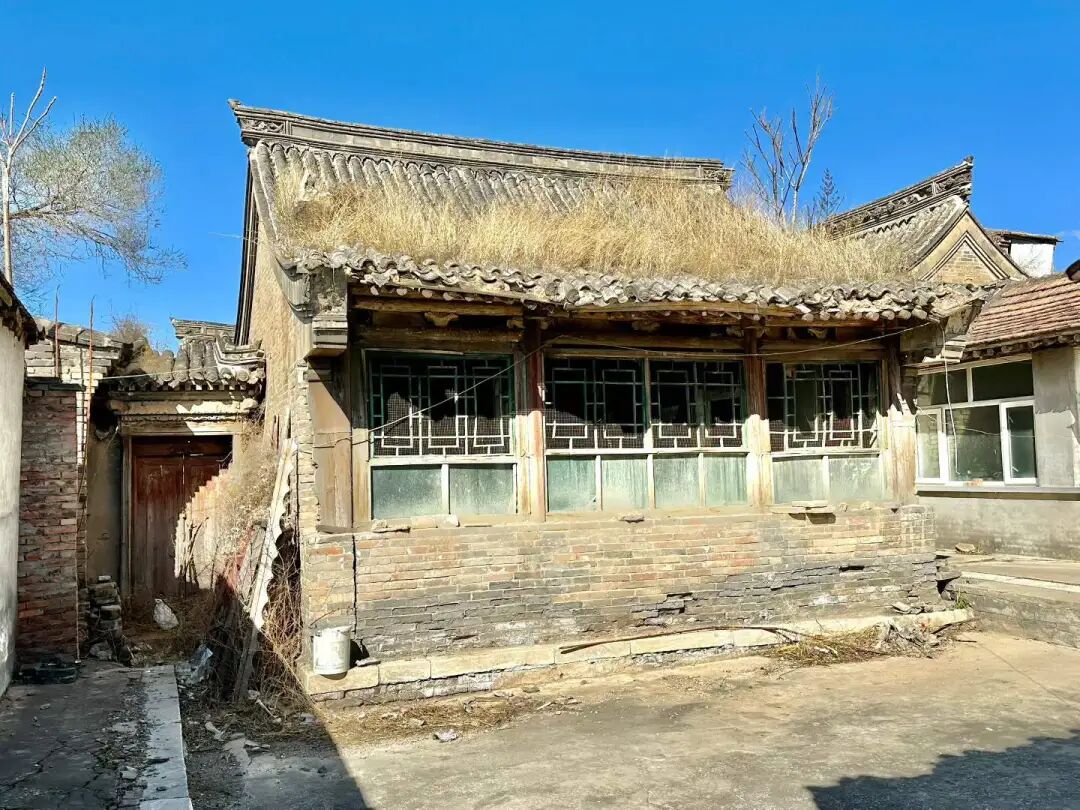
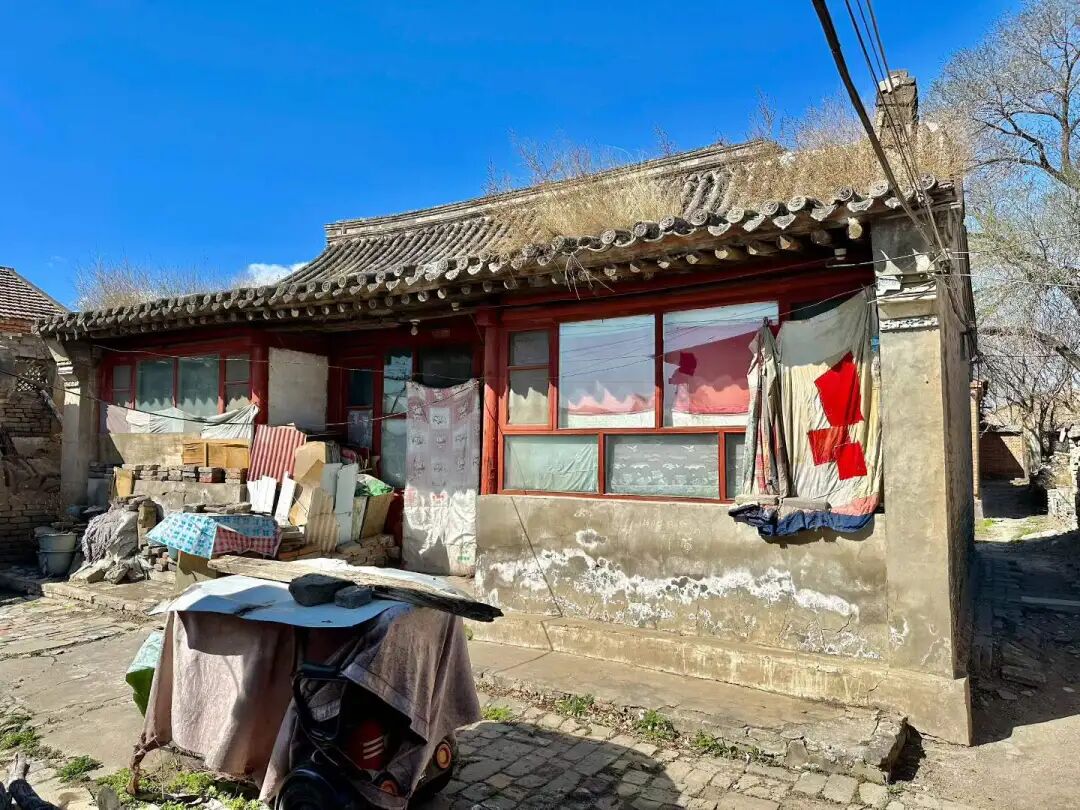
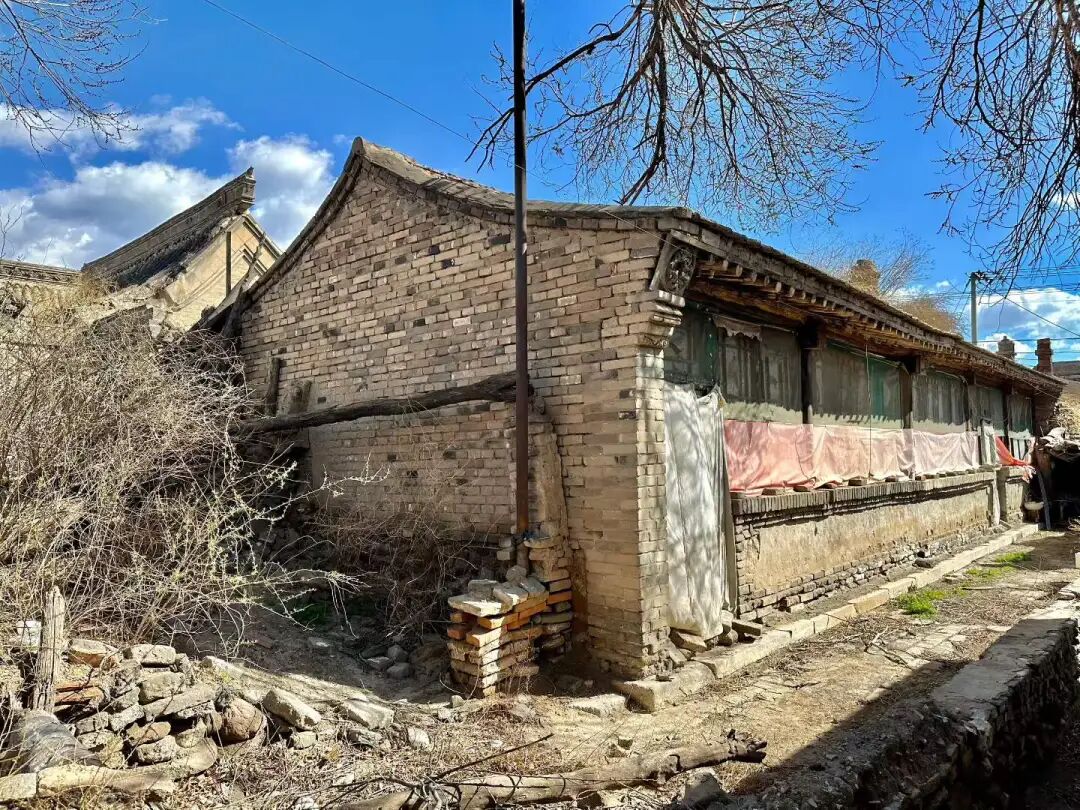
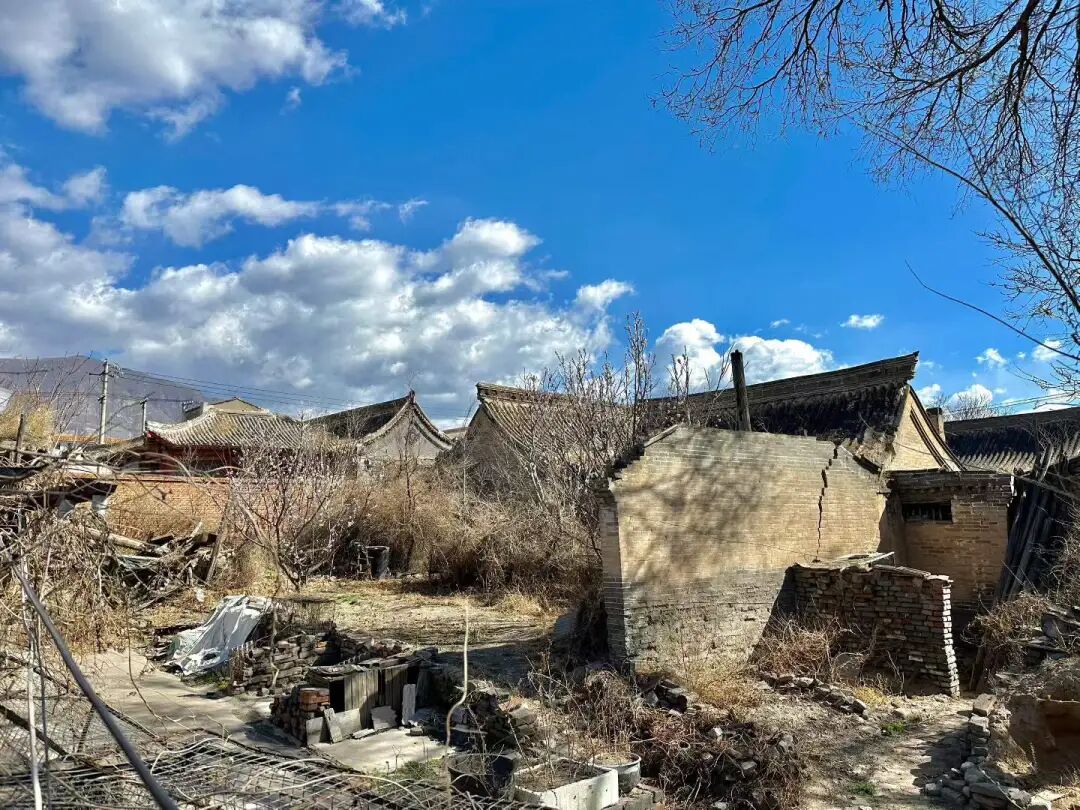
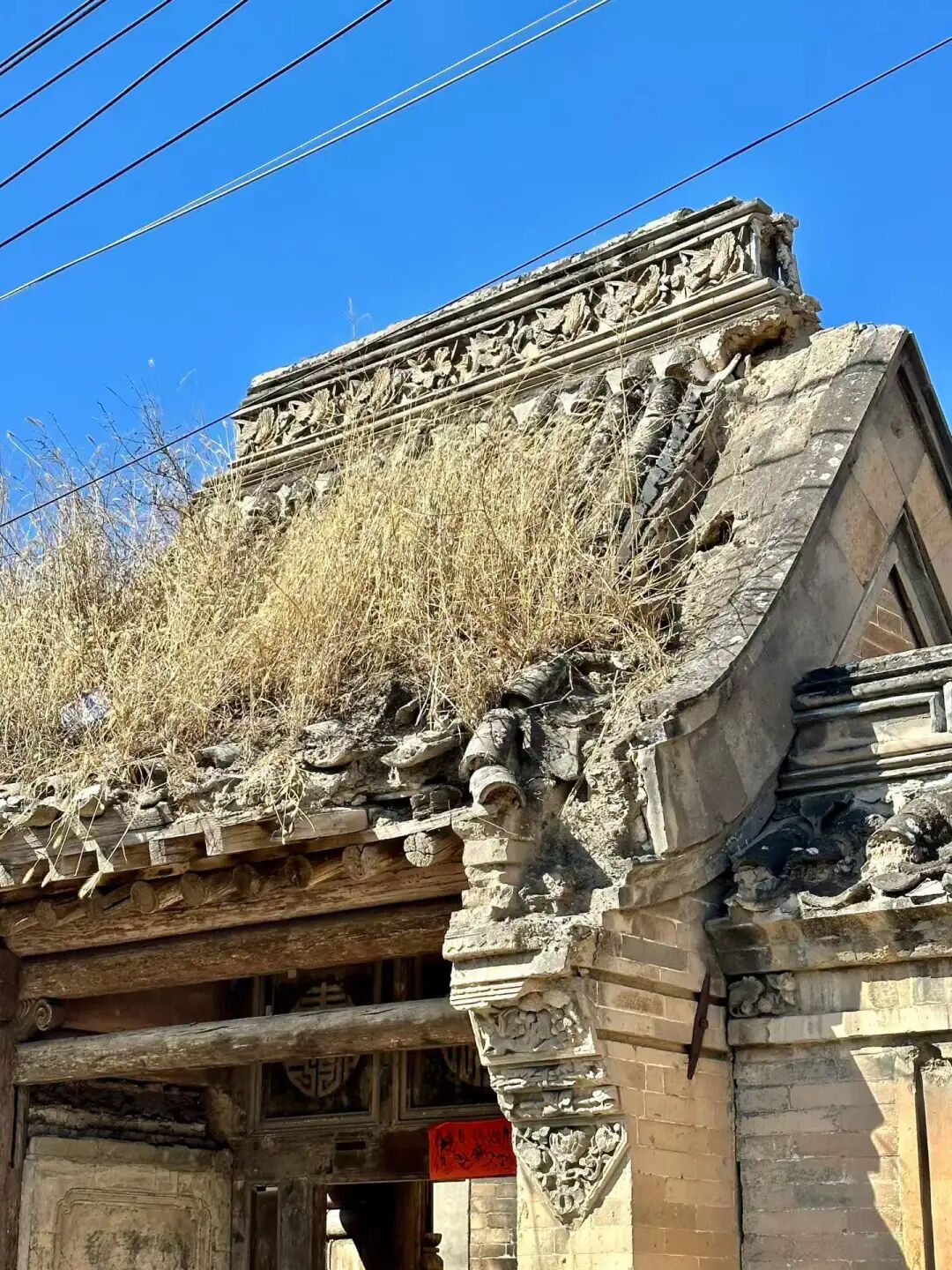
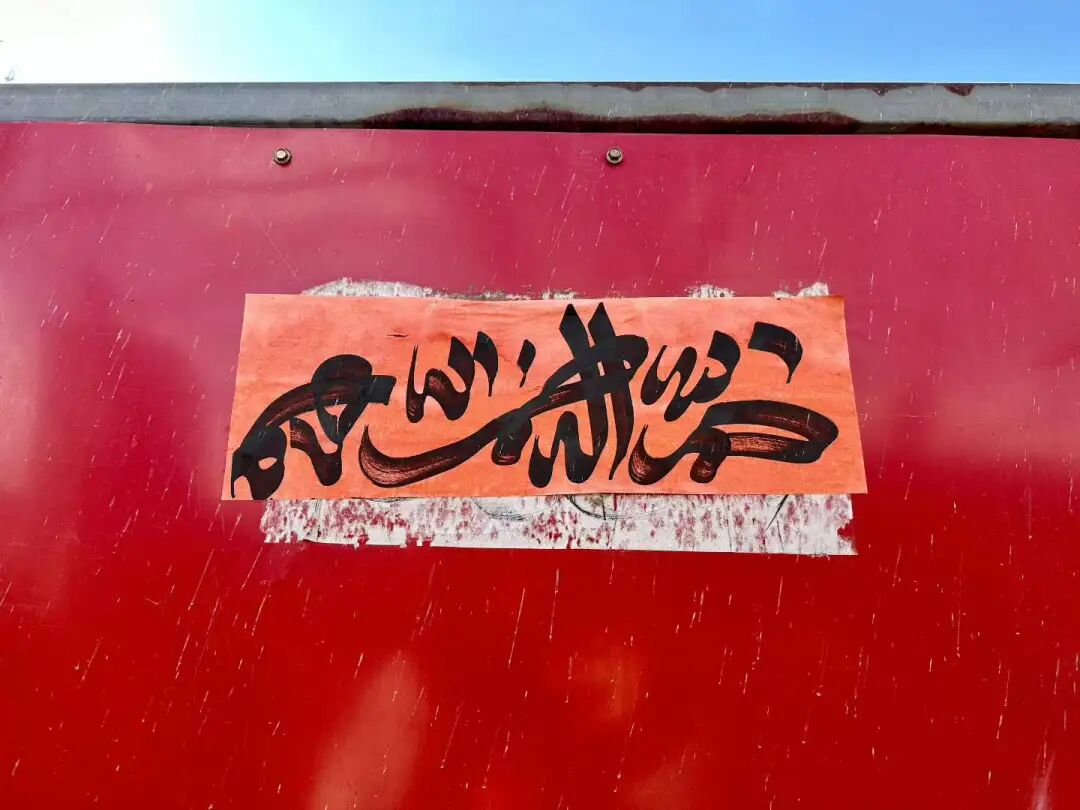
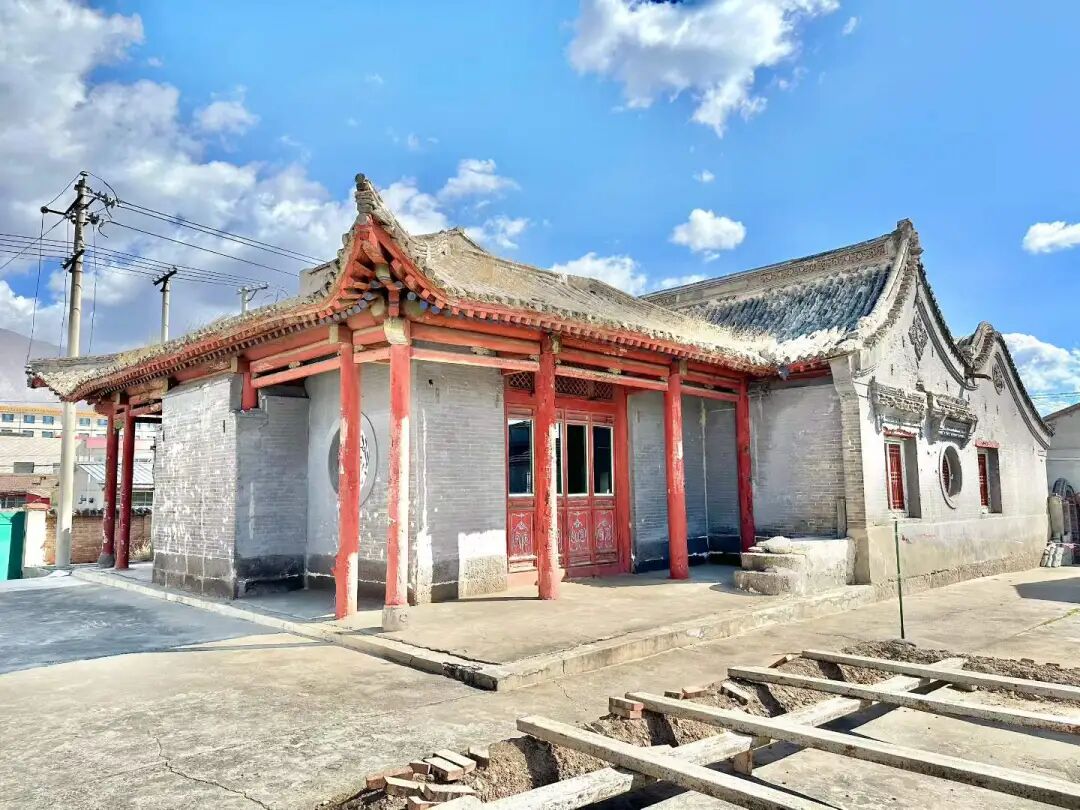
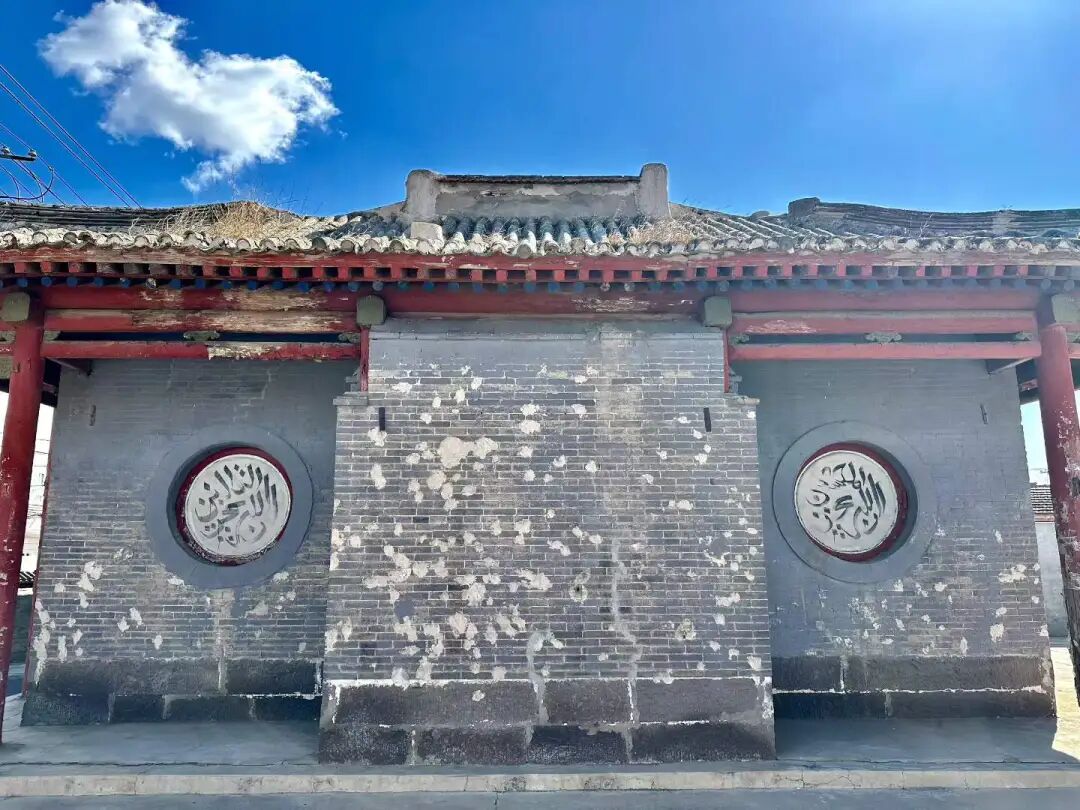
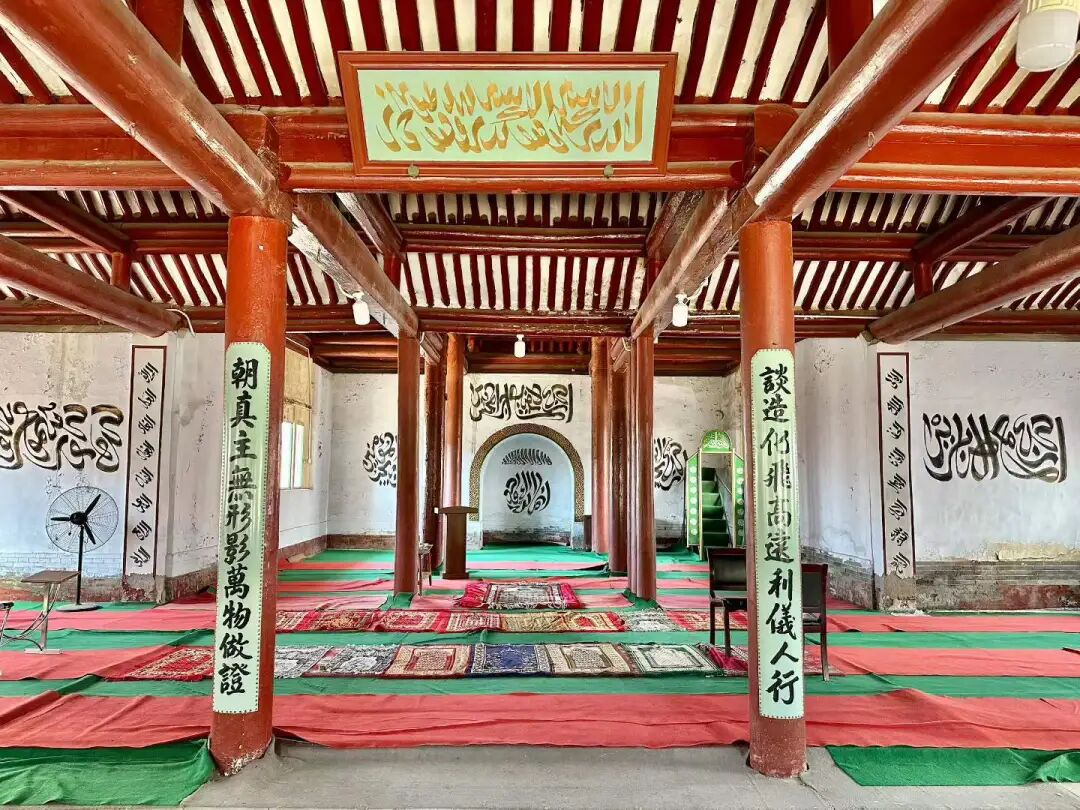
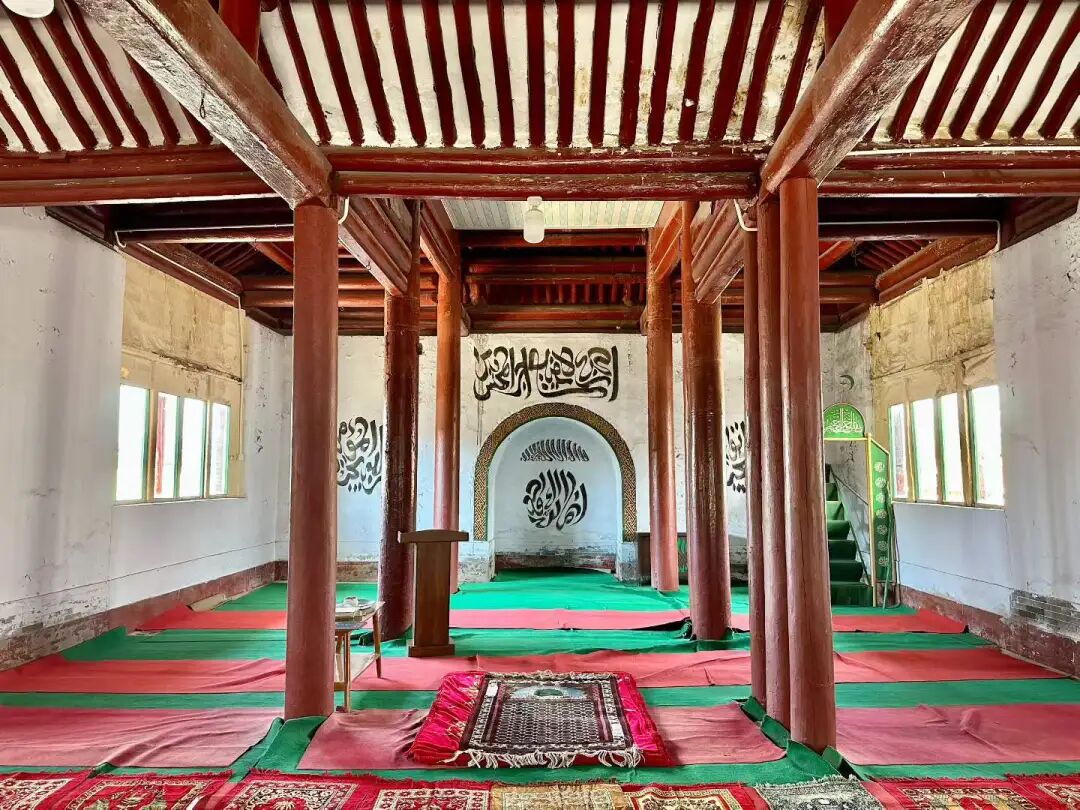
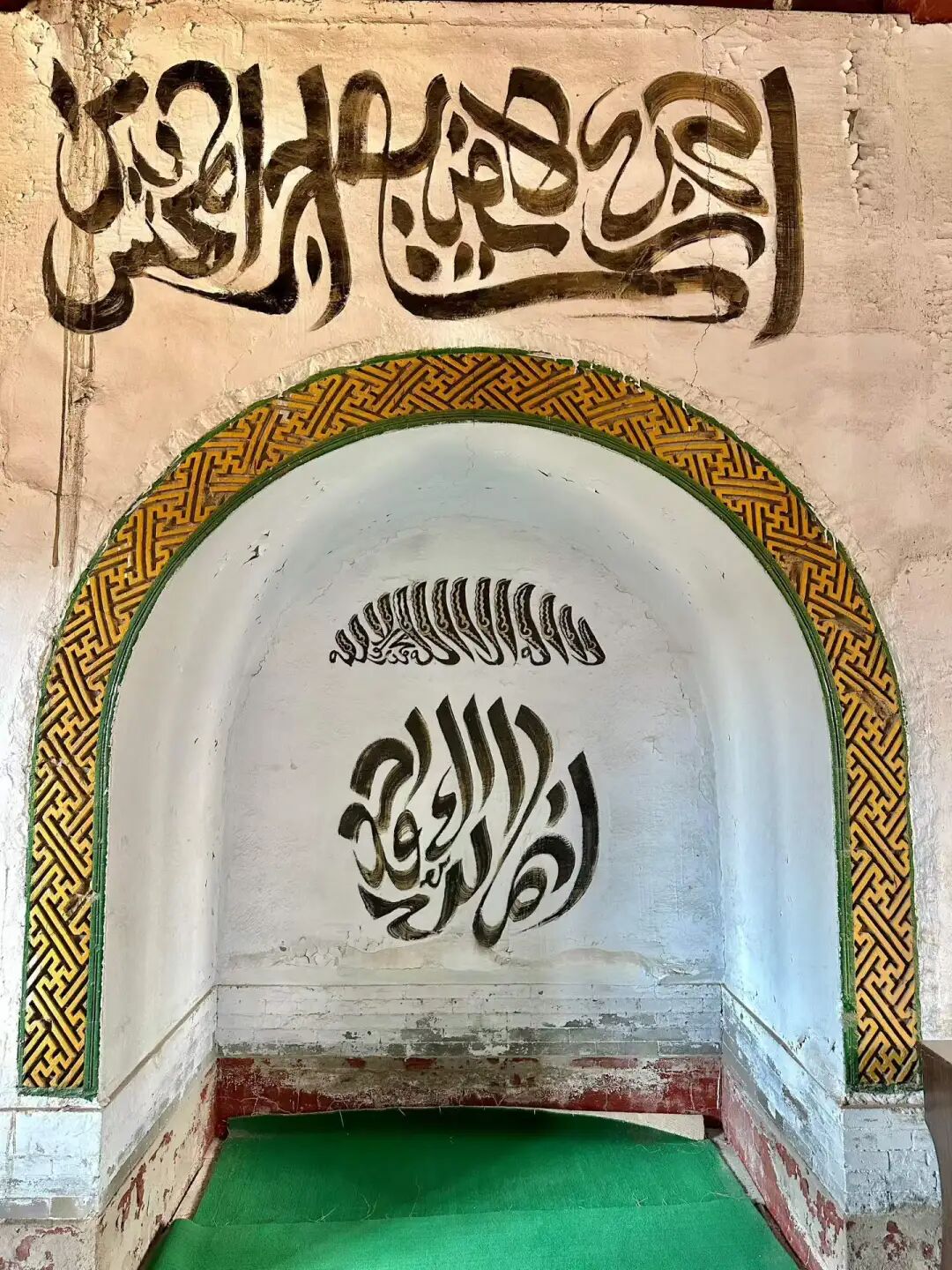
Xinbao'an Mosque is right next to the Nine-Link Hui Muslim Courtyard. Some say it was built in 1621 (the first year of the Tianqi reign), while others say it was built in 1677 (the 16th year of the Kangxi reign). The main hall consists of a front hall, a middle hall, and a rear kiln hall. It is larger than other old mosques in Huailai and still has beautiful brick carvings, though the moon-watching tower on the kiln hall roof is gone.
During the 1948 Pingjin Campaign, Xinbao'an was a key battlefield. The Xinbao'an Mosque became the command post for the Nationalist 35th Army, and the walls of the main hall are still covered in bullet marks. In 2008, the mosque was listed as a Hebei Provincial Cultural Relic Protection Unit under the name 'Site of the Battle of Xinbao'an—Command Post of the Nationalist 35th Army'.
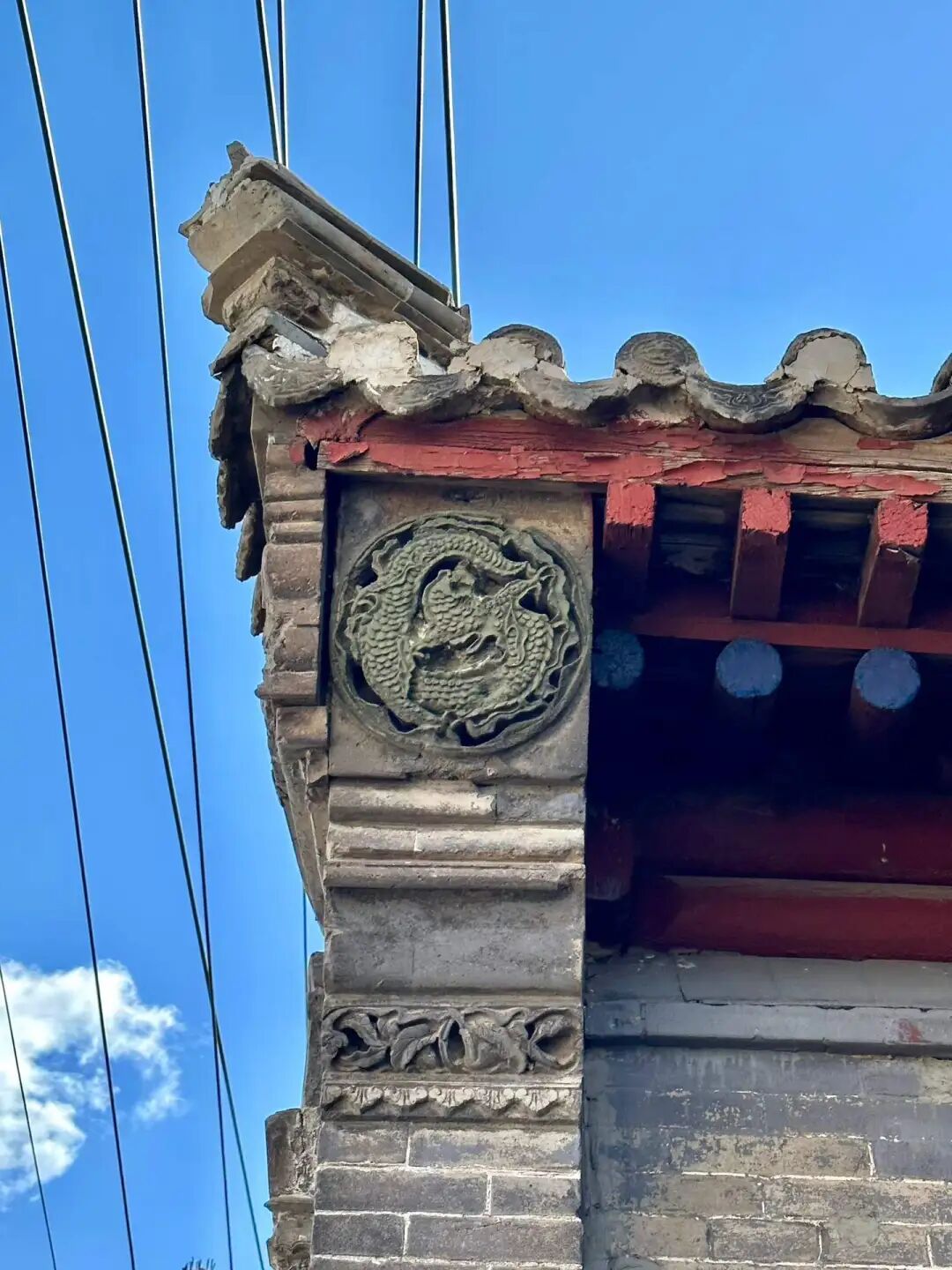
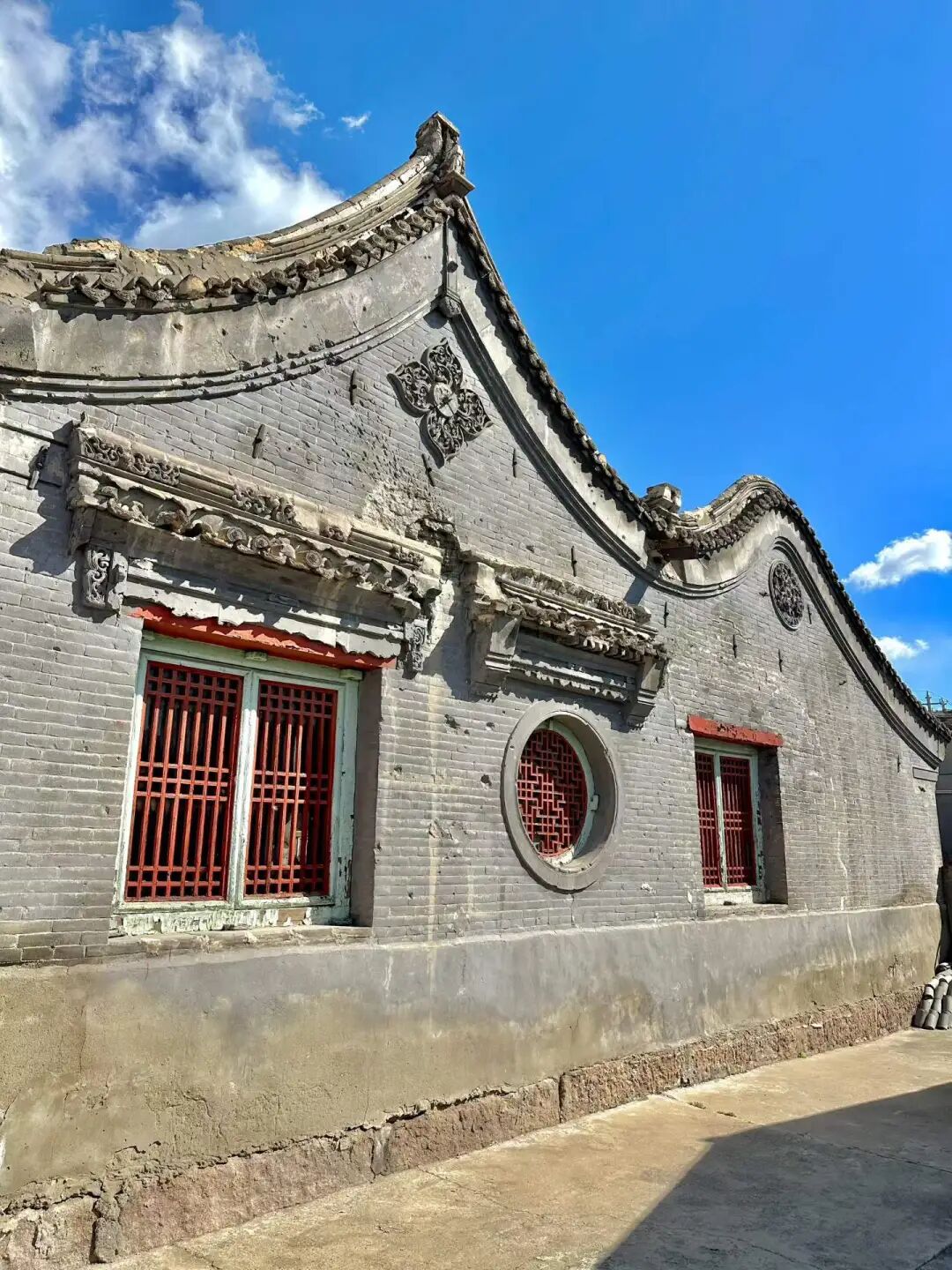
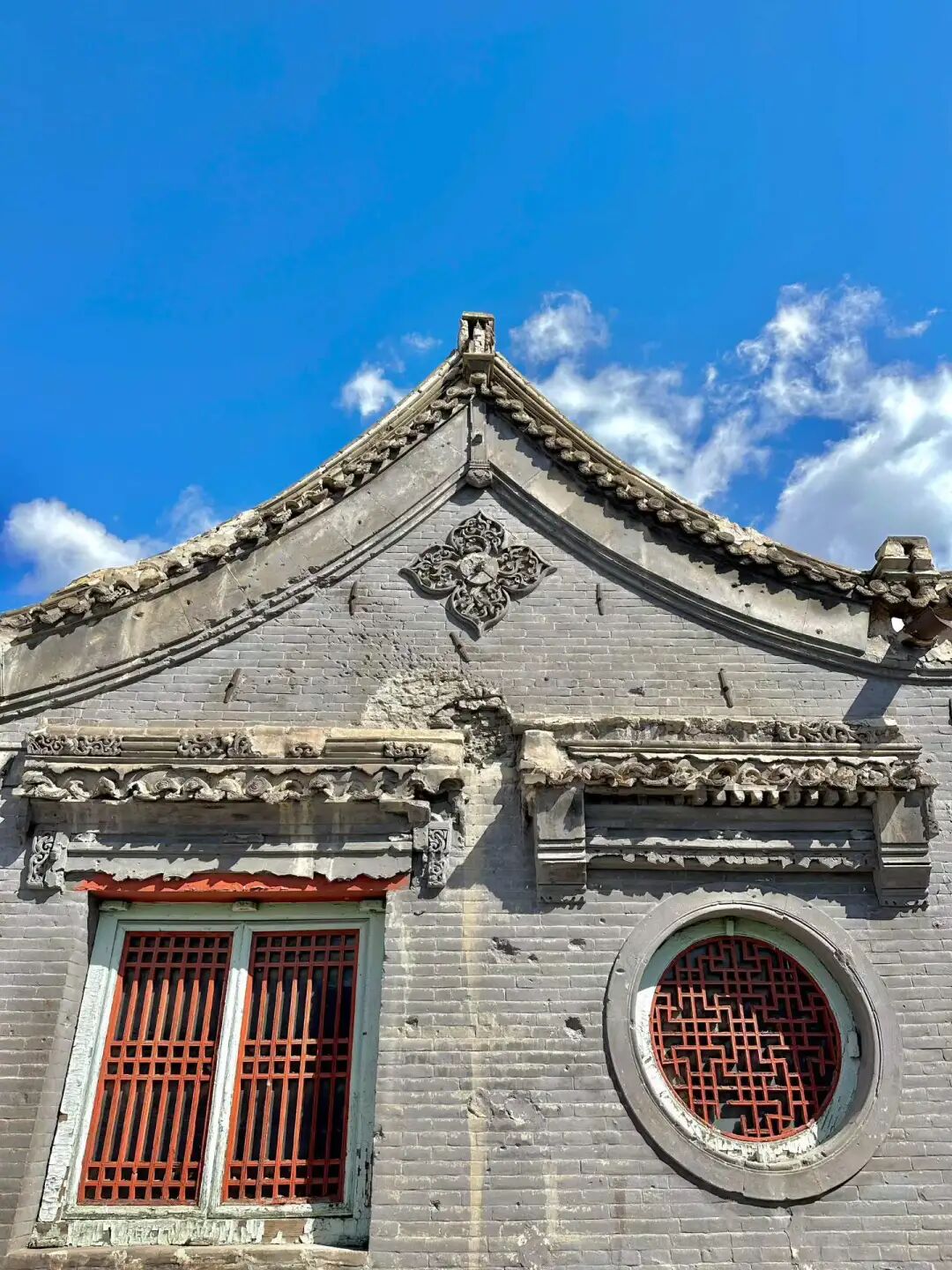
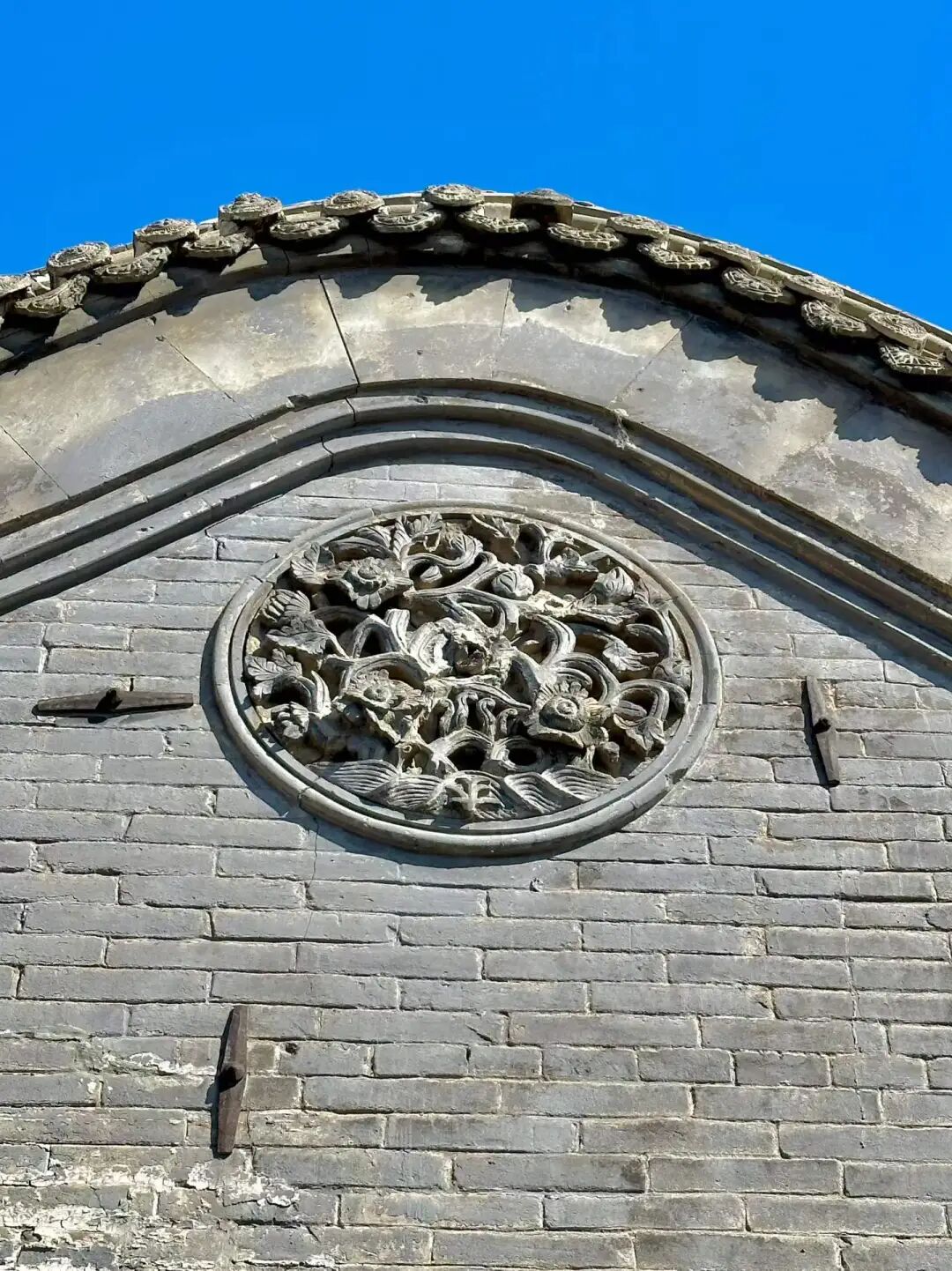
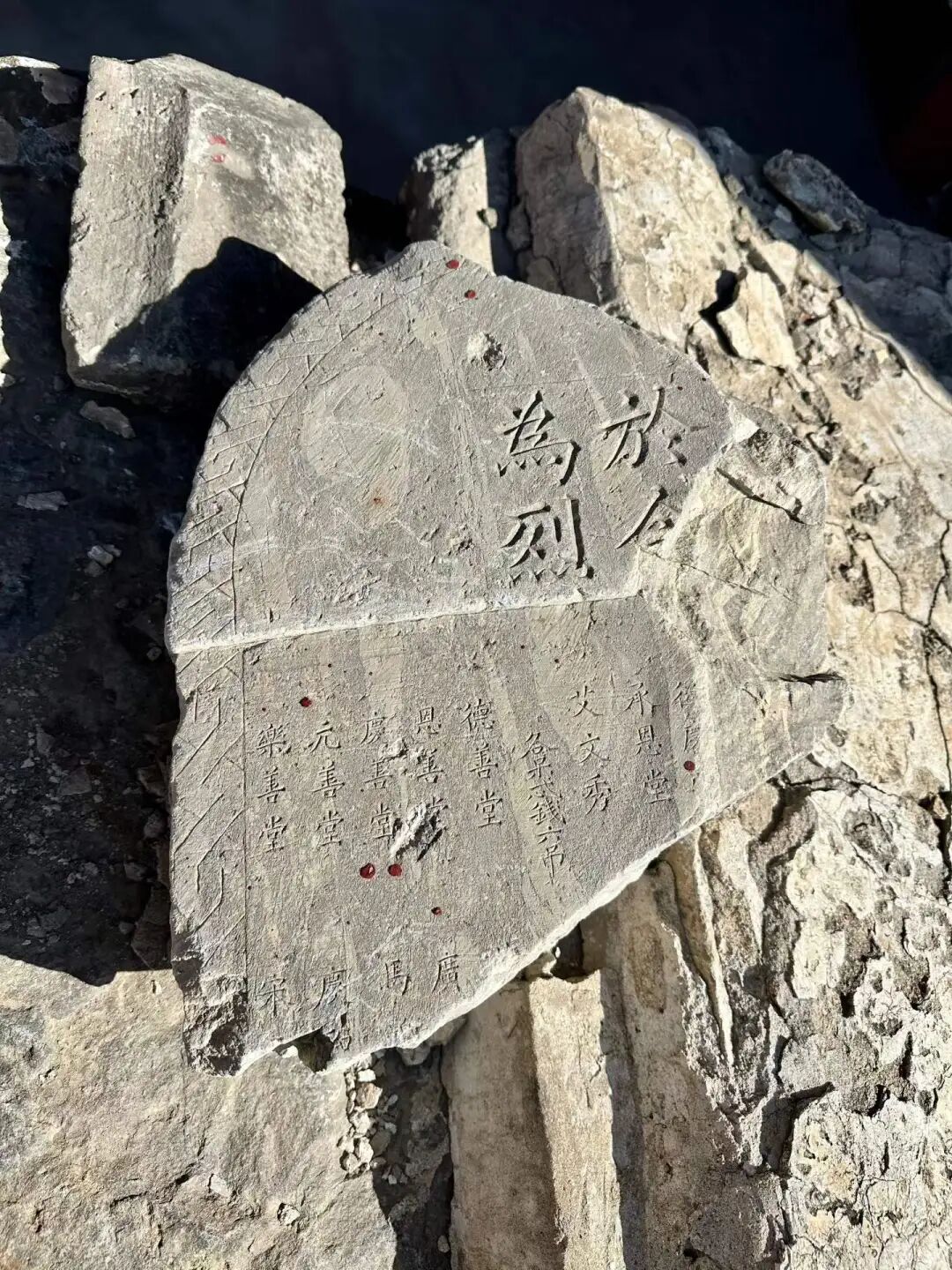
The only remaining stone tablet at Xinbao'an Mosque is likely a donation tablet, which lists many business names.
We drove from Xinbao'an Town to Zhuolu County to visit another old mosque in Zhangjiakou—Zhuolu Mosque.
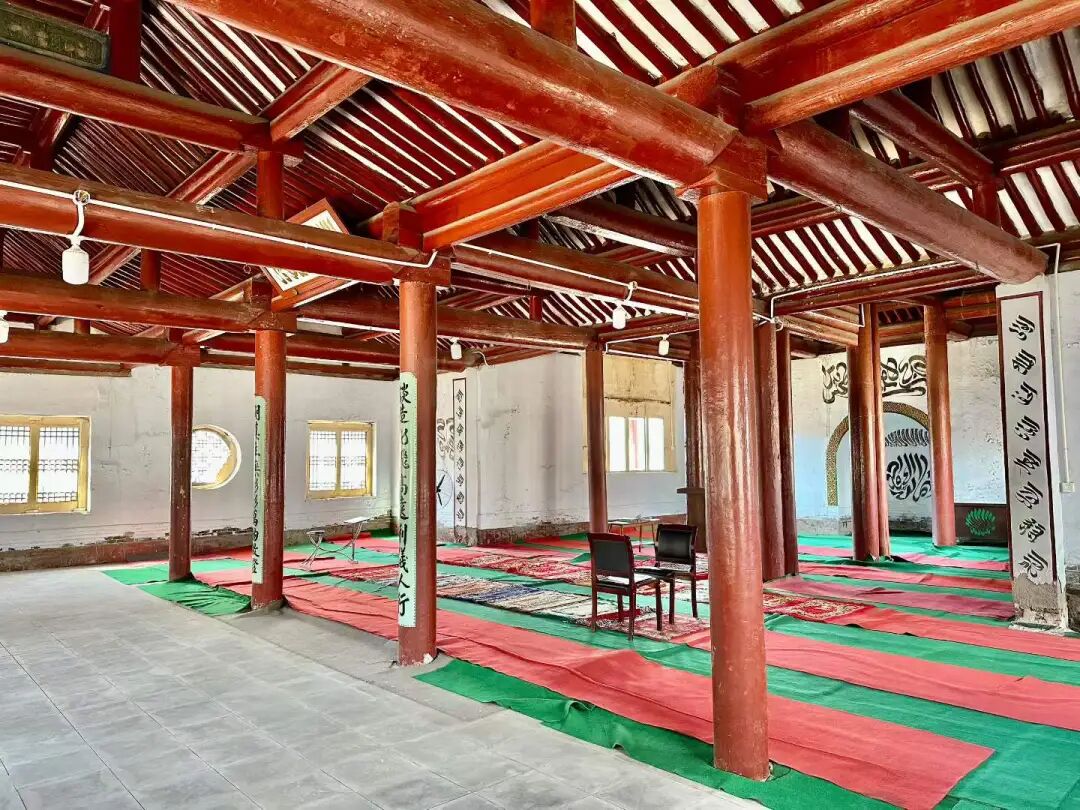
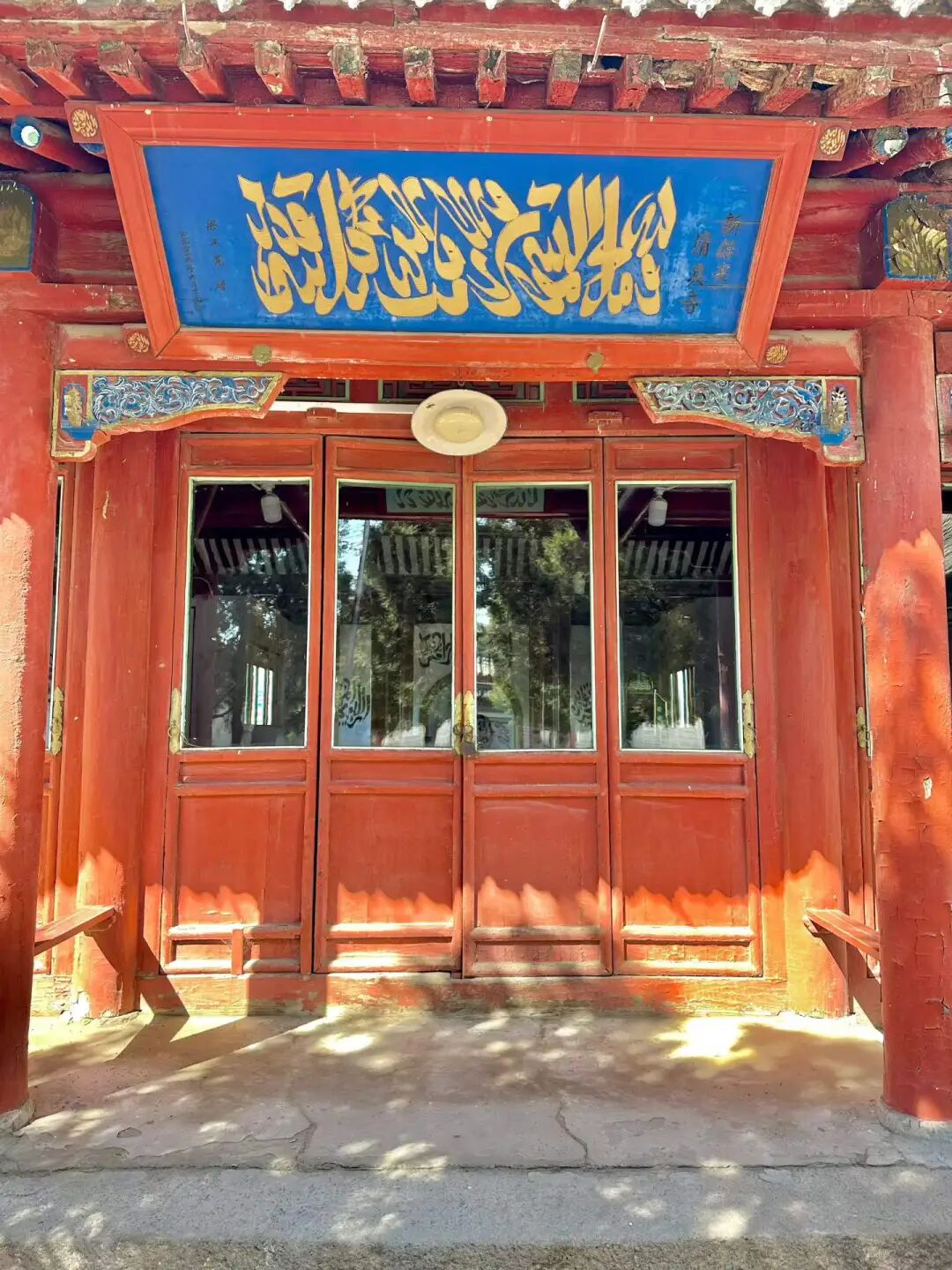
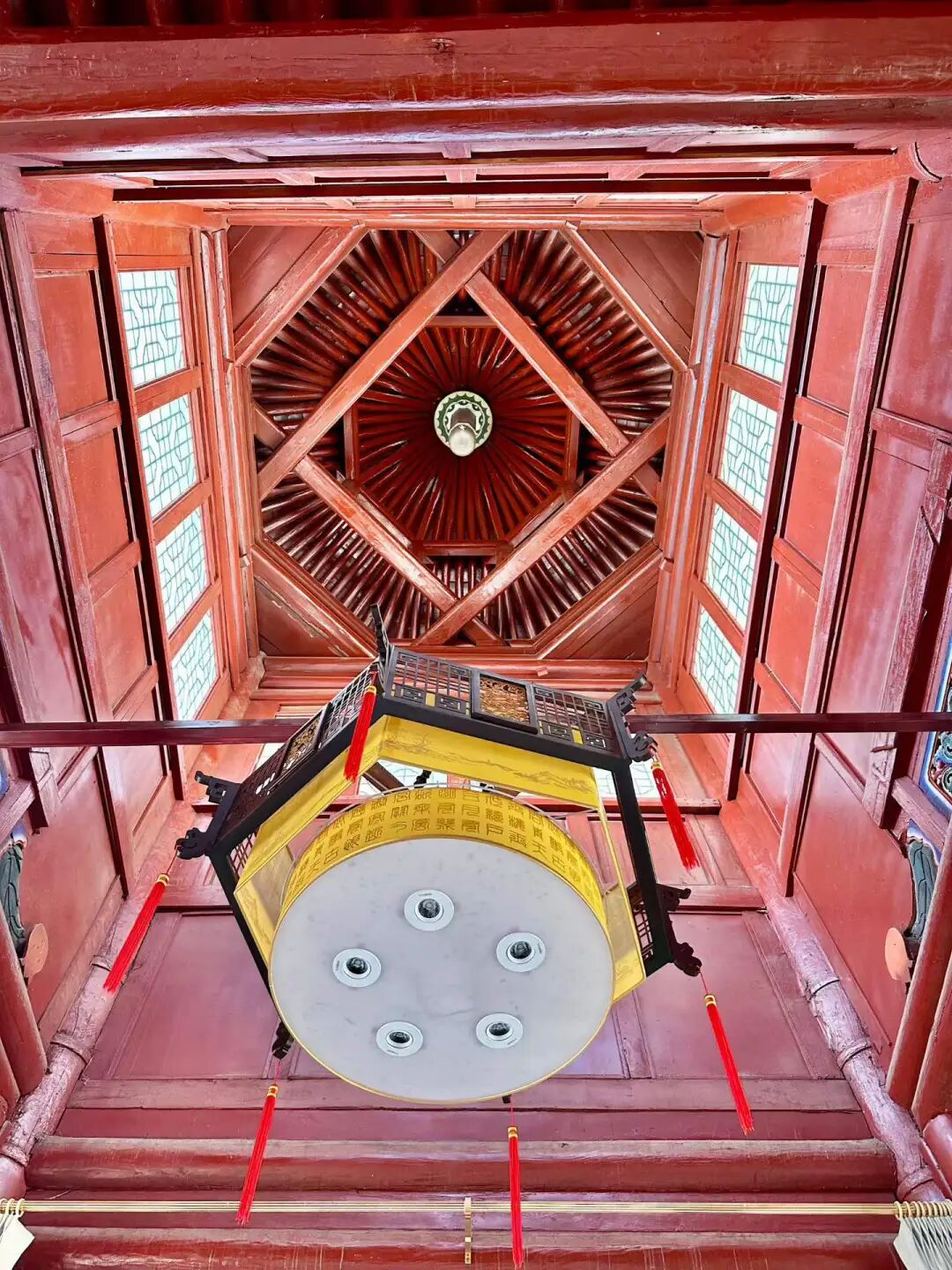
Zhuolu Mosque is located in the east gate area of the county. It was first built during the Chenghua period of the Ming Dynasty. It is a famous historic mosque north of Beijing and was listed as a key cultural relic protection site in Hebei Province in 2008. The main hall of Zhuolu Mosque is made of three connected hard-mountain roofs with a front porch. Behind the kiln hall stands an 11-meter-high octagonal spire-roofed Moon-Watching Tower (wangyuelou), which is more spectacular than the common hexagonal spire roofs found in North China. Wind bells hang on the Moon-Watching Tower. When the wind blows, the bells ring, creating a refreshing and soothing sound. A wooden partition screen is built between the main hall and the kiln hall, featuring a unique design of the Basmala (tasimi) written in hard-pen calligraphy.
The Hui Muslims in Zhuolu are mainly of the Shan surname. The Shan family are descendants of Sayyid Ajjal Shams al-Din. One branch originally came from Shanjia Gou in Xi'an Prefecture, Shaanxi. They moved to Zhuolu during the Kangxi period of the Qing Dynasty, and during the Qianlong period, they built the Shan Family Nine-Linked Ring Courtyard in the west gate area. The Shan family is known for their military service. Five members once passed the military imperial examinations, and they were known as the 'Five Dragons of the Shan Family'. The east gate area where Zhuolu Mosque is located was also a residential area for Hui Muslims. It once had alleys named after local Hui Muslim families: Ma Family Alley (Majia Xiang), Fei Family Alley (Feijia Xiang), and Shan Family Alley (Shanjia Xiang). Unfortunately, the east gate area was demolished in 2018, and only the mosque was preserved.
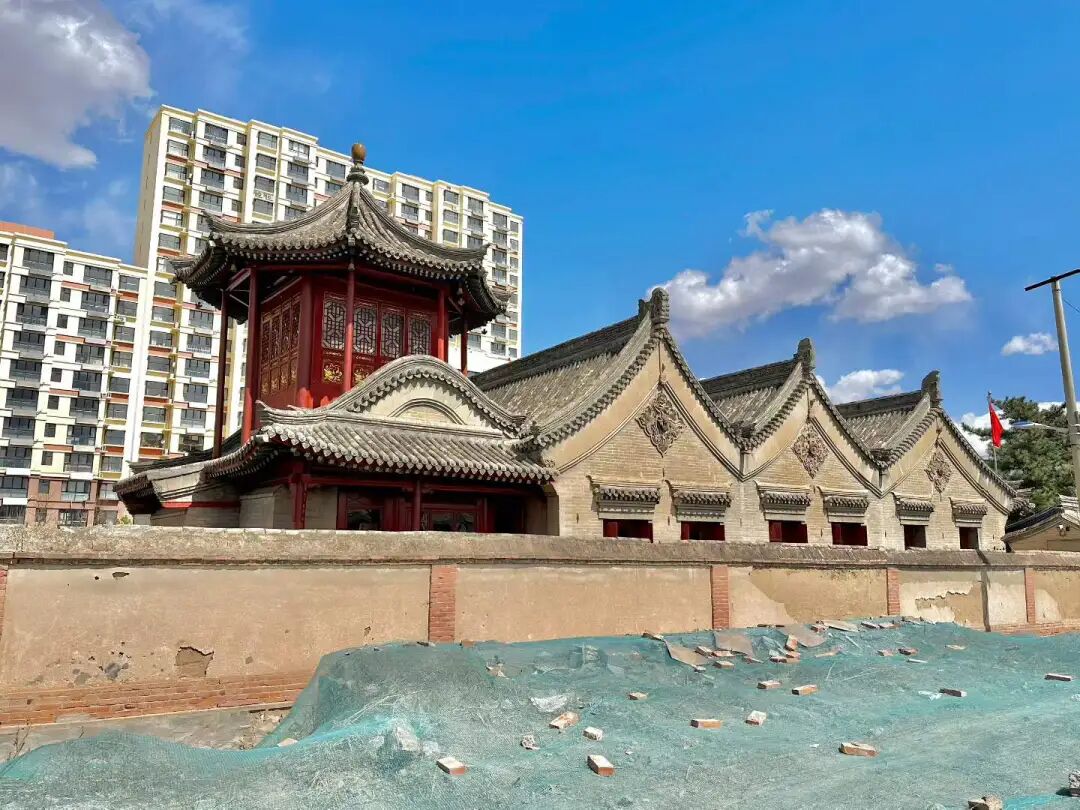
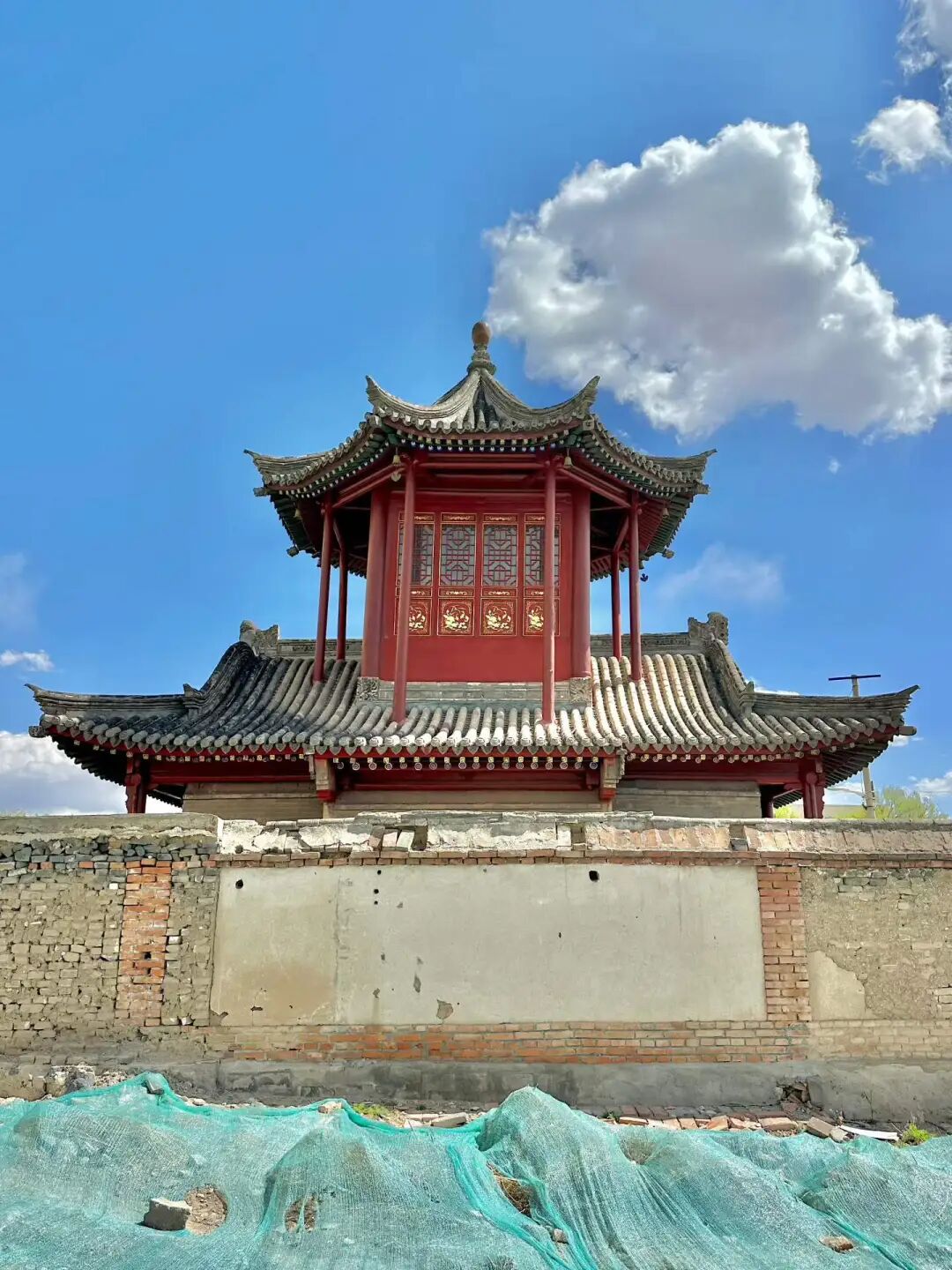
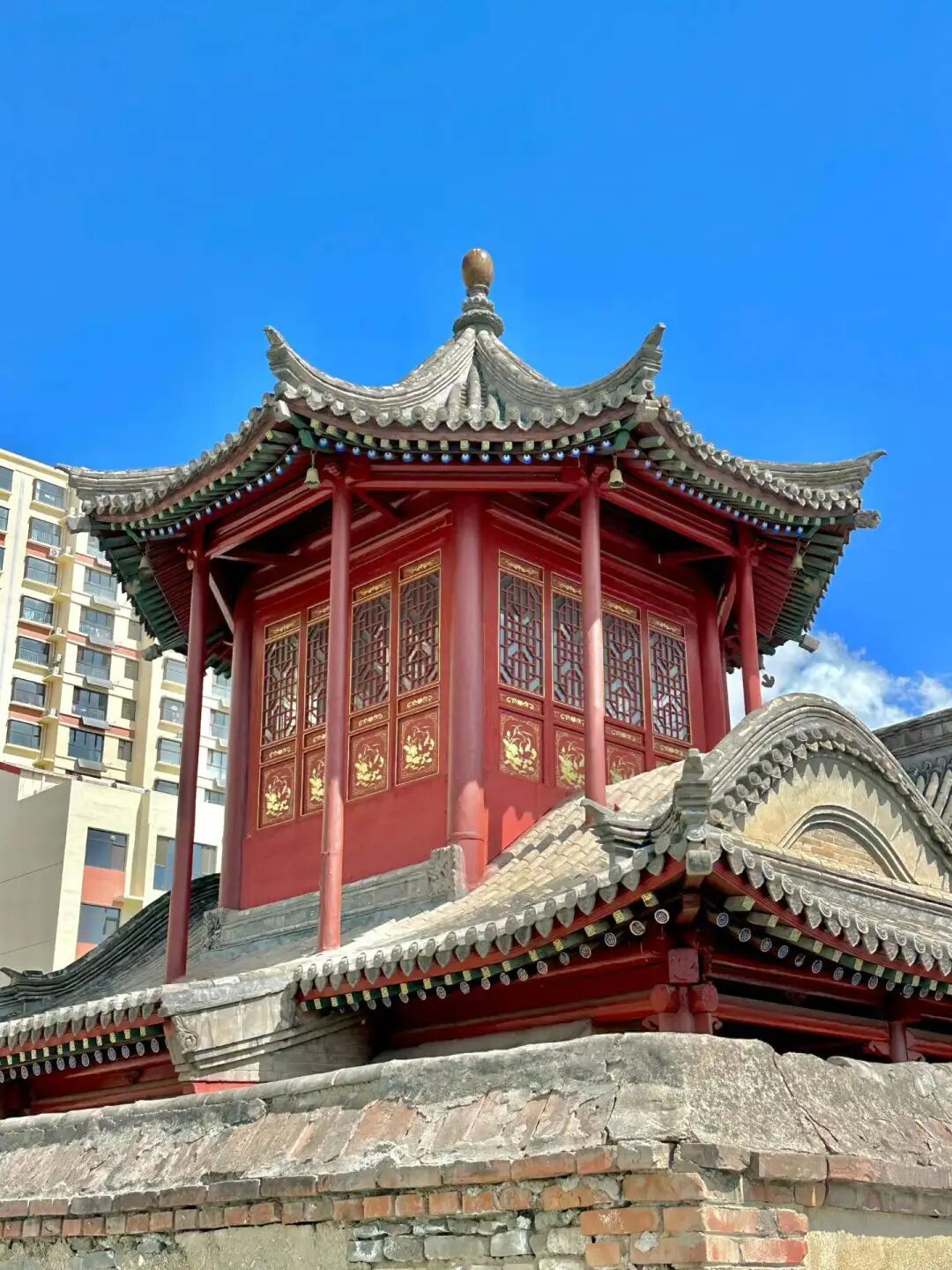
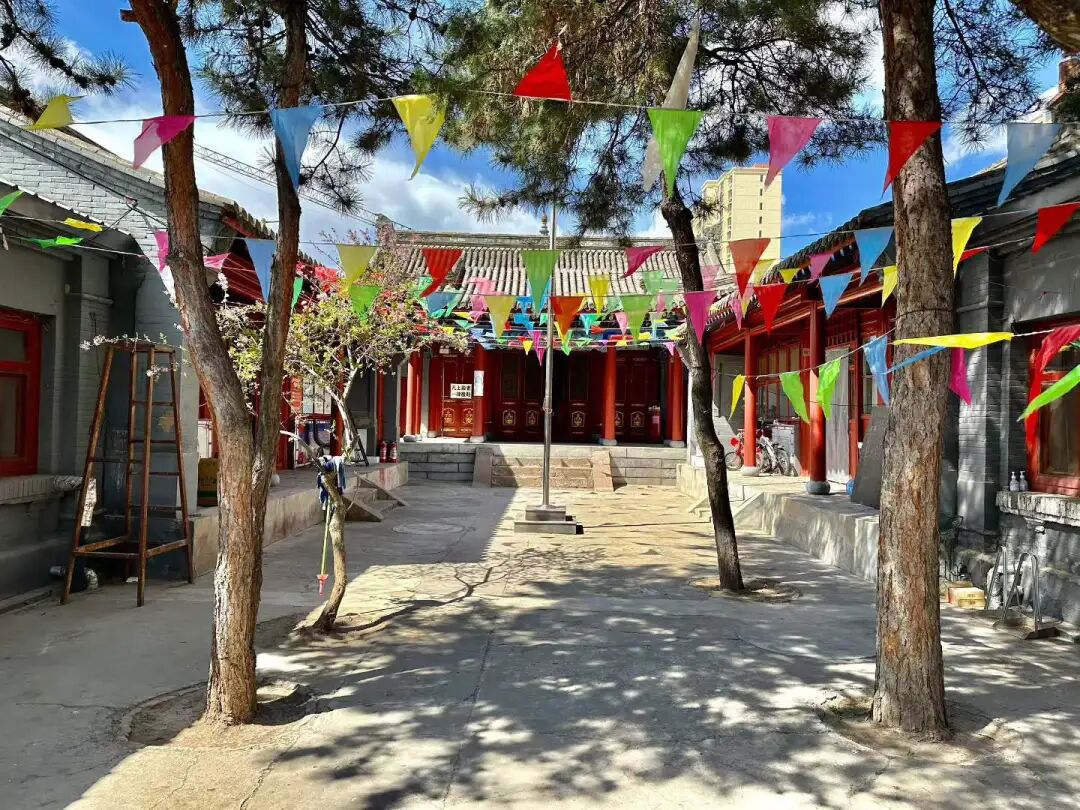
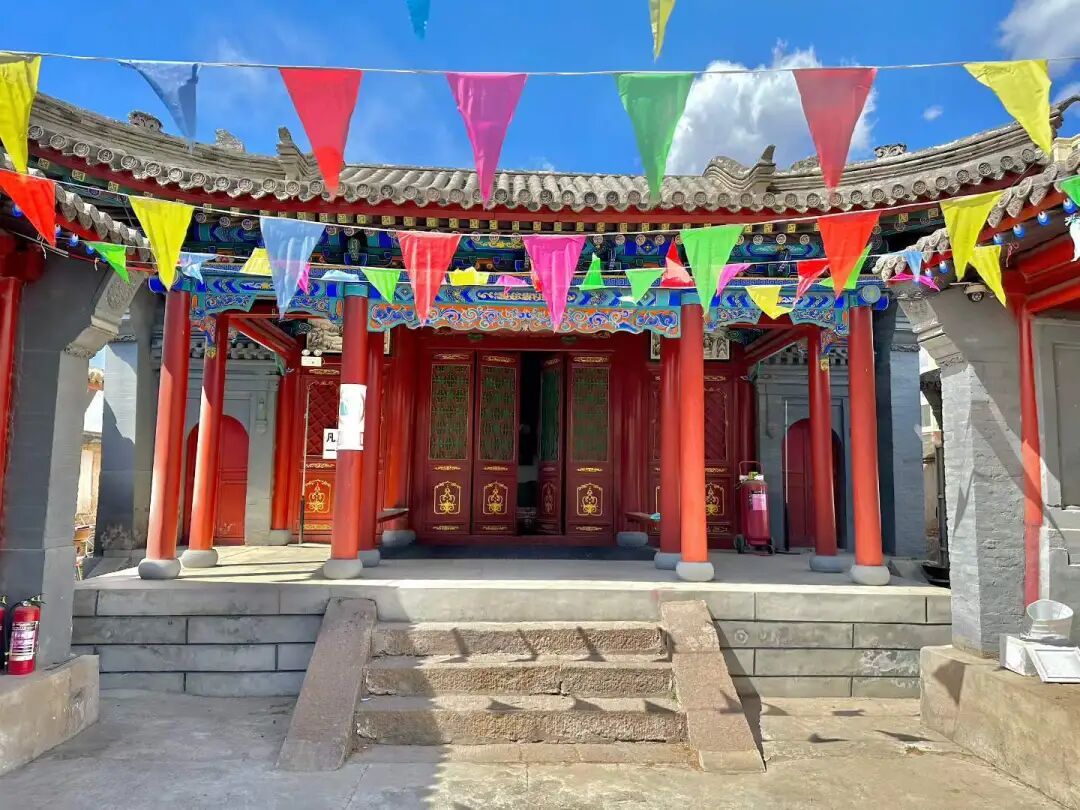
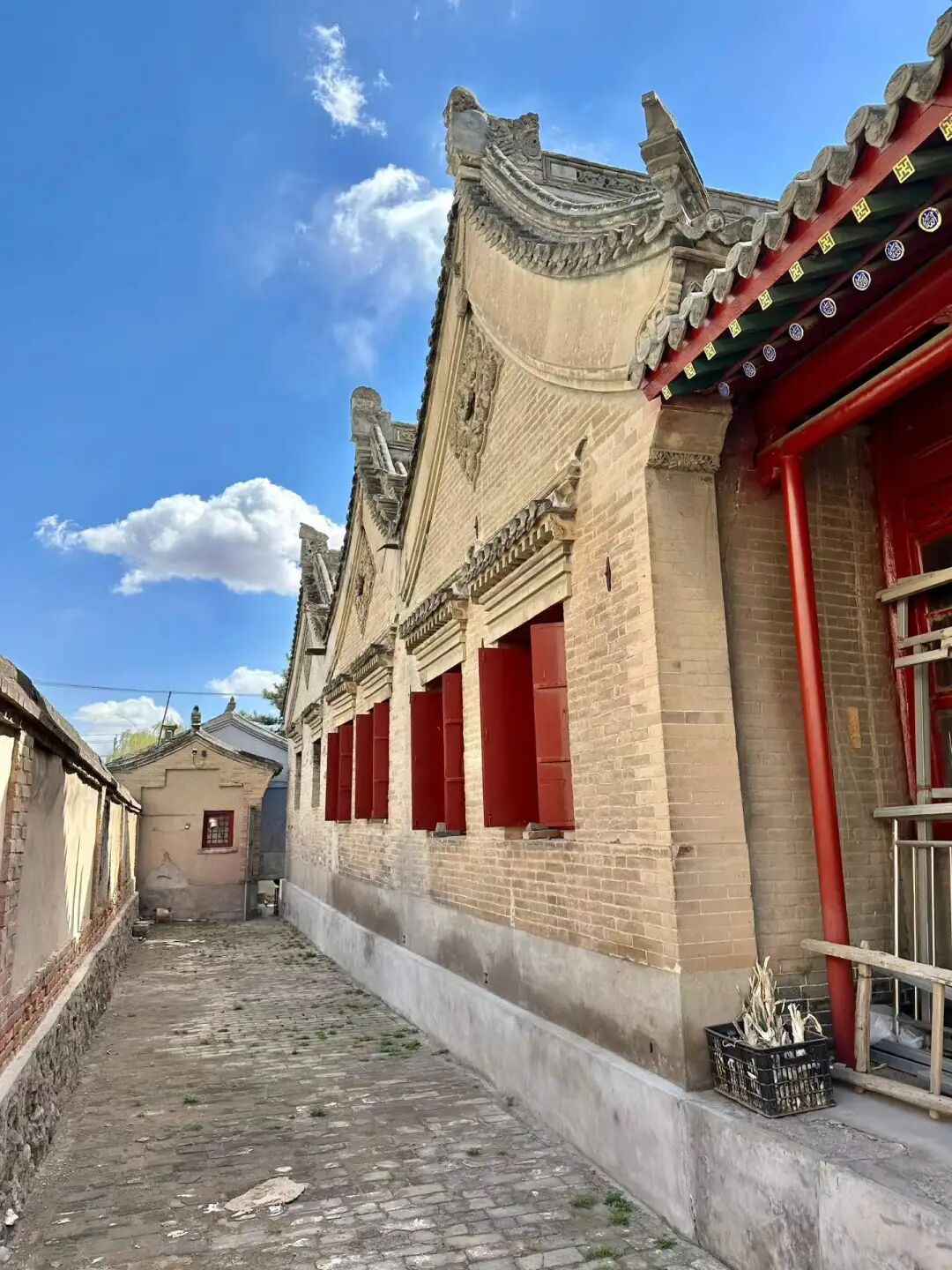
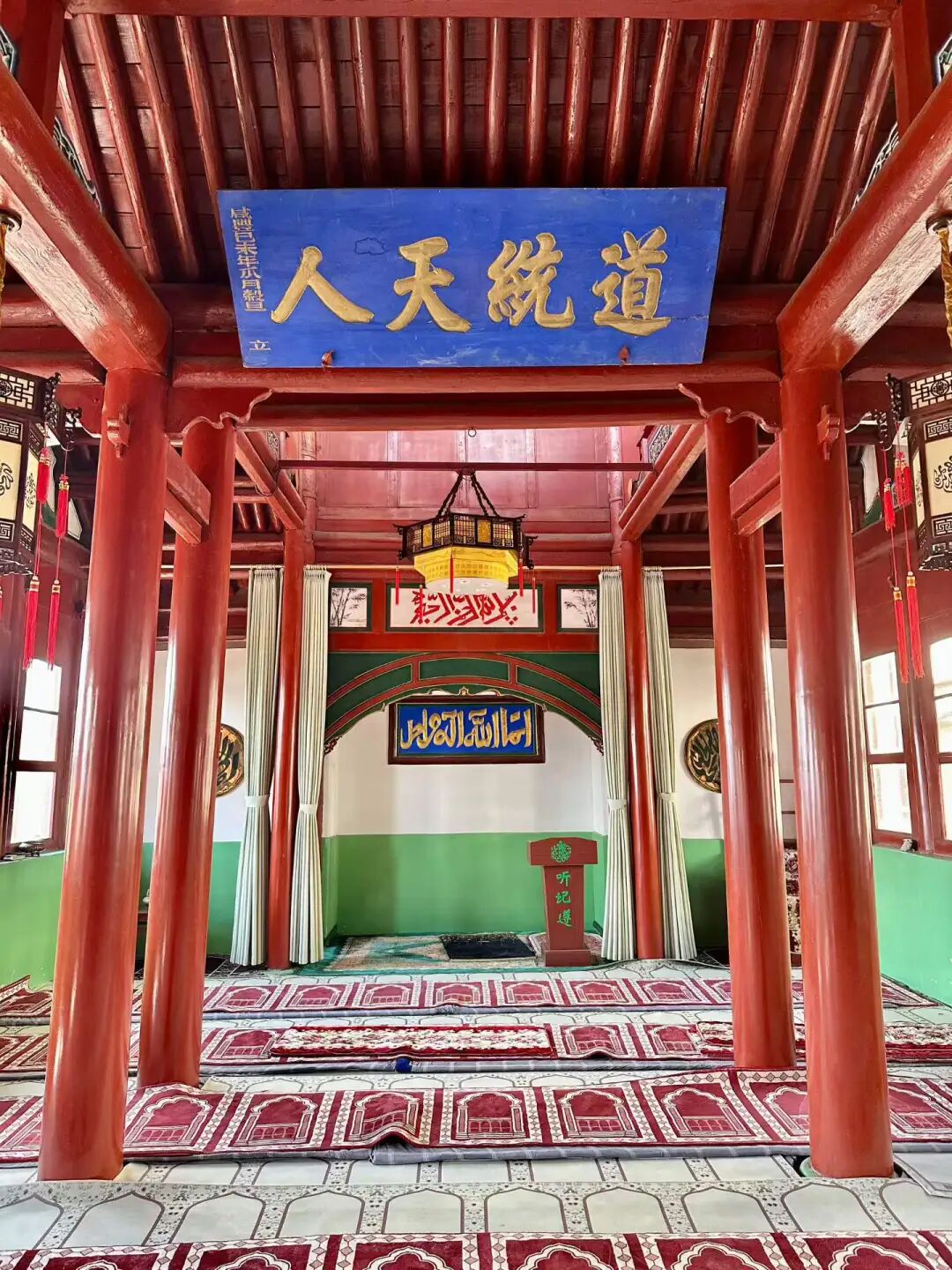
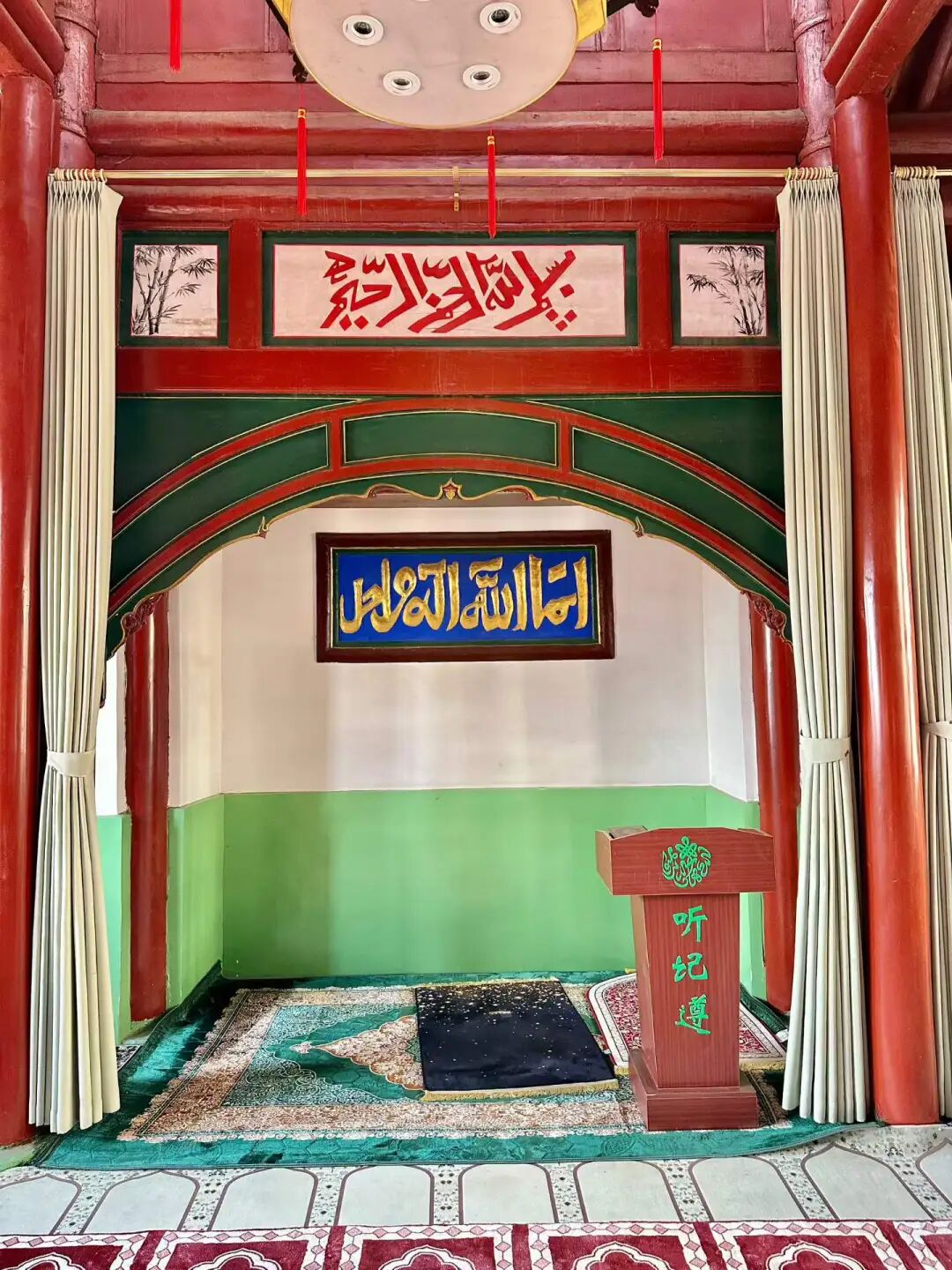
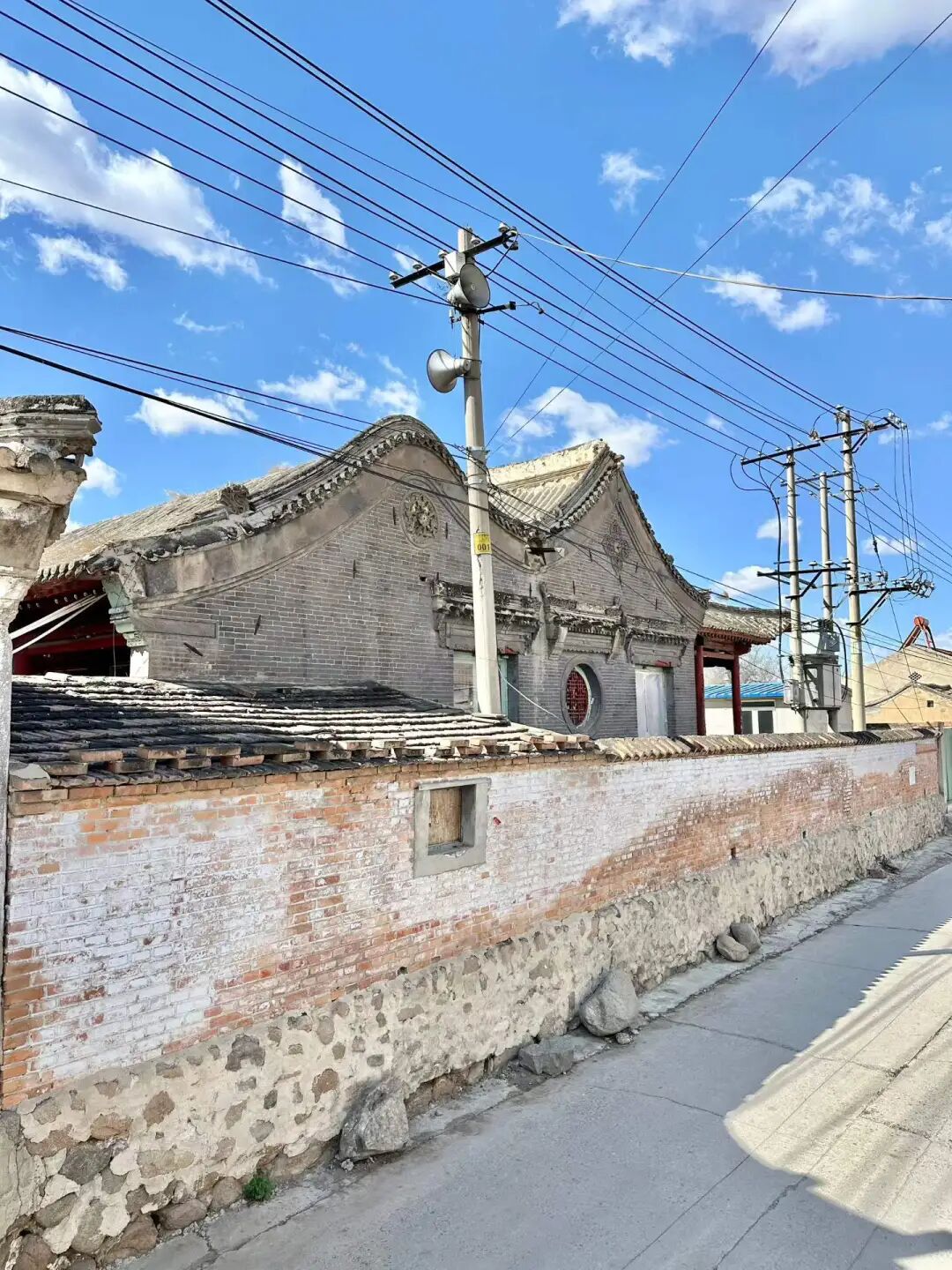
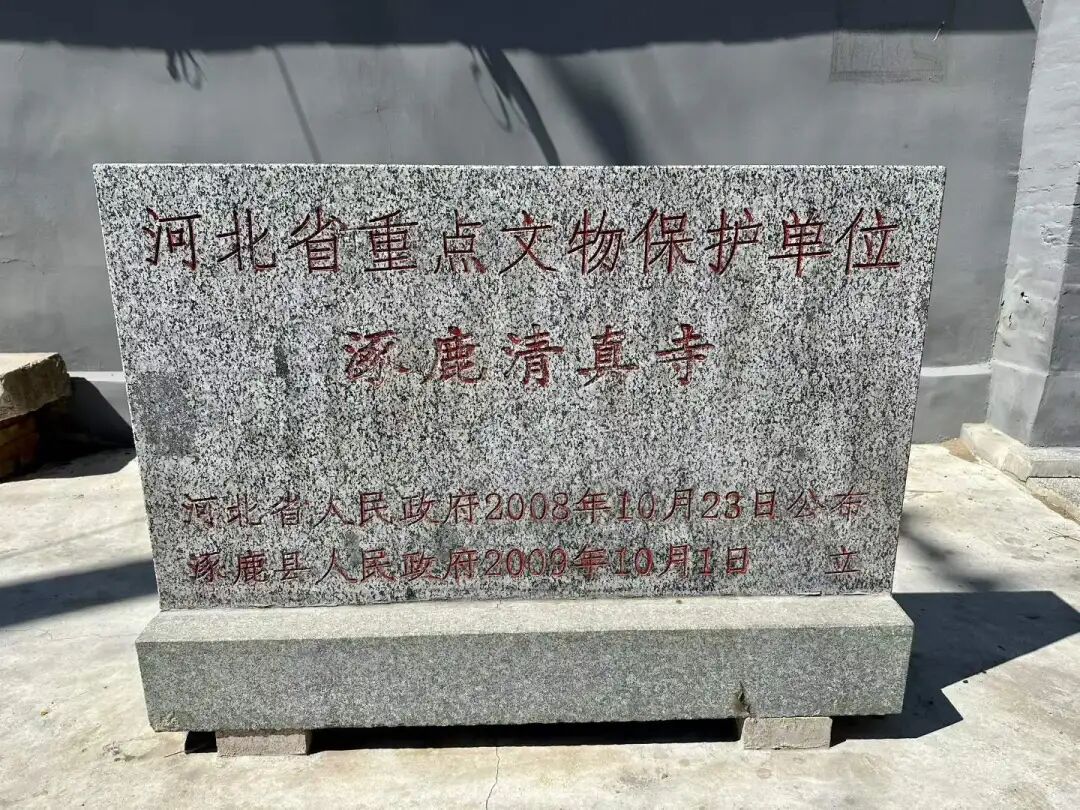
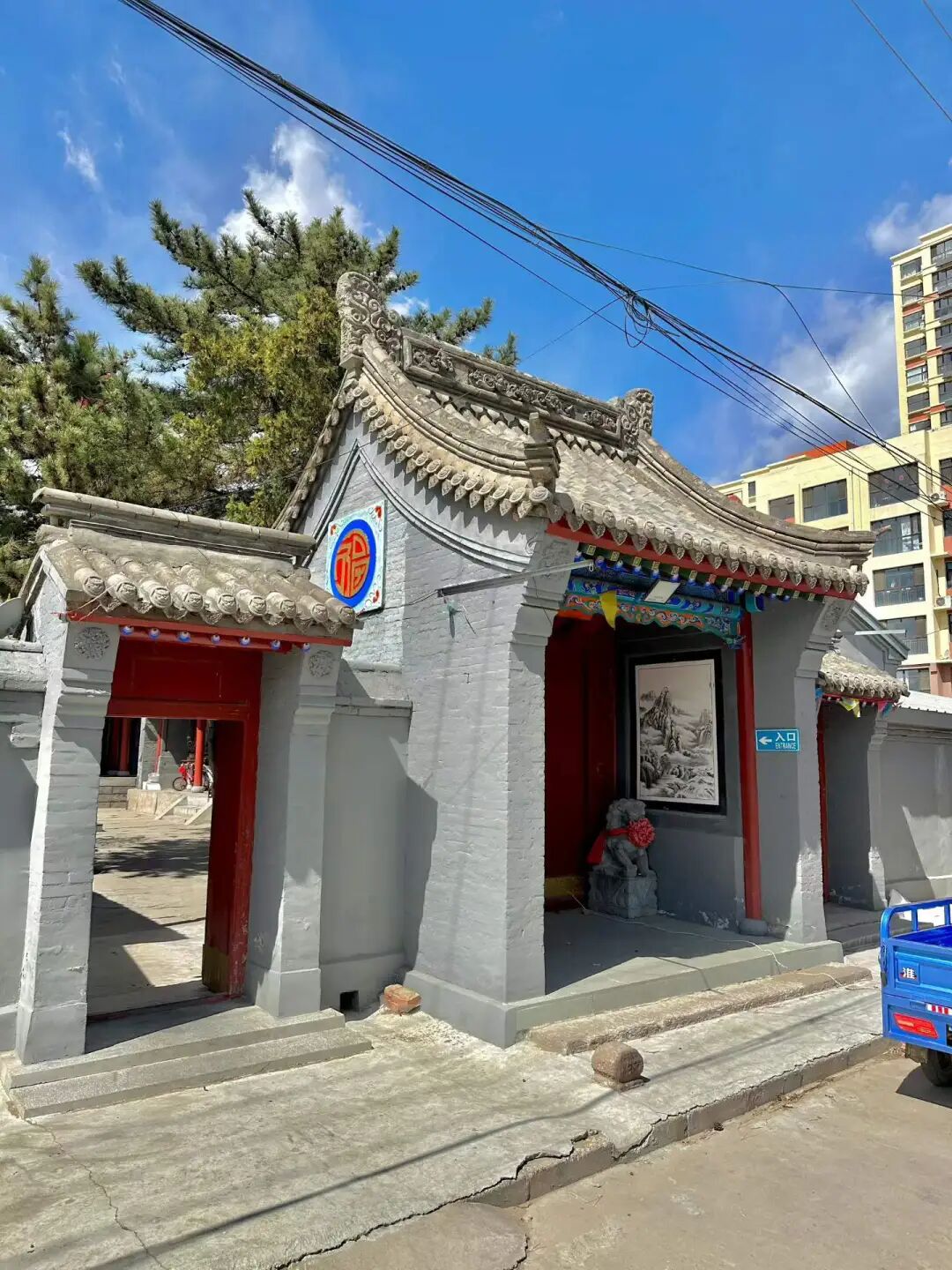
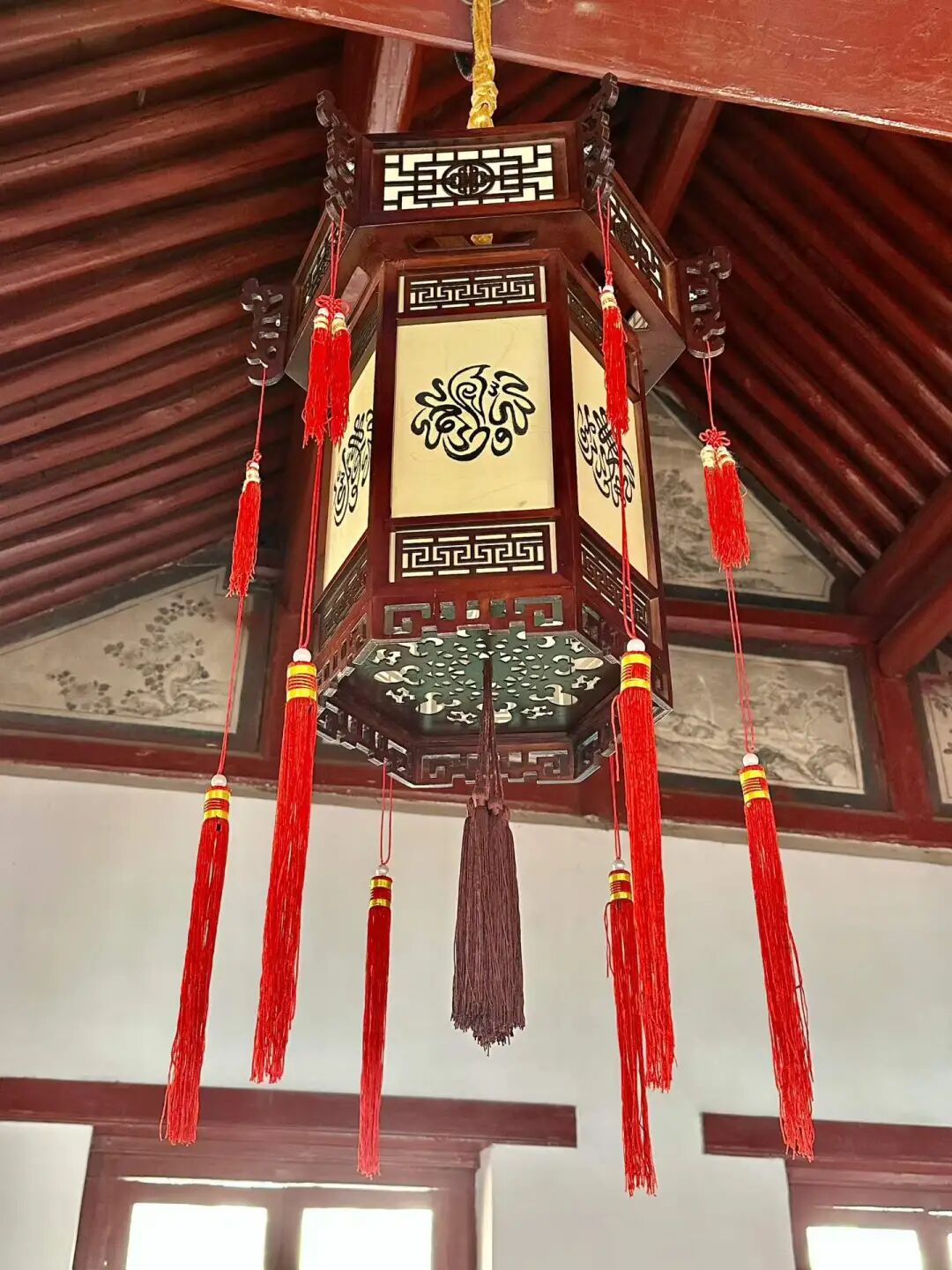
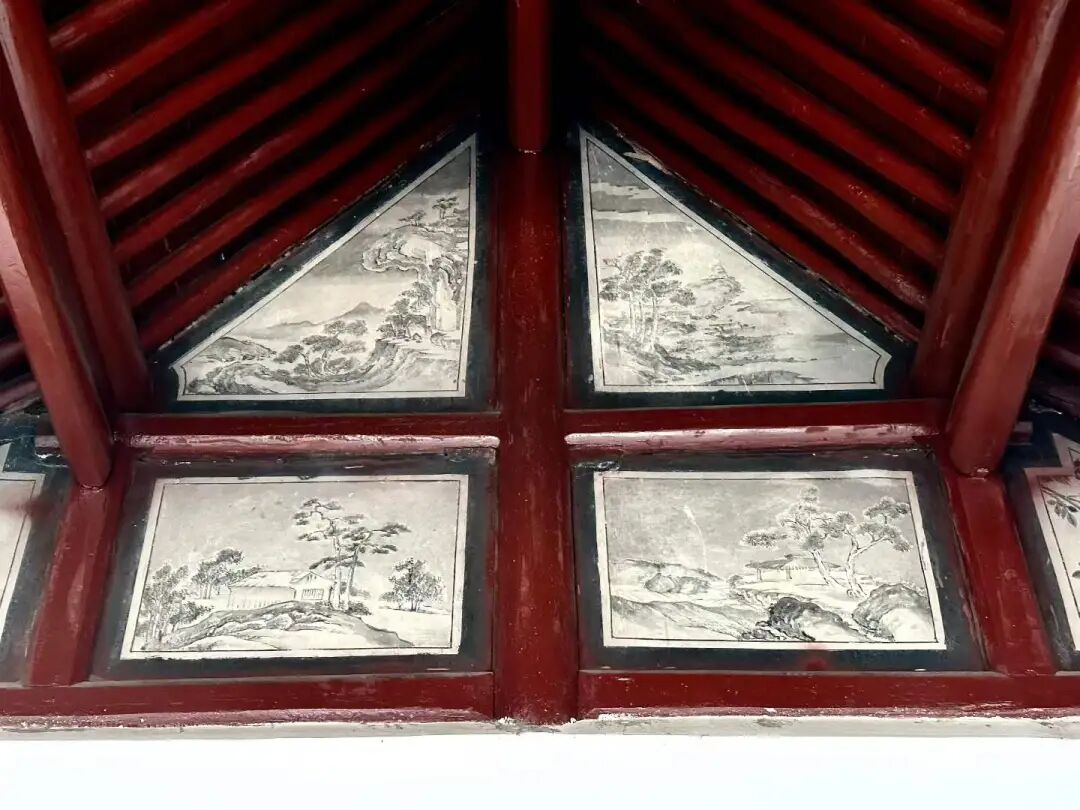
Zhuolu Mosque is famous for its exquisite brick carvings. The brick carvings on the sides of the three-room hard-mountain main hall are all different. Inside the main hall, there are eighteen precious murals featuring themes of plum blossoms, orchids, bamboo, chrysanthemums, landscapes, and utensils, which are very rare in the main halls of mosques.
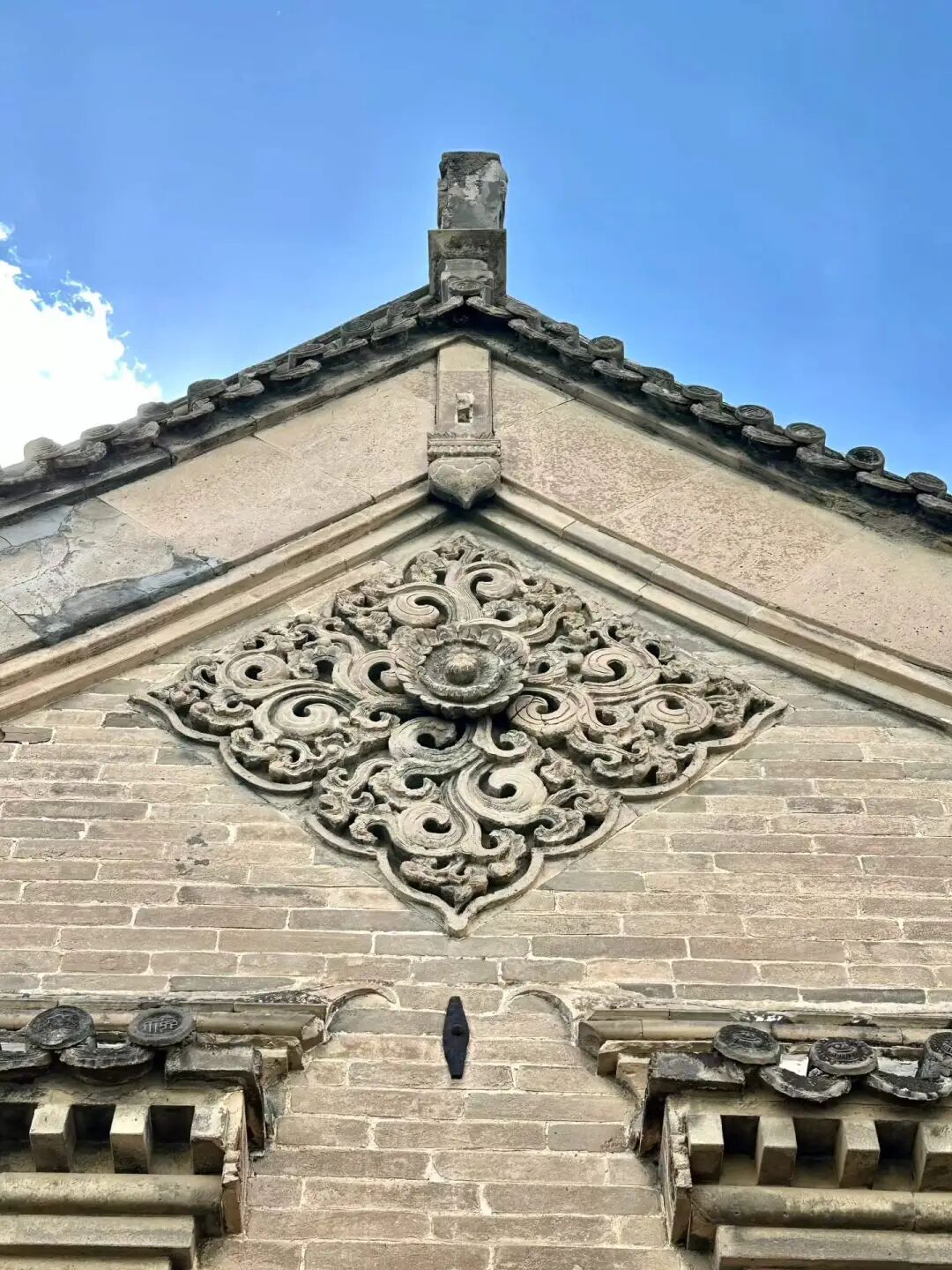
Plaques inside Zhuolu Mosque:
The 'Wanxiang Zhenzong' plaque from 1809 (the 14th year of the Jiaqing reign).
The 'Daotong Tianren' plaque from 1859 (the 9th year of the Xianfeng reign).
The 'Zhenshi Wuwang' plaque from 1870 (the 9th year of the Tongzhi reign).
The 'Tianxiu Wohe' plaque from 1919, which is the only one with an inscription, signed by 'Shan Xiangchen'.
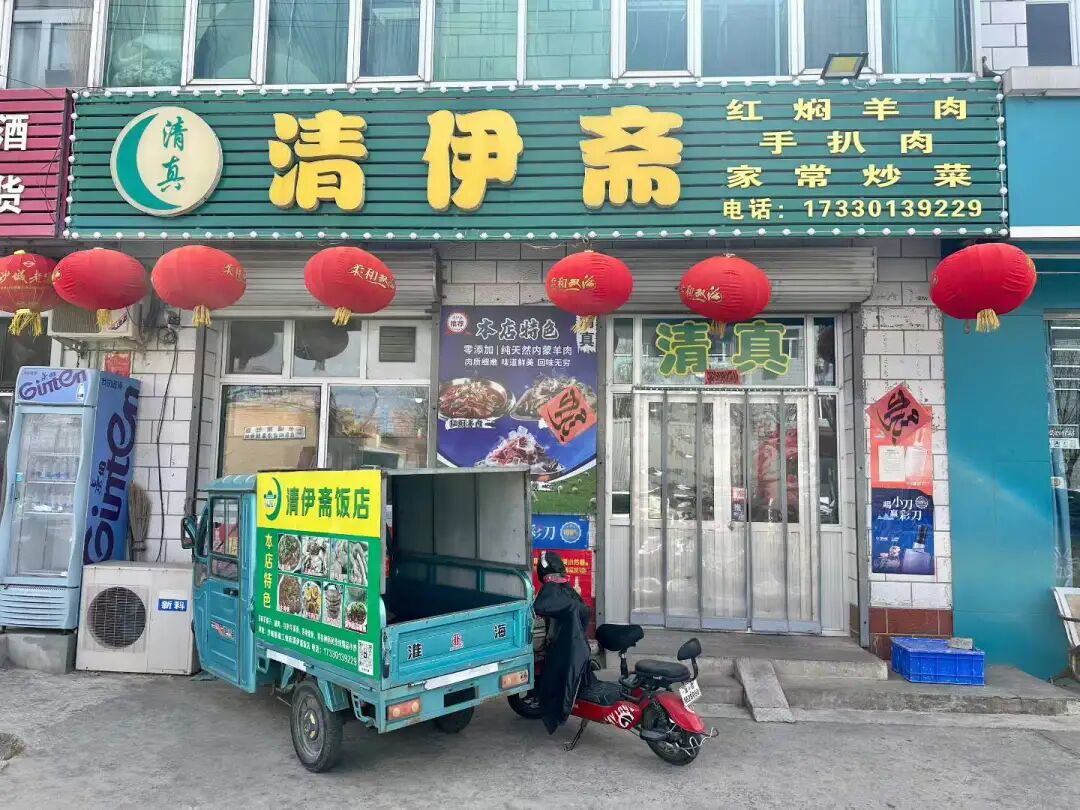
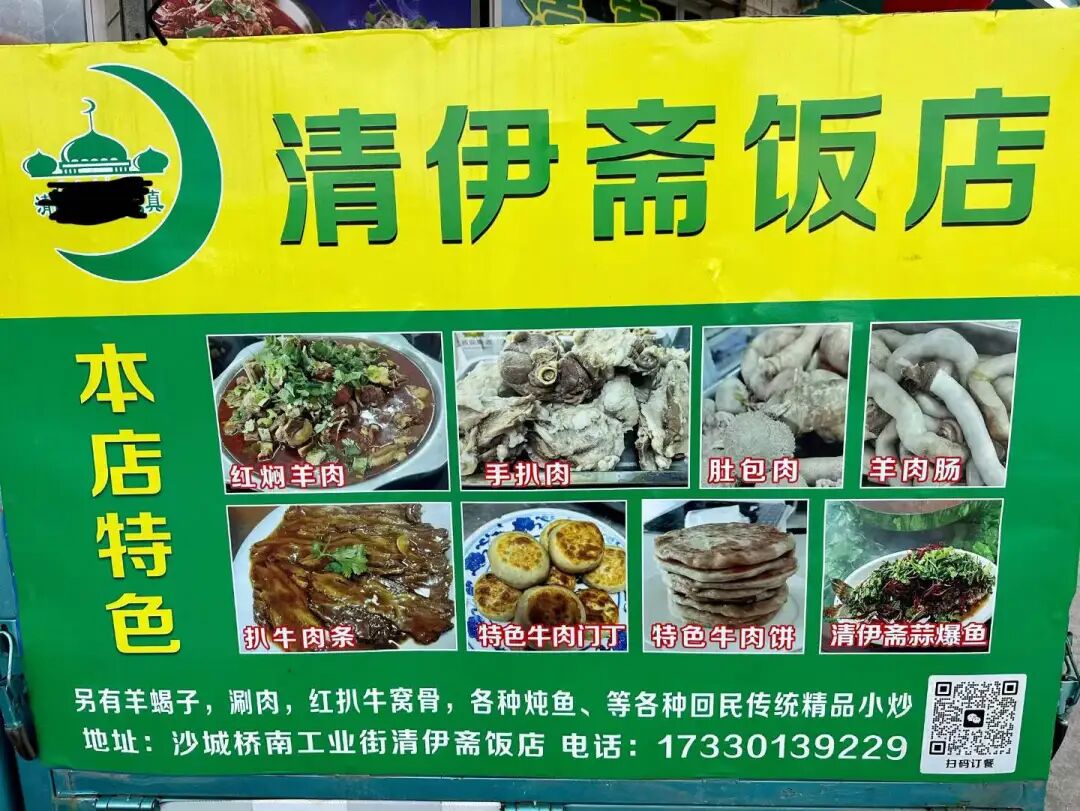
At noon, I returned to Shacheng Town in Huailai for lunch. At Qingyizhai, I had lamb and mushroom with oat noodles (youmian wowo), stir-fried millet with chive flowers, and a clay pot of winter melon and meatballs. The prices at restaurants here are cheaper than in Beijing, and the food is delicious.
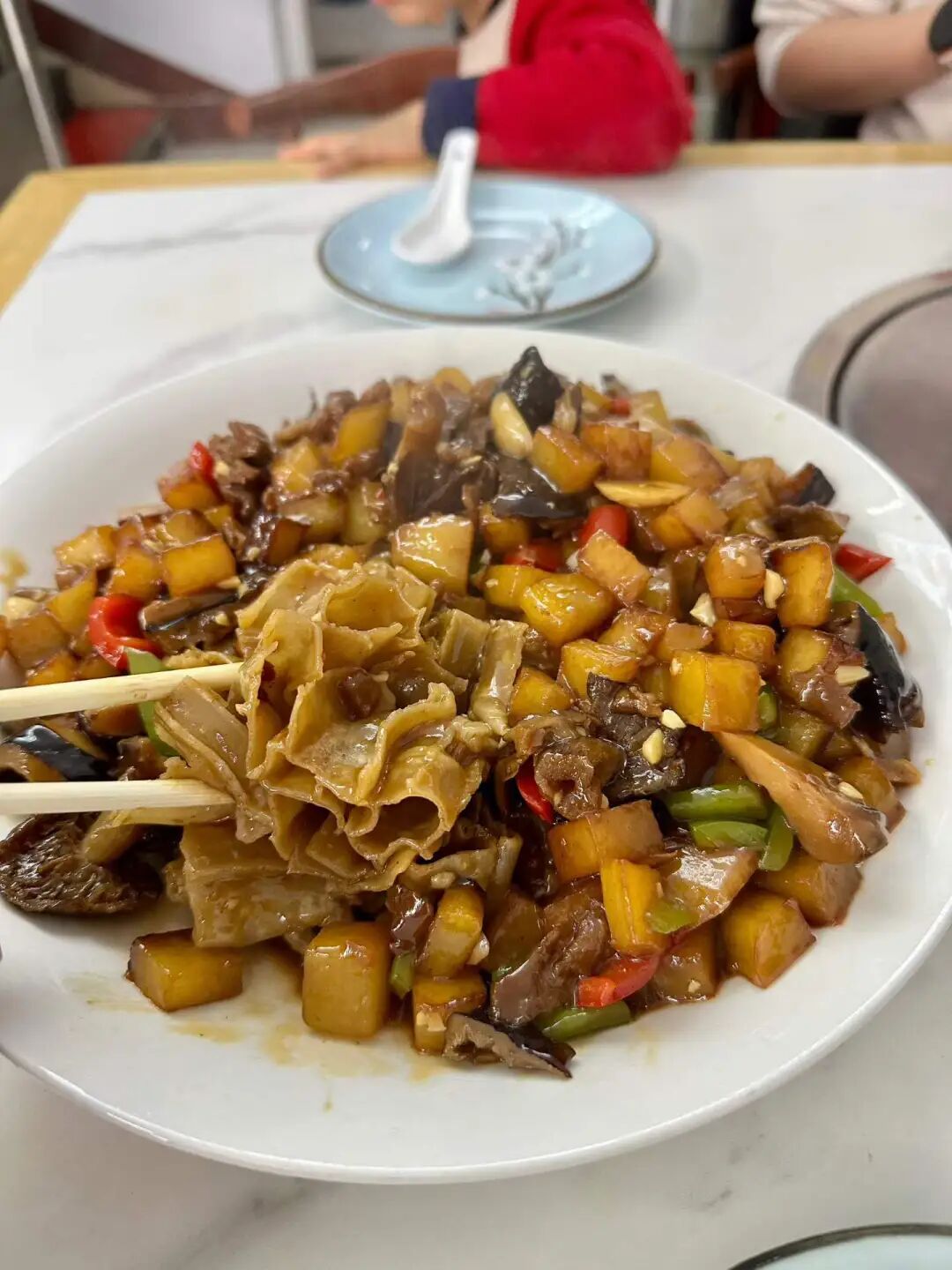
The lamb and mushroom dish had quite a few potatoes, but it was stir-fried well. There were several types of mushrooms, making it fresh, fragrant, and rich. The oat noodles were firm and chewy, carrying the unique, natural wheat aroma of whole grains. It was my first time eating stir-fried millet with chive flowers. The taste was slightly salty. The golden millet grains were dry and distinct, mixed with the unique spicy fragrance of chive flowers, giving it a coarse yet refreshing texture. The winter melon and meatball soup was the most amazing. The clear soup with meatballs was especially good—firm and bouncy. It tasted better than what I make myself, and one bite told me there wasn't much starch, as it was mostly meat.
Summary: This second Huailai and Zhuolu road trip entry continues through Hebei mosque sites, local Hui Muslim stories, village routes, and Qingming travel notes from the original Chinese article.
In the last post, we had lunch in Shacheng Town, Huailai, Hebei, and visited two old mosques in Ganji Liang and Mayukou. See 'Visiting Old Mosques in Huailai and Zhuolu, Hebei during the Qingming Holiday (Part 1)'. In this part, we head to Xinbao'an Town and Zhuolu County to experience the local Islamic culture.
On April 5, we had breakfast in Xinbao'an Town, Huailai, Hebei. We arrived a bit late, so the soft tofu (laodoufu) and brown sugar flatbread (shaobing) were sold out. We had a steamer of buns with fried tofu soup, and Suleiman really enjoyed the purple rice porridge.
Xinbao'an Town is a key town on the ancient Beijing-Zhangjiakou road, with a post station built as early as the Yuan Dynasty. After the Tumu Crisis in the Ming Dynasty, a city was built here in 1451 (the second year of the Jingtai reign) to strengthen the northern defense line of Beijing. The Bao'an Garrison, originally located in Zhuolu, was moved here, and it has been called Bao'an New City ever since. After the Qing Dynasty, Xinbao'an gradually changed from a military town to a commercial hub, connecting Beijing and Zhangjiakou.
At the Xinbao'an town market, we bought old-fashioned five-nut mooncakes (wuren yuebing) and honey cakes at a roadside bakery. They were made that day and were perfect as tea snacks.
After breakfast, we went to the Hui Muslim residential area in the northwest of the old town to visit the famous 'Nine-Link Courtyard' (Jiulianhuan Dayuan). This was originally a wealthy merchant's residence in the Qing Dynasty. Later, the merchant declined and Hui Muslims moved in, so it is also called the 'Hui Muslim Courtyard'. The gate of the courtyard is very beautiful and is a classic example of Qing Dynasty residential style in Zhangjiakou, featuring complex brick, wood, and stone carvings. The courtyard was caught in the fighting during the 1948 Battle of Xinbao'an, and you can still see clear bullet marks today.
The Hui Muslims in Xinbao'an mainly have the surnames Liang and Zheng. The Liang family's ancestors moved from Nanjing to Liangjiapo, Weinan, Shaanxi, in the late Ming Dynasty during the Chongzhen reign. In 1677 (the 16th year of the Kangxi reign), they moved to Xinbao'an Town to farm and guard the capital. During the Qianlong reign, the Liang family began doing business in Zhangjiakou. By the Tongzhi reign, their camel caravans reached as far as Kulun in Outer Mongolia and Lanzhou. They later opened five shops known as the 'Five Great Guangs'.
The Zheng family shares the same origin as those in nearby Huailai and Zhuolu counties. Their ancestors moved from Shaanxi in the late Ming and early Qing dynasties, first to Shacheng Town in Huailai, then spreading to Wangjialou, Yanzhuang, Xinbao'an, Xuanhua, and Zhangjiakou. Zheng Kuishi was a famous Hui Muslim general in the late Qing Dynasty. He fought against the Taiping Heavenly Kingdom during the Xianfeng reign, won many battles, was given the title 'Shalama Baturu', and was awarded a yellow riding jacket. During the Tongzhi reign, he served as the acting Zhili provincial commander, guarding the capital region and suppressing the Nian Rebellion in Zhili to keep the capital safe. In his later years, he returned home to work on water conservancy, building the Yonggu Dam to manage the Liu River. He also repaired the Zhenshuo Tower and Four Archways in Xuanhua and opened the Huoshi Slope road to improve transportation. He was highly respected locally.
Xinbao'an Mosque is right next to the Nine-Link Hui Muslim Courtyard. Some say it was built in 1621 (the first year of the Tianqi reign), while others say it was built in 1677 (the 16th year of the Kangxi reign). The main hall consists of a front hall, a middle hall, and a rear kiln hall. It is larger than other old mosques in Huailai and still has beautiful brick carvings, though the moon-watching tower on the kiln hall roof is gone.
During the 1948 Pingjin Campaign, Xinbao'an was a key battlefield. The Xinbao'an Mosque became the command post for the Nationalist 35th Army, and the walls of the main hall are still covered in bullet marks. In 2008, the mosque was listed as a Hebei Provincial Cultural Relic Protection Unit under the name 'Site of the Battle of Xinbao'an—Command Post of the Nationalist 35th Army'.
The only remaining stone tablet at Xinbao'an Mosque is likely a donation tablet, which lists many business names.
We drove from Xinbao'an Town to Zhuolu County to visit another old mosque in Zhangjiakou—Zhuolu Mosque.
Zhuolu Mosque is located in the east gate area of the county. It was first built during the Chenghua period of the Ming Dynasty. It is a famous historic mosque north of Beijing and was listed as a key cultural relic protection site in Hebei Province in 2008. The main hall of Zhuolu Mosque is made of three connected hard-mountain roofs with a front porch. Behind the kiln hall stands an 11-meter-high octagonal spire-roofed Moon-Watching Tower (wangyuelou), which is more spectacular than the common hexagonal spire roofs found in North China. Wind bells hang on the Moon-Watching Tower. When the wind blows, the bells ring, creating a refreshing and soothing sound. A wooden partition screen is built between the main hall and the kiln hall, featuring a unique design of the Basmala (tasimi) written in hard-pen calligraphy.
The Hui Muslims in Zhuolu are mainly of the Shan surname. The Shan family are descendants of Sayyid Ajjal Shams al-Din. One branch originally came from Shanjia Gou in Xi'an Prefecture, Shaanxi. They moved to Zhuolu during the Kangxi period of the Qing Dynasty, and during the Qianlong period, they built the Shan Family Nine-Linked Ring Courtyard in the west gate area. The Shan family is known for their military service. Five members once passed the military imperial examinations, and they were known as the 'Five Dragons of the Shan Family'. The east gate area where Zhuolu Mosque is located was also a residential area for Hui Muslims. It once had alleys named after local Hui Muslim families: Ma Family Alley (Majia Xiang), Fei Family Alley (Feijia Xiang), and Shan Family Alley (Shanjia Xiang). Unfortunately, the east gate area was demolished in 2018, and only the mosque was preserved.
Zhuolu Mosque is famous for its exquisite brick carvings. The brick carvings on the sides of the three-room hard-mountain main hall are all different. Inside the main hall, there are eighteen precious murals featuring themes of plum blossoms, orchids, bamboo, chrysanthemums, landscapes, and utensils, which are very rare in the main halls of mosques.
Plaques inside Zhuolu Mosque:
The 'Wanxiang Zhenzong' plaque from 1809 (the 14th year of the Jiaqing reign).
The 'Daotong Tianren' plaque from 1859 (the 9th year of the Xianfeng reign).
The 'Zhenshi Wuwang' plaque from 1870 (the 9th year of the Tongzhi reign).
The 'Tianxiu Wohe' plaque from 1919, which is the only one with an inscription, signed by 'Shan Xiangchen'.
At noon, I returned to Shacheng Town in Huailai for lunch. At Qingyizhai, I had lamb and mushroom with oat noodles (youmian wowo), stir-fried millet with chive flowers, and a clay pot of winter melon and meatballs. The prices at restaurants here are cheaper than in Beijing, and the food is delicious.
The lamb and mushroom dish had quite a few potatoes, but it was stir-fried well. There were several types of mushrooms, making it fresh, fragrant, and rich. The oat noodles were firm and chewy, carrying the unique, natural wheat aroma of whole grains. It was my first time eating stir-fried millet with chive flowers. The taste was slightly salty. The golden millet grains were dry and distinct, mixed with the unique spicy fragrance of chive flowers, giving it a coarse yet refreshing texture. The winter melon and meatball soup was the most amazing. The clear soup with meatballs was especially good—firm and bouncy. It tasted better than what I make myself, and one bite told me there wasn't much starch, as it was mostly meat.
Hidden Mosques Near Beijing: Huailai and Zhuolu Qingming Road Trip, Part One
Articles • ali2007fr posted the article • 0 comments • 169 views • 2026-05-21 07:07
Reposted from the web
Summary: This Qingming road trip leaves Beijing for Huailai and Zhuolu in Hebei, visiting old mosques, Hui Muslim communities, village streets, and local history in the first half of the route.
During the Qingming holiday, I took a two-day road trip to Huailai and Zhuolu counties in Zhangjiakou, Hebei. I visited four ancient mosques and tried the local food. I left home after breakfast on Saturday and didn't reach Shacheng until noon because of highway traffic. At Ma Laoda in the county seat, I ate cornmeal dumplings (nieba), yellow rice cake (huanggao), braised carp, stewed Chinese cabbage with yam, and beef stew. Prices here are much lower than in Beijing. A bowl of corn noodles costs 10 yuan, and a large carp is 28 yuan.
Cornmeal dumplings (nieba) and yellow rice cake (huanggao) are both rustic snacks from Zhangjiakou. Cornmeal dumplings (nieba) are made from a mix of cornmeal and wheat flour. The texture is just right, and the side of pickled mustard greens adds a great flavor.
Yellow rice cake (huanggao) is made from local broomcorn millet that is peeled and ground into flour. It is soft and chewy, much like African fufu. You pinch off a piece and dip it into the broth from the stewed Chinese cabbage and yam.
The large carp is a reservoir fish from Guanting Reservoir, braised to perfection. It tastes great, doesn't have many bones, and has no muddy aftertaste. I really enjoyed it.
The only issue was that their beef stew was spicy, so the kids couldn't eat it.
Shacheng Castle was built in 1451 (the second year of the Jingtai reign of the Ming Dynasty). It was constructed after the Tumu Crisis to defend the northwest of the capital. To boost the population and strengthen the capital's defenses, the Ming government repeatedly ordered people from Shaanxi and Shanxi to move to the area south of the Zhangjiakou dam to farm and settle. They farmed during peacetime and served as soldiers during wartime. This is how some Hui Muslims settled in Huailai. After the Beijing-Suiyuan Railway opened in 1909, a station was built in Shacheng. The town became a busy commercial hub, and the population grew quickly. In 1951, the old Huailai county seat was flooded to build the Guanting Reservoir, and Shacheng became the new seat of Huailai County.
After eating in Shacheng, I headed to the nearby Ganji Liang Village, the closest Hui Muslim village to the Huailai county seat.
Ganji Liang Village was originally called Gan Jilang. The main family there was the Han Chinese Gan family, but they later moved away, and the Zheng family, who are Hui Muslims, became the main residents. The Zheng family is a major Hui Muslim clan in Zhangjiakou. Their ancestors moved from Shaanxi in the late Ming and early Qing dynasties, first to Huailai, and then spread throughout Zhangjiakou. The most famous member of the Zheng family in Zhangjiakou was Zheng Kuishi. He was a well-known late Qing Hui Muslim general. He joined the army in the early Daoguang years and fought against the Taiping Rebellion during the Xianfeng years. He served in Guangxi, Hunan, Hubei, and Anhui, earned many military honors, was given the title Shalama Batulu, and was awarded a yellow riding jacket. During the Tongzhi reign, he served as the acting Zhili provincial commander, guarding the capital region and suppressing the Nian Rebellion in Zhili to keep the capital safe. In his later years, he returned home to work on water conservancy, building the Yonggu Dam to manage the Liu River. He also repaired the Zhenshuo Tower and Four Archways in Xuanhua and opened the Huoshi Slope road to improve transportation. He was highly respected locally.
The Ganji Liang Mosque was built during the Qianlong reign and is a standard courtyard-style building. The main hall from the Qing Dynasty is still well-preserved and features beautiful brick carvings. Unfortunately, the religious life in Ganji Liang Village has declined, and imams come and go. There is currently no imam at the mosque, and it looks abandoned. The main hall is covered in dust and rubble, and the backyard is overgrown with weeds.
Inside the main hall, there is a wooden board with ink writing that records the history of the mosque: it was built by the community during the Qianlong reign, expanded in the sixth year of the Xianfeng reign, and land was purchased in the fourteenth year of the Daoguang reign. All the donors listed were from the local Zheng family. Unfortunately, it is hard to see the second half clearly because it was not well preserved.
Ganjiliang Village is built on a mountain ridge. Below the ridge are terraced fields, and on top are wind turbines. The wind here is much stronger than in Beijing.
Because of the terrain, Ganjiliang developed more slowly than the surrounding plains, which helped it keep more of its Qing Dynasty houses. Like many traditional villages, you rarely see young people here. Mostly, only the elderly remain.
After leaving Ganjiliang Village, we went to another old mosque, Mayukou Mosque. Mayukou is in Wangjialou Hui Muslim Township in Huailai, an area where many Hui Muslims live. We received a warm welcome from Imam Yang at the mosque. Imam Yang keeps the mosque in great order. Later, the assistant imam (hou ahong) invited us to eat dumplings made by the local women elders during Ramadan.
Xingwang Fortress was built in Mayukou during the Hongwu reign of the Ming Dynasty. It was one of the border forts built in the early Ming period to defend against the Northern Yuan. Hui Muslims settled in Mayukou in the mid-Qing Dynasty, and the Mayukou Mosque they built is now 200 years old. Mayukou Mosque and Ganjiliang Mosque have the same layout, consisting of a main prayer hall, north and south side rooms, and a front gate. The main prayer halls of Mayukou Mosque and Ganjiliang Mosque are also identical. They serve as typical examples of Qing Dynasty mosque halls in the border fort regions of Hebei. The difference is that the gate of Mayukou Mosque may have been rebuilt later. It is taller than the one at Ganjiliang Mosque and features beautiful brick carvings. It is a pity that the mosque renovated the side rooms and the interior of the main hall last year, so we could not see the traditional calligraphy preserved inside.
Scenery of Mayukou Village. view all
Summary: This Qingming road trip leaves Beijing for Huailai and Zhuolu in Hebei, visiting old mosques, Hui Muslim communities, village streets, and local history in the first half of the route.
During the Qingming holiday, I took a two-day road trip to Huailai and Zhuolu counties in Zhangjiakou, Hebei. I visited four ancient mosques and tried the local food. I left home after breakfast on Saturday and didn't reach Shacheng until noon because of highway traffic. At Ma Laoda in the county seat, I ate cornmeal dumplings (nieba), yellow rice cake (huanggao), braised carp, stewed Chinese cabbage with yam, and beef stew. Prices here are much lower than in Beijing. A bowl of corn noodles costs 10 yuan, and a large carp is 28 yuan.
Cornmeal dumplings (nieba) and yellow rice cake (huanggao) are both rustic snacks from Zhangjiakou. Cornmeal dumplings (nieba) are made from a mix of cornmeal and wheat flour. The texture is just right, and the side of pickled mustard greens adds a great flavor.
Yellow rice cake (huanggao) is made from local broomcorn millet that is peeled and ground into flour. It is soft and chewy, much like African fufu. You pinch off a piece and dip it into the broth from the stewed Chinese cabbage and yam.
The large carp is a reservoir fish from Guanting Reservoir, braised to perfection. It tastes great, doesn't have many bones, and has no muddy aftertaste. I really enjoyed it.
The only issue was that their beef stew was spicy, so the kids couldn't eat it.
Shacheng Castle was built in 1451 (the second year of the Jingtai reign of the Ming Dynasty). It was constructed after the Tumu Crisis to defend the northwest of the capital. To boost the population and strengthen the capital's defenses, the Ming government repeatedly ordered people from Shaanxi and Shanxi to move to the area south of the Zhangjiakou dam to farm and settle. They farmed during peacetime and served as soldiers during wartime. This is how some Hui Muslims settled in Huailai. After the Beijing-Suiyuan Railway opened in 1909, a station was built in Shacheng. The town became a busy commercial hub, and the population grew quickly. In 1951, the old Huailai county seat was flooded to build the Guanting Reservoir, and Shacheng became the new seat of Huailai County.
After eating in Shacheng, I headed to the nearby Ganji Liang Village, the closest Hui Muslim village to the Huailai county seat.
Ganji Liang Village was originally called Gan Jilang. The main family there was the Han Chinese Gan family, but they later moved away, and the Zheng family, who are Hui Muslims, became the main residents. The Zheng family is a major Hui Muslim clan in Zhangjiakou. Their ancestors moved from Shaanxi in the late Ming and early Qing dynasties, first to Huailai, and then spread throughout Zhangjiakou. The most famous member of the Zheng family in Zhangjiakou was Zheng Kuishi. He was a well-known late Qing Hui Muslim general. He joined the army in the early Daoguang years and fought against the Taiping Rebellion during the Xianfeng years. He served in Guangxi, Hunan, Hubei, and Anhui, earned many military honors, was given the title Shalama Batulu, and was awarded a yellow riding jacket. During the Tongzhi reign, he served as the acting Zhili provincial commander, guarding the capital region and suppressing the Nian Rebellion in Zhili to keep the capital safe. In his later years, he returned home to work on water conservancy, building the Yonggu Dam to manage the Liu River. He also repaired the Zhenshuo Tower and Four Archways in Xuanhua and opened the Huoshi Slope road to improve transportation. He was highly respected locally.
The Ganji Liang Mosque was built during the Qianlong reign and is a standard courtyard-style building. The main hall from the Qing Dynasty is still well-preserved and features beautiful brick carvings. Unfortunately, the religious life in Ganji Liang Village has declined, and imams come and go. There is currently no imam at the mosque, and it looks abandoned. The main hall is covered in dust and rubble, and the backyard is overgrown with weeds.
Inside the main hall, there is a wooden board with ink writing that records the history of the mosque: it was built by the community during the Qianlong reign, expanded in the sixth year of the Xianfeng reign, and land was purchased in the fourteenth year of the Daoguang reign. All the donors listed were from the local Zheng family. Unfortunately, it is hard to see the second half clearly because it was not well preserved.
Ganjiliang Village is built on a mountain ridge. Below the ridge are terraced fields, and on top are wind turbines. The wind here is much stronger than in Beijing.
Because of the terrain, Ganjiliang developed more slowly than the surrounding plains, which helped it keep more of its Qing Dynasty houses. Like many traditional villages, you rarely see young people here. Mostly, only the elderly remain.
After leaving Ganjiliang Village, we went to another old mosque, Mayukou Mosque. Mayukou is in Wangjialou Hui Muslim Township in Huailai, an area where many Hui Muslims live. We received a warm welcome from Imam Yang at the mosque. Imam Yang keeps the mosque in great order. Later, the assistant imam (hou ahong) invited us to eat dumplings made by the local women elders during Ramadan.
Xingwang Fortress was built in Mayukou during the Hongwu reign of the Ming Dynasty. It was one of the border forts built in the early Ming period to defend against the Northern Yuan. Hui Muslims settled in Mayukou in the mid-Qing Dynasty, and the Mayukou Mosque they built is now 200 years old. Mayukou Mosque and Ganjiliang Mosque have the same layout, consisting of a main prayer hall, north and south side rooms, and a front gate. The main prayer halls of Mayukou Mosque and Ganjiliang Mosque are also identical. They serve as typical examples of Qing Dynasty mosque halls in the border fort regions of Hebei. The difference is that the gate of Mayukou Mosque may have been rebuilt later. It is taller than the one at Ganjiliang Mosque and features beautiful brick carvings. It is a pity that the mosque renovated the side rooms and the interior of the main hall last year, so we could not see the traditional calligraphy preserved inside.
Scenery of Mayukou Village. view all
Reposted from the web
Summary: This Qingming road trip leaves Beijing for Huailai and Zhuolu in Hebei, visiting old mosques, Hui Muslim communities, village streets, and local history in the first half of the route.
During the Qingming holiday, I took a two-day road trip to Huailai and Zhuolu counties in Zhangjiakou, Hebei. I visited four ancient mosques and tried the local food. I left home after breakfast on Saturday and didn't reach Shacheng until noon because of highway traffic. At Ma Laoda in the county seat, I ate cornmeal dumplings (nieba), yellow rice cake (huanggao), braised carp, stewed Chinese cabbage with yam, and beef stew. Prices here are much lower than in Beijing. A bowl of corn noodles costs 10 yuan, and a large carp is 28 yuan.
Cornmeal dumplings (nieba) and yellow rice cake (huanggao) are both rustic snacks from Zhangjiakou. Cornmeal dumplings (nieba) are made from a mix of cornmeal and wheat flour. The texture is just right, and the side of pickled mustard greens adds a great flavor.
Yellow rice cake (huanggao) is made from local broomcorn millet that is peeled and ground into flour. It is soft and chewy, much like African fufu. You pinch off a piece and dip it into the broth from the stewed Chinese cabbage and yam.
The large carp is a reservoir fish from Guanting Reservoir, braised to perfection. It tastes great, doesn't have many bones, and has no muddy aftertaste. I really enjoyed it.
The only issue was that their beef stew was spicy, so the kids couldn't eat it.
Shacheng Castle was built in 1451 (the second year of the Jingtai reign of the Ming Dynasty). It was constructed after the Tumu Crisis to defend the northwest of the capital. To boost the population and strengthen the capital's defenses, the Ming government repeatedly ordered people from Shaanxi and Shanxi to move to the area south of the Zhangjiakou dam to farm and settle. They farmed during peacetime and served as soldiers during wartime. This is how some Hui Muslims settled in Huailai. After the Beijing-Suiyuan Railway opened in 1909, a station was built in Shacheng. The town became a busy commercial hub, and the population grew quickly. In 1951, the old Huailai county seat was flooded to build the Guanting Reservoir, and Shacheng became the new seat of Huailai County.
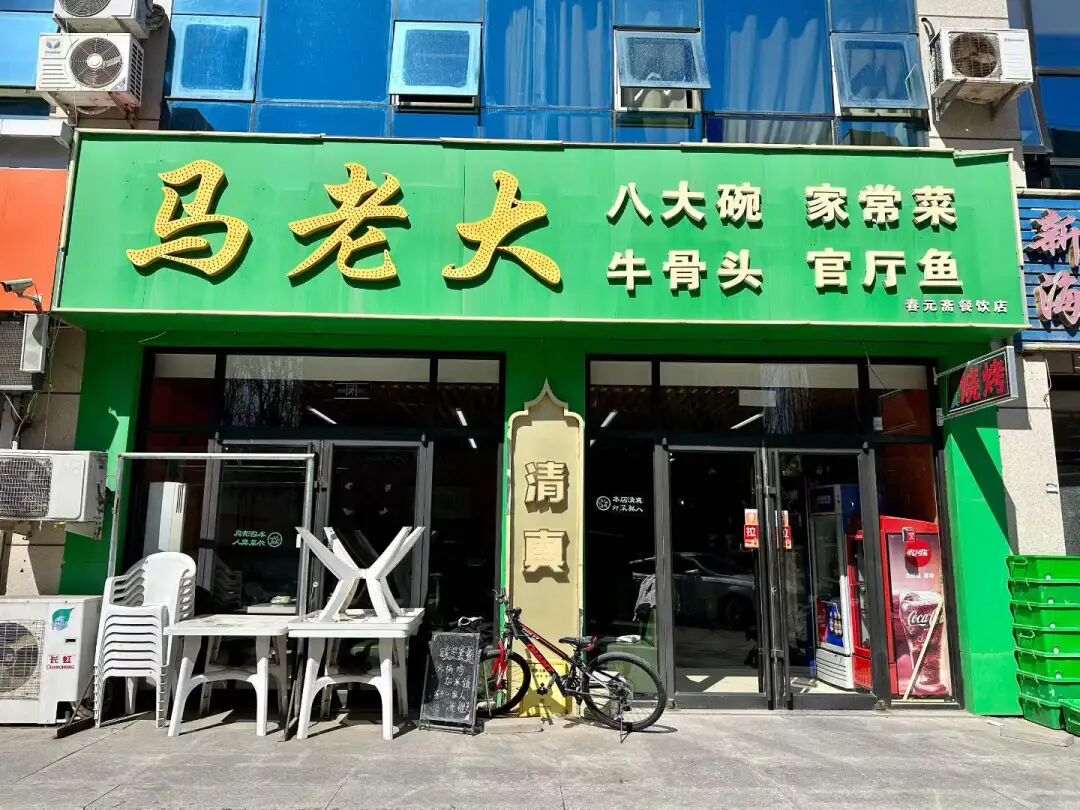
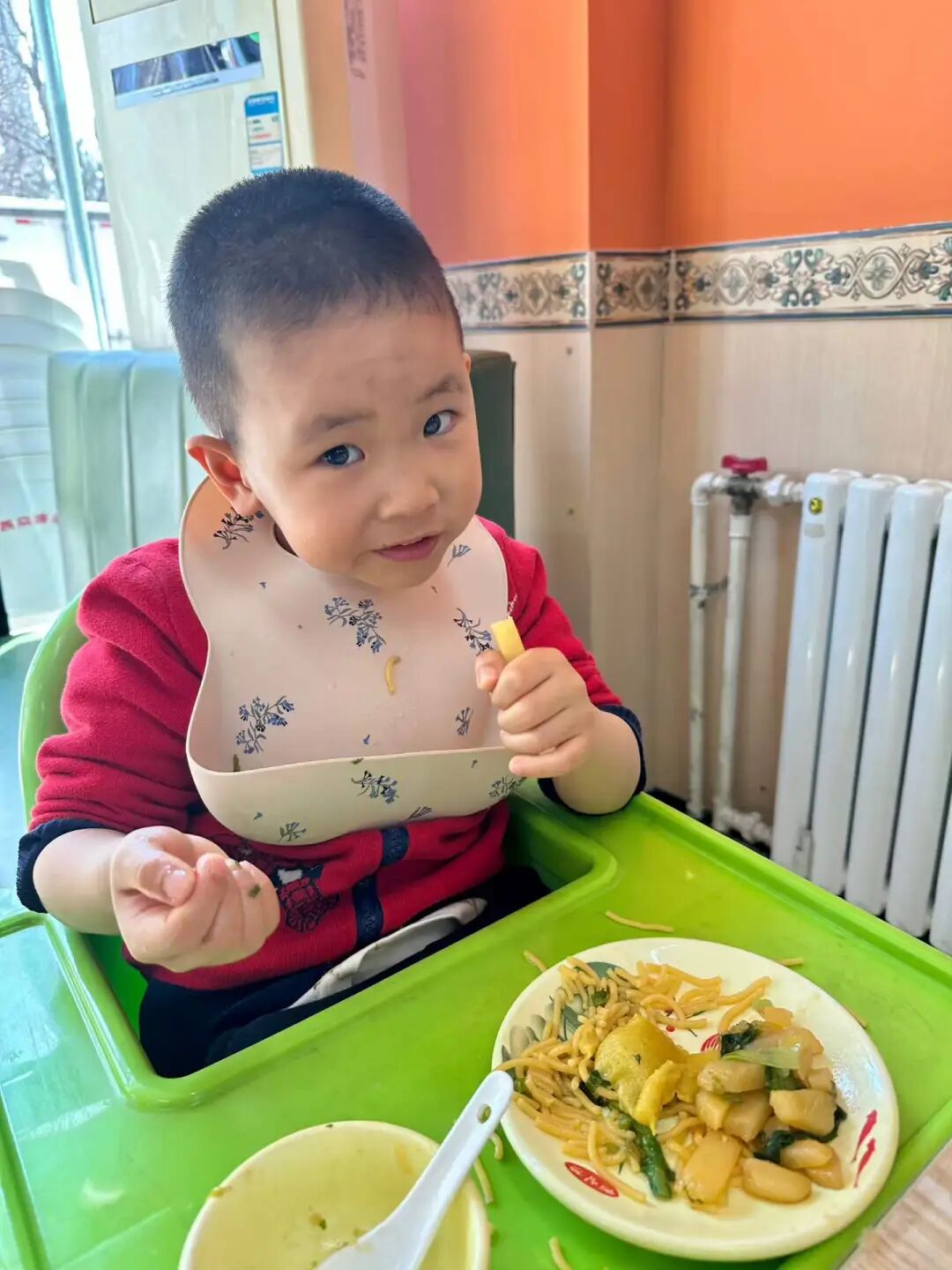
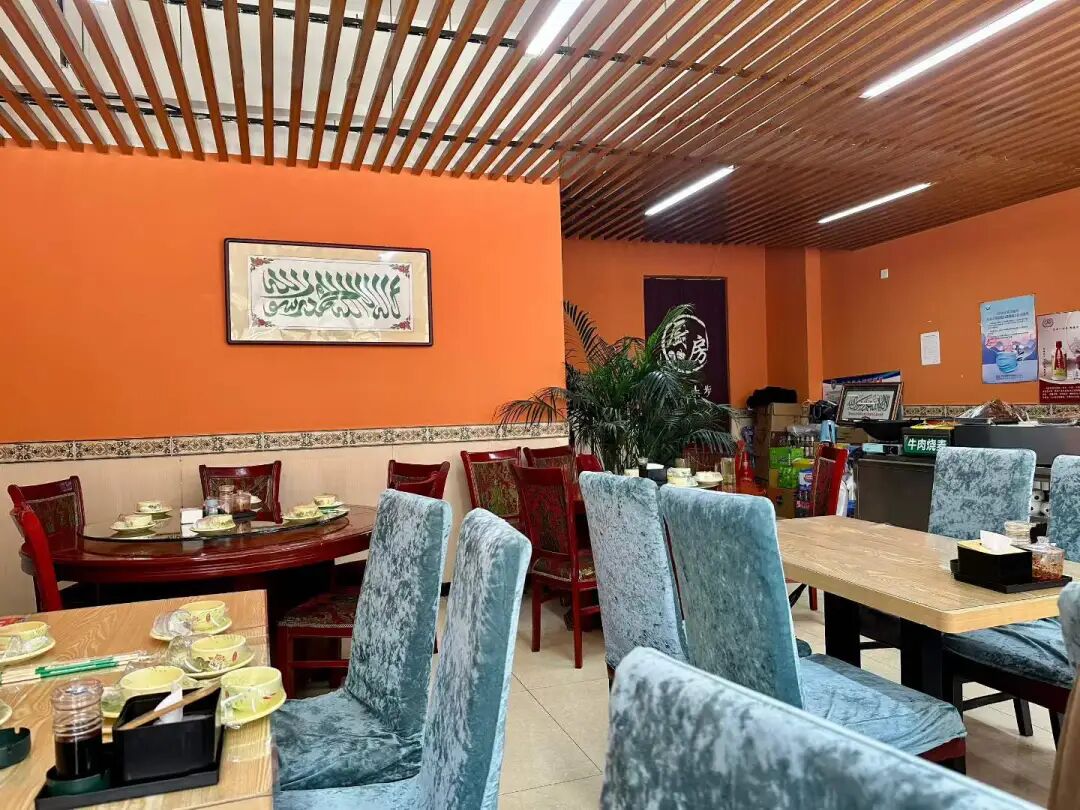
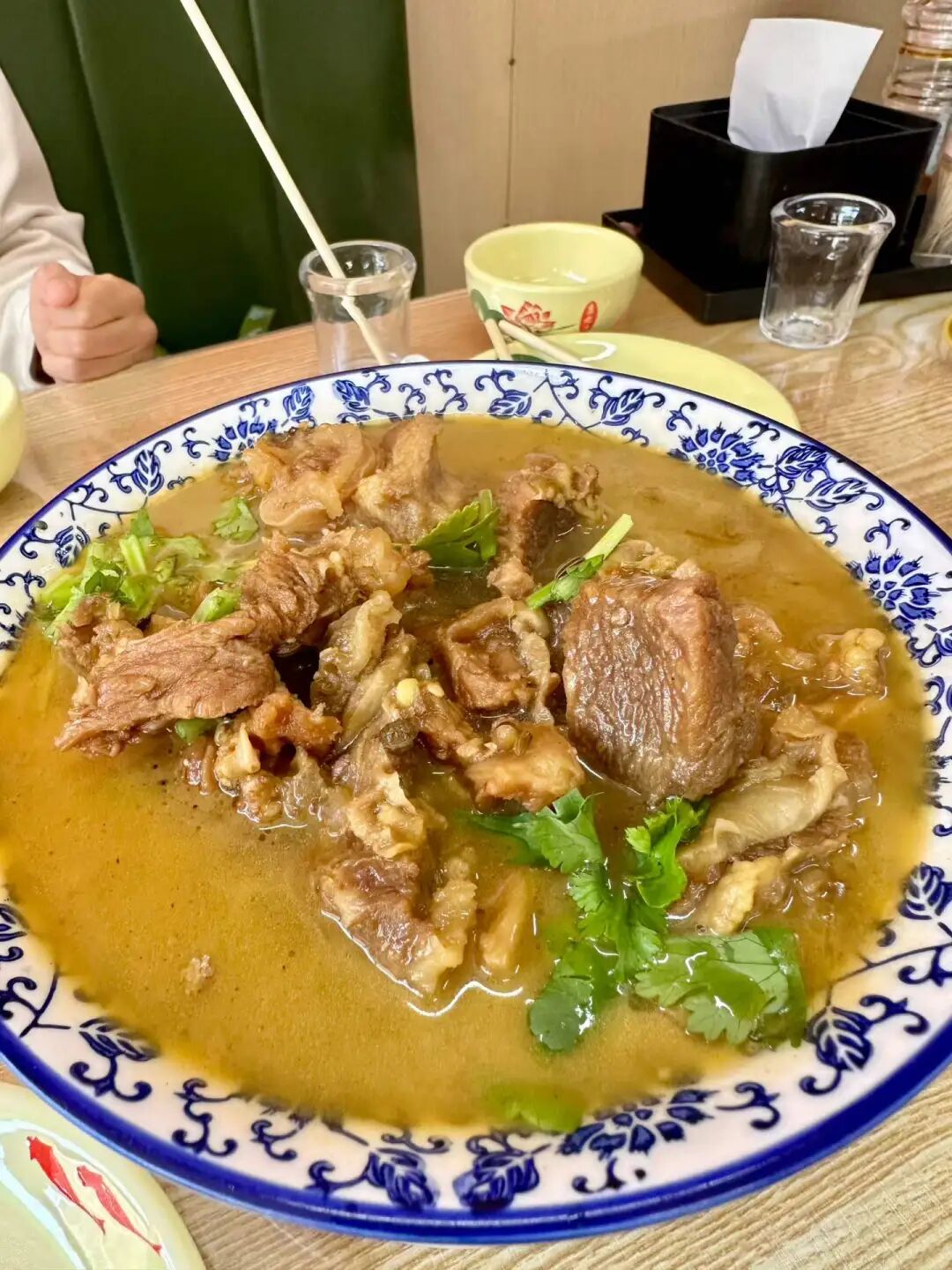
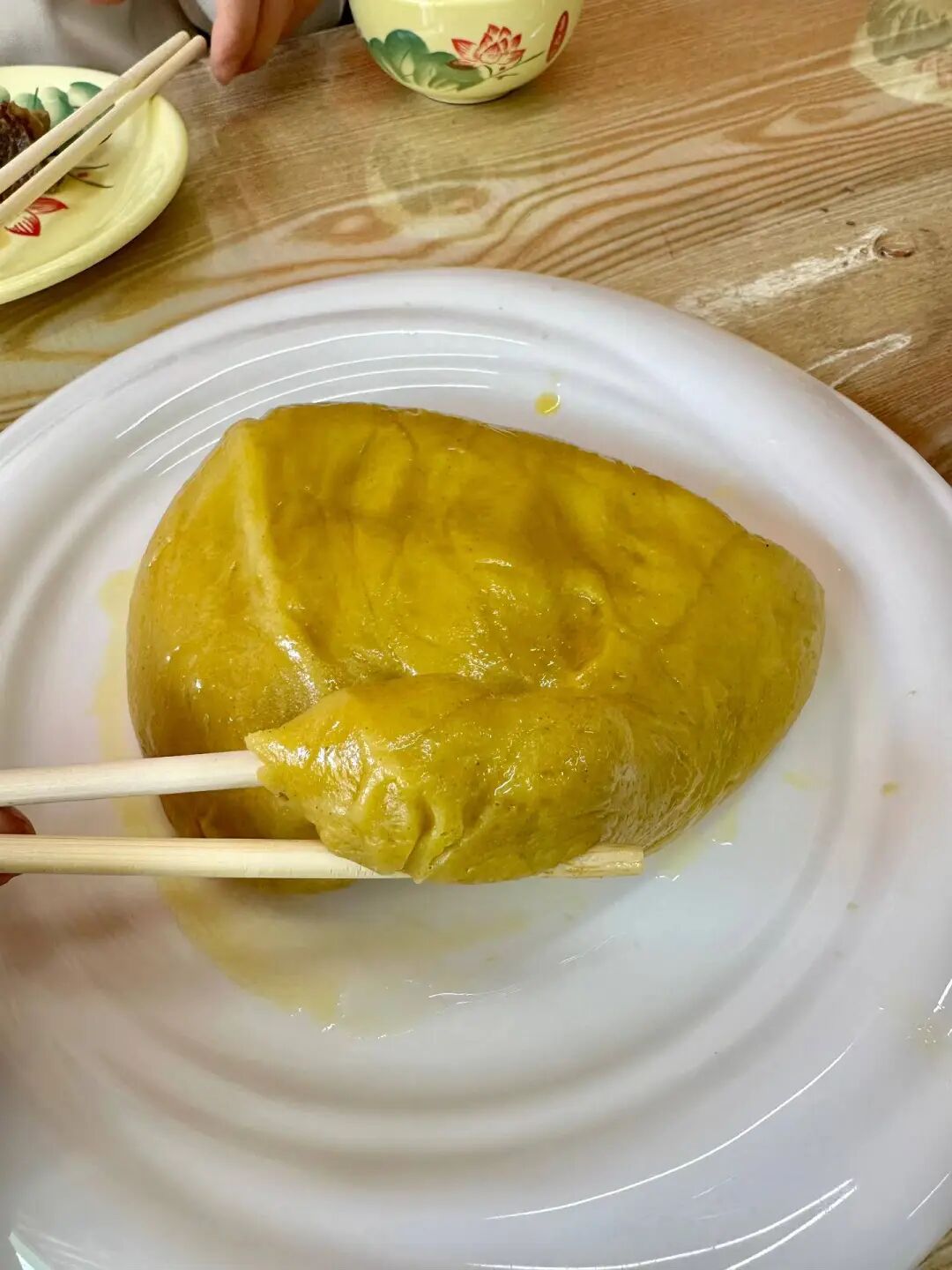
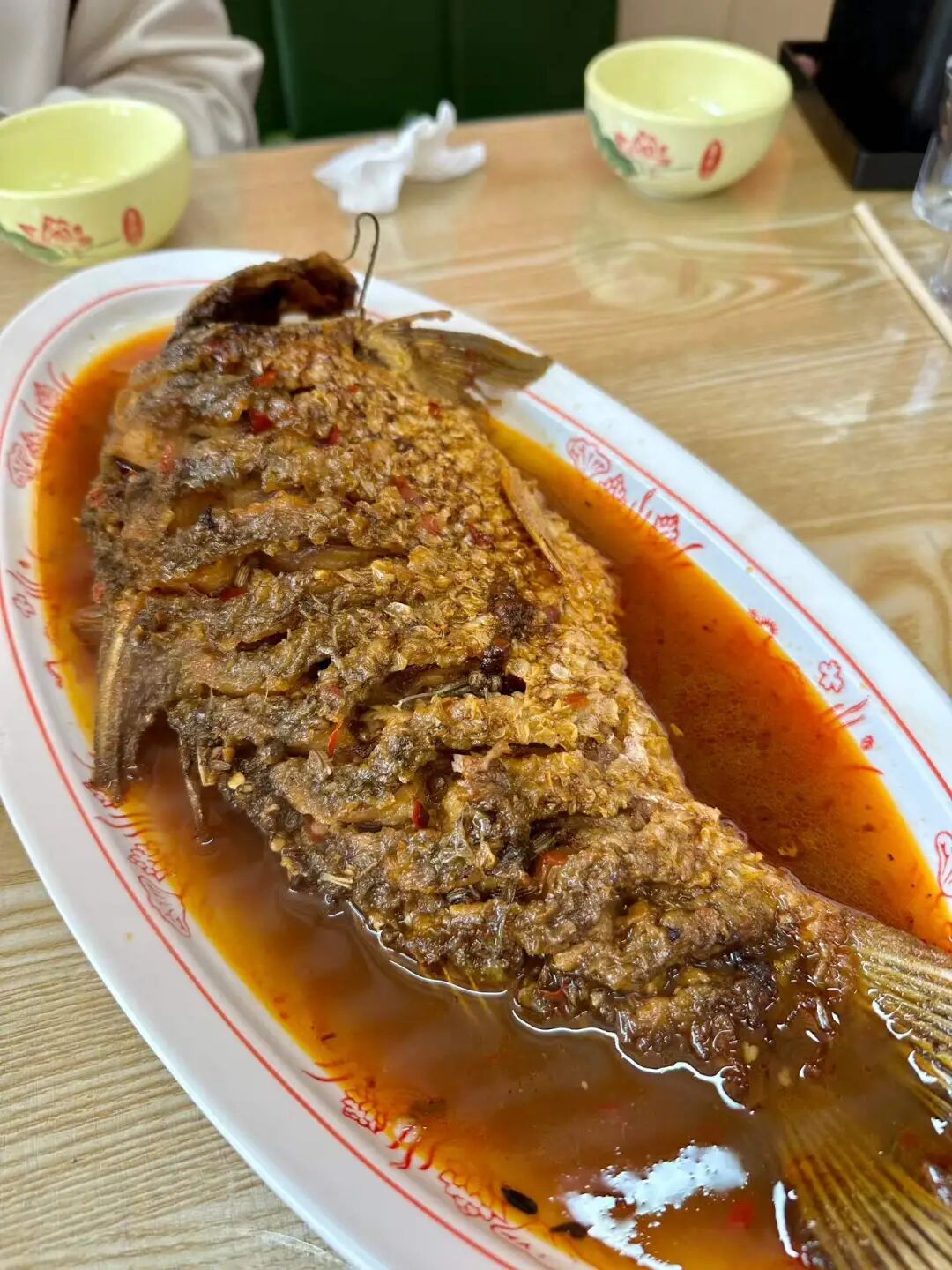
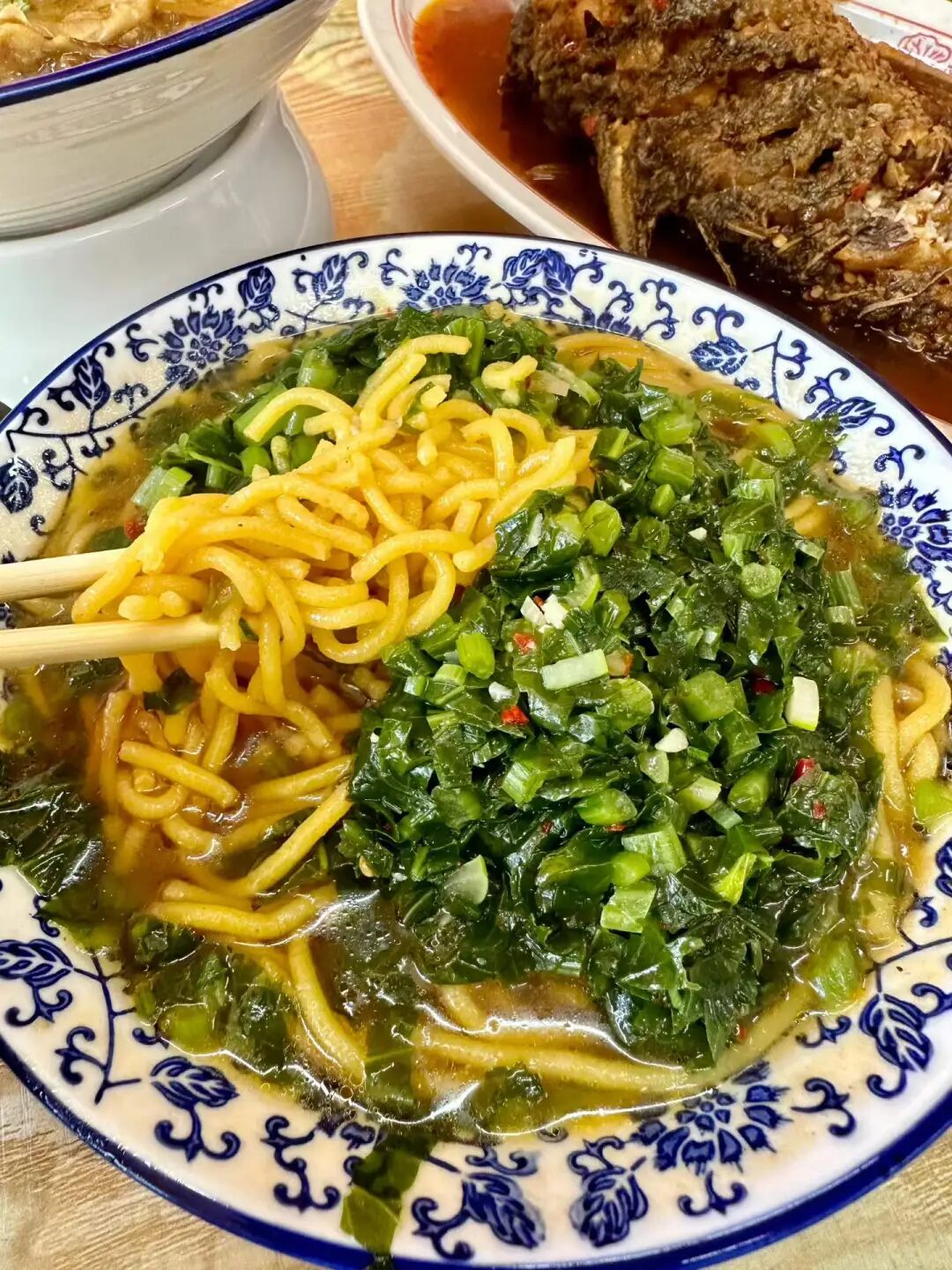
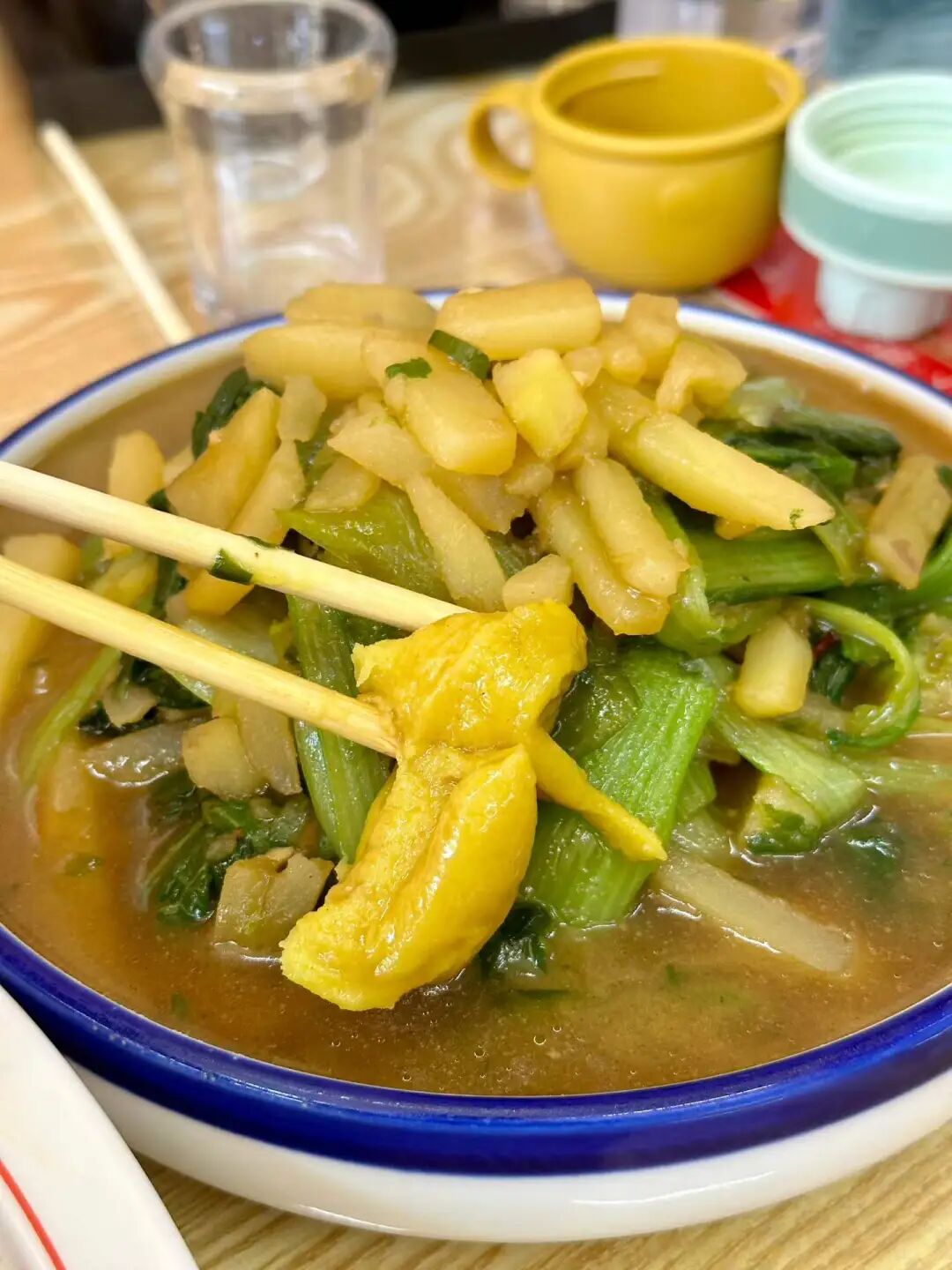
After eating in Shacheng, I headed to the nearby Ganji Liang Village, the closest Hui Muslim village to the Huailai county seat.
Ganji Liang Village was originally called Gan Jilang. The main family there was the Han Chinese Gan family, but they later moved away, and the Zheng family, who are Hui Muslims, became the main residents. The Zheng family is a major Hui Muslim clan in Zhangjiakou. Their ancestors moved from Shaanxi in the late Ming and early Qing dynasties, first to Huailai, and then spread throughout Zhangjiakou. The most famous member of the Zheng family in Zhangjiakou was Zheng Kuishi. He was a well-known late Qing Hui Muslim general. He joined the army in the early Daoguang years and fought against the Taiping Rebellion during the Xianfeng years. He served in Guangxi, Hunan, Hubei, and Anhui, earned many military honors, was given the title Shalama Batulu, and was awarded a yellow riding jacket. During the Tongzhi reign, he served as the acting Zhili provincial commander, guarding the capital region and suppressing the Nian Rebellion in Zhili to keep the capital safe. In his later years, he returned home to work on water conservancy, building the Yonggu Dam to manage the Liu River. He also repaired the Zhenshuo Tower and Four Archways in Xuanhua and opened the Huoshi Slope road to improve transportation. He was highly respected locally.
The Ganji Liang Mosque was built during the Qianlong reign and is a standard courtyard-style building. The main hall from the Qing Dynasty is still well-preserved and features beautiful brick carvings. Unfortunately, the religious life in Ganji Liang Village has declined, and imams come and go. There is currently no imam at the mosque, and it looks abandoned. The main hall is covered in dust and rubble, and the backyard is overgrown with weeds.
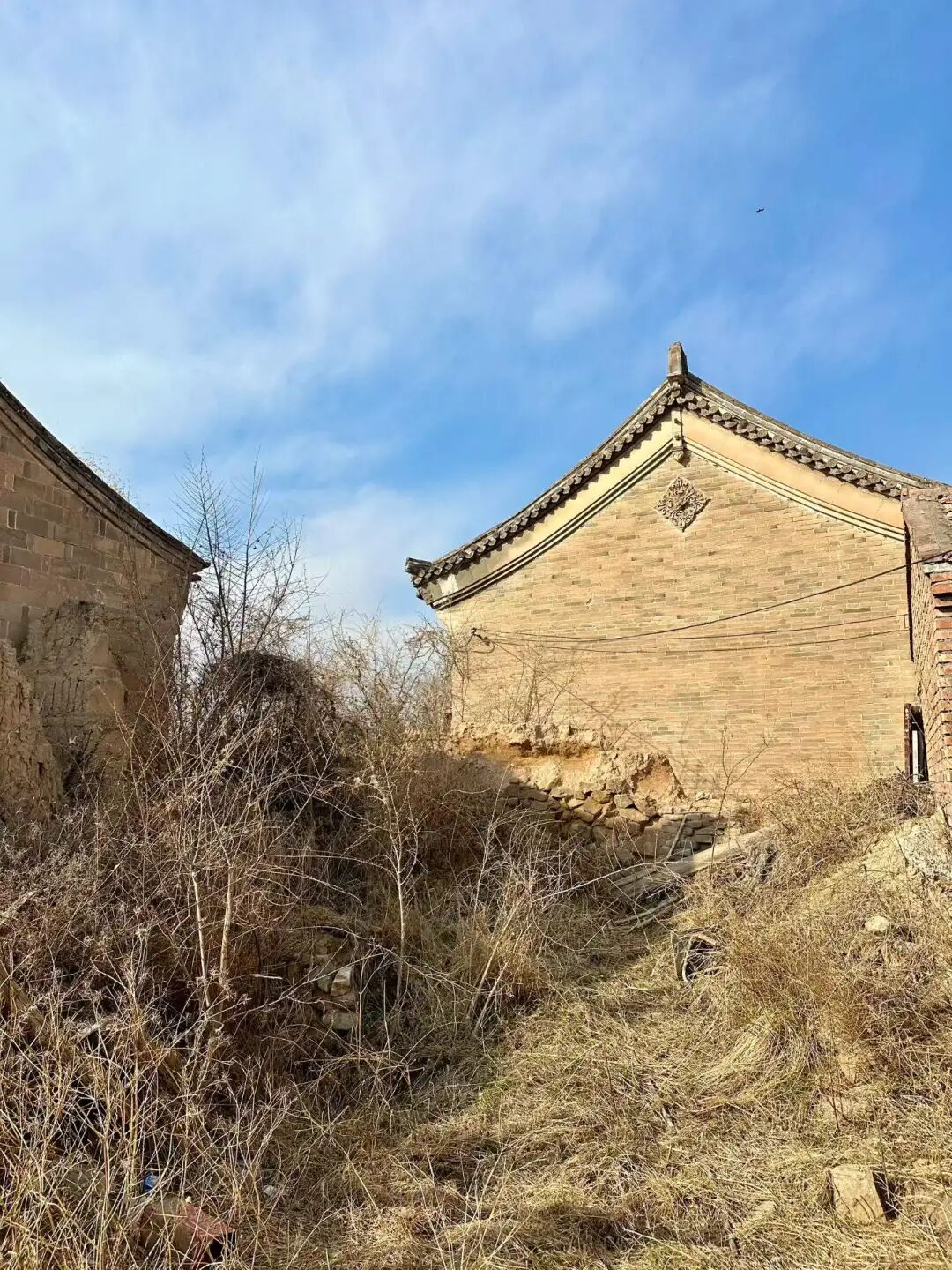
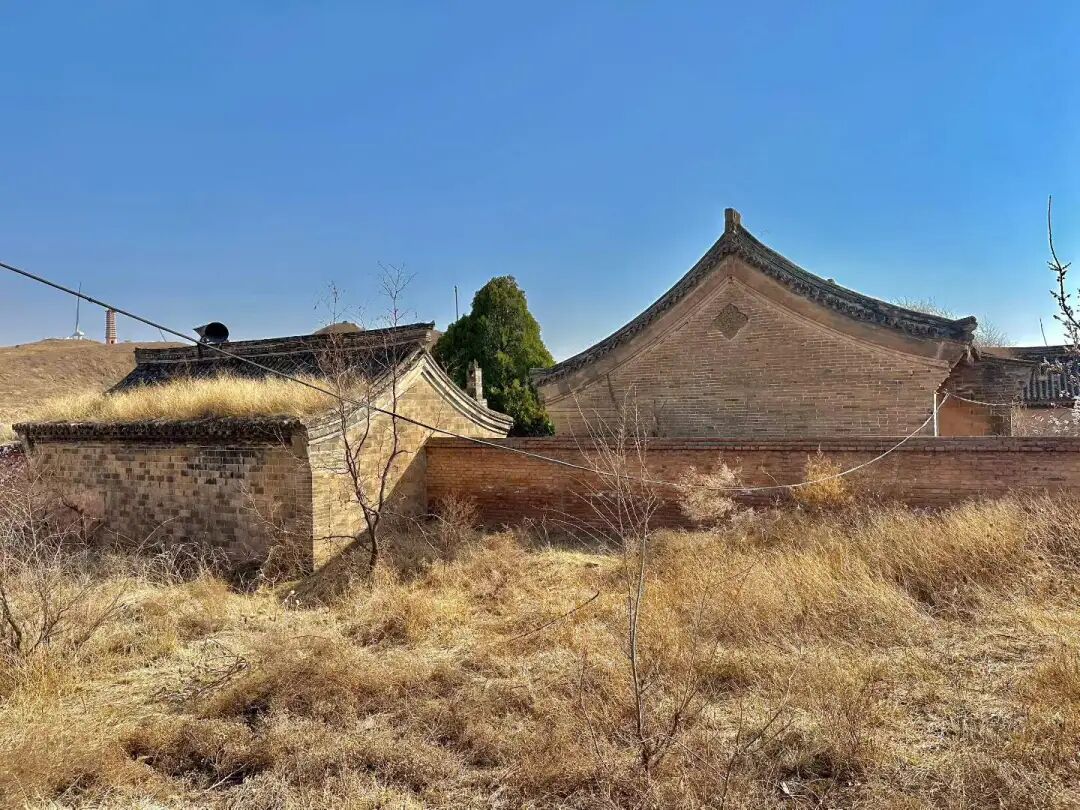
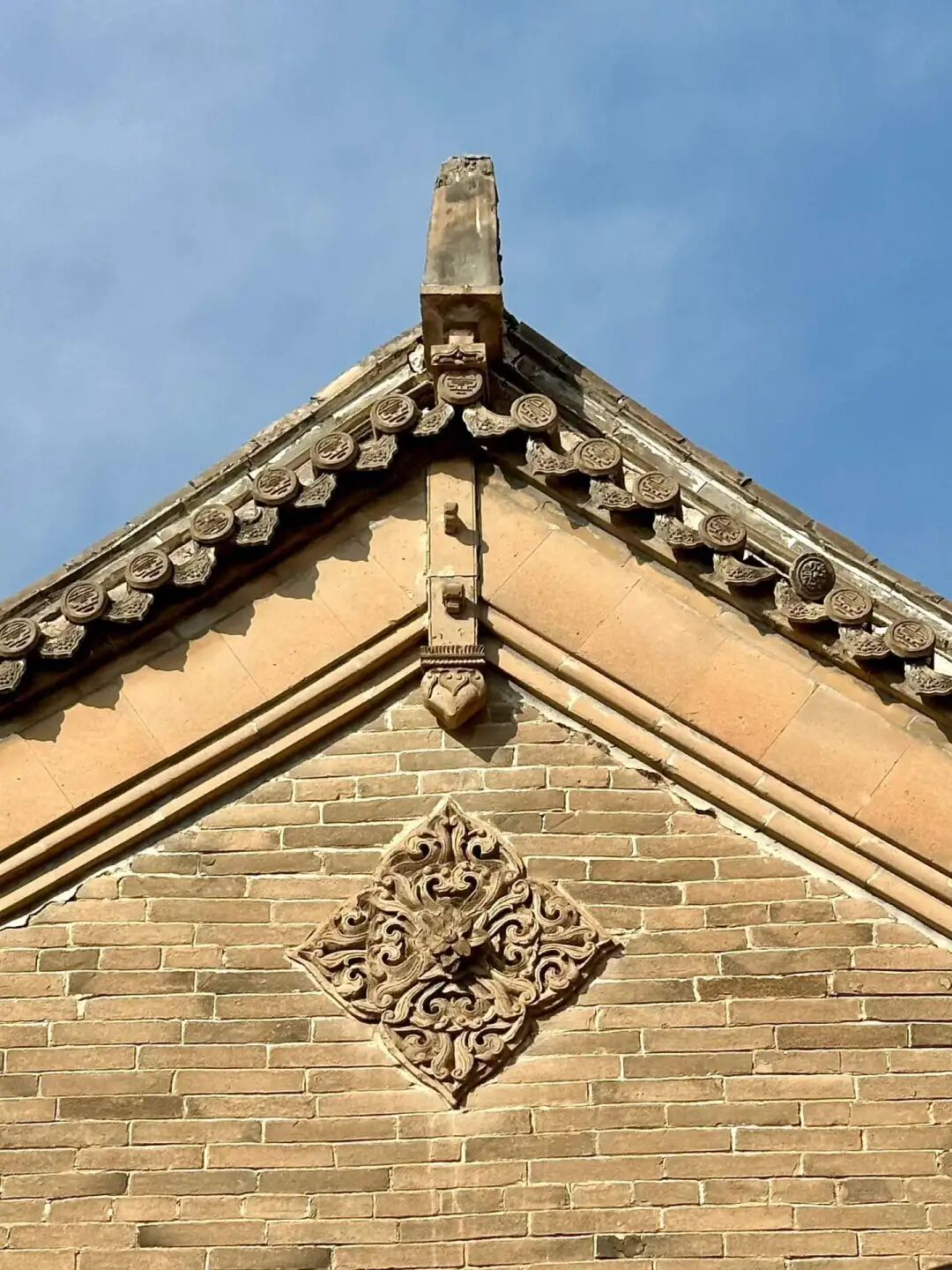
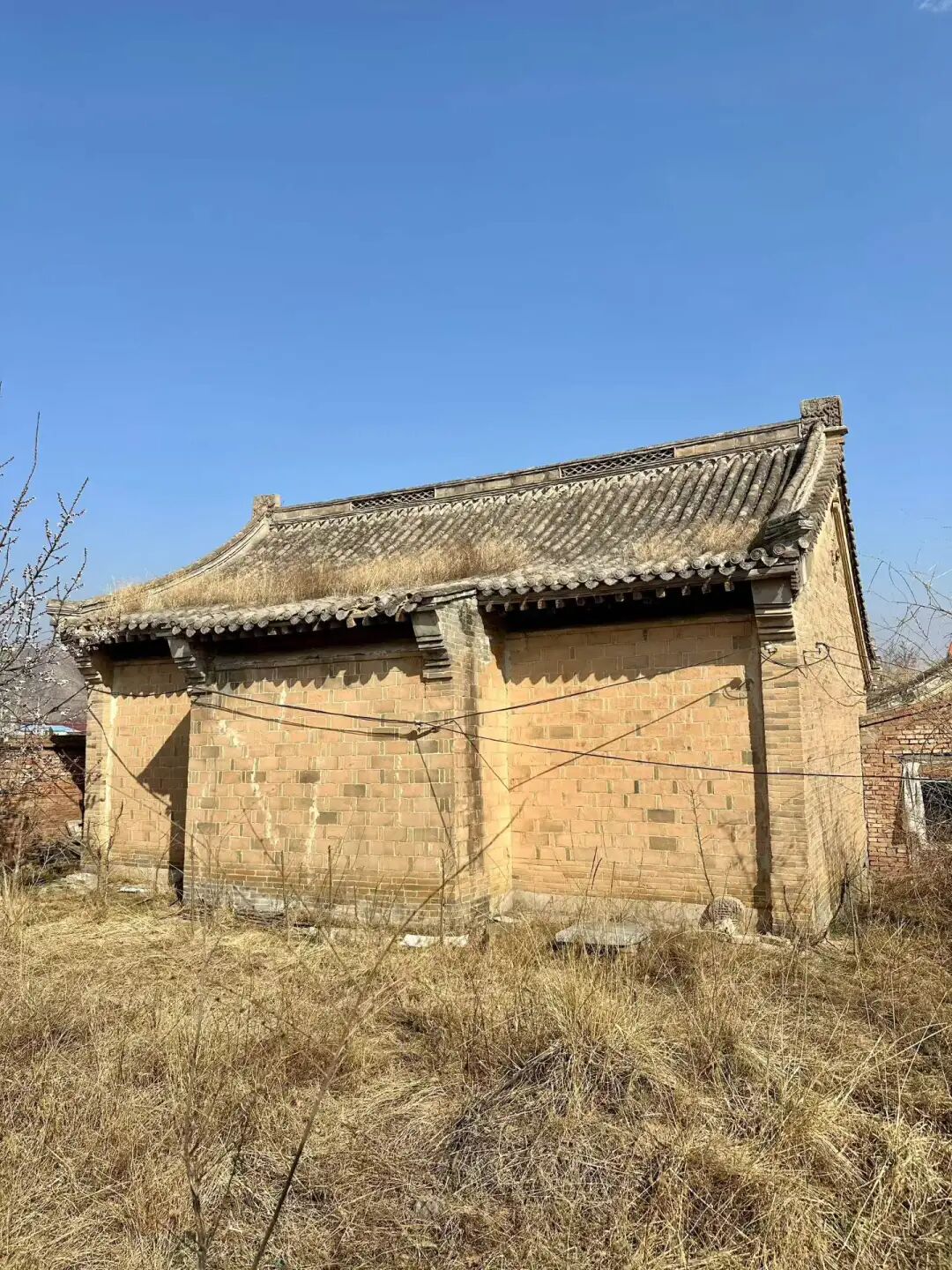
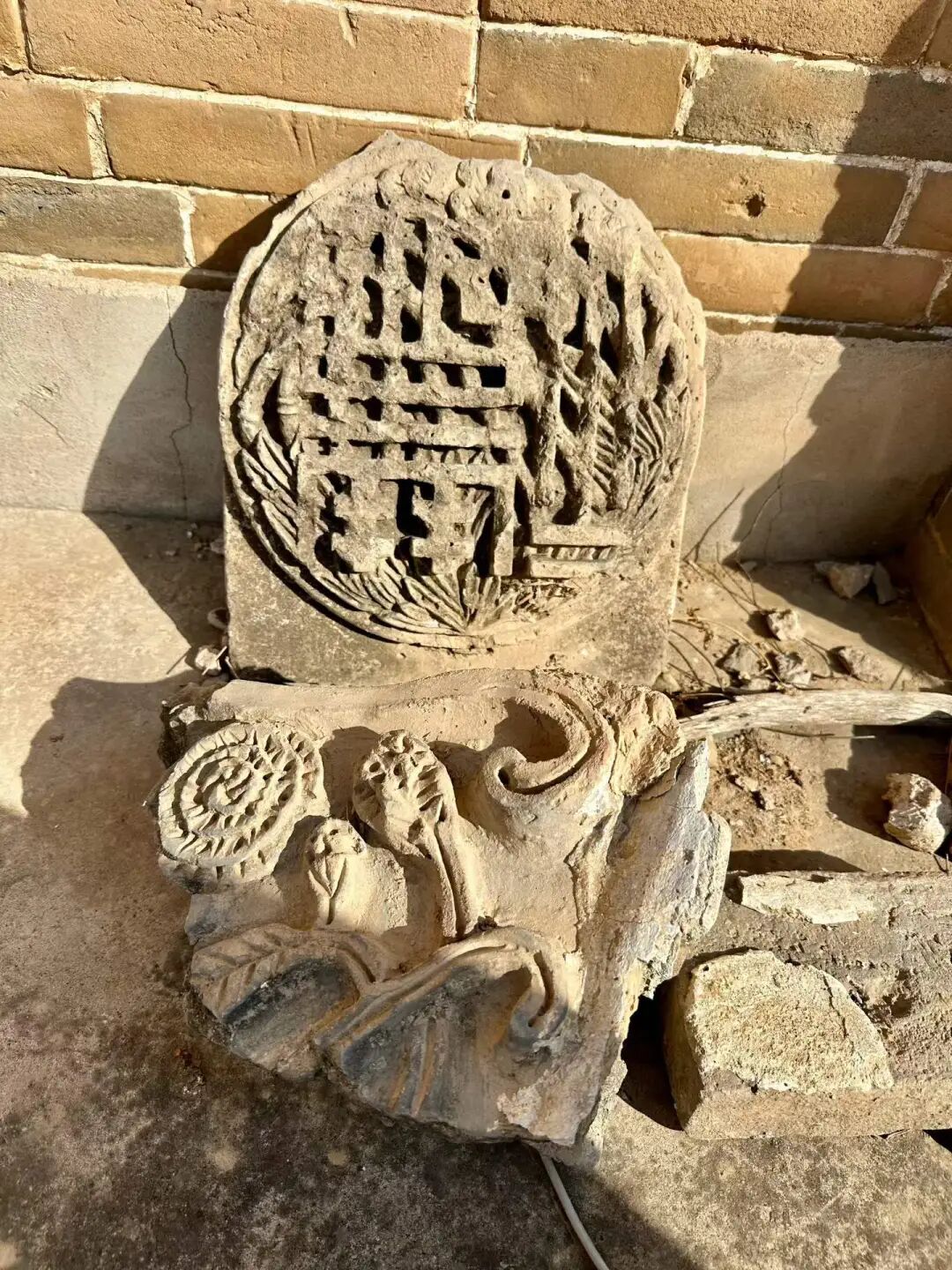
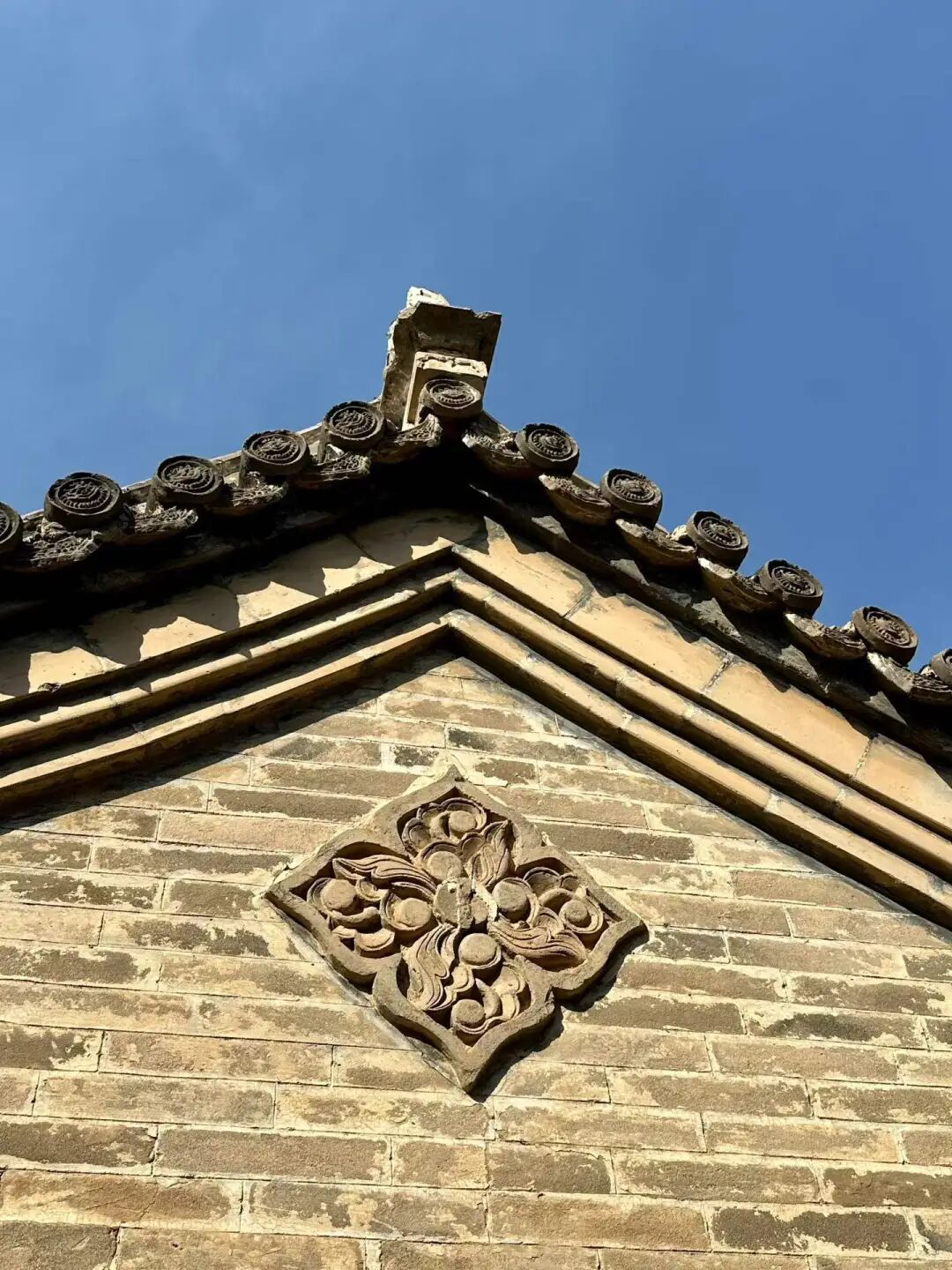
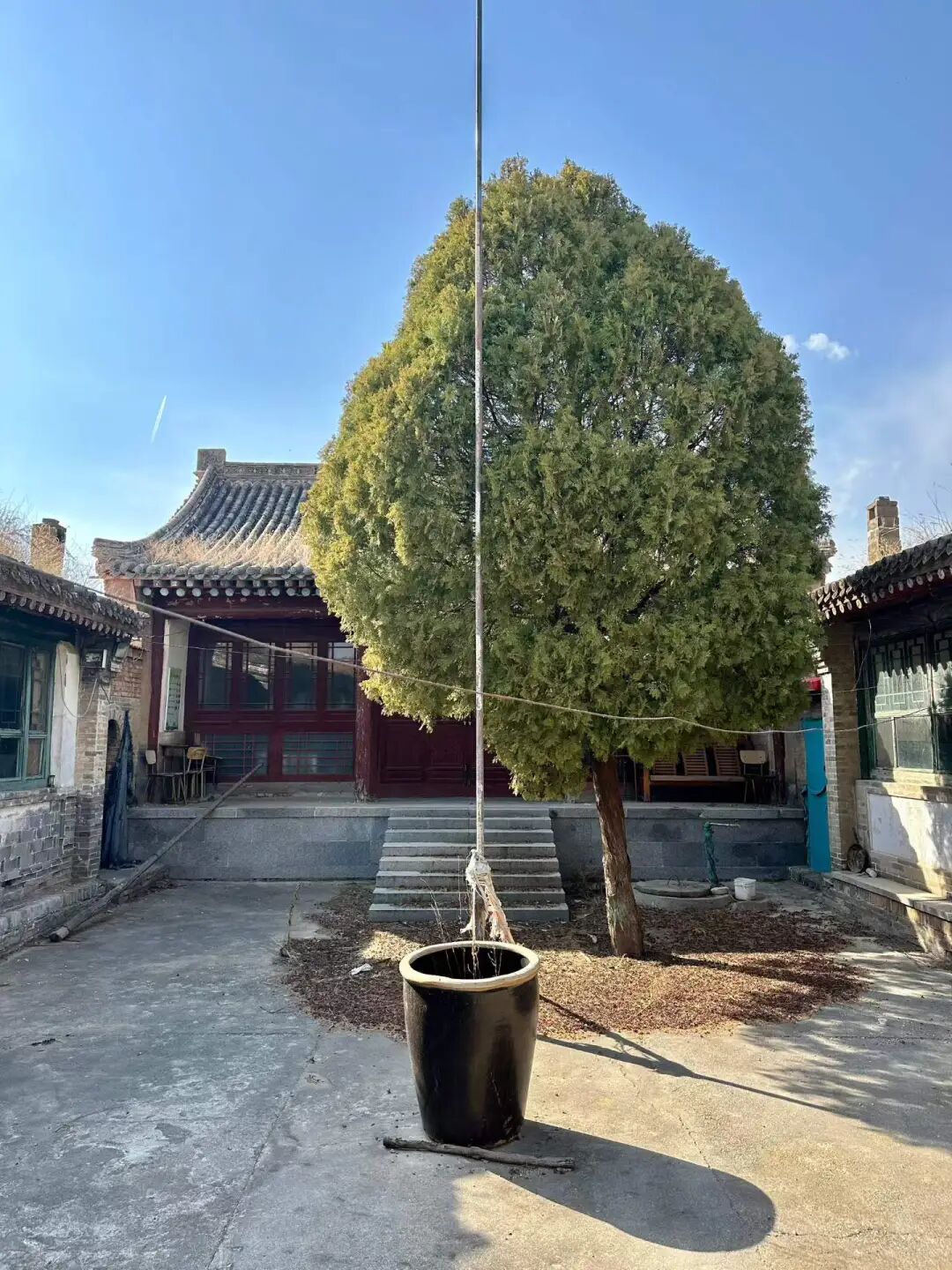
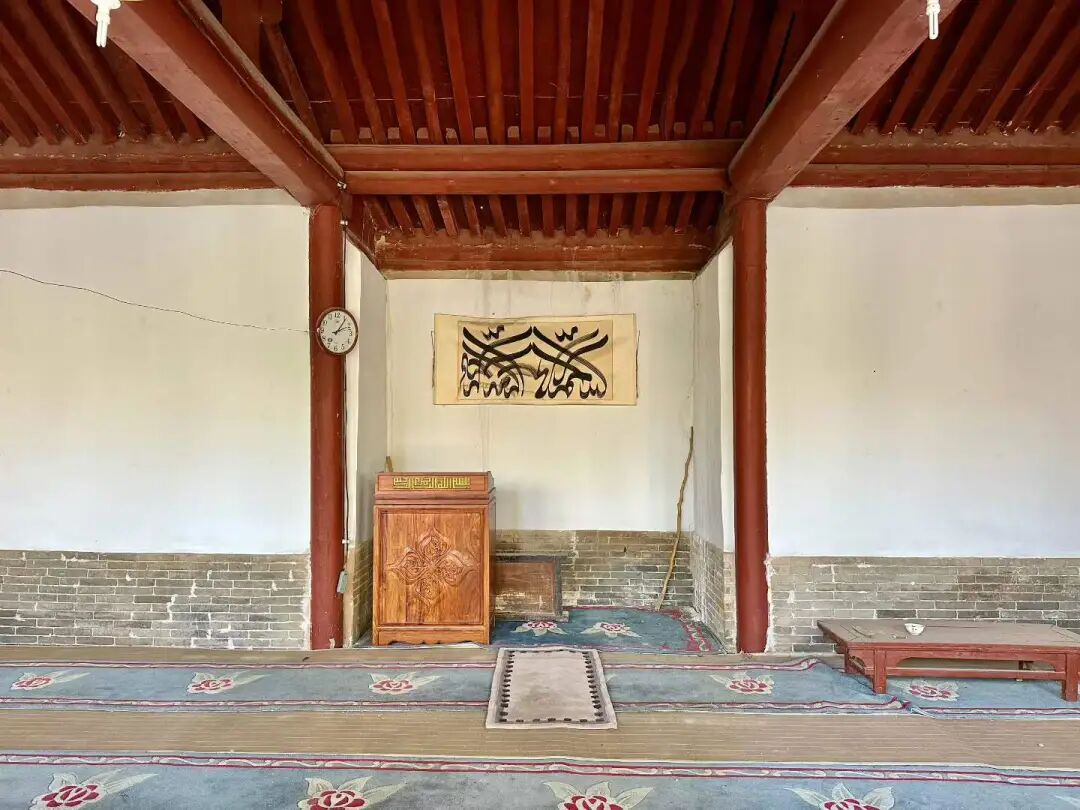
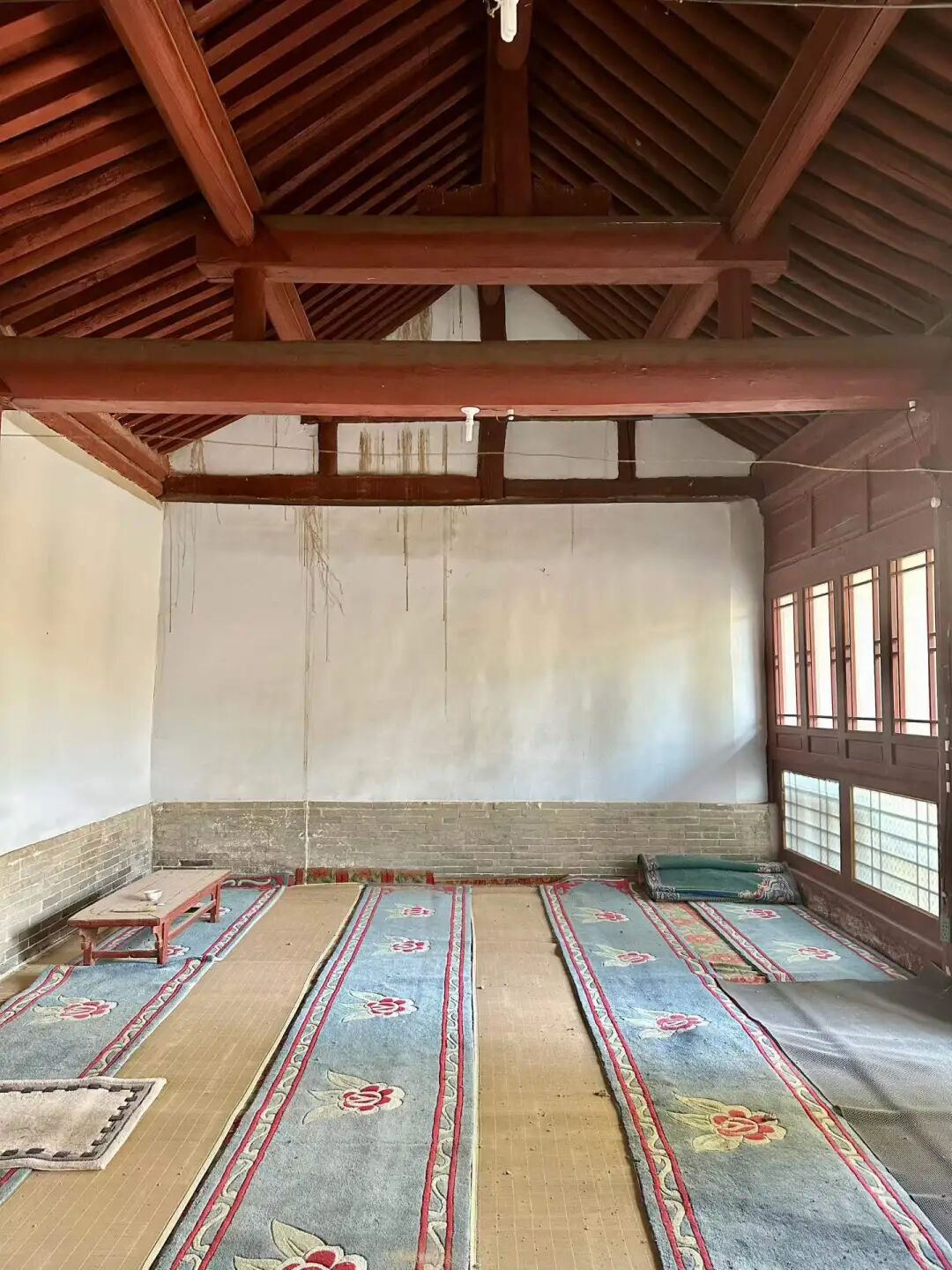
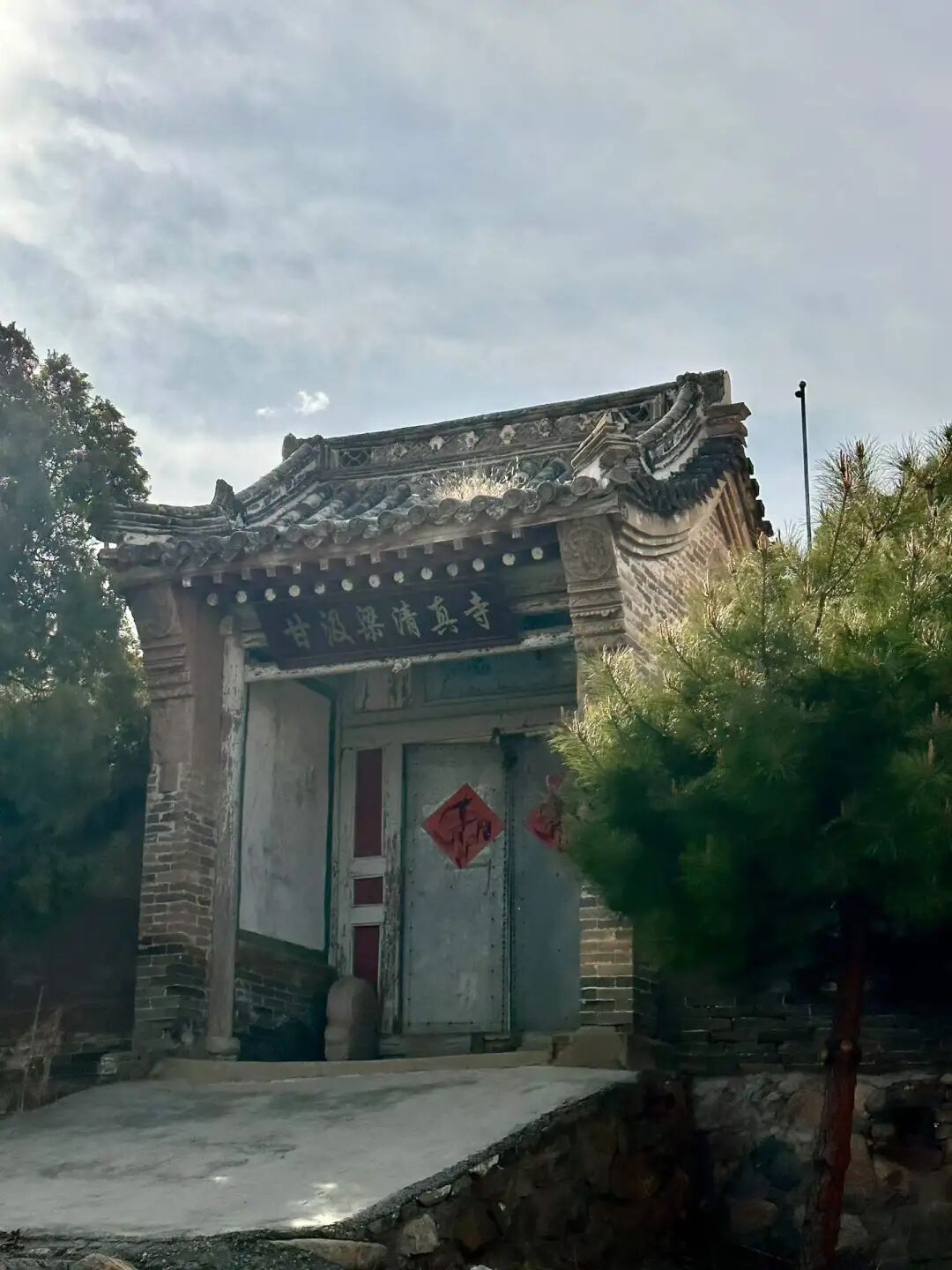
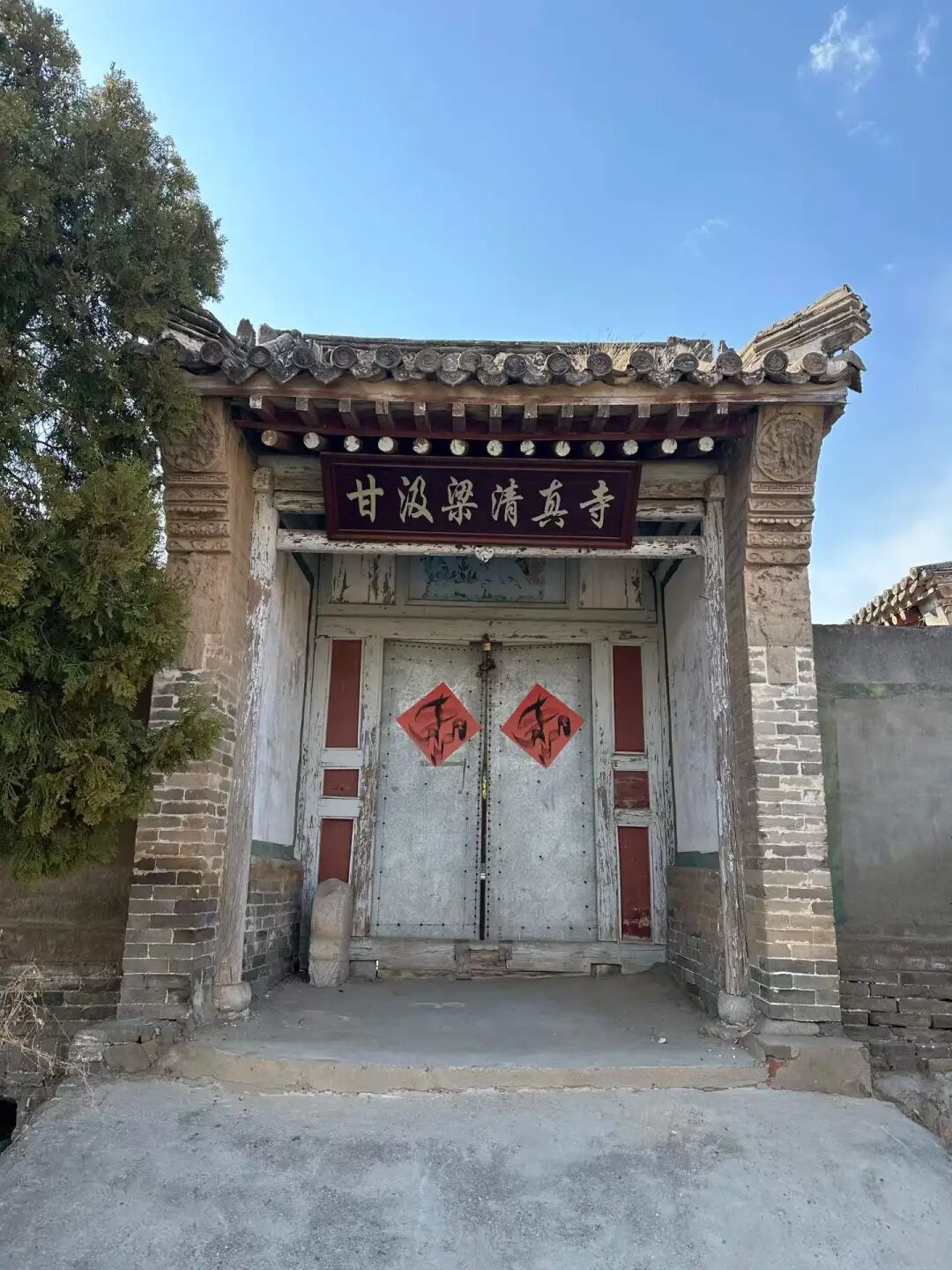
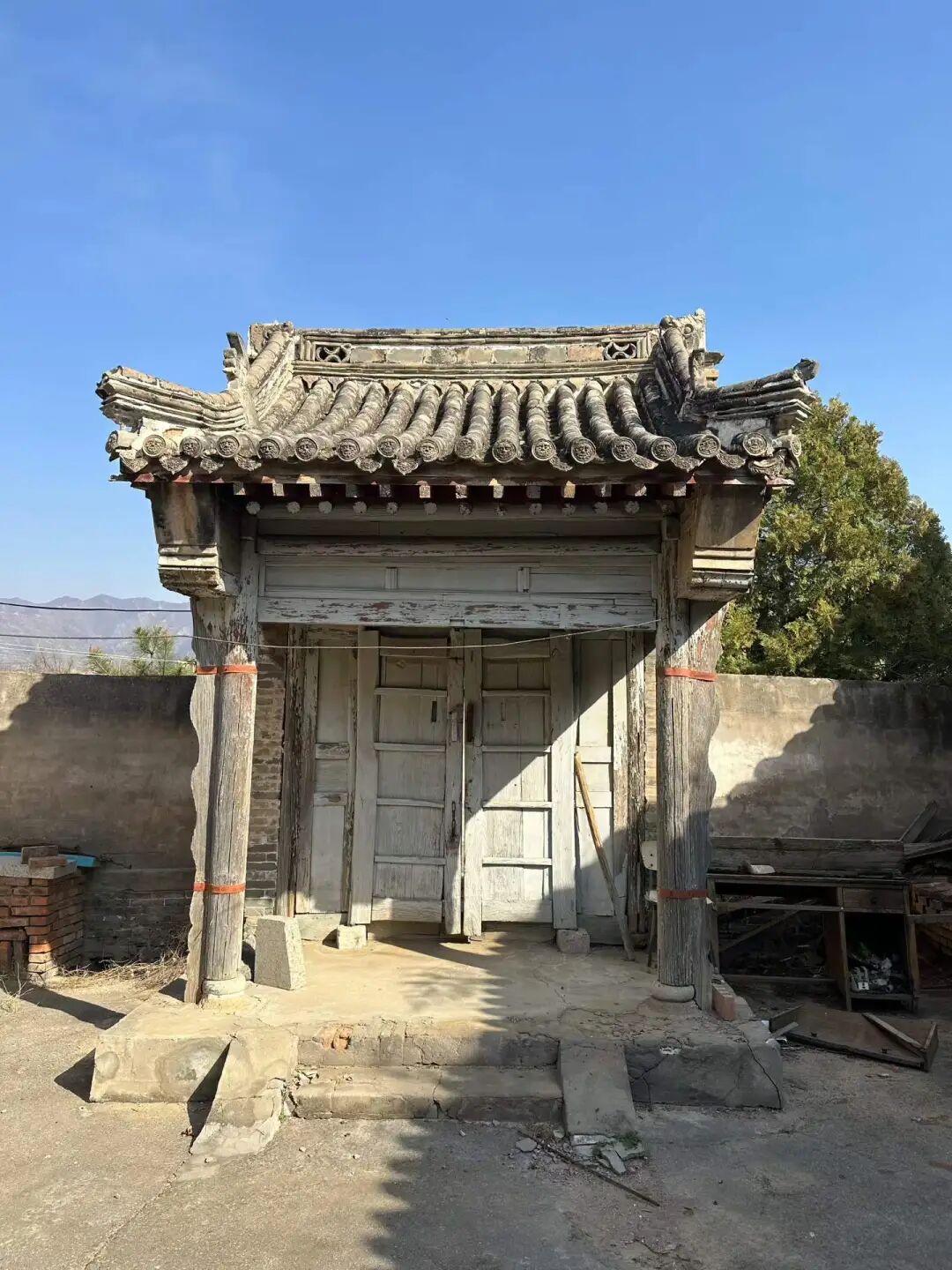
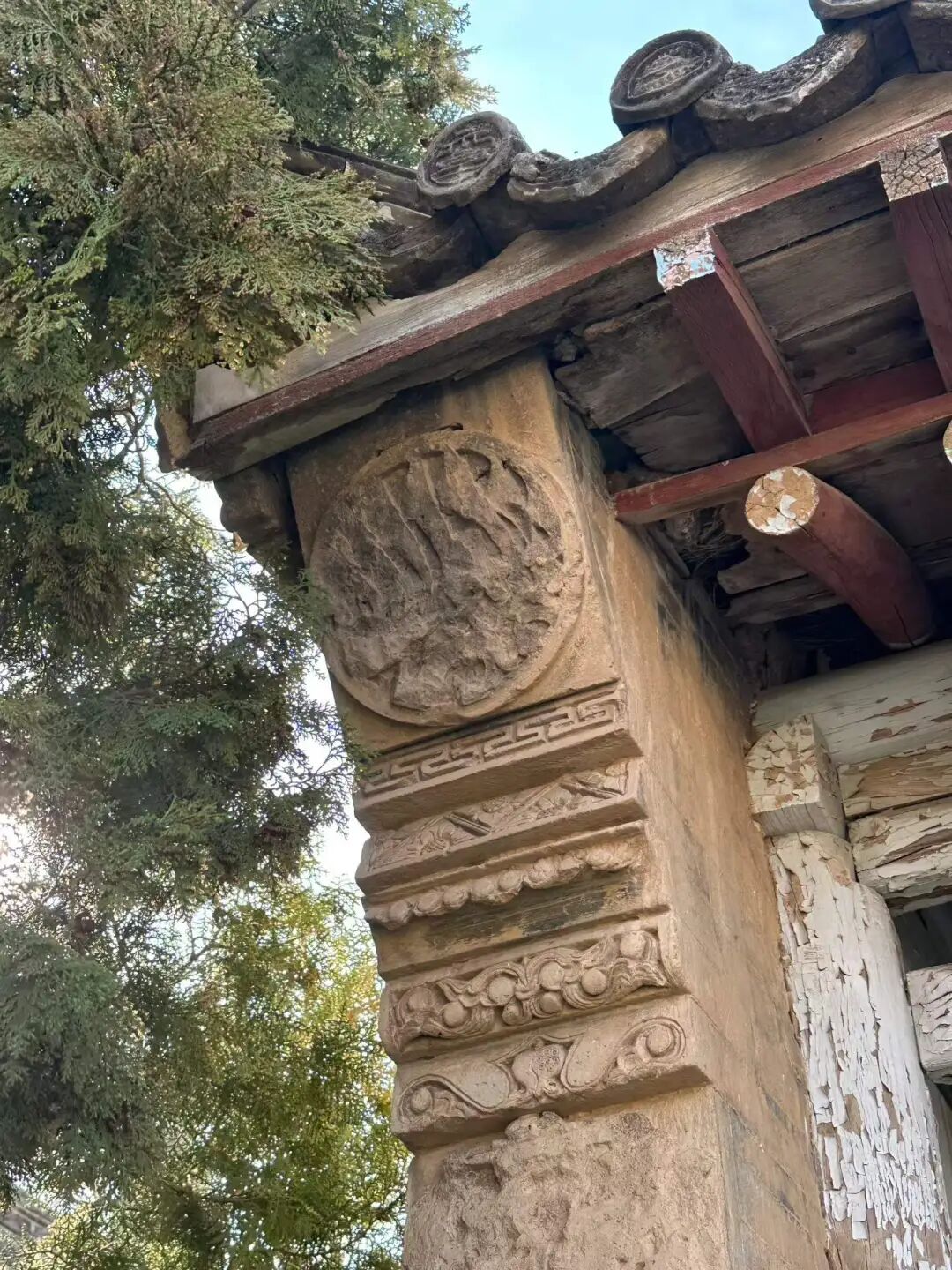
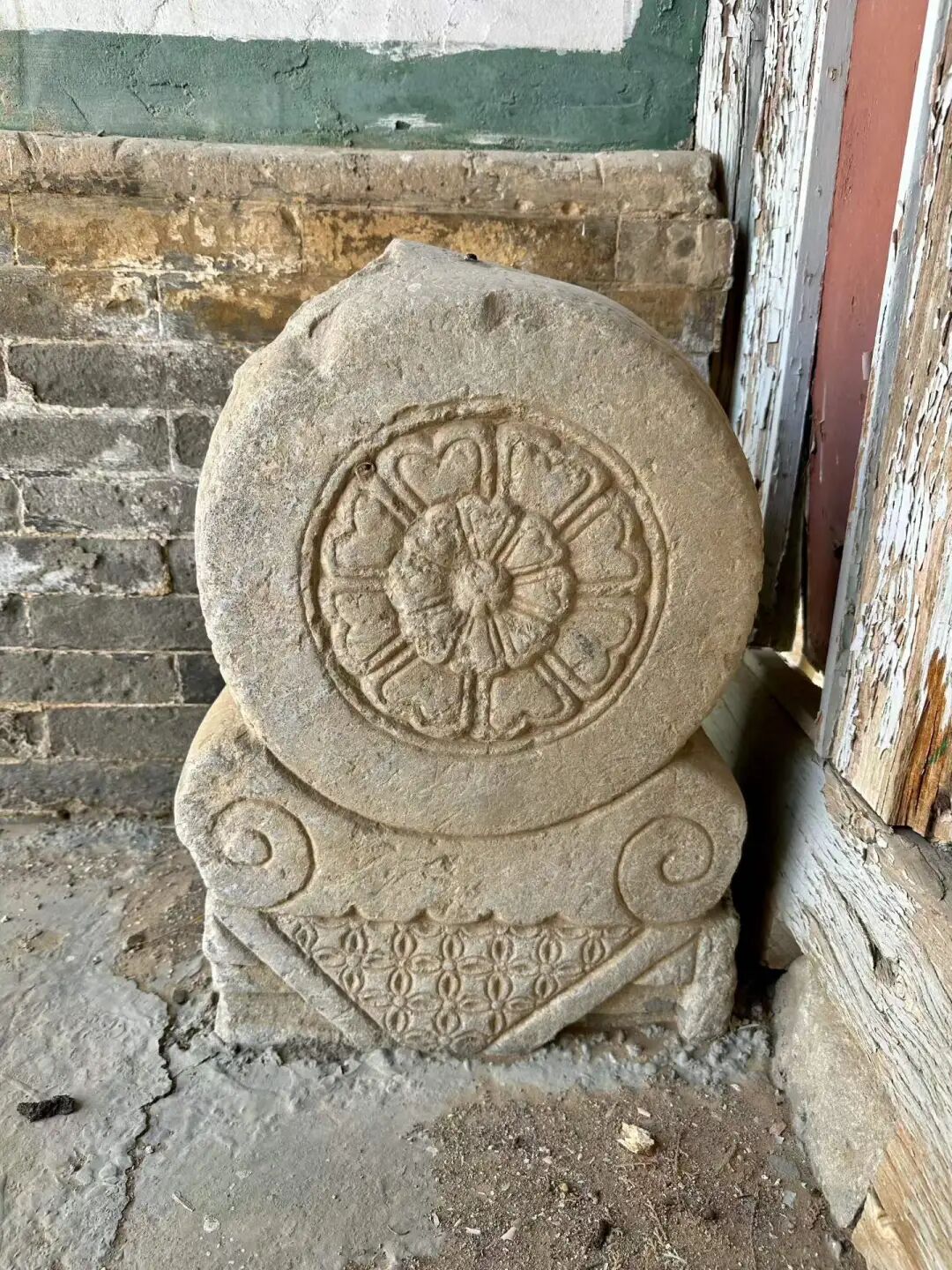
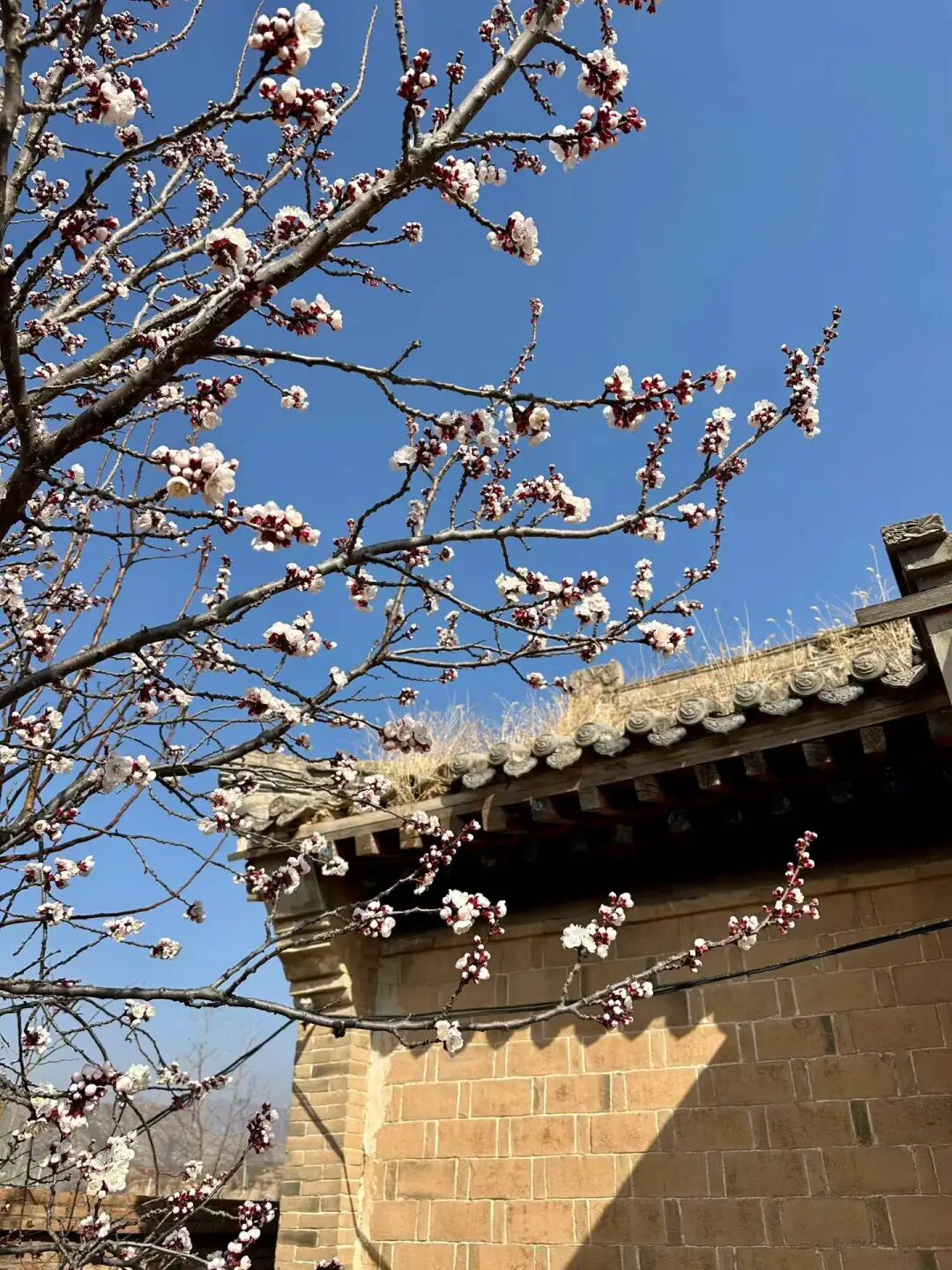
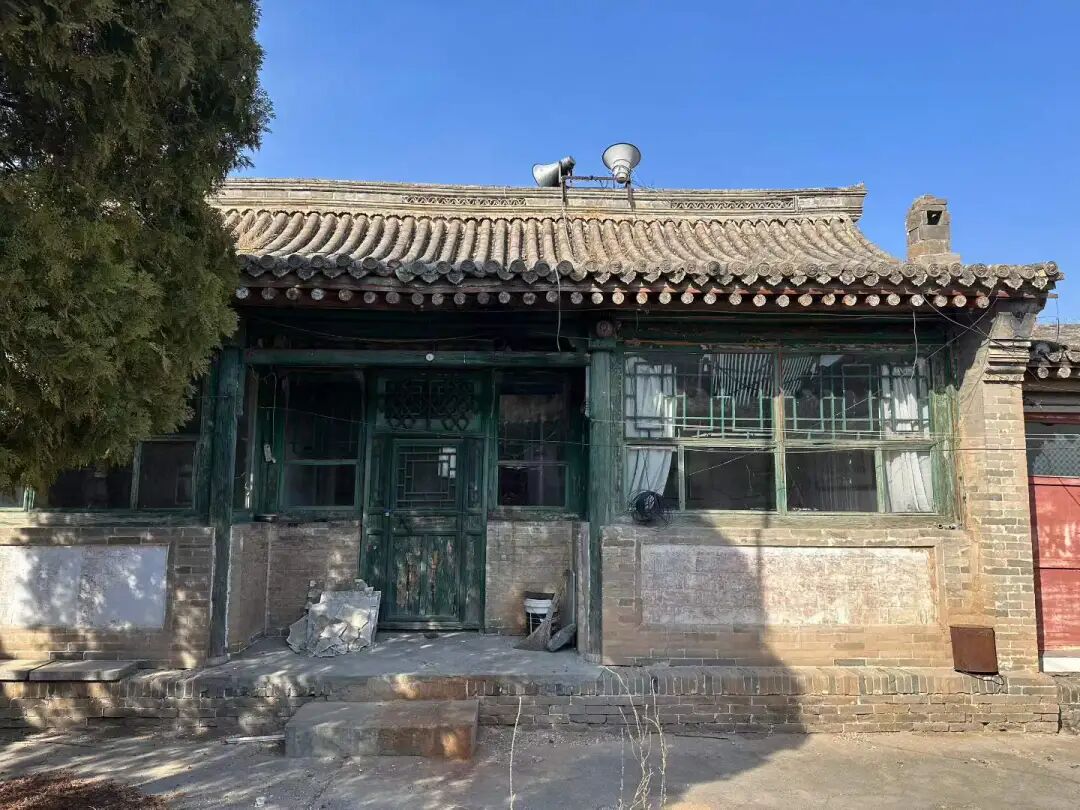
Inside the main hall, there is a wooden board with ink writing that records the history of the mosque: it was built by the community during the Qianlong reign, expanded in the sixth year of the Xianfeng reign, and land was purchased in the fourteenth year of the Daoguang reign. All the donors listed were from the local Zheng family. Unfortunately, it is hard to see the second half clearly because it was not well preserved.
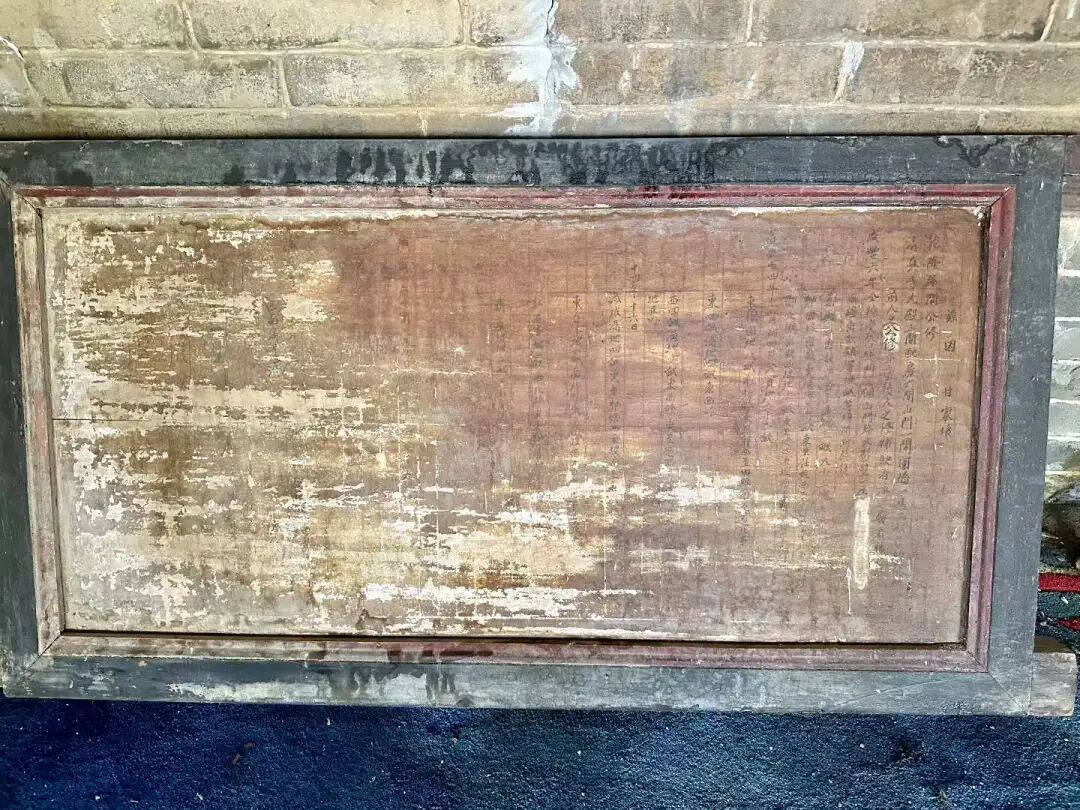
Ganjiliang Village is built on a mountain ridge. Below the ridge are terraced fields, and on top are wind turbines. The wind here is much stronger than in Beijing.
Because of the terrain, Ganjiliang developed more slowly than the surrounding plains, which helped it keep more of its Qing Dynasty houses. Like many traditional villages, you rarely see young people here. Mostly, only the elderly remain.
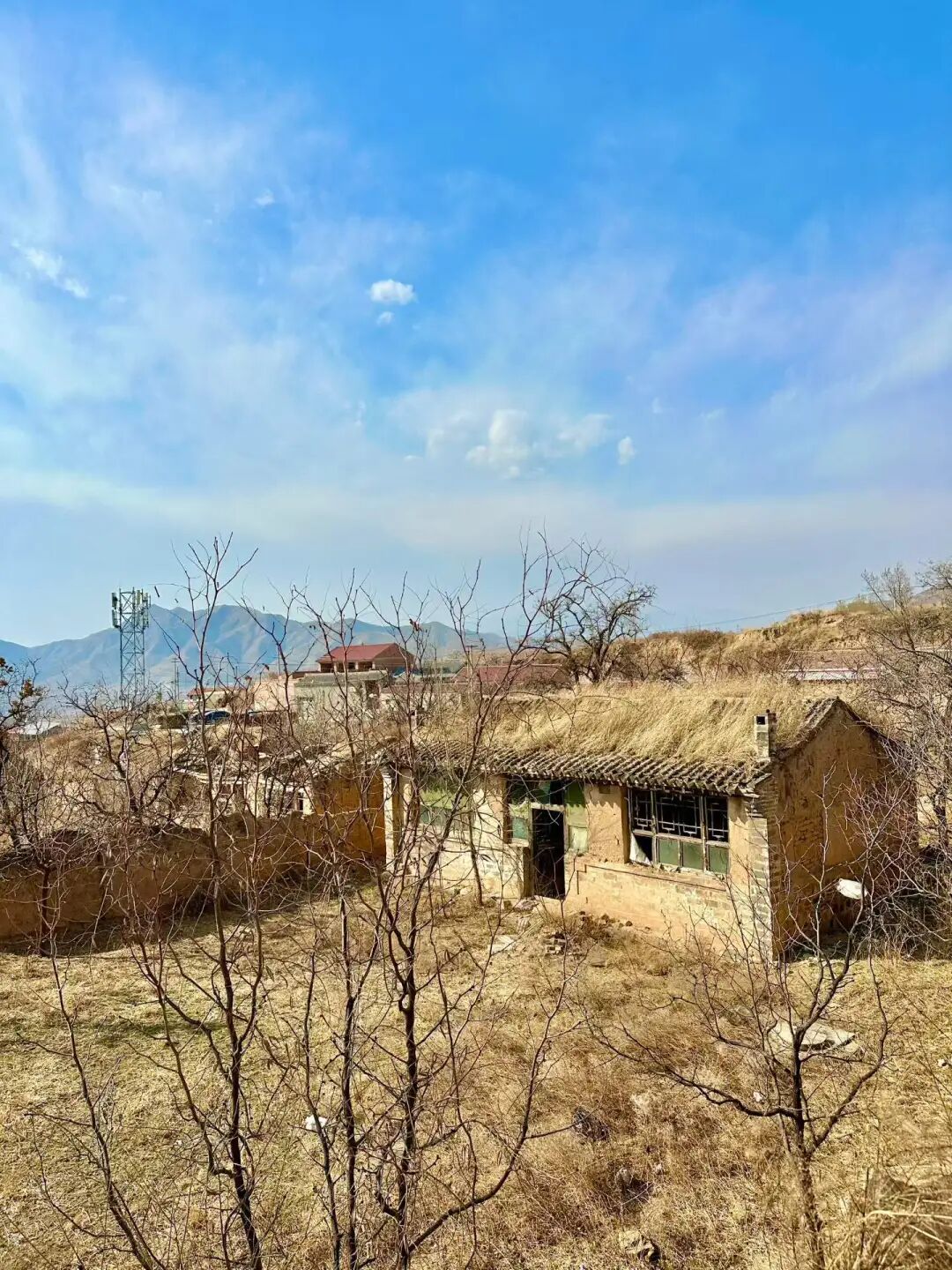
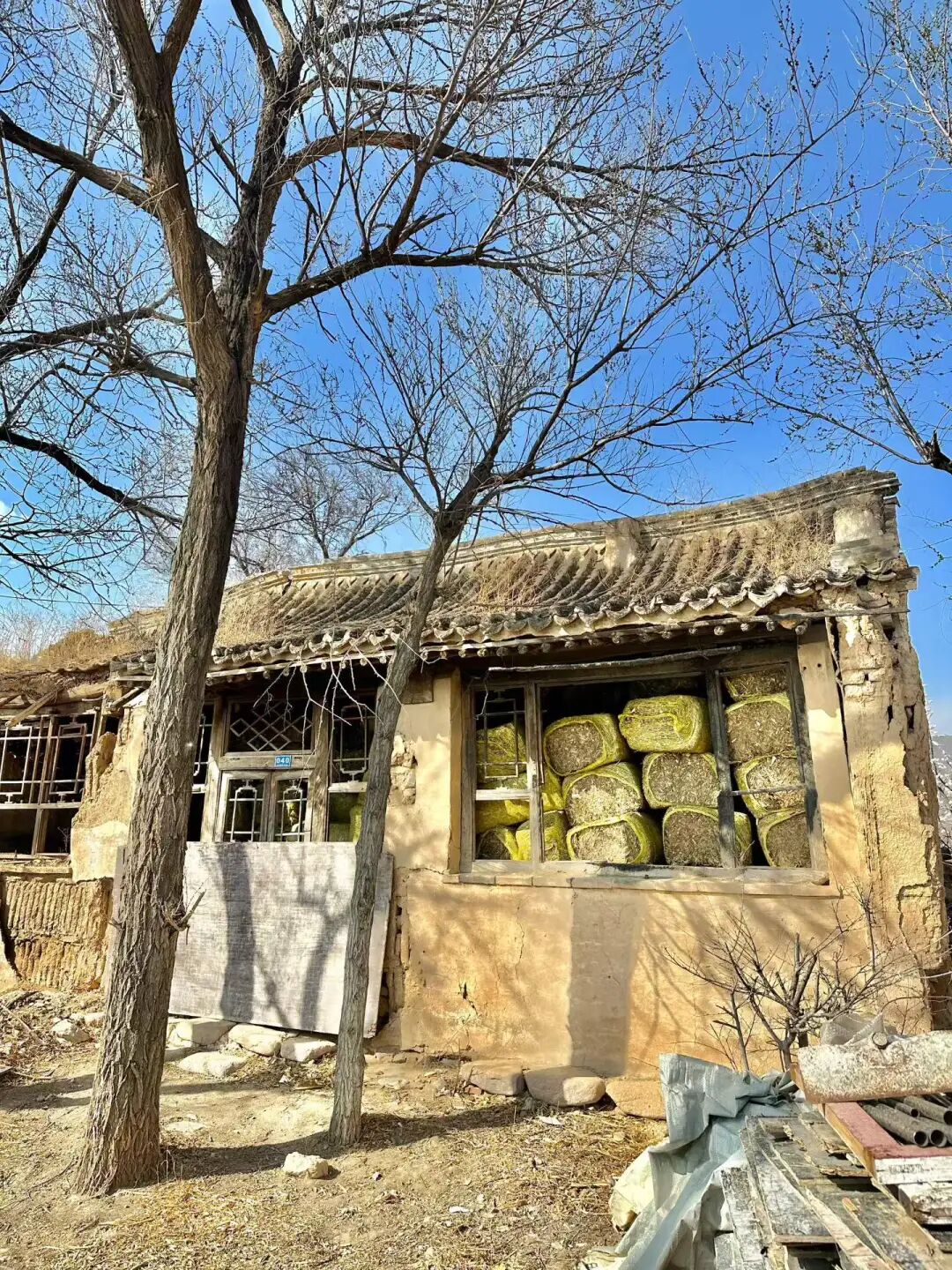
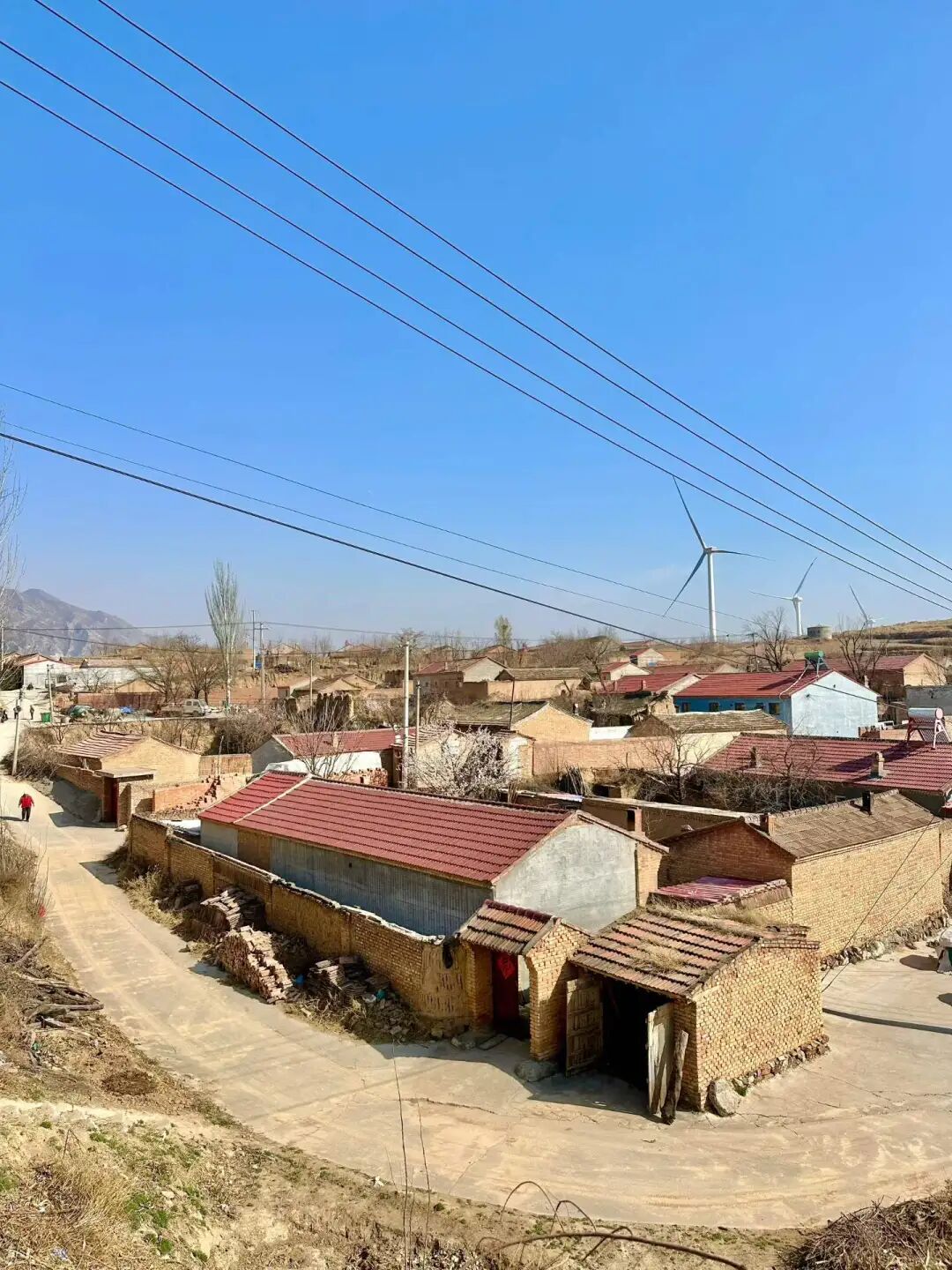
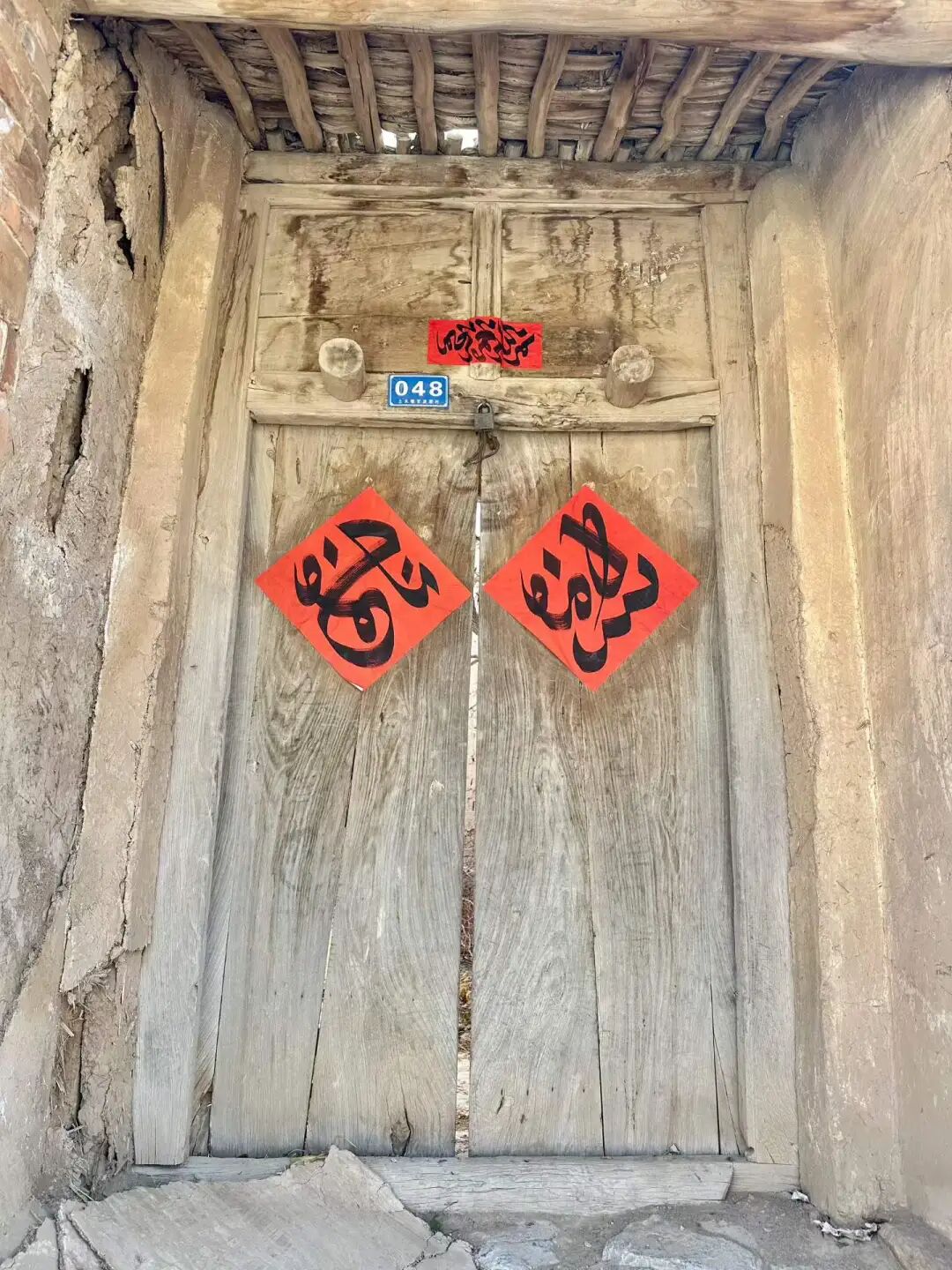
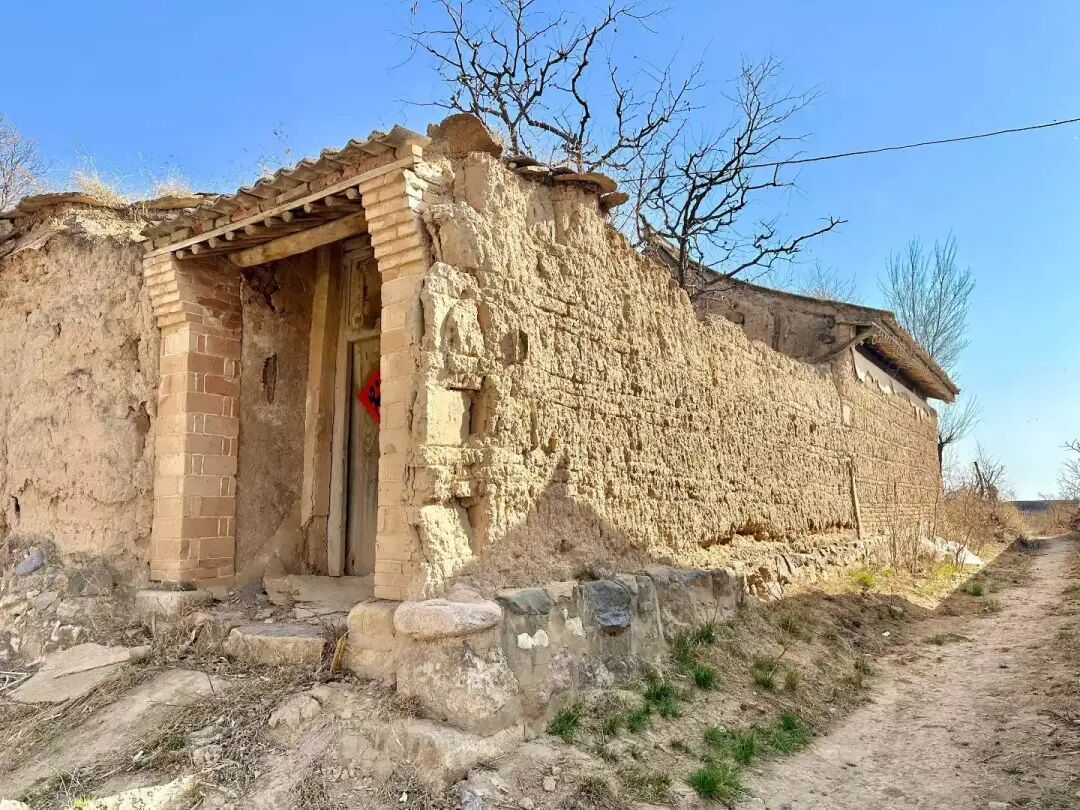
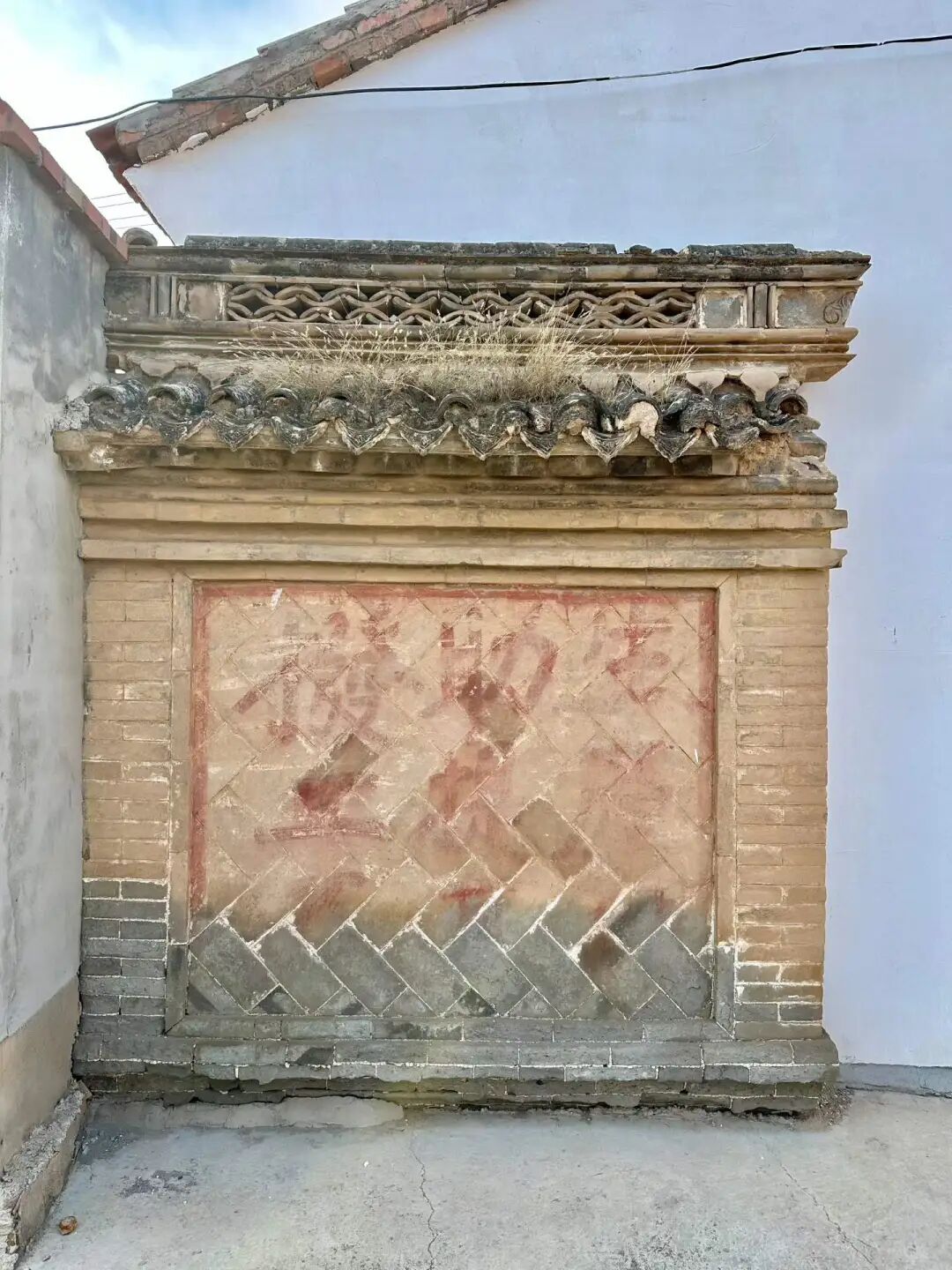
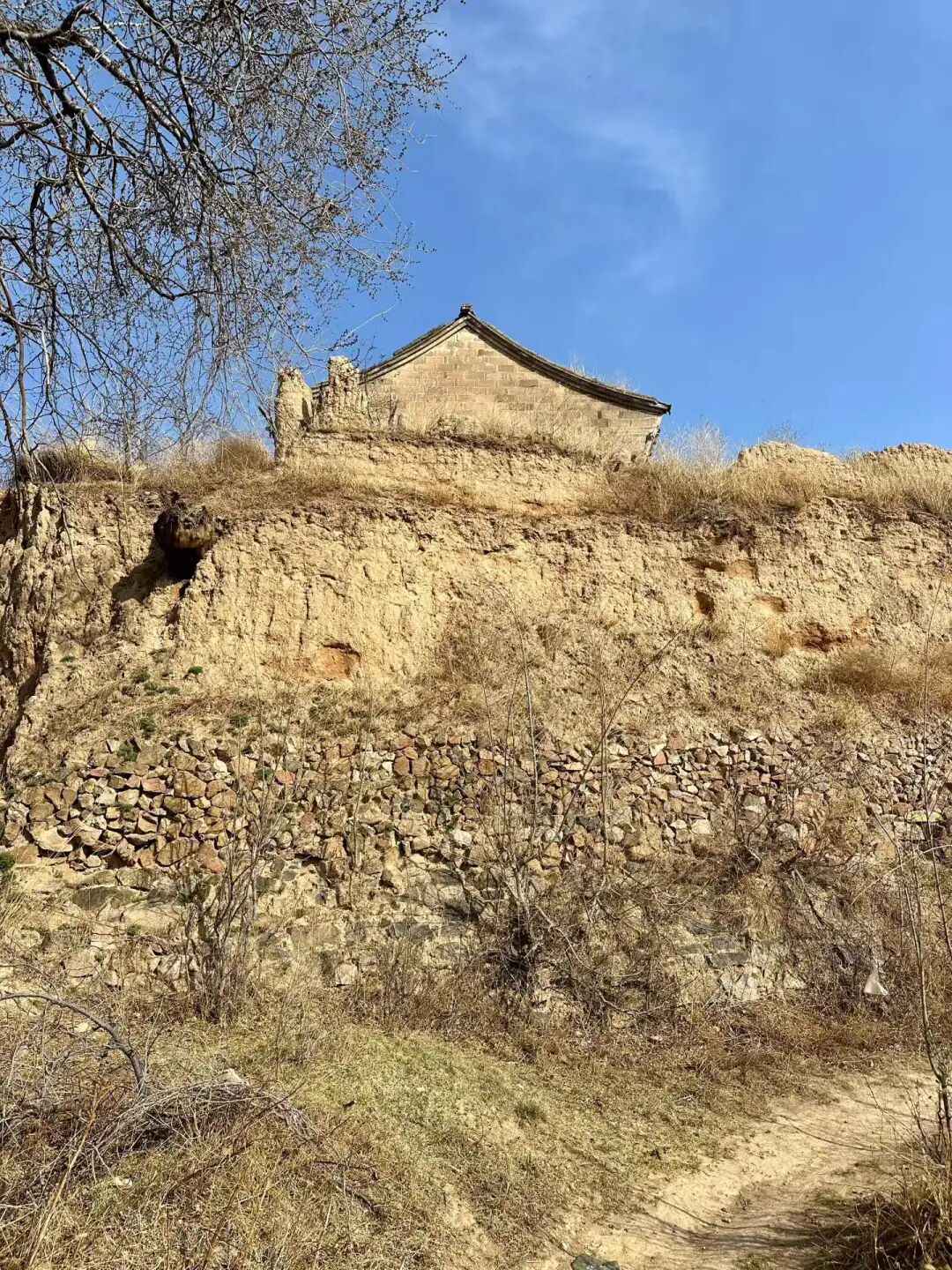
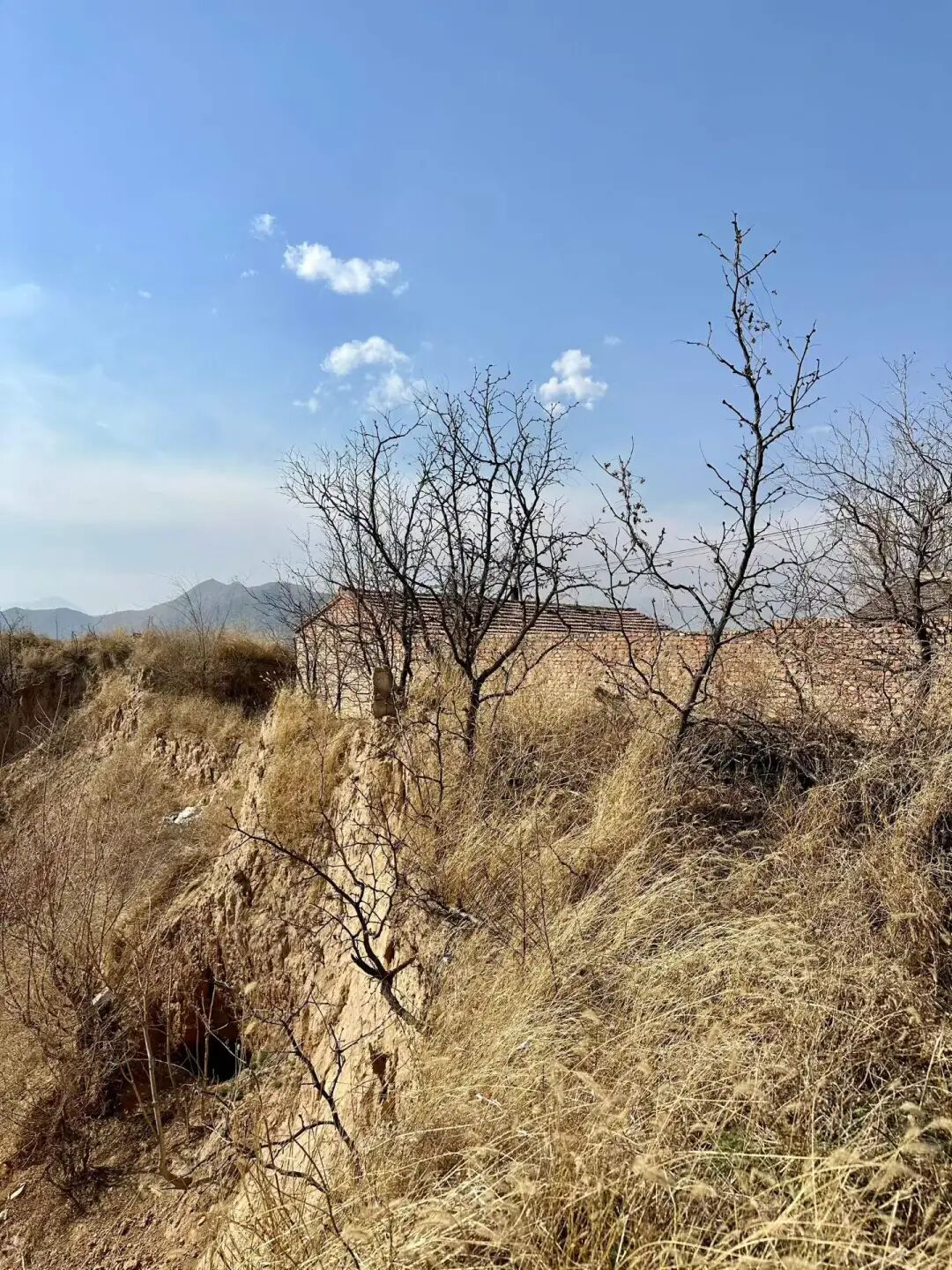
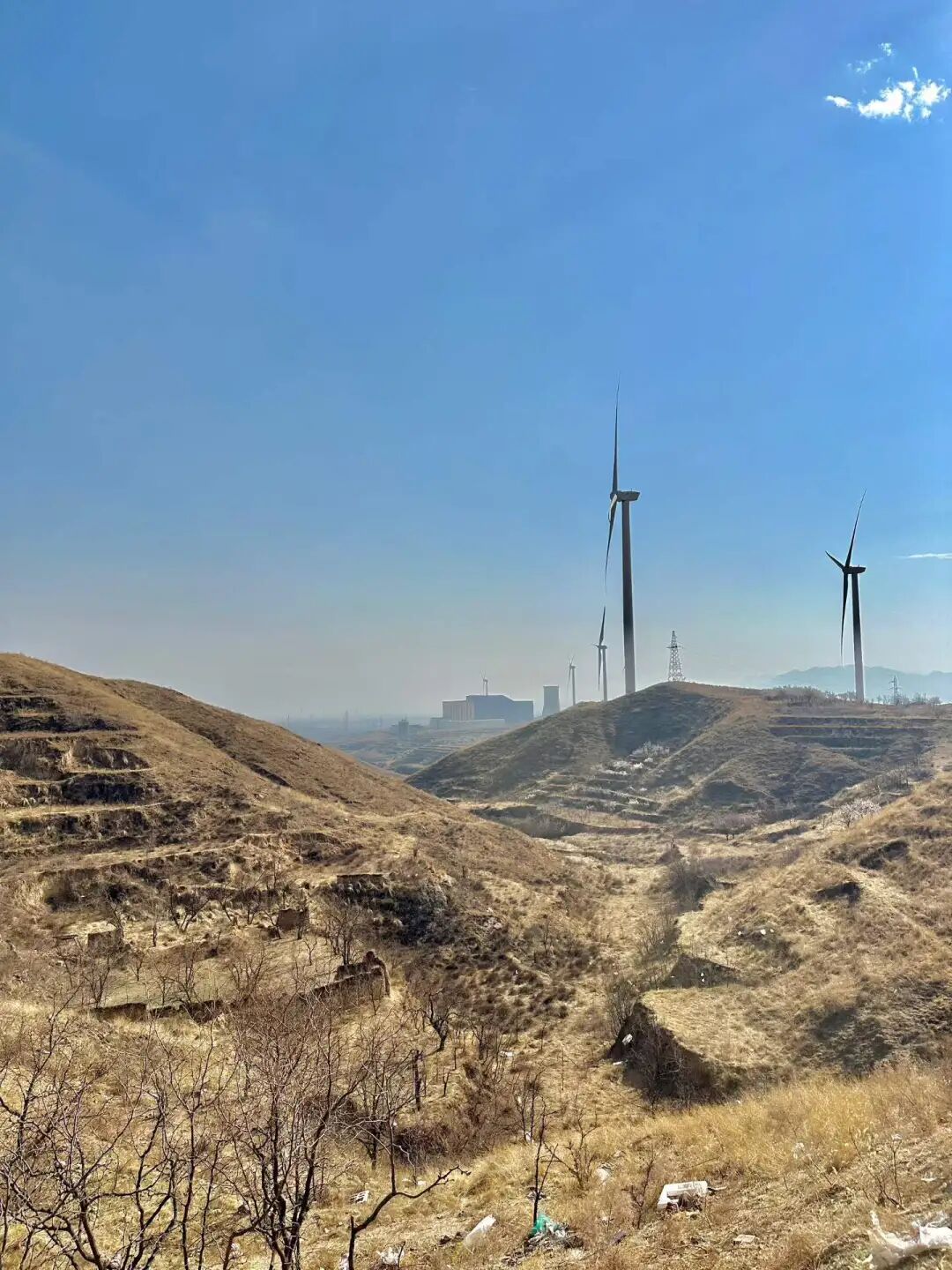
After leaving Ganjiliang Village, we went to another old mosque, Mayukou Mosque. Mayukou is in Wangjialou Hui Muslim Township in Huailai, an area where many Hui Muslims live. We received a warm welcome from Imam Yang at the mosque. Imam Yang keeps the mosque in great order. Later, the assistant imam (hou ahong) invited us to eat dumplings made by the local women elders during Ramadan.
Xingwang Fortress was built in Mayukou during the Hongwu reign of the Ming Dynasty. It was one of the border forts built in the early Ming period to defend against the Northern Yuan. Hui Muslims settled in Mayukou in the mid-Qing Dynasty, and the Mayukou Mosque they built is now 200 years old. Mayukou Mosque and Ganjiliang Mosque have the same layout, consisting of a main prayer hall, north and south side rooms, and a front gate. The main prayer halls of Mayukou Mosque and Ganjiliang Mosque are also identical. They serve as typical examples of Qing Dynasty mosque halls in the border fort regions of Hebei. The difference is that the gate of Mayukou Mosque may have been rebuilt later. It is taller than the one at Ganjiliang Mosque and features beautiful brick carvings. It is a pity that the mosque renovated the side rooms and the interior of the main hall last year, so we could not see the traditional calligraphy preserved inside.
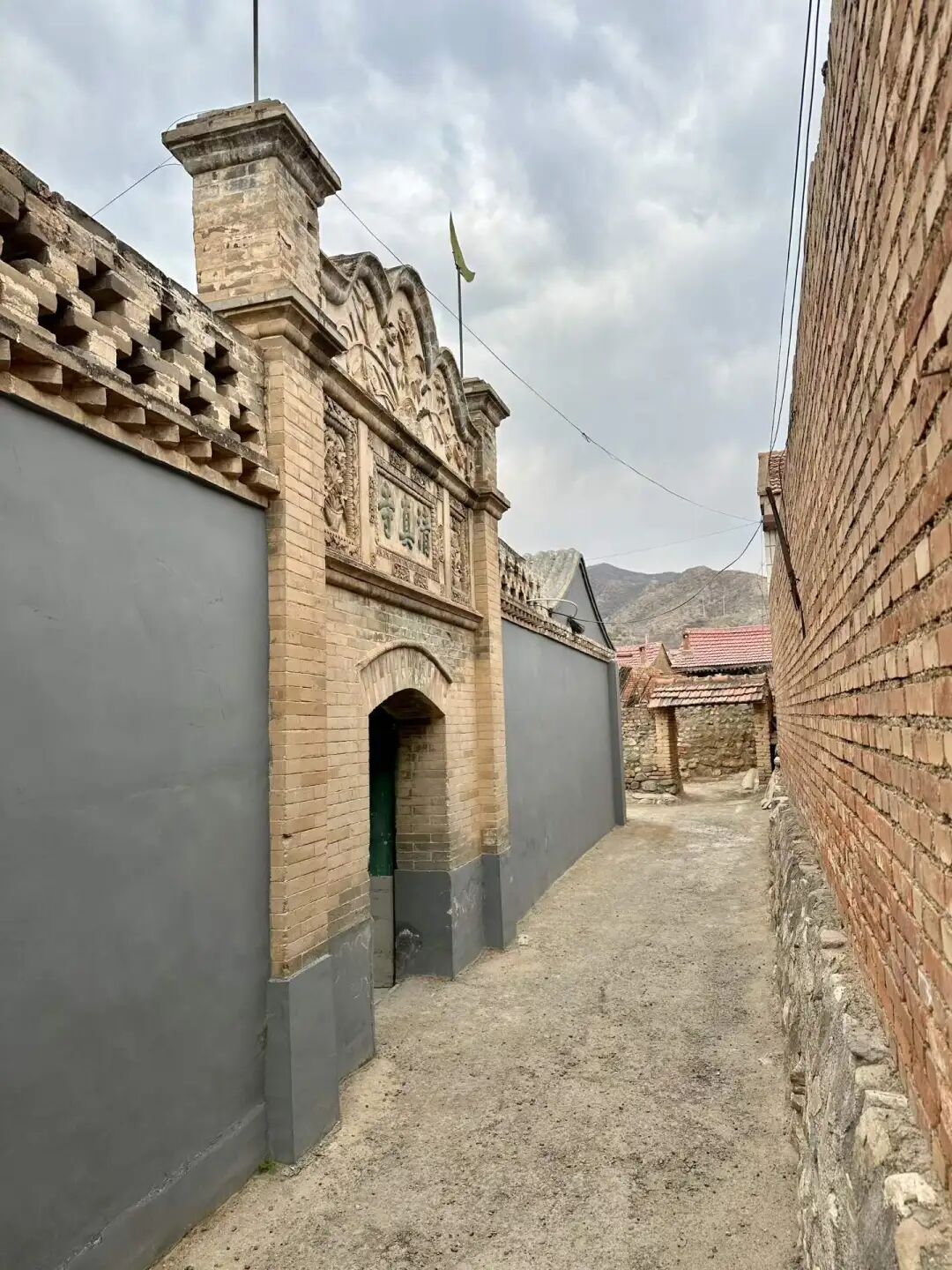
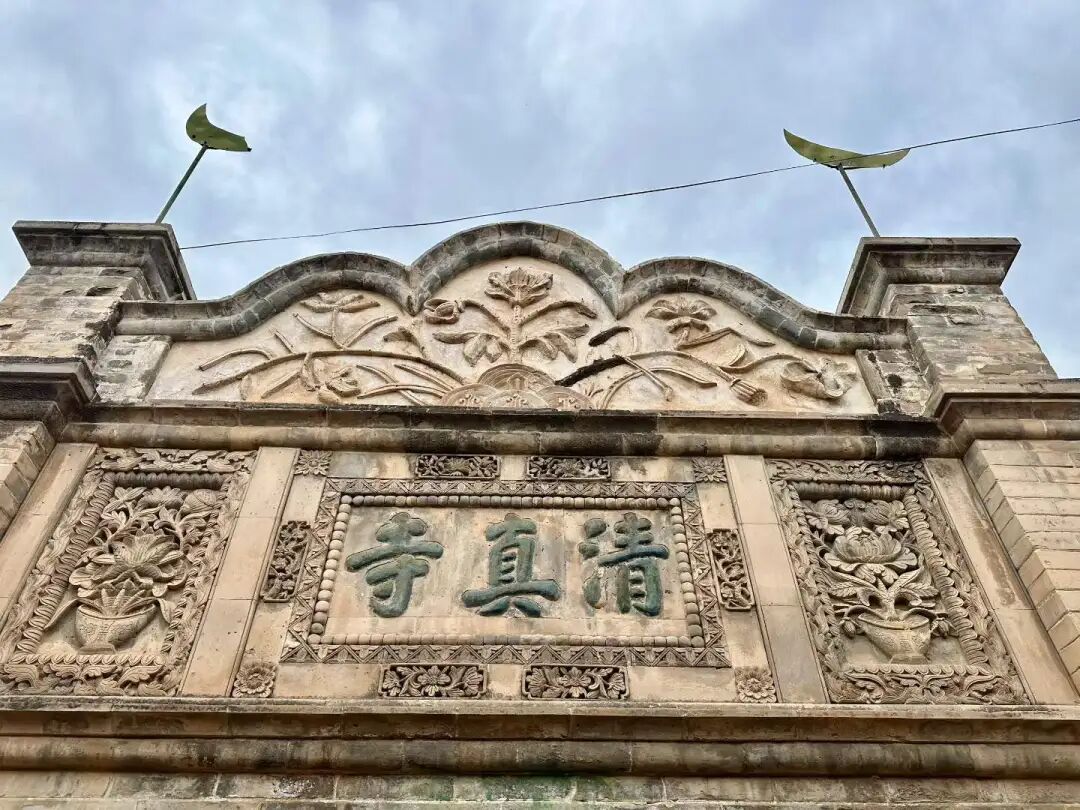
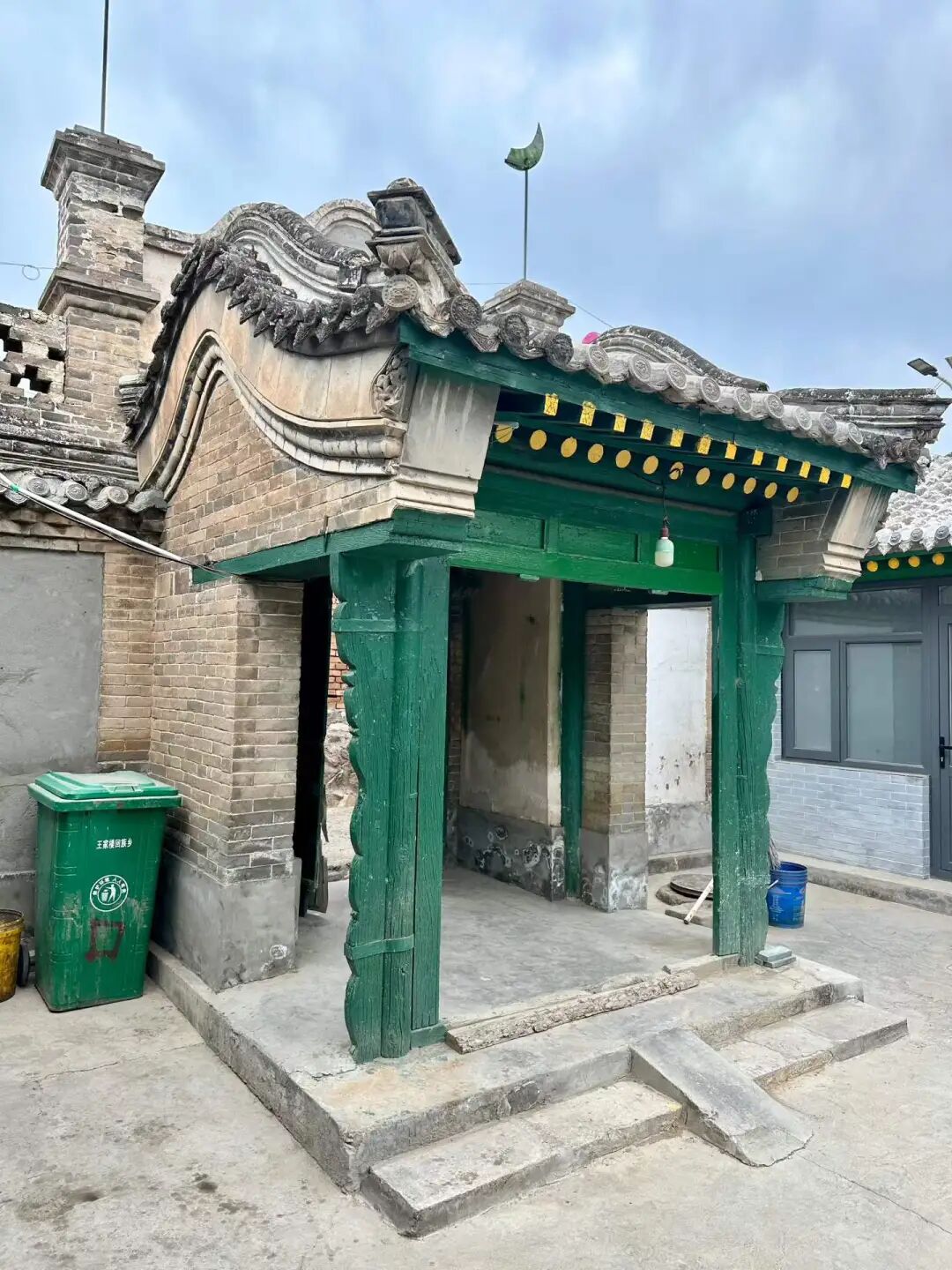
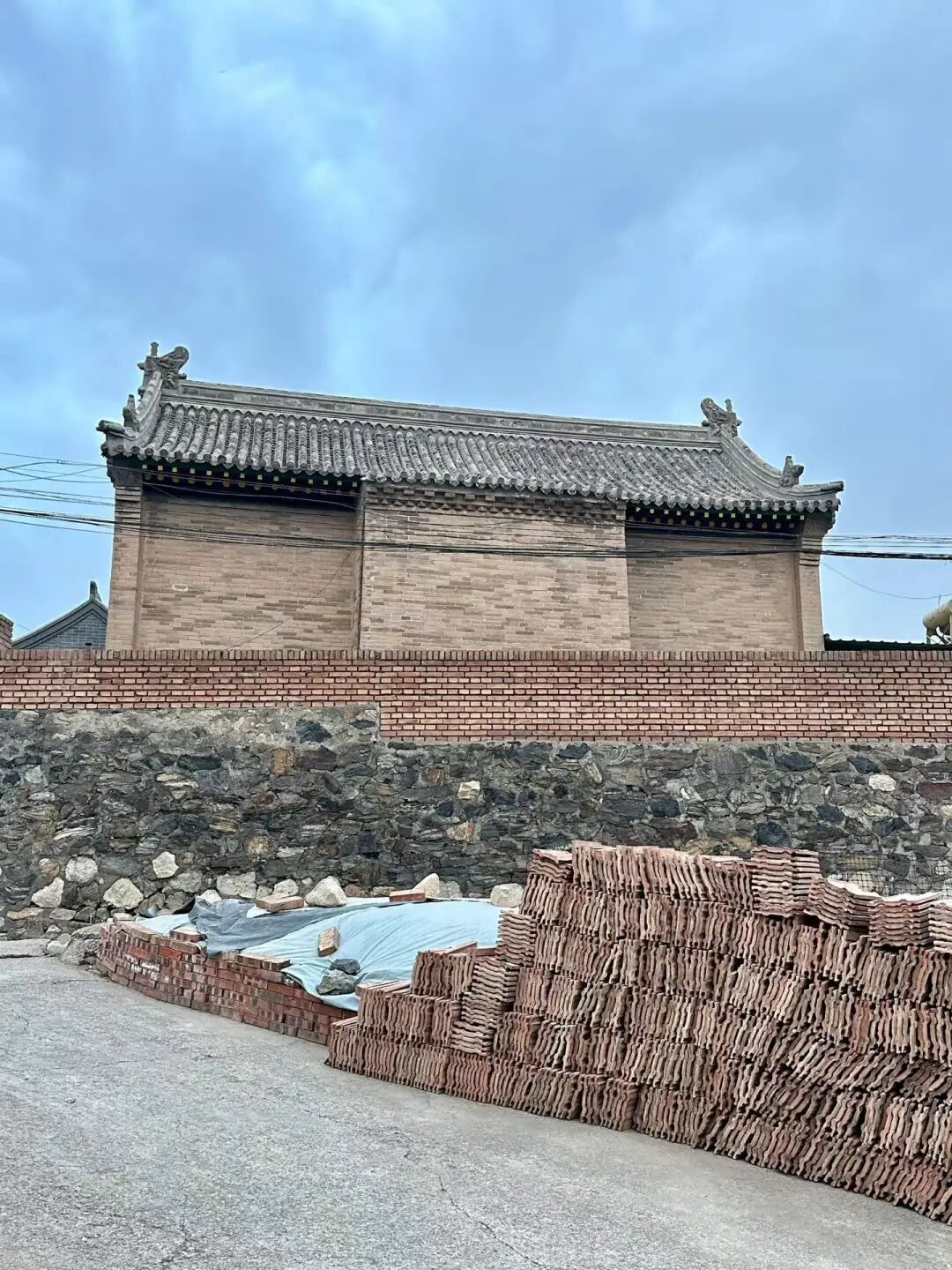
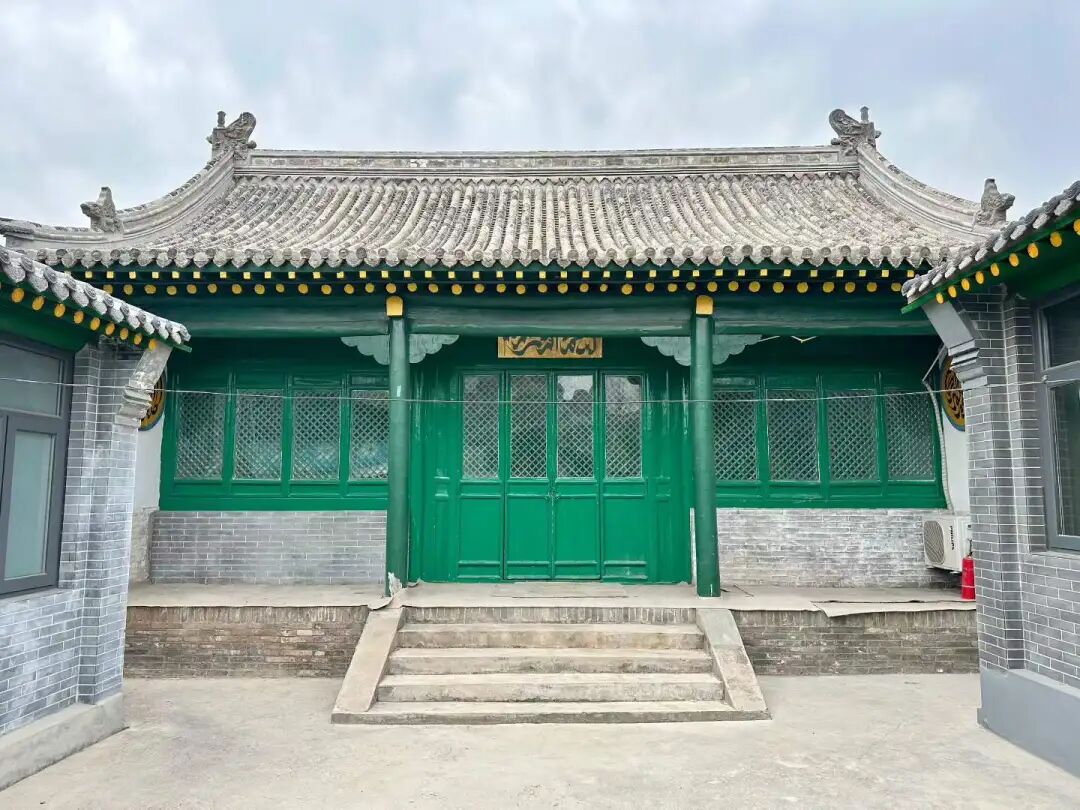
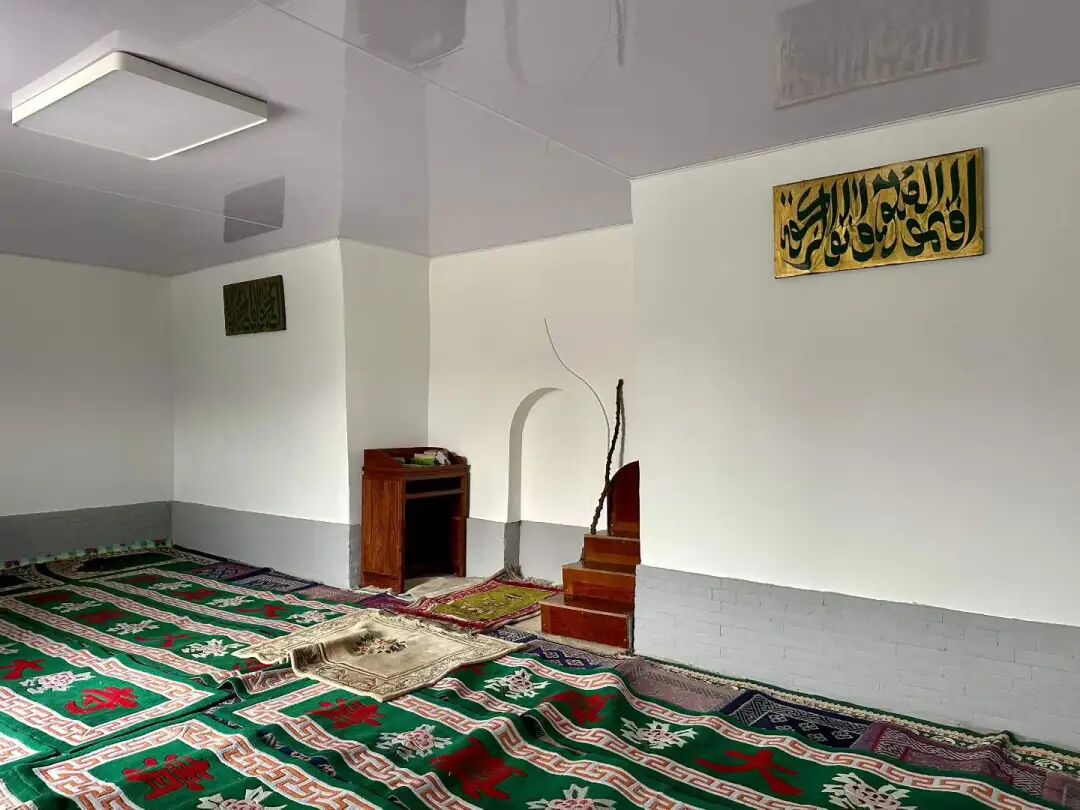
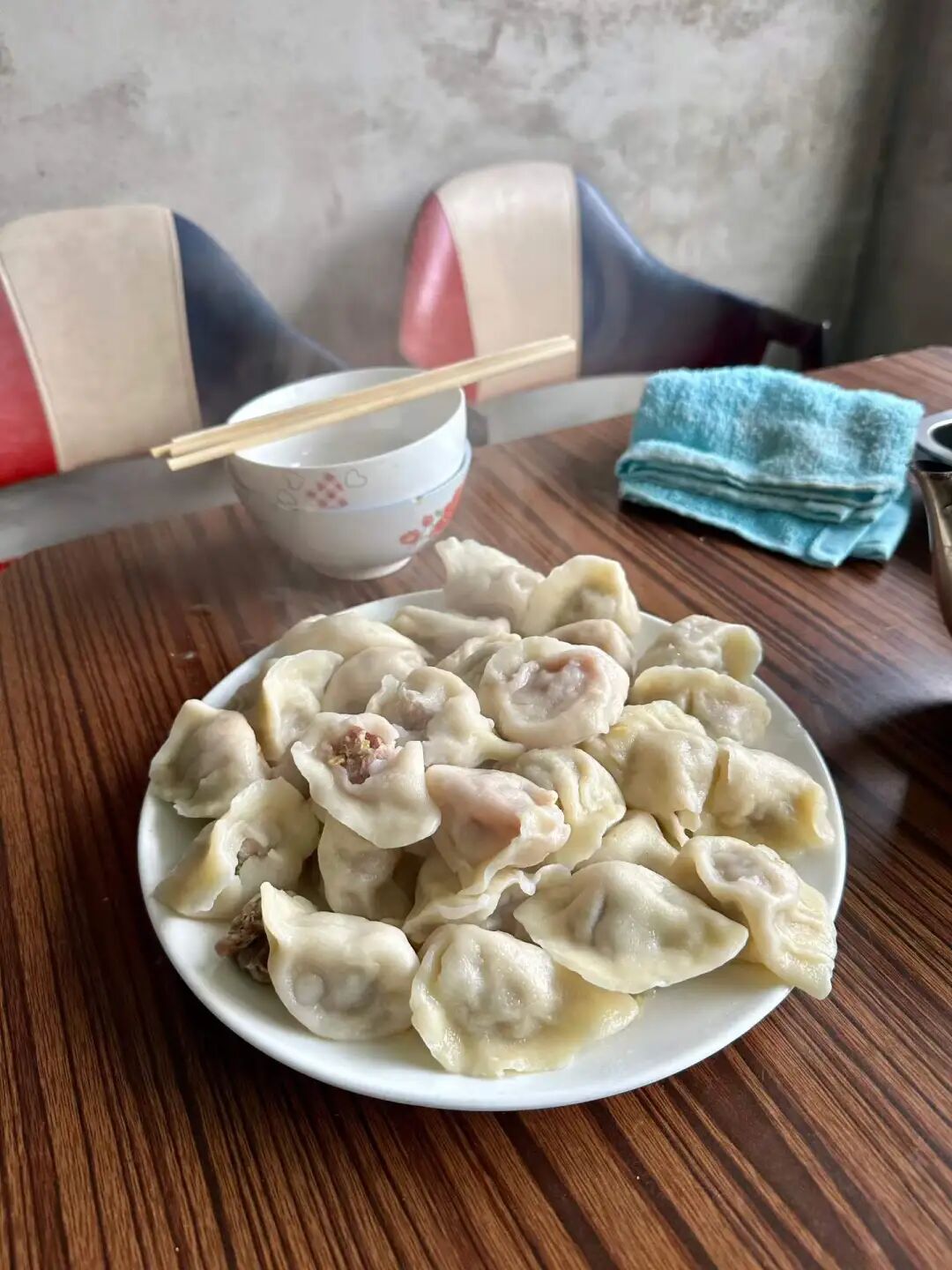
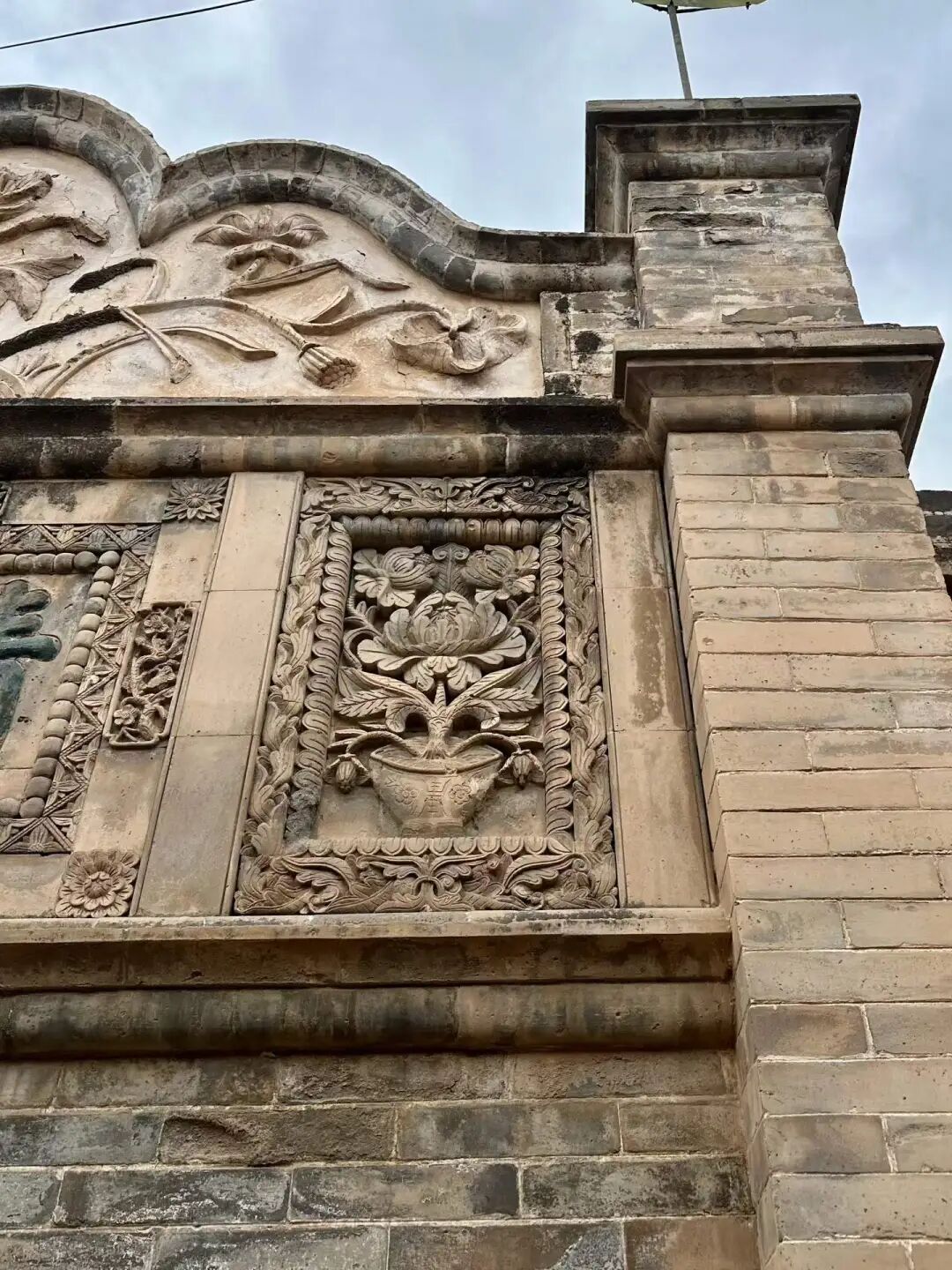
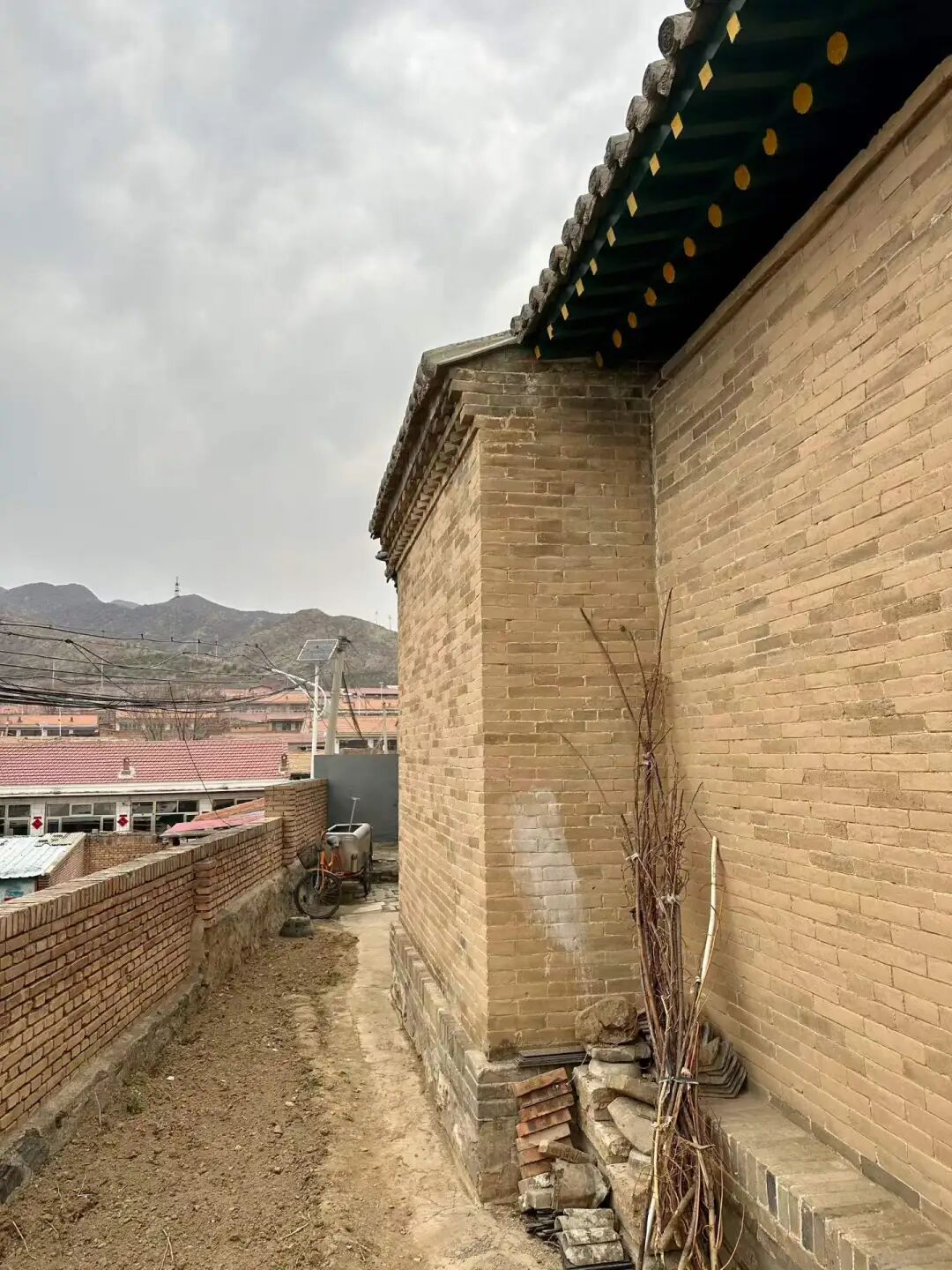
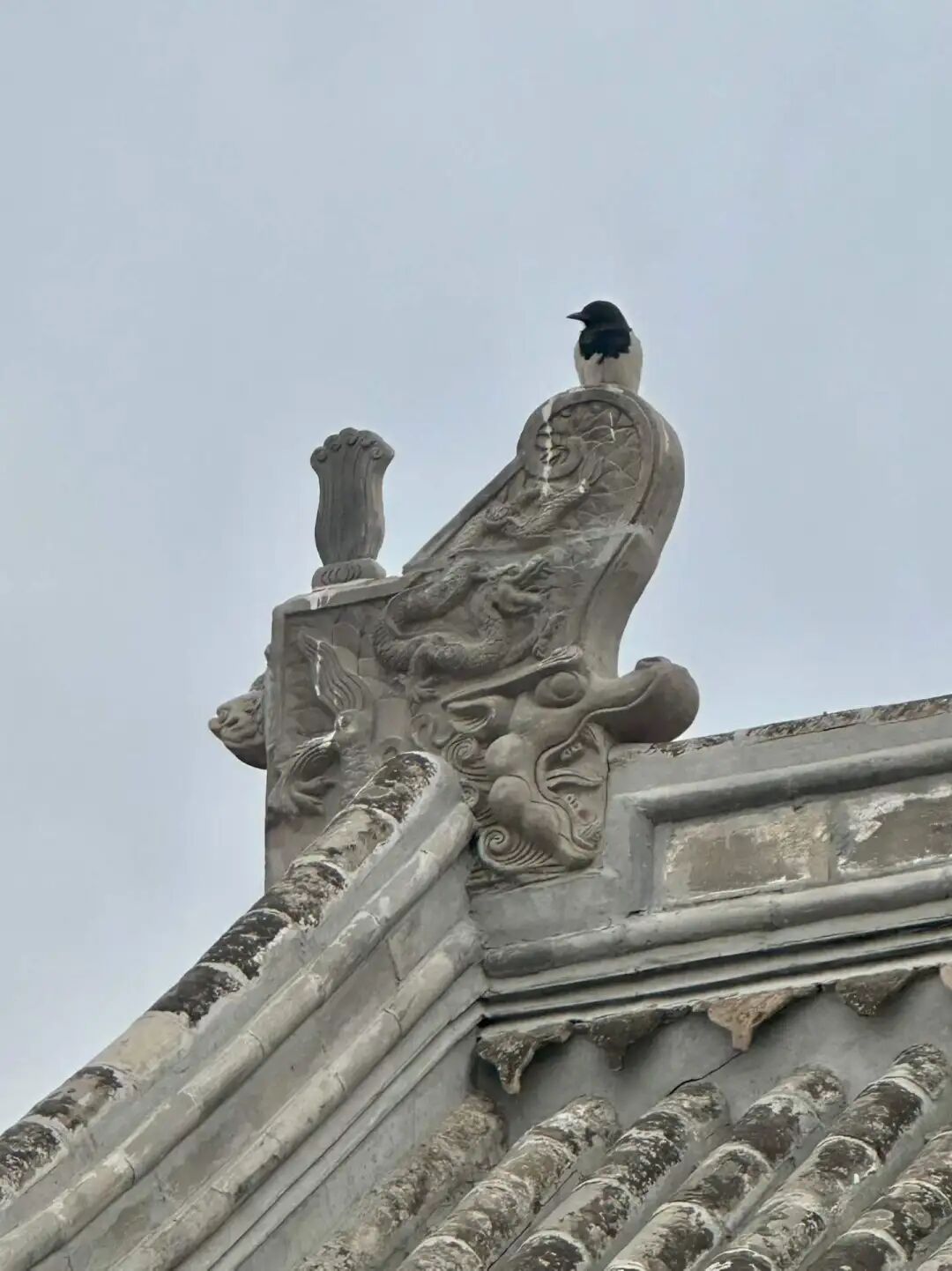
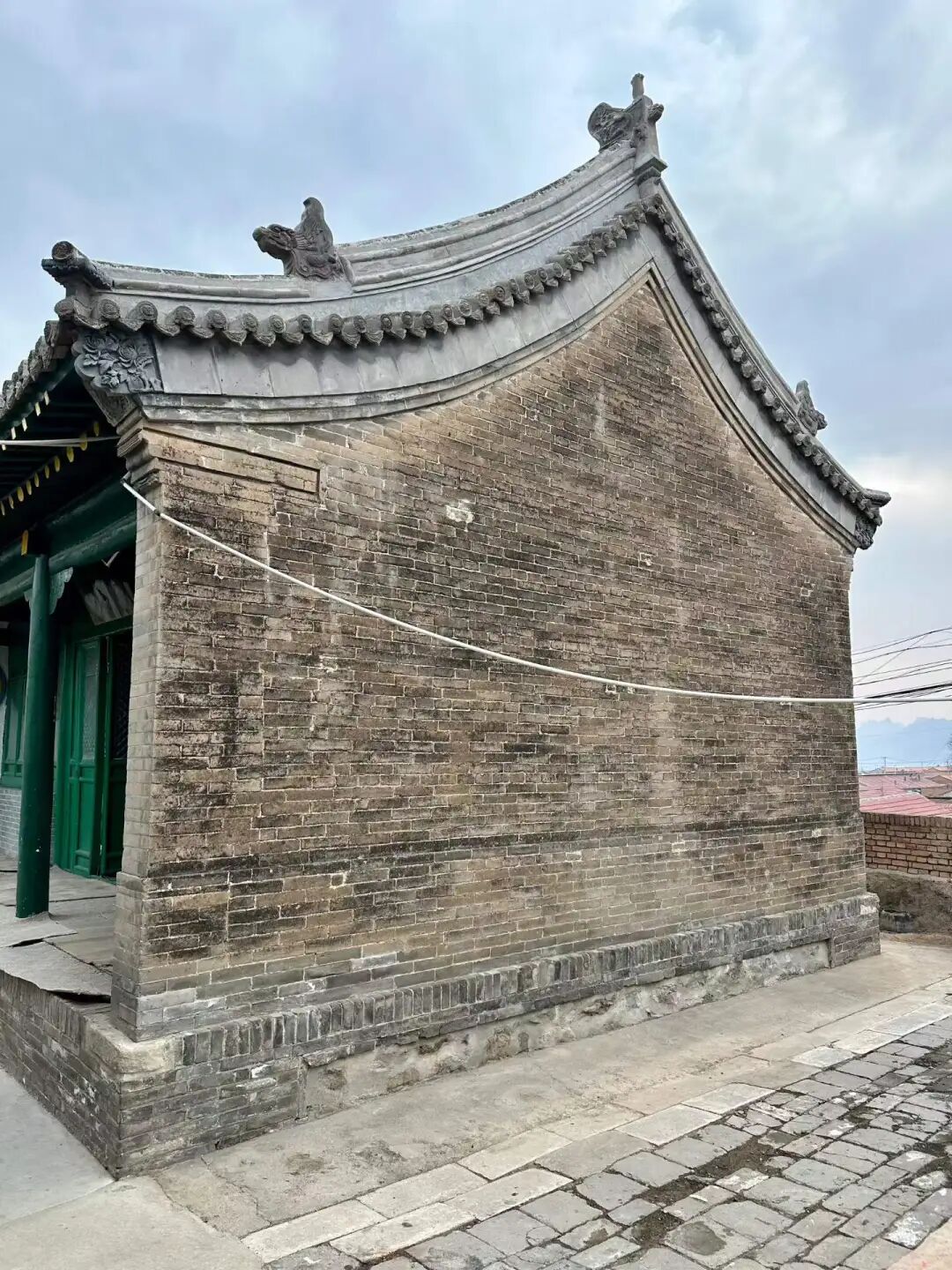
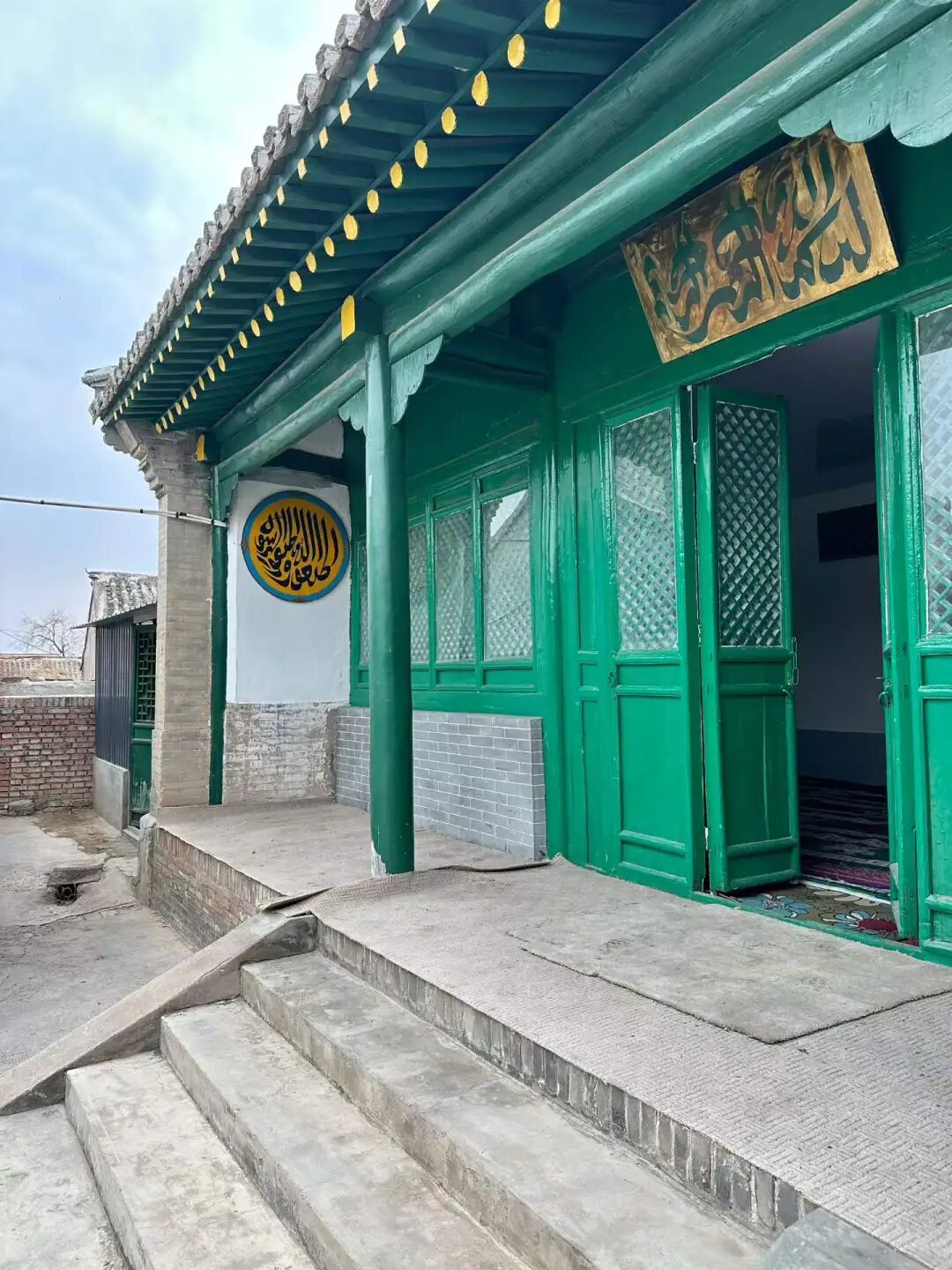
Scenery of Mayukou Village.
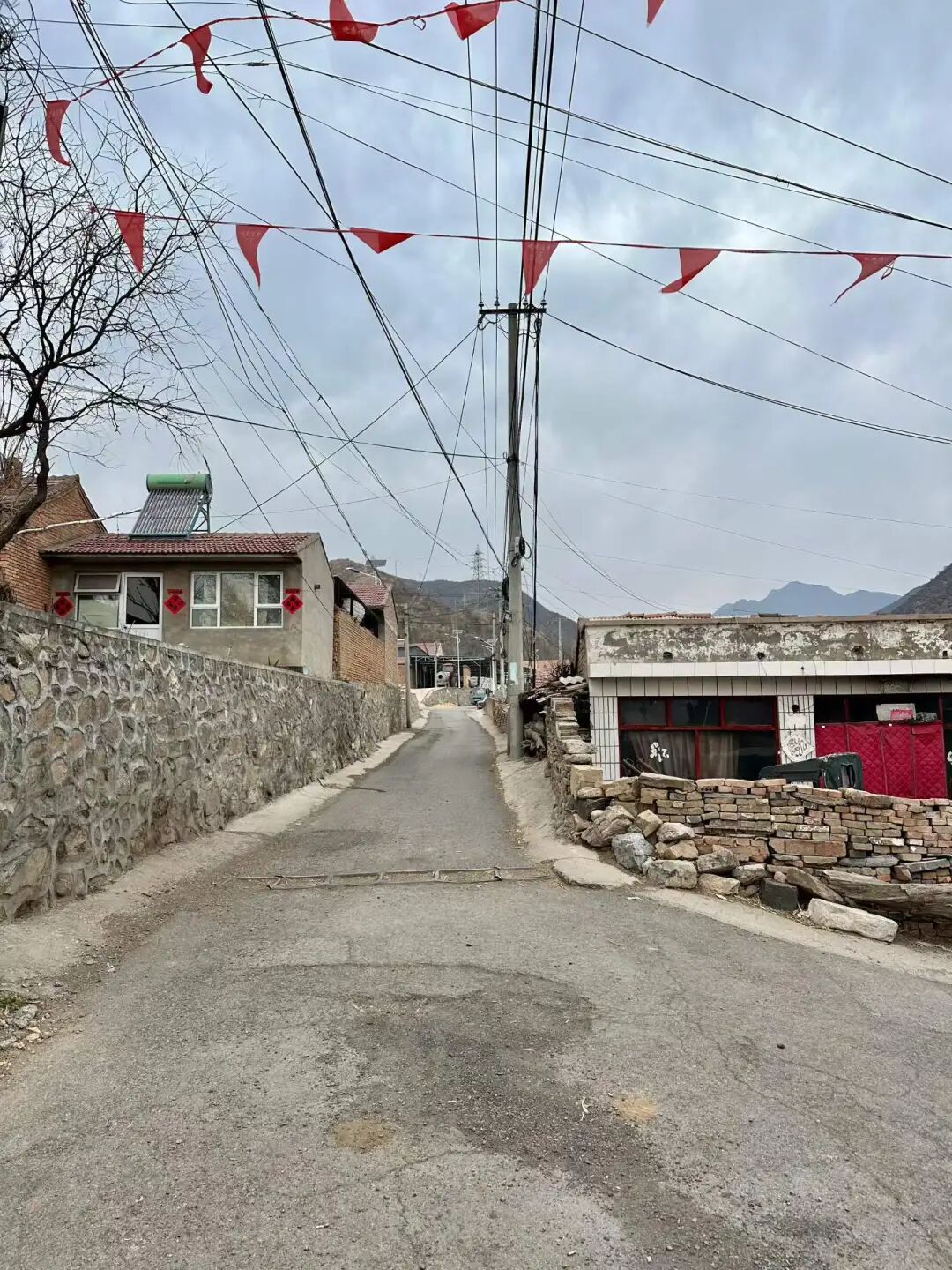
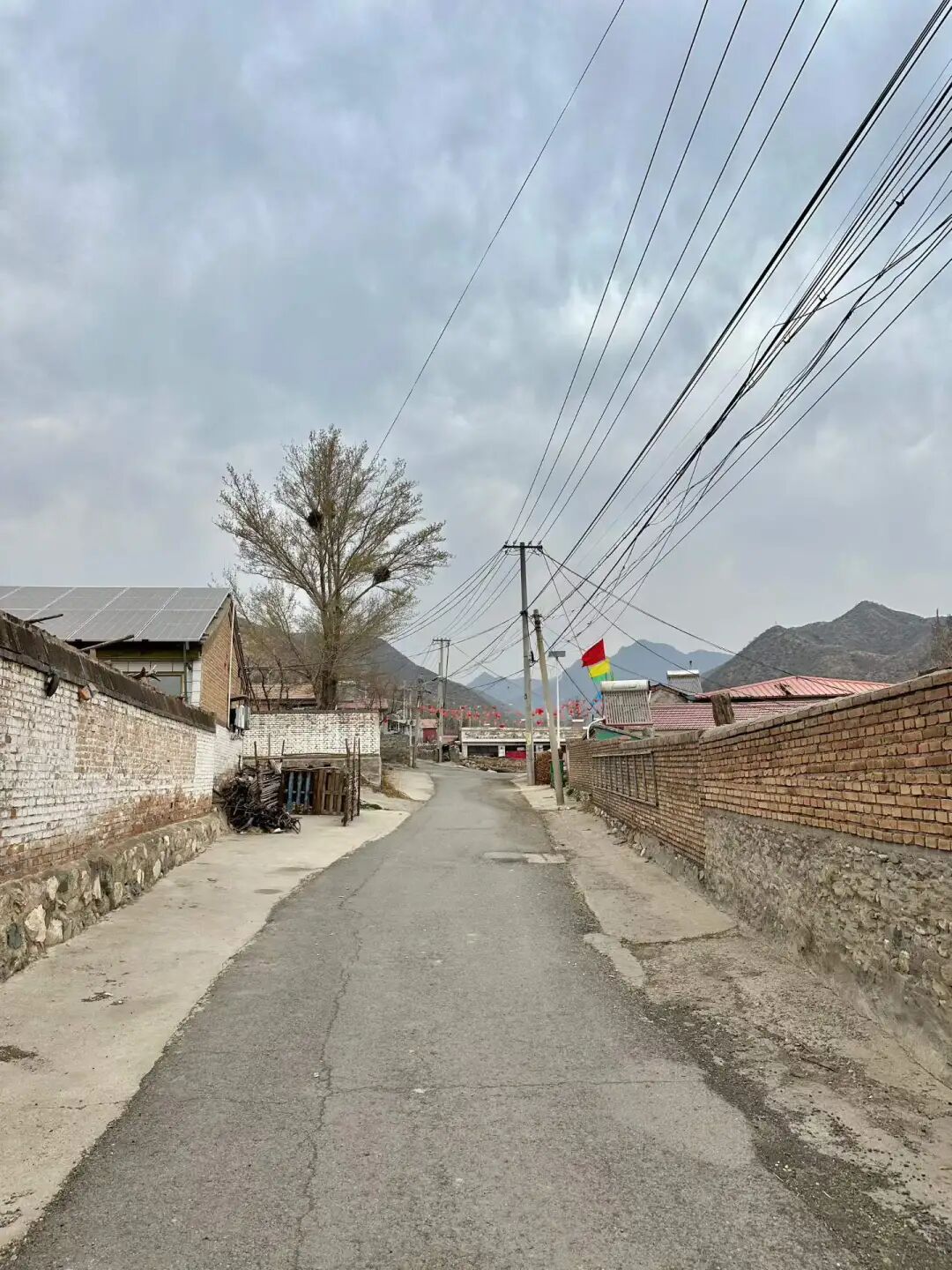
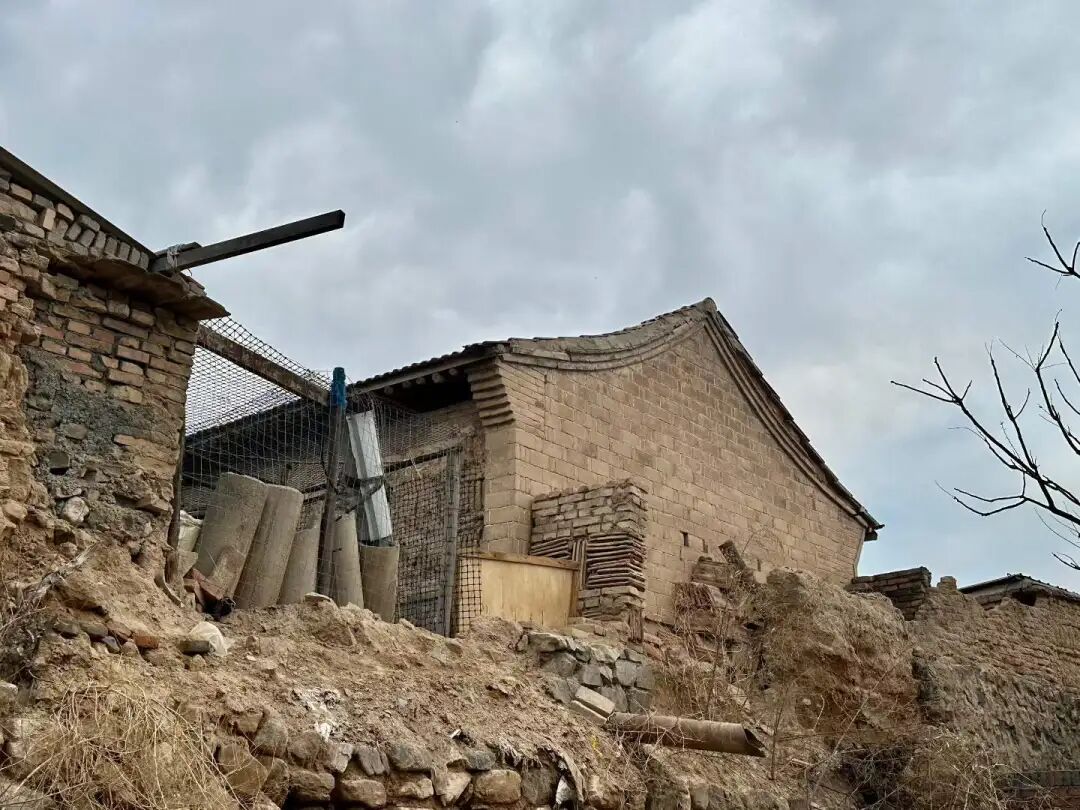
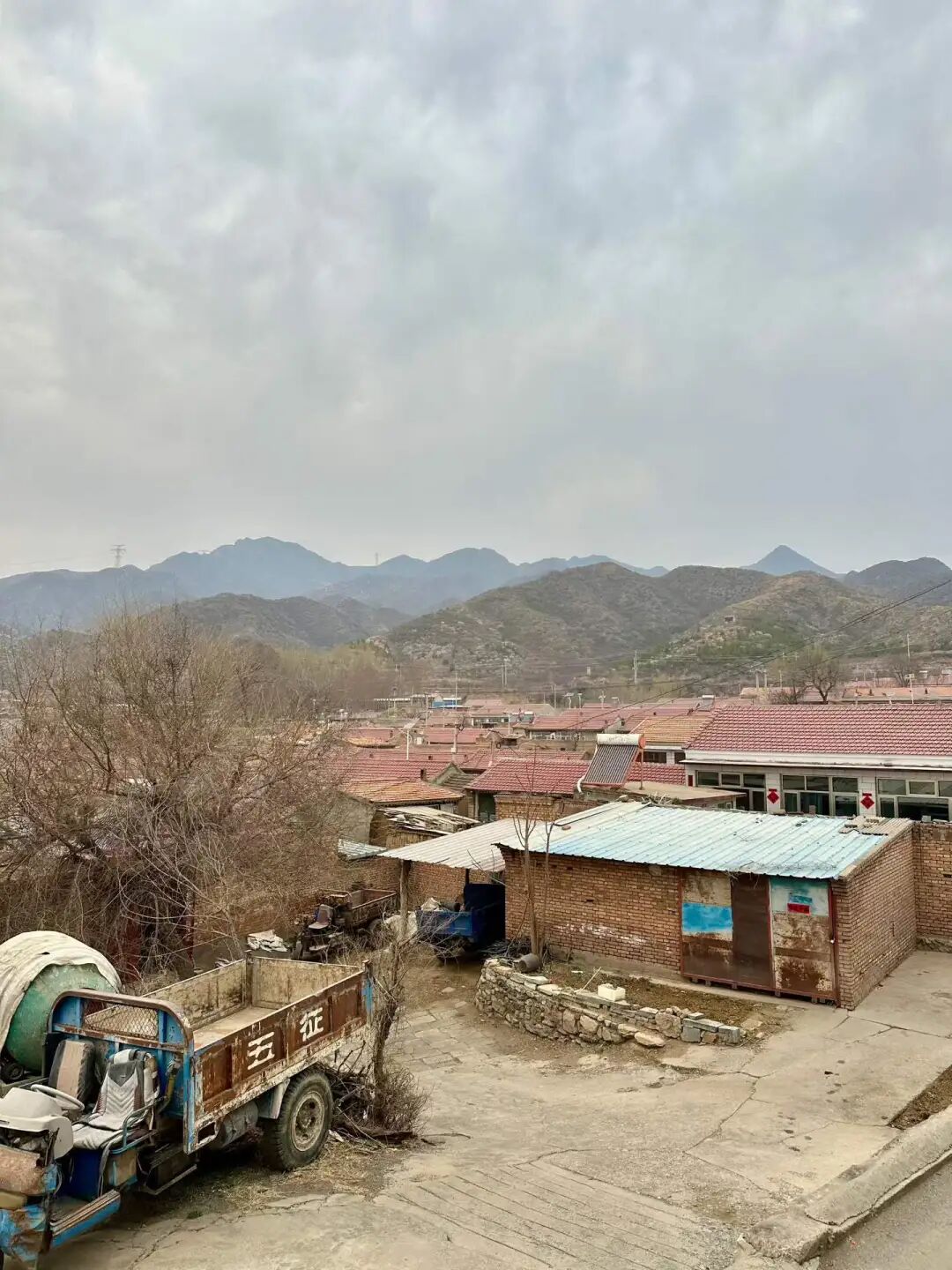
Summary: This Qingming road trip leaves Beijing for Huailai and Zhuolu in Hebei, visiting old mosques, Hui Muslim communities, village streets, and local history in the first half of the route.
During the Qingming holiday, I took a two-day road trip to Huailai and Zhuolu counties in Zhangjiakou, Hebei. I visited four ancient mosques and tried the local food. I left home after breakfast on Saturday and didn't reach Shacheng until noon because of highway traffic. At Ma Laoda in the county seat, I ate cornmeal dumplings (nieba), yellow rice cake (huanggao), braised carp, stewed Chinese cabbage with yam, and beef stew. Prices here are much lower than in Beijing. A bowl of corn noodles costs 10 yuan, and a large carp is 28 yuan.
Cornmeal dumplings (nieba) and yellow rice cake (huanggao) are both rustic snacks from Zhangjiakou. Cornmeal dumplings (nieba) are made from a mix of cornmeal and wheat flour. The texture is just right, and the side of pickled mustard greens adds a great flavor.
Yellow rice cake (huanggao) is made from local broomcorn millet that is peeled and ground into flour. It is soft and chewy, much like African fufu. You pinch off a piece and dip it into the broth from the stewed Chinese cabbage and yam.
The large carp is a reservoir fish from Guanting Reservoir, braised to perfection. It tastes great, doesn't have many bones, and has no muddy aftertaste. I really enjoyed it.
The only issue was that their beef stew was spicy, so the kids couldn't eat it.
Shacheng Castle was built in 1451 (the second year of the Jingtai reign of the Ming Dynasty). It was constructed after the Tumu Crisis to defend the northwest of the capital. To boost the population and strengthen the capital's defenses, the Ming government repeatedly ordered people from Shaanxi and Shanxi to move to the area south of the Zhangjiakou dam to farm and settle. They farmed during peacetime and served as soldiers during wartime. This is how some Hui Muslims settled in Huailai. After the Beijing-Suiyuan Railway opened in 1909, a station was built in Shacheng. The town became a busy commercial hub, and the population grew quickly. In 1951, the old Huailai county seat was flooded to build the Guanting Reservoir, and Shacheng became the new seat of Huailai County.
After eating in Shacheng, I headed to the nearby Ganji Liang Village, the closest Hui Muslim village to the Huailai county seat.
Ganji Liang Village was originally called Gan Jilang. The main family there was the Han Chinese Gan family, but they later moved away, and the Zheng family, who are Hui Muslims, became the main residents. The Zheng family is a major Hui Muslim clan in Zhangjiakou. Their ancestors moved from Shaanxi in the late Ming and early Qing dynasties, first to Huailai, and then spread throughout Zhangjiakou. The most famous member of the Zheng family in Zhangjiakou was Zheng Kuishi. He was a well-known late Qing Hui Muslim general. He joined the army in the early Daoguang years and fought against the Taiping Rebellion during the Xianfeng years. He served in Guangxi, Hunan, Hubei, and Anhui, earned many military honors, was given the title Shalama Batulu, and was awarded a yellow riding jacket. During the Tongzhi reign, he served as the acting Zhili provincial commander, guarding the capital region and suppressing the Nian Rebellion in Zhili to keep the capital safe. In his later years, he returned home to work on water conservancy, building the Yonggu Dam to manage the Liu River. He also repaired the Zhenshuo Tower and Four Archways in Xuanhua and opened the Huoshi Slope road to improve transportation. He was highly respected locally.
The Ganji Liang Mosque was built during the Qianlong reign and is a standard courtyard-style building. The main hall from the Qing Dynasty is still well-preserved and features beautiful brick carvings. Unfortunately, the religious life in Ganji Liang Village has declined, and imams come and go. There is currently no imam at the mosque, and it looks abandoned. The main hall is covered in dust and rubble, and the backyard is overgrown with weeds.
Inside the main hall, there is a wooden board with ink writing that records the history of the mosque: it was built by the community during the Qianlong reign, expanded in the sixth year of the Xianfeng reign, and land was purchased in the fourteenth year of the Daoguang reign. All the donors listed were from the local Zheng family. Unfortunately, it is hard to see the second half clearly because it was not well preserved.
Ganjiliang Village is built on a mountain ridge. Below the ridge are terraced fields, and on top are wind turbines. The wind here is much stronger than in Beijing.
Because of the terrain, Ganjiliang developed more slowly than the surrounding plains, which helped it keep more of its Qing Dynasty houses. Like many traditional villages, you rarely see young people here. Mostly, only the elderly remain.
After leaving Ganjiliang Village, we went to another old mosque, Mayukou Mosque. Mayukou is in Wangjialou Hui Muslim Township in Huailai, an area where many Hui Muslims live. We received a warm welcome from Imam Yang at the mosque. Imam Yang keeps the mosque in great order. Later, the assistant imam (hou ahong) invited us to eat dumplings made by the local women elders during Ramadan.
Xingwang Fortress was built in Mayukou during the Hongwu reign of the Ming Dynasty. It was one of the border forts built in the early Ming period to defend against the Northern Yuan. Hui Muslims settled in Mayukou in the mid-Qing Dynasty, and the Mayukou Mosque they built is now 200 years old. Mayukou Mosque and Ganjiliang Mosque have the same layout, consisting of a main prayer hall, north and south side rooms, and a front gate. The main prayer halls of Mayukou Mosque and Ganjiliang Mosque are also identical. They serve as typical examples of Qing Dynasty mosque halls in the border fort regions of Hebei. The difference is that the gate of Mayukou Mosque may have been rebuilt later. It is taller than the one at Ganjiliang Mosque and features beautiful brick carvings. It is a pity that the mosque renovated the side rooms and the interior of the main hall last year, so we could not see the traditional calligraphy preserved inside.
Scenery of Mayukou Village.
China Mosque Travel Guide Hebei Cangzhou: Old Mosques, Hui Villages and Muslim Heritage
Articles • yusuf908 posted the article • 0 comments • 168 views • 2026-05-23 23:15
Reposted from the web
Summary: This China Mosque Travel Guide keeps the original 2016 Cangzhou travel notes intact while making the route clear for Muslim readers. It is useful for China Muslim travel tips, halal food in China, Chinese Muslim food, and old mosque heritage in Hebei.
I visited the Hui Muslim community in Cangzhou twice, on November 26, 2016, and March 25, 2017. I will share my experiences here. Some information in this article comes from the book Cangzhou Hui Muslims by Wu Piqing.
The high-speed train from Beijing South Station to Cangzhou West Station takes only 50 minutes. At Beijing South Station, there is a fast-track entrance for the Beijing-Shanghai high-speed railway right at the subway exit. You can swipe your card to leave the subway and head straight to the train, which is very convenient.
When you leave Cangzhou West Station, you can take a metered taxi. It costs about a dozen yuan and takes 20 minutes to reach the mosque. When Cangzhou locals talk about the mosque, they usually mean the North Great Mosque (Qingzhen Beidasi) on the main street. It is the most magnificent mosque in Cangzhou. Once at the mosque, I first went to eat the famous Wu's All-Beef Soup (Wu Ji Quan Niu Tang).
From Wu's All-Beef Soup to the Cangzhou Hui Muslim district.
Wu's All-Beef Soup has cost fifty yuan a bowl for years. Don't let the price scare you; once you see the amount of beef, you will know it is worth it. You take dried beef from the counter and dip it in the boiling soup. The beef soup is incredibly delicious, and the beef is very fragrant. It keeps you full for a long time. You can eat all the flatbreads you want there. I chose this long, multi-grain flatbread, which goes perfectly with the soup.
After finishing the beef soup, I have to talk a bit about the Wu family of Cangzhou. The Wu family is an important branch of the Hui Muslims in Cangzhou, and they are closely linked to the city's history.
Like many canal cities, Cangzhou has had Hui Muslim merchants settling down with their families since the Yuan Dynasty. However, the Cangzhou city of that time was not the one we see today. It was located at the Old Prefecture City ruins, 20 kilometers southeast of the current city, where the famous Cangzhou Iron Lion stands.
In 1399, during the Jingnan Campaign, the Prince of Yan, Zhu Di, captured the old Cangzhou city. He killed thousands of surrendered soldiers and tens of thousands of residents, destroying the entire city. The Prince of Yan's sweep to the north became a major turning point in Cangzhou's history.
In 1404, after the war, Cangzhou began to rebuild. Zhu Di, who had gone from Prince of Yan to the Yongle Emperor, ordered the city moved to Changlu by the Grand Canal. He brought in residents from Shanxi, Shandong, and Anhui to settle there, forming the new Cangzhou city.
Just one year before the city was rebuilt, in 1403, the Wu family ancestor, Zuoyong, was appointed as the Assistant Prefect of the Cangzhou Salt Transport Commission in Hejian Prefecture, Zhili. He moved to Cangzhou from Shexian, Anhui. Cangzhou borders the Bohai Sea to the east and has had a thriving salt industry since ancient times. The Cangzhou Salt Transport Commission, established in the early Ming Dynasty, managed the local salt trade. The salt fields were located by the Grand Canal west of Cangzhou city. Transport was very convenient and cost-effective, making the salt popular along the canal.
a descendant of the Wu family, Wu Zhong, founded the famous Wu-style Baji martial arts during the reigns of the Yongzheng and Qianlong emperors, becoming the pride of Cangzhou's Hui Muslims.
Cangzhou North Great Mosque.
The area south of the city gate was an important passage to the canal. Most Hui Muslim artisans and small vendors chose to live there. In 1420, the Cangzhou North Great Mosque was built in the south of the city on land donated by the Wu family ancestor Yongzuo, marking the formal establishment of the Cangzhou Hui Muslim community.
The Fatimah Auntie Festival (Fatumei Gutai Hui), one of the two major festivals and two major gatherings in North China.
The North Mosque (Beidasi) in Cangzhou is grand, but it was badly damaged in the 1908 earthquake, which caused the main hall to tilt toward the south. Local legend says a famous Cangzhou craftsman named Master Jiang Ba dismantled the four walls of the hall, straightened the structure, and restored it. During the Cultural Revolution, the Cangzhou Instrument Factory took over the North Mosque. They tore down the hall and the south lecture hall, burned historic plaques, smashed the roof of the main hall, and removed the front gate.
The North Mosque was only fully repaired after the factory moved out in 1989. Its layout changed quite a bit to reach its current form.
Halal food near the North Mosque
There are many small shops on both sides of the North Mosque gate. I bought some local specialty crispy candy (sutang) at the Wangji Crispy Candy and Pastry Shop. I only got to eat this during the Chinese New Year when I was a kid, so it brings back many memories.
Horseshoe-shaped crispy pastry (matisu) bought at the pastry department of the Cangzhou Halal Food Factory.
The halal red bean buns (doubao) next to the North Mosque are delicious. I bought a bunch both times I visited.
Women's Mosque (Qingzhen Nüsi)
Across from the North Mosque is the Women's Mosque, which was first built in 1666 (the fifth year of the Kangxi reign). The Women's Mosque used to be called the Inner City Mosque (Chengli Qingzhensi), and it was separated from the North Mosque by the south city wall of Cangzhou. The Inner City Mosque faced a similar fate to the North Mosque, suffering near-total destruction in the 1960s and 70s before being restored in the 1980s. In 1986, the Inner City Mosque became the Women's Mosque. It was rebuilt in 1993 to look the way it does today.
The Hui Muslim district in the south of Cangzhou city
South of the North Mosque is the Hui Muslim district. Although the houses have been rebuilt, the original street layout remains.
Halal food on Minzu Street
The heart of the southern Hui Muslim district is the Minzu Street food market, which is packed with all kinds of Hui Muslim snacks.
The East Mosque (Dongsi) is at the east end of the street.
Liuji pine nut chicken legs (songhuajitui) are chicken sausages stuffed with pine nut jelly. They go perfectly with flatbread (laobing) or steamed buns (mantou).
This is the third place outside of Beijing and Tianjin where I have had tea soup (chatang). The version in Cangzhou came from Tianjin along the Grand Canal, but this shop uses more ingredients and has a stronger flavor.
I bought two bags of five-spice peanuts. The black ones are addictive when eaten with tea.
I walked all the way to the west end of Minzu Street and had a pizza at Oumale.
Botou Yang family sesame flatbread (shaobing)
I bought sugar-filled triangular flatbreads (tang sanjiao shaobing) and black rice crispy flatbreads (heimi su shaobing) at the Cangzhou branch of Botou Yang Family Flatbreads (Yangjia shaobing).
Yang Yongchang, the founder of Yang Family Flatbreads, opened a roadside inn called Yongchang Store in the ancient canal town of Botou, south of Cangzhou, in the 1930s. He started making flatbreads then and continued until the business was closed during the public-private partnership transition in 1956. In 1979, Yang Family Flatbreads reopened. It became a Cangzhou municipal-level intangible cultural heritage site and developed many new varieties that taste as delicious as pastries.
The Grand Canal in Cangzhou.
The canal wharf is not far from the west side of the Hui Muslim district in the south of the city. In 1411 (the ninth year of the Yongle reign), the Ming Dynasty cleared the silted-up section of the Grand Canal known as the Huitong River. This reopened the north-south water transport route, and the new Cangzhou city, which had moved from the old state city, became a hub for water transport.
At that time, many Hui Muslims made their living directly from water transport. The wealthiest boat owners rented out their ships or hired people for transport. Ordinary small boat owners made a living by ferrying, while the poorest Hui Muslims survived by pulling boats along the riverbank or carrying cargo at the wharf.
The convenience of water transport naturally led to a boom in business. Before the July 7th Incident, there were over five hundred halal restaurants in Cangzhou city. These included large establishments like Qinghua Restaurant and Tianqing Hall, as well as large tea houses like Wancheng Tea House. There were also various banks and grocery stores run by Hui Muslims, marking the peak of commercial activity for Cangzhou's Hui Muslims. (The Influence of the Canal on the Formation and Development of Hui Muslim Settlements in Cangzhou)
Until the 1960s, cargo ships still traveled constantly along the South Canal, and water transport in Cangzhou remained prosperous. However, by the 1970s, the water source for the South Canal channel deteriorated sharply and could no longer provide the water volume needed for transport, so the Cangzhou water transport wharves were abandoned.
Cangzhou has many Hui Muslim martial artists and schools. Besides the previously mentioned Wu-style Kaimen Baji Quan, there is also the famous Cha-Hua Quan. Cha-Hua Quan was created by Hui Muslims Cha Shangyi, Hua Zongqi, and Wu Dianzhang. It is also called Huihui Quan and is very popular among Hui Muslims in Shandong and Hebei.
Wang Yuanxiang from Cangzhou is a fifth-generation successor of the Cha-Hua school and is skilled in using the long spear (daxing qiang). The longest spear in the picture below is the one he donated to the Cangzhou Museum.
Practicing Cha-Hua Quan often requires the use of stone weights (shidun). The stone weight below was also donated by Wang Yuanxiang.
The religious exhibition cabinet at the Cangzhou Museum. view all
Summary: This China Mosque Travel Guide keeps the original 2016 Cangzhou travel notes intact while making the route clear for Muslim readers. It is useful for China Muslim travel tips, halal food in China, Chinese Muslim food, and old mosque heritage in Hebei.
I visited the Hui Muslim community in Cangzhou twice, on November 26, 2016, and March 25, 2017. I will share my experiences here. Some information in this article comes from the book Cangzhou Hui Muslims by Wu Piqing.
The high-speed train from Beijing South Station to Cangzhou West Station takes only 50 minutes. At Beijing South Station, there is a fast-track entrance for the Beijing-Shanghai high-speed railway right at the subway exit. You can swipe your card to leave the subway and head straight to the train, which is very convenient.
When you leave Cangzhou West Station, you can take a metered taxi. It costs about a dozen yuan and takes 20 minutes to reach the mosque. When Cangzhou locals talk about the mosque, they usually mean the North Great Mosque (Qingzhen Beidasi) on the main street. It is the most magnificent mosque in Cangzhou. Once at the mosque, I first went to eat the famous Wu's All-Beef Soup (Wu Ji Quan Niu Tang).
From Wu's All-Beef Soup to the Cangzhou Hui Muslim district.
Wu's All-Beef Soup has cost fifty yuan a bowl for years. Don't let the price scare you; once you see the amount of beef, you will know it is worth it. You take dried beef from the counter and dip it in the boiling soup. The beef soup is incredibly delicious, and the beef is very fragrant. It keeps you full for a long time. You can eat all the flatbreads you want there. I chose this long, multi-grain flatbread, which goes perfectly with the soup.
After finishing the beef soup, I have to talk a bit about the Wu family of Cangzhou. The Wu family is an important branch of the Hui Muslims in Cangzhou, and they are closely linked to the city's history.
Like many canal cities, Cangzhou has had Hui Muslim merchants settling down with their families since the Yuan Dynasty. However, the Cangzhou city of that time was not the one we see today. It was located at the Old Prefecture City ruins, 20 kilometers southeast of the current city, where the famous Cangzhou Iron Lion stands.
In 1399, during the Jingnan Campaign, the Prince of Yan, Zhu Di, captured the old Cangzhou city. He killed thousands of surrendered soldiers and tens of thousands of residents, destroying the entire city. The Prince of Yan's sweep to the north became a major turning point in Cangzhou's history.
In 1404, after the war, Cangzhou began to rebuild. Zhu Di, who had gone from Prince of Yan to the Yongle Emperor, ordered the city moved to Changlu by the Grand Canal. He brought in residents from Shanxi, Shandong, and Anhui to settle there, forming the new Cangzhou city.
Just one year before the city was rebuilt, in 1403, the Wu family ancestor, Zuoyong, was appointed as the Assistant Prefect of the Cangzhou Salt Transport Commission in Hejian Prefecture, Zhili. He moved to Cangzhou from Shexian, Anhui. Cangzhou borders the Bohai Sea to the east and has had a thriving salt industry since ancient times. The Cangzhou Salt Transport Commission, established in the early Ming Dynasty, managed the local salt trade. The salt fields were located by the Grand Canal west of Cangzhou city. Transport was very convenient and cost-effective, making the salt popular along the canal.
a descendant of the Wu family, Wu Zhong, founded the famous Wu-style Baji martial arts during the reigns of the Yongzheng and Qianlong emperors, becoming the pride of Cangzhou's Hui Muslims.
Cangzhou North Great Mosque.
The area south of the city gate was an important passage to the canal. Most Hui Muslim artisans and small vendors chose to live there. In 1420, the Cangzhou North Great Mosque was built in the south of the city on land donated by the Wu family ancestor Yongzuo, marking the formal establishment of the Cangzhou Hui Muslim community.
The Fatimah Auntie Festival (Fatumei Gutai Hui), one of the two major festivals and two major gatherings in North China.
The North Mosque (Beidasi) in Cangzhou is grand, but it was badly damaged in the 1908 earthquake, which caused the main hall to tilt toward the south. Local legend says a famous Cangzhou craftsman named Master Jiang Ba dismantled the four walls of the hall, straightened the structure, and restored it. During the Cultural Revolution, the Cangzhou Instrument Factory took over the North Mosque. They tore down the hall and the south lecture hall, burned historic plaques, smashed the roof of the main hall, and removed the front gate.
The North Mosque was only fully repaired after the factory moved out in 1989. Its layout changed quite a bit to reach its current form.
Halal food near the North Mosque
There are many small shops on both sides of the North Mosque gate. I bought some local specialty crispy candy (sutang) at the Wangji Crispy Candy and Pastry Shop. I only got to eat this during the Chinese New Year when I was a kid, so it brings back many memories.
Horseshoe-shaped crispy pastry (matisu) bought at the pastry department of the Cangzhou Halal Food Factory.
The halal red bean buns (doubao) next to the North Mosque are delicious. I bought a bunch both times I visited.
Women's Mosque (Qingzhen Nüsi)
Across from the North Mosque is the Women's Mosque, which was first built in 1666 (the fifth year of the Kangxi reign). The Women's Mosque used to be called the Inner City Mosque (Chengli Qingzhensi), and it was separated from the North Mosque by the south city wall of Cangzhou. The Inner City Mosque faced a similar fate to the North Mosque, suffering near-total destruction in the 1960s and 70s before being restored in the 1980s. In 1986, the Inner City Mosque became the Women's Mosque. It was rebuilt in 1993 to look the way it does today.
The Hui Muslim district in the south of Cangzhou city
South of the North Mosque is the Hui Muslim district. Although the houses have been rebuilt, the original street layout remains.
Halal food on Minzu Street
The heart of the southern Hui Muslim district is the Minzu Street food market, which is packed with all kinds of Hui Muslim snacks.
The East Mosque (Dongsi) is at the east end of the street.
Liuji pine nut chicken legs (songhuajitui) are chicken sausages stuffed with pine nut jelly. They go perfectly with flatbread (laobing) or steamed buns (mantou).
This is the third place outside of Beijing and Tianjin where I have had tea soup (chatang). The version in Cangzhou came from Tianjin along the Grand Canal, but this shop uses more ingredients and has a stronger flavor.
I bought two bags of five-spice peanuts. The black ones are addictive when eaten with tea.
I walked all the way to the west end of Minzu Street and had a pizza at Oumale.
Botou Yang family sesame flatbread (shaobing)
I bought sugar-filled triangular flatbreads (tang sanjiao shaobing) and black rice crispy flatbreads (heimi su shaobing) at the Cangzhou branch of Botou Yang Family Flatbreads (Yangjia shaobing).
Yang Yongchang, the founder of Yang Family Flatbreads, opened a roadside inn called Yongchang Store in the ancient canal town of Botou, south of Cangzhou, in the 1930s. He started making flatbreads then and continued until the business was closed during the public-private partnership transition in 1956. In 1979, Yang Family Flatbreads reopened. It became a Cangzhou municipal-level intangible cultural heritage site and developed many new varieties that taste as delicious as pastries.
The Grand Canal in Cangzhou.
The canal wharf is not far from the west side of the Hui Muslim district in the south of the city. In 1411 (the ninth year of the Yongle reign), the Ming Dynasty cleared the silted-up section of the Grand Canal known as the Huitong River. This reopened the north-south water transport route, and the new Cangzhou city, which had moved from the old state city, became a hub for water transport.
At that time, many Hui Muslims made their living directly from water transport. The wealthiest boat owners rented out their ships or hired people for transport. Ordinary small boat owners made a living by ferrying, while the poorest Hui Muslims survived by pulling boats along the riverbank or carrying cargo at the wharf.
The convenience of water transport naturally led to a boom in business. Before the July 7th Incident, there were over five hundred halal restaurants in Cangzhou city. These included large establishments like Qinghua Restaurant and Tianqing Hall, as well as large tea houses like Wancheng Tea House. There were also various banks and grocery stores run by Hui Muslims, marking the peak of commercial activity for Cangzhou's Hui Muslims. (The Influence of the Canal on the Formation and Development of Hui Muslim Settlements in Cangzhou)
Until the 1960s, cargo ships still traveled constantly along the South Canal, and water transport in Cangzhou remained prosperous. However, by the 1970s, the water source for the South Canal channel deteriorated sharply and could no longer provide the water volume needed for transport, so the Cangzhou water transport wharves were abandoned.
Cangzhou has many Hui Muslim martial artists and schools. Besides the previously mentioned Wu-style Kaimen Baji Quan, there is also the famous Cha-Hua Quan. Cha-Hua Quan was created by Hui Muslims Cha Shangyi, Hua Zongqi, and Wu Dianzhang. It is also called Huihui Quan and is very popular among Hui Muslims in Shandong and Hebei.
Wang Yuanxiang from Cangzhou is a fifth-generation successor of the Cha-Hua school and is skilled in using the long spear (daxing qiang). The longest spear in the picture below is the one he donated to the Cangzhou Museum.
Practicing Cha-Hua Quan often requires the use of stone weights (shidun). The stone weight below was also donated by Wang Yuanxiang.
The religious exhibition cabinet at the Cangzhou Museum. view all
Reposted from the web
Summary: This China Mosque Travel Guide keeps the original 2016 Cangzhou travel notes intact while making the route clear for Muslim readers. It is useful for China Muslim travel tips, halal food in China, Chinese Muslim food, and old mosque heritage in Hebei.
I visited the Hui Muslim community in Cangzhou twice, on November 26, 2016, and March 25, 2017. I will share my experiences here. Some information in this article comes from the book Cangzhou Hui Muslims by Wu Piqing.
The high-speed train from Beijing South Station to Cangzhou West Station takes only 50 minutes. At Beijing South Station, there is a fast-track entrance for the Beijing-Shanghai high-speed railway right at the subway exit. You can swipe your card to leave the subway and head straight to the train, which is very convenient.
When you leave Cangzhou West Station, you can take a metered taxi. It costs about a dozen yuan and takes 20 minutes to reach the mosque. When Cangzhou locals talk about the mosque, they usually mean the North Great Mosque (Qingzhen Beidasi) on the main street. It is the most magnificent mosque in Cangzhou. Once at the mosque, I first went to eat the famous Wu's All-Beef Soup (Wu Ji Quan Niu Tang).
From Wu's All-Beef Soup to the Cangzhou Hui Muslim district.
Wu's All-Beef Soup has cost fifty yuan a bowl for years. Don't let the price scare you; once you see the amount of beef, you will know it is worth it. You take dried beef from the counter and dip it in the boiling soup. The beef soup is incredibly delicious, and the beef is very fragrant. It keeps you full for a long time. You can eat all the flatbreads you want there. I chose this long, multi-grain flatbread, which goes perfectly with the soup.
After finishing the beef soup, I have to talk a bit about the Wu family of Cangzhou. The Wu family is an important branch of the Hui Muslims in Cangzhou, and they are closely linked to the city's history.
Like many canal cities, Cangzhou has had Hui Muslim merchants settling down with their families since the Yuan Dynasty. However, the Cangzhou city of that time was not the one we see today. It was located at the Old Prefecture City ruins, 20 kilometers southeast of the current city, where the famous Cangzhou Iron Lion stands.
In 1399, during the Jingnan Campaign, the Prince of Yan, Zhu Di, captured the old Cangzhou city. He killed thousands of surrendered soldiers and tens of thousands of residents, destroying the entire city. The Prince of Yan's sweep to the north became a major turning point in Cangzhou's history.
In 1404, after the war, Cangzhou began to rebuild. Zhu Di, who had gone from Prince of Yan to the Yongle Emperor, ordered the city moved to Changlu by the Grand Canal. He brought in residents from Shanxi, Shandong, and Anhui to settle there, forming the new Cangzhou city.
Just one year before the city was rebuilt, in 1403, the Wu family ancestor, Zuoyong, was appointed as the Assistant Prefect of the Cangzhou Salt Transport Commission in Hejian Prefecture, Zhili. He moved to Cangzhou from Shexian, Anhui. Cangzhou borders the Bohai Sea to the east and has had a thriving salt industry since ancient times. The Cangzhou Salt Transport Commission, established in the early Ming Dynasty, managed the local salt trade. The salt fields were located by the Grand Canal west of Cangzhou city. Transport was very convenient and cost-effective, making the salt popular along the canal.
a descendant of the Wu family, Wu Zhong, founded the famous Wu-style Baji martial arts during the reigns of the Yongzheng and Qianlong emperors, becoming the pride of Cangzhou's Hui Muslims.
Cangzhou North Great Mosque.
The area south of the city gate was an important passage to the canal. Most Hui Muslim artisans and small vendors chose to live there. In 1420, the Cangzhou North Great Mosque was built in the south of the city on land donated by the Wu family ancestor Yongzuo, marking the formal establishment of the Cangzhou Hui Muslim community.
The Fatimah Auntie Festival (Fatumei Gutai Hui), one of the two major festivals and two major gatherings in North China.
The North Mosque (Beidasi) in Cangzhou is grand, but it was badly damaged in the 1908 earthquake, which caused the main hall to tilt toward the south. Local legend says a famous Cangzhou craftsman named Master Jiang Ba dismantled the four walls of the hall, straightened the structure, and restored it. During the Cultural Revolution, the Cangzhou Instrument Factory took over the North Mosque. They tore down the hall and the south lecture hall, burned historic plaques, smashed the roof of the main hall, and removed the front gate.
The North Mosque was only fully repaired after the factory moved out in 1989. Its layout changed quite a bit to reach its current form.
Halal food near the North Mosque
There are many small shops on both sides of the North Mosque gate. I bought some local specialty crispy candy (sutang) at the Wangji Crispy Candy and Pastry Shop. I only got to eat this during the Chinese New Year when I was a kid, so it brings back many memories.
Horseshoe-shaped crispy pastry (matisu) bought at the pastry department of the Cangzhou Halal Food Factory.
The halal red bean buns (doubao) next to the North Mosque are delicious. I bought a bunch both times I visited.
Women's Mosque (Qingzhen Nüsi)
Across from the North Mosque is the Women's Mosque, which was first built in 1666 (the fifth year of the Kangxi reign). The Women's Mosque used to be called the Inner City Mosque (Chengli Qingzhensi), and it was separated from the North Mosque by the south city wall of Cangzhou. The Inner City Mosque faced a similar fate to the North Mosque, suffering near-total destruction in the 1960s and 70s before being restored in the 1980s. In 1986, the Inner City Mosque became the Women's Mosque. It was rebuilt in 1993 to look the way it does today.
The Hui Muslim district in the south of Cangzhou city
South of the North Mosque is the Hui Muslim district. Although the houses have been rebuilt, the original street layout remains.
Halal food on Minzu Street
The heart of the southern Hui Muslim district is the Minzu Street food market, which is packed with all kinds of Hui Muslim snacks.
The East Mosque (Dongsi) is at the east end of the street.
Liuji pine nut chicken legs (songhuajitui) are chicken sausages stuffed with pine nut jelly. They go perfectly with flatbread (laobing) or steamed buns (mantou).
This is the third place outside of Beijing and Tianjin where I have had tea soup (chatang). The version in Cangzhou came from Tianjin along the Grand Canal, but this shop uses more ingredients and has a stronger flavor.
I bought two bags of five-spice peanuts. The black ones are addictive when eaten with tea.
I walked all the way to the west end of Minzu Street and had a pizza at Oumale.
Botou Yang family sesame flatbread (shaobing)
I bought sugar-filled triangular flatbreads (tang sanjiao shaobing) and black rice crispy flatbreads (heimi su shaobing) at the Cangzhou branch of Botou Yang Family Flatbreads (Yangjia shaobing).
Yang Yongchang, the founder of Yang Family Flatbreads, opened a roadside inn called Yongchang Store in the ancient canal town of Botou, south of Cangzhou, in the 1930s. He started making flatbreads then and continued until the business was closed during the public-private partnership transition in 1956. In 1979, Yang Family Flatbreads reopened. It became a Cangzhou municipal-level intangible cultural heritage site and developed many new varieties that taste as delicious as pastries.
The Grand Canal in Cangzhou.
The canal wharf is not far from the west side of the Hui Muslim district in the south of the city. In 1411 (the ninth year of the Yongle reign), the Ming Dynasty cleared the silted-up section of the Grand Canal known as the Huitong River. This reopened the north-south water transport route, and the new Cangzhou city, which had moved from the old state city, became a hub for water transport.
At that time, many Hui Muslims made their living directly from water transport. The wealthiest boat owners rented out their ships or hired people for transport. Ordinary small boat owners made a living by ferrying, while the poorest Hui Muslims survived by pulling boats along the riverbank or carrying cargo at the wharf.
The convenience of water transport naturally led to a boom in business. Before the July 7th Incident, there were over five hundred halal restaurants in Cangzhou city. These included large establishments like Qinghua Restaurant and Tianqing Hall, as well as large tea houses like Wancheng Tea House. There were also various banks and grocery stores run by Hui Muslims, marking the peak of commercial activity for Cangzhou's Hui Muslims. (The Influence of the Canal on the Formation and Development of Hui Muslim Settlements in Cangzhou)
Until the 1960s, cargo ships still traveled constantly along the South Canal, and water transport in Cangzhou remained prosperous. However, by the 1970s, the water source for the South Canal channel deteriorated sharply and could no longer provide the water volume needed for transport, so the Cangzhou water transport wharves were abandoned.
Cangzhou has many Hui Muslim martial artists and schools. Besides the previously mentioned Wu-style Kaimen Baji Quan, there is also the famous Cha-Hua Quan. Cha-Hua Quan was created by Hui Muslims Cha Shangyi, Hua Zongqi, and Wu Dianzhang. It is also called Huihui Quan and is very popular among Hui Muslims in Shandong and Hebei.
Wang Yuanxiang from Cangzhou is a fifth-generation successor of the Cha-Hua school and is skilled in using the long spear (daxing qiang). The longest spear in the picture below is the one he donated to the Cangzhou Museum.
Practicing Cha-Hua Quan often requires the use of stone weights (shidun). The stone weight below was also donated by Wang Yuanxiang.
The religious exhibition cabinet at the Cangzhou Museum.
Summary: This China Mosque Travel Guide keeps the original 2016 Cangzhou travel notes intact while making the route clear for Muslim readers. It is useful for China Muslim travel tips, halal food in China, Chinese Muslim food, and old mosque heritage in Hebei.
I visited the Hui Muslim community in Cangzhou twice, on November 26, 2016, and March 25, 2017. I will share my experiences here. Some information in this article comes from the book Cangzhou Hui Muslims by Wu Piqing.
The high-speed train from Beijing South Station to Cangzhou West Station takes only 50 minutes. At Beijing South Station, there is a fast-track entrance for the Beijing-Shanghai high-speed railway right at the subway exit. You can swipe your card to leave the subway and head straight to the train, which is very convenient.
When you leave Cangzhou West Station, you can take a metered taxi. It costs about a dozen yuan and takes 20 minutes to reach the mosque. When Cangzhou locals talk about the mosque, they usually mean the North Great Mosque (Qingzhen Beidasi) on the main street. It is the most magnificent mosque in Cangzhou. Once at the mosque, I first went to eat the famous Wu's All-Beef Soup (Wu Ji Quan Niu Tang).
From Wu's All-Beef Soup to the Cangzhou Hui Muslim district.
Wu's All-Beef Soup has cost fifty yuan a bowl for years. Don't let the price scare you; once you see the amount of beef, you will know it is worth it. You take dried beef from the counter and dip it in the boiling soup. The beef soup is incredibly delicious, and the beef is very fragrant. It keeps you full for a long time. You can eat all the flatbreads you want there. I chose this long, multi-grain flatbread, which goes perfectly with the soup.
After finishing the beef soup, I have to talk a bit about the Wu family of Cangzhou. The Wu family is an important branch of the Hui Muslims in Cangzhou, and they are closely linked to the city's history.
Like many canal cities, Cangzhou has had Hui Muslim merchants settling down with their families since the Yuan Dynasty. However, the Cangzhou city of that time was not the one we see today. It was located at the Old Prefecture City ruins, 20 kilometers southeast of the current city, where the famous Cangzhou Iron Lion stands.
In 1399, during the Jingnan Campaign, the Prince of Yan, Zhu Di, captured the old Cangzhou city. He killed thousands of surrendered soldiers and tens of thousands of residents, destroying the entire city. The Prince of Yan's sweep to the north became a major turning point in Cangzhou's history.
In 1404, after the war, Cangzhou began to rebuild. Zhu Di, who had gone from Prince of Yan to the Yongle Emperor, ordered the city moved to Changlu by the Grand Canal. He brought in residents from Shanxi, Shandong, and Anhui to settle there, forming the new Cangzhou city.
Just one year before the city was rebuilt, in 1403, the Wu family ancestor, Zuoyong, was appointed as the Assistant Prefect of the Cangzhou Salt Transport Commission in Hejian Prefecture, Zhili. He moved to Cangzhou from Shexian, Anhui. Cangzhou borders the Bohai Sea to the east and has had a thriving salt industry since ancient times. The Cangzhou Salt Transport Commission, established in the early Ming Dynasty, managed the local salt trade. The salt fields were located by the Grand Canal west of Cangzhou city. Transport was very convenient and cost-effective, making the salt popular along the canal.
a descendant of the Wu family, Wu Zhong, founded the famous Wu-style Baji martial arts during the reigns of the Yongzheng and Qianlong emperors, becoming the pride of Cangzhou's Hui Muslims.
Cangzhou North Great Mosque.
The area south of the city gate was an important passage to the canal. Most Hui Muslim artisans and small vendors chose to live there. In 1420, the Cangzhou North Great Mosque was built in the south of the city on land donated by the Wu family ancestor Yongzuo, marking the formal establishment of the Cangzhou Hui Muslim community.
The Fatimah Auntie Festival (Fatumei Gutai Hui), one of the two major festivals and two major gatherings in North China.
The North Mosque (Beidasi) in Cangzhou is grand, but it was badly damaged in the 1908 earthquake, which caused the main hall to tilt toward the south. Local legend says a famous Cangzhou craftsman named Master Jiang Ba dismantled the four walls of the hall, straightened the structure, and restored it. During the Cultural Revolution, the Cangzhou Instrument Factory took over the North Mosque. They tore down the hall and the south lecture hall, burned historic plaques, smashed the roof of the main hall, and removed the front gate.
The North Mosque was only fully repaired after the factory moved out in 1989. Its layout changed quite a bit to reach its current form.
Halal food near the North Mosque
There are many small shops on both sides of the North Mosque gate. I bought some local specialty crispy candy (sutang) at the Wangji Crispy Candy and Pastry Shop. I only got to eat this during the Chinese New Year when I was a kid, so it brings back many memories.
Horseshoe-shaped crispy pastry (matisu) bought at the pastry department of the Cangzhou Halal Food Factory.
The halal red bean buns (doubao) next to the North Mosque are delicious. I bought a bunch both times I visited.
Women's Mosque (Qingzhen Nüsi)
Across from the North Mosque is the Women's Mosque, which was first built in 1666 (the fifth year of the Kangxi reign). The Women's Mosque used to be called the Inner City Mosque (Chengli Qingzhensi), and it was separated from the North Mosque by the south city wall of Cangzhou. The Inner City Mosque faced a similar fate to the North Mosque, suffering near-total destruction in the 1960s and 70s before being restored in the 1980s. In 1986, the Inner City Mosque became the Women's Mosque. It was rebuilt in 1993 to look the way it does today.
The Hui Muslim district in the south of Cangzhou city
South of the North Mosque is the Hui Muslim district. Although the houses have been rebuilt, the original street layout remains.
Halal food on Minzu Street
The heart of the southern Hui Muslim district is the Minzu Street food market, which is packed with all kinds of Hui Muslim snacks.
The East Mosque (Dongsi) is at the east end of the street.
Liuji pine nut chicken legs (songhuajitui) are chicken sausages stuffed with pine nut jelly. They go perfectly with flatbread (laobing) or steamed buns (mantou).
This is the third place outside of Beijing and Tianjin where I have had tea soup (chatang). The version in Cangzhou came from Tianjin along the Grand Canal, but this shop uses more ingredients and has a stronger flavor.
I bought two bags of five-spice peanuts. The black ones are addictive when eaten with tea.
I walked all the way to the west end of Minzu Street and had a pizza at Oumale.
Botou Yang family sesame flatbread (shaobing)
I bought sugar-filled triangular flatbreads (tang sanjiao shaobing) and black rice crispy flatbreads (heimi su shaobing) at the Cangzhou branch of Botou Yang Family Flatbreads (Yangjia shaobing).
Yang Yongchang, the founder of Yang Family Flatbreads, opened a roadside inn called Yongchang Store in the ancient canal town of Botou, south of Cangzhou, in the 1930s. He started making flatbreads then and continued until the business was closed during the public-private partnership transition in 1956. In 1979, Yang Family Flatbreads reopened. It became a Cangzhou municipal-level intangible cultural heritage site and developed many new varieties that taste as delicious as pastries.
The Grand Canal in Cangzhou.
The canal wharf is not far from the west side of the Hui Muslim district in the south of the city. In 1411 (the ninth year of the Yongle reign), the Ming Dynasty cleared the silted-up section of the Grand Canal known as the Huitong River. This reopened the north-south water transport route, and the new Cangzhou city, which had moved from the old state city, became a hub for water transport.
At that time, many Hui Muslims made their living directly from water transport. The wealthiest boat owners rented out their ships or hired people for transport. Ordinary small boat owners made a living by ferrying, while the poorest Hui Muslims survived by pulling boats along the riverbank or carrying cargo at the wharf.
The convenience of water transport naturally led to a boom in business. Before the July 7th Incident, there were over five hundred halal restaurants in Cangzhou city. These included large establishments like Qinghua Restaurant and Tianqing Hall, as well as large tea houses like Wancheng Tea House. There were also various banks and grocery stores run by Hui Muslims, marking the peak of commercial activity for Cangzhou's Hui Muslims. (The Influence of the Canal on the Formation and Development of Hui Muslim Settlements in Cangzhou)
Until the 1960s, cargo ships still traveled constantly along the South Canal, and water transport in Cangzhou remained prosperous. However, by the 1970s, the water source for the South Canal channel deteriorated sharply and could no longer provide the water volume needed for transport, so the Cangzhou water transport wharves were abandoned.
Cangzhou has many Hui Muslim martial artists and schools. Besides the previously mentioned Wu-style Kaimen Baji Quan, there is also the famous Cha-Hua Quan. Cha-Hua Quan was created by Hui Muslims Cha Shangyi, Hua Zongqi, and Wu Dianzhang. It is also called Huihui Quan and is very popular among Hui Muslims in Shandong and Hebei.
Wang Yuanxiang from Cangzhou is a fifth-generation successor of the Cha-Hua school and is skilled in using the long spear (daxing qiang). The longest spear in the picture below is the one he donated to the Cangzhou Museum.
Practicing Cha-Hua Quan often requires the use of stone weights (shidun). The stone weight below was also donated by Wang Yuanxiang.
The religious exhibition cabinet at the Cangzhou Museum.
Hidden Mosques Near Beijing: Huailai and Zhuolu Qingming Road Trip, Part Two
Articles • ali2007fr posted the article • 0 comments • 182 views • 2026-05-21 07:07
Reposted from the web
Summary: This second Huailai and Zhuolu road trip entry continues through Hebei mosque sites, local Hui Muslim stories, village routes, and Qingming travel notes from the original Chinese article.
In the last post, we had lunch in Shacheng Town, Huailai, Hebei, and visited two old mosques in Ganji Liang and Mayukou. See 'Visiting Old Mosques in Huailai and Zhuolu, Hebei during the Qingming Holiday (Part 1)'. In this part, we head to Xinbao'an Town and Zhuolu County to experience the local Islamic culture.
On April 5, we had breakfast in Xinbao'an Town, Huailai, Hebei. We arrived a bit late, so the soft tofu (laodoufu) and brown sugar flatbread (shaobing) were sold out. We had a steamer of buns with fried tofu soup, and Suleiman really enjoyed the purple rice porridge.
Xinbao'an Town is a key town on the ancient Beijing-Zhangjiakou road, with a post station built as early as the Yuan Dynasty. After the Tumu Crisis in the Ming Dynasty, a city was built here in 1451 (the second year of the Jingtai reign) to strengthen the northern defense line of Beijing. The Bao'an Garrison, originally located in Zhuolu, was moved here, and it has been called Bao'an New City ever since. After the Qing Dynasty, Xinbao'an gradually changed from a military town to a commercial hub, connecting Beijing and Zhangjiakou.
At the Xinbao'an town market, we bought old-fashioned five-nut mooncakes (wuren yuebing) and honey cakes at a roadside bakery. They were made that day and were perfect as tea snacks.
After breakfast, we went to the Hui Muslim residential area in the northwest of the old town to visit the famous 'Nine-Link Courtyard' (Jiulianhuan Dayuan). This was originally a wealthy merchant's residence in the Qing Dynasty. Later, the merchant declined and Hui Muslims moved in, so it is also called the 'Hui Muslim Courtyard'. The gate of the courtyard is very beautiful and is a classic example of Qing Dynasty residential style in Zhangjiakou, featuring complex brick, wood, and stone carvings. The courtyard was caught in the fighting during the 1948 Battle of Xinbao'an, and you can still see clear bullet marks today.
The Hui Muslims in Xinbao'an mainly have the surnames Liang and Zheng. The Liang family's ancestors moved from Nanjing to Liangjiapo, Weinan, Shaanxi, in the late Ming Dynasty during the Chongzhen reign. In 1677 (the 16th year of the Kangxi reign), they moved to Xinbao'an Town to farm and guard the capital. During the Qianlong reign, the Liang family began doing business in Zhangjiakou. By the Tongzhi reign, their camel caravans reached as far as Kulun in Outer Mongolia and Lanzhou. They later opened five shops known as the 'Five Great Guangs'.
The Zheng family shares the same origin as those in nearby Huailai and Zhuolu counties. Their ancestors moved from Shaanxi in the late Ming and early Qing dynasties, first to Shacheng Town in Huailai, then spreading to Wangjialou, Yanzhuang, Xinbao'an, Xuanhua, and Zhangjiakou. Zheng Kuishi was a famous Hui Muslim general in the late Qing Dynasty. He fought against the Taiping Heavenly Kingdom during the Xianfeng reign, won many battles, was given the title 'Shalama Baturu', and was awarded a yellow riding jacket. During the Tongzhi reign, he served as the acting Zhili provincial commander, guarding the capital region and suppressing the Nian Rebellion in Zhili to keep the capital safe. In his later years, he returned home to work on water conservancy, building the Yonggu Dam to manage the Liu River. He also repaired the Zhenshuo Tower and Four Archways in Xuanhua and opened the Huoshi Slope road to improve transportation. He was highly respected locally.
Xinbao'an Mosque is right next to the Nine-Link Hui Muslim Courtyard. Some say it was built in 1621 (the first year of the Tianqi reign), while others say it was built in 1677 (the 16th year of the Kangxi reign). The main hall consists of a front hall, a middle hall, and a rear kiln hall. It is larger than other old mosques in Huailai and still has beautiful brick carvings, though the moon-watching tower on the kiln hall roof is gone.
During the 1948 Pingjin Campaign, Xinbao'an was a key battlefield. The Xinbao'an Mosque became the command post for the Nationalist 35th Army, and the walls of the main hall are still covered in bullet marks. In 2008, the mosque was listed as a Hebei Provincial Cultural Relic Protection Unit under the name 'Site of the Battle of Xinbao'an—Command Post of the Nationalist 35th Army'.
The only remaining stone tablet at Xinbao'an Mosque is likely a donation tablet, which lists many business names.
We drove from Xinbao'an Town to Zhuolu County to visit another old mosque in Zhangjiakou—Zhuolu Mosque.
Zhuolu Mosque is located in the east gate area of the county. It was first built during the Chenghua period of the Ming Dynasty. It is a famous historic mosque north of Beijing and was listed as a key cultural relic protection site in Hebei Province in 2008. The main hall of Zhuolu Mosque is made of three connected hard-mountain roofs with a front porch. Behind the kiln hall stands an 11-meter-high octagonal spire-roofed Moon-Watching Tower (wangyuelou), which is more spectacular than the common hexagonal spire roofs found in North China. Wind bells hang on the Moon-Watching Tower. When the wind blows, the bells ring, creating a refreshing and soothing sound. A wooden partition screen is built between the main hall and the kiln hall, featuring a unique design of the Basmala (tasimi) written in hard-pen calligraphy.
The Hui Muslims in Zhuolu are mainly of the Shan surname. The Shan family are descendants of Sayyid Ajjal Shams al-Din. One branch originally came from Shanjia Gou in Xi'an Prefecture, Shaanxi. They moved to Zhuolu during the Kangxi period of the Qing Dynasty, and during the Qianlong period, they built the Shan Family Nine-Linked Ring Courtyard in the west gate area. The Shan family is known for their military service. Five members once passed the military imperial examinations, and they were known as the 'Five Dragons of the Shan Family'. The east gate area where Zhuolu Mosque is located was also a residential area for Hui Muslims. It once had alleys named after local Hui Muslim families: Ma Family Alley (Majia Xiang), Fei Family Alley (Feijia Xiang), and Shan Family Alley (Shanjia Xiang). Unfortunately, the east gate area was demolished in 2018, and only the mosque was preserved.
Zhuolu Mosque is famous for its exquisite brick carvings. The brick carvings on the sides of the three-room hard-mountain main hall are all different. Inside the main hall, there are eighteen precious murals featuring themes of plum blossoms, orchids, bamboo, chrysanthemums, landscapes, and utensils, which are very rare in the main halls of mosques.
Plaques inside Zhuolu Mosque:
The 'Wanxiang Zhenzong' plaque from 1809 (the 14th year of the Jiaqing reign).
The 'Daotong Tianren' plaque from 1859 (the 9th year of the Xianfeng reign).
The 'Zhenshi Wuwang' plaque from 1870 (the 9th year of the Tongzhi reign).
The 'Tianxiu Wohe' plaque from 1919, which is the only one with an inscription, signed by 'Shan Xiangchen'.
At noon, I returned to Shacheng Town in Huailai for lunch. At Qingyizhai, I had lamb and mushroom with oat noodles (youmian wowo), stir-fried millet with chive flowers, and a clay pot of winter melon and meatballs. The prices at restaurants here are cheaper than in Beijing, and the food is delicious.
The lamb and mushroom dish had quite a few potatoes, but it was stir-fried well. There were several types of mushrooms, making it fresh, fragrant, and rich. The oat noodles were firm and chewy, carrying the unique, natural wheat aroma of whole grains. It was my first time eating stir-fried millet with chive flowers. The taste was slightly salty. The golden millet grains were dry and distinct, mixed with the unique spicy fragrance of chive flowers, giving it a coarse yet refreshing texture. The winter melon and meatball soup was the most amazing. The clear soup with meatballs was especially good—firm and bouncy. It tasted better than what I make myself, and one bite told me there wasn't much starch, as it was mostly meat. view all
Summary: This second Huailai and Zhuolu road trip entry continues through Hebei mosque sites, local Hui Muslim stories, village routes, and Qingming travel notes from the original Chinese article.
In the last post, we had lunch in Shacheng Town, Huailai, Hebei, and visited two old mosques in Ganji Liang and Mayukou. See 'Visiting Old Mosques in Huailai and Zhuolu, Hebei during the Qingming Holiday (Part 1)'. In this part, we head to Xinbao'an Town and Zhuolu County to experience the local Islamic culture.
On April 5, we had breakfast in Xinbao'an Town, Huailai, Hebei. We arrived a bit late, so the soft tofu (laodoufu) and brown sugar flatbread (shaobing) were sold out. We had a steamer of buns with fried tofu soup, and Suleiman really enjoyed the purple rice porridge.
Xinbao'an Town is a key town on the ancient Beijing-Zhangjiakou road, with a post station built as early as the Yuan Dynasty. After the Tumu Crisis in the Ming Dynasty, a city was built here in 1451 (the second year of the Jingtai reign) to strengthen the northern defense line of Beijing. The Bao'an Garrison, originally located in Zhuolu, was moved here, and it has been called Bao'an New City ever since. After the Qing Dynasty, Xinbao'an gradually changed from a military town to a commercial hub, connecting Beijing and Zhangjiakou.
At the Xinbao'an town market, we bought old-fashioned five-nut mooncakes (wuren yuebing) and honey cakes at a roadside bakery. They were made that day and were perfect as tea snacks.
After breakfast, we went to the Hui Muslim residential area in the northwest of the old town to visit the famous 'Nine-Link Courtyard' (Jiulianhuan Dayuan). This was originally a wealthy merchant's residence in the Qing Dynasty. Later, the merchant declined and Hui Muslims moved in, so it is also called the 'Hui Muslim Courtyard'. The gate of the courtyard is very beautiful and is a classic example of Qing Dynasty residential style in Zhangjiakou, featuring complex brick, wood, and stone carvings. The courtyard was caught in the fighting during the 1948 Battle of Xinbao'an, and you can still see clear bullet marks today.
The Hui Muslims in Xinbao'an mainly have the surnames Liang and Zheng. The Liang family's ancestors moved from Nanjing to Liangjiapo, Weinan, Shaanxi, in the late Ming Dynasty during the Chongzhen reign. In 1677 (the 16th year of the Kangxi reign), they moved to Xinbao'an Town to farm and guard the capital. During the Qianlong reign, the Liang family began doing business in Zhangjiakou. By the Tongzhi reign, their camel caravans reached as far as Kulun in Outer Mongolia and Lanzhou. They later opened five shops known as the 'Five Great Guangs'.
The Zheng family shares the same origin as those in nearby Huailai and Zhuolu counties. Their ancestors moved from Shaanxi in the late Ming and early Qing dynasties, first to Shacheng Town in Huailai, then spreading to Wangjialou, Yanzhuang, Xinbao'an, Xuanhua, and Zhangjiakou. Zheng Kuishi was a famous Hui Muslim general in the late Qing Dynasty. He fought against the Taiping Heavenly Kingdom during the Xianfeng reign, won many battles, was given the title 'Shalama Baturu', and was awarded a yellow riding jacket. During the Tongzhi reign, he served as the acting Zhili provincial commander, guarding the capital region and suppressing the Nian Rebellion in Zhili to keep the capital safe. In his later years, he returned home to work on water conservancy, building the Yonggu Dam to manage the Liu River. He also repaired the Zhenshuo Tower and Four Archways in Xuanhua and opened the Huoshi Slope road to improve transportation. He was highly respected locally.
Xinbao'an Mosque is right next to the Nine-Link Hui Muslim Courtyard. Some say it was built in 1621 (the first year of the Tianqi reign), while others say it was built in 1677 (the 16th year of the Kangxi reign). The main hall consists of a front hall, a middle hall, and a rear kiln hall. It is larger than other old mosques in Huailai and still has beautiful brick carvings, though the moon-watching tower on the kiln hall roof is gone.
During the 1948 Pingjin Campaign, Xinbao'an was a key battlefield. The Xinbao'an Mosque became the command post for the Nationalist 35th Army, and the walls of the main hall are still covered in bullet marks. In 2008, the mosque was listed as a Hebei Provincial Cultural Relic Protection Unit under the name 'Site of the Battle of Xinbao'an—Command Post of the Nationalist 35th Army'.
The only remaining stone tablet at Xinbao'an Mosque is likely a donation tablet, which lists many business names.
We drove from Xinbao'an Town to Zhuolu County to visit another old mosque in Zhangjiakou—Zhuolu Mosque.
Zhuolu Mosque is located in the east gate area of the county. It was first built during the Chenghua period of the Ming Dynasty. It is a famous historic mosque north of Beijing and was listed as a key cultural relic protection site in Hebei Province in 2008. The main hall of Zhuolu Mosque is made of three connected hard-mountain roofs with a front porch. Behind the kiln hall stands an 11-meter-high octagonal spire-roofed Moon-Watching Tower (wangyuelou), which is more spectacular than the common hexagonal spire roofs found in North China. Wind bells hang on the Moon-Watching Tower. When the wind blows, the bells ring, creating a refreshing and soothing sound. A wooden partition screen is built between the main hall and the kiln hall, featuring a unique design of the Basmala (tasimi) written in hard-pen calligraphy.
The Hui Muslims in Zhuolu are mainly of the Shan surname. The Shan family are descendants of Sayyid Ajjal Shams al-Din. One branch originally came from Shanjia Gou in Xi'an Prefecture, Shaanxi. They moved to Zhuolu during the Kangxi period of the Qing Dynasty, and during the Qianlong period, they built the Shan Family Nine-Linked Ring Courtyard in the west gate area. The Shan family is known for their military service. Five members once passed the military imperial examinations, and they were known as the 'Five Dragons of the Shan Family'. The east gate area where Zhuolu Mosque is located was also a residential area for Hui Muslims. It once had alleys named after local Hui Muslim families: Ma Family Alley (Majia Xiang), Fei Family Alley (Feijia Xiang), and Shan Family Alley (Shanjia Xiang). Unfortunately, the east gate area was demolished in 2018, and only the mosque was preserved.
Zhuolu Mosque is famous for its exquisite brick carvings. The brick carvings on the sides of the three-room hard-mountain main hall are all different. Inside the main hall, there are eighteen precious murals featuring themes of plum blossoms, orchids, bamboo, chrysanthemums, landscapes, and utensils, which are very rare in the main halls of mosques.
Plaques inside Zhuolu Mosque:
The 'Wanxiang Zhenzong' plaque from 1809 (the 14th year of the Jiaqing reign).
The 'Daotong Tianren' plaque from 1859 (the 9th year of the Xianfeng reign).
The 'Zhenshi Wuwang' plaque from 1870 (the 9th year of the Tongzhi reign).
The 'Tianxiu Wohe' plaque from 1919, which is the only one with an inscription, signed by 'Shan Xiangchen'.
At noon, I returned to Shacheng Town in Huailai for lunch. At Qingyizhai, I had lamb and mushroom with oat noodles (youmian wowo), stir-fried millet with chive flowers, and a clay pot of winter melon and meatballs. The prices at restaurants here are cheaper than in Beijing, and the food is delicious.
The lamb and mushroom dish had quite a few potatoes, but it was stir-fried well. There were several types of mushrooms, making it fresh, fragrant, and rich. The oat noodles were firm and chewy, carrying the unique, natural wheat aroma of whole grains. It was my first time eating stir-fried millet with chive flowers. The taste was slightly salty. The golden millet grains were dry and distinct, mixed with the unique spicy fragrance of chive flowers, giving it a coarse yet refreshing texture. The winter melon and meatball soup was the most amazing. The clear soup with meatballs was especially good—firm and bouncy. It tasted better than what I make myself, and one bite told me there wasn't much starch, as it was mostly meat. view all
Reposted from the web
Summary: This second Huailai and Zhuolu road trip entry continues through Hebei mosque sites, local Hui Muslim stories, village routes, and Qingming travel notes from the original Chinese article.
In the last post, we had lunch in Shacheng Town, Huailai, Hebei, and visited two old mosques in Ganji Liang and Mayukou. See 'Visiting Old Mosques in Huailai and Zhuolu, Hebei during the Qingming Holiday (Part 1)'. In this part, we head to Xinbao'an Town and Zhuolu County to experience the local Islamic culture.
On April 5, we had breakfast in Xinbao'an Town, Huailai, Hebei. We arrived a bit late, so the soft tofu (laodoufu) and brown sugar flatbread (shaobing) were sold out. We had a steamer of buns with fried tofu soup, and Suleiman really enjoyed the purple rice porridge.
Xinbao'an Town is a key town on the ancient Beijing-Zhangjiakou road, with a post station built as early as the Yuan Dynasty. After the Tumu Crisis in the Ming Dynasty, a city was built here in 1451 (the second year of the Jingtai reign) to strengthen the northern defense line of Beijing. The Bao'an Garrison, originally located in Zhuolu, was moved here, and it has been called Bao'an New City ever since. After the Qing Dynasty, Xinbao'an gradually changed from a military town to a commercial hub, connecting Beijing and Zhangjiakou.
At the Xinbao'an town market, we bought old-fashioned five-nut mooncakes (wuren yuebing) and honey cakes at a roadside bakery. They were made that day and were perfect as tea snacks.
After breakfast, we went to the Hui Muslim residential area in the northwest of the old town to visit the famous 'Nine-Link Courtyard' (Jiulianhuan Dayuan). This was originally a wealthy merchant's residence in the Qing Dynasty. Later, the merchant declined and Hui Muslims moved in, so it is also called the 'Hui Muslim Courtyard'. The gate of the courtyard is very beautiful and is a classic example of Qing Dynasty residential style in Zhangjiakou, featuring complex brick, wood, and stone carvings. The courtyard was caught in the fighting during the 1948 Battle of Xinbao'an, and you can still see clear bullet marks today.
The Hui Muslims in Xinbao'an mainly have the surnames Liang and Zheng. The Liang family's ancestors moved from Nanjing to Liangjiapo, Weinan, Shaanxi, in the late Ming Dynasty during the Chongzhen reign. In 1677 (the 16th year of the Kangxi reign), they moved to Xinbao'an Town to farm and guard the capital. During the Qianlong reign, the Liang family began doing business in Zhangjiakou. By the Tongzhi reign, their camel caravans reached as far as Kulun in Outer Mongolia and Lanzhou. They later opened five shops known as the 'Five Great Guangs'.
The Zheng family shares the same origin as those in nearby Huailai and Zhuolu counties. Their ancestors moved from Shaanxi in the late Ming and early Qing dynasties, first to Shacheng Town in Huailai, then spreading to Wangjialou, Yanzhuang, Xinbao'an, Xuanhua, and Zhangjiakou. Zheng Kuishi was a famous Hui Muslim general in the late Qing Dynasty. He fought against the Taiping Heavenly Kingdom during the Xianfeng reign, won many battles, was given the title 'Shalama Baturu', and was awarded a yellow riding jacket. During the Tongzhi reign, he served as the acting Zhili provincial commander, guarding the capital region and suppressing the Nian Rebellion in Zhili to keep the capital safe. In his later years, he returned home to work on water conservancy, building the Yonggu Dam to manage the Liu River. He also repaired the Zhenshuo Tower and Four Archways in Xuanhua and opened the Huoshi Slope road to improve transportation. He was highly respected locally.
Xinbao'an Mosque is right next to the Nine-Link Hui Muslim Courtyard. Some say it was built in 1621 (the first year of the Tianqi reign), while others say it was built in 1677 (the 16th year of the Kangxi reign). The main hall consists of a front hall, a middle hall, and a rear kiln hall. It is larger than other old mosques in Huailai and still has beautiful brick carvings, though the moon-watching tower on the kiln hall roof is gone.
During the 1948 Pingjin Campaign, Xinbao'an was a key battlefield. The Xinbao'an Mosque became the command post for the Nationalist 35th Army, and the walls of the main hall are still covered in bullet marks. In 2008, the mosque was listed as a Hebei Provincial Cultural Relic Protection Unit under the name 'Site of the Battle of Xinbao'an—Command Post of the Nationalist 35th Army'.
The only remaining stone tablet at Xinbao'an Mosque is likely a donation tablet, which lists many business names.
We drove from Xinbao'an Town to Zhuolu County to visit another old mosque in Zhangjiakou—Zhuolu Mosque.
Zhuolu Mosque is located in the east gate area of the county. It was first built during the Chenghua period of the Ming Dynasty. It is a famous historic mosque north of Beijing and was listed as a key cultural relic protection site in Hebei Province in 2008. The main hall of Zhuolu Mosque is made of three connected hard-mountain roofs with a front porch. Behind the kiln hall stands an 11-meter-high octagonal spire-roofed Moon-Watching Tower (wangyuelou), which is more spectacular than the common hexagonal spire roofs found in North China. Wind bells hang on the Moon-Watching Tower. When the wind blows, the bells ring, creating a refreshing and soothing sound. A wooden partition screen is built between the main hall and the kiln hall, featuring a unique design of the Basmala (tasimi) written in hard-pen calligraphy.
The Hui Muslims in Zhuolu are mainly of the Shan surname. The Shan family are descendants of Sayyid Ajjal Shams al-Din. One branch originally came from Shanjia Gou in Xi'an Prefecture, Shaanxi. They moved to Zhuolu during the Kangxi period of the Qing Dynasty, and during the Qianlong period, they built the Shan Family Nine-Linked Ring Courtyard in the west gate area. The Shan family is known for their military service. Five members once passed the military imperial examinations, and they were known as the 'Five Dragons of the Shan Family'. The east gate area where Zhuolu Mosque is located was also a residential area for Hui Muslims. It once had alleys named after local Hui Muslim families: Ma Family Alley (Majia Xiang), Fei Family Alley (Feijia Xiang), and Shan Family Alley (Shanjia Xiang). Unfortunately, the east gate area was demolished in 2018, and only the mosque was preserved.
Zhuolu Mosque is famous for its exquisite brick carvings. The brick carvings on the sides of the three-room hard-mountain main hall are all different. Inside the main hall, there are eighteen precious murals featuring themes of plum blossoms, orchids, bamboo, chrysanthemums, landscapes, and utensils, which are very rare in the main halls of mosques.
Plaques inside Zhuolu Mosque:
The 'Wanxiang Zhenzong' plaque from 1809 (the 14th year of the Jiaqing reign).
The 'Daotong Tianren' plaque from 1859 (the 9th year of the Xianfeng reign).
The 'Zhenshi Wuwang' plaque from 1870 (the 9th year of the Tongzhi reign).
The 'Tianxiu Wohe' plaque from 1919, which is the only one with an inscription, signed by 'Shan Xiangchen'.
At noon, I returned to Shacheng Town in Huailai for lunch. At Qingyizhai, I had lamb and mushroom with oat noodles (youmian wowo), stir-fried millet with chive flowers, and a clay pot of winter melon and meatballs. The prices at restaurants here are cheaper than in Beijing, and the food is delicious.
The lamb and mushroom dish had quite a few potatoes, but it was stir-fried well. There were several types of mushrooms, making it fresh, fragrant, and rich. The oat noodles were firm and chewy, carrying the unique, natural wheat aroma of whole grains. It was my first time eating stir-fried millet with chive flowers. The taste was slightly salty. The golden millet grains were dry and distinct, mixed with the unique spicy fragrance of chive flowers, giving it a coarse yet refreshing texture. The winter melon and meatball soup was the most amazing. The clear soup with meatballs was especially good—firm and bouncy. It tasted better than what I make myself, and one bite told me there wasn't much starch, as it was mostly meat.
Summary: This second Huailai and Zhuolu road trip entry continues through Hebei mosque sites, local Hui Muslim stories, village routes, and Qingming travel notes from the original Chinese article.
In the last post, we had lunch in Shacheng Town, Huailai, Hebei, and visited two old mosques in Ganji Liang and Mayukou. See 'Visiting Old Mosques in Huailai and Zhuolu, Hebei during the Qingming Holiday (Part 1)'. In this part, we head to Xinbao'an Town and Zhuolu County to experience the local Islamic culture.
On April 5, we had breakfast in Xinbao'an Town, Huailai, Hebei. We arrived a bit late, so the soft tofu (laodoufu) and brown sugar flatbread (shaobing) were sold out. We had a steamer of buns with fried tofu soup, and Suleiman really enjoyed the purple rice porridge.
Xinbao'an Town is a key town on the ancient Beijing-Zhangjiakou road, with a post station built as early as the Yuan Dynasty. After the Tumu Crisis in the Ming Dynasty, a city was built here in 1451 (the second year of the Jingtai reign) to strengthen the northern defense line of Beijing. The Bao'an Garrison, originally located in Zhuolu, was moved here, and it has been called Bao'an New City ever since. After the Qing Dynasty, Xinbao'an gradually changed from a military town to a commercial hub, connecting Beijing and Zhangjiakou.
At the Xinbao'an town market, we bought old-fashioned five-nut mooncakes (wuren yuebing) and honey cakes at a roadside bakery. They were made that day and were perfect as tea snacks.
After breakfast, we went to the Hui Muslim residential area in the northwest of the old town to visit the famous 'Nine-Link Courtyard' (Jiulianhuan Dayuan). This was originally a wealthy merchant's residence in the Qing Dynasty. Later, the merchant declined and Hui Muslims moved in, so it is also called the 'Hui Muslim Courtyard'. The gate of the courtyard is very beautiful and is a classic example of Qing Dynasty residential style in Zhangjiakou, featuring complex brick, wood, and stone carvings. The courtyard was caught in the fighting during the 1948 Battle of Xinbao'an, and you can still see clear bullet marks today.
The Hui Muslims in Xinbao'an mainly have the surnames Liang and Zheng. The Liang family's ancestors moved from Nanjing to Liangjiapo, Weinan, Shaanxi, in the late Ming Dynasty during the Chongzhen reign. In 1677 (the 16th year of the Kangxi reign), they moved to Xinbao'an Town to farm and guard the capital. During the Qianlong reign, the Liang family began doing business in Zhangjiakou. By the Tongzhi reign, their camel caravans reached as far as Kulun in Outer Mongolia and Lanzhou. They later opened five shops known as the 'Five Great Guangs'.
The Zheng family shares the same origin as those in nearby Huailai and Zhuolu counties. Their ancestors moved from Shaanxi in the late Ming and early Qing dynasties, first to Shacheng Town in Huailai, then spreading to Wangjialou, Yanzhuang, Xinbao'an, Xuanhua, and Zhangjiakou. Zheng Kuishi was a famous Hui Muslim general in the late Qing Dynasty. He fought against the Taiping Heavenly Kingdom during the Xianfeng reign, won many battles, was given the title 'Shalama Baturu', and was awarded a yellow riding jacket. During the Tongzhi reign, he served as the acting Zhili provincial commander, guarding the capital region and suppressing the Nian Rebellion in Zhili to keep the capital safe. In his later years, he returned home to work on water conservancy, building the Yonggu Dam to manage the Liu River. He also repaired the Zhenshuo Tower and Four Archways in Xuanhua and opened the Huoshi Slope road to improve transportation. He was highly respected locally.
Xinbao'an Mosque is right next to the Nine-Link Hui Muslim Courtyard. Some say it was built in 1621 (the first year of the Tianqi reign), while others say it was built in 1677 (the 16th year of the Kangxi reign). The main hall consists of a front hall, a middle hall, and a rear kiln hall. It is larger than other old mosques in Huailai and still has beautiful brick carvings, though the moon-watching tower on the kiln hall roof is gone.
During the 1948 Pingjin Campaign, Xinbao'an was a key battlefield. The Xinbao'an Mosque became the command post for the Nationalist 35th Army, and the walls of the main hall are still covered in bullet marks. In 2008, the mosque was listed as a Hebei Provincial Cultural Relic Protection Unit under the name 'Site of the Battle of Xinbao'an—Command Post of the Nationalist 35th Army'.
The only remaining stone tablet at Xinbao'an Mosque is likely a donation tablet, which lists many business names.
We drove from Xinbao'an Town to Zhuolu County to visit another old mosque in Zhangjiakou—Zhuolu Mosque.
Zhuolu Mosque is located in the east gate area of the county. It was first built during the Chenghua period of the Ming Dynasty. It is a famous historic mosque north of Beijing and was listed as a key cultural relic protection site in Hebei Province in 2008. The main hall of Zhuolu Mosque is made of three connected hard-mountain roofs with a front porch. Behind the kiln hall stands an 11-meter-high octagonal spire-roofed Moon-Watching Tower (wangyuelou), which is more spectacular than the common hexagonal spire roofs found in North China. Wind bells hang on the Moon-Watching Tower. When the wind blows, the bells ring, creating a refreshing and soothing sound. A wooden partition screen is built between the main hall and the kiln hall, featuring a unique design of the Basmala (tasimi) written in hard-pen calligraphy.
The Hui Muslims in Zhuolu are mainly of the Shan surname. The Shan family are descendants of Sayyid Ajjal Shams al-Din. One branch originally came from Shanjia Gou in Xi'an Prefecture, Shaanxi. They moved to Zhuolu during the Kangxi period of the Qing Dynasty, and during the Qianlong period, they built the Shan Family Nine-Linked Ring Courtyard in the west gate area. The Shan family is known for their military service. Five members once passed the military imperial examinations, and they were known as the 'Five Dragons of the Shan Family'. The east gate area where Zhuolu Mosque is located was also a residential area for Hui Muslims. It once had alleys named after local Hui Muslim families: Ma Family Alley (Majia Xiang), Fei Family Alley (Feijia Xiang), and Shan Family Alley (Shanjia Xiang). Unfortunately, the east gate area was demolished in 2018, and only the mosque was preserved.
Zhuolu Mosque is famous for its exquisite brick carvings. The brick carvings on the sides of the three-room hard-mountain main hall are all different. Inside the main hall, there are eighteen precious murals featuring themes of plum blossoms, orchids, bamboo, chrysanthemums, landscapes, and utensils, which are very rare in the main halls of mosques.
Plaques inside Zhuolu Mosque:
The 'Wanxiang Zhenzong' plaque from 1809 (the 14th year of the Jiaqing reign).
The 'Daotong Tianren' plaque from 1859 (the 9th year of the Xianfeng reign).
The 'Zhenshi Wuwang' plaque from 1870 (the 9th year of the Tongzhi reign).
The 'Tianxiu Wohe' plaque from 1919, which is the only one with an inscription, signed by 'Shan Xiangchen'.
At noon, I returned to Shacheng Town in Huailai for lunch. At Qingyizhai, I had lamb and mushroom with oat noodles (youmian wowo), stir-fried millet with chive flowers, and a clay pot of winter melon and meatballs. The prices at restaurants here are cheaper than in Beijing, and the food is delicious.
The lamb and mushroom dish had quite a few potatoes, but it was stir-fried well. There were several types of mushrooms, making it fresh, fragrant, and rich. The oat noodles were firm and chewy, carrying the unique, natural wheat aroma of whole grains. It was my first time eating stir-fried millet with chive flowers. The taste was slightly salty. The golden millet grains were dry and distinct, mixed with the unique spicy fragrance of chive flowers, giving it a coarse yet refreshing texture. The winter melon and meatball soup was the most amazing. The clear soup with meatballs was especially good—firm and bouncy. It tasted better than what I make myself, and one bite told me there wasn't much starch, as it was mostly meat.
Hidden Mosques Near Beijing: Huailai and Zhuolu Qingming Road Trip, Part One
Articles • ali2007fr posted the article • 0 comments • 169 views • 2026-05-21 07:07
Reposted from the web
Summary: This Qingming road trip leaves Beijing for Huailai and Zhuolu in Hebei, visiting old mosques, Hui Muslim communities, village streets, and local history in the first half of the route.
During the Qingming holiday, I took a two-day road trip to Huailai and Zhuolu counties in Zhangjiakou, Hebei. I visited four ancient mosques and tried the local food. I left home after breakfast on Saturday and didn't reach Shacheng until noon because of highway traffic. At Ma Laoda in the county seat, I ate cornmeal dumplings (nieba), yellow rice cake (huanggao), braised carp, stewed Chinese cabbage with yam, and beef stew. Prices here are much lower than in Beijing. A bowl of corn noodles costs 10 yuan, and a large carp is 28 yuan.
Cornmeal dumplings (nieba) and yellow rice cake (huanggao) are both rustic snacks from Zhangjiakou. Cornmeal dumplings (nieba) are made from a mix of cornmeal and wheat flour. The texture is just right, and the side of pickled mustard greens adds a great flavor.
Yellow rice cake (huanggao) is made from local broomcorn millet that is peeled and ground into flour. It is soft and chewy, much like African fufu. You pinch off a piece and dip it into the broth from the stewed Chinese cabbage and yam.
The large carp is a reservoir fish from Guanting Reservoir, braised to perfection. It tastes great, doesn't have many bones, and has no muddy aftertaste. I really enjoyed it.
The only issue was that their beef stew was spicy, so the kids couldn't eat it.
Shacheng Castle was built in 1451 (the second year of the Jingtai reign of the Ming Dynasty). It was constructed after the Tumu Crisis to defend the northwest of the capital. To boost the population and strengthen the capital's defenses, the Ming government repeatedly ordered people from Shaanxi and Shanxi to move to the area south of the Zhangjiakou dam to farm and settle. They farmed during peacetime and served as soldiers during wartime. This is how some Hui Muslims settled in Huailai. After the Beijing-Suiyuan Railway opened in 1909, a station was built in Shacheng. The town became a busy commercial hub, and the population grew quickly. In 1951, the old Huailai county seat was flooded to build the Guanting Reservoir, and Shacheng became the new seat of Huailai County.
After eating in Shacheng, I headed to the nearby Ganji Liang Village, the closest Hui Muslim village to the Huailai county seat.
Ganji Liang Village was originally called Gan Jilang. The main family there was the Han Chinese Gan family, but they later moved away, and the Zheng family, who are Hui Muslims, became the main residents. The Zheng family is a major Hui Muslim clan in Zhangjiakou. Their ancestors moved from Shaanxi in the late Ming and early Qing dynasties, first to Huailai, and then spread throughout Zhangjiakou. The most famous member of the Zheng family in Zhangjiakou was Zheng Kuishi. He was a well-known late Qing Hui Muslim general. He joined the army in the early Daoguang years and fought against the Taiping Rebellion during the Xianfeng years. He served in Guangxi, Hunan, Hubei, and Anhui, earned many military honors, was given the title Shalama Batulu, and was awarded a yellow riding jacket. During the Tongzhi reign, he served as the acting Zhili provincial commander, guarding the capital region and suppressing the Nian Rebellion in Zhili to keep the capital safe. In his later years, he returned home to work on water conservancy, building the Yonggu Dam to manage the Liu River. He also repaired the Zhenshuo Tower and Four Archways in Xuanhua and opened the Huoshi Slope road to improve transportation. He was highly respected locally.
The Ganji Liang Mosque was built during the Qianlong reign and is a standard courtyard-style building. The main hall from the Qing Dynasty is still well-preserved and features beautiful brick carvings. Unfortunately, the religious life in Ganji Liang Village has declined, and imams come and go. There is currently no imam at the mosque, and it looks abandoned. The main hall is covered in dust and rubble, and the backyard is overgrown with weeds.
Inside the main hall, there is a wooden board with ink writing that records the history of the mosque: it was built by the community during the Qianlong reign, expanded in the sixth year of the Xianfeng reign, and land was purchased in the fourteenth year of the Daoguang reign. All the donors listed were from the local Zheng family. Unfortunately, it is hard to see the second half clearly because it was not well preserved.
Ganjiliang Village is built on a mountain ridge. Below the ridge are terraced fields, and on top are wind turbines. The wind here is much stronger than in Beijing.
Because of the terrain, Ganjiliang developed more slowly than the surrounding plains, which helped it keep more of its Qing Dynasty houses. Like many traditional villages, you rarely see young people here. Mostly, only the elderly remain.
After leaving Ganjiliang Village, we went to another old mosque, Mayukou Mosque. Mayukou is in Wangjialou Hui Muslim Township in Huailai, an area where many Hui Muslims live. We received a warm welcome from Imam Yang at the mosque. Imam Yang keeps the mosque in great order. Later, the assistant imam (hou ahong) invited us to eat dumplings made by the local women elders during Ramadan.
Xingwang Fortress was built in Mayukou during the Hongwu reign of the Ming Dynasty. It was one of the border forts built in the early Ming period to defend against the Northern Yuan. Hui Muslims settled in Mayukou in the mid-Qing Dynasty, and the Mayukou Mosque they built is now 200 years old. Mayukou Mosque and Ganjiliang Mosque have the same layout, consisting of a main prayer hall, north and south side rooms, and a front gate. The main prayer halls of Mayukou Mosque and Ganjiliang Mosque are also identical. They serve as typical examples of Qing Dynasty mosque halls in the border fort regions of Hebei. The difference is that the gate of Mayukou Mosque may have been rebuilt later. It is taller than the one at Ganjiliang Mosque and features beautiful brick carvings. It is a pity that the mosque renovated the side rooms and the interior of the main hall last year, so we could not see the traditional calligraphy preserved inside.
Scenery of Mayukou Village. view all
Summary: This Qingming road trip leaves Beijing for Huailai and Zhuolu in Hebei, visiting old mosques, Hui Muslim communities, village streets, and local history in the first half of the route.
During the Qingming holiday, I took a two-day road trip to Huailai and Zhuolu counties in Zhangjiakou, Hebei. I visited four ancient mosques and tried the local food. I left home after breakfast on Saturday and didn't reach Shacheng until noon because of highway traffic. At Ma Laoda in the county seat, I ate cornmeal dumplings (nieba), yellow rice cake (huanggao), braised carp, stewed Chinese cabbage with yam, and beef stew. Prices here are much lower than in Beijing. A bowl of corn noodles costs 10 yuan, and a large carp is 28 yuan.
Cornmeal dumplings (nieba) and yellow rice cake (huanggao) are both rustic snacks from Zhangjiakou. Cornmeal dumplings (nieba) are made from a mix of cornmeal and wheat flour. The texture is just right, and the side of pickled mustard greens adds a great flavor.
Yellow rice cake (huanggao) is made from local broomcorn millet that is peeled and ground into flour. It is soft and chewy, much like African fufu. You pinch off a piece and dip it into the broth from the stewed Chinese cabbage and yam.
The large carp is a reservoir fish from Guanting Reservoir, braised to perfection. It tastes great, doesn't have many bones, and has no muddy aftertaste. I really enjoyed it.
The only issue was that their beef stew was spicy, so the kids couldn't eat it.
Shacheng Castle was built in 1451 (the second year of the Jingtai reign of the Ming Dynasty). It was constructed after the Tumu Crisis to defend the northwest of the capital. To boost the population and strengthen the capital's defenses, the Ming government repeatedly ordered people from Shaanxi and Shanxi to move to the area south of the Zhangjiakou dam to farm and settle. They farmed during peacetime and served as soldiers during wartime. This is how some Hui Muslims settled in Huailai. After the Beijing-Suiyuan Railway opened in 1909, a station was built in Shacheng. The town became a busy commercial hub, and the population grew quickly. In 1951, the old Huailai county seat was flooded to build the Guanting Reservoir, and Shacheng became the new seat of Huailai County.
After eating in Shacheng, I headed to the nearby Ganji Liang Village, the closest Hui Muslim village to the Huailai county seat.
Ganji Liang Village was originally called Gan Jilang. The main family there was the Han Chinese Gan family, but they later moved away, and the Zheng family, who are Hui Muslims, became the main residents. The Zheng family is a major Hui Muslim clan in Zhangjiakou. Their ancestors moved from Shaanxi in the late Ming and early Qing dynasties, first to Huailai, and then spread throughout Zhangjiakou. The most famous member of the Zheng family in Zhangjiakou was Zheng Kuishi. He was a well-known late Qing Hui Muslim general. He joined the army in the early Daoguang years and fought against the Taiping Rebellion during the Xianfeng years. He served in Guangxi, Hunan, Hubei, and Anhui, earned many military honors, was given the title Shalama Batulu, and was awarded a yellow riding jacket. During the Tongzhi reign, he served as the acting Zhili provincial commander, guarding the capital region and suppressing the Nian Rebellion in Zhili to keep the capital safe. In his later years, he returned home to work on water conservancy, building the Yonggu Dam to manage the Liu River. He also repaired the Zhenshuo Tower and Four Archways in Xuanhua and opened the Huoshi Slope road to improve transportation. He was highly respected locally.
The Ganji Liang Mosque was built during the Qianlong reign and is a standard courtyard-style building. The main hall from the Qing Dynasty is still well-preserved and features beautiful brick carvings. Unfortunately, the religious life in Ganji Liang Village has declined, and imams come and go. There is currently no imam at the mosque, and it looks abandoned. The main hall is covered in dust and rubble, and the backyard is overgrown with weeds.
Inside the main hall, there is a wooden board with ink writing that records the history of the mosque: it was built by the community during the Qianlong reign, expanded in the sixth year of the Xianfeng reign, and land was purchased in the fourteenth year of the Daoguang reign. All the donors listed were from the local Zheng family. Unfortunately, it is hard to see the second half clearly because it was not well preserved.
Ganjiliang Village is built on a mountain ridge. Below the ridge are terraced fields, and on top are wind turbines. The wind here is much stronger than in Beijing.
Because of the terrain, Ganjiliang developed more slowly than the surrounding plains, which helped it keep more of its Qing Dynasty houses. Like many traditional villages, you rarely see young people here. Mostly, only the elderly remain.
After leaving Ganjiliang Village, we went to another old mosque, Mayukou Mosque. Mayukou is in Wangjialou Hui Muslim Township in Huailai, an area where many Hui Muslims live. We received a warm welcome from Imam Yang at the mosque. Imam Yang keeps the mosque in great order. Later, the assistant imam (hou ahong) invited us to eat dumplings made by the local women elders during Ramadan.
Xingwang Fortress was built in Mayukou during the Hongwu reign of the Ming Dynasty. It was one of the border forts built in the early Ming period to defend against the Northern Yuan. Hui Muslims settled in Mayukou in the mid-Qing Dynasty, and the Mayukou Mosque they built is now 200 years old. Mayukou Mosque and Ganjiliang Mosque have the same layout, consisting of a main prayer hall, north and south side rooms, and a front gate. The main prayer halls of Mayukou Mosque and Ganjiliang Mosque are also identical. They serve as typical examples of Qing Dynasty mosque halls in the border fort regions of Hebei. The difference is that the gate of Mayukou Mosque may have been rebuilt later. It is taller than the one at Ganjiliang Mosque and features beautiful brick carvings. It is a pity that the mosque renovated the side rooms and the interior of the main hall last year, so we could not see the traditional calligraphy preserved inside.
Scenery of Mayukou Village. view all
Reposted from the web
Summary: This Qingming road trip leaves Beijing for Huailai and Zhuolu in Hebei, visiting old mosques, Hui Muslim communities, village streets, and local history in the first half of the route.
During the Qingming holiday, I took a two-day road trip to Huailai and Zhuolu counties in Zhangjiakou, Hebei. I visited four ancient mosques and tried the local food. I left home after breakfast on Saturday and didn't reach Shacheng until noon because of highway traffic. At Ma Laoda in the county seat, I ate cornmeal dumplings (nieba), yellow rice cake (huanggao), braised carp, stewed Chinese cabbage with yam, and beef stew. Prices here are much lower than in Beijing. A bowl of corn noodles costs 10 yuan, and a large carp is 28 yuan.
Cornmeal dumplings (nieba) and yellow rice cake (huanggao) are both rustic snacks from Zhangjiakou. Cornmeal dumplings (nieba) are made from a mix of cornmeal and wheat flour. The texture is just right, and the side of pickled mustard greens adds a great flavor.
Yellow rice cake (huanggao) is made from local broomcorn millet that is peeled and ground into flour. It is soft and chewy, much like African fufu. You pinch off a piece and dip it into the broth from the stewed Chinese cabbage and yam.
The large carp is a reservoir fish from Guanting Reservoir, braised to perfection. It tastes great, doesn't have many bones, and has no muddy aftertaste. I really enjoyed it.
The only issue was that their beef stew was spicy, so the kids couldn't eat it.
Shacheng Castle was built in 1451 (the second year of the Jingtai reign of the Ming Dynasty). It was constructed after the Tumu Crisis to defend the northwest of the capital. To boost the population and strengthen the capital's defenses, the Ming government repeatedly ordered people from Shaanxi and Shanxi to move to the area south of the Zhangjiakou dam to farm and settle. They farmed during peacetime and served as soldiers during wartime. This is how some Hui Muslims settled in Huailai. After the Beijing-Suiyuan Railway opened in 1909, a station was built in Shacheng. The town became a busy commercial hub, and the population grew quickly. In 1951, the old Huailai county seat was flooded to build the Guanting Reservoir, and Shacheng became the new seat of Huailai County.
After eating in Shacheng, I headed to the nearby Ganji Liang Village, the closest Hui Muslim village to the Huailai county seat.
Ganji Liang Village was originally called Gan Jilang. The main family there was the Han Chinese Gan family, but they later moved away, and the Zheng family, who are Hui Muslims, became the main residents. The Zheng family is a major Hui Muslim clan in Zhangjiakou. Their ancestors moved from Shaanxi in the late Ming and early Qing dynasties, first to Huailai, and then spread throughout Zhangjiakou. The most famous member of the Zheng family in Zhangjiakou was Zheng Kuishi. He was a well-known late Qing Hui Muslim general. He joined the army in the early Daoguang years and fought against the Taiping Rebellion during the Xianfeng years. He served in Guangxi, Hunan, Hubei, and Anhui, earned many military honors, was given the title Shalama Batulu, and was awarded a yellow riding jacket. During the Tongzhi reign, he served as the acting Zhili provincial commander, guarding the capital region and suppressing the Nian Rebellion in Zhili to keep the capital safe. In his later years, he returned home to work on water conservancy, building the Yonggu Dam to manage the Liu River. He also repaired the Zhenshuo Tower and Four Archways in Xuanhua and opened the Huoshi Slope road to improve transportation. He was highly respected locally.
The Ganji Liang Mosque was built during the Qianlong reign and is a standard courtyard-style building. The main hall from the Qing Dynasty is still well-preserved and features beautiful brick carvings. Unfortunately, the religious life in Ganji Liang Village has declined, and imams come and go. There is currently no imam at the mosque, and it looks abandoned. The main hall is covered in dust and rubble, and the backyard is overgrown with weeds.
Inside the main hall, there is a wooden board with ink writing that records the history of the mosque: it was built by the community during the Qianlong reign, expanded in the sixth year of the Xianfeng reign, and land was purchased in the fourteenth year of the Daoguang reign. All the donors listed were from the local Zheng family. Unfortunately, it is hard to see the second half clearly because it was not well preserved.
Ganjiliang Village is built on a mountain ridge. Below the ridge are terraced fields, and on top are wind turbines. The wind here is much stronger than in Beijing.
Because of the terrain, Ganjiliang developed more slowly than the surrounding plains, which helped it keep more of its Qing Dynasty houses. Like many traditional villages, you rarely see young people here. Mostly, only the elderly remain.
After leaving Ganjiliang Village, we went to another old mosque, Mayukou Mosque. Mayukou is in Wangjialou Hui Muslim Township in Huailai, an area where many Hui Muslims live. We received a warm welcome from Imam Yang at the mosque. Imam Yang keeps the mosque in great order. Later, the assistant imam (hou ahong) invited us to eat dumplings made by the local women elders during Ramadan.
Xingwang Fortress was built in Mayukou during the Hongwu reign of the Ming Dynasty. It was one of the border forts built in the early Ming period to defend against the Northern Yuan. Hui Muslims settled in Mayukou in the mid-Qing Dynasty, and the Mayukou Mosque they built is now 200 years old. Mayukou Mosque and Ganjiliang Mosque have the same layout, consisting of a main prayer hall, north and south side rooms, and a front gate. The main prayer halls of Mayukou Mosque and Ganjiliang Mosque are also identical. They serve as typical examples of Qing Dynasty mosque halls in the border fort regions of Hebei. The difference is that the gate of Mayukou Mosque may have been rebuilt later. It is taller than the one at Ganjiliang Mosque and features beautiful brick carvings. It is a pity that the mosque renovated the side rooms and the interior of the main hall last year, so we could not see the traditional calligraphy preserved inside.
Scenery of Mayukou Village.
Summary: This Qingming road trip leaves Beijing for Huailai and Zhuolu in Hebei, visiting old mosques, Hui Muslim communities, village streets, and local history in the first half of the route.
During the Qingming holiday, I took a two-day road trip to Huailai and Zhuolu counties in Zhangjiakou, Hebei. I visited four ancient mosques and tried the local food. I left home after breakfast on Saturday and didn't reach Shacheng until noon because of highway traffic. At Ma Laoda in the county seat, I ate cornmeal dumplings (nieba), yellow rice cake (huanggao), braised carp, stewed Chinese cabbage with yam, and beef stew. Prices here are much lower than in Beijing. A bowl of corn noodles costs 10 yuan, and a large carp is 28 yuan.
Cornmeal dumplings (nieba) and yellow rice cake (huanggao) are both rustic snacks from Zhangjiakou. Cornmeal dumplings (nieba) are made from a mix of cornmeal and wheat flour. The texture is just right, and the side of pickled mustard greens adds a great flavor.
Yellow rice cake (huanggao) is made from local broomcorn millet that is peeled and ground into flour. It is soft and chewy, much like African fufu. You pinch off a piece and dip it into the broth from the stewed Chinese cabbage and yam.
The large carp is a reservoir fish from Guanting Reservoir, braised to perfection. It tastes great, doesn't have many bones, and has no muddy aftertaste. I really enjoyed it.
The only issue was that their beef stew was spicy, so the kids couldn't eat it.
Shacheng Castle was built in 1451 (the second year of the Jingtai reign of the Ming Dynasty). It was constructed after the Tumu Crisis to defend the northwest of the capital. To boost the population and strengthen the capital's defenses, the Ming government repeatedly ordered people from Shaanxi and Shanxi to move to the area south of the Zhangjiakou dam to farm and settle. They farmed during peacetime and served as soldiers during wartime. This is how some Hui Muslims settled in Huailai. After the Beijing-Suiyuan Railway opened in 1909, a station was built in Shacheng. The town became a busy commercial hub, and the population grew quickly. In 1951, the old Huailai county seat was flooded to build the Guanting Reservoir, and Shacheng became the new seat of Huailai County.
After eating in Shacheng, I headed to the nearby Ganji Liang Village, the closest Hui Muslim village to the Huailai county seat.
Ganji Liang Village was originally called Gan Jilang. The main family there was the Han Chinese Gan family, but they later moved away, and the Zheng family, who are Hui Muslims, became the main residents. The Zheng family is a major Hui Muslim clan in Zhangjiakou. Their ancestors moved from Shaanxi in the late Ming and early Qing dynasties, first to Huailai, and then spread throughout Zhangjiakou. The most famous member of the Zheng family in Zhangjiakou was Zheng Kuishi. He was a well-known late Qing Hui Muslim general. He joined the army in the early Daoguang years and fought against the Taiping Rebellion during the Xianfeng years. He served in Guangxi, Hunan, Hubei, and Anhui, earned many military honors, was given the title Shalama Batulu, and was awarded a yellow riding jacket. During the Tongzhi reign, he served as the acting Zhili provincial commander, guarding the capital region and suppressing the Nian Rebellion in Zhili to keep the capital safe. In his later years, he returned home to work on water conservancy, building the Yonggu Dam to manage the Liu River. He also repaired the Zhenshuo Tower and Four Archways in Xuanhua and opened the Huoshi Slope road to improve transportation. He was highly respected locally.
The Ganji Liang Mosque was built during the Qianlong reign and is a standard courtyard-style building. The main hall from the Qing Dynasty is still well-preserved and features beautiful brick carvings. Unfortunately, the religious life in Ganji Liang Village has declined, and imams come and go. There is currently no imam at the mosque, and it looks abandoned. The main hall is covered in dust and rubble, and the backyard is overgrown with weeds.
Inside the main hall, there is a wooden board with ink writing that records the history of the mosque: it was built by the community during the Qianlong reign, expanded in the sixth year of the Xianfeng reign, and land was purchased in the fourteenth year of the Daoguang reign. All the donors listed were from the local Zheng family. Unfortunately, it is hard to see the second half clearly because it was not well preserved.
Ganjiliang Village is built on a mountain ridge. Below the ridge are terraced fields, and on top are wind turbines. The wind here is much stronger than in Beijing.
Because of the terrain, Ganjiliang developed more slowly than the surrounding plains, which helped it keep more of its Qing Dynasty houses. Like many traditional villages, you rarely see young people here. Mostly, only the elderly remain.
After leaving Ganjiliang Village, we went to another old mosque, Mayukou Mosque. Mayukou is in Wangjialou Hui Muslim Township in Huailai, an area where many Hui Muslims live. We received a warm welcome from Imam Yang at the mosque. Imam Yang keeps the mosque in great order. Later, the assistant imam (hou ahong) invited us to eat dumplings made by the local women elders during Ramadan.
Xingwang Fortress was built in Mayukou during the Hongwu reign of the Ming Dynasty. It was one of the border forts built in the early Ming period to defend against the Northern Yuan. Hui Muslims settled in Mayukou in the mid-Qing Dynasty, and the Mayukou Mosque they built is now 200 years old. Mayukou Mosque and Ganjiliang Mosque have the same layout, consisting of a main prayer hall, north and south side rooms, and a front gate. The main prayer halls of Mayukou Mosque and Ganjiliang Mosque are also identical. They serve as typical examples of Qing Dynasty mosque halls in the border fort regions of Hebei. The difference is that the gate of Mayukou Mosque may have been rebuilt later. It is taller than the one at Ganjiliang Mosque and features beautiful brick carvings. It is a pity that the mosque renovated the side rooms and the interior of the main hall last year, so we could not see the traditional calligraphy preserved inside.
Scenery of Mayukou Village.