
Hidden Mosques Near Beijing: Huailai and Zhuolu Qingming Road Trip, Part Two
Reposted from the web
Summary: This second Huailai and Zhuolu road trip entry continues through Hebei mosque sites, local Hui Muslim stories, village routes, and Qingming travel notes from the original Chinese article.
In the last post, we had lunch in Shacheng Town, Huailai, Hebei, and visited two old mosques in Ganji Liang and Mayukou. See 'Visiting Old Mosques in Huailai and Zhuolu, Hebei during the Qingming Holiday (Part 1)'. In this part, we head to Xinbao'an Town and Zhuolu County to experience the local Islamic culture.
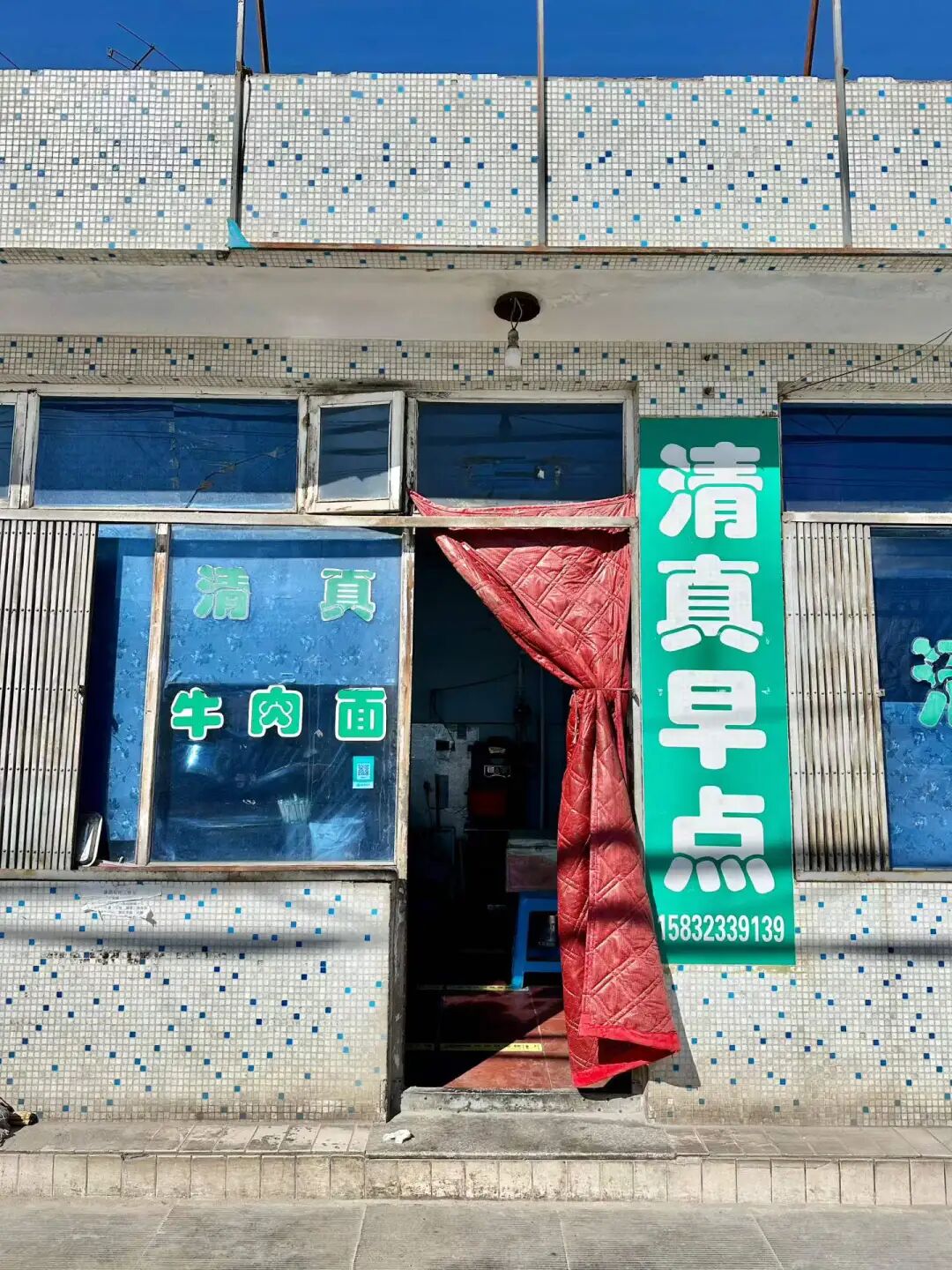
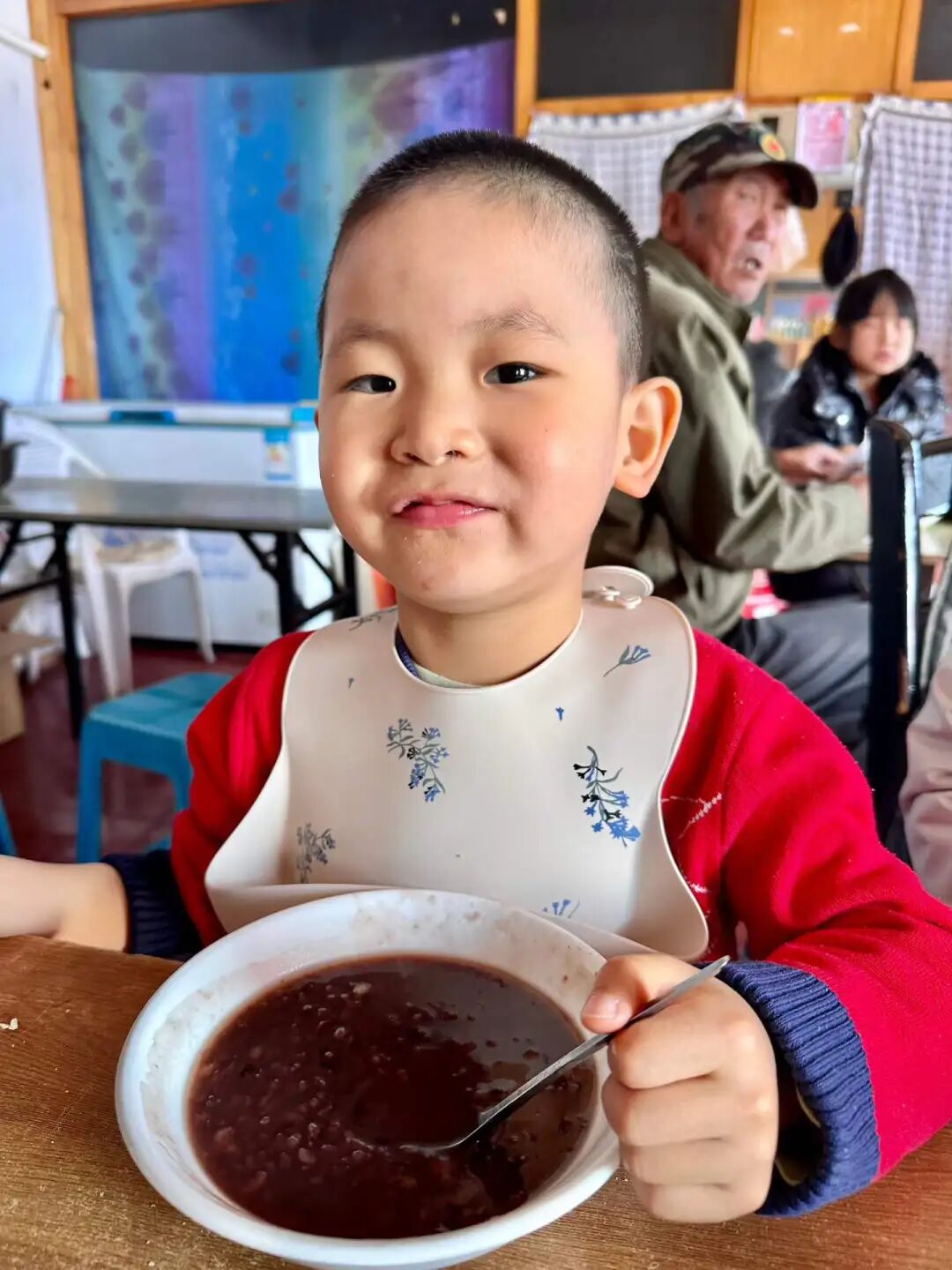
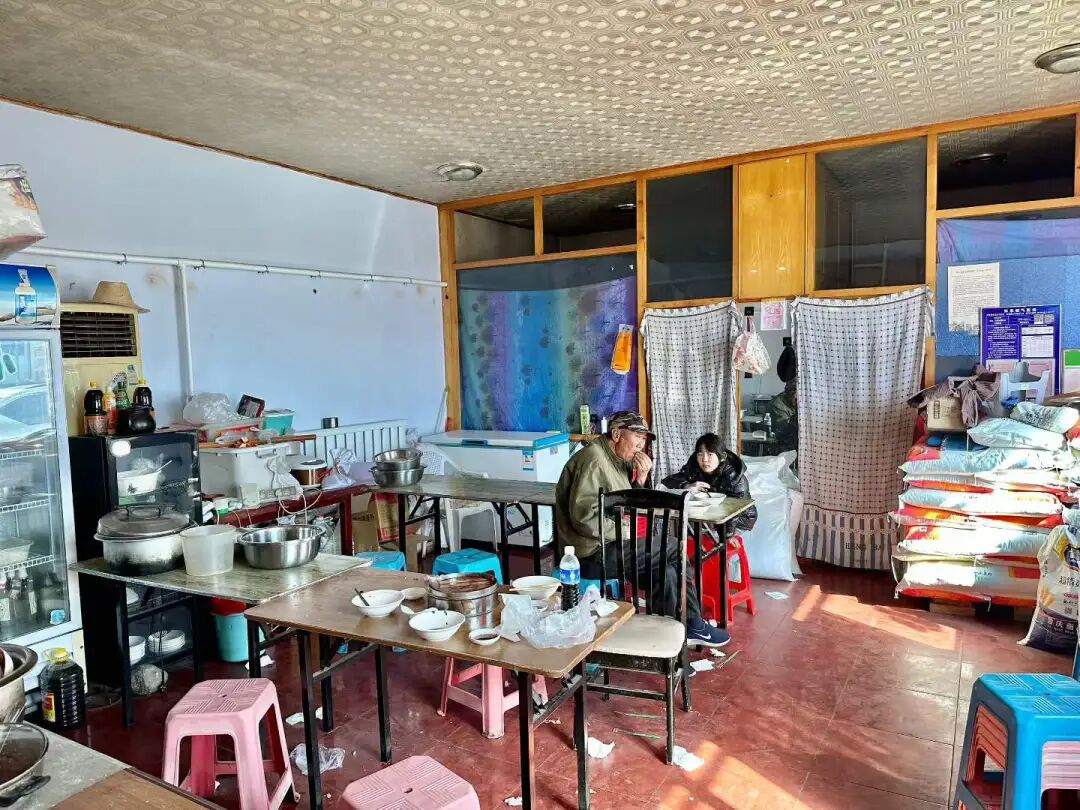
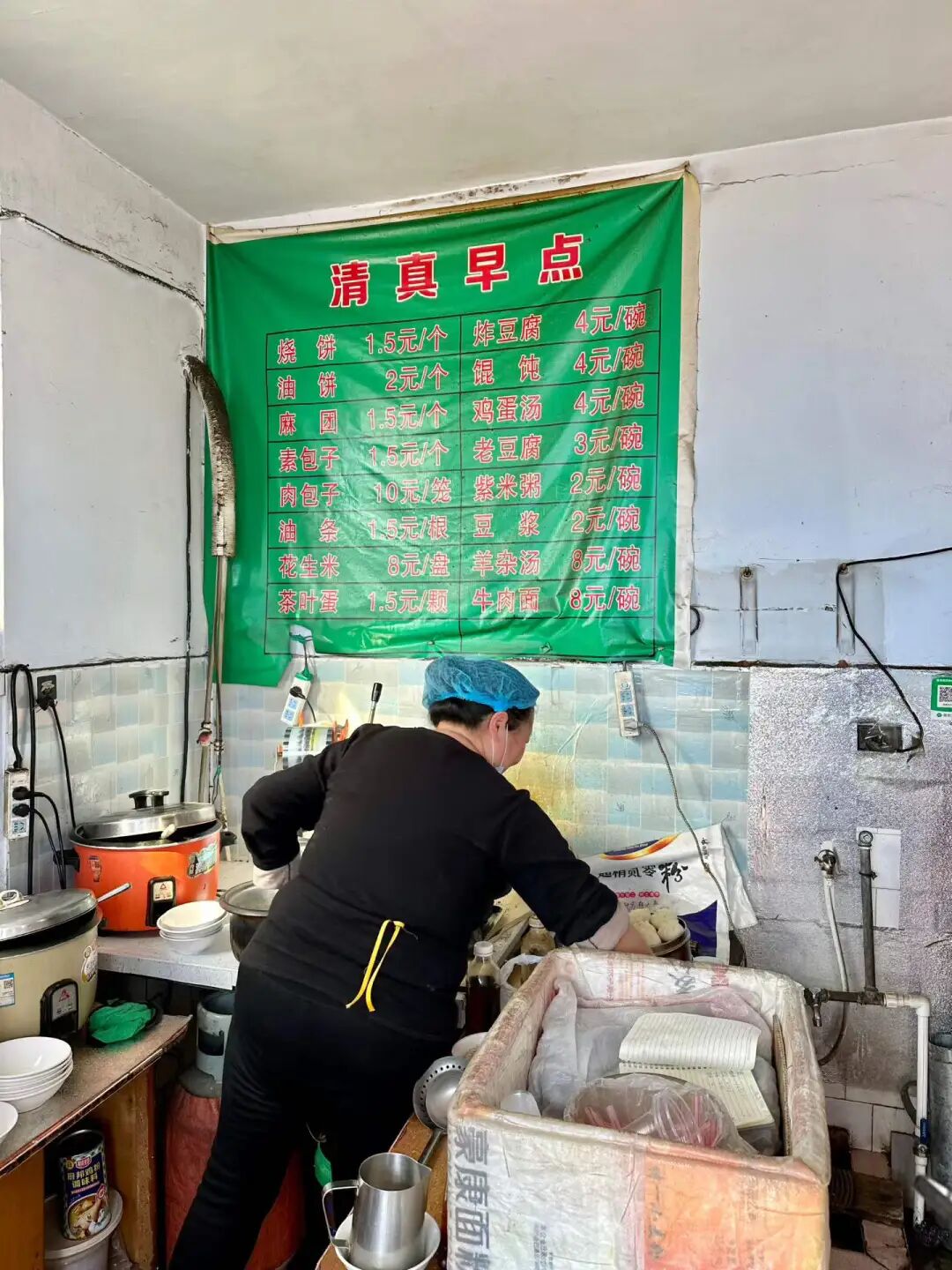
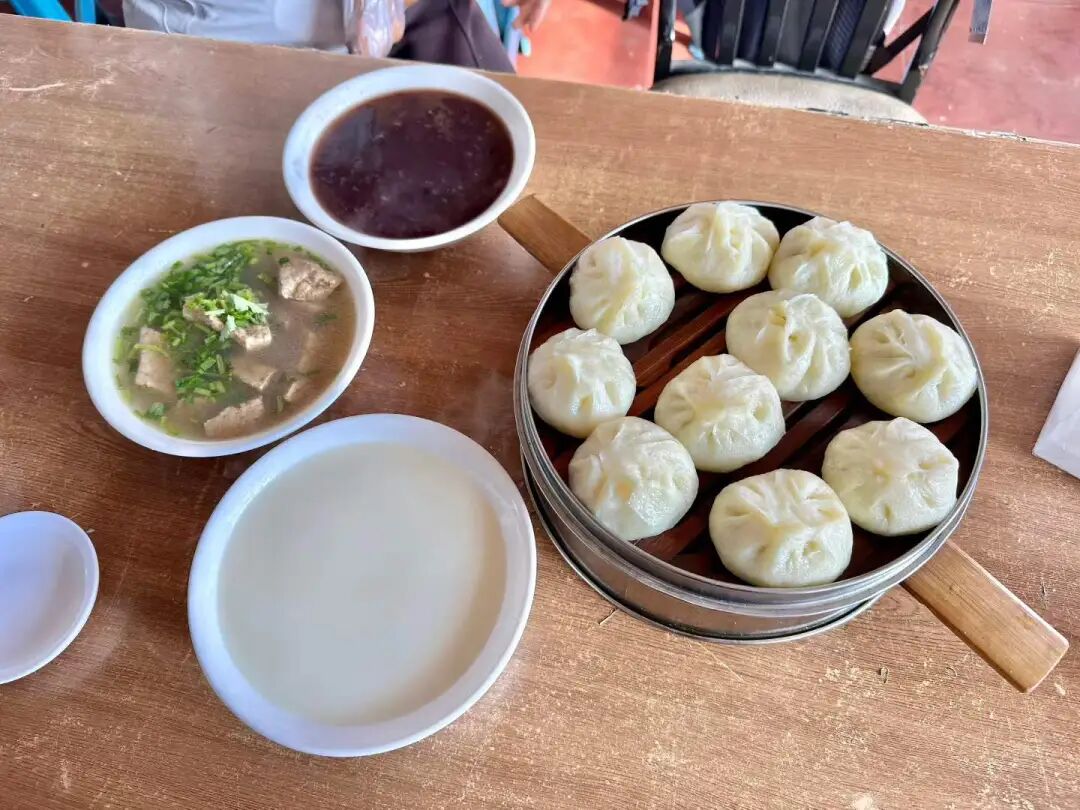
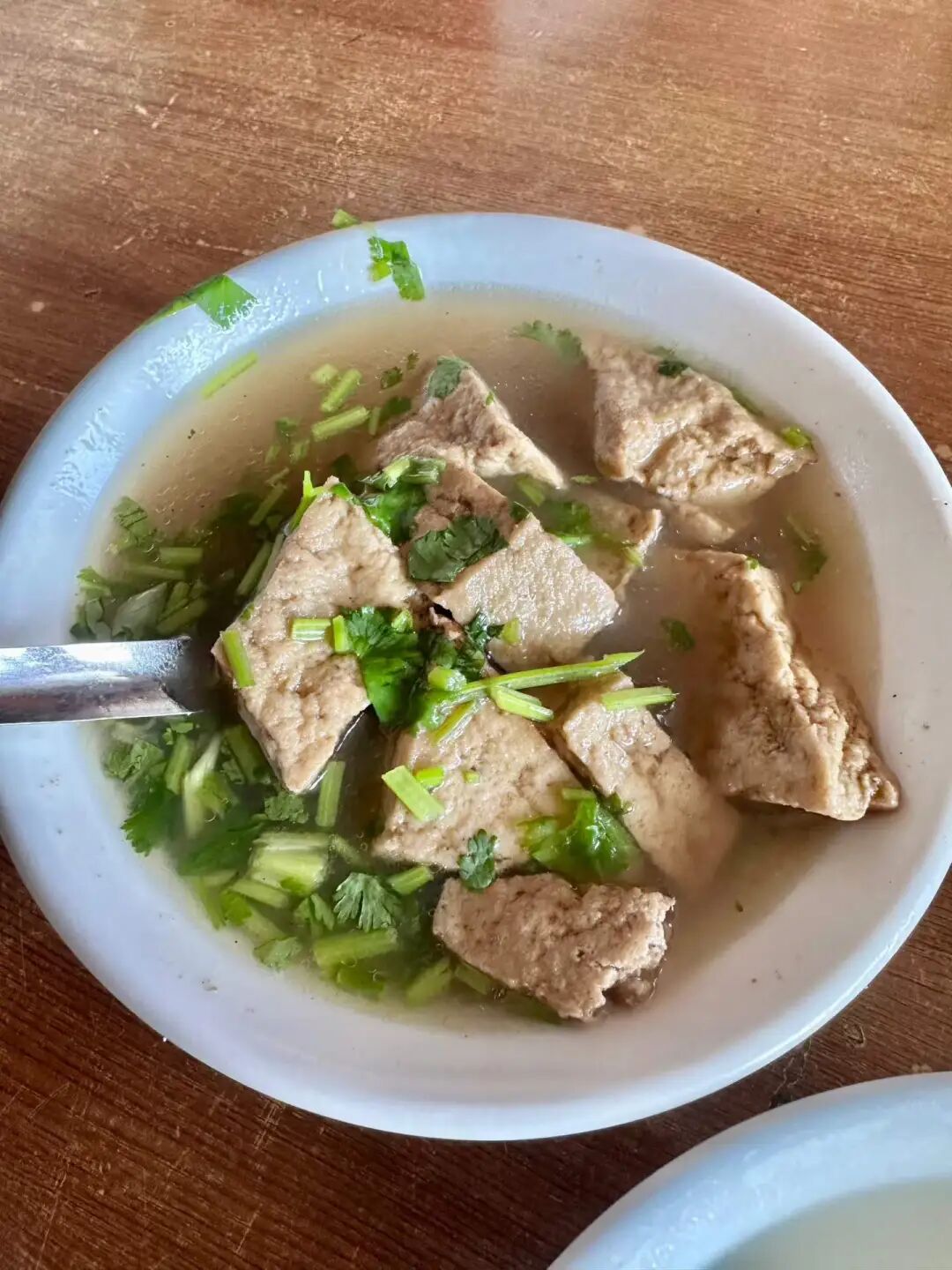
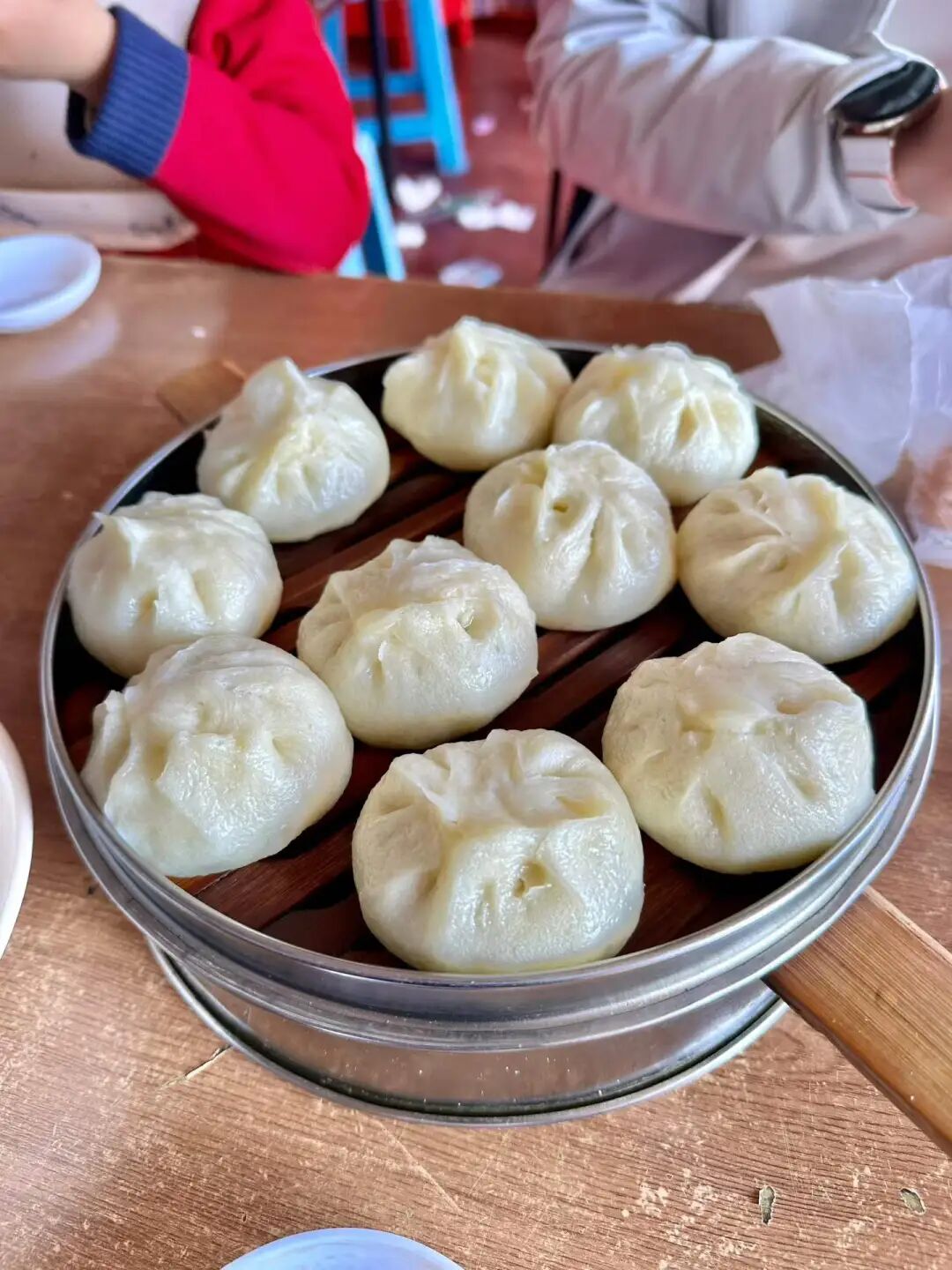
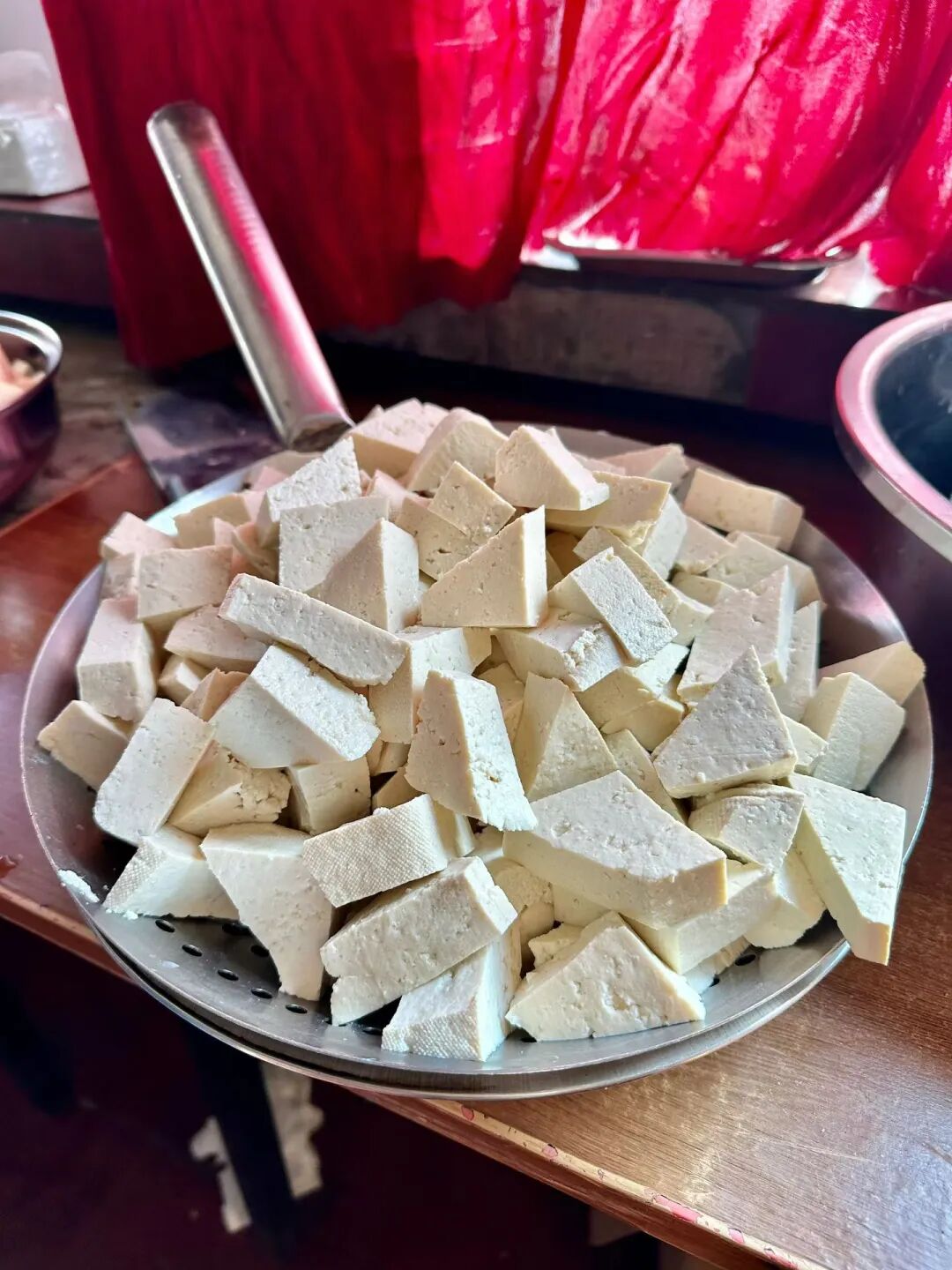
On April 5, we had breakfast in Xinbao'an Town, Huailai, Hebei. We arrived a bit late, so the soft tofu (laodoufu) and brown sugar flatbread (shaobing) were sold out. We had a steamer of buns with fried tofu soup, and Suleiman really enjoyed the purple rice porridge.
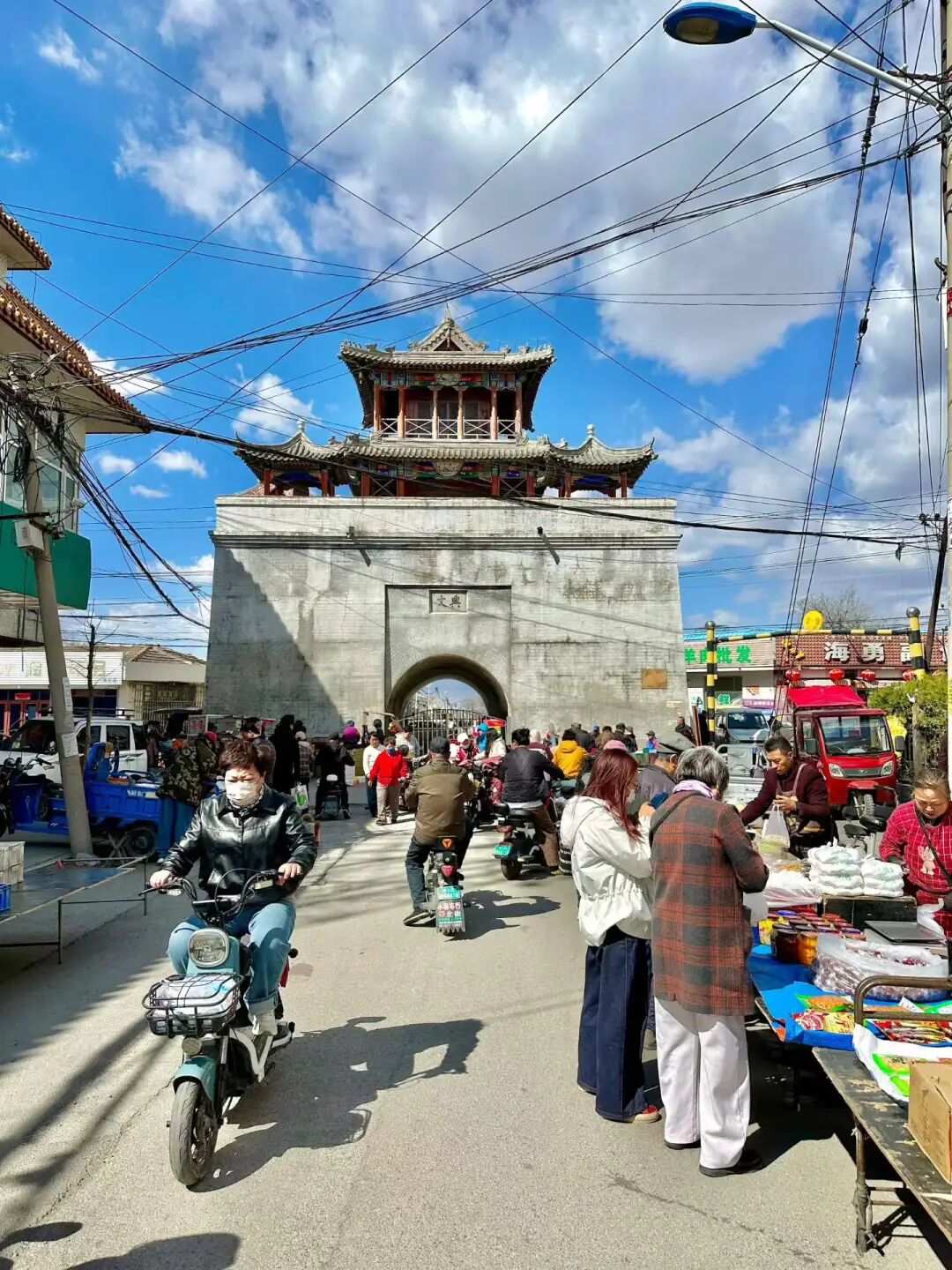
Xinbao'an Town is a key town on the ancient Beijing-Zhangjiakou road, with a post station built as early as the Yuan Dynasty. After the Tumu Crisis in the Ming Dynasty, a city was built here in 1451 (the second year of the Jingtai reign) to strengthen the northern defense line of Beijing. The Bao'an Garrison, originally located in Zhuolu, was moved here, and it has been called Bao'an New City ever since. After the Qing Dynasty, Xinbao'an gradually changed from a military town to a commercial hub, connecting Beijing and Zhangjiakou.
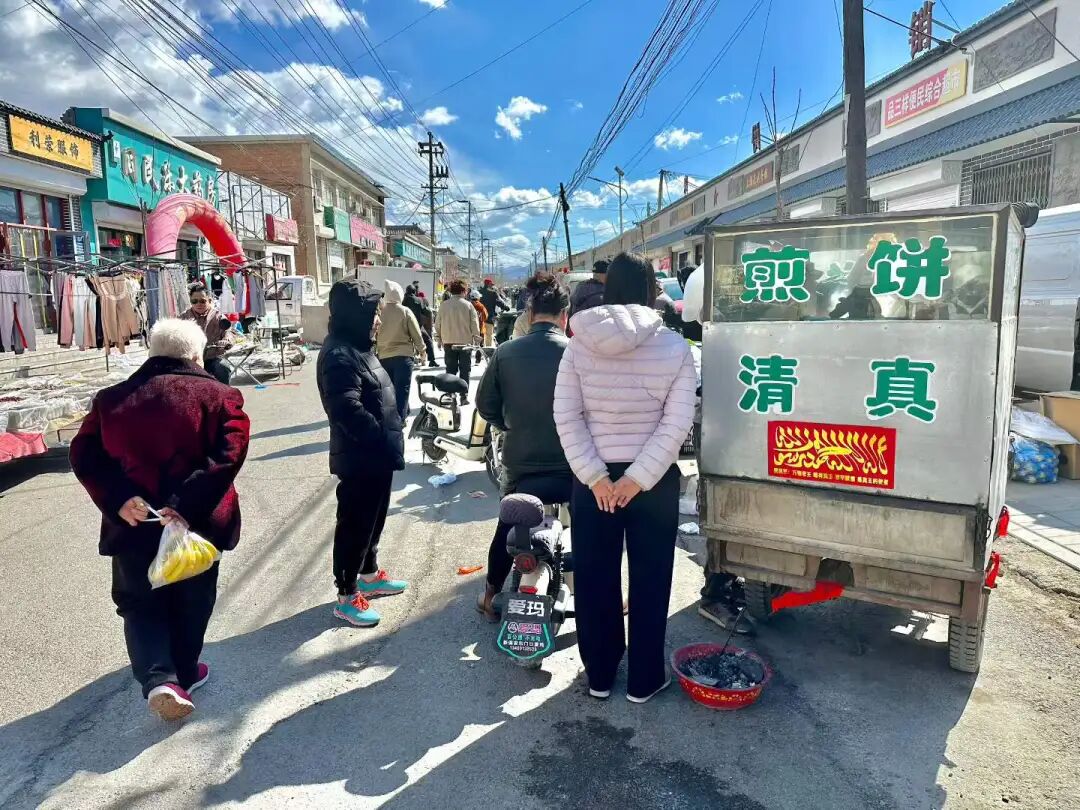
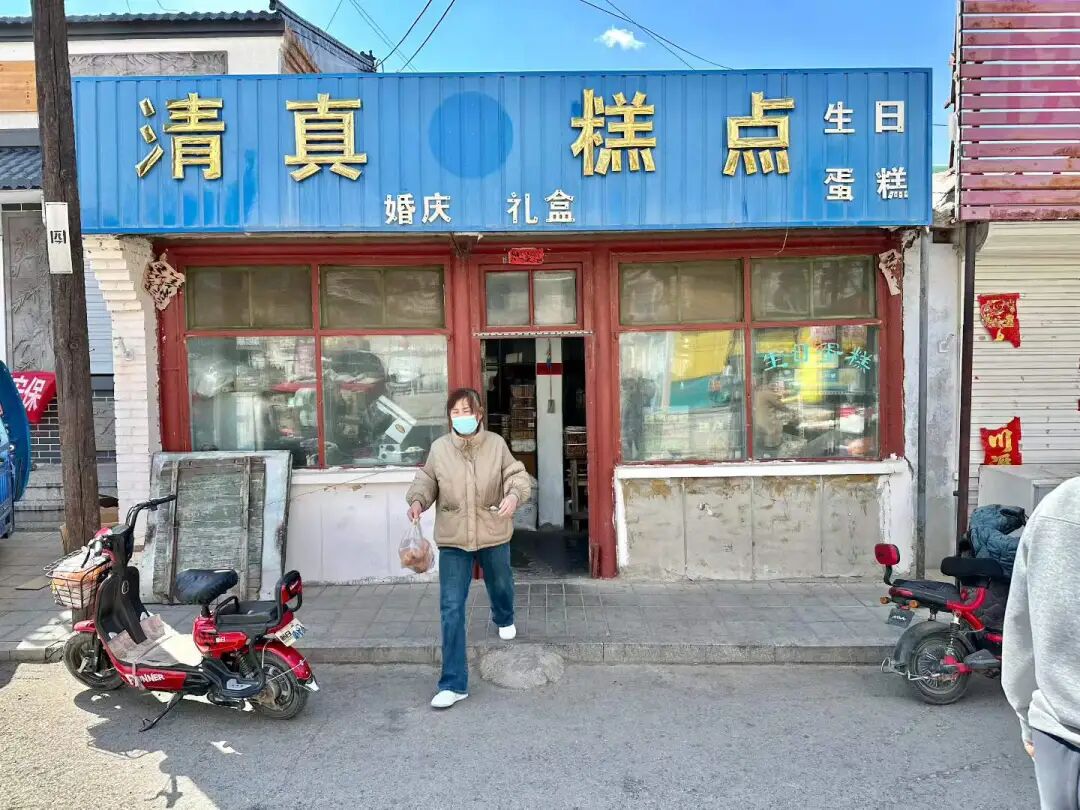
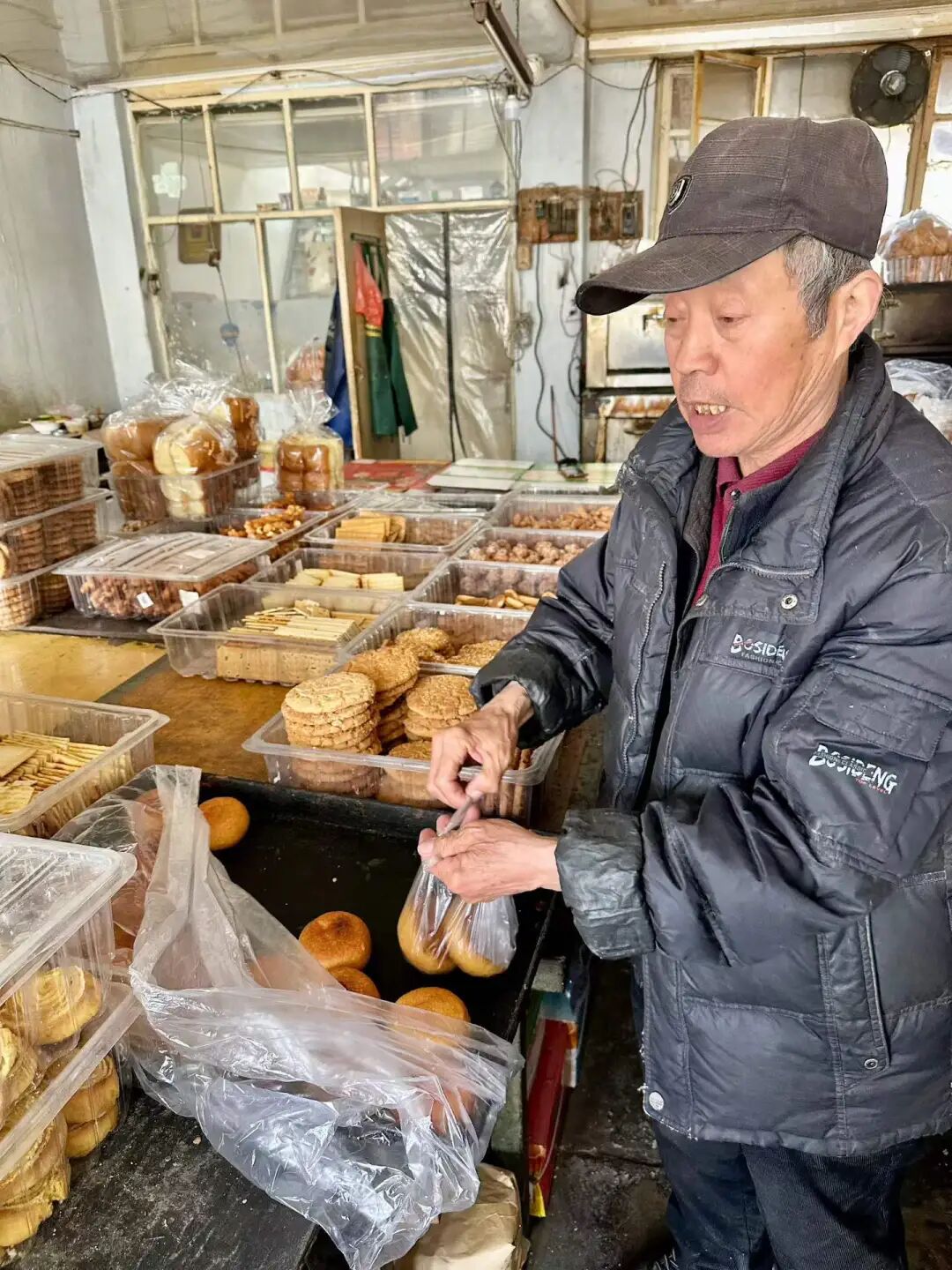
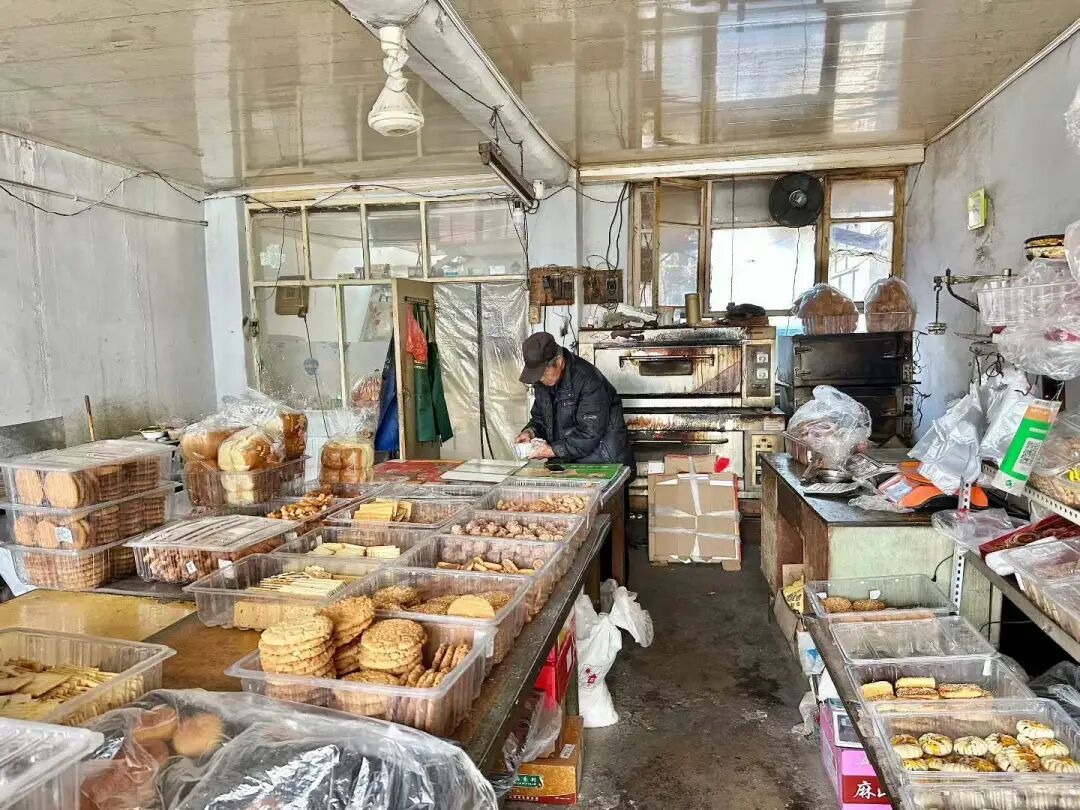
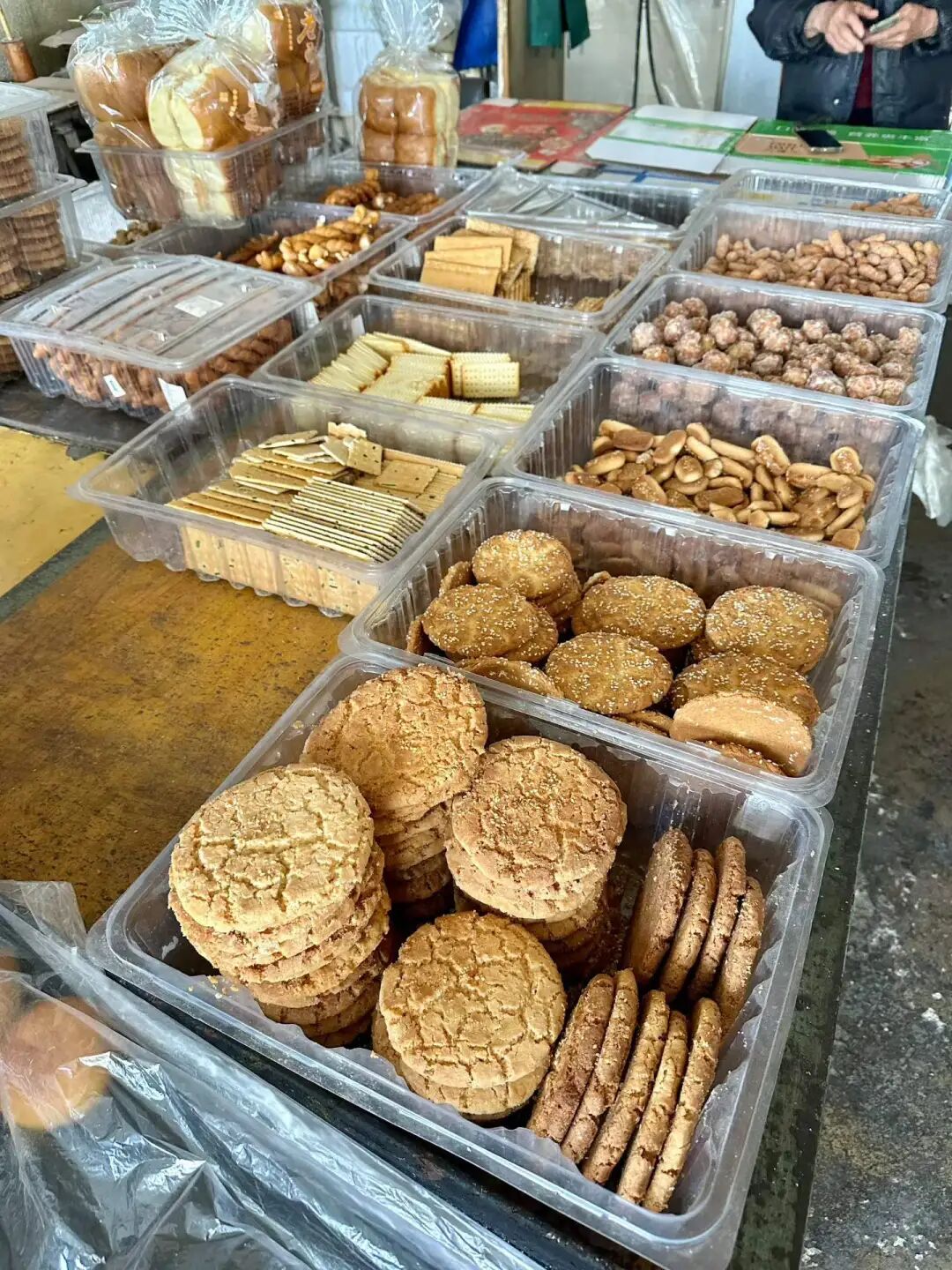
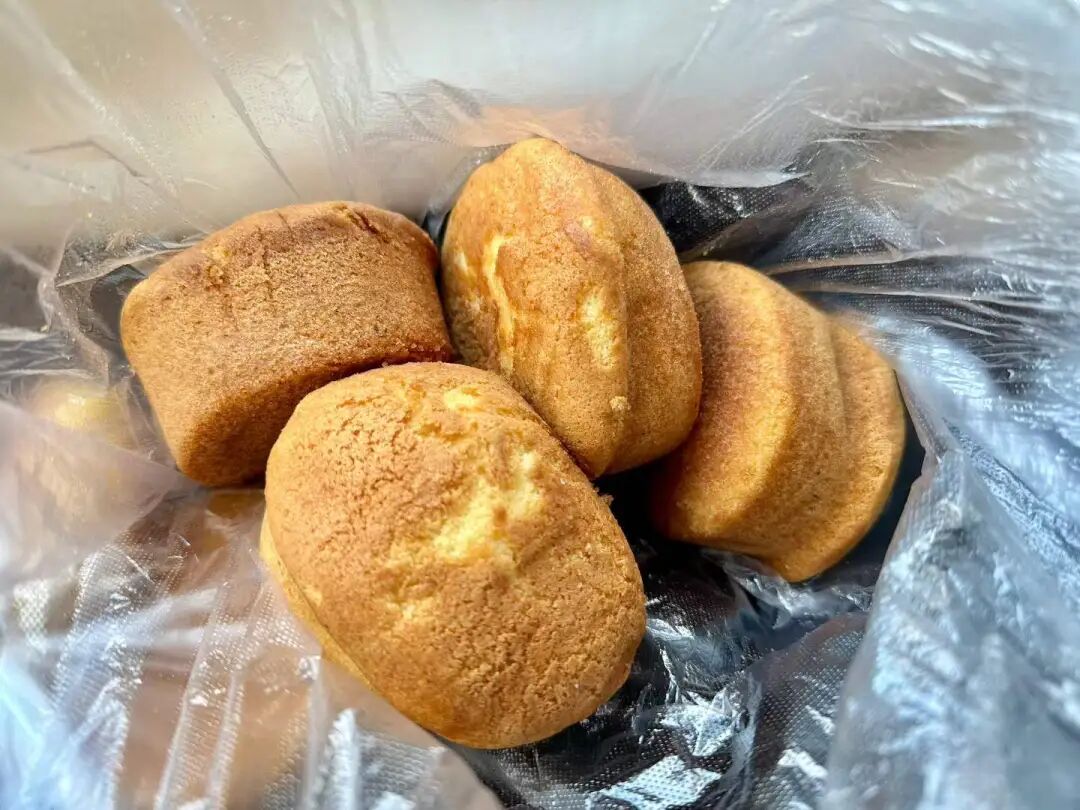
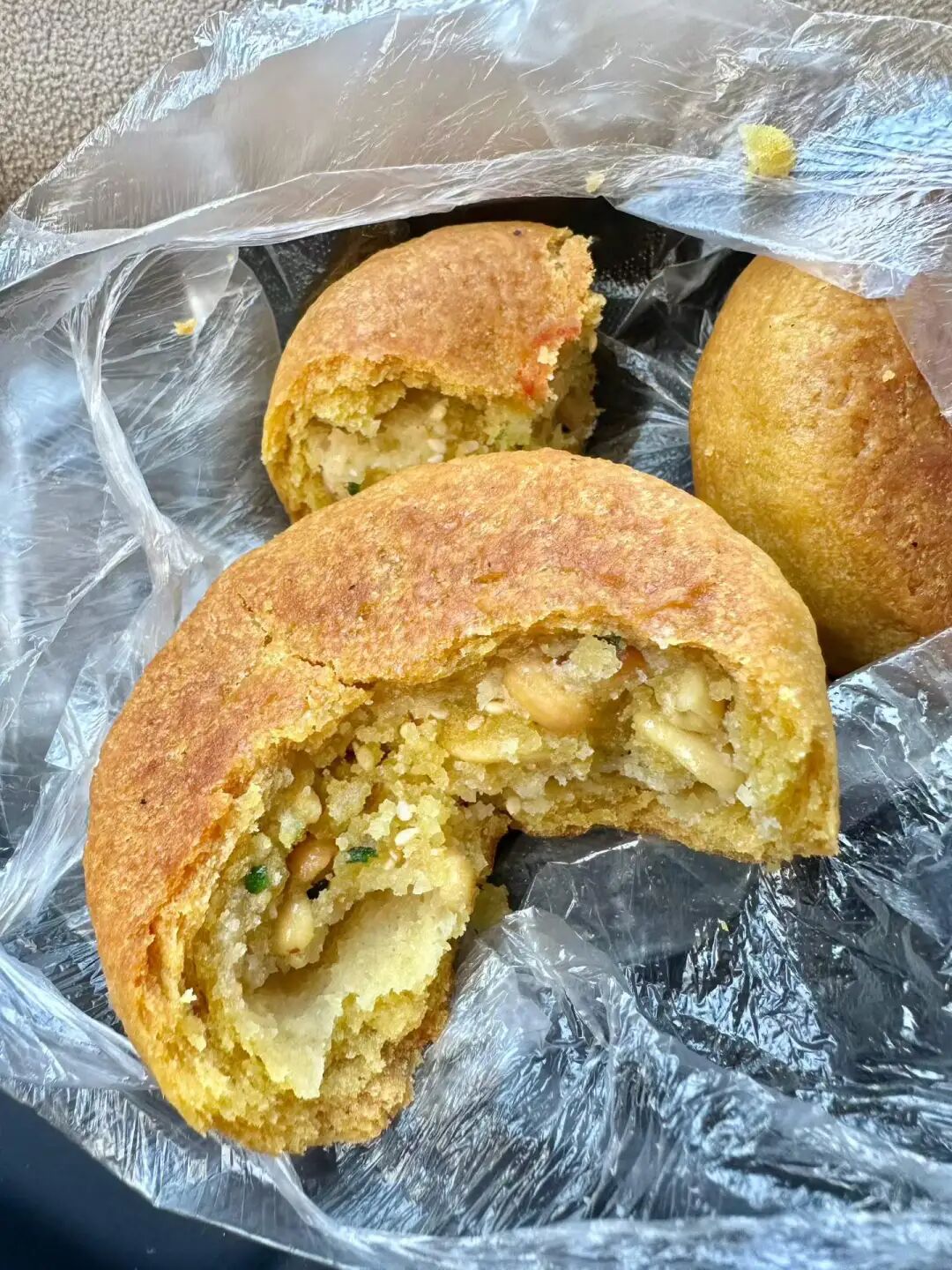
At the Xinbao'an town market, we bought old-fashioned five-nut mooncakes (wuren yuebing) and honey cakes at a roadside bakery. They were made that day and were perfect as tea snacks.
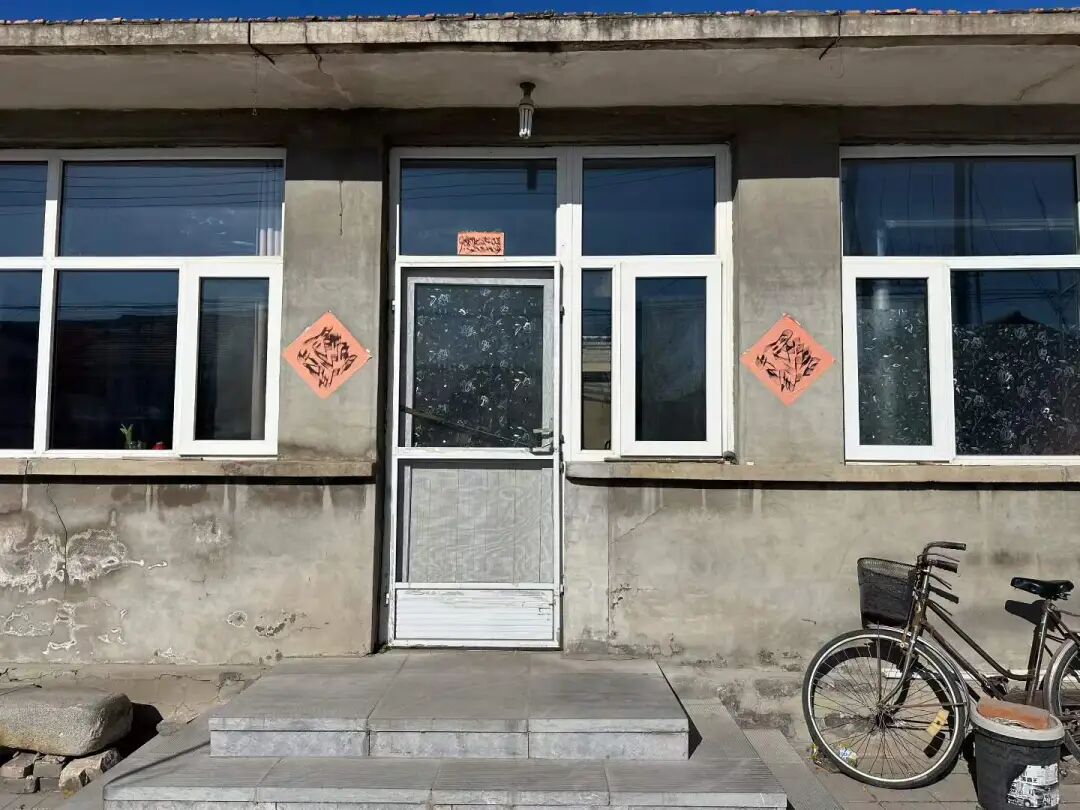
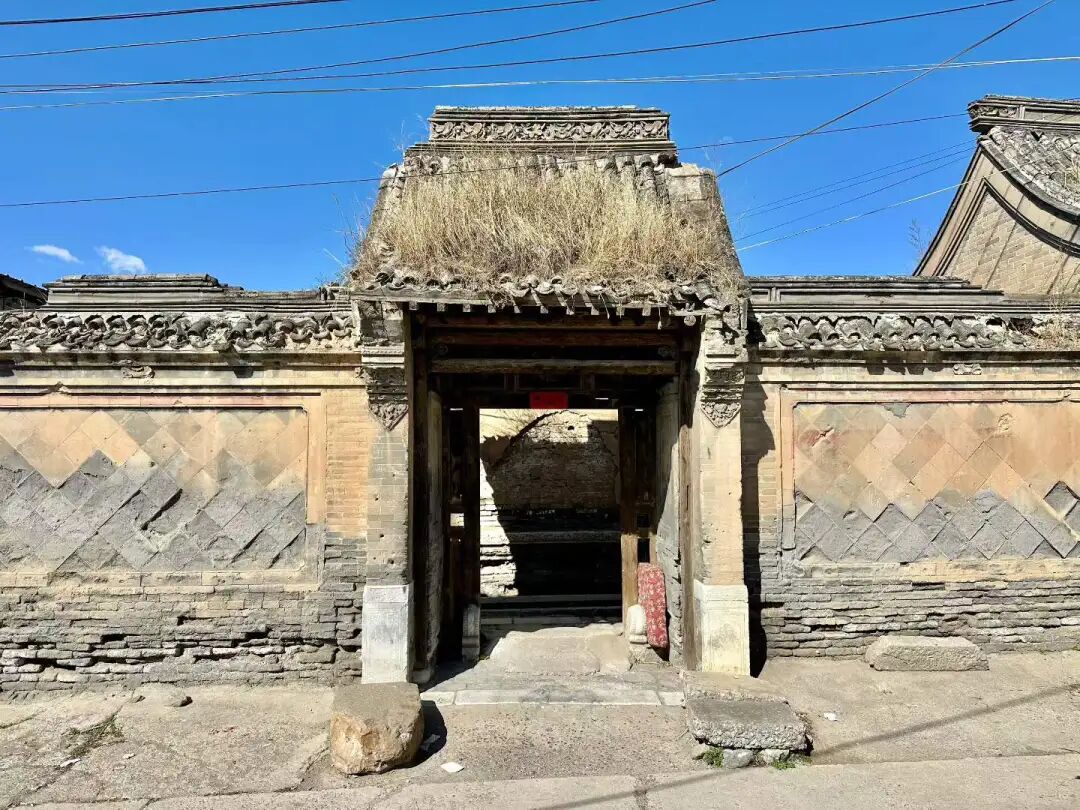
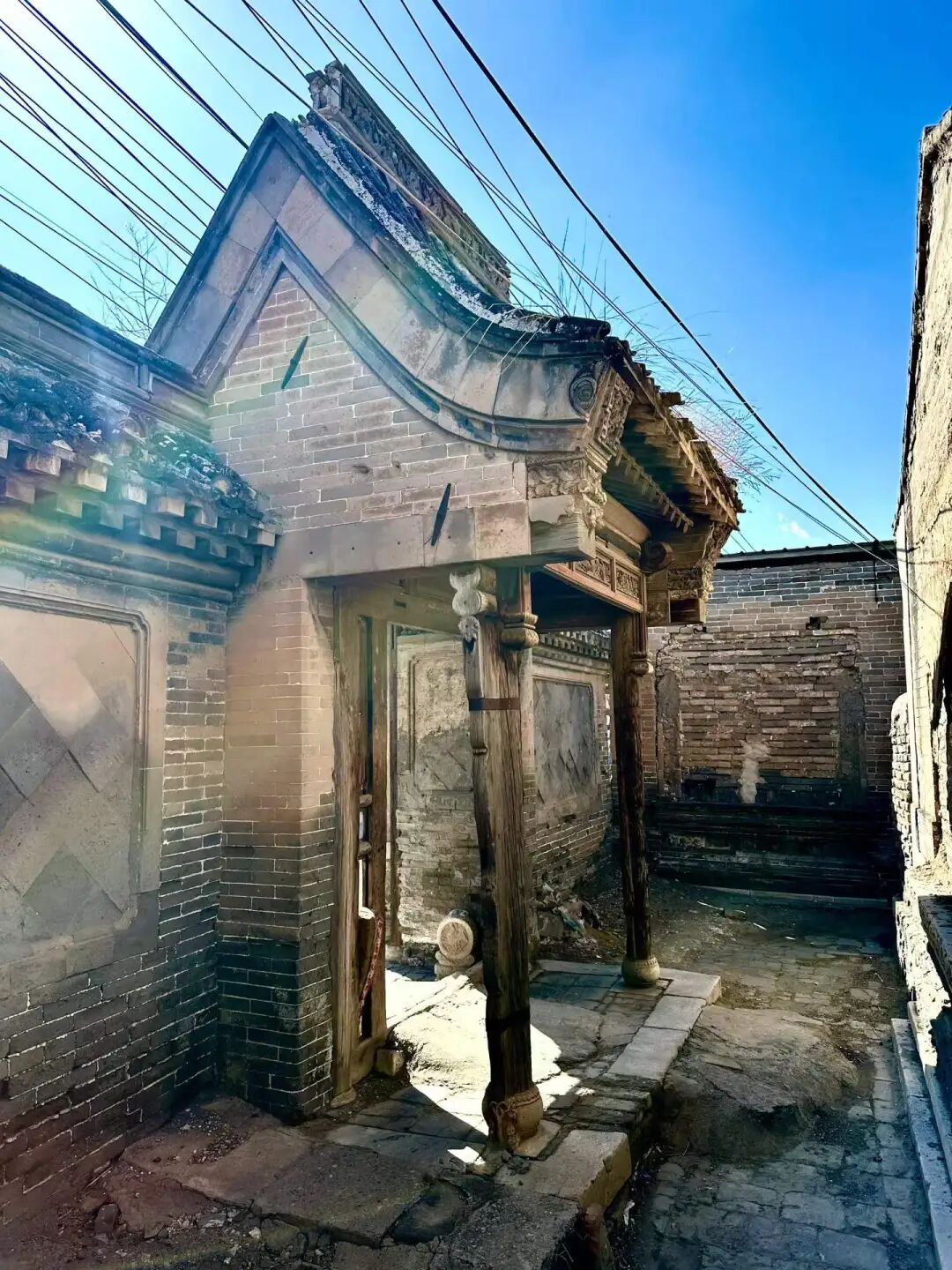
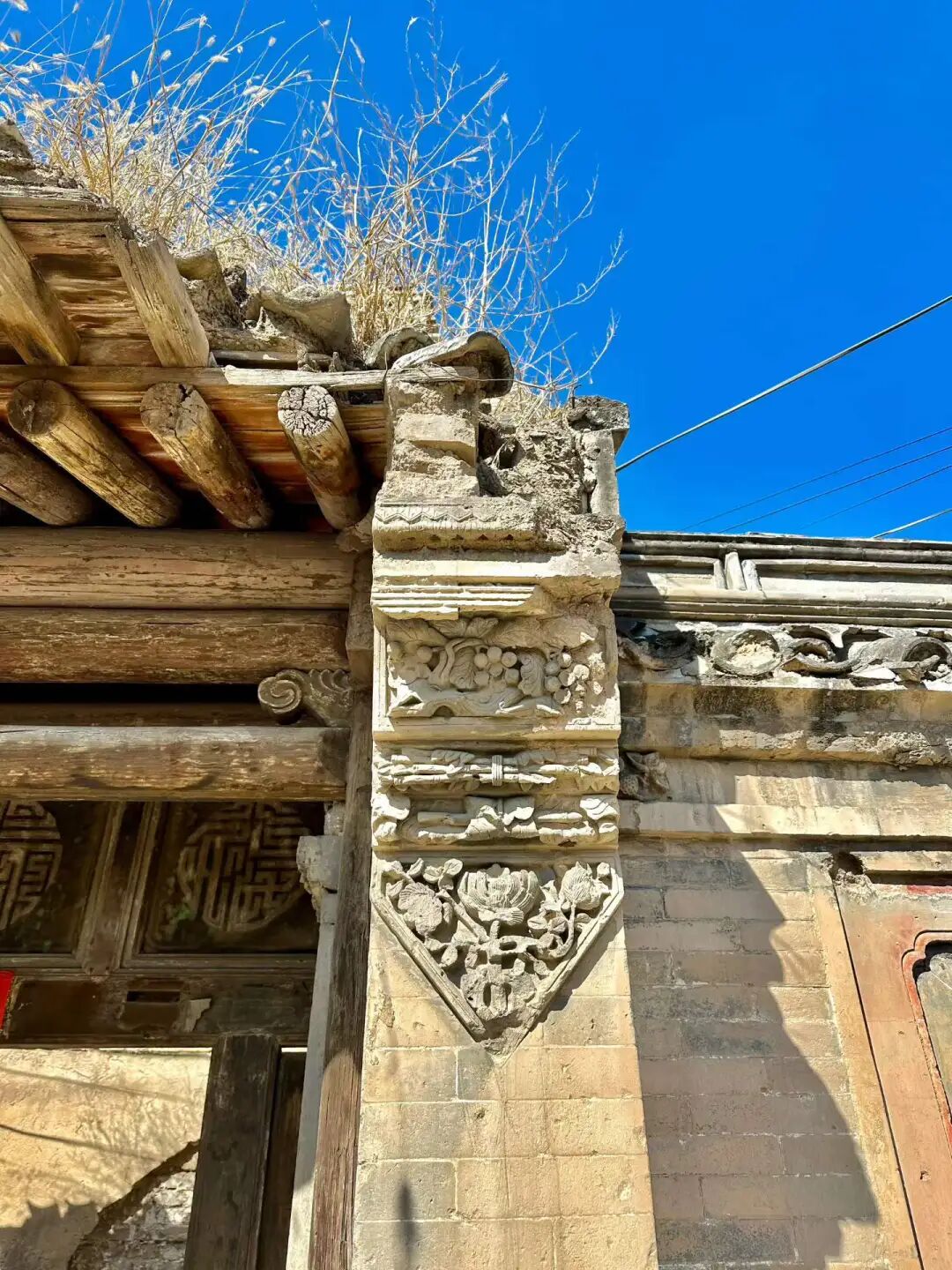
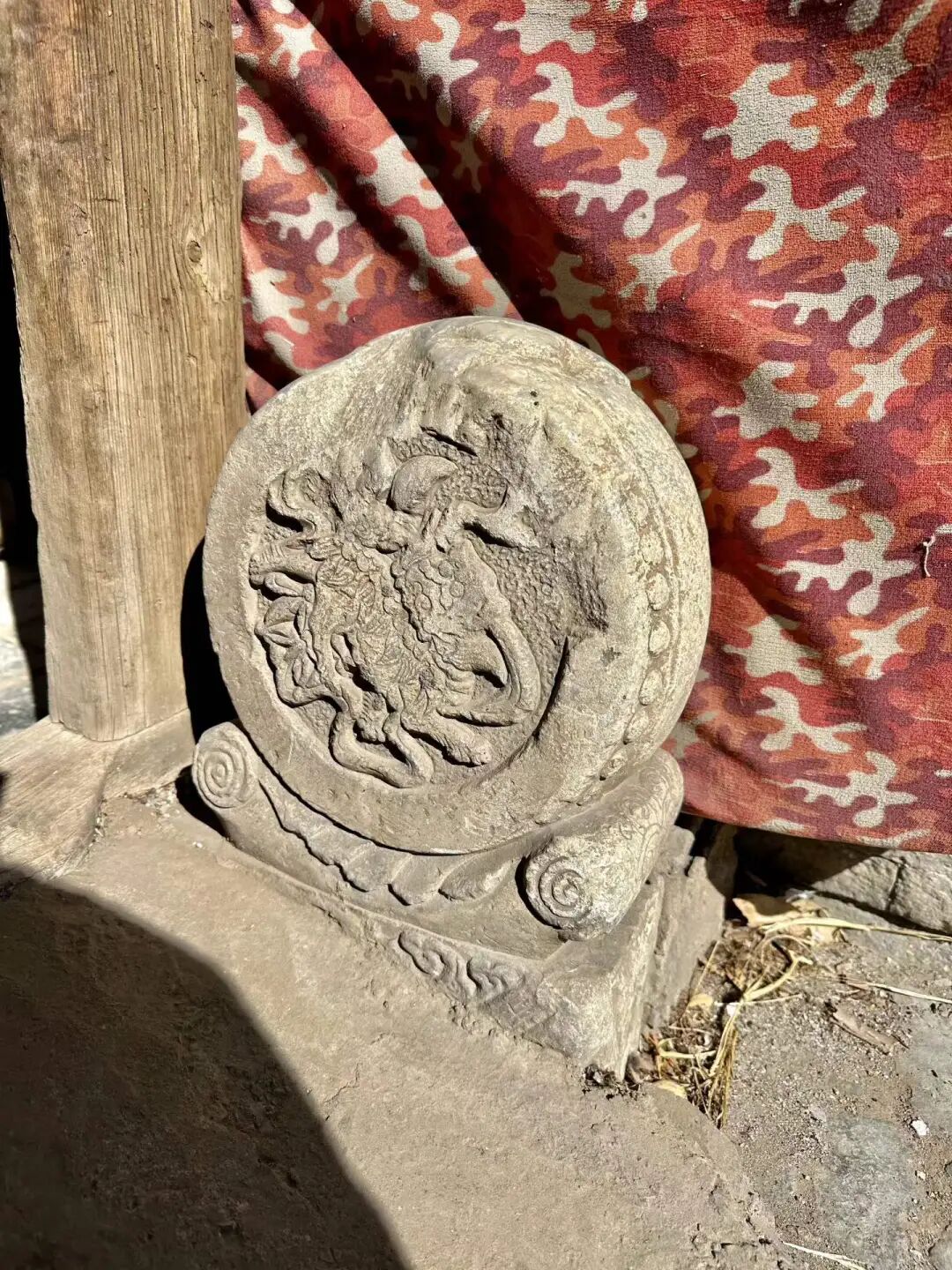
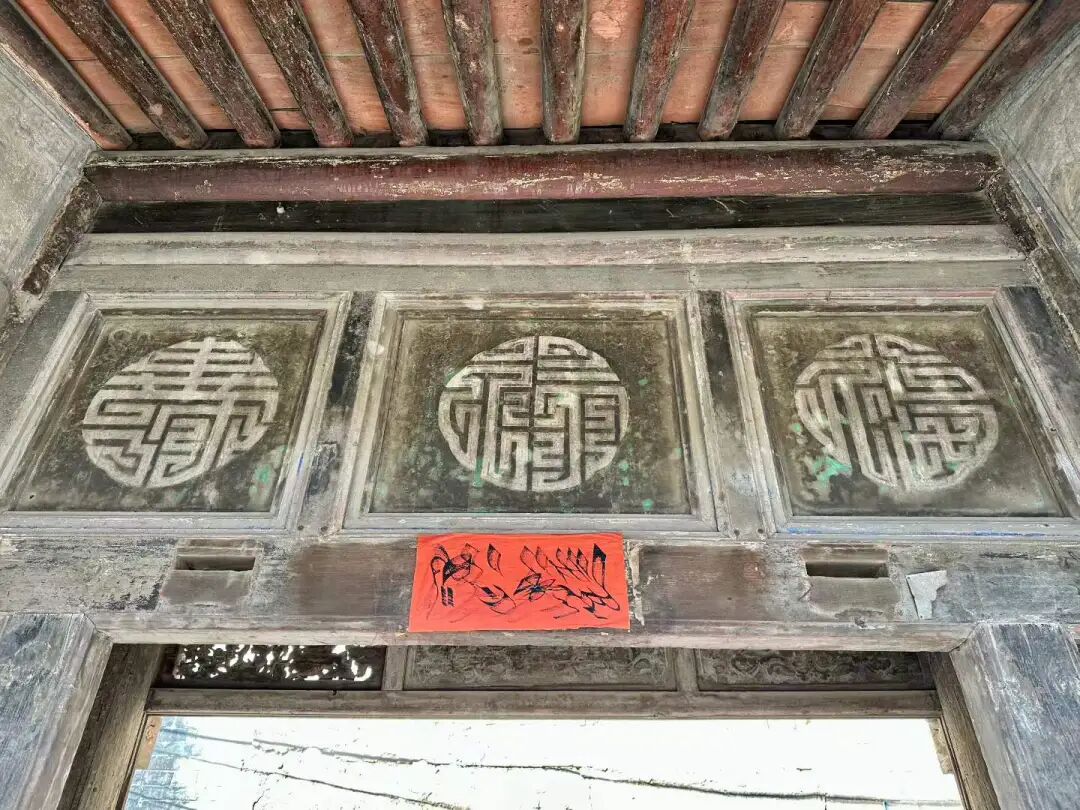
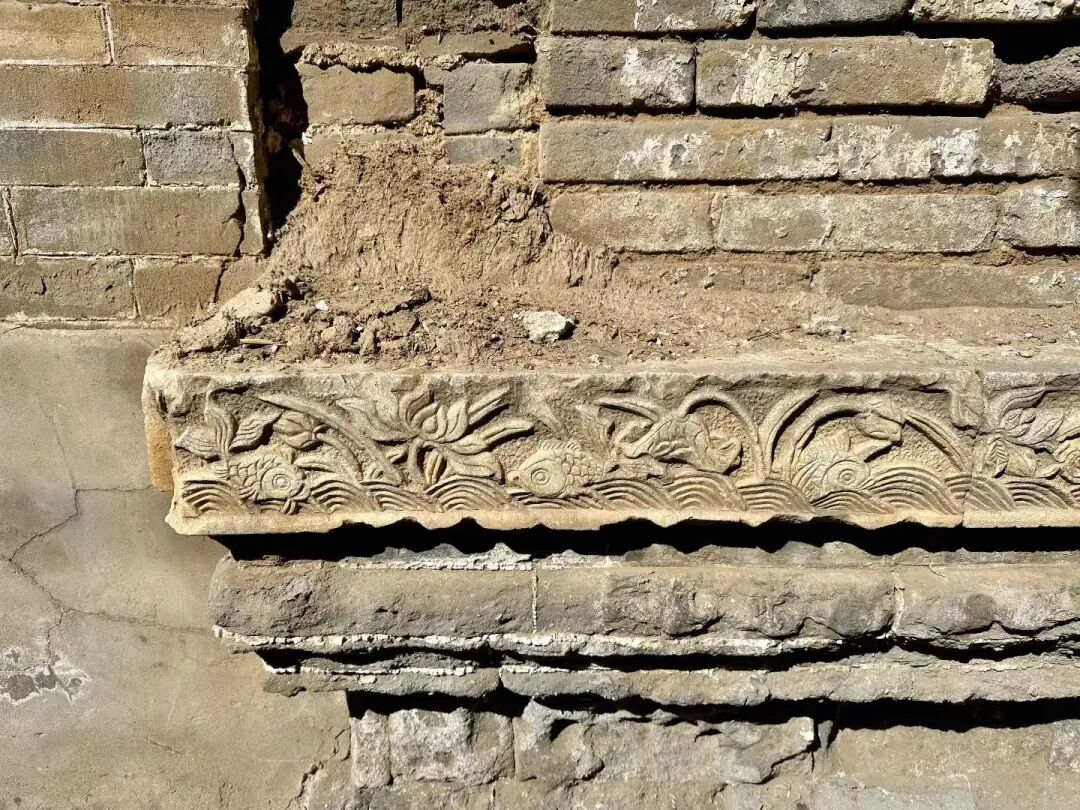
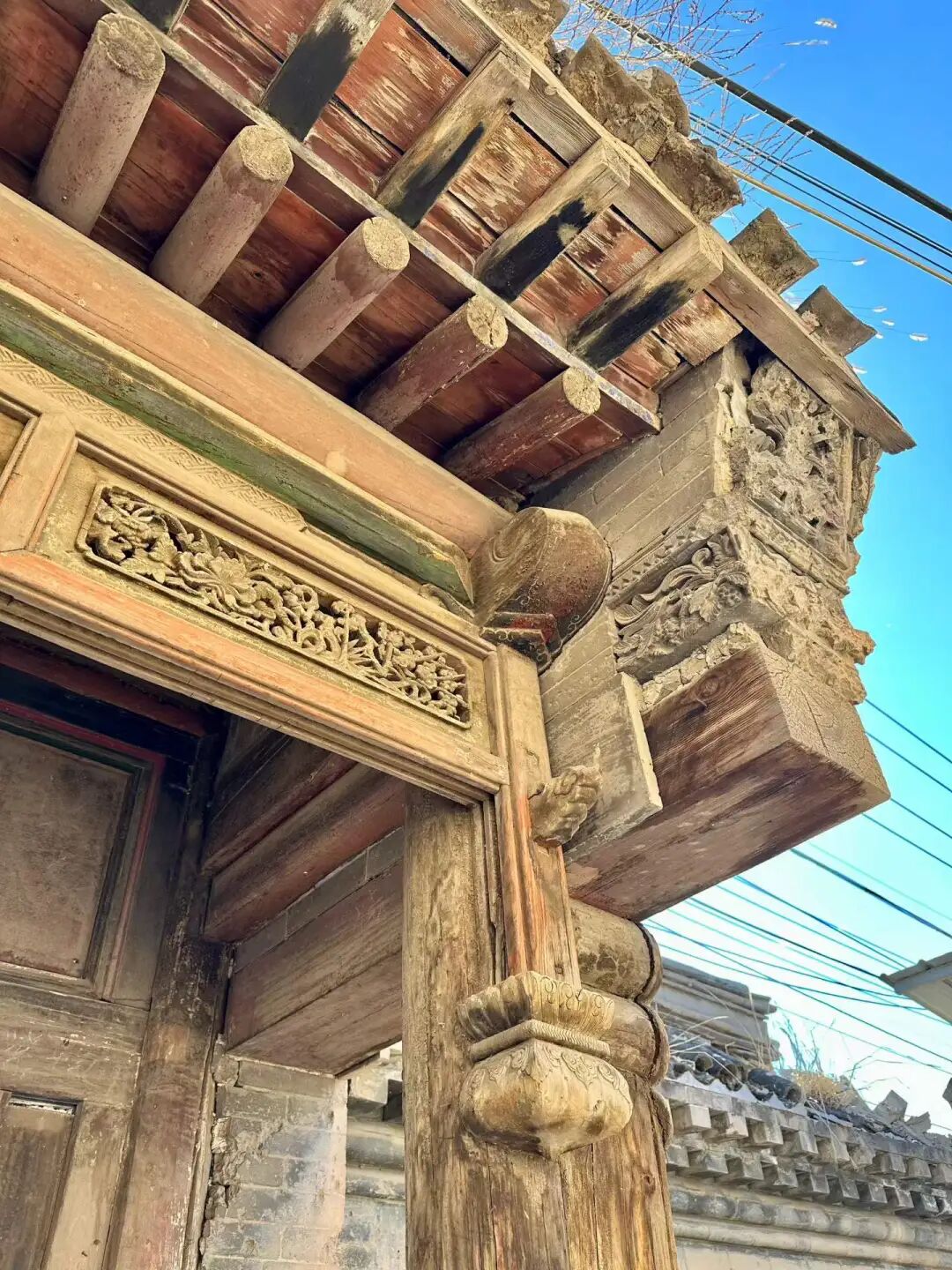
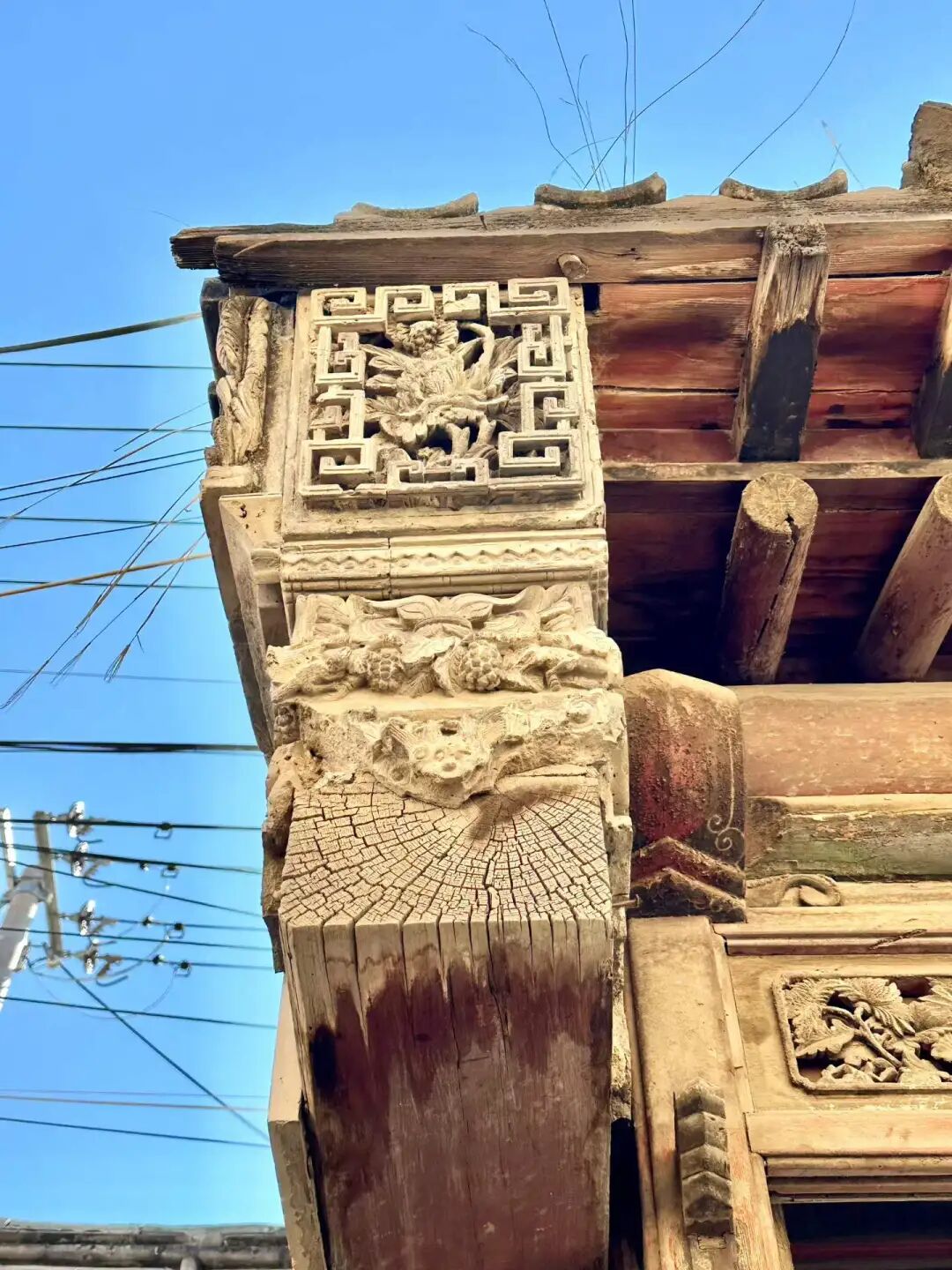
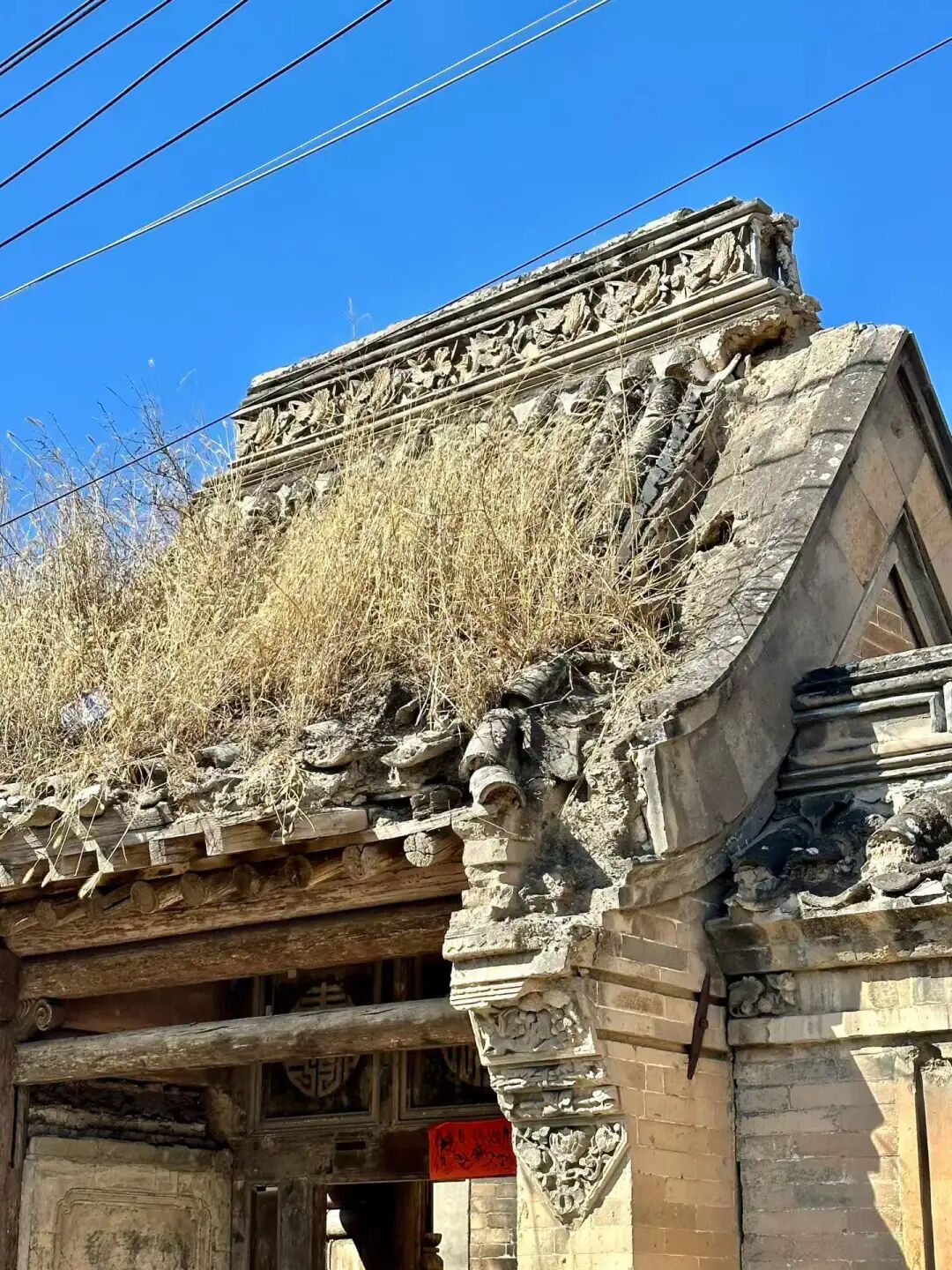
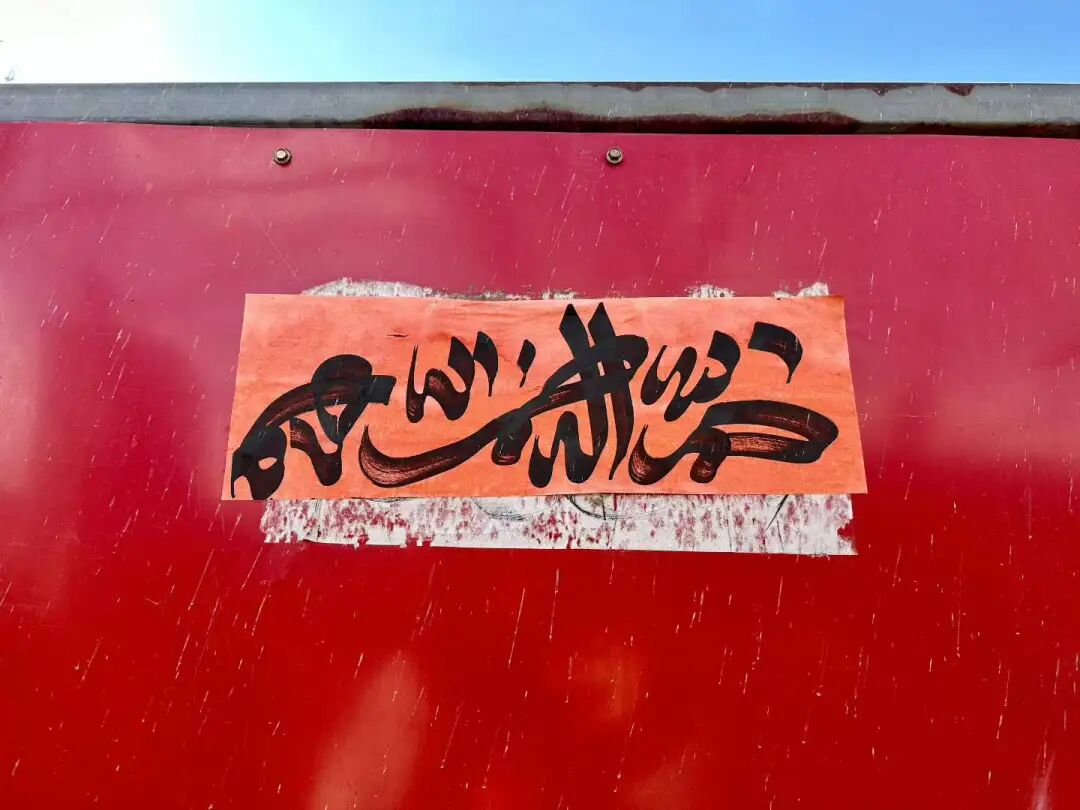
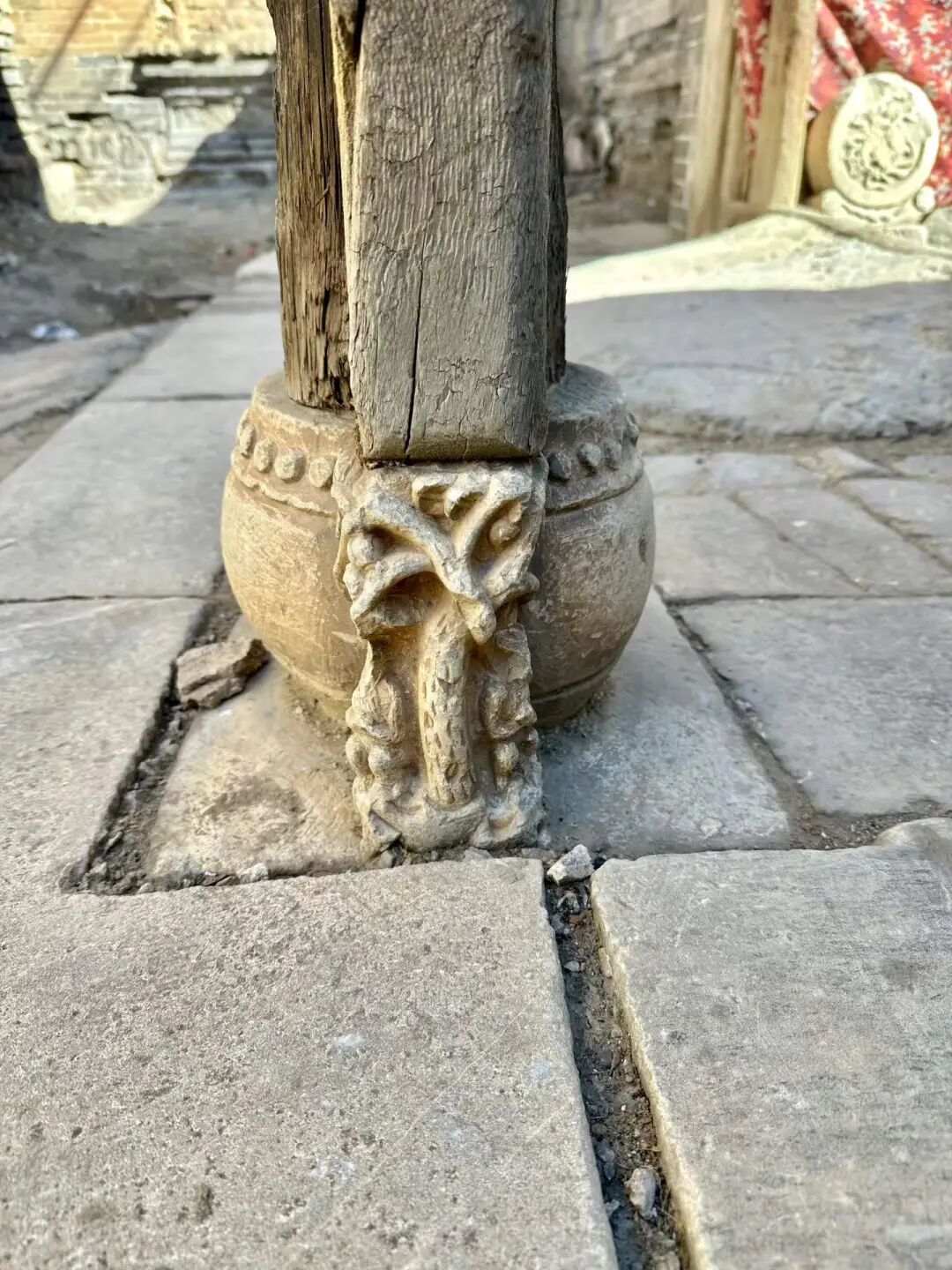
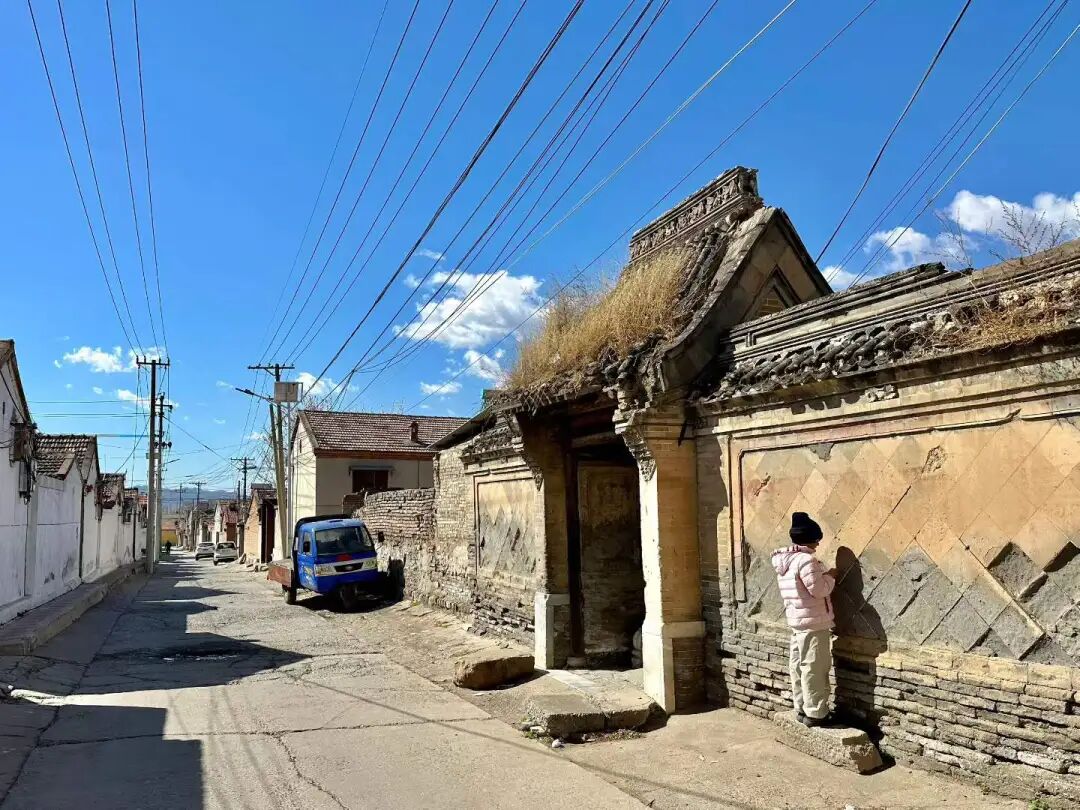
After breakfast, we went to the Hui Muslim residential area in the northwest of the old town to visit the famous 'Nine-Link Courtyard' (Jiulianhuan Dayuan). This was originally a wealthy merchant's residence in the Qing Dynasty. Later, the merchant declined and Hui Muslims moved in, so it is also called the 'Hui Muslim Courtyard'. The gate of the courtyard is very beautiful and is a classic example of Qing Dynasty residential style in Zhangjiakou, featuring complex brick, wood, and stone carvings. The courtyard was caught in the fighting during the 1948 Battle of Xinbao'an, and you can still see clear bullet marks today.
The Hui Muslims in Xinbao'an mainly have the surnames Liang and Zheng. The Liang family's ancestors moved from Nanjing to Liangjiapo, Weinan, Shaanxi, in the late Ming Dynasty during the Chongzhen reign. In 1677 (the 16th year of the Kangxi reign), they moved to Xinbao'an Town to farm and guard the capital. During the Qianlong reign, the Liang family began doing business in Zhangjiakou. By the Tongzhi reign, their camel caravans reached as far as Kulun in Outer Mongolia and Lanzhou. They later opened five shops known as the 'Five Great Guangs'.
The Zheng family shares the same origin as those in nearby Huailai and Zhuolu counties. Their ancestors moved from Shaanxi in the late Ming and early Qing dynasties, first to Shacheng Town in Huailai, then spreading to Wangjialou, Yanzhuang, Xinbao'an, Xuanhua, and Zhangjiakou. Zheng Kuishi was a famous Hui Muslim general in the late Qing Dynasty. He fought against the Taiping Heavenly Kingdom during the Xianfeng reign, won many battles, was given the title 'Shalama Baturu', and was awarded a yellow riding jacket. During the Tongzhi reign, he served as the acting Zhili provincial commander, guarding the capital region and suppressing the Nian Rebellion in Zhili to keep the capital safe. In his later years, he returned home to work on water conservancy, building the Yonggu Dam to manage the Liu River. He also repaired the Zhenshuo Tower and Four Archways in Xuanhua and opened the Huoshi Slope road to improve transportation. He was highly respected locally.
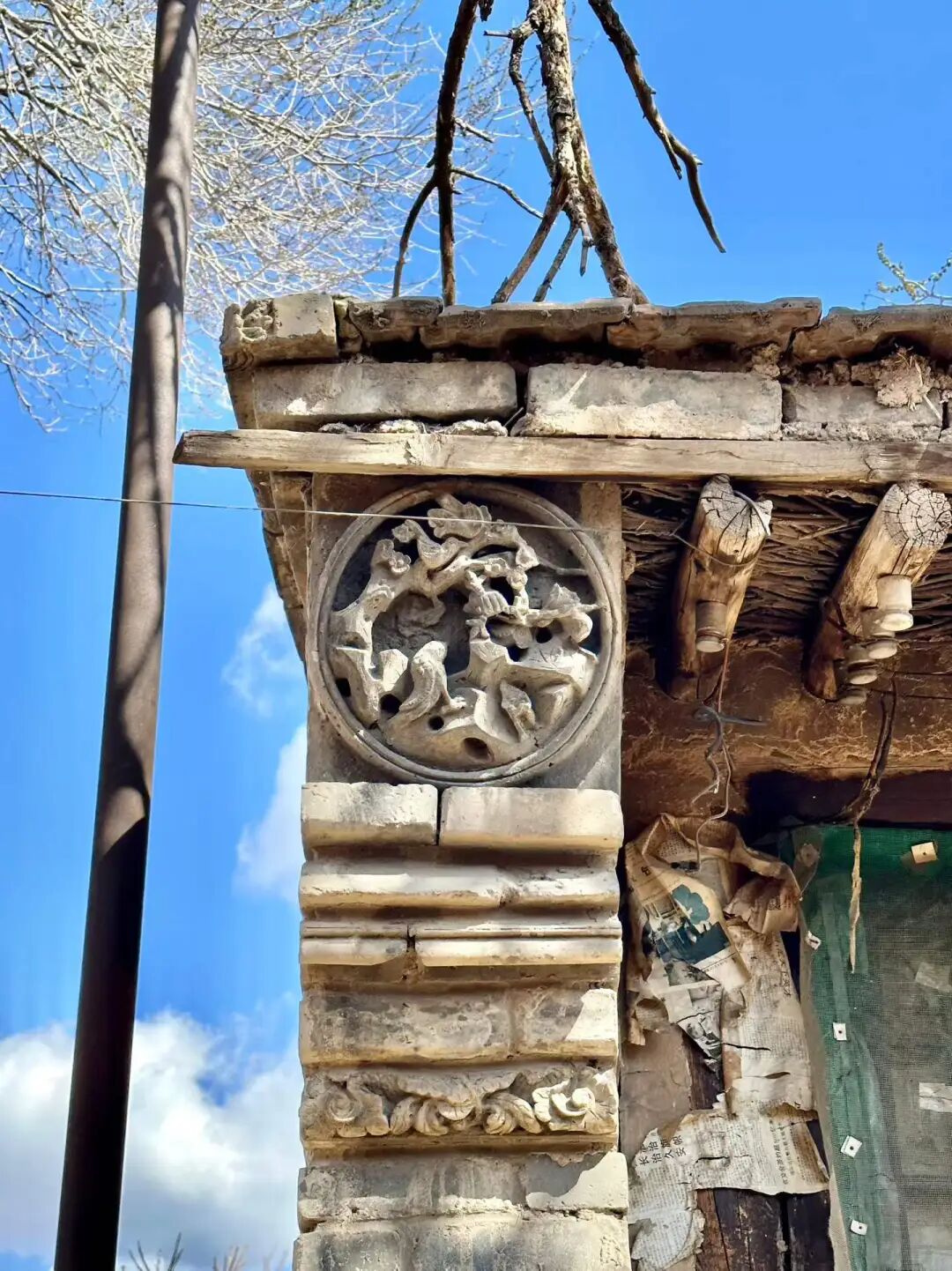
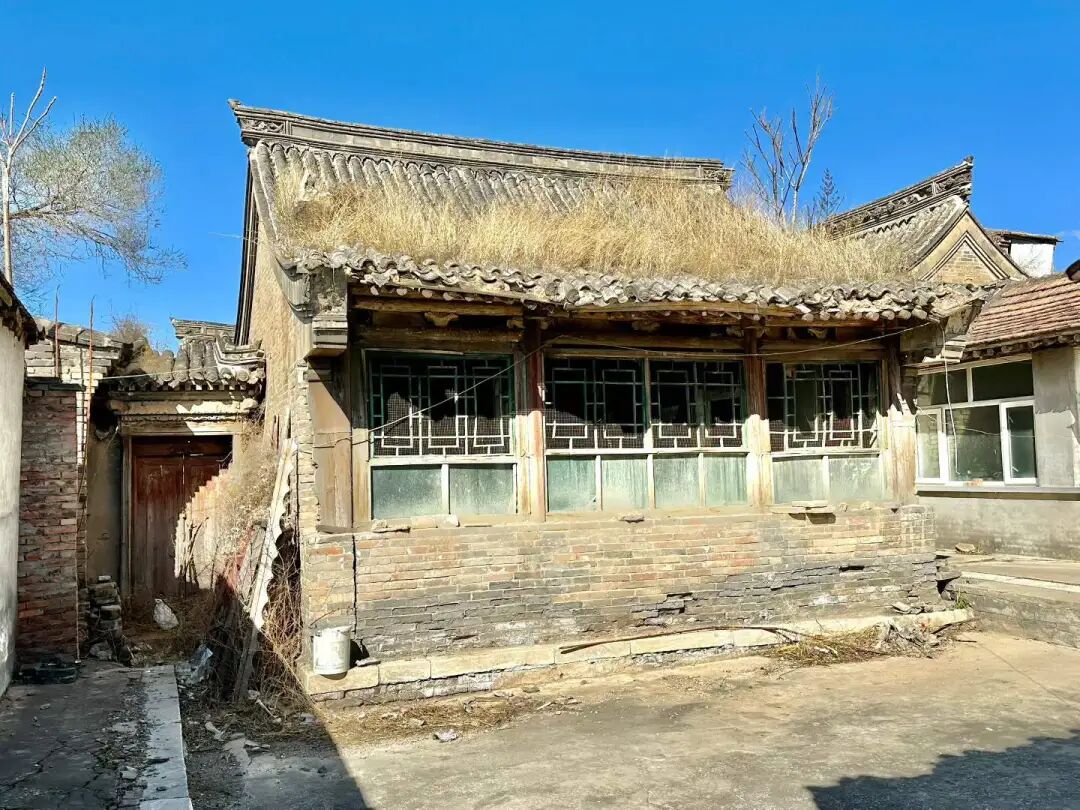
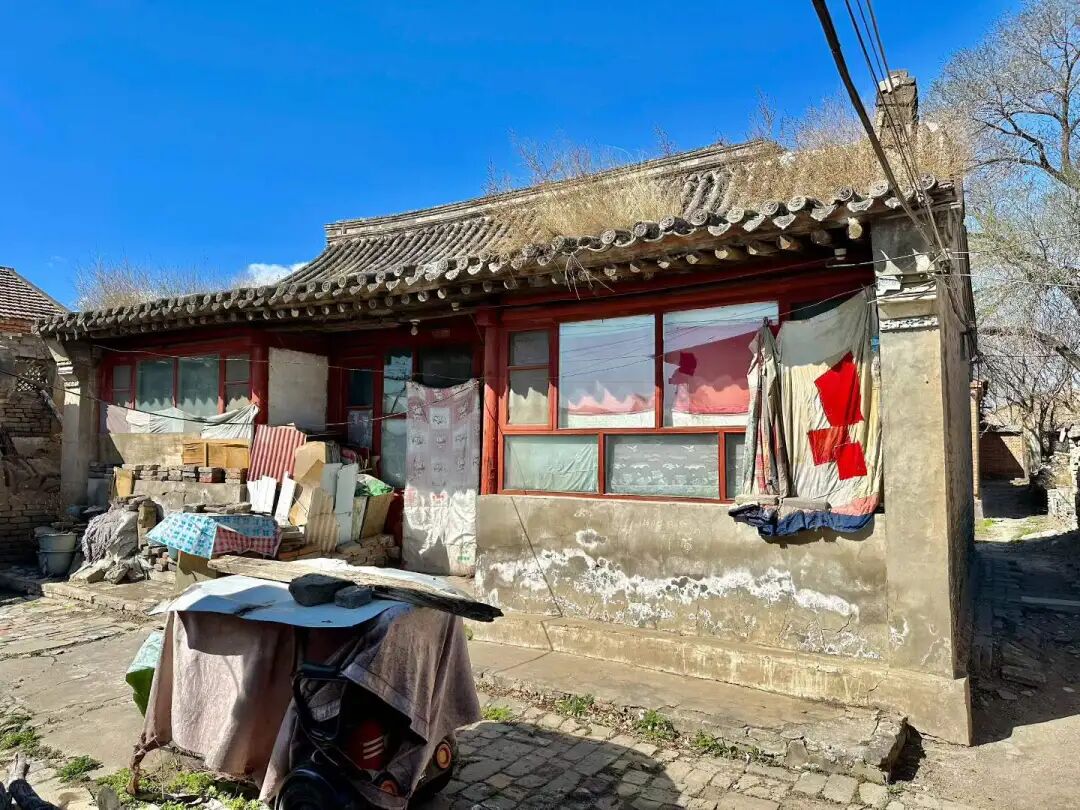
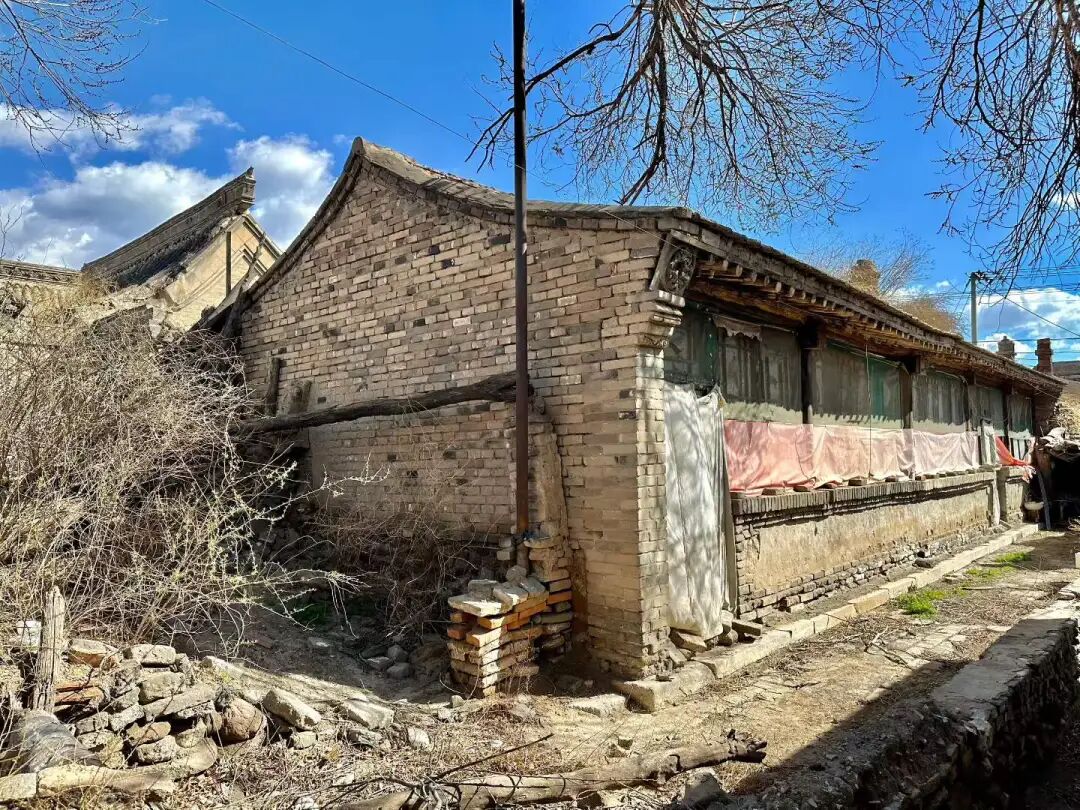
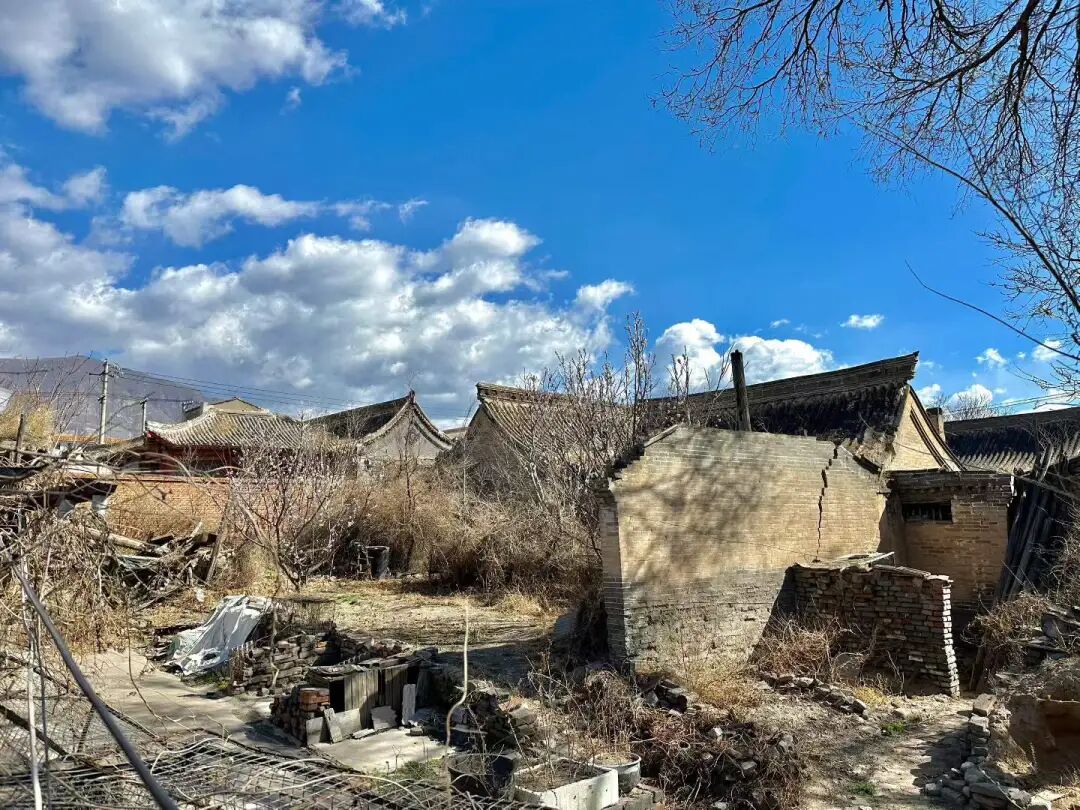
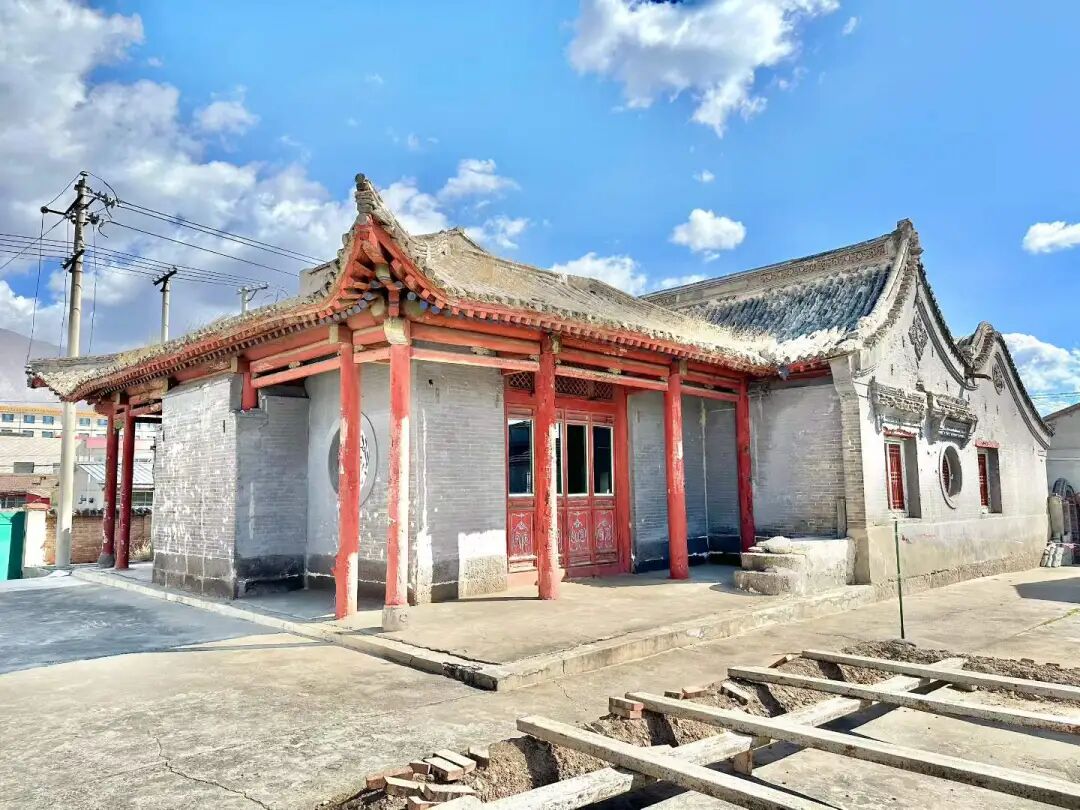
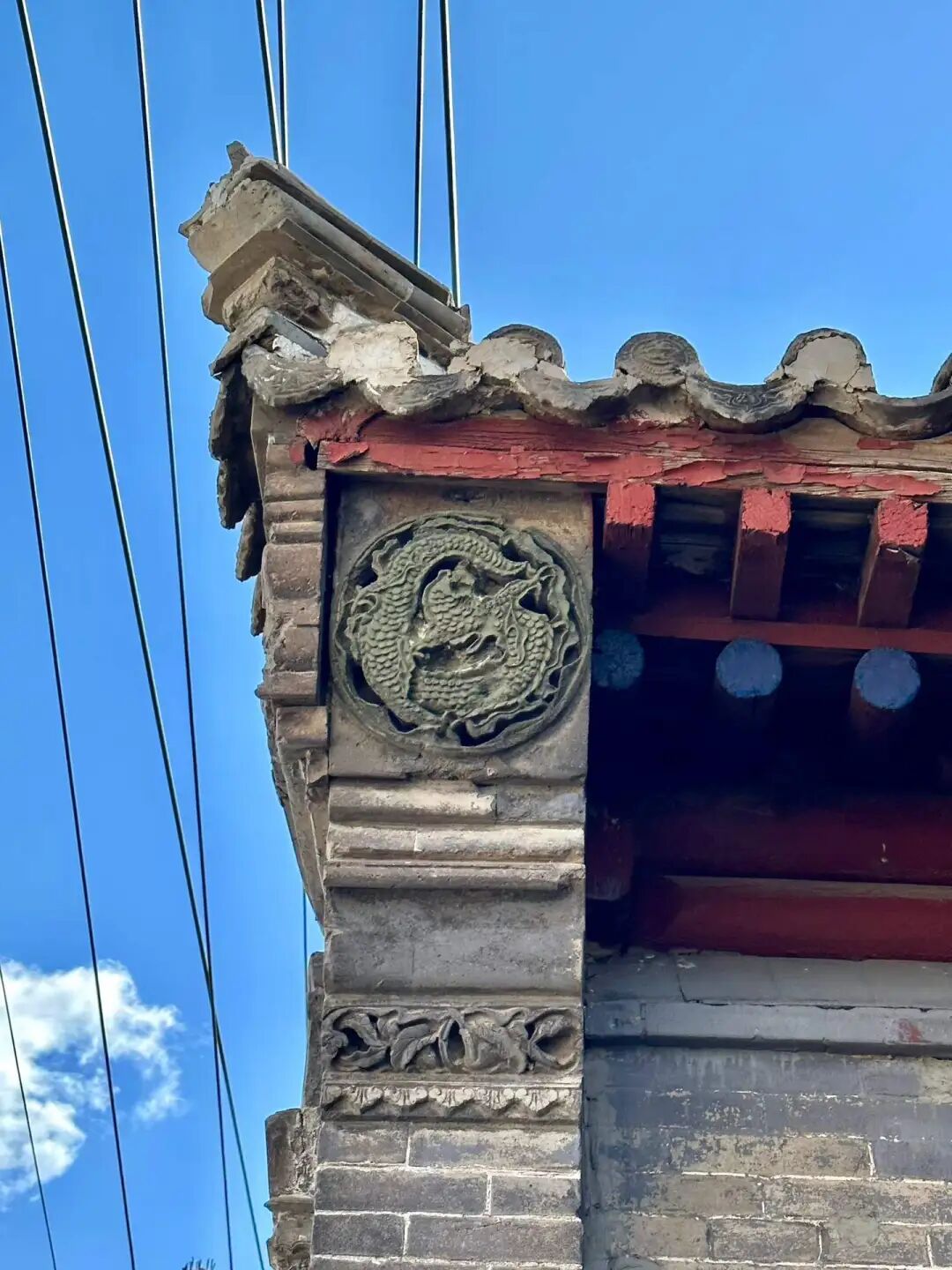
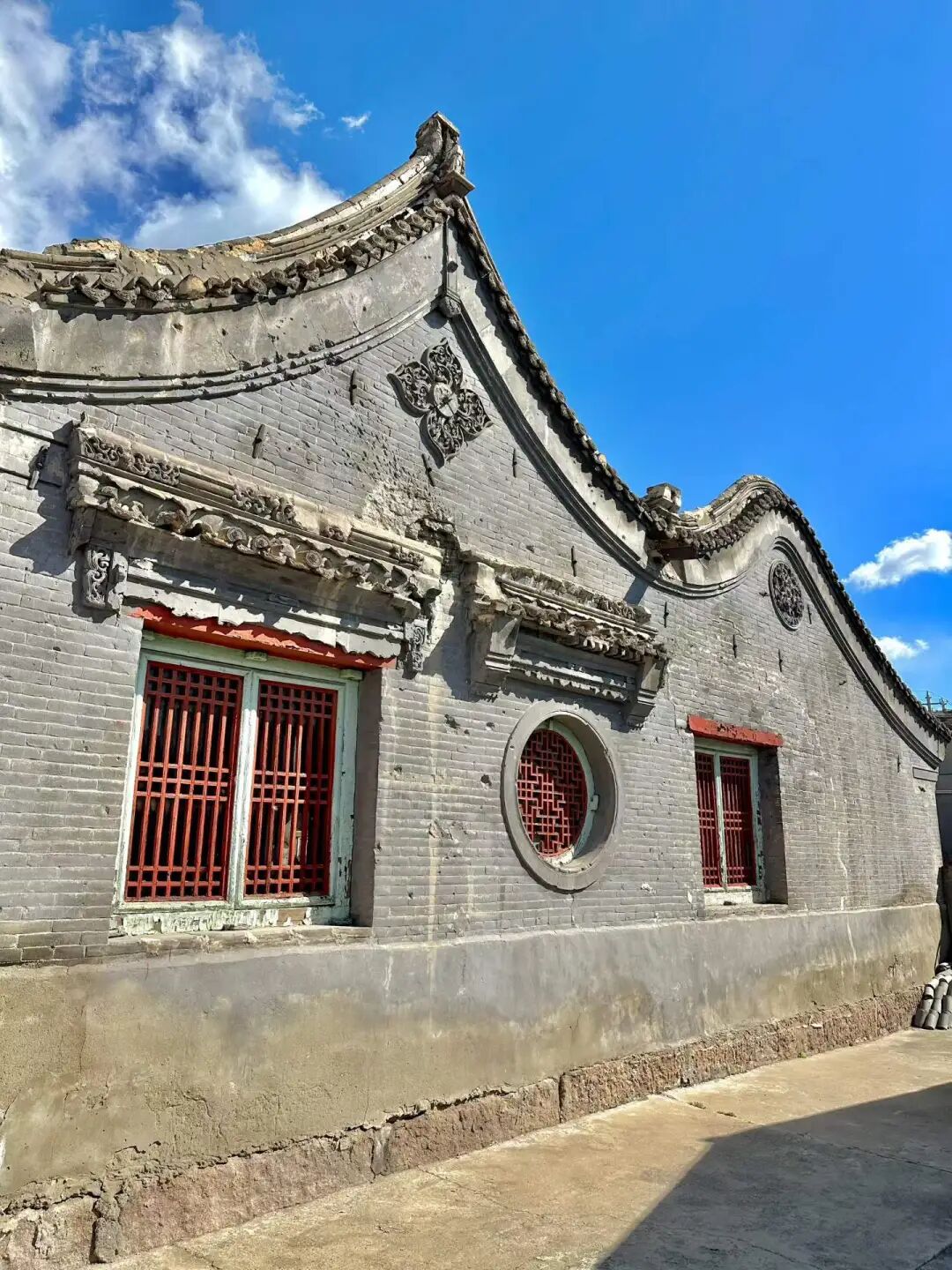
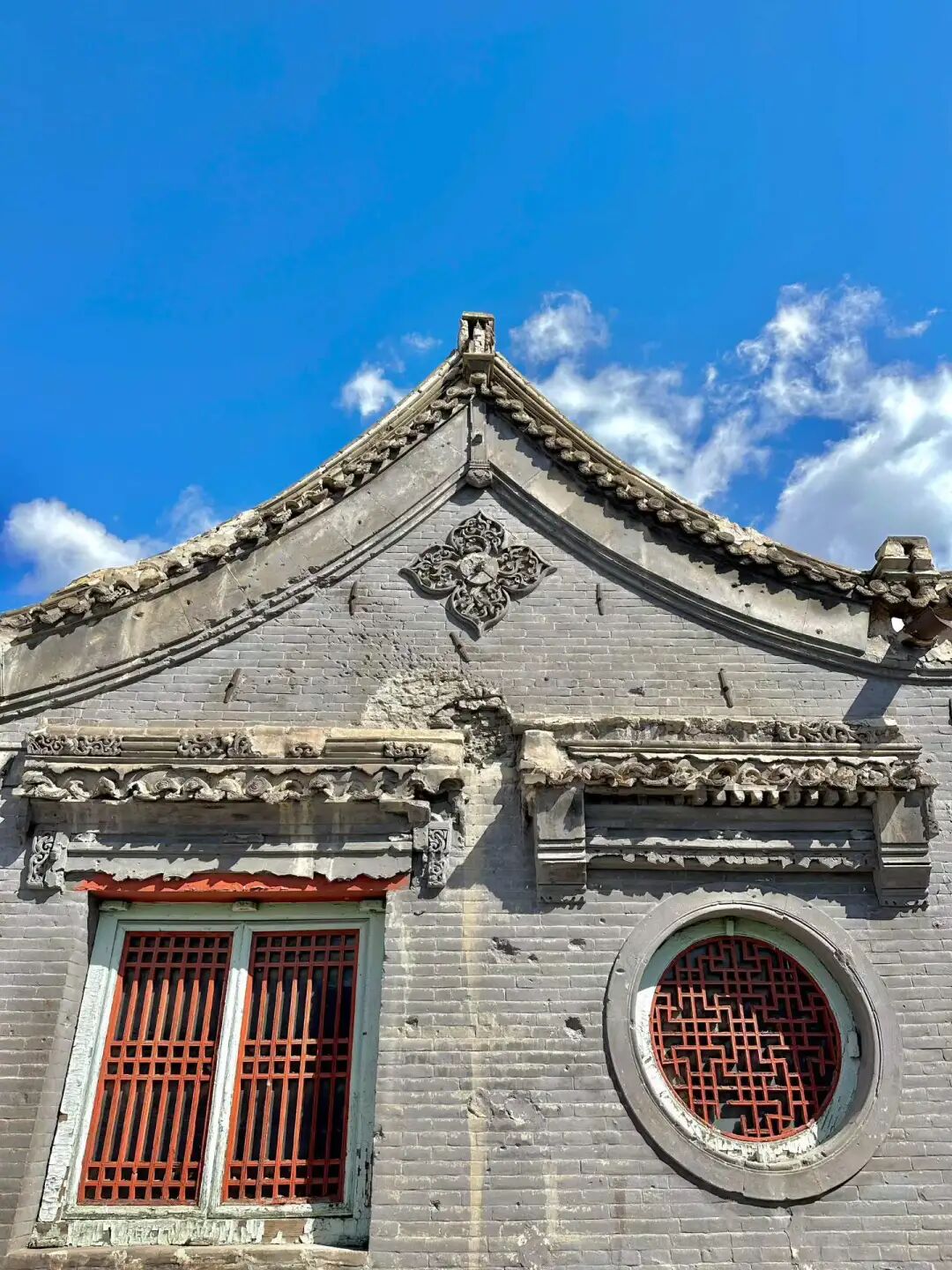
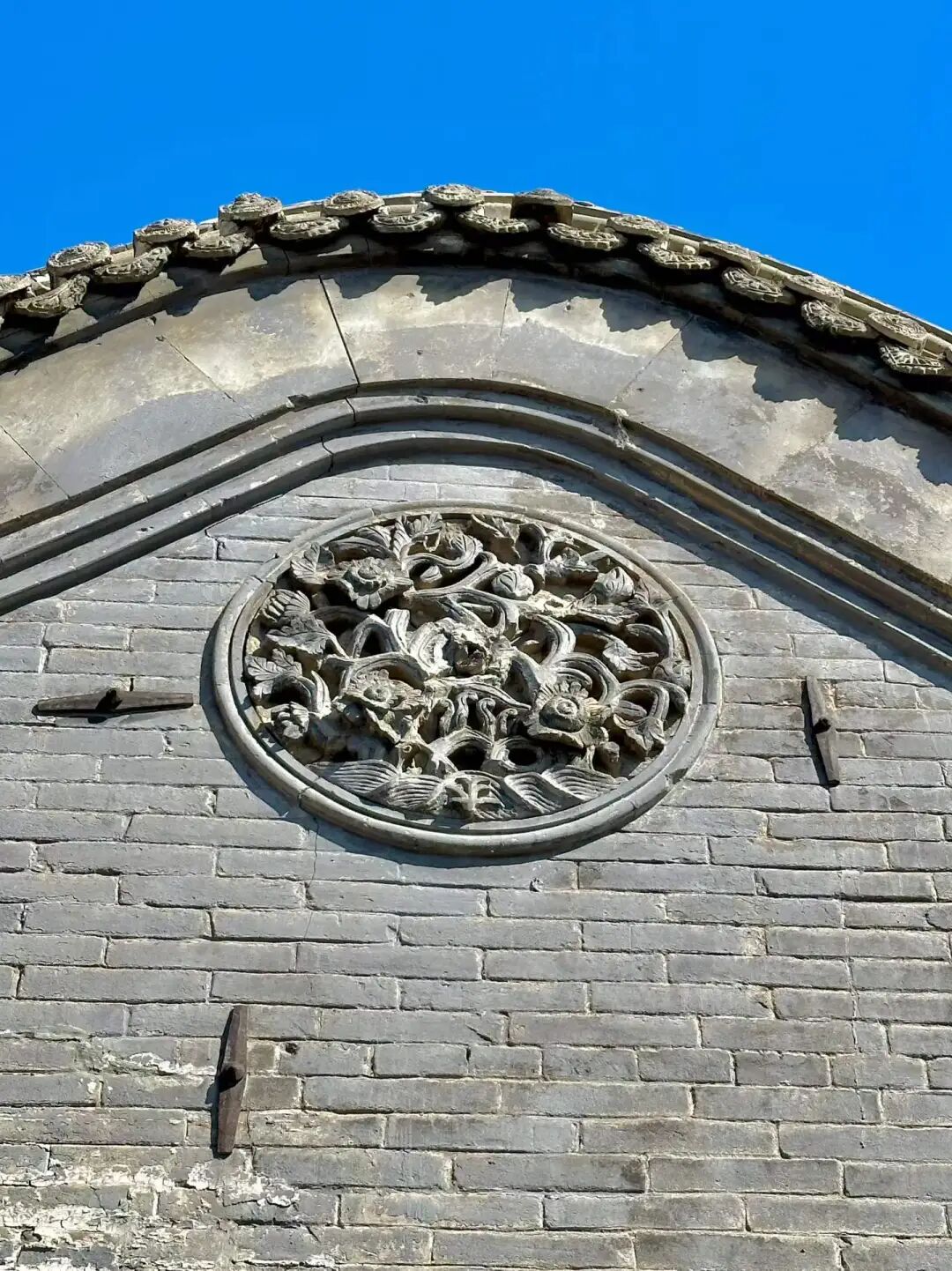
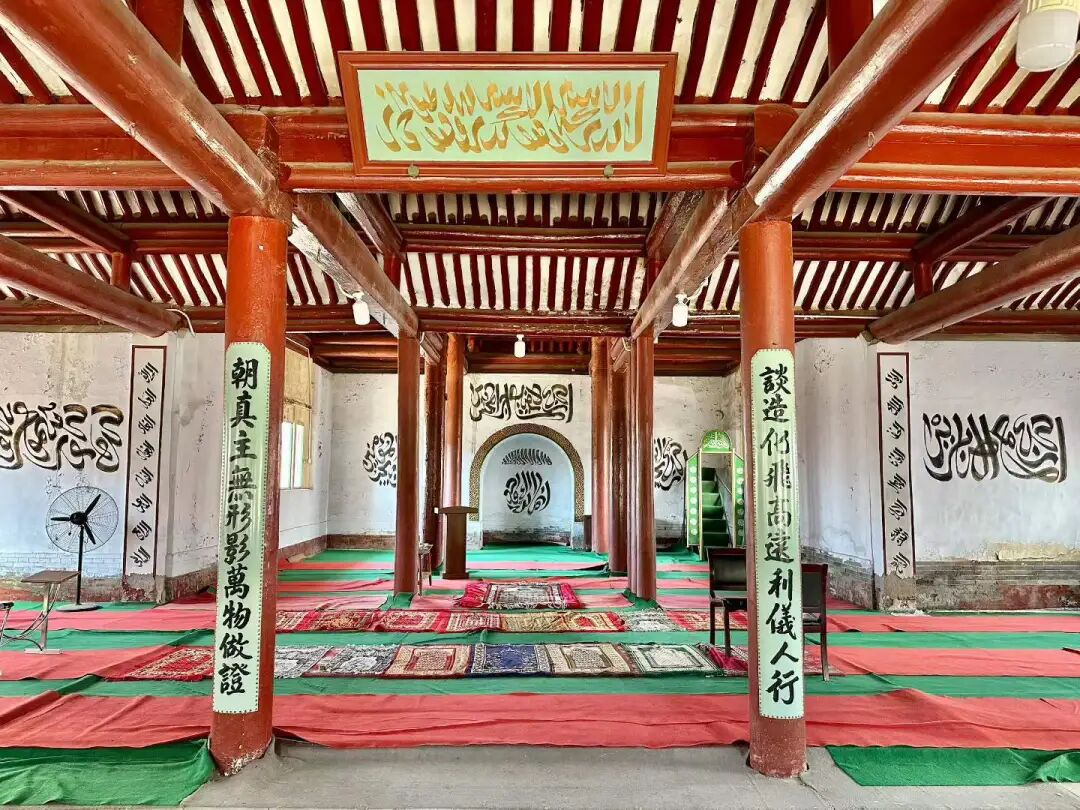
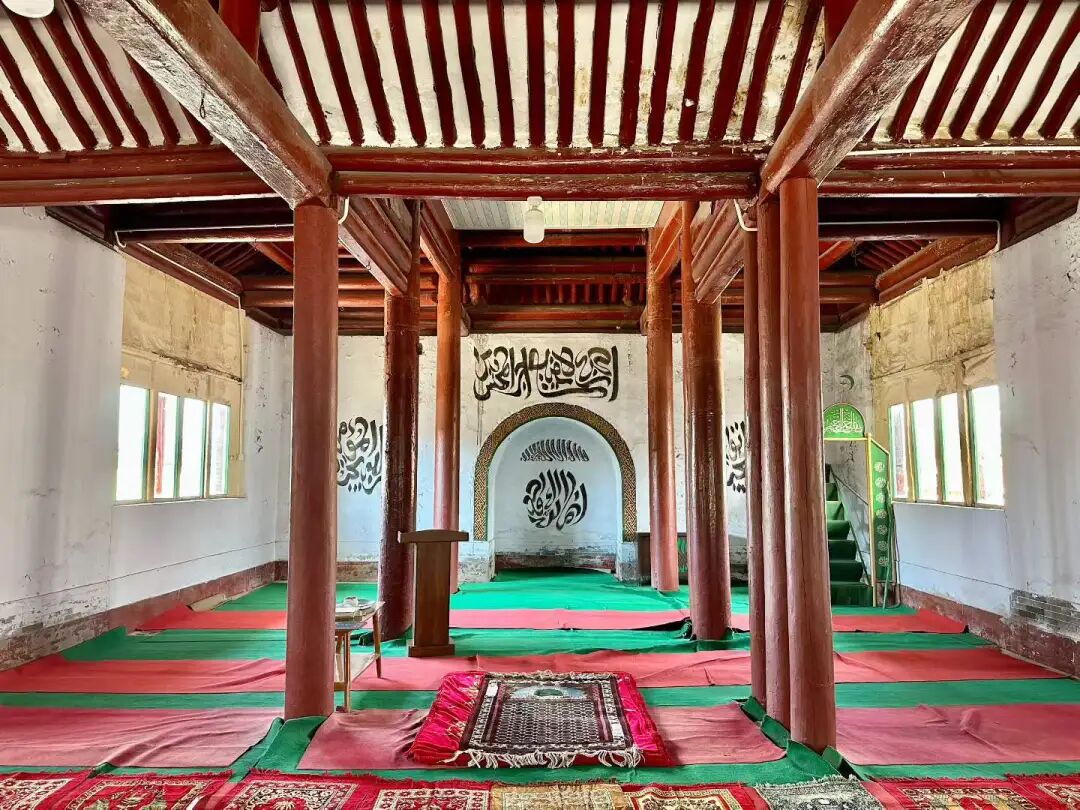
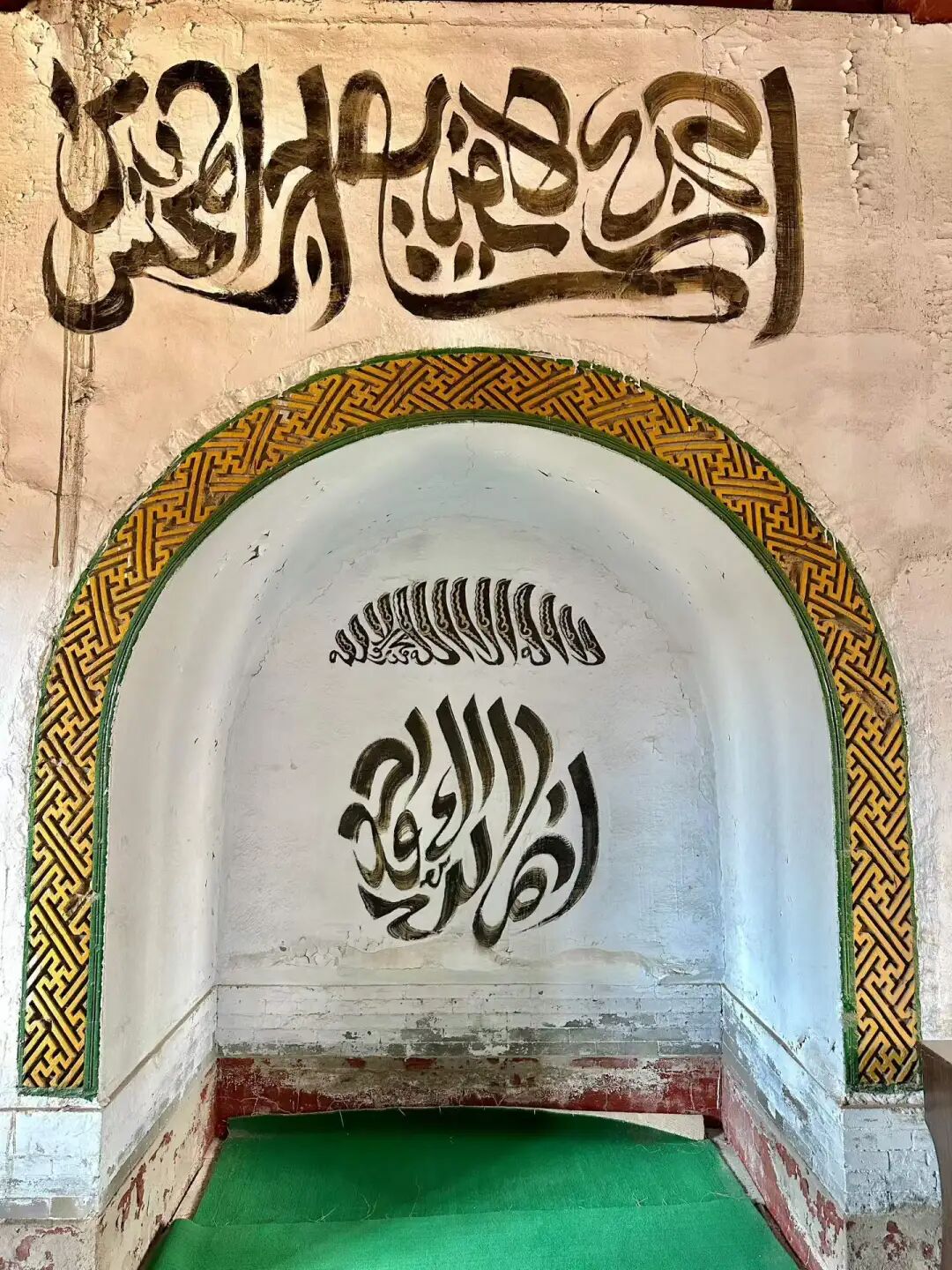
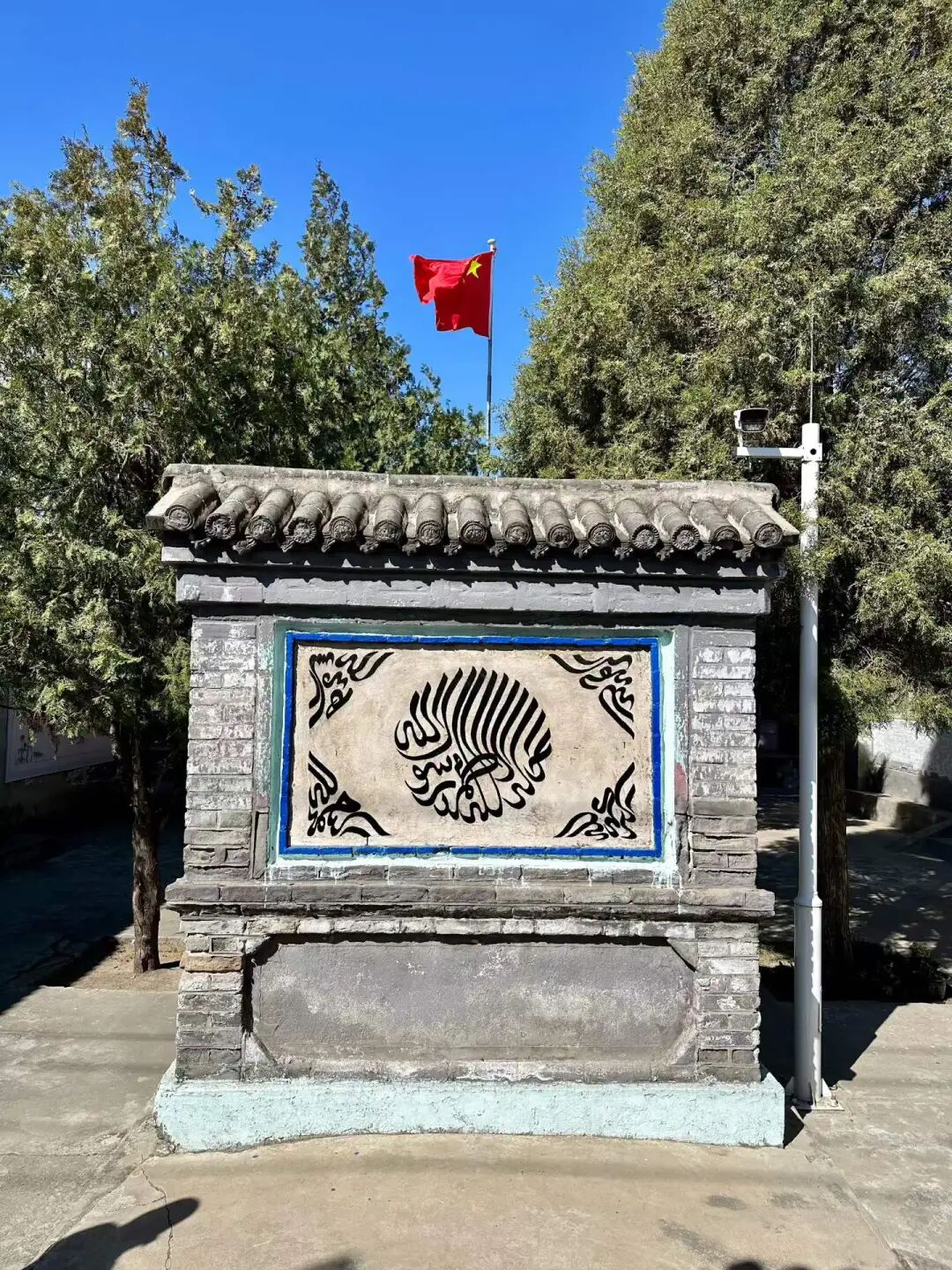
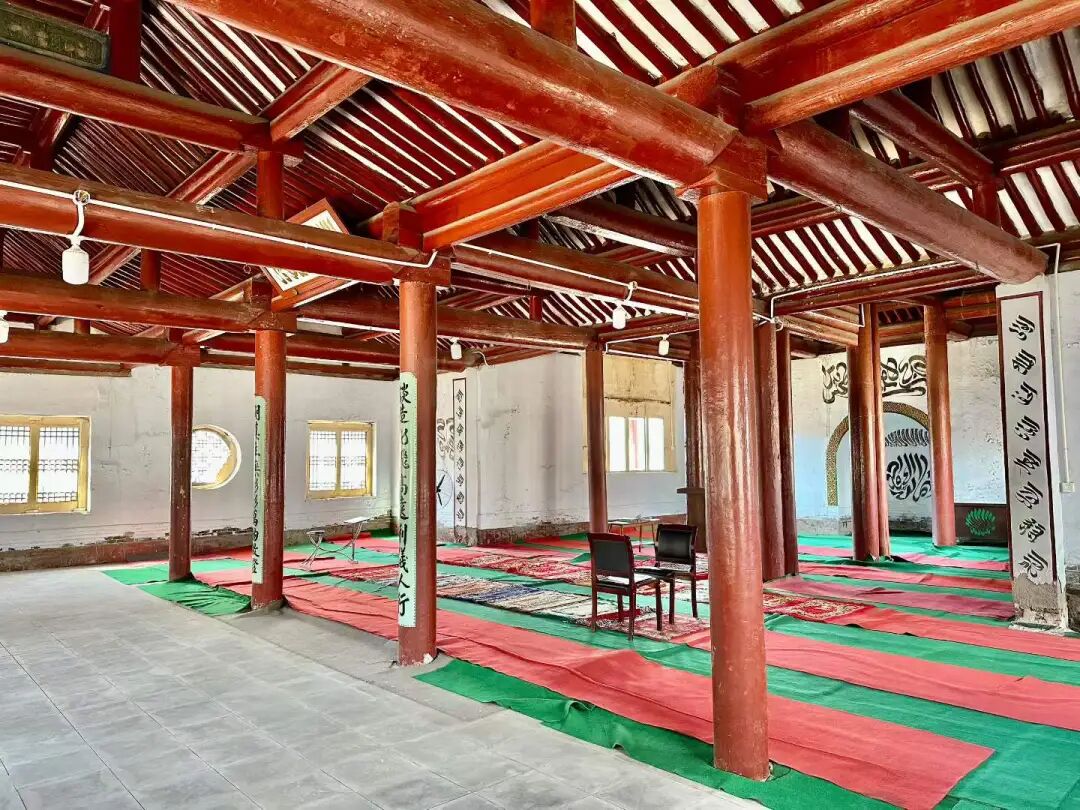
Xinbao'an Mosque is right next to the Nine-Link Hui Muslim Courtyard. Some say it was built in 1621 (the first year of the Tianqi reign), while others say it was built in 1677 (the 16th year of the Kangxi reign). The main hall consists of a front hall, a middle hall, and a rear kiln hall. It is larger than other old mosques in Huailai and still has beautiful brick carvings, though the moon-watching tower on the kiln hall roof is gone.
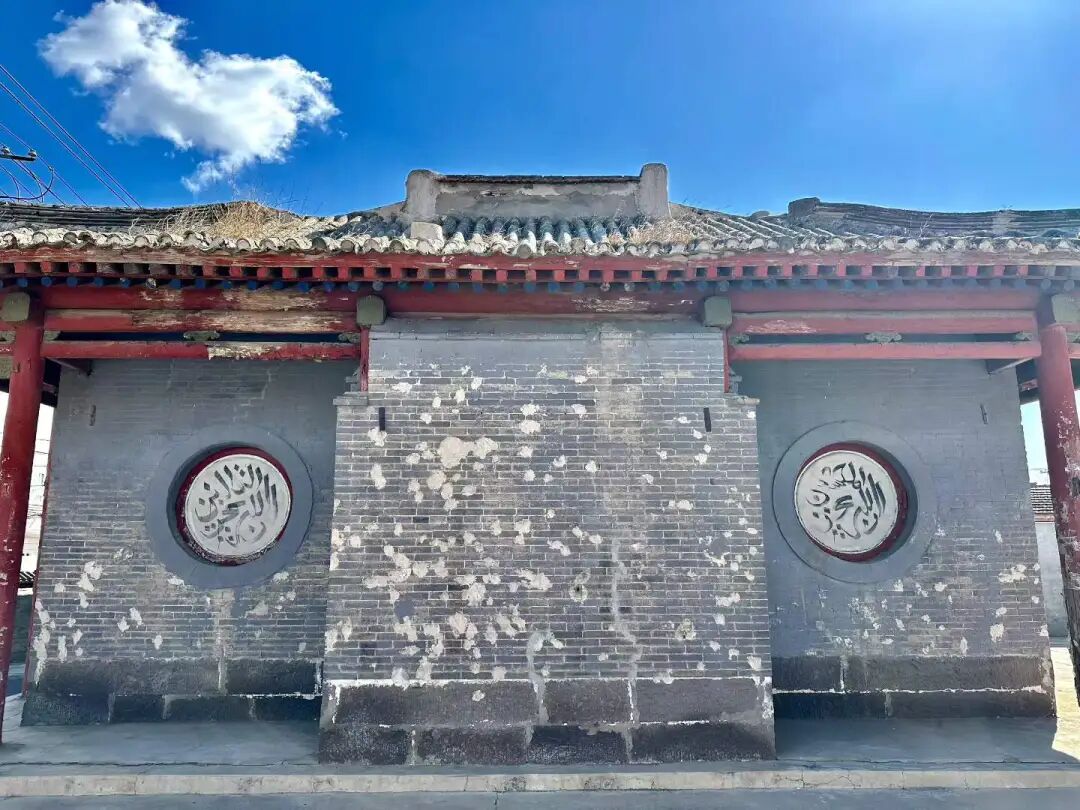
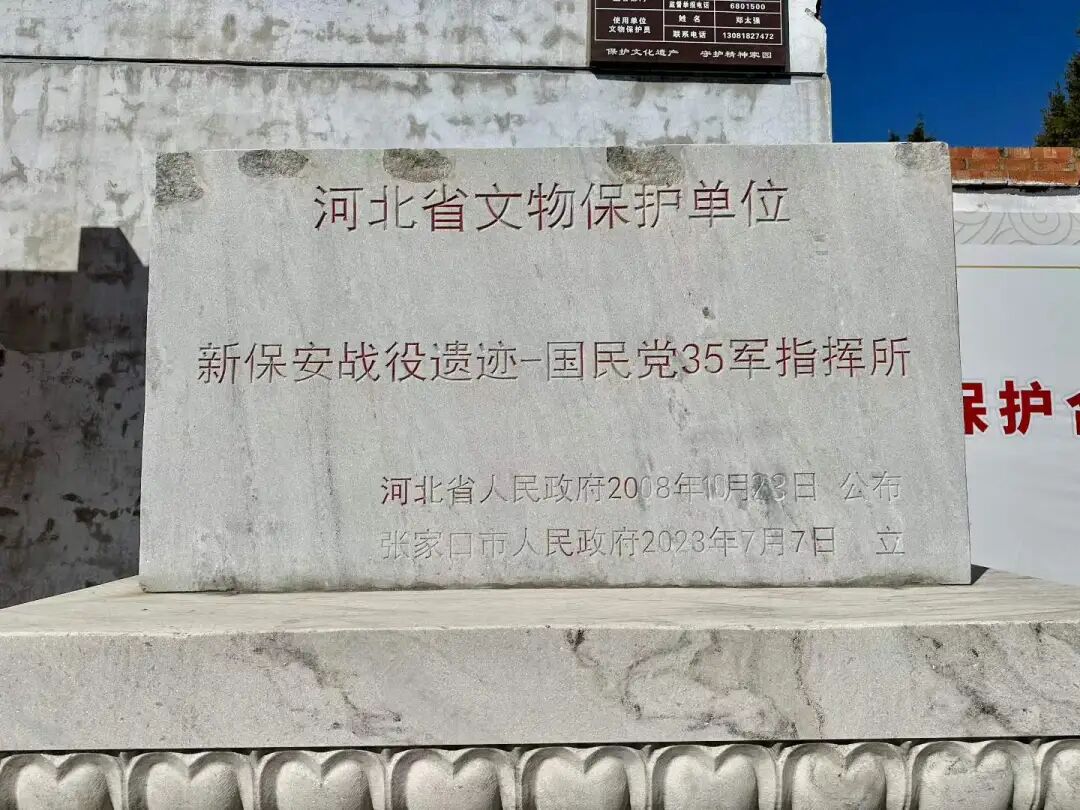
During the 1948 Pingjin Campaign, Xinbao'an was a key battlefield. The Xinbao'an Mosque became the command post for the Nationalist 35th Army, and the walls of the main hall are still covered in bullet marks. In 2008, the mosque was listed as a Hebei Provincial Cultural Relic Protection Unit under the name 'Site of the Battle of Xinbao'an—Command Post of the Nationalist 35th Army'.
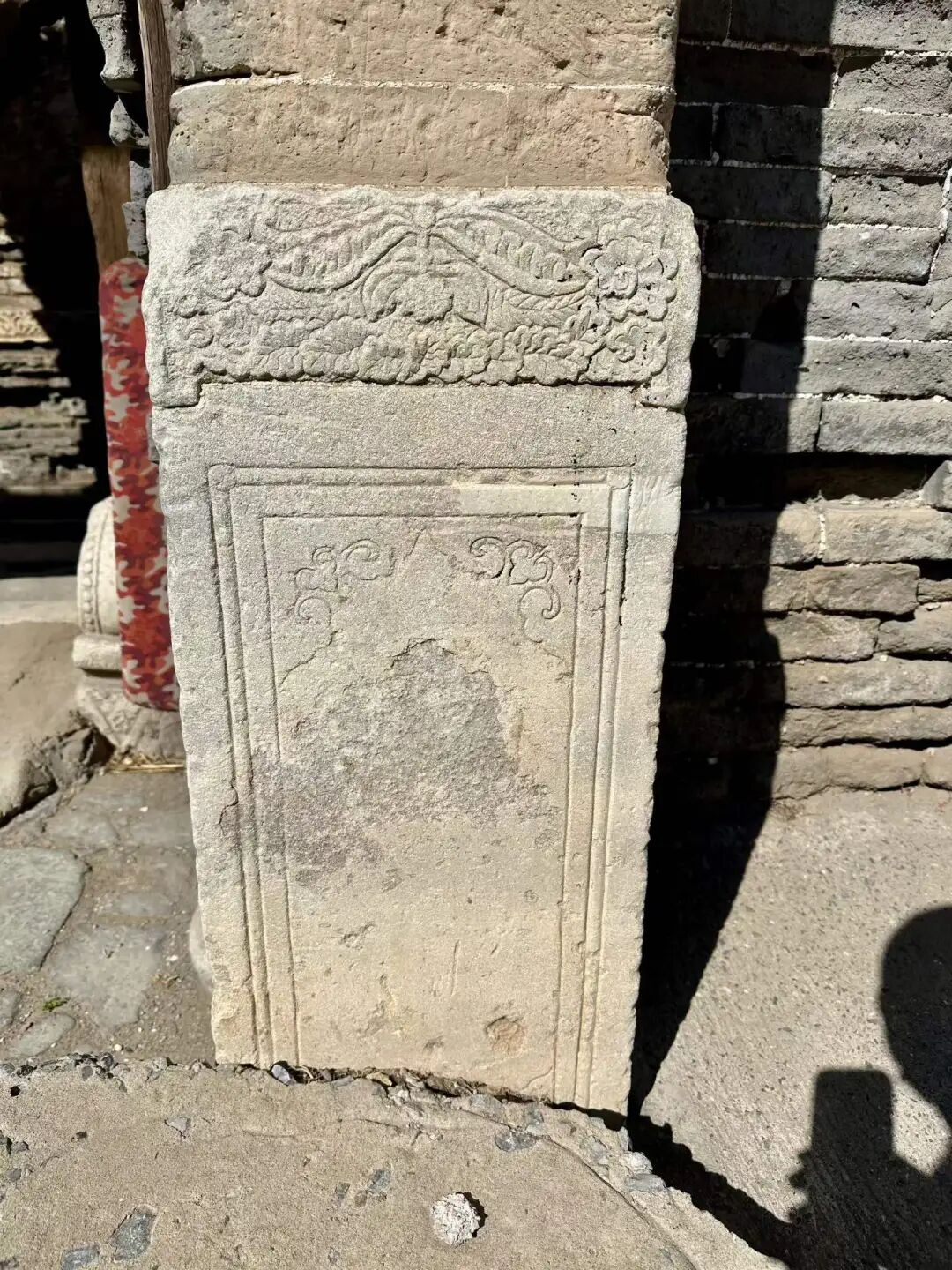
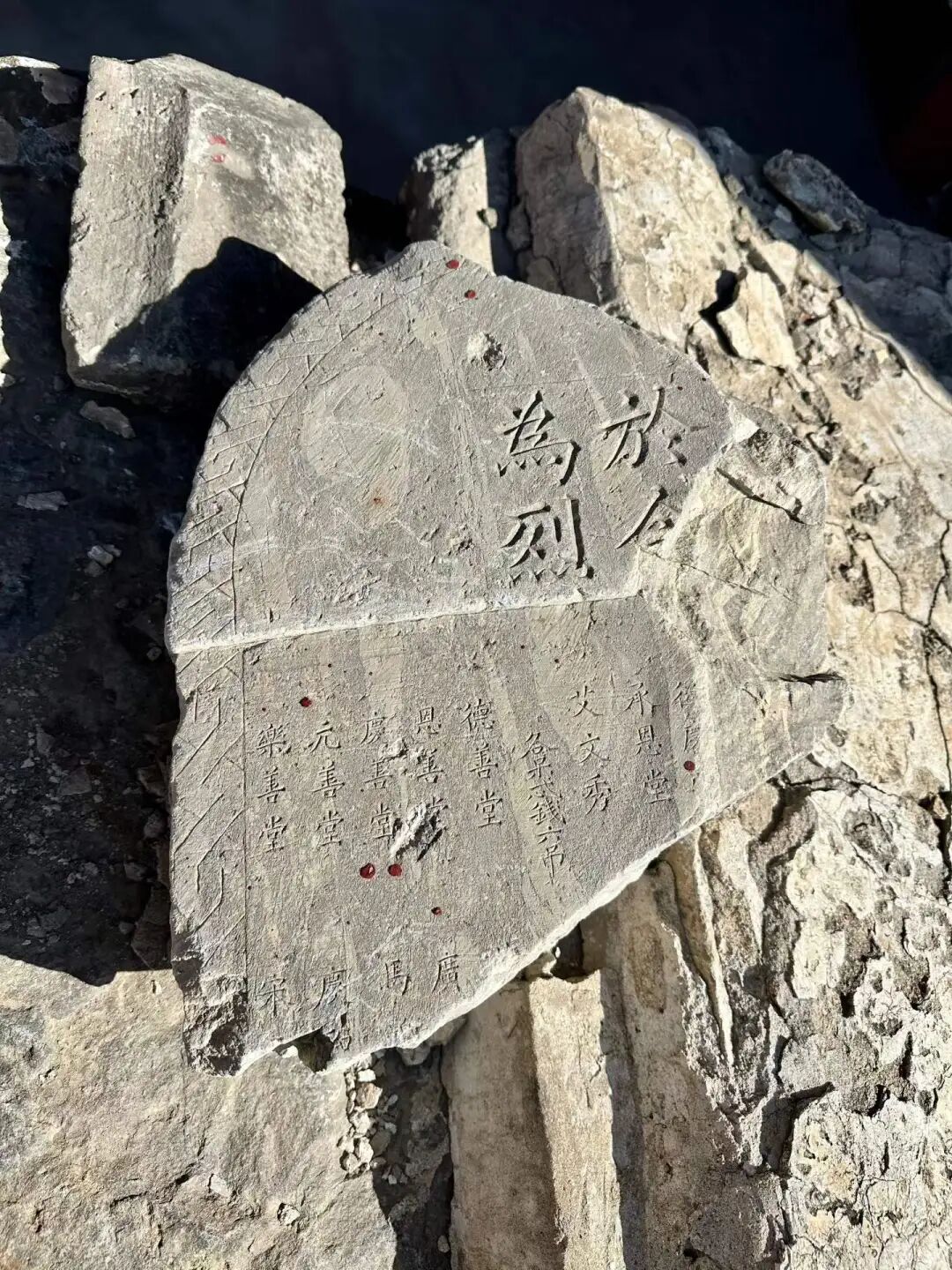
The only remaining stone tablet at Xinbao'an Mosque is likely a donation tablet, which lists many business names.
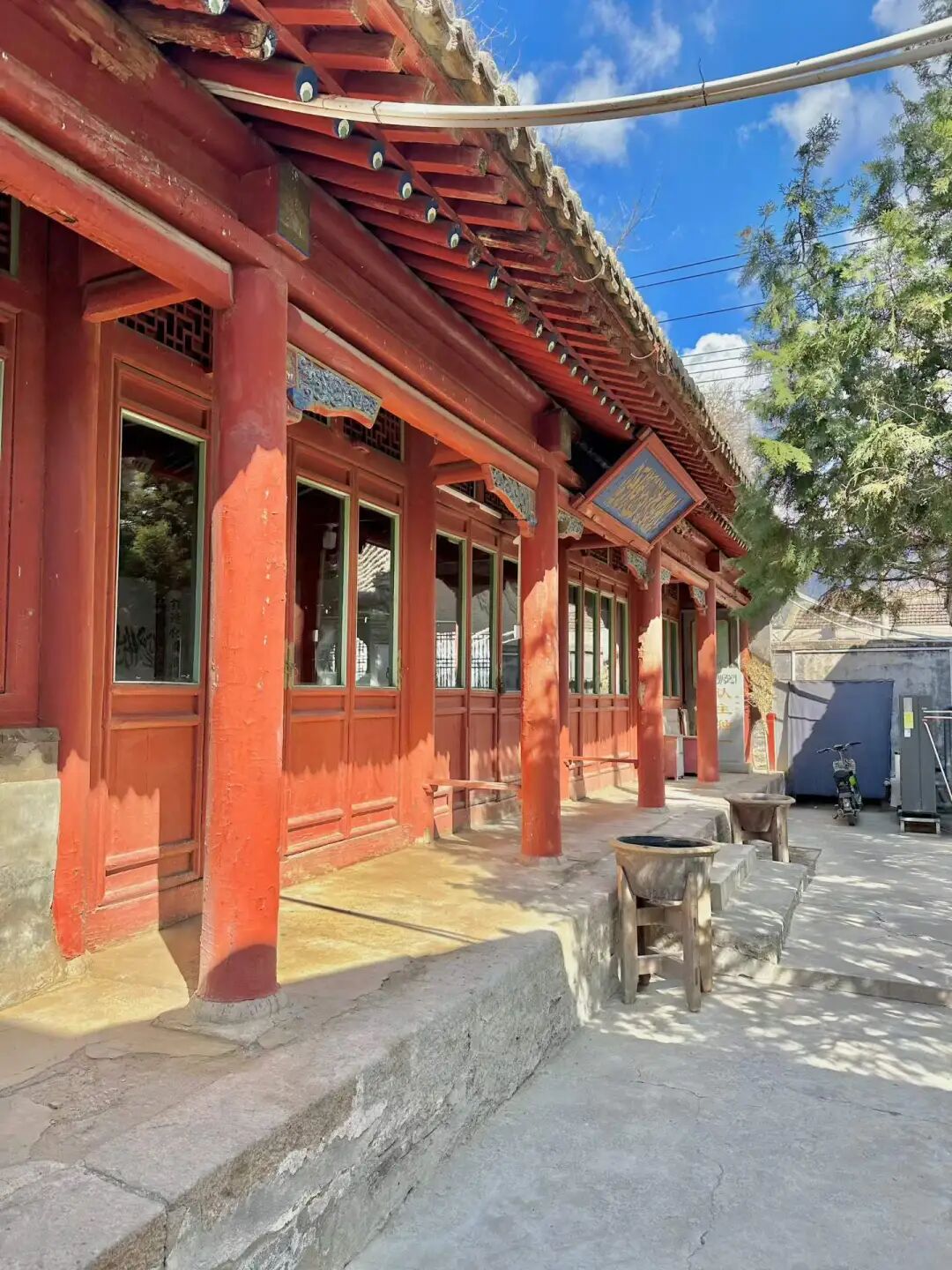
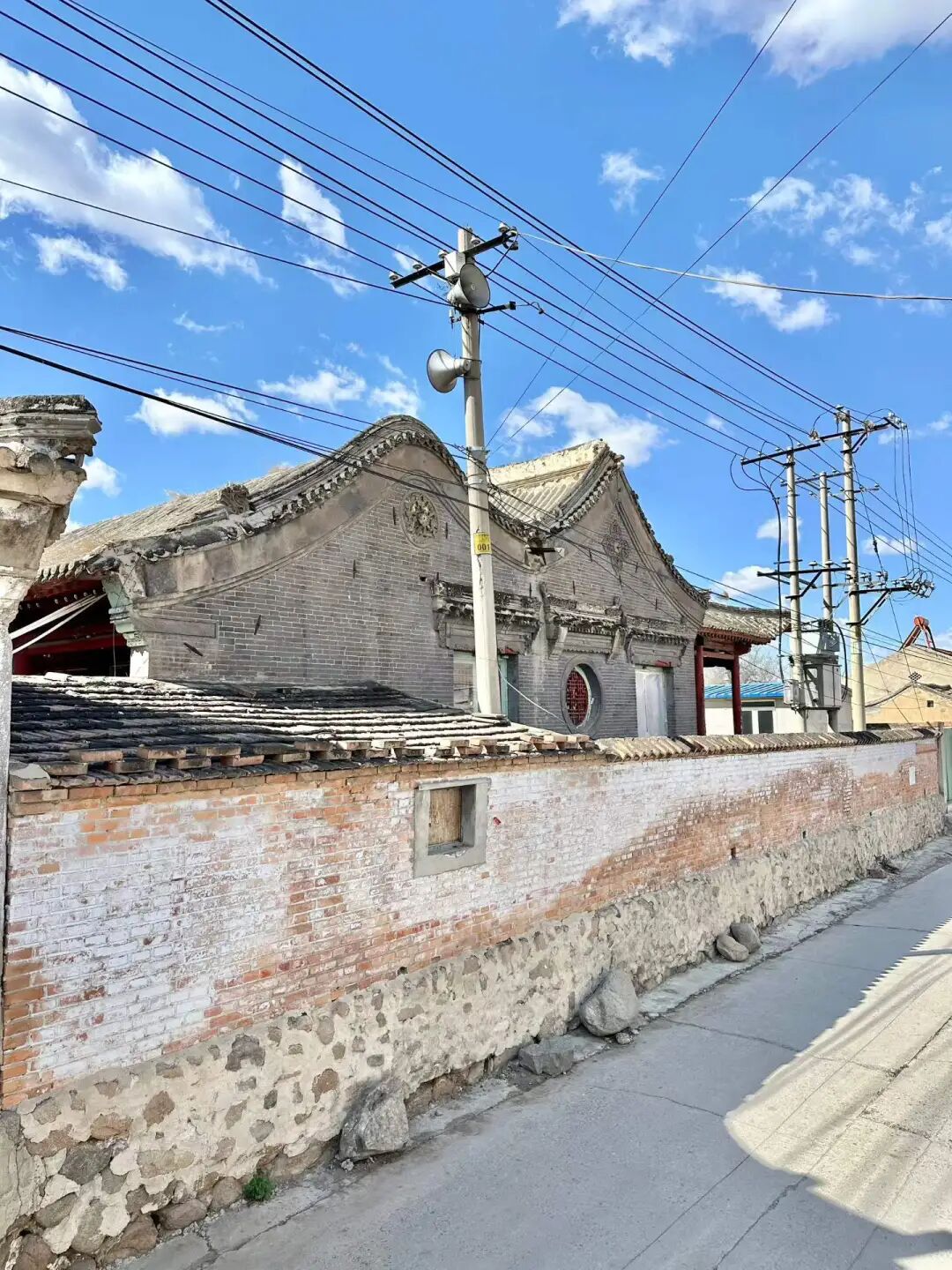
We drove from Xinbao'an Town to Zhuolu County to visit another old mosque in Zhangjiakou—Zhuolu Mosque.
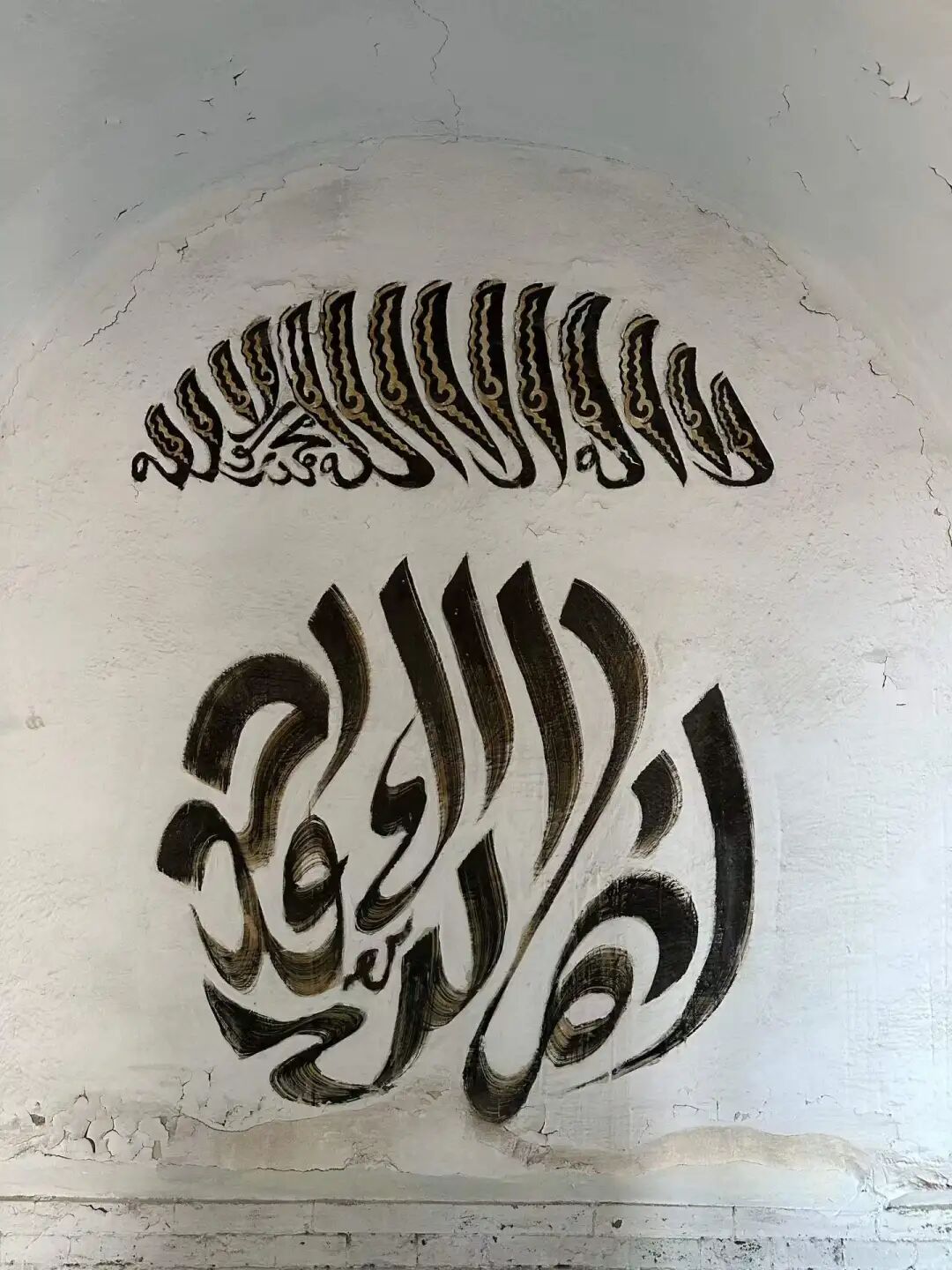
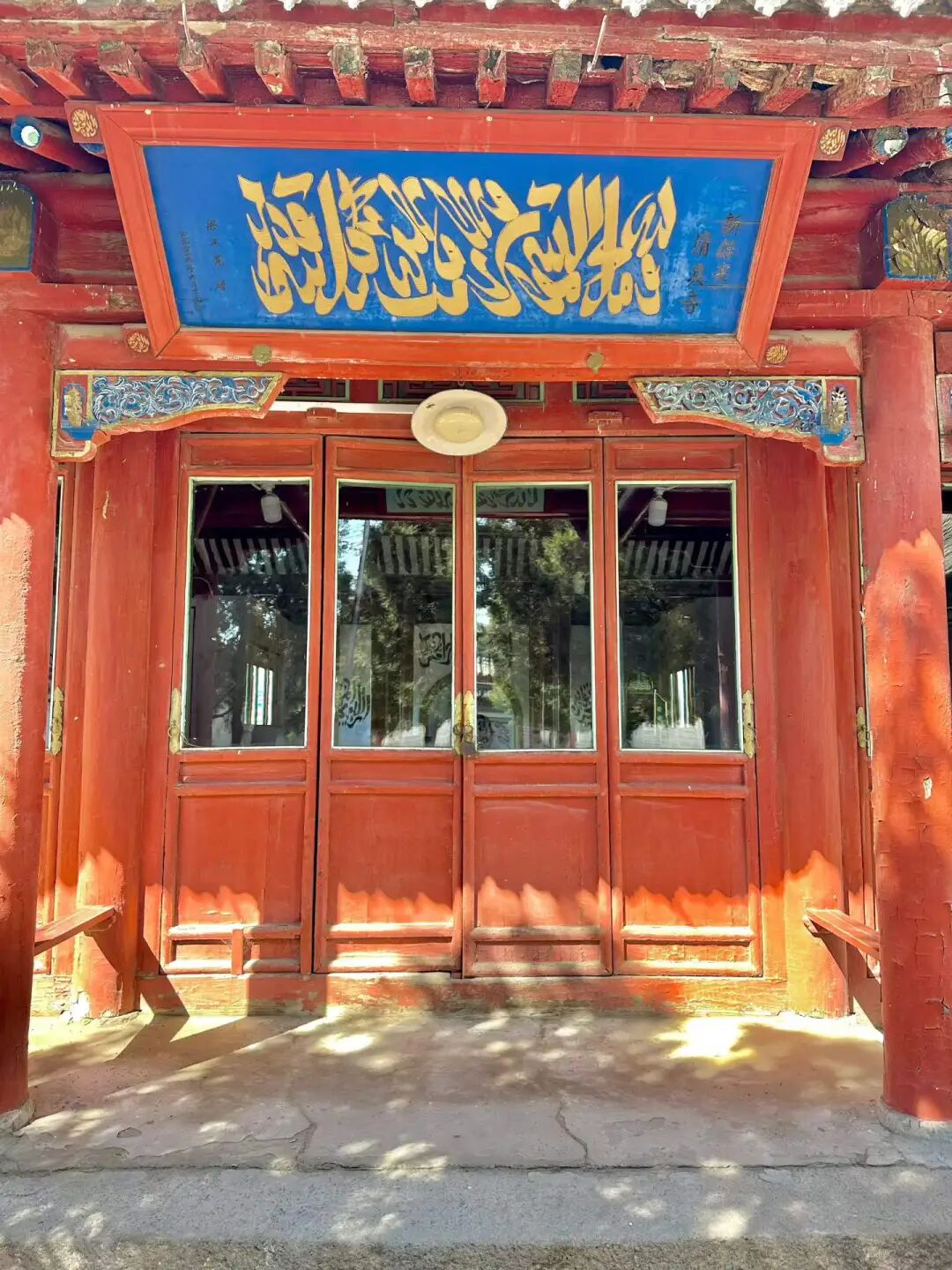
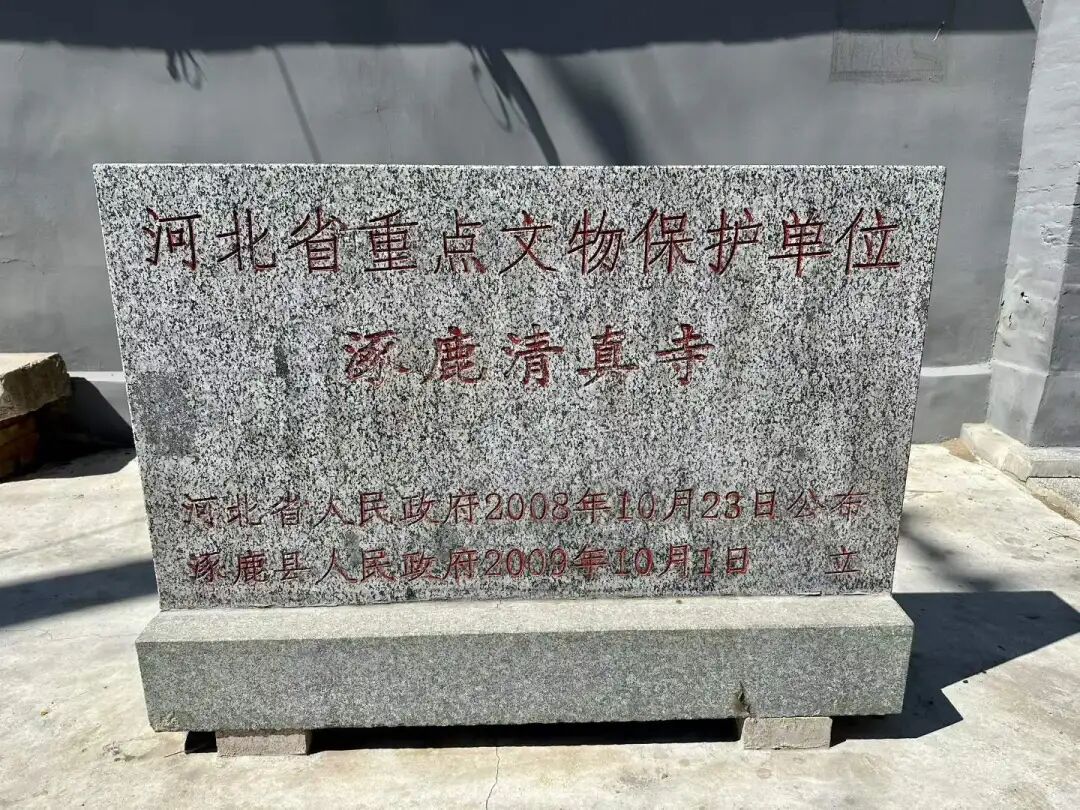
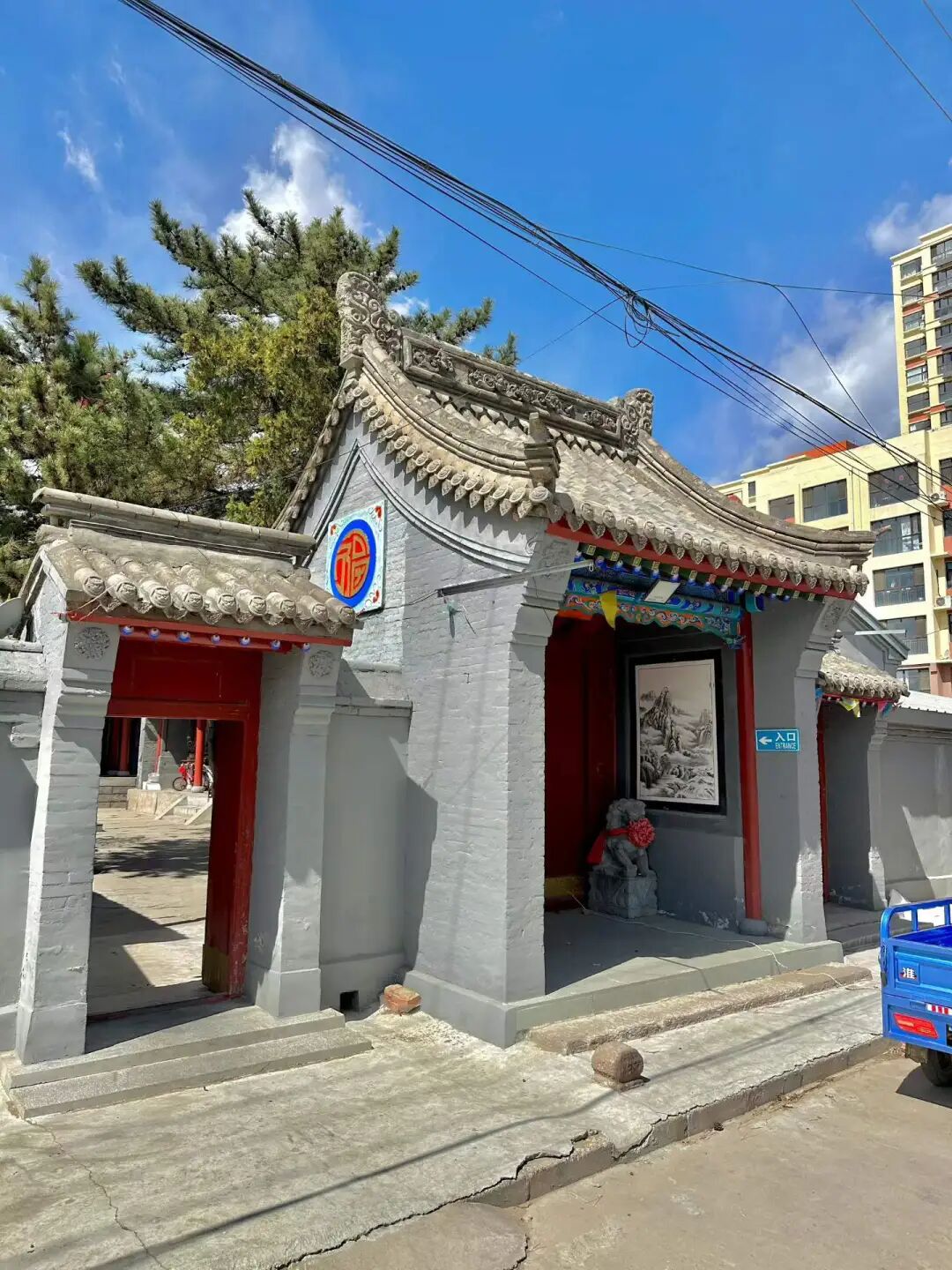
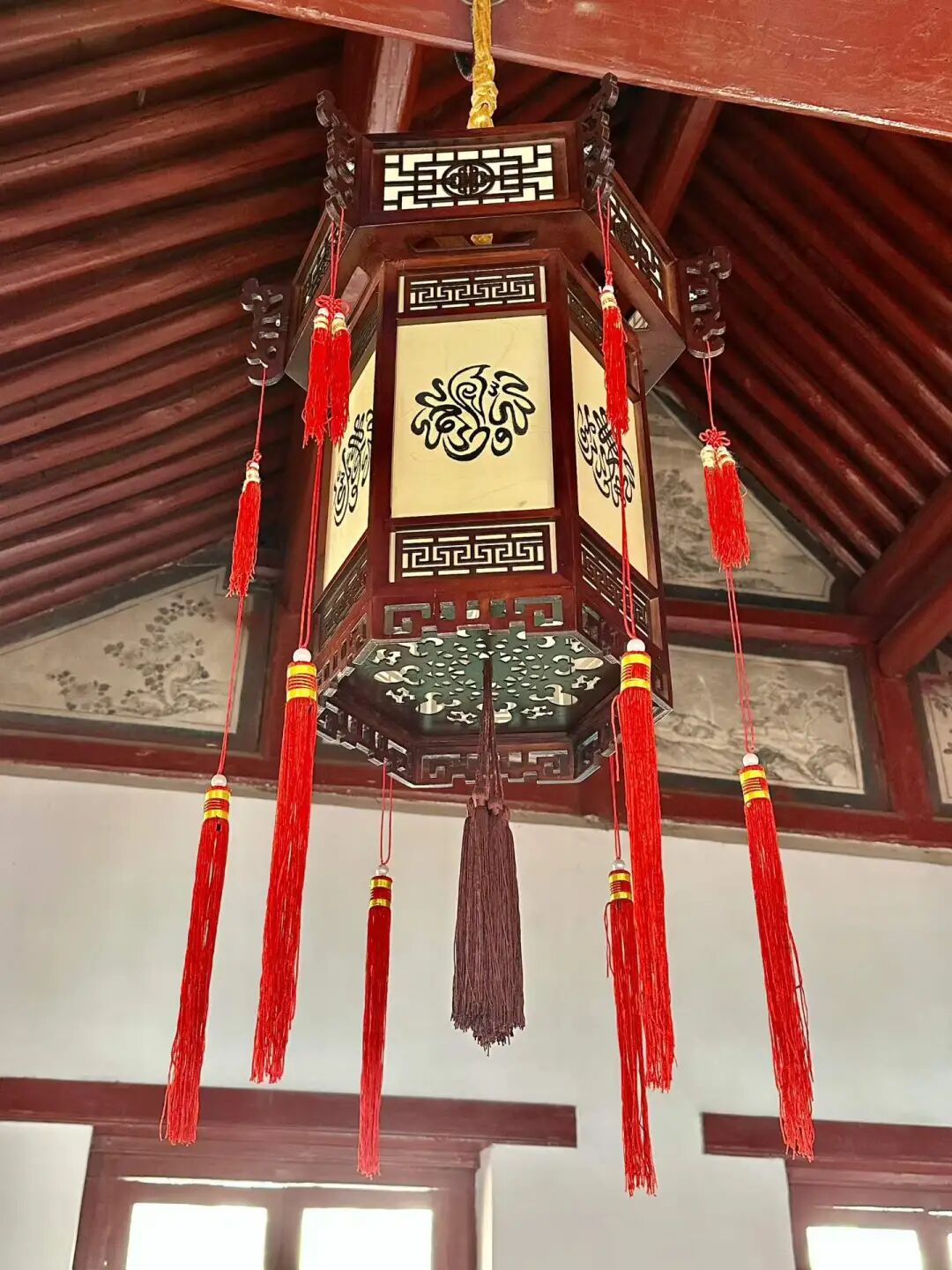
Zhuolu Mosque is located in the east gate area of the county. It was first built during the Chenghua period of the Ming Dynasty. It is a famous historic mosque north of Beijing and was listed as a key cultural relic protection site in Hebei Province in 2008. The main hall of Zhuolu Mosque is made of three connected hard-mountain roofs with a front porch. Behind the kiln hall stands an 11-meter-high octagonal spire-roofed Moon-Watching Tower (wangyuelou), which is more spectacular than the common hexagonal spire roofs found in North China. Wind bells hang on the Moon-Watching Tower. When the wind blows, the bells ring, creating a refreshing and soothing sound. A wooden partition screen is built between the main hall and the kiln hall, featuring a unique design of the Basmala (tasimi) written in hard-pen calligraphy.
The Hui Muslims in Zhuolu are mainly of the Shan surname. The Shan family are descendants of Sayyid Ajjal Shams al-Din. One branch originally came from Shanjia Gou in Xi'an Prefecture, Shaanxi. They moved to Zhuolu during the Kangxi period of the Qing Dynasty, and during the Qianlong period, they built the Shan Family Nine-Linked Ring Courtyard in the west gate area. The Shan family is known for their military service. Five members once passed the military imperial examinations, and they were known as the 'Five Dragons of the Shan Family'. The east gate area where Zhuolu Mosque is located was also a residential area for Hui Muslims. It once had alleys named after local Hui Muslim families: Ma Family Alley (Majia Xiang), Fei Family Alley (Feijia Xiang), and Shan Family Alley (Shanjia Xiang). Unfortunately, the east gate area was demolished in 2018, and only the mosque was preserved.
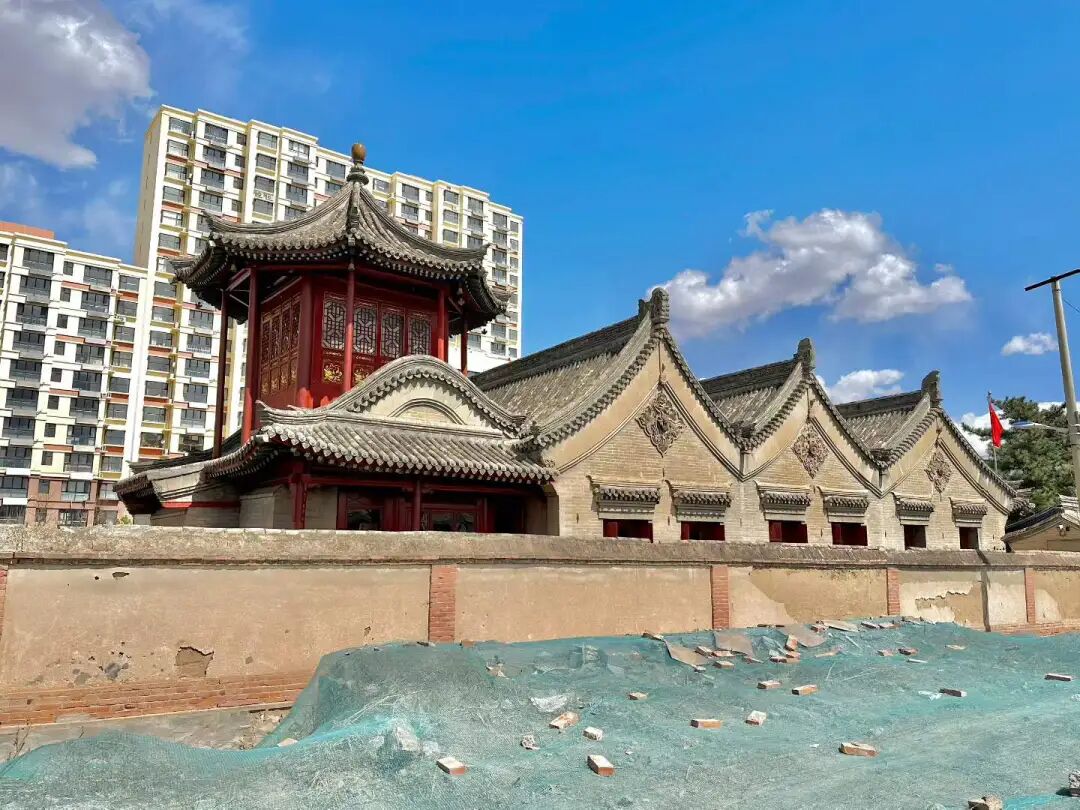
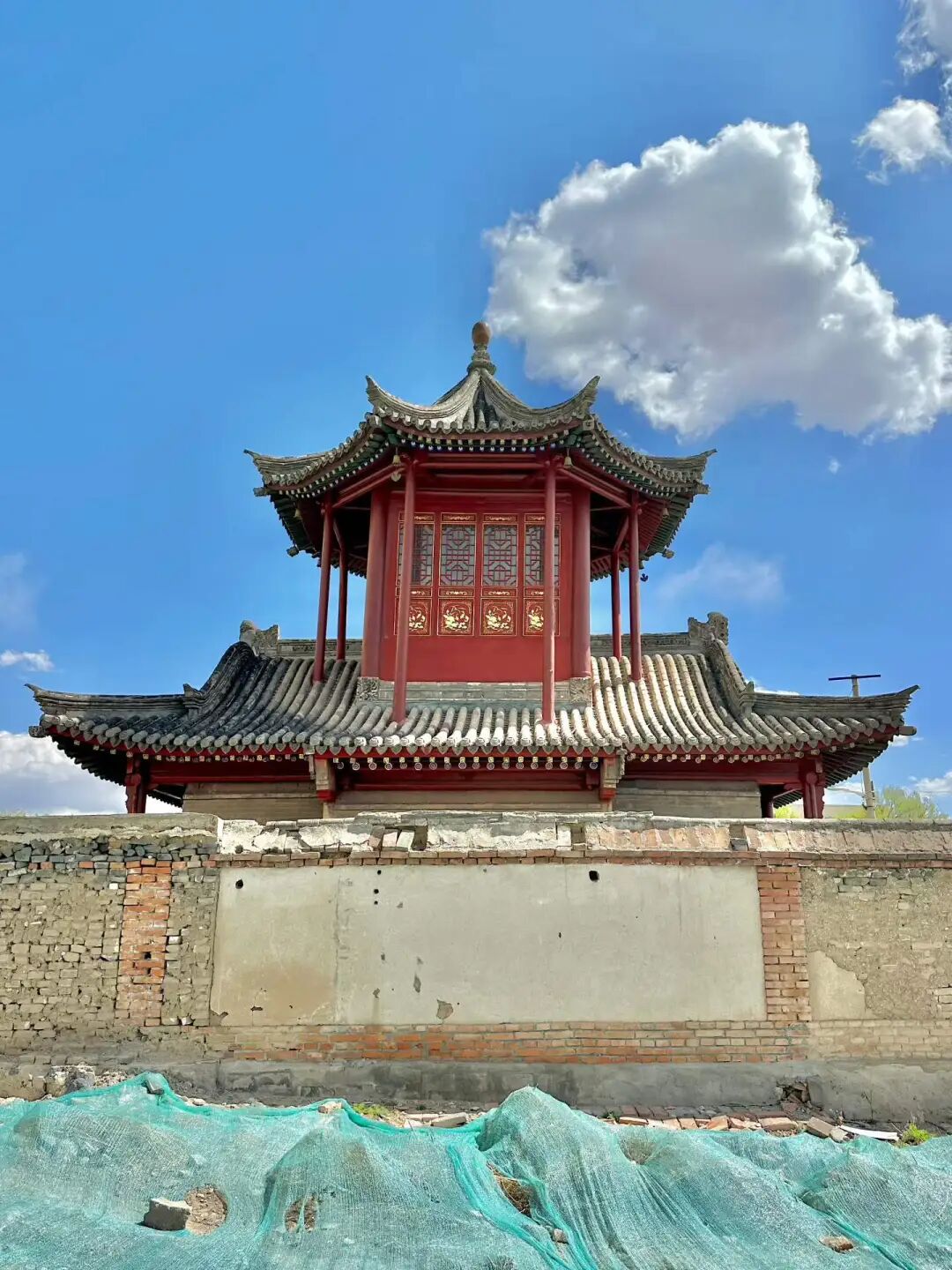
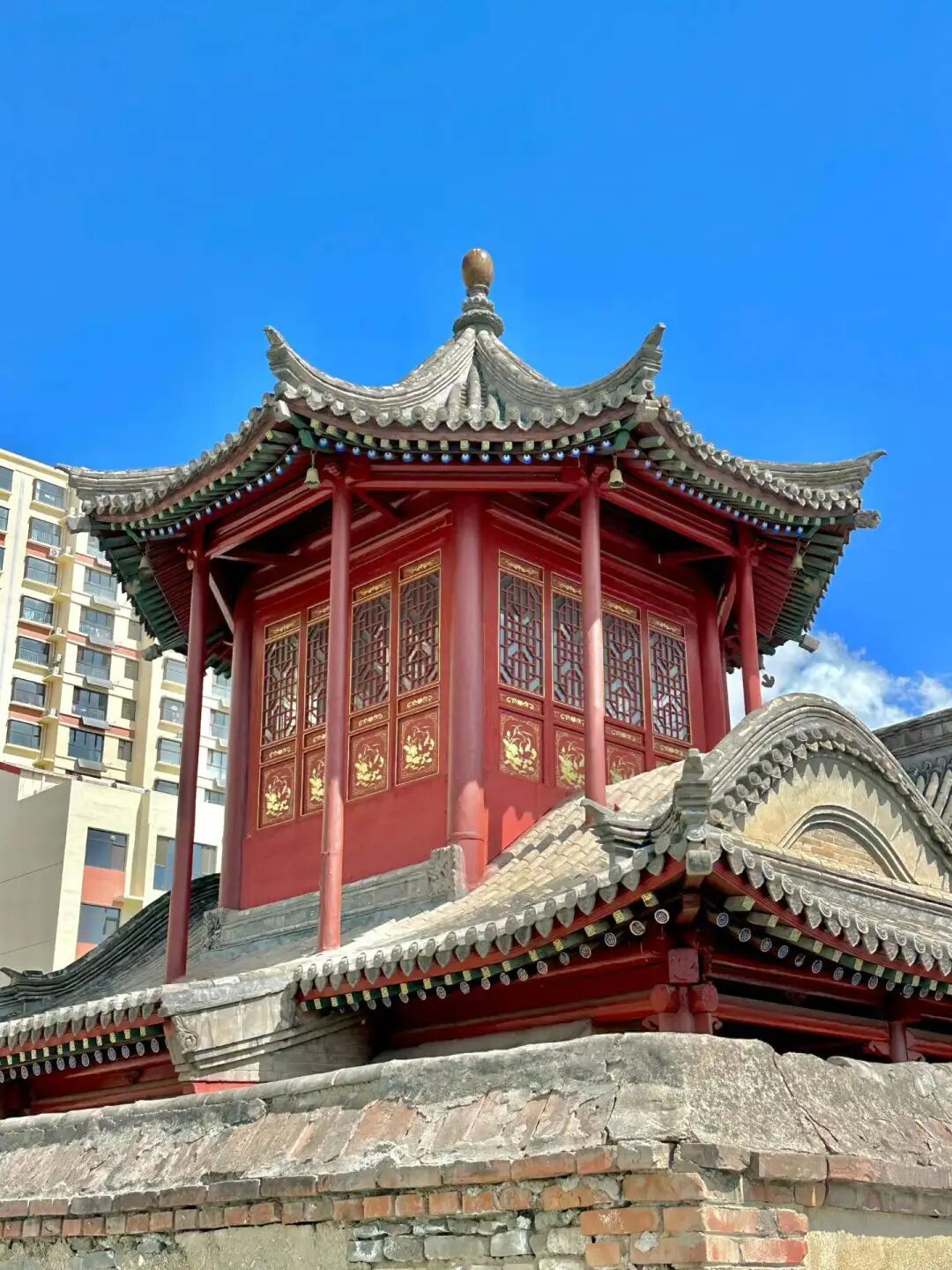
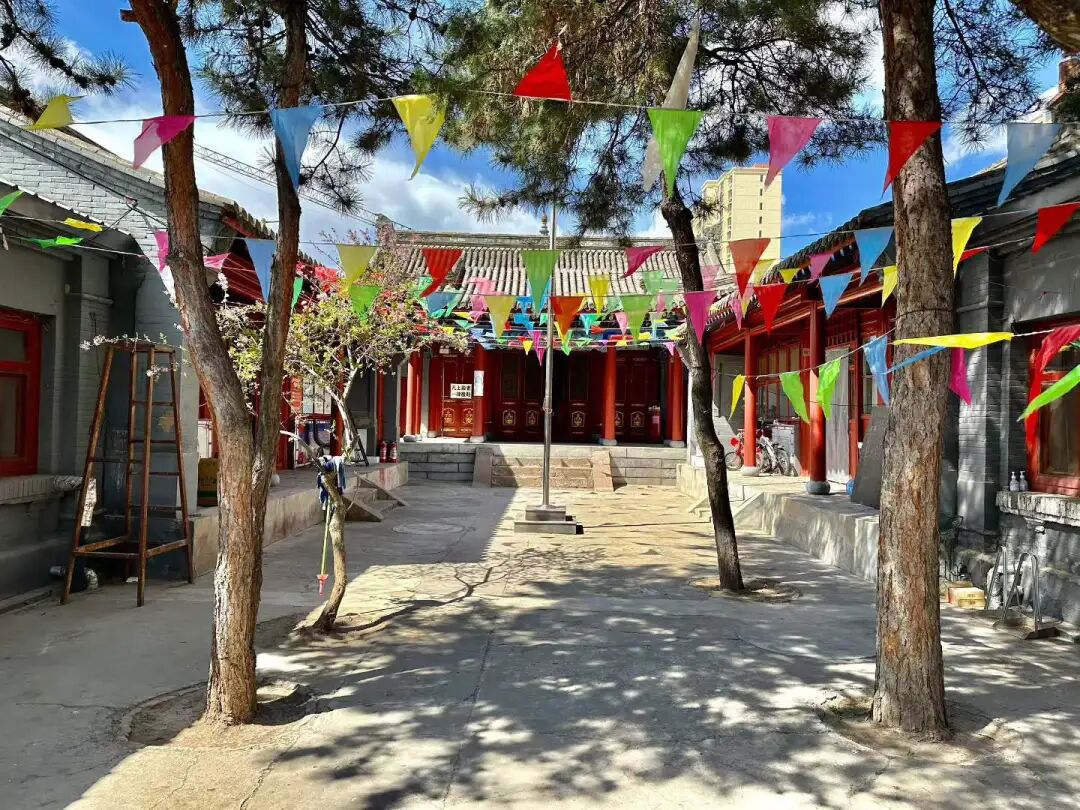
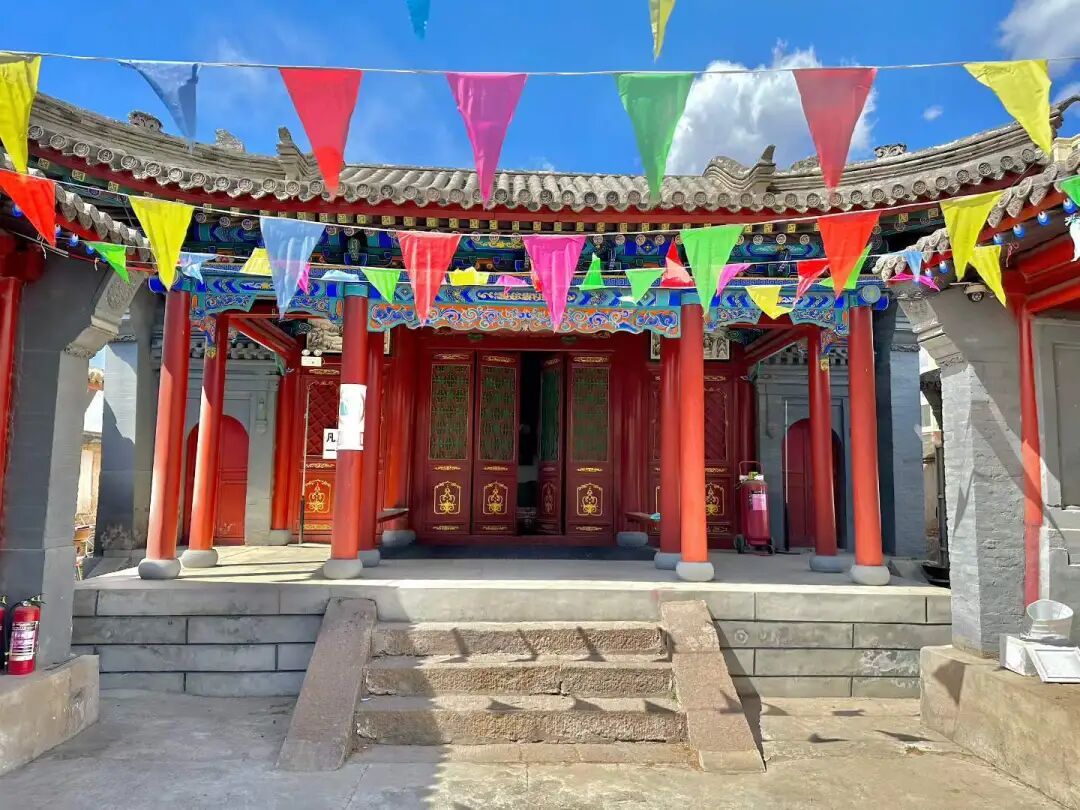
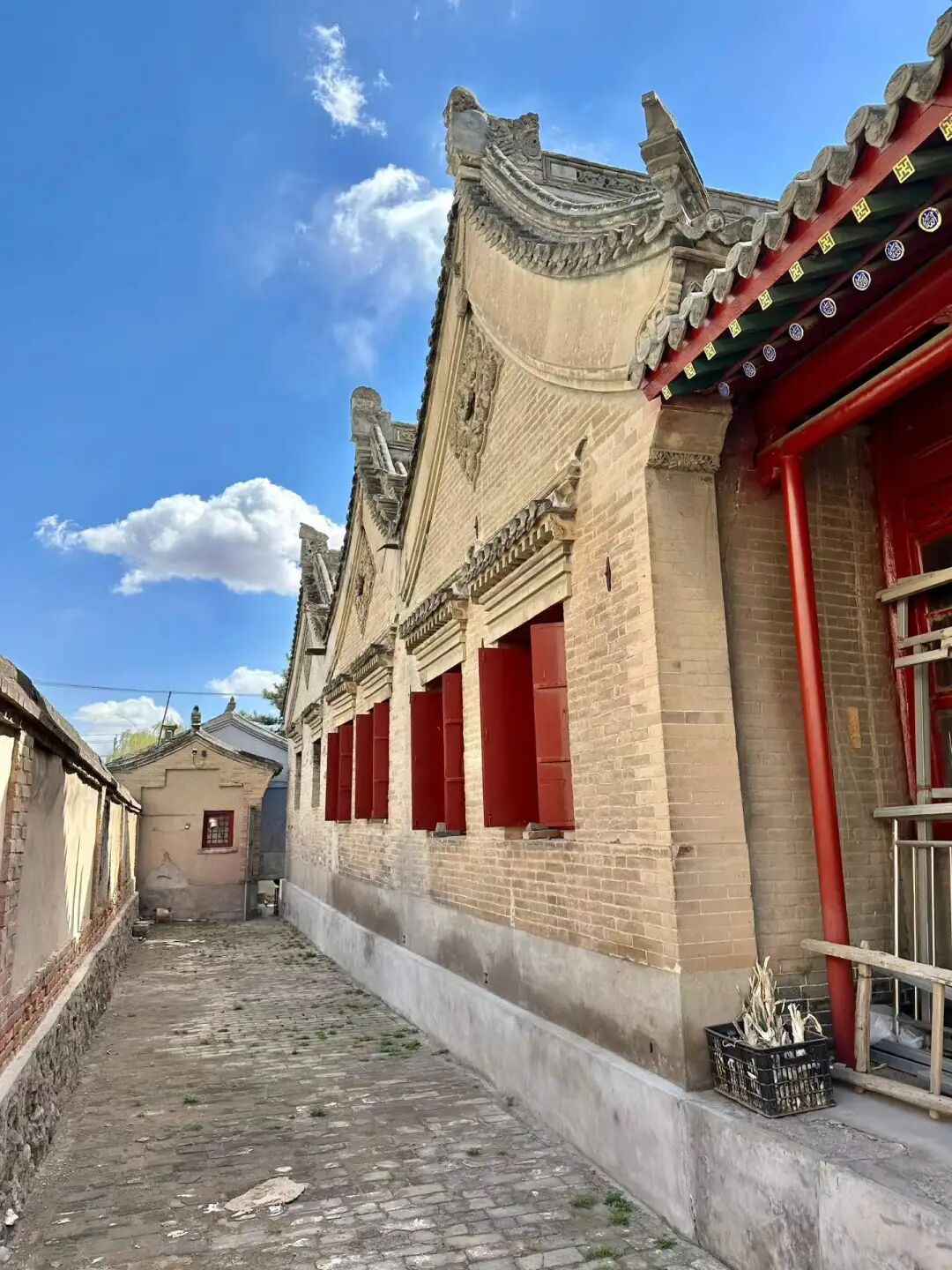
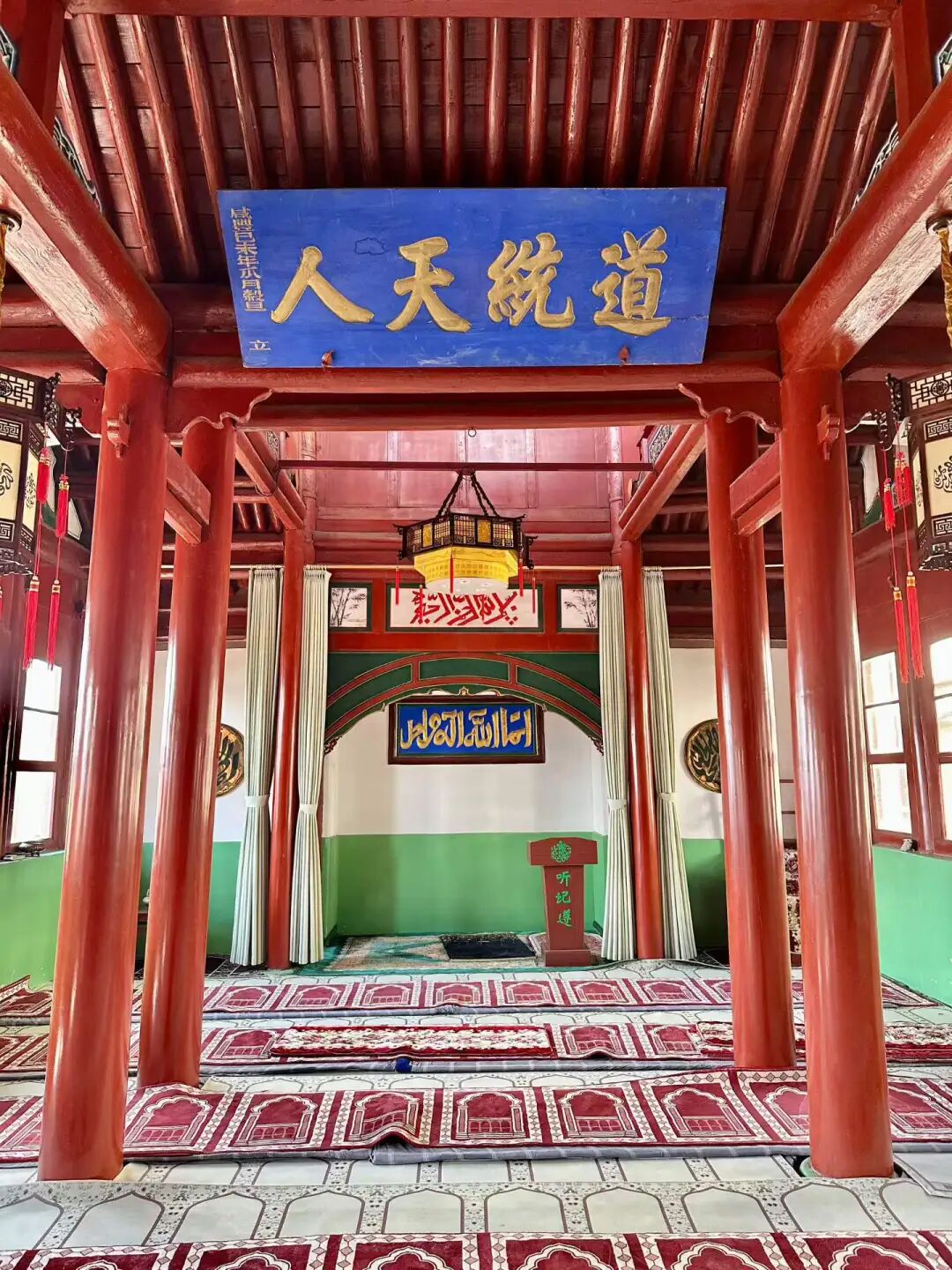
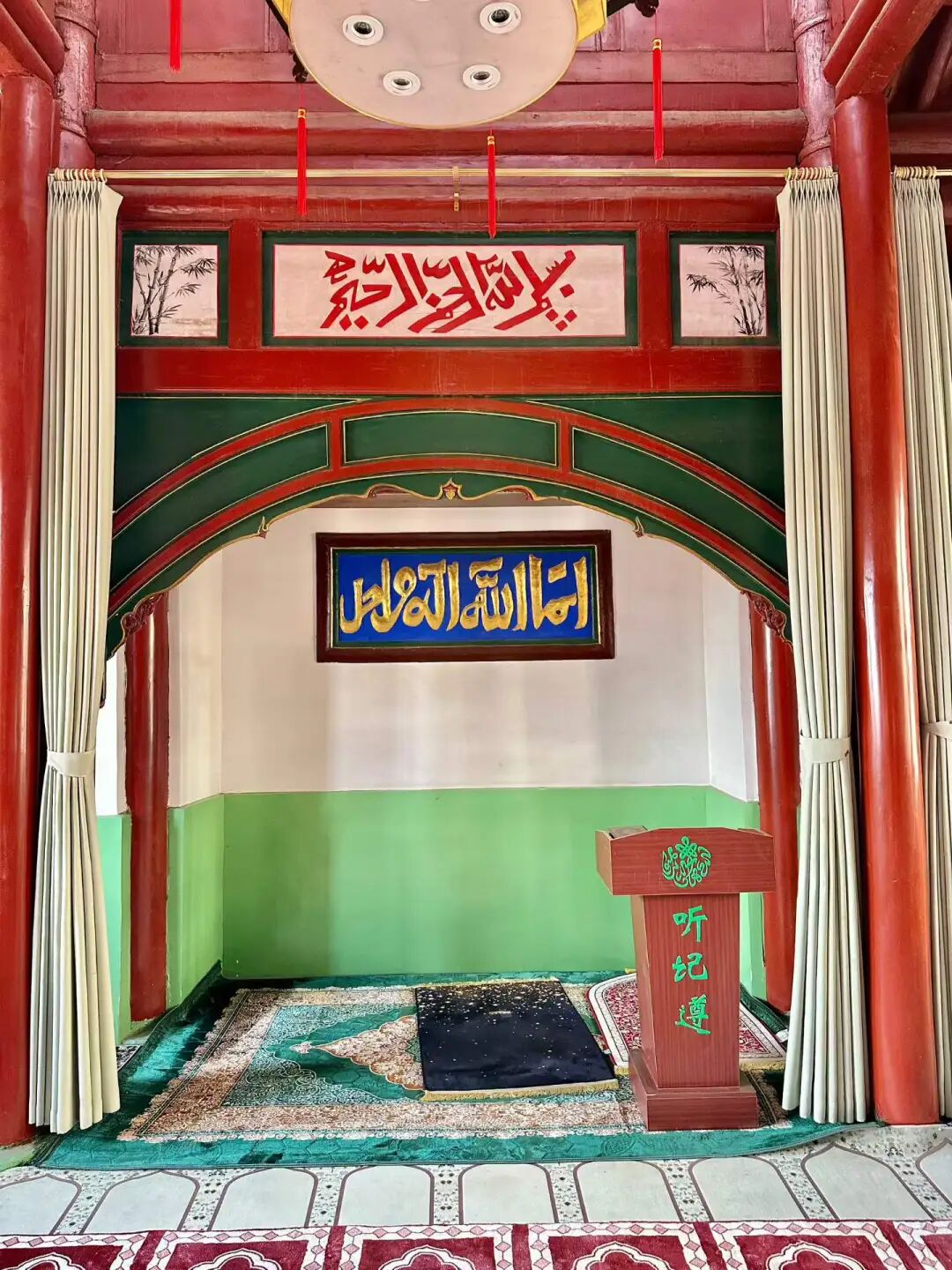
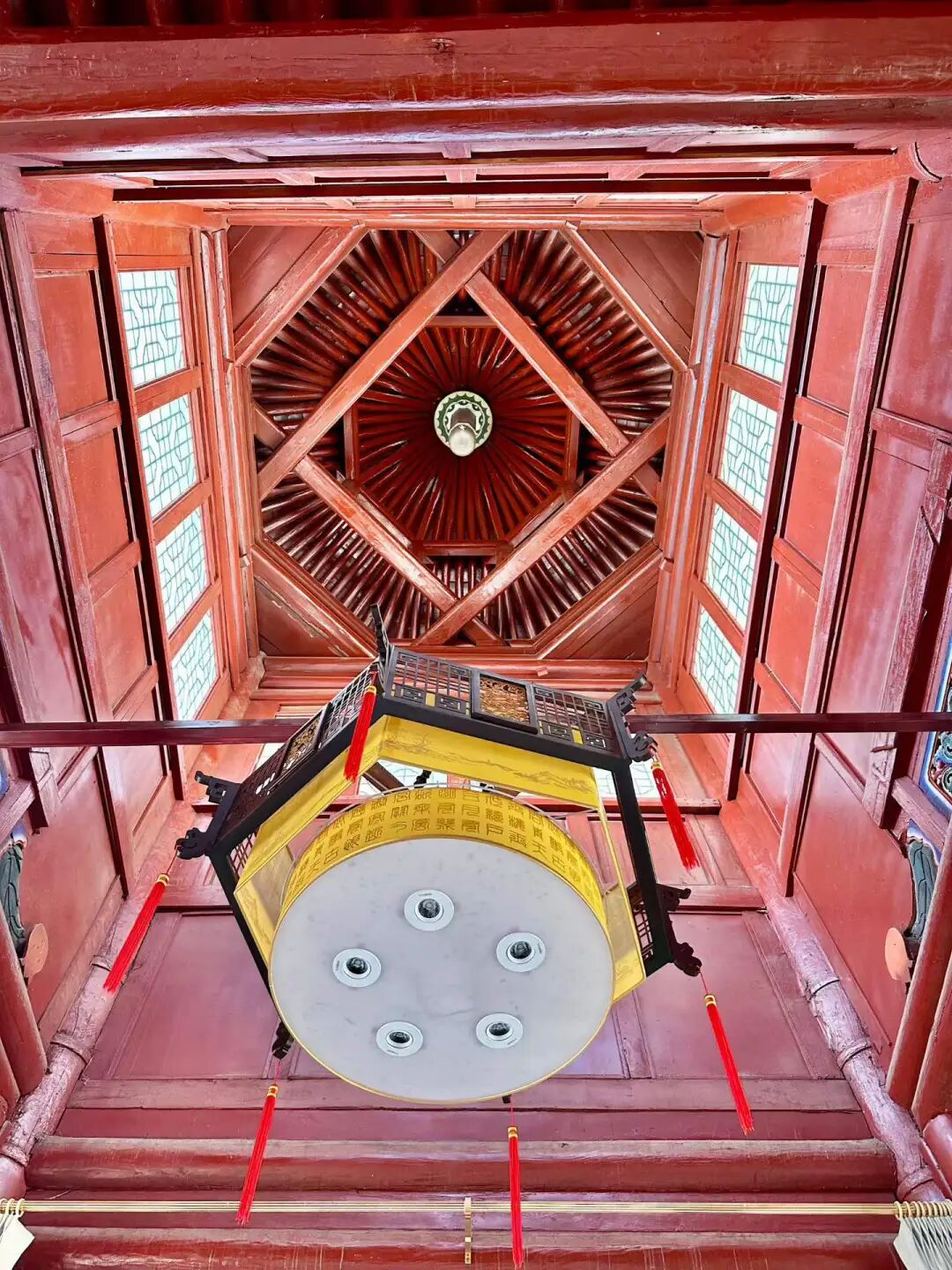
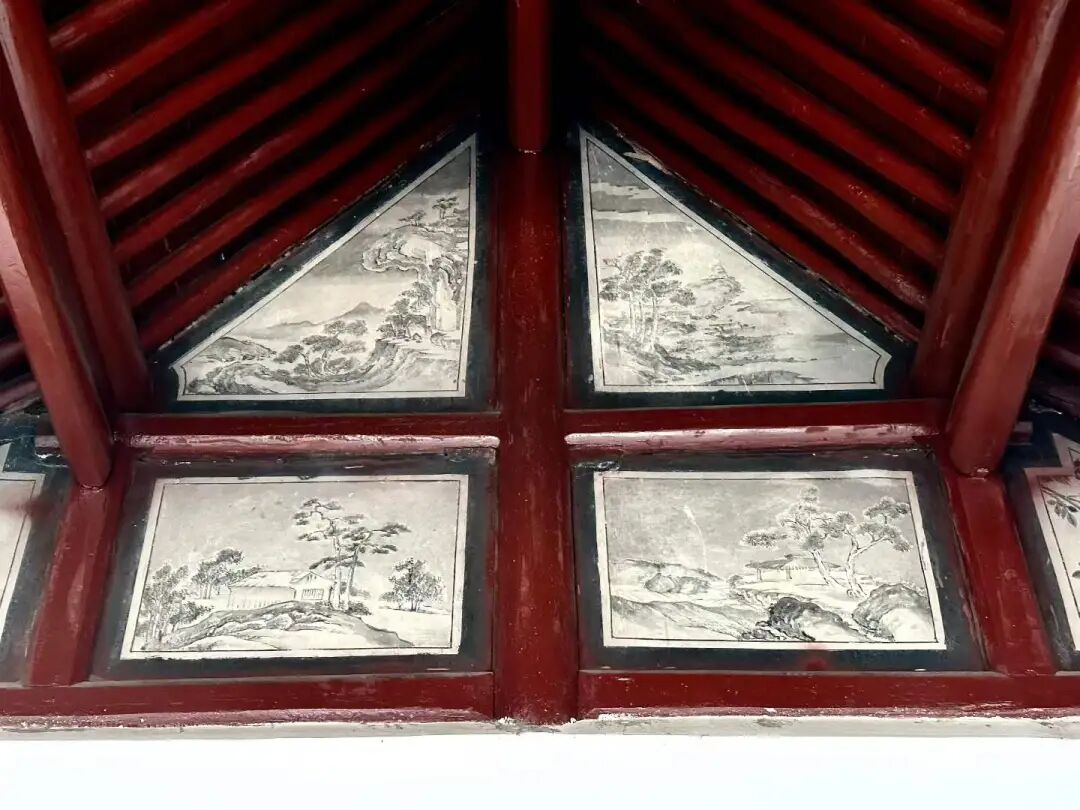
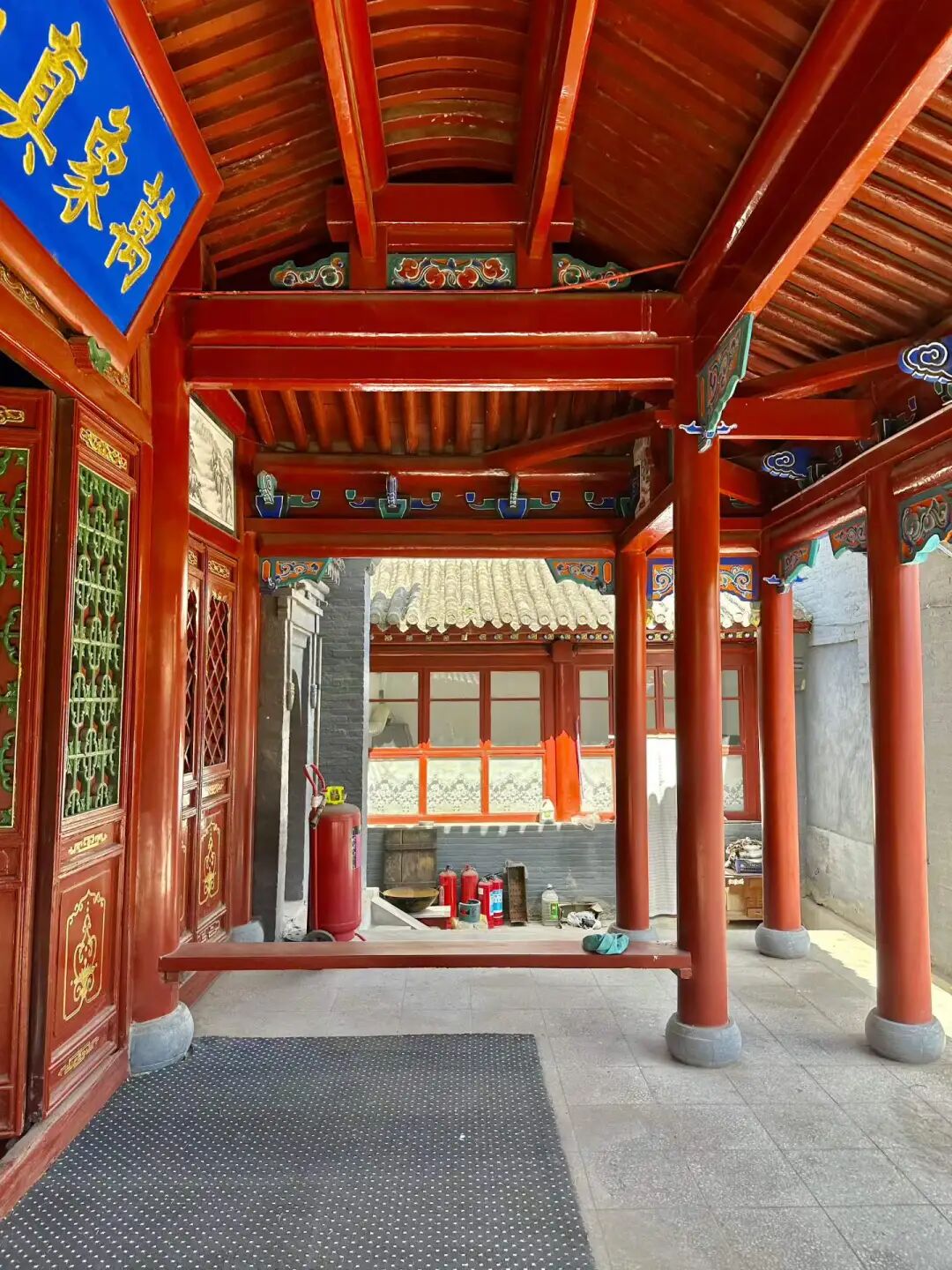
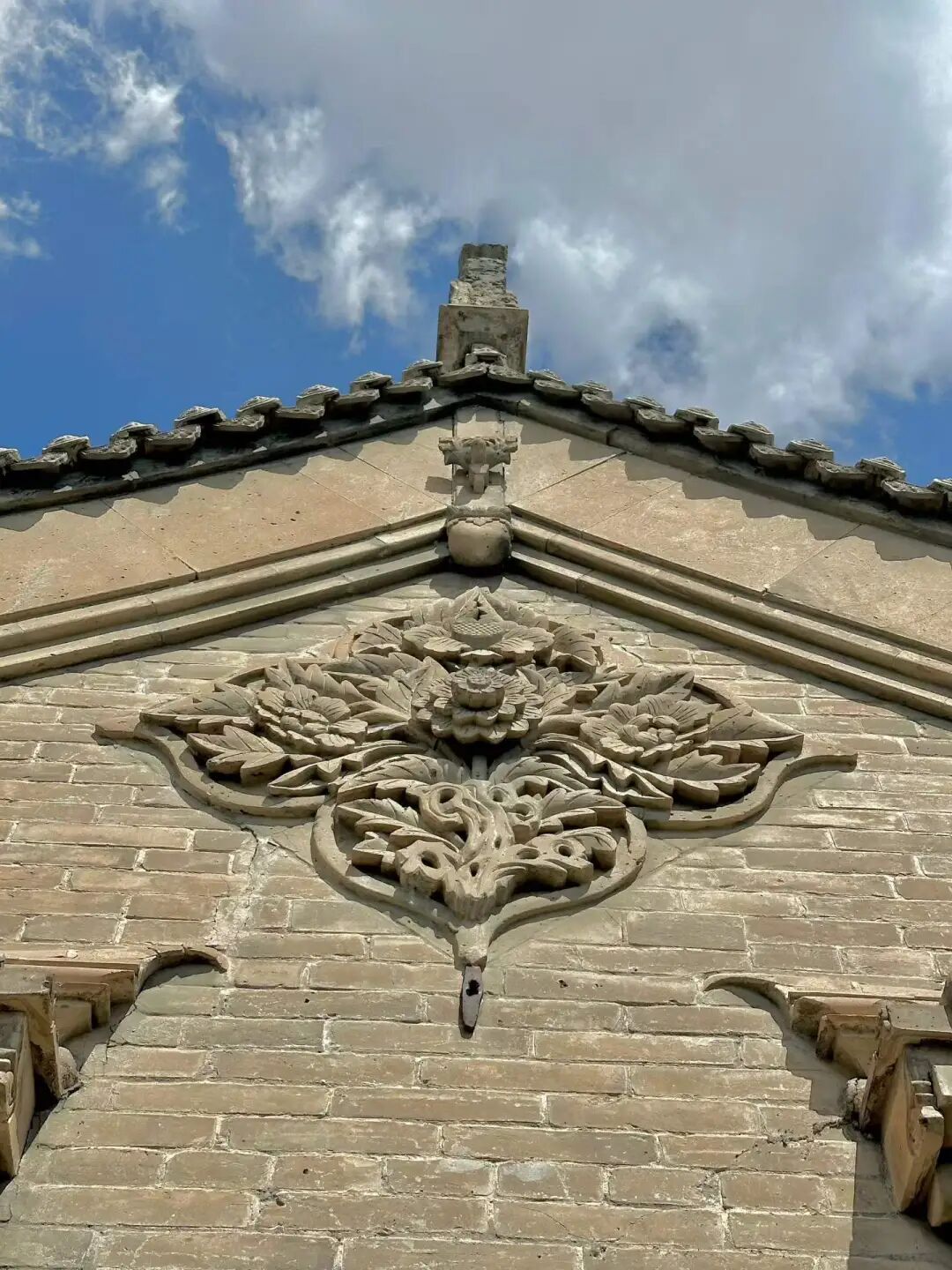
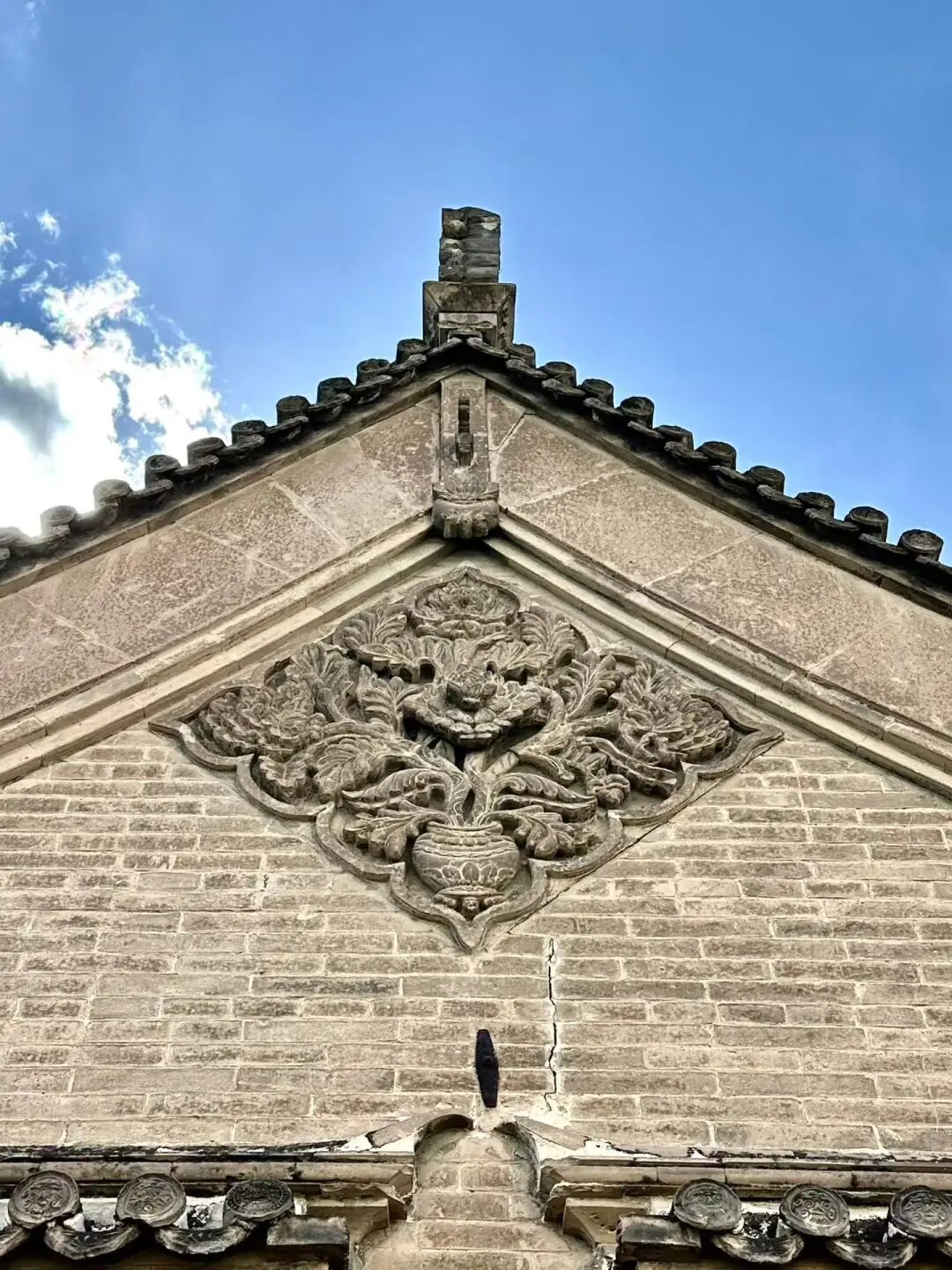
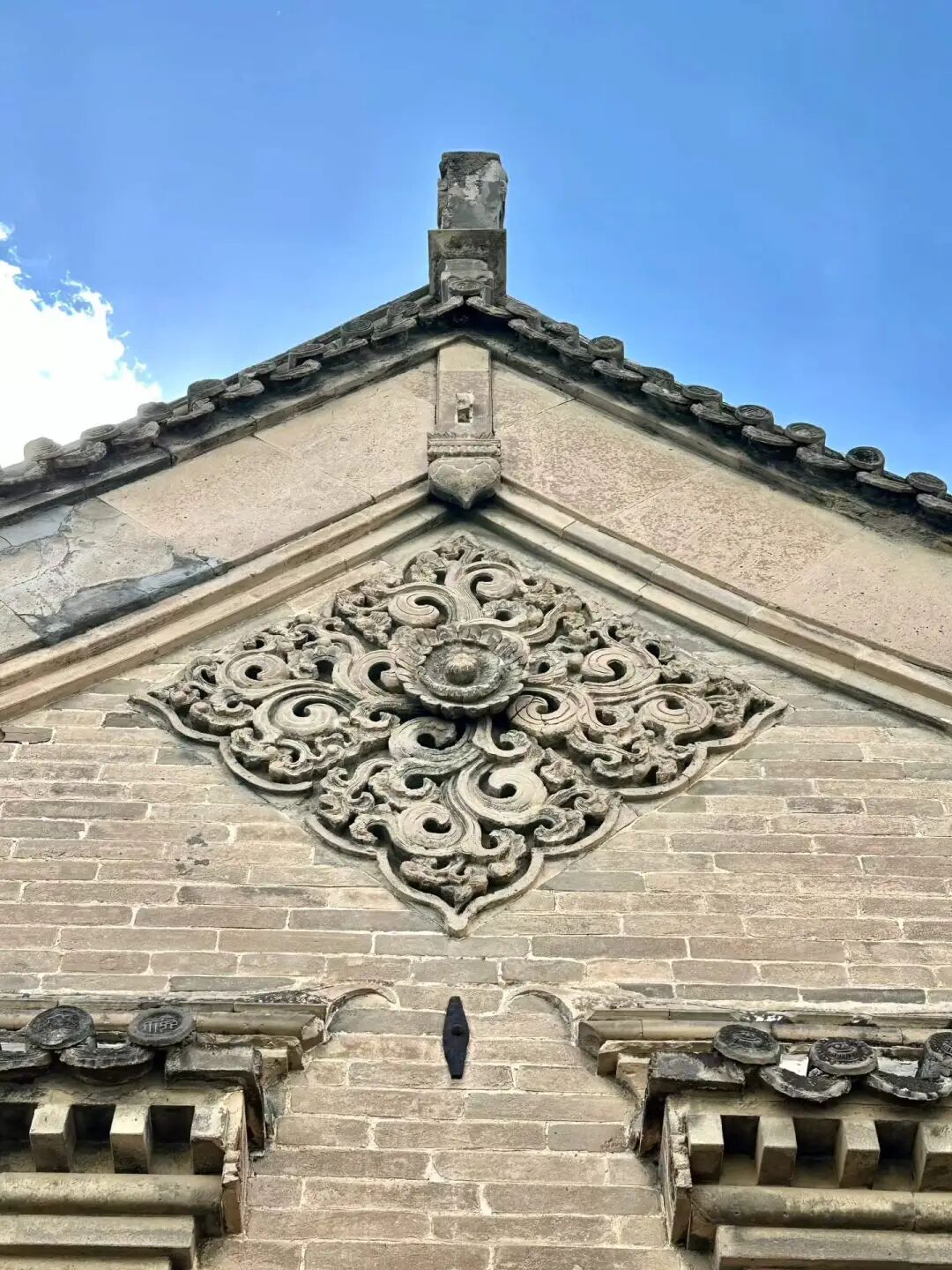
Zhuolu Mosque is famous for its exquisite brick carvings. The brick carvings on the sides of the three-room hard-mountain main hall are all different. Inside the main hall, there are eighteen precious murals featuring themes of plum blossoms, orchids, bamboo, chrysanthemums, landscapes, and utensils, which are very rare in the main halls of mosques.
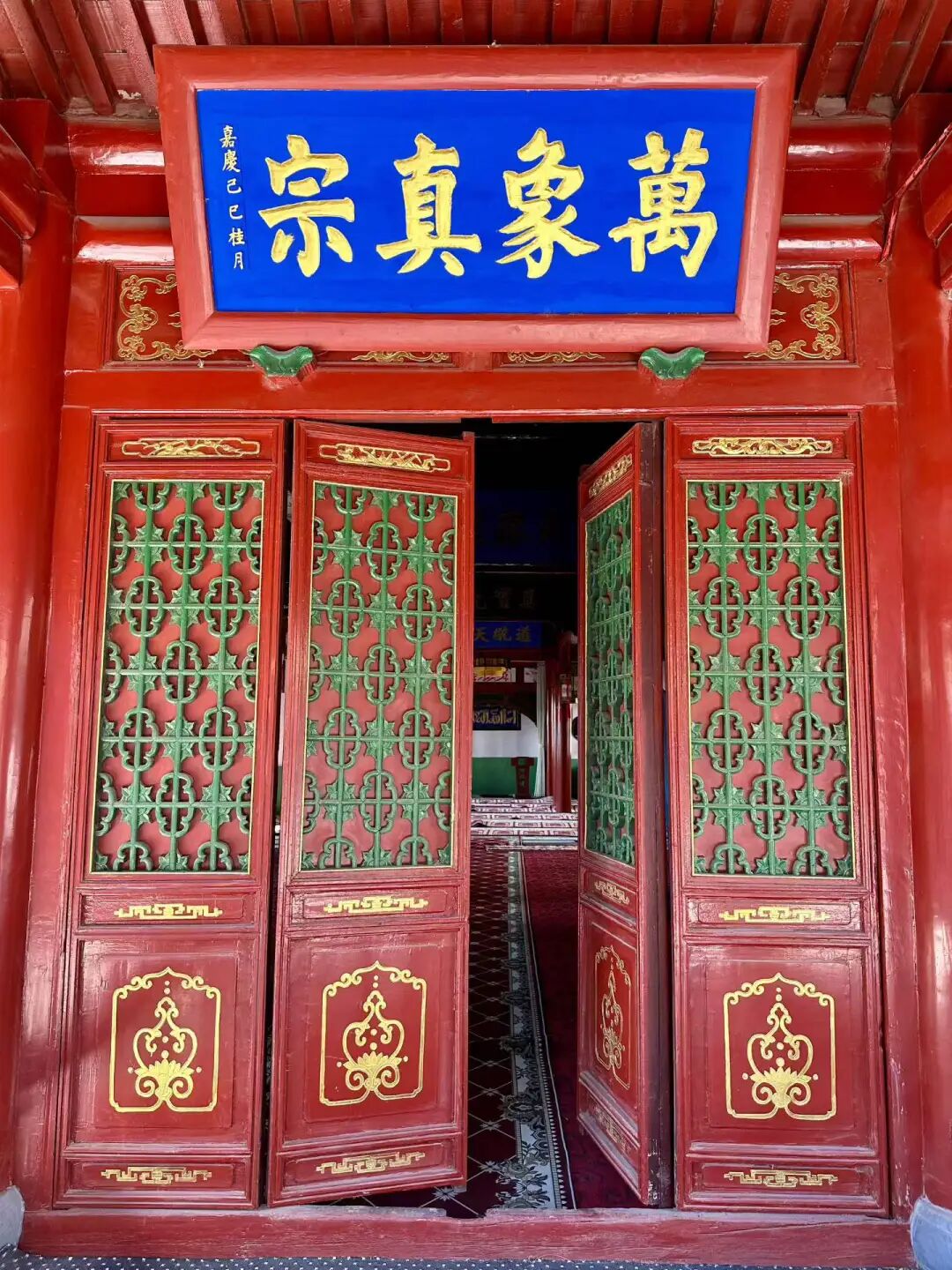
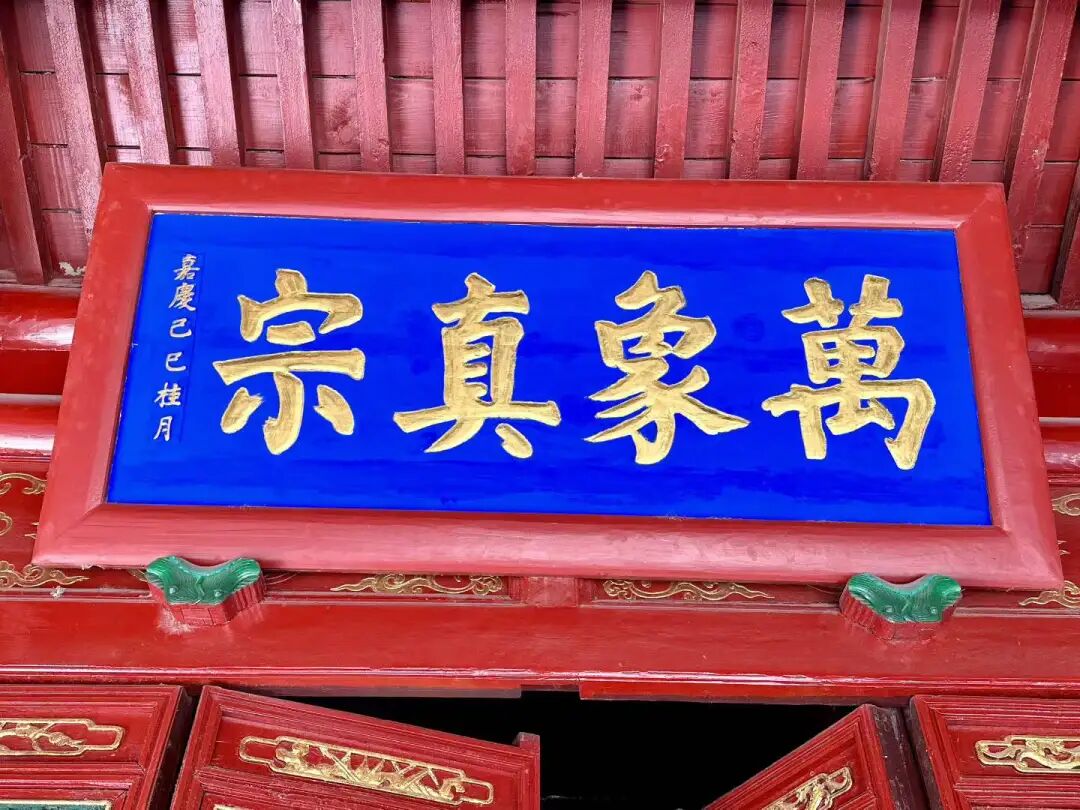
Plaques inside Zhuolu Mosque:
The 'Wanxiang Zhenzong' plaque from 1809 (the 14th year of the Jiaqing reign).
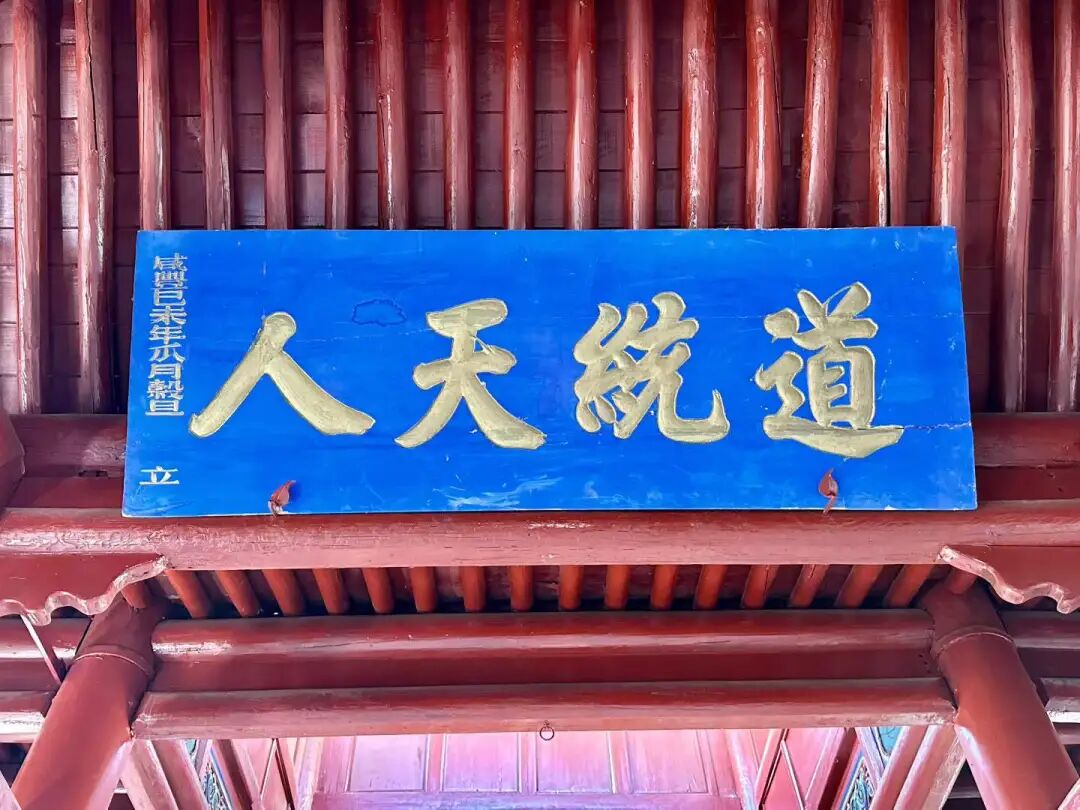
The 'Daotong Tianren' plaque from 1859 (the 9th year of the Xianfeng reign).
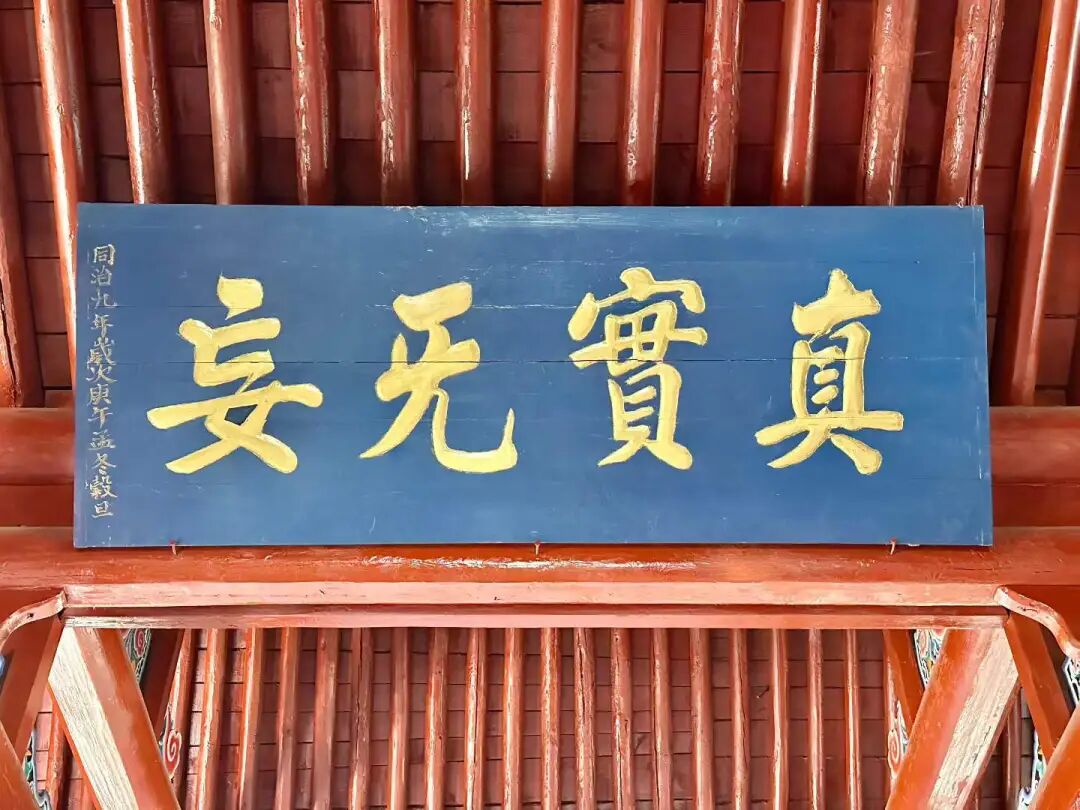
The 'Zhenshi Wuwang' plaque from 1870 (the 9th year of the Tongzhi reign).
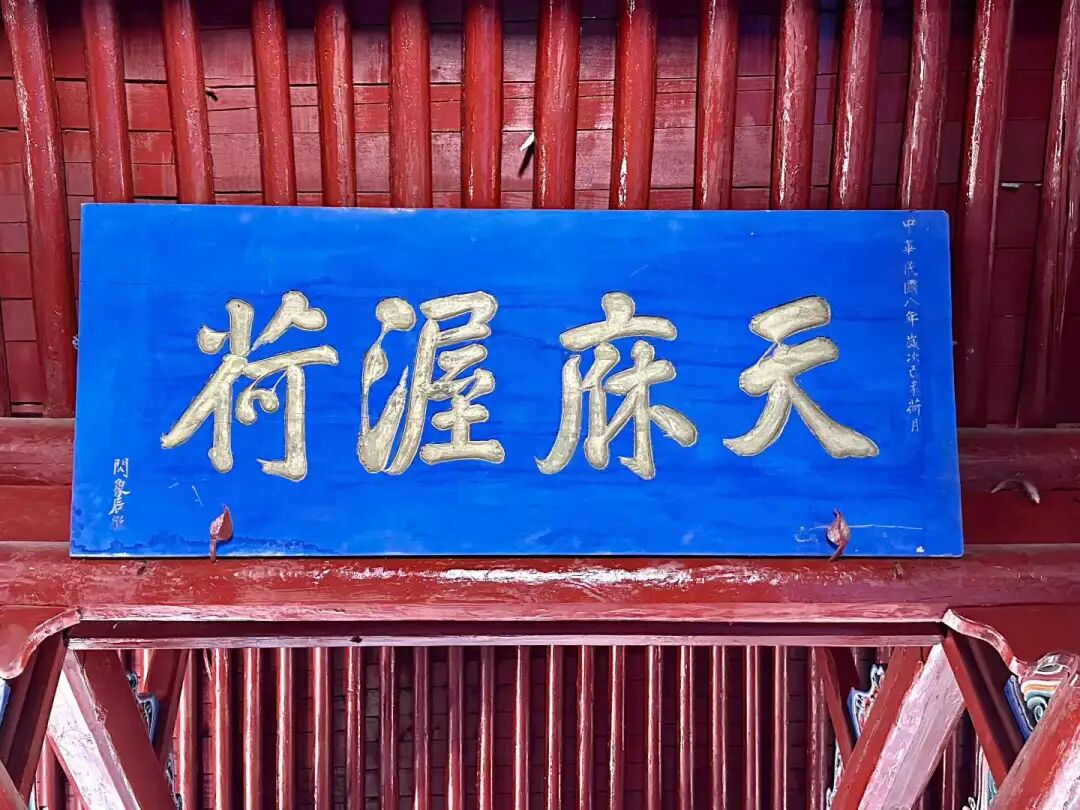
The 'Tianxiu Wohe' plaque from 1919, which is the only one with an inscription, signed by 'Shan Xiangchen'.
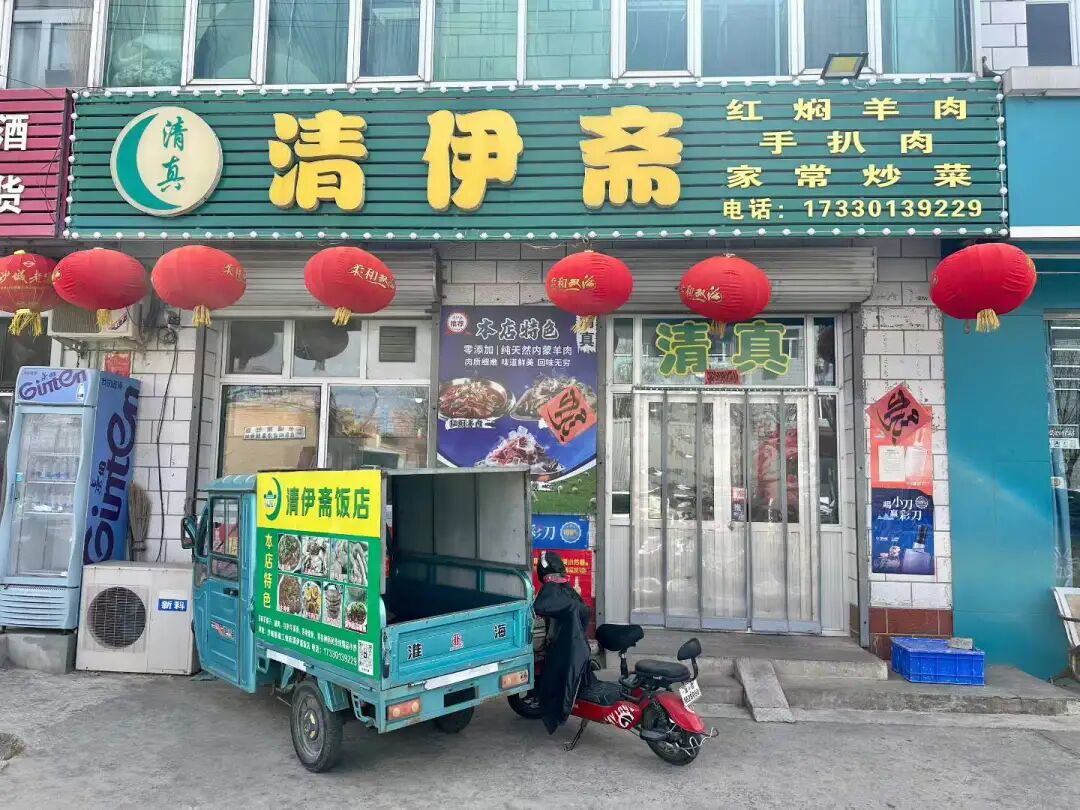
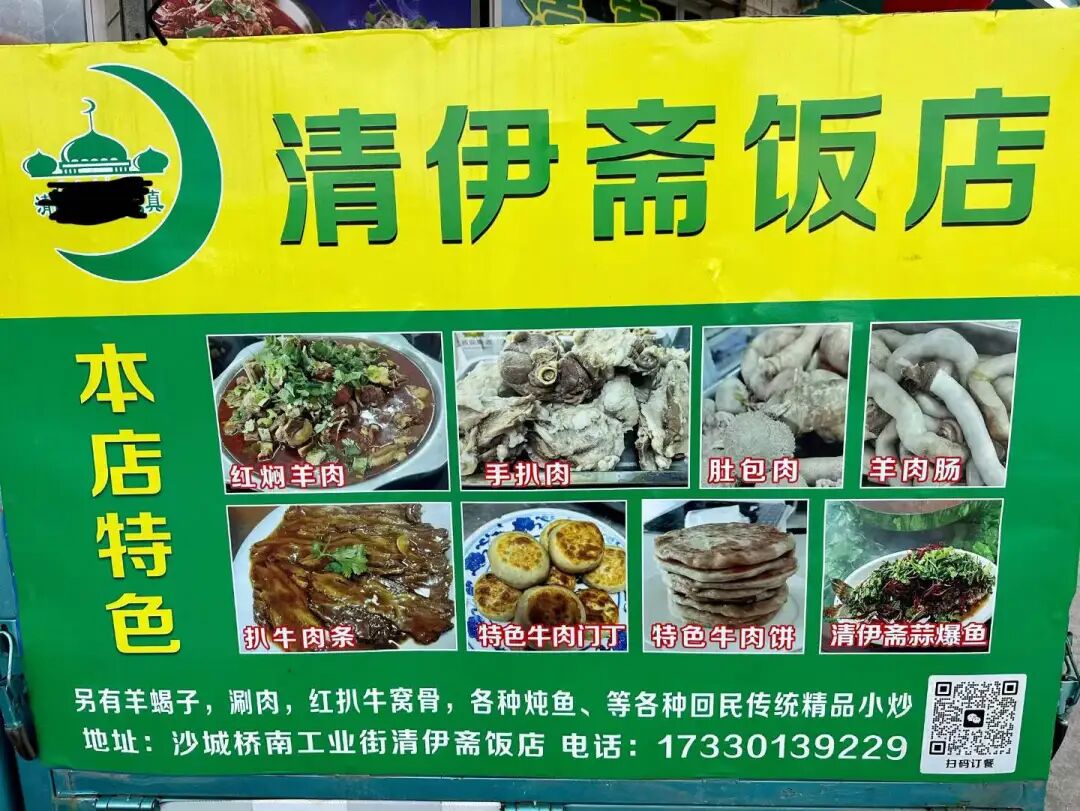
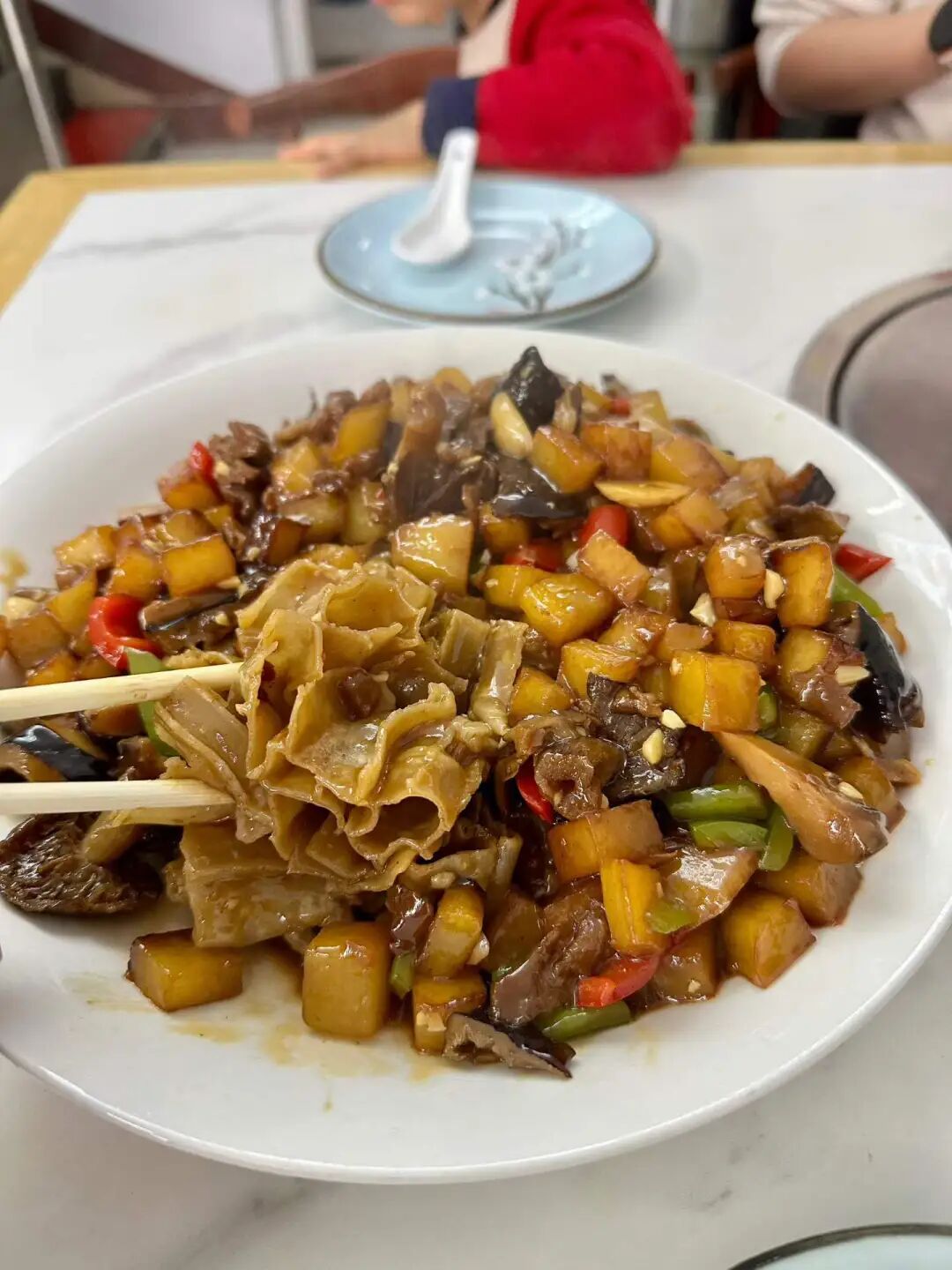
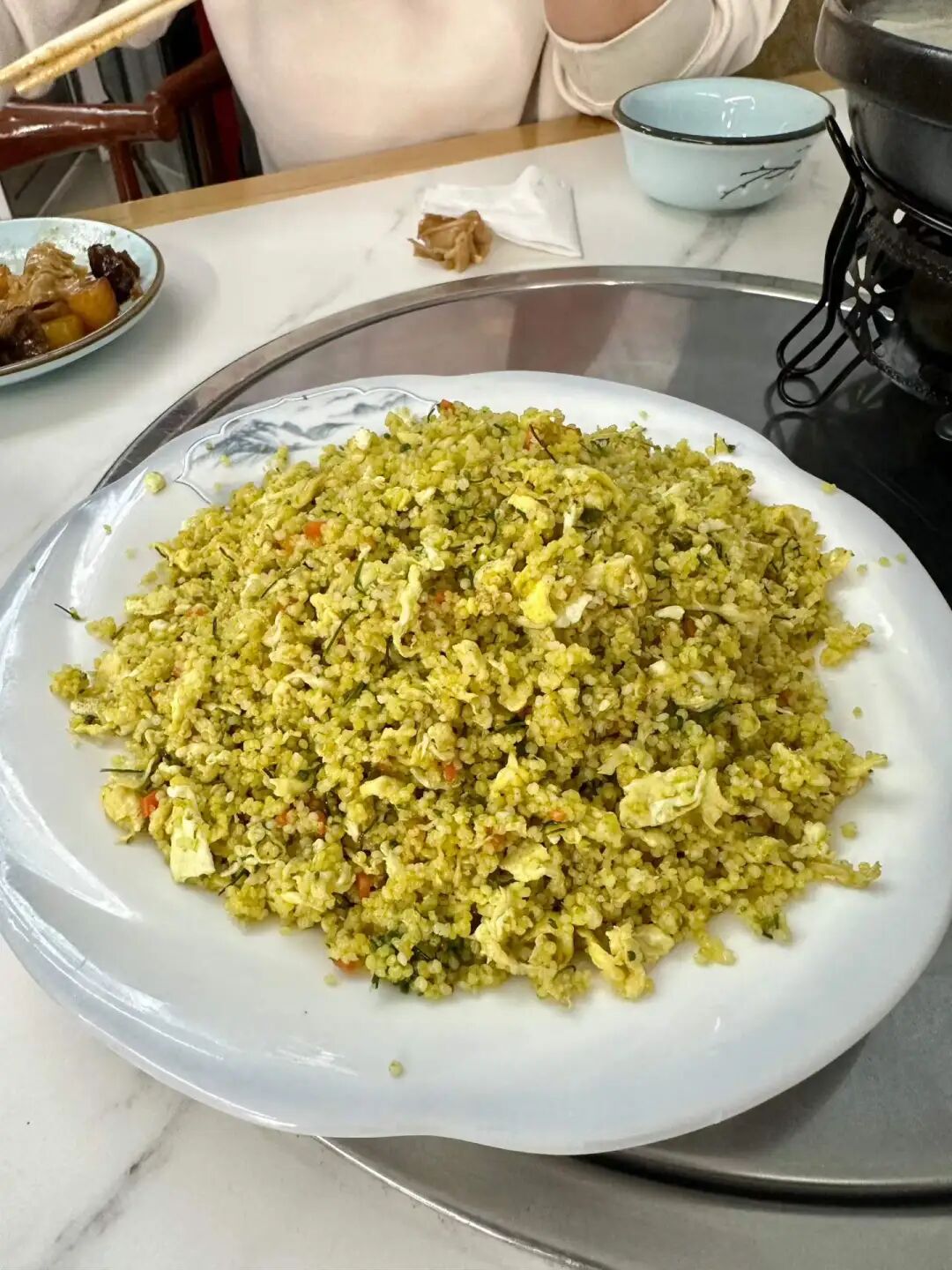
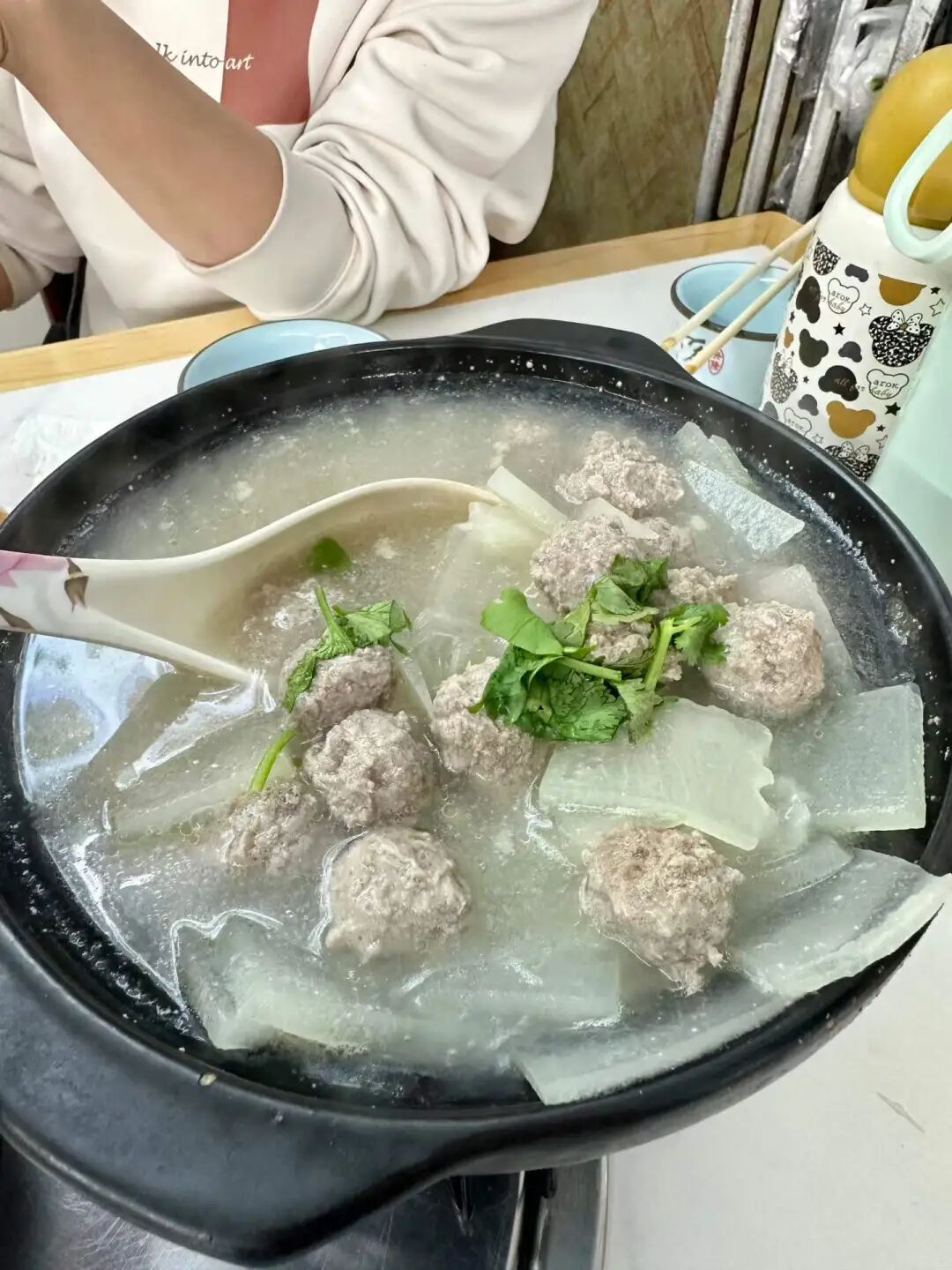
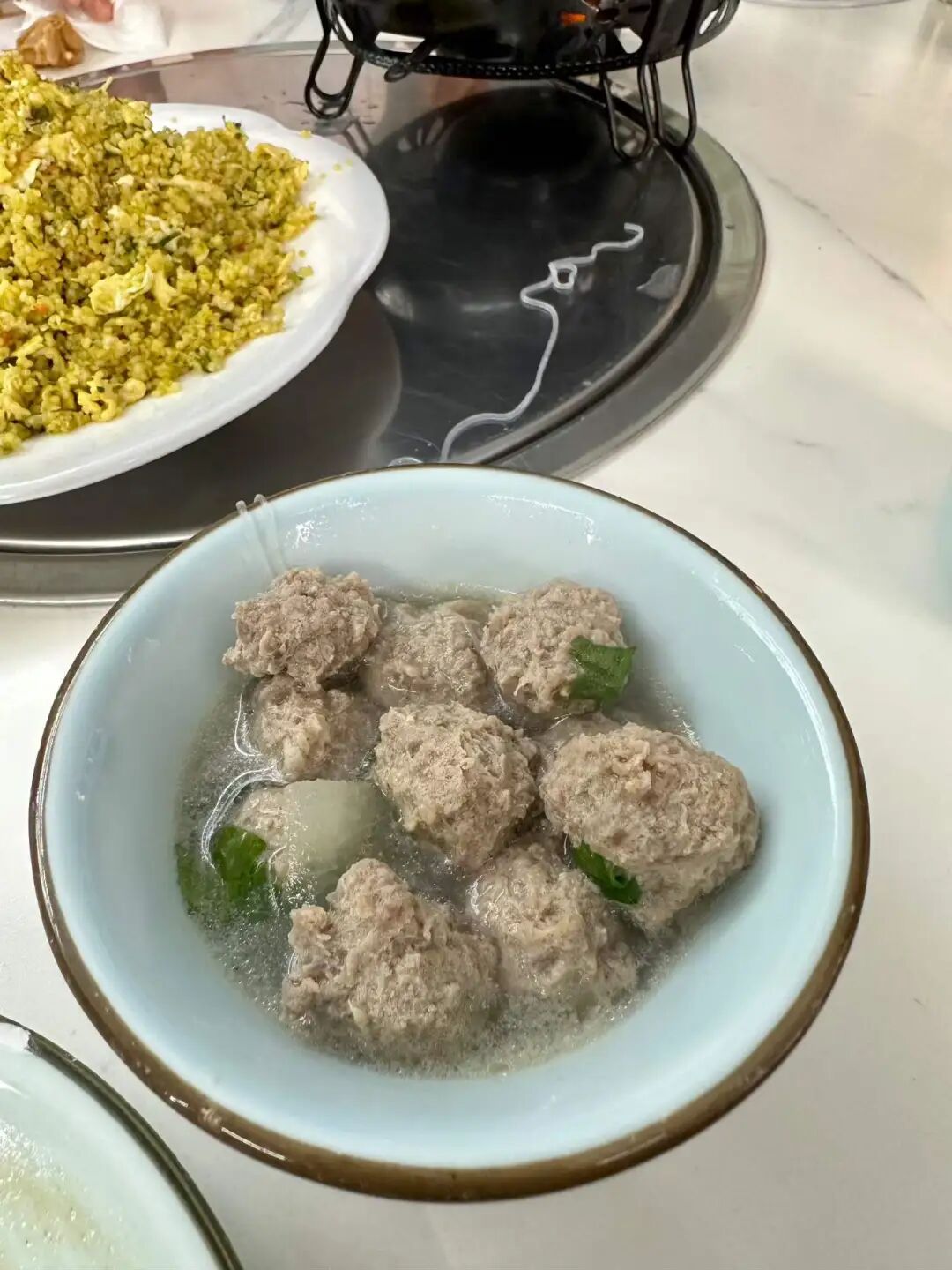
At noon, I returned to Shacheng Town in Huailai for lunch. At Qingyizhai, I had lamb and mushroom with oat noodles (youmian wowo), stir-fried millet with chive flowers, and a clay pot of winter melon and meatballs. The prices at restaurants here are cheaper than in Beijing, and the food is delicious.
The lamb and mushroom dish had quite a few potatoes, but it was stir-fried well. There were several types of mushrooms, making it fresh, fragrant, and rich. The oat noodles were firm and chewy, carrying the unique, natural wheat aroma of whole grains. It was my first time eating stir-fried millet with chive flowers. The taste was slightly salty. The golden millet grains were dry and distinct, mixed with the unique spicy fragrance of chive flowers, giving it a coarse yet refreshing texture. The winter melon and meatball soup was the most amazing. The clear soup with meatballs was especially good—firm and bouncy. It tasted better than what I make myself, and one bite told me there wasn't much starch, as it was mostly meat.
Summary: This second Huailai and Zhuolu road trip entry continues through Hebei mosque sites, local Hui Muslim stories, village routes, and Qingming travel notes from the original Chinese article.
In the last post, we had lunch in Shacheng Town, Huailai, Hebei, and visited two old mosques in Ganji Liang and Mayukou. See 'Visiting Old Mosques in Huailai and Zhuolu, Hebei during the Qingming Holiday (Part 1)'. In this part, we head to Xinbao'an Town and Zhuolu County to experience the local Islamic culture.
On April 5, we had breakfast in Xinbao'an Town, Huailai, Hebei. We arrived a bit late, so the soft tofu (laodoufu) and brown sugar flatbread (shaobing) were sold out. We had a steamer of buns with fried tofu soup, and Suleiman really enjoyed the purple rice porridge.
Xinbao'an Town is a key town on the ancient Beijing-Zhangjiakou road, with a post station built as early as the Yuan Dynasty. After the Tumu Crisis in the Ming Dynasty, a city was built here in 1451 (the second year of the Jingtai reign) to strengthen the northern defense line of Beijing. The Bao'an Garrison, originally located in Zhuolu, was moved here, and it has been called Bao'an New City ever since. After the Qing Dynasty, Xinbao'an gradually changed from a military town to a commercial hub, connecting Beijing and Zhangjiakou.
At the Xinbao'an town market, we bought old-fashioned five-nut mooncakes (wuren yuebing) and honey cakes at a roadside bakery. They were made that day and were perfect as tea snacks.
After breakfast, we went to the Hui Muslim residential area in the northwest of the old town to visit the famous 'Nine-Link Courtyard' (Jiulianhuan Dayuan). This was originally a wealthy merchant's residence in the Qing Dynasty. Later, the merchant declined and Hui Muslims moved in, so it is also called the 'Hui Muslim Courtyard'. The gate of the courtyard is very beautiful and is a classic example of Qing Dynasty residential style in Zhangjiakou, featuring complex brick, wood, and stone carvings. The courtyard was caught in the fighting during the 1948 Battle of Xinbao'an, and you can still see clear bullet marks today.
The Hui Muslims in Xinbao'an mainly have the surnames Liang and Zheng. The Liang family's ancestors moved from Nanjing to Liangjiapo, Weinan, Shaanxi, in the late Ming Dynasty during the Chongzhen reign. In 1677 (the 16th year of the Kangxi reign), they moved to Xinbao'an Town to farm and guard the capital. During the Qianlong reign, the Liang family began doing business in Zhangjiakou. By the Tongzhi reign, their camel caravans reached as far as Kulun in Outer Mongolia and Lanzhou. They later opened five shops known as the 'Five Great Guangs'.
The Zheng family shares the same origin as those in nearby Huailai and Zhuolu counties. Their ancestors moved from Shaanxi in the late Ming and early Qing dynasties, first to Shacheng Town in Huailai, then spreading to Wangjialou, Yanzhuang, Xinbao'an, Xuanhua, and Zhangjiakou. Zheng Kuishi was a famous Hui Muslim general in the late Qing Dynasty. He fought against the Taiping Heavenly Kingdom during the Xianfeng reign, won many battles, was given the title 'Shalama Baturu', and was awarded a yellow riding jacket. During the Tongzhi reign, he served as the acting Zhili provincial commander, guarding the capital region and suppressing the Nian Rebellion in Zhili to keep the capital safe. In his later years, he returned home to work on water conservancy, building the Yonggu Dam to manage the Liu River. He also repaired the Zhenshuo Tower and Four Archways in Xuanhua and opened the Huoshi Slope road to improve transportation. He was highly respected locally.
Xinbao'an Mosque is right next to the Nine-Link Hui Muslim Courtyard. Some say it was built in 1621 (the first year of the Tianqi reign), while others say it was built in 1677 (the 16th year of the Kangxi reign). The main hall consists of a front hall, a middle hall, and a rear kiln hall. It is larger than other old mosques in Huailai and still has beautiful brick carvings, though the moon-watching tower on the kiln hall roof is gone.
During the 1948 Pingjin Campaign, Xinbao'an was a key battlefield. The Xinbao'an Mosque became the command post for the Nationalist 35th Army, and the walls of the main hall are still covered in bullet marks. In 2008, the mosque was listed as a Hebei Provincial Cultural Relic Protection Unit under the name 'Site of the Battle of Xinbao'an—Command Post of the Nationalist 35th Army'.
The only remaining stone tablet at Xinbao'an Mosque is likely a donation tablet, which lists many business names.
We drove from Xinbao'an Town to Zhuolu County to visit another old mosque in Zhangjiakou—Zhuolu Mosque.
Zhuolu Mosque is located in the east gate area of the county. It was first built during the Chenghua period of the Ming Dynasty. It is a famous historic mosque north of Beijing and was listed as a key cultural relic protection site in Hebei Province in 2008. The main hall of Zhuolu Mosque is made of three connected hard-mountain roofs with a front porch. Behind the kiln hall stands an 11-meter-high octagonal spire-roofed Moon-Watching Tower (wangyuelou), which is more spectacular than the common hexagonal spire roofs found in North China. Wind bells hang on the Moon-Watching Tower. When the wind blows, the bells ring, creating a refreshing and soothing sound. A wooden partition screen is built between the main hall and the kiln hall, featuring a unique design of the Basmala (tasimi) written in hard-pen calligraphy.
The Hui Muslims in Zhuolu are mainly of the Shan surname. The Shan family are descendants of Sayyid Ajjal Shams al-Din. One branch originally came from Shanjia Gou in Xi'an Prefecture, Shaanxi. They moved to Zhuolu during the Kangxi period of the Qing Dynasty, and during the Qianlong period, they built the Shan Family Nine-Linked Ring Courtyard in the west gate area. The Shan family is known for their military service. Five members once passed the military imperial examinations, and they were known as the 'Five Dragons of the Shan Family'. The east gate area where Zhuolu Mosque is located was also a residential area for Hui Muslims. It once had alleys named after local Hui Muslim families: Ma Family Alley (Majia Xiang), Fei Family Alley (Feijia Xiang), and Shan Family Alley (Shanjia Xiang). Unfortunately, the east gate area was demolished in 2018, and only the mosque was preserved.
Zhuolu Mosque is famous for its exquisite brick carvings. The brick carvings on the sides of the three-room hard-mountain main hall are all different. Inside the main hall, there are eighteen precious murals featuring themes of plum blossoms, orchids, bamboo, chrysanthemums, landscapes, and utensils, which are very rare in the main halls of mosques.
Plaques inside Zhuolu Mosque:
The 'Wanxiang Zhenzong' plaque from 1809 (the 14th year of the Jiaqing reign).
The 'Daotong Tianren' plaque from 1859 (the 9th year of the Xianfeng reign).
The 'Zhenshi Wuwang' plaque from 1870 (the 9th year of the Tongzhi reign).
The 'Tianxiu Wohe' plaque from 1919, which is the only one with an inscription, signed by 'Shan Xiangchen'.
At noon, I returned to Shacheng Town in Huailai for lunch. At Qingyizhai, I had lamb and mushroom with oat noodles (youmian wowo), stir-fried millet with chive flowers, and a clay pot of winter melon and meatballs. The prices at restaurants here are cheaper than in Beijing, and the food is delicious.
The lamb and mushroom dish had quite a few potatoes, but it was stir-fried well. There were several types of mushrooms, making it fresh, fragrant, and rich. The oat noodles were firm and chewy, carrying the unique, natural wheat aroma of whole grains. It was my first time eating stir-fried millet with chive flowers. The taste was slightly salty. The golden millet grains were dry and distinct, mixed with the unique spicy fragrance of chive flowers, giving it a coarse yet refreshing texture. The winter melon and meatball soup was the most amazing. The clear soup with meatballs was especially good—firm and bouncy. It tasted better than what I make myself, and one bite told me there wasn't much starch, as it was mostly meat.
