

Historic Mosque
Muslim Travel Guide Singapore: Haja Fatimah Mosque, Western Minaret and Historic Prayer Hall
Articles • Hasan09 posted the article • 0 comments • 332 views • 2026-05-24 01:47
Reposted from the web
Summary: This Singapore Muslim travel guide visits Haja Fatimah Mosque, known in the source for its Western-style minaret. It keeps the author's Lion City mosque-series context, mosque details, and historic prayer-hall notes.
This mosque is the last one in my Lion City mosque exploration series. After this update, I will write some summary articles. I hope you all support them.
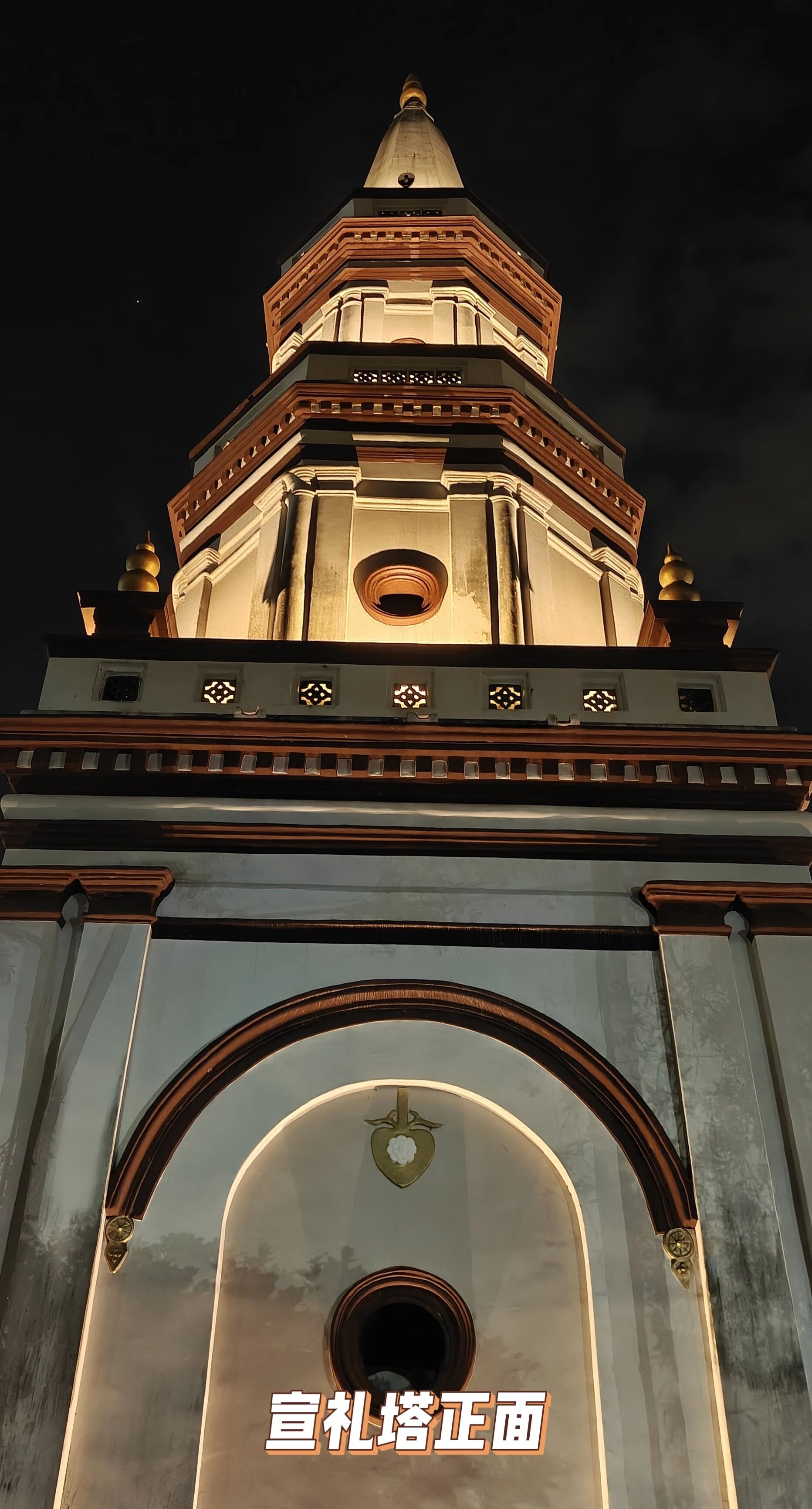
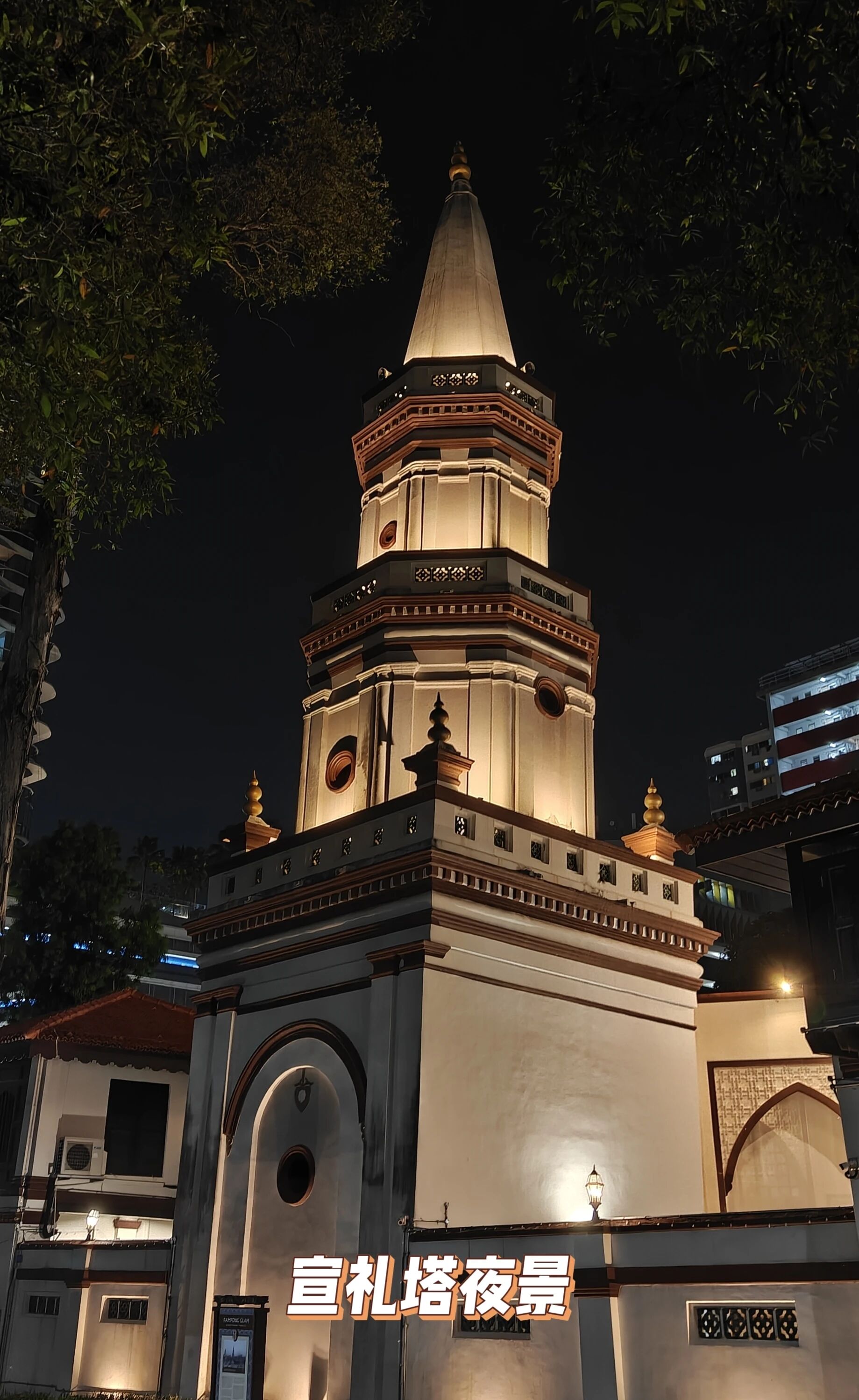
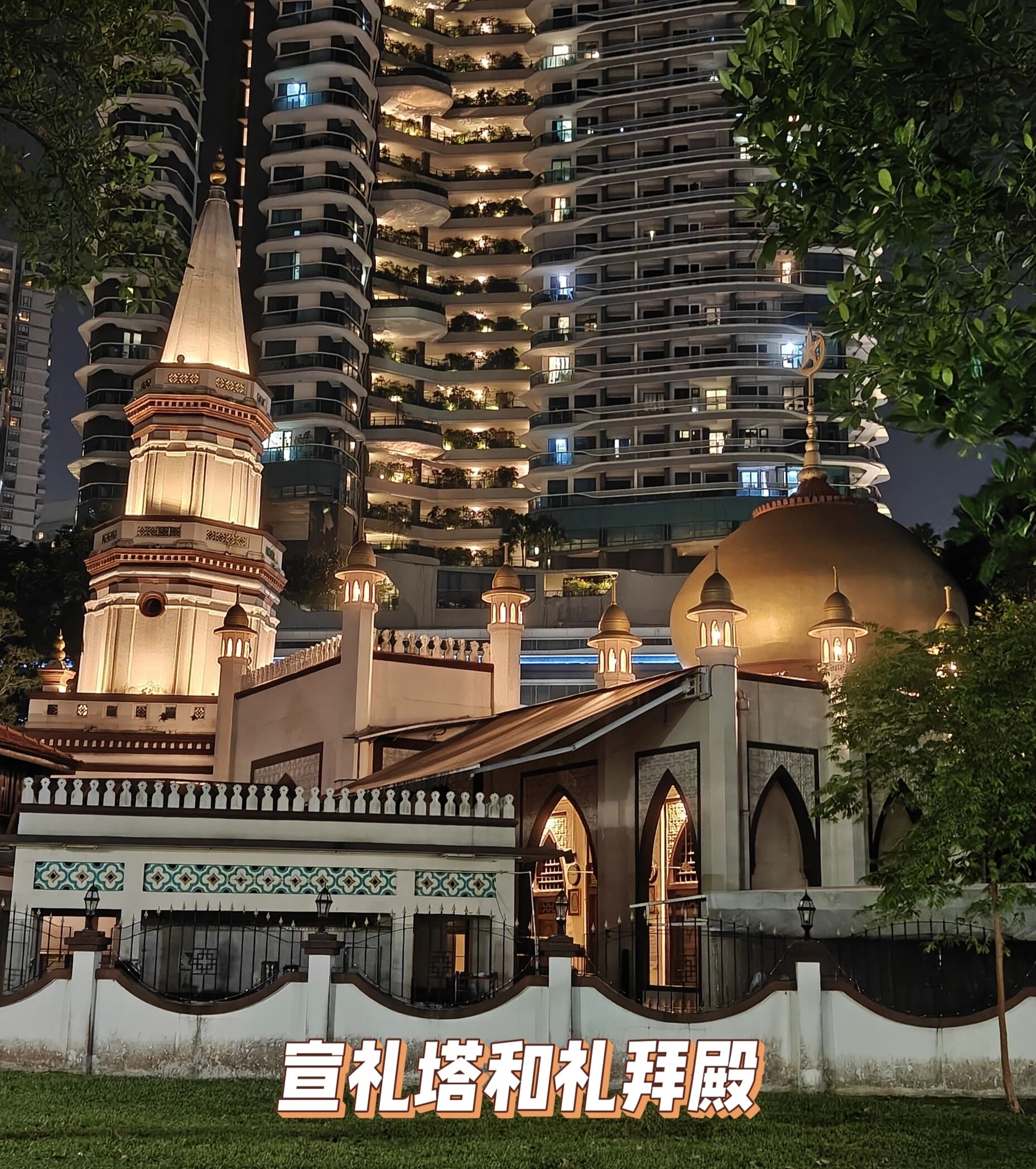
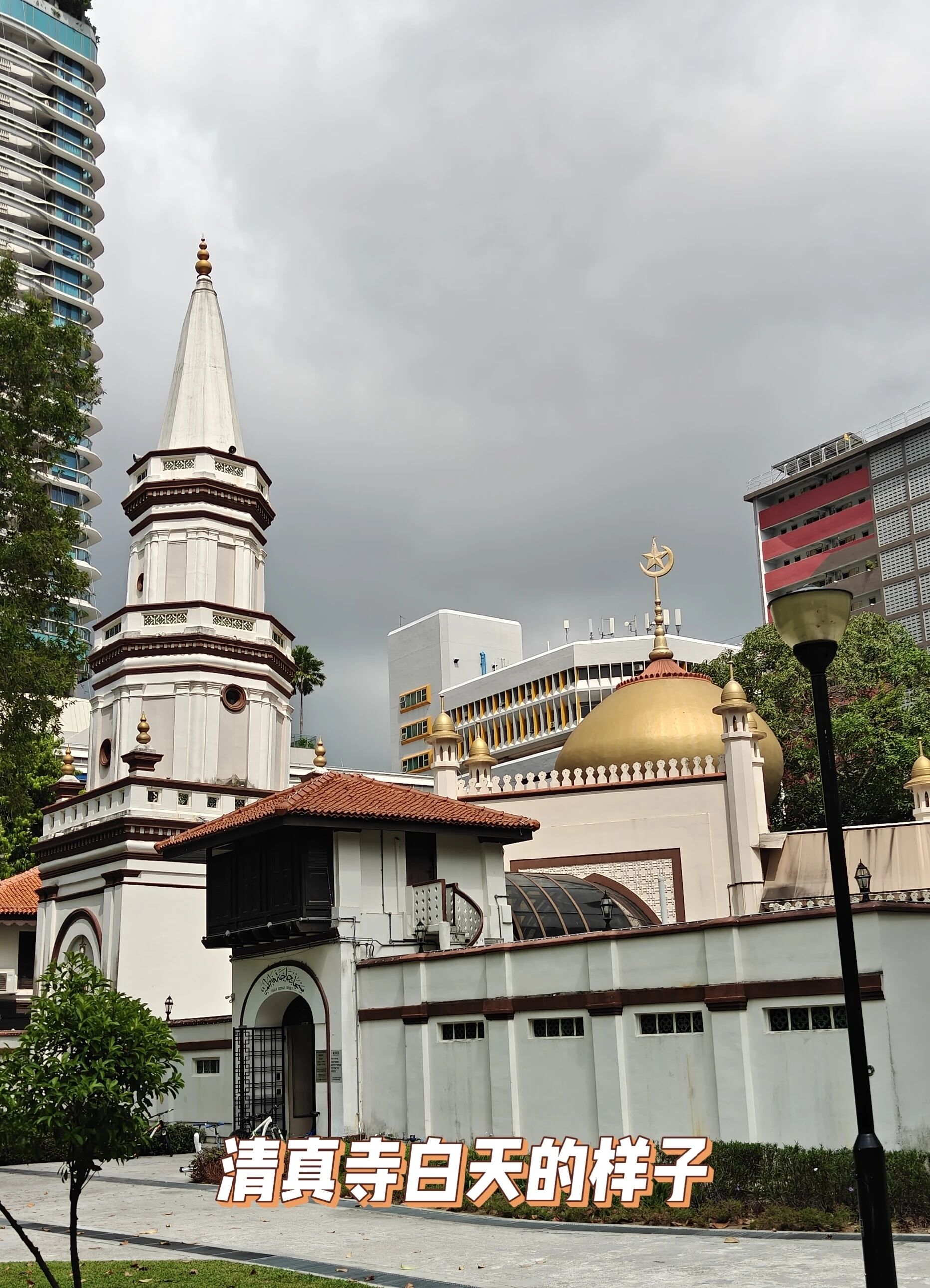
The most striking feature of this mosque is the style of its minaret, which looks different from the ones I usually see. It clearly borrows from Western architecture. At first glance, I really thought it was a Christian church.
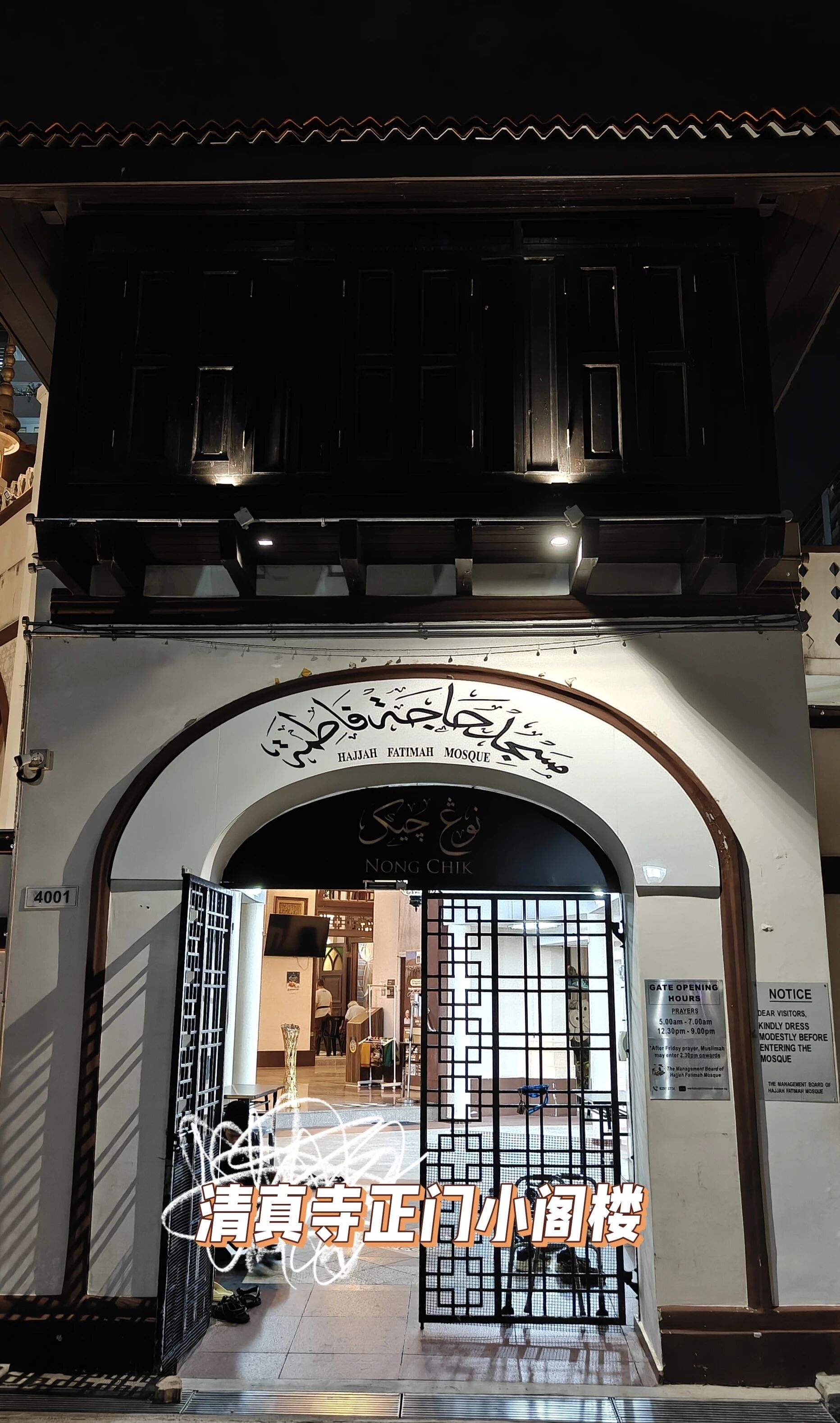
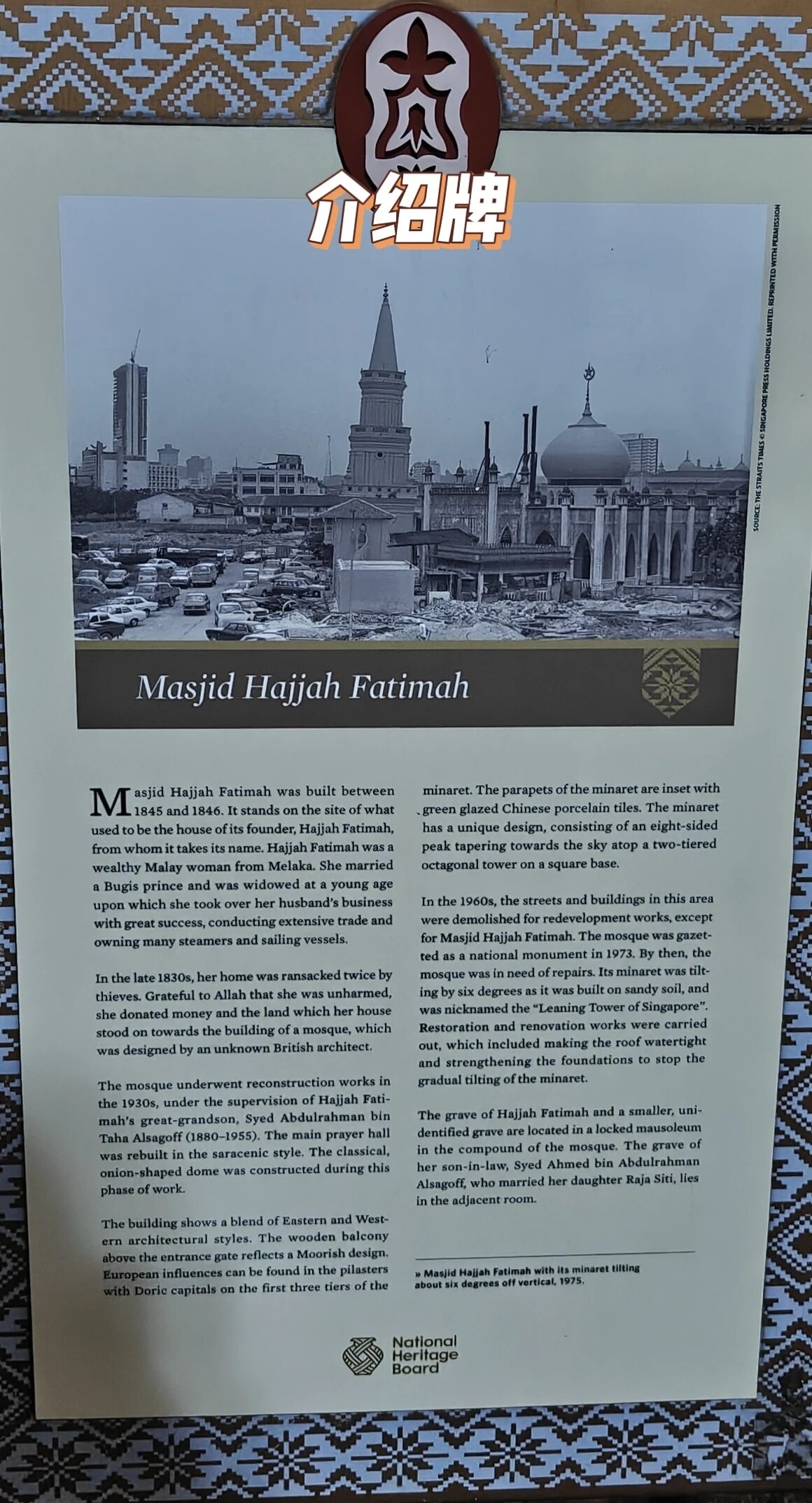
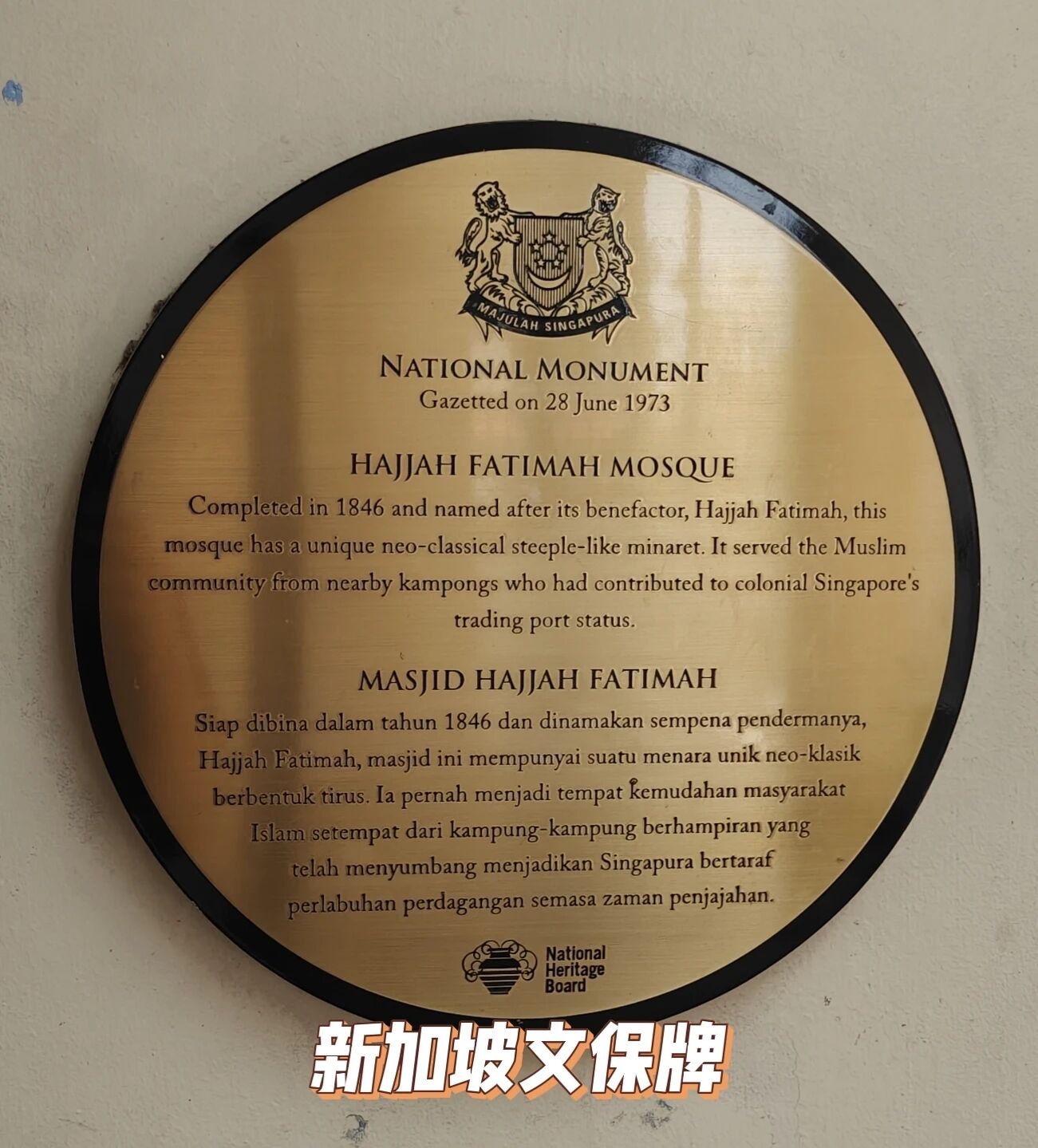
There is an information board at the entrance of the mosque. It says it was built between 1845 and 1846. The site was originally the home of a person named Hajjah Fatimah. Hajjah Fatimah was a wealthy Malay woman from Malacca, Malaysia.
You can see from this that the connection between Singapore and Malaysia is truly very close. The previous Temenggong Mosque in Singapore is actually territory of the state of Johor, Malaysia.
Back to the main topic, in the late 1830s, this generous lady donated her property to build this mosque.
The designer of the mosque was a British architect whose name is no longer known. It is no wonder the mosque's minaret looks a lot like a church steeple.
One day after visiting the area near the Flower Dome, I came to this mosque. It was late, past nine o'clock, but the mosque gate was still open. Google Maps shows that this mosque closes at nine o'clock. I was wondering why the mosque was still open after nine o'clock; it seemed like Google Maps was wrong.
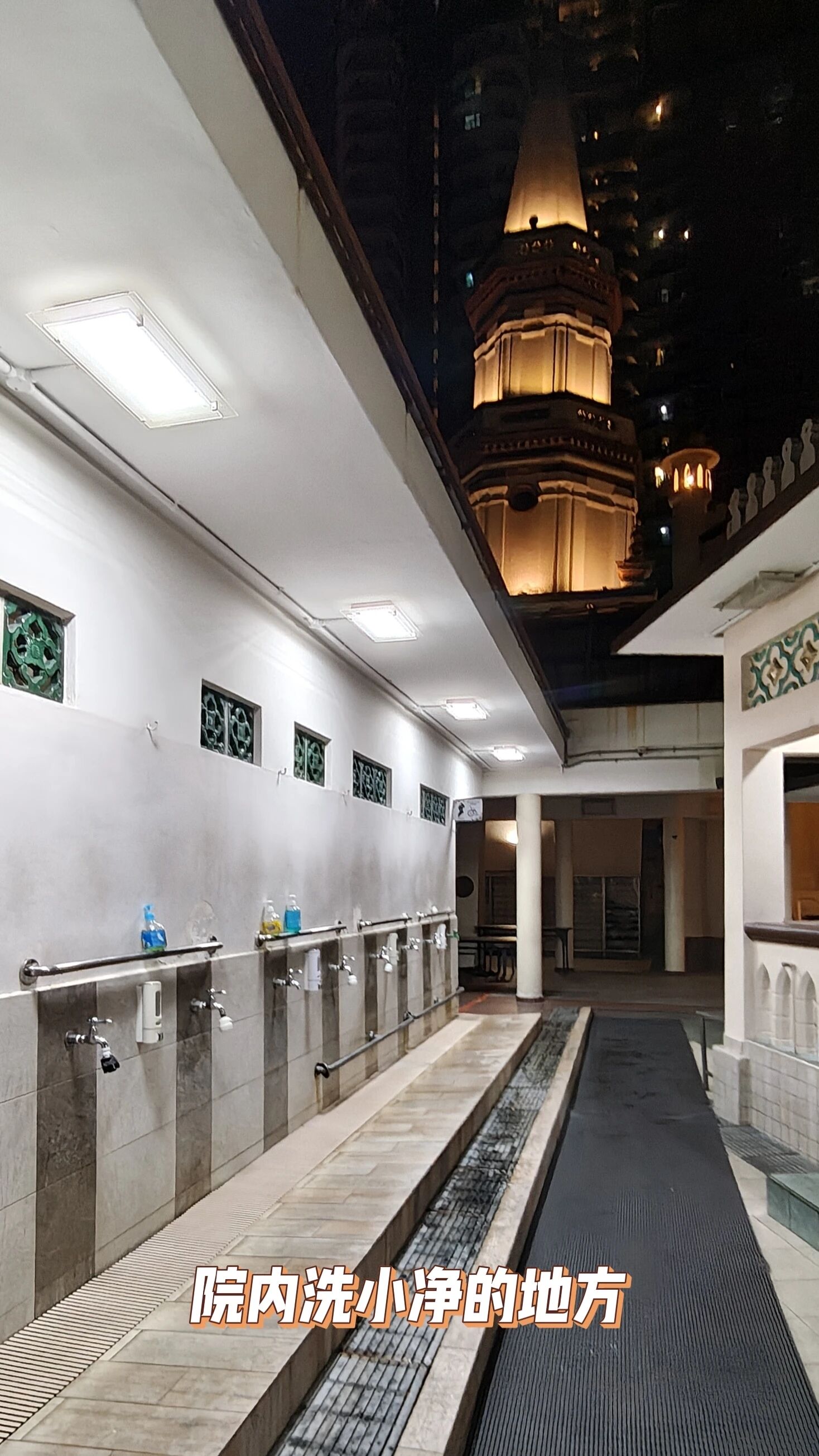
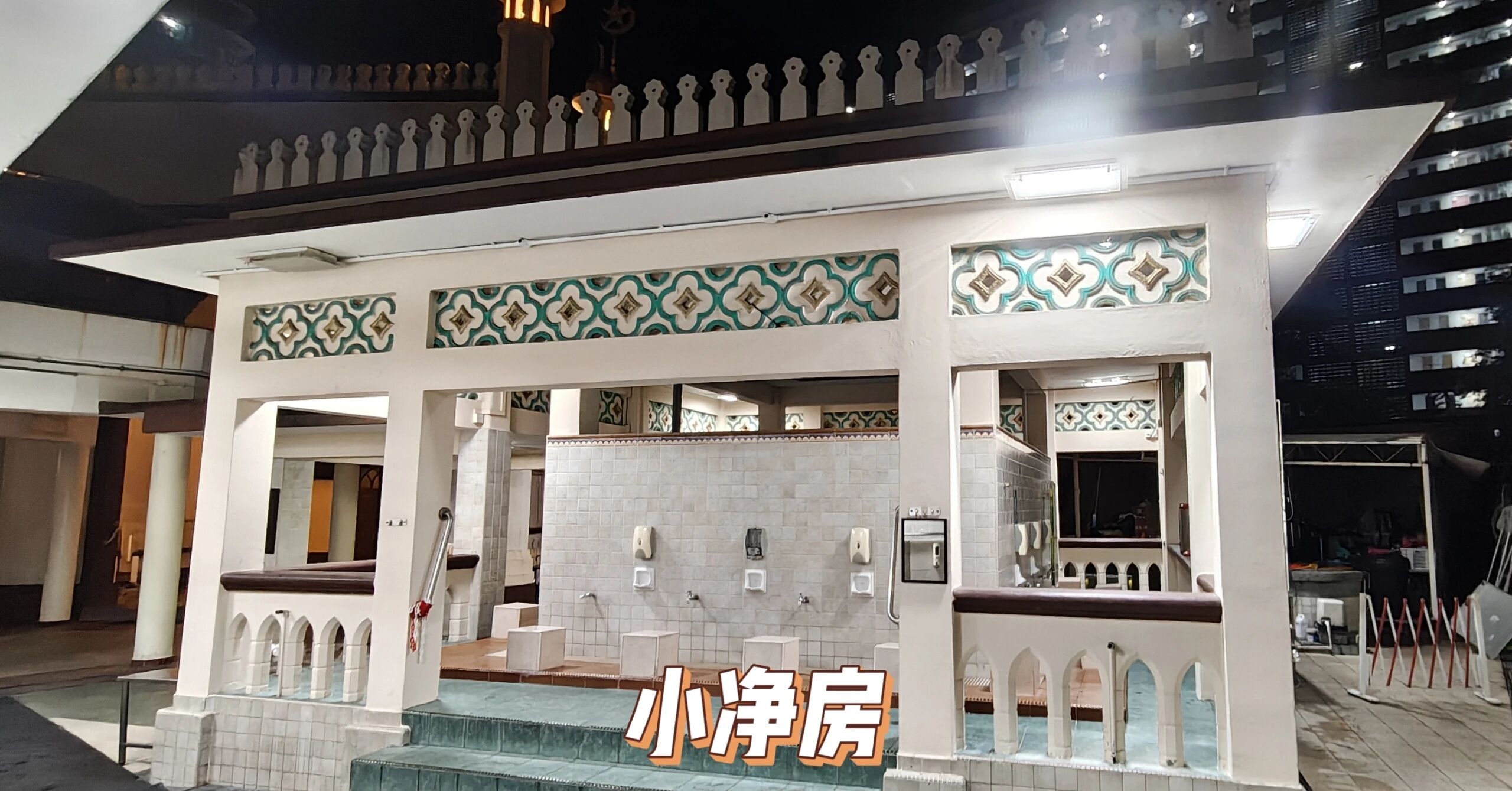
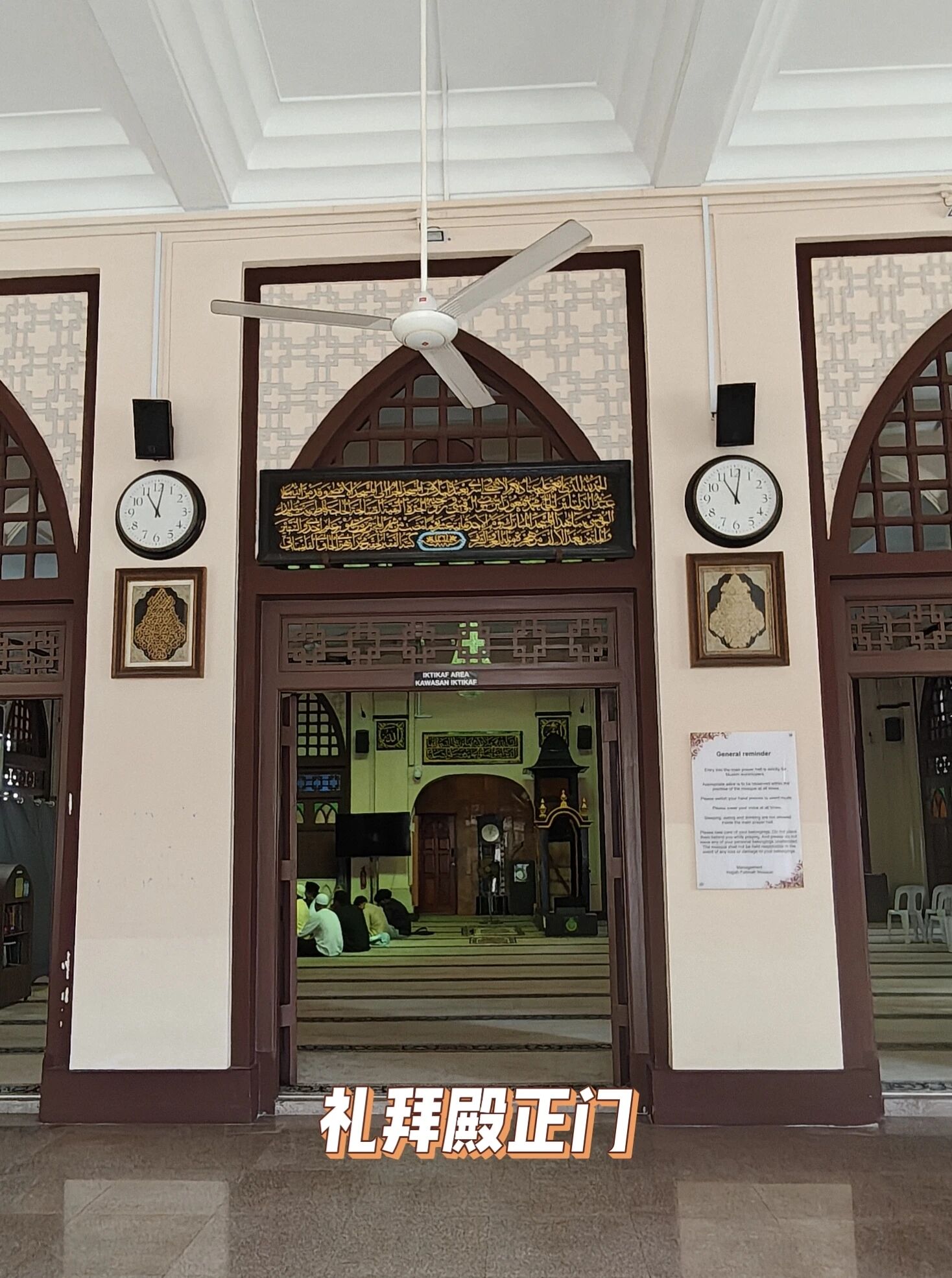
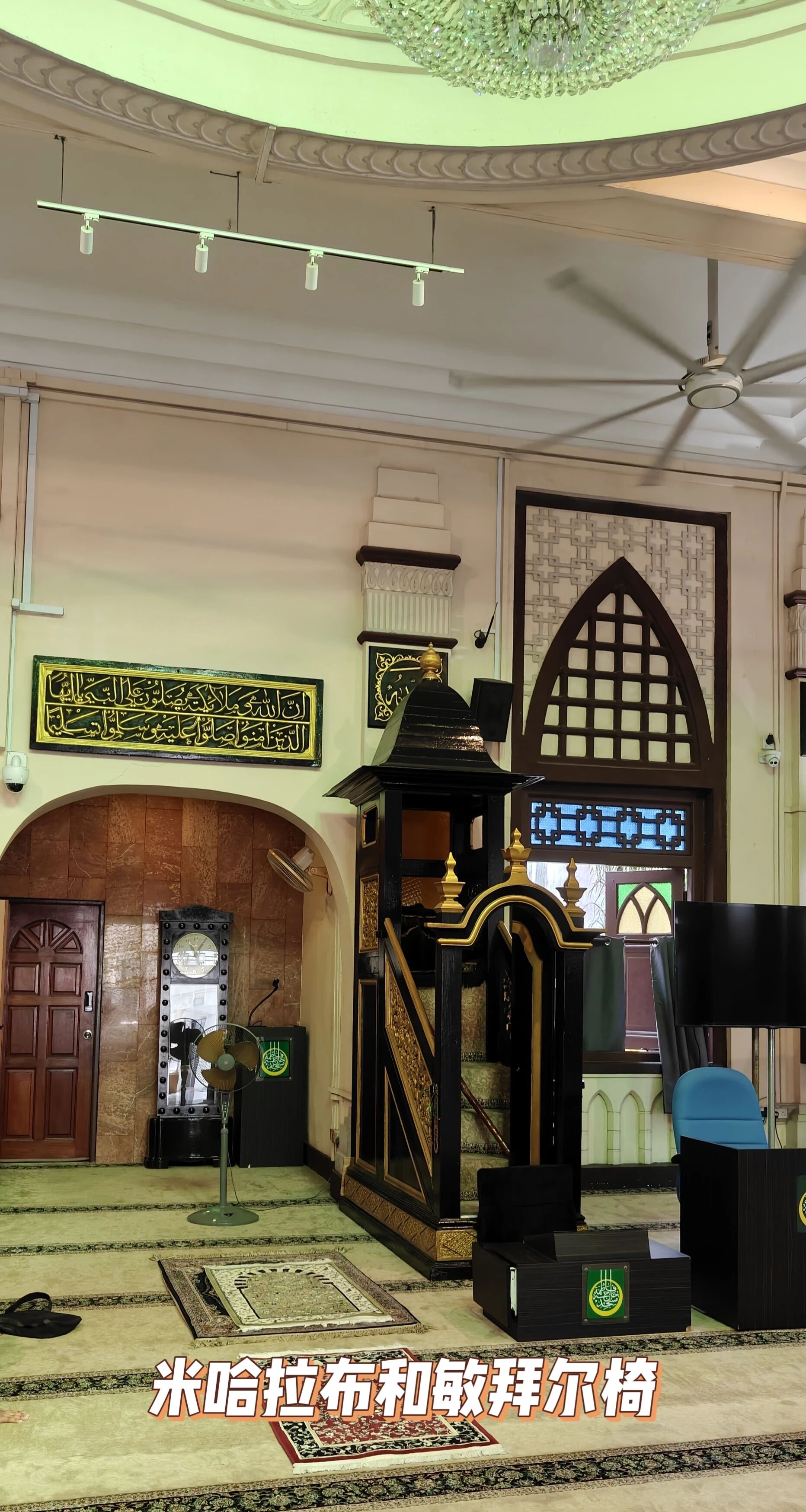
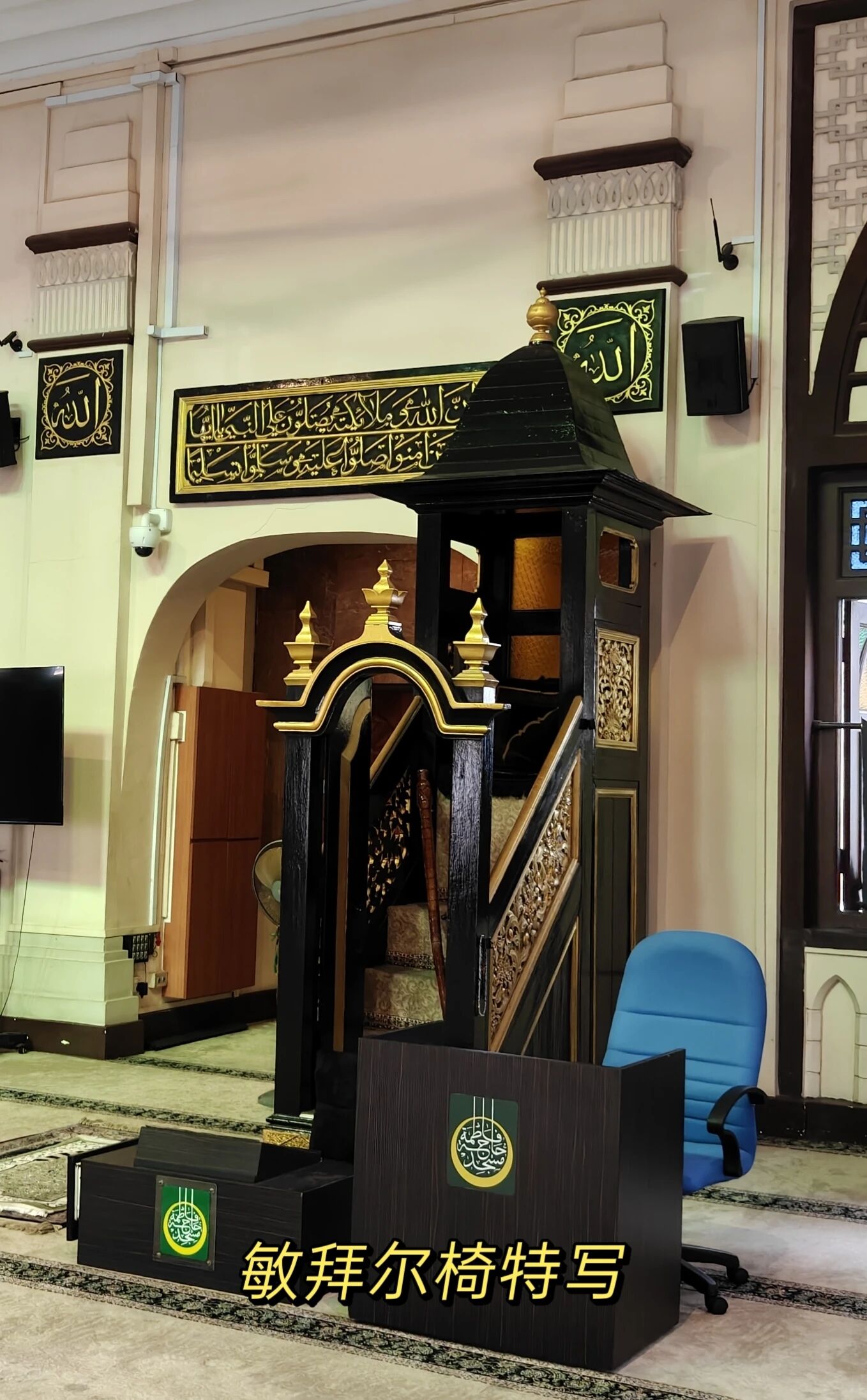
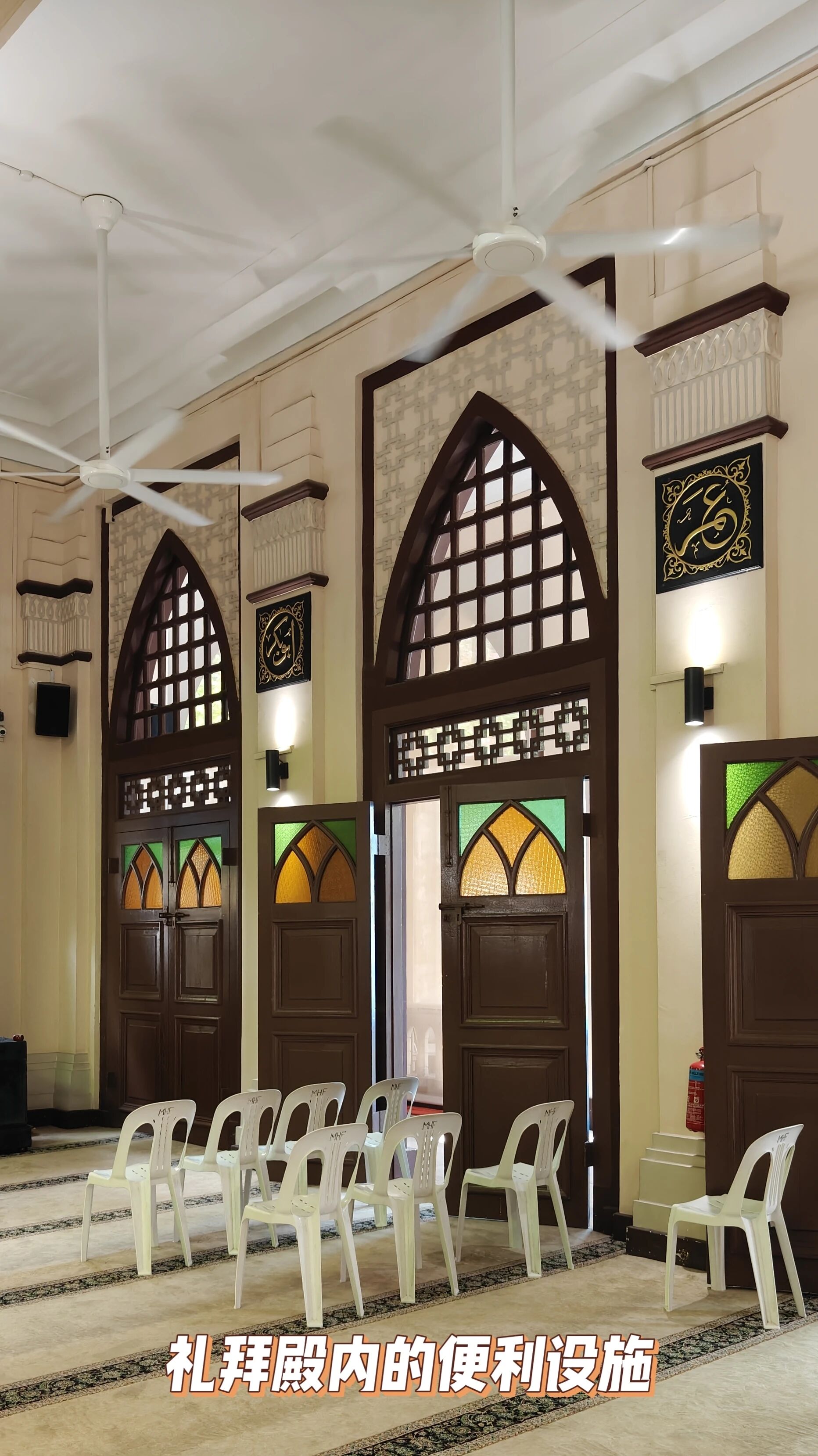
But after I finished my wudu, the prayer hall actually closed. I had to leave feeling disappointed and decided to come back the next morning to take photos of the prayer hall. It was not far from where I was staying anyway. I returned the next day and got the photos of the inside of the prayer hall just as I wanted.
A Quran study class was being held in the main hall, where a teacher was teaching children how to recite the Quran. There were also some outside the hall.
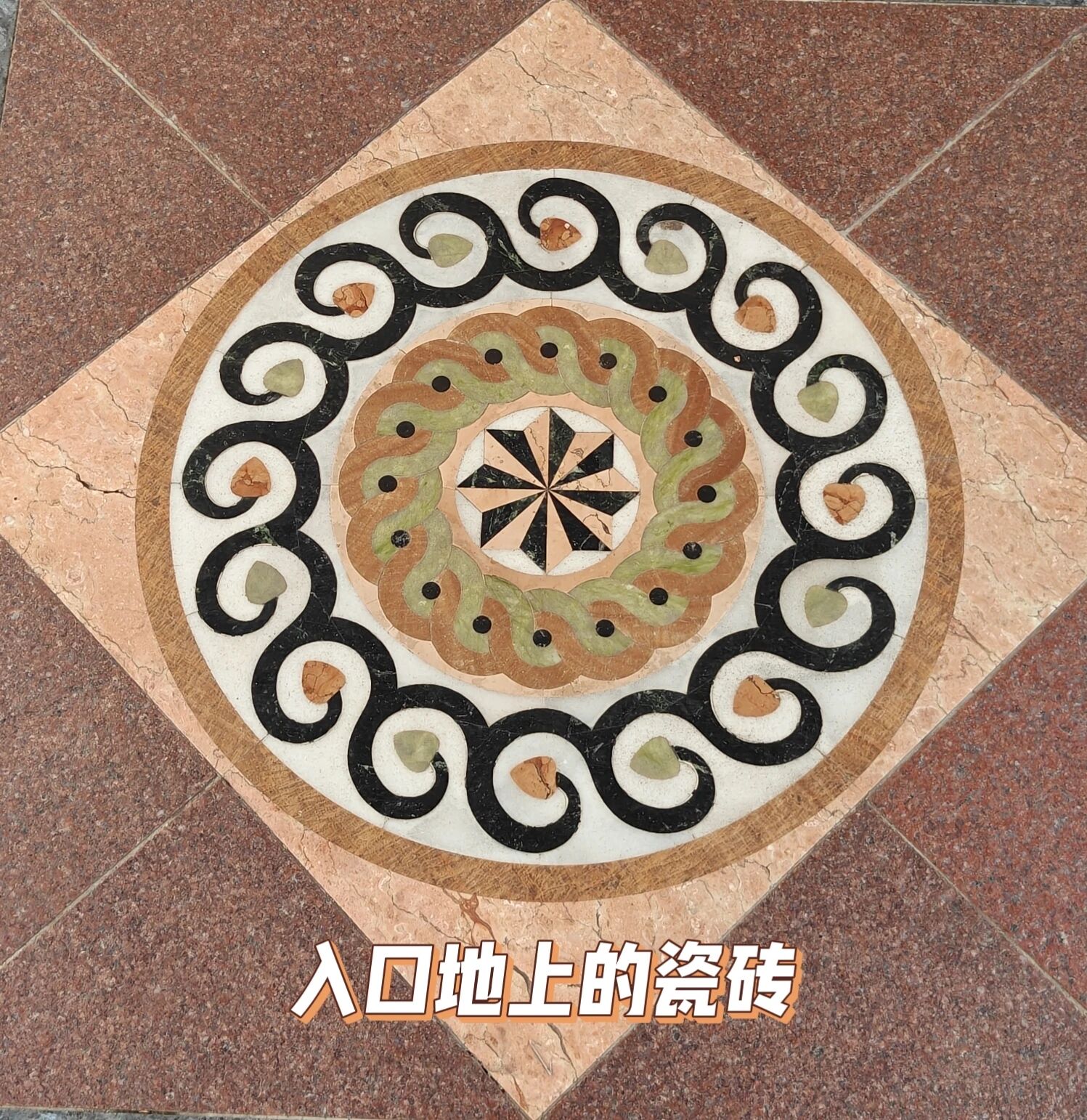
As I put my shoes on to leave, I noticed the floor tiles (Figure 11) were actually quite special; each color block was a separate piece, and the whole pattern had to be pieced together to form the design.
I remember seeing these kinds of tiles only in some old Western-style hotels.
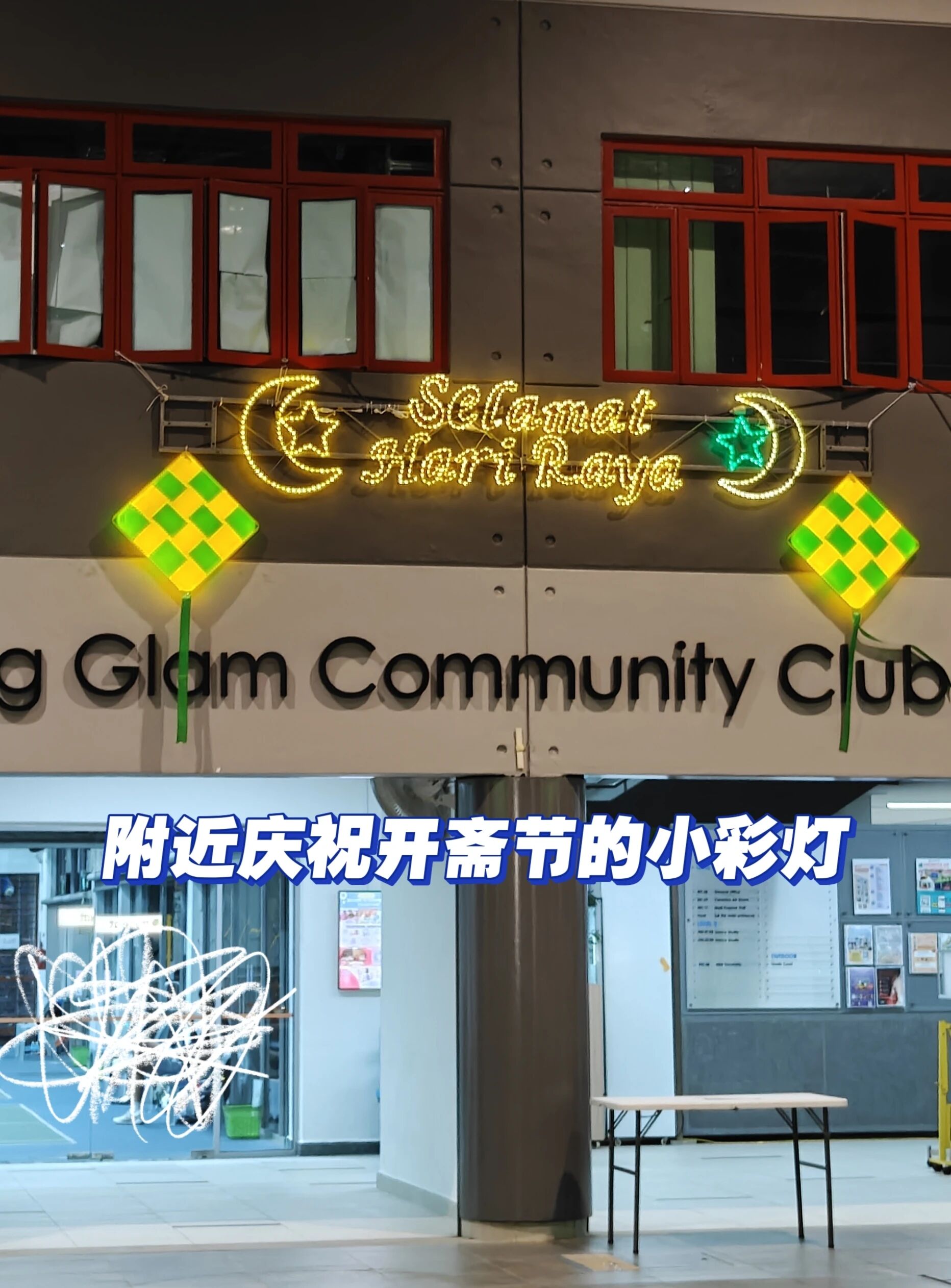
The last photo is what I saw that night at the community activity center next to the mosque. Many people inside were playing badminton or tennis, and the entrance was decorated with colorful lights and a sign that said Selamat Hari Raya, which is Malay for Happy Eid al-Fitr. view all
Summary: This Singapore Muslim travel guide visits Haja Fatimah Mosque, known in the source for its Western-style minaret. It keeps the author's Lion City mosque-series context, mosque details, and historic prayer-hall notes.
This mosque is the last one in my Lion City mosque exploration series. After this update, I will write some summary articles. I hope you all support them.
The most striking feature of this mosque is the style of its minaret, which looks different from the ones I usually see. It clearly borrows from Western architecture. At first glance, I really thought it was a Christian church.
There is an information board at the entrance of the mosque. It says it was built between 1845 and 1846. The site was originally the home of a person named Hajjah Fatimah. Hajjah Fatimah was a wealthy Malay woman from Malacca, Malaysia.
You can see from this that the connection between Singapore and Malaysia is truly very close. The previous Temenggong Mosque in Singapore is actually territory of the state of Johor, Malaysia.
Back to the main topic, in the late 1830s, this generous lady donated her property to build this mosque.
The designer of the mosque was a British architect whose name is no longer known. It is no wonder the mosque's minaret looks a lot like a church steeple.
One day after visiting the area near the Flower Dome, I came to this mosque. It was late, past nine o'clock, but the mosque gate was still open. Google Maps shows that this mosque closes at nine o'clock. I was wondering why the mosque was still open after nine o'clock; it seemed like Google Maps was wrong.
But after I finished my wudu, the prayer hall actually closed. I had to leave feeling disappointed and decided to come back the next morning to take photos of the prayer hall. It was not far from where I was staying anyway. I returned the next day and got the photos of the inside of the prayer hall just as I wanted.
A Quran study class was being held in the main hall, where a teacher was teaching children how to recite the Quran. There were also some outside the hall.
As I put my shoes on to leave, I noticed the floor tiles (Figure 11) were actually quite special; each color block was a separate piece, and the whole pattern had to be pieced together to form the design.
I remember seeing these kinds of tiles only in some old Western-style hotels.
The last photo is what I saw that night at the community activity center next to the mosque. Many people inside were playing badminton or tennis, and the entrance was decorated with colorful lights and a sign that said Selamat Hari Raya, which is Malay for Happy Eid al-Fitr. view all
Reposted from the web
Summary: This Singapore Muslim travel guide visits Haja Fatimah Mosque, known in the source for its Western-style minaret. It keeps the author's Lion City mosque-series context, mosque details, and historic prayer-hall notes.
This mosque is the last one in my Lion City mosque exploration series. After this update, I will write some summary articles. I hope you all support them.
The most striking feature of this mosque is the style of its minaret, which looks different from the ones I usually see. It clearly borrows from Western architecture. At first glance, I really thought it was a Christian church.
There is an information board at the entrance of the mosque. It says it was built between 1845 and 1846. The site was originally the home of a person named Hajjah Fatimah. Hajjah Fatimah was a wealthy Malay woman from Malacca, Malaysia.
You can see from this that the connection between Singapore and Malaysia is truly very close. The previous Temenggong Mosque in Singapore is actually territory of the state of Johor, Malaysia.
Back to the main topic, in the late 1830s, this generous lady donated her property to build this mosque.
The designer of the mosque was a British architect whose name is no longer known. It is no wonder the mosque's minaret looks a lot like a church steeple.
One day after visiting the area near the Flower Dome, I came to this mosque. It was late, past nine o'clock, but the mosque gate was still open. Google Maps shows that this mosque closes at nine o'clock. I was wondering why the mosque was still open after nine o'clock; it seemed like Google Maps was wrong.
But after I finished my wudu, the prayer hall actually closed. I had to leave feeling disappointed and decided to come back the next morning to take photos of the prayer hall. It was not far from where I was staying anyway. I returned the next day and got the photos of the inside of the prayer hall just as I wanted.
A Quran study class was being held in the main hall, where a teacher was teaching children how to recite the Quran. There were also some outside the hall.
As I put my shoes on to leave, I noticed the floor tiles (Figure 11) were actually quite special; each color block was a separate piece, and the whole pattern had to be pieced together to form the design.
I remember seeing these kinds of tiles only in some old Western-style hotels.
The last photo is what I saw that night at the community activity center next to the mosque. Many people inside were playing badminton or tennis, and the entrance was decorated with colorful lights and a sign that said Selamat Hari Raya, which is Malay for Happy Eid al-Fitr.
Summary: This Singapore Muslim travel guide visits Haja Fatimah Mosque, known in the source for its Western-style minaret. It keeps the author's Lion City mosque-series context, mosque details, and historic prayer-hall notes.
This mosque is the last one in my Lion City mosque exploration series. After this update, I will write some summary articles. I hope you all support them.
The most striking feature of this mosque is the style of its minaret, which looks different from the ones I usually see. It clearly borrows from Western architecture. At first glance, I really thought it was a Christian church.
There is an information board at the entrance of the mosque. It says it was built between 1845 and 1846. The site was originally the home of a person named Hajjah Fatimah. Hajjah Fatimah was a wealthy Malay woman from Malacca, Malaysia.
You can see from this that the connection between Singapore and Malaysia is truly very close. The previous Temenggong Mosque in Singapore is actually territory of the state of Johor, Malaysia.
Back to the main topic, in the late 1830s, this generous lady donated her property to build this mosque.
The designer of the mosque was a British architect whose name is no longer known. It is no wonder the mosque's minaret looks a lot like a church steeple.
One day after visiting the area near the Flower Dome, I came to this mosque. It was late, past nine o'clock, but the mosque gate was still open. Google Maps shows that this mosque closes at nine o'clock. I was wondering why the mosque was still open after nine o'clock; it seemed like Google Maps was wrong.
But after I finished my wudu, the prayer hall actually closed. I had to leave feeling disappointed and decided to come back the next morning to take photos of the prayer hall. It was not far from where I was staying anyway. I returned the next day and got the photos of the inside of the prayer hall just as I wanted.
A Quran study class was being held in the main hall, where a teacher was teaching children how to recite the Quran. There were also some outside the hall.
As I put my shoes on to leave, I noticed the floor tiles (Figure 11) were actually quite special; each color block was a separate piece, and the whole pattern had to be pieced together to form the design.
I remember seeing these kinds of tiles only in some old Western-style hotels.
The last photo is what I saw that night at the community activity center next to the mosque. Many people inside were playing badminton or tennis, and the entrance was decorated with colorful lights and a sign that said Selamat Hari Raya, which is Malay for Happy Eid al-Fitr.
Halal Travel Guide: Jiangyou, Sichuan — Zhongba Mosque and Hui Muslim History
Articles • ali2007fr posted the article • 0 comments • 175 views • 2026-05-20 00:58
Reposted from the web
Summary: Zhongba Mosque in Jiangyou, Sichuan, is tied to local Hui Muslim history, architecture, and community life. This visit keeps the original mosque details, photos, place names, and historical context from the Chinese source.
On January 25, I took a high-speed train from Deyang, Sichuan, in the morning. It took just over half an hour to reach Jiangyou Station. Then, I took a three-wheeled taxi (sanbengzi) to Zhongba Mosque. There is a beef restaurant in the alley next to the mosque where you can eat authentic Jiangyou-style Sichuan stir-fry. I ordered steamed beef with rice flour (fenzheng niurou) and mapo tofu. The rice had corn mixed in. I prefer ordering dishes in small restaurants over eating hot pot. Everything I order here goes perfectly with rice. The restaurant also sells fruit-flavored beef jerky and spicy beef jerky, which are specialties of the Hui Muslims in Sichuan.
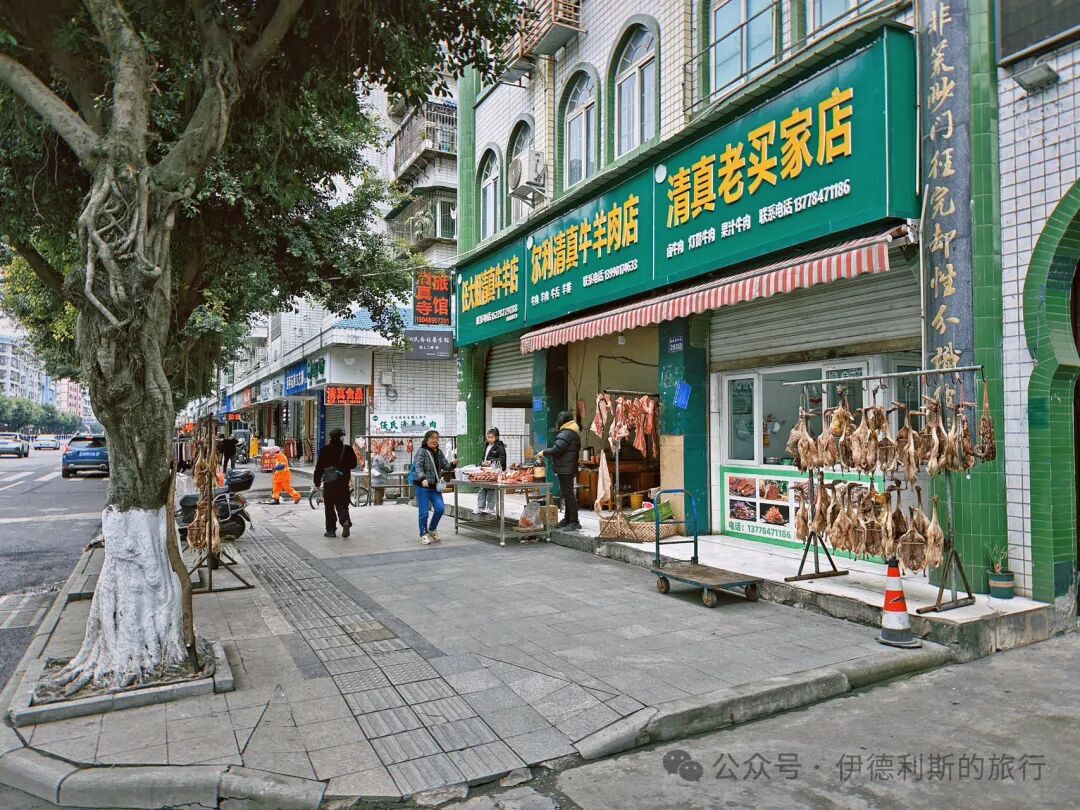
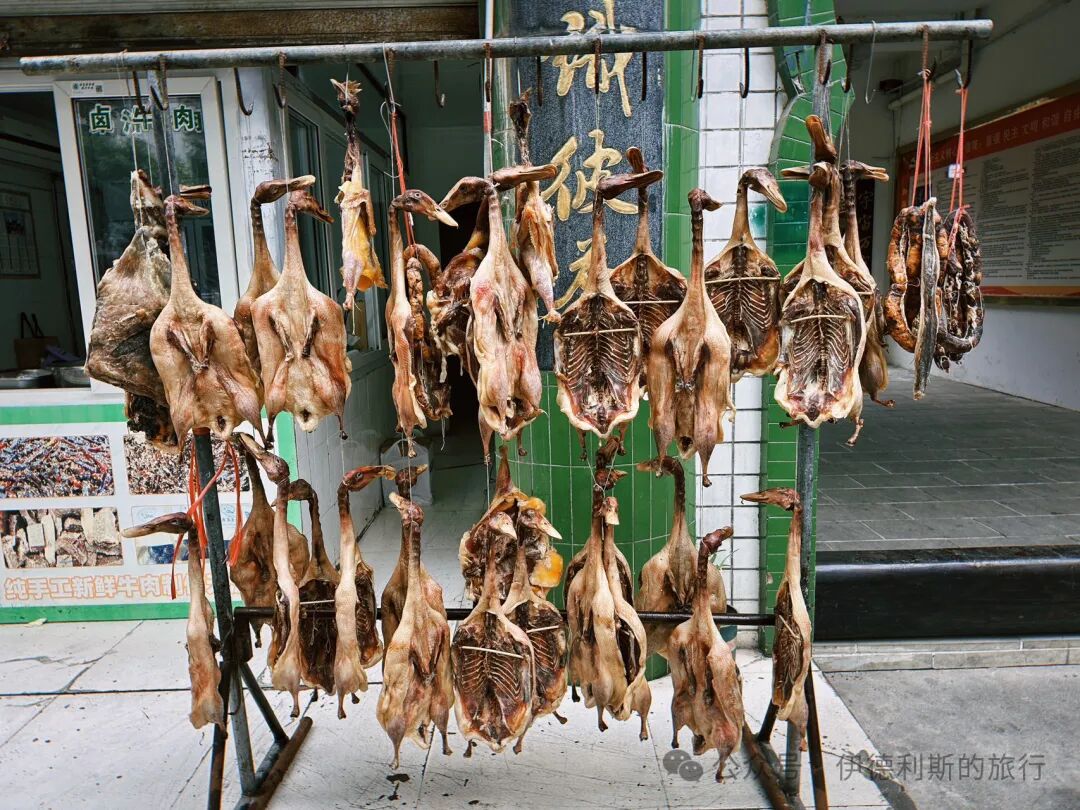
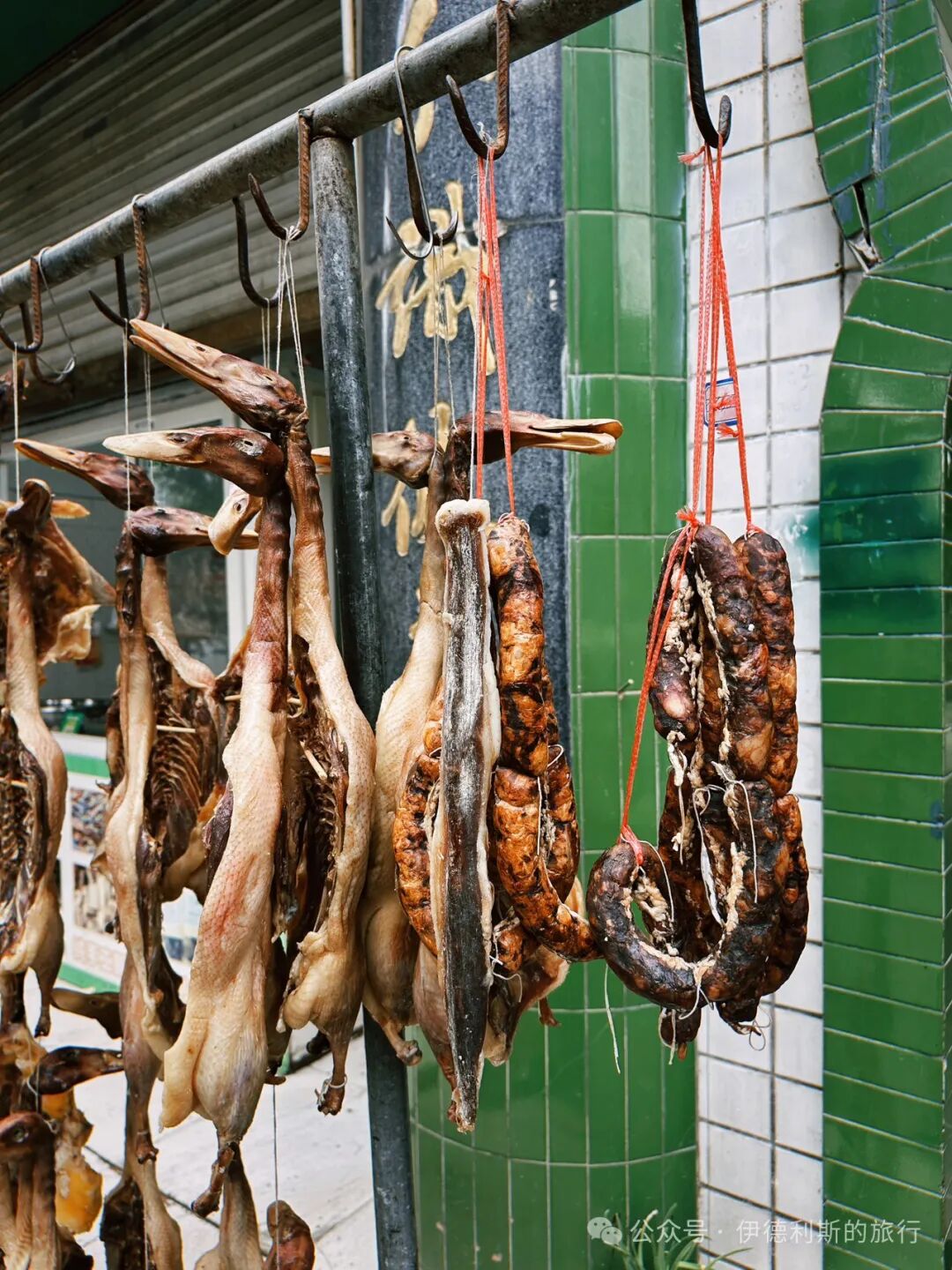
The area outside the mosque is full of beef and braised meat shops. With the Spring Festival approaching, it is the time to buy various cured meats, pressed duck (banya), pressed goose (bane), and beef sausages. Sichuan people love eating these in winter.
Zhongba Mosque is located outside the North Gate of Zhongba in Jiangyou, Sichuan. During the Qing Dynasty and the Republic of China, this was a distribution center for medicinal herbs and mountain goods in the Sichuan-Shaanxi-Gansu region. It was also an important passage connecting the Songmao area to the Chengdu Plain, once serving as a busy market with many pharmacies and inns. Zhongba Mosque was reportedly built in 1861 (the 11th year of the Xianfeng reign). In 1884 (the 10th year of the Guangxu reign), Ma Dingyuan, the owner of the Dingliyuan Tea House, and others donated funds to expand it into its current appearance.
In 1935, the mosque's imam, Xiao Fuzhen, joined the Red Army. He worked among Hui Muslims in places like Maoxian, Dajin, and Jinchuan in Sichuan. He led the formation of a Red Army Hui independent company made up of Sichuan Hui Muslims. In 1936, he went north with the Red Army and died heroically while fighting the enemy in Ma'erkang.
In 1944, Imam Hui Tianxiang from Lueyang, Shaanxi, became the head of Zhongba Mosque. He promoted the Yihewani movement of "respecting the scriptures and reforming customs," making Zhongba Mosque one of only two Yihewani mosques in Sichuan province (the other is on Shanghe Street in Guangyuan).
Qing Dynasty plaques inside Zhongba Mosque:
The Essence of the Two and Five
Respectfully presented by the religious community of Pingyi
An auspicious day in the first ten days of the second lunar month, the 11th year of the Guangxu reign
Pingyi here likely refers to Pingwu County in Mianyang, Sichuan.
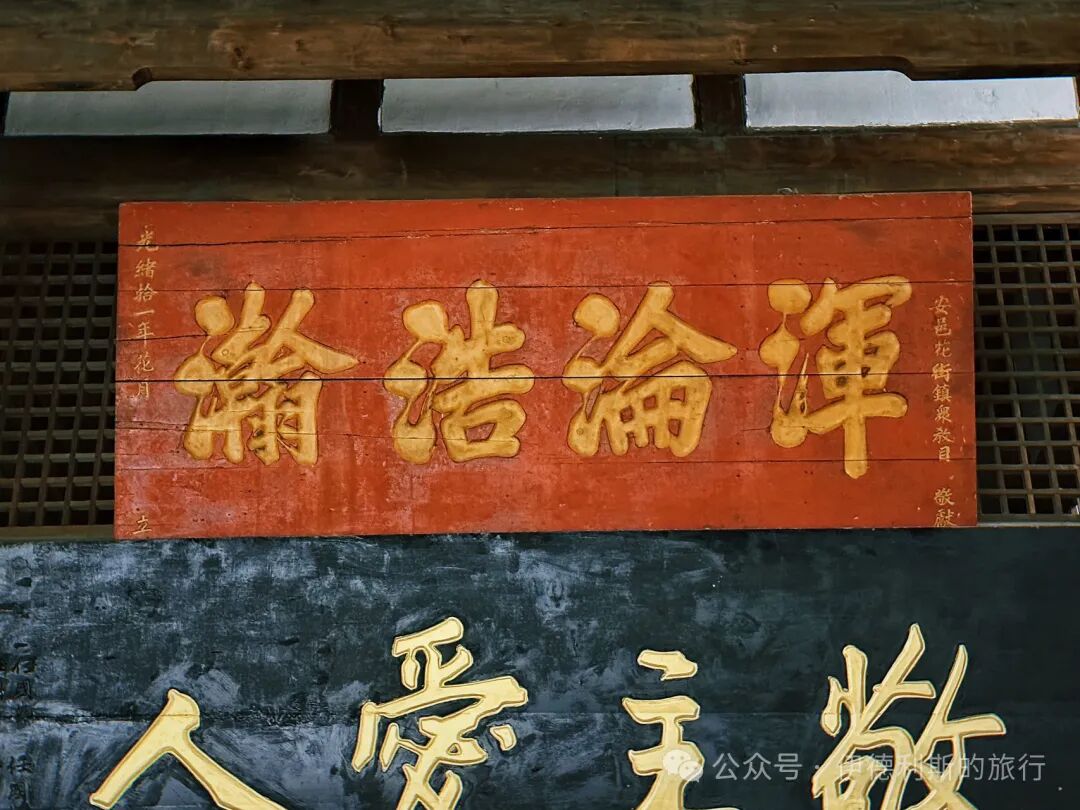
Vast, Subtle, and Refined
An auspicious day in the first ten days of the sixth lunar month, the 10th year of the Guangxu reign of the Great Qing Dynasty
Ma Wenmeng, a Jinshi degree holder from the Jiwei year, appointed member of the Hanlin Academy, and former magistrate of Fengyang Prefecture, Anhui
Xu Cheng'ao, a hereditary second-class earl, commander of the provincial ten-battalion elite troops, and director of the Changsheng Army camp
Ma Zhonglong, an official with the third-rank title and peacock feather, former magistrate of Zhenfeng Prefecture, Guizhou, and current magistrate of Tongren Prefecture
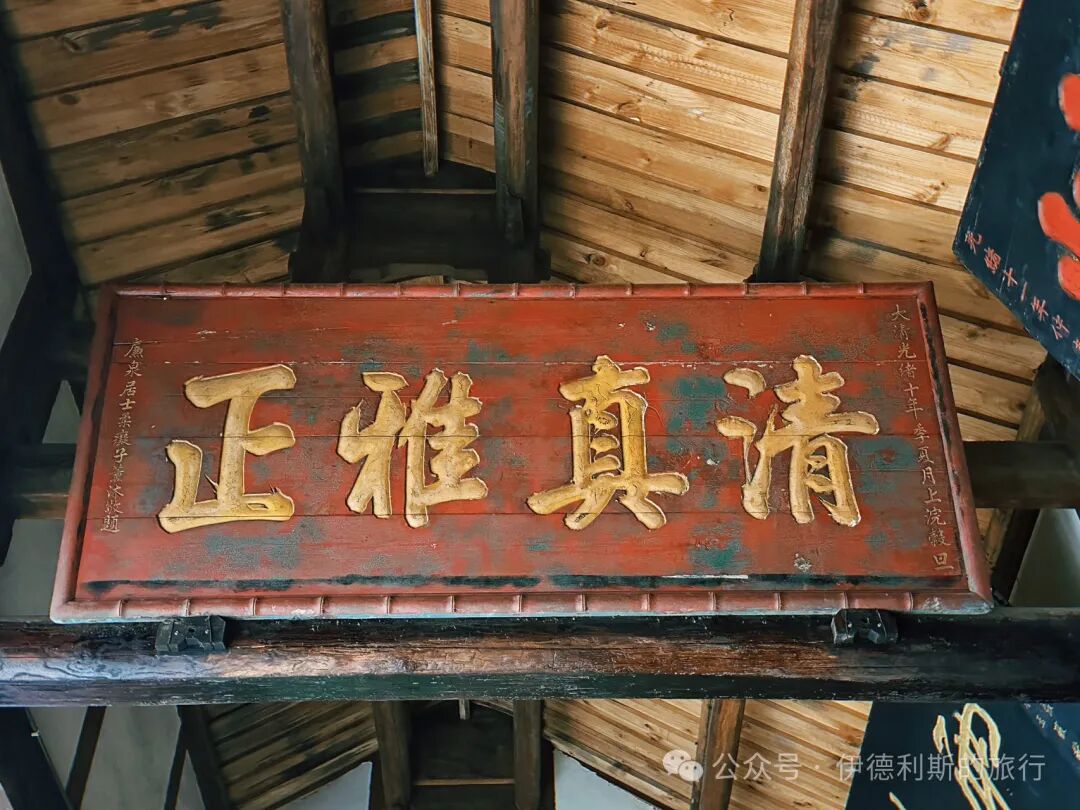
Pure, Truthful, Elegant, and Correct
An auspicious day in the first ten days of the sixth lunar month, the 10th year of the Guangxu reign of the Great Qing Dynasty
Respectfully inscribed by the scholar Lianquan Jushi Rouchizi after ritual cleansing
Vast and boundless.
Presented by the religious leaders (jiaomu) of Huajie Town in Anyi.
Erected in the second month of the eleventh year of the Guangxu reign.
Anyi here likely refers to the present-day Anzhou District of Mianyang, Sichuan.
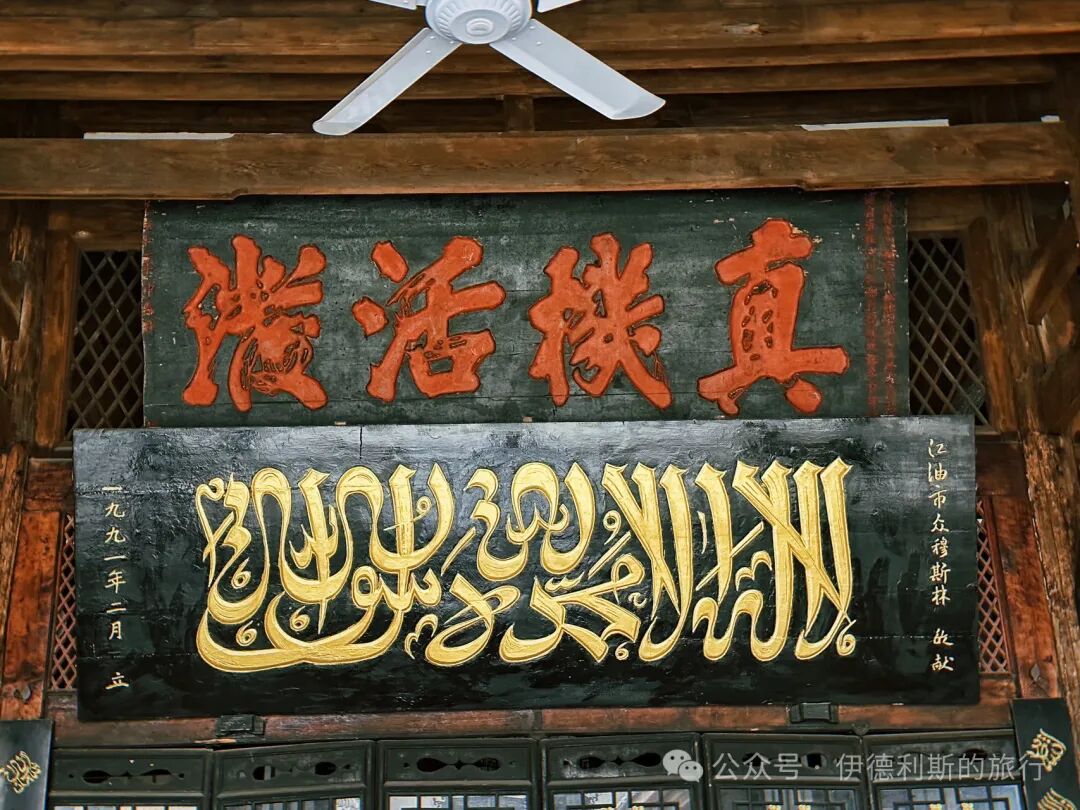
True spirit is lively.
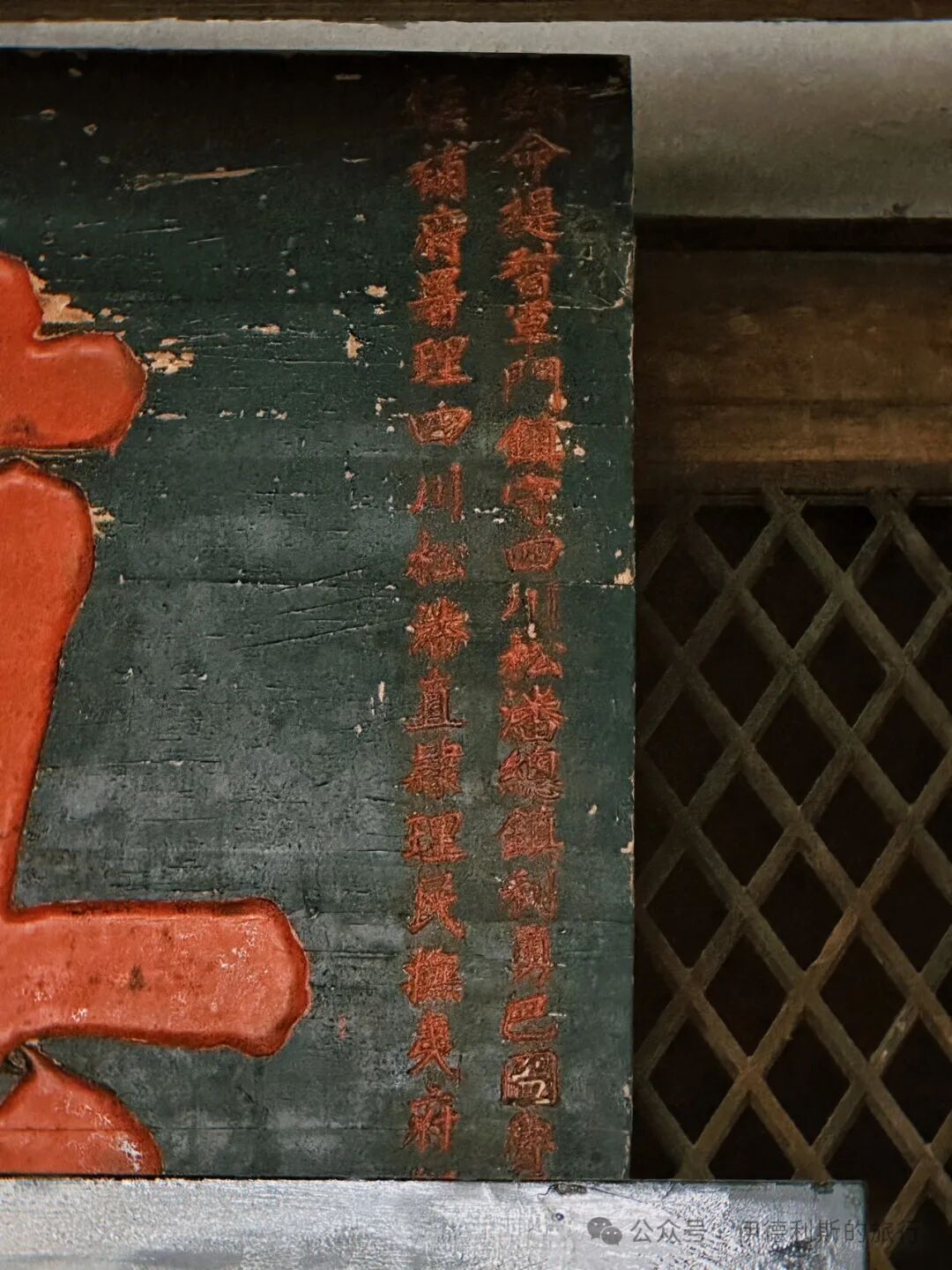
Imperial-appointed Commander-in-Chief of the Sichuan Songpan Garrison, Liyong Baturu...
Acting Prefect of the Songpan Independent Prefecture in Sichuan, responsible for civil administration and pacifying the border tribes...
The second month of spring in the eleventh year of the Guangxu reign.
It is estimated that the Commander-in-Chief of the Sichuan Songpan Garrison, Liyong Baturu, was Xia Yuxiu from Kunming, Yunnan. He became the Songpan Brigade General in the seventh year of the Guangxu reign, guarded Songpan for ten years, and was later promoted to Commander-in-Chief of Sichuan. view all
Summary: Zhongba Mosque in Jiangyou, Sichuan, is tied to local Hui Muslim history, architecture, and community life. This visit keeps the original mosque details, photos, place names, and historical context from the Chinese source.
On January 25, I took a high-speed train from Deyang, Sichuan, in the morning. It took just over half an hour to reach Jiangyou Station. Then, I took a three-wheeled taxi (sanbengzi) to Zhongba Mosque. There is a beef restaurant in the alley next to the mosque where you can eat authentic Jiangyou-style Sichuan stir-fry. I ordered steamed beef with rice flour (fenzheng niurou) and mapo tofu. The rice had corn mixed in. I prefer ordering dishes in small restaurants over eating hot pot. Everything I order here goes perfectly with rice. The restaurant also sells fruit-flavored beef jerky and spicy beef jerky, which are specialties of the Hui Muslims in Sichuan.
The area outside the mosque is full of beef and braised meat shops. With the Spring Festival approaching, it is the time to buy various cured meats, pressed duck (banya), pressed goose (bane), and beef sausages. Sichuan people love eating these in winter.
Zhongba Mosque is located outside the North Gate of Zhongba in Jiangyou, Sichuan. During the Qing Dynasty and the Republic of China, this was a distribution center for medicinal herbs and mountain goods in the Sichuan-Shaanxi-Gansu region. It was also an important passage connecting the Songmao area to the Chengdu Plain, once serving as a busy market with many pharmacies and inns. Zhongba Mosque was reportedly built in 1861 (the 11th year of the Xianfeng reign). In 1884 (the 10th year of the Guangxu reign), Ma Dingyuan, the owner of the Dingliyuan Tea House, and others donated funds to expand it into its current appearance.
In 1935, the mosque's imam, Xiao Fuzhen, joined the Red Army. He worked among Hui Muslims in places like Maoxian, Dajin, and Jinchuan in Sichuan. He led the formation of a Red Army Hui independent company made up of Sichuan Hui Muslims. In 1936, he went north with the Red Army and died heroically while fighting the enemy in Ma'erkang.
In 1944, Imam Hui Tianxiang from Lueyang, Shaanxi, became the head of Zhongba Mosque. He promoted the Yihewani movement of "respecting the scriptures and reforming customs," making Zhongba Mosque one of only two Yihewani mosques in Sichuan province (the other is on Shanghe Street in Guangyuan).
Qing Dynasty plaques inside Zhongba Mosque:
The Essence of the Two and Five
Respectfully presented by the religious community of Pingyi
An auspicious day in the first ten days of the second lunar month, the 11th year of the Guangxu reign
Pingyi here likely refers to Pingwu County in Mianyang, Sichuan.
Vast, Subtle, and Refined
An auspicious day in the first ten days of the sixth lunar month, the 10th year of the Guangxu reign of the Great Qing Dynasty
Ma Wenmeng, a Jinshi degree holder from the Jiwei year, appointed member of the Hanlin Academy, and former magistrate of Fengyang Prefecture, Anhui
Xu Cheng'ao, a hereditary second-class earl, commander of the provincial ten-battalion elite troops, and director of the Changsheng Army camp
Ma Zhonglong, an official with the third-rank title and peacock feather, former magistrate of Zhenfeng Prefecture, Guizhou, and current magistrate of Tongren Prefecture
Pure, Truthful, Elegant, and Correct
An auspicious day in the first ten days of the sixth lunar month, the 10th year of the Guangxu reign of the Great Qing Dynasty
Respectfully inscribed by the scholar Lianquan Jushi Rouchizi after ritual cleansing
Vast and boundless.
Presented by the religious leaders (jiaomu) of Huajie Town in Anyi.
Erected in the second month of the eleventh year of the Guangxu reign.
Anyi here likely refers to the present-day Anzhou District of Mianyang, Sichuan.
True spirit is lively.
Imperial-appointed Commander-in-Chief of the Sichuan Songpan Garrison, Liyong Baturu...
Acting Prefect of the Songpan Independent Prefecture in Sichuan, responsible for civil administration and pacifying the border tribes...
The second month of spring in the eleventh year of the Guangxu reign.
It is estimated that the Commander-in-Chief of the Sichuan Songpan Garrison, Liyong Baturu, was Xia Yuxiu from Kunming, Yunnan. He became the Songpan Brigade General in the seventh year of the Guangxu reign, guarded Songpan for ten years, and was later promoted to Commander-in-Chief of Sichuan. view all
Reposted from the web
Summary: Zhongba Mosque in Jiangyou, Sichuan, is tied to local Hui Muslim history, architecture, and community life. This visit keeps the original mosque details, photos, place names, and historical context from the Chinese source.
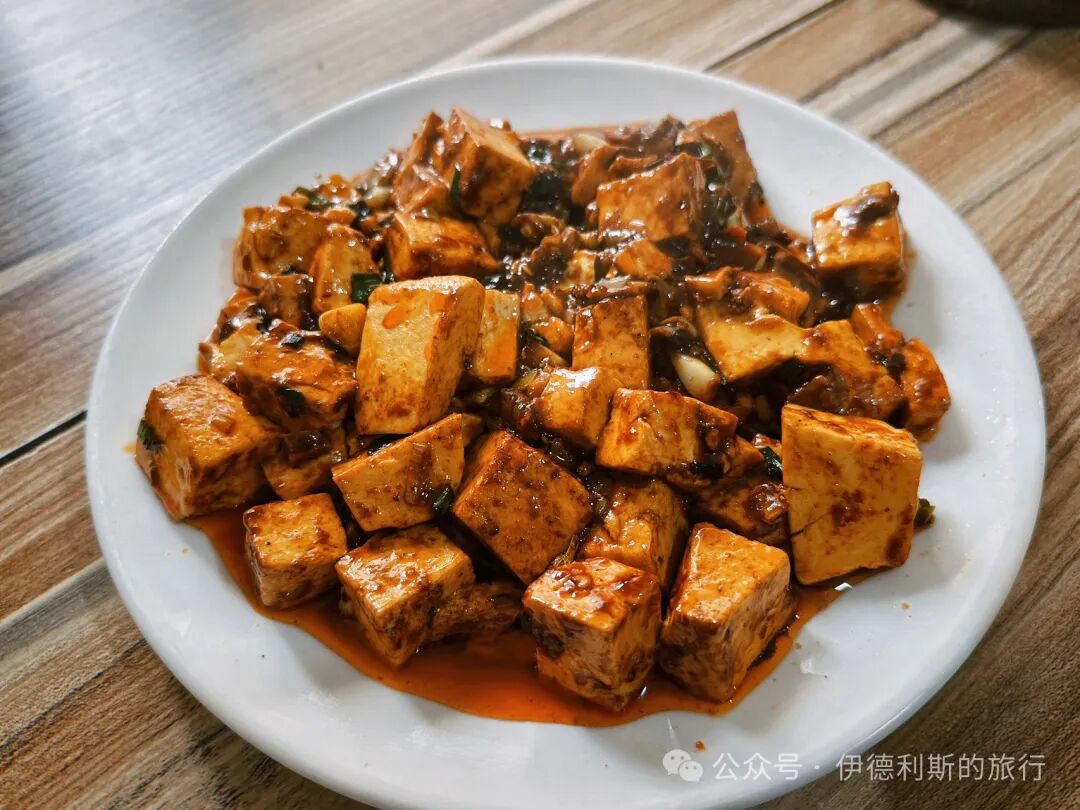
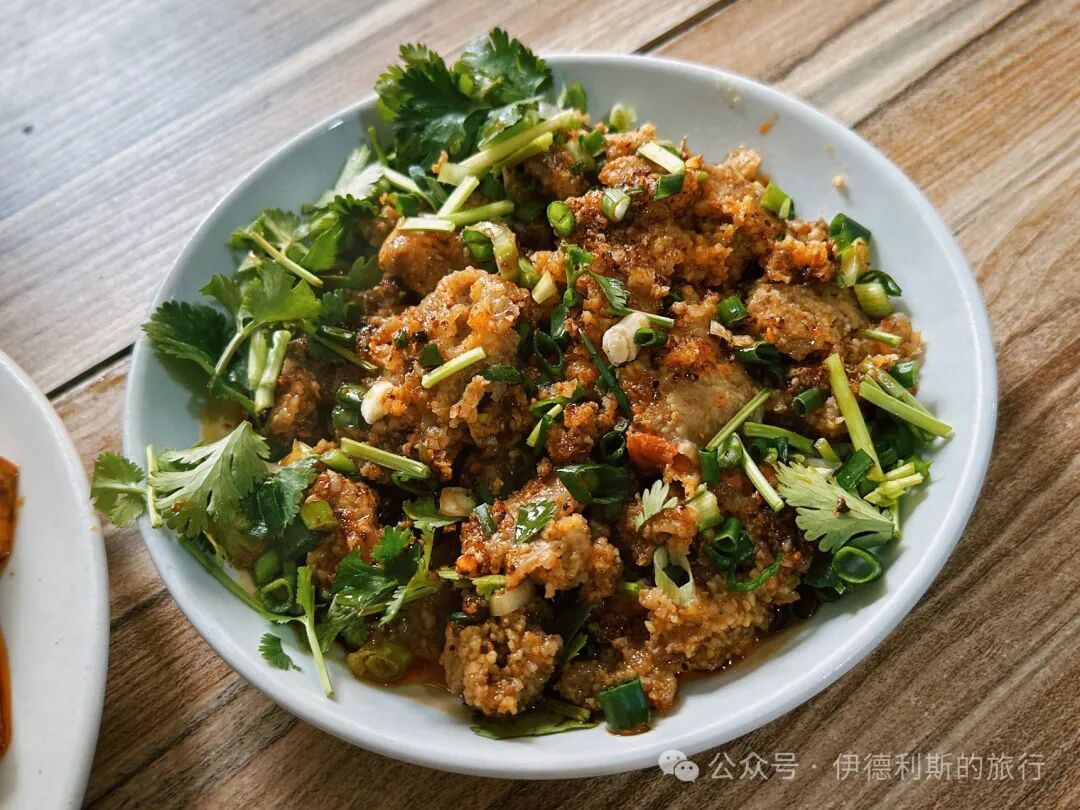
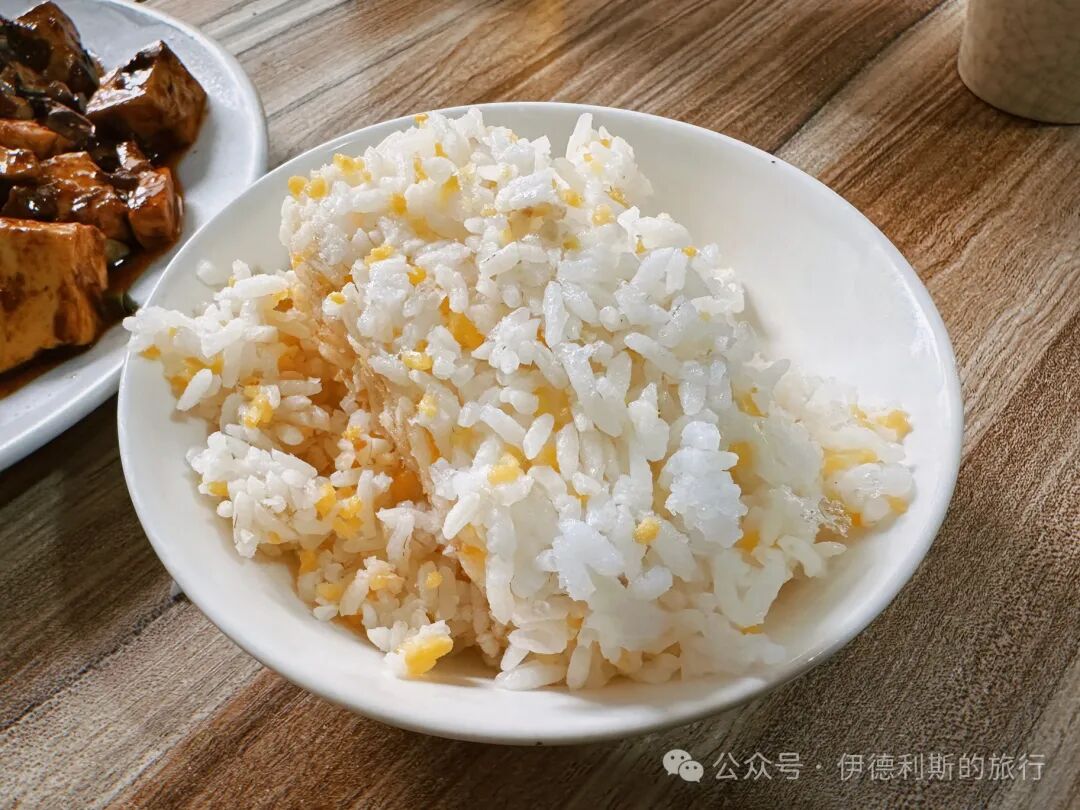
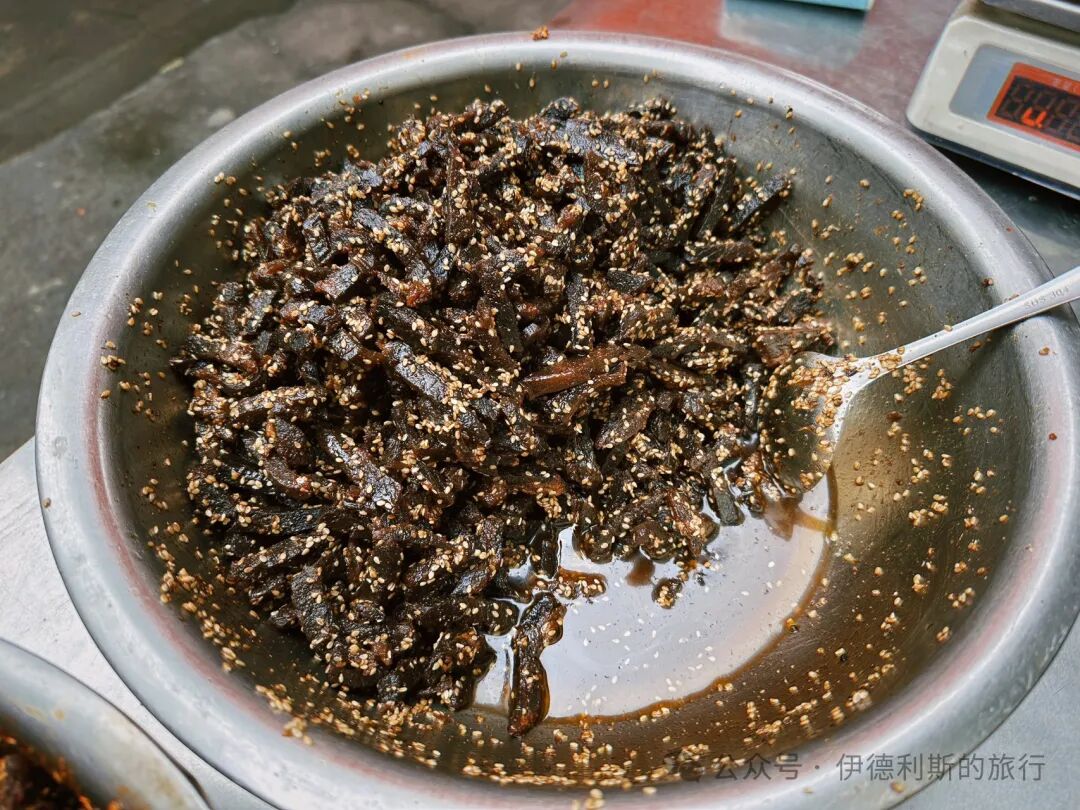
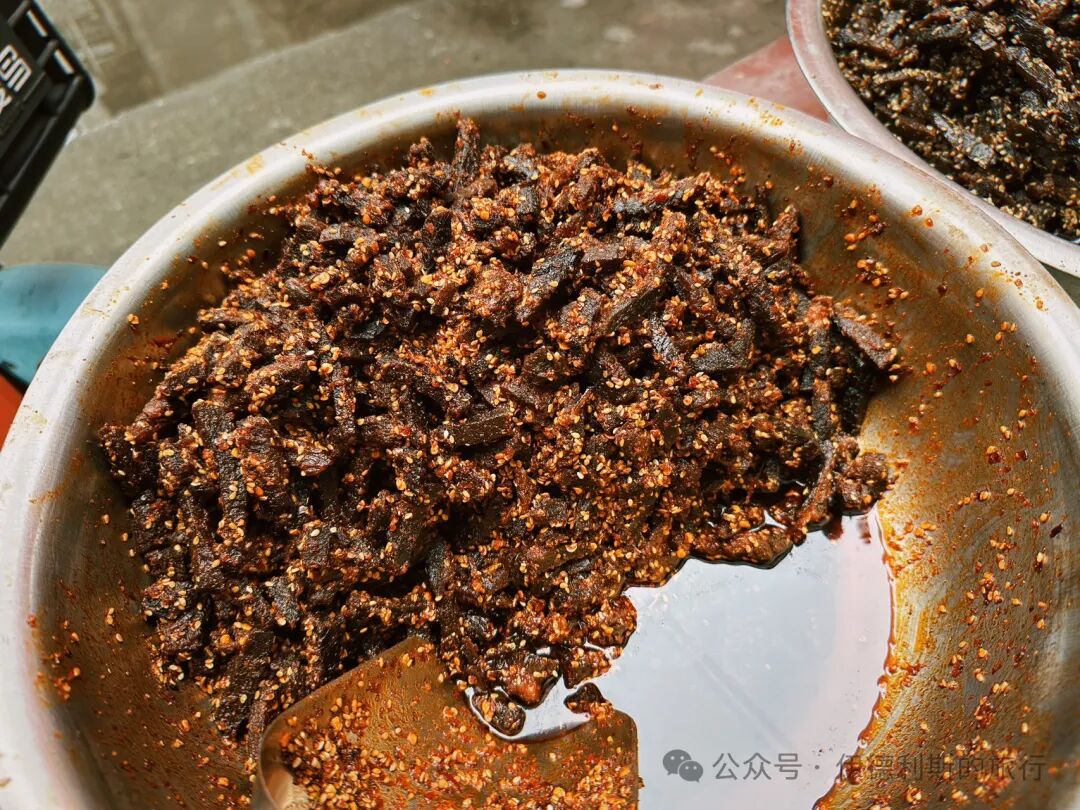
On January 25, I took a high-speed train from Deyang, Sichuan, in the morning. It took just over half an hour to reach Jiangyou Station. Then, I took a three-wheeled taxi (sanbengzi) to Zhongba Mosque. There is a beef restaurant in the alley next to the mosque where you can eat authentic Jiangyou-style Sichuan stir-fry. I ordered steamed beef with rice flour (fenzheng niurou) and mapo tofu. The rice had corn mixed in. I prefer ordering dishes in small restaurants over eating hot pot. Everything I order here goes perfectly with rice. The restaurant also sells fruit-flavored beef jerky and spicy beef jerky, which are specialties of the Hui Muslims in Sichuan.
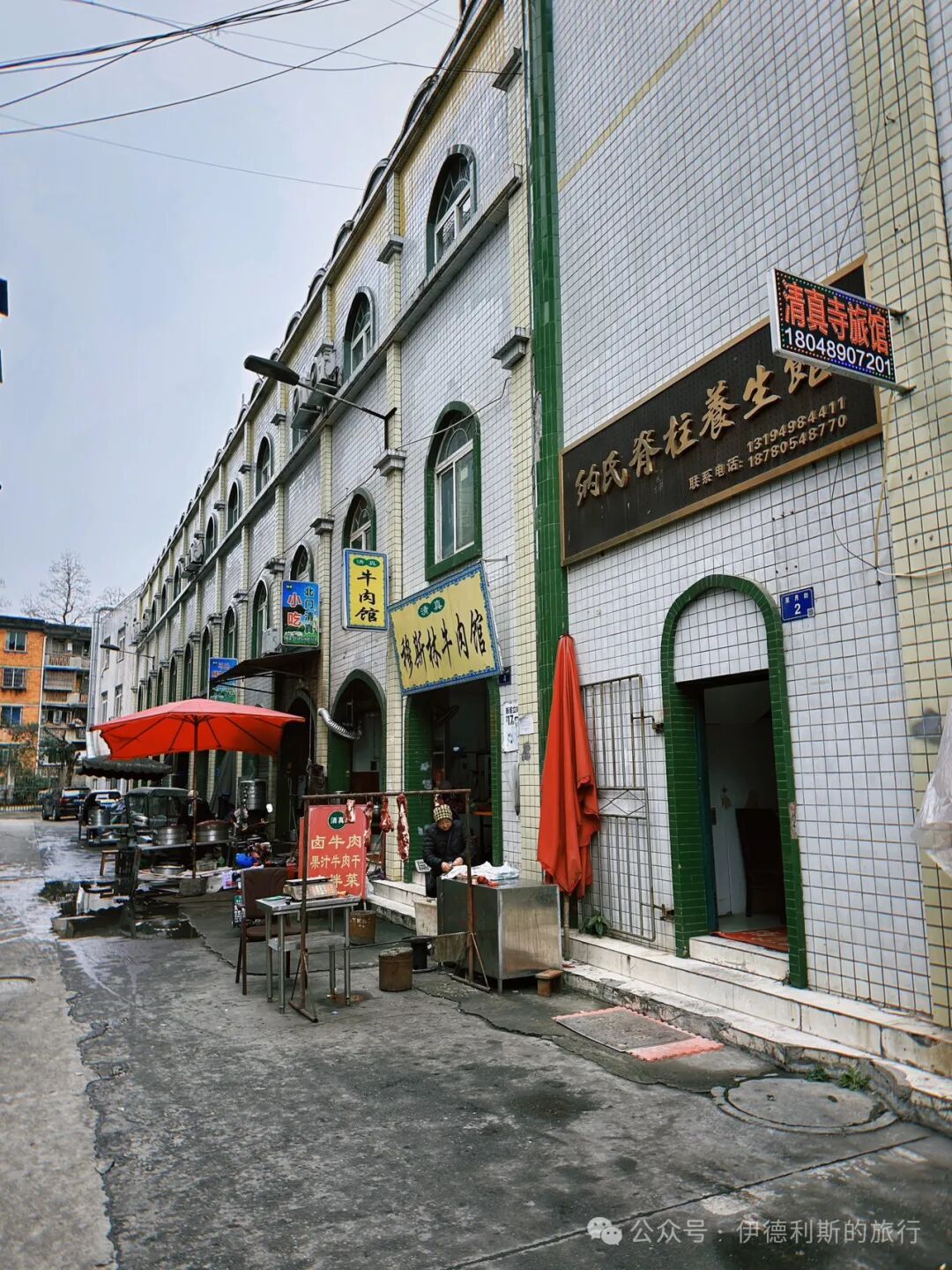
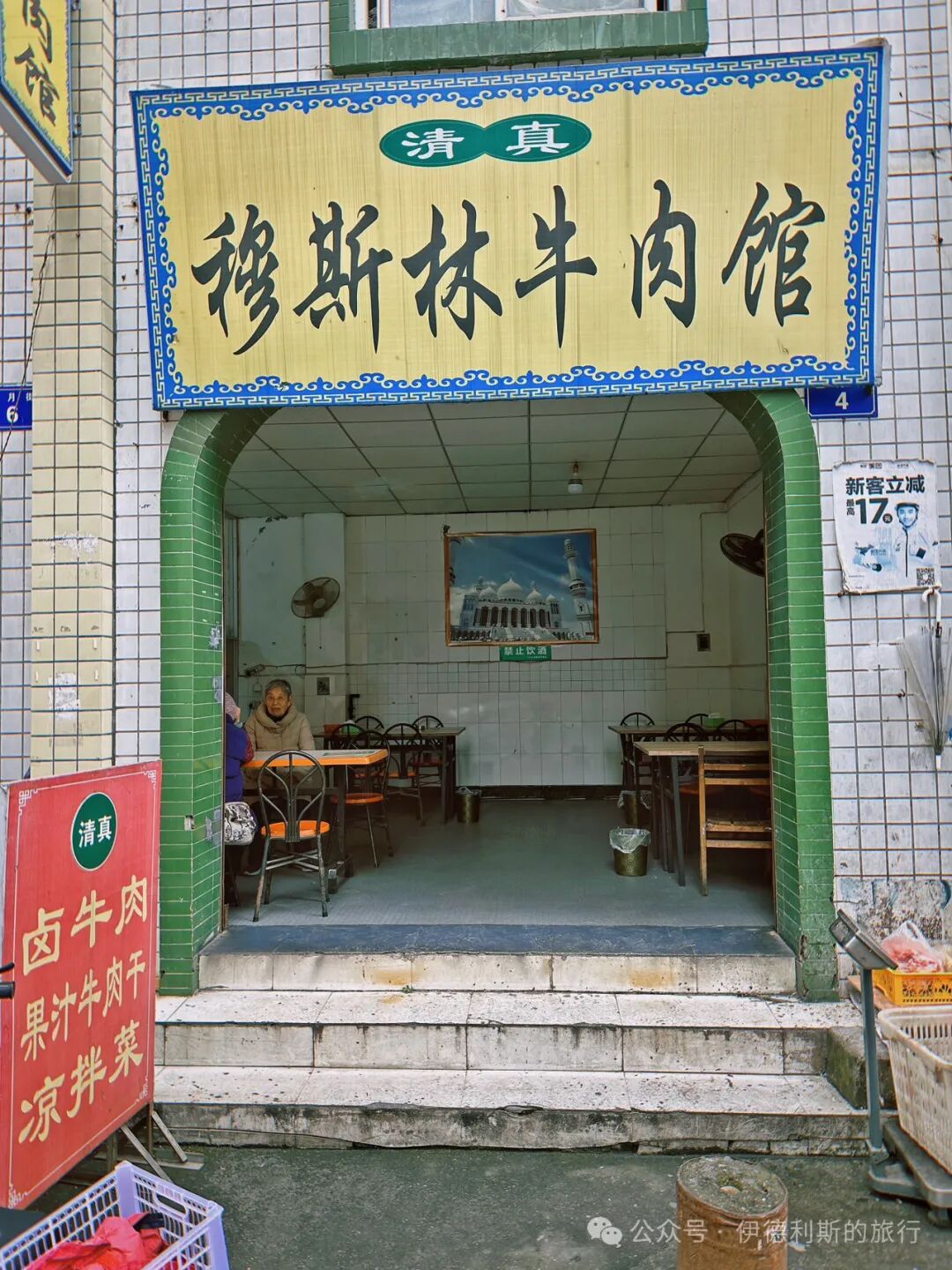
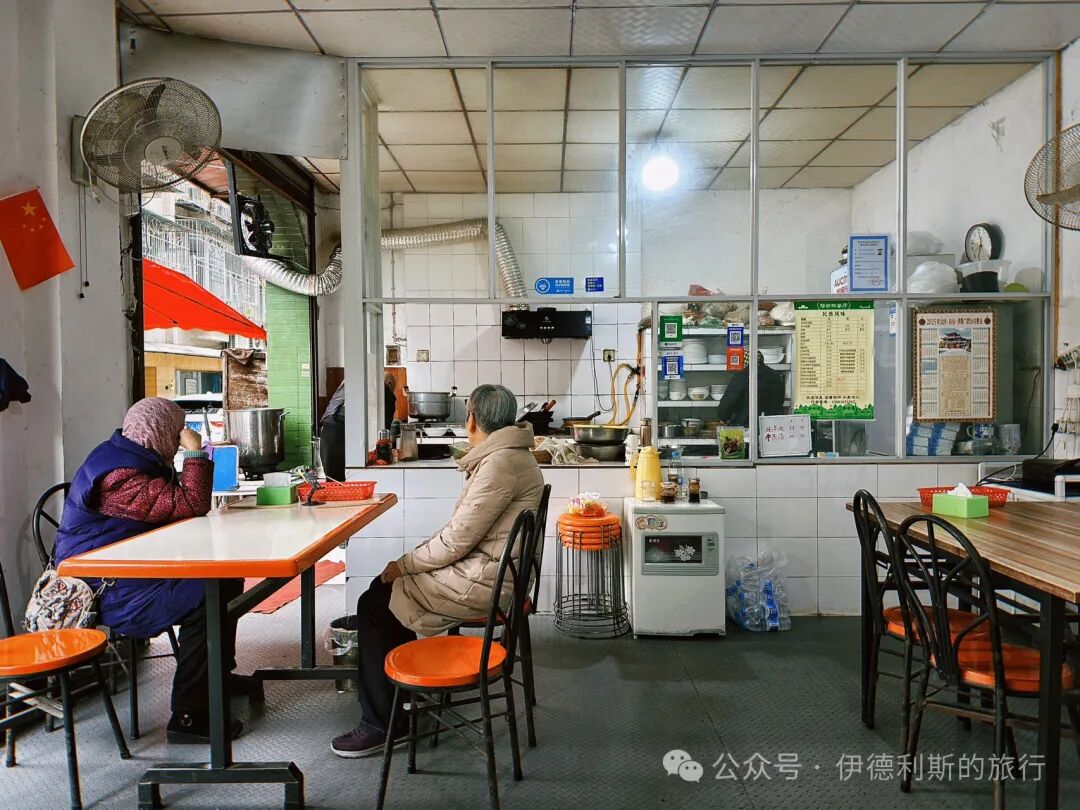
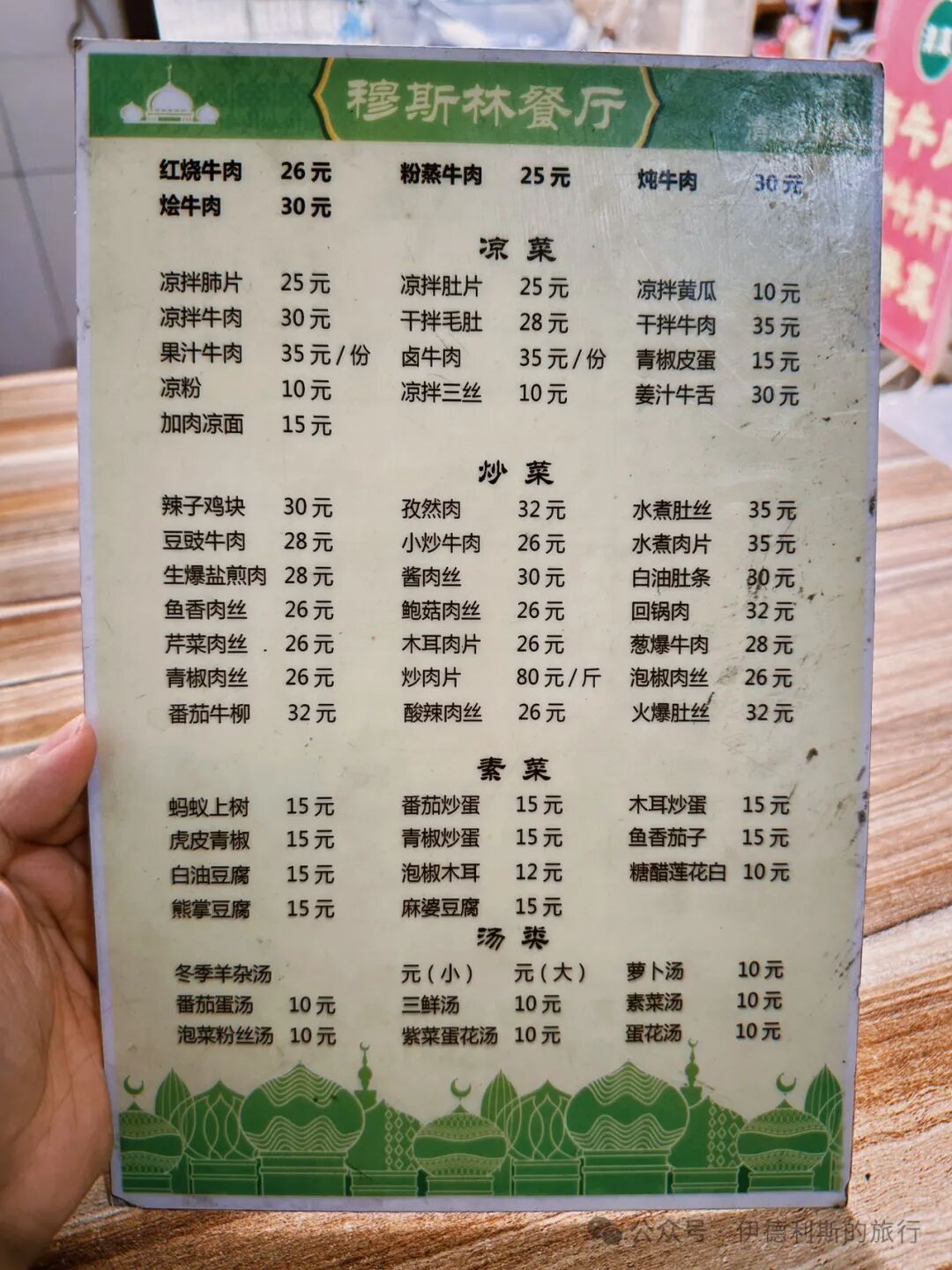
The area outside the mosque is full of beef and braised meat shops. With the Spring Festival approaching, it is the time to buy various cured meats, pressed duck (banya), pressed goose (bane), and beef sausages. Sichuan people love eating these in winter.
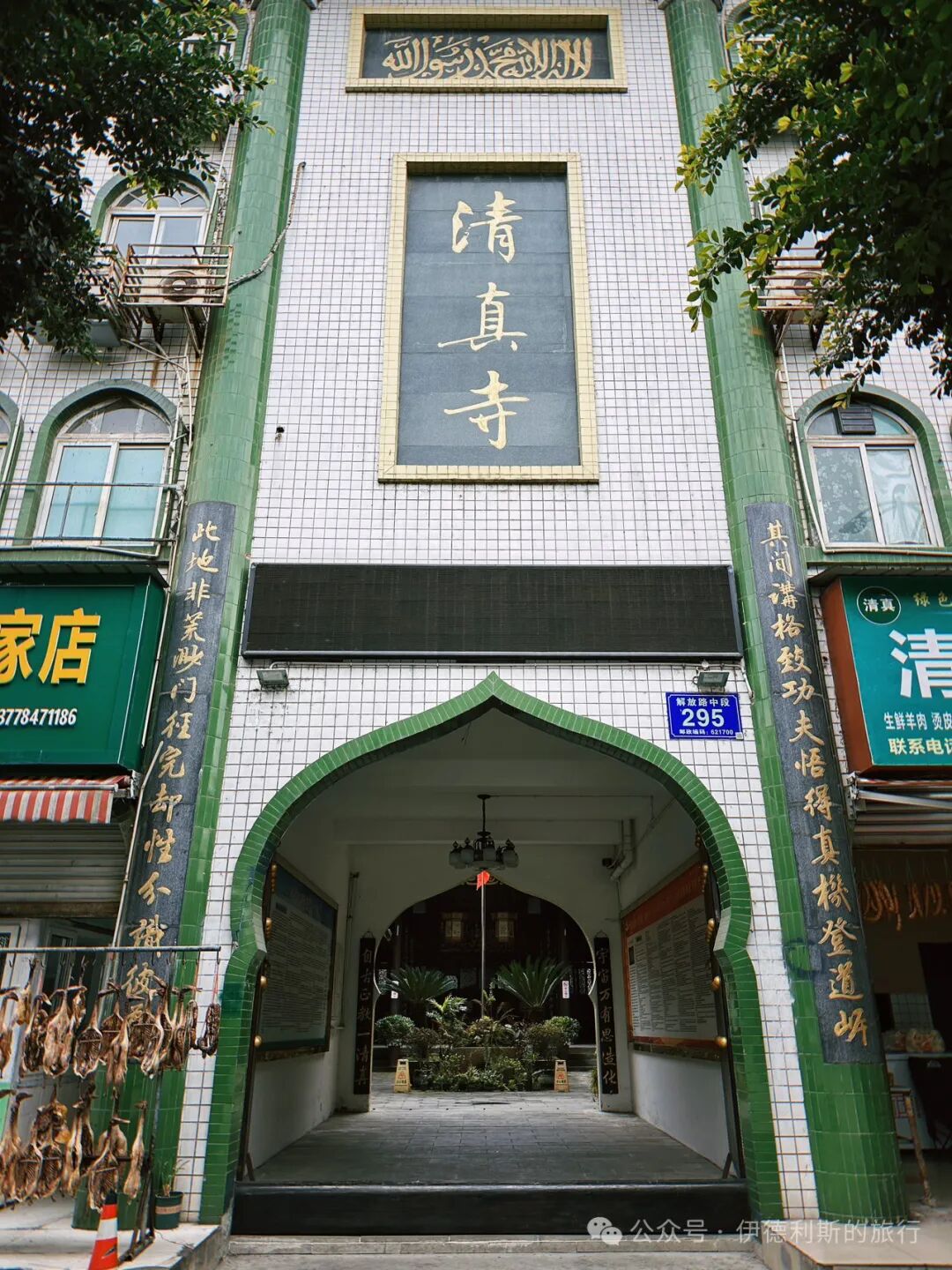
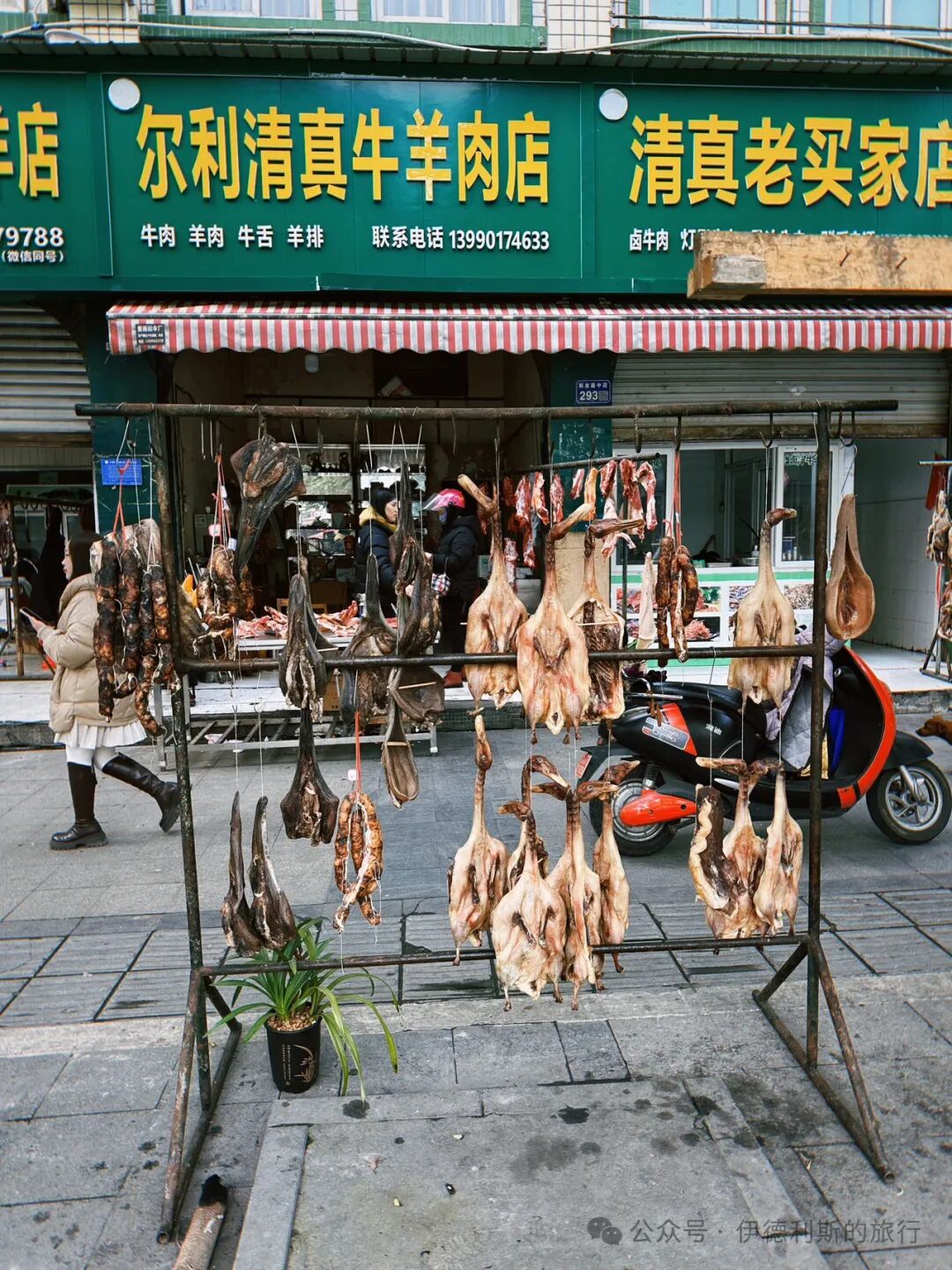
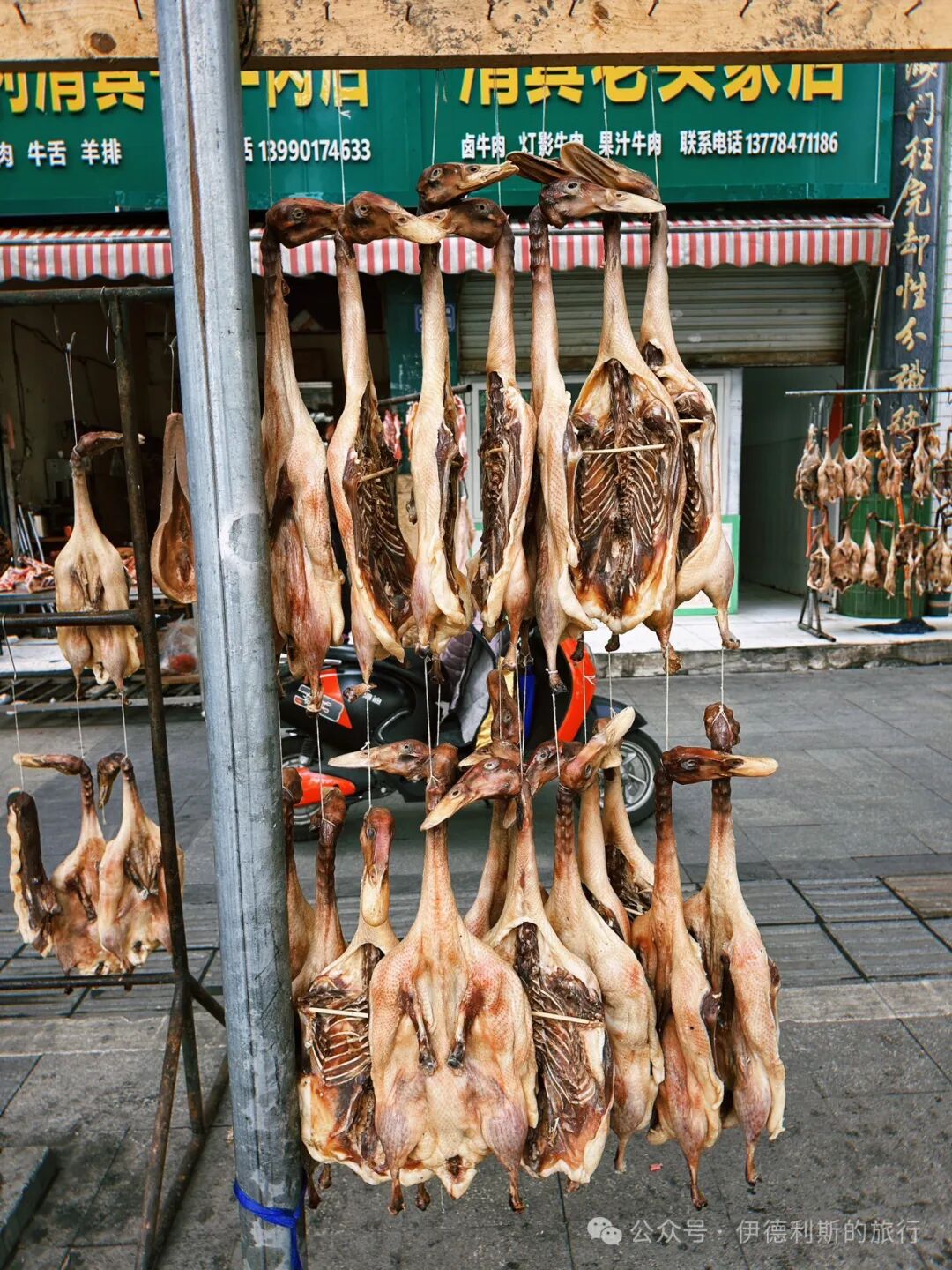
Zhongba Mosque is located outside the North Gate of Zhongba in Jiangyou, Sichuan. During the Qing Dynasty and the Republic of China, this was a distribution center for medicinal herbs and mountain goods in the Sichuan-Shaanxi-Gansu region. It was also an important passage connecting the Songmao area to the Chengdu Plain, once serving as a busy market with many pharmacies and inns. Zhongba Mosque was reportedly built in 1861 (the 11th year of the Xianfeng reign). In 1884 (the 10th year of the Guangxu reign), Ma Dingyuan, the owner of the Dingliyuan Tea House, and others donated funds to expand it into its current appearance.
In 1935, the mosque's imam, Xiao Fuzhen, joined the Red Army. He worked among Hui Muslims in places like Maoxian, Dajin, and Jinchuan in Sichuan. He led the formation of a Red Army Hui independent company made up of Sichuan Hui Muslims. In 1936, he went north with the Red Army and died heroically while fighting the enemy in Ma'erkang.
In 1944, Imam Hui Tianxiang from Lueyang, Shaanxi, became the head of Zhongba Mosque. He promoted the Yihewani movement of "respecting the scriptures and reforming customs," making Zhongba Mosque one of only two Yihewani mosques in Sichuan province (the other is on Shanghe Street in Guangyuan).
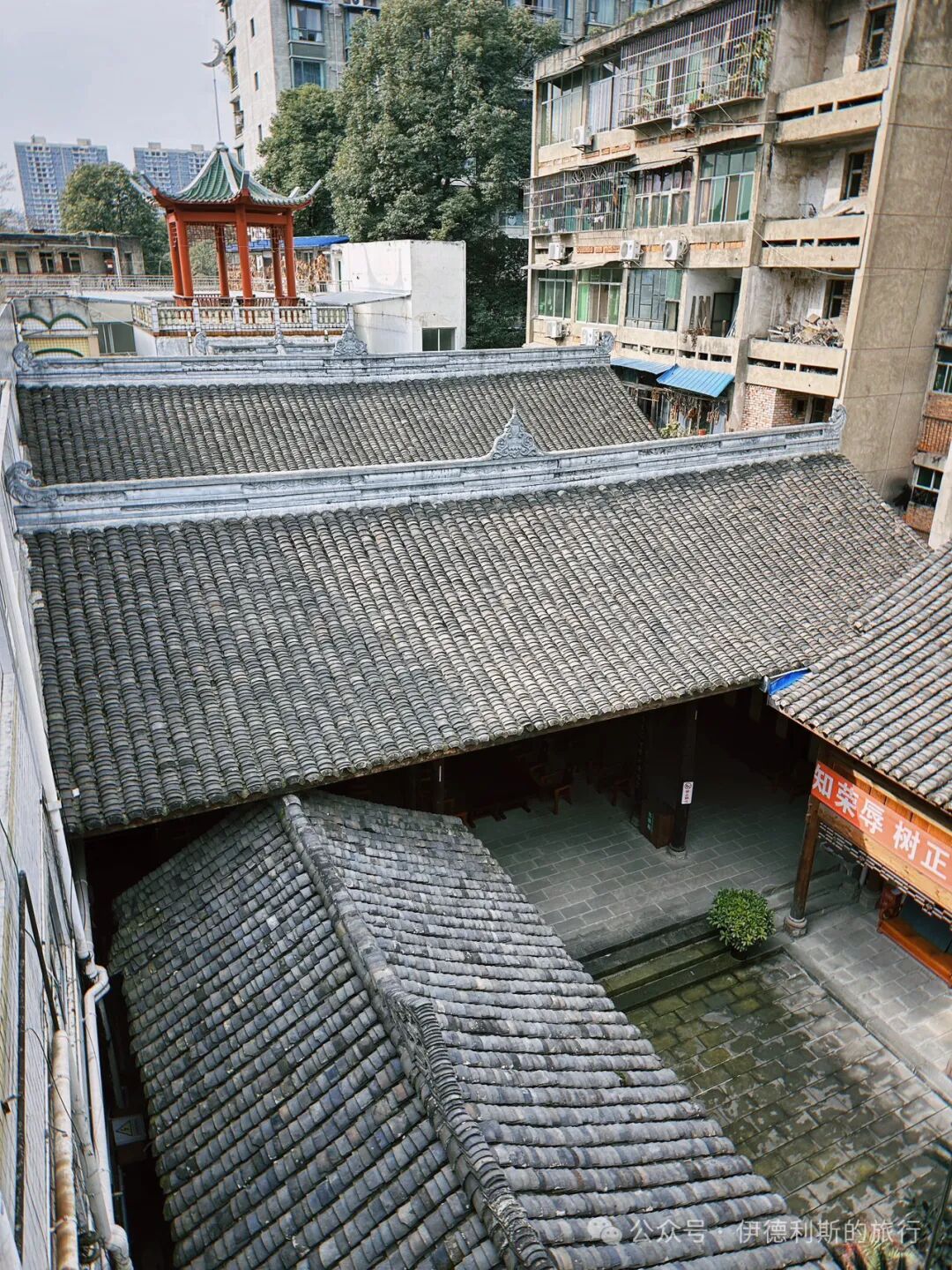
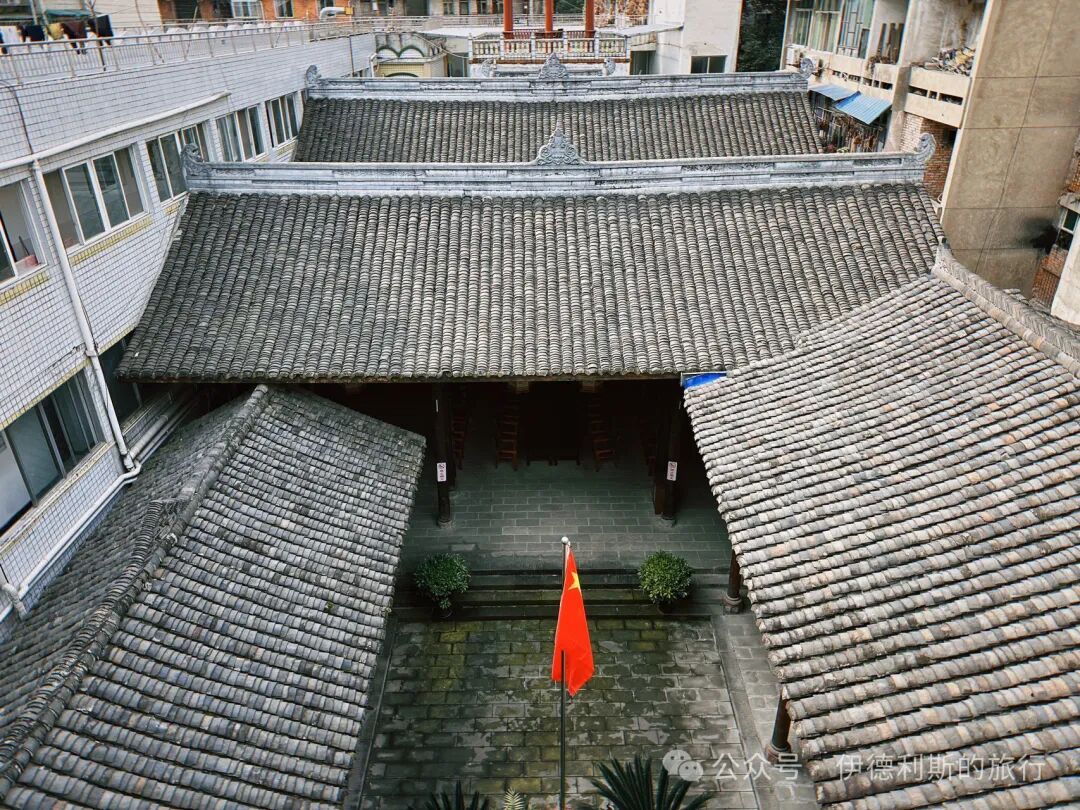
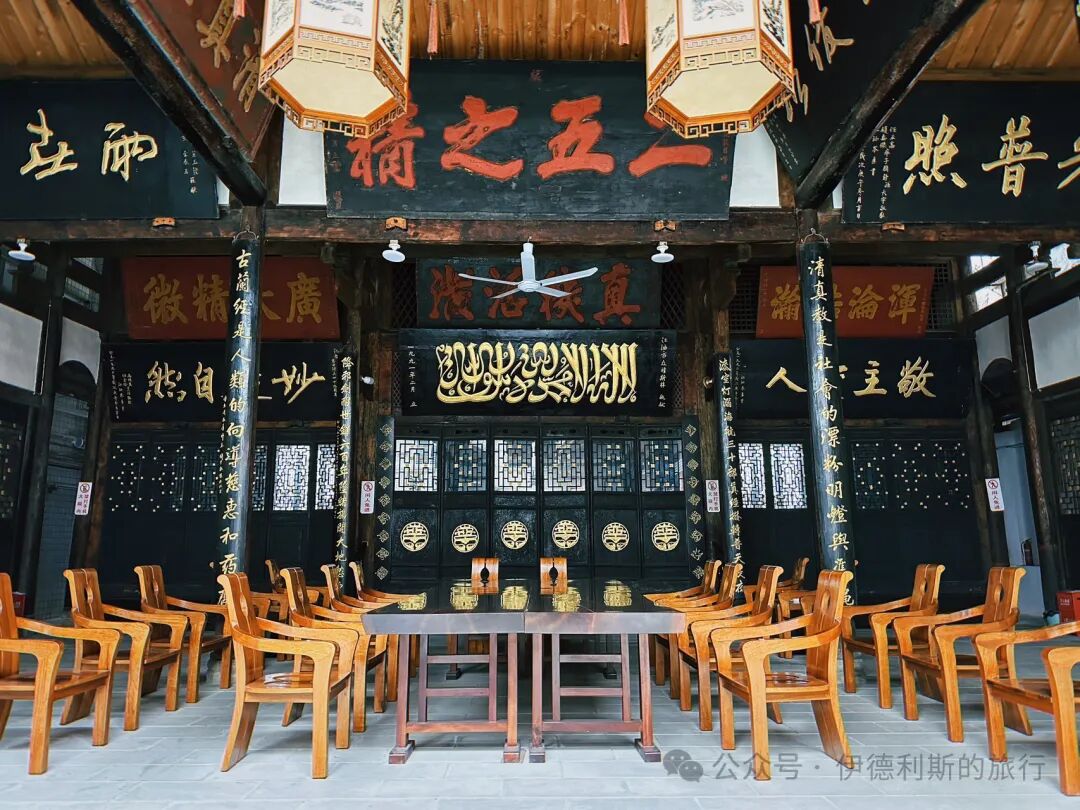
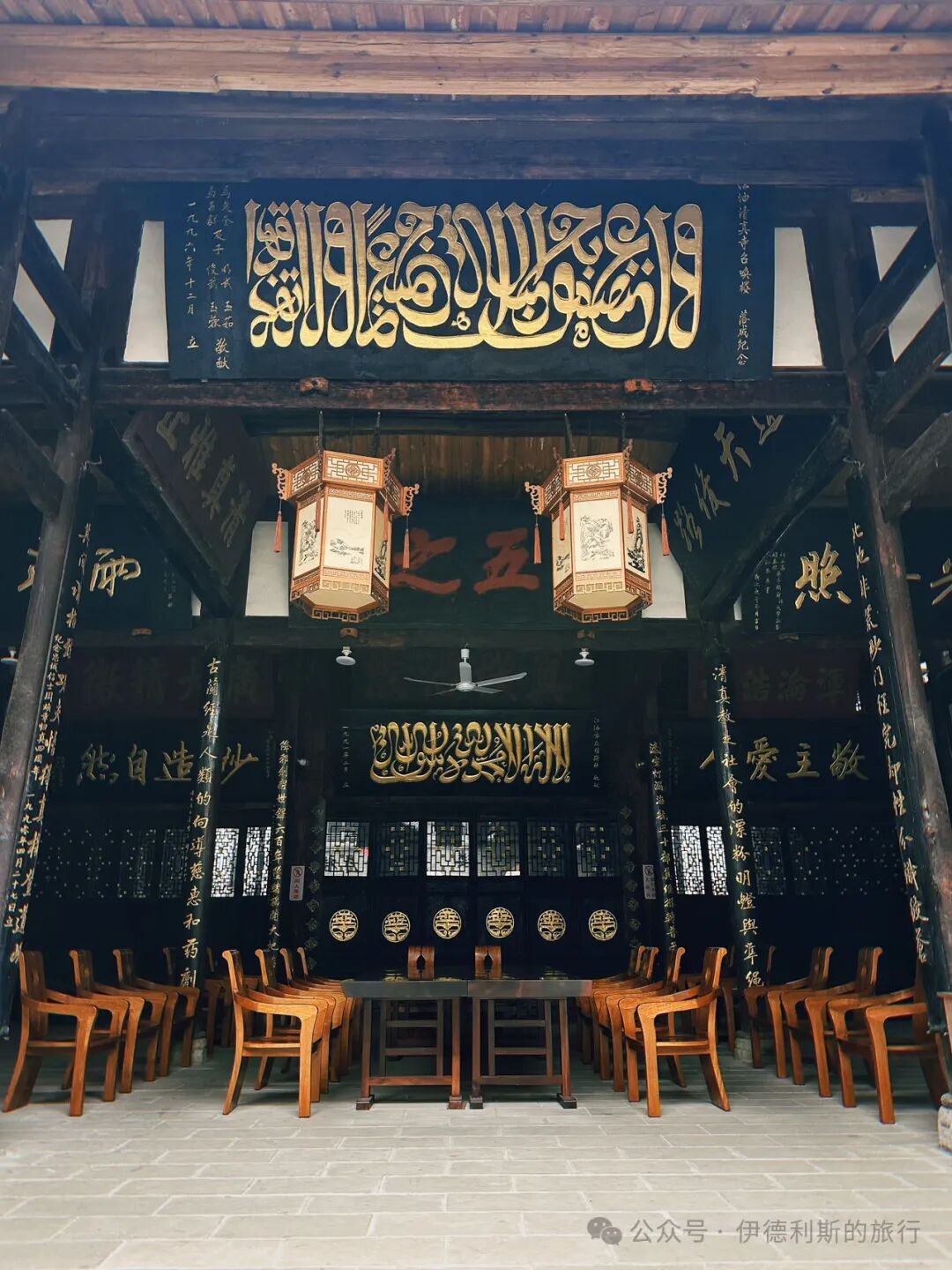
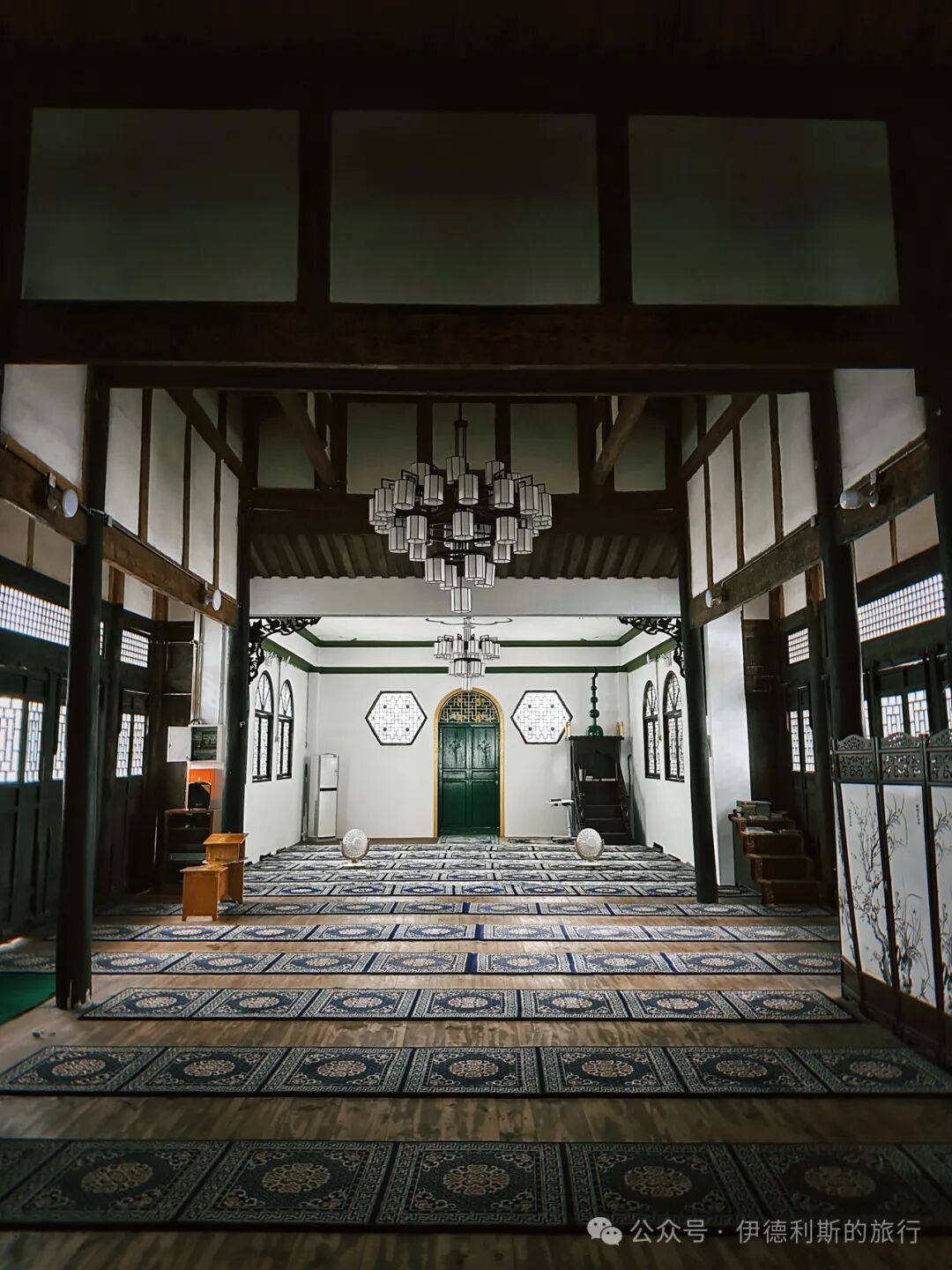
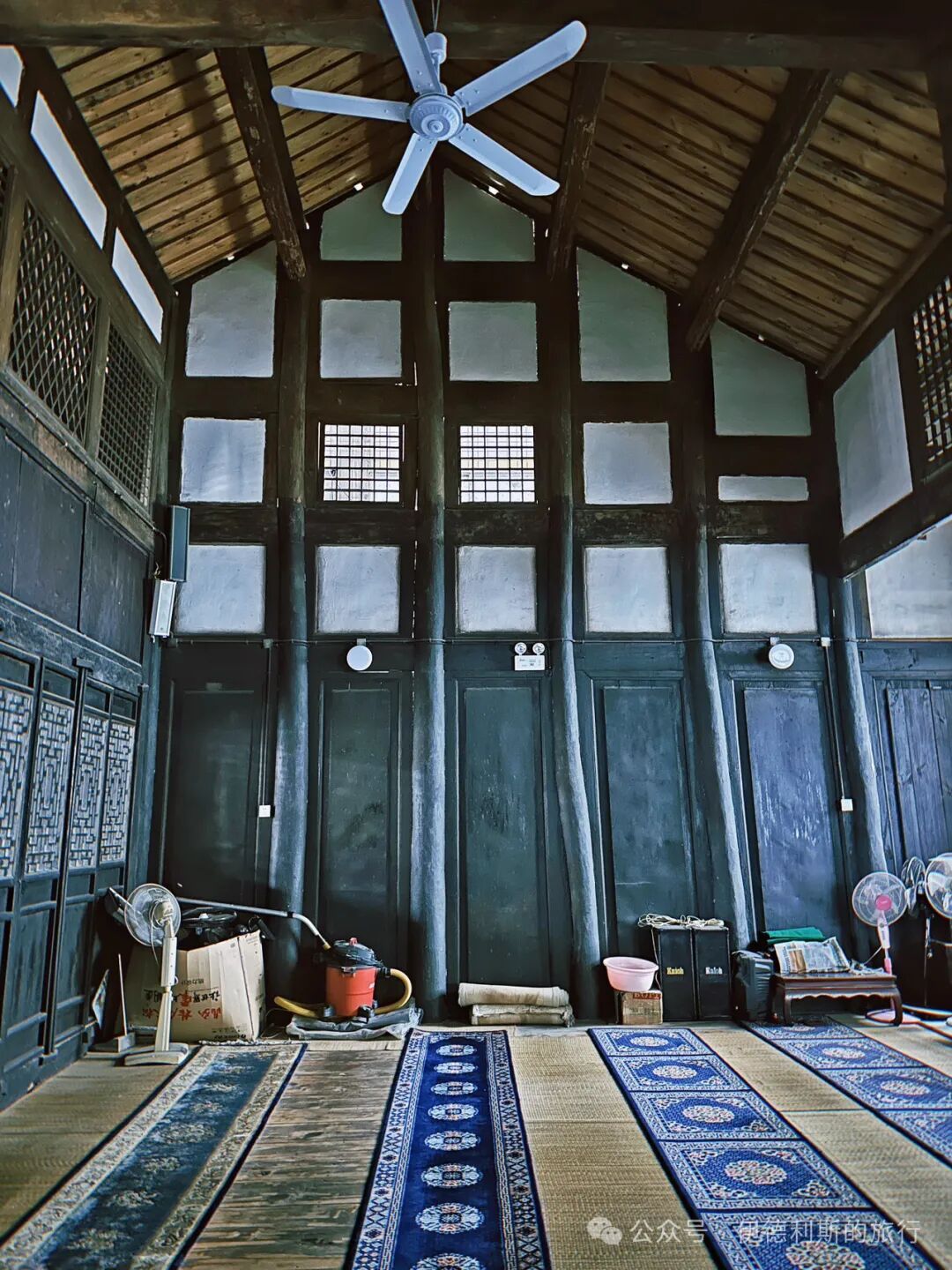
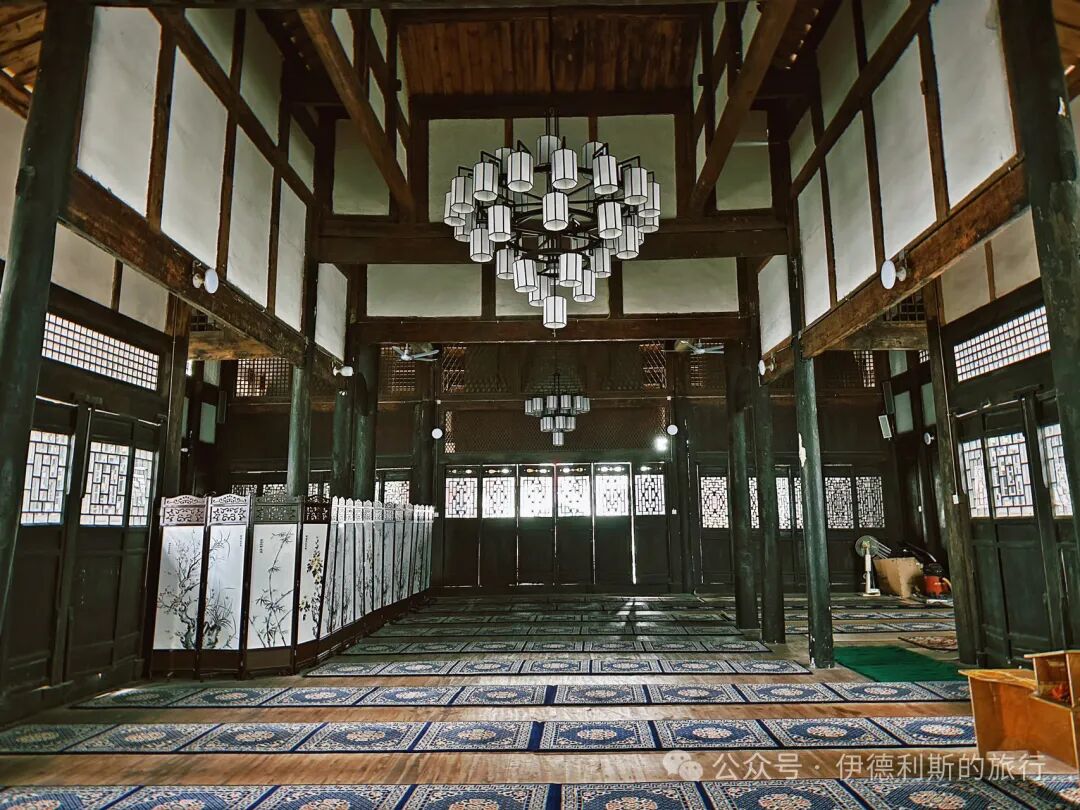
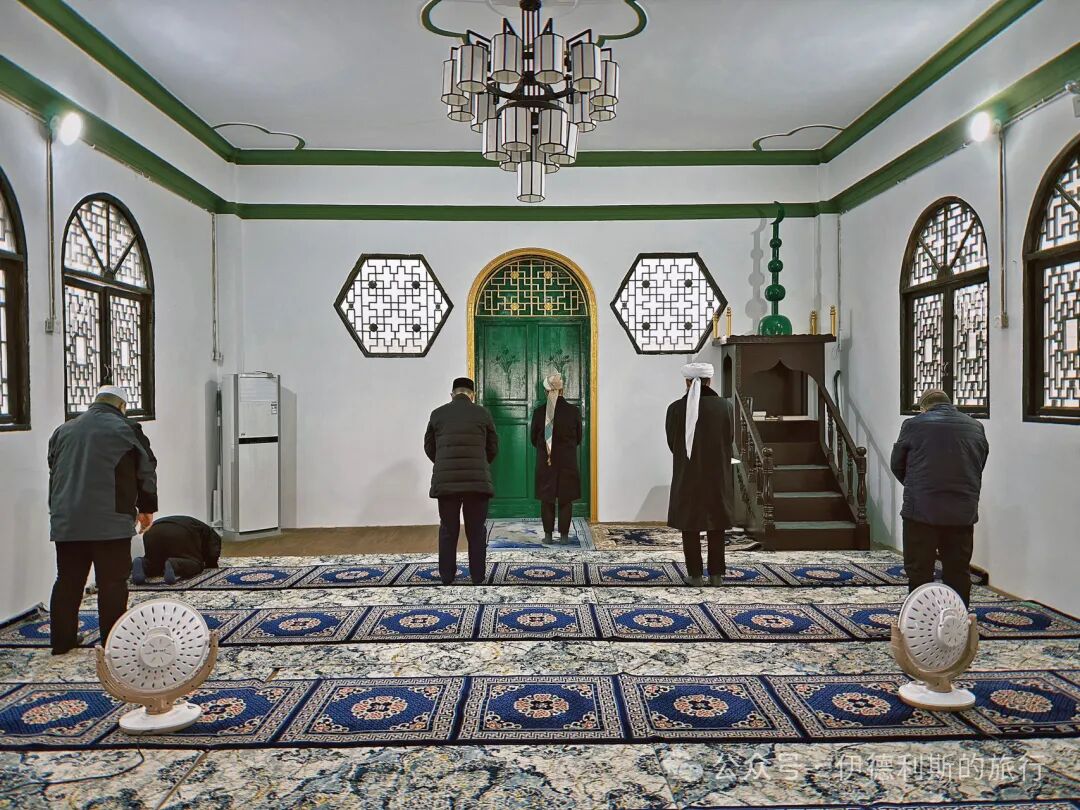
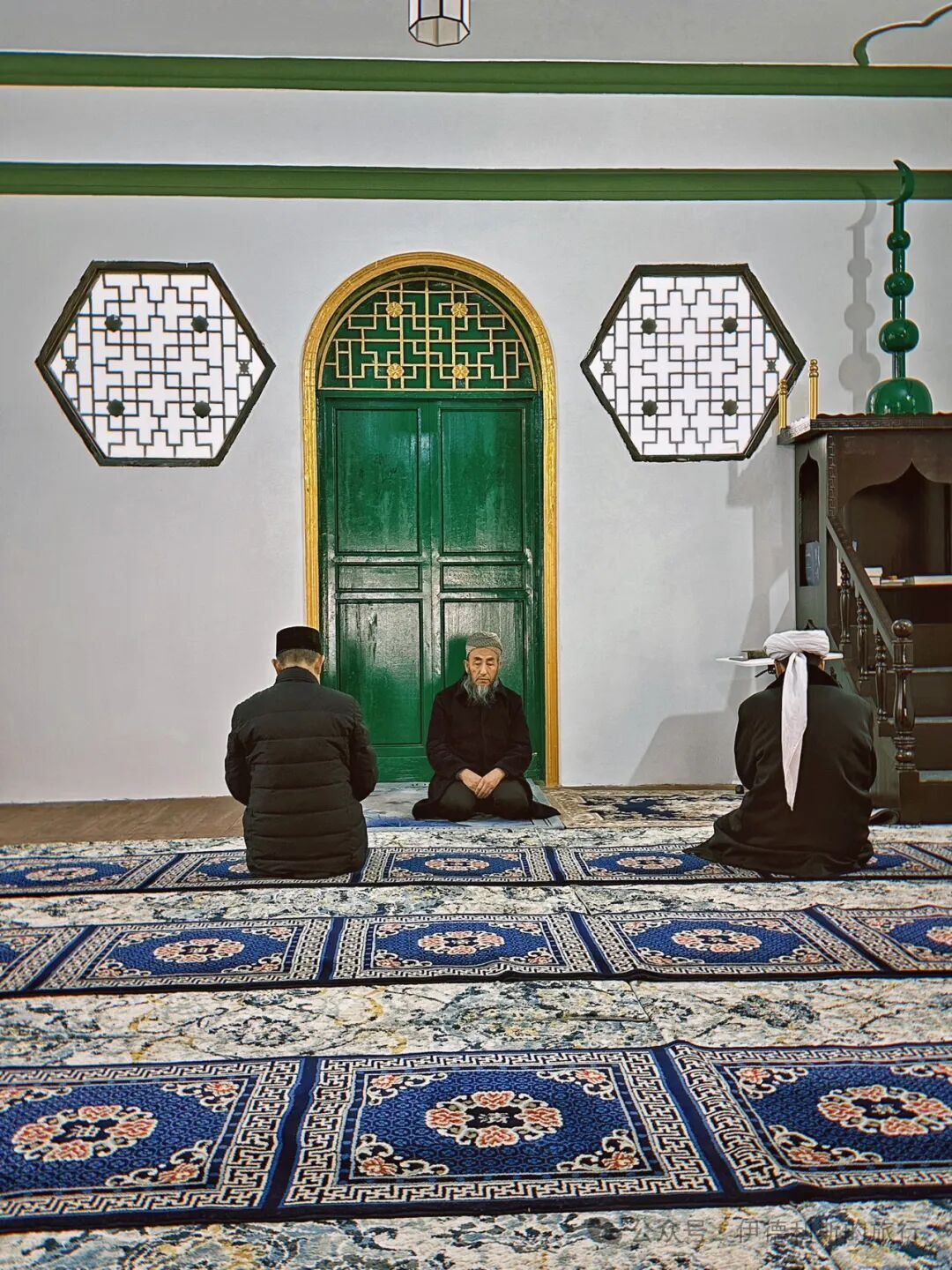
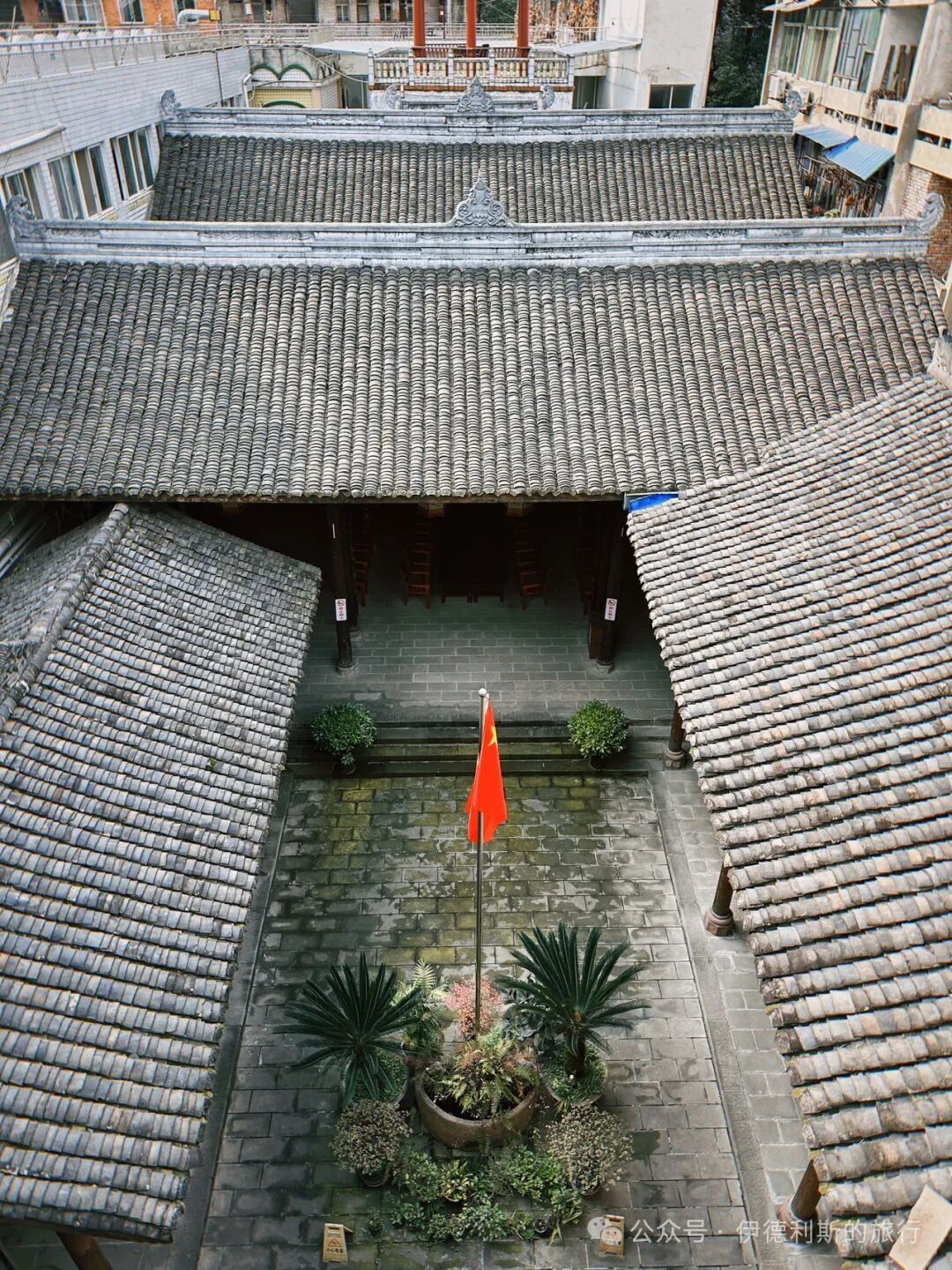
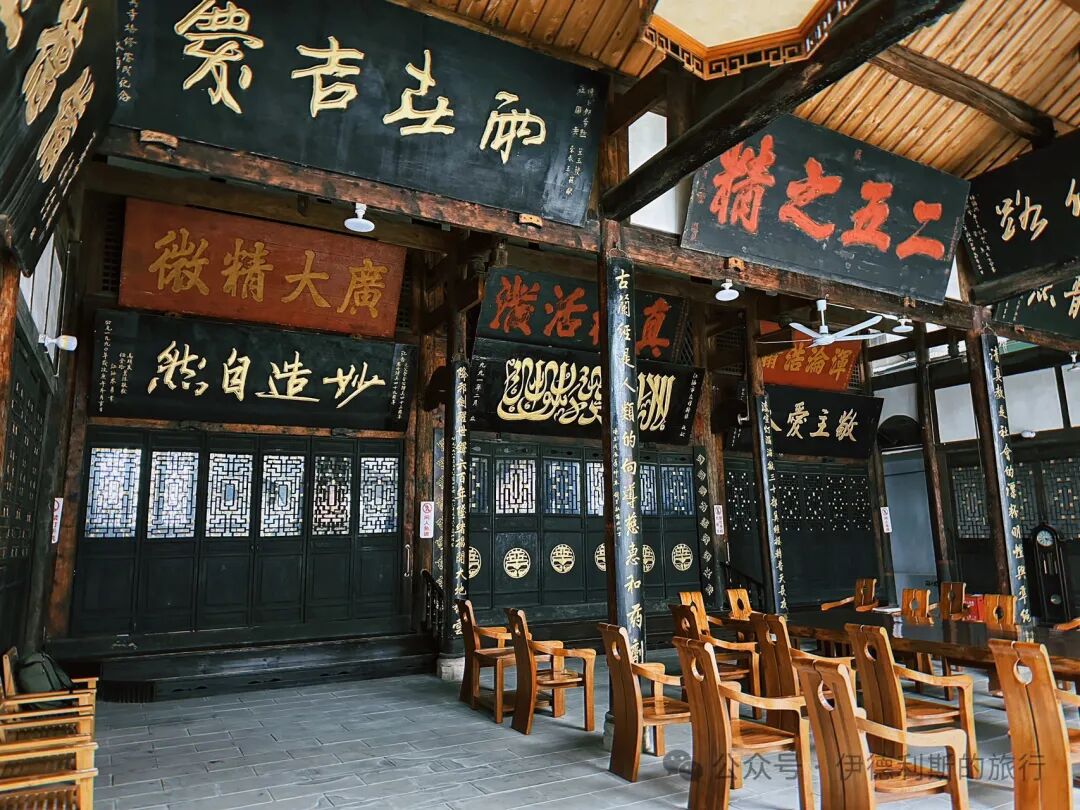
Qing Dynasty plaques inside Zhongba Mosque:
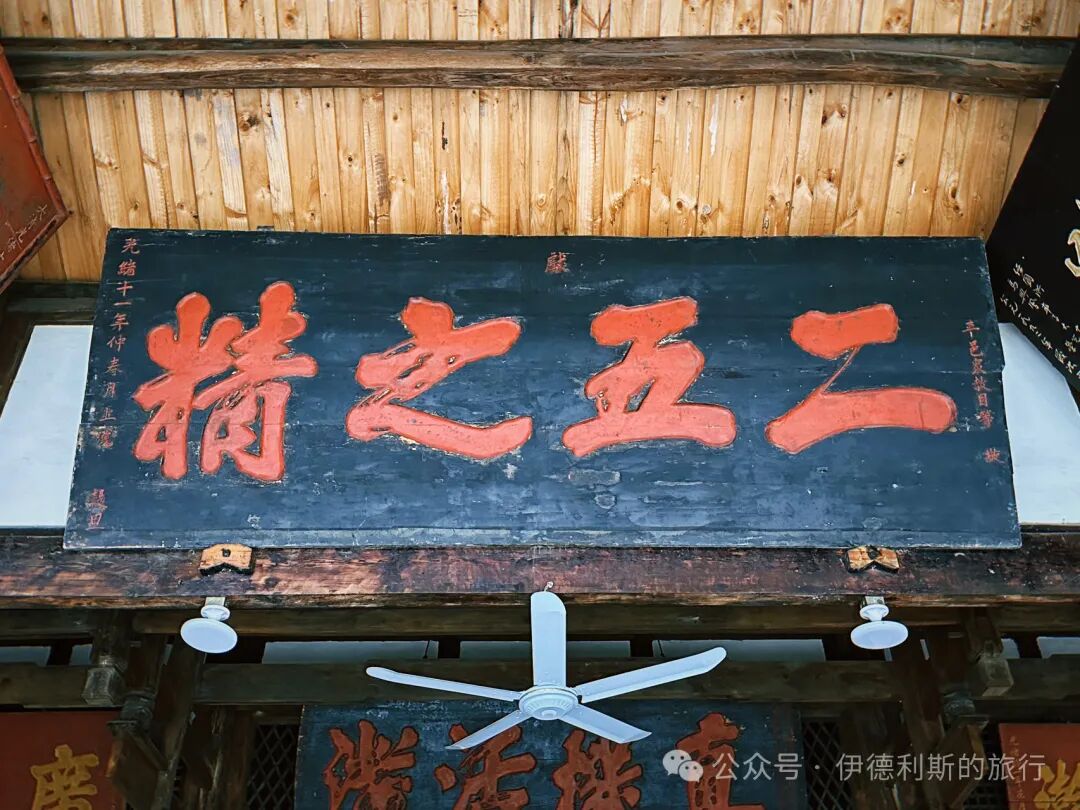
The Essence of the Two and Five
Respectfully presented by the religious community of Pingyi
An auspicious day in the first ten days of the second lunar month, the 11th year of the Guangxu reign
Pingyi here likely refers to Pingwu County in Mianyang, Sichuan.
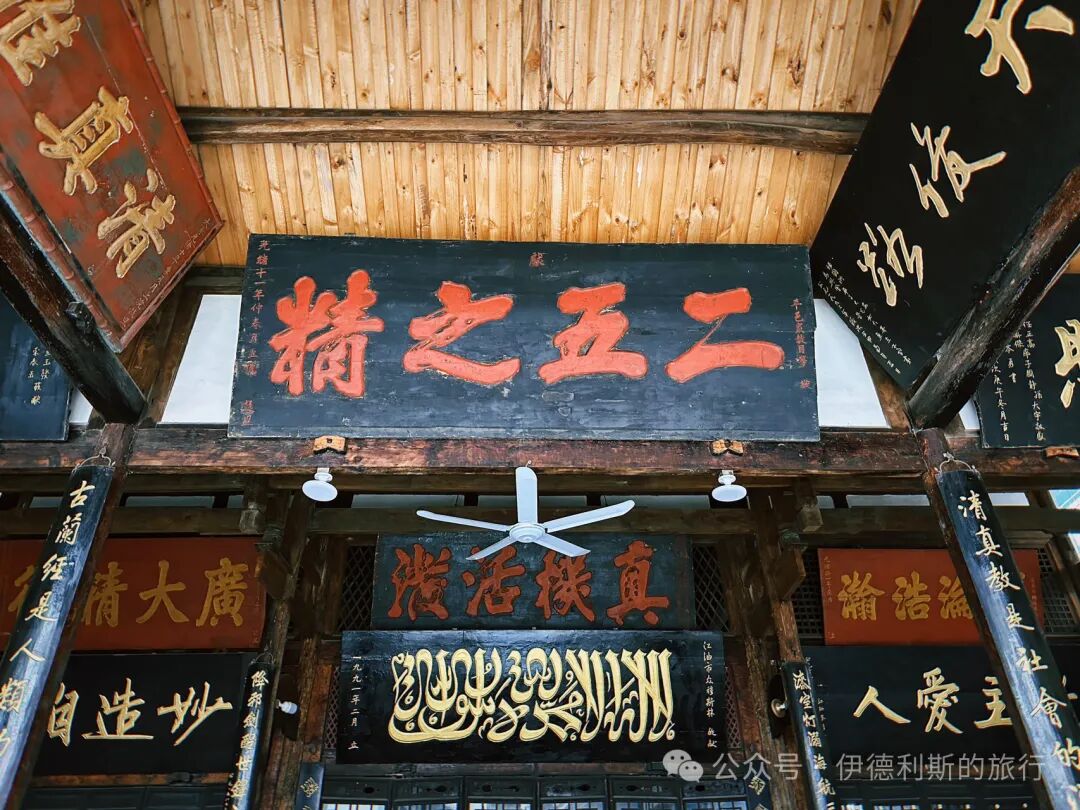
Vast, Subtle, and Refined
An auspicious day in the first ten days of the sixth lunar month, the 10th year of the Guangxu reign of the Great Qing Dynasty
Ma Wenmeng, a Jinshi degree holder from the Jiwei year, appointed member of the Hanlin Academy, and former magistrate of Fengyang Prefecture, Anhui
Xu Cheng'ao, a hereditary second-class earl, commander of the provincial ten-battalion elite troops, and director of the Changsheng Army camp
Ma Zhonglong, an official with the third-rank title and peacock feather, former magistrate of Zhenfeng Prefecture, Guizhou, and current magistrate of Tongren Prefecture
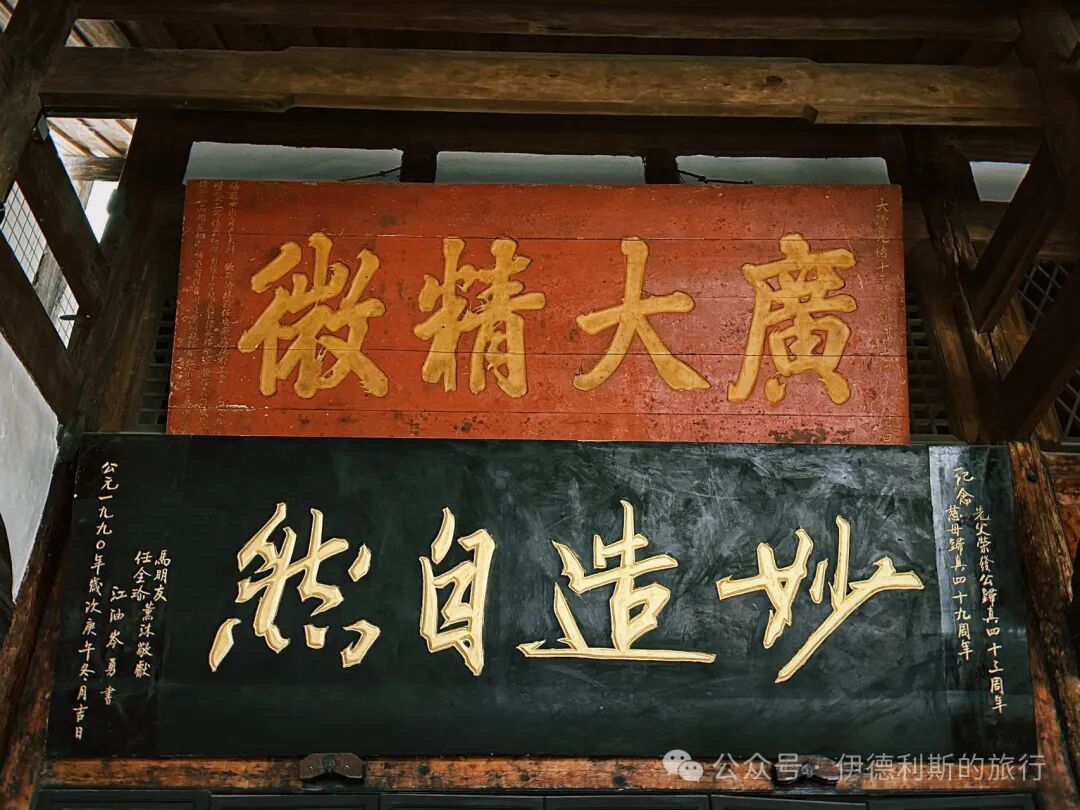
Pure, Truthful, Elegant, and Correct
An auspicious day in the first ten days of the sixth lunar month, the 10th year of the Guangxu reign of the Great Qing Dynasty
Respectfully inscribed by the scholar Lianquan Jushi Rouchizi after ritual cleansing
Vast and boundless.
Presented by the religious leaders (jiaomu) of Huajie Town in Anyi.
Erected in the second month of the eleventh year of the Guangxu reign.
Anyi here likely refers to the present-day Anzhou District of Mianyang, Sichuan.
True spirit is lively.
Imperial-appointed Commander-in-Chief of the Sichuan Songpan Garrison, Liyong Baturu...
Acting Prefect of the Songpan Independent Prefecture in Sichuan, responsible for civil administration and pacifying the border tribes...
The second month of spring in the eleventh year of the Guangxu reign.
It is estimated that the Commander-in-Chief of the Sichuan Songpan Garrison, Liyong Baturu, was Xia Yuxiu from Kunming, Yunnan. He became the Songpan Brigade General in the seventh year of the Guangxu reign, guarded Songpan for ten years, and was later promoted to Commander-in-Chief of Sichuan.
Summary: Zhongba Mosque in Jiangyou, Sichuan, is tied to local Hui Muslim history, architecture, and community life. This visit keeps the original mosque details, photos, place names, and historical context from the Chinese source.
On January 25, I took a high-speed train from Deyang, Sichuan, in the morning. It took just over half an hour to reach Jiangyou Station. Then, I took a three-wheeled taxi (sanbengzi) to Zhongba Mosque. There is a beef restaurant in the alley next to the mosque where you can eat authentic Jiangyou-style Sichuan stir-fry. I ordered steamed beef with rice flour (fenzheng niurou) and mapo tofu. The rice had corn mixed in. I prefer ordering dishes in small restaurants over eating hot pot. Everything I order here goes perfectly with rice. The restaurant also sells fruit-flavored beef jerky and spicy beef jerky, which are specialties of the Hui Muslims in Sichuan.
The area outside the mosque is full of beef and braised meat shops. With the Spring Festival approaching, it is the time to buy various cured meats, pressed duck (banya), pressed goose (bane), and beef sausages. Sichuan people love eating these in winter.
Zhongba Mosque is located outside the North Gate of Zhongba in Jiangyou, Sichuan. During the Qing Dynasty and the Republic of China, this was a distribution center for medicinal herbs and mountain goods in the Sichuan-Shaanxi-Gansu region. It was also an important passage connecting the Songmao area to the Chengdu Plain, once serving as a busy market with many pharmacies and inns. Zhongba Mosque was reportedly built in 1861 (the 11th year of the Xianfeng reign). In 1884 (the 10th year of the Guangxu reign), Ma Dingyuan, the owner of the Dingliyuan Tea House, and others donated funds to expand it into its current appearance.
In 1935, the mosque's imam, Xiao Fuzhen, joined the Red Army. He worked among Hui Muslims in places like Maoxian, Dajin, and Jinchuan in Sichuan. He led the formation of a Red Army Hui independent company made up of Sichuan Hui Muslims. In 1936, he went north with the Red Army and died heroically while fighting the enemy in Ma'erkang.
In 1944, Imam Hui Tianxiang from Lueyang, Shaanxi, became the head of Zhongba Mosque. He promoted the Yihewani movement of "respecting the scriptures and reforming customs," making Zhongba Mosque one of only two Yihewani mosques in Sichuan province (the other is on Shanghe Street in Guangyuan).
Qing Dynasty plaques inside Zhongba Mosque:
The Essence of the Two and Five
Respectfully presented by the religious community of Pingyi
An auspicious day in the first ten days of the second lunar month, the 11th year of the Guangxu reign
Pingyi here likely refers to Pingwu County in Mianyang, Sichuan.
Vast, Subtle, and Refined
An auspicious day in the first ten days of the sixth lunar month, the 10th year of the Guangxu reign of the Great Qing Dynasty
Ma Wenmeng, a Jinshi degree holder from the Jiwei year, appointed member of the Hanlin Academy, and former magistrate of Fengyang Prefecture, Anhui
Xu Cheng'ao, a hereditary second-class earl, commander of the provincial ten-battalion elite troops, and director of the Changsheng Army camp
Ma Zhonglong, an official with the third-rank title and peacock feather, former magistrate of Zhenfeng Prefecture, Guizhou, and current magistrate of Tongren Prefecture
Pure, Truthful, Elegant, and Correct
An auspicious day in the first ten days of the sixth lunar month, the 10th year of the Guangxu reign of the Great Qing Dynasty
Respectfully inscribed by the scholar Lianquan Jushi Rouchizi after ritual cleansing
Vast and boundless.
Presented by the religious leaders (jiaomu) of Huajie Town in Anyi.
Erected in the second month of the eleventh year of the Guangxu reign.
Anyi here likely refers to the present-day Anzhou District of Mianyang, Sichuan.
True spirit is lively.
Imperial-appointed Commander-in-Chief of the Sichuan Songpan Garrison, Liyong Baturu...
Acting Prefect of the Songpan Independent Prefecture in Sichuan, responsible for civil administration and pacifying the border tribes...
The second month of spring in the eleventh year of the Guangxu reign.
It is estimated that the Commander-in-Chief of the Sichuan Songpan Garrison, Liyong Baturu, was Xia Yuxiu from Kunming, Yunnan. He became the Songpan Brigade General in the seventh year of the Guangxu reign, guarded Songpan for ten years, and was later promoted to Commander-in-Chief of Sichuan.
Halal Travel Guide: Qinan, Gansu — Qing Mosque, Hui History and Garlic Noodles
Articles • ali2007fr posted the article • 0 comments • 149 views • 2026-05-20 00:57
Reposted from the web
Summary: Qinan County in Gansu has a Qing-era mosque and a local food tradition centered on garlic noodles. This travel account keeps the mosque details, food descriptions, original photos, and local Hui Muslim context from the Chinese source.
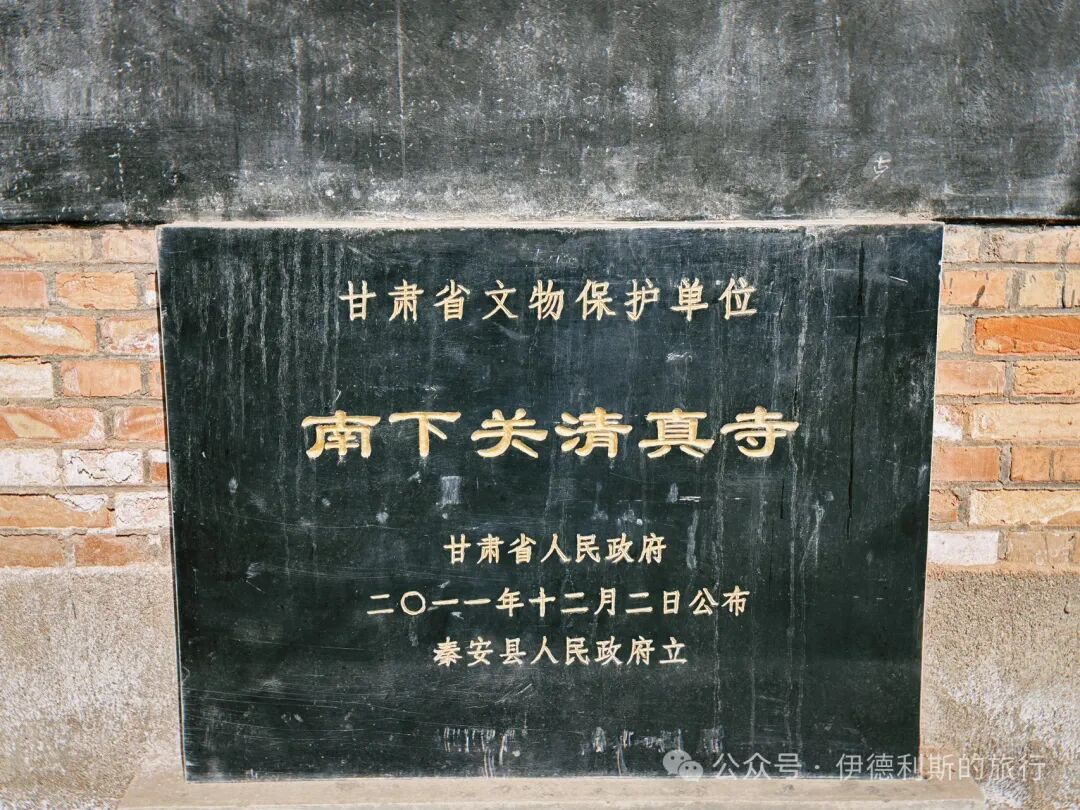
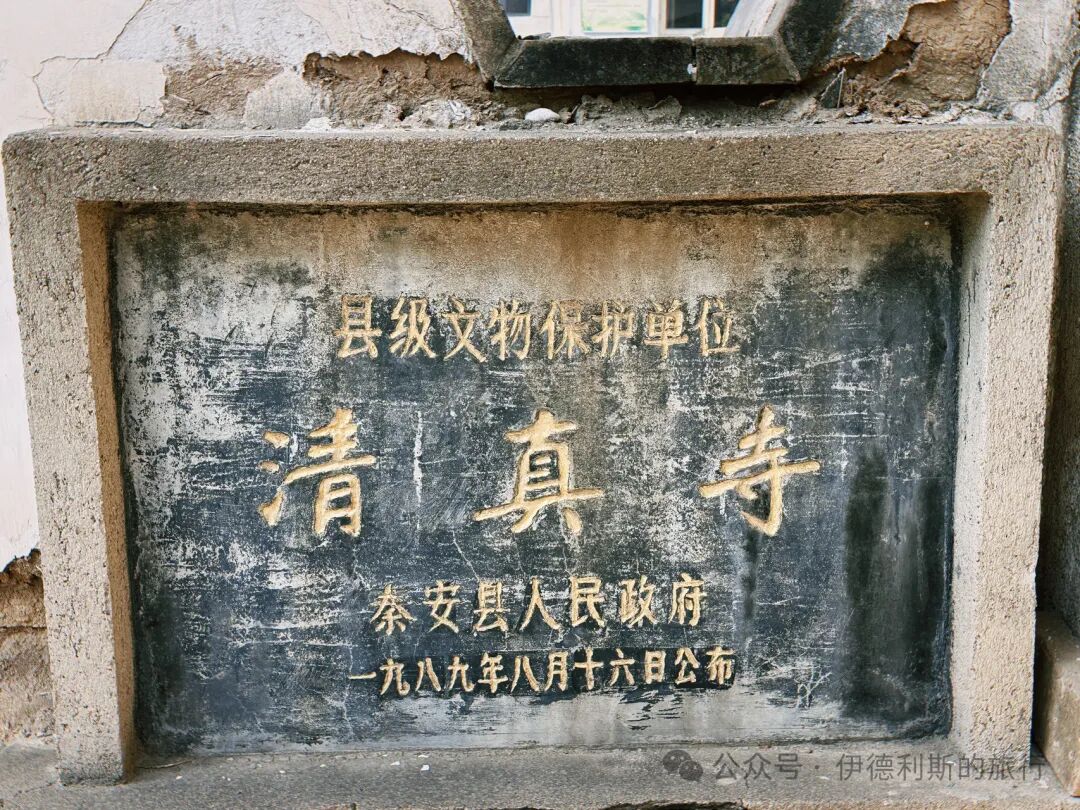
Although Gansu Province has many old mosques (masjid), most have been rebuilt. Only four are listed as cultural heritage sites at the provincial level or higher. The national-level site is the Houjie Mosque in Tianshui. The provincial-level sites are the Xiananguan Mosque in Qin'an, the Jingning Mosque, and the Huangjia Mosque in Dongxiang. Additionally, the screen wall (yingbi) of the Beisi Mosque in Linxia and the Lamu Tower of the Huixian Mosque are also listed as provincial heritage sites. Among the buildings of the menhuan (Sufi orders), the Dajia House of the Xidaotang is a national heritage site, while the Xuanhuagang and Chuanguan Daotang of the Zhepai order are provincial heritage sites.
During the Spring Festival holiday, I took a high-speed train from Tianshui to visit the Xiananguan Mosque in Qin'an County. The high-speed train from Tianshui to Qin'an is very fast. After leaving the station, you need to share a car, and you can reach Xiananguan in 10 minutes.
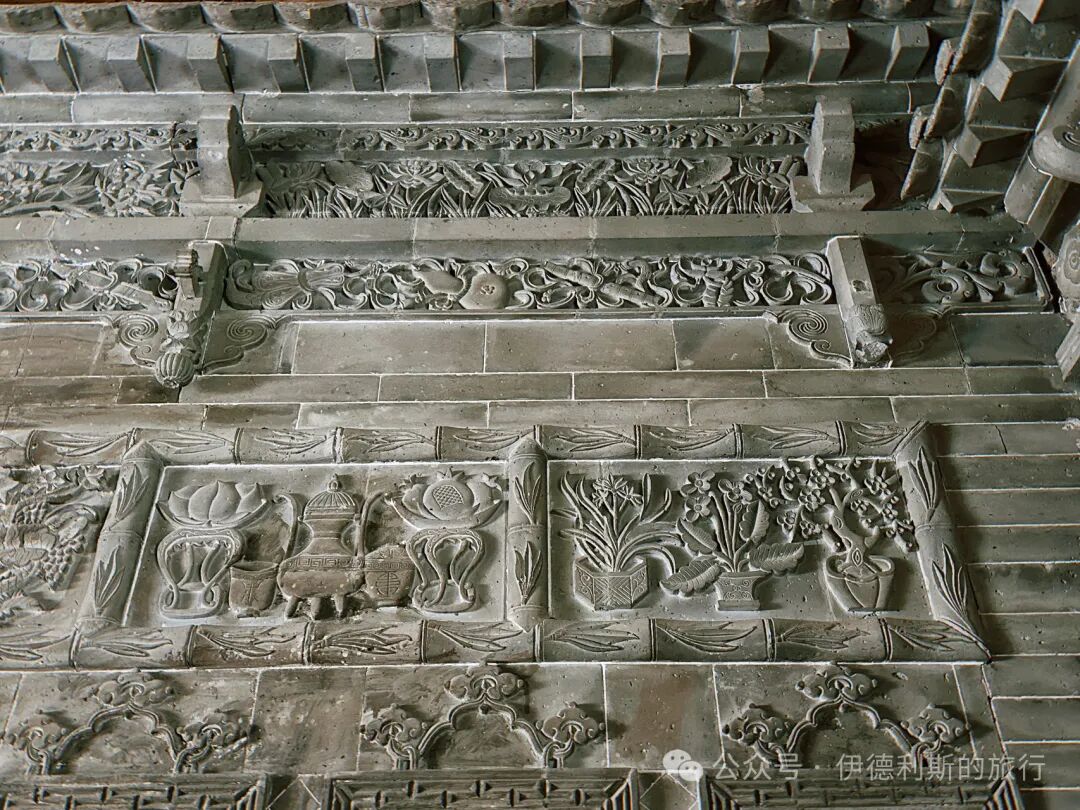
The Xiananguan Mosque in Qin'an was first built during the Hongwu period of the Ming Dynasty and rebuilt during the Kangxi period of the Qing Dynasty. The main hall has a hanging gable roof (xuanshan ding). The rear kiln hall has an octagonal pointed roof (bazhuo zuanjian ding) for the minaret (bangkelou), which features exquisite brick carvings and bracket sets (dougong). The center of the main hall's roof ridge is decorated with a pavilion-style ridge ornament (jicha) topped with a halberd (fangtian huaji). The very top of the minaret also has a halberd, which is very unique. The word for halberd (ji) sounds like the word for rank (ji), symbolizing a rise in status.
Inside the main hall, the colorful paintings have a very local style. In the rear kiln hall, you can see the interior of the octagonal pointed roof, which features a caisson ceiling (zaojing) made of stacked wooden beams with beautiful wood carvings. Each side has an inscription, which are:
The hall faces the southern mountains, its beams connect to the Big Dipper, directly passing down the heart-to-heart teachings.
Firm as a rock, solid as mulberry roots, forever holding the holy path without falling.
The hall structure brings new light, increasing the path of faith, shining as long as the sun and moon.
Square and round in proper form, shaped like the earth, [illegible] and eternal.
The brick carvings on the prayer wall feature calligraphy in the Shagou style of the Zhepai order.
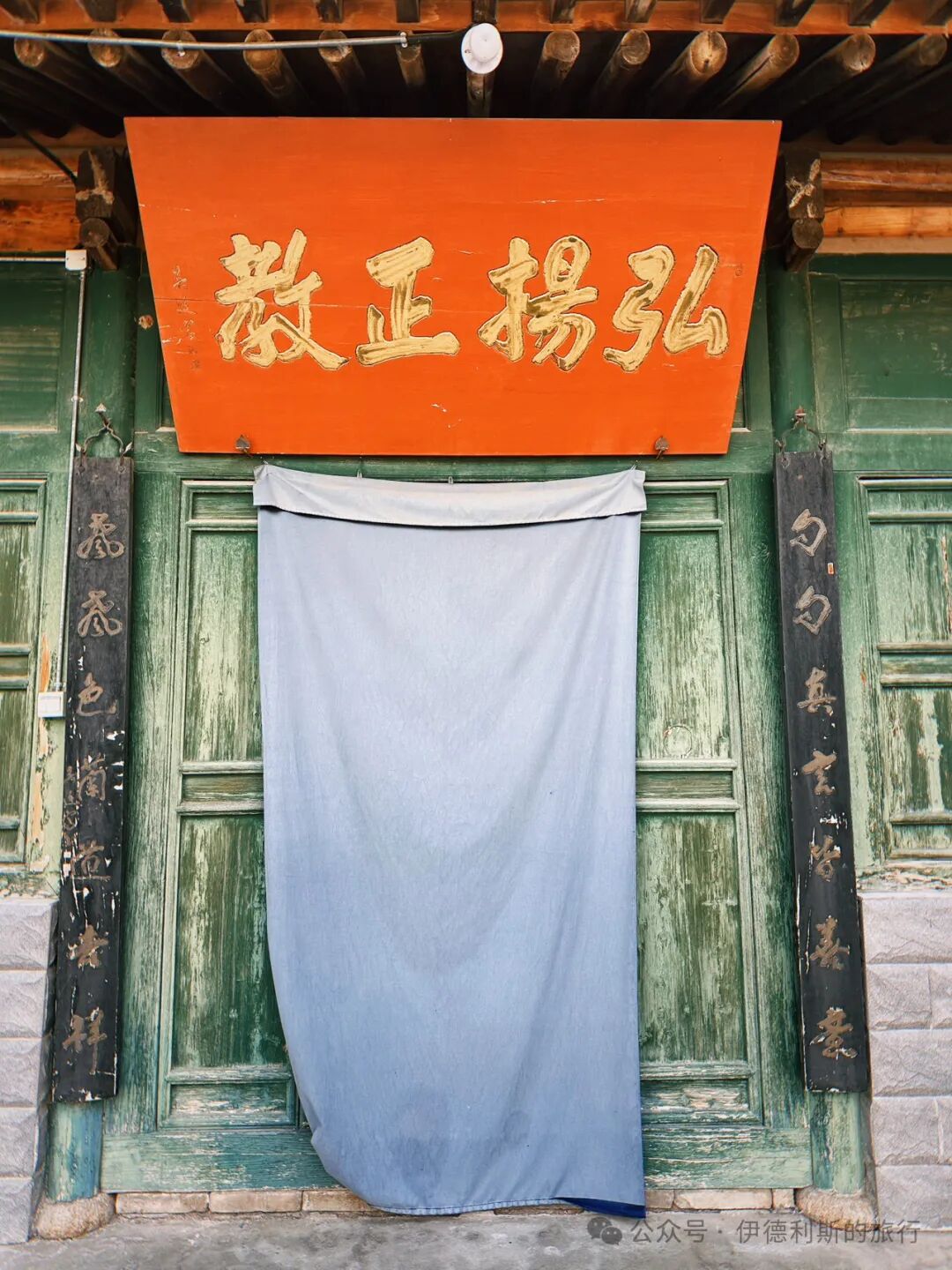
The small courtyard and the street view of Xiananguan. The south lecture hall has a couplet hanging:
Every word of truth is full of good intentions.
Every sound of the prayer (selan) brings blessings.
I ate the local garlic noodles (suanmian) in Shangguan, Qin'an. Qin'an garlic noodles rely on the garlic soup and chili oil, and the hand-pulled noodles (che mian) are very chewy. The chili powder from Qin'an is very famous; it is fragrant but not too spicy, which really boosts your appetite. view all
Summary: Qinan County in Gansu has a Qing-era mosque and a local food tradition centered on garlic noodles. This travel account keeps the mosque details, food descriptions, original photos, and local Hui Muslim context from the Chinese source.
Although Gansu Province has many old mosques (masjid), most have been rebuilt. Only four are listed as cultural heritage sites at the provincial level or higher. The national-level site is the Houjie Mosque in Tianshui. The provincial-level sites are the Xiananguan Mosque in Qin'an, the Jingning Mosque, and the Huangjia Mosque in Dongxiang. Additionally, the screen wall (yingbi) of the Beisi Mosque in Linxia and the Lamu Tower of the Huixian Mosque are also listed as provincial heritage sites. Among the buildings of the menhuan (Sufi orders), the Dajia House of the Xidaotang is a national heritage site, while the Xuanhuagang and Chuanguan Daotang of the Zhepai order are provincial heritage sites.
During the Spring Festival holiday, I took a high-speed train from Tianshui to visit the Xiananguan Mosque in Qin'an County. The high-speed train from Tianshui to Qin'an is very fast. After leaving the station, you need to share a car, and you can reach Xiananguan in 10 minutes.
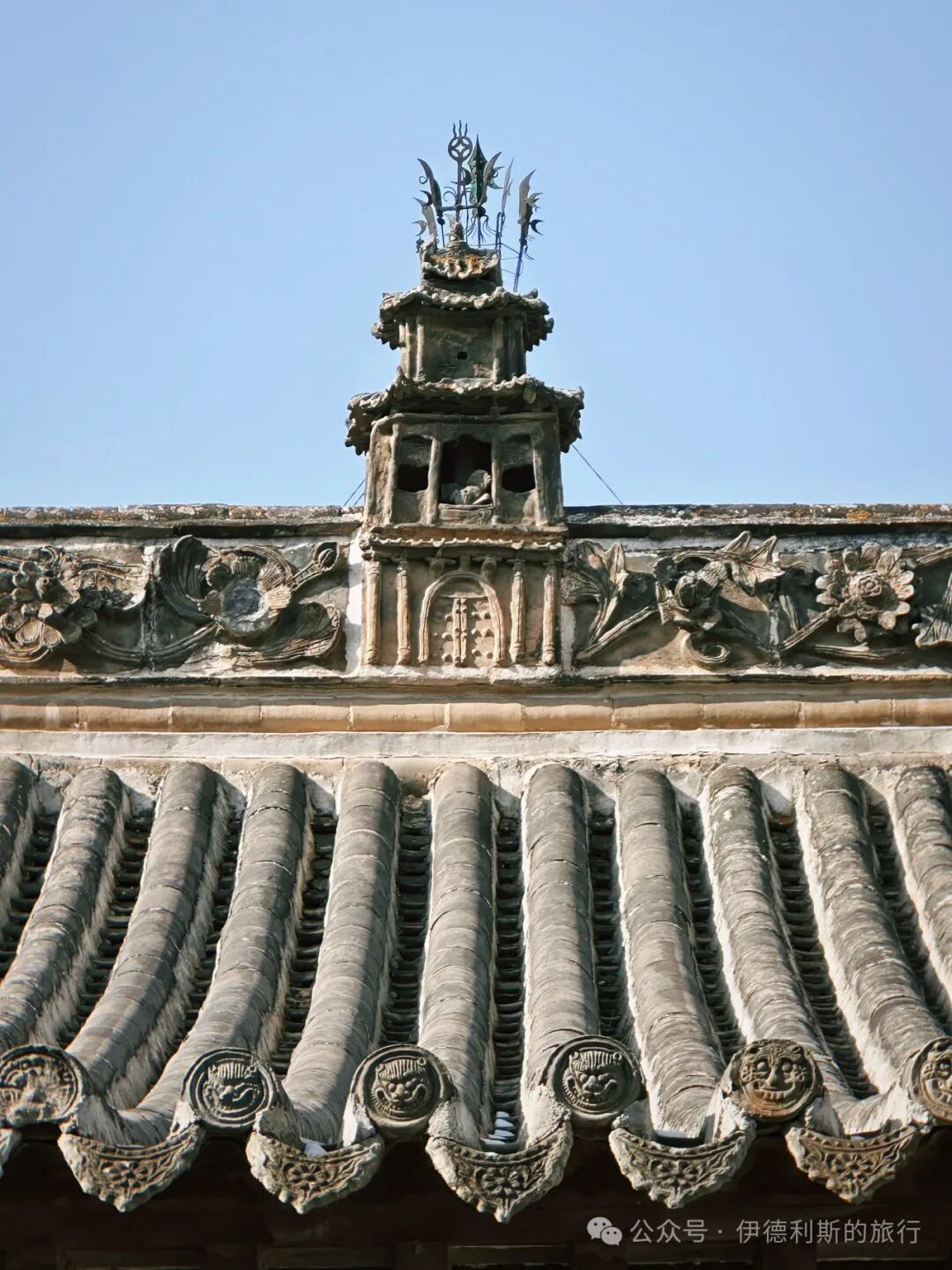
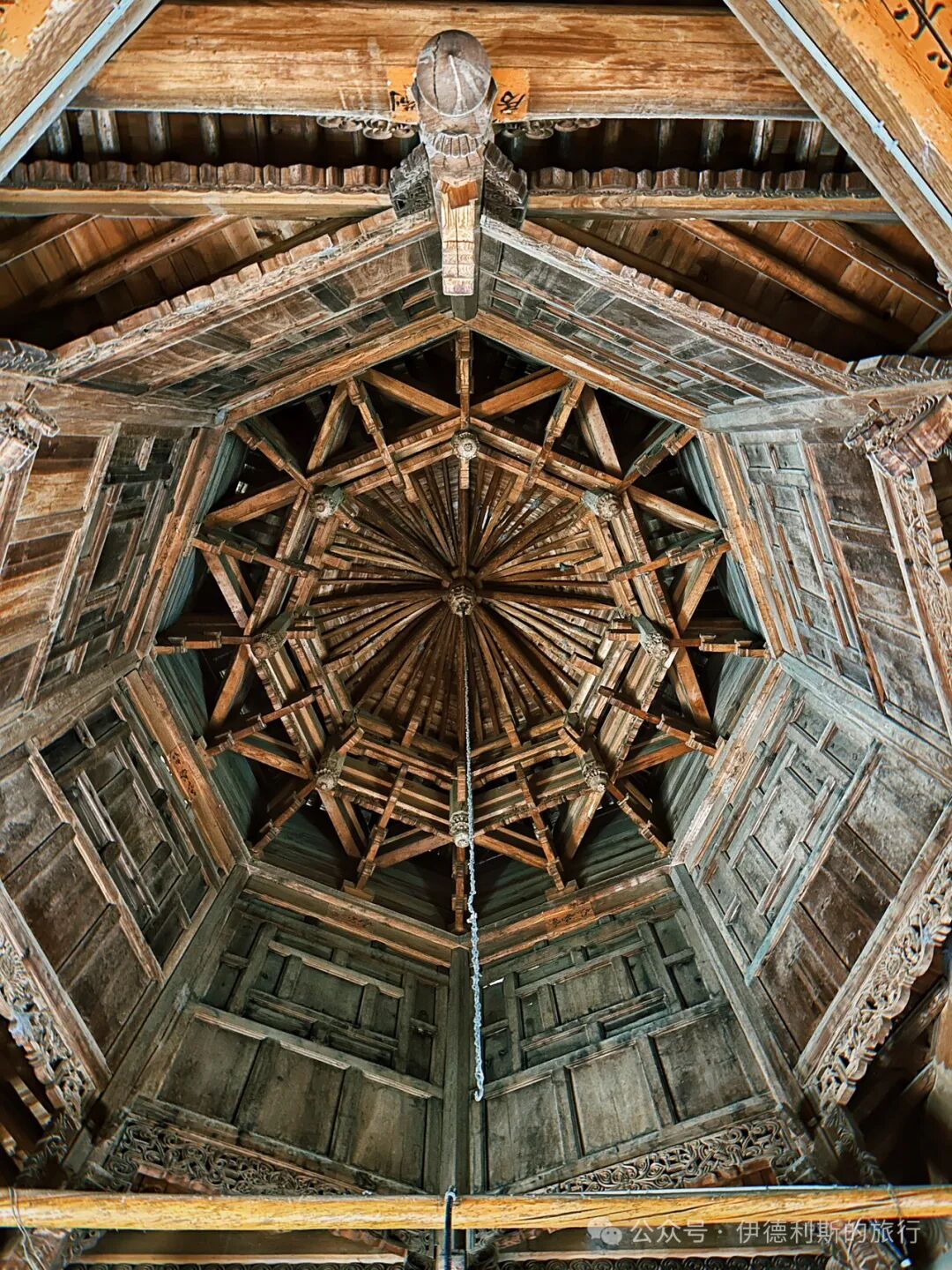
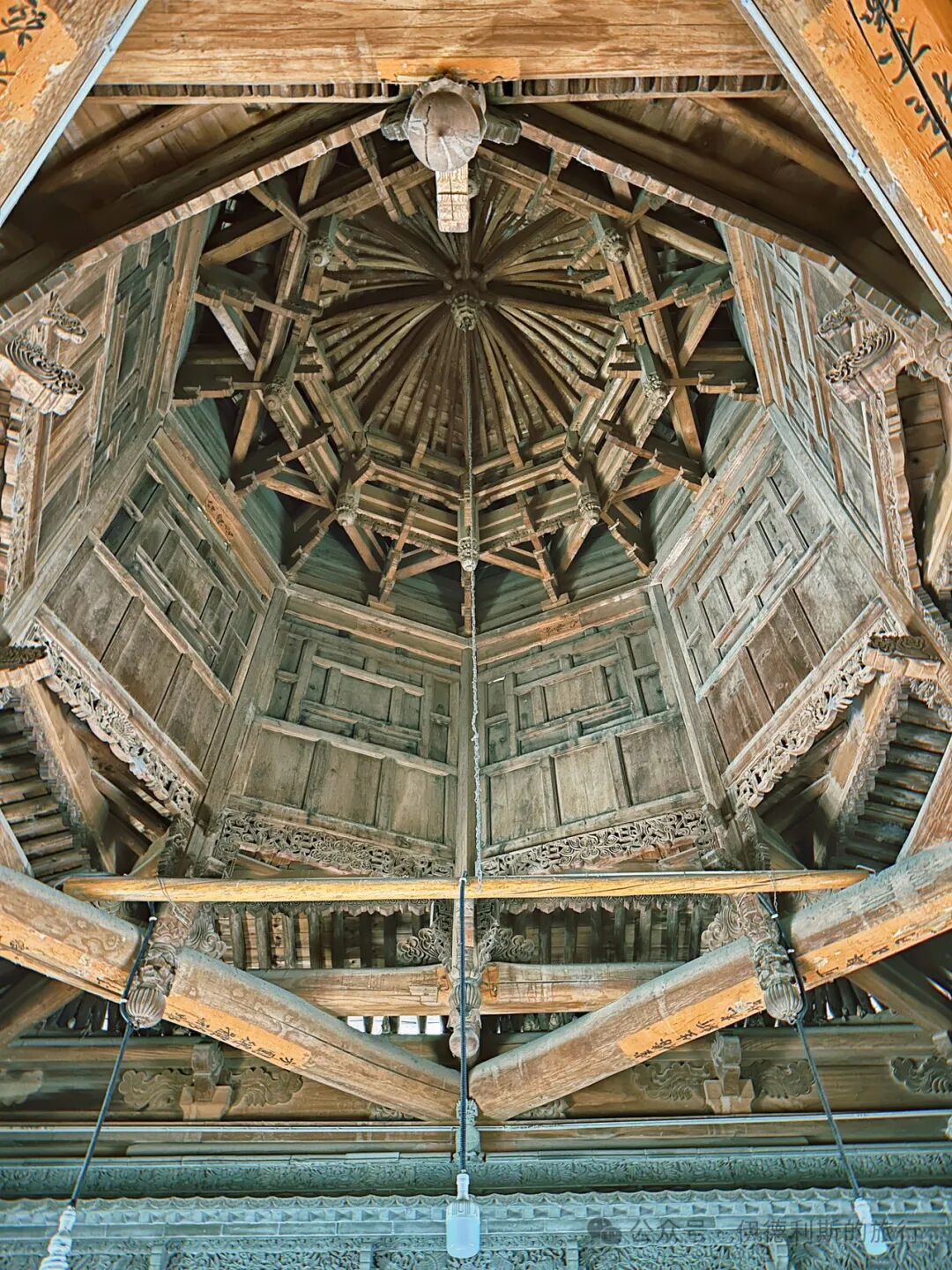
The Xiananguan Mosque in Qin'an was first built during the Hongwu period of the Ming Dynasty and rebuilt during the Kangxi period of the Qing Dynasty. The main hall has a hanging gable roof (xuanshan ding). The rear kiln hall has an octagonal pointed roof (bazhuo zuanjian ding) for the minaret (bangkelou), which features exquisite brick carvings and bracket sets (dougong). The center of the main hall's roof ridge is decorated with a pavilion-style ridge ornament (jicha) topped with a halberd (fangtian huaji). The very top of the minaret also has a halberd, which is very unique. The word for halberd (ji) sounds like the word for rank (ji), symbolizing a rise in status.
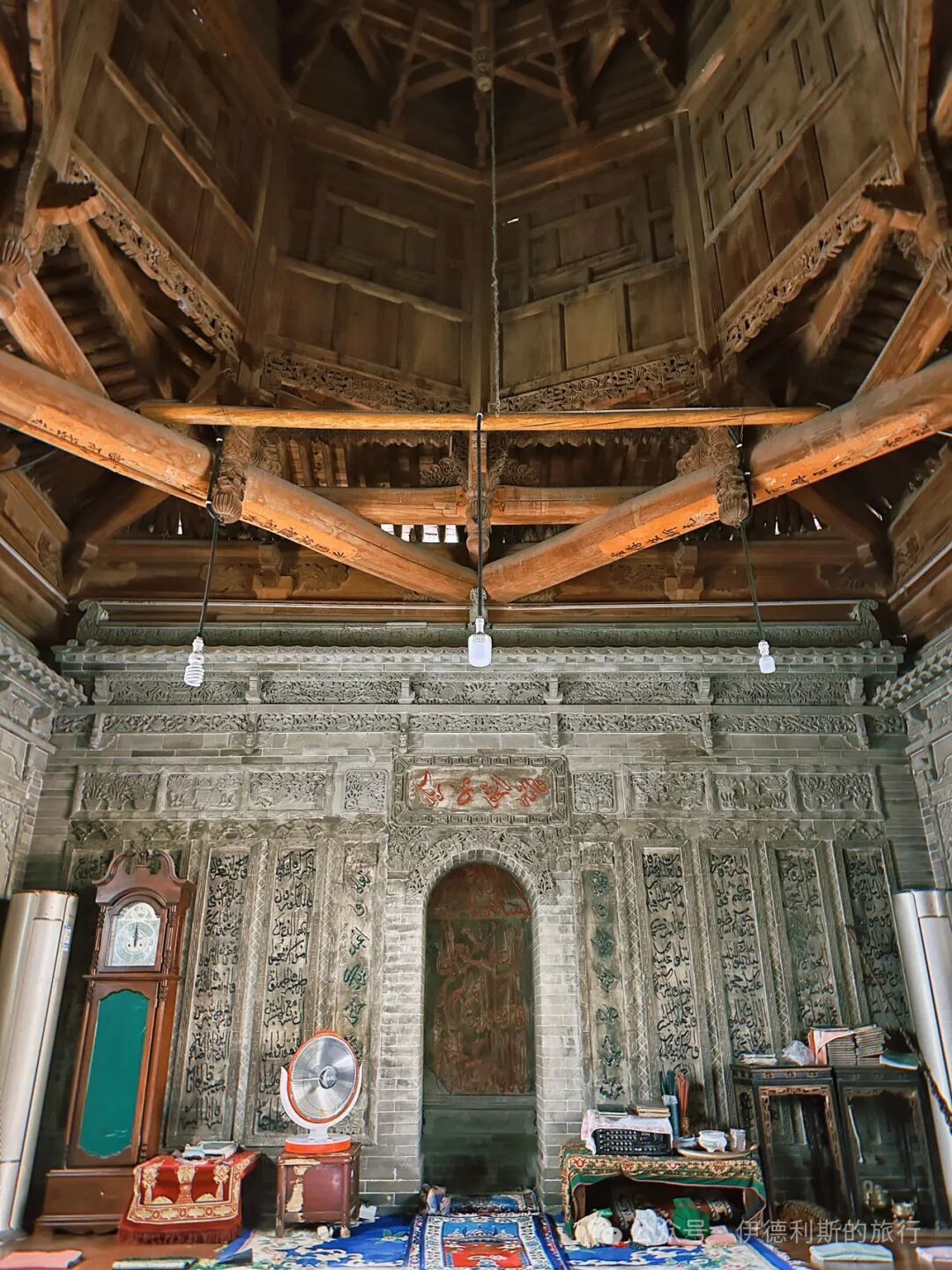
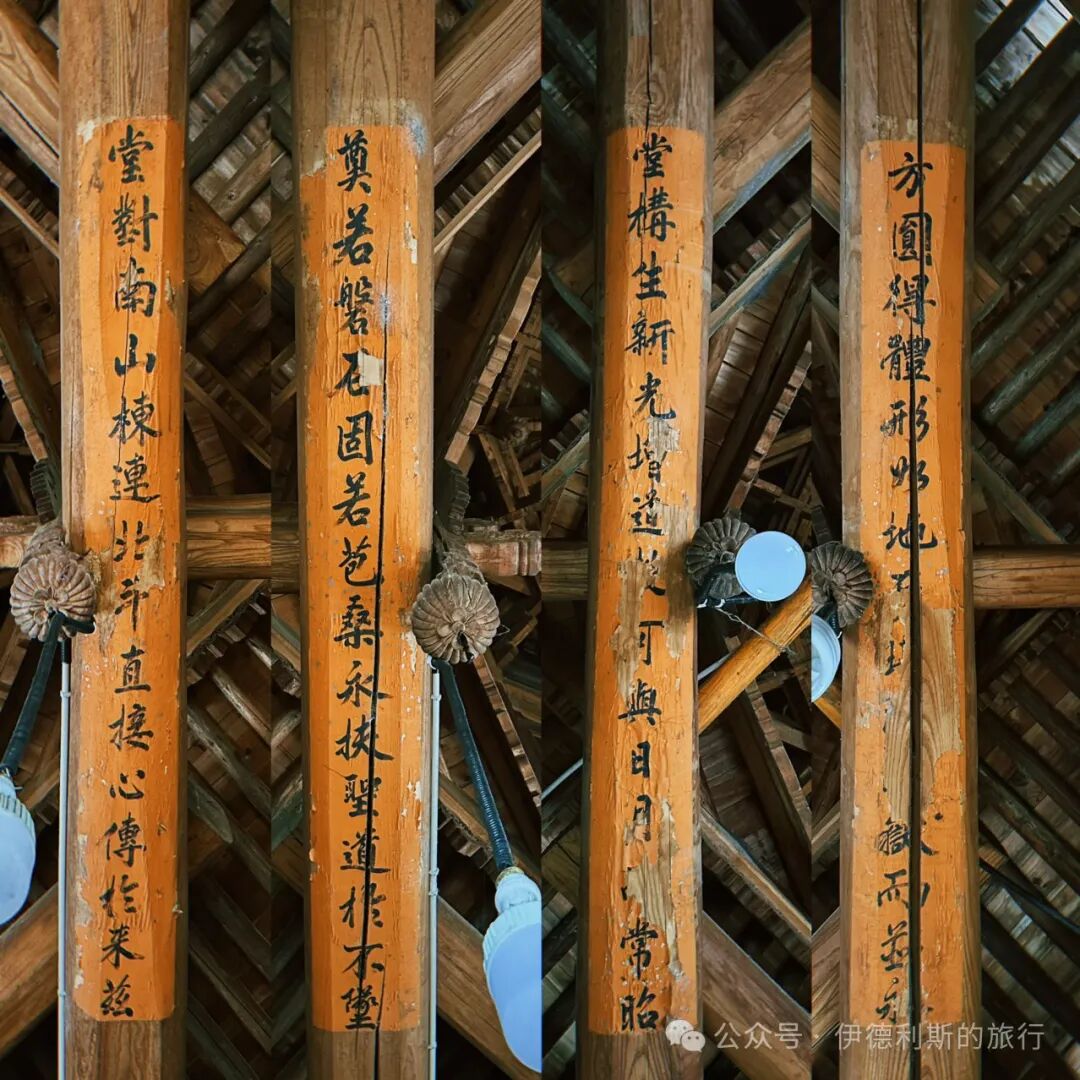
Inside the main hall, the colorful paintings have a very local style. In the rear kiln hall, you can see the interior of the octagonal pointed roof, which features a caisson ceiling (zaojing) made of stacked wooden beams with beautiful wood carvings. Each side has an inscription, which are:
The hall faces the southern mountains, its beams connect to the Big Dipper, directly passing down the heart-to-heart teachings.
Firm as a rock, solid as mulberry roots, forever holding the holy path without falling.
The hall structure brings new light, increasing the path of faith, shining as long as the sun and moon.
Square and round in proper form, shaped like the earth, [illegible] and eternal.
The brick carvings on the prayer wall feature calligraphy in the Shagou style of the Zhepai order.
The small courtyard and the street view of Xiananguan. The south lecture hall has a couplet hanging:
Every word of truth is full of good intentions.
Every sound of the prayer (selan) brings blessings.
I ate the local garlic noodles (suanmian) in Shangguan, Qin'an. Qin'an garlic noodles rely on the garlic soup and chili oil, and the hand-pulled noodles (che mian) are very chewy. The chili powder from Qin'an is very famous; it is fragrant but not too spicy, which really boosts your appetite. view all
Reposted from the web
Summary: Qinan County in Gansu has a Qing-era mosque and a local food tradition centered on garlic noodles. This travel account keeps the mosque details, food descriptions, original photos, and local Hui Muslim context from the Chinese source.
Although Gansu Province has many old mosques (masjid), most have been rebuilt. Only four are listed as cultural heritage sites at the provincial level or higher. The national-level site is the Houjie Mosque in Tianshui. The provincial-level sites are the Xiananguan Mosque in Qin'an, the Jingning Mosque, and the Huangjia Mosque in Dongxiang. Additionally, the screen wall (yingbi) of the Beisi Mosque in Linxia and the Lamu Tower of the Huixian Mosque are also listed as provincial heritage sites. Among the buildings of the menhuan (Sufi orders), the Dajia House of the Xidaotang is a national heritage site, while the Xuanhuagang and Chuanguan Daotang of the Zhepai order are provincial heritage sites.
During the Spring Festival holiday, I took a high-speed train from Tianshui to visit the Xiananguan Mosque in Qin'an County. The high-speed train from Tianshui to Qin'an is very fast. After leaving the station, you need to share a car, and you can reach Xiananguan in 10 minutes.
The Xiananguan Mosque in Qin'an was first built during the Hongwu period of the Ming Dynasty and rebuilt during the Kangxi period of the Qing Dynasty. The main hall has a hanging gable roof (xuanshan ding). The rear kiln hall has an octagonal pointed roof (bazhuo zuanjian ding) for the minaret (bangkelou), which features exquisite brick carvings and bracket sets (dougong). The center of the main hall's roof ridge is decorated with a pavilion-style ridge ornament (jicha) topped with a halberd (fangtian huaji). The very top of the minaret also has a halberd, which is very unique. The word for halberd (ji) sounds like the word for rank (ji), symbolizing a rise in status.
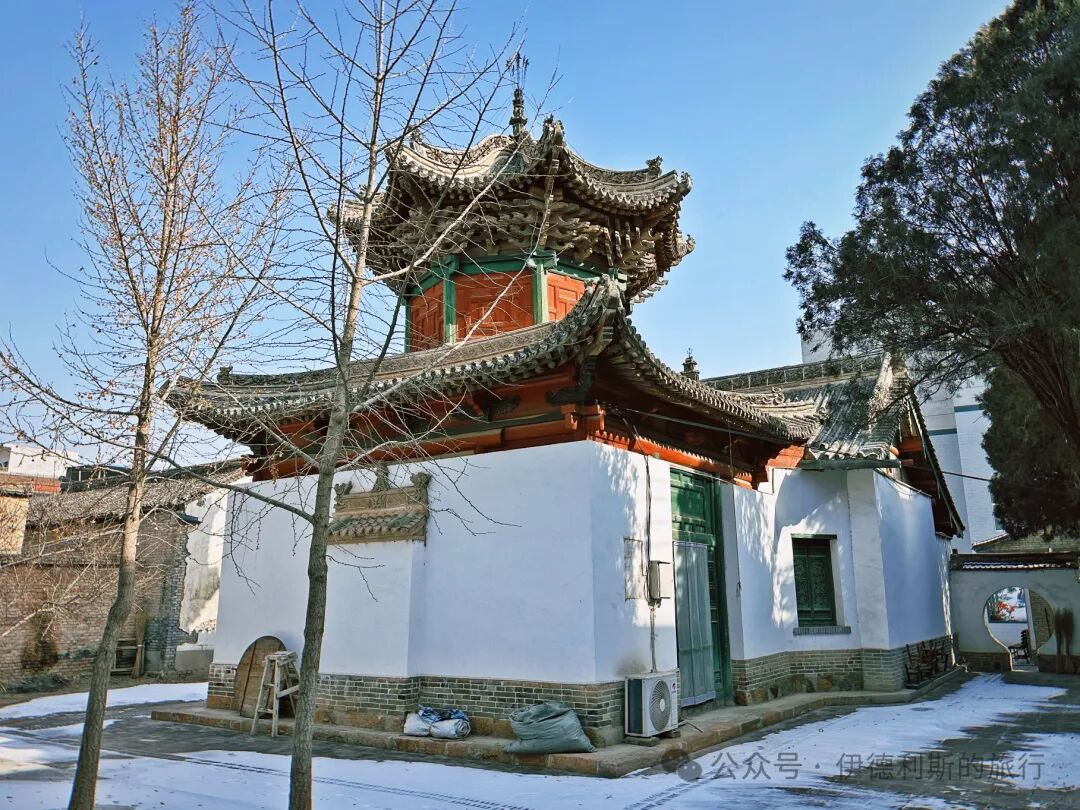
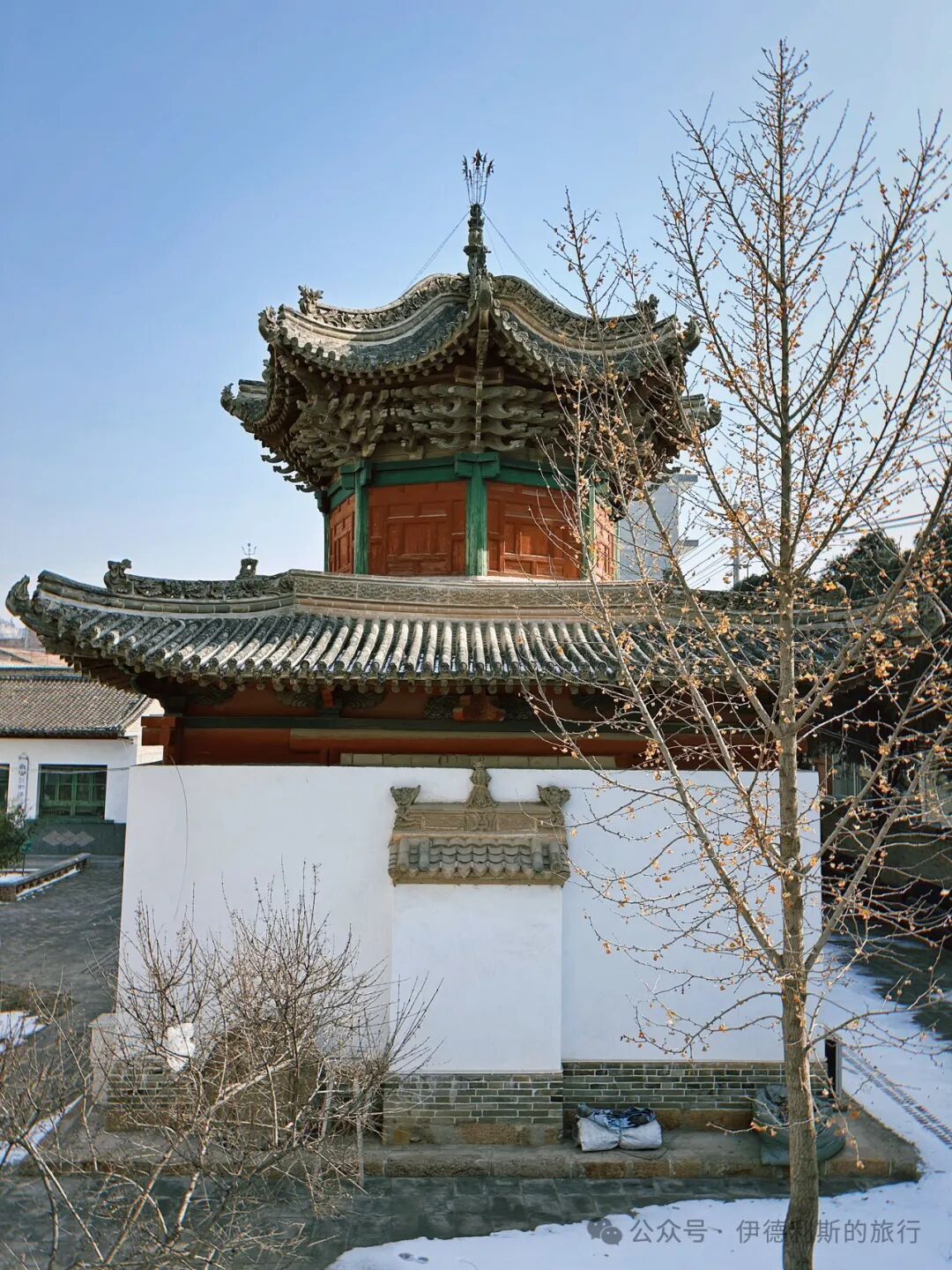
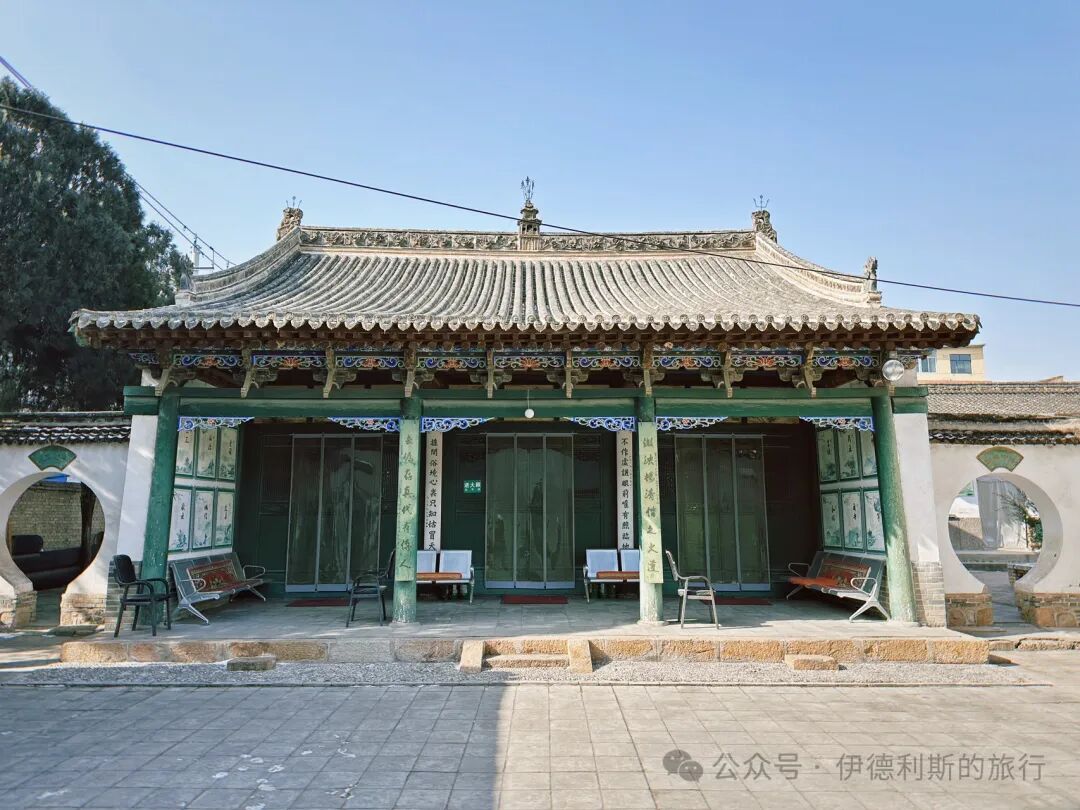
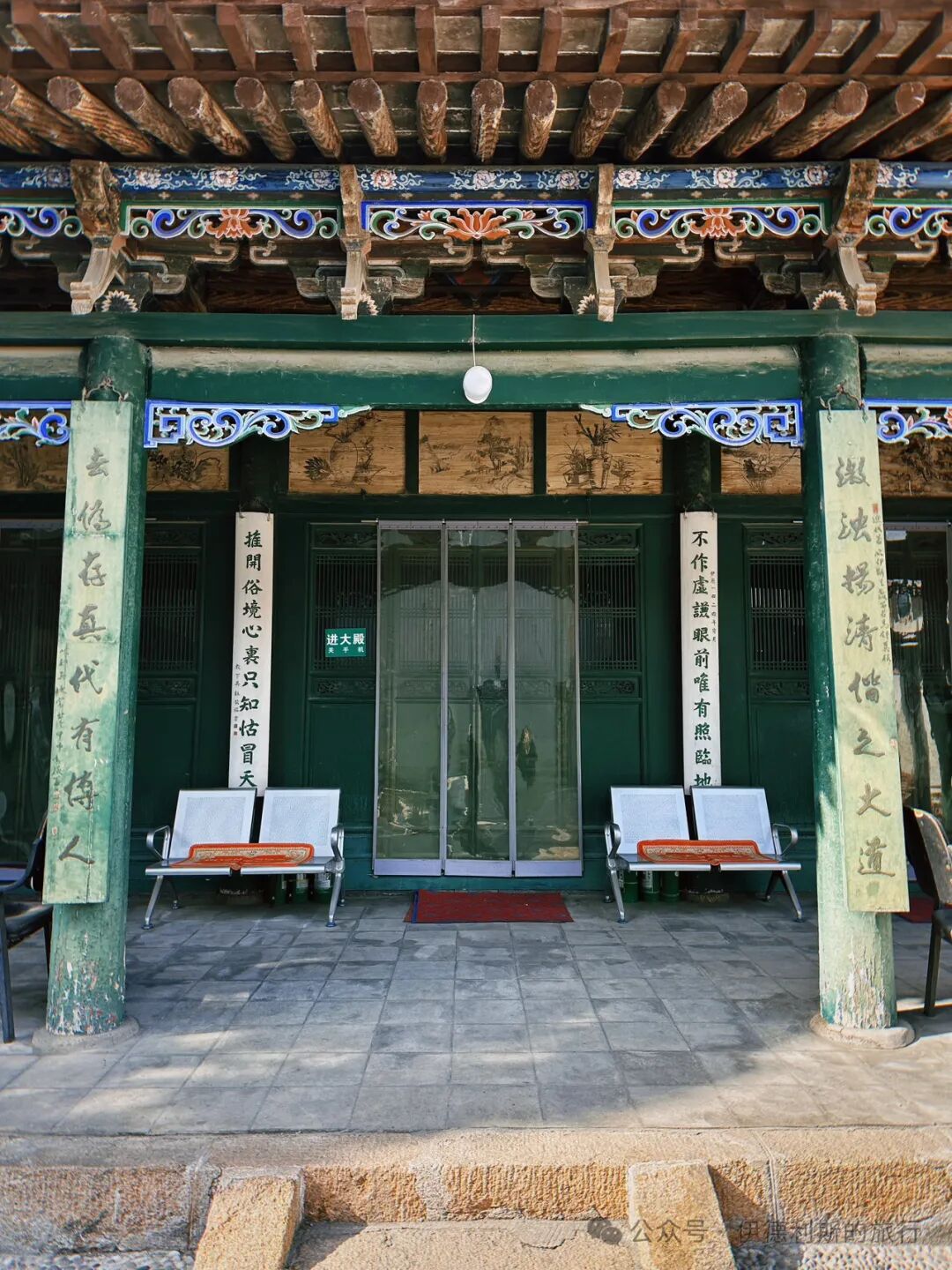
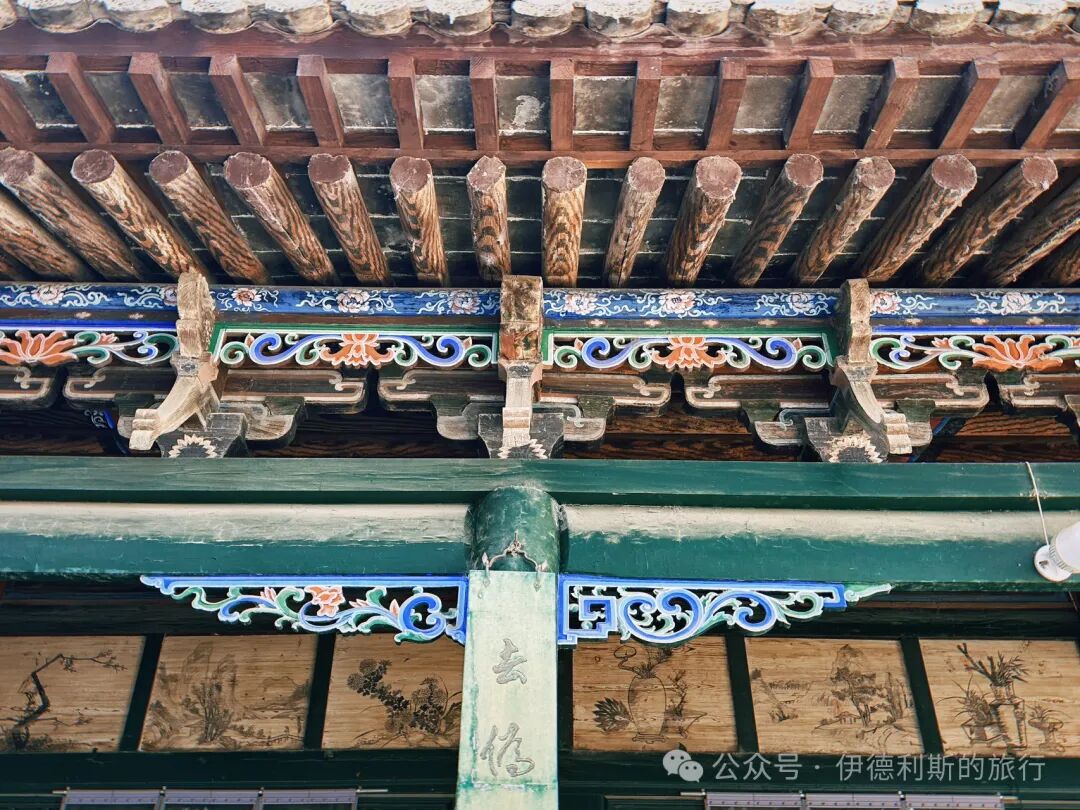
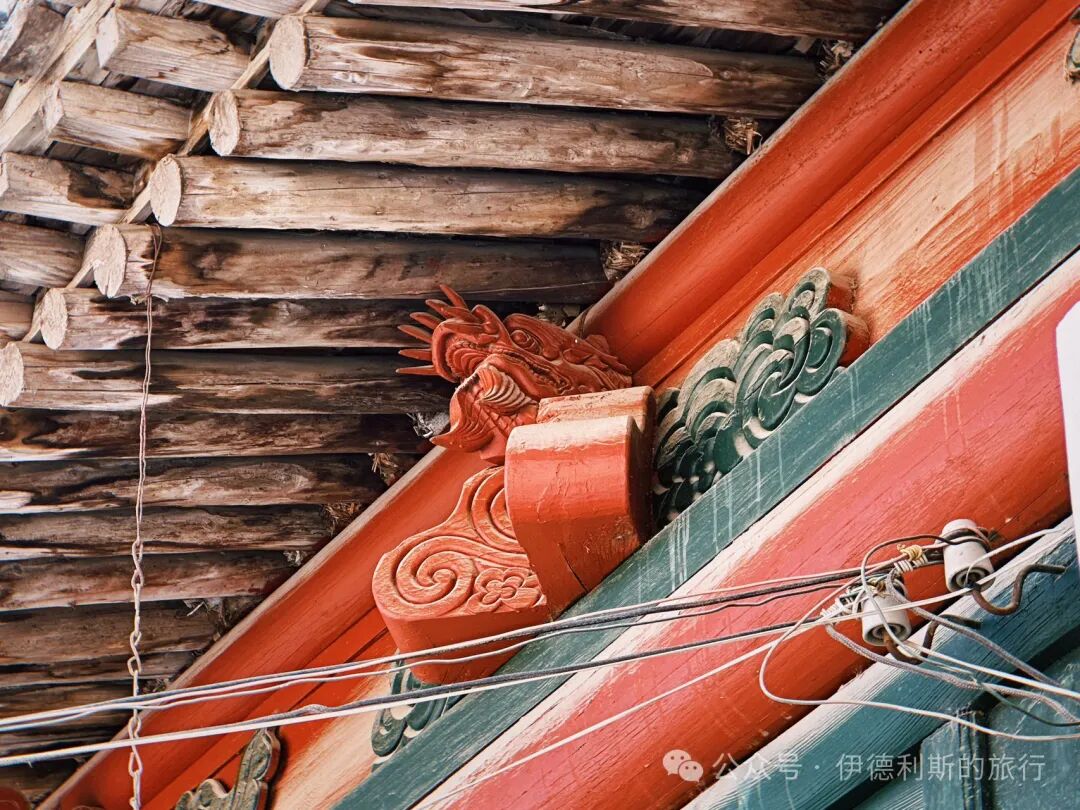
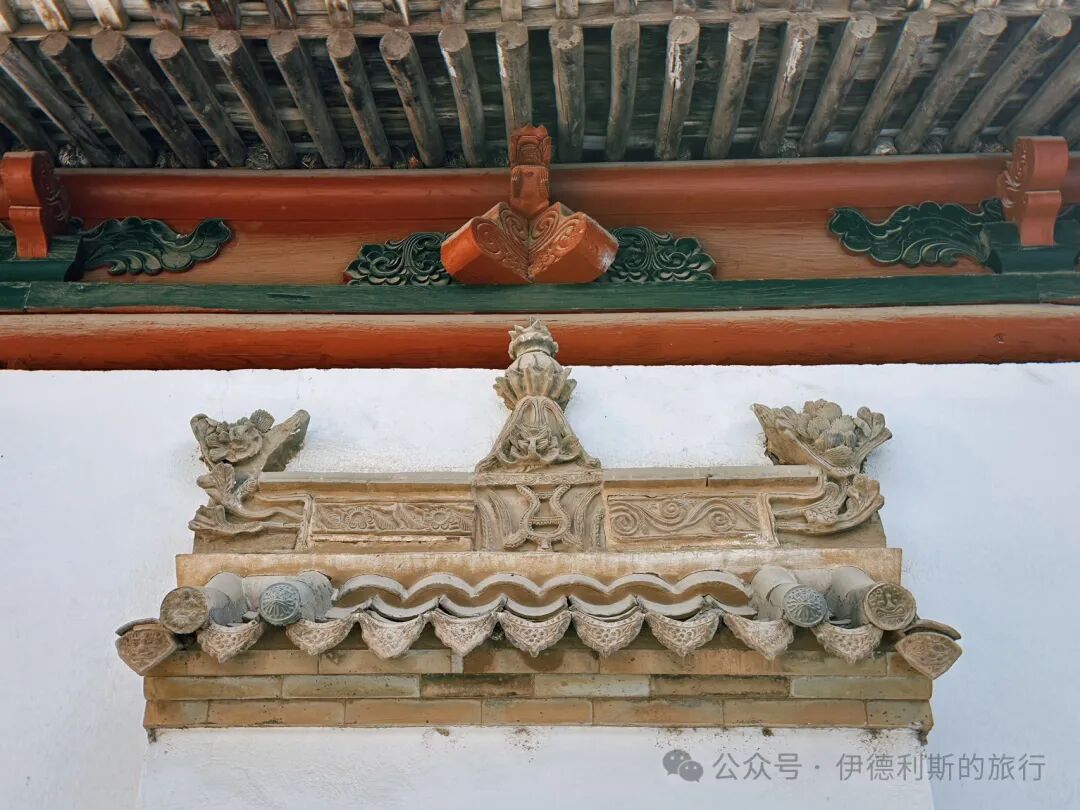
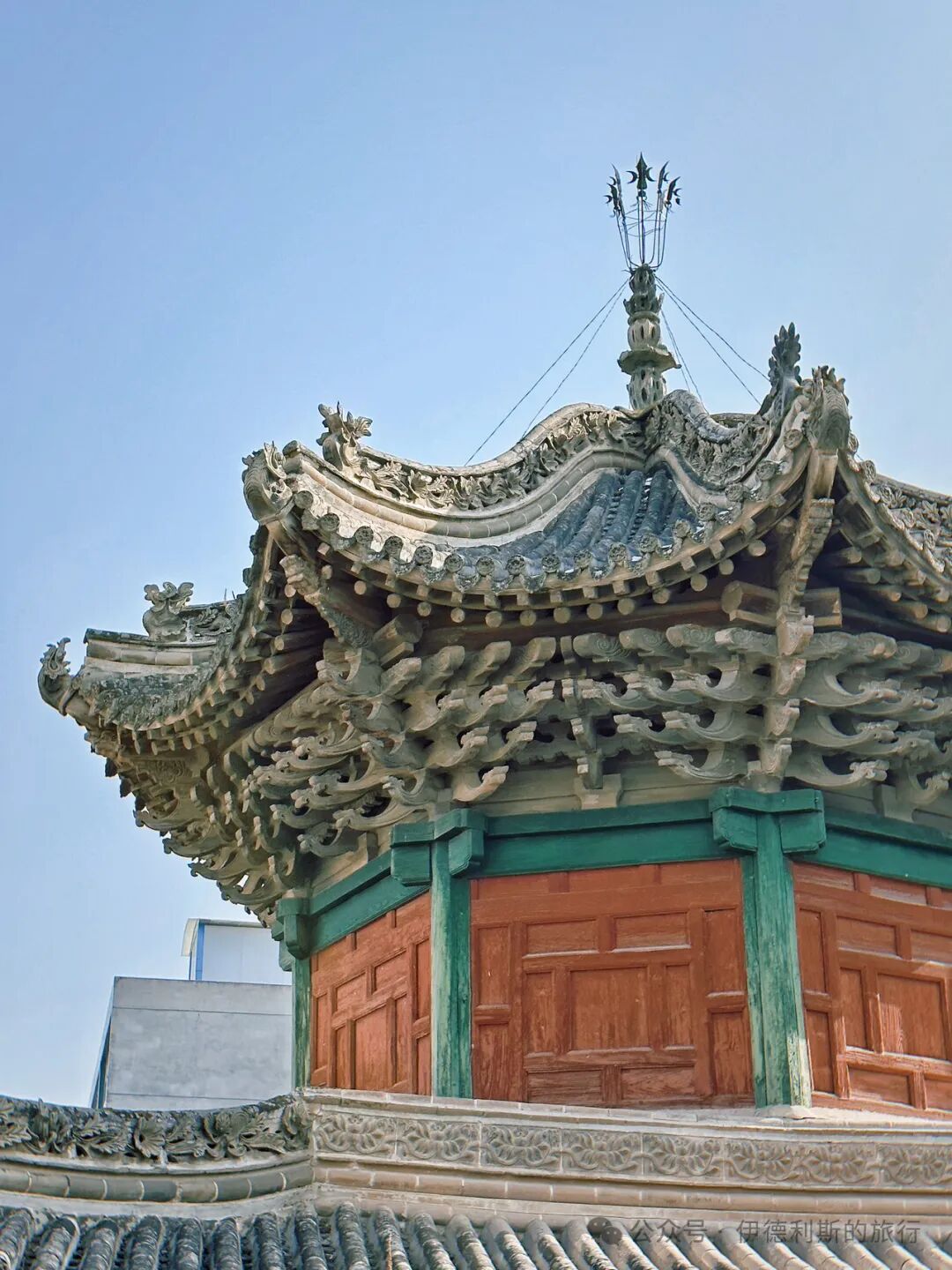
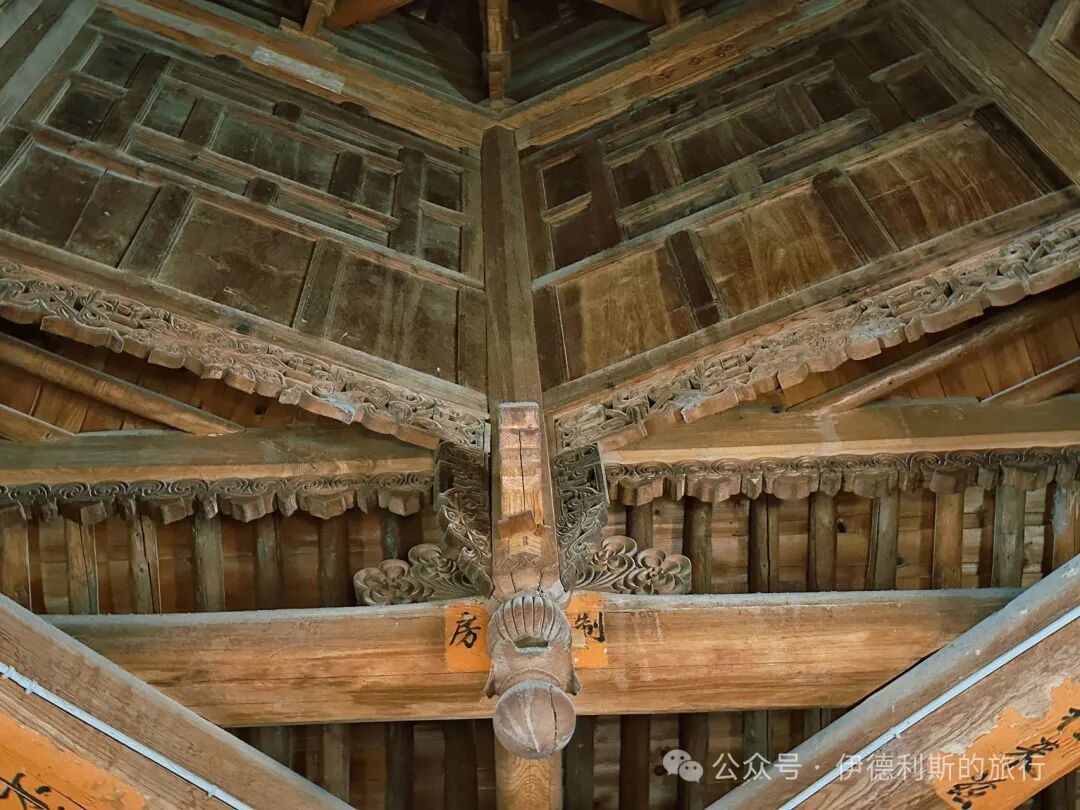
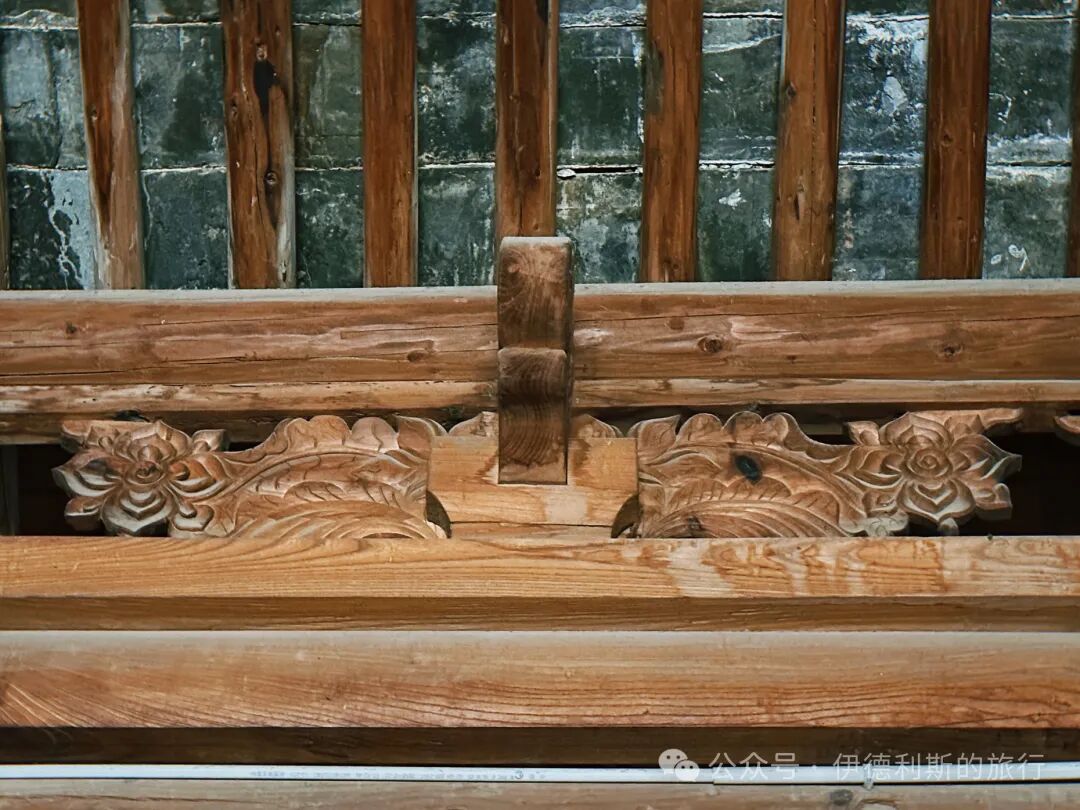
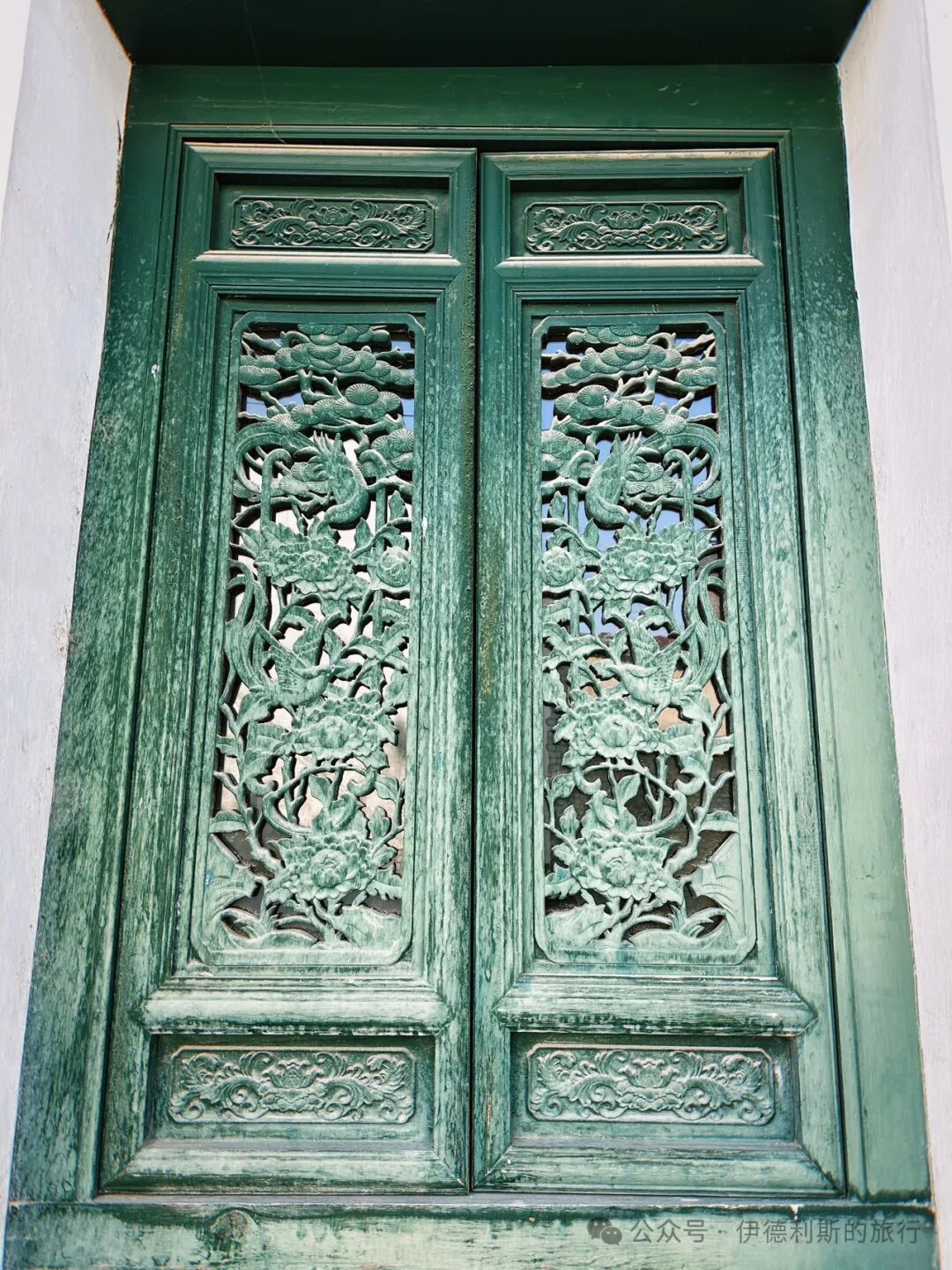
Inside the main hall, the colorful paintings have a very local style. In the rear kiln hall, you can see the interior of the octagonal pointed roof, which features a caisson ceiling (zaojing) made of stacked wooden beams with beautiful wood carvings. Each side has an inscription, which are:
The hall faces the southern mountains, its beams connect to the Big Dipper, directly passing down the heart-to-heart teachings.
Firm as a rock, solid as mulberry roots, forever holding the holy path without falling.
The hall structure brings new light, increasing the path of faith, shining as long as the sun and moon.
Square and round in proper form, shaped like the earth, [illegible] and eternal.
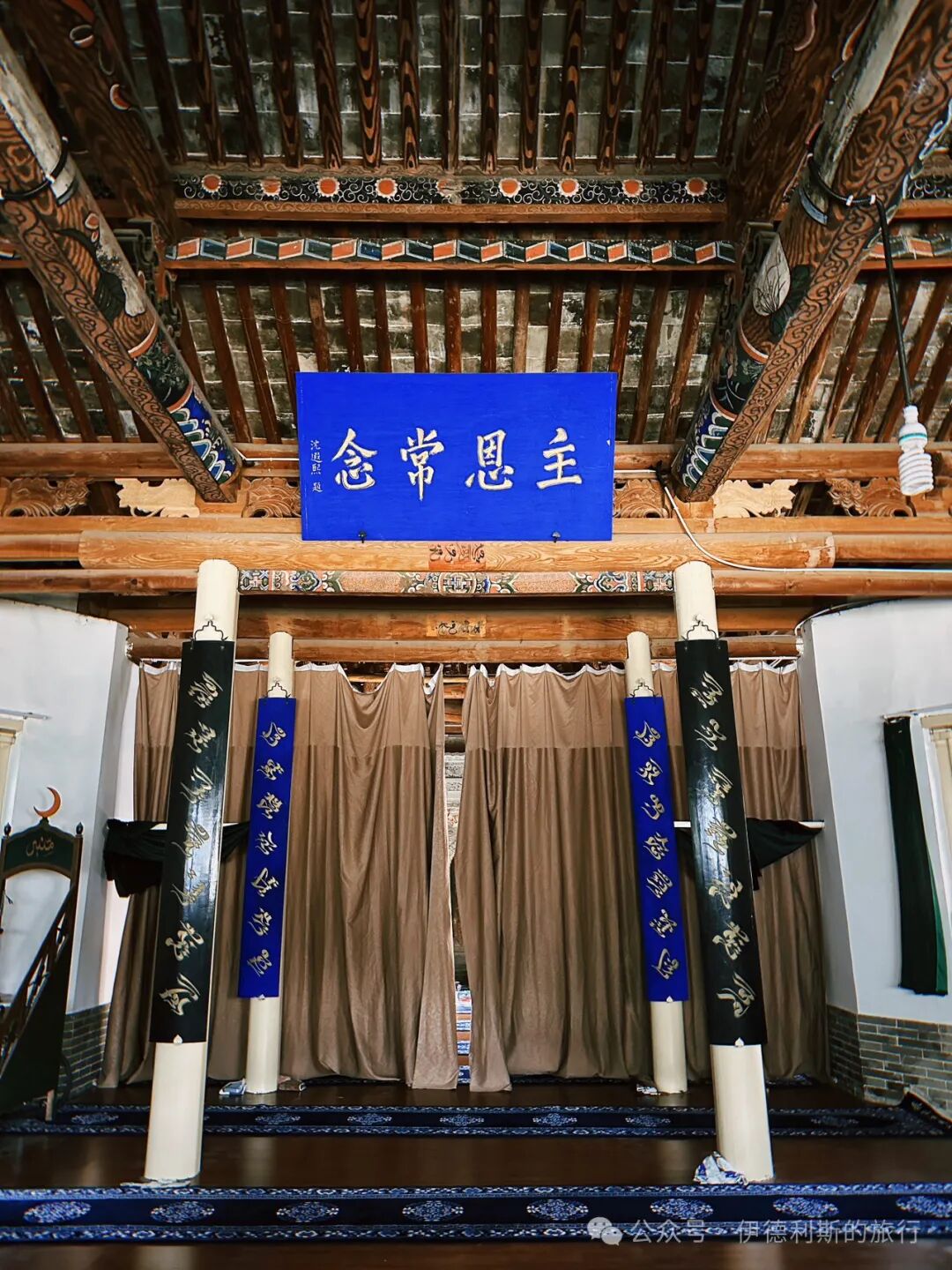
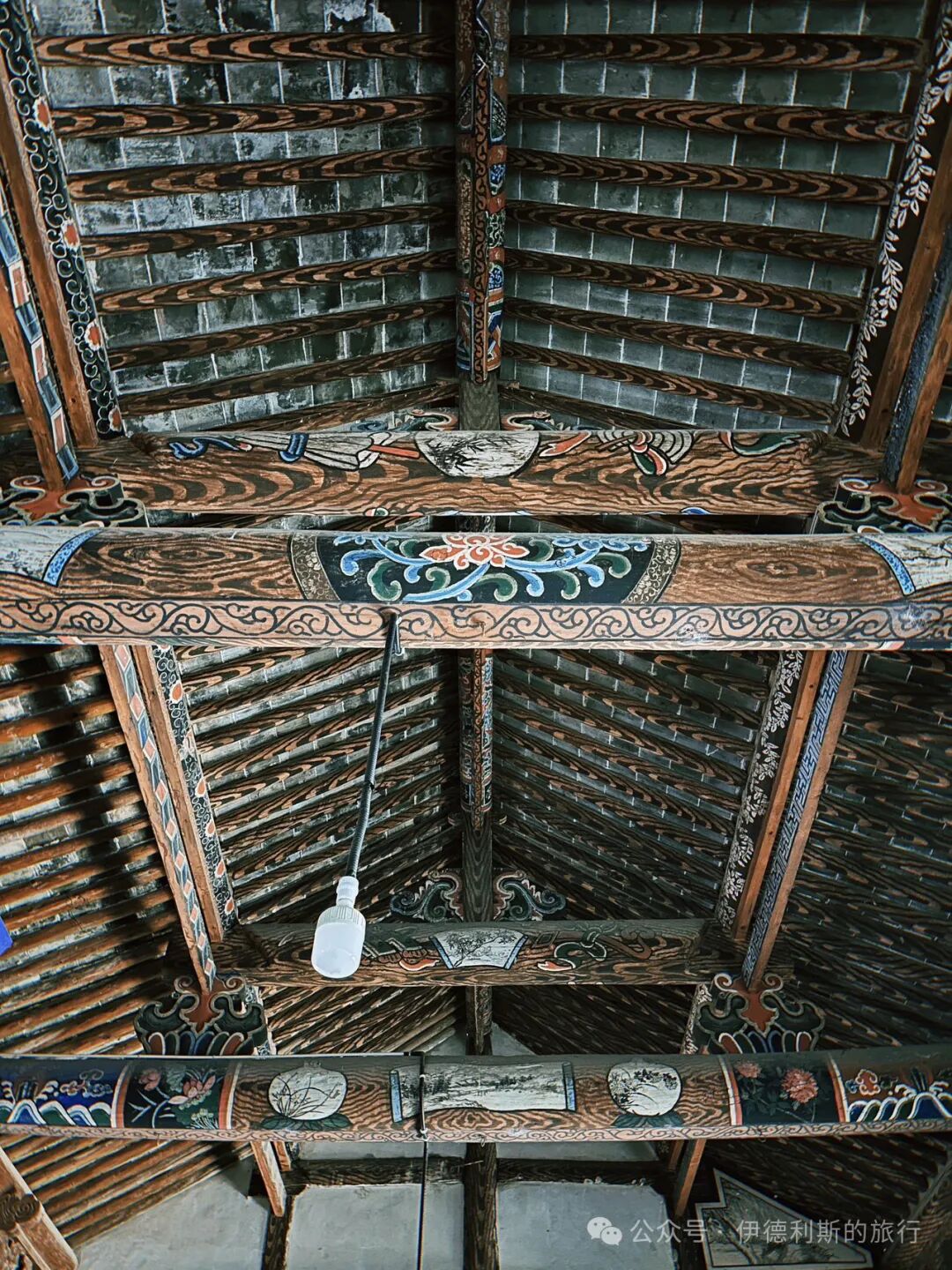
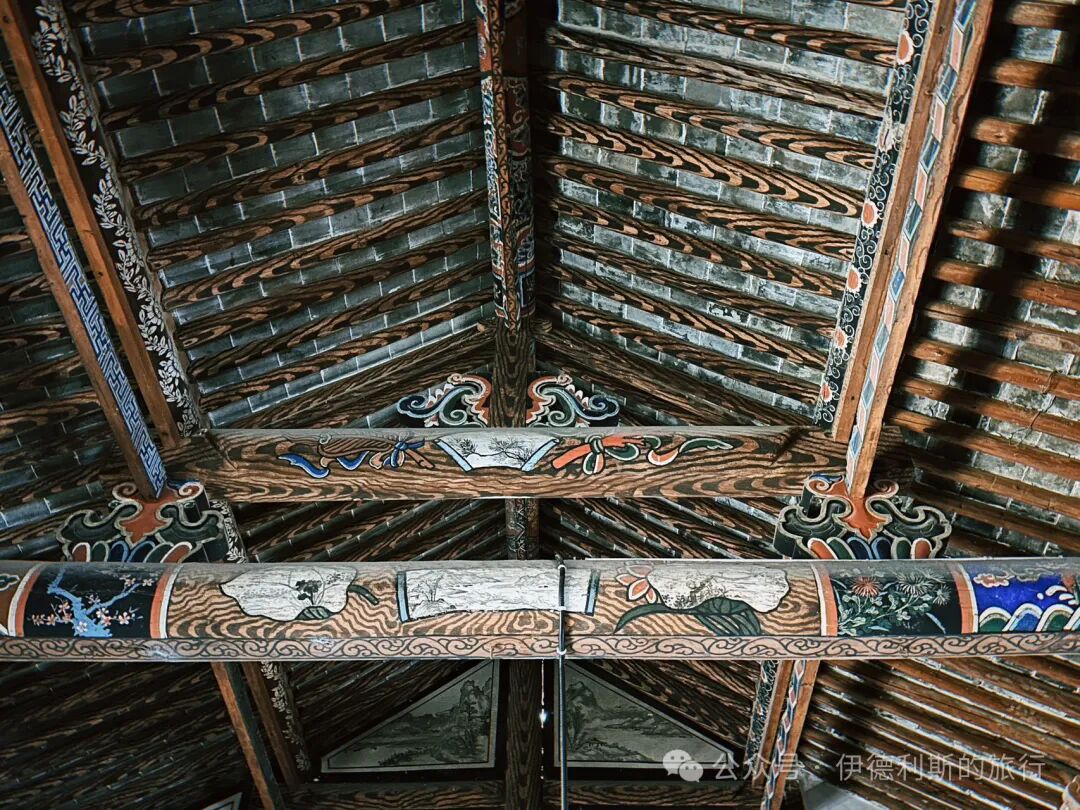
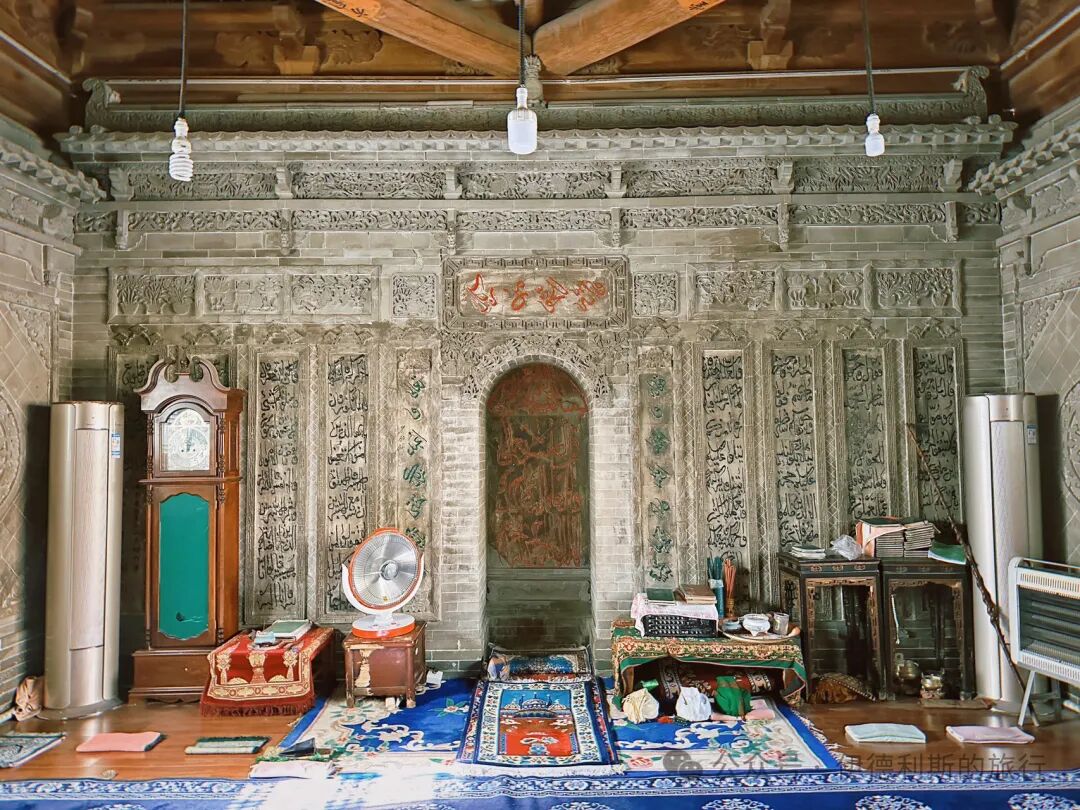
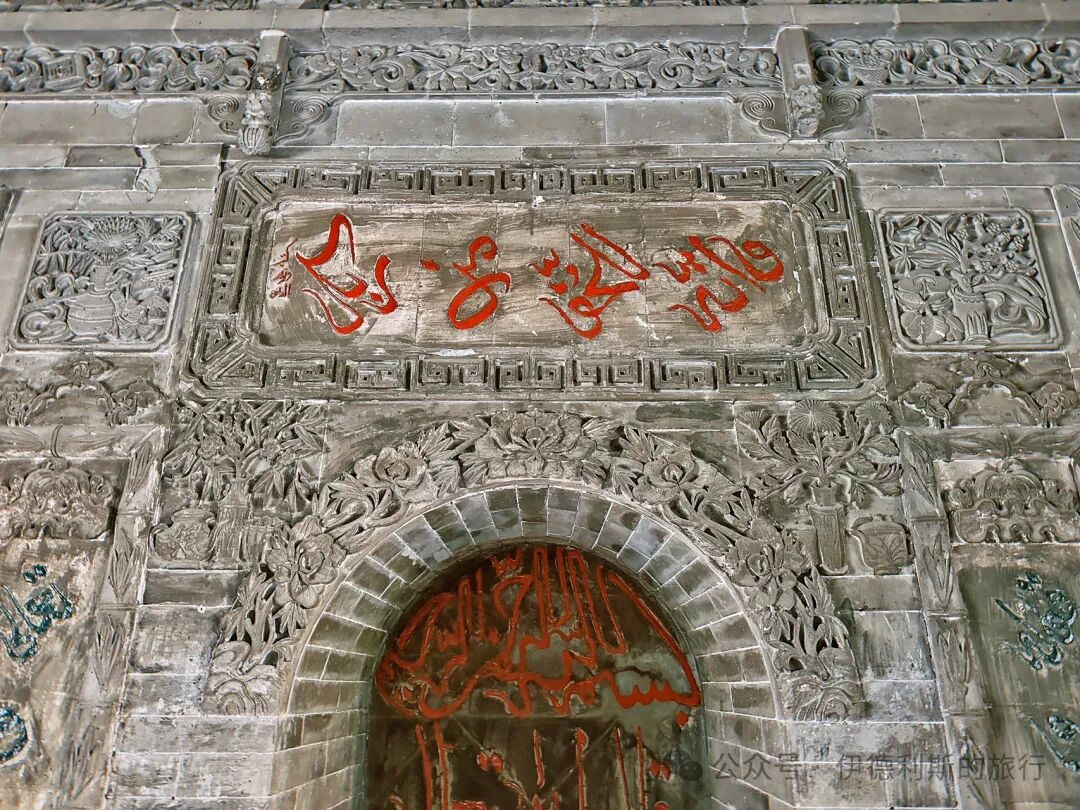
The brick carvings on the prayer wall feature calligraphy in the Shagou style of the Zhepai order.
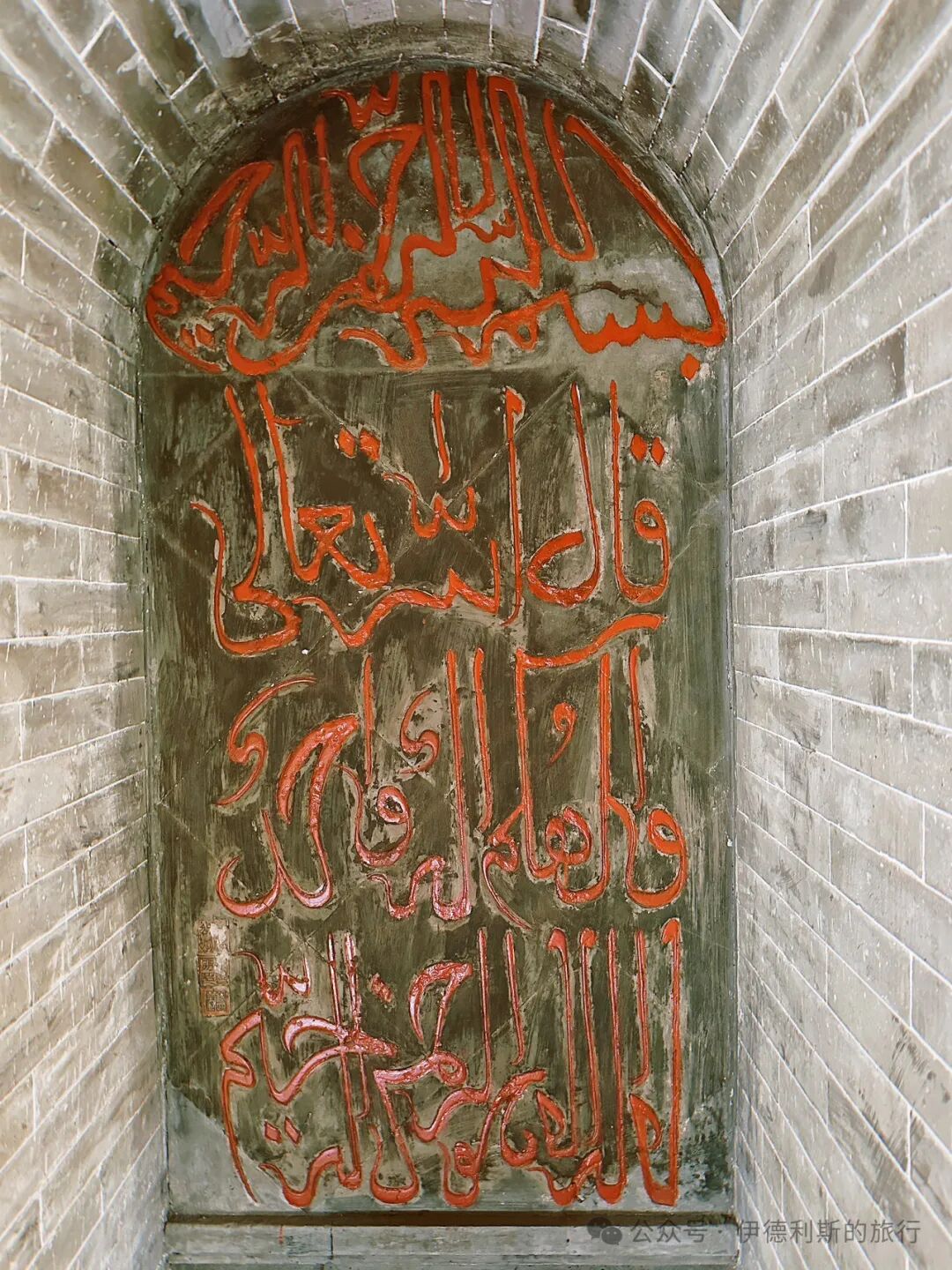
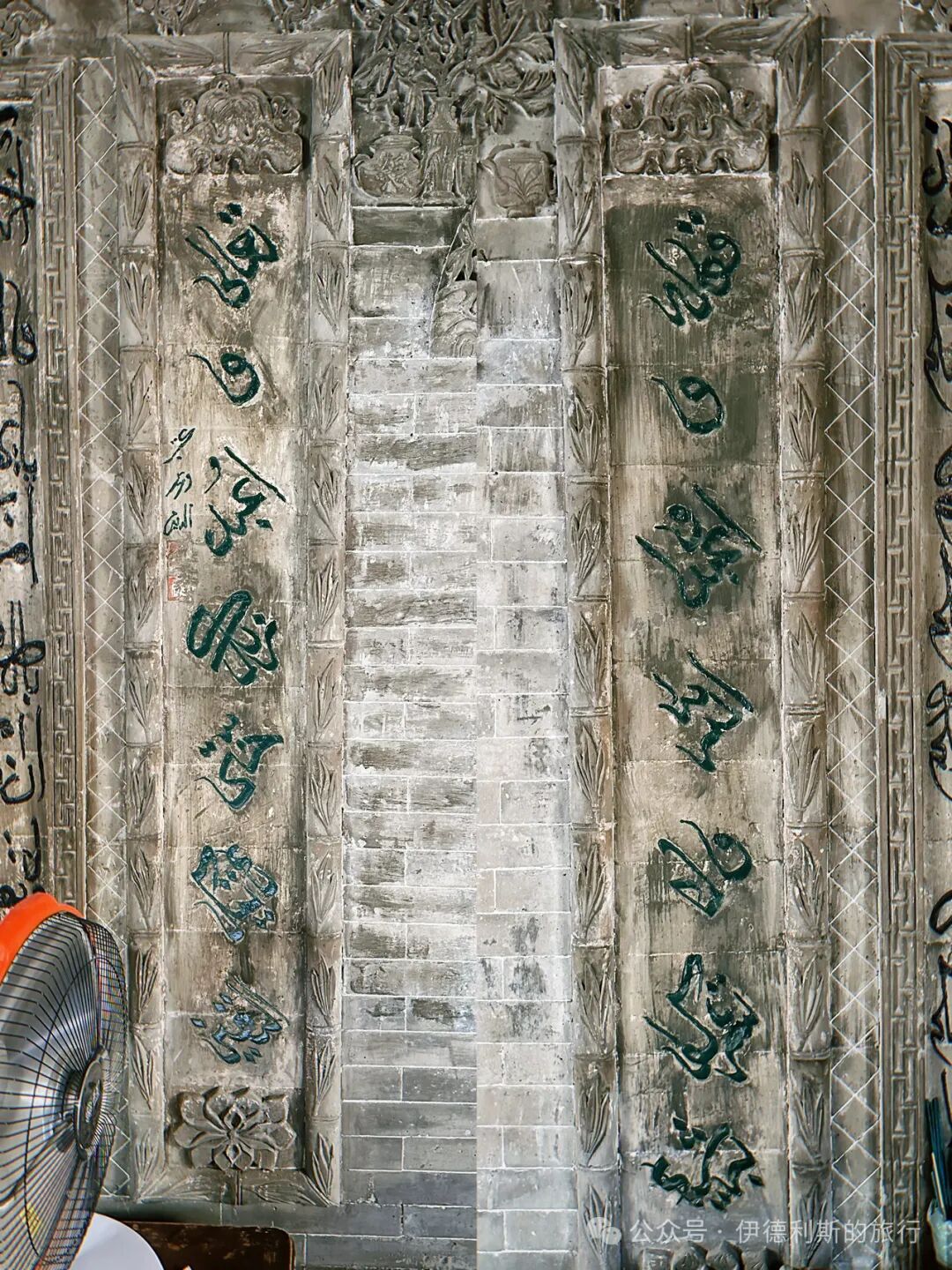
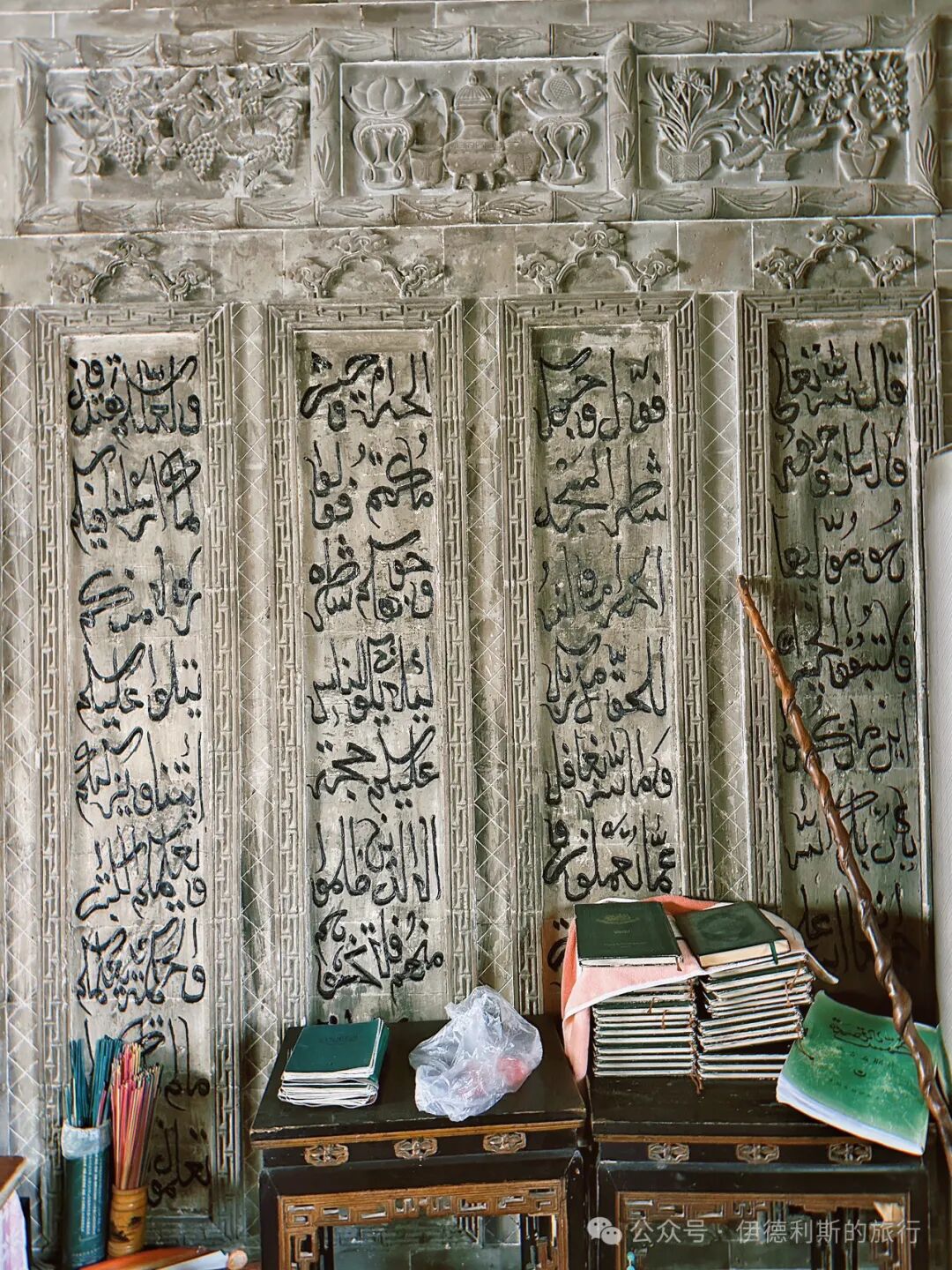
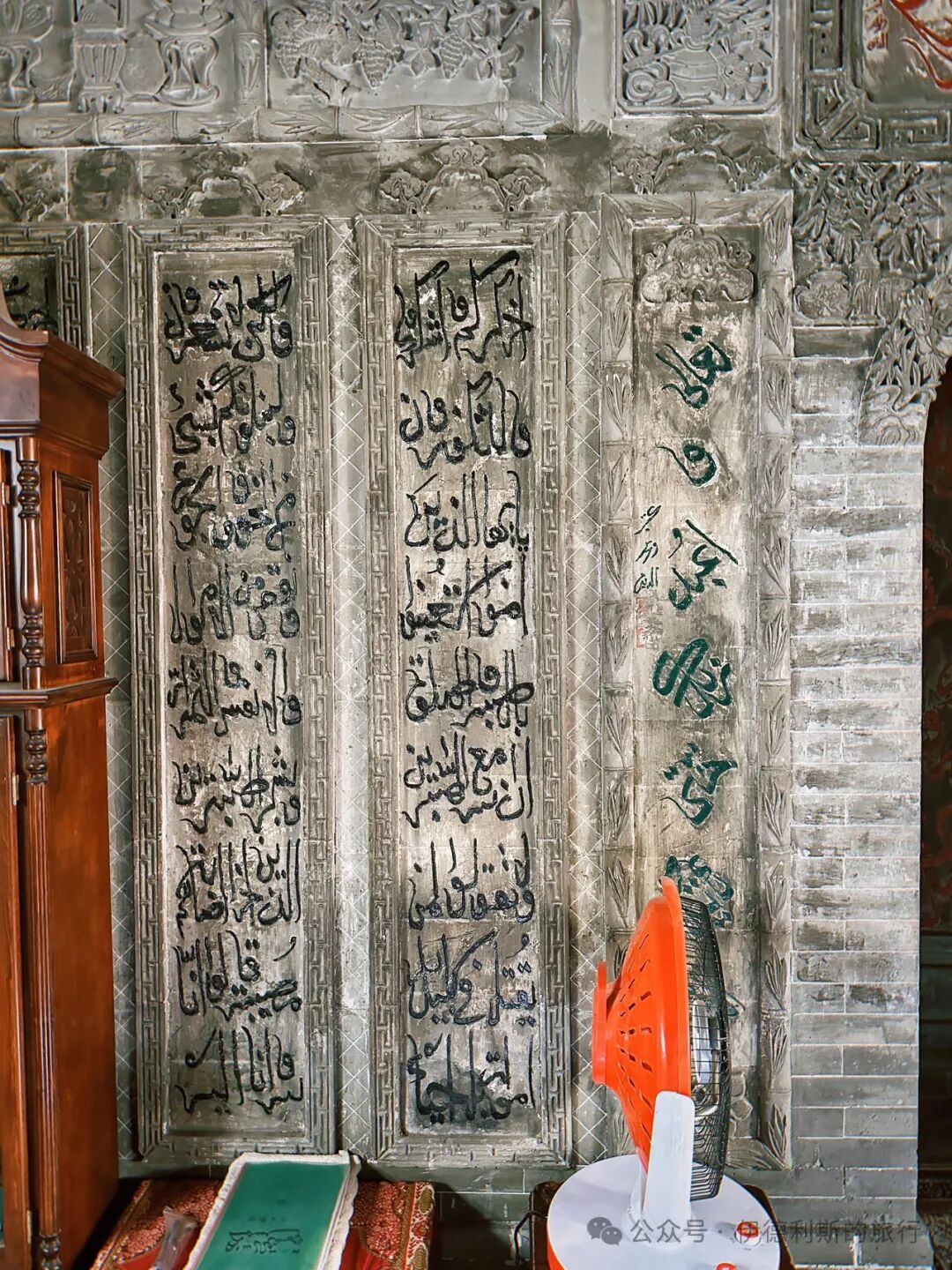
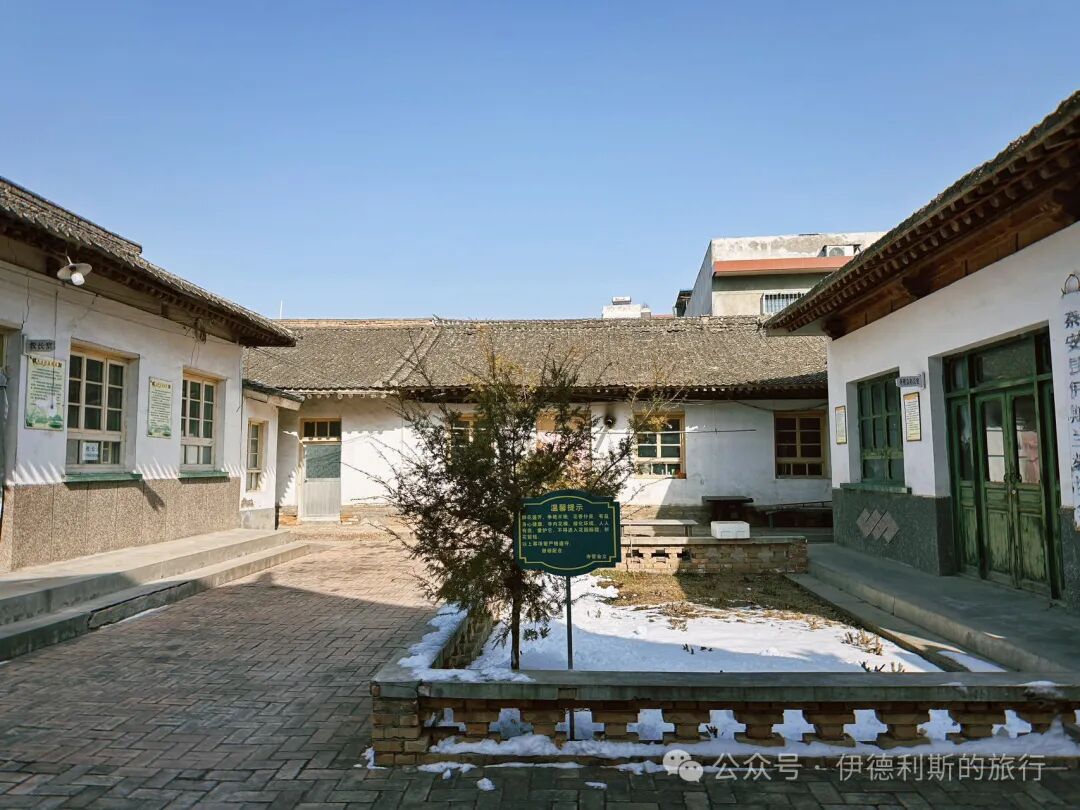
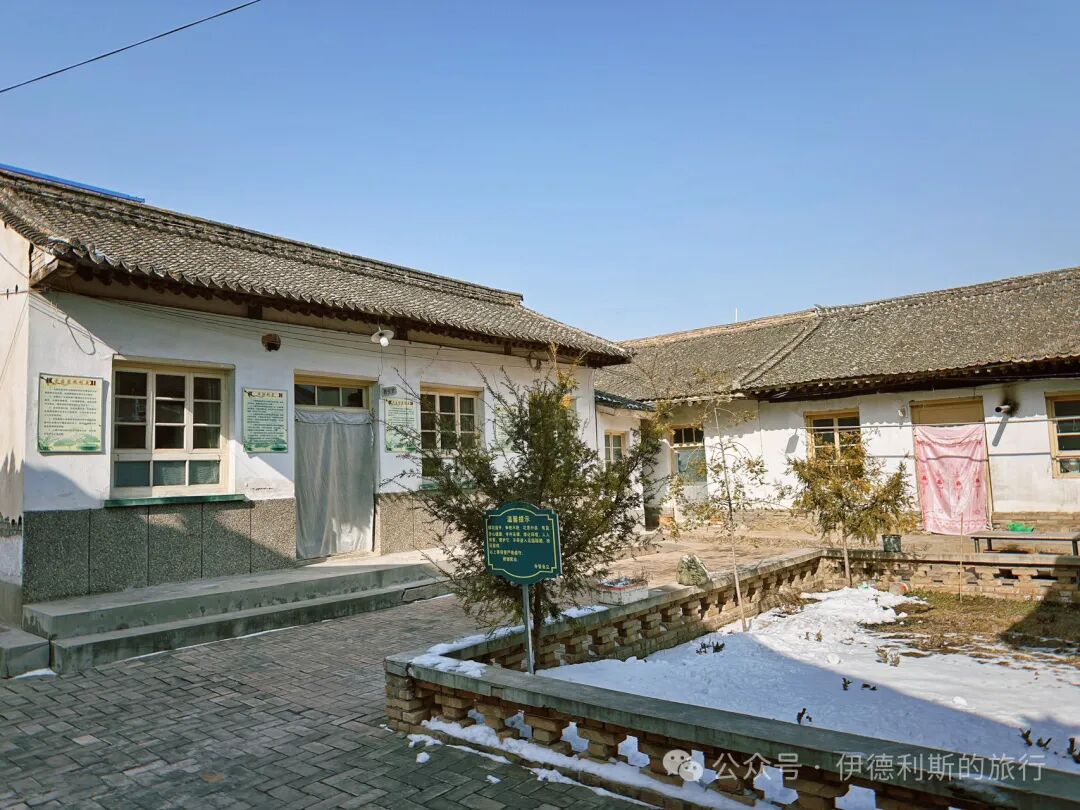
The small courtyard and the street view of Xiananguan. The south lecture hall has a couplet hanging:
Every word of truth is full of good intentions.
Every sound of the prayer (selan) brings blessings.
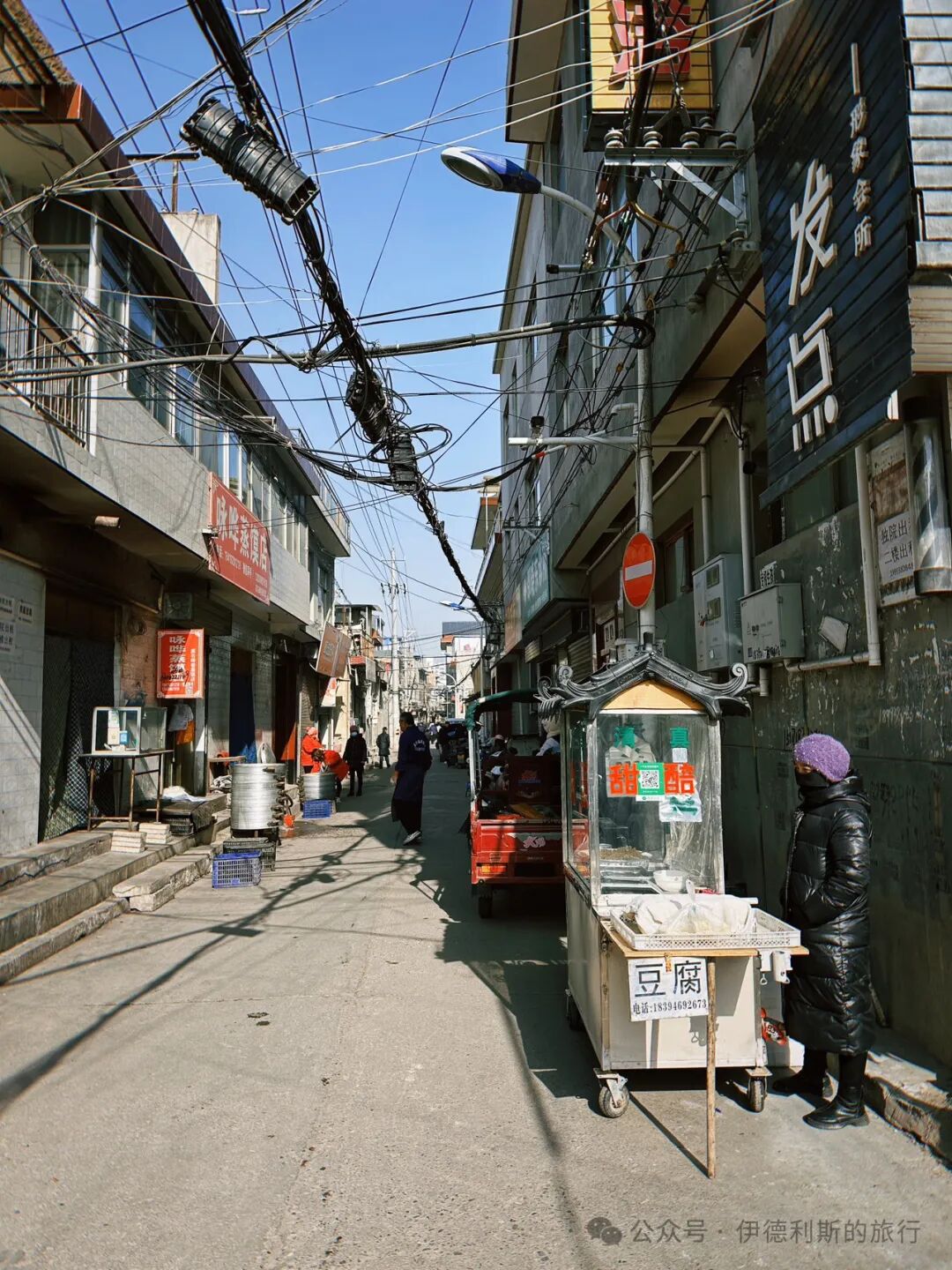
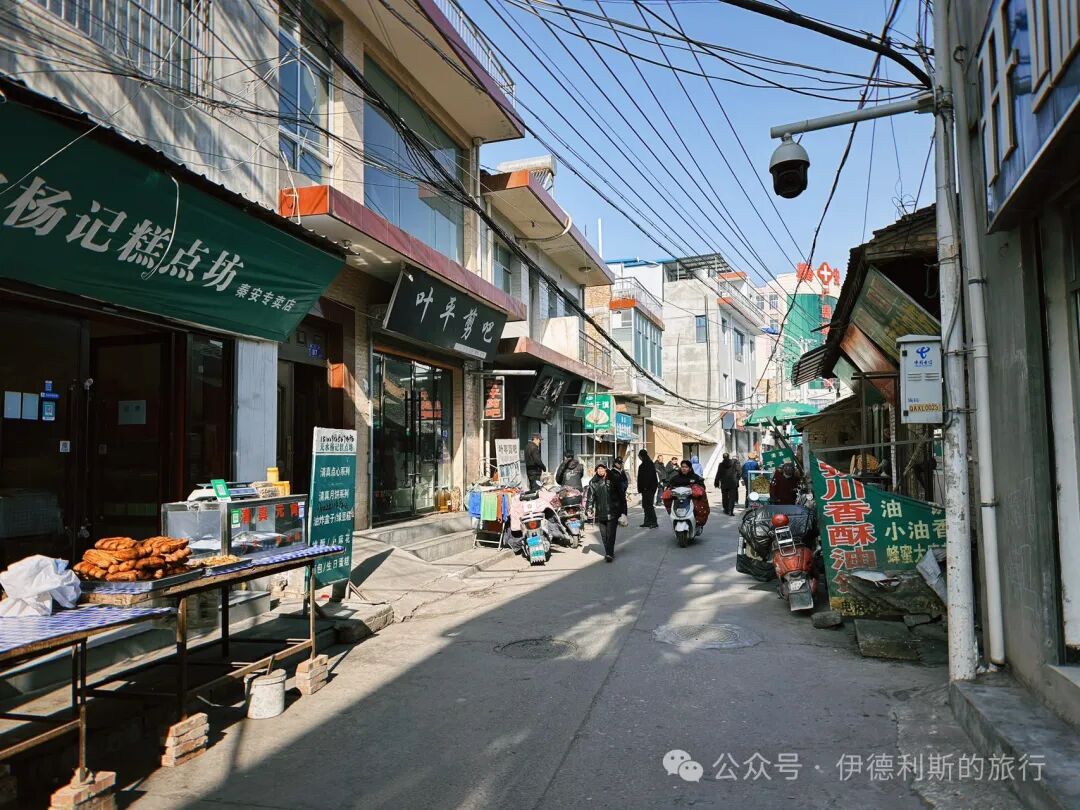
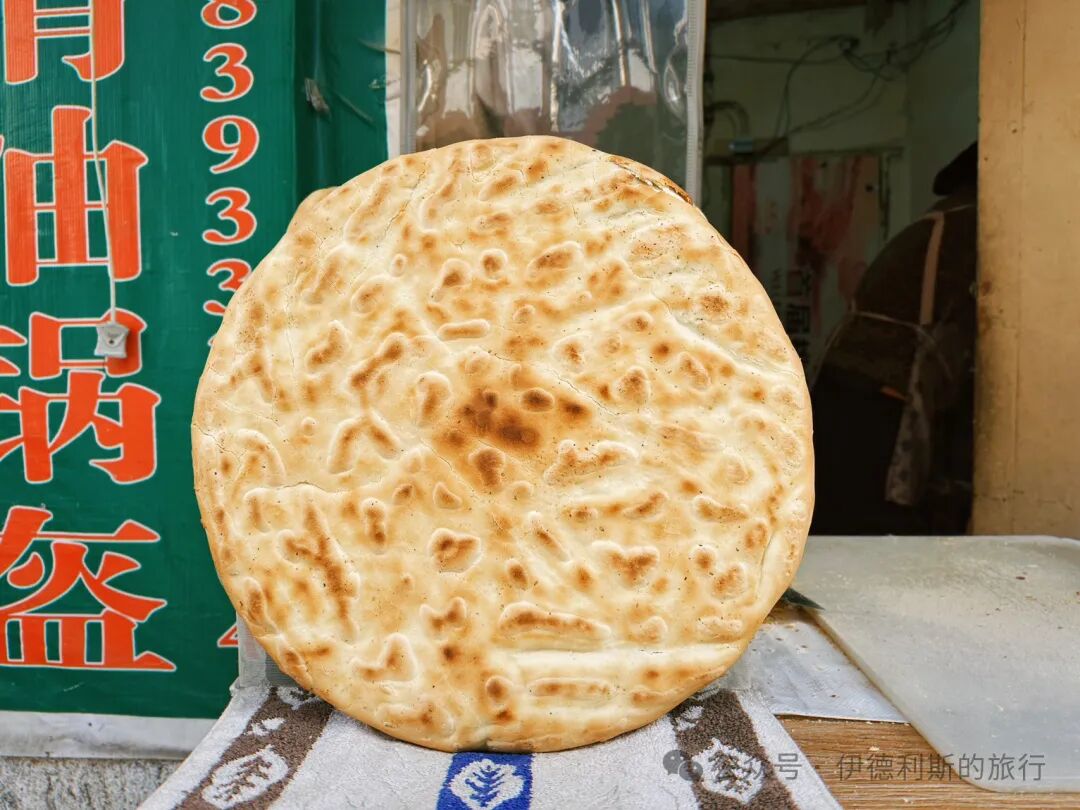
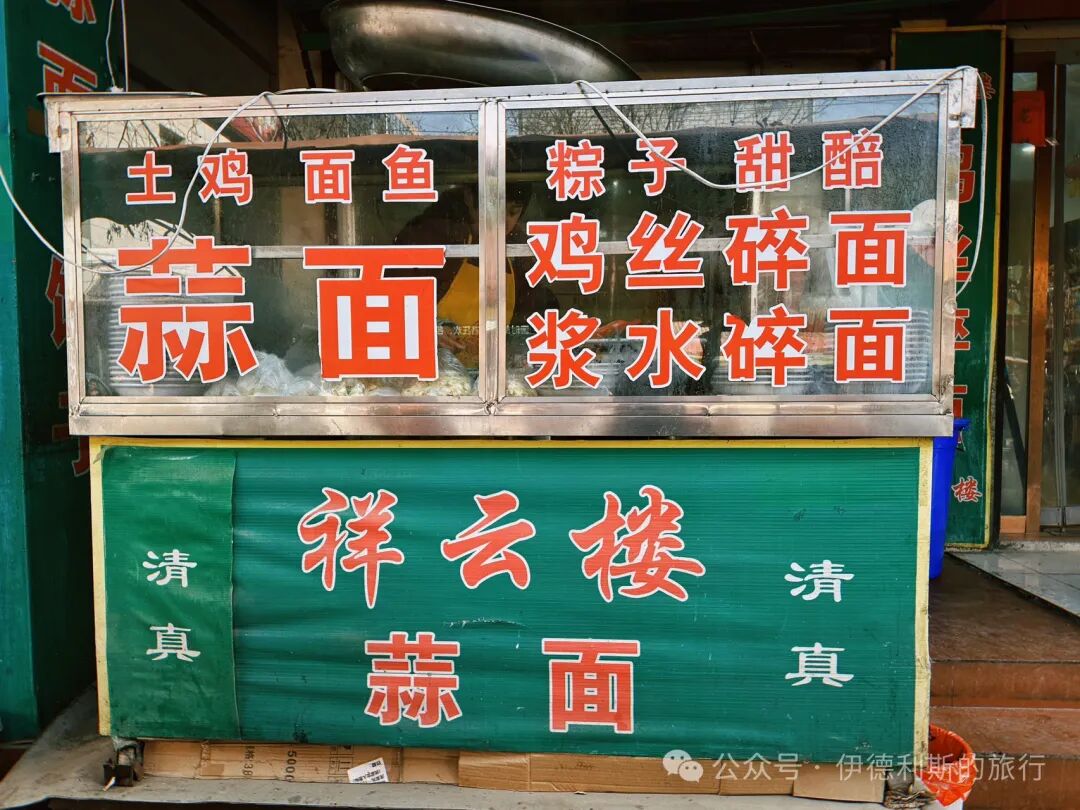
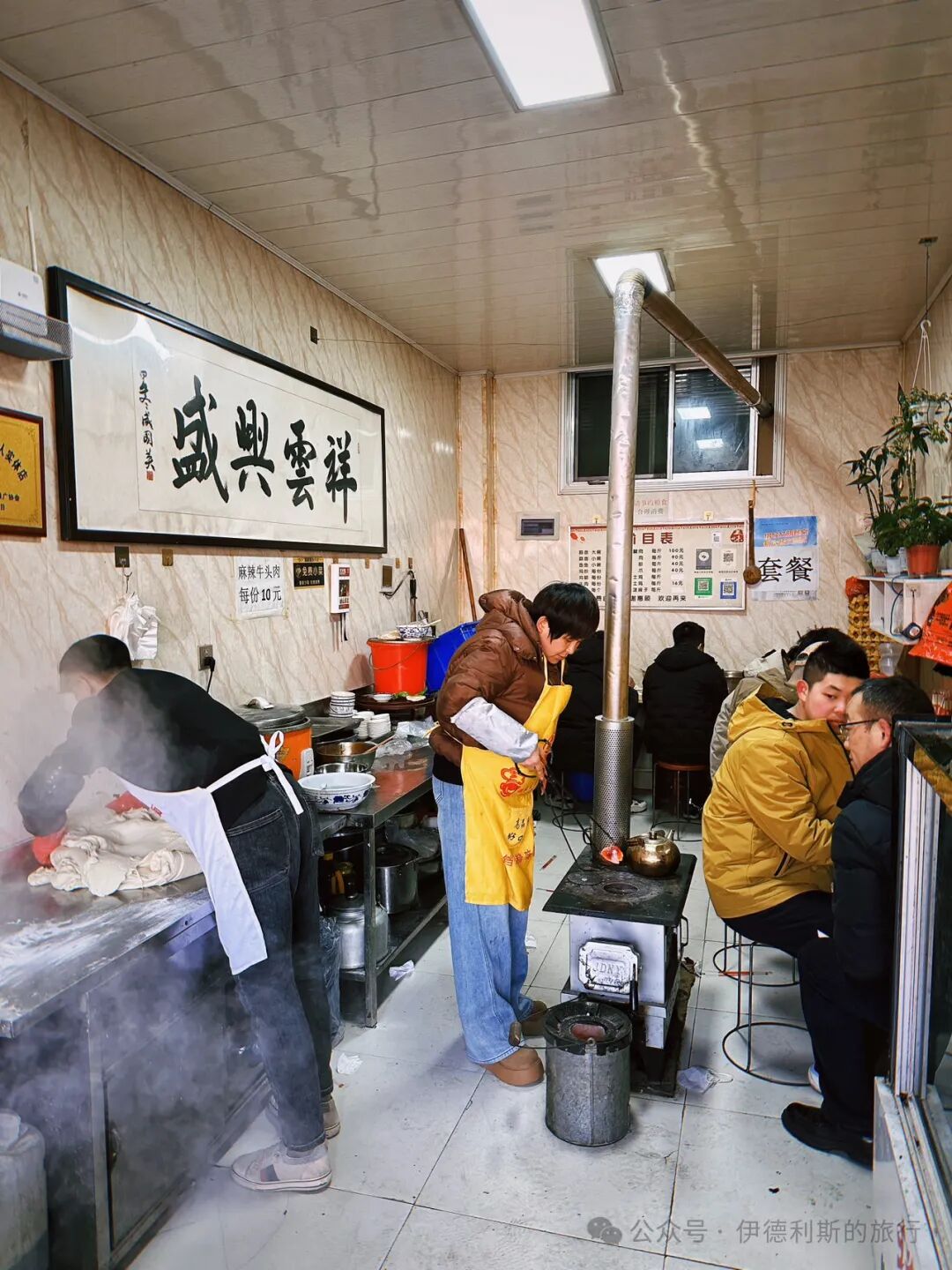
I ate the local garlic noodles (suanmian) in Shangguan, Qin'an. Qin'an garlic noodles rely on the garlic soup and chili oil, and the hand-pulled noodles (che mian) are very chewy. The chili powder from Qin'an is very famous; it is fragrant but not too spicy, which really boosts your appetite.
Summary: Qinan County in Gansu has a Qing-era mosque and a local food tradition centered on garlic noodles. This travel account keeps the mosque details, food descriptions, original photos, and local Hui Muslim context from the Chinese source.
Although Gansu Province has many old mosques (masjid), most have been rebuilt. Only four are listed as cultural heritage sites at the provincial level or higher. The national-level site is the Houjie Mosque in Tianshui. The provincial-level sites are the Xiananguan Mosque in Qin'an, the Jingning Mosque, and the Huangjia Mosque in Dongxiang. Additionally, the screen wall (yingbi) of the Beisi Mosque in Linxia and the Lamu Tower of the Huixian Mosque are also listed as provincial heritage sites. Among the buildings of the menhuan (Sufi orders), the Dajia House of the Xidaotang is a national heritage site, while the Xuanhuagang and Chuanguan Daotang of the Zhepai order are provincial heritage sites.
During the Spring Festival holiday, I took a high-speed train from Tianshui to visit the Xiananguan Mosque in Qin'an County. The high-speed train from Tianshui to Qin'an is very fast. After leaving the station, you need to share a car, and you can reach Xiananguan in 10 minutes.
The Xiananguan Mosque in Qin'an was first built during the Hongwu period of the Ming Dynasty and rebuilt during the Kangxi period of the Qing Dynasty. The main hall has a hanging gable roof (xuanshan ding). The rear kiln hall has an octagonal pointed roof (bazhuo zuanjian ding) for the minaret (bangkelou), which features exquisite brick carvings and bracket sets (dougong). The center of the main hall's roof ridge is decorated with a pavilion-style ridge ornament (jicha) topped with a halberd (fangtian huaji). The very top of the minaret also has a halberd, which is very unique. The word for halberd (ji) sounds like the word for rank (ji), symbolizing a rise in status.
Inside the main hall, the colorful paintings have a very local style. In the rear kiln hall, you can see the interior of the octagonal pointed roof, which features a caisson ceiling (zaojing) made of stacked wooden beams with beautiful wood carvings. Each side has an inscription, which are:
The hall faces the southern mountains, its beams connect to the Big Dipper, directly passing down the heart-to-heart teachings.
Firm as a rock, solid as mulberry roots, forever holding the holy path without falling.
The hall structure brings new light, increasing the path of faith, shining as long as the sun and moon.
Square and round in proper form, shaped like the earth, [illegible] and eternal.
The brick carvings on the prayer wall feature calligraphy in the Shagou style of the Zhepai order.
The small courtyard and the street view of Xiananguan. The south lecture hall has a couplet hanging:
Every word of truth is full of good intentions.
Every sound of the prayer (selan) brings blessings.
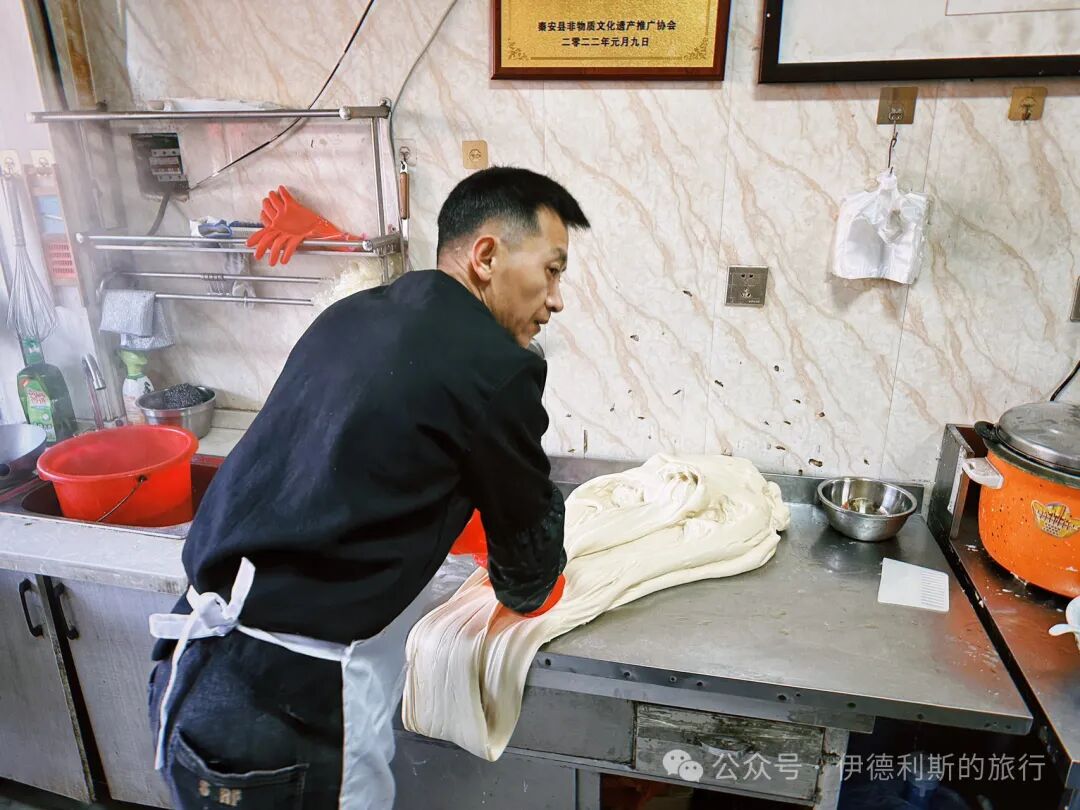
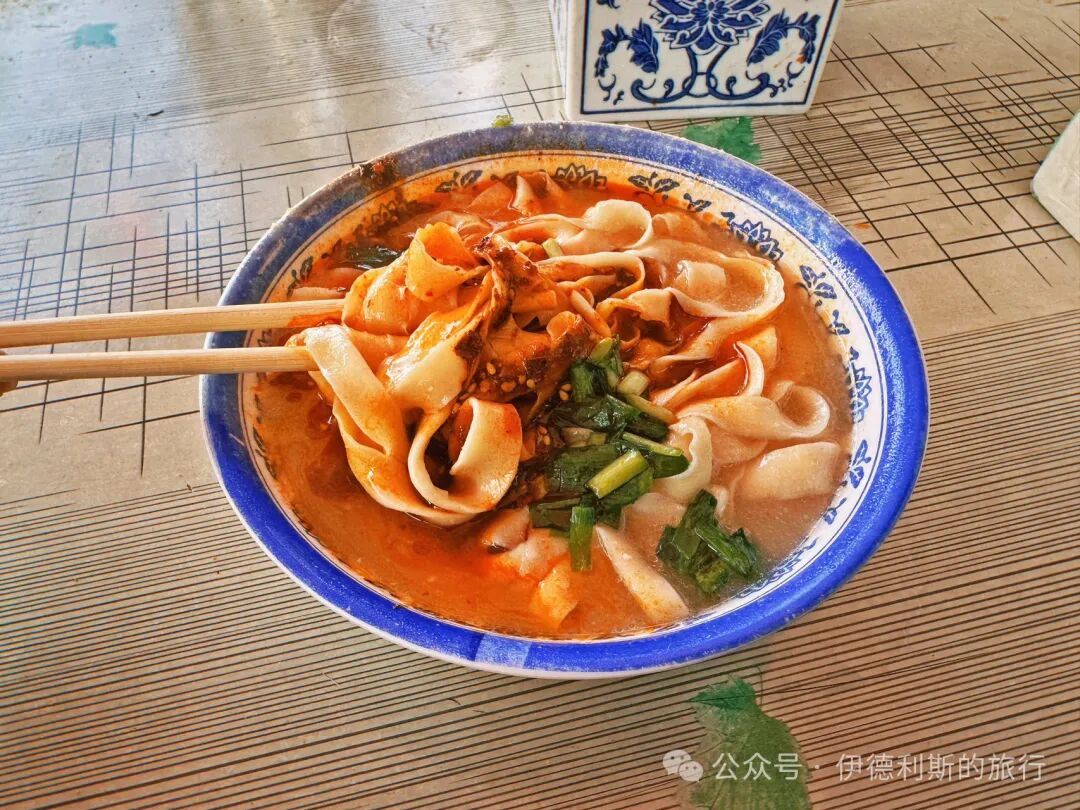
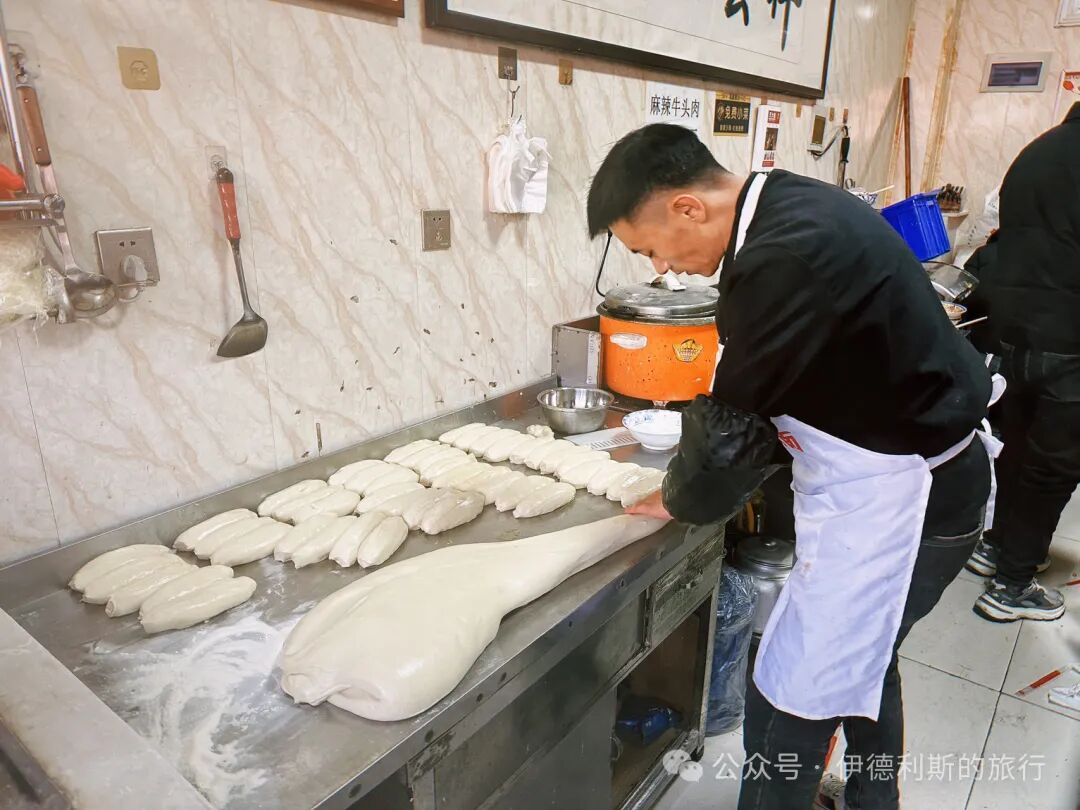
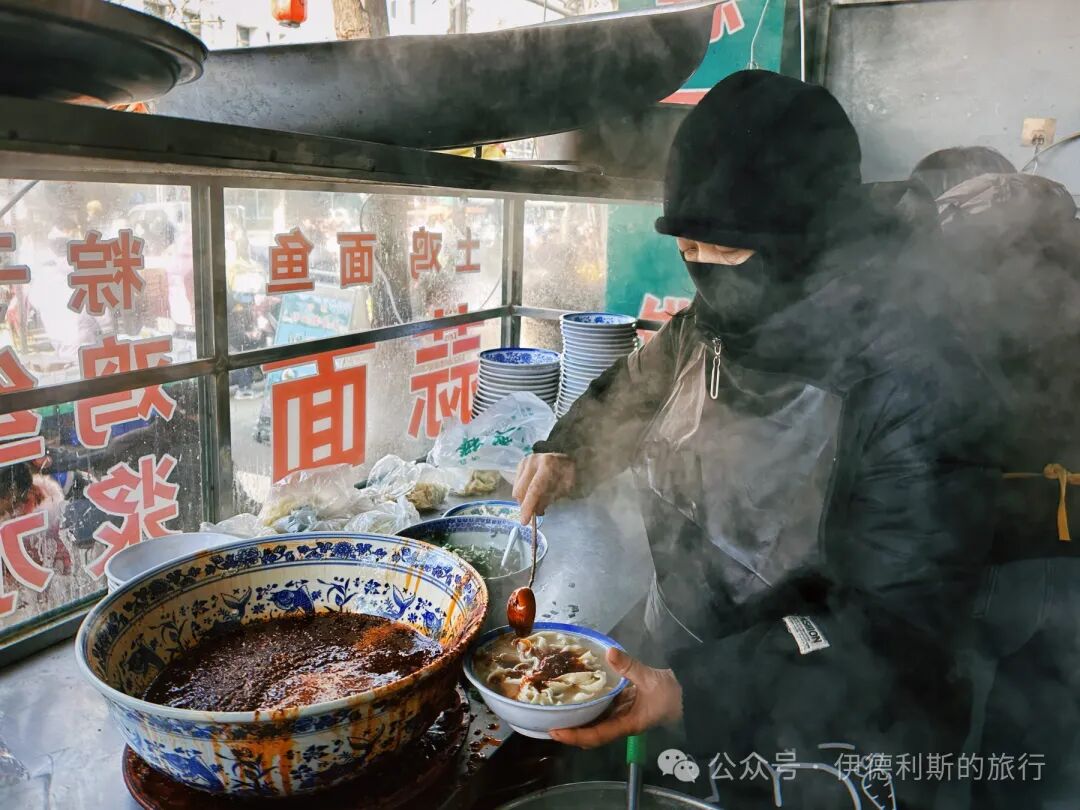
I ate the local garlic noodles (suanmian) in Shangguan, Qin'an. Qin'an garlic noodles rely on the garlic soup and chili oil, and the hand-pulled noodles (che mian) are very chewy. The chili powder from Qin'an is very famous; it is fragrant but not too spicy, which really boosts your appetite.
Muslim Travel Guide Singapore: Haja Fatimah Mosque, Western Minaret and Historic Prayer Hall
Articles • Hasan09 posted the article • 0 comments • 332 views • 2026-05-24 01:47
Reposted from the web
Summary: This Singapore Muslim travel guide visits Haja Fatimah Mosque, known in the source for its Western-style minaret. It keeps the author's Lion City mosque-series context, mosque details, and historic prayer-hall notes.
This mosque is the last one in my Lion City mosque exploration series. After this update, I will write some summary articles. I hope you all support them.
The most striking feature of this mosque is the style of its minaret, which looks different from the ones I usually see. It clearly borrows from Western architecture. At first glance, I really thought it was a Christian church.
There is an information board at the entrance of the mosque. It says it was built between 1845 and 1846. The site was originally the home of a person named Hajjah Fatimah. Hajjah Fatimah was a wealthy Malay woman from Malacca, Malaysia.
You can see from this that the connection between Singapore and Malaysia is truly very close. The previous Temenggong Mosque in Singapore is actually territory of the state of Johor, Malaysia.
Back to the main topic, in the late 1830s, this generous lady donated her property to build this mosque.
The designer of the mosque was a British architect whose name is no longer known. It is no wonder the mosque's minaret looks a lot like a church steeple.
One day after visiting the area near the Flower Dome, I came to this mosque. It was late, past nine o'clock, but the mosque gate was still open. Google Maps shows that this mosque closes at nine o'clock. I was wondering why the mosque was still open after nine o'clock; it seemed like Google Maps was wrong.
But after I finished my wudu, the prayer hall actually closed. I had to leave feeling disappointed and decided to come back the next morning to take photos of the prayer hall. It was not far from where I was staying anyway. I returned the next day and got the photos of the inside of the prayer hall just as I wanted.
A Quran study class was being held in the main hall, where a teacher was teaching children how to recite the Quran. There were also some outside the hall.
As I put my shoes on to leave, I noticed the floor tiles (Figure 11) were actually quite special; each color block was a separate piece, and the whole pattern had to be pieced together to form the design.
I remember seeing these kinds of tiles only in some old Western-style hotels.
The last photo is what I saw that night at the community activity center next to the mosque. Many people inside were playing badminton or tennis, and the entrance was decorated with colorful lights and a sign that said Selamat Hari Raya, which is Malay for Happy Eid al-Fitr. view all
Summary: This Singapore Muslim travel guide visits Haja Fatimah Mosque, known in the source for its Western-style minaret. It keeps the author's Lion City mosque-series context, mosque details, and historic prayer-hall notes.
This mosque is the last one in my Lion City mosque exploration series. After this update, I will write some summary articles. I hope you all support them.
The most striking feature of this mosque is the style of its minaret, which looks different from the ones I usually see. It clearly borrows from Western architecture. At first glance, I really thought it was a Christian church.
There is an information board at the entrance of the mosque. It says it was built between 1845 and 1846. The site was originally the home of a person named Hajjah Fatimah. Hajjah Fatimah was a wealthy Malay woman from Malacca, Malaysia.
You can see from this that the connection between Singapore and Malaysia is truly very close. The previous Temenggong Mosque in Singapore is actually territory of the state of Johor, Malaysia.
Back to the main topic, in the late 1830s, this generous lady donated her property to build this mosque.
The designer of the mosque was a British architect whose name is no longer known. It is no wonder the mosque's minaret looks a lot like a church steeple.
One day after visiting the area near the Flower Dome, I came to this mosque. It was late, past nine o'clock, but the mosque gate was still open. Google Maps shows that this mosque closes at nine o'clock. I was wondering why the mosque was still open after nine o'clock; it seemed like Google Maps was wrong.
But after I finished my wudu, the prayer hall actually closed. I had to leave feeling disappointed and decided to come back the next morning to take photos of the prayer hall. It was not far from where I was staying anyway. I returned the next day and got the photos of the inside of the prayer hall just as I wanted.
A Quran study class was being held in the main hall, where a teacher was teaching children how to recite the Quran. There were also some outside the hall.
As I put my shoes on to leave, I noticed the floor tiles (Figure 11) were actually quite special; each color block was a separate piece, and the whole pattern had to be pieced together to form the design.
I remember seeing these kinds of tiles only in some old Western-style hotels.
The last photo is what I saw that night at the community activity center next to the mosque. Many people inside were playing badminton or tennis, and the entrance was decorated with colorful lights and a sign that said Selamat Hari Raya, which is Malay for Happy Eid al-Fitr. view all
Reposted from the web
Summary: This Singapore Muslim travel guide visits Haja Fatimah Mosque, known in the source for its Western-style minaret. It keeps the author's Lion City mosque-series context, mosque details, and historic prayer-hall notes.
This mosque is the last one in my Lion City mosque exploration series. After this update, I will write some summary articles. I hope you all support them.
The most striking feature of this mosque is the style of its minaret, which looks different from the ones I usually see. It clearly borrows from Western architecture. At first glance, I really thought it was a Christian church.
There is an information board at the entrance of the mosque. It says it was built between 1845 and 1846. The site was originally the home of a person named Hajjah Fatimah. Hajjah Fatimah was a wealthy Malay woman from Malacca, Malaysia.
You can see from this that the connection between Singapore and Malaysia is truly very close. The previous Temenggong Mosque in Singapore is actually territory of the state of Johor, Malaysia.
Back to the main topic, in the late 1830s, this generous lady donated her property to build this mosque.
The designer of the mosque was a British architect whose name is no longer known. It is no wonder the mosque's minaret looks a lot like a church steeple.
One day after visiting the area near the Flower Dome, I came to this mosque. It was late, past nine o'clock, but the mosque gate was still open. Google Maps shows that this mosque closes at nine o'clock. I was wondering why the mosque was still open after nine o'clock; it seemed like Google Maps was wrong.
But after I finished my wudu, the prayer hall actually closed. I had to leave feeling disappointed and decided to come back the next morning to take photos of the prayer hall. It was not far from where I was staying anyway. I returned the next day and got the photos of the inside of the prayer hall just as I wanted.
A Quran study class was being held in the main hall, where a teacher was teaching children how to recite the Quran. There were also some outside the hall.
As I put my shoes on to leave, I noticed the floor tiles (Figure 11) were actually quite special; each color block was a separate piece, and the whole pattern had to be pieced together to form the design.
I remember seeing these kinds of tiles only in some old Western-style hotels.
The last photo is what I saw that night at the community activity center next to the mosque. Many people inside were playing badminton or tennis, and the entrance was decorated with colorful lights and a sign that said Selamat Hari Raya, which is Malay for Happy Eid al-Fitr.
Summary: This Singapore Muslim travel guide visits Haja Fatimah Mosque, known in the source for its Western-style minaret. It keeps the author's Lion City mosque-series context, mosque details, and historic prayer-hall notes.
This mosque is the last one in my Lion City mosque exploration series. After this update, I will write some summary articles. I hope you all support them.
The most striking feature of this mosque is the style of its minaret, which looks different from the ones I usually see. It clearly borrows from Western architecture. At first glance, I really thought it was a Christian church.
There is an information board at the entrance of the mosque. It says it was built between 1845 and 1846. The site was originally the home of a person named Hajjah Fatimah. Hajjah Fatimah was a wealthy Malay woman from Malacca, Malaysia.
You can see from this that the connection between Singapore and Malaysia is truly very close. The previous Temenggong Mosque in Singapore is actually territory of the state of Johor, Malaysia.
Back to the main topic, in the late 1830s, this generous lady donated her property to build this mosque.
The designer of the mosque was a British architect whose name is no longer known. It is no wonder the mosque's minaret looks a lot like a church steeple.
One day after visiting the area near the Flower Dome, I came to this mosque. It was late, past nine o'clock, but the mosque gate was still open. Google Maps shows that this mosque closes at nine o'clock. I was wondering why the mosque was still open after nine o'clock; it seemed like Google Maps was wrong.
But after I finished my wudu, the prayer hall actually closed. I had to leave feeling disappointed and decided to come back the next morning to take photos of the prayer hall. It was not far from where I was staying anyway. I returned the next day and got the photos of the inside of the prayer hall just as I wanted.
A Quran study class was being held in the main hall, where a teacher was teaching children how to recite the Quran. There were also some outside the hall.
As I put my shoes on to leave, I noticed the floor tiles (Figure 11) were actually quite special; each color block was a separate piece, and the whole pattern had to be pieced together to form the design.
I remember seeing these kinds of tiles only in some old Western-style hotels.
The last photo is what I saw that night at the community activity center next to the mosque. Many people inside were playing badminton or tennis, and the entrance was decorated with colorful lights and a sign that said Selamat Hari Raya, which is Malay for Happy Eid al-Fitr.
Halal Travel Guide: Jiangyou, Sichuan — Zhongba Mosque and Hui Muslim History
Articles • ali2007fr posted the article • 0 comments • 175 views • 2026-05-20 00:58
Reposted from the web
Summary: Zhongba Mosque in Jiangyou, Sichuan, is tied to local Hui Muslim history, architecture, and community life. This visit keeps the original mosque details, photos, place names, and historical context from the Chinese source.
On January 25, I took a high-speed train from Deyang, Sichuan, in the morning. It took just over half an hour to reach Jiangyou Station. Then, I took a three-wheeled taxi (sanbengzi) to Zhongba Mosque. There is a beef restaurant in the alley next to the mosque where you can eat authentic Jiangyou-style Sichuan stir-fry. I ordered steamed beef with rice flour (fenzheng niurou) and mapo tofu. The rice had corn mixed in. I prefer ordering dishes in small restaurants over eating hot pot. Everything I order here goes perfectly with rice. The restaurant also sells fruit-flavored beef jerky and spicy beef jerky, which are specialties of the Hui Muslims in Sichuan.
The area outside the mosque is full of beef and braised meat shops. With the Spring Festival approaching, it is the time to buy various cured meats, pressed duck (banya), pressed goose (bane), and beef sausages. Sichuan people love eating these in winter.
Zhongba Mosque is located outside the North Gate of Zhongba in Jiangyou, Sichuan. During the Qing Dynasty and the Republic of China, this was a distribution center for medicinal herbs and mountain goods in the Sichuan-Shaanxi-Gansu region. It was also an important passage connecting the Songmao area to the Chengdu Plain, once serving as a busy market with many pharmacies and inns. Zhongba Mosque was reportedly built in 1861 (the 11th year of the Xianfeng reign). In 1884 (the 10th year of the Guangxu reign), Ma Dingyuan, the owner of the Dingliyuan Tea House, and others donated funds to expand it into its current appearance.
In 1935, the mosque's imam, Xiao Fuzhen, joined the Red Army. He worked among Hui Muslims in places like Maoxian, Dajin, and Jinchuan in Sichuan. He led the formation of a Red Army Hui independent company made up of Sichuan Hui Muslims. In 1936, he went north with the Red Army and died heroically while fighting the enemy in Ma'erkang.
In 1944, Imam Hui Tianxiang from Lueyang, Shaanxi, became the head of Zhongba Mosque. He promoted the Yihewani movement of "respecting the scriptures and reforming customs," making Zhongba Mosque one of only two Yihewani mosques in Sichuan province (the other is on Shanghe Street in Guangyuan).
Qing Dynasty plaques inside Zhongba Mosque:
The Essence of the Two and Five
Respectfully presented by the religious community of Pingyi
An auspicious day in the first ten days of the second lunar month, the 11th year of the Guangxu reign
Pingyi here likely refers to Pingwu County in Mianyang, Sichuan.
Vast, Subtle, and Refined
An auspicious day in the first ten days of the sixth lunar month, the 10th year of the Guangxu reign of the Great Qing Dynasty
Ma Wenmeng, a Jinshi degree holder from the Jiwei year, appointed member of the Hanlin Academy, and former magistrate of Fengyang Prefecture, Anhui
Xu Cheng'ao, a hereditary second-class earl, commander of the provincial ten-battalion elite troops, and director of the Changsheng Army camp
Ma Zhonglong, an official with the third-rank title and peacock feather, former magistrate of Zhenfeng Prefecture, Guizhou, and current magistrate of Tongren Prefecture
Pure, Truthful, Elegant, and Correct
An auspicious day in the first ten days of the sixth lunar month, the 10th year of the Guangxu reign of the Great Qing Dynasty
Respectfully inscribed by the scholar Lianquan Jushi Rouchizi after ritual cleansing
Vast and boundless.
Presented by the religious leaders (jiaomu) of Huajie Town in Anyi.
Erected in the second month of the eleventh year of the Guangxu reign.
Anyi here likely refers to the present-day Anzhou District of Mianyang, Sichuan.
True spirit is lively.
Imperial-appointed Commander-in-Chief of the Sichuan Songpan Garrison, Liyong Baturu...
Acting Prefect of the Songpan Independent Prefecture in Sichuan, responsible for civil administration and pacifying the border tribes...
The second month of spring in the eleventh year of the Guangxu reign.
It is estimated that the Commander-in-Chief of the Sichuan Songpan Garrison, Liyong Baturu, was Xia Yuxiu from Kunming, Yunnan. He became the Songpan Brigade General in the seventh year of the Guangxu reign, guarded Songpan for ten years, and was later promoted to Commander-in-Chief of Sichuan. view all
Summary: Zhongba Mosque in Jiangyou, Sichuan, is tied to local Hui Muslim history, architecture, and community life. This visit keeps the original mosque details, photos, place names, and historical context from the Chinese source.
On January 25, I took a high-speed train from Deyang, Sichuan, in the morning. It took just over half an hour to reach Jiangyou Station. Then, I took a three-wheeled taxi (sanbengzi) to Zhongba Mosque. There is a beef restaurant in the alley next to the mosque where you can eat authentic Jiangyou-style Sichuan stir-fry. I ordered steamed beef with rice flour (fenzheng niurou) and mapo tofu. The rice had corn mixed in. I prefer ordering dishes in small restaurants over eating hot pot. Everything I order here goes perfectly with rice. The restaurant also sells fruit-flavored beef jerky and spicy beef jerky, which are specialties of the Hui Muslims in Sichuan.
The area outside the mosque is full of beef and braised meat shops. With the Spring Festival approaching, it is the time to buy various cured meats, pressed duck (banya), pressed goose (bane), and beef sausages. Sichuan people love eating these in winter.
Zhongba Mosque is located outside the North Gate of Zhongba in Jiangyou, Sichuan. During the Qing Dynasty and the Republic of China, this was a distribution center for medicinal herbs and mountain goods in the Sichuan-Shaanxi-Gansu region. It was also an important passage connecting the Songmao area to the Chengdu Plain, once serving as a busy market with many pharmacies and inns. Zhongba Mosque was reportedly built in 1861 (the 11th year of the Xianfeng reign). In 1884 (the 10th year of the Guangxu reign), Ma Dingyuan, the owner of the Dingliyuan Tea House, and others donated funds to expand it into its current appearance.
In 1935, the mosque's imam, Xiao Fuzhen, joined the Red Army. He worked among Hui Muslims in places like Maoxian, Dajin, and Jinchuan in Sichuan. He led the formation of a Red Army Hui independent company made up of Sichuan Hui Muslims. In 1936, he went north with the Red Army and died heroically while fighting the enemy in Ma'erkang.
In 1944, Imam Hui Tianxiang from Lueyang, Shaanxi, became the head of Zhongba Mosque. He promoted the Yihewani movement of "respecting the scriptures and reforming customs," making Zhongba Mosque one of only two Yihewani mosques in Sichuan province (the other is on Shanghe Street in Guangyuan).
Qing Dynasty plaques inside Zhongba Mosque:
The Essence of the Two and Five
Respectfully presented by the religious community of Pingyi
An auspicious day in the first ten days of the second lunar month, the 11th year of the Guangxu reign
Pingyi here likely refers to Pingwu County in Mianyang, Sichuan.
Vast, Subtle, and Refined
An auspicious day in the first ten days of the sixth lunar month, the 10th year of the Guangxu reign of the Great Qing Dynasty
Ma Wenmeng, a Jinshi degree holder from the Jiwei year, appointed member of the Hanlin Academy, and former magistrate of Fengyang Prefecture, Anhui
Xu Cheng'ao, a hereditary second-class earl, commander of the provincial ten-battalion elite troops, and director of the Changsheng Army camp
Ma Zhonglong, an official with the third-rank title and peacock feather, former magistrate of Zhenfeng Prefecture, Guizhou, and current magistrate of Tongren Prefecture
Pure, Truthful, Elegant, and Correct
An auspicious day in the first ten days of the sixth lunar month, the 10th year of the Guangxu reign of the Great Qing Dynasty
Respectfully inscribed by the scholar Lianquan Jushi Rouchizi after ritual cleansing
Vast and boundless.
Presented by the religious leaders (jiaomu) of Huajie Town in Anyi.
Erected in the second month of the eleventh year of the Guangxu reign.
Anyi here likely refers to the present-day Anzhou District of Mianyang, Sichuan.
True spirit is lively.
Imperial-appointed Commander-in-Chief of the Sichuan Songpan Garrison, Liyong Baturu...
Acting Prefect of the Songpan Independent Prefecture in Sichuan, responsible for civil administration and pacifying the border tribes...
The second month of spring in the eleventh year of the Guangxu reign.
It is estimated that the Commander-in-Chief of the Sichuan Songpan Garrison, Liyong Baturu, was Xia Yuxiu from Kunming, Yunnan. He became the Songpan Brigade General in the seventh year of the Guangxu reign, guarded Songpan for ten years, and was later promoted to Commander-in-Chief of Sichuan. view all
Reposted from the web
Summary: Zhongba Mosque in Jiangyou, Sichuan, is tied to local Hui Muslim history, architecture, and community life. This visit keeps the original mosque details, photos, place names, and historical context from the Chinese source.
On January 25, I took a high-speed train from Deyang, Sichuan, in the morning. It took just over half an hour to reach Jiangyou Station. Then, I took a three-wheeled taxi (sanbengzi) to Zhongba Mosque. There is a beef restaurant in the alley next to the mosque where you can eat authentic Jiangyou-style Sichuan stir-fry. I ordered steamed beef with rice flour (fenzheng niurou) and mapo tofu. The rice had corn mixed in. I prefer ordering dishes in small restaurants over eating hot pot. Everything I order here goes perfectly with rice. The restaurant also sells fruit-flavored beef jerky and spicy beef jerky, which are specialties of the Hui Muslims in Sichuan.
The area outside the mosque is full of beef and braised meat shops. With the Spring Festival approaching, it is the time to buy various cured meats, pressed duck (banya), pressed goose (bane), and beef sausages. Sichuan people love eating these in winter.
Zhongba Mosque is located outside the North Gate of Zhongba in Jiangyou, Sichuan. During the Qing Dynasty and the Republic of China, this was a distribution center for medicinal herbs and mountain goods in the Sichuan-Shaanxi-Gansu region. It was also an important passage connecting the Songmao area to the Chengdu Plain, once serving as a busy market with many pharmacies and inns. Zhongba Mosque was reportedly built in 1861 (the 11th year of the Xianfeng reign). In 1884 (the 10th year of the Guangxu reign), Ma Dingyuan, the owner of the Dingliyuan Tea House, and others donated funds to expand it into its current appearance.
In 1935, the mosque's imam, Xiao Fuzhen, joined the Red Army. He worked among Hui Muslims in places like Maoxian, Dajin, and Jinchuan in Sichuan. He led the formation of a Red Army Hui independent company made up of Sichuan Hui Muslims. In 1936, he went north with the Red Army and died heroically while fighting the enemy in Ma'erkang.
In 1944, Imam Hui Tianxiang from Lueyang, Shaanxi, became the head of Zhongba Mosque. He promoted the Yihewani movement of "respecting the scriptures and reforming customs," making Zhongba Mosque one of only two Yihewani mosques in Sichuan province (the other is on Shanghe Street in Guangyuan).
Qing Dynasty plaques inside Zhongba Mosque:
The Essence of the Two and Five
Respectfully presented by the religious community of Pingyi
An auspicious day in the first ten days of the second lunar month, the 11th year of the Guangxu reign
Pingyi here likely refers to Pingwu County in Mianyang, Sichuan.
Vast, Subtle, and Refined
An auspicious day in the first ten days of the sixth lunar month, the 10th year of the Guangxu reign of the Great Qing Dynasty
Ma Wenmeng, a Jinshi degree holder from the Jiwei year, appointed member of the Hanlin Academy, and former magistrate of Fengyang Prefecture, Anhui
Xu Cheng'ao, a hereditary second-class earl, commander of the provincial ten-battalion elite troops, and director of the Changsheng Army camp
Ma Zhonglong, an official with the third-rank title and peacock feather, former magistrate of Zhenfeng Prefecture, Guizhou, and current magistrate of Tongren Prefecture
Pure, Truthful, Elegant, and Correct
An auspicious day in the first ten days of the sixth lunar month, the 10th year of the Guangxu reign of the Great Qing Dynasty
Respectfully inscribed by the scholar Lianquan Jushi Rouchizi after ritual cleansing
Vast and boundless.
Presented by the religious leaders (jiaomu) of Huajie Town in Anyi.
Erected in the second month of the eleventh year of the Guangxu reign.
Anyi here likely refers to the present-day Anzhou District of Mianyang, Sichuan.
True spirit is lively.
Imperial-appointed Commander-in-Chief of the Sichuan Songpan Garrison, Liyong Baturu...
Acting Prefect of the Songpan Independent Prefecture in Sichuan, responsible for civil administration and pacifying the border tribes...
The second month of spring in the eleventh year of the Guangxu reign.
It is estimated that the Commander-in-Chief of the Sichuan Songpan Garrison, Liyong Baturu, was Xia Yuxiu from Kunming, Yunnan. He became the Songpan Brigade General in the seventh year of the Guangxu reign, guarded Songpan for ten years, and was later promoted to Commander-in-Chief of Sichuan.
Summary: Zhongba Mosque in Jiangyou, Sichuan, is tied to local Hui Muslim history, architecture, and community life. This visit keeps the original mosque details, photos, place names, and historical context from the Chinese source.
On January 25, I took a high-speed train from Deyang, Sichuan, in the morning. It took just over half an hour to reach Jiangyou Station. Then, I took a three-wheeled taxi (sanbengzi) to Zhongba Mosque. There is a beef restaurant in the alley next to the mosque where you can eat authentic Jiangyou-style Sichuan stir-fry. I ordered steamed beef with rice flour (fenzheng niurou) and mapo tofu. The rice had corn mixed in. I prefer ordering dishes in small restaurants over eating hot pot. Everything I order here goes perfectly with rice. The restaurant also sells fruit-flavored beef jerky and spicy beef jerky, which are specialties of the Hui Muslims in Sichuan.
The area outside the mosque is full of beef and braised meat shops. With the Spring Festival approaching, it is the time to buy various cured meats, pressed duck (banya), pressed goose (bane), and beef sausages. Sichuan people love eating these in winter.
Zhongba Mosque is located outside the North Gate of Zhongba in Jiangyou, Sichuan. During the Qing Dynasty and the Republic of China, this was a distribution center for medicinal herbs and mountain goods in the Sichuan-Shaanxi-Gansu region. It was also an important passage connecting the Songmao area to the Chengdu Plain, once serving as a busy market with many pharmacies and inns. Zhongba Mosque was reportedly built in 1861 (the 11th year of the Xianfeng reign). In 1884 (the 10th year of the Guangxu reign), Ma Dingyuan, the owner of the Dingliyuan Tea House, and others donated funds to expand it into its current appearance.
In 1935, the mosque's imam, Xiao Fuzhen, joined the Red Army. He worked among Hui Muslims in places like Maoxian, Dajin, and Jinchuan in Sichuan. He led the formation of a Red Army Hui independent company made up of Sichuan Hui Muslims. In 1936, he went north with the Red Army and died heroically while fighting the enemy in Ma'erkang.
In 1944, Imam Hui Tianxiang from Lueyang, Shaanxi, became the head of Zhongba Mosque. He promoted the Yihewani movement of "respecting the scriptures and reforming customs," making Zhongba Mosque one of only two Yihewani mosques in Sichuan province (the other is on Shanghe Street in Guangyuan).
Qing Dynasty plaques inside Zhongba Mosque:
The Essence of the Two and Five
Respectfully presented by the religious community of Pingyi
An auspicious day in the first ten days of the second lunar month, the 11th year of the Guangxu reign
Pingyi here likely refers to Pingwu County in Mianyang, Sichuan.
Vast, Subtle, and Refined
An auspicious day in the first ten days of the sixth lunar month, the 10th year of the Guangxu reign of the Great Qing Dynasty
Ma Wenmeng, a Jinshi degree holder from the Jiwei year, appointed member of the Hanlin Academy, and former magistrate of Fengyang Prefecture, Anhui
Xu Cheng'ao, a hereditary second-class earl, commander of the provincial ten-battalion elite troops, and director of the Changsheng Army camp
Ma Zhonglong, an official with the third-rank title and peacock feather, former magistrate of Zhenfeng Prefecture, Guizhou, and current magistrate of Tongren Prefecture
Pure, Truthful, Elegant, and Correct
An auspicious day in the first ten days of the sixth lunar month, the 10th year of the Guangxu reign of the Great Qing Dynasty
Respectfully inscribed by the scholar Lianquan Jushi Rouchizi after ritual cleansing
Vast and boundless.
Presented by the religious leaders (jiaomu) of Huajie Town in Anyi.
Erected in the second month of the eleventh year of the Guangxu reign.
Anyi here likely refers to the present-day Anzhou District of Mianyang, Sichuan.
True spirit is lively.
Imperial-appointed Commander-in-Chief of the Sichuan Songpan Garrison, Liyong Baturu...
Acting Prefect of the Songpan Independent Prefecture in Sichuan, responsible for civil administration and pacifying the border tribes...
The second month of spring in the eleventh year of the Guangxu reign.
It is estimated that the Commander-in-Chief of the Sichuan Songpan Garrison, Liyong Baturu, was Xia Yuxiu from Kunming, Yunnan. He became the Songpan Brigade General in the seventh year of the Guangxu reign, guarded Songpan for ten years, and was later promoted to Commander-in-Chief of Sichuan.
Halal Travel Guide: Qinan, Gansu — Qing Mosque, Hui History and Garlic Noodles
Articles • ali2007fr posted the article • 0 comments • 149 views • 2026-05-20 00:57
Reposted from the web
Summary: Qinan County in Gansu has a Qing-era mosque and a local food tradition centered on garlic noodles. This travel account keeps the mosque details, food descriptions, original photos, and local Hui Muslim context from the Chinese source.
Although Gansu Province has many old mosques (masjid), most have been rebuilt. Only four are listed as cultural heritage sites at the provincial level or higher. The national-level site is the Houjie Mosque in Tianshui. The provincial-level sites are the Xiananguan Mosque in Qin'an, the Jingning Mosque, and the Huangjia Mosque in Dongxiang. Additionally, the screen wall (yingbi) of the Beisi Mosque in Linxia and the Lamu Tower of the Huixian Mosque are also listed as provincial heritage sites. Among the buildings of the menhuan (Sufi orders), the Dajia House of the Xidaotang is a national heritage site, while the Xuanhuagang and Chuanguan Daotang of the Zhepai order are provincial heritage sites.
During the Spring Festival holiday, I took a high-speed train from Tianshui to visit the Xiananguan Mosque in Qin'an County. The high-speed train from Tianshui to Qin'an is very fast. After leaving the station, you need to share a car, and you can reach Xiananguan in 10 minutes.
The Xiananguan Mosque in Qin'an was first built during the Hongwu period of the Ming Dynasty and rebuilt during the Kangxi period of the Qing Dynasty. The main hall has a hanging gable roof (xuanshan ding). The rear kiln hall has an octagonal pointed roof (bazhuo zuanjian ding) for the minaret (bangkelou), which features exquisite brick carvings and bracket sets (dougong). The center of the main hall's roof ridge is decorated with a pavilion-style ridge ornament (jicha) topped with a halberd (fangtian huaji). The very top of the minaret also has a halberd, which is very unique. The word for halberd (ji) sounds like the word for rank (ji), symbolizing a rise in status.
Inside the main hall, the colorful paintings have a very local style. In the rear kiln hall, you can see the interior of the octagonal pointed roof, which features a caisson ceiling (zaojing) made of stacked wooden beams with beautiful wood carvings. Each side has an inscription, which are:
The hall faces the southern mountains, its beams connect to the Big Dipper, directly passing down the heart-to-heart teachings.
Firm as a rock, solid as mulberry roots, forever holding the holy path without falling.
The hall structure brings new light, increasing the path of faith, shining as long as the sun and moon.
Square and round in proper form, shaped like the earth, [illegible] and eternal.
The brick carvings on the prayer wall feature calligraphy in the Shagou style of the Zhepai order.
The small courtyard and the street view of Xiananguan. The south lecture hall has a couplet hanging:
Every word of truth is full of good intentions.
Every sound of the prayer (selan) brings blessings.
I ate the local garlic noodles (suanmian) in Shangguan, Qin'an. Qin'an garlic noodles rely on the garlic soup and chili oil, and the hand-pulled noodles (che mian) are very chewy. The chili powder from Qin'an is very famous; it is fragrant but not too spicy, which really boosts your appetite. view all
Summary: Qinan County in Gansu has a Qing-era mosque and a local food tradition centered on garlic noodles. This travel account keeps the mosque details, food descriptions, original photos, and local Hui Muslim context from the Chinese source.
Although Gansu Province has many old mosques (masjid), most have been rebuilt. Only four are listed as cultural heritage sites at the provincial level or higher. The national-level site is the Houjie Mosque in Tianshui. The provincial-level sites are the Xiananguan Mosque in Qin'an, the Jingning Mosque, and the Huangjia Mosque in Dongxiang. Additionally, the screen wall (yingbi) of the Beisi Mosque in Linxia and the Lamu Tower of the Huixian Mosque are also listed as provincial heritage sites. Among the buildings of the menhuan (Sufi orders), the Dajia House of the Xidaotang is a national heritage site, while the Xuanhuagang and Chuanguan Daotang of the Zhepai order are provincial heritage sites.
During the Spring Festival holiday, I took a high-speed train from Tianshui to visit the Xiananguan Mosque in Qin'an County. The high-speed train from Tianshui to Qin'an is very fast. After leaving the station, you need to share a car, and you can reach Xiananguan in 10 minutes.
The Xiananguan Mosque in Qin'an was first built during the Hongwu period of the Ming Dynasty and rebuilt during the Kangxi period of the Qing Dynasty. The main hall has a hanging gable roof (xuanshan ding). The rear kiln hall has an octagonal pointed roof (bazhuo zuanjian ding) for the minaret (bangkelou), which features exquisite brick carvings and bracket sets (dougong). The center of the main hall's roof ridge is decorated with a pavilion-style ridge ornament (jicha) topped with a halberd (fangtian huaji). The very top of the minaret also has a halberd, which is very unique. The word for halberd (ji) sounds like the word for rank (ji), symbolizing a rise in status.
Inside the main hall, the colorful paintings have a very local style. In the rear kiln hall, you can see the interior of the octagonal pointed roof, which features a caisson ceiling (zaojing) made of stacked wooden beams with beautiful wood carvings. Each side has an inscription, which are:
The hall faces the southern mountains, its beams connect to the Big Dipper, directly passing down the heart-to-heart teachings.
Firm as a rock, solid as mulberry roots, forever holding the holy path without falling.
The hall structure brings new light, increasing the path of faith, shining as long as the sun and moon.
Square and round in proper form, shaped like the earth, [illegible] and eternal.
The brick carvings on the prayer wall feature calligraphy in the Shagou style of the Zhepai order.
The small courtyard and the street view of Xiananguan. The south lecture hall has a couplet hanging:
Every word of truth is full of good intentions.
Every sound of the prayer (selan) brings blessings.
I ate the local garlic noodles (suanmian) in Shangguan, Qin'an. Qin'an garlic noodles rely on the garlic soup and chili oil, and the hand-pulled noodles (che mian) are very chewy. The chili powder from Qin'an is very famous; it is fragrant but not too spicy, which really boosts your appetite. view all
Reposted from the web
Summary: Qinan County in Gansu has a Qing-era mosque and a local food tradition centered on garlic noodles. This travel account keeps the mosque details, food descriptions, original photos, and local Hui Muslim context from the Chinese source.
Although Gansu Province has many old mosques (masjid), most have been rebuilt. Only four are listed as cultural heritage sites at the provincial level or higher. The national-level site is the Houjie Mosque in Tianshui. The provincial-level sites are the Xiananguan Mosque in Qin'an, the Jingning Mosque, and the Huangjia Mosque in Dongxiang. Additionally, the screen wall (yingbi) of the Beisi Mosque in Linxia and the Lamu Tower of the Huixian Mosque are also listed as provincial heritage sites. Among the buildings of the menhuan (Sufi orders), the Dajia House of the Xidaotang is a national heritage site, while the Xuanhuagang and Chuanguan Daotang of the Zhepai order are provincial heritage sites.
During the Spring Festival holiday, I took a high-speed train from Tianshui to visit the Xiananguan Mosque in Qin'an County. The high-speed train from Tianshui to Qin'an is very fast. After leaving the station, you need to share a car, and you can reach Xiananguan in 10 minutes.
The Xiananguan Mosque in Qin'an was first built during the Hongwu period of the Ming Dynasty and rebuilt during the Kangxi period of the Qing Dynasty. The main hall has a hanging gable roof (xuanshan ding). The rear kiln hall has an octagonal pointed roof (bazhuo zuanjian ding) for the minaret (bangkelou), which features exquisite brick carvings and bracket sets (dougong). The center of the main hall's roof ridge is decorated with a pavilion-style ridge ornament (jicha) topped with a halberd (fangtian huaji). The very top of the minaret also has a halberd, which is very unique. The word for halberd (ji) sounds like the word for rank (ji), symbolizing a rise in status.
Inside the main hall, the colorful paintings have a very local style. In the rear kiln hall, you can see the interior of the octagonal pointed roof, which features a caisson ceiling (zaojing) made of stacked wooden beams with beautiful wood carvings. Each side has an inscription, which are:
The hall faces the southern mountains, its beams connect to the Big Dipper, directly passing down the heart-to-heart teachings.
Firm as a rock, solid as mulberry roots, forever holding the holy path without falling.
The hall structure brings new light, increasing the path of faith, shining as long as the sun and moon.
Square and round in proper form, shaped like the earth, [illegible] and eternal.
The brick carvings on the prayer wall feature calligraphy in the Shagou style of the Zhepai order.
The small courtyard and the street view of Xiananguan. The south lecture hall has a couplet hanging:
Every word of truth is full of good intentions.
Every sound of the prayer (selan) brings blessings.
I ate the local garlic noodles (suanmian) in Shangguan, Qin'an. Qin'an garlic noodles rely on the garlic soup and chili oil, and the hand-pulled noodles (che mian) are very chewy. The chili powder from Qin'an is very famous; it is fragrant but not too spicy, which really boosts your appetite.
Summary: Qinan County in Gansu has a Qing-era mosque and a local food tradition centered on garlic noodles. This travel account keeps the mosque details, food descriptions, original photos, and local Hui Muslim context from the Chinese source.
Although Gansu Province has many old mosques (masjid), most have been rebuilt. Only four are listed as cultural heritage sites at the provincial level or higher. The national-level site is the Houjie Mosque in Tianshui. The provincial-level sites are the Xiananguan Mosque in Qin'an, the Jingning Mosque, and the Huangjia Mosque in Dongxiang. Additionally, the screen wall (yingbi) of the Beisi Mosque in Linxia and the Lamu Tower of the Huixian Mosque are also listed as provincial heritage sites. Among the buildings of the menhuan (Sufi orders), the Dajia House of the Xidaotang is a national heritage site, while the Xuanhuagang and Chuanguan Daotang of the Zhepai order are provincial heritage sites.
During the Spring Festival holiday, I took a high-speed train from Tianshui to visit the Xiananguan Mosque in Qin'an County. The high-speed train from Tianshui to Qin'an is very fast. After leaving the station, you need to share a car, and you can reach Xiananguan in 10 minutes.
The Xiananguan Mosque in Qin'an was first built during the Hongwu period of the Ming Dynasty and rebuilt during the Kangxi period of the Qing Dynasty. The main hall has a hanging gable roof (xuanshan ding). The rear kiln hall has an octagonal pointed roof (bazhuo zuanjian ding) for the minaret (bangkelou), which features exquisite brick carvings and bracket sets (dougong). The center of the main hall's roof ridge is decorated with a pavilion-style ridge ornament (jicha) topped with a halberd (fangtian huaji). The very top of the minaret also has a halberd, which is very unique. The word for halberd (ji) sounds like the word for rank (ji), symbolizing a rise in status.
Inside the main hall, the colorful paintings have a very local style. In the rear kiln hall, you can see the interior of the octagonal pointed roof, which features a caisson ceiling (zaojing) made of stacked wooden beams with beautiful wood carvings. Each side has an inscription, which are:
The hall faces the southern mountains, its beams connect to the Big Dipper, directly passing down the heart-to-heart teachings.
Firm as a rock, solid as mulberry roots, forever holding the holy path without falling.
The hall structure brings new light, increasing the path of faith, shining as long as the sun and moon.
Square and round in proper form, shaped like the earth, [illegible] and eternal.
The brick carvings on the prayer wall feature calligraphy in the Shagou style of the Zhepai order.
The small courtyard and the street view of Xiananguan. The south lecture hall has a couplet hanging:
Every word of truth is full of good intentions.
Every sound of the prayer (selan) brings blessings.
I ate the local garlic noodles (suanmian) in Shangguan, Qin'an. Qin'an garlic noodles rely on the garlic soup and chili oil, and the hand-pulled noodles (che mian) are very chewy. The chili powder from Qin'an is very famous; it is fragrant but not too spicy, which really boosts your appetite.