
Halal Travel Guide: Qinan, Gansu — Qing Mosque, Hui History and Garlic Noodles
Reposted from the web
Summary: Qinan County in Gansu has a Qing-era mosque and a local food tradition centered on garlic noodles. This travel account keeps the mosque details, food descriptions, original photos, and local Hui Muslim context from the Chinese source.
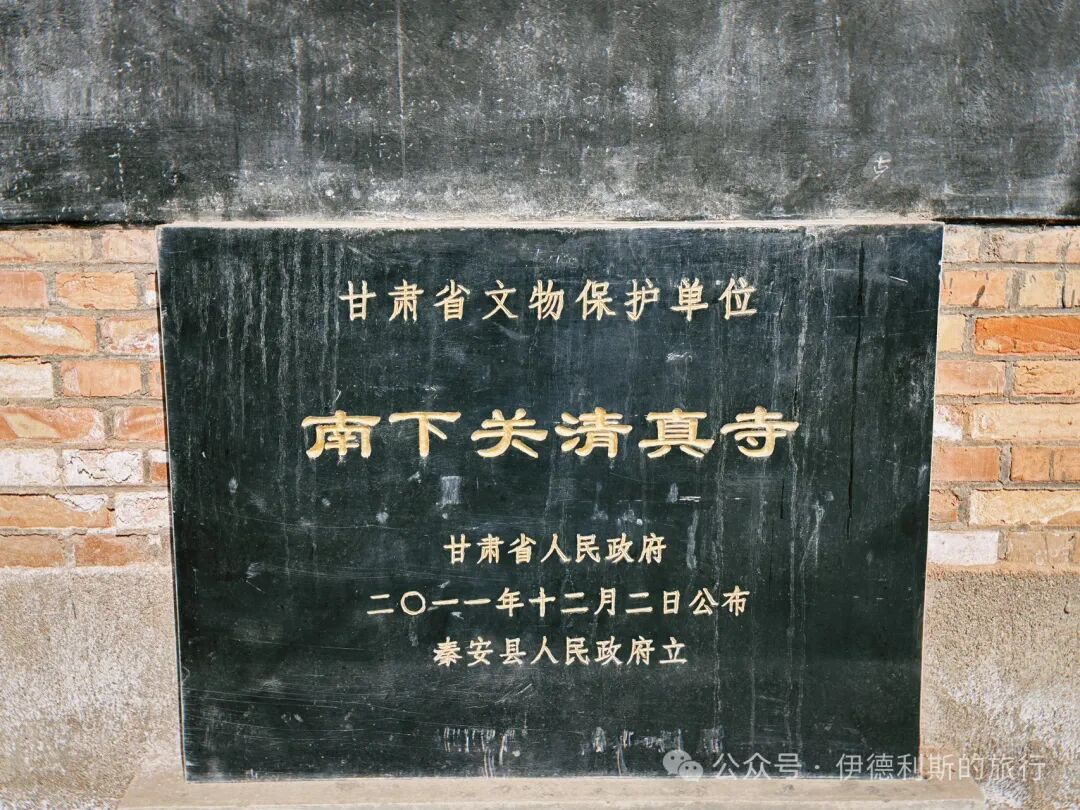
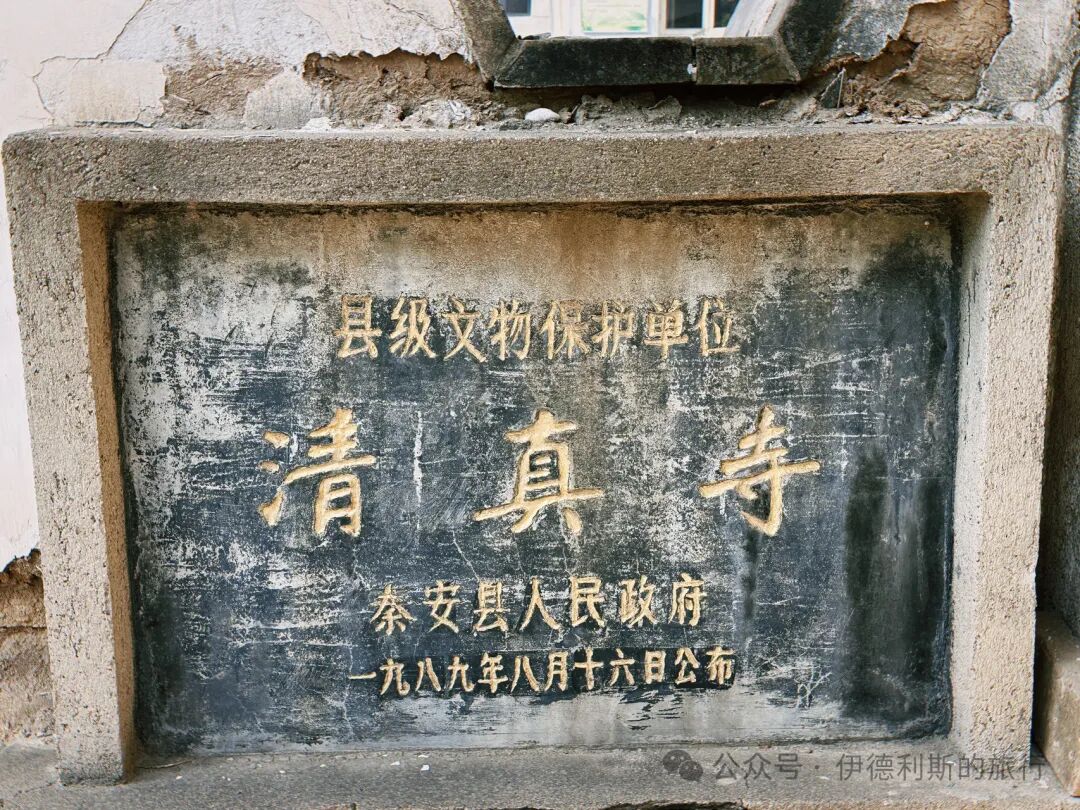
Although Gansu Province has many old mosques (masjid), most have been rebuilt. Only four are listed as cultural heritage sites at the provincial level or higher. The national-level site is the Houjie Mosque in Tianshui. The provincial-level sites are the Xiananguan Mosque in Qin'an, the Jingning Mosque, and the Huangjia Mosque in Dongxiang. Additionally, the screen wall (yingbi) of the Beisi Mosque in Linxia and the Lamu Tower of the Huixian Mosque are also listed as provincial heritage sites. Among the buildings of the menhuan (Sufi orders), the Dajia House of the Xidaotang is a national heritage site, while the Xuanhuagang and Chuanguan Daotang of the Zhepai order are provincial heritage sites.
During the Spring Festival holiday, I took a high-speed train from Tianshui to visit the Xiananguan Mosque in Qin'an County. The high-speed train from Tianshui to Qin'an is very fast. After leaving the station, you need to share a car, and you can reach Xiananguan in 10 minutes.
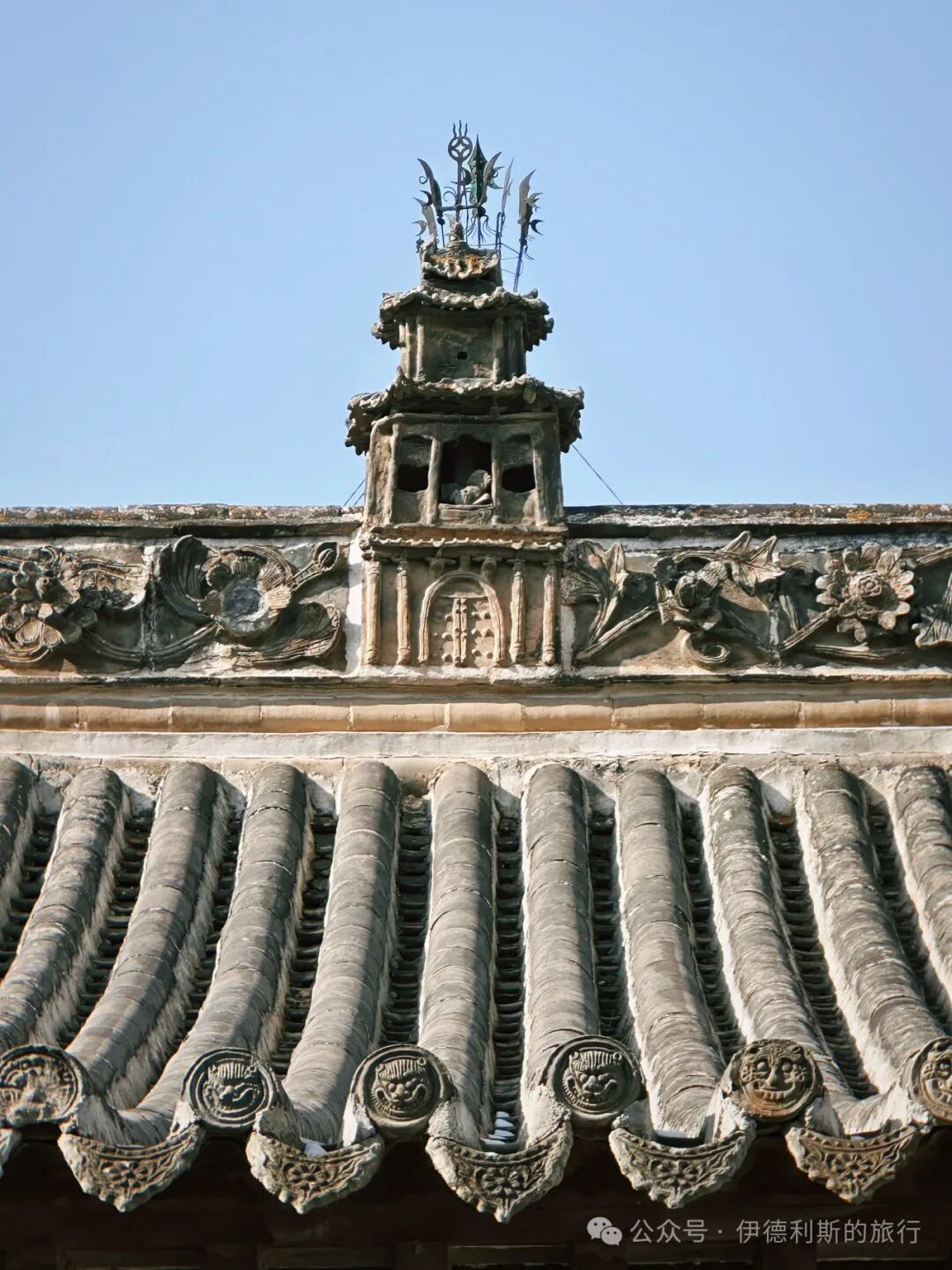
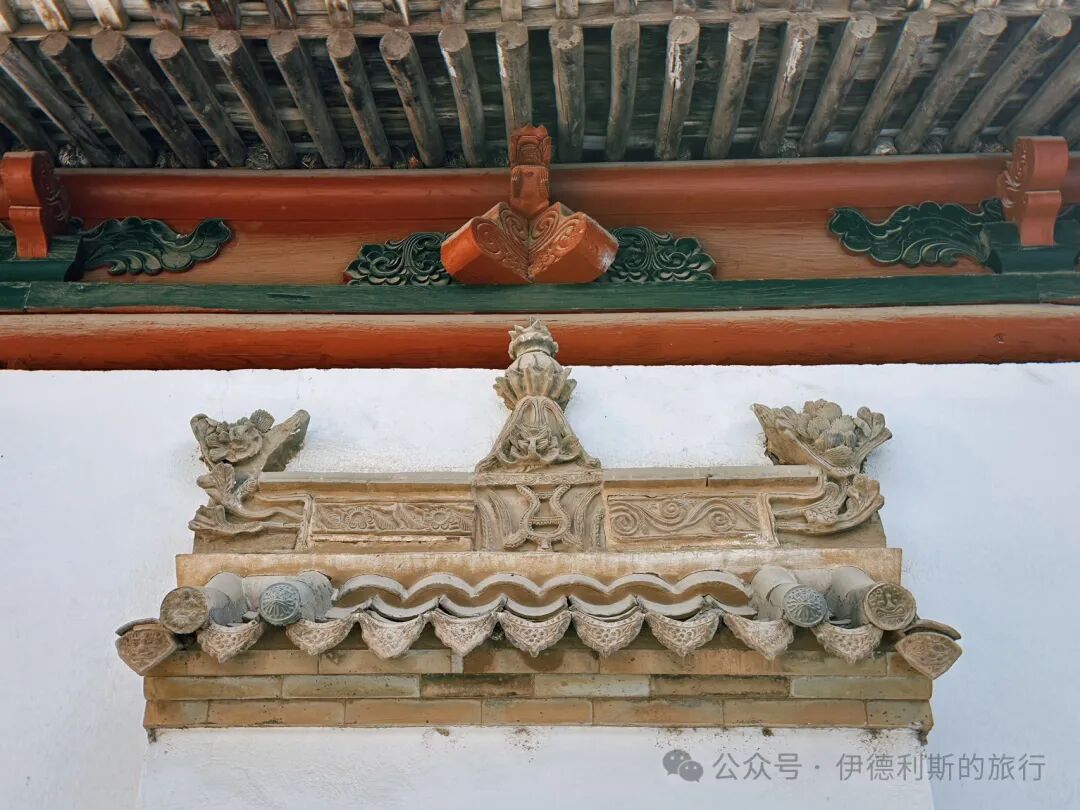
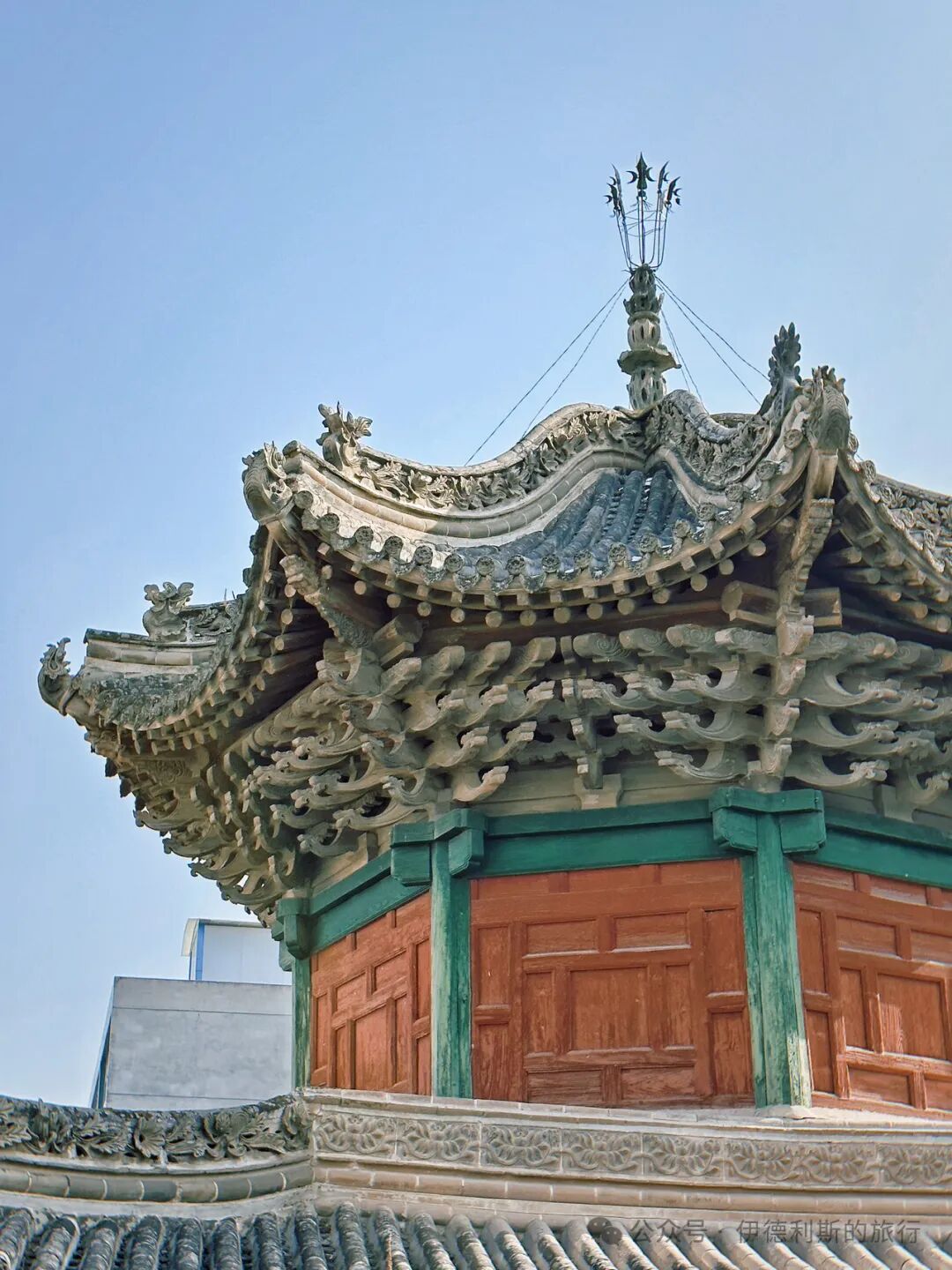
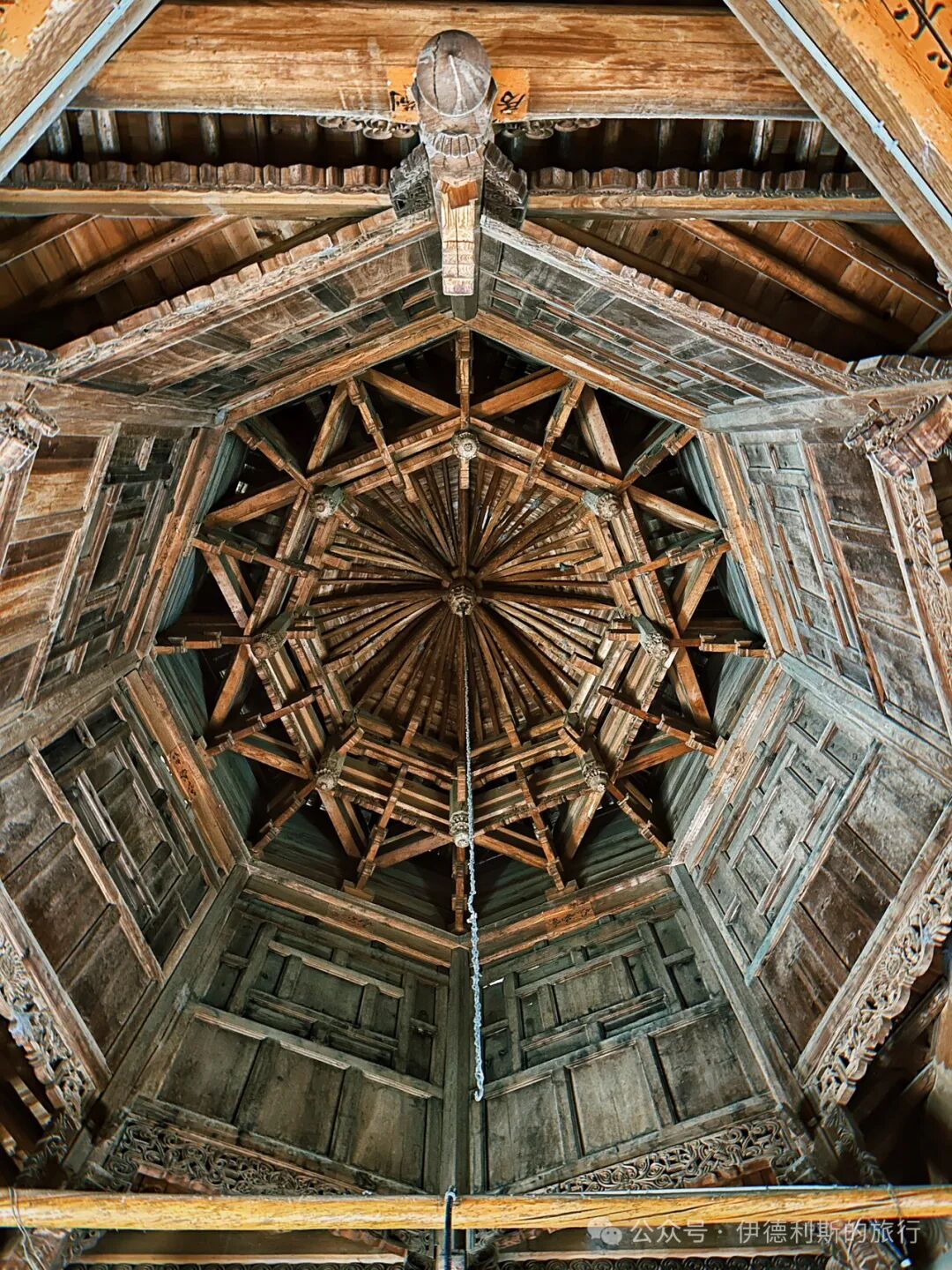
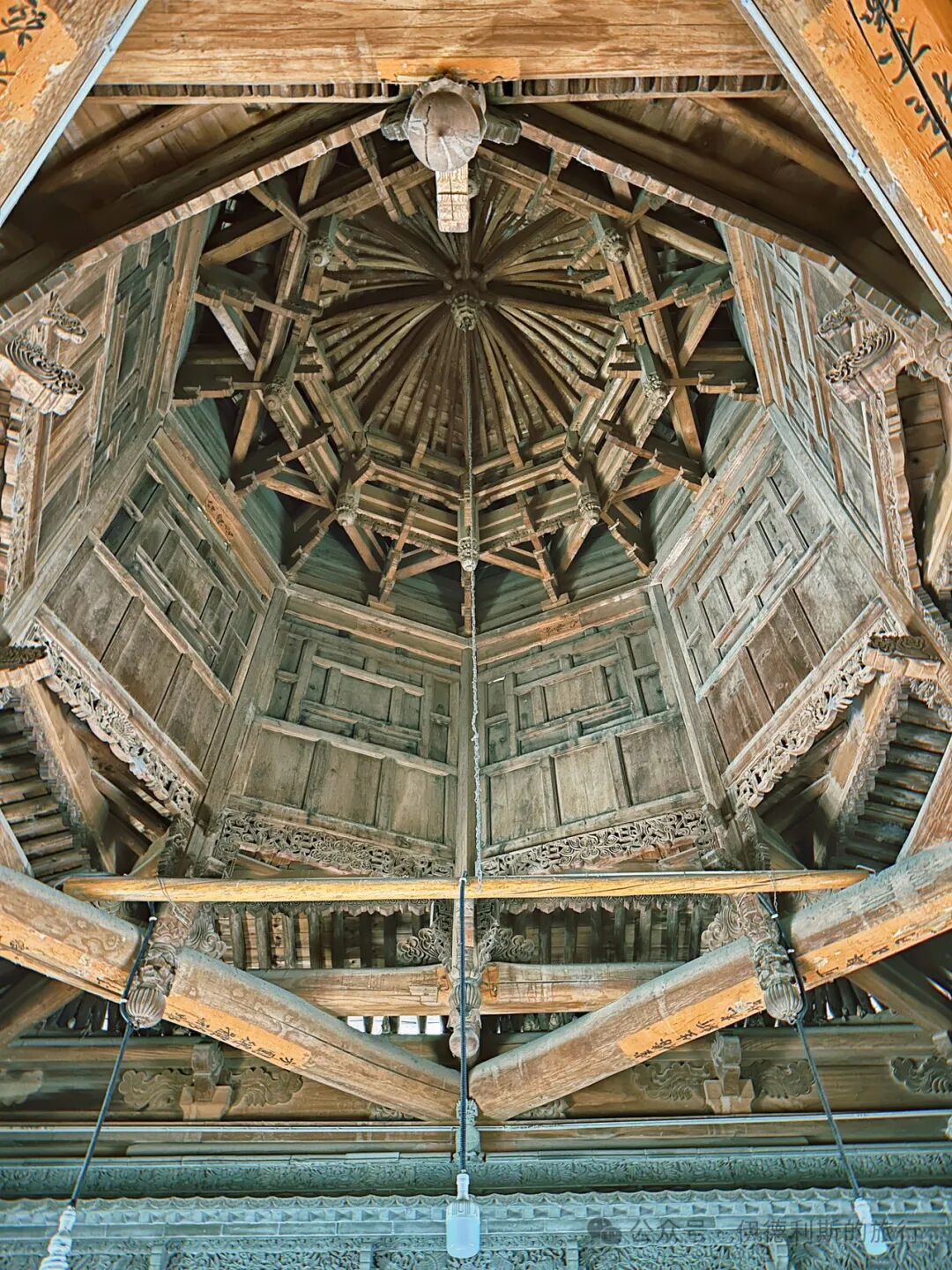
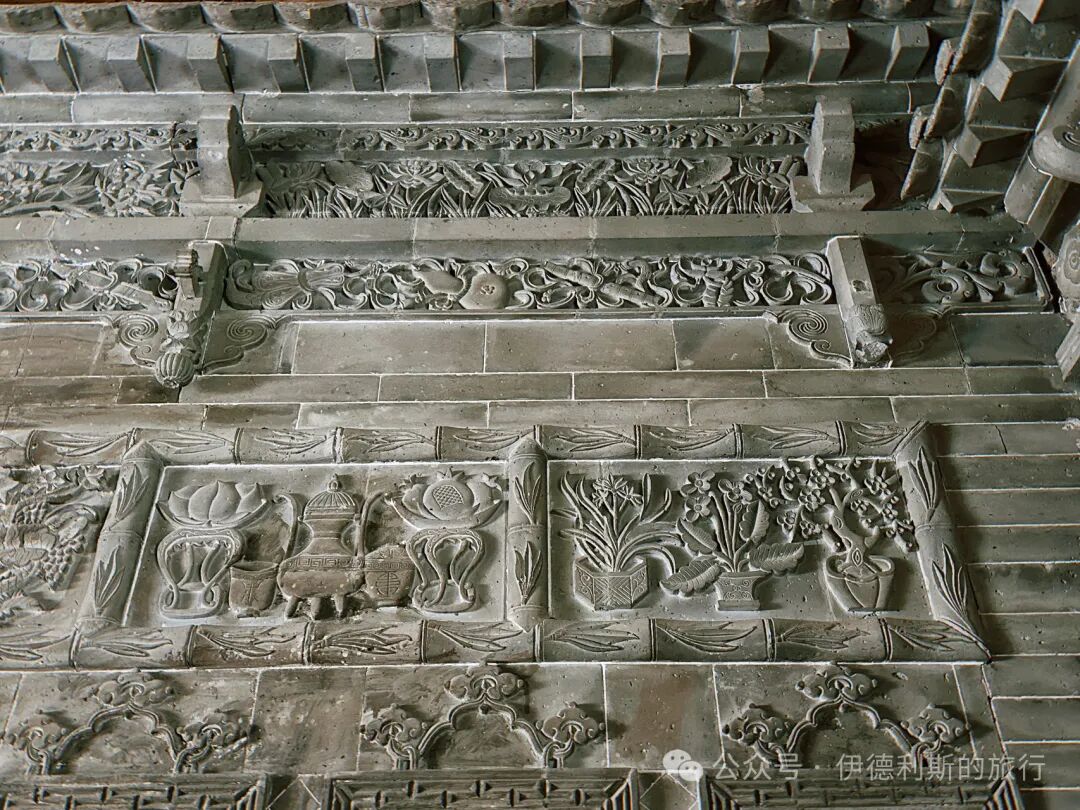
The Xiananguan Mosque in Qin'an was first built during the Hongwu period of the Ming Dynasty and rebuilt during the Kangxi period of the Qing Dynasty. The main hall has a hanging gable roof (xuanshan ding). The rear kiln hall has an octagonal pointed roof (bazhuo zuanjian ding) for the minaret (bangkelou), which features exquisite brick carvings and bracket sets (dougong). The center of the main hall's roof ridge is decorated with a pavilion-style ridge ornament (jicha) topped with a halberd (fangtian huaji). The very top of the minaret also has a halberd, which is very unique. The word for halberd (ji) sounds like the word for rank (ji), symbolizing a rise in status.
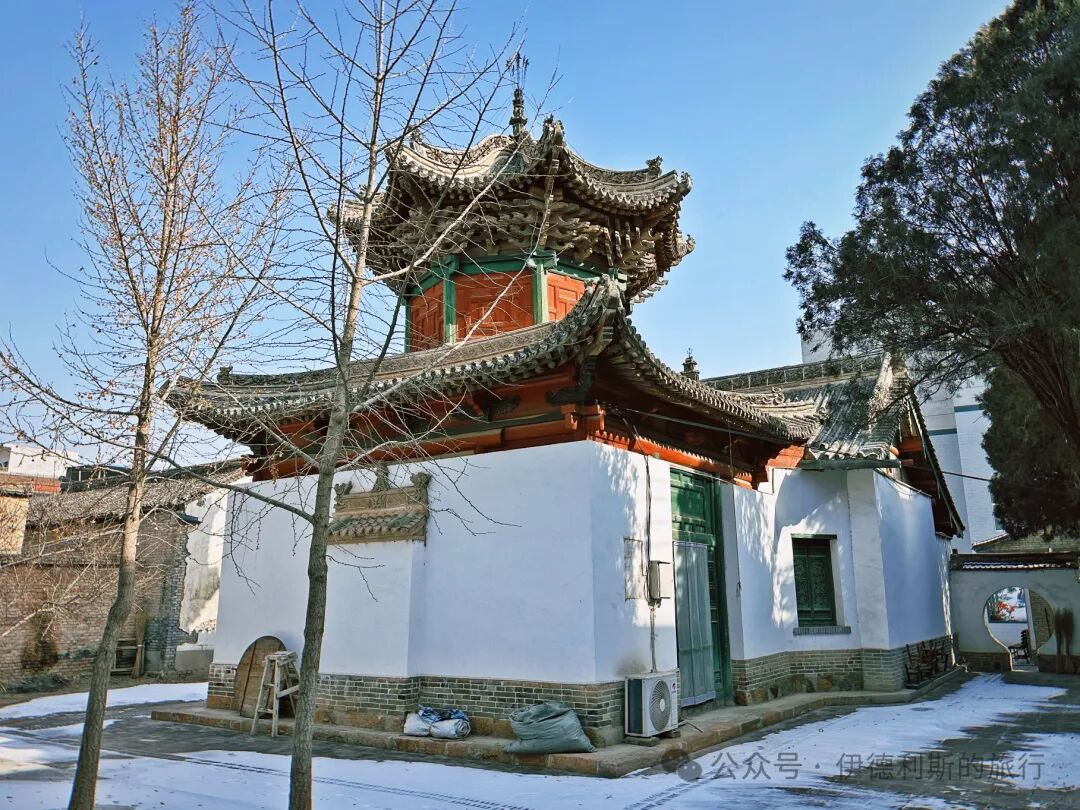
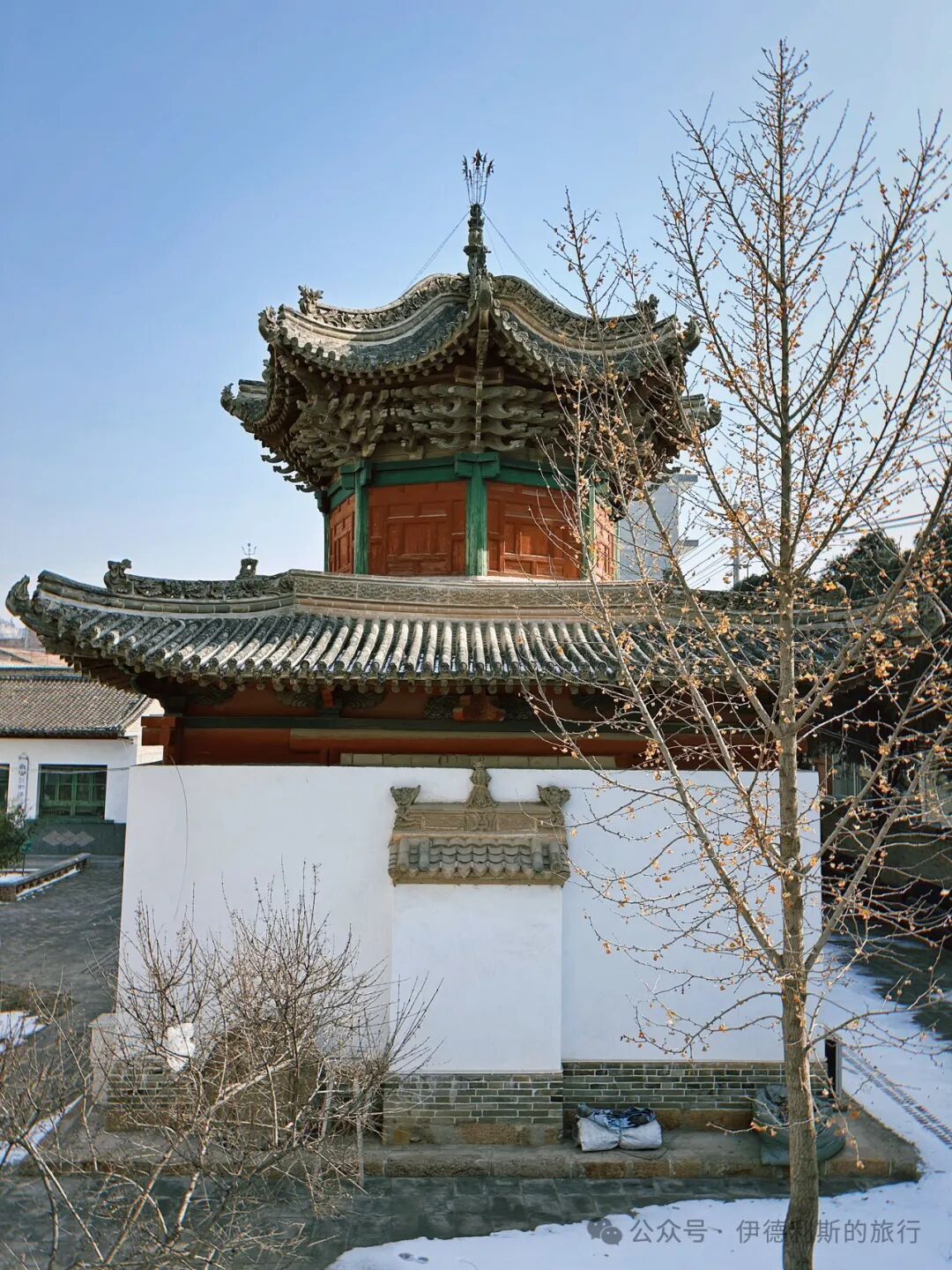
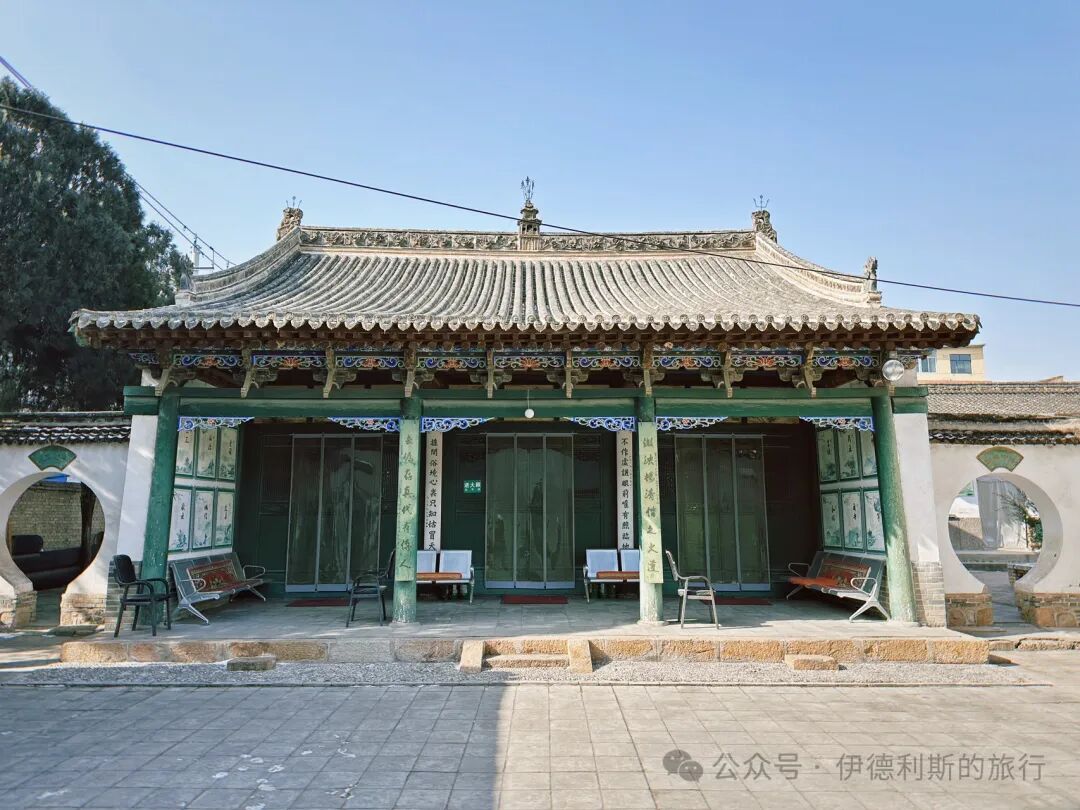
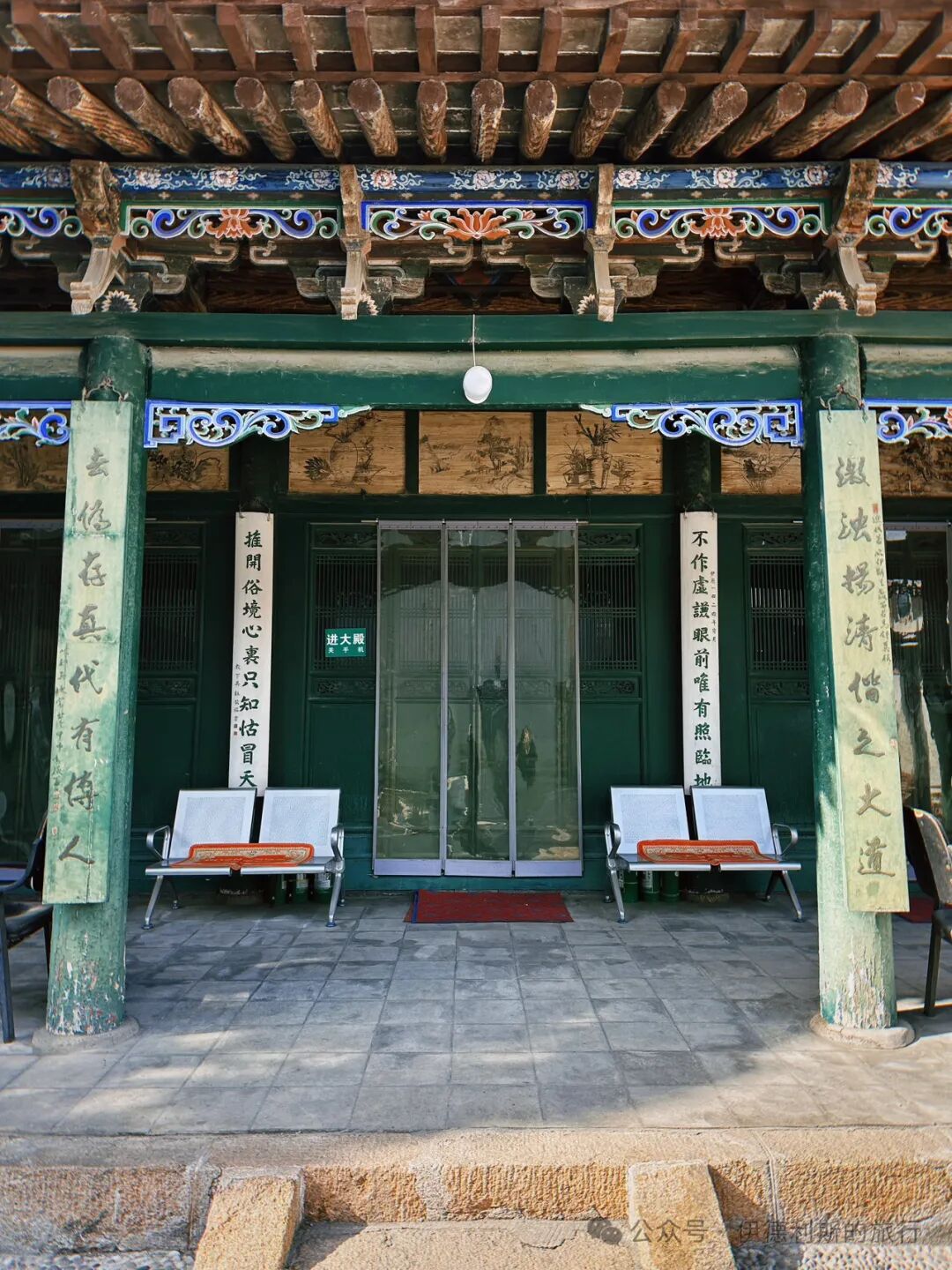
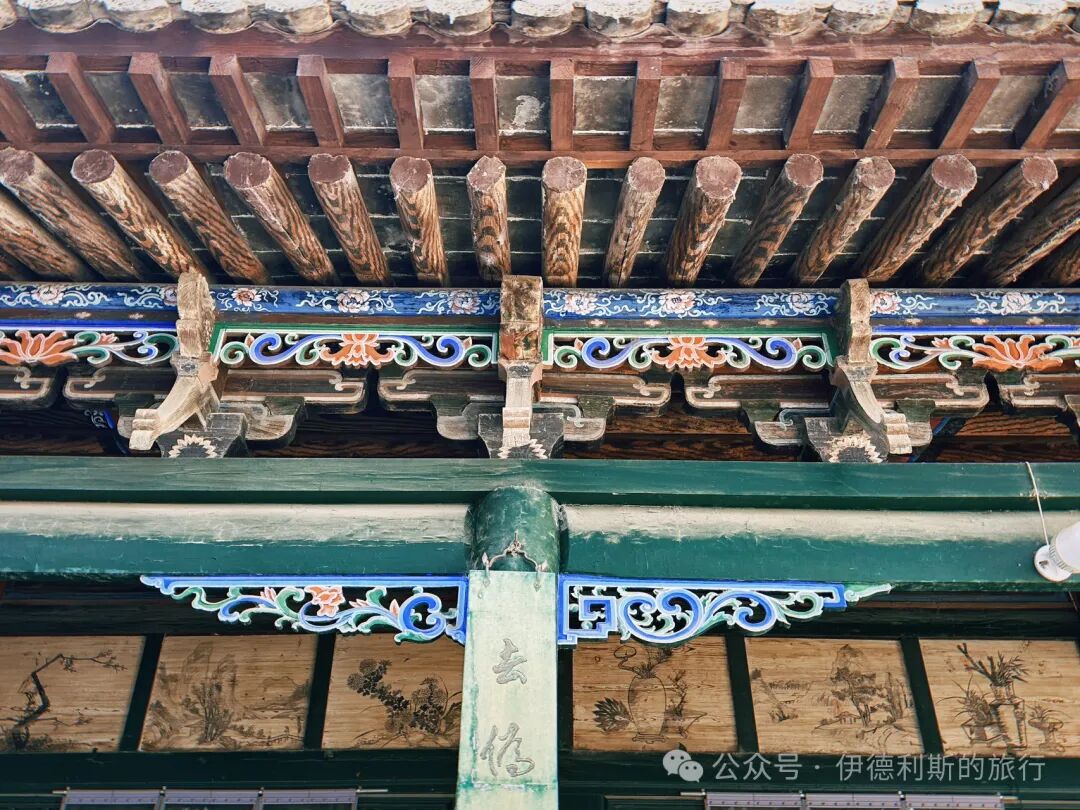
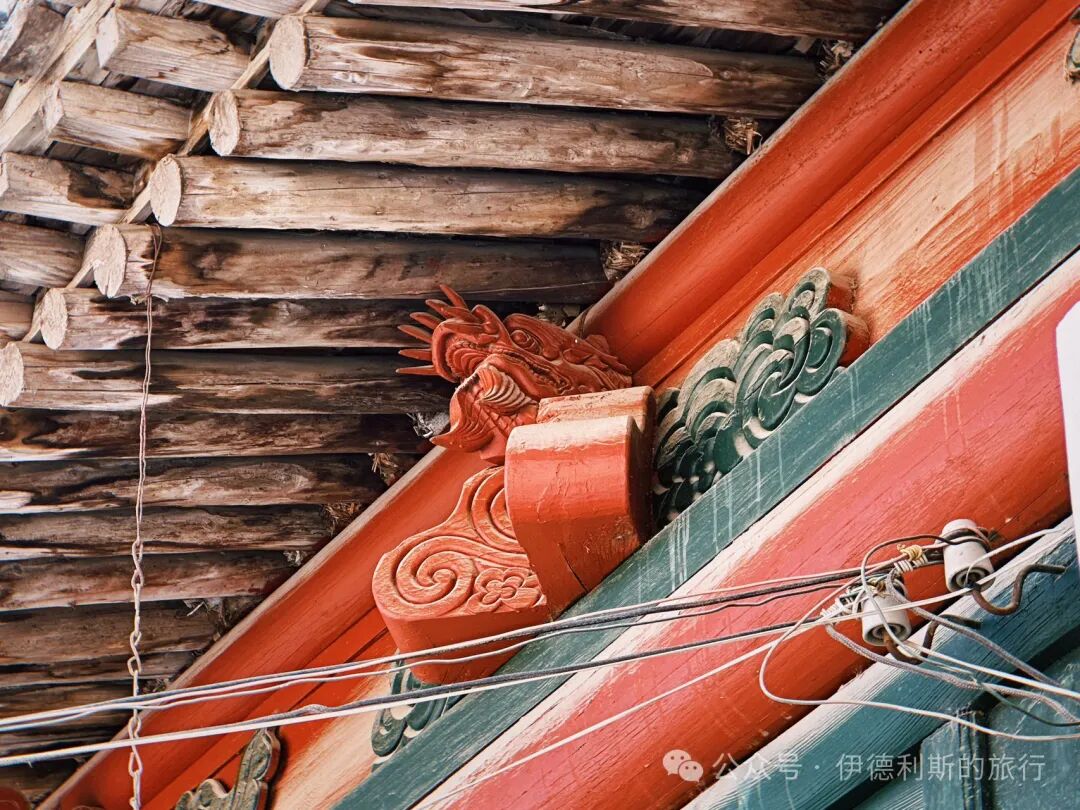
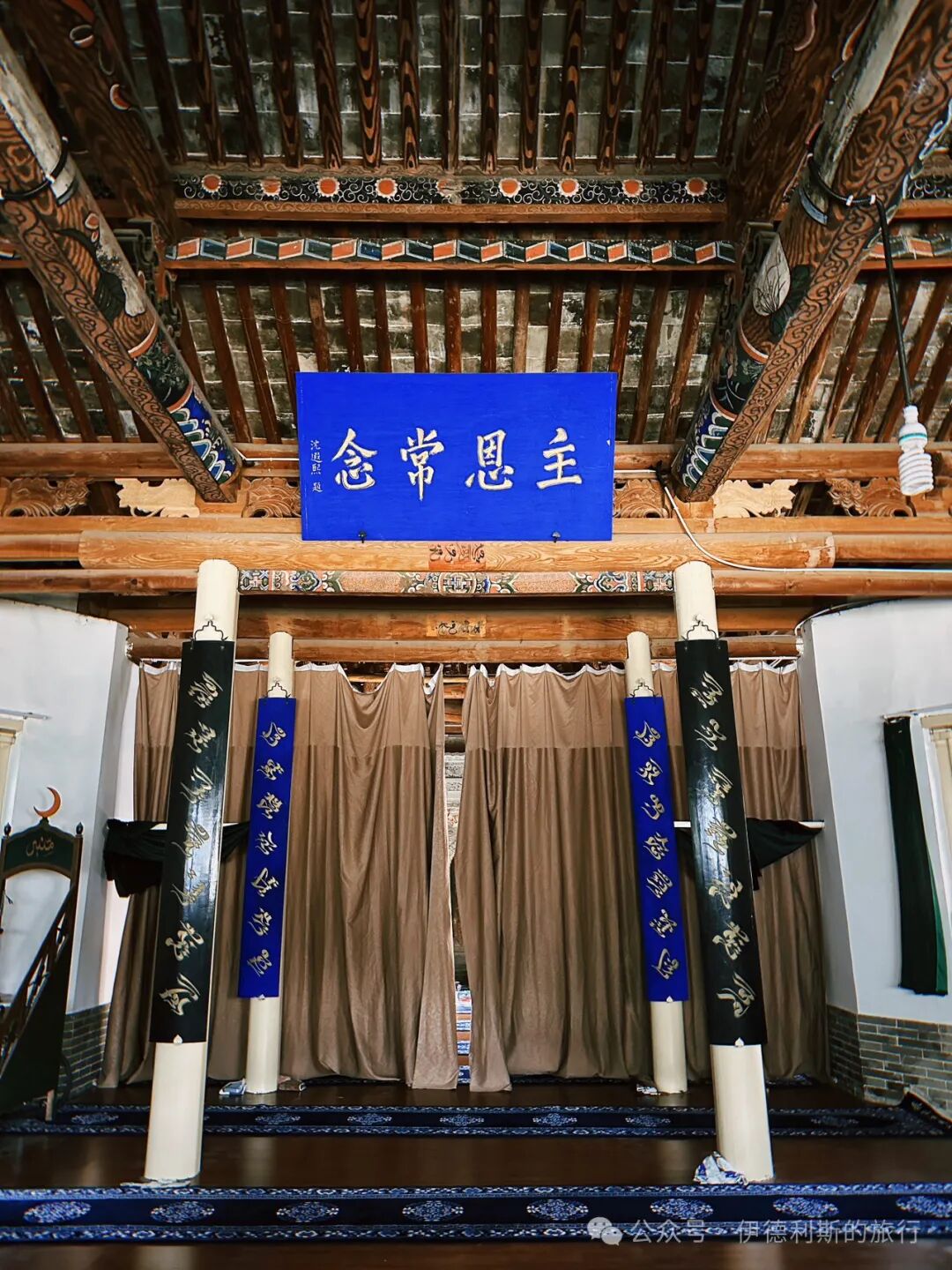
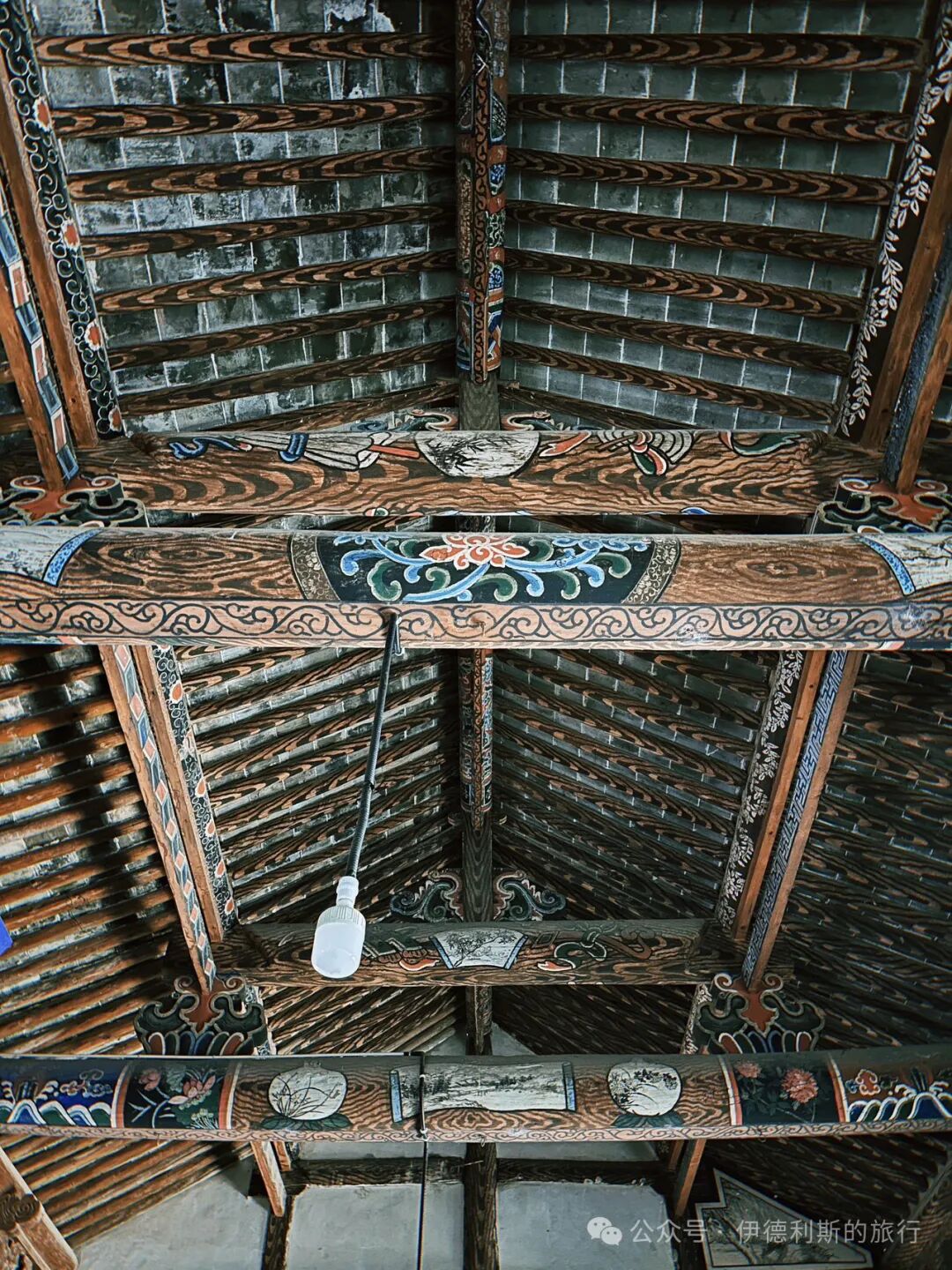
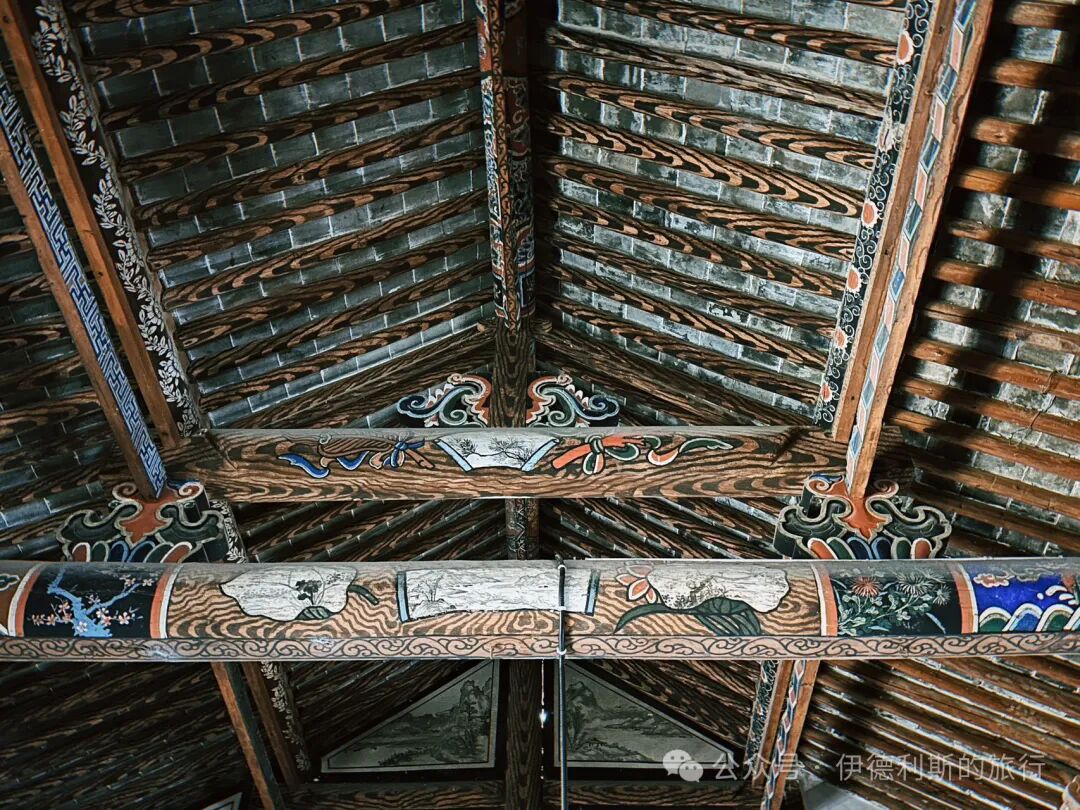
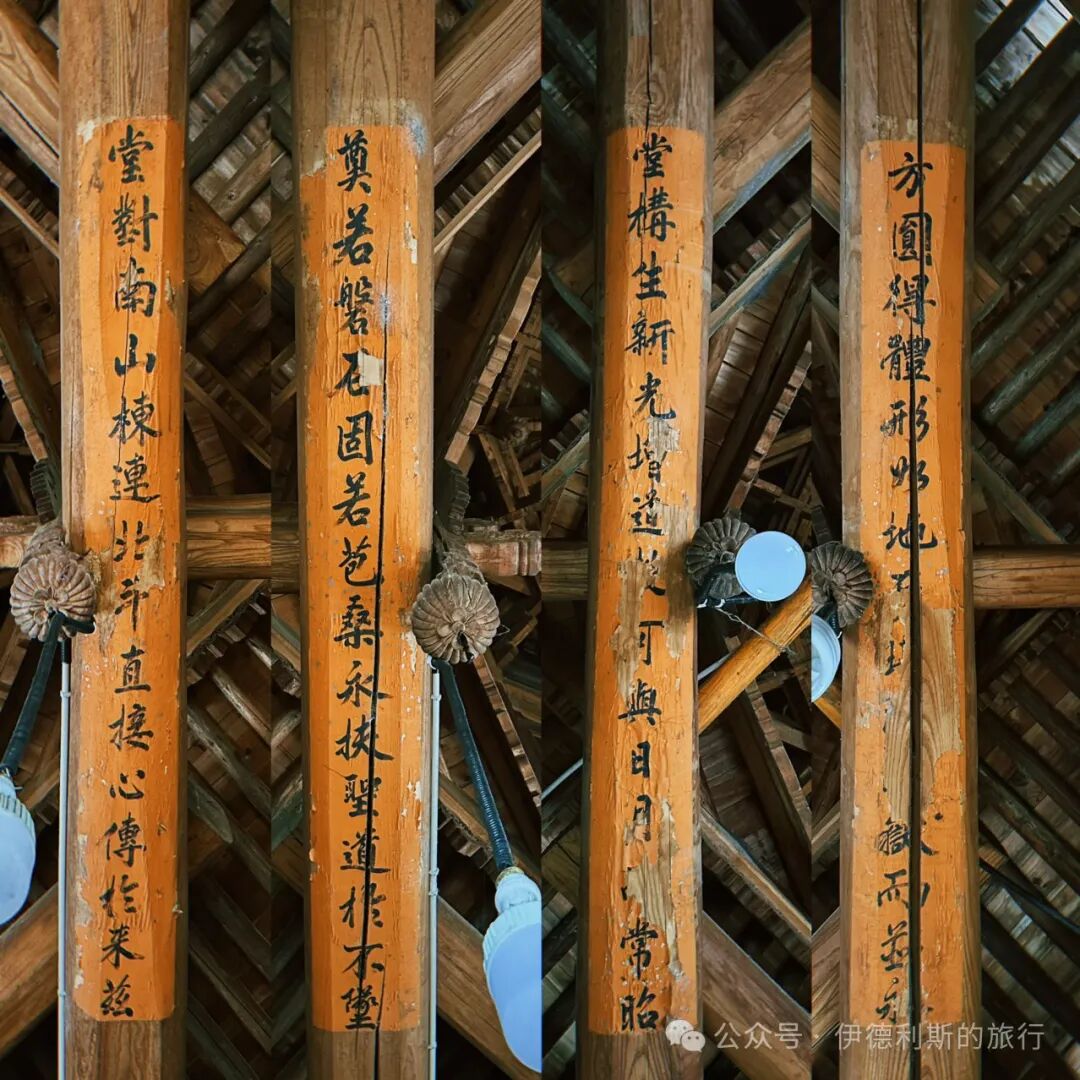
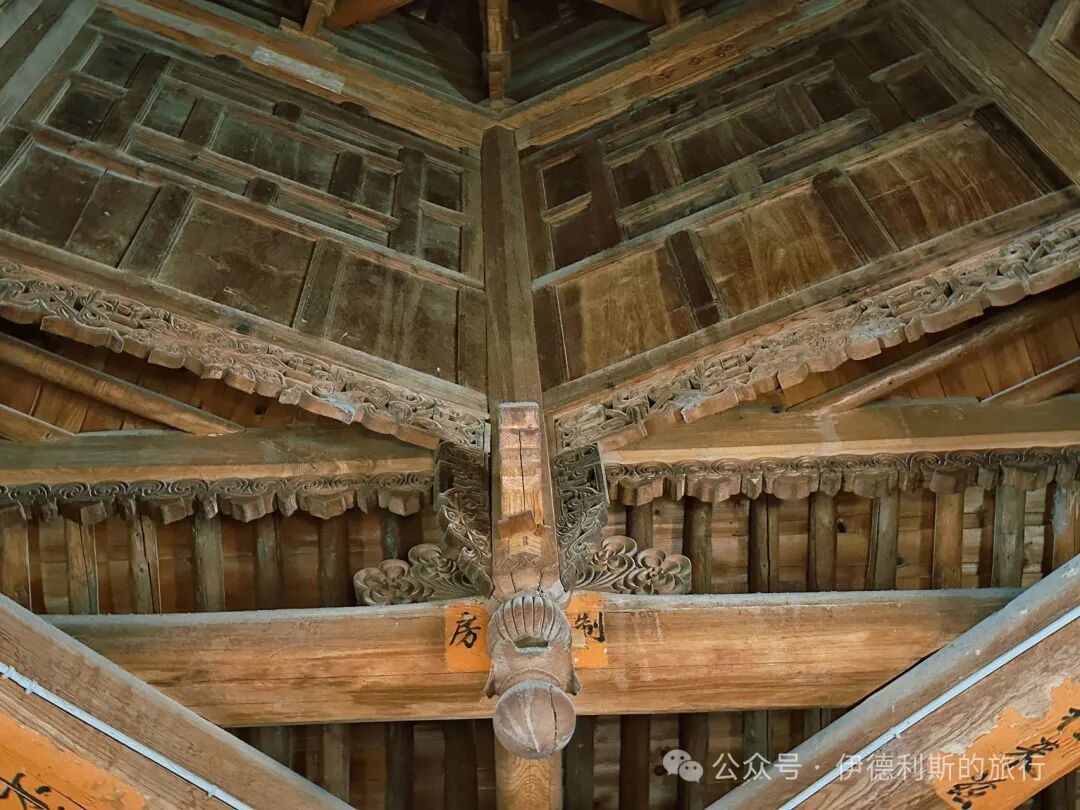
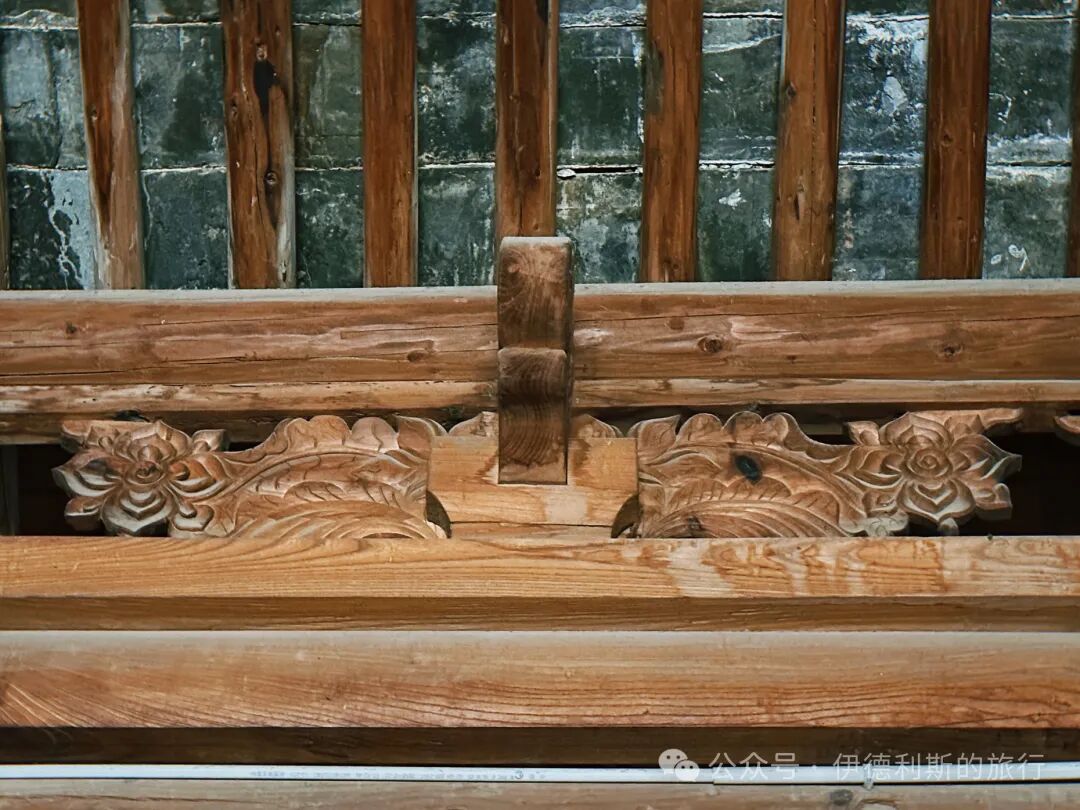
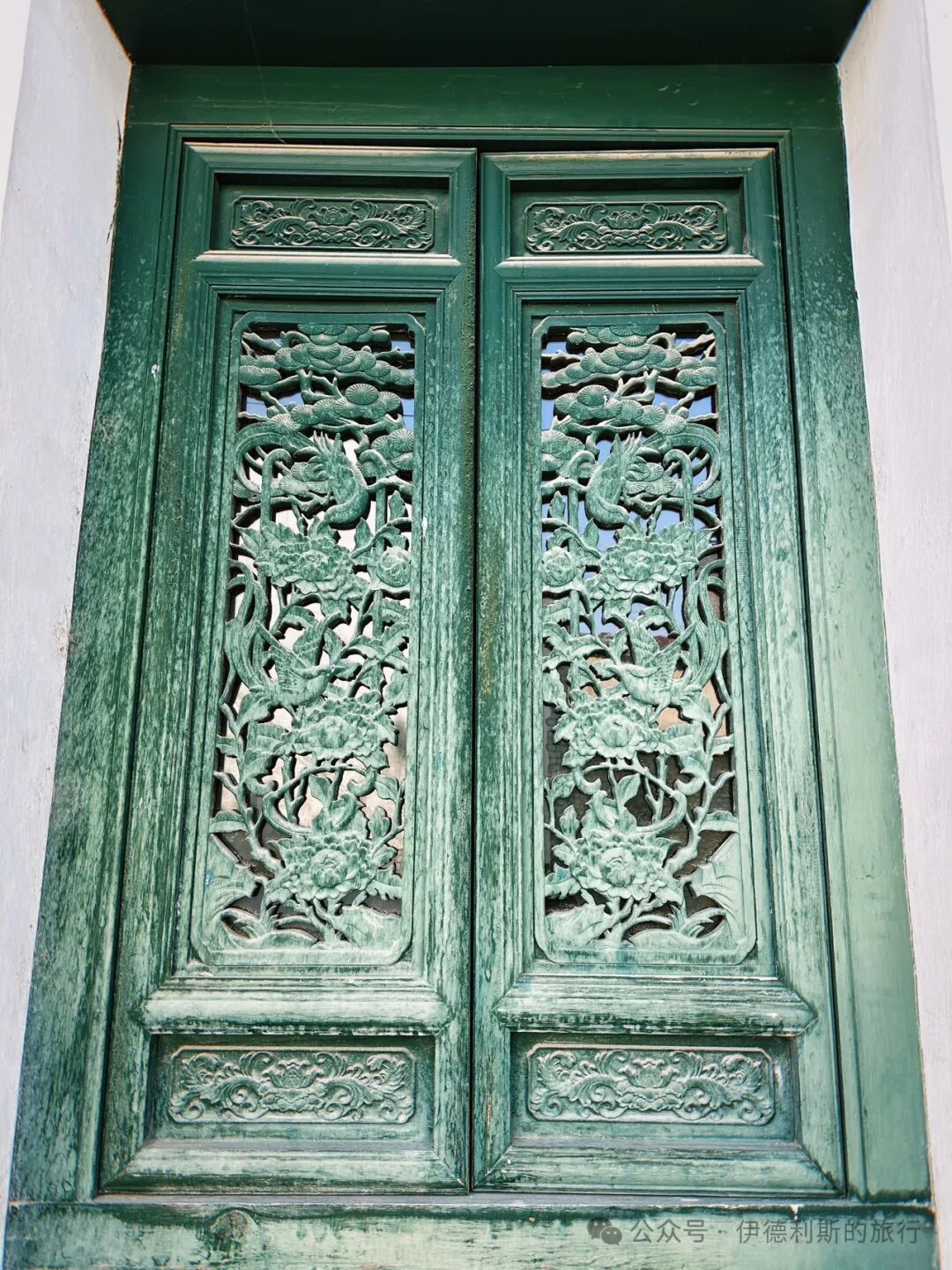
Inside the main hall, the colorful paintings have a very local style. In the rear kiln hall, you can see the interior of the octagonal pointed roof, which features a caisson ceiling (zaojing) made of stacked wooden beams with beautiful wood carvings. Each side has an inscription, which are:
The hall faces the southern mountains, its beams connect to the Big Dipper, directly passing down the heart-to-heart teachings.
Firm as a rock, solid as mulberry roots, forever holding the holy path without falling.
The hall structure brings new light, increasing the path of faith, shining as long as the sun and moon.
Square and round in proper form, shaped like the earth, [illegible] and eternal.
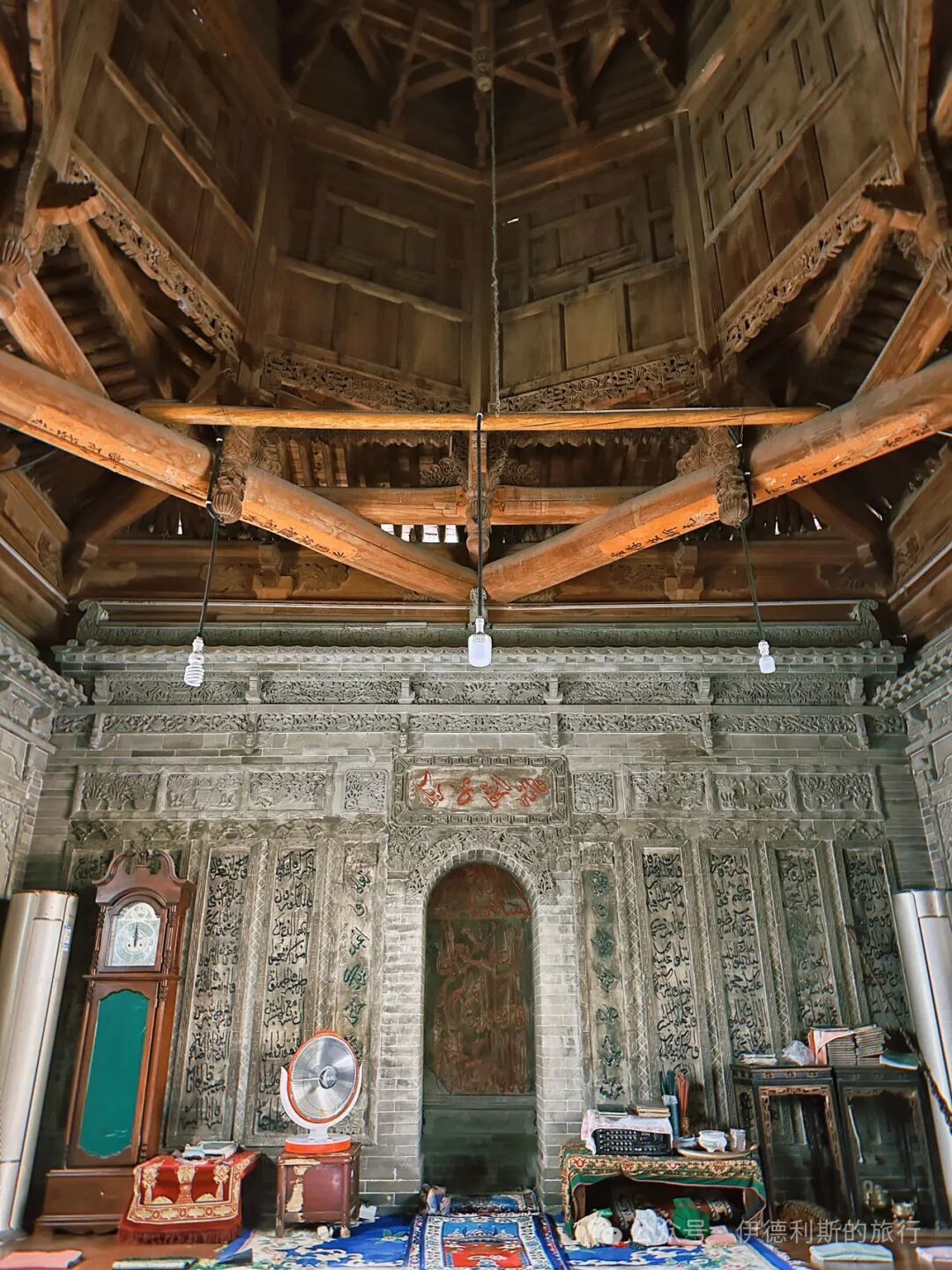
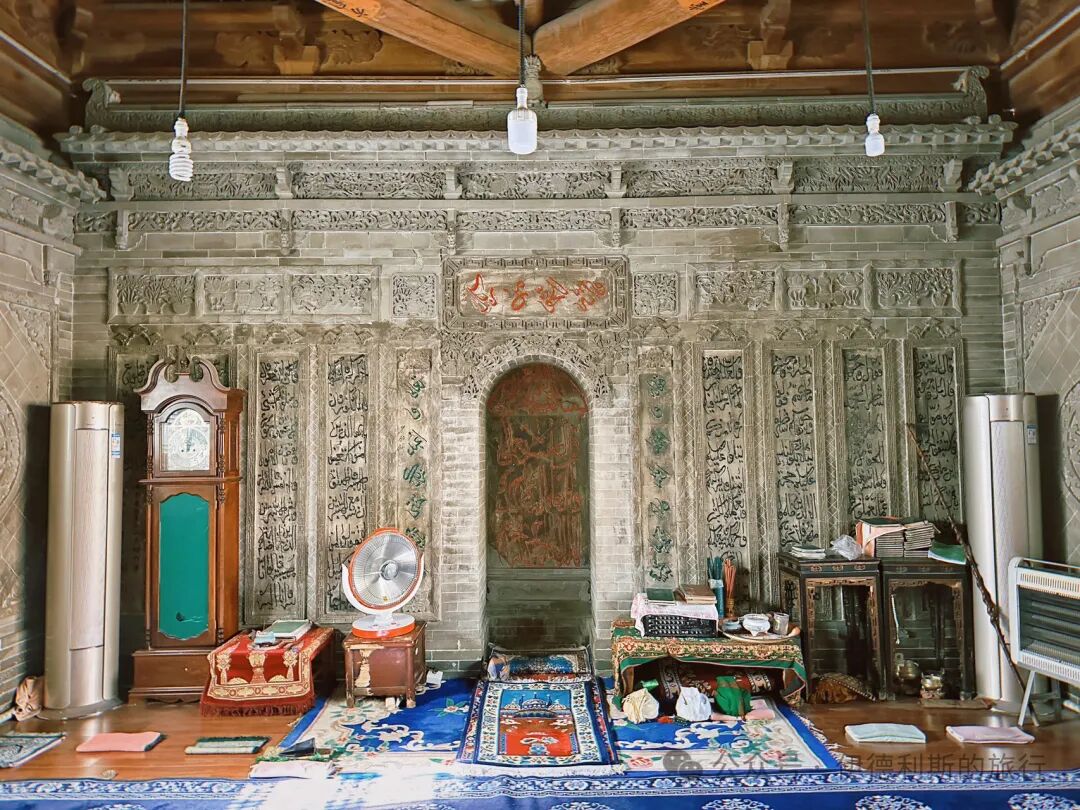
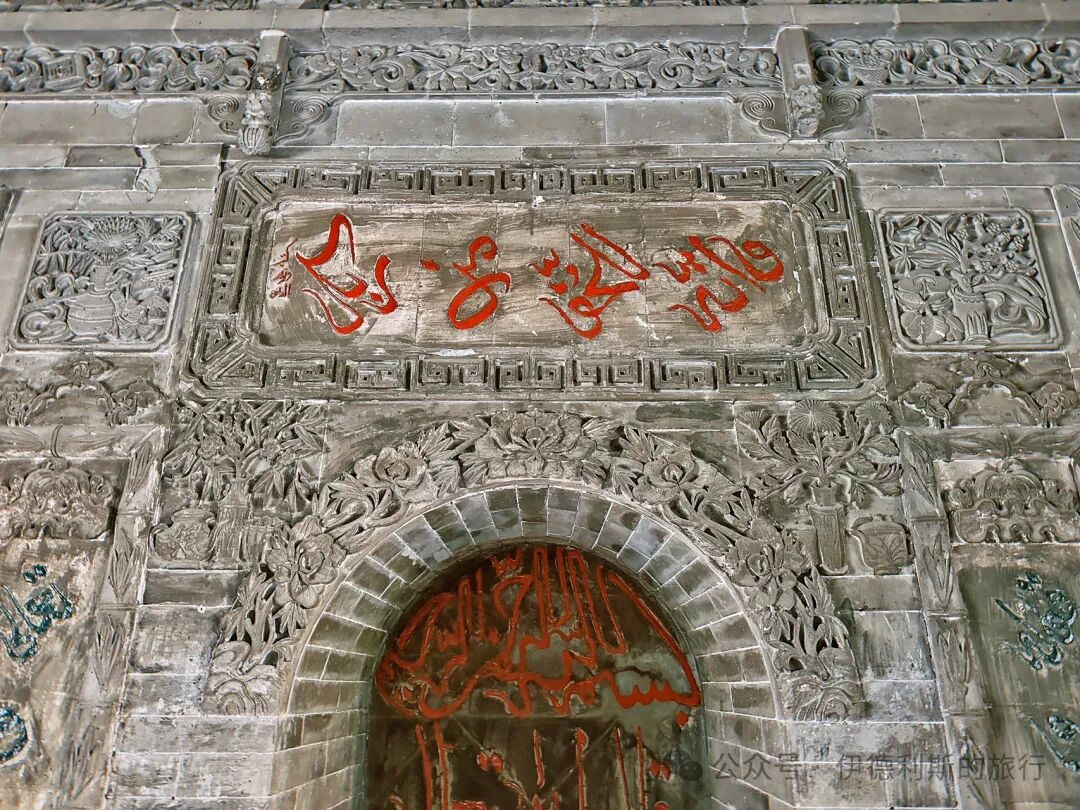
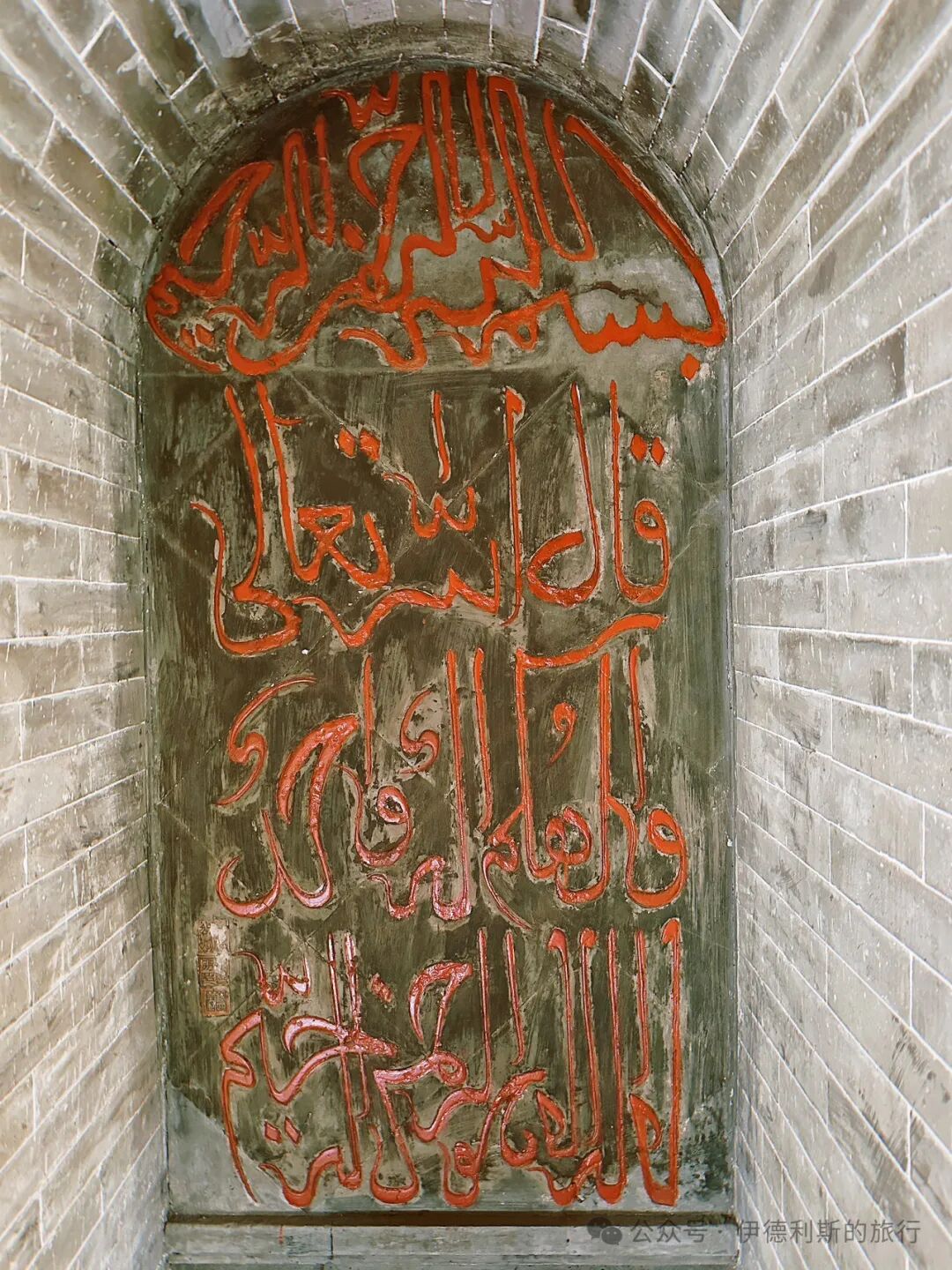
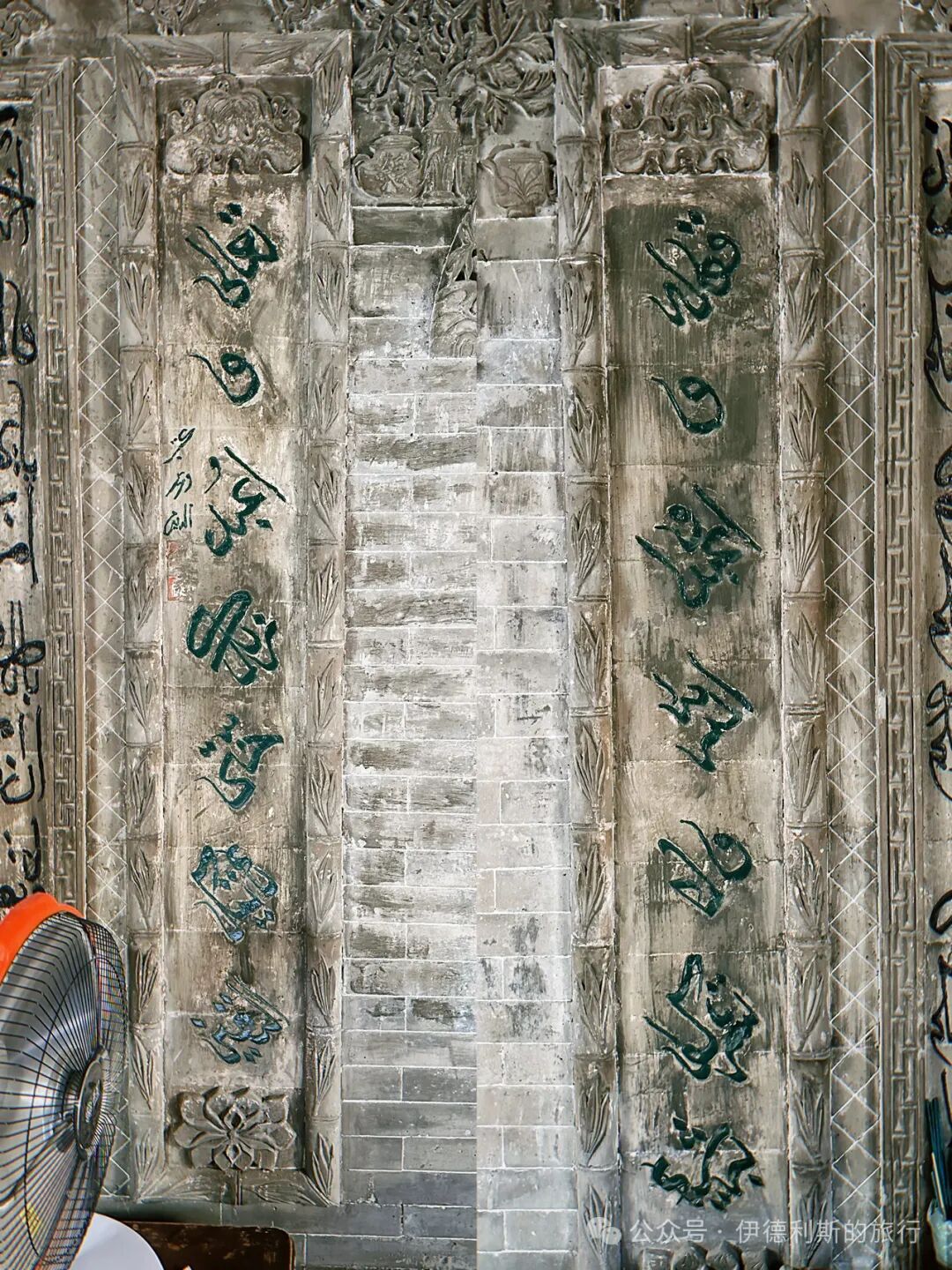
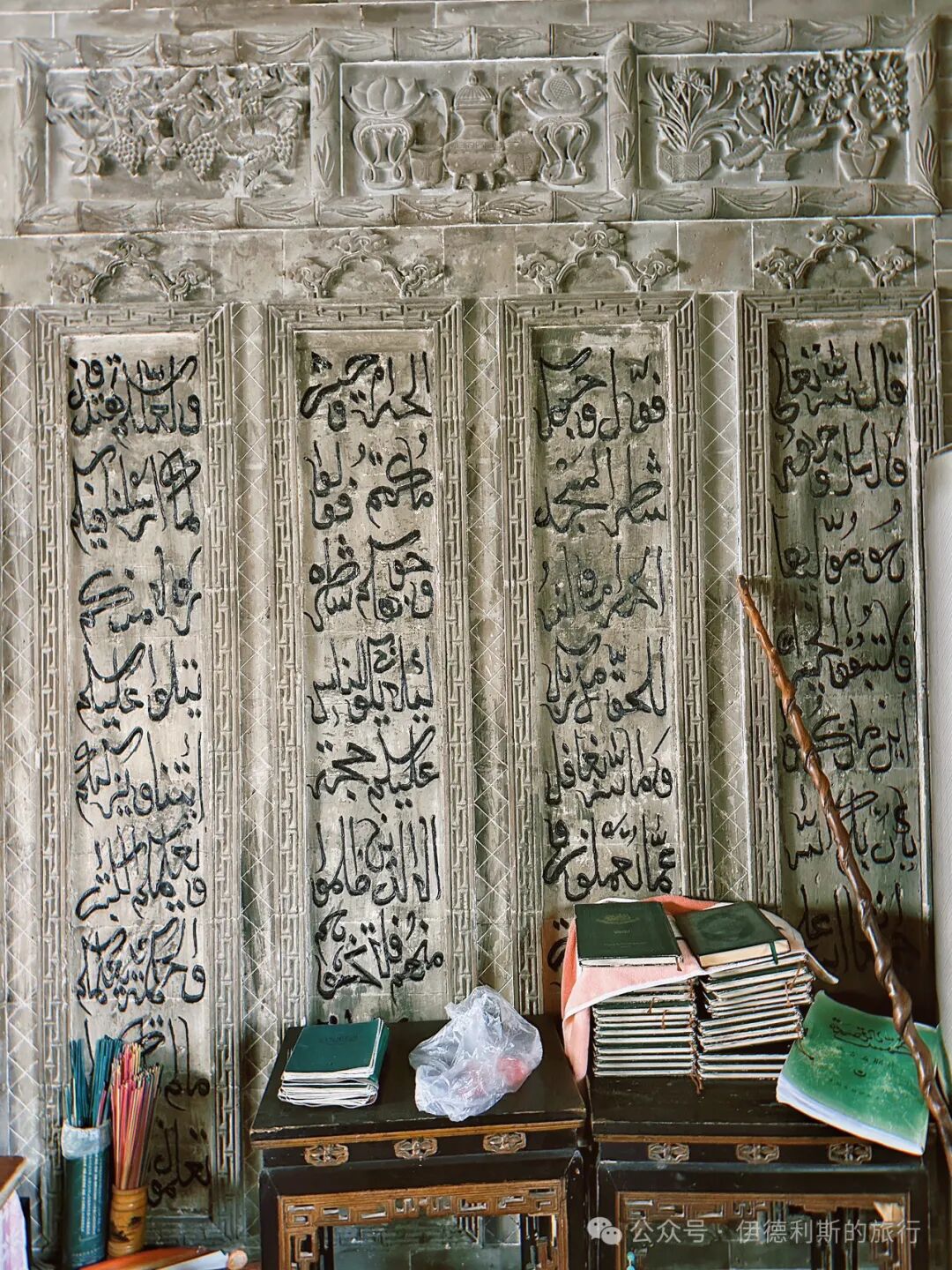
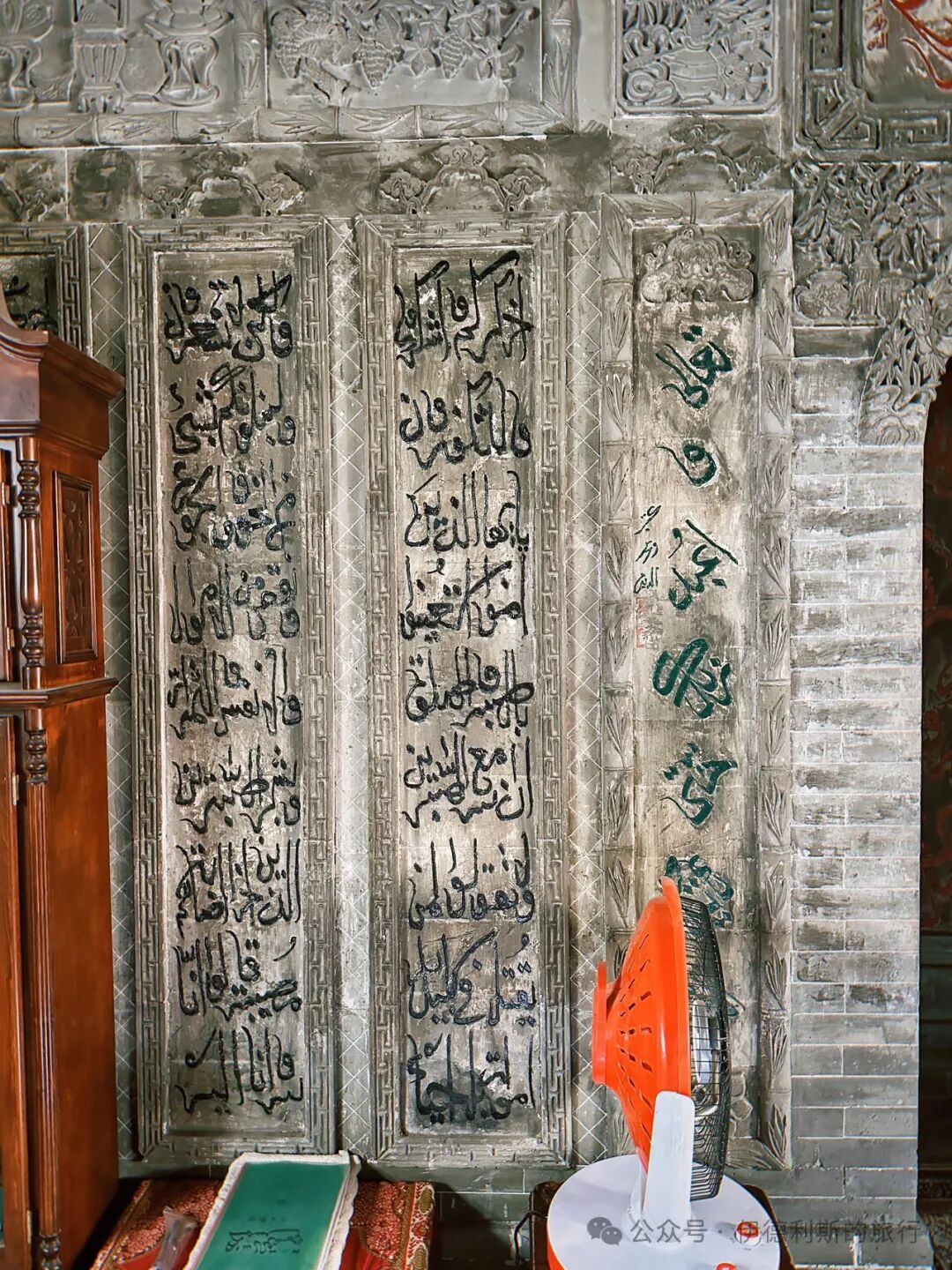
The brick carvings on the prayer wall feature calligraphy in the Shagou style of the Zhepai order.
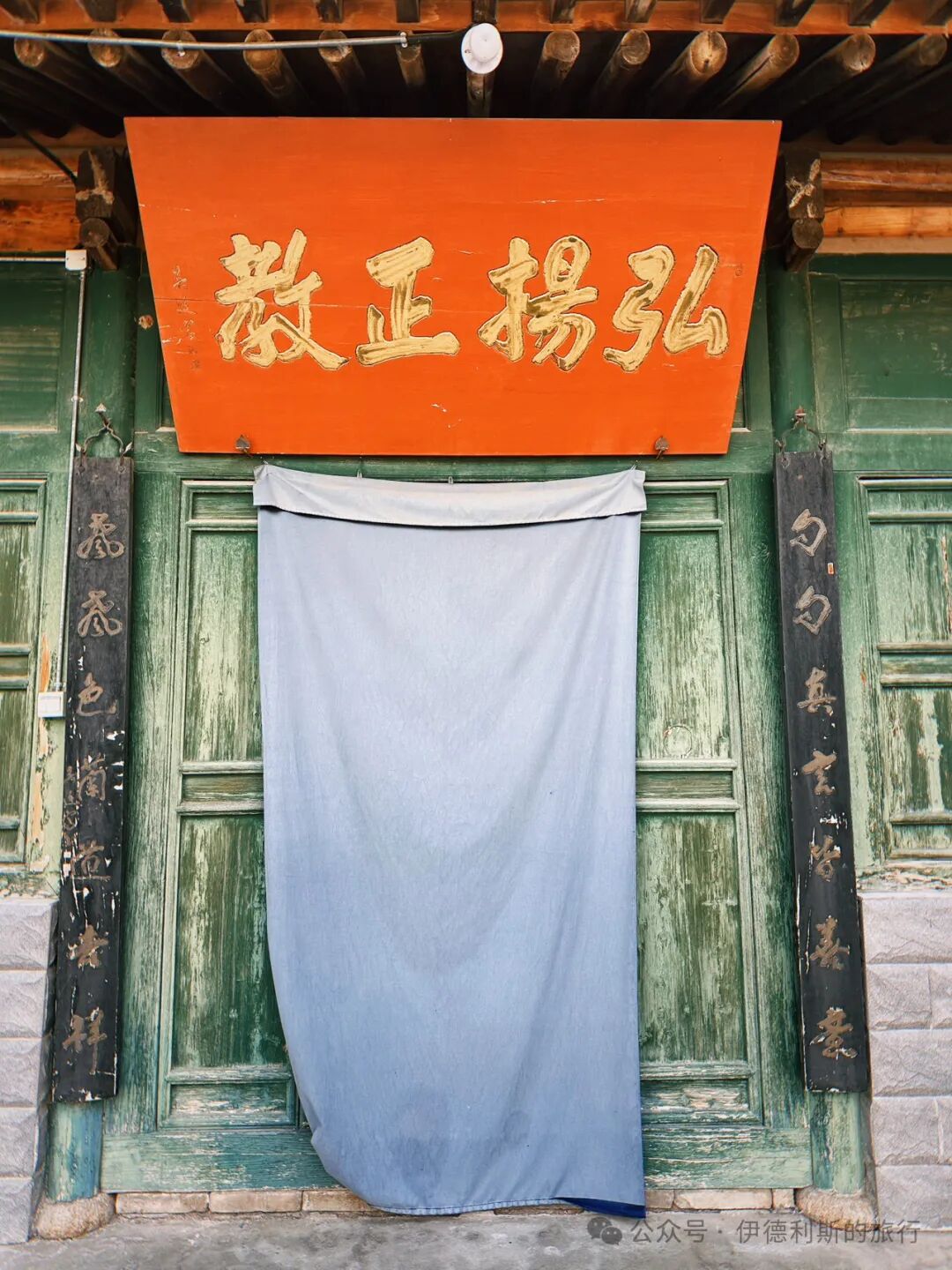
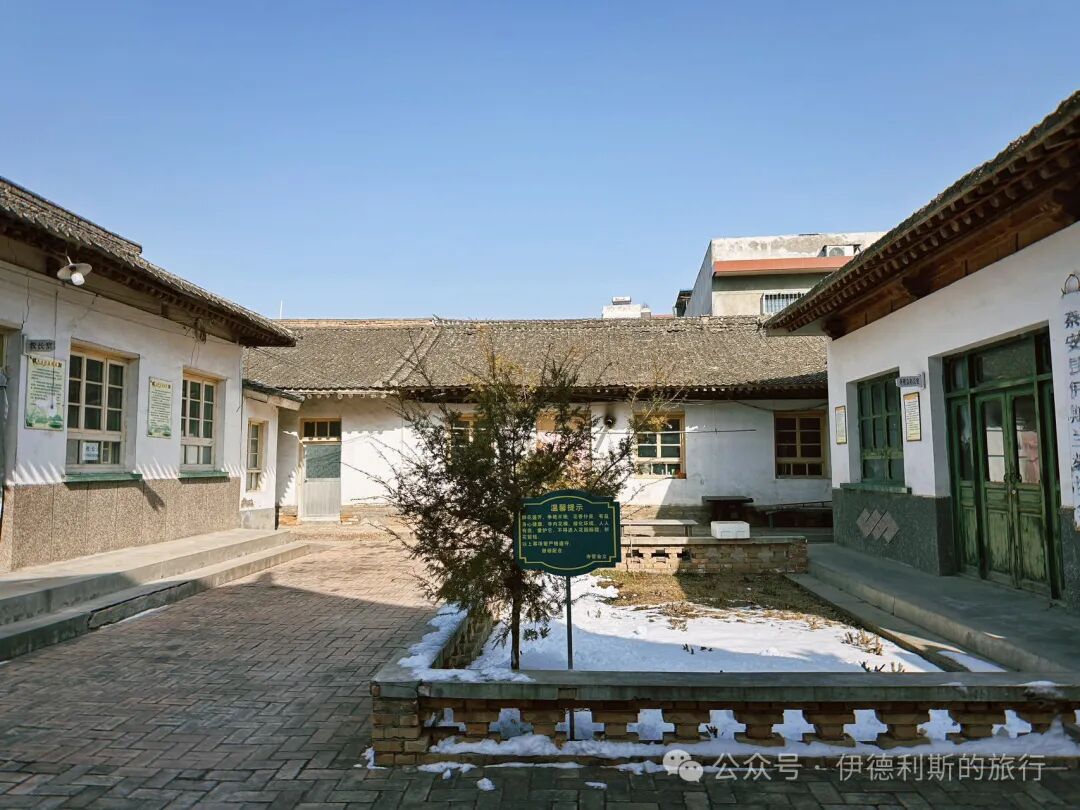
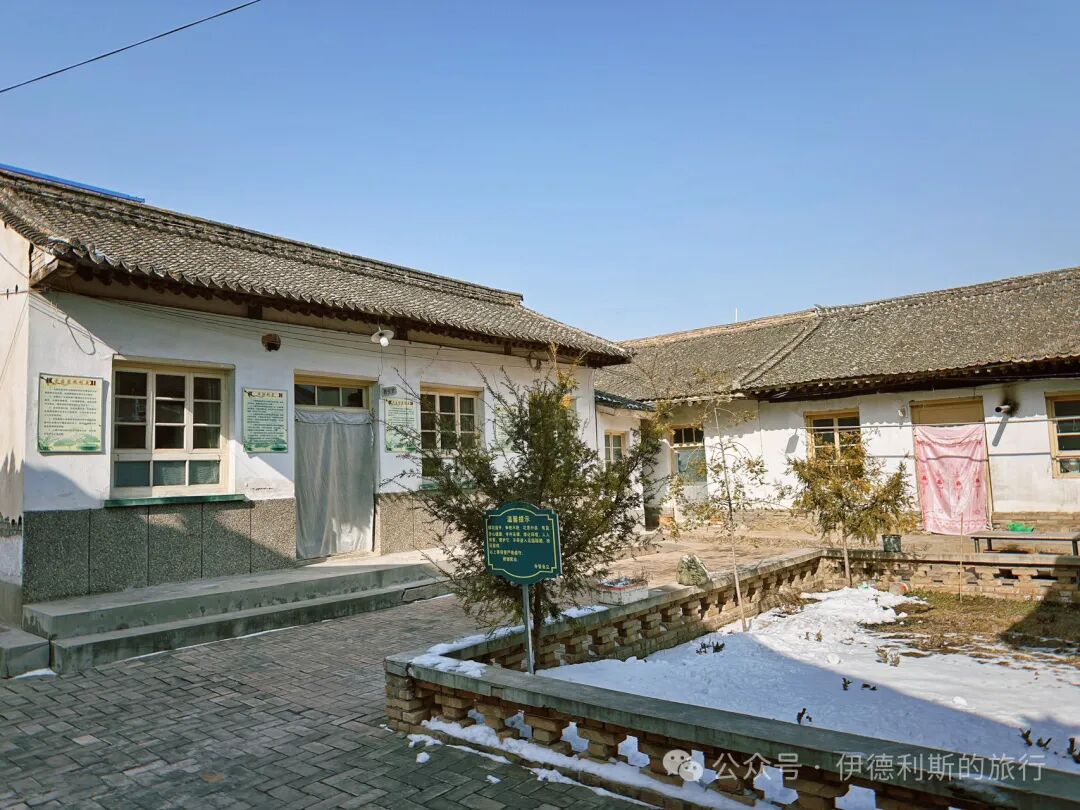
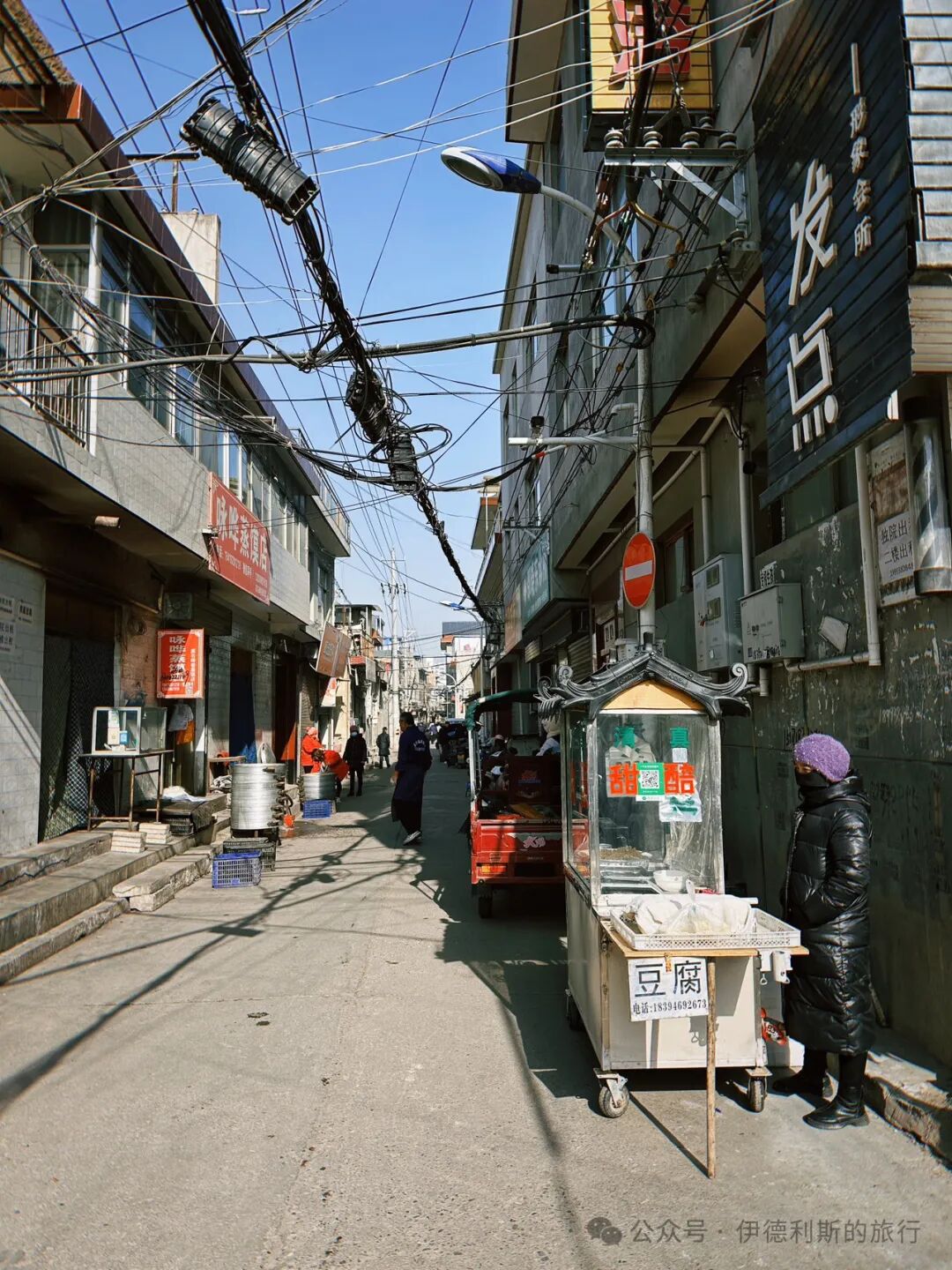
The small courtyard and the street view of Xiananguan. The south lecture hall has a couplet hanging:
Every word of truth is full of good intentions.
Every sound of the prayer (selan) brings blessings.
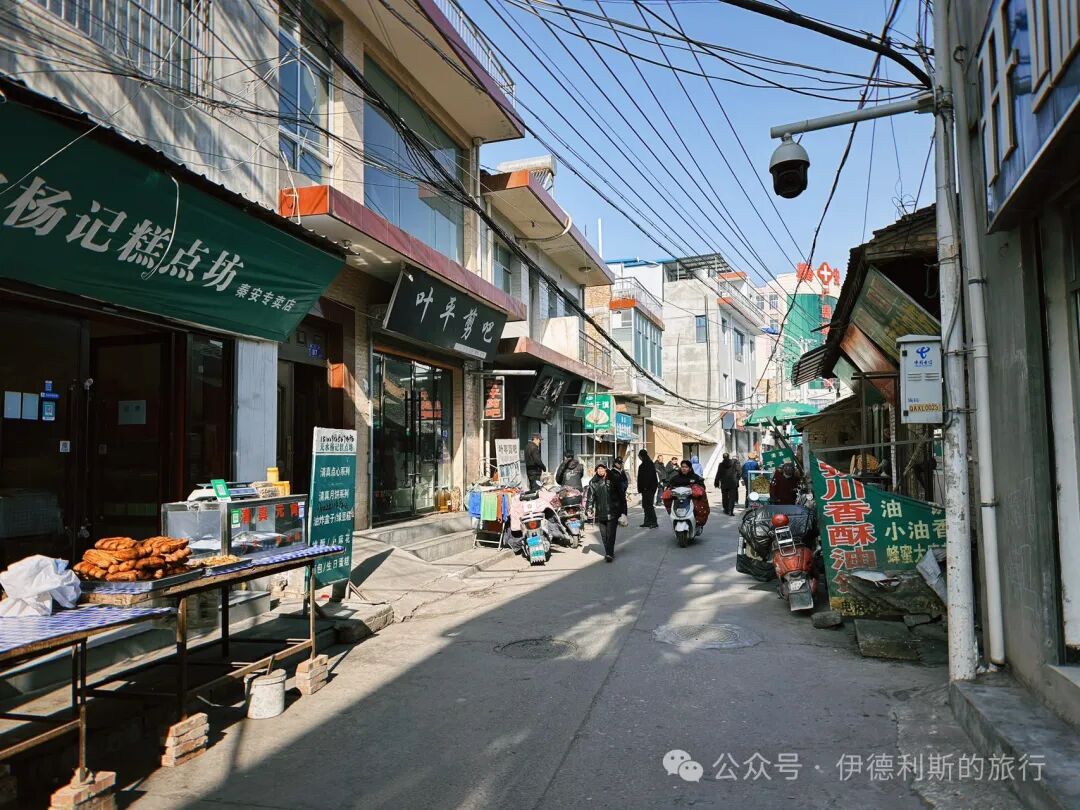
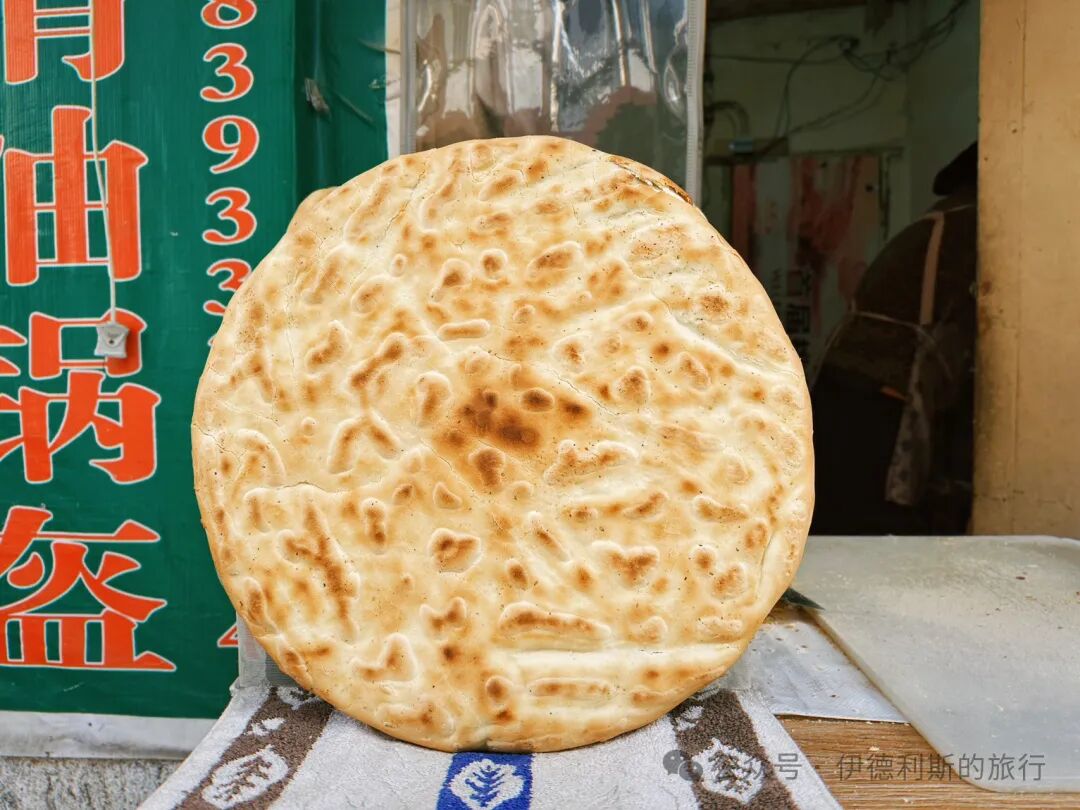
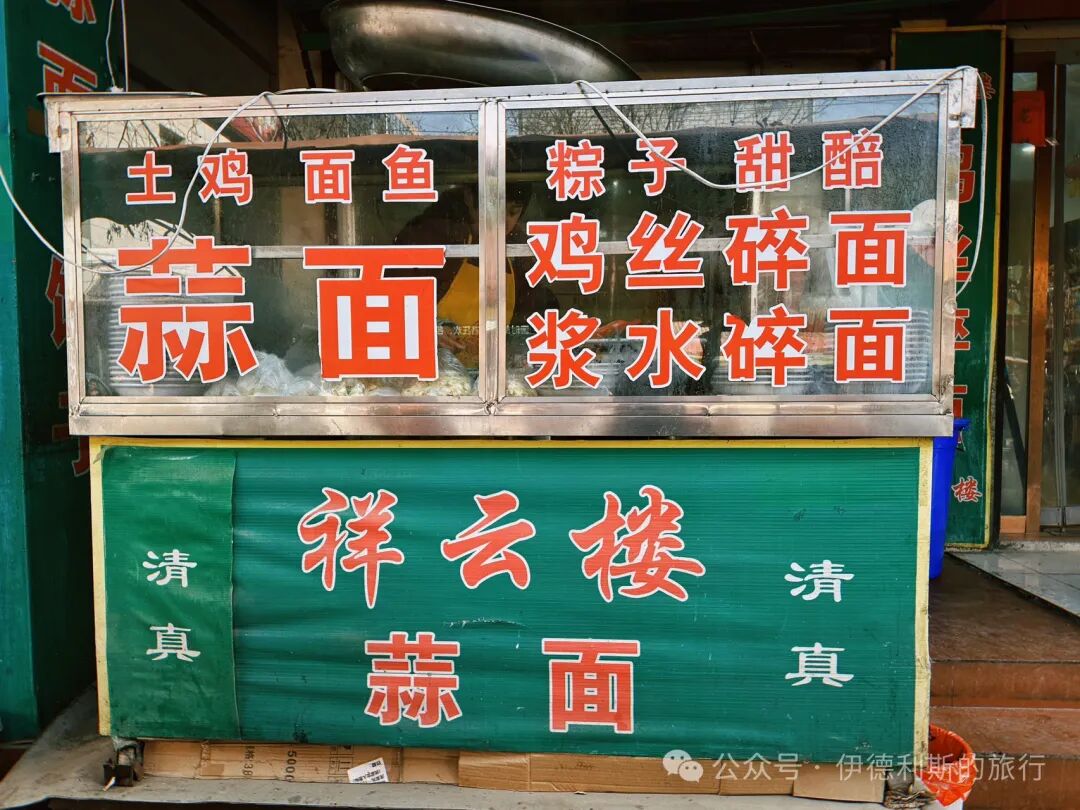
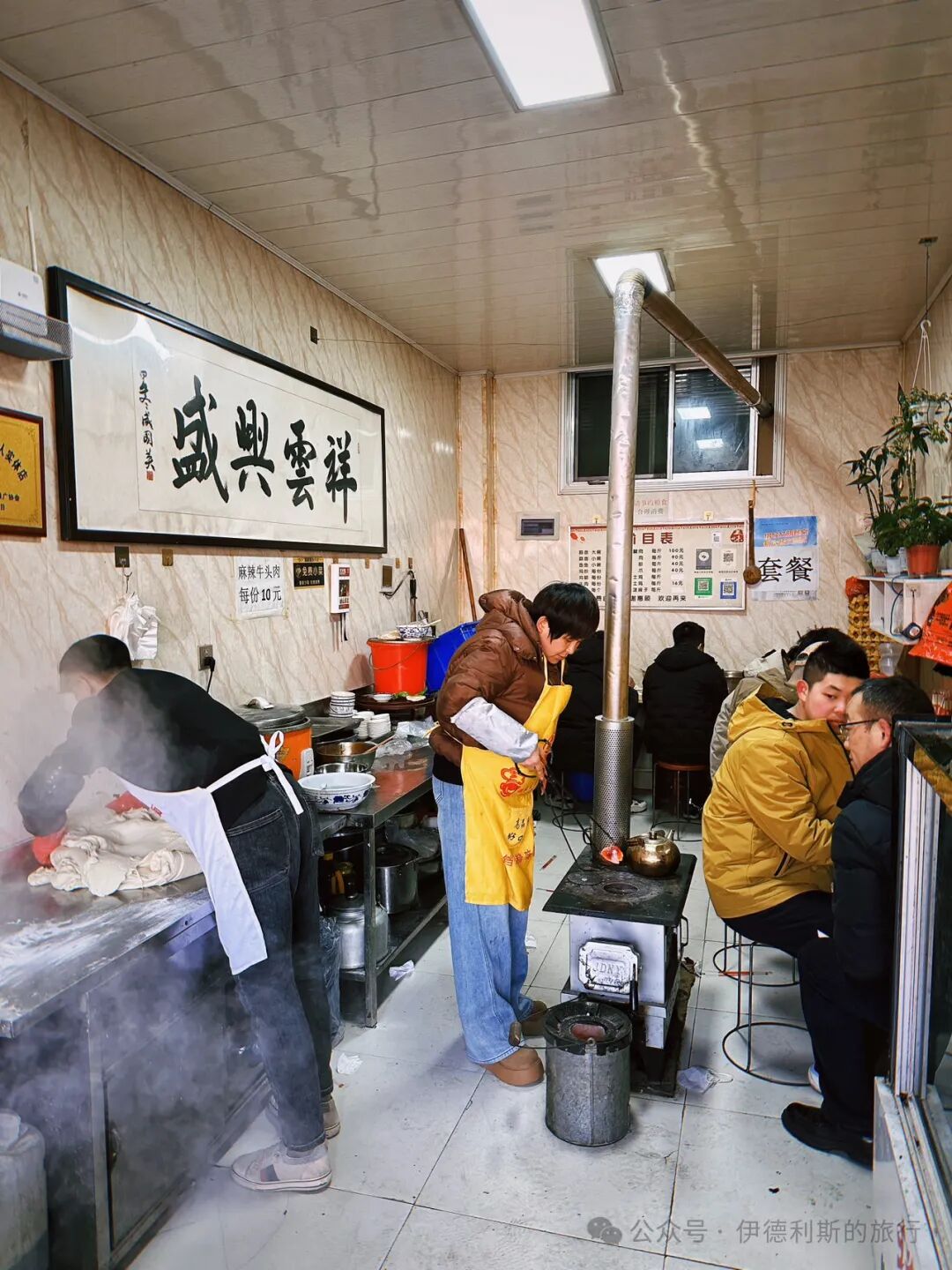
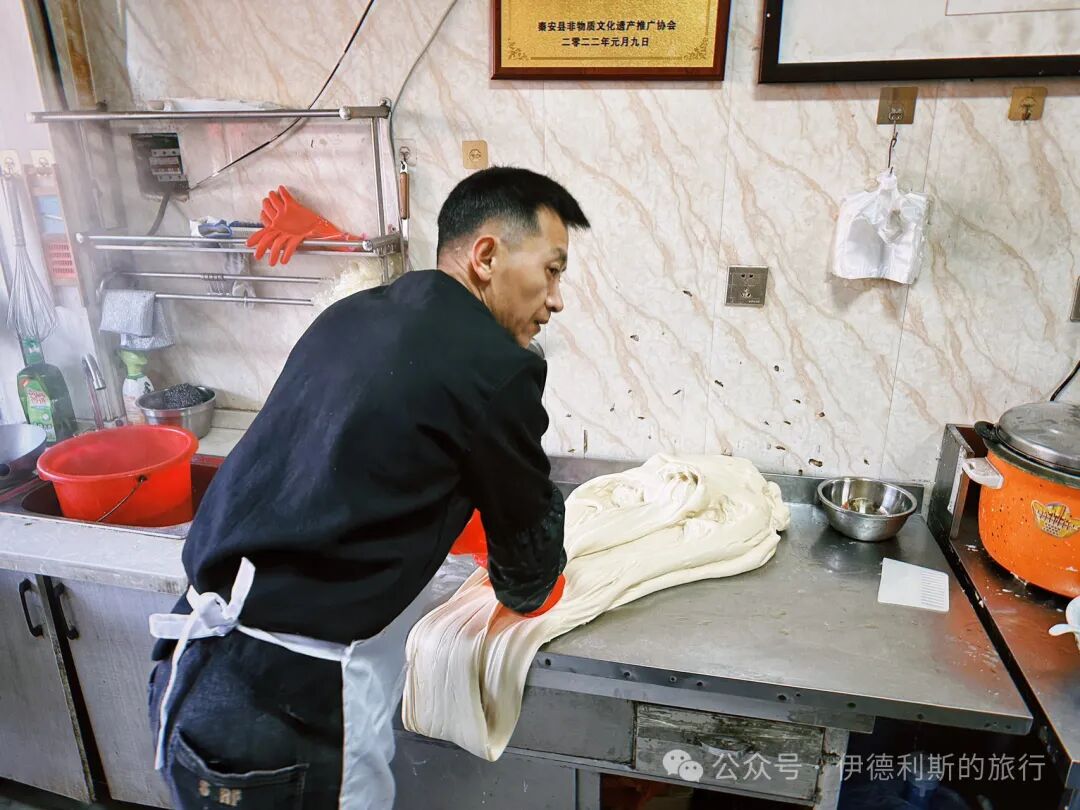
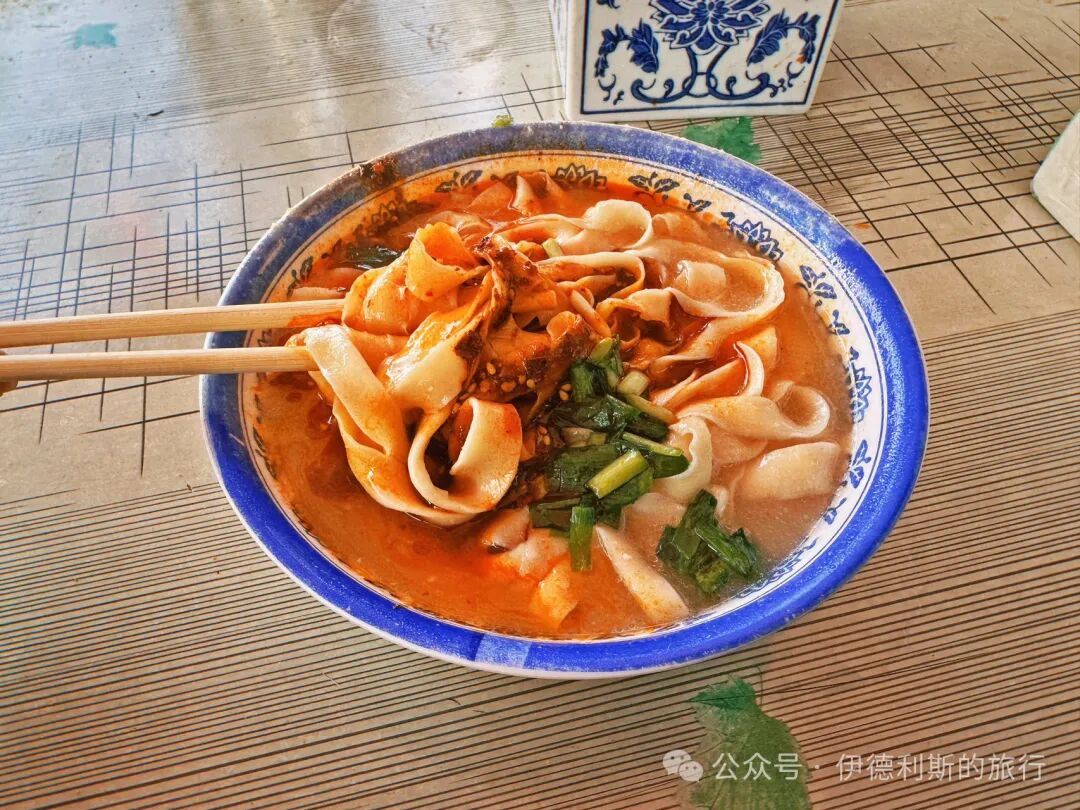
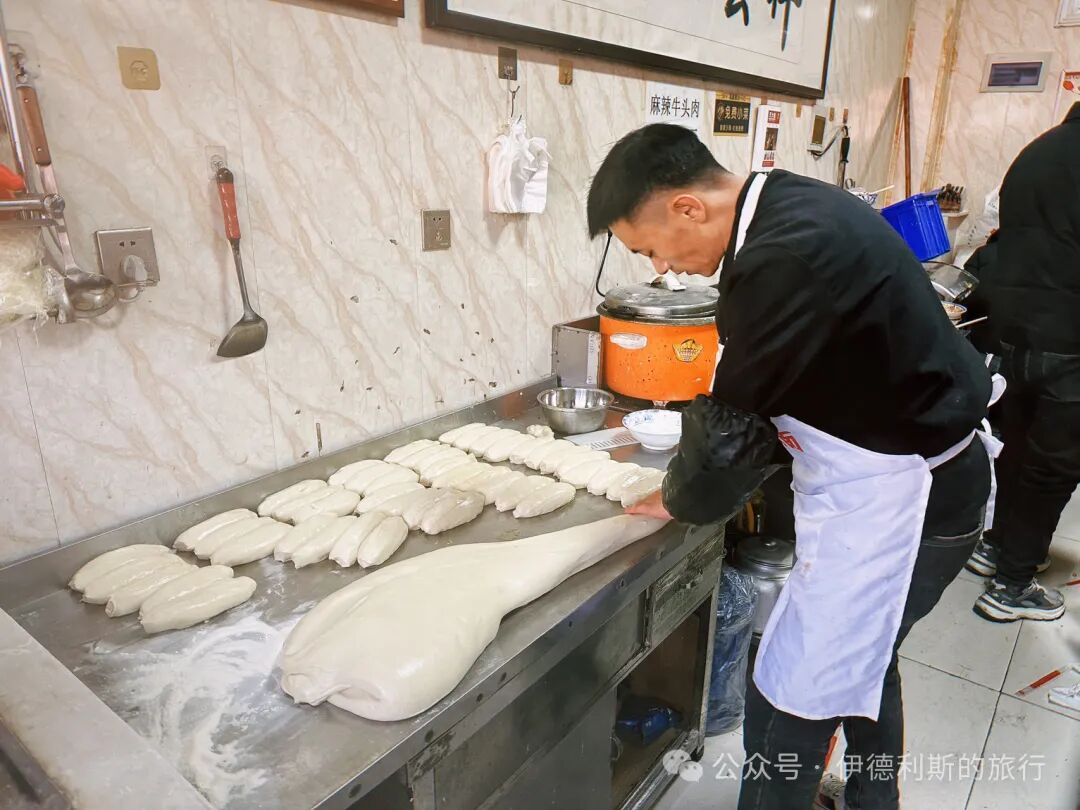
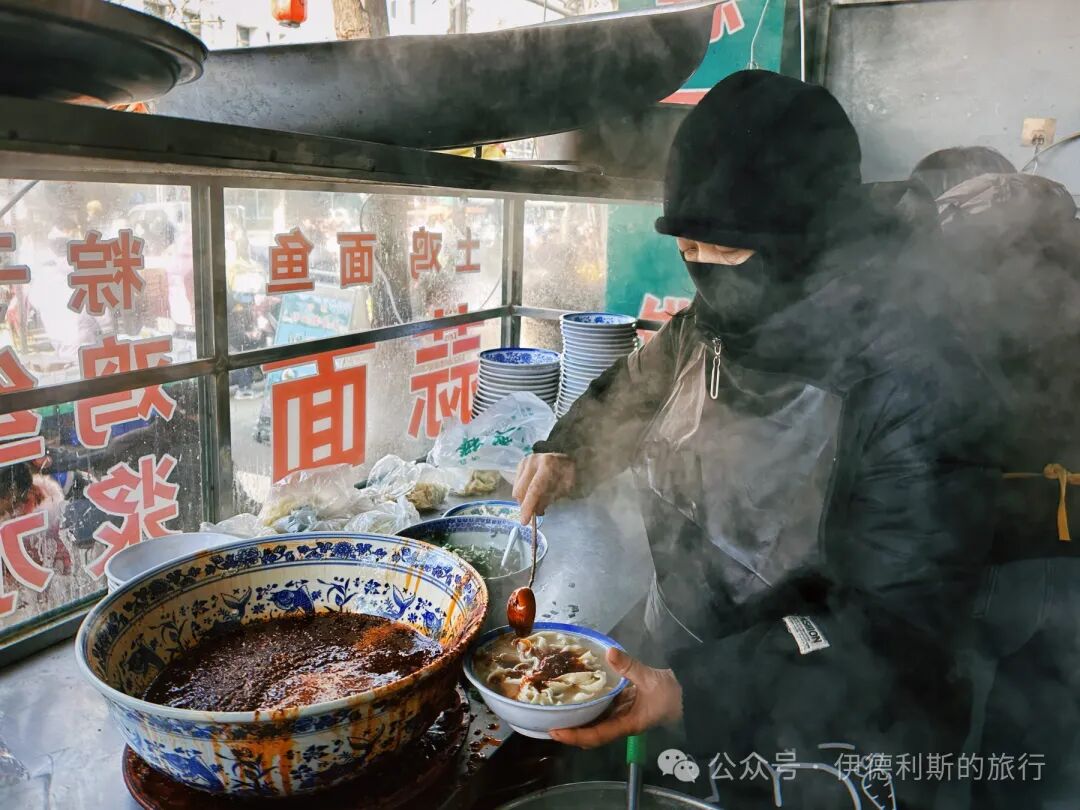
I ate the local garlic noodles (suanmian) in Shangguan, Qin'an. Qin'an garlic noodles rely on the garlic soup and chili oil, and the hand-pulled noodles (che mian) are very chewy. The chili powder from Qin'an is very famous; it is fragrant but not too spicy, which really boosts your appetite.
Summary: Qinan County in Gansu has a Qing-era mosque and a local food tradition centered on garlic noodles. This travel account keeps the mosque details, food descriptions, original photos, and local Hui Muslim context from the Chinese source.
Although Gansu Province has many old mosques (masjid), most have been rebuilt. Only four are listed as cultural heritage sites at the provincial level or higher. The national-level site is the Houjie Mosque in Tianshui. The provincial-level sites are the Xiananguan Mosque in Qin'an, the Jingning Mosque, and the Huangjia Mosque in Dongxiang. Additionally, the screen wall (yingbi) of the Beisi Mosque in Linxia and the Lamu Tower of the Huixian Mosque are also listed as provincial heritage sites. Among the buildings of the menhuan (Sufi orders), the Dajia House of the Xidaotang is a national heritage site, while the Xuanhuagang and Chuanguan Daotang of the Zhepai order are provincial heritage sites.
During the Spring Festival holiday, I took a high-speed train from Tianshui to visit the Xiananguan Mosque in Qin'an County. The high-speed train from Tianshui to Qin'an is very fast. After leaving the station, you need to share a car, and you can reach Xiananguan in 10 minutes.
The Xiananguan Mosque in Qin'an was first built during the Hongwu period of the Ming Dynasty and rebuilt during the Kangxi period of the Qing Dynasty. The main hall has a hanging gable roof (xuanshan ding). The rear kiln hall has an octagonal pointed roof (bazhuo zuanjian ding) for the minaret (bangkelou), which features exquisite brick carvings and bracket sets (dougong). The center of the main hall's roof ridge is decorated with a pavilion-style ridge ornament (jicha) topped with a halberd (fangtian huaji). The very top of the minaret also has a halberd, which is very unique. The word for halberd (ji) sounds like the word for rank (ji), symbolizing a rise in status.
Inside the main hall, the colorful paintings have a very local style. In the rear kiln hall, you can see the interior of the octagonal pointed roof, which features a caisson ceiling (zaojing) made of stacked wooden beams with beautiful wood carvings. Each side has an inscription, which are:
The hall faces the southern mountains, its beams connect to the Big Dipper, directly passing down the heart-to-heart teachings.
Firm as a rock, solid as mulberry roots, forever holding the holy path without falling.
The hall structure brings new light, increasing the path of faith, shining as long as the sun and moon.
Square and round in proper form, shaped like the earth, [illegible] and eternal.
The brick carvings on the prayer wall feature calligraphy in the Shagou style of the Zhepai order.
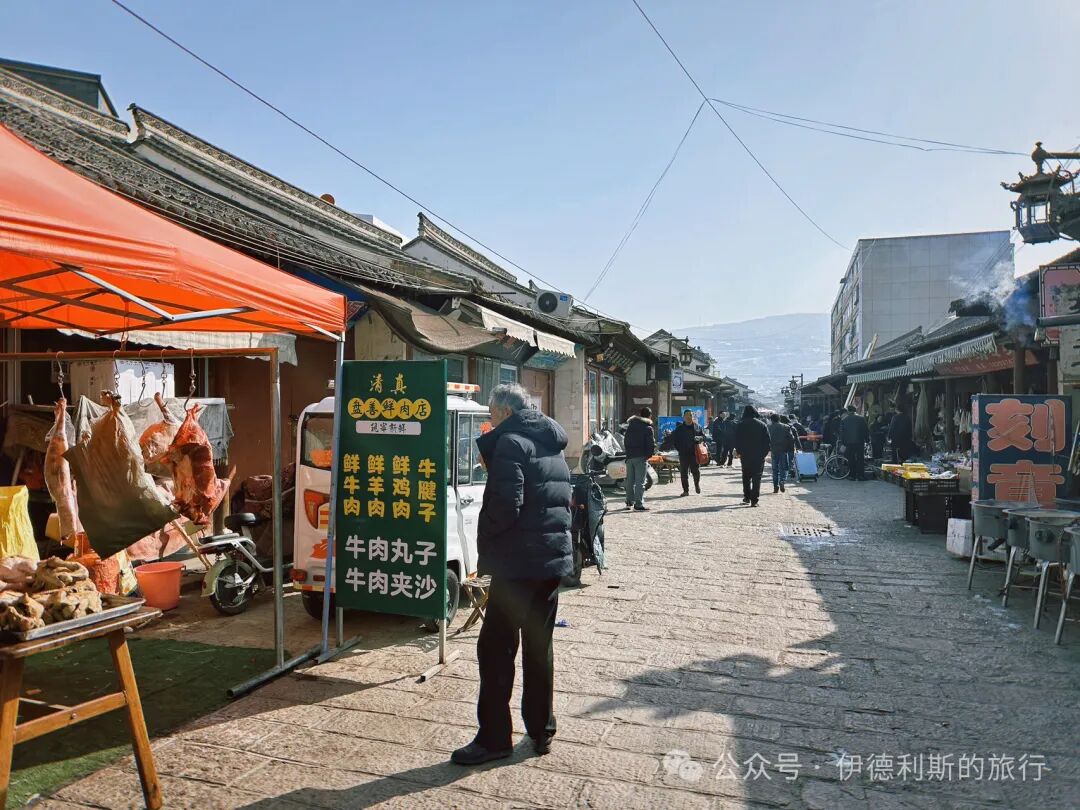
The small courtyard and the street view of Xiananguan. The south lecture hall has a couplet hanging:
Every word of truth is full of good intentions.
Every sound of the prayer (selan) brings blessings.
I ate the local garlic noodles (suanmian) in Shangguan, Qin'an. Qin'an garlic noodles rely on the garlic soup and chili oil, and the hand-pulled noodles (che mian) are very chewy. The chili powder from Qin'an is very famous; it is fragrant but not too spicy, which really boosts your appetite.
