

Hui Heritage
China Mosque Travel Guide Jiangsu Huai'an: Hexia Ancient Town, Mosque, Tea Snacks and Zuo Baogui
Articles • yusuf908 posted the article • 0 comments • 253 views • 2026-05-23 23:30
Reposted from the web
Summary: Hexia Ancient Town in Huai'an, Jiangsu, connects mosque history, local fried tea snacks (sanzi), and the tomb of Zuo Baogui. This account keeps the town, food, cemetery, and mosque details together as one walking travel note.
Hexia Ancient Town in Huai'an, Jiangsu, is the largest town on the outskirts of Huai'an Prefecture. Because the salt fields along the coast of Huaibei produced high-quality salt, many salt merchants from the northwest and Anhui came to Huaibei in the late Ming Dynasty to work in the salt trade. The Huaibei Salt Transport Office was located in Hexia Town. Salt from the fields had to be shipped to Hexia for inspection before merchants could sell it elsewhere. Hexia Town then entered its most prosperous period. Salt merchants built gardens and courtyards there. The Qing Dynasty record 'Huai'an Hexia Annals' states: 'Wealthy salt merchants brought their fortunes and made their homes in Hexia, and Hexia became extremely prosperous.' The wealth brought by these merchants made the town's commerce thrive, and many Hui Muslims also came to settle in Hexia.
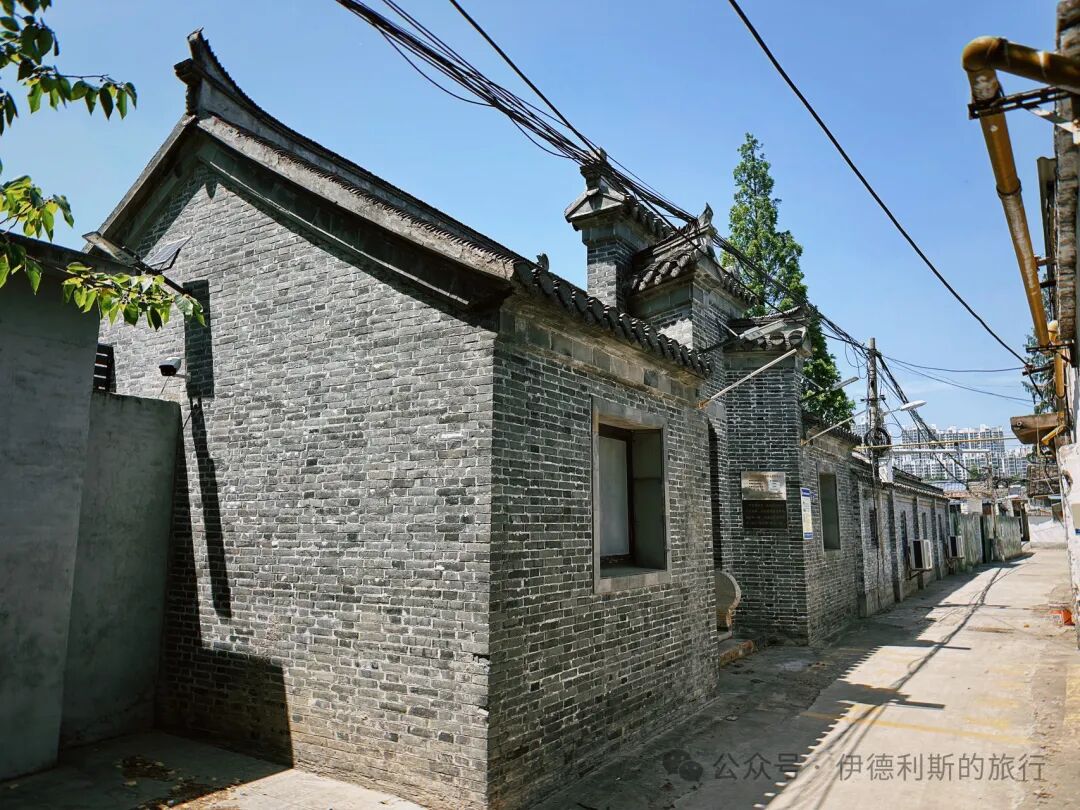
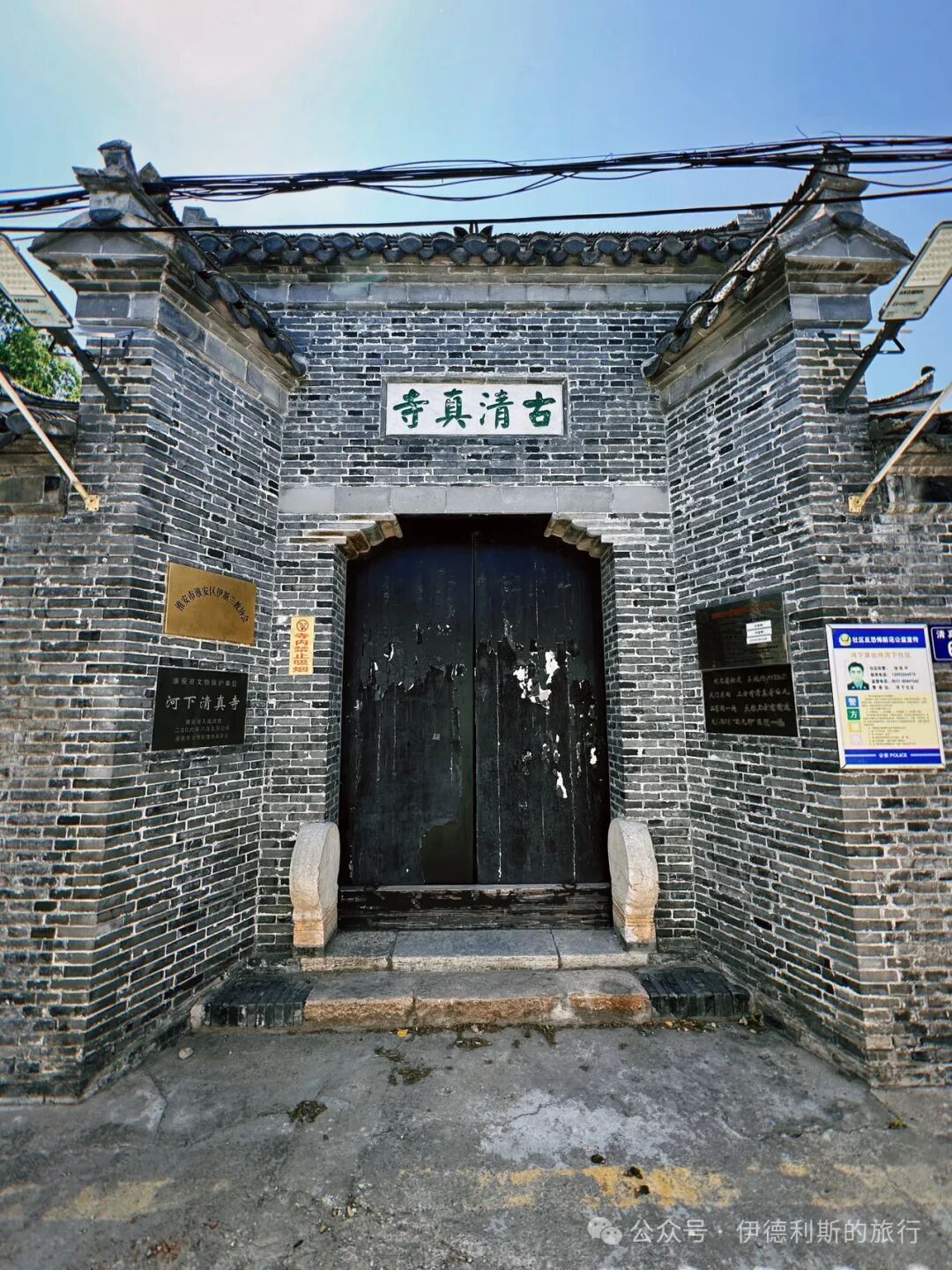
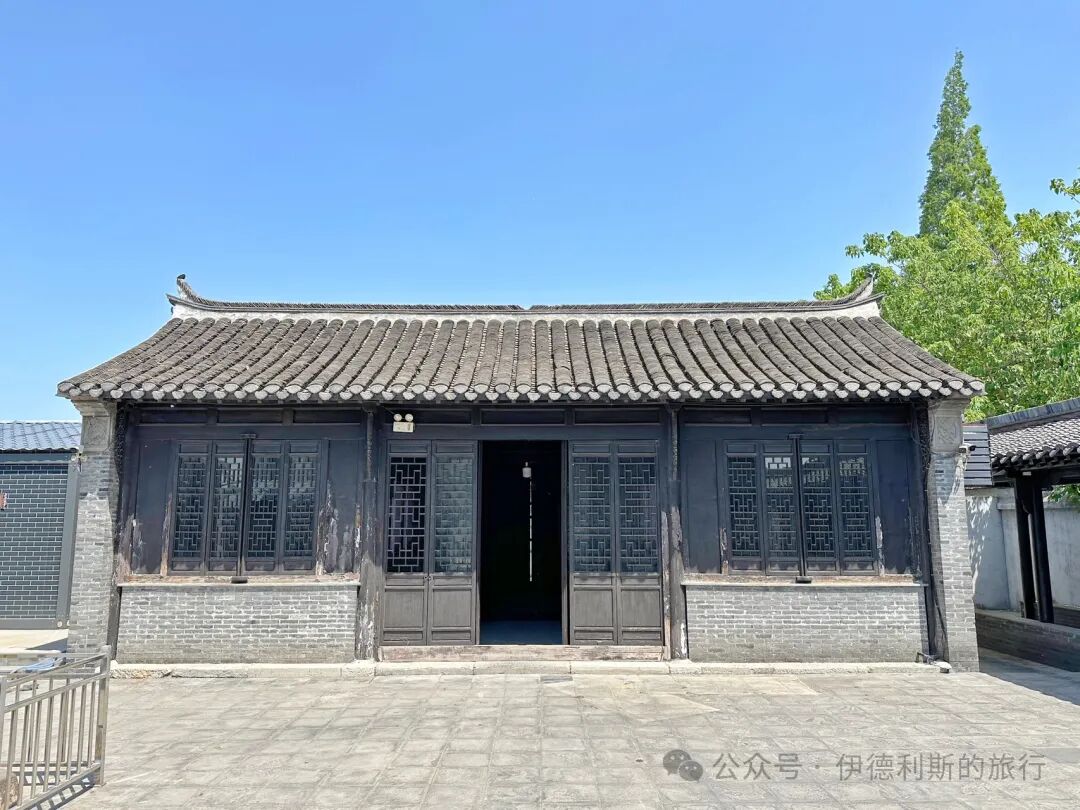
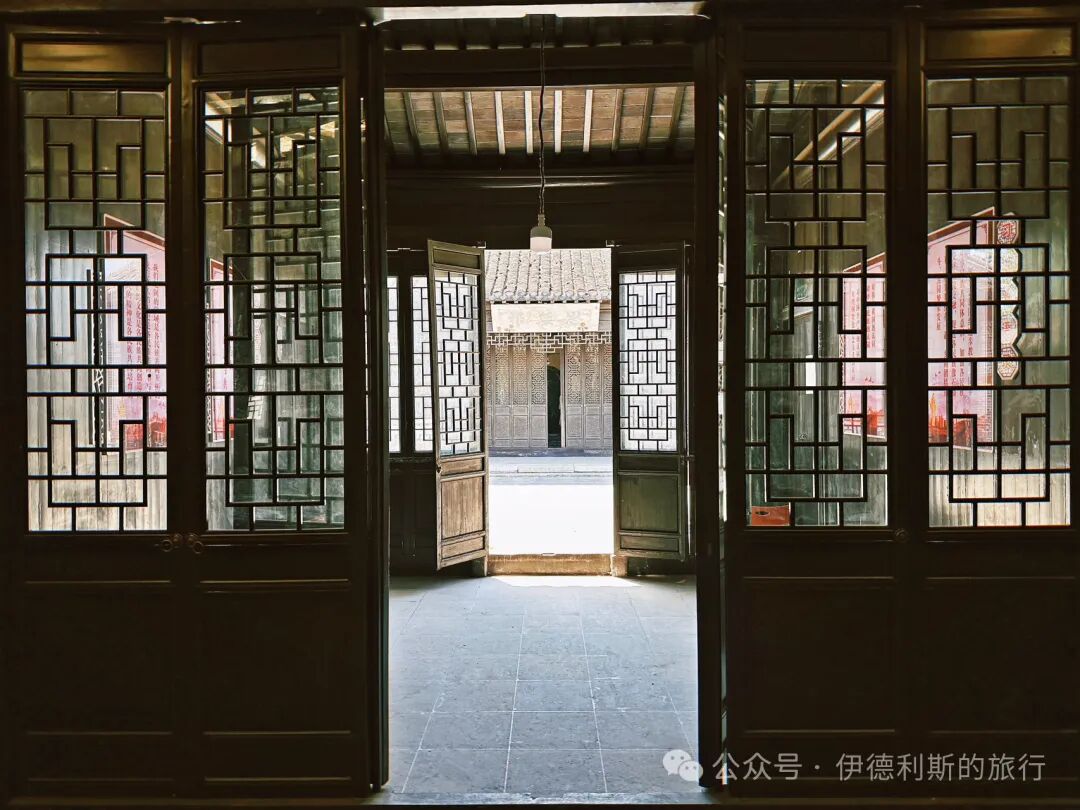
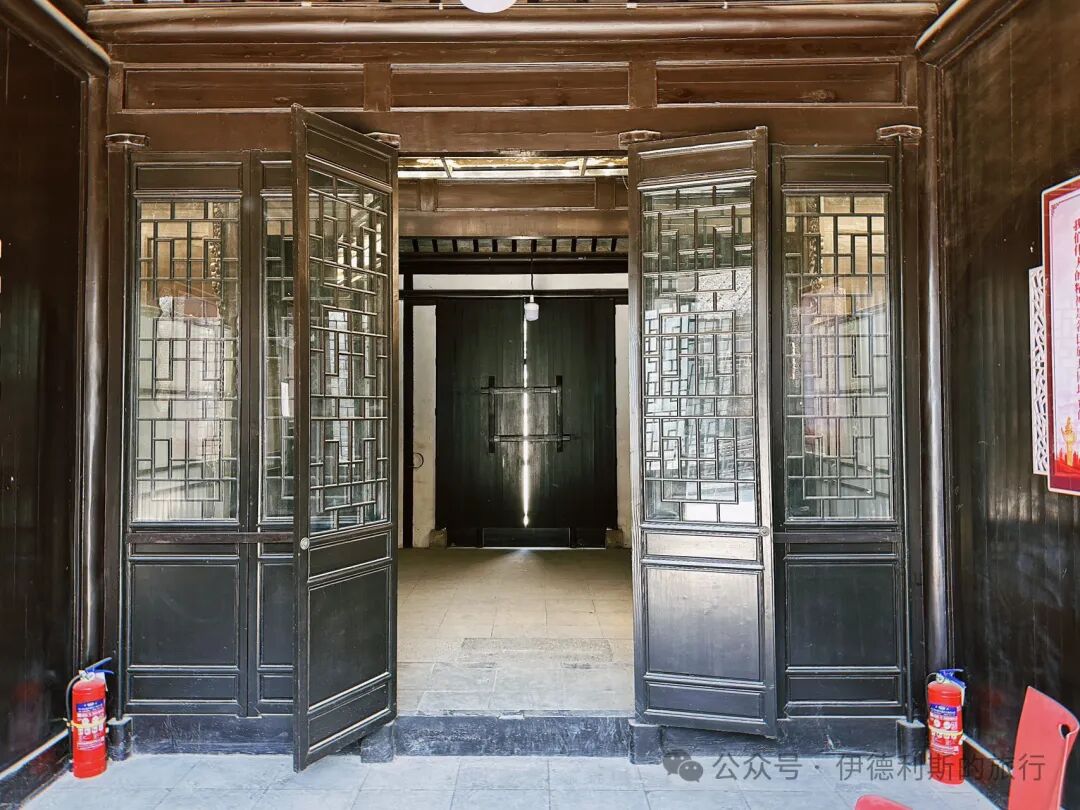
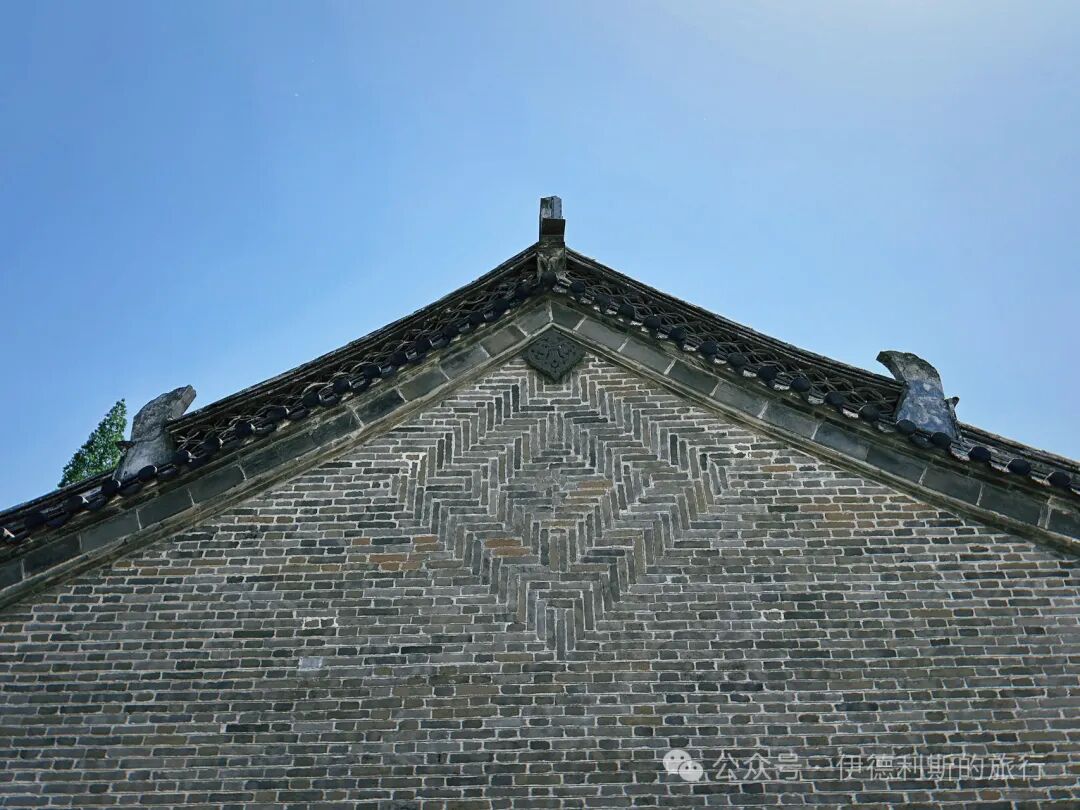
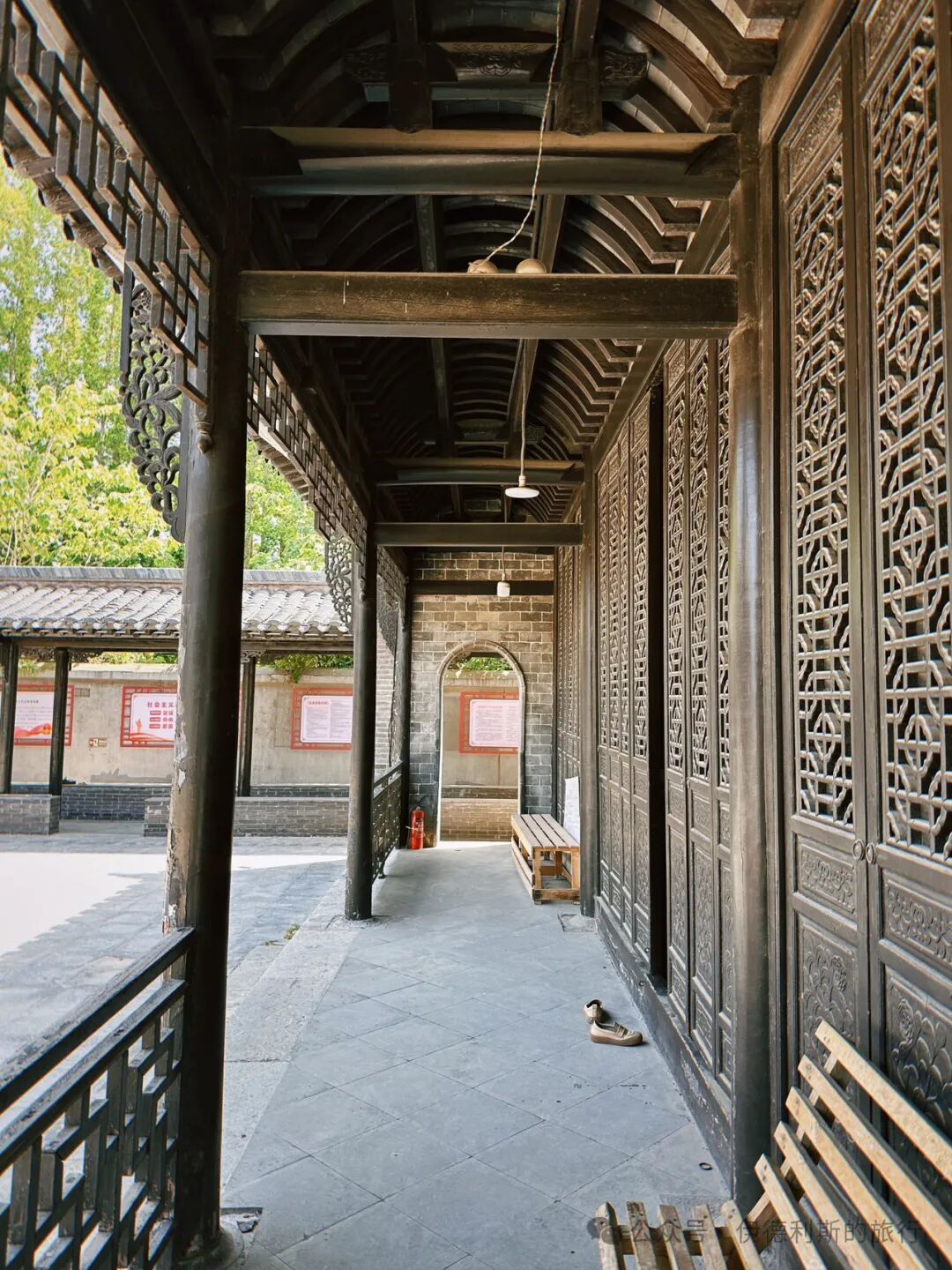
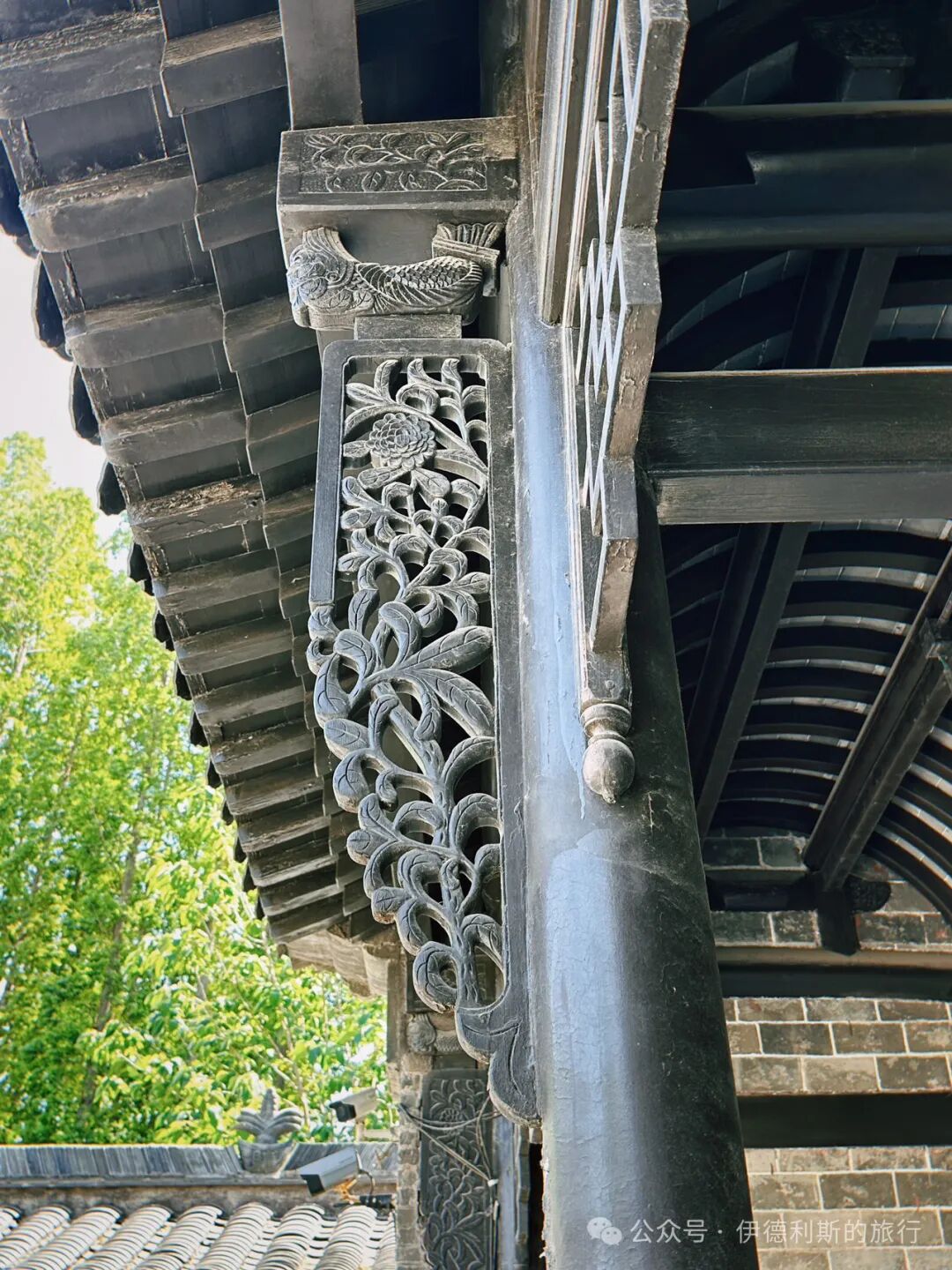
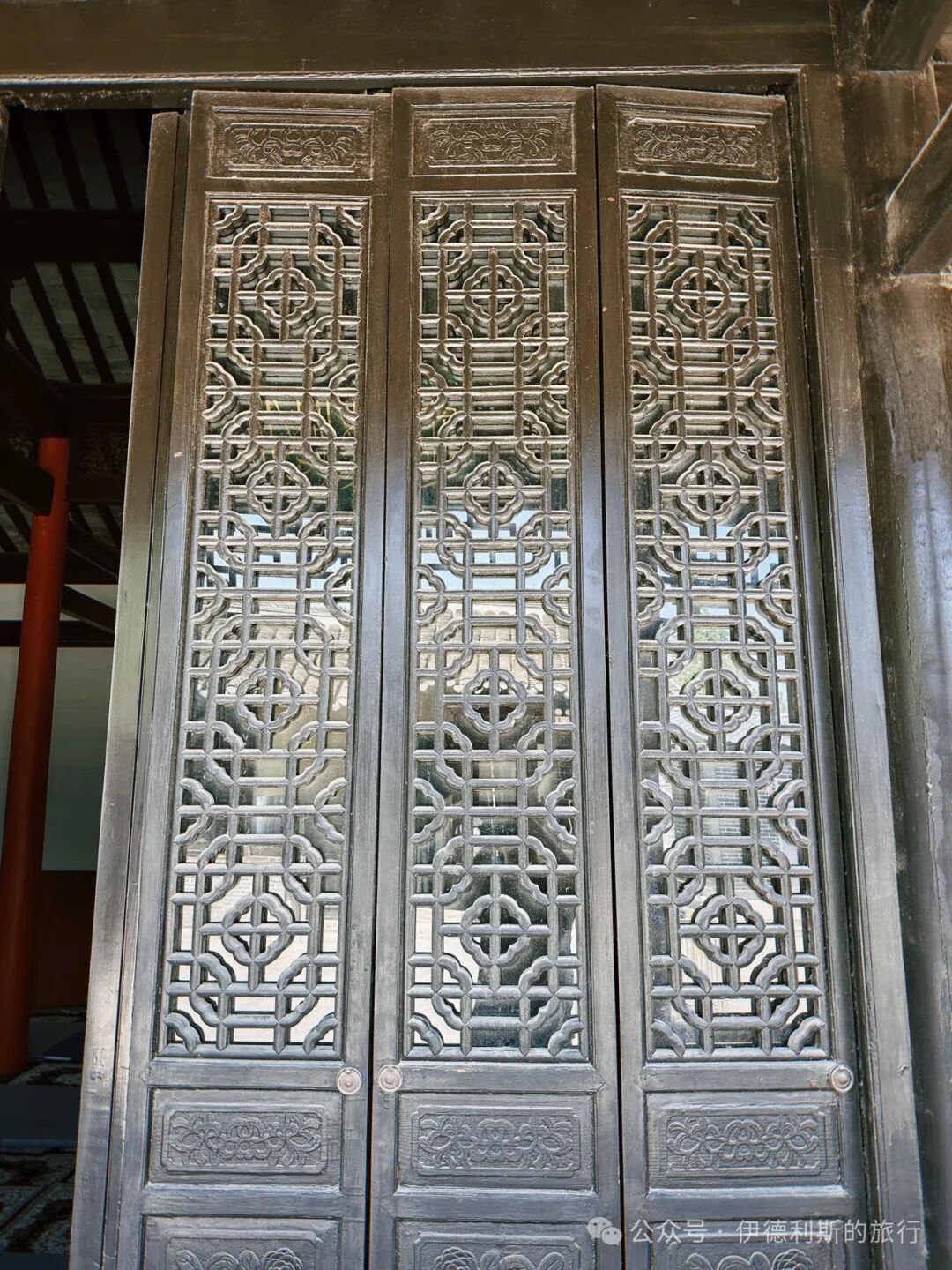
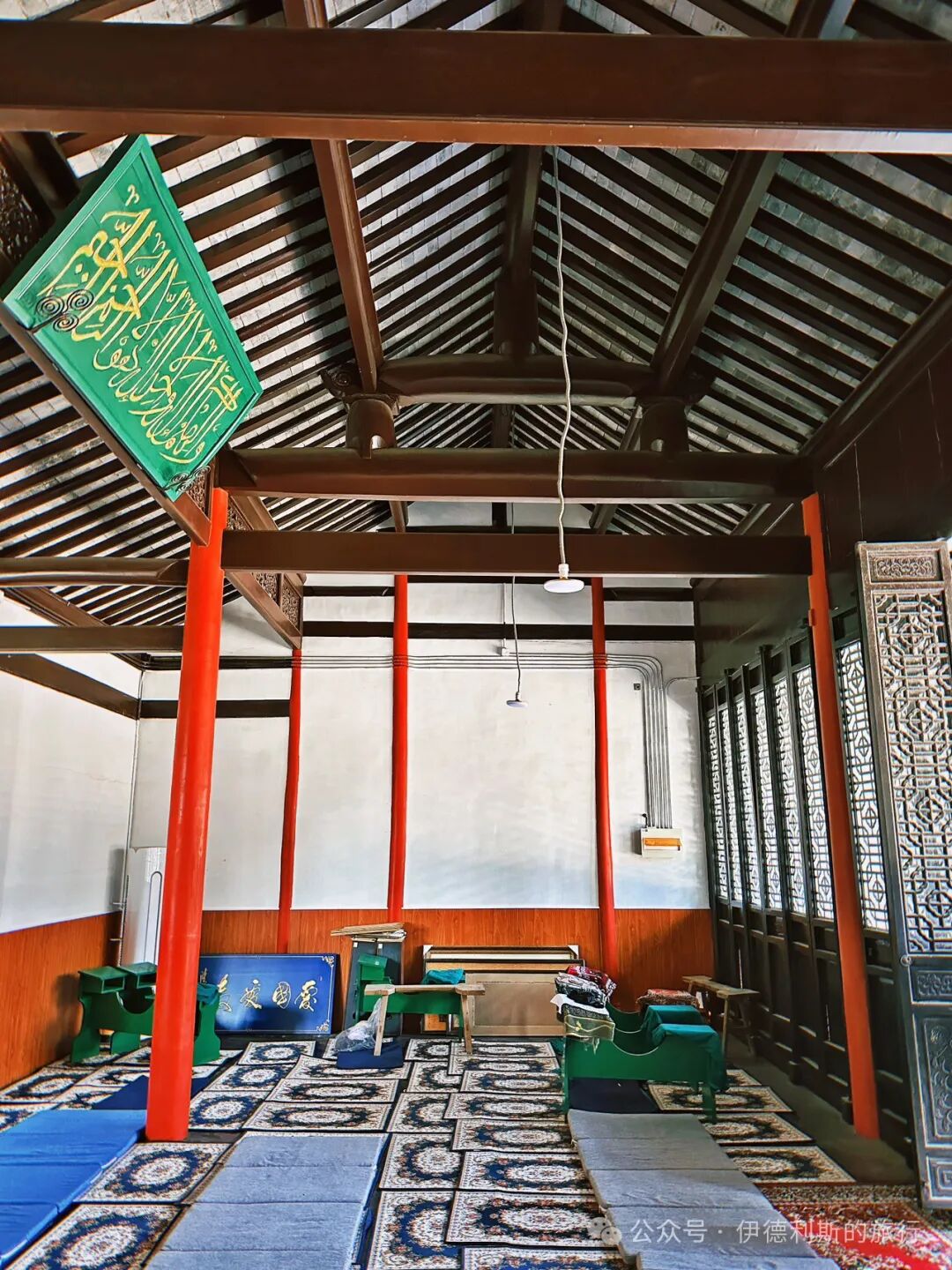
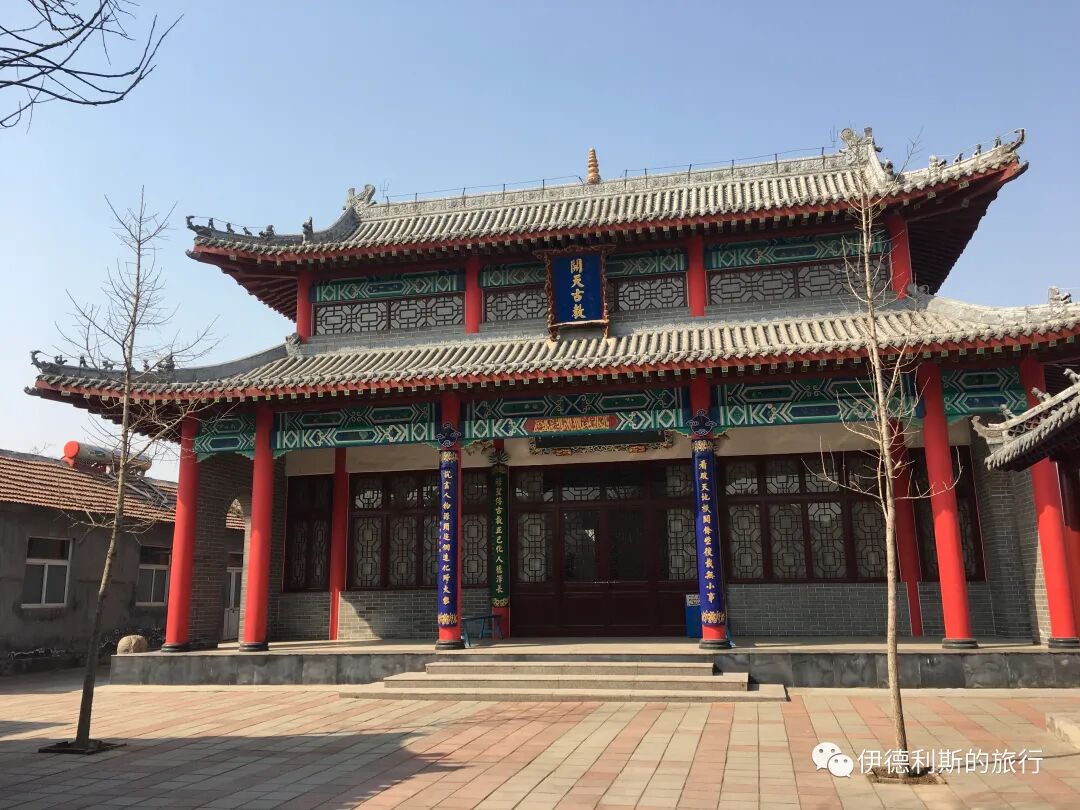
Hexia Mosque (Hexia Si) is located south of Luojia Bridge in Hexia Town. It was first built during the Shunzhi reign of the Qing Dynasty. In 1860, during the tenth year of the Xianfeng reign, the Nian Rebellion captured Huai'an and burned down ten rooms of the mosque, which were later rebuilt. The main hall of the mosque is a Qing Dynasty structure with blue bricks, dark tiles, and upturned eaves. It is a typical Jianghuai architectural style and was listed as a Huai'an cultural heritage site in 2006.
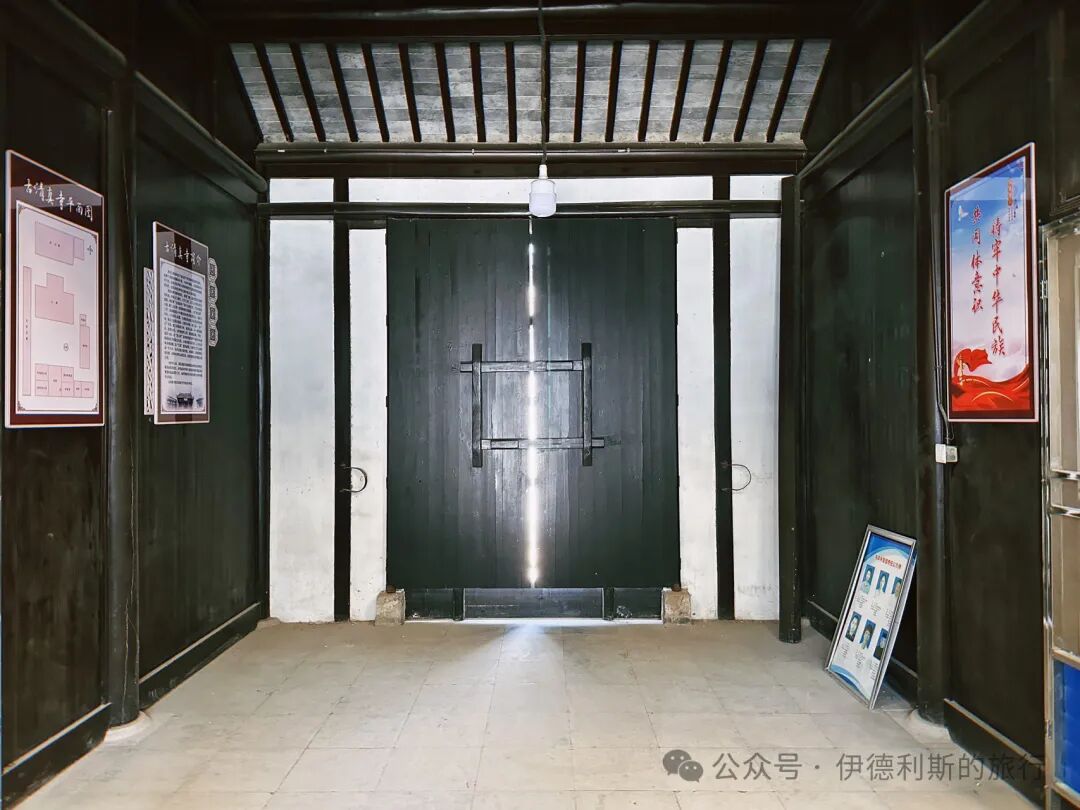
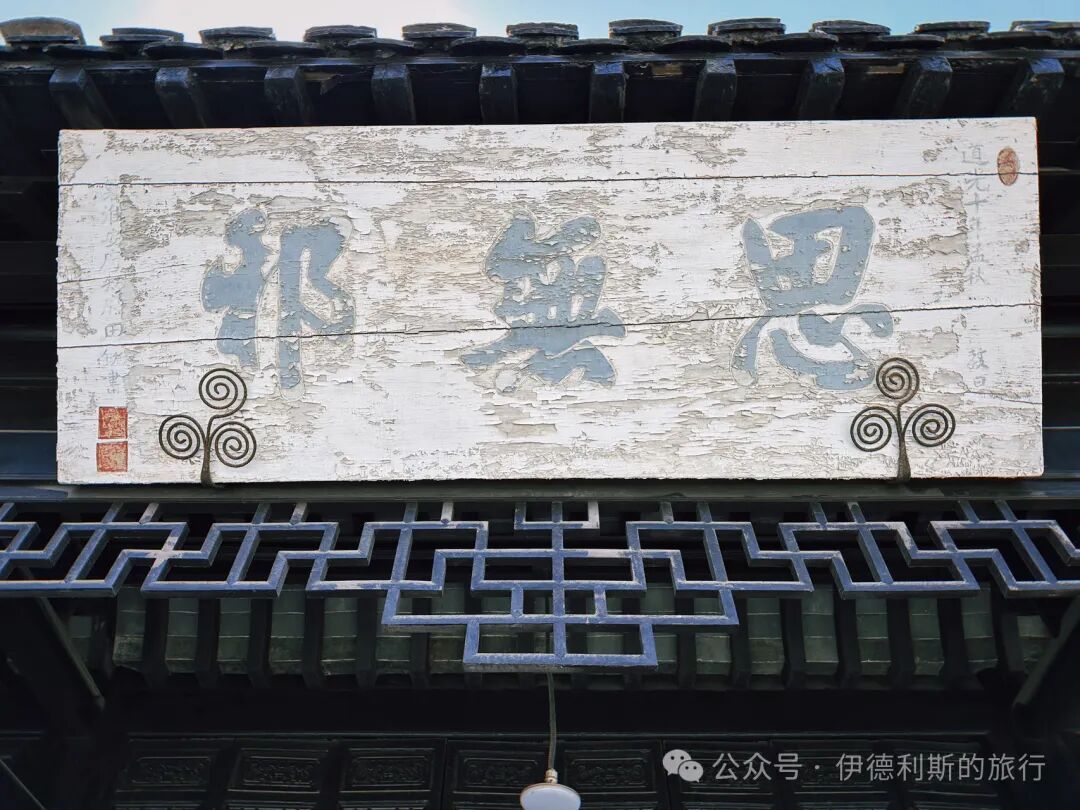
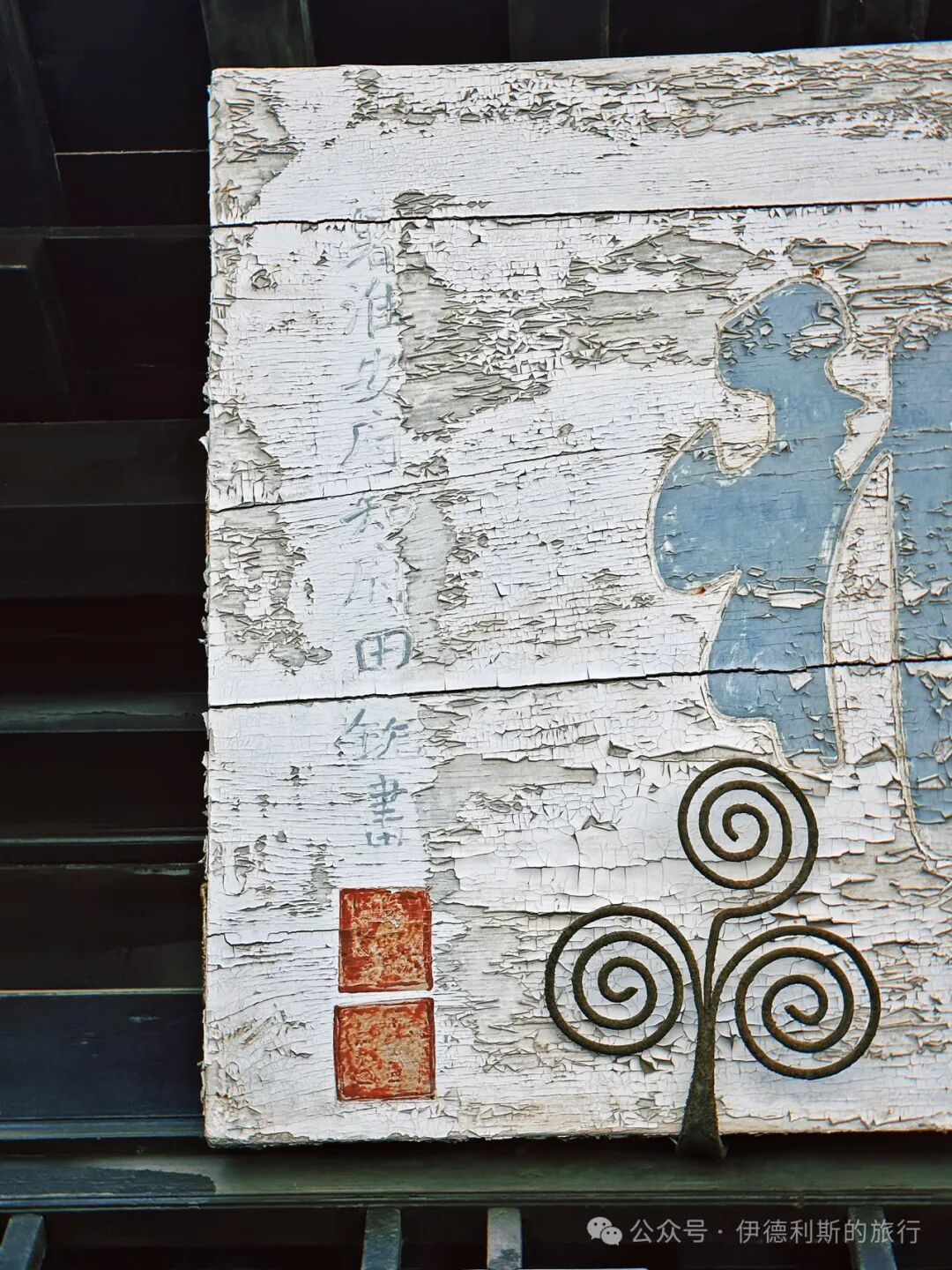
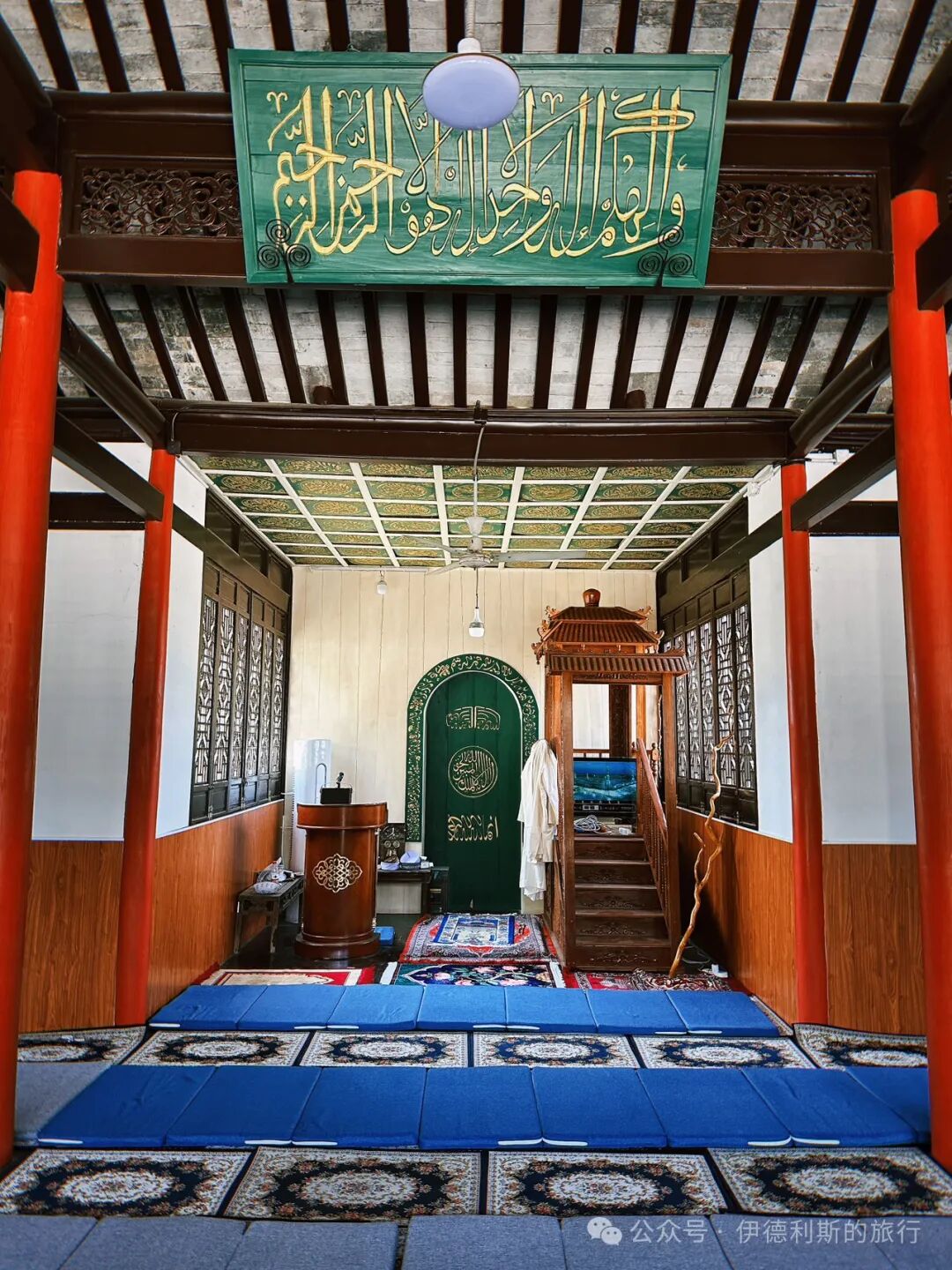
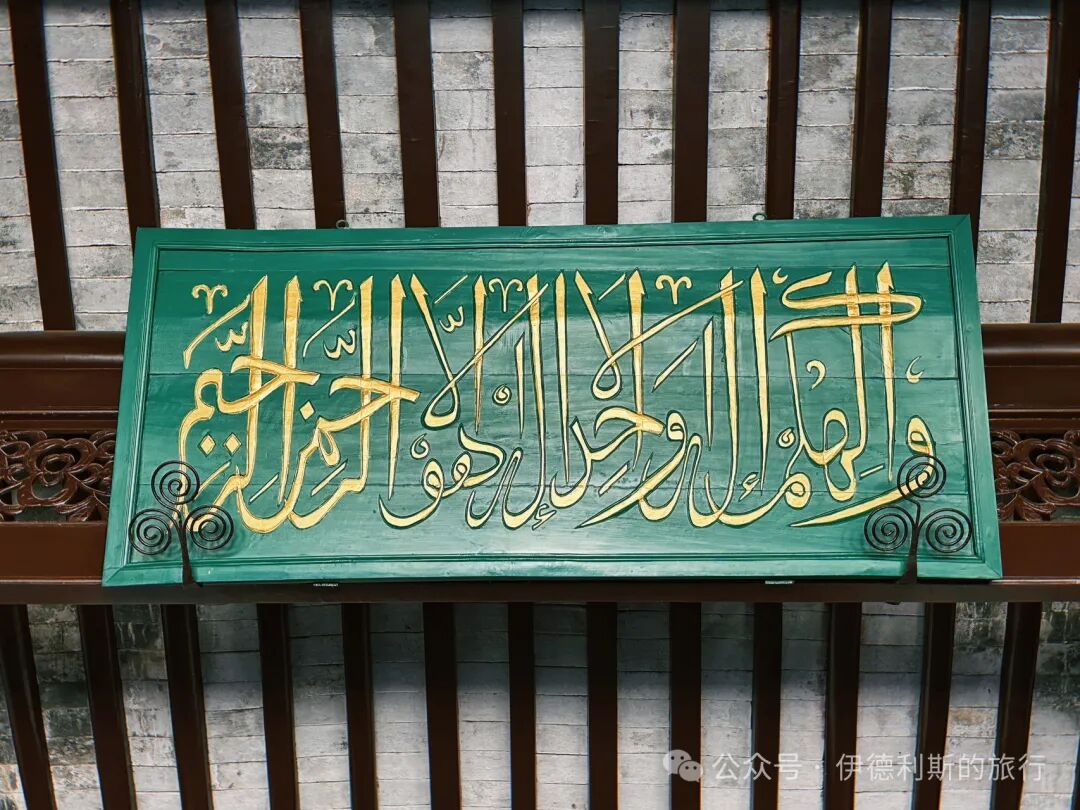
Above the main hall door hangs a chestnut wood plaque inscribed with 'Si Wu Xie' (Think No Evil) by Tian Rui, the prefect of Huai'an in the tenth year of the Daoguang reign. The sides originally held plaques from anti-Japanese hero Zuo Baogui and Yunnan commander Ma Chang'an, but these were destroyed after the 1960s.
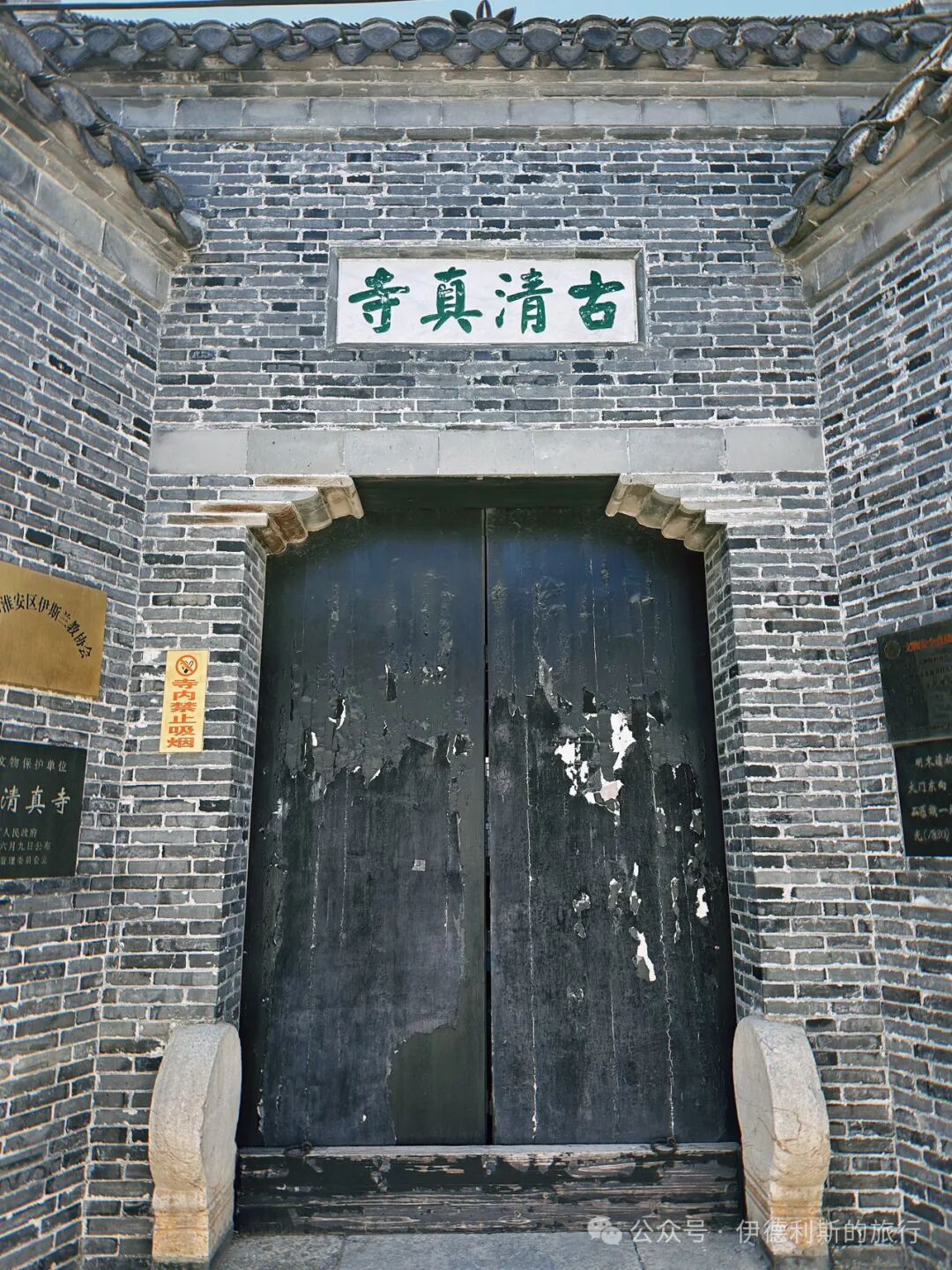
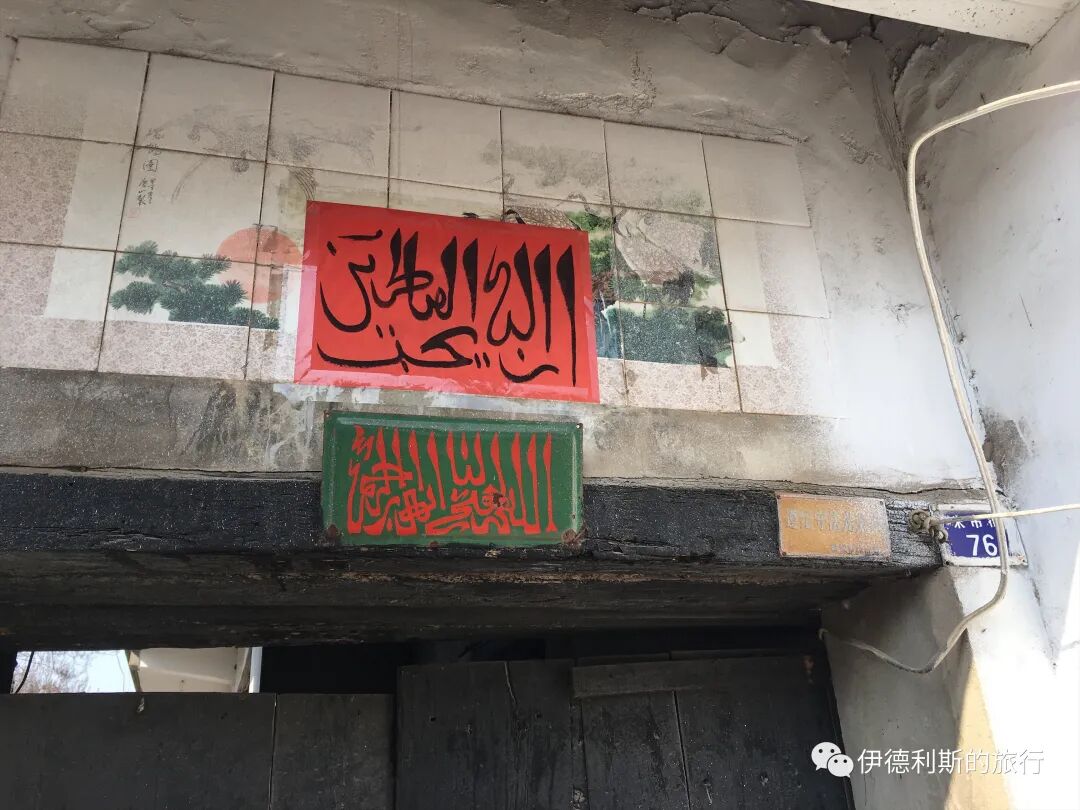
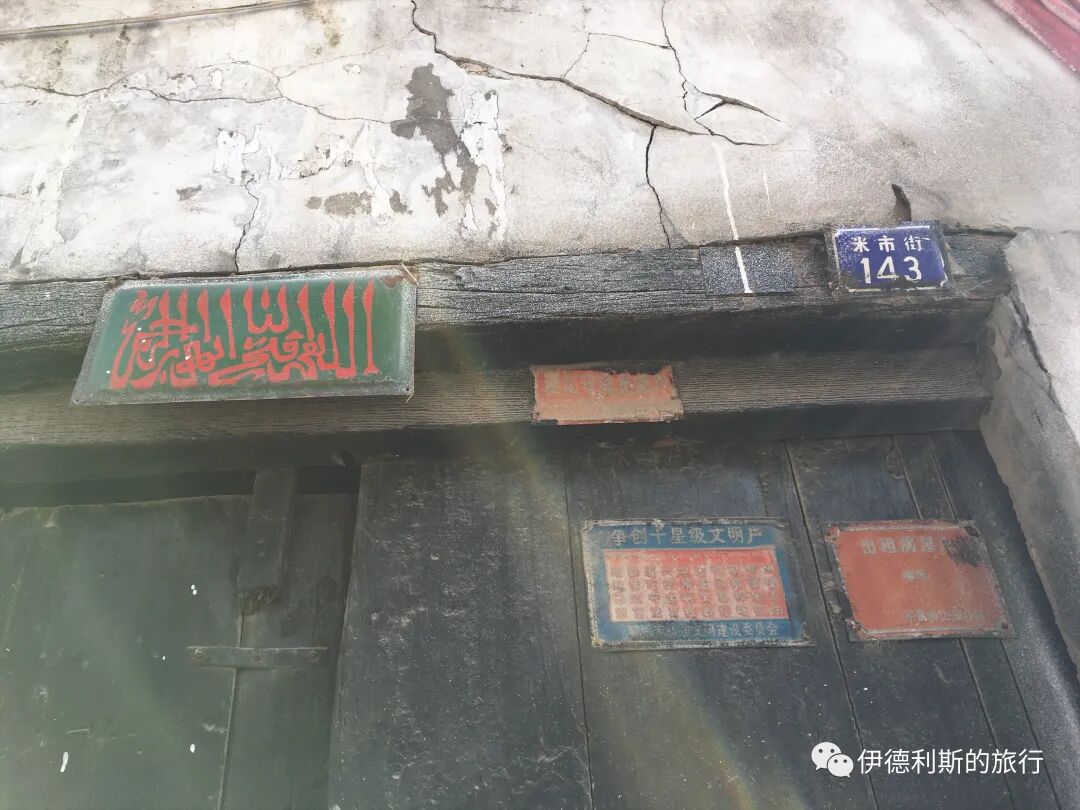
The imam (sha ahong) of the mosque usually stays at a nearby beef and mutton shop. If you call the number posted on the mosque gate, he will come over to open it.
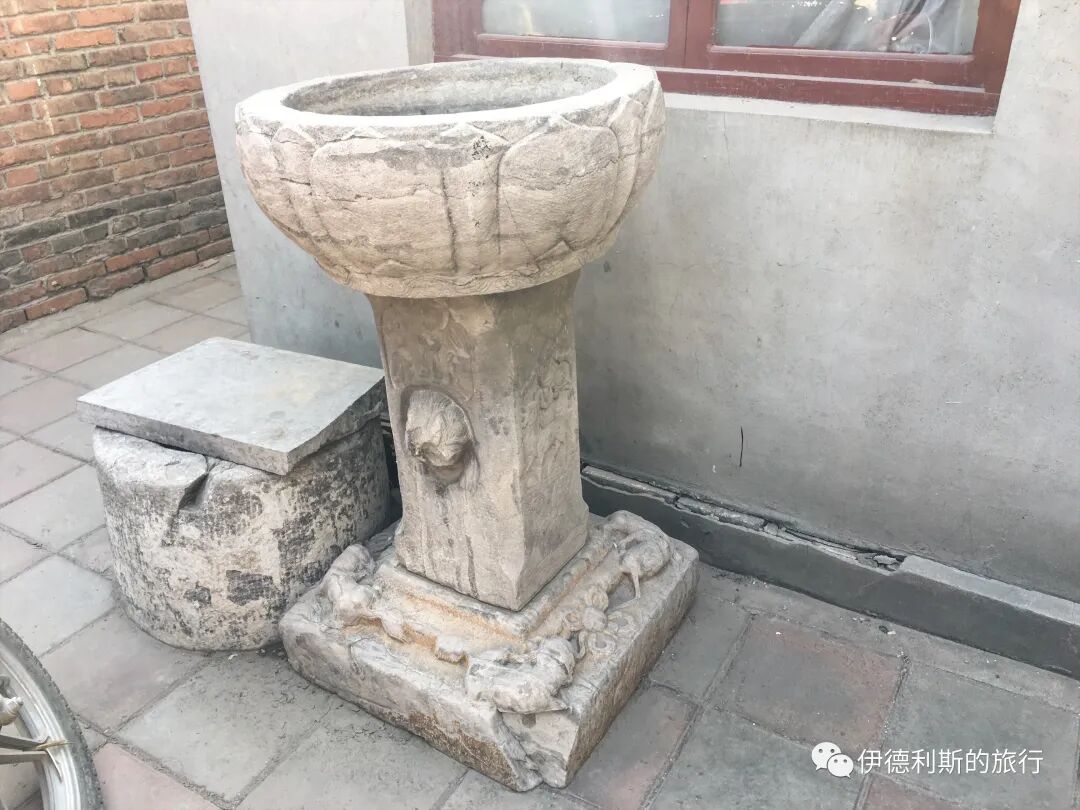
An ancient well dug in the early Qing Dynasty.
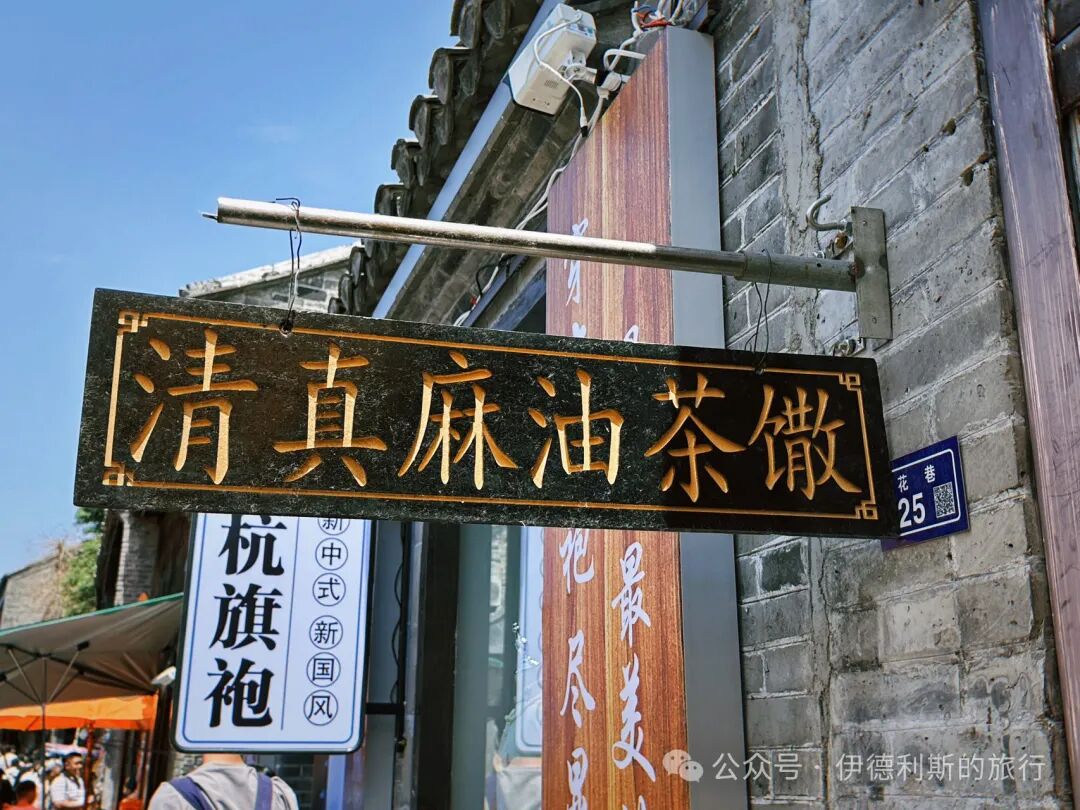
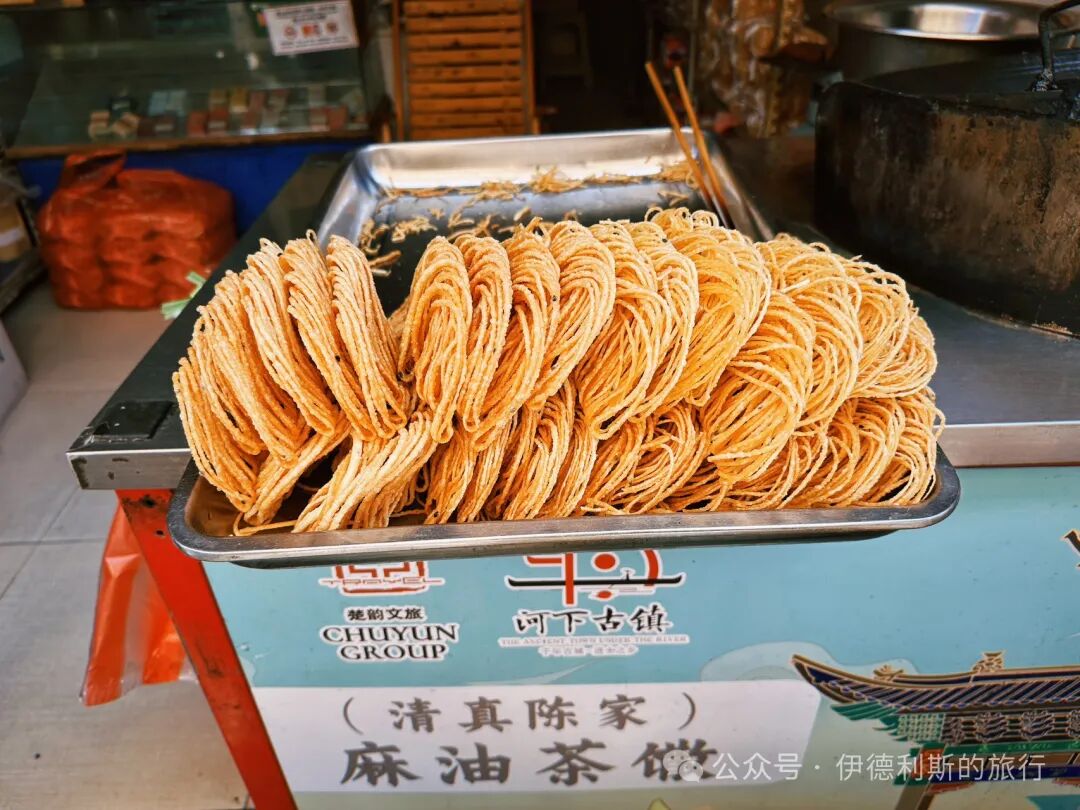
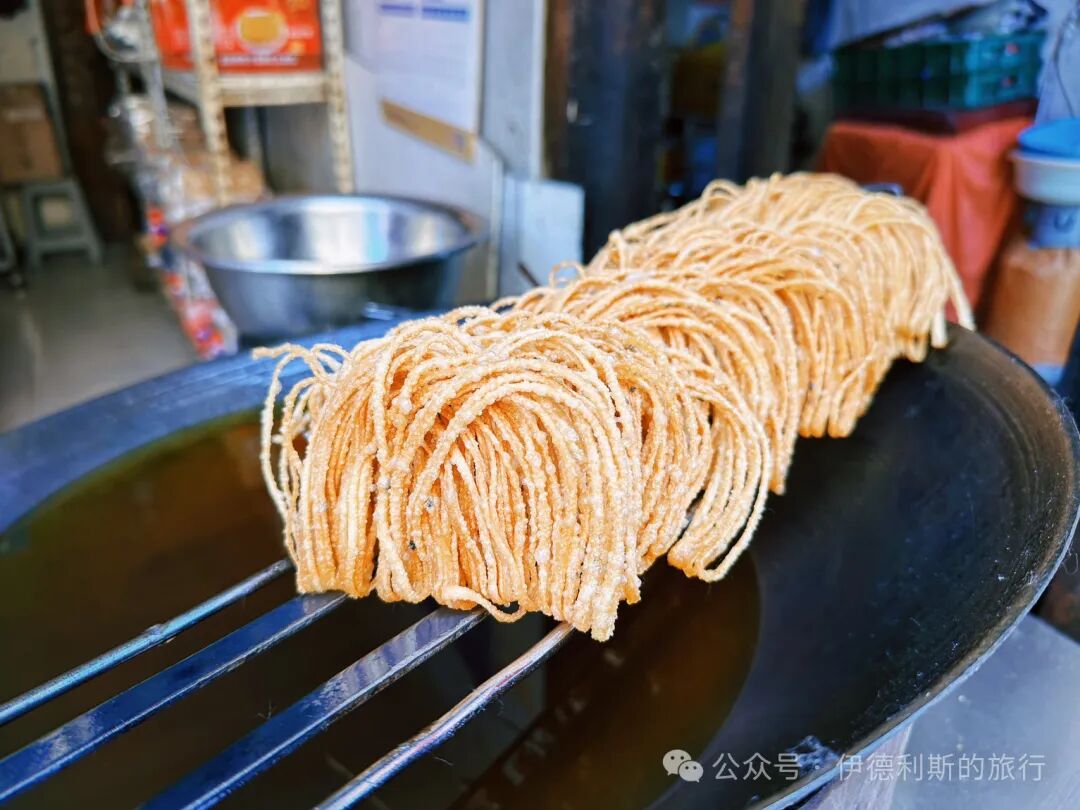
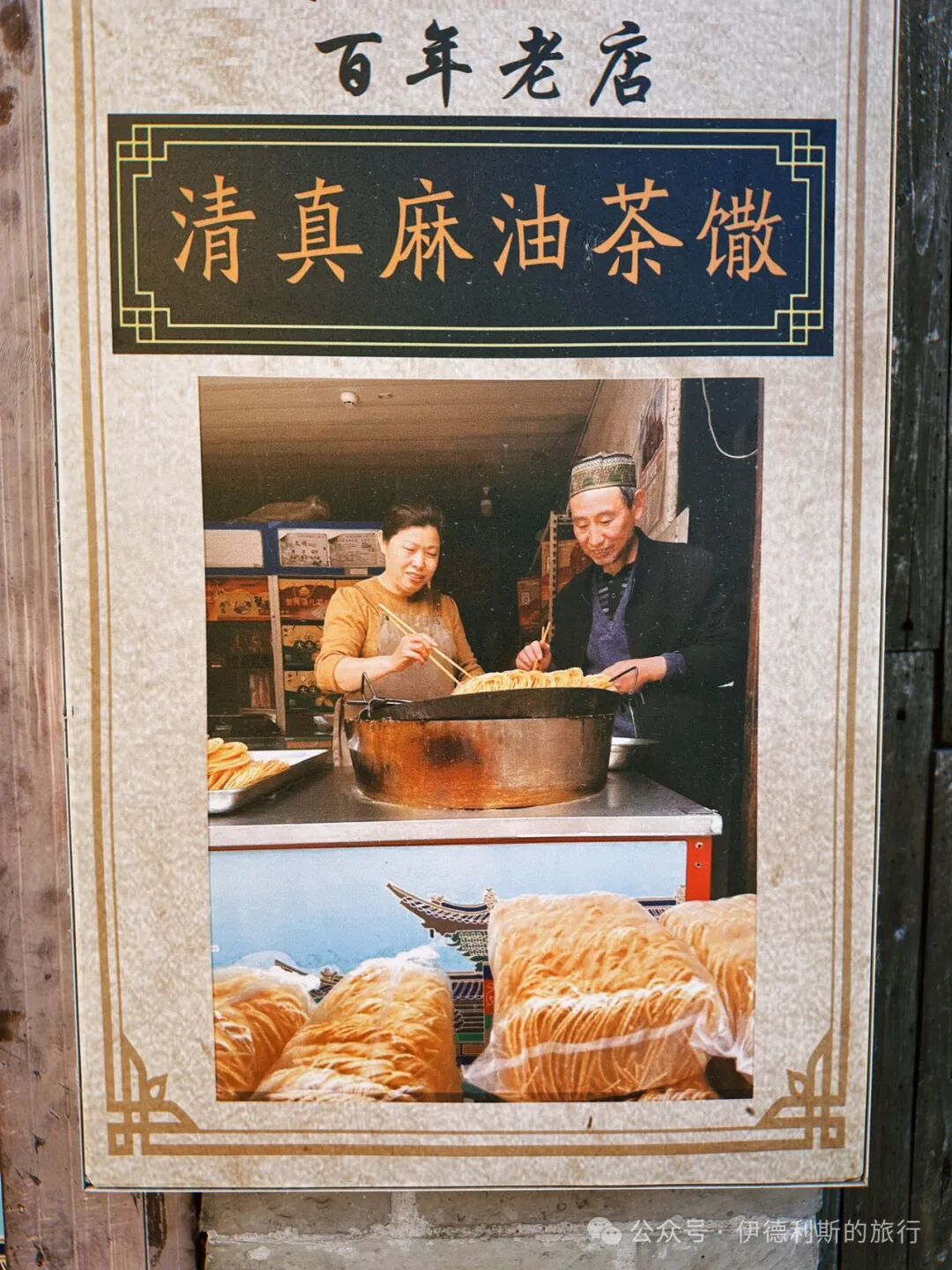
When I visited Huai'an in 2017, there was still a large Hui Muslim restaurant in Hexia, but it has since closed. Only Chen's Halal Sesame Oil Fried Dough Twists (Chenji Qingzhen Mayou Chagou) remain on the old street. Huai'an fried dough twists (chagou) are very thin, light yellow, crispy, and delicious. Children especially love them.
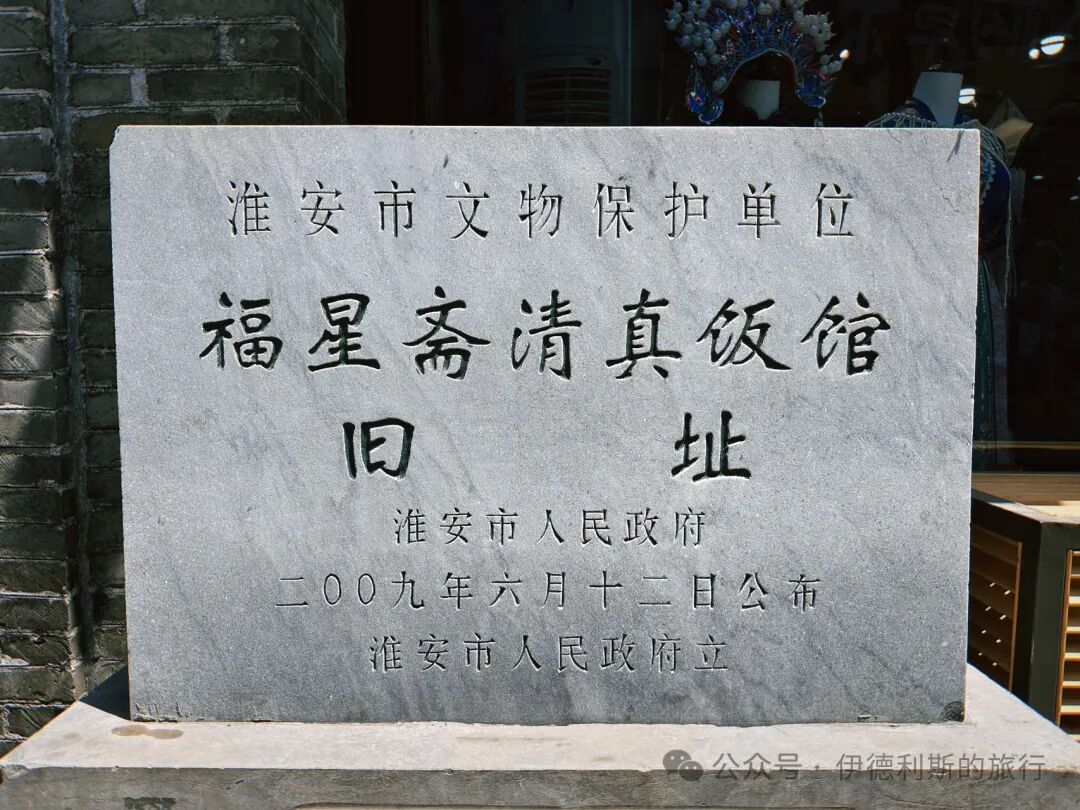
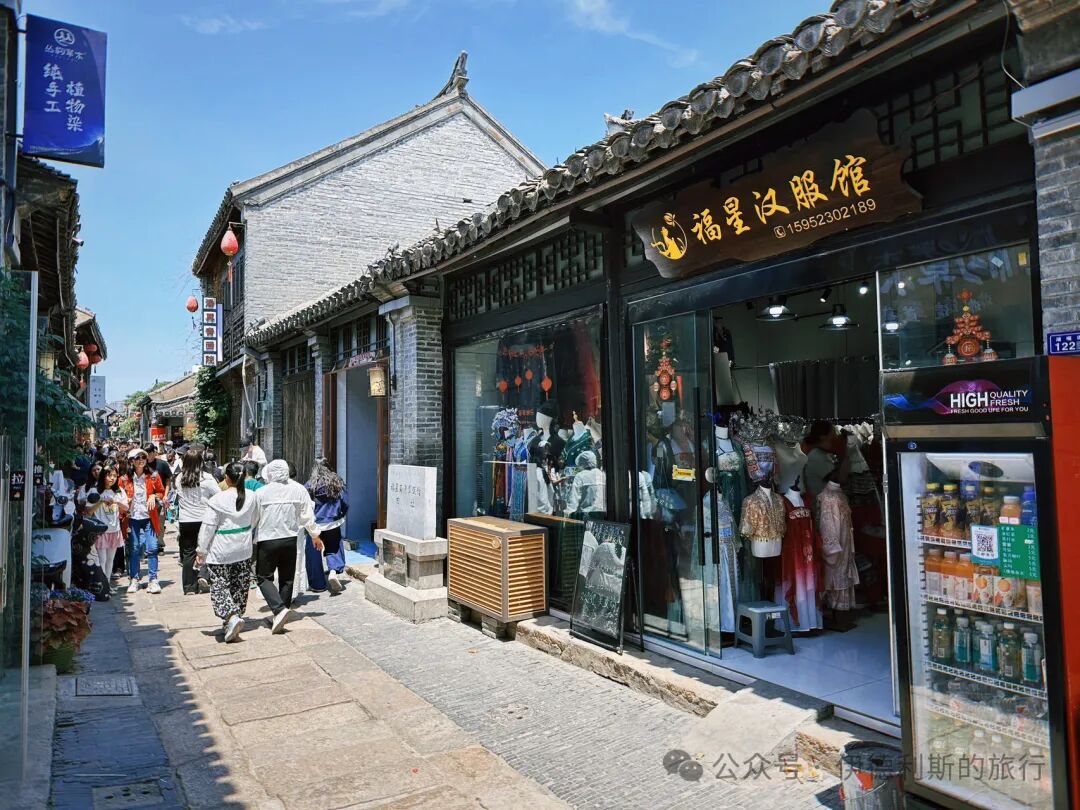
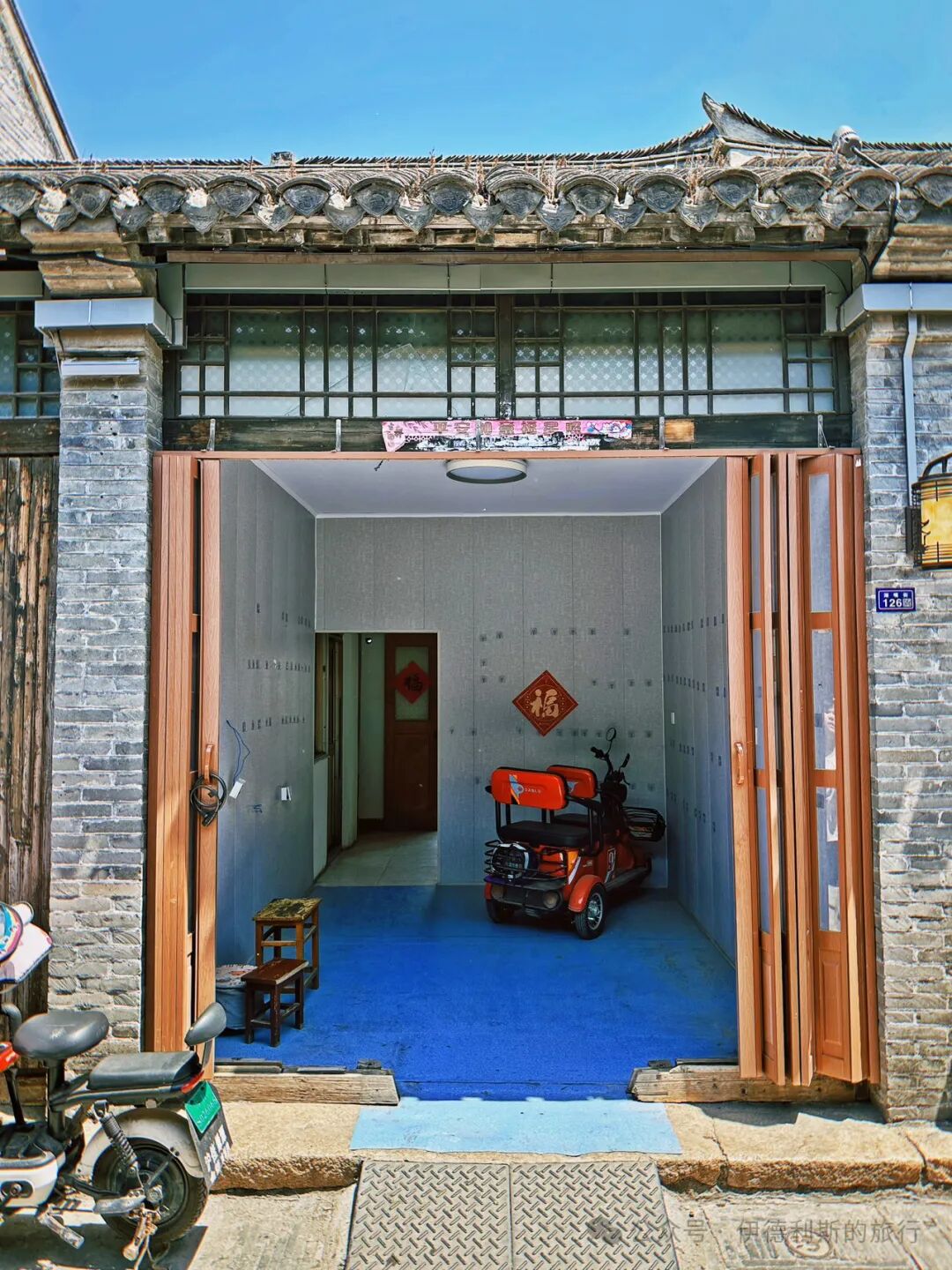
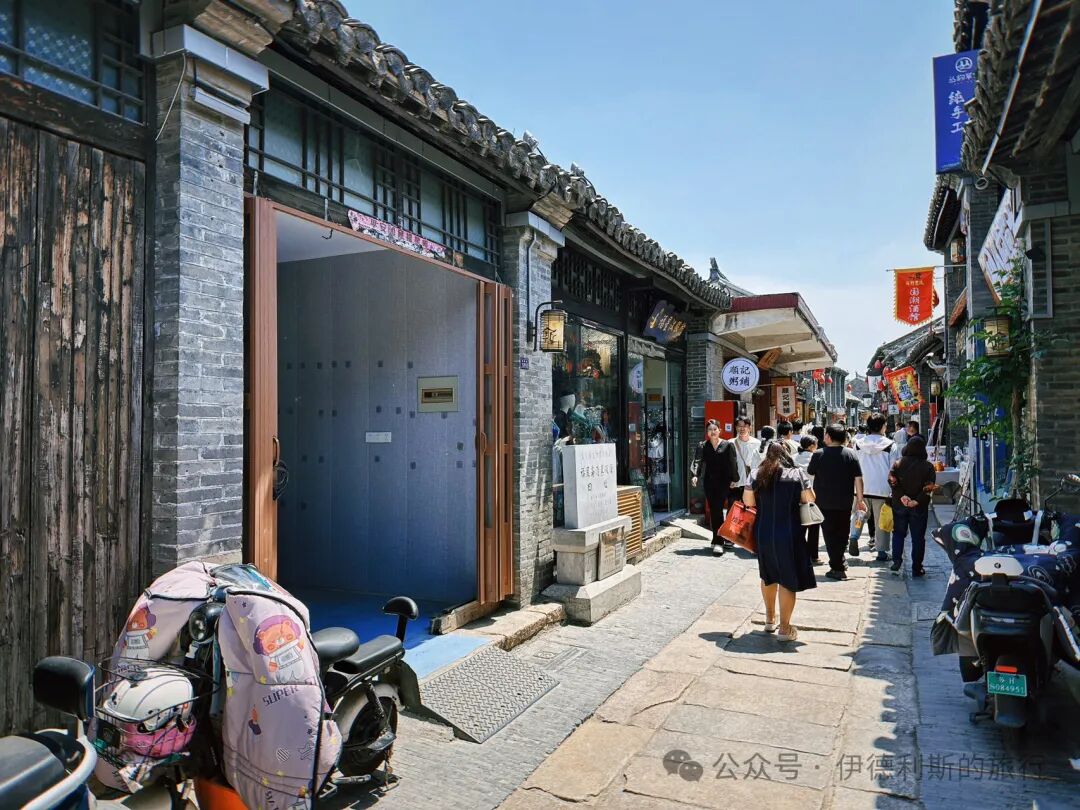
In the early years of the Republic of China, a Hui Muslim named Zhang Bugao opened the Kaifuxingzhai Halal Restaurant in Hexia, which was a famous Hui Muslim eatery at the time. The restaurant had 11 rooms, with two facing the street as the storefront. The building still stands today. It was listed as a Huai'an cultural heritage site in 2009 and now serves as a Hanfu clothing shop and a private residence.
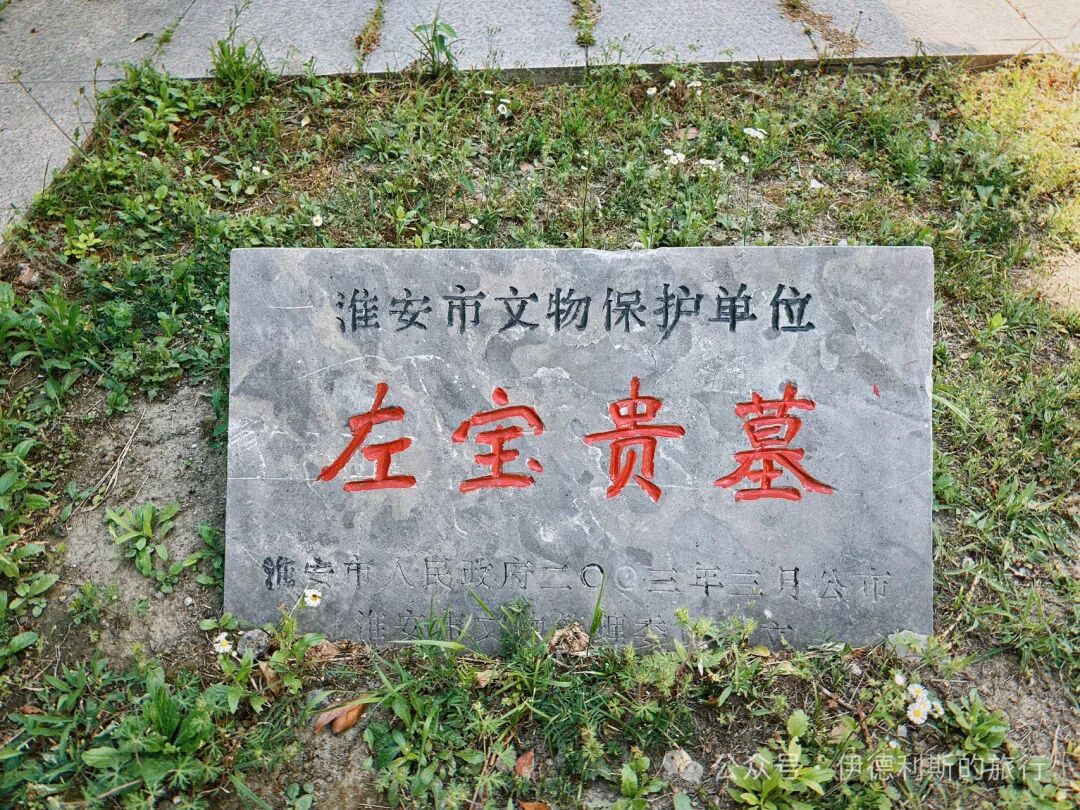
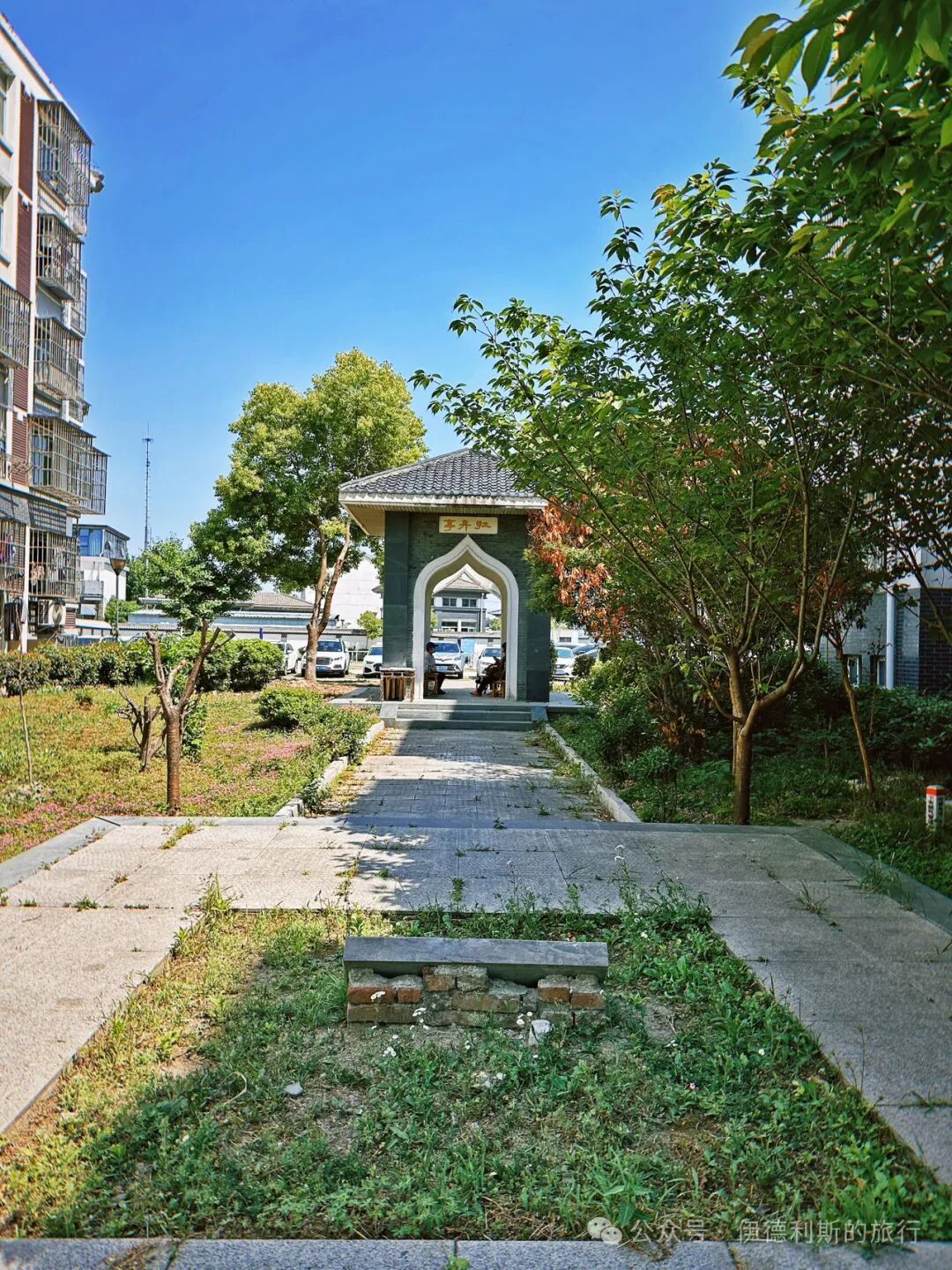
There is a tomb of Zuo Baogui in the Xiaohu Renjia residential area of Hexia Town.
Zuo Baogui was born in 1837 in the Yimeng Mountains of Linyi, Shandong. In 1856, due to severe local disasters, his parents passed away one after another. Zuo Baogui took his two younger brothers and left home. They spent several months traveling to Hexia Town in Huai'an, Jiangsu, by repairing shoes along the way. In Hexia, Zuo Baogui married a local Hui Muslim woman named Tao Erjie. Shortly after, he joined the army, commanded troops in Fengtian for 20 years, and eventually died heroically while fighting the Japanese invaders in Pyongyang.
After Zuo Baogui died, his body could not be recovered. His soldiers brought his blood-stained clothes and one of his boots back to Huai'an. His wife, Madam Tao, and his three sons buried them in their own field by the river near Luojia Bridge in Hexia. Madam Tao and one of their sons were also buried next to the tomb after they passed away (gui zhen). In 1895, the twenty-first year of the Guangxu reign, his descendants built the 'Zuo Zhongzhuang Gong Shrine' on the south side of the tomb, which was later demolished by Japanese and puppet forces during the War of Resistance Against Japan. Additionally, the main hall of the Hexia Mosque once featured a gold-inlaid couplet written by the Guangxu Emperor as a memorial for Zuo Baogui, but it was destroyed in the 1960s.
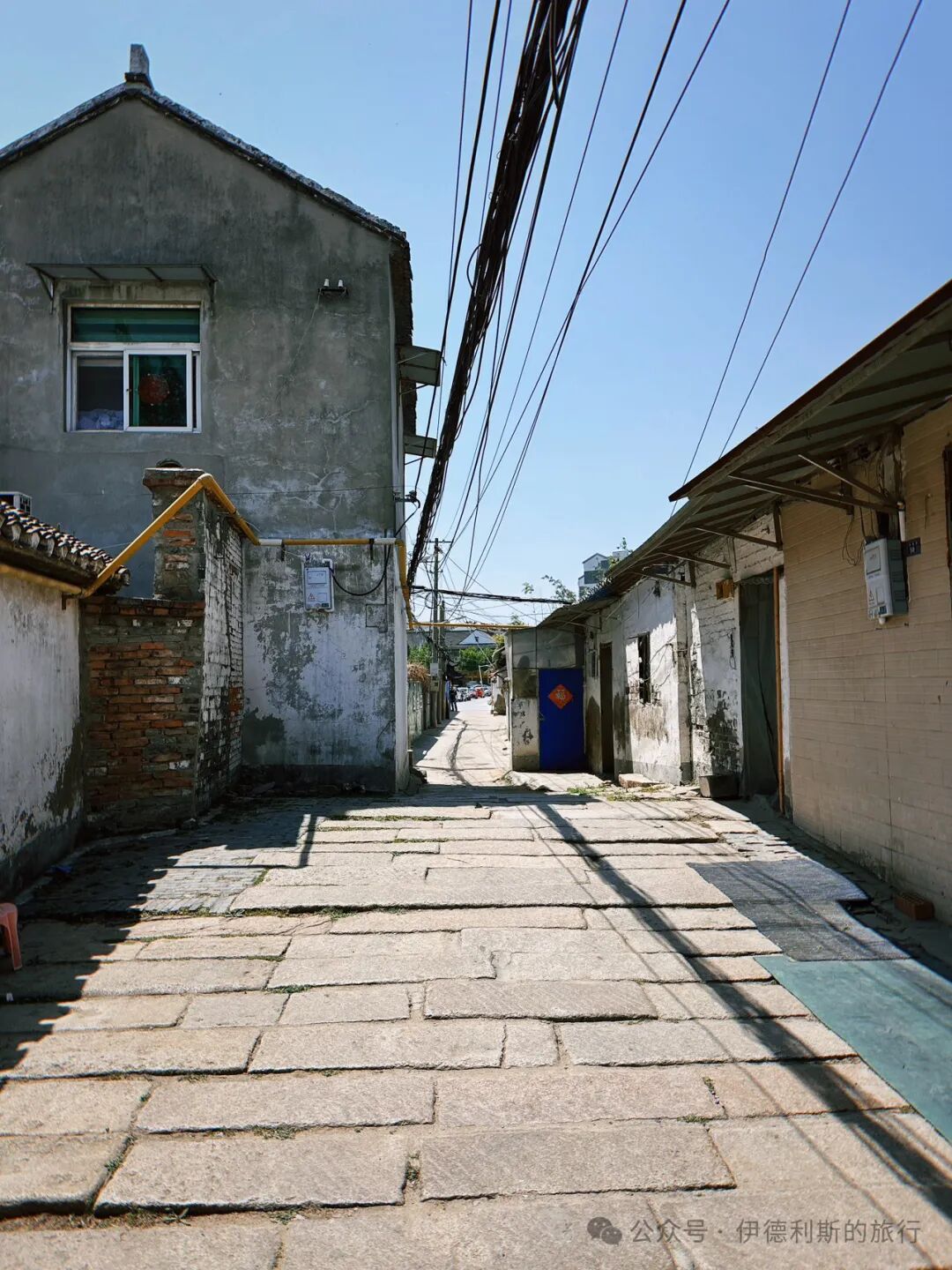
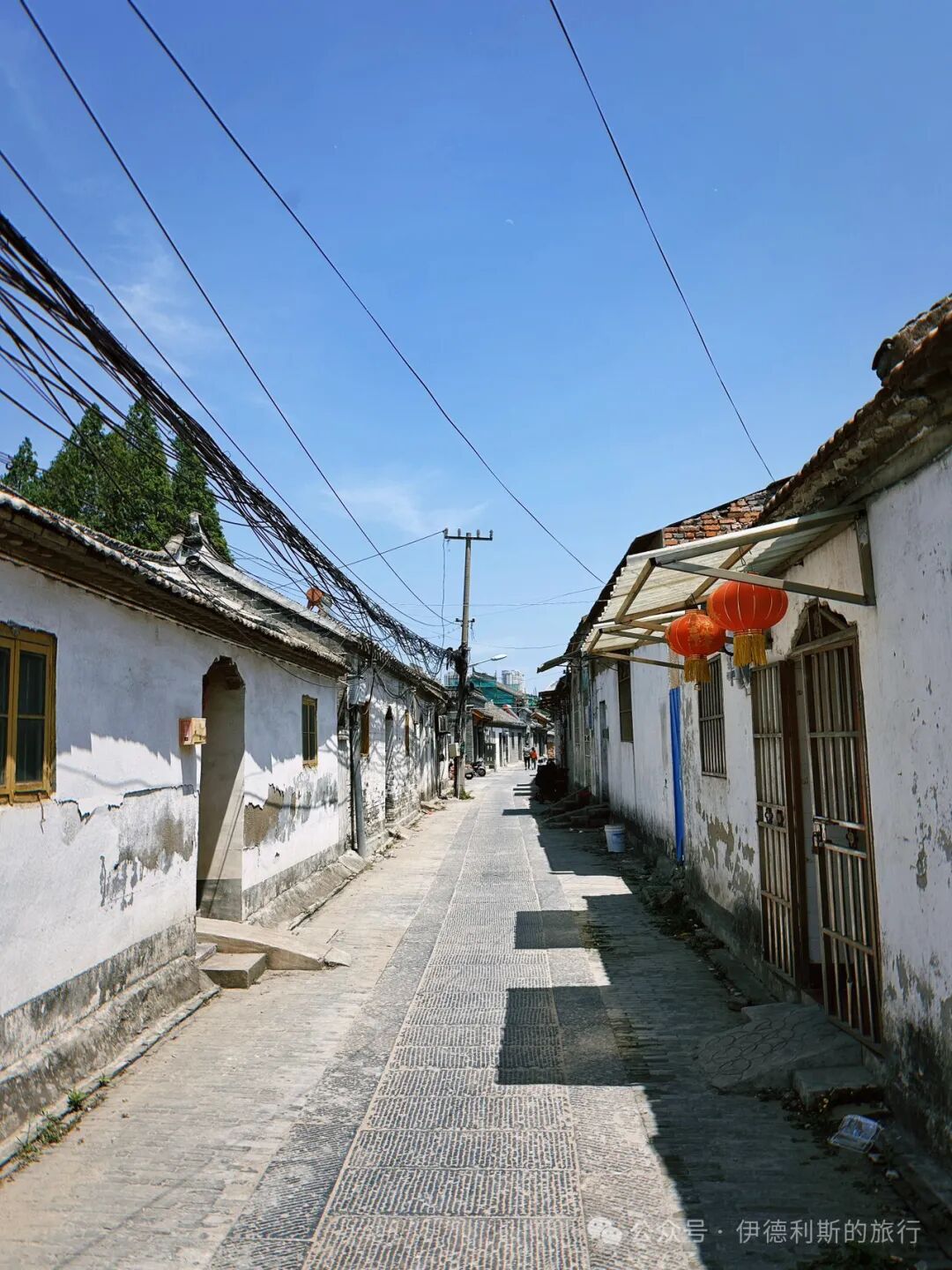
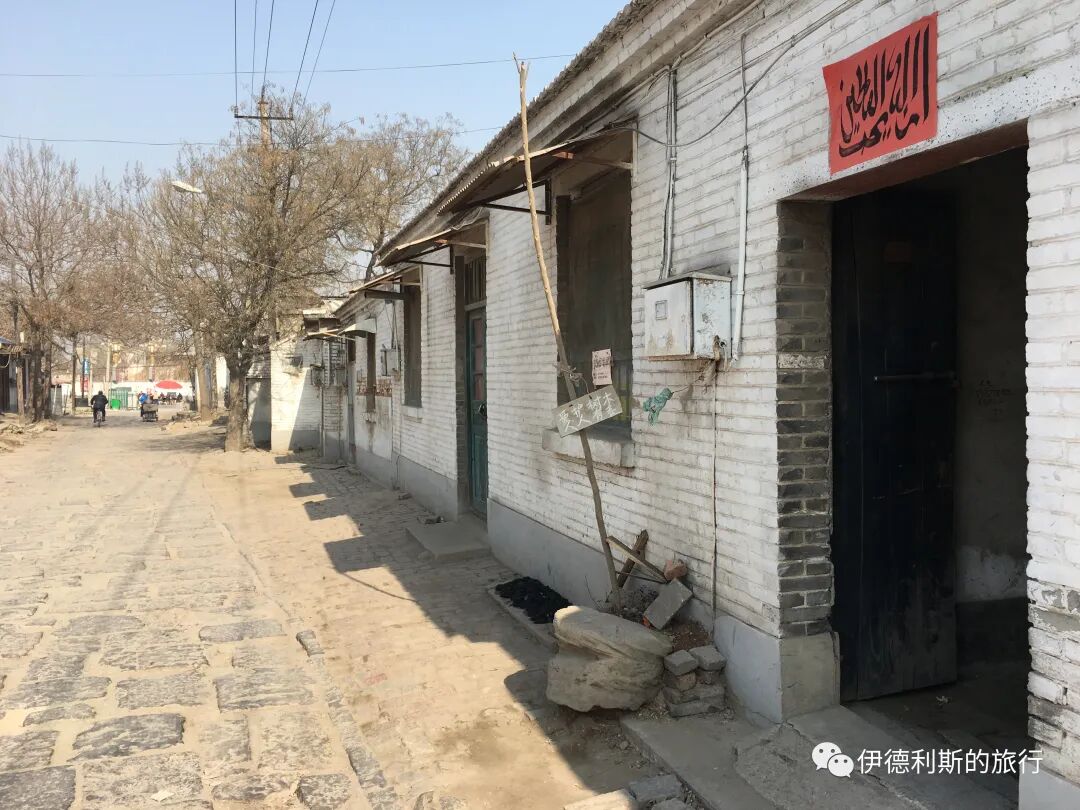
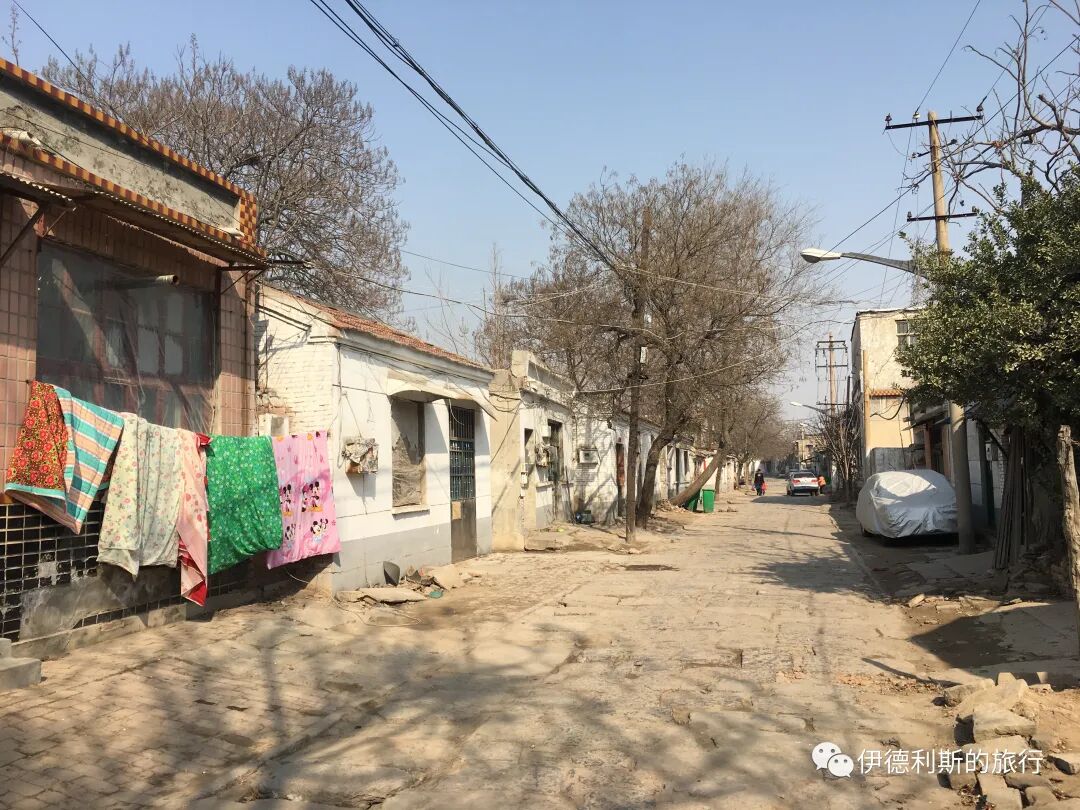
Luojia Bridge in Hexia Ancient Town is a gathering place for local Hui Muslims. The old houses are still there, but it is now difficult to see the Hui Muslim character in the decorations. view all
Summary: Hexia Ancient Town in Huai'an, Jiangsu, connects mosque history, local fried tea snacks (sanzi), and the tomb of Zuo Baogui. This account keeps the town, food, cemetery, and mosque details together as one walking travel note.
Hexia Ancient Town in Huai'an, Jiangsu, is the largest town on the outskirts of Huai'an Prefecture. Because the salt fields along the coast of Huaibei produced high-quality salt, many salt merchants from the northwest and Anhui came to Huaibei in the late Ming Dynasty to work in the salt trade. The Huaibei Salt Transport Office was located in Hexia Town. Salt from the fields had to be shipped to Hexia for inspection before merchants could sell it elsewhere. Hexia Town then entered its most prosperous period. Salt merchants built gardens and courtyards there. The Qing Dynasty record 'Huai'an Hexia Annals' states: 'Wealthy salt merchants brought their fortunes and made their homes in Hexia, and Hexia became extremely prosperous.' The wealth brought by these merchants made the town's commerce thrive, and many Hui Muslims also came to settle in Hexia.
Hexia Mosque (Hexia Si) is located south of Luojia Bridge in Hexia Town. It was first built during the Shunzhi reign of the Qing Dynasty. In 1860, during the tenth year of the Xianfeng reign, the Nian Rebellion captured Huai'an and burned down ten rooms of the mosque, which were later rebuilt. The main hall of the mosque is a Qing Dynasty structure with blue bricks, dark tiles, and upturned eaves. It is a typical Jianghuai architectural style and was listed as a Huai'an cultural heritage site in 2006.
Above the main hall door hangs a chestnut wood plaque inscribed with 'Si Wu Xie' (Think No Evil) by Tian Rui, the prefect of Huai'an in the tenth year of the Daoguang reign. The sides originally held plaques from anti-Japanese hero Zuo Baogui and Yunnan commander Ma Chang'an, but these were destroyed after the 1960s.
The imam (sha ahong) of the mosque usually stays at a nearby beef and mutton shop. If you call the number posted on the mosque gate, he will come over to open it.
An ancient well dug in the early Qing Dynasty.
When I visited Huai'an in 2017, there was still a large Hui Muslim restaurant in Hexia, but it has since closed. Only Chen's Halal Sesame Oil Fried Dough Twists (Chenji Qingzhen Mayou Chagou) remain on the old street. Huai'an fried dough twists (chagou) are very thin, light yellow, crispy, and delicious. Children especially love them.
In the early years of the Republic of China, a Hui Muslim named Zhang Bugao opened the Kaifuxingzhai Halal Restaurant in Hexia, which was a famous Hui Muslim eatery at the time. The restaurant had 11 rooms, with two facing the street as the storefront. The building still stands today. It was listed as a Huai'an cultural heritage site in 2009 and now serves as a Hanfu clothing shop and a private residence.
There is a tomb of Zuo Baogui in the Xiaohu Renjia residential area of Hexia Town.
Zuo Baogui was born in 1837 in the Yimeng Mountains of Linyi, Shandong. In 1856, due to severe local disasters, his parents passed away one after another. Zuo Baogui took his two younger brothers and left home. They spent several months traveling to Hexia Town in Huai'an, Jiangsu, by repairing shoes along the way. In Hexia, Zuo Baogui married a local Hui Muslim woman named Tao Erjie. Shortly after, he joined the army, commanded troops in Fengtian for 20 years, and eventually died heroically while fighting the Japanese invaders in Pyongyang.
After Zuo Baogui died, his body could not be recovered. His soldiers brought his blood-stained clothes and one of his boots back to Huai'an. His wife, Madam Tao, and his three sons buried them in their own field by the river near Luojia Bridge in Hexia. Madam Tao and one of their sons were also buried next to the tomb after they passed away (gui zhen). In 1895, the twenty-first year of the Guangxu reign, his descendants built the 'Zuo Zhongzhuang Gong Shrine' on the south side of the tomb, which was later demolished by Japanese and puppet forces during the War of Resistance Against Japan. Additionally, the main hall of the Hexia Mosque once featured a gold-inlaid couplet written by the Guangxu Emperor as a memorial for Zuo Baogui, but it was destroyed in the 1960s.
Luojia Bridge in Hexia Ancient Town is a gathering place for local Hui Muslims. The old houses are still there, but it is now difficult to see the Hui Muslim character in the decorations. view all
Reposted from the web
Summary: Hexia Ancient Town in Huai'an, Jiangsu, connects mosque history, local fried tea snacks (sanzi), and the tomb of Zuo Baogui. This account keeps the town, food, cemetery, and mosque details together as one walking travel note.
Hexia Ancient Town in Huai'an, Jiangsu, is the largest town on the outskirts of Huai'an Prefecture. Because the salt fields along the coast of Huaibei produced high-quality salt, many salt merchants from the northwest and Anhui came to Huaibei in the late Ming Dynasty to work in the salt trade. The Huaibei Salt Transport Office was located in Hexia Town. Salt from the fields had to be shipped to Hexia for inspection before merchants could sell it elsewhere. Hexia Town then entered its most prosperous period. Salt merchants built gardens and courtyards there. The Qing Dynasty record 'Huai'an Hexia Annals' states: 'Wealthy salt merchants brought their fortunes and made their homes in Hexia, and Hexia became extremely prosperous.' The wealth brought by these merchants made the town's commerce thrive, and many Hui Muslims also came to settle in Hexia.
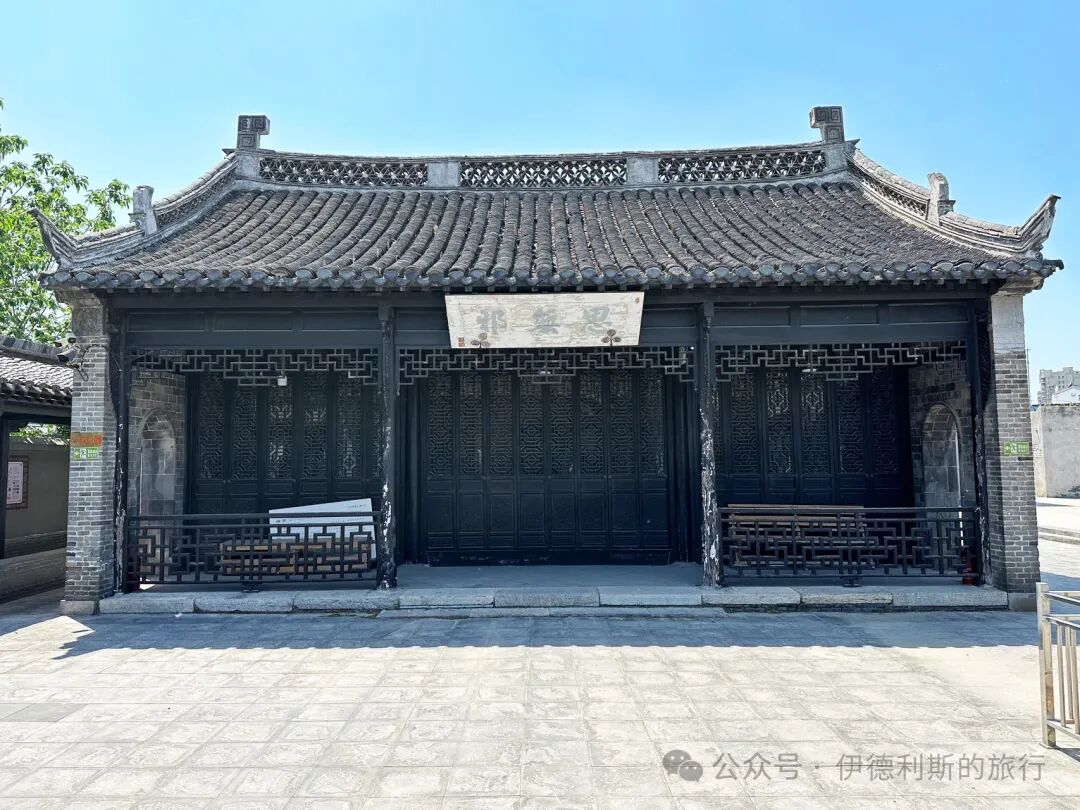
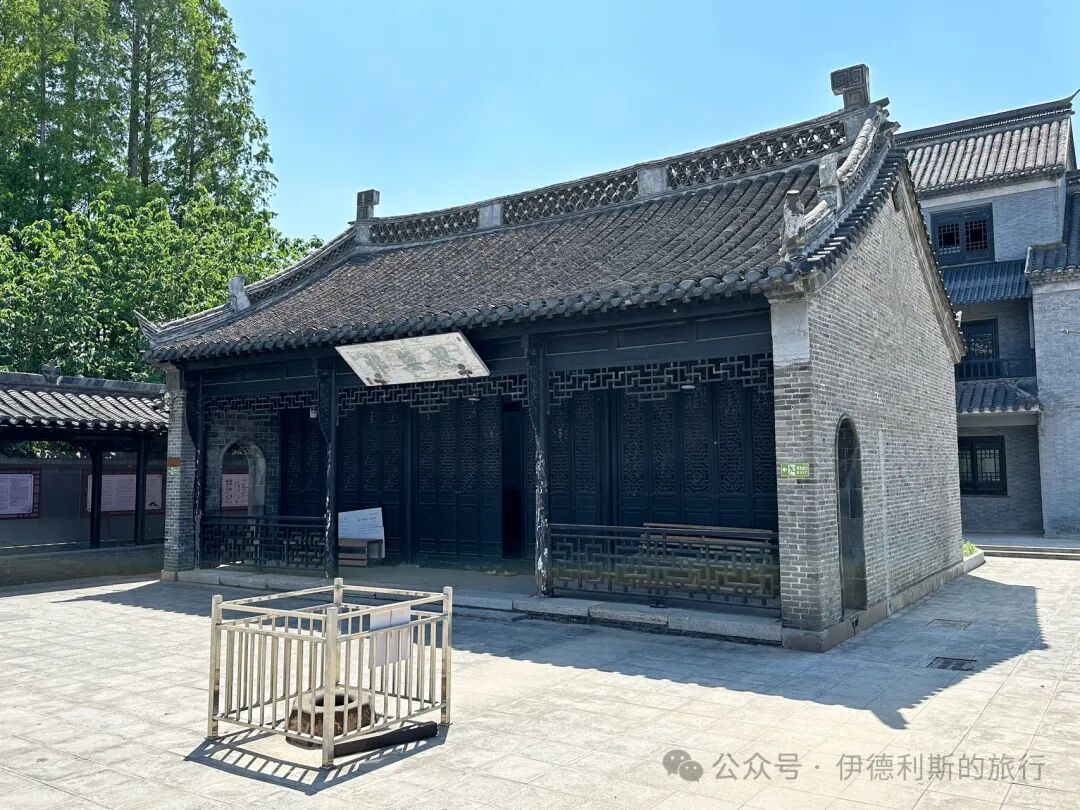
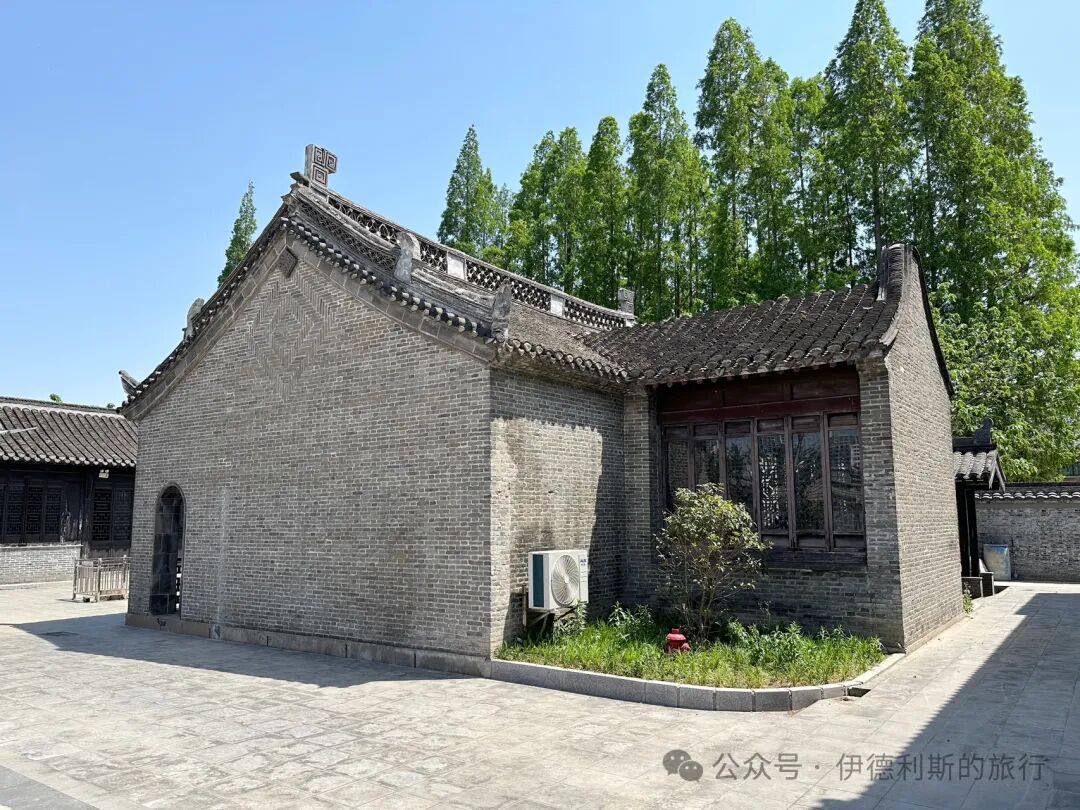
Hexia Mosque (Hexia Si) is located south of Luojia Bridge in Hexia Town. It was first built during the Shunzhi reign of the Qing Dynasty. In 1860, during the tenth year of the Xianfeng reign, the Nian Rebellion captured Huai'an and burned down ten rooms of the mosque, which were later rebuilt. The main hall of the mosque is a Qing Dynasty structure with blue bricks, dark tiles, and upturned eaves. It is a typical Jianghuai architectural style and was listed as a Huai'an cultural heritage site in 2006.
Above the main hall door hangs a chestnut wood plaque inscribed with 'Si Wu Xie' (Think No Evil) by Tian Rui, the prefect of Huai'an in the tenth year of the Daoguang reign. The sides originally held plaques from anti-Japanese hero Zuo Baogui and Yunnan commander Ma Chang'an, but these were destroyed after the 1960s.
The imam (sha ahong) of the mosque usually stays at a nearby beef and mutton shop. If you call the number posted on the mosque gate, he will come over to open it.
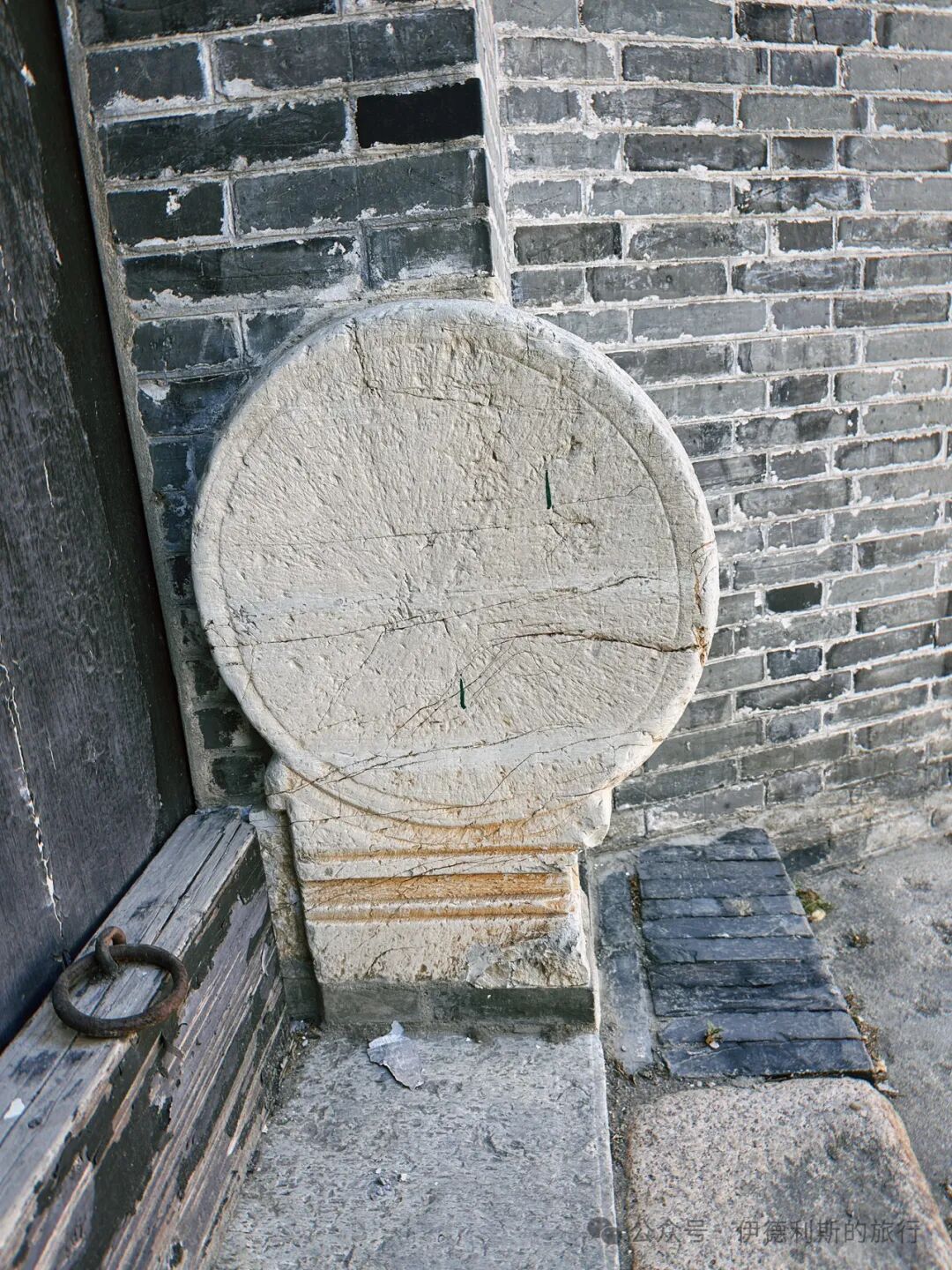
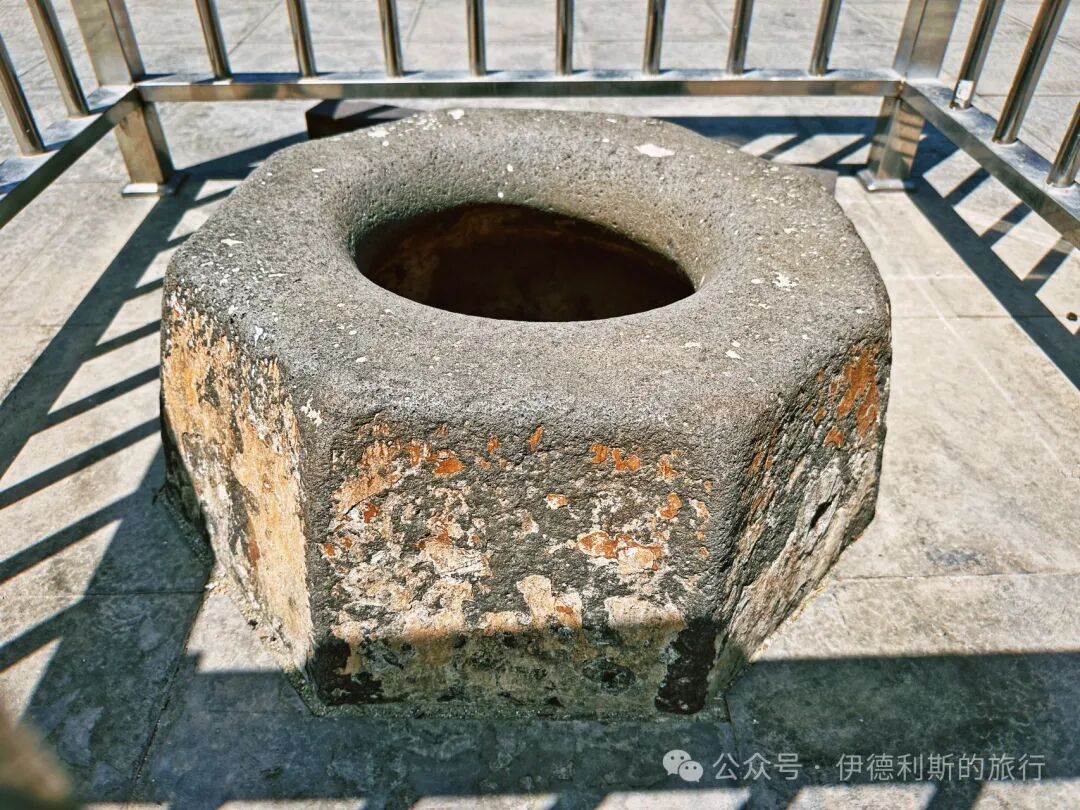
An ancient well dug in the early Qing Dynasty.
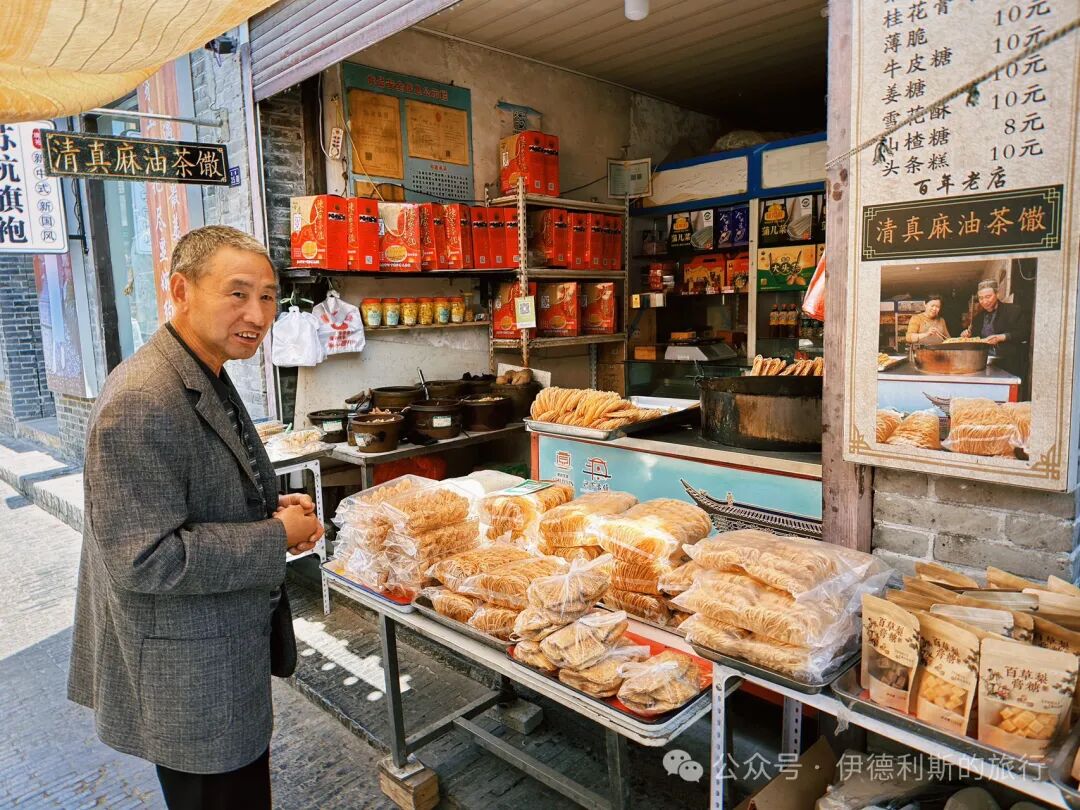
When I visited Huai'an in 2017, there was still a large Hui Muslim restaurant in Hexia, but it has since closed. Only Chen's Halal Sesame Oil Fried Dough Twists (Chenji Qingzhen Mayou Chagou) remain on the old street. Huai'an fried dough twists (chagou) are very thin, light yellow, crispy, and delicious. Children especially love them.
In the early years of the Republic of China, a Hui Muslim named Zhang Bugao opened the Kaifuxingzhai Halal Restaurant in Hexia, which was a famous Hui Muslim eatery at the time. The restaurant had 11 rooms, with two facing the street as the storefront. The building still stands today. It was listed as a Huai'an cultural heritage site in 2009 and now serves as a Hanfu clothing shop and a private residence.
There is a tomb of Zuo Baogui in the Xiaohu Renjia residential area of Hexia Town.
Zuo Baogui was born in 1837 in the Yimeng Mountains of Linyi, Shandong. In 1856, due to severe local disasters, his parents passed away one after another. Zuo Baogui took his two younger brothers and left home. They spent several months traveling to Hexia Town in Huai'an, Jiangsu, by repairing shoes along the way. In Hexia, Zuo Baogui married a local Hui Muslim woman named Tao Erjie. Shortly after, he joined the army, commanded troops in Fengtian for 20 years, and eventually died heroically while fighting the Japanese invaders in Pyongyang.
After Zuo Baogui died, his body could not be recovered. His soldiers brought his blood-stained clothes and one of his boots back to Huai'an. His wife, Madam Tao, and his three sons buried them in their own field by the river near Luojia Bridge in Hexia. Madam Tao and one of their sons were also buried next to the tomb after they passed away (gui zhen). In 1895, the twenty-first year of the Guangxu reign, his descendants built the 'Zuo Zhongzhuang Gong Shrine' on the south side of the tomb, which was later demolished by Japanese and puppet forces during the War of Resistance Against Japan. Additionally, the main hall of the Hexia Mosque once featured a gold-inlaid couplet written by the Guangxu Emperor as a memorial for Zuo Baogui, but it was destroyed in the 1960s.
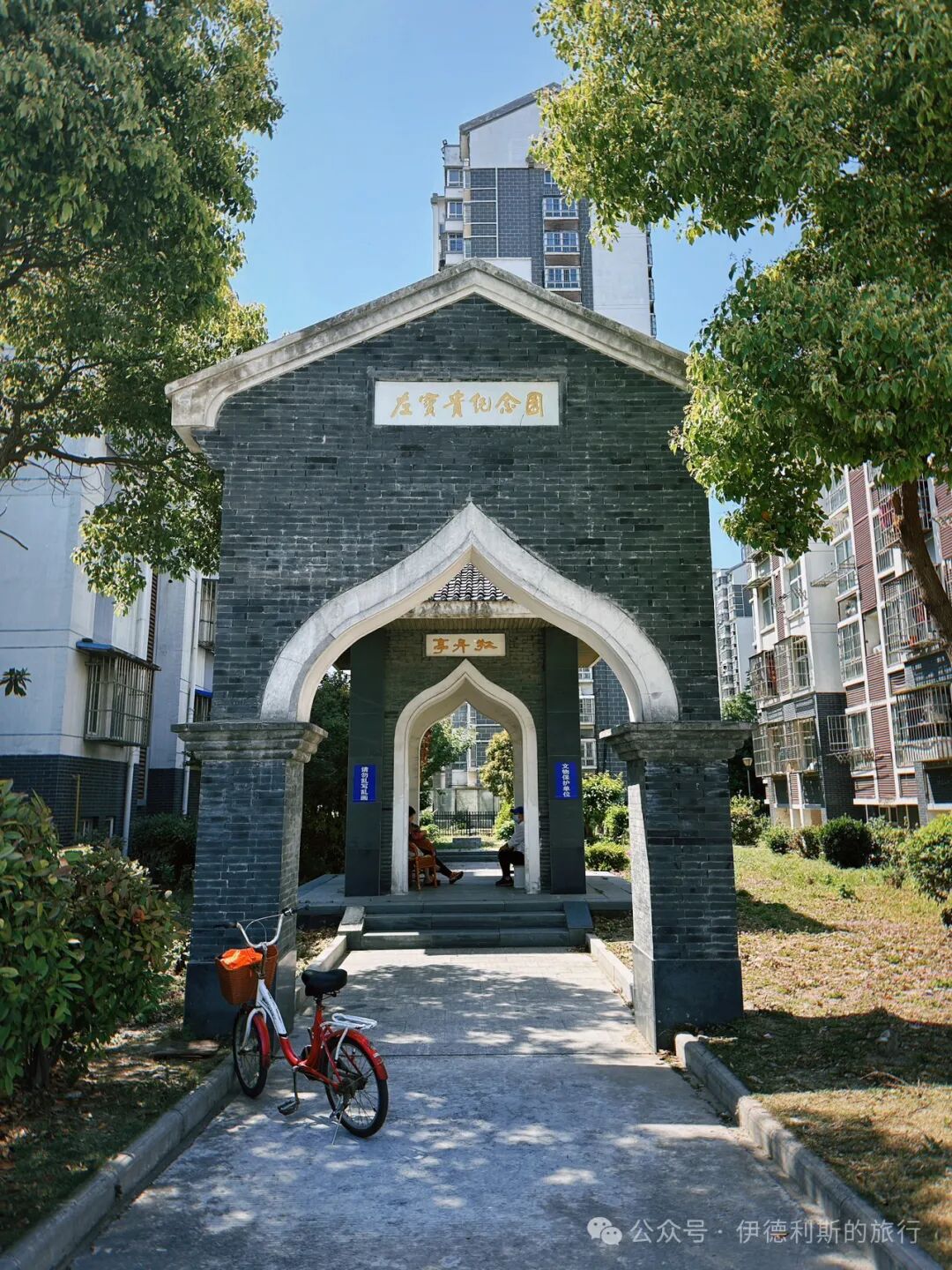
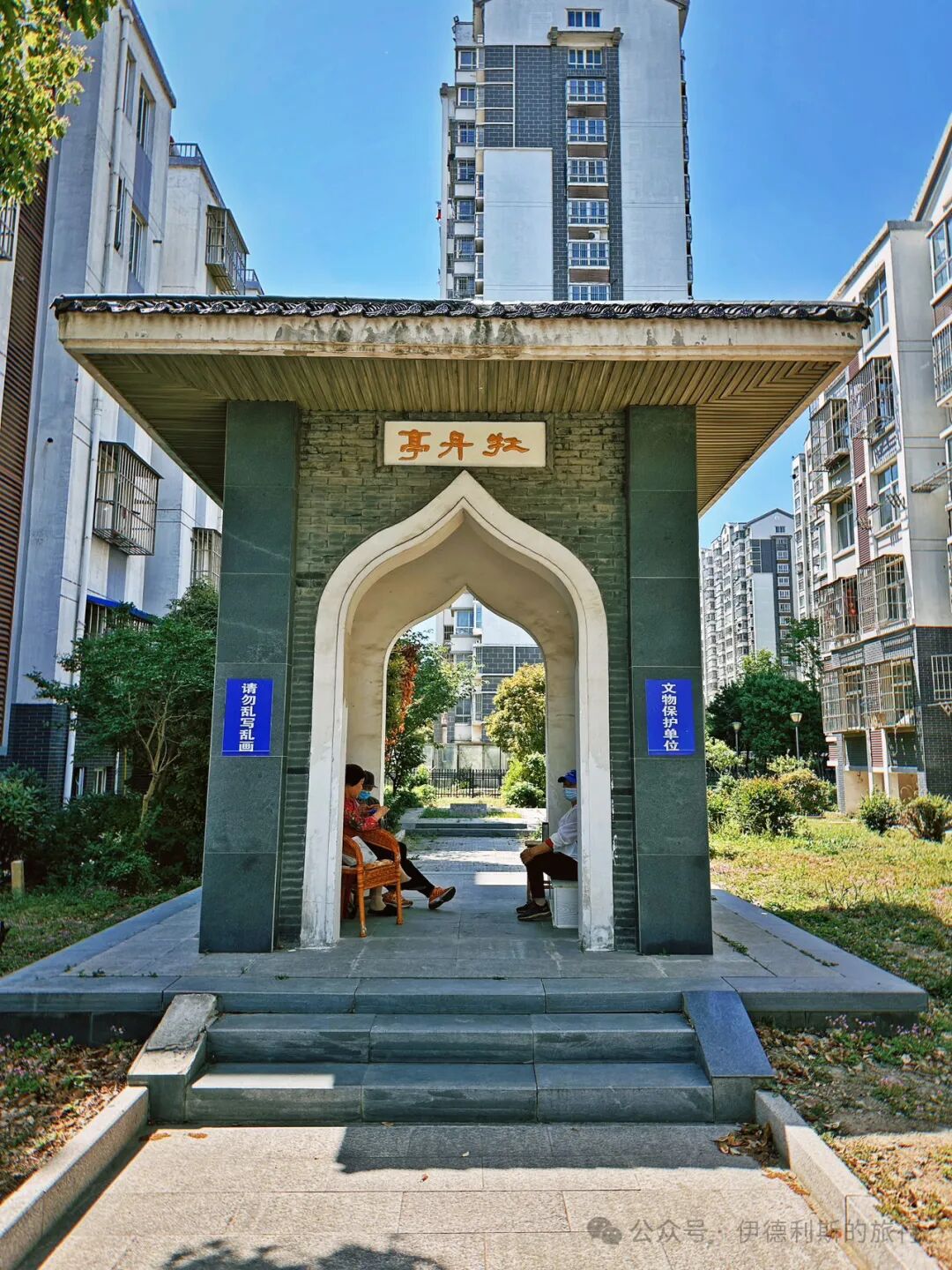
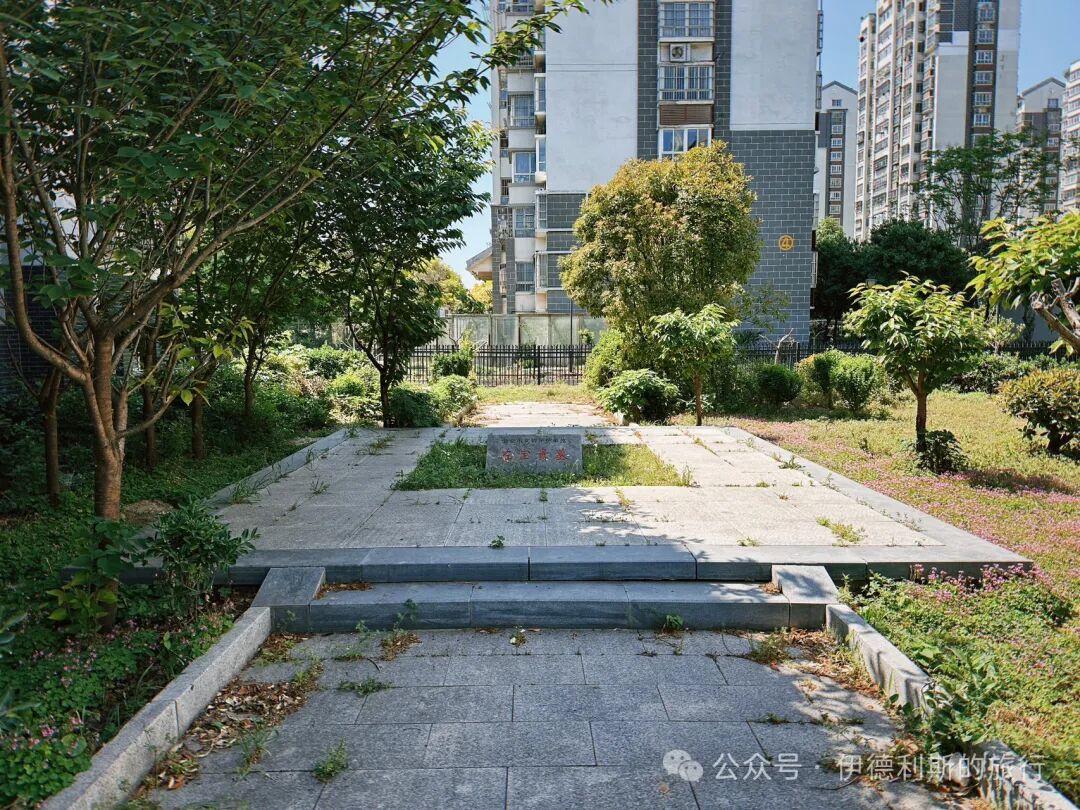
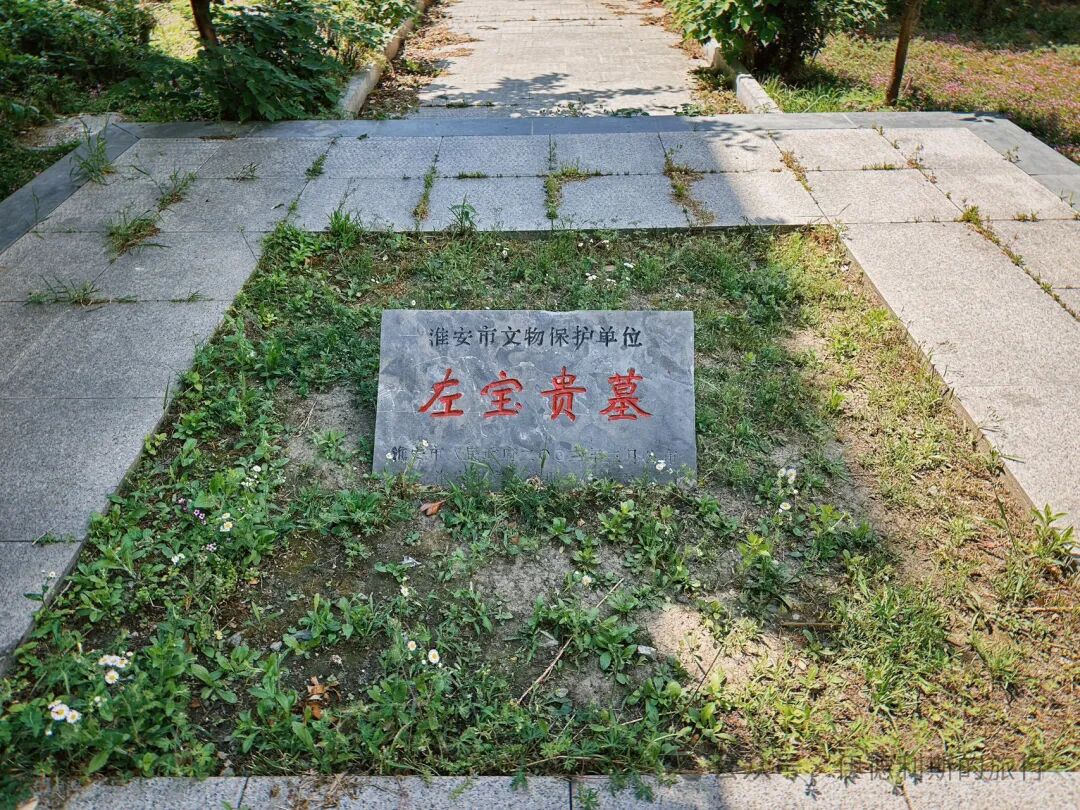
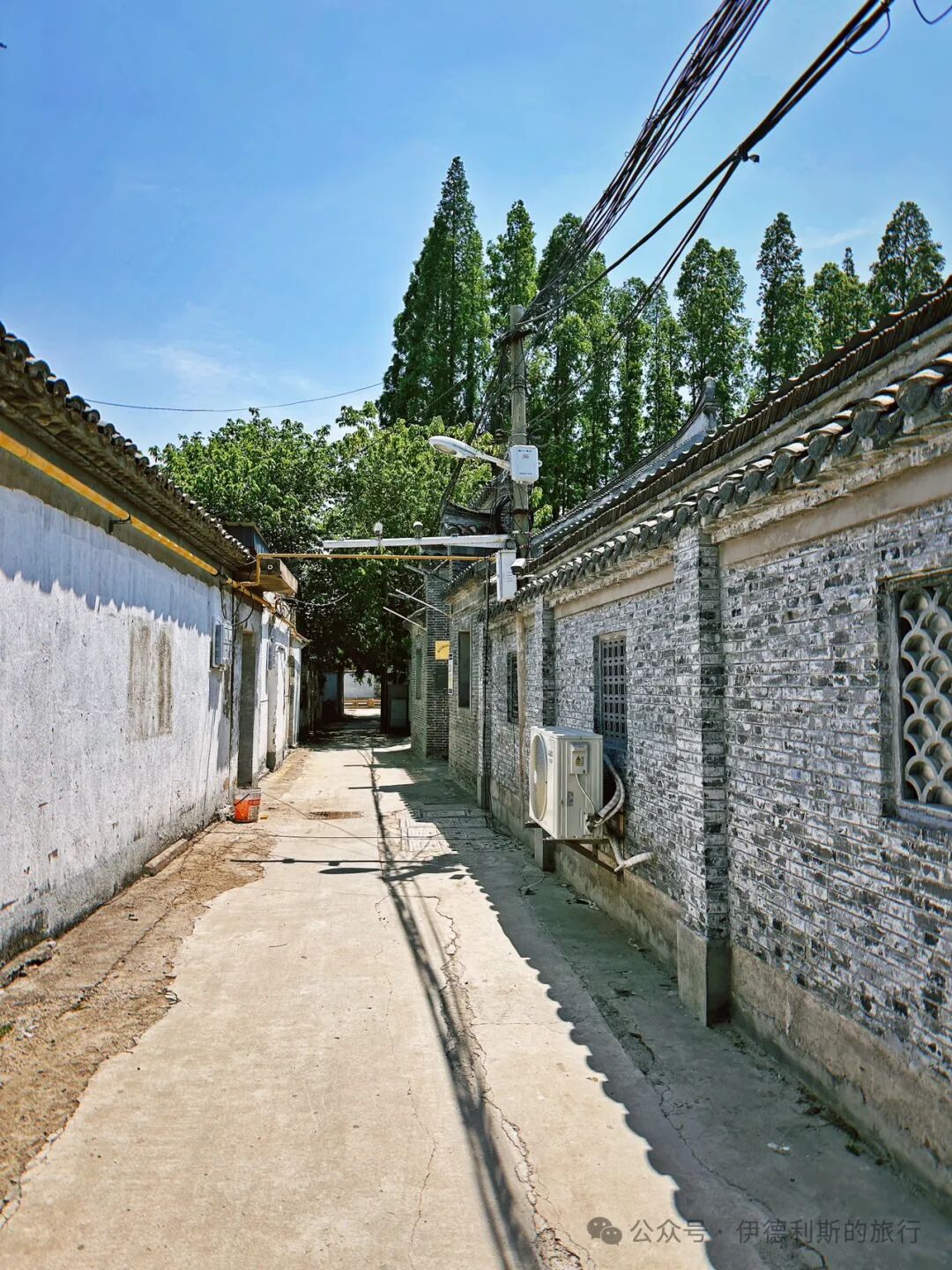
Luojia Bridge in Hexia Ancient Town is a gathering place for local Hui Muslims. The old houses are still there, but it is now difficult to see the Hui Muslim character in the decorations.
Summary: Hexia Ancient Town in Huai'an, Jiangsu, connects mosque history, local fried tea snacks (sanzi), and the tomb of Zuo Baogui. This account keeps the town, food, cemetery, and mosque details together as one walking travel note.
Hexia Ancient Town in Huai'an, Jiangsu, is the largest town on the outskirts of Huai'an Prefecture. Because the salt fields along the coast of Huaibei produced high-quality salt, many salt merchants from the northwest and Anhui came to Huaibei in the late Ming Dynasty to work in the salt trade. The Huaibei Salt Transport Office was located in Hexia Town. Salt from the fields had to be shipped to Hexia for inspection before merchants could sell it elsewhere. Hexia Town then entered its most prosperous period. Salt merchants built gardens and courtyards there. The Qing Dynasty record 'Huai'an Hexia Annals' states: 'Wealthy salt merchants brought their fortunes and made their homes in Hexia, and Hexia became extremely prosperous.' The wealth brought by these merchants made the town's commerce thrive, and many Hui Muslims also came to settle in Hexia.
Hexia Mosque (Hexia Si) is located south of Luojia Bridge in Hexia Town. It was first built during the Shunzhi reign of the Qing Dynasty. In 1860, during the tenth year of the Xianfeng reign, the Nian Rebellion captured Huai'an and burned down ten rooms of the mosque, which were later rebuilt. The main hall of the mosque is a Qing Dynasty structure with blue bricks, dark tiles, and upturned eaves. It is a typical Jianghuai architectural style and was listed as a Huai'an cultural heritage site in 2006.
Above the main hall door hangs a chestnut wood plaque inscribed with 'Si Wu Xie' (Think No Evil) by Tian Rui, the prefect of Huai'an in the tenth year of the Daoguang reign. The sides originally held plaques from anti-Japanese hero Zuo Baogui and Yunnan commander Ma Chang'an, but these were destroyed after the 1960s.
The imam (sha ahong) of the mosque usually stays at a nearby beef and mutton shop. If you call the number posted on the mosque gate, he will come over to open it.
An ancient well dug in the early Qing Dynasty.
When I visited Huai'an in 2017, there was still a large Hui Muslim restaurant in Hexia, but it has since closed. Only Chen's Halal Sesame Oil Fried Dough Twists (Chenji Qingzhen Mayou Chagou) remain on the old street. Huai'an fried dough twists (chagou) are very thin, light yellow, crispy, and delicious. Children especially love them.
In the early years of the Republic of China, a Hui Muslim named Zhang Bugao opened the Kaifuxingzhai Halal Restaurant in Hexia, which was a famous Hui Muslim eatery at the time. The restaurant had 11 rooms, with two facing the street as the storefront. The building still stands today. It was listed as a Huai'an cultural heritage site in 2009 and now serves as a Hanfu clothing shop and a private residence.
There is a tomb of Zuo Baogui in the Xiaohu Renjia residential area of Hexia Town.
Zuo Baogui was born in 1837 in the Yimeng Mountains of Linyi, Shandong. In 1856, due to severe local disasters, his parents passed away one after another. Zuo Baogui took his two younger brothers and left home. They spent several months traveling to Hexia Town in Huai'an, Jiangsu, by repairing shoes along the way. In Hexia, Zuo Baogui married a local Hui Muslim woman named Tao Erjie. Shortly after, he joined the army, commanded troops in Fengtian for 20 years, and eventually died heroically while fighting the Japanese invaders in Pyongyang.
After Zuo Baogui died, his body could not be recovered. His soldiers brought his blood-stained clothes and one of his boots back to Huai'an. His wife, Madam Tao, and his three sons buried them in their own field by the river near Luojia Bridge in Hexia. Madam Tao and one of their sons were also buried next to the tomb after they passed away (gui zhen). In 1895, the twenty-first year of the Guangxu reign, his descendants built the 'Zuo Zhongzhuang Gong Shrine' on the south side of the tomb, which was later demolished by Japanese and puppet forces during the War of Resistance Against Japan. Additionally, the main hall of the Hexia Mosque once featured a gold-inlaid couplet written by the Guangxu Emperor as a memorial for Zuo Baogui, but it was destroyed in the 1960s.
Luojia Bridge in Hexia Ancient Town is a gathering place for local Hui Muslims. The old houses are still there, but it is now difficult to see the Hui Muslim character in the decorations.
Muslim Travel Guide Shandong Liaocheng: Old Mosques, Canal City Streets and Hui Heritage
Articles • yusuf908 posted the article • 0 comments • 217 views • 2026-05-23 23:17
Reposted from the web
Summary: This Muslim travel guide China 2026 update keeps the original 2017 Liaocheng travel notes intact and natural in English. It is useful for halal food in China, Chinese Muslim food, China Muslim travel tips, and old mosque routes in Shandong.
On February 18, 2017, I went to the Dongguan area of Liaocheng, Shandong, to explore and eat.
The Hui Muslim district in Dongguan, Liaocheng.
After the Yuan Dynasty moved its capital to Beijing, the army relied on supplies from the south. Shipping grain by sea from the Jiangnan region was often dangerous, so in 1289 (the 26th year of the Zhiyuan era), Emperor Kublai Khan ordered the construction of the Huitong River from Xucheng, Shandong, to Linqing. This connected the Grand Canal from north to south, and Liaocheng, located along the Huitong River, quickly became a major canal hub. Starting in the Yuan Dynasty, Dongguan, which connected the city to the canal, became the busiest area in Liaocheng. Hui Muslims kept moving here to settle, eventually forming the Dongguan Hui Muslim district.
In 1372 (the fifth year of the Hongwu era of the Ming Dynasty), the earthen walls of Dongchang (Liaocheng) were rebuilt with bricks. In 1420 (the 18th year of the Yongle era), Emperor Zhu Di moved the capital to Beijing and relied heavily on the Grand Canal to transport grain from the south. Liaocheng entered its golden age, and the large and small mosques in Dongguan were built during the Hongwu and Yongle eras.
In 1855 (the fifth year of the Xianfeng era), the Yellow River burst its banks at Tongwaxian in Henan. It split into three paths, diverted northeast, and flowed into the sea via the Daqing River, cutting the canal in half and causing Liaocheng to decline. Since the mid-to-late Qing Dynasty, the Liaocheng section of the canal relied on water from the Yellow River. After the breach at Tongwaxian, the Yellow River flooded several more times. The canal in Liaocheng became increasingly silted, the river course changed frequently, and water transport became more difficult. In 1872 (the 11th year of the Tongzhi era), the China Merchants' Steam Navigation Company was established in Shanghai, and grain transport began moving to sea routes. In 1901 (the 27th year of the Guangxu era), canal transport was completely abandoned, and Liaocheng fell silent along with the silted canal.
Eating breakfast in Dongguan, Liaocheng.
Dongguan in Liaocheng has all kinds of delicious breakfast foods. We first ate Liang's fried cakes (zhagao) outside Dongguan Bridge. They come in several flavors like white sugar and red bean paste. We chose the osmanthus and white sugar filling; they were large and delicious.
Then we went to Yishunzhai Steamed Bun Shop for large steamed buns (baozi) with pure lamb filling. The buns were huge and cost two yuan each. One was enough to be full, and two left me stuffed for the whole day!
Next to Yishunzhai Steamed Bun Shop is Jiang's Black Old Man Roasted Snacks (chaohuo). We bought peanuts here and finished them all on the train ride back. They were very flavorful with a rich aroma from various spices.
We also bought beef jerky at Dou's Deli. The beef was completely air-dried with no moisture left. It was crispy when you bit into it, so you had to let it soften in your mouth before chewing. The flavor changed from the first bite to the last, and it needed to be savored slowly.
There were many other delicious things in Dongguan that we didn't have time to try.
Canal docks.
Walking south along the canal from Dongguan in Liaocheng, there are two docks, one large and one small. The large dock was the official transport dock, also called Chongwu Station Dock. Back then, the ships waiting to unload stretched for miles, a scene known as 'Chongwu's continuous masts'. The small dock was originally a private dock for merchants. These two spots are precious relics of the Grand Canal in the Liaocheng urban area.
Small dock.
Large dock.
The scenery of the Liaocheng section of the Grand Canal.
Rice Market Street (Mishi Jie)
South of East Gate Street (Dongguan Jie) is the Rice Market Street (Mishi Jie) historical district. It is paved with blue stone and is one of the few remaining historical districts in the old city of Liaocheng. This area used to be full of grain shops. At its peak, there were dozens of them. The street was busy every day with constant traffic and crowds of people.
Later, I saw a design rendering of Rice Market Street (Mishi Jie) at the Grand Canal Museum. Perhaps it will soon become a faux-antique commercial street, and its original character will disappear.
Big and Small Mosques
There are two mosques in the East Gate (Dongguan) area of Liaocheng. The West Mosque (Qingzhen Xisi) is commonly known as the Big Mosque (Da Libaisi). It was first built in 1385 (the 17th year of the Hongwu reign) and was renovated twice during the Jiajing and Kangxi reigns. The original main hall had 81 rooms, and the beams and purlins were all made of golden nanmu wood. It was magnificent and could compare with those in Jining and Linqing.
In the winter of 1946, the People's Liberation Army attacked Liaocheng and used the mosque's minaret (bangkelou) as an observation post to fire at the Nationalist troops inside the city. The West Mosque (Qingzhen Xisi) also became a command post for the People's Liberation Army. People say the People's Liberation Army dug a tunnel underwater on the east bank of the moat toward the city. They laid door panels on top and supported them with pillars. They dug through the city wall near the East Gate and opened a hole, but the Nationalist troops discovered it and blocked the opening with sandbags.
The Liaocheng city wall was high and thick, and the moat was wide and deep. The People's Liberation Army could not break into the city and had to stop the siege. Afterward, the Nationalist troops left the city and set fire to it, burning down the buildings inside the mosque.
The West Mosque (Qingzhen Xisi) was not rebuilt until 1956. During the Cultural Revolution (wg), it was occupied by a factory, and it was renovated in 1992. The main hall was rebuilt into its current appearance in 2009. Now, only the main gate and the north and south lecture halls remain as historical buildings.
The East Mosque (Qingzhen Dongsi) in the East Gate (Dongguan) area of Liaocheng is commonly known as the Small Mosque (Xiao Libaisi). It was built during the Yongle reign of the Ming Dynasty (around 1405) and was commissioned by the Dongchang Prefecture garrison commander, Bai Lin. It was renovated during the Jiaqing, Xianfeng, and Guangxu reigns, and was rebuilt in 2002.
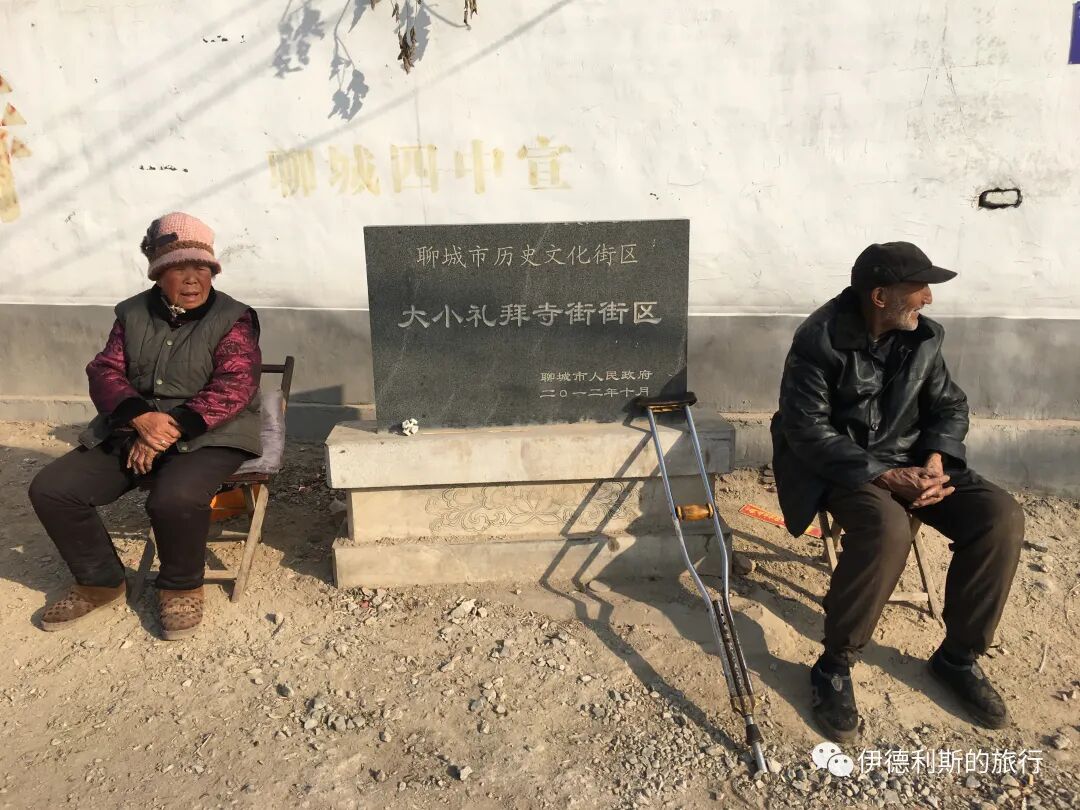
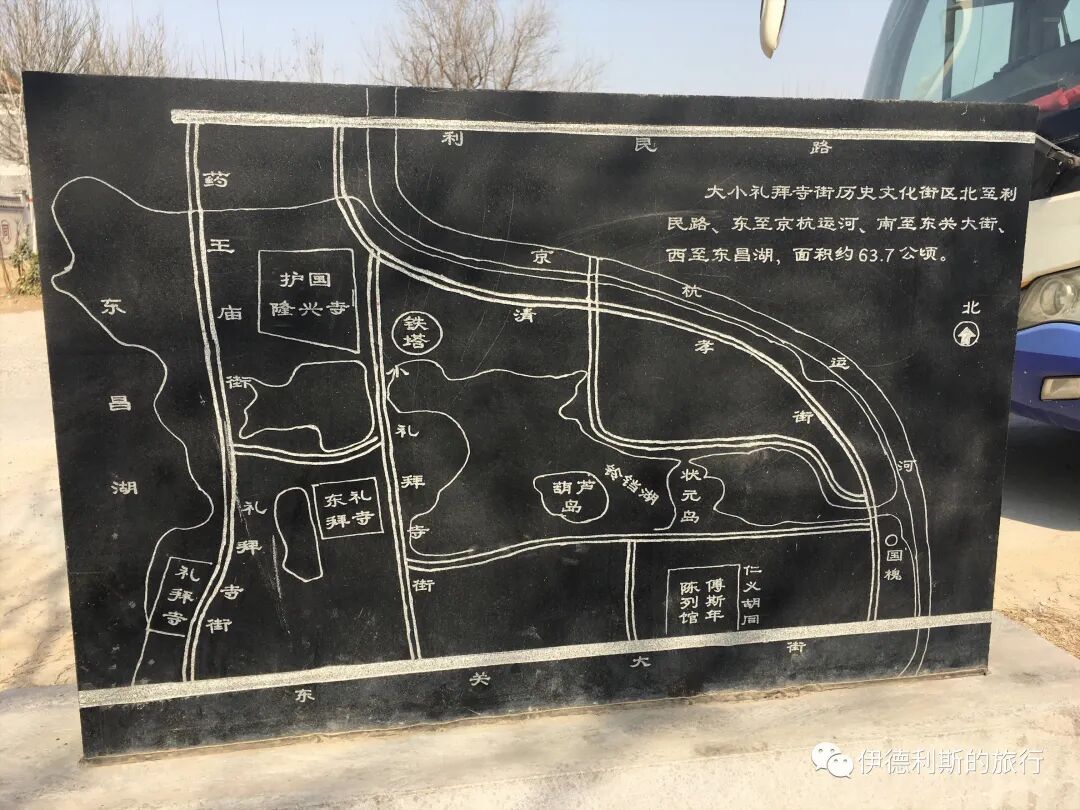
The Big and Small Mosque Street (Daxiao Libaisi Jie) historical district, located north of East Gate Road (Dongguan Lu) in Liaocheng, has been demolished more severely than Rice Market Street (Mishi Jie), but it has not been completely flattened like the area inside the city.
Clear broth meatballs (qingcuan wanzi)
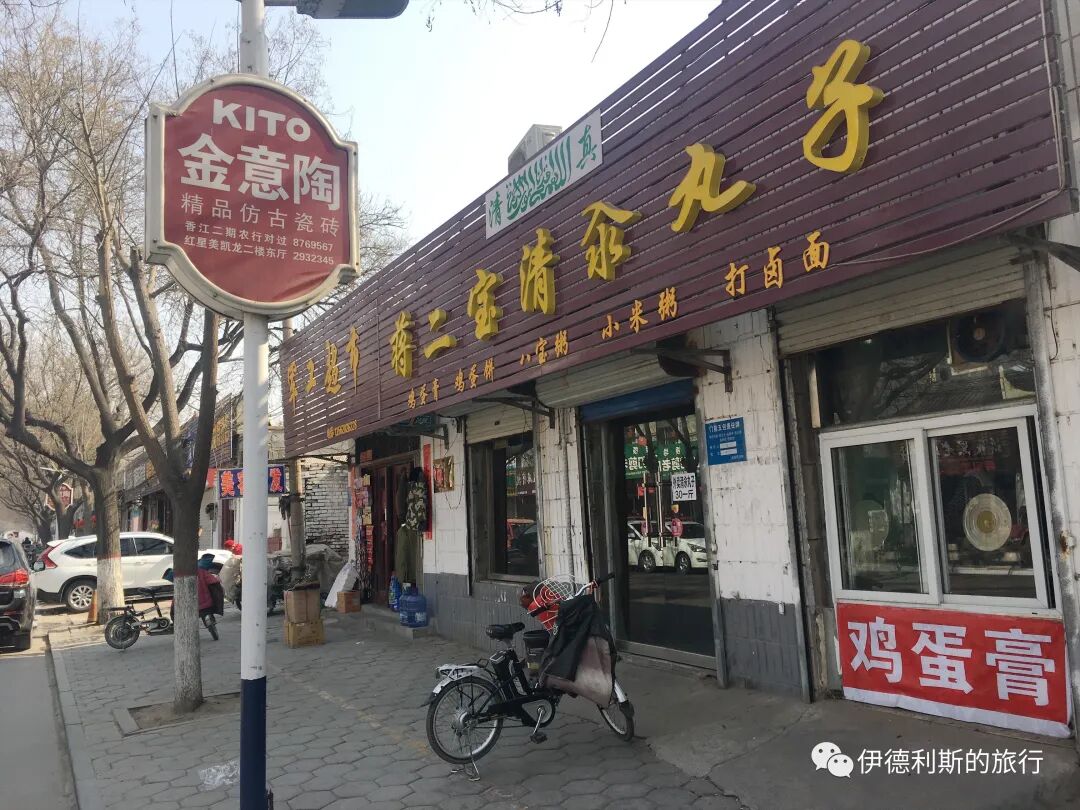
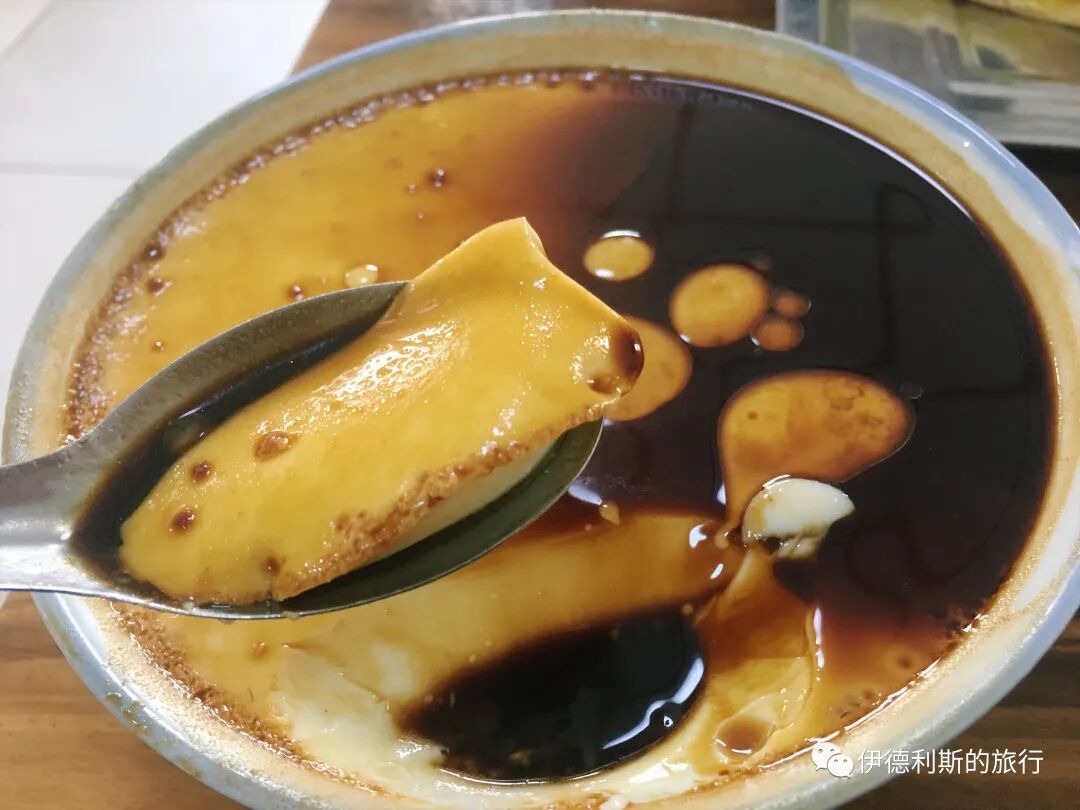
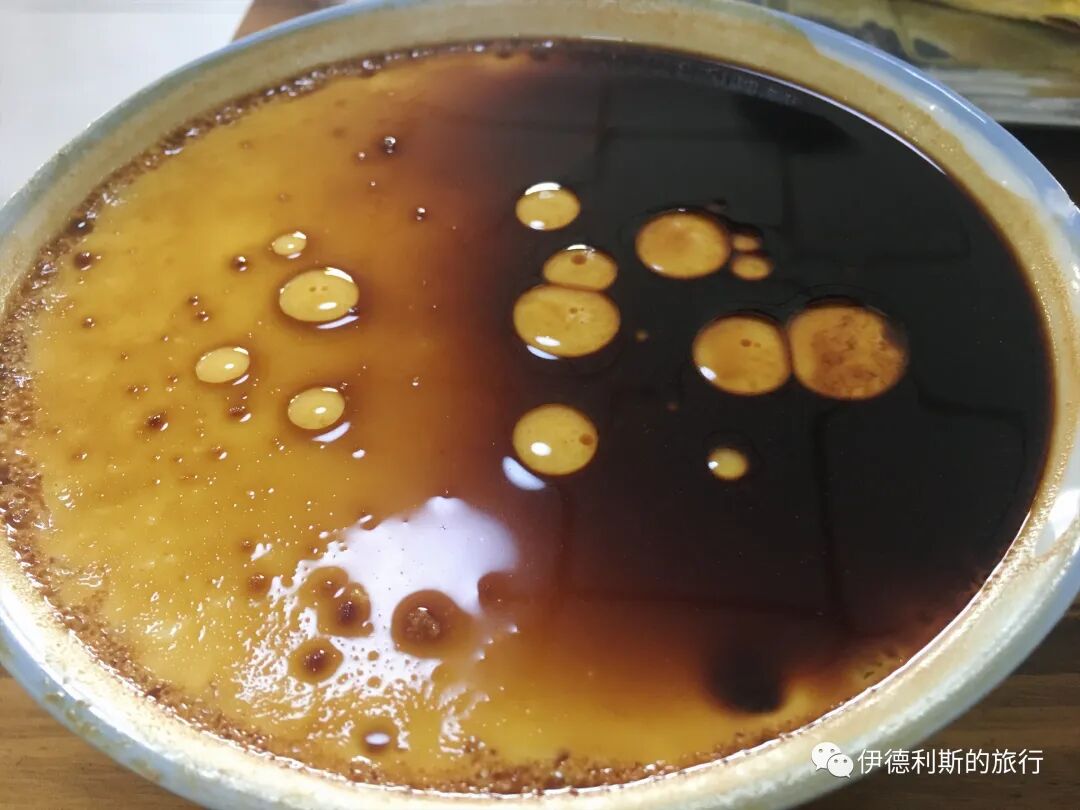
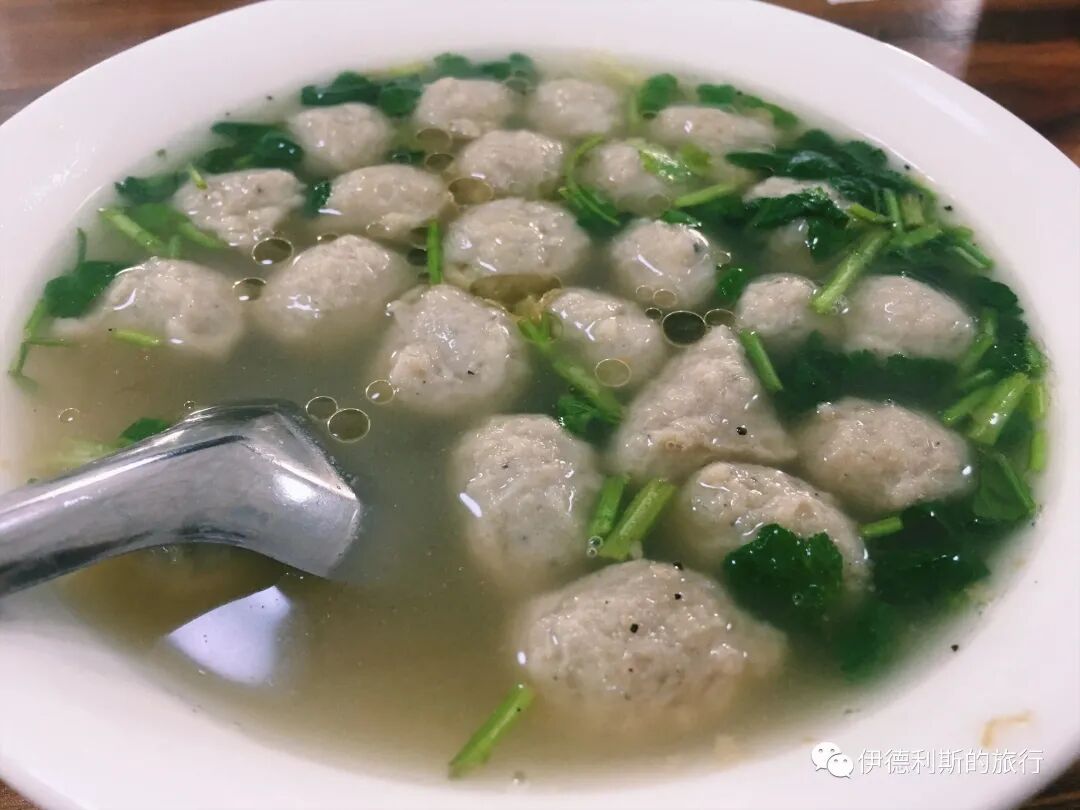
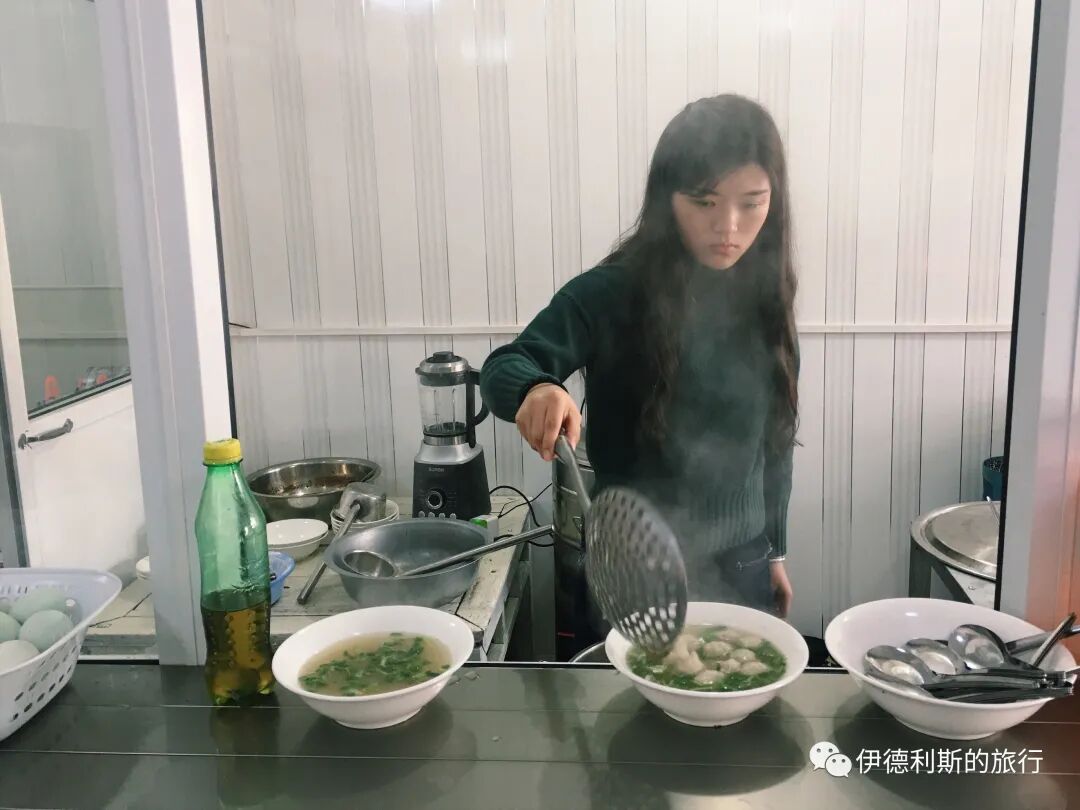
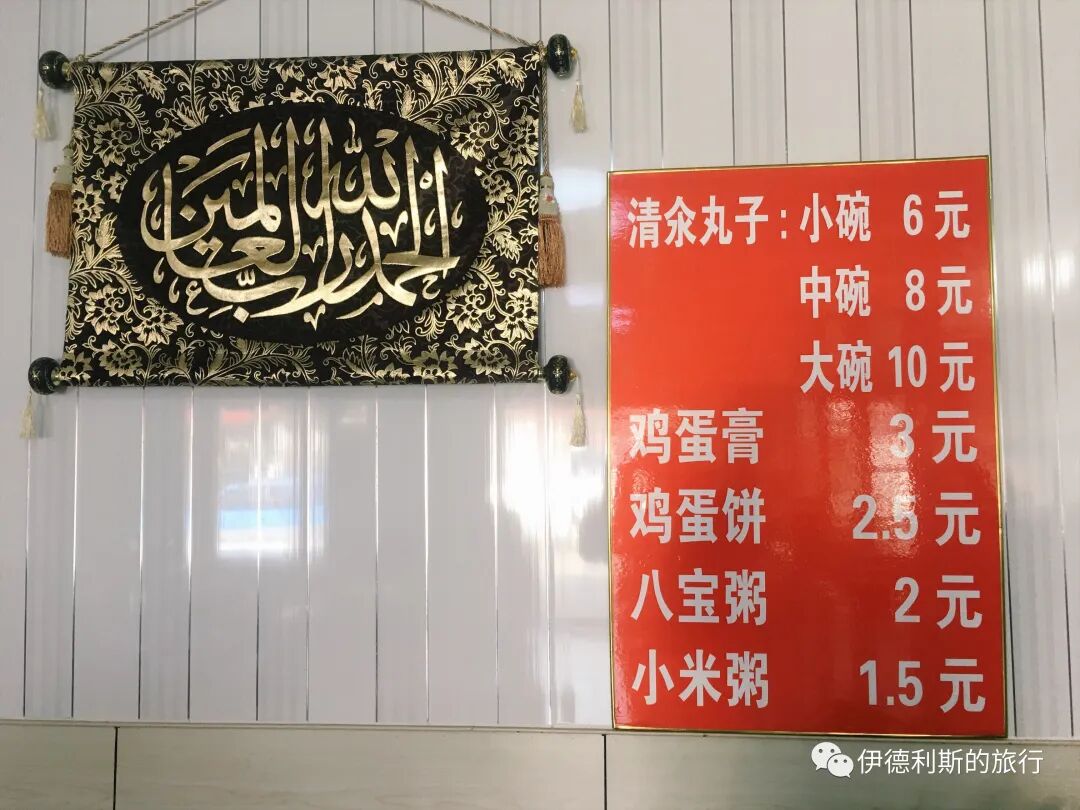
At noon, I ate clear broth meatballs (qingcuan wanzi), steamed egg custard (jidan gao), and egg pancakes (jidan bing) at Jiang Erbao's clear broth meatball shop in the East Gate (Dongguan) area of Liaocheng. A small bowl of clear broth meatballs (qingcuan wanzi) costs 6 yuan and contains 22 lamb meatballs. They are very tender, unlike the meatballs in Beijing, which are larger. Sprinkling a little pepper makes them very comforting to eat in winter, and the sesame oil is also very fragrant. A large bowl of steamed egg custard (jidan gao) uses at least 3 eggs and only costs 3 yuan. I have liked steamed egg custard since I was a child, and it really suits my taste. view all
Summary: This Muslim travel guide China 2026 update keeps the original 2017 Liaocheng travel notes intact and natural in English. It is useful for halal food in China, Chinese Muslim food, China Muslim travel tips, and old mosque routes in Shandong.
On February 18, 2017, I went to the Dongguan area of Liaocheng, Shandong, to explore and eat.
The Hui Muslim district in Dongguan, Liaocheng.
After the Yuan Dynasty moved its capital to Beijing, the army relied on supplies from the south. Shipping grain by sea from the Jiangnan region was often dangerous, so in 1289 (the 26th year of the Zhiyuan era), Emperor Kublai Khan ordered the construction of the Huitong River from Xucheng, Shandong, to Linqing. This connected the Grand Canal from north to south, and Liaocheng, located along the Huitong River, quickly became a major canal hub. Starting in the Yuan Dynasty, Dongguan, which connected the city to the canal, became the busiest area in Liaocheng. Hui Muslims kept moving here to settle, eventually forming the Dongguan Hui Muslim district.
In 1372 (the fifth year of the Hongwu era of the Ming Dynasty), the earthen walls of Dongchang (Liaocheng) were rebuilt with bricks. In 1420 (the 18th year of the Yongle era), Emperor Zhu Di moved the capital to Beijing and relied heavily on the Grand Canal to transport grain from the south. Liaocheng entered its golden age, and the large and small mosques in Dongguan were built during the Hongwu and Yongle eras.
In 1855 (the fifth year of the Xianfeng era), the Yellow River burst its banks at Tongwaxian in Henan. It split into three paths, diverted northeast, and flowed into the sea via the Daqing River, cutting the canal in half and causing Liaocheng to decline. Since the mid-to-late Qing Dynasty, the Liaocheng section of the canal relied on water from the Yellow River. After the breach at Tongwaxian, the Yellow River flooded several more times. The canal in Liaocheng became increasingly silted, the river course changed frequently, and water transport became more difficult. In 1872 (the 11th year of the Tongzhi era), the China Merchants' Steam Navigation Company was established in Shanghai, and grain transport began moving to sea routes. In 1901 (the 27th year of the Guangxu era), canal transport was completely abandoned, and Liaocheng fell silent along with the silted canal.
Eating breakfast in Dongguan, Liaocheng.
Dongguan in Liaocheng has all kinds of delicious breakfast foods. We first ate Liang's fried cakes (zhagao) outside Dongguan Bridge. They come in several flavors like white sugar and red bean paste. We chose the osmanthus and white sugar filling; they were large and delicious.
Then we went to Yishunzhai Steamed Bun Shop for large steamed buns (baozi) with pure lamb filling. The buns were huge and cost two yuan each. One was enough to be full, and two left me stuffed for the whole day!
Next to Yishunzhai Steamed Bun Shop is Jiang's Black Old Man Roasted Snacks (chaohuo). We bought peanuts here and finished them all on the train ride back. They were very flavorful with a rich aroma from various spices.
We also bought beef jerky at Dou's Deli. The beef was completely air-dried with no moisture left. It was crispy when you bit into it, so you had to let it soften in your mouth before chewing. The flavor changed from the first bite to the last, and it needed to be savored slowly.
There were many other delicious things in Dongguan that we didn't have time to try.
Canal docks.
Walking south along the canal from Dongguan in Liaocheng, there are two docks, one large and one small. The large dock was the official transport dock, also called Chongwu Station Dock. Back then, the ships waiting to unload stretched for miles, a scene known as 'Chongwu's continuous masts'. The small dock was originally a private dock for merchants. These two spots are precious relics of the Grand Canal in the Liaocheng urban area.
Small dock.
Large dock.
The scenery of the Liaocheng section of the Grand Canal.
Rice Market Street (Mishi Jie)
South of East Gate Street (Dongguan Jie) is the Rice Market Street (Mishi Jie) historical district. It is paved with blue stone and is one of the few remaining historical districts in the old city of Liaocheng. This area used to be full of grain shops. At its peak, there were dozens of them. The street was busy every day with constant traffic and crowds of people.
Later, I saw a design rendering of Rice Market Street (Mishi Jie) at the Grand Canal Museum. Perhaps it will soon become a faux-antique commercial street, and its original character will disappear.
Big and Small Mosques
There are two mosques in the East Gate (Dongguan) area of Liaocheng. The West Mosque (Qingzhen Xisi) is commonly known as the Big Mosque (Da Libaisi). It was first built in 1385 (the 17th year of the Hongwu reign) and was renovated twice during the Jiajing and Kangxi reigns. The original main hall had 81 rooms, and the beams and purlins were all made of golden nanmu wood. It was magnificent and could compare with those in Jining and Linqing.
In the winter of 1946, the People's Liberation Army attacked Liaocheng and used the mosque's minaret (bangkelou) as an observation post to fire at the Nationalist troops inside the city. The West Mosque (Qingzhen Xisi) also became a command post for the People's Liberation Army. People say the People's Liberation Army dug a tunnel underwater on the east bank of the moat toward the city. They laid door panels on top and supported them with pillars. They dug through the city wall near the East Gate and opened a hole, but the Nationalist troops discovered it and blocked the opening with sandbags.
The Liaocheng city wall was high and thick, and the moat was wide and deep. The People's Liberation Army could not break into the city and had to stop the siege. Afterward, the Nationalist troops left the city and set fire to it, burning down the buildings inside the mosque.
The West Mosque (Qingzhen Xisi) was not rebuilt until 1956. During the Cultural Revolution (wg), it was occupied by a factory, and it was renovated in 1992. The main hall was rebuilt into its current appearance in 2009. Now, only the main gate and the north and south lecture halls remain as historical buildings.
The East Mosque (Qingzhen Dongsi) in the East Gate (Dongguan) area of Liaocheng is commonly known as the Small Mosque (Xiao Libaisi). It was built during the Yongle reign of the Ming Dynasty (around 1405) and was commissioned by the Dongchang Prefecture garrison commander, Bai Lin. It was renovated during the Jiaqing, Xianfeng, and Guangxu reigns, and was rebuilt in 2002.
The Big and Small Mosque Street (Daxiao Libaisi Jie) historical district, located north of East Gate Road (Dongguan Lu) in Liaocheng, has been demolished more severely than Rice Market Street (Mishi Jie), but it has not been completely flattened like the area inside the city.
Clear broth meatballs (qingcuan wanzi)
At noon, I ate clear broth meatballs (qingcuan wanzi), steamed egg custard (jidan gao), and egg pancakes (jidan bing) at Jiang Erbao's clear broth meatball shop in the East Gate (Dongguan) area of Liaocheng. A small bowl of clear broth meatballs (qingcuan wanzi) costs 6 yuan and contains 22 lamb meatballs. They are very tender, unlike the meatballs in Beijing, which are larger. Sprinkling a little pepper makes them very comforting to eat in winter, and the sesame oil is also very fragrant. A large bowl of steamed egg custard (jidan gao) uses at least 3 eggs and only costs 3 yuan. I have liked steamed egg custard since I was a child, and it really suits my taste. view all
Reposted from the web
Summary: This Muslim travel guide China 2026 update keeps the original 2017 Liaocheng travel notes intact and natural in English. It is useful for halal food in China, Chinese Muslim food, China Muslim travel tips, and old mosque routes in Shandong.
On February 18, 2017, I went to the Dongguan area of Liaocheng, Shandong, to explore and eat.
The Hui Muslim district in Dongguan, Liaocheng.
After the Yuan Dynasty moved its capital to Beijing, the army relied on supplies from the south. Shipping grain by sea from the Jiangnan region was often dangerous, so in 1289 (the 26th year of the Zhiyuan era), Emperor Kublai Khan ordered the construction of the Huitong River from Xucheng, Shandong, to Linqing. This connected the Grand Canal from north to south, and Liaocheng, located along the Huitong River, quickly became a major canal hub. Starting in the Yuan Dynasty, Dongguan, which connected the city to the canal, became the busiest area in Liaocheng. Hui Muslims kept moving here to settle, eventually forming the Dongguan Hui Muslim district.
In 1372 (the fifth year of the Hongwu era of the Ming Dynasty), the earthen walls of Dongchang (Liaocheng) were rebuilt with bricks. In 1420 (the 18th year of the Yongle era), Emperor Zhu Di moved the capital to Beijing and relied heavily on the Grand Canal to transport grain from the south. Liaocheng entered its golden age, and the large and small mosques in Dongguan were built during the Hongwu and Yongle eras.
In 1855 (the fifth year of the Xianfeng era), the Yellow River burst its banks at Tongwaxian in Henan. It split into three paths, diverted northeast, and flowed into the sea via the Daqing River, cutting the canal in half and causing Liaocheng to decline. Since the mid-to-late Qing Dynasty, the Liaocheng section of the canal relied on water from the Yellow River. After the breach at Tongwaxian, the Yellow River flooded several more times. The canal in Liaocheng became increasingly silted, the river course changed frequently, and water transport became more difficult. In 1872 (the 11th year of the Tongzhi era), the China Merchants' Steam Navigation Company was established in Shanghai, and grain transport began moving to sea routes. In 1901 (the 27th year of the Guangxu era), canal transport was completely abandoned, and Liaocheng fell silent along with the silted canal.
Eating breakfast in Dongguan, Liaocheng.
Dongguan in Liaocheng has all kinds of delicious breakfast foods. We first ate Liang's fried cakes (zhagao) outside Dongguan Bridge. They come in several flavors like white sugar and red bean paste. We chose the osmanthus and white sugar filling; they were large and delicious.
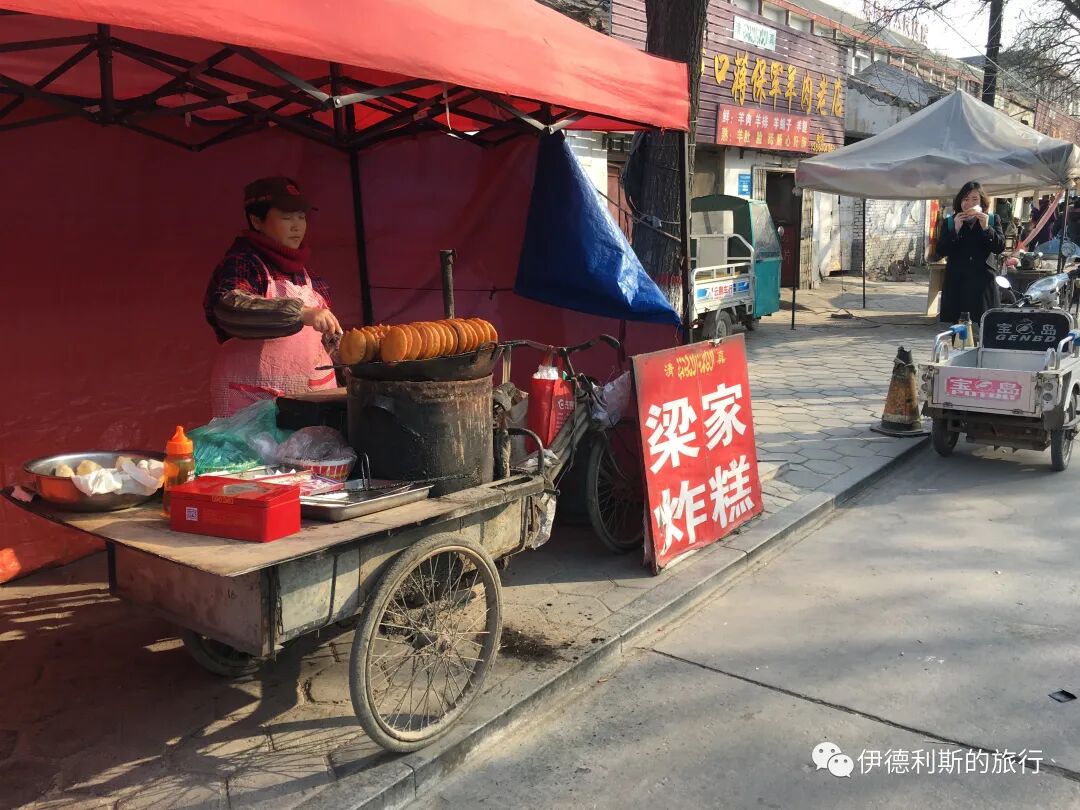
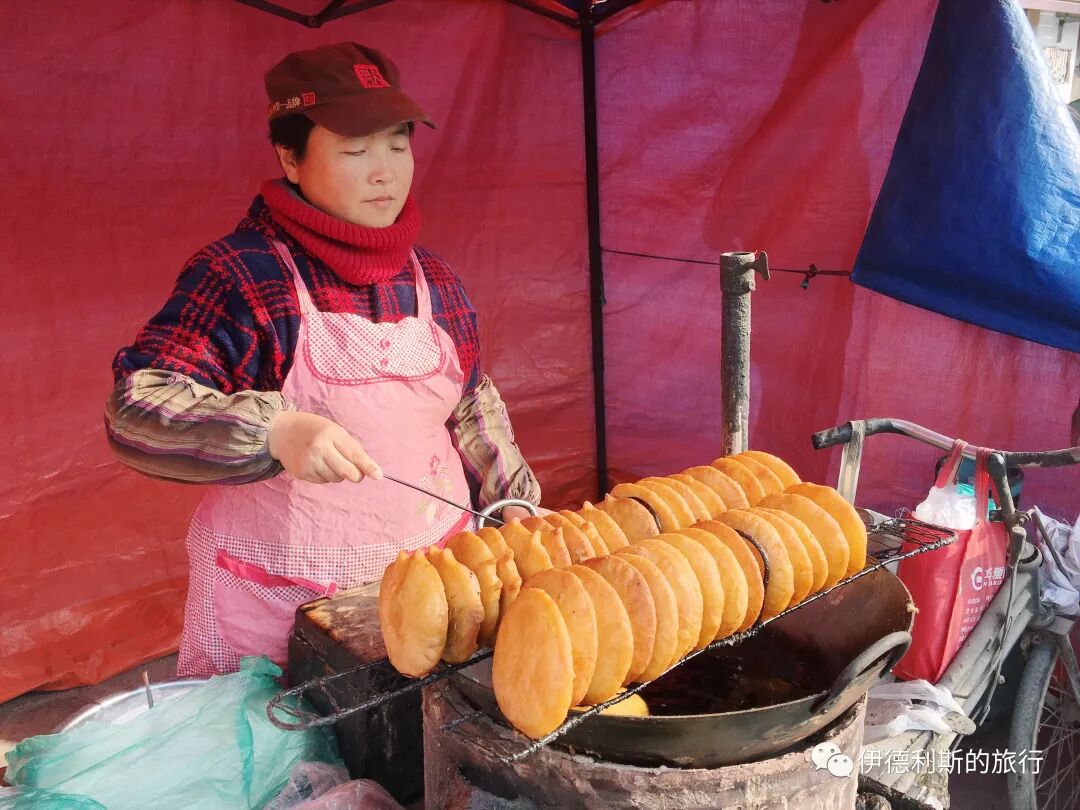
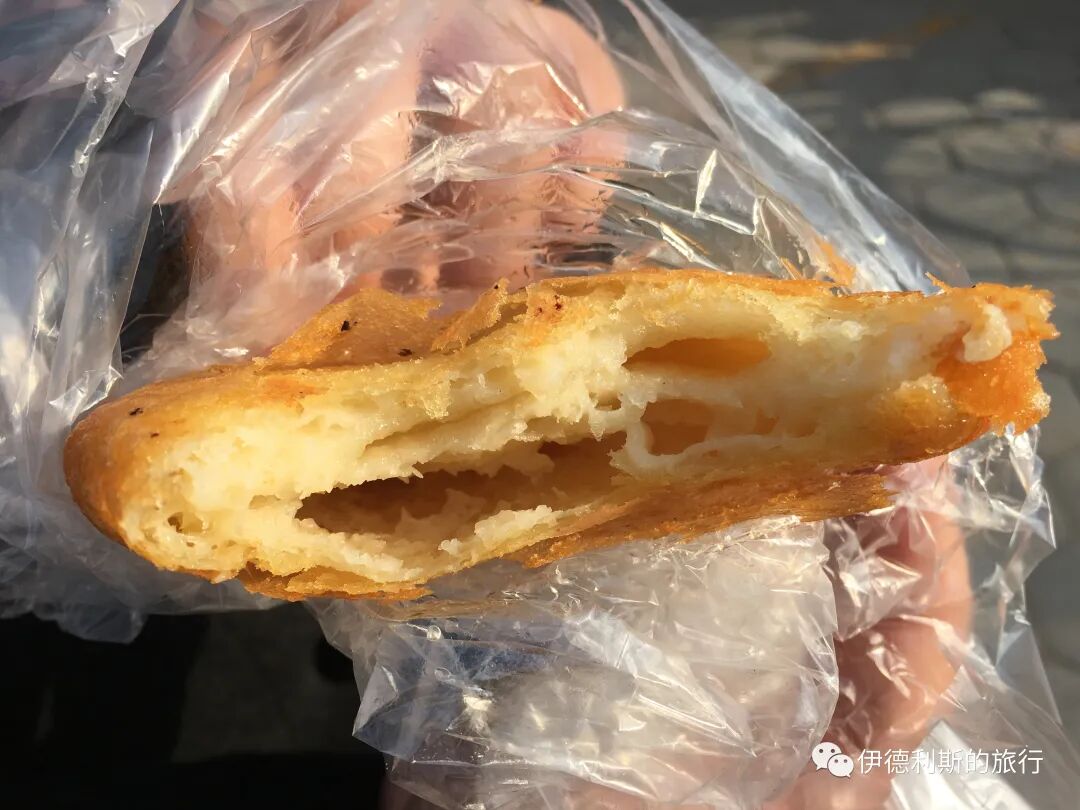
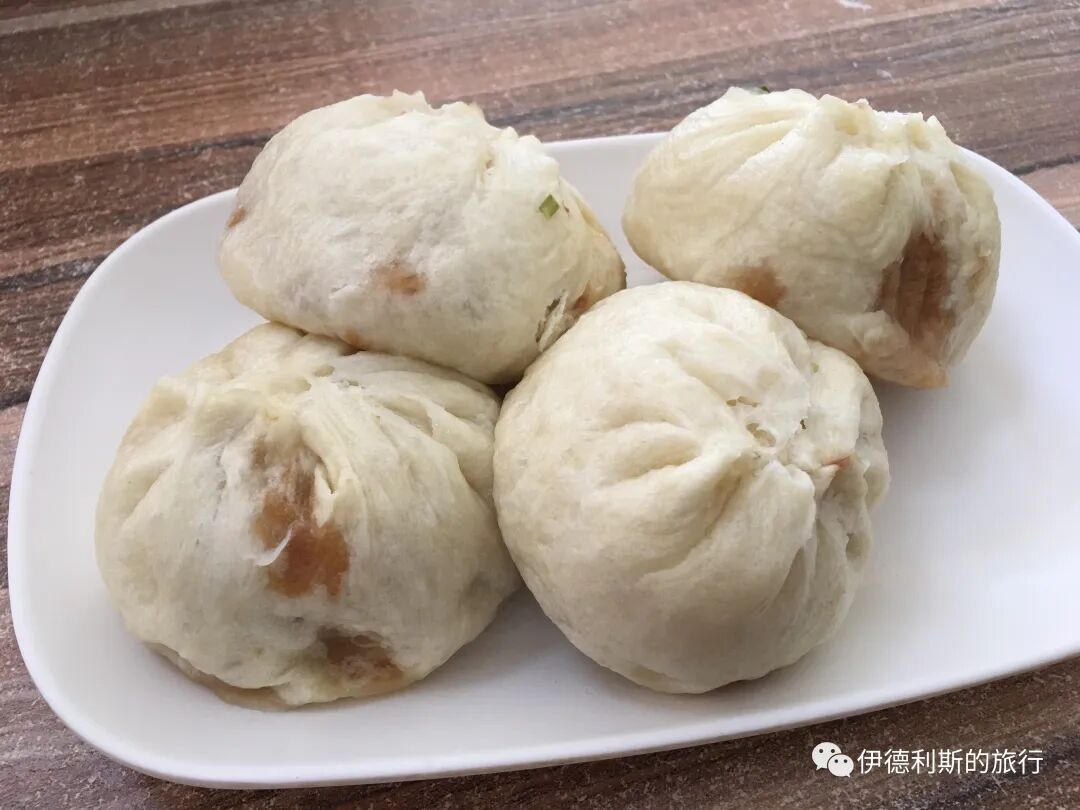
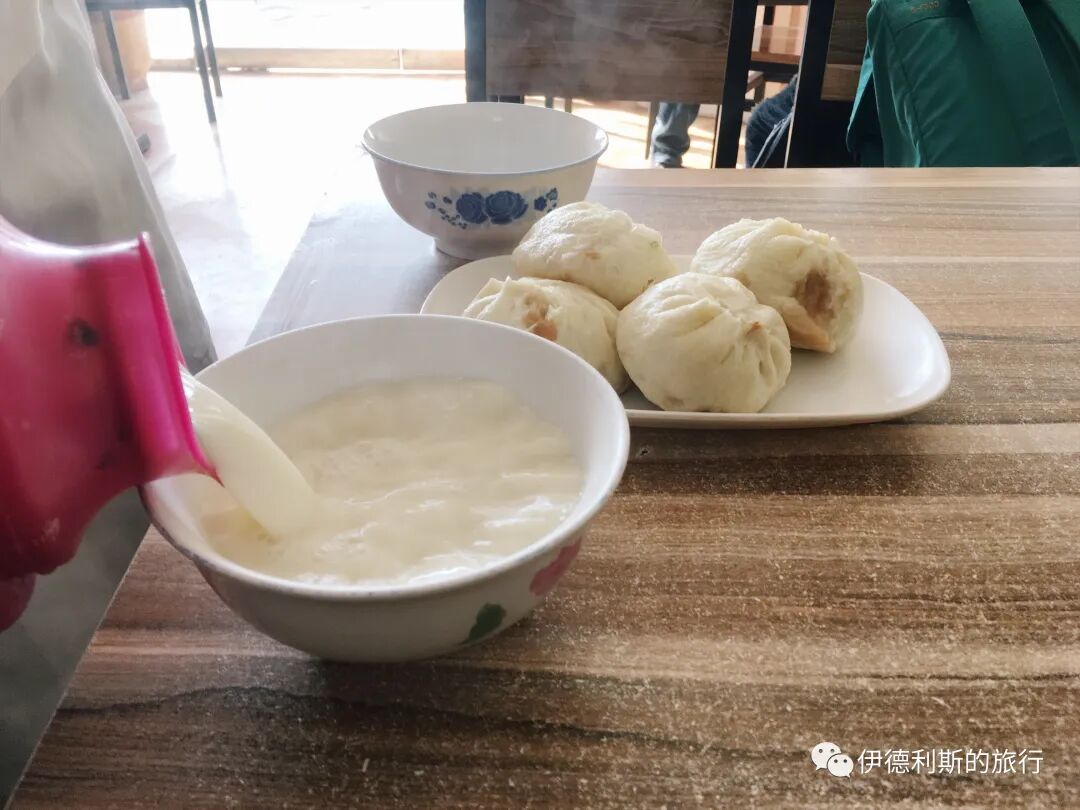
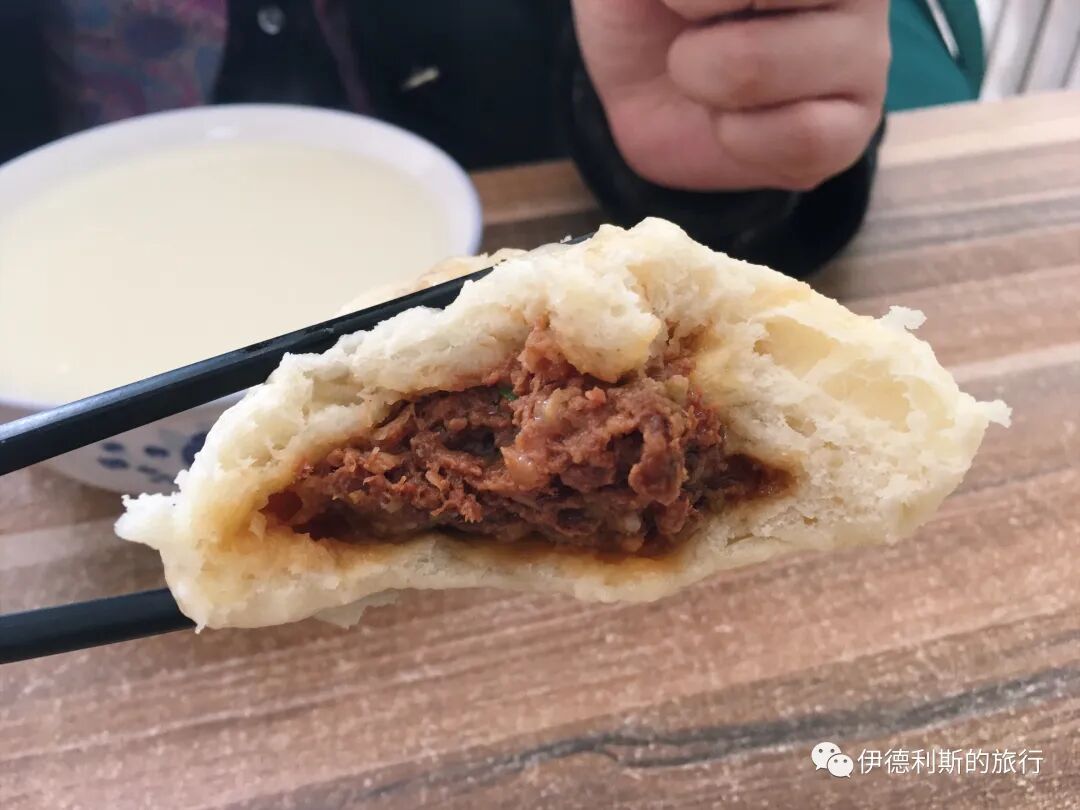
Then we went to Yishunzhai Steamed Bun Shop for large steamed buns (baozi) with pure lamb filling. The buns were huge and cost two yuan each. One was enough to be full, and two left me stuffed for the whole day!
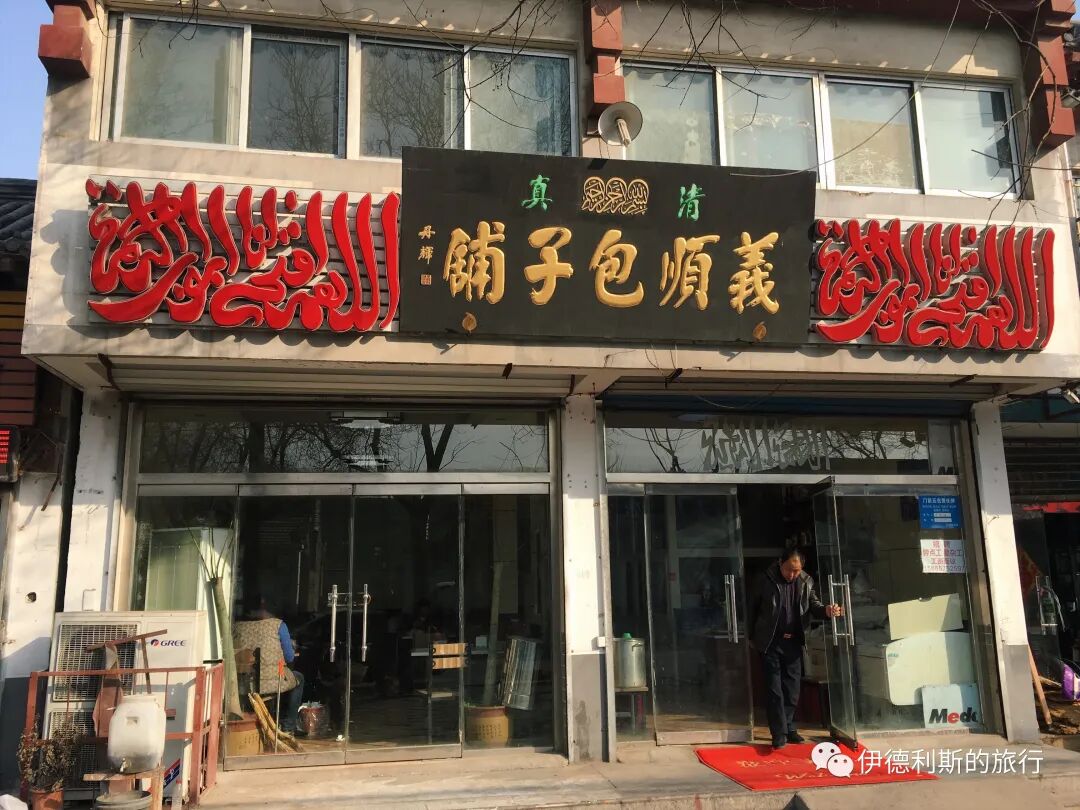
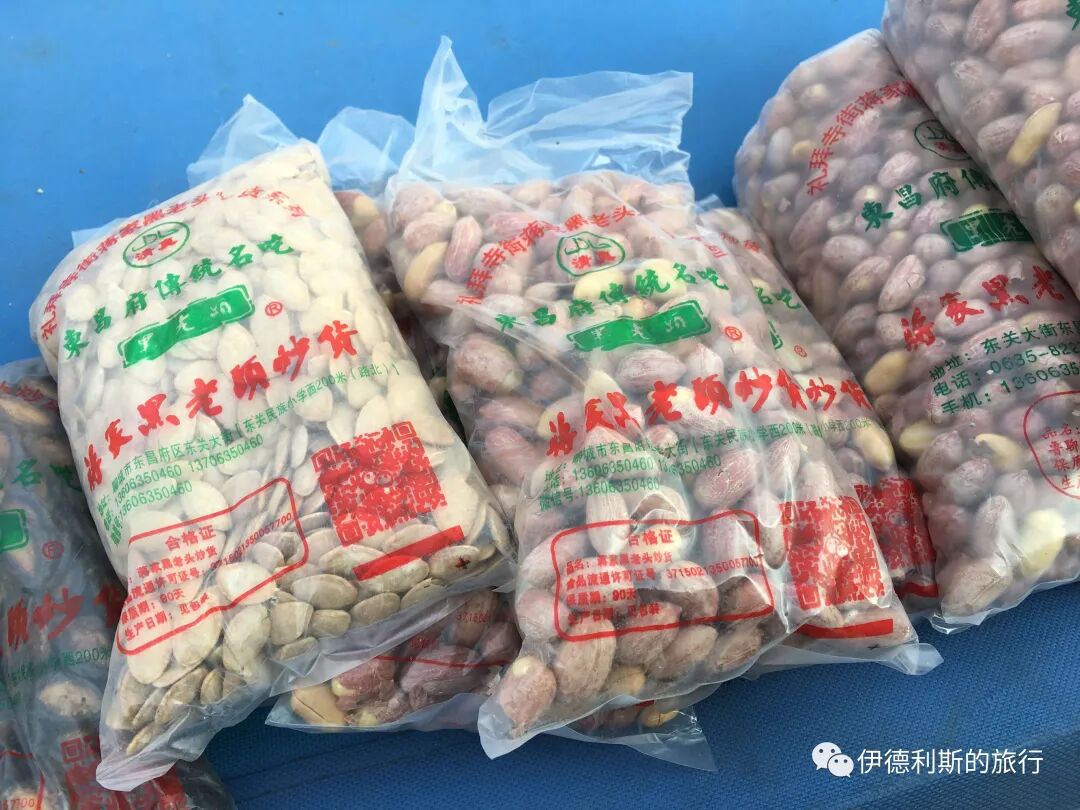
Next to Yishunzhai Steamed Bun Shop is Jiang's Black Old Man Roasted Snacks (chaohuo). We bought peanuts here and finished them all on the train ride back. They were very flavorful with a rich aroma from various spices.
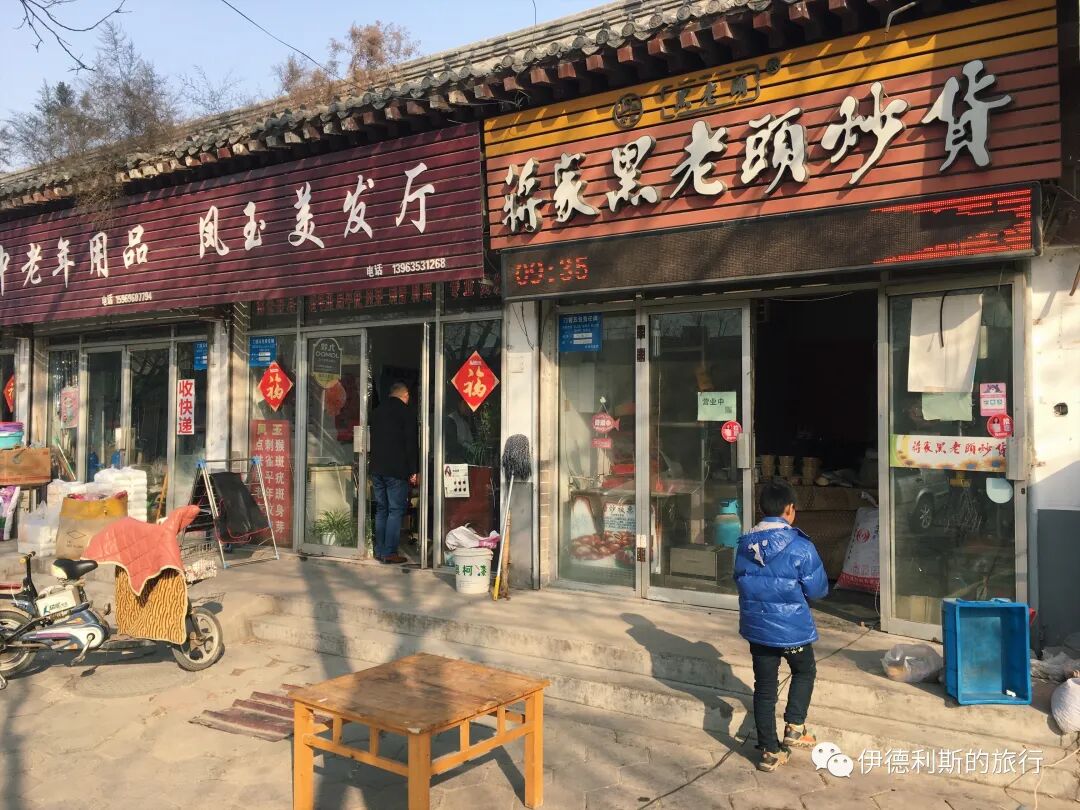
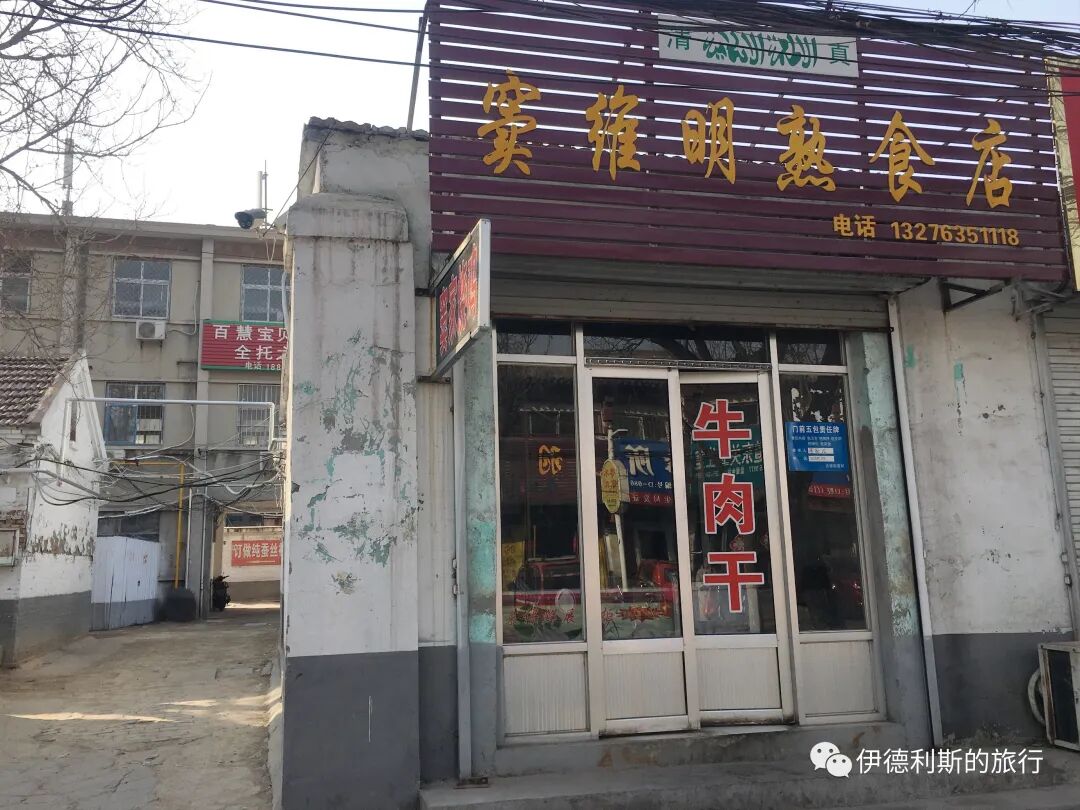
We also bought beef jerky at Dou's Deli. The beef was completely air-dried with no moisture left. It was crispy when you bit into it, so you had to let it soften in your mouth before chewing. The flavor changed from the first bite to the last, and it needed to be savored slowly.
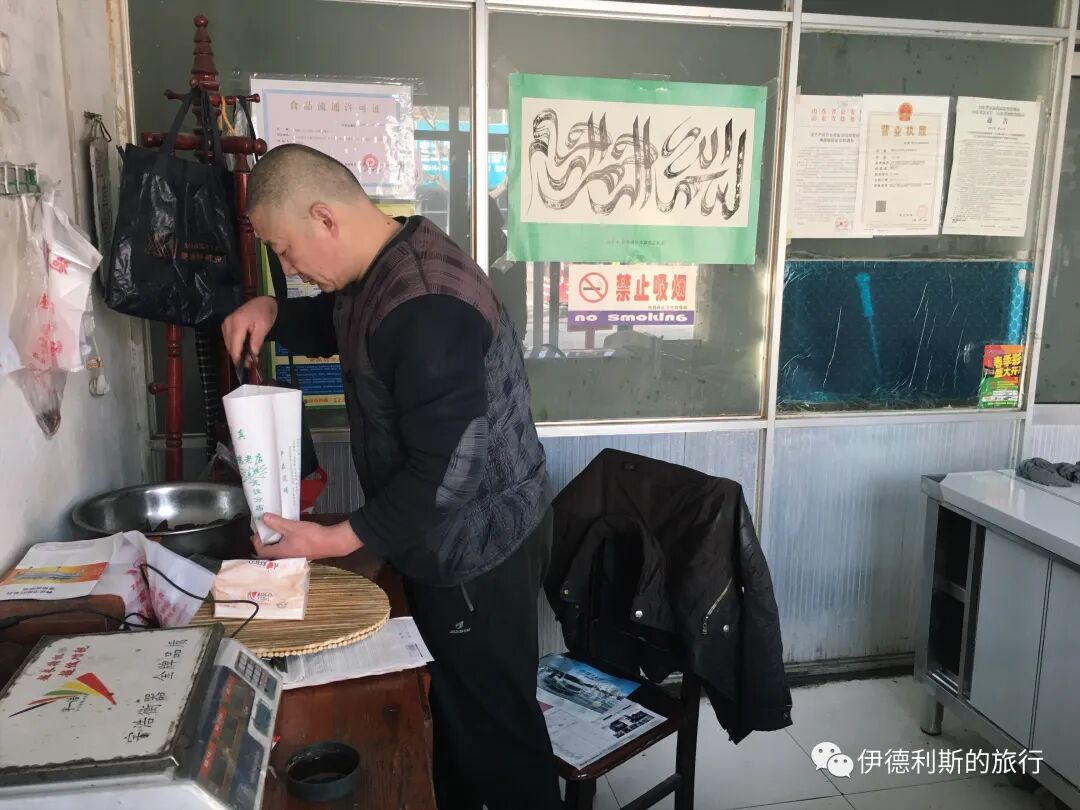
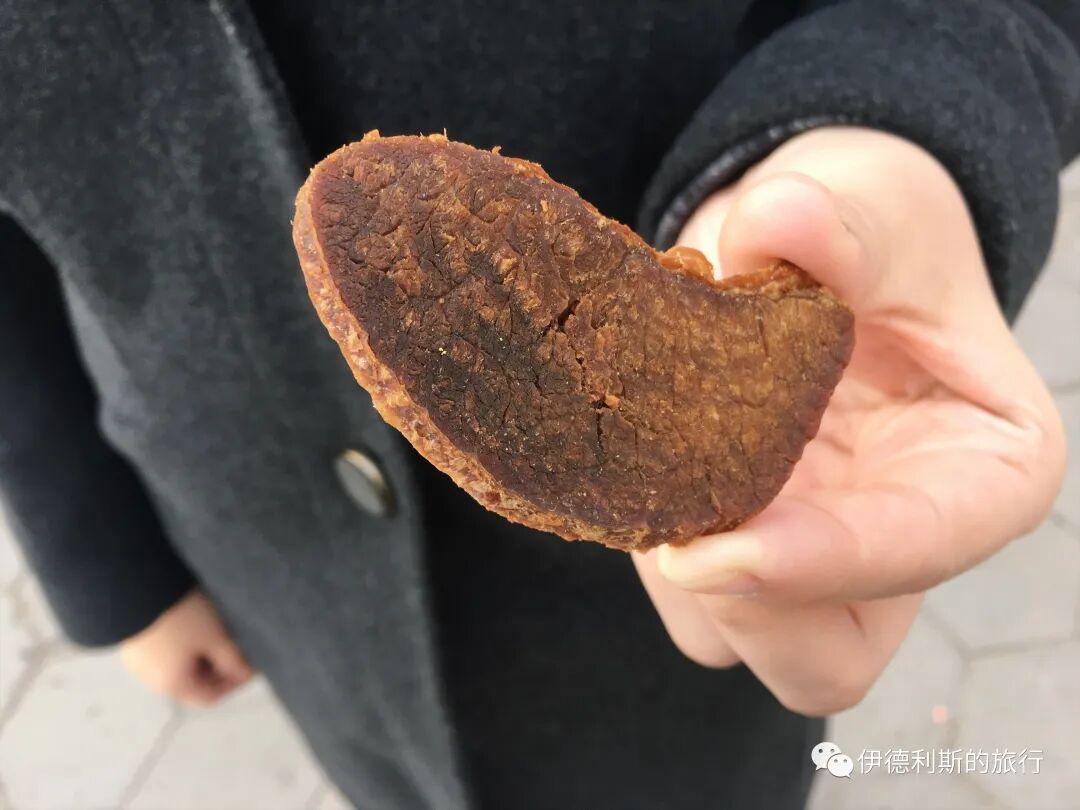
There were many other delicious things in Dongguan that we didn't have time to try.
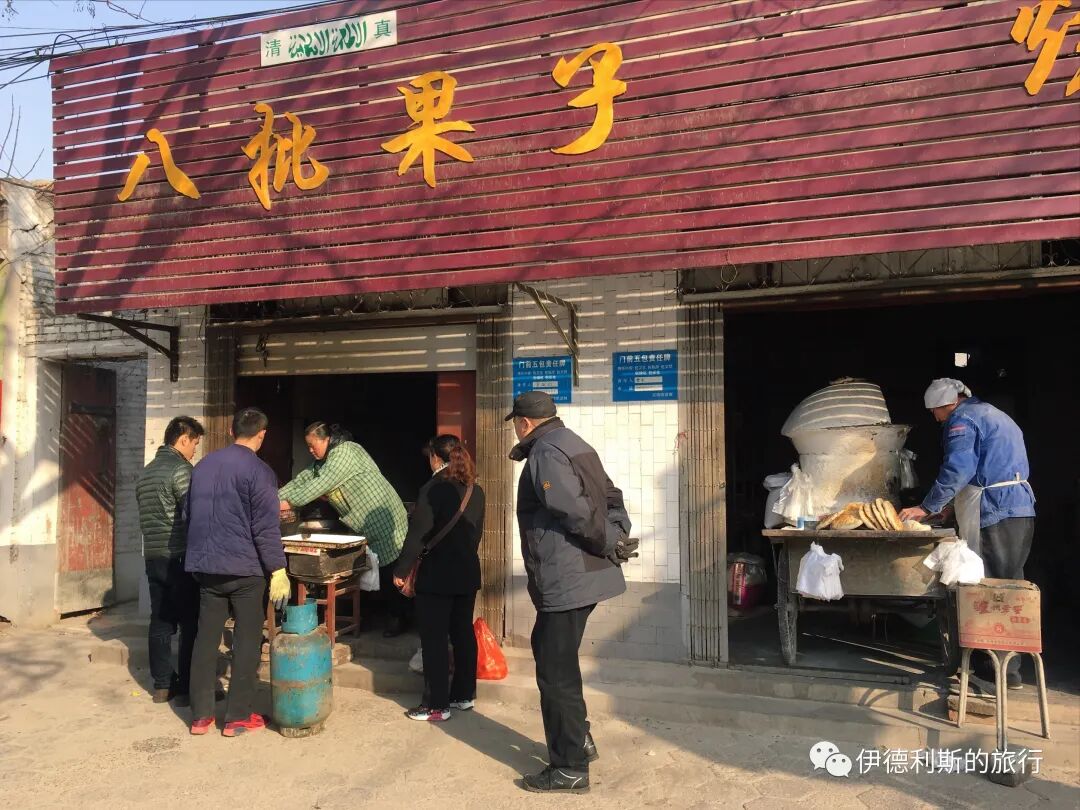
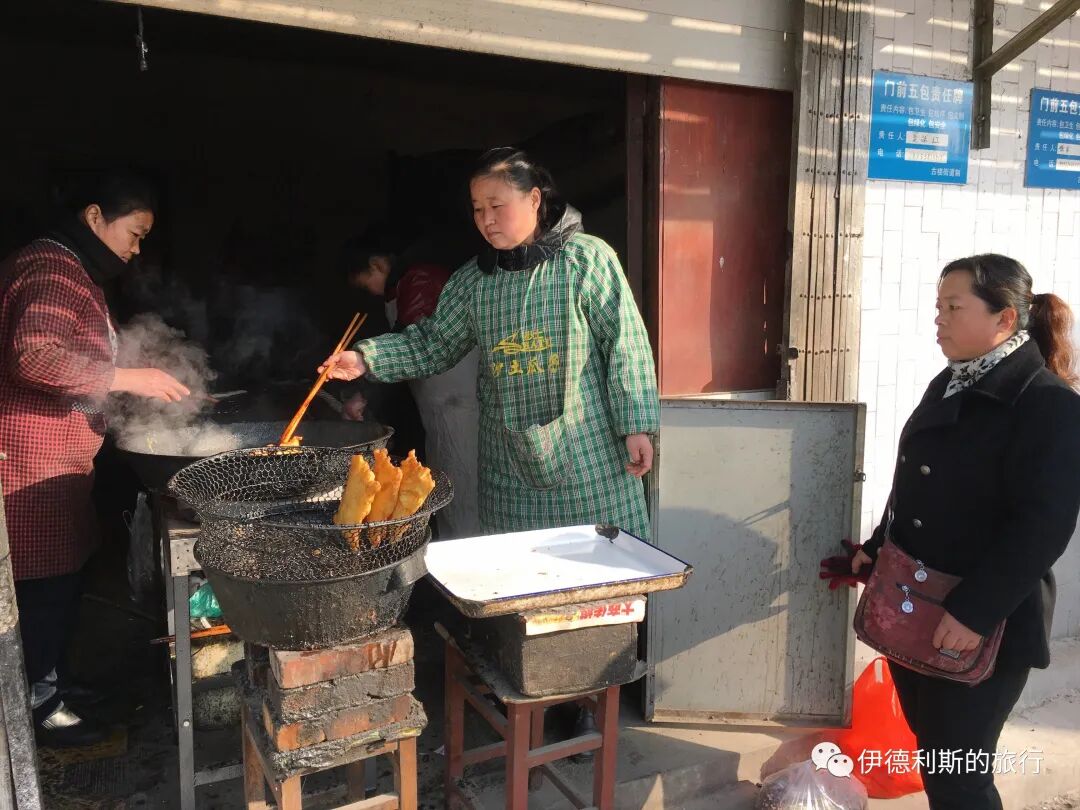
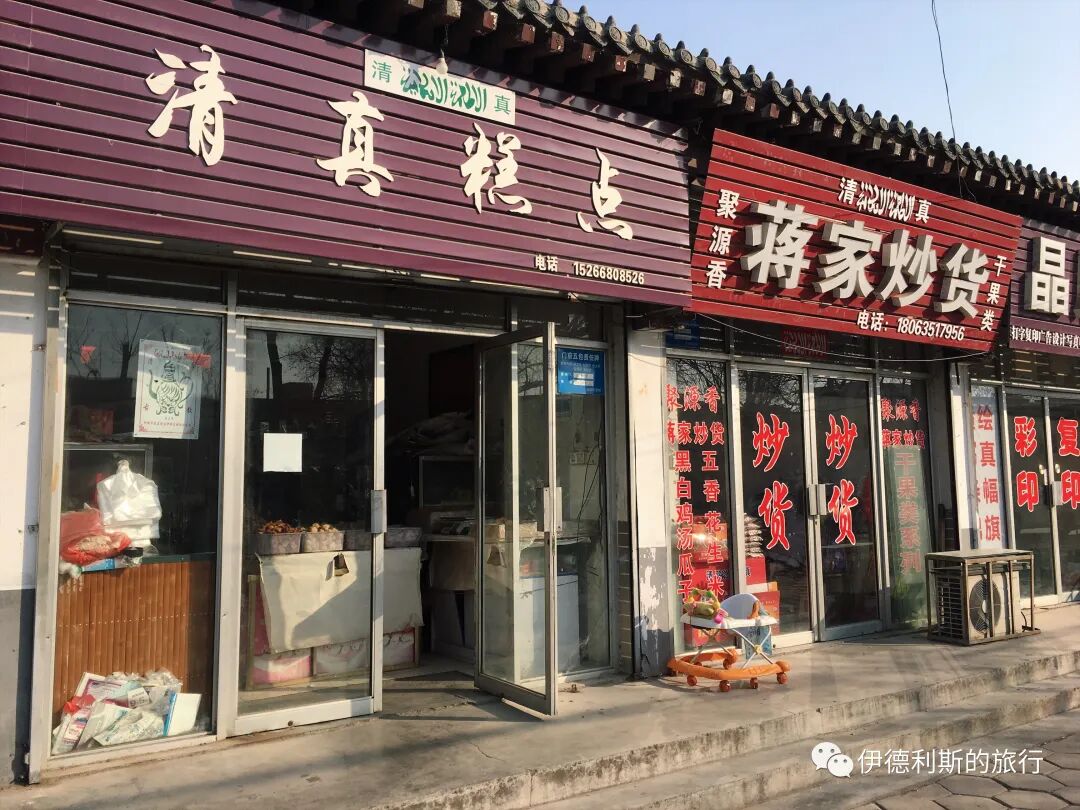
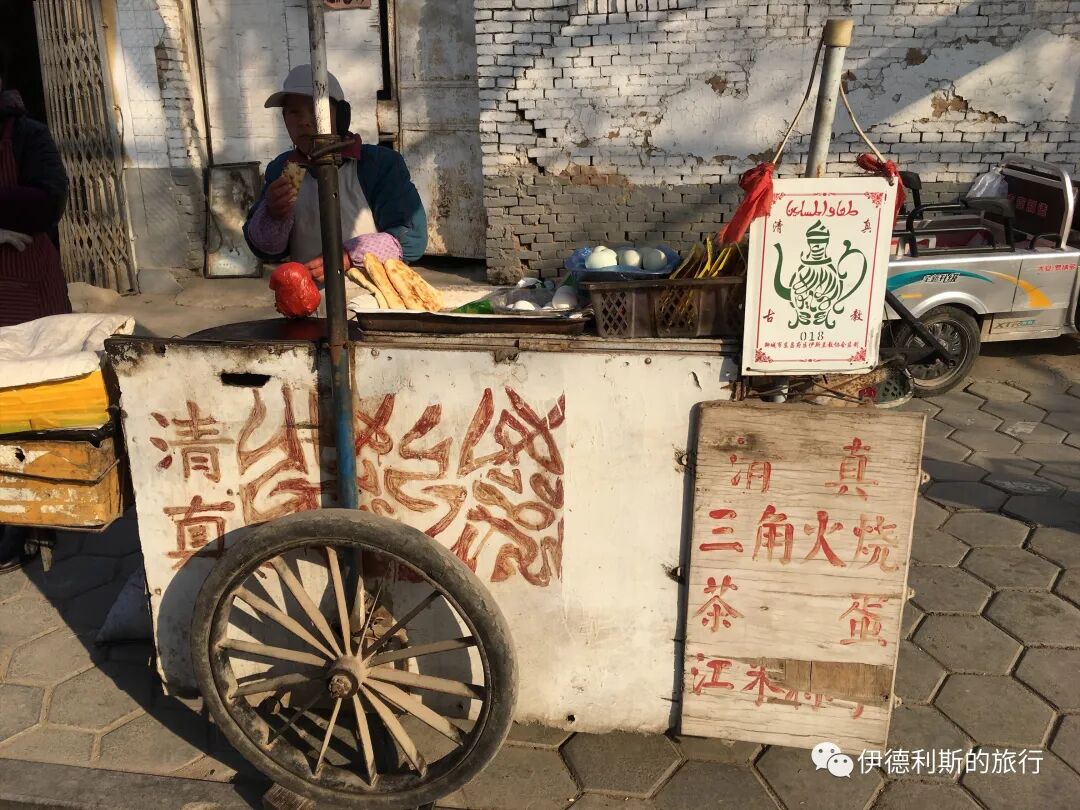
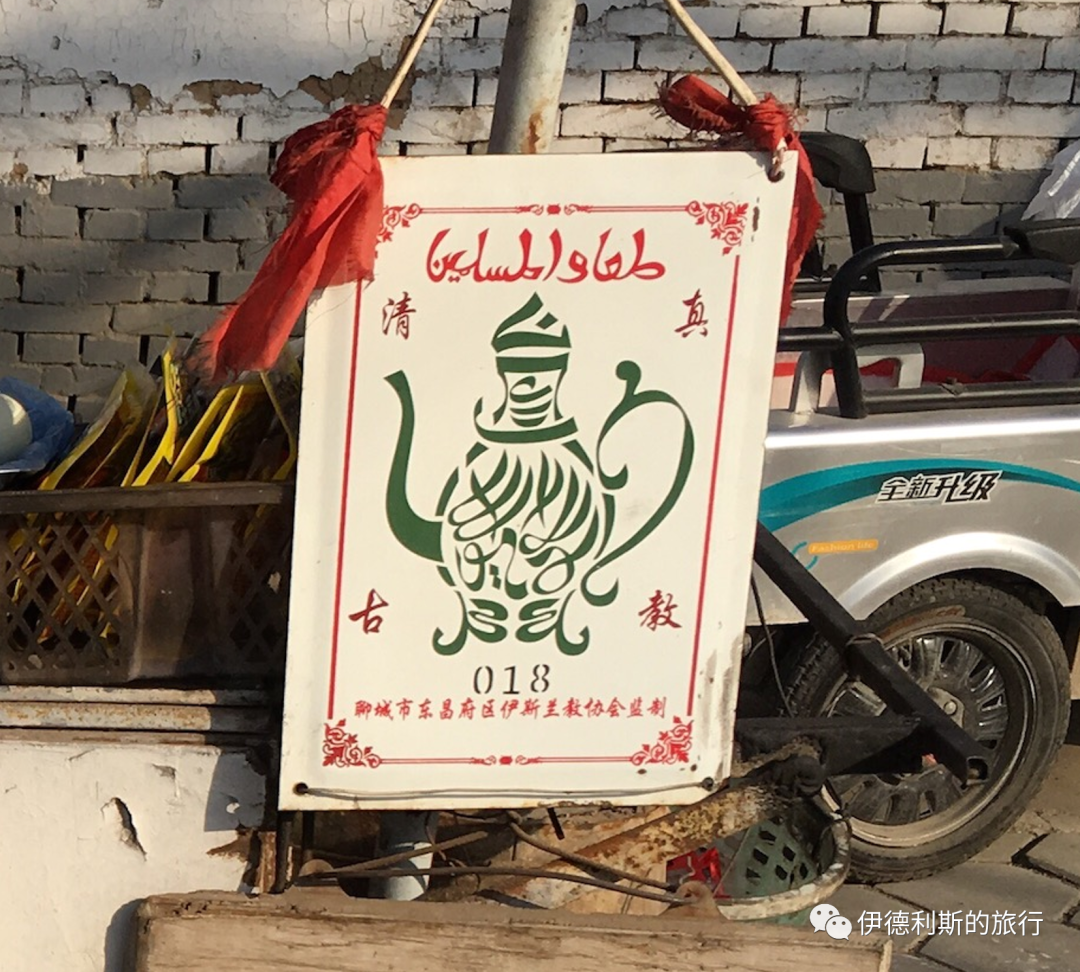
Canal docks.
Walking south along the canal from Dongguan in Liaocheng, there are two docks, one large and one small. The large dock was the official transport dock, also called Chongwu Station Dock. Back then, the ships waiting to unload stretched for miles, a scene known as 'Chongwu's continuous masts'. The small dock was originally a private dock for merchants. These two spots are precious relics of the Grand Canal in the Liaocheng urban area.
Small dock.
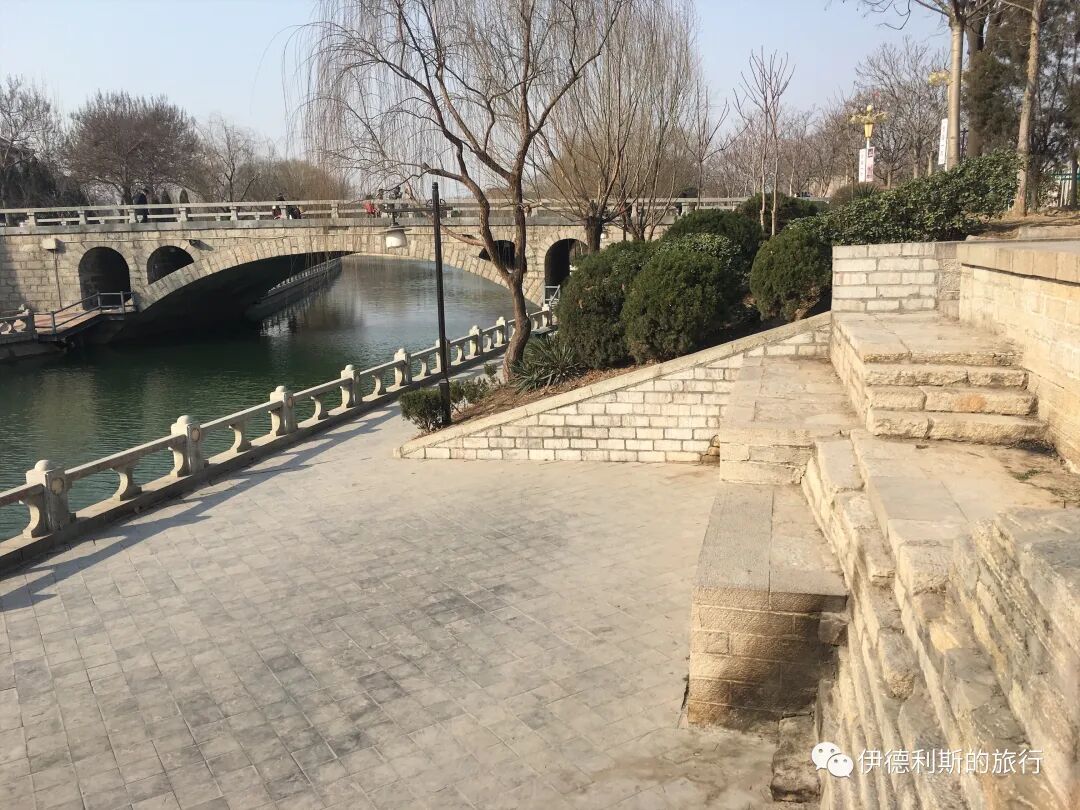
Large dock.
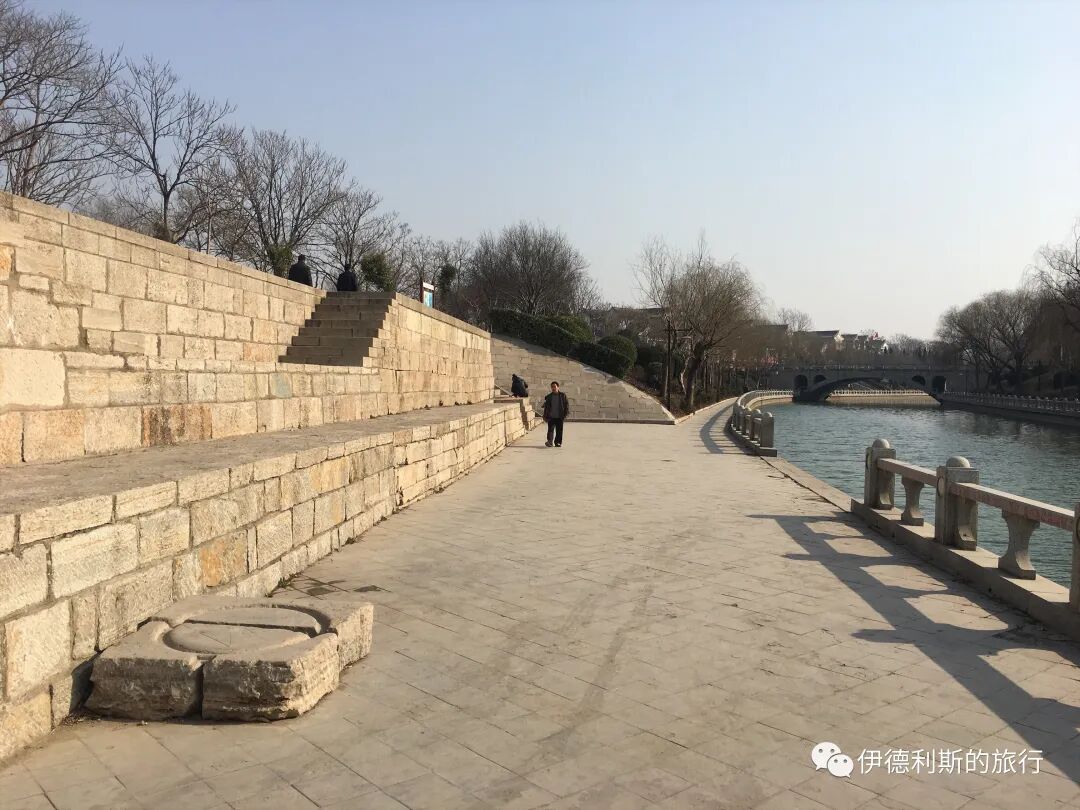
The scenery of the Liaocheng section of the Grand Canal.
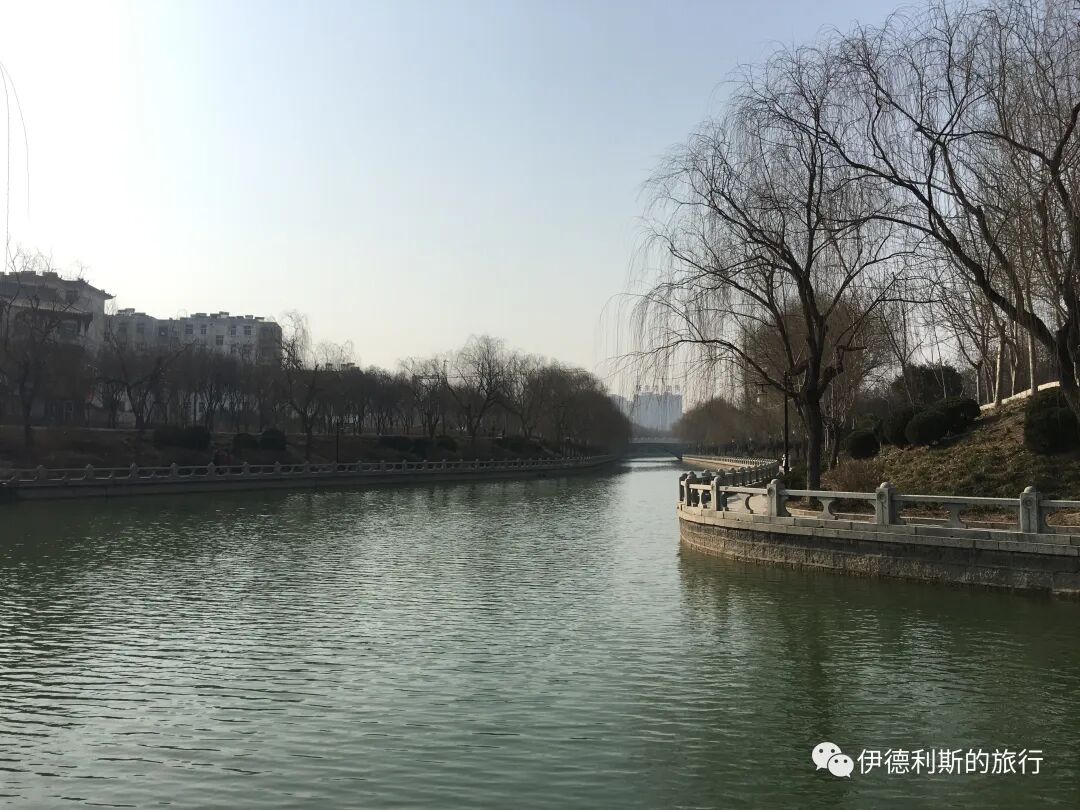
Rice Market Street (Mishi Jie)
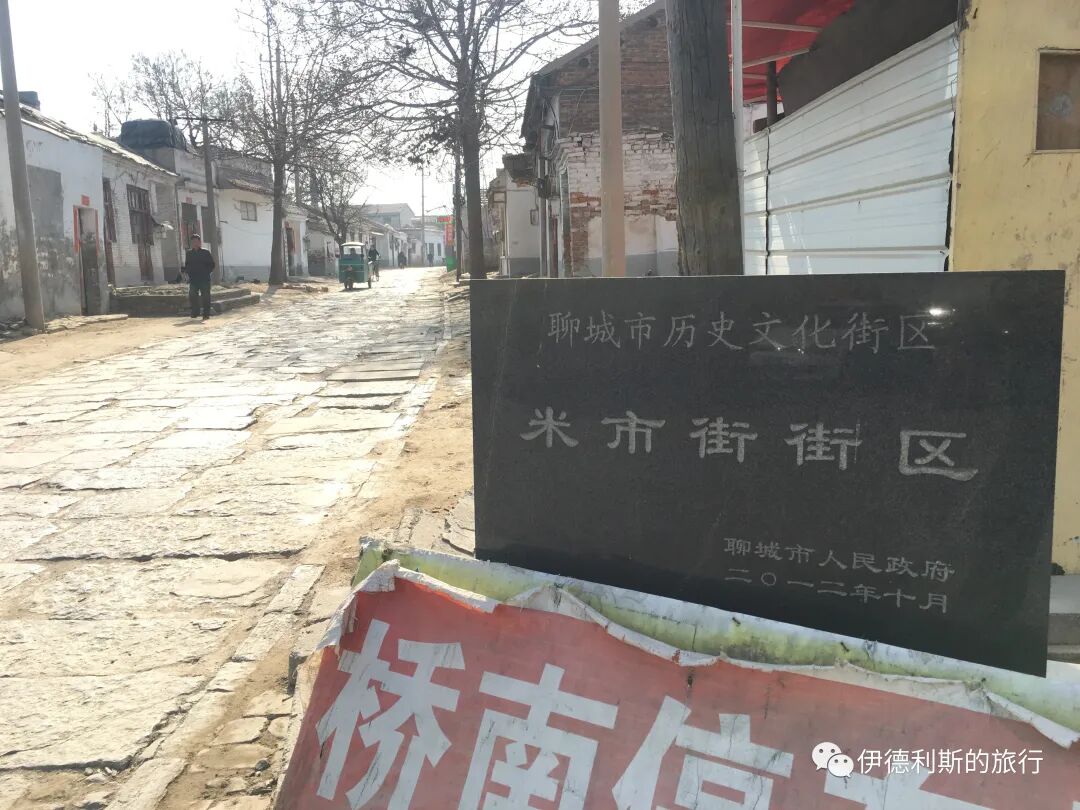
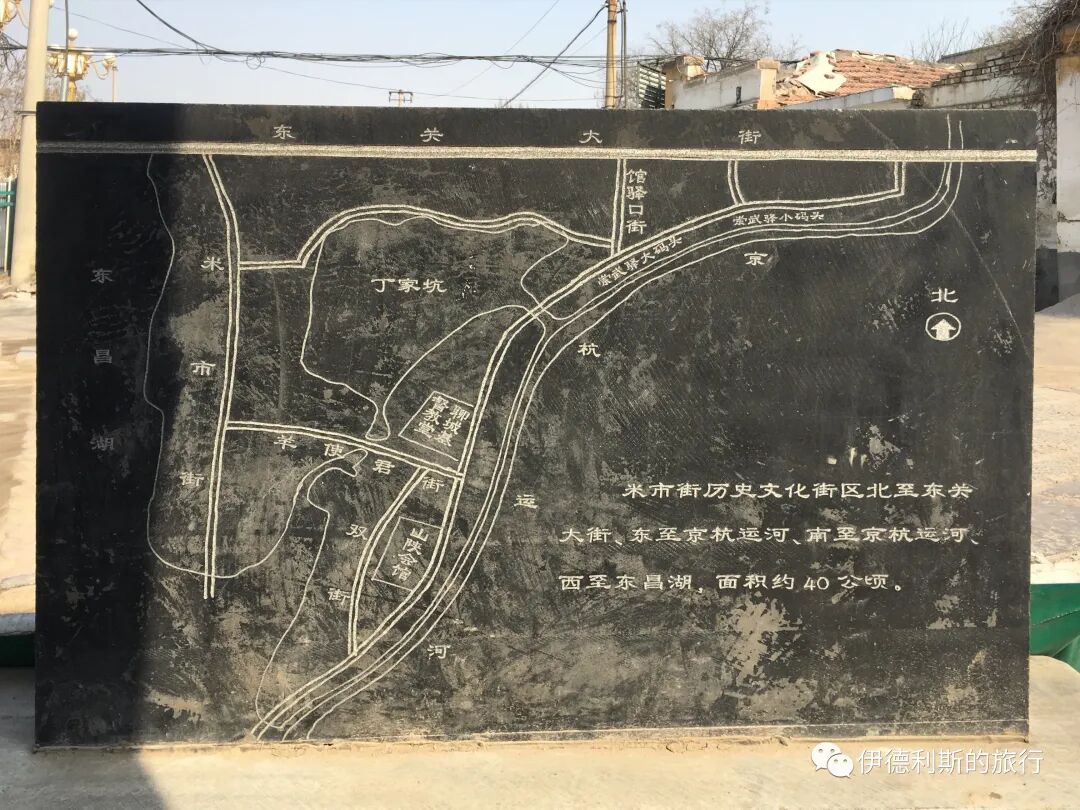
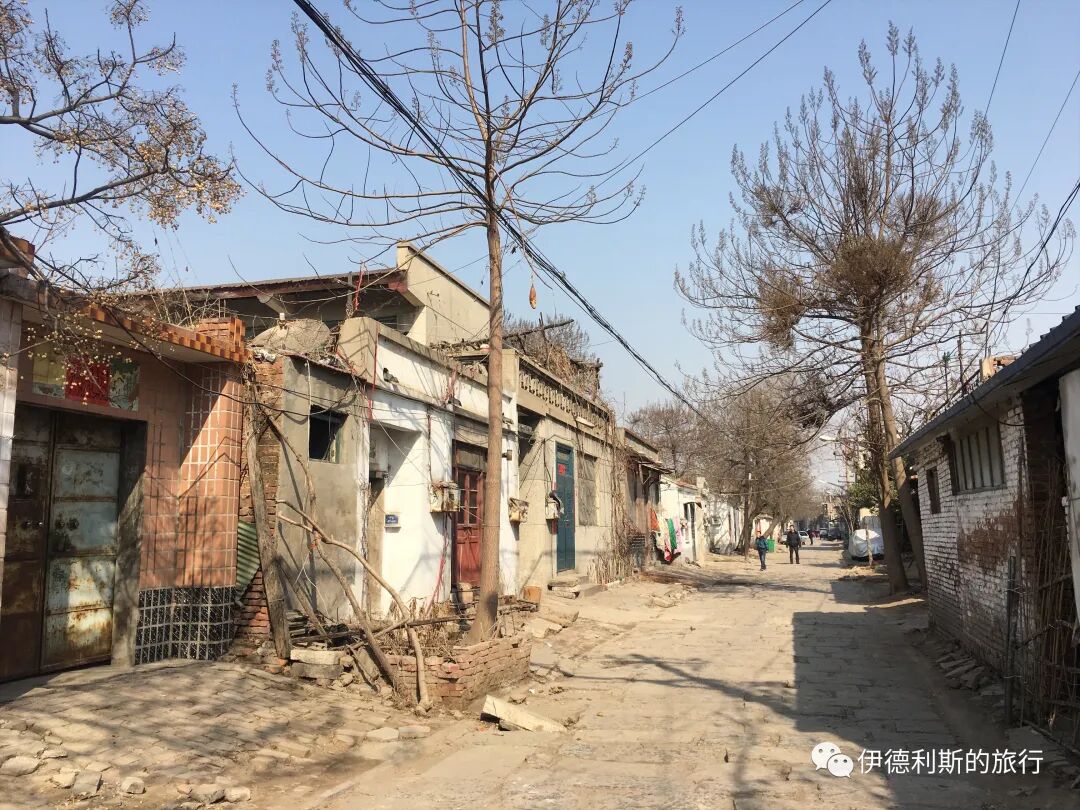
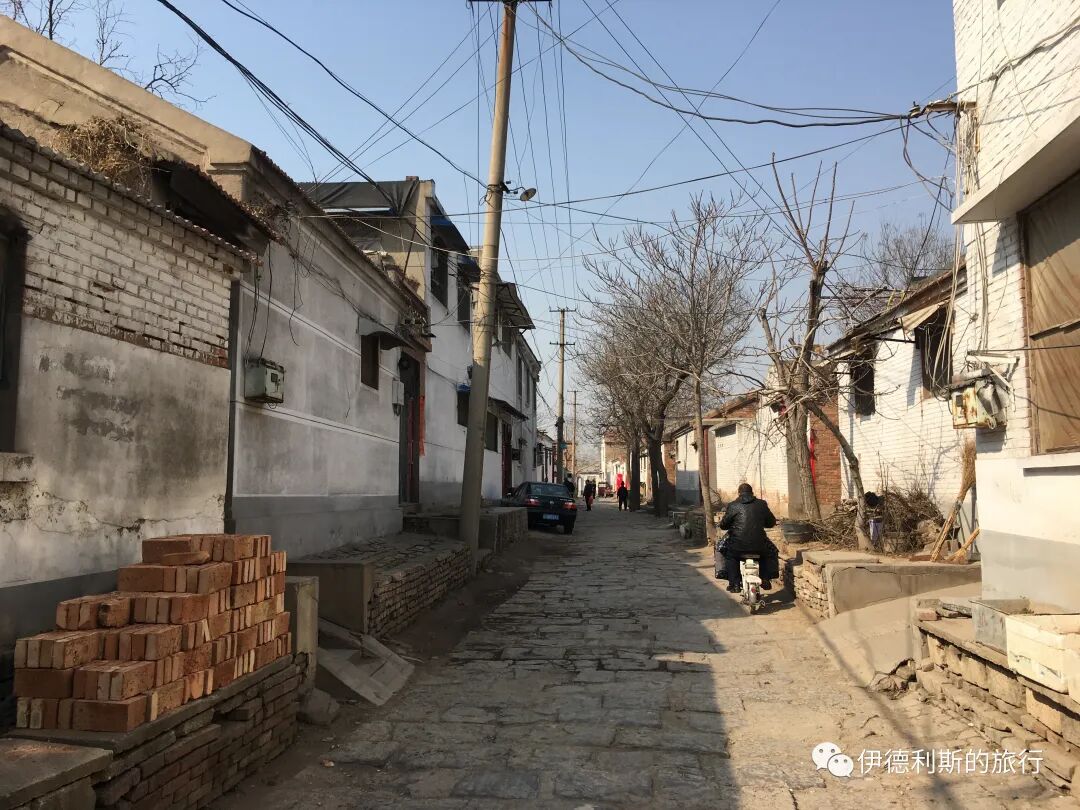
South of East Gate Street (Dongguan Jie) is the Rice Market Street (Mishi Jie) historical district. It is paved with blue stone and is one of the few remaining historical districts in the old city of Liaocheng. This area used to be full of grain shops. At its peak, there were dozens of them. The street was busy every day with constant traffic and crowds of people.
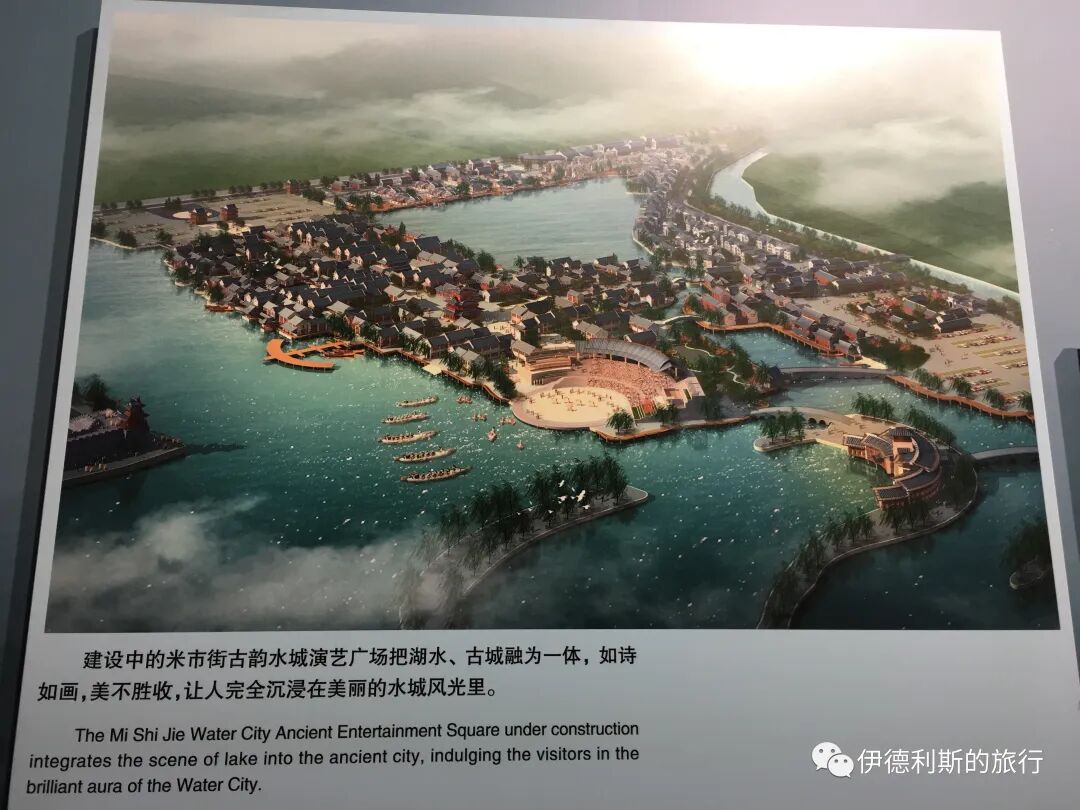
Later, I saw a design rendering of Rice Market Street (Mishi Jie) at the Grand Canal Museum. Perhaps it will soon become a faux-antique commercial street, and its original character will disappear.
Big and Small Mosques
There are two mosques in the East Gate (Dongguan) area of Liaocheng. The West Mosque (Qingzhen Xisi) is commonly known as the Big Mosque (Da Libaisi). It was first built in 1385 (the 17th year of the Hongwu reign) and was renovated twice during the Jiajing and Kangxi reigns. The original main hall had 81 rooms, and the beams and purlins were all made of golden nanmu wood. It was magnificent and could compare with those in Jining and Linqing.
In the winter of 1946, the People's Liberation Army attacked Liaocheng and used the mosque's minaret (bangkelou) as an observation post to fire at the Nationalist troops inside the city. The West Mosque (Qingzhen Xisi) also became a command post for the People's Liberation Army. People say the People's Liberation Army dug a tunnel underwater on the east bank of the moat toward the city. They laid door panels on top and supported them with pillars. They dug through the city wall near the East Gate and opened a hole, but the Nationalist troops discovered it and blocked the opening with sandbags.
The Liaocheng city wall was high and thick, and the moat was wide and deep. The People's Liberation Army could not break into the city and had to stop the siege. Afterward, the Nationalist troops left the city and set fire to it, burning down the buildings inside the mosque.
The West Mosque (Qingzhen Xisi) was not rebuilt until 1956. During the Cultural Revolution (wg), it was occupied by a factory, and it was renovated in 1992. The main hall was rebuilt into its current appearance in 2009. Now, only the main gate and the north and south lecture halls remain as historical buildings.
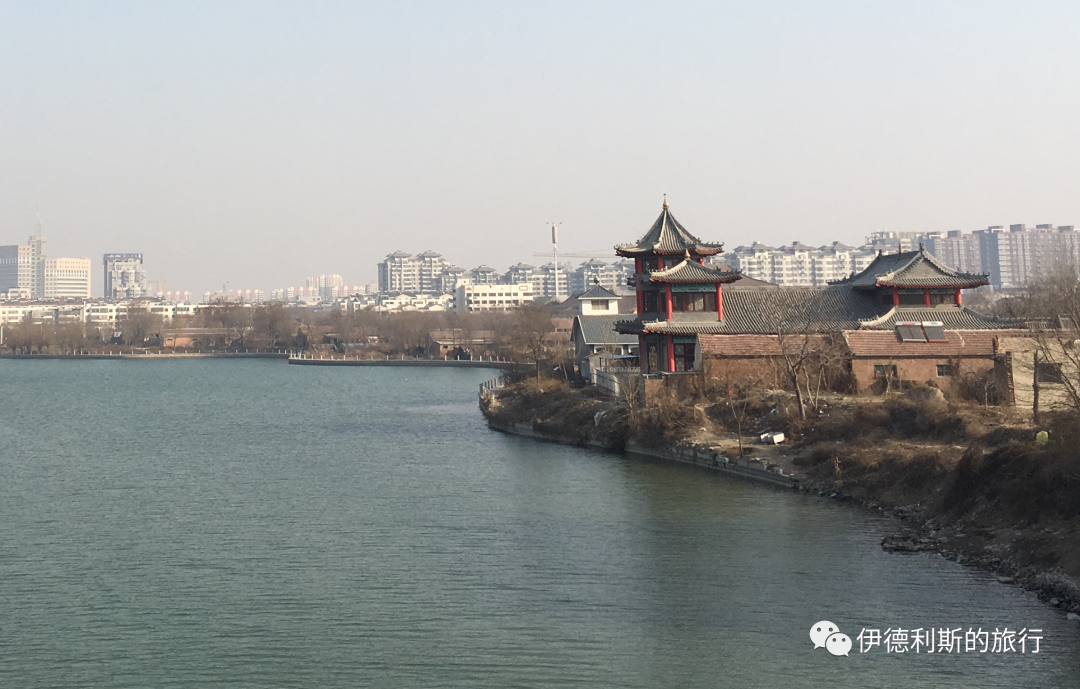
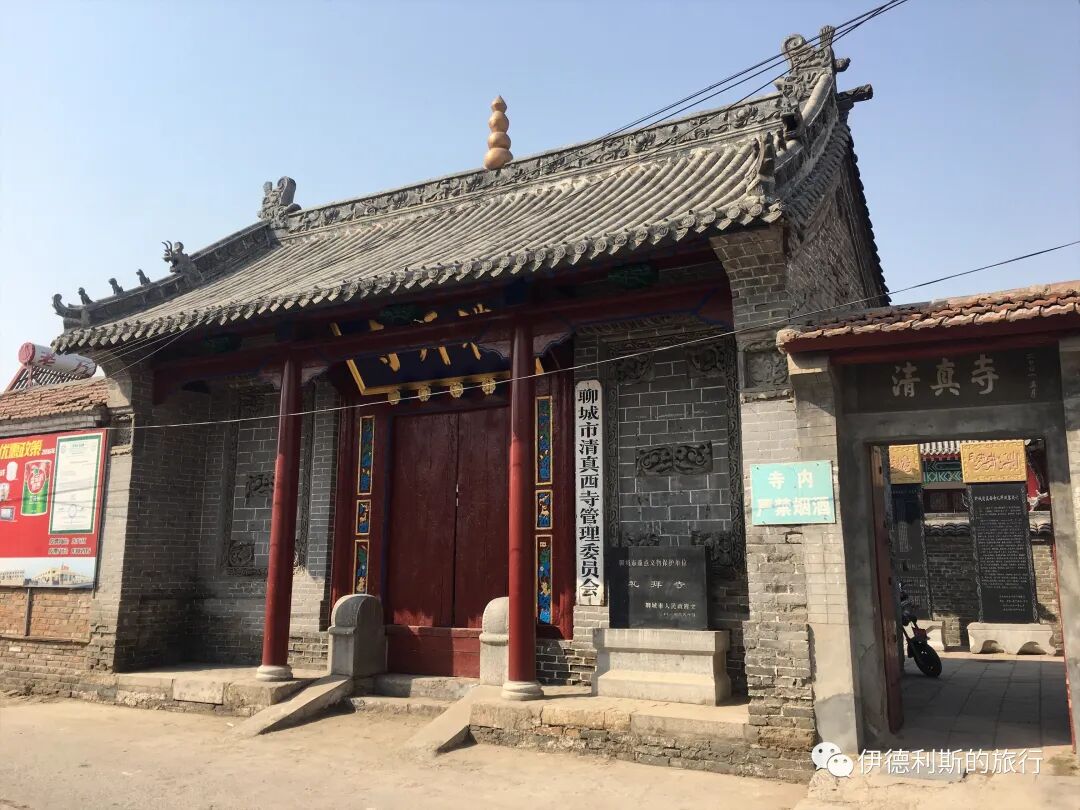
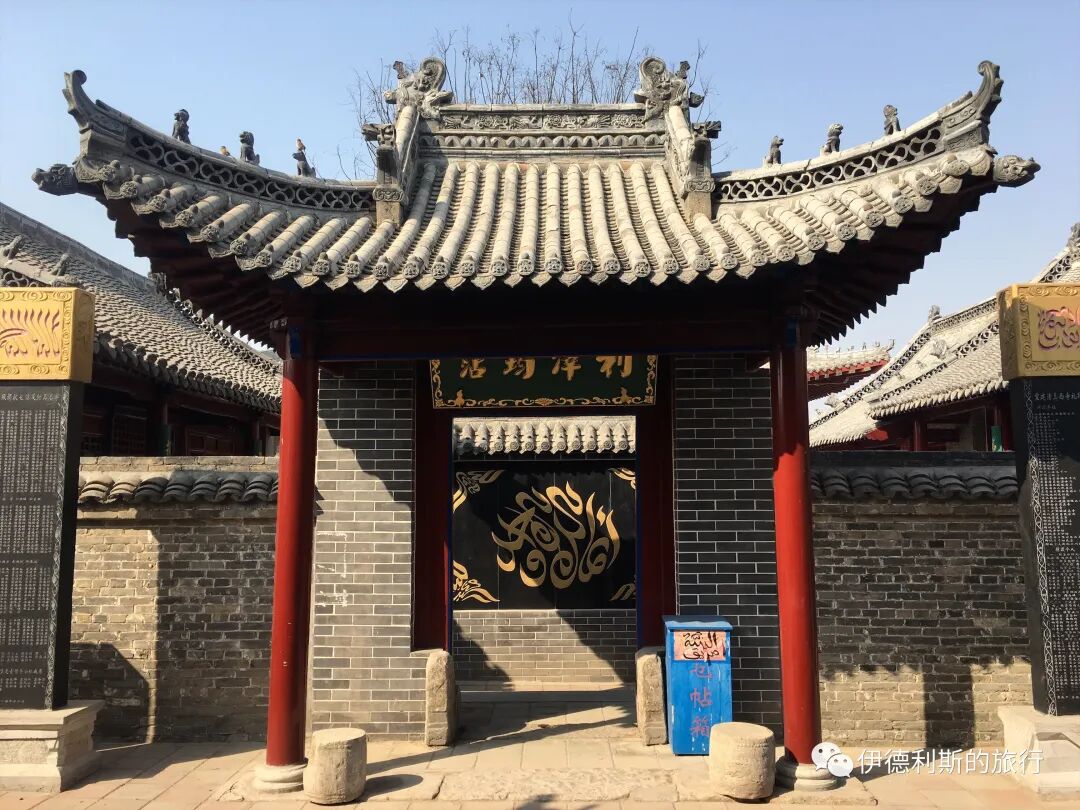
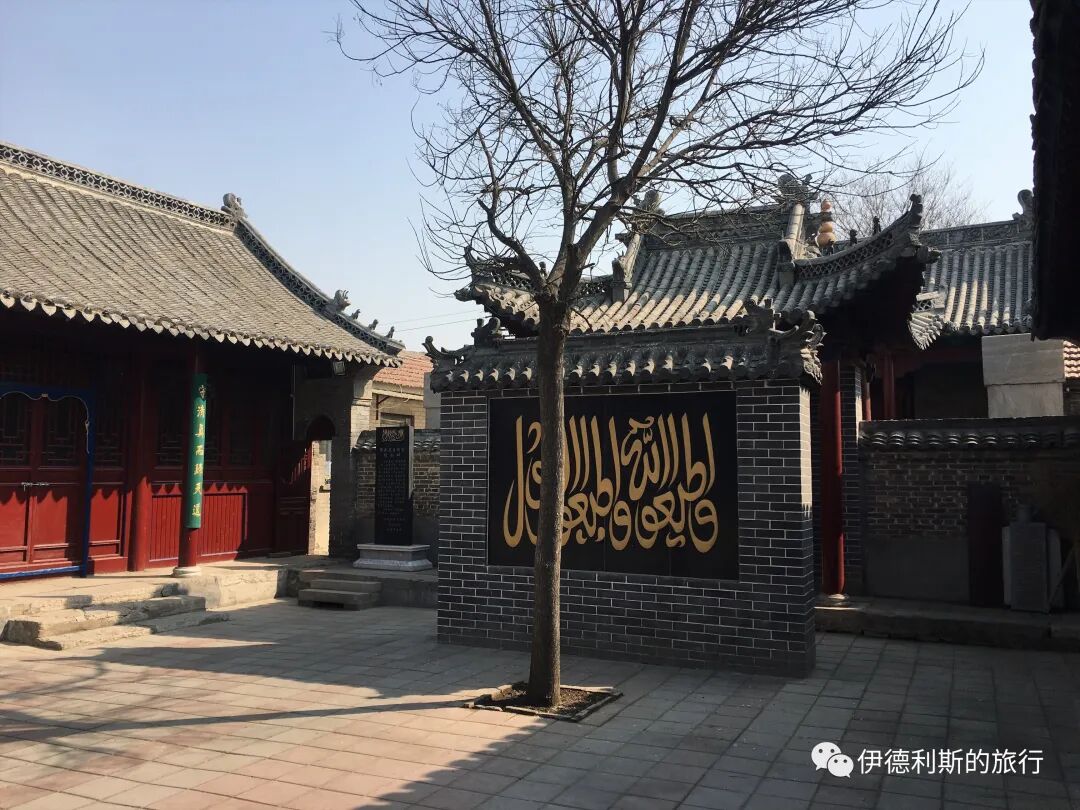
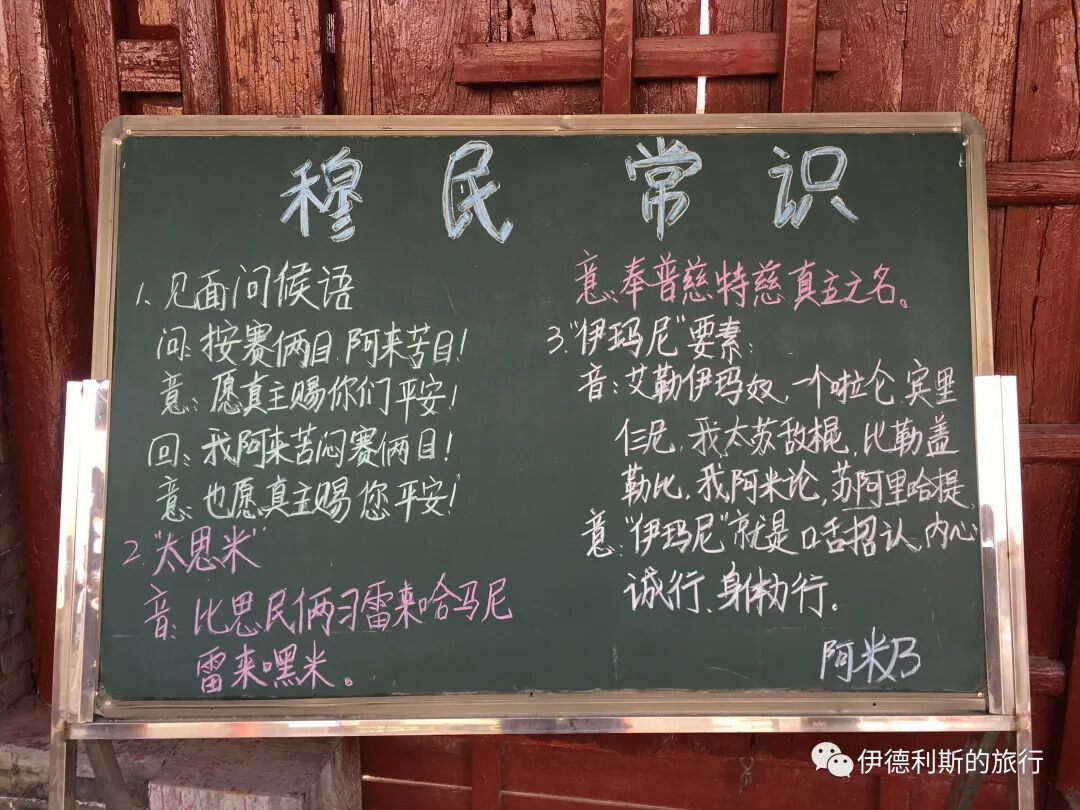
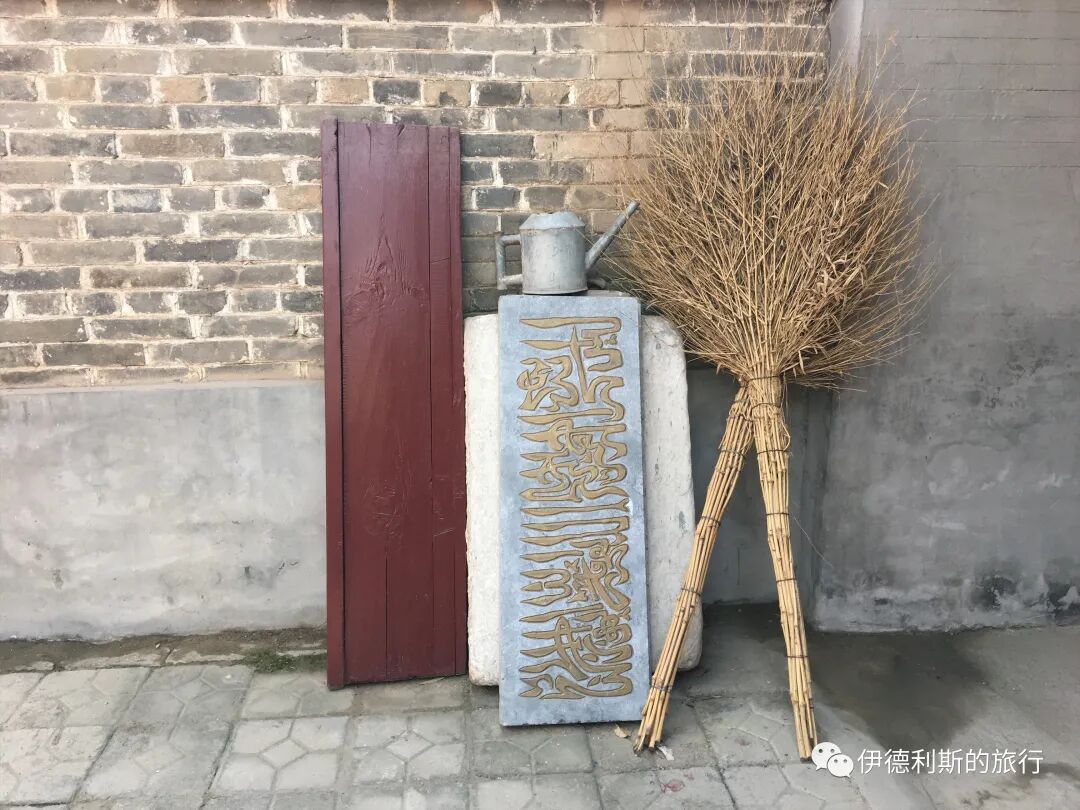
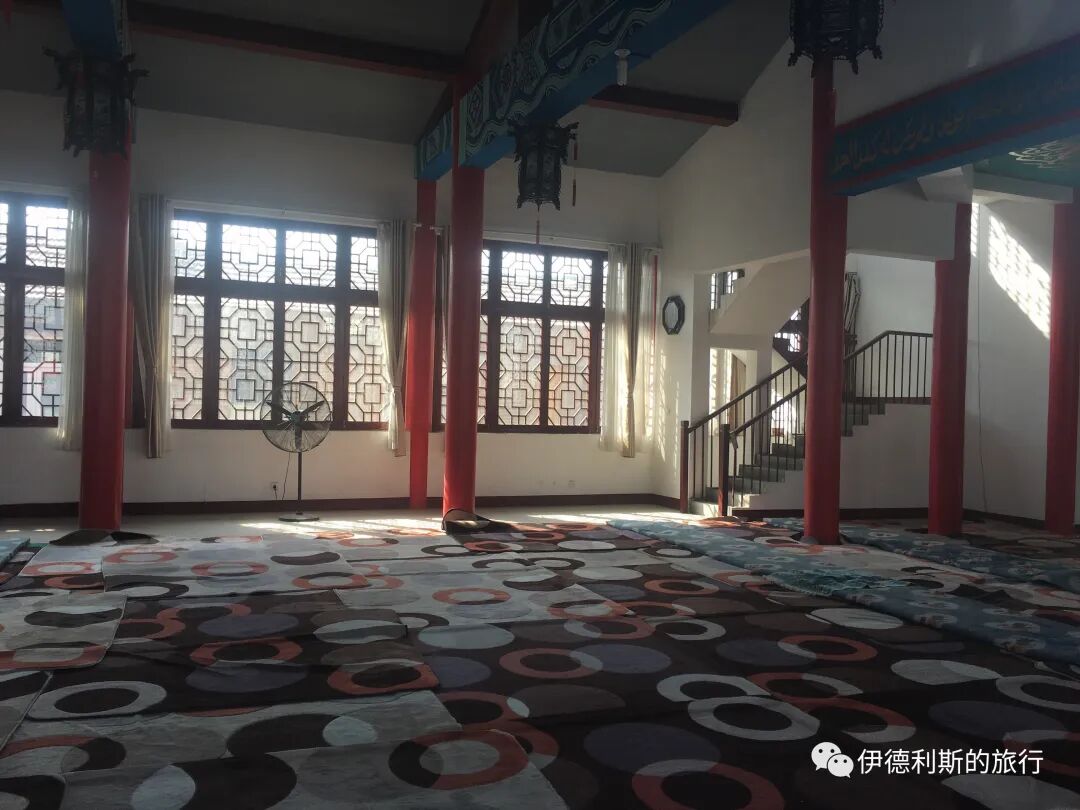
The East Mosque (Qingzhen Dongsi) in the East Gate (Dongguan) area of Liaocheng is commonly known as the Small Mosque (Xiao Libaisi). It was built during the Yongle reign of the Ming Dynasty (around 1405) and was commissioned by the Dongchang Prefecture garrison commander, Bai Lin. It was renovated during the Jiaqing, Xianfeng, and Guangxu reigns, and was rebuilt in 2002.
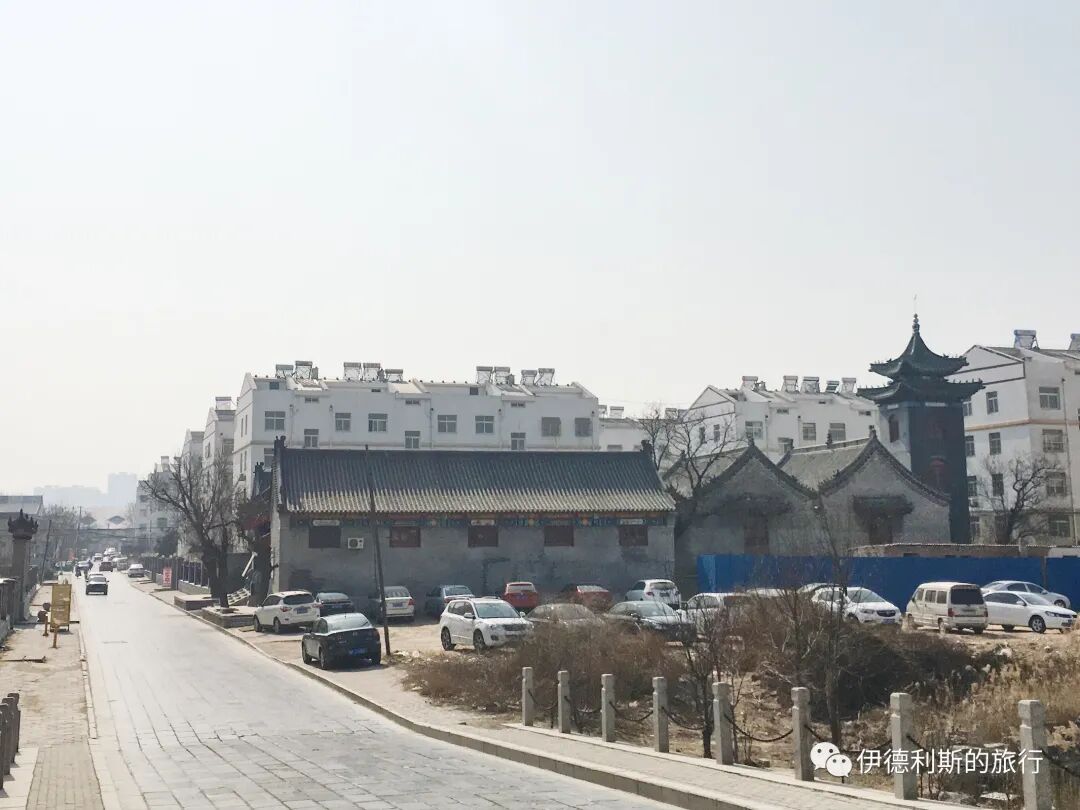
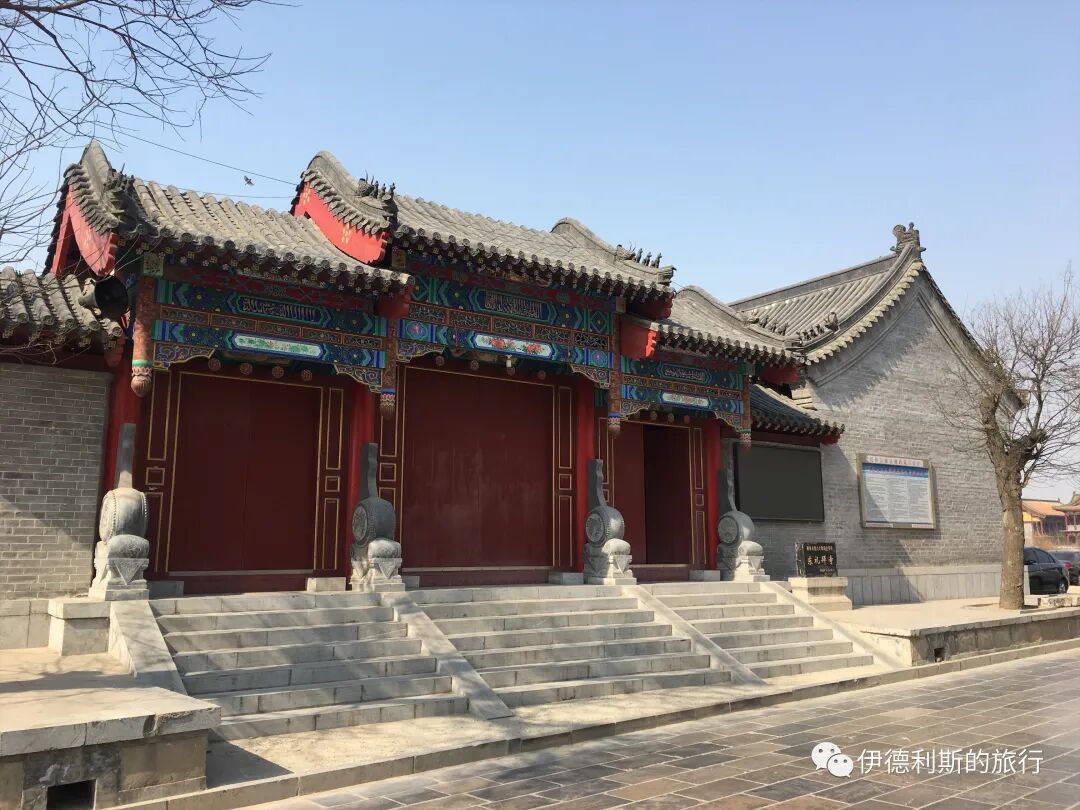
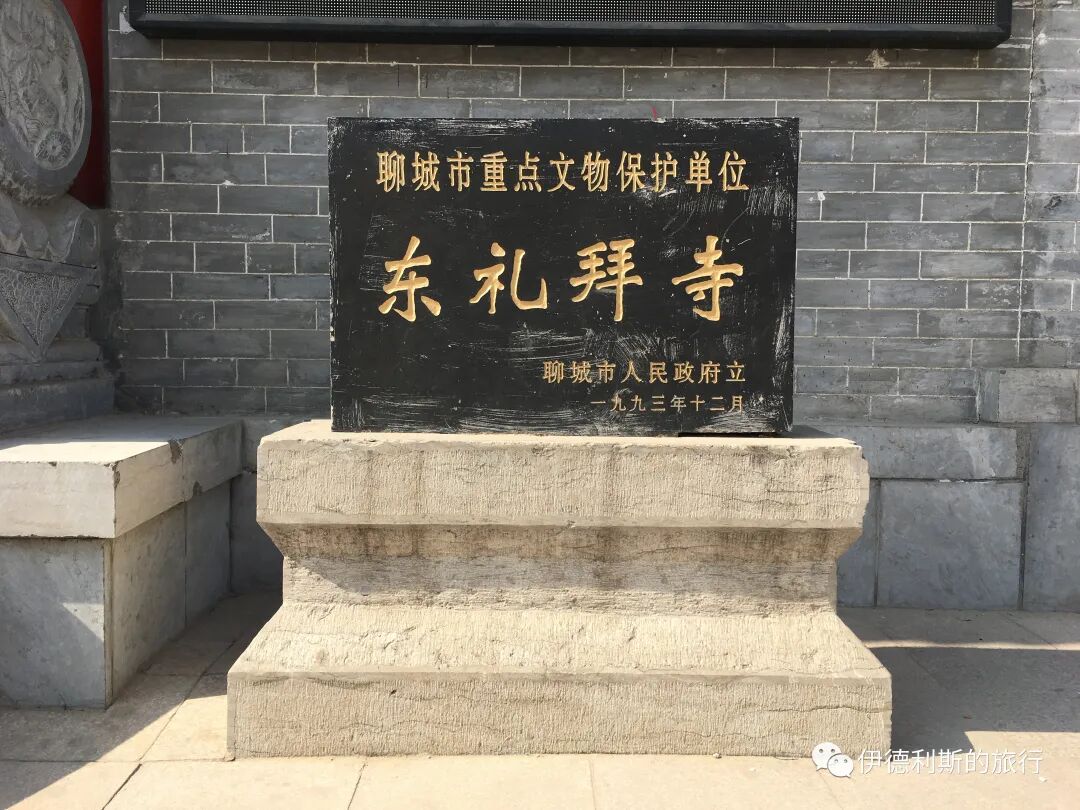
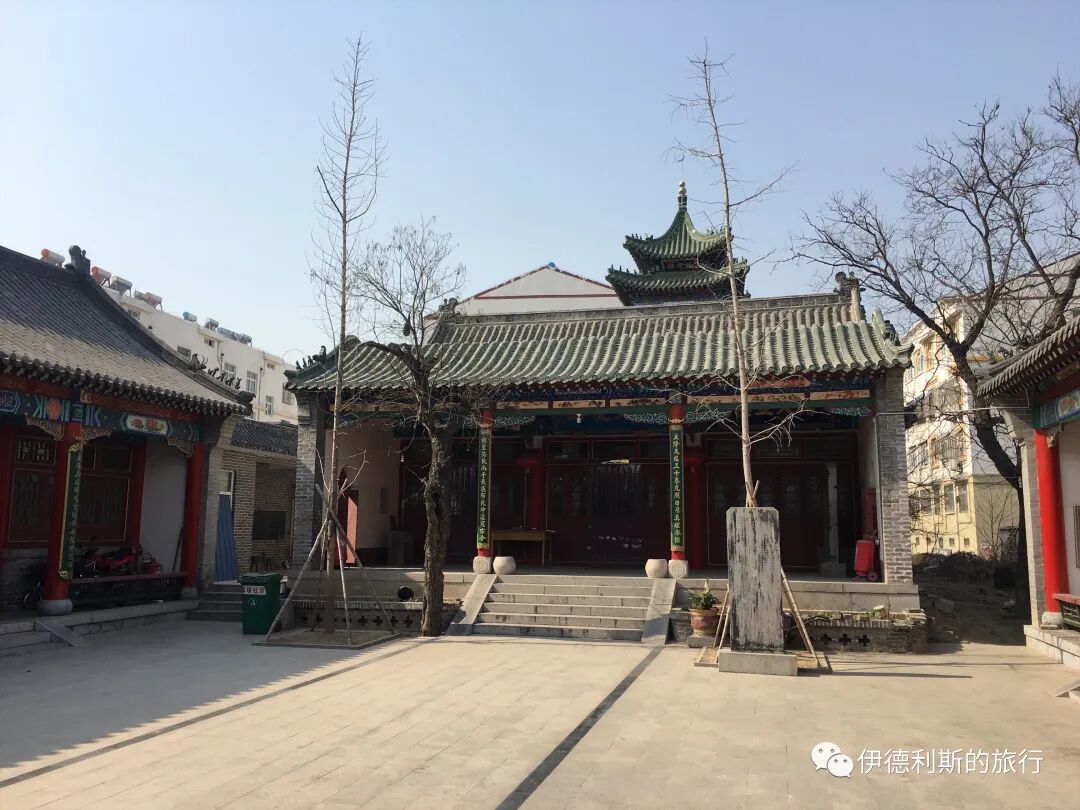
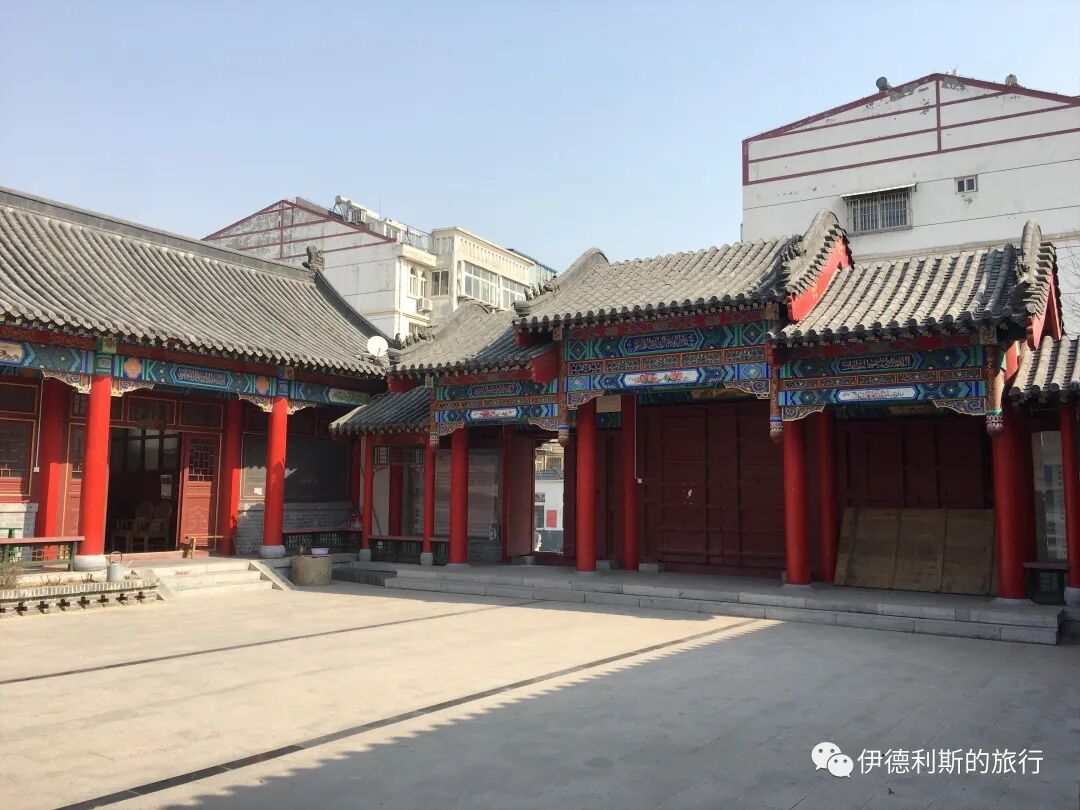
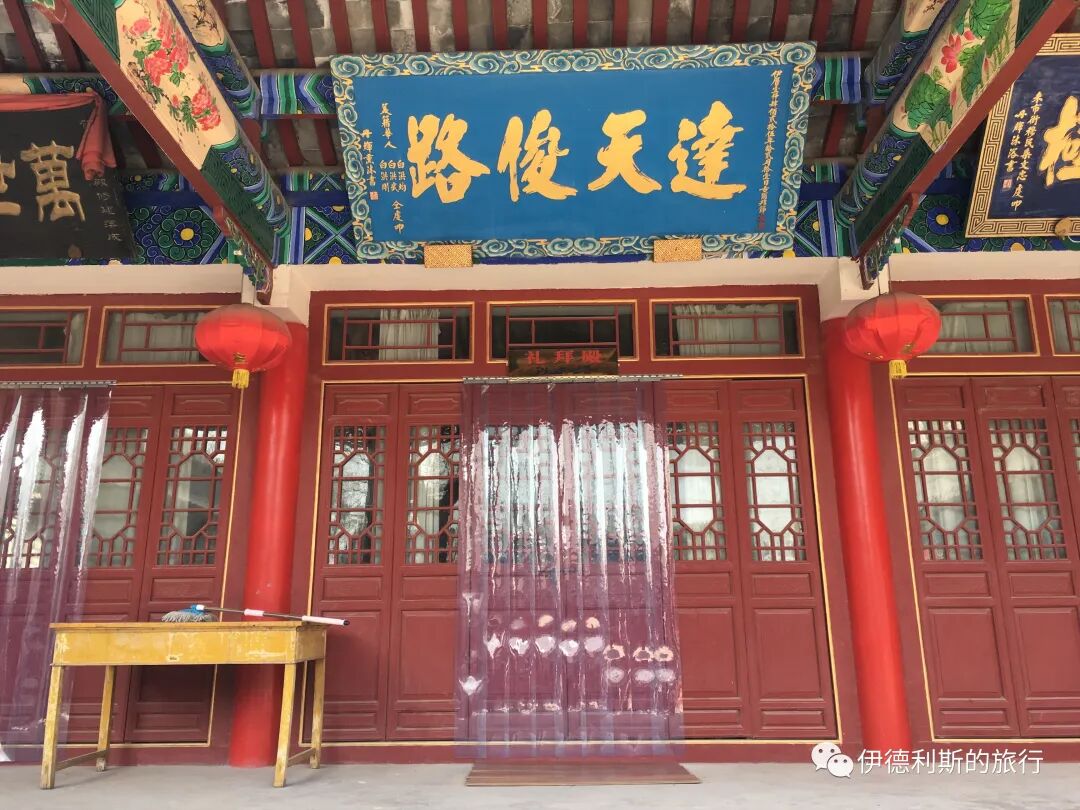
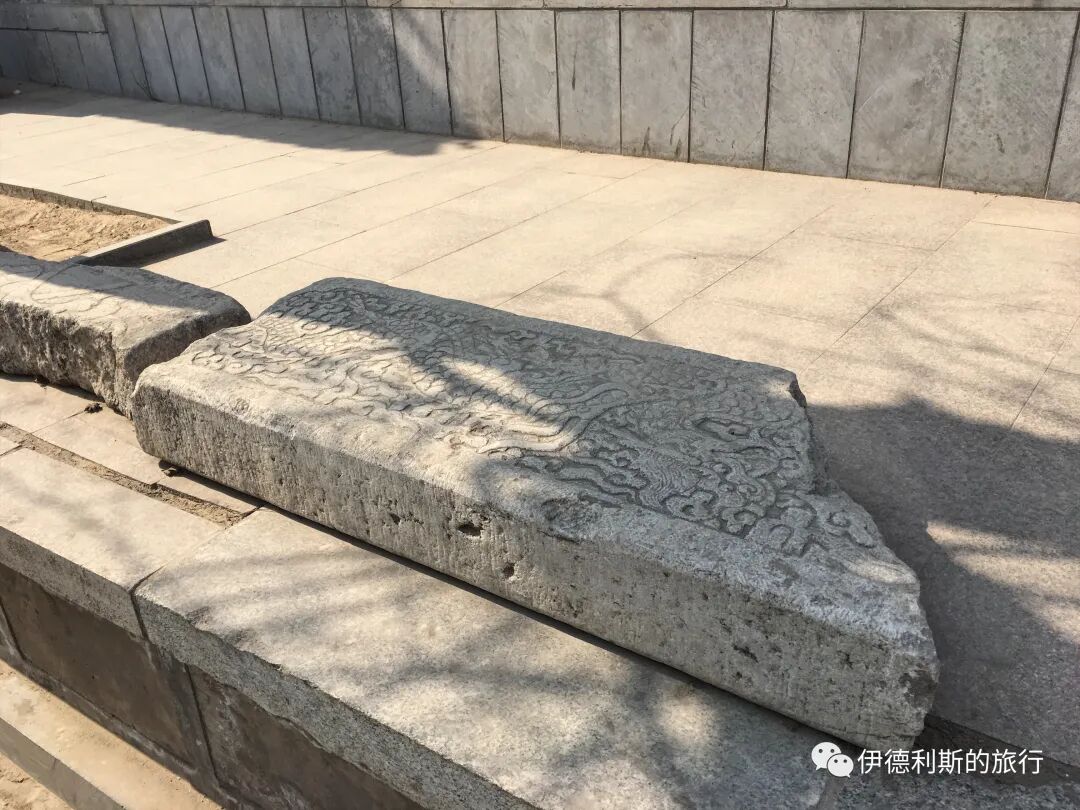
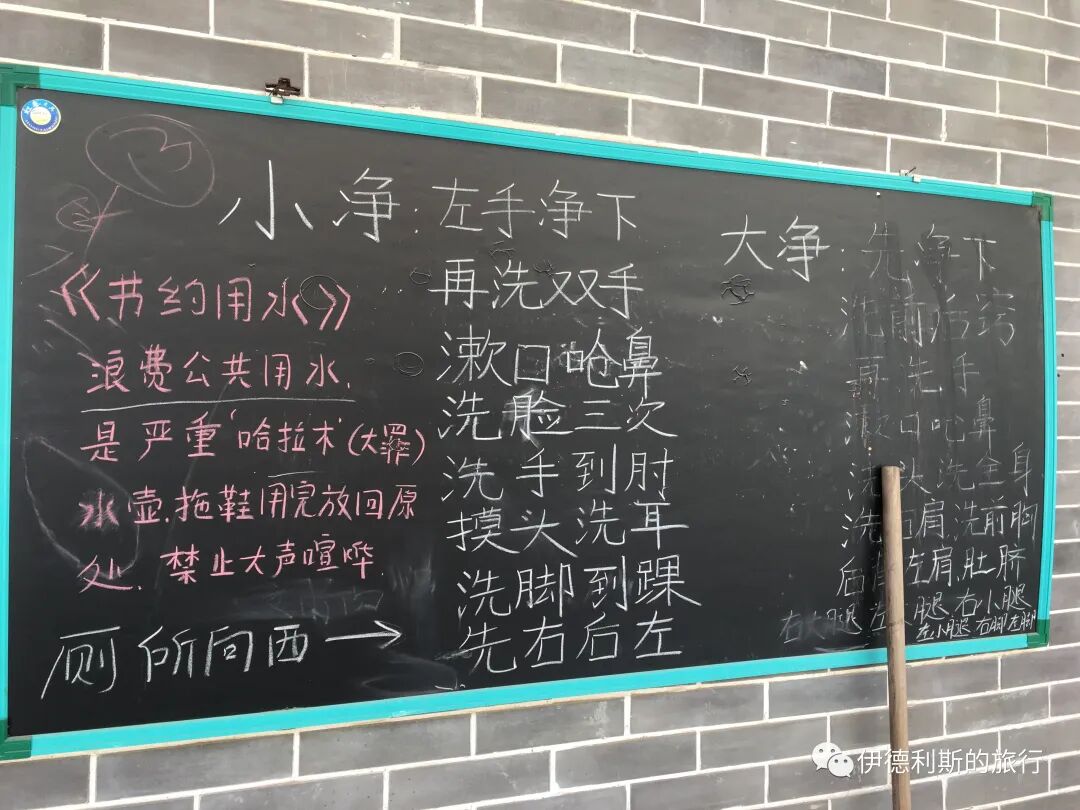
The Big and Small Mosque Street (Daxiao Libaisi Jie) historical district, located north of East Gate Road (Dongguan Lu) in Liaocheng, has been demolished more severely than Rice Market Street (Mishi Jie), but it has not been completely flattened like the area inside the city.
Clear broth meatballs (qingcuan wanzi)
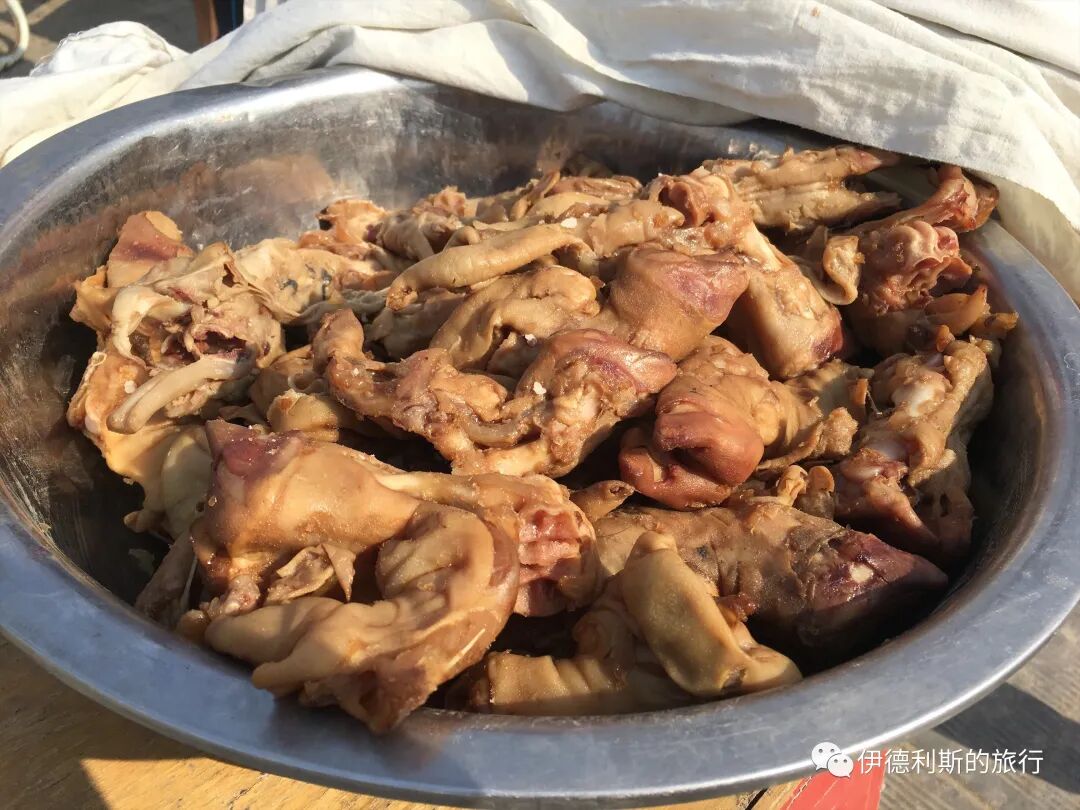
At noon, I ate clear broth meatballs (qingcuan wanzi), steamed egg custard (jidan gao), and egg pancakes (jidan bing) at Jiang Erbao's clear broth meatball shop in the East Gate (Dongguan) area of Liaocheng. A small bowl of clear broth meatballs (qingcuan wanzi) costs 6 yuan and contains 22 lamb meatballs. They are very tender, unlike the meatballs in Beijing, which are larger. Sprinkling a little pepper makes them very comforting to eat in winter, and the sesame oil is also very fragrant. A large bowl of steamed egg custard (jidan gao) uses at least 3 eggs and only costs 3 yuan. I have liked steamed egg custard since I was a child, and it really suits my taste.
Summary: This Muslim travel guide China 2026 update keeps the original 2017 Liaocheng travel notes intact and natural in English. It is useful for halal food in China, Chinese Muslim food, China Muslim travel tips, and old mosque routes in Shandong.
On February 18, 2017, I went to the Dongguan area of Liaocheng, Shandong, to explore and eat.
The Hui Muslim district in Dongguan, Liaocheng.
After the Yuan Dynasty moved its capital to Beijing, the army relied on supplies from the south. Shipping grain by sea from the Jiangnan region was often dangerous, so in 1289 (the 26th year of the Zhiyuan era), Emperor Kublai Khan ordered the construction of the Huitong River from Xucheng, Shandong, to Linqing. This connected the Grand Canal from north to south, and Liaocheng, located along the Huitong River, quickly became a major canal hub. Starting in the Yuan Dynasty, Dongguan, which connected the city to the canal, became the busiest area in Liaocheng. Hui Muslims kept moving here to settle, eventually forming the Dongguan Hui Muslim district.
In 1372 (the fifth year of the Hongwu era of the Ming Dynasty), the earthen walls of Dongchang (Liaocheng) were rebuilt with bricks. In 1420 (the 18th year of the Yongle era), Emperor Zhu Di moved the capital to Beijing and relied heavily on the Grand Canal to transport grain from the south. Liaocheng entered its golden age, and the large and small mosques in Dongguan were built during the Hongwu and Yongle eras.
In 1855 (the fifth year of the Xianfeng era), the Yellow River burst its banks at Tongwaxian in Henan. It split into three paths, diverted northeast, and flowed into the sea via the Daqing River, cutting the canal in half and causing Liaocheng to decline. Since the mid-to-late Qing Dynasty, the Liaocheng section of the canal relied on water from the Yellow River. After the breach at Tongwaxian, the Yellow River flooded several more times. The canal in Liaocheng became increasingly silted, the river course changed frequently, and water transport became more difficult. In 1872 (the 11th year of the Tongzhi era), the China Merchants' Steam Navigation Company was established in Shanghai, and grain transport began moving to sea routes. In 1901 (the 27th year of the Guangxu era), canal transport was completely abandoned, and Liaocheng fell silent along with the silted canal.
Eating breakfast in Dongguan, Liaocheng.
Dongguan in Liaocheng has all kinds of delicious breakfast foods. We first ate Liang's fried cakes (zhagao) outside Dongguan Bridge. They come in several flavors like white sugar and red bean paste. We chose the osmanthus and white sugar filling; they were large and delicious.
Then we went to Yishunzhai Steamed Bun Shop for large steamed buns (baozi) with pure lamb filling. The buns were huge and cost two yuan each. One was enough to be full, and two left me stuffed for the whole day!
Next to Yishunzhai Steamed Bun Shop is Jiang's Black Old Man Roasted Snacks (chaohuo). We bought peanuts here and finished them all on the train ride back. They were very flavorful with a rich aroma from various spices.
We also bought beef jerky at Dou's Deli. The beef was completely air-dried with no moisture left. It was crispy when you bit into it, so you had to let it soften in your mouth before chewing. The flavor changed from the first bite to the last, and it needed to be savored slowly.
There were many other delicious things in Dongguan that we didn't have time to try.
Canal docks.
Walking south along the canal from Dongguan in Liaocheng, there are two docks, one large and one small. The large dock was the official transport dock, also called Chongwu Station Dock. Back then, the ships waiting to unload stretched for miles, a scene known as 'Chongwu's continuous masts'. The small dock was originally a private dock for merchants. These two spots are precious relics of the Grand Canal in the Liaocheng urban area.
Small dock.
Large dock.
The scenery of the Liaocheng section of the Grand Canal.
Rice Market Street (Mishi Jie)
South of East Gate Street (Dongguan Jie) is the Rice Market Street (Mishi Jie) historical district. It is paved with blue stone and is one of the few remaining historical districts in the old city of Liaocheng. This area used to be full of grain shops. At its peak, there were dozens of them. The street was busy every day with constant traffic and crowds of people.
Later, I saw a design rendering of Rice Market Street (Mishi Jie) at the Grand Canal Museum. Perhaps it will soon become a faux-antique commercial street, and its original character will disappear.
Big and Small Mosques
There are two mosques in the East Gate (Dongguan) area of Liaocheng. The West Mosque (Qingzhen Xisi) is commonly known as the Big Mosque (Da Libaisi). It was first built in 1385 (the 17th year of the Hongwu reign) and was renovated twice during the Jiajing and Kangxi reigns. The original main hall had 81 rooms, and the beams and purlins were all made of golden nanmu wood. It was magnificent and could compare with those in Jining and Linqing.
In the winter of 1946, the People's Liberation Army attacked Liaocheng and used the mosque's minaret (bangkelou) as an observation post to fire at the Nationalist troops inside the city. The West Mosque (Qingzhen Xisi) also became a command post for the People's Liberation Army. People say the People's Liberation Army dug a tunnel underwater on the east bank of the moat toward the city. They laid door panels on top and supported them with pillars. They dug through the city wall near the East Gate and opened a hole, but the Nationalist troops discovered it and blocked the opening with sandbags.
The Liaocheng city wall was high and thick, and the moat was wide and deep. The People's Liberation Army could not break into the city and had to stop the siege. Afterward, the Nationalist troops left the city and set fire to it, burning down the buildings inside the mosque.
The West Mosque (Qingzhen Xisi) was not rebuilt until 1956. During the Cultural Revolution (wg), it was occupied by a factory, and it was renovated in 1992. The main hall was rebuilt into its current appearance in 2009. Now, only the main gate and the north and south lecture halls remain as historical buildings.
The East Mosque (Qingzhen Dongsi) in the East Gate (Dongguan) area of Liaocheng is commonly known as the Small Mosque (Xiao Libaisi). It was built during the Yongle reign of the Ming Dynasty (around 1405) and was commissioned by the Dongchang Prefecture garrison commander, Bai Lin. It was renovated during the Jiaqing, Xianfeng, and Guangxu reigns, and was rebuilt in 2002.
The Big and Small Mosque Street (Daxiao Libaisi Jie) historical district, located north of East Gate Road (Dongguan Lu) in Liaocheng, has been demolished more severely than Rice Market Street (Mishi Jie), but it has not been completely flattened like the area inside the city.
Clear broth meatballs (qingcuan wanzi)
At noon, I ate clear broth meatballs (qingcuan wanzi), steamed egg custard (jidan gao), and egg pancakes (jidan bing) at Jiang Erbao's clear broth meatball shop in the East Gate (Dongguan) area of Liaocheng. A small bowl of clear broth meatballs (qingcuan wanzi) costs 6 yuan and contains 22 lamb meatballs. They are very tender, unlike the meatballs in Beijing, which are larger. Sprinkling a little pepper makes them very comforting to eat in winter, and the sesame oil is also very fragrant. A large bowl of steamed egg custard (jidan gao) uses at least 3 eggs and only costs 3 yuan. I have liked steamed egg custard since I was a child, and it really suits my taste.
Hidden Muslim Heritage in Changping: Sheikh Baba Tomb and Beijing Hui Memorial Gathering
Articles • ali2007fr posted the article • 0 comments • 215 views • 2026-05-21 08:03
Reposted from the web
Summary: This Changping article records the annual gathering at Sheikh Baba’s tomb in Heying, Beijing, including the saint’s story, Hui Muslim visitors, dua, and community remembrance.
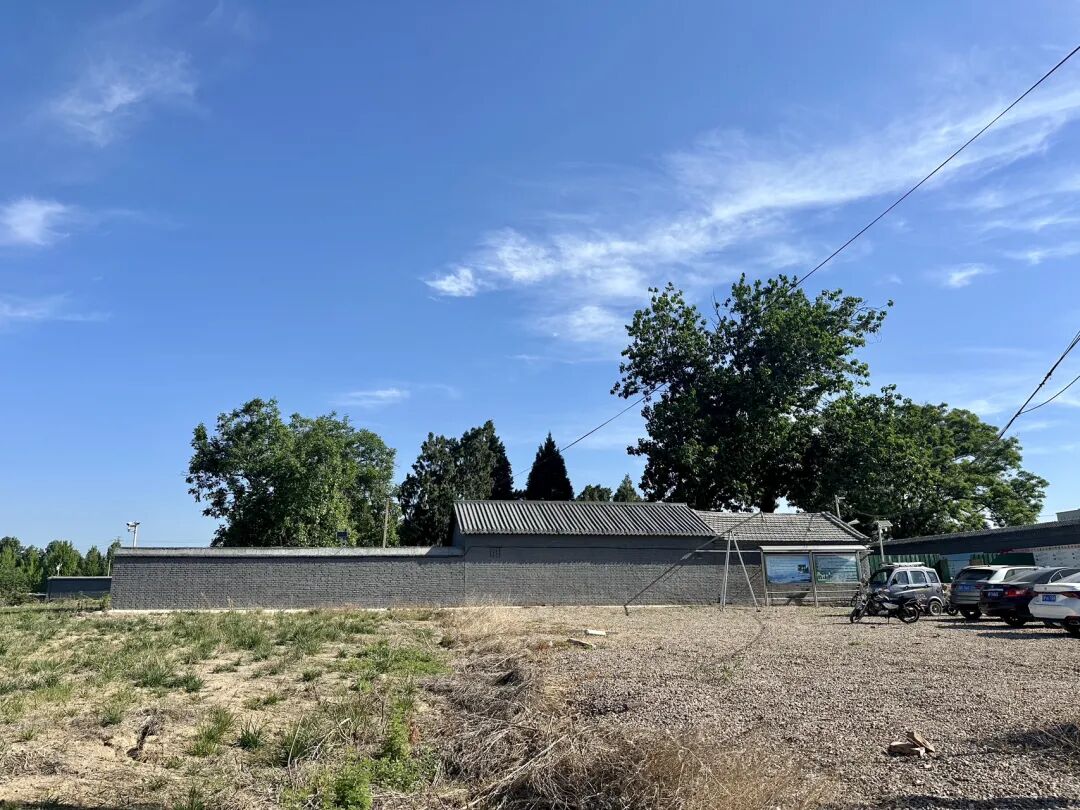
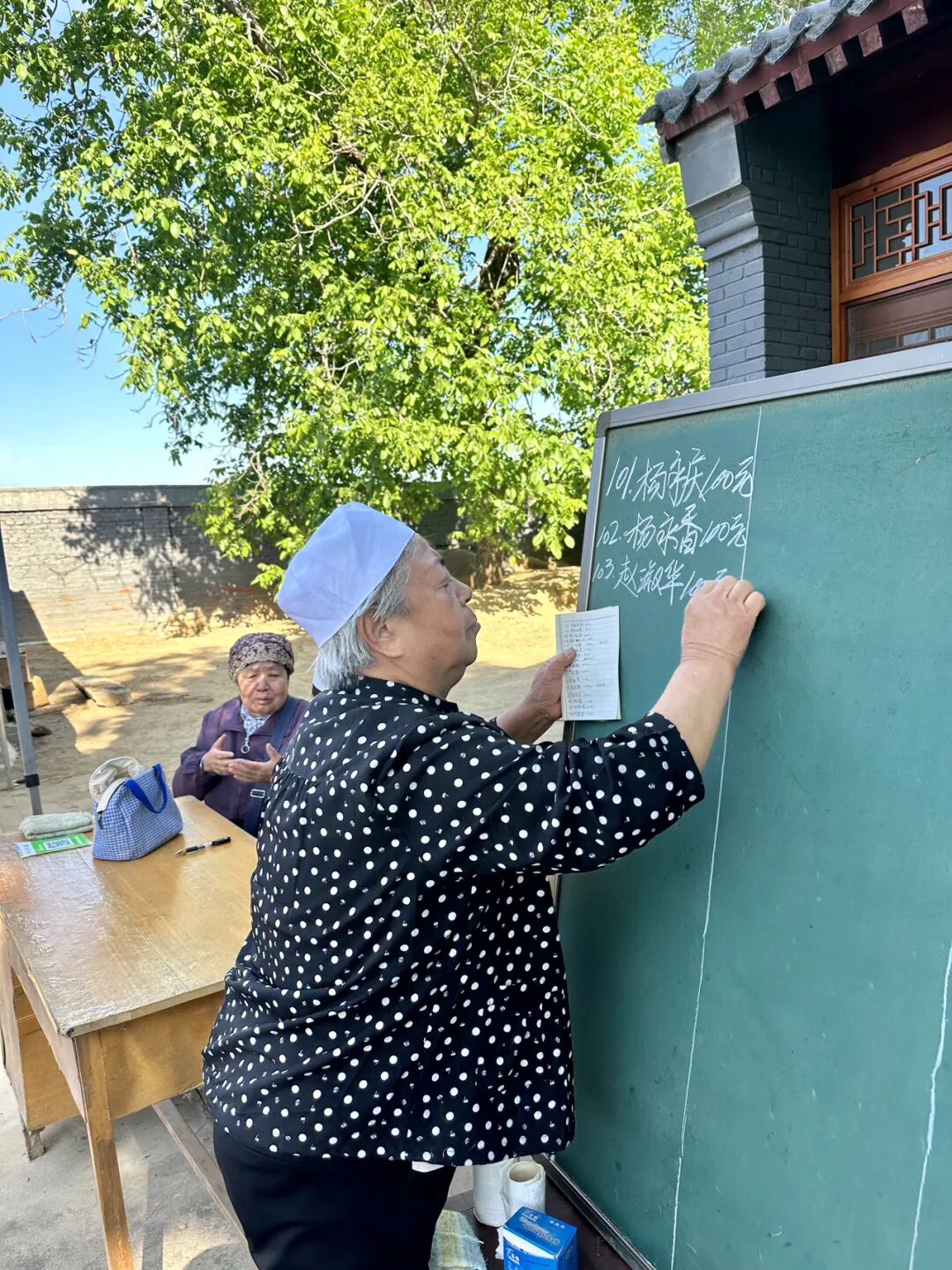
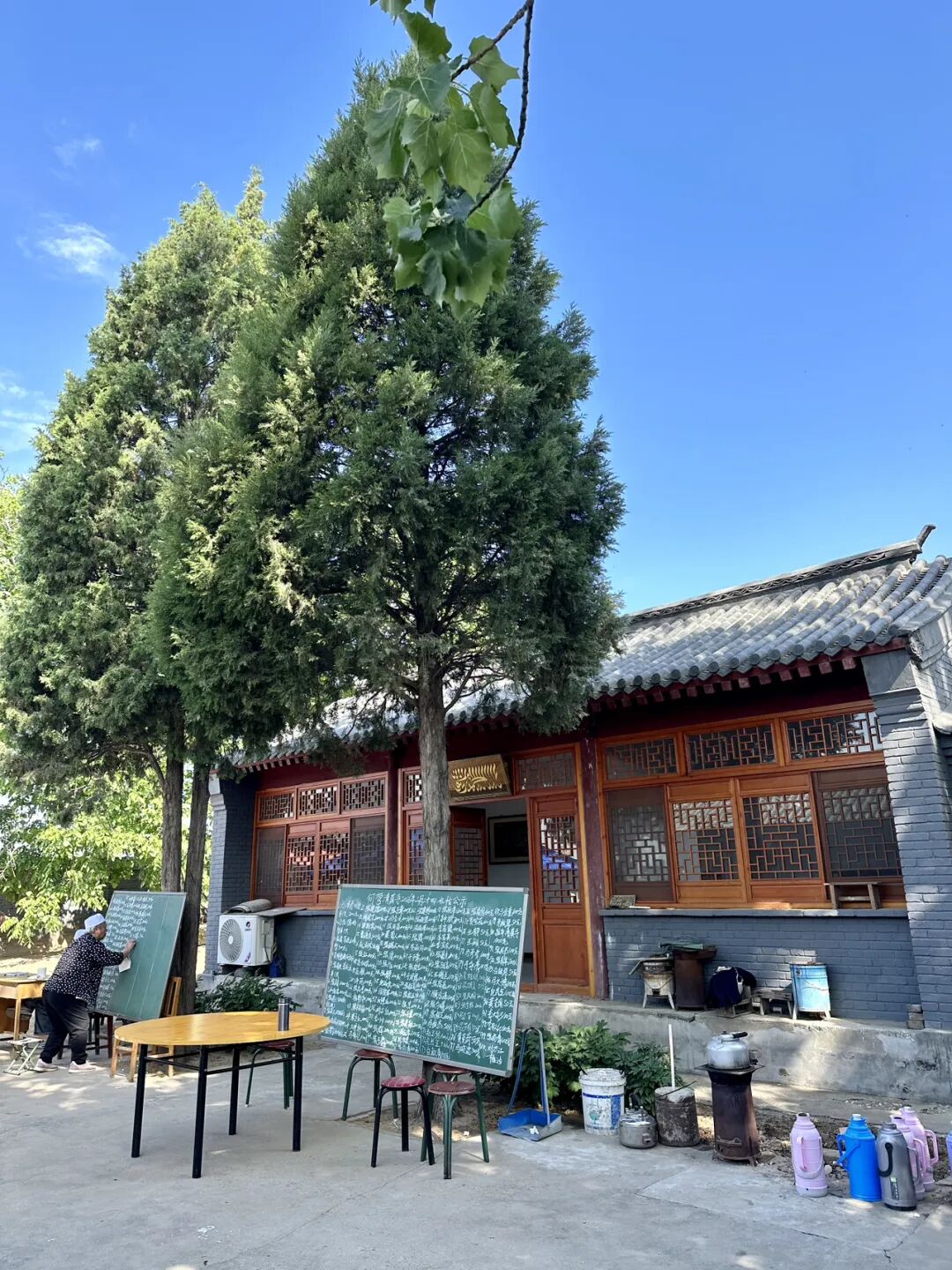
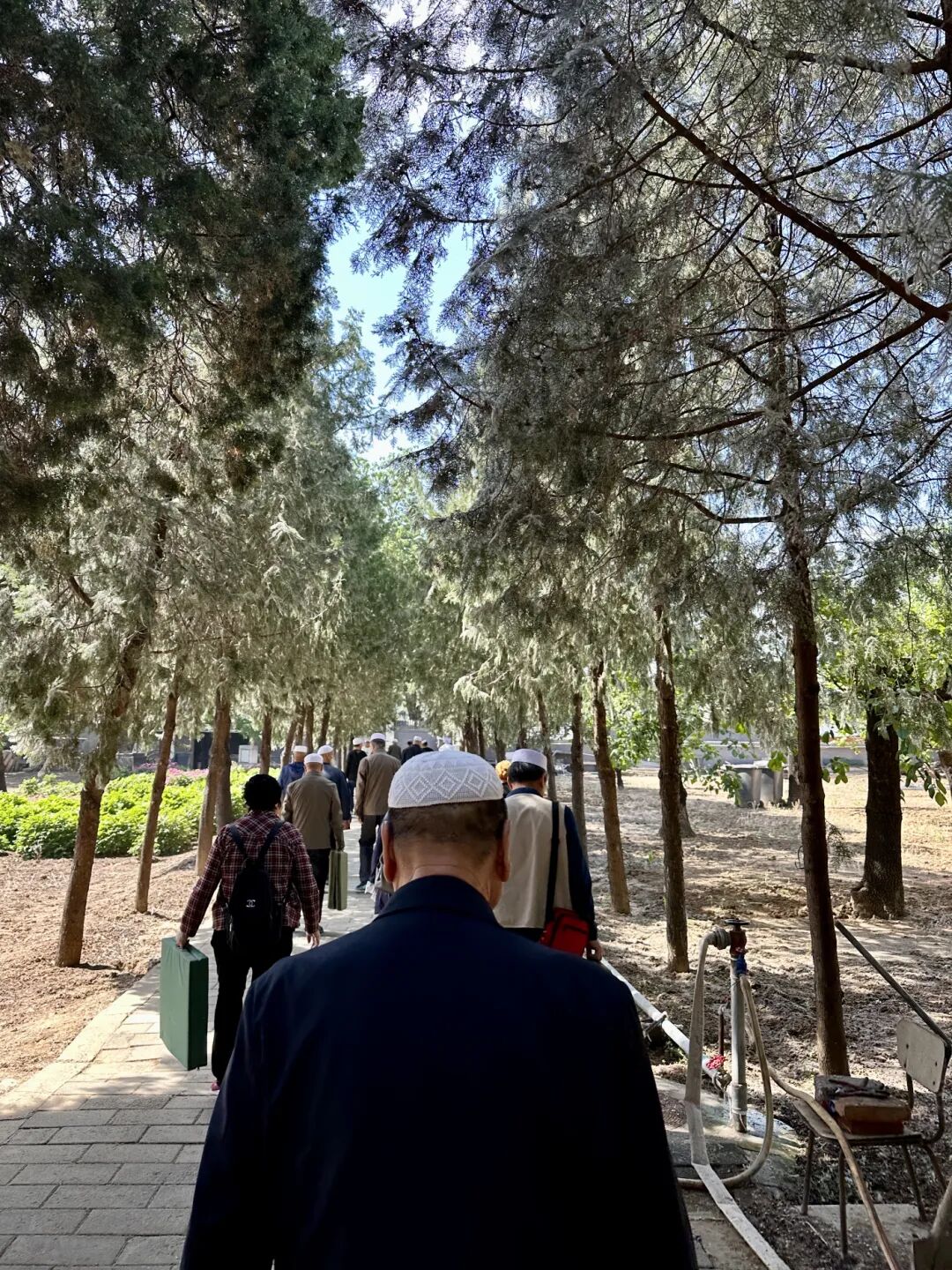
Yesterday was the 24th day of the third lunar month, the date of the annual memorial gathering (gan'ermaili) at the tomb of the saintly elder Baha Haji Sheikh Baba in Heying, Changping, Beijing. On this day, friends (dost) from Gansu, Ningxia, Inner Mongolia, and across Beijing gathered here to remember the saint, learn about his life, and reflect on his great virtues and lasting influence on future generations.
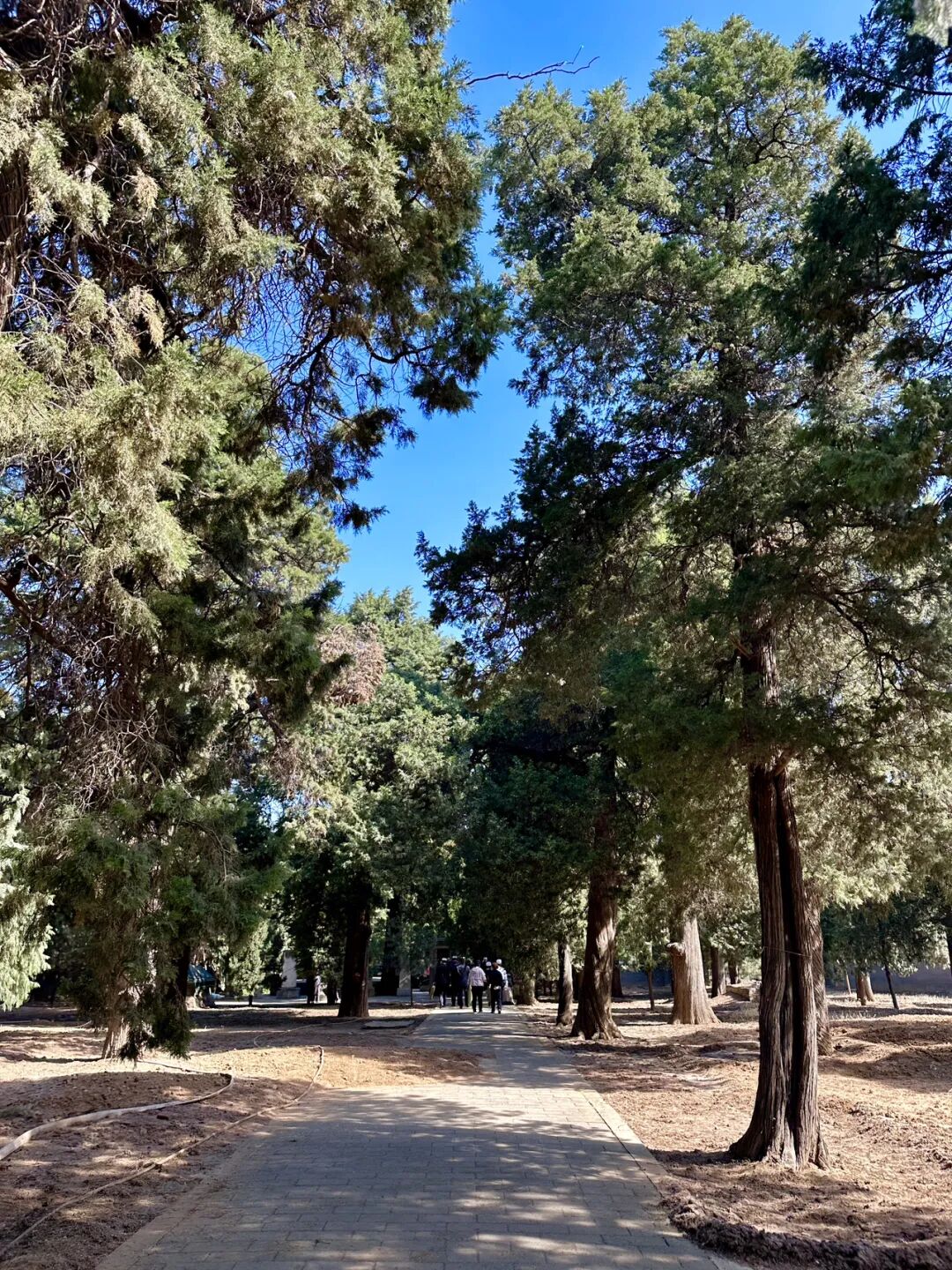
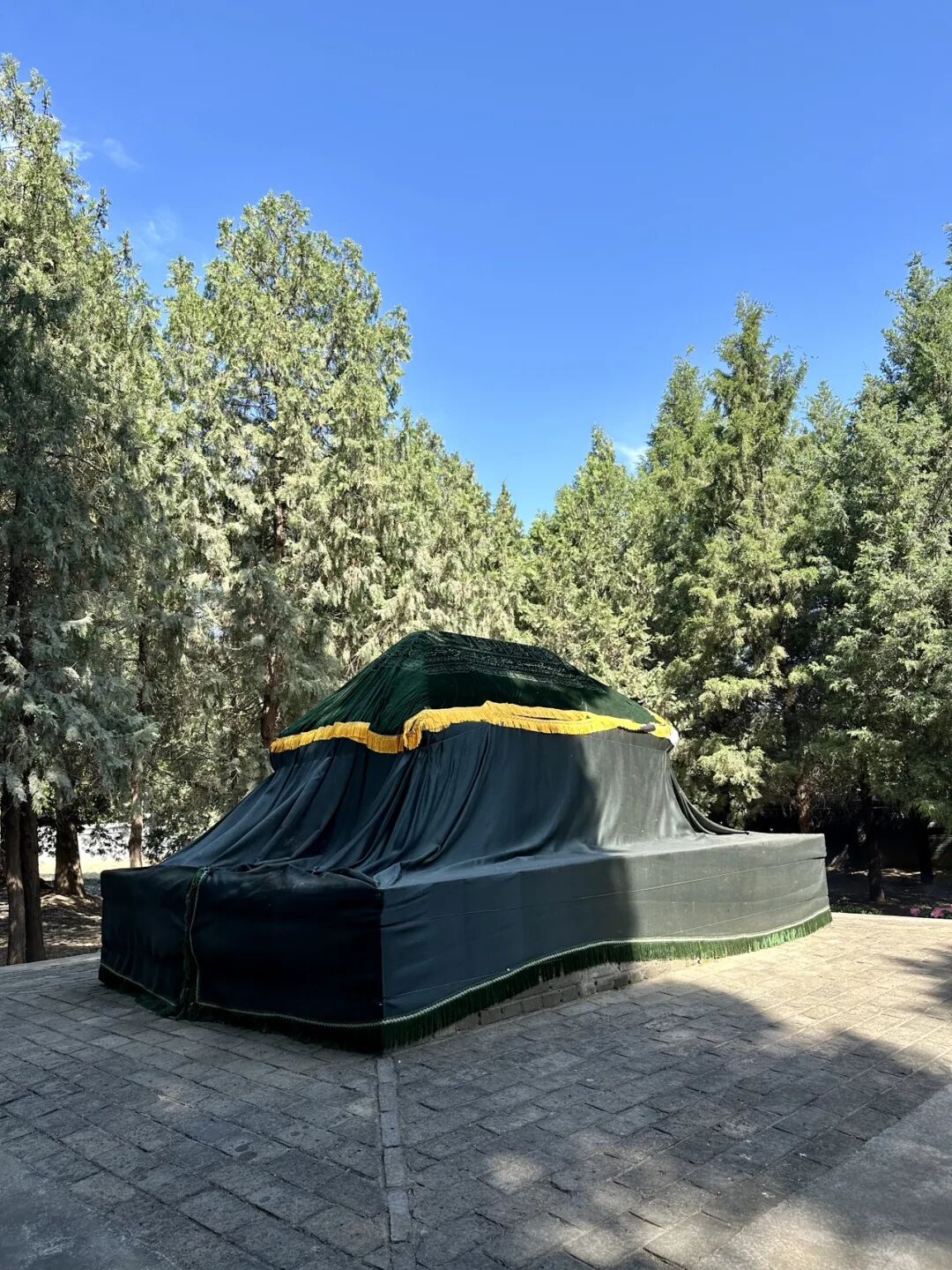
The saint came to China from Medina during the Hongwu reign of the Ming Dynasty to offer advice to the capital, where he was highly respected by the Ming Emperor Taizu. He refused the official titles offered to him, asking only to travel and teach the faith to the local people. The saint traveled everywhere on a white camel, living with strict discipline and high moral character, winning people over through his virtuous deeds. The saint eventually arrived in Heying, Changping, where he taught, preached, and performed many acts of kindness before passing away and being buried there. For hundreds of years, local villagers have told the story of how the saint killed a python on Mangshan Mountain to protect the people, a righteous act that brought blessings to the area and earned him lasting fame.
We are here to learn from the saint's indifference to fame and wealth, his humility, his integrity, and his lack of interest in vanity. We learn from the saint's kindness and love, his dedication to teaching others, his devotion to Allah, his love for people, and his friendly relations with neighbors. We learn from the saint's perseverance in spreading the true path, his steadfast faith, and his service to the community. May we work together with one heart to bring the saint's virtues into our daily lives, respect education, help those in need, live in harmony, and ensure the light of the true path continues forever. view all
Summary: This Changping article records the annual gathering at Sheikh Baba’s tomb in Heying, Beijing, including the saint’s story, Hui Muslim visitors, dua, and community remembrance.
Yesterday was the 24th day of the third lunar month, the date of the annual memorial gathering (gan'ermaili) at the tomb of the saintly elder Baha Haji Sheikh Baba in Heying, Changping, Beijing. On this day, friends (dost) from Gansu, Ningxia, Inner Mongolia, and across Beijing gathered here to remember the saint, learn about his life, and reflect on his great virtues and lasting influence on future generations.
The saint came to China from Medina during the Hongwu reign of the Ming Dynasty to offer advice to the capital, where he was highly respected by the Ming Emperor Taizu. He refused the official titles offered to him, asking only to travel and teach the faith to the local people. The saint traveled everywhere on a white camel, living with strict discipline and high moral character, winning people over through his virtuous deeds. The saint eventually arrived in Heying, Changping, where he taught, preached, and performed many acts of kindness before passing away and being buried there. For hundreds of years, local villagers have told the story of how the saint killed a python on Mangshan Mountain to protect the people, a righteous act that brought blessings to the area and earned him lasting fame.
We are here to learn from the saint's indifference to fame and wealth, his humility, his integrity, and his lack of interest in vanity. We learn from the saint's kindness and love, his dedication to teaching others, his devotion to Allah, his love for people, and his friendly relations with neighbors. We learn from the saint's perseverance in spreading the true path, his steadfast faith, and his service to the community. May we work together with one heart to bring the saint's virtues into our daily lives, respect education, help those in need, live in harmony, and ensure the light of the true path continues forever. view all
Reposted from the web
Summary: This Changping article records the annual gathering at Sheikh Baba’s tomb in Heying, Beijing, including the saint’s story, Hui Muslim visitors, dua, and community remembrance.
Yesterday was the 24th day of the third lunar month, the date of the annual memorial gathering (gan'ermaili) at the tomb of the saintly elder Baha Haji Sheikh Baba in Heying, Changping, Beijing. On this day, friends (dost) from Gansu, Ningxia, Inner Mongolia, and across Beijing gathered here to remember the saint, learn about his life, and reflect on his great virtues and lasting influence on future generations.
The saint came to China from Medina during the Hongwu reign of the Ming Dynasty to offer advice to the capital, where he was highly respected by the Ming Emperor Taizu. He refused the official titles offered to him, asking only to travel and teach the faith to the local people. The saint traveled everywhere on a white camel, living with strict discipline and high moral character, winning people over through his virtuous deeds. The saint eventually arrived in Heying, Changping, where he taught, preached, and performed many acts of kindness before passing away and being buried there. For hundreds of years, local villagers have told the story of how the saint killed a python on Mangshan Mountain to protect the people, a righteous act that brought blessings to the area and earned him lasting fame.
We are here to learn from the saint's indifference to fame and wealth, his humility, his integrity, and his lack of interest in vanity. We learn from the saint's kindness and love, his dedication to teaching others, his devotion to Allah, his love for people, and his friendly relations with neighbors. We learn from the saint's perseverance in spreading the true path, his steadfast faith, and his service to the community. May we work together with one heart to bring the saint's virtues into our daily lives, respect education, help those in need, live in harmony, and ensure the light of the true path continues forever.
Summary: This Changping article records the annual gathering at Sheikh Baba’s tomb in Heying, Beijing, including the saint’s story, Hui Muslim visitors, dua, and community remembrance.
Yesterday was the 24th day of the third lunar month, the date of the annual memorial gathering (gan'ermaili) at the tomb of the saintly elder Baha Haji Sheikh Baba in Heying, Changping, Beijing. On this day, friends (dost) from Gansu, Ningxia, Inner Mongolia, and across Beijing gathered here to remember the saint, learn about his life, and reflect on his great virtues and lasting influence on future generations.
The saint came to China from Medina during the Hongwu reign of the Ming Dynasty to offer advice to the capital, where he was highly respected by the Ming Emperor Taizu. He refused the official titles offered to him, asking only to travel and teach the faith to the local people. The saint traveled everywhere on a white camel, living with strict discipline and high moral character, winning people over through his virtuous deeds. The saint eventually arrived in Heying, Changping, where he taught, preached, and performed many acts of kindness before passing away and being buried there. For hundreds of years, local villagers have told the story of how the saint killed a python on Mangshan Mountain to protect the people, a righteous act that brought blessings to the area and earned him lasting fame.
We are here to learn from the saint's indifference to fame and wealth, his humility, his integrity, and his lack of interest in vanity. We learn from the saint's kindness and love, his dedication to teaching others, his devotion to Allah, his love for people, and his friendly relations with neighbors. We learn from the saint's perseverance in spreading the true path, his steadfast faith, and his service to the community. May we work together with one heart to bring the saint's virtues into our daily lives, respect education, help those in need, live in harmony, and ensure the light of the true path continues forever.
China Mosque Travel Guide Jiangsu Huai'an: Hexia Ancient Town, Mosque, Tea Snacks and Zuo Baogui
Articles • yusuf908 posted the article • 0 comments • 253 views • 2026-05-23 23:30
Reposted from the web
Summary: Hexia Ancient Town in Huai'an, Jiangsu, connects mosque history, local fried tea snacks (sanzi), and the tomb of Zuo Baogui. This account keeps the town, food, cemetery, and mosque details together as one walking travel note.
Hexia Ancient Town in Huai'an, Jiangsu, is the largest town on the outskirts of Huai'an Prefecture. Because the salt fields along the coast of Huaibei produced high-quality salt, many salt merchants from the northwest and Anhui came to Huaibei in the late Ming Dynasty to work in the salt trade. The Huaibei Salt Transport Office was located in Hexia Town. Salt from the fields had to be shipped to Hexia for inspection before merchants could sell it elsewhere. Hexia Town then entered its most prosperous period. Salt merchants built gardens and courtyards there. The Qing Dynasty record 'Huai'an Hexia Annals' states: 'Wealthy salt merchants brought their fortunes and made their homes in Hexia, and Hexia became extremely prosperous.' The wealth brought by these merchants made the town's commerce thrive, and many Hui Muslims also came to settle in Hexia.
Hexia Mosque (Hexia Si) is located south of Luojia Bridge in Hexia Town. It was first built during the Shunzhi reign of the Qing Dynasty. In 1860, during the tenth year of the Xianfeng reign, the Nian Rebellion captured Huai'an and burned down ten rooms of the mosque, which were later rebuilt. The main hall of the mosque is a Qing Dynasty structure with blue bricks, dark tiles, and upturned eaves. It is a typical Jianghuai architectural style and was listed as a Huai'an cultural heritage site in 2006.
Above the main hall door hangs a chestnut wood plaque inscribed with 'Si Wu Xie' (Think No Evil) by Tian Rui, the prefect of Huai'an in the tenth year of the Daoguang reign. The sides originally held plaques from anti-Japanese hero Zuo Baogui and Yunnan commander Ma Chang'an, but these were destroyed after the 1960s.
The imam (sha ahong) of the mosque usually stays at a nearby beef and mutton shop. If you call the number posted on the mosque gate, he will come over to open it.
An ancient well dug in the early Qing Dynasty.
When I visited Huai'an in 2017, there was still a large Hui Muslim restaurant in Hexia, but it has since closed. Only Chen's Halal Sesame Oil Fried Dough Twists (Chenji Qingzhen Mayou Chagou) remain on the old street. Huai'an fried dough twists (chagou) are very thin, light yellow, crispy, and delicious. Children especially love them.
In the early years of the Republic of China, a Hui Muslim named Zhang Bugao opened the Kaifuxingzhai Halal Restaurant in Hexia, which was a famous Hui Muslim eatery at the time. The restaurant had 11 rooms, with two facing the street as the storefront. The building still stands today. It was listed as a Huai'an cultural heritage site in 2009 and now serves as a Hanfu clothing shop and a private residence.
There is a tomb of Zuo Baogui in the Xiaohu Renjia residential area of Hexia Town.
Zuo Baogui was born in 1837 in the Yimeng Mountains of Linyi, Shandong. In 1856, due to severe local disasters, his parents passed away one after another. Zuo Baogui took his two younger brothers and left home. They spent several months traveling to Hexia Town in Huai'an, Jiangsu, by repairing shoes along the way. In Hexia, Zuo Baogui married a local Hui Muslim woman named Tao Erjie. Shortly after, he joined the army, commanded troops in Fengtian for 20 years, and eventually died heroically while fighting the Japanese invaders in Pyongyang.
After Zuo Baogui died, his body could not be recovered. His soldiers brought his blood-stained clothes and one of his boots back to Huai'an. His wife, Madam Tao, and his three sons buried them in their own field by the river near Luojia Bridge in Hexia. Madam Tao and one of their sons were also buried next to the tomb after they passed away (gui zhen). In 1895, the twenty-first year of the Guangxu reign, his descendants built the 'Zuo Zhongzhuang Gong Shrine' on the south side of the tomb, which was later demolished by Japanese and puppet forces during the War of Resistance Against Japan. Additionally, the main hall of the Hexia Mosque once featured a gold-inlaid couplet written by the Guangxu Emperor as a memorial for Zuo Baogui, but it was destroyed in the 1960s.
Luojia Bridge in Hexia Ancient Town is a gathering place for local Hui Muslims. The old houses are still there, but it is now difficult to see the Hui Muslim character in the decorations. view all
Summary: Hexia Ancient Town in Huai'an, Jiangsu, connects mosque history, local fried tea snacks (sanzi), and the tomb of Zuo Baogui. This account keeps the town, food, cemetery, and mosque details together as one walking travel note.
Hexia Ancient Town in Huai'an, Jiangsu, is the largest town on the outskirts of Huai'an Prefecture. Because the salt fields along the coast of Huaibei produced high-quality salt, many salt merchants from the northwest and Anhui came to Huaibei in the late Ming Dynasty to work in the salt trade. The Huaibei Salt Transport Office was located in Hexia Town. Salt from the fields had to be shipped to Hexia for inspection before merchants could sell it elsewhere. Hexia Town then entered its most prosperous period. Salt merchants built gardens and courtyards there. The Qing Dynasty record 'Huai'an Hexia Annals' states: 'Wealthy salt merchants brought their fortunes and made their homes in Hexia, and Hexia became extremely prosperous.' The wealth brought by these merchants made the town's commerce thrive, and many Hui Muslims also came to settle in Hexia.
Hexia Mosque (Hexia Si) is located south of Luojia Bridge in Hexia Town. It was first built during the Shunzhi reign of the Qing Dynasty. In 1860, during the tenth year of the Xianfeng reign, the Nian Rebellion captured Huai'an and burned down ten rooms of the mosque, which were later rebuilt. The main hall of the mosque is a Qing Dynasty structure with blue bricks, dark tiles, and upturned eaves. It is a typical Jianghuai architectural style and was listed as a Huai'an cultural heritage site in 2006.
Above the main hall door hangs a chestnut wood plaque inscribed with 'Si Wu Xie' (Think No Evil) by Tian Rui, the prefect of Huai'an in the tenth year of the Daoguang reign. The sides originally held plaques from anti-Japanese hero Zuo Baogui and Yunnan commander Ma Chang'an, but these were destroyed after the 1960s.
The imam (sha ahong) of the mosque usually stays at a nearby beef and mutton shop. If you call the number posted on the mosque gate, he will come over to open it.
An ancient well dug in the early Qing Dynasty.
When I visited Huai'an in 2017, there was still a large Hui Muslim restaurant in Hexia, but it has since closed. Only Chen's Halal Sesame Oil Fried Dough Twists (Chenji Qingzhen Mayou Chagou) remain on the old street. Huai'an fried dough twists (chagou) are very thin, light yellow, crispy, and delicious. Children especially love them.
In the early years of the Republic of China, a Hui Muslim named Zhang Bugao opened the Kaifuxingzhai Halal Restaurant in Hexia, which was a famous Hui Muslim eatery at the time. The restaurant had 11 rooms, with two facing the street as the storefront. The building still stands today. It was listed as a Huai'an cultural heritage site in 2009 and now serves as a Hanfu clothing shop and a private residence.
There is a tomb of Zuo Baogui in the Xiaohu Renjia residential area of Hexia Town.
Zuo Baogui was born in 1837 in the Yimeng Mountains of Linyi, Shandong. In 1856, due to severe local disasters, his parents passed away one after another. Zuo Baogui took his two younger brothers and left home. They spent several months traveling to Hexia Town in Huai'an, Jiangsu, by repairing shoes along the way. In Hexia, Zuo Baogui married a local Hui Muslim woman named Tao Erjie. Shortly after, he joined the army, commanded troops in Fengtian for 20 years, and eventually died heroically while fighting the Japanese invaders in Pyongyang.
After Zuo Baogui died, his body could not be recovered. His soldiers brought his blood-stained clothes and one of his boots back to Huai'an. His wife, Madam Tao, and his three sons buried them in their own field by the river near Luojia Bridge in Hexia. Madam Tao and one of their sons were also buried next to the tomb after they passed away (gui zhen). In 1895, the twenty-first year of the Guangxu reign, his descendants built the 'Zuo Zhongzhuang Gong Shrine' on the south side of the tomb, which was later demolished by Japanese and puppet forces during the War of Resistance Against Japan. Additionally, the main hall of the Hexia Mosque once featured a gold-inlaid couplet written by the Guangxu Emperor as a memorial for Zuo Baogui, but it was destroyed in the 1960s.
Luojia Bridge in Hexia Ancient Town is a gathering place for local Hui Muslims. The old houses are still there, but it is now difficult to see the Hui Muslim character in the decorations. view all
Reposted from the web
Summary: Hexia Ancient Town in Huai'an, Jiangsu, connects mosque history, local fried tea snacks (sanzi), and the tomb of Zuo Baogui. This account keeps the town, food, cemetery, and mosque details together as one walking travel note.
Hexia Ancient Town in Huai'an, Jiangsu, is the largest town on the outskirts of Huai'an Prefecture. Because the salt fields along the coast of Huaibei produced high-quality salt, many salt merchants from the northwest and Anhui came to Huaibei in the late Ming Dynasty to work in the salt trade. The Huaibei Salt Transport Office was located in Hexia Town. Salt from the fields had to be shipped to Hexia for inspection before merchants could sell it elsewhere. Hexia Town then entered its most prosperous period. Salt merchants built gardens and courtyards there. The Qing Dynasty record 'Huai'an Hexia Annals' states: 'Wealthy salt merchants brought their fortunes and made their homes in Hexia, and Hexia became extremely prosperous.' The wealth brought by these merchants made the town's commerce thrive, and many Hui Muslims also came to settle in Hexia.
Hexia Mosque (Hexia Si) is located south of Luojia Bridge in Hexia Town. It was first built during the Shunzhi reign of the Qing Dynasty. In 1860, during the tenth year of the Xianfeng reign, the Nian Rebellion captured Huai'an and burned down ten rooms of the mosque, which were later rebuilt. The main hall of the mosque is a Qing Dynasty structure with blue bricks, dark tiles, and upturned eaves. It is a typical Jianghuai architectural style and was listed as a Huai'an cultural heritage site in 2006.
Above the main hall door hangs a chestnut wood plaque inscribed with 'Si Wu Xie' (Think No Evil) by Tian Rui, the prefect of Huai'an in the tenth year of the Daoguang reign. The sides originally held plaques from anti-Japanese hero Zuo Baogui and Yunnan commander Ma Chang'an, but these were destroyed after the 1960s.
The imam (sha ahong) of the mosque usually stays at a nearby beef and mutton shop. If you call the number posted on the mosque gate, he will come over to open it.
An ancient well dug in the early Qing Dynasty.
When I visited Huai'an in 2017, there was still a large Hui Muslim restaurant in Hexia, but it has since closed. Only Chen's Halal Sesame Oil Fried Dough Twists (Chenji Qingzhen Mayou Chagou) remain on the old street. Huai'an fried dough twists (chagou) are very thin, light yellow, crispy, and delicious. Children especially love them.
In the early years of the Republic of China, a Hui Muslim named Zhang Bugao opened the Kaifuxingzhai Halal Restaurant in Hexia, which was a famous Hui Muslim eatery at the time. The restaurant had 11 rooms, with two facing the street as the storefront. The building still stands today. It was listed as a Huai'an cultural heritage site in 2009 and now serves as a Hanfu clothing shop and a private residence.
There is a tomb of Zuo Baogui in the Xiaohu Renjia residential area of Hexia Town.
Zuo Baogui was born in 1837 in the Yimeng Mountains of Linyi, Shandong. In 1856, due to severe local disasters, his parents passed away one after another. Zuo Baogui took his two younger brothers and left home. They spent several months traveling to Hexia Town in Huai'an, Jiangsu, by repairing shoes along the way. In Hexia, Zuo Baogui married a local Hui Muslim woman named Tao Erjie. Shortly after, he joined the army, commanded troops in Fengtian for 20 years, and eventually died heroically while fighting the Japanese invaders in Pyongyang.
After Zuo Baogui died, his body could not be recovered. His soldiers brought his blood-stained clothes and one of his boots back to Huai'an. His wife, Madam Tao, and his three sons buried them in their own field by the river near Luojia Bridge in Hexia. Madam Tao and one of their sons were also buried next to the tomb after they passed away (gui zhen). In 1895, the twenty-first year of the Guangxu reign, his descendants built the 'Zuo Zhongzhuang Gong Shrine' on the south side of the tomb, which was later demolished by Japanese and puppet forces during the War of Resistance Against Japan. Additionally, the main hall of the Hexia Mosque once featured a gold-inlaid couplet written by the Guangxu Emperor as a memorial for Zuo Baogui, but it was destroyed in the 1960s.
Luojia Bridge in Hexia Ancient Town is a gathering place for local Hui Muslims. The old houses are still there, but it is now difficult to see the Hui Muslim character in the decorations.
Summary: Hexia Ancient Town in Huai'an, Jiangsu, connects mosque history, local fried tea snacks (sanzi), and the tomb of Zuo Baogui. This account keeps the town, food, cemetery, and mosque details together as one walking travel note.
Hexia Ancient Town in Huai'an, Jiangsu, is the largest town on the outskirts of Huai'an Prefecture. Because the salt fields along the coast of Huaibei produced high-quality salt, many salt merchants from the northwest and Anhui came to Huaibei in the late Ming Dynasty to work in the salt trade. The Huaibei Salt Transport Office was located in Hexia Town. Salt from the fields had to be shipped to Hexia for inspection before merchants could sell it elsewhere. Hexia Town then entered its most prosperous period. Salt merchants built gardens and courtyards there. The Qing Dynasty record 'Huai'an Hexia Annals' states: 'Wealthy salt merchants brought their fortunes and made their homes in Hexia, and Hexia became extremely prosperous.' The wealth brought by these merchants made the town's commerce thrive, and many Hui Muslims also came to settle in Hexia.
Hexia Mosque (Hexia Si) is located south of Luojia Bridge in Hexia Town. It was first built during the Shunzhi reign of the Qing Dynasty. In 1860, during the tenth year of the Xianfeng reign, the Nian Rebellion captured Huai'an and burned down ten rooms of the mosque, which were later rebuilt. The main hall of the mosque is a Qing Dynasty structure with blue bricks, dark tiles, and upturned eaves. It is a typical Jianghuai architectural style and was listed as a Huai'an cultural heritage site in 2006.
Above the main hall door hangs a chestnut wood plaque inscribed with 'Si Wu Xie' (Think No Evil) by Tian Rui, the prefect of Huai'an in the tenth year of the Daoguang reign. The sides originally held plaques from anti-Japanese hero Zuo Baogui and Yunnan commander Ma Chang'an, but these were destroyed after the 1960s.
The imam (sha ahong) of the mosque usually stays at a nearby beef and mutton shop. If you call the number posted on the mosque gate, he will come over to open it.
An ancient well dug in the early Qing Dynasty.
When I visited Huai'an in 2017, there was still a large Hui Muslim restaurant in Hexia, but it has since closed. Only Chen's Halal Sesame Oil Fried Dough Twists (Chenji Qingzhen Mayou Chagou) remain on the old street. Huai'an fried dough twists (chagou) are very thin, light yellow, crispy, and delicious. Children especially love them.
In the early years of the Republic of China, a Hui Muslim named Zhang Bugao opened the Kaifuxingzhai Halal Restaurant in Hexia, which was a famous Hui Muslim eatery at the time. The restaurant had 11 rooms, with two facing the street as the storefront. The building still stands today. It was listed as a Huai'an cultural heritage site in 2009 and now serves as a Hanfu clothing shop and a private residence.
There is a tomb of Zuo Baogui in the Xiaohu Renjia residential area of Hexia Town.
Zuo Baogui was born in 1837 in the Yimeng Mountains of Linyi, Shandong. In 1856, due to severe local disasters, his parents passed away one after another. Zuo Baogui took his two younger brothers and left home. They spent several months traveling to Hexia Town in Huai'an, Jiangsu, by repairing shoes along the way. In Hexia, Zuo Baogui married a local Hui Muslim woman named Tao Erjie. Shortly after, he joined the army, commanded troops in Fengtian for 20 years, and eventually died heroically while fighting the Japanese invaders in Pyongyang.
After Zuo Baogui died, his body could not be recovered. His soldiers brought his blood-stained clothes and one of his boots back to Huai'an. His wife, Madam Tao, and his three sons buried them in their own field by the river near Luojia Bridge in Hexia. Madam Tao and one of their sons were also buried next to the tomb after they passed away (gui zhen). In 1895, the twenty-first year of the Guangxu reign, his descendants built the 'Zuo Zhongzhuang Gong Shrine' on the south side of the tomb, which was later demolished by Japanese and puppet forces during the War of Resistance Against Japan. Additionally, the main hall of the Hexia Mosque once featured a gold-inlaid couplet written by the Guangxu Emperor as a memorial for Zuo Baogui, but it was destroyed in the 1960s.
Luojia Bridge in Hexia Ancient Town is a gathering place for local Hui Muslims. The old houses are still there, but it is now difficult to see the Hui Muslim character in the decorations.
Muslim Travel Guide Shandong Liaocheng: Old Mosques, Canal City Streets and Hui Heritage
Articles • yusuf908 posted the article • 0 comments • 217 views • 2026-05-23 23:17
Reposted from the web
Summary: This Muslim travel guide China 2026 update keeps the original 2017 Liaocheng travel notes intact and natural in English. It is useful for halal food in China, Chinese Muslim food, China Muslim travel tips, and old mosque routes in Shandong.
On February 18, 2017, I went to the Dongguan area of Liaocheng, Shandong, to explore and eat.
The Hui Muslim district in Dongguan, Liaocheng.
After the Yuan Dynasty moved its capital to Beijing, the army relied on supplies from the south. Shipping grain by sea from the Jiangnan region was often dangerous, so in 1289 (the 26th year of the Zhiyuan era), Emperor Kublai Khan ordered the construction of the Huitong River from Xucheng, Shandong, to Linqing. This connected the Grand Canal from north to south, and Liaocheng, located along the Huitong River, quickly became a major canal hub. Starting in the Yuan Dynasty, Dongguan, which connected the city to the canal, became the busiest area in Liaocheng. Hui Muslims kept moving here to settle, eventually forming the Dongguan Hui Muslim district.
In 1372 (the fifth year of the Hongwu era of the Ming Dynasty), the earthen walls of Dongchang (Liaocheng) were rebuilt with bricks. In 1420 (the 18th year of the Yongle era), Emperor Zhu Di moved the capital to Beijing and relied heavily on the Grand Canal to transport grain from the south. Liaocheng entered its golden age, and the large and small mosques in Dongguan were built during the Hongwu and Yongle eras.
In 1855 (the fifth year of the Xianfeng era), the Yellow River burst its banks at Tongwaxian in Henan. It split into three paths, diverted northeast, and flowed into the sea via the Daqing River, cutting the canal in half and causing Liaocheng to decline. Since the mid-to-late Qing Dynasty, the Liaocheng section of the canal relied on water from the Yellow River. After the breach at Tongwaxian, the Yellow River flooded several more times. The canal in Liaocheng became increasingly silted, the river course changed frequently, and water transport became more difficult. In 1872 (the 11th year of the Tongzhi era), the China Merchants' Steam Navigation Company was established in Shanghai, and grain transport began moving to sea routes. In 1901 (the 27th year of the Guangxu era), canal transport was completely abandoned, and Liaocheng fell silent along with the silted canal.
Eating breakfast in Dongguan, Liaocheng.
Dongguan in Liaocheng has all kinds of delicious breakfast foods. We first ate Liang's fried cakes (zhagao) outside Dongguan Bridge. They come in several flavors like white sugar and red bean paste. We chose the osmanthus and white sugar filling; they were large and delicious.
Then we went to Yishunzhai Steamed Bun Shop for large steamed buns (baozi) with pure lamb filling. The buns were huge and cost two yuan each. One was enough to be full, and two left me stuffed for the whole day!
Next to Yishunzhai Steamed Bun Shop is Jiang's Black Old Man Roasted Snacks (chaohuo). We bought peanuts here and finished them all on the train ride back. They were very flavorful with a rich aroma from various spices.
We also bought beef jerky at Dou's Deli. The beef was completely air-dried with no moisture left. It was crispy when you bit into it, so you had to let it soften in your mouth before chewing. The flavor changed from the first bite to the last, and it needed to be savored slowly.
There were many other delicious things in Dongguan that we didn't have time to try.
Canal docks.
Walking south along the canal from Dongguan in Liaocheng, there are two docks, one large and one small. The large dock was the official transport dock, also called Chongwu Station Dock. Back then, the ships waiting to unload stretched for miles, a scene known as 'Chongwu's continuous masts'. The small dock was originally a private dock for merchants. These two spots are precious relics of the Grand Canal in the Liaocheng urban area.
Small dock.
Large dock.
The scenery of the Liaocheng section of the Grand Canal.
Rice Market Street (Mishi Jie)
South of East Gate Street (Dongguan Jie) is the Rice Market Street (Mishi Jie) historical district. It is paved with blue stone and is one of the few remaining historical districts in the old city of Liaocheng. This area used to be full of grain shops. At its peak, there were dozens of them. The street was busy every day with constant traffic and crowds of people.
Later, I saw a design rendering of Rice Market Street (Mishi Jie) at the Grand Canal Museum. Perhaps it will soon become a faux-antique commercial street, and its original character will disappear.
Big and Small Mosques
There are two mosques in the East Gate (Dongguan) area of Liaocheng. The West Mosque (Qingzhen Xisi) is commonly known as the Big Mosque (Da Libaisi). It was first built in 1385 (the 17th year of the Hongwu reign) and was renovated twice during the Jiajing and Kangxi reigns. The original main hall had 81 rooms, and the beams and purlins were all made of golden nanmu wood. It was magnificent and could compare with those in Jining and Linqing.
In the winter of 1946, the People's Liberation Army attacked Liaocheng and used the mosque's minaret (bangkelou) as an observation post to fire at the Nationalist troops inside the city. The West Mosque (Qingzhen Xisi) also became a command post for the People's Liberation Army. People say the People's Liberation Army dug a tunnel underwater on the east bank of the moat toward the city. They laid door panels on top and supported them with pillars. They dug through the city wall near the East Gate and opened a hole, but the Nationalist troops discovered it and blocked the opening with sandbags.
The Liaocheng city wall was high and thick, and the moat was wide and deep. The People's Liberation Army could not break into the city and had to stop the siege. Afterward, the Nationalist troops left the city and set fire to it, burning down the buildings inside the mosque.
The West Mosque (Qingzhen Xisi) was not rebuilt until 1956. During the Cultural Revolution (wg), it was occupied by a factory, and it was renovated in 1992. The main hall was rebuilt into its current appearance in 2009. Now, only the main gate and the north and south lecture halls remain as historical buildings.
The East Mosque (Qingzhen Dongsi) in the East Gate (Dongguan) area of Liaocheng is commonly known as the Small Mosque (Xiao Libaisi). It was built during the Yongle reign of the Ming Dynasty (around 1405) and was commissioned by the Dongchang Prefecture garrison commander, Bai Lin. It was renovated during the Jiaqing, Xianfeng, and Guangxu reigns, and was rebuilt in 2002.
The Big and Small Mosque Street (Daxiao Libaisi Jie) historical district, located north of East Gate Road (Dongguan Lu) in Liaocheng, has been demolished more severely than Rice Market Street (Mishi Jie), but it has not been completely flattened like the area inside the city.
Clear broth meatballs (qingcuan wanzi)
At noon, I ate clear broth meatballs (qingcuan wanzi), steamed egg custard (jidan gao), and egg pancakes (jidan bing) at Jiang Erbao's clear broth meatball shop in the East Gate (Dongguan) area of Liaocheng. A small bowl of clear broth meatballs (qingcuan wanzi) costs 6 yuan and contains 22 lamb meatballs. They are very tender, unlike the meatballs in Beijing, which are larger. Sprinkling a little pepper makes them very comforting to eat in winter, and the sesame oil is also very fragrant. A large bowl of steamed egg custard (jidan gao) uses at least 3 eggs and only costs 3 yuan. I have liked steamed egg custard since I was a child, and it really suits my taste. view all
Summary: This Muslim travel guide China 2026 update keeps the original 2017 Liaocheng travel notes intact and natural in English. It is useful for halal food in China, Chinese Muslim food, China Muslim travel tips, and old mosque routes in Shandong.
On February 18, 2017, I went to the Dongguan area of Liaocheng, Shandong, to explore and eat.
The Hui Muslim district in Dongguan, Liaocheng.
After the Yuan Dynasty moved its capital to Beijing, the army relied on supplies from the south. Shipping grain by sea from the Jiangnan region was often dangerous, so in 1289 (the 26th year of the Zhiyuan era), Emperor Kublai Khan ordered the construction of the Huitong River from Xucheng, Shandong, to Linqing. This connected the Grand Canal from north to south, and Liaocheng, located along the Huitong River, quickly became a major canal hub. Starting in the Yuan Dynasty, Dongguan, which connected the city to the canal, became the busiest area in Liaocheng. Hui Muslims kept moving here to settle, eventually forming the Dongguan Hui Muslim district.
In 1372 (the fifth year of the Hongwu era of the Ming Dynasty), the earthen walls of Dongchang (Liaocheng) were rebuilt with bricks. In 1420 (the 18th year of the Yongle era), Emperor Zhu Di moved the capital to Beijing and relied heavily on the Grand Canal to transport grain from the south. Liaocheng entered its golden age, and the large and small mosques in Dongguan were built during the Hongwu and Yongle eras.
In 1855 (the fifth year of the Xianfeng era), the Yellow River burst its banks at Tongwaxian in Henan. It split into three paths, diverted northeast, and flowed into the sea via the Daqing River, cutting the canal in half and causing Liaocheng to decline. Since the mid-to-late Qing Dynasty, the Liaocheng section of the canal relied on water from the Yellow River. After the breach at Tongwaxian, the Yellow River flooded several more times. The canal in Liaocheng became increasingly silted, the river course changed frequently, and water transport became more difficult. In 1872 (the 11th year of the Tongzhi era), the China Merchants' Steam Navigation Company was established in Shanghai, and grain transport began moving to sea routes. In 1901 (the 27th year of the Guangxu era), canal transport was completely abandoned, and Liaocheng fell silent along with the silted canal.
Eating breakfast in Dongguan, Liaocheng.
Dongguan in Liaocheng has all kinds of delicious breakfast foods. We first ate Liang's fried cakes (zhagao) outside Dongguan Bridge. They come in several flavors like white sugar and red bean paste. We chose the osmanthus and white sugar filling; they were large and delicious.
Then we went to Yishunzhai Steamed Bun Shop for large steamed buns (baozi) with pure lamb filling. The buns were huge and cost two yuan each. One was enough to be full, and two left me stuffed for the whole day!
Next to Yishunzhai Steamed Bun Shop is Jiang's Black Old Man Roasted Snacks (chaohuo). We bought peanuts here and finished them all on the train ride back. They were very flavorful with a rich aroma from various spices.
We also bought beef jerky at Dou's Deli. The beef was completely air-dried with no moisture left. It was crispy when you bit into it, so you had to let it soften in your mouth before chewing. The flavor changed from the first bite to the last, and it needed to be savored slowly.
There were many other delicious things in Dongguan that we didn't have time to try.
Canal docks.
Walking south along the canal from Dongguan in Liaocheng, there are two docks, one large and one small. The large dock was the official transport dock, also called Chongwu Station Dock. Back then, the ships waiting to unload stretched for miles, a scene known as 'Chongwu's continuous masts'. The small dock was originally a private dock for merchants. These two spots are precious relics of the Grand Canal in the Liaocheng urban area.
Small dock.
Large dock.
The scenery of the Liaocheng section of the Grand Canal.
Rice Market Street (Mishi Jie)
South of East Gate Street (Dongguan Jie) is the Rice Market Street (Mishi Jie) historical district. It is paved with blue stone and is one of the few remaining historical districts in the old city of Liaocheng. This area used to be full of grain shops. At its peak, there were dozens of them. The street was busy every day with constant traffic and crowds of people.
Later, I saw a design rendering of Rice Market Street (Mishi Jie) at the Grand Canal Museum. Perhaps it will soon become a faux-antique commercial street, and its original character will disappear.
Big and Small Mosques
There are two mosques in the East Gate (Dongguan) area of Liaocheng. The West Mosque (Qingzhen Xisi) is commonly known as the Big Mosque (Da Libaisi). It was first built in 1385 (the 17th year of the Hongwu reign) and was renovated twice during the Jiajing and Kangxi reigns. The original main hall had 81 rooms, and the beams and purlins were all made of golden nanmu wood. It was magnificent and could compare with those in Jining and Linqing.
In the winter of 1946, the People's Liberation Army attacked Liaocheng and used the mosque's minaret (bangkelou) as an observation post to fire at the Nationalist troops inside the city. The West Mosque (Qingzhen Xisi) also became a command post for the People's Liberation Army. People say the People's Liberation Army dug a tunnel underwater on the east bank of the moat toward the city. They laid door panels on top and supported them with pillars. They dug through the city wall near the East Gate and opened a hole, but the Nationalist troops discovered it and blocked the opening with sandbags.
The Liaocheng city wall was high and thick, and the moat was wide and deep. The People's Liberation Army could not break into the city and had to stop the siege. Afterward, the Nationalist troops left the city and set fire to it, burning down the buildings inside the mosque.
The West Mosque (Qingzhen Xisi) was not rebuilt until 1956. During the Cultural Revolution (wg), it was occupied by a factory, and it was renovated in 1992. The main hall was rebuilt into its current appearance in 2009. Now, only the main gate and the north and south lecture halls remain as historical buildings.
The East Mosque (Qingzhen Dongsi) in the East Gate (Dongguan) area of Liaocheng is commonly known as the Small Mosque (Xiao Libaisi). It was built during the Yongle reign of the Ming Dynasty (around 1405) and was commissioned by the Dongchang Prefecture garrison commander, Bai Lin. It was renovated during the Jiaqing, Xianfeng, and Guangxu reigns, and was rebuilt in 2002.
The Big and Small Mosque Street (Daxiao Libaisi Jie) historical district, located north of East Gate Road (Dongguan Lu) in Liaocheng, has been demolished more severely than Rice Market Street (Mishi Jie), but it has not been completely flattened like the area inside the city.
Clear broth meatballs (qingcuan wanzi)
At noon, I ate clear broth meatballs (qingcuan wanzi), steamed egg custard (jidan gao), and egg pancakes (jidan bing) at Jiang Erbao's clear broth meatball shop in the East Gate (Dongguan) area of Liaocheng. A small bowl of clear broth meatballs (qingcuan wanzi) costs 6 yuan and contains 22 lamb meatballs. They are very tender, unlike the meatballs in Beijing, which are larger. Sprinkling a little pepper makes them very comforting to eat in winter, and the sesame oil is also very fragrant. A large bowl of steamed egg custard (jidan gao) uses at least 3 eggs and only costs 3 yuan. I have liked steamed egg custard since I was a child, and it really suits my taste. view all
Reposted from the web
Summary: This Muslim travel guide China 2026 update keeps the original 2017 Liaocheng travel notes intact and natural in English. It is useful for halal food in China, Chinese Muslim food, China Muslim travel tips, and old mosque routes in Shandong.
On February 18, 2017, I went to the Dongguan area of Liaocheng, Shandong, to explore and eat.
The Hui Muslim district in Dongguan, Liaocheng.
After the Yuan Dynasty moved its capital to Beijing, the army relied on supplies from the south. Shipping grain by sea from the Jiangnan region was often dangerous, so in 1289 (the 26th year of the Zhiyuan era), Emperor Kublai Khan ordered the construction of the Huitong River from Xucheng, Shandong, to Linqing. This connected the Grand Canal from north to south, and Liaocheng, located along the Huitong River, quickly became a major canal hub. Starting in the Yuan Dynasty, Dongguan, which connected the city to the canal, became the busiest area in Liaocheng. Hui Muslims kept moving here to settle, eventually forming the Dongguan Hui Muslim district.
In 1372 (the fifth year of the Hongwu era of the Ming Dynasty), the earthen walls of Dongchang (Liaocheng) were rebuilt with bricks. In 1420 (the 18th year of the Yongle era), Emperor Zhu Di moved the capital to Beijing and relied heavily on the Grand Canal to transport grain from the south. Liaocheng entered its golden age, and the large and small mosques in Dongguan were built during the Hongwu and Yongle eras.
In 1855 (the fifth year of the Xianfeng era), the Yellow River burst its banks at Tongwaxian in Henan. It split into three paths, diverted northeast, and flowed into the sea via the Daqing River, cutting the canal in half and causing Liaocheng to decline. Since the mid-to-late Qing Dynasty, the Liaocheng section of the canal relied on water from the Yellow River. After the breach at Tongwaxian, the Yellow River flooded several more times. The canal in Liaocheng became increasingly silted, the river course changed frequently, and water transport became more difficult. In 1872 (the 11th year of the Tongzhi era), the China Merchants' Steam Navigation Company was established in Shanghai, and grain transport began moving to sea routes. In 1901 (the 27th year of the Guangxu era), canal transport was completely abandoned, and Liaocheng fell silent along with the silted canal.
Eating breakfast in Dongguan, Liaocheng.
Dongguan in Liaocheng has all kinds of delicious breakfast foods. We first ate Liang's fried cakes (zhagao) outside Dongguan Bridge. They come in several flavors like white sugar and red bean paste. We chose the osmanthus and white sugar filling; they were large and delicious.
Then we went to Yishunzhai Steamed Bun Shop for large steamed buns (baozi) with pure lamb filling. The buns were huge and cost two yuan each. One was enough to be full, and two left me stuffed for the whole day!
Next to Yishunzhai Steamed Bun Shop is Jiang's Black Old Man Roasted Snacks (chaohuo). We bought peanuts here and finished them all on the train ride back. They were very flavorful with a rich aroma from various spices.
We also bought beef jerky at Dou's Deli. The beef was completely air-dried with no moisture left. It was crispy when you bit into it, so you had to let it soften in your mouth before chewing. The flavor changed from the first bite to the last, and it needed to be savored slowly.
There were many other delicious things in Dongguan that we didn't have time to try.
Canal docks.
Walking south along the canal from Dongguan in Liaocheng, there are two docks, one large and one small. The large dock was the official transport dock, also called Chongwu Station Dock. Back then, the ships waiting to unload stretched for miles, a scene known as 'Chongwu's continuous masts'. The small dock was originally a private dock for merchants. These two spots are precious relics of the Grand Canal in the Liaocheng urban area.
Small dock.
Large dock.
The scenery of the Liaocheng section of the Grand Canal.
Rice Market Street (Mishi Jie)
South of East Gate Street (Dongguan Jie) is the Rice Market Street (Mishi Jie) historical district. It is paved with blue stone and is one of the few remaining historical districts in the old city of Liaocheng. This area used to be full of grain shops. At its peak, there were dozens of them. The street was busy every day with constant traffic and crowds of people.
Later, I saw a design rendering of Rice Market Street (Mishi Jie) at the Grand Canal Museum. Perhaps it will soon become a faux-antique commercial street, and its original character will disappear.
Big and Small Mosques
There are two mosques in the East Gate (Dongguan) area of Liaocheng. The West Mosque (Qingzhen Xisi) is commonly known as the Big Mosque (Da Libaisi). It was first built in 1385 (the 17th year of the Hongwu reign) and was renovated twice during the Jiajing and Kangxi reigns. The original main hall had 81 rooms, and the beams and purlins were all made of golden nanmu wood. It was magnificent and could compare with those in Jining and Linqing.
In the winter of 1946, the People's Liberation Army attacked Liaocheng and used the mosque's minaret (bangkelou) as an observation post to fire at the Nationalist troops inside the city. The West Mosque (Qingzhen Xisi) also became a command post for the People's Liberation Army. People say the People's Liberation Army dug a tunnel underwater on the east bank of the moat toward the city. They laid door panels on top and supported them with pillars. They dug through the city wall near the East Gate and opened a hole, but the Nationalist troops discovered it and blocked the opening with sandbags.
The Liaocheng city wall was high and thick, and the moat was wide and deep. The People's Liberation Army could not break into the city and had to stop the siege. Afterward, the Nationalist troops left the city and set fire to it, burning down the buildings inside the mosque.
The West Mosque (Qingzhen Xisi) was not rebuilt until 1956. During the Cultural Revolution (wg), it was occupied by a factory, and it was renovated in 1992. The main hall was rebuilt into its current appearance in 2009. Now, only the main gate and the north and south lecture halls remain as historical buildings.
The East Mosque (Qingzhen Dongsi) in the East Gate (Dongguan) area of Liaocheng is commonly known as the Small Mosque (Xiao Libaisi). It was built during the Yongle reign of the Ming Dynasty (around 1405) and was commissioned by the Dongchang Prefecture garrison commander, Bai Lin. It was renovated during the Jiaqing, Xianfeng, and Guangxu reigns, and was rebuilt in 2002.
The Big and Small Mosque Street (Daxiao Libaisi Jie) historical district, located north of East Gate Road (Dongguan Lu) in Liaocheng, has been demolished more severely than Rice Market Street (Mishi Jie), but it has not been completely flattened like the area inside the city.
Clear broth meatballs (qingcuan wanzi)
At noon, I ate clear broth meatballs (qingcuan wanzi), steamed egg custard (jidan gao), and egg pancakes (jidan bing) at Jiang Erbao's clear broth meatball shop in the East Gate (Dongguan) area of Liaocheng. A small bowl of clear broth meatballs (qingcuan wanzi) costs 6 yuan and contains 22 lamb meatballs. They are very tender, unlike the meatballs in Beijing, which are larger. Sprinkling a little pepper makes them very comforting to eat in winter, and the sesame oil is also very fragrant. A large bowl of steamed egg custard (jidan gao) uses at least 3 eggs and only costs 3 yuan. I have liked steamed egg custard since I was a child, and it really suits my taste.
Summary: This Muslim travel guide China 2026 update keeps the original 2017 Liaocheng travel notes intact and natural in English. It is useful for halal food in China, Chinese Muslim food, China Muslim travel tips, and old mosque routes in Shandong.
On February 18, 2017, I went to the Dongguan area of Liaocheng, Shandong, to explore and eat.
The Hui Muslim district in Dongguan, Liaocheng.
After the Yuan Dynasty moved its capital to Beijing, the army relied on supplies from the south. Shipping grain by sea from the Jiangnan region was often dangerous, so in 1289 (the 26th year of the Zhiyuan era), Emperor Kublai Khan ordered the construction of the Huitong River from Xucheng, Shandong, to Linqing. This connected the Grand Canal from north to south, and Liaocheng, located along the Huitong River, quickly became a major canal hub. Starting in the Yuan Dynasty, Dongguan, which connected the city to the canal, became the busiest area in Liaocheng. Hui Muslims kept moving here to settle, eventually forming the Dongguan Hui Muslim district.
In 1372 (the fifth year of the Hongwu era of the Ming Dynasty), the earthen walls of Dongchang (Liaocheng) were rebuilt with bricks. In 1420 (the 18th year of the Yongle era), Emperor Zhu Di moved the capital to Beijing and relied heavily on the Grand Canal to transport grain from the south. Liaocheng entered its golden age, and the large and small mosques in Dongguan were built during the Hongwu and Yongle eras.
In 1855 (the fifth year of the Xianfeng era), the Yellow River burst its banks at Tongwaxian in Henan. It split into three paths, diverted northeast, and flowed into the sea via the Daqing River, cutting the canal in half and causing Liaocheng to decline. Since the mid-to-late Qing Dynasty, the Liaocheng section of the canal relied on water from the Yellow River. After the breach at Tongwaxian, the Yellow River flooded several more times. The canal in Liaocheng became increasingly silted, the river course changed frequently, and water transport became more difficult. In 1872 (the 11th year of the Tongzhi era), the China Merchants' Steam Navigation Company was established in Shanghai, and grain transport began moving to sea routes. In 1901 (the 27th year of the Guangxu era), canal transport was completely abandoned, and Liaocheng fell silent along with the silted canal.
Eating breakfast in Dongguan, Liaocheng.
Dongguan in Liaocheng has all kinds of delicious breakfast foods. We first ate Liang's fried cakes (zhagao) outside Dongguan Bridge. They come in several flavors like white sugar and red bean paste. We chose the osmanthus and white sugar filling; they were large and delicious.
Then we went to Yishunzhai Steamed Bun Shop for large steamed buns (baozi) with pure lamb filling. The buns were huge and cost two yuan each. One was enough to be full, and two left me stuffed for the whole day!
Next to Yishunzhai Steamed Bun Shop is Jiang's Black Old Man Roasted Snacks (chaohuo). We bought peanuts here and finished them all on the train ride back. They were very flavorful with a rich aroma from various spices.
We also bought beef jerky at Dou's Deli. The beef was completely air-dried with no moisture left. It was crispy when you bit into it, so you had to let it soften in your mouth before chewing. The flavor changed from the first bite to the last, and it needed to be savored slowly.
There were many other delicious things in Dongguan that we didn't have time to try.
Canal docks.
Walking south along the canal from Dongguan in Liaocheng, there are two docks, one large and one small. The large dock was the official transport dock, also called Chongwu Station Dock. Back then, the ships waiting to unload stretched for miles, a scene known as 'Chongwu's continuous masts'. The small dock was originally a private dock for merchants. These two spots are precious relics of the Grand Canal in the Liaocheng urban area.
Small dock.
Large dock.
The scenery of the Liaocheng section of the Grand Canal.
Rice Market Street (Mishi Jie)
South of East Gate Street (Dongguan Jie) is the Rice Market Street (Mishi Jie) historical district. It is paved with blue stone and is one of the few remaining historical districts in the old city of Liaocheng. This area used to be full of grain shops. At its peak, there were dozens of them. The street was busy every day with constant traffic and crowds of people.
Later, I saw a design rendering of Rice Market Street (Mishi Jie) at the Grand Canal Museum. Perhaps it will soon become a faux-antique commercial street, and its original character will disappear.
Big and Small Mosques
There are two mosques in the East Gate (Dongguan) area of Liaocheng. The West Mosque (Qingzhen Xisi) is commonly known as the Big Mosque (Da Libaisi). It was first built in 1385 (the 17th year of the Hongwu reign) and was renovated twice during the Jiajing and Kangxi reigns. The original main hall had 81 rooms, and the beams and purlins were all made of golden nanmu wood. It was magnificent and could compare with those in Jining and Linqing.
In the winter of 1946, the People's Liberation Army attacked Liaocheng and used the mosque's minaret (bangkelou) as an observation post to fire at the Nationalist troops inside the city. The West Mosque (Qingzhen Xisi) also became a command post for the People's Liberation Army. People say the People's Liberation Army dug a tunnel underwater on the east bank of the moat toward the city. They laid door panels on top and supported them with pillars. They dug through the city wall near the East Gate and opened a hole, but the Nationalist troops discovered it and blocked the opening with sandbags.
The Liaocheng city wall was high and thick, and the moat was wide and deep. The People's Liberation Army could not break into the city and had to stop the siege. Afterward, the Nationalist troops left the city and set fire to it, burning down the buildings inside the mosque.
The West Mosque (Qingzhen Xisi) was not rebuilt until 1956. During the Cultural Revolution (wg), it was occupied by a factory, and it was renovated in 1992. The main hall was rebuilt into its current appearance in 2009. Now, only the main gate and the north and south lecture halls remain as historical buildings.
The East Mosque (Qingzhen Dongsi) in the East Gate (Dongguan) area of Liaocheng is commonly known as the Small Mosque (Xiao Libaisi). It was built during the Yongle reign of the Ming Dynasty (around 1405) and was commissioned by the Dongchang Prefecture garrison commander, Bai Lin. It was renovated during the Jiaqing, Xianfeng, and Guangxu reigns, and was rebuilt in 2002.
The Big and Small Mosque Street (Daxiao Libaisi Jie) historical district, located north of East Gate Road (Dongguan Lu) in Liaocheng, has been demolished more severely than Rice Market Street (Mishi Jie), but it has not been completely flattened like the area inside the city.
Clear broth meatballs (qingcuan wanzi)
At noon, I ate clear broth meatballs (qingcuan wanzi), steamed egg custard (jidan gao), and egg pancakes (jidan bing) at Jiang Erbao's clear broth meatball shop in the East Gate (Dongguan) area of Liaocheng. A small bowl of clear broth meatballs (qingcuan wanzi) costs 6 yuan and contains 22 lamb meatballs. They are very tender, unlike the meatballs in Beijing, which are larger. Sprinkling a little pepper makes them very comforting to eat in winter, and the sesame oil is also very fragrant. A large bowl of steamed egg custard (jidan gao) uses at least 3 eggs and only costs 3 yuan. I have liked steamed egg custard since I was a child, and it really suits my taste.
Hidden Muslim Heritage in Changping: Sheikh Baba Tomb and Beijing Hui Memorial Gathering
Articles • ali2007fr posted the article • 0 comments • 215 views • 2026-05-21 08:03
Reposted from the web
Summary: This Changping article records the annual gathering at Sheikh Baba’s tomb in Heying, Beijing, including the saint’s story, Hui Muslim visitors, dua, and community remembrance.
Yesterday was the 24th day of the third lunar month, the date of the annual memorial gathering (gan'ermaili) at the tomb of the saintly elder Baha Haji Sheikh Baba in Heying, Changping, Beijing. On this day, friends (dost) from Gansu, Ningxia, Inner Mongolia, and across Beijing gathered here to remember the saint, learn about his life, and reflect on his great virtues and lasting influence on future generations.
The saint came to China from Medina during the Hongwu reign of the Ming Dynasty to offer advice to the capital, where he was highly respected by the Ming Emperor Taizu. He refused the official titles offered to him, asking only to travel and teach the faith to the local people. The saint traveled everywhere on a white camel, living with strict discipline and high moral character, winning people over through his virtuous deeds. The saint eventually arrived in Heying, Changping, where he taught, preached, and performed many acts of kindness before passing away and being buried there. For hundreds of years, local villagers have told the story of how the saint killed a python on Mangshan Mountain to protect the people, a righteous act that brought blessings to the area and earned him lasting fame.
We are here to learn from the saint's indifference to fame and wealth, his humility, his integrity, and his lack of interest in vanity. We learn from the saint's kindness and love, his dedication to teaching others, his devotion to Allah, his love for people, and his friendly relations with neighbors. We learn from the saint's perseverance in spreading the true path, his steadfast faith, and his service to the community. May we work together with one heart to bring the saint's virtues into our daily lives, respect education, help those in need, live in harmony, and ensure the light of the true path continues forever. view all
Summary: This Changping article records the annual gathering at Sheikh Baba’s tomb in Heying, Beijing, including the saint’s story, Hui Muslim visitors, dua, and community remembrance.
Yesterday was the 24th day of the third lunar month, the date of the annual memorial gathering (gan'ermaili) at the tomb of the saintly elder Baha Haji Sheikh Baba in Heying, Changping, Beijing. On this day, friends (dost) from Gansu, Ningxia, Inner Mongolia, and across Beijing gathered here to remember the saint, learn about his life, and reflect on his great virtues and lasting influence on future generations.
The saint came to China from Medina during the Hongwu reign of the Ming Dynasty to offer advice to the capital, where he was highly respected by the Ming Emperor Taizu. He refused the official titles offered to him, asking only to travel and teach the faith to the local people. The saint traveled everywhere on a white camel, living with strict discipline and high moral character, winning people over through his virtuous deeds. The saint eventually arrived in Heying, Changping, where he taught, preached, and performed many acts of kindness before passing away and being buried there. For hundreds of years, local villagers have told the story of how the saint killed a python on Mangshan Mountain to protect the people, a righteous act that brought blessings to the area and earned him lasting fame.
We are here to learn from the saint's indifference to fame and wealth, his humility, his integrity, and his lack of interest in vanity. We learn from the saint's kindness and love, his dedication to teaching others, his devotion to Allah, his love for people, and his friendly relations with neighbors. We learn from the saint's perseverance in spreading the true path, his steadfast faith, and his service to the community. May we work together with one heart to bring the saint's virtues into our daily lives, respect education, help those in need, live in harmony, and ensure the light of the true path continues forever. view all
Reposted from the web
Summary: This Changping article records the annual gathering at Sheikh Baba’s tomb in Heying, Beijing, including the saint’s story, Hui Muslim visitors, dua, and community remembrance.
Yesterday was the 24th day of the third lunar month, the date of the annual memorial gathering (gan'ermaili) at the tomb of the saintly elder Baha Haji Sheikh Baba in Heying, Changping, Beijing. On this day, friends (dost) from Gansu, Ningxia, Inner Mongolia, and across Beijing gathered here to remember the saint, learn about his life, and reflect on his great virtues and lasting influence on future generations.
The saint came to China from Medina during the Hongwu reign of the Ming Dynasty to offer advice to the capital, where he was highly respected by the Ming Emperor Taizu. He refused the official titles offered to him, asking only to travel and teach the faith to the local people. The saint traveled everywhere on a white camel, living with strict discipline and high moral character, winning people over through his virtuous deeds. The saint eventually arrived in Heying, Changping, where he taught, preached, and performed many acts of kindness before passing away and being buried there. For hundreds of years, local villagers have told the story of how the saint killed a python on Mangshan Mountain to protect the people, a righteous act that brought blessings to the area and earned him lasting fame.
We are here to learn from the saint's indifference to fame and wealth, his humility, his integrity, and his lack of interest in vanity. We learn from the saint's kindness and love, his dedication to teaching others, his devotion to Allah, his love for people, and his friendly relations with neighbors. We learn from the saint's perseverance in spreading the true path, his steadfast faith, and his service to the community. May we work together with one heart to bring the saint's virtues into our daily lives, respect education, help those in need, live in harmony, and ensure the light of the true path continues forever.
Summary: This Changping article records the annual gathering at Sheikh Baba’s tomb in Heying, Beijing, including the saint’s story, Hui Muslim visitors, dua, and community remembrance.
Yesterday was the 24th day of the third lunar month, the date of the annual memorial gathering (gan'ermaili) at the tomb of the saintly elder Baha Haji Sheikh Baba in Heying, Changping, Beijing. On this day, friends (dost) from Gansu, Ningxia, Inner Mongolia, and across Beijing gathered here to remember the saint, learn about his life, and reflect on his great virtues and lasting influence on future generations.
The saint came to China from Medina during the Hongwu reign of the Ming Dynasty to offer advice to the capital, where he was highly respected by the Ming Emperor Taizu. He refused the official titles offered to him, asking only to travel and teach the faith to the local people. The saint traveled everywhere on a white camel, living with strict discipline and high moral character, winning people over through his virtuous deeds. The saint eventually arrived in Heying, Changping, where he taught, preached, and performed many acts of kindness before passing away and being buried there. For hundreds of years, local villagers have told the story of how the saint killed a python on Mangshan Mountain to protect the people, a righteous act that brought blessings to the area and earned him lasting fame.
We are here to learn from the saint's indifference to fame and wealth, his humility, his integrity, and his lack of interest in vanity. We learn from the saint's kindness and love, his dedication to teaching others, his devotion to Allah, his love for people, and his friendly relations with neighbors. We learn from the saint's perseverance in spreading the true path, his steadfast faith, and his service to the community. May we work together with one heart to bring the saint's virtues into our daily lives, respect education, help those in need, live in harmony, and ensure the light of the true path continues forever.