
Muslim Travel Guide Shandong Liaocheng: Old Mosques, Canal City Streets and Hui Heritage
Reposted from the web
Summary: This Muslim travel guide China 2026 update keeps the original 2017 Liaocheng travel notes intact and natural in English. It is useful for halal food in China, Chinese Muslim food, China Muslim travel tips, and old mosque routes in Shandong.
On February 18, 2017, I went to the Dongguan area of Liaocheng, Shandong, to explore and eat.
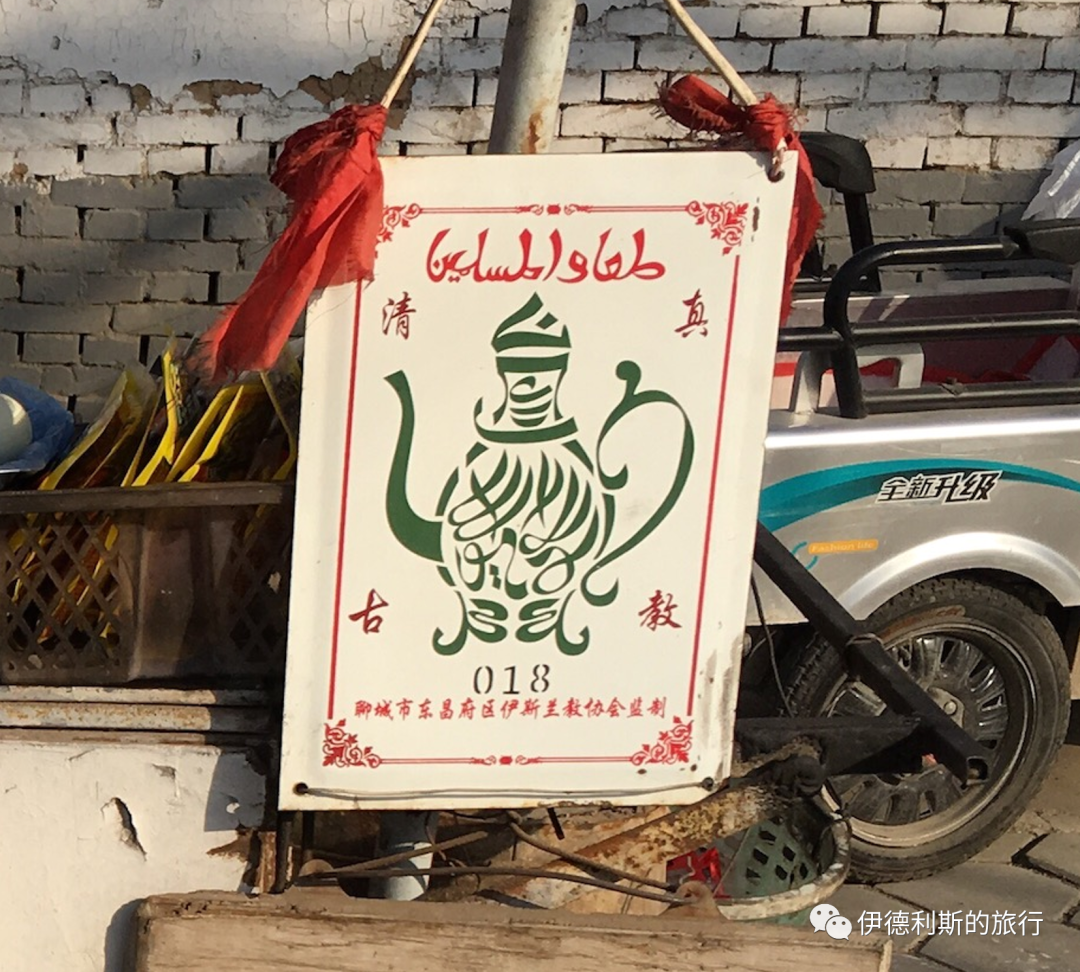
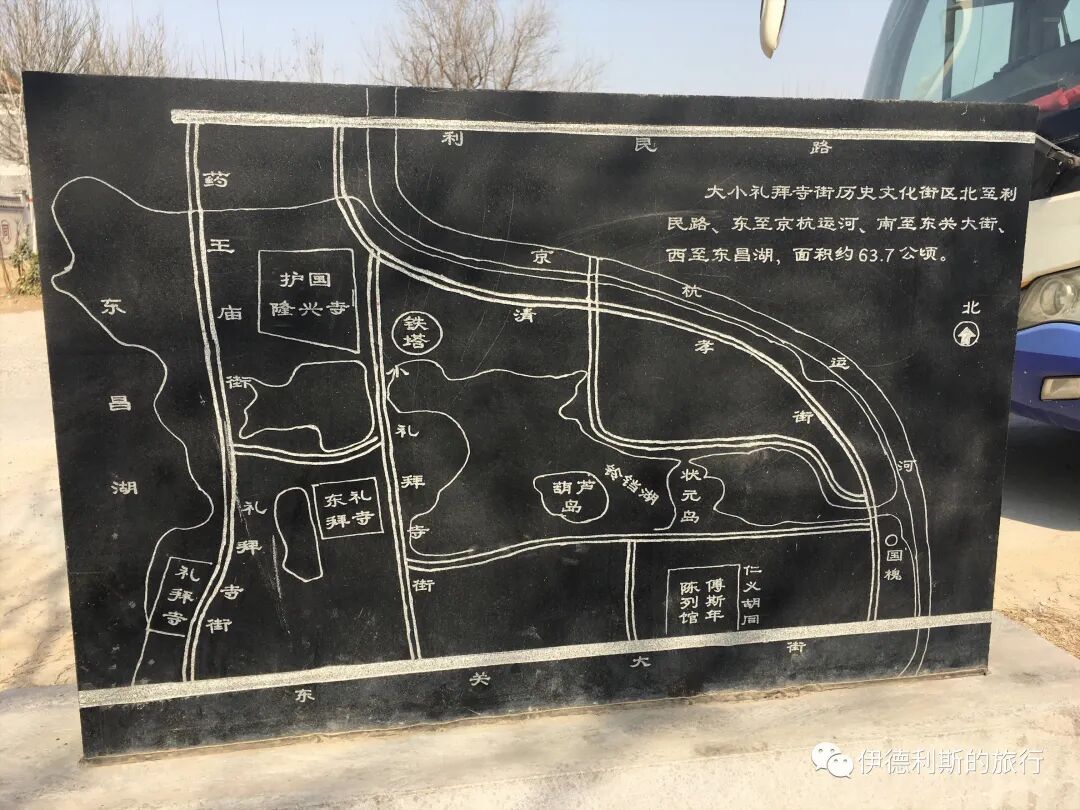
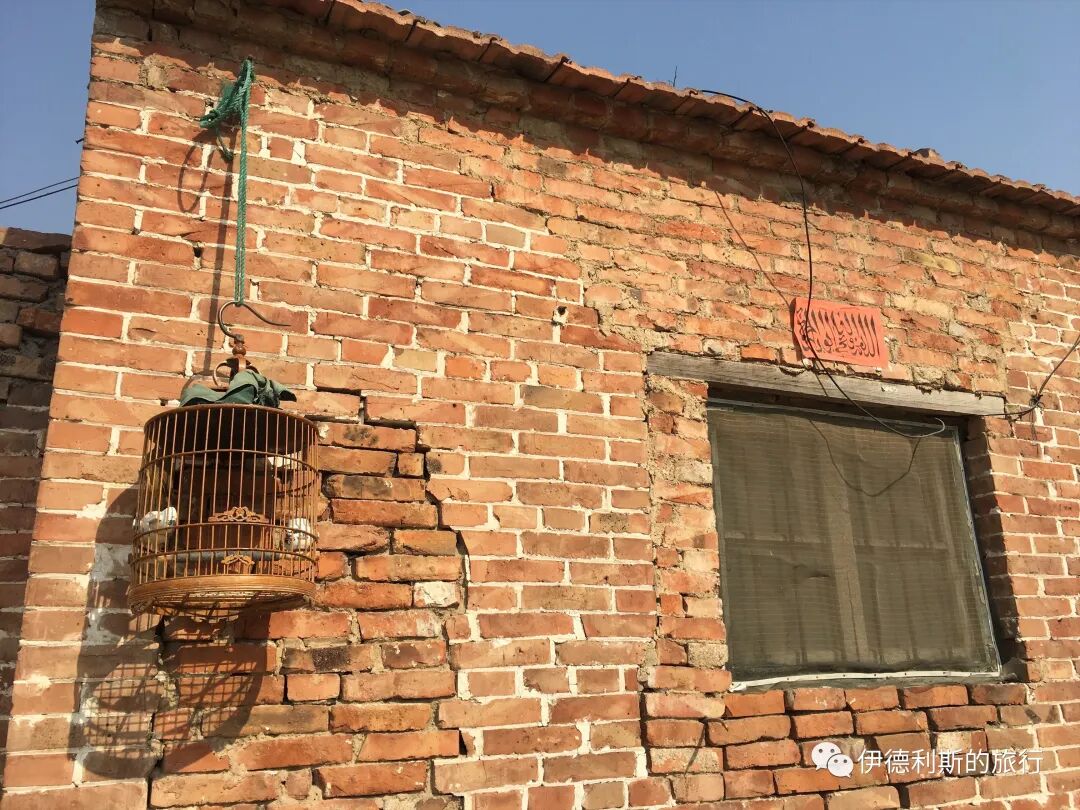
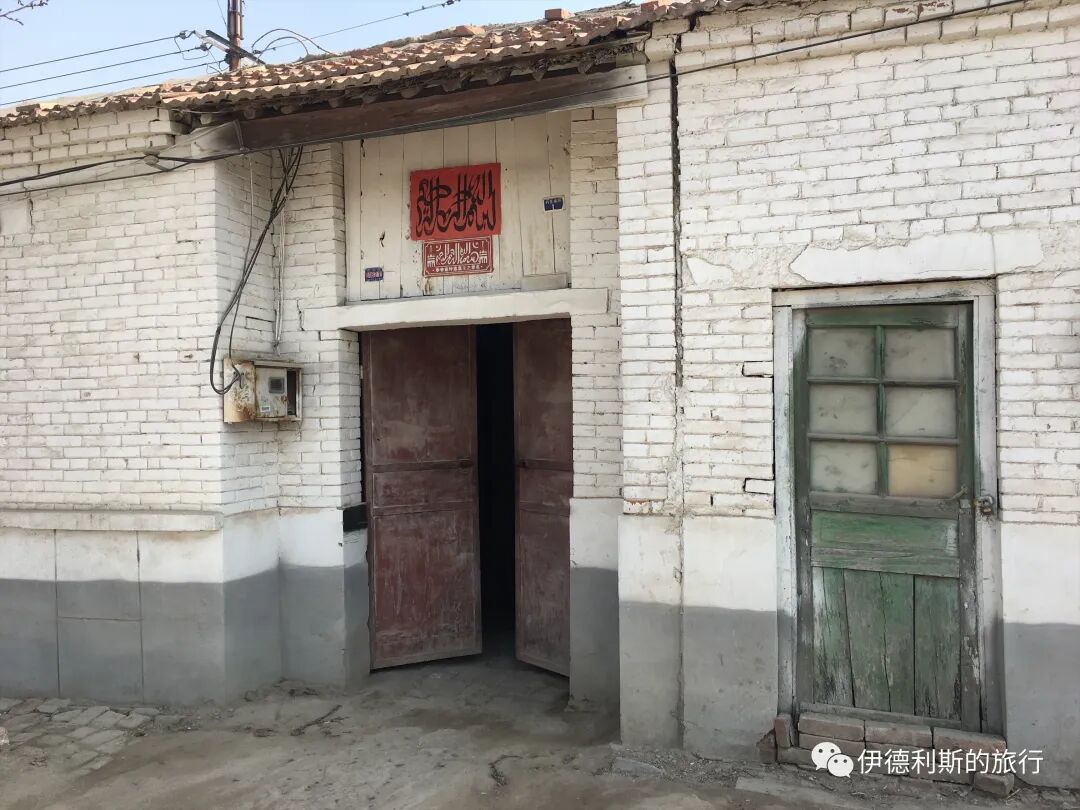
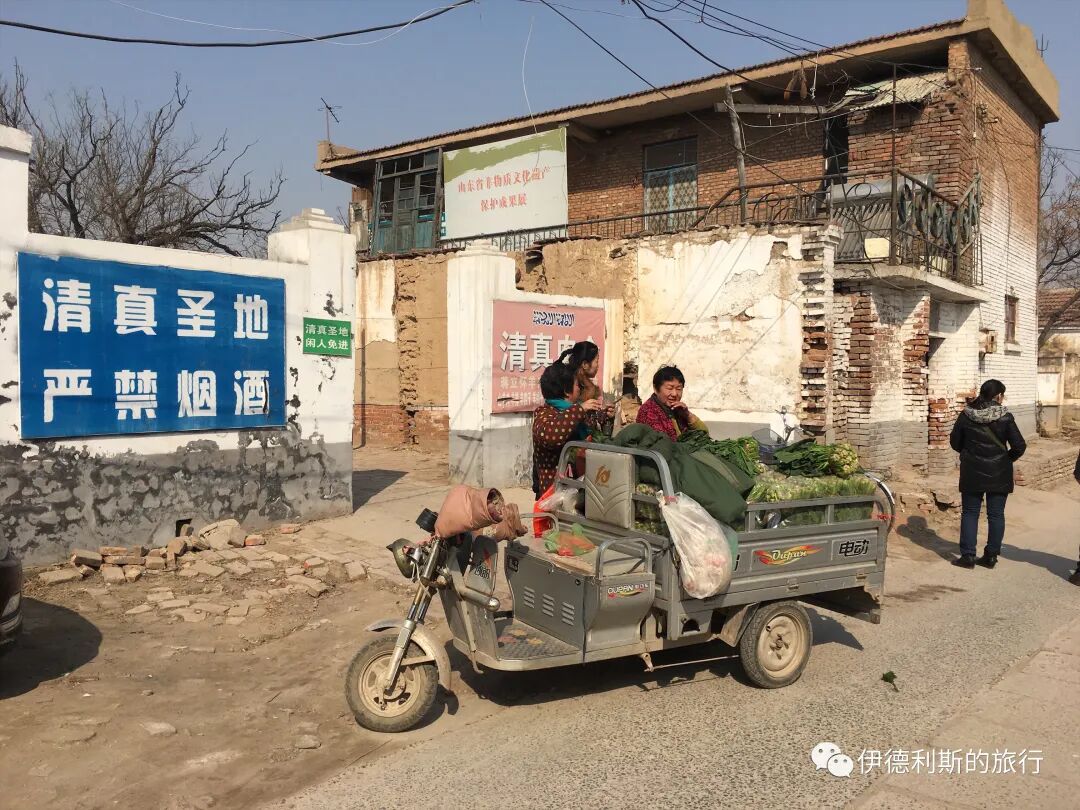
The Hui Muslim district in Dongguan, Liaocheng.
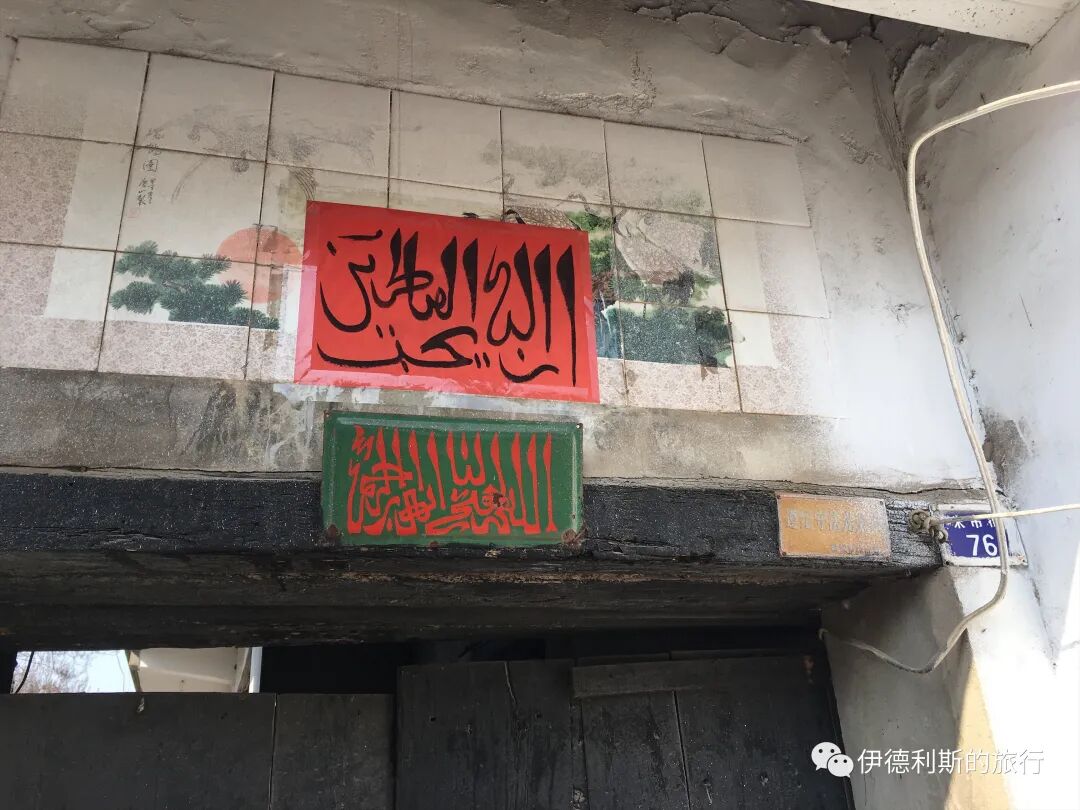
After the Yuan Dynasty moved its capital to Beijing, the army relied on supplies from the south. Shipping grain by sea from the Jiangnan region was often dangerous, so in 1289 (the 26th year of the Zhiyuan era), Emperor Kublai Khan ordered the construction of the Huitong River from Xucheng, Shandong, to Linqing. This connected the Grand Canal from north to south, and Liaocheng, located along the Huitong River, quickly became a major canal hub. Starting in the Yuan Dynasty, Dongguan, which connected the city to the canal, became the busiest area in Liaocheng. Hui Muslims kept moving here to settle, eventually forming the Dongguan Hui Muslim district.
In 1372 (the fifth year of the Hongwu era of the Ming Dynasty), the earthen walls of Dongchang (Liaocheng) were rebuilt with bricks. In 1420 (the 18th year of the Yongle era), Emperor Zhu Di moved the capital to Beijing and relied heavily on the Grand Canal to transport grain from the south. Liaocheng entered its golden age, and the large and small mosques in Dongguan were built during the Hongwu and Yongle eras.
In 1855 (the fifth year of the Xianfeng era), the Yellow River burst its banks at Tongwaxian in Henan. It split into three paths, diverted northeast, and flowed into the sea via the Daqing River, cutting the canal in half and causing Liaocheng to decline. Since the mid-to-late Qing Dynasty, the Liaocheng section of the canal relied on water from the Yellow River. After the breach at Tongwaxian, the Yellow River flooded several more times. The canal in Liaocheng became increasingly silted, the river course changed frequently, and water transport became more difficult. In 1872 (the 11th year of the Tongzhi era), the China Merchants' Steam Navigation Company was established in Shanghai, and grain transport began moving to sea routes. In 1901 (the 27th year of the Guangxu era), canal transport was completely abandoned, and Liaocheng fell silent along with the silted canal.
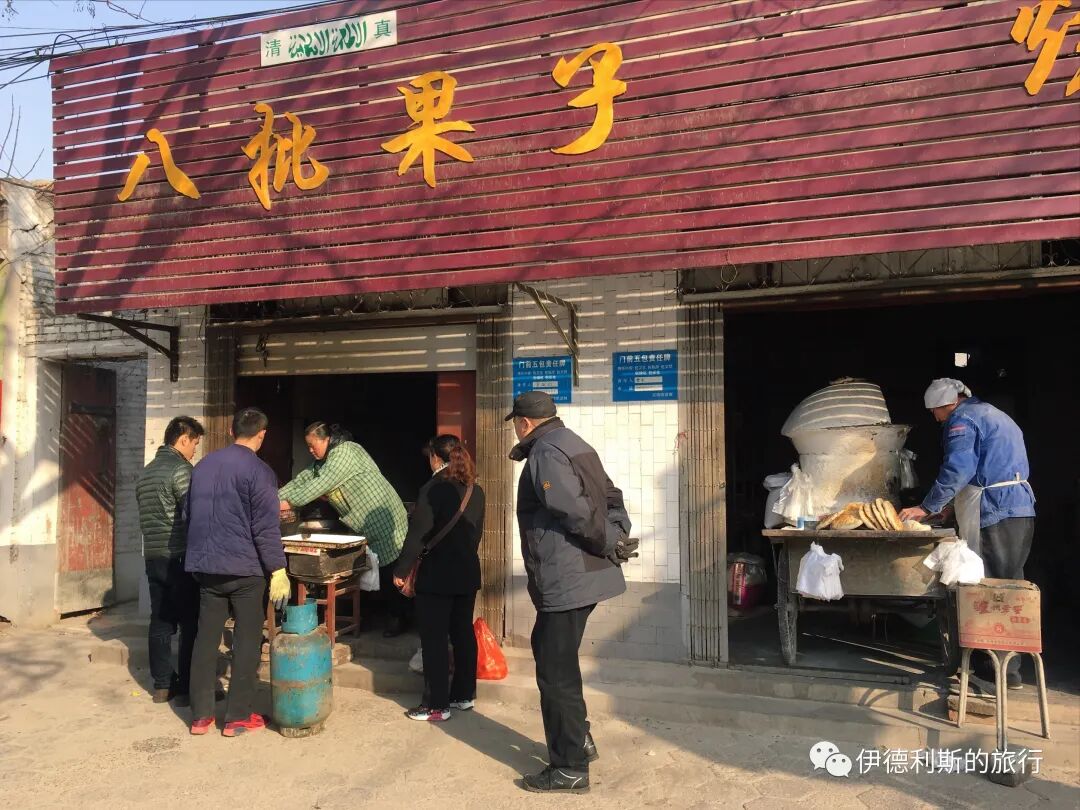
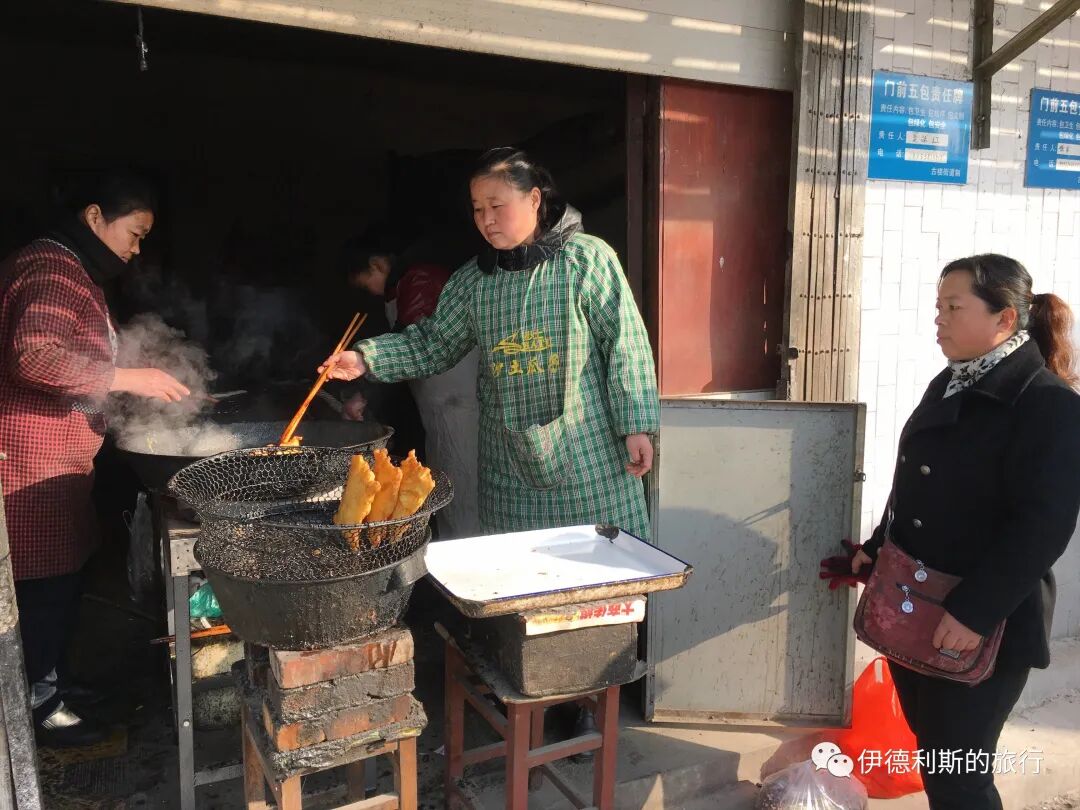
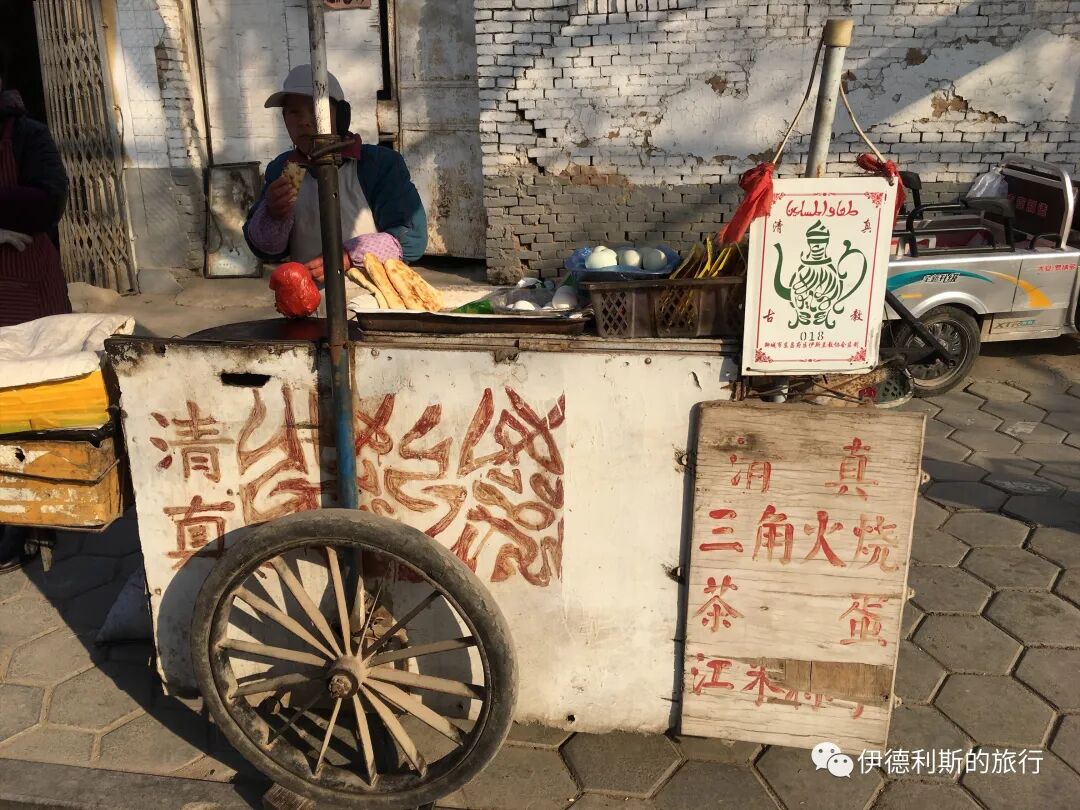
Eating breakfast in Dongguan, Liaocheng.
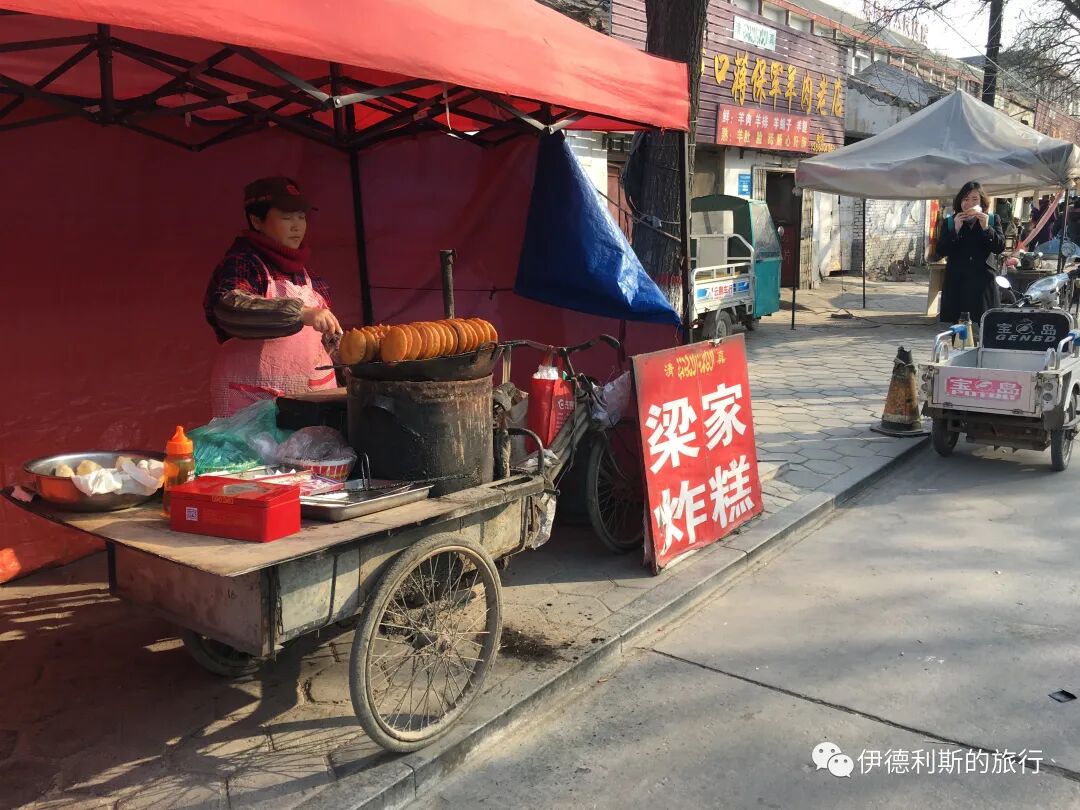
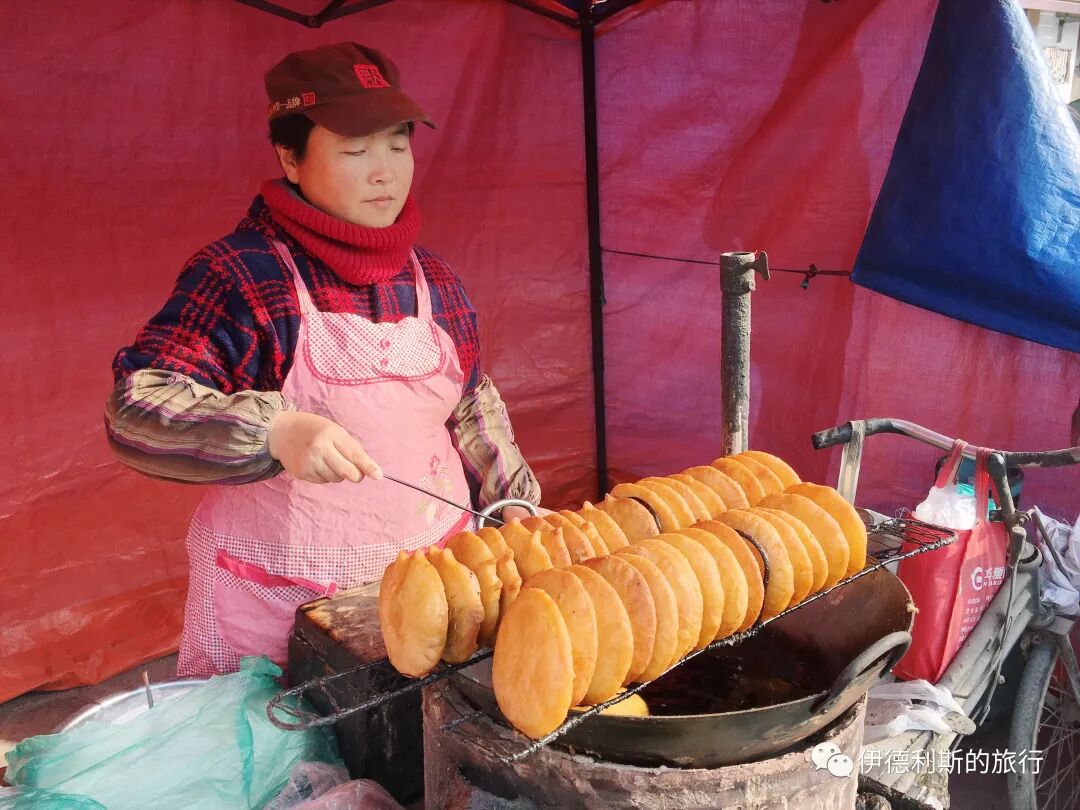
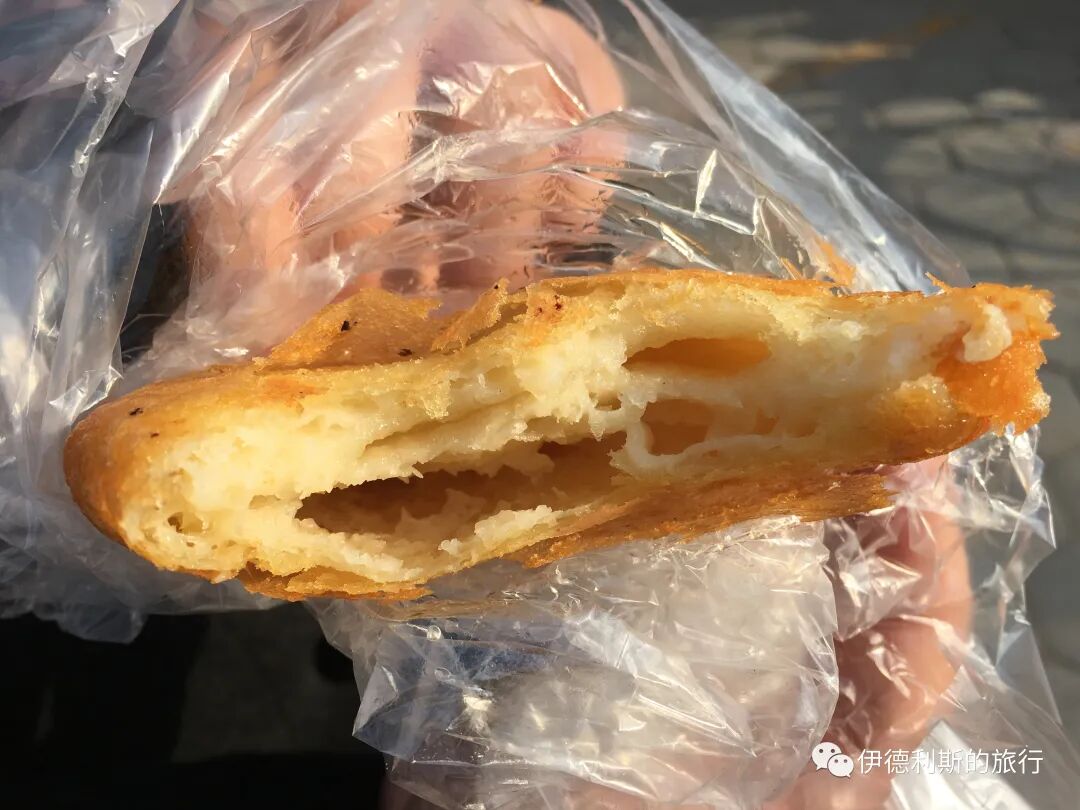
Dongguan in Liaocheng has all kinds of delicious breakfast foods. We first ate Liang's fried cakes (zhagao) outside Dongguan Bridge. They come in several flavors like white sugar and red bean paste. We chose the osmanthus and white sugar filling; they were large and delicious.
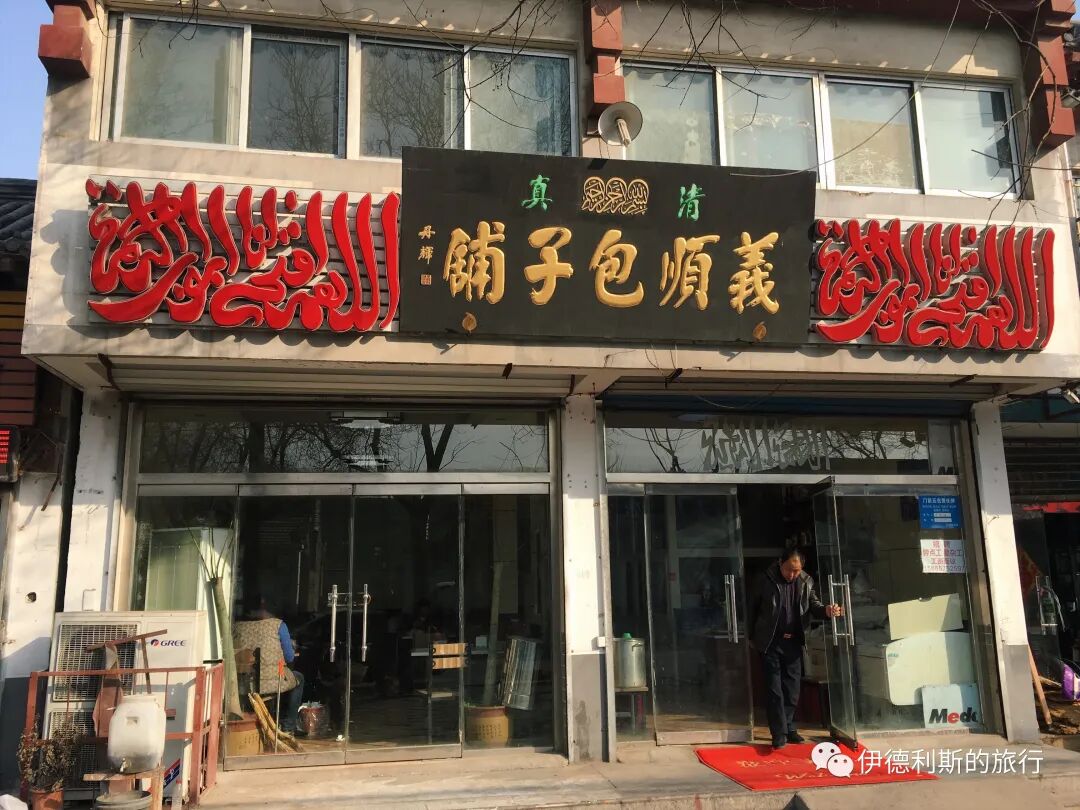
Then we went to Yishunzhai Steamed Bun Shop for large steamed buns (baozi) with pure lamb filling. The buns were huge and cost two yuan each. One was enough to be full, and two left me stuffed for the whole day!
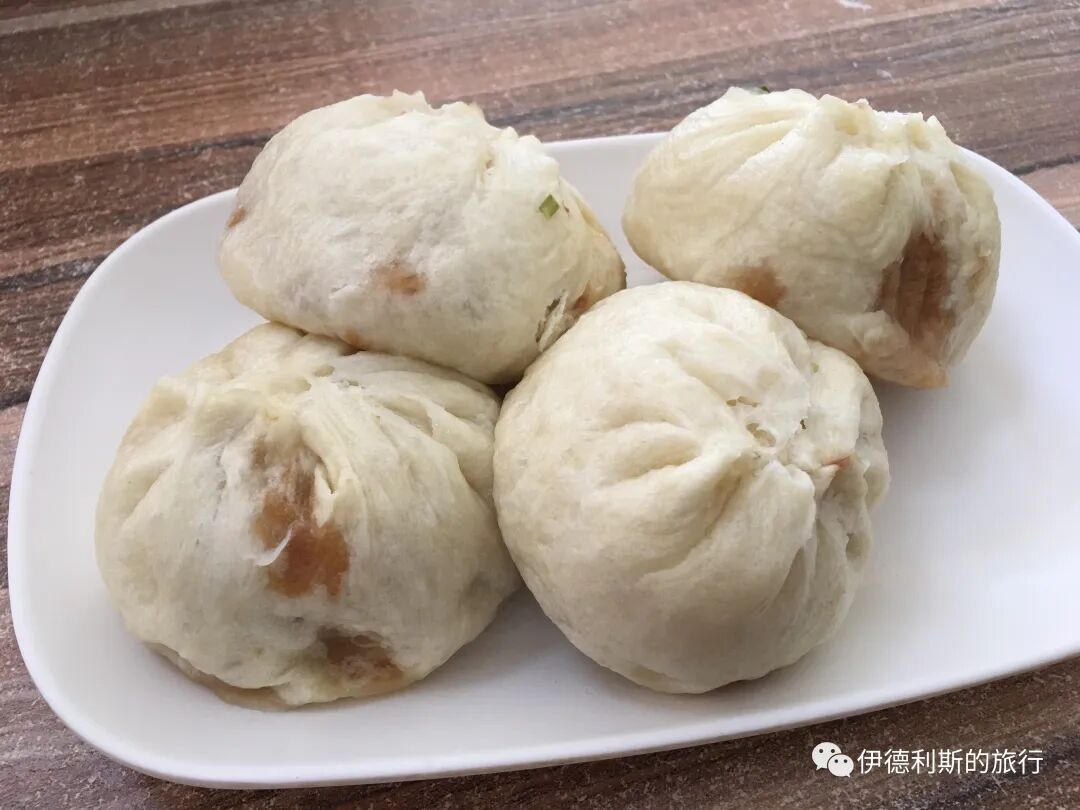
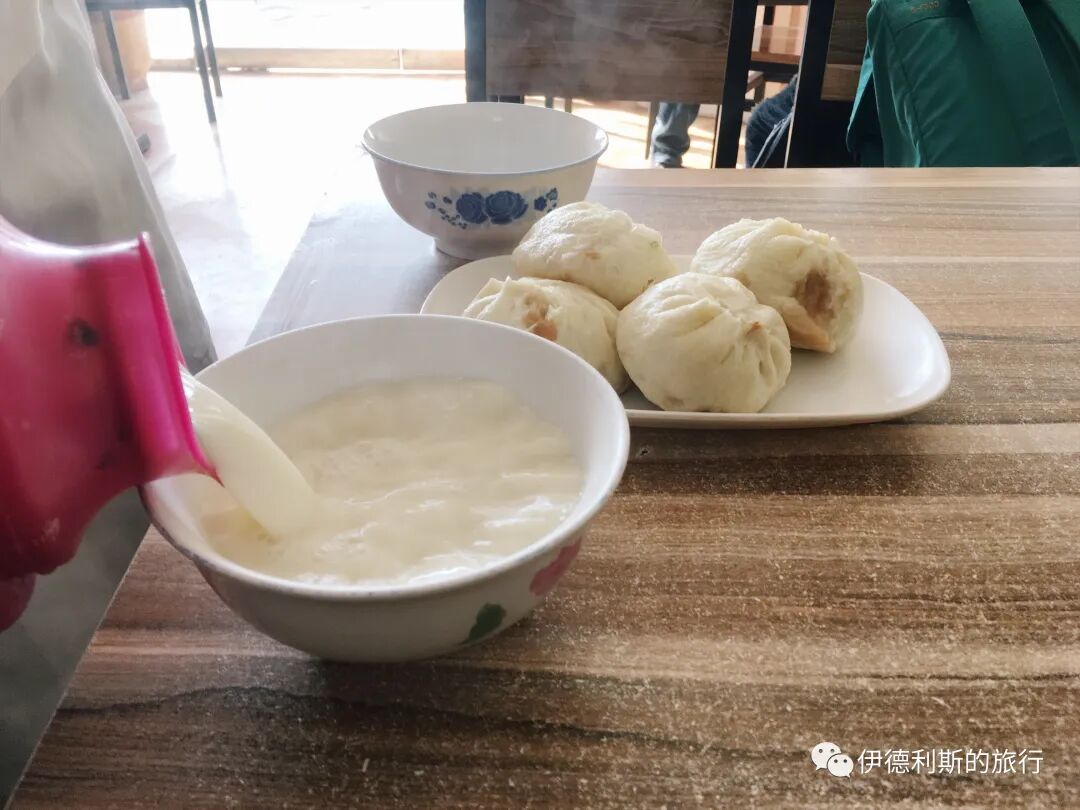
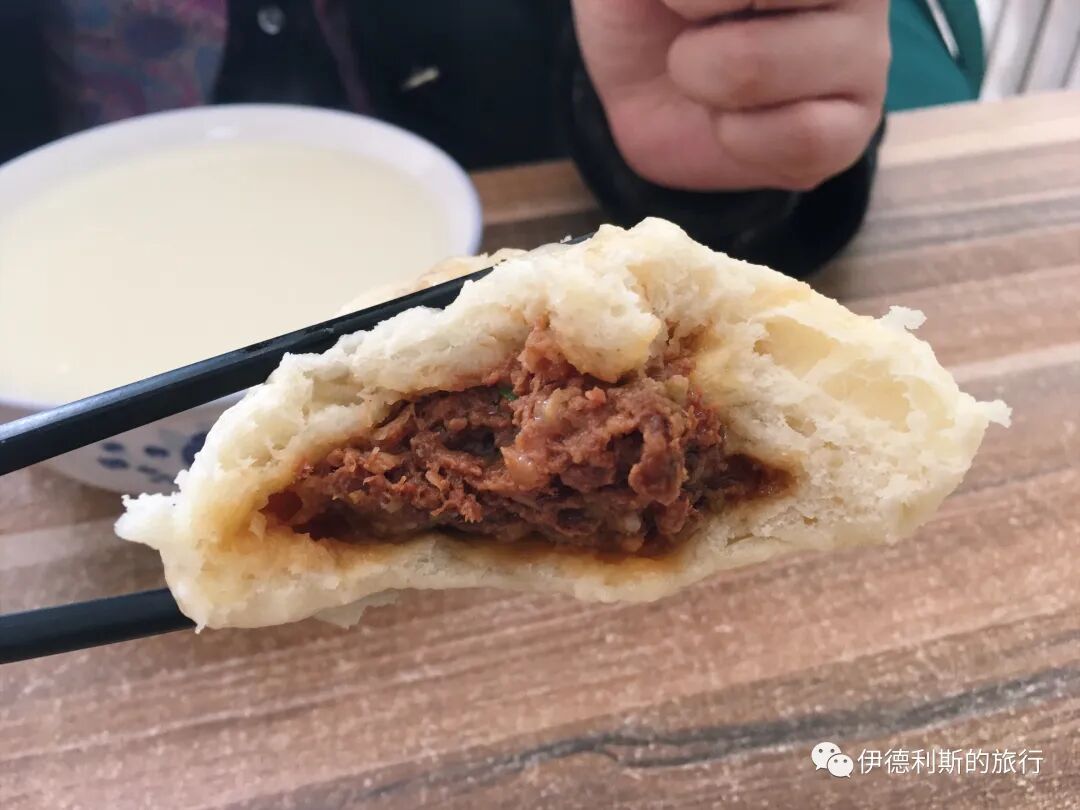
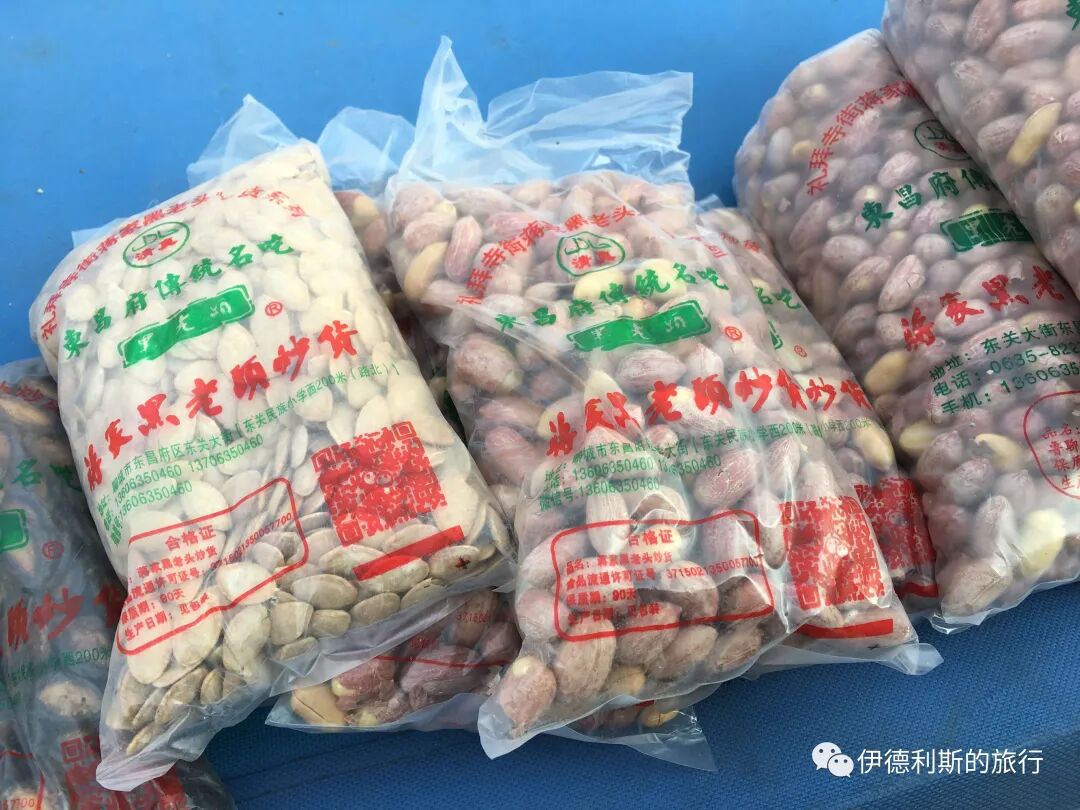
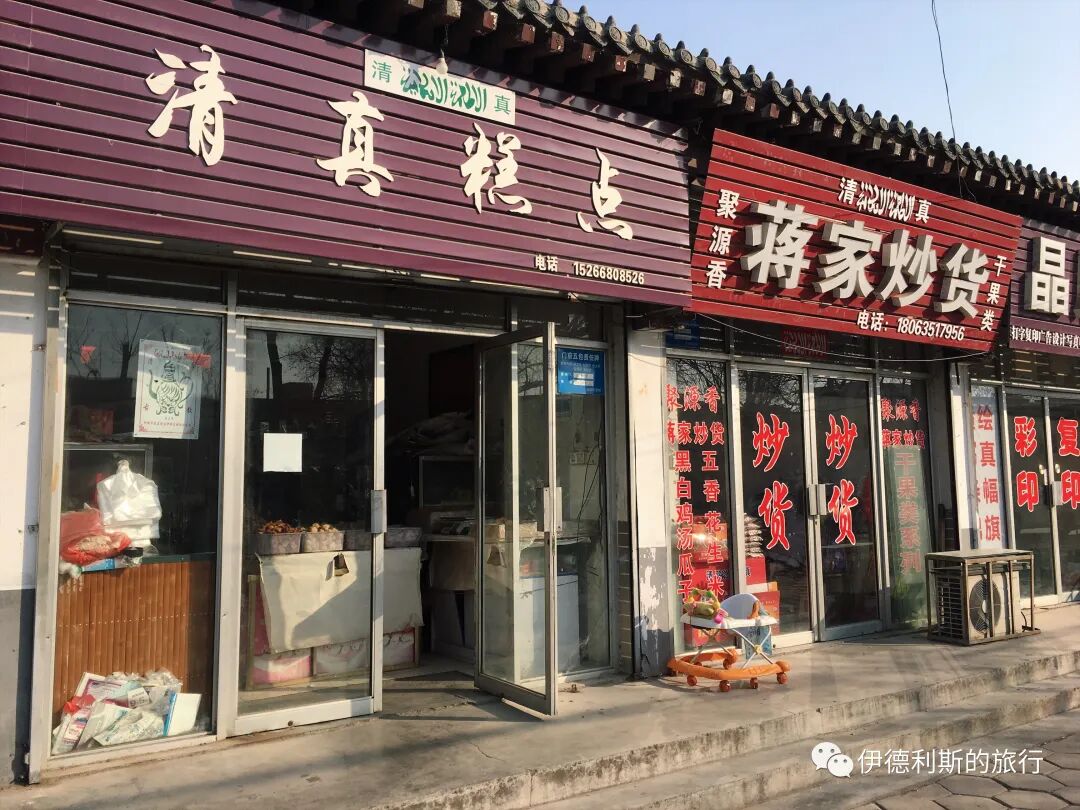
Next to Yishunzhai Steamed Bun Shop is Jiang's Black Old Man Roasted Snacks (chaohuo). We bought peanuts here and finished them all on the train ride back. They were very flavorful with a rich aroma from various spices.
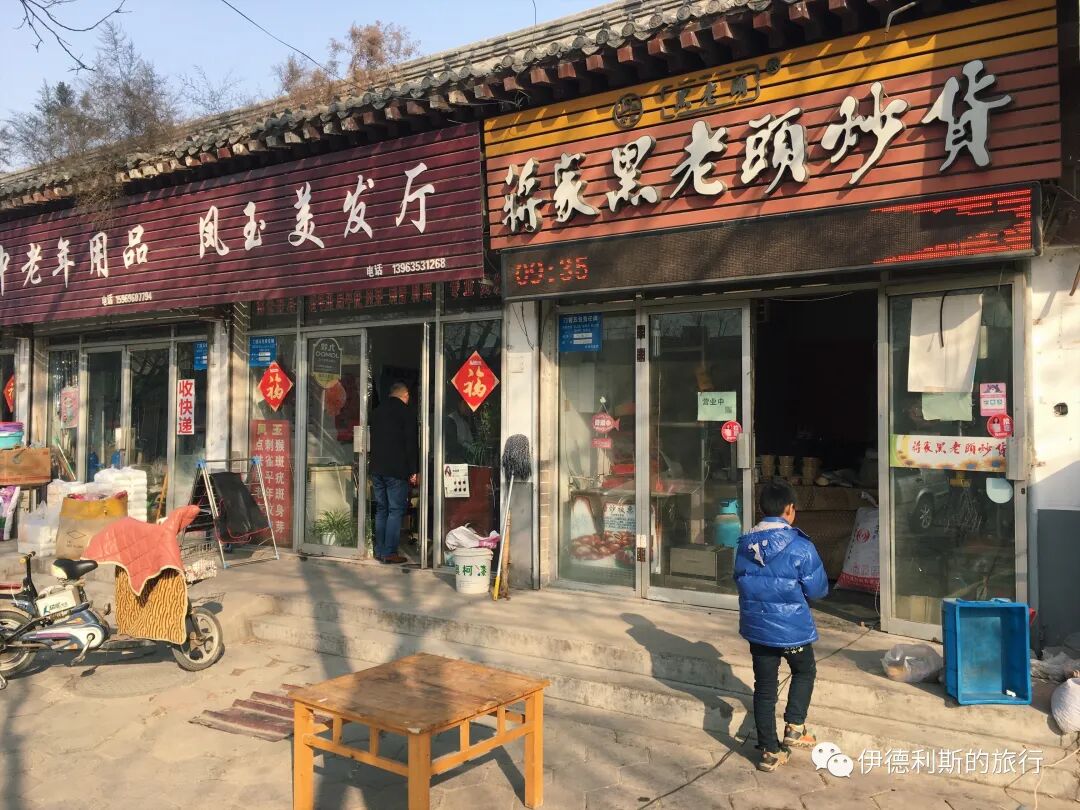
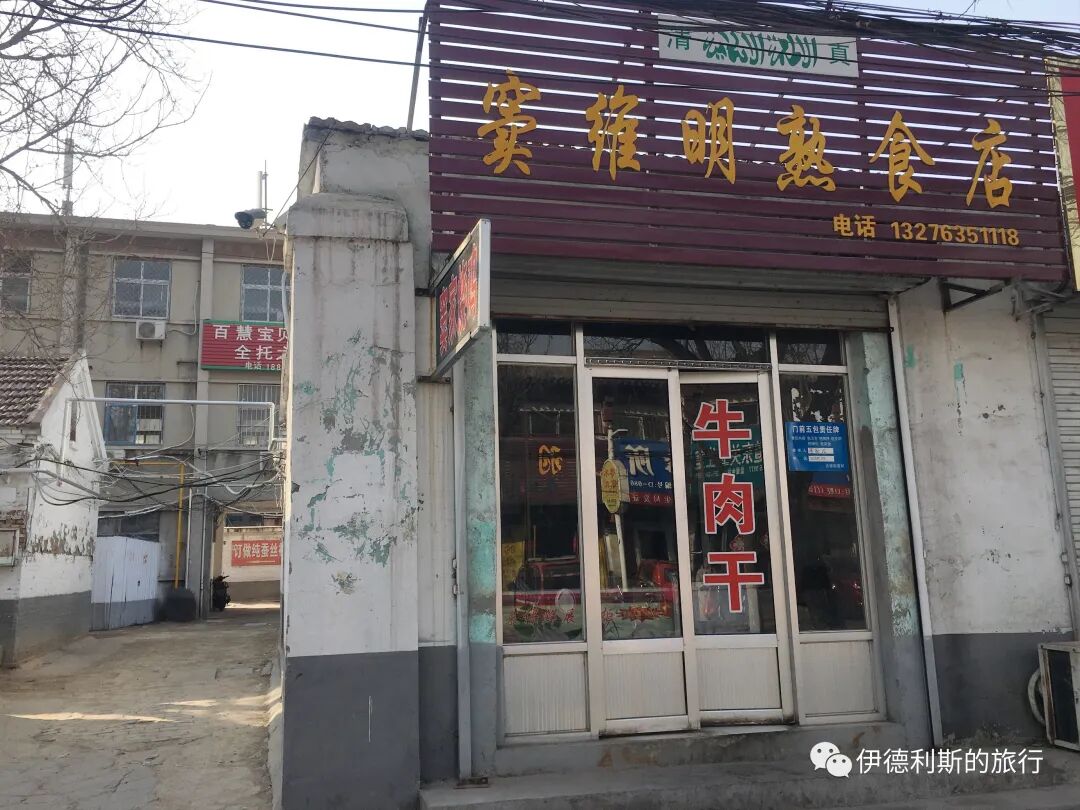
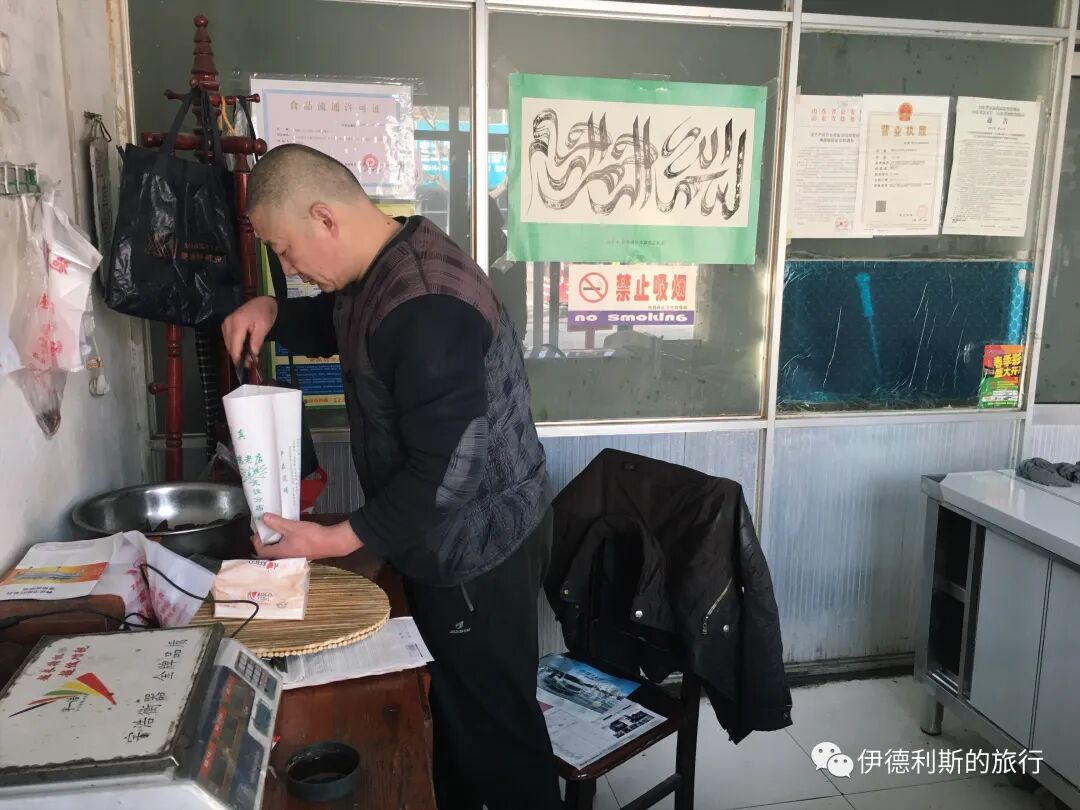
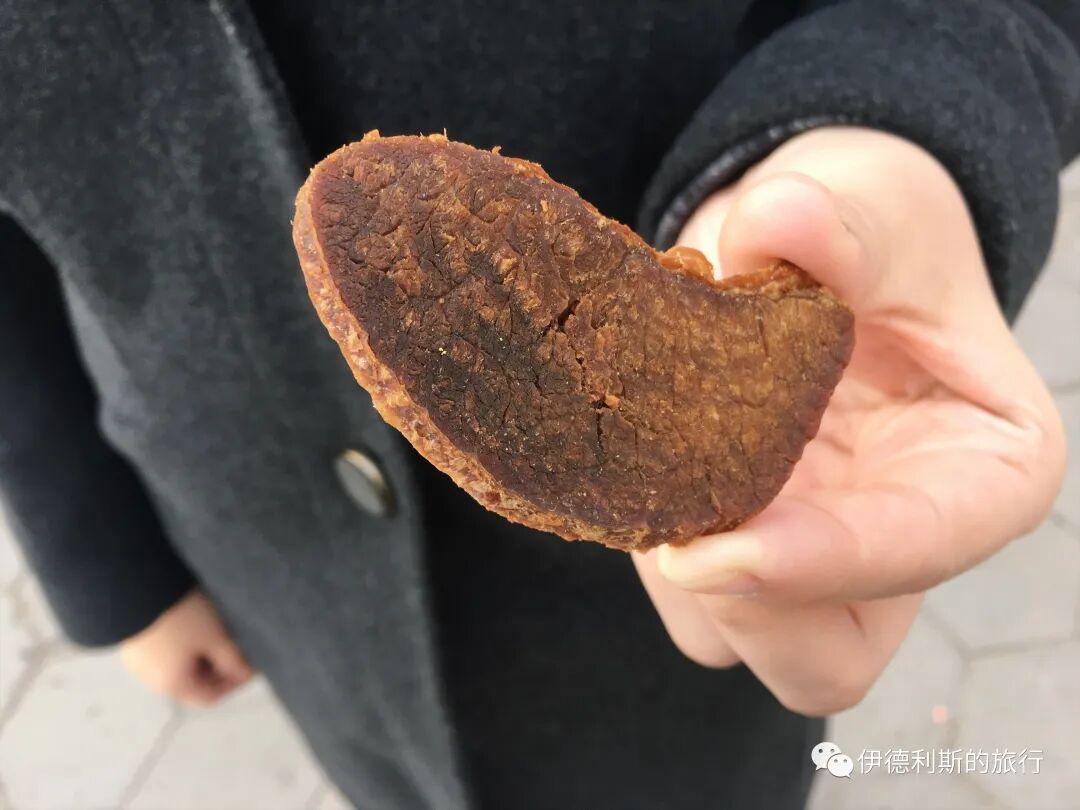
We also bought beef jerky at Dou's Deli. The beef was completely air-dried with no moisture left. It was crispy when you bit into it, so you had to let it soften in your mouth before chewing. The flavor changed from the first bite to the last, and it needed to be savored slowly.
There were many other delicious things in Dongguan that we didn't have time to try.
Canal docks.
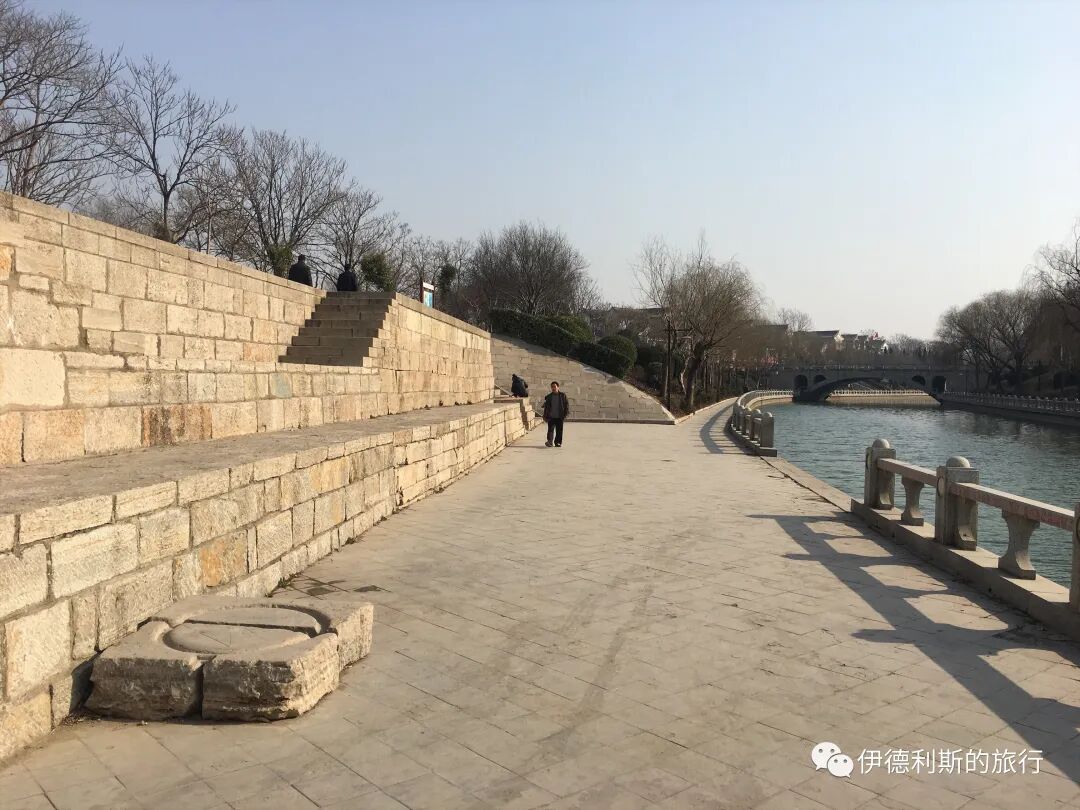
Walking south along the canal from Dongguan in Liaocheng, there are two docks, one large and one small. The large dock was the official transport dock, also called Chongwu Station Dock. Back then, the ships waiting to unload stretched for miles, a scene known as 'Chongwu's continuous masts'. The small dock was originally a private dock for merchants. These two spots are precious relics of the Grand Canal in the Liaocheng urban area.
Small dock.
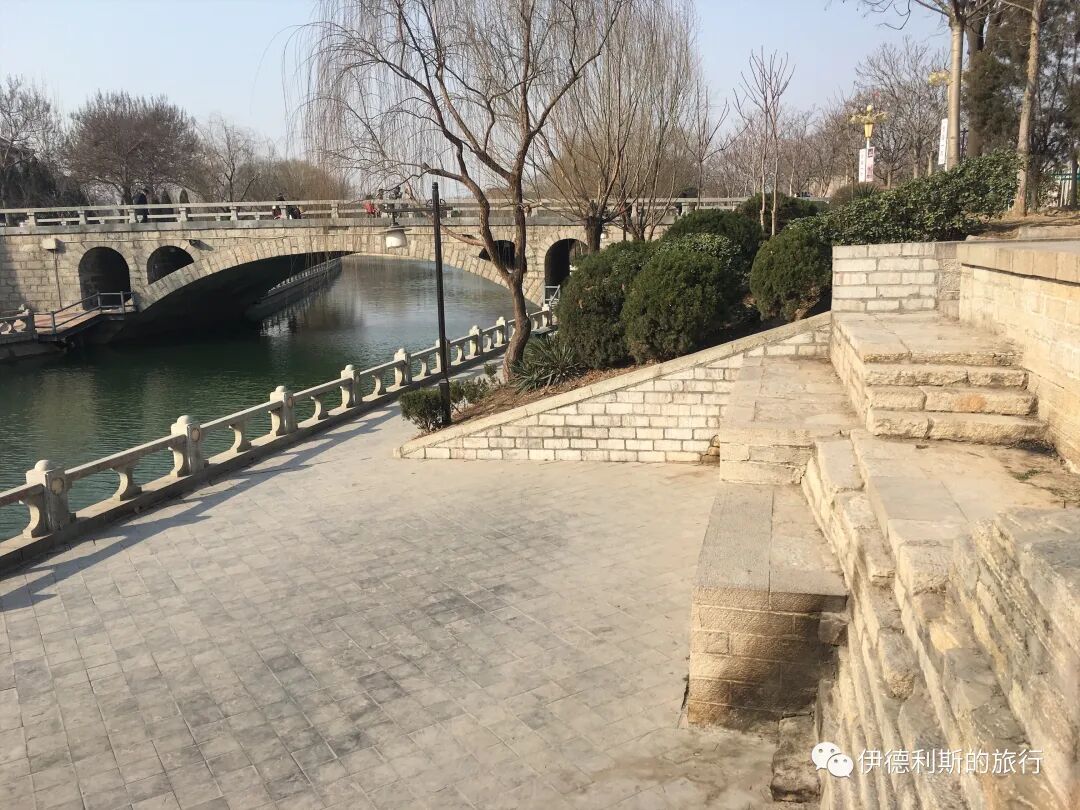
Large dock.
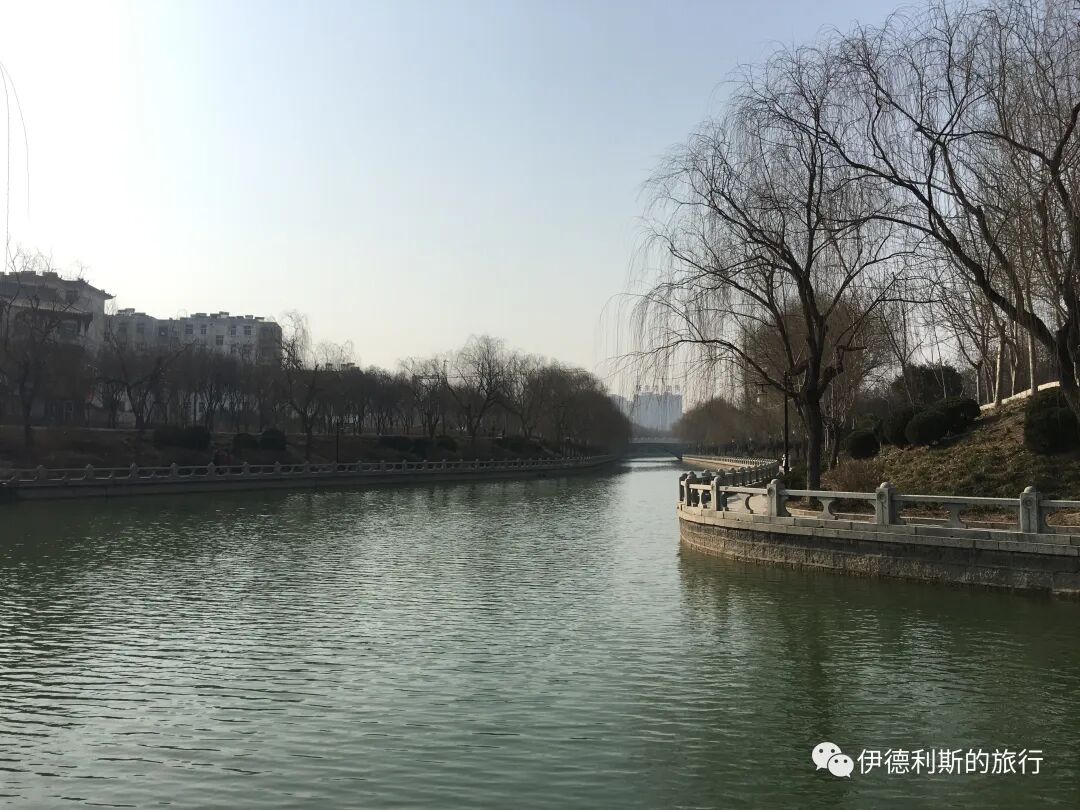
The scenery of the Liaocheng section of the Grand Canal.
Rice Market Street (Mishi Jie)
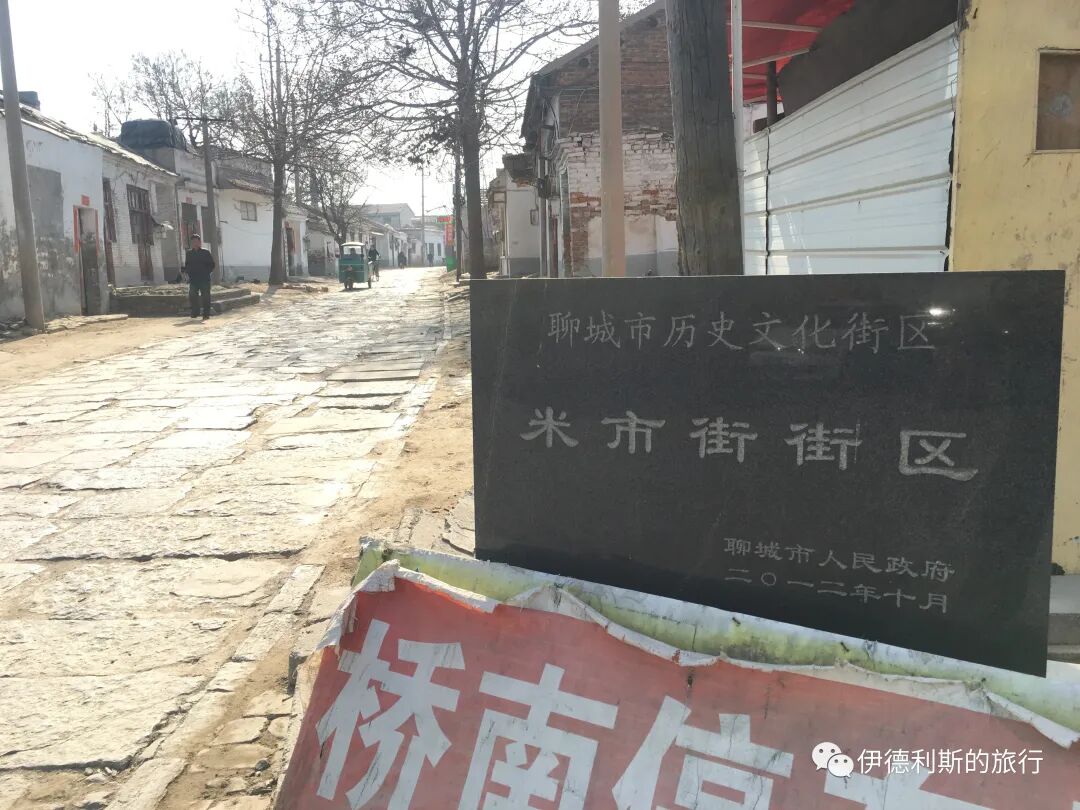
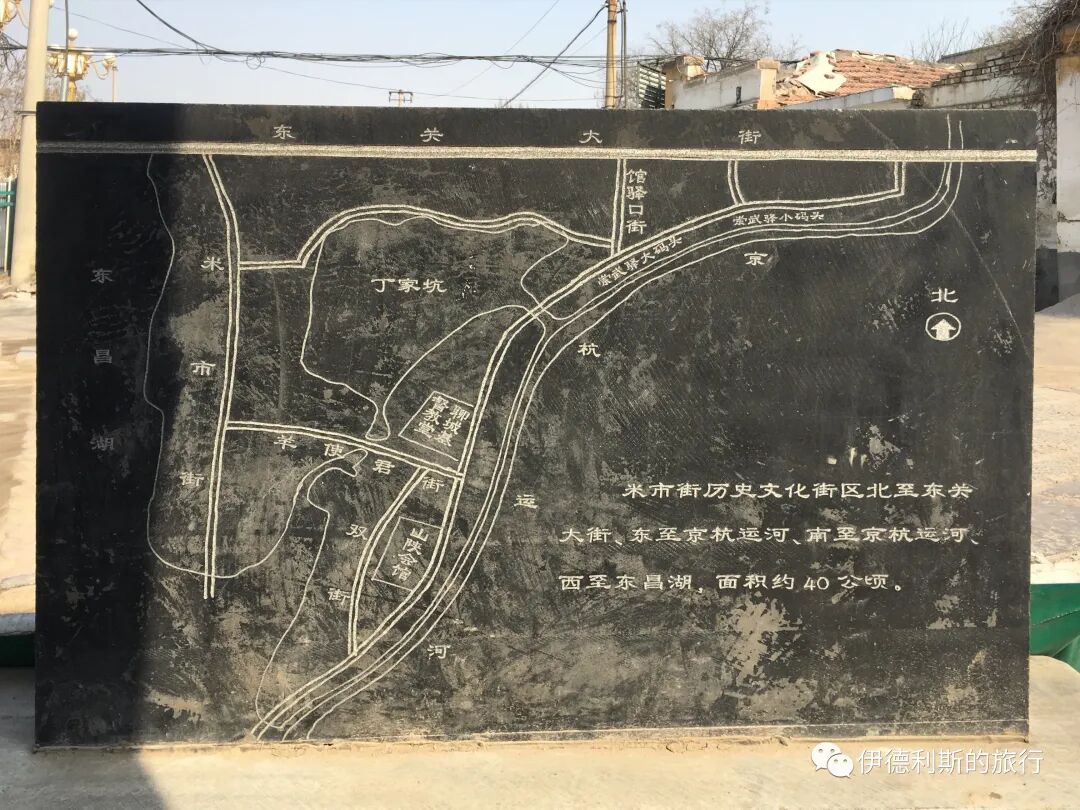
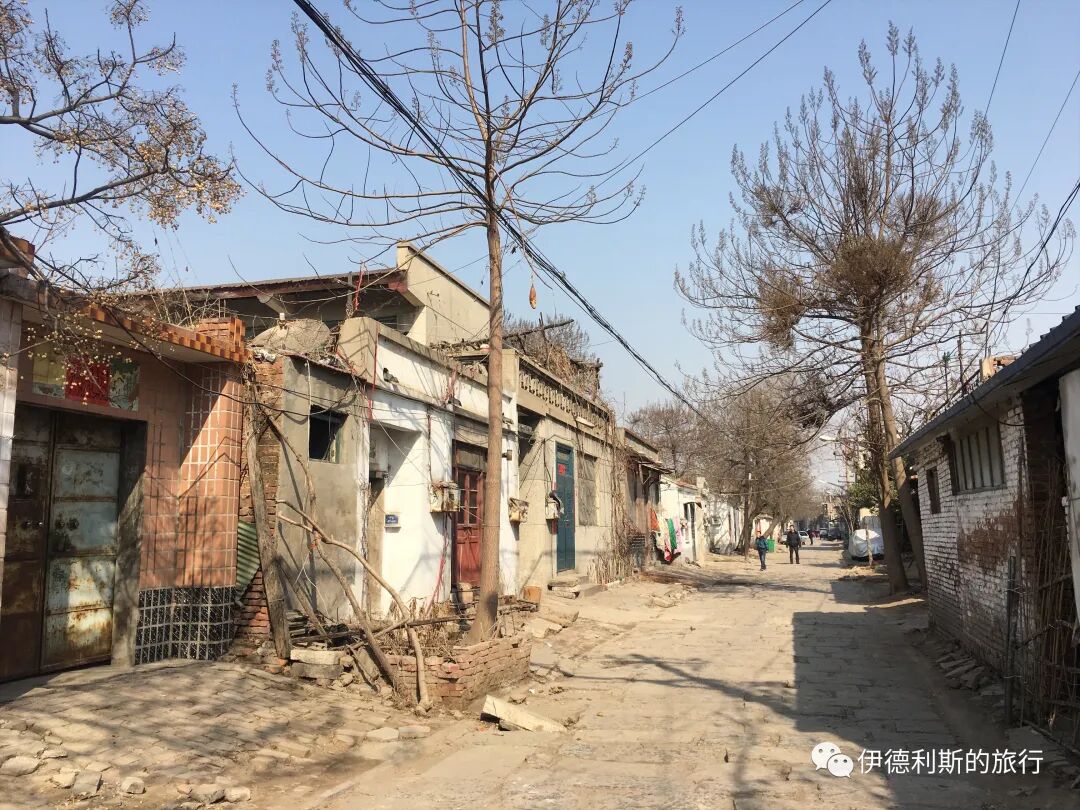
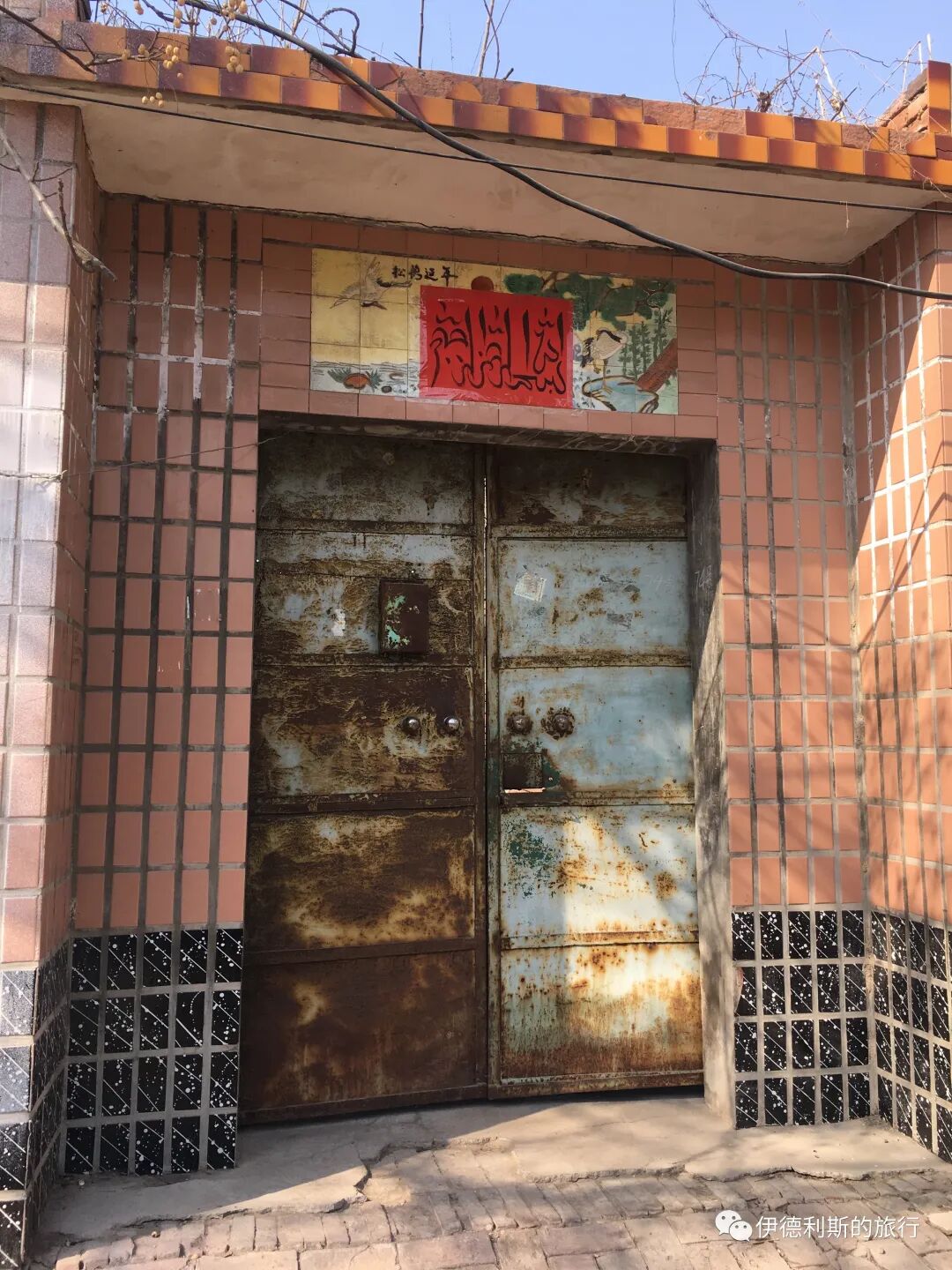
South of East Gate Street (Dongguan Jie) is the Rice Market Street (Mishi Jie) historical district. It is paved with blue stone and is one of the few remaining historical districts in the old city of Liaocheng. This area used to be full of grain shops. At its peak, there were dozens of them. The street was busy every day with constant traffic and crowds of people.
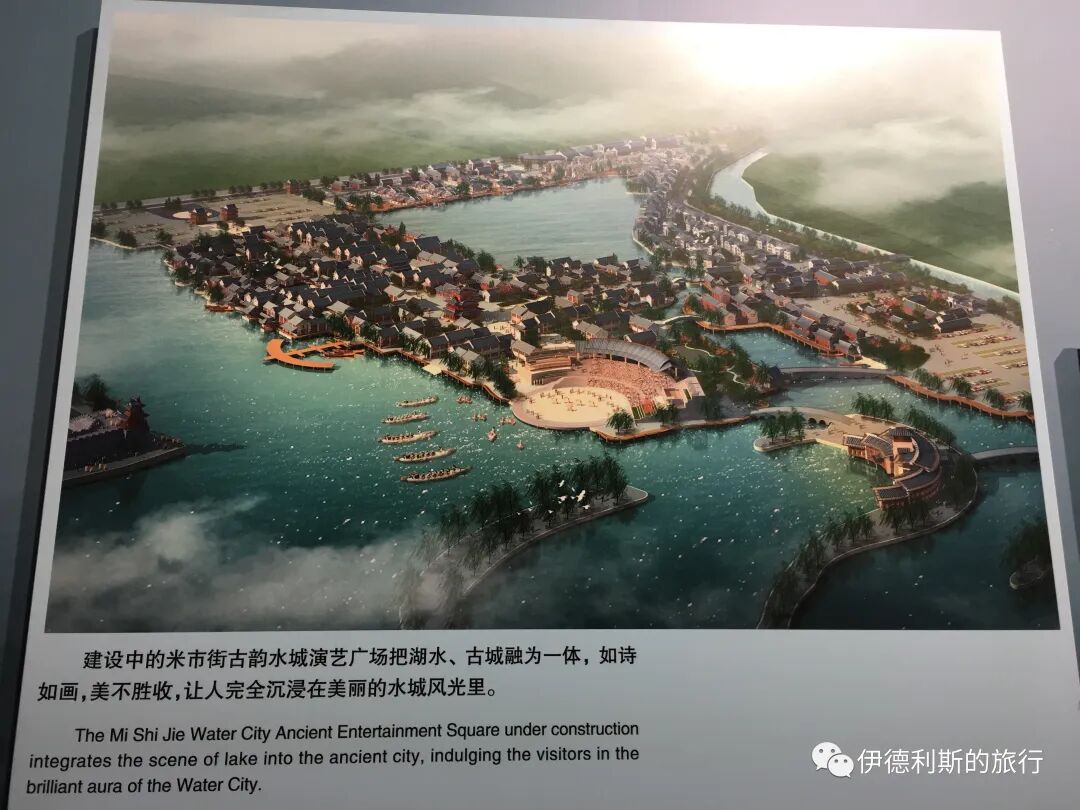
Later, I saw a design rendering of Rice Market Street (Mishi Jie) at the Grand Canal Museum. Perhaps it will soon become a faux-antique commercial street, and its original character will disappear.
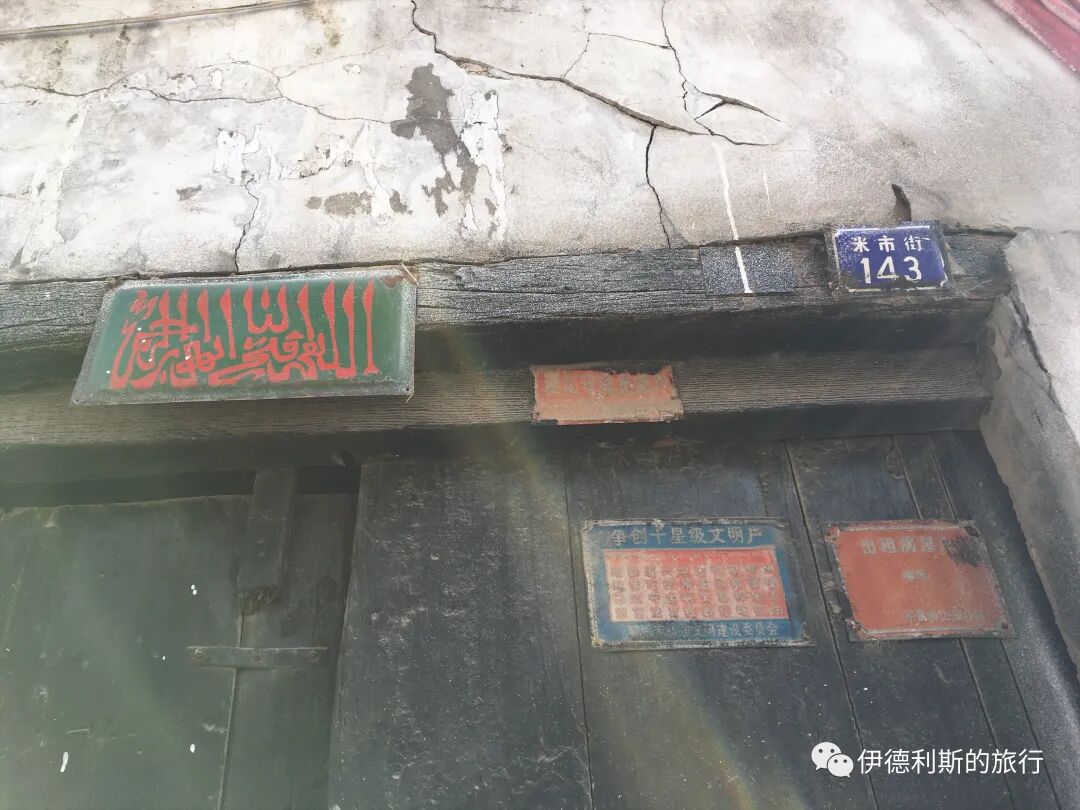
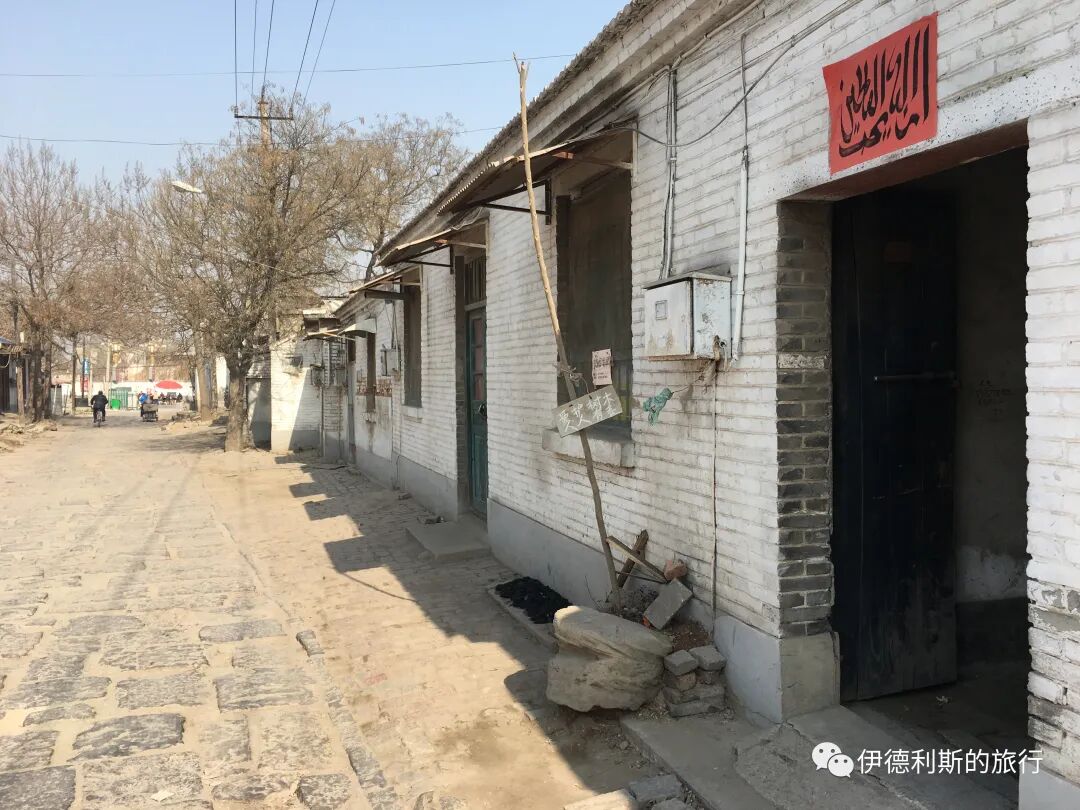
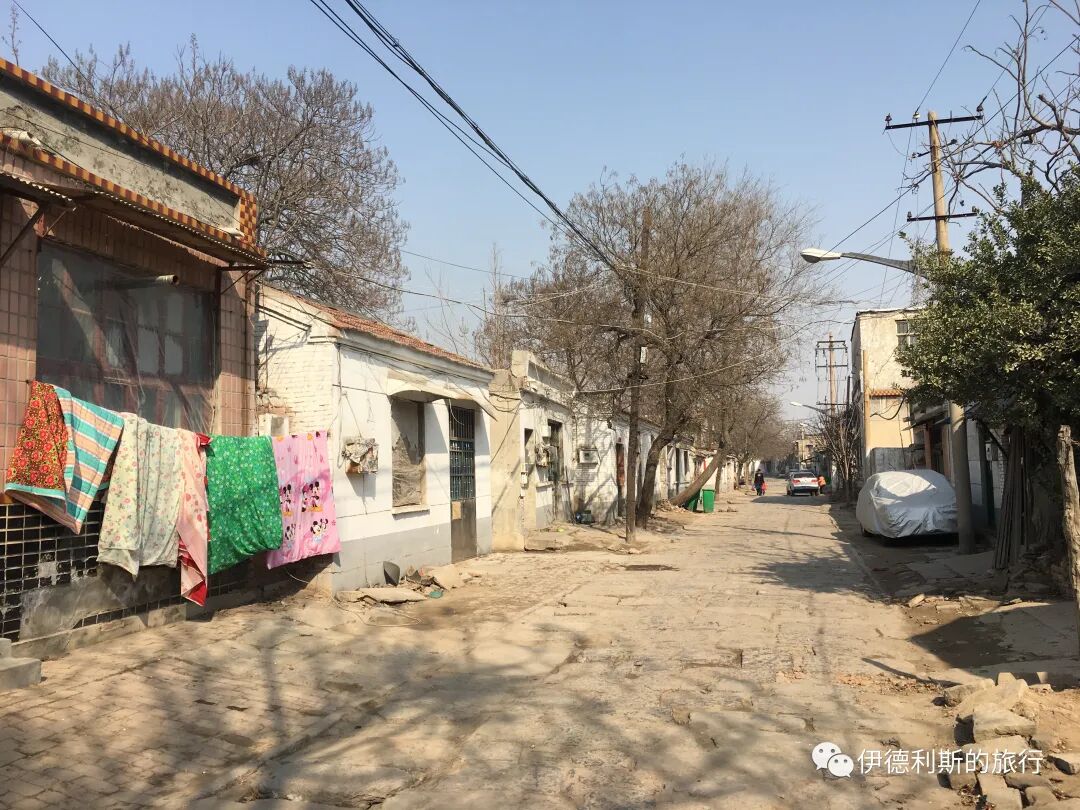
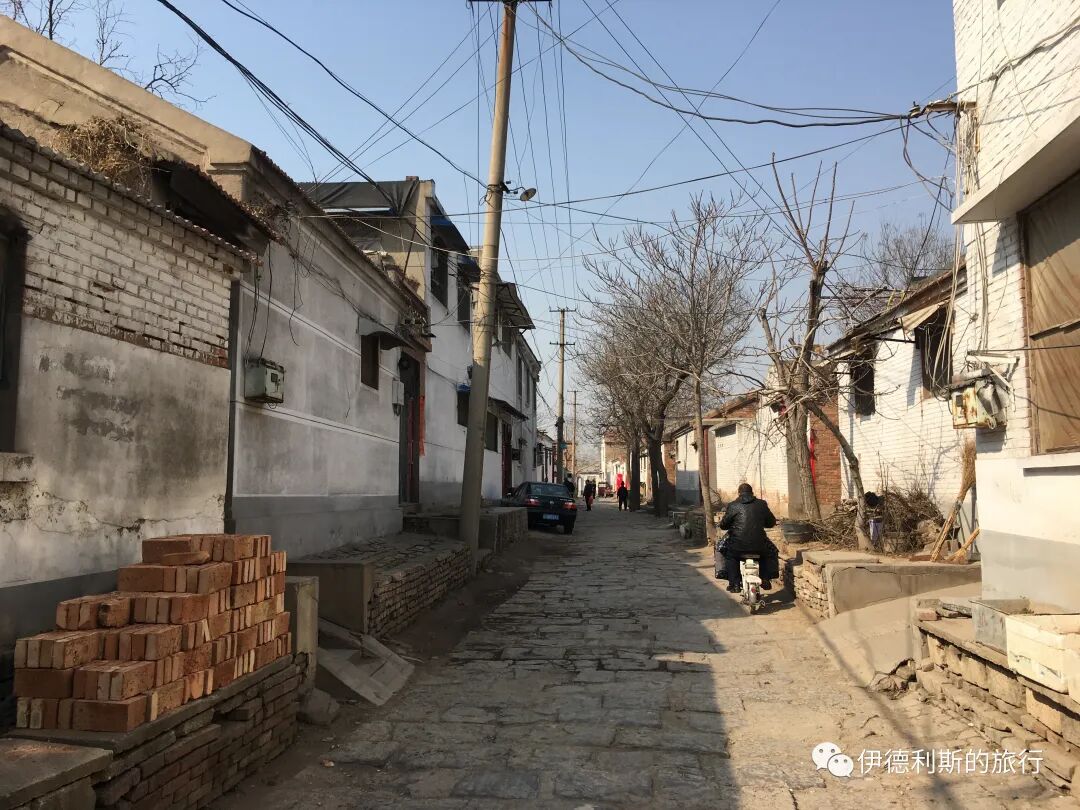
Big and Small Mosques
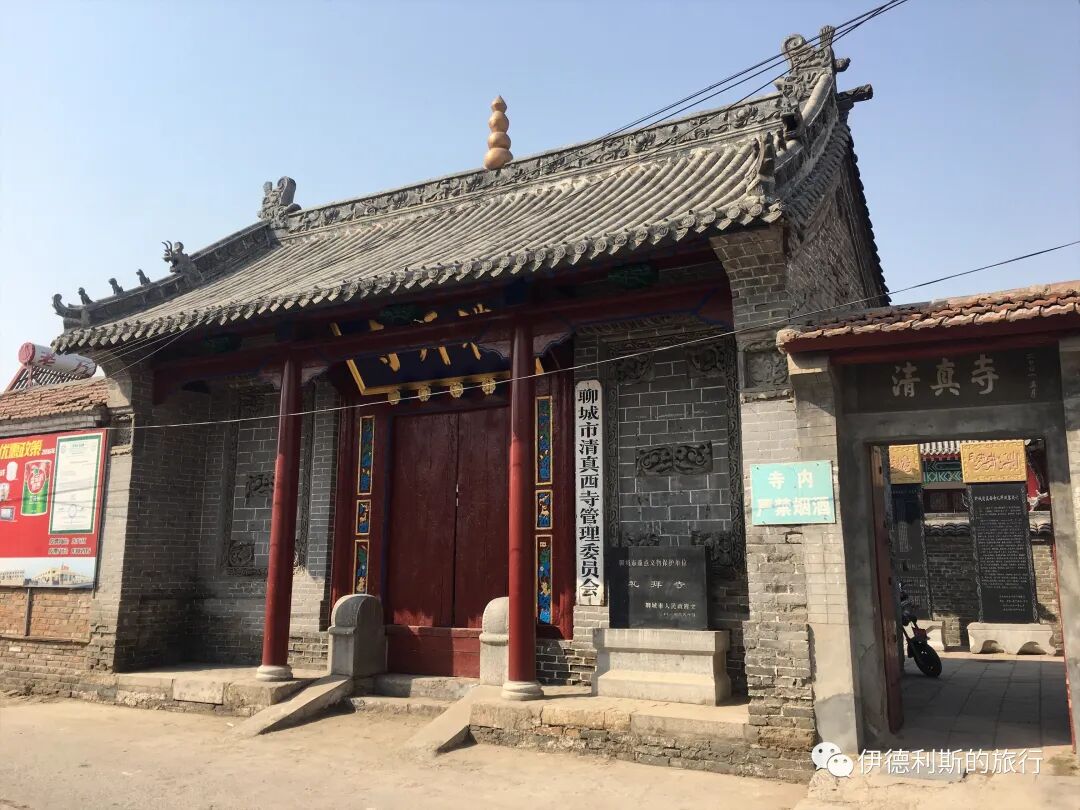
There are two mosques in the East Gate (Dongguan) area of Liaocheng. The West Mosque (Qingzhen Xisi) is commonly known as the Big Mosque (Da Libaisi). It was first built in 1385 (the 17th year of the Hongwu reign) and was renovated twice during the Jiajing and Kangxi reigns. The original main hall had 81 rooms, and the beams and purlins were all made of golden nanmu wood. It was magnificent and could compare with those in Jining and Linqing.
In the winter of 1946, the People's Liberation Army attacked Liaocheng and used the mosque's minaret (bangkelou) as an observation post to fire at the Nationalist troops inside the city. The West Mosque (Qingzhen Xisi) also became a command post for the People's Liberation Army. People say the People's Liberation Army dug a tunnel underwater on the east bank of the moat toward the city. They laid door panels on top and supported them with pillars. They dug through the city wall near the East Gate and opened a hole, but the Nationalist troops discovered it and blocked the opening with sandbags.
The Liaocheng city wall was high and thick, and the moat was wide and deep. The People's Liberation Army could not break into the city and had to stop the siege. Afterward, the Nationalist troops left the city and set fire to it, burning down the buildings inside the mosque.
The West Mosque (Qingzhen Xisi) was not rebuilt until 1956. During the Cultural Revolution (wg), it was occupied by a factory, and it was renovated in 1992. The main hall was rebuilt into its current appearance in 2009. Now, only the main gate and the north and south lecture halls remain as historical buildings.
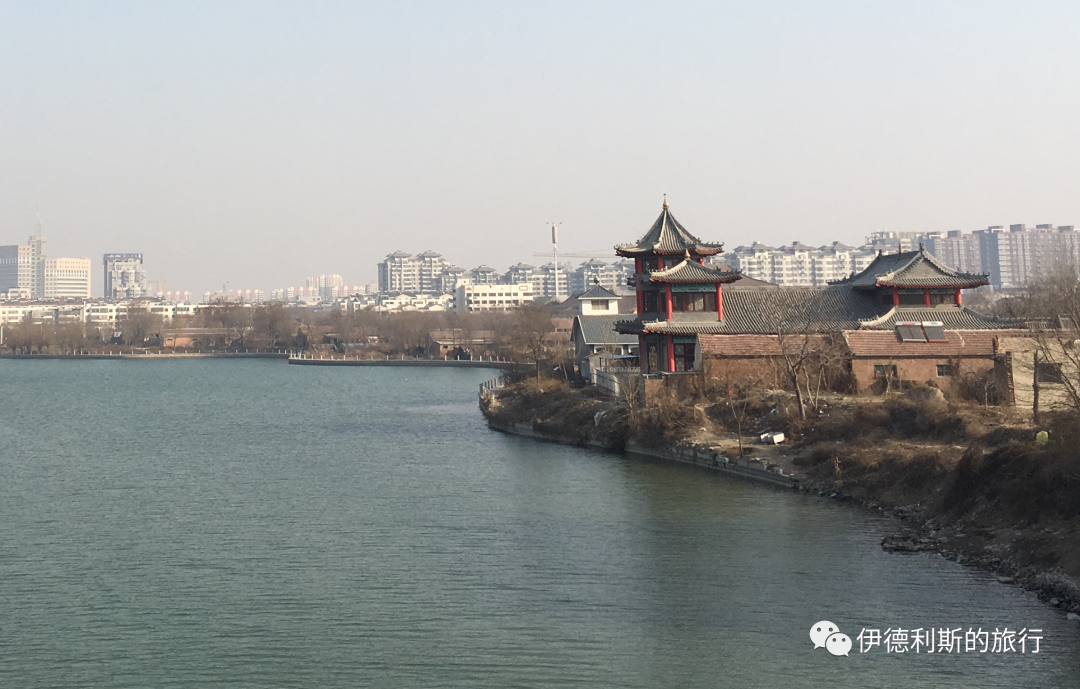
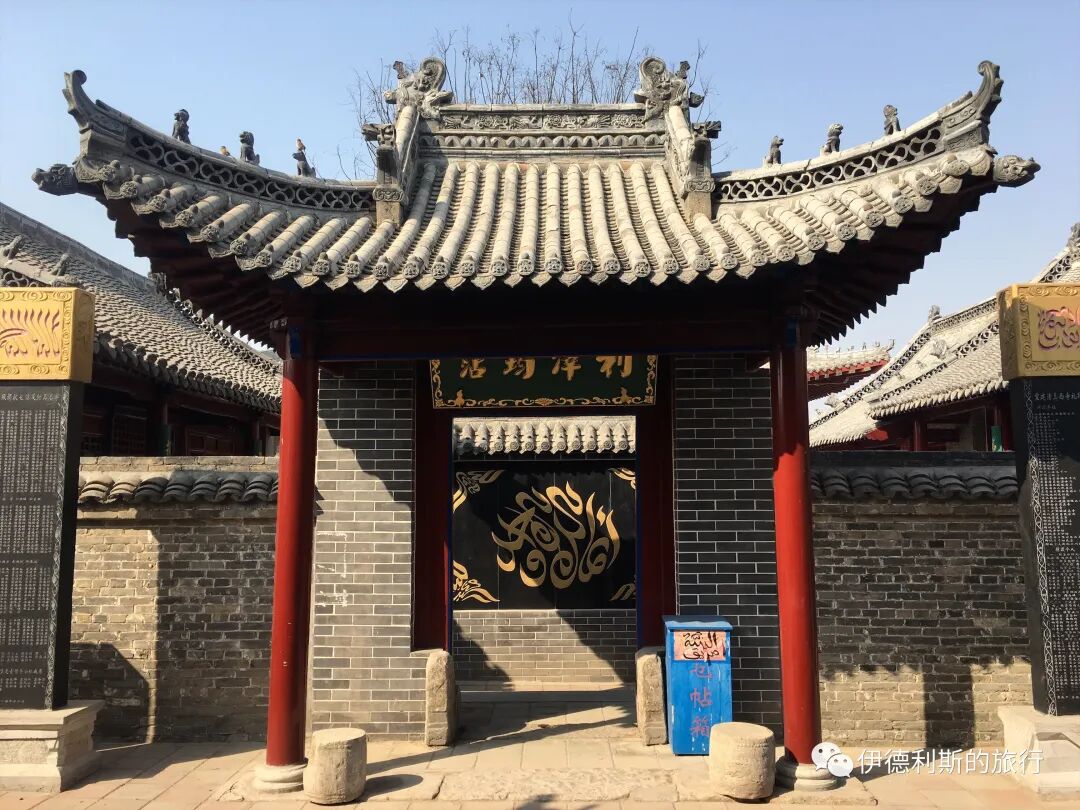
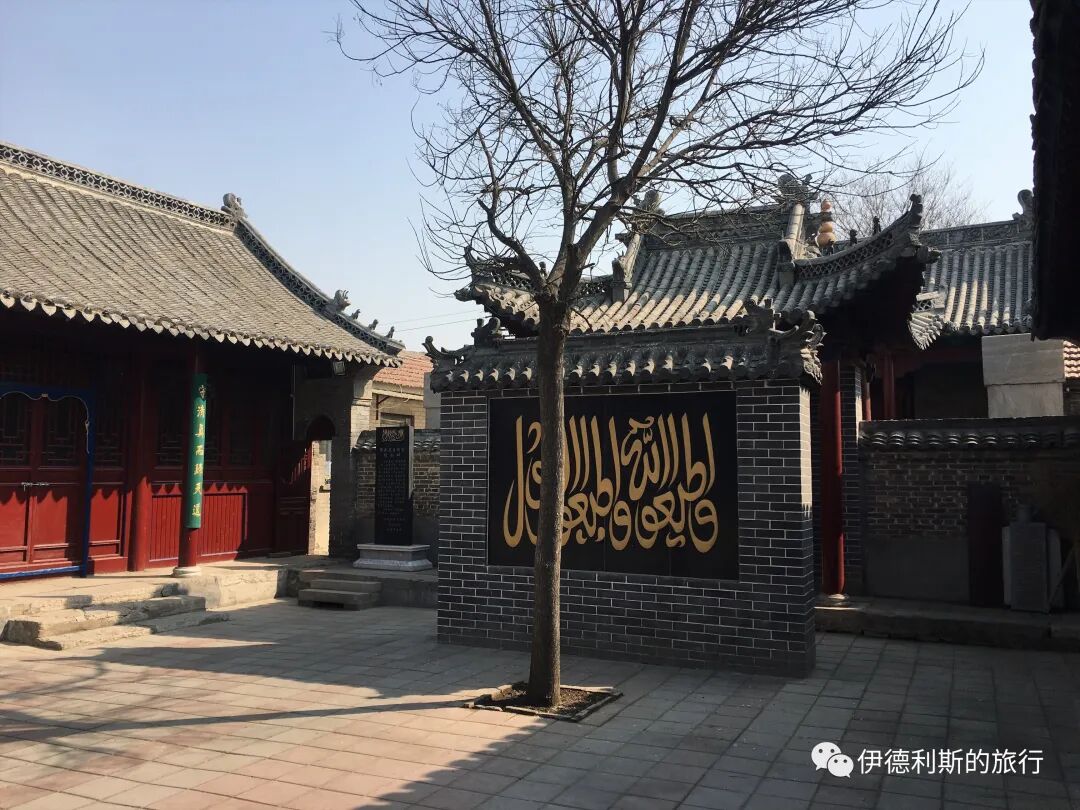
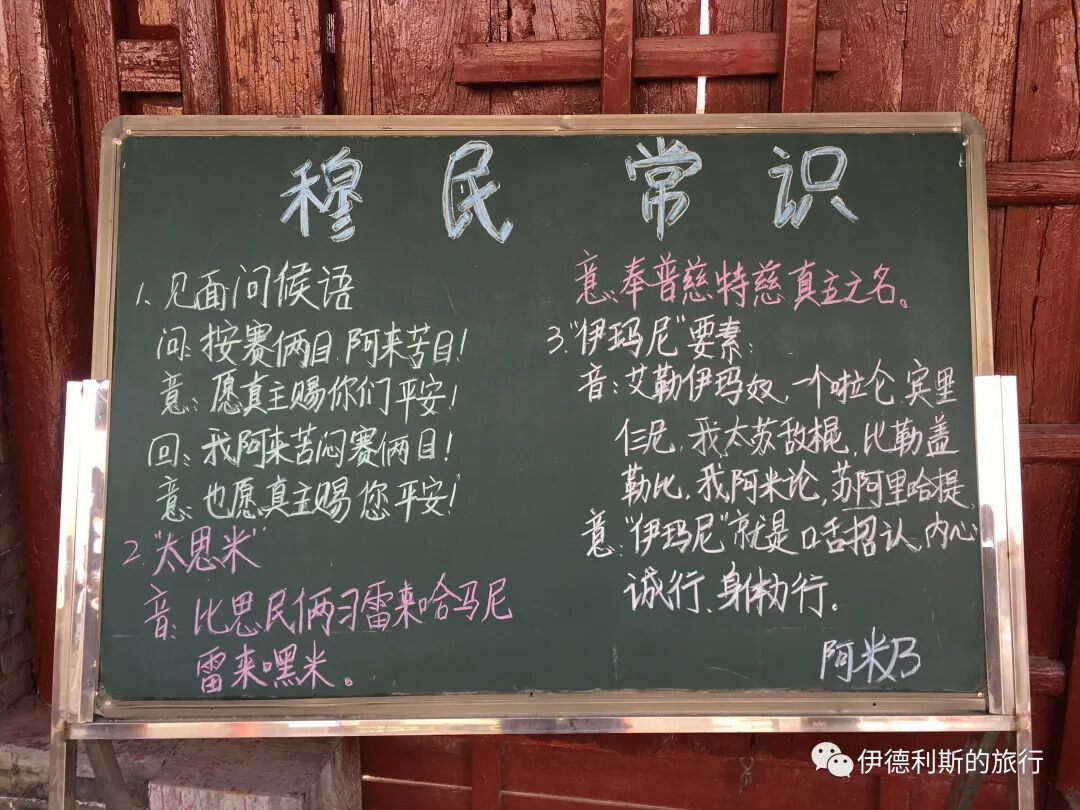
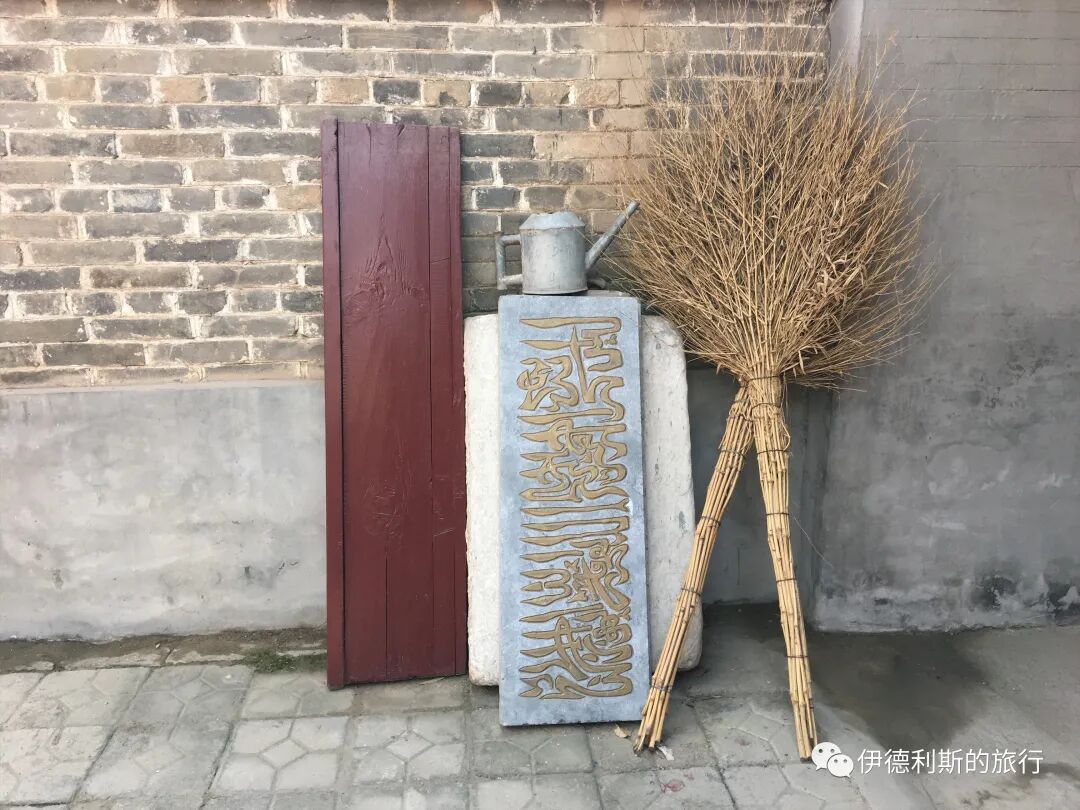
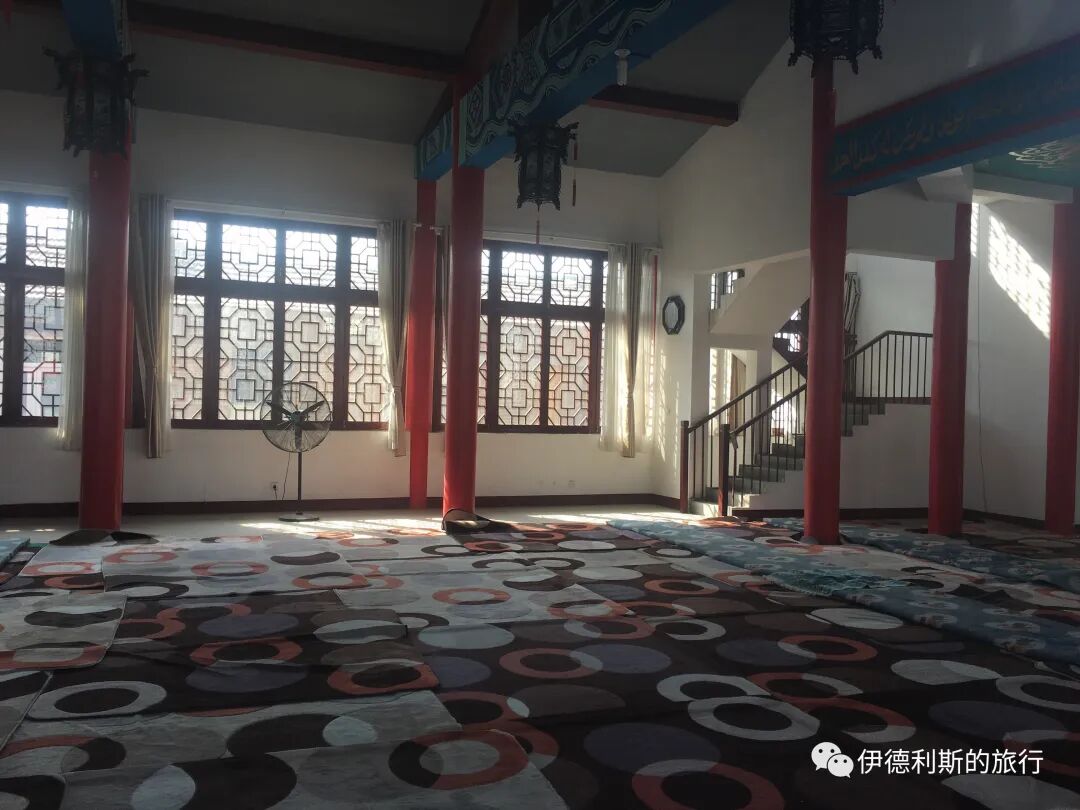
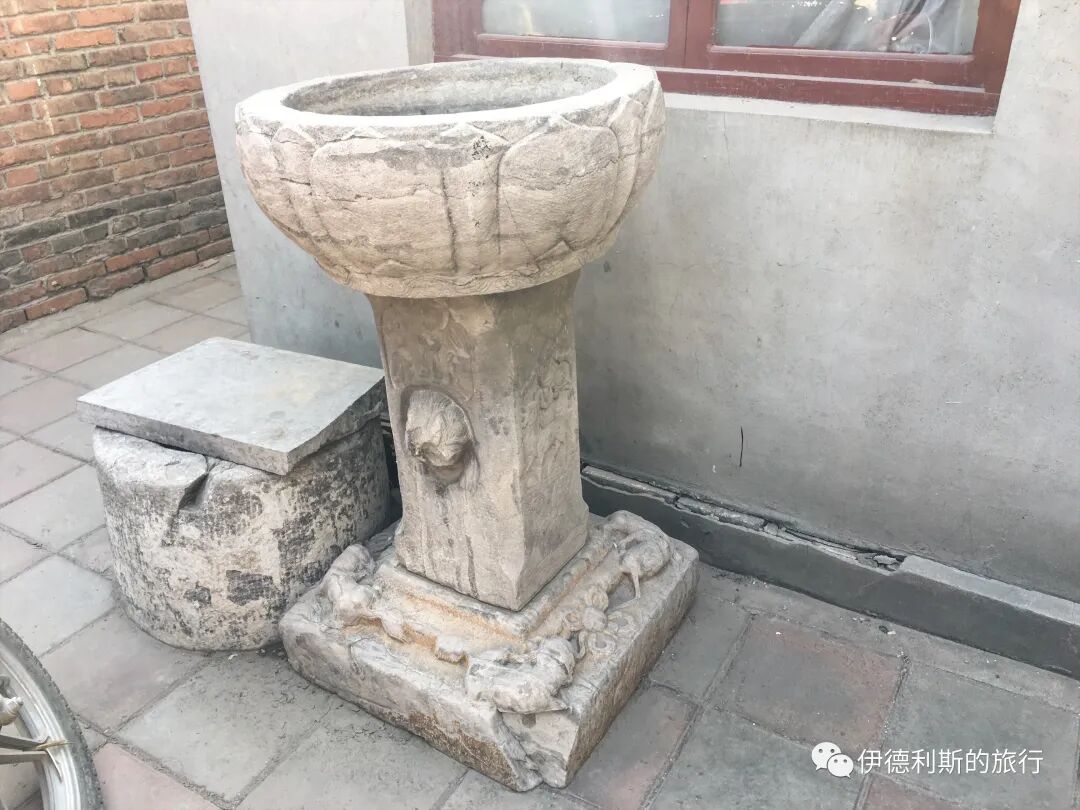
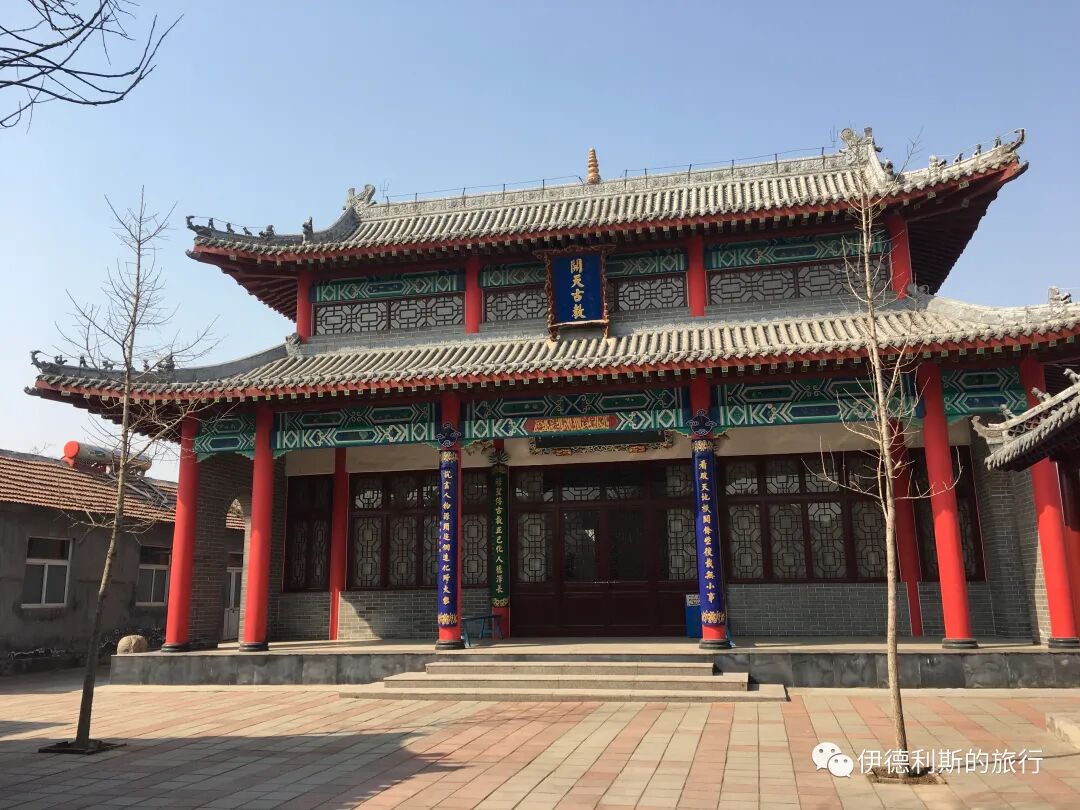
The East Mosque (Qingzhen Dongsi) in the East Gate (Dongguan) area of Liaocheng is commonly known as the Small Mosque (Xiao Libaisi). It was built during the Yongle reign of the Ming Dynasty (around 1405) and was commissioned by the Dongchang Prefecture garrison commander, Bai Lin. It was renovated during the Jiaqing, Xianfeng, and Guangxu reigns, and was rebuilt in 2002.
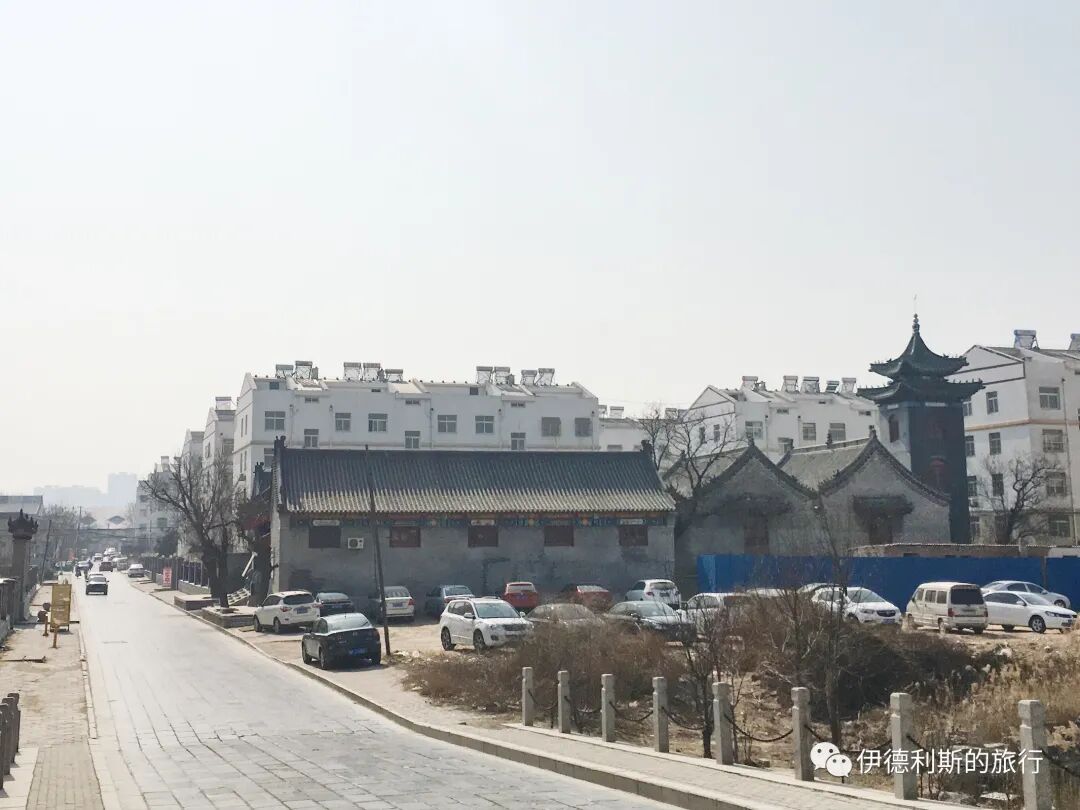
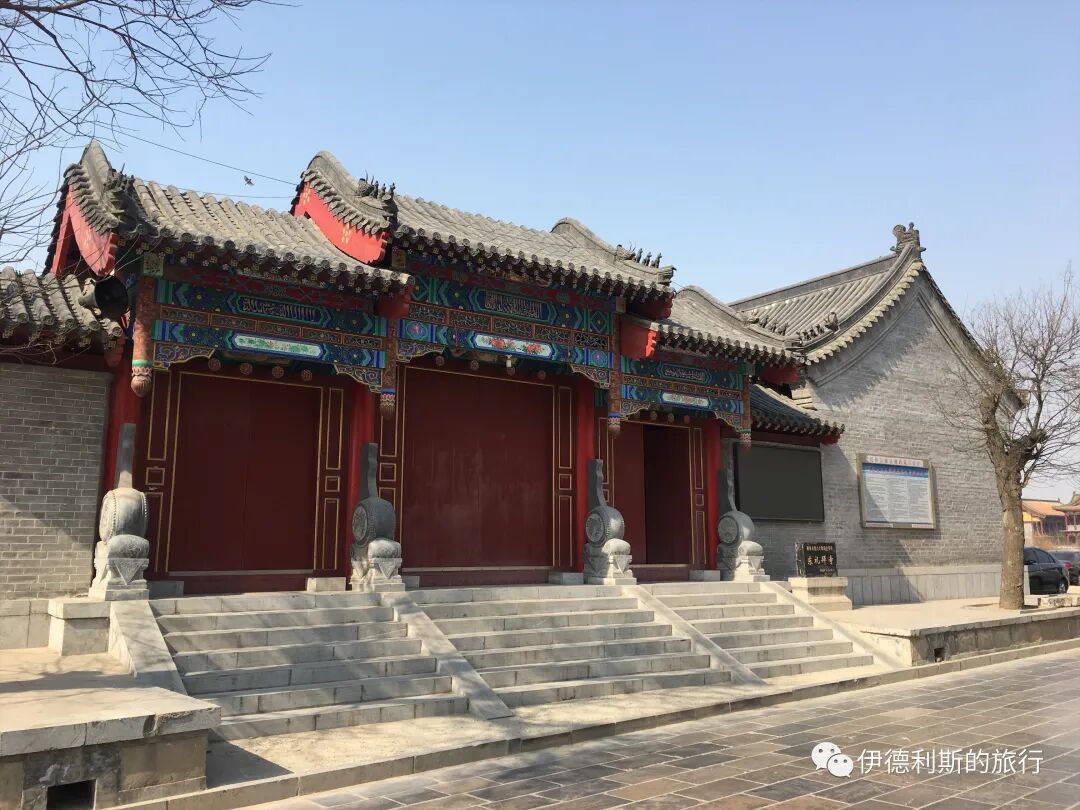
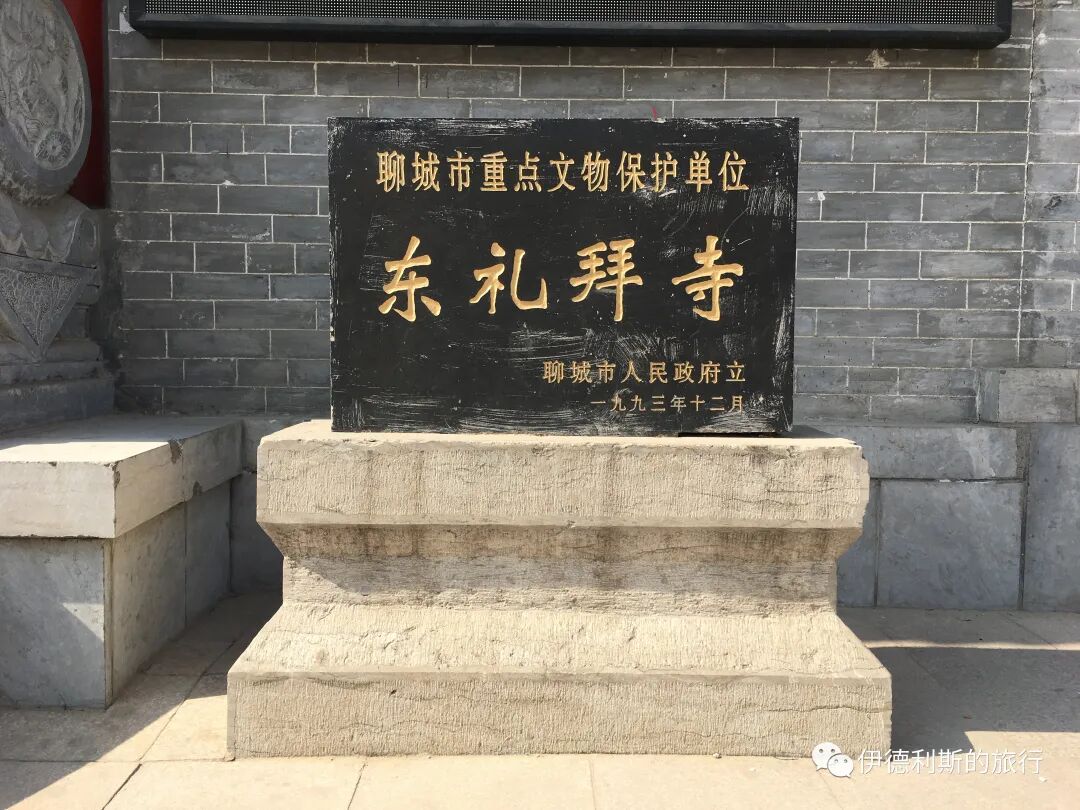
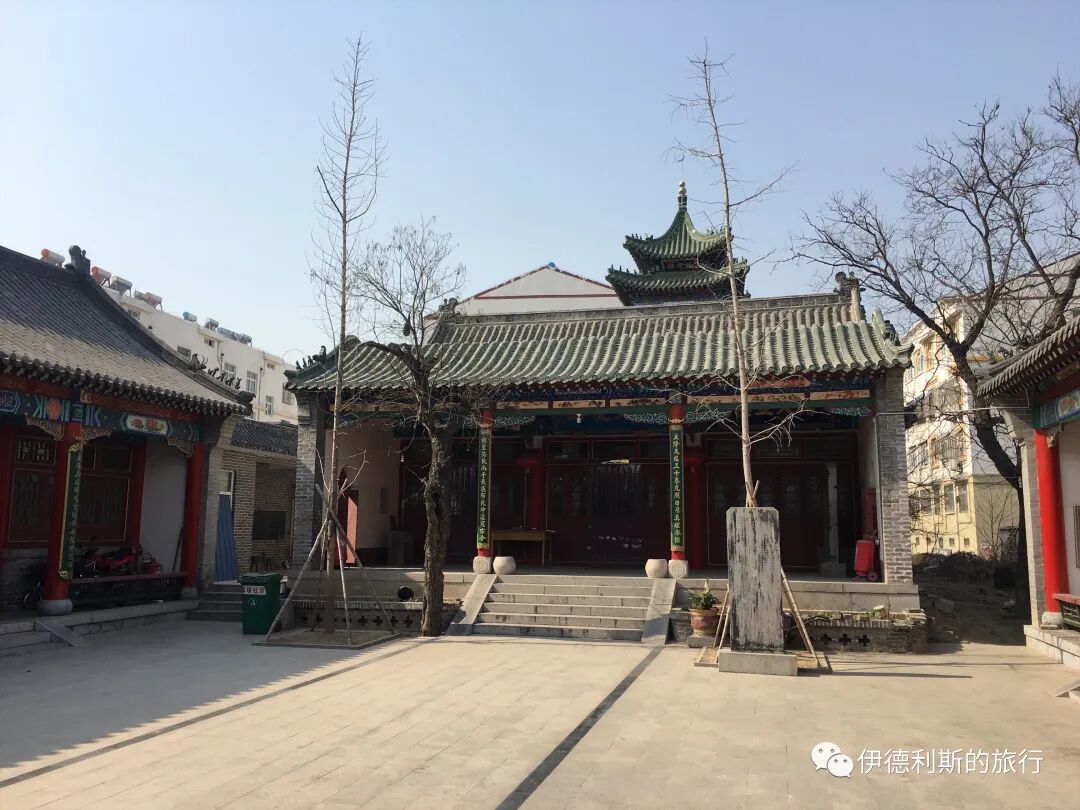
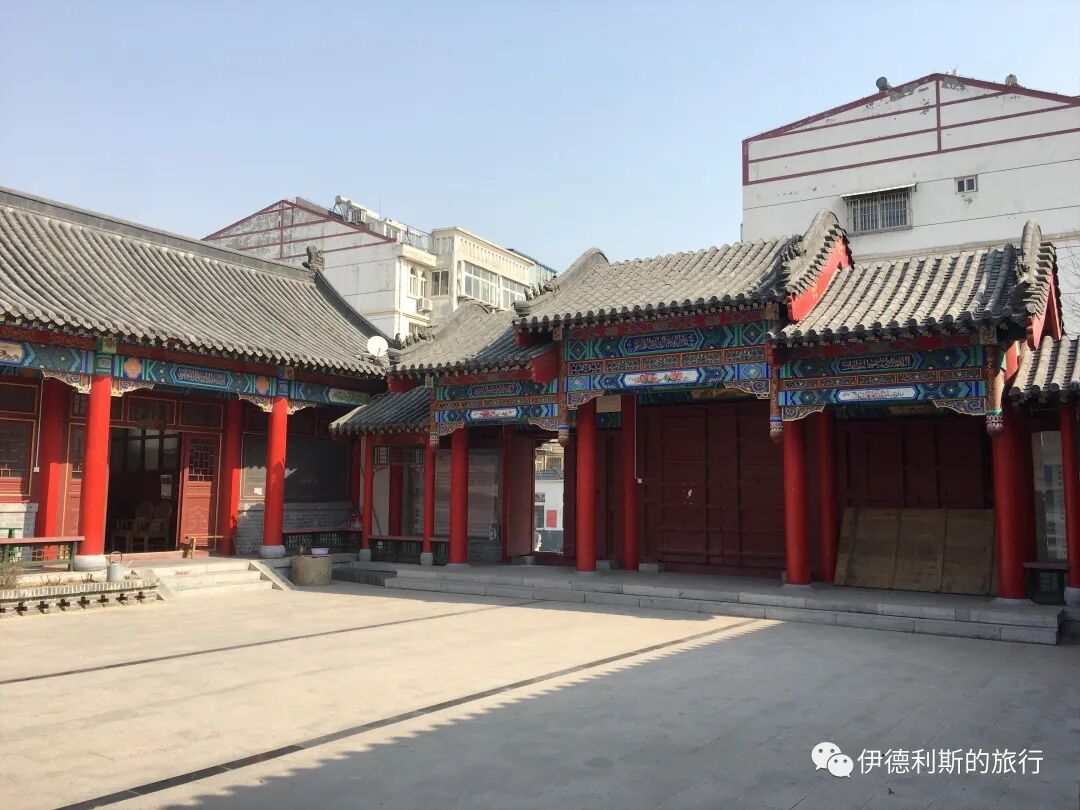
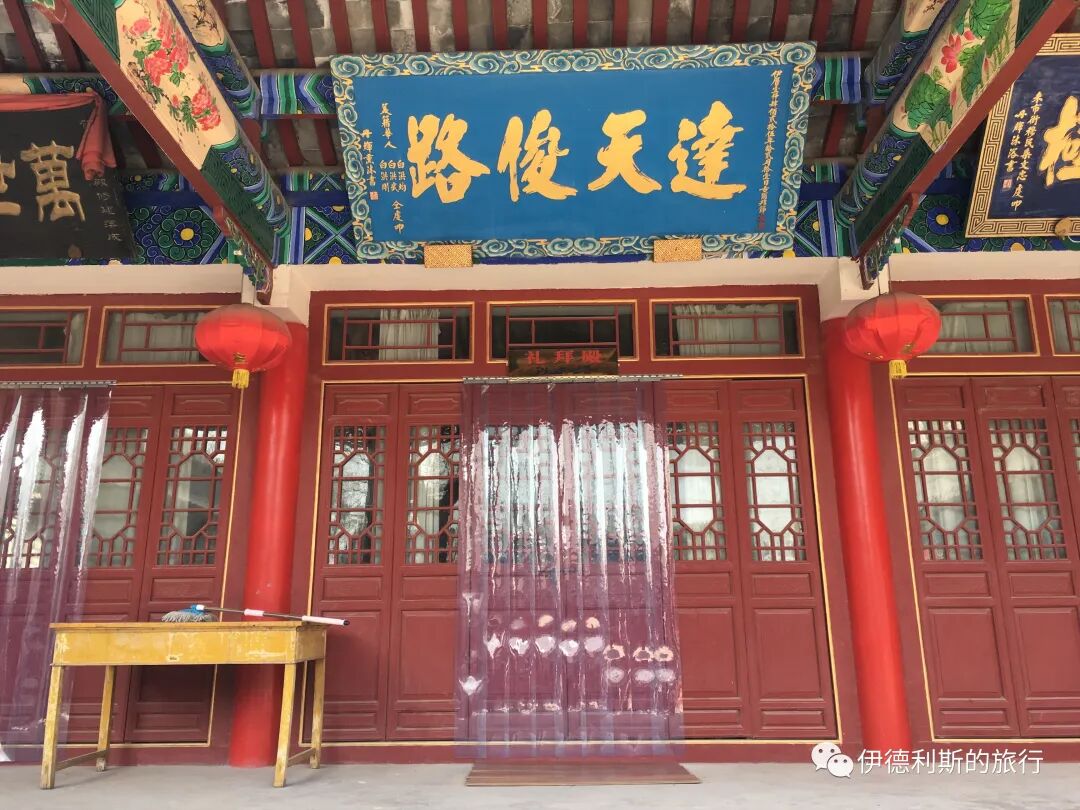
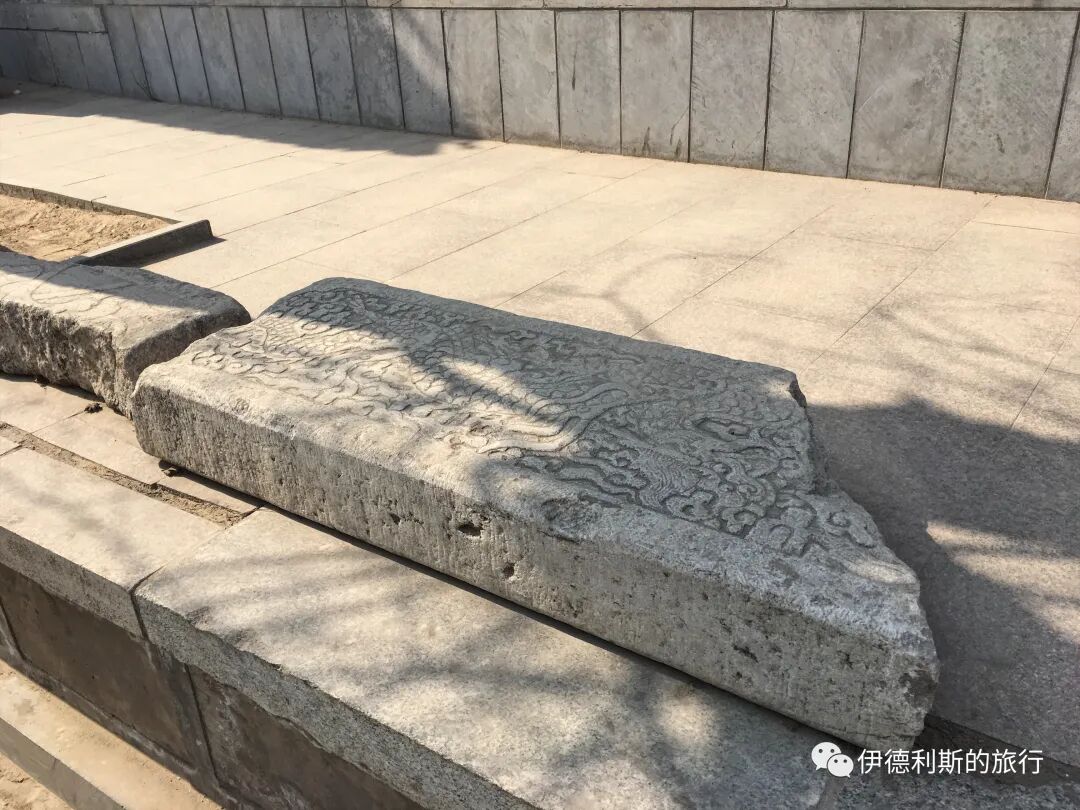
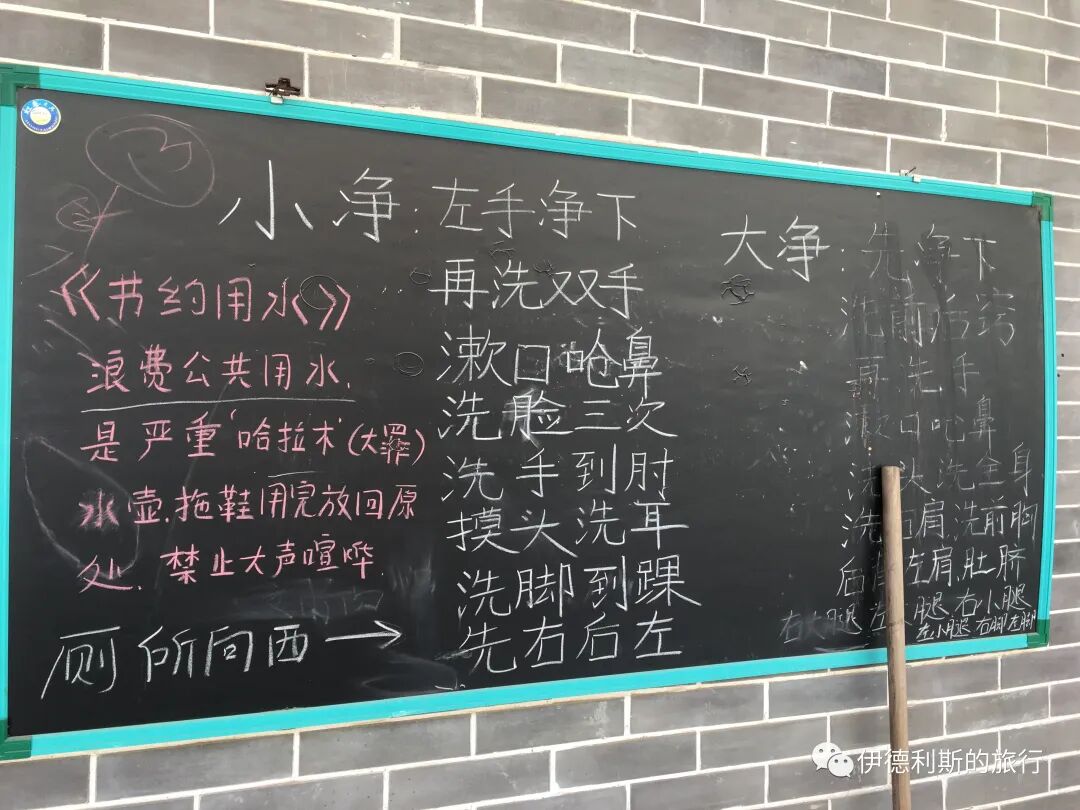
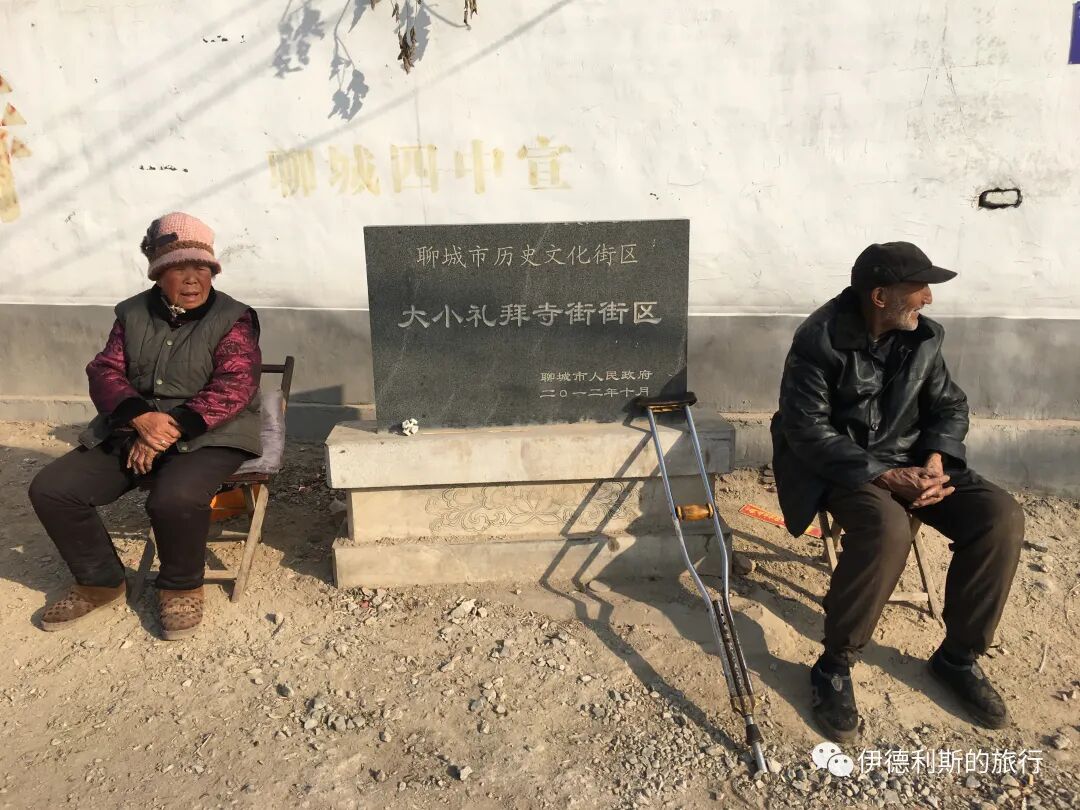
The Big and Small Mosque Street (Daxiao Libaisi Jie) historical district, located north of East Gate Road (Dongguan Lu) in Liaocheng, has been demolished more severely than Rice Market Street (Mishi Jie), but it has not been completely flattened like the area inside the city.
Clear broth meatballs (qingcuan wanzi)
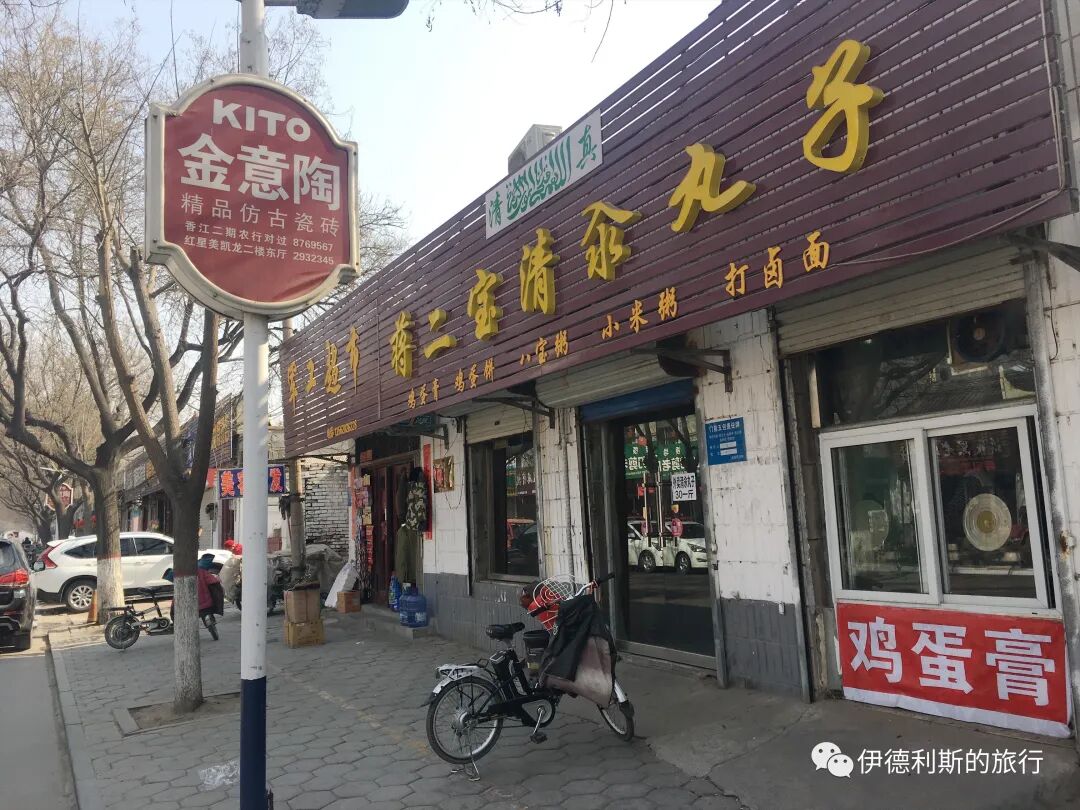
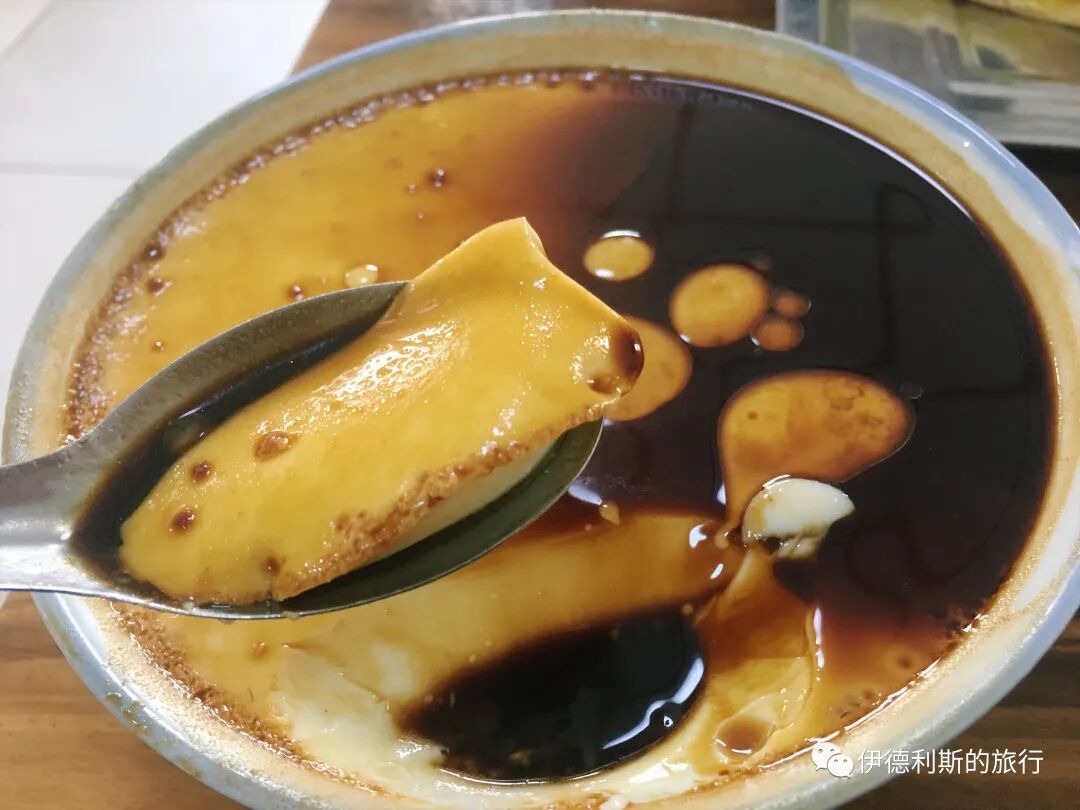
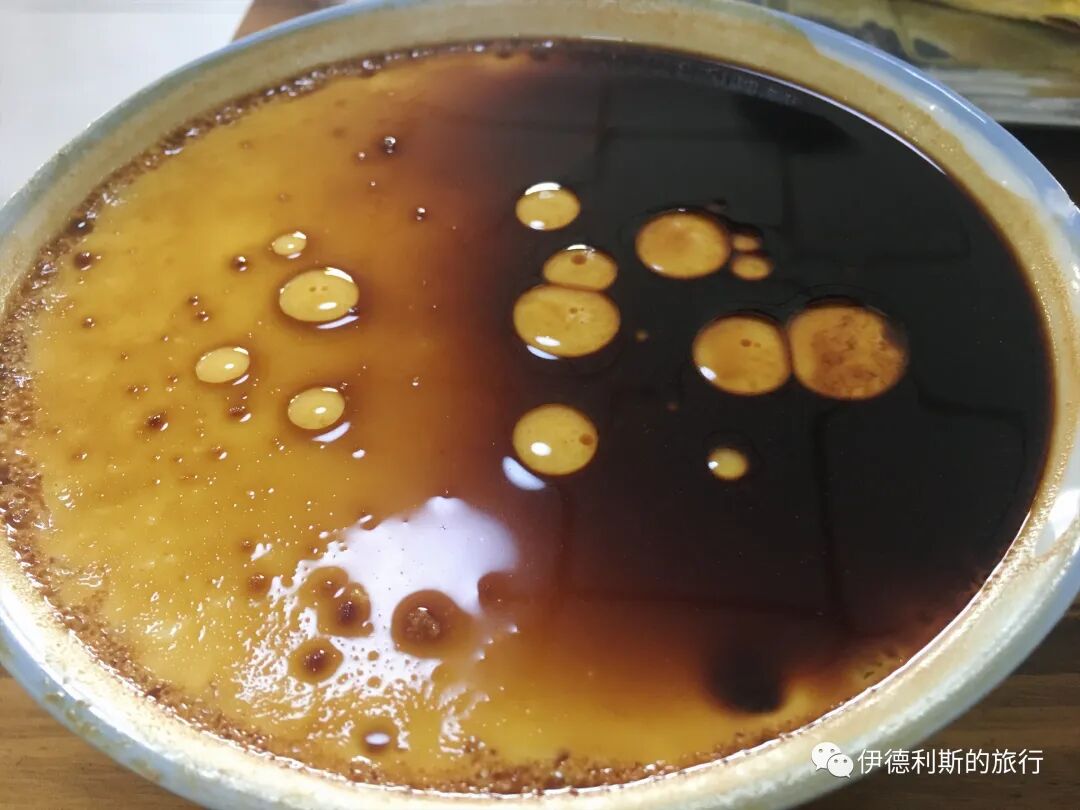
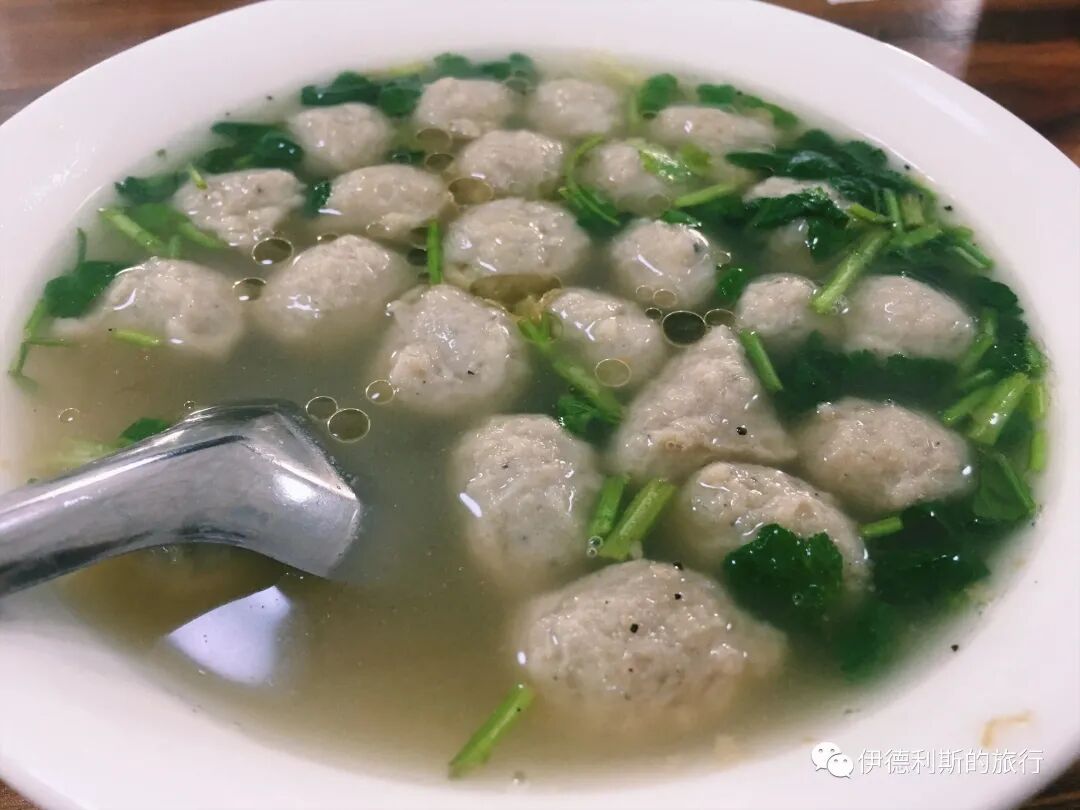
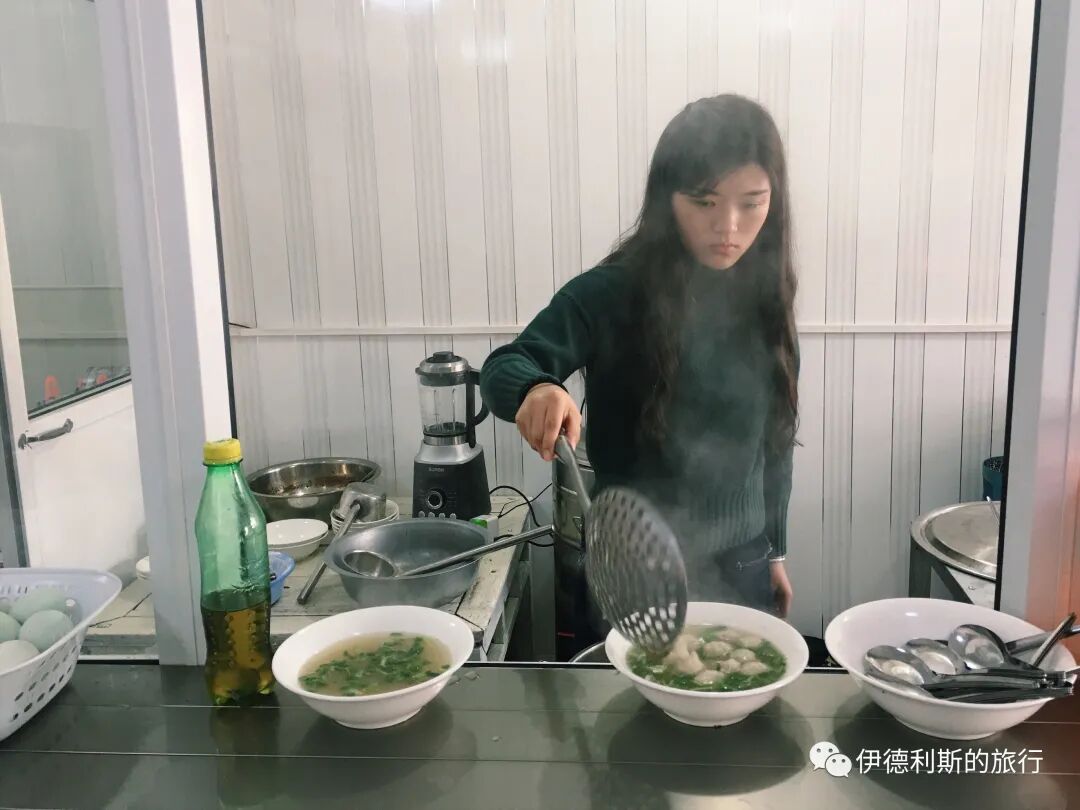
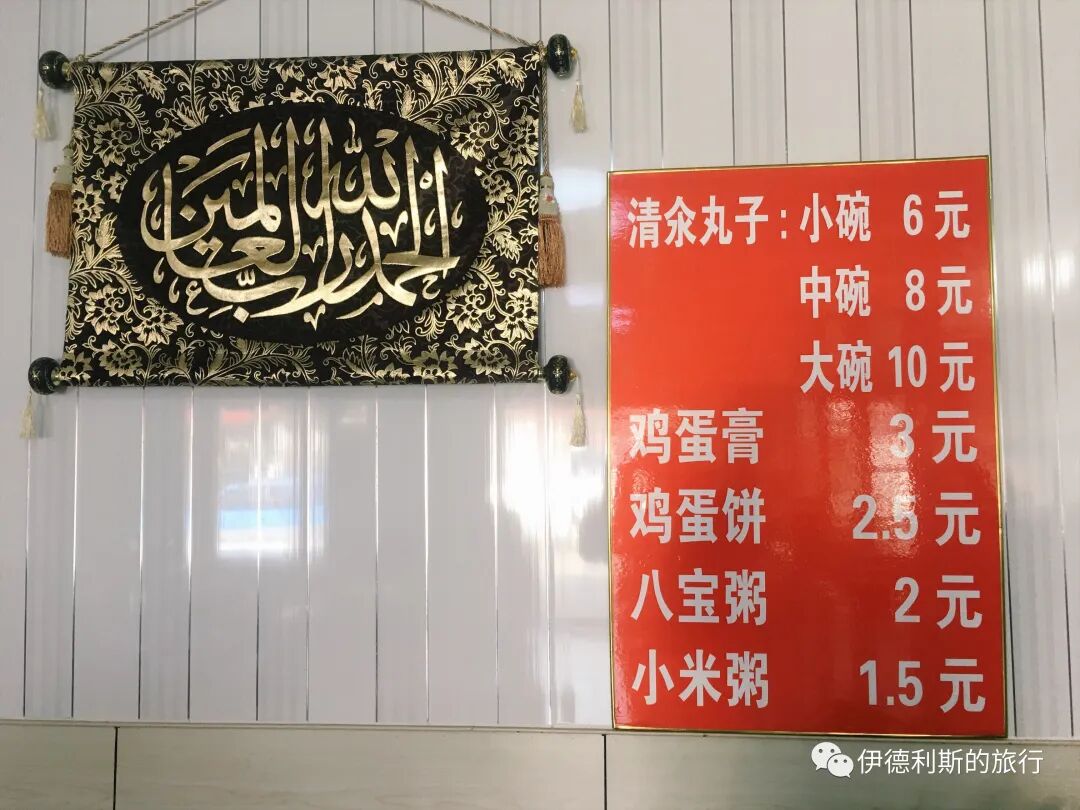
At noon, I ate clear broth meatballs (qingcuan wanzi), steamed egg custard (jidan gao), and egg pancakes (jidan bing) at Jiang Erbao's clear broth meatball shop in the East Gate (Dongguan) area of Liaocheng. A small bowl of clear broth meatballs (qingcuan wanzi) costs 6 yuan and contains 22 lamb meatballs. They are very tender, unlike the meatballs in Beijing, which are larger. Sprinkling a little pepper makes them very comforting to eat in winter, and the sesame oil is also very fragrant. A large bowl of steamed egg custard (jidan gao) uses at least 3 eggs and only costs 3 yuan. I have liked steamed egg custard since I was a child, and it really suits my taste.
Summary: This Muslim travel guide China 2026 update keeps the original 2017 Liaocheng travel notes intact and natural in English. It is useful for halal food in China, Chinese Muslim food, China Muslim travel tips, and old mosque routes in Shandong.
On February 18, 2017, I went to the Dongguan area of Liaocheng, Shandong, to explore and eat.
The Hui Muslim district in Dongguan, Liaocheng.
After the Yuan Dynasty moved its capital to Beijing, the army relied on supplies from the south. Shipping grain by sea from the Jiangnan region was often dangerous, so in 1289 (the 26th year of the Zhiyuan era), Emperor Kublai Khan ordered the construction of the Huitong River from Xucheng, Shandong, to Linqing. This connected the Grand Canal from north to south, and Liaocheng, located along the Huitong River, quickly became a major canal hub. Starting in the Yuan Dynasty, Dongguan, which connected the city to the canal, became the busiest area in Liaocheng. Hui Muslims kept moving here to settle, eventually forming the Dongguan Hui Muslim district.
In 1372 (the fifth year of the Hongwu era of the Ming Dynasty), the earthen walls of Dongchang (Liaocheng) were rebuilt with bricks. In 1420 (the 18th year of the Yongle era), Emperor Zhu Di moved the capital to Beijing and relied heavily on the Grand Canal to transport grain from the south. Liaocheng entered its golden age, and the large and small mosques in Dongguan were built during the Hongwu and Yongle eras.
In 1855 (the fifth year of the Xianfeng era), the Yellow River burst its banks at Tongwaxian in Henan. It split into three paths, diverted northeast, and flowed into the sea via the Daqing River, cutting the canal in half and causing Liaocheng to decline. Since the mid-to-late Qing Dynasty, the Liaocheng section of the canal relied on water from the Yellow River. After the breach at Tongwaxian, the Yellow River flooded several more times. The canal in Liaocheng became increasingly silted, the river course changed frequently, and water transport became more difficult. In 1872 (the 11th year of the Tongzhi era), the China Merchants' Steam Navigation Company was established in Shanghai, and grain transport began moving to sea routes. In 1901 (the 27th year of the Guangxu era), canal transport was completely abandoned, and Liaocheng fell silent along with the silted canal.
Eating breakfast in Dongguan, Liaocheng.
Dongguan in Liaocheng has all kinds of delicious breakfast foods. We first ate Liang's fried cakes (zhagao) outside Dongguan Bridge. They come in several flavors like white sugar and red bean paste. We chose the osmanthus and white sugar filling; they were large and delicious.
Then we went to Yishunzhai Steamed Bun Shop for large steamed buns (baozi) with pure lamb filling. The buns were huge and cost two yuan each. One was enough to be full, and two left me stuffed for the whole day!
Next to Yishunzhai Steamed Bun Shop is Jiang's Black Old Man Roasted Snacks (chaohuo). We bought peanuts here and finished them all on the train ride back. They were very flavorful with a rich aroma from various spices.
We also bought beef jerky at Dou's Deli. The beef was completely air-dried with no moisture left. It was crispy when you bit into it, so you had to let it soften in your mouth before chewing. The flavor changed from the first bite to the last, and it needed to be savored slowly.
There were many other delicious things in Dongguan that we didn't have time to try.
Canal docks.
Walking south along the canal from Dongguan in Liaocheng, there are two docks, one large and one small. The large dock was the official transport dock, also called Chongwu Station Dock. Back then, the ships waiting to unload stretched for miles, a scene known as 'Chongwu's continuous masts'. The small dock was originally a private dock for merchants. These two spots are precious relics of the Grand Canal in the Liaocheng urban area.
Small dock.
Large dock.
The scenery of the Liaocheng section of the Grand Canal.
Rice Market Street (Mishi Jie)
South of East Gate Street (Dongguan Jie) is the Rice Market Street (Mishi Jie) historical district. It is paved with blue stone and is one of the few remaining historical districts in the old city of Liaocheng. This area used to be full of grain shops. At its peak, there were dozens of them. The street was busy every day with constant traffic and crowds of people.
Later, I saw a design rendering of Rice Market Street (Mishi Jie) at the Grand Canal Museum. Perhaps it will soon become a faux-antique commercial street, and its original character will disappear.
Big and Small Mosques
There are two mosques in the East Gate (Dongguan) area of Liaocheng. The West Mosque (Qingzhen Xisi) is commonly known as the Big Mosque (Da Libaisi). It was first built in 1385 (the 17th year of the Hongwu reign) and was renovated twice during the Jiajing and Kangxi reigns. The original main hall had 81 rooms, and the beams and purlins were all made of golden nanmu wood. It was magnificent and could compare with those in Jining and Linqing.
In the winter of 1946, the People's Liberation Army attacked Liaocheng and used the mosque's minaret (bangkelou) as an observation post to fire at the Nationalist troops inside the city. The West Mosque (Qingzhen Xisi) also became a command post for the People's Liberation Army. People say the People's Liberation Army dug a tunnel underwater on the east bank of the moat toward the city. They laid door panels on top and supported them with pillars. They dug through the city wall near the East Gate and opened a hole, but the Nationalist troops discovered it and blocked the opening with sandbags.
The Liaocheng city wall was high and thick, and the moat was wide and deep. The People's Liberation Army could not break into the city and had to stop the siege. Afterward, the Nationalist troops left the city and set fire to it, burning down the buildings inside the mosque.
The West Mosque (Qingzhen Xisi) was not rebuilt until 1956. During the Cultural Revolution (wg), it was occupied by a factory, and it was renovated in 1992. The main hall was rebuilt into its current appearance in 2009. Now, only the main gate and the north and south lecture halls remain as historical buildings.
The East Mosque (Qingzhen Dongsi) in the East Gate (Dongguan) area of Liaocheng is commonly known as the Small Mosque (Xiao Libaisi). It was built during the Yongle reign of the Ming Dynasty (around 1405) and was commissioned by the Dongchang Prefecture garrison commander, Bai Lin. It was renovated during the Jiaqing, Xianfeng, and Guangxu reigns, and was rebuilt in 2002.
The Big and Small Mosque Street (Daxiao Libaisi Jie) historical district, located north of East Gate Road (Dongguan Lu) in Liaocheng, has been demolished more severely than Rice Market Street (Mishi Jie), but it has not been completely flattened like the area inside the city.
Clear broth meatballs (qingcuan wanzi)
At noon, I ate clear broth meatballs (qingcuan wanzi), steamed egg custard (jidan gao), and egg pancakes (jidan bing) at Jiang Erbao's clear broth meatball shop in the East Gate (Dongguan) area of Liaocheng. A small bowl of clear broth meatballs (qingcuan wanzi) costs 6 yuan and contains 22 lamb meatballs. They are very tender, unlike the meatballs in Beijing, which are larger. Sprinkling a little pepper makes them very comforting to eat in winter, and the sesame oil is also very fragrant. A large bowl of steamed egg custard (jidan gao) uses at least 3 eggs and only costs 3 yuan. I have liked steamed egg custard since I was a child, and it really suits my taste.
