

Iran Travel
Halal Food Guide: Tehran Street Food — Iranian Snacks, Markets and Everyday Eats
Articles • ali2007fr posted the article • 0 comments • 145 views • 2026-05-18 02:39
Summary: Halal Food Guide: Tehran Street Food — Iranian Snacks, Markets and Everyday Eats is presented here as a firsthand travel account in clear English, beginning with this scene: I went to Tehran during the 2019 Mid-Autumn Festival to eat and explore. I am sharing some of the things I ate here. The account keeps its focus on Tehran Street Food, Iran Travel, Halal Food while preserving the names, places, food, and historical details from the Chinese source.
I went to Tehran during the 2019 Mid-Autumn Festival to eat and explore. I am sharing some of the things I ate here.
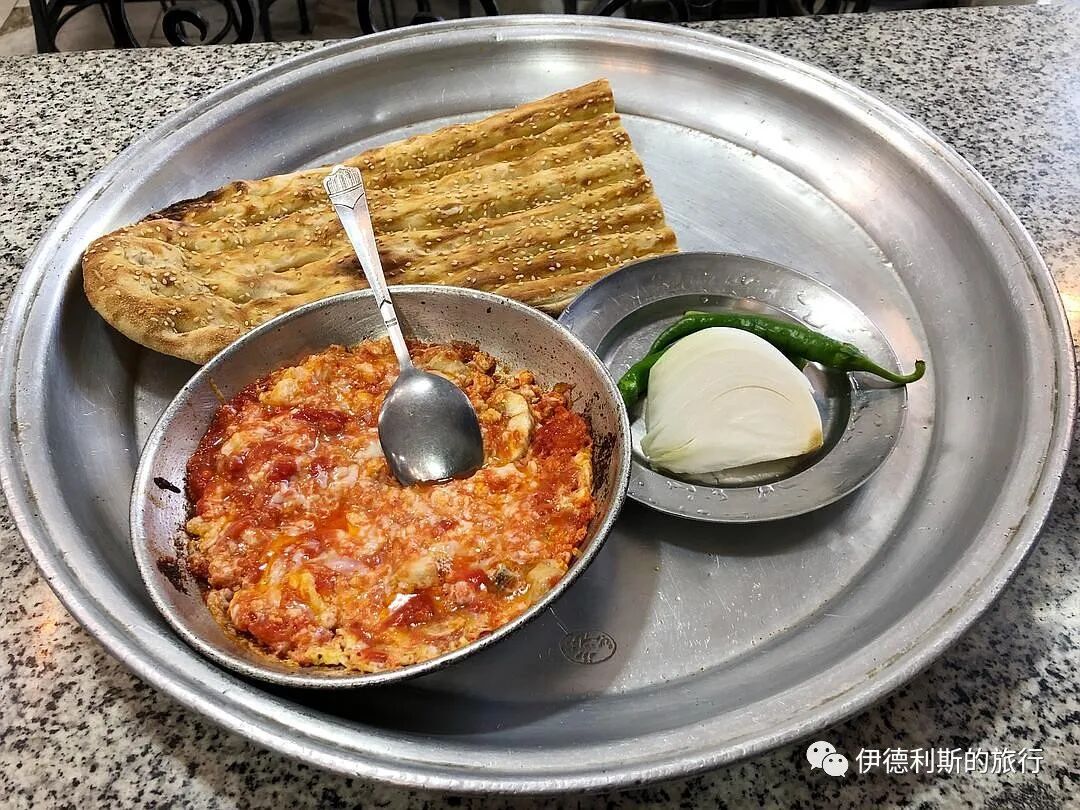
1. Persian tomato and egg stir-fry with Barbari flatbread (Barbari nan).
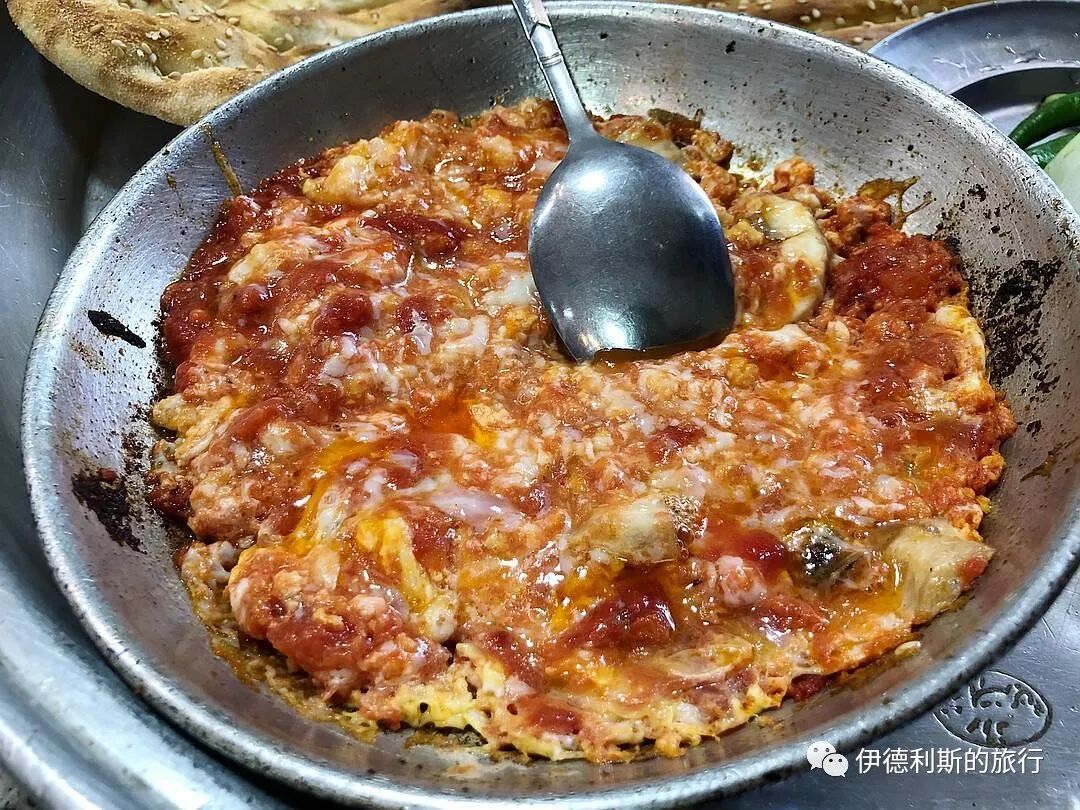
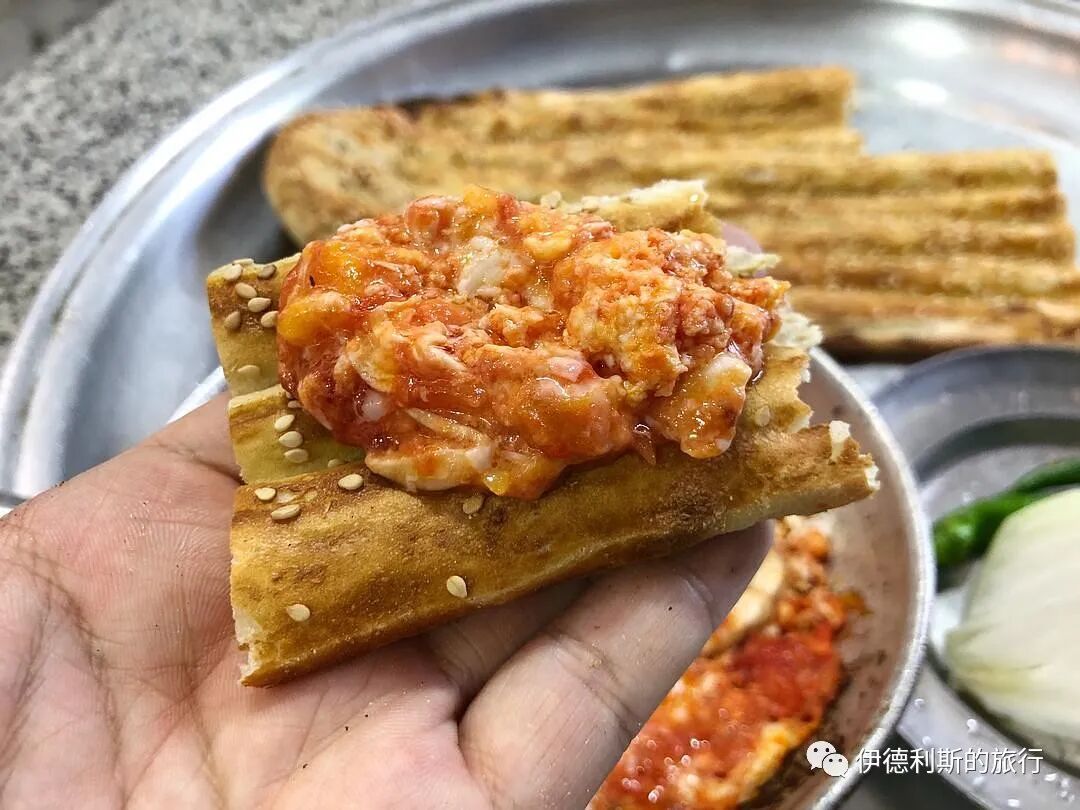
For breakfast on my first day in Tehran, I had Persian tomato and egg stir-fry (Persian Omelette), which is a signature Iranian breakfast. The cooking order for Persian tomato and egg stir-fry is the opposite of the Chinese version; you cook the tomatoes first, then add the eggs. Unlike our rice dishes, this Persian tomato and egg stir-fry must be eaten with flatbread. The shop I visited served it with Barbari flatbread.
Barbari literally translates to barbarian. It was originally what Persians called the Hazara people living in the Khorasan region. Hazara people from Khorasan first brought Barbari flatbread to Tehran, and it became popular during the Qajar dynasty (1796-1925). After that, the Hazara people were no longer called Barbari, but the name of the Barbari flatbread stayed.
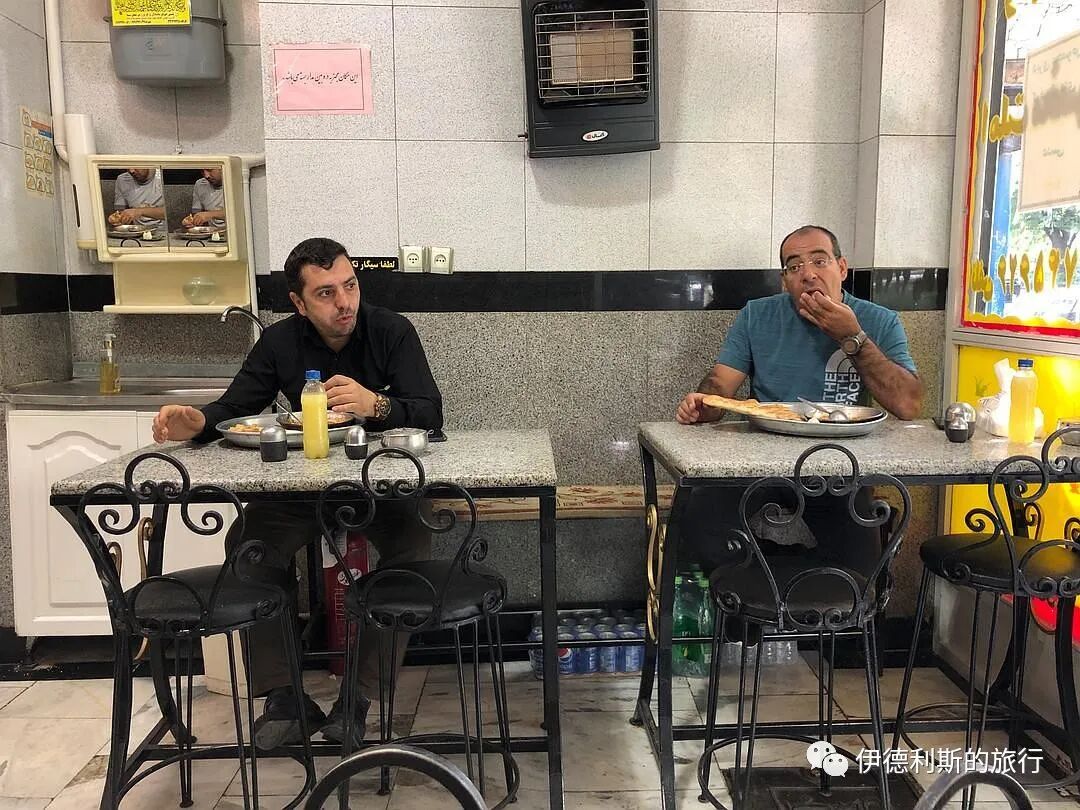
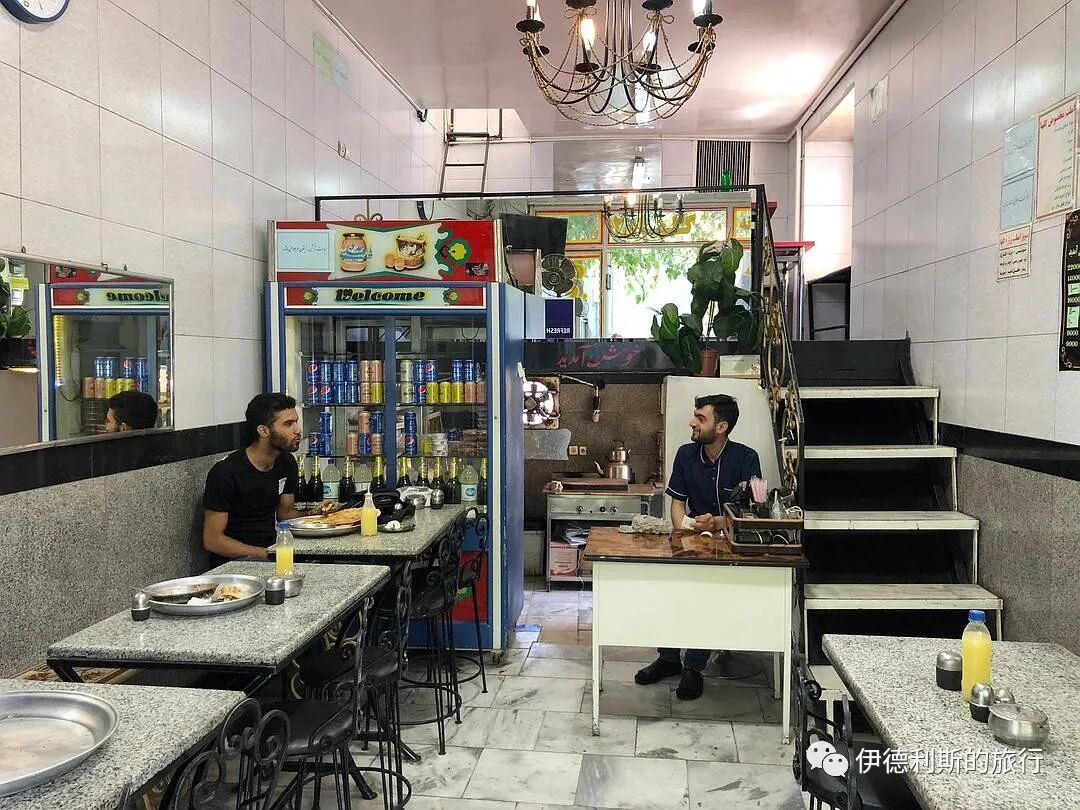
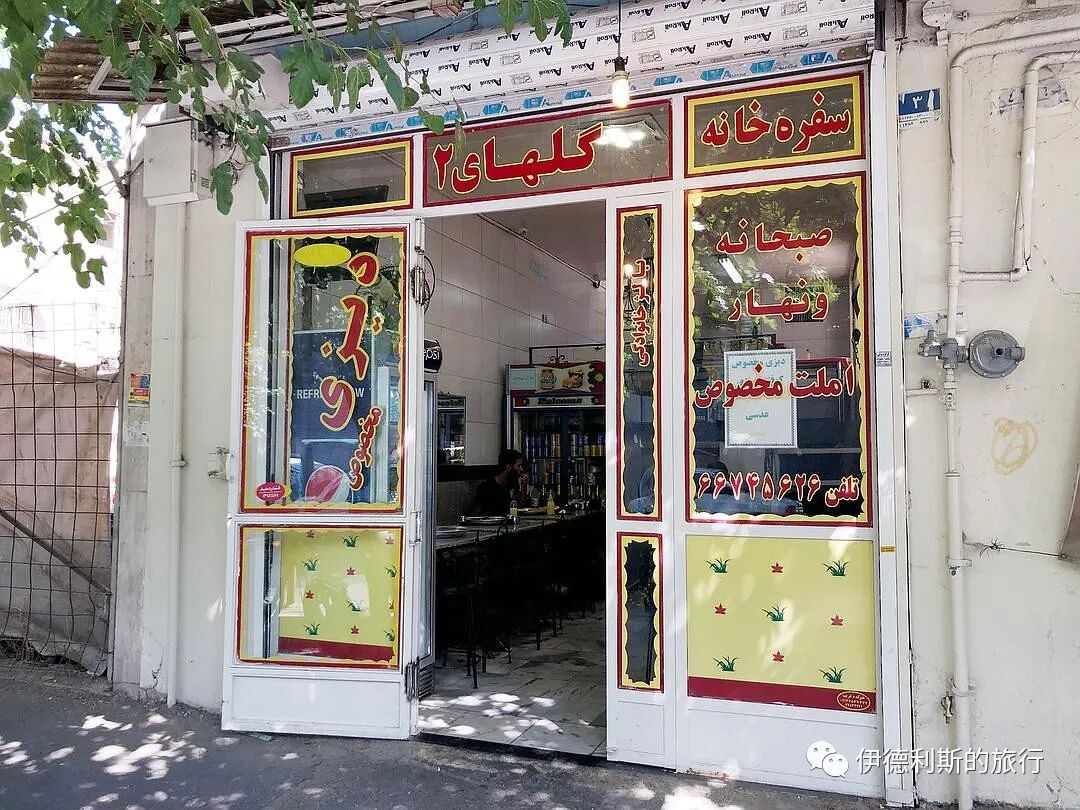
The shop I went to is called Golha 2 Hookah Bar. You can find it on Google Maps by searching for سفره خانه گلها 2. Because they only sell this one combination, you do not need to speak the language to order.
2. Cinnamon-spiced sheep head and trotter soup (Khalle Pache) with Sangak flatbread (Sangak nan).
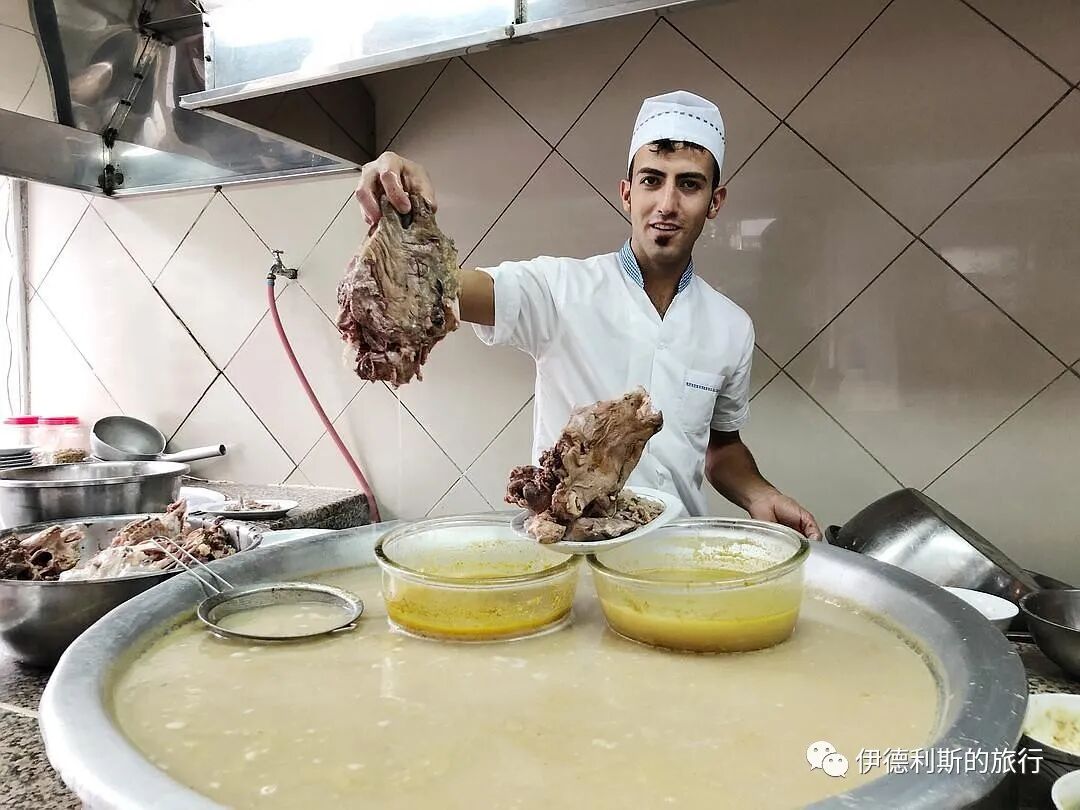
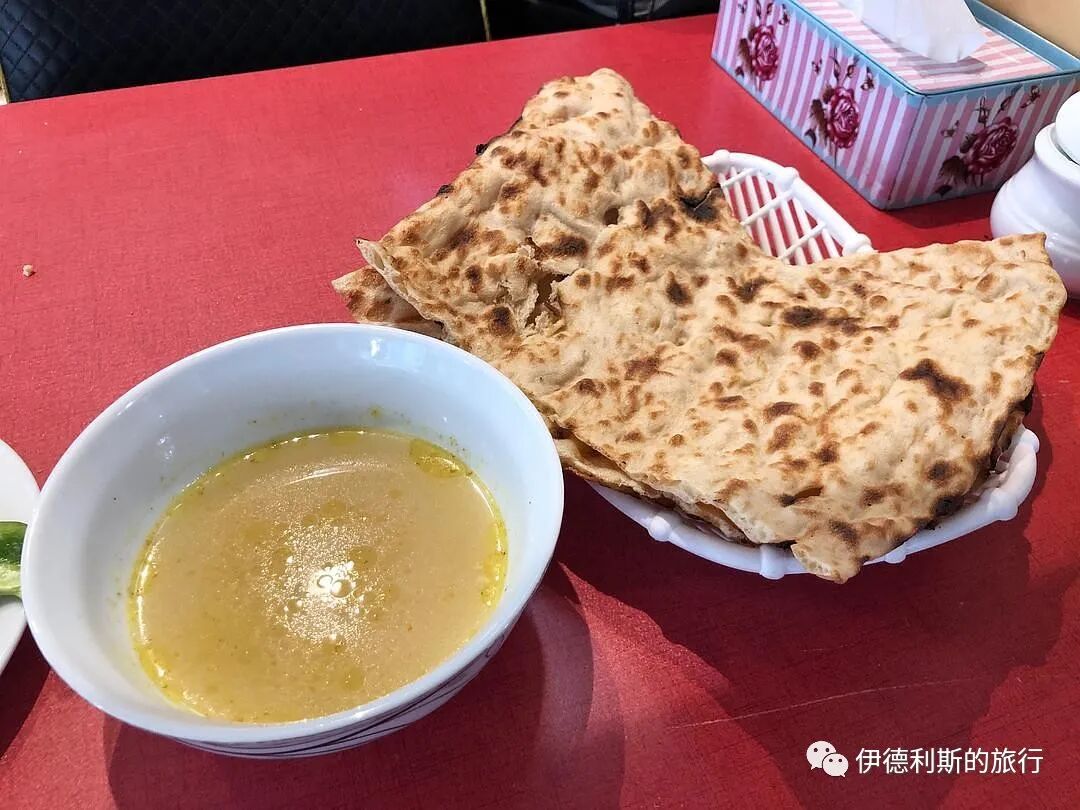
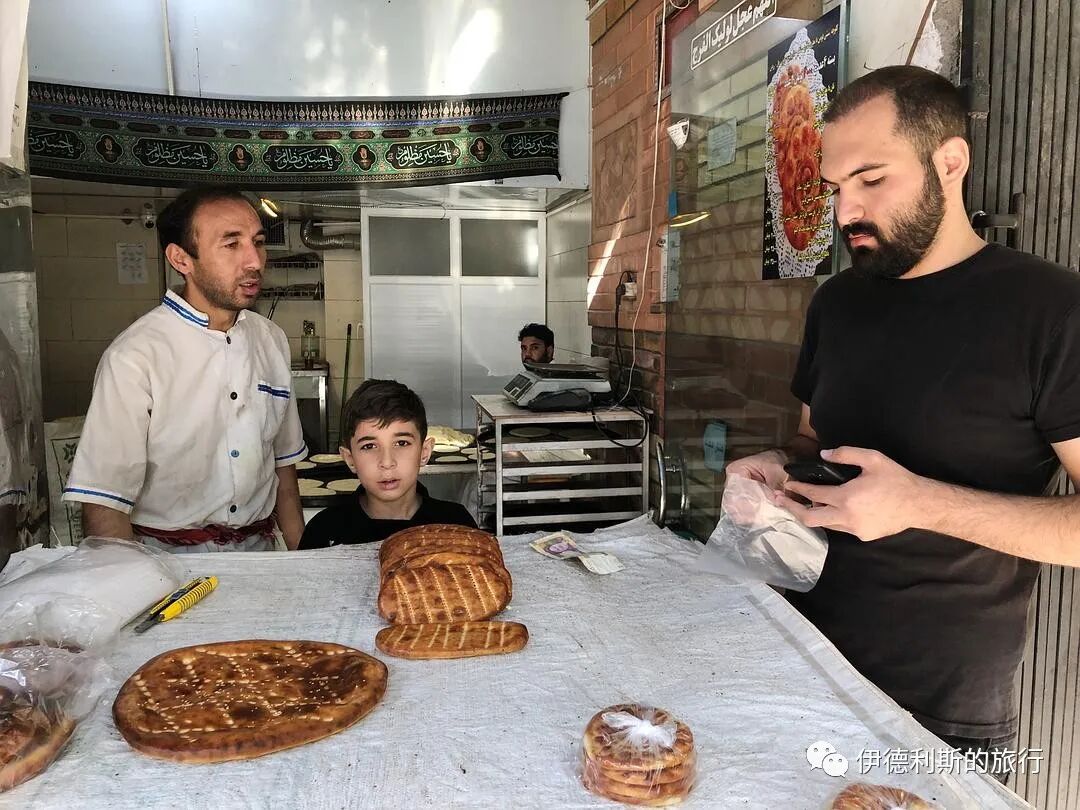
For breakfast on my second day in Tehran, I had cinnamon-spiced sheep head and trotter soup (Khalle Pache) served with Sangak flatbread. Sangak means small pebbles, and the earliest records of it come from the 11th-century Persian army. Persian soldiers back then supposedly carried pebbles with them. When they set up camp, they gathered the pebbles together to bake flatbread (naan), which is why Sangak flatbread has little pits all over it.
Sheep head soup is eaten more often in the autumn and winter. It usually comes with two pieces of flatbread; you soak the first one in the soup and eat the second one with the lamb. Besides sheep head and sheep trotters, the shop also sells sheep brain, but it is not part of the standard order, so you do not have to order it if you do not like it.
The shop I visited is called Lux Talaee Tabakhi, and it is a well-known spot in the old city of Tehran that specializes in sheep head and sheep trotter soup.
3. Falafel sandwich
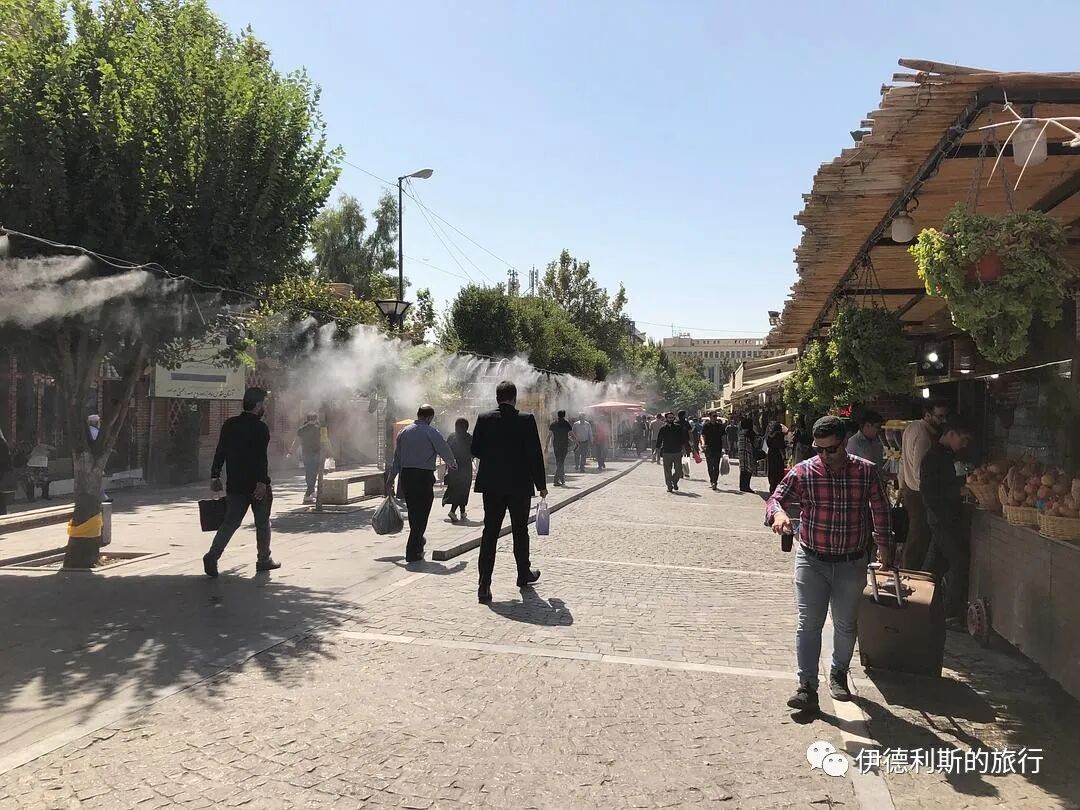
My accommodation in the old city of Tehran was south of Imam Khomeini Square, where there is a food street. I ate many snacks there. On the morning of my third day in Tehran, I ate a Falafel sandwich on the food street. It ranks alongside Iranian pizza as one of the two major street foods in Tehran.
Falafel is a common Middle Eastern fried chickpea ball, served inside a baguette with vegetable salad and Persian pickles (torshi). Torshi means sour in the Persian language. The most popular Falafel sandwich shops let you add your own salad and pickles, and they often have long lines. The one I ate had a simpler setup.
4. Samosa
Snacks called samosa are found from Northeast Africa to Western China, and they are made differently everywhere. Common versions include Indian curry puffs and baked buns (kaobaos) from Xinjiang, Central Asia. The word samosa actually comes from the Persian word sanbosag. As early as the 9th century, the Persian poet Ishaq al-Mawsili wrote poems praising the samosa. After the 10th century, the samosa began appearing in Arabic cookbooks and spread across Africa and Asia along with Muslims. The samosa remained popular in Iran until the 16th century, but later it was only kept in certain regions.
Samosas on the streets of Tehran are mostly fried triangles with potato filling, similar to the Indian version. I bought this kind at a small shop across from the Friday prayer (Jumu'ah) bazaar, and I also bought some delicious bread there.
I also ate another type of baked samosa on the food street south of Imam Khomeini Square, which also had a potato filling. The name of this restaurant is Sandwich Khorasan, so I guess this style might come from the Khorasan region in northeastern Iran.
5. Tripe soup (sirabi)
I had tripe soup (sirabi) with flatbread (sangak) at a small street shop next to the carpet bazaar in Tehran. The soup was very fresh and tasty, and the tripe was very chewy.
6. Caspian white fish of the Gilaki people
I ate at Khoshbin, a fried fish restaurant run by Gilaki people from northern Iran, while in Tehran. The Gilaki people mainly live in Gilan Province on the southern coast of the Caspian Sea, and the Gilaki language they use belongs to the Western Iranian branch. Molecular anthropology shows that the Y-chromosome of the Gilaki people is very close to that of South Caucasian people, but their mtDNA (mitochondrial DNA) is very close to that of Iranians. We can guess that the ancestors of the Gilaki people likely came from the South Caucasus region, then migrated to the southern shore of the Caspian Sea and mixed with the Iranians.
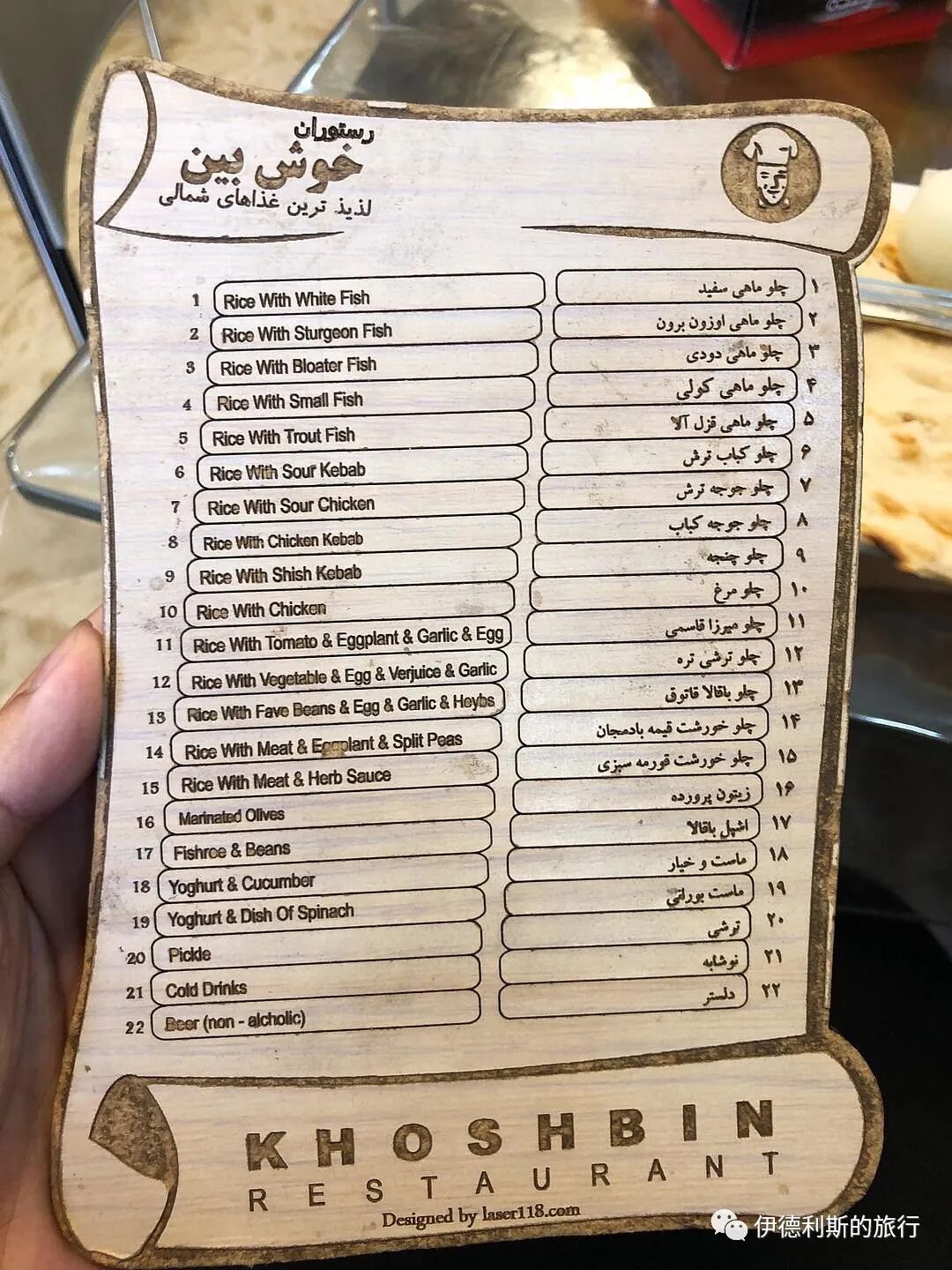
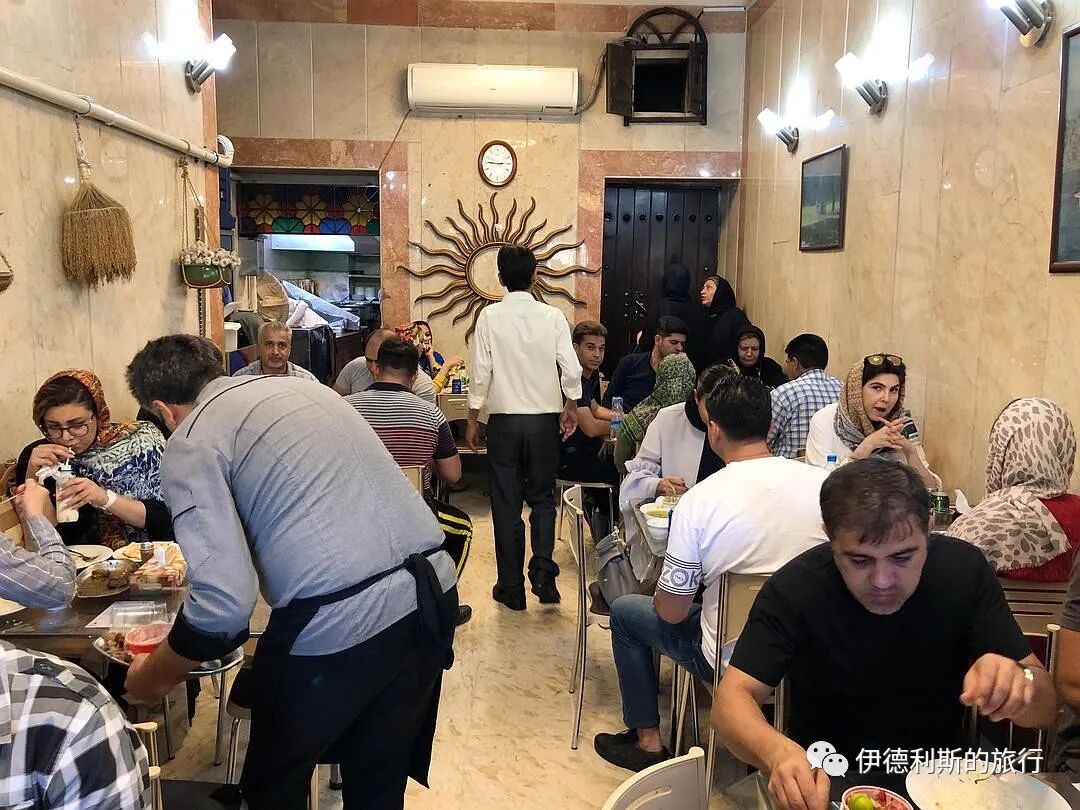
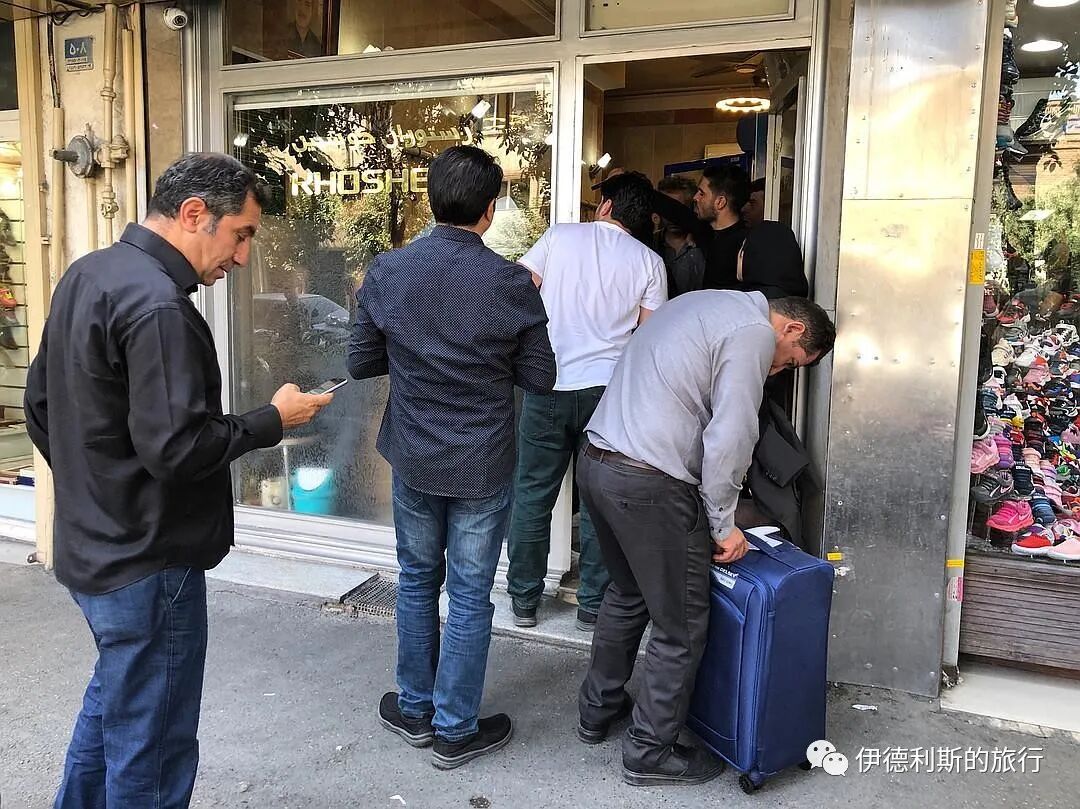
The business hours for Khoshbin on Google Maps are wrong. They are actually only open for lunch between 12:00 PM and 4:00 PM, and it is very popular, so you have to wait in line. Luckily, they have an English menu, so I was able to order my food without any trouble.
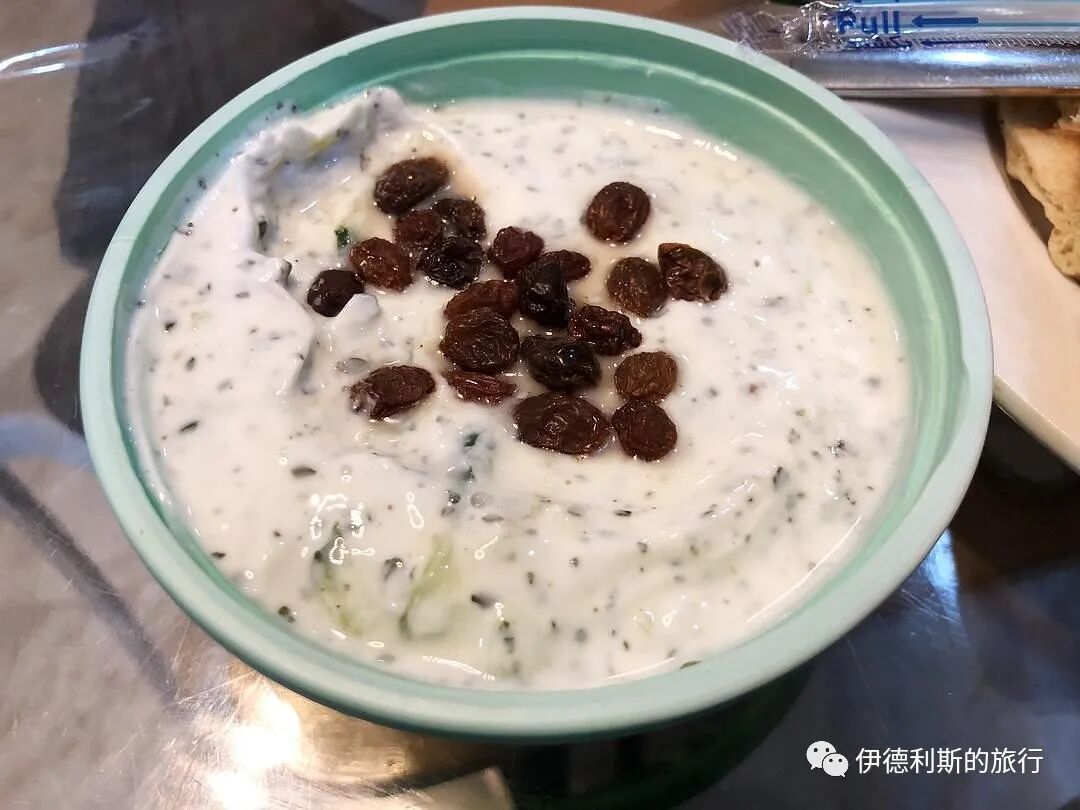
Fried fish is an important part of Gilaki cuisine. I tried the Caspian white fish (Caspian kutum), which is a type of carp. For side dishes, I ordered white fish roe (Kuli), fava beans, and walnuts, and I also had cucumber yogurt (Maast-o Khiar). They also have some special Gilaki side dishes I want to try next time, like a mashed dip made of eggplant, pumpkin, garlic, tomatoes, and eggs called Mirza Ghasemi, and green olives marinated in pomegranate molasses, walnuts, and herbs called Zeytoun Parvardeh.
7. Street drinks
There are many drink shops on the streets of Tehran. First, there are all kinds of fresh juices; I drank pomegranate juice, honeydew melon juice, and carrot juice. The honeydew melon and carrot juices were super delicious, but the pomegranate juice was so sour it made me question everything. I still like the pomegranate juice from Xinjiang the best.
Another drink you don't see often in other countries is called Khakshir, which is very common in Iran during the summer to beat the heat and quench your thirst. Khakshir is the seed of a plant called flixweed (bonianghao) in Chinese. Flixweed is also known as garlic mustard, mimihao, or maihao. It grows all over China except in the south. It can be used to make oil or as medicine. Both traditional Iranian medicine and traditional Chinese medicine use it to help with urination and reduce swelling.
8. Shemroon Kabab restaurant
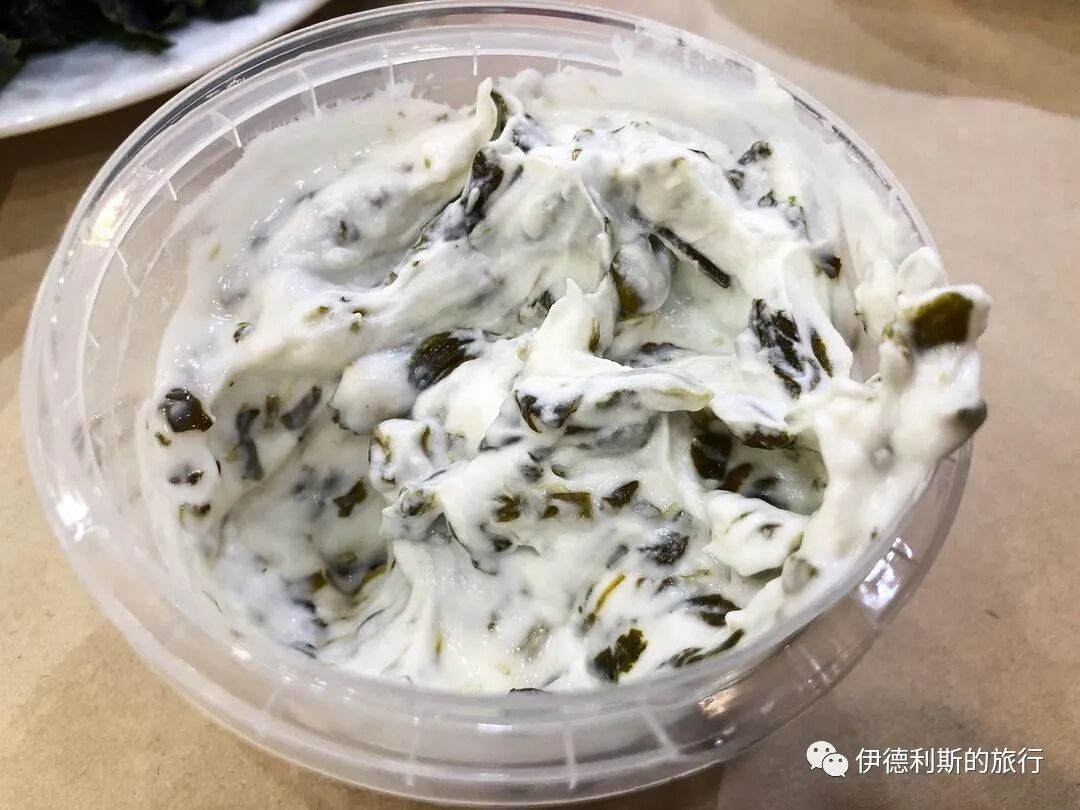
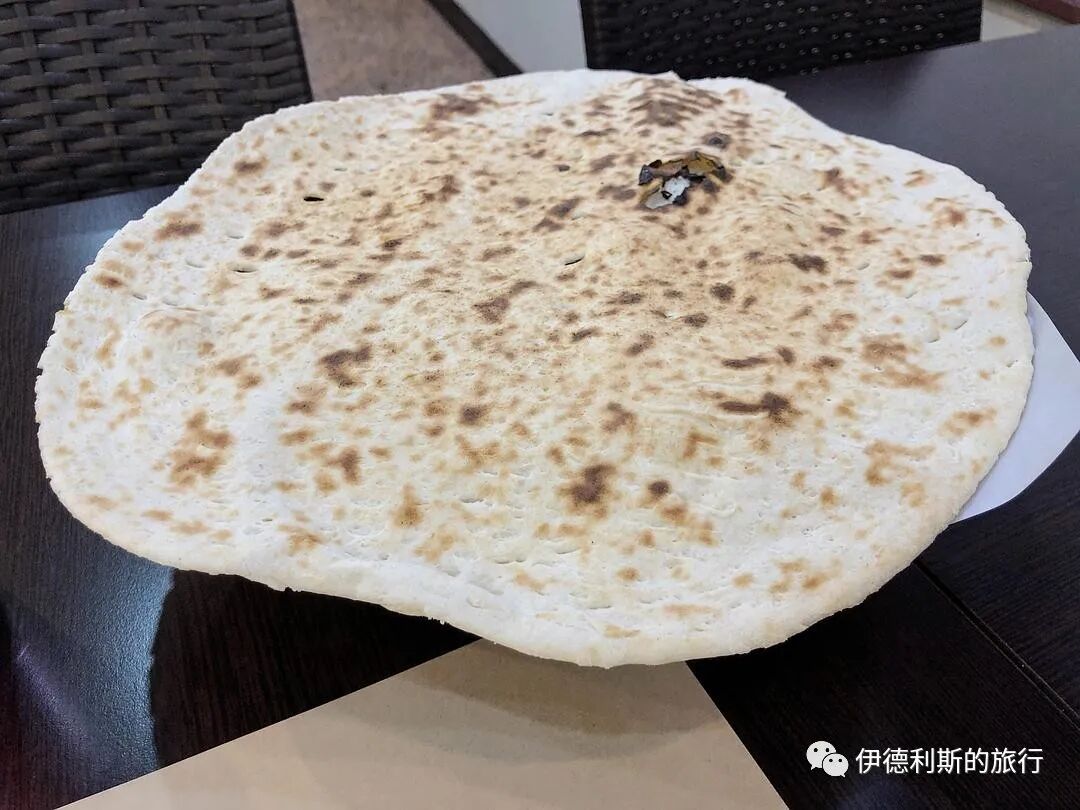
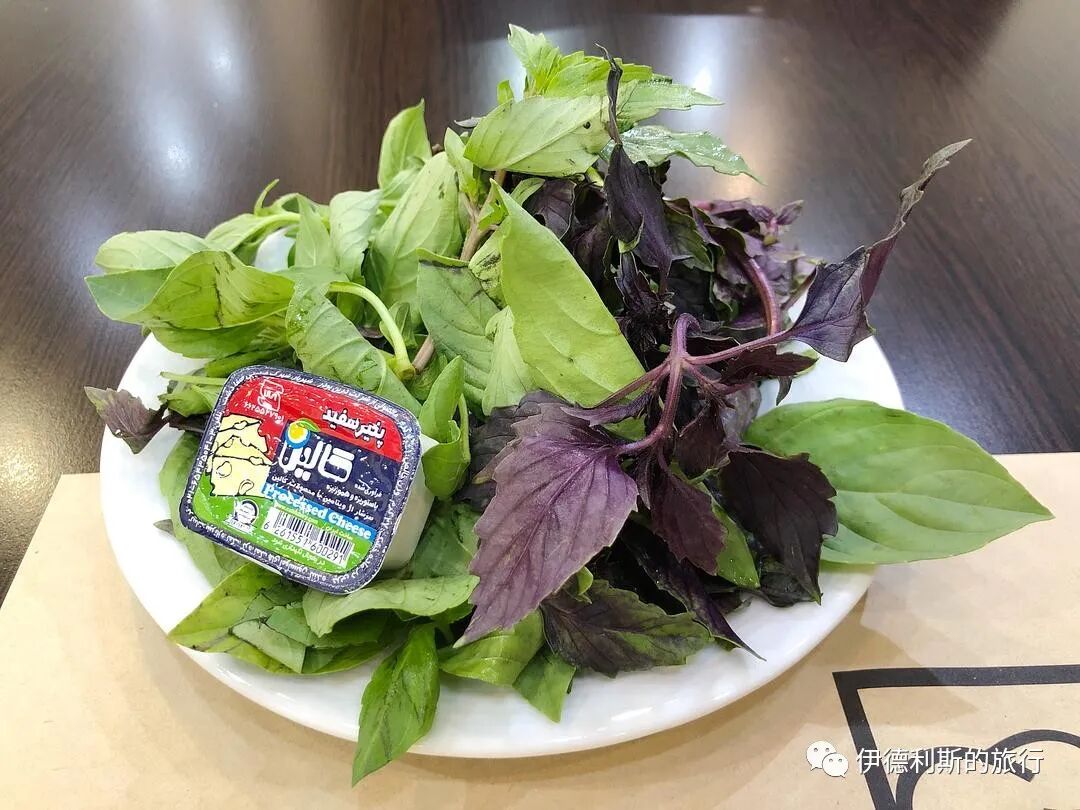
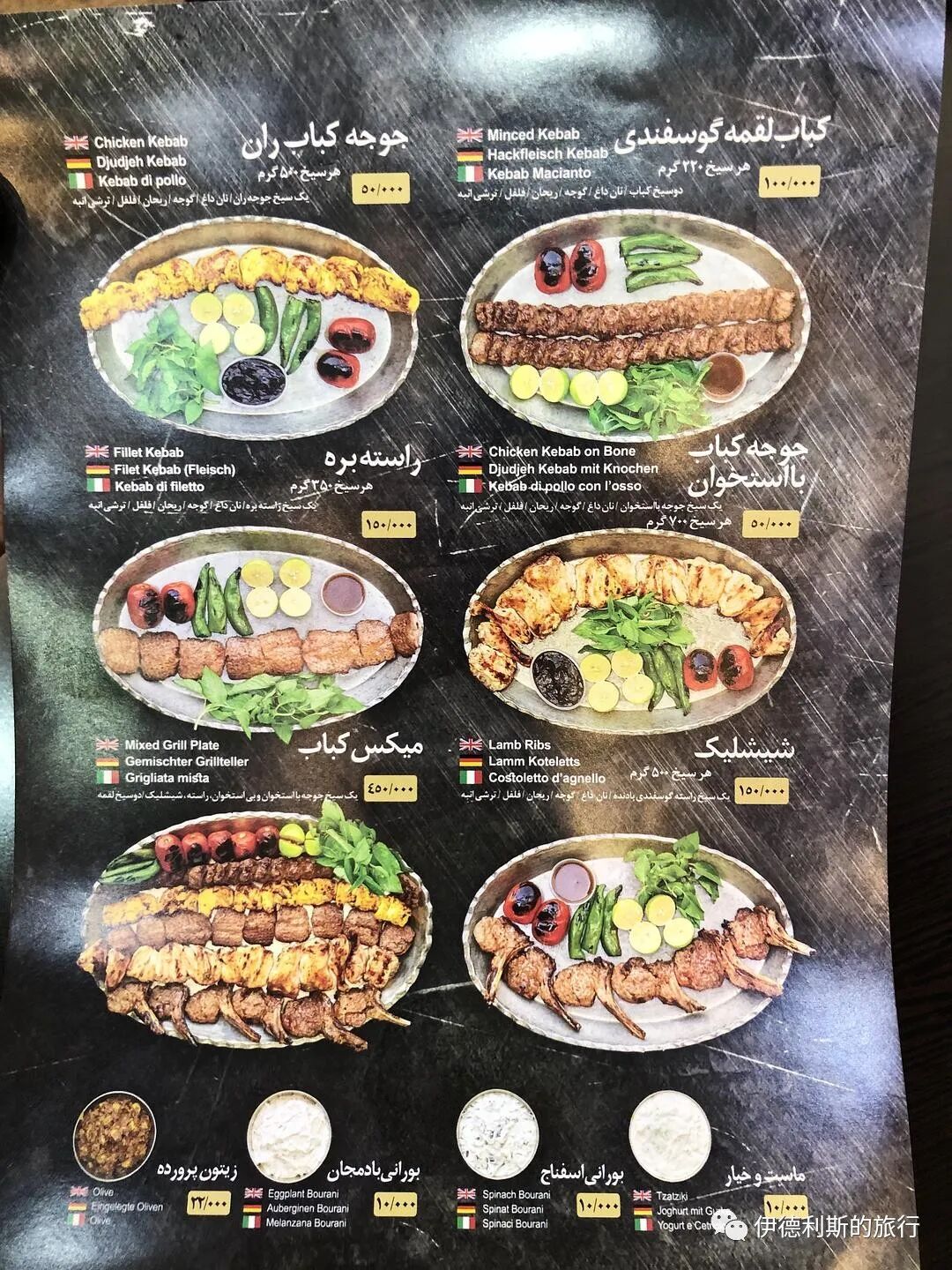
I ate at a kebab shop called Shemroon Kabab in Tajrish Square in northern Tehran. I ordered lamb chops with flatbread (nan) and spinach yogurt (Spinach Burani) as an appetizer. Their portions are huge and satisfying, and the meat is very tender and delicious.
9. Chicken kebab
I had chicken kebab at the Tajrish Bazaar in northern Tehran. Here, they simmer the kebabs in a thick tomato sauce after grilling them, which makes them very fragrant.
10. Flatbread (nan)
In the early morning in Tehran, any freshly baked flatbread is incredibly delicious. Also, as a word origin, nan (نان) in Persian can refer to any kind of flatbread, not just those baked in a traditional clay oven.
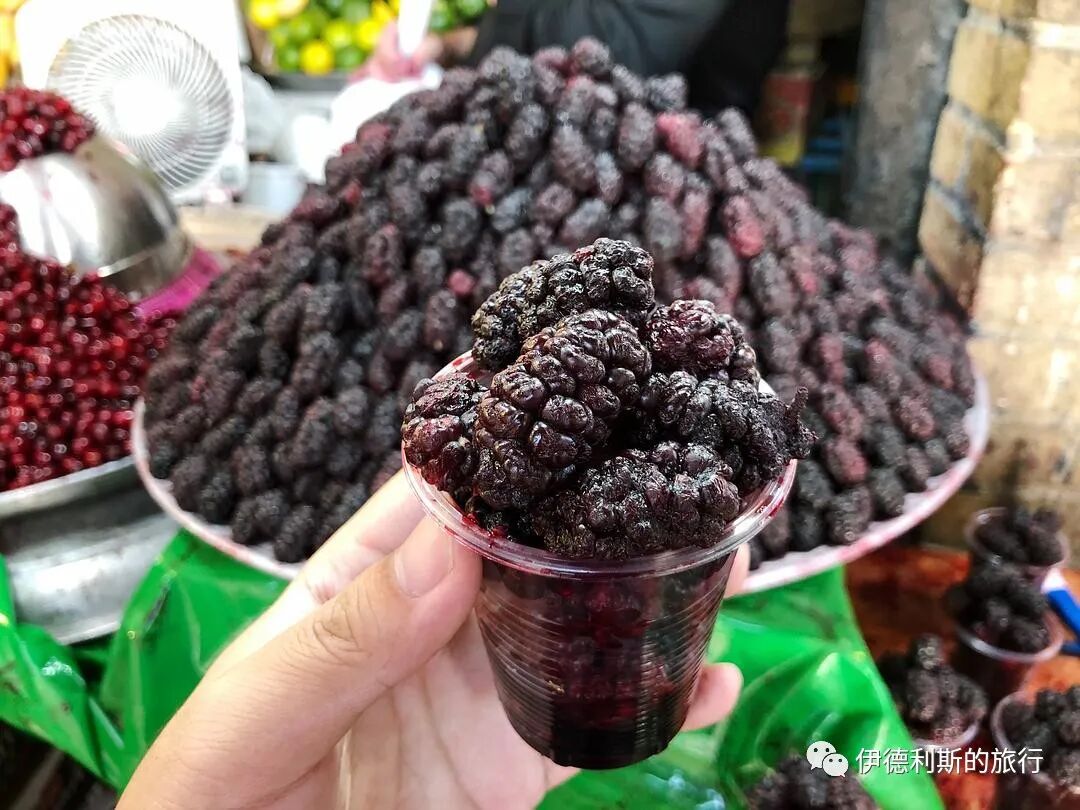
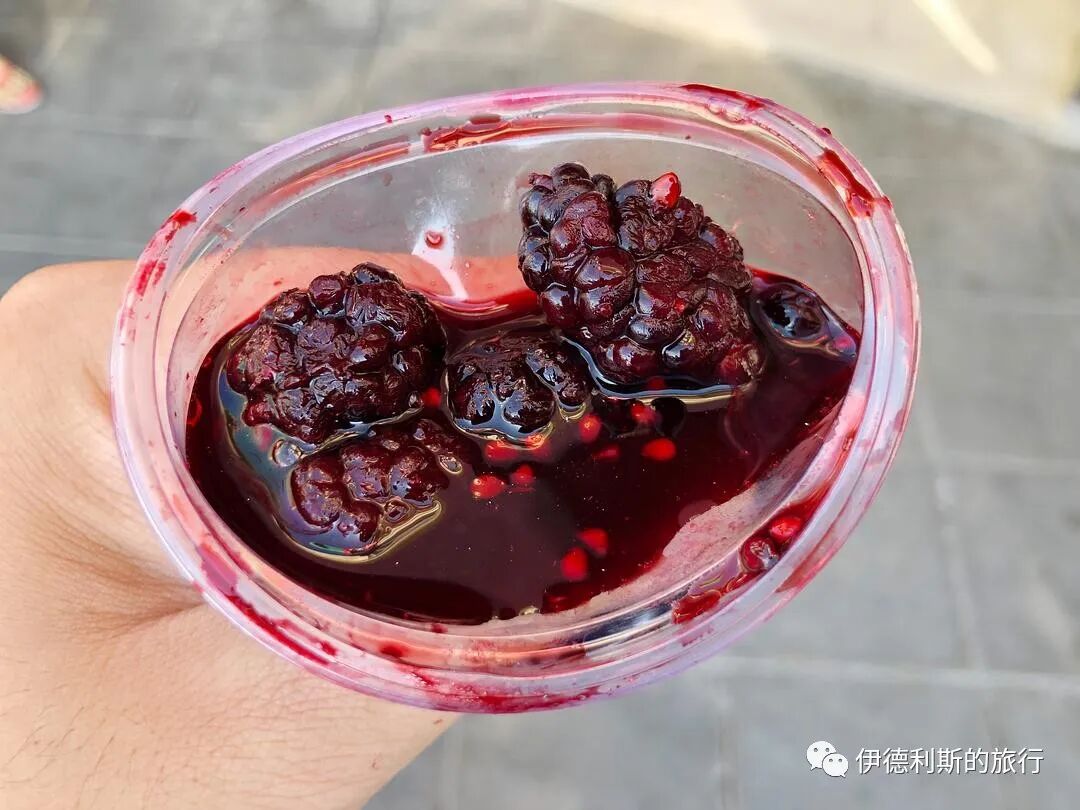
11. Cornelian cherry (zhuyu) and mulberry
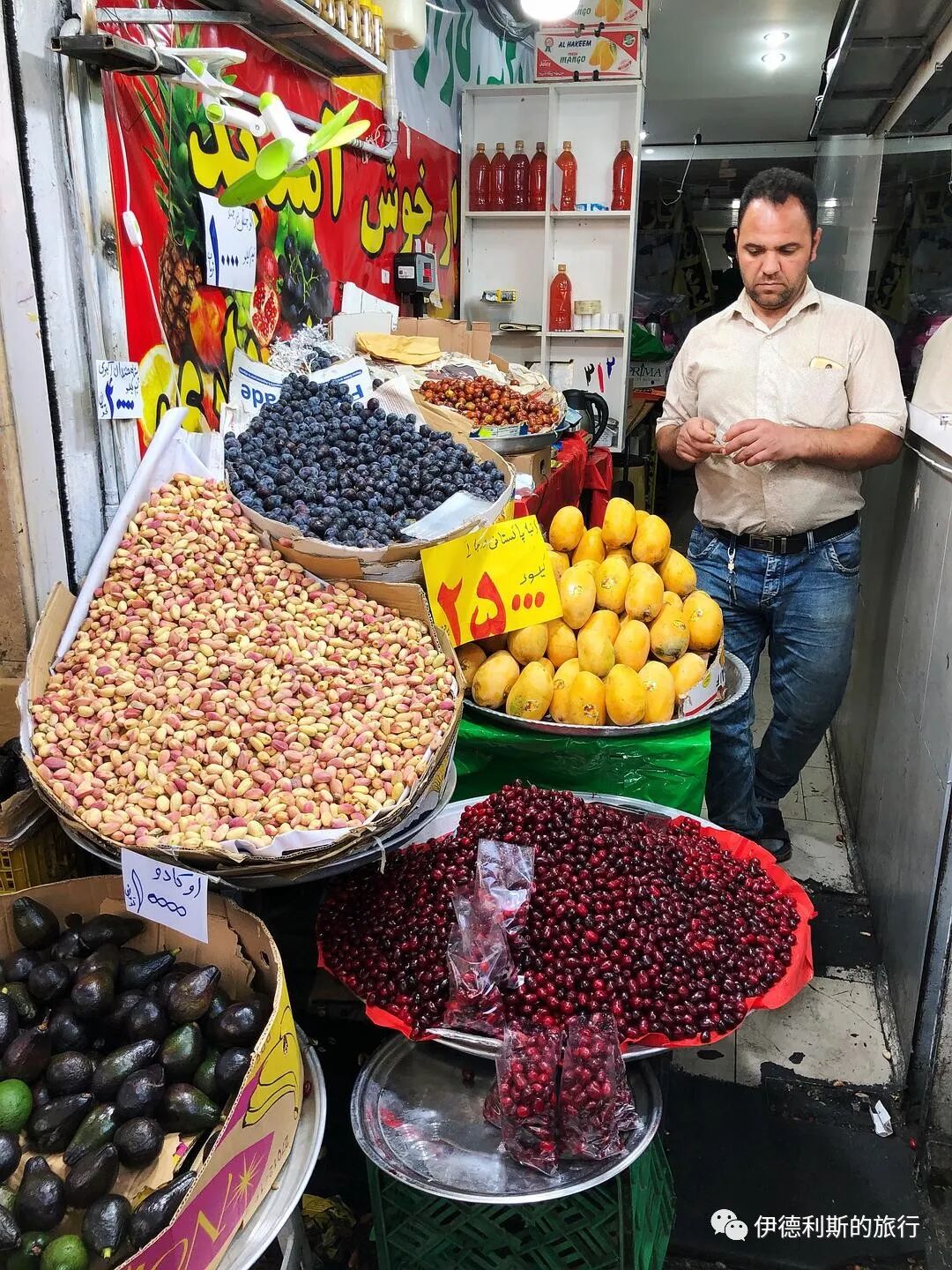
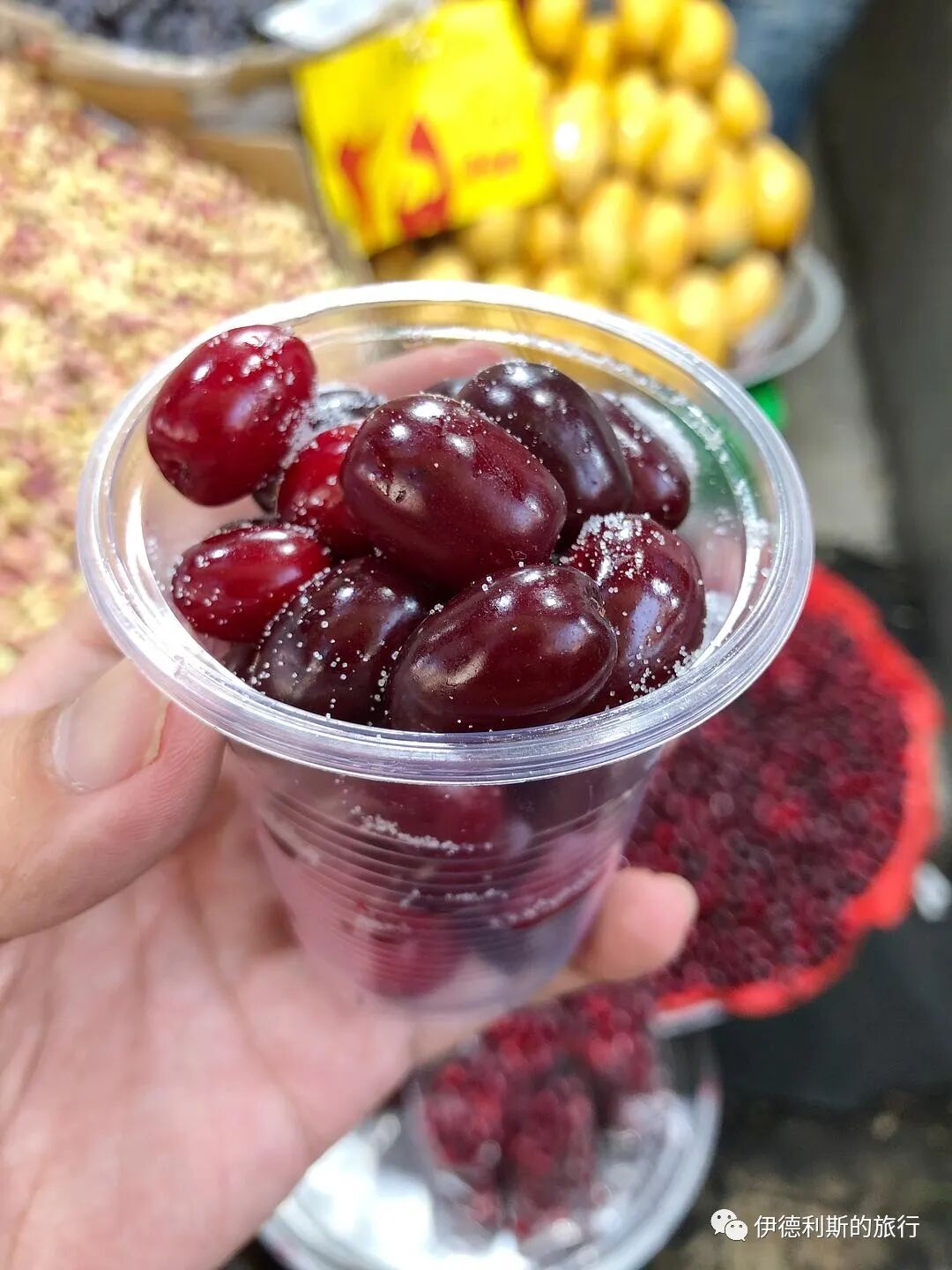
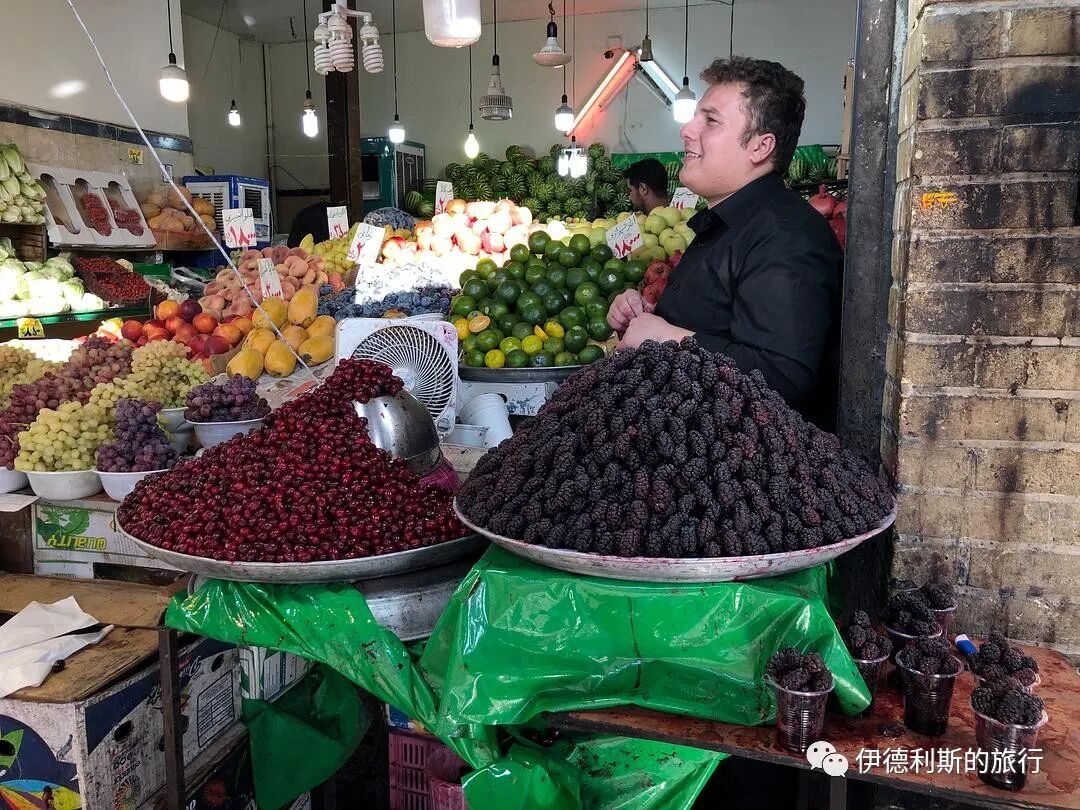
I ate cornelian cherry and mulberry at the Tajrish Bazaar in northern Tehran. The classic way to eat them is to sprinkle them with salt. If you squeeze a mulberry with your hand, the juice comes right out. It is as juicy as pomegranate juice from Xinjiang, but it is still too sour.
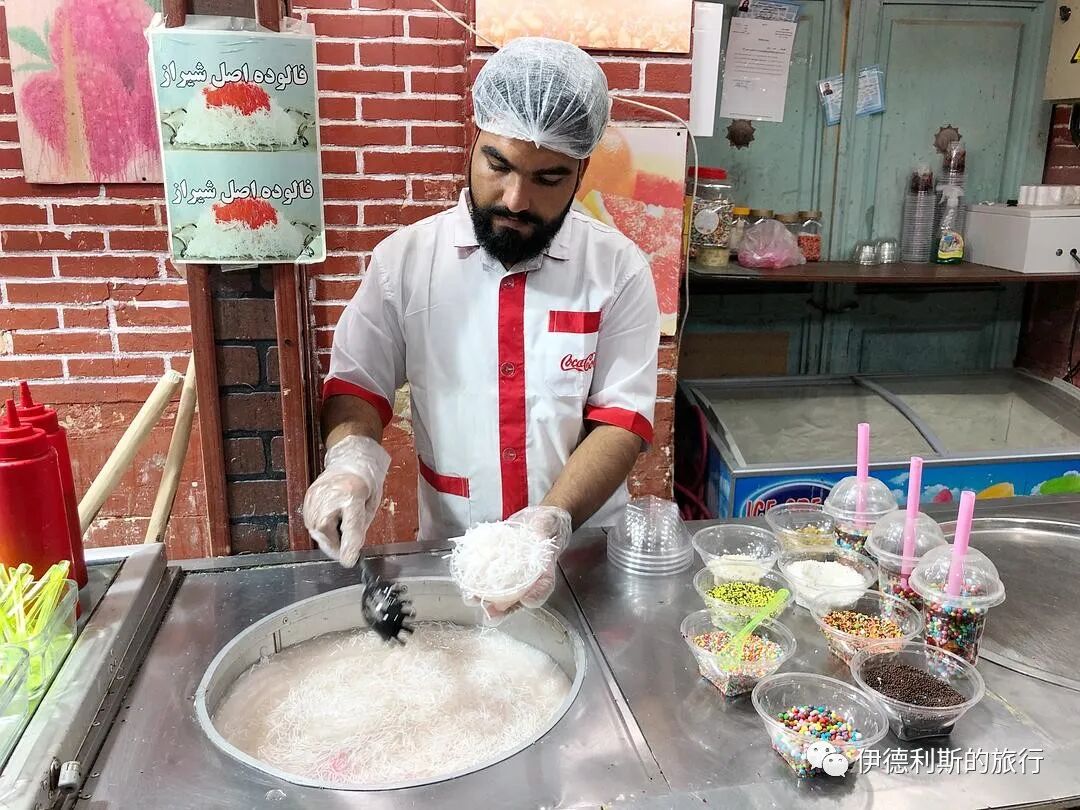
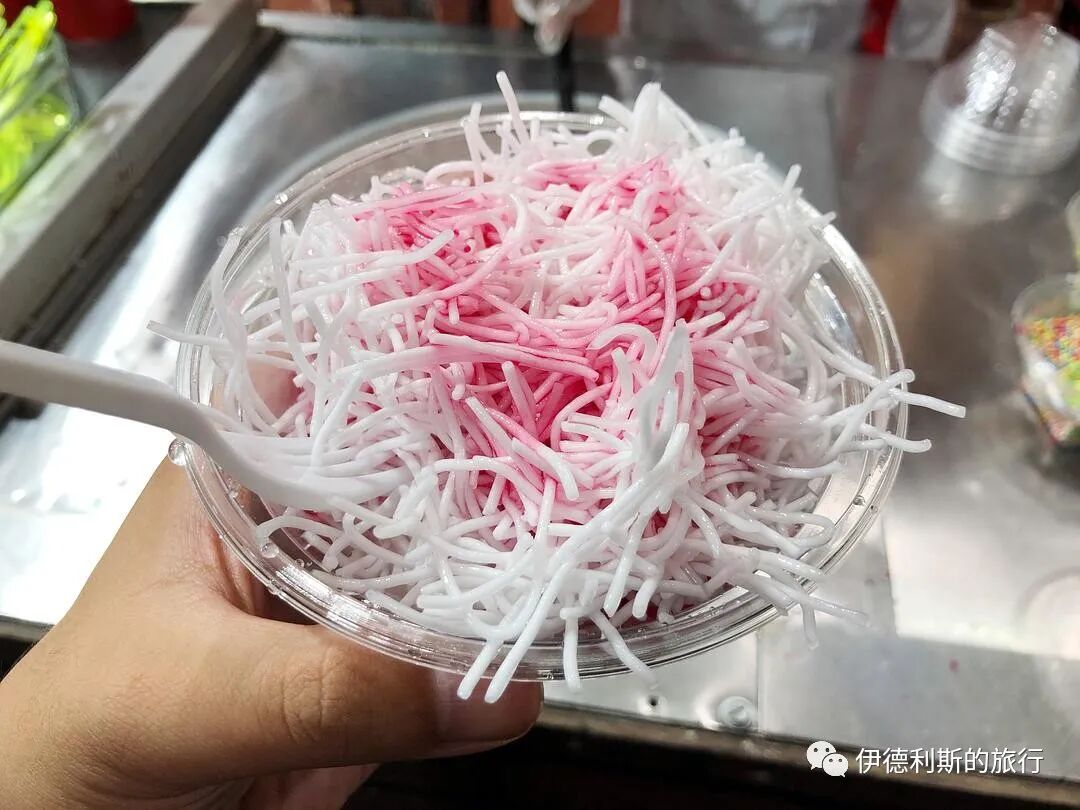
12. Faloodeh
I ate Faloodeh on the food street south of Imam Khomeini Square in Tehran. It is a cold rice noodle dessert with sugar syrup, rose water, and lemon juice.
13. Cucumber yogurt (Maast-o Khiar)
I bought cucumber yogurt (Maast-o Khiar) at the Friday Bazaar in Tehran, and it came with raisins and walnuts.
14. Saffron ice cream
I ate saffron ice cream near Tajrish Square in northern Tehran. It was topped with crushed pistachios and chunks of cream, which is very typical of Iran.
15. Baklava dessert with tea
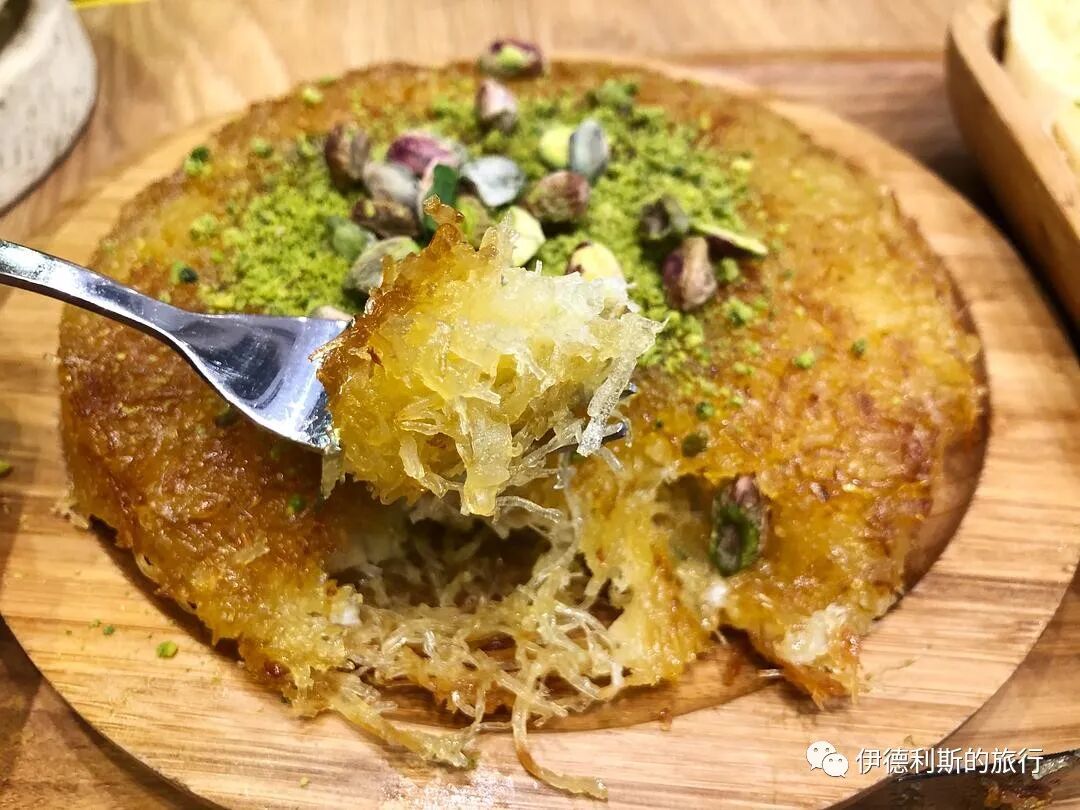
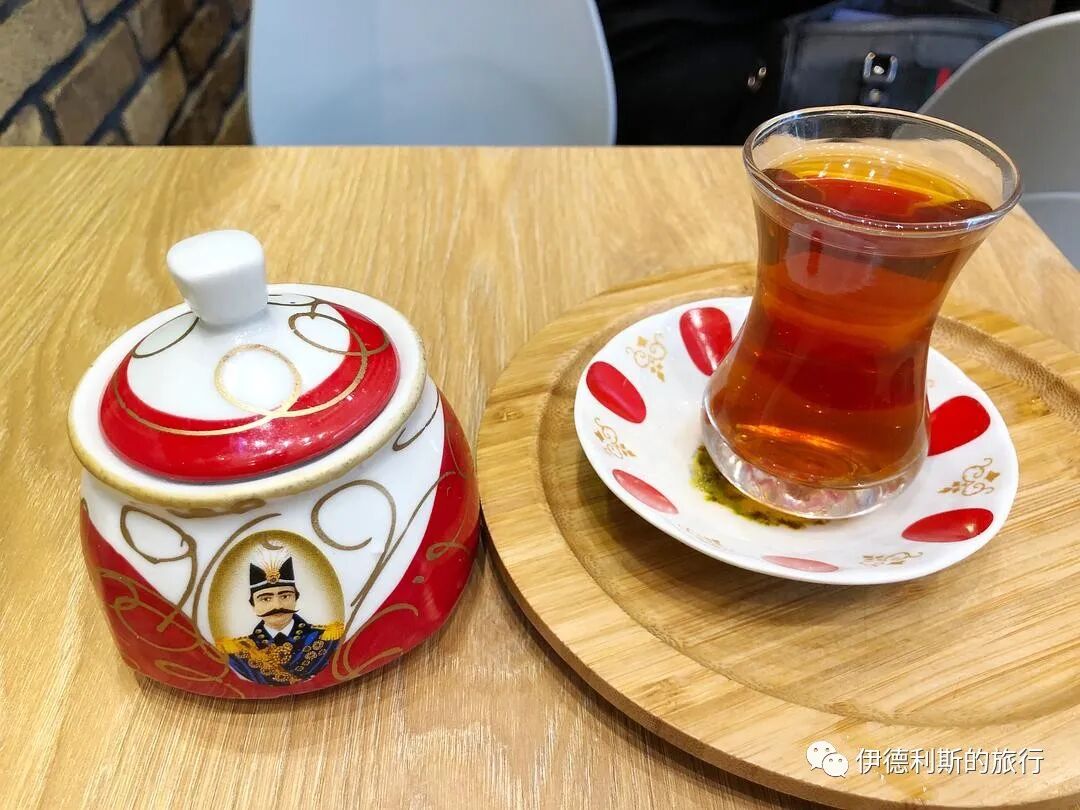
I had tea and dessert at a shop called Takseen baghlava near the Mirdamad metro station in northern Tehran. Baklava originated in the Ottoman imperial court and later became popular across the Middle East and the Caucasus. The Persian version of baklava is special because it uses rose syrup and crushed pistachios. The dessert I ate was shaped like sugar threads.
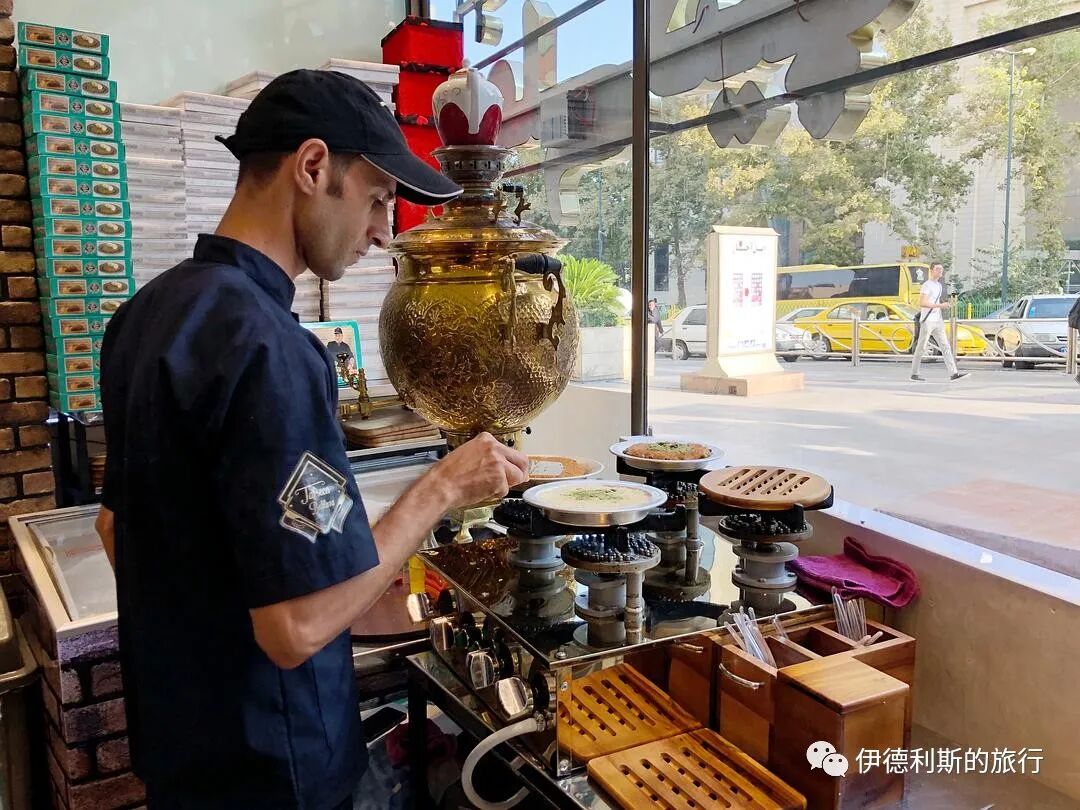
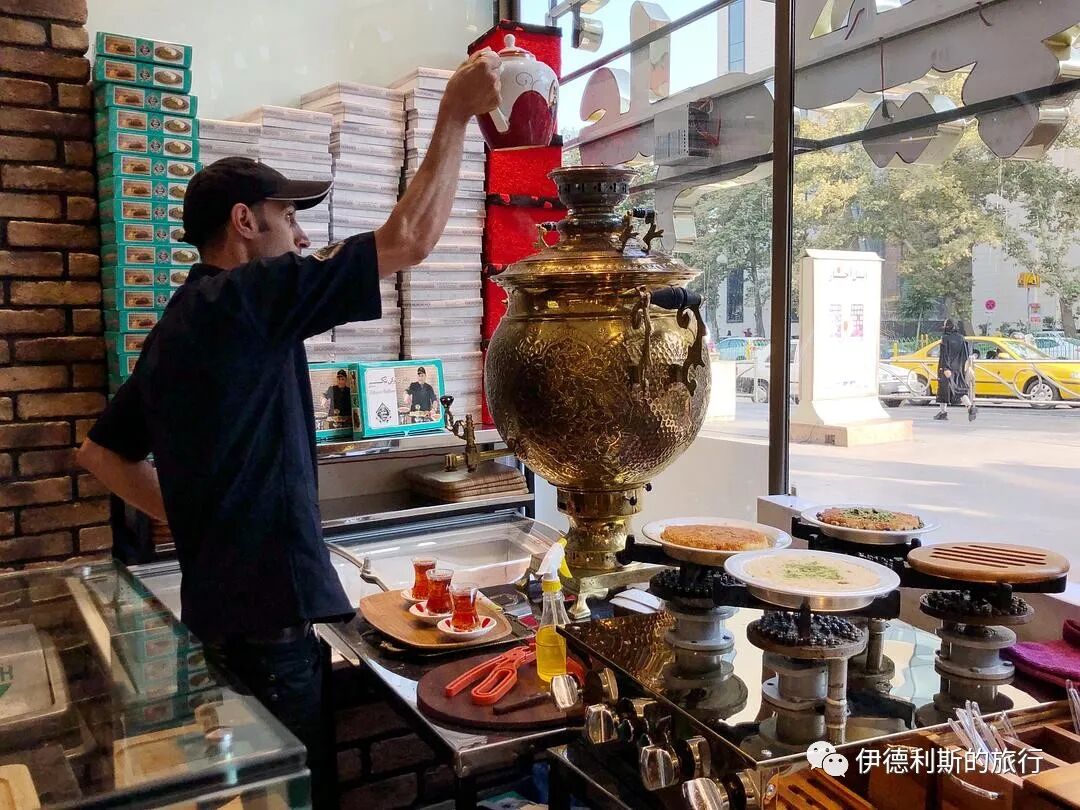
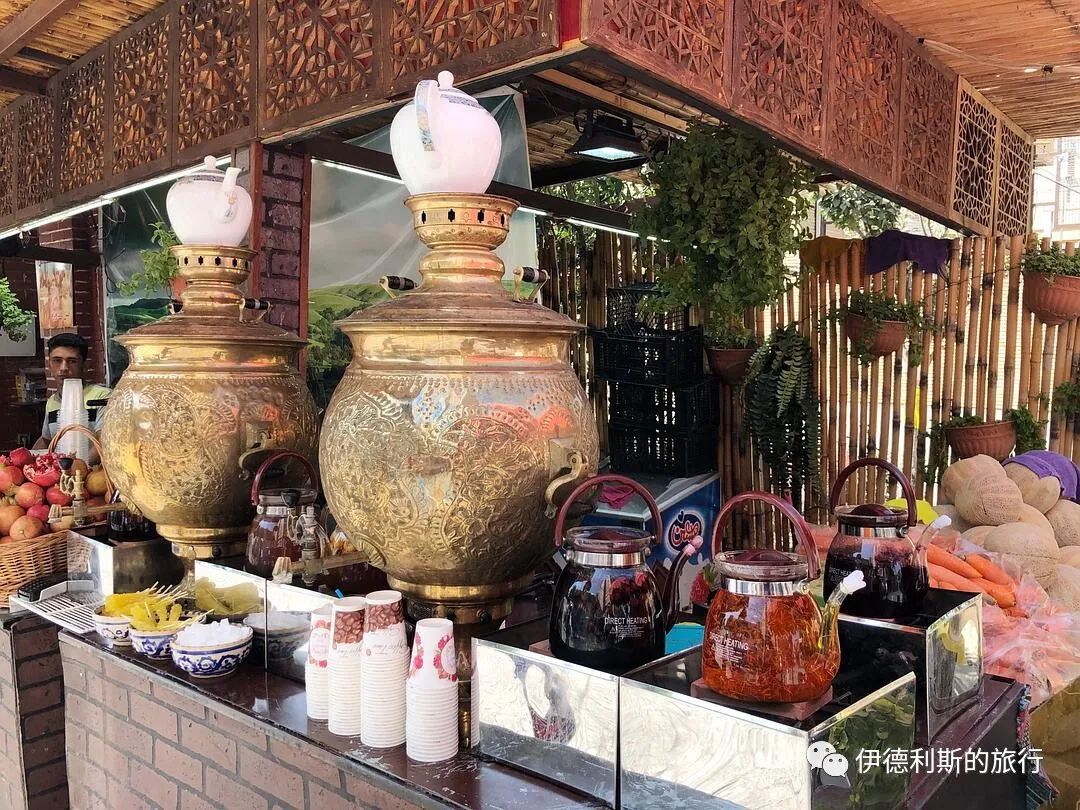
The two-layer Iranian tea stove is called a samovar, which arrived from Russia in the 19th century. The small teapot on top is for brewing tea, the large pot in the middle is for boiling water, and the bottom is the heat source. Traditionally it used coal or charcoal, but now it uses electricity, gas, or natural gas.
16. Drinking tea
Haj Ali Darvish is a century-old, famous tea house in the Grand Bazaar of Tehran. The tea house opened in 1918 and was taken over by Haj Ali Mabhutyan in 1962. The current owner is his son, Haj Kazem Mabhutyan.
Mr. Kazem works hard to share his shop on Instagram, which has helped more foreign tourists find his small place. I am one of them, and the old gentleman even took my photo and posted it on Instagram. Friends who use Instagram might have a chance to see me there. The account is haj_ali_darvish_tea_house.
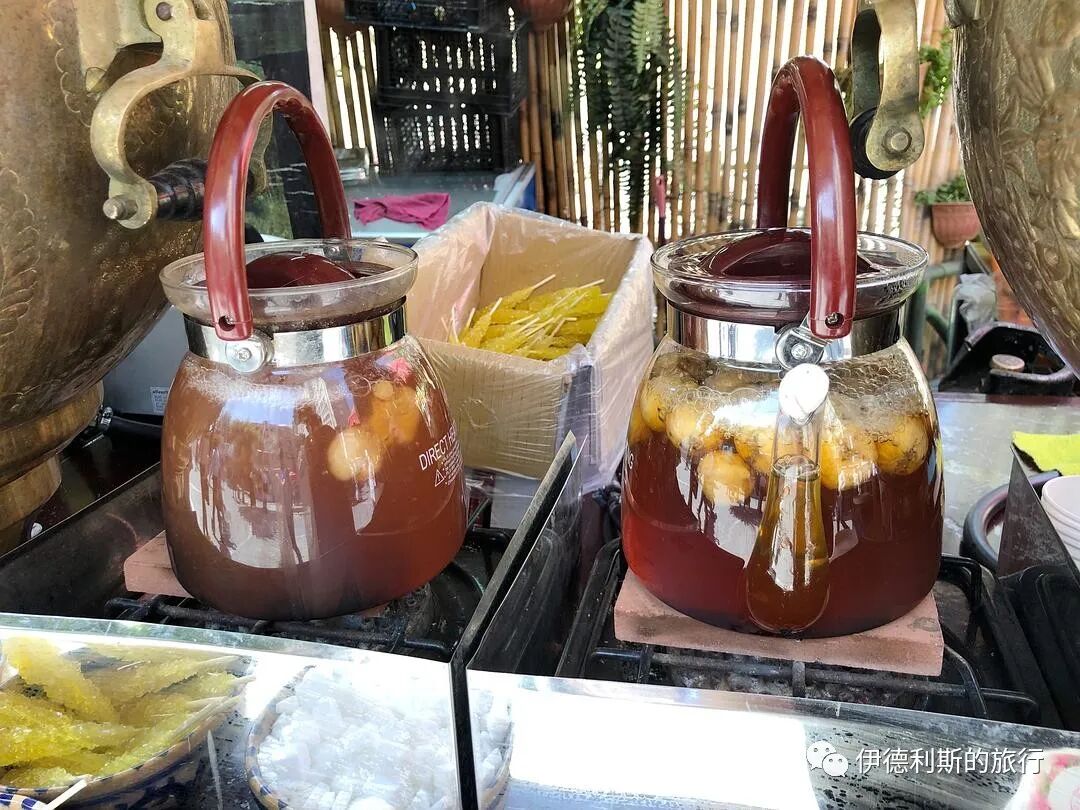
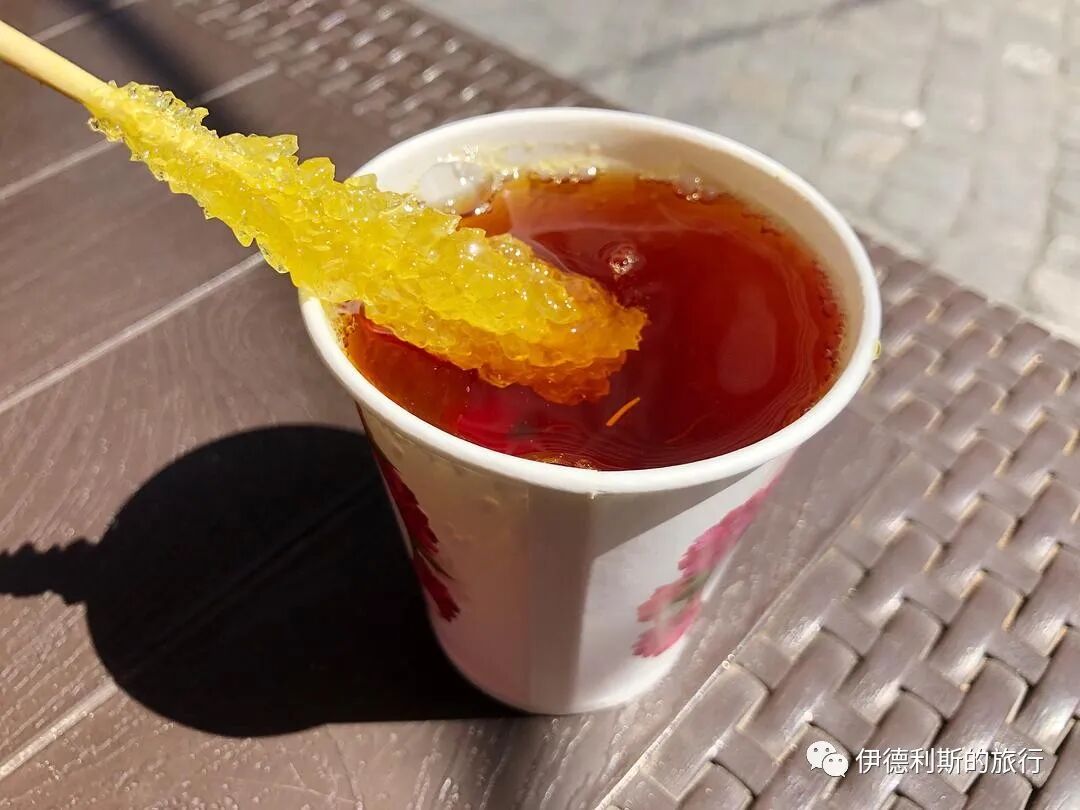
I also drank some street-side fig tea on the food street south of Imam Khomeini Square. Iranians mainly have two ways of adding sugar to their tea. One way is to hold a sugar cube in your mouth and lick it while you drink the tea. The other way is to use a lollipop-style sugar stick called nabat chubi to stir it. This rock candy originated in Isfahan over a thousand years ago. Later, people invented a way to grow crystals by dipping small twigs into a sugar solution, and this method spread across Eurasia.
17. Moslem Restaurant
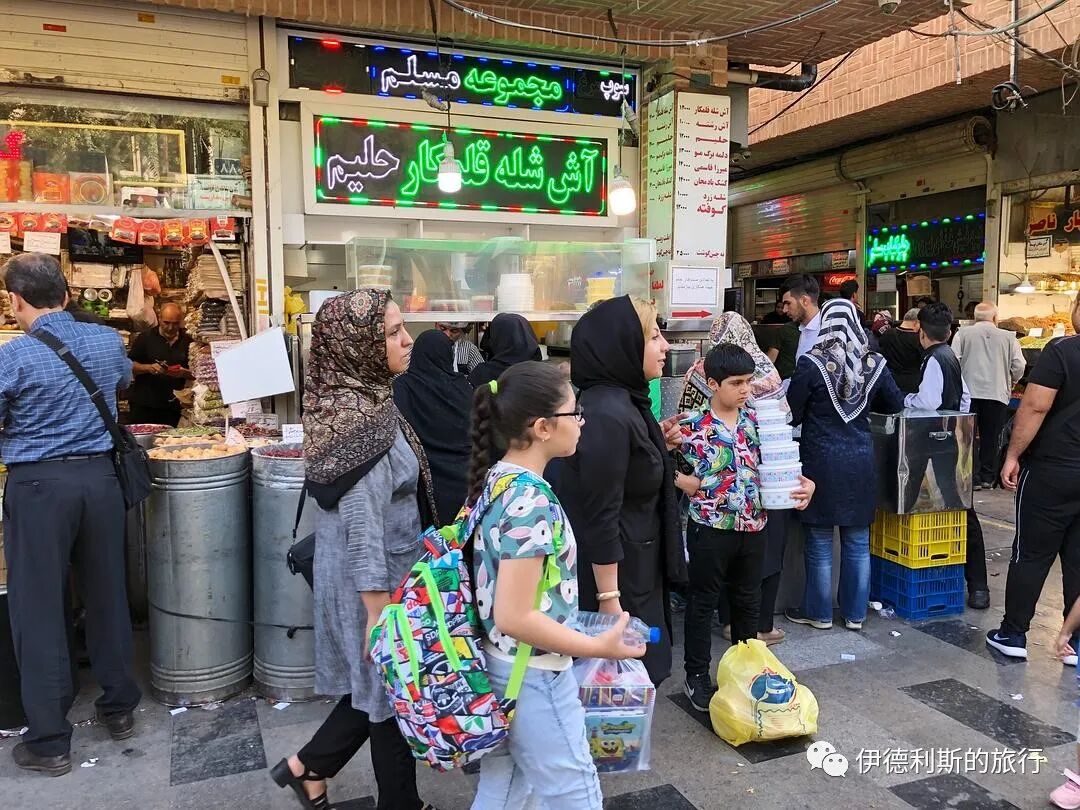
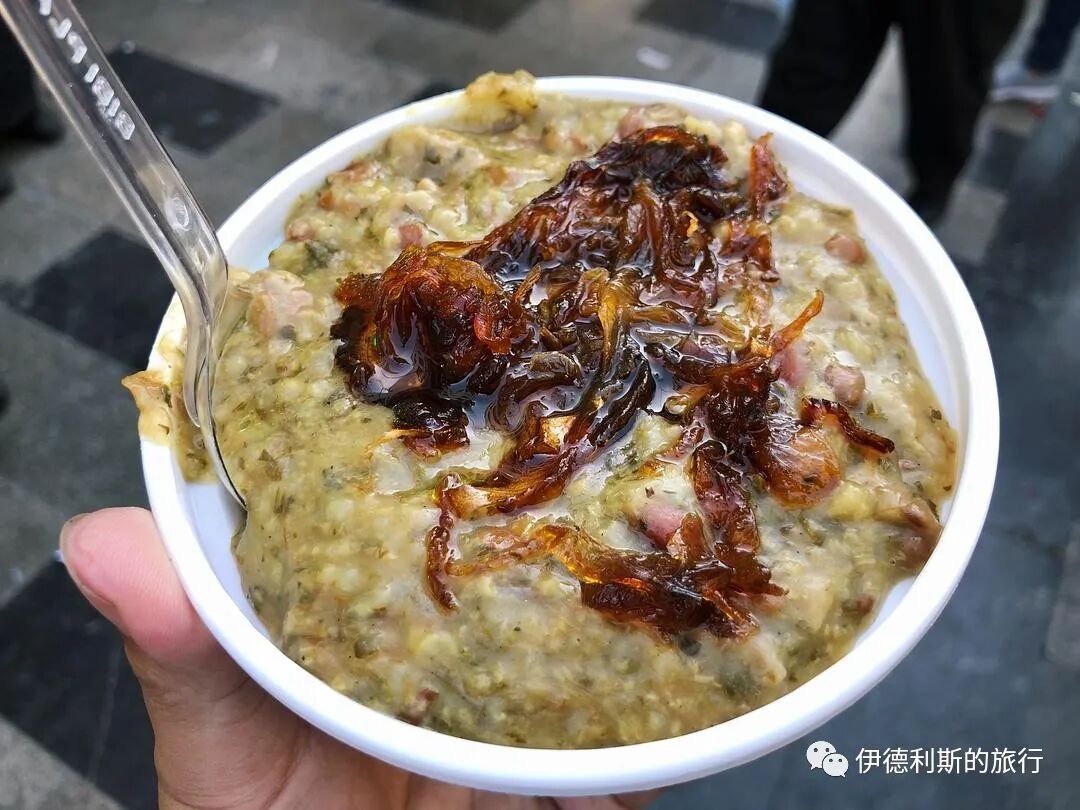
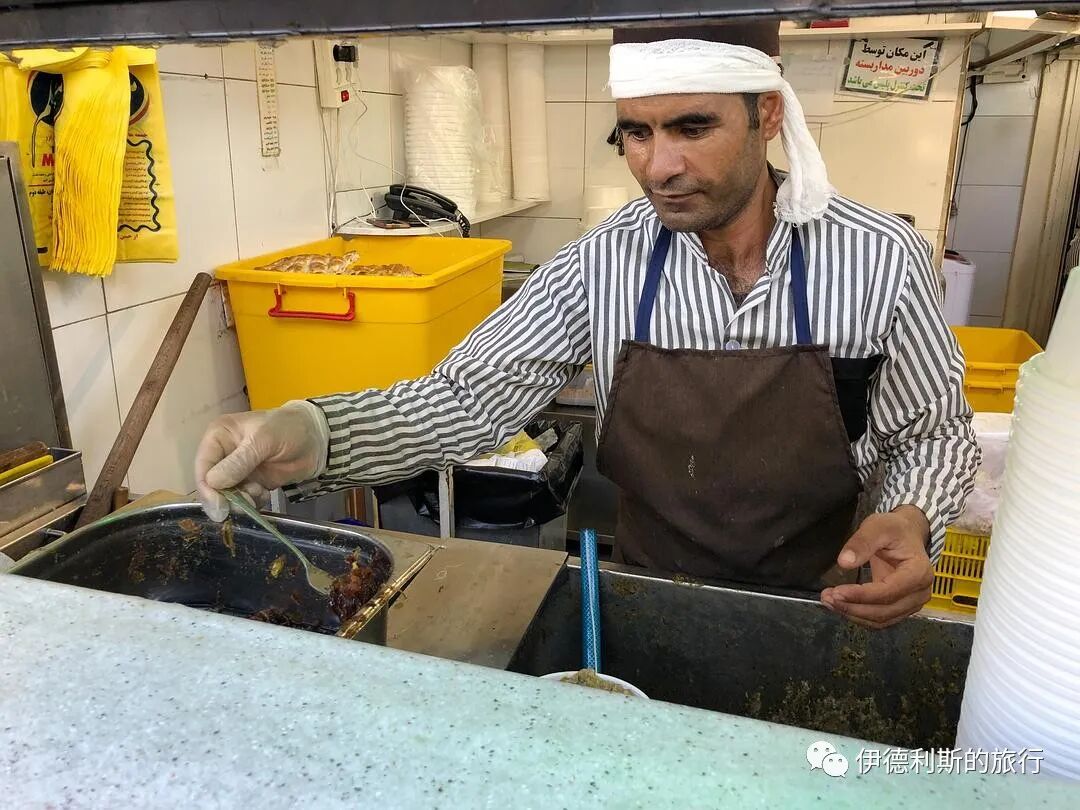
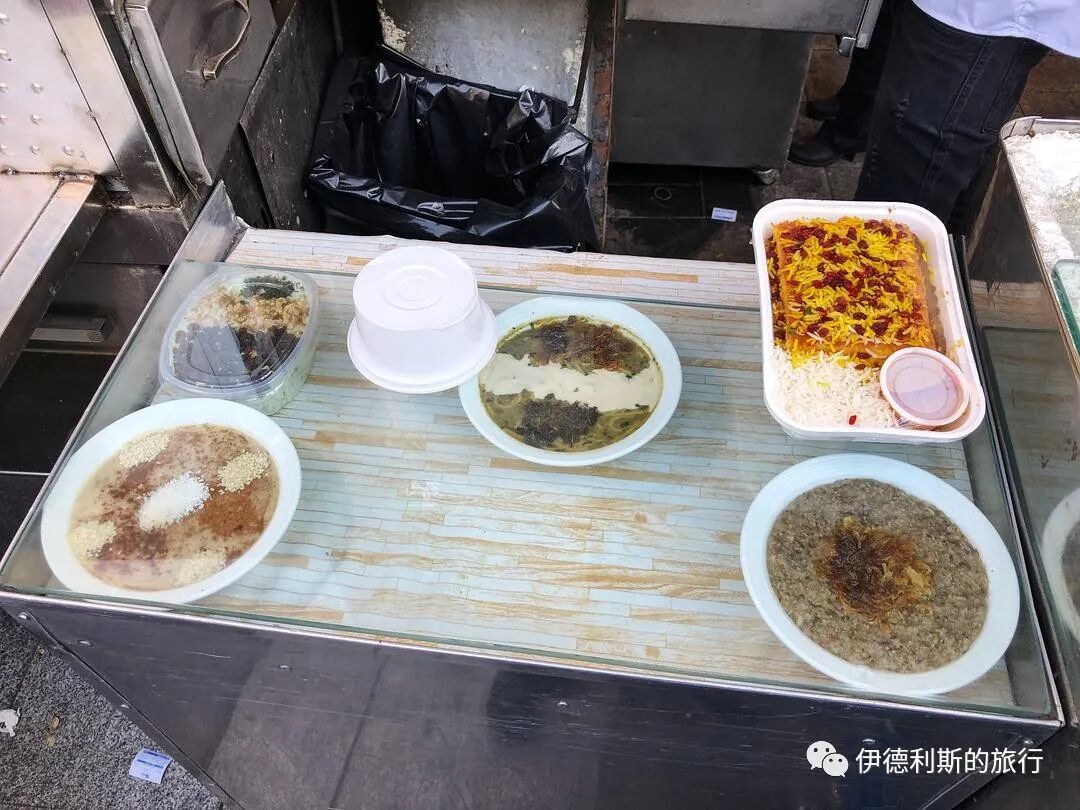
Moslem Restaurant is a very famous spot in the Tehran Grand Bazaar. They specialize in Iranian rice cake (Tahchin) made with rice, yogurt, saffron, and eggs (shown in the top right of photo 4). I bought a bowl of sour cream and spinach meat stew porridge (Aush) at the takeout window on the first floor, and it tasted great. view all
Summary: Halal Food Guide: Tehran Street Food — Iranian Snacks, Markets and Everyday Eats is presented here as a firsthand travel account in clear English, beginning with this scene: I went to Tehran during the 2019 Mid-Autumn Festival to eat and explore. I am sharing some of the things I ate here. The account keeps its focus on Tehran Street Food, Iran Travel, Halal Food while preserving the names, places, food, and historical details from the Chinese source.
I went to Tehran during the 2019 Mid-Autumn Festival to eat and explore. I am sharing some of the things I ate here.
1. Persian tomato and egg stir-fry with Barbari flatbread (Barbari nan).
For breakfast on my first day in Tehran, I had Persian tomato and egg stir-fry (Persian Omelette), which is a signature Iranian breakfast. The cooking order for Persian tomato and egg stir-fry is the opposite of the Chinese version; you cook the tomatoes first, then add the eggs. Unlike our rice dishes, this Persian tomato and egg stir-fry must be eaten with flatbread. The shop I visited served it with Barbari flatbread.
Barbari literally translates to barbarian. It was originally what Persians called the Hazara people living in the Khorasan region. Hazara people from Khorasan first brought Barbari flatbread to Tehran, and it became popular during the Qajar dynasty (1796-1925). After that, the Hazara people were no longer called Barbari, but the name of the Barbari flatbread stayed.
The shop I went to is called Golha 2 Hookah Bar. You can find it on Google Maps by searching for سفره خانه گلها 2. Because they only sell this one combination, you do not need to speak the language to order.
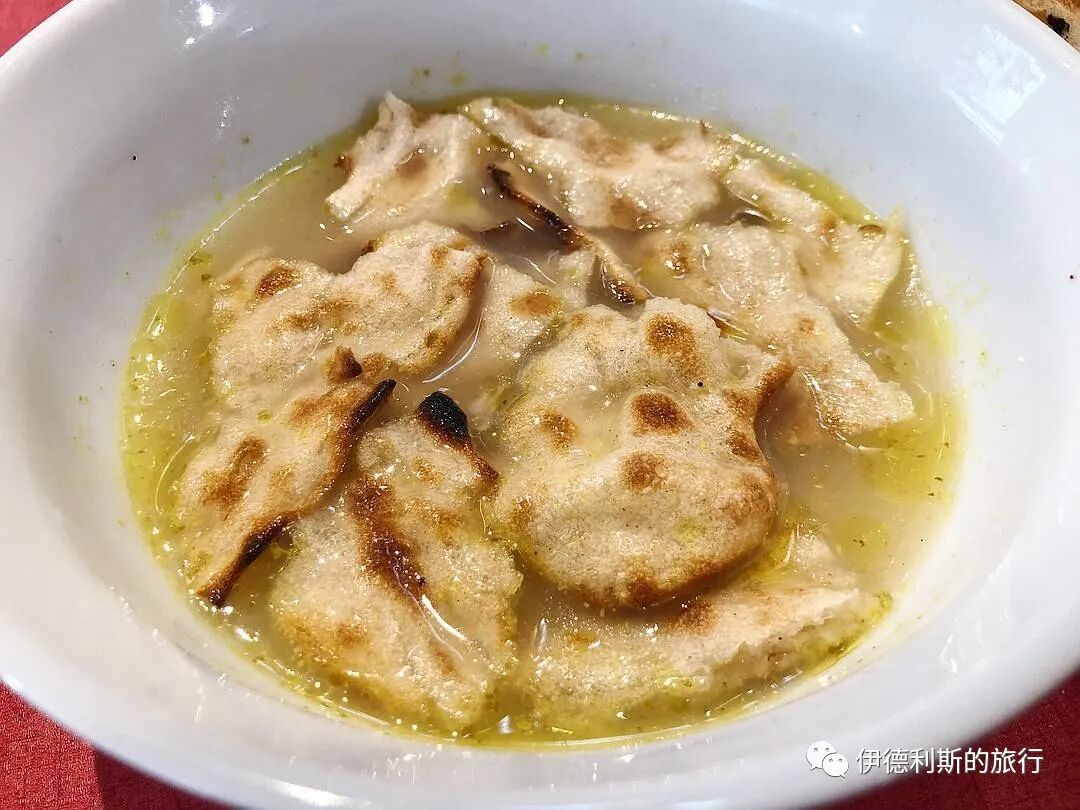
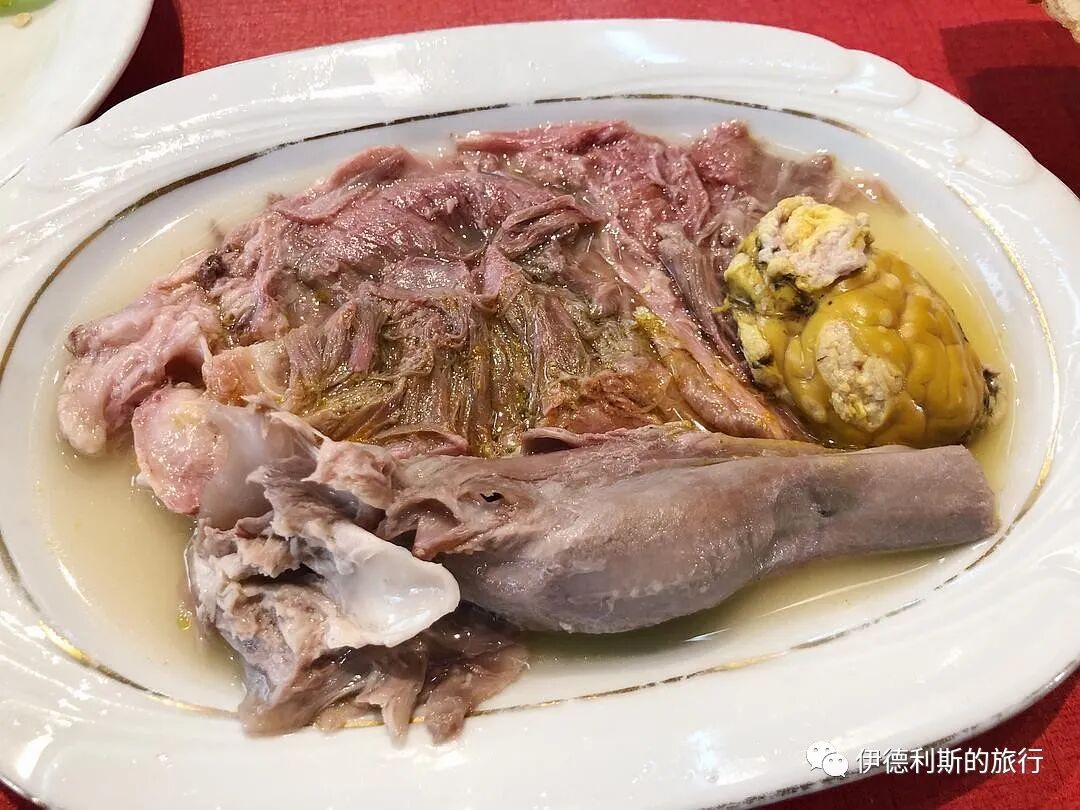
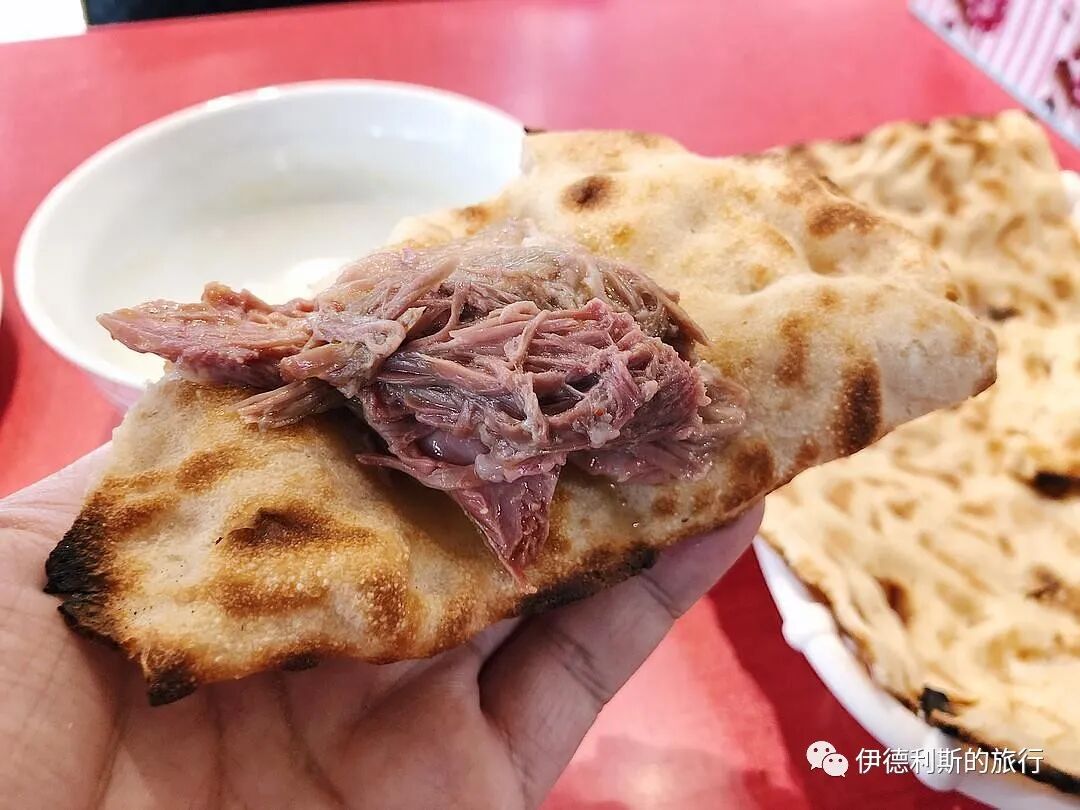
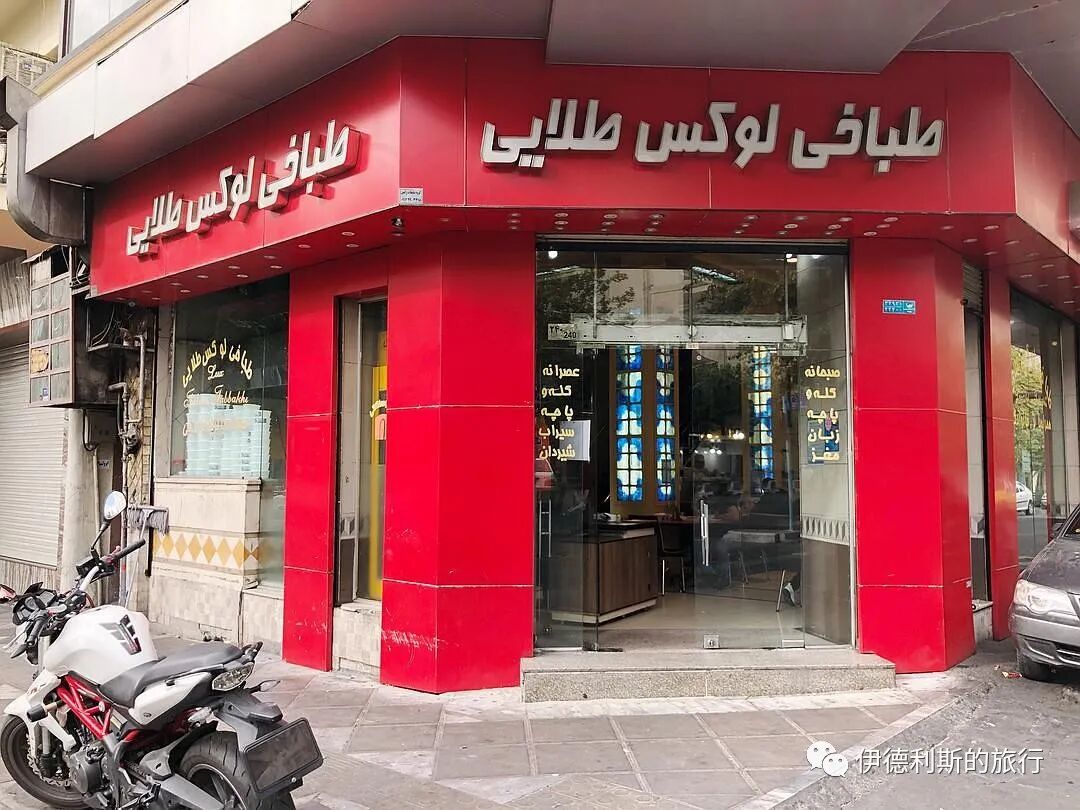
2. Cinnamon-spiced sheep head and trotter soup (Khalle Pache) with Sangak flatbread (Sangak nan).
For breakfast on my second day in Tehran, I had cinnamon-spiced sheep head and trotter soup (Khalle Pache) served with Sangak flatbread. Sangak means small pebbles, and the earliest records of it come from the 11th-century Persian army. Persian soldiers back then supposedly carried pebbles with them. When they set up camp, they gathered the pebbles together to bake flatbread (naan), which is why Sangak flatbread has little pits all over it.
Sheep head soup is eaten more often in the autumn and winter. It usually comes with two pieces of flatbread; you soak the first one in the soup and eat the second one with the lamb. Besides sheep head and sheep trotters, the shop also sells sheep brain, but it is not part of the standard order, so you do not have to order it if you do not like it.
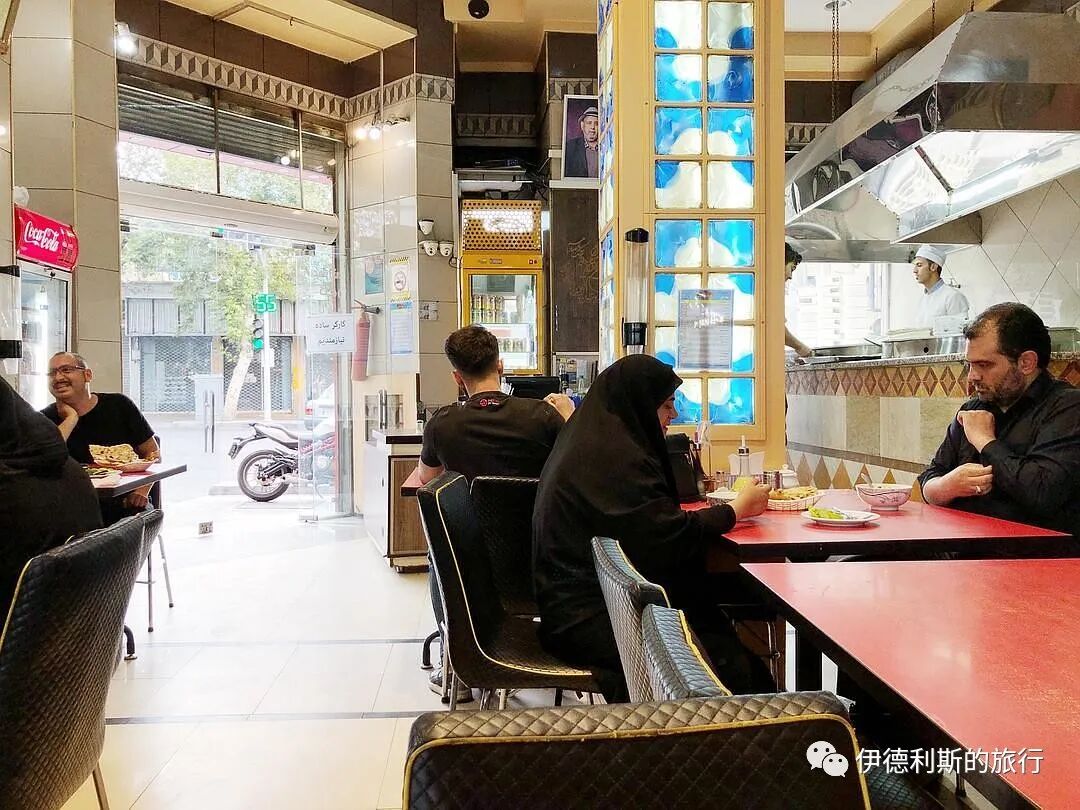
The shop I visited is called Lux Talaee Tabakhi, and it is a well-known spot in the old city of Tehran that specializes in sheep head and sheep trotter soup.
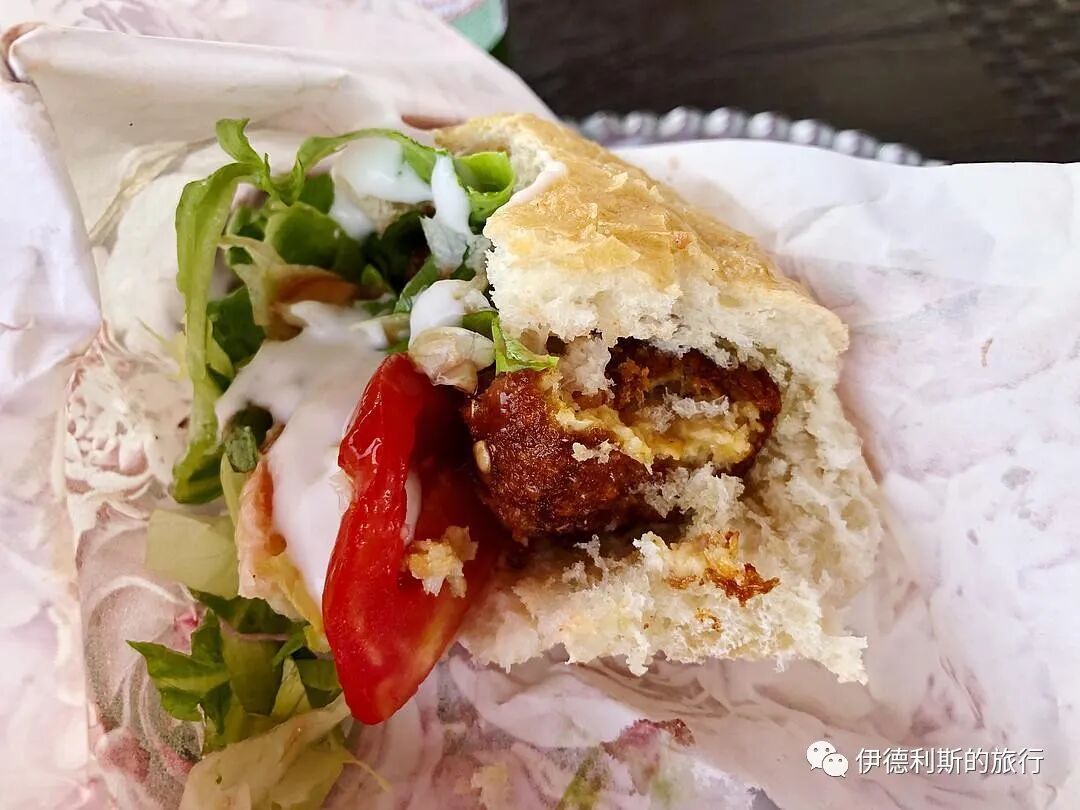
3. Falafel sandwich
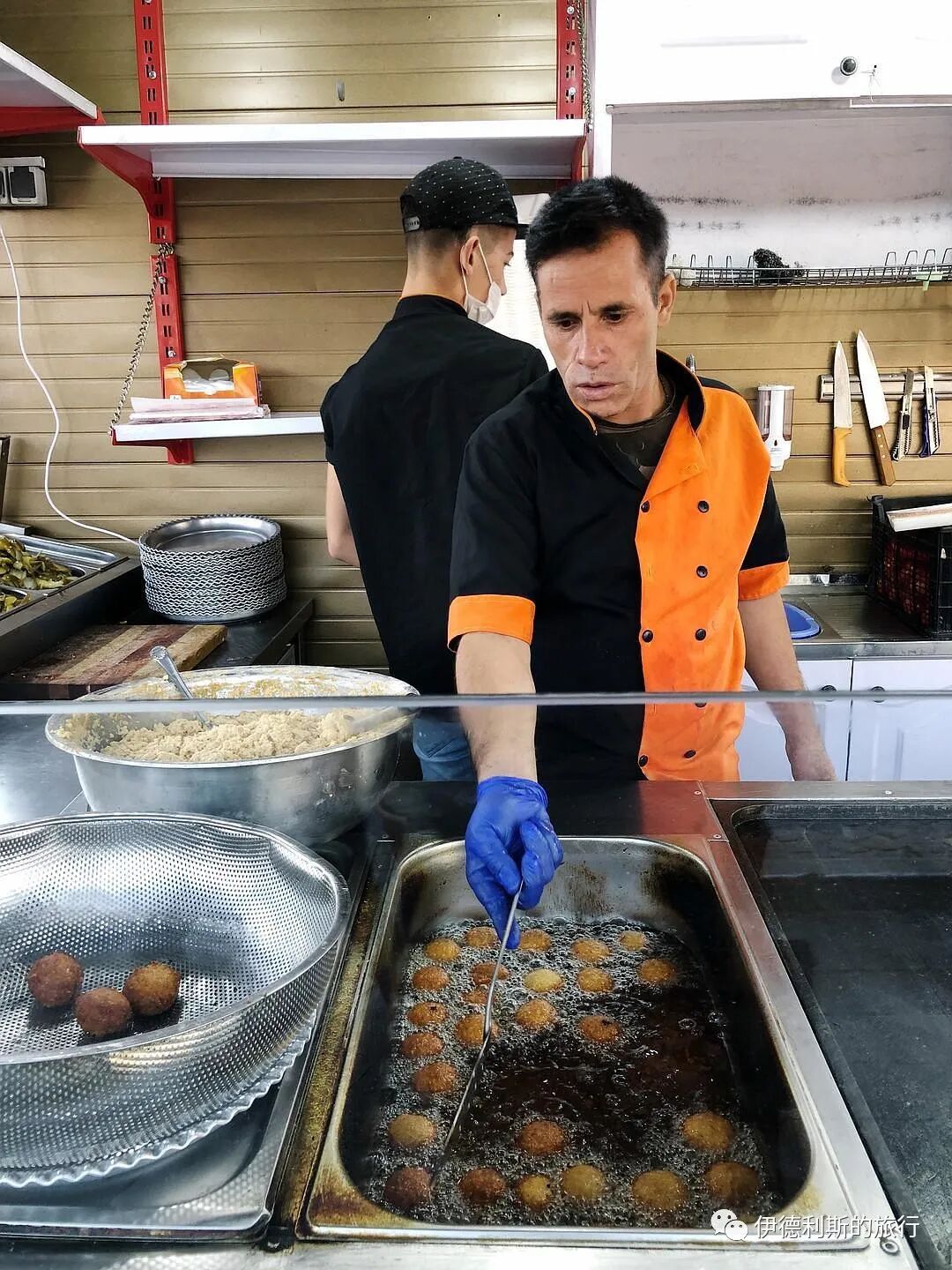
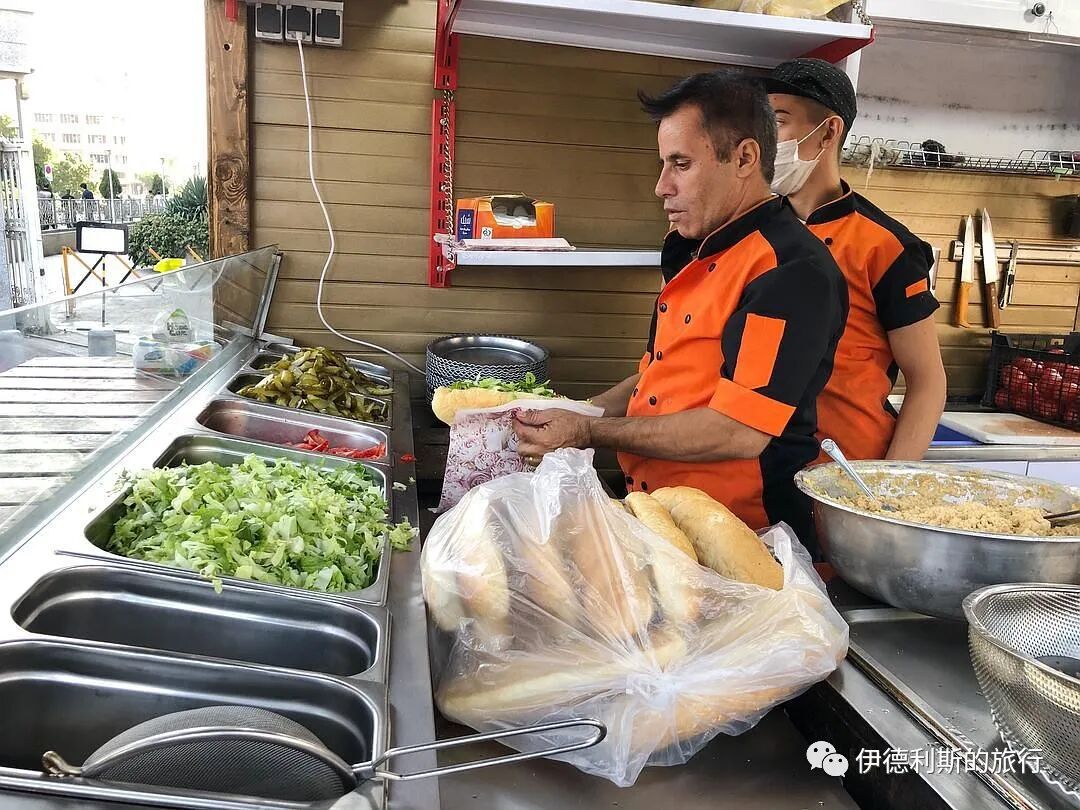
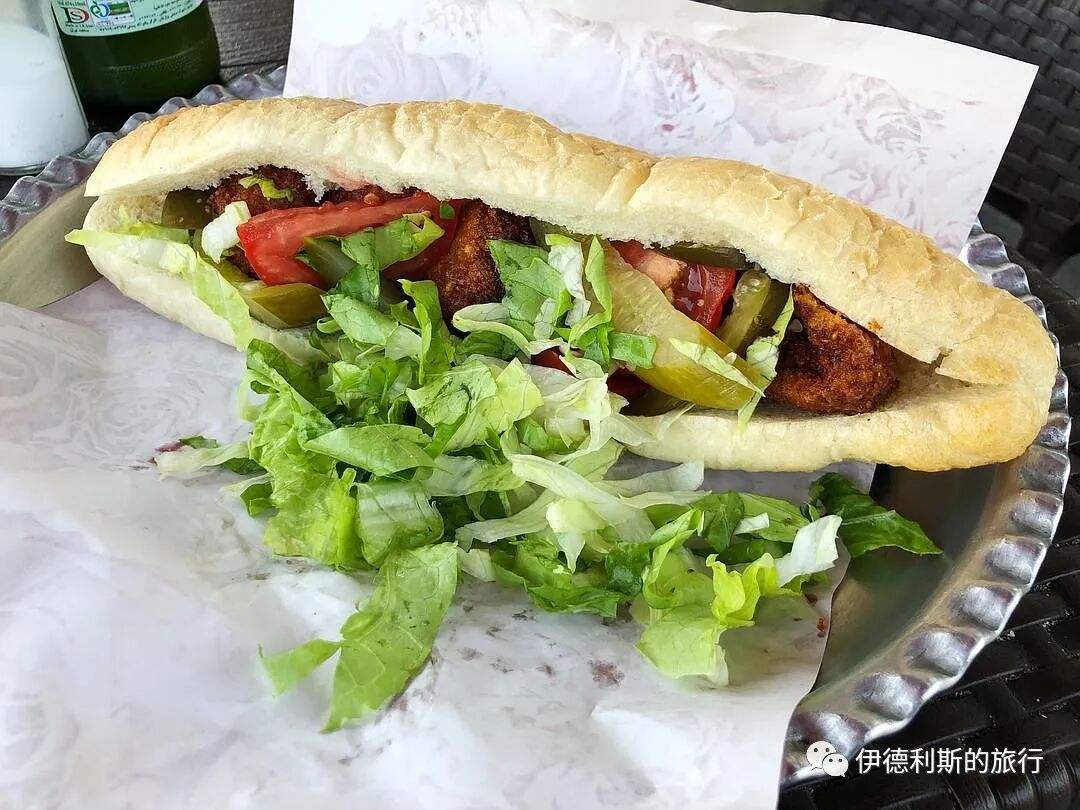
My accommodation in the old city of Tehran was south of Imam Khomeini Square, where there is a food street. I ate many snacks there. On the morning of my third day in Tehran, I ate a Falafel sandwich on the food street. It ranks alongside Iranian pizza as one of the two major street foods in Tehran.
Falafel is a common Middle Eastern fried chickpea ball, served inside a baguette with vegetable salad and Persian pickles (torshi). Torshi means sour in the Persian language. The most popular Falafel sandwich shops let you add your own salad and pickles, and they often have long lines. The one I ate had a simpler setup.
4. Samosa
Snacks called samosa are found from Northeast Africa to Western China, and they are made differently everywhere. Common versions include Indian curry puffs and baked buns (kaobaos) from Xinjiang, Central Asia. The word samosa actually comes from the Persian word sanbosag. As early as the 9th century, the Persian poet Ishaq al-Mawsili wrote poems praising the samosa. After the 10th century, the samosa began appearing in Arabic cookbooks and spread across Africa and Asia along with Muslims. The samosa remained popular in Iran until the 16th century, but later it was only kept in certain regions.
Samosas on the streets of Tehran are mostly fried triangles with potato filling, similar to the Indian version. I bought this kind at a small shop across from the Friday prayer (Jumu'ah) bazaar, and I also bought some delicious bread there.
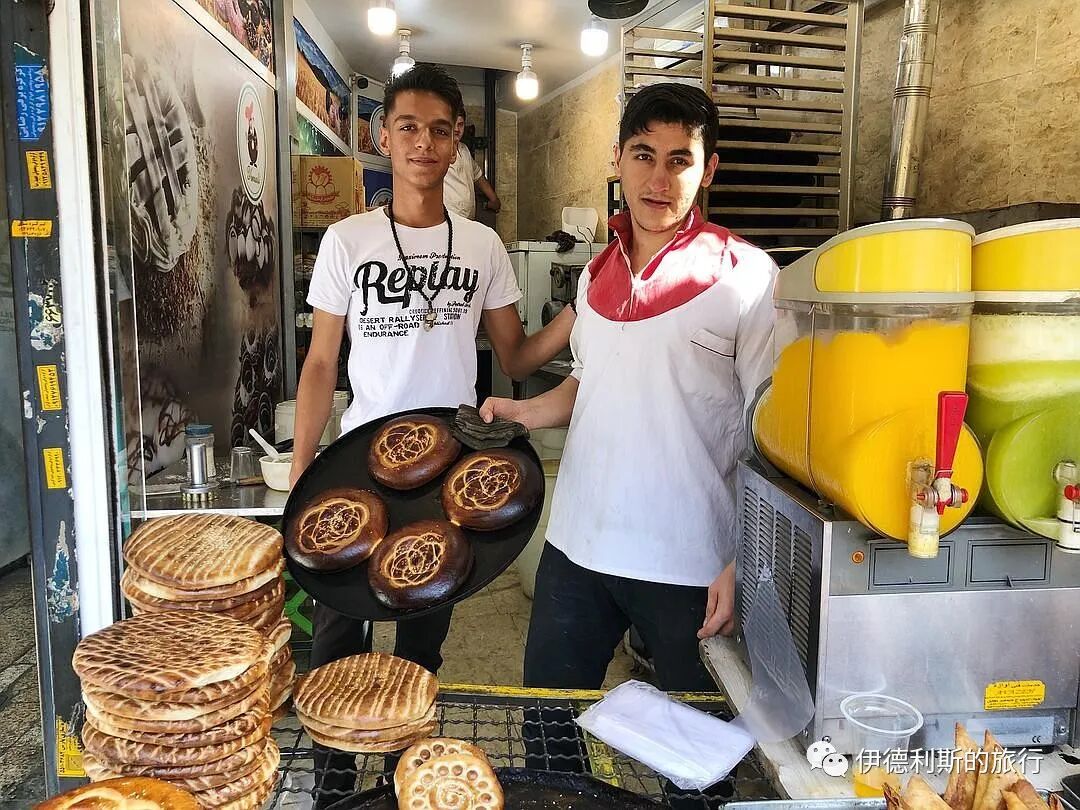
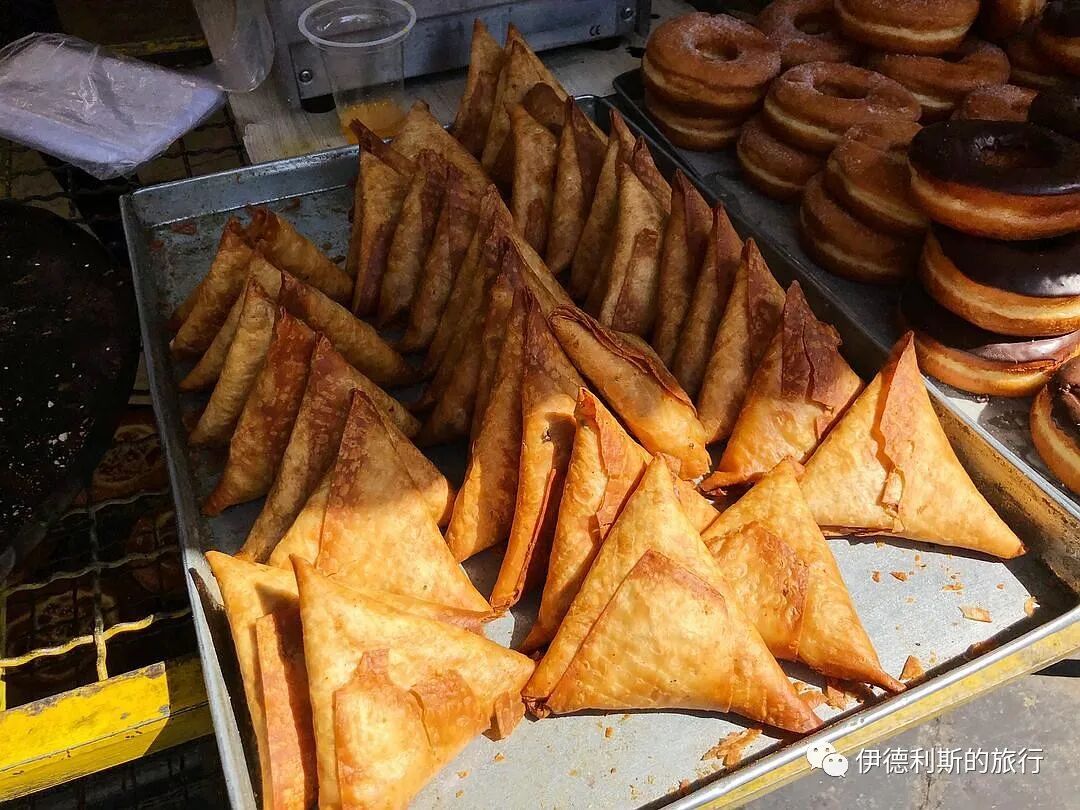
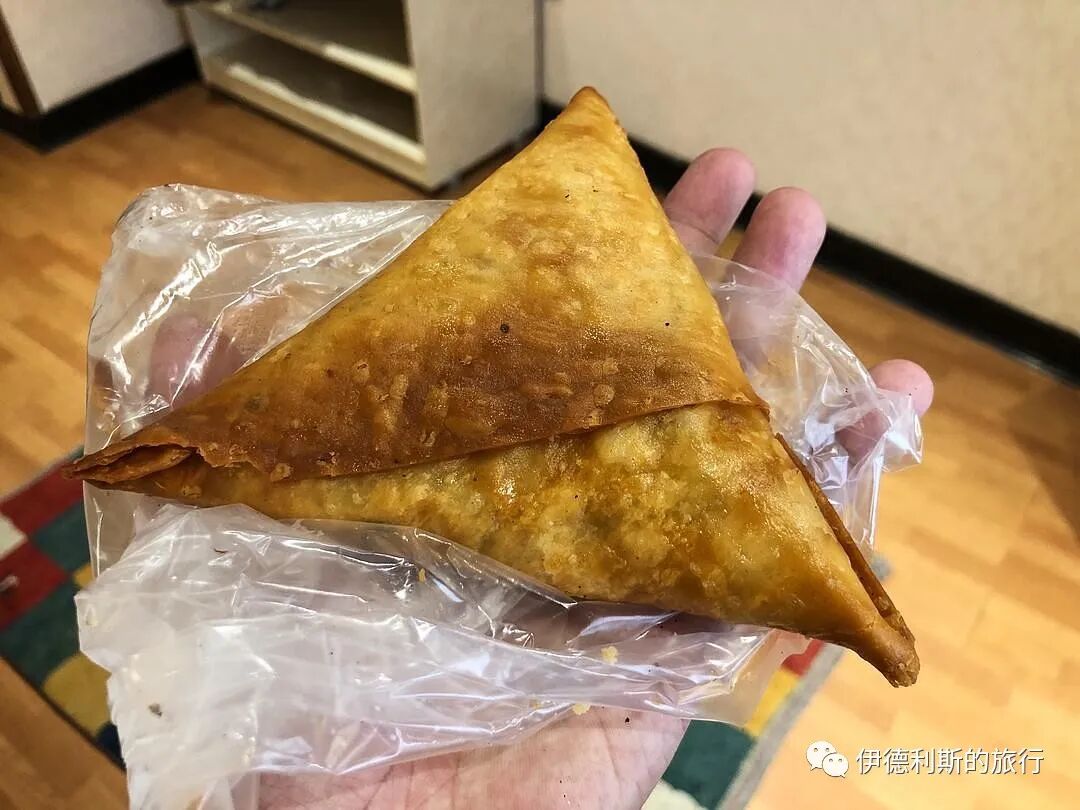
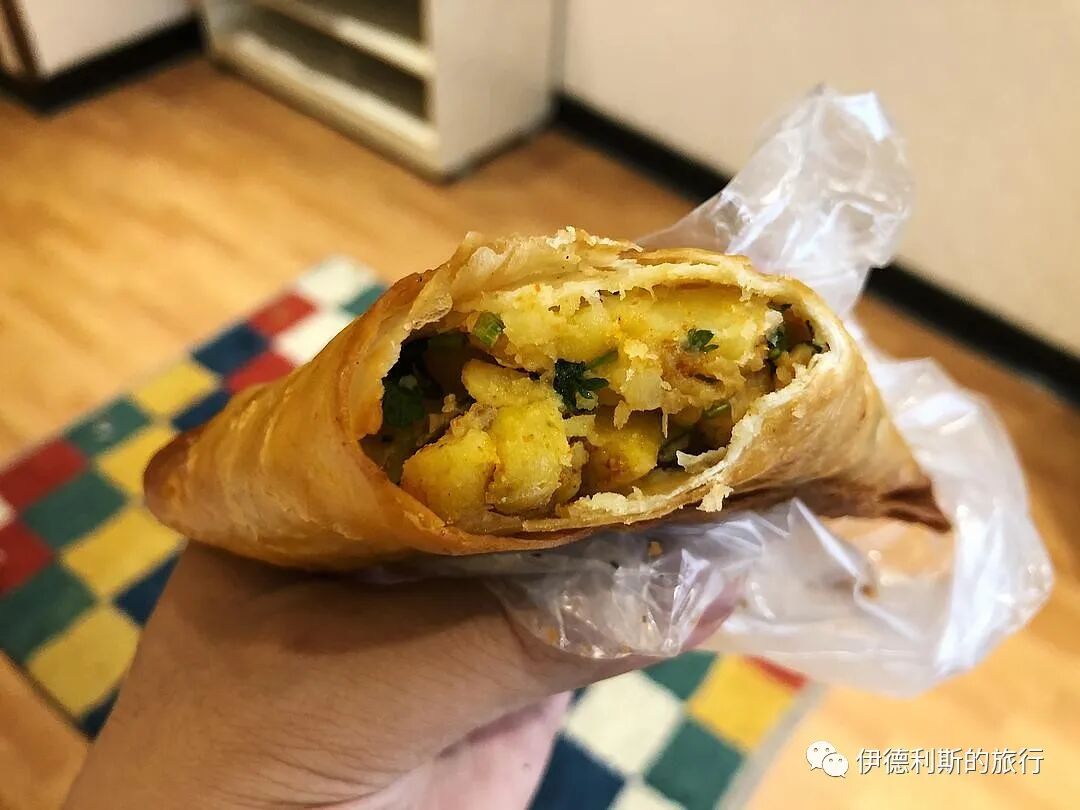
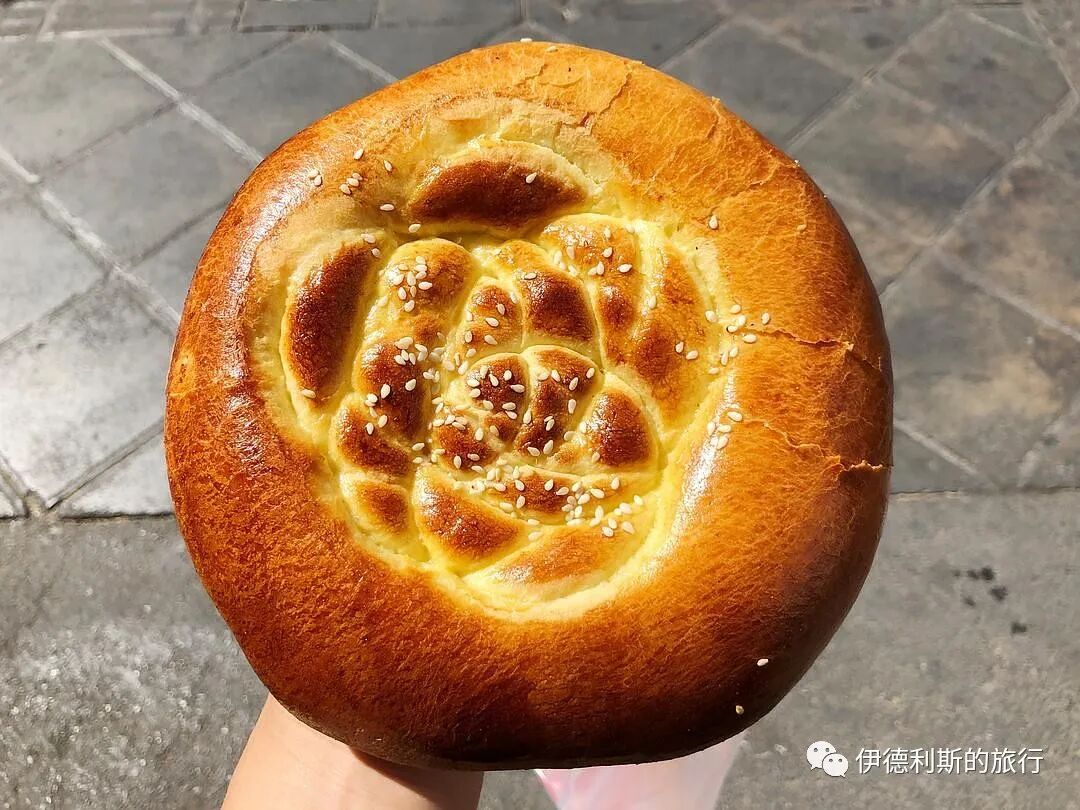
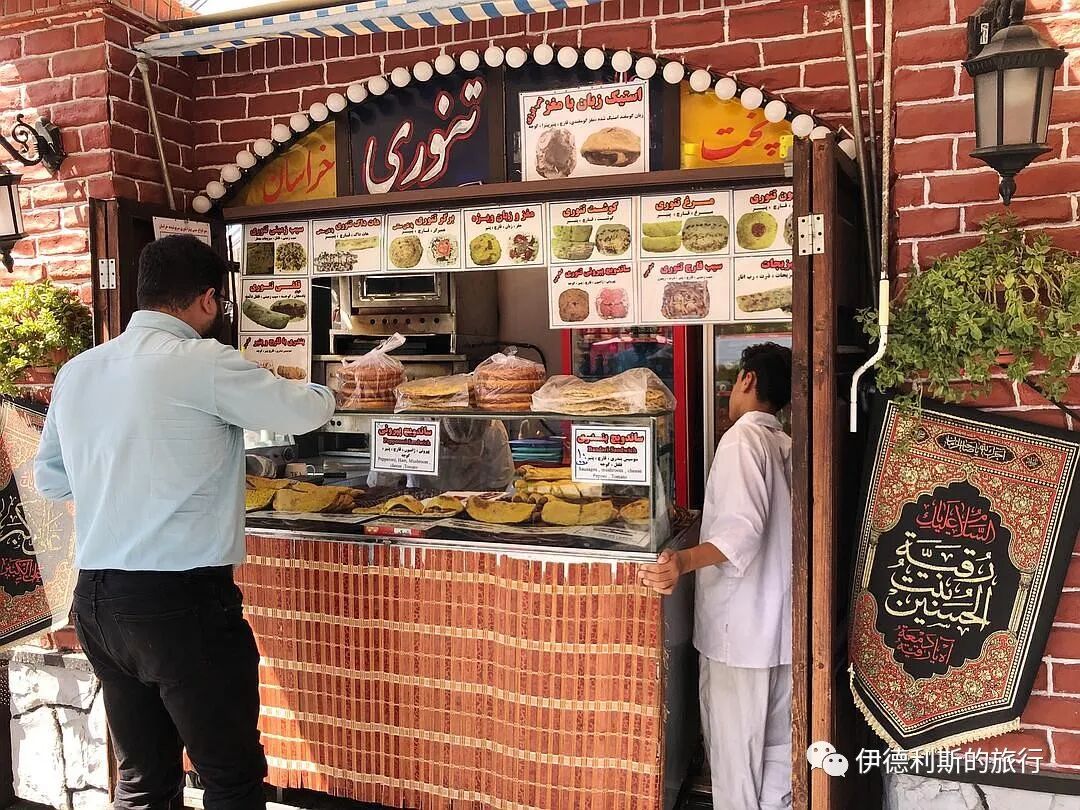
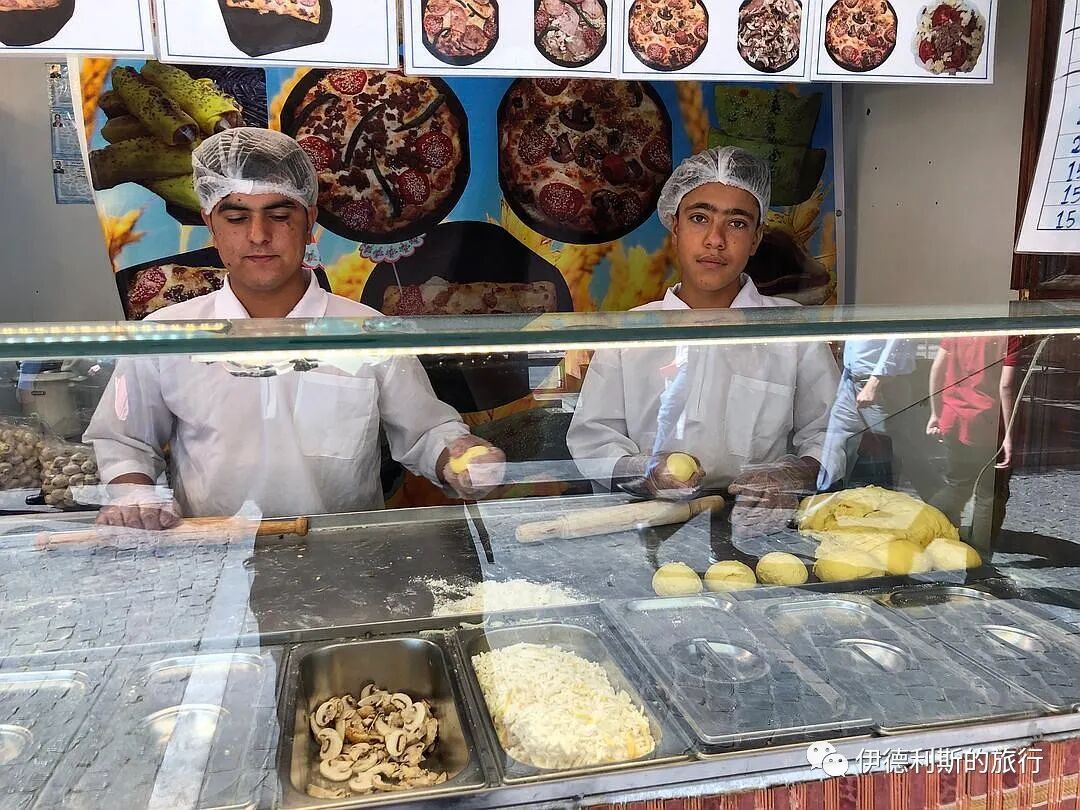
I also ate another type of baked samosa on the food street south of Imam Khomeini Square, which also had a potato filling. The name of this restaurant is Sandwich Khorasan, so I guess this style might come from the Khorasan region in northeastern Iran.
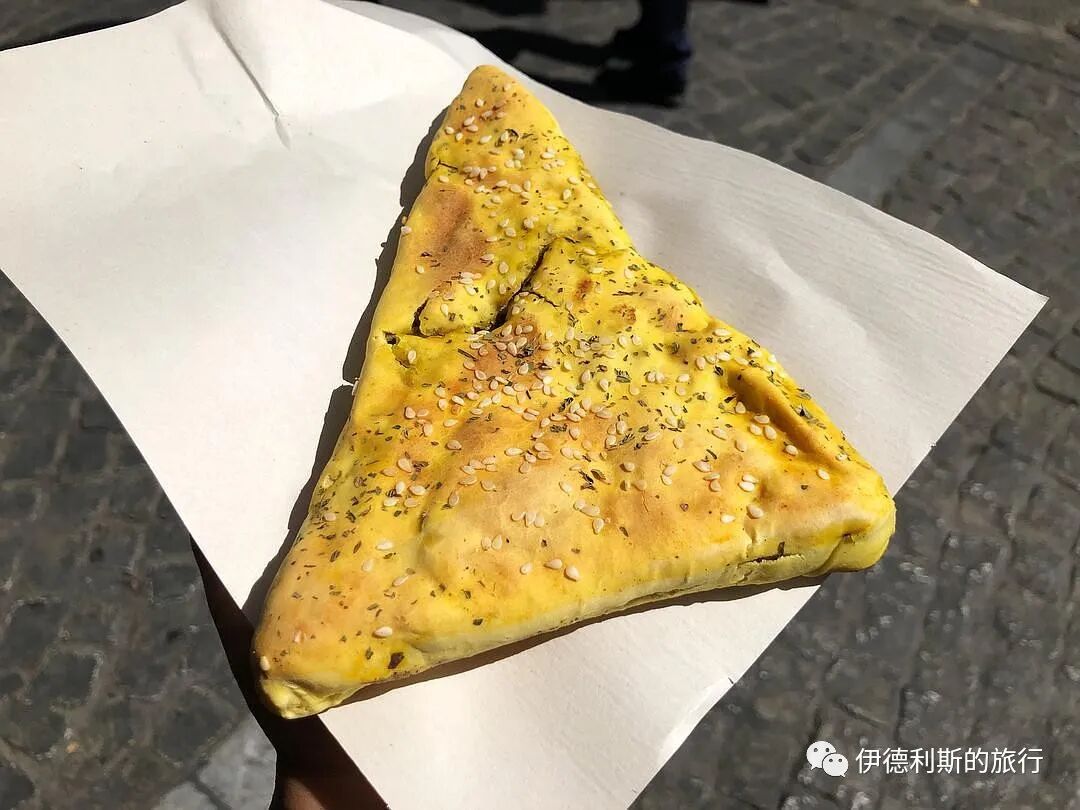
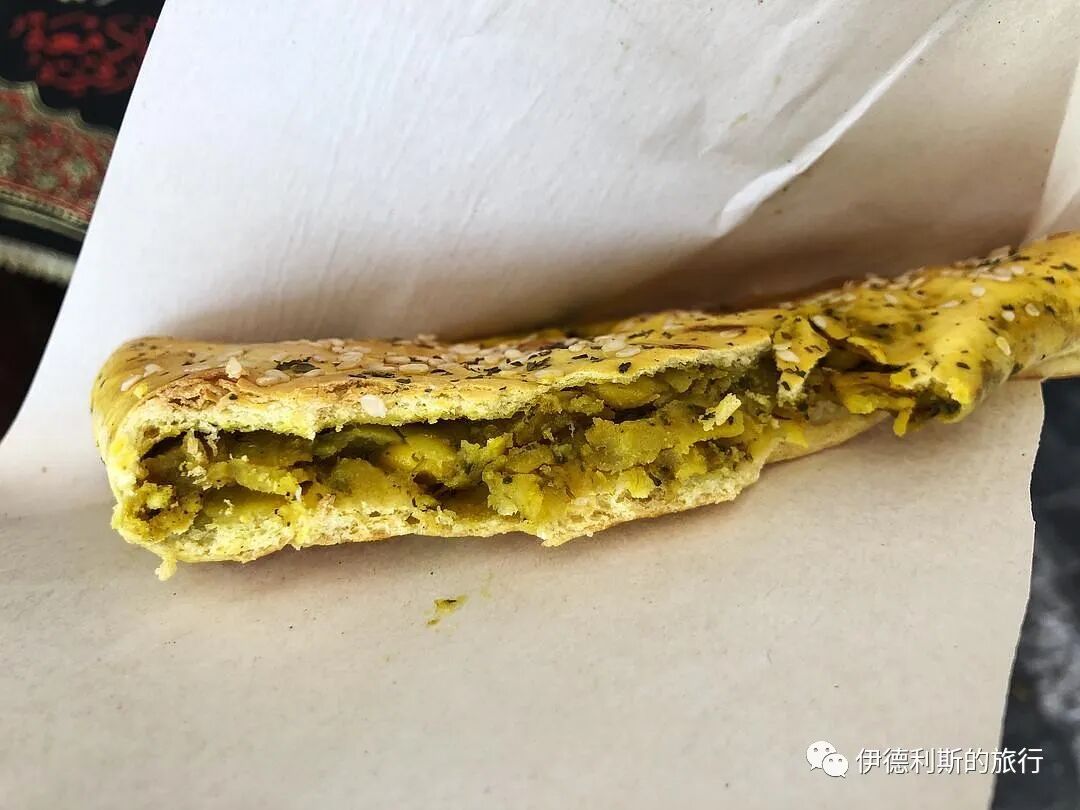
5. Tripe soup (sirabi)
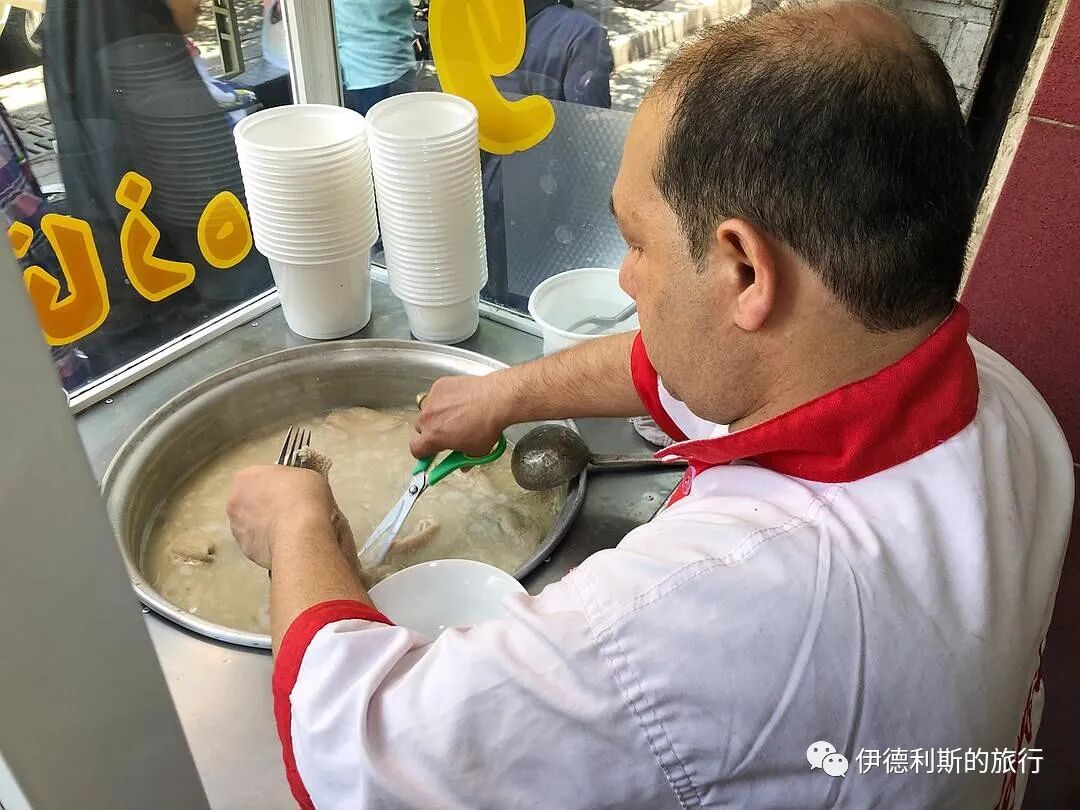
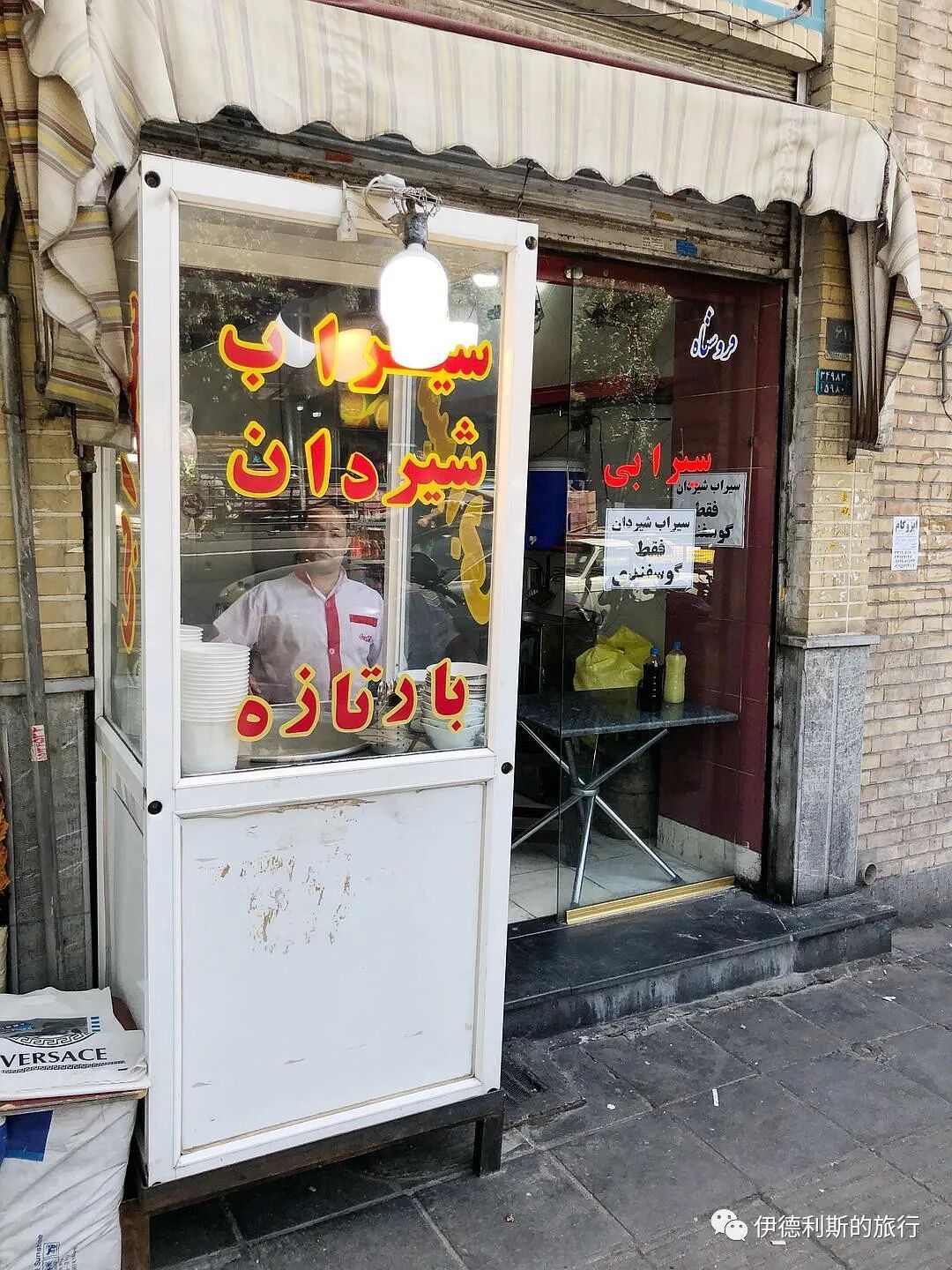
I had tripe soup (sirabi) with flatbread (sangak) at a small street shop next to the carpet bazaar in Tehran. The soup was very fresh and tasty, and the tripe was very chewy.
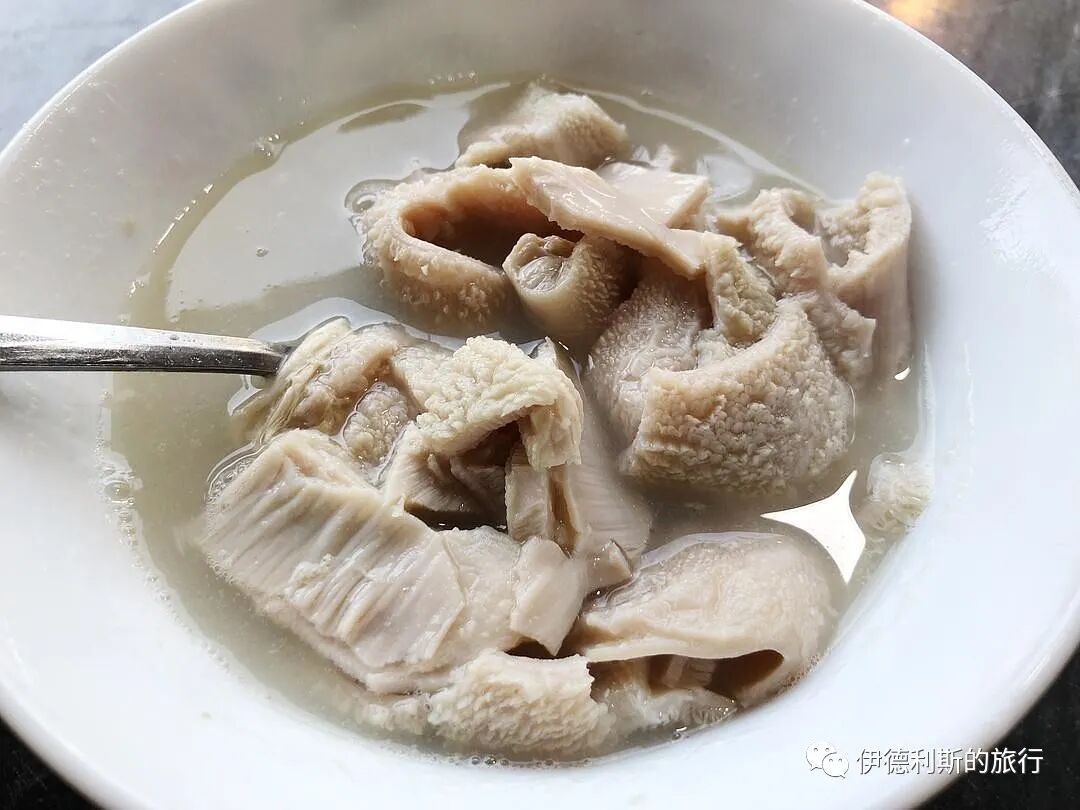
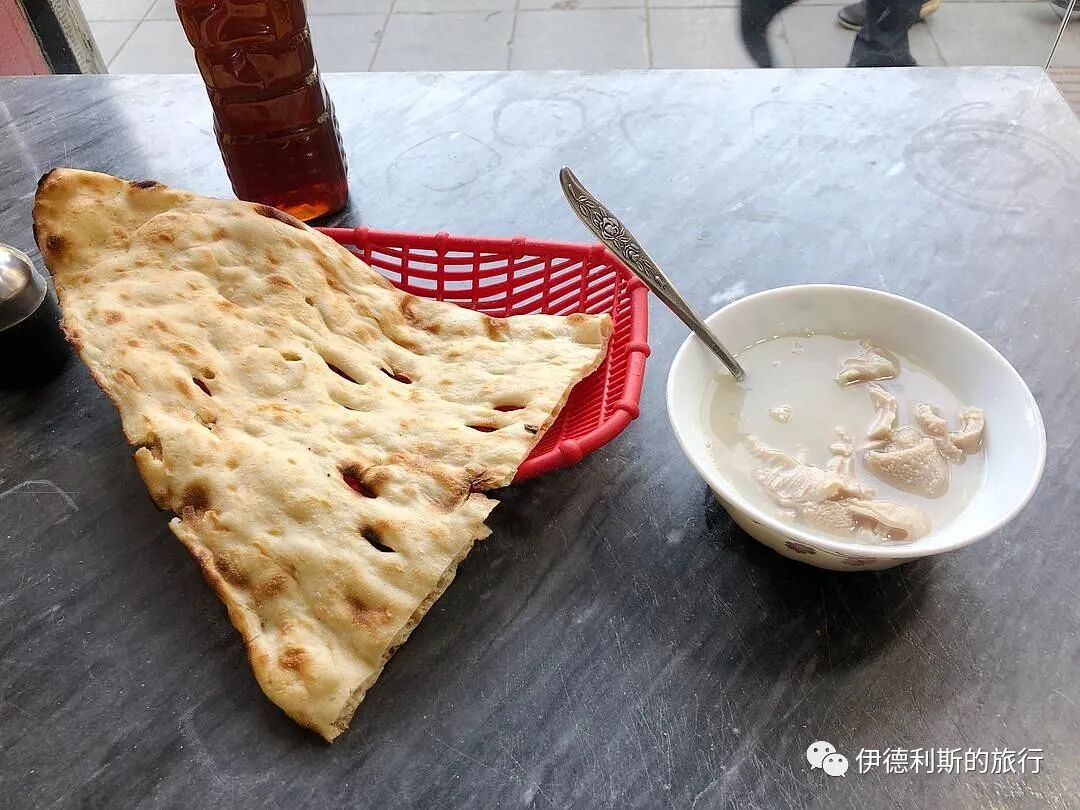
6. Caspian white fish of the Gilaki people
I ate at Khoshbin, a fried fish restaurant run by Gilaki people from northern Iran, while in Tehran. The Gilaki people mainly live in Gilan Province on the southern coast of the Caspian Sea, and the Gilaki language they use belongs to the Western Iranian branch. Molecular anthropology shows that the Y-chromosome of the Gilaki people is very close to that of South Caucasian people, but their mtDNA (mitochondrial DNA) is very close to that of Iranians. We can guess that the ancestors of the Gilaki people likely came from the South Caucasus region, then migrated to the southern shore of the Caspian Sea and mixed with the Iranians.
The business hours for Khoshbin on Google Maps are wrong. They are actually only open for lunch between 12:00 PM and 4:00 PM, and it is very popular, so you have to wait in line. Luckily, they have an English menu, so I was able to order my food without any trouble.
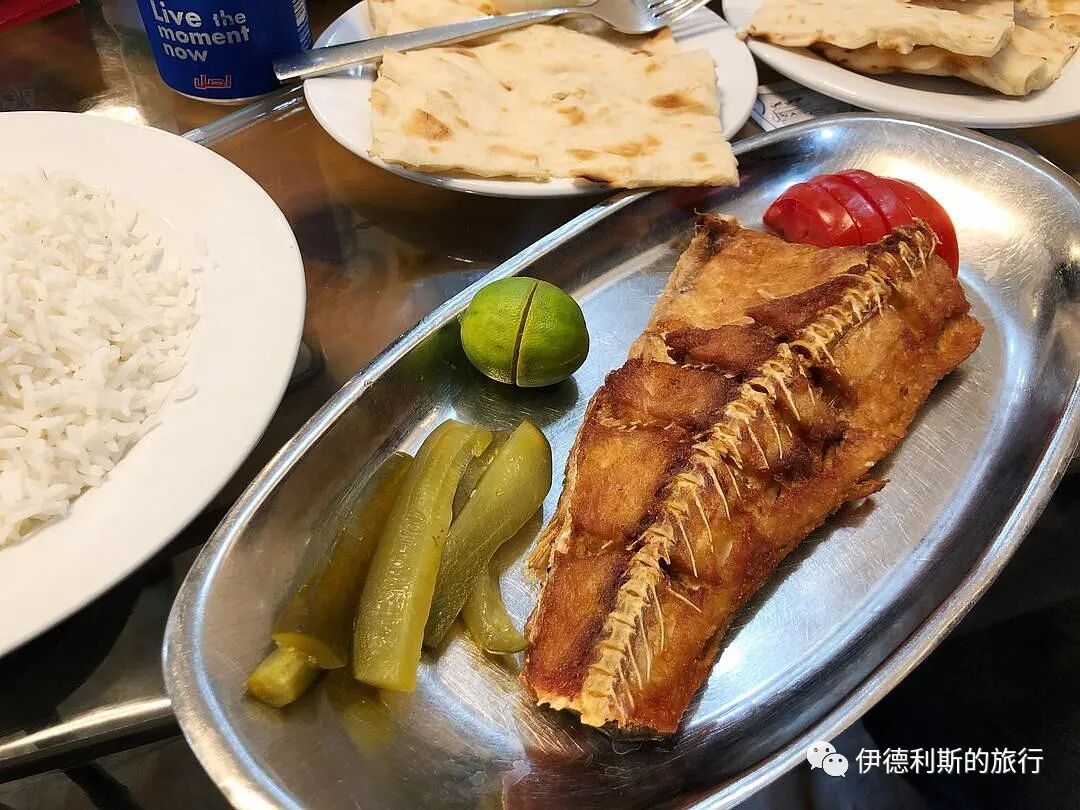
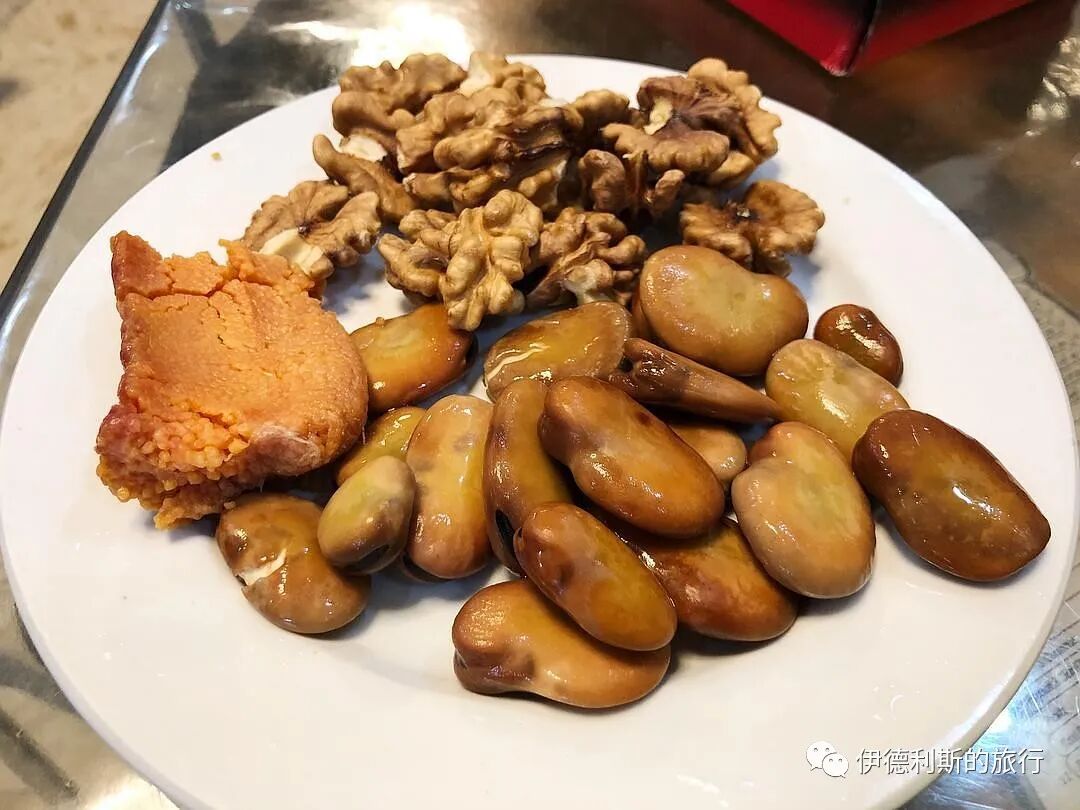
Fried fish is an important part of Gilaki cuisine. I tried the Caspian white fish (Caspian kutum), which is a type of carp. For side dishes, I ordered white fish roe (Kuli), fava beans, and walnuts, and I also had cucumber yogurt (Maast-o Khiar). They also have some special Gilaki side dishes I want to try next time, like a mashed dip made of eggplant, pumpkin, garlic, tomatoes, and eggs called Mirza Ghasemi, and green olives marinated in pomegranate molasses, walnuts, and herbs called Zeytoun Parvardeh.
7. Street drinks
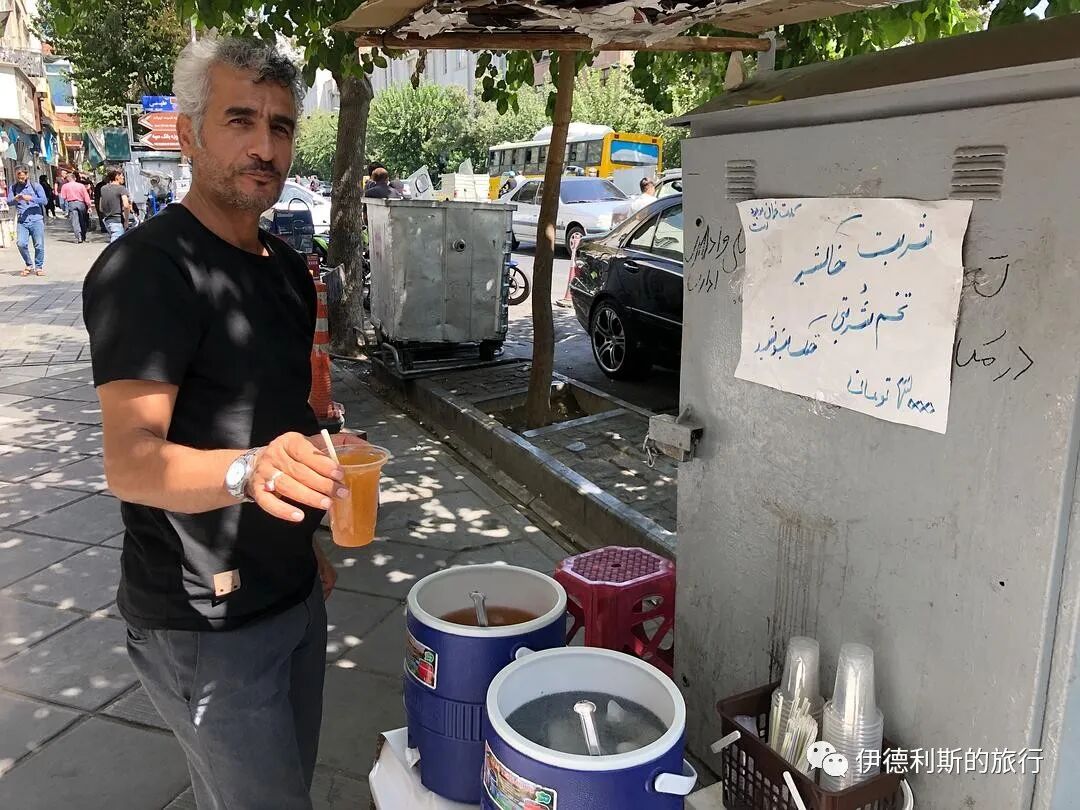
There are many drink shops on the streets of Tehran. First, there are all kinds of fresh juices; I drank pomegranate juice, honeydew melon juice, and carrot juice. The honeydew melon and carrot juices were super delicious, but the pomegranate juice was so sour it made me question everything. I still like the pomegranate juice from Xinjiang the best.
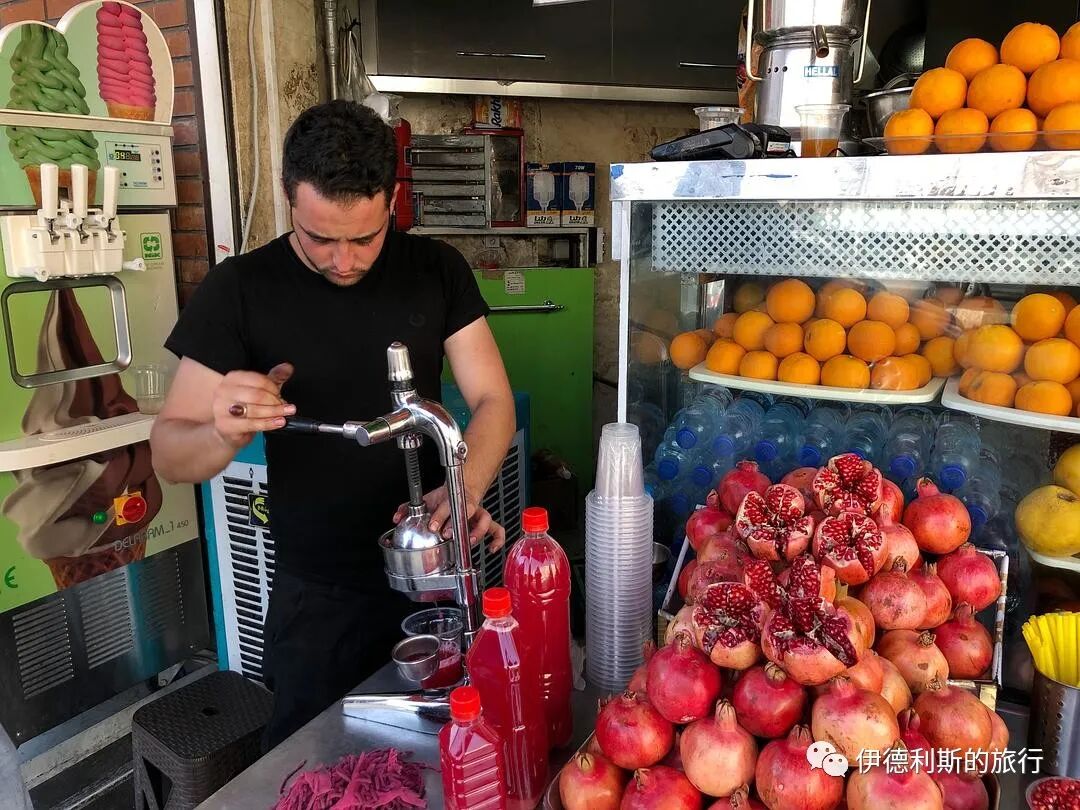
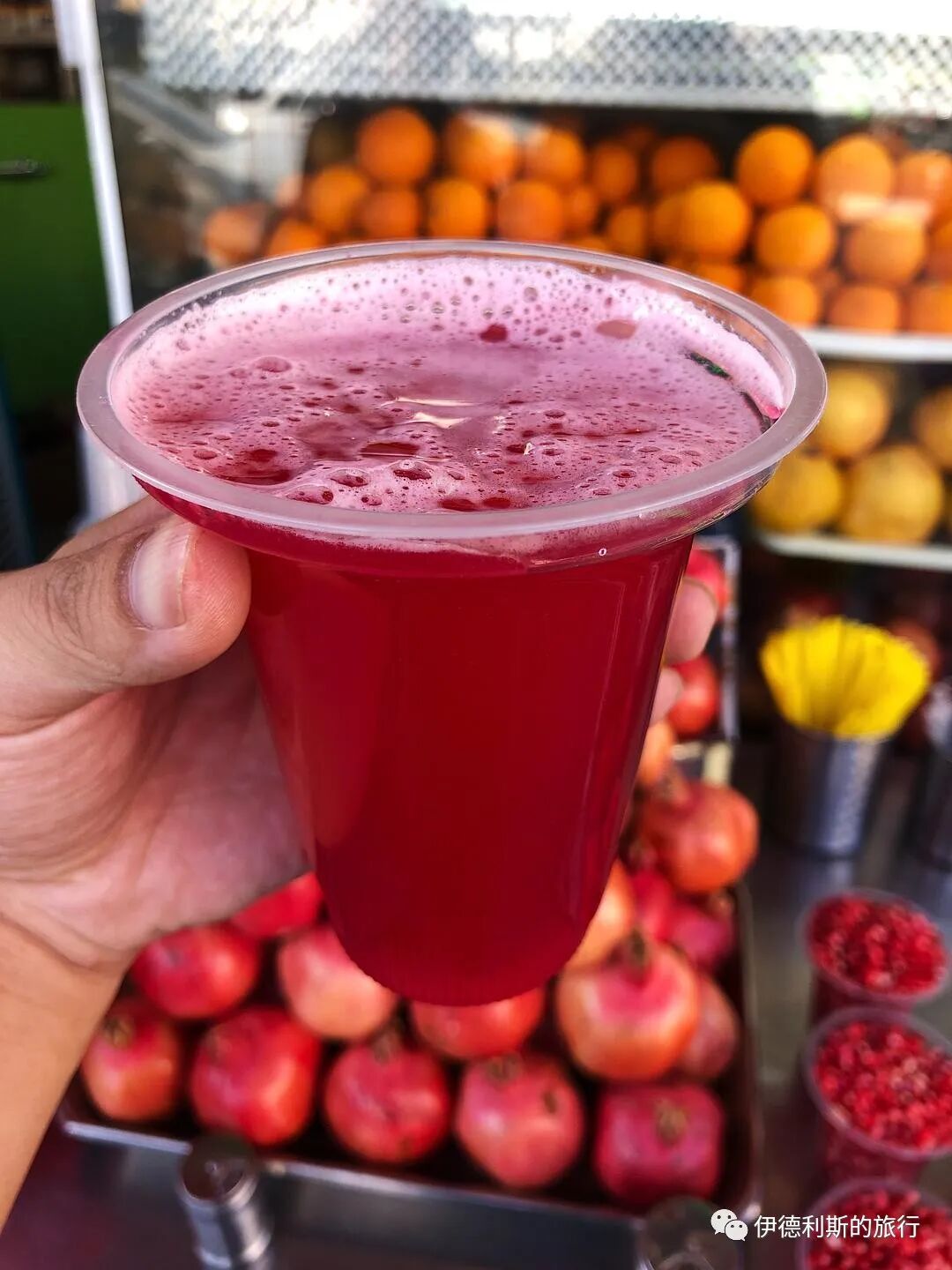
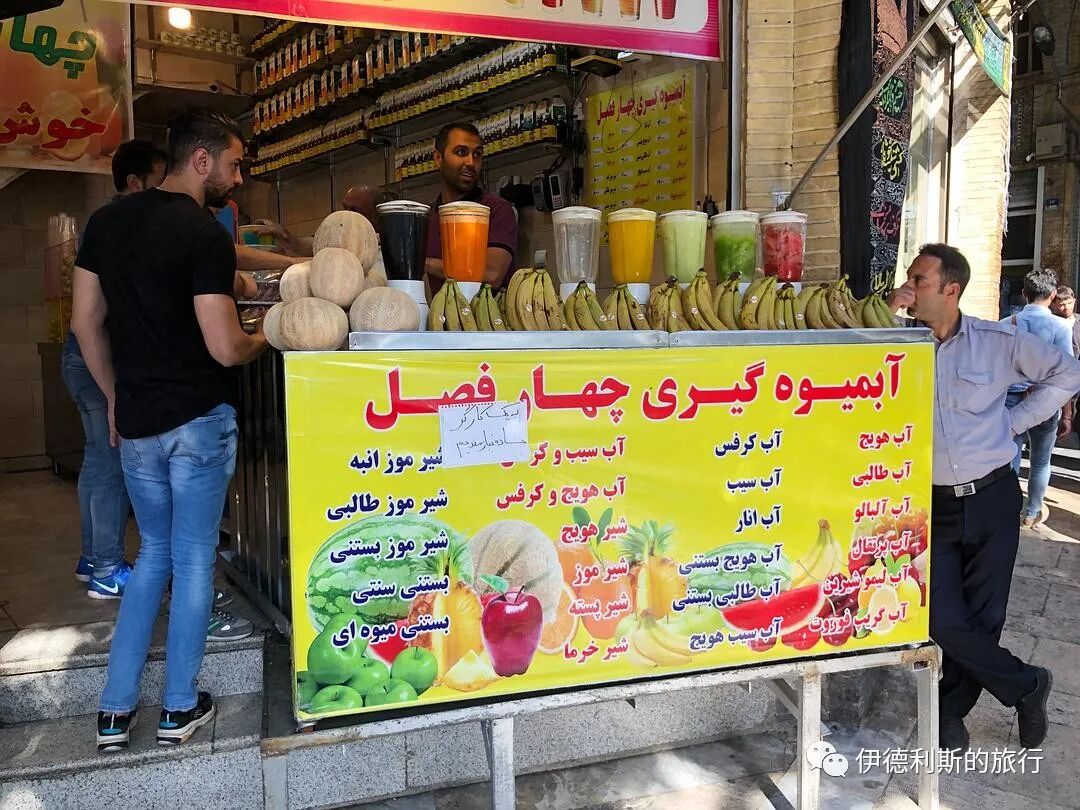
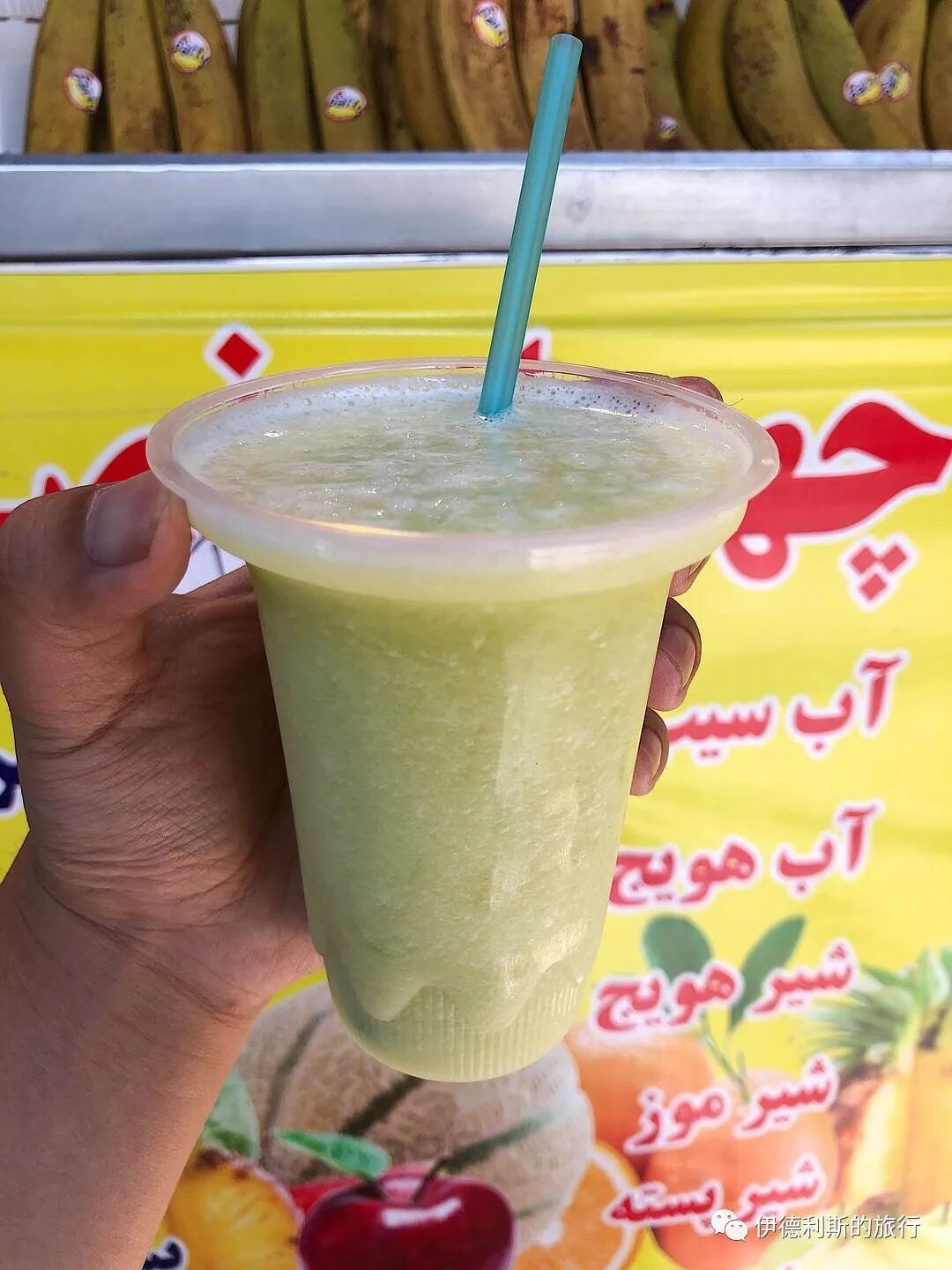
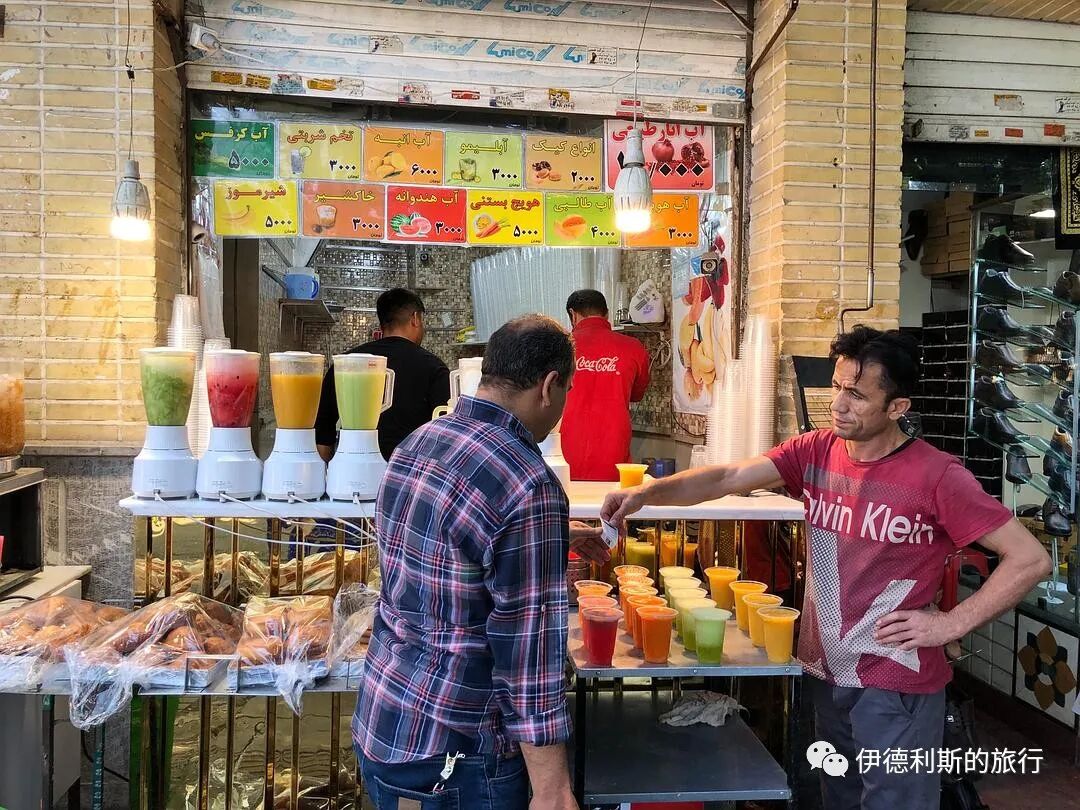
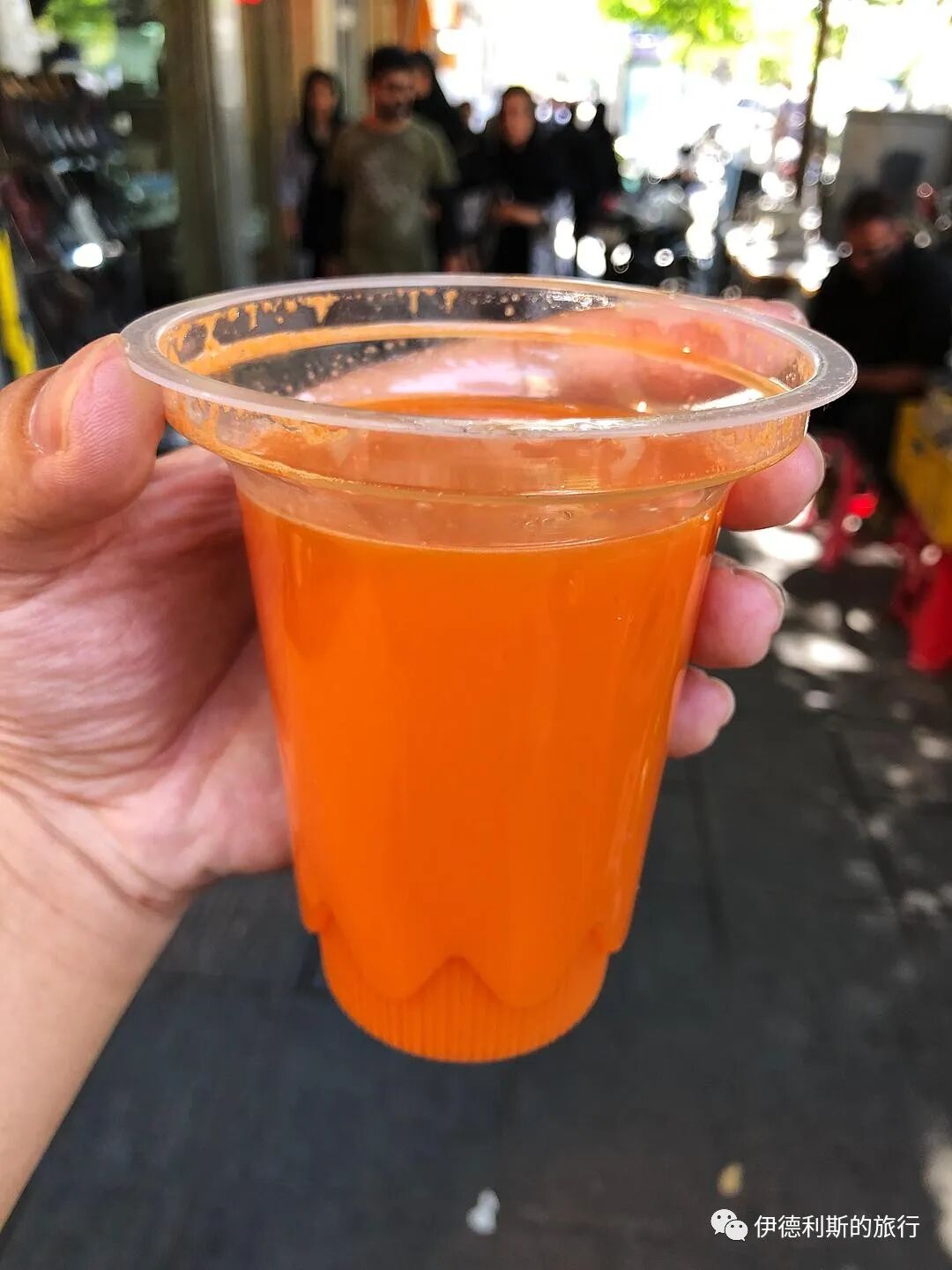
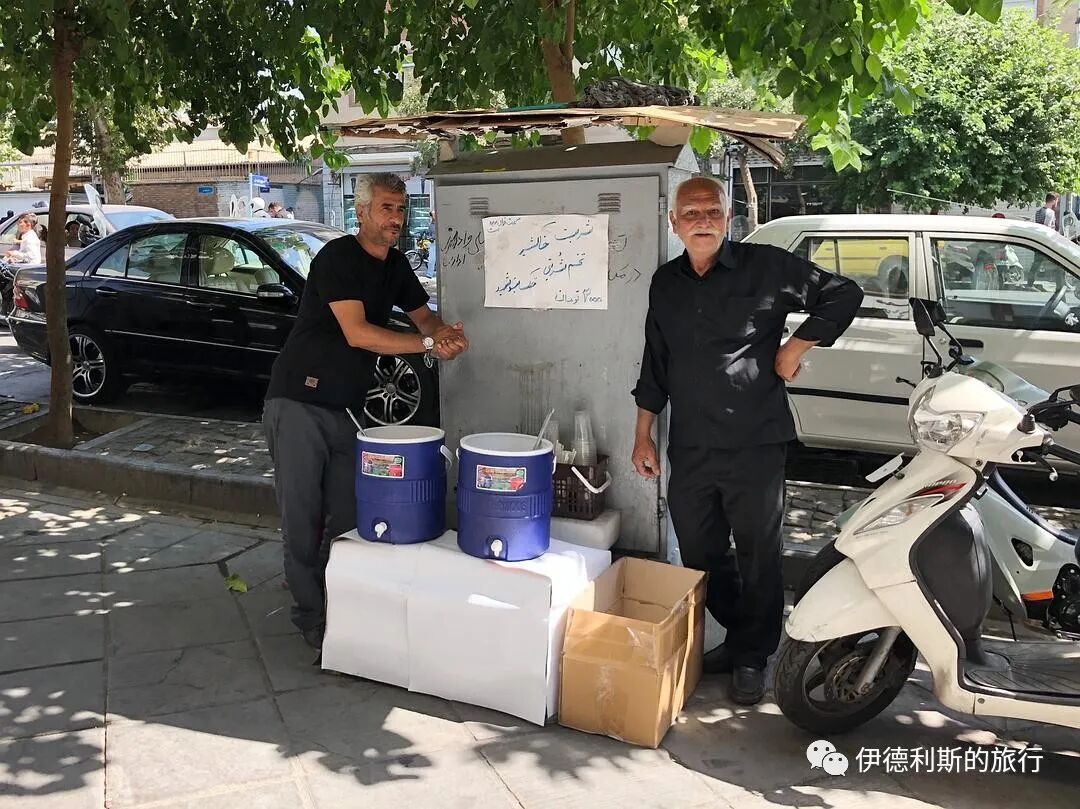
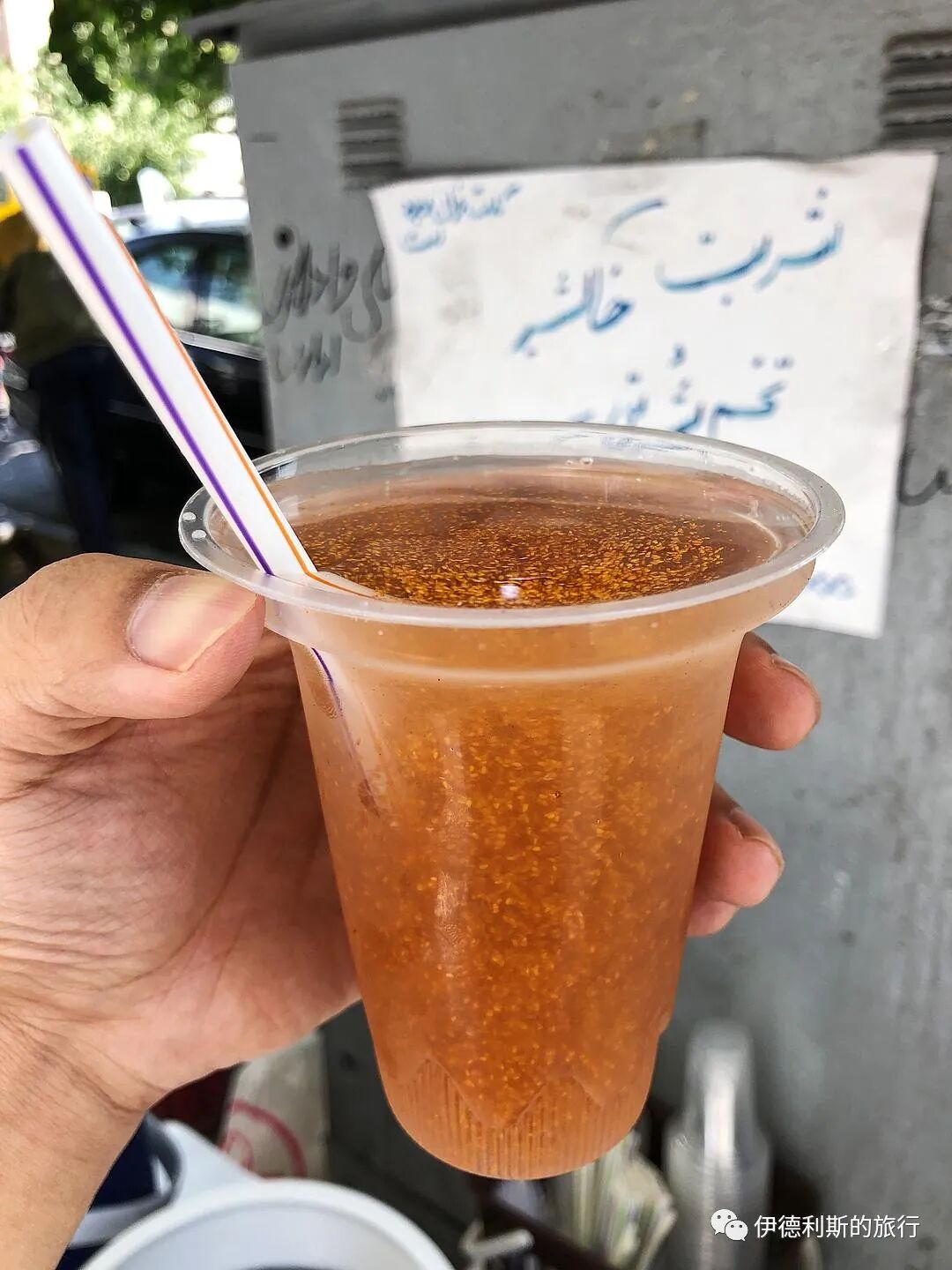
Another drink you don't see often in other countries is called Khakshir, which is very common in Iran during the summer to beat the heat and quench your thirst. Khakshir is the seed of a plant called flixweed (bonianghao) in Chinese. Flixweed is also known as garlic mustard, mimihao, or maihao. It grows all over China except in the south. It can be used to make oil or as medicine. Both traditional Iranian medicine and traditional Chinese medicine use it to help with urination and reduce swelling.
8. Shemroon Kabab restaurant
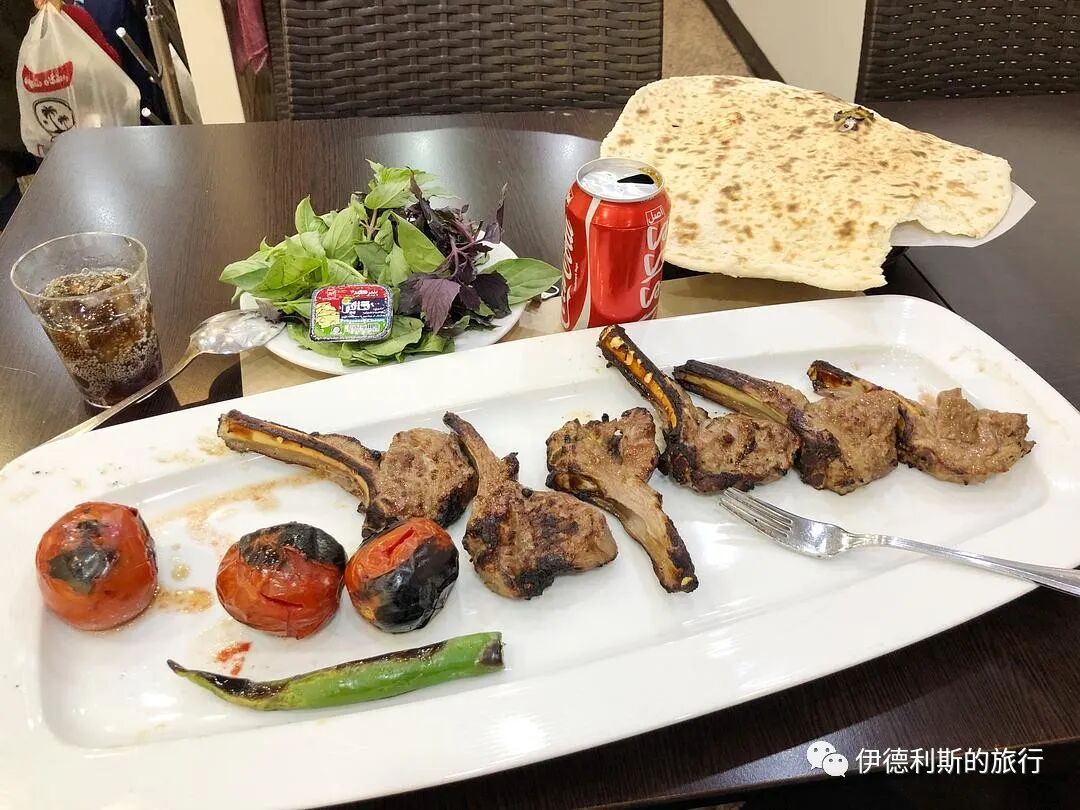
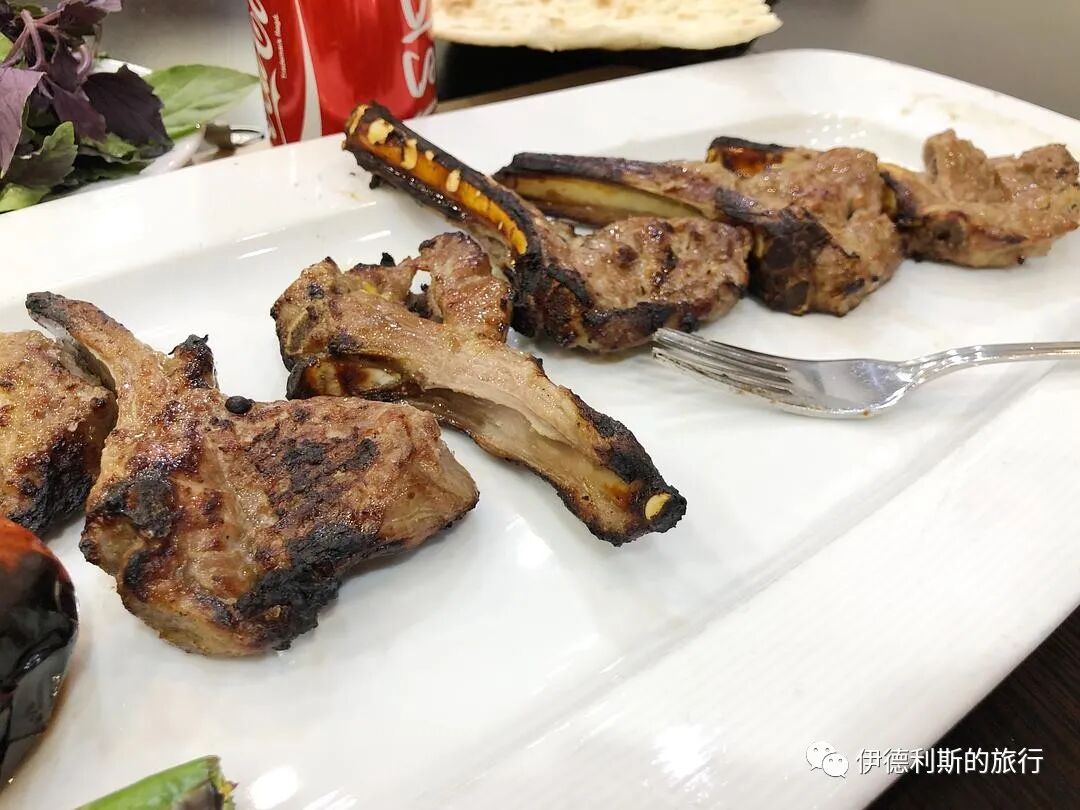
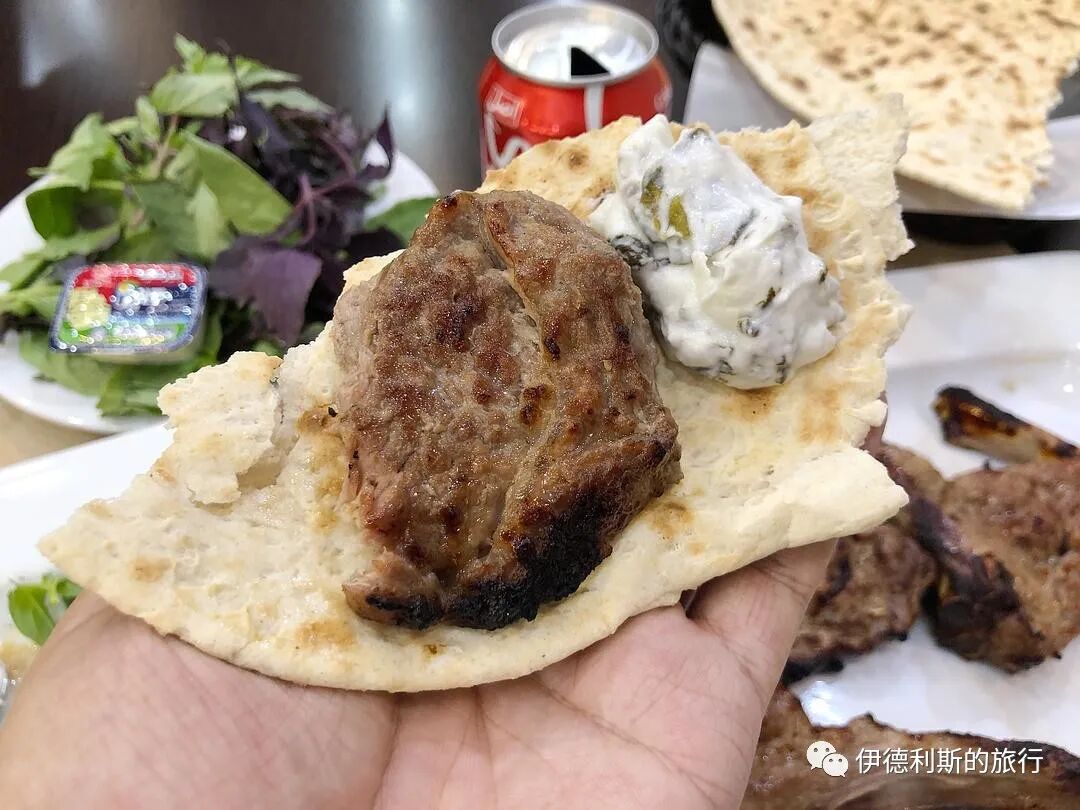
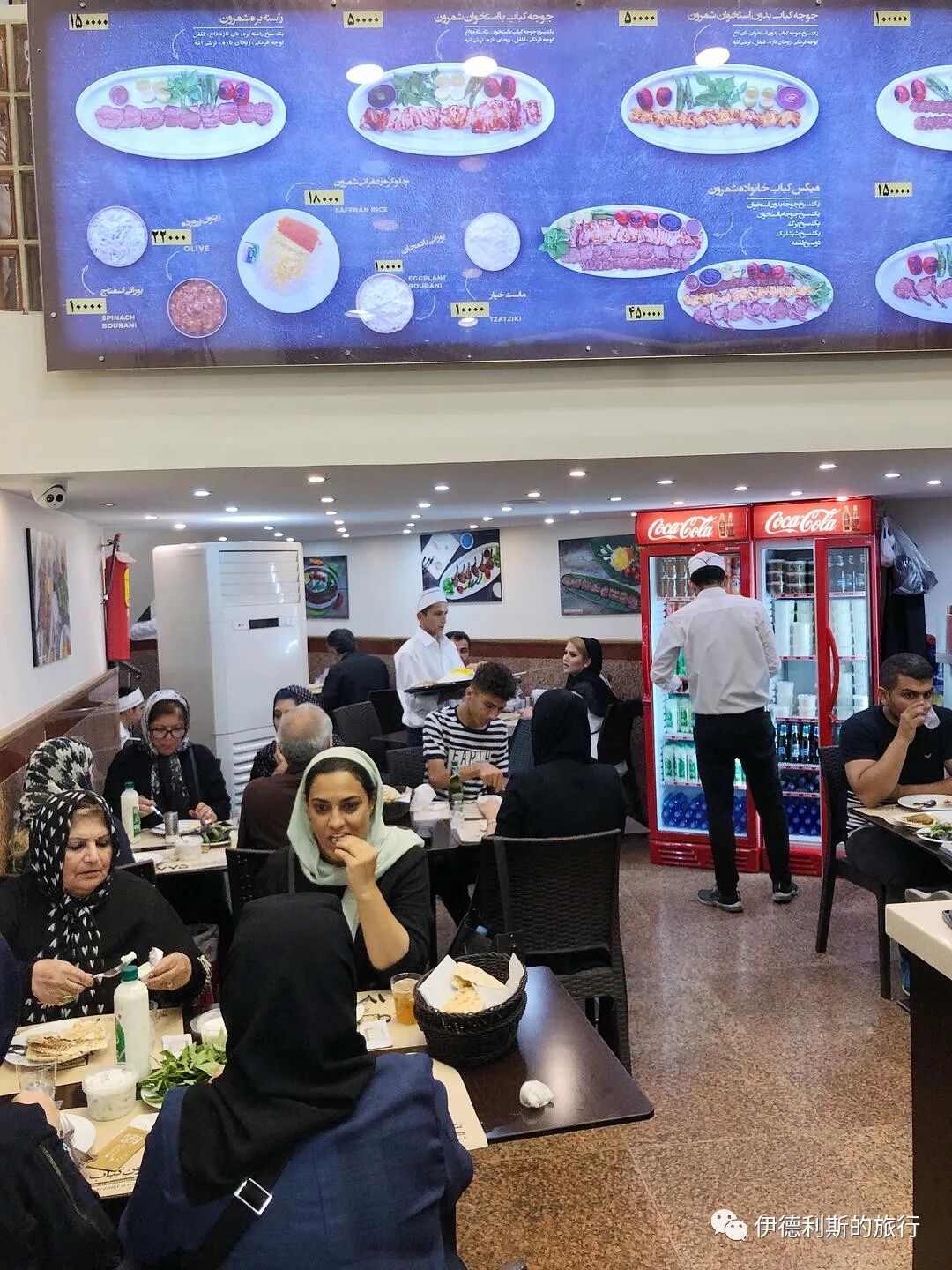
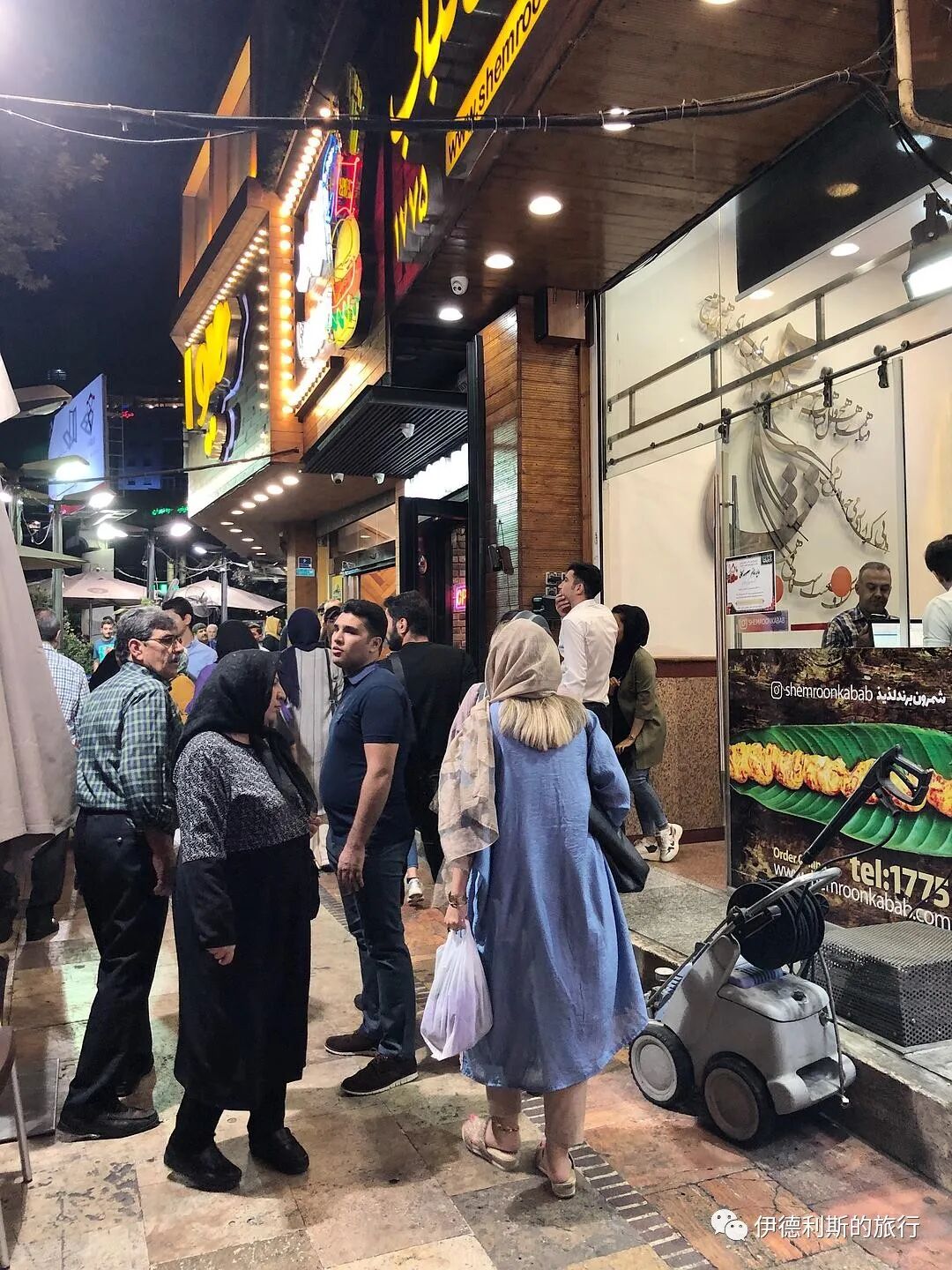
I ate at a kebab shop called Shemroon Kabab in Tajrish Square in northern Tehran. I ordered lamb chops with flatbread (nan) and spinach yogurt (Spinach Burani) as an appetizer. Their portions are huge and satisfying, and the meat is very tender and delicious.
9. Chicken kebab
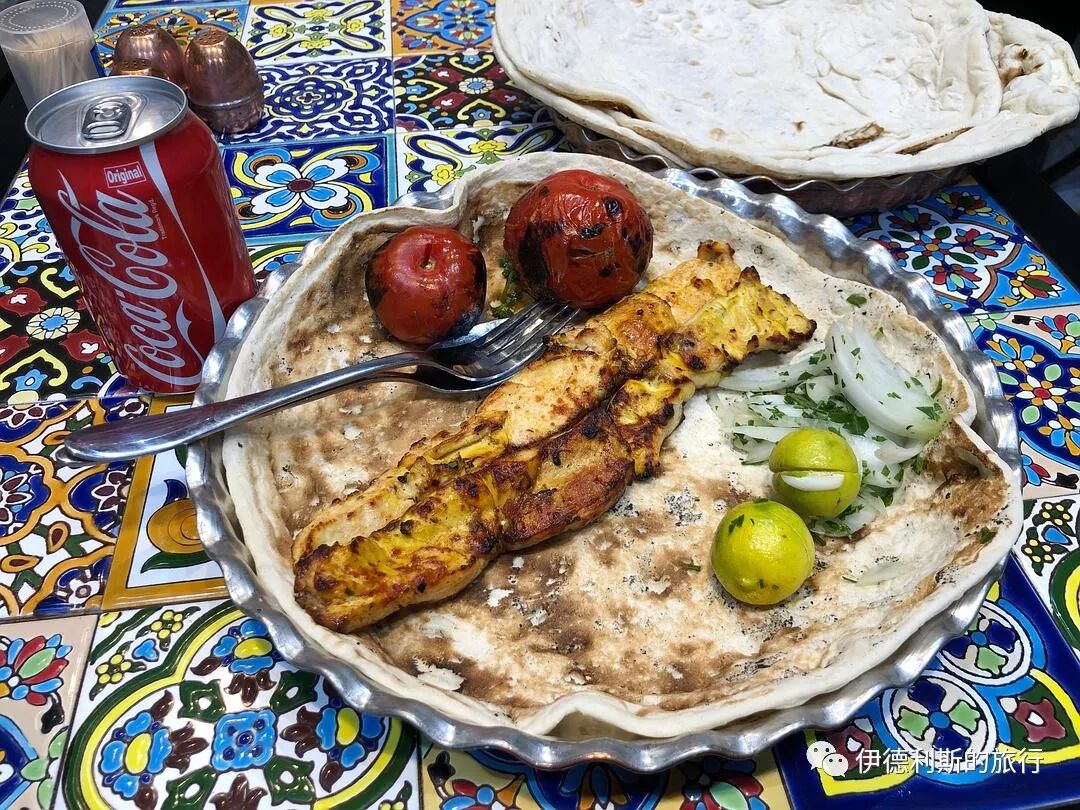
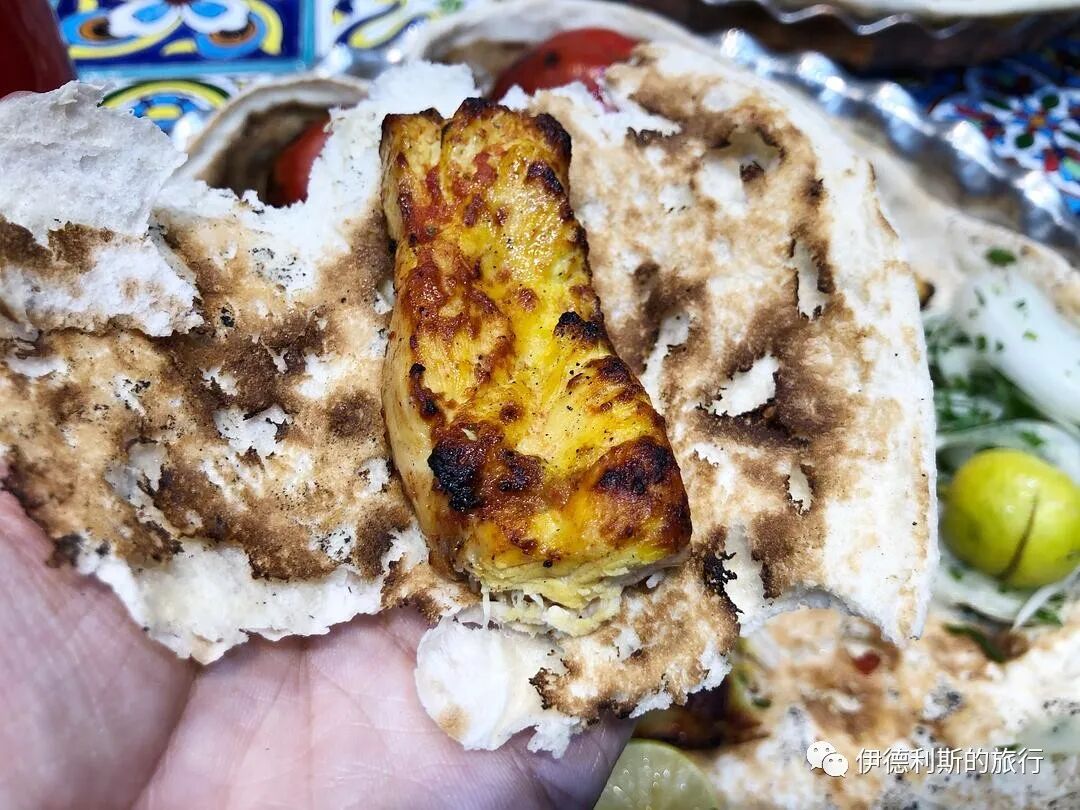
I had chicken kebab at the Tajrish Bazaar in northern Tehran. Here, they simmer the kebabs in a thick tomato sauce after grilling them, which makes them very fragrant.
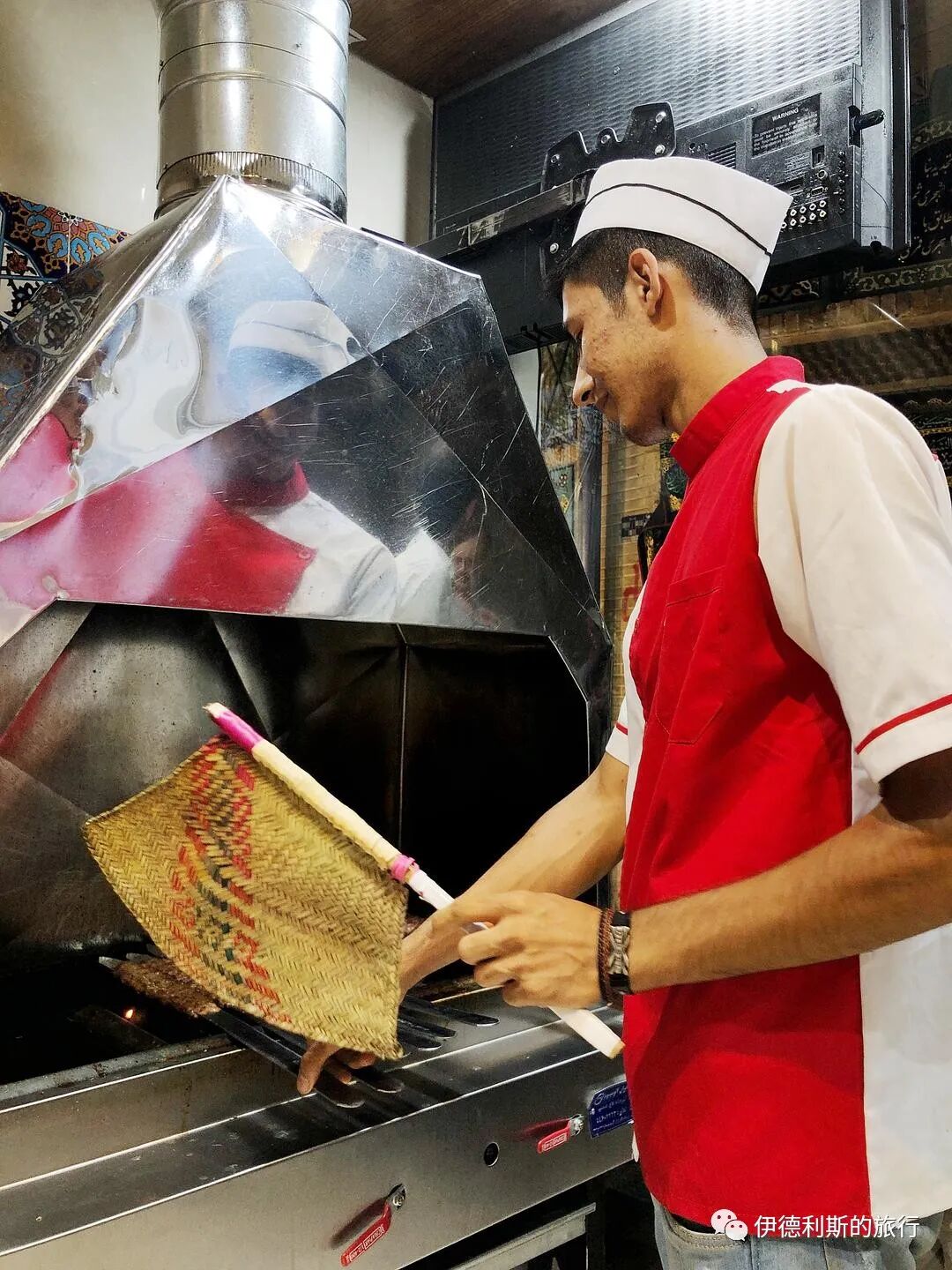
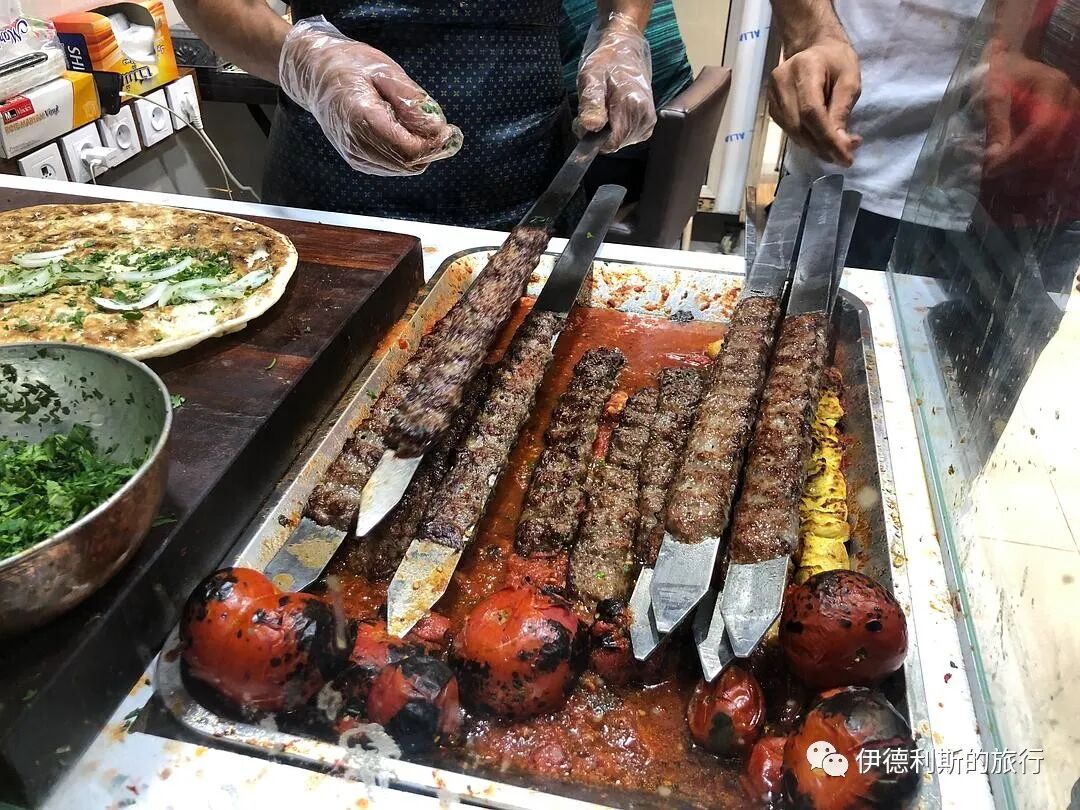
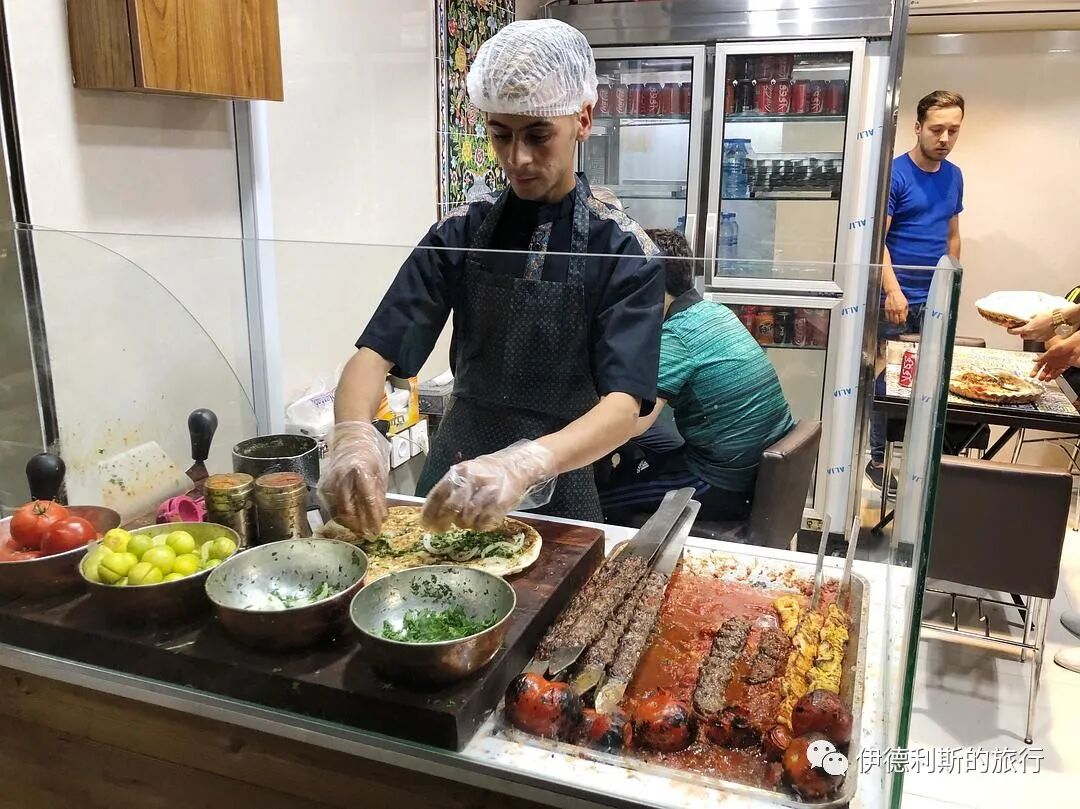
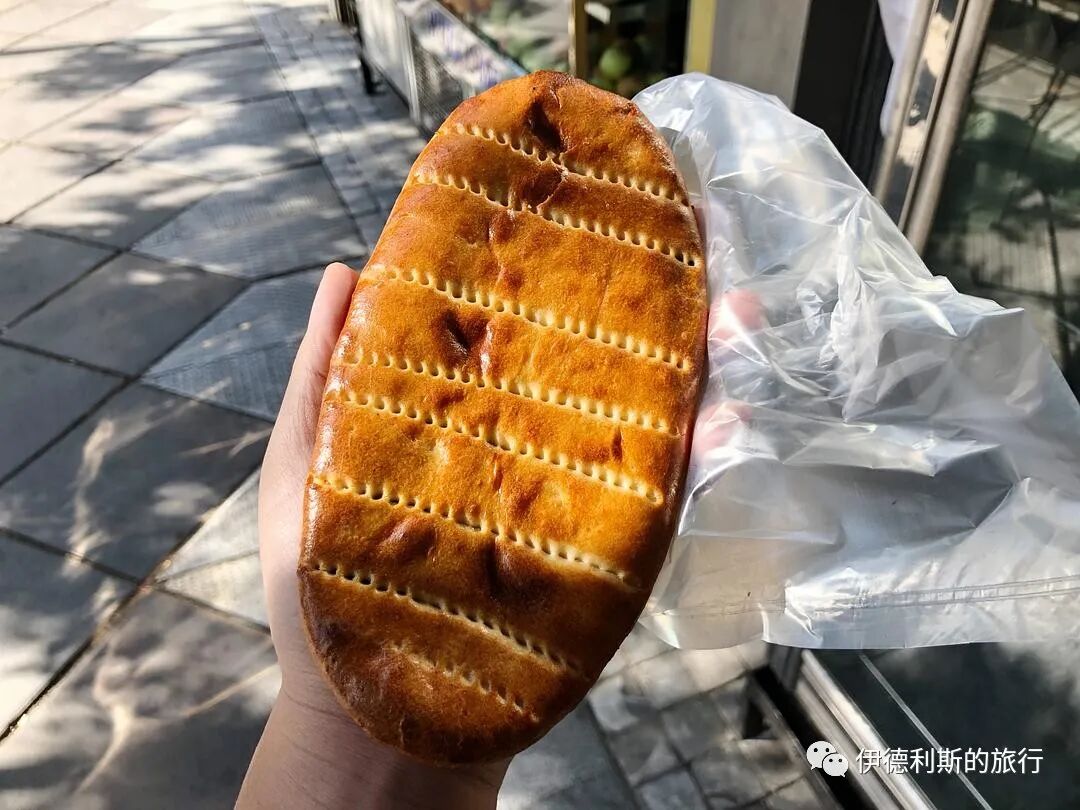
10. Flatbread (nan)
In the early morning in Tehran, any freshly baked flatbread is incredibly delicious. Also, as a word origin, nan (نان) in Persian can refer to any kind of flatbread, not just those baked in a traditional clay oven.
11. Cornelian cherry (zhuyu) and mulberry
I ate cornelian cherry and mulberry at the Tajrish Bazaar in northern Tehran. The classic way to eat them is to sprinkle them with salt. If you squeeze a mulberry with your hand, the juice comes right out. It is as juicy as pomegranate juice from Xinjiang, but it is still too sour.
12. Faloodeh
I ate Faloodeh on the food street south of Imam Khomeini Square in Tehran. It is a cold rice noodle dessert with sugar syrup, rose water, and lemon juice.
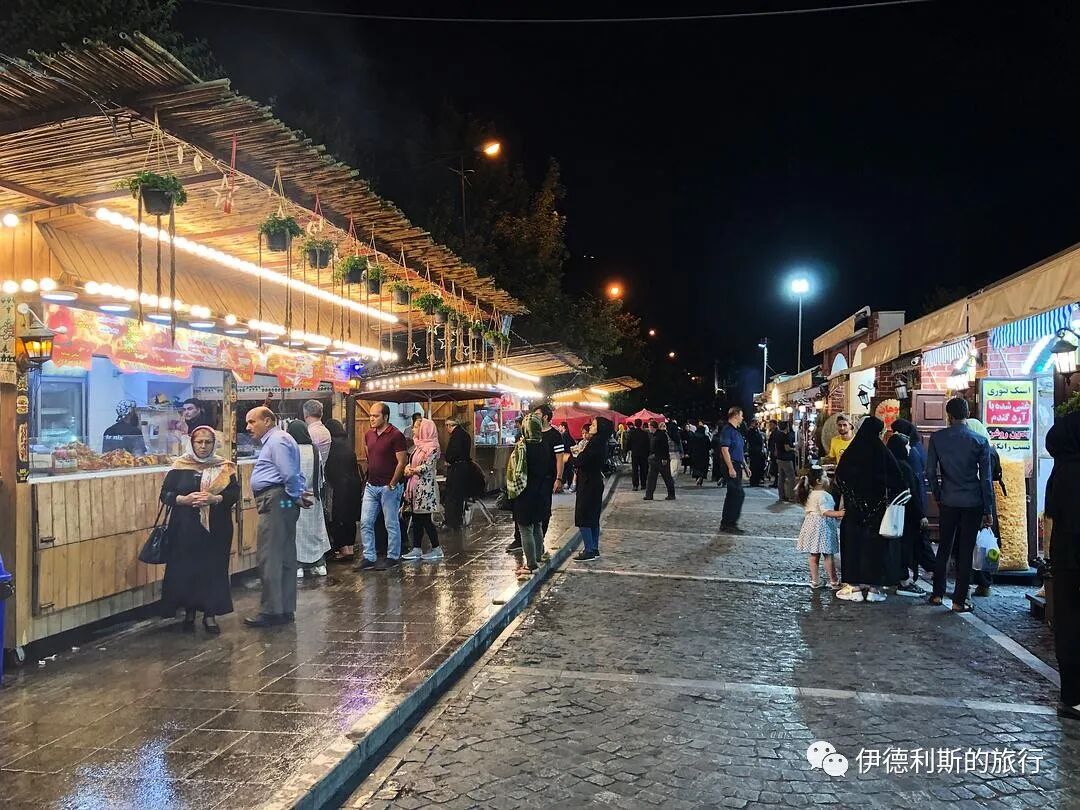
13. Cucumber yogurt (Maast-o Khiar)
I bought cucumber yogurt (Maast-o Khiar) at the Friday Bazaar in Tehran, and it came with raisins and walnuts.
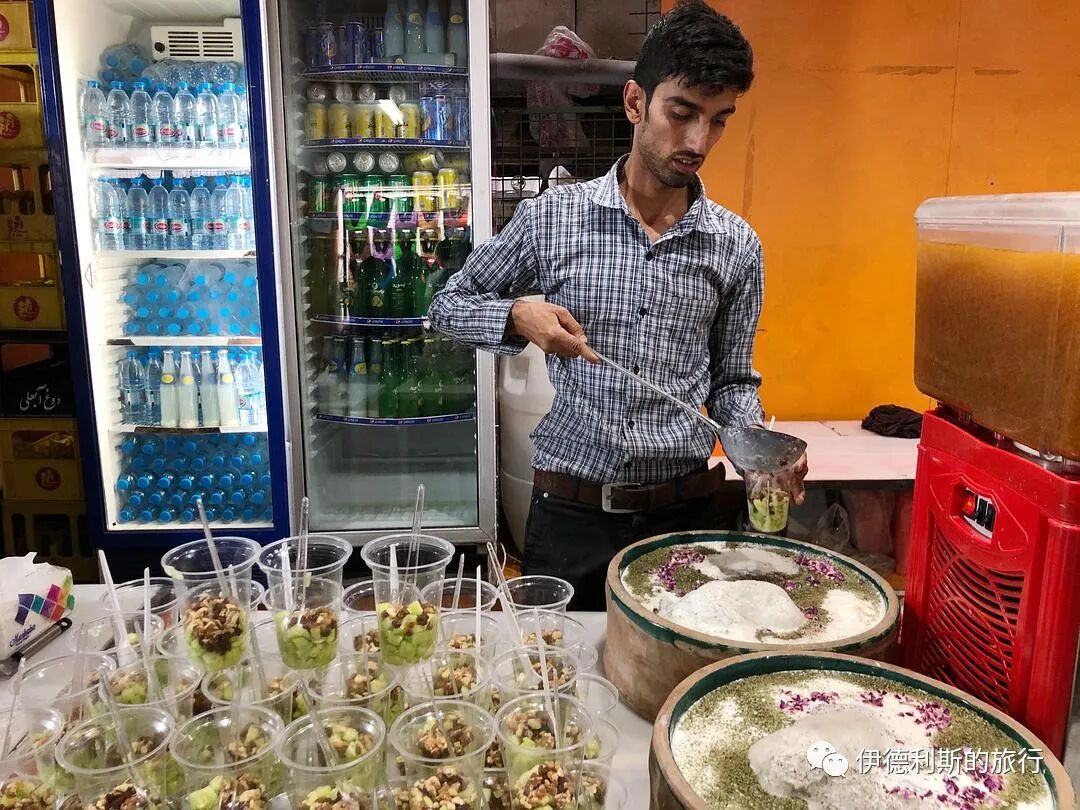
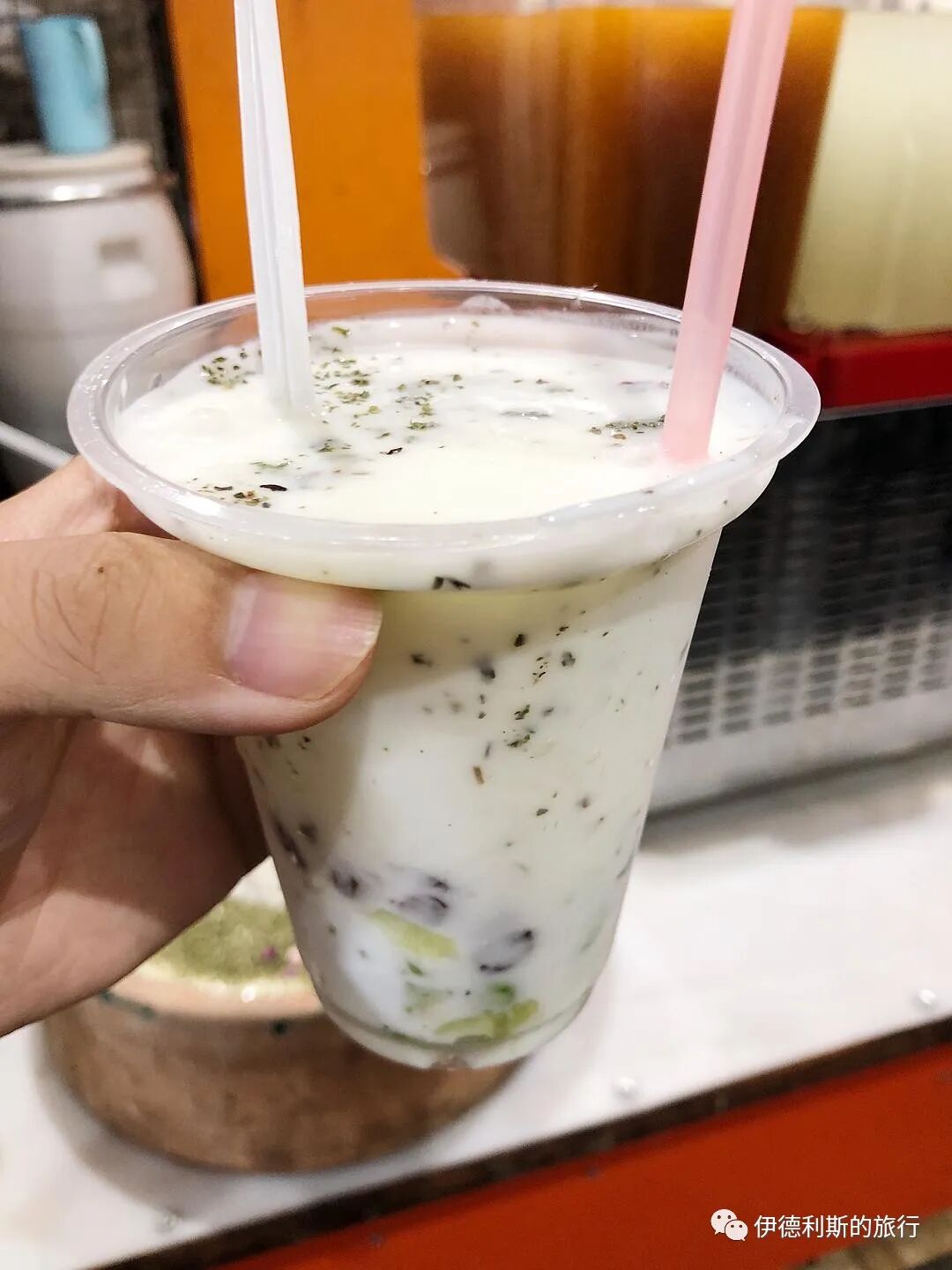
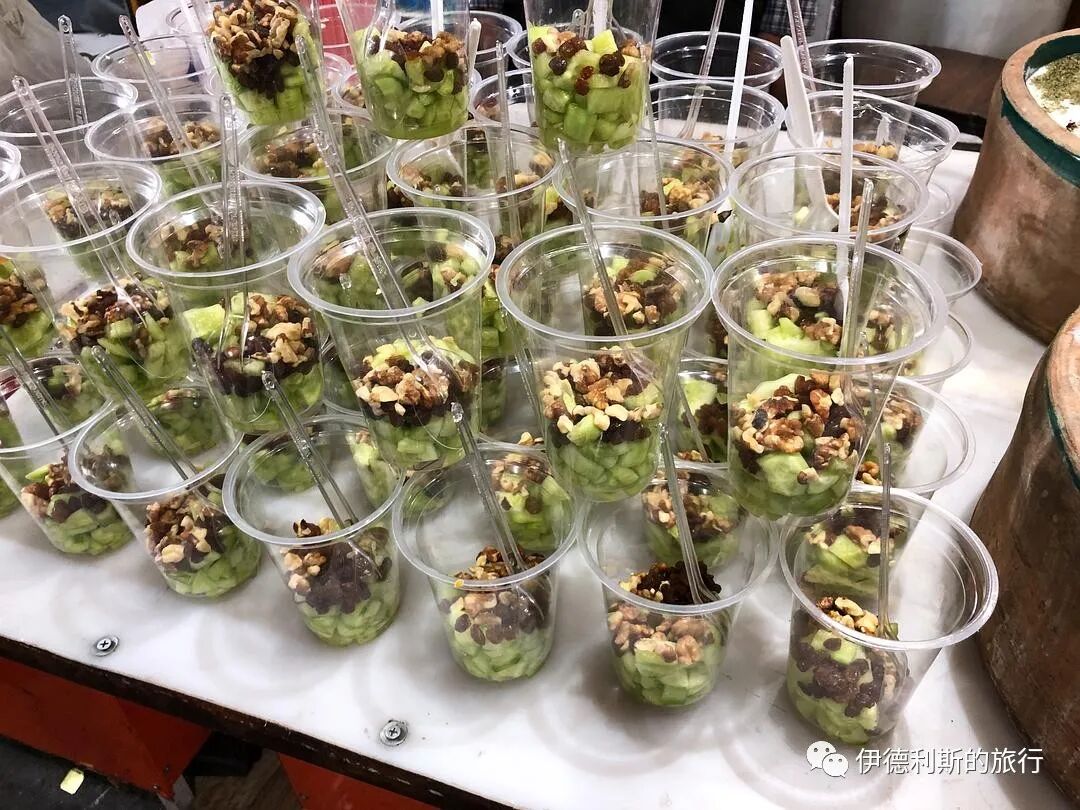
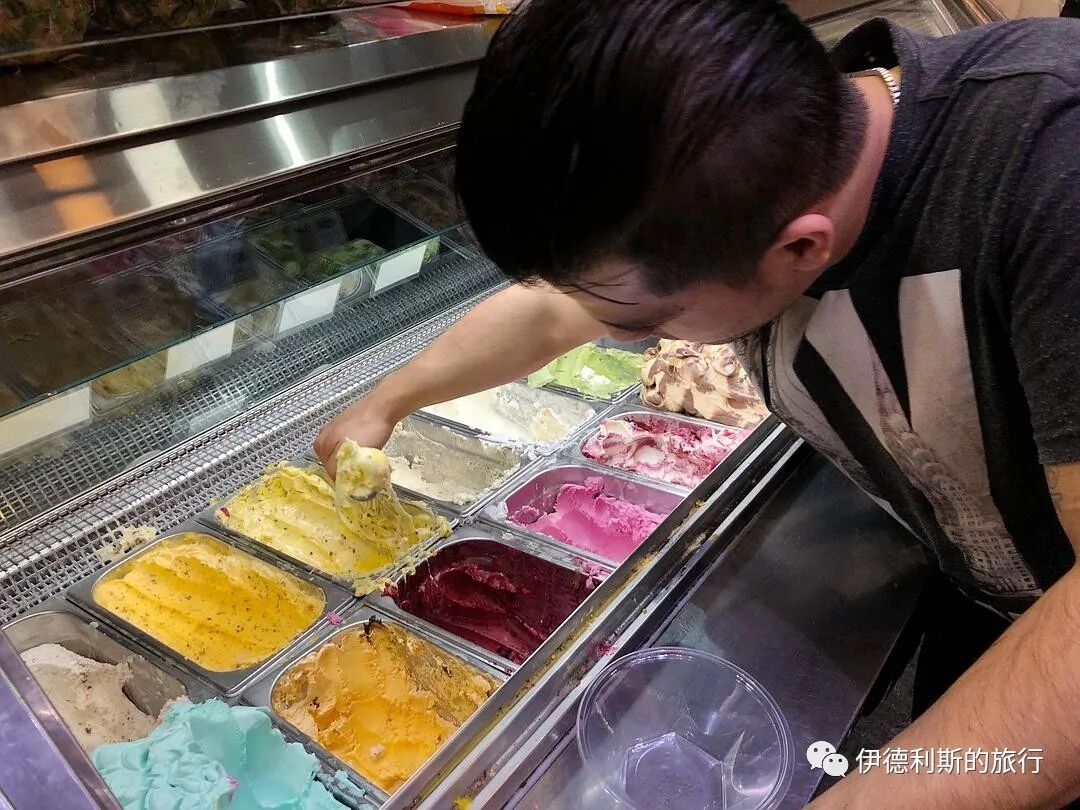
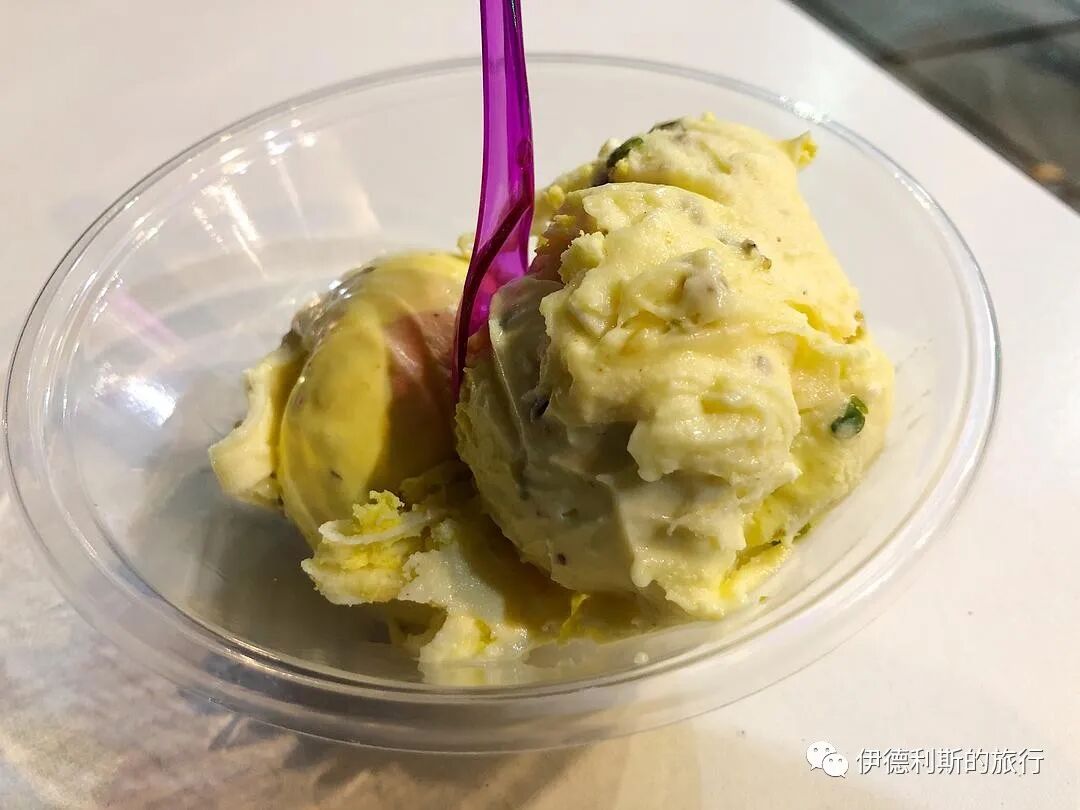
14. Saffron ice cream
I ate saffron ice cream near Tajrish Square in northern Tehran. It was topped with crushed pistachios and chunks of cream, which is very typical of Iran.
15. Baklava dessert with tea
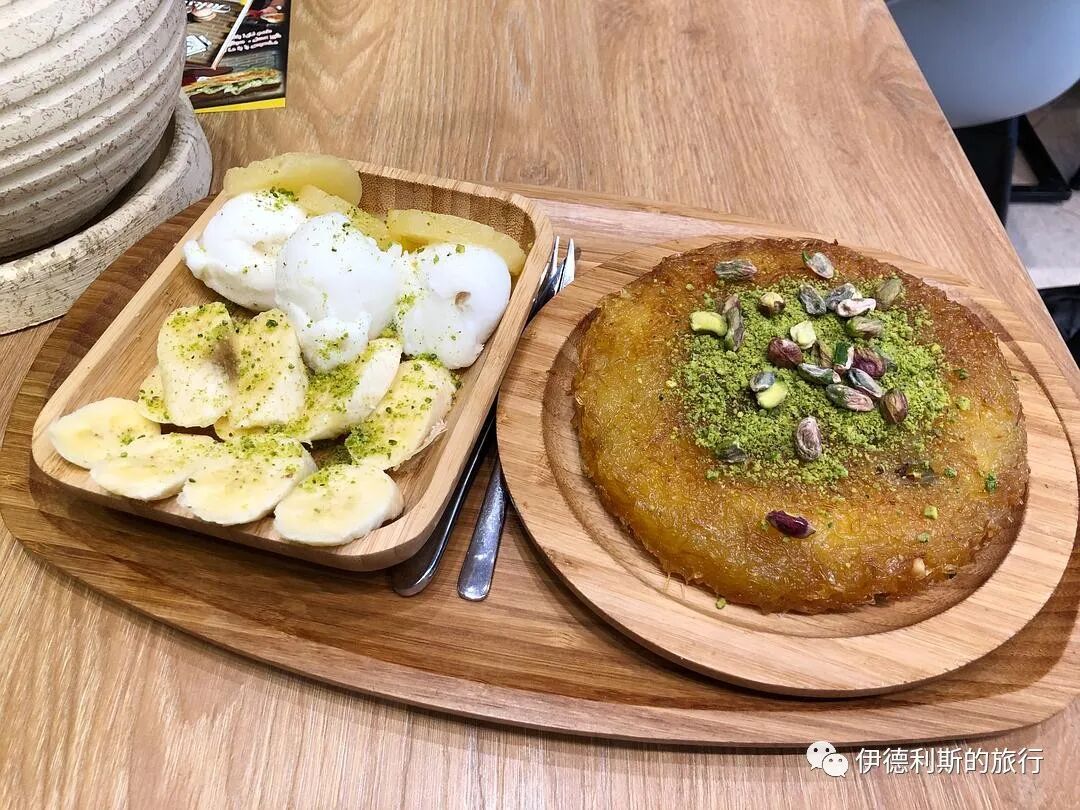
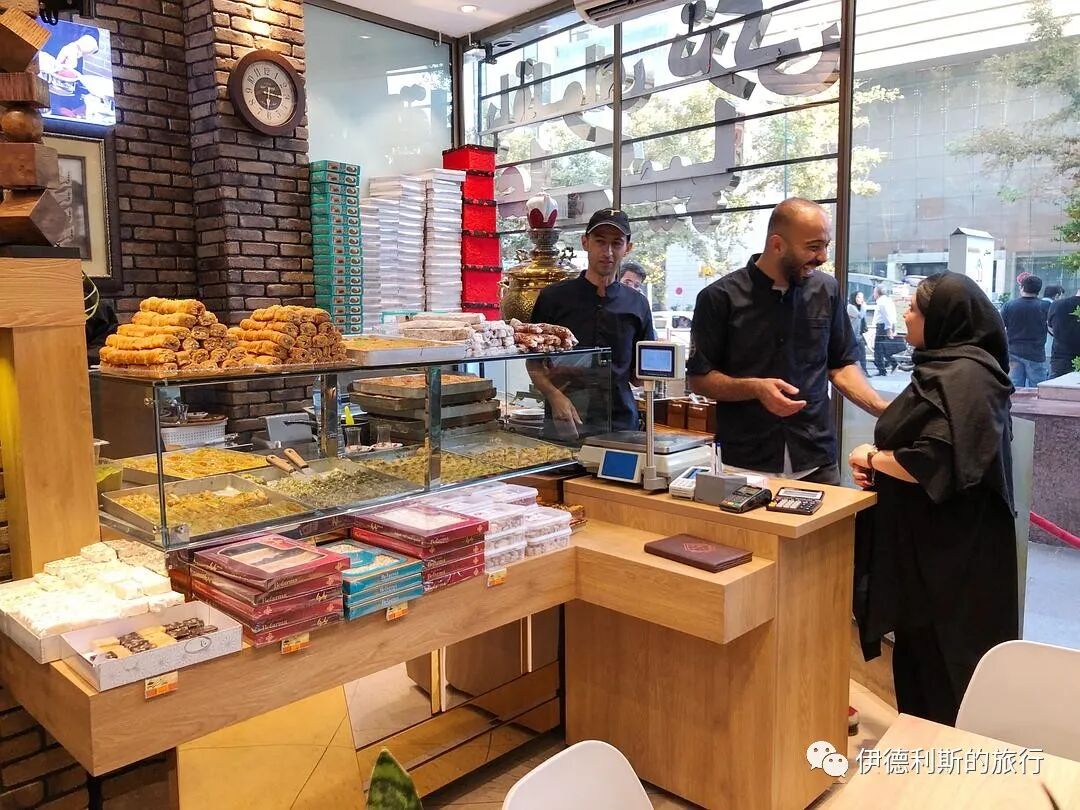
I had tea and dessert at a shop called Takseen baghlava near the Mirdamad metro station in northern Tehran. Baklava originated in the Ottoman imperial court and later became popular across the Middle East and the Caucasus. The Persian version of baklava is special because it uses rose syrup and crushed pistachios. The dessert I ate was shaped like sugar threads.
The two-layer Iranian tea stove is called a samovar, which arrived from Russia in the 19th century. The small teapot on top is for brewing tea, the large pot in the middle is for boiling water, and the bottom is the heat source. Traditionally it used coal or charcoal, but now it uses electricity, gas, or natural gas.
16. Drinking tea
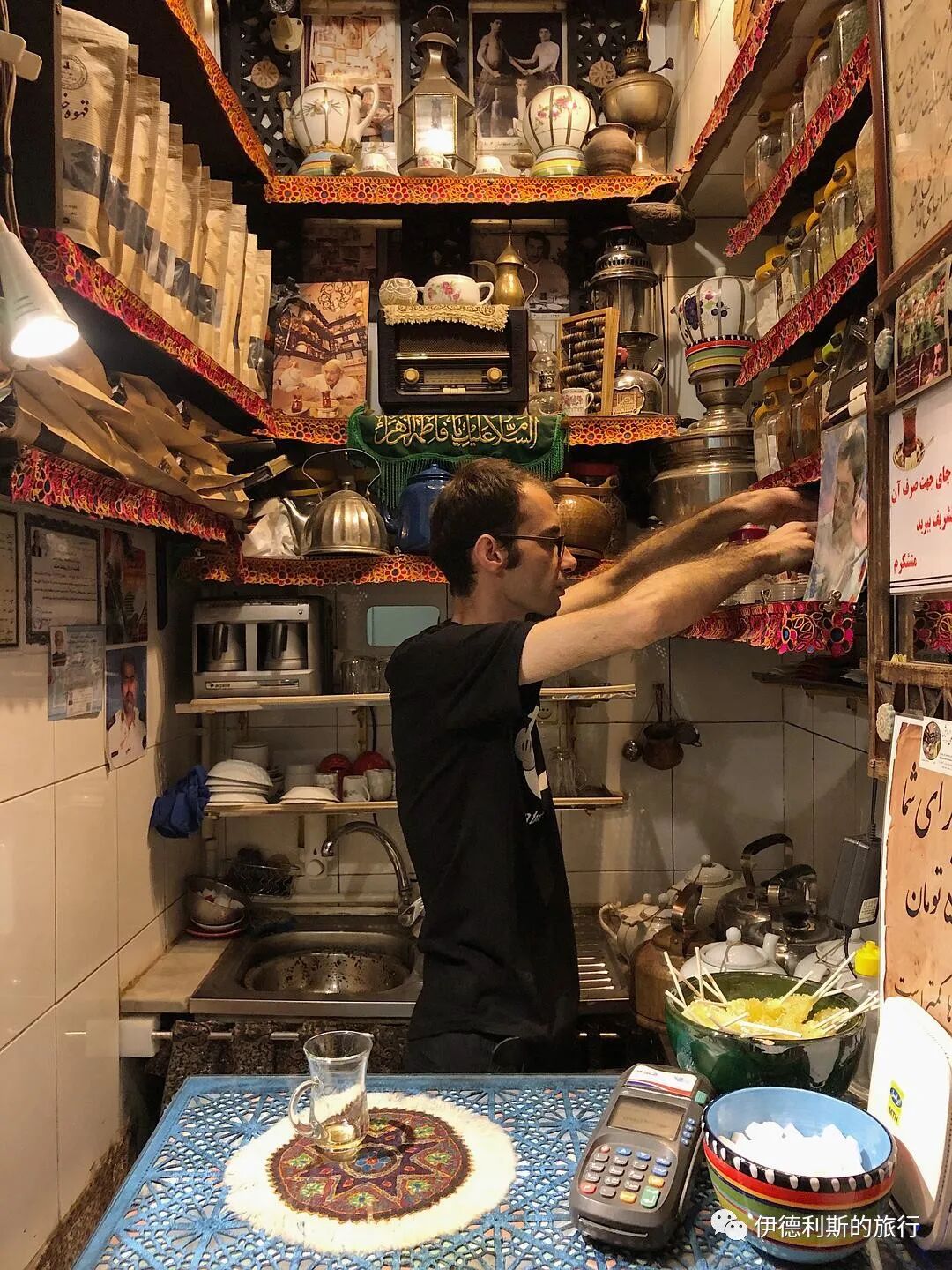
Haj Ali Darvish is a century-old, famous tea house in the Grand Bazaar of Tehran. The tea house opened in 1918 and was taken over by Haj Ali Mabhutyan in 1962. The current owner is his son, Haj Kazem Mabhutyan.
Mr. Kazem works hard to share his shop on Instagram, which has helped more foreign tourists find his small place. I am one of them, and the old gentleman even took my photo and posted it on Instagram. Friends who use Instagram might have a chance to see me there. The account is haj_ali_darvish_tea_house.
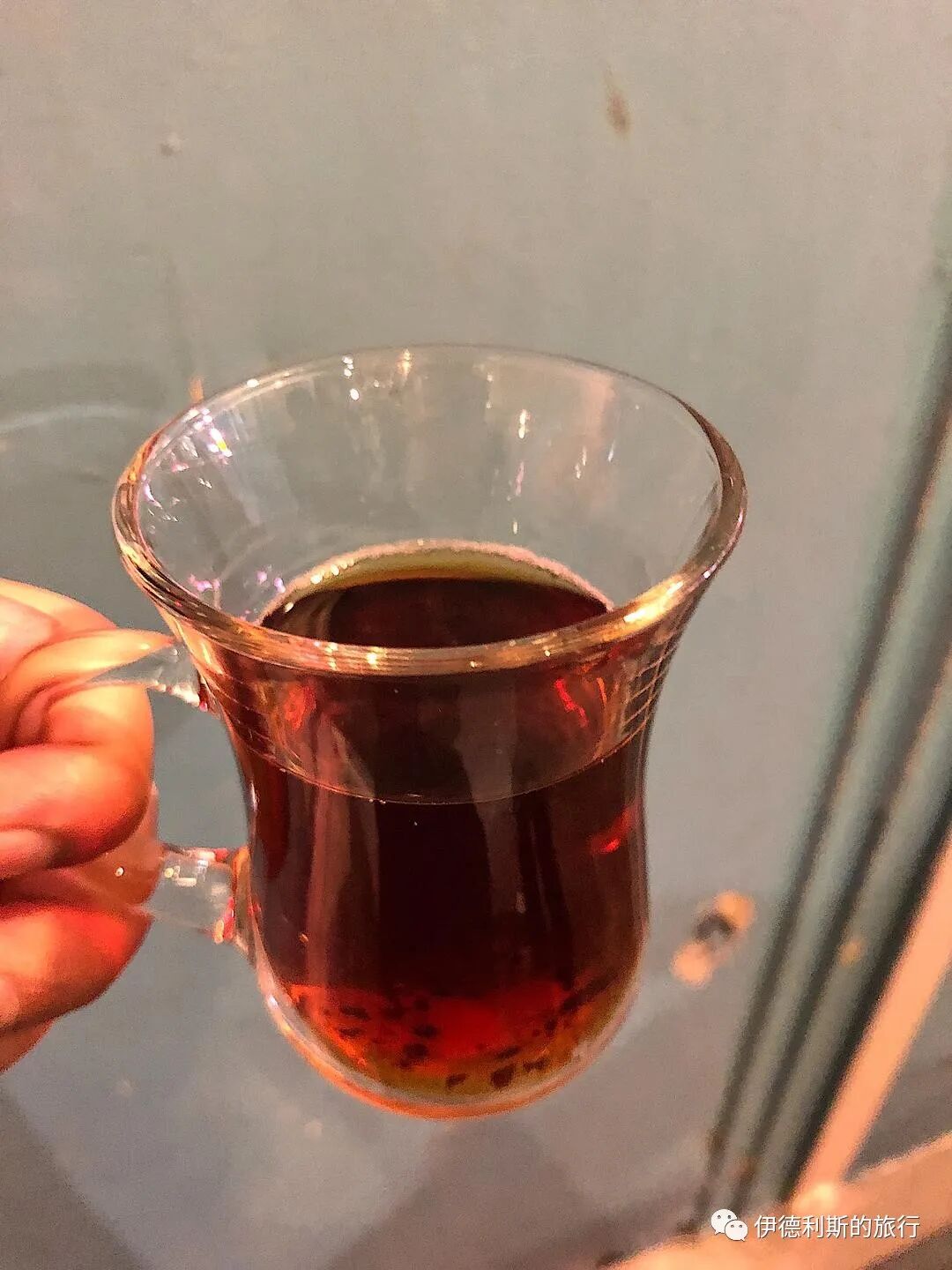
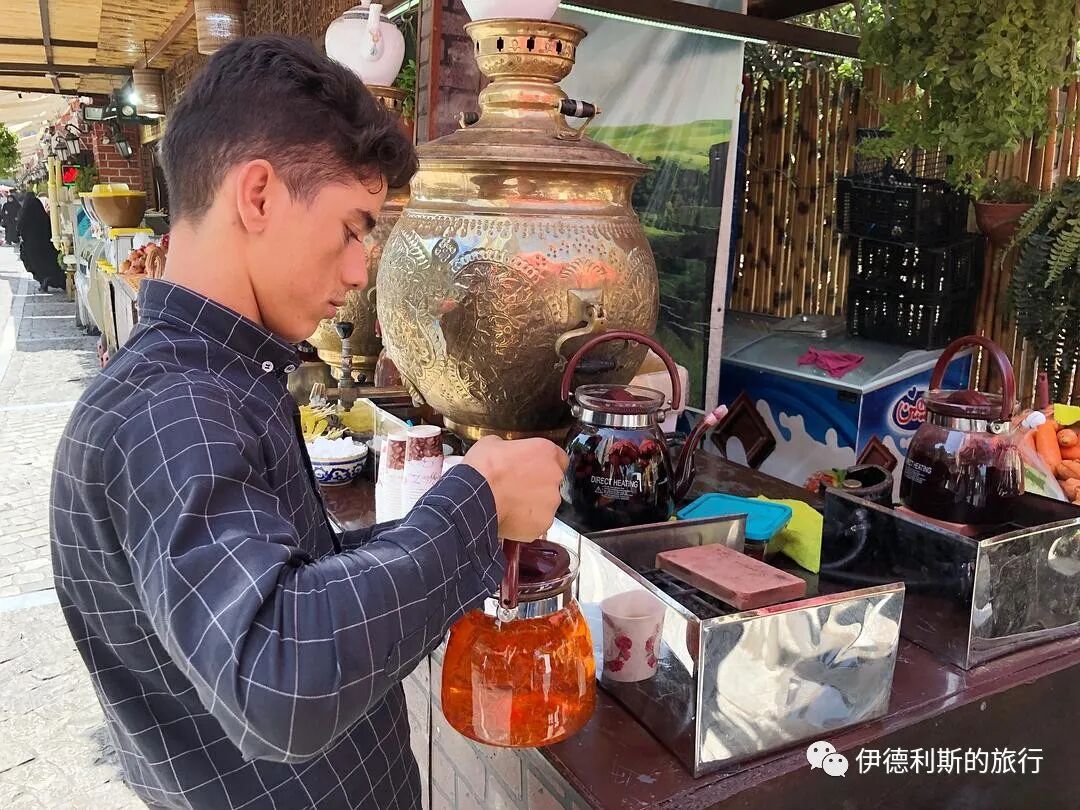
I also drank some street-side fig tea on the food street south of Imam Khomeini Square. Iranians mainly have two ways of adding sugar to their tea. One way is to hold a sugar cube in your mouth and lick it while you drink the tea. The other way is to use a lollipop-style sugar stick called nabat chubi to stir it. This rock candy originated in Isfahan over a thousand years ago. Later, people invented a way to grow crystals by dipping small twigs into a sugar solution, and this method spread across Eurasia.
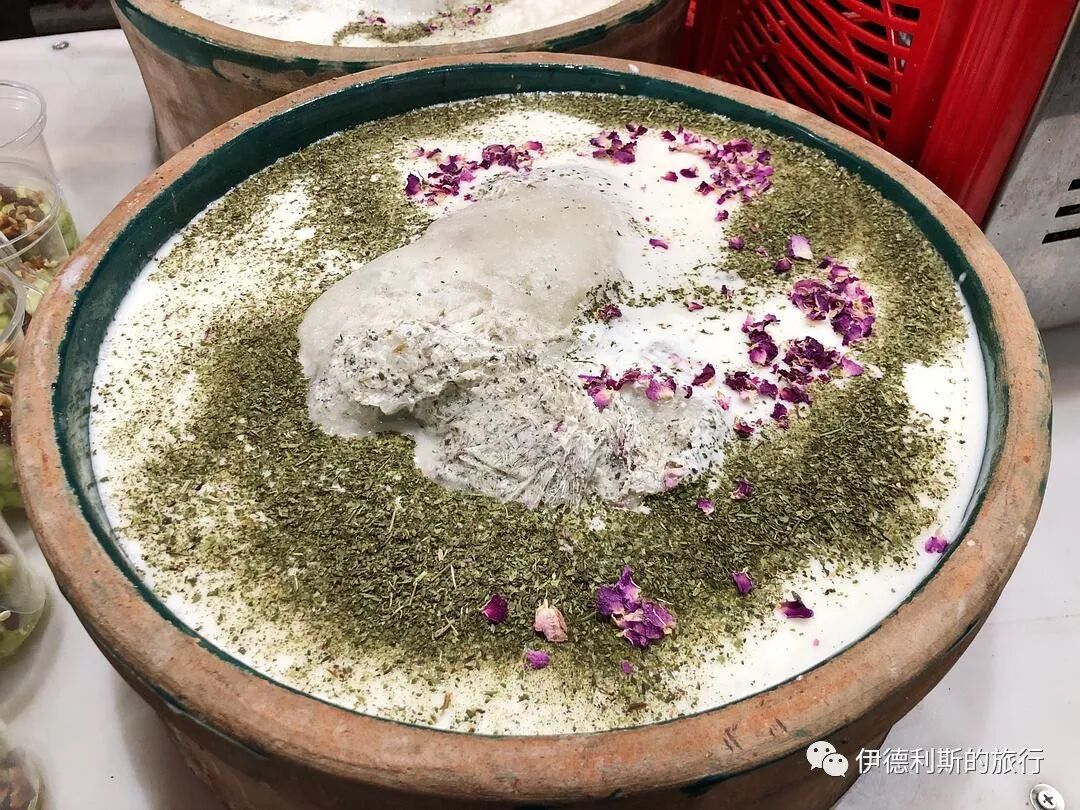
17. Moslem Restaurant
Moslem Restaurant is a very famous spot in the Tehran Grand Bazaar. They specialize in Iranian rice cake (Tahchin) made with rice, yogurt, saffron, and eggs (shown in the top right of photo 4). I bought a bowl of sour cream and spinach meat stew porridge (Aush) at the takeout window on the first floor, and it tasted great.

Tehran Bazaar Travel Guide: Iranian Markets, Muslim Culture and Local Life
Articles • ali2007fr posted the article • 0 comments • 195 views • 2026-05-17 07:13
Summary: This travel note introduces Tehran Bazaar Travel Guide: Iranian Markets, Muslim Culture and Local Life. I traveled to Tehran in 2019. The local prices were truly very affordable, and after arriving, I couldn't help but visit various bazaars to shop and shop. It is useful for readers interested in Tehran Bazaar, Iran Travel, Muslim Culture.
I traveled to Tehran in 2019. The local prices were truly very affordable, and after arriving, I couldn't help but visit various bazaars to shop and shop.
Jomeh Bazaar
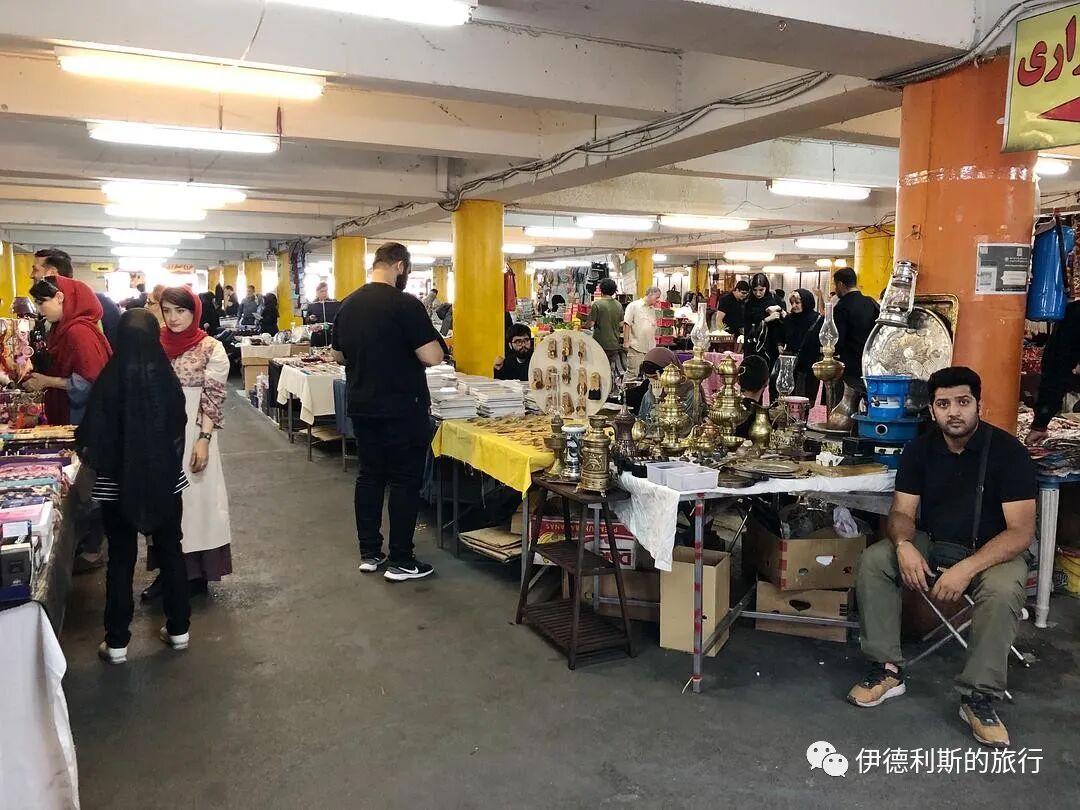
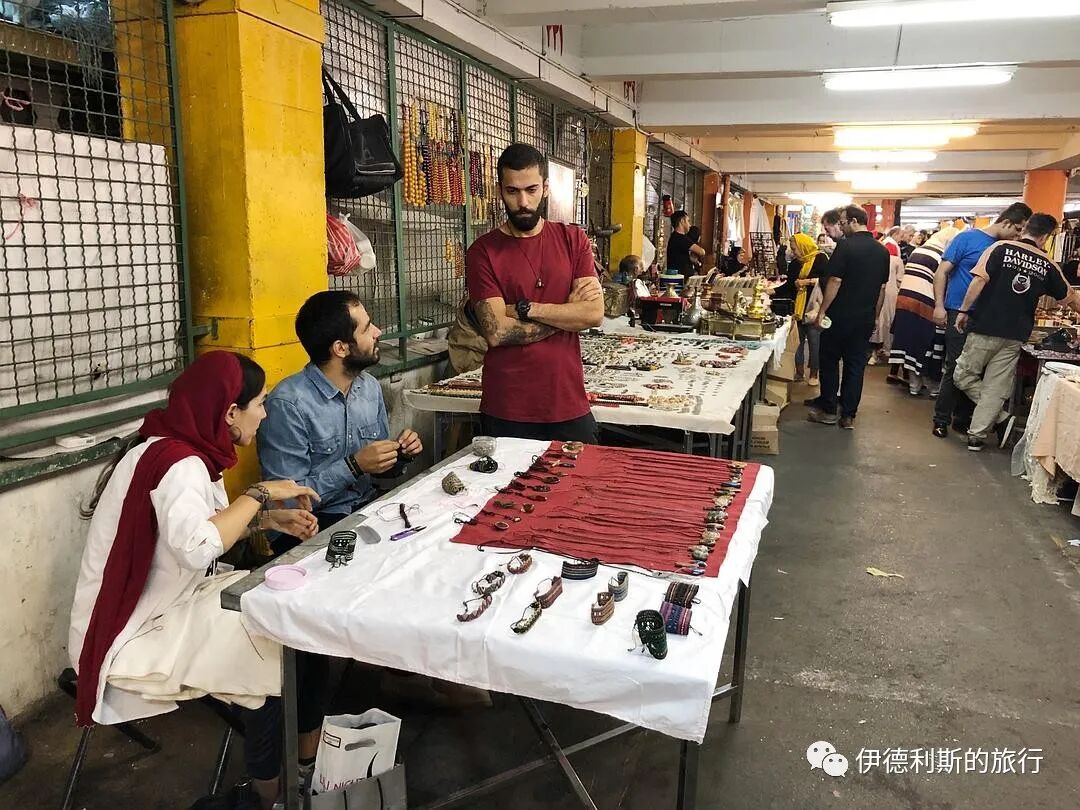
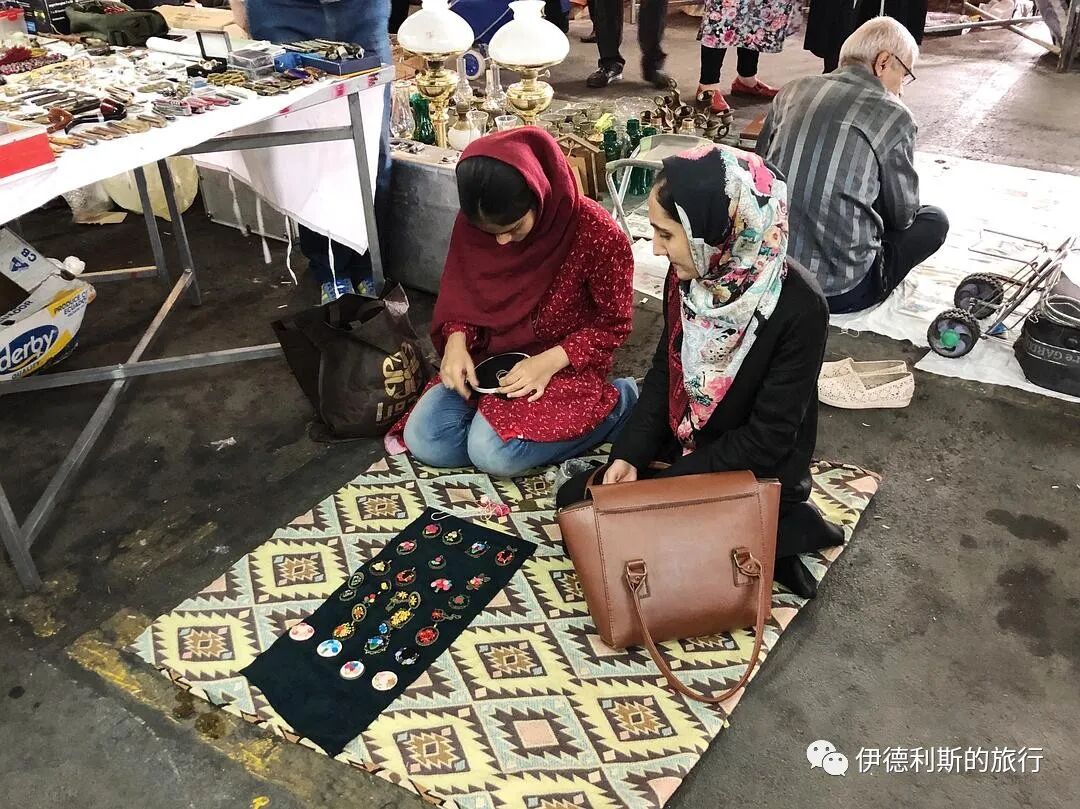
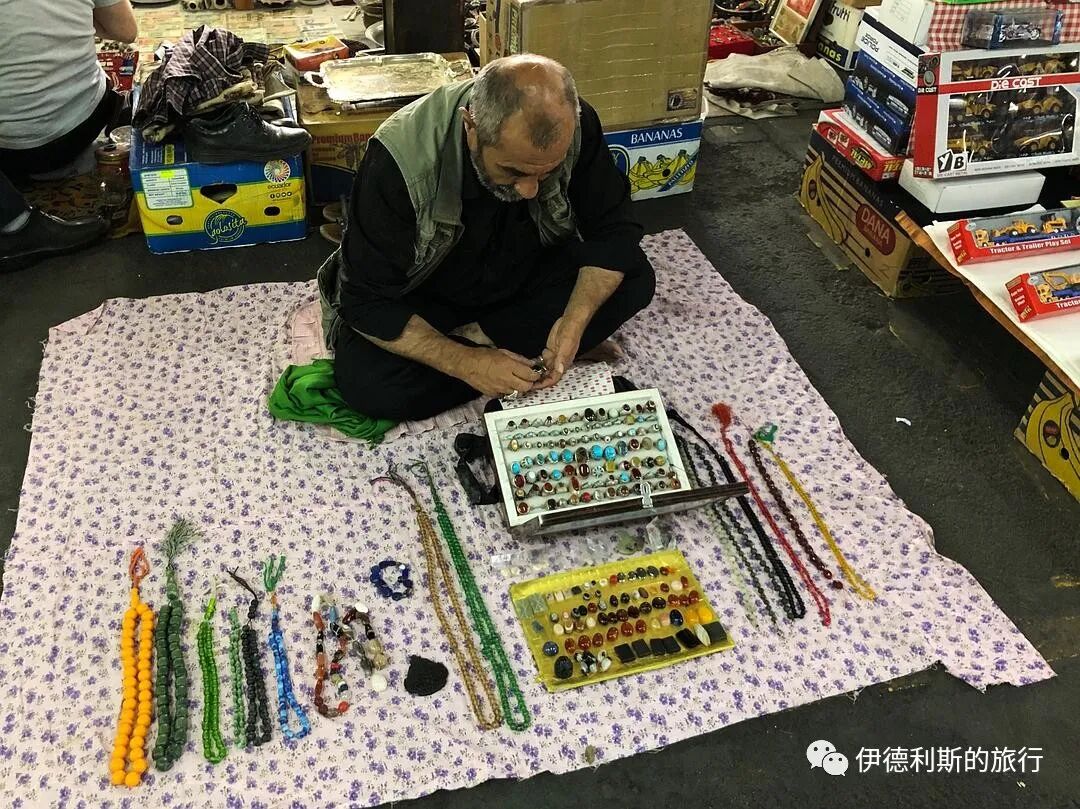
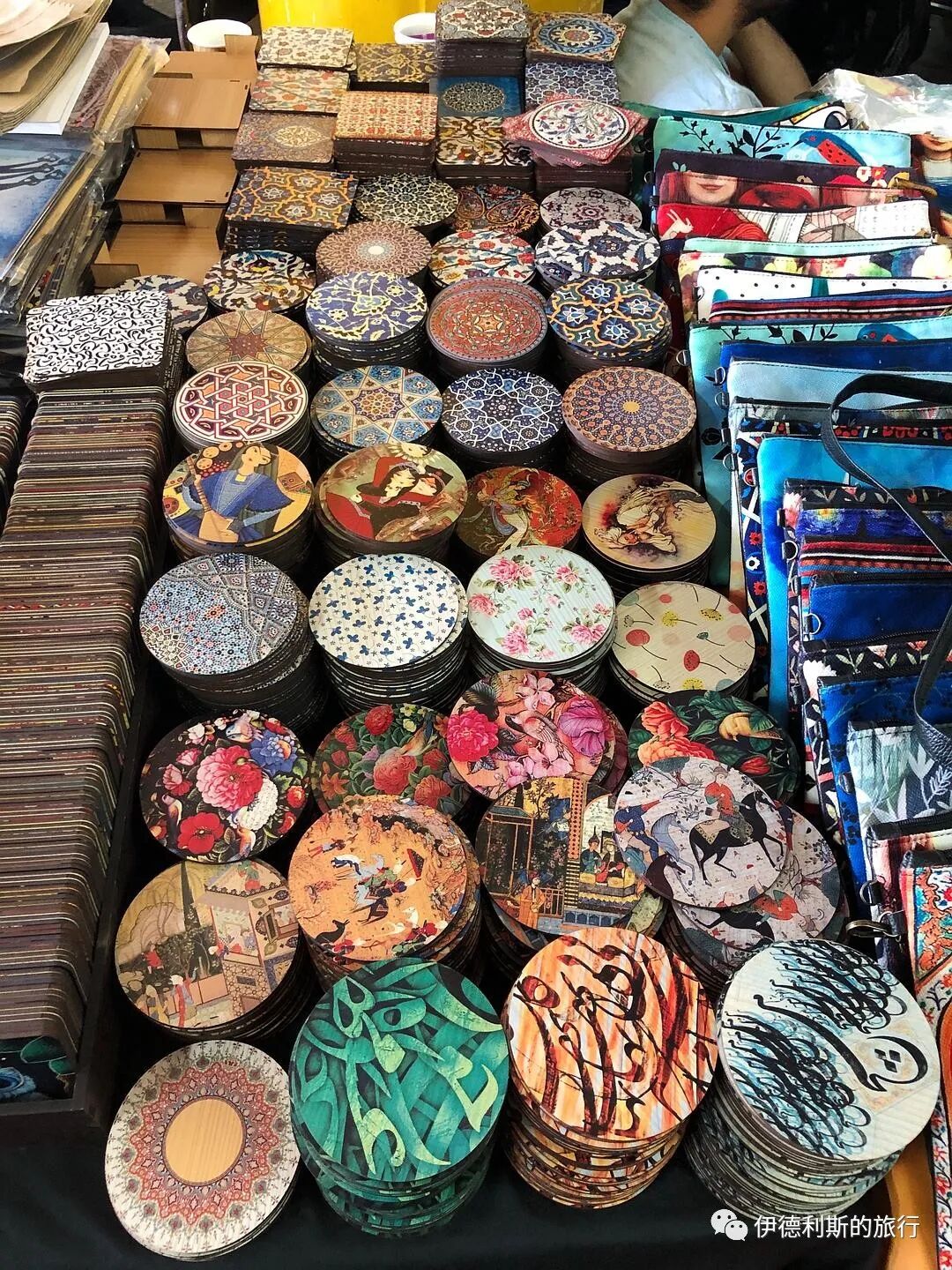
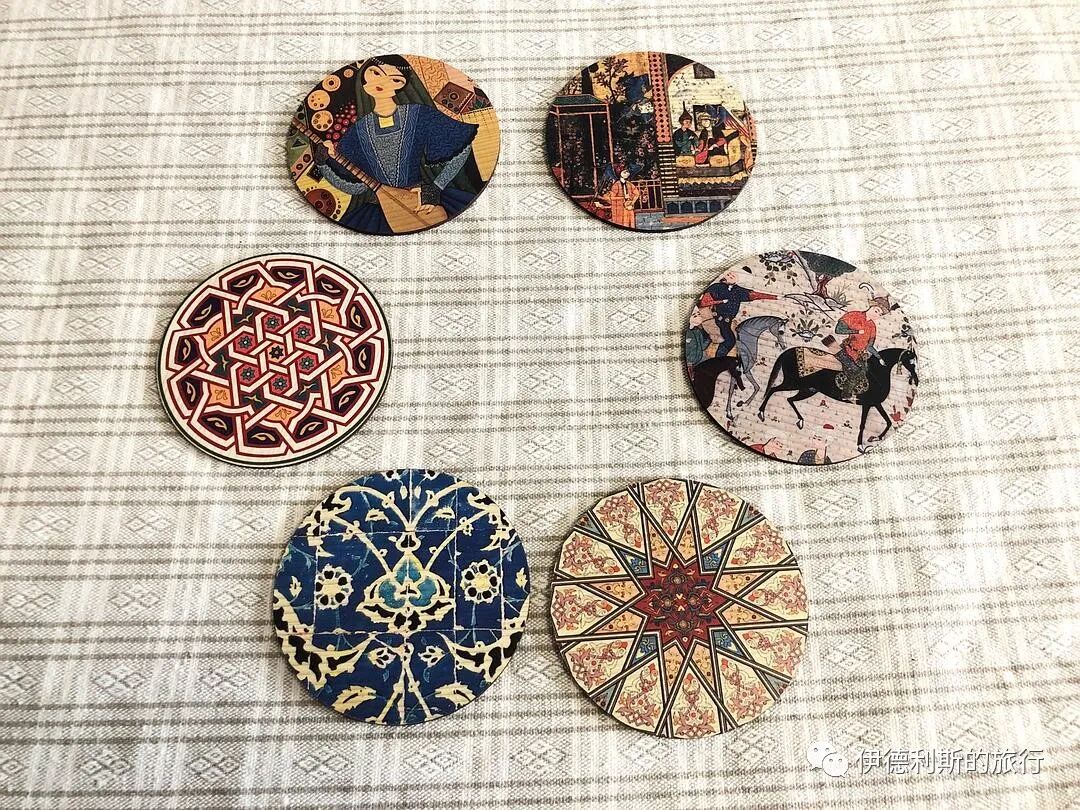
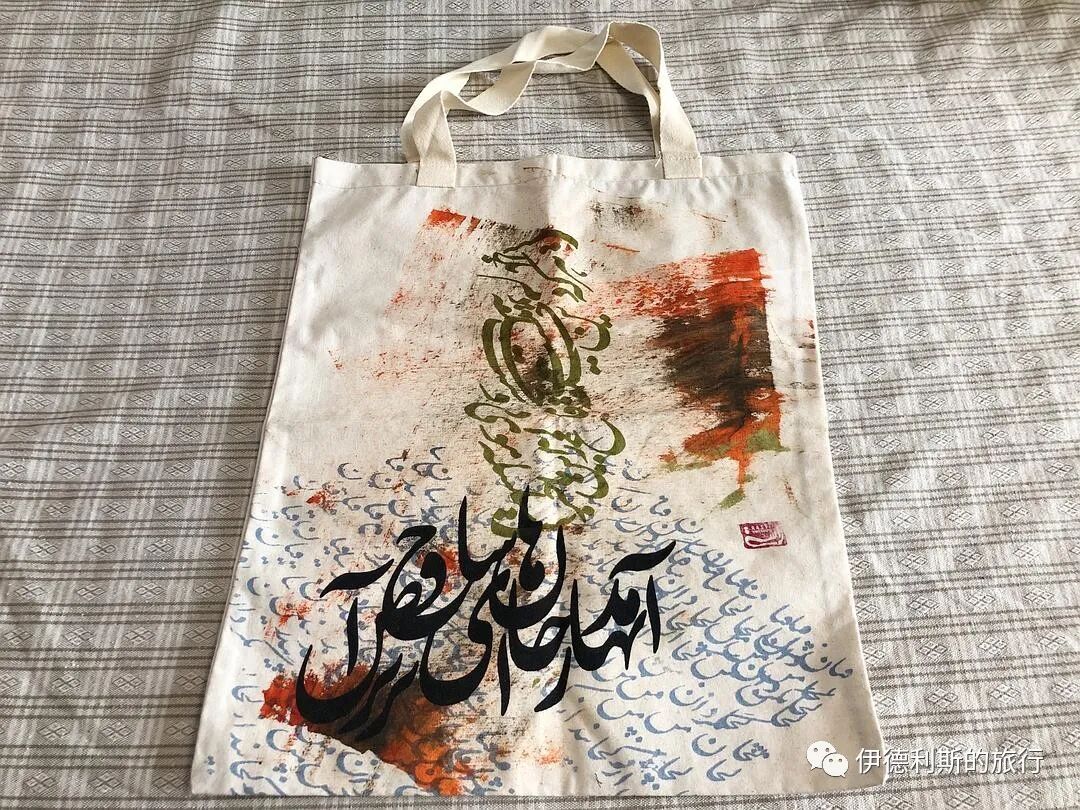
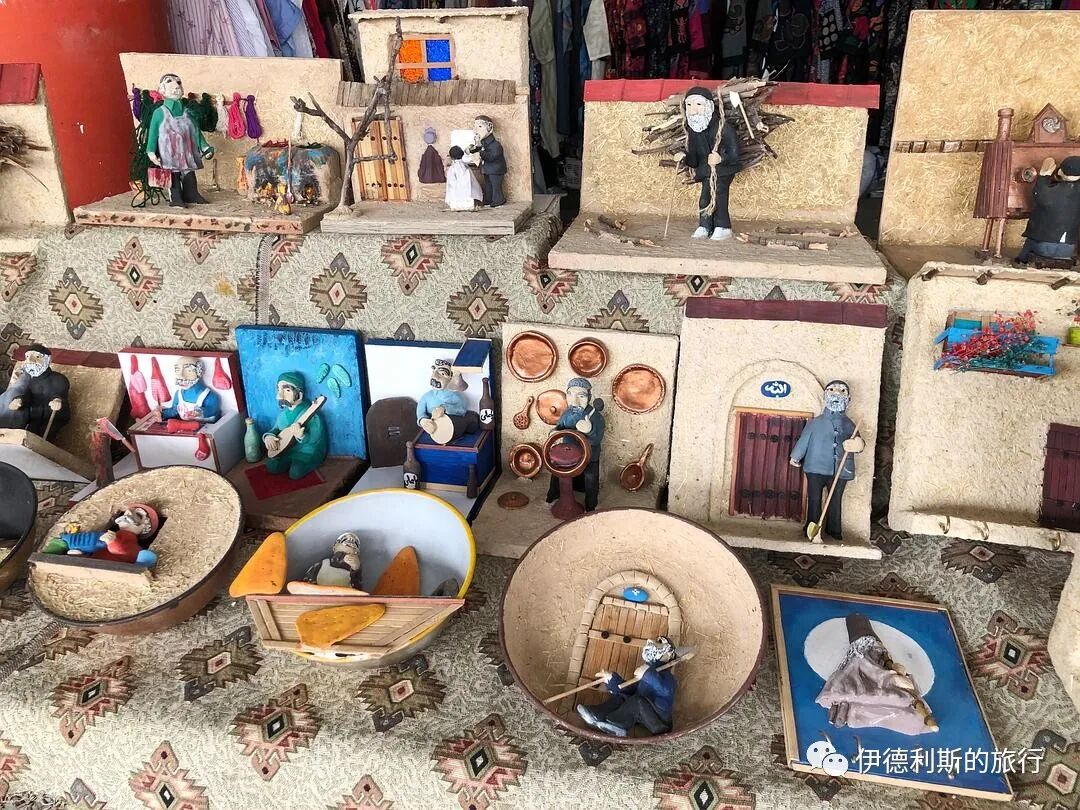
Tehran's Jomeh Bazaar (Friday Bazaar) is usually a multi-story parking garage in the city center, but every Friday it turns into a very interesting flea market. Compared to the monotonous Yiwu small commodities in the Grand Bazaar, Jomeh Bazaar is a place where you can truly find treasures. There are second-hand dealers selling old records, old books, and antiques, as well as young women selling handmade jewelry, canvas bags, and coasters, along with various ethnic-style clothing and woven fabrics. It takes at least two or three hours to browse carefully.
Canvas bags and coasters I bought.
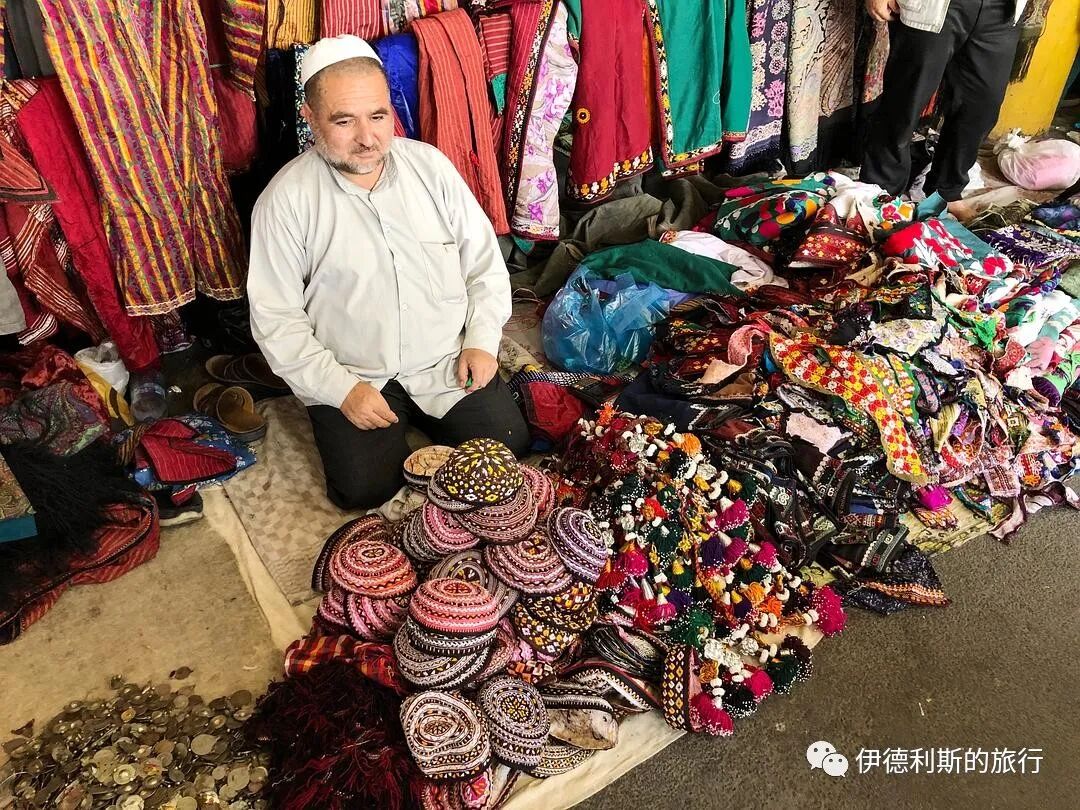
This was quite interesting; I kind of regret not buying it.
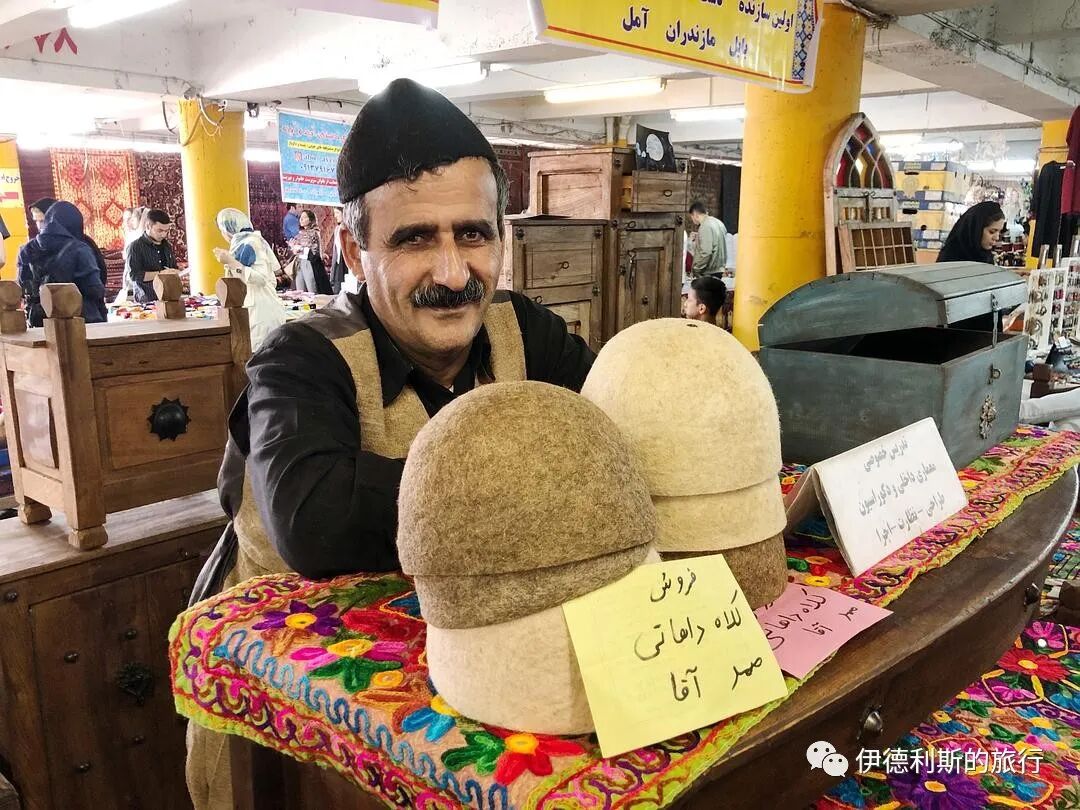
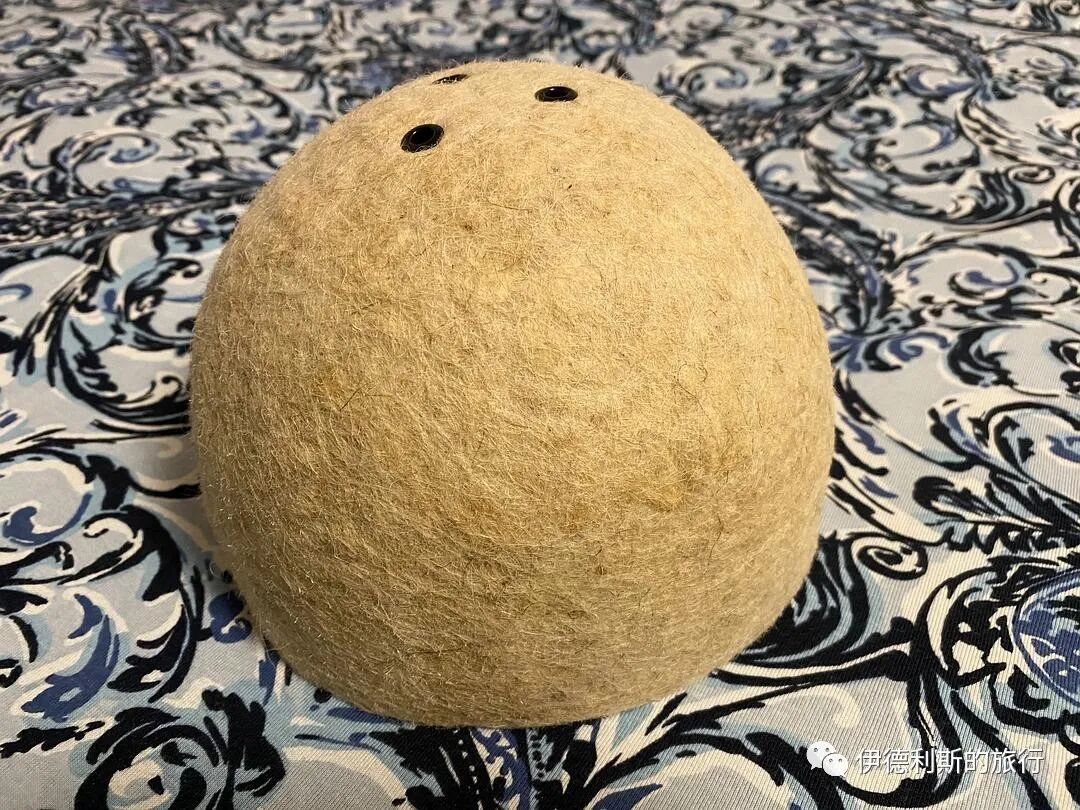
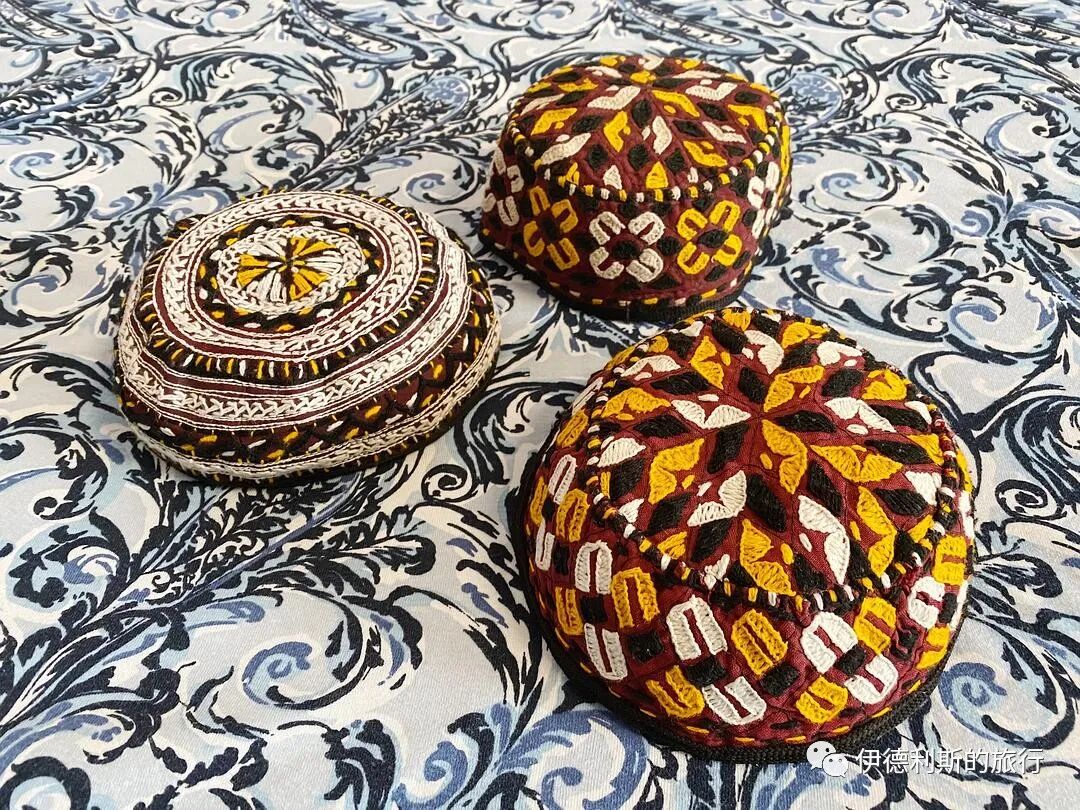
The felt hat and the Turkmen small floral cap, Takhya, that I bought. Takhya is a symbol of Turkmen tradition and identity. It is generally made of linen fabric, and the triangles on it are said to represent unity.
Tajrish Bazaar
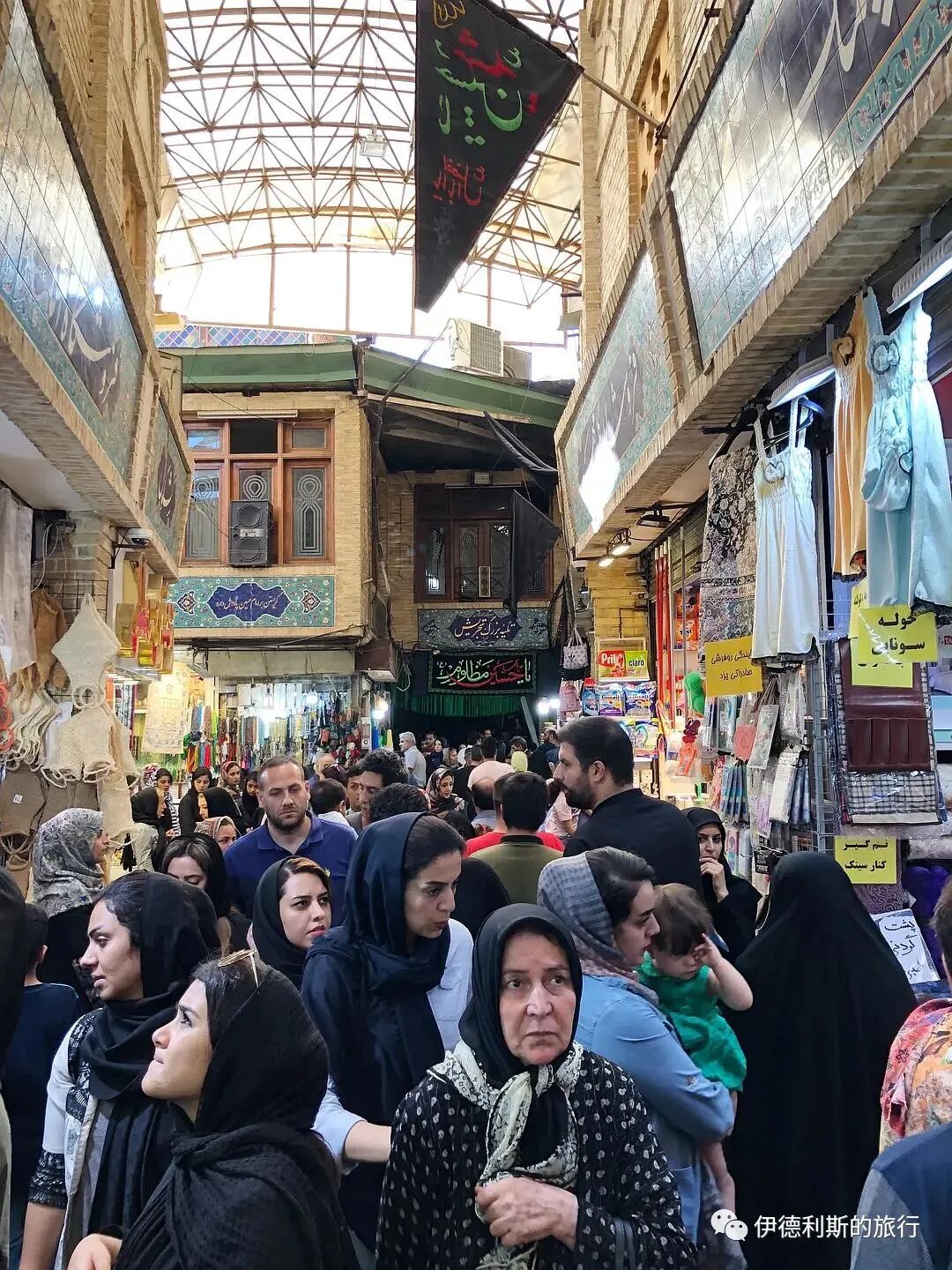
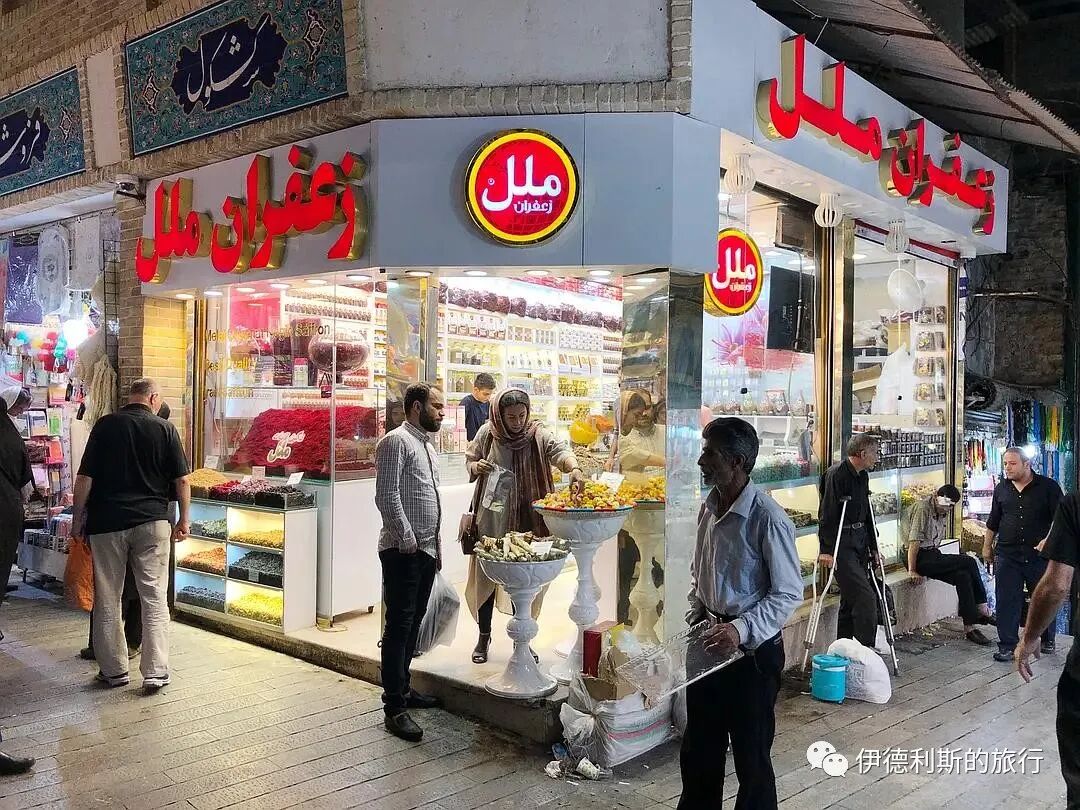
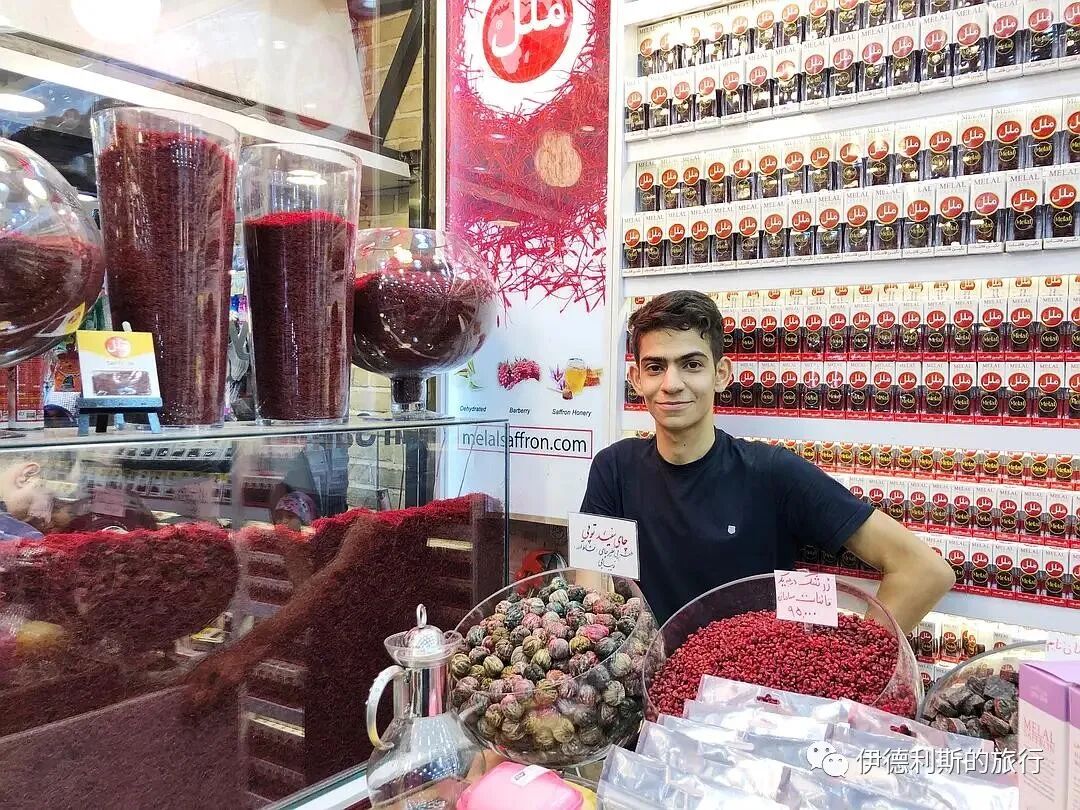
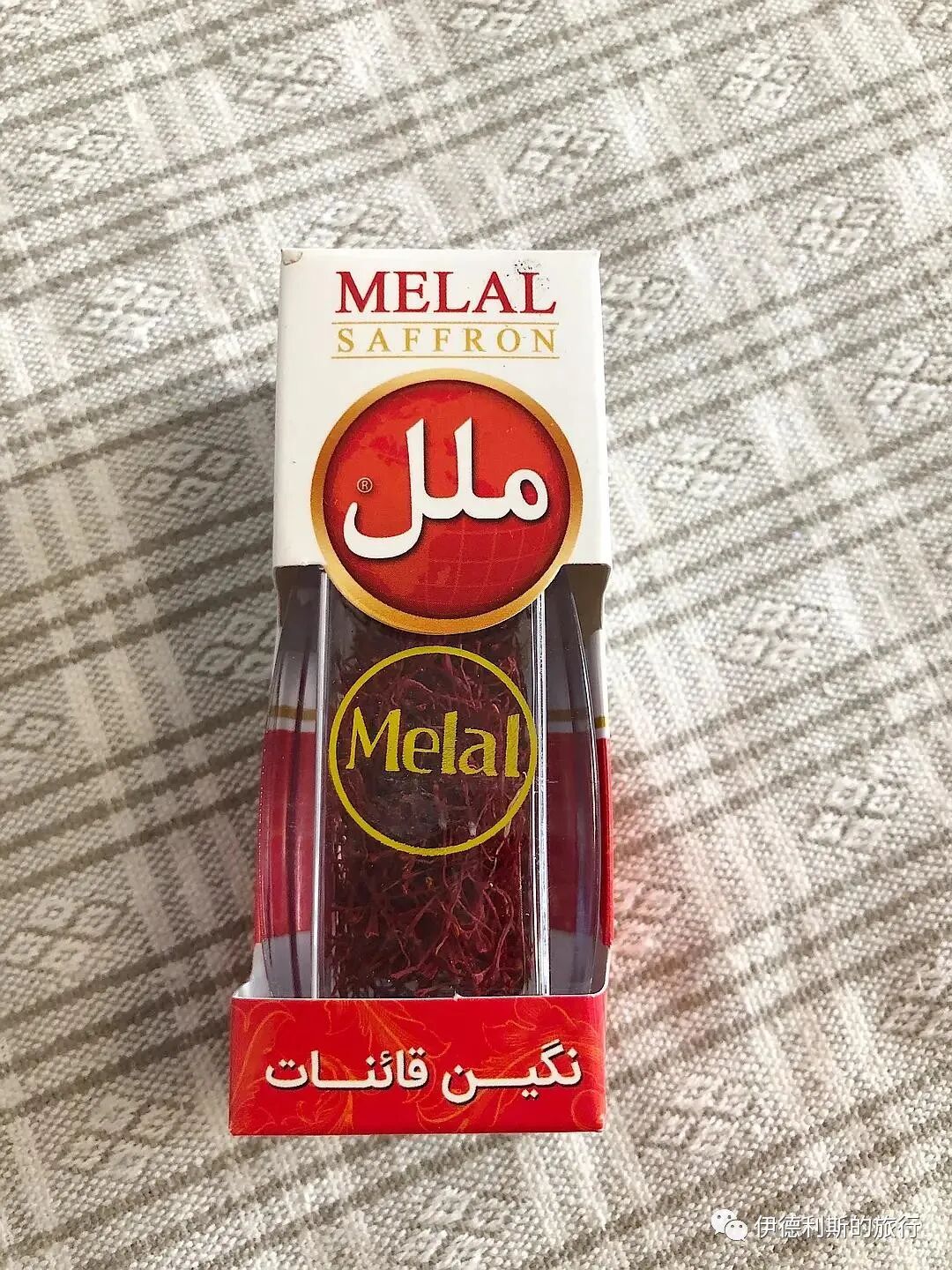
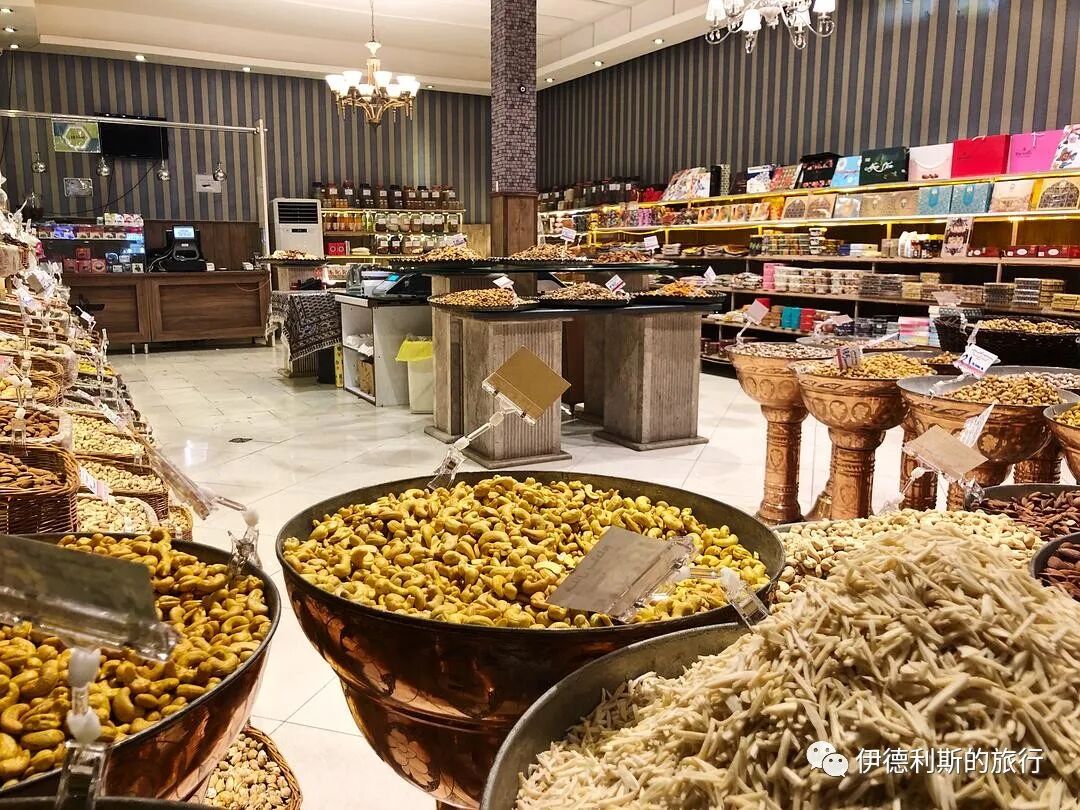
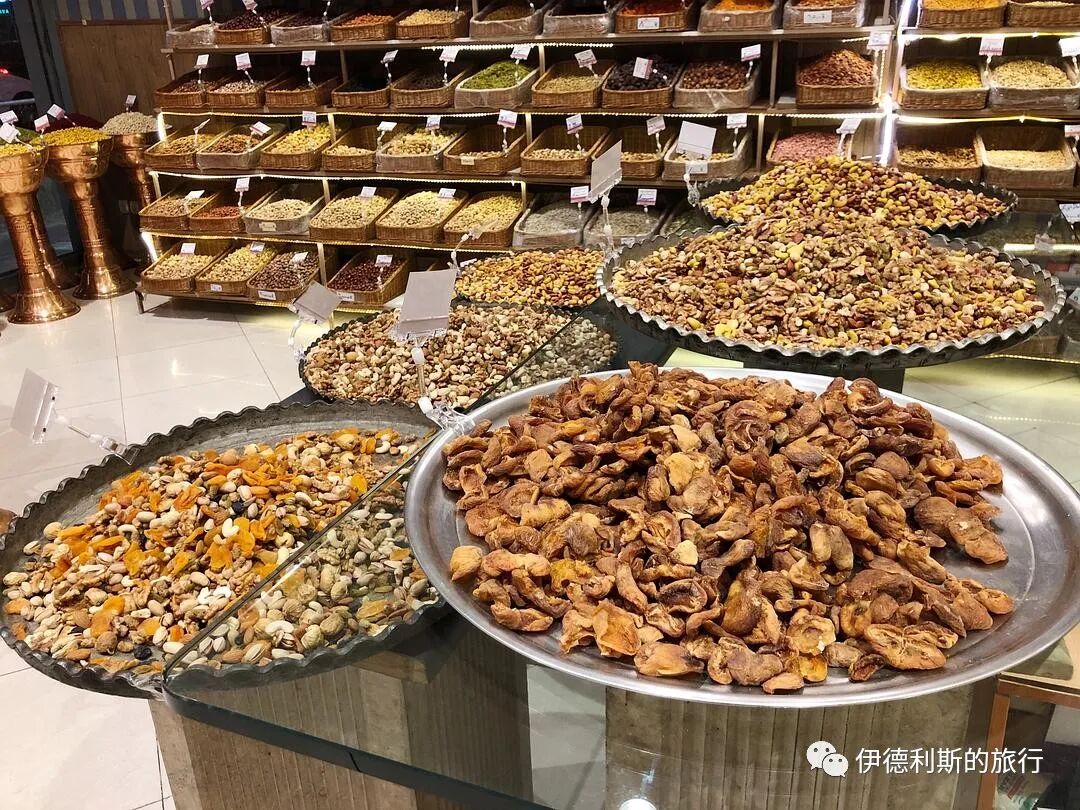
Tajrish Bazaar is in the new urban area at the northernmost part of Tehran and stays open until 10 PM, making it very suitable for evening shopping. I bought some saffron at the Melal shop for Mashhad saffron in the bazaar. Buying saffron in Iran is actually quite cheap.
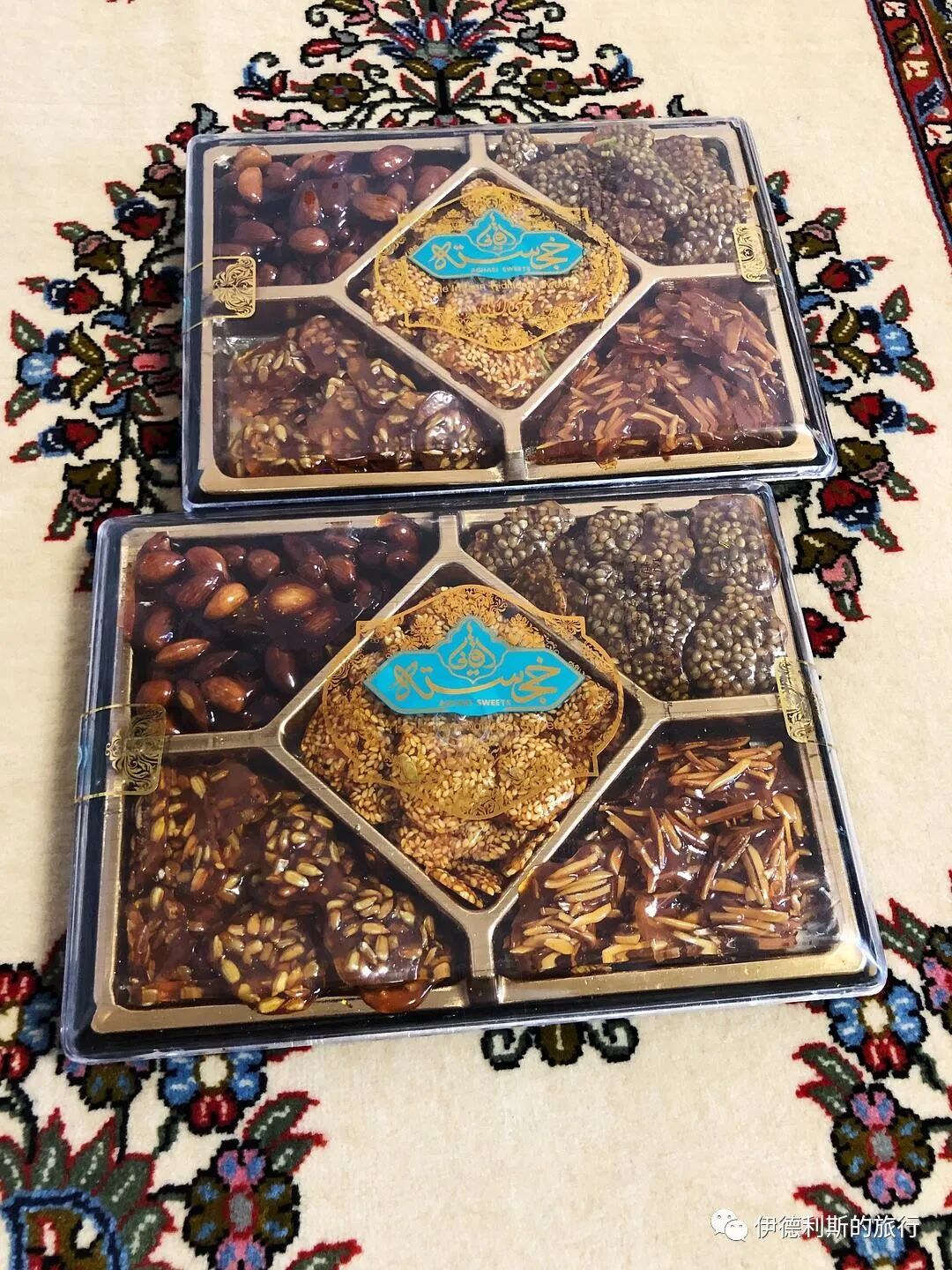
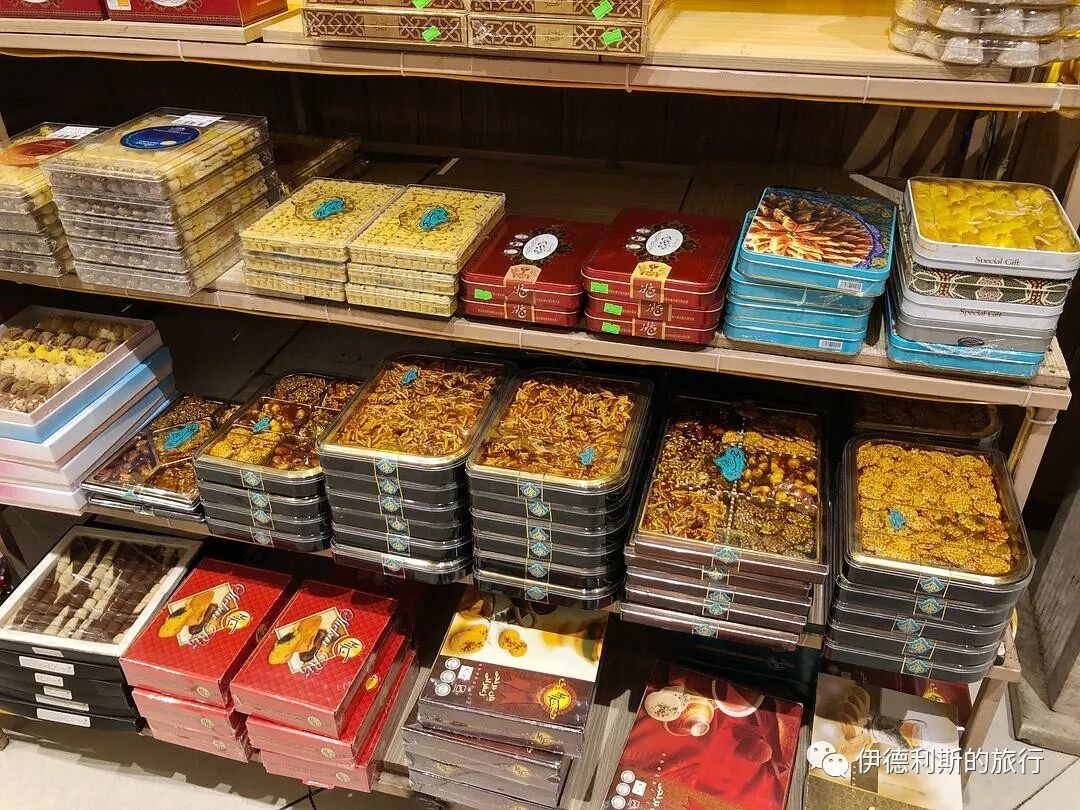
I bought traditional Iranian candy, Sohan asali (honey, sugar, saffron, and nut brittle), at a candy and dried fruit shop near Tajrish Bazaar. It is often eaten during Nowruz.
Carpet Bazaar
I bought a small carpet at the Carpet Bazaar next to the Tehran Grand Bazaar. It was produced in Qom, a Shia holy city in Iran. The owner is named Reza, a native of Kashan who has been in the carpet business in Tehran for over 20 years and speaks very fluent English.
Esfahan Art House
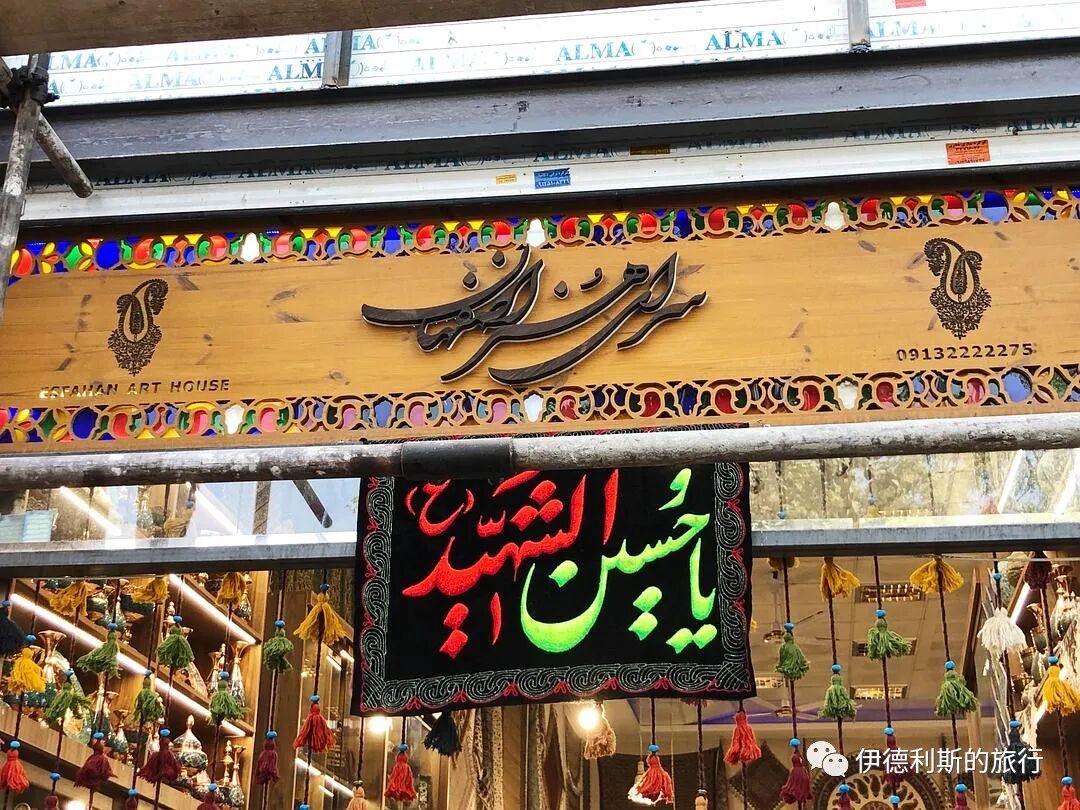
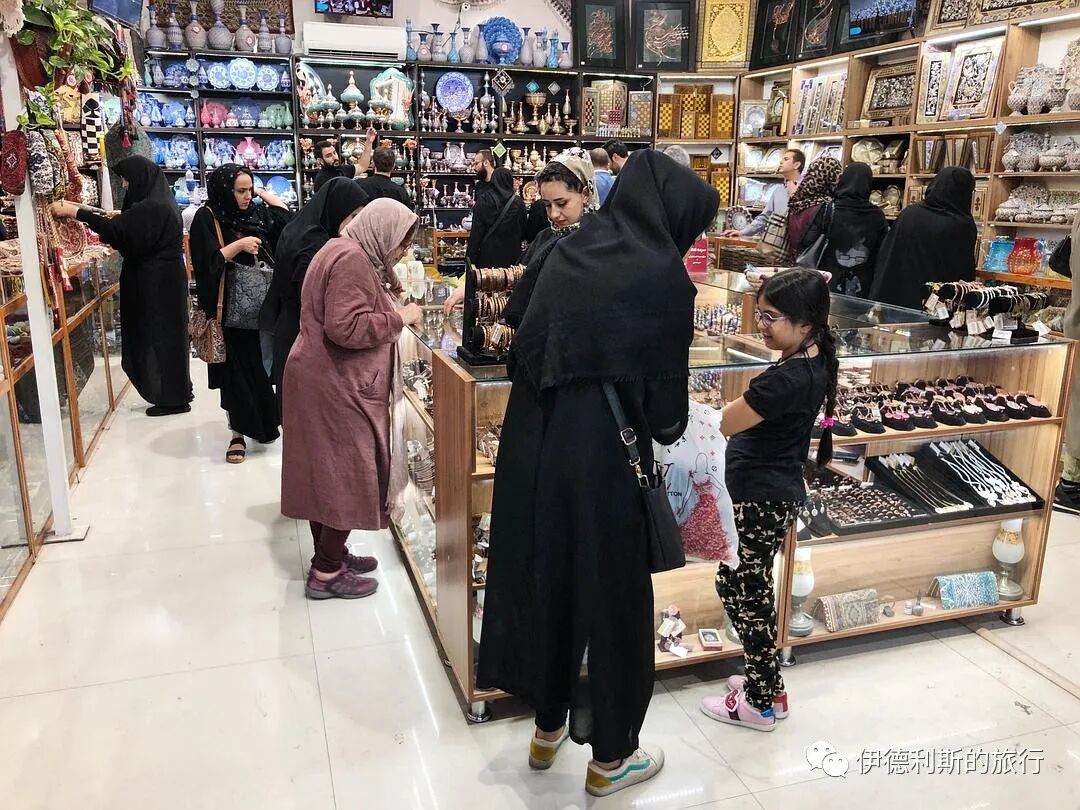
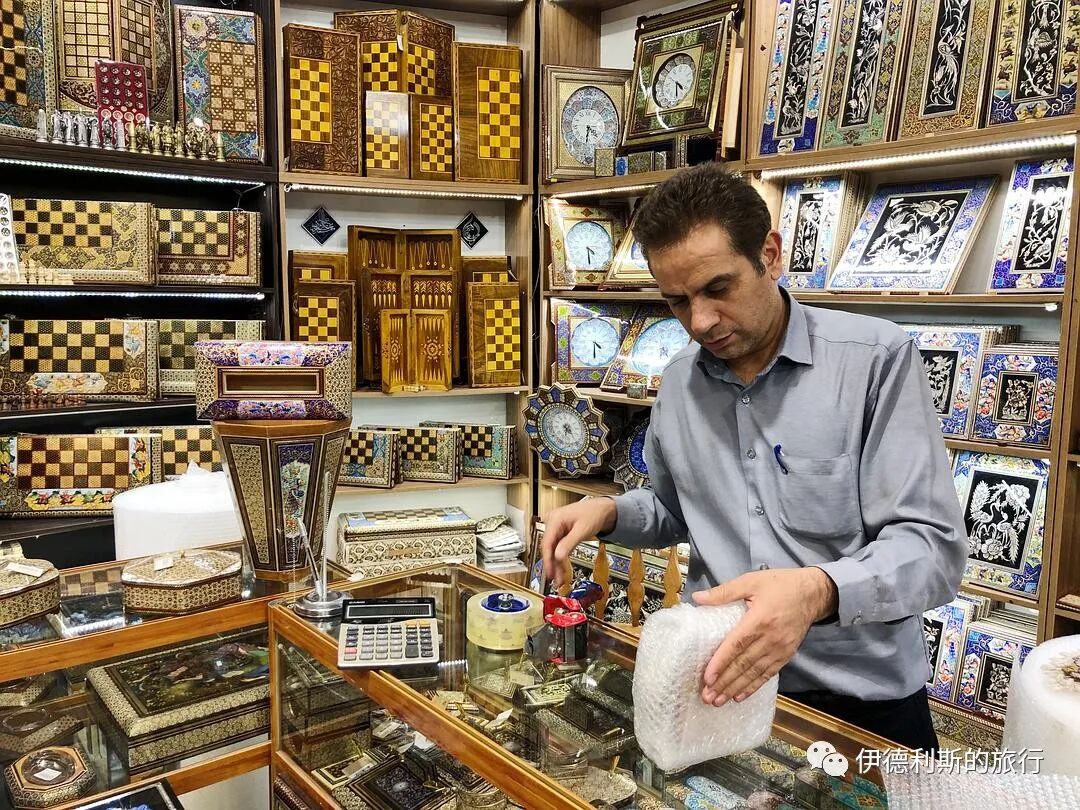
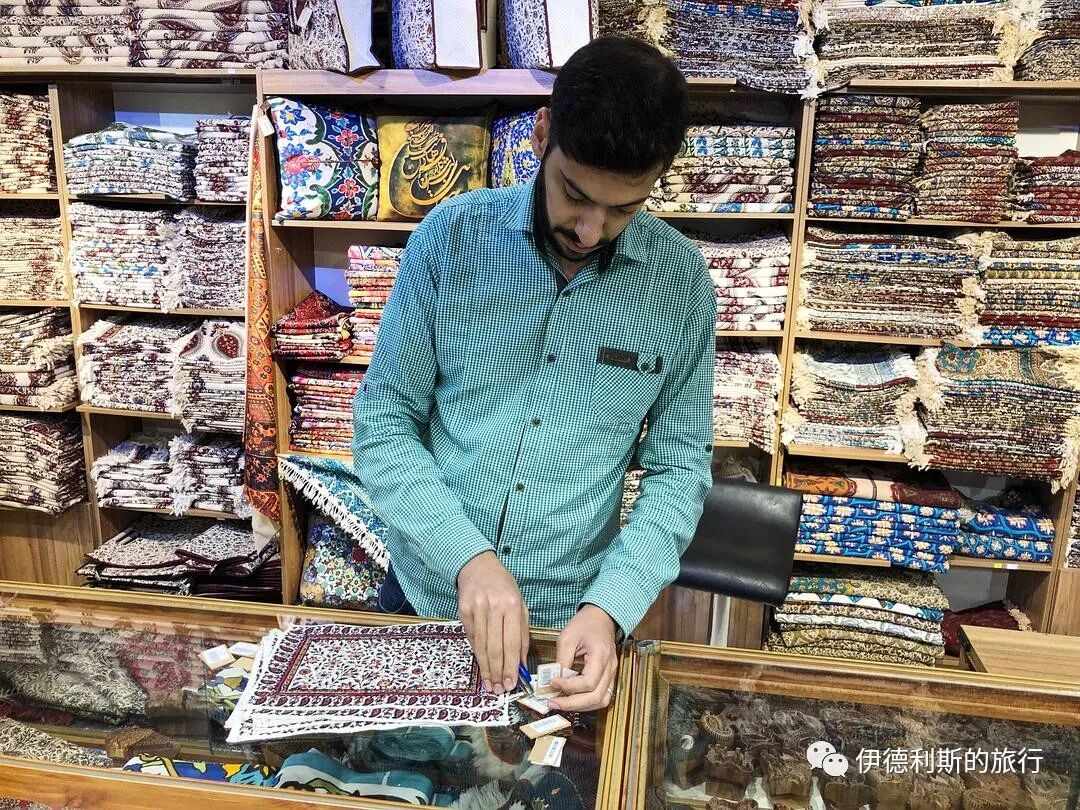
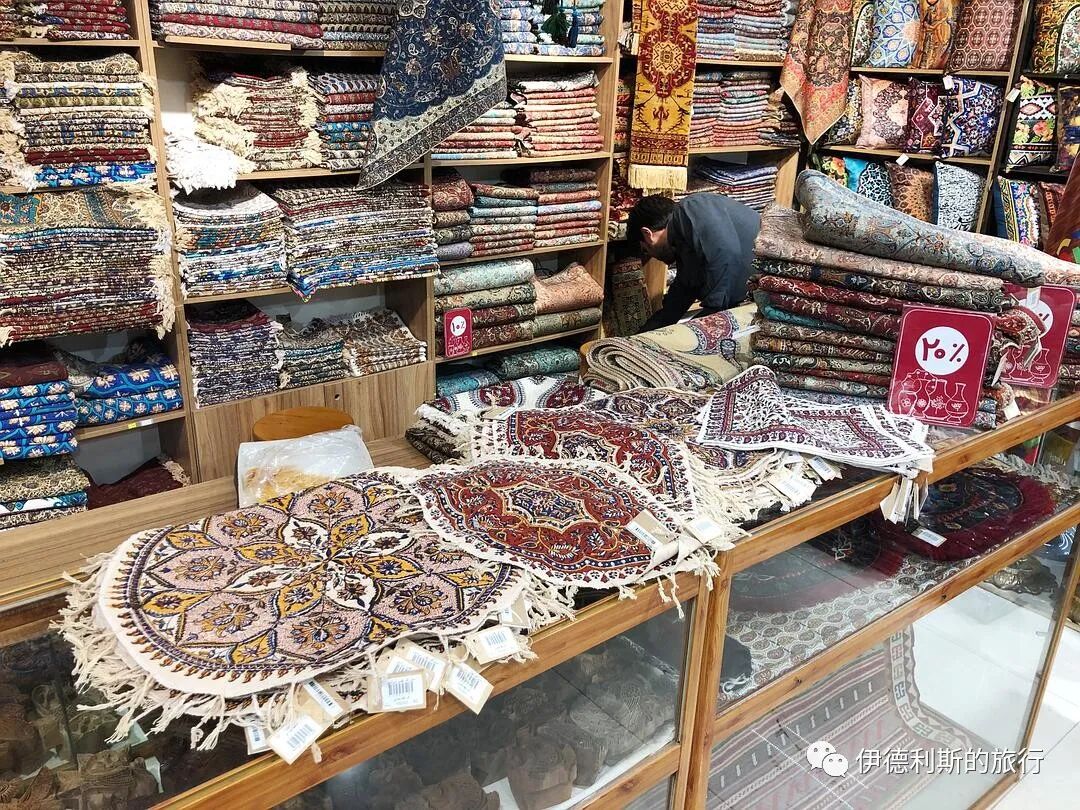
Esfahan Art House on the street at the north gate of the Grand Bazaar is a great one-stop place to buy traditional Persian handicrafts, and the prices are very reasonable. I bought two types of Iranian-style handicrafts here.
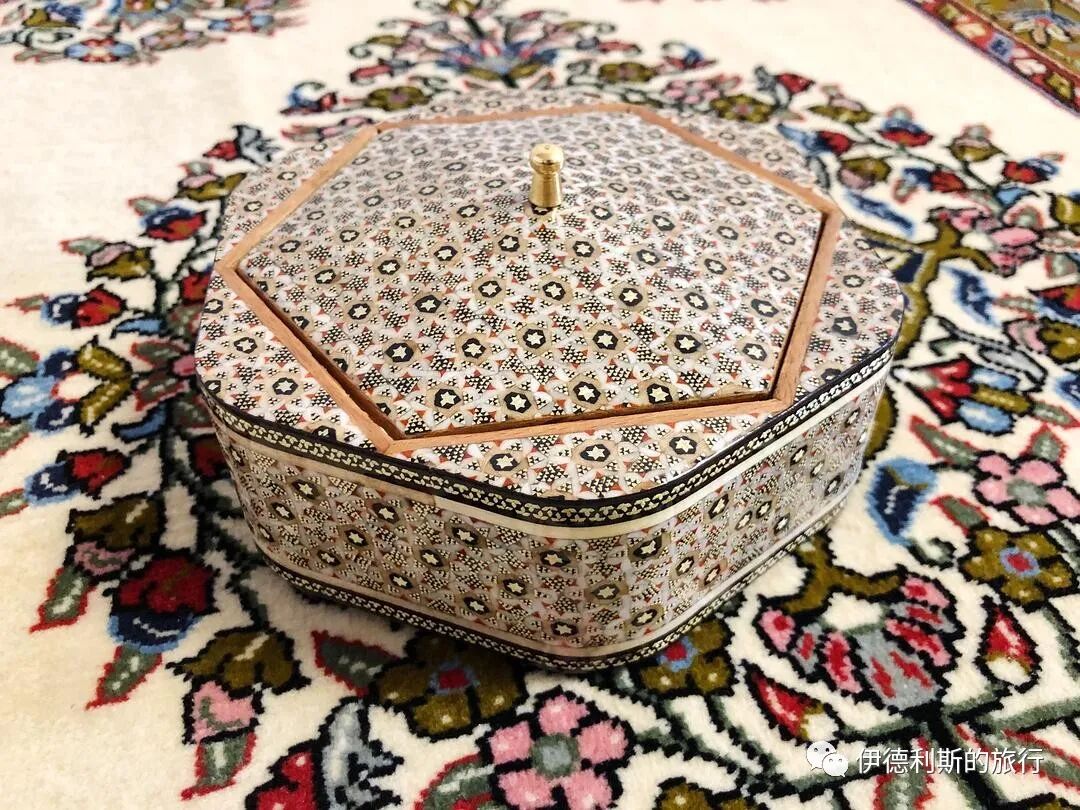
The first is a jewelry box made with the traditional Persian inlay technique, Khatam. Khatam is made by arranging bundles of wood, bone, and metal by color, then compressing and cutting them into geometric patterns. It is generally used to make doors, windows, mirror frames, chessboards, and boxes. The jewelry box I bought is made of hardwood, brass, and camel bone. Khatam flourished in the Safavid dynasty court and gradually declined after the 18th and 19th centuries, but it was revived during the reign of Reza Shah (reigned 1925-1941) of the Pahlavi dynasty, when handicraft schools were opened in Tehran, Shiraz, and Isfahan.
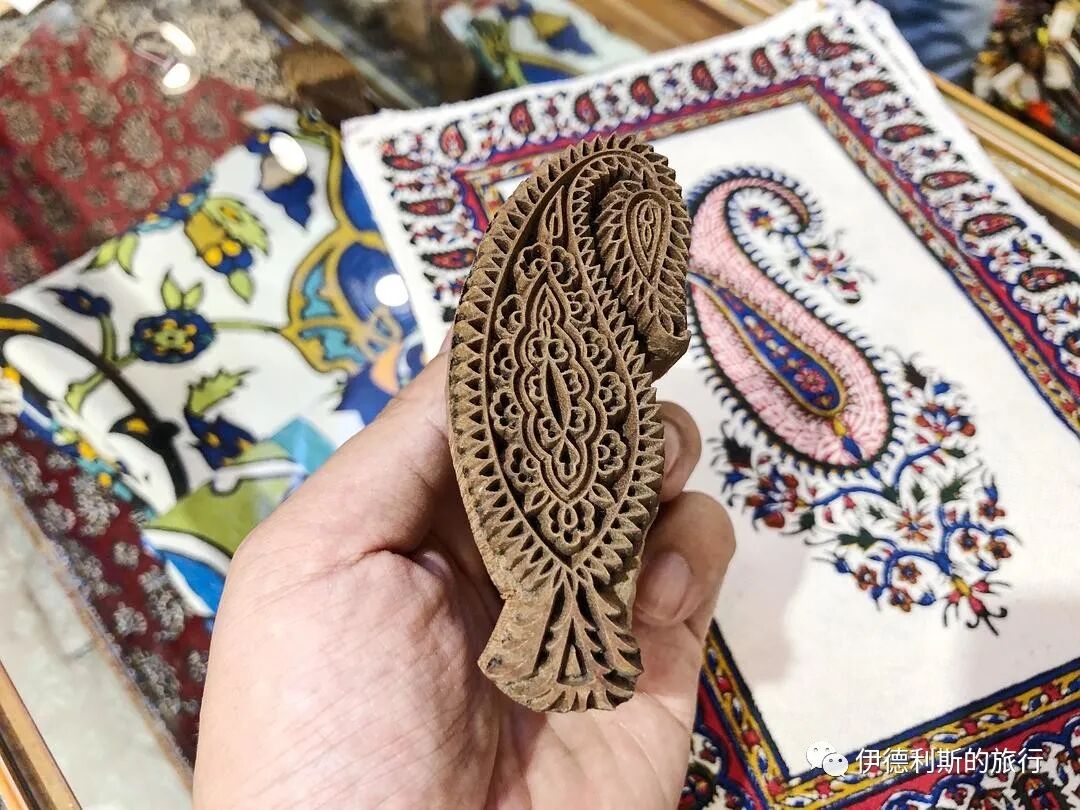
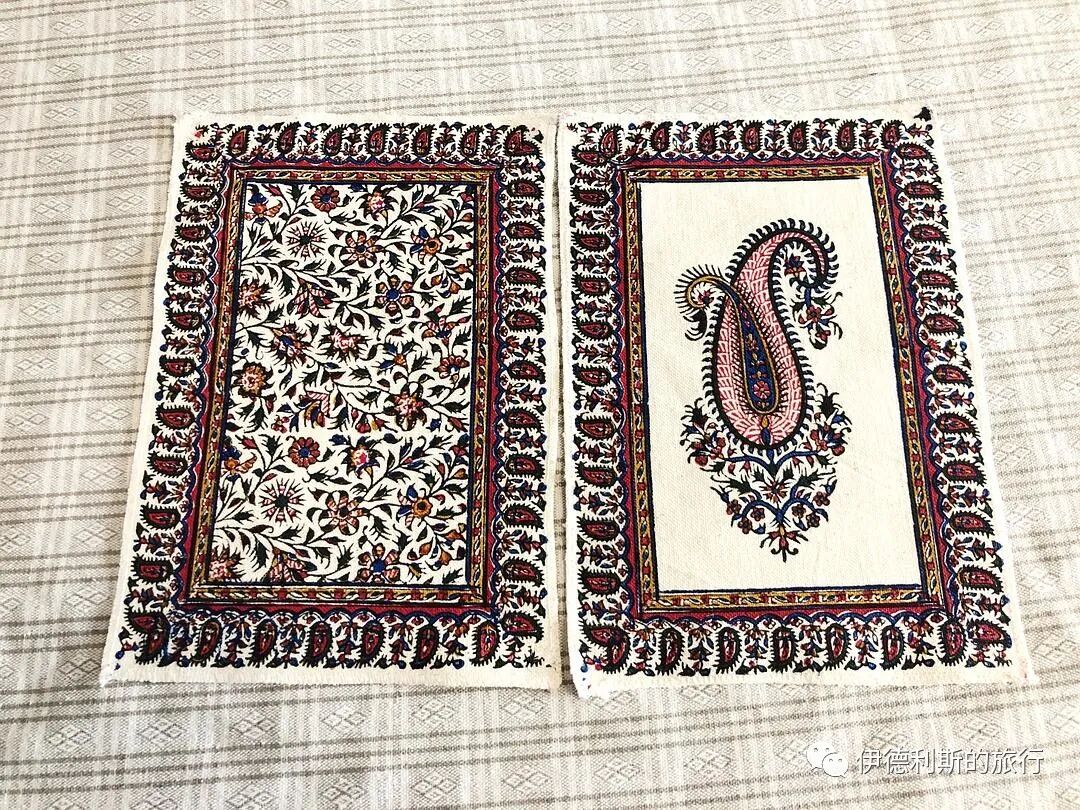
The second is a piece of fabric made with the woodblock printing craft, Ghalamkar. Ghalamkar is made by using woodblocks carved from pear wood to print on fabric, which is then hammered hundreds of times for repeated overprinting. The center of Ghalamkar art is Isfahan.
Tehran Museum of Islamic Art
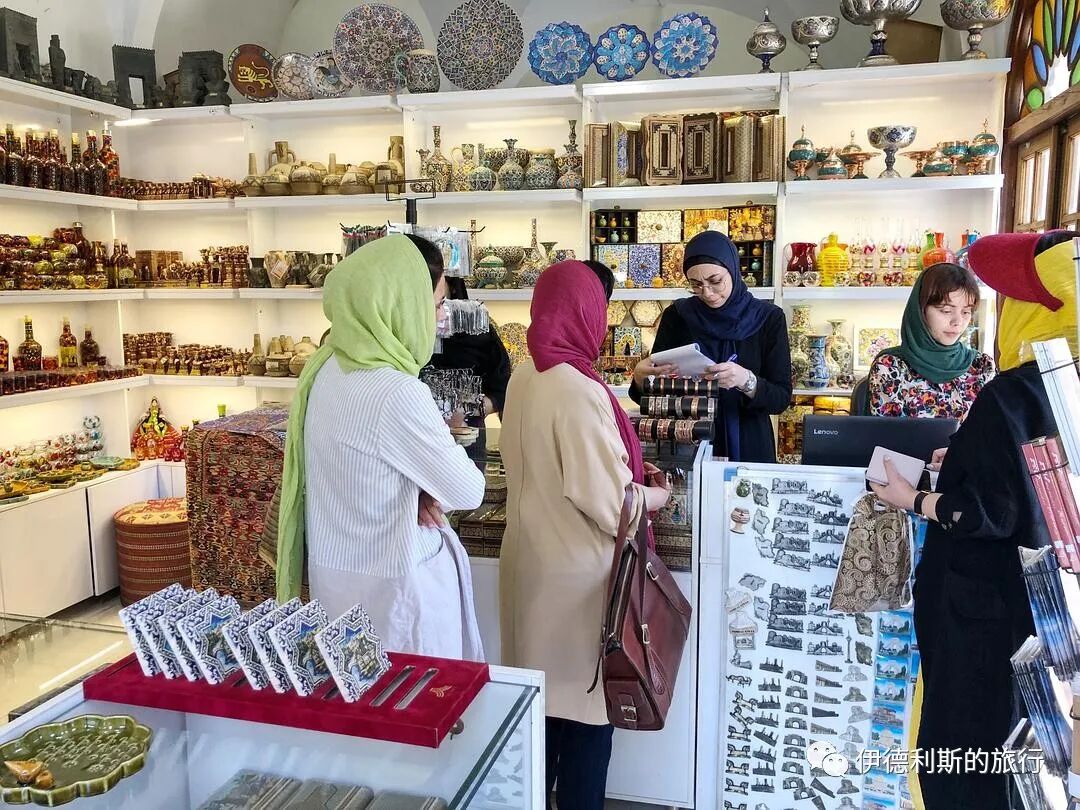
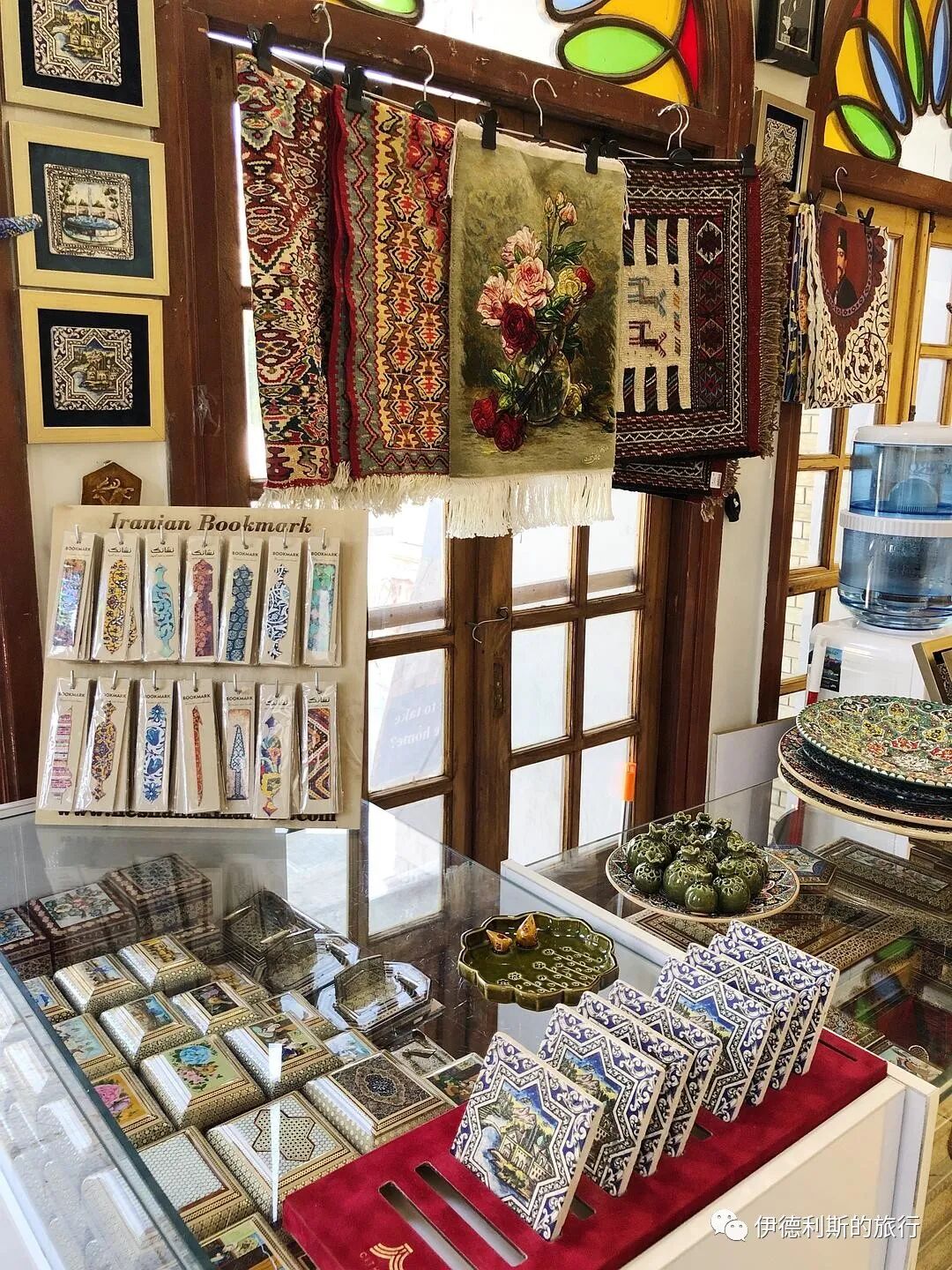
After visiting the Tehran Museum of Islamic Art, I went to the souvenir shop. The prices were a bit high, but you can't buy these things anywhere else.
A notepad with Qajar dynasty paintings.
A bookmark featuring 15th-century Timurid dynasty Shiraz-style miniature painting.
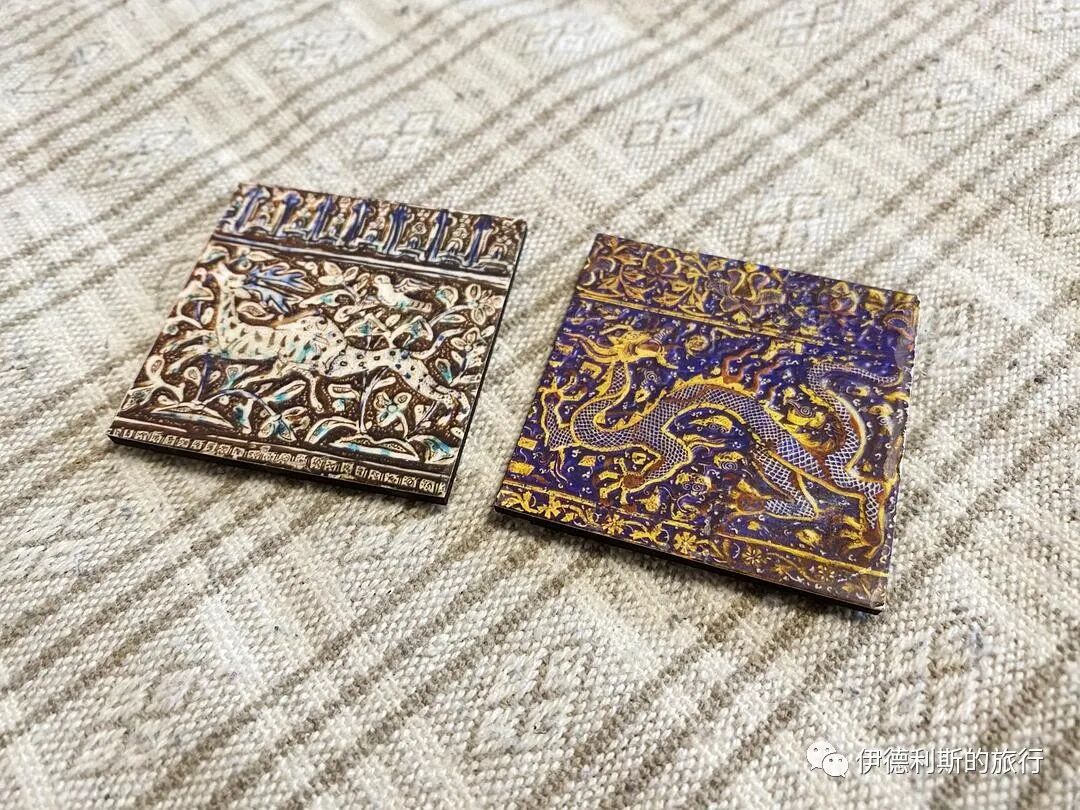
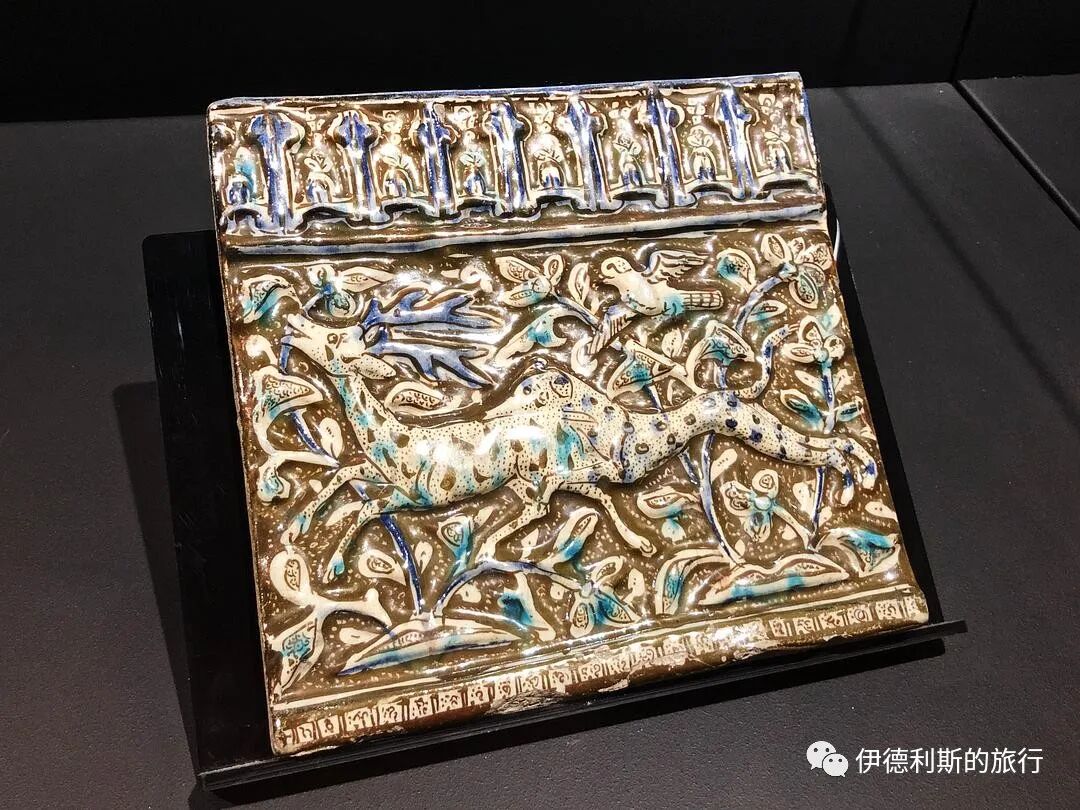
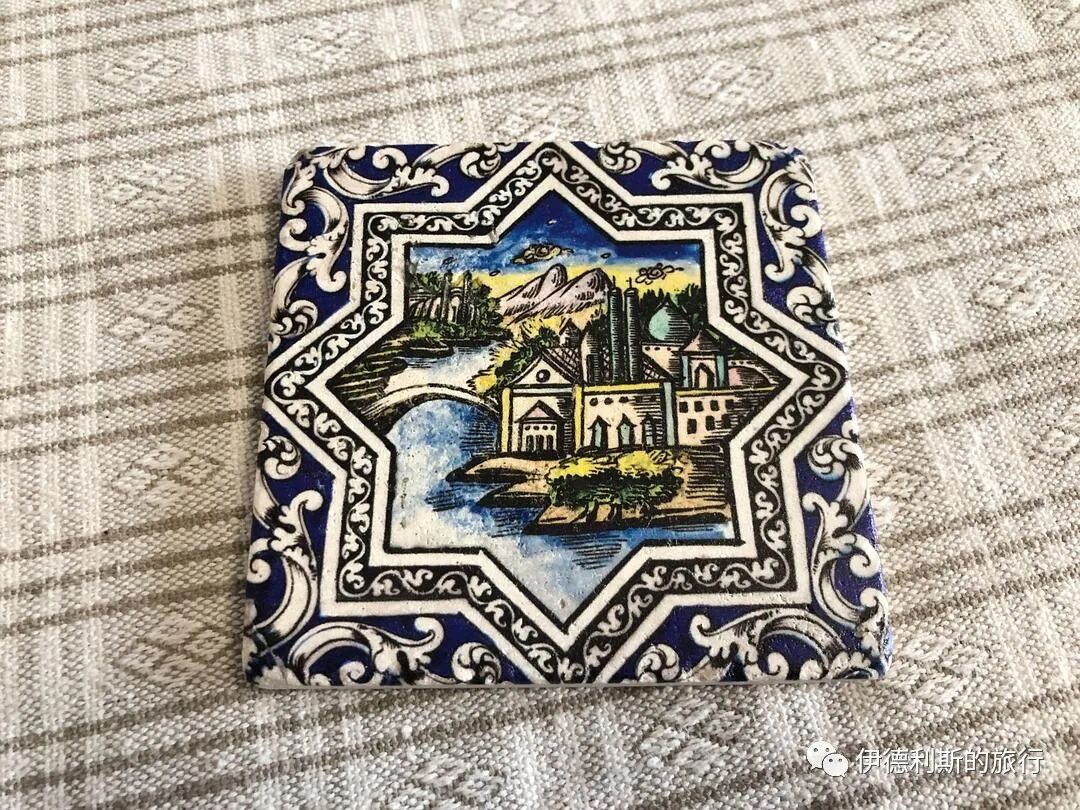
A tile magnet from the 13th-14th century Ilkhanate period; the original is in the museum.
Golestan Palace
A replica of a wall tile from the Qajar dynasty period bought at the Golestan Palace souvenir shop. view all
Summary: This travel note introduces Tehran Bazaar Travel Guide: Iranian Markets, Muslim Culture and Local Life. I traveled to Tehran in 2019. The local prices were truly very affordable, and after arriving, I couldn't help but visit various bazaars to shop and shop. It is useful for readers interested in Tehran Bazaar, Iran Travel, Muslim Culture.
I traveled to Tehran in 2019. The local prices were truly very affordable, and after arriving, I couldn't help but visit various bazaars to shop and shop.
Jomeh Bazaar
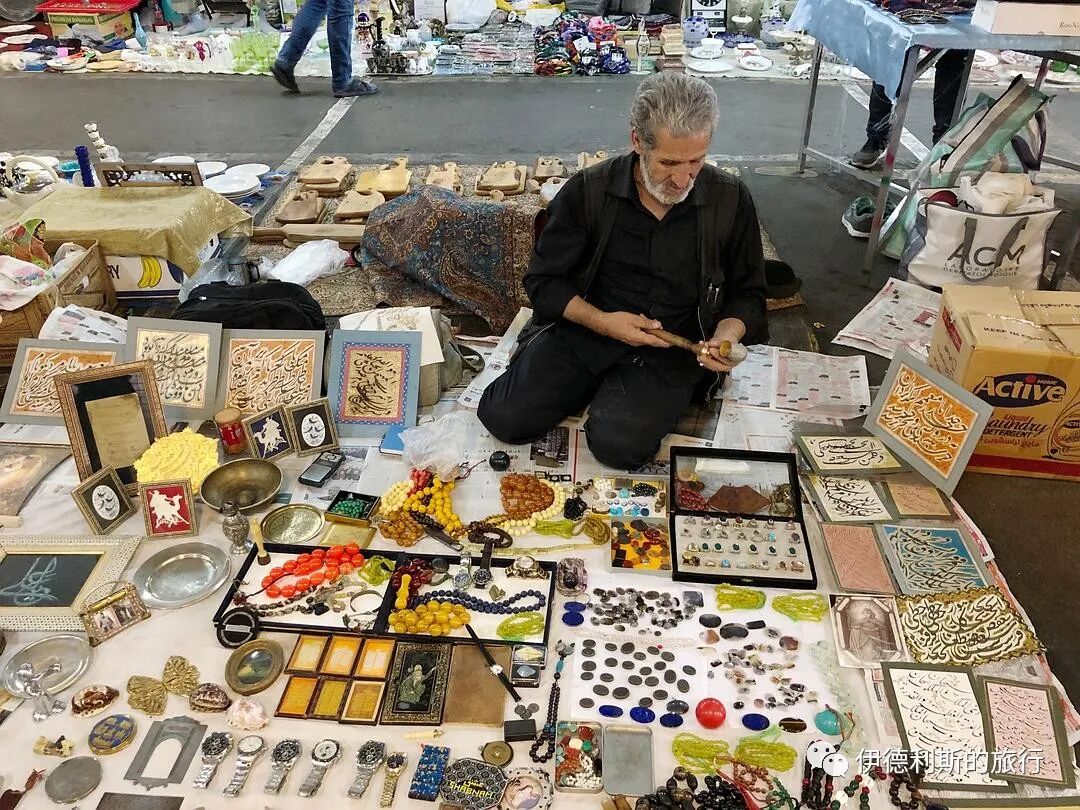
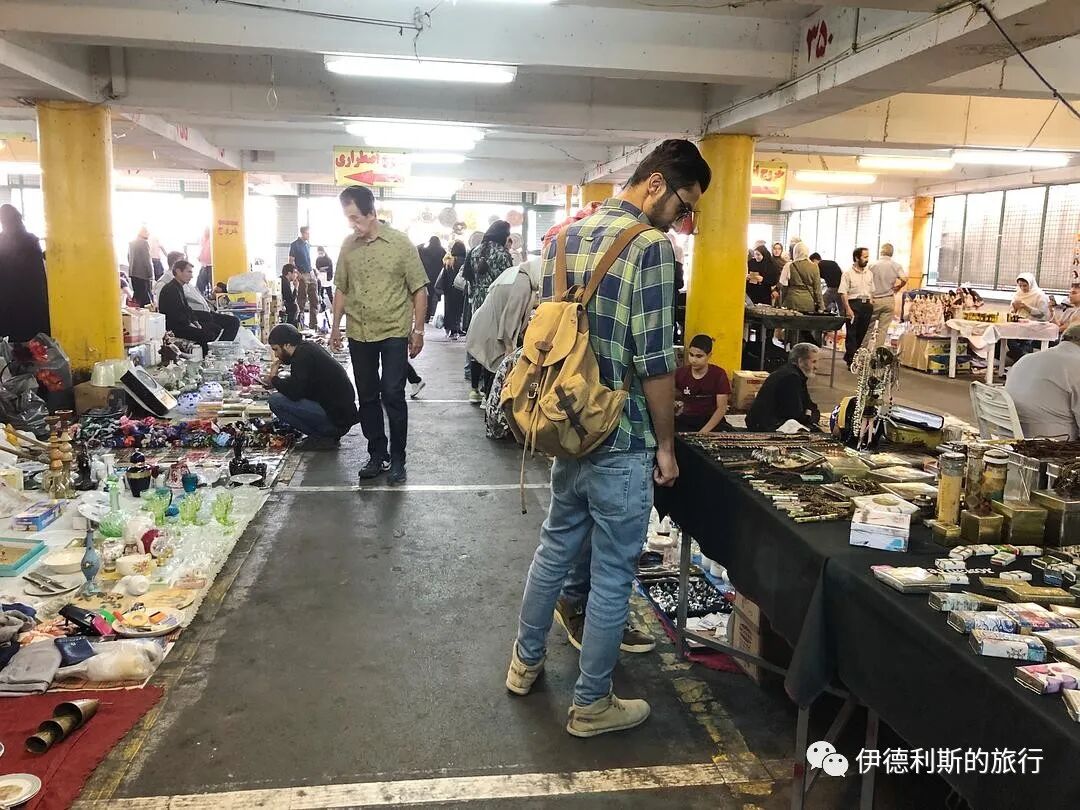
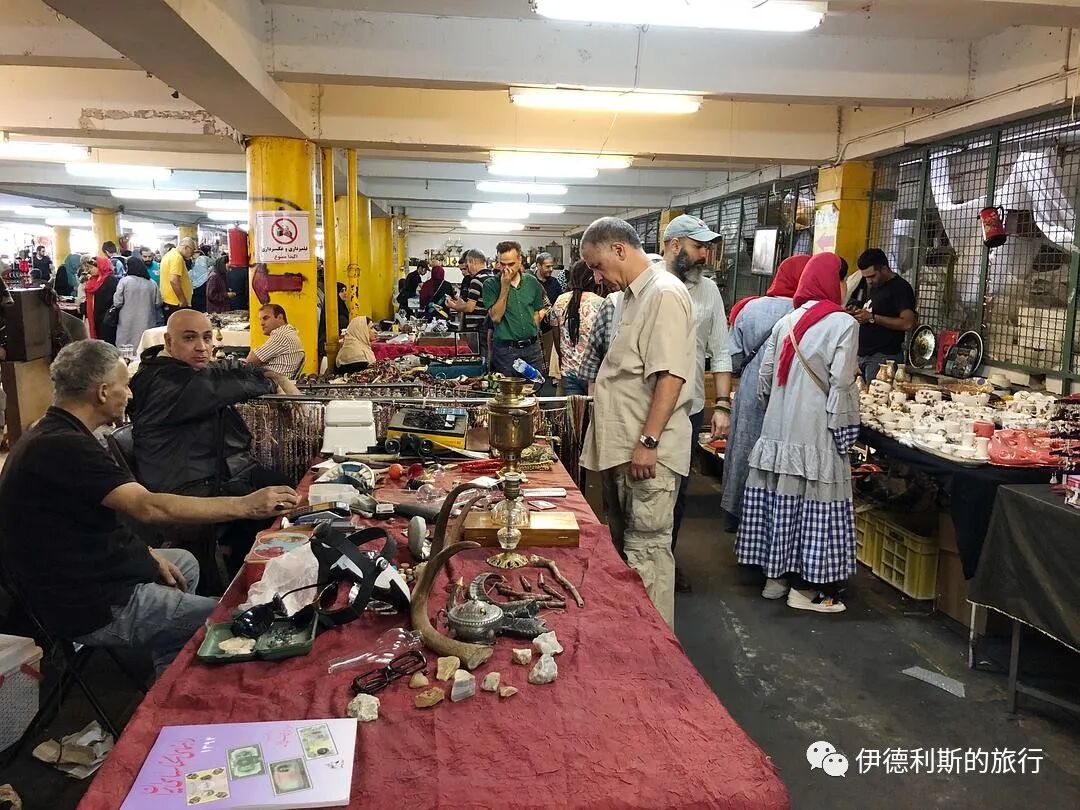
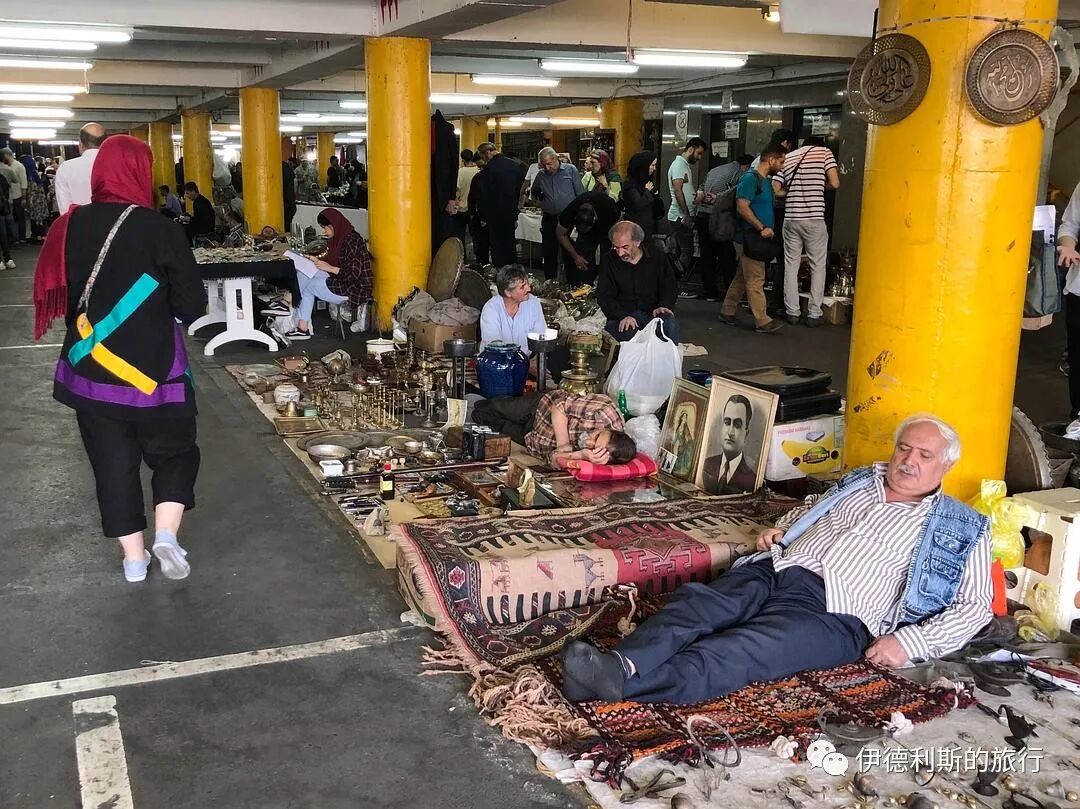
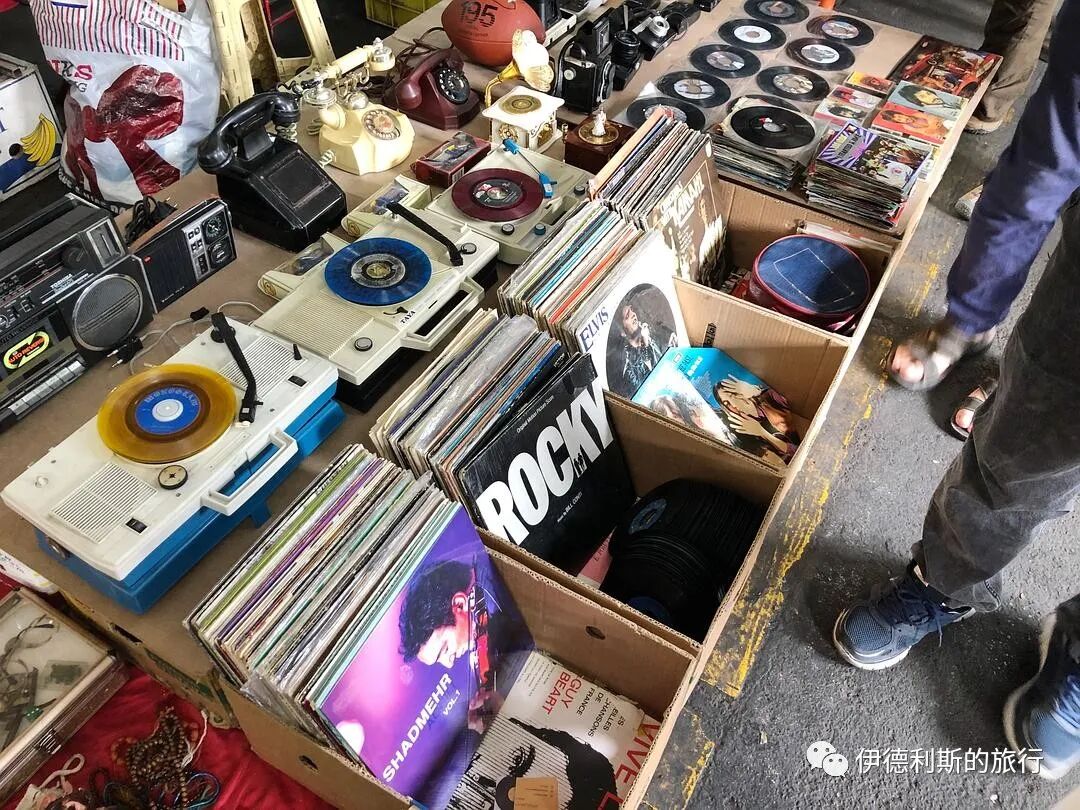
Tehran's Jomeh Bazaar (Friday Bazaar) is usually a multi-story parking garage in the city center, but every Friday it turns into a very interesting flea market. Compared to the monotonous Yiwu small commodities in the Grand Bazaar, Jomeh Bazaar is a place where you can truly find treasures. There are second-hand dealers selling old records, old books, and antiques, as well as young women selling handmade jewelry, canvas bags, and coasters, along with various ethnic-style clothing and woven fabrics. It takes at least two or three hours to browse carefully.
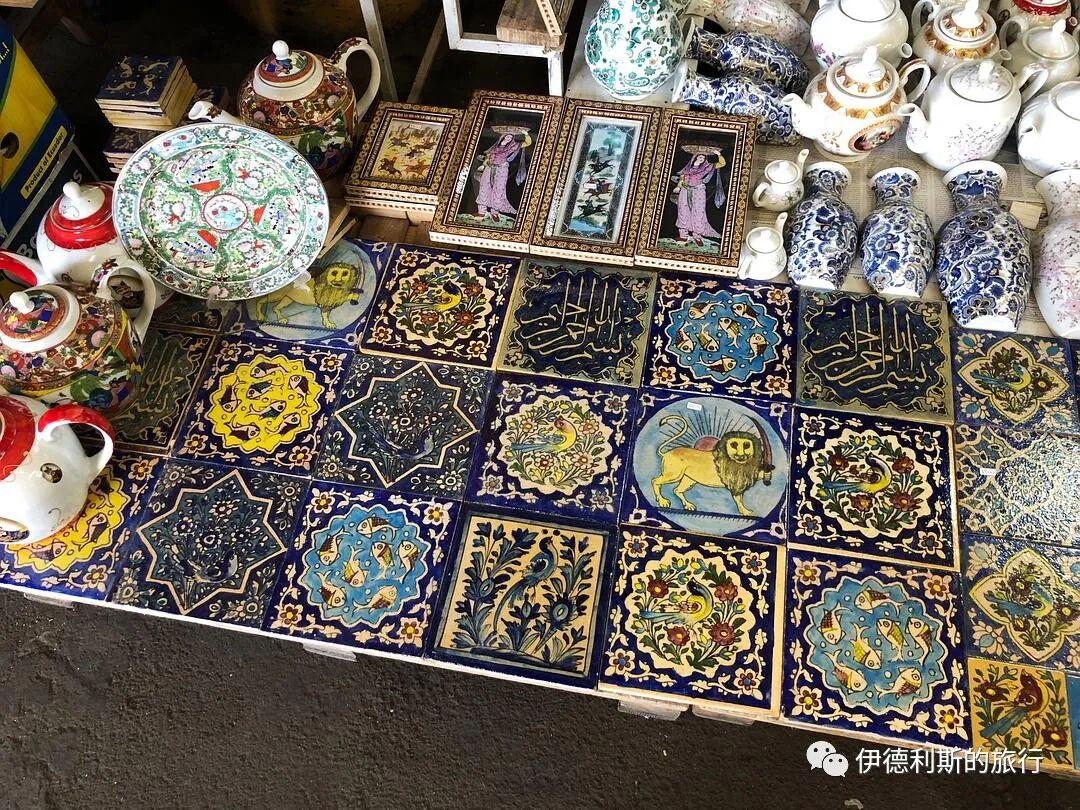
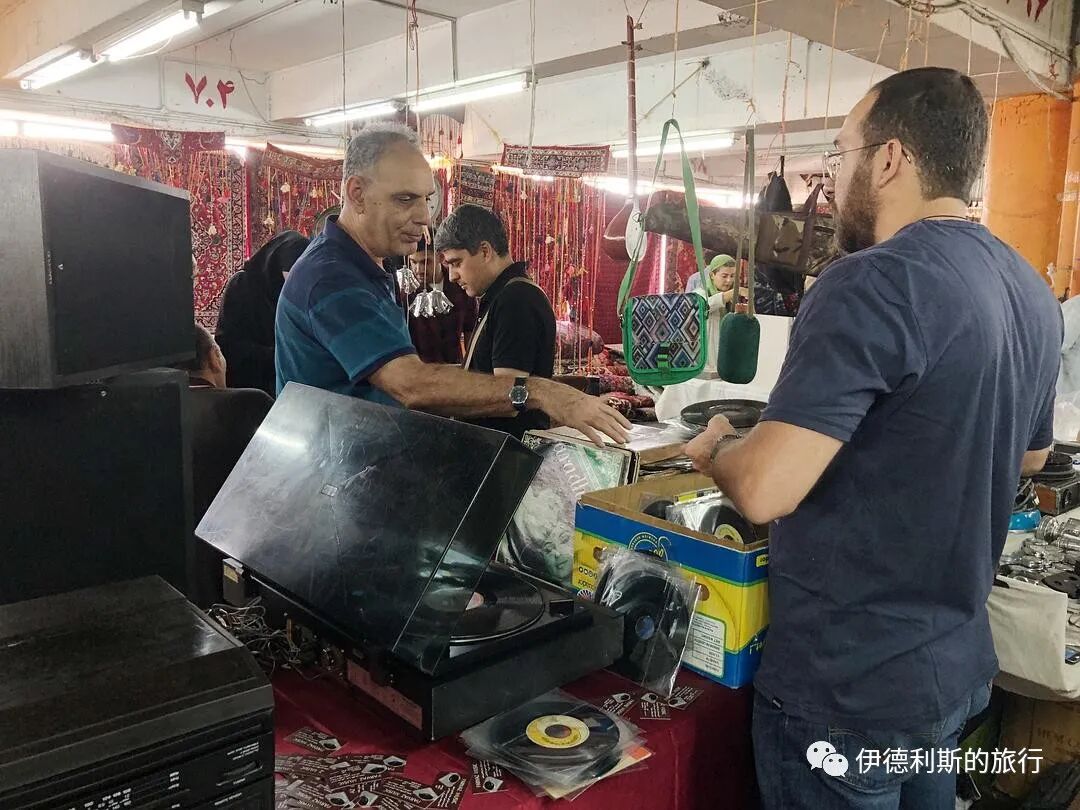
Canvas bags and coasters I bought.
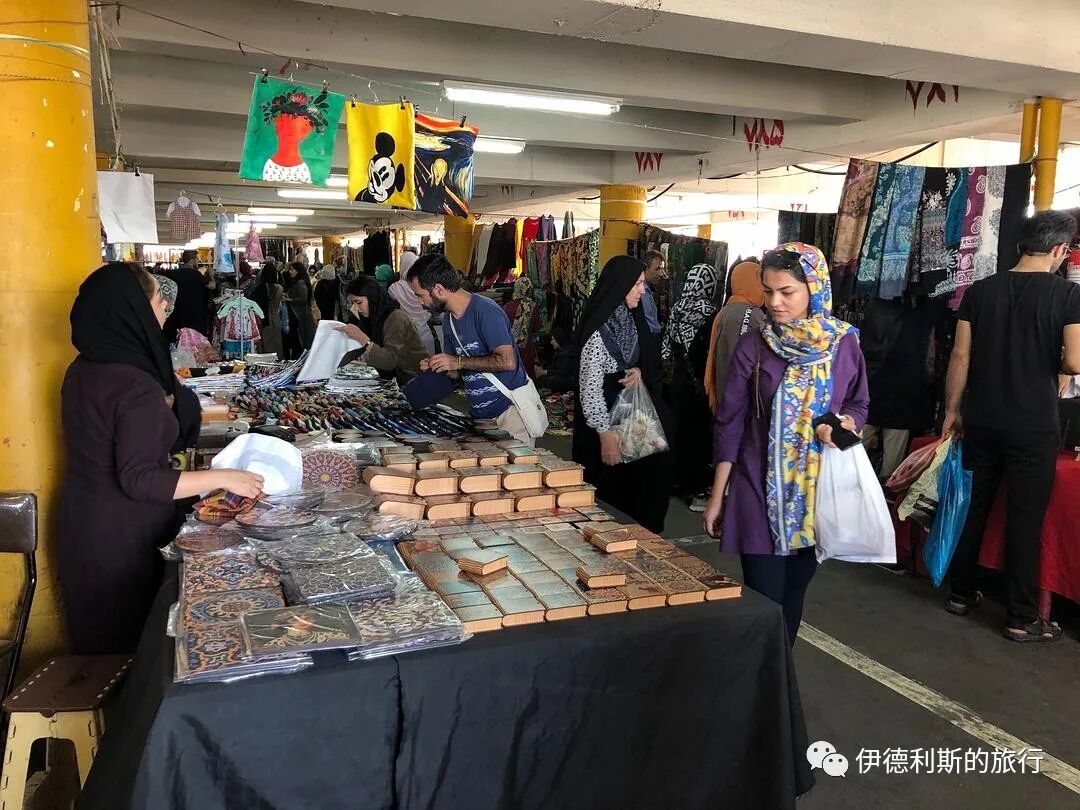
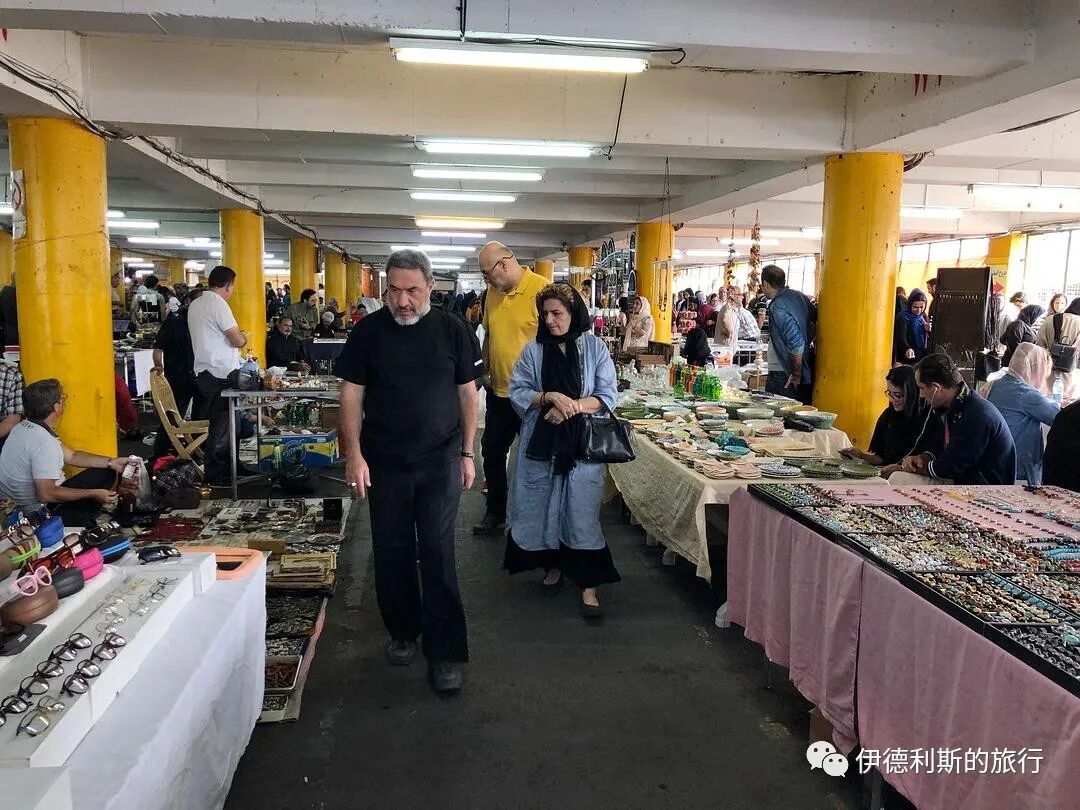
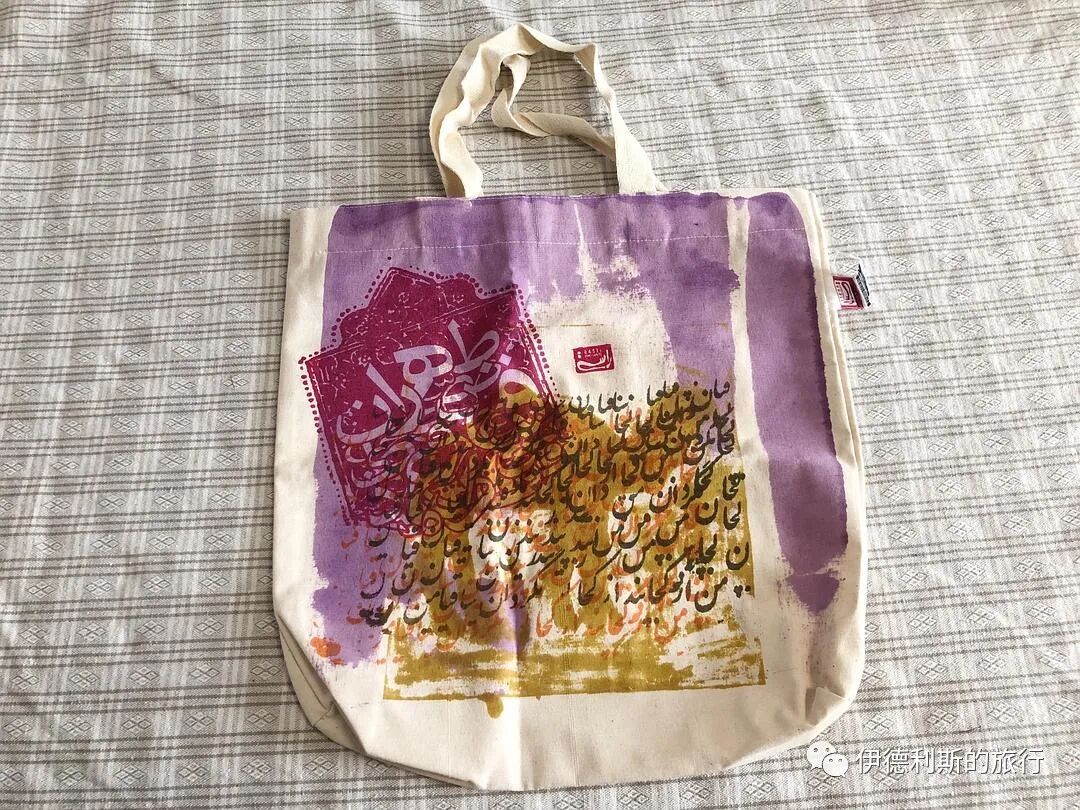
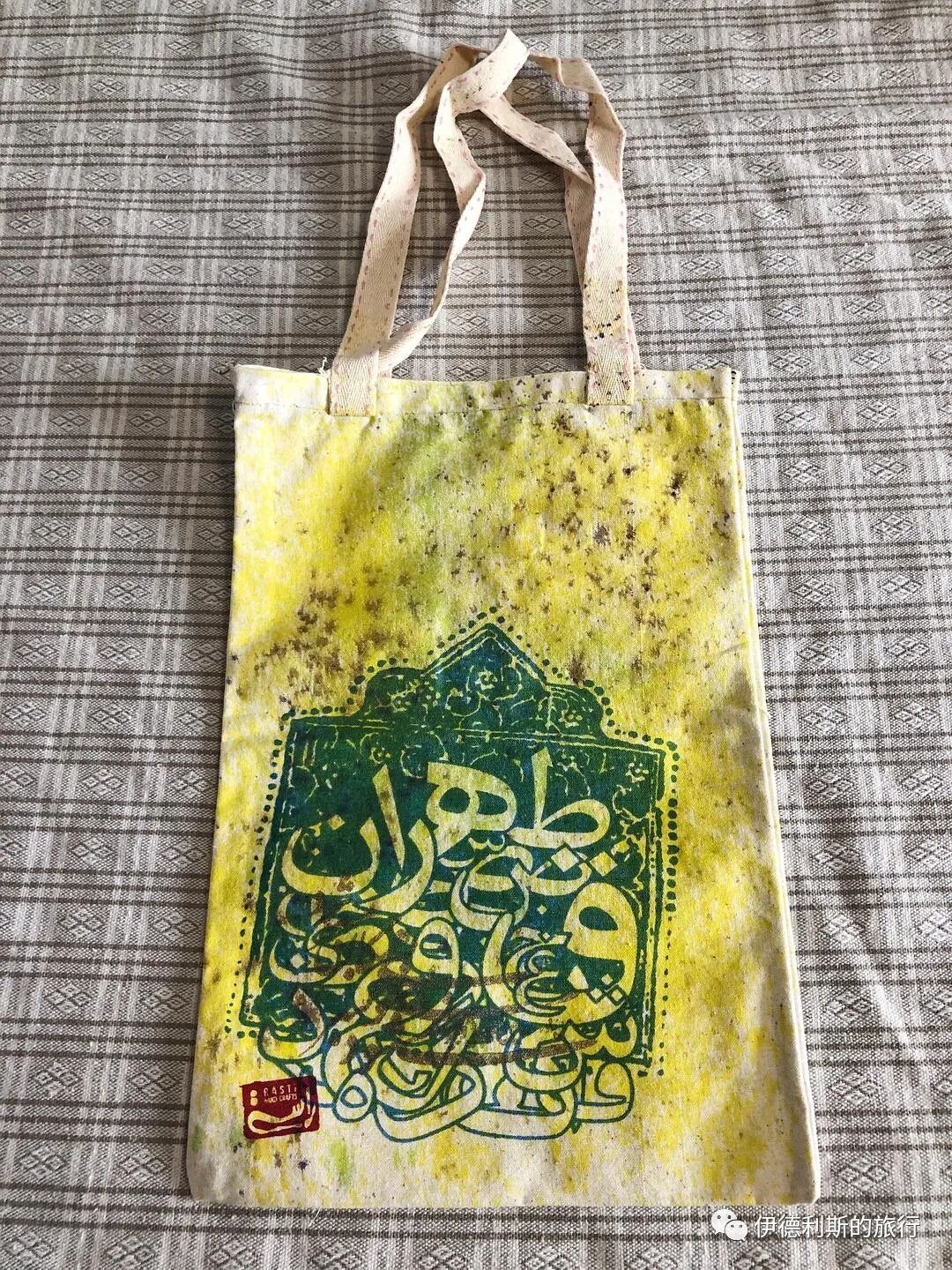
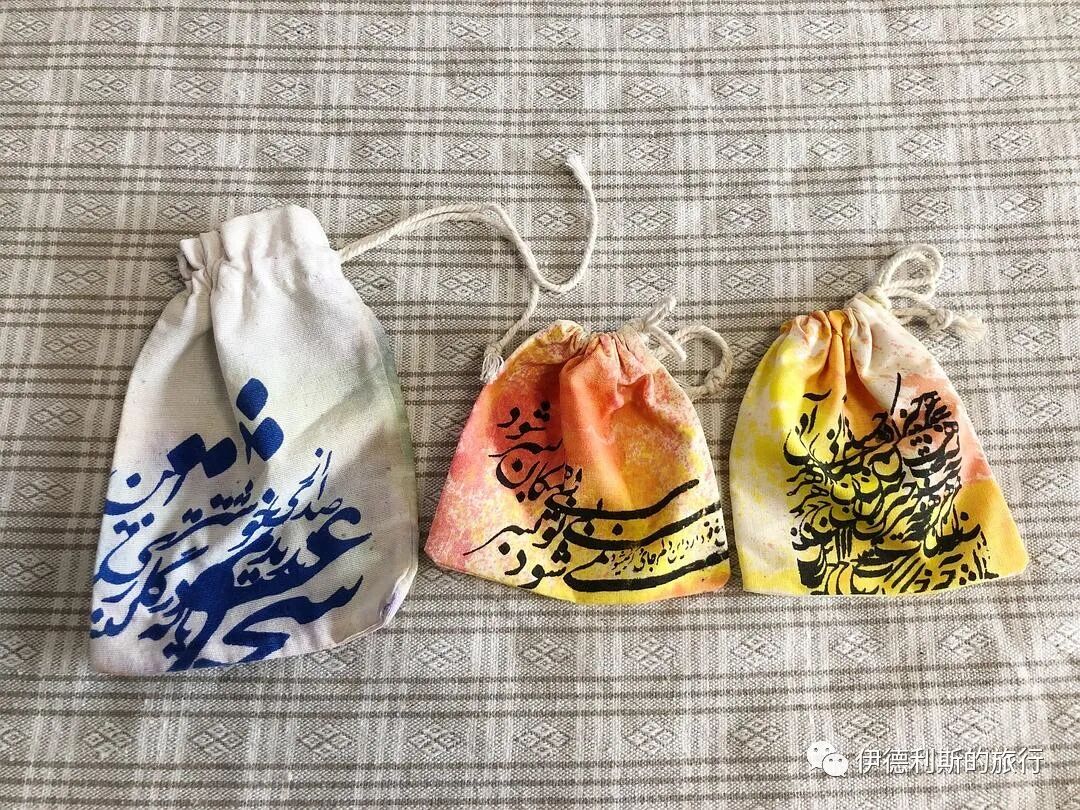
This was quite interesting; I kind of regret not buying it.
The felt hat and the Turkmen small floral cap, Takhya, that I bought. Takhya is a symbol of Turkmen tradition and identity. It is generally made of linen fabric, and the triangles on it are said to represent unity.
Tajrish Bazaar
Tajrish Bazaar is in the new urban area at the northernmost part of Tehran and stays open until 10 PM, making it very suitable for evening shopping. I bought some saffron at the Melal shop for Mashhad saffron in the bazaar. Buying saffron in Iran is actually quite cheap.
I bought traditional Iranian candy, Sohan asali (honey, sugar, saffron, and nut brittle), at a candy and dried fruit shop near Tajrish Bazaar. It is often eaten during Nowruz.
Carpet Bazaar
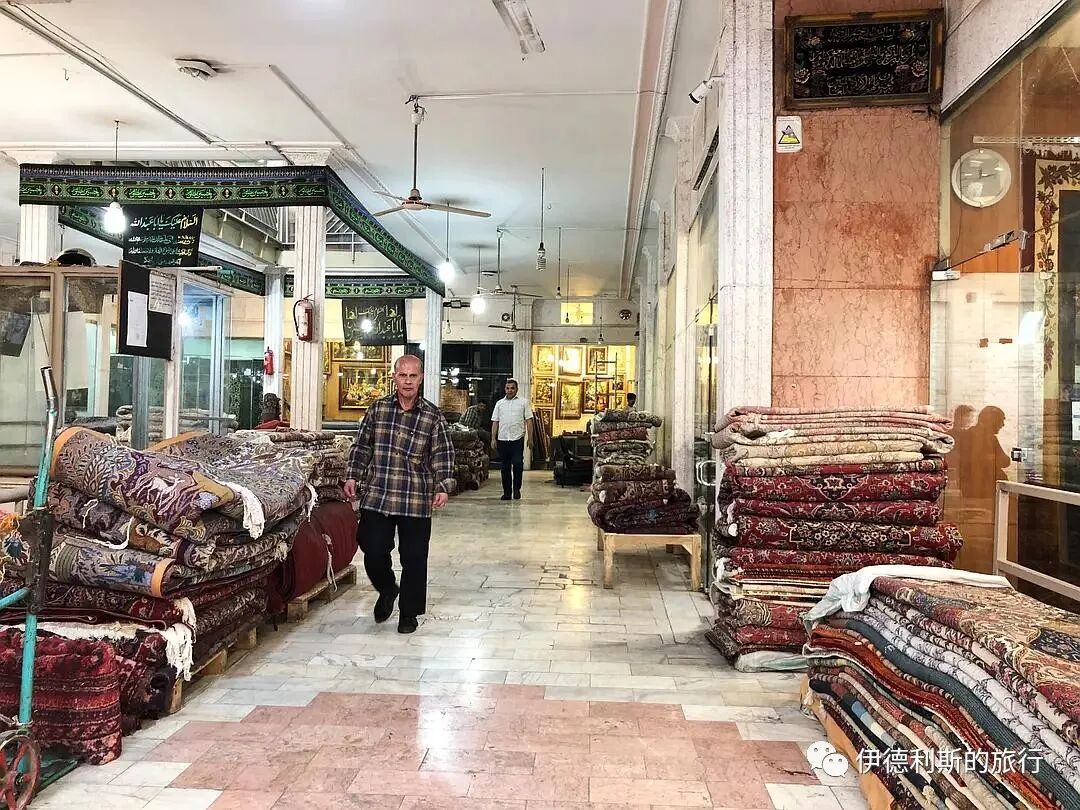
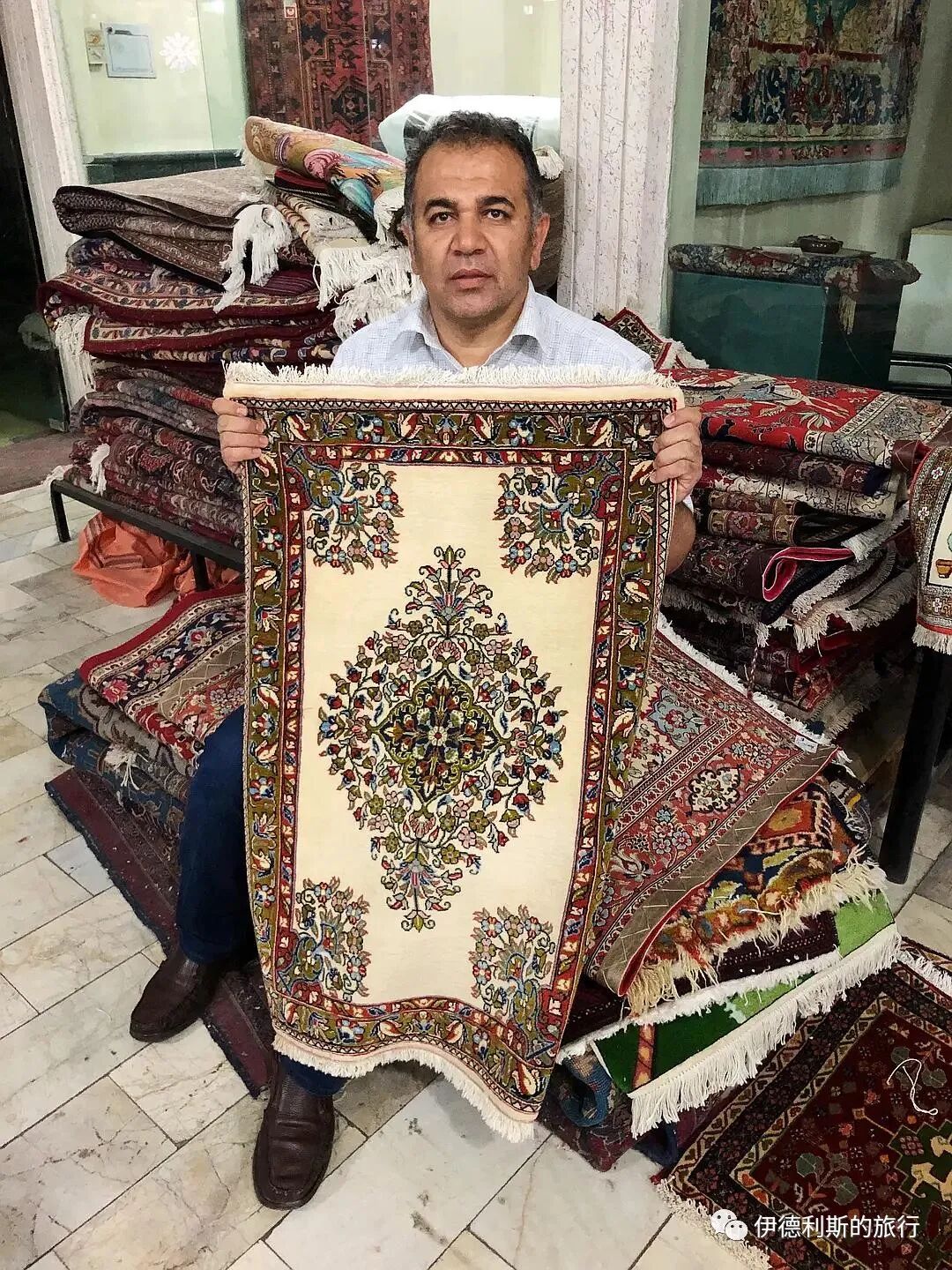
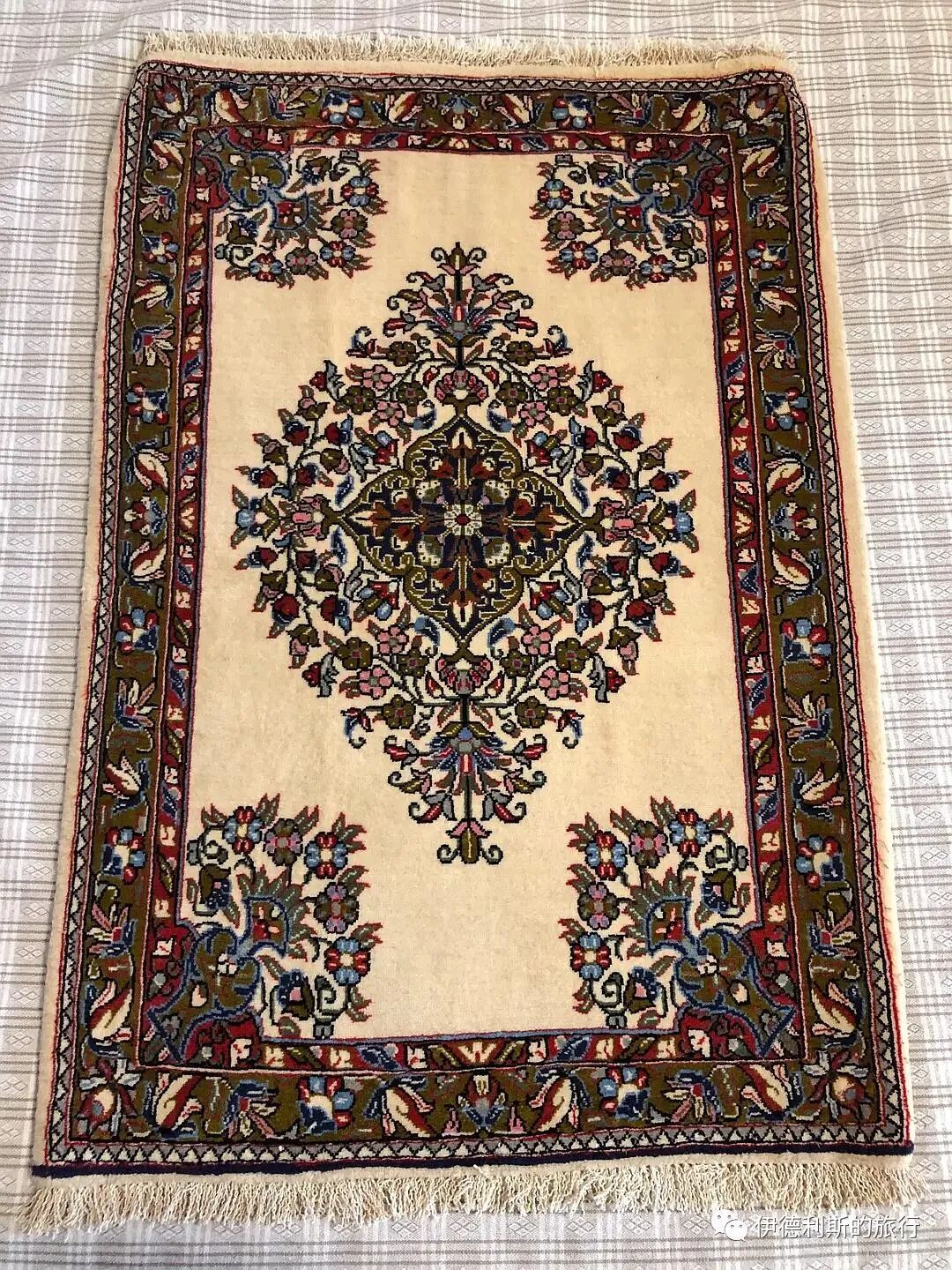
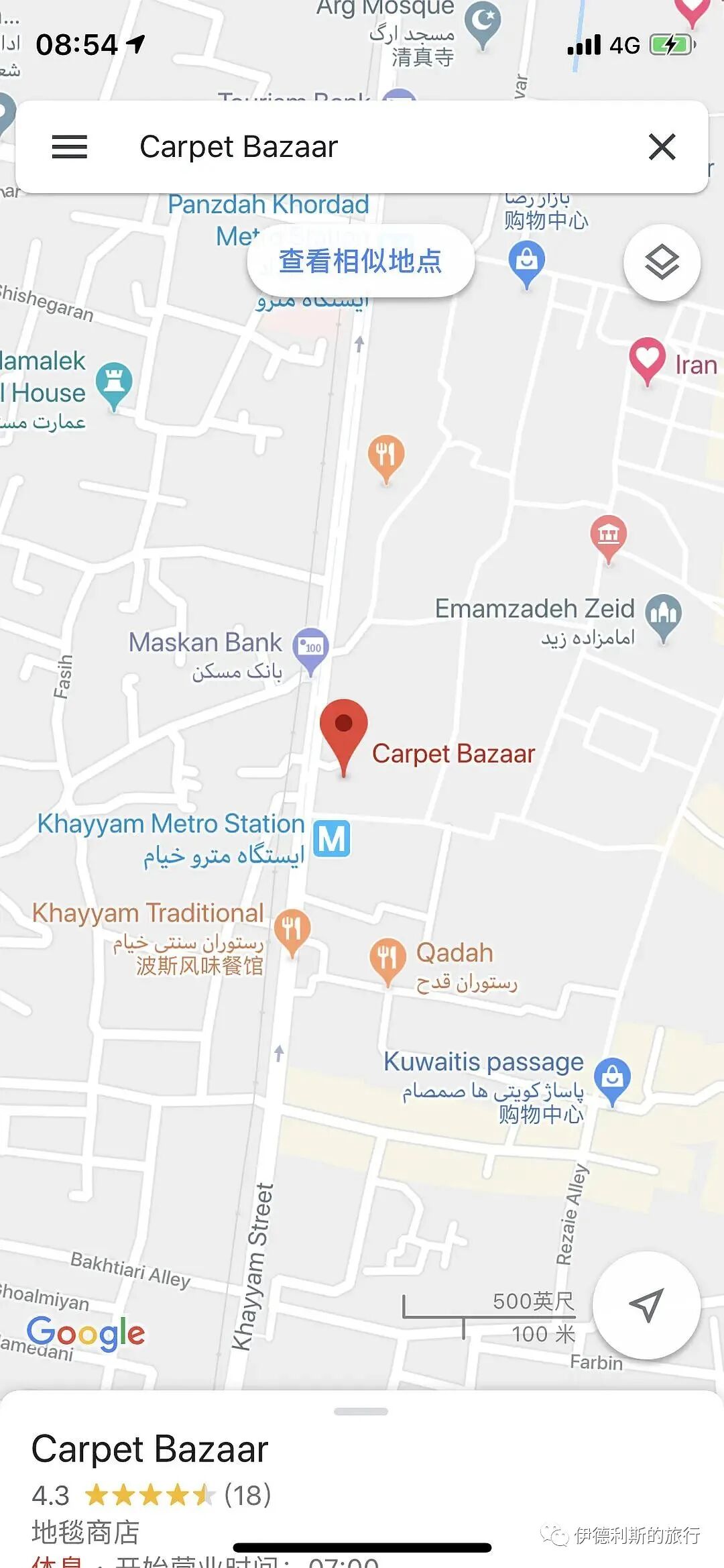
I bought a small carpet at the Carpet Bazaar next to the Tehran Grand Bazaar. It was produced in Qom, a Shia holy city in Iran. The owner is named Reza, a native of Kashan who has been in the carpet business in Tehran for over 20 years and speaks very fluent English.
Esfahan Art House
Esfahan Art House on the street at the north gate of the Grand Bazaar is a great one-stop place to buy traditional Persian handicrafts, and the prices are very reasonable. I bought two types of Iranian-style handicrafts here.
The first is a jewelry box made with the traditional Persian inlay technique, Khatam. Khatam is made by arranging bundles of wood, bone, and metal by color, then compressing and cutting them into geometric patterns. It is generally used to make doors, windows, mirror frames, chessboards, and boxes. The jewelry box I bought is made of hardwood, brass, and camel bone. Khatam flourished in the Safavid dynasty court and gradually declined after the 18th and 19th centuries, but it was revived during the reign of Reza Shah (reigned 1925-1941) of the Pahlavi dynasty, when handicraft schools were opened in Tehran, Shiraz, and Isfahan.
The second is a piece of fabric made with the woodblock printing craft, Ghalamkar. Ghalamkar is made by using woodblocks carved from pear wood to print on fabric, which is then hammered hundreds of times for repeated overprinting. The center of Ghalamkar art is Isfahan.
Tehran Museum of Islamic Art
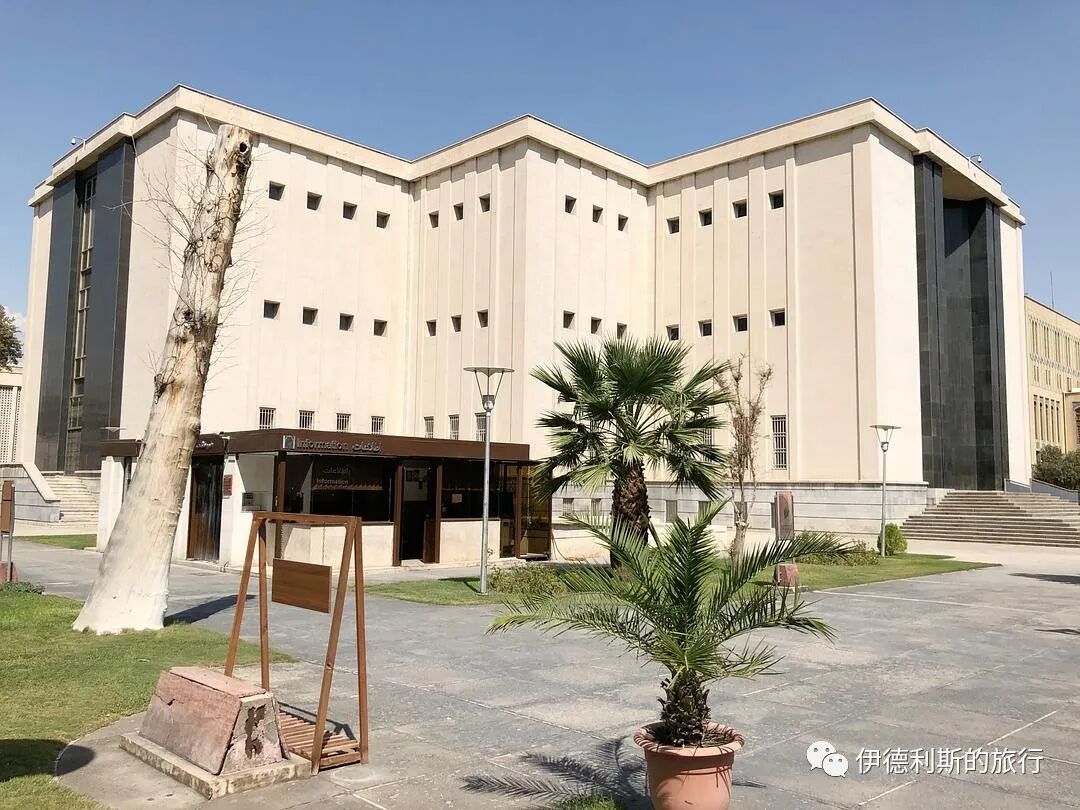
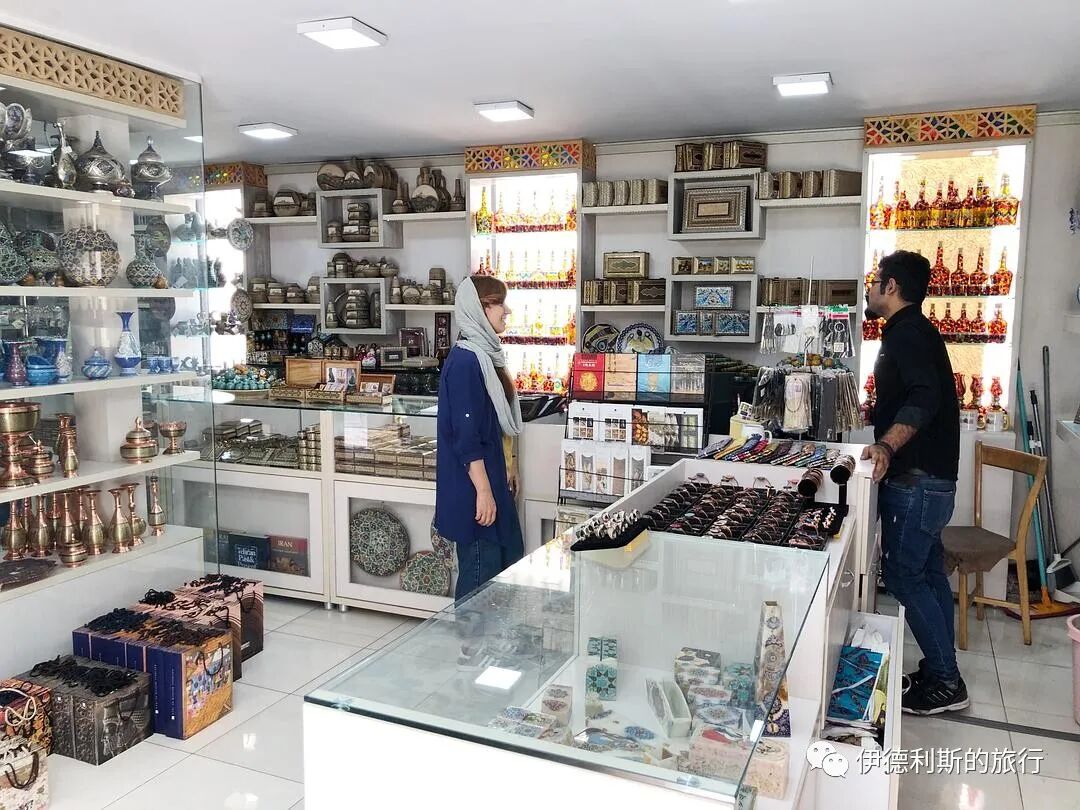
After visiting the Tehran Museum of Islamic Art, I went to the souvenir shop. The prices were a bit high, but you can't buy these things anywhere else.
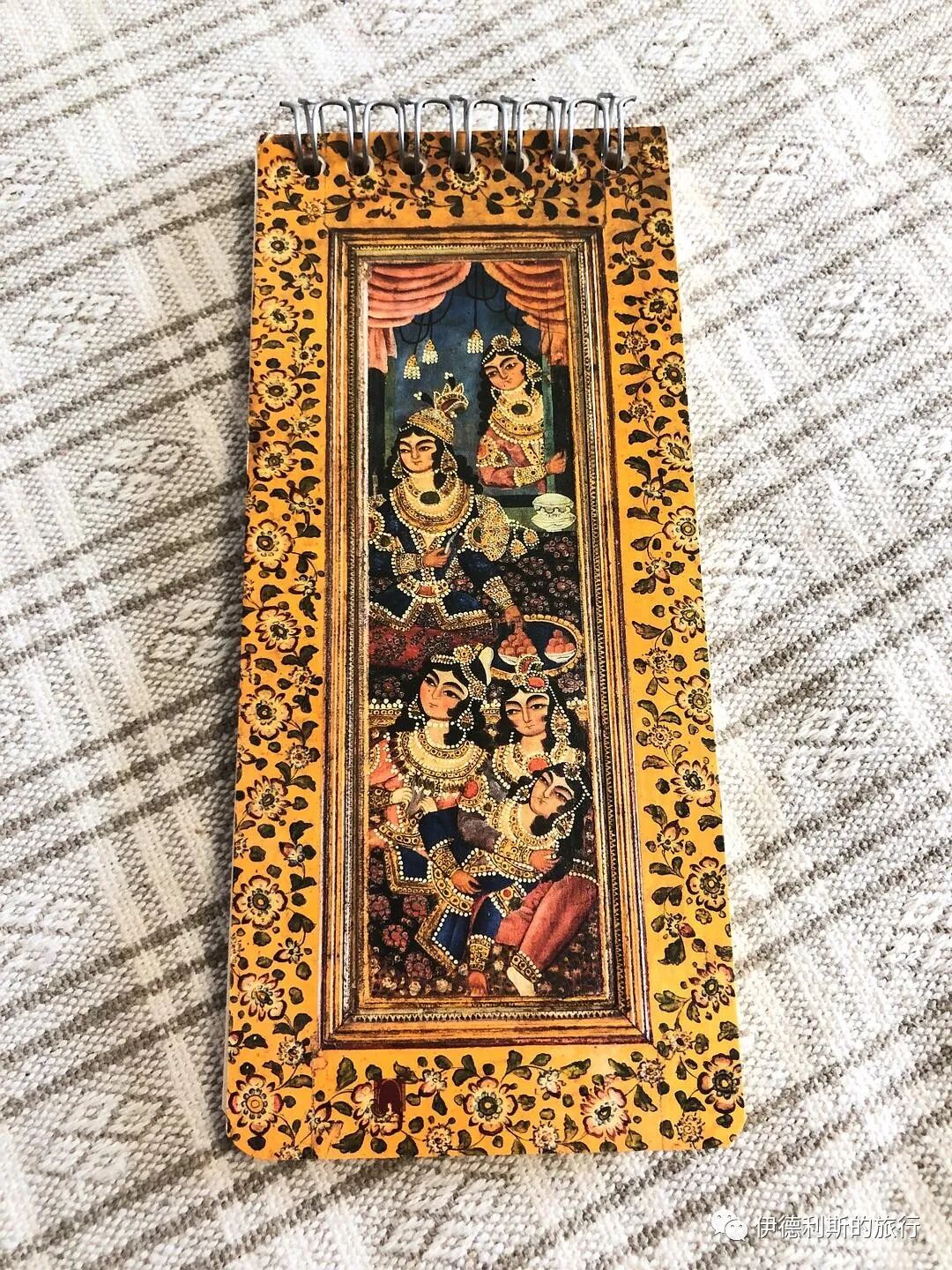
A notepad with Qajar dynasty paintings.
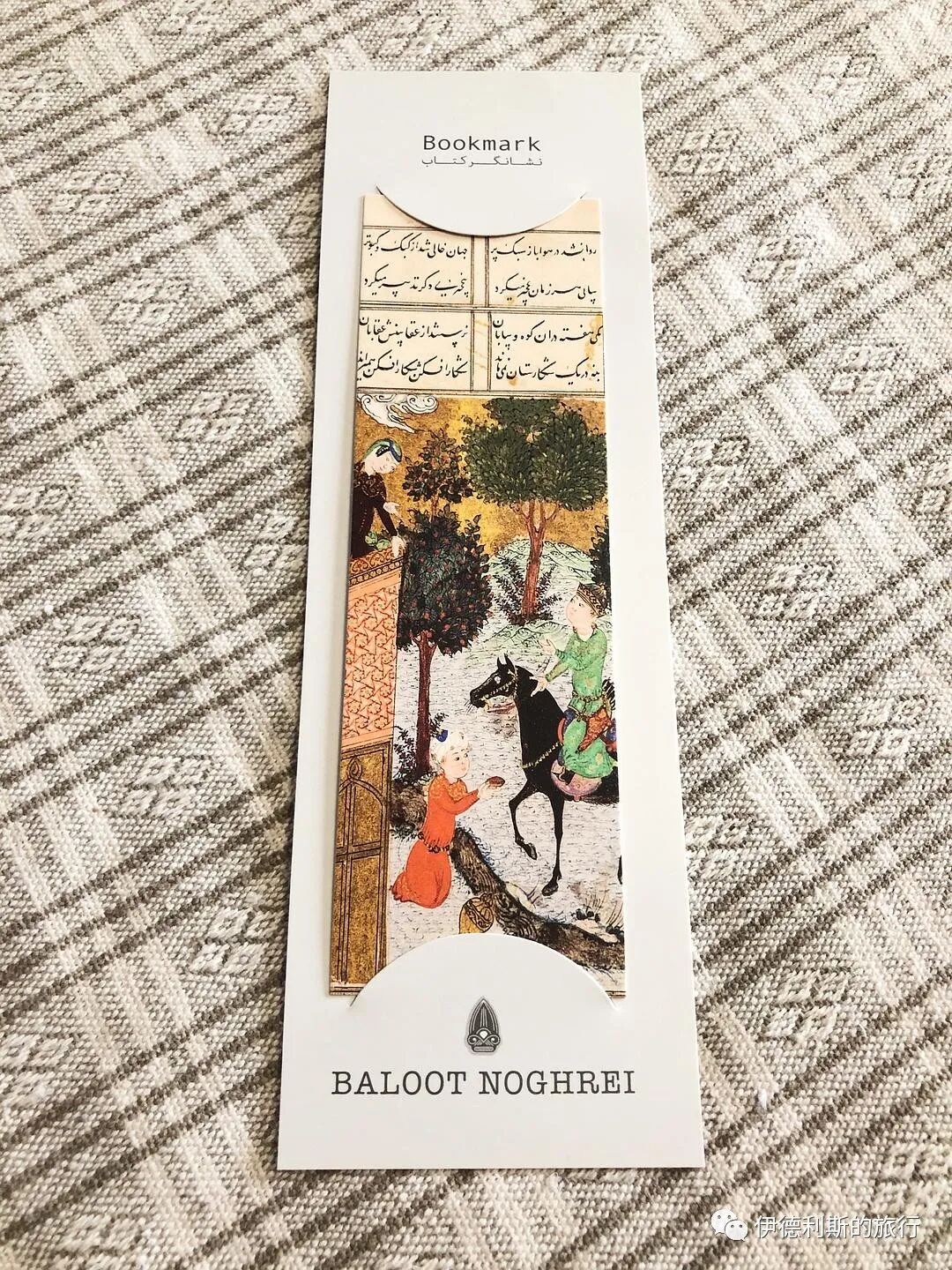
A bookmark featuring 15th-century Timurid dynasty Shiraz-style miniature painting.
A tile magnet from the 13th-14th century Ilkhanate period; the original is in the museum.
Golestan Palace
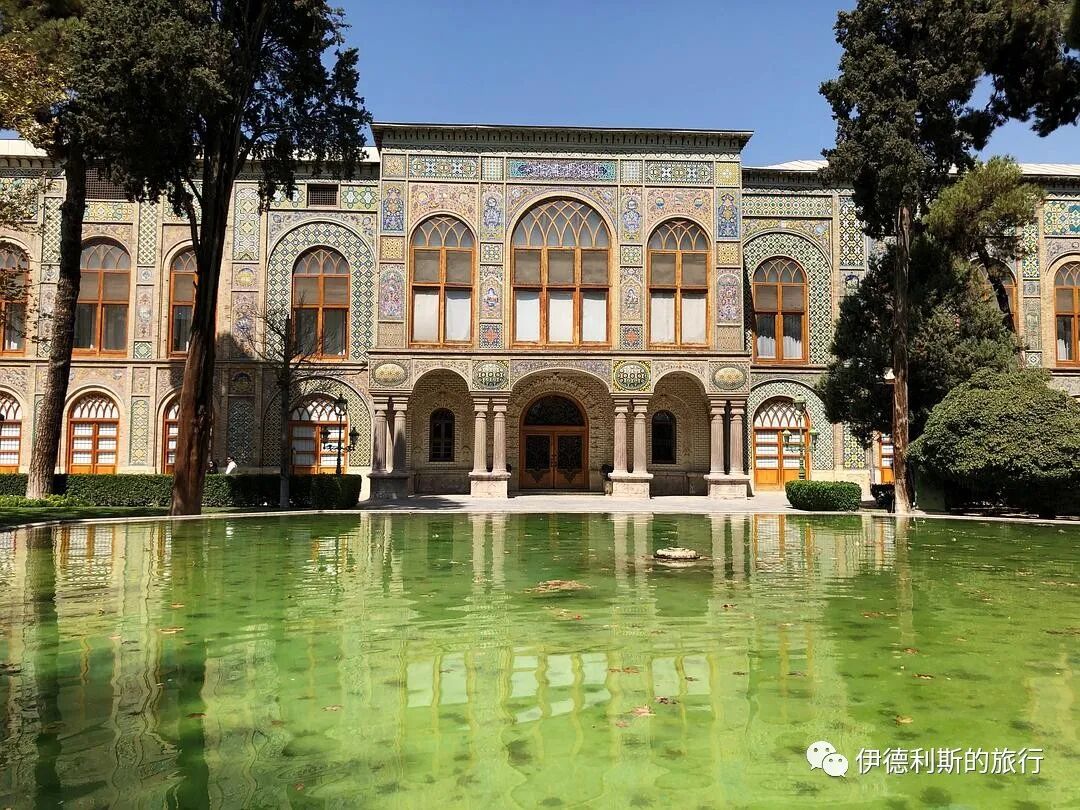
A replica of a wall tile from the Qajar dynasty period bought at the Golestan Palace souvenir shop.
Notes on Visiting the Exhibition at the Museum of the Islamic Era in Iran (Part 1)
Articles • ali2007fr posted the article • 0 comments • 142 views • 2026-05-16 23:49
Summary: This travel note introduces Notes on Visiting the Exhibition at the Museum of the Islamic Era in Iran (Part 1). The National Museum of Iran is divided into two parts: the Museum of Ancient Iran, built in 1937, and the Museum of the Islamic Era, built in 1972. It is useful for readers interested in Iran Travel, Islamic Art, Museum Visit.
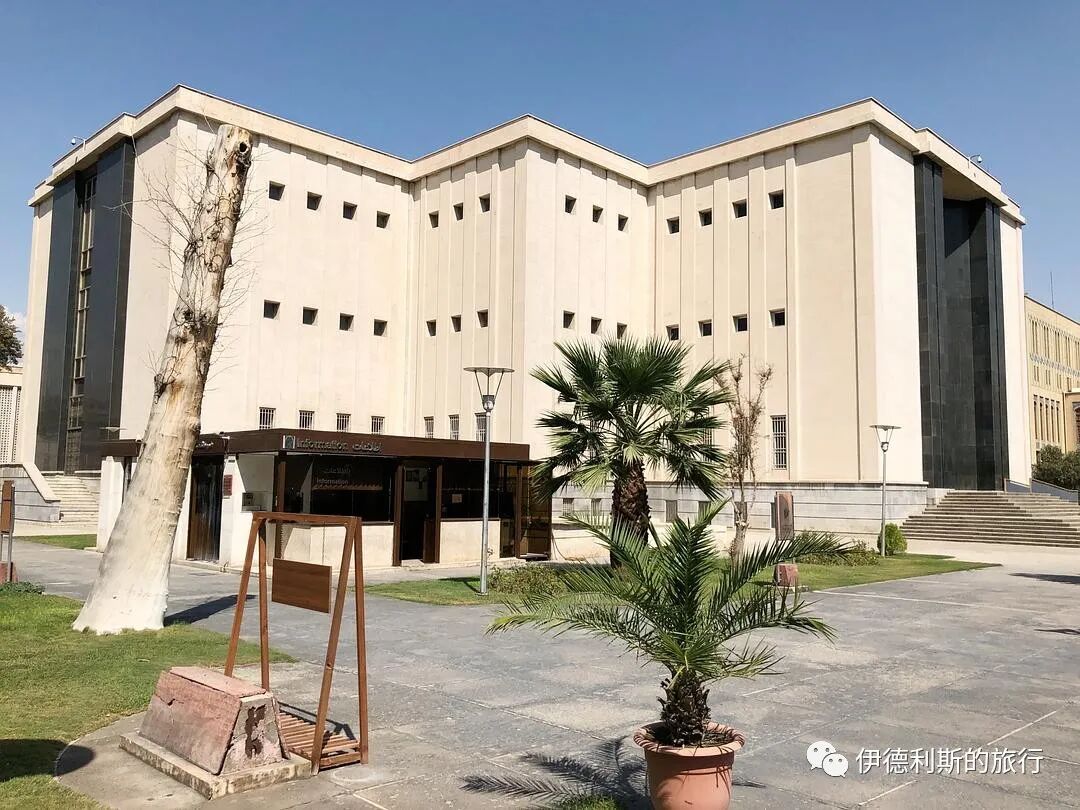
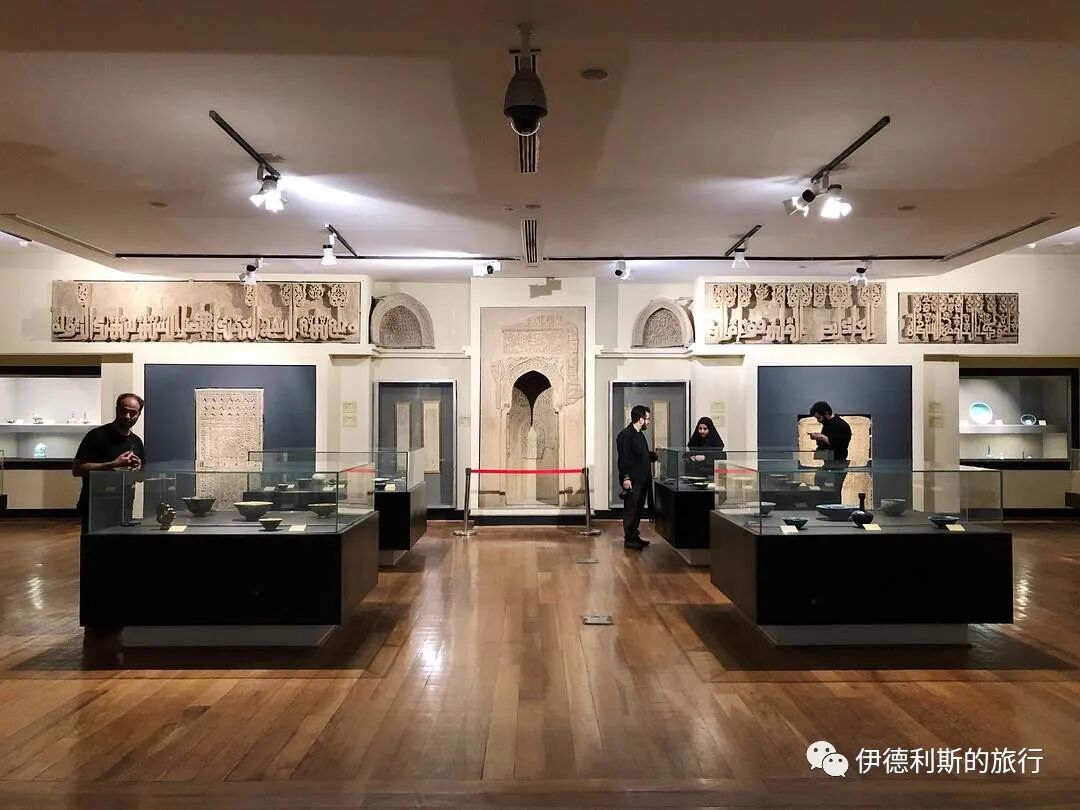
The National Museum of Iran is divided into two parts: the Museum of Ancient Iran, built in 1937, and the Museum of the Islamic Era, built in 1972. The Museum of the Islamic Era displays important artifacts from various Islamic dynasties in Iran over the past thousand years, organized chronologically.
Mihrab prayer niche
Mosaic tile mihrab
A mosaic tile mihrab from 1641, from the holy city of Mashhad during the Safavid dynasty, featuring Thuluth calligraphy.
Stucco mihrab
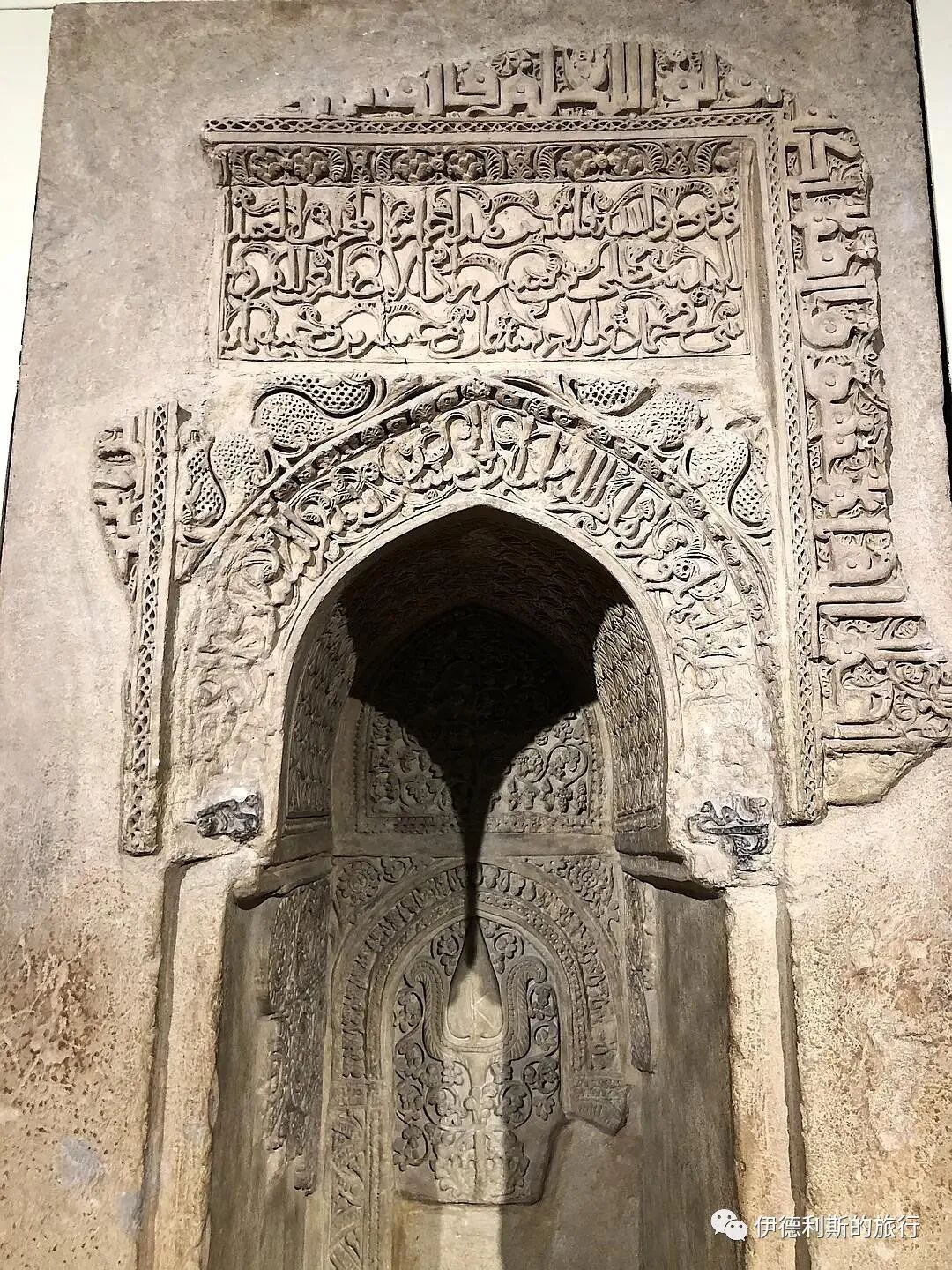
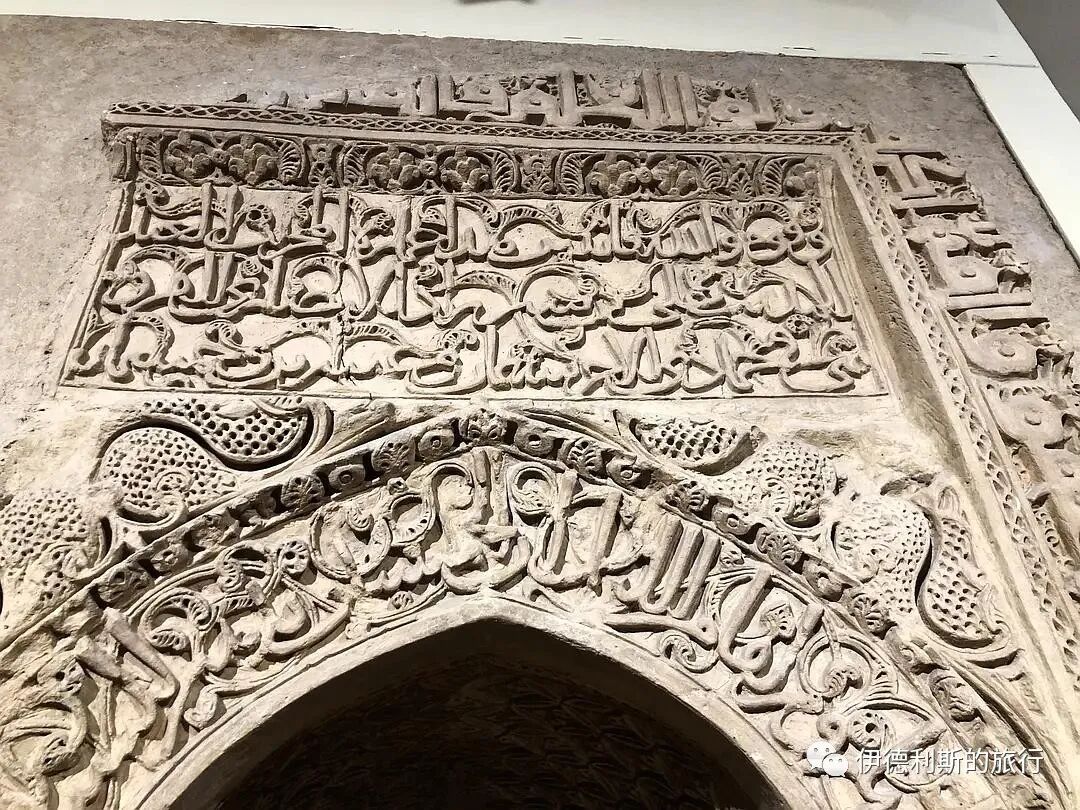
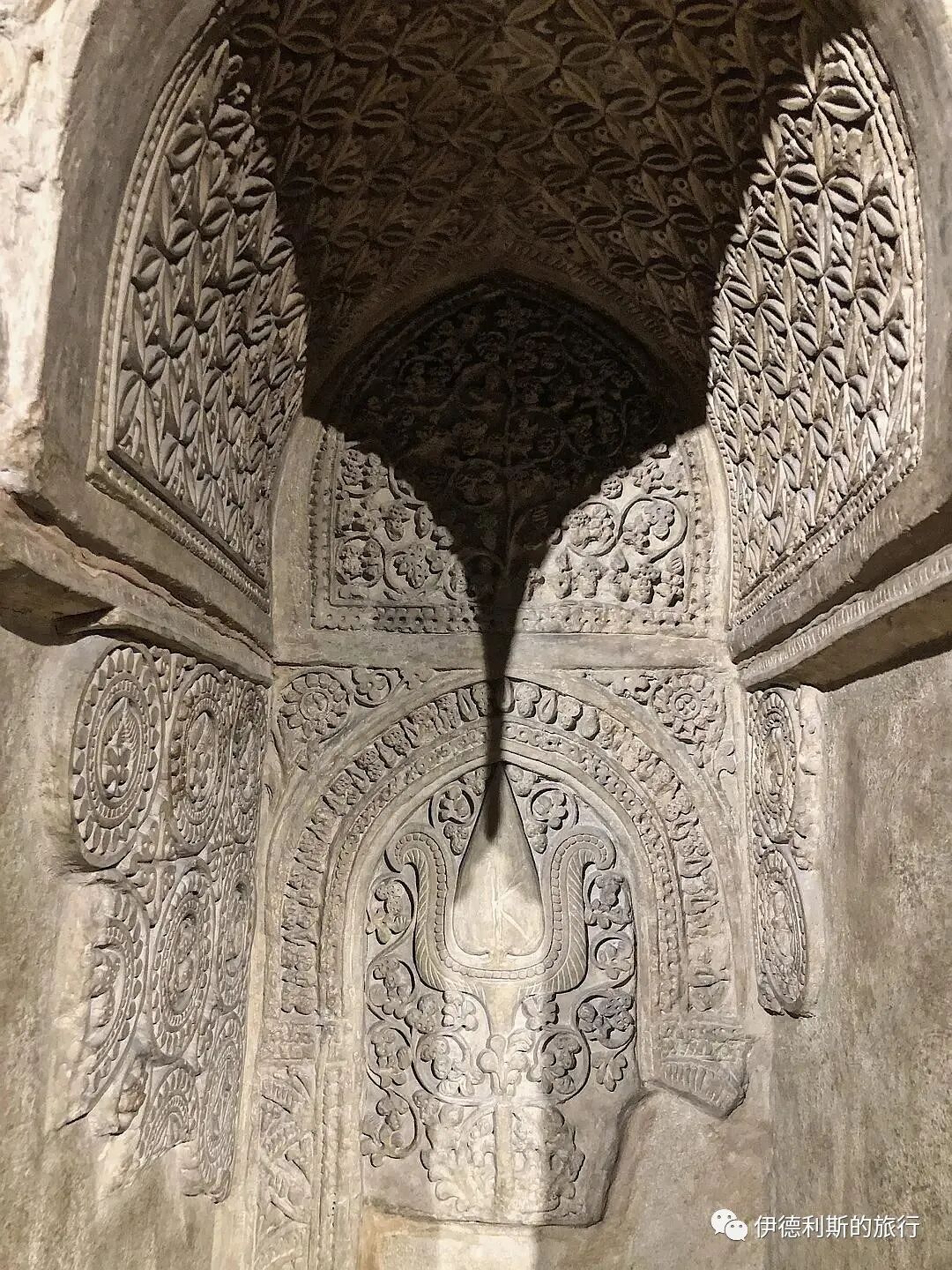
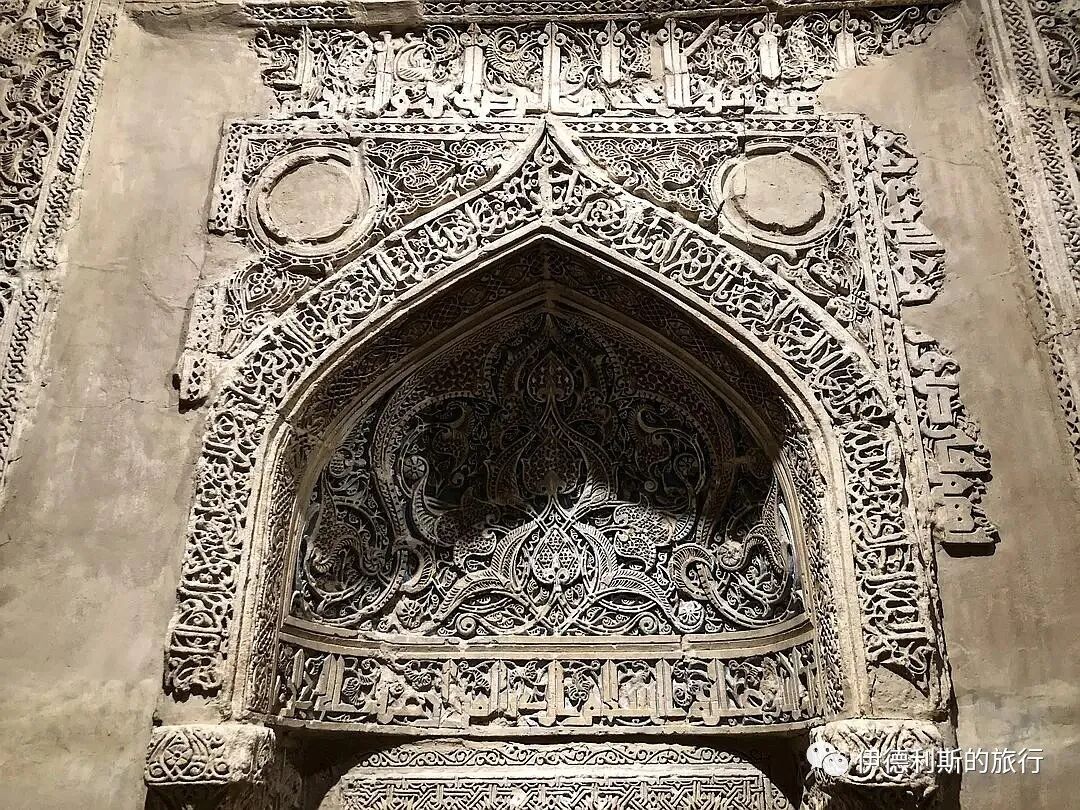
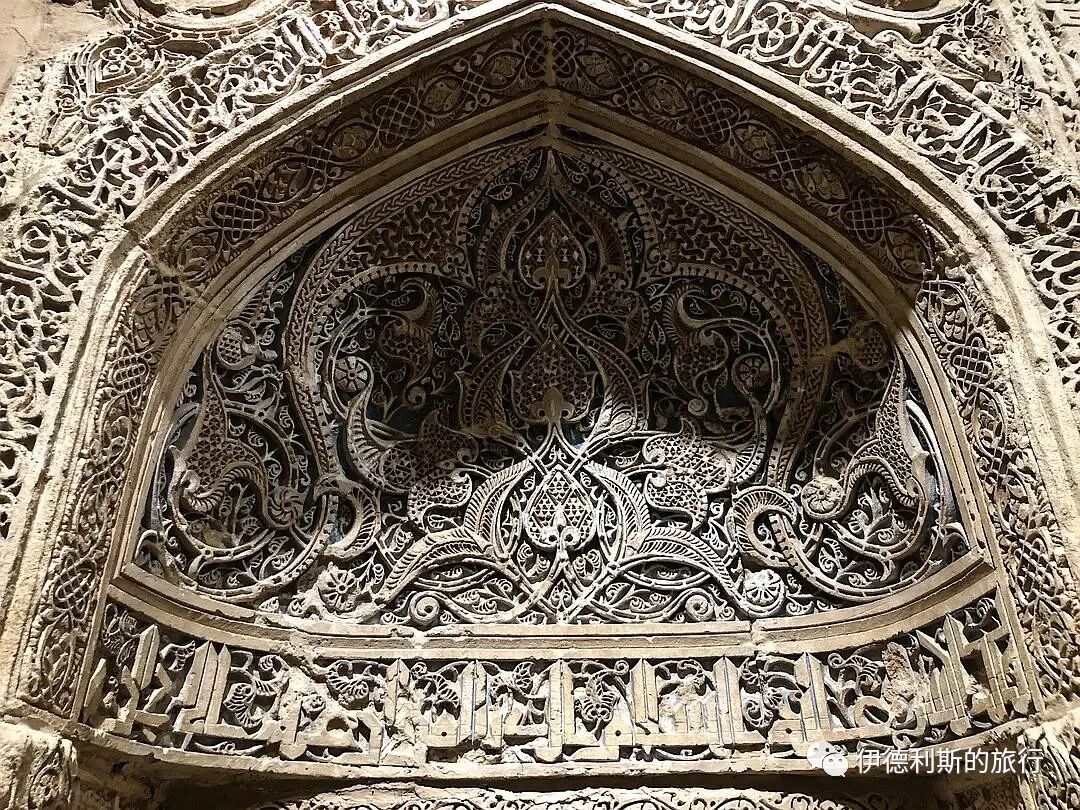
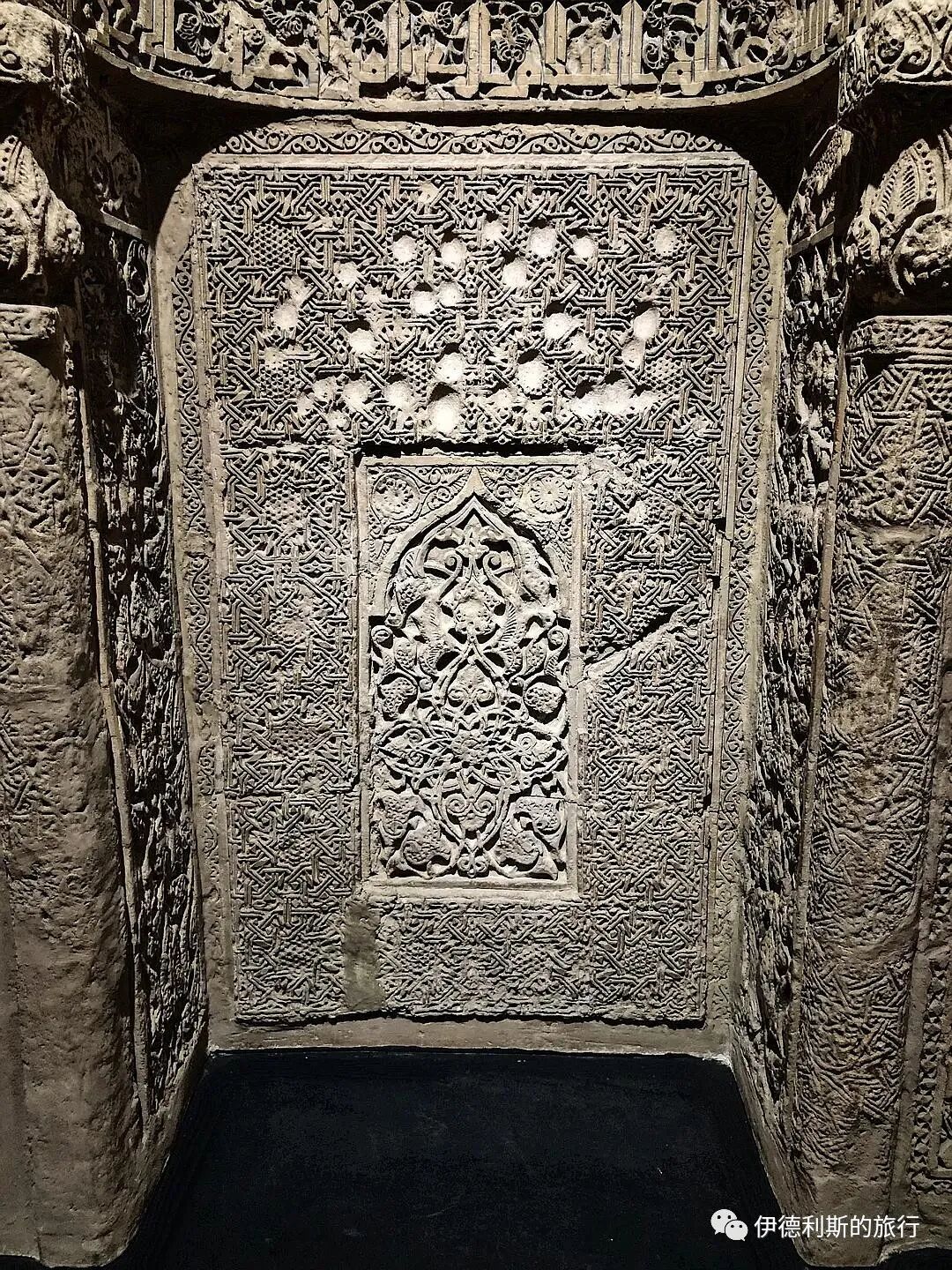
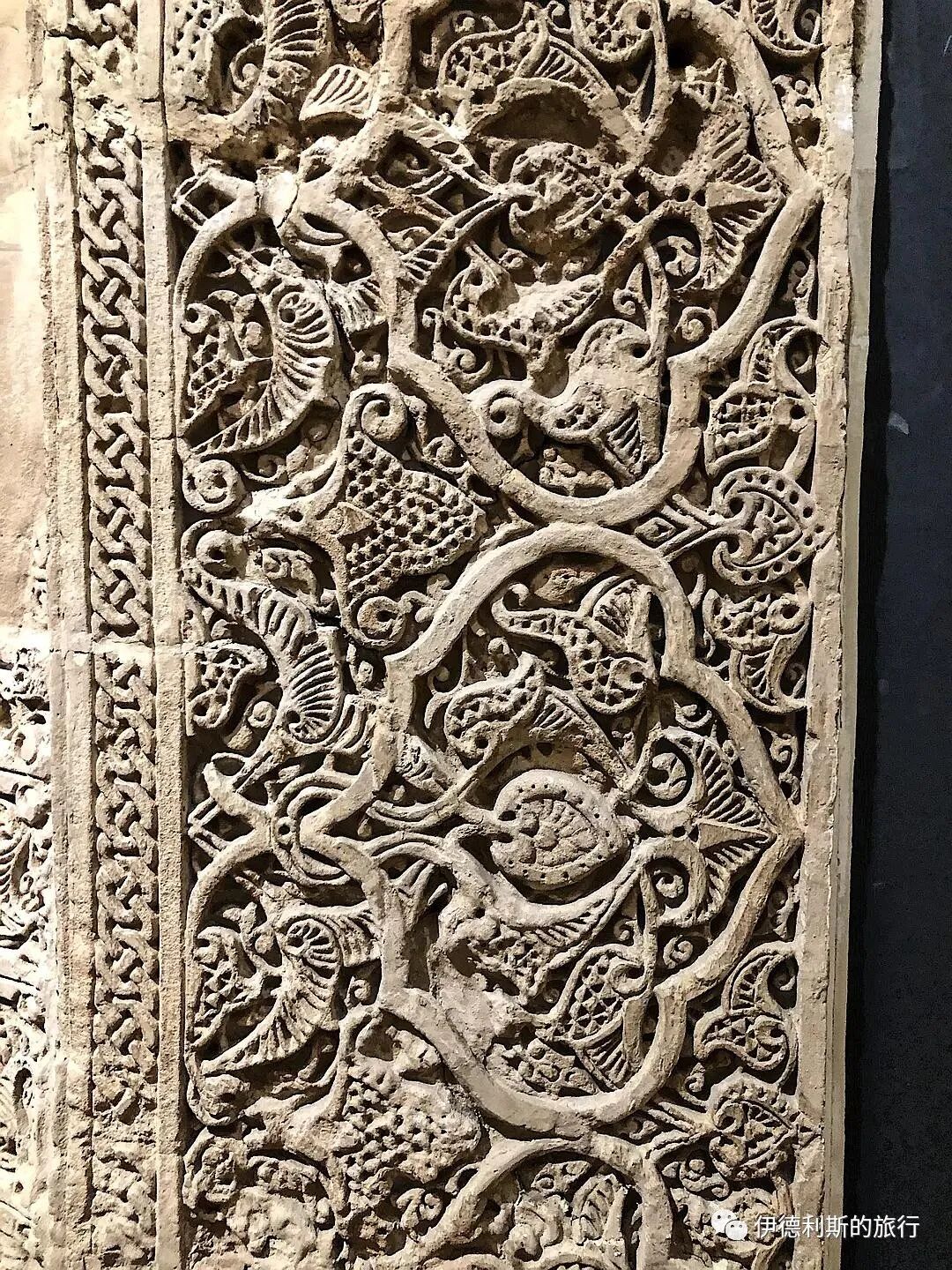
A mihrab from 1133, from the Karrar shrine in the city of Bouzun, Isfahan province, during the Seljuk Empire. It was made by Ali ibn-e Shirzad Ansari al-Qazvini and features Thuluth, Kufic, and Reqa scripts.
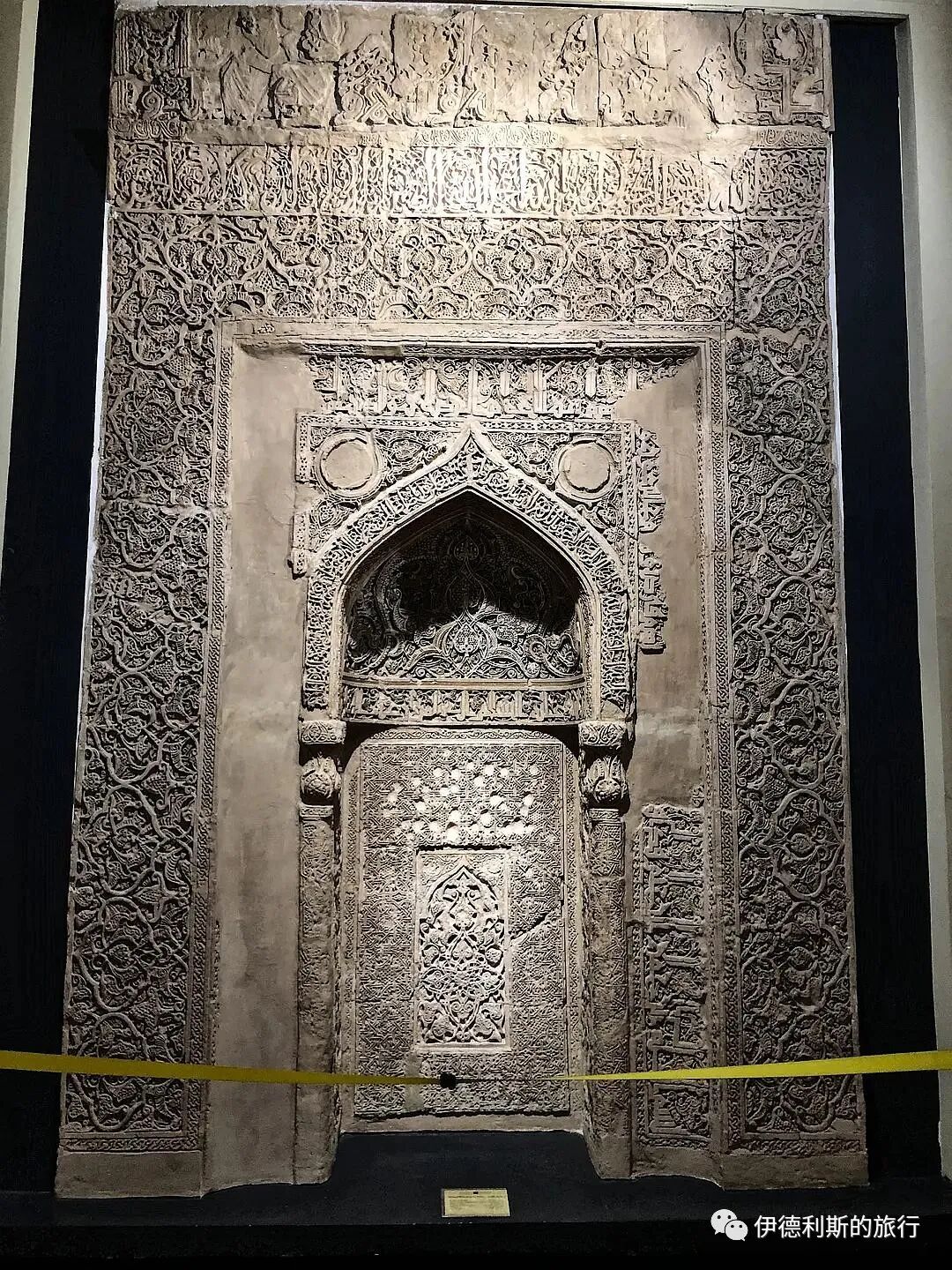
A mihrab from 1308, from the Rabi' Khatoon shrine in the city of Oshtorjan, Isfahan province, during the Ilkhanate period, made by Masoud Kermani. It features Kufic and Thuluth calligraphy.
Lustreware mihrab
A lustreware mihrab from 1271, from the tomb of Habib ibn-e Musa in Kashan, Isfahan, during the Ilkhanate period, featuring Thuluth calligraphy.
A lustreware mihrab from the early 14th century, from the tomb of Hares Ibn-e Ahmad Ibn-e Zein 'Abedin in the city of Qom during the Ilkhanate period, featuring Thuluth calligraphy.
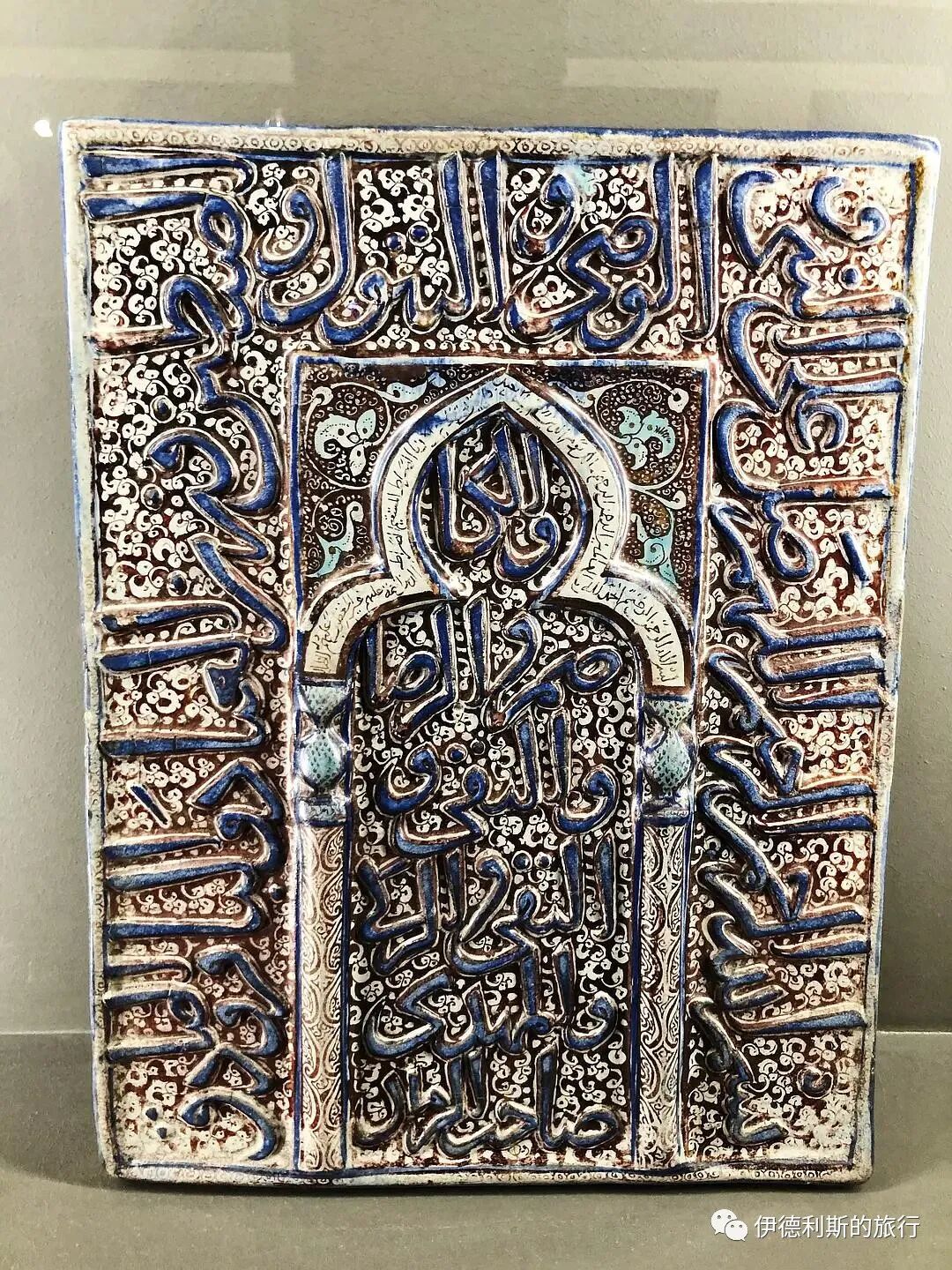
A 14th-century Ilkhanate period lustreware mihrab featuring Naskh calligraphy.
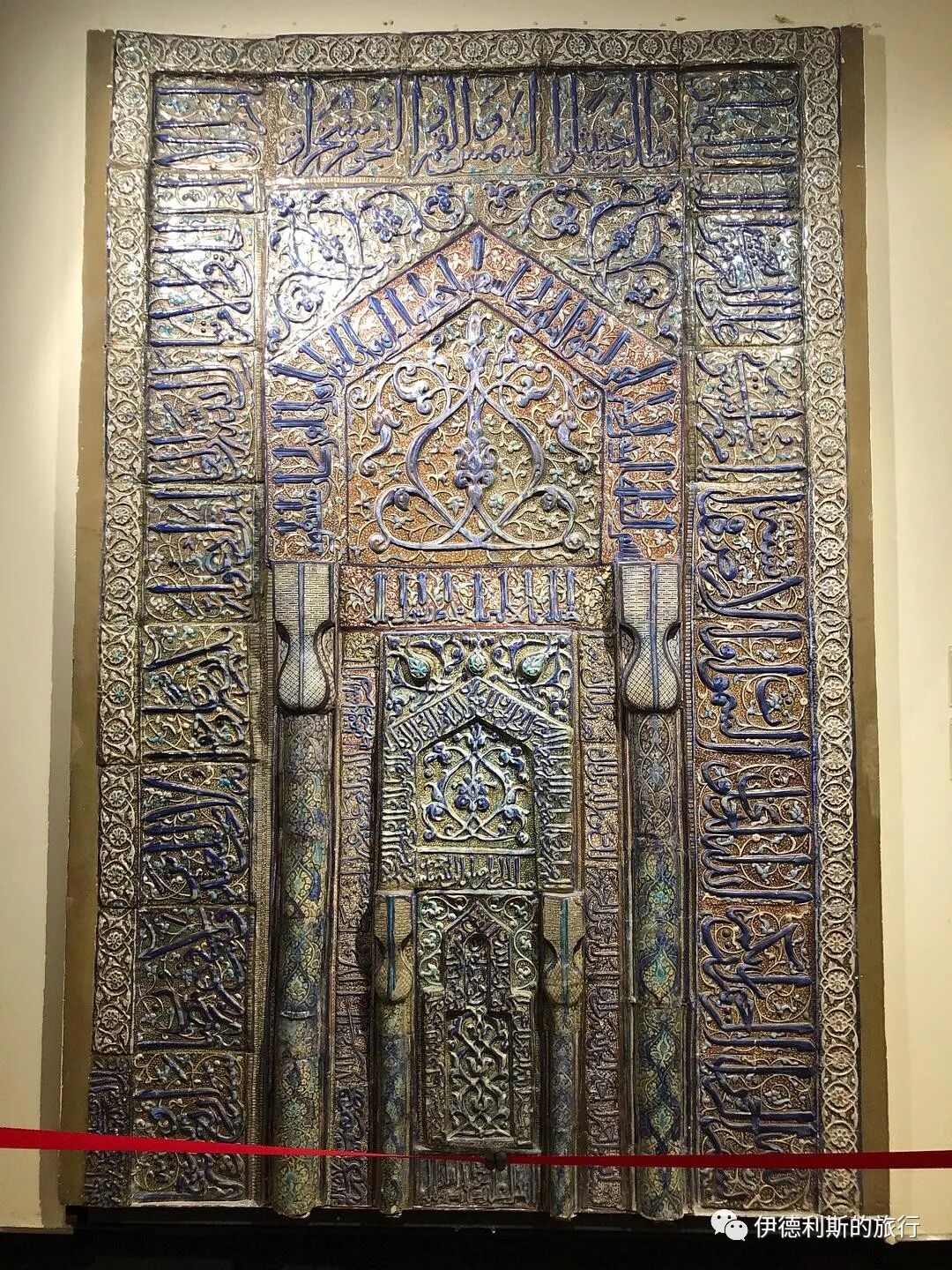
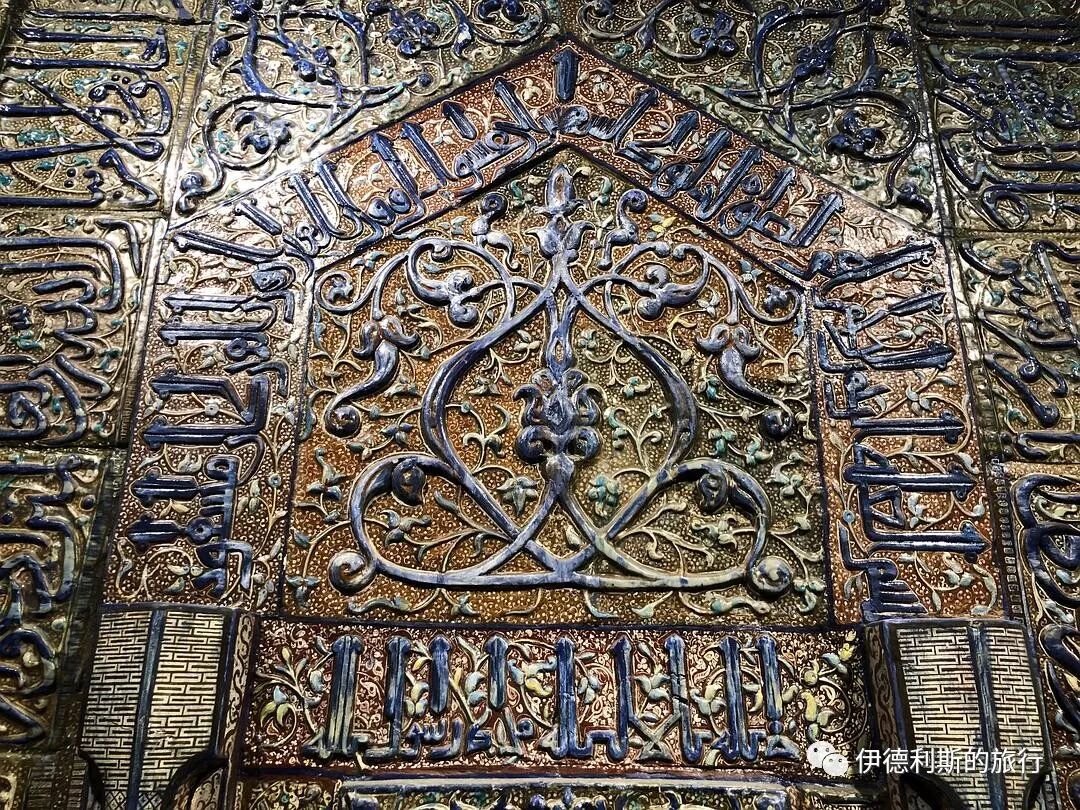
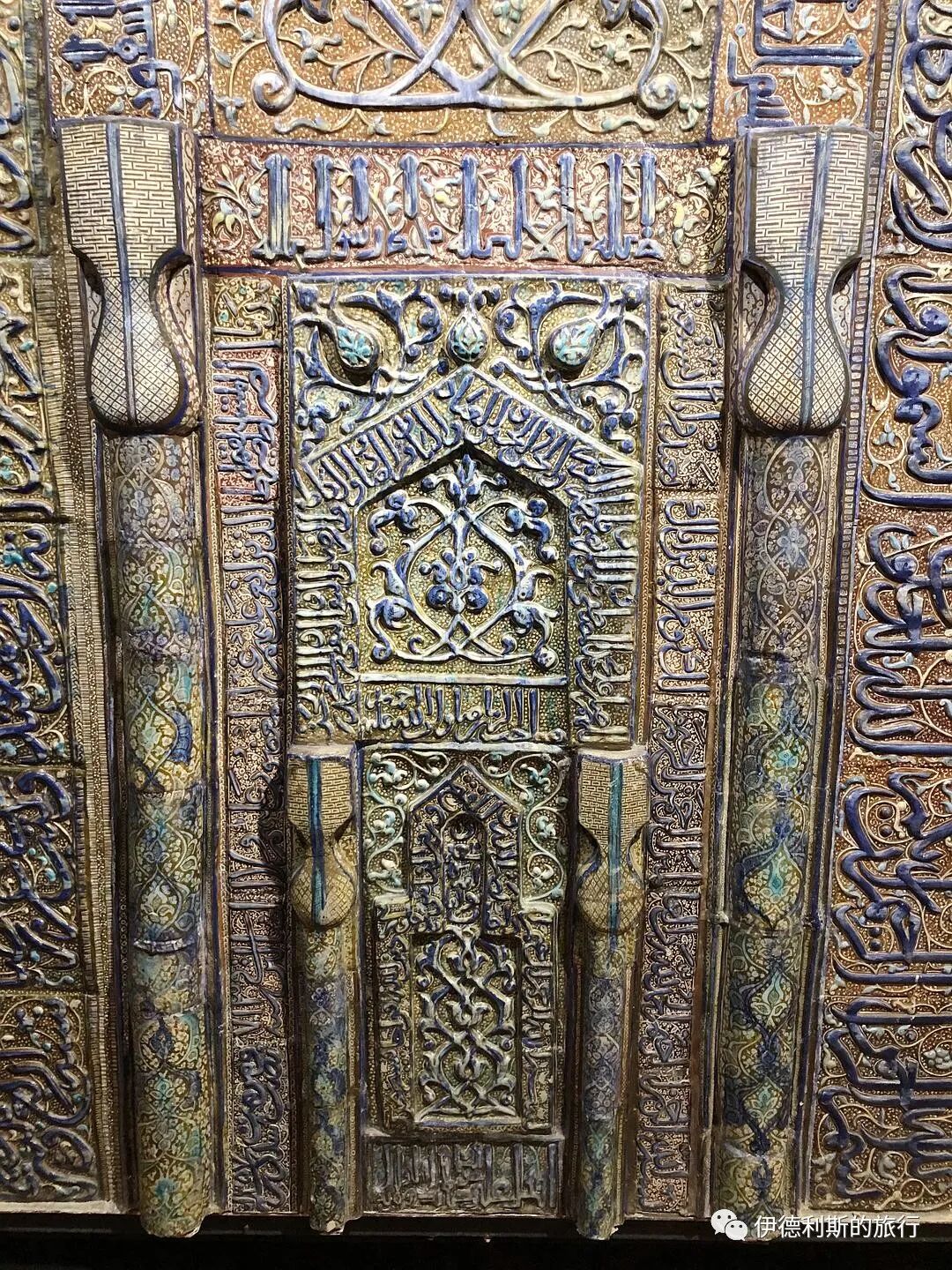
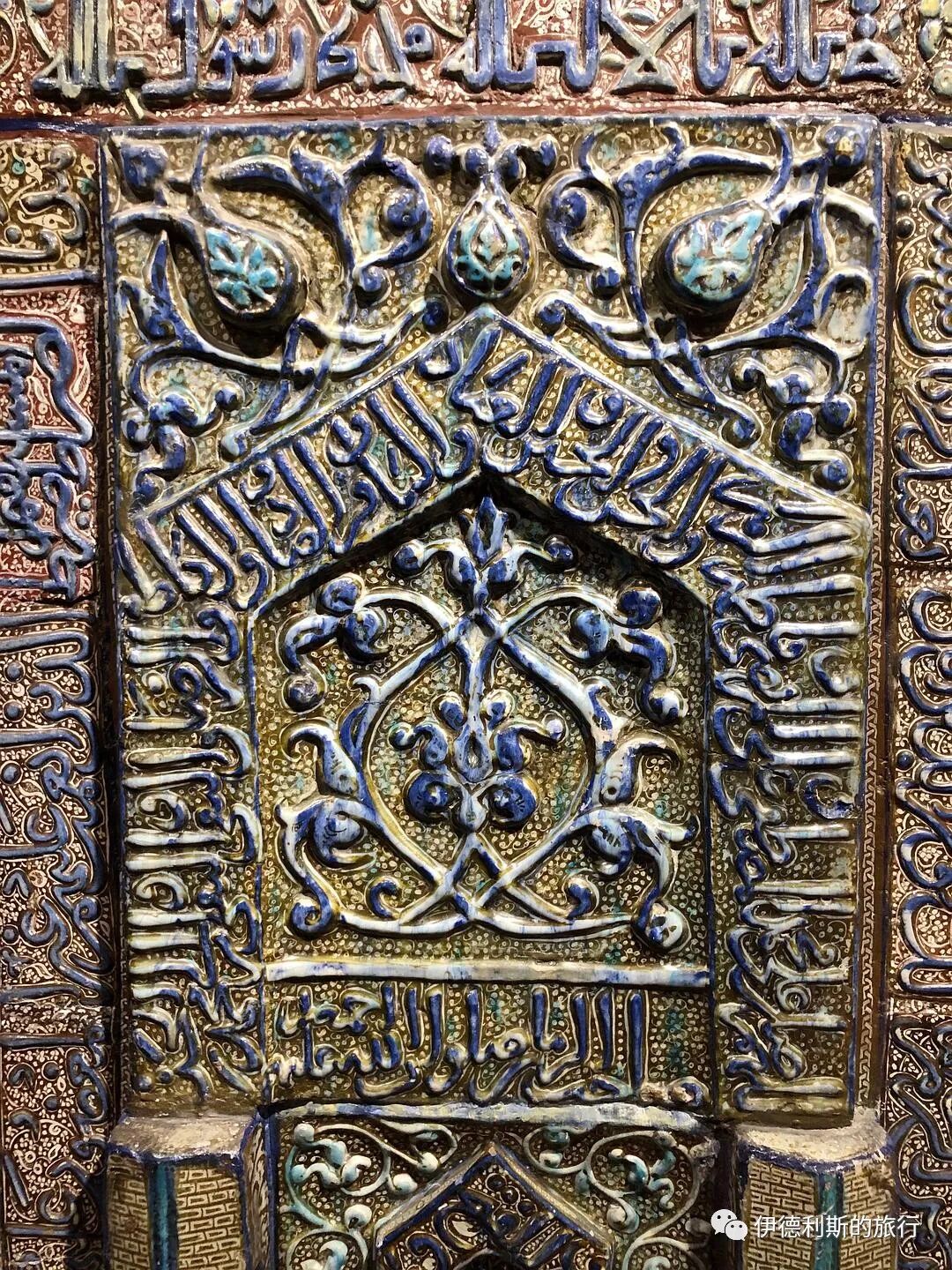
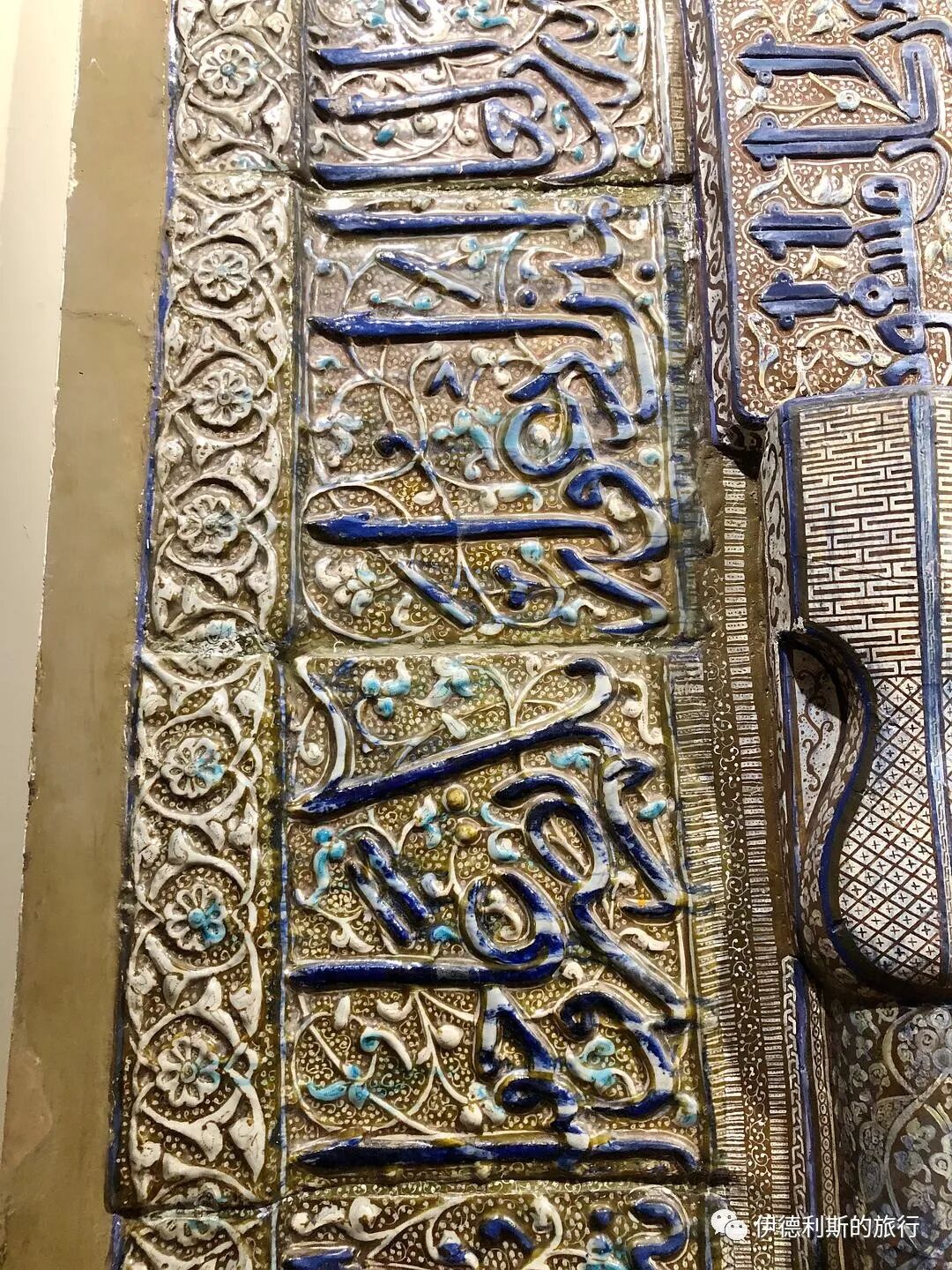
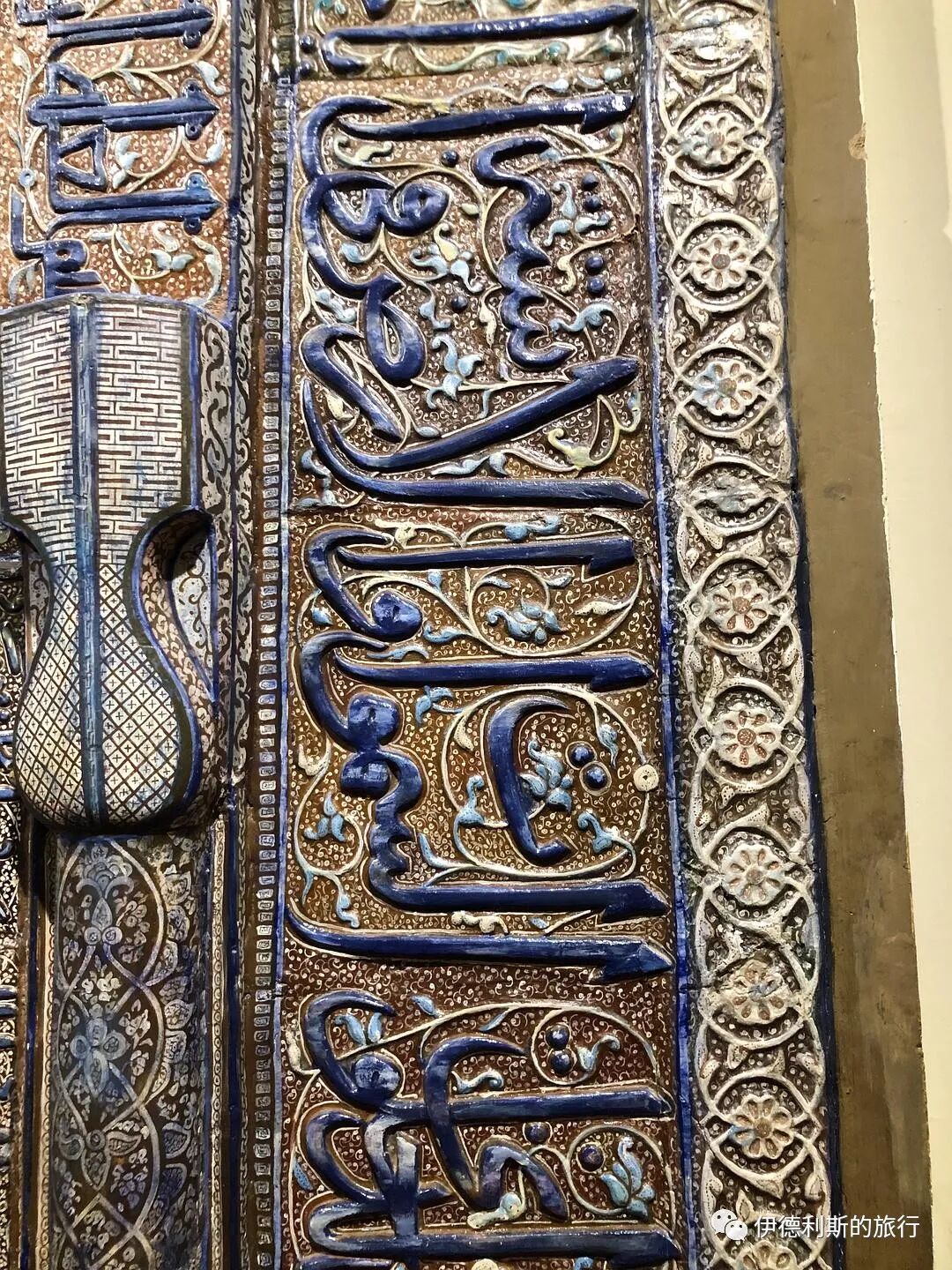
A 1333 lustreware mihrab from the Ali ibn-e Jafar shrine in the city of Qom, also known as the Gate of Paradise (Dar-e-Behesht), featuring Kufic, Naskh, and Thuluth calligraphy.
Stone mihrab
An 11th-century stone mihrab from the city of Meymeh, Isfahan province, featuring Kufic calligraphy.
A 17th-century Safavid dynasty mihrab from the Ganj mosque in Kerman, featuring Thuluth calligraphy. The Ganjali Khan complex was built between 1596 and 1631 by Ganj Ali Khan, who ruled Kerman at the time; the architect was Mohammad Soltani from Yazd.
A 16th-century Timurid dynasty mihrab from the Jameh Mosque of Abarkuh, with Thuluth calligraphy on three sides and Kufic calligraphy on the two corners. Furthermore, the mihrab features two unique and beautiful marble columns on either side, which also bear Kufic calligraphy. Abarkuh is located in Yazd province, and its Timurid-era Jameh Mosque is situated in the city center square.
A 15th-century Timurid dynasty marble mihrab featuring Thuluth and Kufic calligraphy.
A 1413 Timurid dynasty marble mihrab featuring Thuluth calligraphy.
Brickwork art
11th-century brick Kufic inscriptions from the Nezamiyyeh School in Khargerd, Khaf city, Razavi Khorasan province, northeastern Iran. Khaf is a historic city near the Iran-Afghanistan border, home to numerous ancient monuments.
A 1148 brick Kufic inscription, possibly from the Joneyd shrine in the village of Turan Posht. Turan Posht is one of the oldest villages in Yazd province, home to the Sheikh Joneyd and Chehel Dokhtaran domed shrines, known for their exquisite Kufic calligraphy.
Wood carving art
10th-century Kufic wood carving from the city of Qom.
An 11th-century wooden door from the city of Behbahan, Khuzestan province, southwestern Iran, featuring Kufic and Naskh wood carvings.
A 1341 wooden door from Fars province, southern Iran.
Ilkhanate tiles
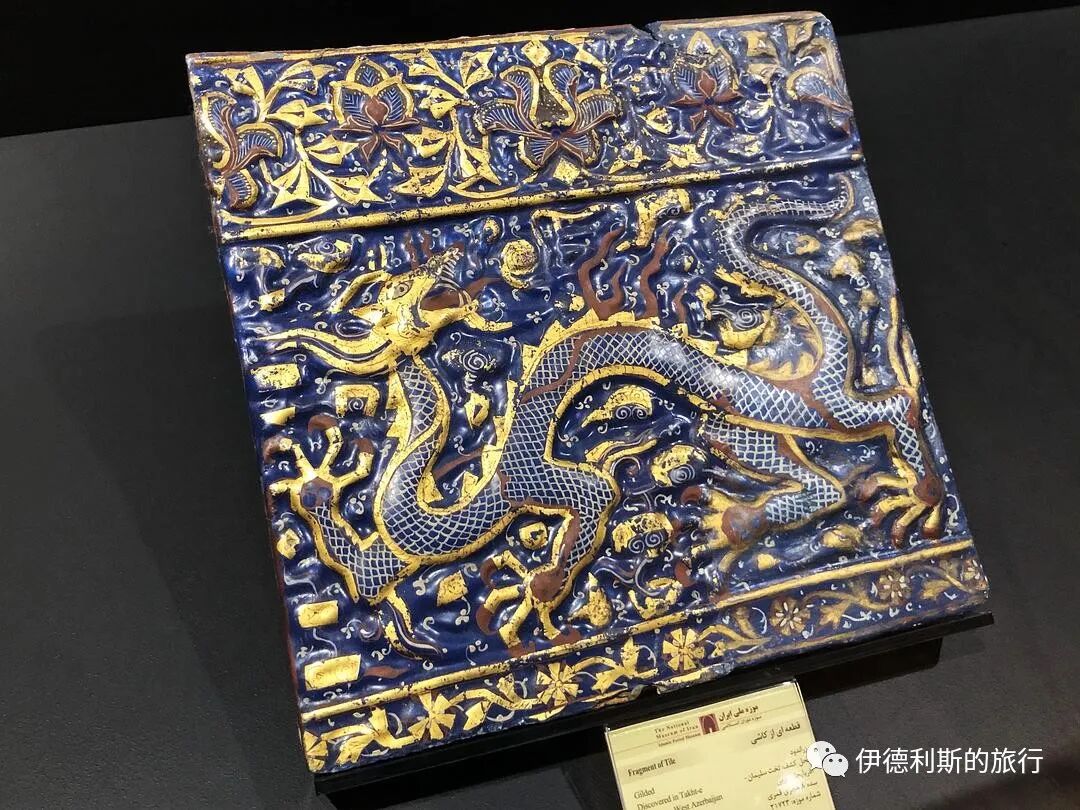
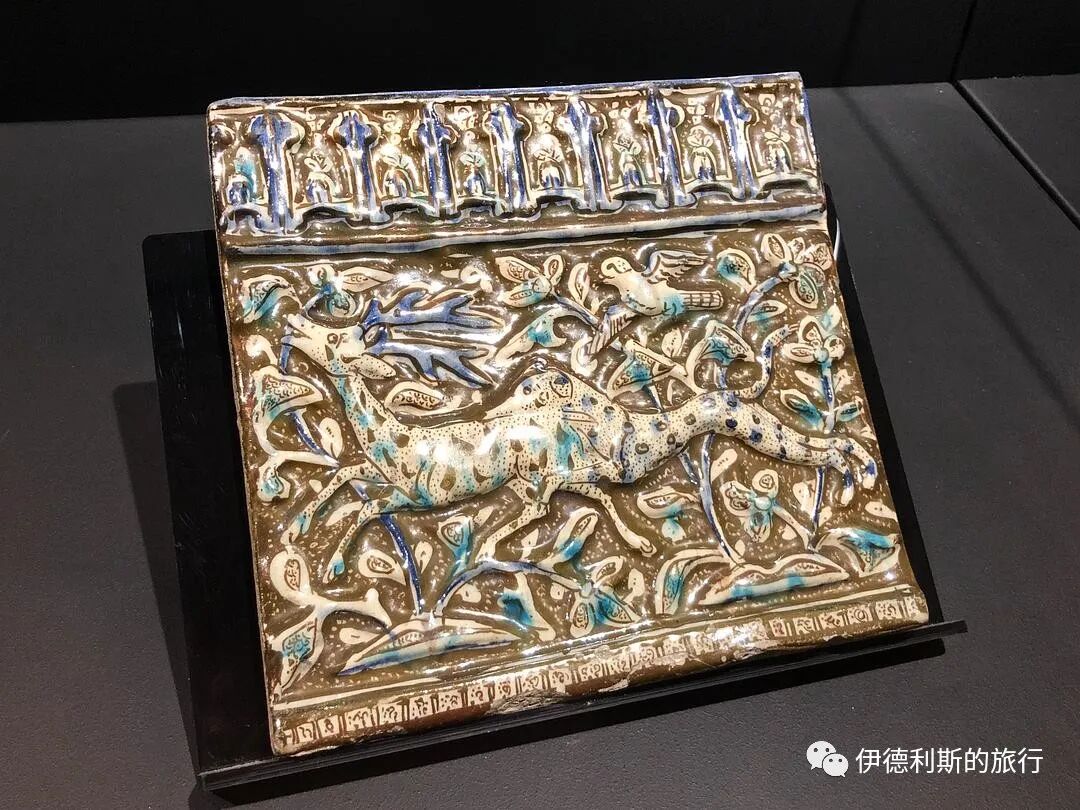
14th-century Ilkhanate tiles unearthed at the Takht-e Soleymān site in West Azerbaijan province. The Takht-e Soleymān site is a World Heritage site; it was originally an important Zoroastrian temple during the 5th-century Sassanid dynasty and was rebuilt in the 13th century as a summer palace for the Ilkhanate. Here, the Ilkhanate blended Eastern art with Iranian art, developing a unique Ilkhanate artistic style.
Takht-e Soleymān is the only surviving secular complex of the Ilkhanate. The walls of the Great Khan's palace are decorated with exquisite tiles, serving as a direct reflection of the cultural and artistic exchange between China and Iran in the 14th century. The tiles depict various floral, animal, and human motifs, with themes covering Buddhism, Chinese mythology, pre-Islamic Iran, as well as the Islamic Quran and Shia traditions, showcasing a fusion of multiple cultures. Some of the tiles feature themes from the famous Iranian epic, the Shahnameh, which also reflects the integration of the Ilkhanate into Iranian culture at the time.
13th-14th century Ilkhanate period tiles from the city of Saveh, Markazi province. Saveh was an important city during the Parthian Empire; it was later destroyed by the Mongol army and rebuilt during the Ilkhanate period.
13th-century Gorgan, located on the Caspian coast. Gorgan was an important city during the Sassanid Empire and remained a center for Zoroastrianism after the 8th century. Old Gorgan was destroyed by the Mongols, and the city was relocated to a new site during the Ilkhanate period.
13th-14th century Ilkhanate period tiles from Kashan, Isfahan province. During the Seljuk Empire and Ilkhanate rule from the 12th to the 14th century, Kashan was an important center for the production of high-quality pottery and tiles in Iran. In modern Persian, the word for tile (kashi) is derived from Kashan.
Artifacts from Nishapur, 9th to 11th century.
Nishapur is located on the ancient Silk Road in northeastern Iran and was once one of the four major cities of the Greater Khorasan region. In the 9th century AD, Nishapur became the capital of the Persian Tahirid dynasty. Under the rule of the Persian Samanid dynasty in the 10th century, Nishapur developed into an important cultural and commercial center of the Islamic world, continuing through the 11th-century Seljuk dynasty. Between the 9th and 11th centuries, various cultures and religions converged in Nishapur, where trade routes from Central Asia, China, Iraq, and Egypt intersected. The glazed pottery produced in Nishapur at that time became an important trade commodity in the West, once rivaling Baghdad and Cairo.
In 1221, Nishapur was massacred by the Mongols and subsequently completely destroyed; the former metropolis was buried deep underground. It was not until archaeological excavations by the Metropolitan Museum of Art in New York between 1935 and 1940 that countless artifacts and ruins were discovered beneath the farmland. Today, most of the excavated Nishapur artifacts are preserved in the Metropolitan Museum of Art, as well as in museums in Tehran and Mashhad.
According to historical records, Nishapur had at least 38 madrasas before the 11th century. Before the archaeological excavations, no ruins were visible except for a mound in the farmland. Archaeological excavations identified six layers of the Tappeh Madreseh site dating from the 9th to the 13th century; although signs of destruction and subsequent restoration or reconstruction were found in each layer, they maintained a relatively consistent overall layout.
The lowest layer of the madrasa dates back to the 9th century and is believed to have been built by the Tahirid ruler Abdallah ibn Tahir (reigned 828-845). The early spaces were large, but were further subdivided during the Samanid dynasty in the 10th century and the Seljuk dynasty in the 11th century. Overall, however, the madrasa featured a square courtyard in the center, surrounded by more than 20 rooms on three sides, with rectangular colonnades.
9th-century colored plaster murals unearthed at the Tappeh Madreseh site.
9th-century plaster hunting murals unearthed at the Tappeh Takestan site in Nishapur.
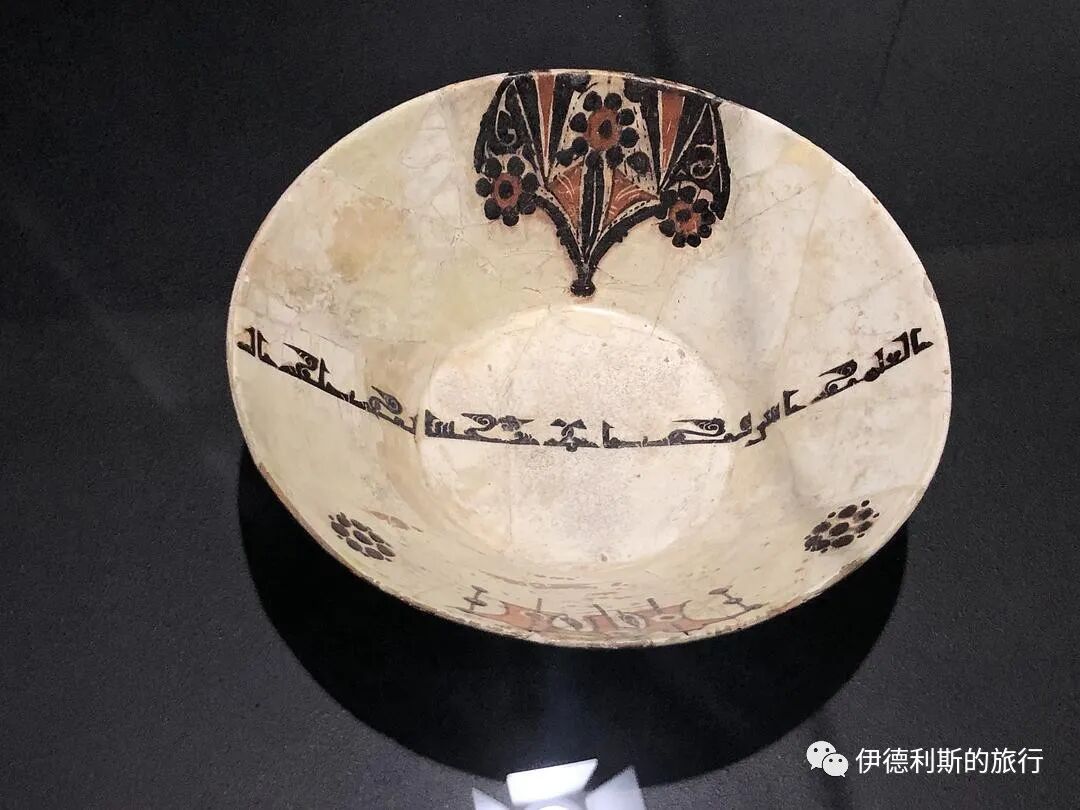
9th-10th century pottery with Kufic calligraphy.
Artifacts unearthed from the ancient city of Ray.
Ray is located in the southern suburbs of Tehran and is an important ancient city in northern Iran, referred to as 'Layi' in books such as the History of Yuan. The history of the ancient city of Ray is very old, mentioned in both the Zoroastrian Avesta and the Christian Bible.
In the 640s AD, the Sassanid dynasty used the ancient city of Ray as a base to resist the Arab invasion, but ultimately failed, and Ray came under the rule of the Arab Empire. In the 9th century AD, the Shah Abdol-Azim shrine was built in Ray, becoming an important religious site in Iran.
In 1043, the founder of the Seljuk Empire, Tuğrul Beg, made Ray the capital of the empire and carried out large-scale reconstruction of the ancient city. Under the rule of the Seljuk Empire, Ray reached its peak, with a massive bazaar and very prosperous commerce. Import and export trade, primarily in silk, connected the entire Eurasian continent. Ray was the center of painted pottery production in Iran at the time, and Ray-style painted pottery was an important handicraft of this period.
In 1220, the Mongol army invaded Ray, which was under the rule of the Khwarazmian Empire. Due to the lack of fierce resistance, the Mongols did not massacre the city. Nevertheless, the residents of the city gradually left, and the center of pottery production shifted to the southern city of Kashan. After this, Ray became a ghost town, but its sturdy walls still allowed it to be used as a military fortress during wars. It was not until the construction of the walls of Tehran in the 16th century that Ray was finally abandoned.
8th-9th century dado, located on the lower part of interior walls, serving both to protect the wall and as decoration.
11th-century Seljuk Empire period mihrab.
11th-century Seljuk Empire period circular stucco decoration with Kufic calligraphy.
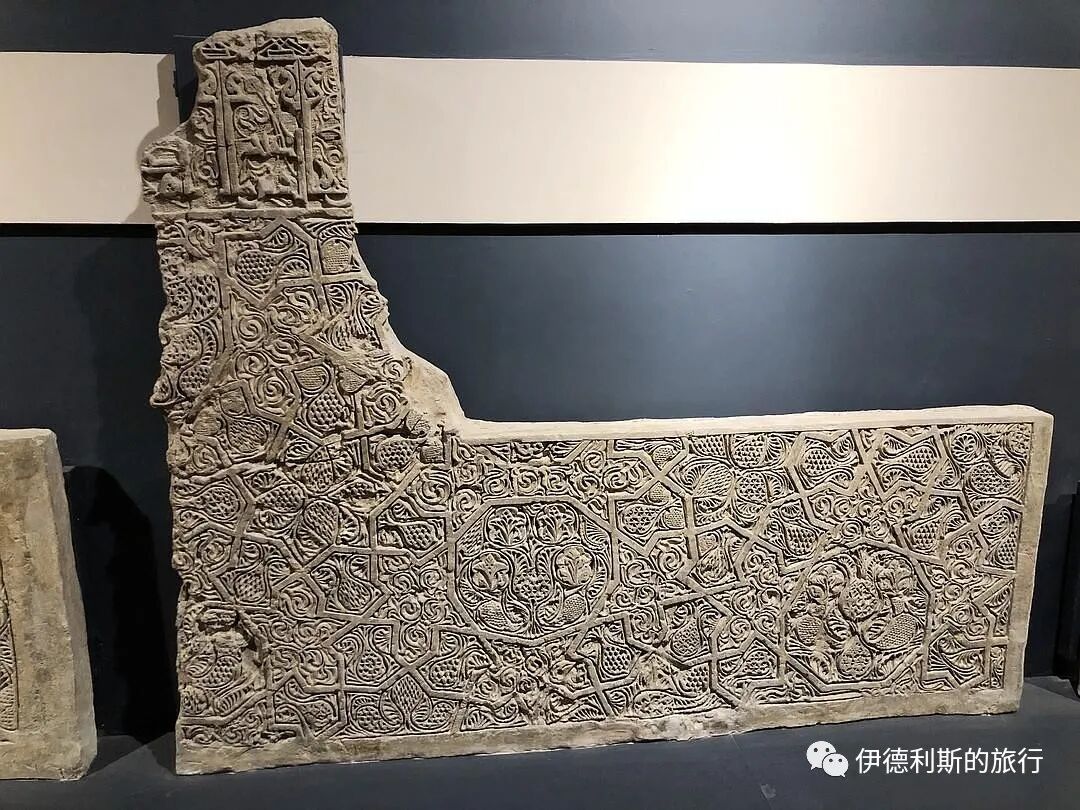
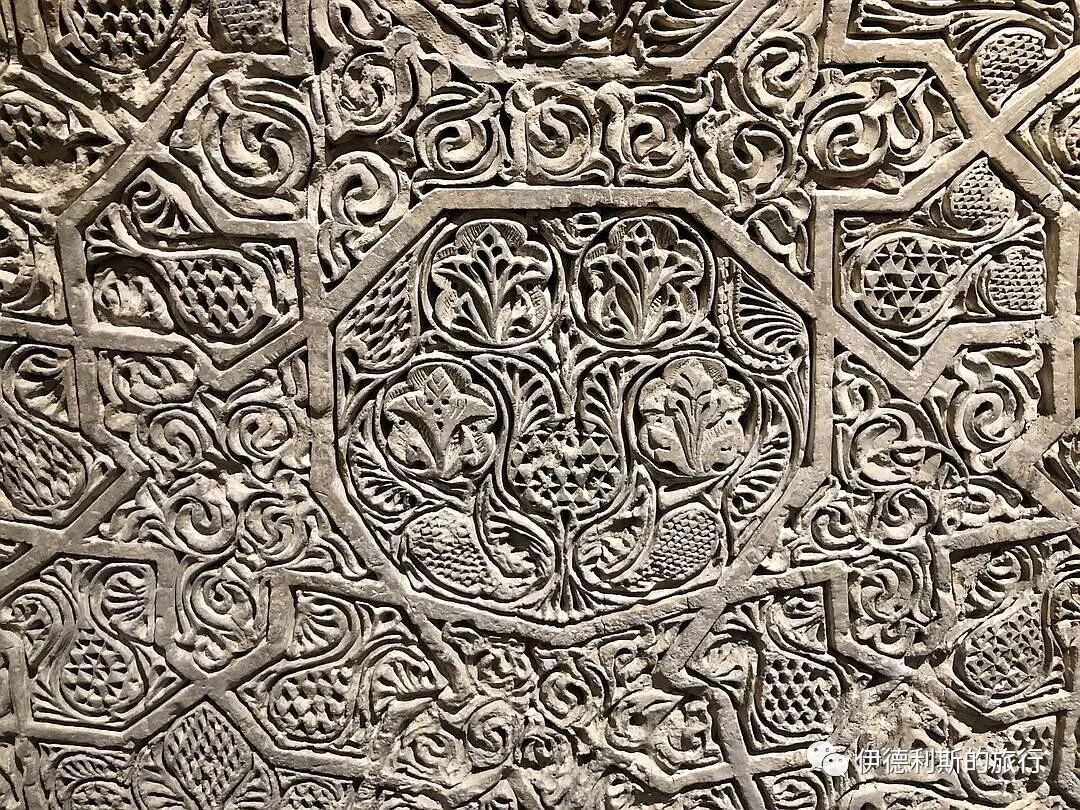
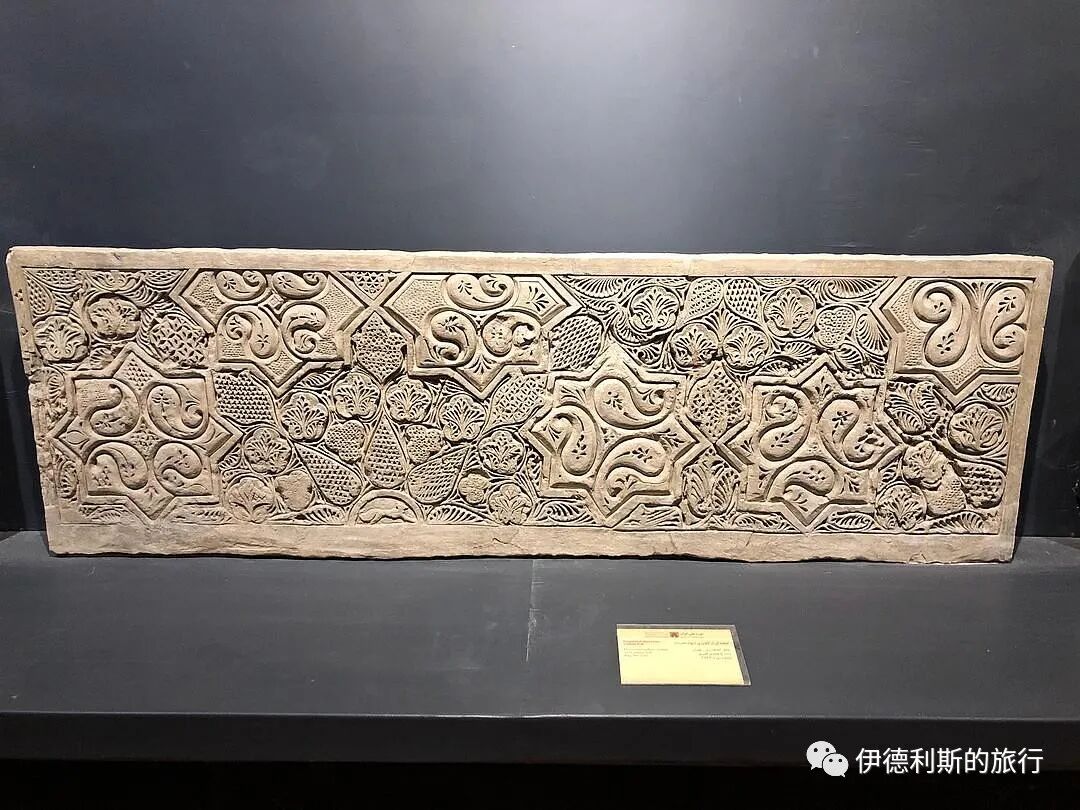
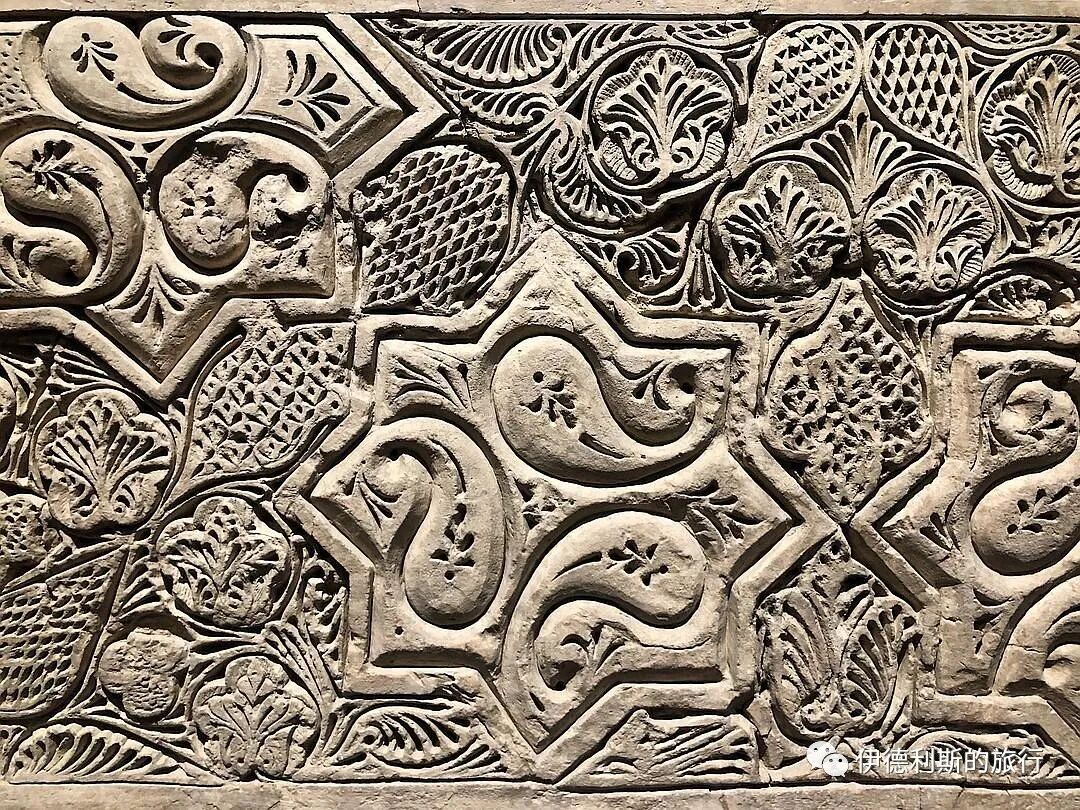
A fragment of a stucco wall from an 11th-century Seljuk Empire school.
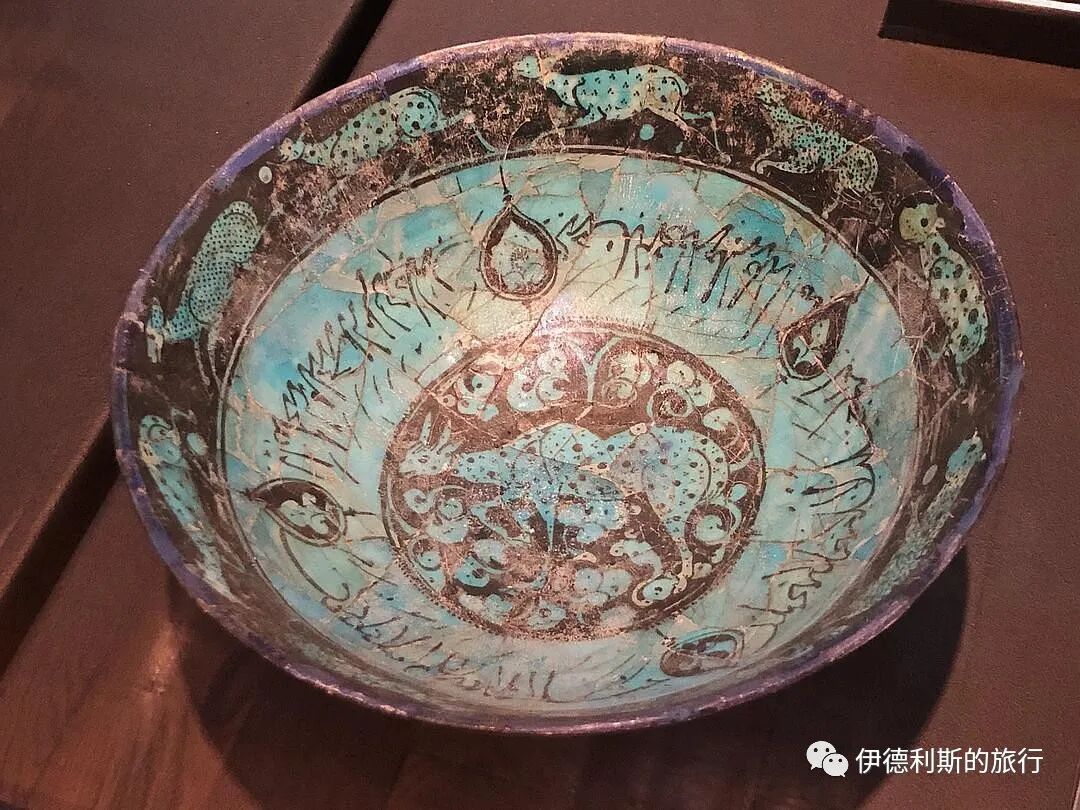
12th-13th century pottery bowl with typical Seljuk style and overglaze Kufic calligraphy.
12th-13th century pottery bowl with transparent glaze and Taʿlīq Persian calligraphy.
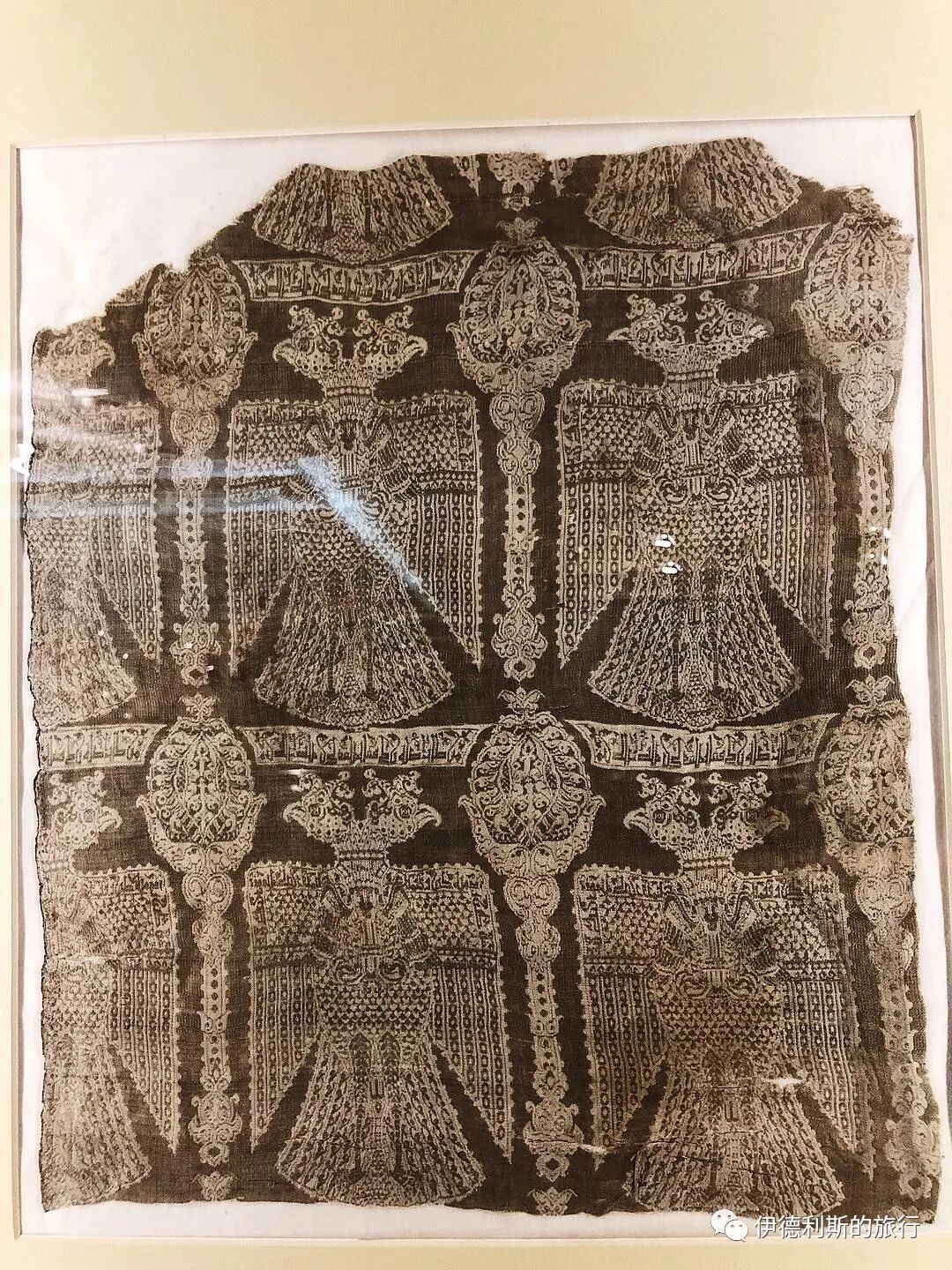
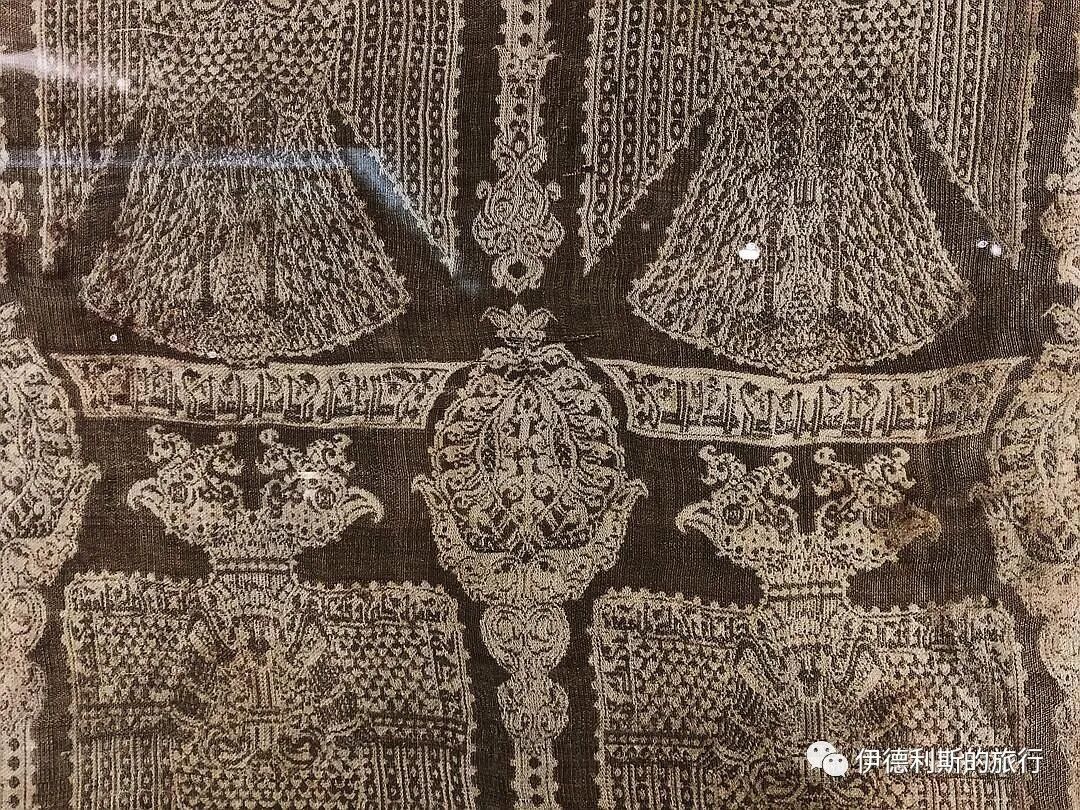
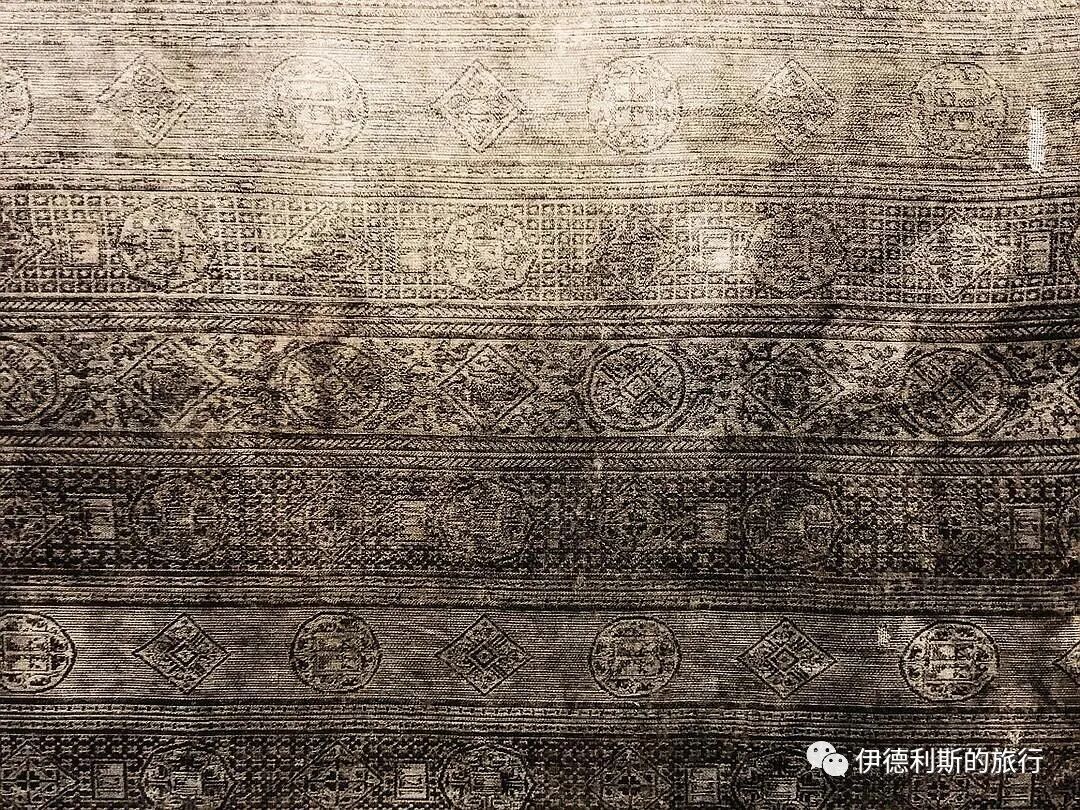
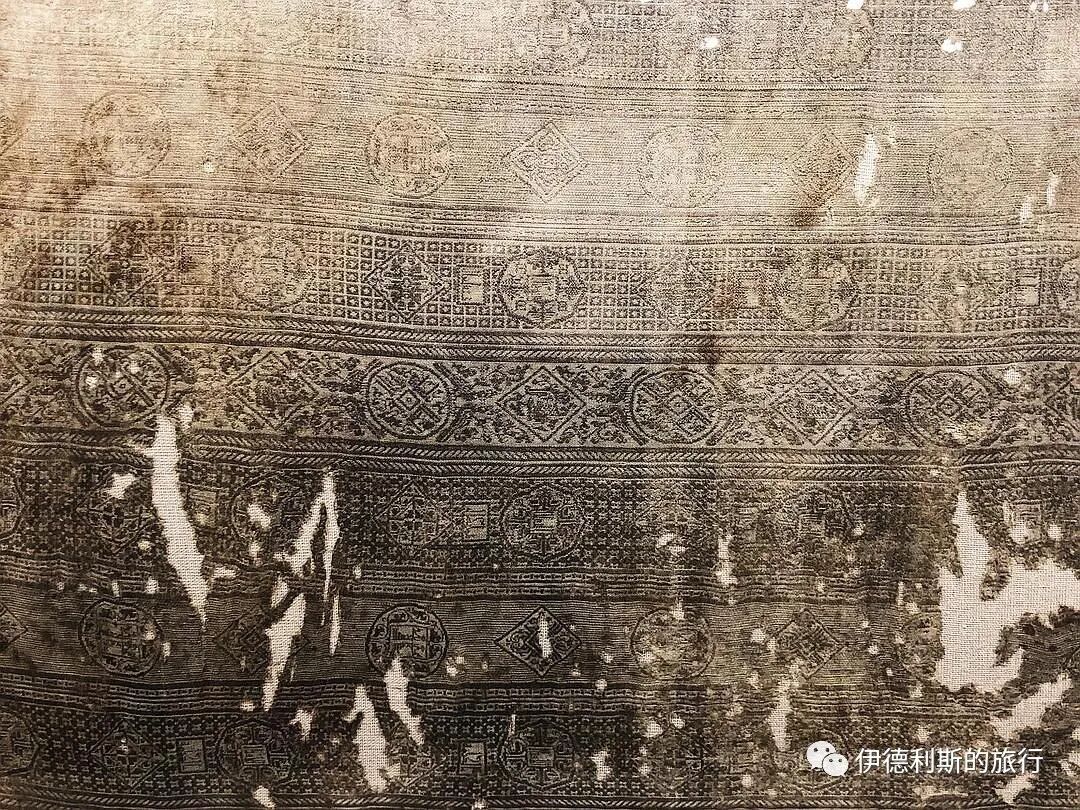
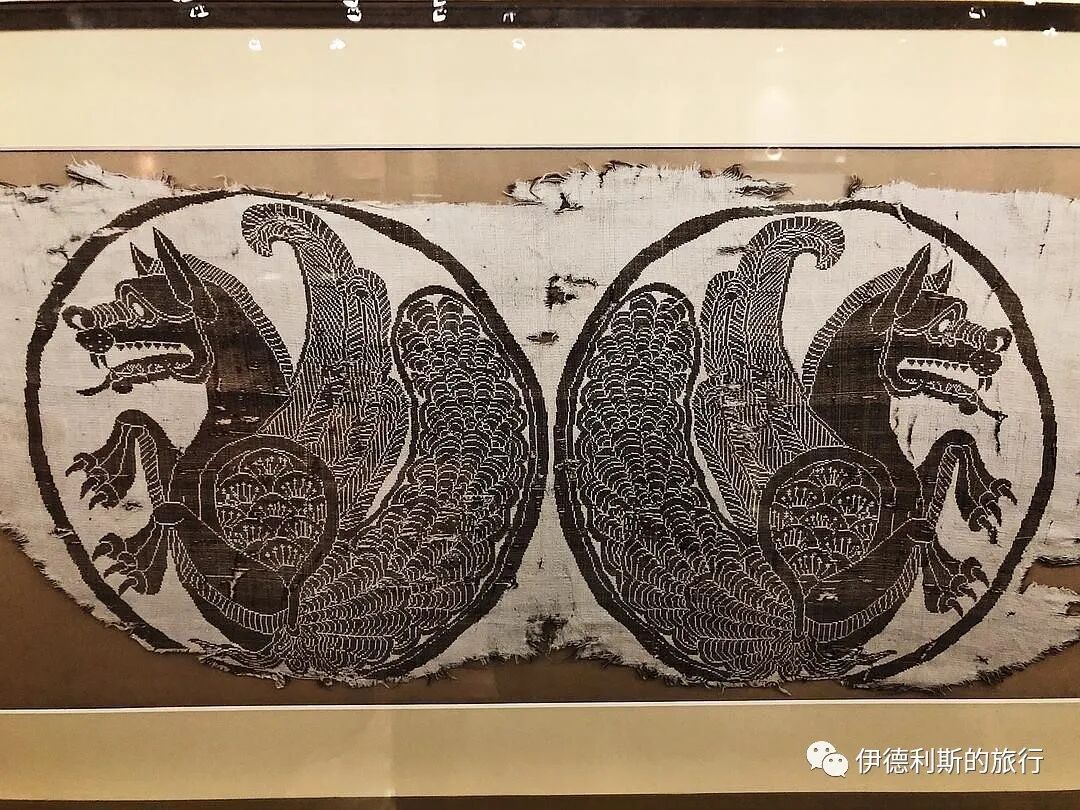
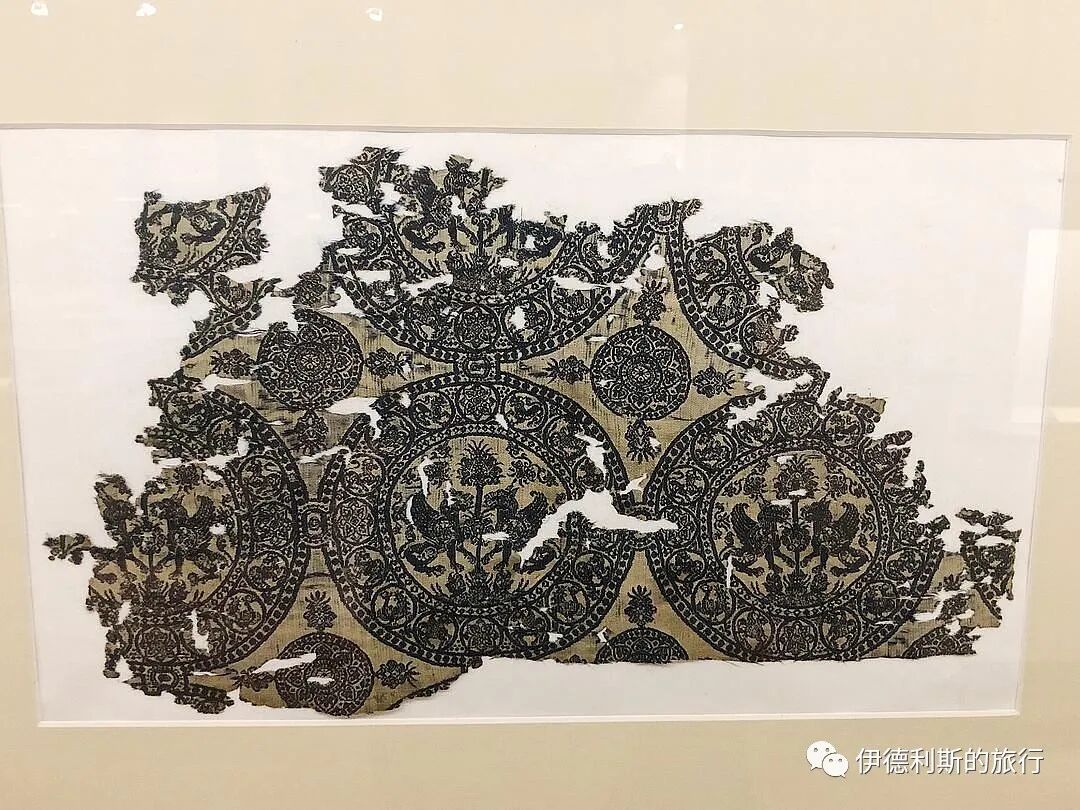
Ray-style silk fabric from the early Islamic period, 7th-10th century.
Others
13th-century Kufic tile, unearthed in the city of Damghan, Semnan province, Iran.
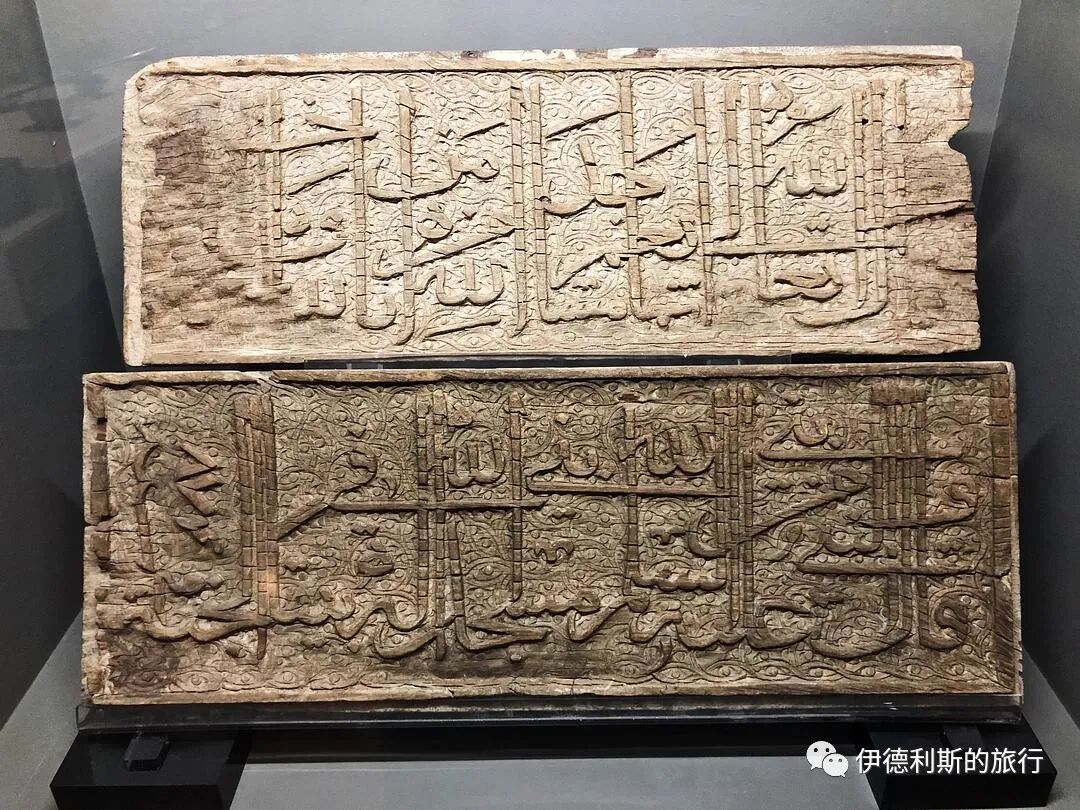
1469 Timurid dynasty wood carving with Thuluth calligraphy.
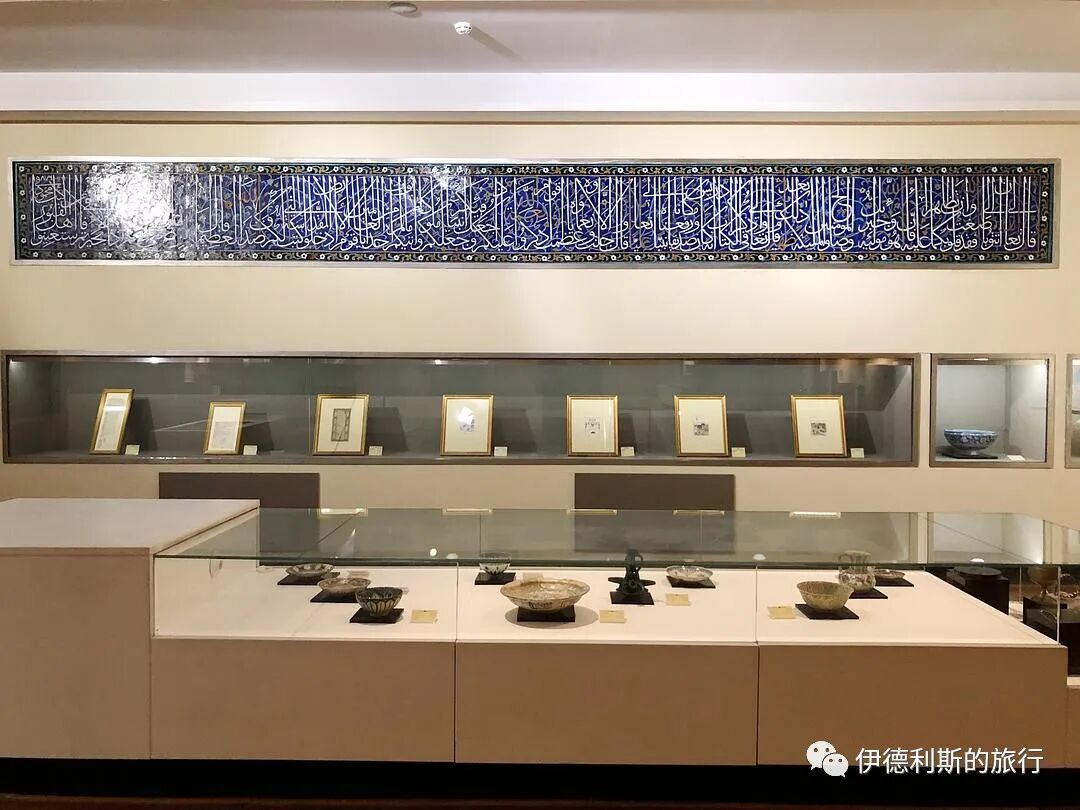
15th-century Timurid dynasty tile with Thuluth calligraphy, unearthed in the city of Taft, Yazd province. view all
Summary: This travel note introduces Notes on Visiting the Exhibition at the Museum of the Islamic Era in Iran (Part 1). The National Museum of Iran is divided into two parts: the Museum of Ancient Iran, built in 1937, and the Museum of the Islamic Era, built in 1972. It is useful for readers interested in Iran Travel, Islamic Art, Museum Visit.
The National Museum of Iran is divided into two parts: the Museum of Ancient Iran, built in 1937, and the Museum of the Islamic Era, built in 1972. The Museum of the Islamic Era displays important artifacts from various Islamic dynasties in Iran over the past thousand years, organized chronologically.
Mihrab prayer niche
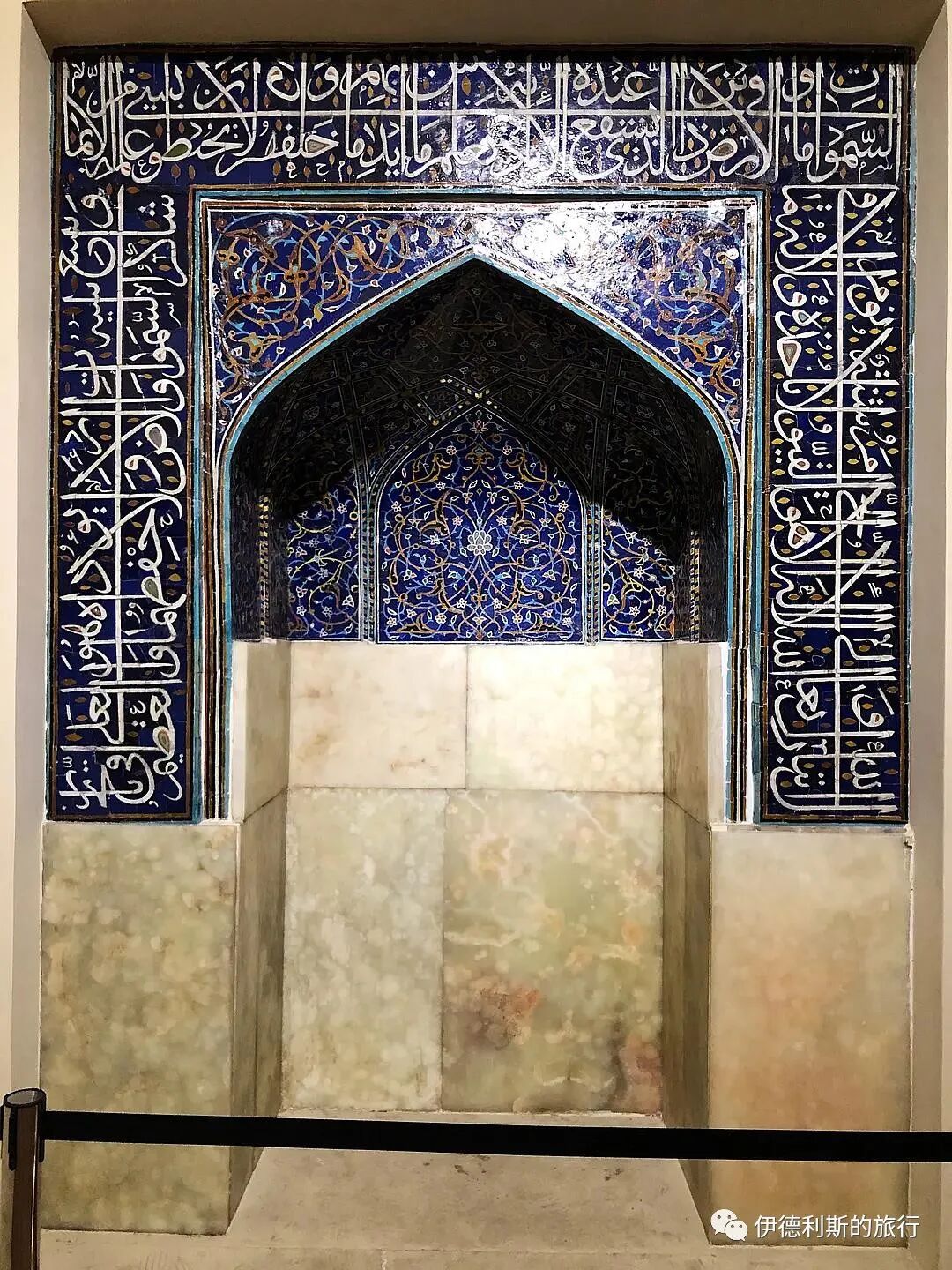
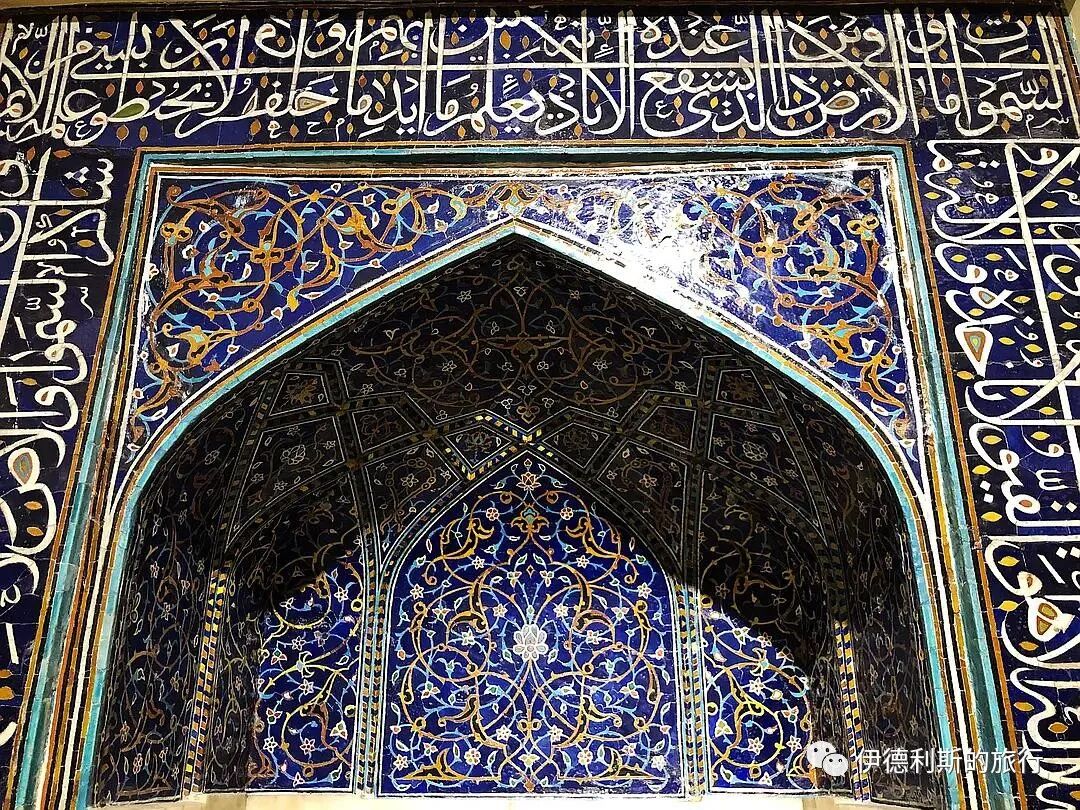
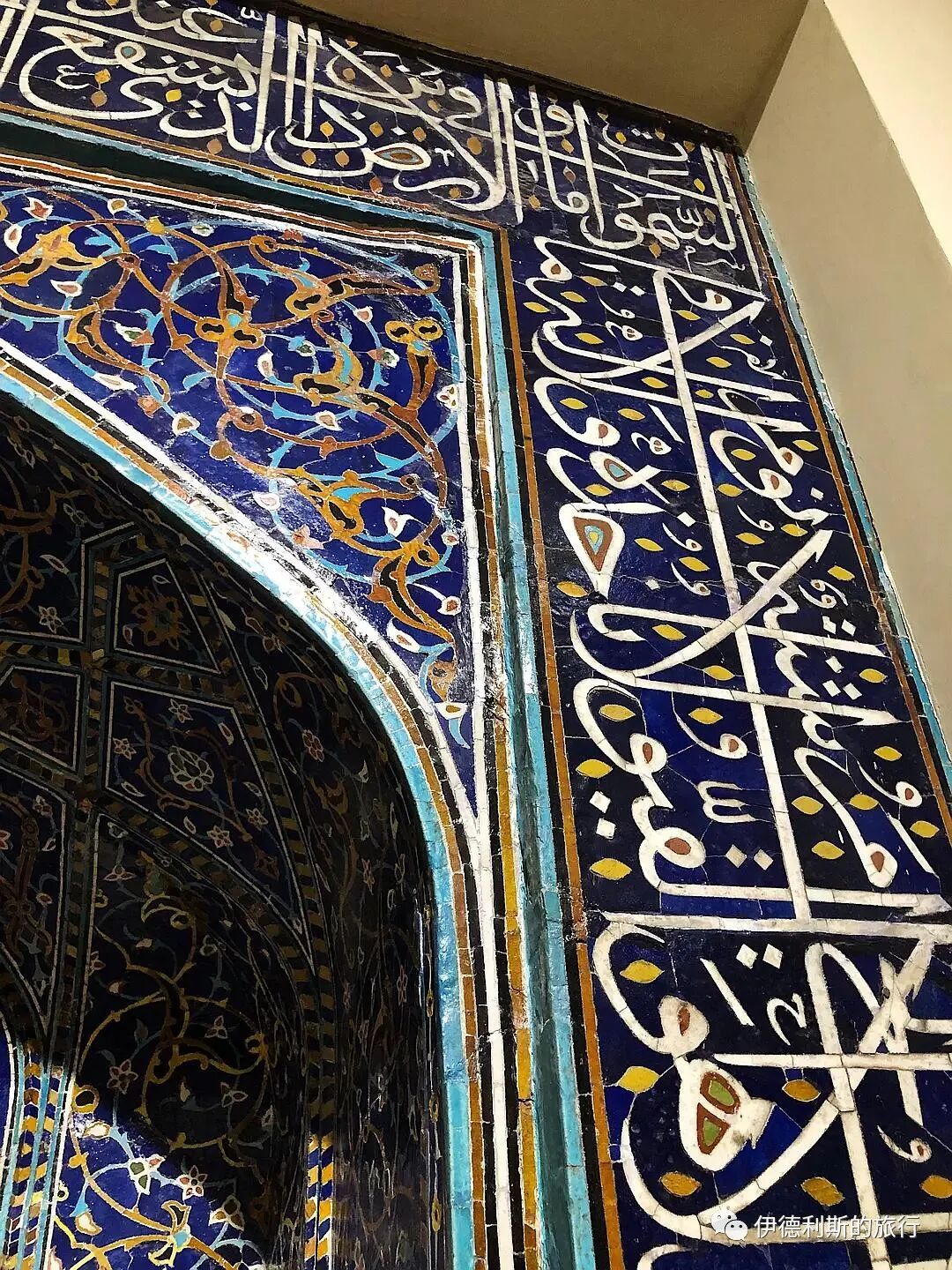
Mosaic tile mihrab
A mosaic tile mihrab from 1641, from the holy city of Mashhad during the Safavid dynasty, featuring Thuluth calligraphy.
Stucco mihrab
A mihrab from 1133, from the Karrar shrine in the city of Bouzun, Isfahan province, during the Seljuk Empire. It was made by Ali ibn-e Shirzad Ansari al-Qazvini and features Thuluth, Kufic, and Reqa scripts.
A mihrab from 1308, from the Rabi' Khatoon shrine in the city of Oshtorjan, Isfahan province, during the Ilkhanate period, made by Masoud Kermani. It features Kufic and Thuluth calligraphy.
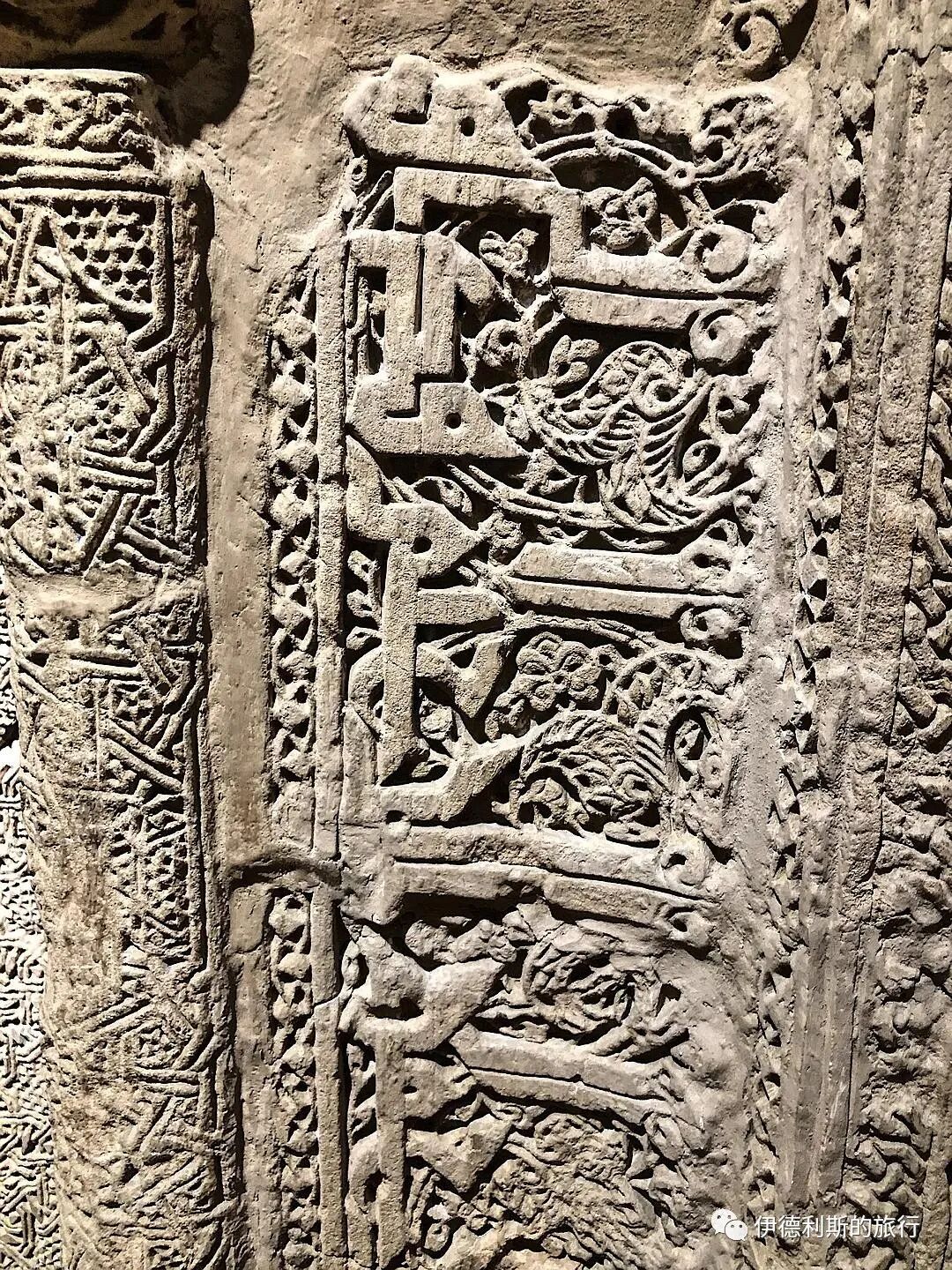
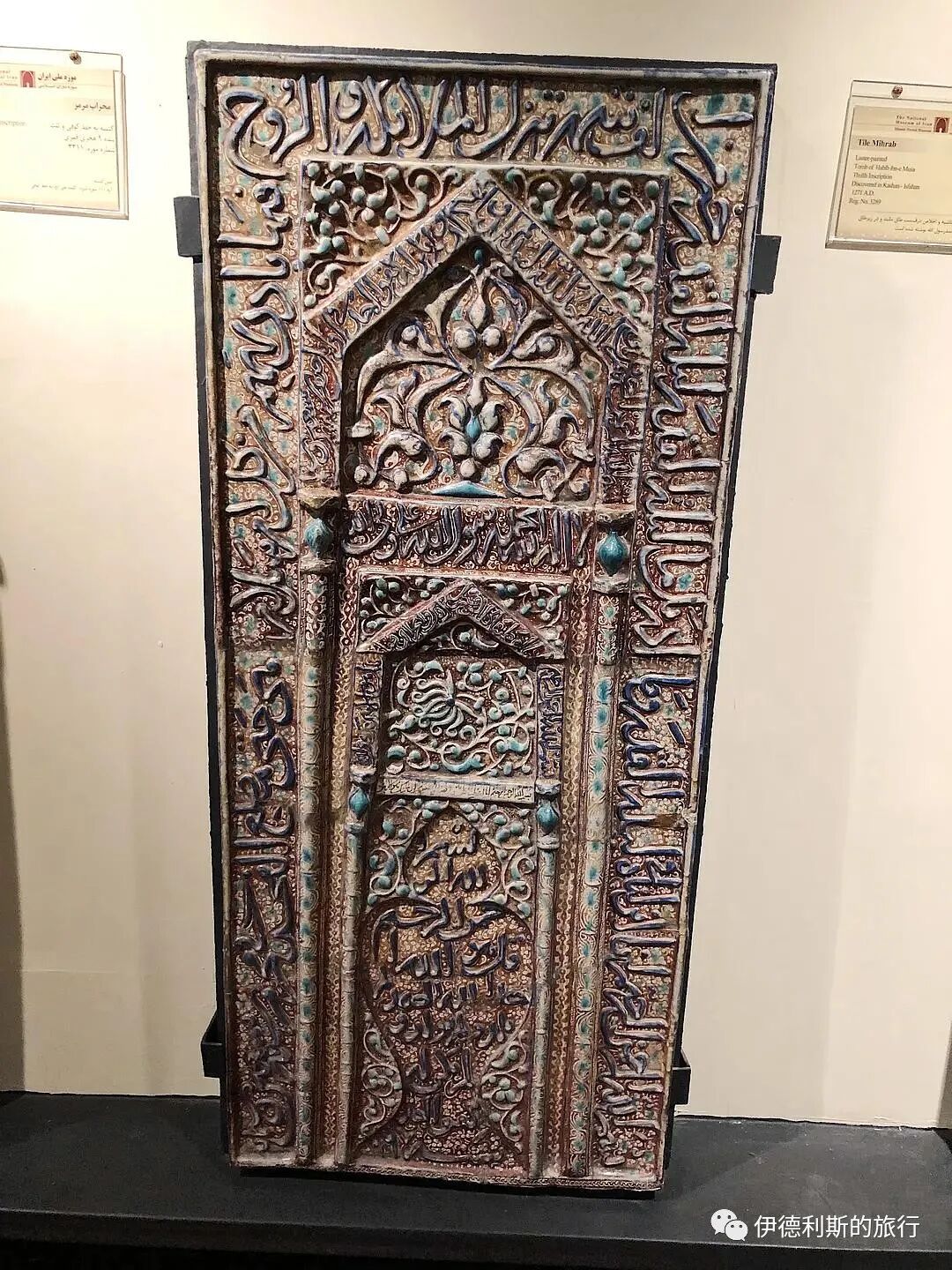
Lustreware mihrab
A lustreware mihrab from 1271, from the tomb of Habib ibn-e Musa in Kashan, Isfahan, during the Ilkhanate period, featuring Thuluth calligraphy.
A lustreware mihrab from the early 14th century, from the tomb of Hares Ibn-e Ahmad Ibn-e Zein 'Abedin in the city of Qom during the Ilkhanate period, featuring Thuluth calligraphy.
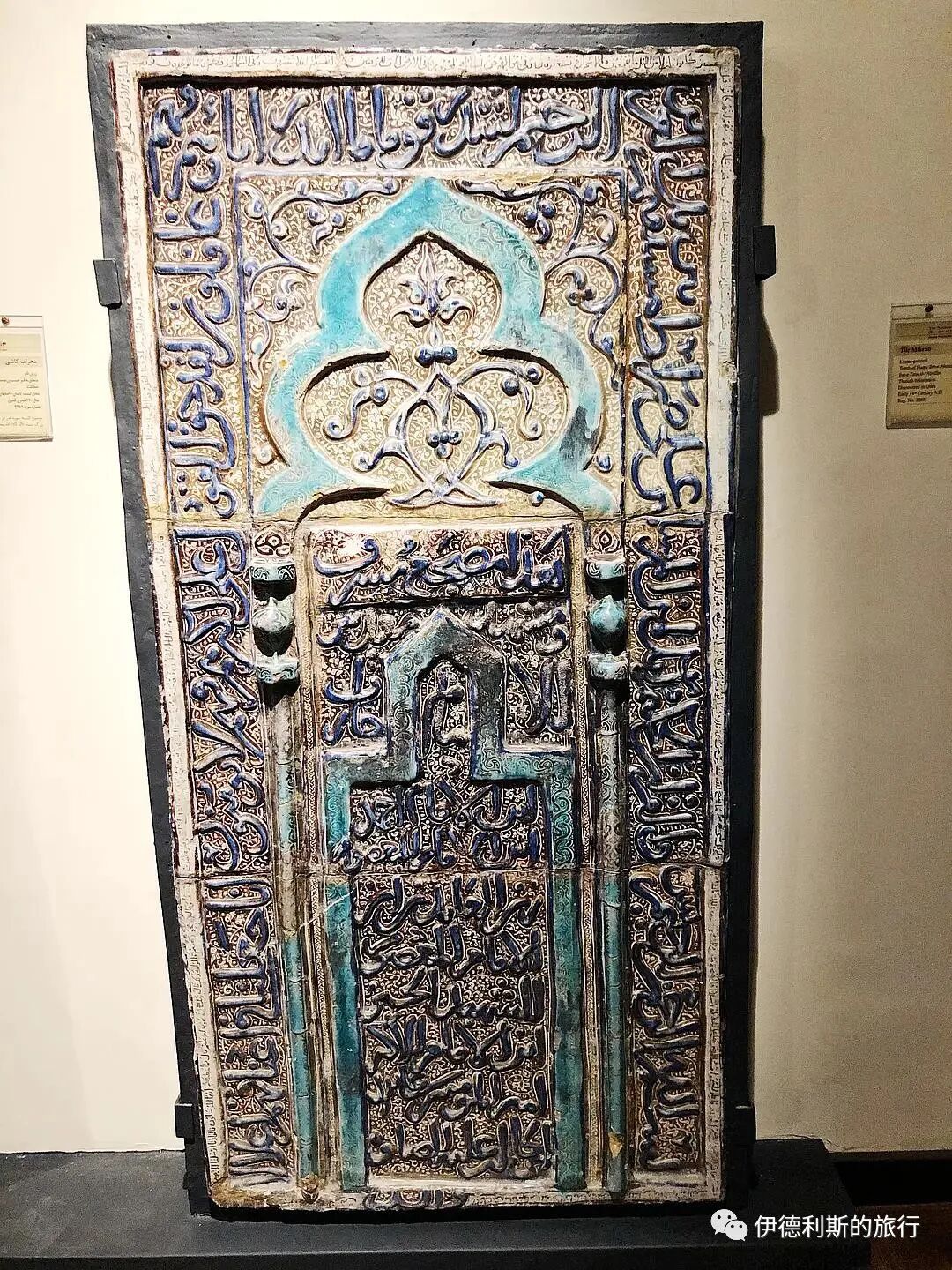
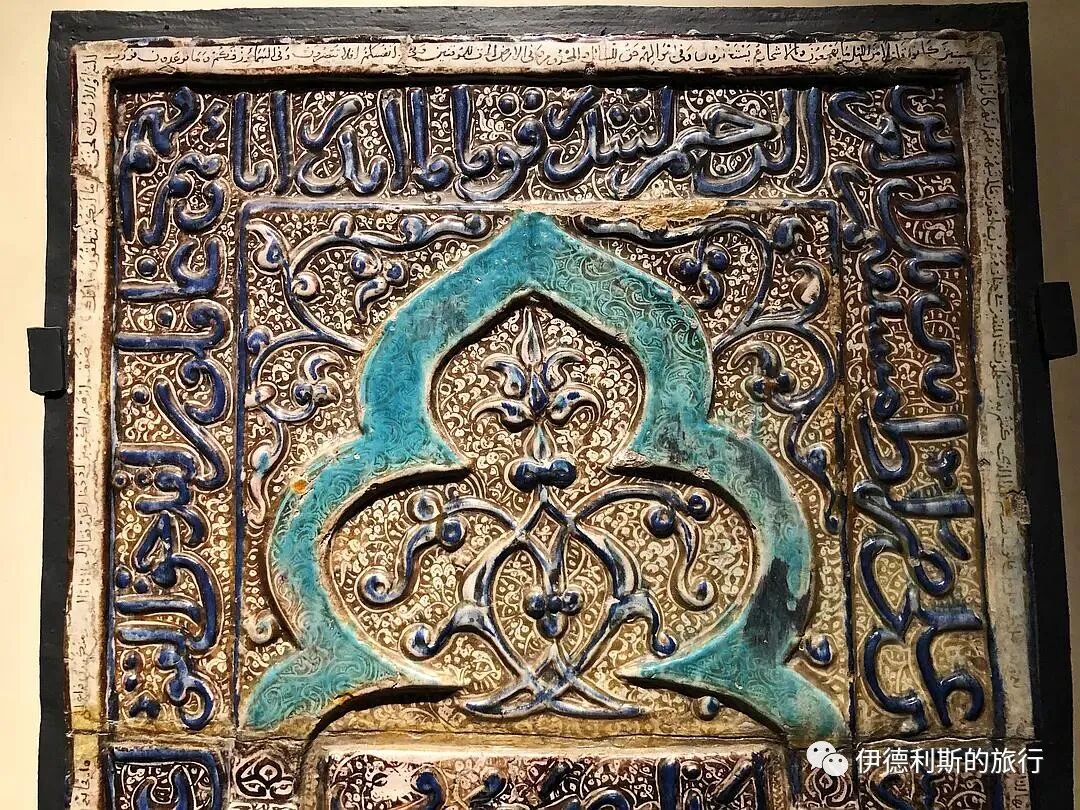
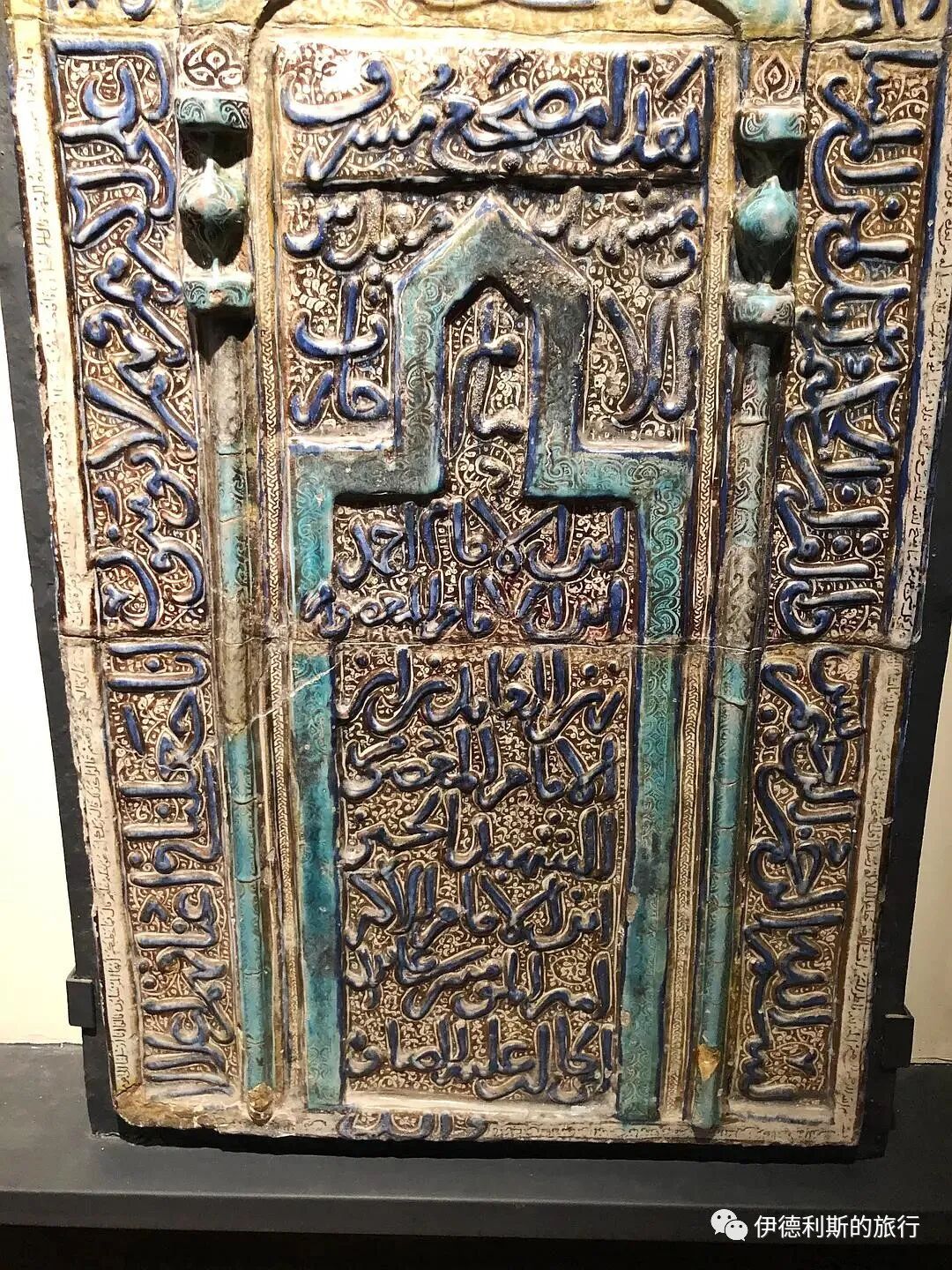
A 14th-century Ilkhanate period lustreware mihrab featuring Naskh calligraphy.
A 1333 lustreware mihrab from the Ali ibn-e Jafar shrine in the city of Qom, also known as the Gate of Paradise (Dar-e-Behesht), featuring Kufic, Naskh, and Thuluth calligraphy.
Stone mihrab
An 11th-century stone mihrab from the city of Meymeh, Isfahan province, featuring Kufic calligraphy.
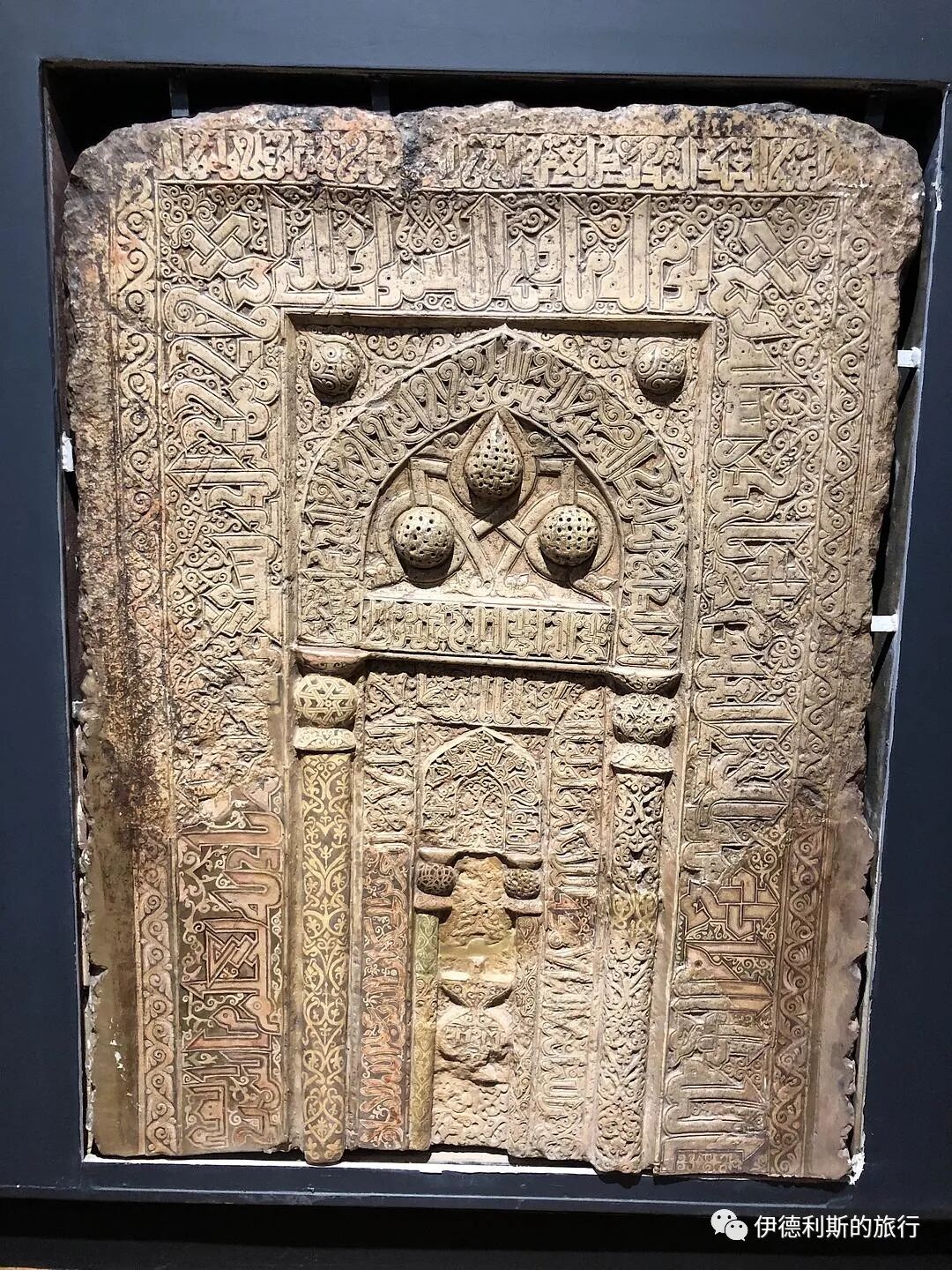
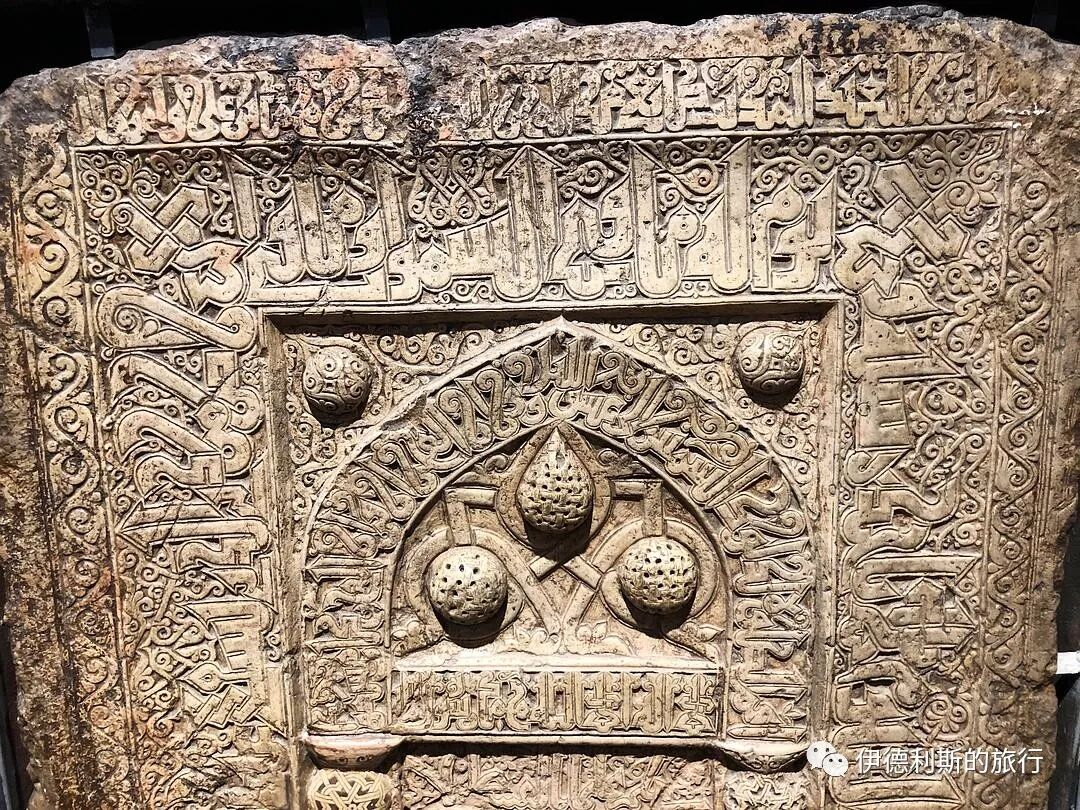
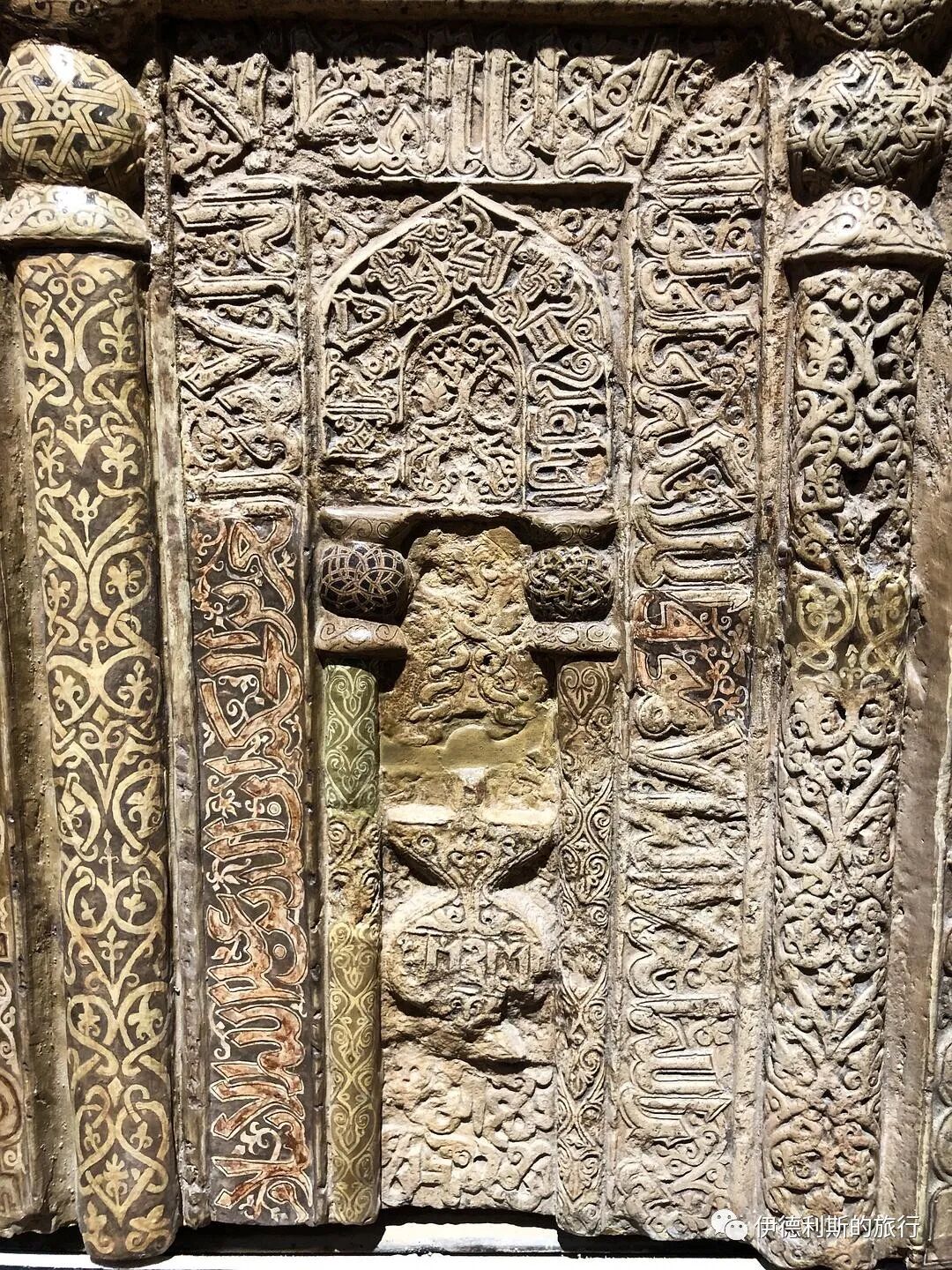
A 17th-century Safavid dynasty mihrab from the Ganj mosque in Kerman, featuring Thuluth calligraphy. The Ganjali Khan complex was built between 1596 and 1631 by Ganj Ali Khan, who ruled Kerman at the time; the architect was Mohammad Soltani from Yazd.
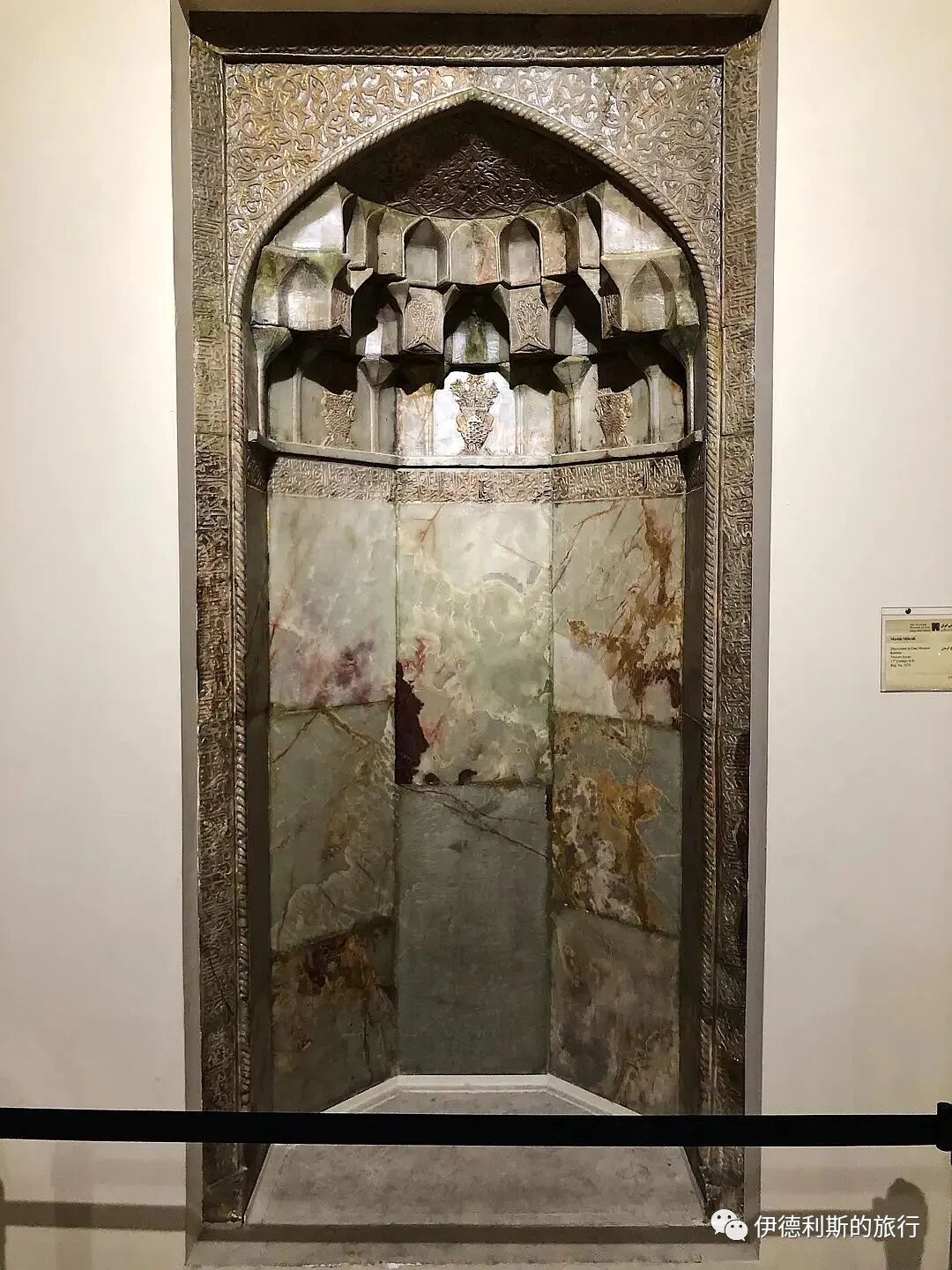
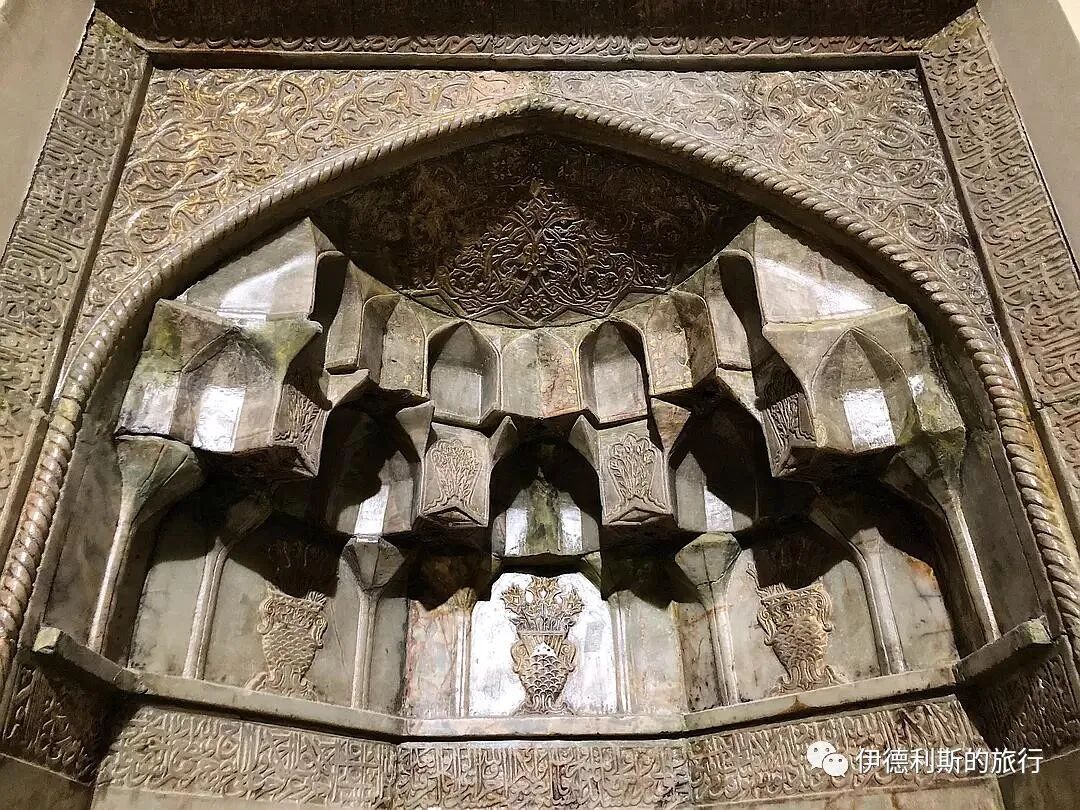
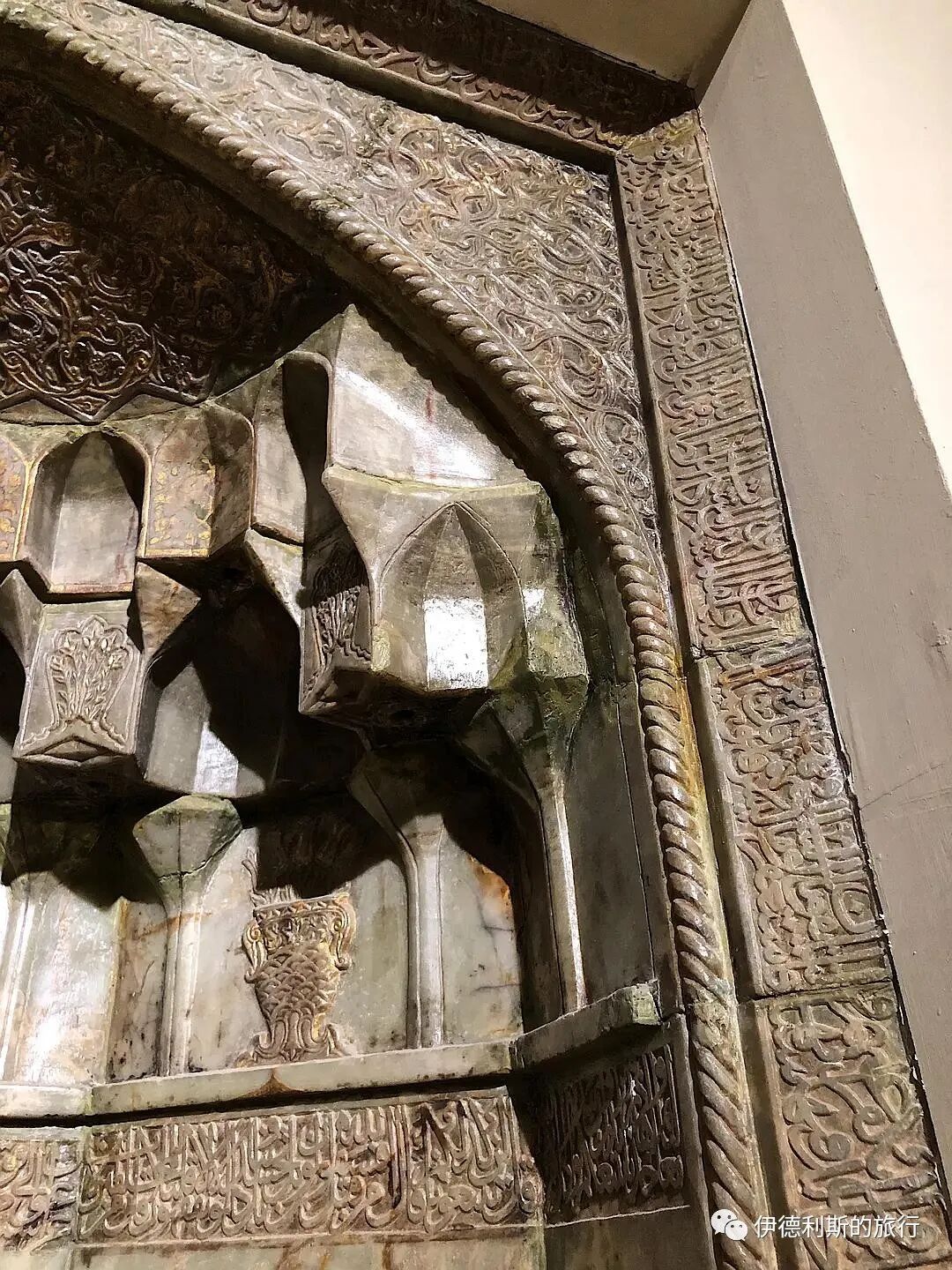
A 16th-century Timurid dynasty mihrab from the Jameh Mosque of Abarkuh, with Thuluth calligraphy on three sides and Kufic calligraphy on the two corners. Furthermore, the mihrab features two unique and beautiful marble columns on either side, which also bear Kufic calligraphy. Abarkuh is located in Yazd province, and its Timurid-era Jameh Mosque is situated in the city center square.
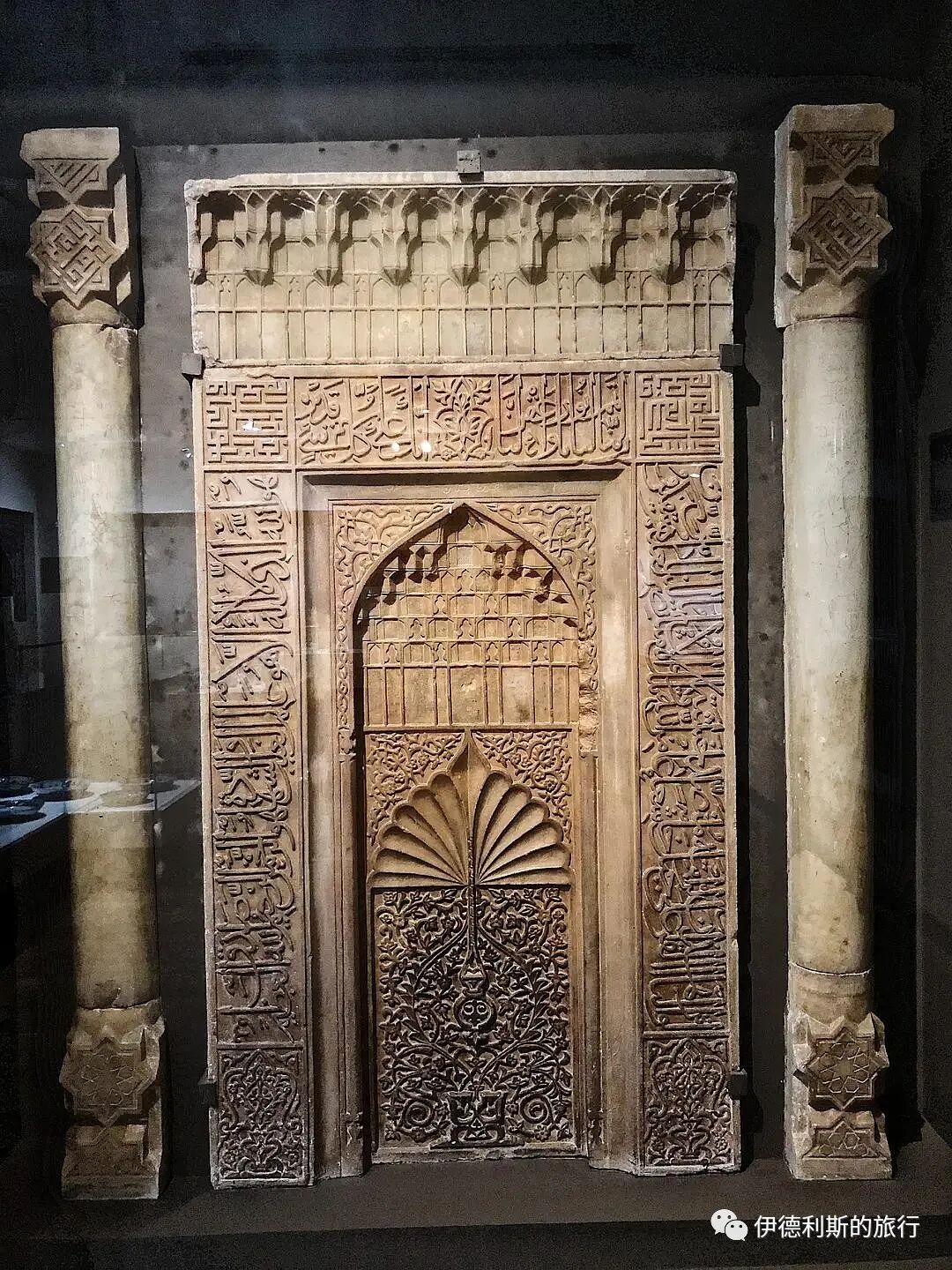
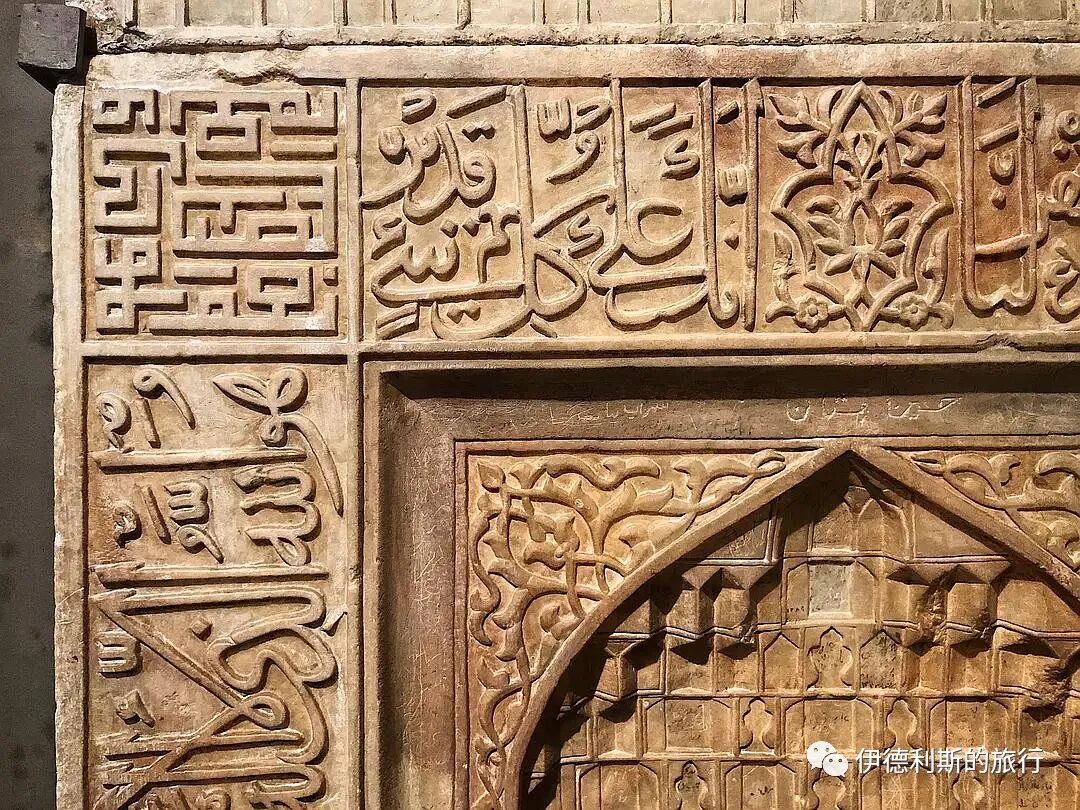
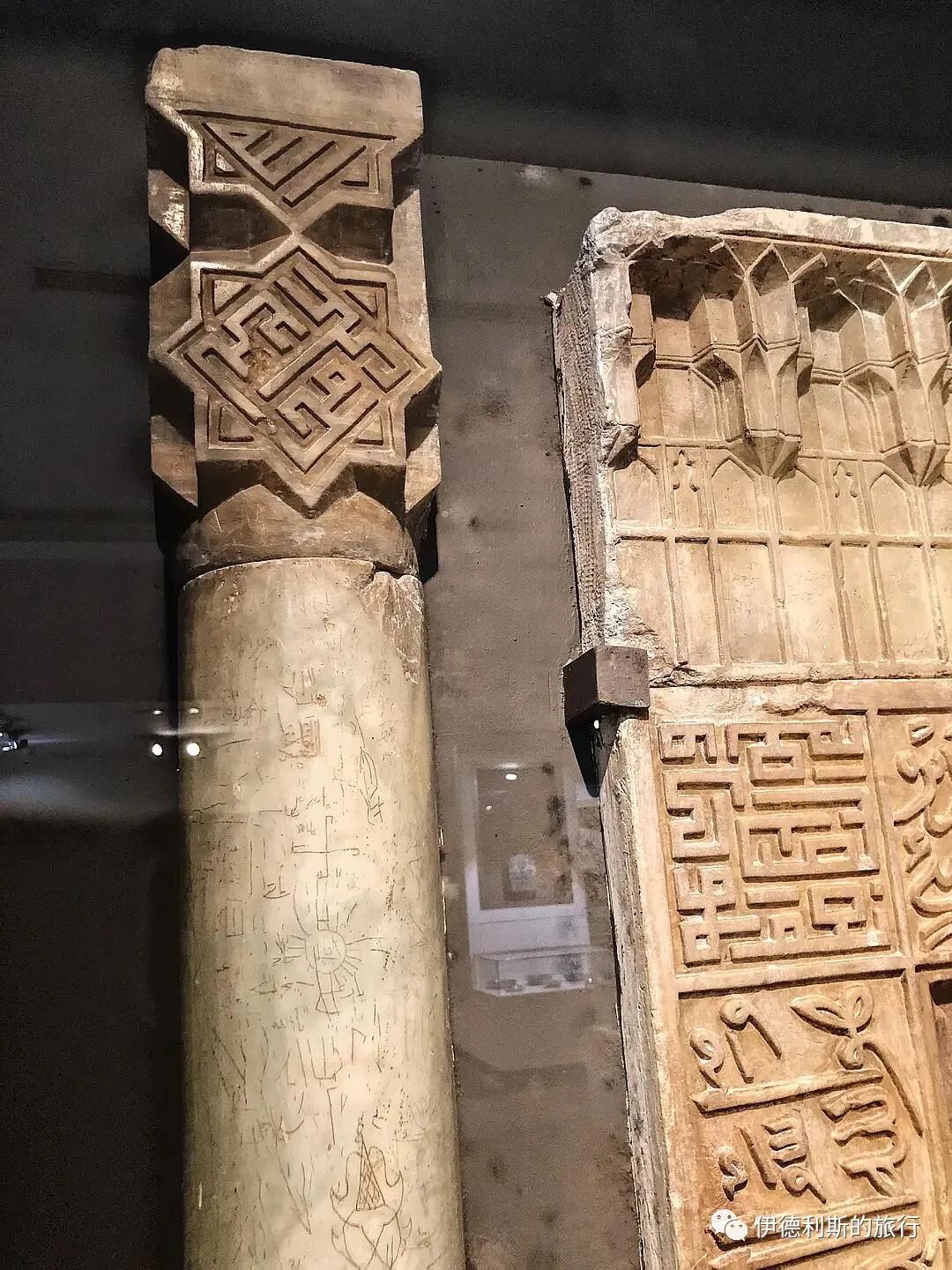
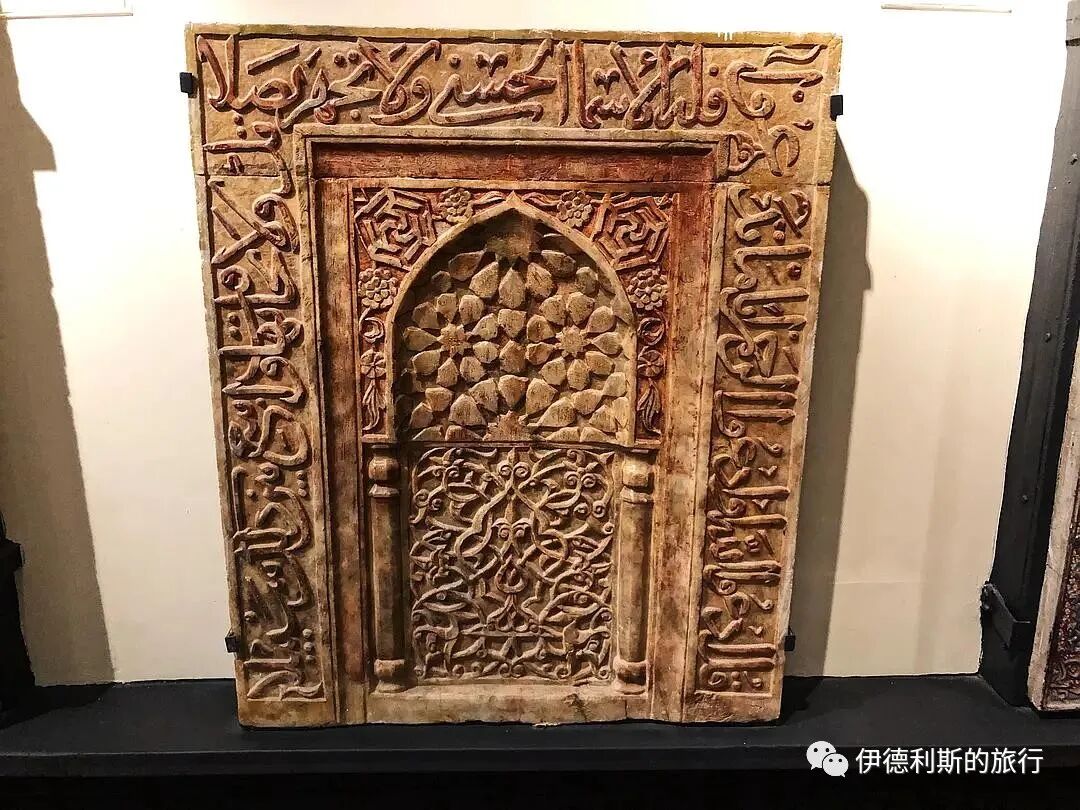
A 15th-century Timurid dynasty marble mihrab featuring Thuluth and Kufic calligraphy.
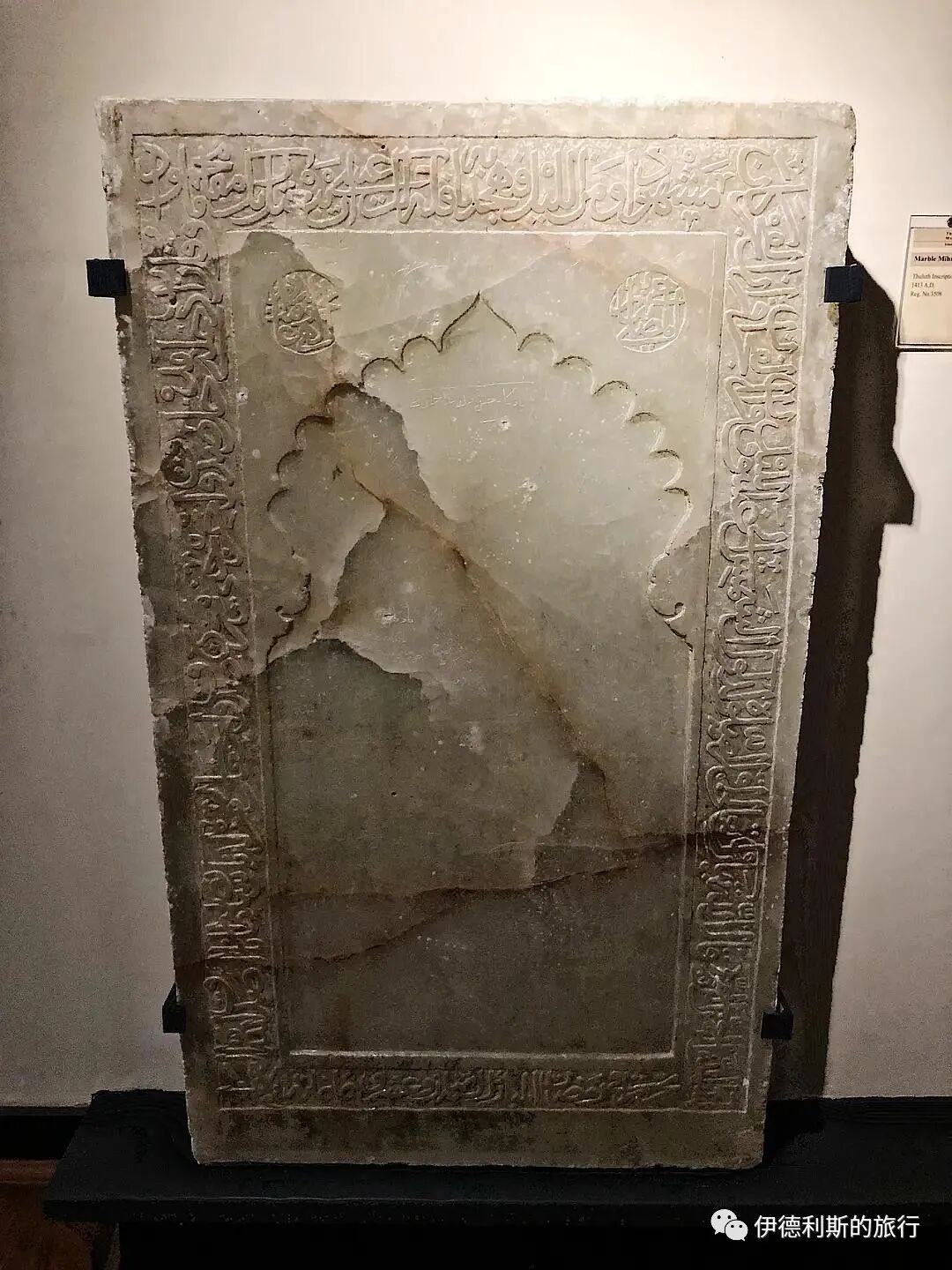
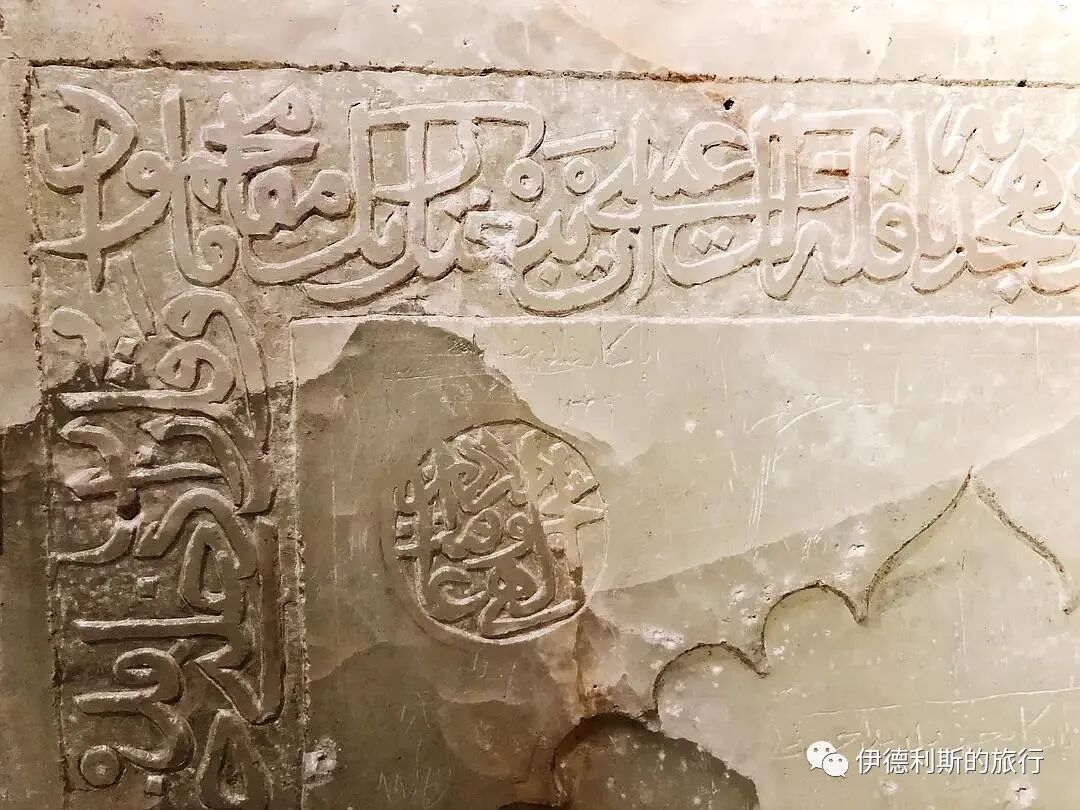
A 1413 Timurid dynasty marble mihrab featuring Thuluth calligraphy.
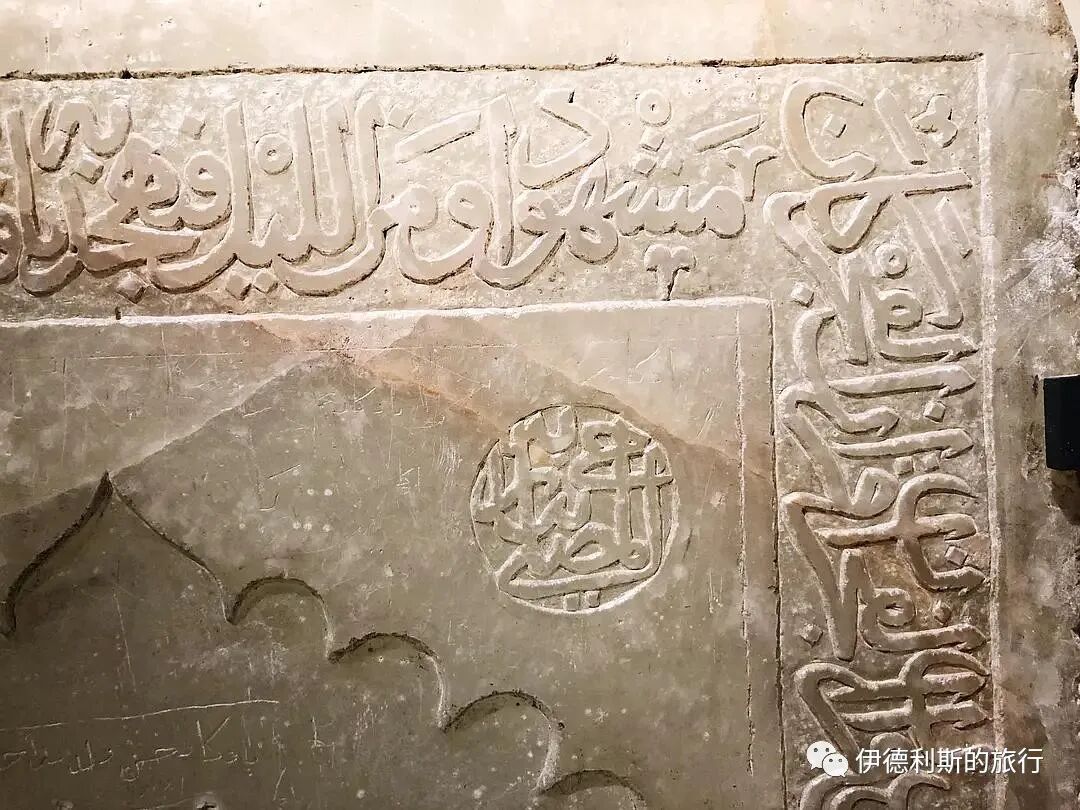
Brickwork art
11th-century brick Kufic inscriptions from the Nezamiyyeh School in Khargerd, Khaf city, Razavi Khorasan province, northeastern Iran. Khaf is a historic city near the Iran-Afghanistan border, home to numerous ancient monuments.
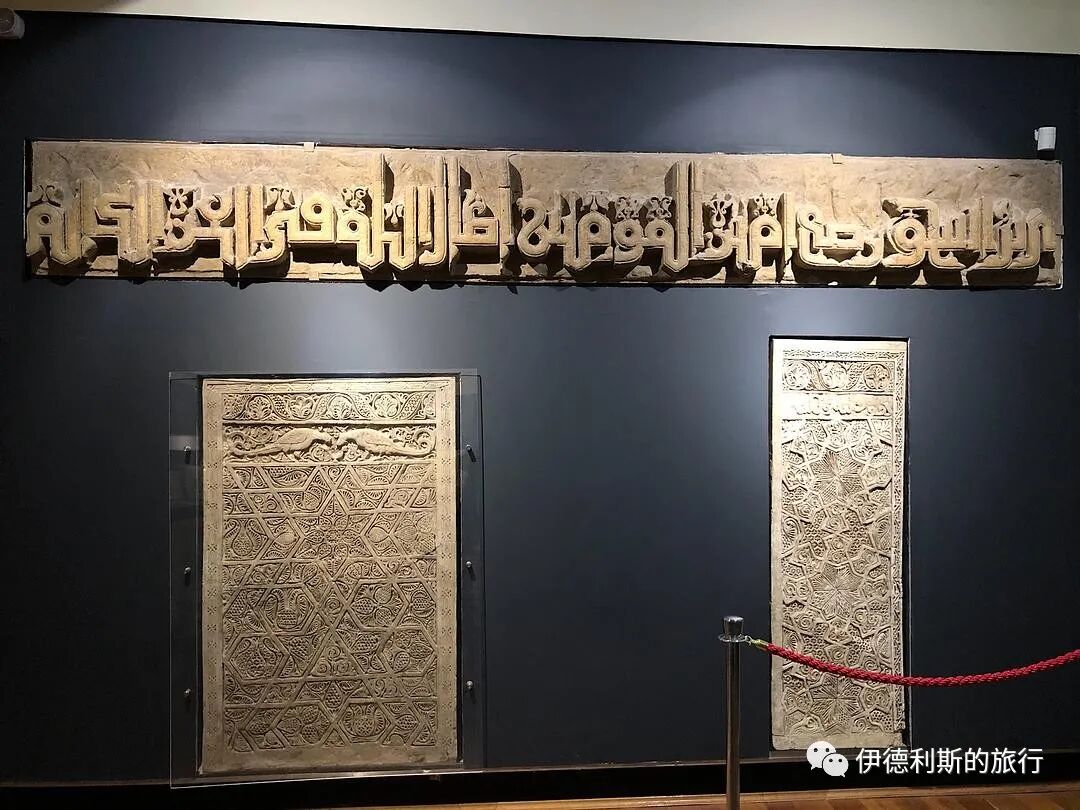
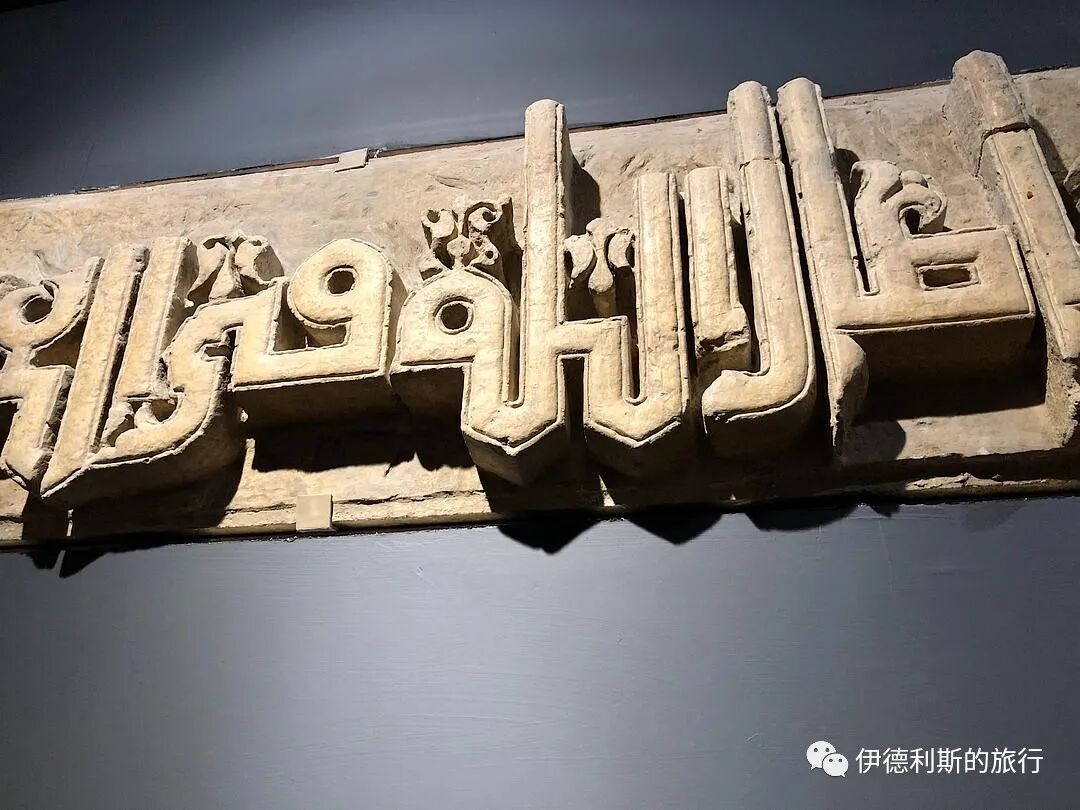
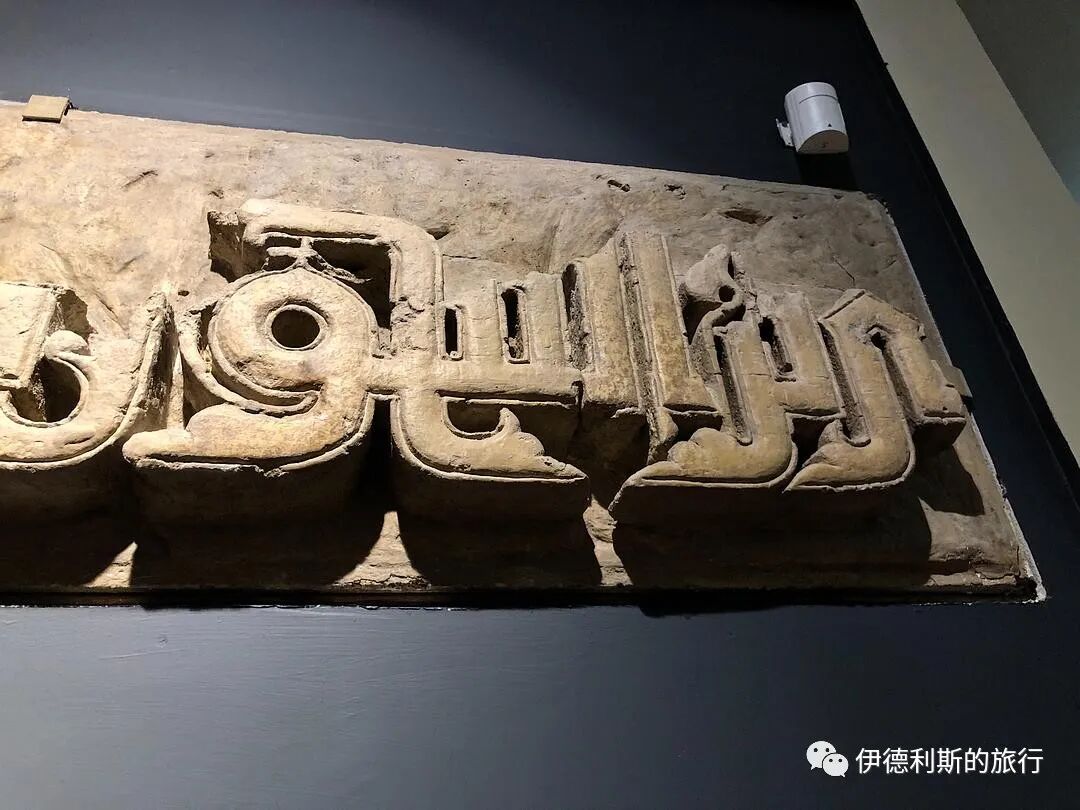
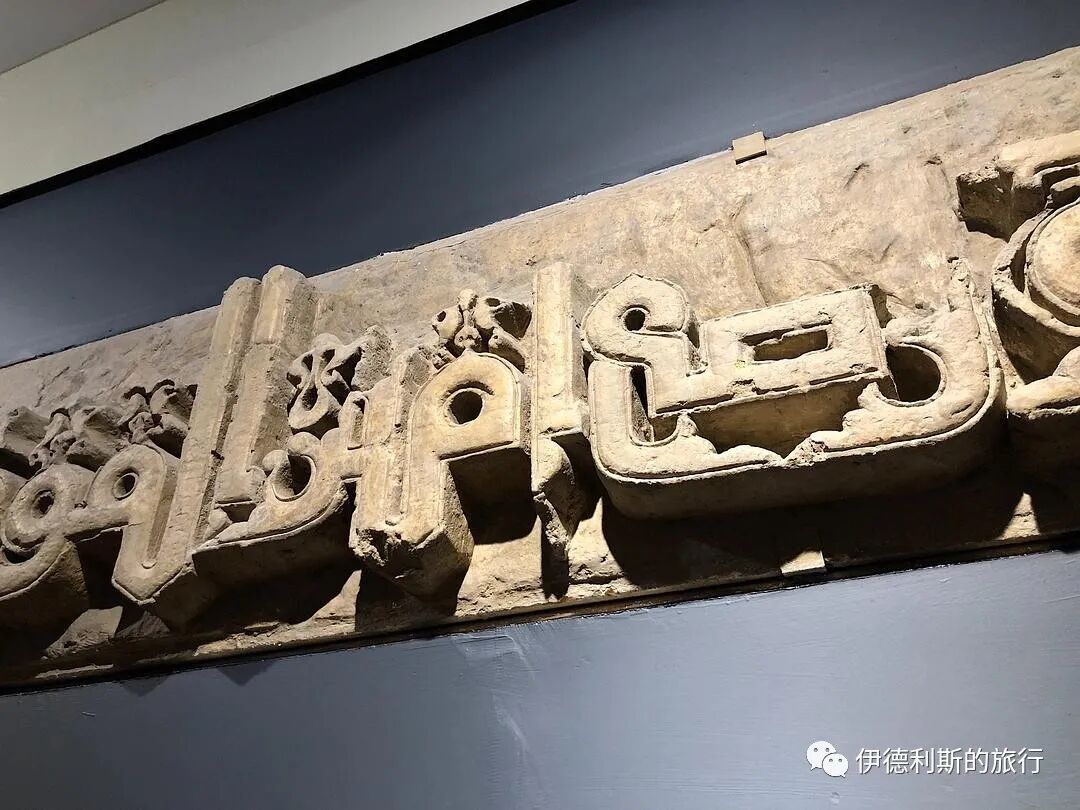
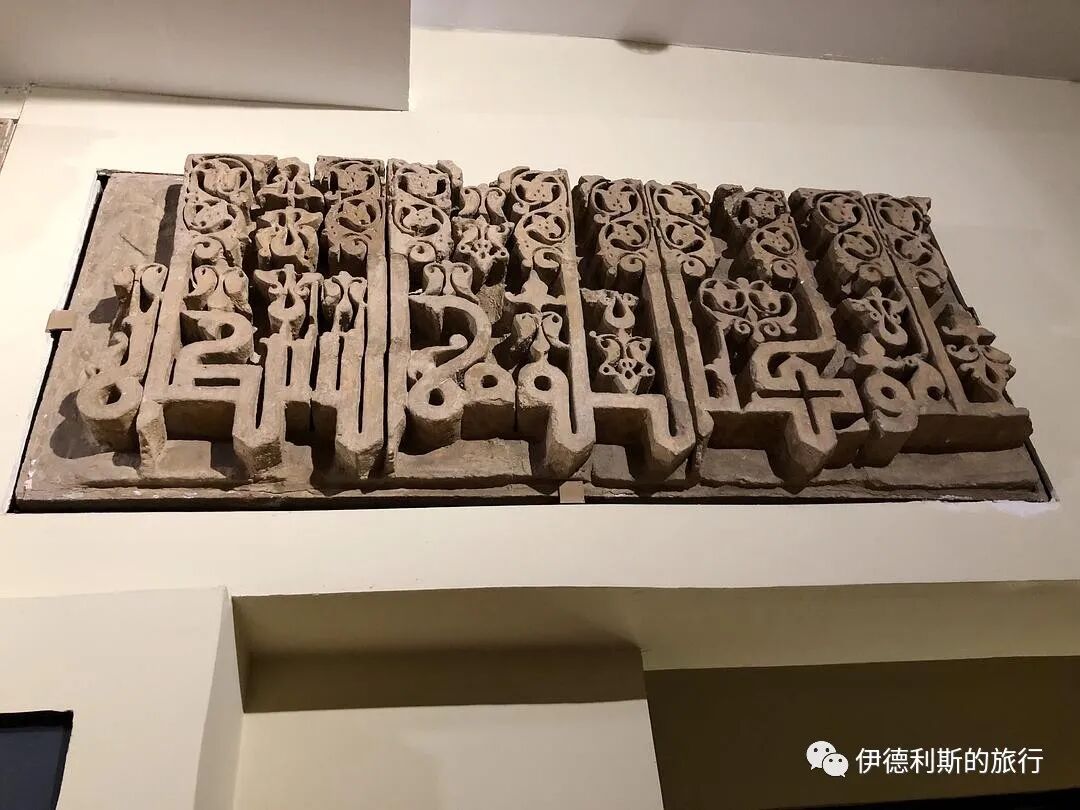
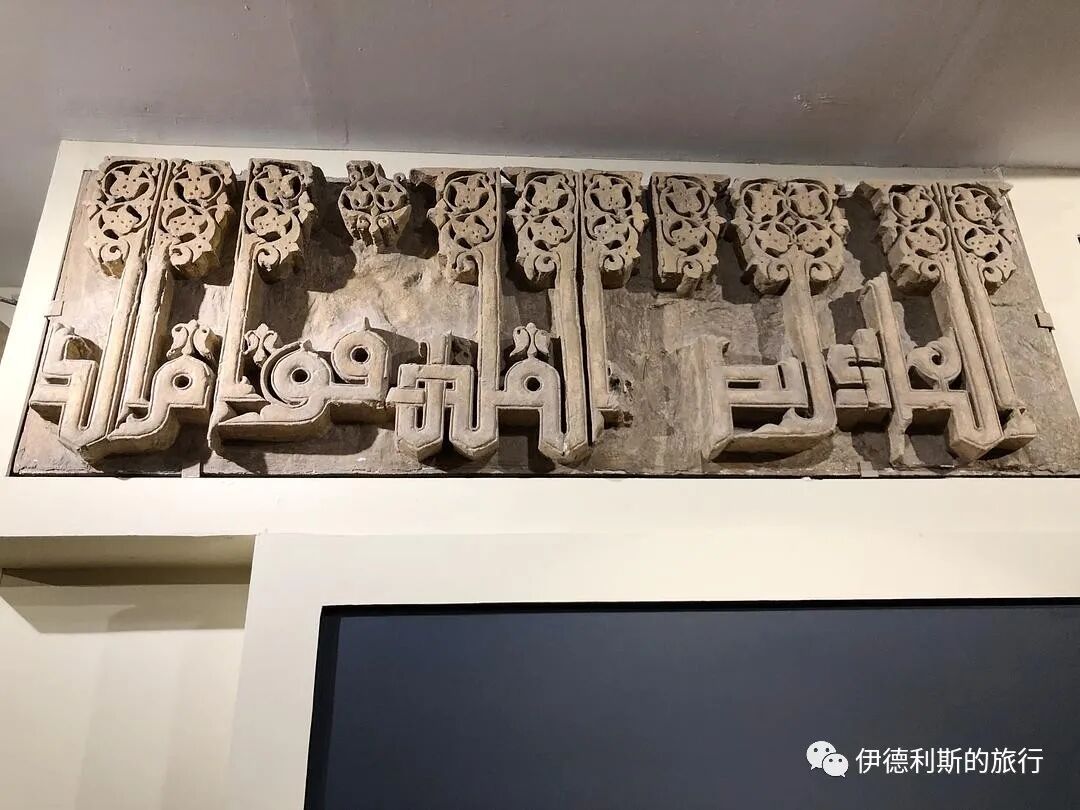
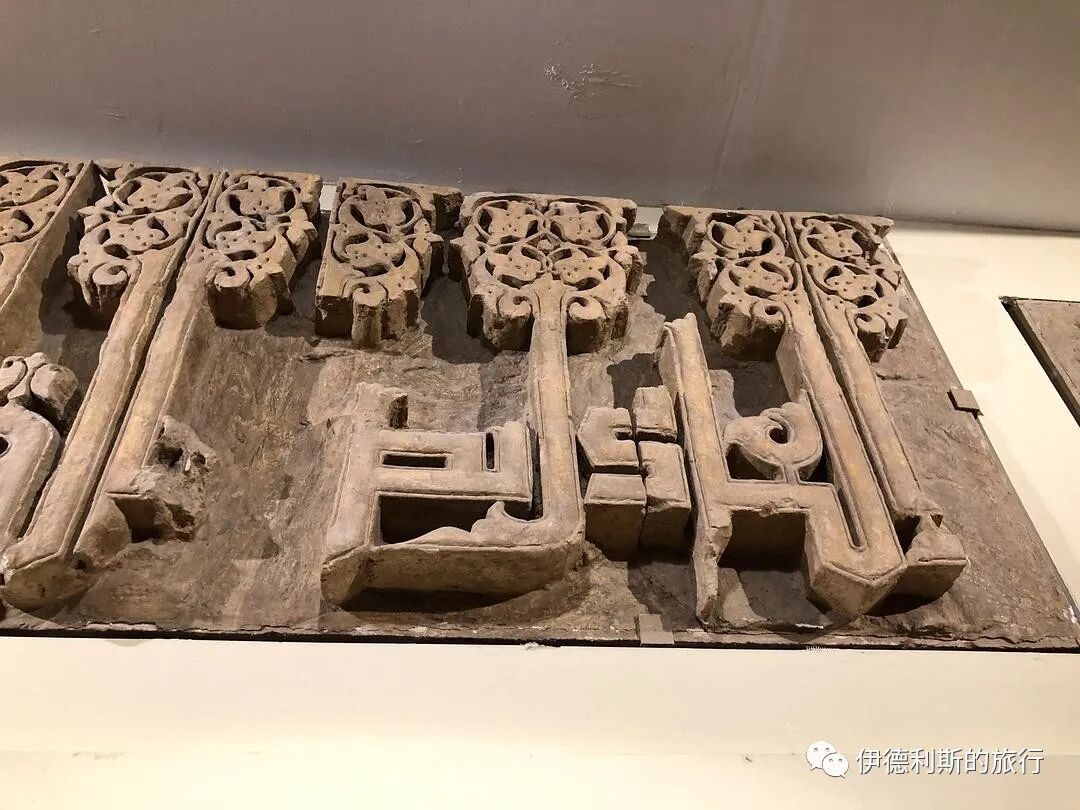
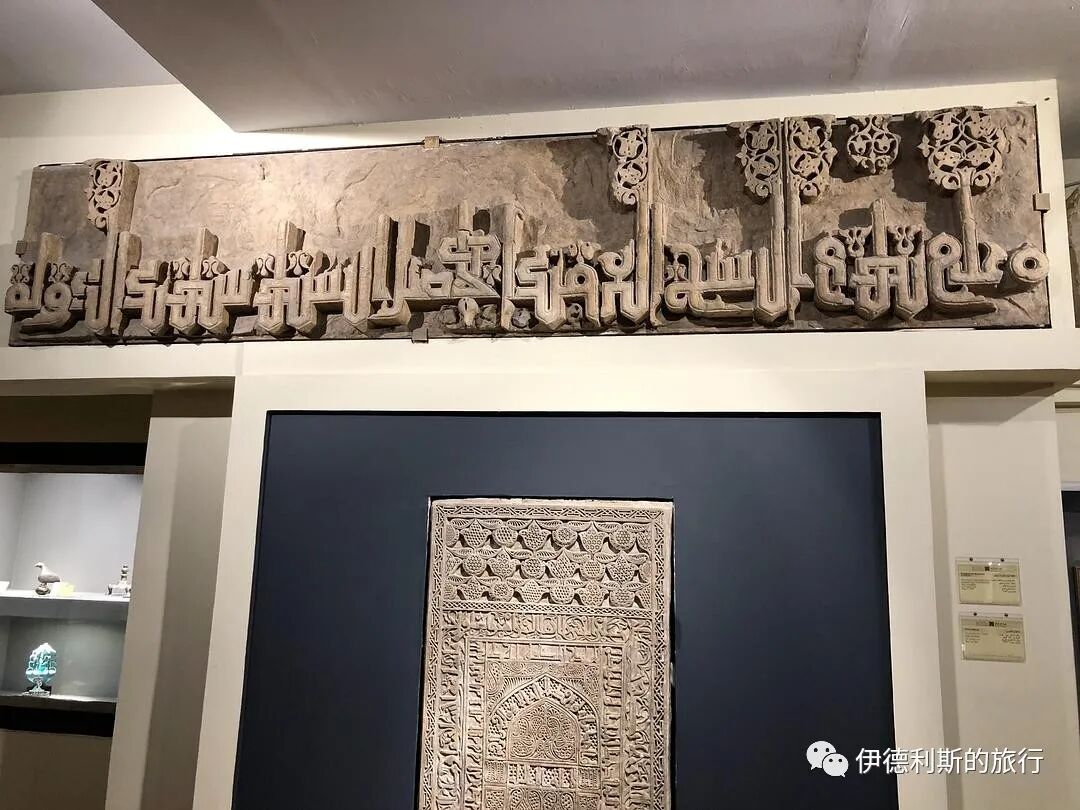
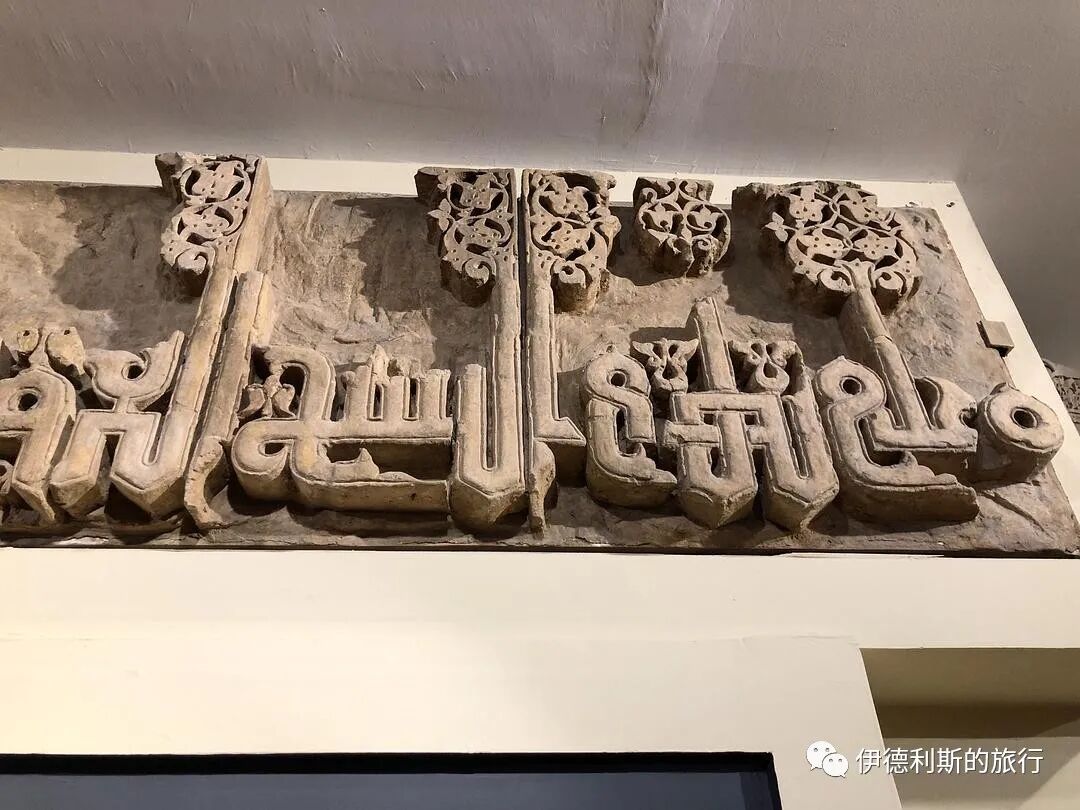
A 1148 brick Kufic inscription, possibly from the Joneyd shrine in the village of Turan Posht. Turan Posht is one of the oldest villages in Yazd province, home to the Sheikh Joneyd and Chehel Dokhtaran domed shrines, known for their exquisite Kufic calligraphy.
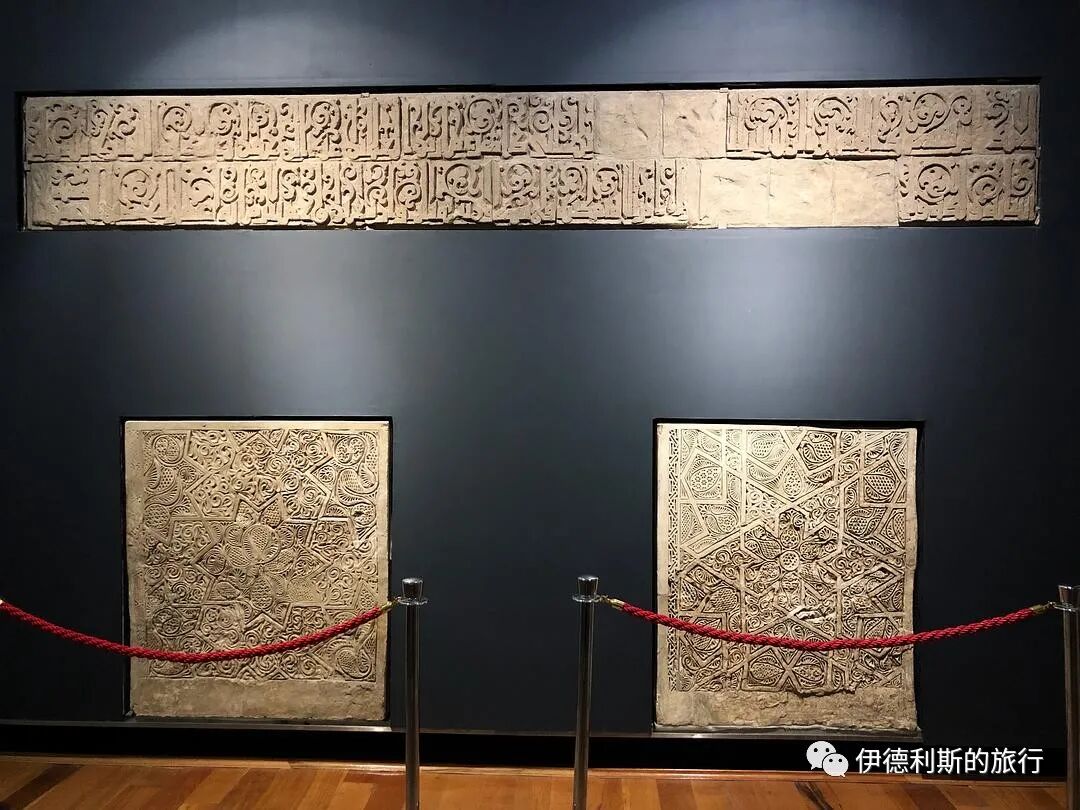
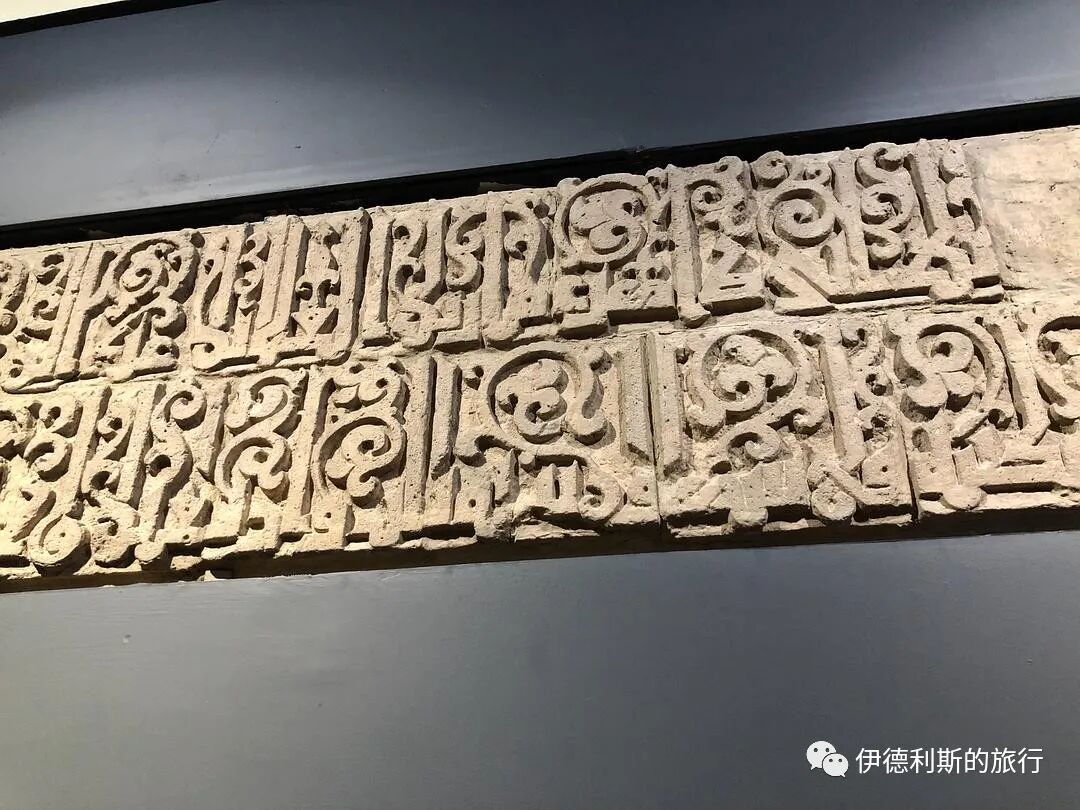
Wood carving art
10th-century Kufic wood carving from the city of Qom.
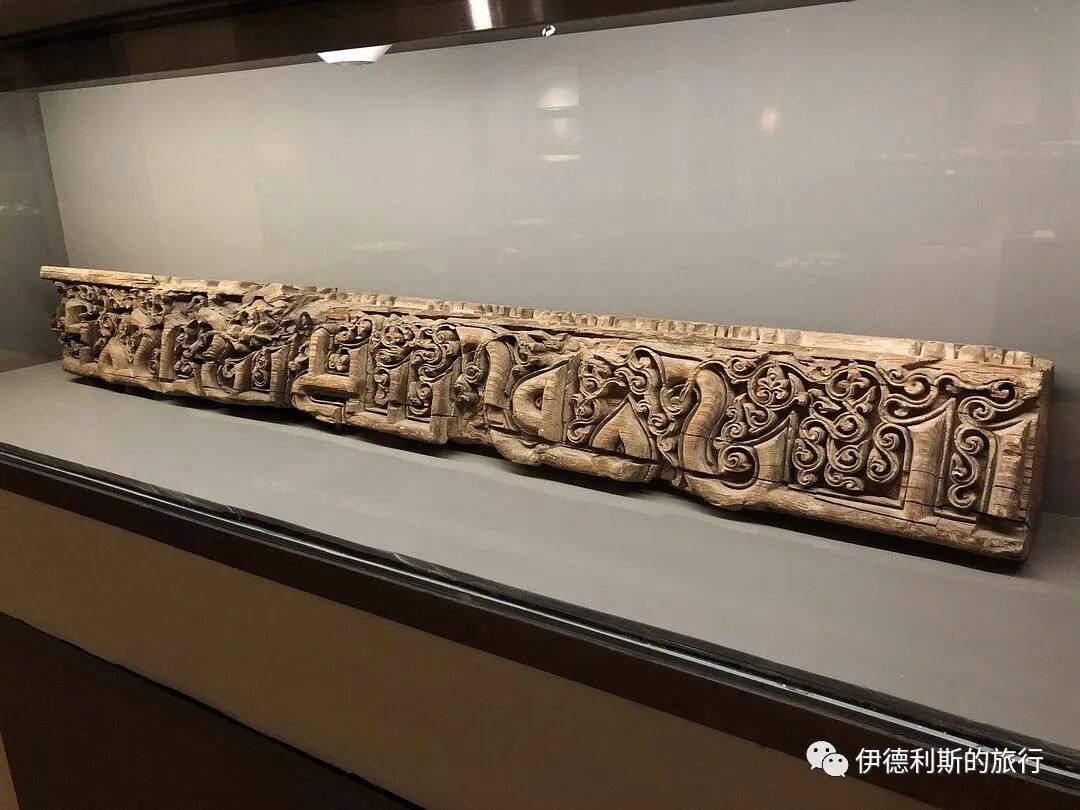
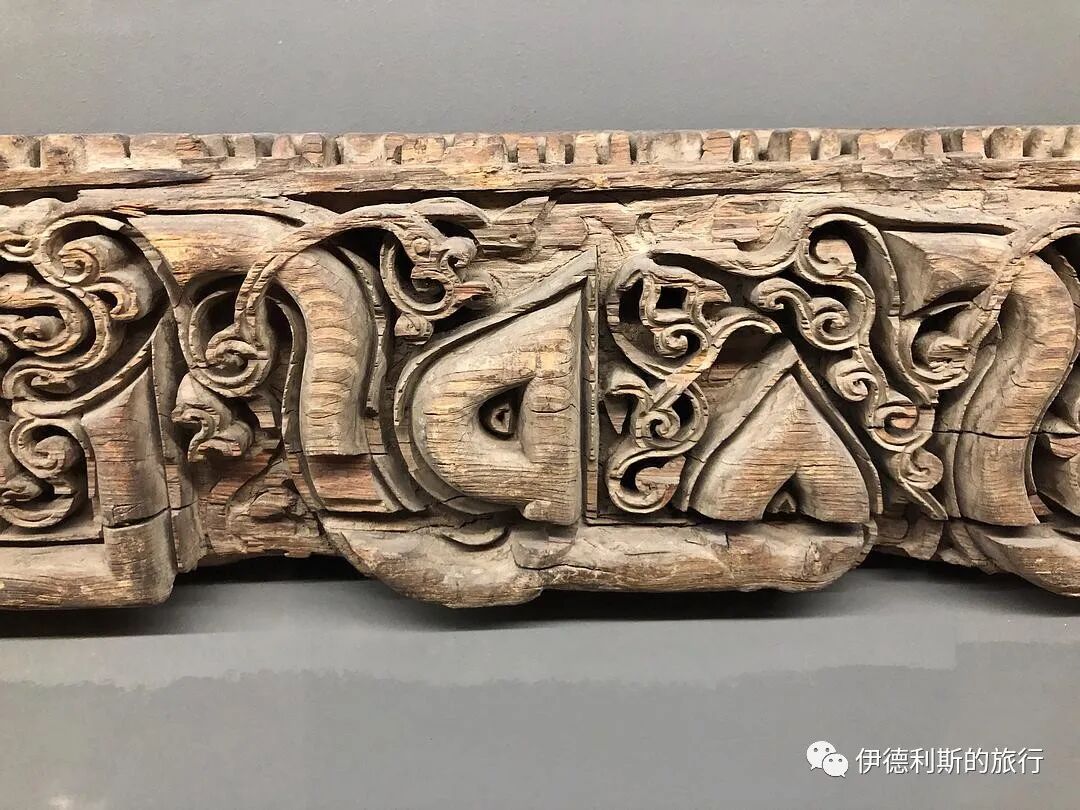
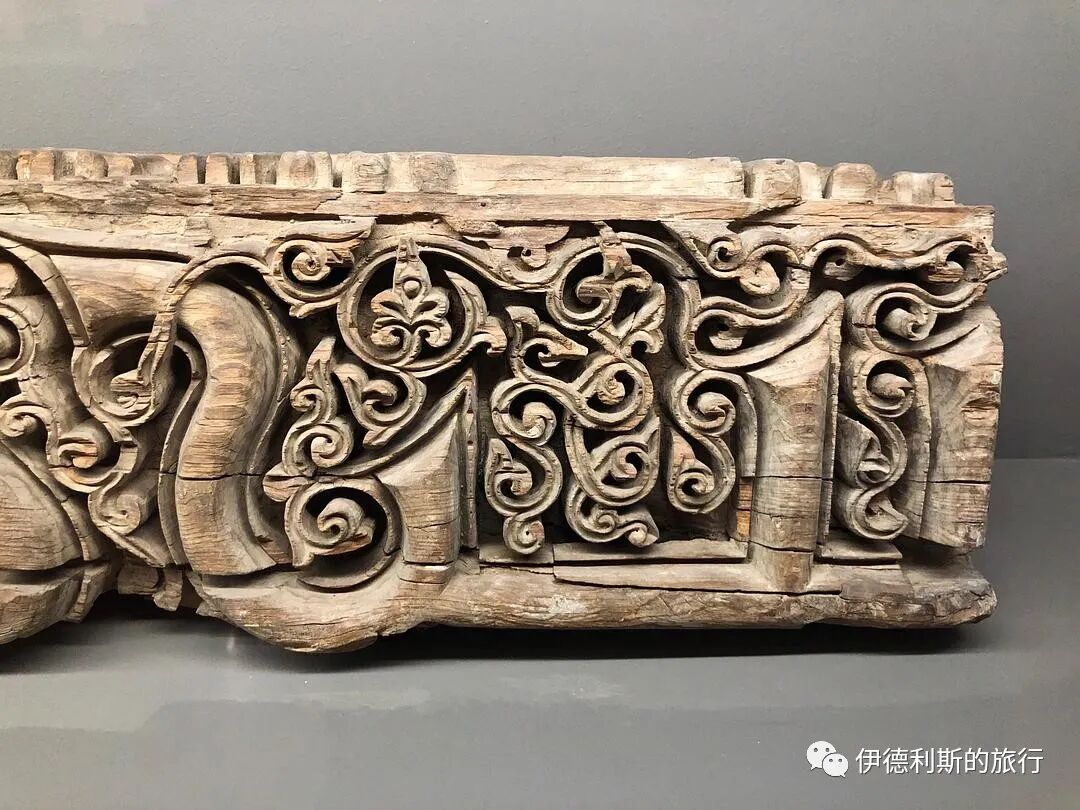
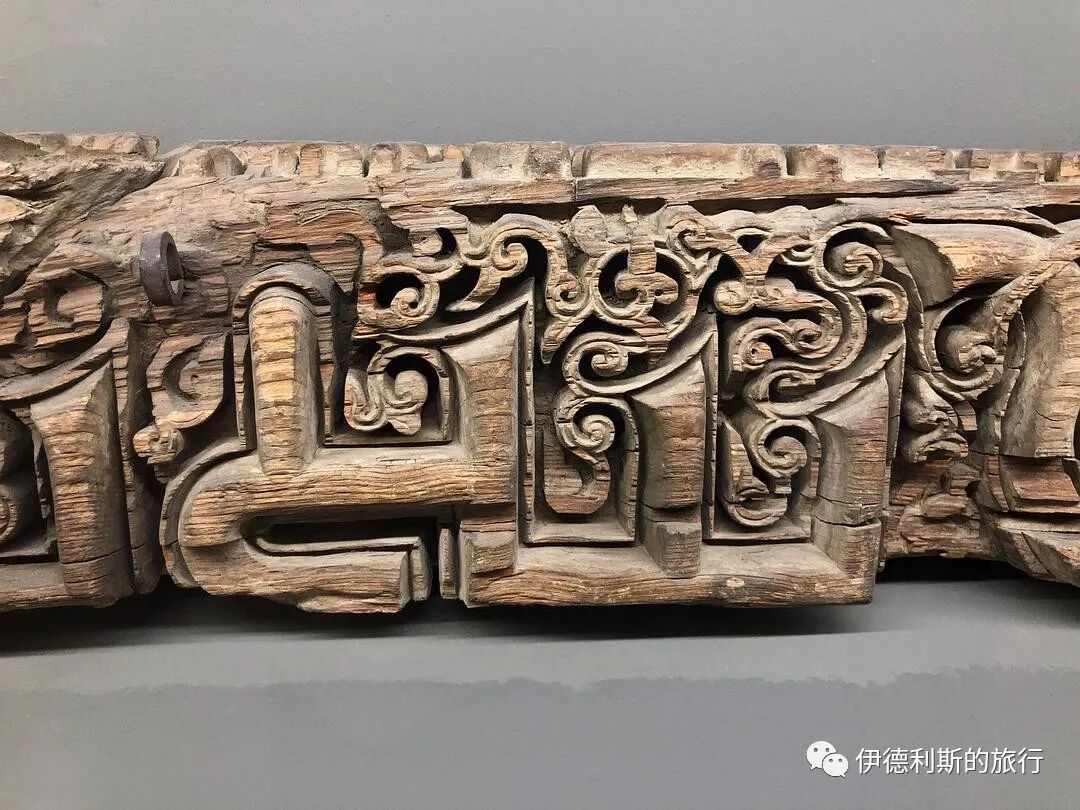
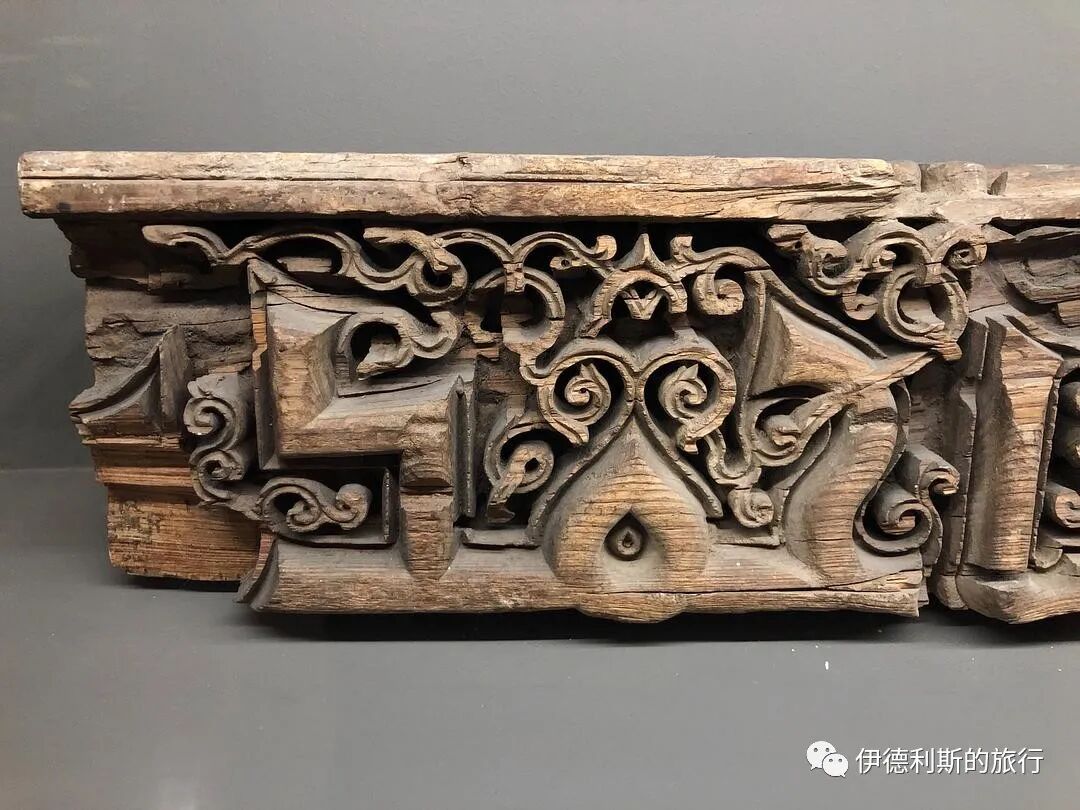
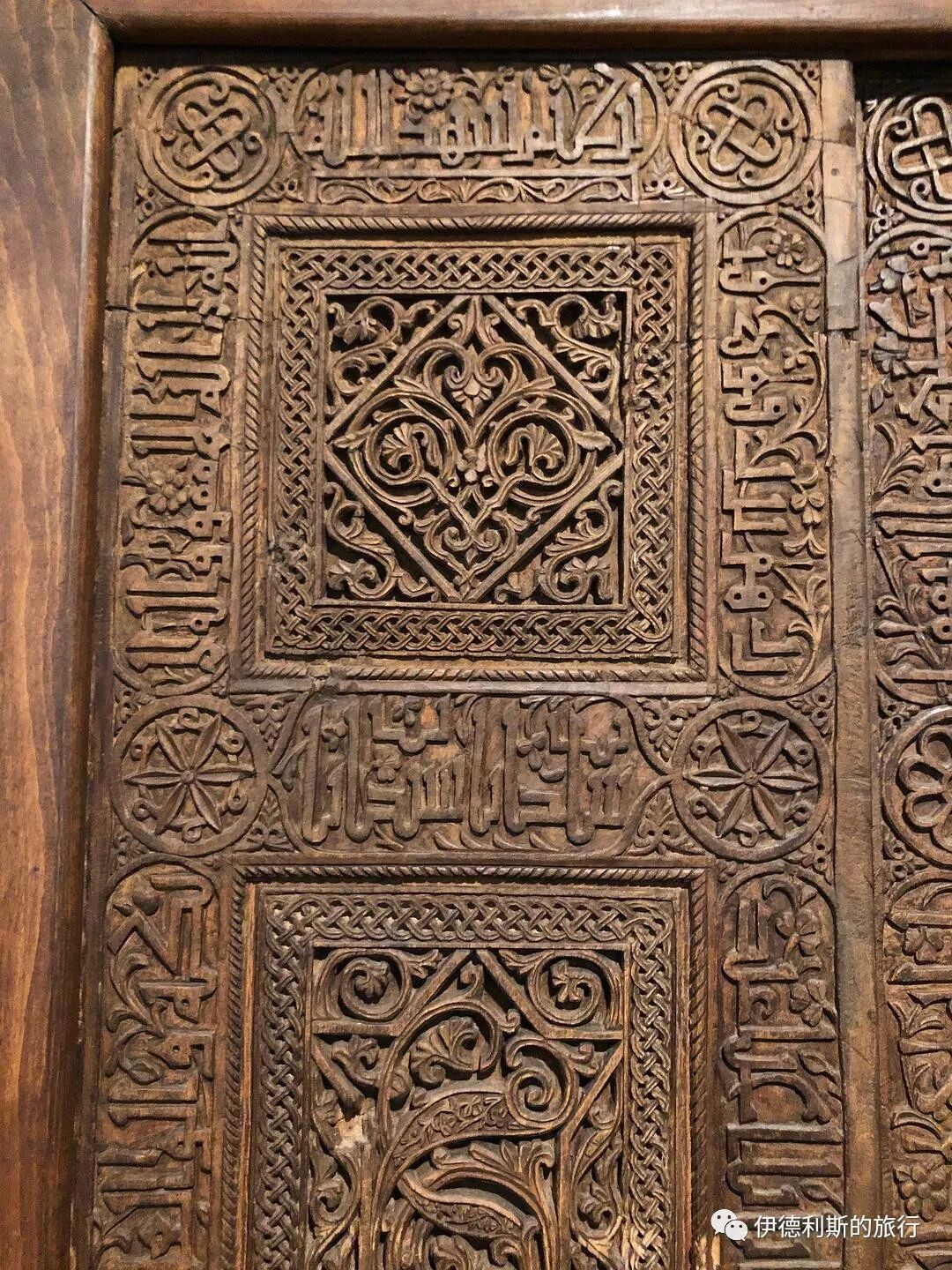
An 11th-century wooden door from the city of Behbahan, Khuzestan province, southwestern Iran, featuring Kufic and Naskh wood carvings.
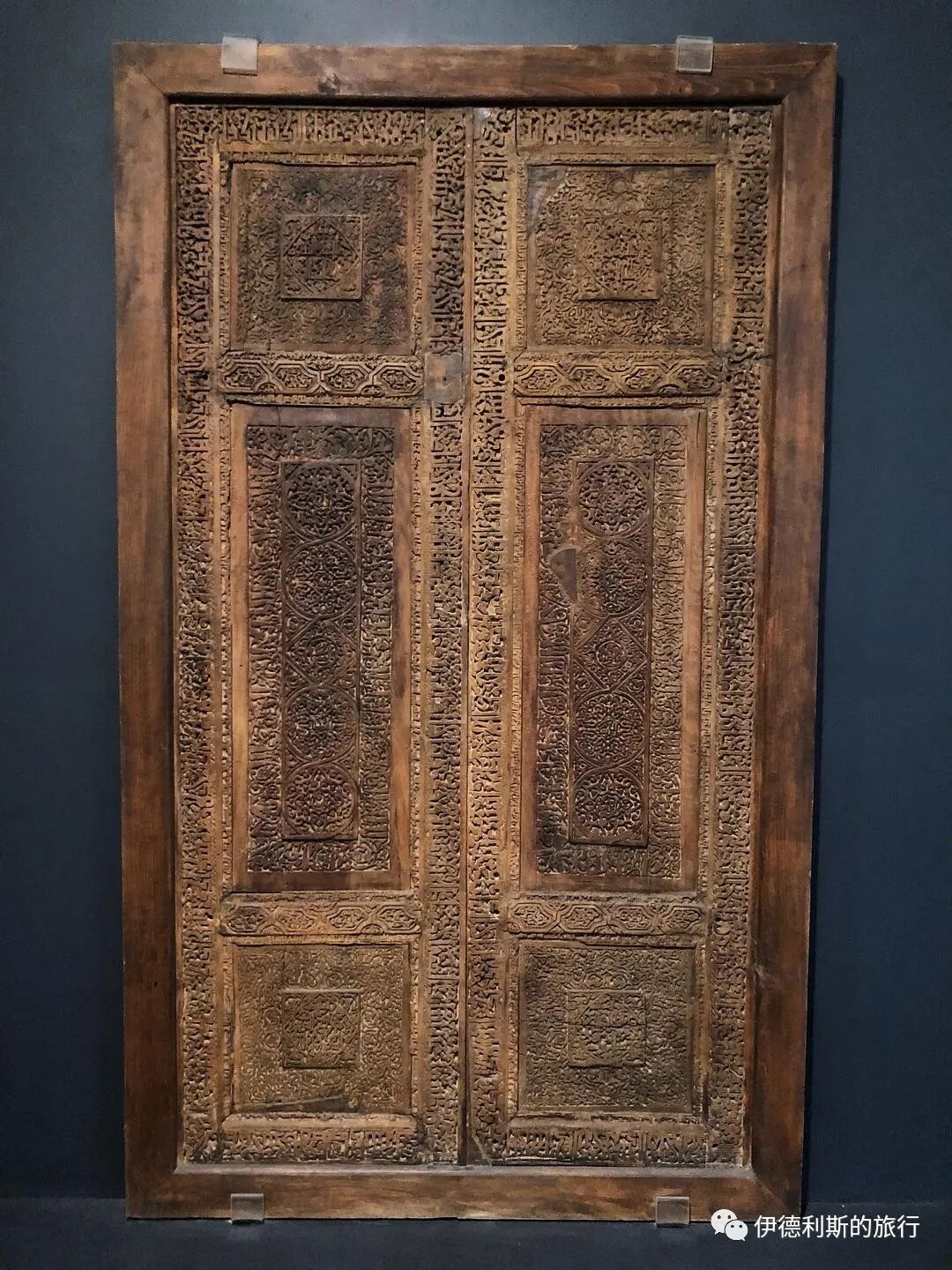
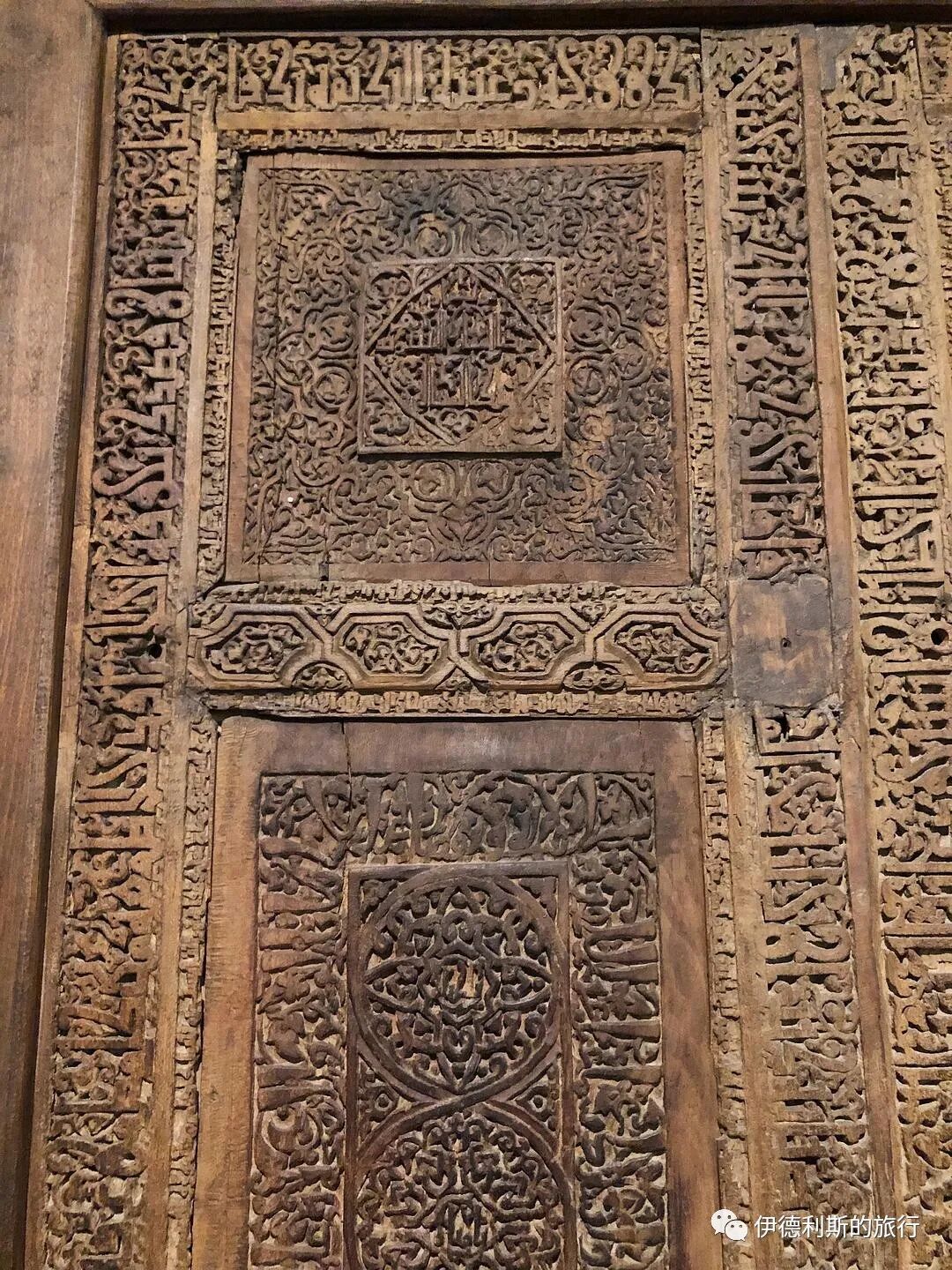
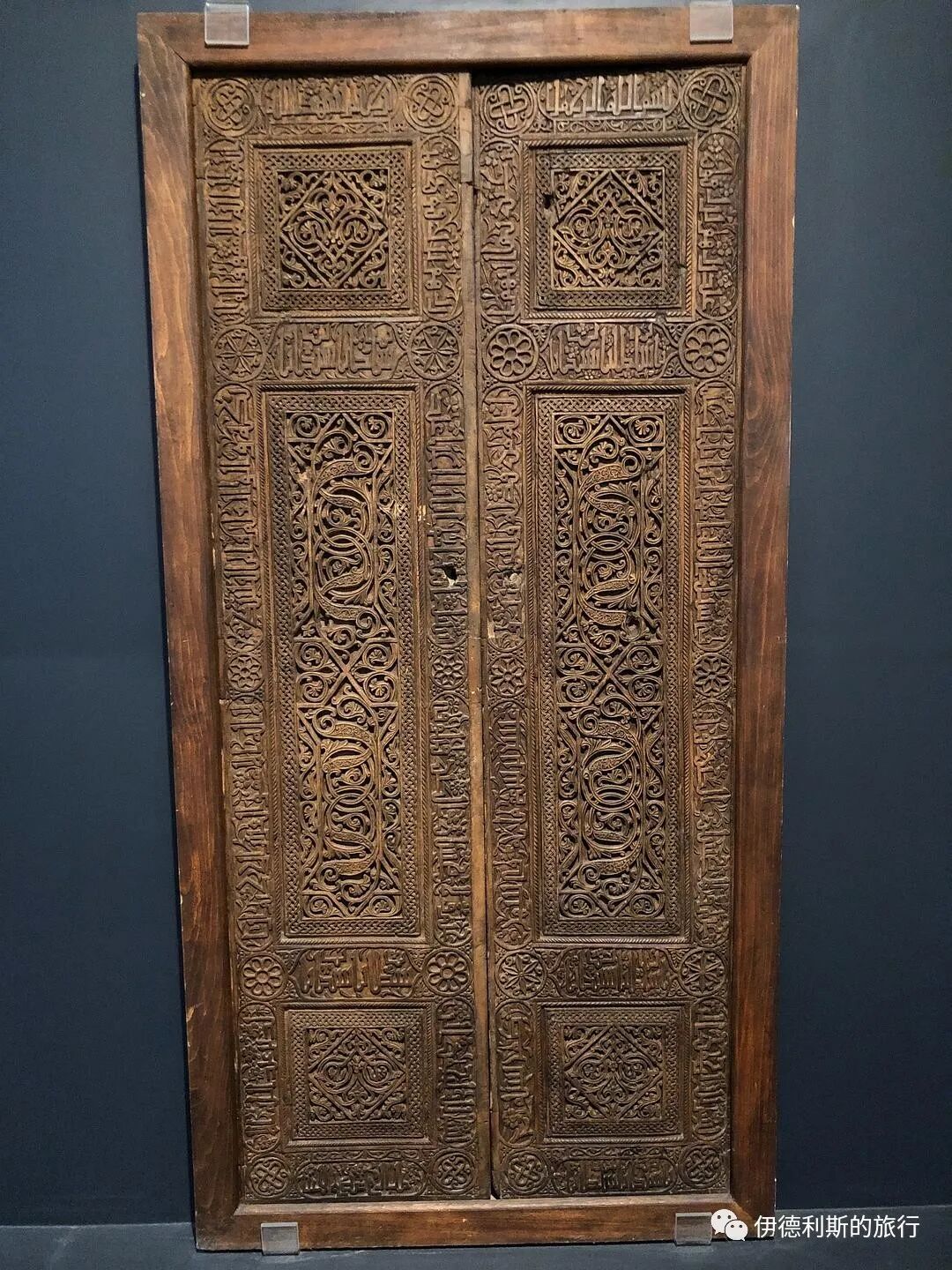
A 1341 wooden door from Fars province, southern Iran.
Ilkhanate tiles
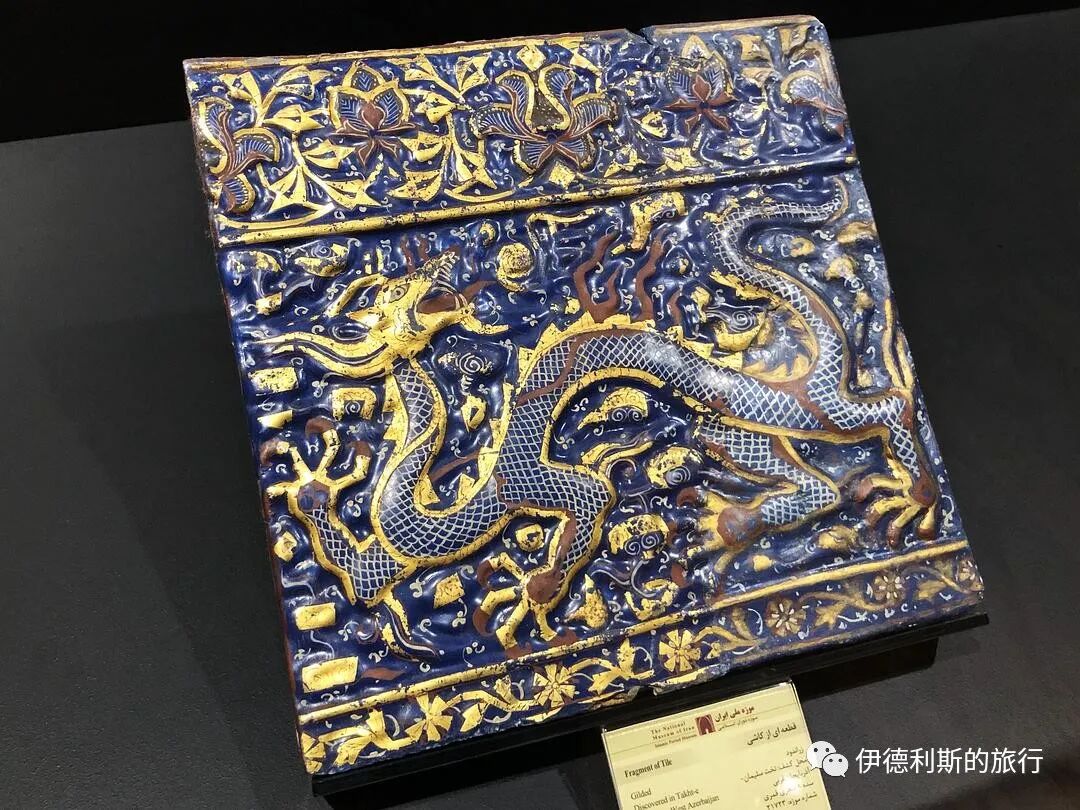
14th-century Ilkhanate tiles unearthed at the Takht-e Soleymān site in West Azerbaijan province. The Takht-e Soleymān site is a World Heritage site; it was originally an important Zoroastrian temple during the 5th-century Sassanid dynasty and was rebuilt in the 13th century as a summer palace for the Ilkhanate. Here, the Ilkhanate blended Eastern art with Iranian art, developing a unique Ilkhanate artistic style.
Takht-e Soleymān is the only surviving secular complex of the Ilkhanate. The walls of the Great Khan's palace are decorated with exquisite tiles, serving as a direct reflection of the cultural and artistic exchange between China and Iran in the 14th century. The tiles depict various floral, animal, and human motifs, with themes covering Buddhism, Chinese mythology, pre-Islamic Iran, as well as the Islamic Quran and Shia traditions, showcasing a fusion of multiple cultures. Some of the tiles feature themes from the famous Iranian epic, the Shahnameh, which also reflects the integration of the Ilkhanate into Iranian culture at the time.
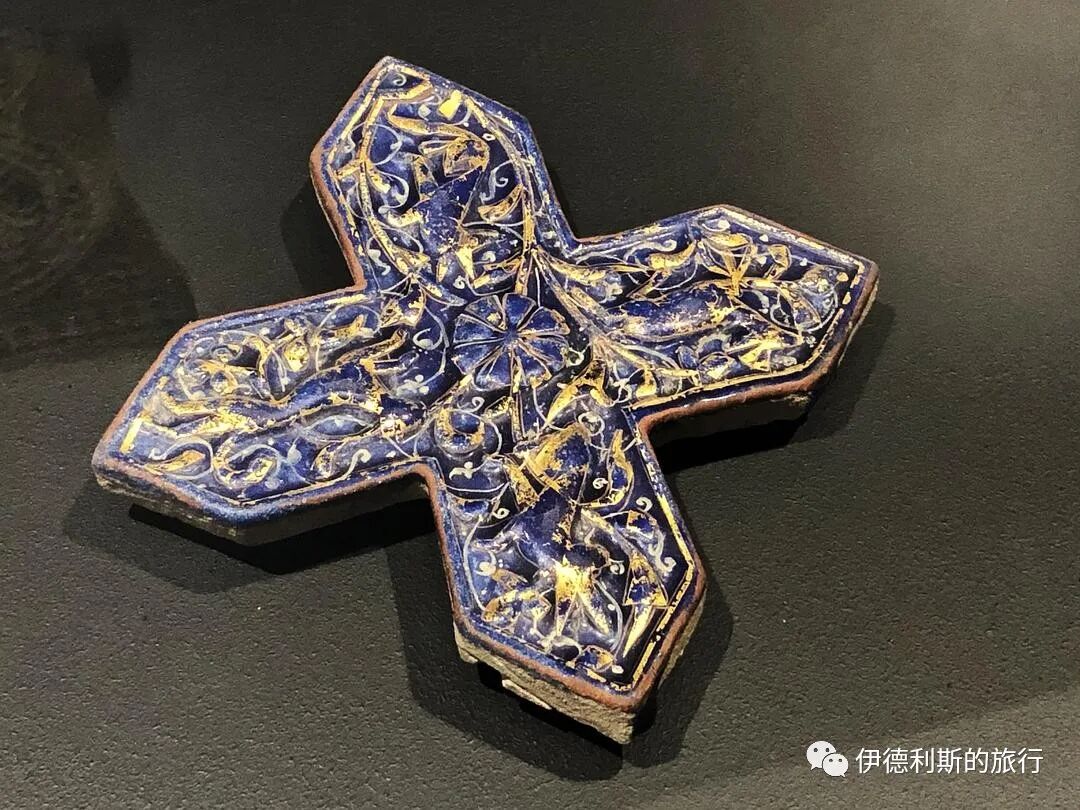
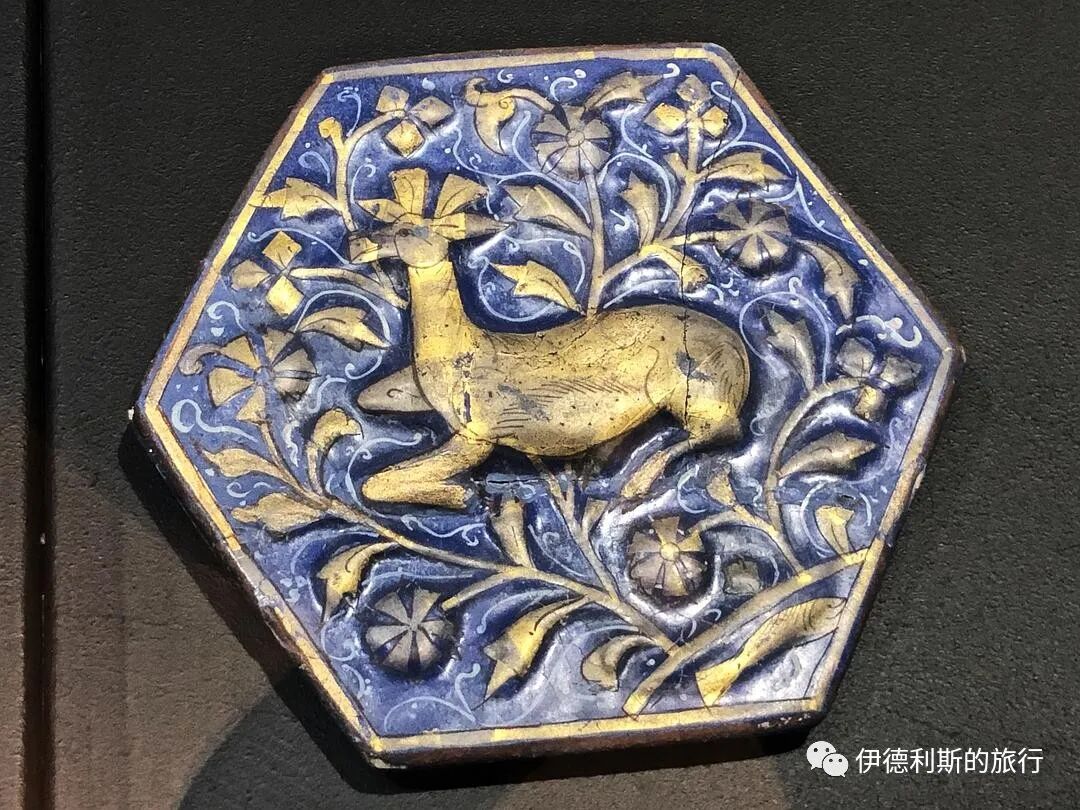
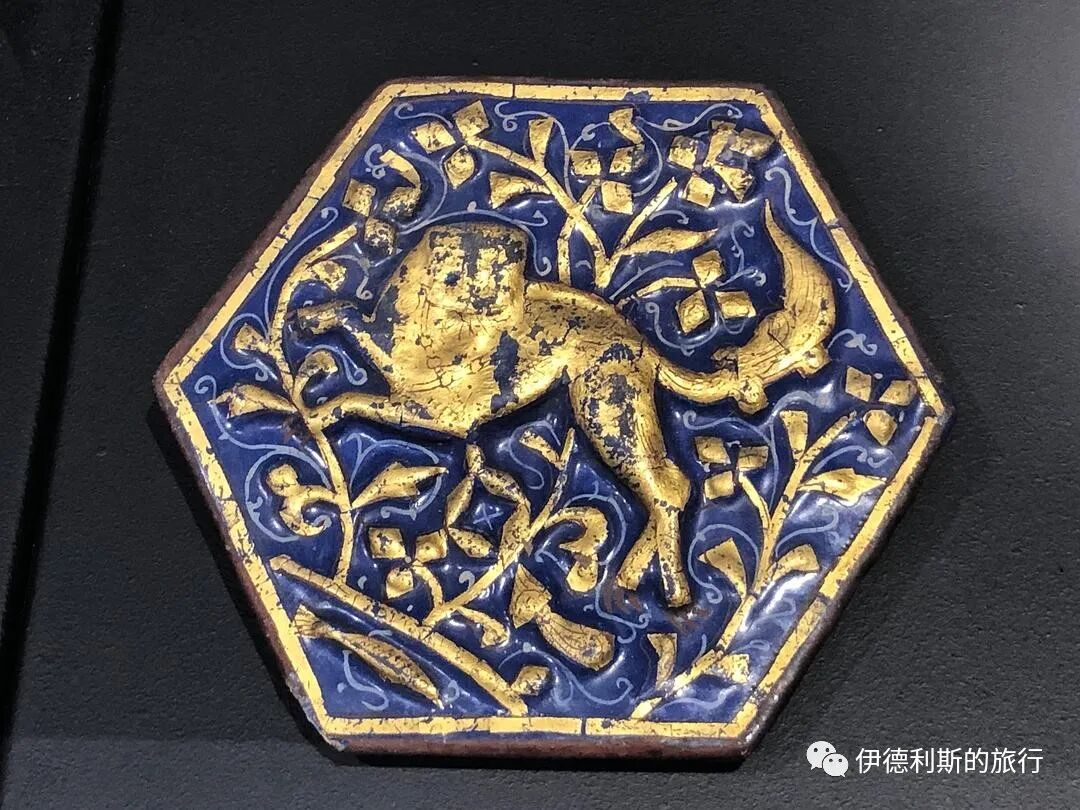
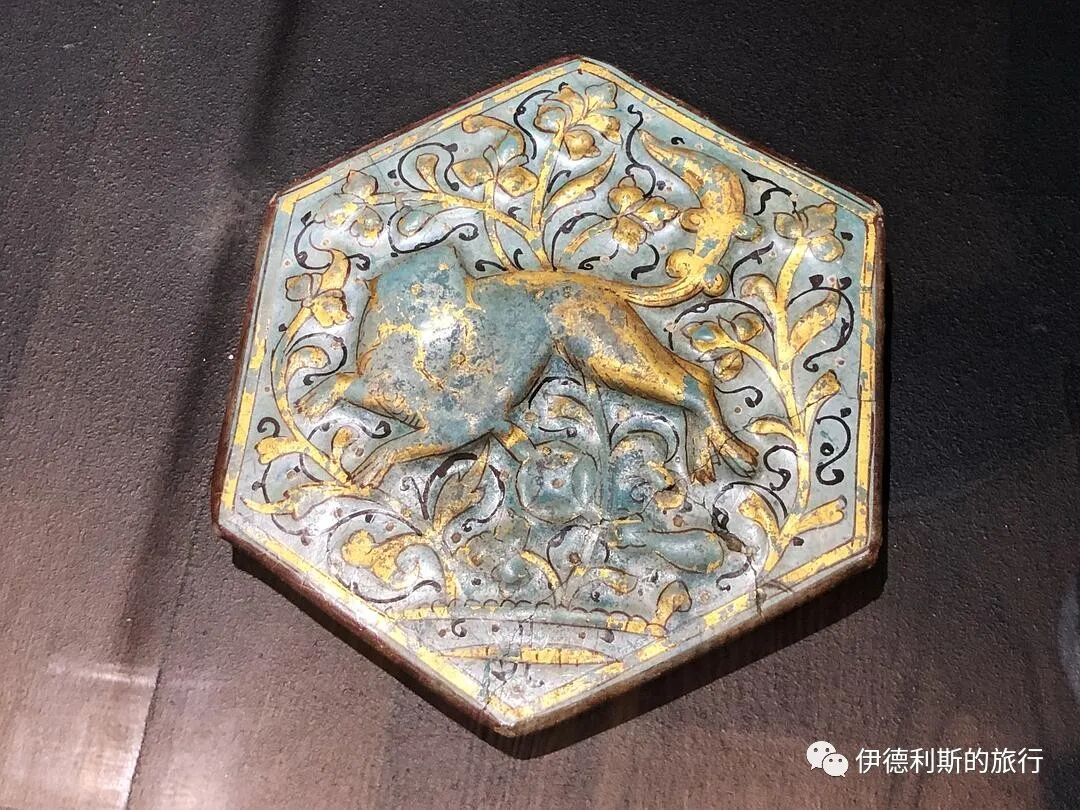
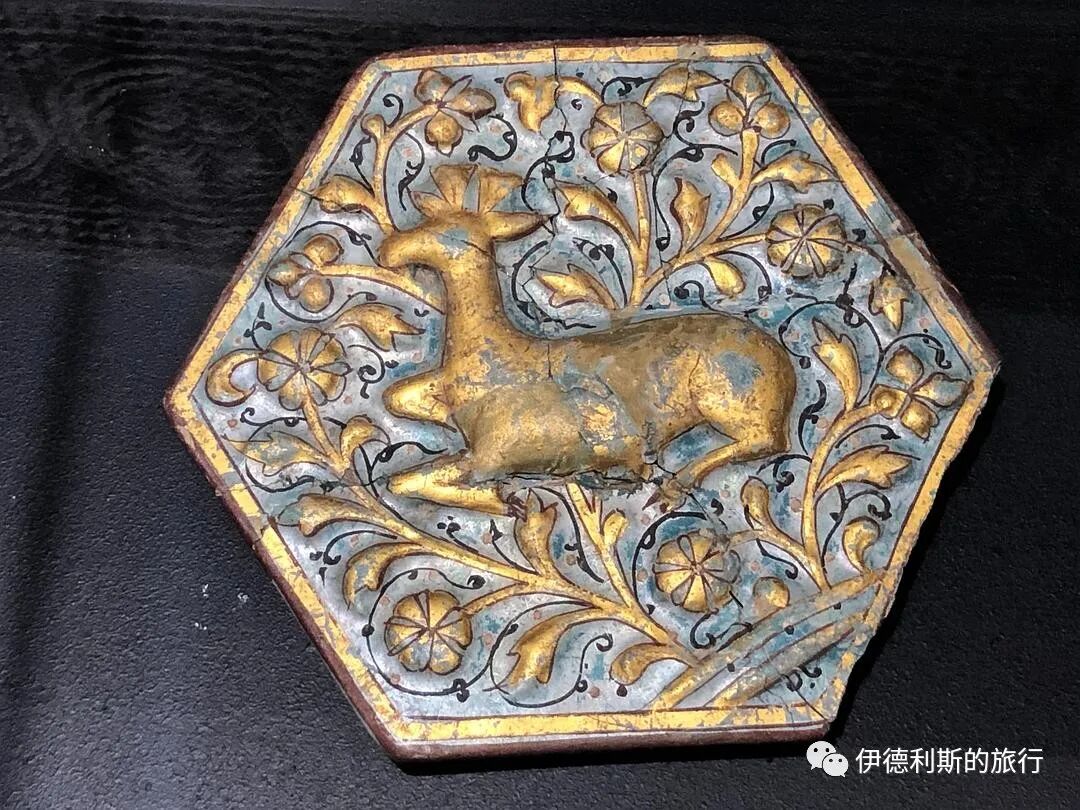
13th-14th century Ilkhanate period tiles from the city of Saveh, Markazi province. Saveh was an important city during the Parthian Empire; it was later destroyed by the Mongol army and rebuilt during the Ilkhanate period.
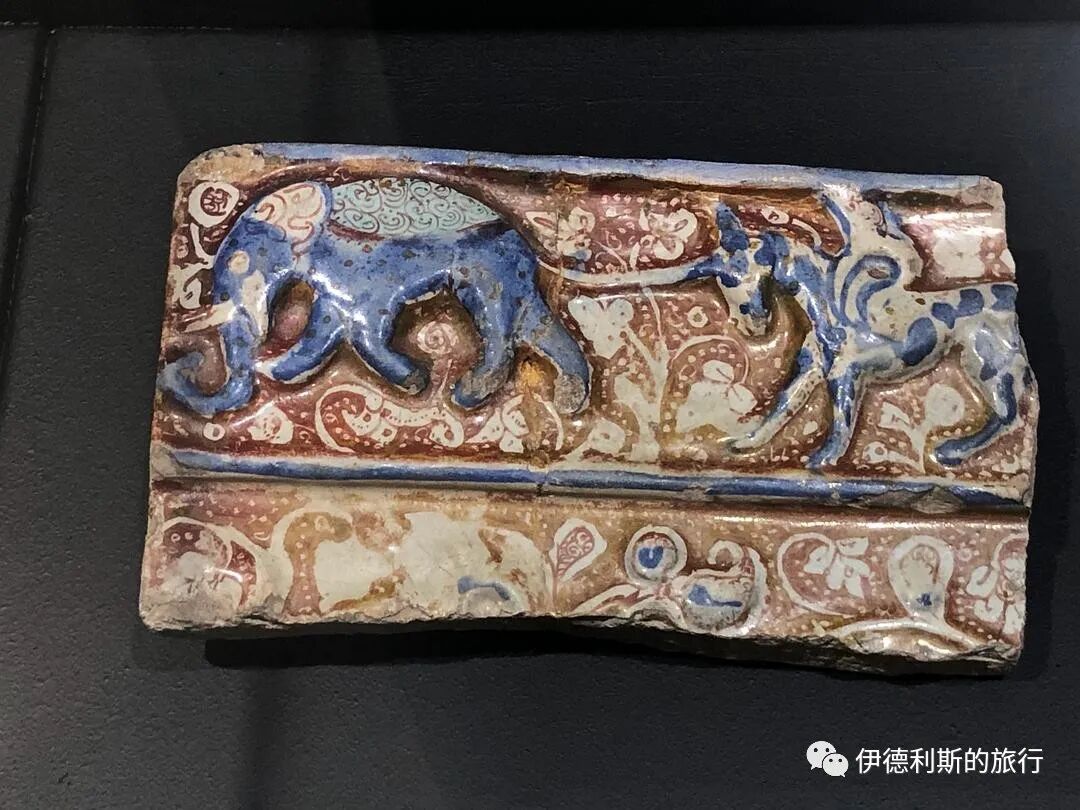
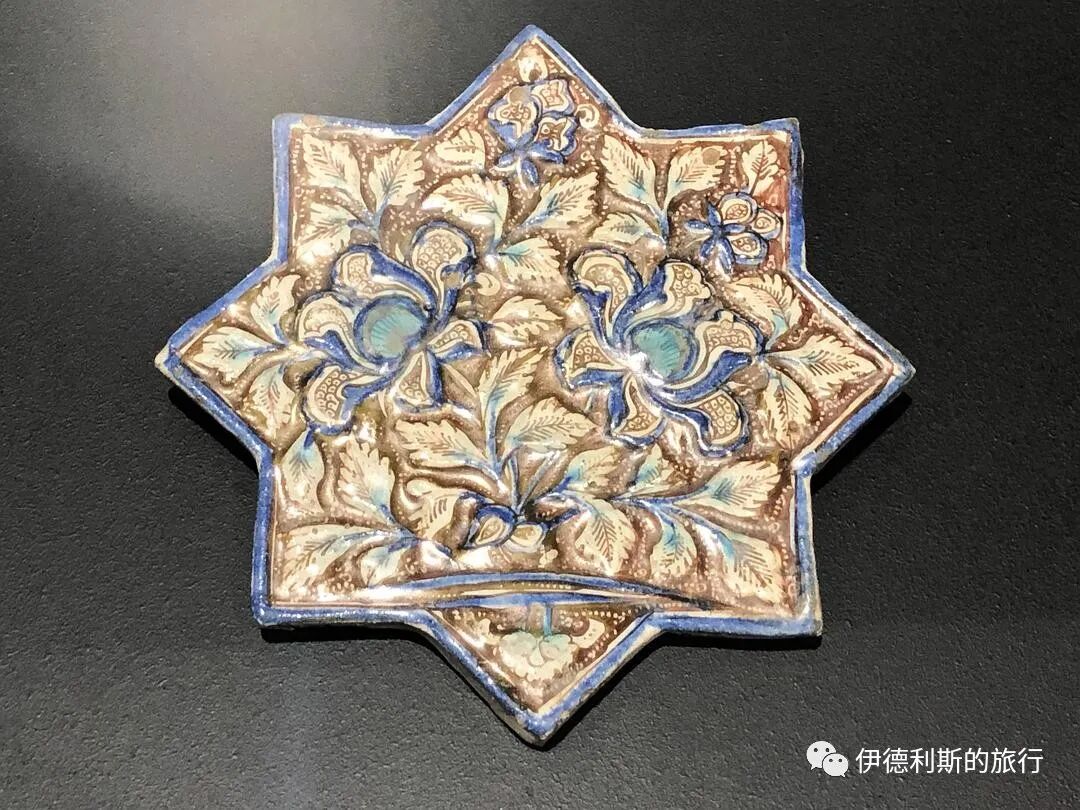
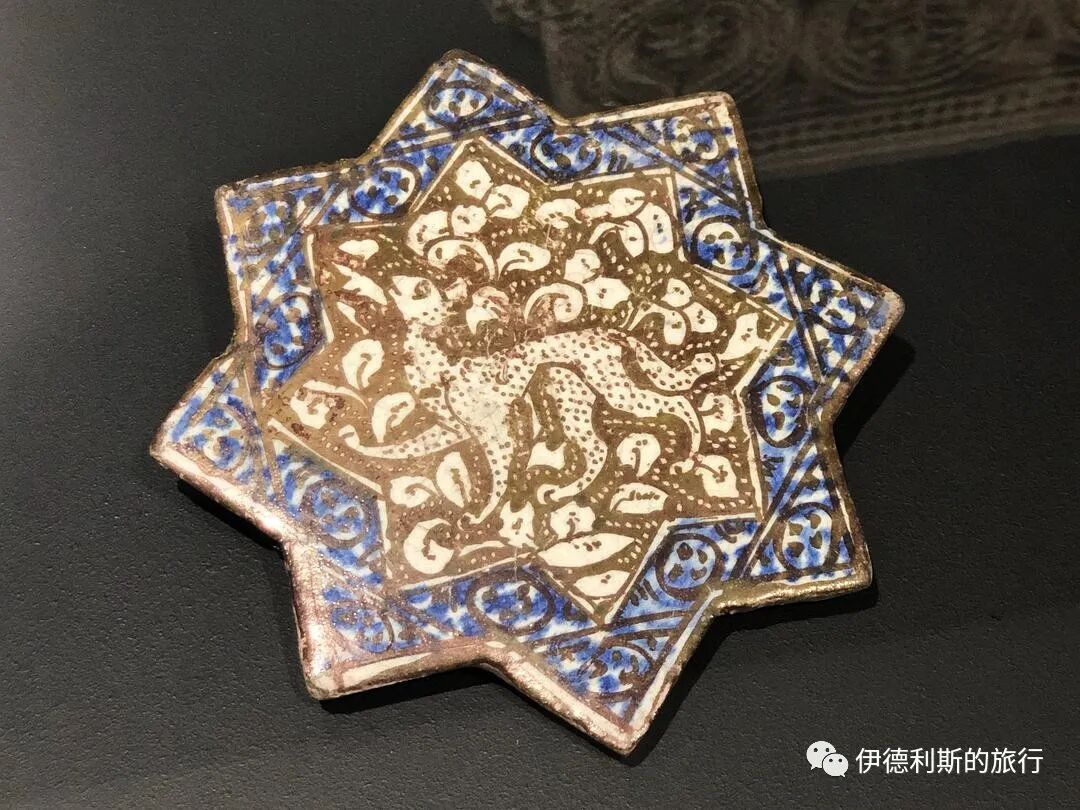
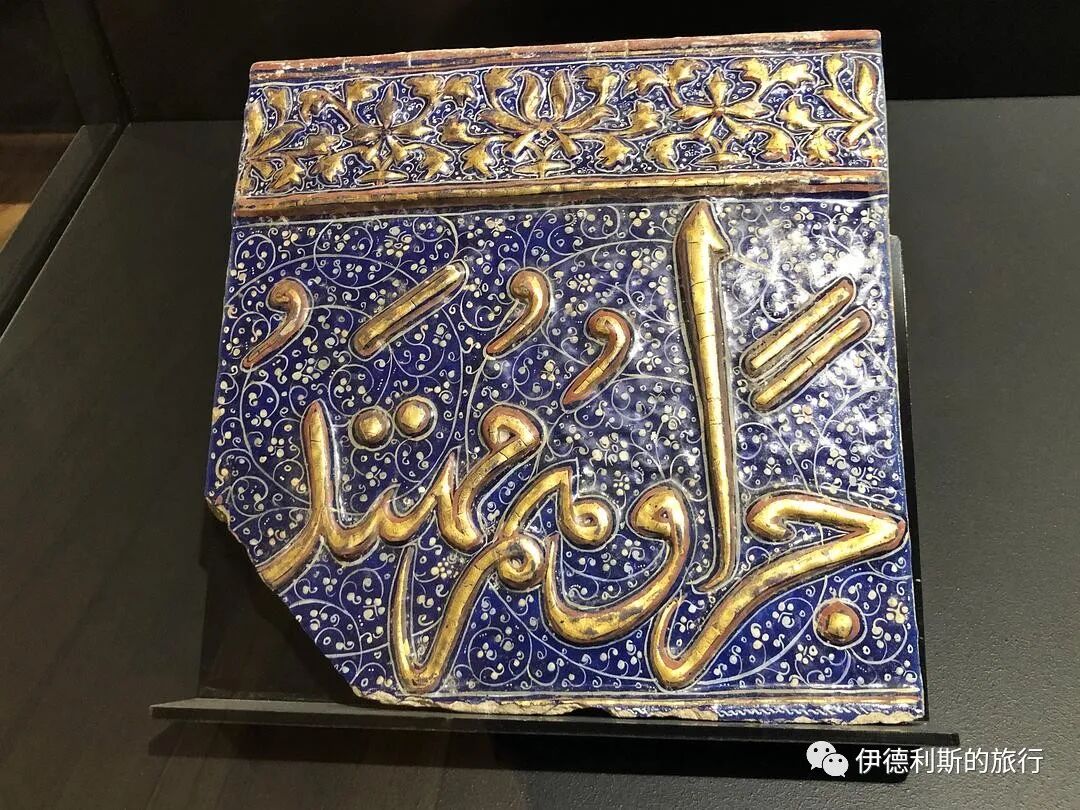
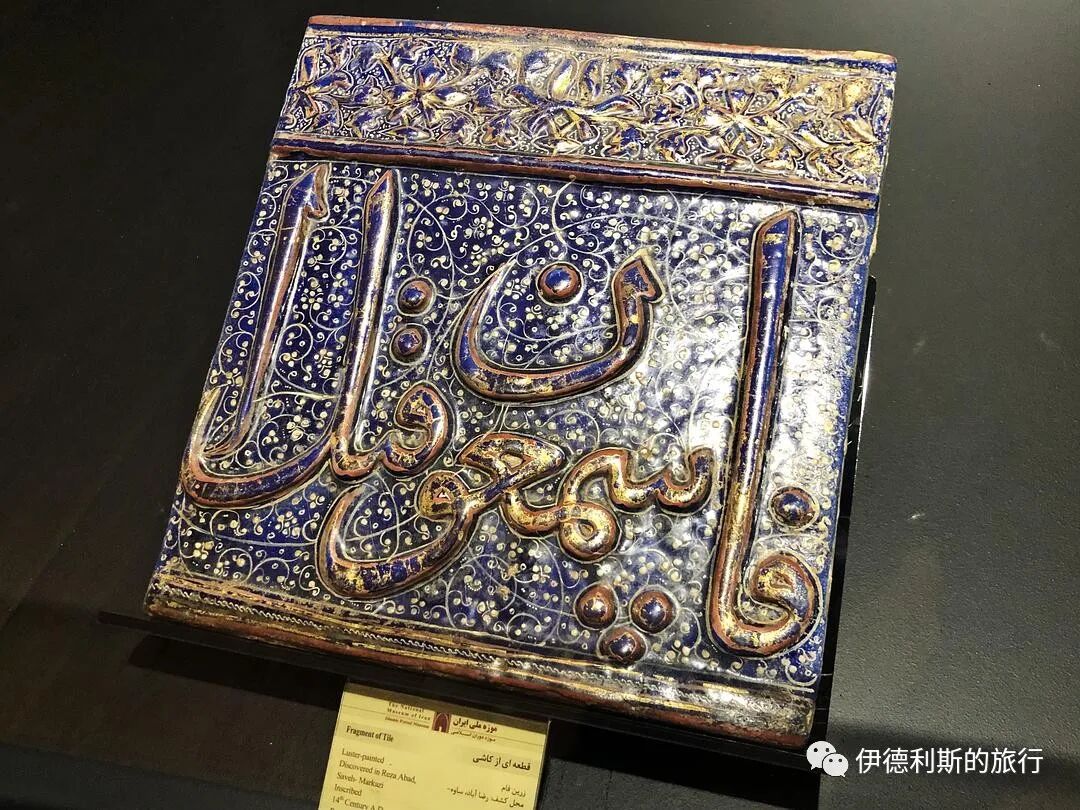
13th-century Gorgan, located on the Caspian coast. Gorgan was an important city during the Sassanid Empire and remained a center for Zoroastrianism after the 8th century. Old Gorgan was destroyed by the Mongols, and the city was relocated to a new site during the Ilkhanate period.
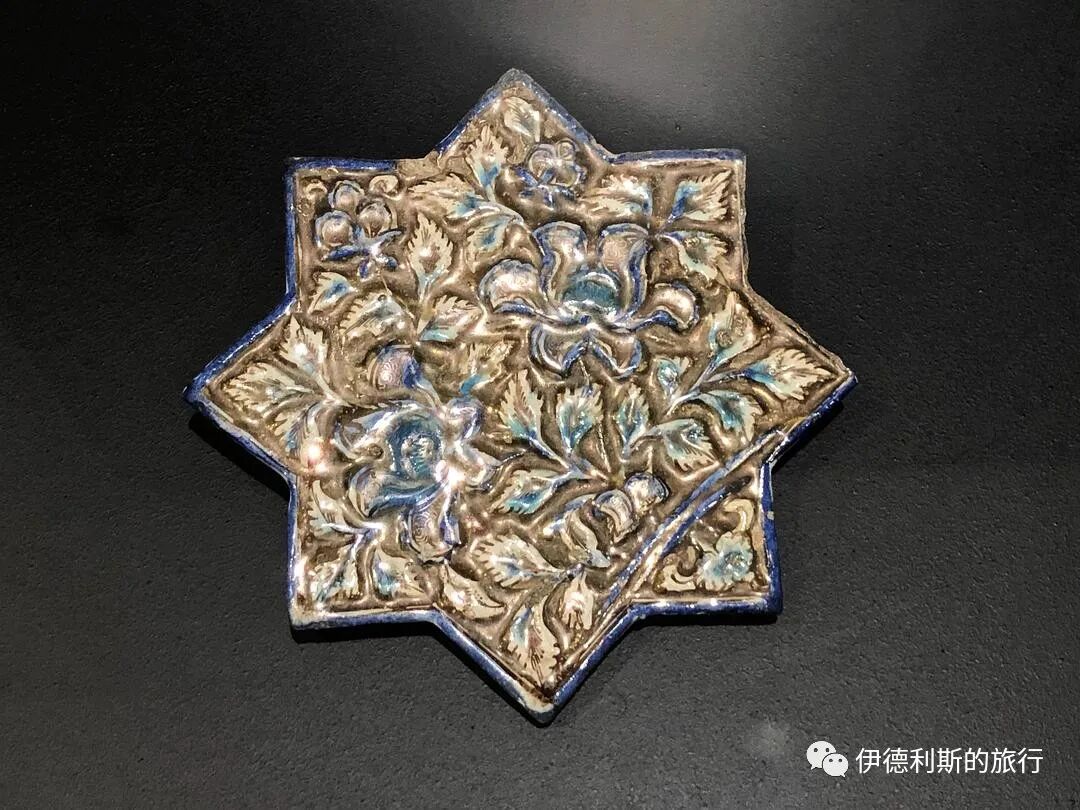
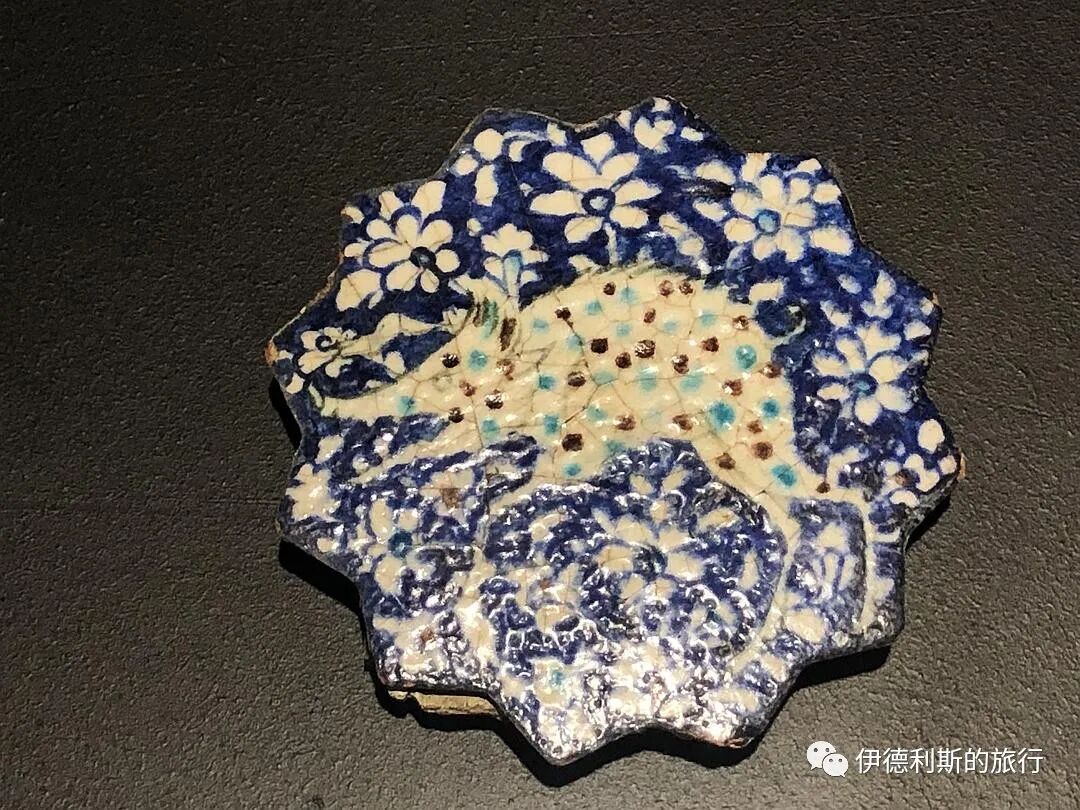
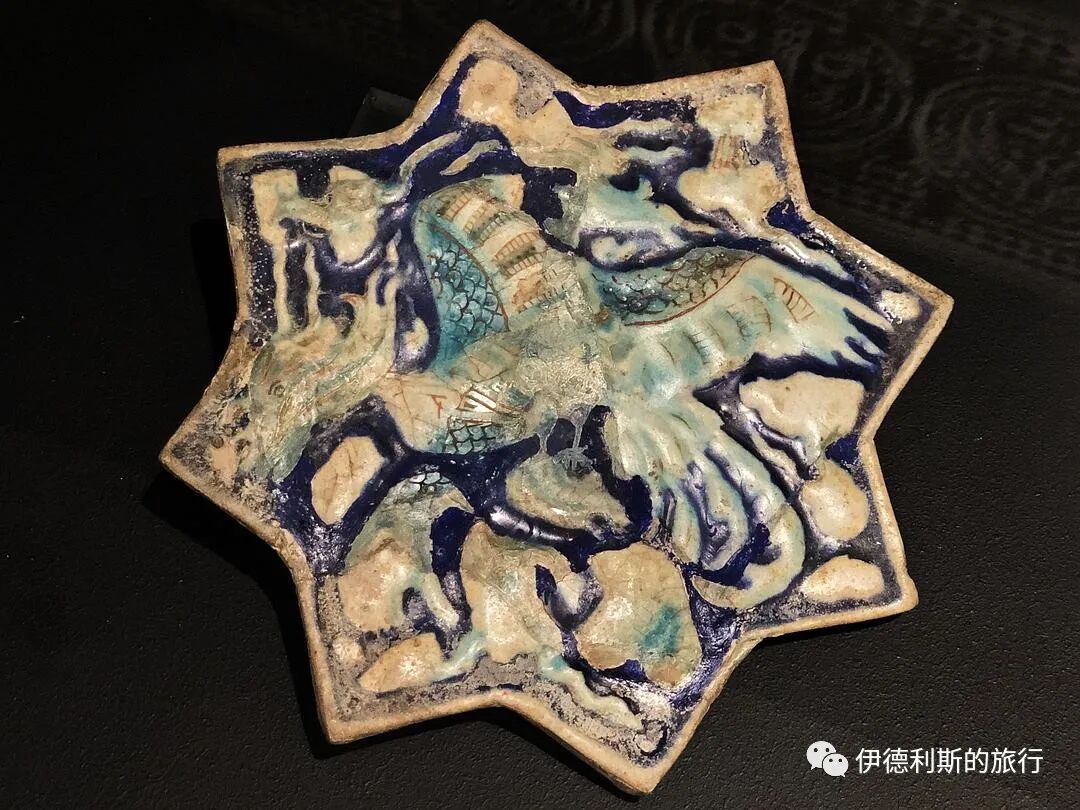
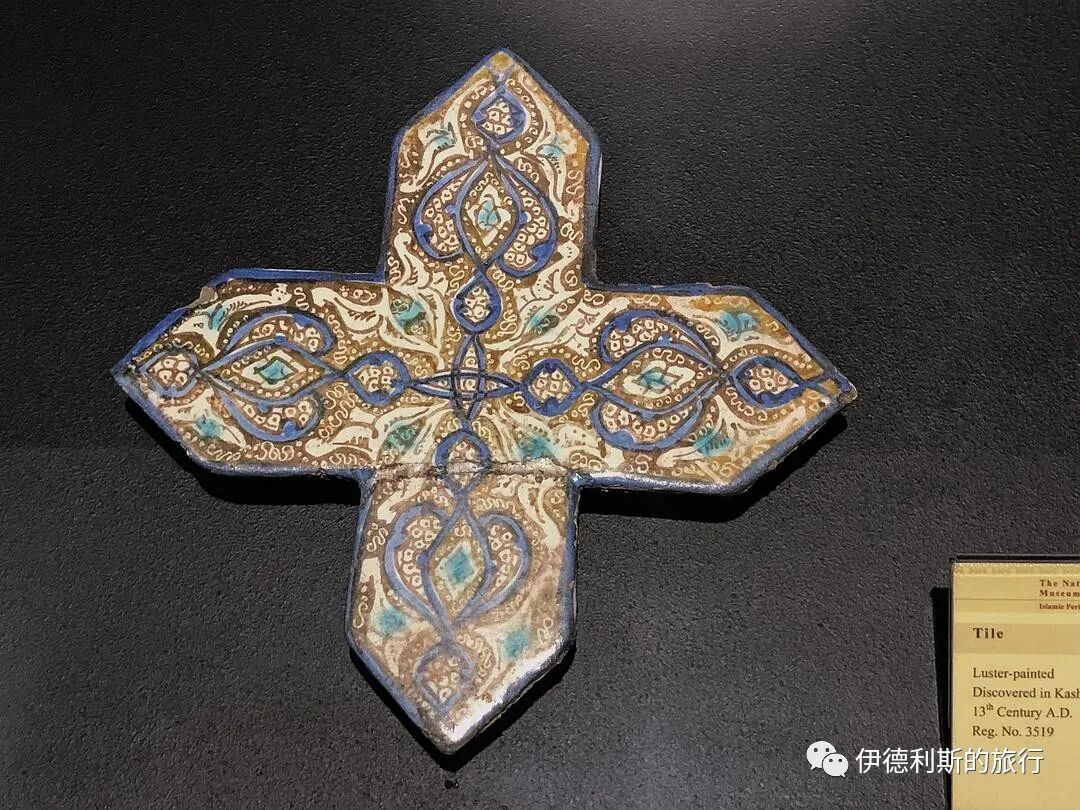
13th-14th century Ilkhanate period tiles from Kashan, Isfahan province. During the Seljuk Empire and Ilkhanate rule from the 12th to the 14th century, Kashan was an important center for the production of high-quality pottery and tiles in Iran. In modern Persian, the word for tile (kashi) is derived from Kashan.
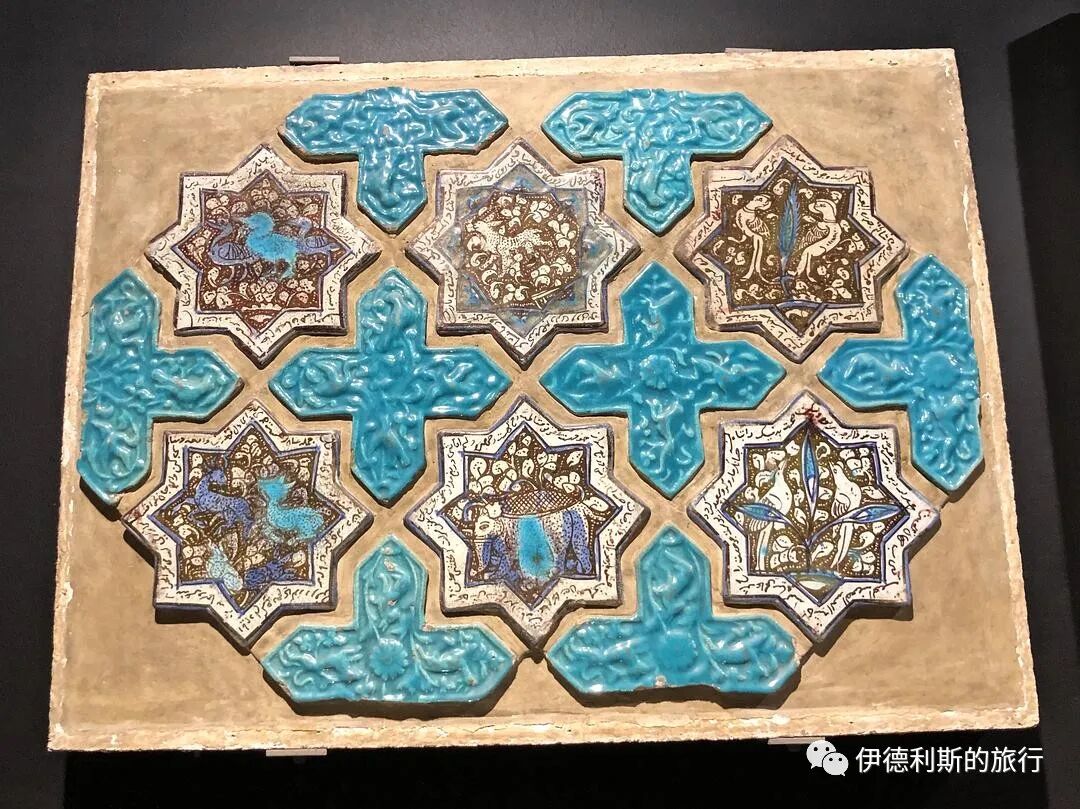
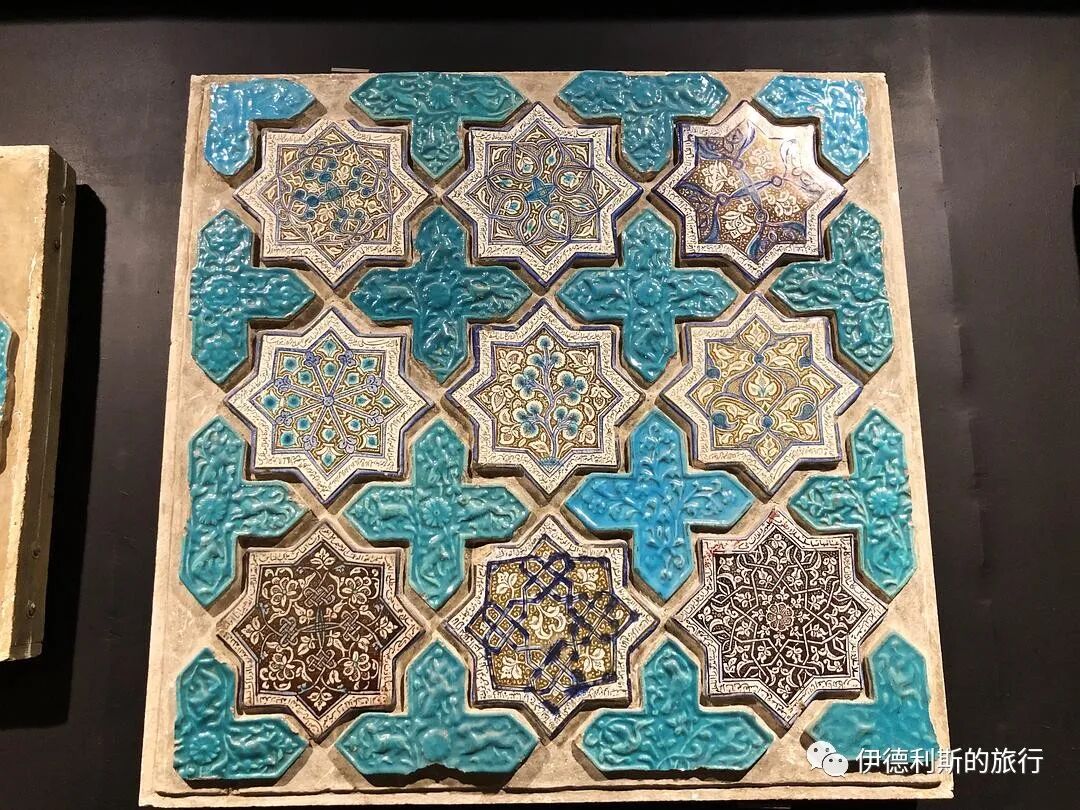
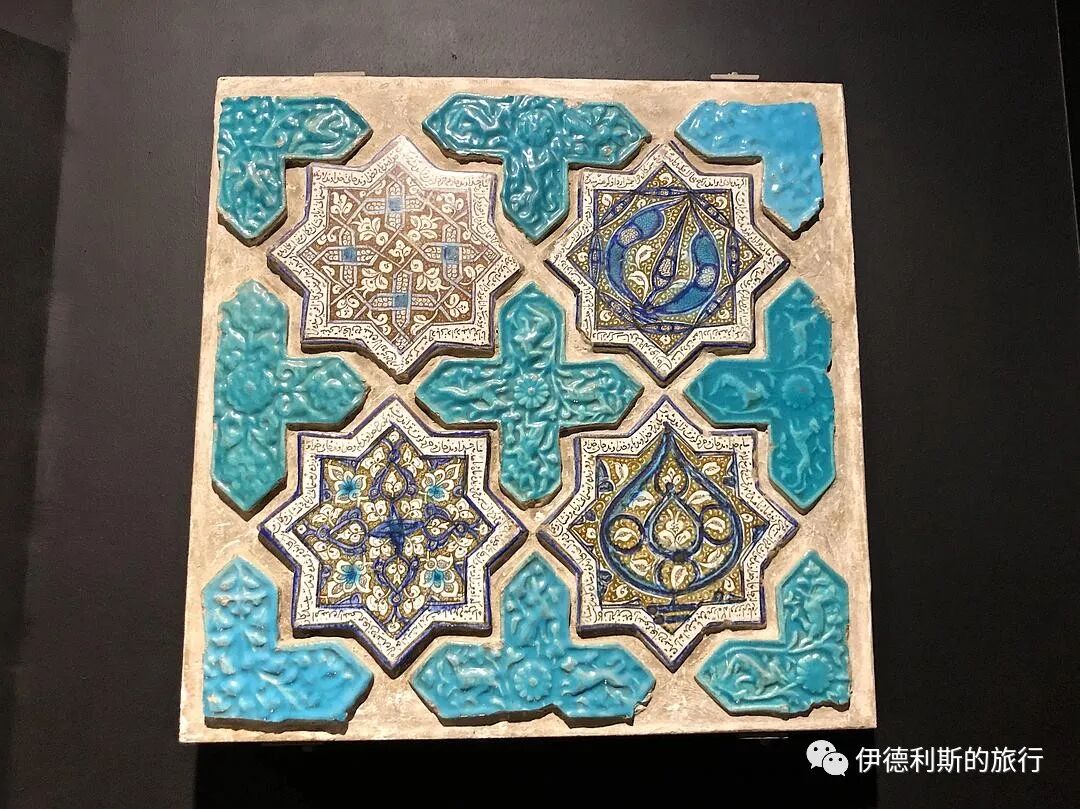
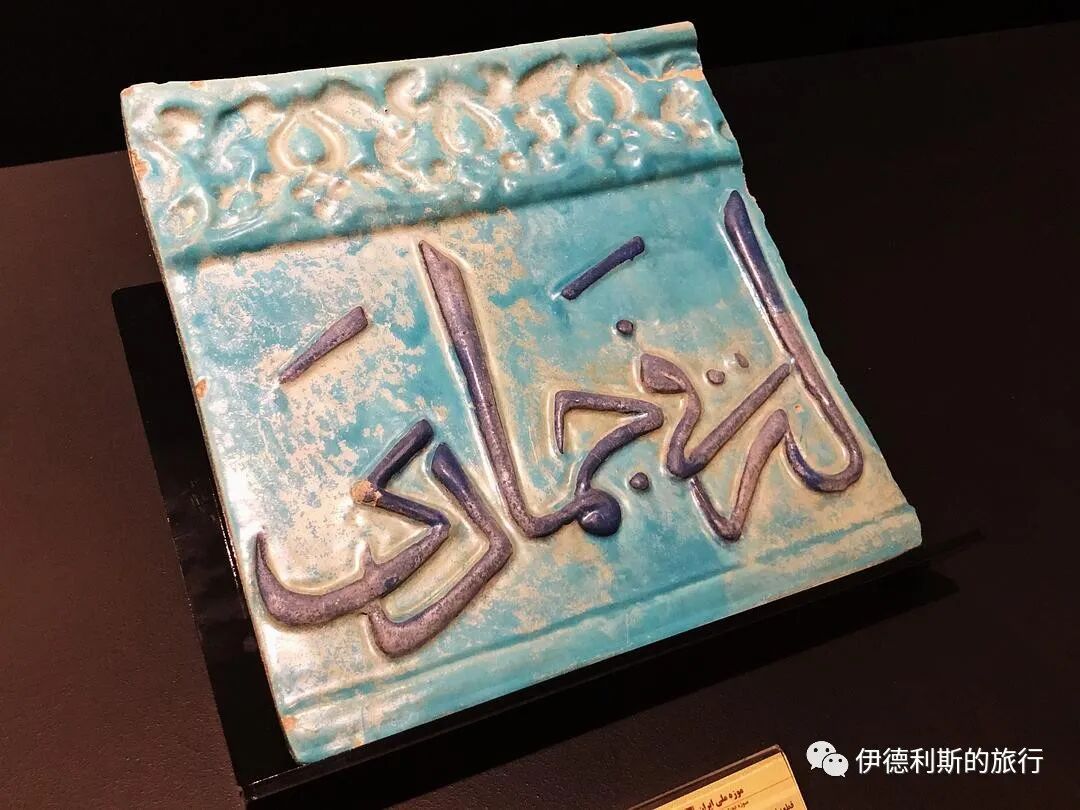
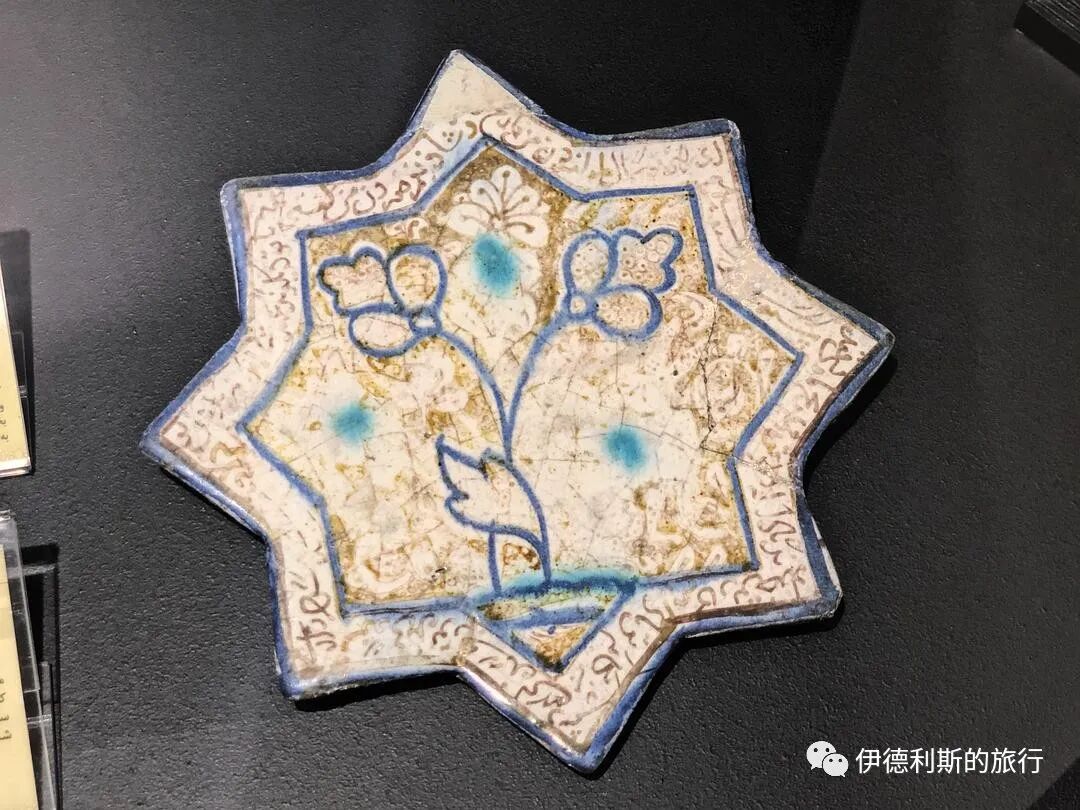
Artifacts from Nishapur, 9th to 11th century.
Nishapur is located on the ancient Silk Road in northeastern Iran and was once one of the four major cities of the Greater Khorasan region. In the 9th century AD, Nishapur became the capital of the Persian Tahirid dynasty. Under the rule of the Persian Samanid dynasty in the 10th century, Nishapur developed into an important cultural and commercial center of the Islamic world, continuing through the 11th-century Seljuk dynasty. Between the 9th and 11th centuries, various cultures and religions converged in Nishapur, where trade routes from Central Asia, China, Iraq, and Egypt intersected. The glazed pottery produced in Nishapur at that time became an important trade commodity in the West, once rivaling Baghdad and Cairo.
In 1221, Nishapur was massacred by the Mongols and subsequently completely destroyed; the former metropolis was buried deep underground. It was not until archaeological excavations by the Metropolitan Museum of Art in New York between 1935 and 1940 that countless artifacts and ruins were discovered beneath the farmland. Today, most of the excavated Nishapur artifacts are preserved in the Metropolitan Museum of Art, as well as in museums in Tehran and Mashhad.
According to historical records, Nishapur had at least 38 madrasas before the 11th century. Before the archaeological excavations, no ruins were visible except for a mound in the farmland. Archaeological excavations identified six layers of the Tappeh Madreseh site dating from the 9th to the 13th century; although signs of destruction and subsequent restoration or reconstruction were found in each layer, they maintained a relatively consistent overall layout.
The lowest layer of the madrasa dates back to the 9th century and is believed to have been built by the Tahirid ruler Abdallah ibn Tahir (reigned 828-845). The early spaces were large, but were further subdivided during the Samanid dynasty in the 10th century and the Seljuk dynasty in the 11th century. Overall, however, the madrasa featured a square courtyard in the center, surrounded by more than 20 rooms on three sides, with rectangular colonnades.
9th-century colored plaster murals unearthed at the Tappeh Madreseh site.
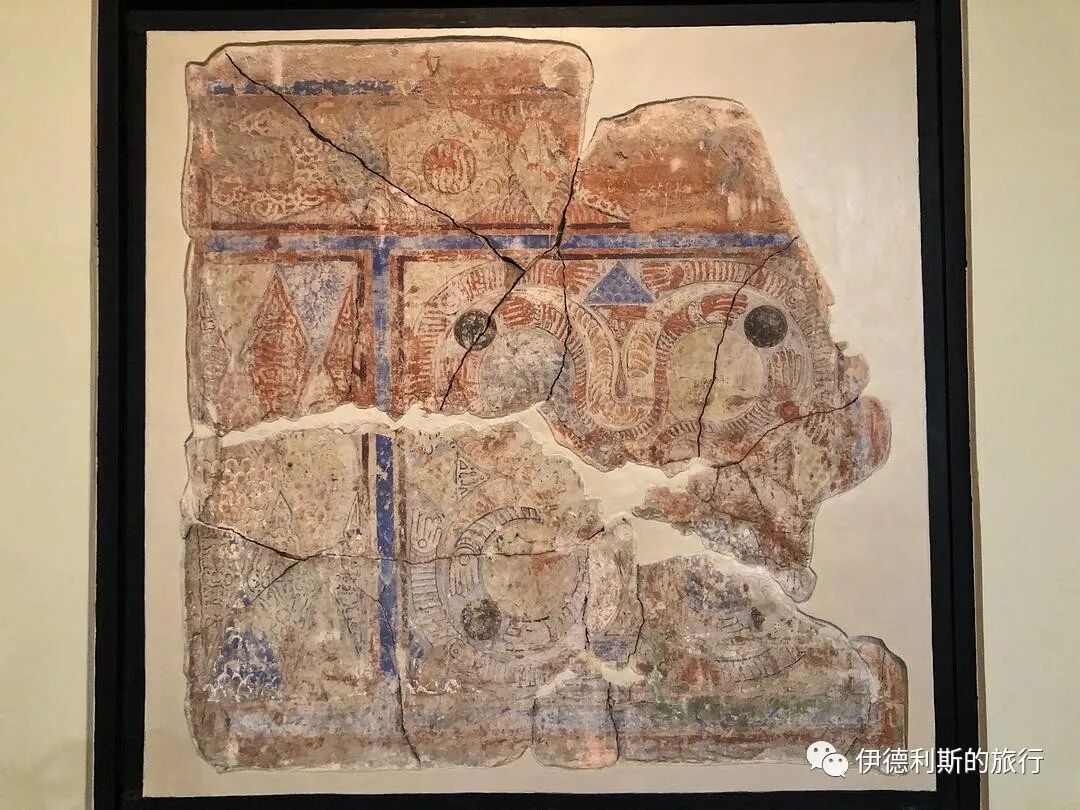
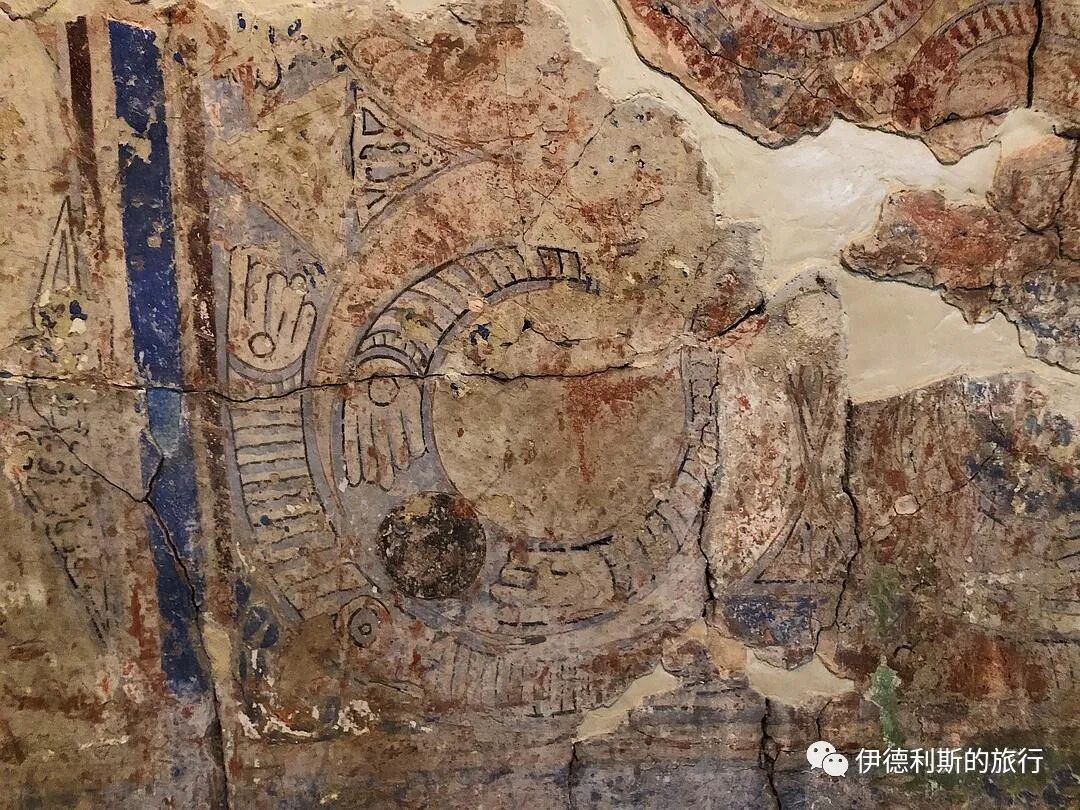
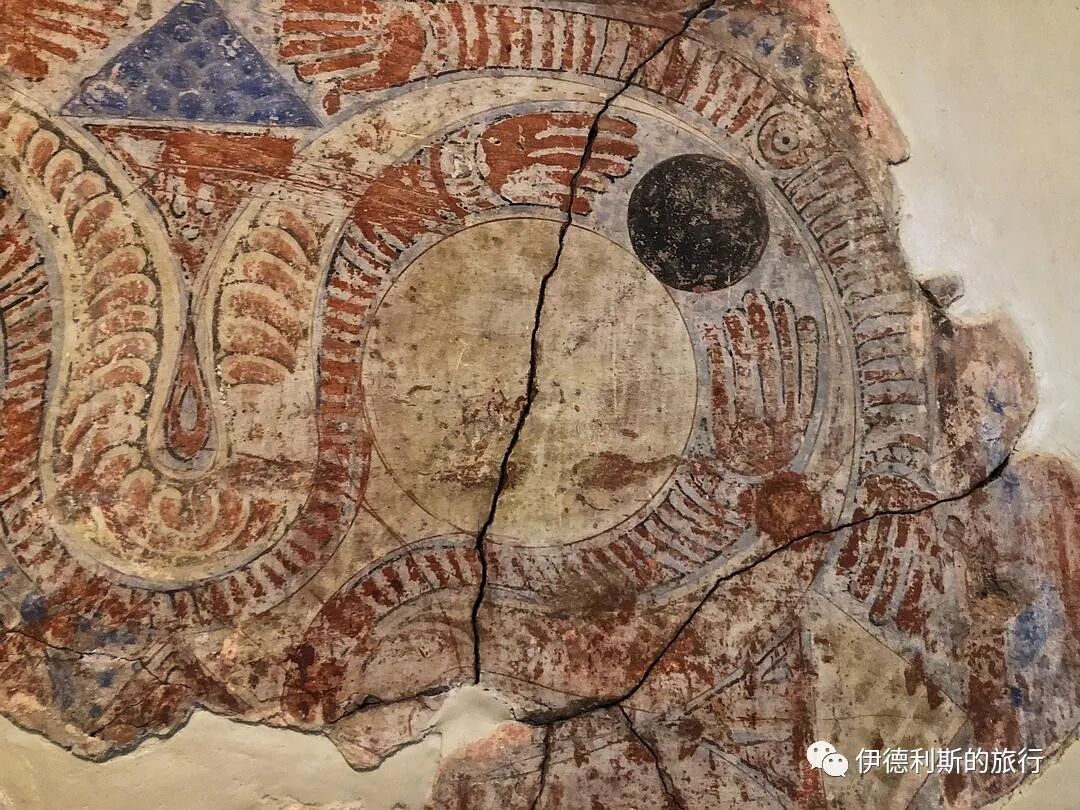
9th-century plaster hunting murals unearthed at the Tappeh Takestan site in Nishapur.
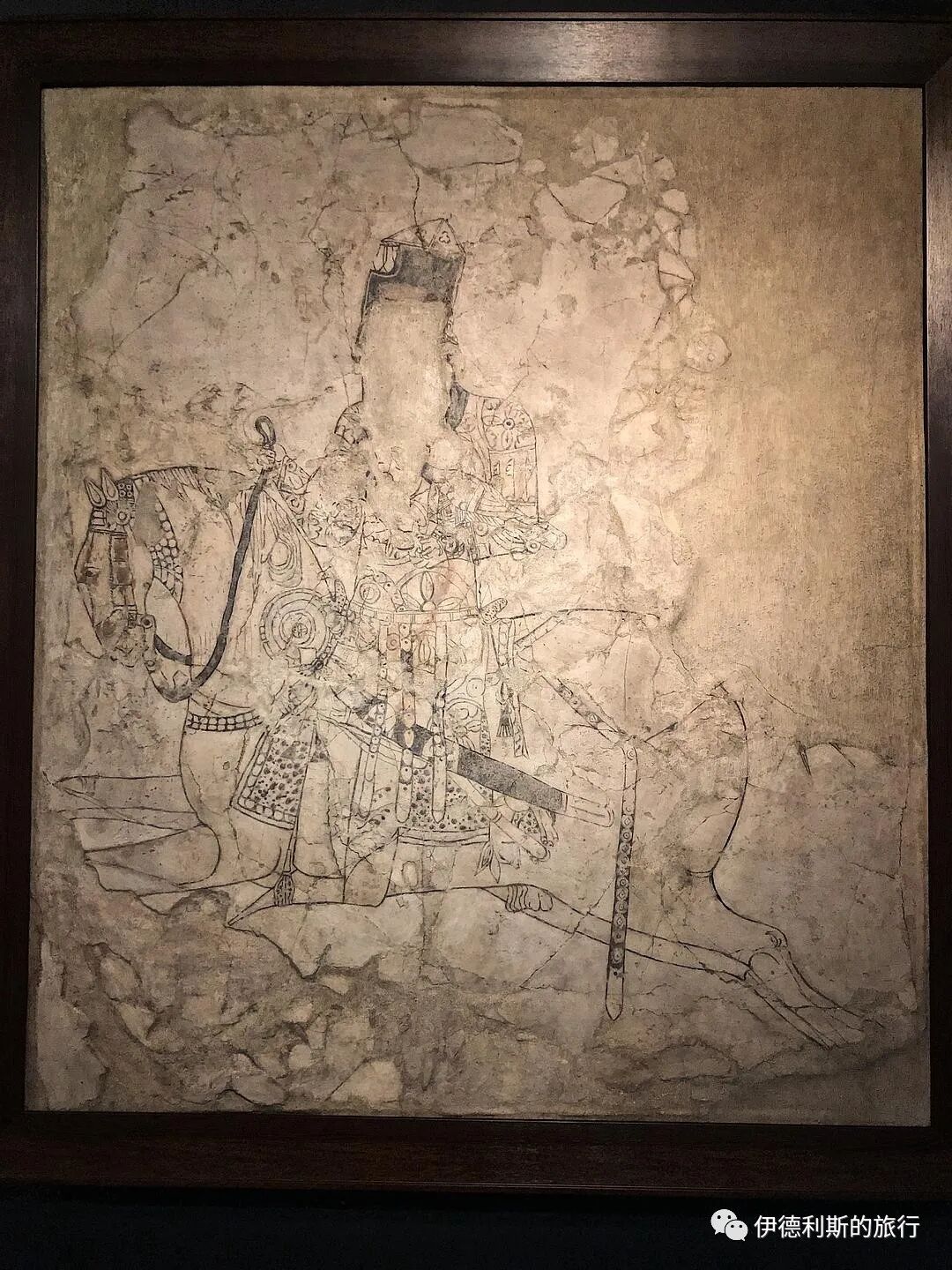
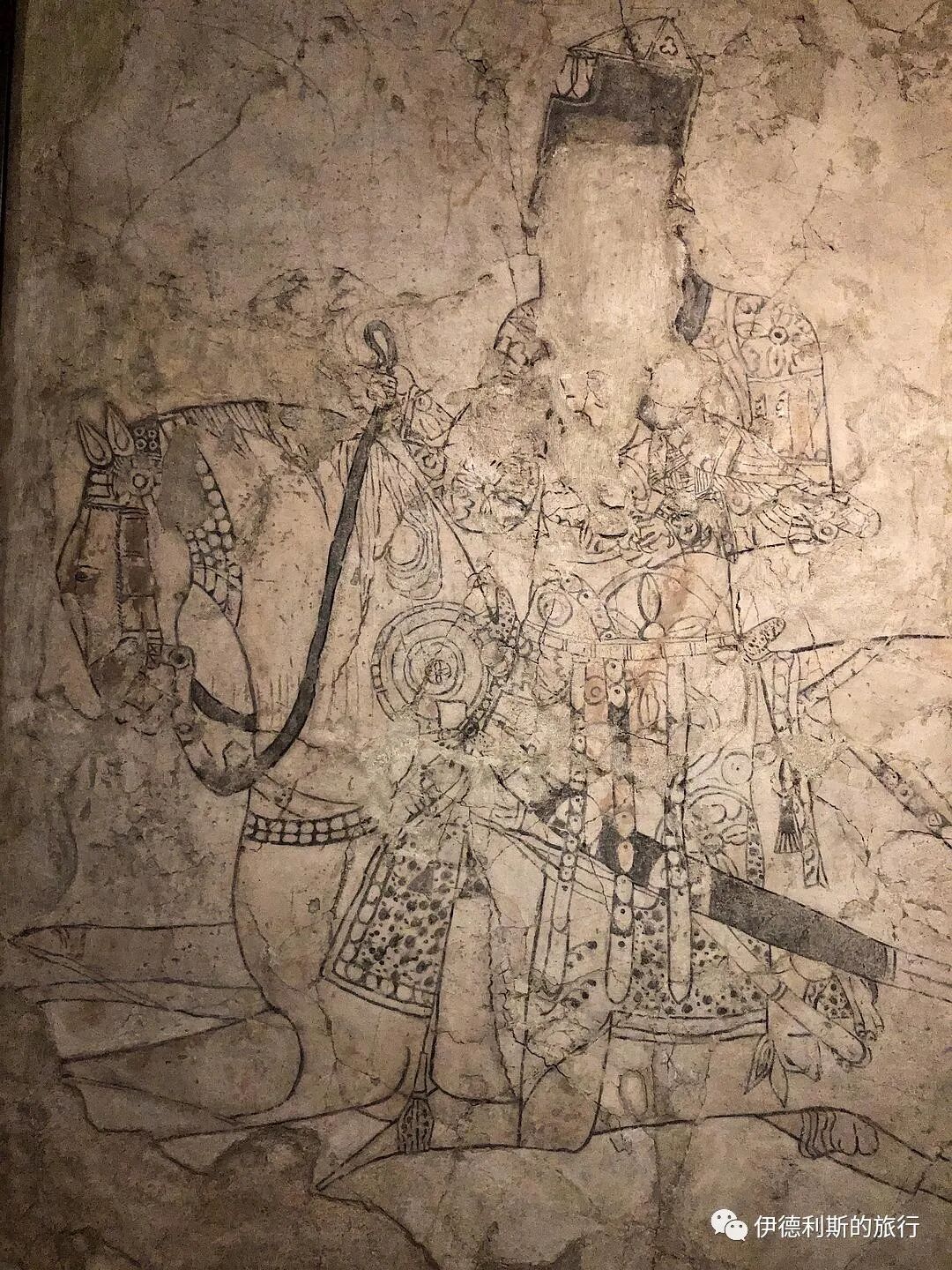
9th-10th century pottery with Kufic calligraphy.
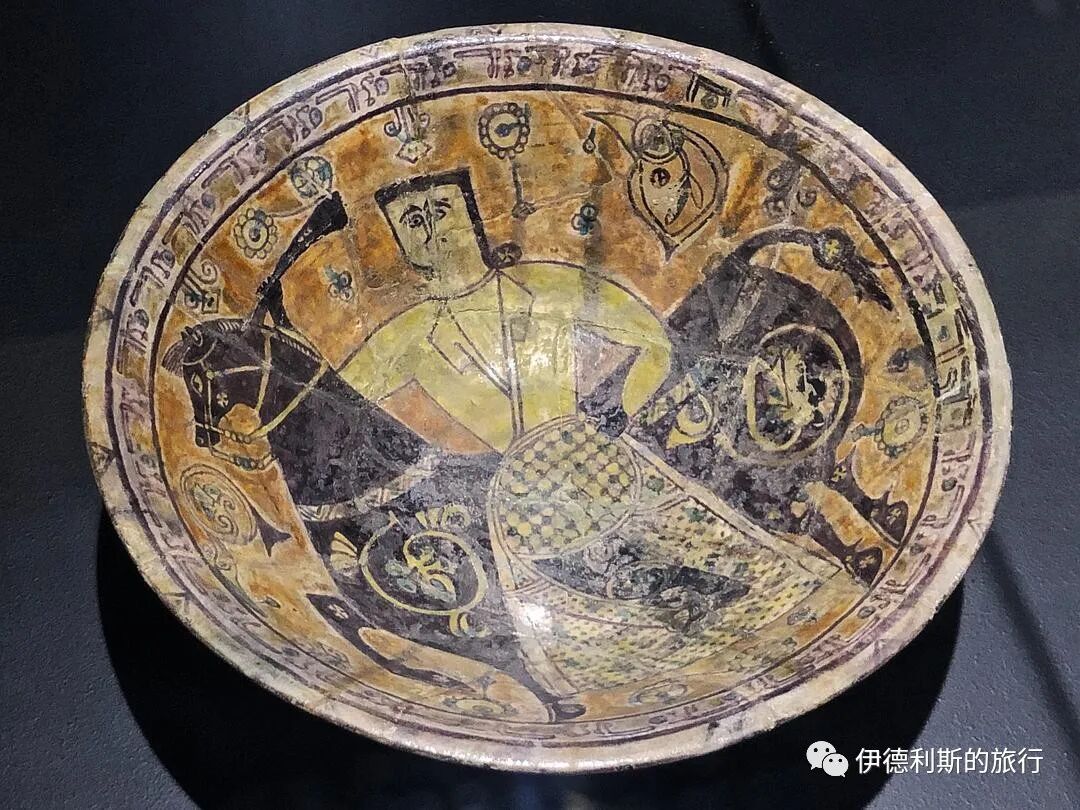
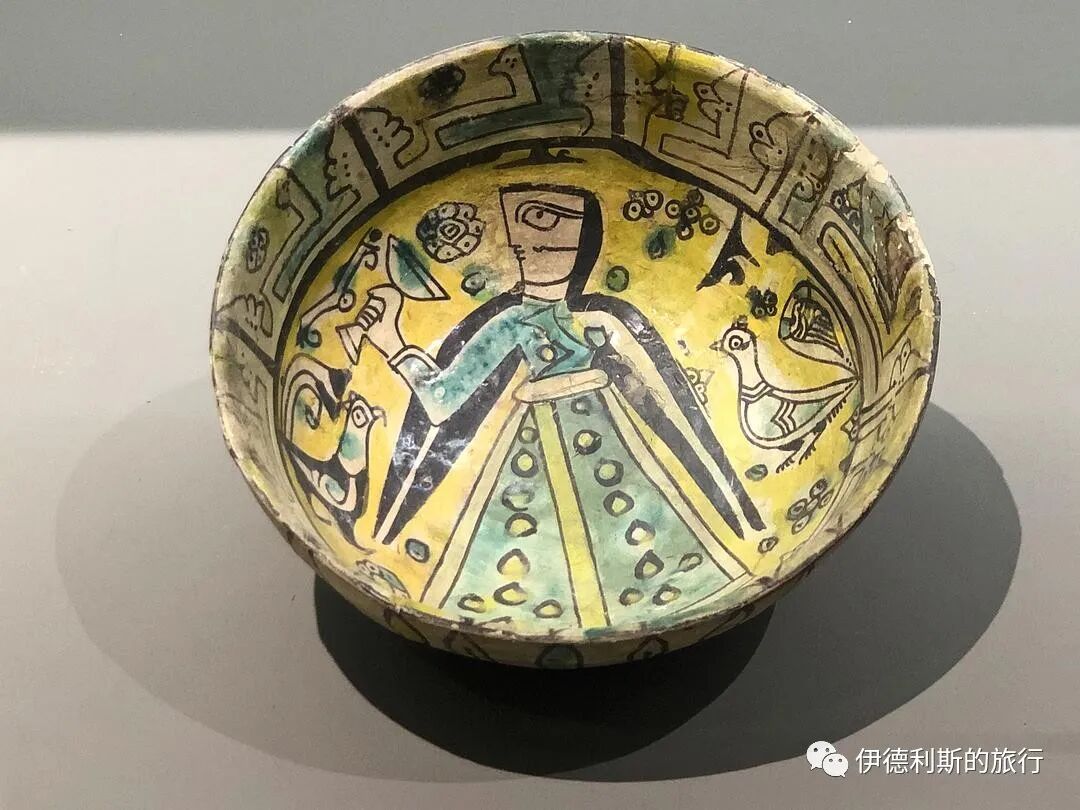
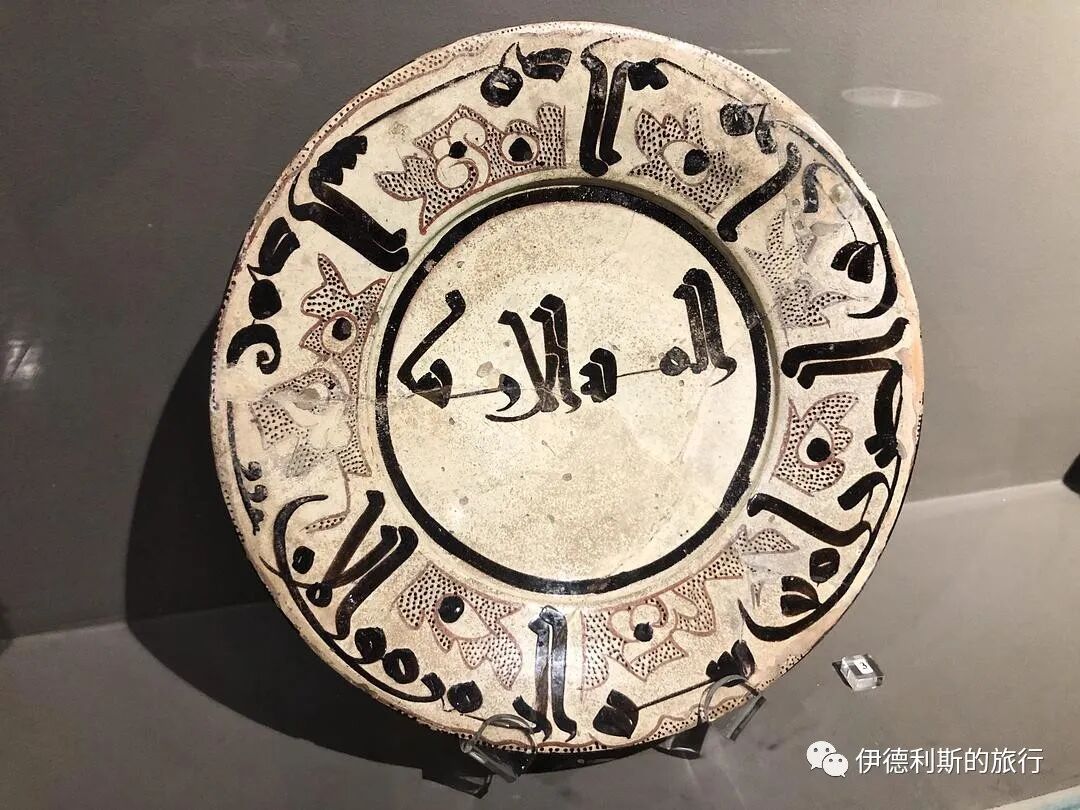
Artifacts unearthed from the ancient city of Ray.
Ray is located in the southern suburbs of Tehran and is an important ancient city in northern Iran, referred to as 'Layi' in books such as the History of Yuan. The history of the ancient city of Ray is very old, mentioned in both the Zoroastrian Avesta and the Christian Bible.
In the 640s AD, the Sassanid dynasty used the ancient city of Ray as a base to resist the Arab invasion, but ultimately failed, and Ray came under the rule of the Arab Empire. In the 9th century AD, the Shah Abdol-Azim shrine was built in Ray, becoming an important religious site in Iran.
In 1043, the founder of the Seljuk Empire, Tuğrul Beg, made Ray the capital of the empire and carried out large-scale reconstruction of the ancient city. Under the rule of the Seljuk Empire, Ray reached its peak, with a massive bazaar and very prosperous commerce. Import and export trade, primarily in silk, connected the entire Eurasian continent. Ray was the center of painted pottery production in Iran at the time, and Ray-style painted pottery was an important handicraft of this period.
In 1220, the Mongol army invaded Ray, which was under the rule of the Khwarazmian Empire. Due to the lack of fierce resistance, the Mongols did not massacre the city. Nevertheless, the residents of the city gradually left, and the center of pottery production shifted to the southern city of Kashan. After this, Ray became a ghost town, but its sturdy walls still allowed it to be used as a military fortress during wars. It was not until the construction of the walls of Tehran in the 16th century that Ray was finally abandoned.
8th-9th century dado, located on the lower part of interior walls, serving both to protect the wall and as decoration.
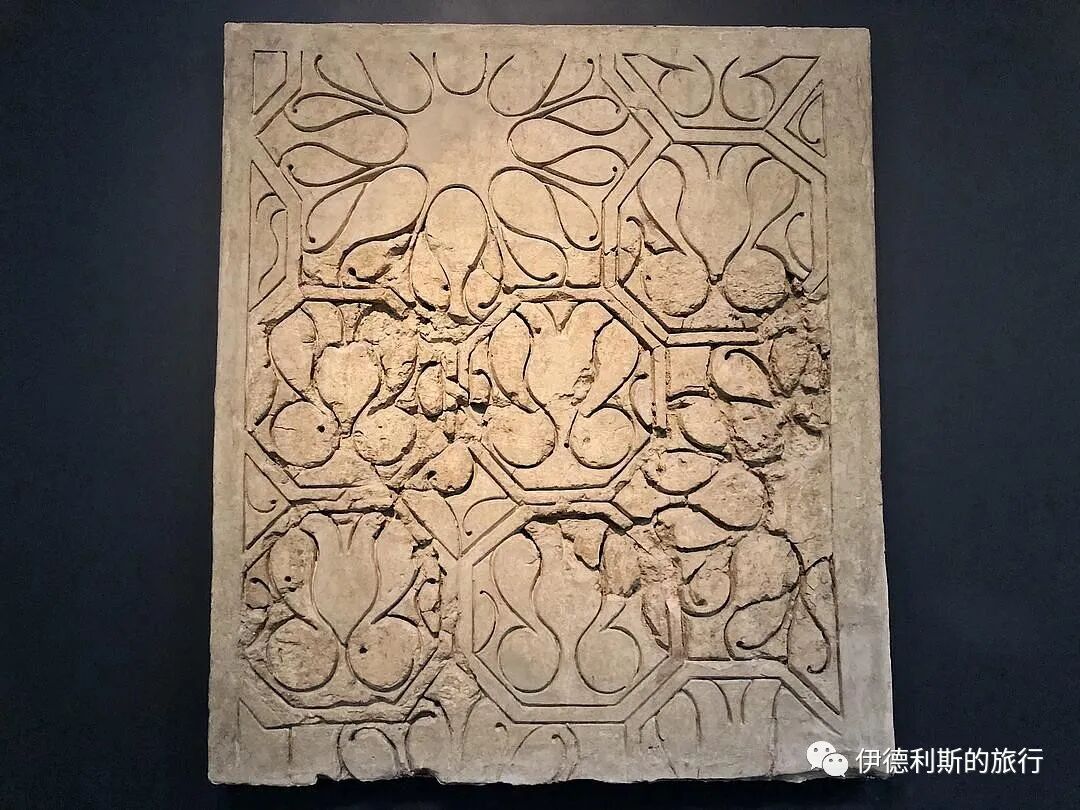
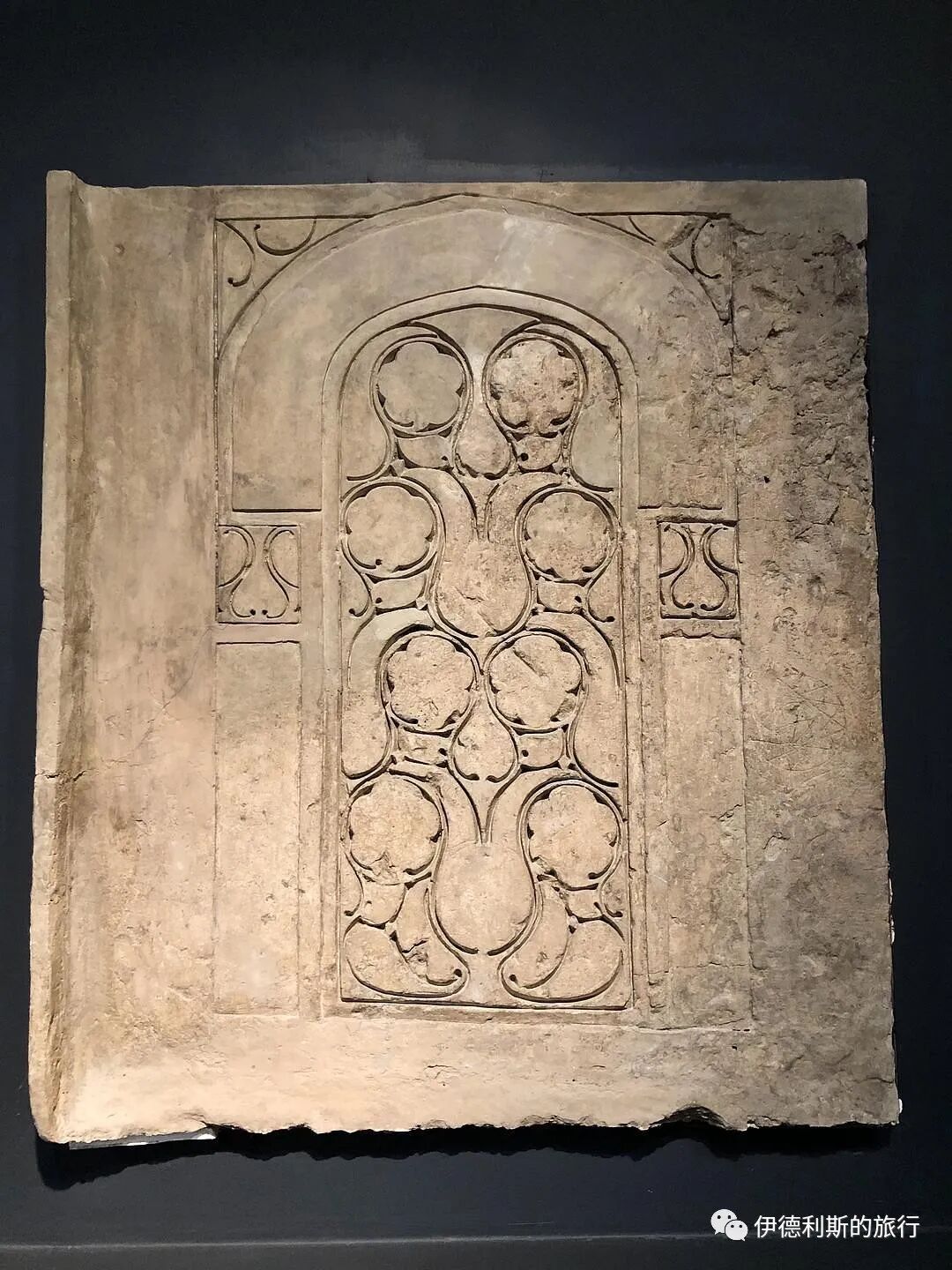
11th-century Seljuk Empire period mihrab.
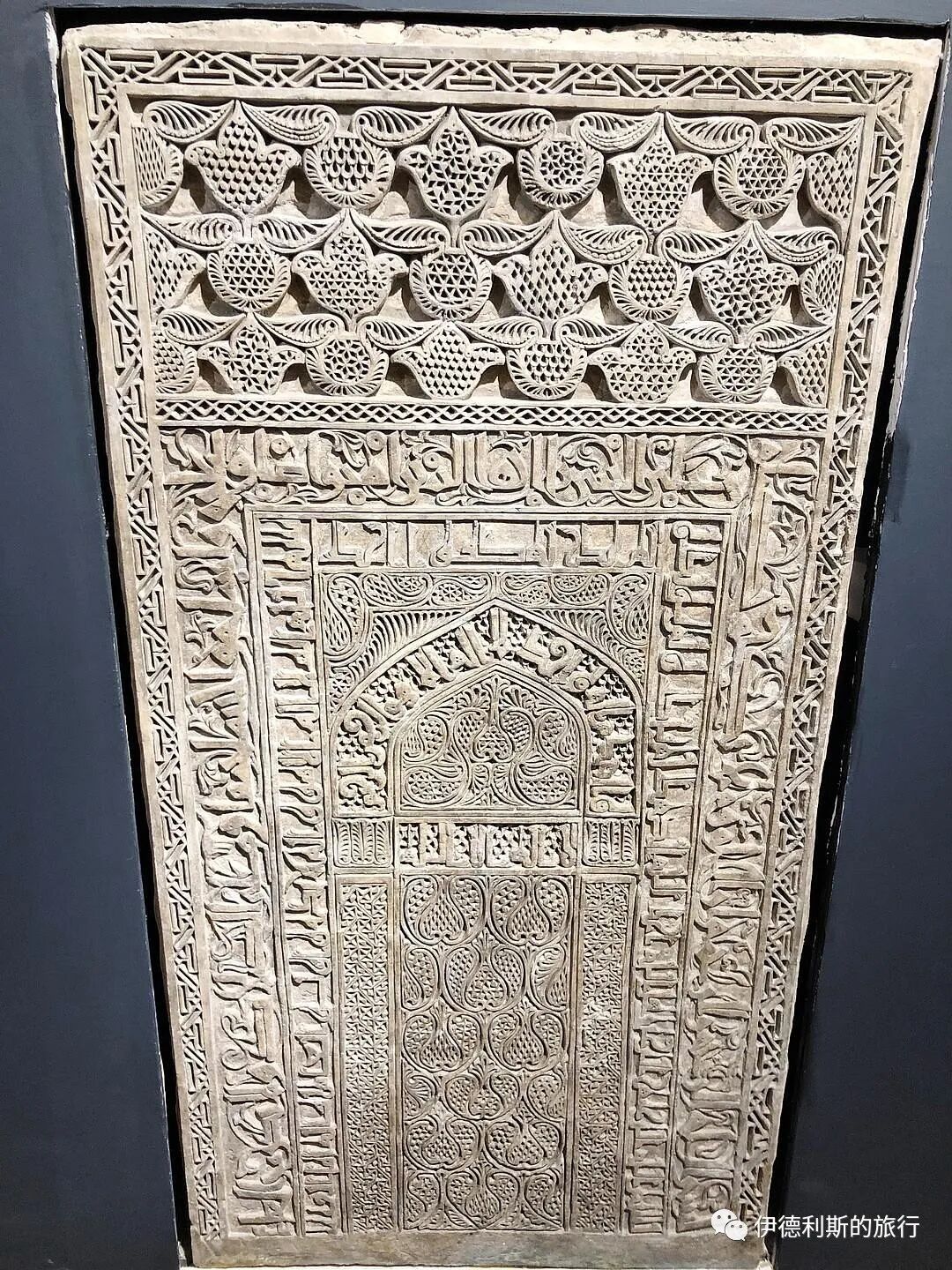
11th-century Seljuk Empire period circular stucco decoration with Kufic calligraphy.
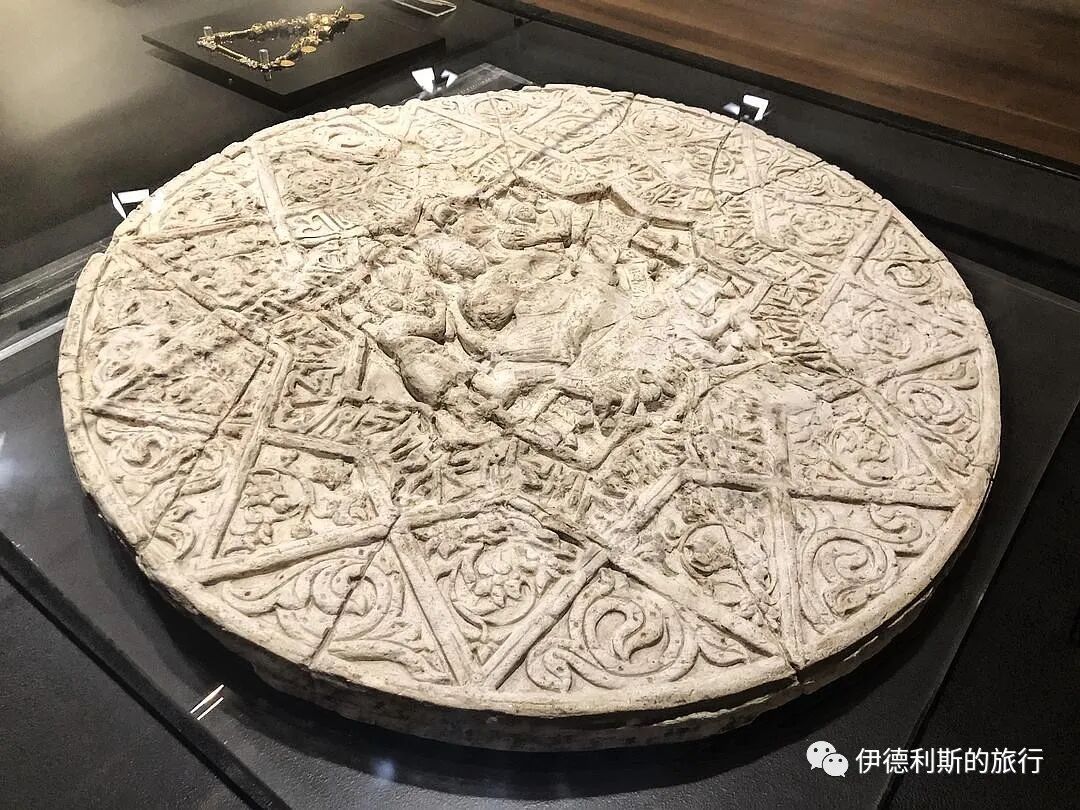
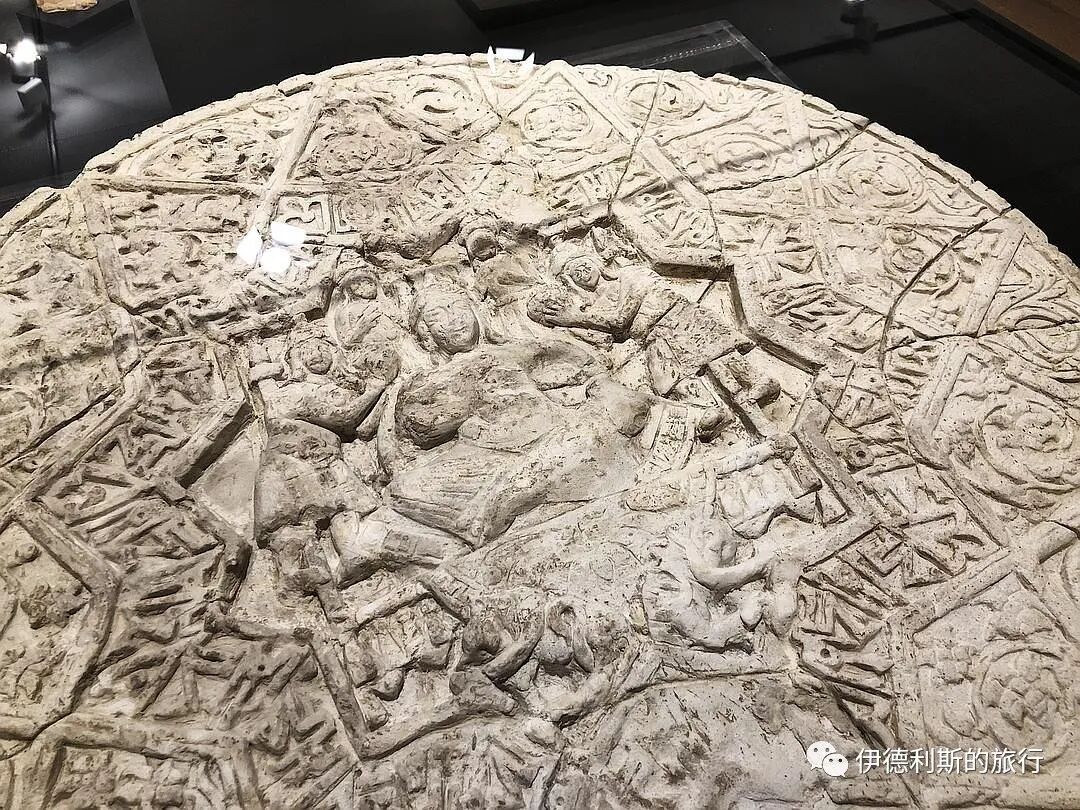
A fragment of a stucco wall from an 11th-century Seljuk Empire school.
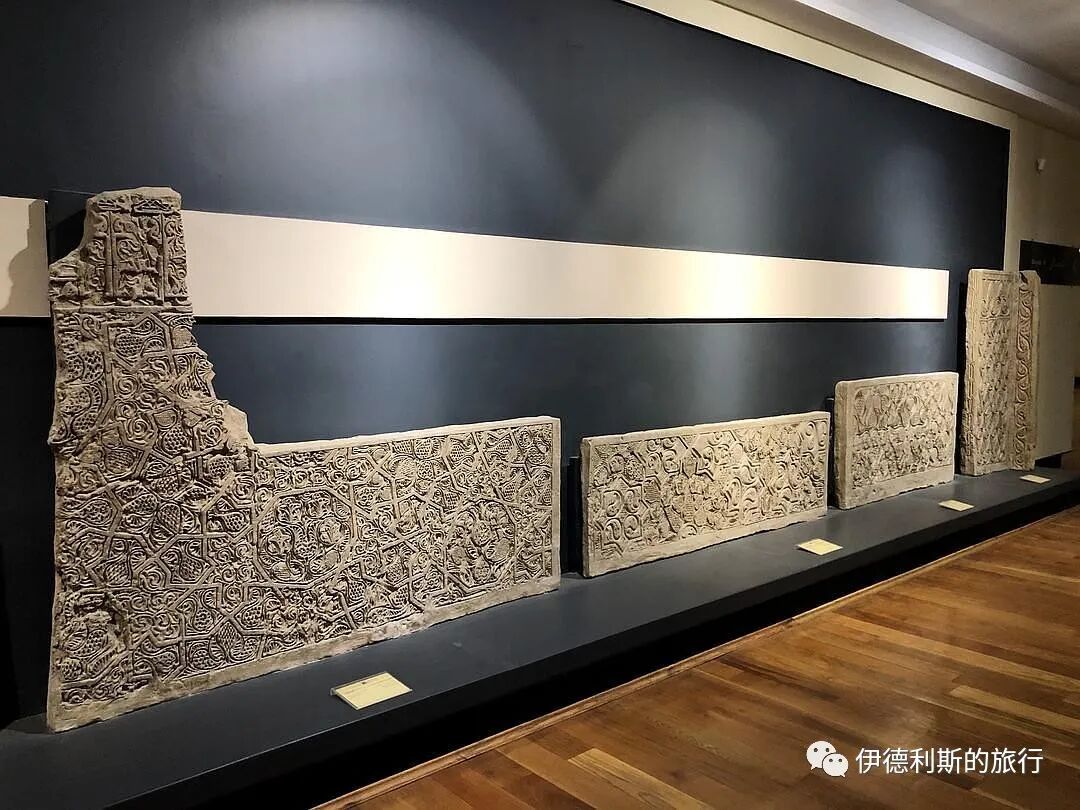
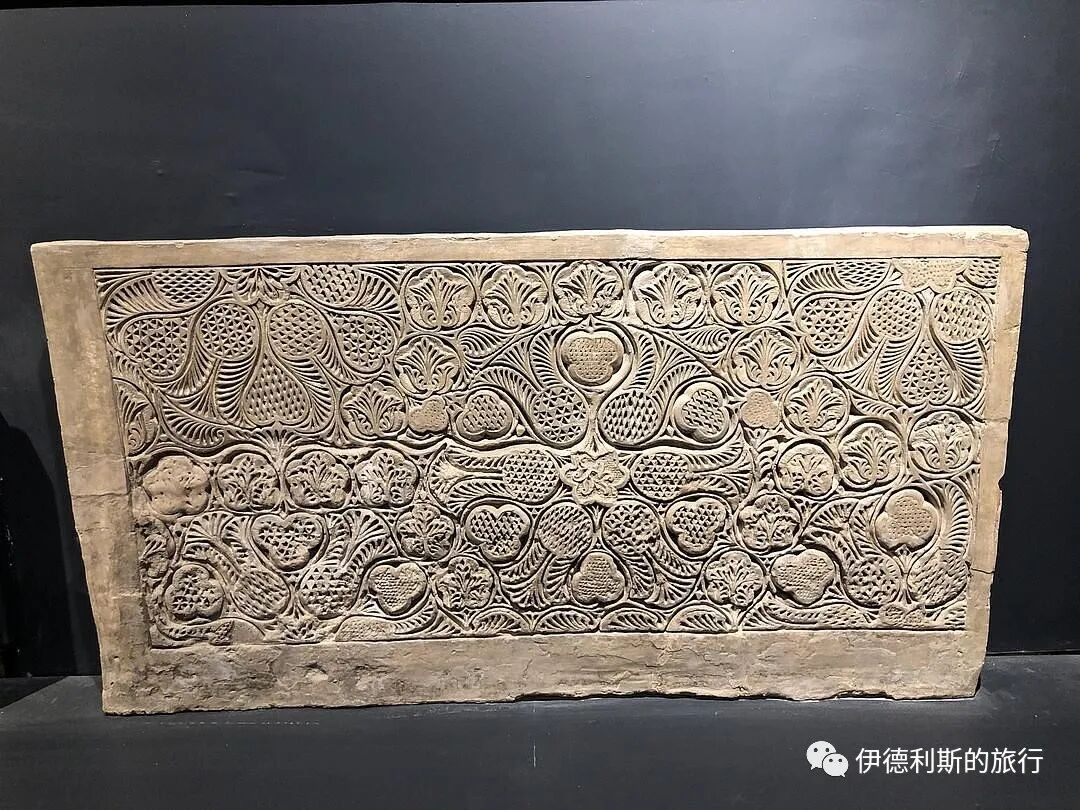
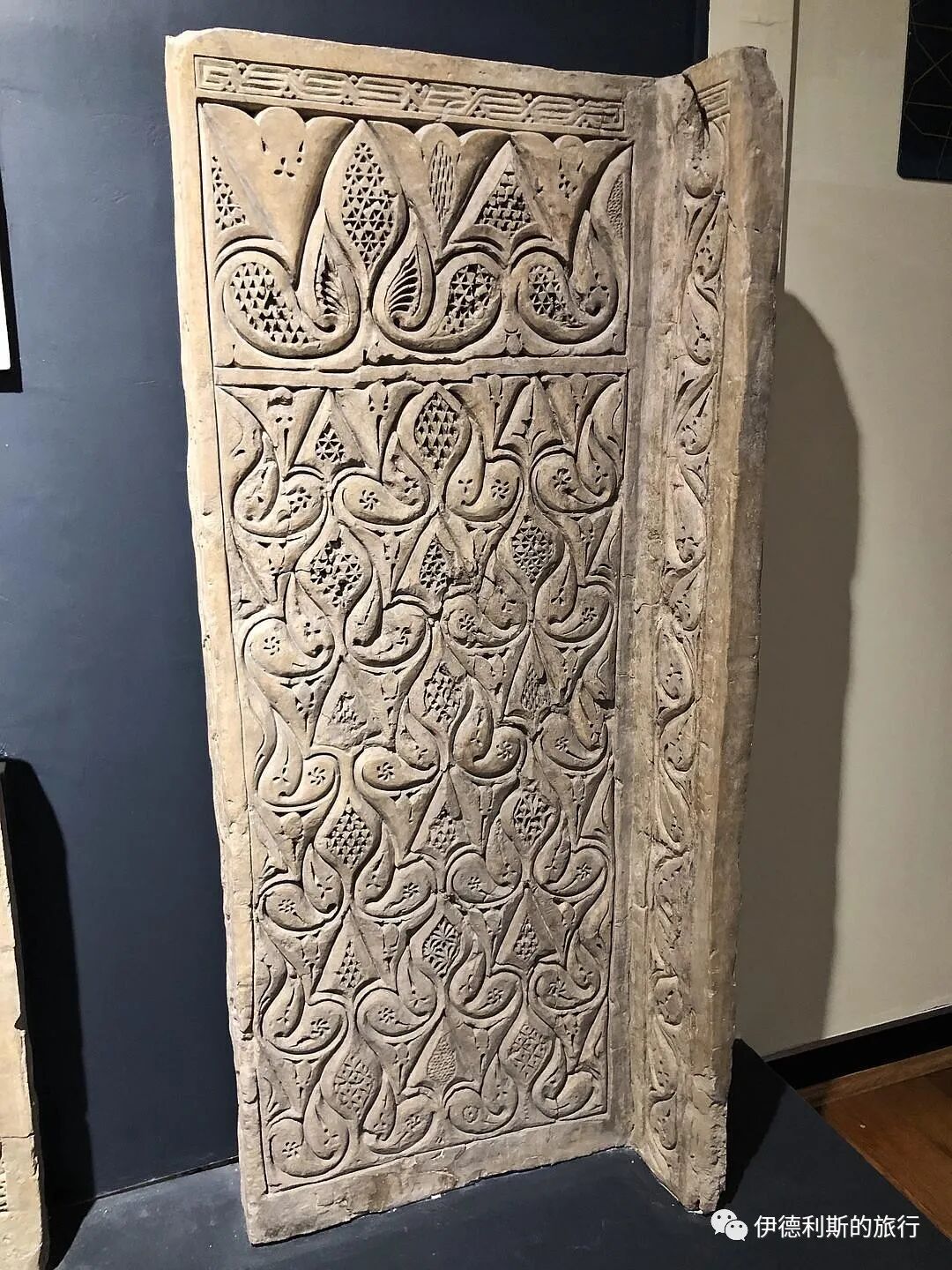
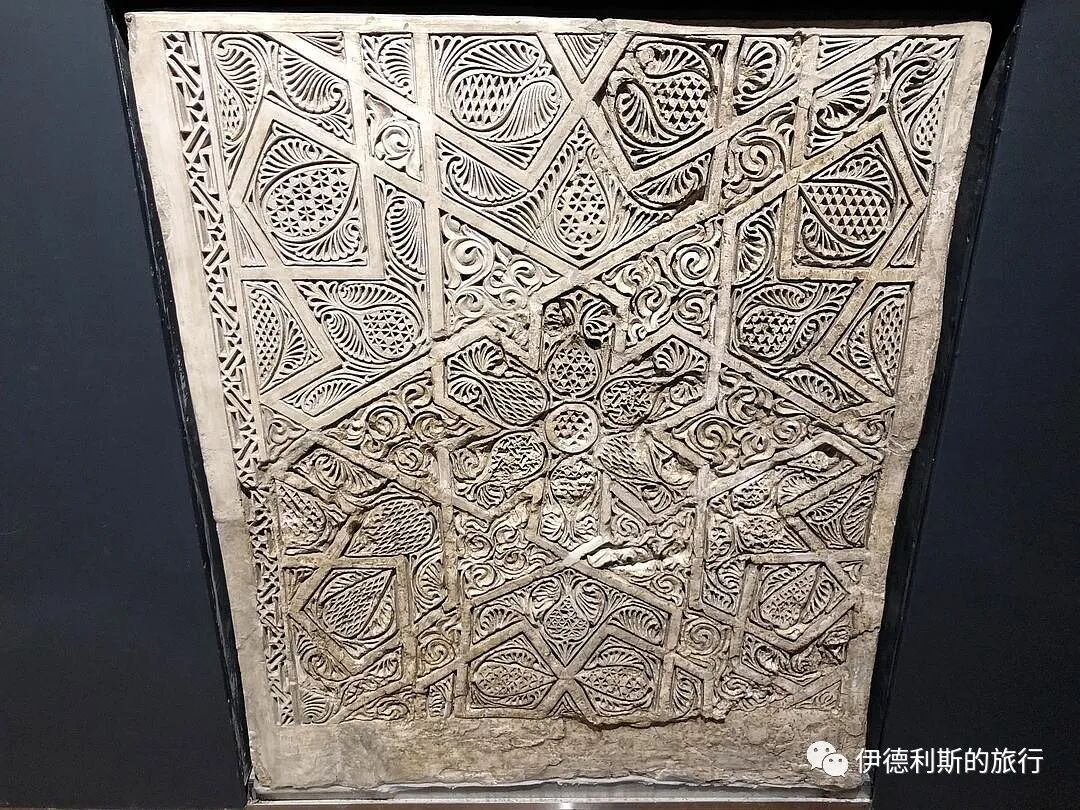
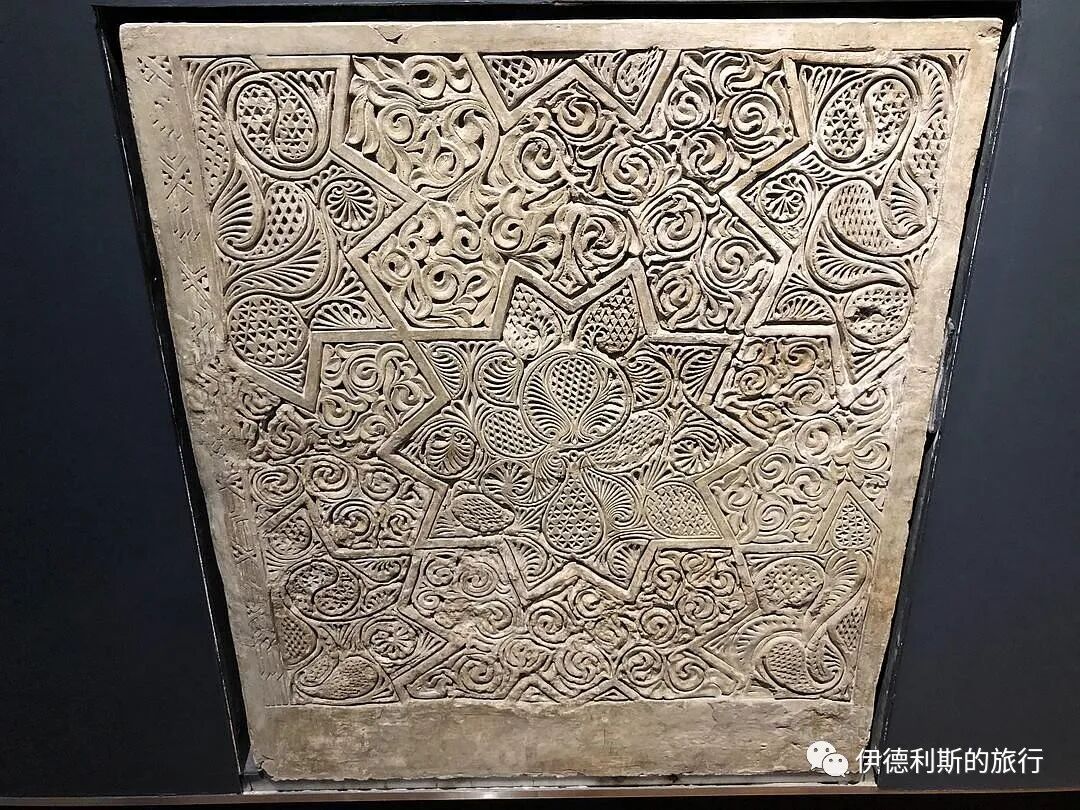
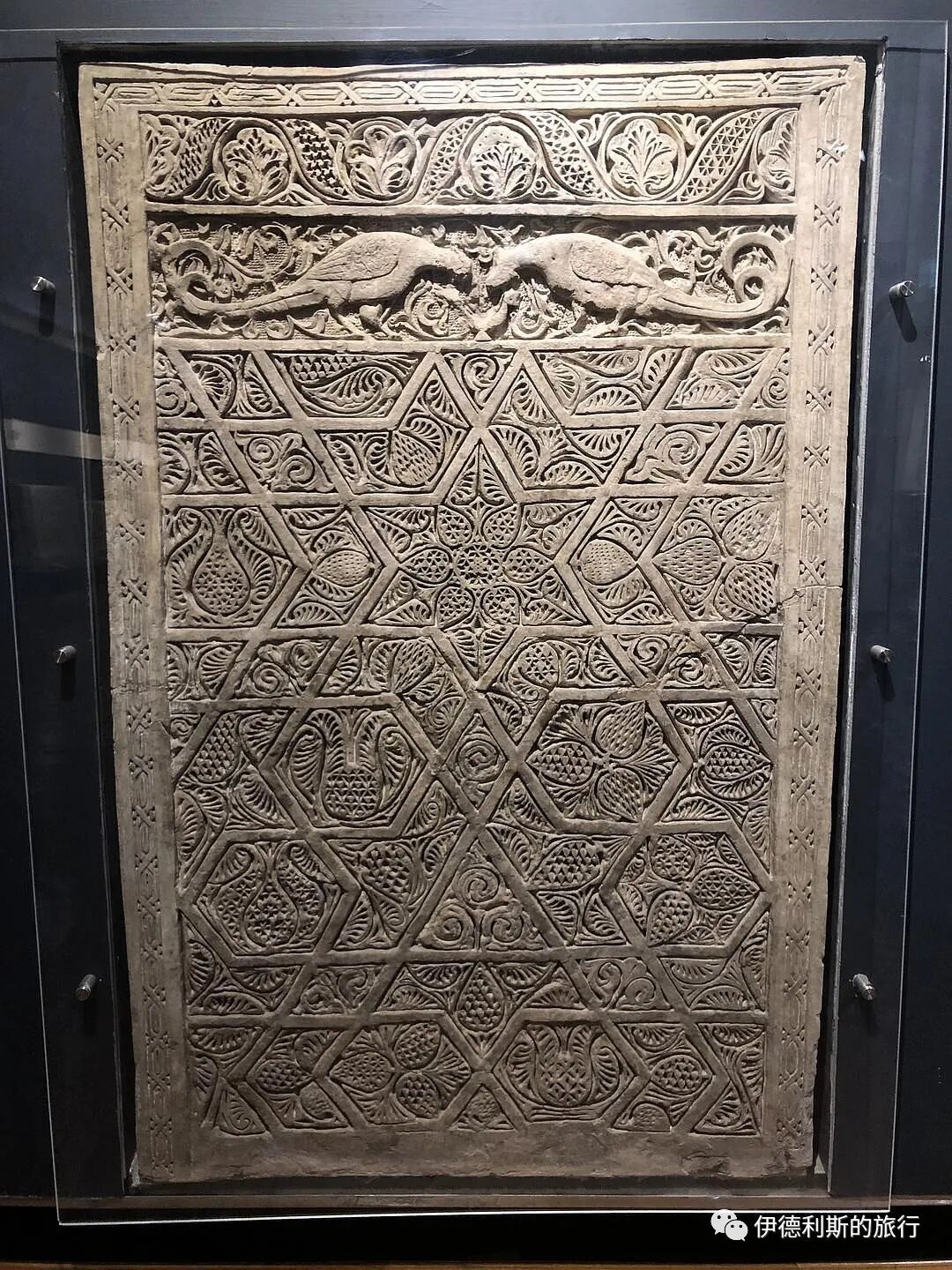
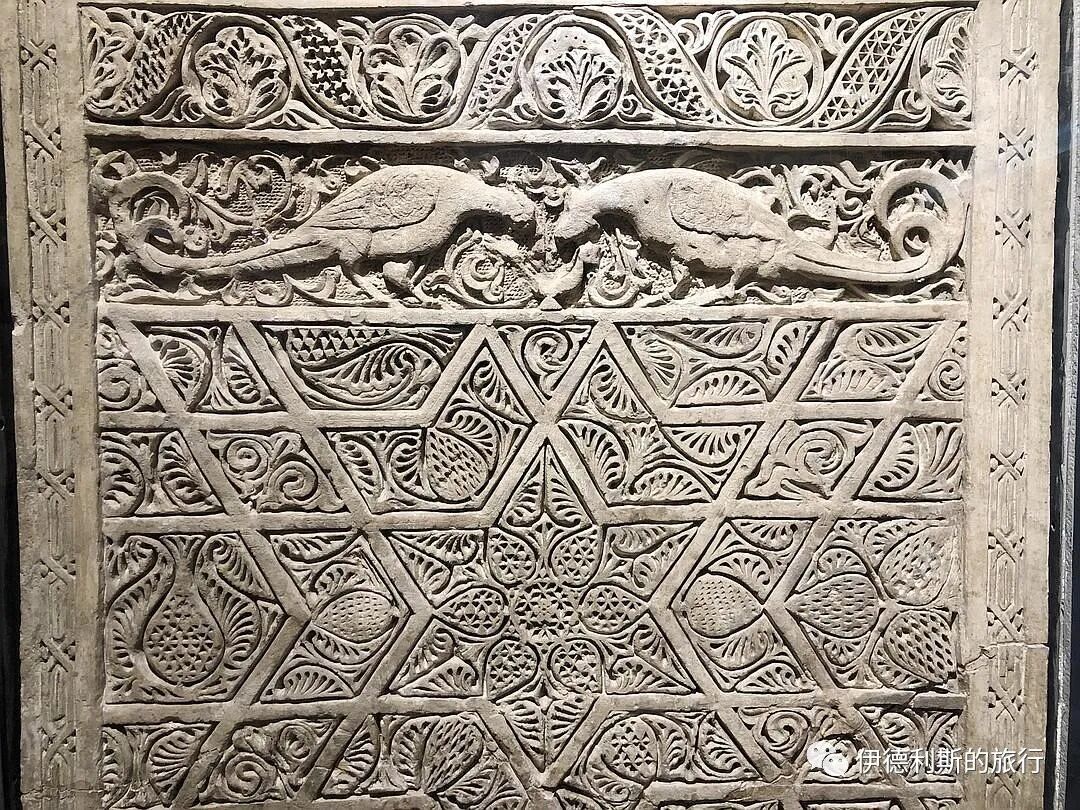
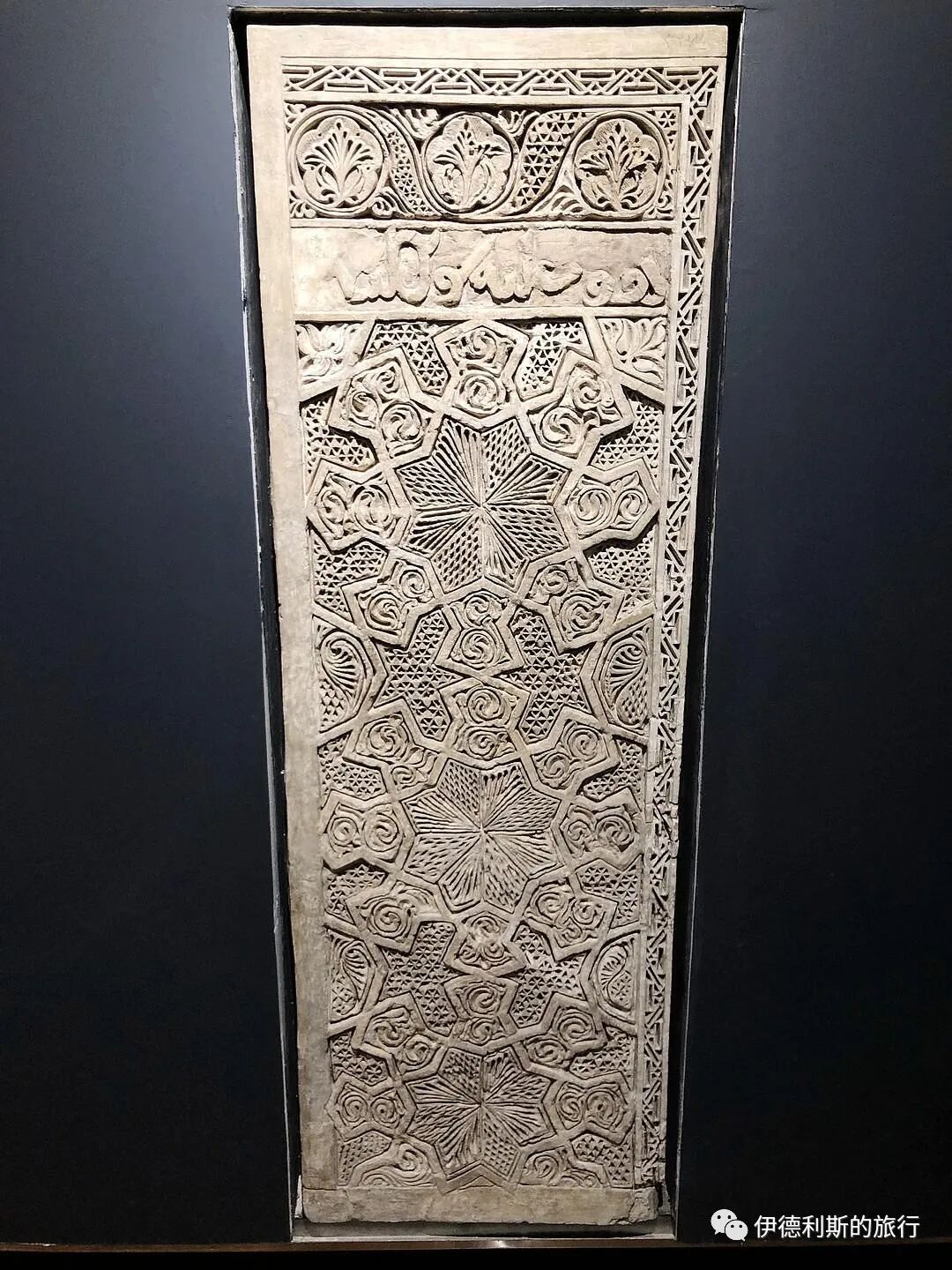
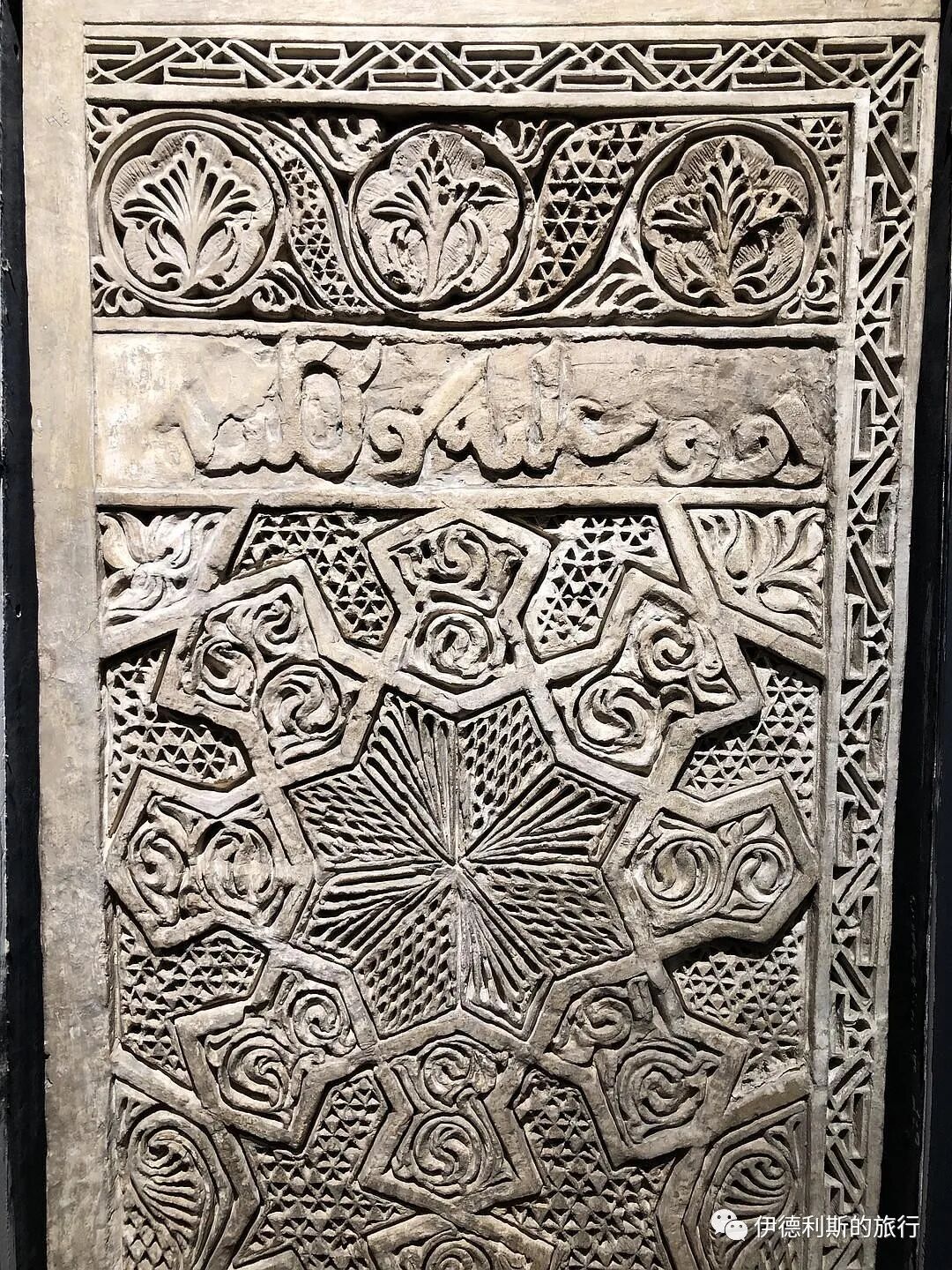
12th-13th century pottery bowl with typical Seljuk style and overglaze Kufic calligraphy.
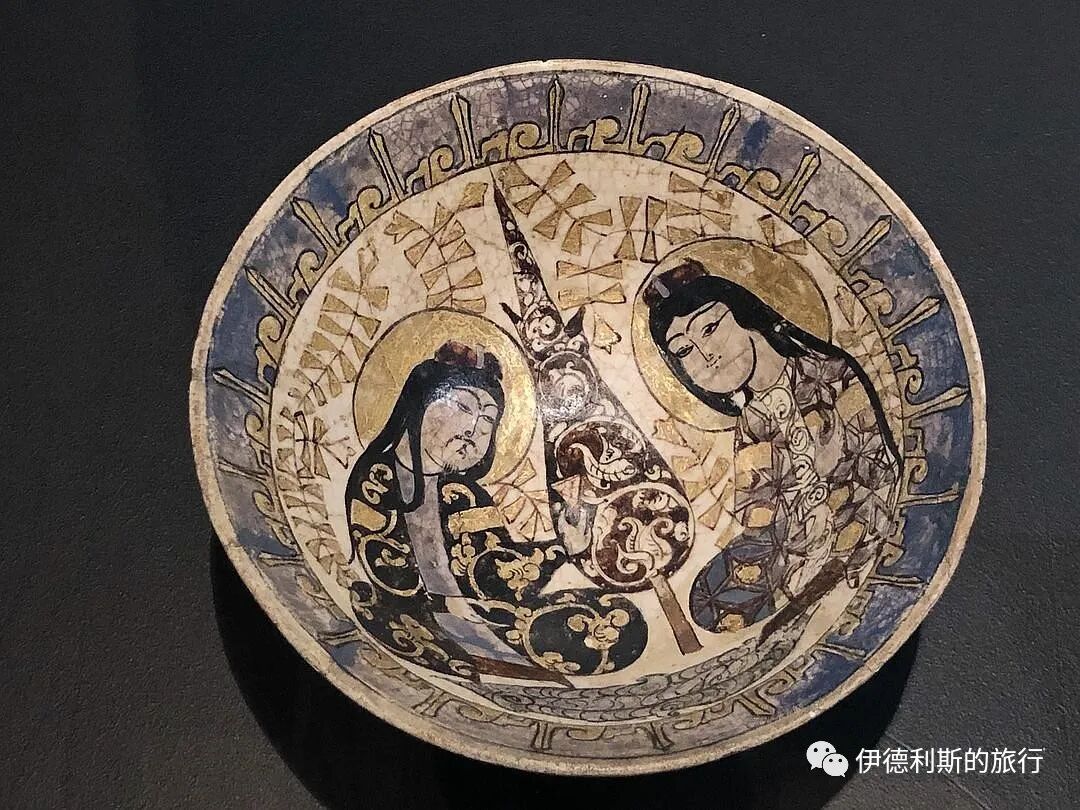
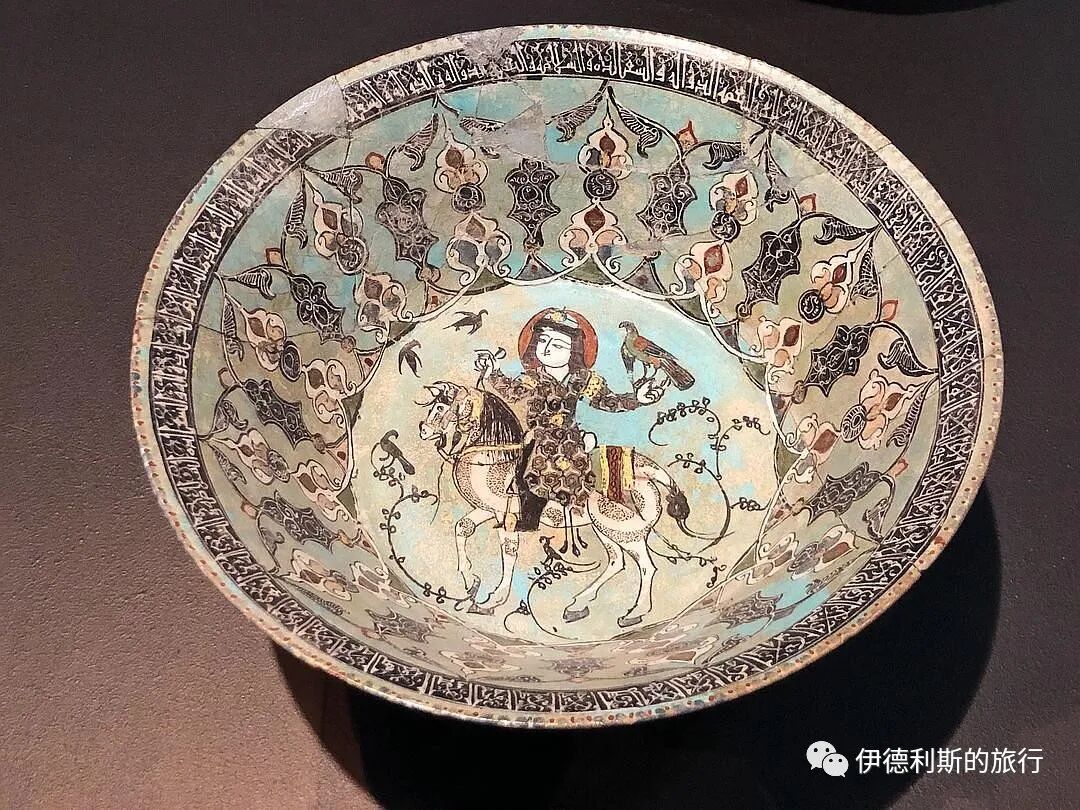
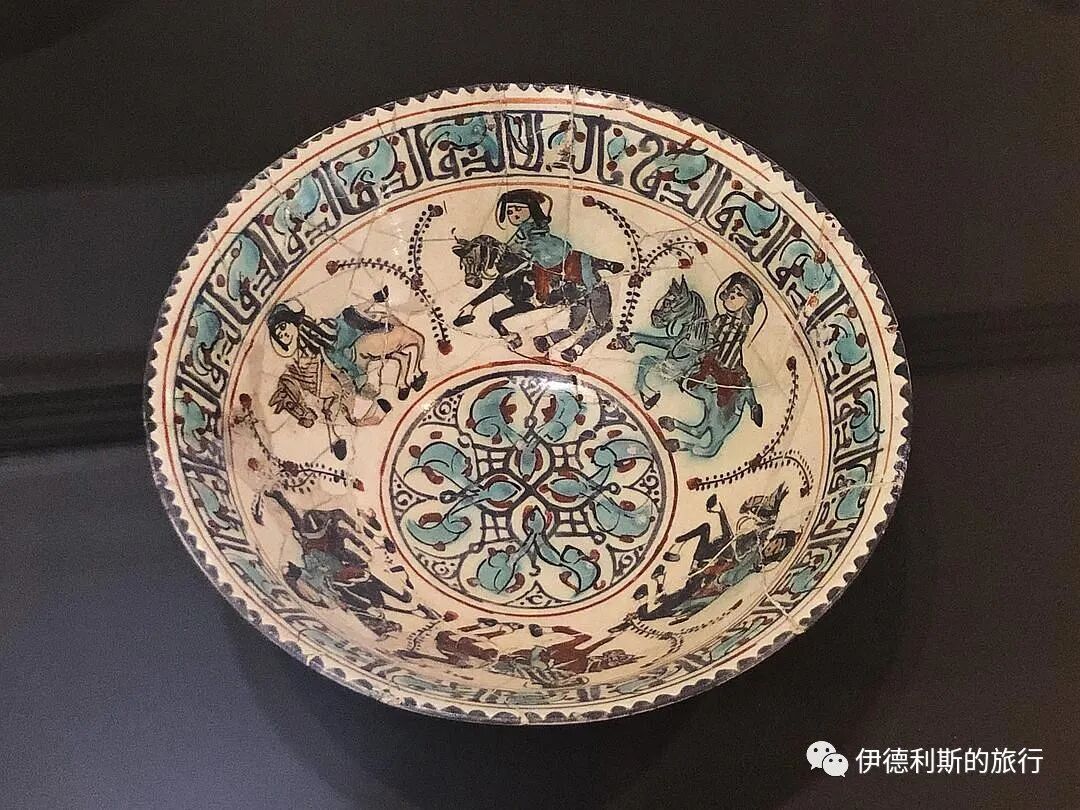
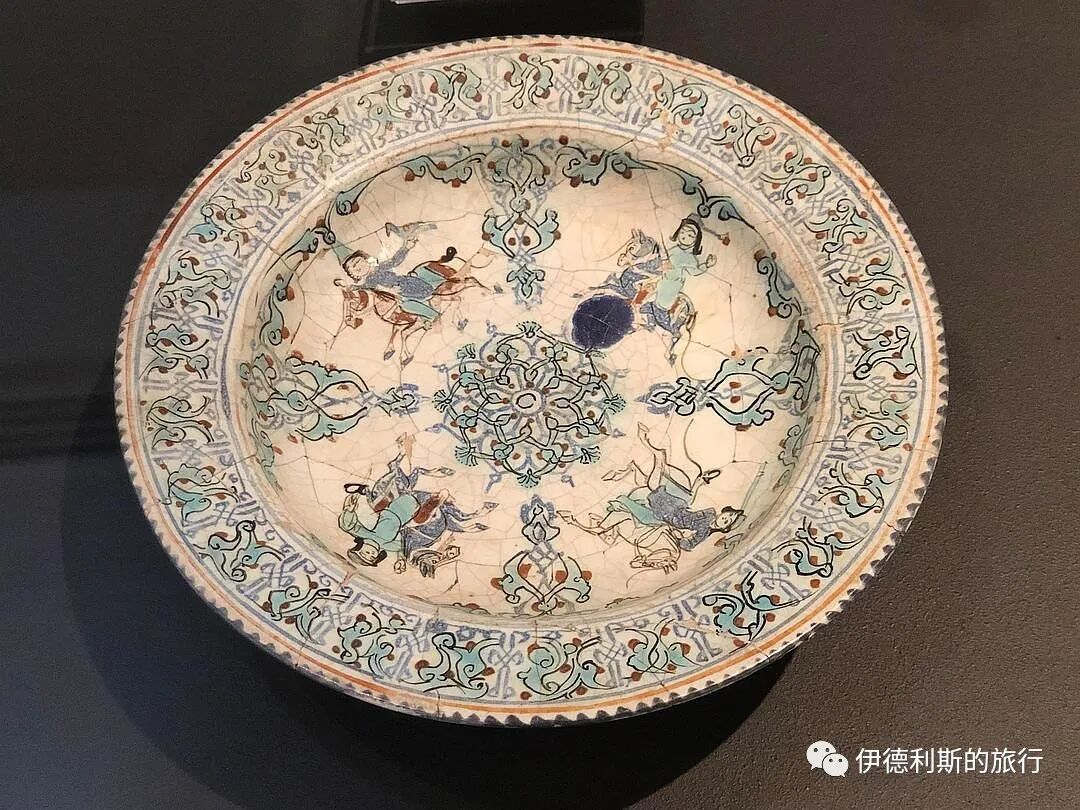
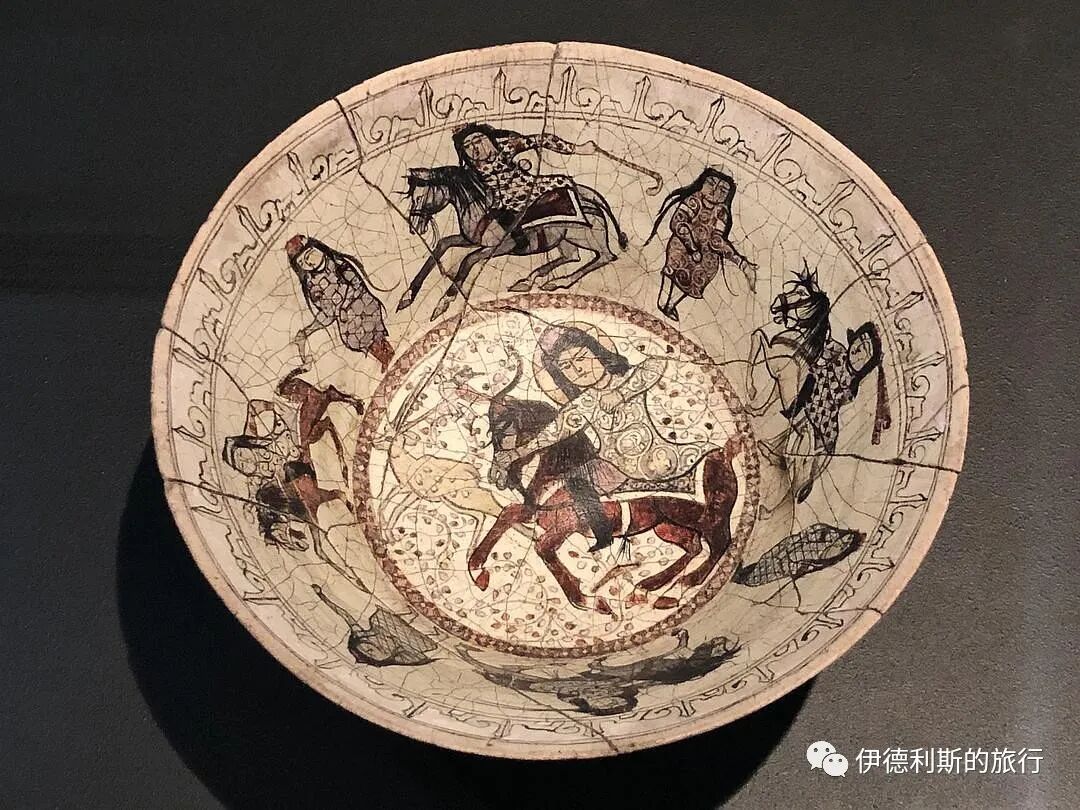
12th-13th century pottery bowl with transparent glaze and Taʿlīq Persian calligraphy.
Ray-style silk fabric from the early Islamic period, 7th-10th century.
Others
13th-century Kufic tile, unearthed in the city of Damghan, Semnan province, Iran.
1469 Timurid dynasty wood carving with Thuluth calligraphy.
15th-century Timurid dynasty tile with Thuluth calligraphy, unearthed in the city of Taft, Yazd province.
Notes on Visiting the Exhibition at the Museum of the Islamic Era in Iran (Part 2)
Articles • ali2007fr posted the article • 0 comments • 116 views • 2026-05-16 23:49
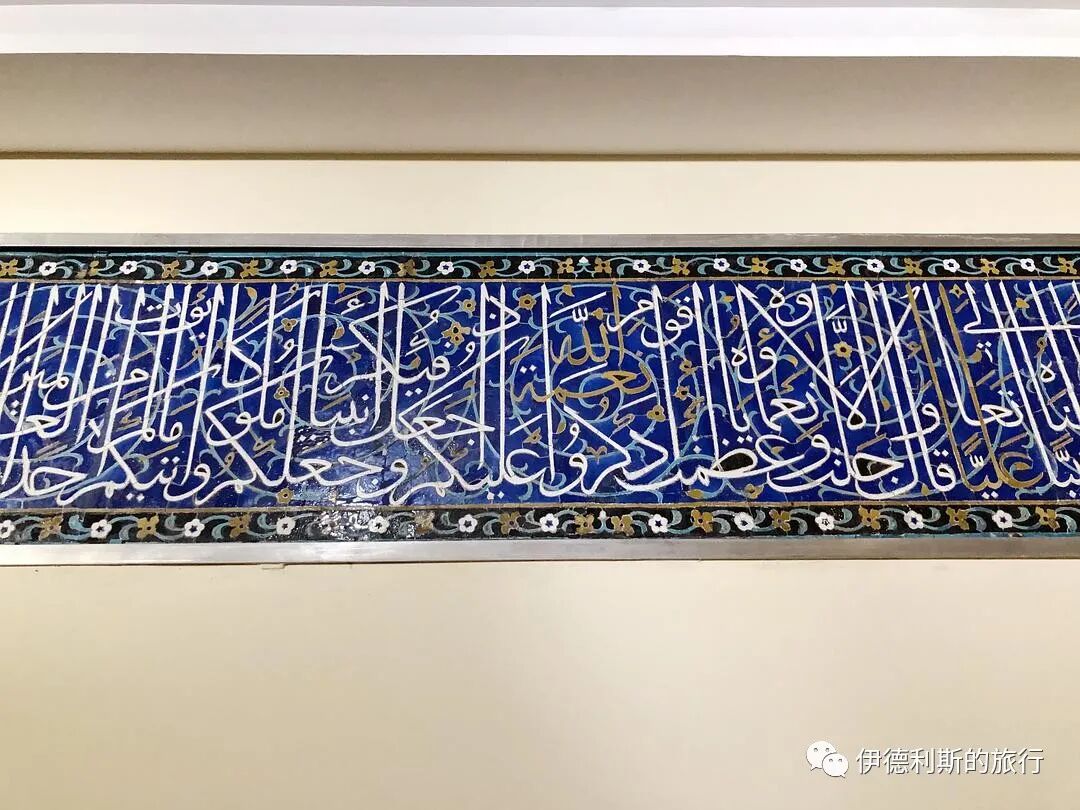
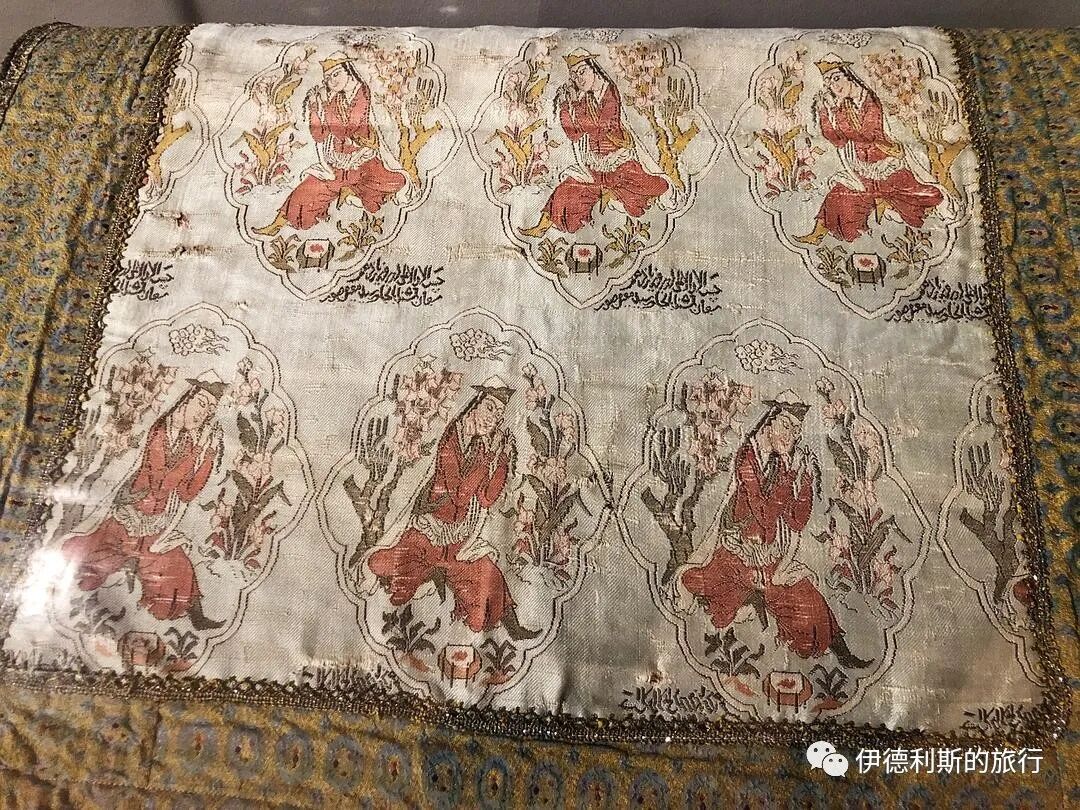
Summary: This travel note introduces Notes on Visiting the Exhibition at the Museum of the Islamic Era in Iran (Part 2). Silk garment made by Moein Mosavar in 1646. It is useful for readers interested in Iran Travel, Islamic Art, Museum Visit.
Silk garment made by Moein Mosavar in 1646
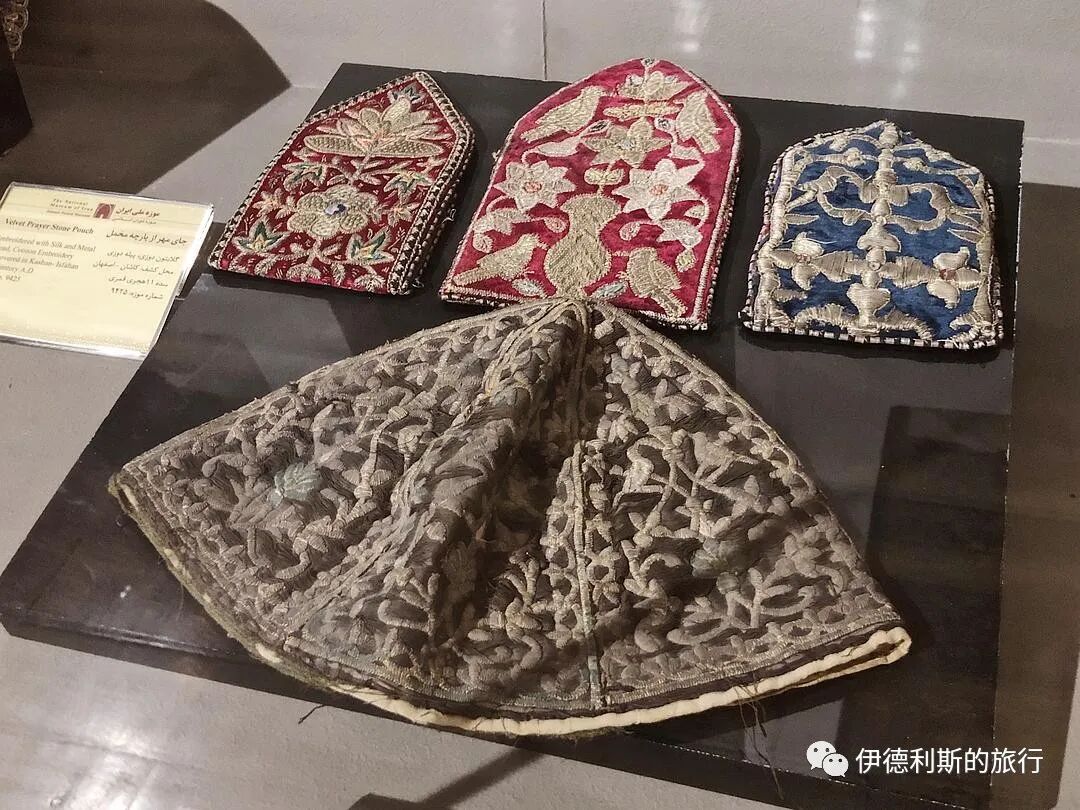
Silk hat from the Safavid dynasty in the 17th century view all
Summary: This travel note introduces Notes on Visiting the Exhibition at the Museum of the Islamic Era in Iran (Part 2). Silk garment made by Moein Mosavar in 1646. It is useful for readers interested in Iran Travel, Islamic Art, Museum Visit.
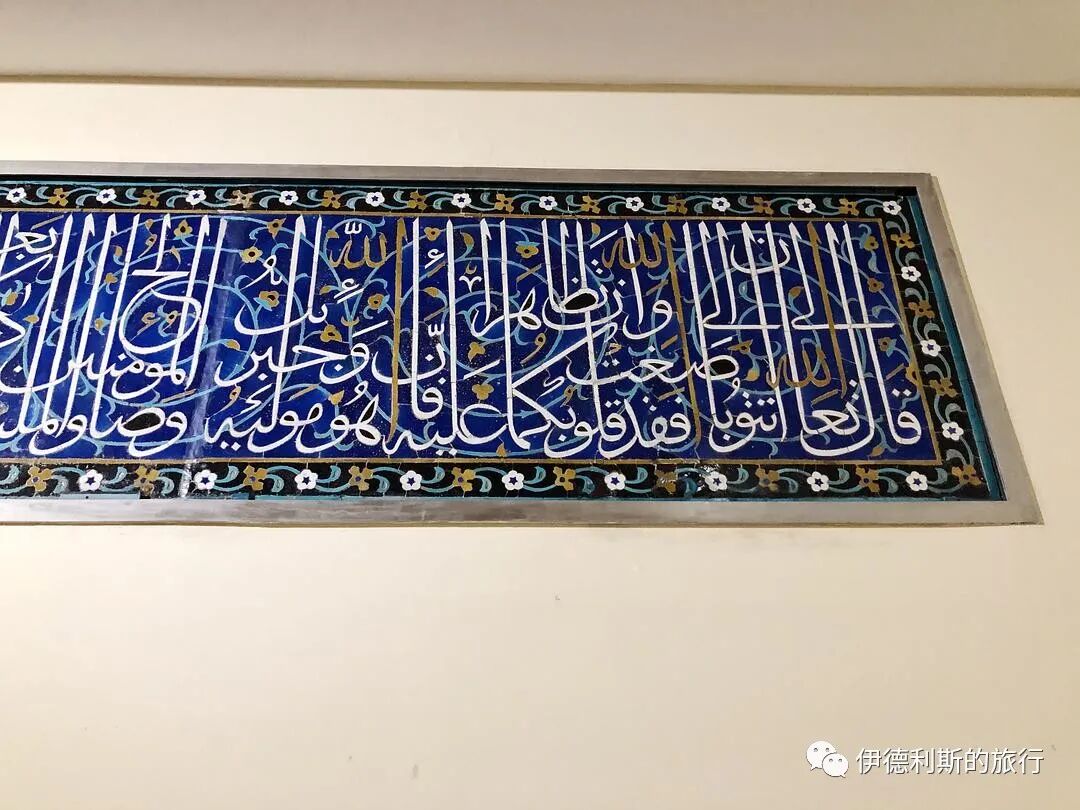
Silk garment made by Moein Mosavar in 1646
Silk hat from the Safavid dynasty in the 17th century
Halal Food Guide: Tehran Street Food — Iranian Snacks, Markets and Everyday Eats
Articles • ali2007fr posted the article • 0 comments • 145 views • 2026-05-18 02:39
Summary: Halal Food Guide: Tehran Street Food — Iranian Snacks, Markets and Everyday Eats is presented here as a firsthand travel account in clear English, beginning with this scene: I went to Tehran during the 2019 Mid-Autumn Festival to eat and explore. I am sharing some of the things I ate here. The account keeps its focus on Tehran Street Food, Iran Travel, Halal Food while preserving the names, places, food, and historical details from the Chinese source.
I went to Tehran during the 2019 Mid-Autumn Festival to eat and explore. I am sharing some of the things I ate here.
1. Persian tomato and egg stir-fry with Barbari flatbread (Barbari nan).
For breakfast on my first day in Tehran, I had Persian tomato and egg stir-fry (Persian Omelette), which is a signature Iranian breakfast. The cooking order for Persian tomato and egg stir-fry is the opposite of the Chinese version; you cook the tomatoes first, then add the eggs. Unlike our rice dishes, this Persian tomato and egg stir-fry must be eaten with flatbread. The shop I visited served it with Barbari flatbread.
Barbari literally translates to barbarian. It was originally what Persians called the Hazara people living in the Khorasan region. Hazara people from Khorasan first brought Barbari flatbread to Tehran, and it became popular during the Qajar dynasty (1796-1925). After that, the Hazara people were no longer called Barbari, but the name of the Barbari flatbread stayed.
The shop I went to is called Golha 2 Hookah Bar. You can find it on Google Maps by searching for سفره خانه گلها 2. Because they only sell this one combination, you do not need to speak the language to order.
2. Cinnamon-spiced sheep head and trotter soup (Khalle Pache) with Sangak flatbread (Sangak nan).
For breakfast on my second day in Tehran, I had cinnamon-spiced sheep head and trotter soup (Khalle Pache) served with Sangak flatbread. Sangak means small pebbles, and the earliest records of it come from the 11th-century Persian army. Persian soldiers back then supposedly carried pebbles with them. When they set up camp, they gathered the pebbles together to bake flatbread (naan), which is why Sangak flatbread has little pits all over it.
Sheep head soup is eaten more often in the autumn and winter. It usually comes with two pieces of flatbread; you soak the first one in the soup and eat the second one with the lamb. Besides sheep head and sheep trotters, the shop also sells sheep brain, but it is not part of the standard order, so you do not have to order it if you do not like it.
The shop I visited is called Lux Talaee Tabakhi, and it is a well-known spot in the old city of Tehran that specializes in sheep head and sheep trotter soup.
3. Falafel sandwich
My accommodation in the old city of Tehran was south of Imam Khomeini Square, where there is a food street. I ate many snacks there. On the morning of my third day in Tehran, I ate a Falafel sandwich on the food street. It ranks alongside Iranian pizza as one of the two major street foods in Tehran.
Falafel is a common Middle Eastern fried chickpea ball, served inside a baguette with vegetable salad and Persian pickles (torshi). Torshi means sour in the Persian language. The most popular Falafel sandwich shops let you add your own salad and pickles, and they often have long lines. The one I ate had a simpler setup.
4. Samosa
Snacks called samosa are found from Northeast Africa to Western China, and they are made differently everywhere. Common versions include Indian curry puffs and baked buns (kaobaos) from Xinjiang, Central Asia. The word samosa actually comes from the Persian word sanbosag. As early as the 9th century, the Persian poet Ishaq al-Mawsili wrote poems praising the samosa. After the 10th century, the samosa began appearing in Arabic cookbooks and spread across Africa and Asia along with Muslims. The samosa remained popular in Iran until the 16th century, but later it was only kept in certain regions.
Samosas on the streets of Tehran are mostly fried triangles with potato filling, similar to the Indian version. I bought this kind at a small shop across from the Friday prayer (Jumu'ah) bazaar, and I also bought some delicious bread there.
I also ate another type of baked samosa on the food street south of Imam Khomeini Square, which also had a potato filling. The name of this restaurant is Sandwich Khorasan, so I guess this style might come from the Khorasan region in northeastern Iran.
5. Tripe soup (sirabi)
I had tripe soup (sirabi) with flatbread (sangak) at a small street shop next to the carpet bazaar in Tehran. The soup was very fresh and tasty, and the tripe was very chewy.
6. Caspian white fish of the Gilaki people
I ate at Khoshbin, a fried fish restaurant run by Gilaki people from northern Iran, while in Tehran. The Gilaki people mainly live in Gilan Province on the southern coast of the Caspian Sea, and the Gilaki language they use belongs to the Western Iranian branch. Molecular anthropology shows that the Y-chromosome of the Gilaki people is very close to that of South Caucasian people, but their mtDNA (mitochondrial DNA) is very close to that of Iranians. We can guess that the ancestors of the Gilaki people likely came from the South Caucasus region, then migrated to the southern shore of the Caspian Sea and mixed with the Iranians.
The business hours for Khoshbin on Google Maps are wrong. They are actually only open for lunch between 12:00 PM and 4:00 PM, and it is very popular, so you have to wait in line. Luckily, they have an English menu, so I was able to order my food without any trouble.
Fried fish is an important part of Gilaki cuisine. I tried the Caspian white fish (Caspian kutum), which is a type of carp. For side dishes, I ordered white fish roe (Kuli), fava beans, and walnuts, and I also had cucumber yogurt (Maast-o Khiar). They also have some special Gilaki side dishes I want to try next time, like a mashed dip made of eggplant, pumpkin, garlic, tomatoes, and eggs called Mirza Ghasemi, and green olives marinated in pomegranate molasses, walnuts, and herbs called Zeytoun Parvardeh.
7. Street drinks
There are many drink shops on the streets of Tehran. First, there are all kinds of fresh juices; I drank pomegranate juice, honeydew melon juice, and carrot juice. The honeydew melon and carrot juices were super delicious, but the pomegranate juice was so sour it made me question everything. I still like the pomegranate juice from Xinjiang the best.
Another drink you don't see often in other countries is called Khakshir, which is very common in Iran during the summer to beat the heat and quench your thirst. Khakshir is the seed of a plant called flixweed (bonianghao) in Chinese. Flixweed is also known as garlic mustard, mimihao, or maihao. It grows all over China except in the south. It can be used to make oil or as medicine. Both traditional Iranian medicine and traditional Chinese medicine use it to help with urination and reduce swelling.
8. Shemroon Kabab restaurant
I ate at a kebab shop called Shemroon Kabab in Tajrish Square in northern Tehran. I ordered lamb chops with flatbread (nan) and spinach yogurt (Spinach Burani) as an appetizer. Their portions are huge and satisfying, and the meat is very tender and delicious.
9. Chicken kebab
I had chicken kebab at the Tajrish Bazaar in northern Tehran. Here, they simmer the kebabs in a thick tomato sauce after grilling them, which makes them very fragrant.
10. Flatbread (nan)
In the early morning in Tehran, any freshly baked flatbread is incredibly delicious. Also, as a word origin, nan (نان) in Persian can refer to any kind of flatbread, not just those baked in a traditional clay oven.
11. Cornelian cherry (zhuyu) and mulberry
I ate cornelian cherry and mulberry at the Tajrish Bazaar in northern Tehran. The classic way to eat them is to sprinkle them with salt. If you squeeze a mulberry with your hand, the juice comes right out. It is as juicy as pomegranate juice from Xinjiang, but it is still too sour.
12. Faloodeh
I ate Faloodeh on the food street south of Imam Khomeini Square in Tehran. It is a cold rice noodle dessert with sugar syrup, rose water, and lemon juice.
13. Cucumber yogurt (Maast-o Khiar)
I bought cucumber yogurt (Maast-o Khiar) at the Friday Bazaar in Tehran, and it came with raisins and walnuts.
14. Saffron ice cream
I ate saffron ice cream near Tajrish Square in northern Tehran. It was topped with crushed pistachios and chunks of cream, which is very typical of Iran.
15. Baklava dessert with tea
I had tea and dessert at a shop called Takseen baghlava near the Mirdamad metro station in northern Tehran. Baklava originated in the Ottoman imperial court and later became popular across the Middle East and the Caucasus. The Persian version of baklava is special because it uses rose syrup and crushed pistachios. The dessert I ate was shaped like sugar threads.
The two-layer Iranian tea stove is called a samovar, which arrived from Russia in the 19th century. The small teapot on top is for brewing tea, the large pot in the middle is for boiling water, and the bottom is the heat source. Traditionally it used coal or charcoal, but now it uses electricity, gas, or natural gas.
16. Drinking tea
Haj Ali Darvish is a century-old, famous tea house in the Grand Bazaar of Tehran. The tea house opened in 1918 and was taken over by Haj Ali Mabhutyan in 1962. The current owner is his son, Haj Kazem Mabhutyan.
Mr. Kazem works hard to share his shop on Instagram, which has helped more foreign tourists find his small place. I am one of them, and the old gentleman even took my photo and posted it on Instagram. Friends who use Instagram might have a chance to see me there. The account is haj_ali_darvish_tea_house.
I also drank some street-side fig tea on the food street south of Imam Khomeini Square. Iranians mainly have two ways of adding sugar to their tea. One way is to hold a sugar cube in your mouth and lick it while you drink the tea. The other way is to use a lollipop-style sugar stick called nabat chubi to stir it. This rock candy originated in Isfahan over a thousand years ago. Later, people invented a way to grow crystals by dipping small twigs into a sugar solution, and this method spread across Eurasia.
17. Moslem Restaurant
Moslem Restaurant is a very famous spot in the Tehran Grand Bazaar. They specialize in Iranian rice cake (Tahchin) made with rice, yogurt, saffron, and eggs (shown in the top right of photo 4). I bought a bowl of sour cream and spinach meat stew porridge (Aush) at the takeout window on the first floor, and it tasted great. view all
Summary: Halal Food Guide: Tehran Street Food — Iranian Snacks, Markets and Everyday Eats is presented here as a firsthand travel account in clear English, beginning with this scene: I went to Tehran during the 2019 Mid-Autumn Festival to eat and explore. I am sharing some of the things I ate here. The account keeps its focus on Tehran Street Food, Iran Travel, Halal Food while preserving the names, places, food, and historical details from the Chinese source.
I went to Tehran during the 2019 Mid-Autumn Festival to eat and explore. I am sharing some of the things I ate here.
1. Persian tomato and egg stir-fry with Barbari flatbread (Barbari nan).
For breakfast on my first day in Tehran, I had Persian tomato and egg stir-fry (Persian Omelette), which is a signature Iranian breakfast. The cooking order for Persian tomato and egg stir-fry is the opposite of the Chinese version; you cook the tomatoes first, then add the eggs. Unlike our rice dishes, this Persian tomato and egg stir-fry must be eaten with flatbread. The shop I visited served it with Barbari flatbread.
Barbari literally translates to barbarian. It was originally what Persians called the Hazara people living in the Khorasan region. Hazara people from Khorasan first brought Barbari flatbread to Tehran, and it became popular during the Qajar dynasty (1796-1925). After that, the Hazara people were no longer called Barbari, but the name of the Barbari flatbread stayed.
The shop I went to is called Golha 2 Hookah Bar. You can find it on Google Maps by searching for سفره خانه گلها 2. Because they only sell this one combination, you do not need to speak the language to order.
2. Cinnamon-spiced sheep head and trotter soup (Khalle Pache) with Sangak flatbread (Sangak nan).
For breakfast on my second day in Tehran, I had cinnamon-spiced sheep head and trotter soup (Khalle Pache) served with Sangak flatbread. Sangak means small pebbles, and the earliest records of it come from the 11th-century Persian army. Persian soldiers back then supposedly carried pebbles with them. When they set up camp, they gathered the pebbles together to bake flatbread (naan), which is why Sangak flatbread has little pits all over it.
Sheep head soup is eaten more often in the autumn and winter. It usually comes with two pieces of flatbread; you soak the first one in the soup and eat the second one with the lamb. Besides sheep head and sheep trotters, the shop also sells sheep brain, but it is not part of the standard order, so you do not have to order it if you do not like it.
The shop I visited is called Lux Talaee Tabakhi, and it is a well-known spot in the old city of Tehran that specializes in sheep head and sheep trotter soup.
3. Falafel sandwich
My accommodation in the old city of Tehran was south of Imam Khomeini Square, where there is a food street. I ate many snacks there. On the morning of my third day in Tehran, I ate a Falafel sandwich on the food street. It ranks alongside Iranian pizza as one of the two major street foods in Tehran.
Falafel is a common Middle Eastern fried chickpea ball, served inside a baguette with vegetable salad and Persian pickles (torshi). Torshi means sour in the Persian language. The most popular Falafel sandwich shops let you add your own salad and pickles, and they often have long lines. The one I ate had a simpler setup.
4. Samosa
Snacks called samosa are found from Northeast Africa to Western China, and they are made differently everywhere. Common versions include Indian curry puffs and baked buns (kaobaos) from Xinjiang, Central Asia. The word samosa actually comes from the Persian word sanbosag. As early as the 9th century, the Persian poet Ishaq al-Mawsili wrote poems praising the samosa. After the 10th century, the samosa began appearing in Arabic cookbooks and spread across Africa and Asia along with Muslims. The samosa remained popular in Iran until the 16th century, but later it was only kept in certain regions.
Samosas on the streets of Tehran are mostly fried triangles with potato filling, similar to the Indian version. I bought this kind at a small shop across from the Friday prayer (Jumu'ah) bazaar, and I also bought some delicious bread there.
I also ate another type of baked samosa on the food street south of Imam Khomeini Square, which also had a potato filling. The name of this restaurant is Sandwich Khorasan, so I guess this style might come from the Khorasan region in northeastern Iran.
5. Tripe soup (sirabi)
I had tripe soup (sirabi) with flatbread (sangak) at a small street shop next to the carpet bazaar in Tehran. The soup was very fresh and tasty, and the tripe was very chewy.
6. Caspian white fish of the Gilaki people
I ate at Khoshbin, a fried fish restaurant run by Gilaki people from northern Iran, while in Tehran. The Gilaki people mainly live in Gilan Province on the southern coast of the Caspian Sea, and the Gilaki language they use belongs to the Western Iranian branch. Molecular anthropology shows that the Y-chromosome of the Gilaki people is very close to that of South Caucasian people, but their mtDNA (mitochondrial DNA) is very close to that of Iranians. We can guess that the ancestors of the Gilaki people likely came from the South Caucasus region, then migrated to the southern shore of the Caspian Sea and mixed with the Iranians.
The business hours for Khoshbin on Google Maps are wrong. They are actually only open for lunch between 12:00 PM and 4:00 PM, and it is very popular, so you have to wait in line. Luckily, they have an English menu, so I was able to order my food without any trouble.
Fried fish is an important part of Gilaki cuisine. I tried the Caspian white fish (Caspian kutum), which is a type of carp. For side dishes, I ordered white fish roe (Kuli), fava beans, and walnuts, and I also had cucumber yogurt (Maast-o Khiar). They also have some special Gilaki side dishes I want to try next time, like a mashed dip made of eggplant, pumpkin, garlic, tomatoes, and eggs called Mirza Ghasemi, and green olives marinated in pomegranate molasses, walnuts, and herbs called Zeytoun Parvardeh.
7. Street drinks
There are many drink shops on the streets of Tehran. First, there are all kinds of fresh juices; I drank pomegranate juice, honeydew melon juice, and carrot juice. The honeydew melon and carrot juices were super delicious, but the pomegranate juice was so sour it made me question everything. I still like the pomegranate juice from Xinjiang the best.
Another drink you don't see often in other countries is called Khakshir, which is very common in Iran during the summer to beat the heat and quench your thirst. Khakshir is the seed of a plant called flixweed (bonianghao) in Chinese. Flixweed is also known as garlic mustard, mimihao, or maihao. It grows all over China except in the south. It can be used to make oil or as medicine. Both traditional Iranian medicine and traditional Chinese medicine use it to help with urination and reduce swelling.
8. Shemroon Kabab restaurant
I ate at a kebab shop called Shemroon Kabab in Tajrish Square in northern Tehran. I ordered lamb chops with flatbread (nan) and spinach yogurt (Spinach Burani) as an appetizer. Their portions are huge and satisfying, and the meat is very tender and delicious.
9. Chicken kebab
I had chicken kebab at the Tajrish Bazaar in northern Tehran. Here, they simmer the kebabs in a thick tomato sauce after grilling them, which makes them very fragrant.
10. Flatbread (nan)
In the early morning in Tehran, any freshly baked flatbread is incredibly delicious. Also, as a word origin, nan (نان) in Persian can refer to any kind of flatbread, not just those baked in a traditional clay oven.
11. Cornelian cherry (zhuyu) and mulberry
I ate cornelian cherry and mulberry at the Tajrish Bazaar in northern Tehran. The classic way to eat them is to sprinkle them with salt. If you squeeze a mulberry with your hand, the juice comes right out. It is as juicy as pomegranate juice from Xinjiang, but it is still too sour.
12. Faloodeh
I ate Faloodeh on the food street south of Imam Khomeini Square in Tehran. It is a cold rice noodle dessert with sugar syrup, rose water, and lemon juice.
13. Cucumber yogurt (Maast-o Khiar)
I bought cucumber yogurt (Maast-o Khiar) at the Friday Bazaar in Tehran, and it came with raisins and walnuts.
14. Saffron ice cream
I ate saffron ice cream near Tajrish Square in northern Tehran. It was topped with crushed pistachios and chunks of cream, which is very typical of Iran.
15. Baklava dessert with tea
I had tea and dessert at a shop called Takseen baghlava near the Mirdamad metro station in northern Tehran. Baklava originated in the Ottoman imperial court and later became popular across the Middle East and the Caucasus. The Persian version of baklava is special because it uses rose syrup and crushed pistachios. The dessert I ate was shaped like sugar threads.
The two-layer Iranian tea stove is called a samovar, which arrived from Russia in the 19th century. The small teapot on top is for brewing tea, the large pot in the middle is for boiling water, and the bottom is the heat source. Traditionally it used coal or charcoal, but now it uses electricity, gas, or natural gas.
16. Drinking tea
Haj Ali Darvish is a century-old, famous tea house in the Grand Bazaar of Tehran. The tea house opened in 1918 and was taken over by Haj Ali Mabhutyan in 1962. The current owner is his son, Haj Kazem Mabhutyan.
Mr. Kazem works hard to share his shop on Instagram, which has helped more foreign tourists find his small place. I am one of them, and the old gentleman even took my photo and posted it on Instagram. Friends who use Instagram might have a chance to see me there. The account is haj_ali_darvish_tea_house.
I also drank some street-side fig tea on the food street south of Imam Khomeini Square. Iranians mainly have two ways of adding sugar to their tea. One way is to hold a sugar cube in your mouth and lick it while you drink the tea. The other way is to use a lollipop-style sugar stick called nabat chubi to stir it. This rock candy originated in Isfahan over a thousand years ago. Later, people invented a way to grow crystals by dipping small twigs into a sugar solution, and this method spread across Eurasia.
17. Moslem Restaurant
Moslem Restaurant is a very famous spot in the Tehran Grand Bazaar. They specialize in Iranian rice cake (Tahchin) made with rice, yogurt, saffron, and eggs (shown in the top right of photo 4). I bought a bowl of sour cream and spinach meat stew porridge (Aush) at the takeout window on the first floor, and it tasted great.
Tehran Bazaar Travel Guide: Iranian Markets, Muslim Culture and Local Life
Articles • ali2007fr posted the article • 0 comments • 195 views • 2026-05-17 07:13
Summary: This travel note introduces Tehran Bazaar Travel Guide: Iranian Markets, Muslim Culture and Local Life. I traveled to Tehran in 2019. The local prices were truly very affordable, and after arriving, I couldn't help but visit various bazaars to shop and shop. It is useful for readers interested in Tehran Bazaar, Iran Travel, Muslim Culture.
I traveled to Tehran in 2019. The local prices were truly very affordable, and after arriving, I couldn't help but visit various bazaars to shop and shop.
Jomeh Bazaar
Tehran's Jomeh Bazaar (Friday Bazaar) is usually a multi-story parking garage in the city center, but every Friday it turns into a very interesting flea market. Compared to the monotonous Yiwu small commodities in the Grand Bazaar, Jomeh Bazaar is a place where you can truly find treasures. There are second-hand dealers selling old records, old books, and antiques, as well as young women selling handmade jewelry, canvas bags, and coasters, along with various ethnic-style clothing and woven fabrics. It takes at least two or three hours to browse carefully.
Canvas bags and coasters I bought.
This was quite interesting; I kind of regret not buying it.
The felt hat and the Turkmen small floral cap, Takhya, that I bought. Takhya is a symbol of Turkmen tradition and identity. It is generally made of linen fabric, and the triangles on it are said to represent unity.
Tajrish Bazaar
Tajrish Bazaar is in the new urban area at the northernmost part of Tehran and stays open until 10 PM, making it very suitable for evening shopping. I bought some saffron at the Melal shop for Mashhad saffron in the bazaar. Buying saffron in Iran is actually quite cheap.
I bought traditional Iranian candy, Sohan asali (honey, sugar, saffron, and nut brittle), at a candy and dried fruit shop near Tajrish Bazaar. It is often eaten during Nowruz.
Carpet Bazaar
I bought a small carpet at the Carpet Bazaar next to the Tehran Grand Bazaar. It was produced in Qom, a Shia holy city in Iran. The owner is named Reza, a native of Kashan who has been in the carpet business in Tehran for over 20 years and speaks very fluent English.
Esfahan Art House
Esfahan Art House on the street at the north gate of the Grand Bazaar is a great one-stop place to buy traditional Persian handicrafts, and the prices are very reasonable. I bought two types of Iranian-style handicrafts here.
The first is a jewelry box made with the traditional Persian inlay technique, Khatam. Khatam is made by arranging bundles of wood, bone, and metal by color, then compressing and cutting them into geometric patterns. It is generally used to make doors, windows, mirror frames, chessboards, and boxes. The jewelry box I bought is made of hardwood, brass, and camel bone. Khatam flourished in the Safavid dynasty court and gradually declined after the 18th and 19th centuries, but it was revived during the reign of Reza Shah (reigned 1925-1941) of the Pahlavi dynasty, when handicraft schools were opened in Tehran, Shiraz, and Isfahan.
The second is a piece of fabric made with the woodblock printing craft, Ghalamkar. Ghalamkar is made by using woodblocks carved from pear wood to print on fabric, which is then hammered hundreds of times for repeated overprinting. The center of Ghalamkar art is Isfahan.
Tehran Museum of Islamic Art
After visiting the Tehran Museum of Islamic Art, I went to the souvenir shop. The prices were a bit high, but you can't buy these things anywhere else.
A notepad with Qajar dynasty paintings.
A bookmark featuring 15th-century Timurid dynasty Shiraz-style miniature painting.
A tile magnet from the 13th-14th century Ilkhanate period; the original is in the museum.
Golestan Palace
A replica of a wall tile from the Qajar dynasty period bought at the Golestan Palace souvenir shop. view all
Summary: This travel note introduces Tehran Bazaar Travel Guide: Iranian Markets, Muslim Culture and Local Life. I traveled to Tehran in 2019. The local prices were truly very affordable, and after arriving, I couldn't help but visit various bazaars to shop and shop. It is useful for readers interested in Tehran Bazaar, Iran Travel, Muslim Culture.
I traveled to Tehran in 2019. The local prices were truly very affordable, and after arriving, I couldn't help but visit various bazaars to shop and shop.
Jomeh Bazaar
Tehran's Jomeh Bazaar (Friday Bazaar) is usually a multi-story parking garage in the city center, but every Friday it turns into a very interesting flea market. Compared to the monotonous Yiwu small commodities in the Grand Bazaar, Jomeh Bazaar is a place where you can truly find treasures. There are second-hand dealers selling old records, old books, and antiques, as well as young women selling handmade jewelry, canvas bags, and coasters, along with various ethnic-style clothing and woven fabrics. It takes at least two or three hours to browse carefully.
Canvas bags and coasters I bought.
This was quite interesting; I kind of regret not buying it.
The felt hat and the Turkmen small floral cap, Takhya, that I bought. Takhya is a symbol of Turkmen tradition and identity. It is generally made of linen fabric, and the triangles on it are said to represent unity.
Tajrish Bazaar
Tajrish Bazaar is in the new urban area at the northernmost part of Tehran and stays open until 10 PM, making it very suitable for evening shopping. I bought some saffron at the Melal shop for Mashhad saffron in the bazaar. Buying saffron in Iran is actually quite cheap.
I bought traditional Iranian candy, Sohan asali (honey, sugar, saffron, and nut brittle), at a candy and dried fruit shop near Tajrish Bazaar. It is often eaten during Nowruz.
Carpet Bazaar
I bought a small carpet at the Carpet Bazaar next to the Tehran Grand Bazaar. It was produced in Qom, a Shia holy city in Iran. The owner is named Reza, a native of Kashan who has been in the carpet business in Tehran for over 20 years and speaks very fluent English.
Esfahan Art House
Esfahan Art House on the street at the north gate of the Grand Bazaar is a great one-stop place to buy traditional Persian handicrafts, and the prices are very reasonable. I bought two types of Iranian-style handicrafts here.
The first is a jewelry box made with the traditional Persian inlay technique, Khatam. Khatam is made by arranging bundles of wood, bone, and metal by color, then compressing and cutting them into geometric patterns. It is generally used to make doors, windows, mirror frames, chessboards, and boxes. The jewelry box I bought is made of hardwood, brass, and camel bone. Khatam flourished in the Safavid dynasty court and gradually declined after the 18th and 19th centuries, but it was revived during the reign of Reza Shah (reigned 1925-1941) of the Pahlavi dynasty, when handicraft schools were opened in Tehran, Shiraz, and Isfahan.
The second is a piece of fabric made with the woodblock printing craft, Ghalamkar. Ghalamkar is made by using woodblocks carved from pear wood to print on fabric, which is then hammered hundreds of times for repeated overprinting. The center of Ghalamkar art is Isfahan.
Tehran Museum of Islamic Art
After visiting the Tehran Museum of Islamic Art, I went to the souvenir shop. The prices were a bit high, but you can't buy these things anywhere else.
A notepad with Qajar dynasty paintings.
A bookmark featuring 15th-century Timurid dynasty Shiraz-style miniature painting.
A tile magnet from the 13th-14th century Ilkhanate period; the original is in the museum.
Golestan Palace
A replica of a wall tile from the Qajar dynasty period bought at the Golestan Palace souvenir shop.
Notes on Visiting the Exhibition at the Museum of the Islamic Era in Iran (Part 1)
Articles • ali2007fr posted the article • 0 comments • 142 views • 2026-05-16 23:49
Summary: This travel note introduces Notes on Visiting the Exhibition at the Museum of the Islamic Era in Iran (Part 1). The National Museum of Iran is divided into two parts: the Museum of Ancient Iran, built in 1937, and the Museum of the Islamic Era, built in 1972. It is useful for readers interested in Iran Travel, Islamic Art, Museum Visit.
The National Museum of Iran is divided into two parts: the Museum of Ancient Iran, built in 1937, and the Museum of the Islamic Era, built in 1972. The Museum of the Islamic Era displays important artifacts from various Islamic dynasties in Iran over the past thousand years, organized chronologically.
Mihrab prayer niche
Mosaic tile mihrab
A mosaic tile mihrab from 1641, from the holy city of Mashhad during the Safavid dynasty, featuring Thuluth calligraphy.
Stucco mihrab
A mihrab from 1133, from the Karrar shrine in the city of Bouzun, Isfahan province, during the Seljuk Empire. It was made by Ali ibn-e Shirzad Ansari al-Qazvini and features Thuluth, Kufic, and Reqa scripts.
A mihrab from 1308, from the Rabi' Khatoon shrine in the city of Oshtorjan, Isfahan province, during the Ilkhanate period, made by Masoud Kermani. It features Kufic and Thuluth calligraphy.
Lustreware mihrab
A lustreware mihrab from 1271, from the tomb of Habib ibn-e Musa in Kashan, Isfahan, during the Ilkhanate period, featuring Thuluth calligraphy.
A lustreware mihrab from the early 14th century, from the tomb of Hares Ibn-e Ahmad Ibn-e Zein 'Abedin in the city of Qom during the Ilkhanate period, featuring Thuluth calligraphy.
A 14th-century Ilkhanate period lustreware mihrab featuring Naskh calligraphy.
A 1333 lustreware mihrab from the Ali ibn-e Jafar shrine in the city of Qom, also known as the Gate of Paradise (Dar-e-Behesht), featuring Kufic, Naskh, and Thuluth calligraphy.
Stone mihrab
An 11th-century stone mihrab from the city of Meymeh, Isfahan province, featuring Kufic calligraphy.
A 17th-century Safavid dynasty mihrab from the Ganj mosque in Kerman, featuring Thuluth calligraphy. The Ganjali Khan complex was built between 1596 and 1631 by Ganj Ali Khan, who ruled Kerman at the time; the architect was Mohammad Soltani from Yazd.
A 16th-century Timurid dynasty mihrab from the Jameh Mosque of Abarkuh, with Thuluth calligraphy on three sides and Kufic calligraphy on the two corners. Furthermore, the mihrab features two unique and beautiful marble columns on either side, which also bear Kufic calligraphy. Abarkuh is located in Yazd province, and its Timurid-era Jameh Mosque is situated in the city center square.
A 15th-century Timurid dynasty marble mihrab featuring Thuluth and Kufic calligraphy.
A 1413 Timurid dynasty marble mihrab featuring Thuluth calligraphy.
Brickwork art
11th-century brick Kufic inscriptions from the Nezamiyyeh School in Khargerd, Khaf city, Razavi Khorasan province, northeastern Iran. Khaf is a historic city near the Iran-Afghanistan border, home to numerous ancient monuments.
A 1148 brick Kufic inscription, possibly from the Joneyd shrine in the village of Turan Posht. Turan Posht is one of the oldest villages in Yazd province, home to the Sheikh Joneyd and Chehel Dokhtaran domed shrines, known for their exquisite Kufic calligraphy.
Wood carving art
10th-century Kufic wood carving from the city of Qom.
An 11th-century wooden door from the city of Behbahan, Khuzestan province, southwestern Iran, featuring Kufic and Naskh wood carvings.
A 1341 wooden door from Fars province, southern Iran.
Ilkhanate tiles
14th-century Ilkhanate tiles unearthed at the Takht-e Soleymān site in West Azerbaijan province. The Takht-e Soleymān site is a World Heritage site; it was originally an important Zoroastrian temple during the 5th-century Sassanid dynasty and was rebuilt in the 13th century as a summer palace for the Ilkhanate. Here, the Ilkhanate blended Eastern art with Iranian art, developing a unique Ilkhanate artistic style.
Takht-e Soleymān is the only surviving secular complex of the Ilkhanate. The walls of the Great Khan's palace are decorated with exquisite tiles, serving as a direct reflection of the cultural and artistic exchange between China and Iran in the 14th century. The tiles depict various floral, animal, and human motifs, with themes covering Buddhism, Chinese mythology, pre-Islamic Iran, as well as the Islamic Quran and Shia traditions, showcasing a fusion of multiple cultures. Some of the tiles feature themes from the famous Iranian epic, the Shahnameh, which also reflects the integration of the Ilkhanate into Iranian culture at the time.
13th-14th century Ilkhanate period tiles from the city of Saveh, Markazi province. Saveh was an important city during the Parthian Empire; it was later destroyed by the Mongol army and rebuilt during the Ilkhanate period.
13th-century Gorgan, located on the Caspian coast. Gorgan was an important city during the Sassanid Empire and remained a center for Zoroastrianism after the 8th century. Old Gorgan was destroyed by the Mongols, and the city was relocated to a new site during the Ilkhanate period.
13th-14th century Ilkhanate period tiles from Kashan, Isfahan province. During the Seljuk Empire and Ilkhanate rule from the 12th to the 14th century, Kashan was an important center for the production of high-quality pottery and tiles in Iran. In modern Persian, the word for tile (kashi) is derived from Kashan.
Artifacts from Nishapur, 9th to 11th century.
Nishapur is located on the ancient Silk Road in northeastern Iran and was once one of the four major cities of the Greater Khorasan region. In the 9th century AD, Nishapur became the capital of the Persian Tahirid dynasty. Under the rule of the Persian Samanid dynasty in the 10th century, Nishapur developed into an important cultural and commercial center of the Islamic world, continuing through the 11th-century Seljuk dynasty. Between the 9th and 11th centuries, various cultures and religions converged in Nishapur, where trade routes from Central Asia, China, Iraq, and Egypt intersected. The glazed pottery produced in Nishapur at that time became an important trade commodity in the West, once rivaling Baghdad and Cairo.
In 1221, Nishapur was massacred by the Mongols and subsequently completely destroyed; the former metropolis was buried deep underground. It was not until archaeological excavations by the Metropolitan Museum of Art in New York between 1935 and 1940 that countless artifacts and ruins were discovered beneath the farmland. Today, most of the excavated Nishapur artifacts are preserved in the Metropolitan Museum of Art, as well as in museums in Tehran and Mashhad.
According to historical records, Nishapur had at least 38 madrasas before the 11th century. Before the archaeological excavations, no ruins were visible except for a mound in the farmland. Archaeological excavations identified six layers of the Tappeh Madreseh site dating from the 9th to the 13th century; although signs of destruction and subsequent restoration or reconstruction were found in each layer, they maintained a relatively consistent overall layout.
The lowest layer of the madrasa dates back to the 9th century and is believed to have been built by the Tahirid ruler Abdallah ibn Tahir (reigned 828-845). The early spaces were large, but were further subdivided during the Samanid dynasty in the 10th century and the Seljuk dynasty in the 11th century. Overall, however, the madrasa featured a square courtyard in the center, surrounded by more than 20 rooms on three sides, with rectangular colonnades.
9th-century colored plaster murals unearthed at the Tappeh Madreseh site.
9th-century plaster hunting murals unearthed at the Tappeh Takestan site in Nishapur.
9th-10th century pottery with Kufic calligraphy.
Artifacts unearthed from the ancient city of Ray.
Ray is located in the southern suburbs of Tehran and is an important ancient city in northern Iran, referred to as 'Layi' in books such as the History of Yuan. The history of the ancient city of Ray is very old, mentioned in both the Zoroastrian Avesta and the Christian Bible.
In the 640s AD, the Sassanid dynasty used the ancient city of Ray as a base to resist the Arab invasion, but ultimately failed, and Ray came under the rule of the Arab Empire. In the 9th century AD, the Shah Abdol-Azim shrine was built in Ray, becoming an important religious site in Iran.
In 1043, the founder of the Seljuk Empire, Tuğrul Beg, made Ray the capital of the empire and carried out large-scale reconstruction of the ancient city. Under the rule of the Seljuk Empire, Ray reached its peak, with a massive bazaar and very prosperous commerce. Import and export trade, primarily in silk, connected the entire Eurasian continent. Ray was the center of painted pottery production in Iran at the time, and Ray-style painted pottery was an important handicraft of this period.
In 1220, the Mongol army invaded Ray, which was under the rule of the Khwarazmian Empire. Due to the lack of fierce resistance, the Mongols did not massacre the city. Nevertheless, the residents of the city gradually left, and the center of pottery production shifted to the southern city of Kashan. After this, Ray became a ghost town, but its sturdy walls still allowed it to be used as a military fortress during wars. It was not until the construction of the walls of Tehran in the 16th century that Ray was finally abandoned.
8th-9th century dado, located on the lower part of interior walls, serving both to protect the wall and as decoration.
11th-century Seljuk Empire period mihrab.
11th-century Seljuk Empire period circular stucco decoration with Kufic calligraphy.
A fragment of a stucco wall from an 11th-century Seljuk Empire school.
12th-13th century pottery bowl with typical Seljuk style and overglaze Kufic calligraphy.
12th-13th century pottery bowl with transparent glaze and Taʿlīq Persian calligraphy.
Ray-style silk fabric from the early Islamic period, 7th-10th century.
Others
13th-century Kufic tile, unearthed in the city of Damghan, Semnan province, Iran.
1469 Timurid dynasty wood carving with Thuluth calligraphy.
15th-century Timurid dynasty tile with Thuluth calligraphy, unearthed in the city of Taft, Yazd province. view all
Summary: This travel note introduces Notes on Visiting the Exhibition at the Museum of the Islamic Era in Iran (Part 1). The National Museum of Iran is divided into two parts: the Museum of Ancient Iran, built in 1937, and the Museum of the Islamic Era, built in 1972. It is useful for readers interested in Iran Travel, Islamic Art, Museum Visit.
The National Museum of Iran is divided into two parts: the Museum of Ancient Iran, built in 1937, and the Museum of the Islamic Era, built in 1972. The Museum of the Islamic Era displays important artifacts from various Islamic dynasties in Iran over the past thousand years, organized chronologically.
Mihrab prayer niche
Mosaic tile mihrab
A mosaic tile mihrab from 1641, from the holy city of Mashhad during the Safavid dynasty, featuring Thuluth calligraphy.
Stucco mihrab
A mihrab from 1133, from the Karrar shrine in the city of Bouzun, Isfahan province, during the Seljuk Empire. It was made by Ali ibn-e Shirzad Ansari al-Qazvini and features Thuluth, Kufic, and Reqa scripts.
A mihrab from 1308, from the Rabi' Khatoon shrine in the city of Oshtorjan, Isfahan province, during the Ilkhanate period, made by Masoud Kermani. It features Kufic and Thuluth calligraphy.
Lustreware mihrab
A lustreware mihrab from 1271, from the tomb of Habib ibn-e Musa in Kashan, Isfahan, during the Ilkhanate period, featuring Thuluth calligraphy.
A lustreware mihrab from the early 14th century, from the tomb of Hares Ibn-e Ahmad Ibn-e Zein 'Abedin in the city of Qom during the Ilkhanate period, featuring Thuluth calligraphy.
A 14th-century Ilkhanate period lustreware mihrab featuring Naskh calligraphy.
A 1333 lustreware mihrab from the Ali ibn-e Jafar shrine in the city of Qom, also known as the Gate of Paradise (Dar-e-Behesht), featuring Kufic, Naskh, and Thuluth calligraphy.
Stone mihrab
An 11th-century stone mihrab from the city of Meymeh, Isfahan province, featuring Kufic calligraphy.
A 17th-century Safavid dynasty mihrab from the Ganj mosque in Kerman, featuring Thuluth calligraphy. The Ganjali Khan complex was built between 1596 and 1631 by Ganj Ali Khan, who ruled Kerman at the time; the architect was Mohammad Soltani from Yazd.
A 16th-century Timurid dynasty mihrab from the Jameh Mosque of Abarkuh, with Thuluth calligraphy on three sides and Kufic calligraphy on the two corners. Furthermore, the mihrab features two unique and beautiful marble columns on either side, which also bear Kufic calligraphy. Abarkuh is located in Yazd province, and its Timurid-era Jameh Mosque is situated in the city center square.
A 15th-century Timurid dynasty marble mihrab featuring Thuluth and Kufic calligraphy.
A 1413 Timurid dynasty marble mihrab featuring Thuluth calligraphy.
Brickwork art
11th-century brick Kufic inscriptions from the Nezamiyyeh School in Khargerd, Khaf city, Razavi Khorasan province, northeastern Iran. Khaf is a historic city near the Iran-Afghanistan border, home to numerous ancient monuments.
A 1148 brick Kufic inscription, possibly from the Joneyd shrine in the village of Turan Posht. Turan Posht is one of the oldest villages in Yazd province, home to the Sheikh Joneyd and Chehel Dokhtaran domed shrines, known for their exquisite Kufic calligraphy.
Wood carving art
10th-century Kufic wood carving from the city of Qom.
An 11th-century wooden door from the city of Behbahan, Khuzestan province, southwestern Iran, featuring Kufic and Naskh wood carvings.
A 1341 wooden door from Fars province, southern Iran.
Ilkhanate tiles
14th-century Ilkhanate tiles unearthed at the Takht-e Soleymān site in West Azerbaijan province. The Takht-e Soleymān site is a World Heritage site; it was originally an important Zoroastrian temple during the 5th-century Sassanid dynasty and was rebuilt in the 13th century as a summer palace for the Ilkhanate. Here, the Ilkhanate blended Eastern art with Iranian art, developing a unique Ilkhanate artistic style.
Takht-e Soleymān is the only surviving secular complex of the Ilkhanate. The walls of the Great Khan's palace are decorated with exquisite tiles, serving as a direct reflection of the cultural and artistic exchange between China and Iran in the 14th century. The tiles depict various floral, animal, and human motifs, with themes covering Buddhism, Chinese mythology, pre-Islamic Iran, as well as the Islamic Quran and Shia traditions, showcasing a fusion of multiple cultures. Some of the tiles feature themes from the famous Iranian epic, the Shahnameh, which also reflects the integration of the Ilkhanate into Iranian culture at the time.
13th-14th century Ilkhanate period tiles from the city of Saveh, Markazi province. Saveh was an important city during the Parthian Empire; it was later destroyed by the Mongol army and rebuilt during the Ilkhanate period.
13th-century Gorgan, located on the Caspian coast. Gorgan was an important city during the Sassanid Empire and remained a center for Zoroastrianism after the 8th century. Old Gorgan was destroyed by the Mongols, and the city was relocated to a new site during the Ilkhanate period.
13th-14th century Ilkhanate period tiles from Kashan, Isfahan province. During the Seljuk Empire and Ilkhanate rule from the 12th to the 14th century, Kashan was an important center for the production of high-quality pottery and tiles in Iran. In modern Persian, the word for tile (kashi) is derived from Kashan.
Artifacts from Nishapur, 9th to 11th century.
Nishapur is located on the ancient Silk Road in northeastern Iran and was once one of the four major cities of the Greater Khorasan region. In the 9th century AD, Nishapur became the capital of the Persian Tahirid dynasty. Under the rule of the Persian Samanid dynasty in the 10th century, Nishapur developed into an important cultural and commercial center of the Islamic world, continuing through the 11th-century Seljuk dynasty. Between the 9th and 11th centuries, various cultures and religions converged in Nishapur, where trade routes from Central Asia, China, Iraq, and Egypt intersected. The glazed pottery produced in Nishapur at that time became an important trade commodity in the West, once rivaling Baghdad and Cairo.
In 1221, Nishapur was massacred by the Mongols and subsequently completely destroyed; the former metropolis was buried deep underground. It was not until archaeological excavations by the Metropolitan Museum of Art in New York between 1935 and 1940 that countless artifacts and ruins were discovered beneath the farmland. Today, most of the excavated Nishapur artifacts are preserved in the Metropolitan Museum of Art, as well as in museums in Tehran and Mashhad.
According to historical records, Nishapur had at least 38 madrasas before the 11th century. Before the archaeological excavations, no ruins were visible except for a mound in the farmland. Archaeological excavations identified six layers of the Tappeh Madreseh site dating from the 9th to the 13th century; although signs of destruction and subsequent restoration or reconstruction were found in each layer, they maintained a relatively consistent overall layout.
The lowest layer of the madrasa dates back to the 9th century and is believed to have been built by the Tahirid ruler Abdallah ibn Tahir (reigned 828-845). The early spaces were large, but were further subdivided during the Samanid dynasty in the 10th century and the Seljuk dynasty in the 11th century. Overall, however, the madrasa featured a square courtyard in the center, surrounded by more than 20 rooms on three sides, with rectangular colonnades.
9th-century colored plaster murals unearthed at the Tappeh Madreseh site.
9th-century plaster hunting murals unearthed at the Tappeh Takestan site in Nishapur.
9th-10th century pottery with Kufic calligraphy.
Artifacts unearthed from the ancient city of Ray.
Ray is located in the southern suburbs of Tehran and is an important ancient city in northern Iran, referred to as 'Layi' in books such as the History of Yuan. The history of the ancient city of Ray is very old, mentioned in both the Zoroastrian Avesta and the Christian Bible.
In the 640s AD, the Sassanid dynasty used the ancient city of Ray as a base to resist the Arab invasion, but ultimately failed, and Ray came under the rule of the Arab Empire. In the 9th century AD, the Shah Abdol-Azim shrine was built in Ray, becoming an important religious site in Iran.
In 1043, the founder of the Seljuk Empire, Tuğrul Beg, made Ray the capital of the empire and carried out large-scale reconstruction of the ancient city. Under the rule of the Seljuk Empire, Ray reached its peak, with a massive bazaar and very prosperous commerce. Import and export trade, primarily in silk, connected the entire Eurasian continent. Ray was the center of painted pottery production in Iran at the time, and Ray-style painted pottery was an important handicraft of this period.
In 1220, the Mongol army invaded Ray, which was under the rule of the Khwarazmian Empire. Due to the lack of fierce resistance, the Mongols did not massacre the city. Nevertheless, the residents of the city gradually left, and the center of pottery production shifted to the southern city of Kashan. After this, Ray became a ghost town, but its sturdy walls still allowed it to be used as a military fortress during wars. It was not until the construction of the walls of Tehran in the 16th century that Ray was finally abandoned.
8th-9th century dado, located on the lower part of interior walls, serving both to protect the wall and as decoration.
11th-century Seljuk Empire period mihrab.
11th-century Seljuk Empire period circular stucco decoration with Kufic calligraphy.
A fragment of a stucco wall from an 11th-century Seljuk Empire school.
12th-13th century pottery bowl with typical Seljuk style and overglaze Kufic calligraphy.
12th-13th century pottery bowl with transparent glaze and Taʿlīq Persian calligraphy.
Ray-style silk fabric from the early Islamic period, 7th-10th century.
Others
13th-century Kufic tile, unearthed in the city of Damghan, Semnan province, Iran.
1469 Timurid dynasty wood carving with Thuluth calligraphy.
15th-century Timurid dynasty tile with Thuluth calligraphy, unearthed in the city of Taft, Yazd province.
Notes on Visiting the Exhibition at the Museum of the Islamic Era in Iran (Part 2)
Articles • ali2007fr posted the article • 0 comments • 116 views • 2026-05-16 23:49
Summary: This travel note introduces Notes on Visiting the Exhibition at the Museum of the Islamic Era in Iran (Part 2). Silk garment made by Moein Mosavar in 1646. It is useful for readers interested in Iran Travel, Islamic Art, Museum Visit.
Silk garment made by Moein Mosavar in 1646
Silk hat from the Safavid dynasty in the 17th century view all
Summary: This travel note introduces Notes on Visiting the Exhibition at the Museum of the Islamic Era in Iran (Part 2). Silk garment made by Moein Mosavar in 1646. It is useful for readers interested in Iran Travel, Islamic Art, Museum Visit.
Silk garment made by Moein Mosavar in 1646
Silk hat from the Safavid dynasty in the 17th century