
Notes on Visiting the Exhibition at the Museum of the Islamic Era in Iran (Part 1)
Reposted from the web
Summary: This travel note introduces Notes on Visiting the Exhibition at the Museum of the Islamic Era in Iran (Part 1). The National Museum of Iran is divided into two parts: the Museum of Ancient Iran, built in 1937, and the Museum of the Islamic Era, built in 1972. It is useful for readers interested in Iran Travel, Islamic Art, Museum Visit.
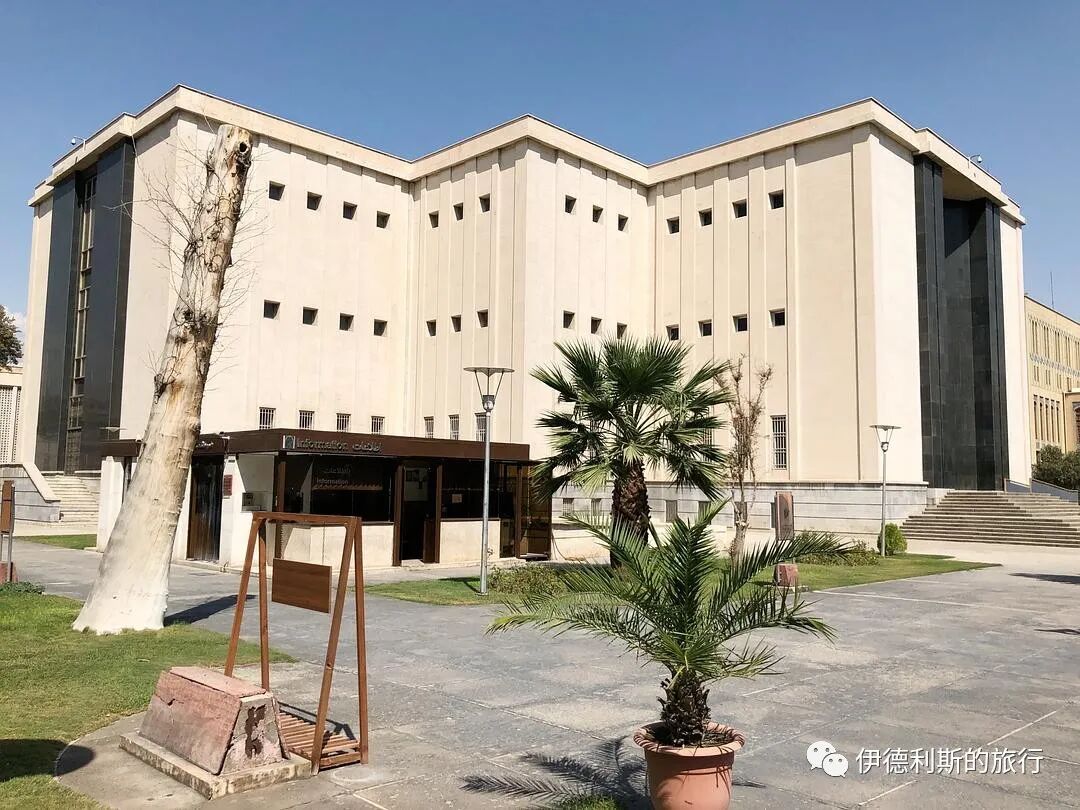
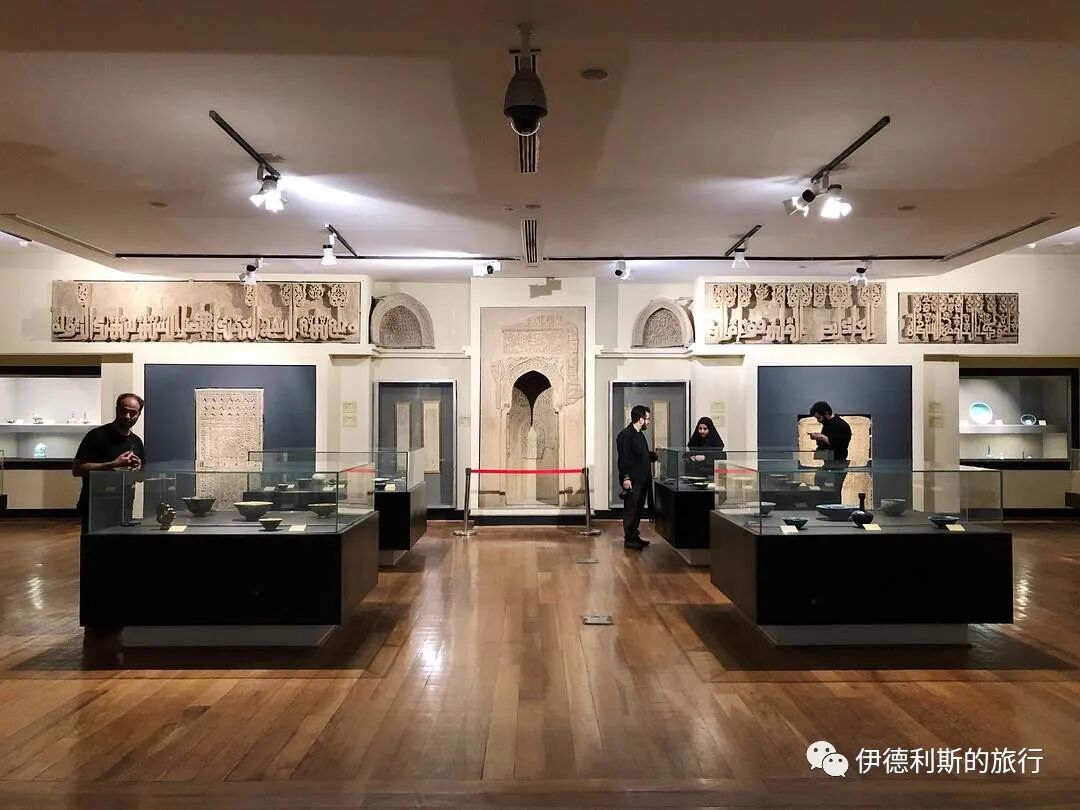
The National Museum of Iran is divided into two parts: the Museum of Ancient Iran, built in 1937, and the Museum of the Islamic Era, built in 1972. The Museum of the Islamic Era displays important artifacts from various Islamic dynasties in Iran over the past thousand years, organized chronologically.
Mihrab prayer niche
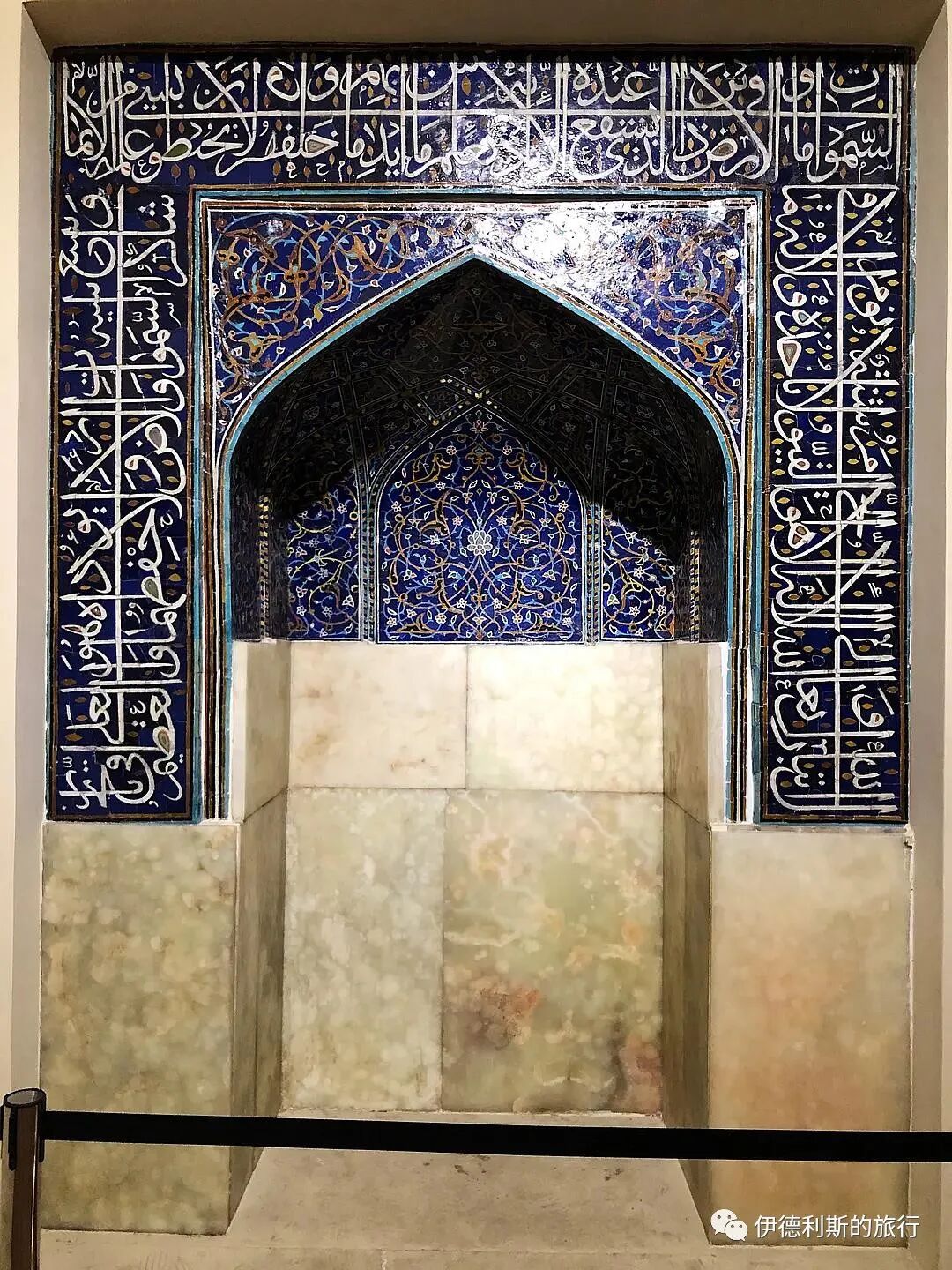
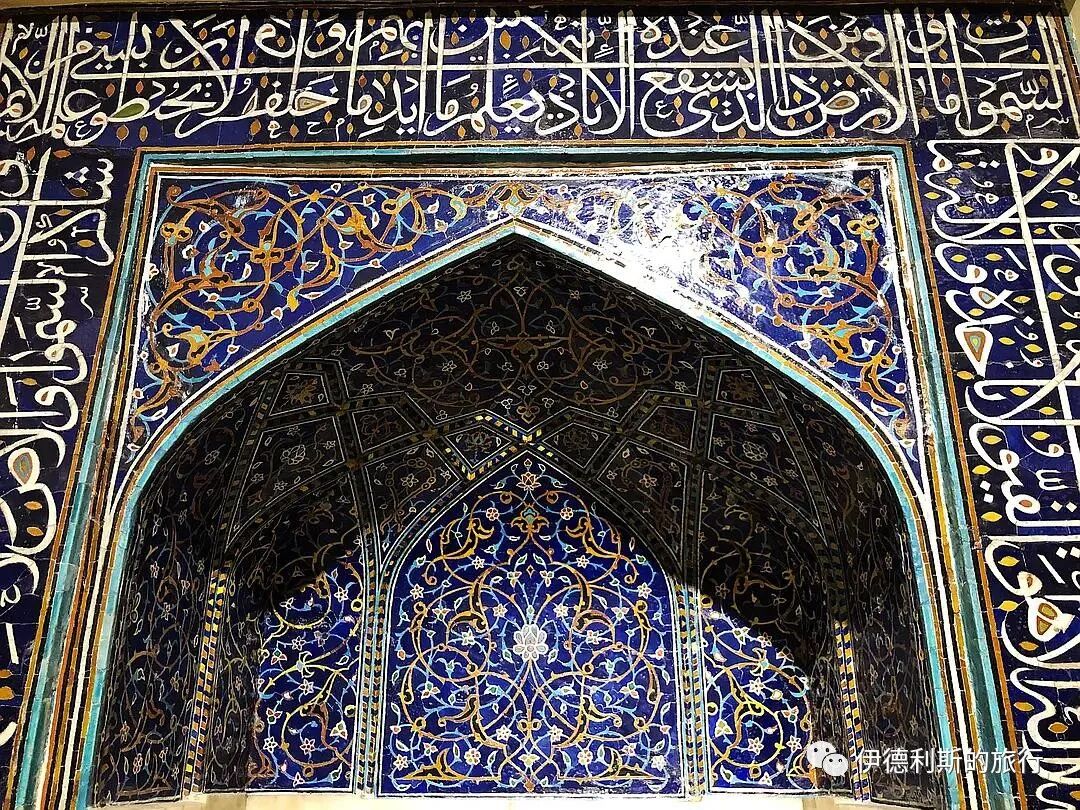
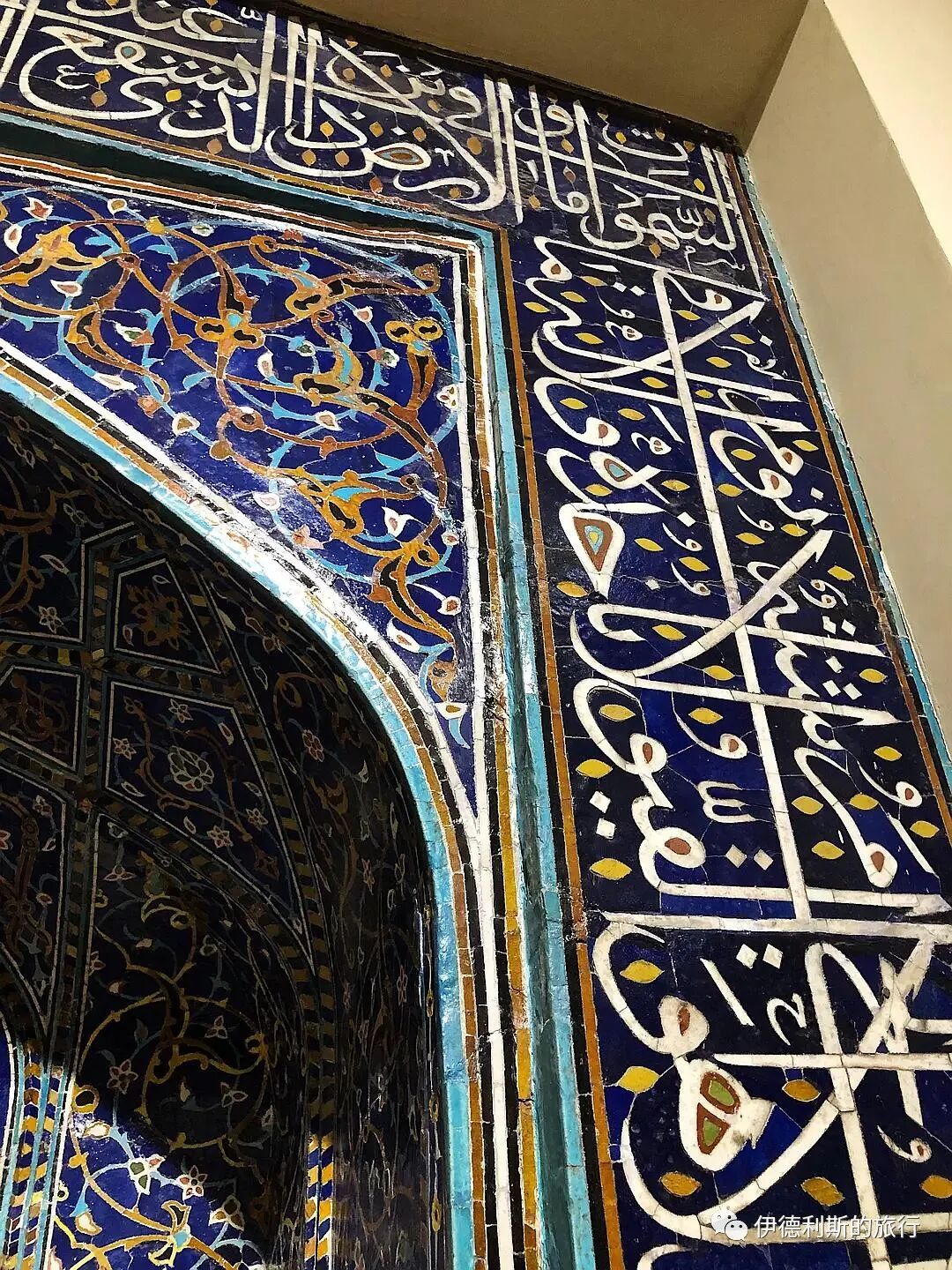
Mosaic tile mihrab
A mosaic tile mihrab from 1641, from the holy city of Mashhad during the Safavid dynasty, featuring Thuluth calligraphy.
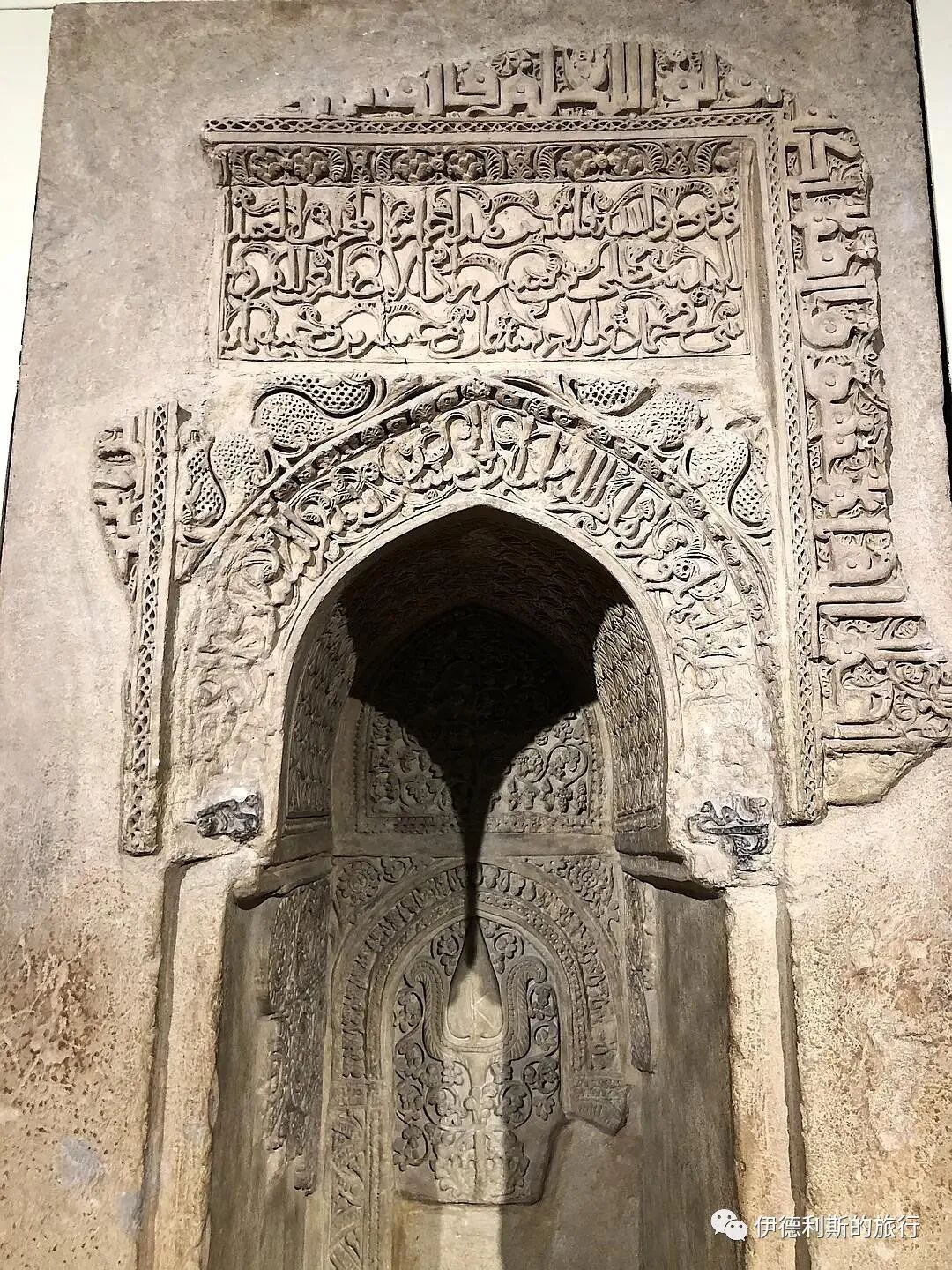
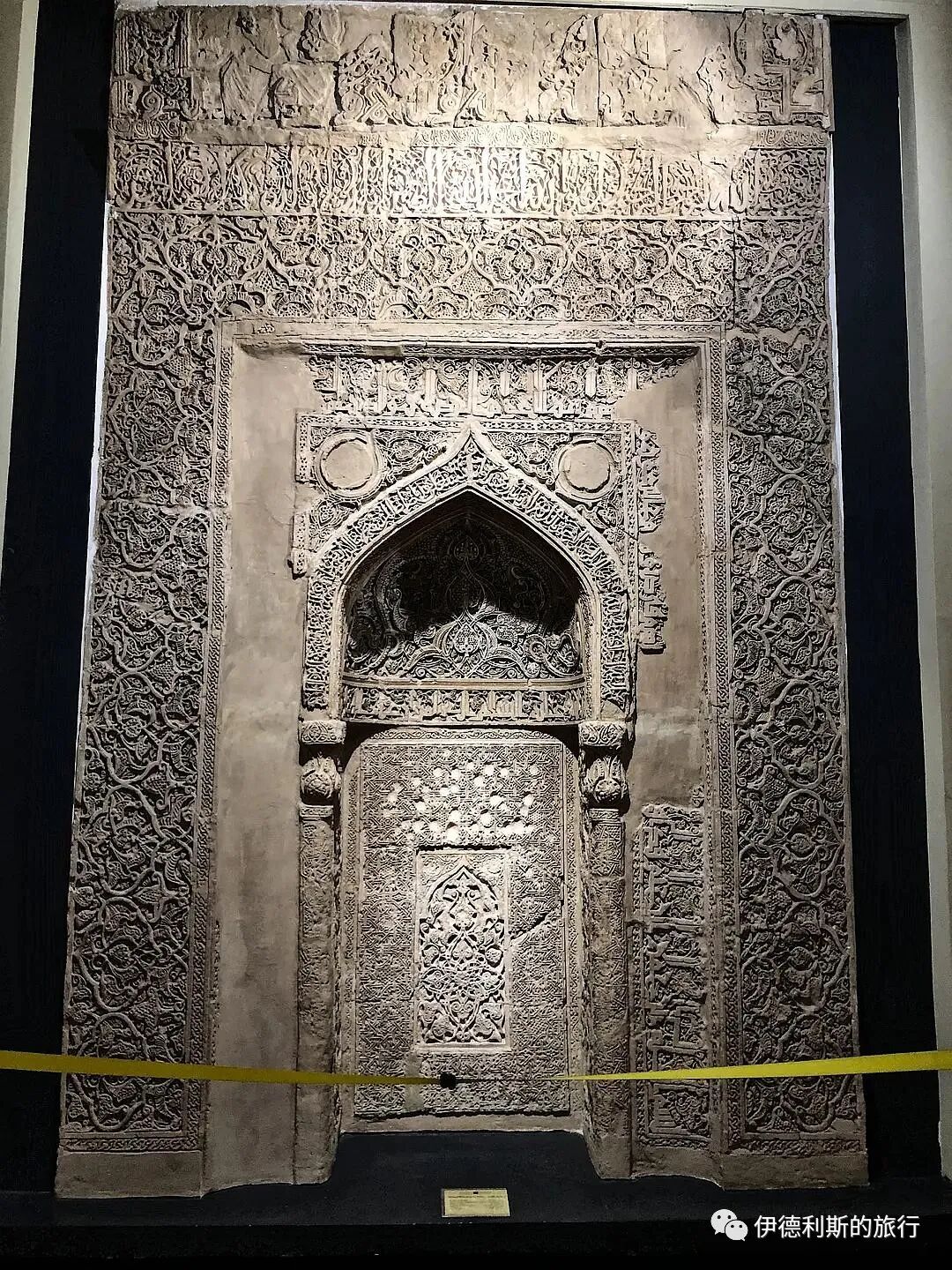
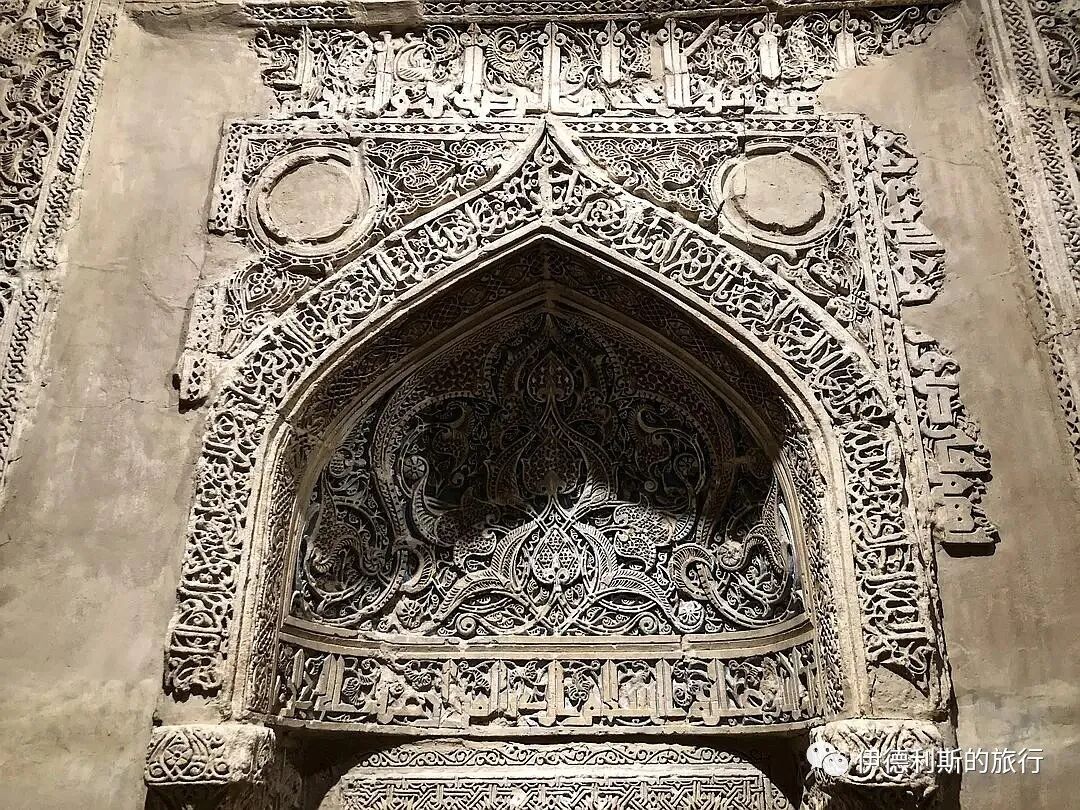
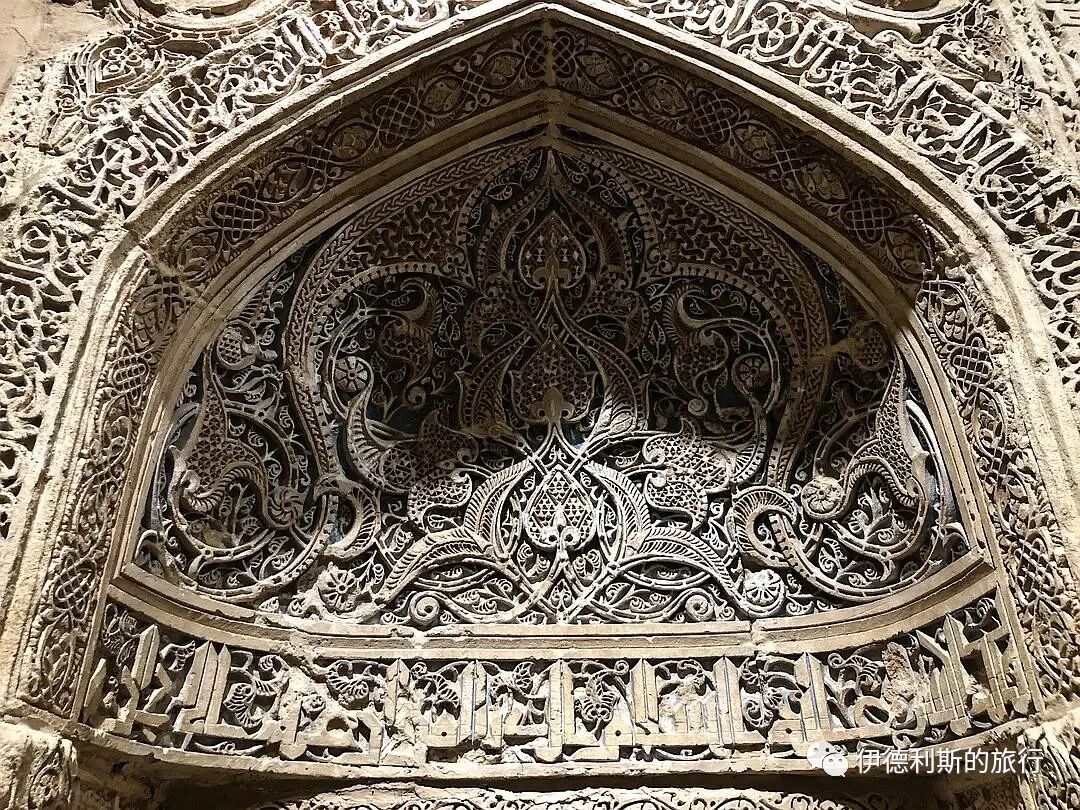
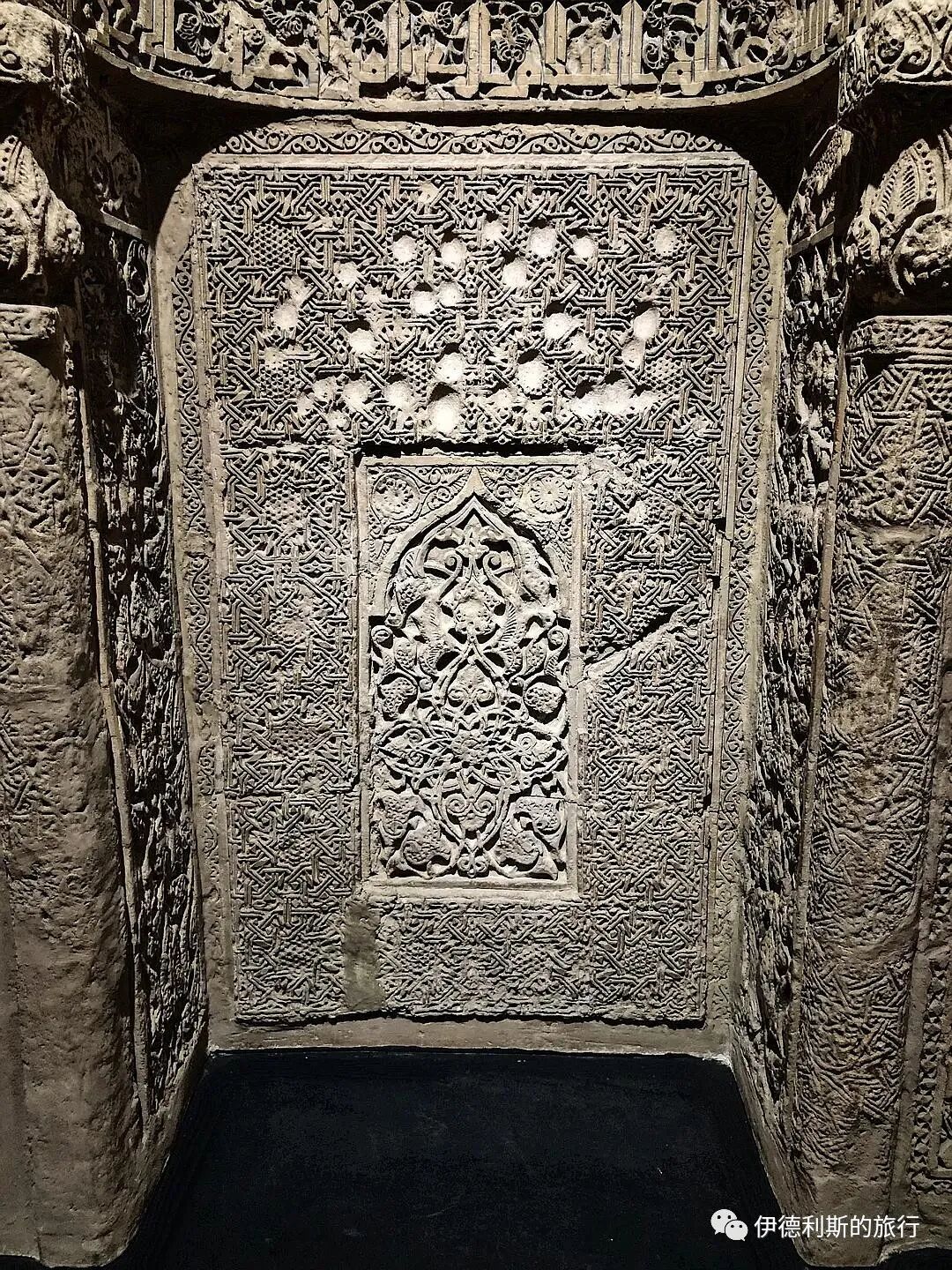
Stucco mihrab
A mihrab from 1133, from the Karrar shrine in the city of Bouzun, Isfahan province, during the Seljuk Empire. It was made by Ali ibn-e Shirzad Ansari al-Qazvini and features Thuluth, Kufic, and Reqa scripts.
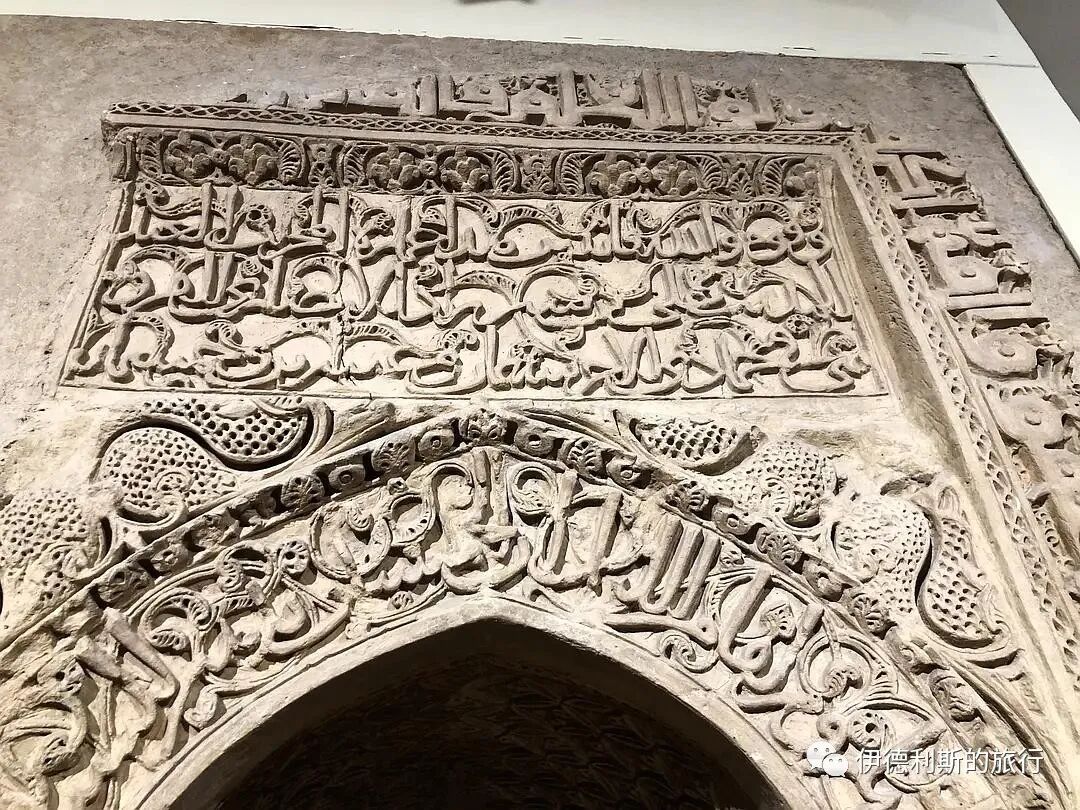
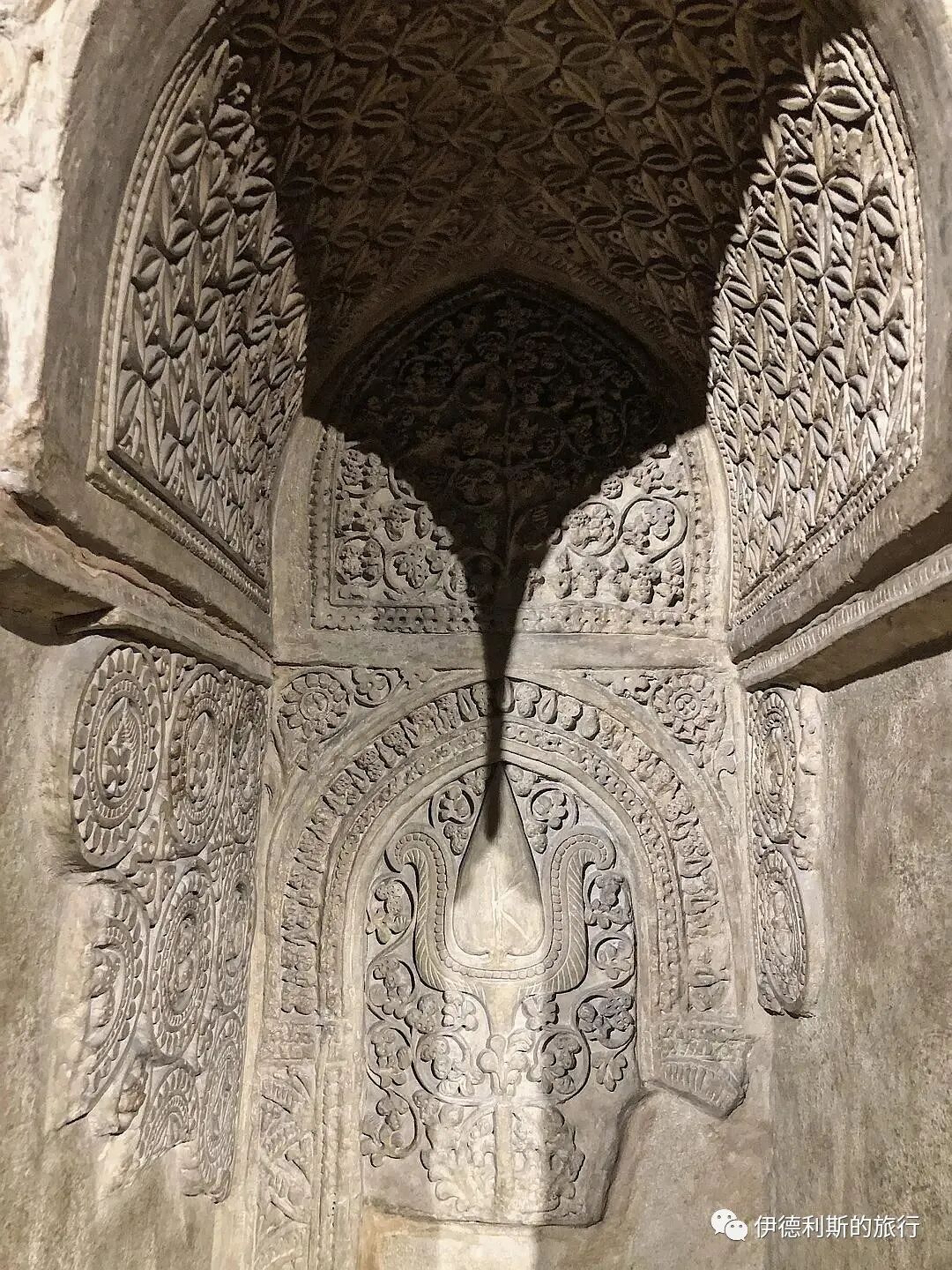
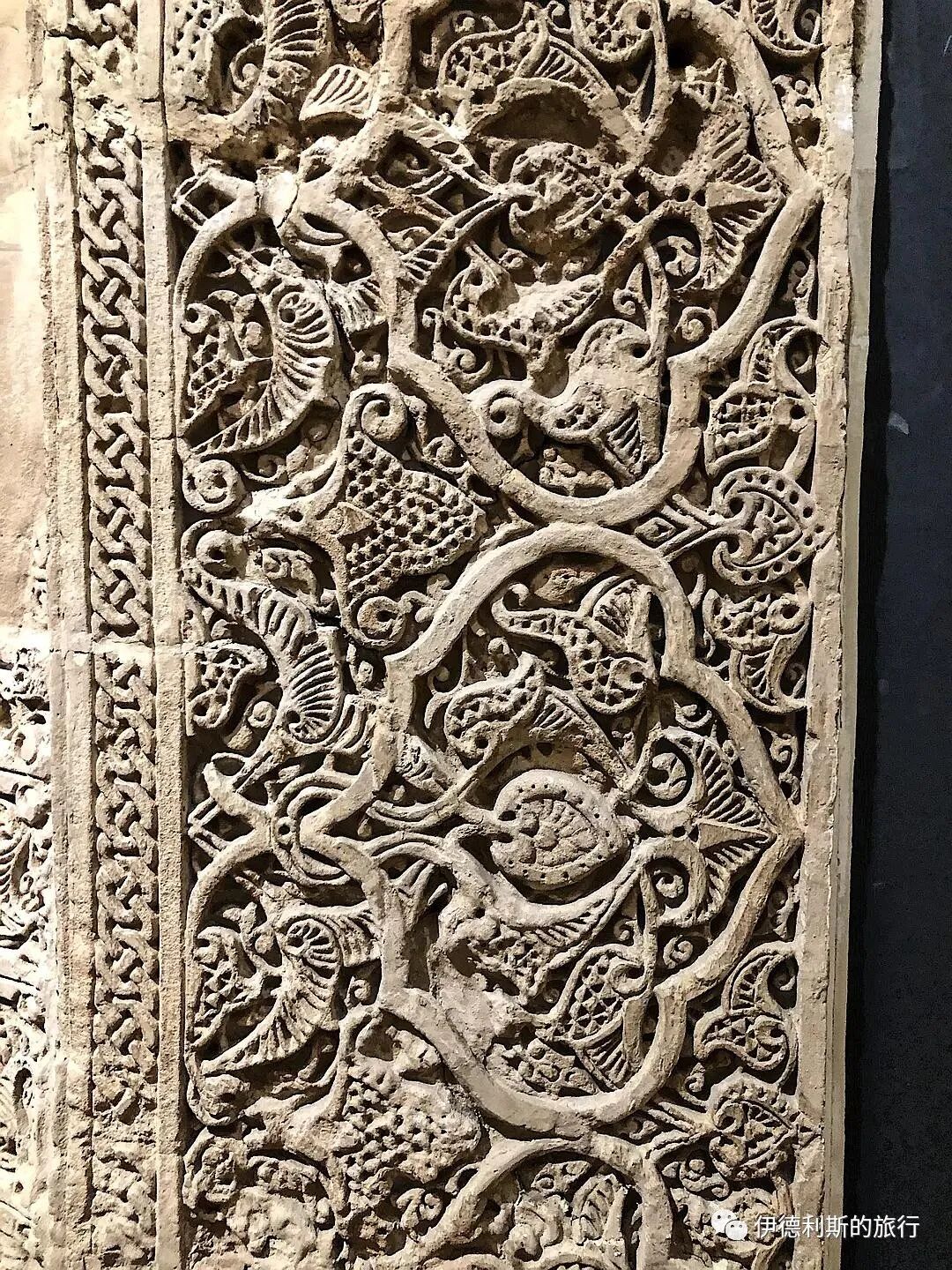
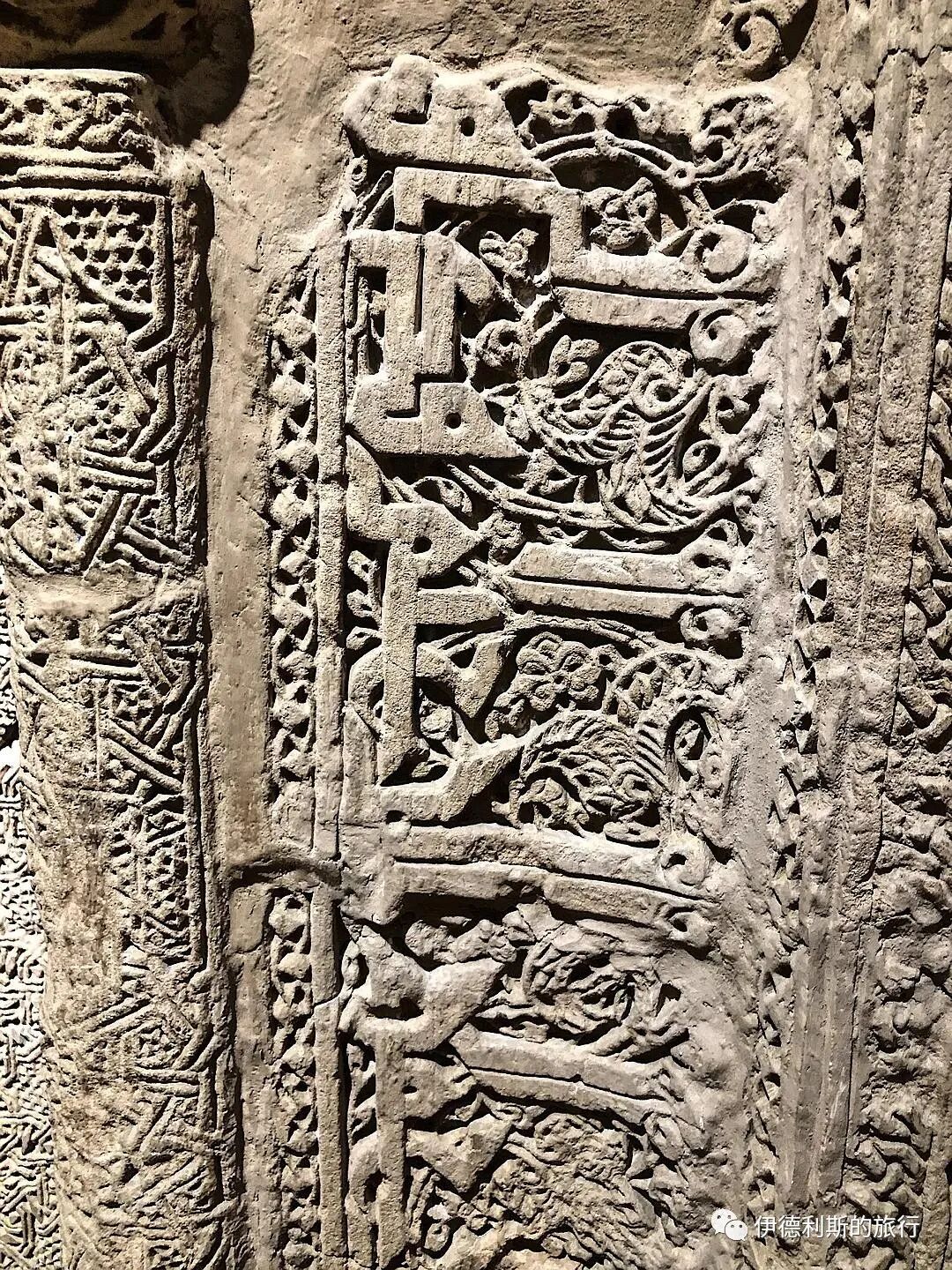
A mihrab from 1308, from the Rabi' Khatoon shrine in the city of Oshtorjan, Isfahan province, during the Ilkhanate period, made by Masoud Kermani. It features Kufic and Thuluth calligraphy.
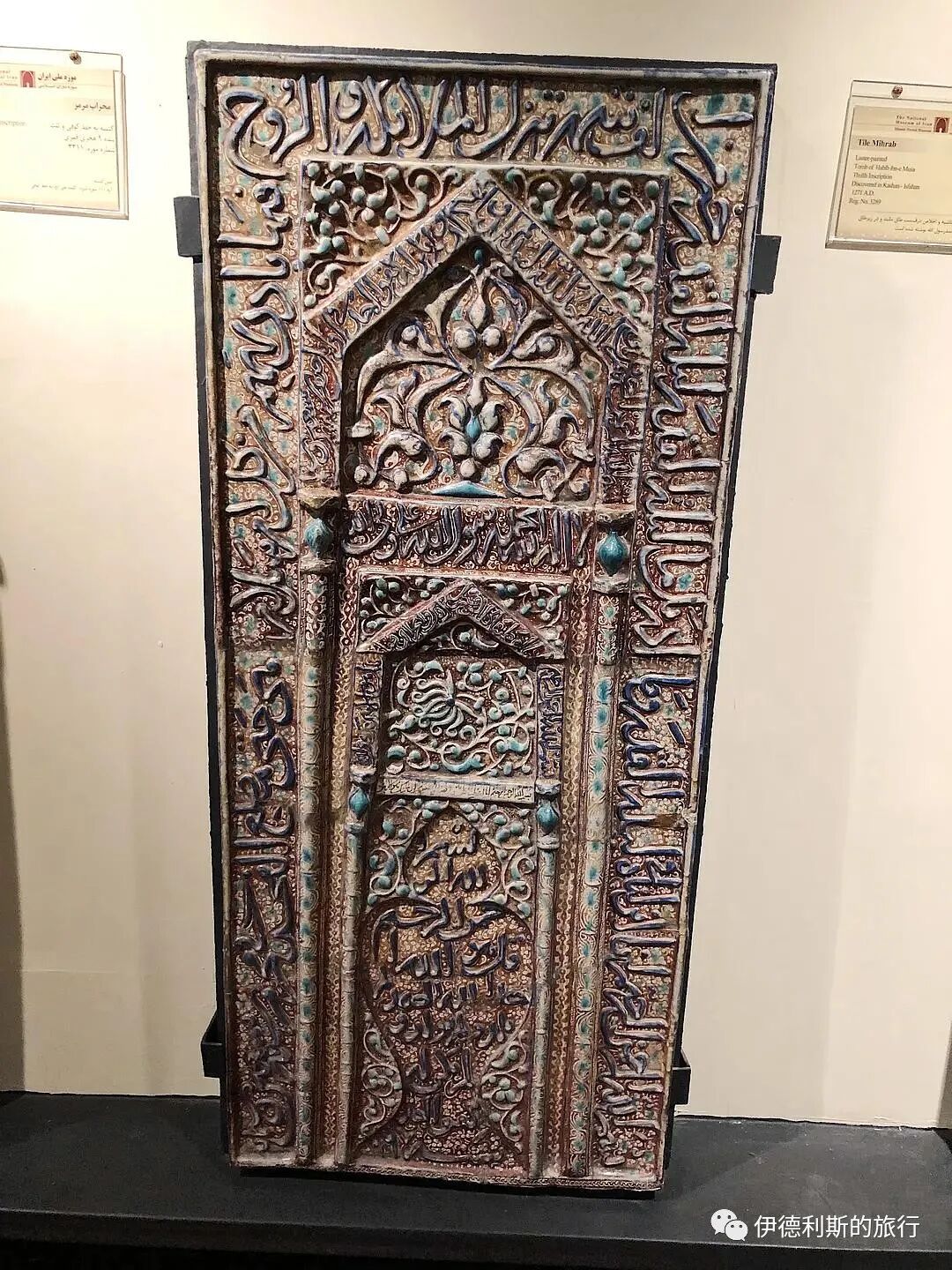
Lustreware mihrab
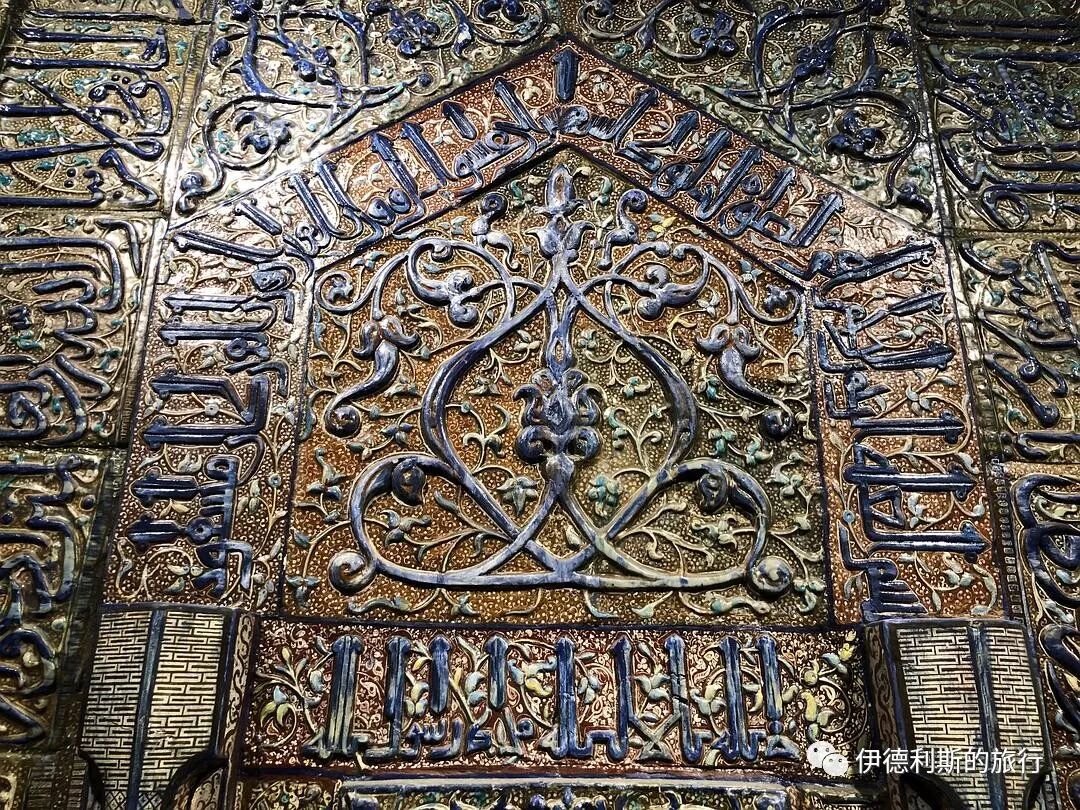
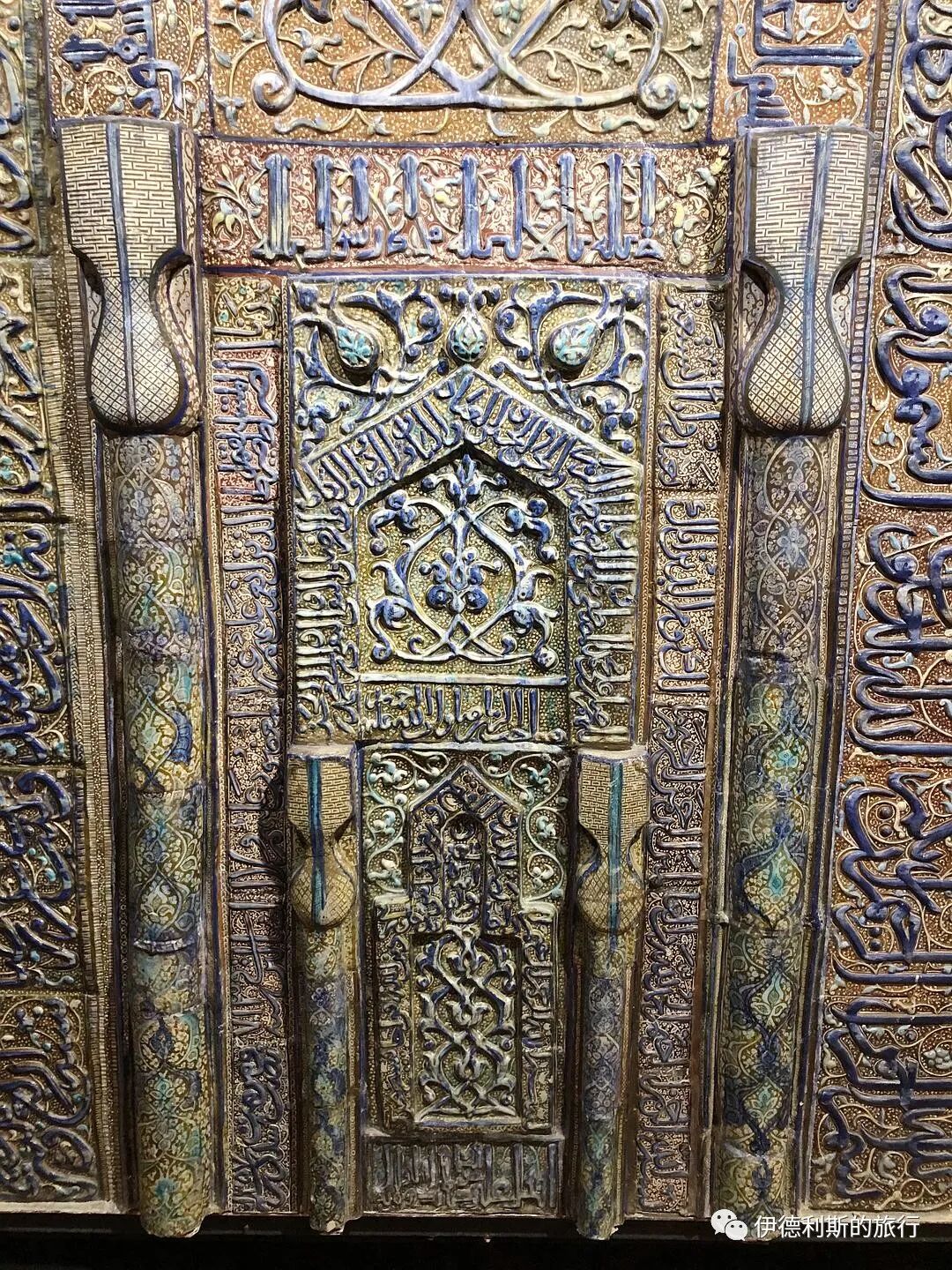
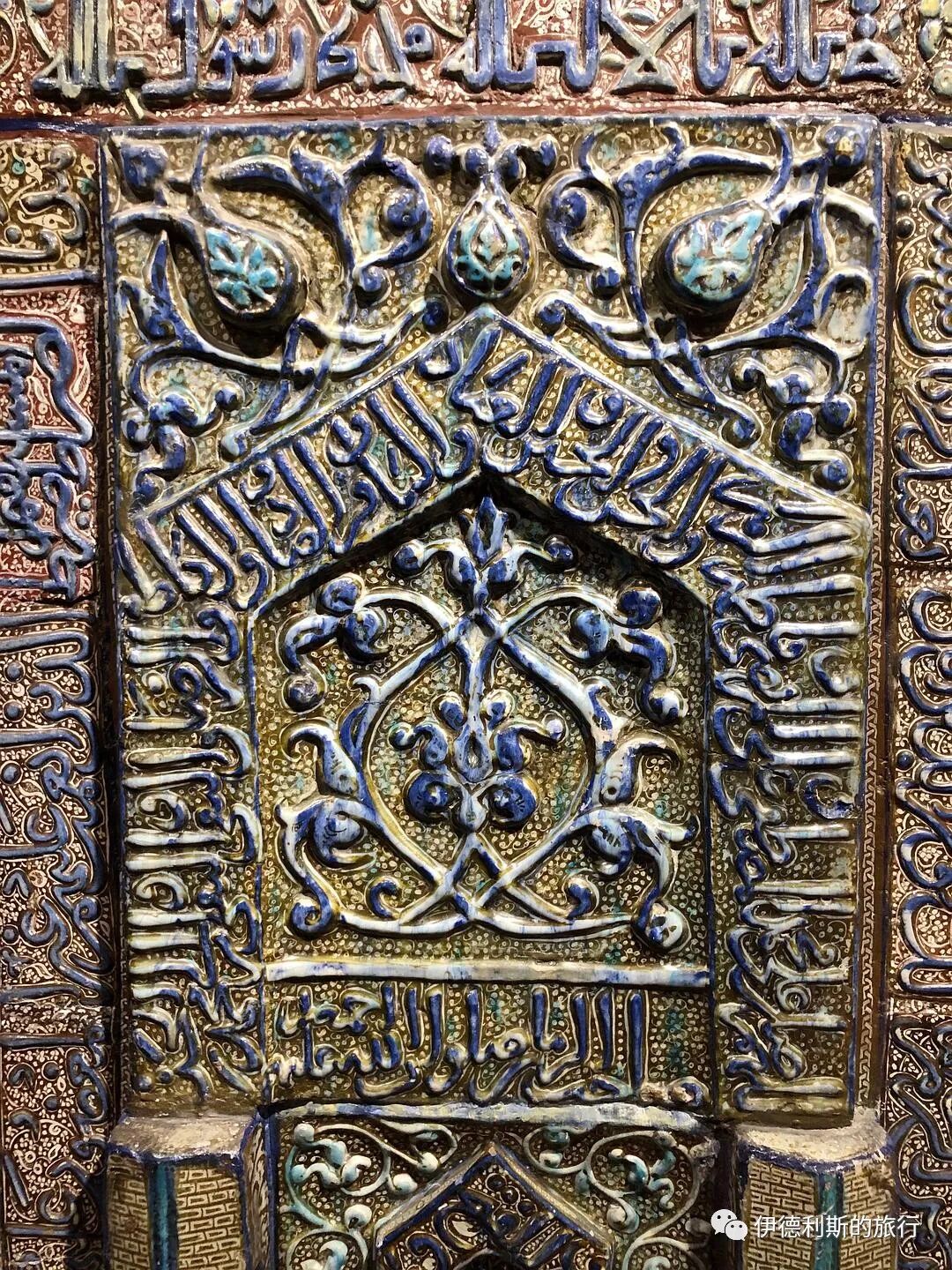
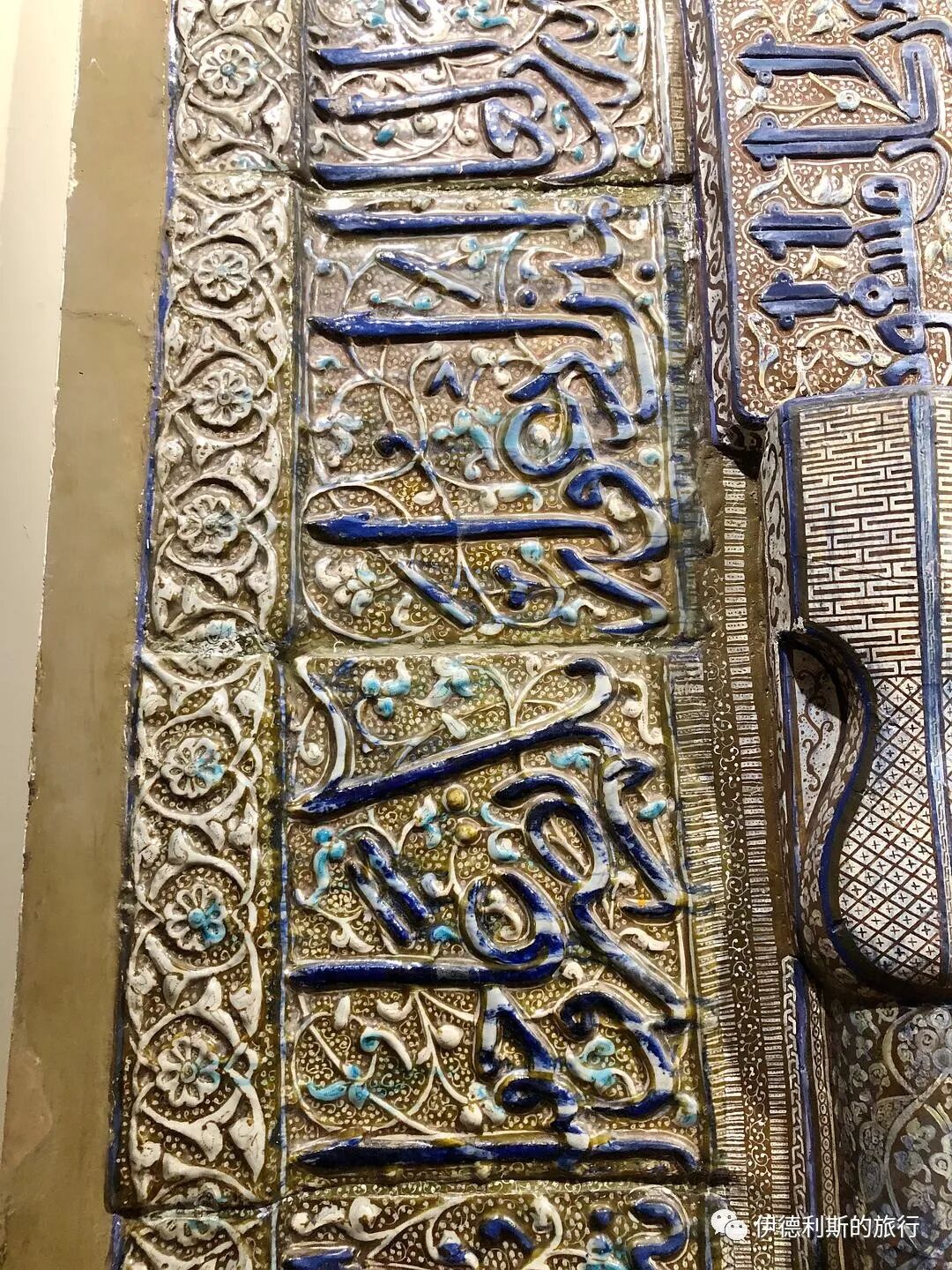
A lustreware mihrab from 1271, from the tomb of Habib ibn-e Musa in Kashan, Isfahan, during the Ilkhanate period, featuring Thuluth calligraphy.
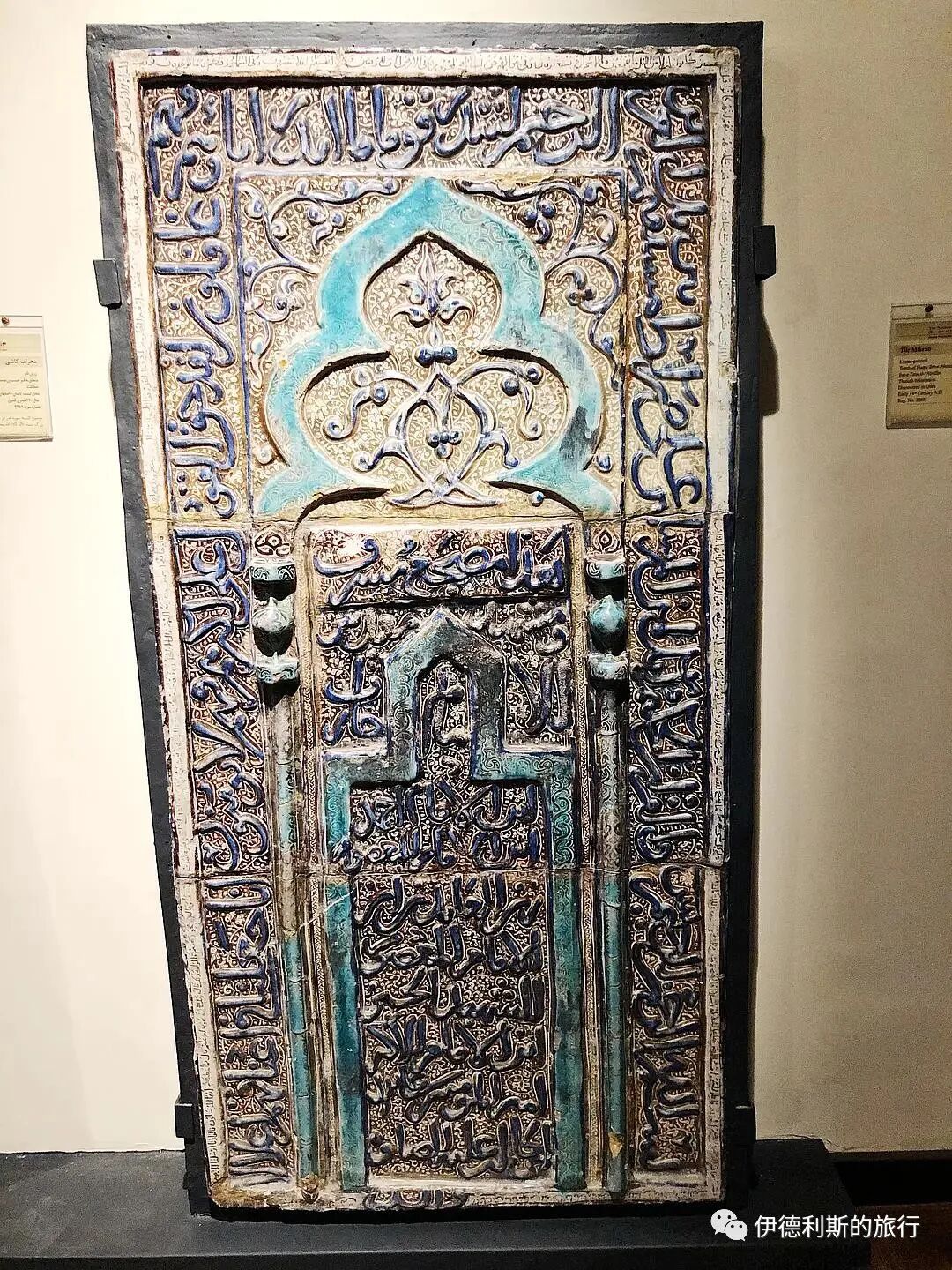
A lustreware mihrab from the early 14th century, from the tomb of Hares Ibn-e Ahmad Ibn-e Zein 'Abedin in the city of Qom during the Ilkhanate period, featuring Thuluth calligraphy.
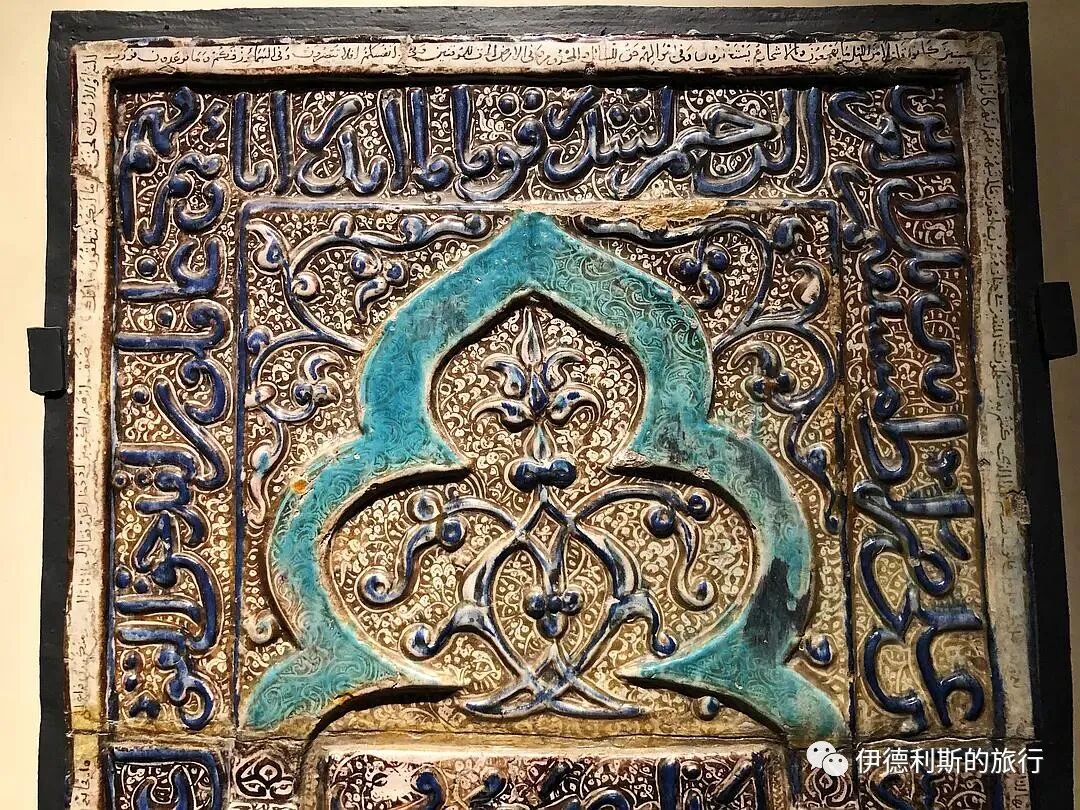
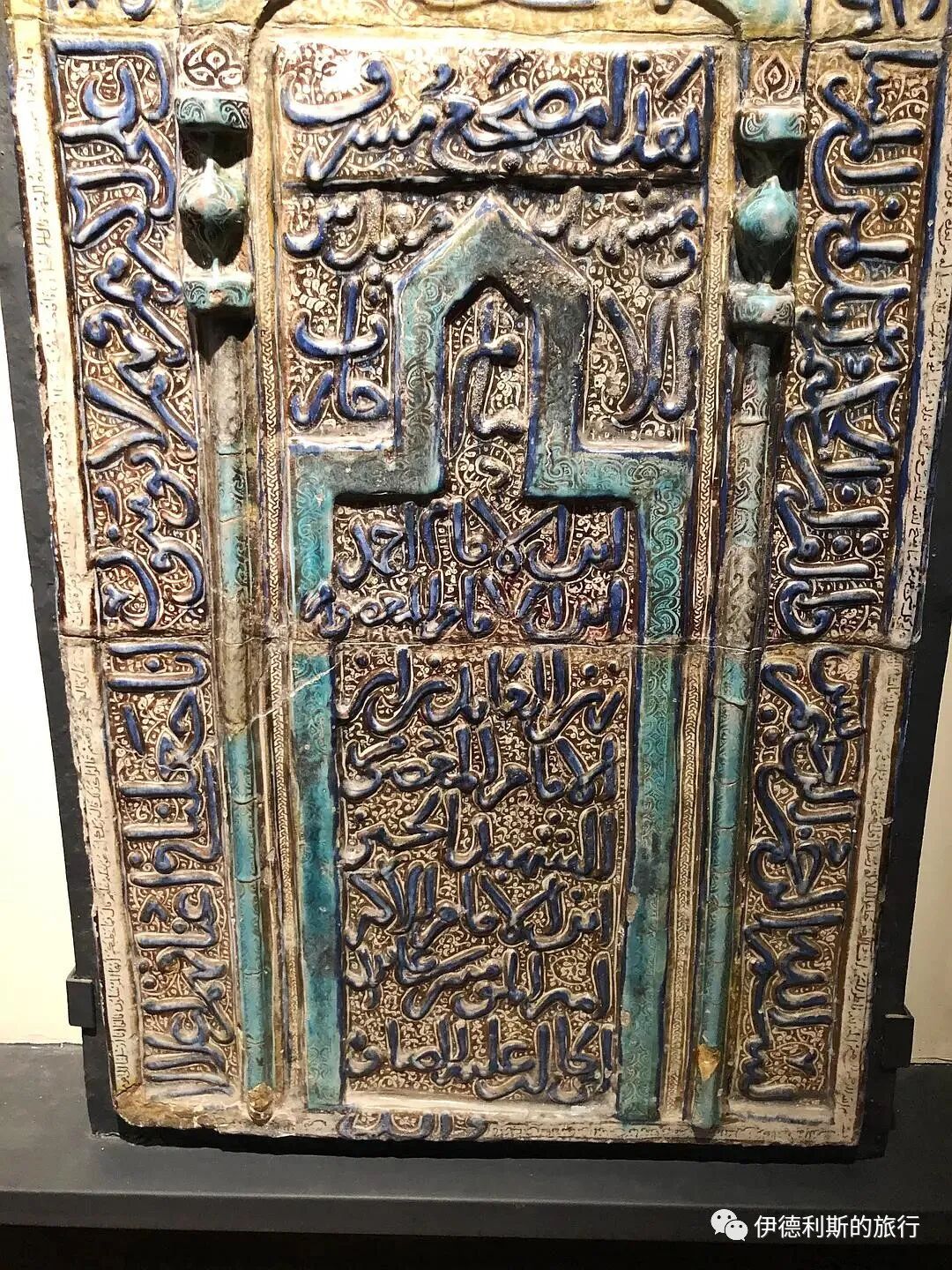
A 14th-century Ilkhanate period lustreware mihrab featuring Naskh calligraphy.
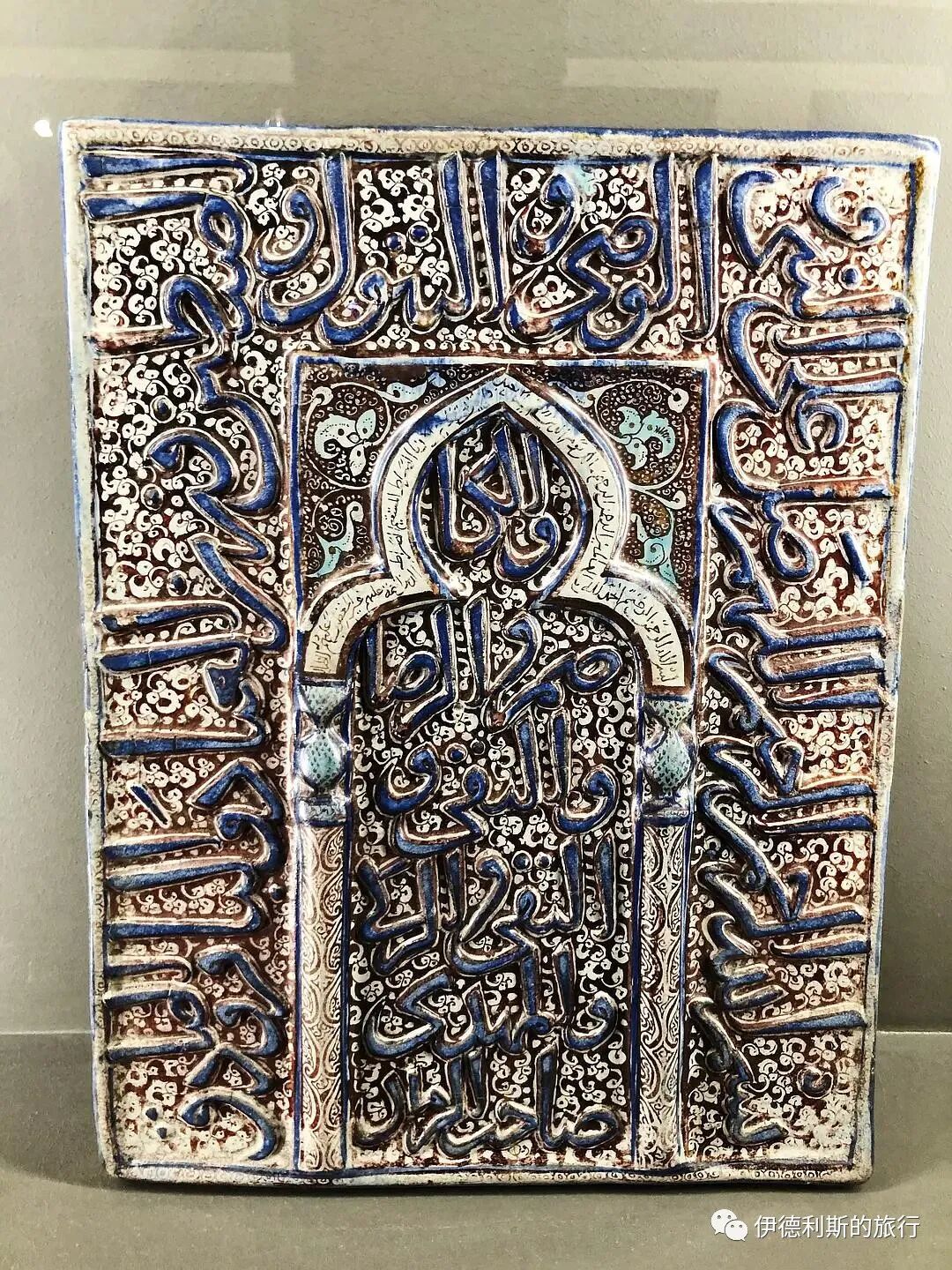
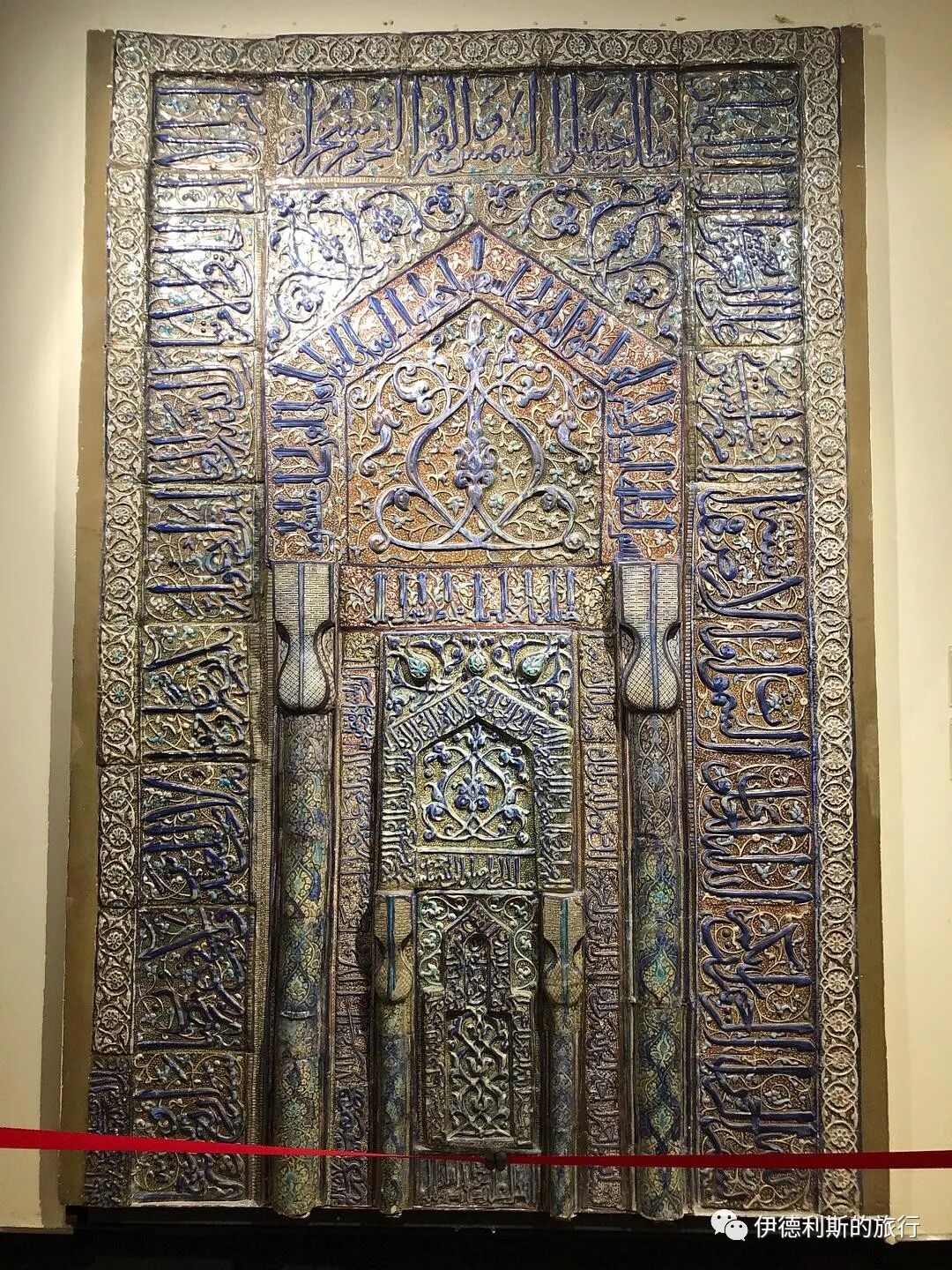
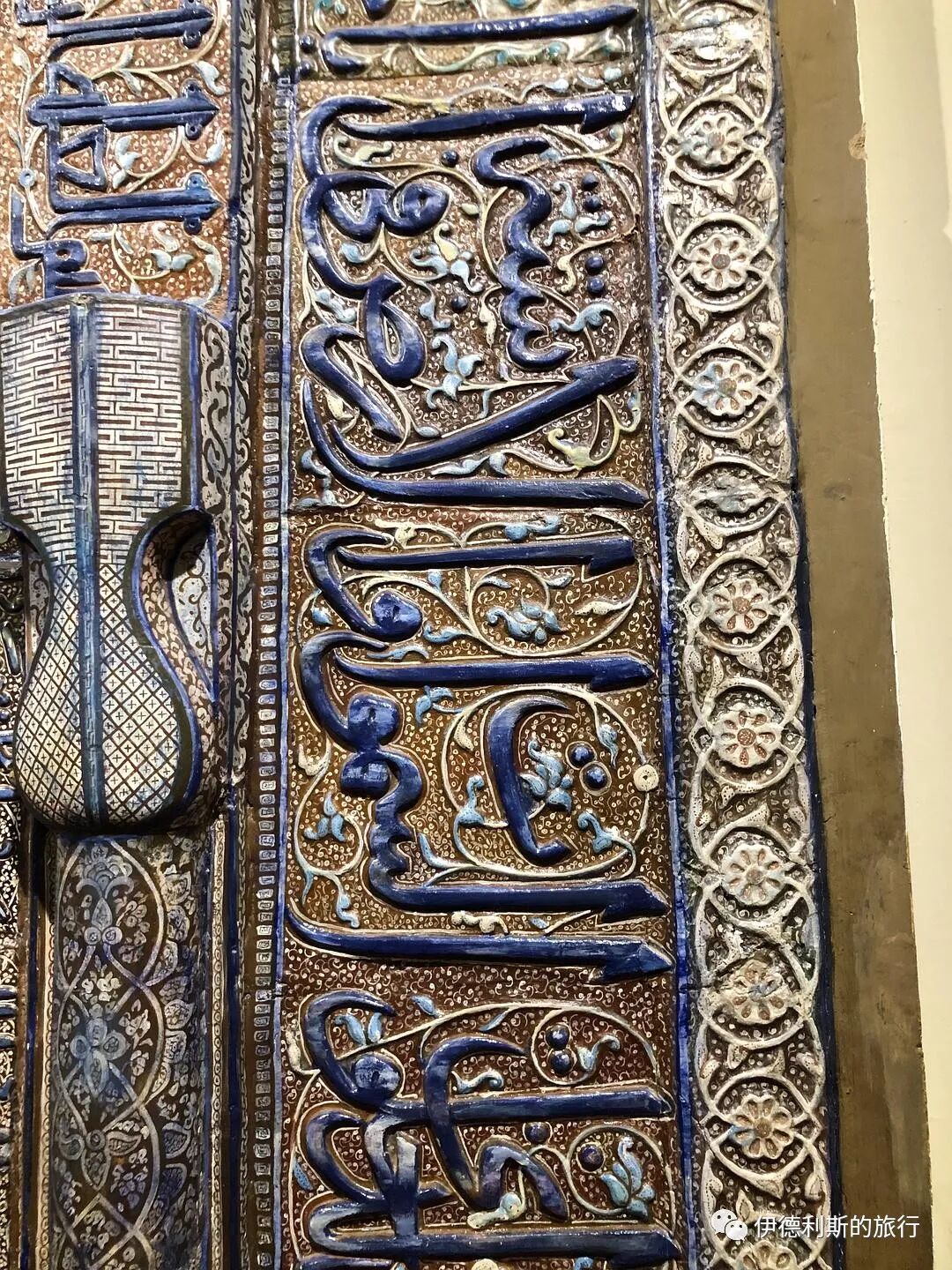
A 1333 lustreware mihrab from the Ali ibn-e Jafar shrine in the city of Qom, also known as the Gate of Paradise (Dar-e-Behesht), featuring Kufic, Naskh, and Thuluth calligraphy.
Stone mihrab
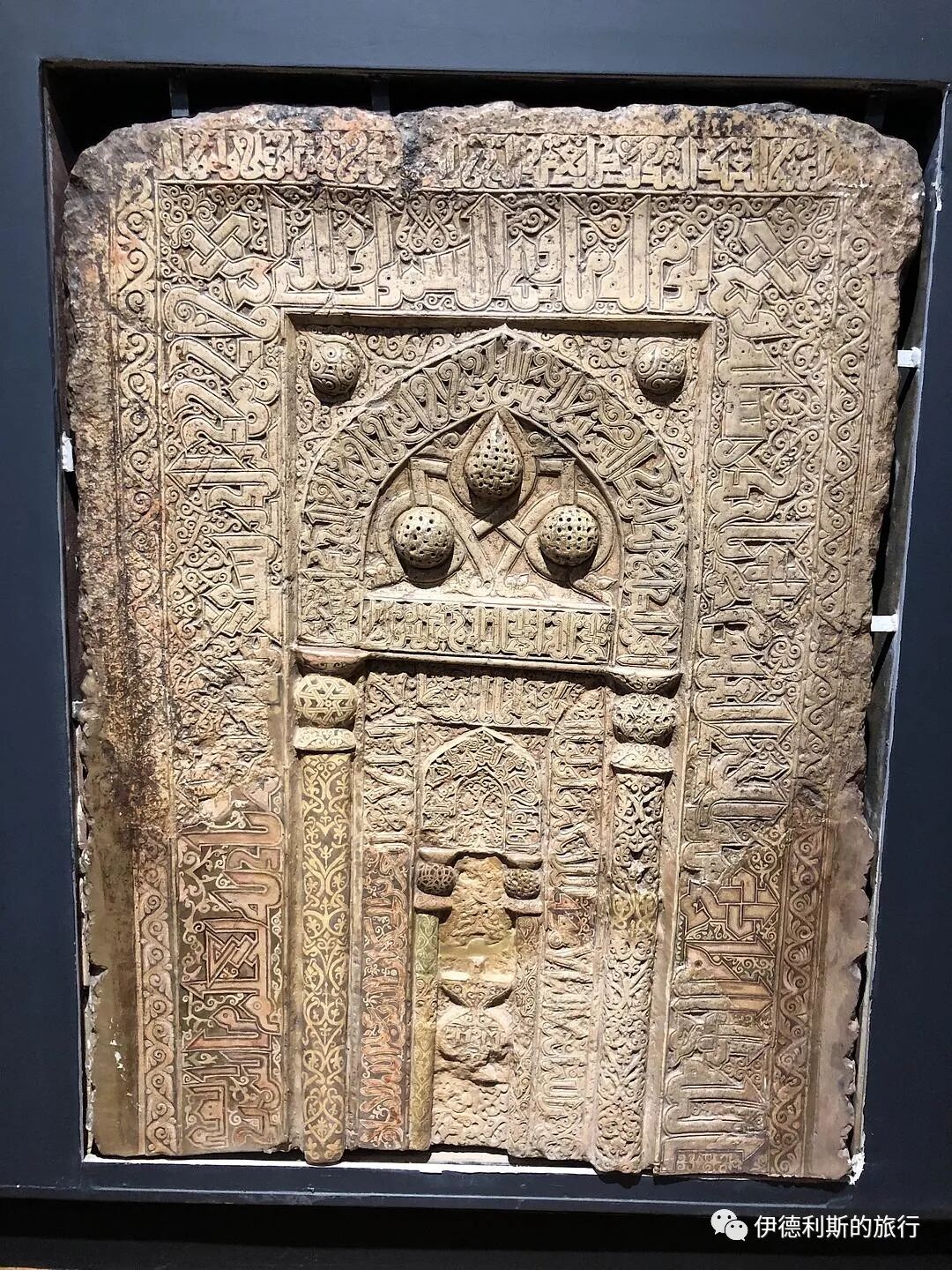
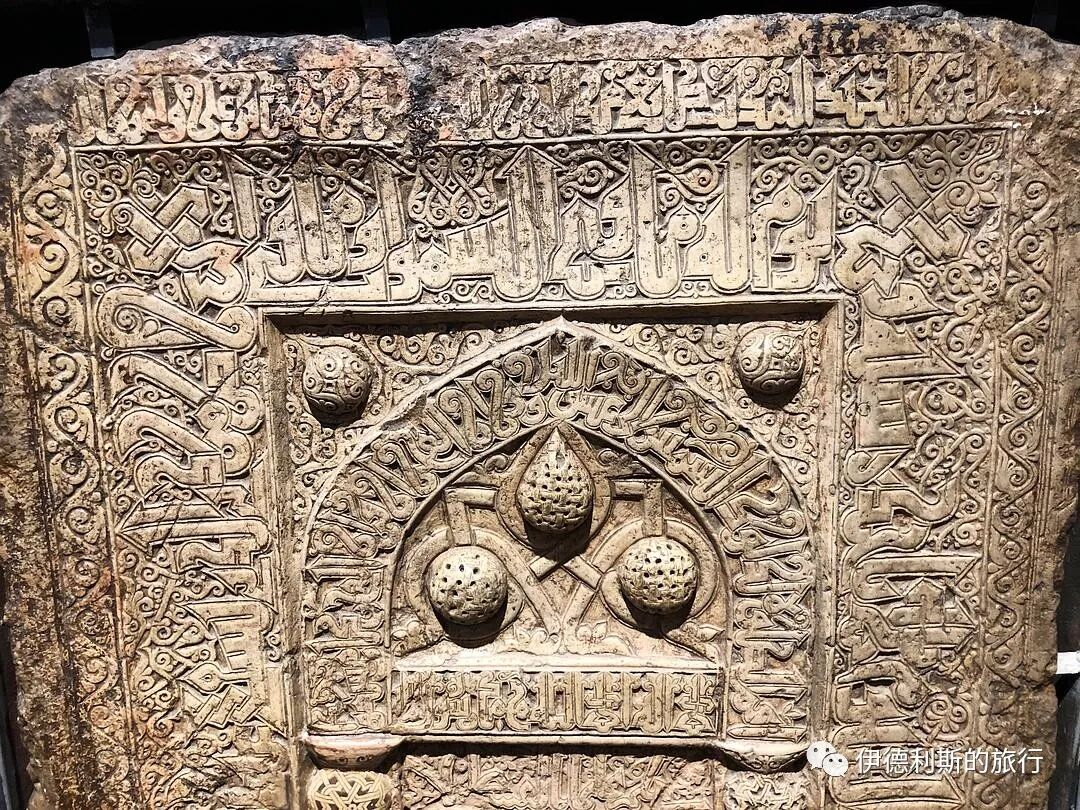
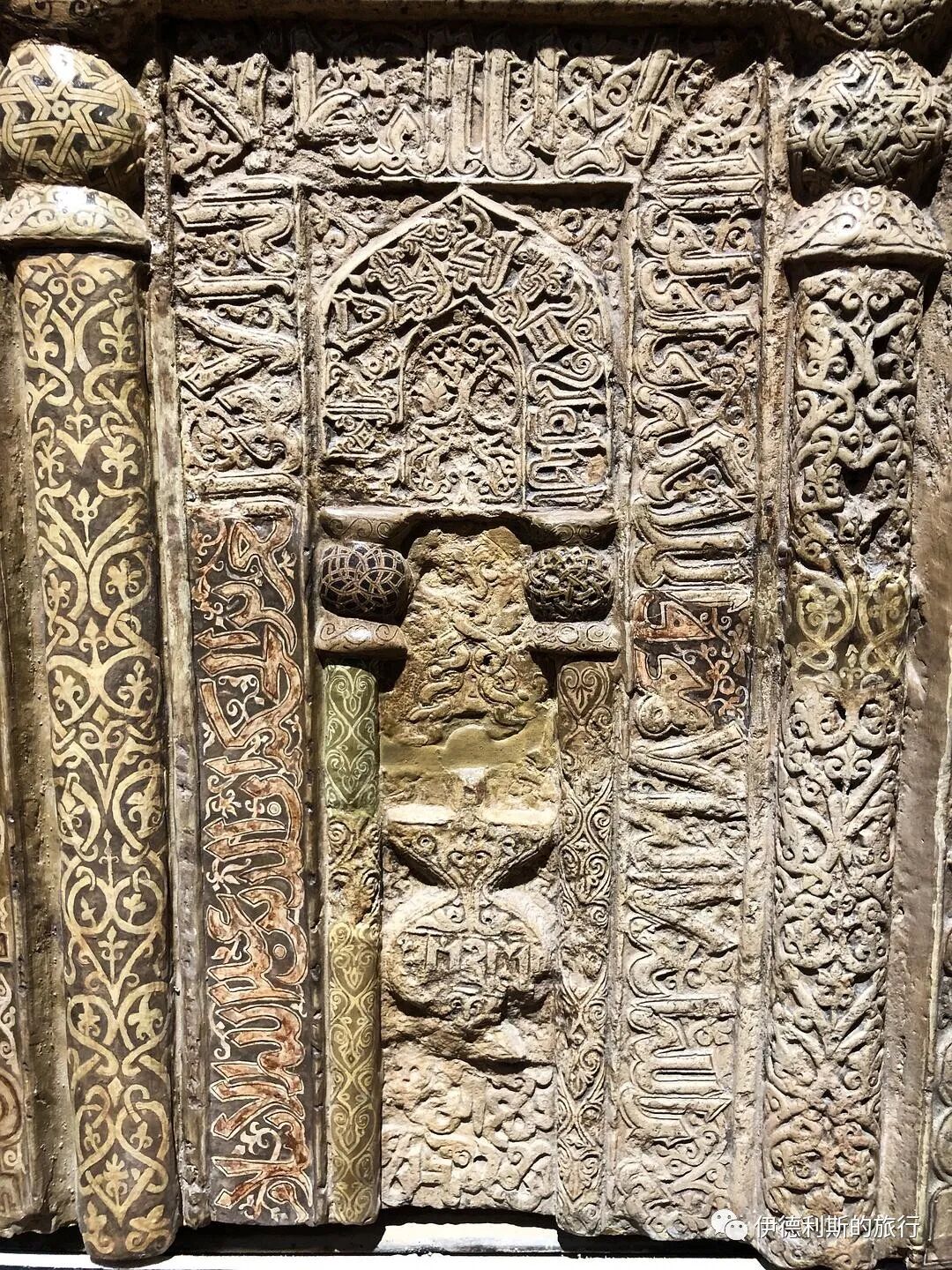
An 11th-century stone mihrab from the city of Meymeh, Isfahan province, featuring Kufic calligraphy.
A 17th-century Safavid dynasty mihrab from the Ganj mosque in Kerman, featuring Thuluth calligraphy. The Ganjali Khan complex was built between 1596 and 1631 by Ganj Ali Khan, who ruled Kerman at the time; the architect was Mohammad Soltani from Yazd.
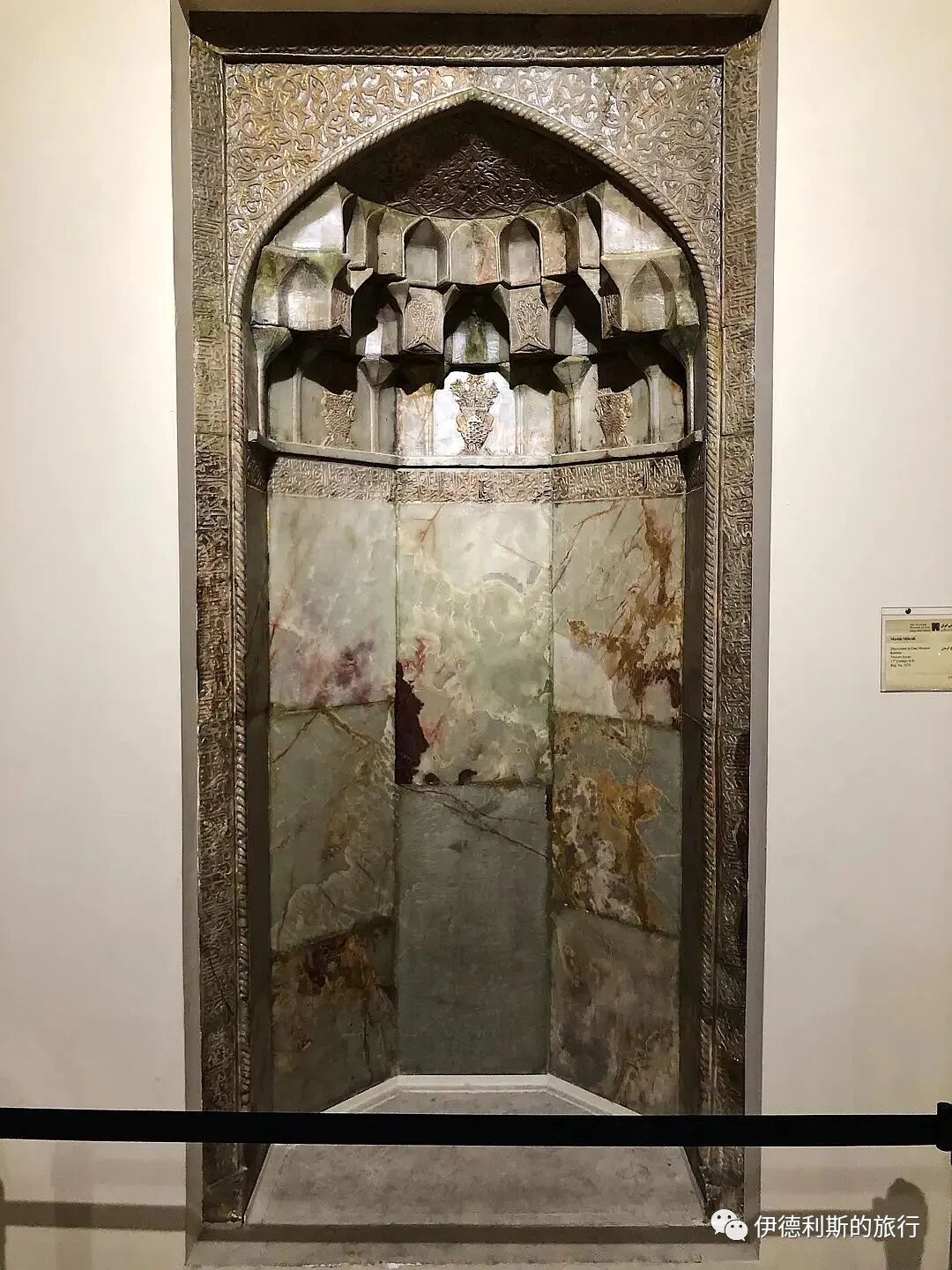
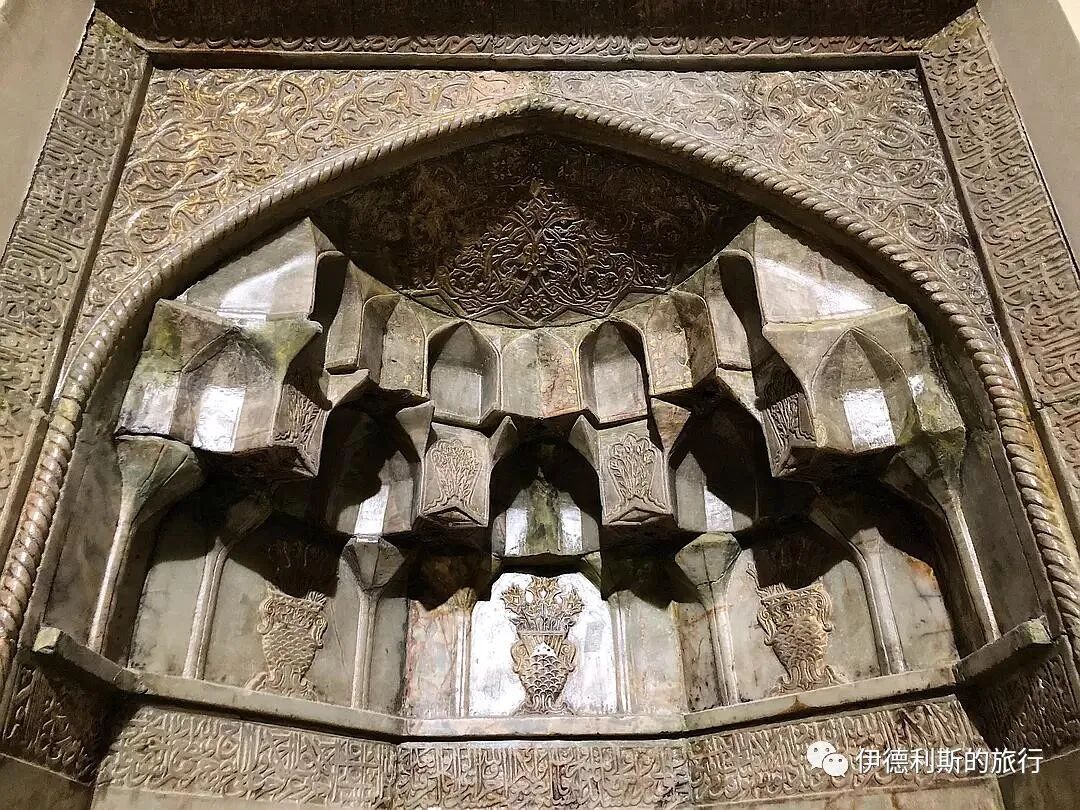
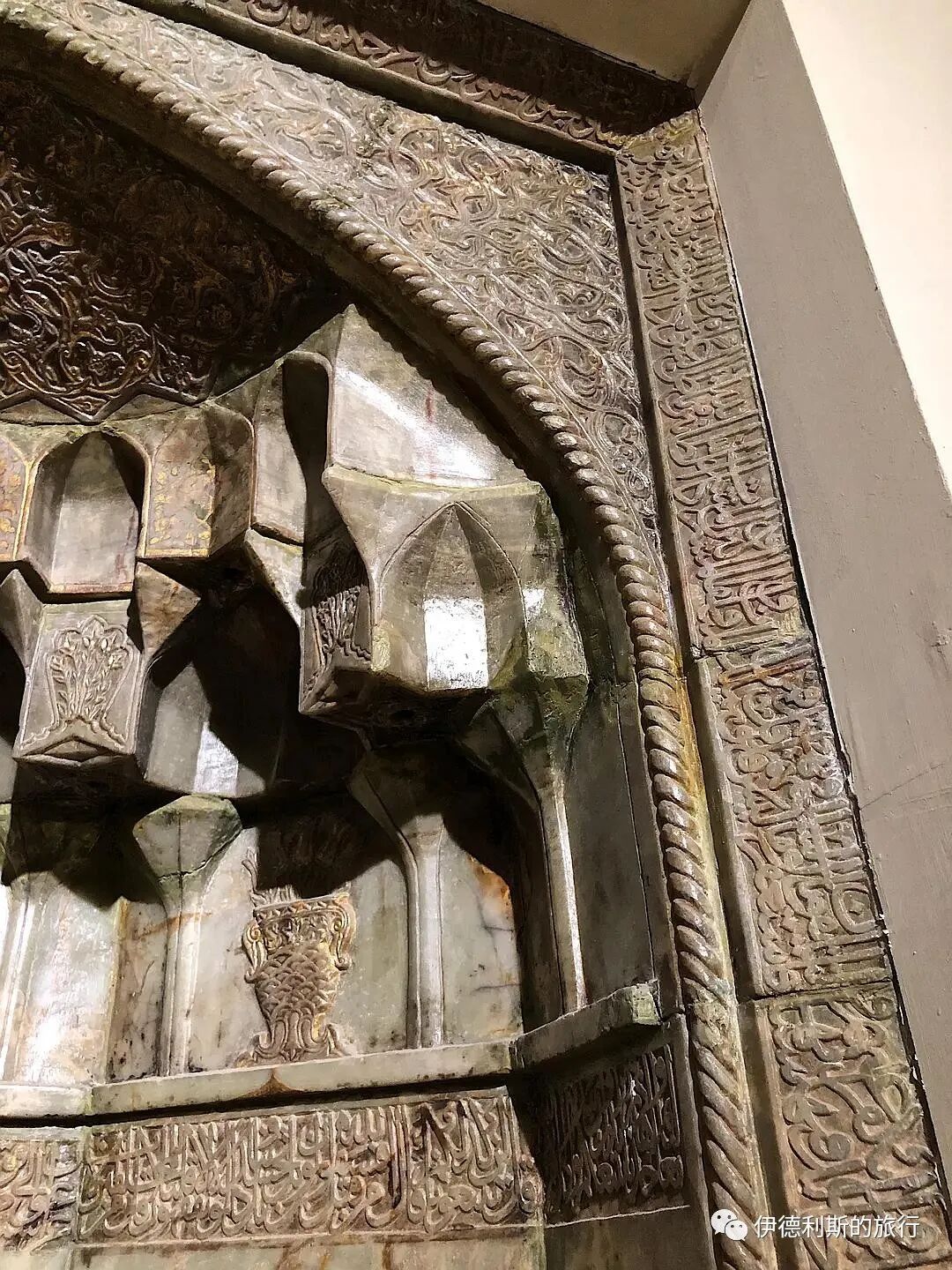
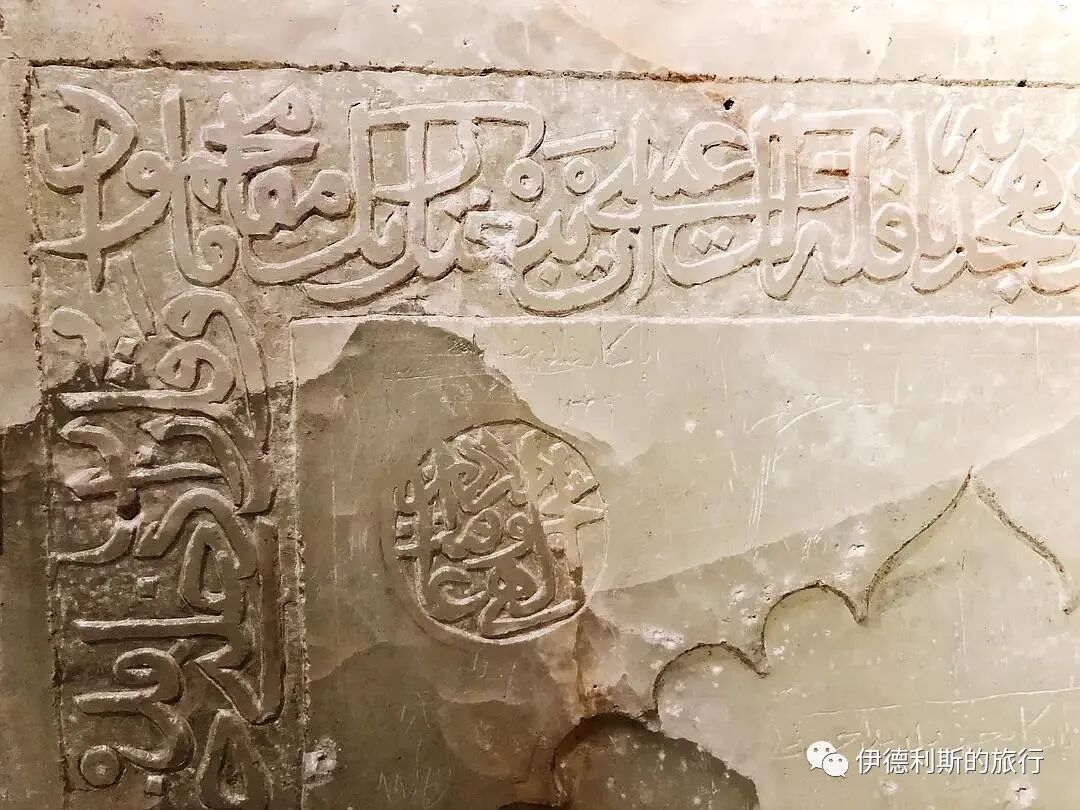
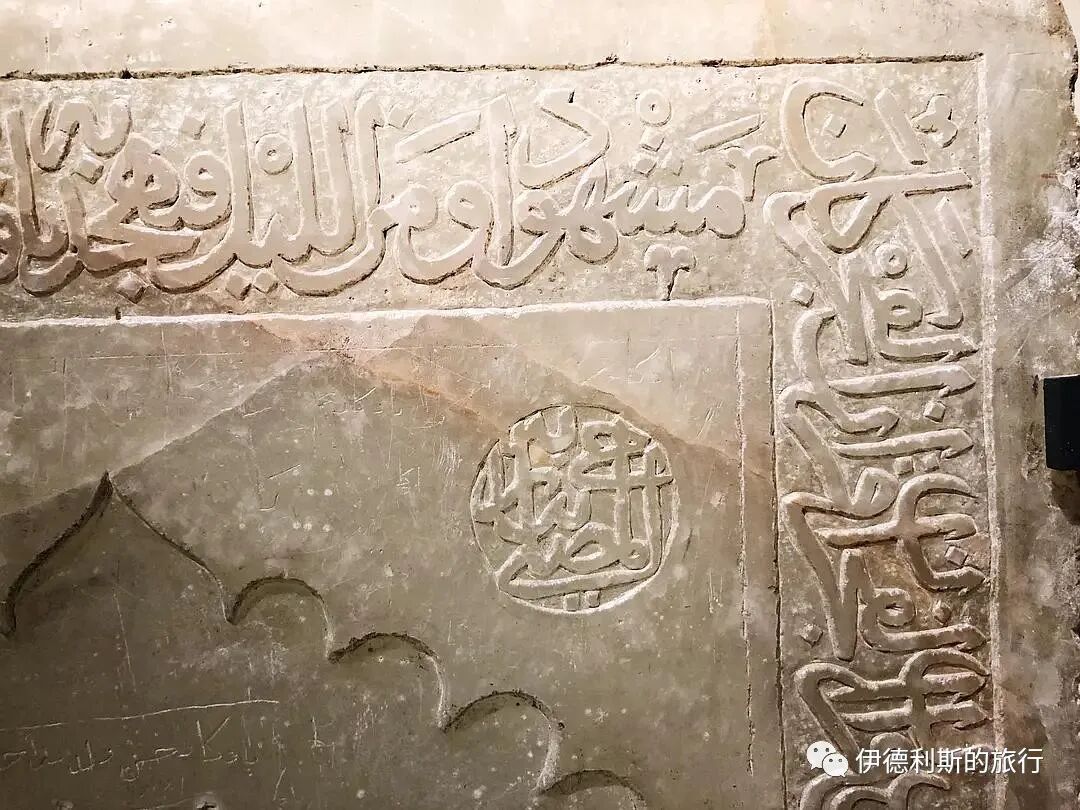
A 16th-century Timurid dynasty mihrab from the Jameh Mosque of Abarkuh, with Thuluth calligraphy on three sides and Kufic calligraphy on the two corners. Furthermore, the mihrab features two unique and beautiful marble columns on either side, which also bear Kufic calligraphy. Abarkuh is located in Yazd province, and its Timurid-era Jameh Mosque is situated in the city center square.
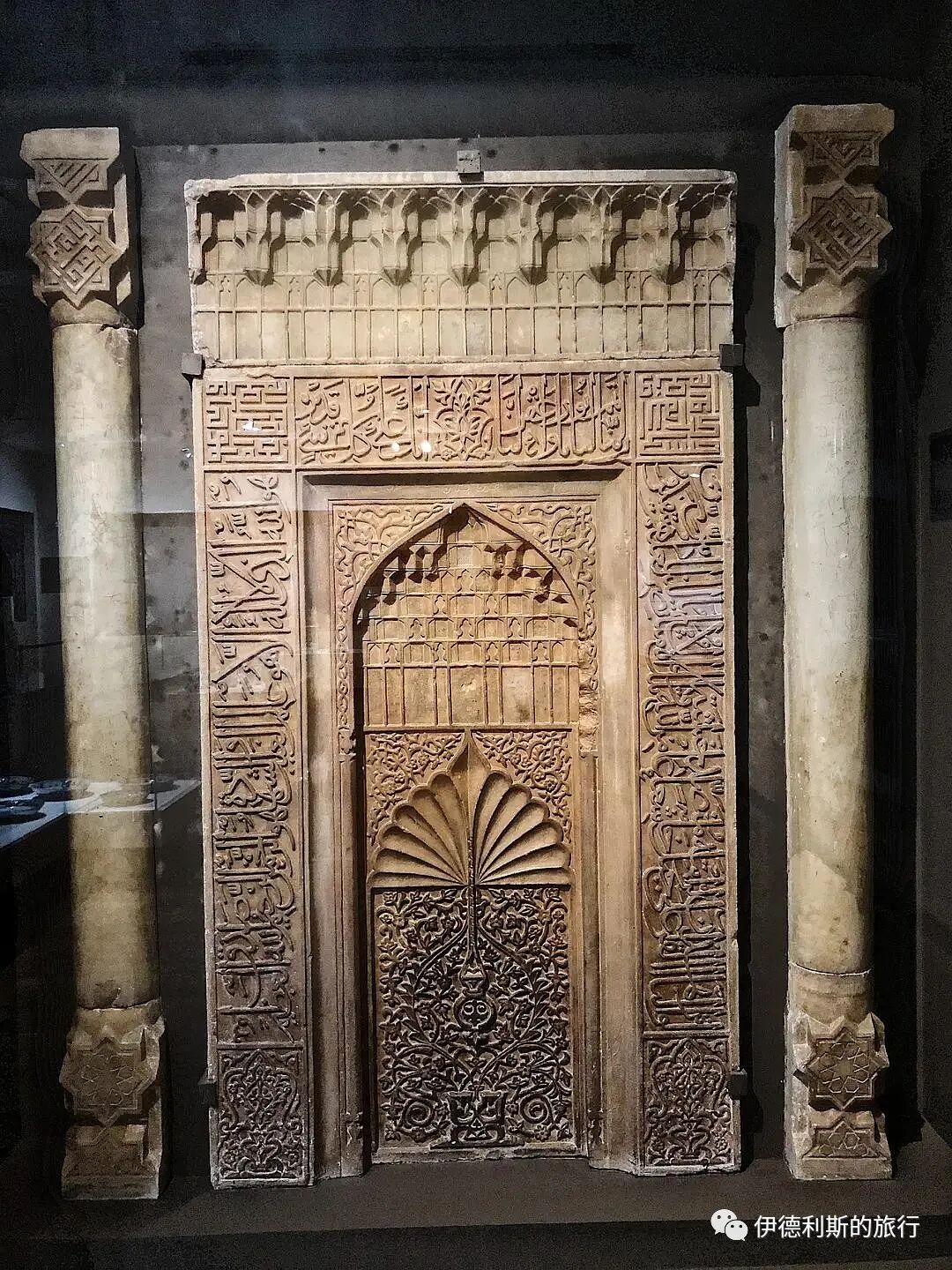
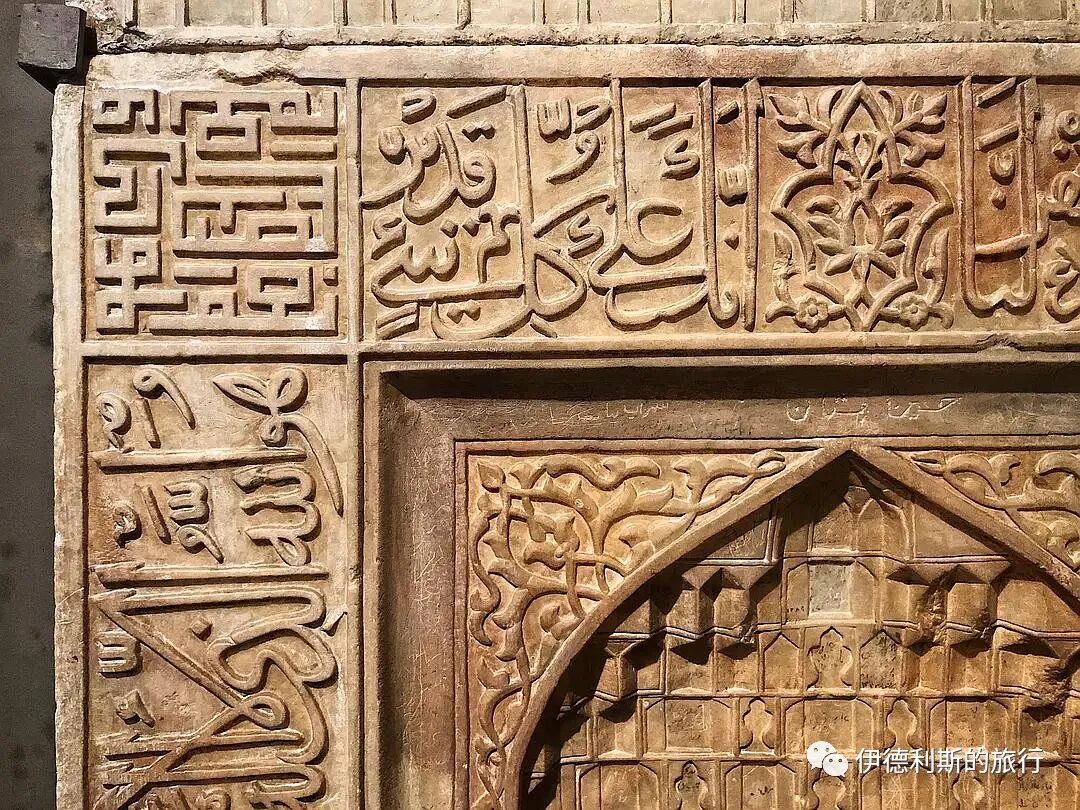
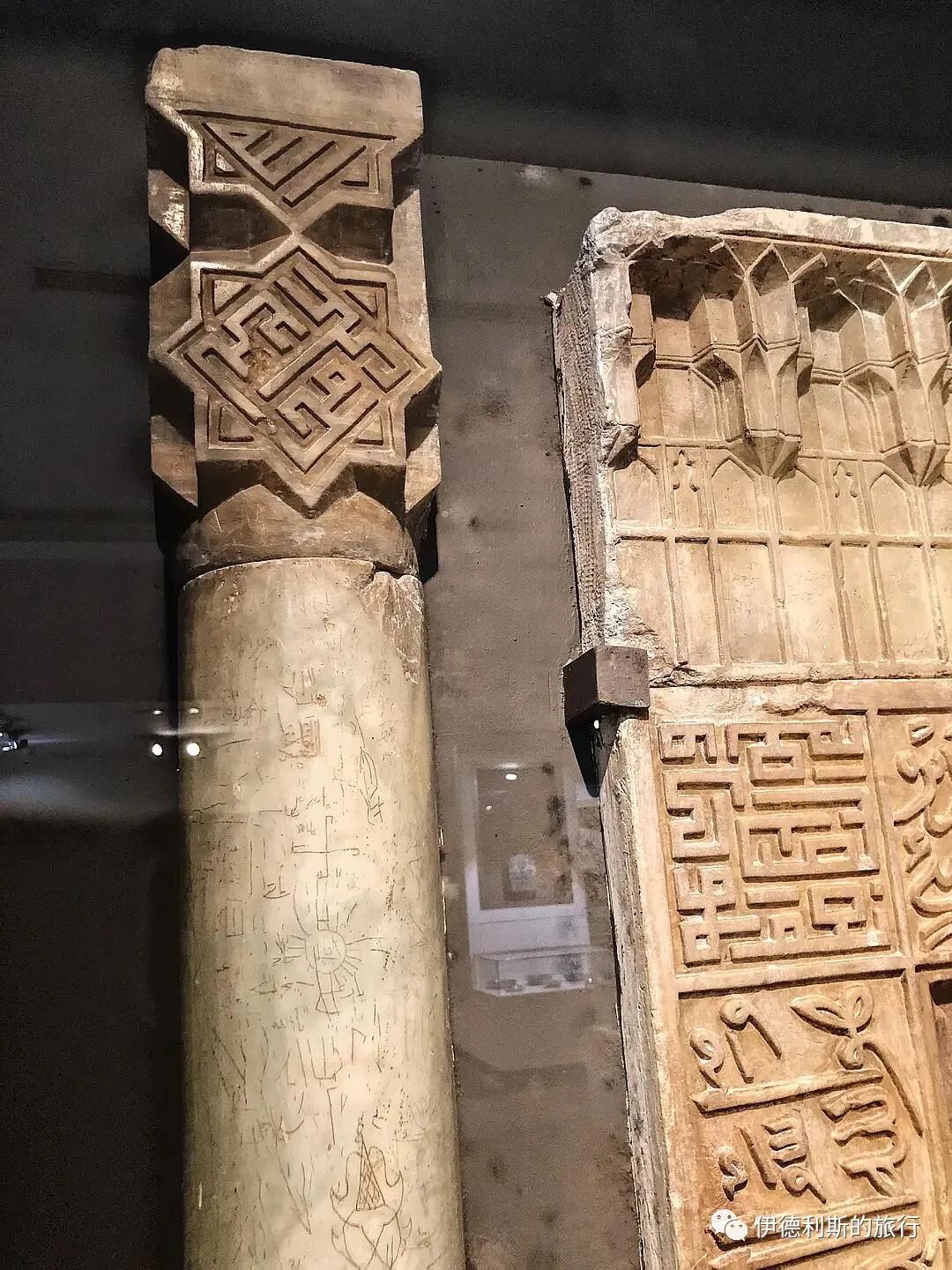
A 15th-century Timurid dynasty marble mihrab featuring Thuluth and Kufic calligraphy.
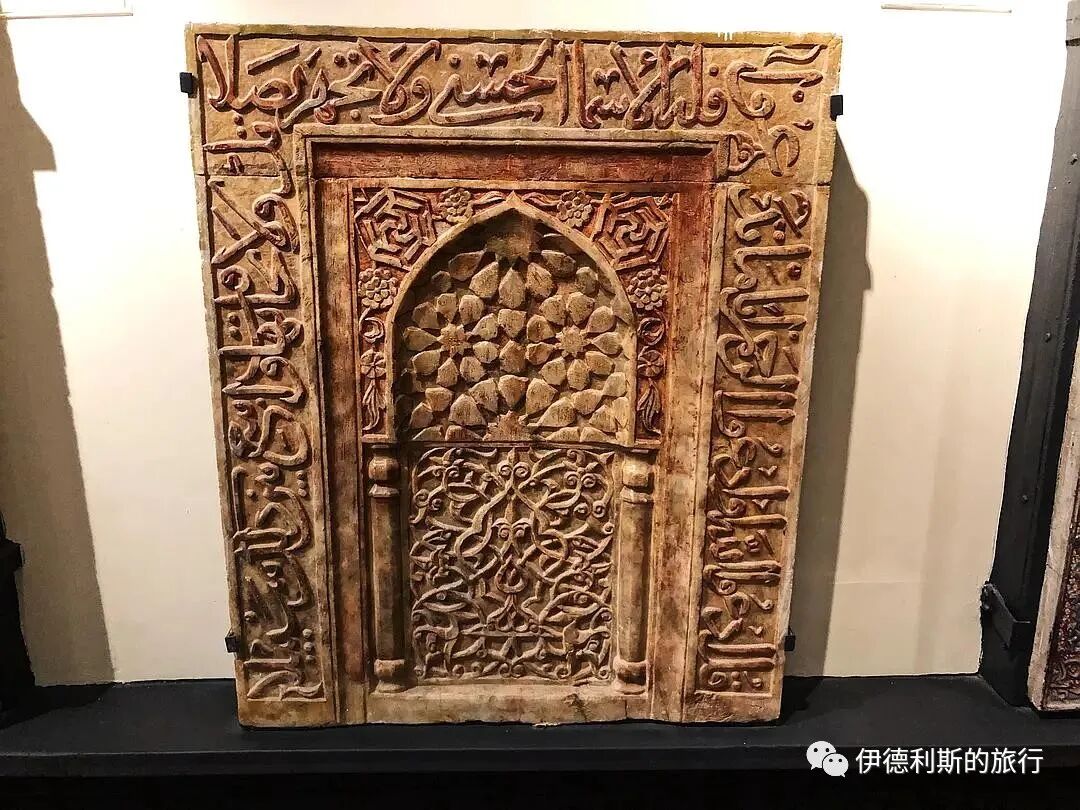
A 1413 Timurid dynasty marble mihrab featuring Thuluth calligraphy.
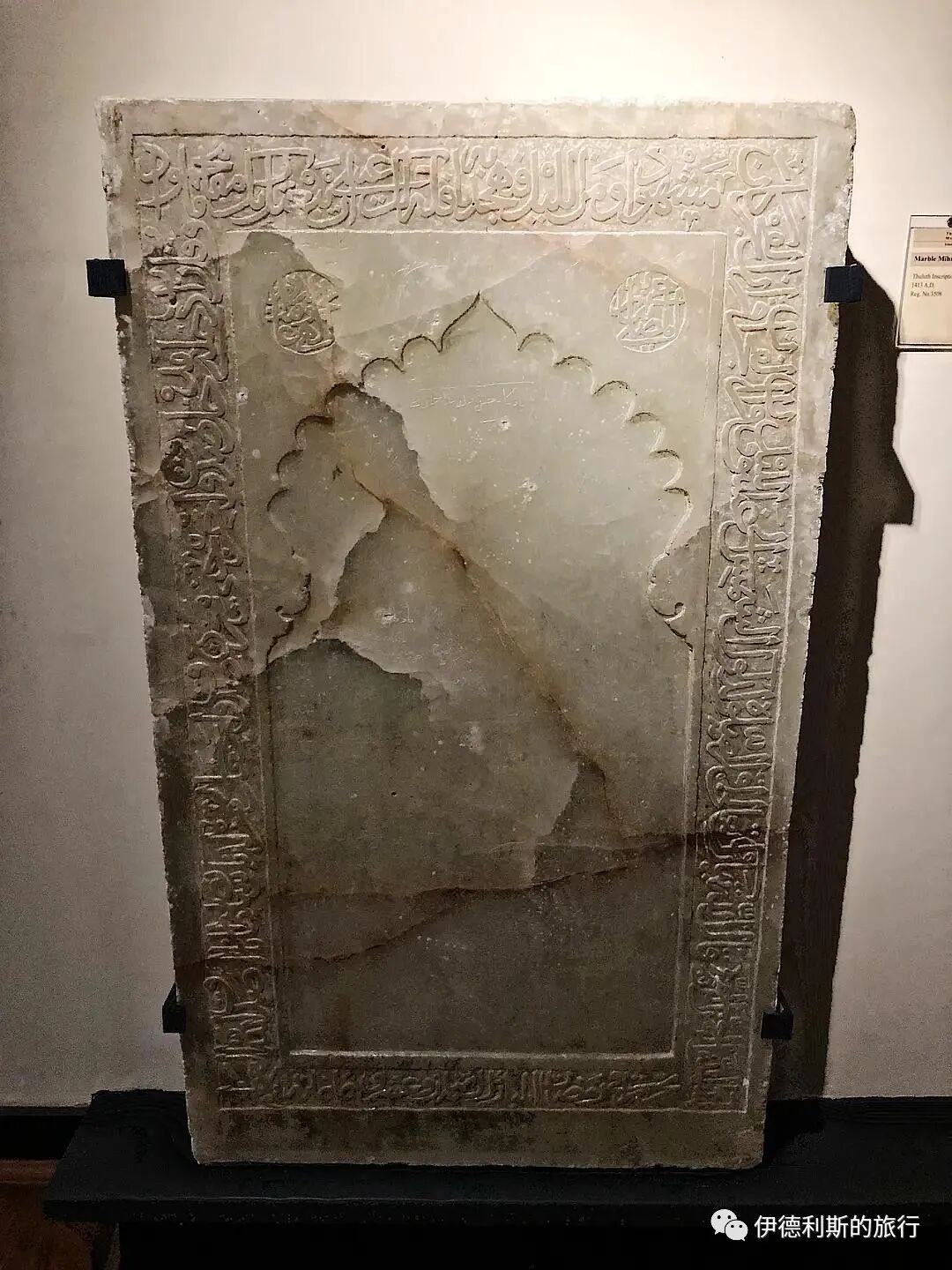
Brickwork art
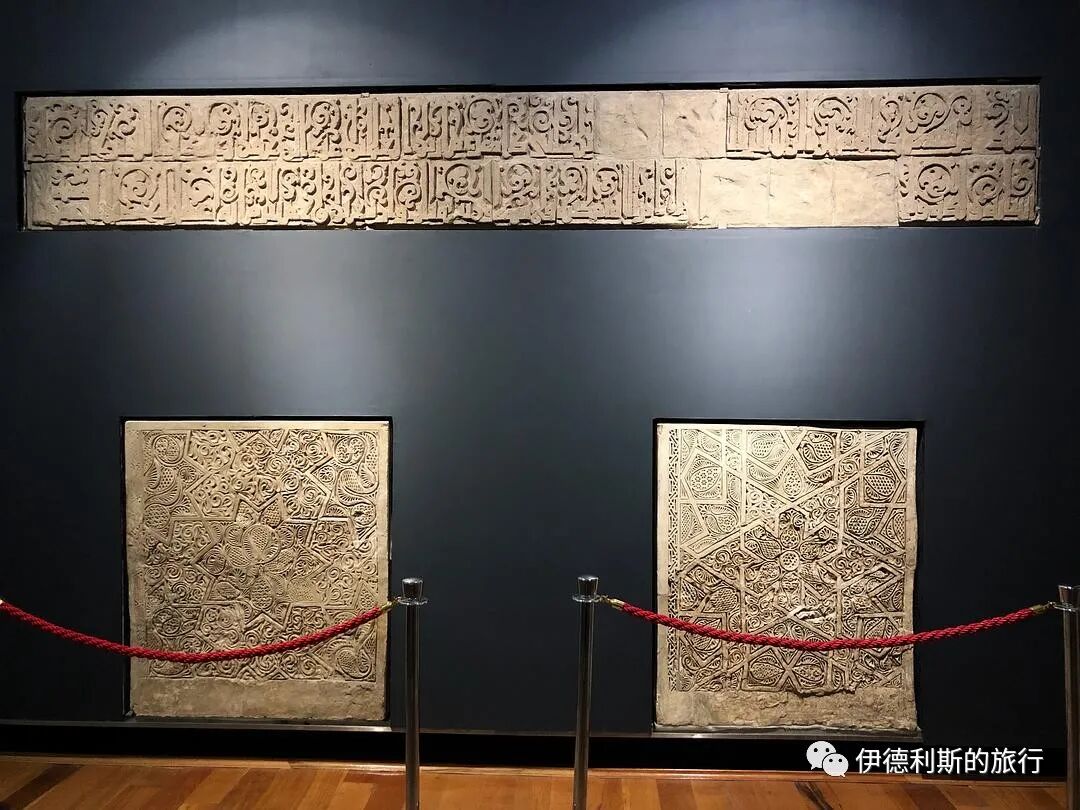
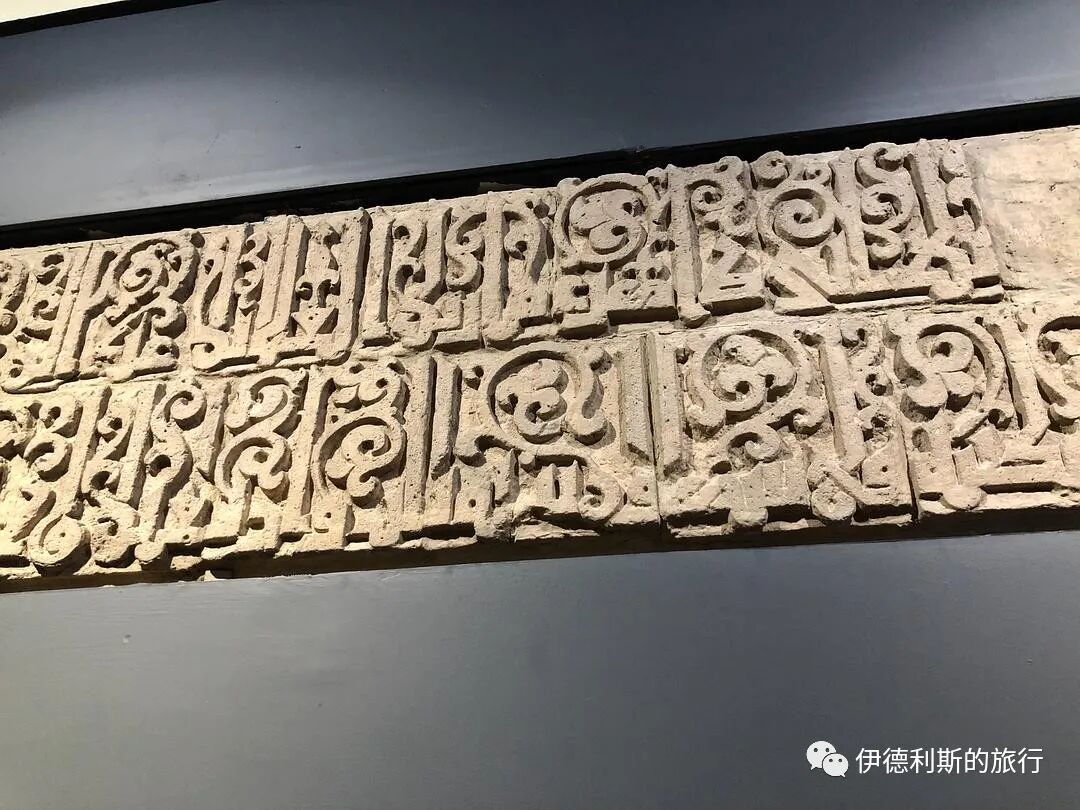
11th-century brick Kufic inscriptions from the Nezamiyyeh School in Khargerd, Khaf city, Razavi Khorasan province, northeastern Iran. Khaf is a historic city near the Iran-Afghanistan border, home to numerous ancient monuments.
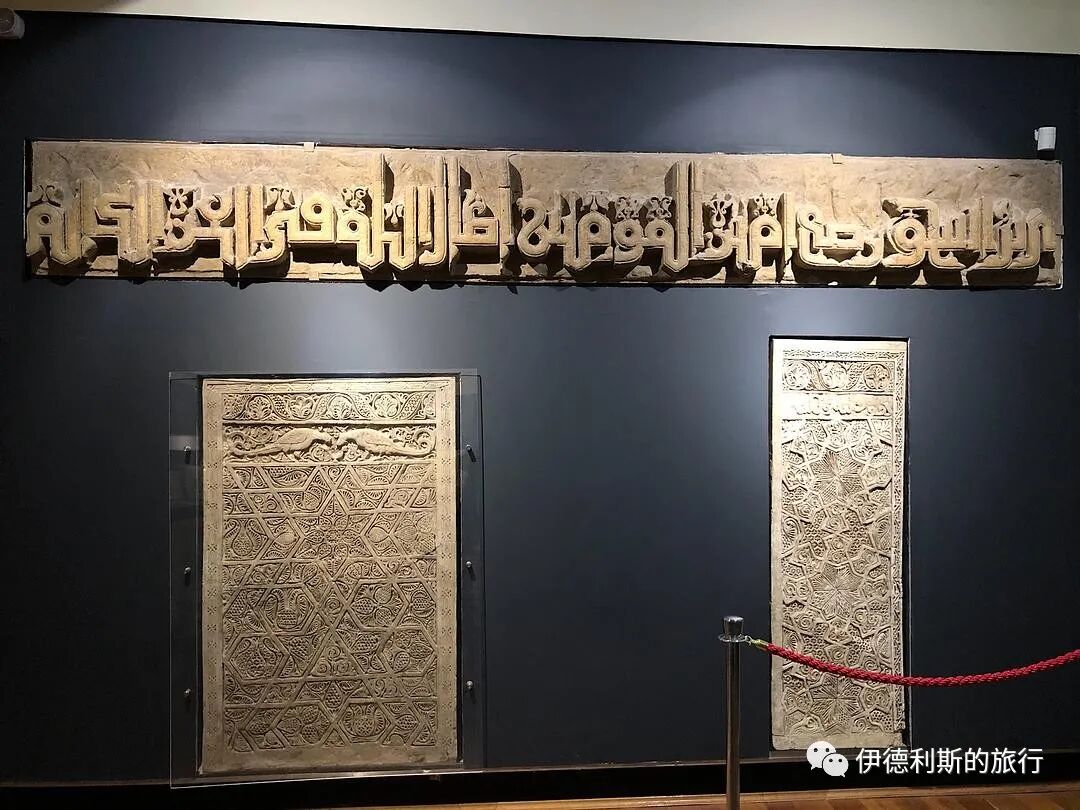
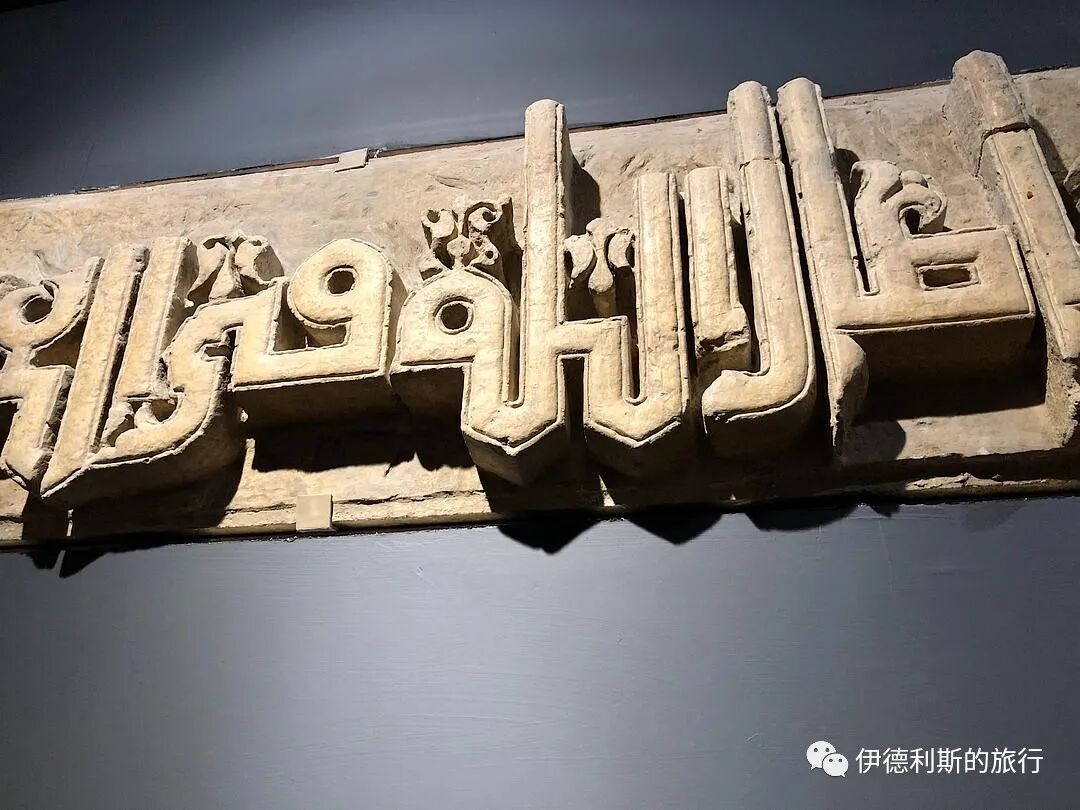
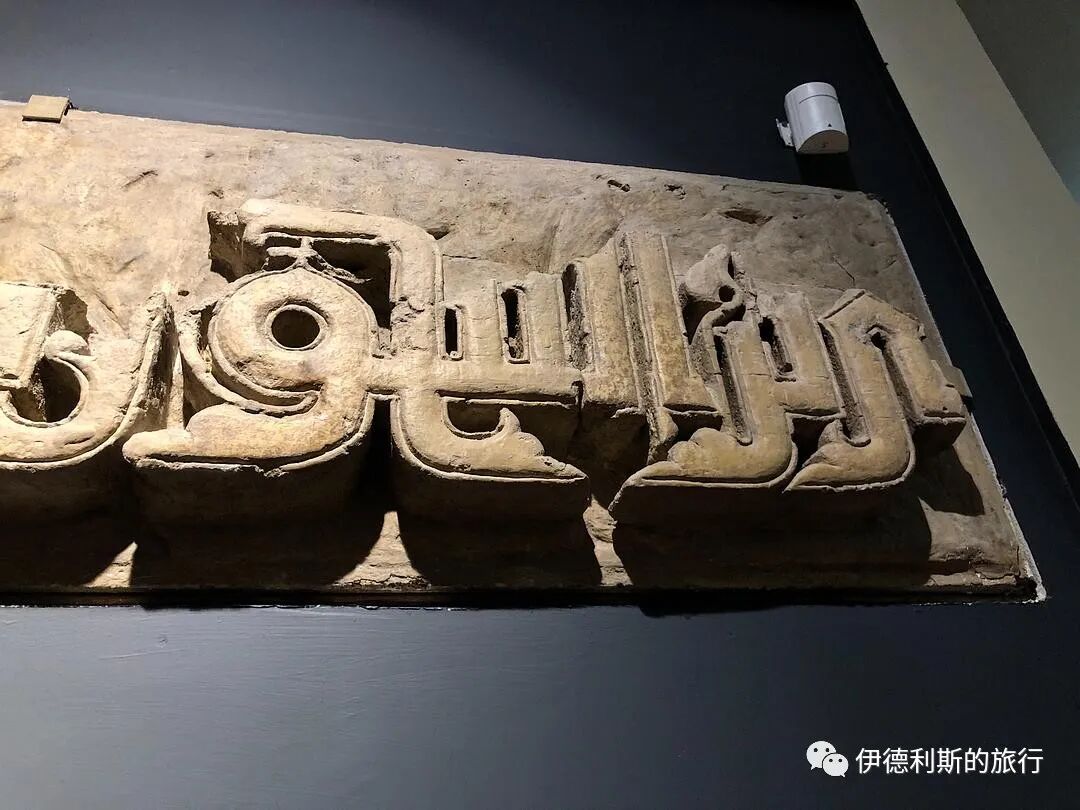
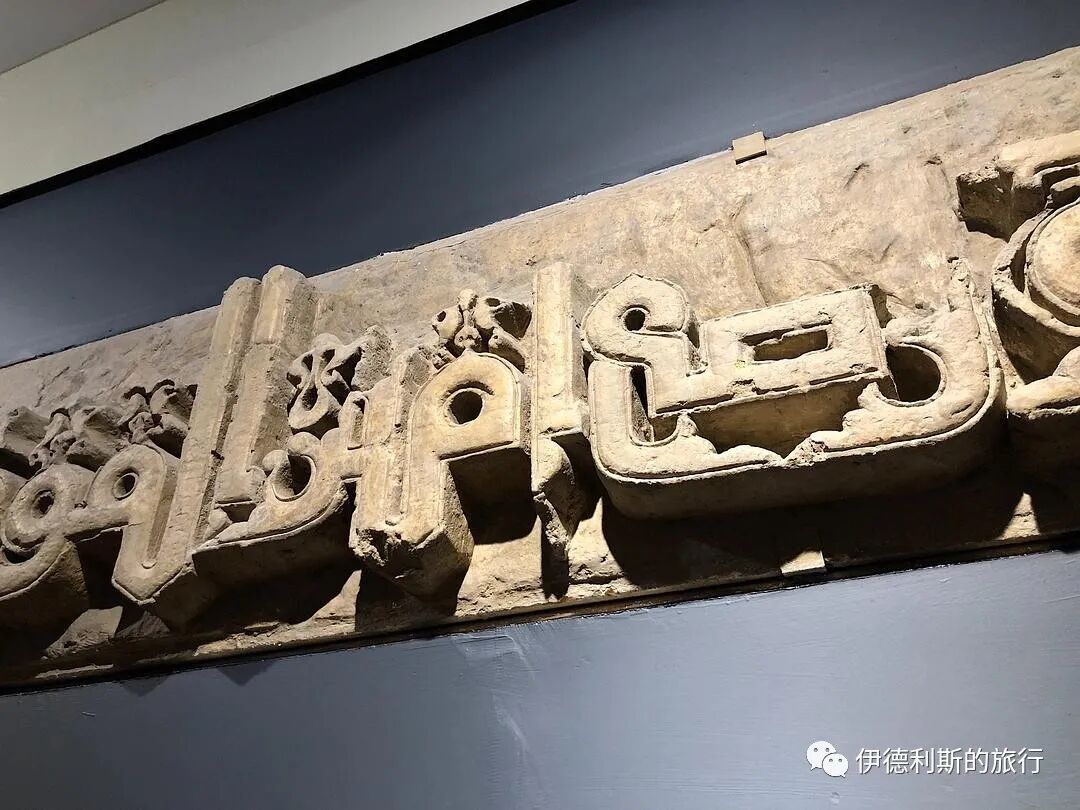
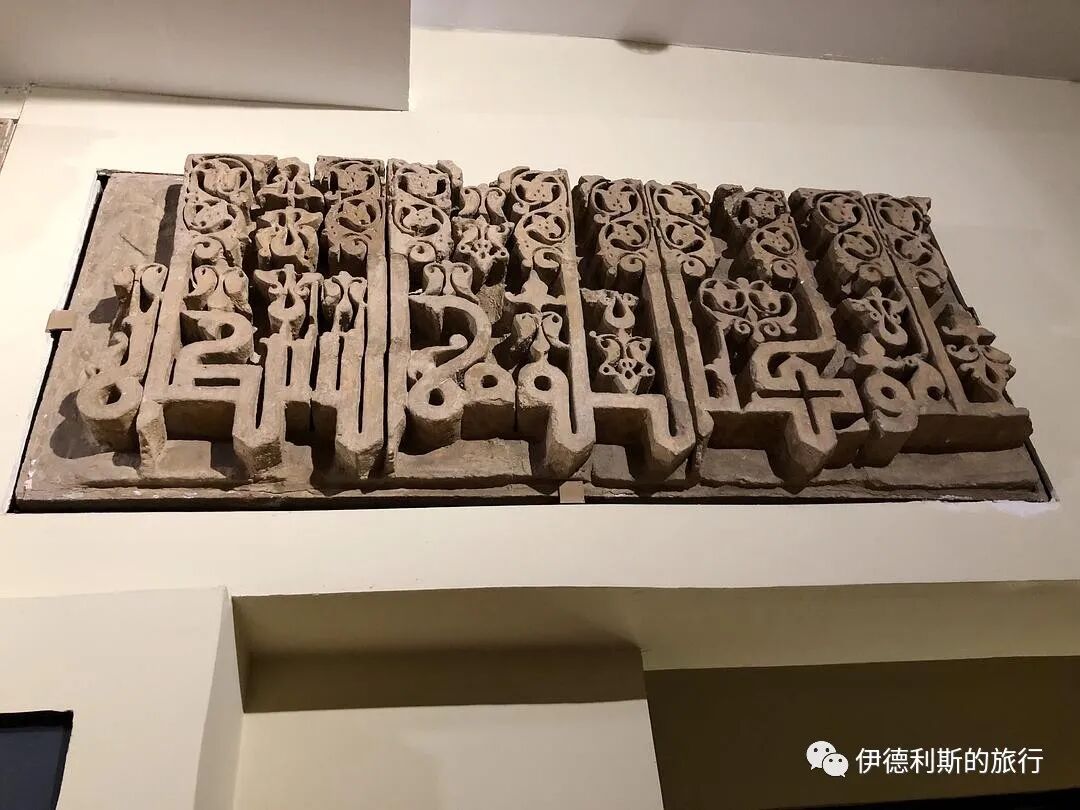
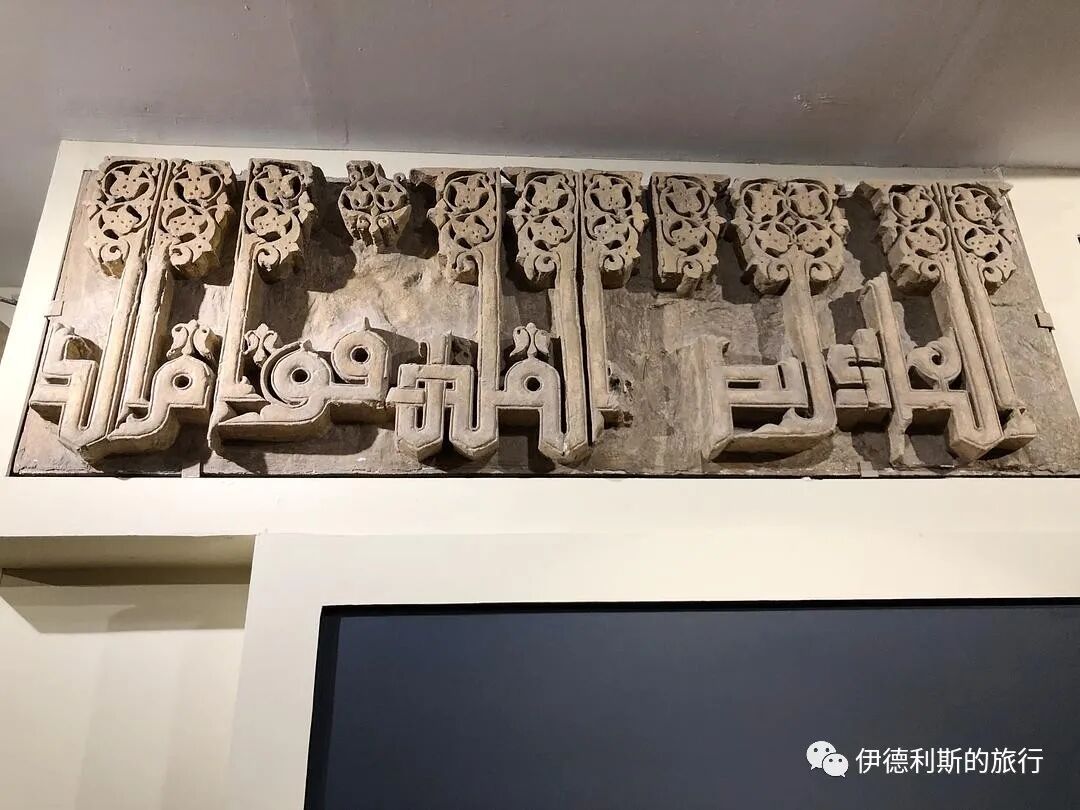
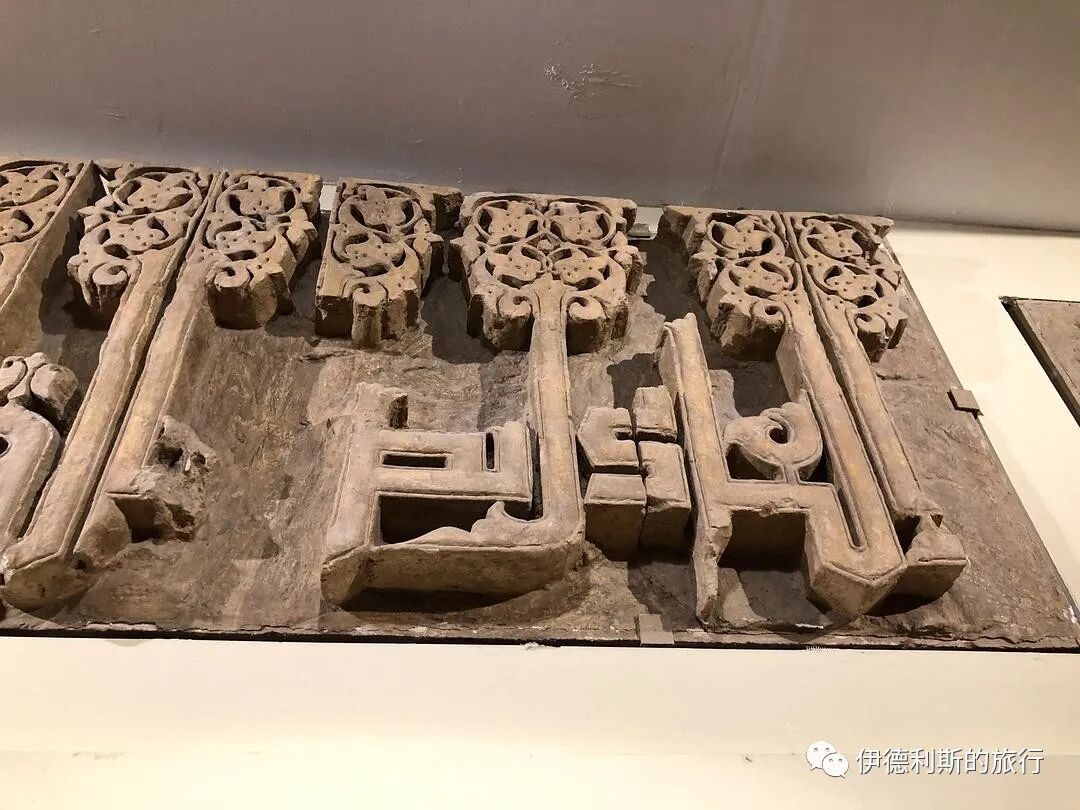
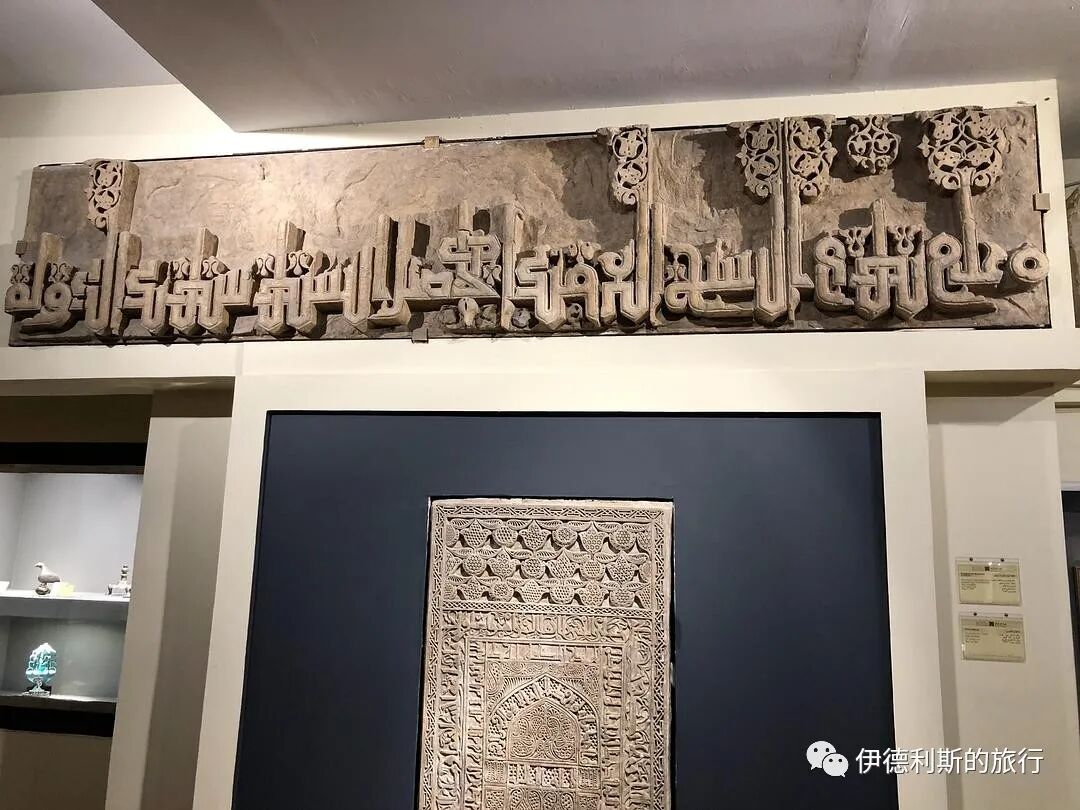
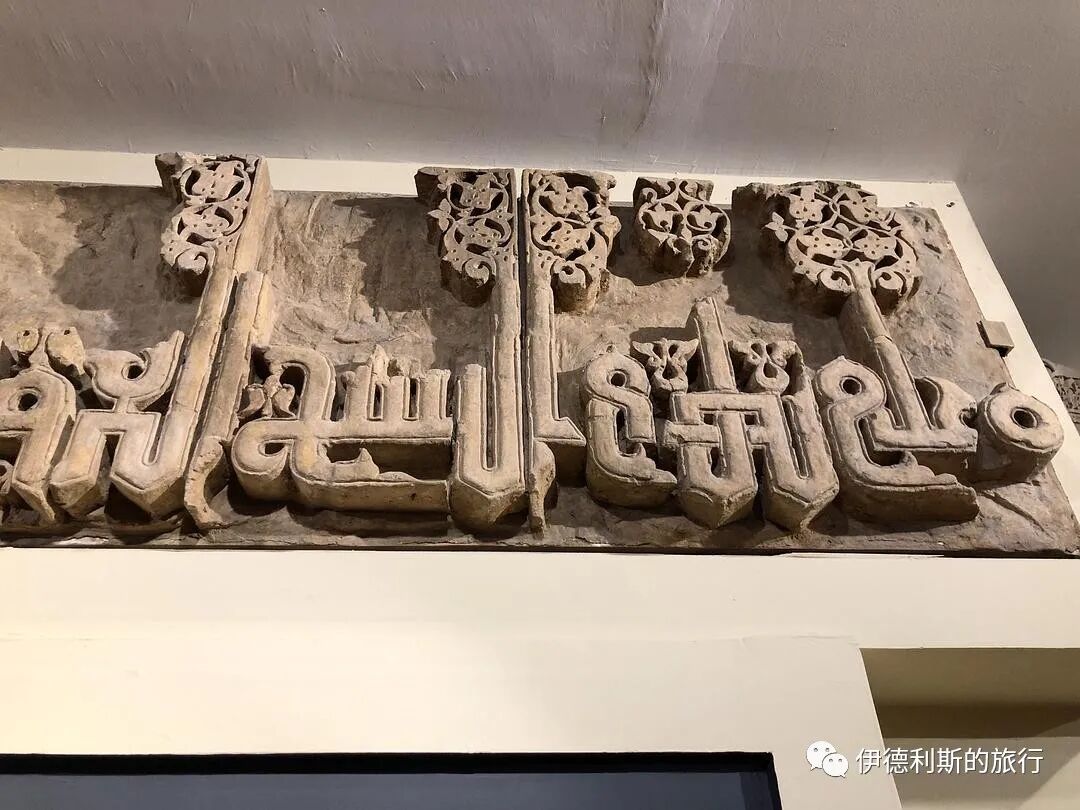
A 1148 brick Kufic inscription, possibly from the Joneyd shrine in the village of Turan Posht. Turan Posht is one of the oldest villages in Yazd province, home to the Sheikh Joneyd and Chehel Dokhtaran domed shrines, known for their exquisite Kufic calligraphy.
Wood carving art
10th-century Kufic wood carving from the city of Qom.
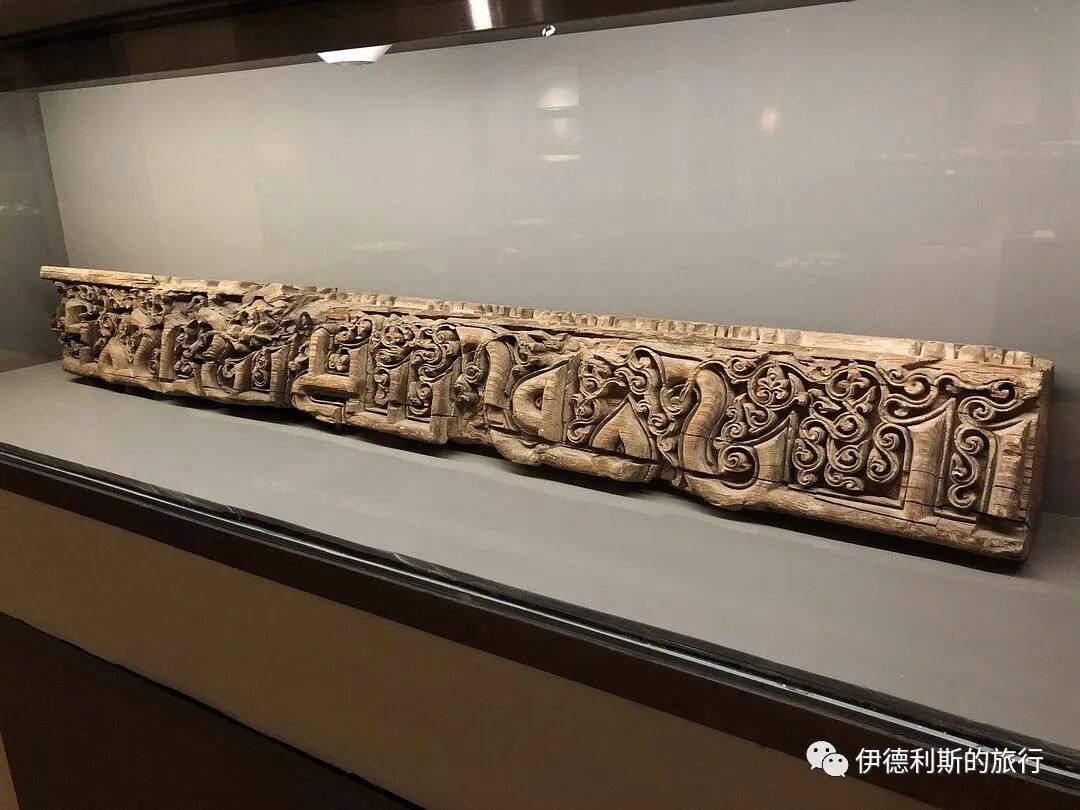
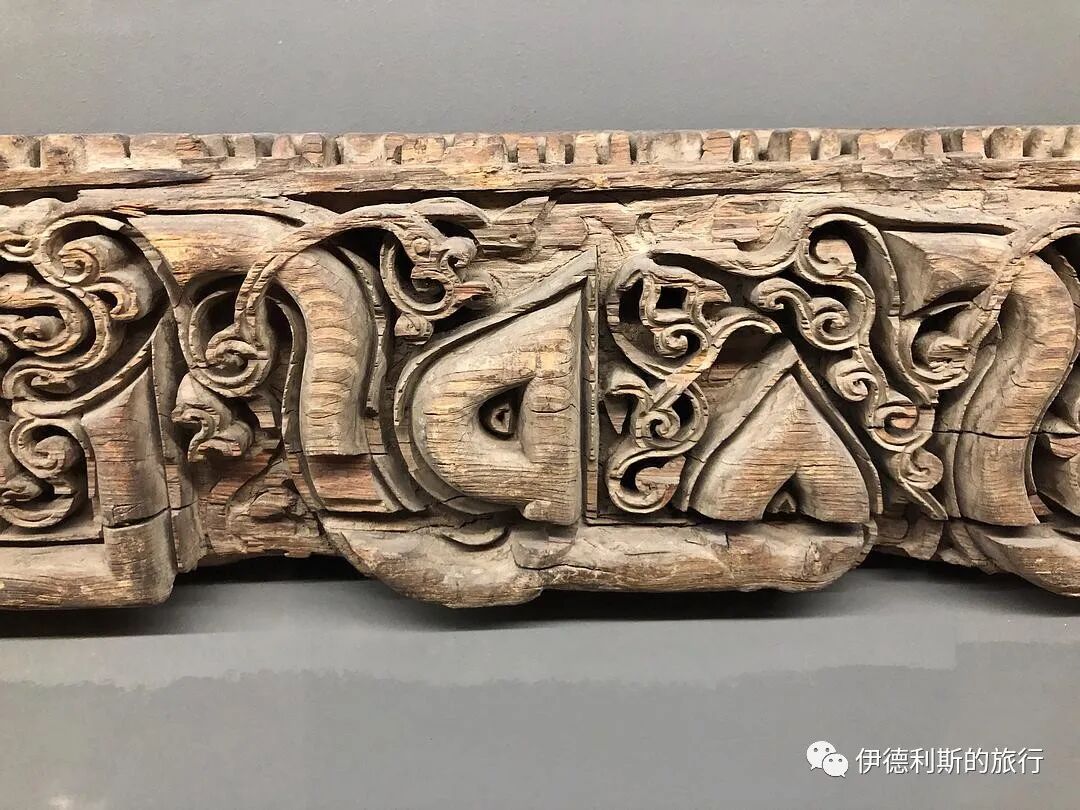
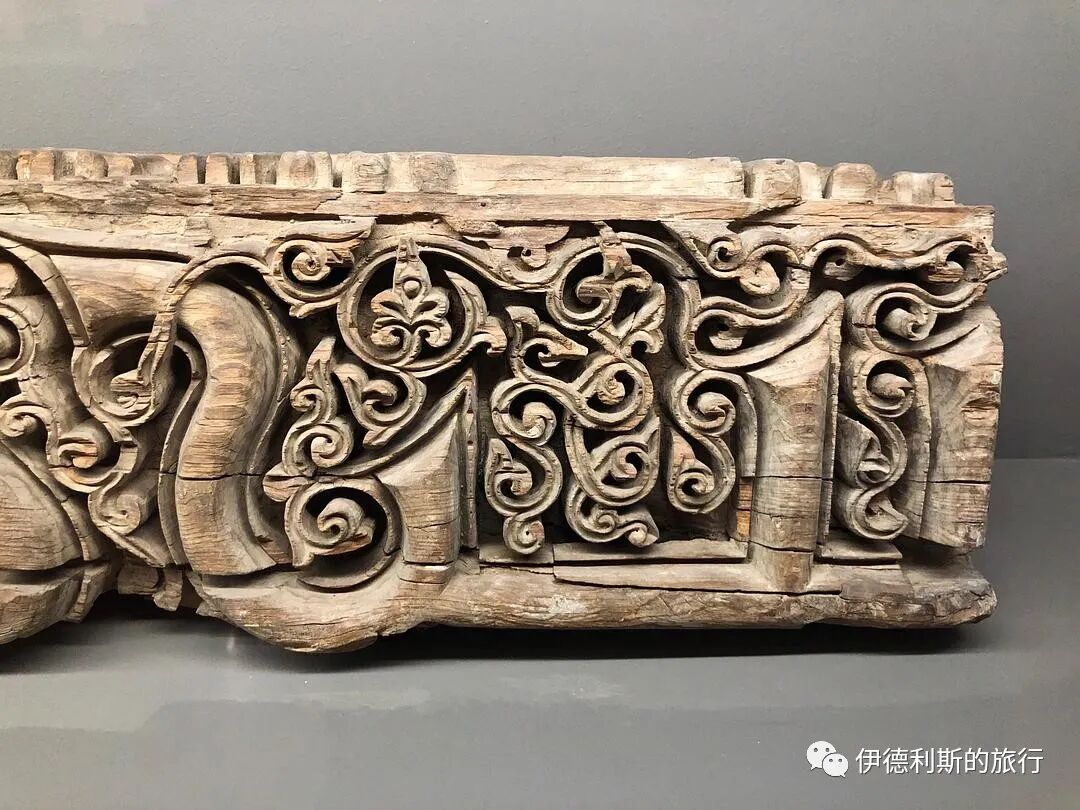
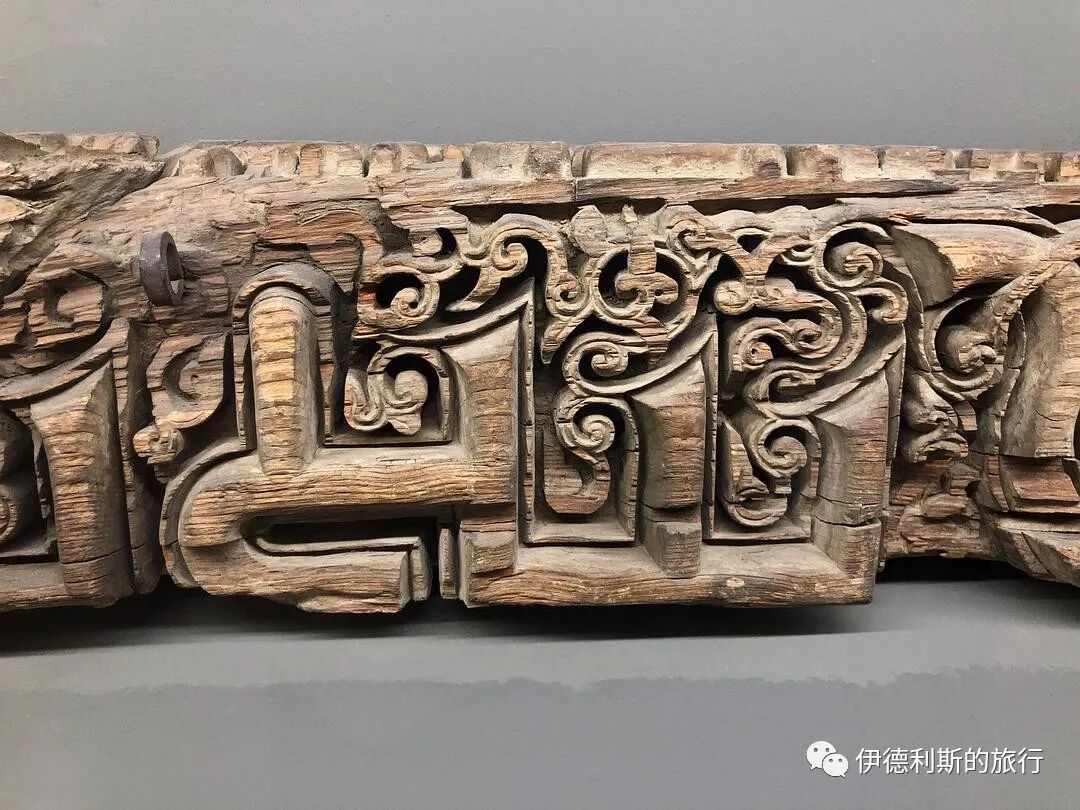
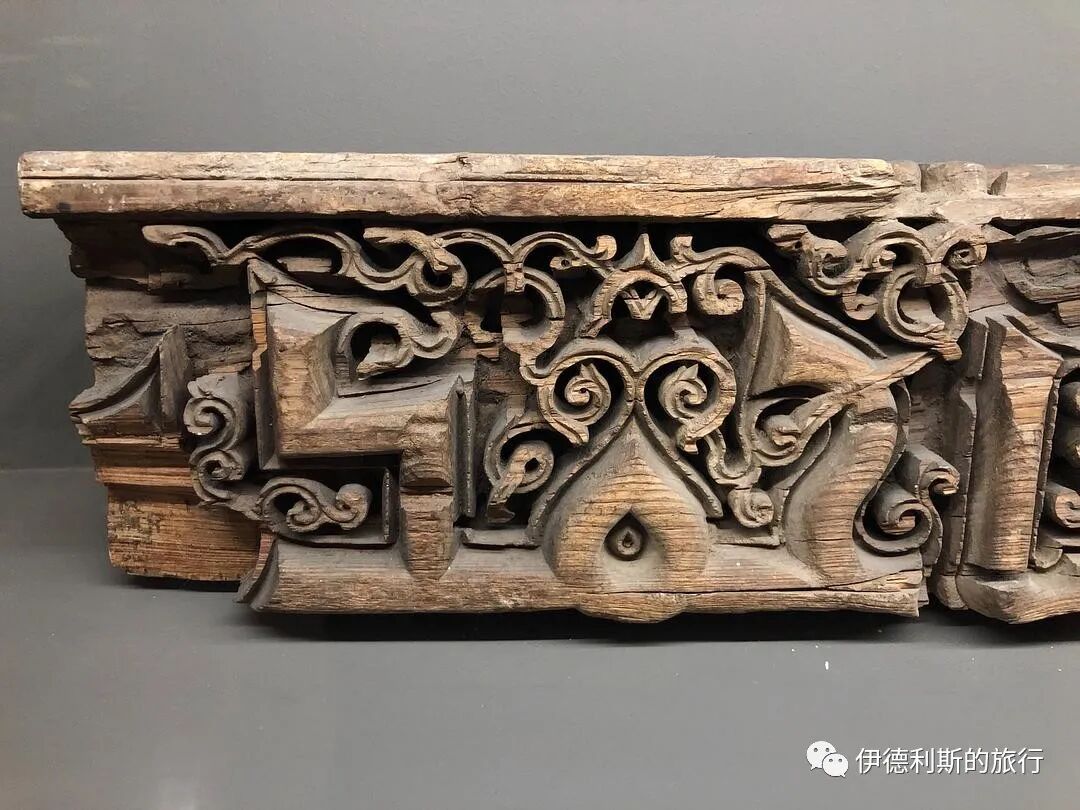
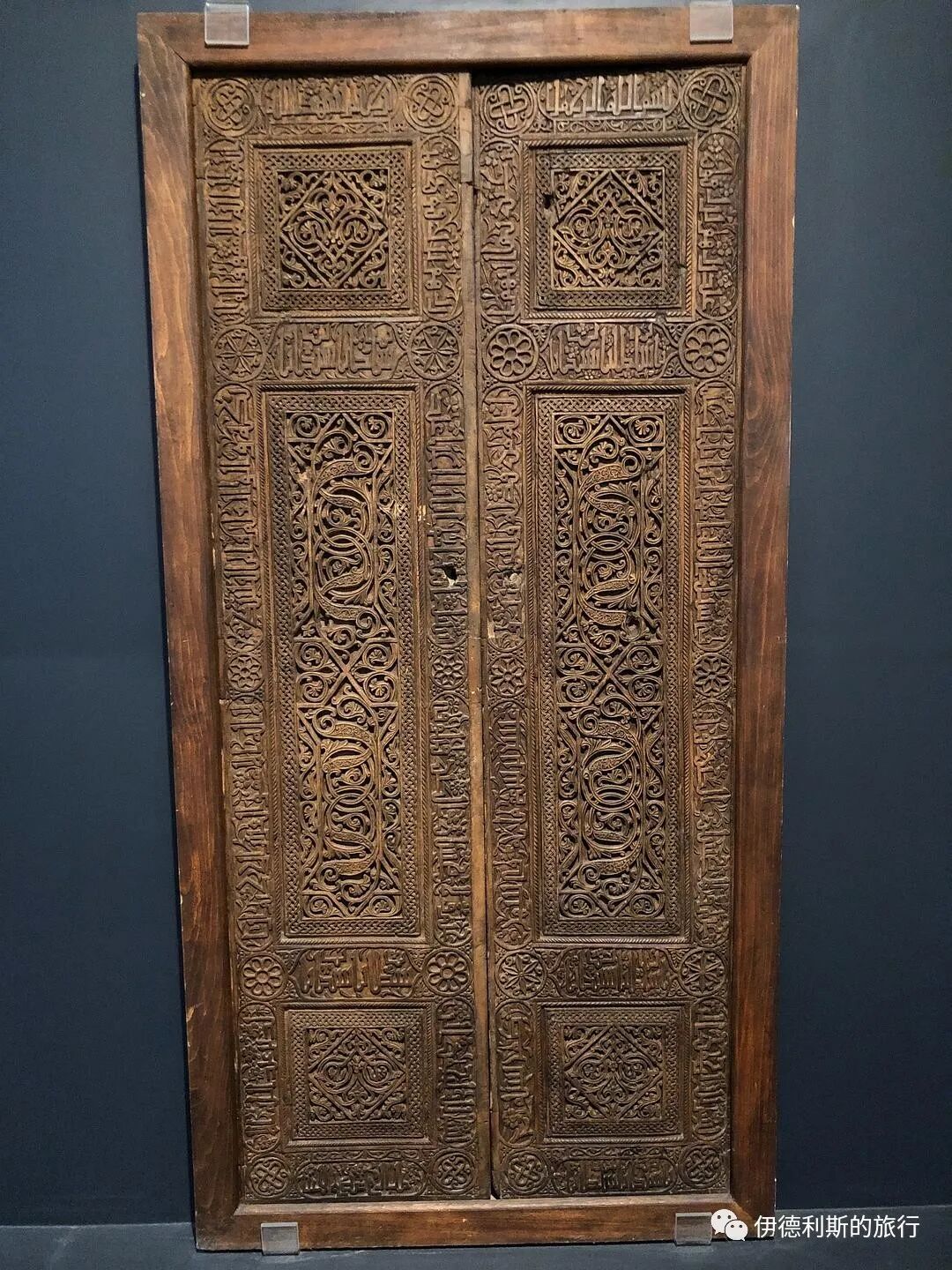
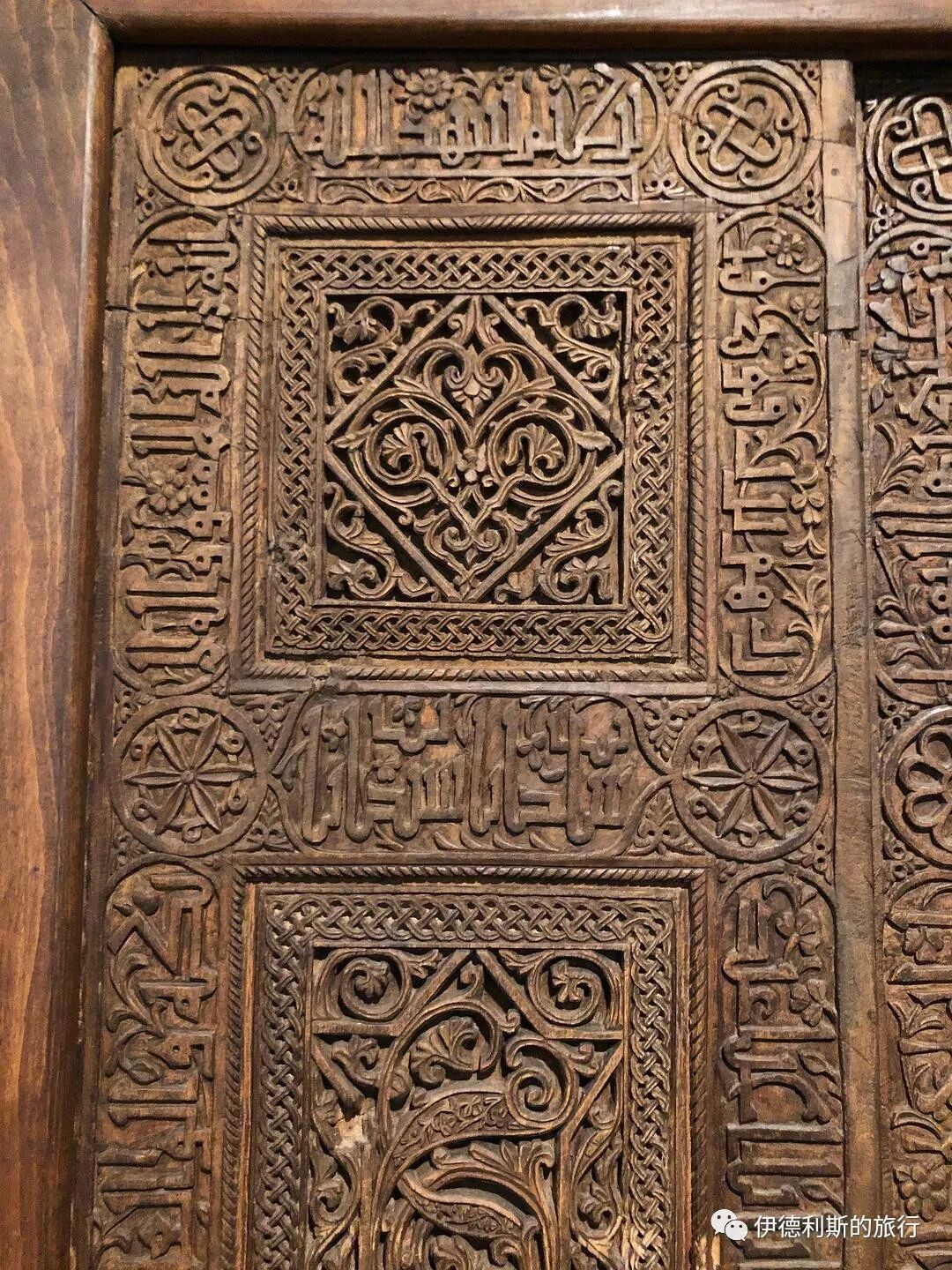
An 11th-century wooden door from the city of Behbahan, Khuzestan province, southwestern Iran, featuring Kufic and Naskh wood carvings.
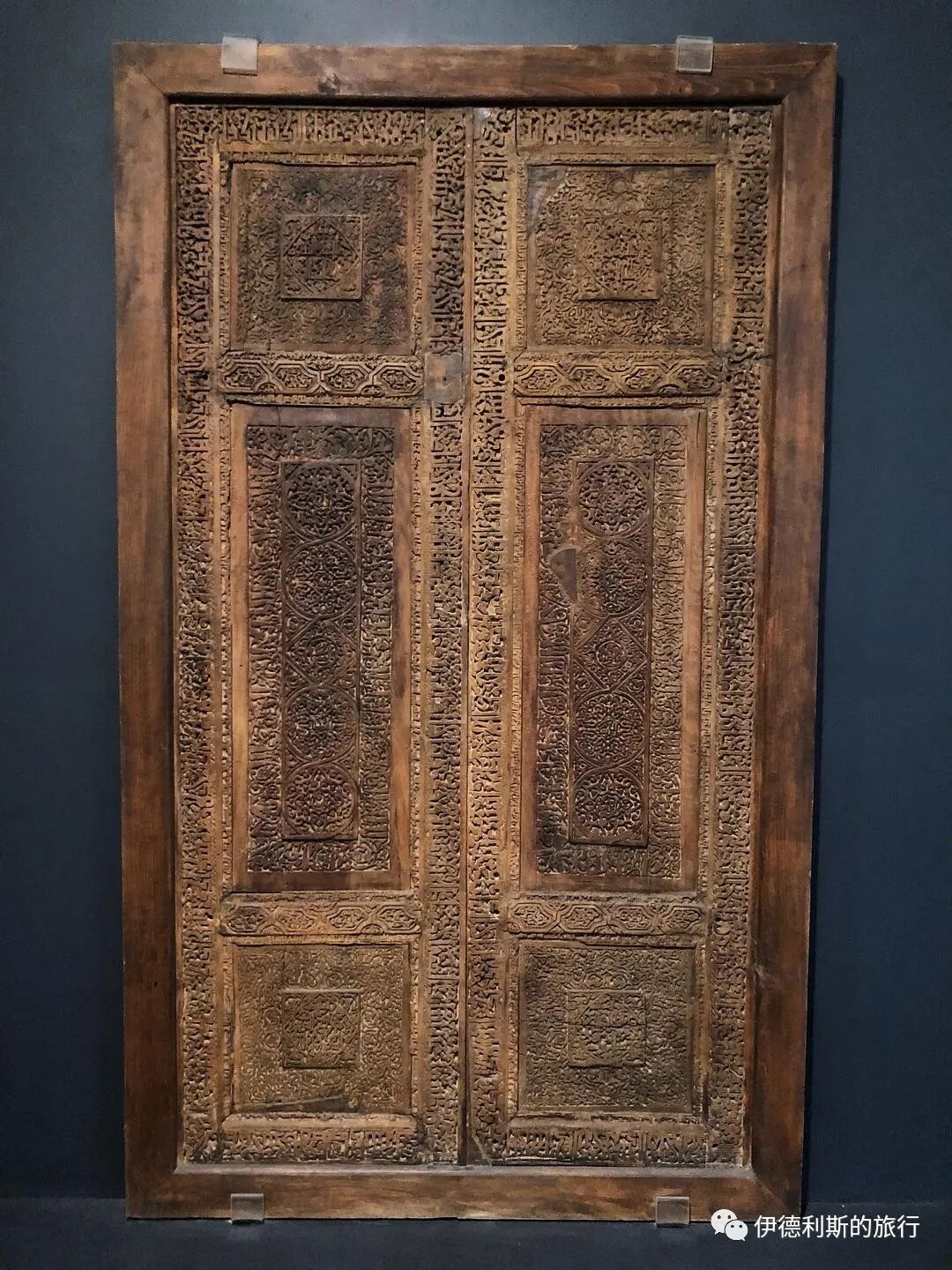
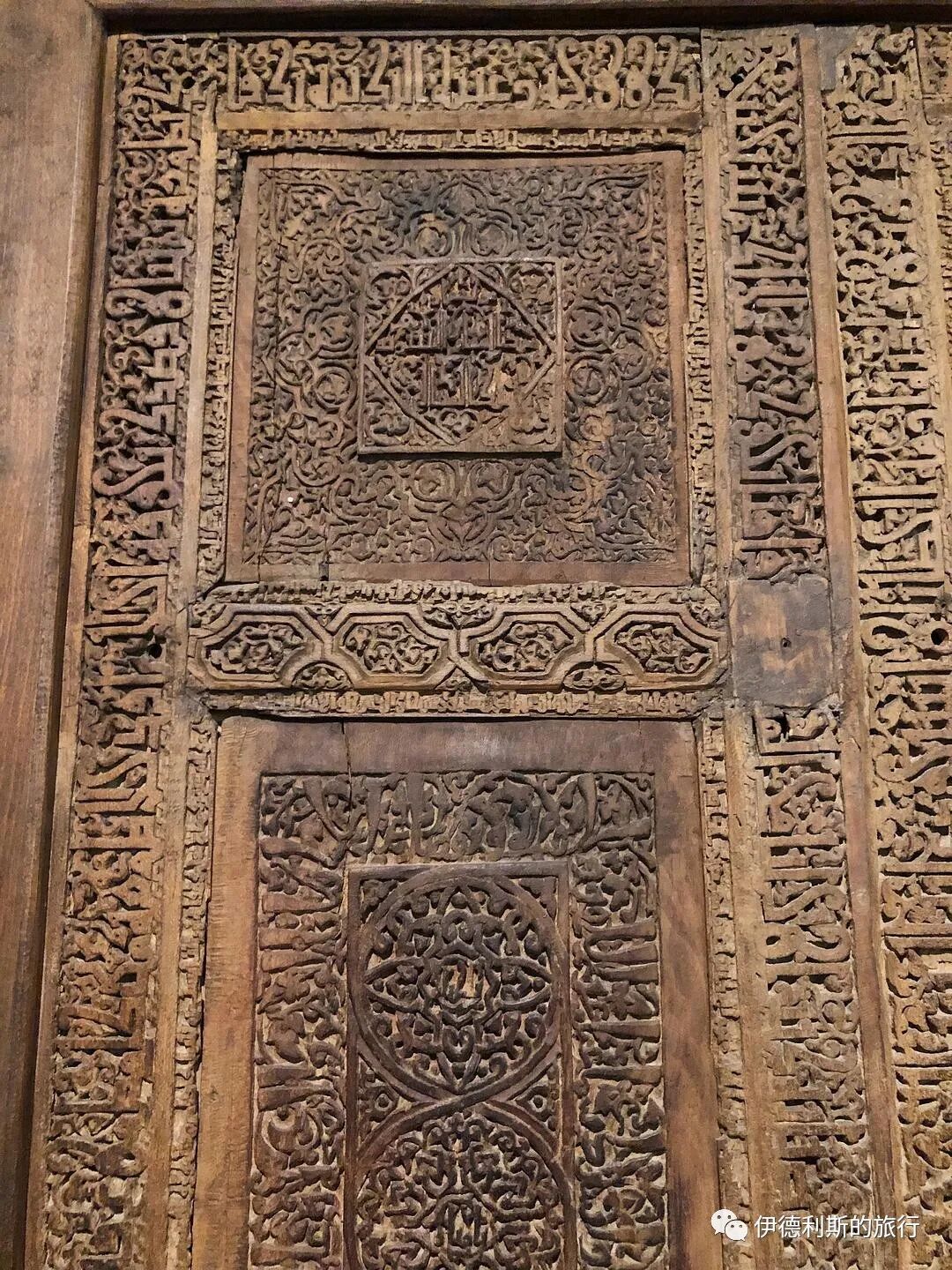
A 1341 wooden door from Fars province, southern Iran.
Ilkhanate tiles
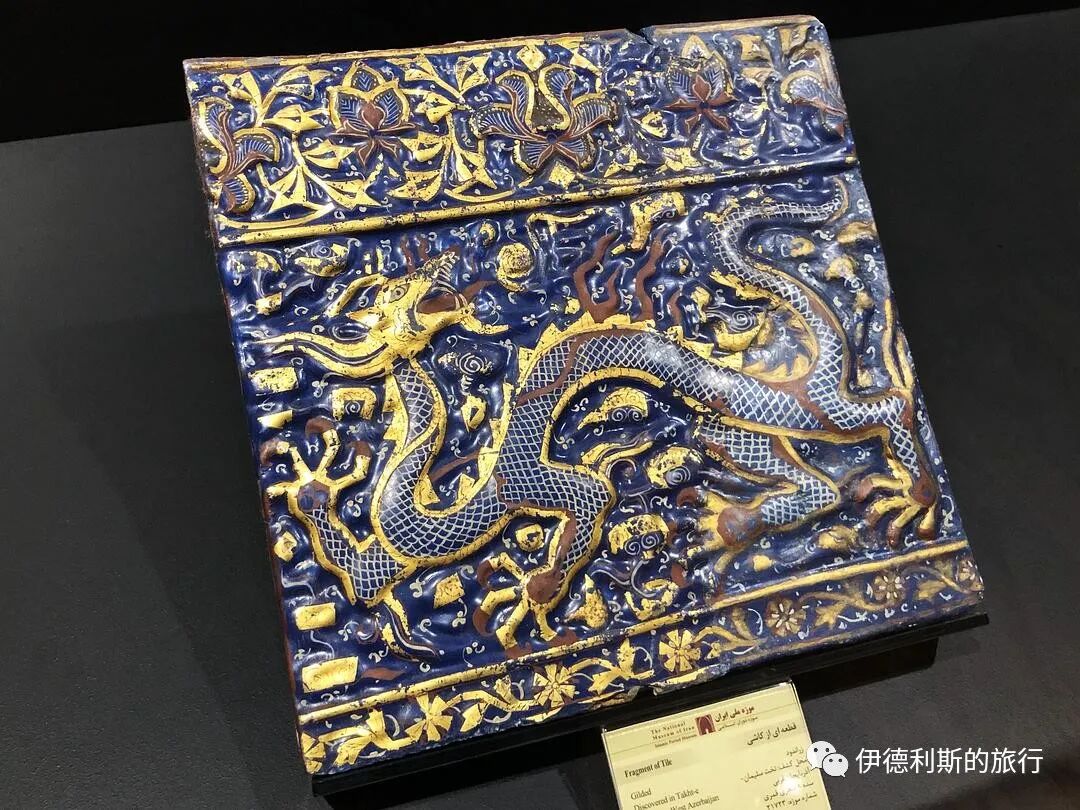
14th-century Ilkhanate tiles unearthed at the Takht-e Soleymān site in West Azerbaijan province. The Takht-e Soleymān site is a World Heritage site; it was originally an important Zoroastrian temple during the 5th-century Sassanid dynasty and was rebuilt in the 13th century as a summer palace for the Ilkhanate. Here, the Ilkhanate blended Eastern art with Iranian art, developing a unique Ilkhanate artistic style.
Takht-e Soleymān is the only surviving secular complex of the Ilkhanate. The walls of the Great Khan's palace are decorated with exquisite tiles, serving as a direct reflection of the cultural and artistic exchange between China and Iran in the 14th century. The tiles depict various floral, animal, and human motifs, with themes covering Buddhism, Chinese mythology, pre-Islamic Iran, as well as the Islamic Quran and Shia traditions, showcasing a fusion of multiple cultures. Some of the tiles feature themes from the famous Iranian epic, the Shahnameh, which also reflects the integration of the Ilkhanate into Iranian culture at the time.
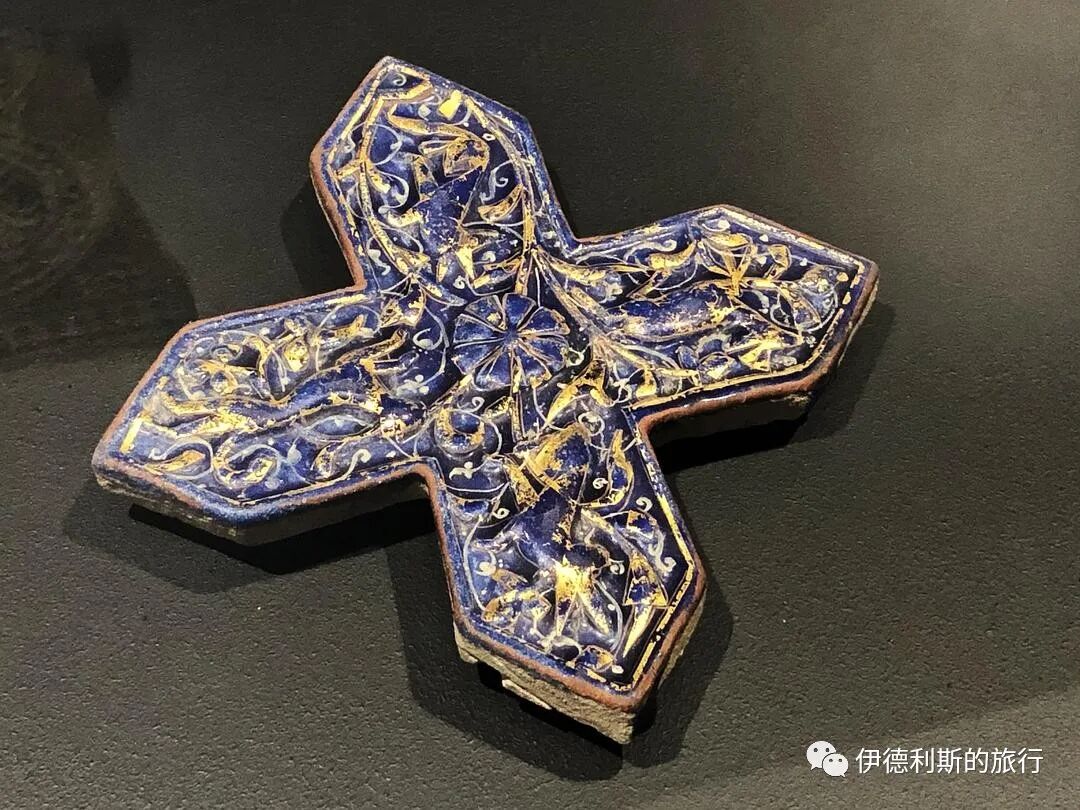
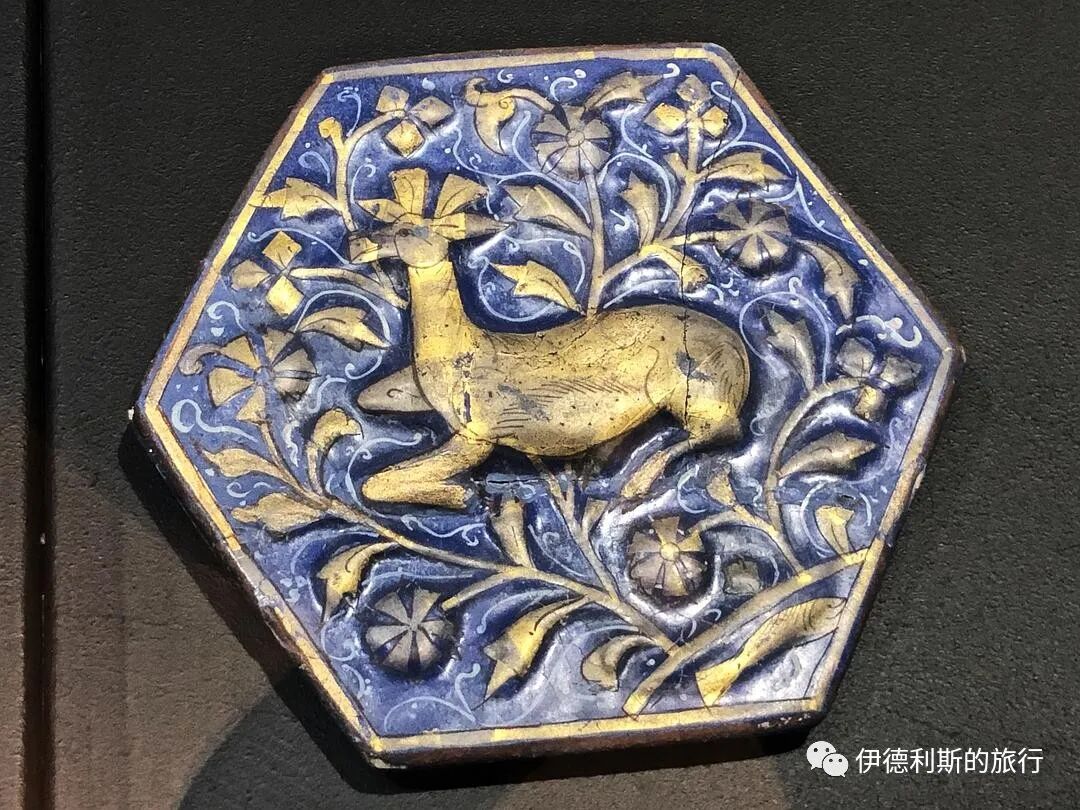
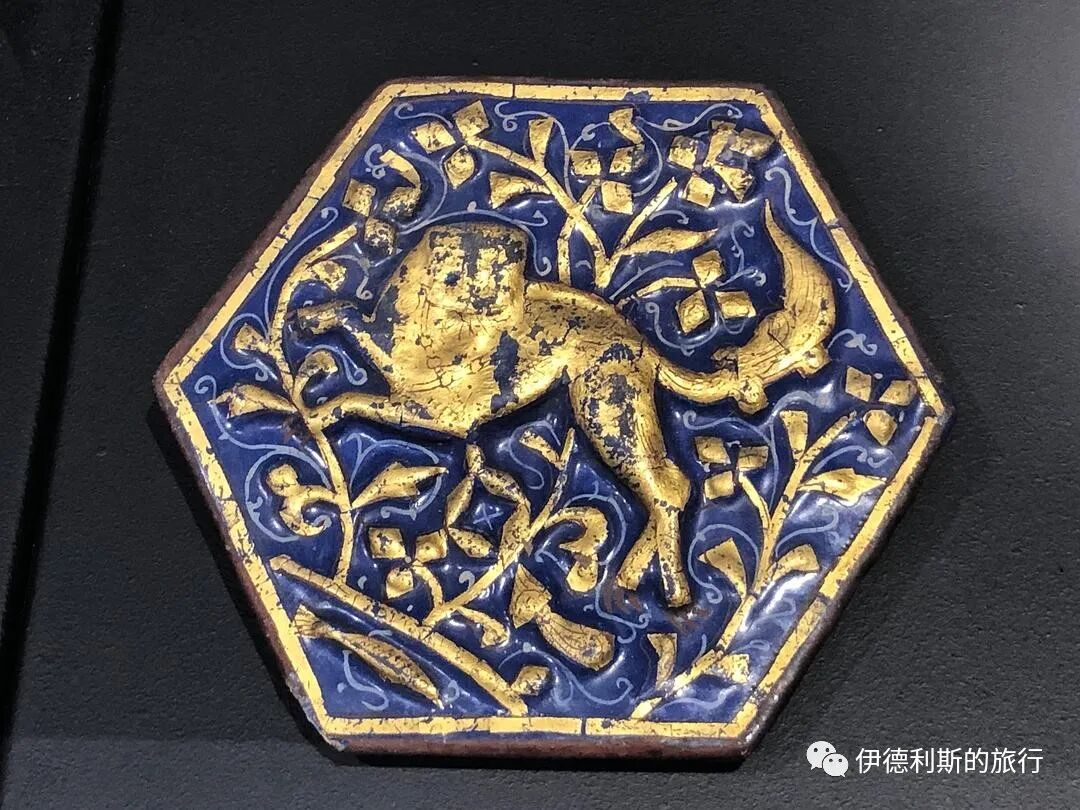
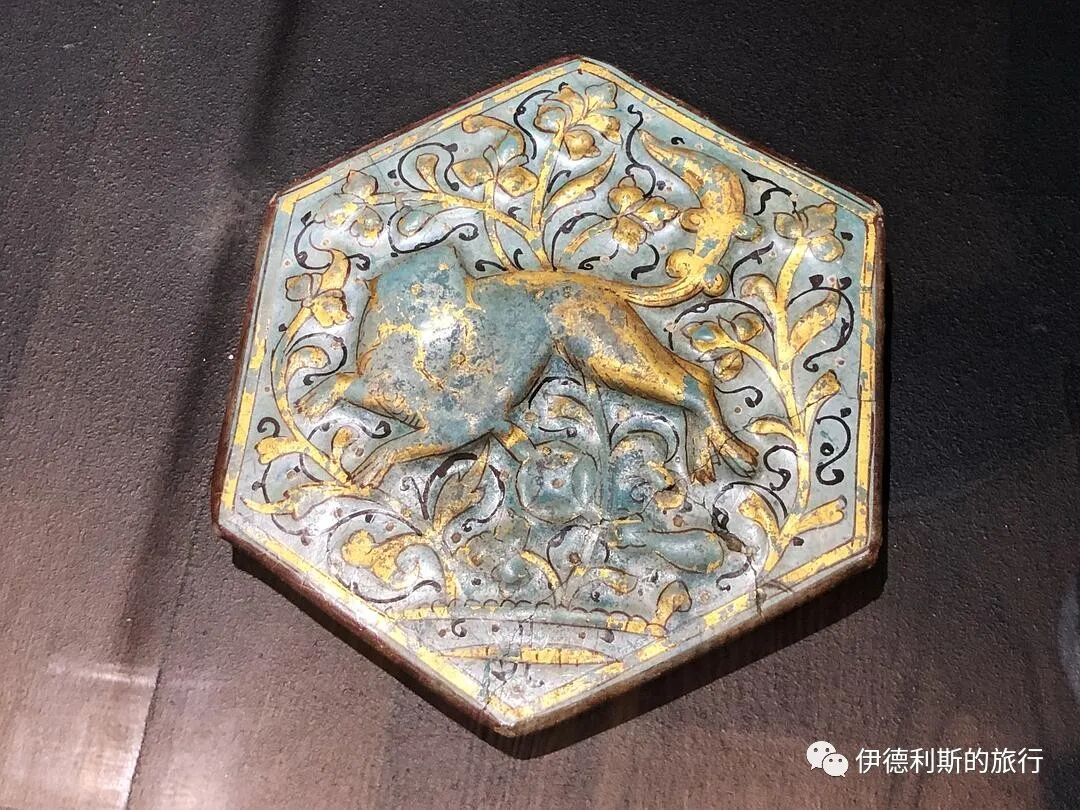
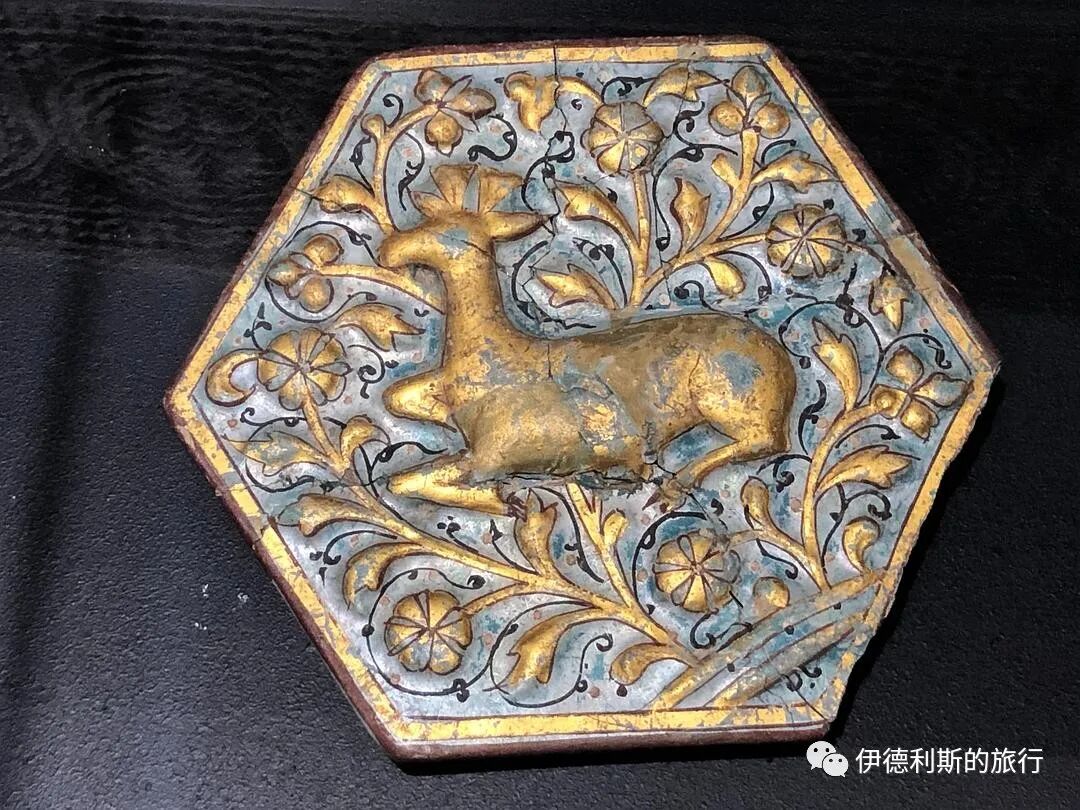
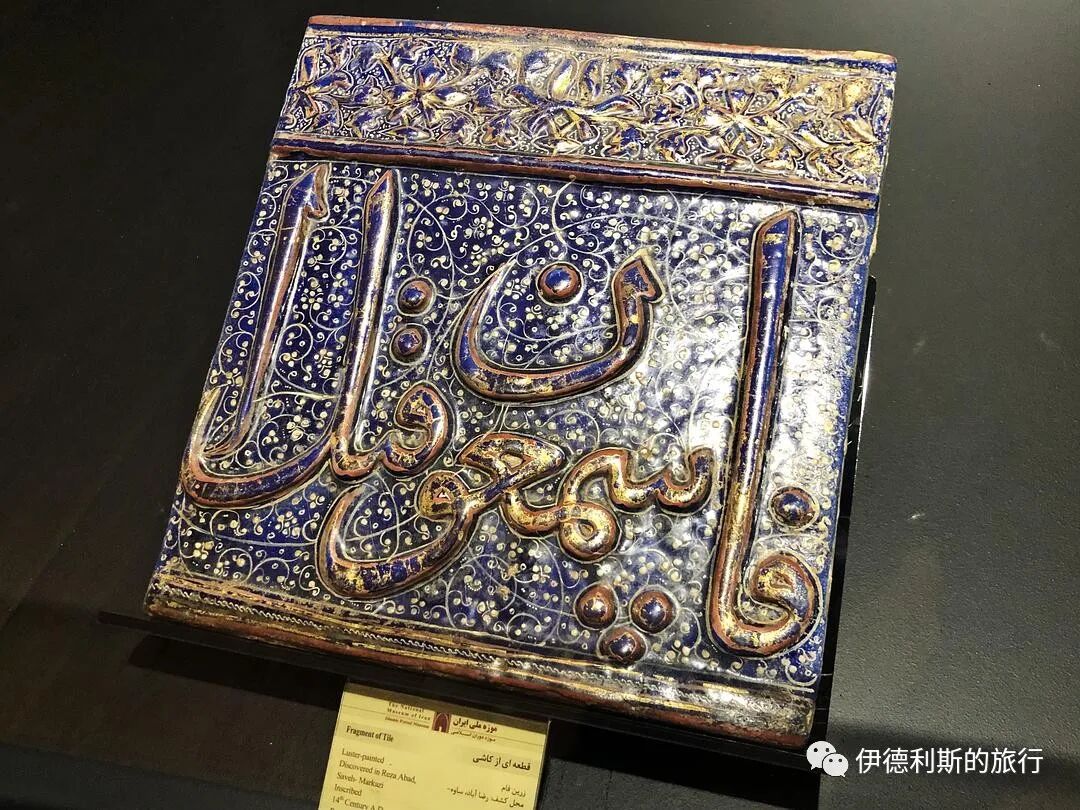
13th-14th century Ilkhanate period tiles from the city of Saveh, Markazi province. Saveh was an important city during the Parthian Empire; it was later destroyed by the Mongol army and rebuilt during the Ilkhanate period.
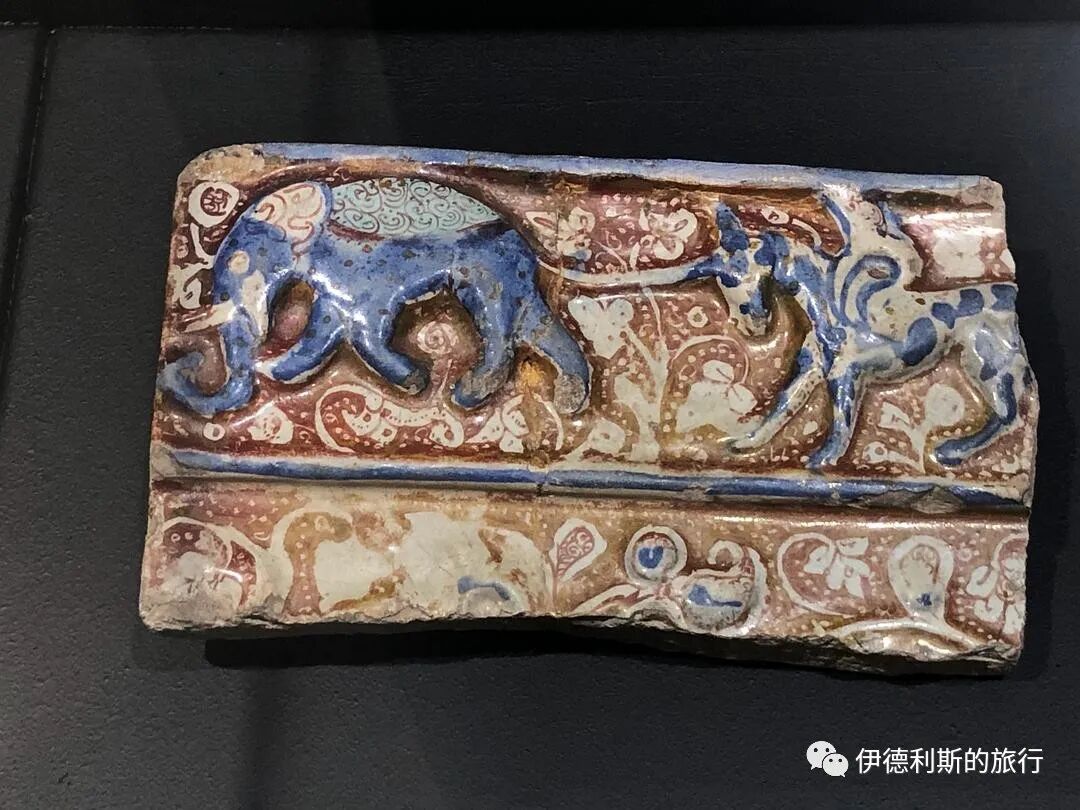
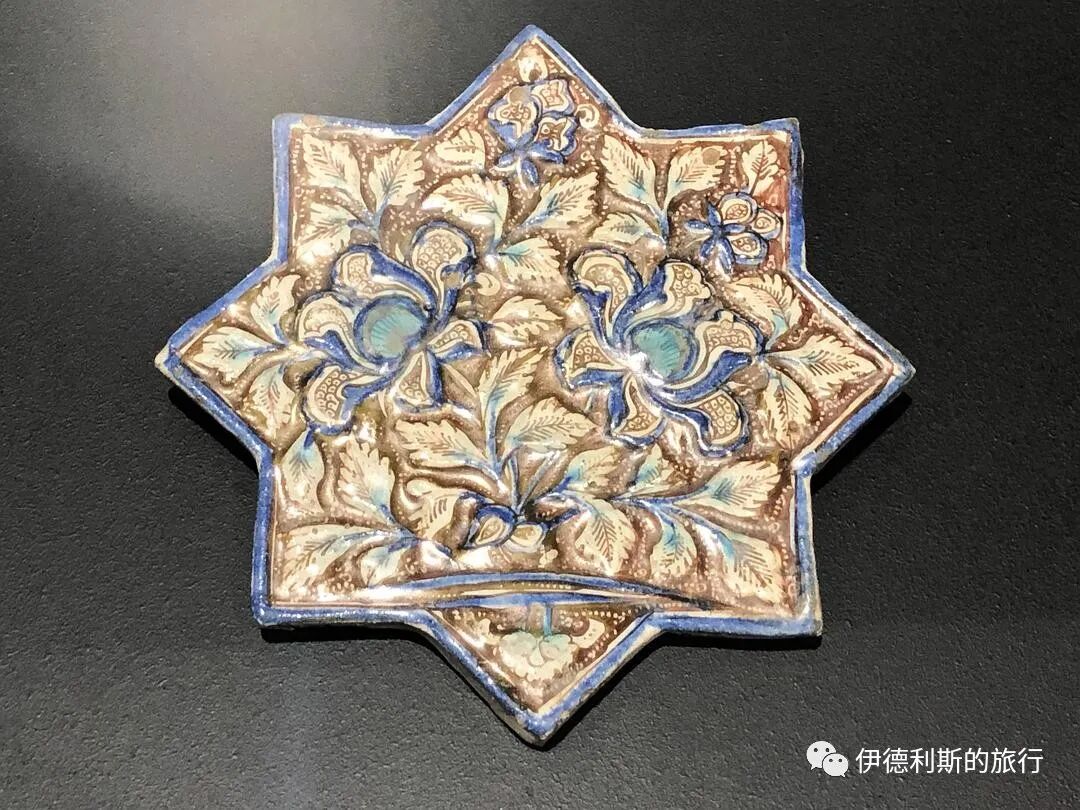
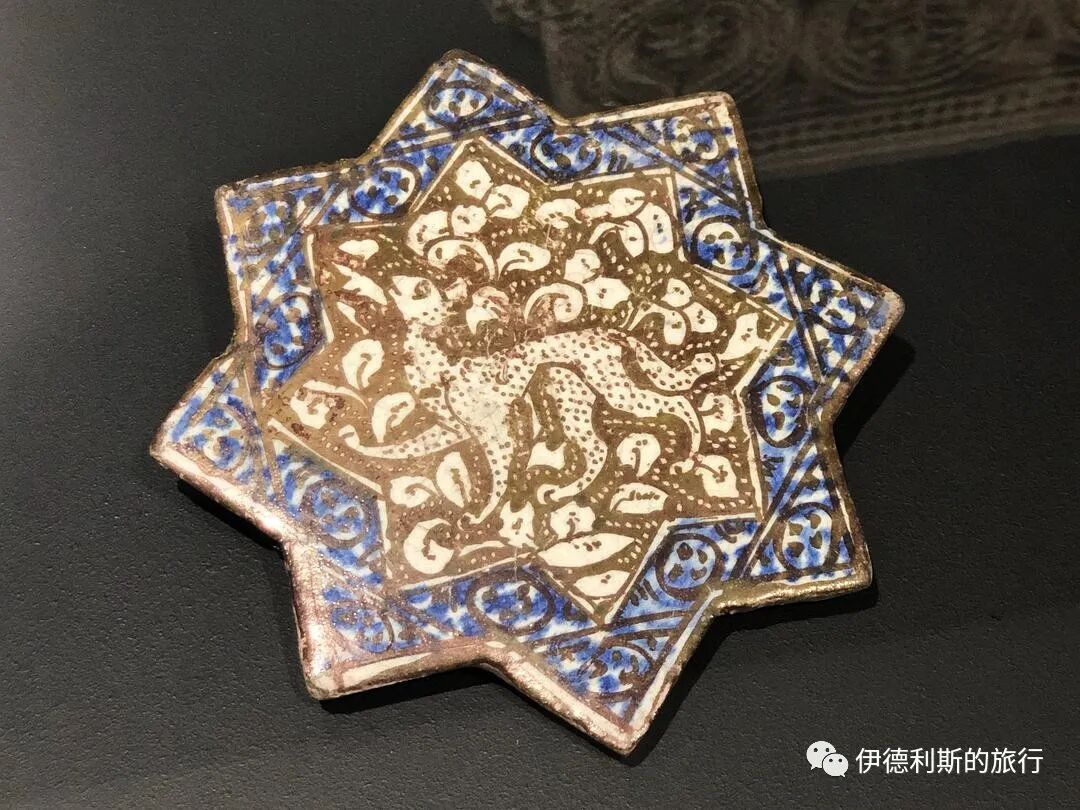
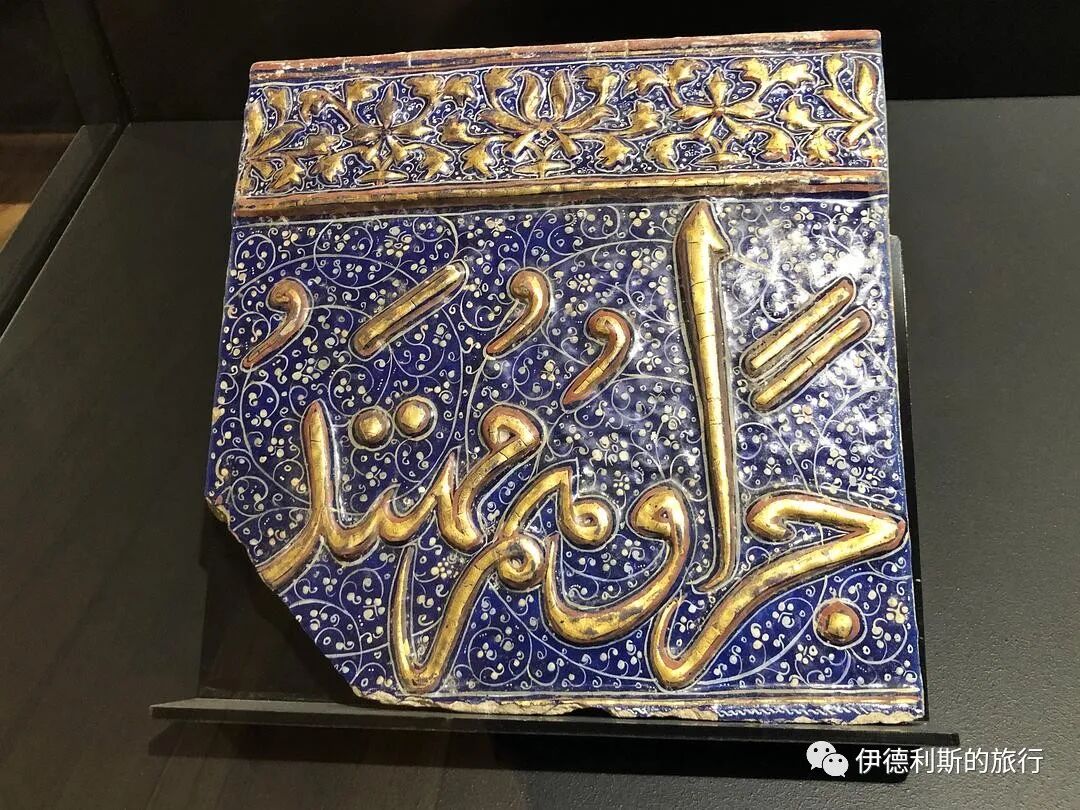
13th-century Gorgan, located on the Caspian coast. Gorgan was an important city during the Sassanid Empire and remained a center for Zoroastrianism after the 8th century. Old Gorgan was destroyed by the Mongols, and the city was relocated to a new site during the Ilkhanate period.
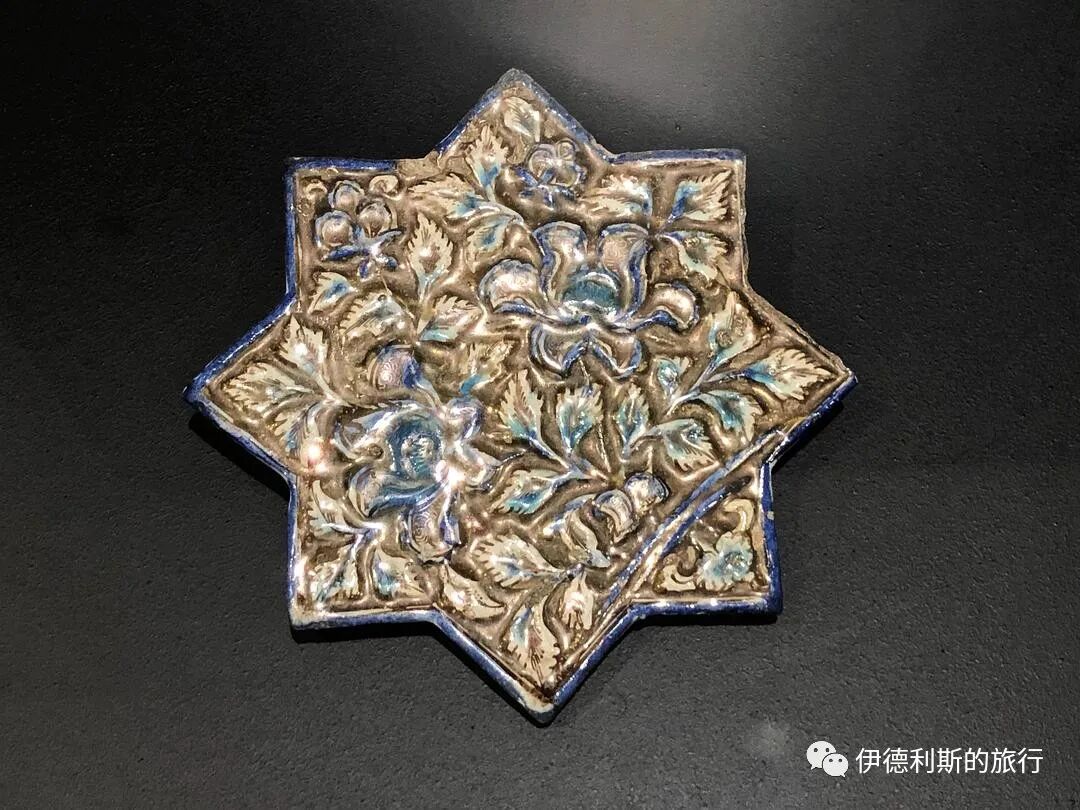
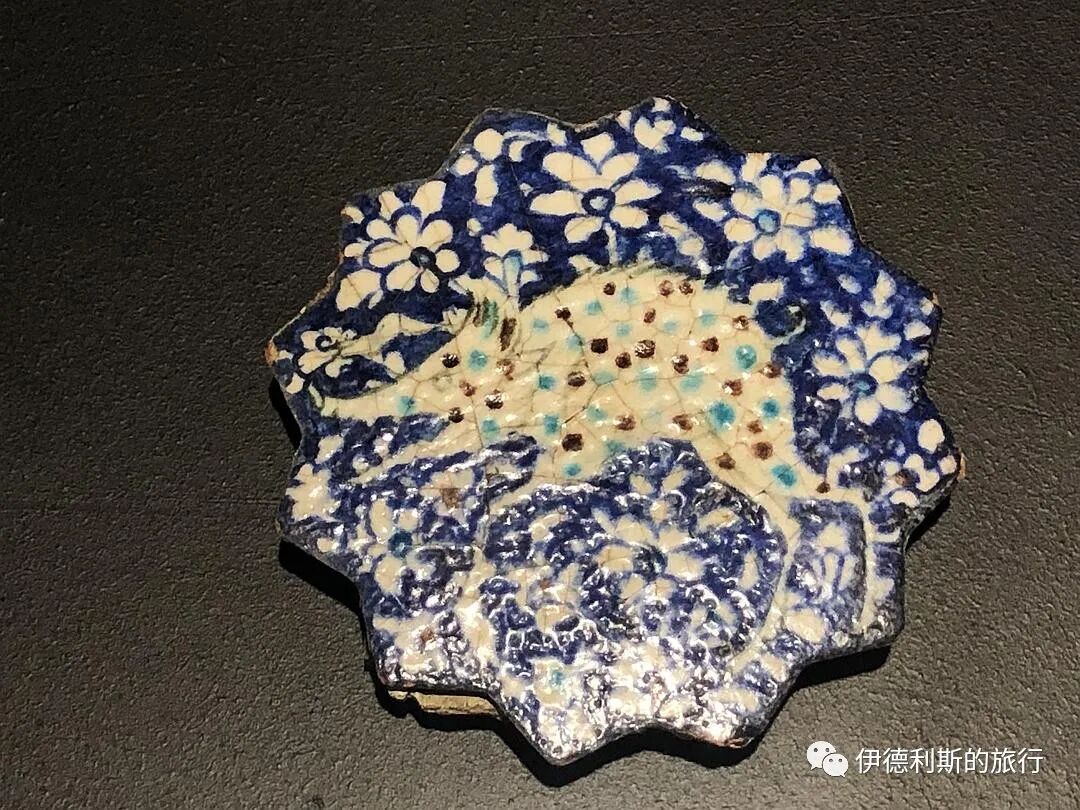
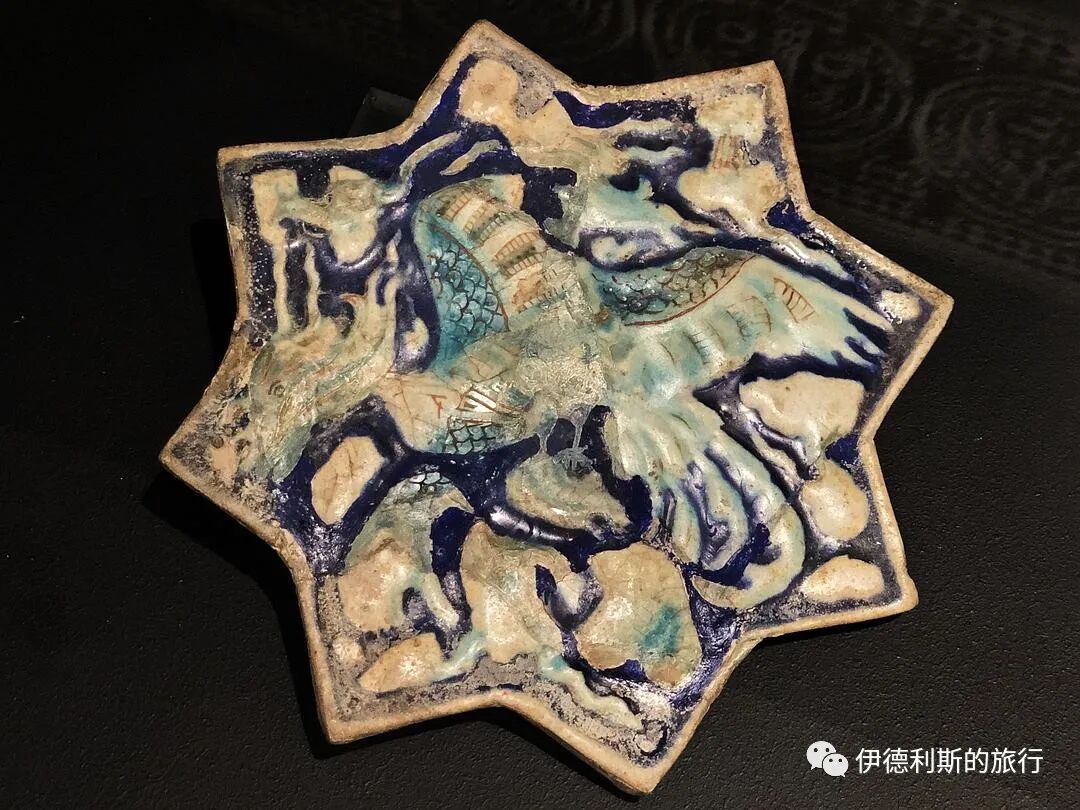
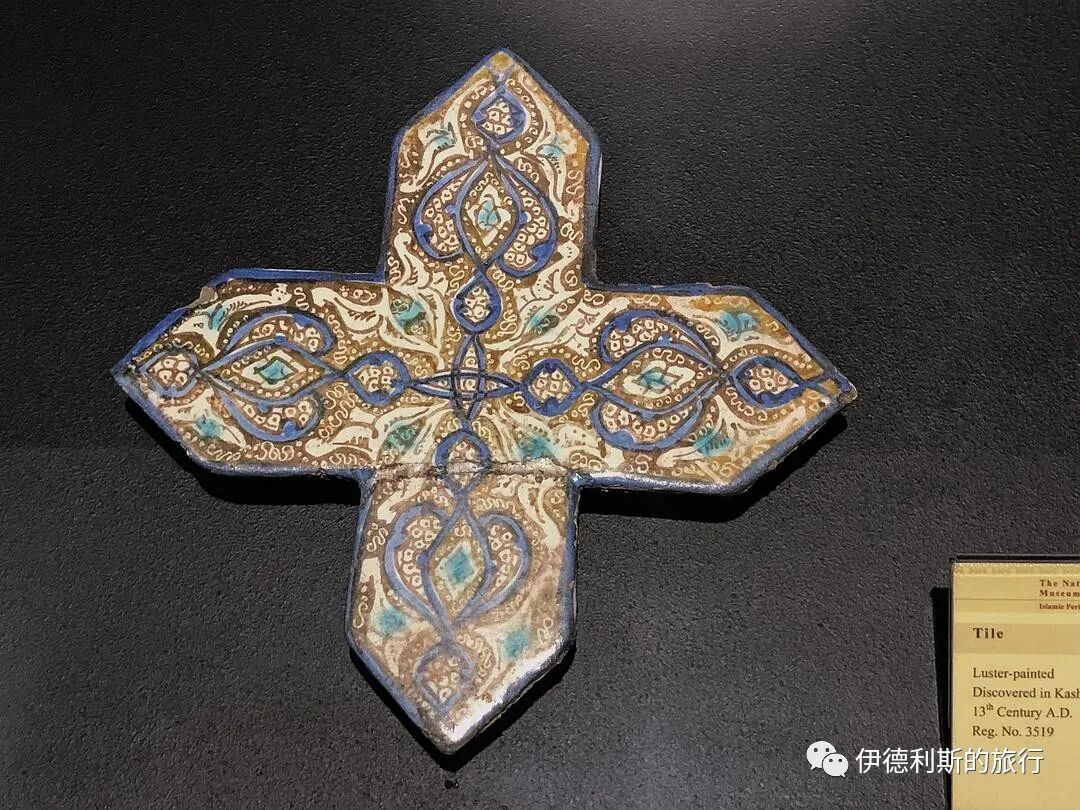
13th-14th century Ilkhanate period tiles from Kashan, Isfahan province. During the Seljuk Empire and Ilkhanate rule from the 12th to the 14th century, Kashan was an important center for the production of high-quality pottery and tiles in Iran. In modern Persian, the word for tile (kashi) is derived from Kashan.
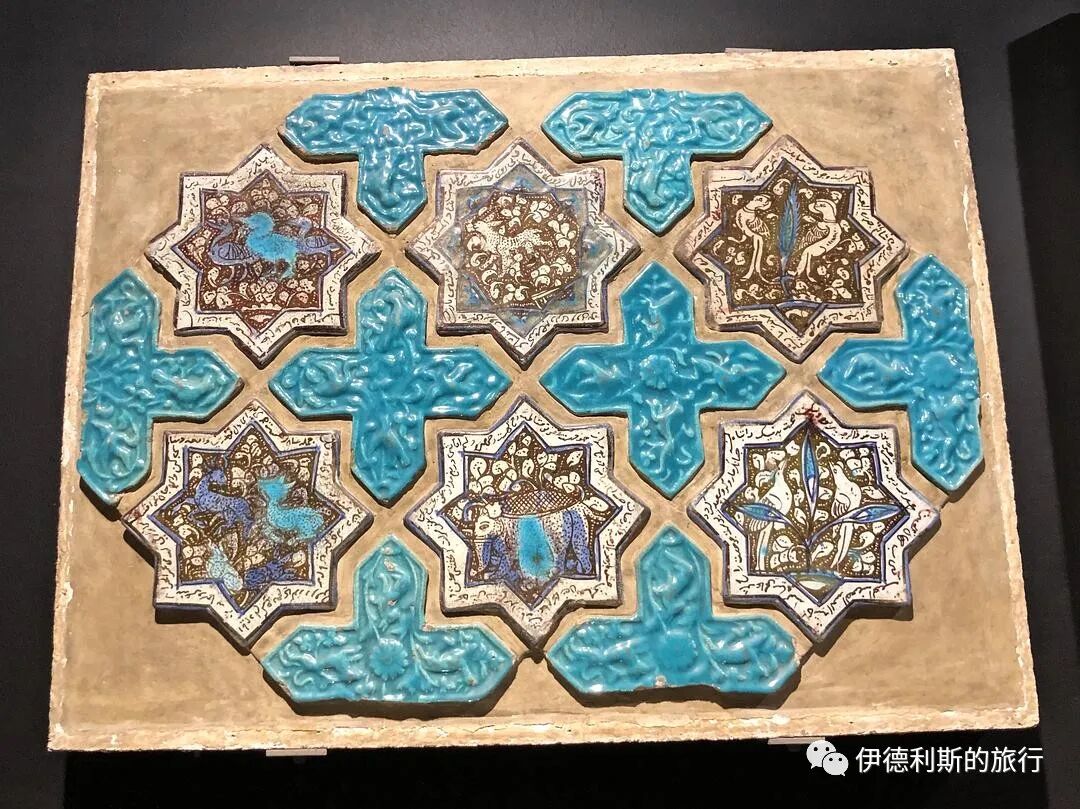
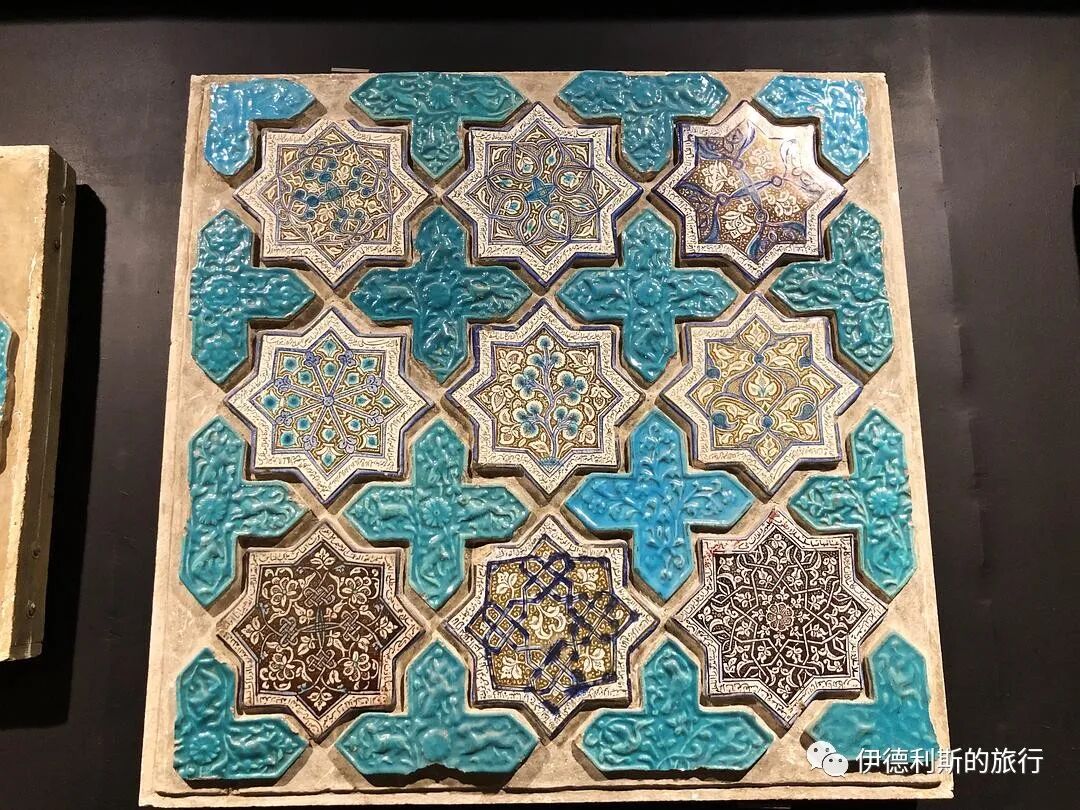
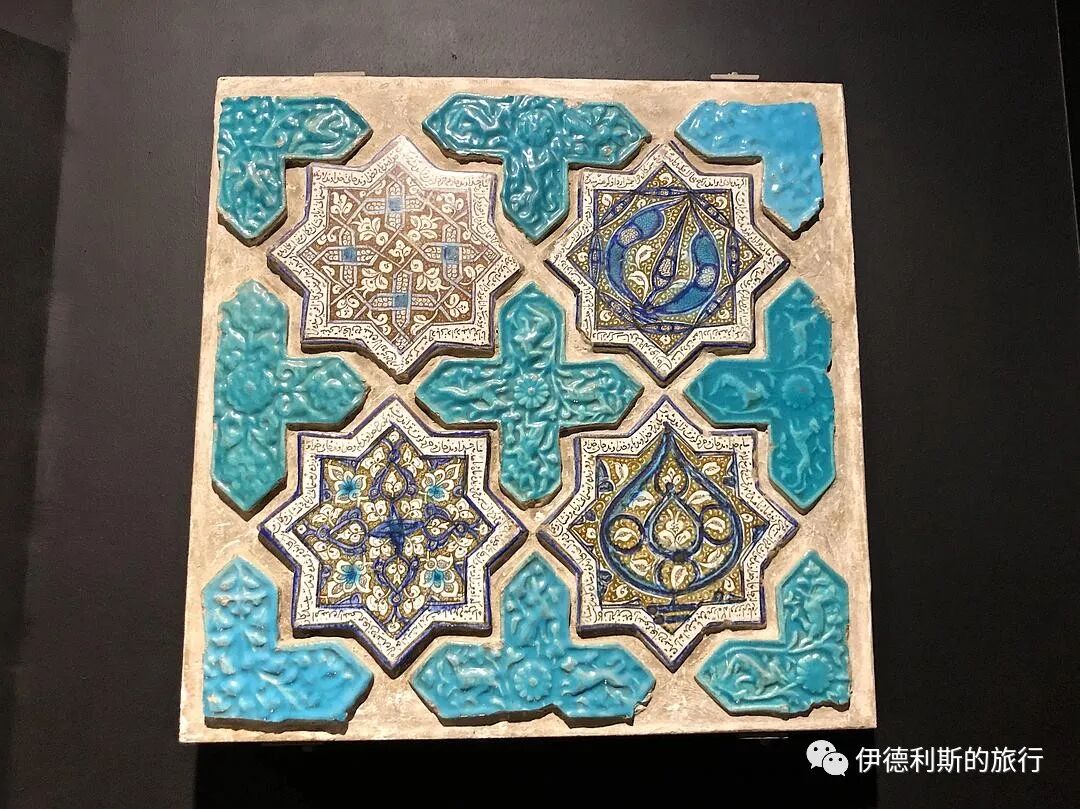
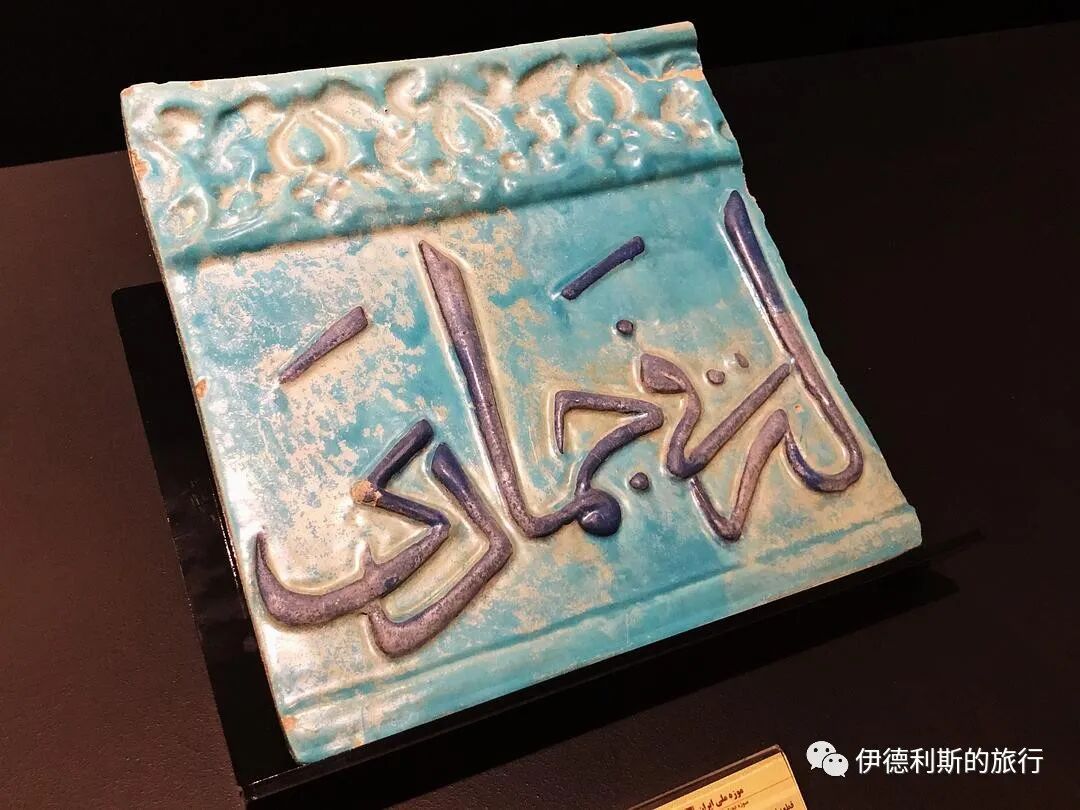
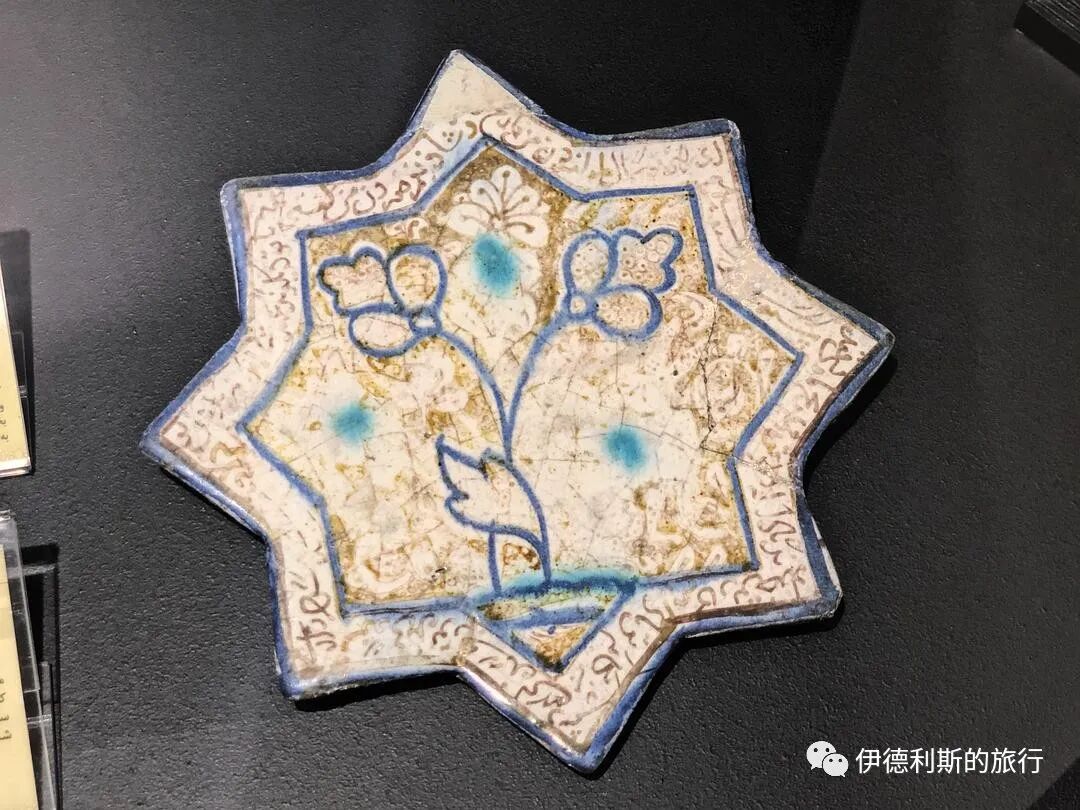
Artifacts from Nishapur, 9th to 11th century.
Nishapur is located on the ancient Silk Road in northeastern Iran and was once one of the four major cities of the Greater Khorasan region. In the 9th century AD, Nishapur became the capital of the Persian Tahirid dynasty. Under the rule of the Persian Samanid dynasty in the 10th century, Nishapur developed into an important cultural and commercial center of the Islamic world, continuing through the 11th-century Seljuk dynasty. Between the 9th and 11th centuries, various cultures and religions converged in Nishapur, where trade routes from Central Asia, China, Iraq, and Egypt intersected. The glazed pottery produced in Nishapur at that time became an important trade commodity in the West, once rivaling Baghdad and Cairo.
In 1221, Nishapur was massacred by the Mongols and subsequently completely destroyed; the former metropolis was buried deep underground. It was not until archaeological excavations by the Metropolitan Museum of Art in New York between 1935 and 1940 that countless artifacts and ruins were discovered beneath the farmland. Today, most of the excavated Nishapur artifacts are preserved in the Metropolitan Museum of Art, as well as in museums in Tehran and Mashhad.
According to historical records, Nishapur had at least 38 madrasas before the 11th century. Before the archaeological excavations, no ruins were visible except for a mound in the farmland. Archaeological excavations identified six layers of the Tappeh Madreseh site dating from the 9th to the 13th century; although signs of destruction and subsequent restoration or reconstruction were found in each layer, they maintained a relatively consistent overall layout.
The lowest layer of the madrasa dates back to the 9th century and is believed to have been built by the Tahirid ruler Abdallah ibn Tahir (reigned 828-845). The early spaces were large, but were further subdivided during the Samanid dynasty in the 10th century and the Seljuk dynasty in the 11th century. Overall, however, the madrasa featured a square courtyard in the center, surrounded by more than 20 rooms on three sides, with rectangular colonnades.
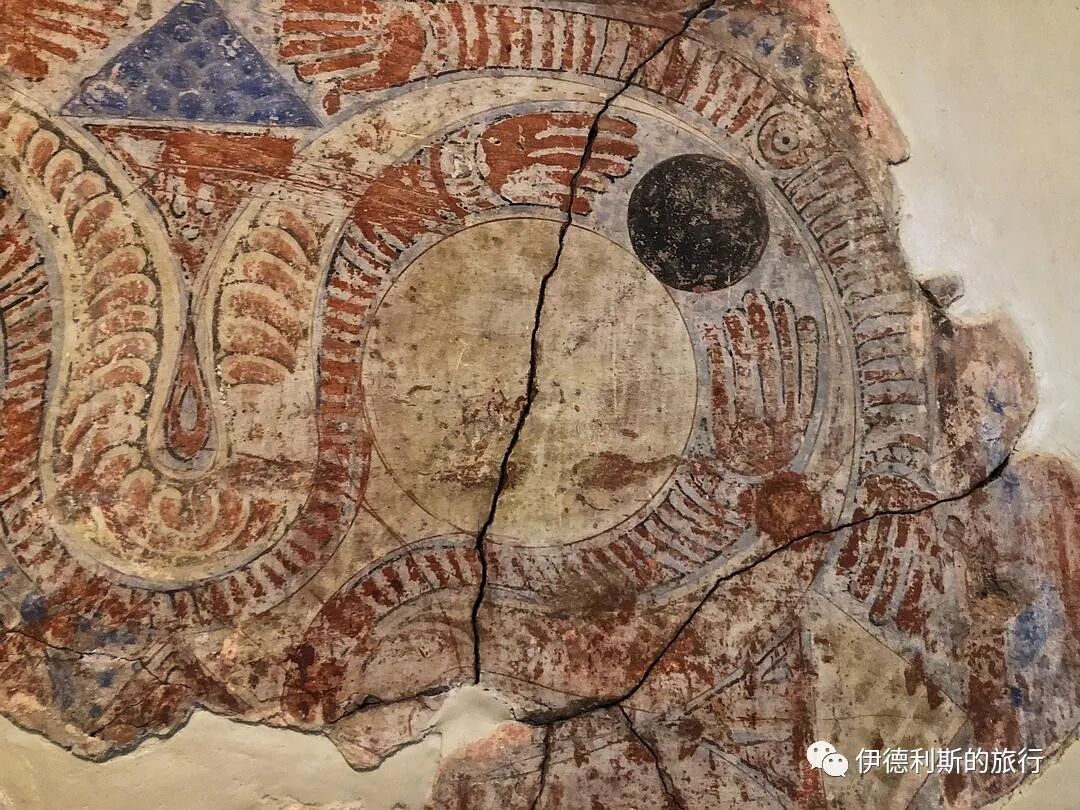
9th-century colored plaster murals unearthed at the Tappeh Madreseh site.
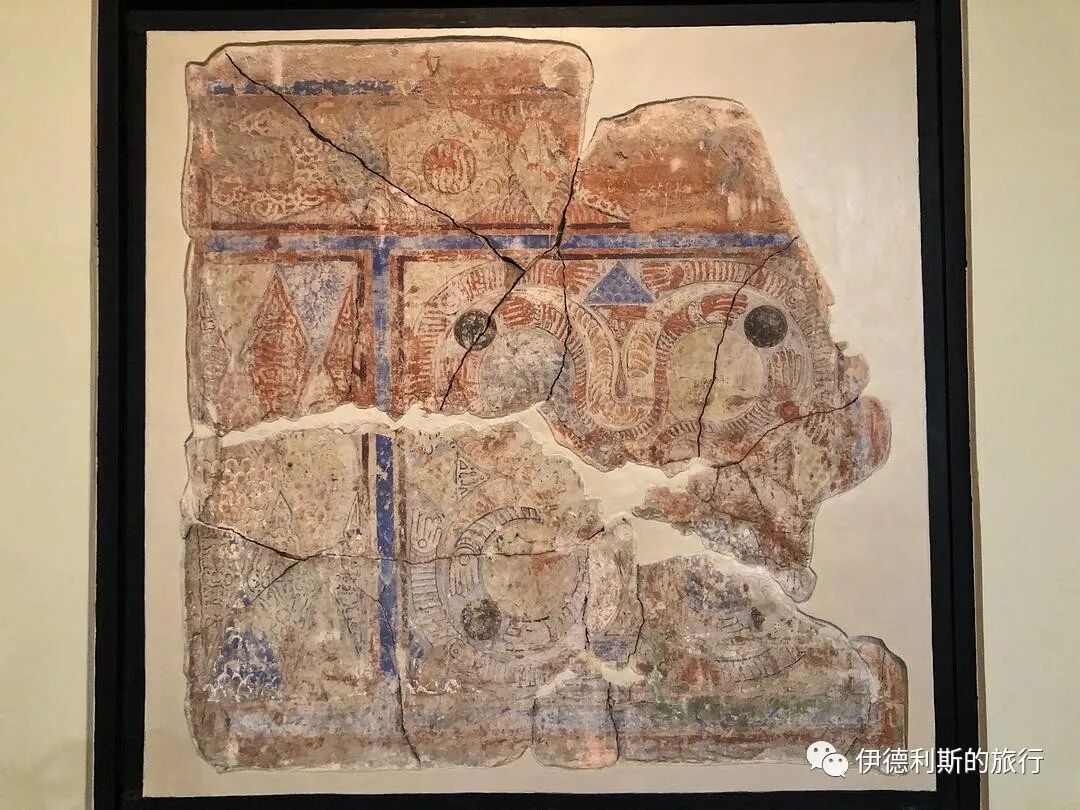
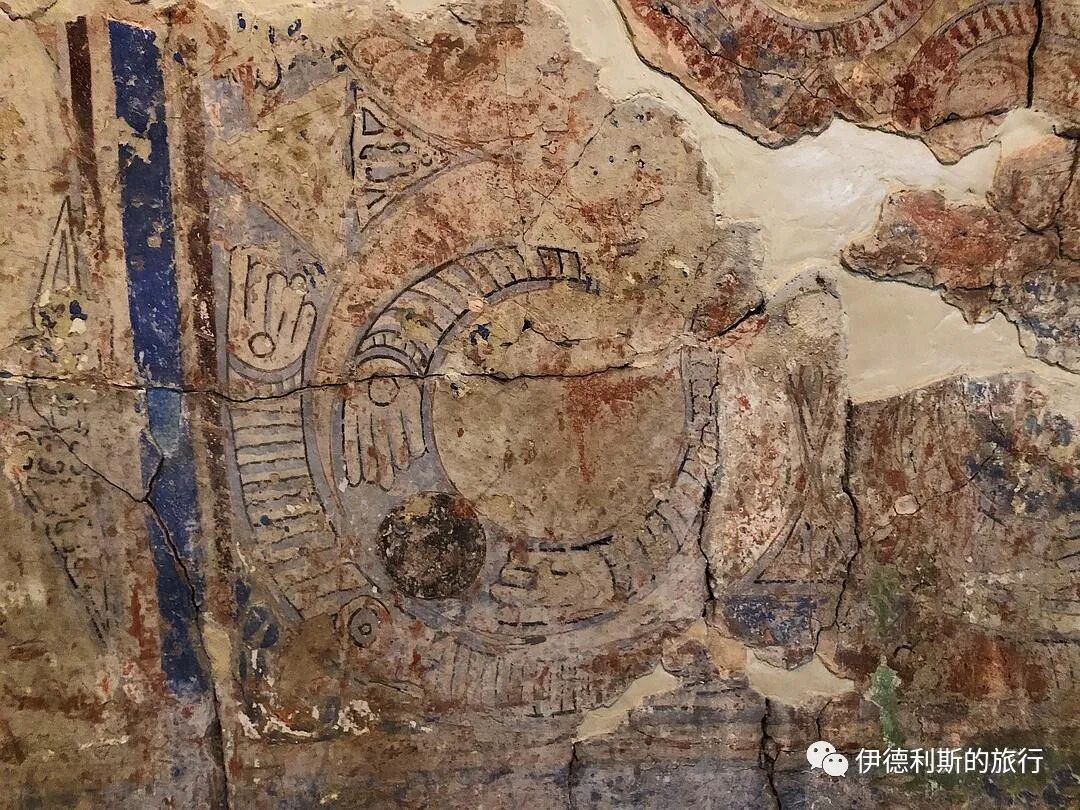
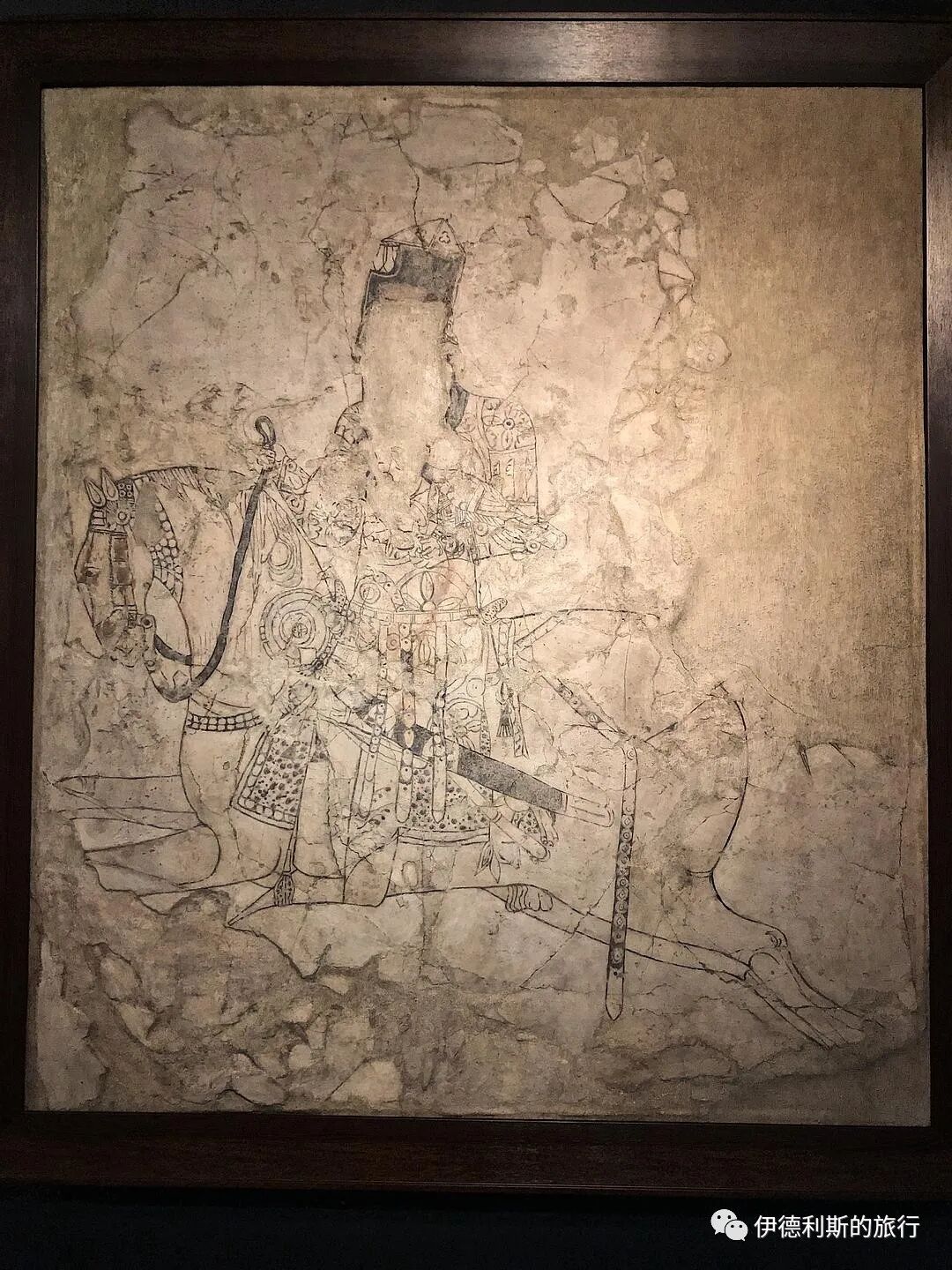
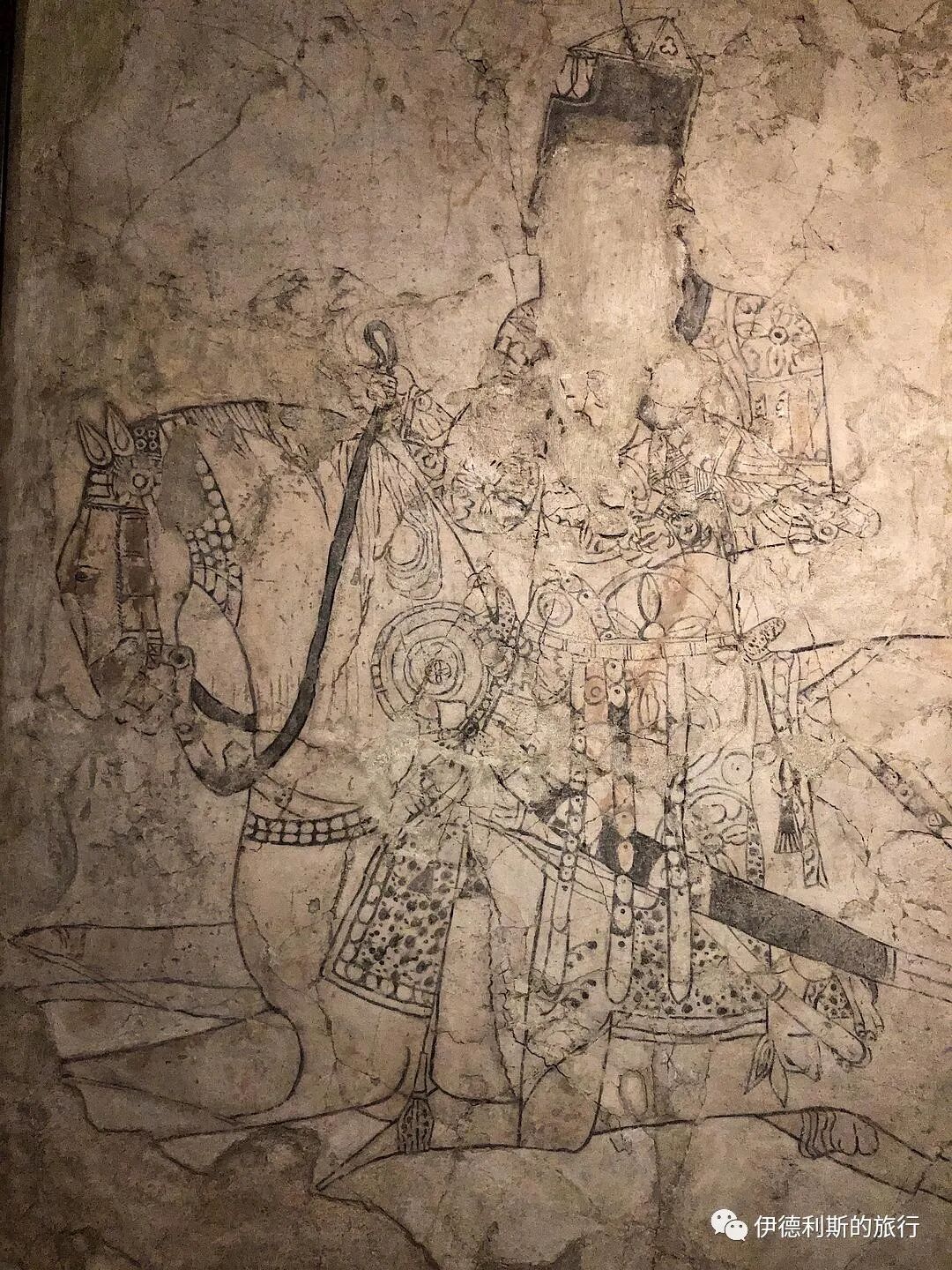
9th-century plaster hunting murals unearthed at the Tappeh Takestan site in Nishapur.
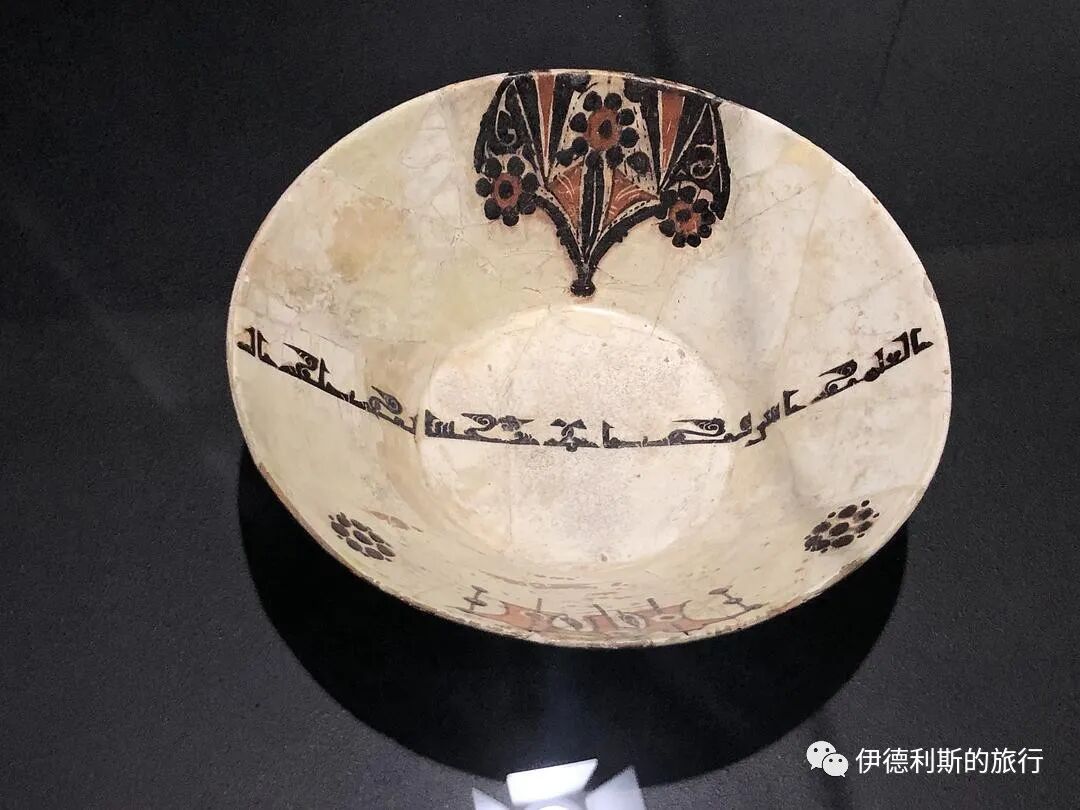
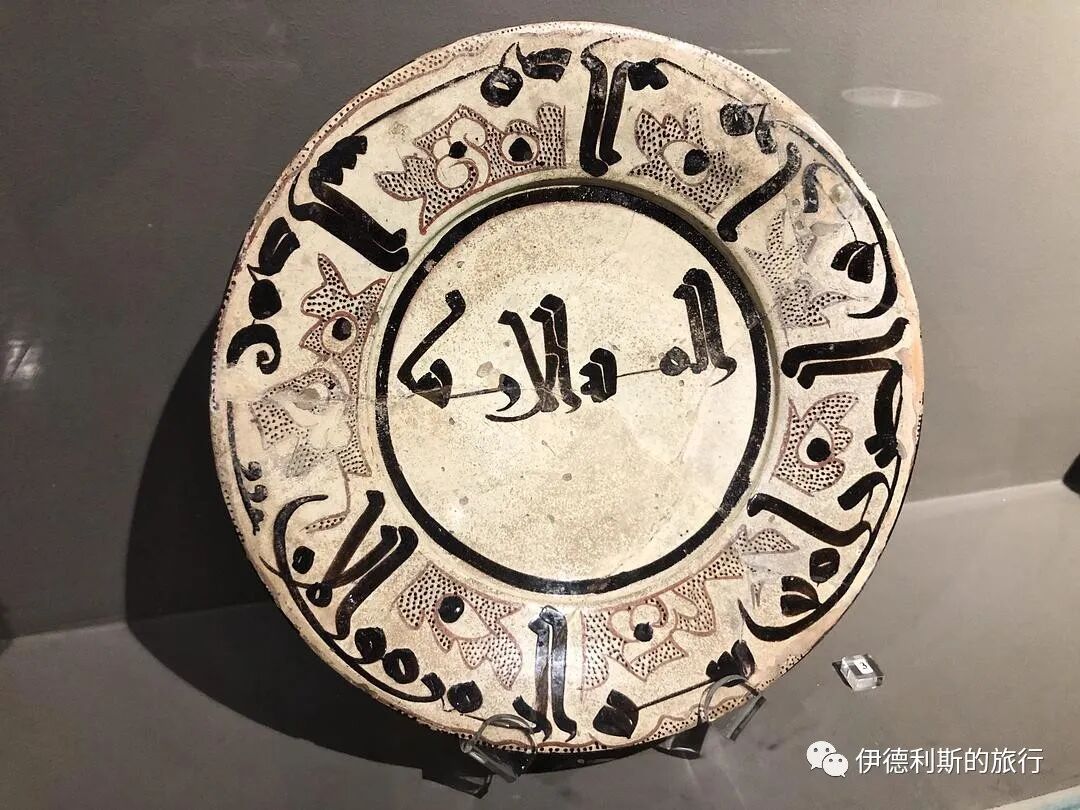
9th-10th century pottery with Kufic calligraphy.
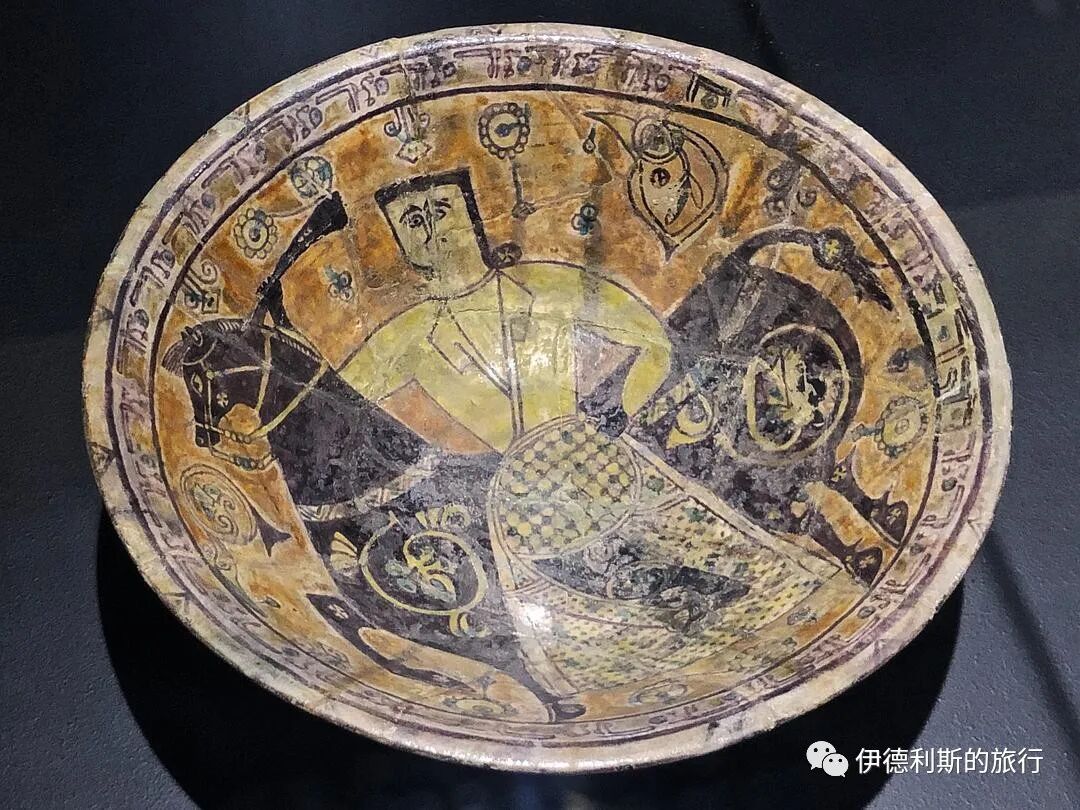
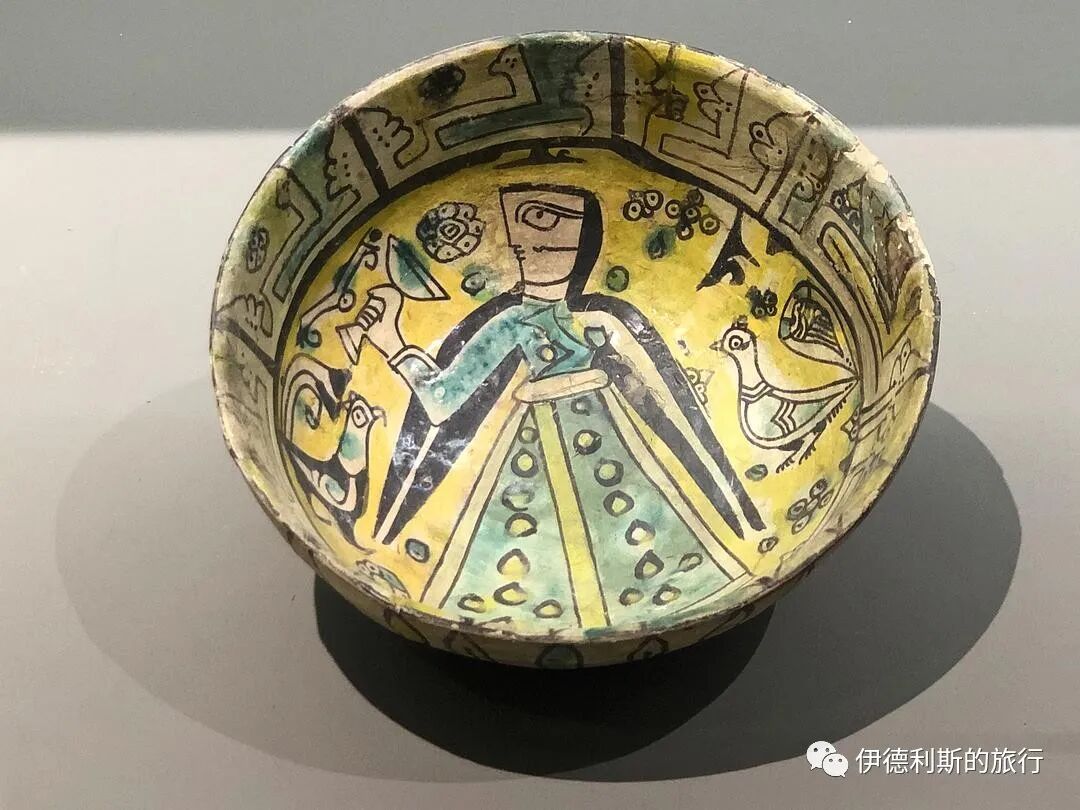
Artifacts unearthed from the ancient city of Ray.
Ray is located in the southern suburbs of Tehran and is an important ancient city in northern Iran, referred to as 'Layi' in books such as the History of Yuan. The history of the ancient city of Ray is very old, mentioned in both the Zoroastrian Avesta and the Christian Bible.
In the 640s AD, the Sassanid dynasty used the ancient city of Ray as a base to resist the Arab invasion, but ultimately failed, and Ray came under the rule of the Arab Empire. In the 9th century AD, the Shah Abdol-Azim shrine was built in Ray, becoming an important religious site in Iran.
In 1043, the founder of the Seljuk Empire, Tuğrul Beg, made Ray the capital of the empire and carried out large-scale reconstruction of the ancient city. Under the rule of the Seljuk Empire, Ray reached its peak, with a massive bazaar and very prosperous commerce. Import and export trade, primarily in silk, connected the entire Eurasian continent. Ray was the center of painted pottery production in Iran at the time, and Ray-style painted pottery was an important handicraft of this period.
In 1220, the Mongol army invaded Ray, which was under the rule of the Khwarazmian Empire. Due to the lack of fierce resistance, the Mongols did not massacre the city. Nevertheless, the residents of the city gradually left, and the center of pottery production shifted to the southern city of Kashan. After this, Ray became a ghost town, but its sturdy walls still allowed it to be used as a military fortress during wars. It was not until the construction of the walls of Tehran in the 16th century that Ray was finally abandoned.
8th-9th century dado, located on the lower part of interior walls, serving both to protect the wall and as decoration.
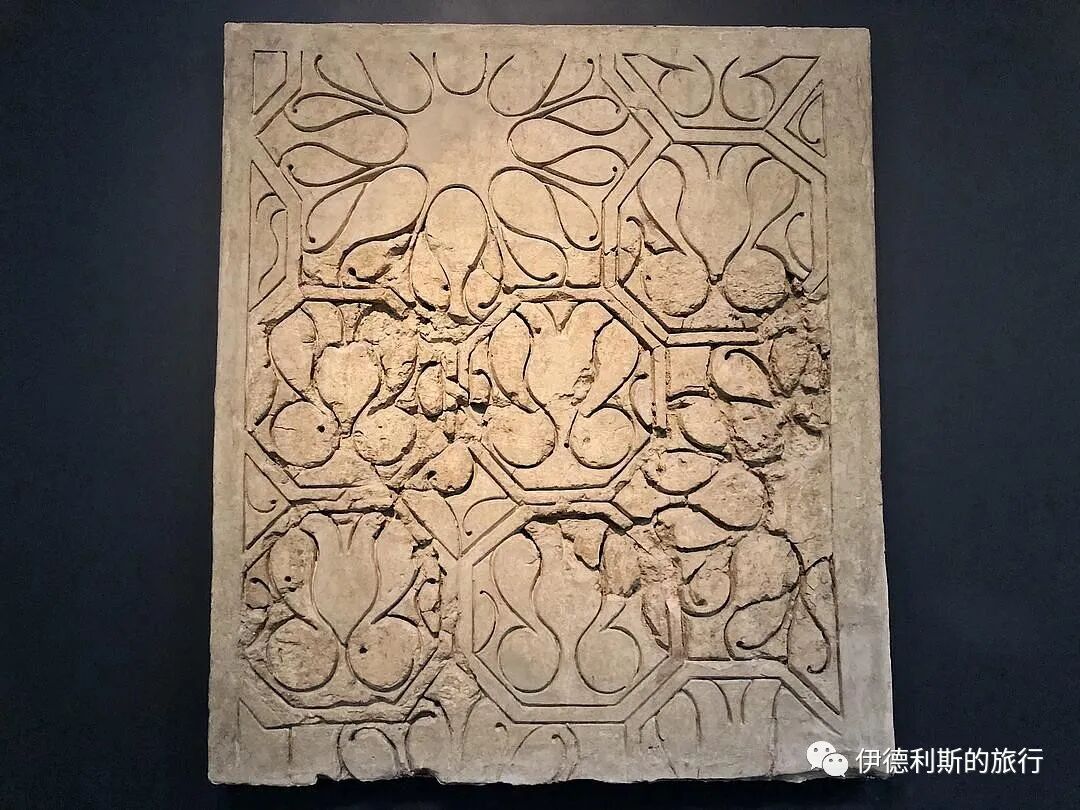
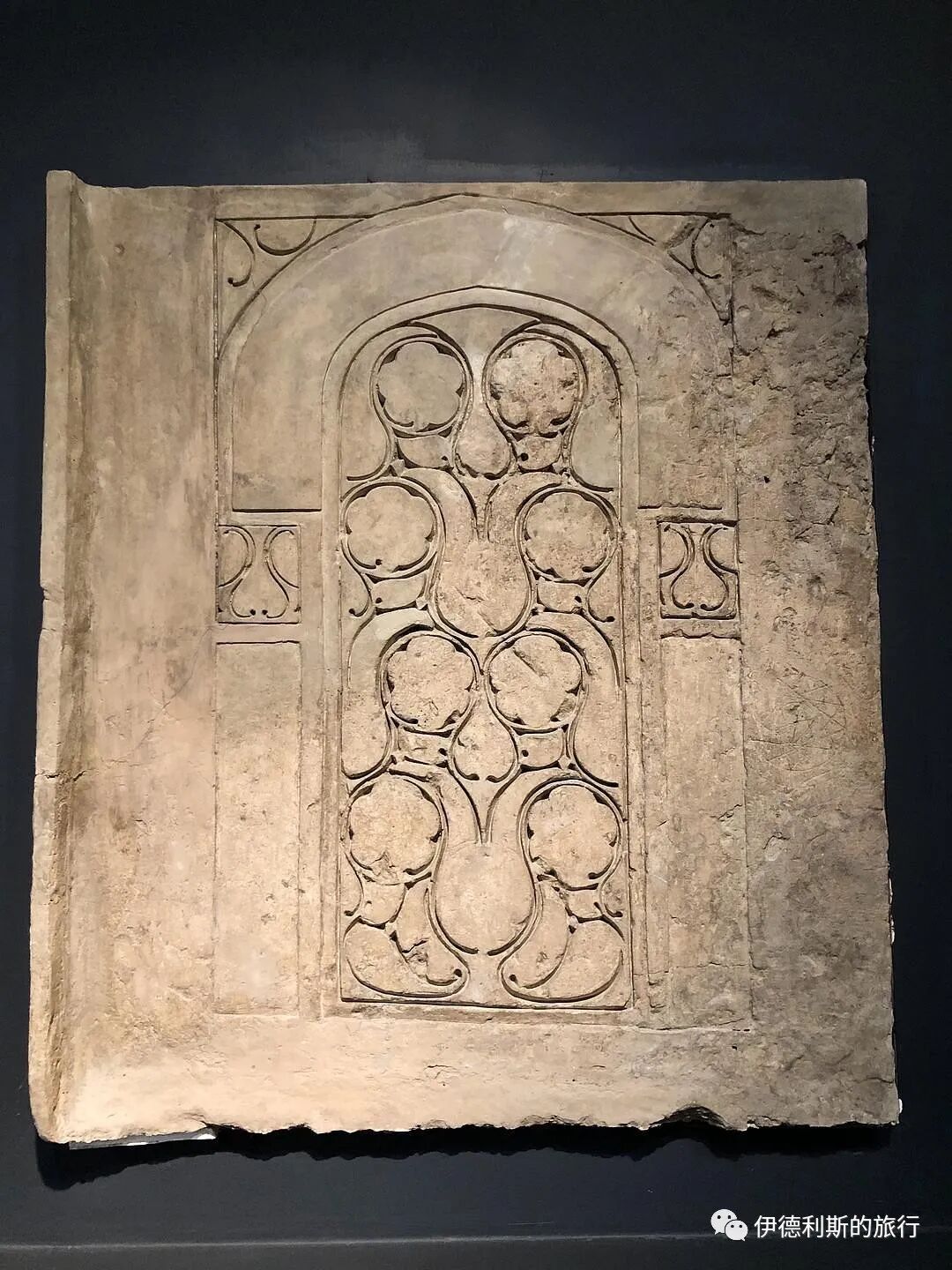
11th-century Seljuk Empire period mihrab.
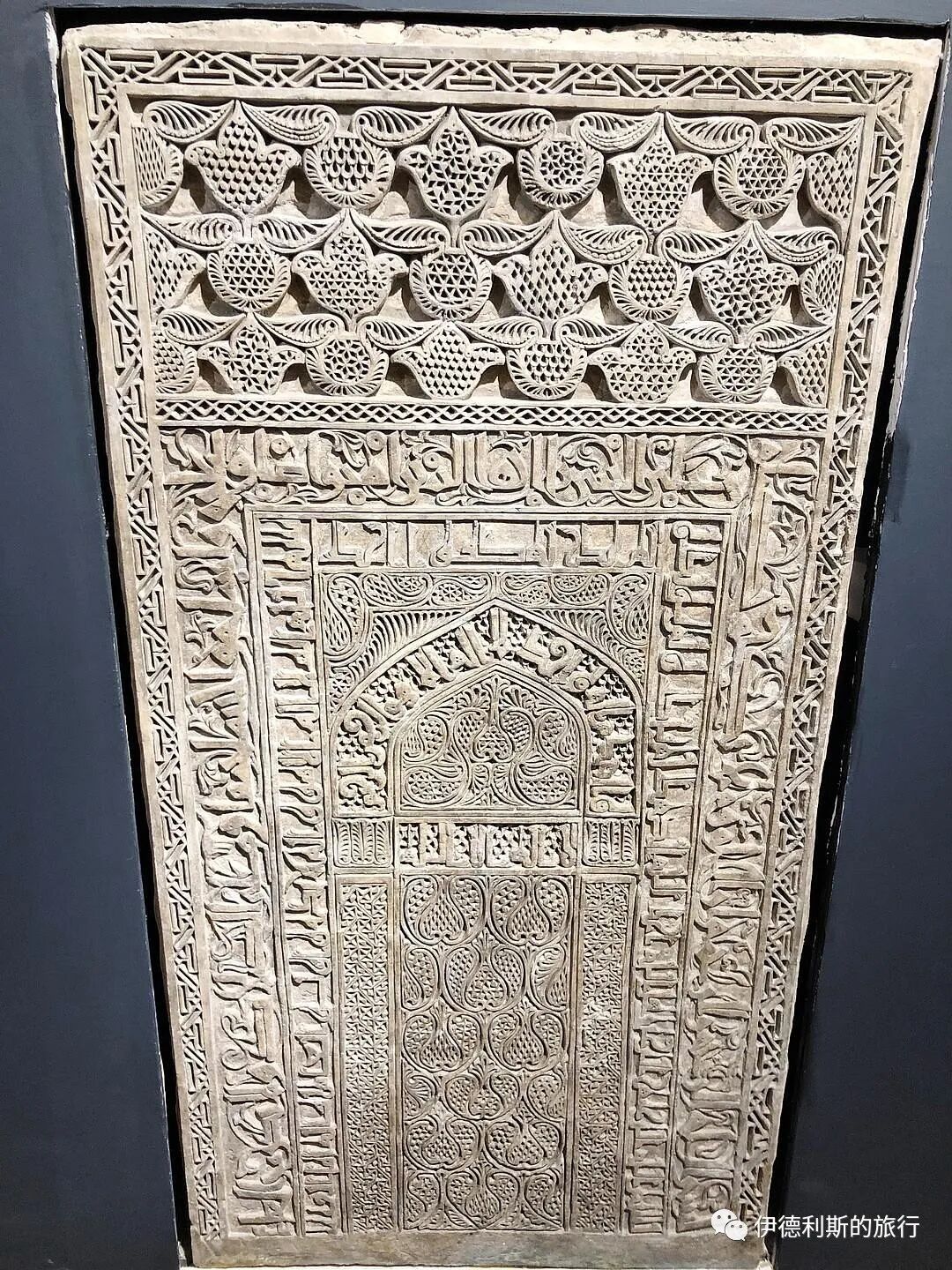
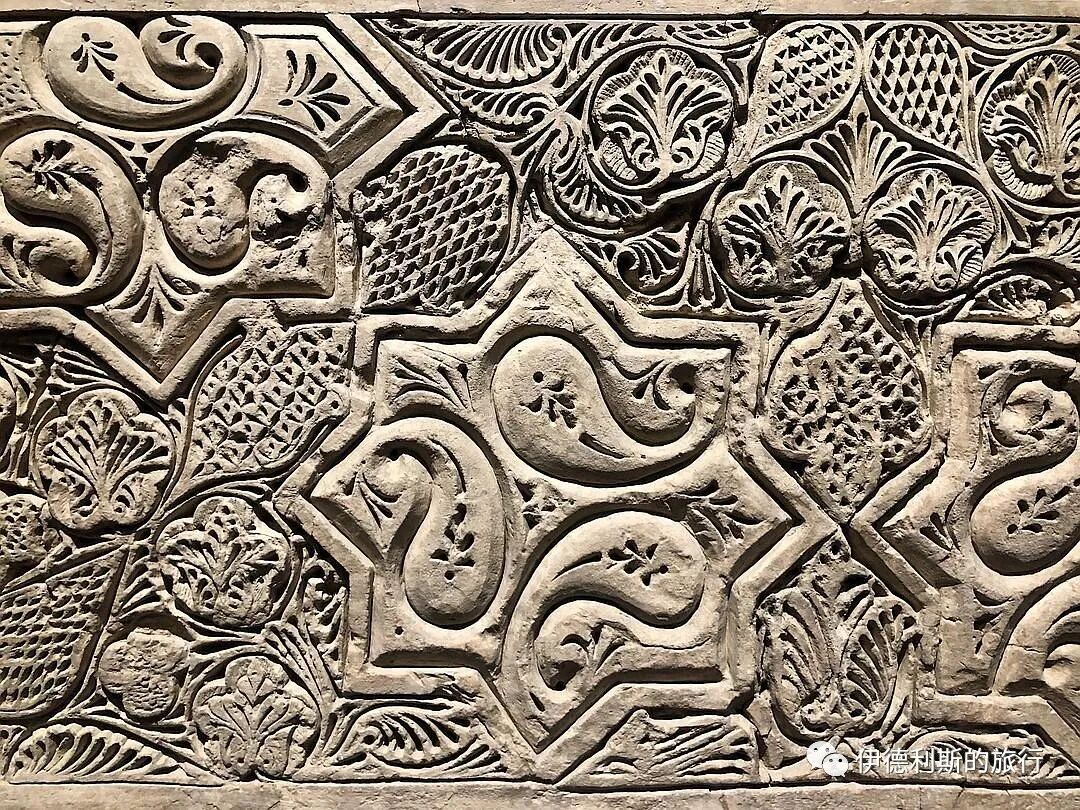
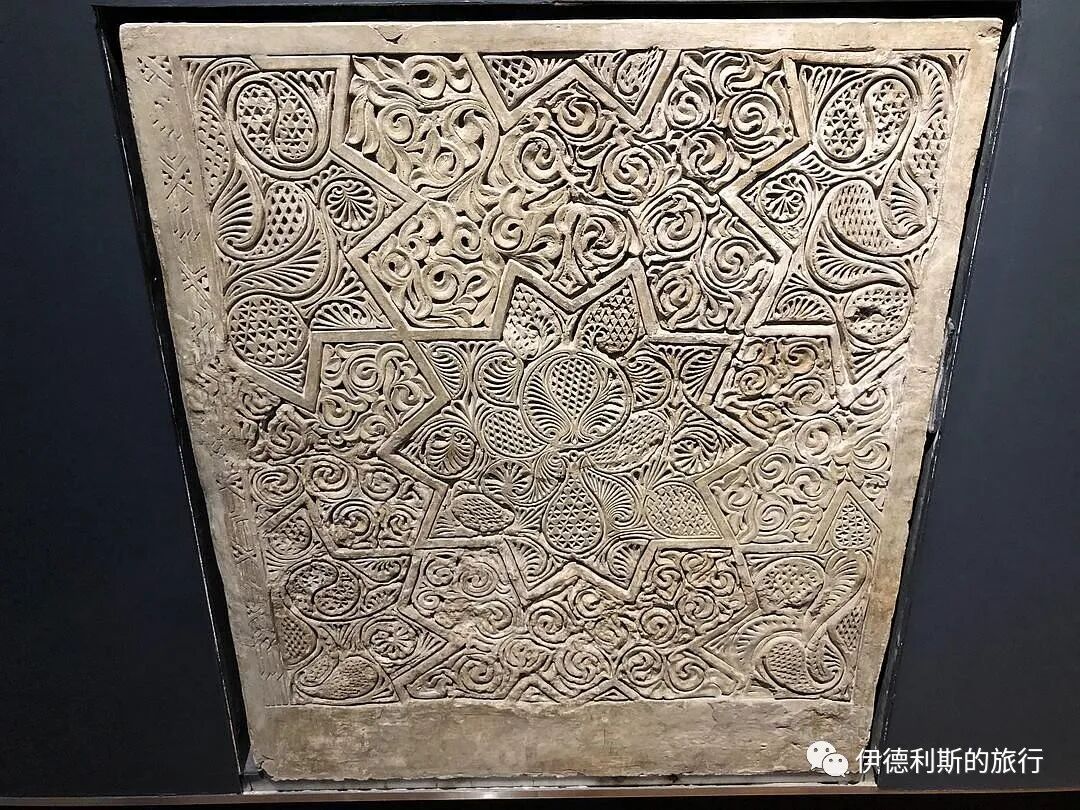
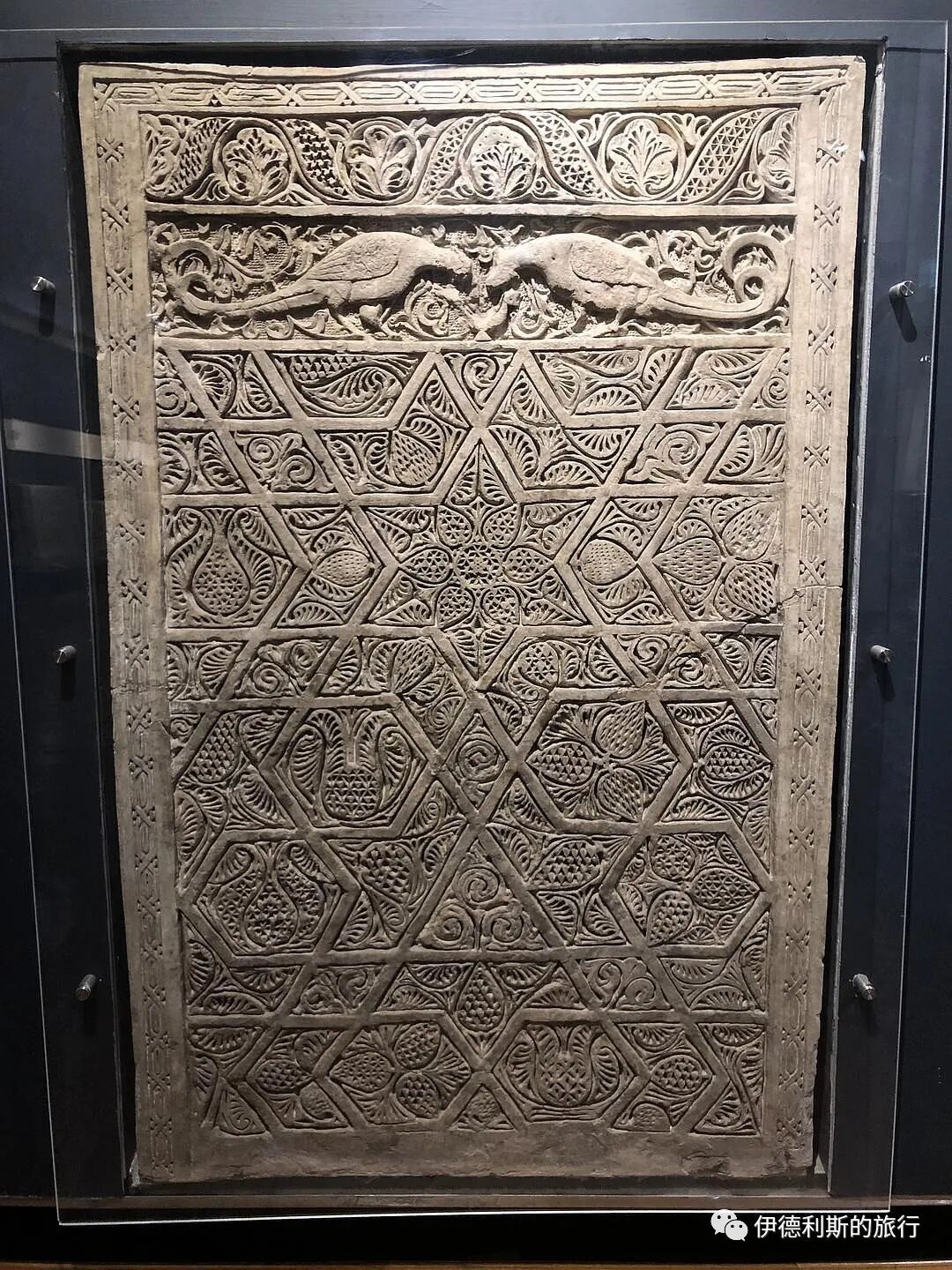
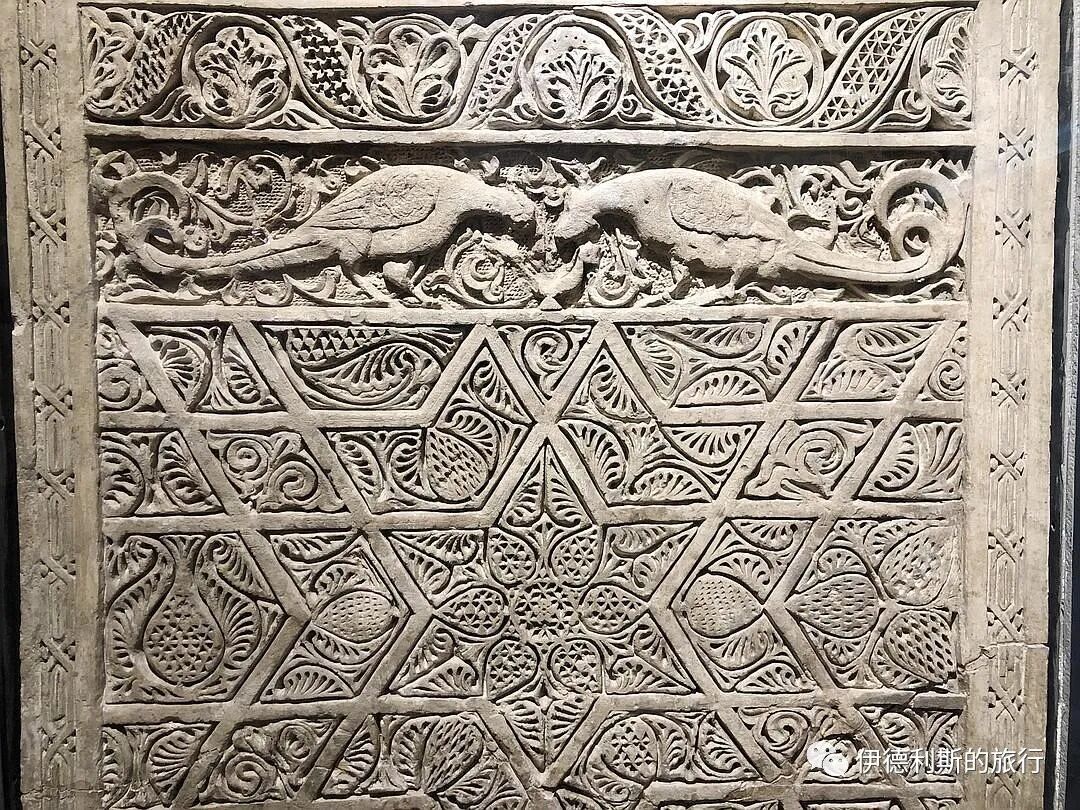
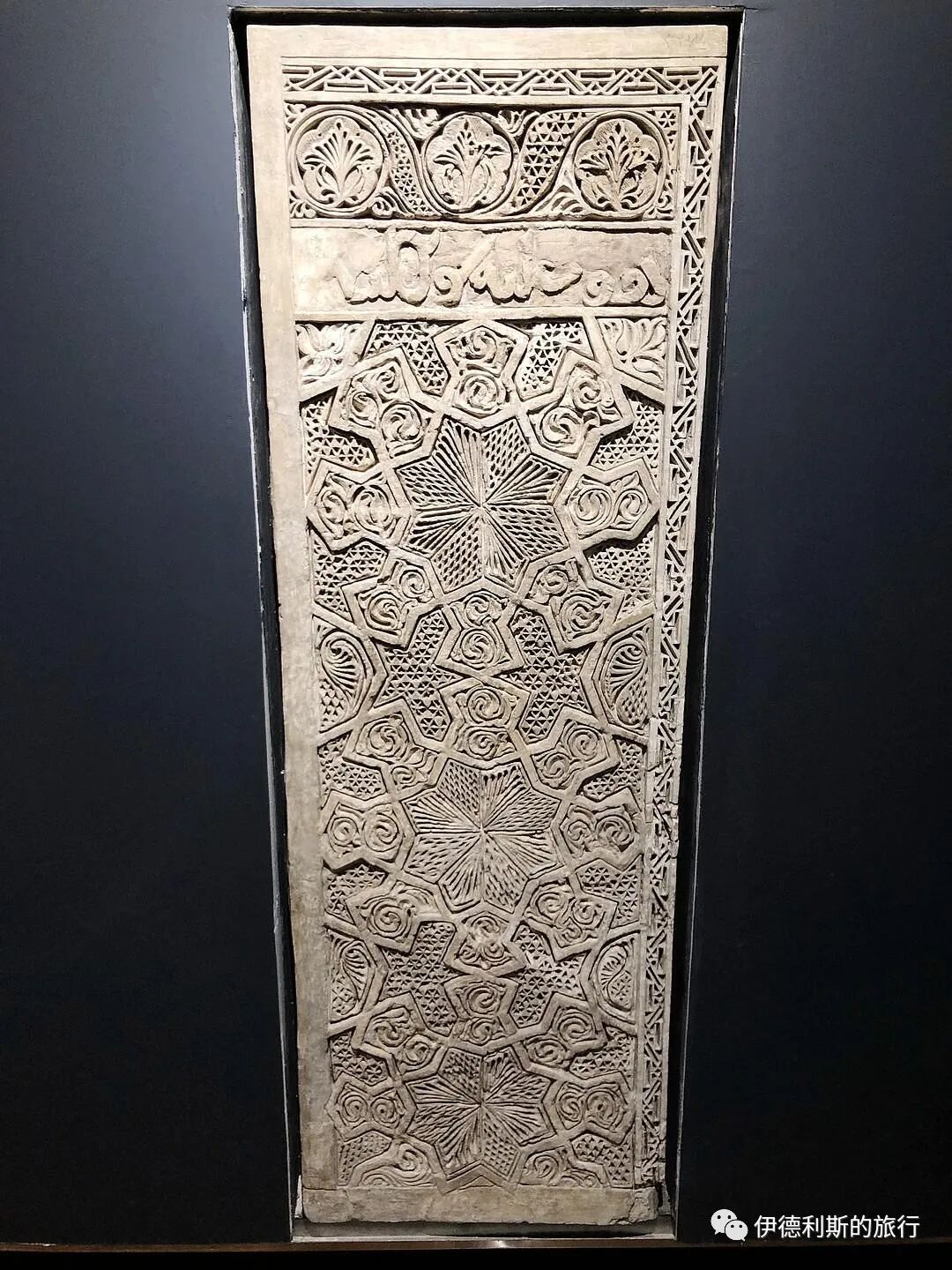
11th-century Seljuk Empire period circular stucco decoration with Kufic calligraphy.
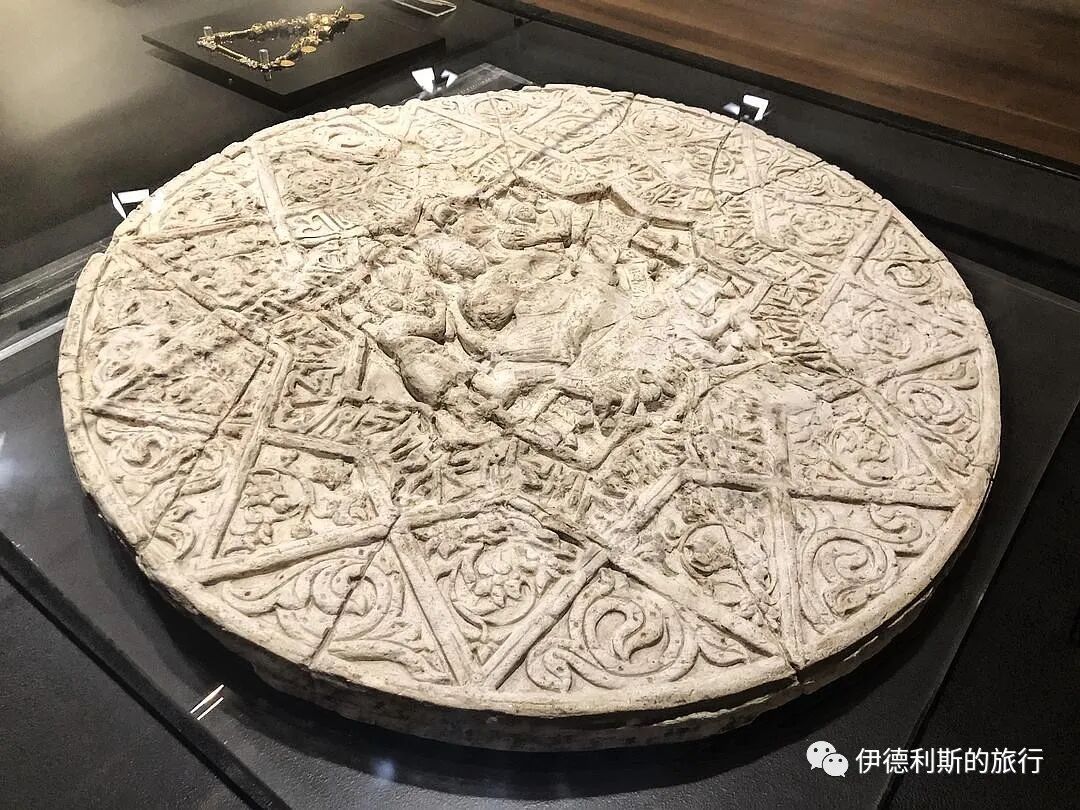
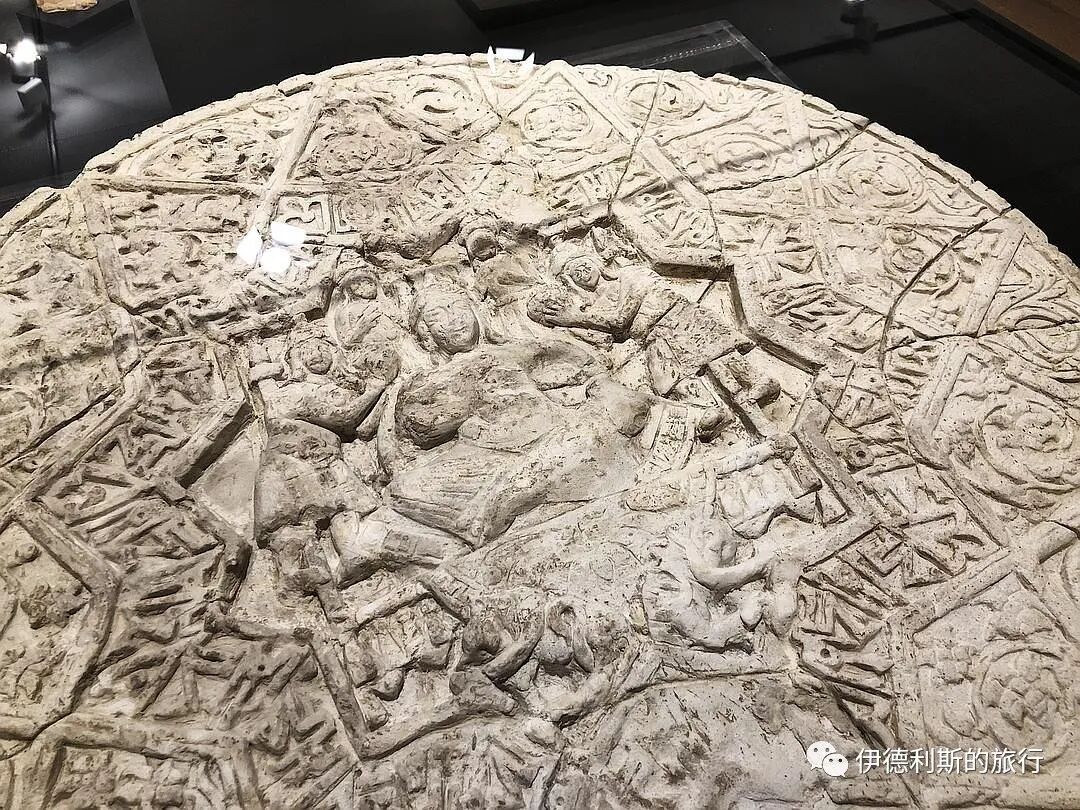
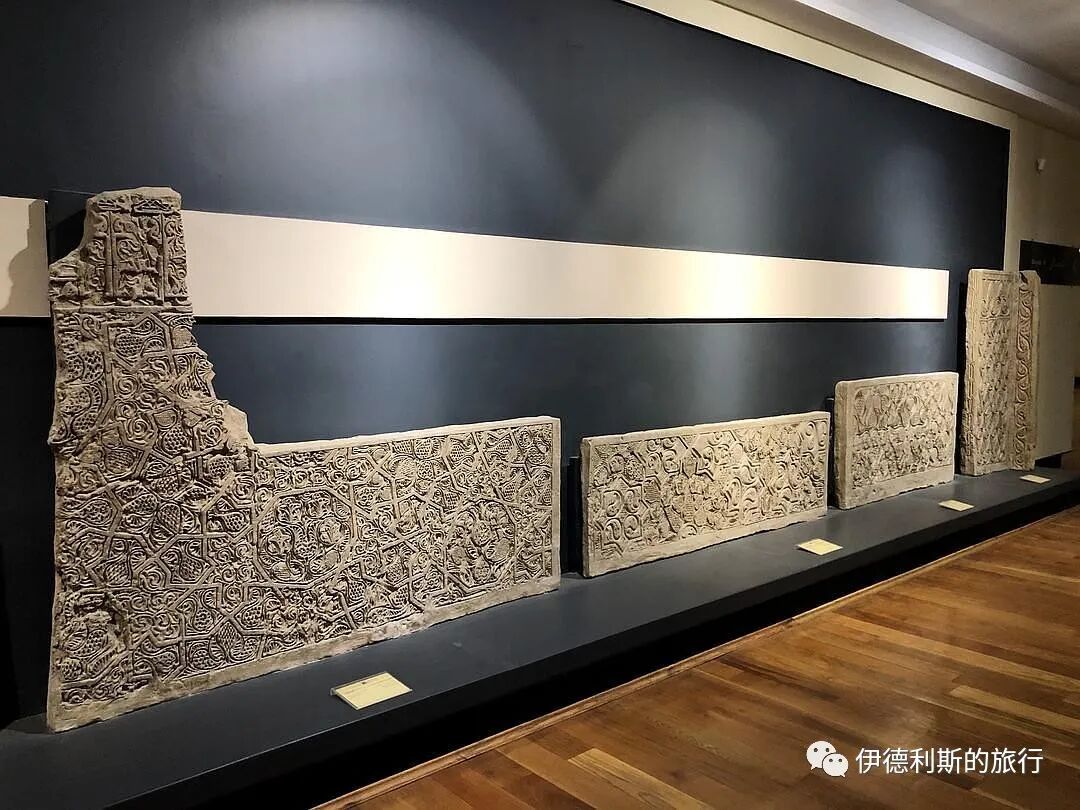
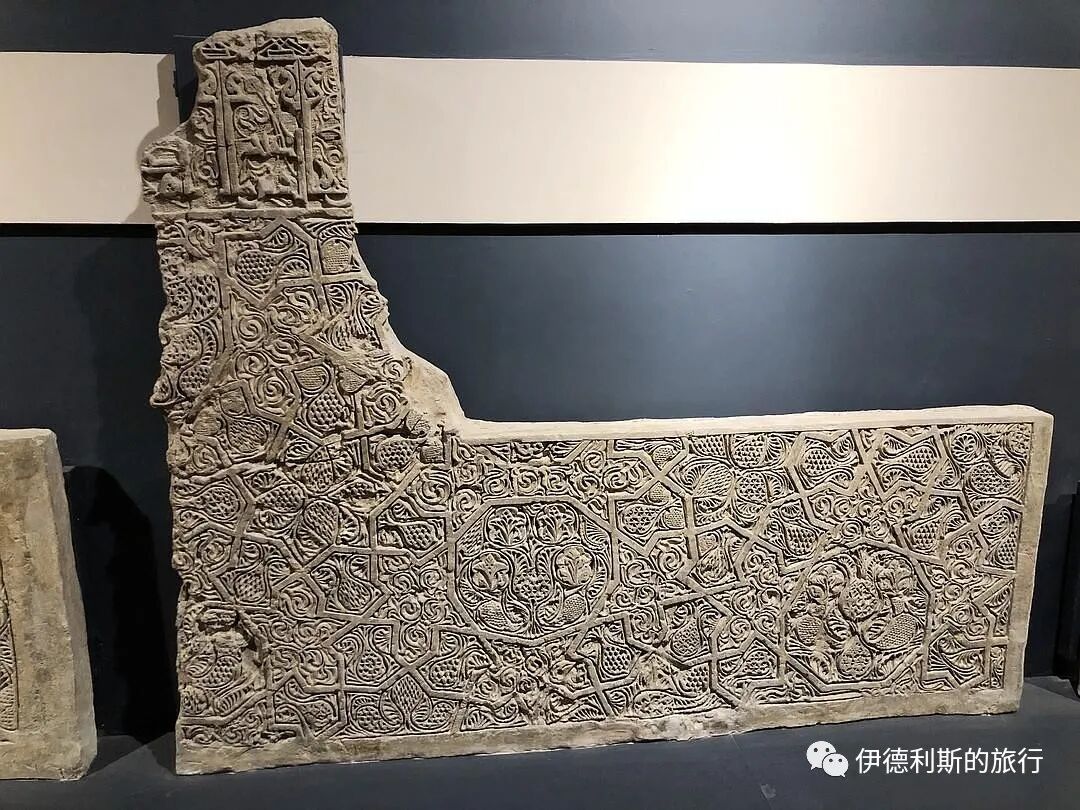
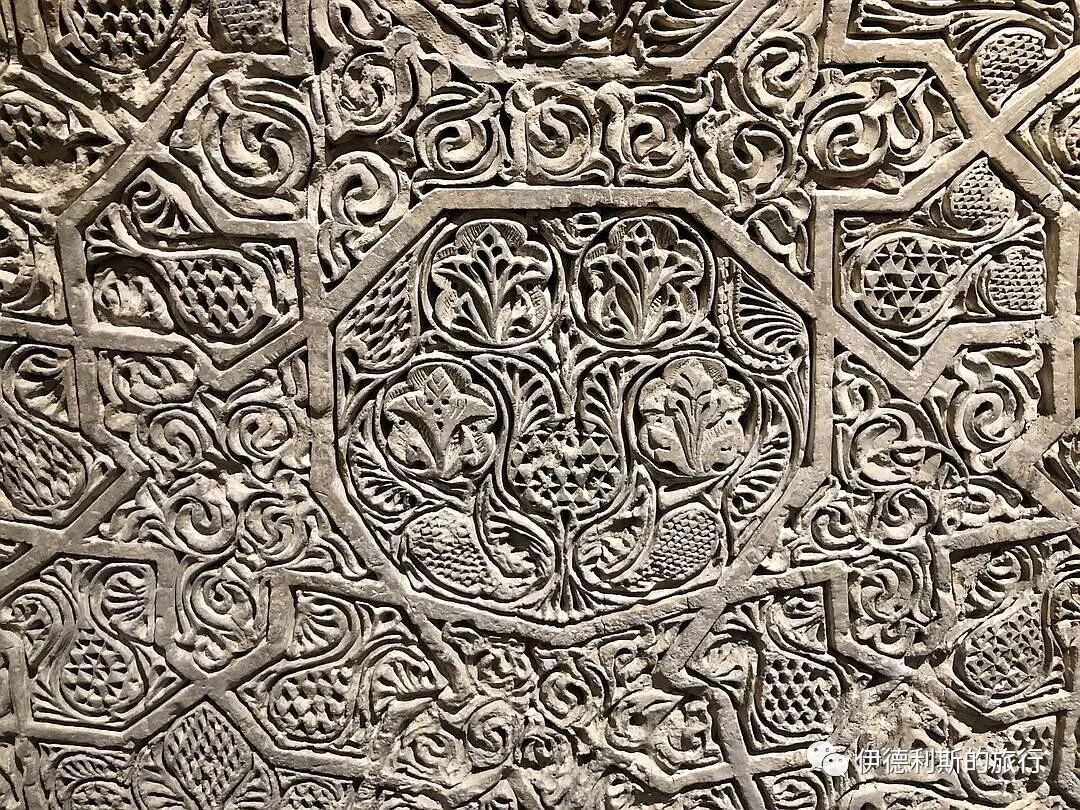
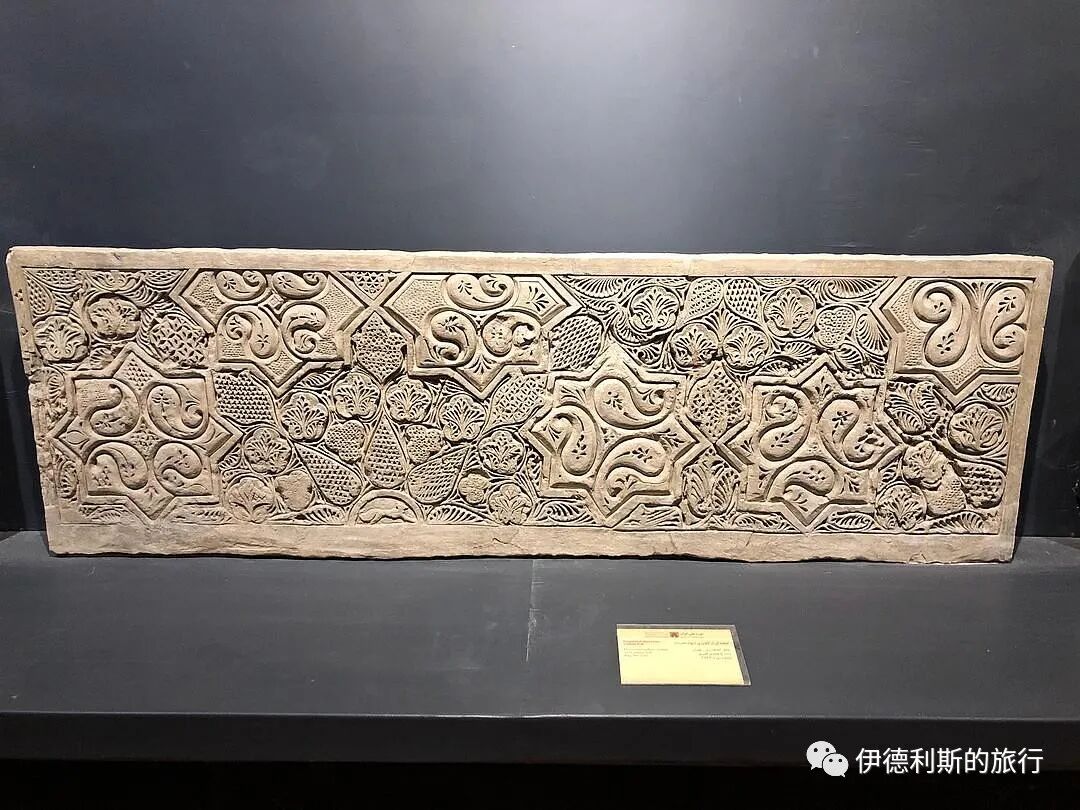
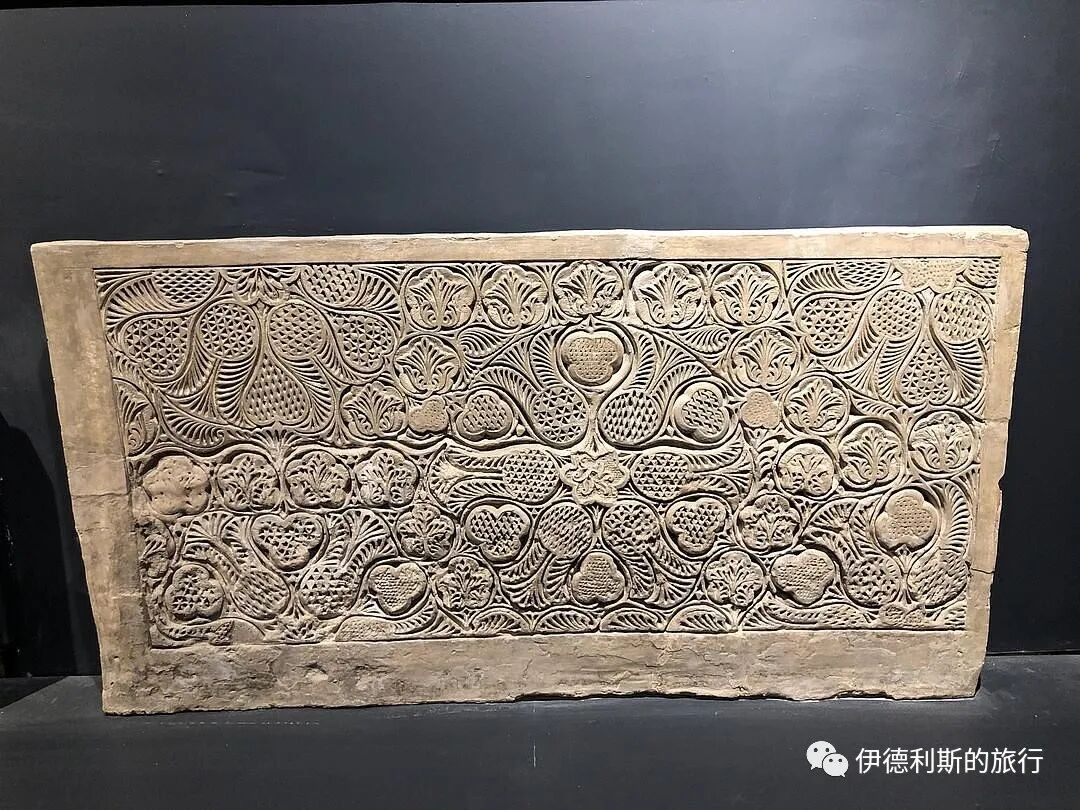
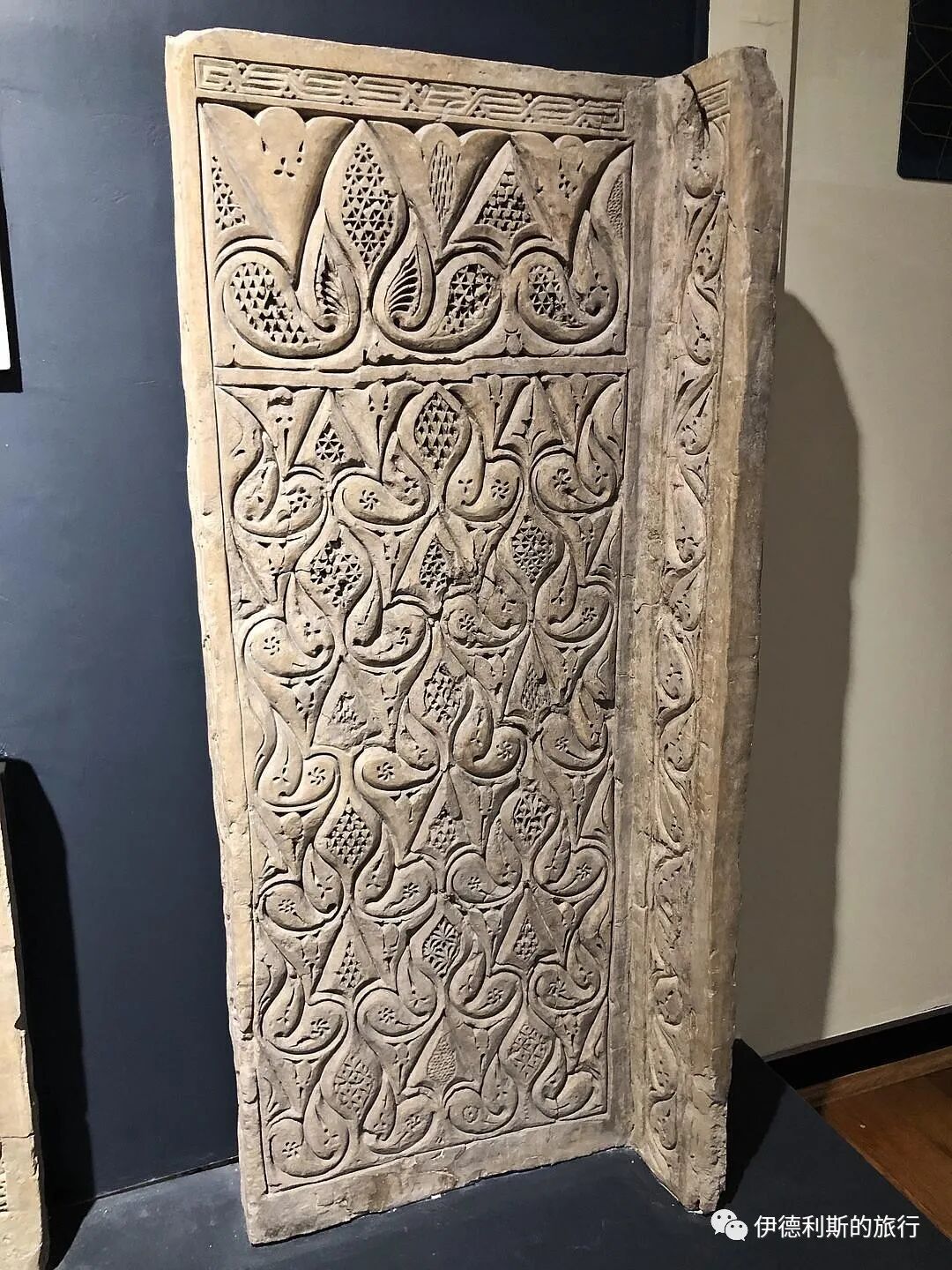
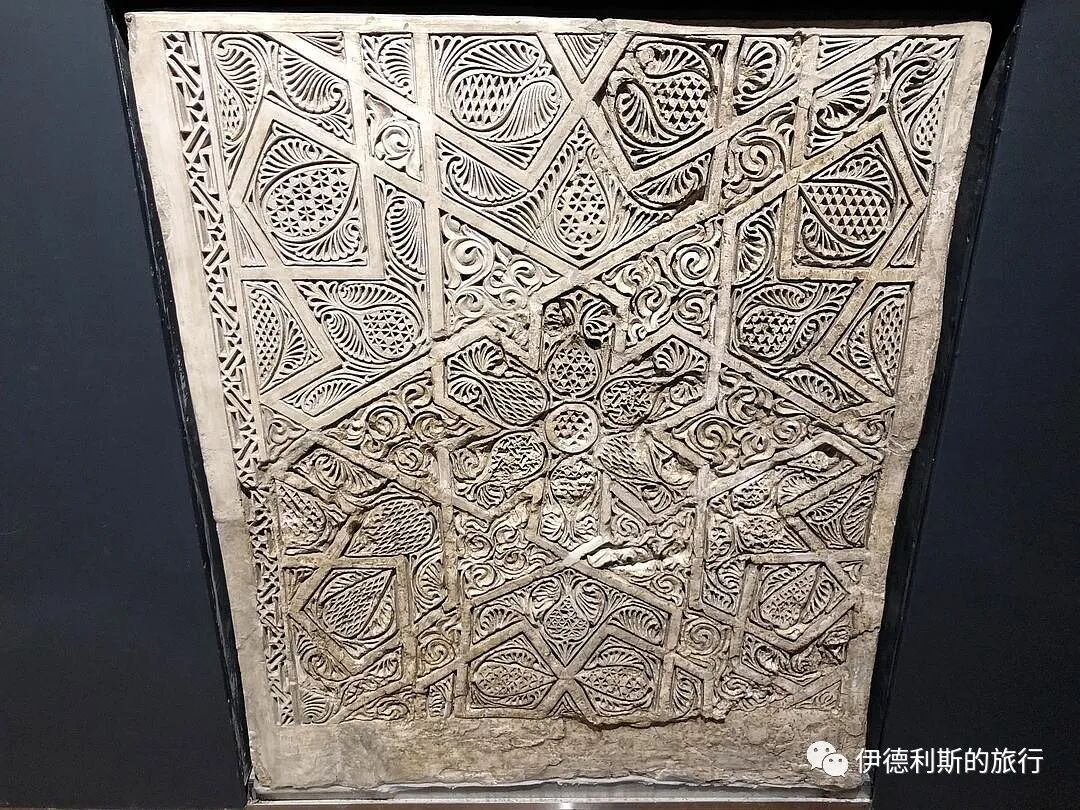
A fragment of a stucco wall from an 11th-century Seljuk Empire school.
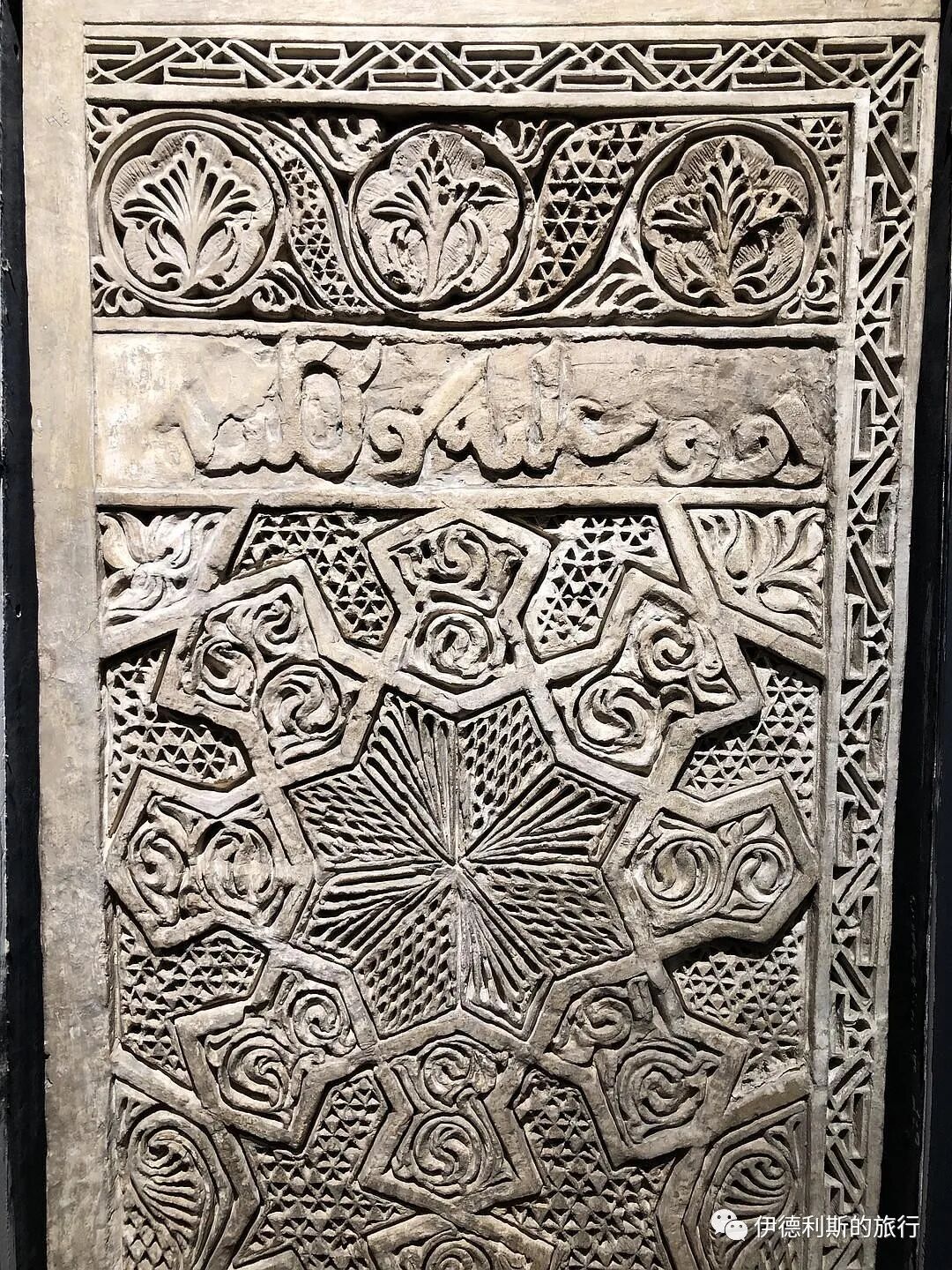
12th-13th century pottery bowl with typical Seljuk style and overglaze Kufic calligraphy.
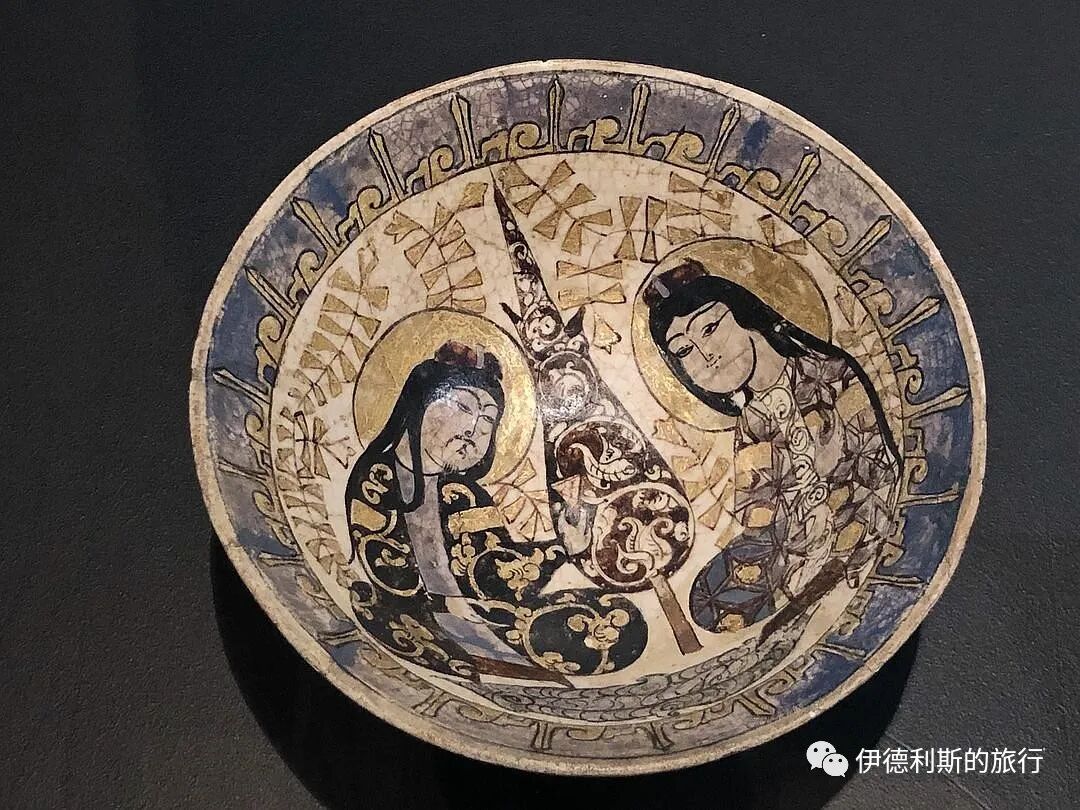
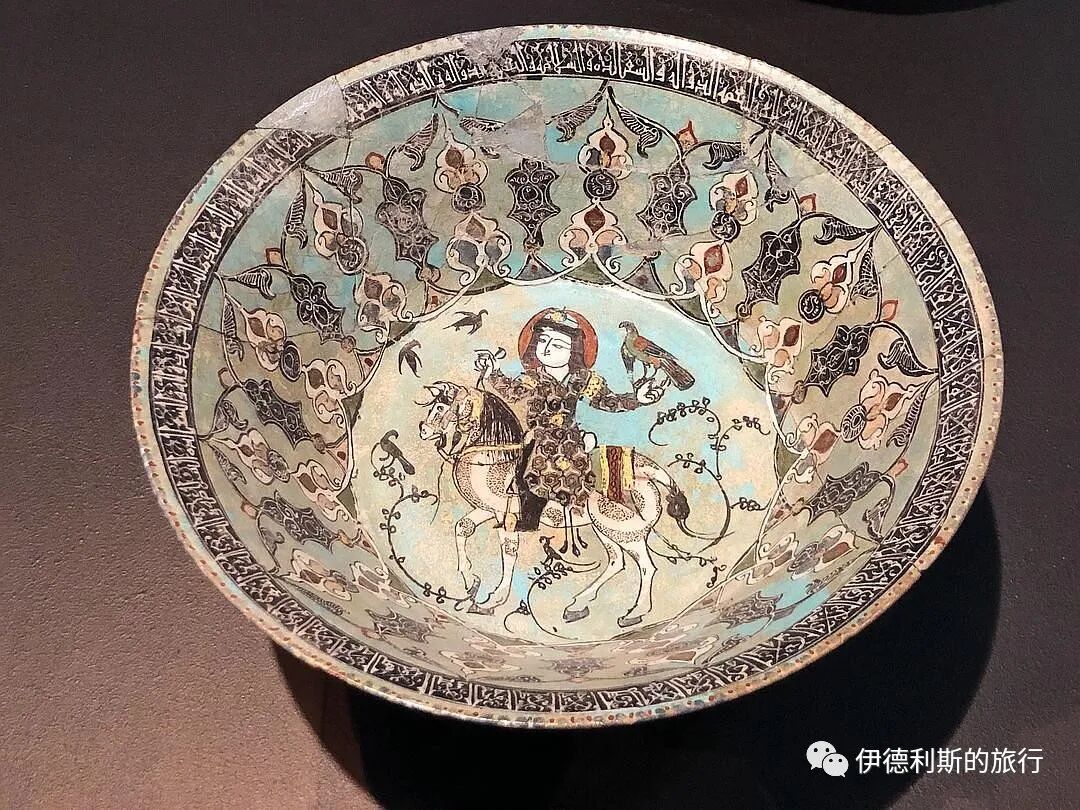
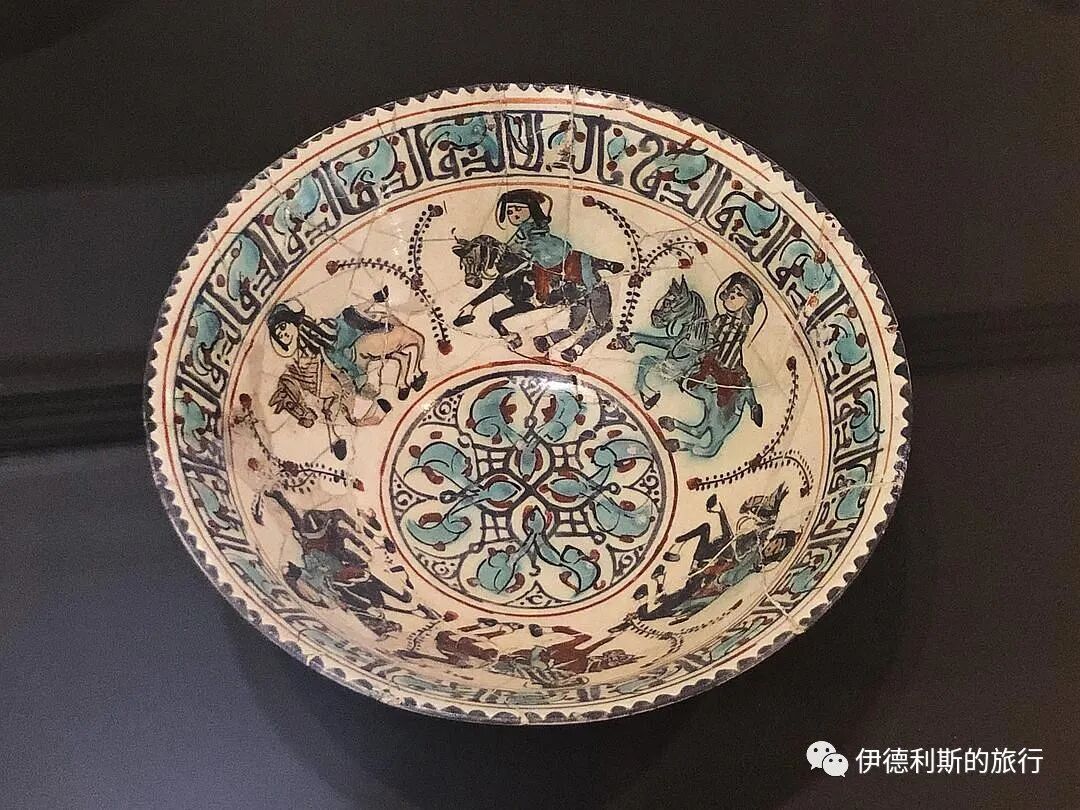
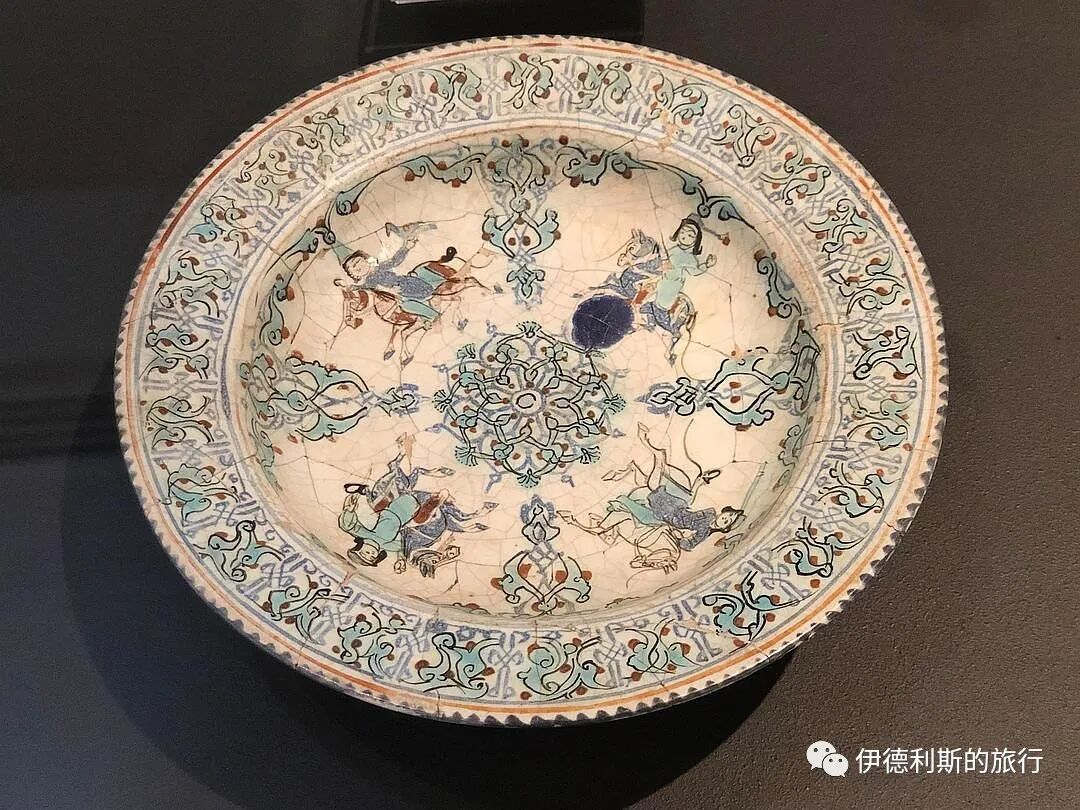
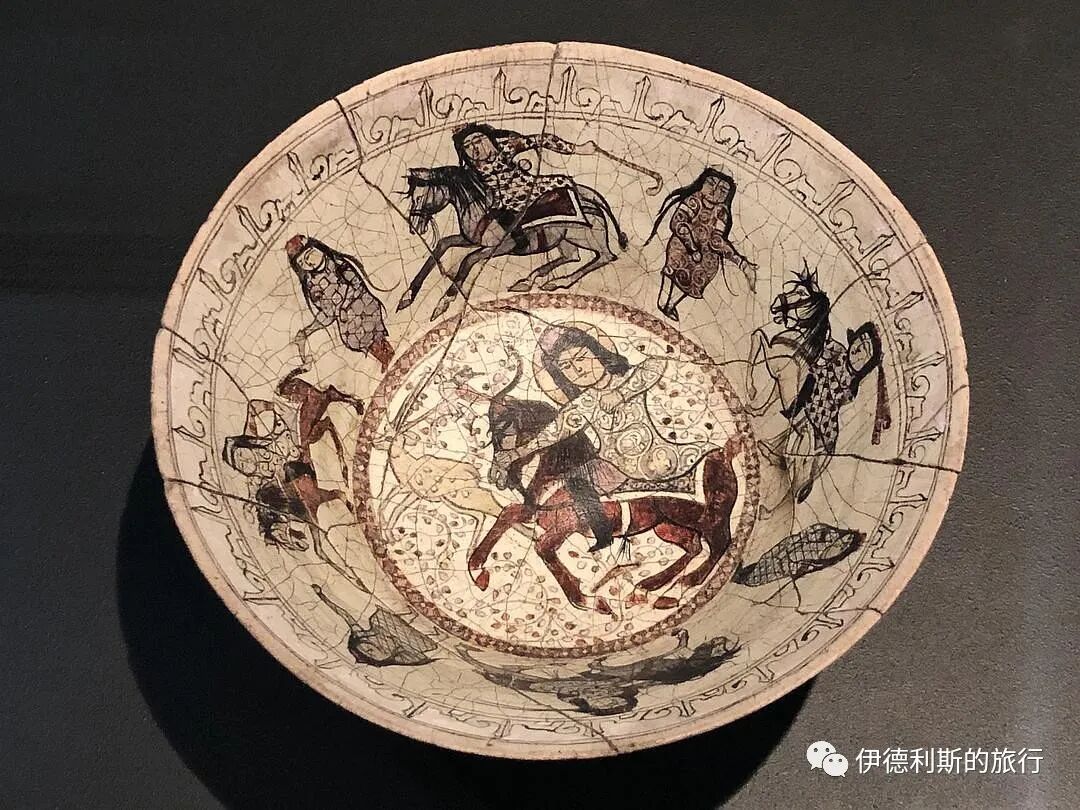
12th-13th century pottery bowl with transparent glaze and Taʿlīq Persian calligraphy.
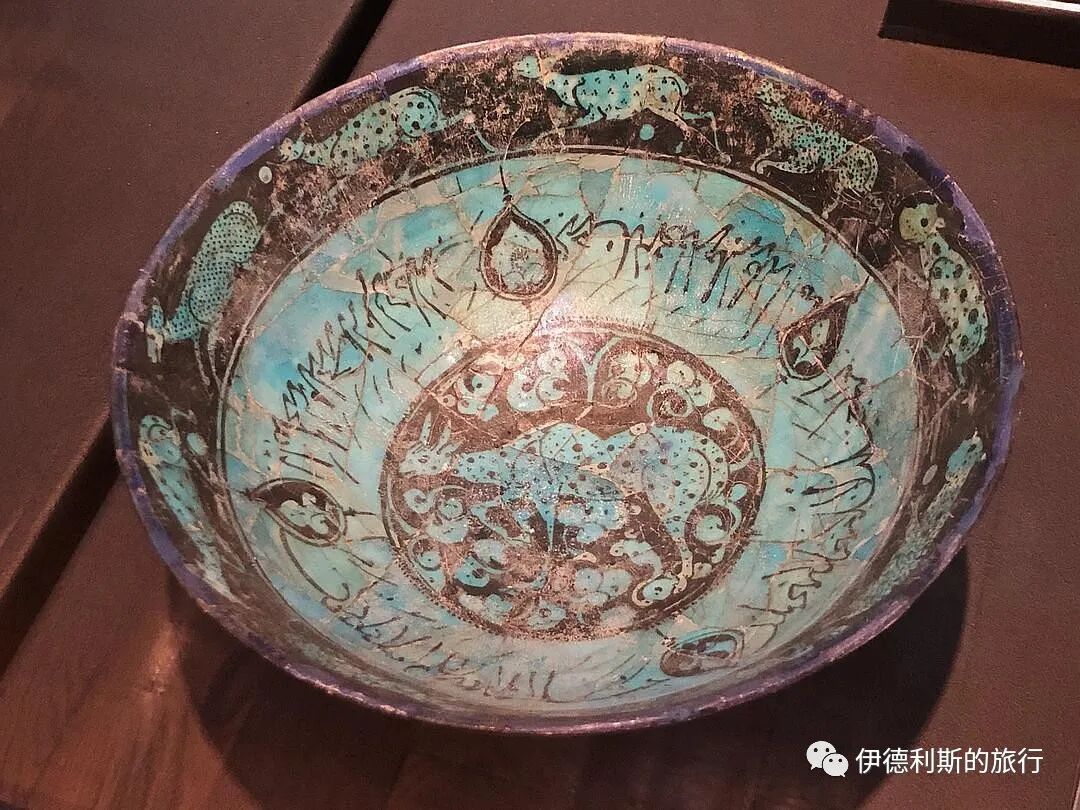
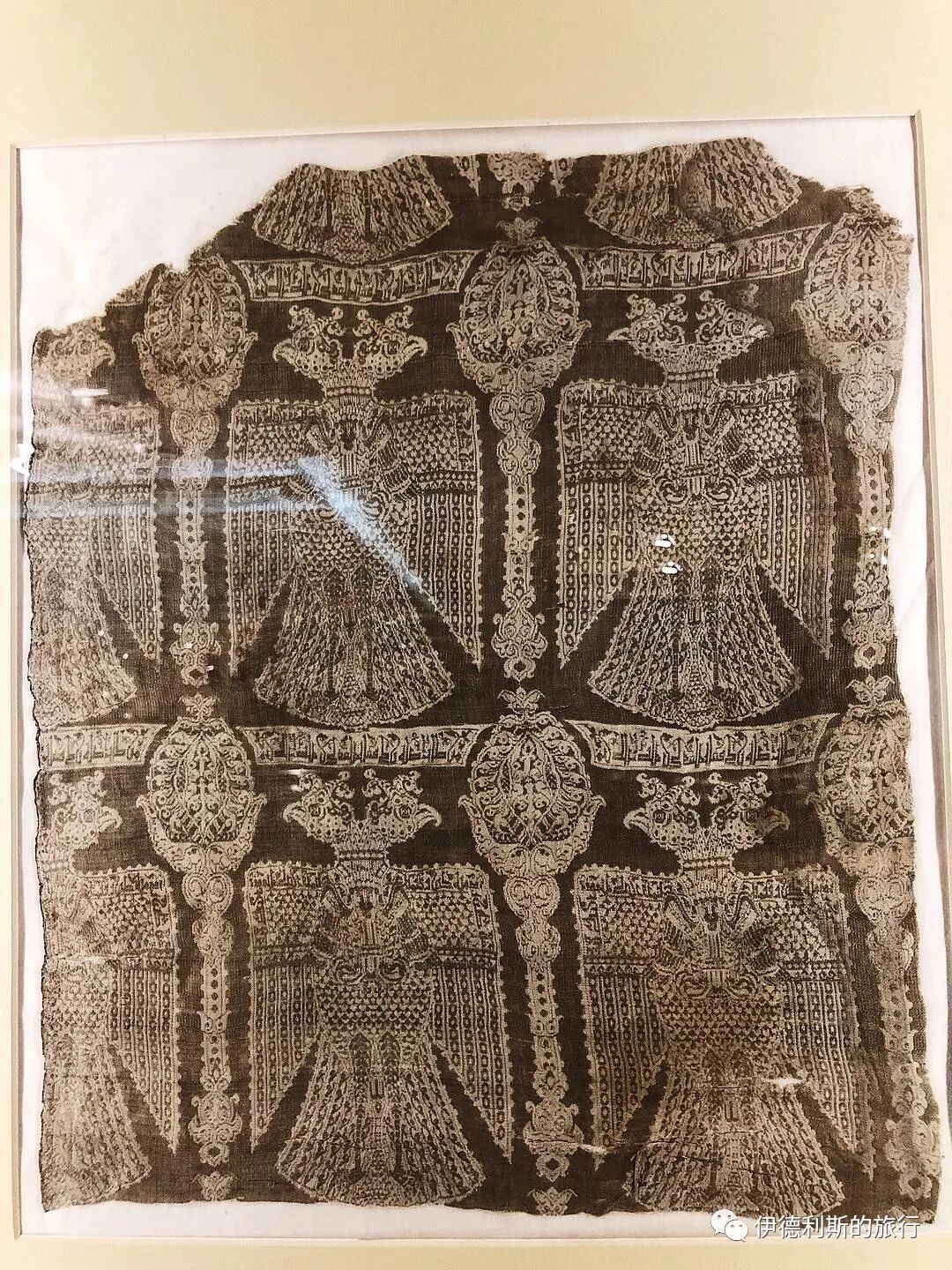
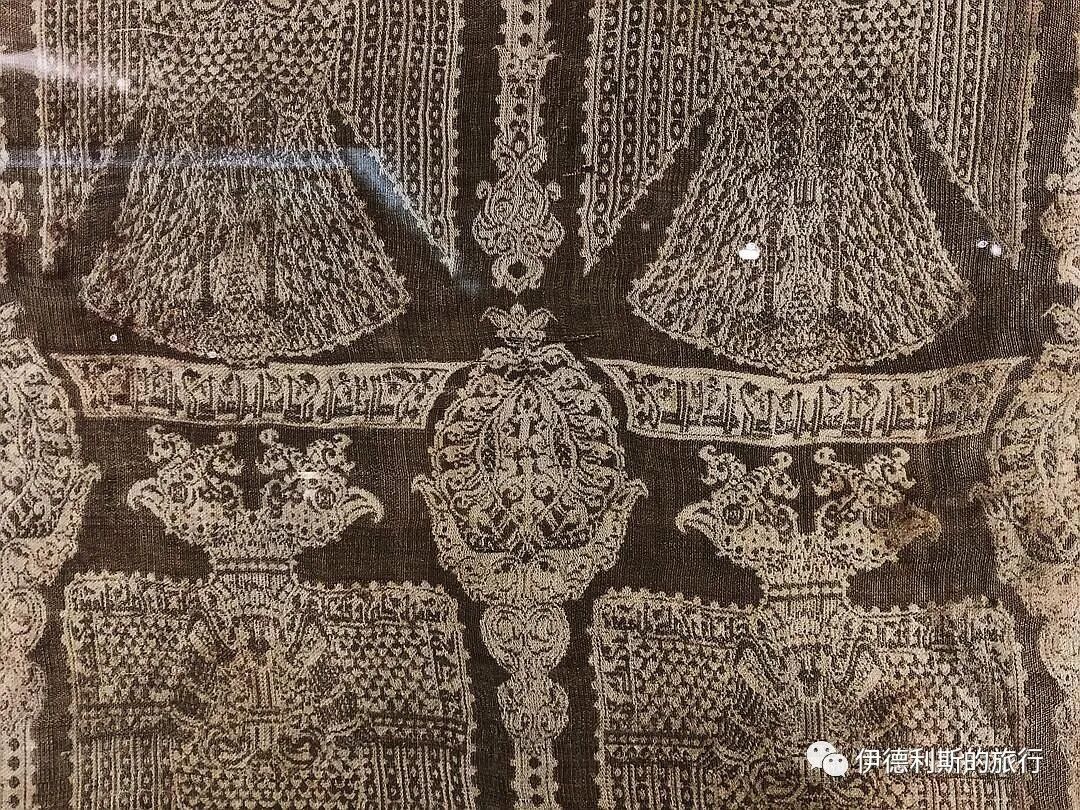
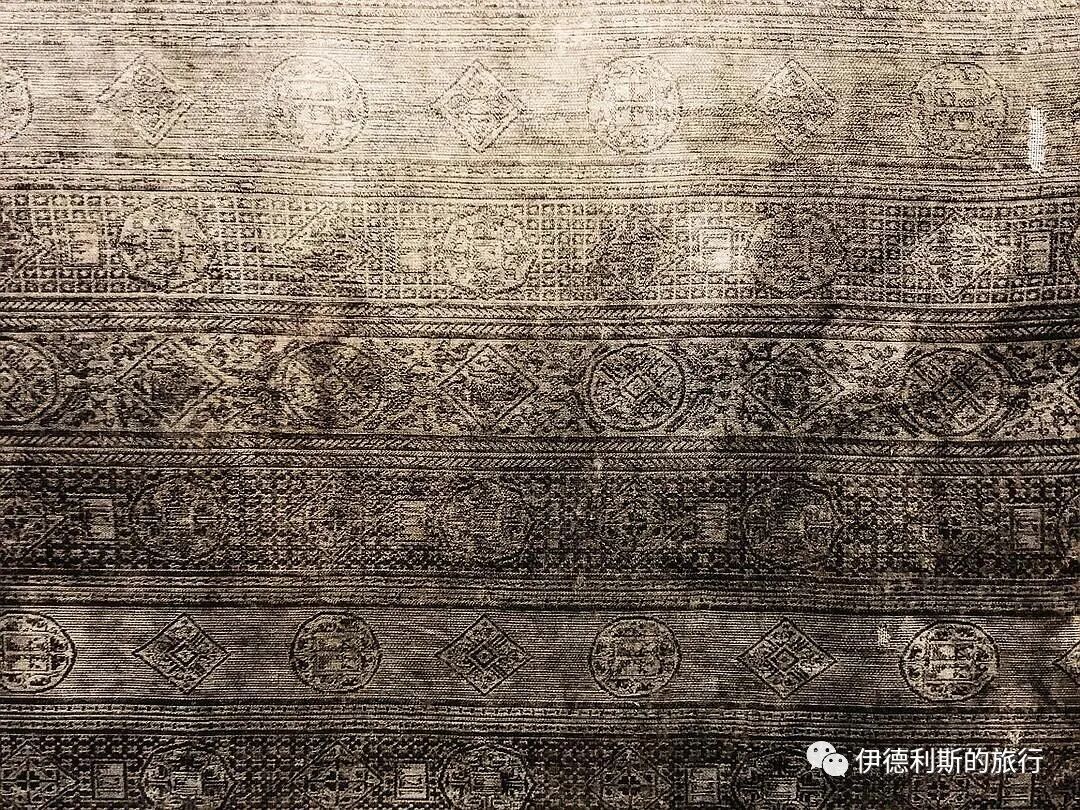
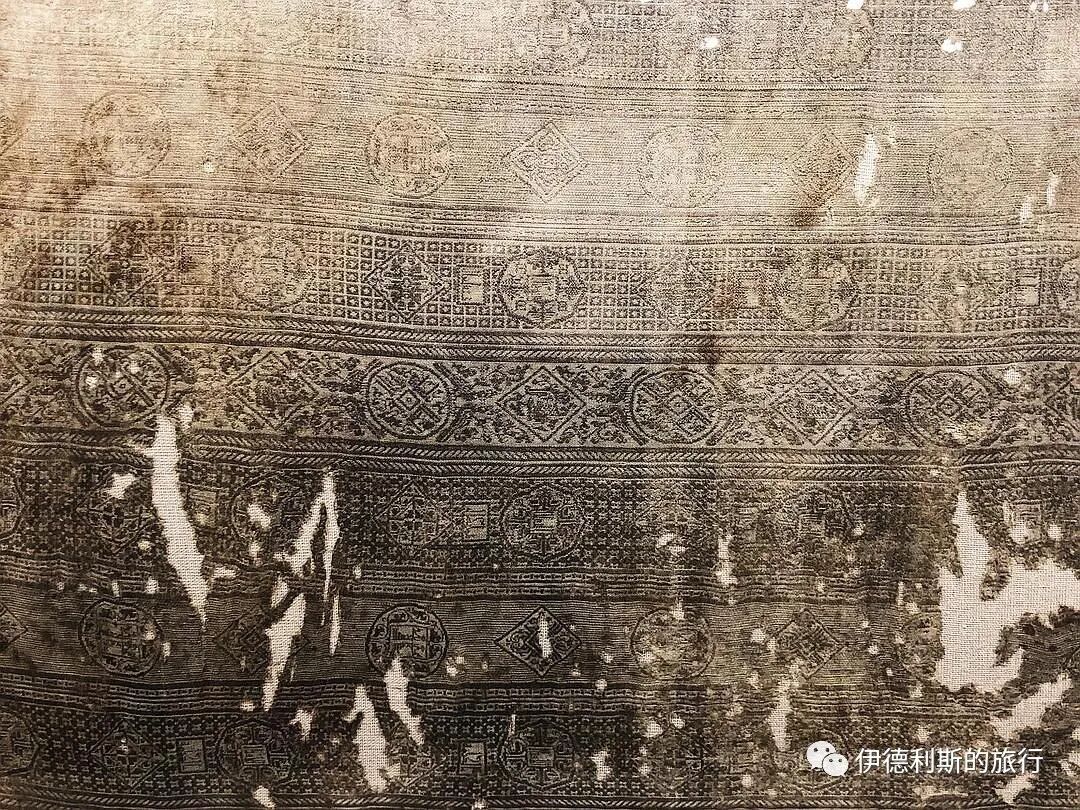
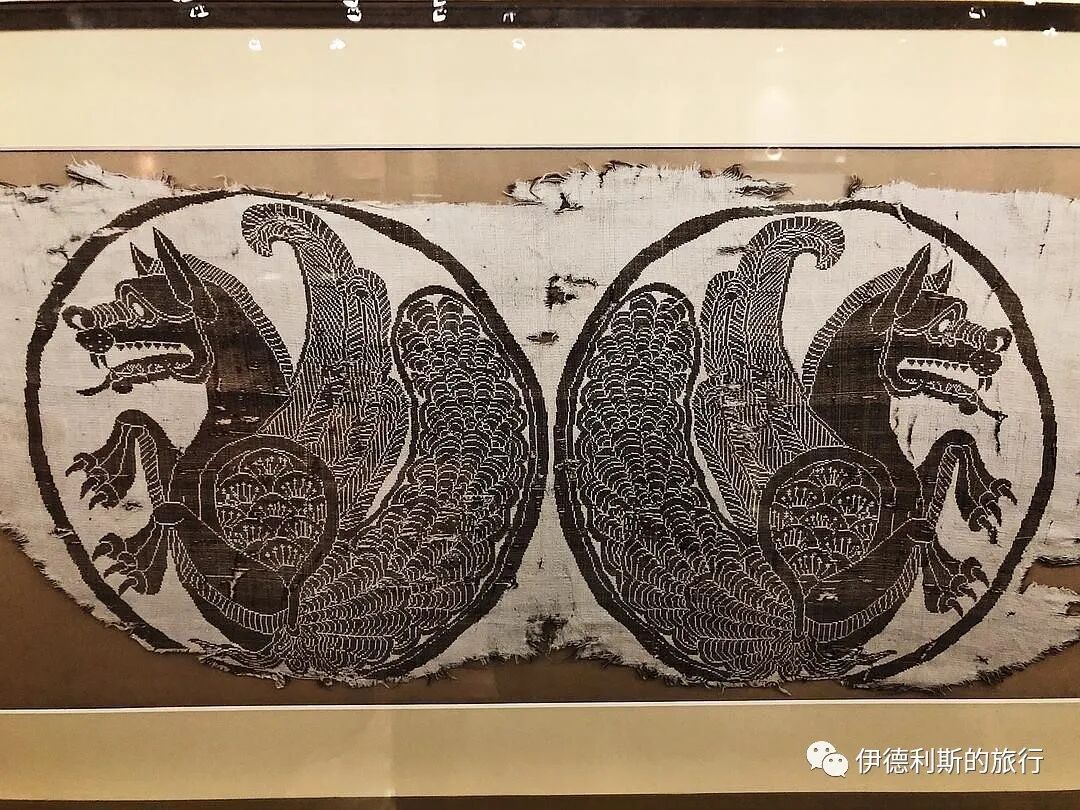
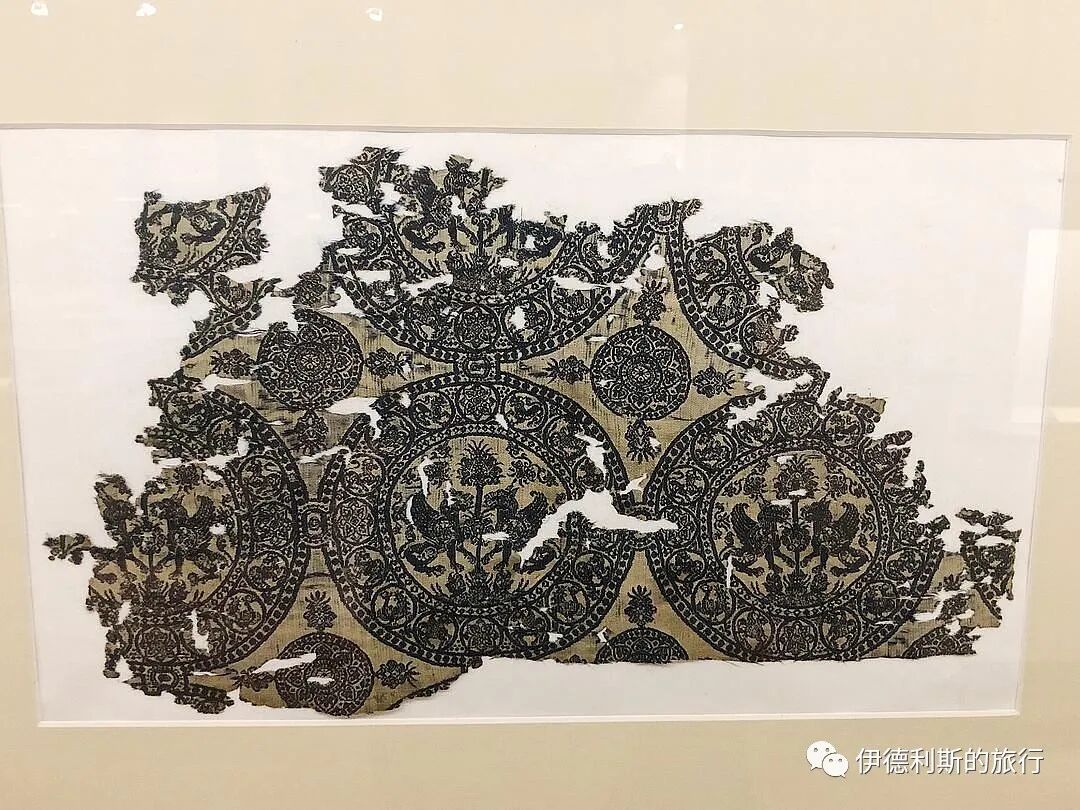
Ray-style silk fabric from the early Islamic period, 7th-10th century.
Others
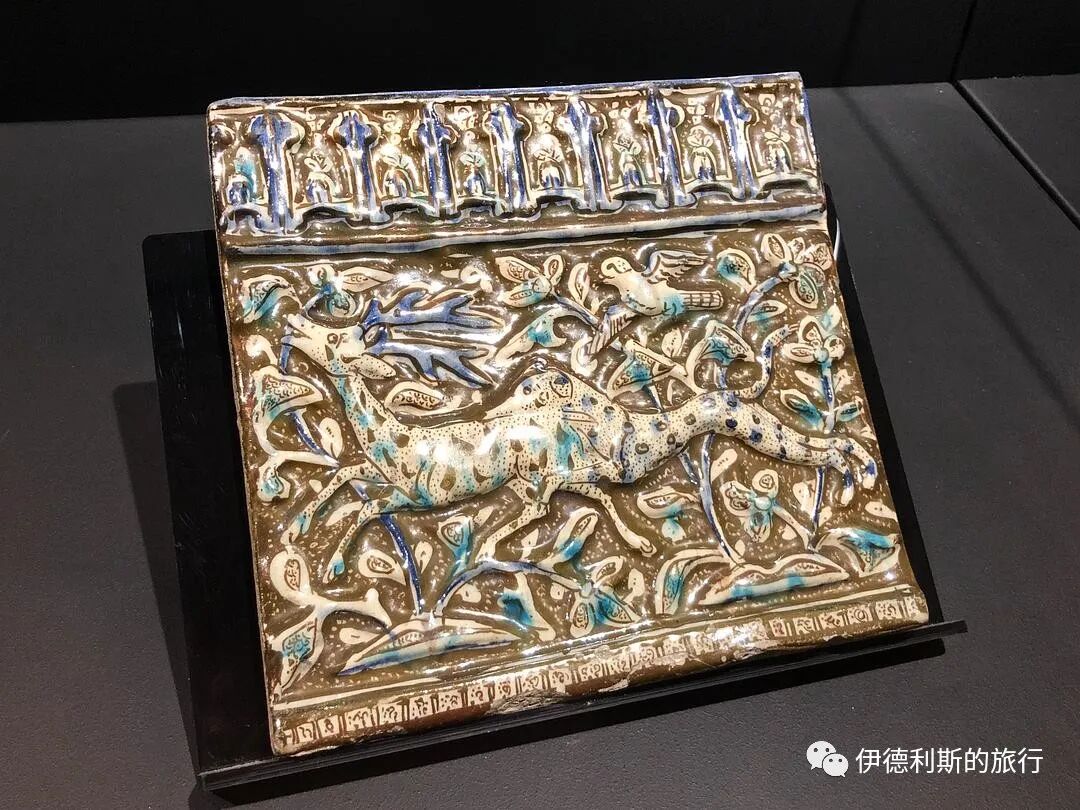
13th-century Kufic tile, unearthed in the city of Damghan, Semnan province, Iran.
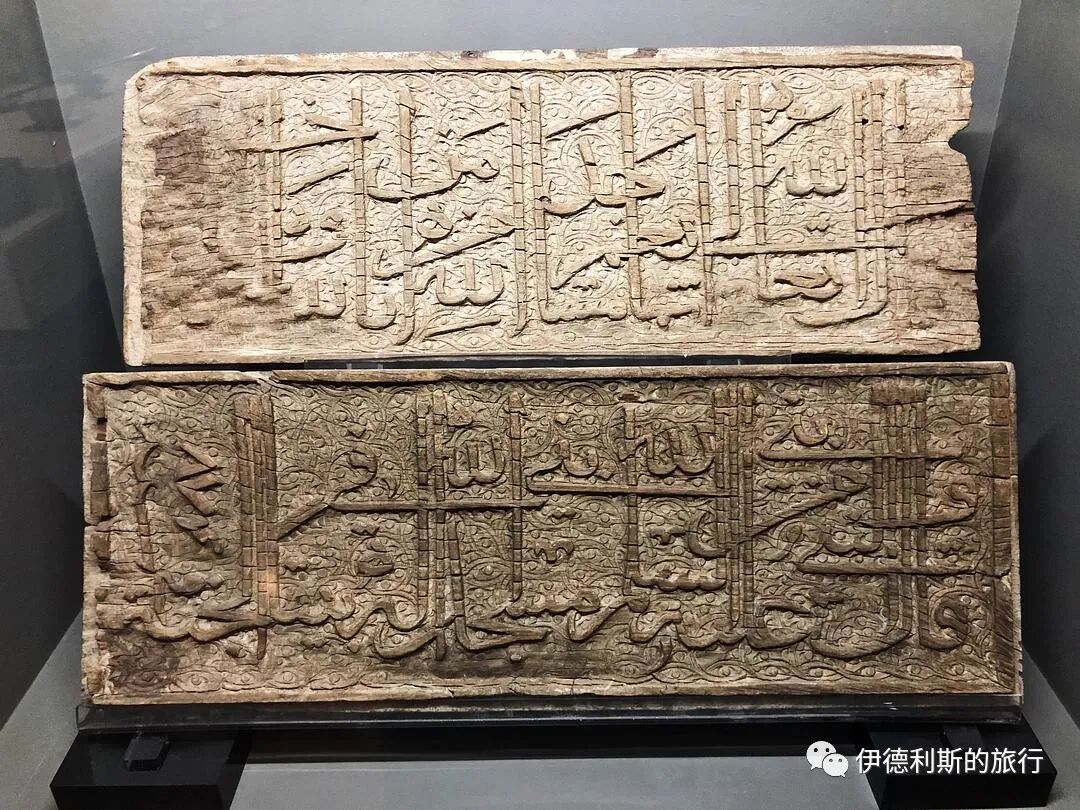
1469 Timurid dynasty wood carving with Thuluth calligraphy.
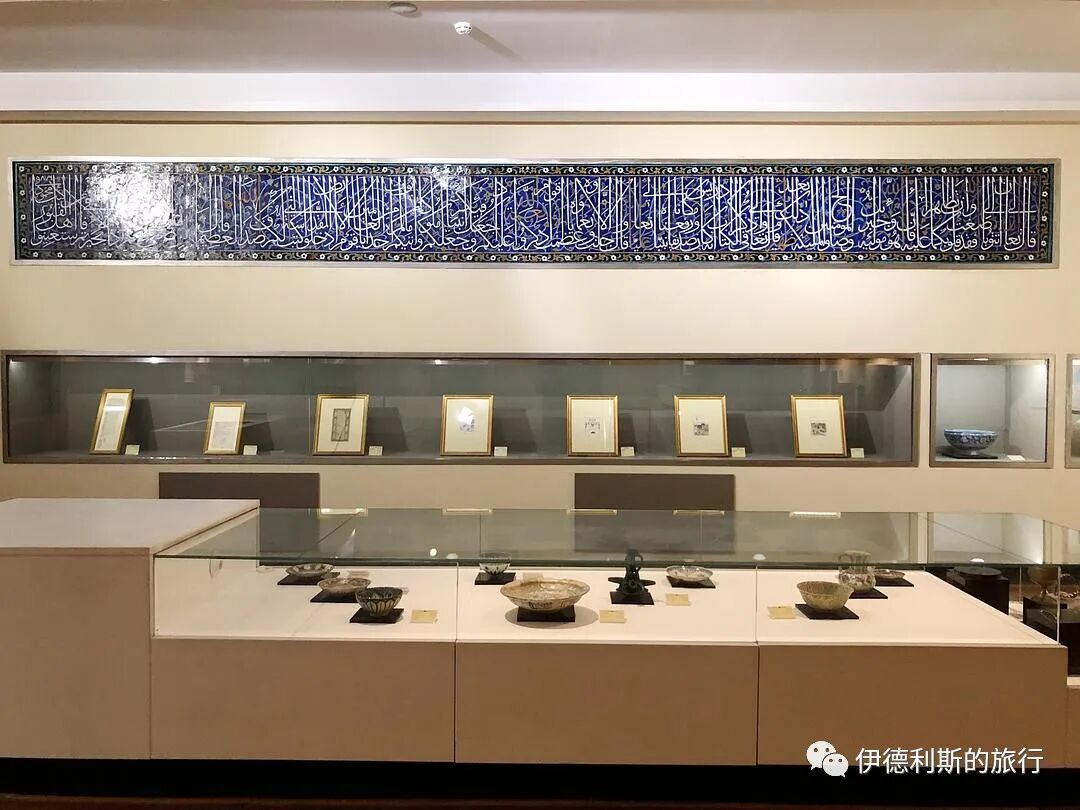
15th-century Timurid dynasty tile with Thuluth calligraphy, unearthed in the city of Taft, Yazd province.
Summary: This travel note introduces Notes on Visiting the Exhibition at the Museum of the Islamic Era in Iran (Part 1). The National Museum of Iran is divided into two parts: the Museum of Ancient Iran, built in 1937, and the Museum of the Islamic Era, built in 1972. It is useful for readers interested in Iran Travel, Islamic Art, Museum Visit.
The National Museum of Iran is divided into two parts: the Museum of Ancient Iran, built in 1937, and the Museum of the Islamic Era, built in 1972. The Museum of the Islamic Era displays important artifacts from various Islamic dynasties in Iran over the past thousand years, organized chronologically.
Mihrab prayer niche
Mosaic tile mihrab
A mosaic tile mihrab from 1641, from the holy city of Mashhad during the Safavid dynasty, featuring Thuluth calligraphy.
Stucco mihrab
A mihrab from 1133, from the Karrar shrine in the city of Bouzun, Isfahan province, during the Seljuk Empire. It was made by Ali ibn-e Shirzad Ansari al-Qazvini and features Thuluth, Kufic, and Reqa scripts.
A mihrab from 1308, from the Rabi' Khatoon shrine in the city of Oshtorjan, Isfahan province, during the Ilkhanate period, made by Masoud Kermani. It features Kufic and Thuluth calligraphy.
Lustreware mihrab
A lustreware mihrab from 1271, from the tomb of Habib ibn-e Musa in Kashan, Isfahan, during the Ilkhanate period, featuring Thuluth calligraphy.
A lustreware mihrab from the early 14th century, from the tomb of Hares Ibn-e Ahmad Ibn-e Zein 'Abedin in the city of Qom during the Ilkhanate period, featuring Thuluth calligraphy.
A 14th-century Ilkhanate period lustreware mihrab featuring Naskh calligraphy.
A 1333 lustreware mihrab from the Ali ibn-e Jafar shrine in the city of Qom, also known as the Gate of Paradise (Dar-e-Behesht), featuring Kufic, Naskh, and Thuluth calligraphy.
Stone mihrab
An 11th-century stone mihrab from the city of Meymeh, Isfahan province, featuring Kufic calligraphy.
A 17th-century Safavid dynasty mihrab from the Ganj mosque in Kerman, featuring Thuluth calligraphy. The Ganjali Khan complex was built between 1596 and 1631 by Ganj Ali Khan, who ruled Kerman at the time; the architect was Mohammad Soltani from Yazd.
A 16th-century Timurid dynasty mihrab from the Jameh Mosque of Abarkuh, with Thuluth calligraphy on three sides and Kufic calligraphy on the two corners. Furthermore, the mihrab features two unique and beautiful marble columns on either side, which also bear Kufic calligraphy. Abarkuh is located in Yazd province, and its Timurid-era Jameh Mosque is situated in the city center square.
A 15th-century Timurid dynasty marble mihrab featuring Thuluth and Kufic calligraphy.
A 1413 Timurid dynasty marble mihrab featuring Thuluth calligraphy.
Brickwork art
11th-century brick Kufic inscriptions from the Nezamiyyeh School in Khargerd, Khaf city, Razavi Khorasan province, northeastern Iran. Khaf is a historic city near the Iran-Afghanistan border, home to numerous ancient monuments.
A 1148 brick Kufic inscription, possibly from the Joneyd shrine in the village of Turan Posht. Turan Posht is one of the oldest villages in Yazd province, home to the Sheikh Joneyd and Chehel Dokhtaran domed shrines, known for their exquisite Kufic calligraphy.
Wood carving art
10th-century Kufic wood carving from the city of Qom.
An 11th-century wooden door from the city of Behbahan, Khuzestan province, southwestern Iran, featuring Kufic and Naskh wood carvings.
A 1341 wooden door from Fars province, southern Iran.
Ilkhanate tiles
14th-century Ilkhanate tiles unearthed at the Takht-e Soleymān site in West Azerbaijan province. The Takht-e Soleymān site is a World Heritage site; it was originally an important Zoroastrian temple during the 5th-century Sassanid dynasty and was rebuilt in the 13th century as a summer palace for the Ilkhanate. Here, the Ilkhanate blended Eastern art with Iranian art, developing a unique Ilkhanate artistic style.
Takht-e Soleymān is the only surviving secular complex of the Ilkhanate. The walls of the Great Khan's palace are decorated with exquisite tiles, serving as a direct reflection of the cultural and artistic exchange between China and Iran in the 14th century. The tiles depict various floral, animal, and human motifs, with themes covering Buddhism, Chinese mythology, pre-Islamic Iran, as well as the Islamic Quran and Shia traditions, showcasing a fusion of multiple cultures. Some of the tiles feature themes from the famous Iranian epic, the Shahnameh, which also reflects the integration of the Ilkhanate into Iranian culture at the time.
13th-14th century Ilkhanate period tiles from the city of Saveh, Markazi province. Saveh was an important city during the Parthian Empire; it was later destroyed by the Mongol army and rebuilt during the Ilkhanate period.
13th-century Gorgan, located on the Caspian coast. Gorgan was an important city during the Sassanid Empire and remained a center for Zoroastrianism after the 8th century. Old Gorgan was destroyed by the Mongols, and the city was relocated to a new site during the Ilkhanate period.
13th-14th century Ilkhanate period tiles from Kashan, Isfahan province. During the Seljuk Empire and Ilkhanate rule from the 12th to the 14th century, Kashan was an important center for the production of high-quality pottery and tiles in Iran. In modern Persian, the word for tile (kashi) is derived from Kashan.
Artifacts from Nishapur, 9th to 11th century.
Nishapur is located on the ancient Silk Road in northeastern Iran and was once one of the four major cities of the Greater Khorasan region. In the 9th century AD, Nishapur became the capital of the Persian Tahirid dynasty. Under the rule of the Persian Samanid dynasty in the 10th century, Nishapur developed into an important cultural and commercial center of the Islamic world, continuing through the 11th-century Seljuk dynasty. Between the 9th and 11th centuries, various cultures and religions converged in Nishapur, where trade routes from Central Asia, China, Iraq, and Egypt intersected. The glazed pottery produced in Nishapur at that time became an important trade commodity in the West, once rivaling Baghdad and Cairo.
In 1221, Nishapur was massacred by the Mongols and subsequently completely destroyed; the former metropolis was buried deep underground. It was not until archaeological excavations by the Metropolitan Museum of Art in New York between 1935 and 1940 that countless artifacts and ruins were discovered beneath the farmland. Today, most of the excavated Nishapur artifacts are preserved in the Metropolitan Museum of Art, as well as in museums in Tehran and Mashhad.
According to historical records, Nishapur had at least 38 madrasas before the 11th century. Before the archaeological excavations, no ruins were visible except for a mound in the farmland. Archaeological excavations identified six layers of the Tappeh Madreseh site dating from the 9th to the 13th century; although signs of destruction and subsequent restoration or reconstruction were found in each layer, they maintained a relatively consistent overall layout.
The lowest layer of the madrasa dates back to the 9th century and is believed to have been built by the Tahirid ruler Abdallah ibn Tahir (reigned 828-845). The early spaces were large, but were further subdivided during the Samanid dynasty in the 10th century and the Seljuk dynasty in the 11th century. Overall, however, the madrasa featured a square courtyard in the center, surrounded by more than 20 rooms on three sides, with rectangular colonnades.
9th-century colored plaster murals unearthed at the Tappeh Madreseh site.
9th-century plaster hunting murals unearthed at the Tappeh Takestan site in Nishapur.
9th-10th century pottery with Kufic calligraphy.
Artifacts unearthed from the ancient city of Ray.
Ray is located in the southern suburbs of Tehran and is an important ancient city in northern Iran, referred to as 'Layi' in books such as the History of Yuan. The history of the ancient city of Ray is very old, mentioned in both the Zoroastrian Avesta and the Christian Bible.
In the 640s AD, the Sassanid dynasty used the ancient city of Ray as a base to resist the Arab invasion, but ultimately failed, and Ray came under the rule of the Arab Empire. In the 9th century AD, the Shah Abdol-Azim shrine was built in Ray, becoming an important religious site in Iran.
In 1043, the founder of the Seljuk Empire, Tuğrul Beg, made Ray the capital of the empire and carried out large-scale reconstruction of the ancient city. Under the rule of the Seljuk Empire, Ray reached its peak, with a massive bazaar and very prosperous commerce. Import and export trade, primarily in silk, connected the entire Eurasian continent. Ray was the center of painted pottery production in Iran at the time, and Ray-style painted pottery was an important handicraft of this period.
In 1220, the Mongol army invaded Ray, which was under the rule of the Khwarazmian Empire. Due to the lack of fierce resistance, the Mongols did not massacre the city. Nevertheless, the residents of the city gradually left, and the center of pottery production shifted to the southern city of Kashan. After this, Ray became a ghost town, but its sturdy walls still allowed it to be used as a military fortress during wars. It was not until the construction of the walls of Tehran in the 16th century that Ray was finally abandoned.
8th-9th century dado, located on the lower part of interior walls, serving both to protect the wall and as decoration.
11th-century Seljuk Empire period mihrab.
11th-century Seljuk Empire period circular stucco decoration with Kufic calligraphy.
A fragment of a stucco wall from an 11th-century Seljuk Empire school.
12th-13th century pottery bowl with typical Seljuk style and overglaze Kufic calligraphy.
12th-13th century pottery bowl with transparent glaze and Taʿlīq Persian calligraphy.
Ray-style silk fabric from the early Islamic period, 7th-10th century.
Others
13th-century Kufic tile, unearthed in the city of Damghan, Semnan province, Iran.
1469 Timurid dynasty wood carving with Thuluth calligraphy.
15th-century Timurid dynasty tile with Thuluth calligraphy, unearthed in the city of Taft, Yazd province.
