

Qinghai Muslims
Muslim Life Guide Qinghai: Salar Eid al-Adha, Qurban and Real Halal Family Traditions
Articles • yusuf908 posted the article • 0 comments • 171 views • 2026-05-24 00:17
Summary: Muslim Life Guide Qinghai: Salar Eid al-Adha, Qurban and Real Halal Family Traditions is presented here as a clear English account for Muslim readers, starting with this scene: I spent this year's Eid al-Adha in my wife's hometown, Xunhua Salar Autonomous County in Qinghai. I wanted to slaughter a sheep myself to fulfill this emphasized Sunnah, as it is not possible in Beijing. It was a very happy. It keeps the original names, food details, mosque details, photographs, and cultural context while focusing on Salar Muslims, Eid al-Adha, Qinghai Muslims.
I spent this year's Eid al-Adha in my wife's hometown, Xunhua Salar Autonomous County in Qinghai. I wanted to slaughter a sheep myself to fulfill this emphasized Sunnah, as it is not possible in Beijing. It was a very happy experience to see many Salar relatives in Xunhua and personally give them the lamb I slaughtered.
My wife's relatives are very traditional and take their faith seriously. At first, they worried that marrying their daughter to a Hui Muslim from Beijing might mean he lacked proper religious knowledge and would affect the faith of the next generation. I just smiled. After getting to know me, they realized their worries were unnecessary. My Salar elders are very keen to learn about the faith, but they are not very literate, so they sometimes ask me for advice on religious matters. I think I did the Beijing Hui community proud. (Facepalm)
I felt very relaxed with my Salar relatives in Xunhua. They spoke the Salar language, which I don't understand, so I just kept my head down and ate the food they served. Xunhua is a place where many ethnic groups live together. Besides the common Salar language, there is also Tibetan and the Qinghai dialect. I don't understand any of these three. I could only barely understand them when they asked about my background in their thick northwestern-accented Mandarin, and sometimes I still needed my father-in-law to translate.
My Salar relatives, led by my father-in-law, admire my work. Years ago, before I was married, my father-in-law told me that working for others has no future, lacks freedom, and makes it hard to pray on time. He suggested I become my own boss and open a restaurant. In his view, a good career is one that earns clean money while allowing for freedom of faith. I completely agree with that. I wasn't in the insurance industry then, but later I became an insurance broker and achieved good results. My father-in-law changed his mind and admitted that my job has more of a future than running his restaurant.
I bought snacks for the children at the small shop on the mountain run by a mute person and told them to pick whatever they wanted. Each child chose a snack worth 50 cents or one yuan.
Every time my father-in-law met a relative, he would tell them my job is good, has flexible hours, and isn't limited by location, encouraging them to buy insurance from me. The relatives were quite willing, which comforted me. Although I have clients all over the country, very few people from the Northwest buy insurance from me. Some imams say insurance is not halal, even though they cannot provide evidence from the Quran or Hadith.
My Salar relatives have suffered from not having insurance. My wife's young cousin died of cancer last year. Her aunt's eyes turned red when she told me about it. When the child was brought to Beijing for treatment, the costs were over 100,000 yuan. A fundraiser from a crowdfunding platform came to the hospital room and said they could raise money online. Although the aunt was not wealthy, she refused. She felt online fundraising is like begging and harms the dignity of Muslims. The Prophet Muhammad repeatedly emphasized that Muslims should not beg.
Since the cousin was in the late stages when diagnosed with cancer, she passed away after a few months. I told her aunt not to be too sad. The child is happier than us living adults. We adults still have to face the test of our deeds, and whether we enter Paradise or Hell is unknown. A child who dies young goes directly to Paradise and is cared for by the Prophet Ibrahim.
I have written many articles before about the legality of insurance, and recently I found more scholars who support the view of insurance.
Translated into English, the general idea is that some scholars oppose equating insurance with gambling. In gambling, there is no transfer of risk, and no loss is reduced. Gambling is just a game, and participants can control the outcome. When an insurance event occurs, both the insurance company and the client suffer a loss. Insurance companies use probability and statistical methods to accurately calculate the balance between profit and loss, so the claim that insurance is uncertain does not hold up.
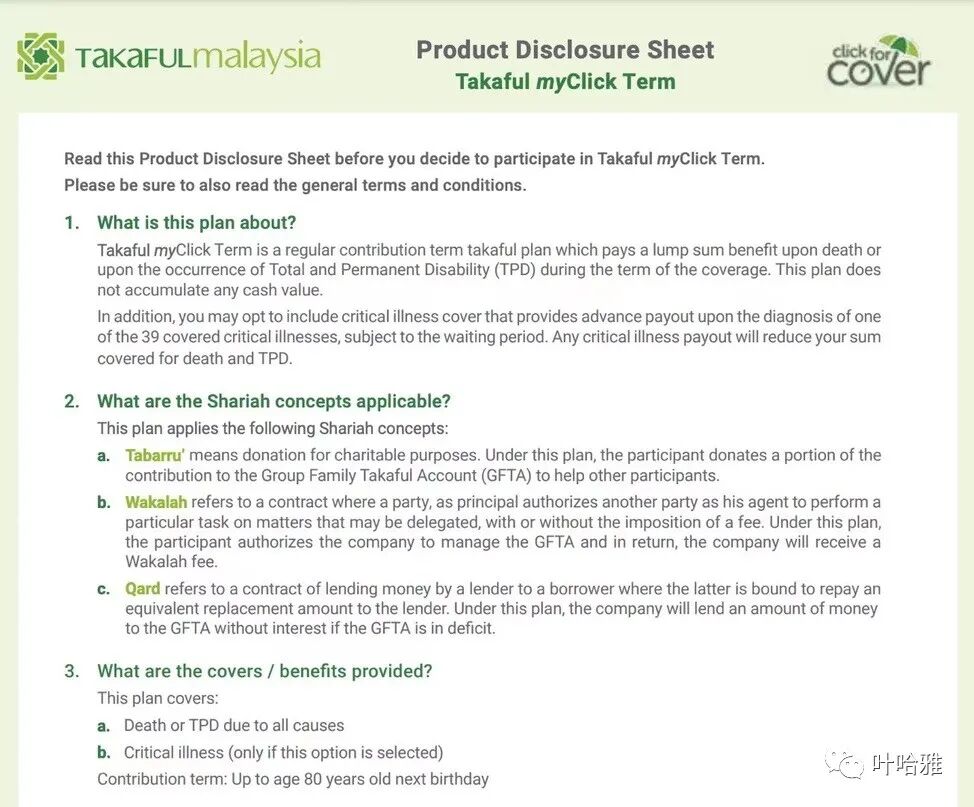
Death benefit clauses in Malaysian Muslim insurance policies.
(This example is to refute those who say Muslims cannot buy life insurance.)
Actually, the harm of gambling is not its uncertainty, and the result of gambling is not necessarily uncertain. Theoretically, as long as you have all the data, the result of gambling can be calculated. The harm of gambling is that it allows people to gain without working and can even lead to bankruptcy. Insurance does not have these harms. Life insurance is based on human health; you have to pay the price of health or even life to receive a claim. buying insurance requires health and financial audits of the policyholder. People with few assets cannot buy high-leverage life insurance, and malicious insurance fraud is a criminal offense. Gambling harms society, while insurance is a stabilizer for society. These are fundamentally different from gambling.
Islamic insurance companies in Malaysia also note the relevant religious basis on their life insurance contracts.
I worked in financial credit for nearly ten years. As my understanding of my faith deepened, I increasingly felt that a Muslim working in a bank to lend money and collect interest was not earning a halal income. I felt very uneasy, which is why I traveled frequently in the past few years—I wanted to escape the depression my job brought me. Until I transitioned into the insurance brokerage industry and gained the approval of my relatives.
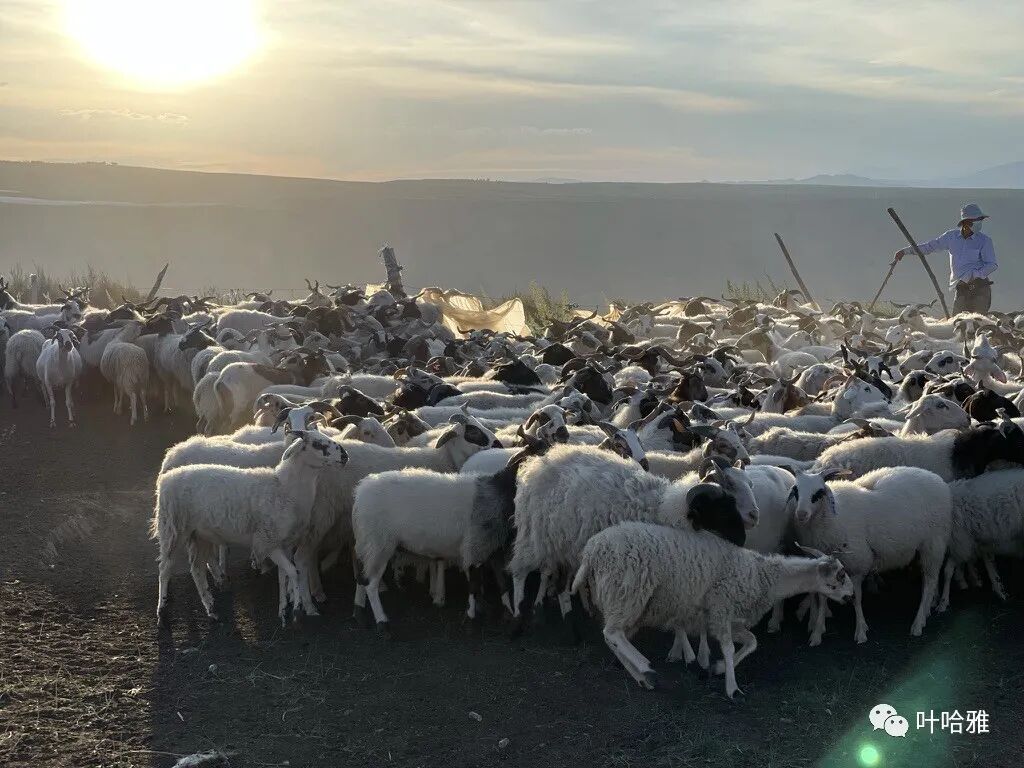
These sheep all belong to my wife's grandfather. There has been little rain in Xunhua this year, and the grass on the mountain has not grown well, so the sheep are thin. I wish we could share the rain from Henan with Qinghai. My uncle asked me to pick one from the flock, so I chose a black-headed white sheep. My uncle praised me for knowing how to pick a sheep, saying I chose the best one. I said I don't know much about sheep, I just remembered that the Prophet Muhammad slaughtered black and white sheep.
Narrated by Anas: The Prophet Muhammad personally slaughtered two horned, black and white sheep. He mentioned the name of Allah and recited the Takbir. Umm Salama reported that the Prophet said: 'When you see the new moon of Dhu al-Hijjah, those of you who intend to perform the sacrifice should not cut their hair or trim their nails.' The phrase 'intend to perform the sacrifice' in this hadith shows that the sacrifice is a sunnah, not a mandatory duty.
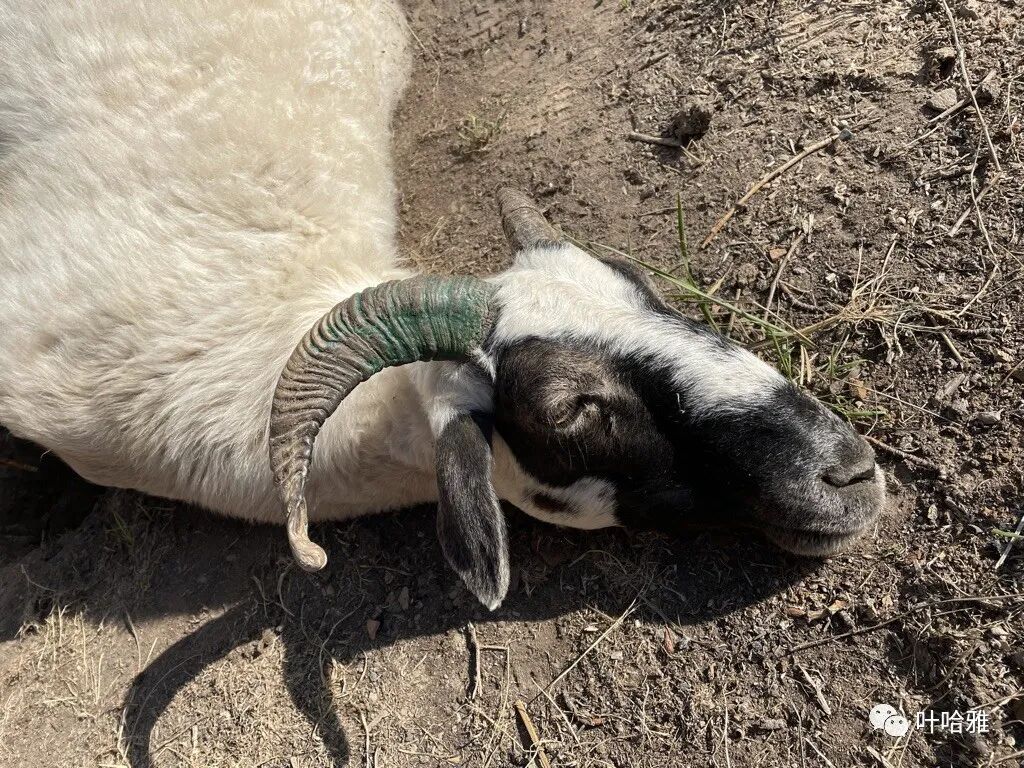
When slaughtering a sheep, we cover its eyes with a white towel, recite the takbir and tasmiyah, and slaughter it in the name of Allah. We dig a pit in the ground so the blood flows into it and can be buried. We let the blood drain for twenty minutes. This ensures the animal receives blessings in the afterlife. This is why we Salar people eat halal-slaughtered meat; we must not kill living things without cause.
Aisha reported that the Prophet said: 'On the day of Eid al-Adha, there is no deed more beloved to Allah than the shedding of blood.' In the afterlife, the sacrificial animal will appear with its horns, hair, and hooves. Before the blood of the sacrifice hits the ground, it has already reached a high status with Allah, so you should perform the sacrifice with a happy and willing heart. — Islamic Sharia, page 877
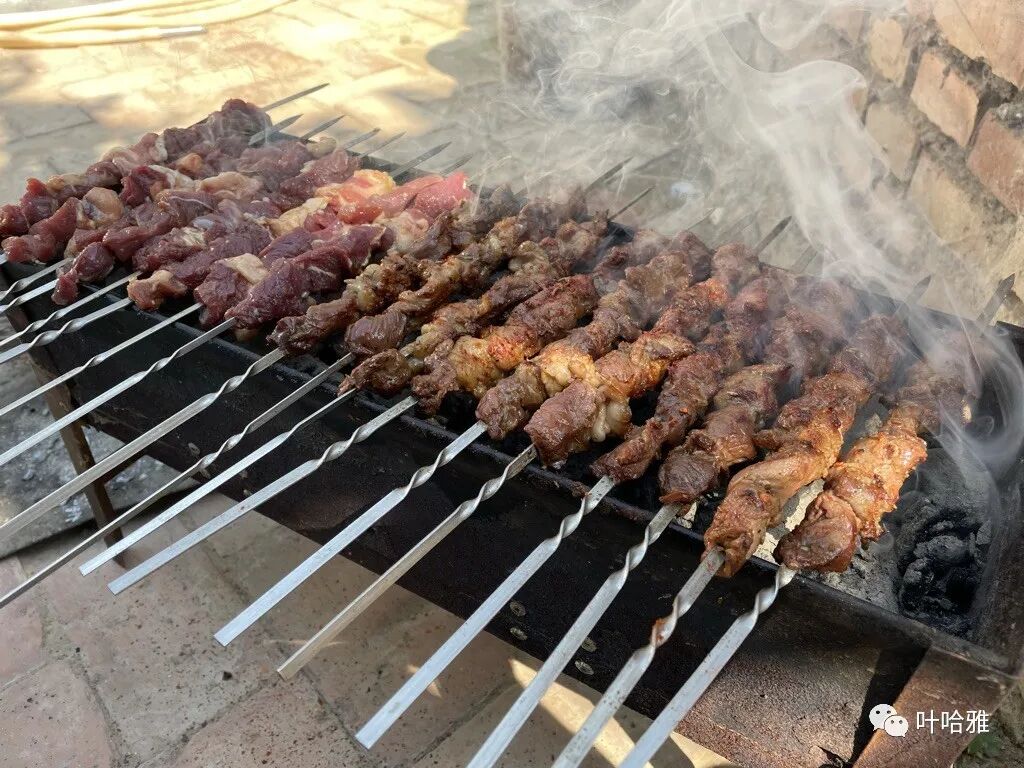
By that afternoon, my sheep had become lamb skewers (yangrou chuan). We all sat in the courtyard eating them. Grandpa asked me how much money I earned a month. I told him the number. He didn't react at first, but after a pause, his eyes went wide. I laughed and asked him how much he would make if he sold all his hundreds of sheep.
On the afternoon of Eid al-Adha, some Tibetan people came to visit our home. The two people in the photo are the Tibetans who help Grandpa herd his sheep. Behind Mengda Mountain village in Xunhua is the Tibetan region. The Salar elders have a good relationship with the Tibetan people. Both Grandma and Grandpa speak Tibetan, and since the Tibetans are very skilled at herding, the Salar people of Mengda Mountain hire them to look after their sheep.
I sat to the side, unable to understand their conversation, and watched the Tibetans eat skewers. Grandma turned around and asked if I felt bored. I said no, it was interesting to hear them speak Tibetan. It is rare to see such a scene of ethnic unity. view all
Summary: Muslim Life Guide Qinghai: Salar Eid al-Adha, Qurban and Real Halal Family Traditions is presented here as a clear English account for Muslim readers, starting with this scene: I spent this year's Eid al-Adha in my wife's hometown, Xunhua Salar Autonomous County in Qinghai. I wanted to slaughter a sheep myself to fulfill this emphasized Sunnah, as it is not possible in Beijing. It was a very happy. It keeps the original names, food details, mosque details, photographs, and cultural context while focusing on Salar Muslims, Eid al-Adha, Qinghai Muslims.
I spent this year's Eid al-Adha in my wife's hometown, Xunhua Salar Autonomous County in Qinghai. I wanted to slaughter a sheep myself to fulfill this emphasized Sunnah, as it is not possible in Beijing. It was a very happy experience to see many Salar relatives in Xunhua and personally give them the lamb I slaughtered.
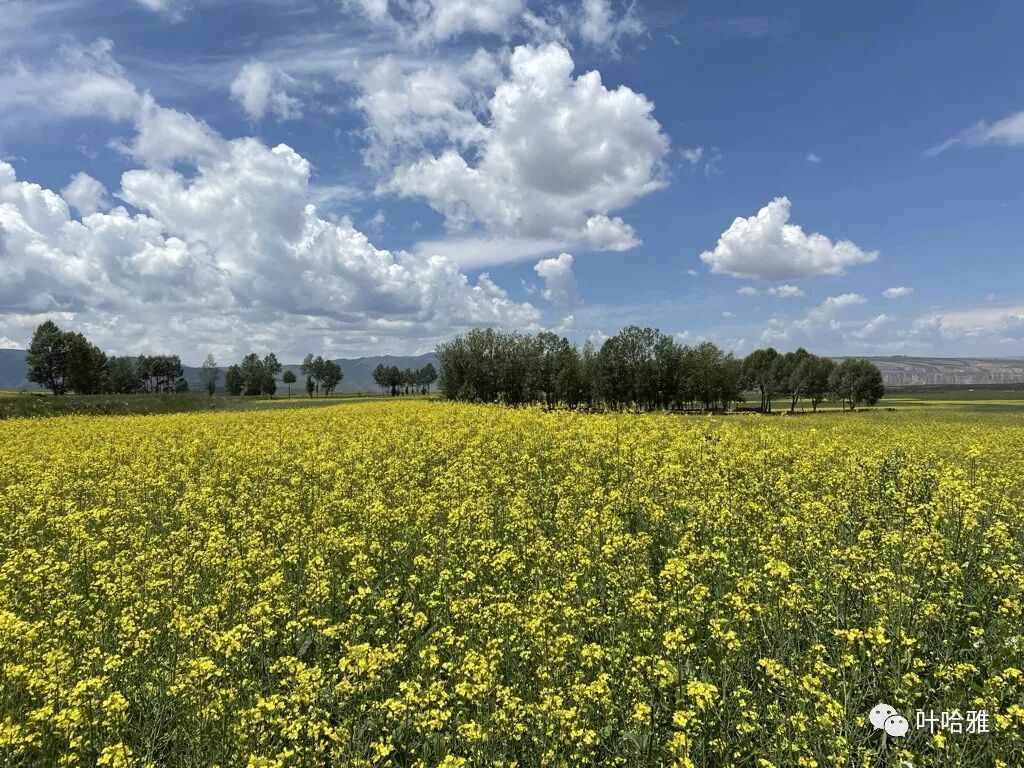
My wife's relatives are very traditional and take their faith seriously. At first, they worried that marrying their daughter to a Hui Muslim from Beijing might mean he lacked proper religious knowledge and would affect the faith of the next generation. I just smiled. After getting to know me, they realized their worries were unnecessary. My Salar elders are very keen to learn about the faith, but they are not very literate, so they sometimes ask me for advice on religious matters. I think I did the Beijing Hui community proud. (Facepalm)
I felt very relaxed with my Salar relatives in Xunhua. They spoke the Salar language, which I don't understand, so I just kept my head down and ate the food they served. Xunhua is a place where many ethnic groups live together. Besides the common Salar language, there is also Tibetan and the Qinghai dialect. I don't understand any of these three. I could only barely understand them when they asked about my background in their thick northwestern-accented Mandarin, and sometimes I still needed my father-in-law to translate.
My Salar relatives, led by my father-in-law, admire my work. Years ago, before I was married, my father-in-law told me that working for others has no future, lacks freedom, and makes it hard to pray on time. He suggested I become my own boss and open a restaurant. In his view, a good career is one that earns clean money while allowing for freedom of faith. I completely agree with that. I wasn't in the insurance industry then, but later I became an insurance broker and achieved good results. My father-in-law changed his mind and admitted that my job has more of a future than running his restaurant.
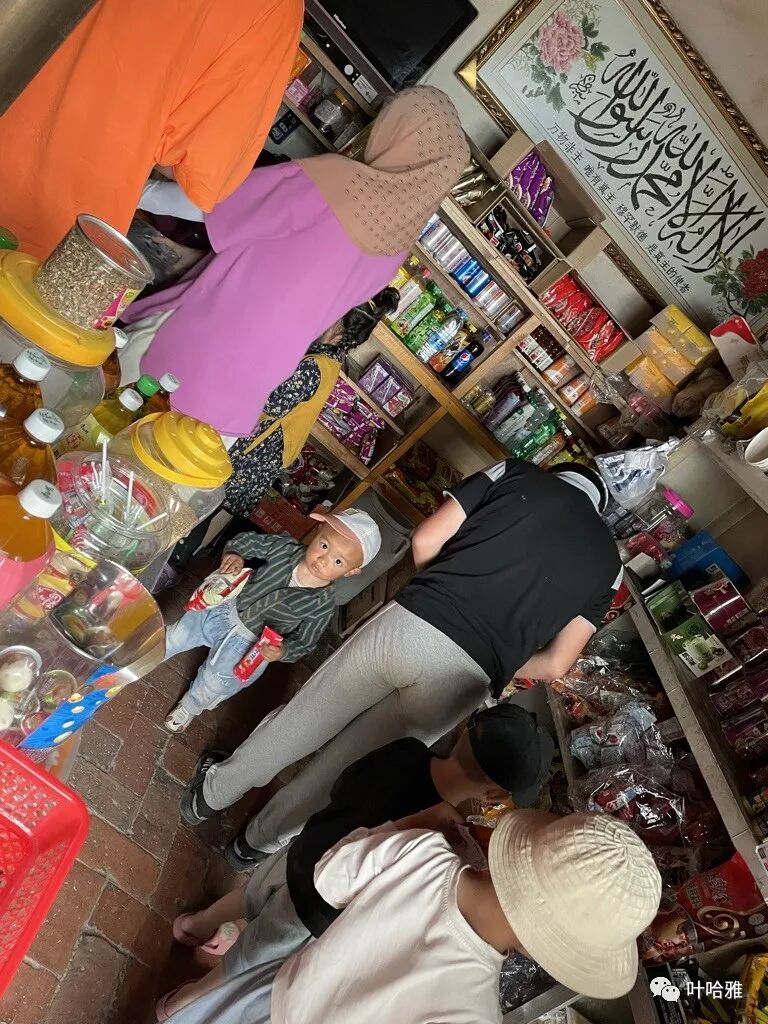
I bought snacks for the children at the small shop on the mountain run by a mute person and told them to pick whatever they wanted. Each child chose a snack worth 50 cents or one yuan.
Every time my father-in-law met a relative, he would tell them my job is good, has flexible hours, and isn't limited by location, encouraging them to buy insurance from me. The relatives were quite willing, which comforted me. Although I have clients all over the country, very few people from the Northwest buy insurance from me. Some imams say insurance is not halal, even though they cannot provide evidence from the Quran or Hadith.
My Salar relatives have suffered from not having insurance. My wife's young cousin died of cancer last year. Her aunt's eyes turned red when she told me about it. When the child was brought to Beijing for treatment, the costs were over 100,000 yuan. A fundraiser from a crowdfunding platform came to the hospital room and said they could raise money online. Although the aunt was not wealthy, she refused. She felt online fundraising is like begging and harms the dignity of Muslims. The Prophet Muhammad repeatedly emphasized that Muslims should not beg.
Since the cousin was in the late stages when diagnosed with cancer, she passed away after a few months. I told her aunt not to be too sad. The child is happier than us living adults. We adults still have to face the test of our deeds, and whether we enter Paradise or Hell is unknown. A child who dies young goes directly to Paradise and is cared for by the Prophet Ibrahim.
I have written many articles before about the legality of insurance, and recently I found more scholars who support the view of insurance.
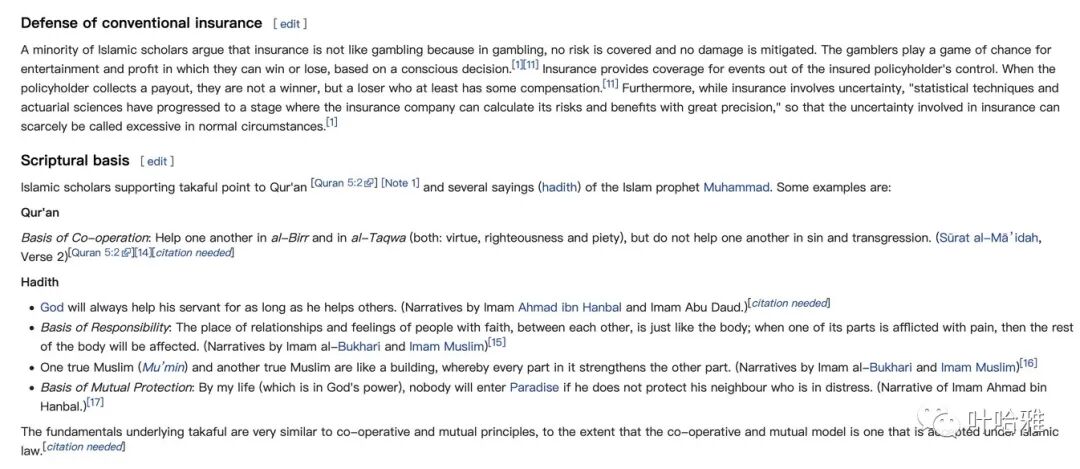
Translated into English, the general idea is that some scholars oppose equating insurance with gambling. In gambling, there is no transfer of risk, and no loss is reduced. Gambling is just a game, and participants can control the outcome. When an insurance event occurs, both the insurance company and the client suffer a loss. Insurance companies use probability and statistical methods to accurately calculate the balance between profit and loss, so the claim that insurance is uncertain does not hold up.
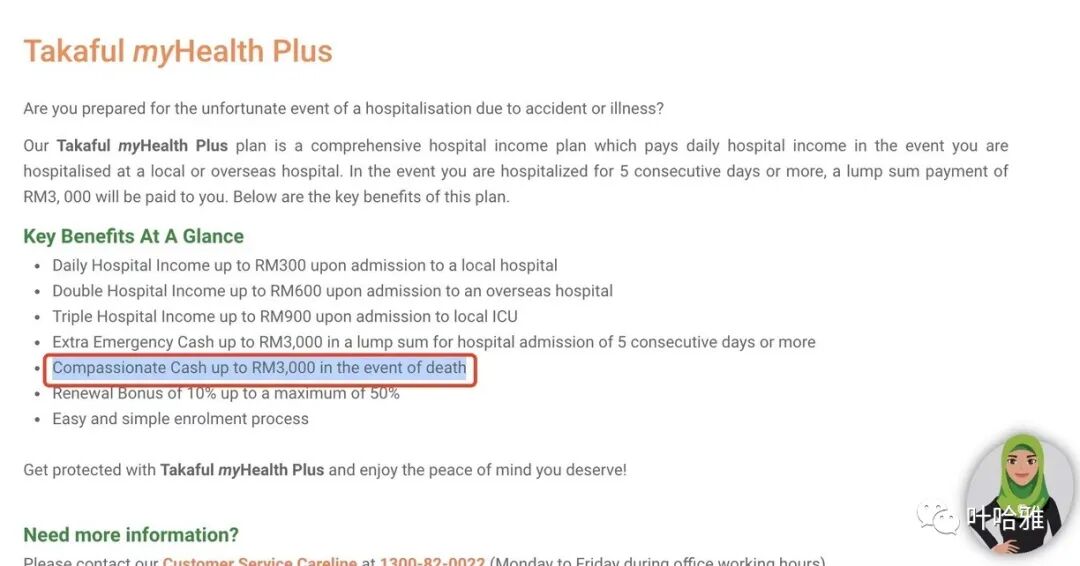
Death benefit clauses in Malaysian Muslim insurance policies.
(This example is to refute those who say Muslims cannot buy life insurance.)
Actually, the harm of gambling is not its uncertainty, and the result of gambling is not necessarily uncertain. Theoretically, as long as you have all the data, the result of gambling can be calculated. The harm of gambling is that it allows people to gain without working and can even lead to bankruptcy. Insurance does not have these harms. Life insurance is based on human health; you have to pay the price of health or even life to receive a claim. buying insurance requires health and financial audits of the policyholder. People with few assets cannot buy high-leverage life insurance, and malicious insurance fraud is a criminal offense. Gambling harms society, while insurance is a stabilizer for society. These are fundamentally different from gambling.
Islamic insurance companies in Malaysia also note the relevant religious basis on their life insurance contracts.
I worked in financial credit for nearly ten years. As my understanding of my faith deepened, I increasingly felt that a Muslim working in a bank to lend money and collect interest was not earning a halal income. I felt very uneasy, which is why I traveled frequently in the past few years—I wanted to escape the depression my job brought me. Until I transitioned into the insurance brokerage industry and gained the approval of my relatives.
These sheep all belong to my wife's grandfather. There has been little rain in Xunhua this year, and the grass on the mountain has not grown well, so the sheep are thin. I wish we could share the rain from Henan with Qinghai. My uncle asked me to pick one from the flock, so I chose a black-headed white sheep. My uncle praised me for knowing how to pick a sheep, saying I chose the best one. I said I don't know much about sheep, I just remembered that the Prophet Muhammad slaughtered black and white sheep.
Narrated by Anas: The Prophet Muhammad personally slaughtered two horned, black and white sheep. He mentioned the name of Allah and recited the Takbir. Umm Salama reported that the Prophet said: 'When you see the new moon of Dhu al-Hijjah, those of you who intend to perform the sacrifice should not cut their hair or trim their nails.' The phrase 'intend to perform the sacrifice' in this hadith shows that the sacrifice is a sunnah, not a mandatory duty.
When slaughtering a sheep, we cover its eyes with a white towel, recite the takbir and tasmiyah, and slaughter it in the name of Allah. We dig a pit in the ground so the blood flows into it and can be buried. We let the blood drain for twenty minutes. This ensures the animal receives blessings in the afterlife. This is why we Salar people eat halal-slaughtered meat; we must not kill living things without cause.
Aisha reported that the Prophet said: 'On the day of Eid al-Adha, there is no deed more beloved to Allah than the shedding of blood.' In the afterlife, the sacrificial animal will appear with its horns, hair, and hooves. Before the blood of the sacrifice hits the ground, it has already reached a high status with Allah, so you should perform the sacrifice with a happy and willing heart. — Islamic Sharia, page 877
By that afternoon, my sheep had become lamb skewers (yangrou chuan). We all sat in the courtyard eating them. Grandpa asked me how much money I earned a month. I told him the number. He didn't react at first, but after a pause, his eyes went wide. I laughed and asked him how much he would make if he sold all his hundreds of sheep.
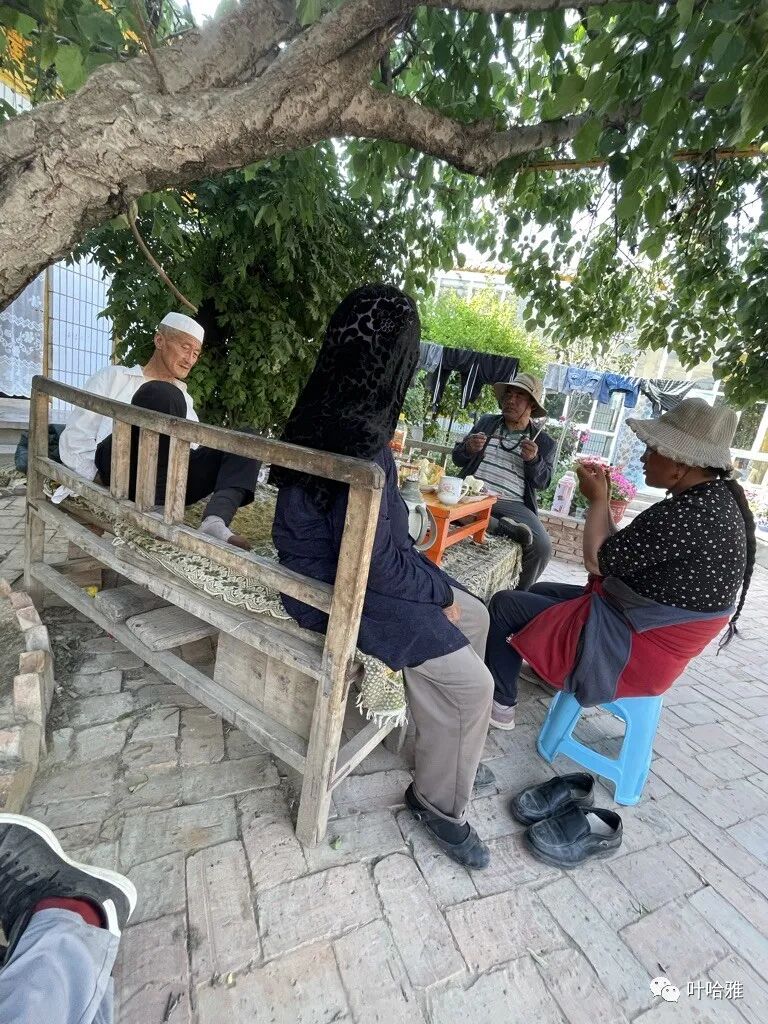
On the afternoon of Eid al-Adha, some Tibetan people came to visit our home. The two people in the photo are the Tibetans who help Grandpa herd his sheep. Behind Mengda Mountain village in Xunhua is the Tibetan region. The Salar elders have a good relationship with the Tibetan people. Both Grandma and Grandpa speak Tibetan, and since the Tibetans are very skilled at herding, the Salar people of Mengda Mountain hire them to look after their sheep.
I sat to the side, unable to understand their conversation, and watched the Tibetans eat skewers. Grandma turned around and asked if I felt bored. I said no, it was interesting to hear them speak Tibetan. It is rare to see such a scene of ethnic unity.
Muslim Life Guide Qinghai: Salar Eid al-Adha, Qurban and Real Halal Family Traditions
Articles • yusuf908 posted the article • 0 comments • 218 views • 2026-05-22 09:39
Summary: Muslim Life Guide Qinghai: Salar Eid al-Adha, Qurban and Real Halal Family Traditions is presented here as a clear English account for Muslim readers, starting with this scene: I spent this year's Eid al-Adha in my wife's hometown, Xunhua Salar Autonomous County in Qinghai. I wanted to slaughter a sheep myself to fulfill this emphasized Sunnah, as it is not possible in Beijing. It was a very happy. It keeps the original names, food details, mosque details, photographs, and cultural context while focusing on Salar Muslims, Eid al-Adha, Qinghai Muslims.
I spent this year's Eid al-Adha in my wife's hometown, Xunhua Salar Autonomous County in Qinghai. I wanted to slaughter a sheep myself to fulfill this emphasized Sunnah, as it is not possible in Beijing. It was a very happy experience to see many Salar relatives in Xunhua and personally give them the lamb I slaughtered.
My wife's relatives are very traditional and take their faith seriously. At first, they worried that marrying their daughter to a Hui Muslim from Beijing might mean he lacked proper religious knowledge and would affect the faith of the next generation. I just smiled. After getting to know me, they realized their worries were unnecessary. My Salar elders are very keen to learn about the faith, but they are not very literate, so they sometimes ask me for advice on religious matters. I think I did the Beijing Hui community proud. (Facepalm)
I felt very relaxed with my Salar relatives in Xunhua. They spoke the Salar language, which I don't understand, so I just kept my head down and ate the food they served. Xunhua is a place where many ethnic groups live together. Besides the common Salar language, there is also Tibetan and the Qinghai dialect. I don't understand any of these three. I could only barely understand them when they asked about my background in their thick northwestern-accented Mandarin, and sometimes I still needed my father-in-law to translate.
My Salar relatives, led by my father-in-law, admire my work. Years ago, before I was married, my father-in-law told me that working for others has no future, lacks freedom, and makes it hard to pray on time. He suggested I become my own boss and open a restaurant. In his view, a good career is one that earns clean money while allowing for freedom of faith. I completely agree with that. I wasn't in the insurance industry then, but later I became an insurance broker and achieved good results. My father-in-law changed his mind and admitted that my job has more of a future than running his restaurant.
I bought snacks for the children at the small shop on the mountain run by a mute person and told them to pick whatever they wanted. Each child chose a snack worth 50 cents or one yuan.
Every time my father-in-law met a relative, he would tell them my job is good, has flexible hours, and isn't limited by location, encouraging them to buy insurance from me. The relatives were quite willing, which comforted me. Although I have clients all over the country, very few people from the Northwest buy insurance from me. Some imams say insurance is not halal, even though they cannot provide evidence from the Quran or Hadith.
My Salar relatives have suffered from not having insurance. My wife's young cousin died of cancer last year. Her aunt's eyes turned red when she told me about it. When the child was brought to Beijing for treatment, the costs were over 100,000 yuan. A fundraiser from a crowdfunding platform came to the hospital room and said they could raise money online. Although the aunt was not wealthy, she refused. She felt online fundraising is like begging and harms the dignity of Muslims. The Prophet Muhammad repeatedly emphasized that Muslims should not beg.
Since the cousin was in the late stages when diagnosed with cancer, she passed away after a few months. I told her aunt not to be too sad. The child is happier than us living adults. We adults still have to face the test of our deeds, and whether we enter Paradise or Hell is unknown. A child who dies young goes directly to Paradise and is cared for by the Prophet Ibrahim.
I have written many articles before about the legality of insurance, and recently I found more scholars who support the view of insurance.
Translated into English, the general idea is that some scholars oppose equating insurance with gambling. In gambling, there is no transfer of risk, and no loss is reduced. Gambling is just a game, and participants can control the outcome. When an insurance event occurs, both the insurance company and the client suffer a loss. Insurance companies use probability and statistical methods to accurately calculate the balance between profit and loss, so the claim that insurance is uncertain does not hold up.
Death benefit clauses in Malaysian Muslim insurance policies.
(This example is to refute those who say Muslims cannot buy life insurance.)
Actually, the harm of gambling is not its uncertainty, and the result of gambling is not necessarily uncertain. Theoretically, as long as you have all the data, the result of gambling can be calculated. The harm of gambling is that it allows people to gain without working and can even lead to bankruptcy. Insurance does not have these harms. Life insurance is based on human health; you have to pay the price of health or even life to receive a claim. buying insurance requires health and financial audits of the policyholder. People with few assets cannot buy high-leverage life insurance, and malicious insurance fraud is a criminal offense. Gambling harms society, while insurance is a stabilizer for society. These are fundamentally different from gambling.
Islamic insurance companies in Malaysia also note the relevant religious basis on their life insurance contracts.
I worked in financial credit for nearly ten years. As my understanding of my faith deepened, I increasingly felt that a Muslim working in a bank to lend money and collect interest was not earning a halal income. I felt very uneasy, which is why I traveled frequently in the past few years—I wanted to escape the depression my job brought me. Until I transitioned into the insurance brokerage industry and gained the approval of my relatives.
These sheep all belong to my wife's grandfather. There has been little rain in Xunhua this year, and the grass on the mountain has not grown well, so the sheep are thin. I wish we could share the rain from Henan with Qinghai. My uncle asked me to pick one from the flock, so I chose a black-headed white sheep. My uncle praised me for knowing how to pick a sheep, saying I chose the best one. I said I don't know much about sheep, I just remembered that the Prophet Muhammad slaughtered black and white sheep.
Narrated by Anas: The Prophet Muhammad personally slaughtered two horned, black and white sheep. He mentioned the name of Allah and recited the Takbir. Umm Salama reported that the Prophet said: 'When you see the new moon of Dhu al-Hijjah, those of you who intend to perform the sacrifice should not cut their hair or trim their nails.' The phrase 'intend to perform the sacrifice' in this hadith shows that the sacrifice is a sunnah, not a mandatory duty.
When slaughtering a sheep, we cover its eyes with a white towel, recite the takbir and tasmiyah, and slaughter it in the name of Allah. We dig a pit in the ground so the blood flows into it and can be buried. We let the blood drain for twenty minutes. This ensures the animal receives blessings in the afterlife. This is why we Salar people eat halal-slaughtered meat; we must not kill living things without cause.
Aisha reported that the Prophet said: 'On the day of Eid al-Adha, there is no deed more beloved to Allah than the shedding of blood.' In the afterlife, the sacrificial animal will appear with its horns, hair, and hooves. Before the blood of the sacrifice hits the ground, it has already reached a high status with Allah, so you should perform the sacrifice with a happy and willing heart. — Islamic Sharia, page 877
By that afternoon, my sheep had become lamb skewers (yangrou chuan). We all sat in the courtyard eating them. Grandpa asked me how much money I earned a month. I told him the number. He didn't react at first, but after a pause, his eyes went wide. I laughed and asked him how much he would make if he sold all his hundreds of sheep.
On the afternoon of Eid al-Adha, some Tibetan people came to visit our home. The two people in the photo are the Tibetans who help Grandpa herd his sheep. Behind Mengda Mountain village in Xunhua is the Tibetan region. The Salar elders have a good relationship with the Tibetan people. Both Grandma and Grandpa speak Tibetan, and since the Tibetans are very skilled at herding, the Salar people of Mengda Mountain hire them to look after their sheep.
I sat to the side, unable to understand their conversation, and watched the Tibetans eat skewers. Grandma turned around and asked if I felt bored. I said no, it was interesting to hear them speak Tibetan. It is rare to see such a scene of ethnic unity. view all
Summary: Muslim Life Guide Qinghai: Salar Eid al-Adha, Qurban and Real Halal Family Traditions is presented here as a clear English account for Muslim readers, starting with this scene: I spent this year's Eid al-Adha in my wife's hometown, Xunhua Salar Autonomous County in Qinghai. I wanted to slaughter a sheep myself to fulfill this emphasized Sunnah, as it is not possible in Beijing. It was a very happy. It keeps the original names, food details, mosque details, photographs, and cultural context while focusing on Salar Muslims, Eid al-Adha, Qinghai Muslims.
I spent this year's Eid al-Adha in my wife's hometown, Xunhua Salar Autonomous County in Qinghai. I wanted to slaughter a sheep myself to fulfill this emphasized Sunnah, as it is not possible in Beijing. It was a very happy experience to see many Salar relatives in Xunhua and personally give them the lamb I slaughtered.
My wife's relatives are very traditional and take their faith seriously. At first, they worried that marrying their daughter to a Hui Muslim from Beijing might mean he lacked proper religious knowledge and would affect the faith of the next generation. I just smiled. After getting to know me, they realized their worries were unnecessary. My Salar elders are very keen to learn about the faith, but they are not very literate, so they sometimes ask me for advice on religious matters. I think I did the Beijing Hui community proud. (Facepalm)
I felt very relaxed with my Salar relatives in Xunhua. They spoke the Salar language, which I don't understand, so I just kept my head down and ate the food they served. Xunhua is a place where many ethnic groups live together. Besides the common Salar language, there is also Tibetan and the Qinghai dialect. I don't understand any of these three. I could only barely understand them when they asked about my background in their thick northwestern-accented Mandarin, and sometimes I still needed my father-in-law to translate.
My Salar relatives, led by my father-in-law, admire my work. Years ago, before I was married, my father-in-law told me that working for others has no future, lacks freedom, and makes it hard to pray on time. He suggested I become my own boss and open a restaurant. In his view, a good career is one that earns clean money while allowing for freedom of faith. I completely agree with that. I wasn't in the insurance industry then, but later I became an insurance broker and achieved good results. My father-in-law changed his mind and admitted that my job has more of a future than running his restaurant.
I bought snacks for the children at the small shop on the mountain run by a mute person and told them to pick whatever they wanted. Each child chose a snack worth 50 cents or one yuan.
Every time my father-in-law met a relative, he would tell them my job is good, has flexible hours, and isn't limited by location, encouraging them to buy insurance from me. The relatives were quite willing, which comforted me. Although I have clients all over the country, very few people from the Northwest buy insurance from me. Some imams say insurance is not halal, even though they cannot provide evidence from the Quran or Hadith.
My Salar relatives have suffered from not having insurance. My wife's young cousin died of cancer last year. Her aunt's eyes turned red when she told me about it. When the child was brought to Beijing for treatment, the costs were over 100,000 yuan. A fundraiser from a crowdfunding platform came to the hospital room and said they could raise money online. Although the aunt was not wealthy, she refused. She felt online fundraising is like begging and harms the dignity of Muslims. The Prophet Muhammad repeatedly emphasized that Muslims should not beg.
Since the cousin was in the late stages when diagnosed with cancer, she passed away after a few months. I told her aunt not to be too sad. The child is happier than us living adults. We adults still have to face the test of our deeds, and whether we enter Paradise or Hell is unknown. A child who dies young goes directly to Paradise and is cared for by the Prophet Ibrahim.
I have written many articles before about the legality of insurance, and recently I found more scholars who support the view of insurance.
Translated into English, the general idea is that some scholars oppose equating insurance with gambling. In gambling, there is no transfer of risk, and no loss is reduced. Gambling is just a game, and participants can control the outcome. When an insurance event occurs, both the insurance company and the client suffer a loss. Insurance companies use probability and statistical methods to accurately calculate the balance between profit and loss, so the claim that insurance is uncertain does not hold up.
Death benefit clauses in Malaysian Muslim insurance policies.
(This example is to refute those who say Muslims cannot buy life insurance.)
Actually, the harm of gambling is not its uncertainty, and the result of gambling is not necessarily uncertain. Theoretically, as long as you have all the data, the result of gambling can be calculated. The harm of gambling is that it allows people to gain without working and can even lead to bankruptcy. Insurance does not have these harms. Life insurance is based on human health; you have to pay the price of health or even life to receive a claim. buying insurance requires health and financial audits of the policyholder. People with few assets cannot buy high-leverage life insurance, and malicious insurance fraud is a criminal offense. Gambling harms society, while insurance is a stabilizer for society. These are fundamentally different from gambling.
Islamic insurance companies in Malaysia also note the relevant religious basis on their life insurance contracts.
I worked in financial credit for nearly ten years. As my understanding of my faith deepened, I increasingly felt that a Muslim working in a bank to lend money and collect interest was not earning a halal income. I felt very uneasy, which is why I traveled frequently in the past few years—I wanted to escape the depression my job brought me. Until I transitioned into the insurance brokerage industry and gained the approval of my relatives.
These sheep all belong to my wife's grandfather. There has been little rain in Xunhua this year, and the grass on the mountain has not grown well, so the sheep are thin. I wish we could share the rain from Henan with Qinghai. My uncle asked me to pick one from the flock, so I chose a black-headed white sheep. My uncle praised me for knowing how to pick a sheep, saying I chose the best one. I said I don't know much about sheep, I just remembered that the Prophet Muhammad slaughtered black and white sheep.
Narrated by Anas: The Prophet Muhammad personally slaughtered two horned, black and white sheep. He mentioned the name of Allah and recited the Takbir. Umm Salama reported that the Prophet said: 'When you see the new moon of Dhu al-Hijjah, those of you who intend to perform the sacrifice should not cut their hair or trim their nails.' The phrase 'intend to perform the sacrifice' in this hadith shows that the sacrifice is a sunnah, not a mandatory duty.
When slaughtering a sheep, we cover its eyes with a white towel, recite the takbir and tasmiyah, and slaughter it in the name of Allah. We dig a pit in the ground so the blood flows into it and can be buried. We let the blood drain for twenty minutes. This ensures the animal receives blessings in the afterlife. This is why we Salar people eat halal-slaughtered meat; we must not kill living things without cause.
Aisha reported that the Prophet said: 'On the day of Eid al-Adha, there is no deed more beloved to Allah than the shedding of blood.' In the afterlife, the sacrificial animal will appear with its horns, hair, and hooves. Before the blood of the sacrifice hits the ground, it has already reached a high status with Allah, so you should perform the sacrifice with a happy and willing heart. — Islamic Sharia, page 877
By that afternoon, my sheep had become lamb skewers (yangrou chuan). We all sat in the courtyard eating them. Grandpa asked me how much money I earned a month. I told him the number. He didn't react at first, but after a pause, his eyes went wide. I laughed and asked him how much he would make if he sold all his hundreds of sheep.
On the afternoon of Eid al-Adha, some Tibetan people came to visit our home. The two people in the photo are the Tibetans who help Grandpa herd his sheep. Behind Mengda Mountain village in Xunhua is the Tibetan region. The Salar elders have a good relationship with the Tibetan people. Both Grandma and Grandpa speak Tibetan, and since the Tibetans are very skilled at herding, the Salar people of Mengda Mountain hire them to look after their sheep.
I sat to the side, unable to understand their conversation, and watched the Tibetans eat skewers. Grandma turned around and asked if I felt bored. I said no, it was interesting to hear them speak Tibetan. It is rare to see such a scene of ethnic unity.
Local Halal Food in China: Xining Beef Noodles, Muslim Markets and Qinghai Street Food
Articles • ali2007fr posted the article • 0 comments • 265 views • 2026-05-21 12:47
Summary: Local Halal Food in China: Xining Beef Noodles, Muslim Markets and Qinghai Street Food is presented here as a clear English travel account for Muslim readers, beginning with this scene: This is a guide written on a mobile phone. The article keeps the original place names, food details, photographs, and cultural context while focusing on Xining Halal Food, Qinghai Muslims, Street Food.
This is a guide written on a mobile phone.
I wrote a food guide in Xining in a previous article. It happened to be the time when I was getting married in Xining. After two years, I returned to my parents’ home. Some of the restaurants in the previous article are no longer there. I suggest you read my guide in the future and check whether the restaurant is open in advance on Dianping.com.
When shopping in Xining, you will basically not step into any trap. People in Qinghai are very picky and very picky about food. Competition in the local catering industry is fierce. If the food is not delicious, you will really not be able to survive, so you only need to think about which special food is delicious.
Gaoerli Lamb Sausage Noodles
Gaoerli Lamb Sausage Noodles
Sheep intestine noodles are one of Qinghai's specialty noodles. You can eat them for breakfast. The main ingredient is sheep intestines. The intestines are stuffed with bean flour or offal, mixed with garlic sprouts and Qinghai spicy seeds, and paired with a bowl of mutton soup. This taste is not easy to find in other places.
Sheep intestine noodles
Address: There are multiple branches. The Qiyi Road store is about 50 meters southwest of the intersection of Wuyi Road and Binhe South Road in Chengdong District (May 1st Cultural Palace, Xining City)
Guizhou Village
Guizhou Village
Guizhou Village is a chain brand in Zhengzhou. The first branch in Qinghai was opened on Limeng Pedestrian Street in Xining. It specializes in gift packages of various pastries and snacks. Because my wife likes desserts, we walked into this store with the mentality of giving it a try and tried a peach cake, which we found to be unexpectedly delicious.
Egg yolk cake and wife cake
Peach cake is their main specialty product. It comes in a variety of flavors. It tastes very crispy and does not taste greasy. There are also low-sugar versions available.
peach cake
Address: There are many branches. Limeng Pedestrian Street is the main store in Qinghai.
Food Diary
Amu's tongue grabs noodles
A Dashiji Food Court opened in Limeng Pedestrian Street. The second floor of the food court is full of halal food.
Grasping Noodles
This is my first time to eat flower noodles in Qinghai noodles. There are many types of noodles. Flower noodles have a variety of ingredients, including sheep intestines and haggis.
braised pork roll
There are many types of halal stalls on the second floor, including barbecue, shabu-shabu and stew. There are not many halal restaurants in Limeng Pedestrian Street. Friends who don’t know what to eat can come here.
Yufeng Pavilion
Stir-fried, lamb intestine noodles, wood-fired turkey
Yufeng Pavilion has three stores selling different snacks, including stir-fried noodles, offal lamb intestine noodles and firewood turkey. Each store tastes good.
steamed stuffed bun
Qinghai's steamed buns are very particular about their appearance and taste. For example, the steamed buns must be oily, the skin must be soft, and the buns must be pinched into flowers.
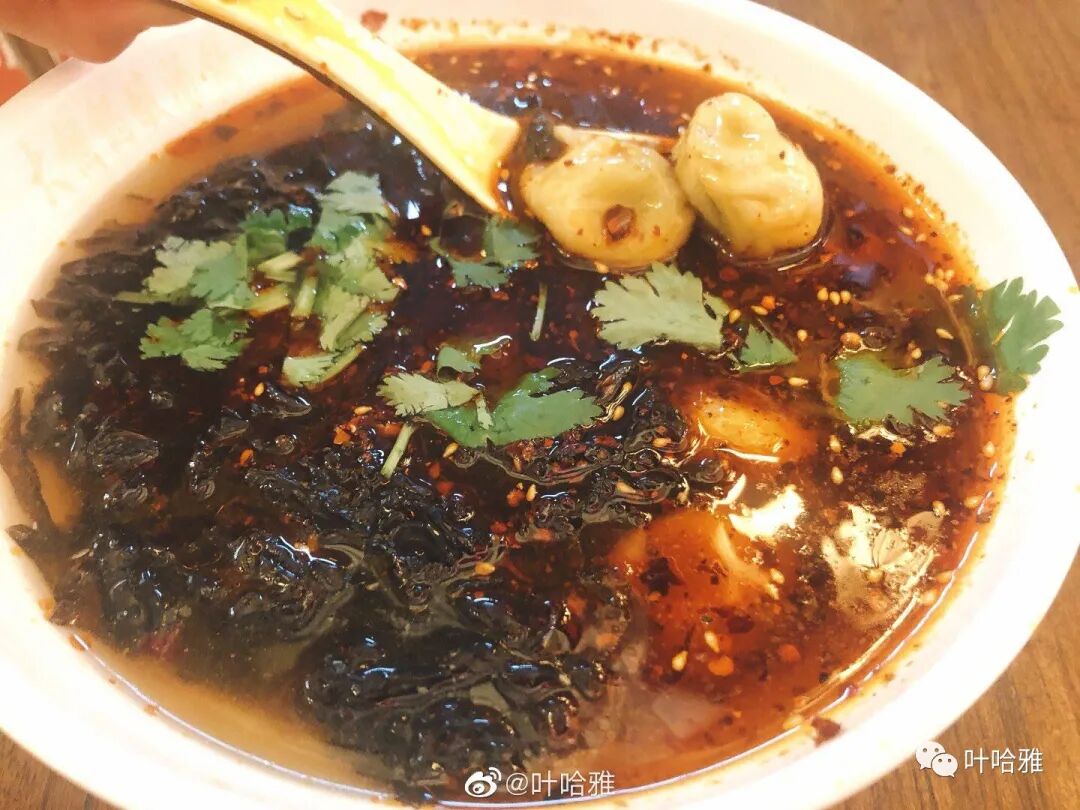
Offal soup
Steamed buns, offal or noodle soup are the first choice for Qinghai people's breakfast. Qinghai's haggis is of high quality.
Mu Zhongyuan
Mu Zhongyuan’s special casserole
Mu Zhongyuan is also a long-established restaurant in Dongguan. The casserole is the most popular. After entering the store, you select the ingredients first. After selecting, you give it to the chef and ask for meat.
Beef steamed dumplings
There are 30 small dumplings per pound of steamed dumplings, and you can eat one at a time. It is an exquisite and delicious dish that I like, and the person who makes the dumplings is right at the door, so you can see the process of the steamed dumplings being made and cooked.
Casserole
The ingredients in the casserole are all fresh and spicy. The pot is a small pot. There are many people eating casserole. The taste is better than anything I have eaten before.
Pepper Chicken
The peppercorn chicken is placed in the big pot at the door. It looks very tempting. Many diners will take a portion home when they leave.
Address: Near the main entrance of Dongguan Mosque
Yilong Ecological Tea Restaurant
Yilong Ecological Tea Restaurant
This is a tea restaurant with a very elegant environment and decoration. It specializes in Qinghai specialty stir-fries and afternoon tea.
Pool in the restaurant
This style of eco-friendly halal restaurant has only been seen in Xining. I have been to the Jing Xifeng Restaurant in Xining before, which is bigger than this one. The restaurant was built in a park, but unfortunately it has been demolished due to illegal construction.
The restaurant’s artificial tree and private rooms
Beef and eggplant
Fried local chicken
The bowls in the store are a highlight. Most of the waiters in the restaurant are from the Salar ethnic group and are very good-looking.
The vine is fake, but the melon is real.
Address: No. 50, Dazhong Road, Chengdong District
Huaying Firecracker Bowl Mix
Huaying Firecracker Bowl Mix Main Store
Huaying Firecracker Noodles is a famous delicacy in Qinghai, and there are many chains. The first time I ate Huaying Firecracker Noodles was in Lhasa, but after I ate the Firecracker Noodles from the main store in Xining, I suspected that the store in Lhasa was a copycat.
Firecracker noodles
Firecracker noodles are similar to a cross between ramen noodles and mixed noodles. The noodles are cut into two-section pieces and heavy on oil and salt, making them enjoyable to eat. There are still many people queuing up to eat noodles on rainy days, and some people squat at the door to eat. Huaying Firecrackers only operates half a day every day, just like Henan Spicy Soup, and closes in the afternoon.
Blanched chicken
The noodle restaurants in Xining also have some meat dishes that are paired with them. The white-cut chicken is delicious.
Address: Qilian Road, Chengdong District
Kee Kee Noodles
Qi Kee Noodles Branch
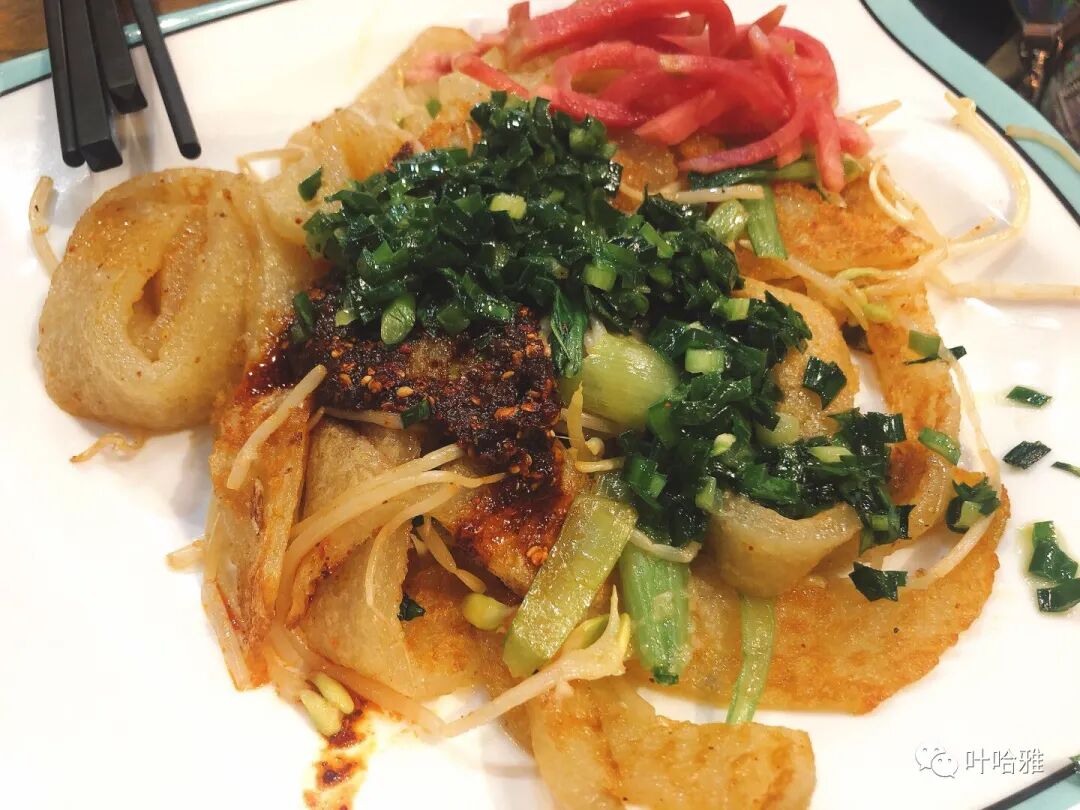
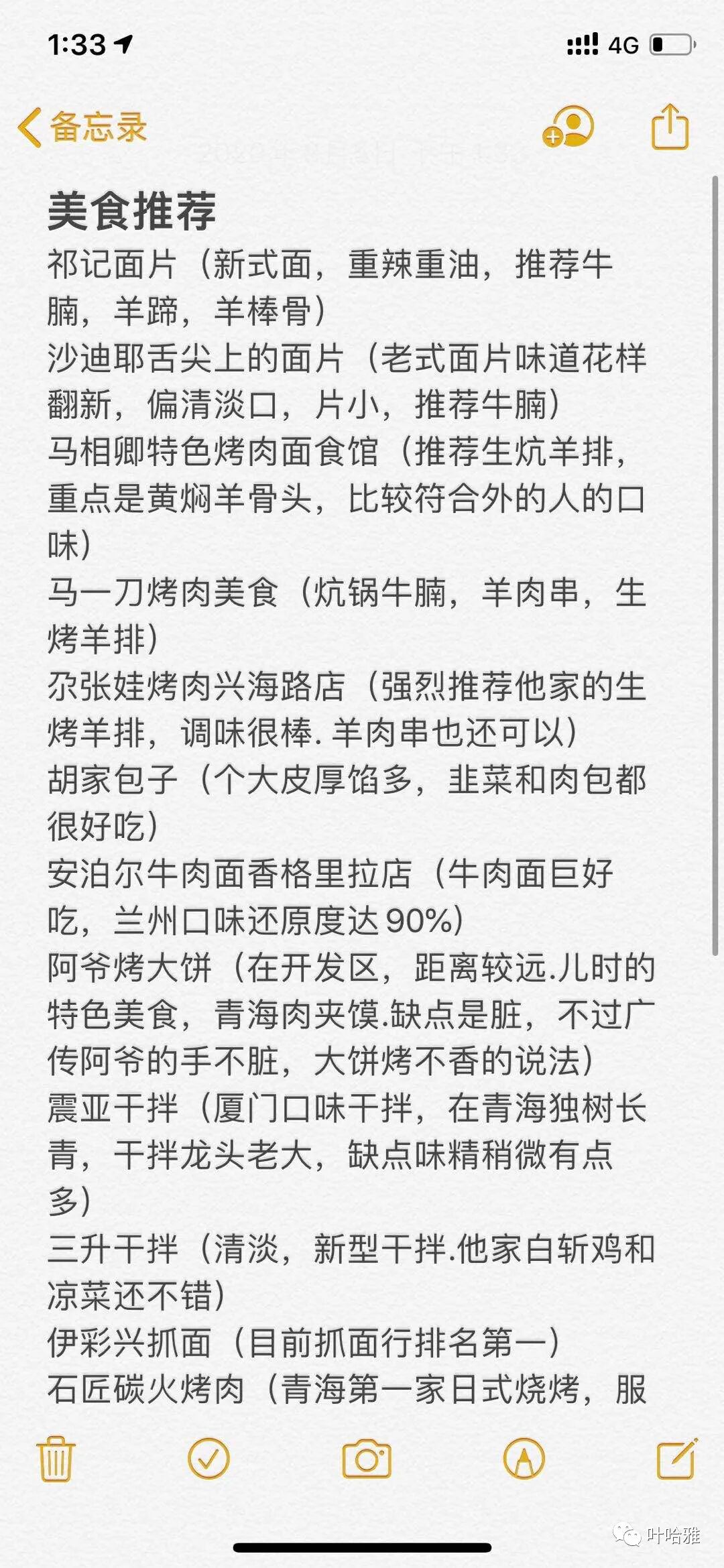
Qiji noodles were recommended by my friend Sala. Their noodles are made in a new style. I already like Qinghai handmade noodles, but this Qiji noodles still stood out to me.
handmade dough
Qiji's noodles are characterized by heavy oil. The noodles are very small and suitable for people with heavy mouths. They will satisfy their cravings and are packed with diners every day.
Spicy lamb trotters
We also recommend Qiji’s sheep trotters, yogurt and stewed beef brisket. The beef brisket is 99 yuan per pound and can be sold by two. Qiji has many branches.
Stonemason Japanese Charcoal BBQ
Stonemason Japanese Charcoal BBQ
This is also the first Japanese barbecue restaurant in Xining recommended by Saradosti. It is located on Limeng Pedestrian Street.
The environment is more sophisticated
Let’s talk about the service first. The service here is more attentive, greetings proactively and helping with barbecue. It should be said that the service in the entire restaurant in Xining is good.
Butter and mushrooms
When grilling mushrooms, dip them in butter to give them a very unique taste.
Tempura
Tempura is a traditional Japanese dish, which is fried vegetables, but the tempura in this restaurant is not recommended.
bibimbap
The Japanese BBQ restaurant combines some Korean cuisine, and the bibimbap tastes okay.
Black beef platter
The meat is delicate, needless to say, and the accompanying dipping sauce is also delicious. Generally speaking, the taste is similar to that of Qingu in Beijing.
Three liters of dry noodles
Three liters of dry noodles
Dry noodles are a specialty snack in Qinghai, and Sansheng dry noodles are the most famous traditional dry noodle restaurant. There are many noodle restaurants under the Sansheng banner in prefectures and counties, but they are not authentic. The only authentic one is this one, on the first floor of Xinqian.
Dry noodles
Sansheng Dry Noodles is also the best dry noodles I have ever tasted. The noodles are slightly yellow and chewy, and the meat sauce is tasty enough. You can have it for breakfast.
Belle's Burger
Belle's Burger
There are many halal burger fast food restaurants in Xining, including Belles, a foreign chain brand, and Dicos, which is halal.
pink burger
Friends who have never eaten halal McDonald's KFC can come to Xining to experience the taste of Western fast food.
Four seasons hotpot
Four Seasons Sichuan Hotpot
People in Qinghai love hot pot very much. to the local hot pot, the most popular one is Sichuan hot pot, which belongs to Sichuan style in all seasons.
Arrange the meat in a circle around the pot.
The last time I came to Xining, I ate at the Chengdu chain brand Niubi. This time Saladosti took me to eat Four Seasons Mandarin Duck Hotpot. I felt that the decoration style here has the flavor of Xunhua Old Town.
Grandpa bakes big cakes
Copycat grandpa bakes pancakes
Grandpa's baked flatbread was recommended to me by Sala Laotie, but I accidentally saw this shop and thought it was the original shop. After eating it, I realized that this one was a copycat.
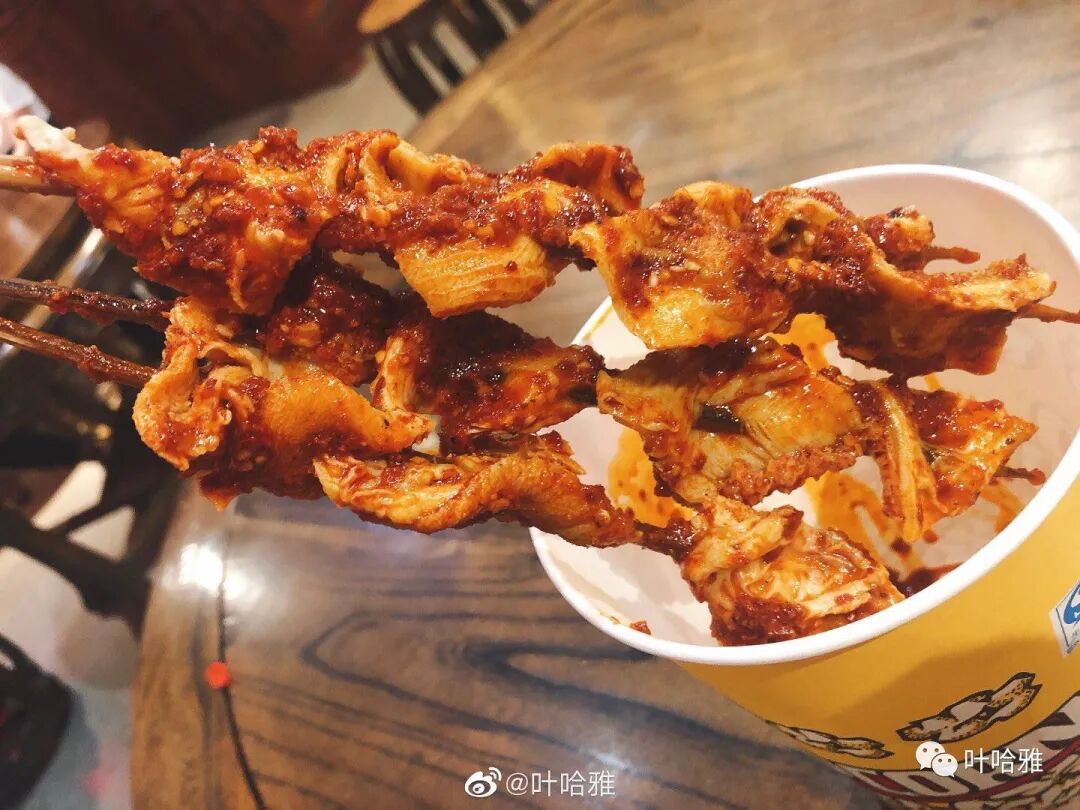
Grilled flatbread with mutton skewers inside
The real grandpa bakes pancakes in the development zone. People say his hands are not dirty and the pancakes he bakes are not fragrant. Friends can experience it for themselves.
Nile Halal Food City
Nile Halal Food City was opened on the 15th floor in 2015. It has a wide variety of snacks, and the environment is very spacious, with a dedicated dining area and a place for ablution.
Stuffed potato skin and rubbed taro
Hassan ice cream
I ate Hassan Ice Cream when I first came to Xining many years ago. At that time, I was still on Mojia Street. The ice cream seller at that time was a very beautiful girl. Today I heard that the girl had already married.
Hassan ice cream
Paper wrapped fish
The fish is fried and crispy, with lemon slices on top and French fries on the bottom.
BBQ bibimbap
My wife especially liked this BBQ bibimbap and ate it twice.
Papa April's Filet Mignon
Dad April specializes in steaks, there are many choices, and the steak tastes average.
Xinqian Tourist Night Market Food Street
There is also a gourmet night market on the basement floor of Xinqian. The quality is more down-to-earth than the Nile upstairs, the taste is more homely, and it is more popular. It is still crowded at 10 o'clock in the evening.
If you like a livelier atmosphere, come to the night market. There are many tourists, but the locals prefer the Nile upstairs. I like both because the tastes are different.
ice powder
Roll out the dough
Large copper pot with sour soup dumplings
Hot squid
The food in Xining is introduced here for the time being. Finally, I will share the food in Xining recommended to me by my old friend Sala. I haven’t checked them out yet, but everyone who has been there likes them. view all
Summary: Local Halal Food in China: Xining Beef Noodles, Muslim Markets and Qinghai Street Food is presented here as a clear English travel account for Muslim readers, beginning with this scene: This is a guide written on a mobile phone. The article keeps the original place names, food details, photographs, and cultural context while focusing on Xining Halal Food, Qinghai Muslims, Street Food.
This is a guide written on a mobile phone.
I wrote a food guide in Xining in a previous article. It happened to be the time when I was getting married in Xining. After two years, I returned to my parents’ home. Some of the restaurants in the previous article are no longer there. I suggest you read my guide in the future and check whether the restaurant is open in advance on Dianping.com.
When shopping in Xining, you will basically not step into any trap. People in Qinghai are very picky and very picky about food. Competition in the local catering industry is fierce. If the food is not delicious, you will really not be able to survive, so you only need to think about which special food is delicious.
Gaoerli Lamb Sausage Noodles
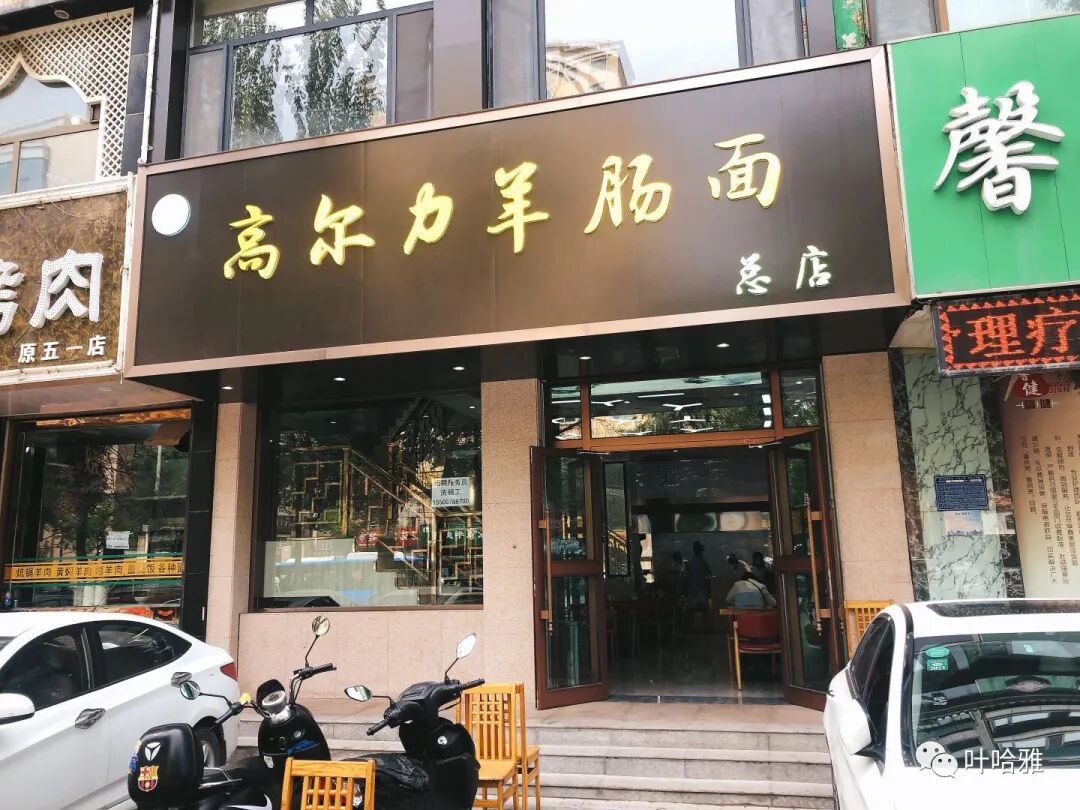
Gaoerli Lamb Sausage Noodles
Sheep intestine noodles are one of Qinghai's specialty noodles. You can eat them for breakfast. The main ingredient is sheep intestines. The intestines are stuffed with bean flour or offal, mixed with garlic sprouts and Qinghai spicy seeds, and paired with a bowl of mutton soup. This taste is not easy to find in other places.
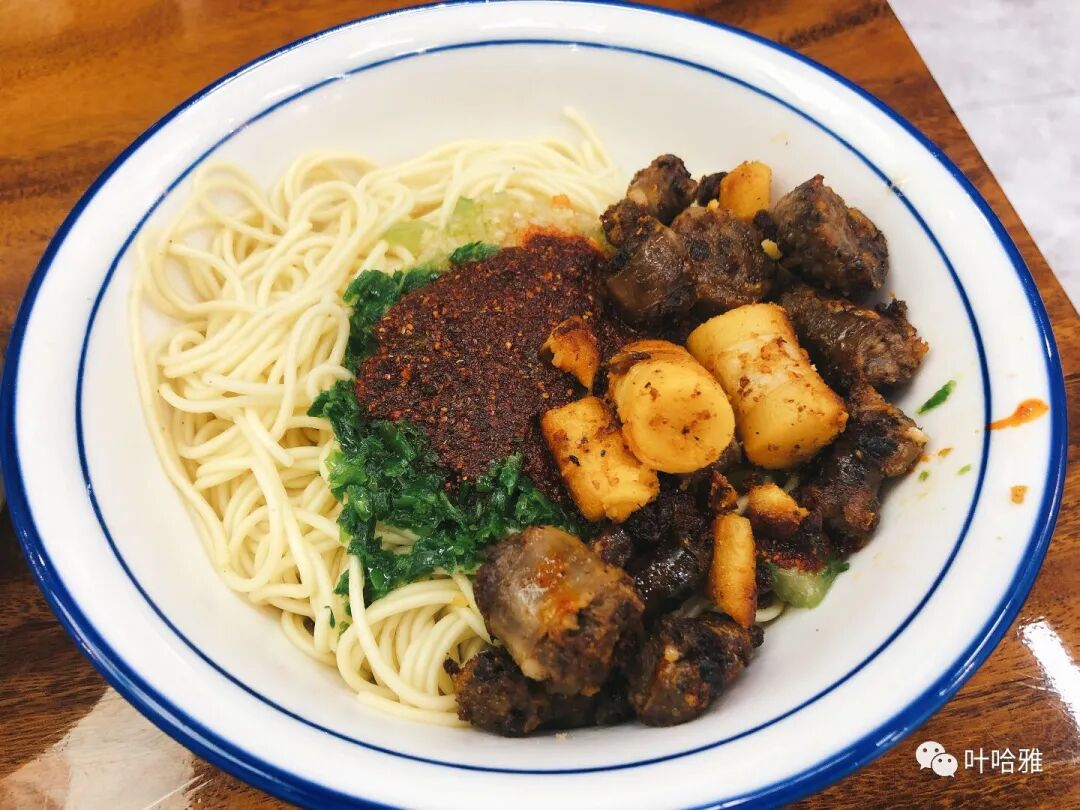
Sheep intestine noodles
Address: There are multiple branches. The Qiyi Road store is about 50 meters southwest of the intersection of Wuyi Road and Binhe South Road in Chengdong District (May 1st Cultural Palace, Xining City)
Guizhou Village
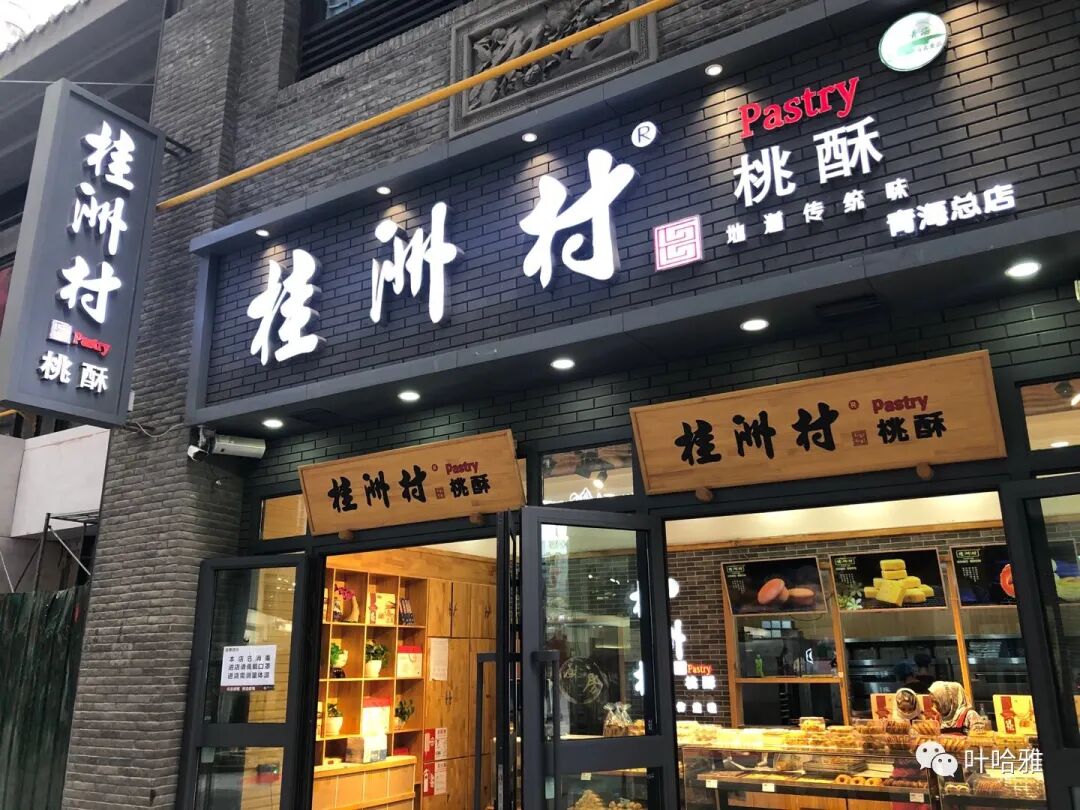
Guizhou Village
Guizhou Village is a chain brand in Zhengzhou. The first branch in Qinghai was opened on Limeng Pedestrian Street in Xining. It specializes in gift packages of various pastries and snacks. Because my wife likes desserts, we walked into this store with the mentality of giving it a try and tried a peach cake, which we found to be unexpectedly delicious.
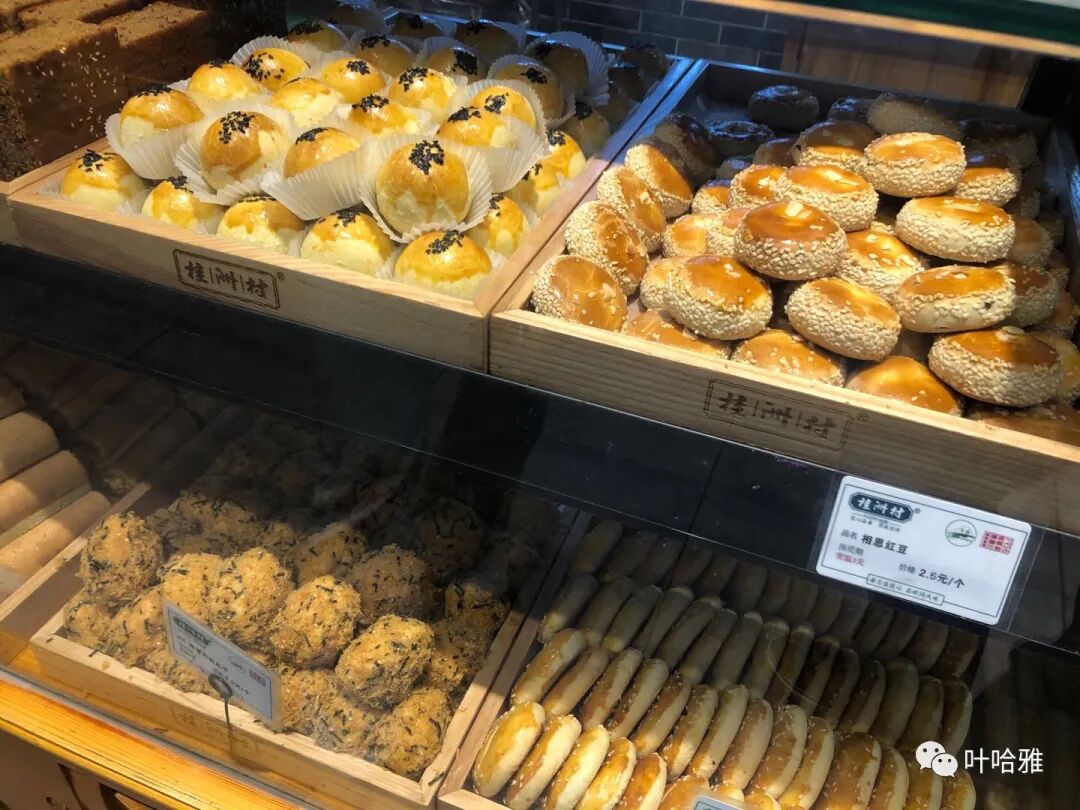
Egg yolk cake and wife cake
Peach cake is their main specialty product. It comes in a variety of flavors. It tastes very crispy and does not taste greasy. There are also low-sugar versions available.
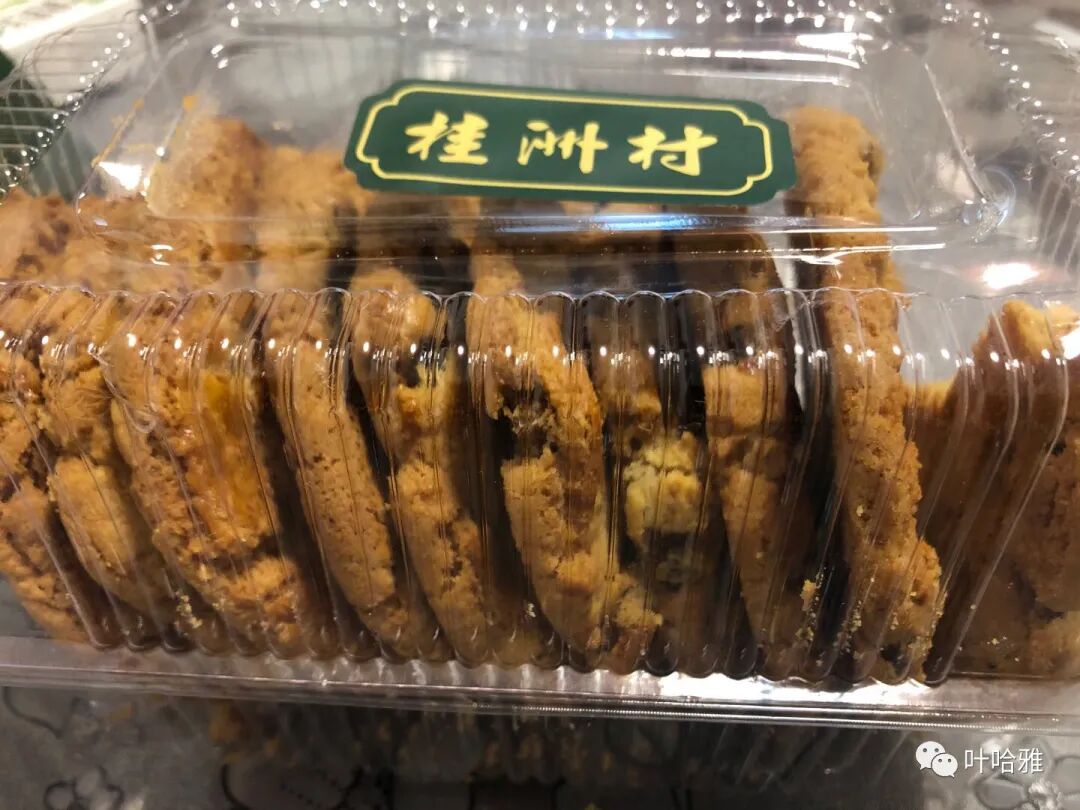
peach cake
Address: There are many branches. Limeng Pedestrian Street is the main store in Qinghai.
Food Diary
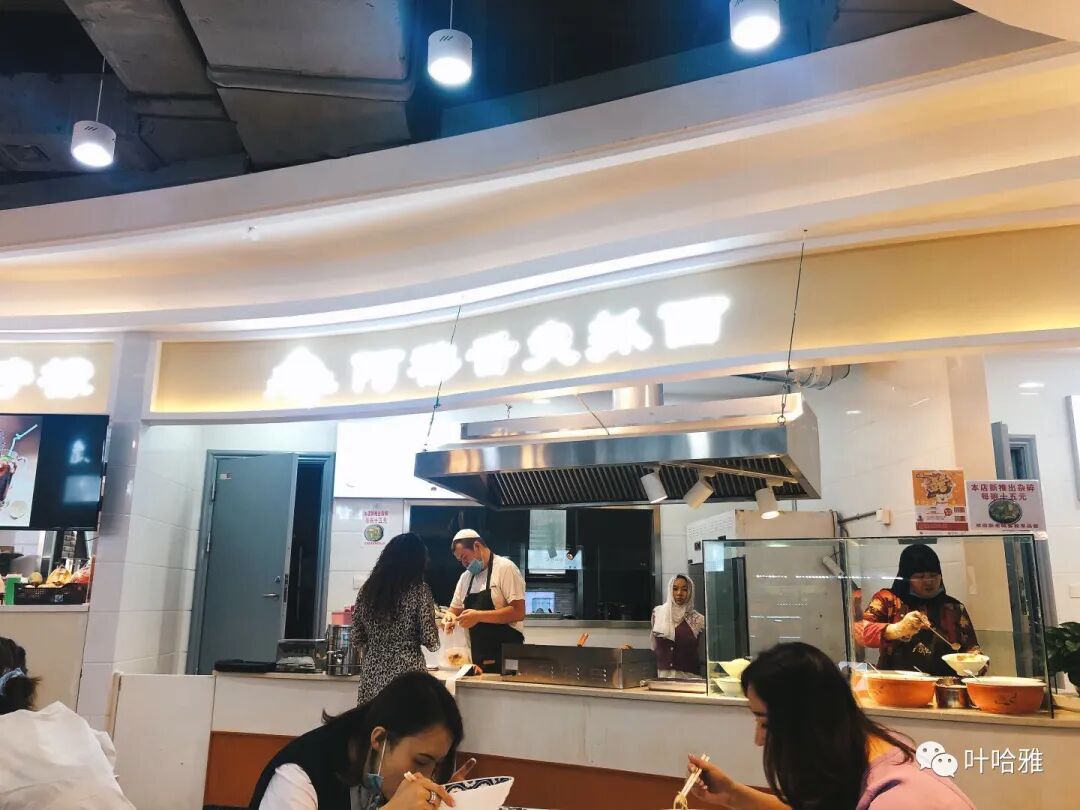
Amu's tongue grabs noodles
A Dashiji Food Court opened in Limeng Pedestrian Street. The second floor of the food court is full of halal food.
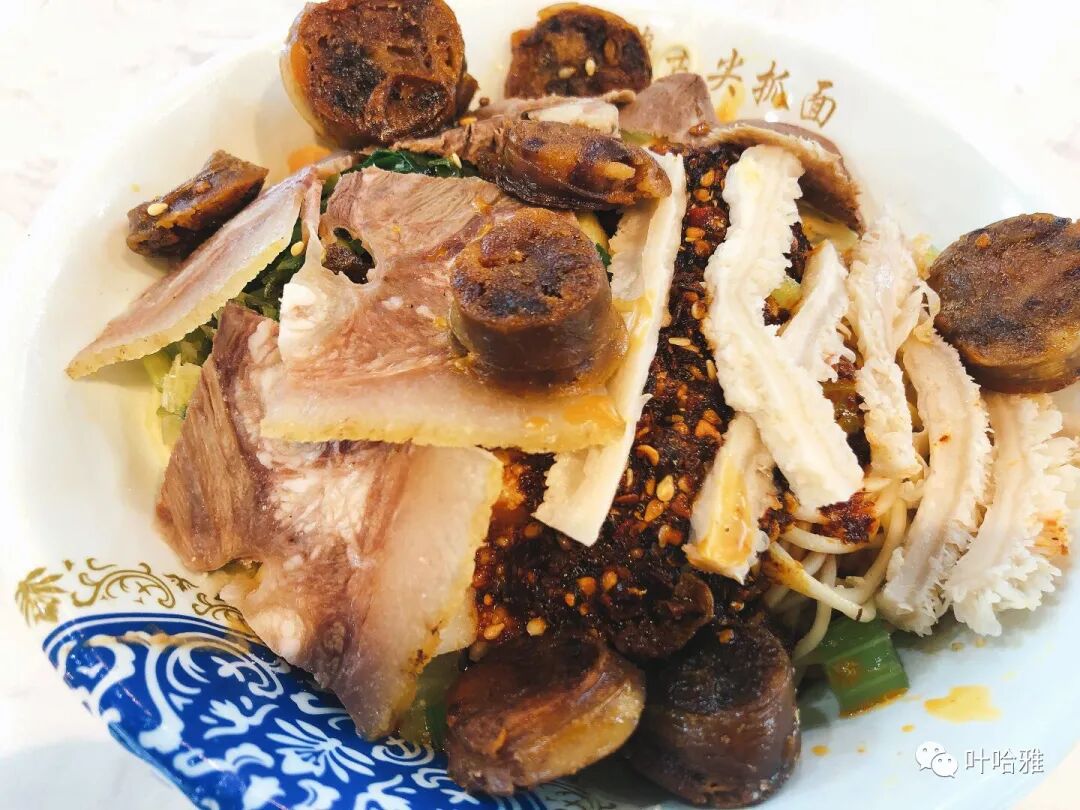
Grasping Noodles
This is my first time to eat flower noodles in Qinghai noodles. There are many types of noodles. Flower noodles have a variety of ingredients, including sheep intestines and haggis.
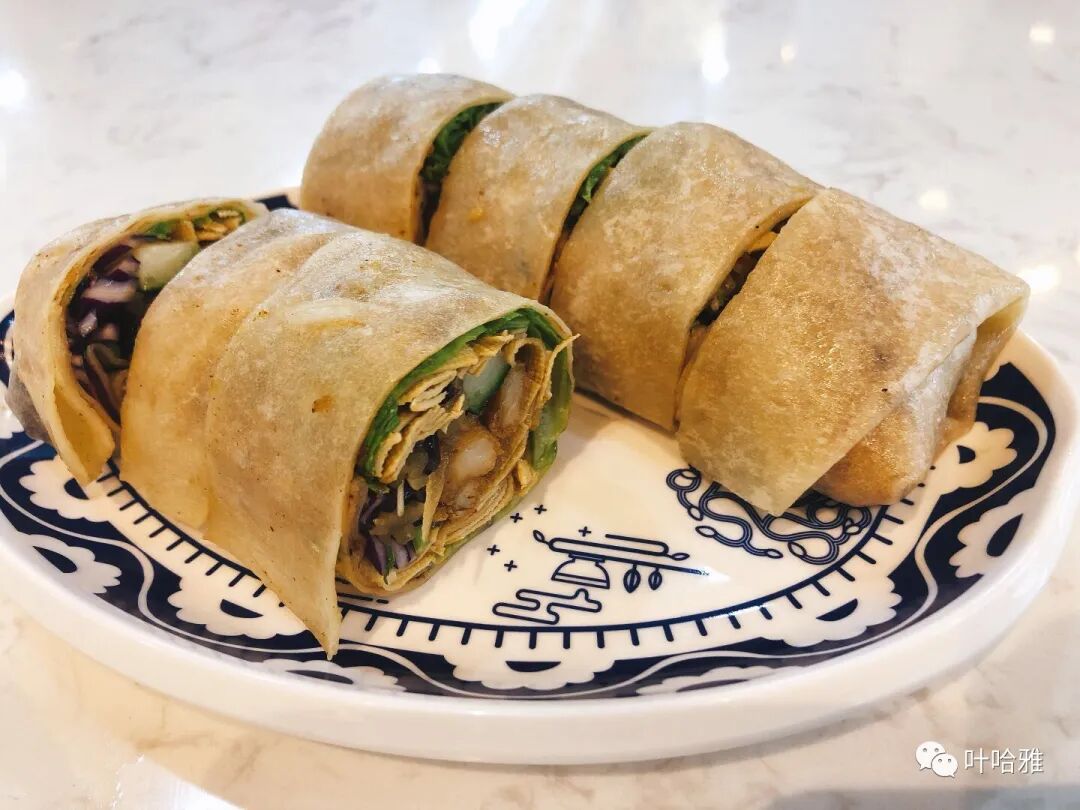
braised pork roll
There are many types of halal stalls on the second floor, including barbecue, shabu-shabu and stew. There are not many halal restaurants in Limeng Pedestrian Street. Friends who don’t know what to eat can come here.
Yufeng Pavilion
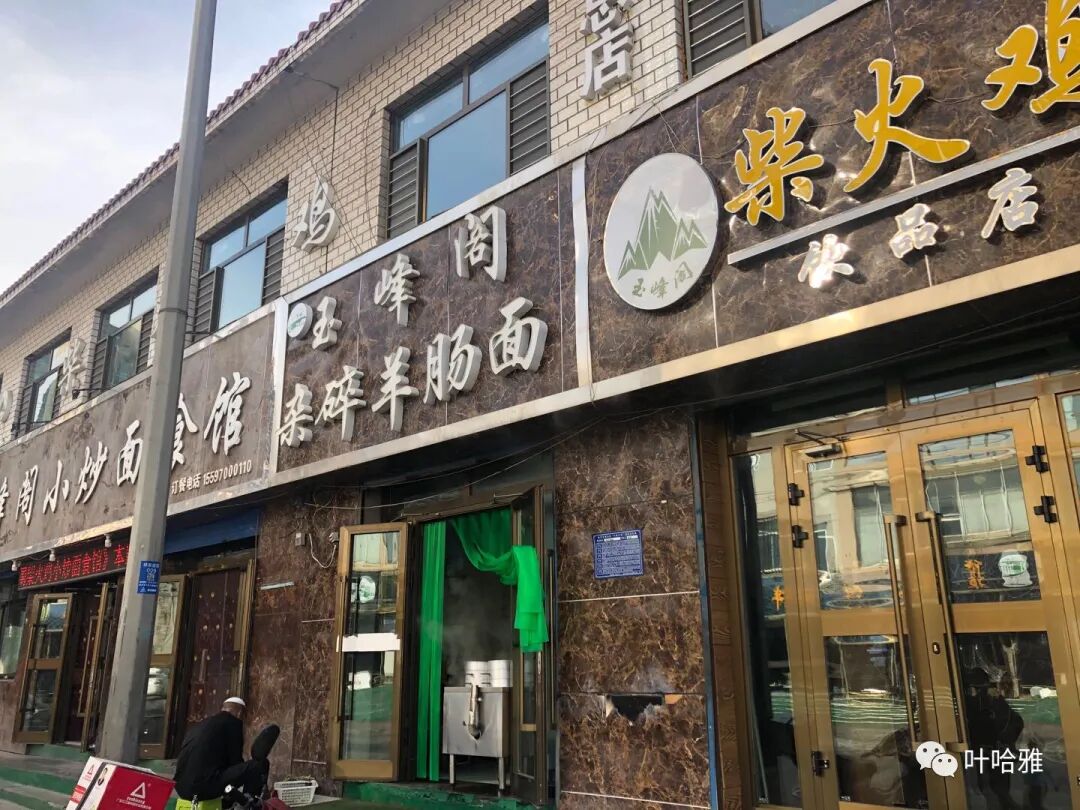
Stir-fried, lamb intestine noodles, wood-fired turkey
Yufeng Pavilion has three stores selling different snacks, including stir-fried noodles, offal lamb intestine noodles and firewood turkey. Each store tastes good.
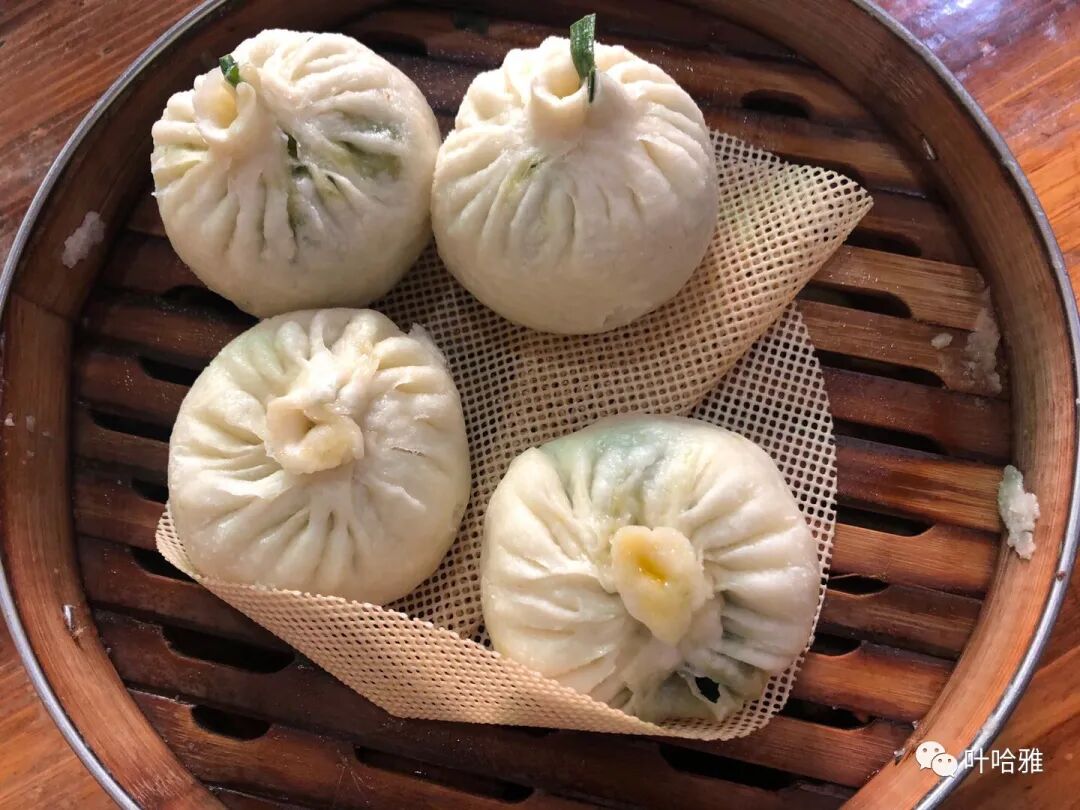
steamed stuffed bun
Qinghai's steamed buns are very particular about their appearance and taste. For example, the steamed buns must be oily, the skin must be soft, and the buns must be pinched into flowers.
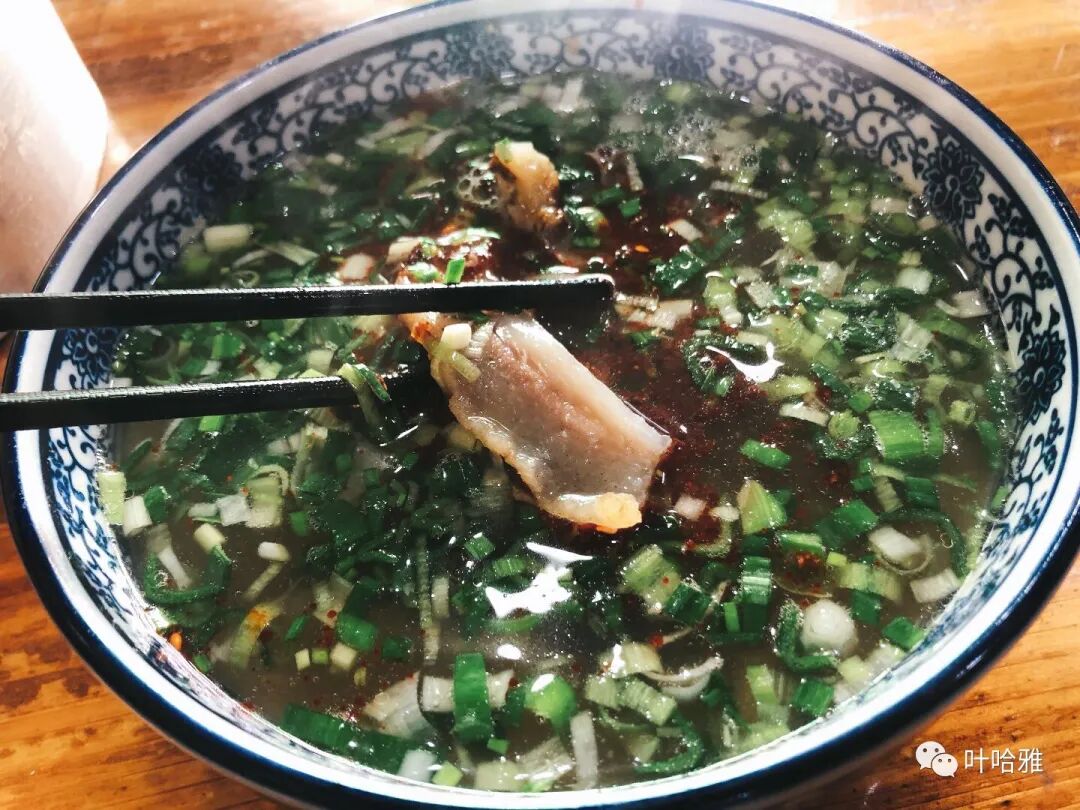
Offal soup
Steamed buns, offal or noodle soup are the first choice for Qinghai people's breakfast. Qinghai's haggis is of high quality.
Mu Zhongyuan
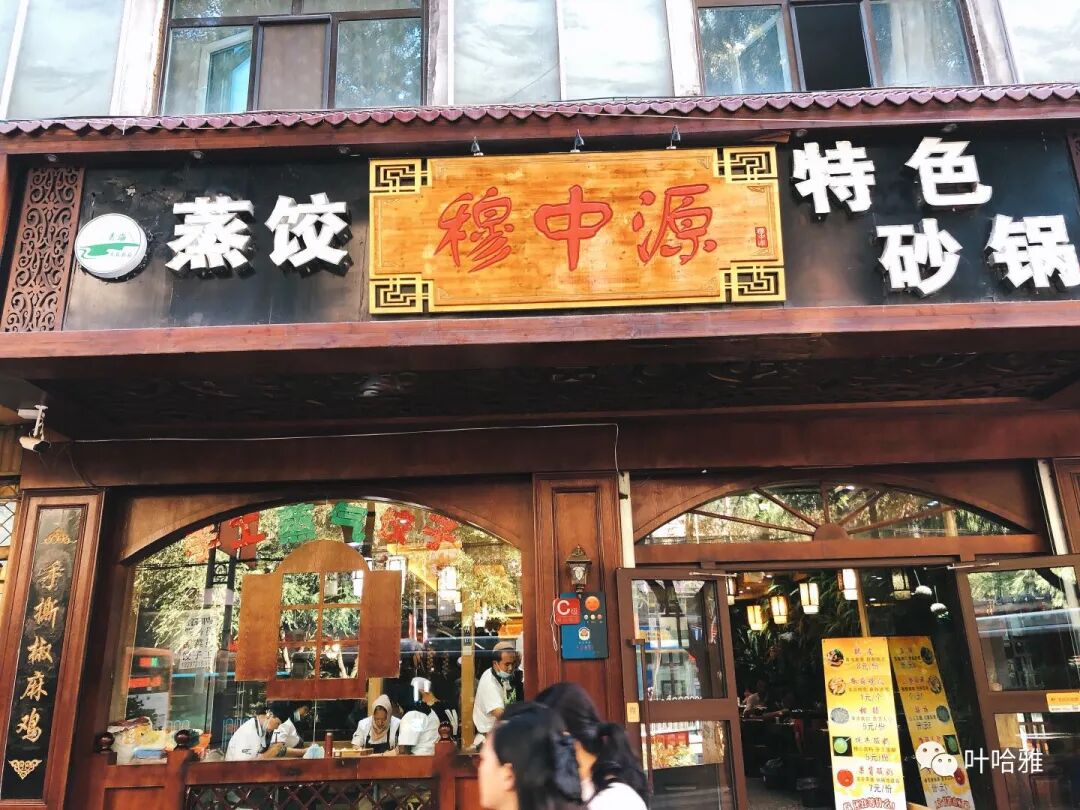
Mu Zhongyuan’s special casserole
Mu Zhongyuan is also a long-established restaurant in Dongguan. The casserole is the most popular. After entering the store, you select the ingredients first. After selecting, you give it to the chef and ask for meat.
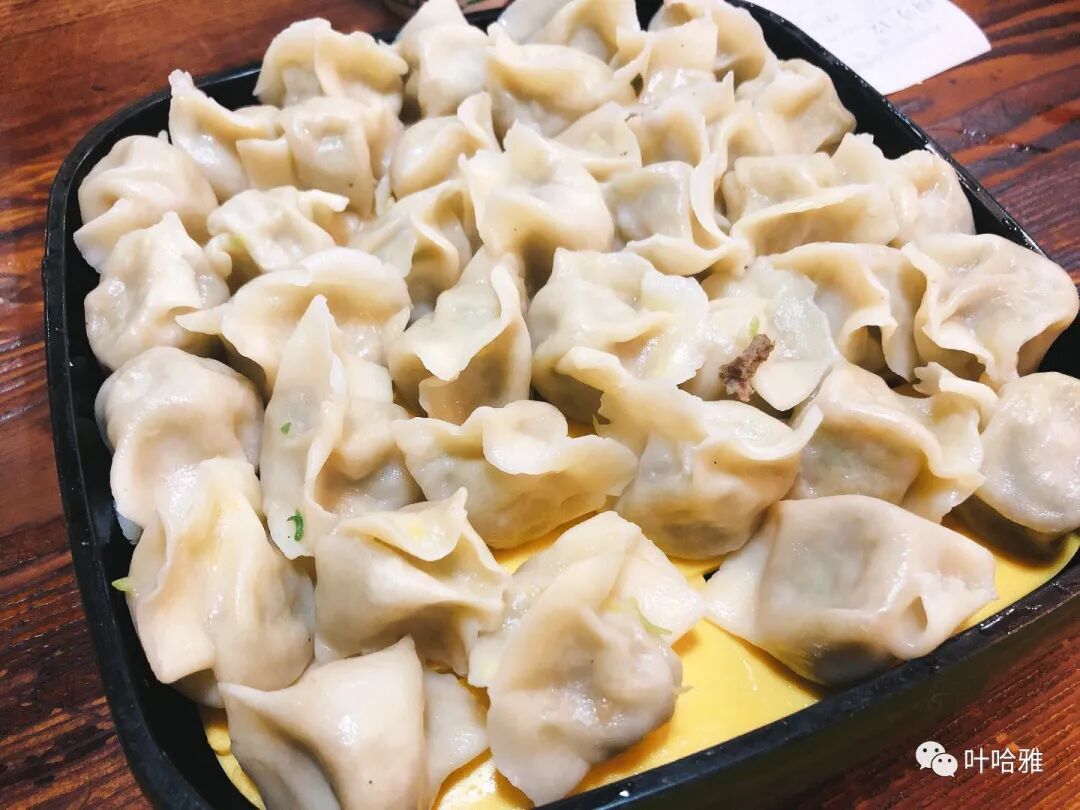
Beef steamed dumplings
There are 30 small dumplings per pound of steamed dumplings, and you can eat one at a time. It is an exquisite and delicious dish that I like, and the person who makes the dumplings is right at the door, so you can see the process of the steamed dumplings being made and cooked.
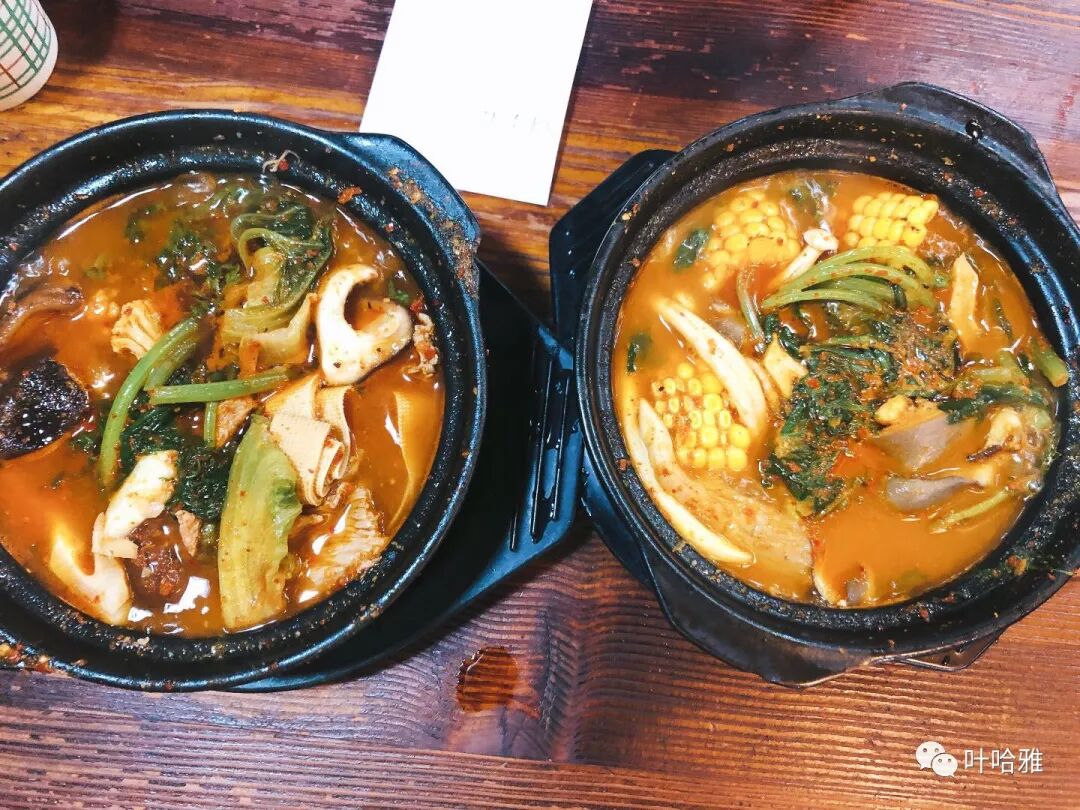
Casserole
The ingredients in the casserole are all fresh and spicy. The pot is a small pot. There are many people eating casserole. The taste is better than anything I have eaten before.
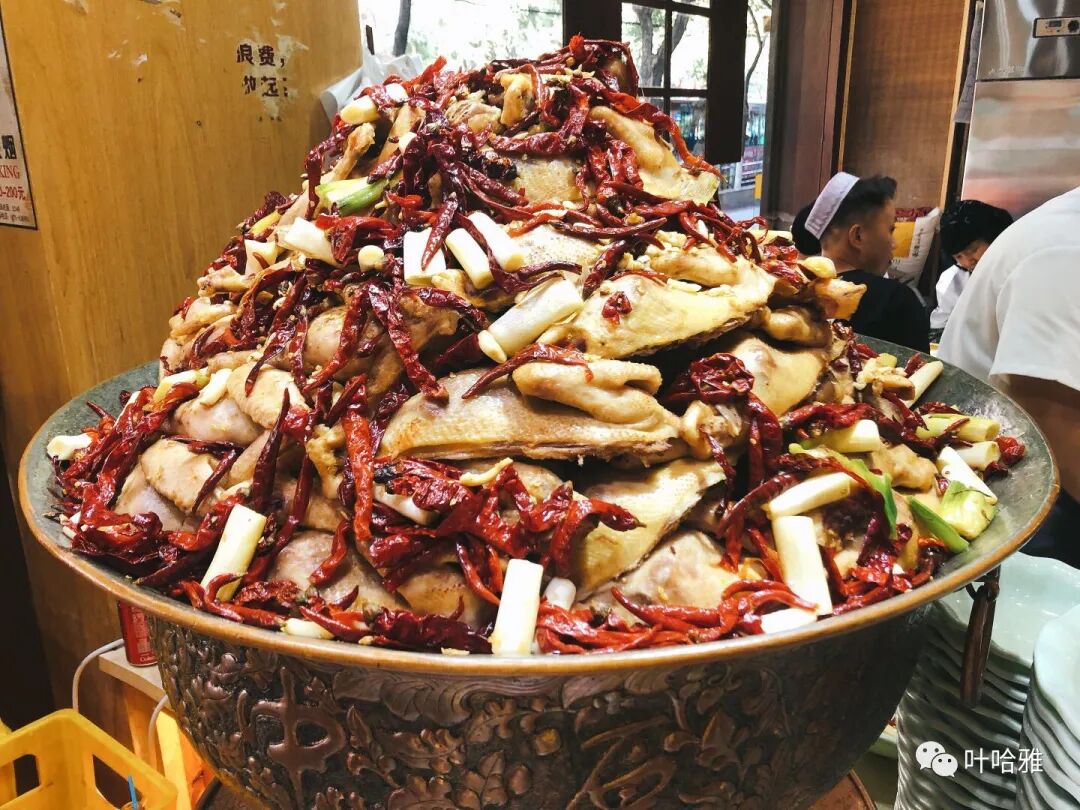
Pepper Chicken
The peppercorn chicken is placed in the big pot at the door. It looks very tempting. Many diners will take a portion home when they leave.
Address: Near the main entrance of Dongguan Mosque
Yilong Ecological Tea Restaurant
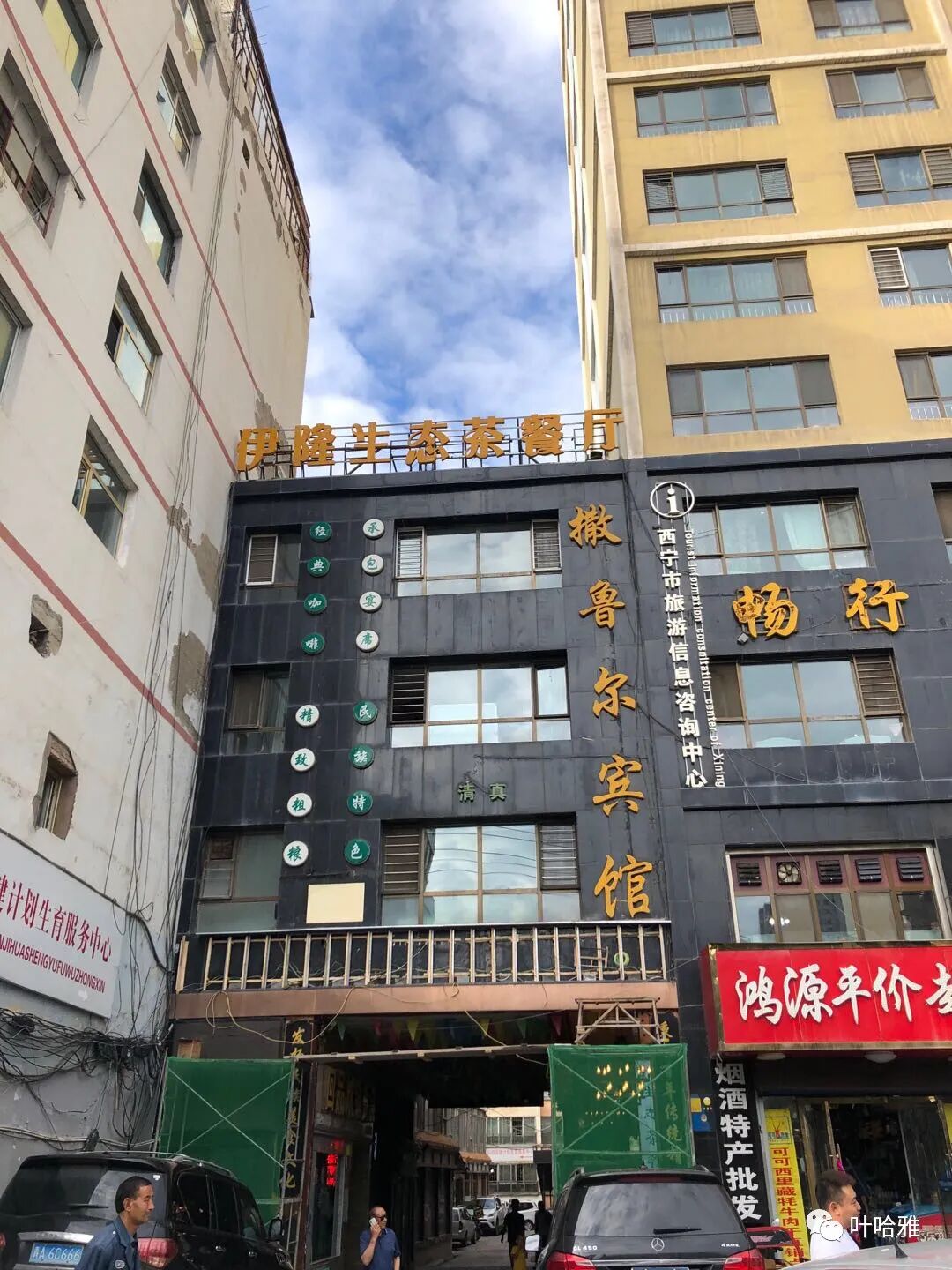
Yilong Ecological Tea Restaurant
This is a tea restaurant with a very elegant environment and decoration. It specializes in Qinghai specialty stir-fries and afternoon tea.
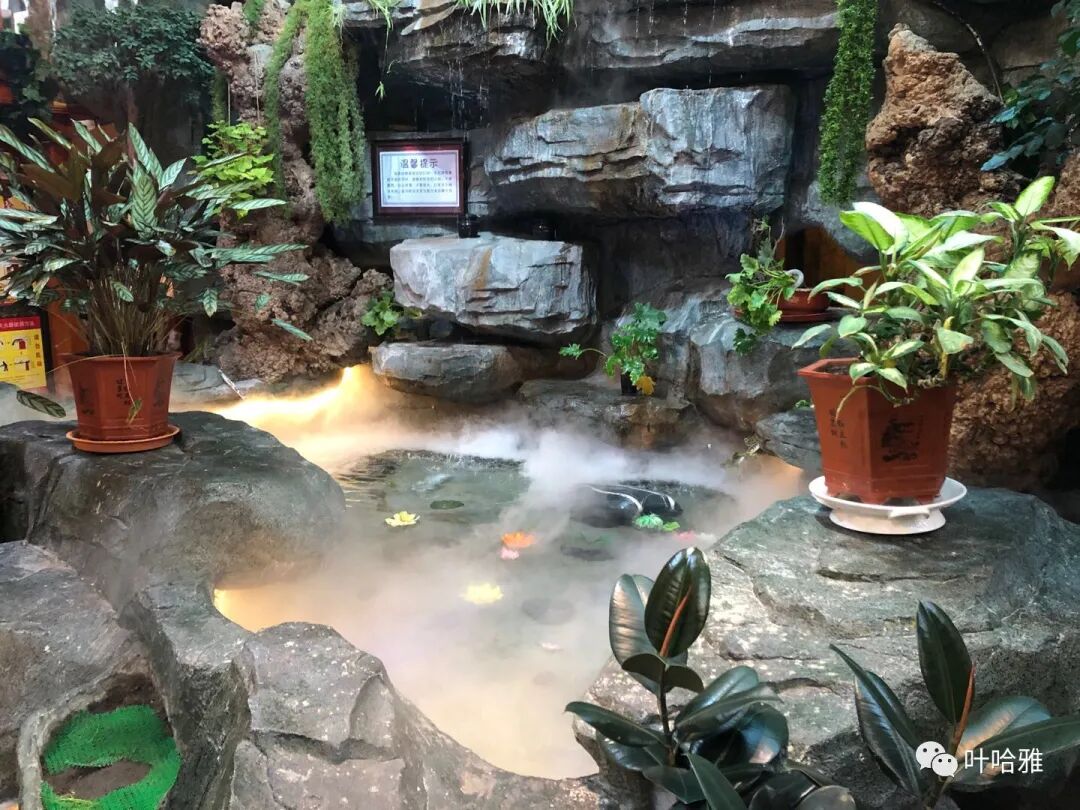
Pool in the restaurant
This style of eco-friendly halal restaurant has only been seen in Xining. I have been to the Jing Xifeng Restaurant in Xining before, which is bigger than this one. The restaurant was built in a park, but unfortunately it has been demolished due to illegal construction.
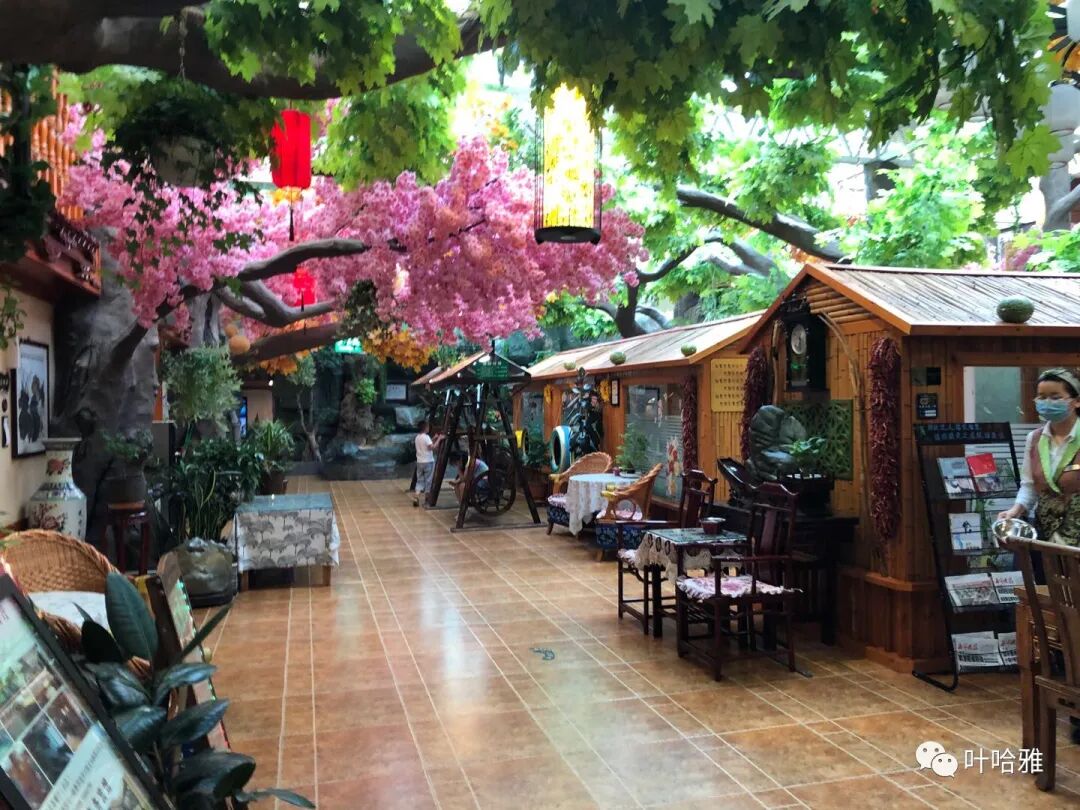
The restaurant’s artificial tree and private rooms
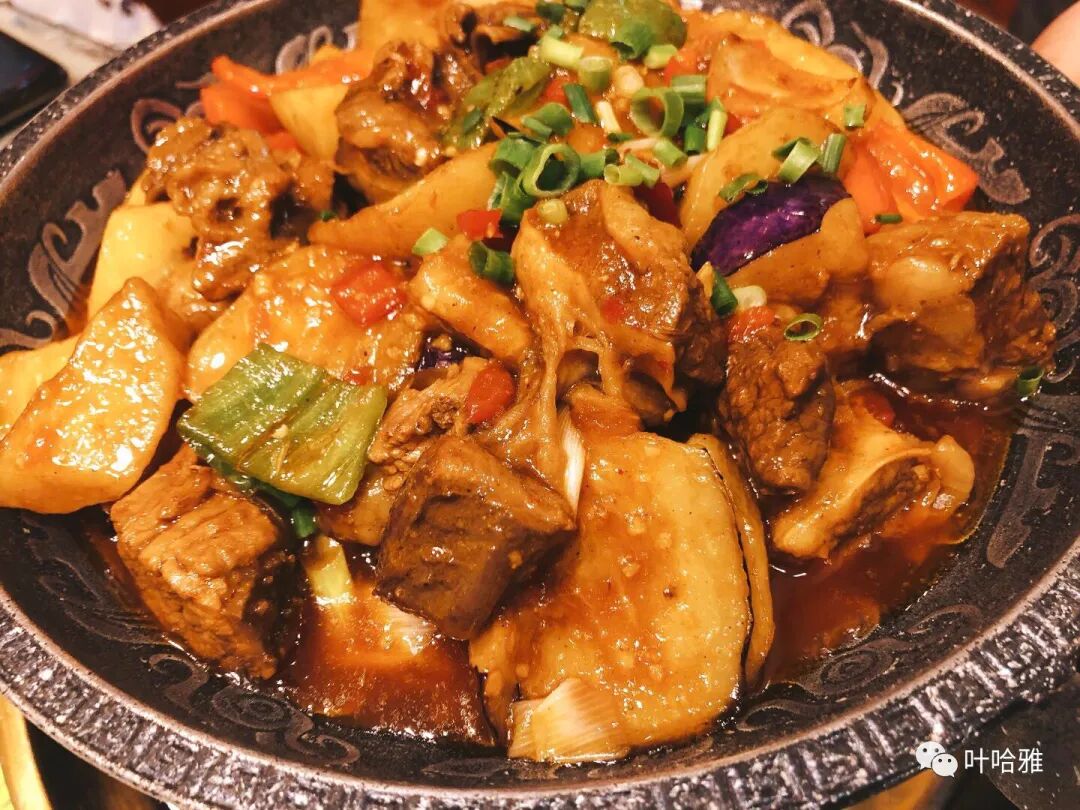
Beef and eggplant
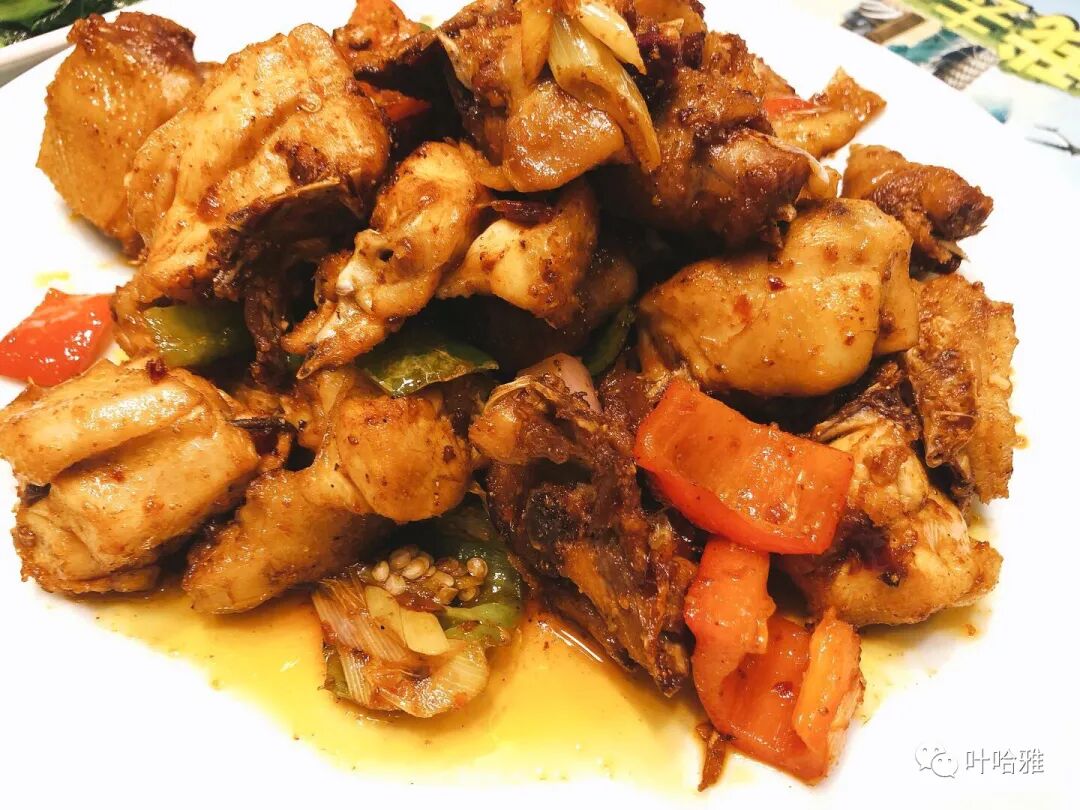
Fried local chicken
The bowls in the store are a highlight. Most of the waiters in the restaurant are from the Salar ethnic group and are very good-looking.
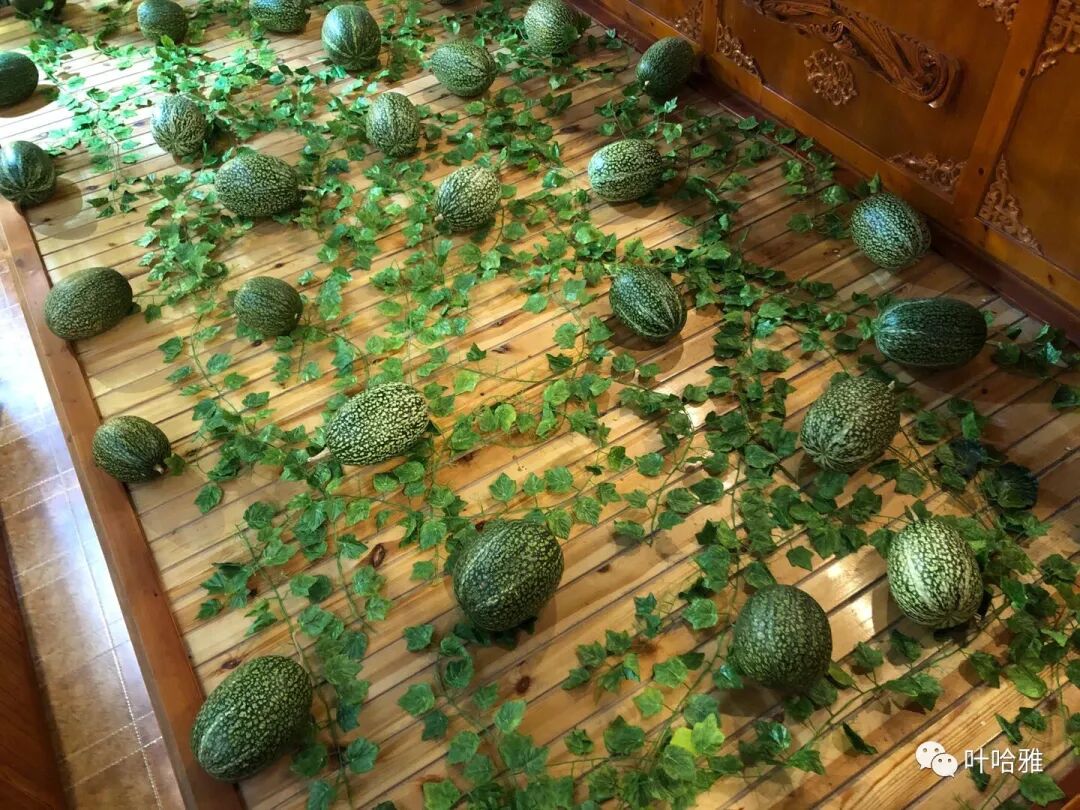
The vine is fake, but the melon is real.
Address: No. 50, Dazhong Road, Chengdong District
Huaying Firecracker Bowl Mix
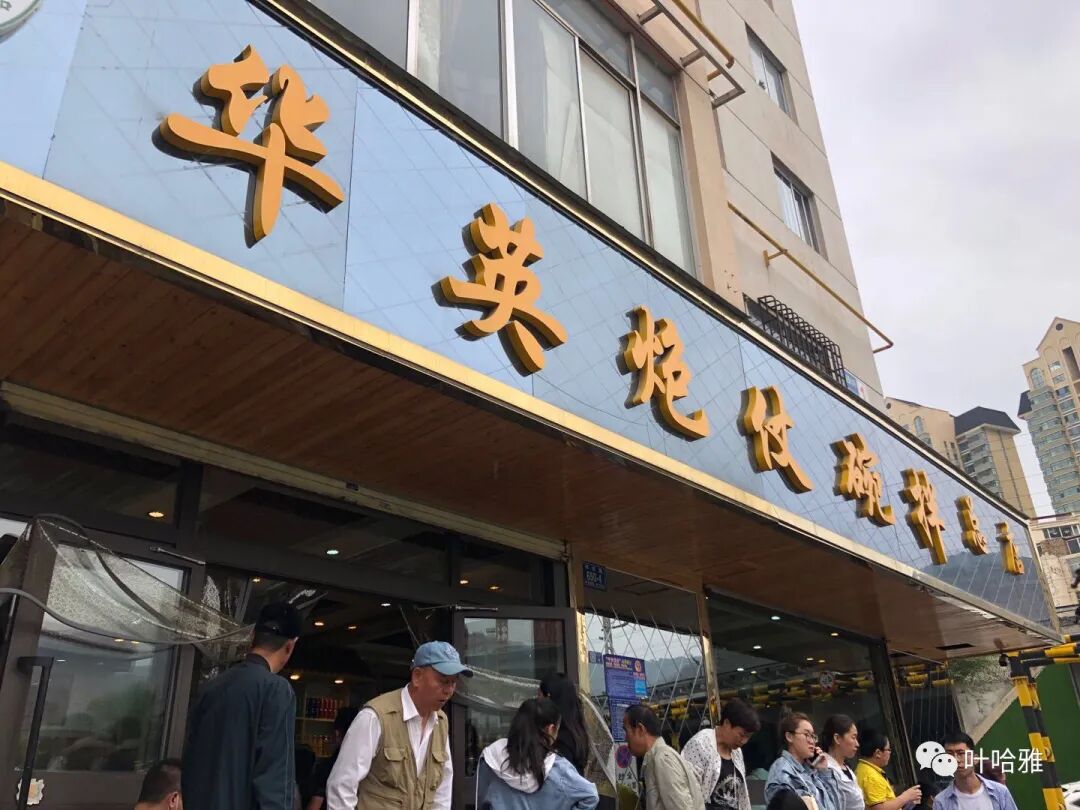
Huaying Firecracker Bowl Mix Main Store
Huaying Firecracker Noodles is a famous delicacy in Qinghai, and there are many chains. The first time I ate Huaying Firecracker Noodles was in Lhasa, but after I ate the Firecracker Noodles from the main store in Xining, I suspected that the store in Lhasa was a copycat.
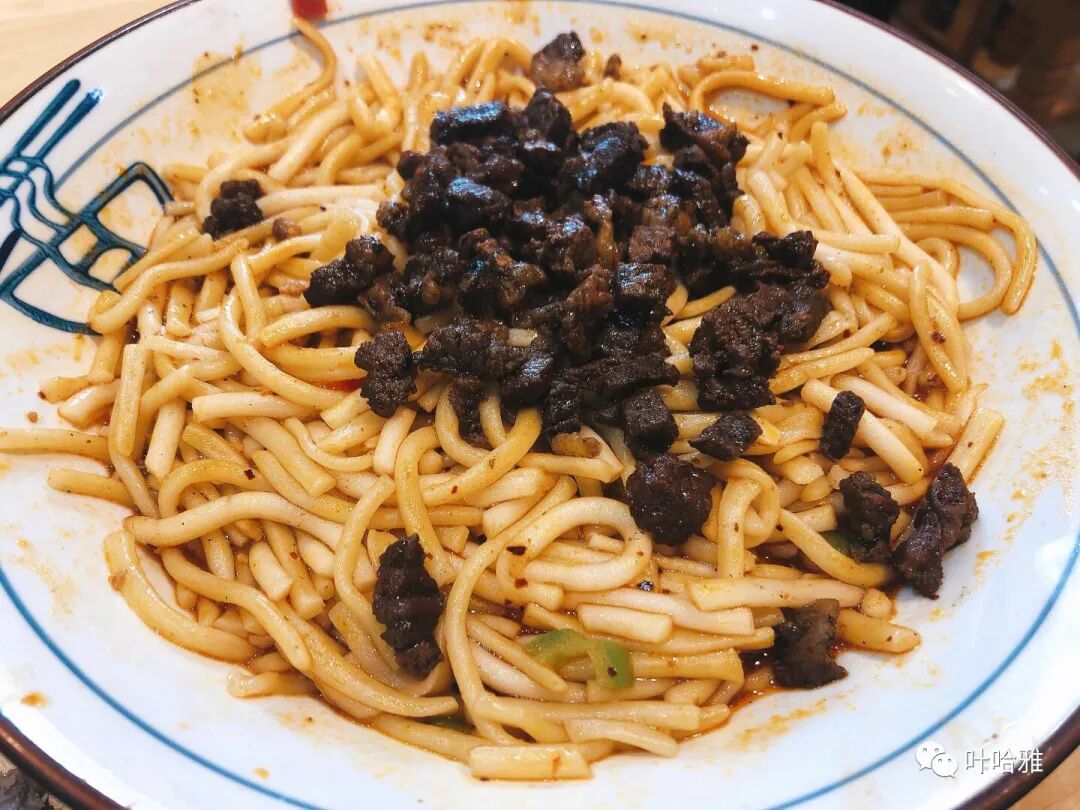
Firecracker noodles
Firecracker noodles are similar to a cross between ramen noodles and mixed noodles. The noodles are cut into two-section pieces and heavy on oil and salt, making them enjoyable to eat. There are still many people queuing up to eat noodles on rainy days, and some people squat at the door to eat. Huaying Firecrackers only operates half a day every day, just like Henan Spicy Soup, and closes in the afternoon.
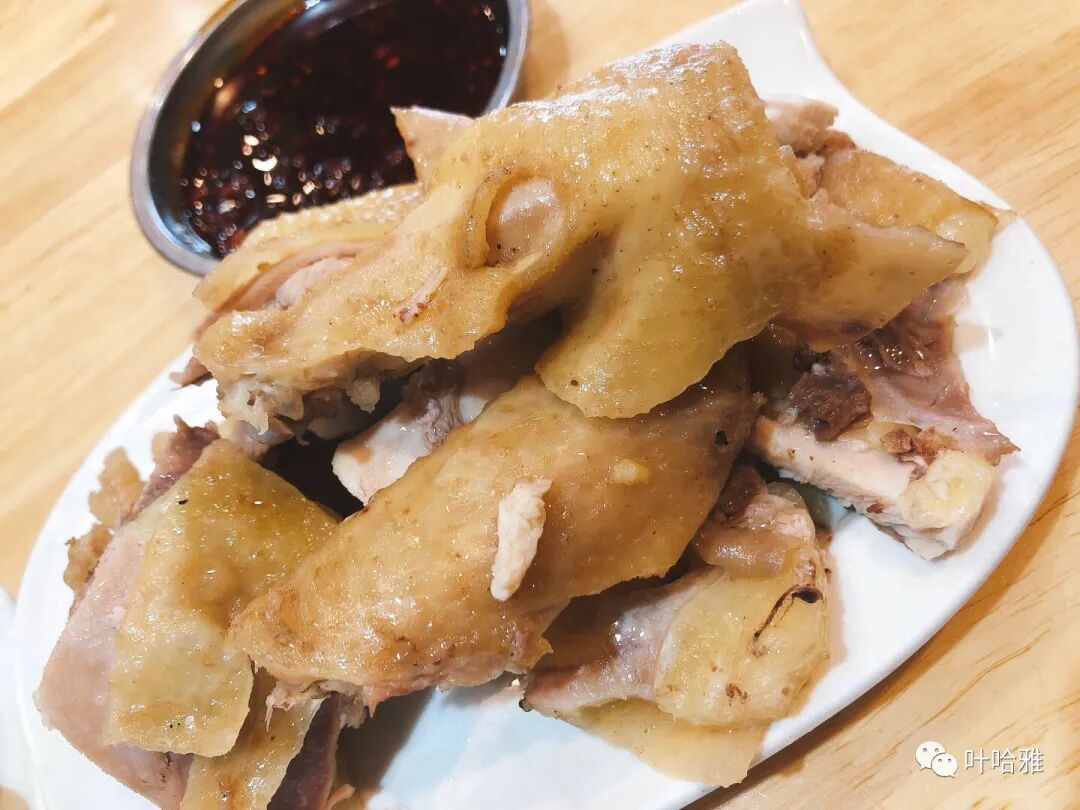
Blanched chicken
The noodle restaurants in Xining also have some meat dishes that are paired with them. The white-cut chicken is delicious.
Address: Qilian Road, Chengdong District
Kee Kee Noodles
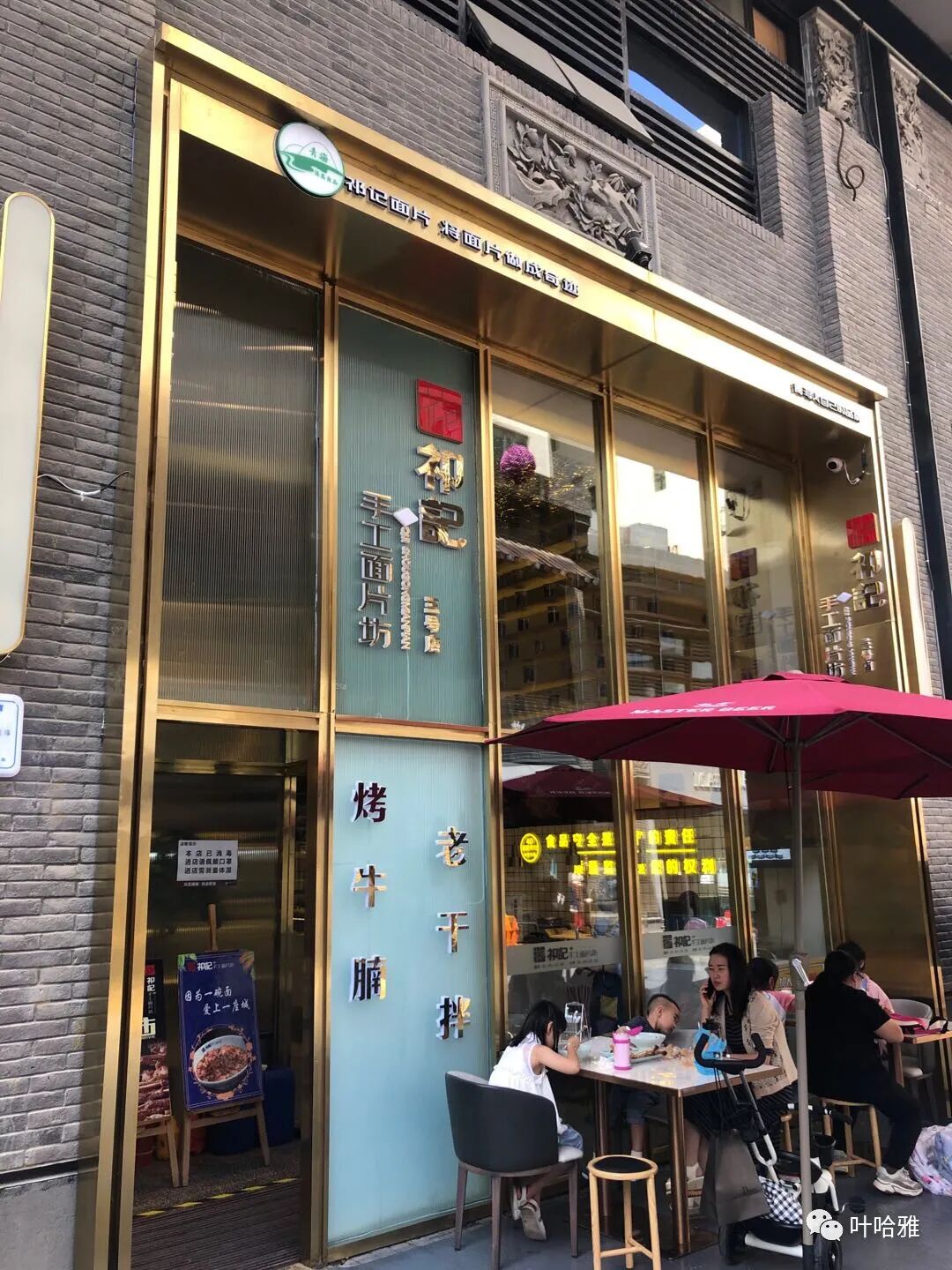
Qi Kee Noodles Branch
Qiji noodles were recommended by my friend Sala. Their noodles are made in a new style. I already like Qinghai handmade noodles, but this Qiji noodles still stood out to me.
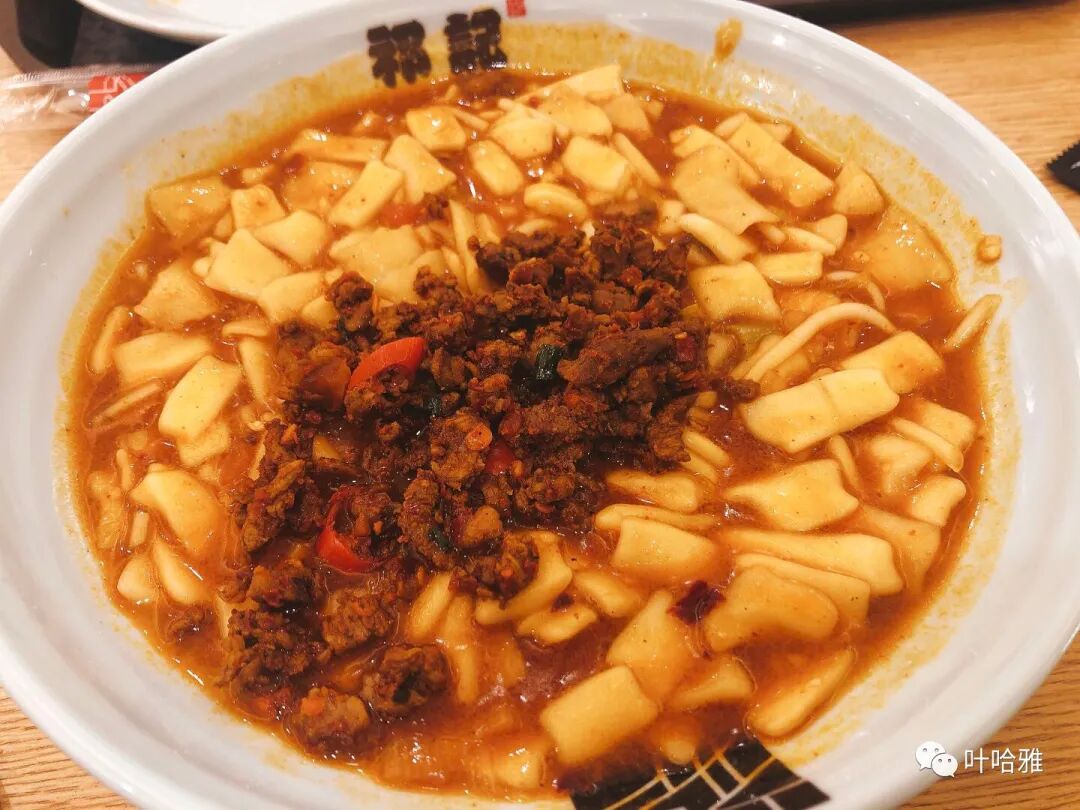
handmade dough
Qiji's noodles are characterized by heavy oil. The noodles are very small and suitable for people with heavy mouths. They will satisfy their cravings and are packed with diners every day.
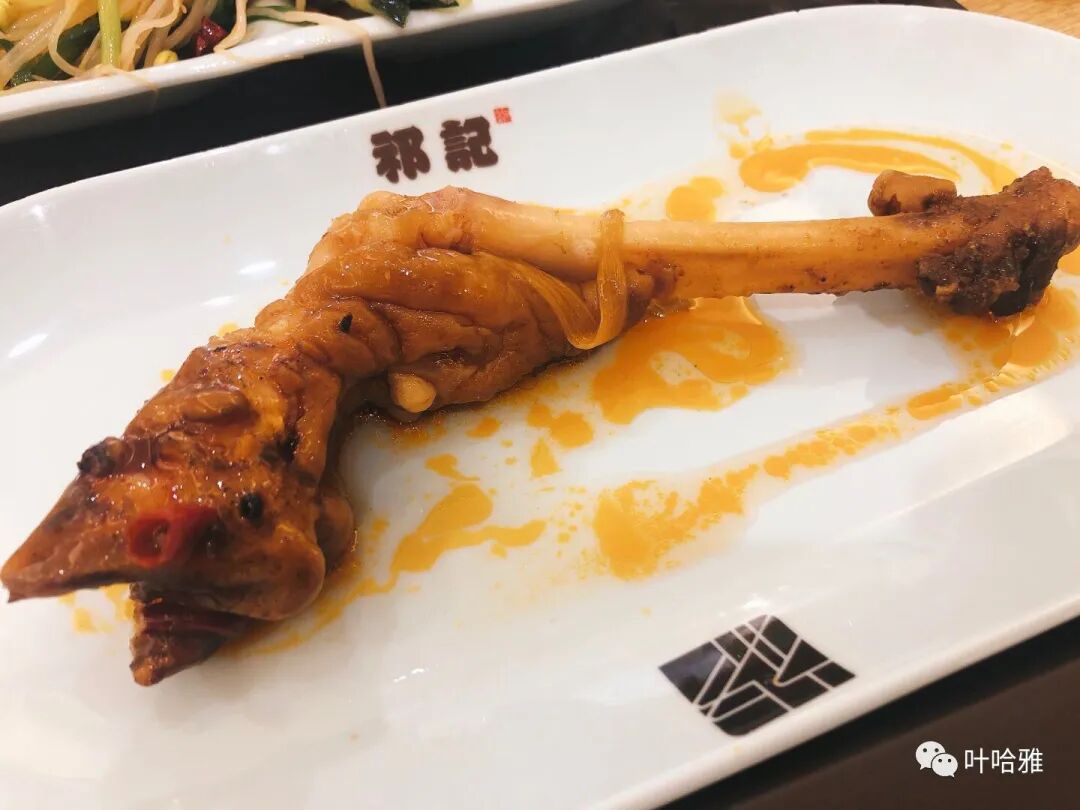
Spicy lamb trotters
We also recommend Qiji’s sheep trotters, yogurt and stewed beef brisket. The beef brisket is 99 yuan per pound and can be sold by two. Qiji has many branches.
Stonemason Japanese Charcoal BBQ
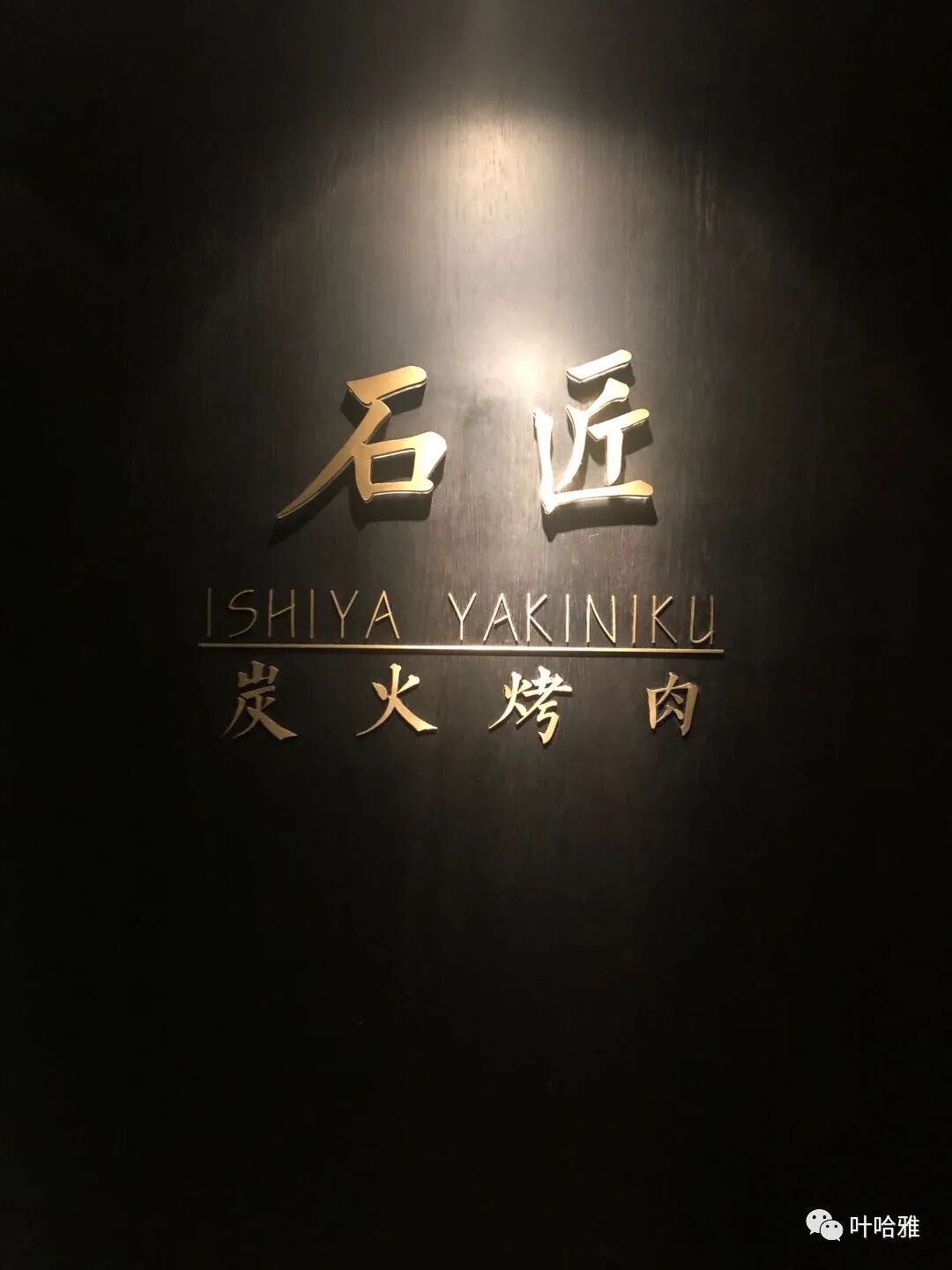
Stonemason Japanese Charcoal BBQ
This is also the first Japanese barbecue restaurant in Xining recommended by Saradosti. It is located on Limeng Pedestrian Street.
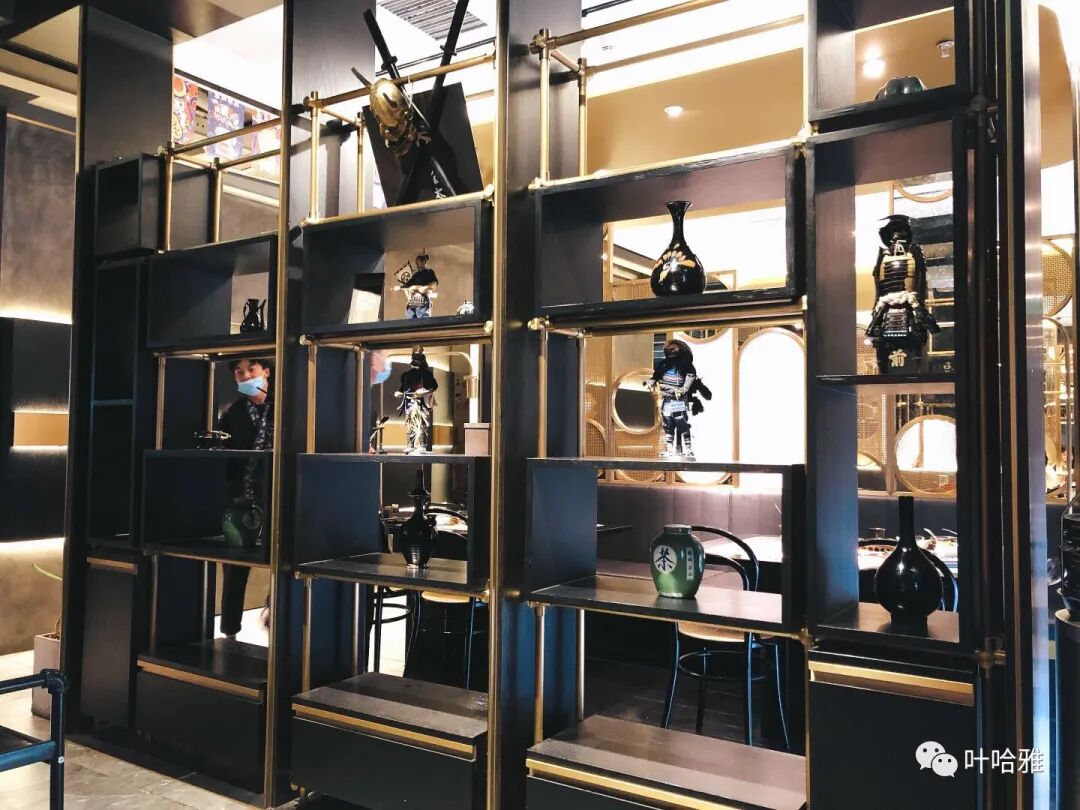
The environment is more sophisticated
Let’s talk about the service first. The service here is more attentive, greetings proactively and helping with barbecue. It should be said that the service in the entire restaurant in Xining is good.
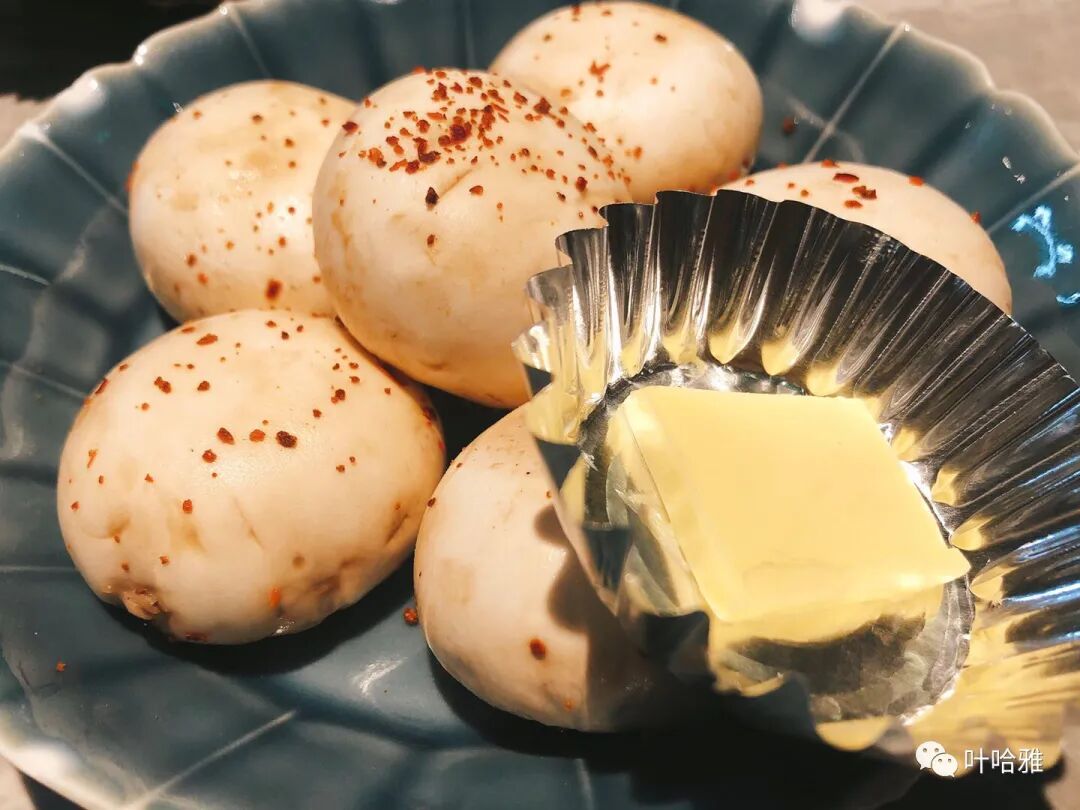
Butter and mushrooms
When grilling mushrooms, dip them in butter to give them a very unique taste.
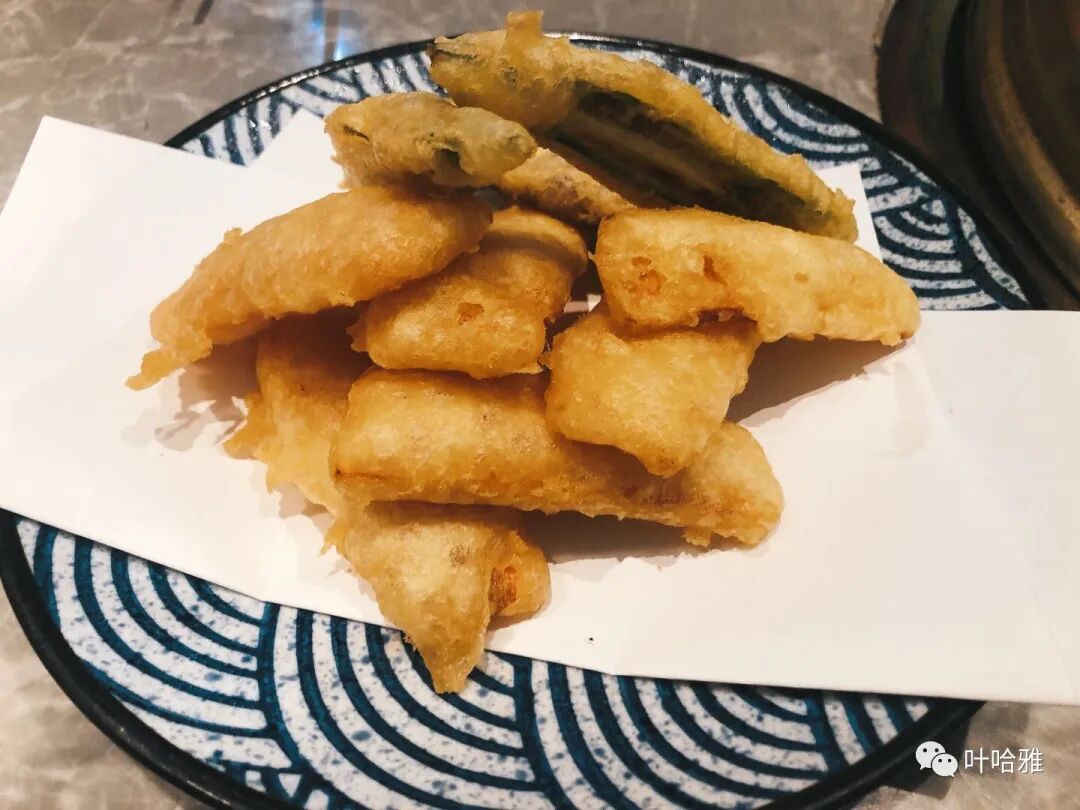
Tempura
Tempura is a traditional Japanese dish, which is fried vegetables, but the tempura in this restaurant is not recommended.
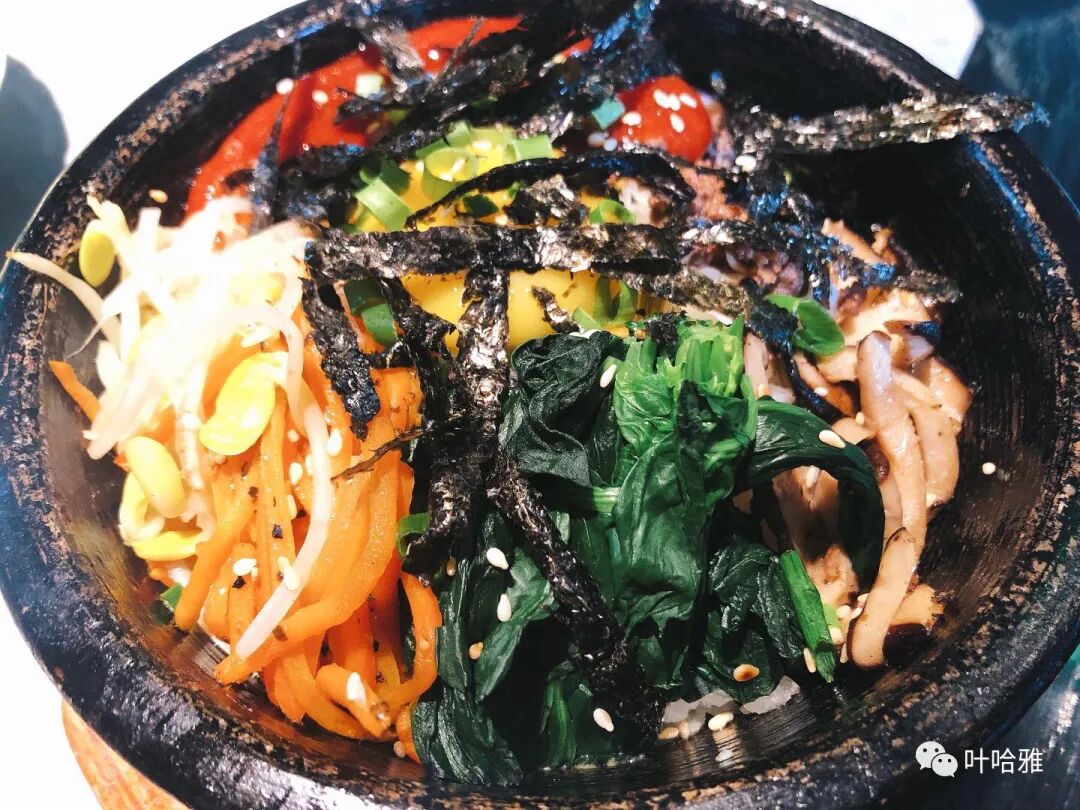
bibimbap
The Japanese BBQ restaurant combines some Korean cuisine, and the bibimbap tastes okay.
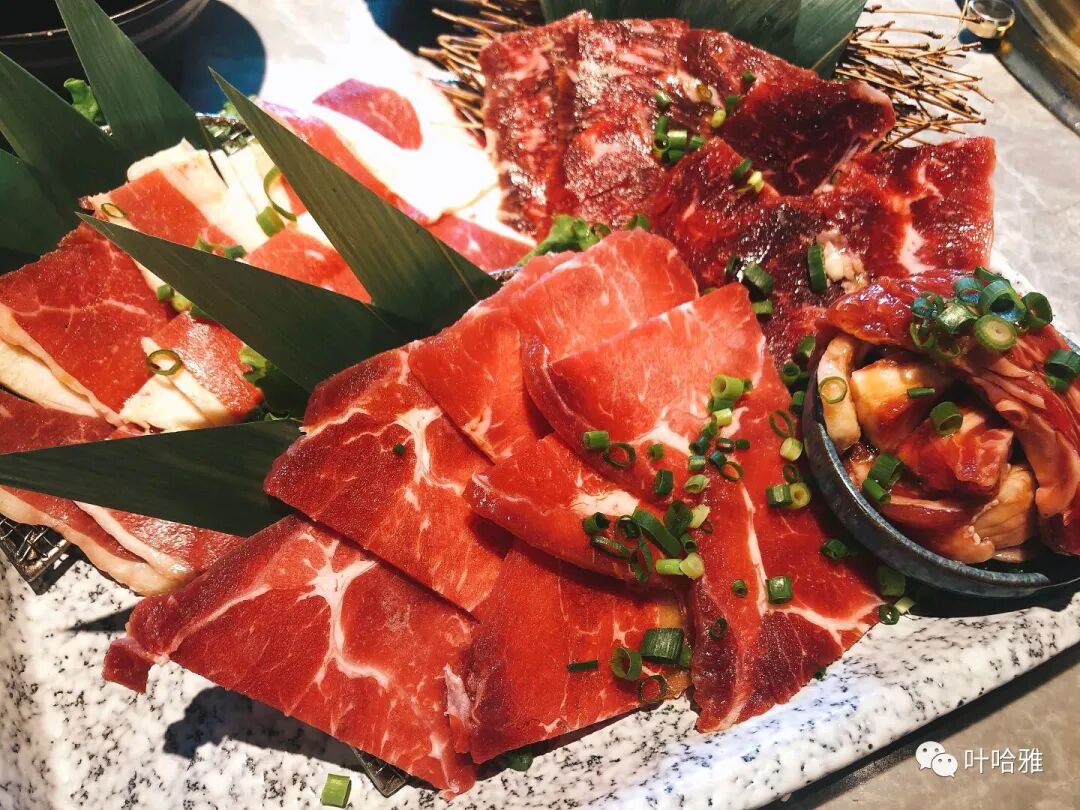
Black beef platter
The meat is delicate, needless to say, and the accompanying dipping sauce is also delicious. Generally speaking, the taste is similar to that of Qingu in Beijing.
Three liters of dry noodles
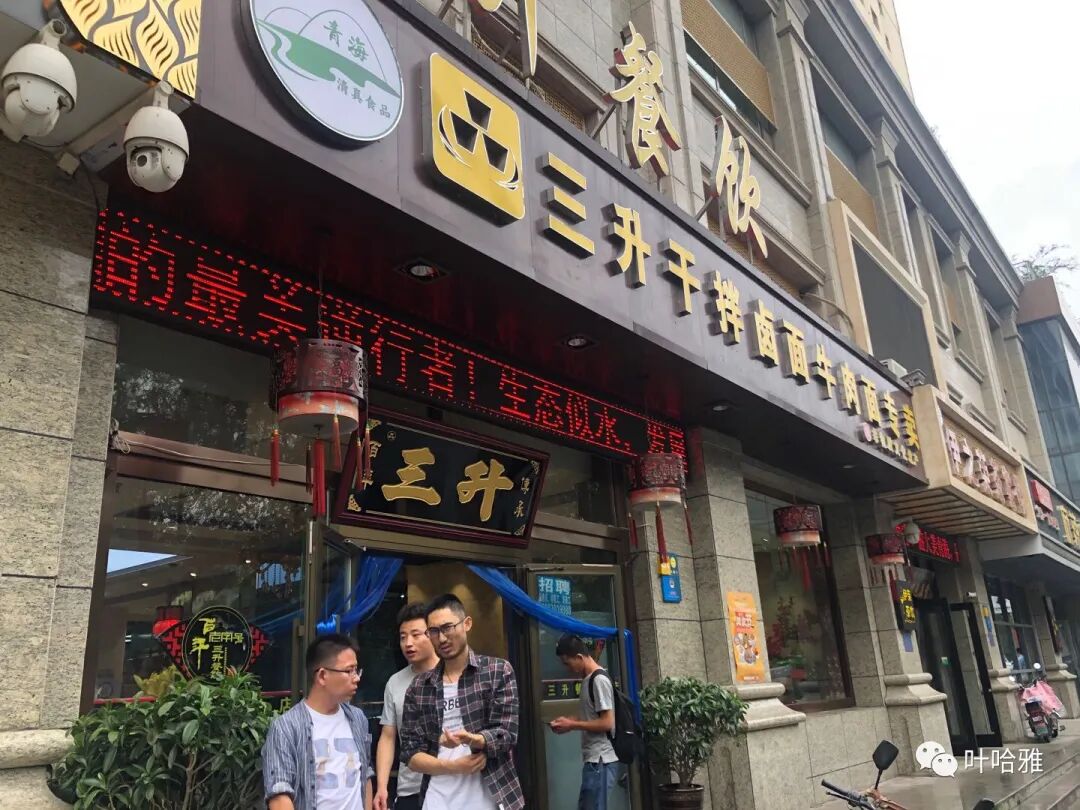
Three liters of dry noodles
Dry noodles are a specialty snack in Qinghai, and Sansheng dry noodles are the most famous traditional dry noodle restaurant. There are many noodle restaurants under the Sansheng banner in prefectures and counties, but they are not authentic. The only authentic one is this one, on the first floor of Xinqian.
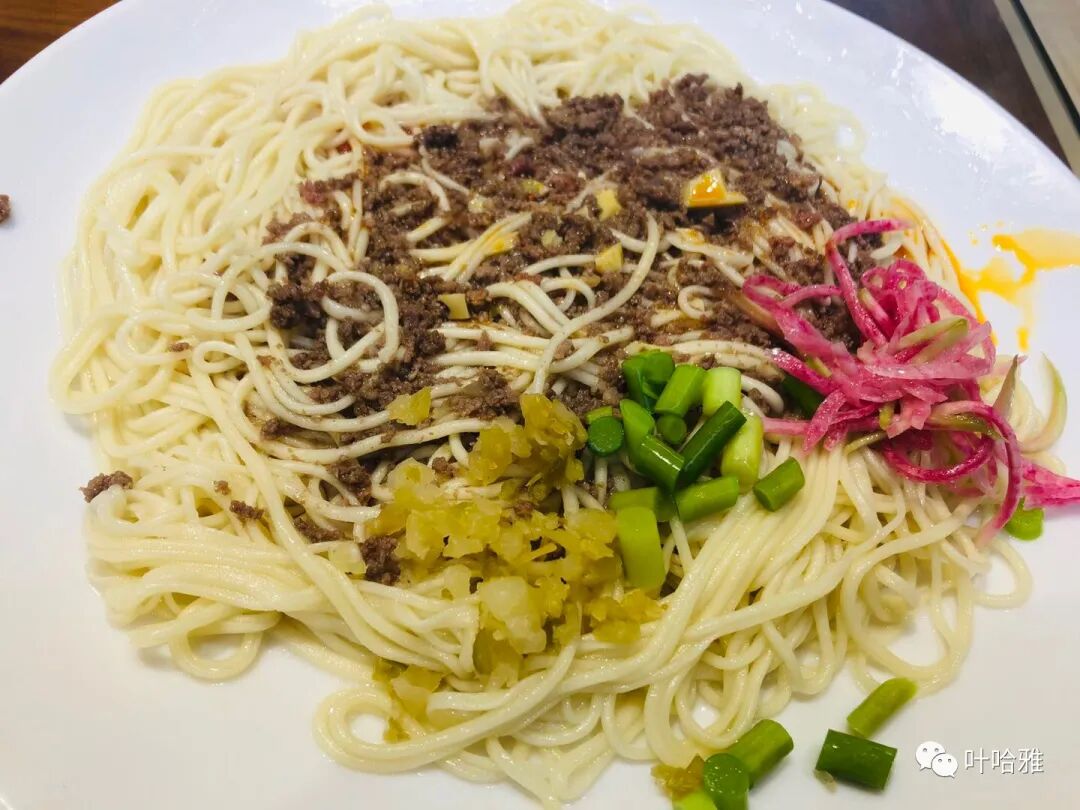
Dry noodles
Sansheng Dry Noodles is also the best dry noodles I have ever tasted. The noodles are slightly yellow and chewy, and the meat sauce is tasty enough. You can have it for breakfast.
Belle's Burger
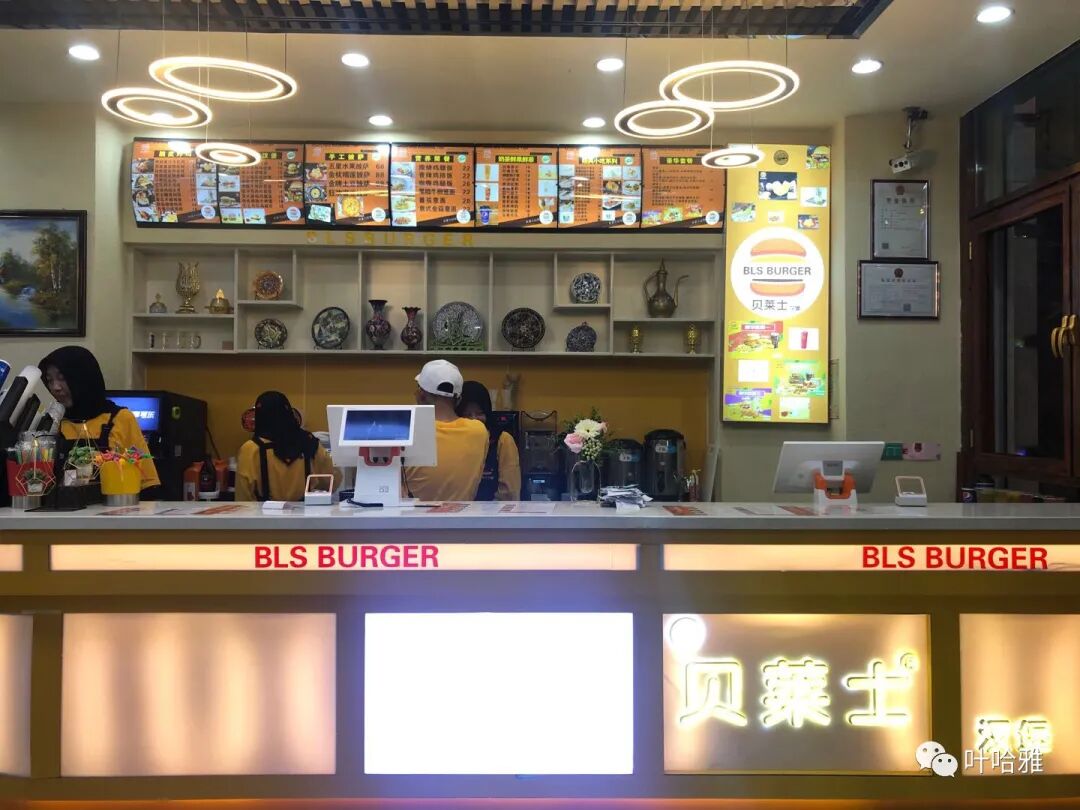
Belle's Burger
There are many halal burger fast food restaurants in Xining, including Belles, a foreign chain brand, and Dicos, which is halal.
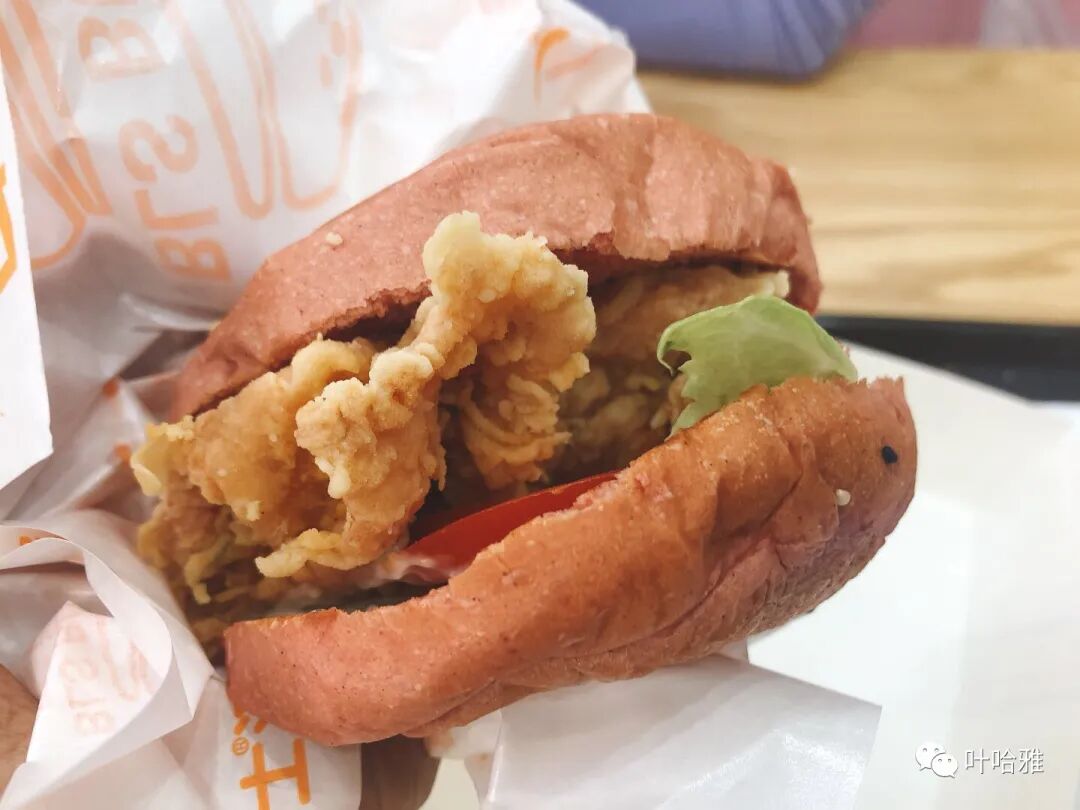
pink burger
Friends who have never eaten halal McDonald's KFC can come to Xining to experience the taste of Western fast food.
Four seasons hotpot
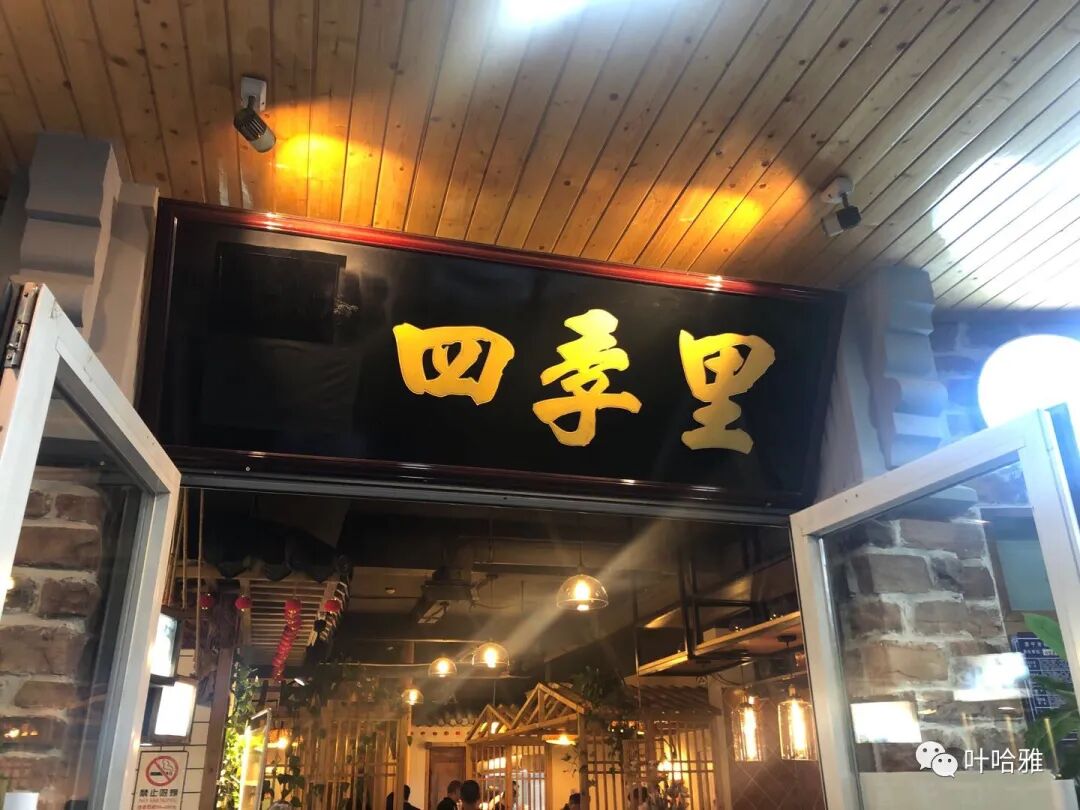
Four Seasons Sichuan Hotpot
People in Qinghai love hot pot very much. to the local hot pot, the most popular one is Sichuan hot pot, which belongs to Sichuan style in all seasons.
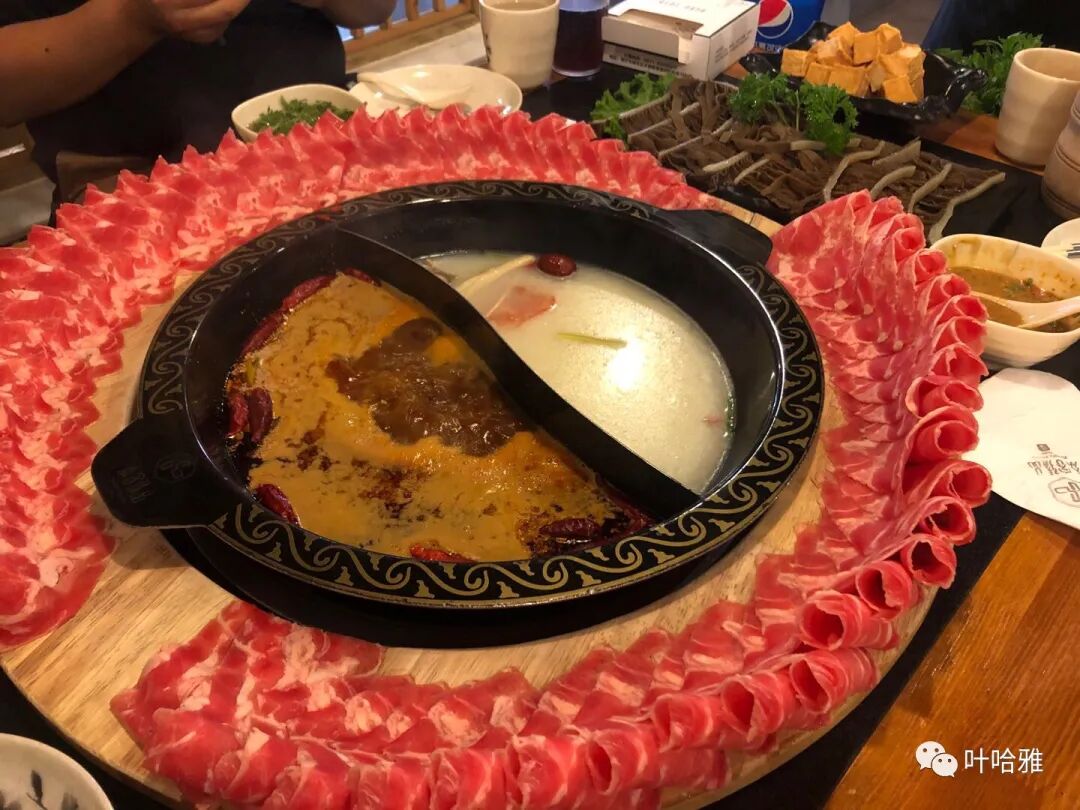
Arrange the meat in a circle around the pot.
The last time I came to Xining, I ate at the Chengdu chain brand Niubi. This time Saladosti took me to eat Four Seasons Mandarin Duck Hotpot. I felt that the decoration style here has the flavor of Xunhua Old Town.
Grandpa bakes big cakes
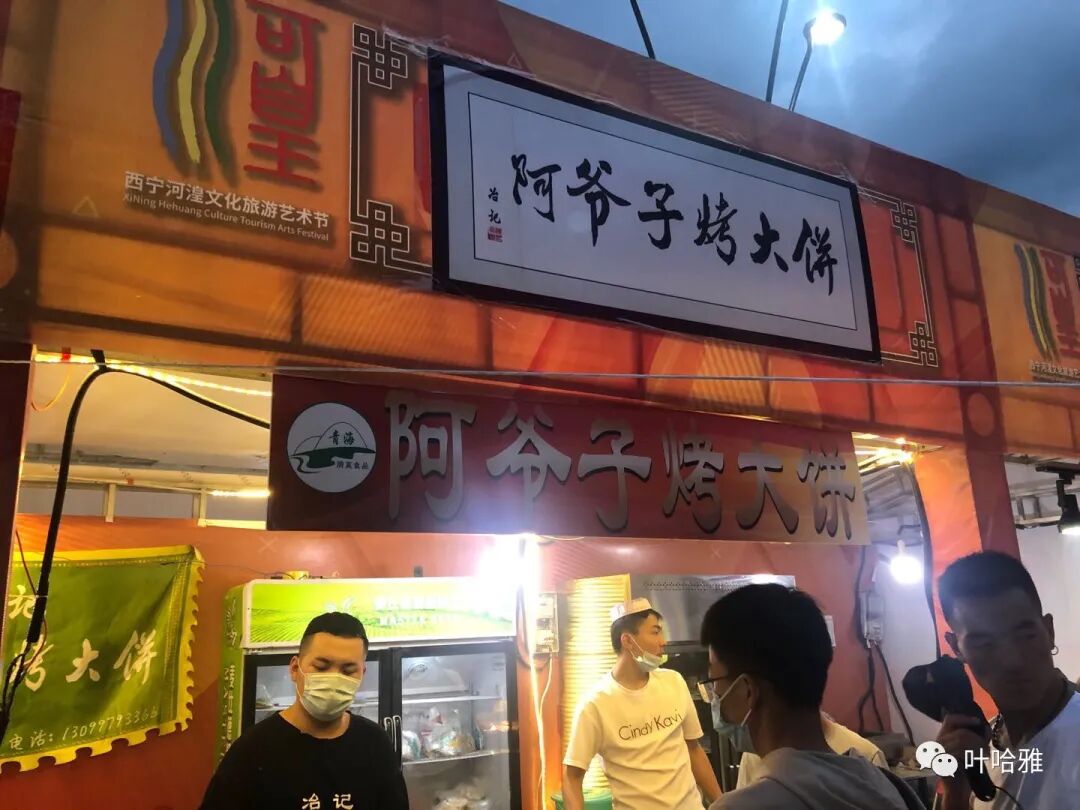
Copycat grandpa bakes pancakes
Grandpa's baked flatbread was recommended to me by Sala Laotie, but I accidentally saw this shop and thought it was the original shop. After eating it, I realized that this one was a copycat.
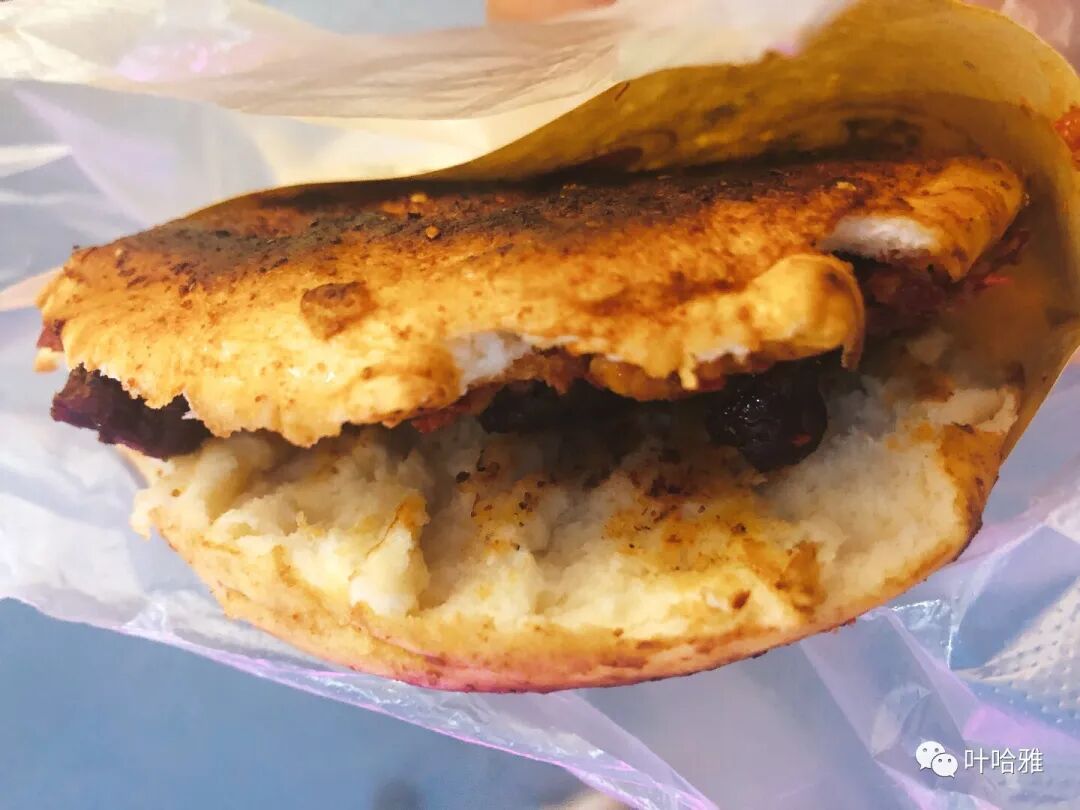
Grilled flatbread with mutton skewers inside
The real grandpa bakes pancakes in the development zone. People say his hands are not dirty and the pancakes he bakes are not fragrant. Friends can experience it for themselves.
Nile Halal Food City
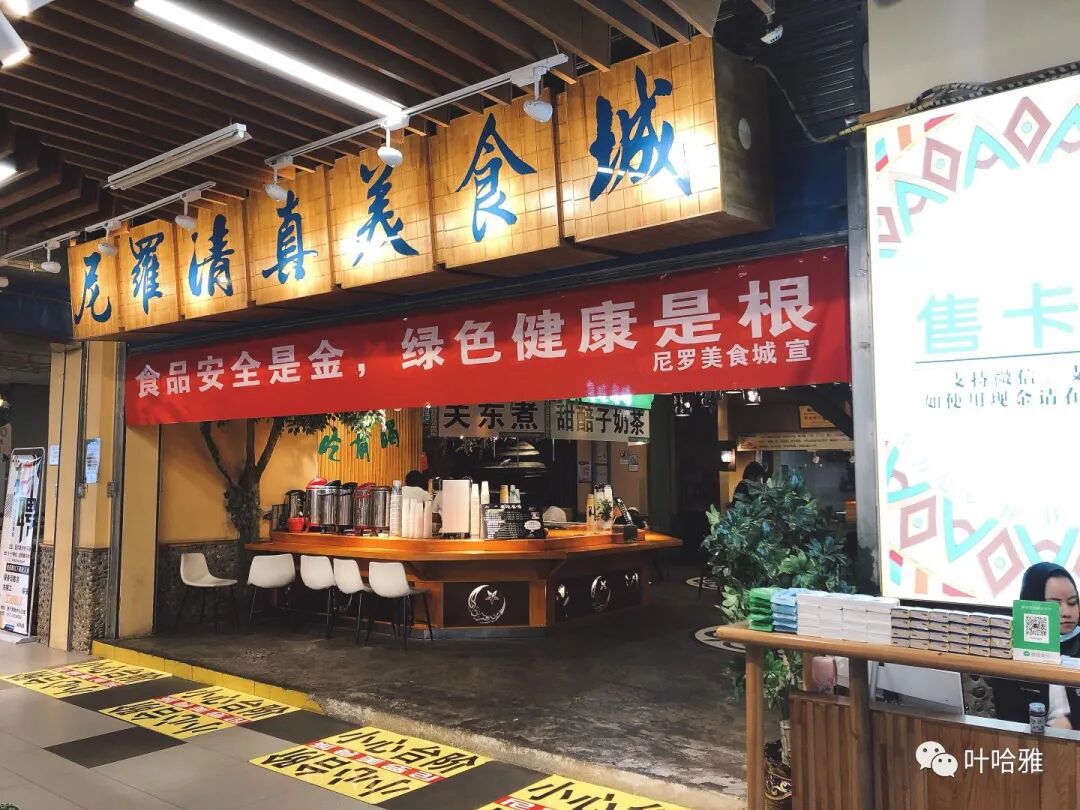
Nile Halal Food City was opened on the 15th floor in 2015. It has a wide variety of snacks, and the environment is very spacious, with a dedicated dining area and a place for ablution.
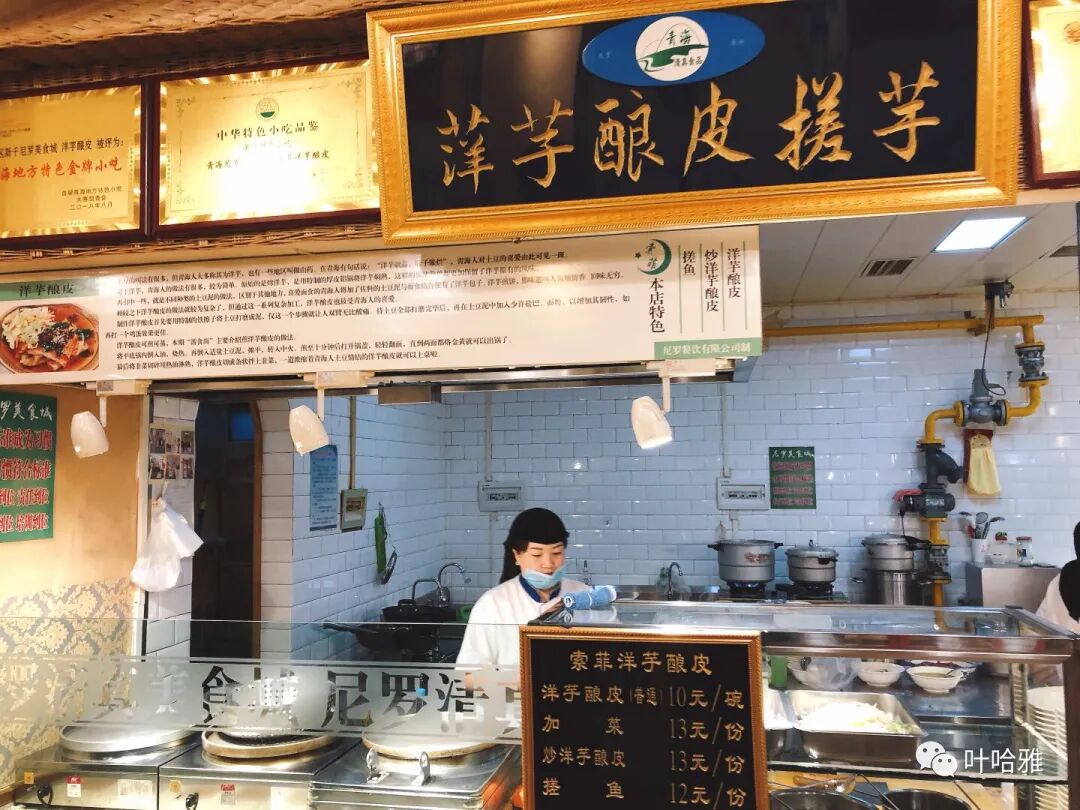
Stuffed potato skin and rubbed taro
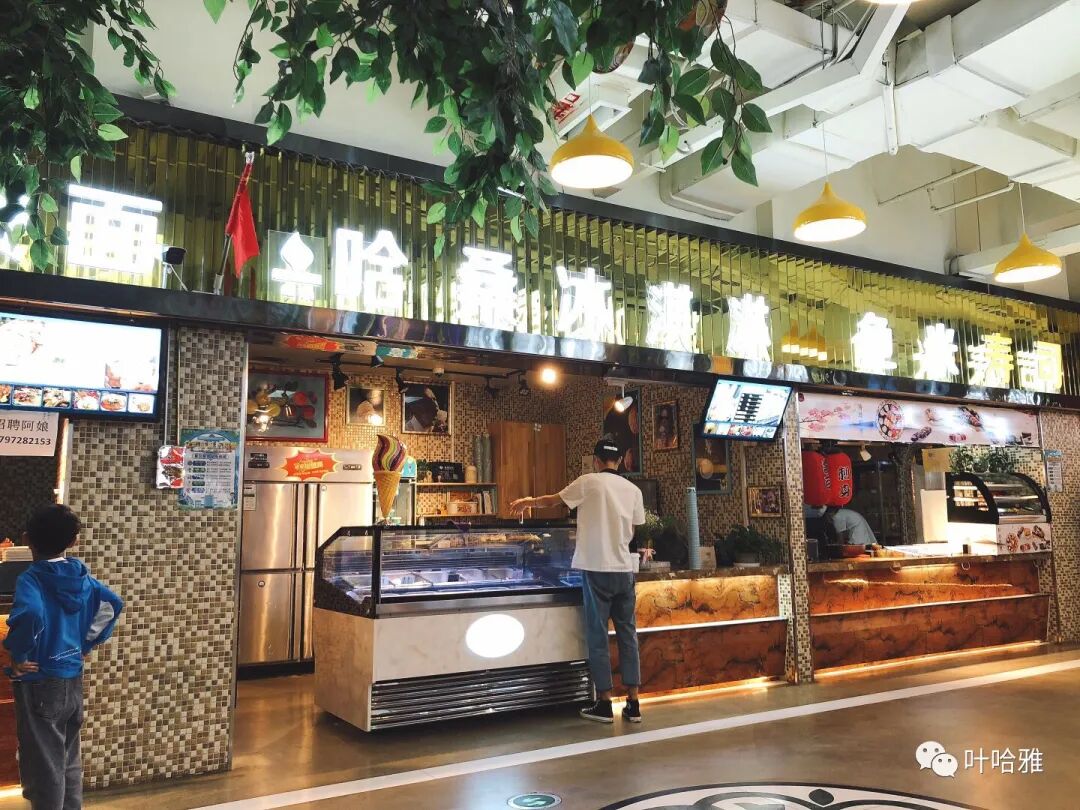
Hassan ice cream
I ate Hassan Ice Cream when I first came to Xining many years ago. At that time, I was still on Mojia Street. The ice cream seller at that time was a very beautiful girl. Today I heard that the girl had already married.
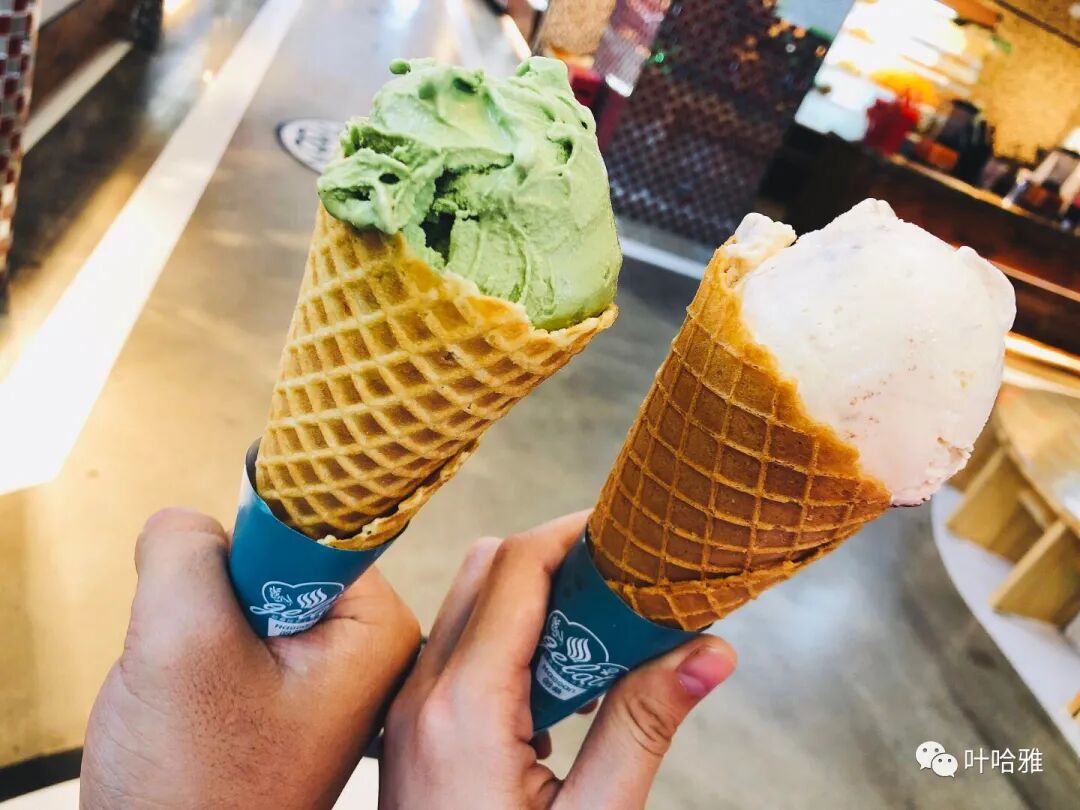
Hassan ice cream
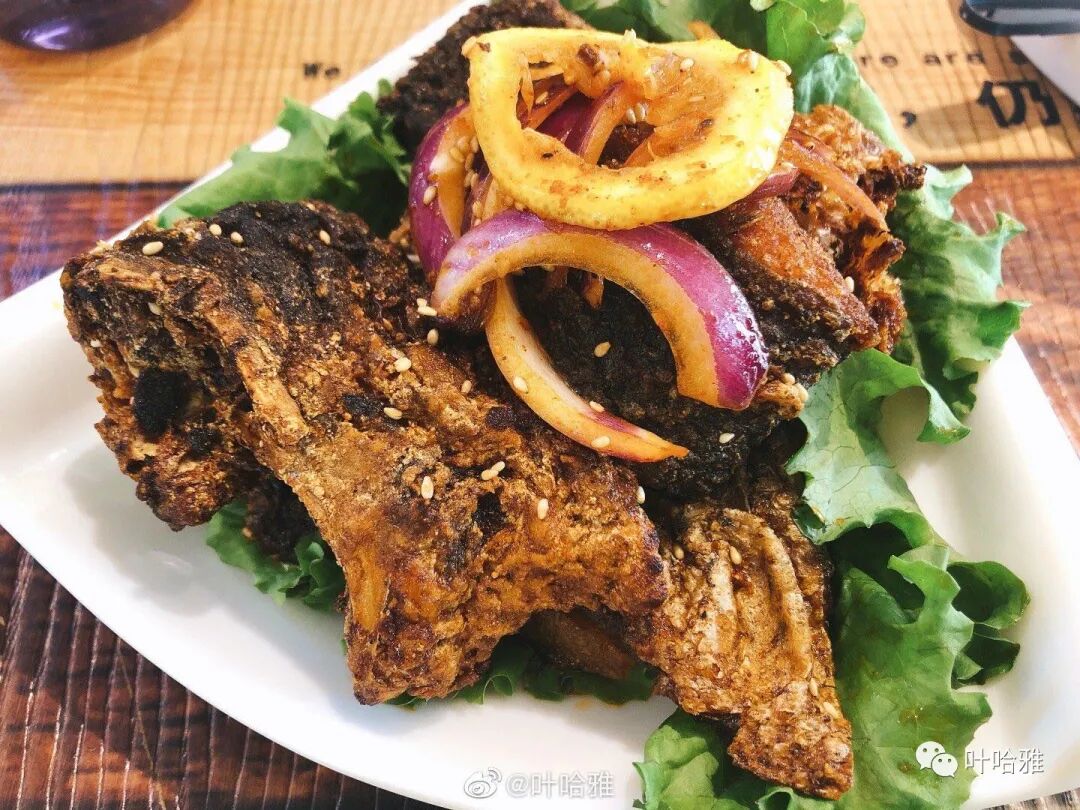
Paper wrapped fish
The fish is fried and crispy, with lemon slices on top and French fries on the bottom.
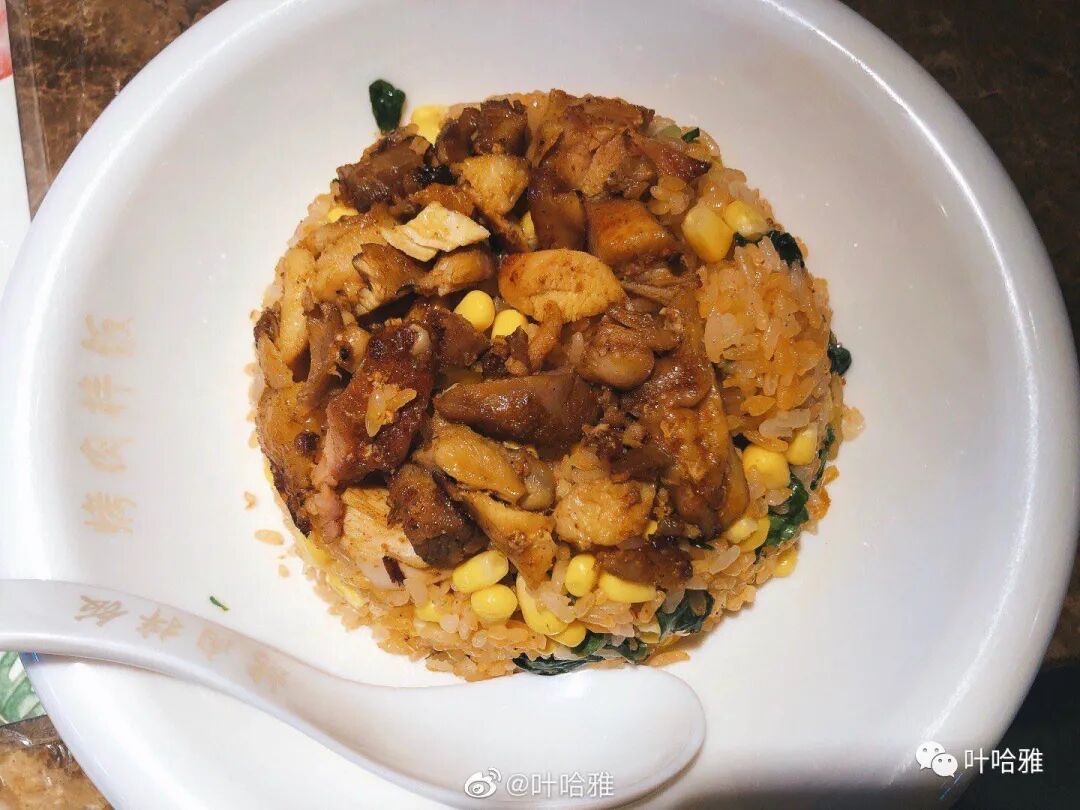
BBQ bibimbap
My wife especially liked this BBQ bibimbap and ate it twice.
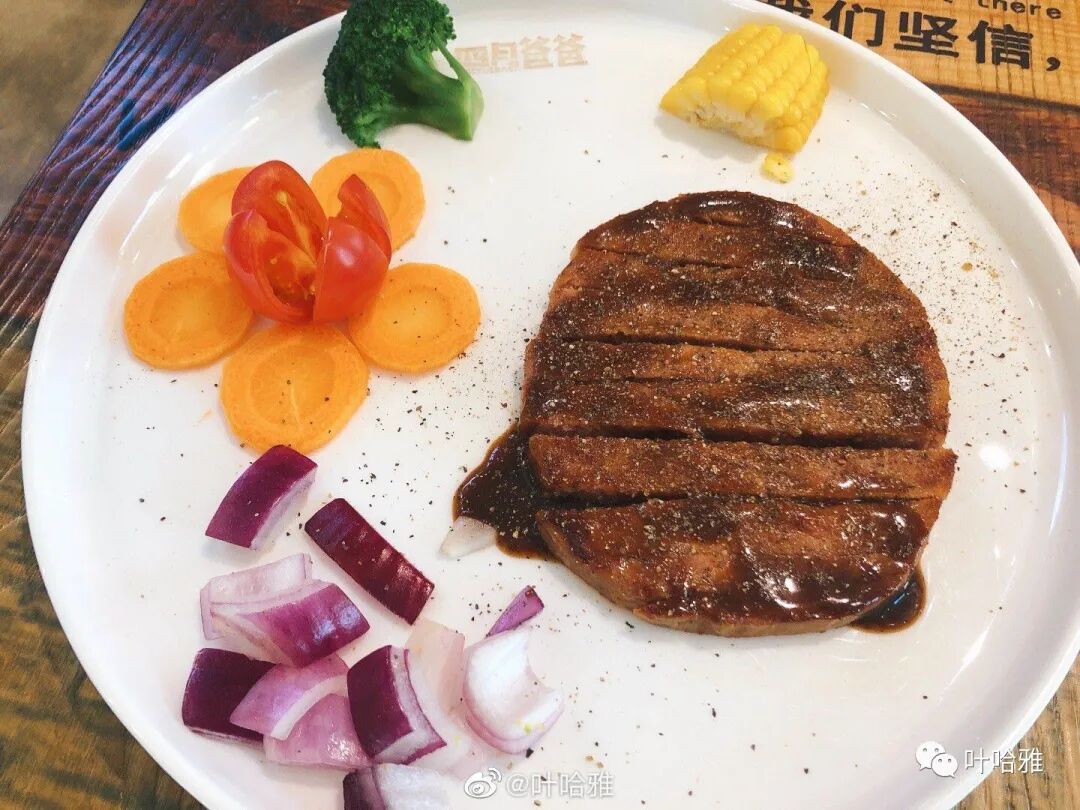
Papa April's Filet Mignon
Dad April specializes in steaks, there are many choices, and the steak tastes average.
Xinqian Tourist Night Market Food Street
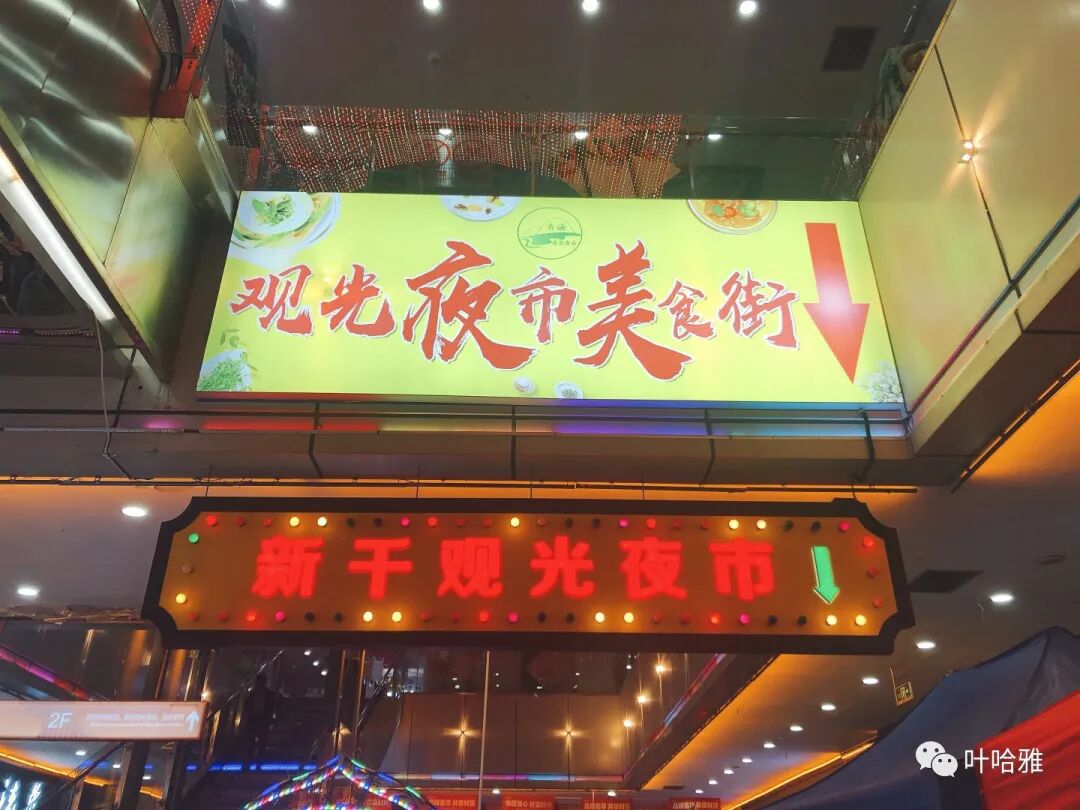
There is also a gourmet night market on the basement floor of Xinqian. The quality is more down-to-earth than the Nile upstairs, the taste is more homely, and it is more popular. It is still crowded at 10 o'clock in the evening.
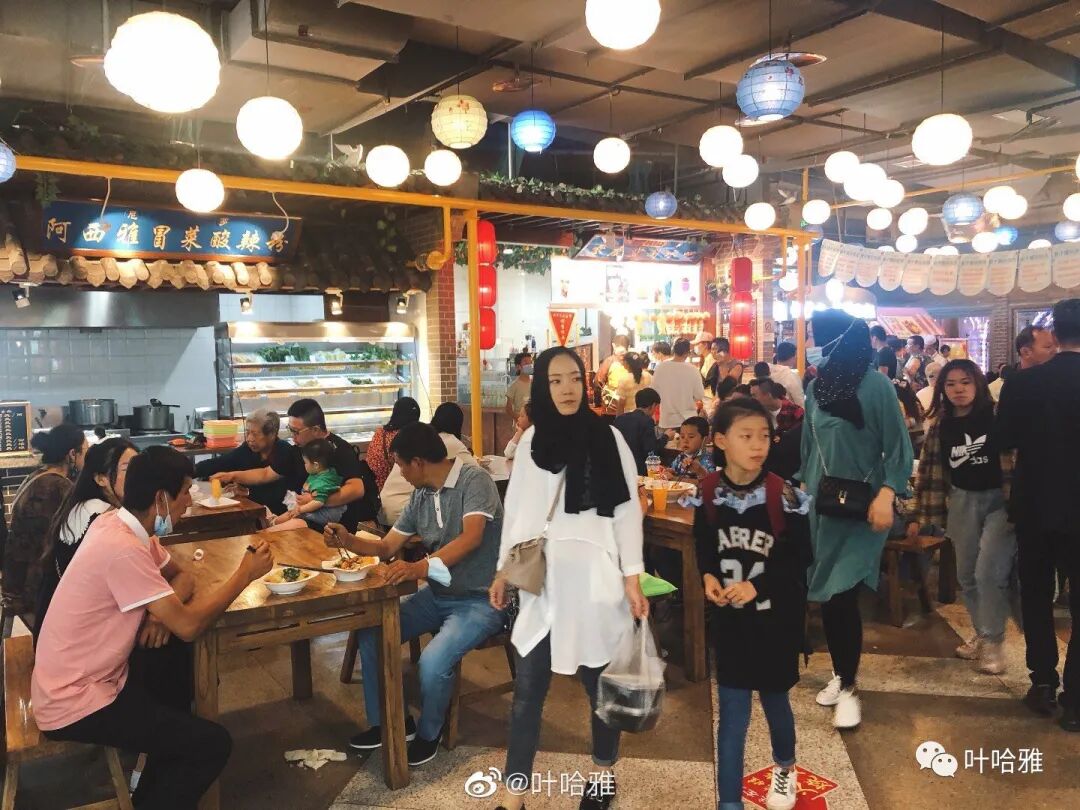
If you like a livelier atmosphere, come to the night market. There are many tourists, but the locals prefer the Nile upstairs. I like both because the tastes are different.
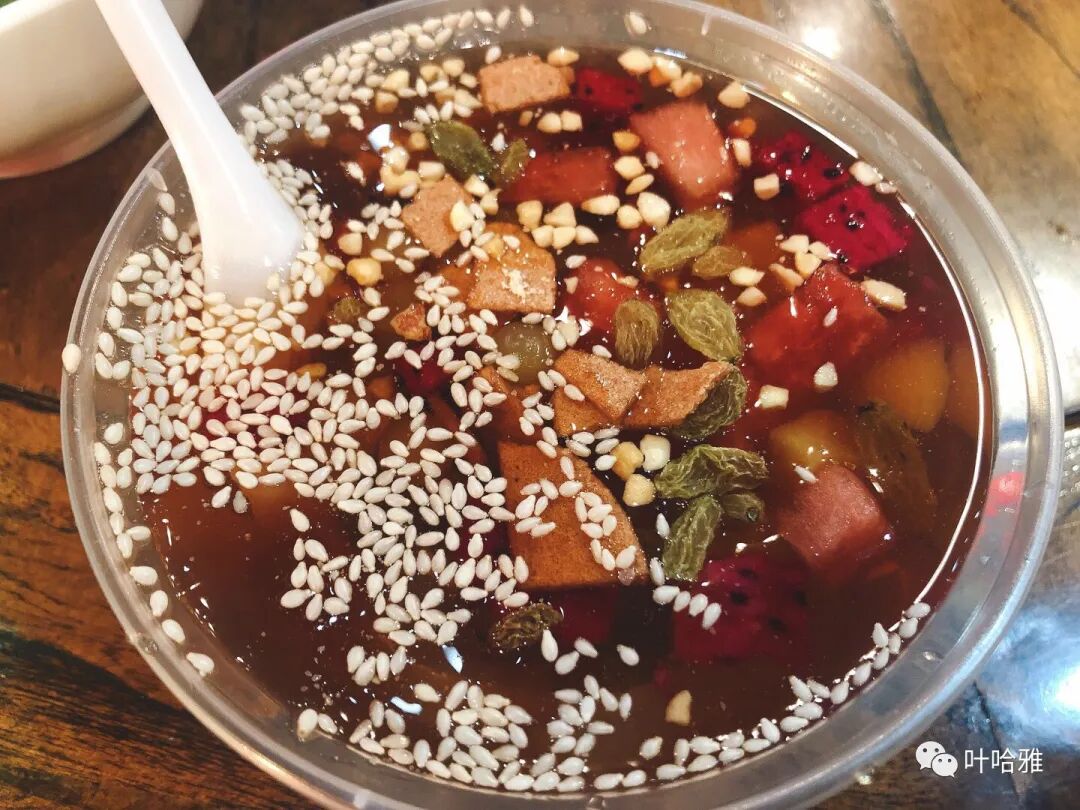
ice powder
Roll out the dough
Large copper pot with sour soup dumplings
Hot squid
The food in Xining is introduced here for the time being. Finally, I will share the food in Xining recommended to me by my old friend Sala. I haven’t checked them out yet, but everyone who has been there likes them.
Qinghai Muslim History: The Mongol Muslim Tuomao People of Qilian
Articles • ali2007fr posted the article • 0 comments • 155 views • 2026-05-18 08:38
Summary: Qinghai Muslim History: The Mongol Muslim Tuomao People of Qilian is presented here as a firsthand travel account in clear English, beginning with this scene: I recently read a new book released this July called The Tuomao People: Economy, Culture, and Modernity of a Marginalized Group, and I learned so much. The account keeps its focus on Qinghai Muslims, Tuomao People, Mongol Muslims while preserving the names, places, food, and historical details from the Chinese source.
I recently read a new book released this July called The Tuomao People: Economy, Culture, and Modernity of a Marginalized Group, and I learned so much. This book is likely the most detailed work on the Tuomao people. It covers everything from history to current reality and from economy to culture, and it explains many fascinating issues.
The Tuomao people are Muslim Mongols living in the pastoral areas of Qinghai. Historically, they shared the same cultural customs as other Qinghai Mongols, with the only difference being their faith. They are closely connected to both the Mongol and Hui Muslim groups, giving them multiple identities. They are a very interesting ethnic group. Here is some information from the book about the ethnic identity of the Tuomao people: 1. Before 1958, the Tuomao people were part of the Khoshut Mongol Tuomao tribe. They did not have a modern sense of ethnic identity and lived just like the local Mongols. At that time, when a Tuomao man married a Mongol woman, she could choose not to convert to Islam. When the wife mourned the dead, the husband would not interfere if she invited a lama to chant scriptures. Likewise, when the husband invited an imam to chant, the wife would help with the arrangements. This was very rare. 2. In 1958, Jintan in Haiyan County, Qinghai, became a nuclear weapons research base. The Tuomao people, who originally lived in the Halejing area, moved several times and scattered across the Haibei Prefecture. After their tribe was broken up, the Tuomao people lost their identity as Mongol tribespeople. Between 1958 and the 1980s, the Tuomao people were sometimes counted as Mongol and sometimes as Hui Muslims in population statistics. During a 1981 survey, both the Mongol and Hui Muslim communities in Qinghai with modern ethnic awareness identified the Tuomao people as part of their own groups. The Mongols said, 'The Tuomao are our Mongol people, they just happen to follow Islam,' while the Hui Muslims said, 'The Tuomao are our Hui Muslims, but over time, their lifestyle and habits have been influenced by the Mongols.'
After the Tuomao people in Xinjiang and Qinghai reconnected in 1978, they began working to apply for recognition as a separate ethnic group, and in the 1980s, they formally stated that they were neither Hui Muslims nor Mongols. However, after the Jino people became the 56th ethnic group in 1979, the work of ethnic identification had already ended, so the efforts of the Tuomao people did not succeed. After the 1990s, most Tuomao people in Bohu and Yanqi, Xinjiang, moved to Urumqi, Changji, and Korla. On one hand, their sense of identity gradually faded, and on the other hand, there were no cultural records, so they slowly disappeared into history. During the 2000 census, the vast majority of Tuomao people were counted as Hui Muslims, and most young Tuomao in Qinghai also identified as Hui Muslims, with living habits already close to those of the Hui. In the 2010s, with the rise of tourism in the Qilian Mountains, the Tuomao people increasingly became subjects for writers and journalists. In 2014, Qilian County officially began filming the documentary 'Walking into the Tuomao,' which became the largest gathering for the Tuomao people since 1958. The 2017 documentary caused a sensation after its release. This led to the founding of the Tuomao Cultural Research Association. Cultural activities soon followed, including applying for intangible cultural heritage status, filming folk documentaries, and hosting horse racing events. The Tuomao people began to rediscover their cultural identity.
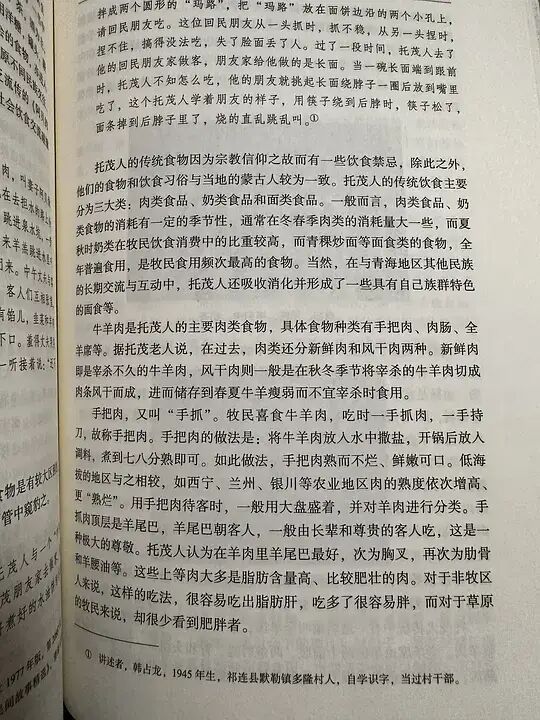
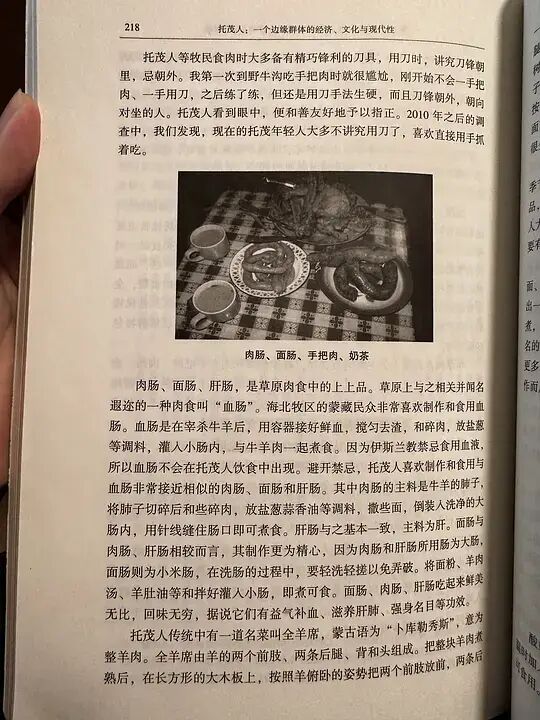
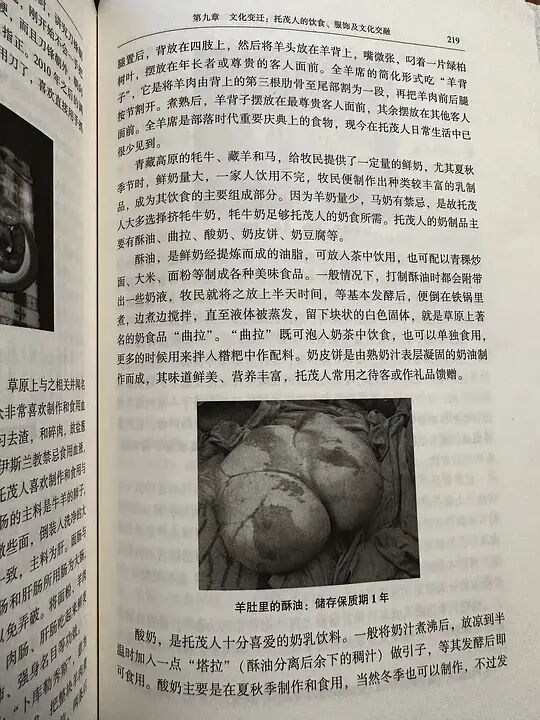
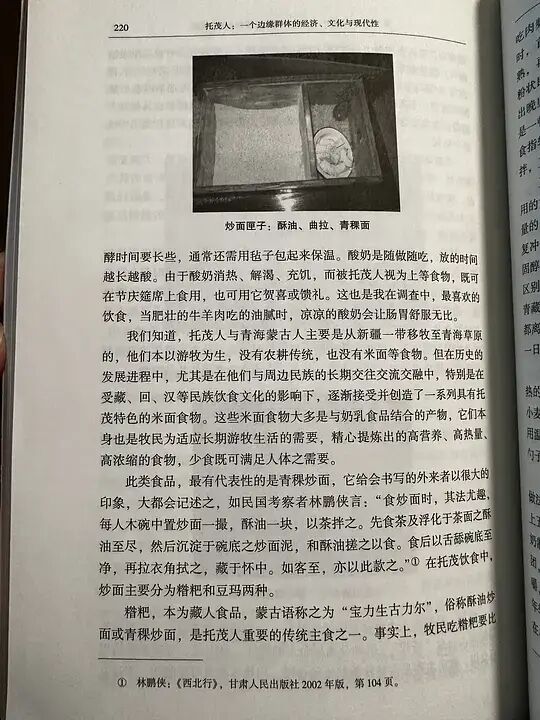
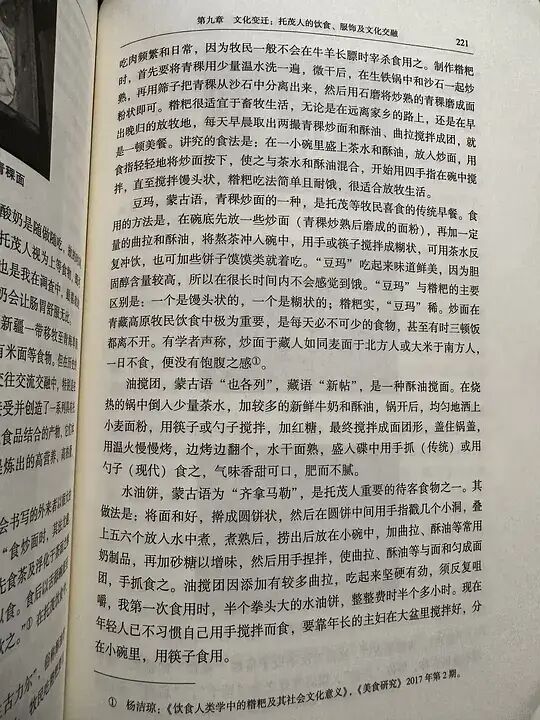
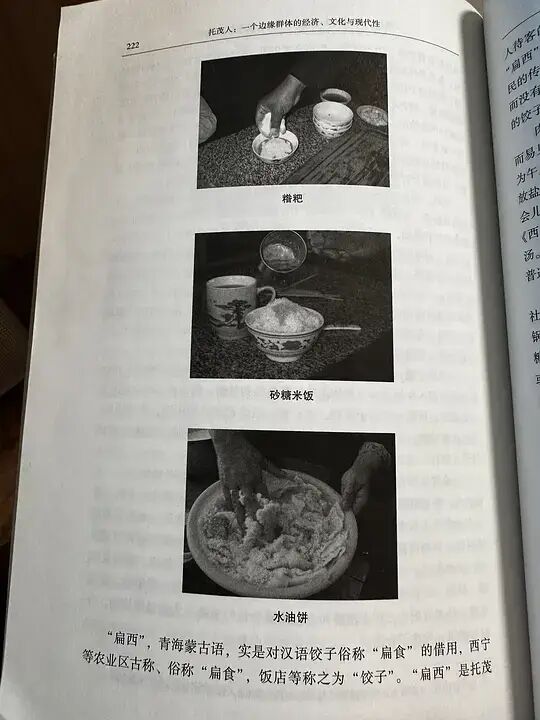
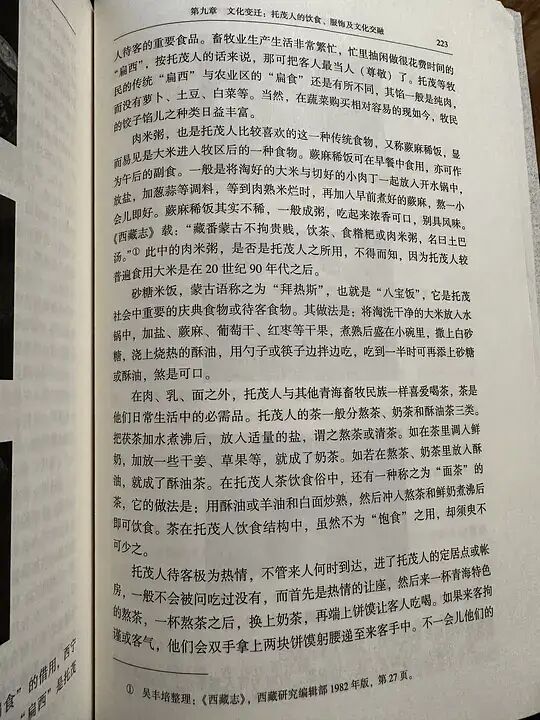
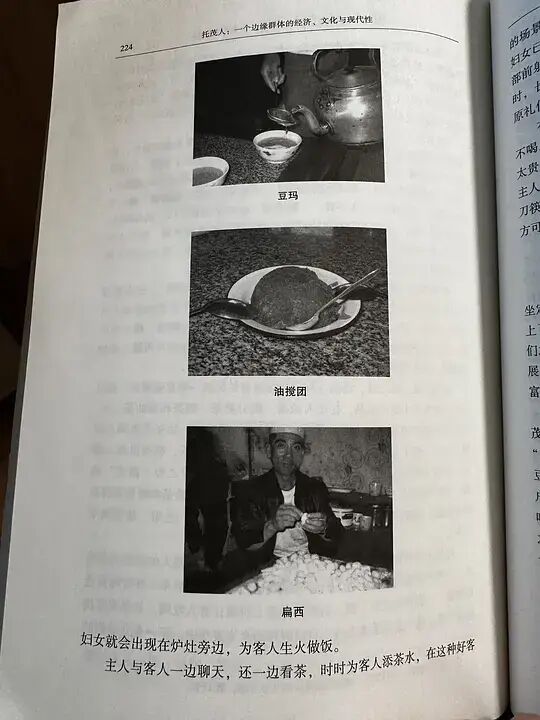
The book introduces the traditional diet of the Tuomao people (Qinghai Mongol-Hui Muslims): hand-grabbed meat (shouba rou), meat sausage (rouchang), flour sausage (mianchang), liver sausage (ganchang), butter (suyou), dried cheese curds (qula), yogurt (suannai), milk skin bread (naipibing), milk tofu (naidoufu), roasted barley flour (zanba), barley flour porridge (douma), oil-mixed flour paste (youjiaotuan), water-oil pancake (shuiyoubing), flat noodles (bianxi), meat and rice porridge (roumizhou), sugar rice (shatang mifan), boiled tea (aocha), milk tea (naicha), and butter tea (suyoucha). Meat sausage is made by stuffing beef or lamb lungs and minced meat into large intestines. Liver sausage uses liver instead. Flour sausage is made by stuffing a mixture of flour, lamb broth, and lamb tripe fat into small intestines. Butter (suyou) is the fat extracted after churning fresh milk. After churning butter, the leftover milk liquid is left to ferment for half a day. It is then boiled in an iron pot. The white solid that remains after the liquid evaporates is called dried cheese curds (qula). Milk skin bread (naipibing) is made from the cream that solidifies on the surface of boiled milk. Butter roasted barley flour (suyou qingke chaomian) is a traditional staple food for the Tuomao people. Highland barley is roasted and ground into flour. Every morning, people mix it with tea, butter, and dried cheese curds (qula) to form a bun shape, which is roasted barley flour (zanba). When mixed into a paste, it is called barley flour porridge (douma), which can be eaten with pancakes (bingzi) and steamed buns (momo). To make oil-stirred dough (youjiaotuan), add fresh milk and butter (suyou) to hot tea water. Once it boils, sprinkle in wheat flour and brown sugar. Stir it into a dough, cover the pot, and cook slowly over low heat. Flip it occasionally until the water evaporates and the dough is cooked through. Water-oil pancakes (shuiyoubing) are made by boiling dough cakes, then mixing them with dried yogurt (qula), butter (suyou), and sugar. Because they contain a lot of dried yogurt, you have to chew them thoroughly. Bianxi is the Qinghai Mongolian word for dumplings (bianshi), which are simply dumplings filled with pure meat. Meat porridge (roumizhou) is a porridge made by simmering diced meat with silverweed roots (juema). Sugar rice (shatang mifan) is a type of eight-treasure rice (babao fan). It is made by cooking rice with salt, silverweed roots (juema), raisins, and red dates. Once cooked, it is topped with white sugar and drizzled with hot butter (suyou). Boiled tea (aocha) can be made with just salt, or you can add fresh milk, dried ginger, and black cardamom (caoguo) to make milk tea. Adding butter (suyou) to milk tea makes butter tea (suyoucha). If you stir roasted butter and wheat flour into milk tea, it becomes flour tea (miancha). view all
Summary: Qinghai Muslim History: The Mongol Muslim Tuomao People of Qilian is presented here as a firsthand travel account in clear English, beginning with this scene: I recently read a new book released this July called The Tuomao People: Economy, Culture, and Modernity of a Marginalized Group, and I learned so much. The account keeps its focus on Qinghai Muslims, Tuomao People, Mongol Muslims while preserving the names, places, food, and historical details from the Chinese source.
I recently read a new book released this July called The Tuomao People: Economy, Culture, and Modernity of a Marginalized Group, and I learned so much. This book is likely the most detailed work on the Tuomao people. It covers everything from history to current reality and from economy to culture, and it explains many fascinating issues.
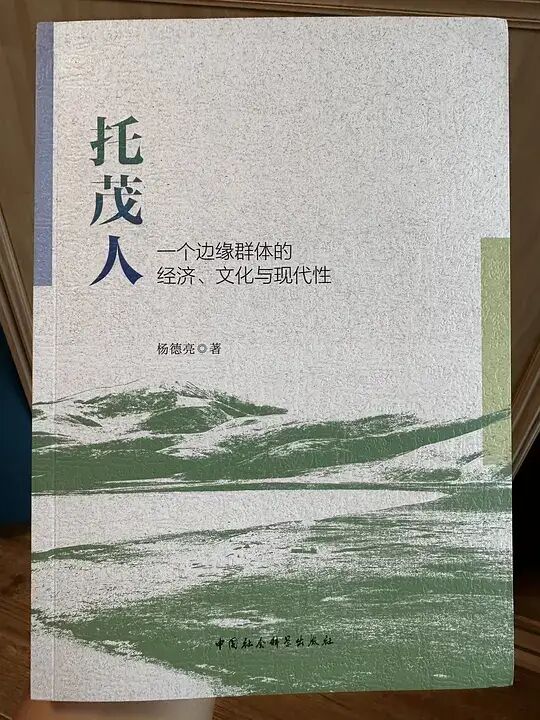
The Tuomao people are Muslim Mongols living in the pastoral areas of Qinghai. Historically, they shared the same cultural customs as other Qinghai Mongols, with the only difference being their faith. They are closely connected to both the Mongol and Hui Muslim groups, giving them multiple identities. They are a very interesting ethnic group. Here is some information from the book about the ethnic identity of the Tuomao people: 1. Before 1958, the Tuomao people were part of the Khoshut Mongol Tuomao tribe. They did not have a modern sense of ethnic identity and lived just like the local Mongols. At that time, when a Tuomao man married a Mongol woman, she could choose not to convert to Islam. When the wife mourned the dead, the husband would not interfere if she invited a lama to chant scriptures. Likewise, when the husband invited an imam to chant, the wife would help with the arrangements. This was very rare. 2. In 1958, Jintan in Haiyan County, Qinghai, became a nuclear weapons research base. The Tuomao people, who originally lived in the Halejing area, moved several times and scattered across the Haibei Prefecture. After their tribe was broken up, the Tuomao people lost their identity as Mongol tribespeople. Between 1958 and the 1980s, the Tuomao people were sometimes counted as Mongol and sometimes as Hui Muslims in population statistics. During a 1981 survey, both the Mongol and Hui Muslim communities in Qinghai with modern ethnic awareness identified the Tuomao people as part of their own groups. The Mongols said, 'The Tuomao are our Mongol people, they just happen to follow Islam,' while the Hui Muslims said, 'The Tuomao are our Hui Muslims, but over time, their lifestyle and habits have been influenced by the Mongols.'
After the Tuomao people in Xinjiang and Qinghai reconnected in 1978, they began working to apply for recognition as a separate ethnic group, and in the 1980s, they formally stated that they were neither Hui Muslims nor Mongols. However, after the Jino people became the 56th ethnic group in 1979, the work of ethnic identification had already ended, so the efforts of the Tuomao people did not succeed. After the 1990s, most Tuomao people in Bohu and Yanqi, Xinjiang, moved to Urumqi, Changji, and Korla. On one hand, their sense of identity gradually faded, and on the other hand, there were no cultural records, so they slowly disappeared into history. During the 2000 census, the vast majority of Tuomao people were counted as Hui Muslims, and most young Tuomao in Qinghai also identified as Hui Muslims, with living habits already close to those of the Hui. In the 2010s, with the rise of tourism in the Qilian Mountains, the Tuomao people increasingly became subjects for writers and journalists. In 2014, Qilian County officially began filming the documentary 'Walking into the Tuomao,' which became the largest gathering for the Tuomao people since 1958. The 2017 documentary caused a sensation after its release. This led to the founding of the Tuomao Cultural Research Association. Cultural activities soon followed, including applying for intangible cultural heritage status, filming folk documentaries, and hosting horse racing events. The Tuomao people began to rediscover their cultural identity.
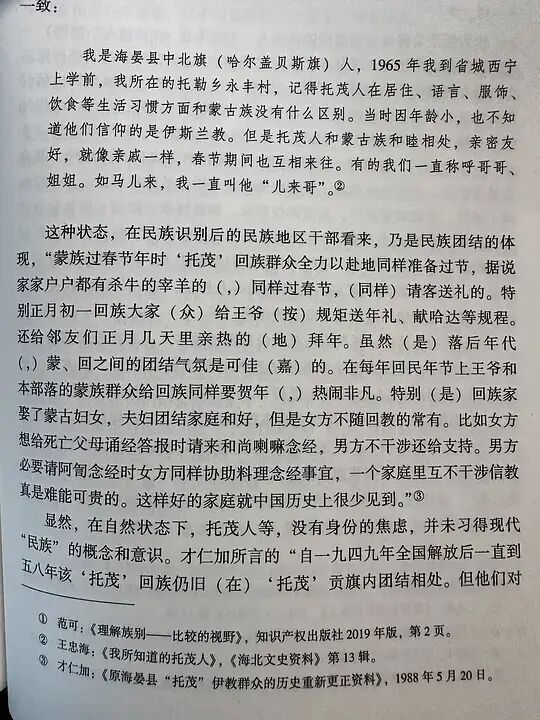
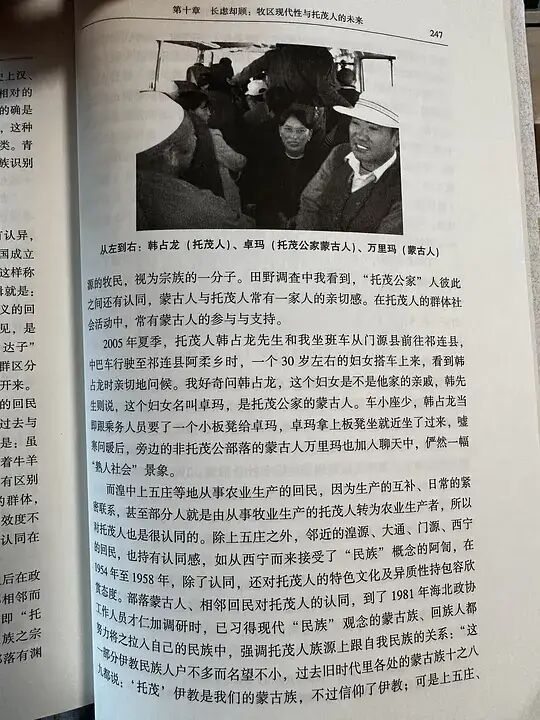
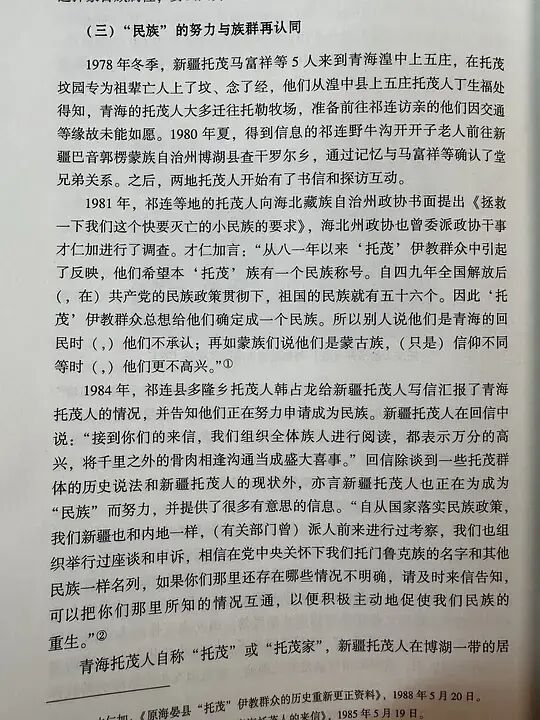
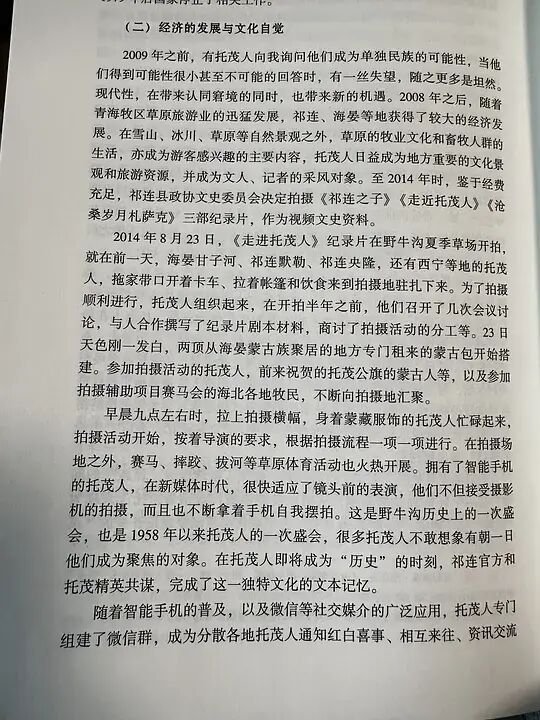
The book introduces the traditional diet of the Tuomao people (Qinghai Mongol-Hui Muslims): hand-grabbed meat (shouba rou), meat sausage (rouchang), flour sausage (mianchang), liver sausage (ganchang), butter (suyou), dried cheese curds (qula), yogurt (suannai), milk skin bread (naipibing), milk tofu (naidoufu), roasted barley flour (zanba), barley flour porridge (douma), oil-mixed flour paste (youjiaotuan), water-oil pancake (shuiyoubing), flat noodles (bianxi), meat and rice porridge (roumizhou), sugar rice (shatang mifan), boiled tea (aocha), milk tea (naicha), and butter tea (suyoucha). Meat sausage is made by stuffing beef or lamb lungs and minced meat into large intestines. Liver sausage uses liver instead. Flour sausage is made by stuffing a mixture of flour, lamb broth, and lamb tripe fat into small intestines. Butter (suyou) is the fat extracted after churning fresh milk. After churning butter, the leftover milk liquid is left to ferment for half a day. It is then boiled in an iron pot. The white solid that remains after the liquid evaporates is called dried cheese curds (qula). Milk skin bread (naipibing) is made from the cream that solidifies on the surface of boiled milk. Butter roasted barley flour (suyou qingke chaomian) is a traditional staple food for the Tuomao people. Highland barley is roasted and ground into flour. Every morning, people mix it with tea, butter, and dried cheese curds (qula) to form a bun shape, which is roasted barley flour (zanba). When mixed into a paste, it is called barley flour porridge (douma), which can be eaten with pancakes (bingzi) and steamed buns (momo). To make oil-stirred dough (youjiaotuan), add fresh milk and butter (suyou) to hot tea water. Once it boils, sprinkle in wheat flour and brown sugar. Stir it into a dough, cover the pot, and cook slowly over low heat. Flip it occasionally until the water evaporates and the dough is cooked through. Water-oil pancakes (shuiyoubing) are made by boiling dough cakes, then mixing them with dried yogurt (qula), butter (suyou), and sugar. Because they contain a lot of dried yogurt, you have to chew them thoroughly. Bianxi is the Qinghai Mongolian word for dumplings (bianshi), which are simply dumplings filled with pure meat. Meat porridge (roumizhou) is a porridge made by simmering diced meat with silverweed roots (juema). Sugar rice (shatang mifan) is a type of eight-treasure rice (babao fan). It is made by cooking rice with salt, silverweed roots (juema), raisins, and red dates. Once cooked, it is topped with white sugar and drizzled with hot butter (suyou). Boiled tea (aocha) can be made with just salt, or you can add fresh milk, dried ginger, and black cardamom (caoguo) to make milk tea. Adding butter (suyou) to milk tea makes butter tea (suyoucha). If you stir roasted butter and wheat flour into milk tea, it becomes flour tea (miancha).
Xining Weekend Halal Travel Guide: Mosques, Muslim Food and Qinghai Culture
Articles • ali2007fr posted the article • 0 comments • 156 views • 2026-05-17 06:46
Summary: This travel note introduces Xining Weekend Halal Travel Guide: Mosques, Muslim Food and Qinghai Culture. In early July 2020, Beijing lifted travel restrictions, and we began our first trip of the summer—Xining. It is useful for readers interested in Xining Travel, Halal Food, Qinghai Muslims.
In early July 2020, Beijing lifted travel restrictions, and we began our first trip of the summer—Xining.
We took an early morning flight on Saturday from Beijing to Xining Airport, and upon exiting, we immediately called a Didi (ride-hailing service) to head to the Hongshuiquan Grand Mosque. The architecture of the Hongshuiquan Mosque as it stands today is basically in the style of the Qianlong era, and I personally consider it the most beautiful ancient mosque around Xining.
Although the mosque is less than 20 kilometers from Xining Airport, the road is full of winding mountain paths, and with the rain, the drive was slightly thrilling.
For detailed photos of the Hongshuiquan Mosque, you can see my diary entry, 'Nine Traditional Mosques and Three Gongbei (domed tombs) in Qinghai'.
After visiting the Hongshuiquan Mosque, we headed to downtown Xining. The driver took us to the area near Yangjia Lane, east of Dongguan, and recommended we eat at Dongxiang Jinhai Shouzhua (hand-grabbed mutton). At their place, we ate half a jin (500 grams) of hand-grabbed lamb ribs and a bowl of jiangshui mianpian (fermented vegetable noodle soup), and the pickled radishes and babao cha (eight-treasure tea) were complimentary.
It turned out that their place was indeed the most delicious one we ate at during this trip! It was cheap and delicious, and the service was especially good; every two minutes, a staff member would come by with a kettle to ask if you needed a tea refill.
Their radishes were pickled to be very flavorful, with only a sweet taste and no spiciness. Zainab really loved drinking the jiangshui (fermented vegetable juice) and basically finished it in one go. Shouzhua baitiao (plain hand-grabbed mutton) is my favorite, and I really regretted not eating it more times on this trip.
After eating, we went diagonally across the street to drink yogurt; the yellow one is sweet and the white one is original flavor. You can't find such authentic yogurt in Beijing!
In the afternoon, we watched 'Hua'er' (a traditional folk song style) at the never-ending Hua'er festival at Xining Ga Park (Huanghe Road Small Park). Next to Ga Park, there is a Delu Yogurt shop, so we bought yogurt and qingke tianpei (highland barley fermented snack) to enjoy while listening to the Hua'er. After the rain, the weather was super cool, which was just wonderful. However, because of the rain, there weren't many singers, and they only formed one circle.
A major feature of the Hua'er festival at Ga Park is that you can hear various styles and characteristics of Hua'er; not only high-pitched and resonant ones but also low and melodious ones. There are high-level singers as well as ordinary people who love to sing 'man hua'er' (a style of folk singing), which is how a Hua'er festival should be.
In the afternoon, we ate liangpizi (cold starch noodles) on Xia Nanguan Street behind the Dongguan Grand Mosque.
There is a supermarket for ethnic goods on the second floor of the Dongguan Grand Mosque; I bought my first knit cap there over a decade ago.
In the evening, we ate at a Salar ethnic tea restaurant in Dongguan. There are quite a few tea restaurants here, all with booth seating suitable for chatting. We ordered stir-fried chicken, Xunhua-style spicy stir-fried meat, and qingke bing (highland barley flatbread).
While taking a walk at night, we bought yak beef jerky at a food shop in front of the Yudai Bridge Mosque. Over the past ten years, their shop really hasn't changed at all, as if time has stood still.
At the Laowang shop in Xining Dongguan Cuolong, we ate gengpi (thick starch noodles) and freshly made yak yogurt. Zainab said this was the best yogurt we had on this Xining trip.
On Sunday morning, we had baozi (steamed buns) and fentang (vermicelli soup) at the Galou restaurant in Dongguan.
Then we also ate zashui (offal soup), and the beef tongue was very tender.
There are many small street shops selling yogurt and tianpei around Yangjia Lane in Dongguan. The tianpei can be a mix of highland barley and wheat kernels, and it tastes very good. Then we also bought subing (flaky pastries) in Dongguan and Xia Nanguan. The subing, guokui (hard flatbread), and momo (steamed buns) in the Hehuang region are all very delicious, and using xiangdou (fenugreek) is a local specialty.
For lunch, we had roasted lamb chops in Dongguan.
At the Ga Park Hua'er festival venue, it cleared up on Sunday. From noon, more and more singers arrived, and two circles were formed at the same time. You sing a song, I sing a song; there were Han, Hui, and Tu ethnic people, which was very satisfying.
Finally, I have attached a set of snapshots of Xining street scenes. view all
Summary: This travel note introduces Xining Weekend Halal Travel Guide: Mosques, Muslim Food and Qinghai Culture. In early July 2020, Beijing lifted travel restrictions, and we began our first trip of the summer—Xining. It is useful for readers interested in Xining Travel, Halal Food, Qinghai Muslims.
In early July 2020, Beijing lifted travel restrictions, and we began our first trip of the summer—Xining.
We took an early morning flight on Saturday from Beijing to Xining Airport, and upon exiting, we immediately called a Didi (ride-hailing service) to head to the Hongshuiquan Grand Mosque. The architecture of the Hongshuiquan Mosque as it stands today is basically in the style of the Qianlong era, and I personally consider it the most beautiful ancient mosque around Xining.
Although the mosque is less than 20 kilometers from Xining Airport, the road is full of winding mountain paths, and with the rain, the drive was slightly thrilling.
For detailed photos of the Hongshuiquan Mosque, you can see my diary entry, 'Nine Traditional Mosques and Three Gongbei (domed tombs) in Qinghai'.
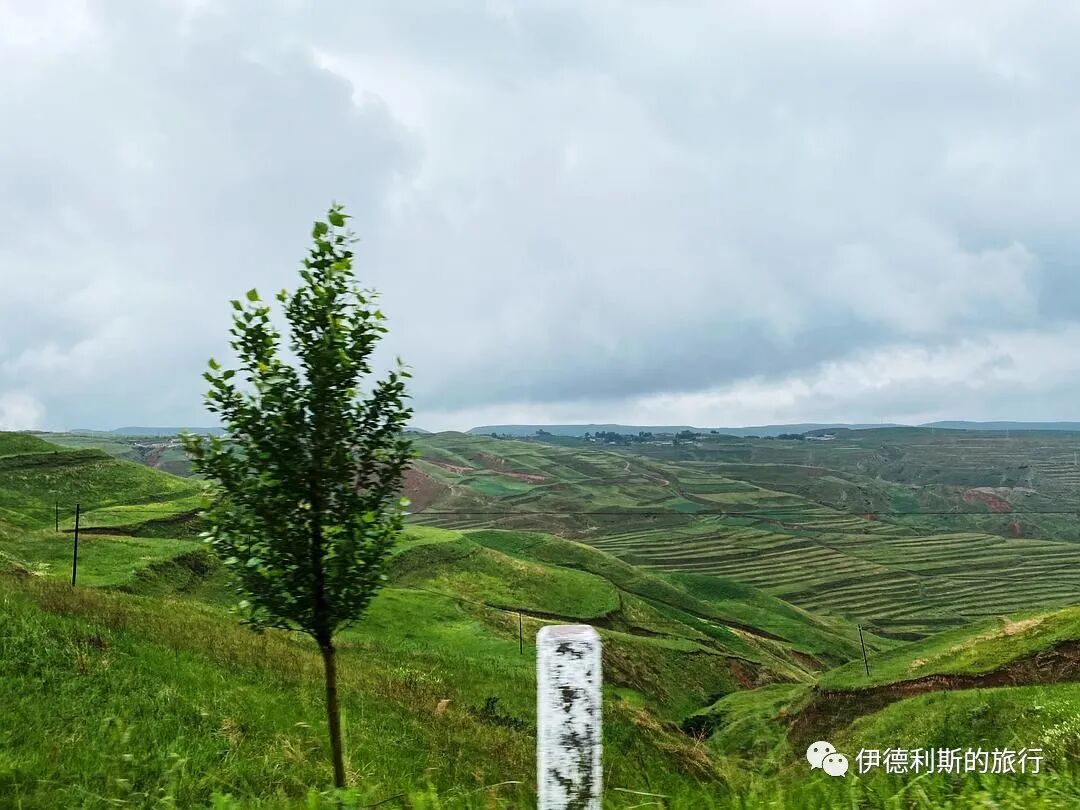
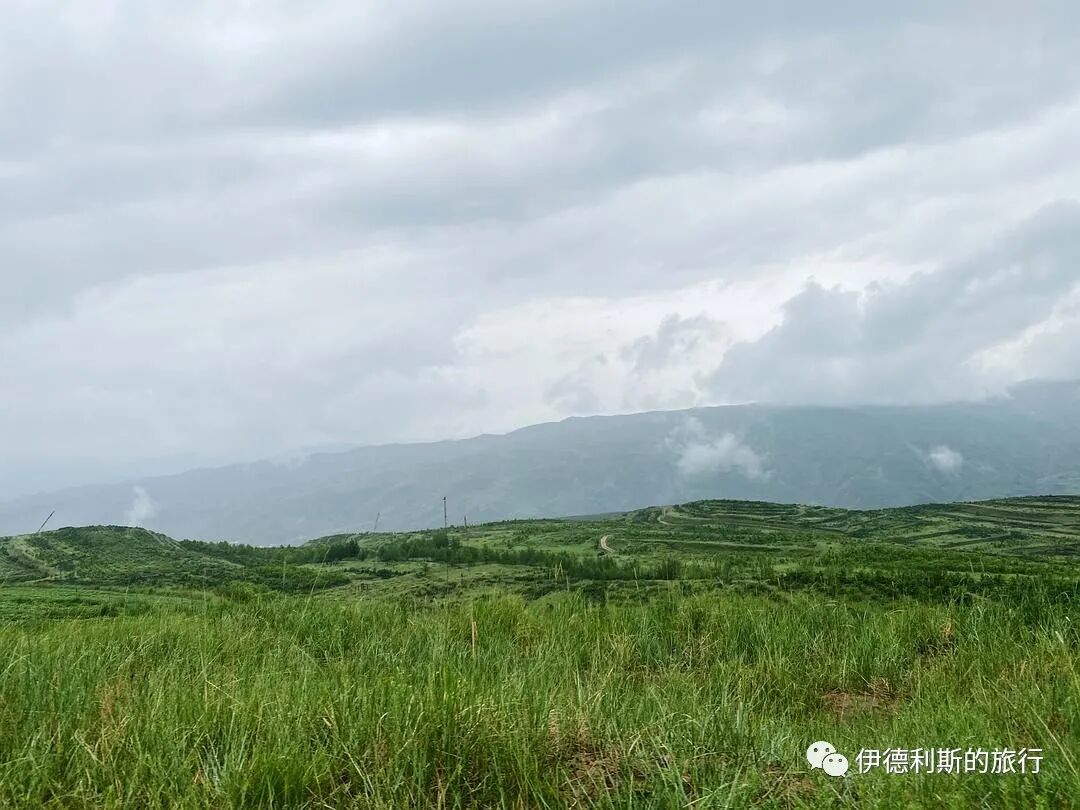
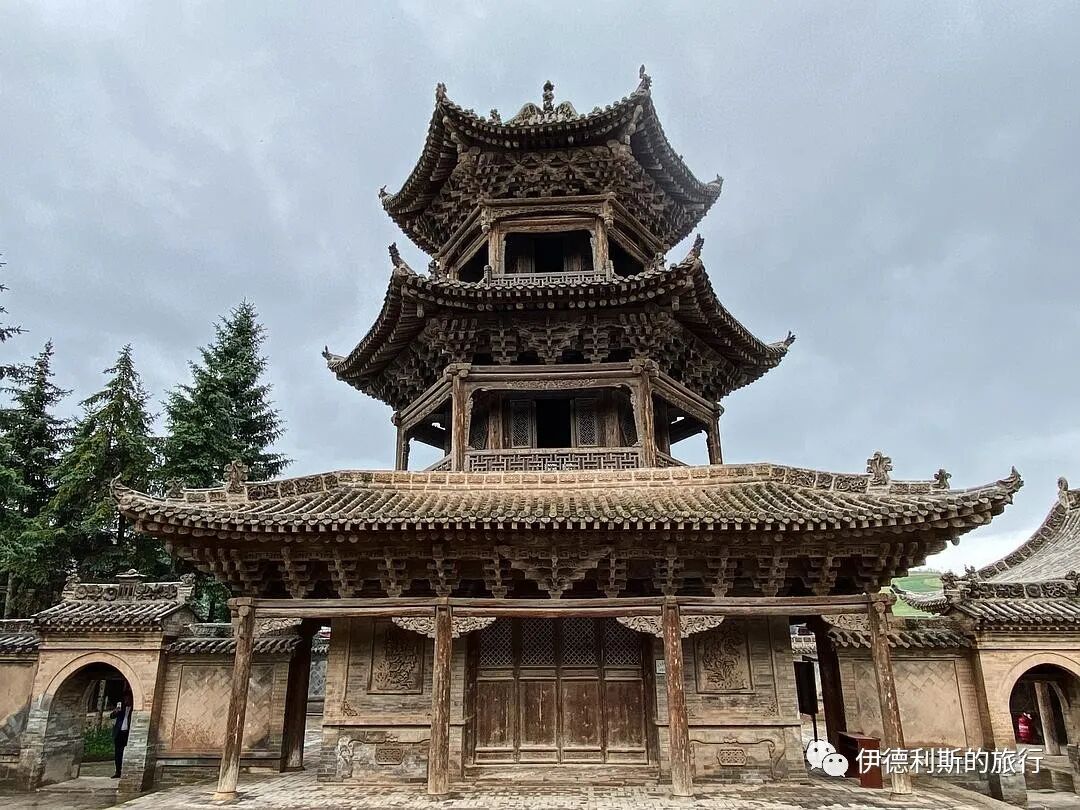
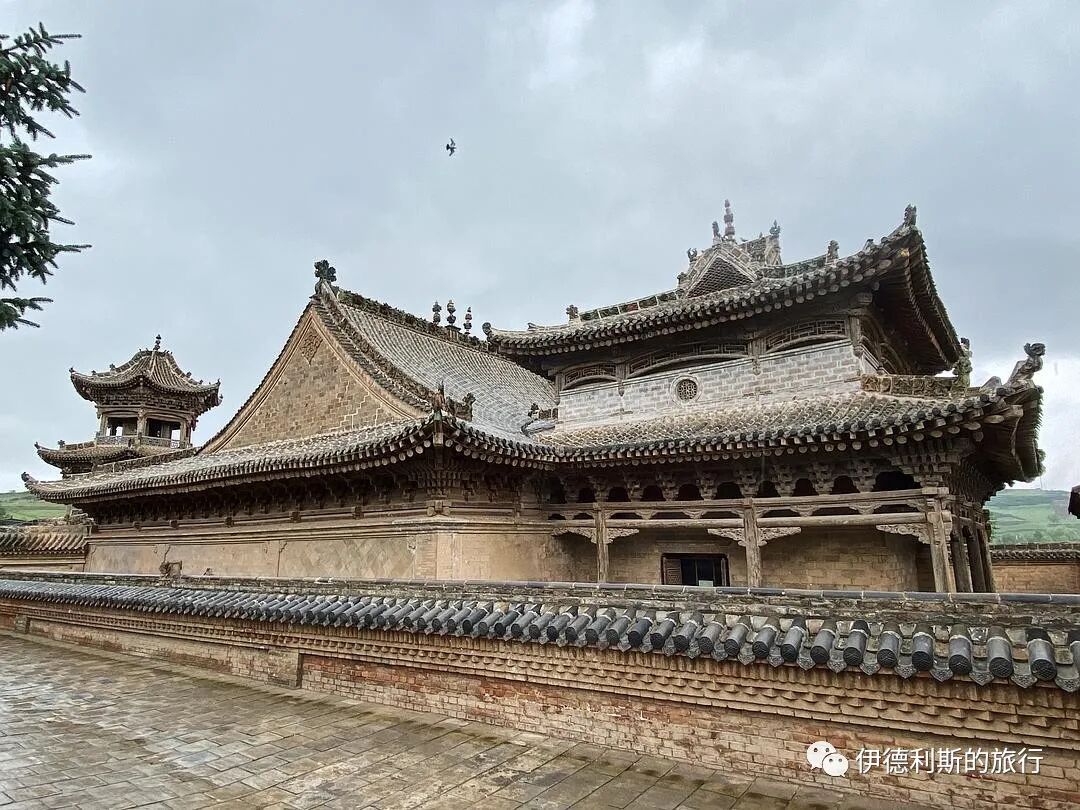
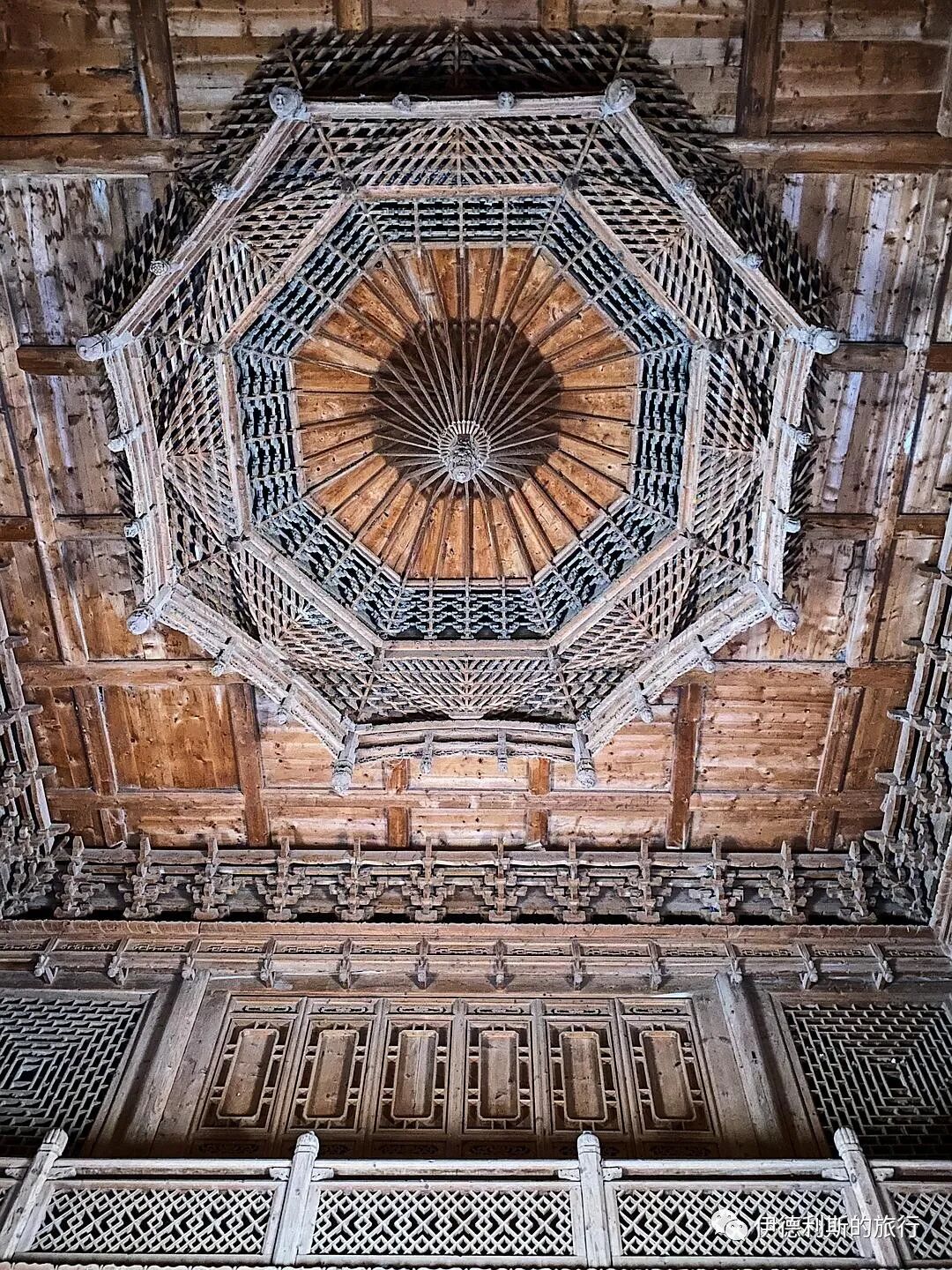
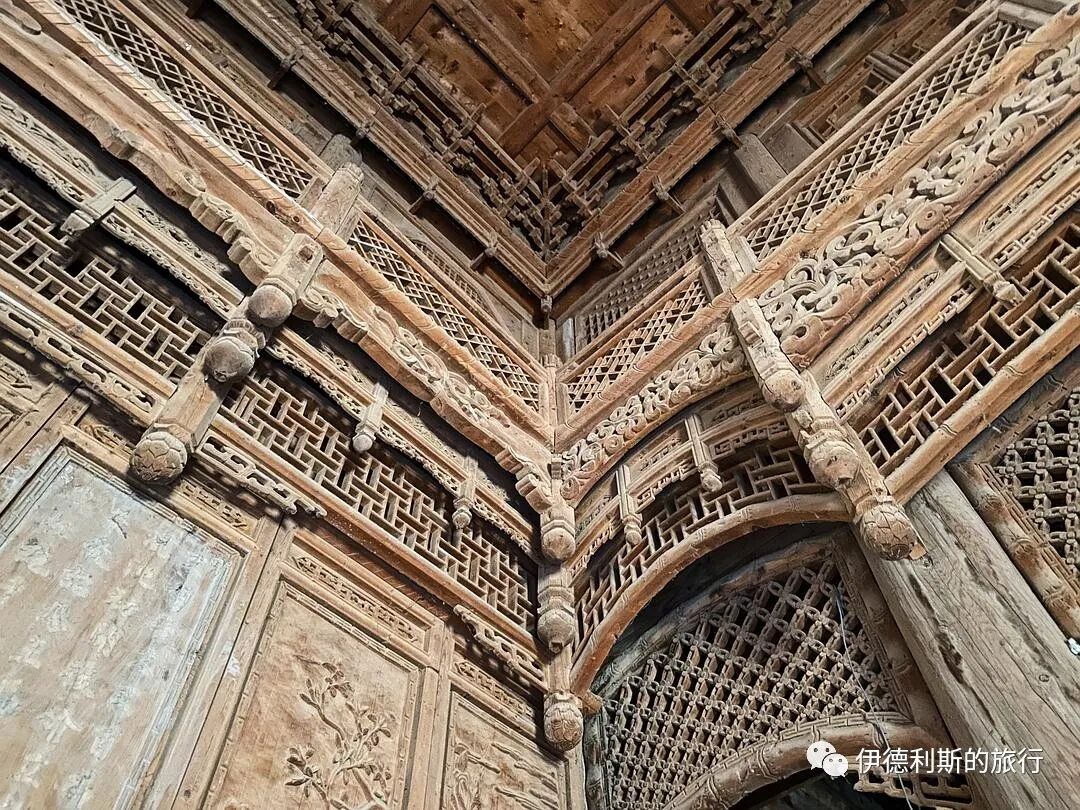
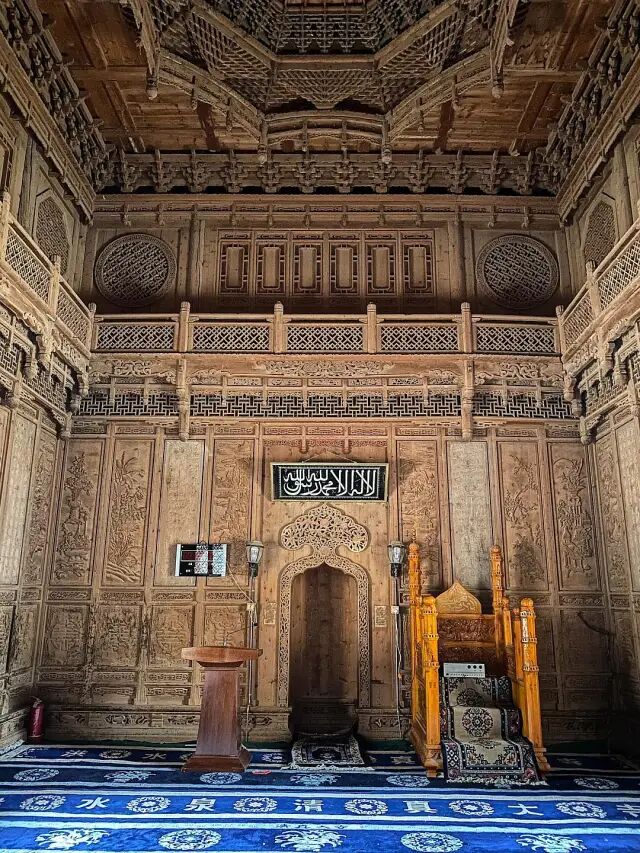
After visiting the Hongshuiquan Mosque, we headed to downtown Xining. The driver took us to the area near Yangjia Lane, east of Dongguan, and recommended we eat at Dongxiang Jinhai Shouzhua (hand-grabbed mutton). At their place, we ate half a jin (500 grams) of hand-grabbed lamb ribs and a bowl of jiangshui mianpian (fermented vegetable noodle soup), and the pickled radishes and babao cha (eight-treasure tea) were complimentary.
It turned out that their place was indeed the most delicious one we ate at during this trip! It was cheap and delicious, and the service was especially good; every two minutes, a staff member would come by with a kettle to ask if you needed a tea refill.
Their radishes were pickled to be very flavorful, with only a sweet taste and no spiciness. Zainab really loved drinking the jiangshui (fermented vegetable juice) and basically finished it in one go. Shouzhua baitiao (plain hand-grabbed mutton) is my favorite, and I really regretted not eating it more times on this trip.
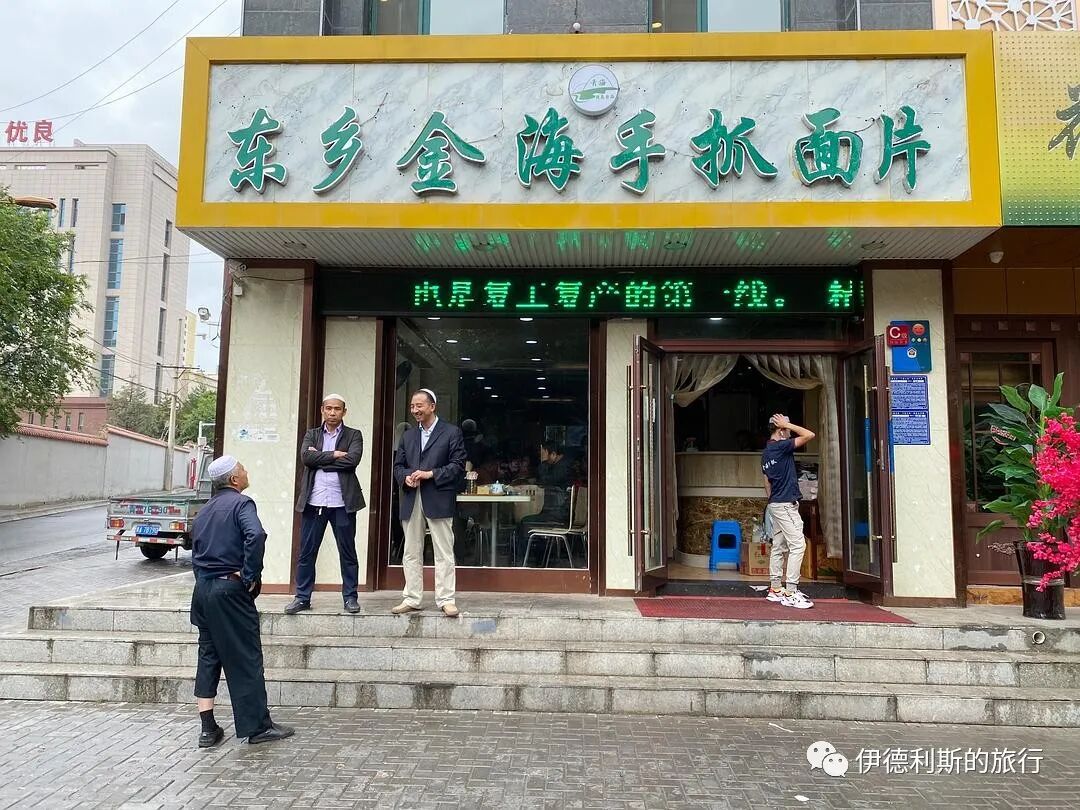
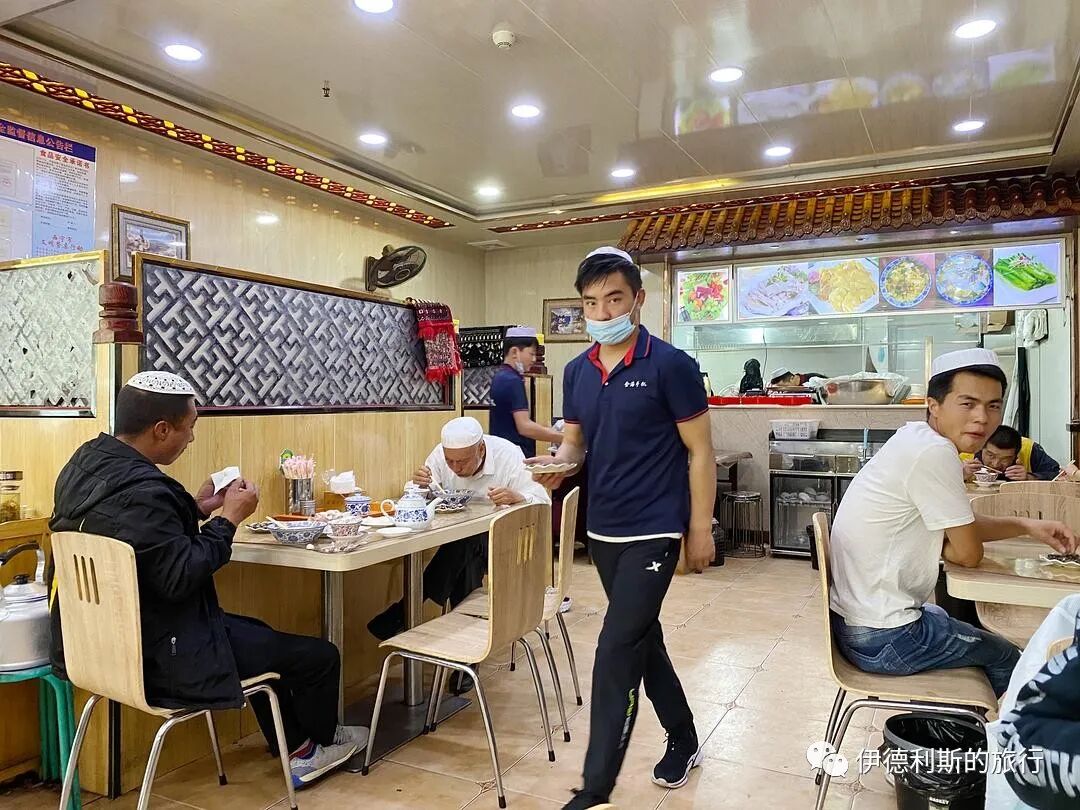
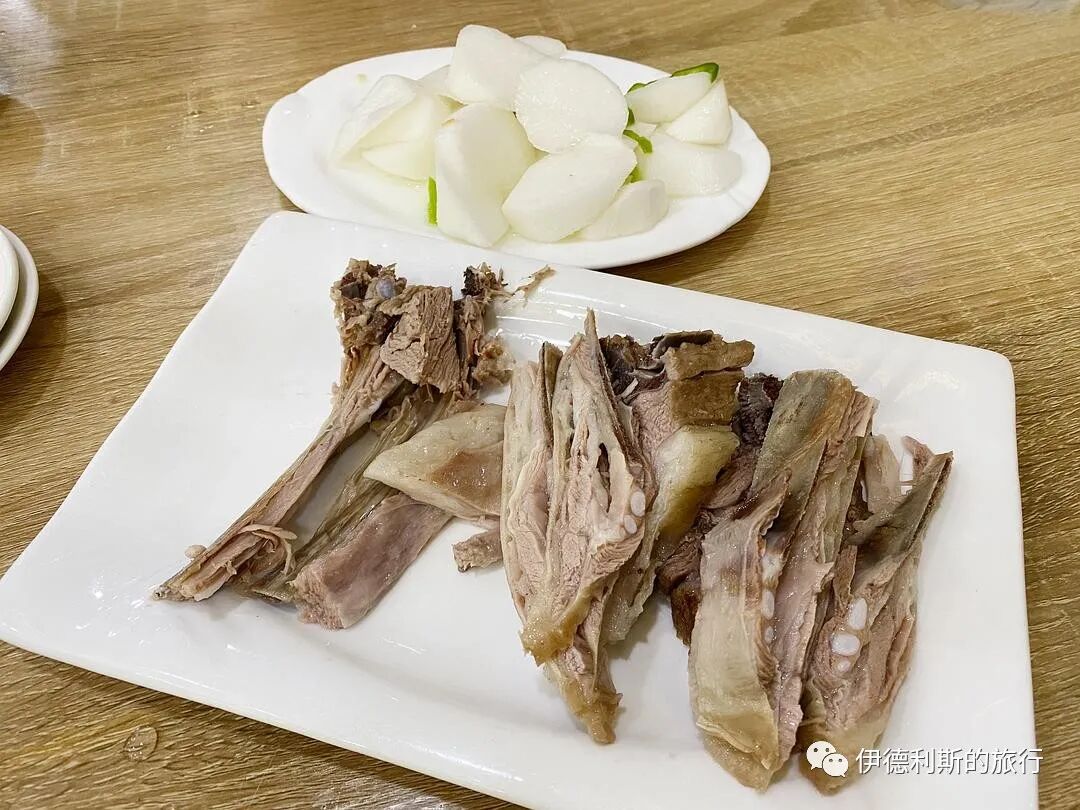
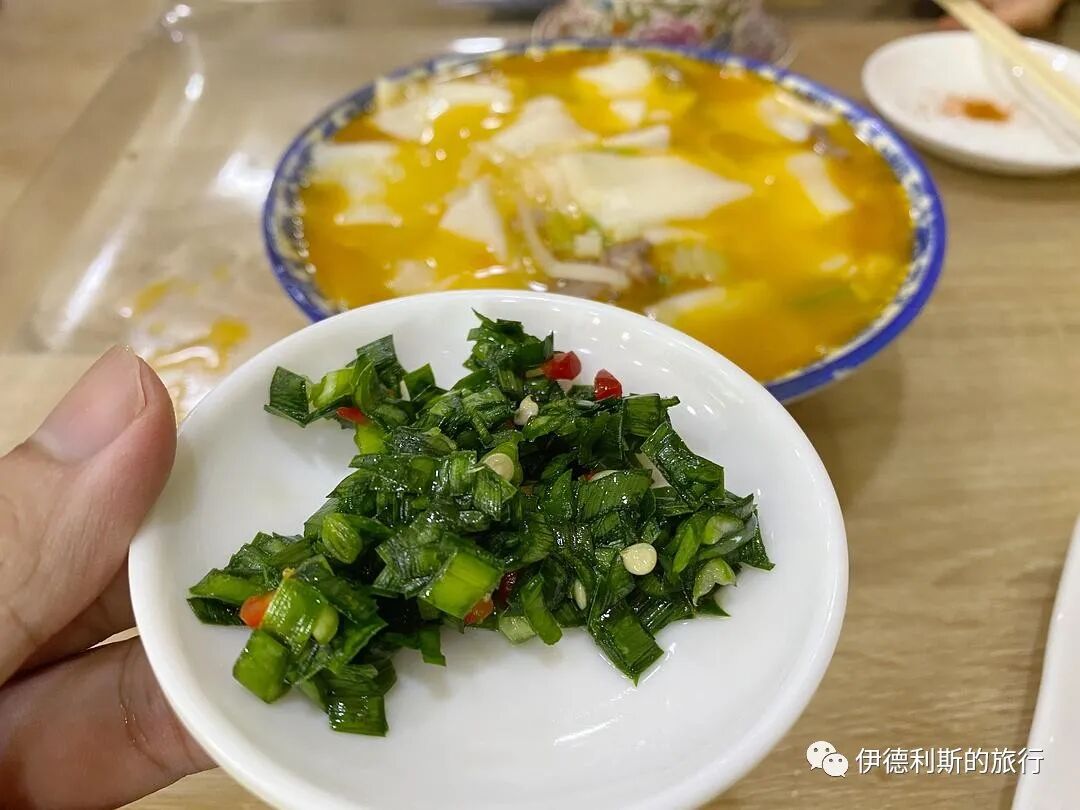
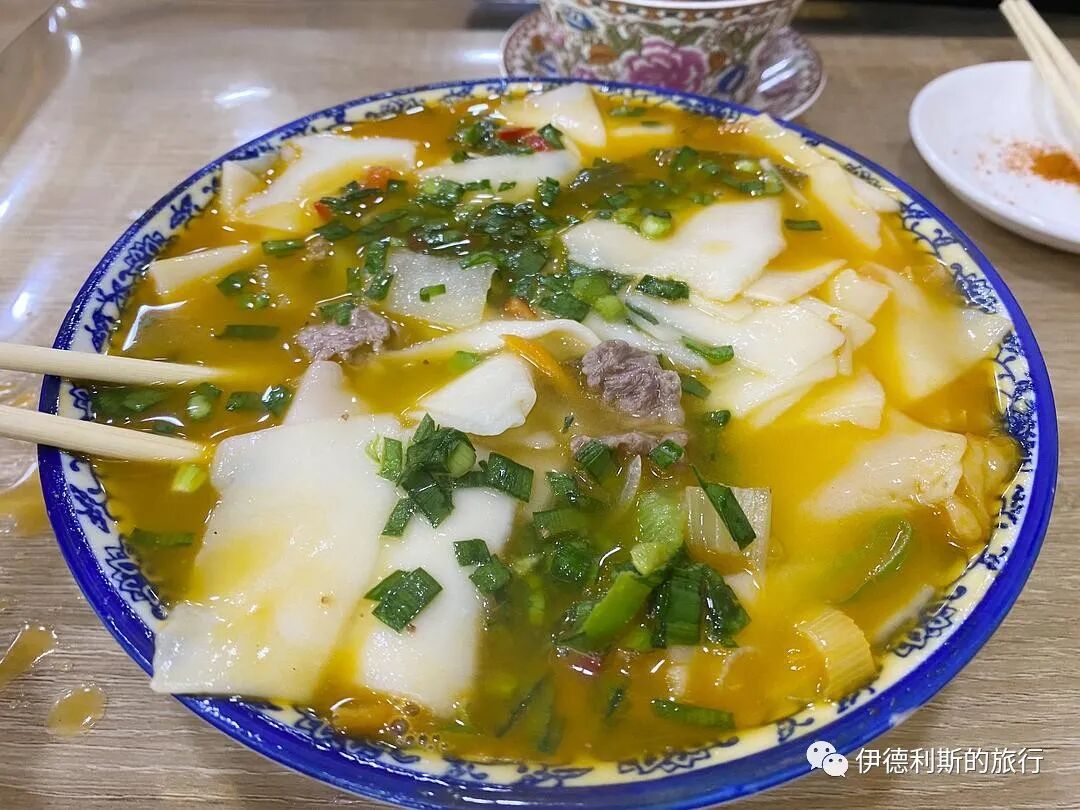
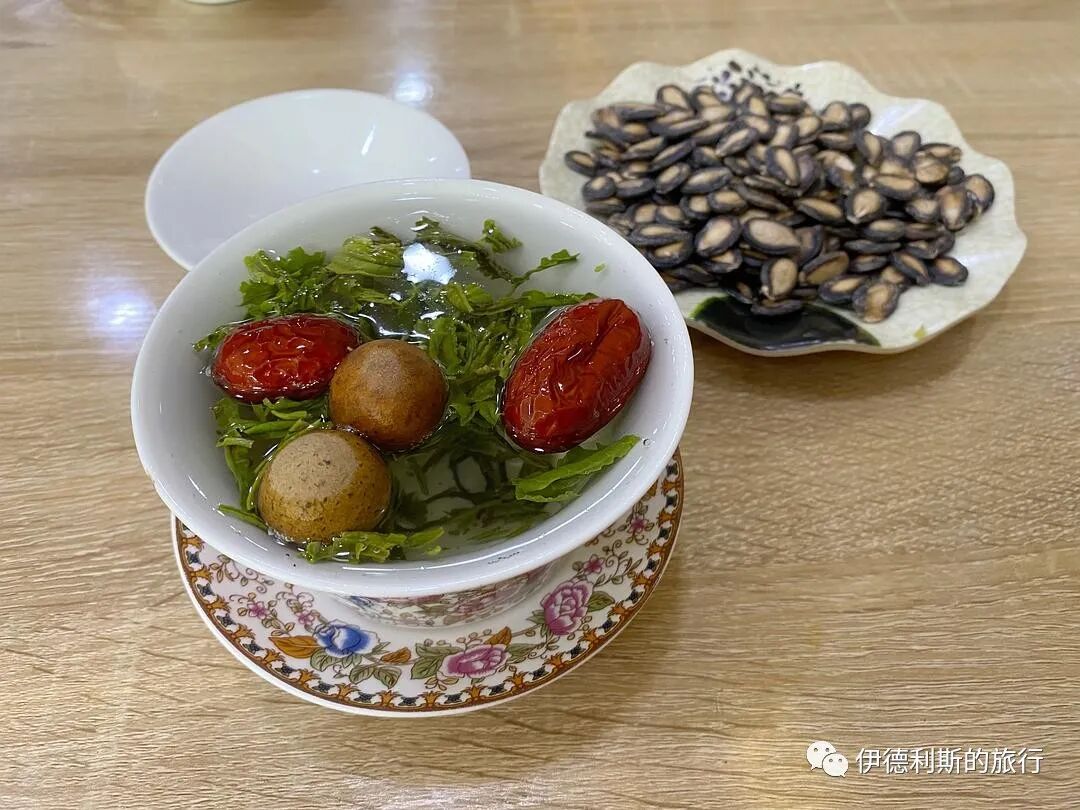
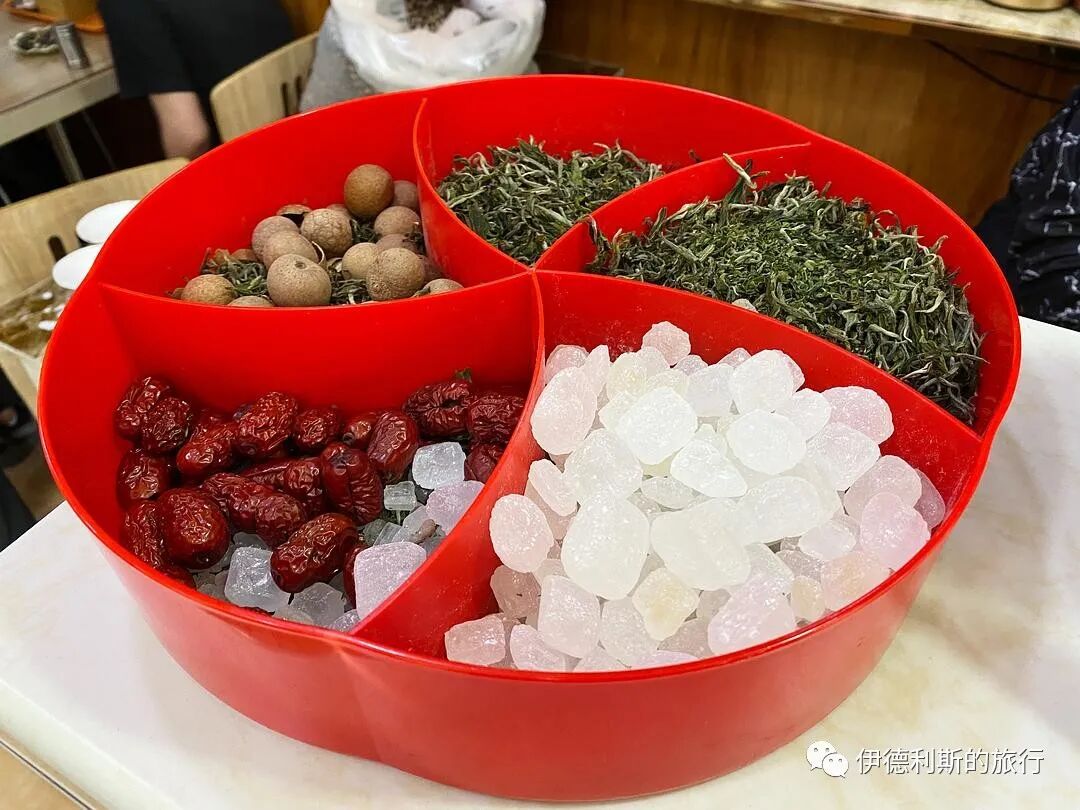
After eating, we went diagonally across the street to drink yogurt; the yellow one is sweet and the white one is original flavor. You can't find such authentic yogurt in Beijing!
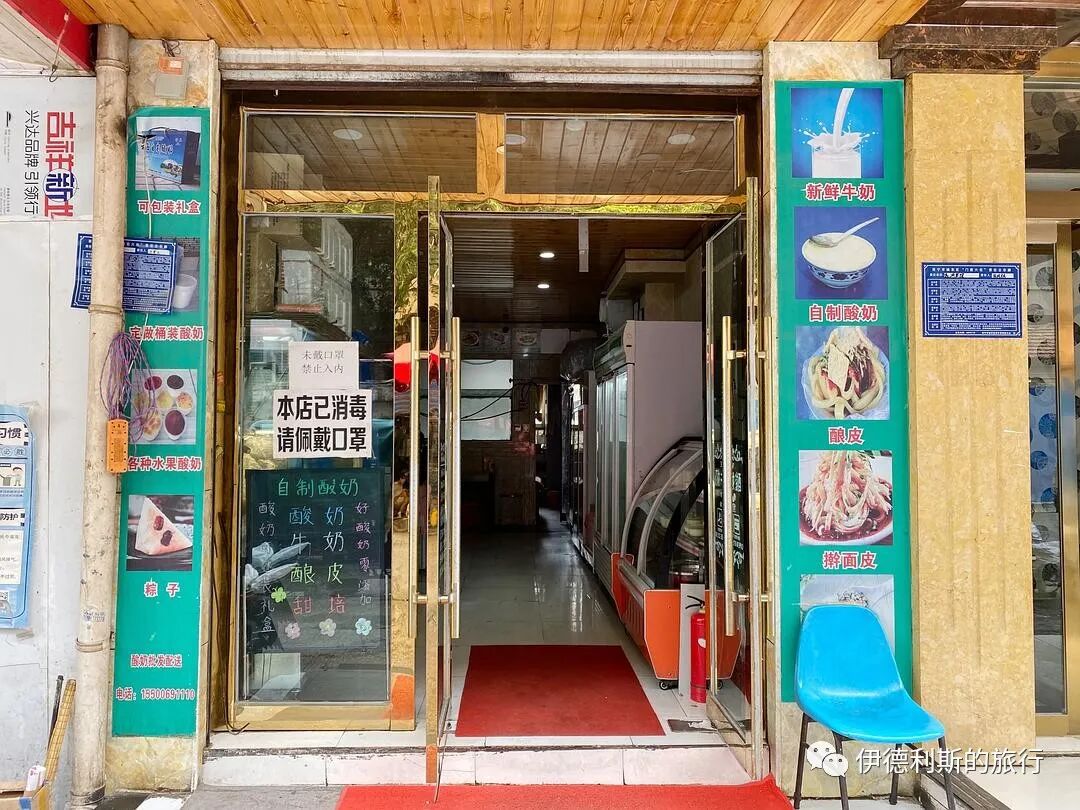
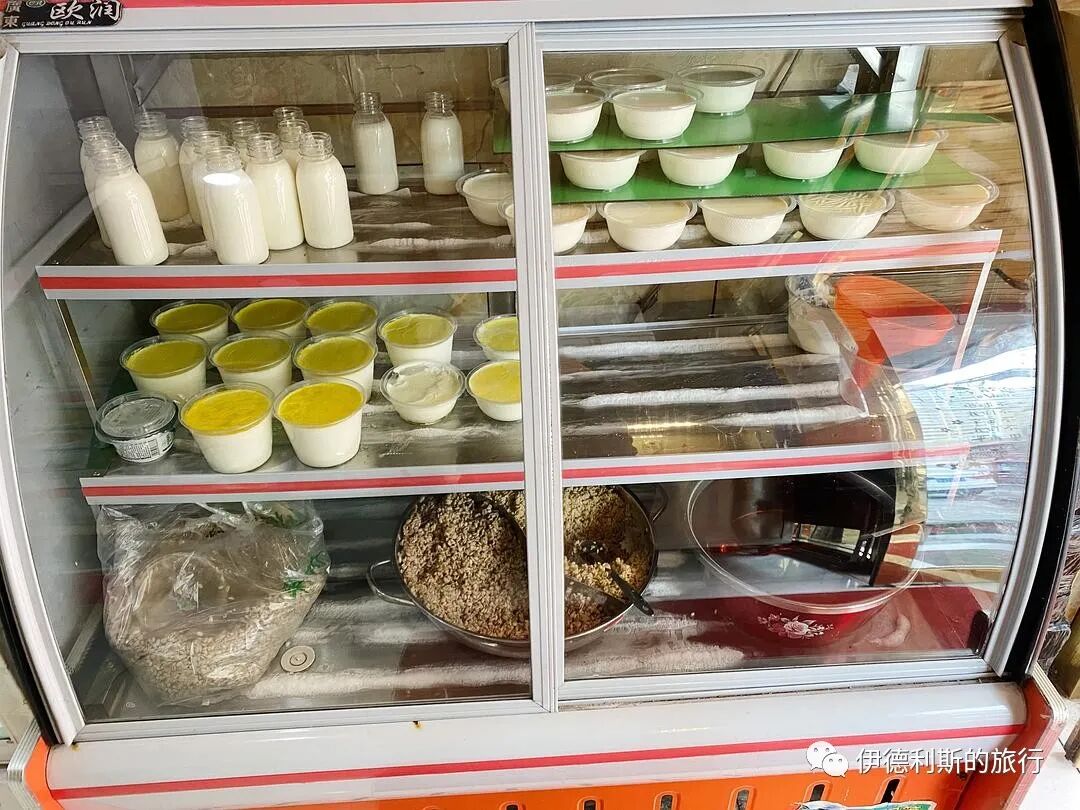
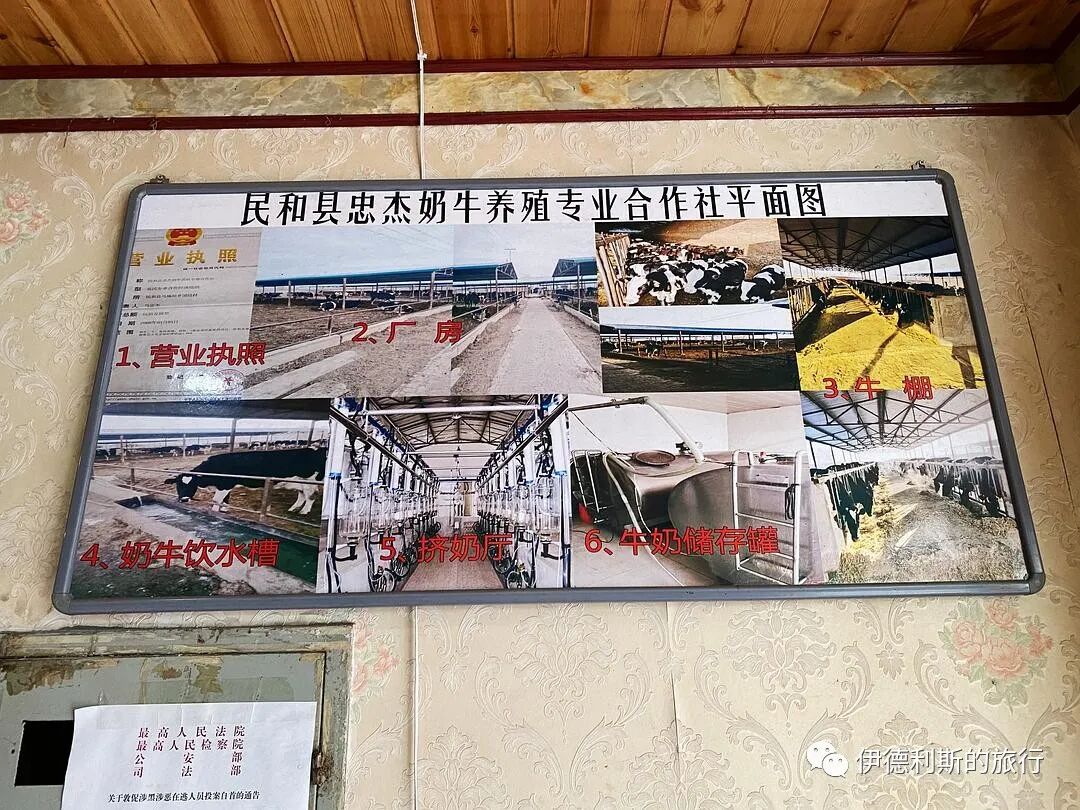
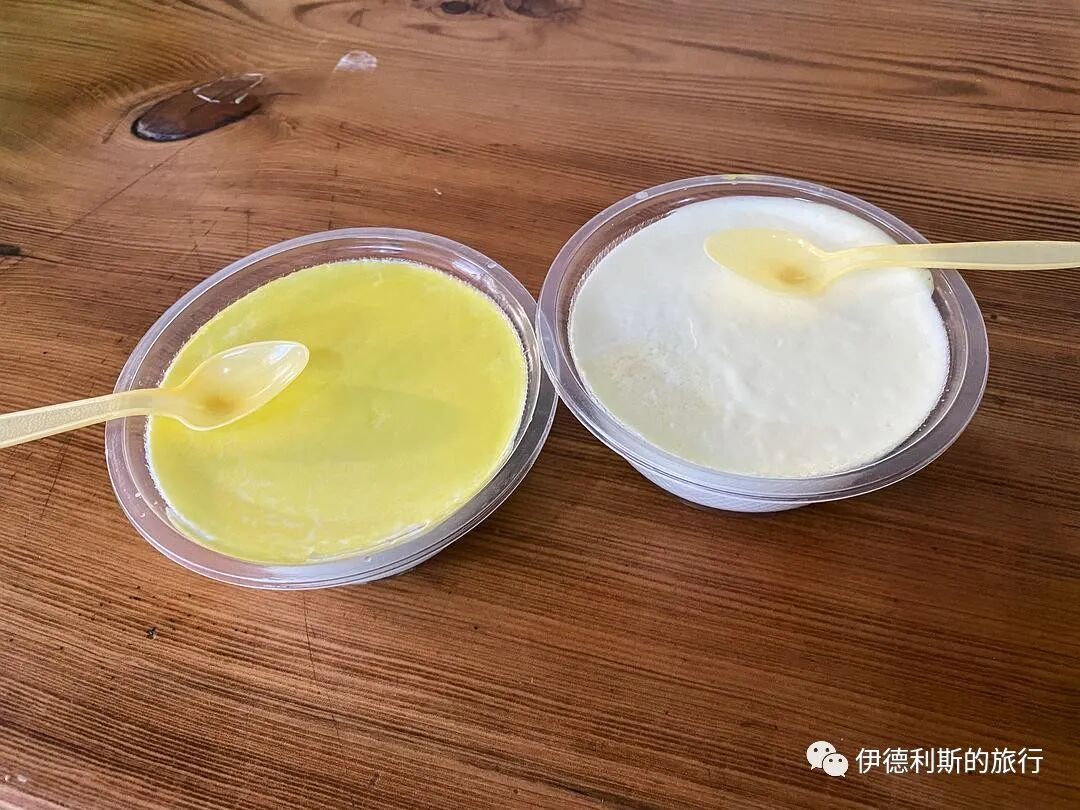
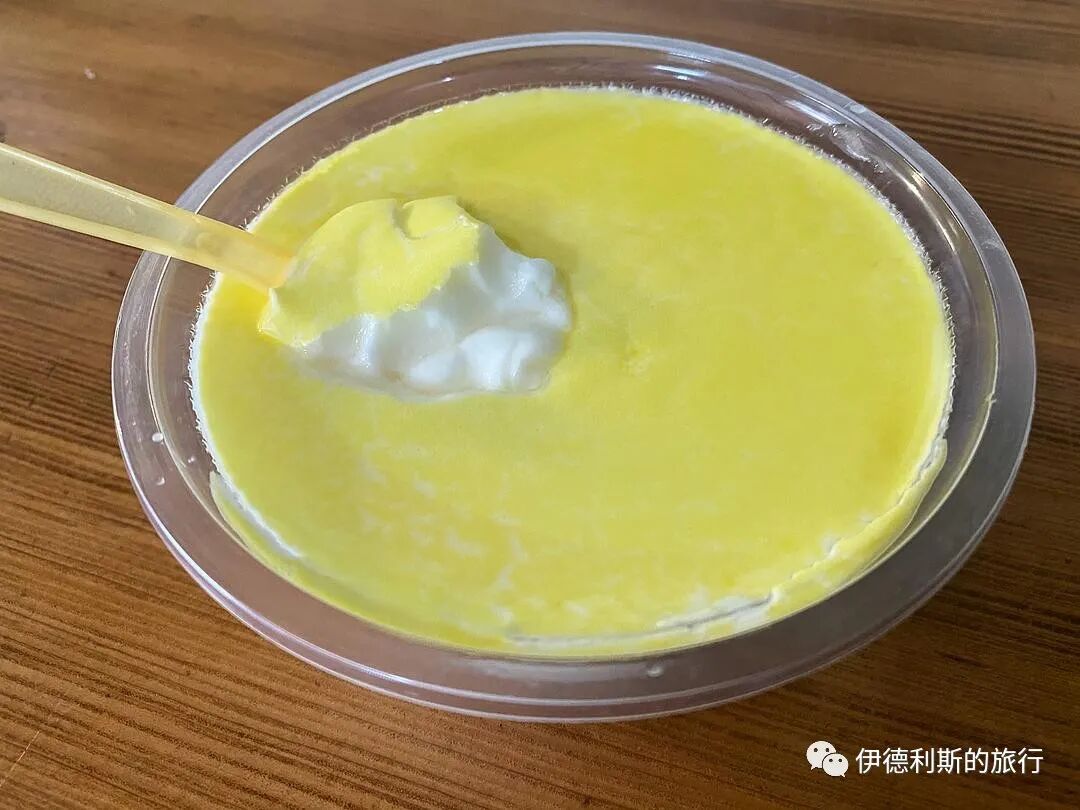
In the afternoon, we watched 'Hua'er' (a traditional folk song style) at the never-ending Hua'er festival at Xining Ga Park (Huanghe Road Small Park). Next to Ga Park, there is a Delu Yogurt shop, so we bought yogurt and qingke tianpei (highland barley fermented snack) to enjoy while listening to the Hua'er. After the rain, the weather was super cool, which was just wonderful. However, because of the rain, there weren't many singers, and they only formed one circle.
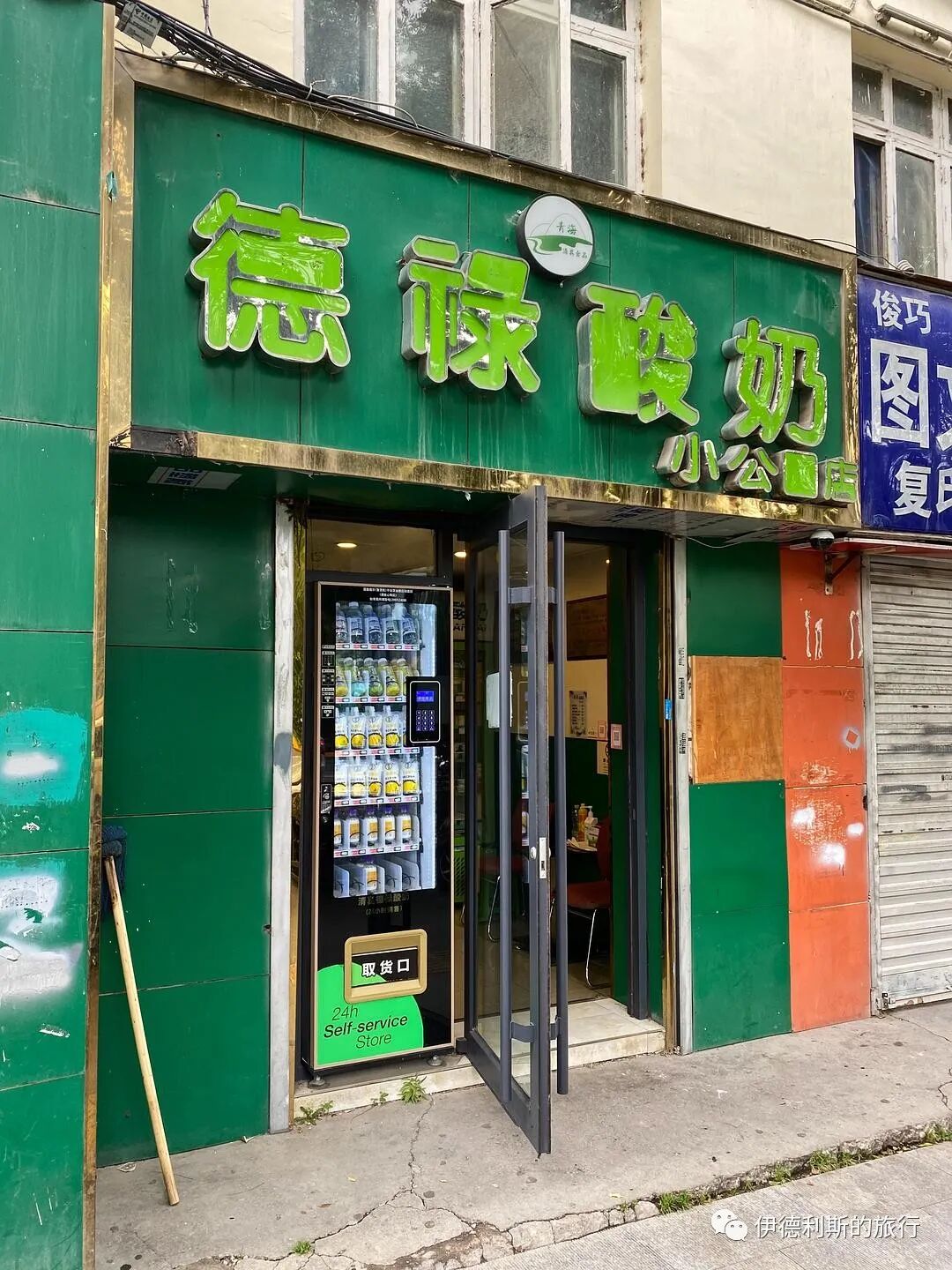
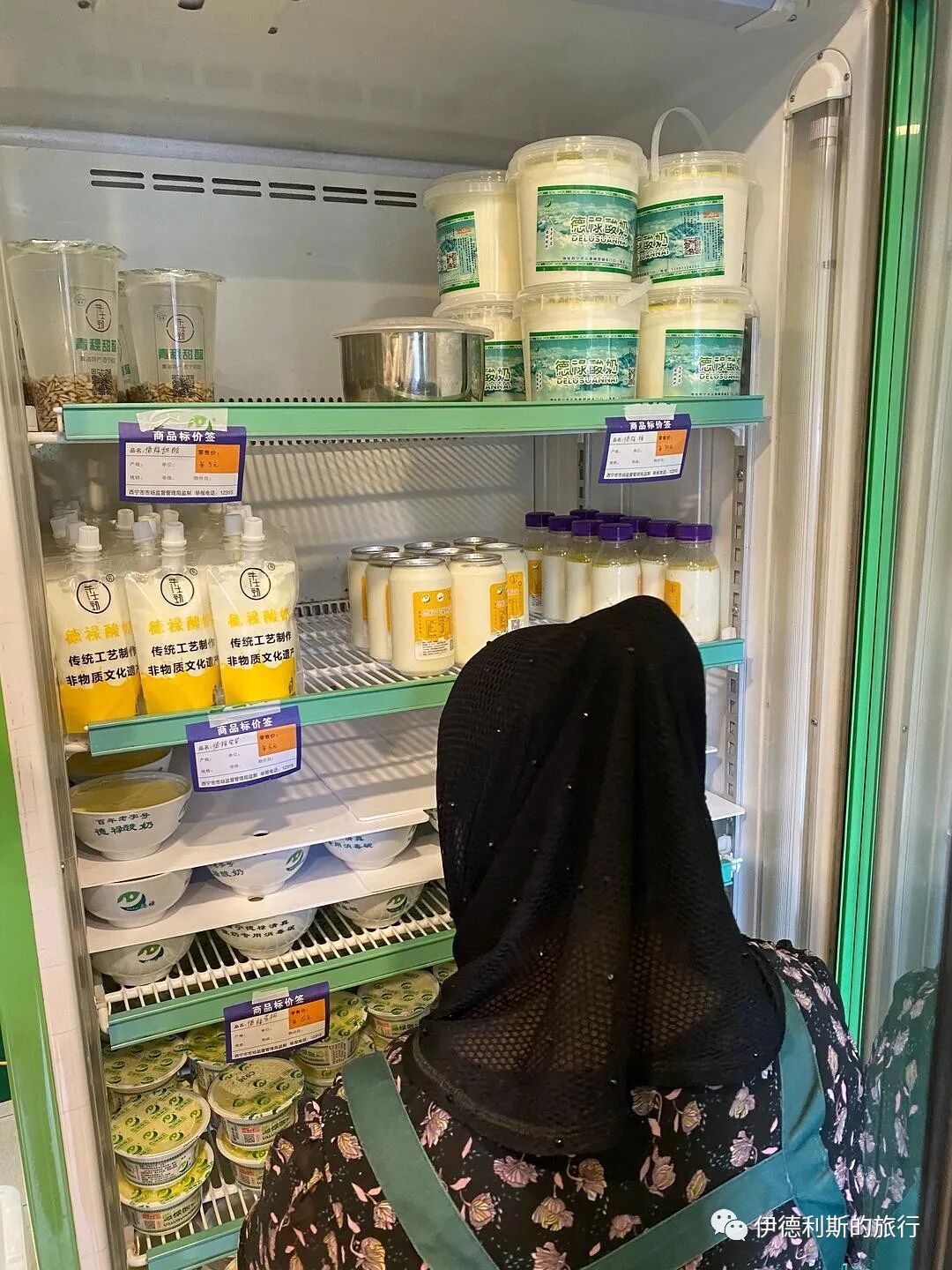
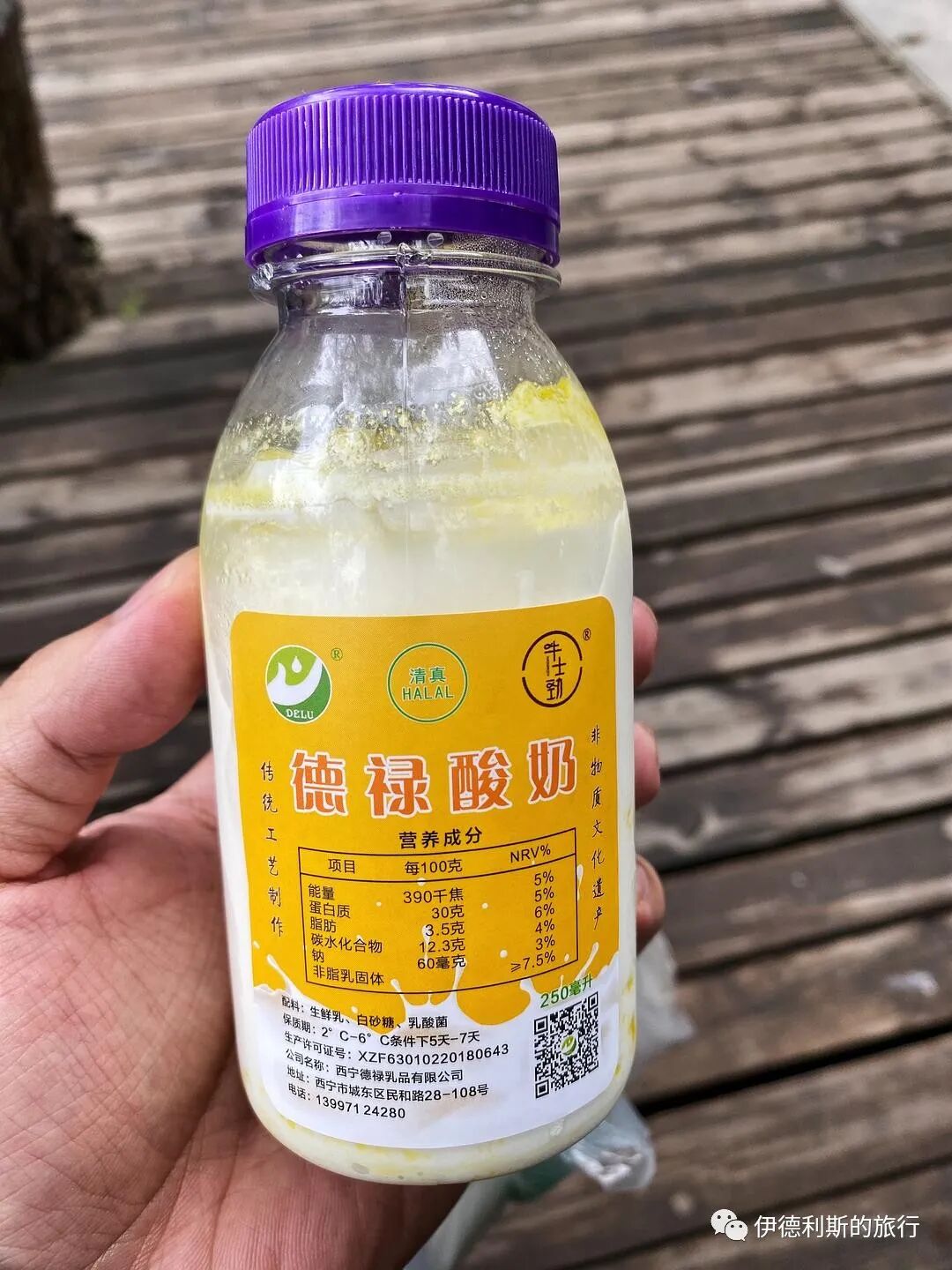
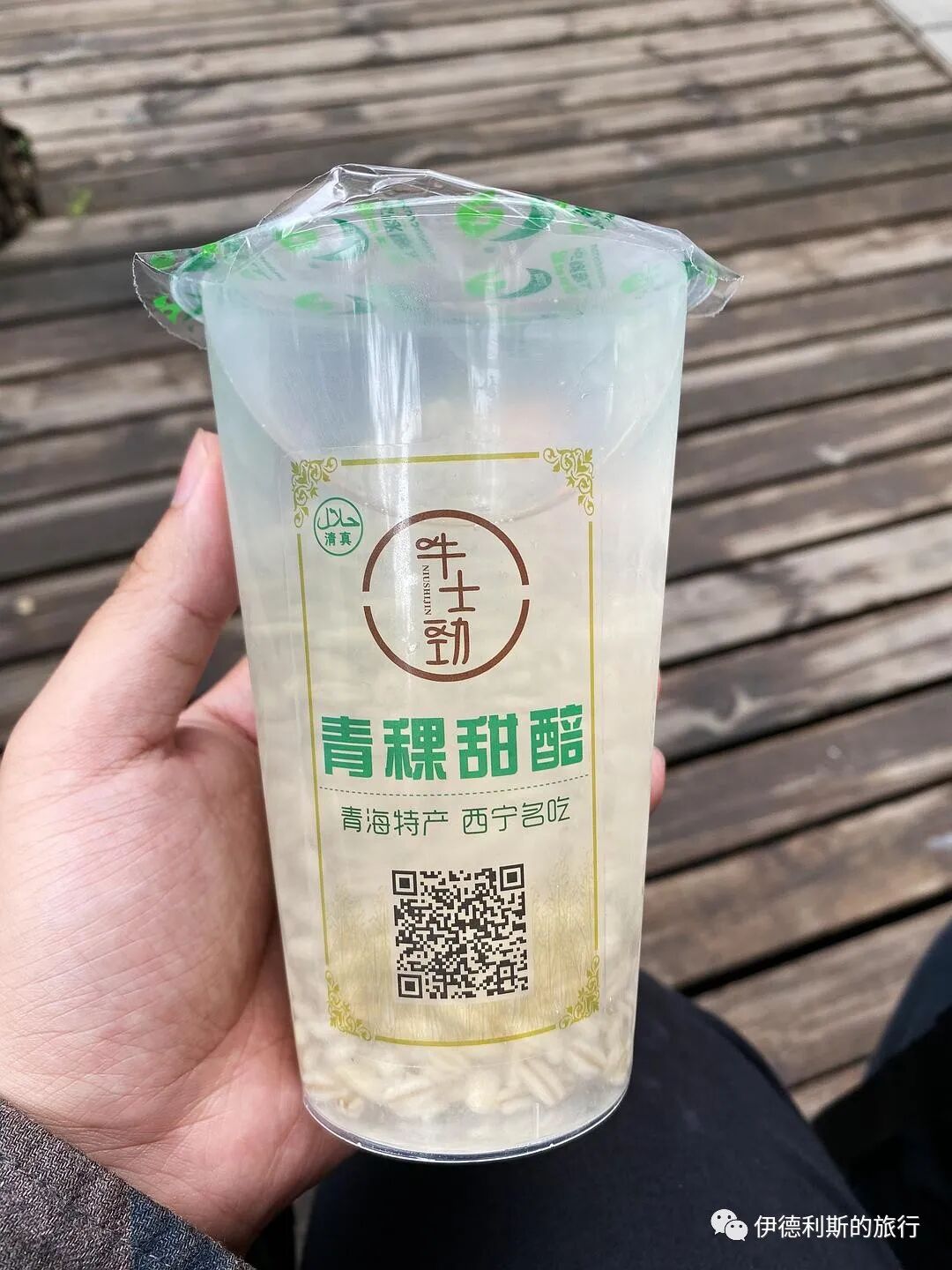
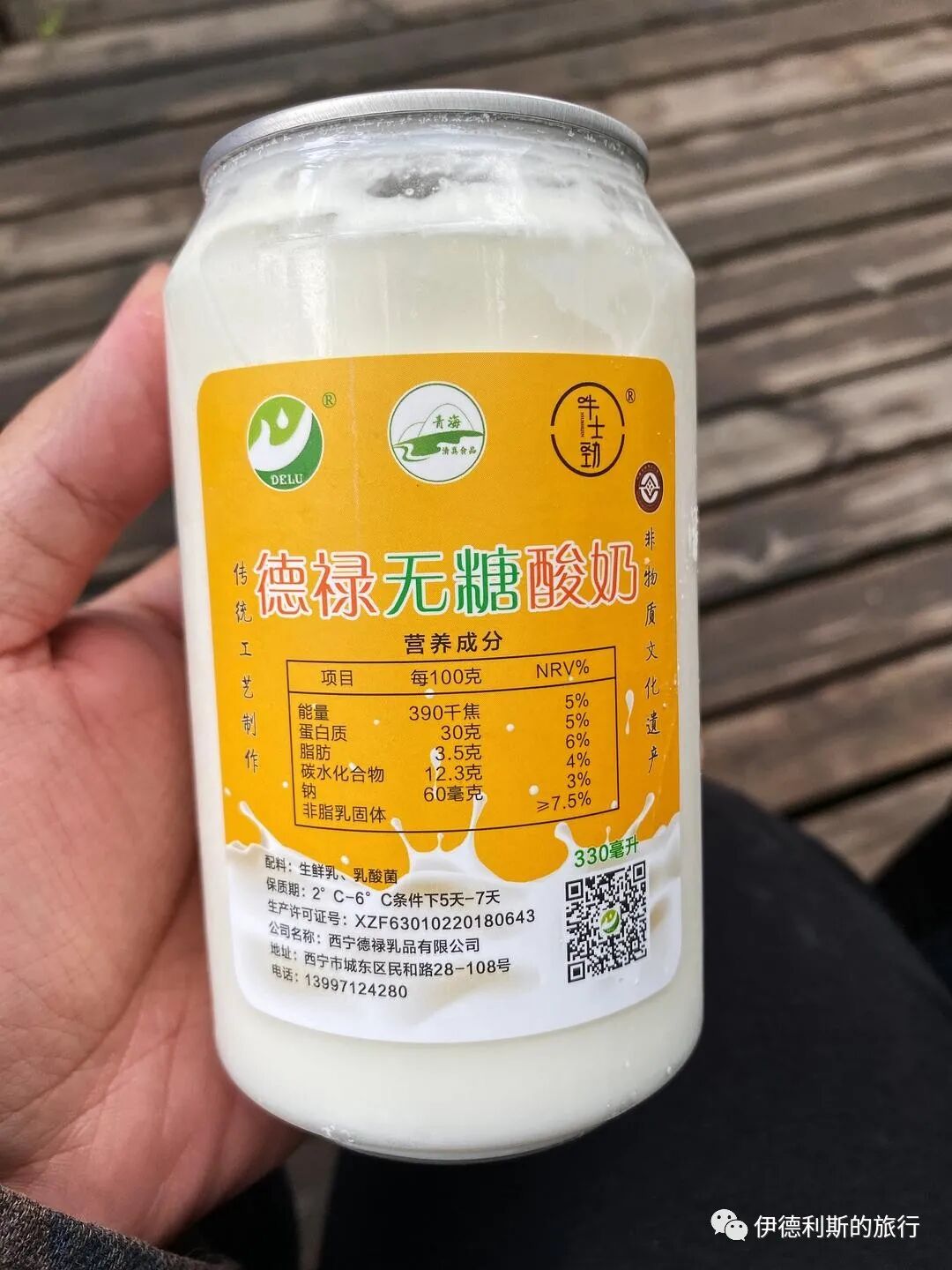
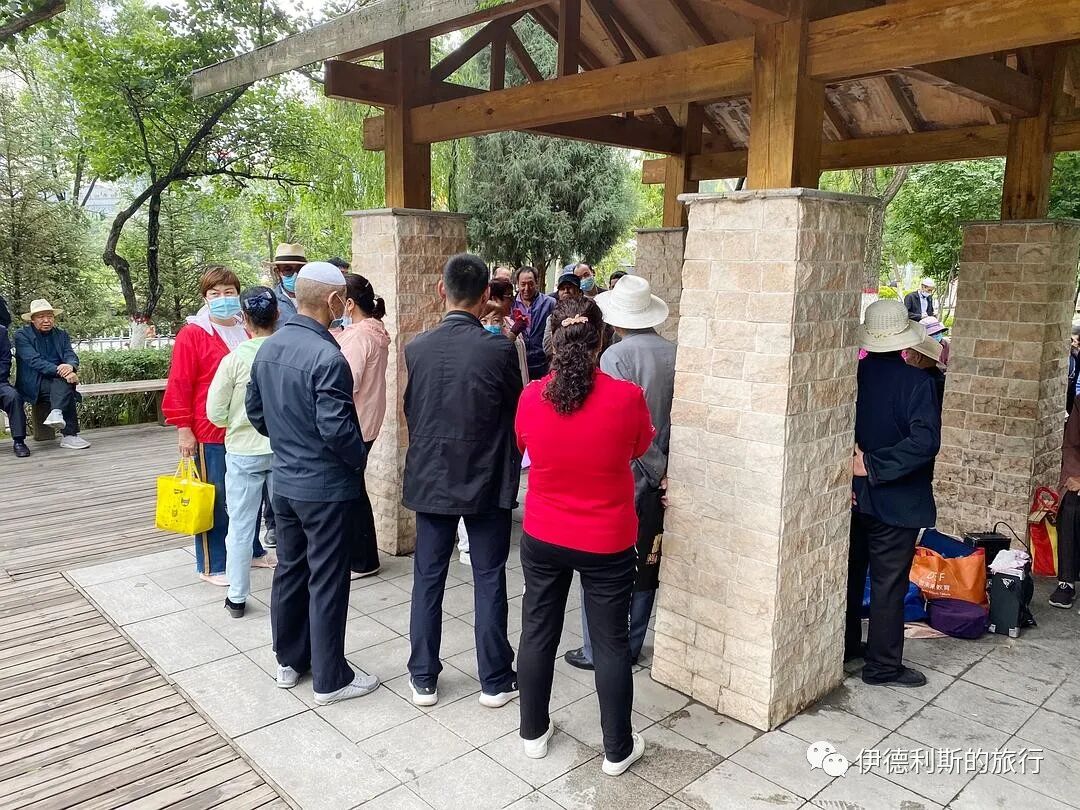
A major feature of the Hua'er festival at Ga Park is that you can hear various styles and characteristics of Hua'er; not only high-pitched and resonant ones but also low and melodious ones. There are high-level singers as well as ordinary people who love to sing 'man hua'er' (a style of folk singing), which is how a Hua'er festival should be.
In the afternoon, we ate liangpizi (cold starch noodles) on Xia Nanguan Street behind the Dongguan Grand Mosque.
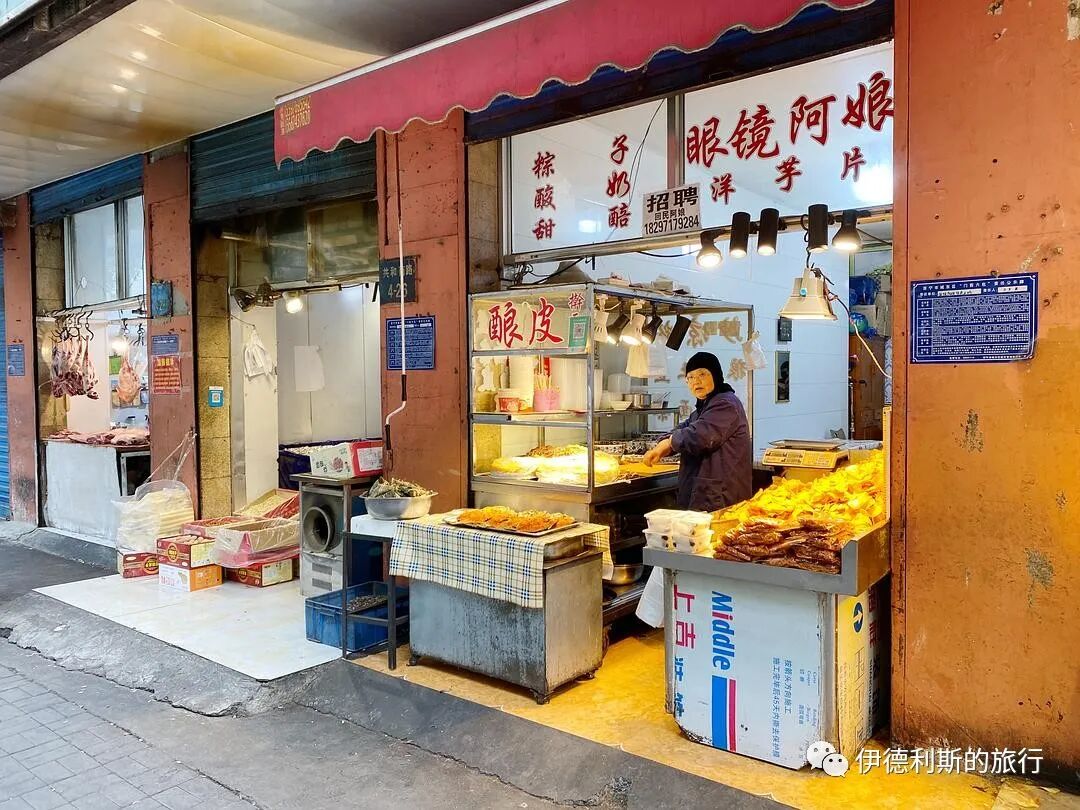
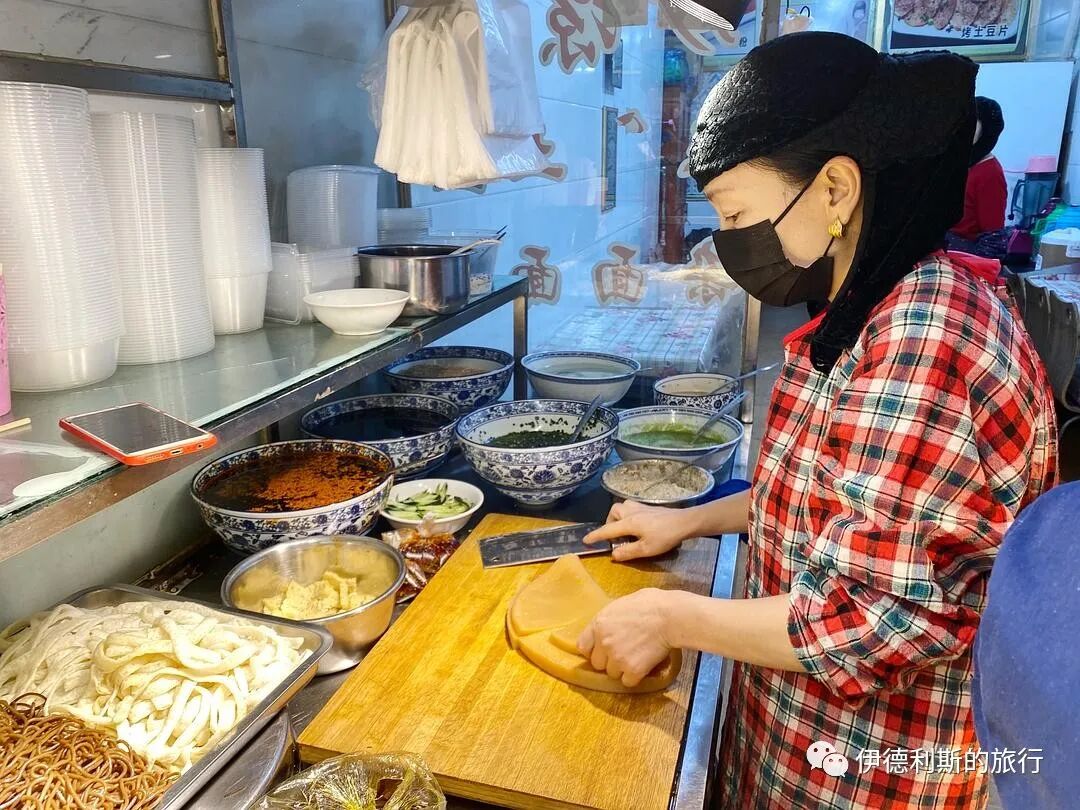
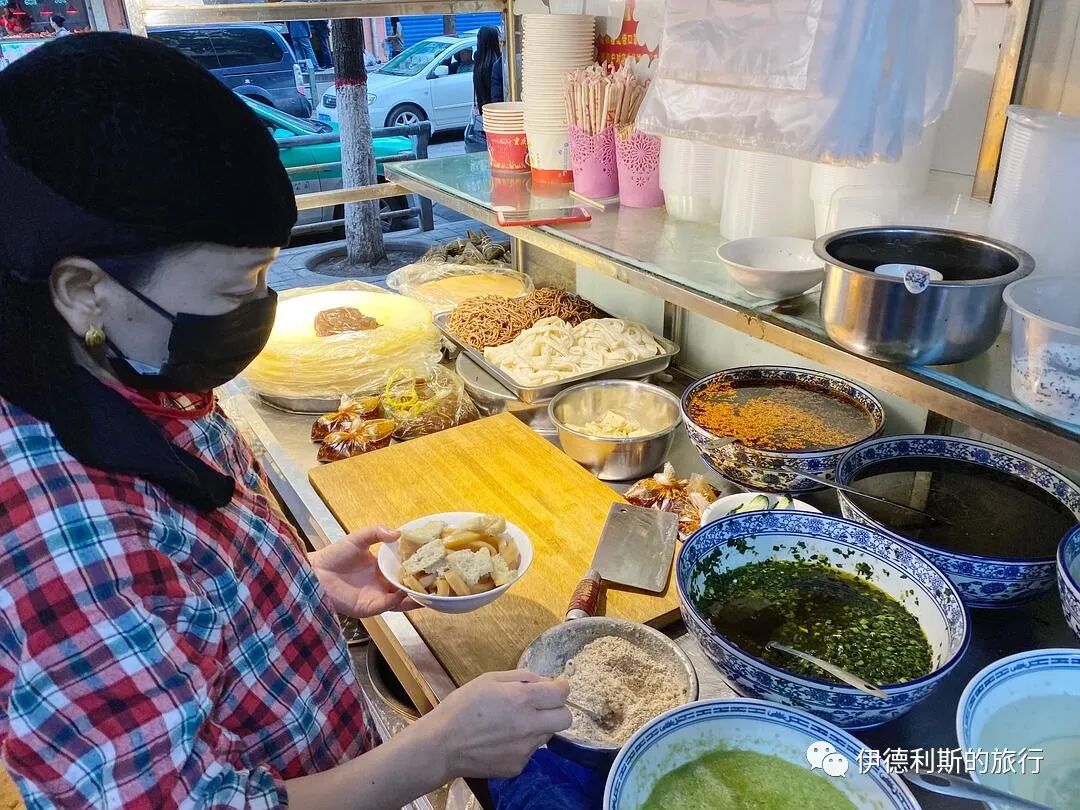
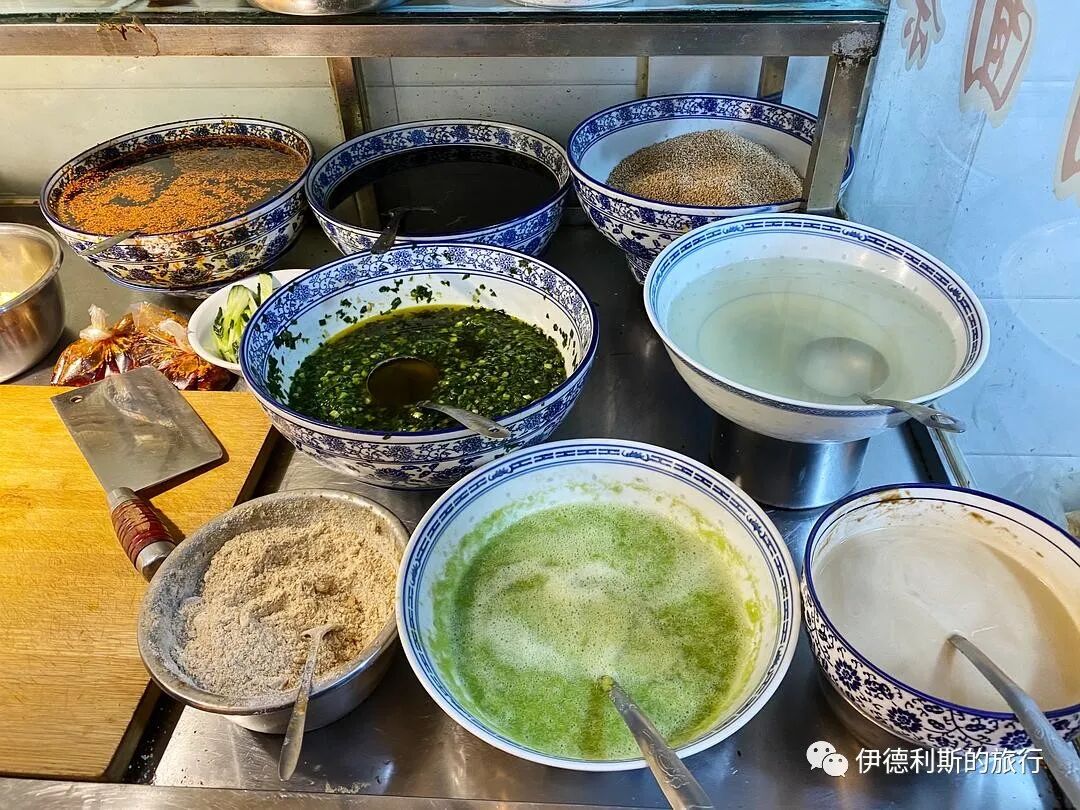
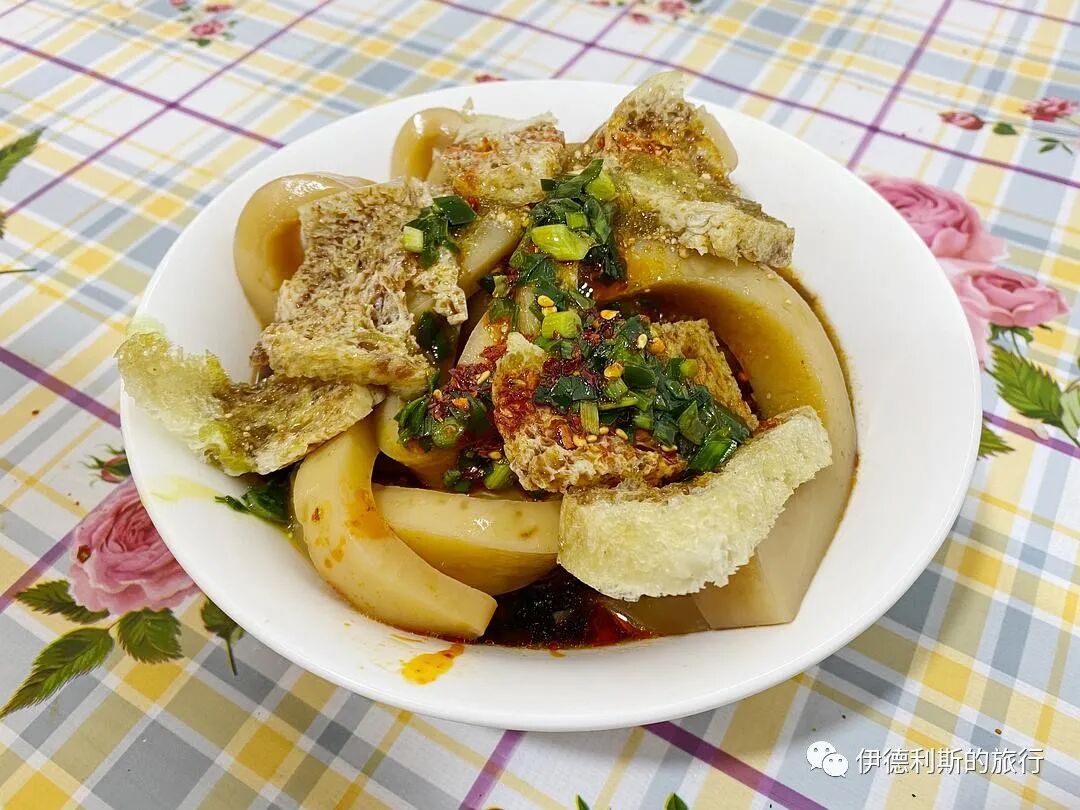
There is a supermarket for ethnic goods on the second floor of the Dongguan Grand Mosque; I bought my first knit cap there over a decade ago.
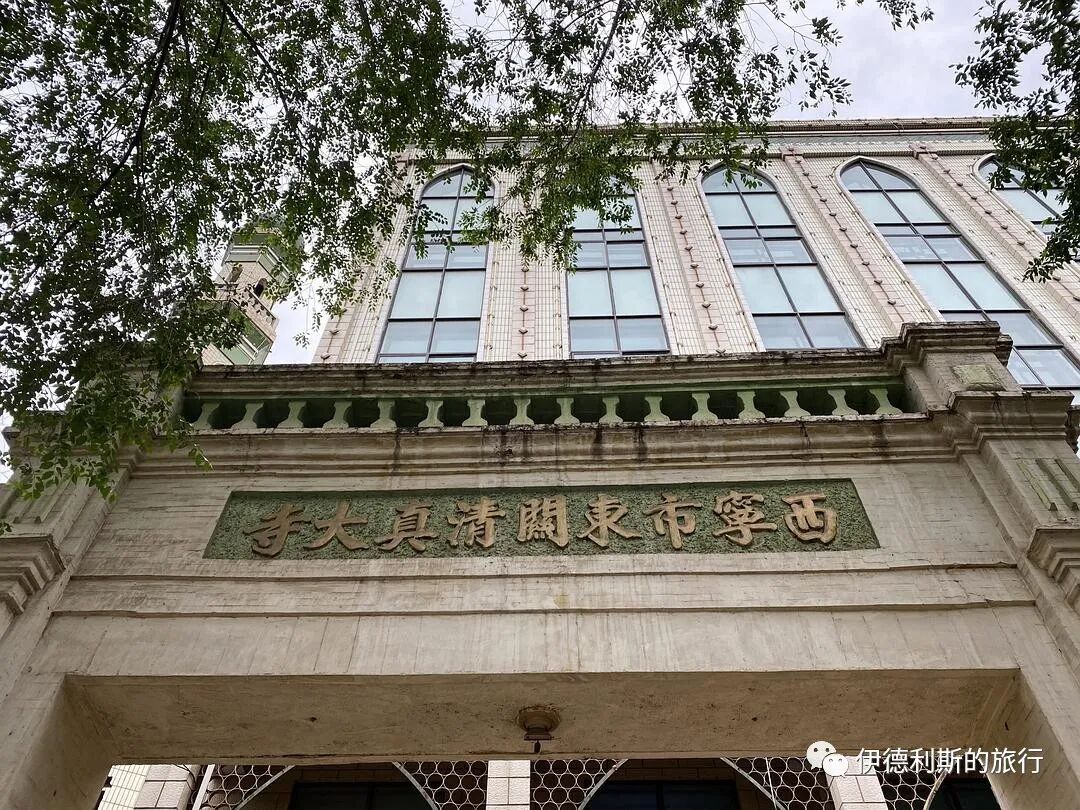
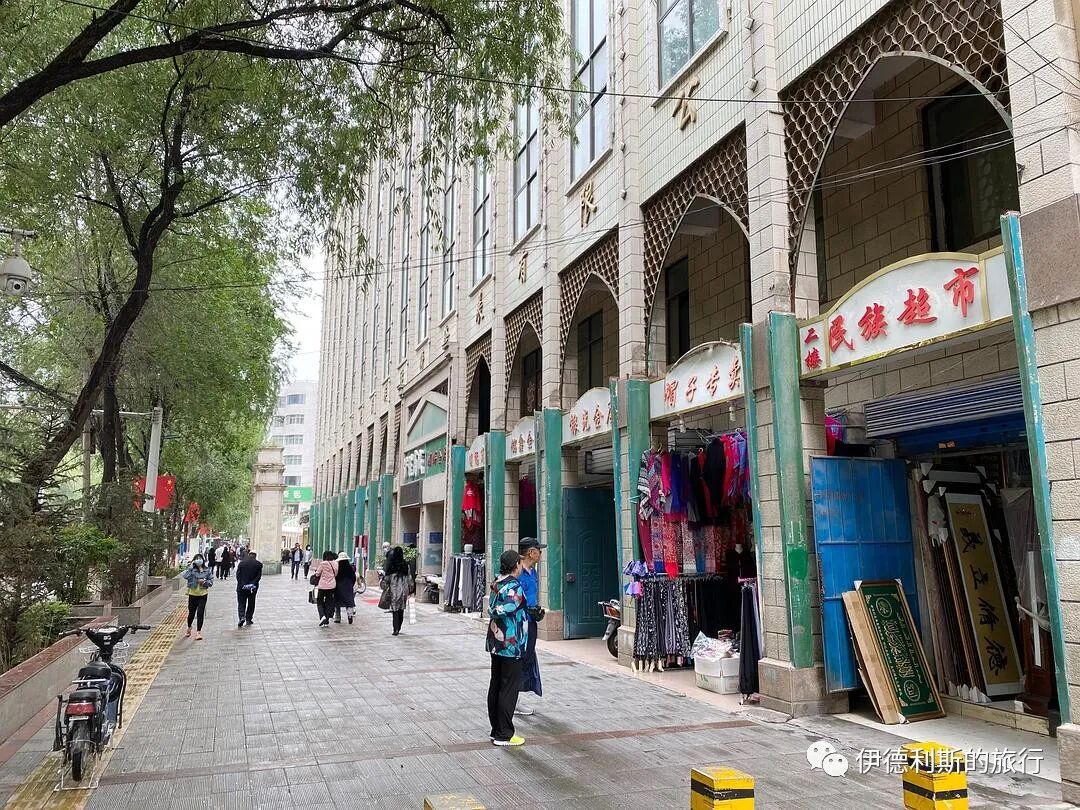
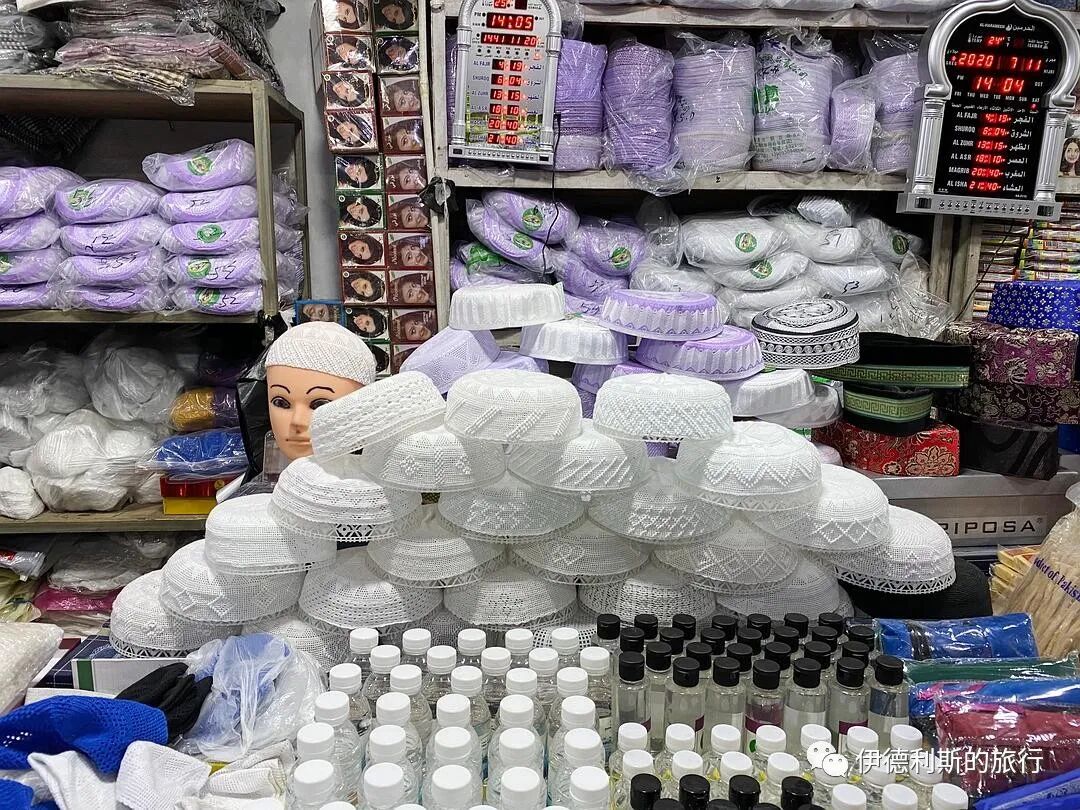
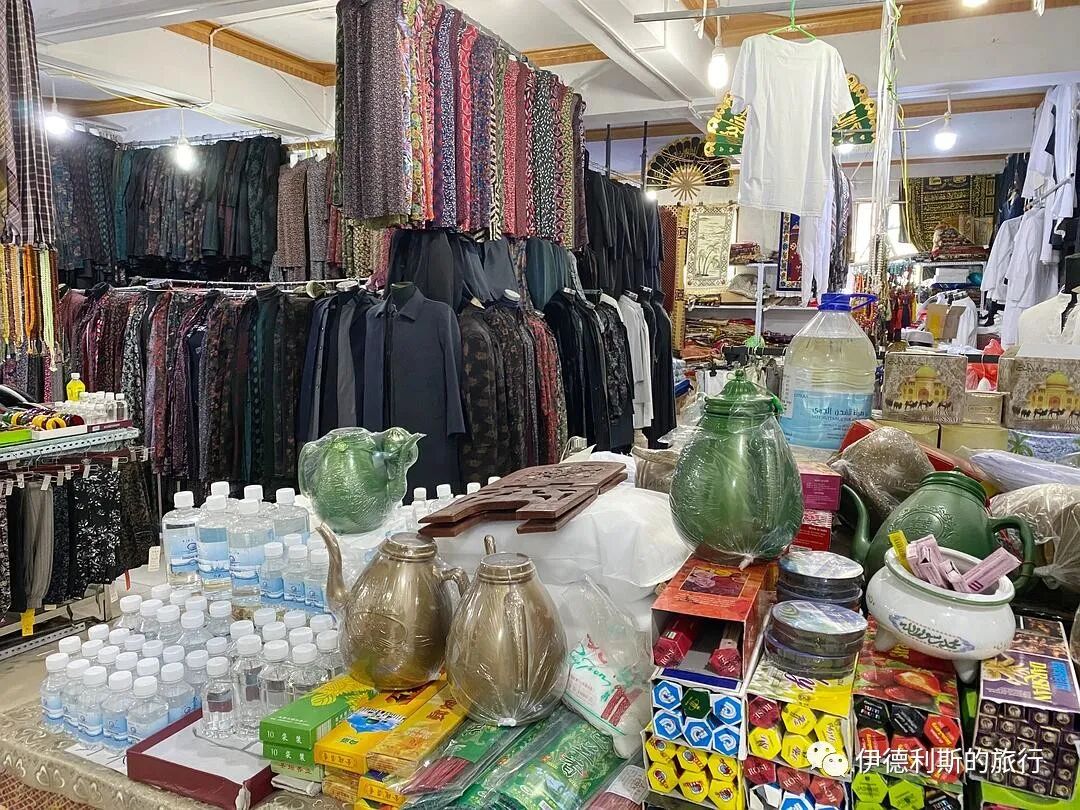
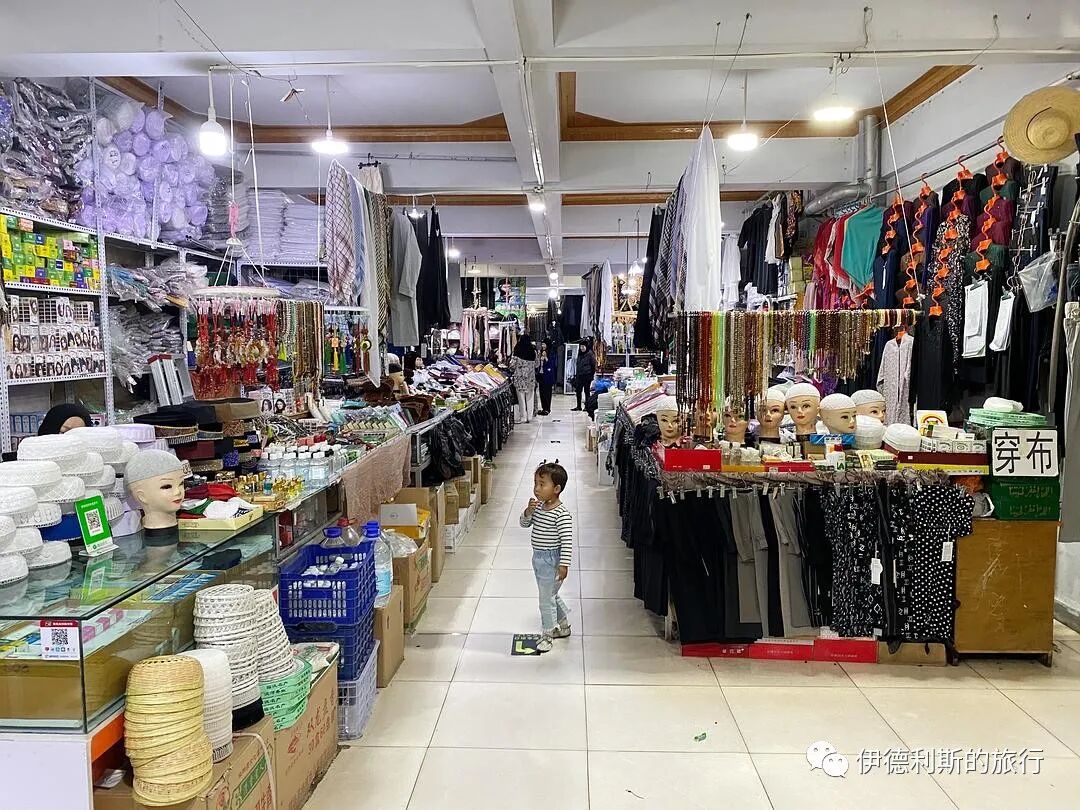
In the evening, we ate at a Salar ethnic tea restaurant in Dongguan. There are quite a few tea restaurants here, all with booth seating suitable for chatting. We ordered stir-fried chicken, Xunhua-style spicy stir-fried meat, and qingke bing (highland barley flatbread).
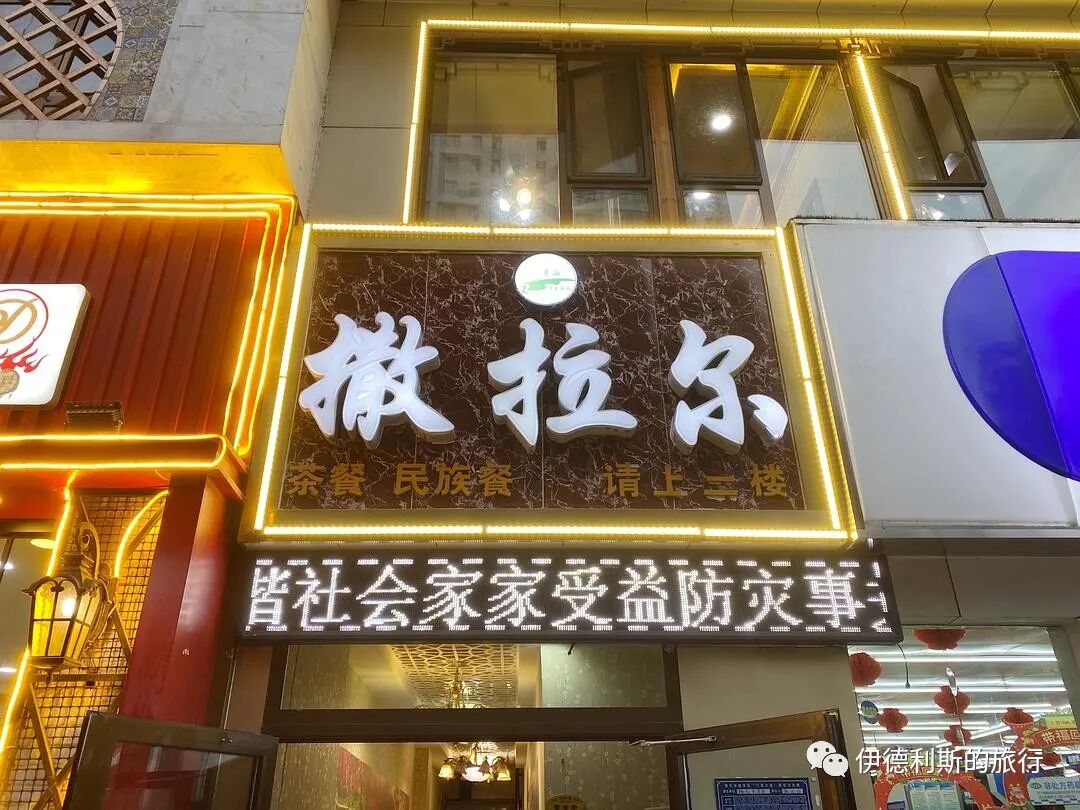
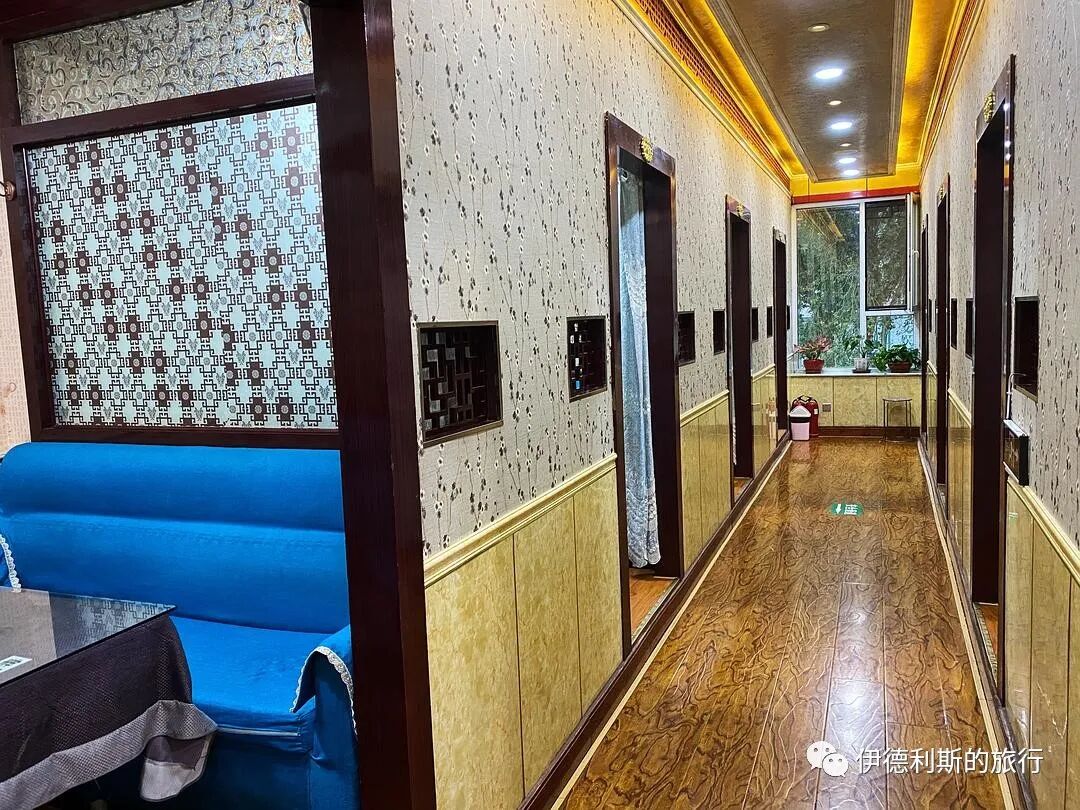
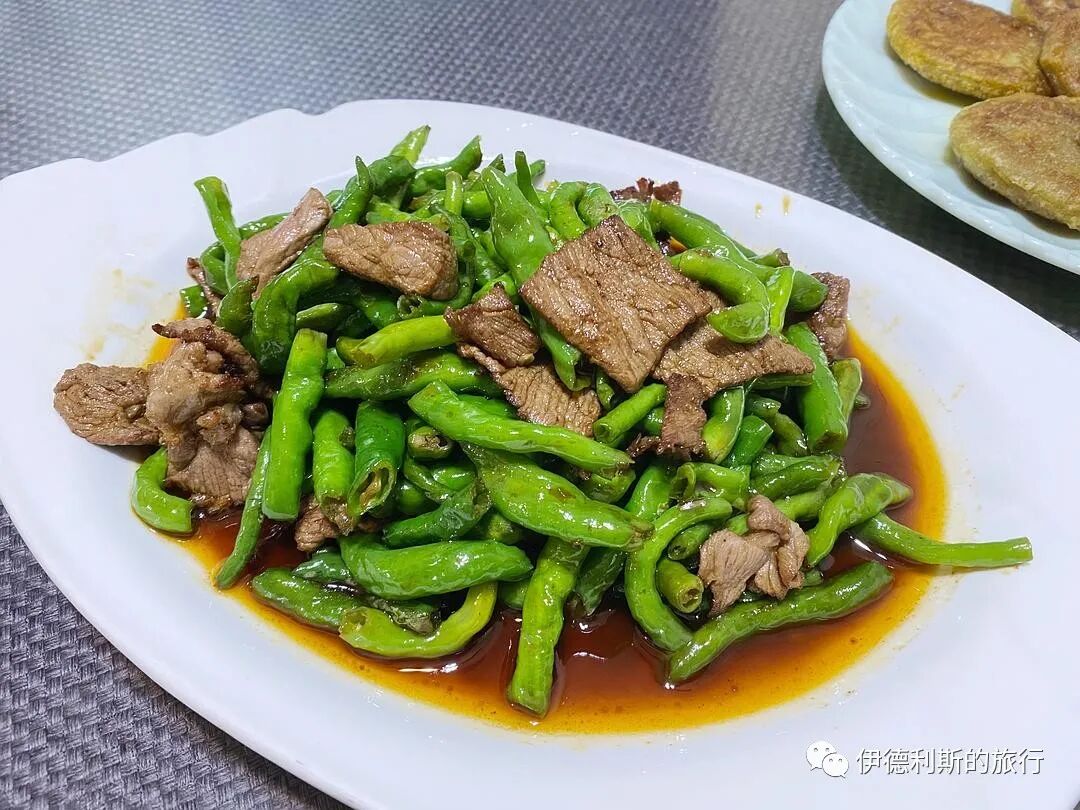
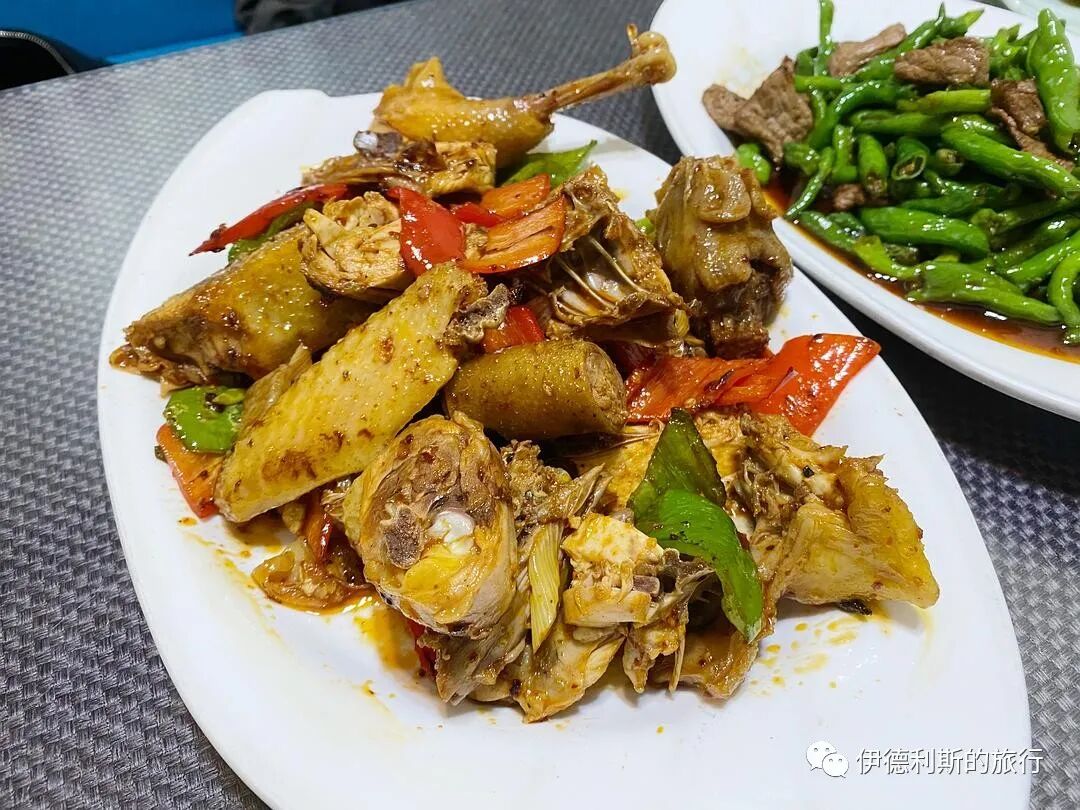
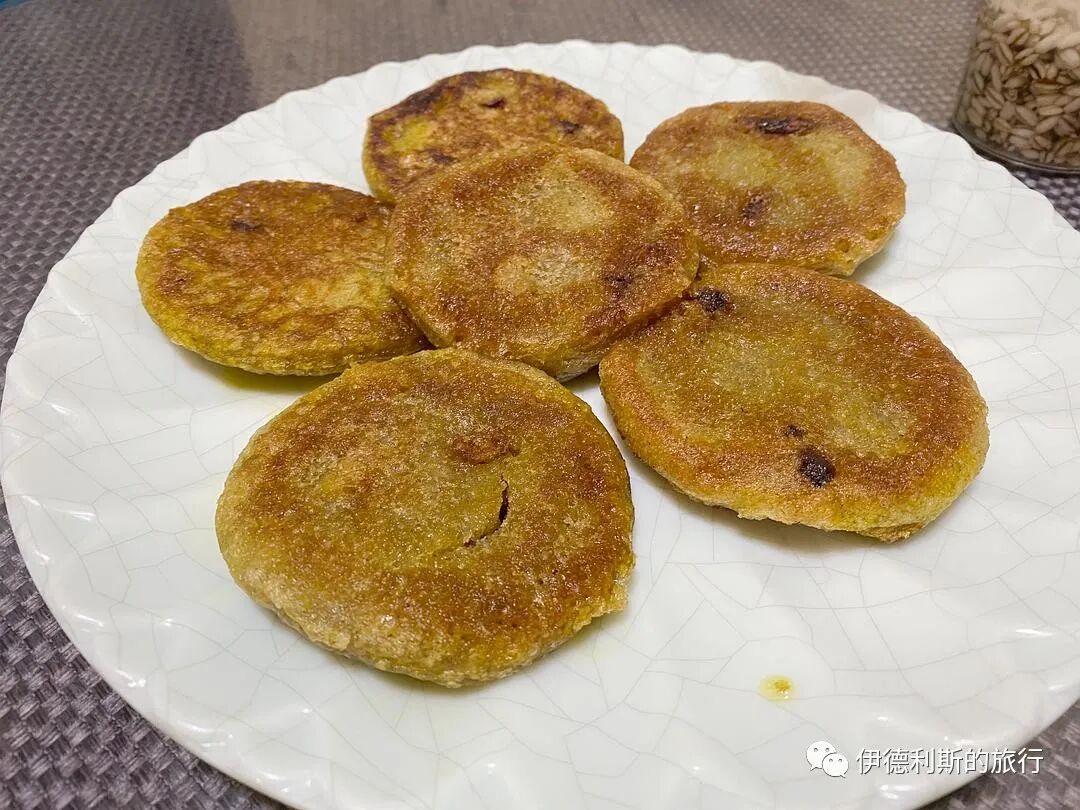
While taking a walk at night, we bought yak beef jerky at a food shop in front of the Yudai Bridge Mosque. Over the past ten years, their shop really hasn't changed at all, as if time has stood still.
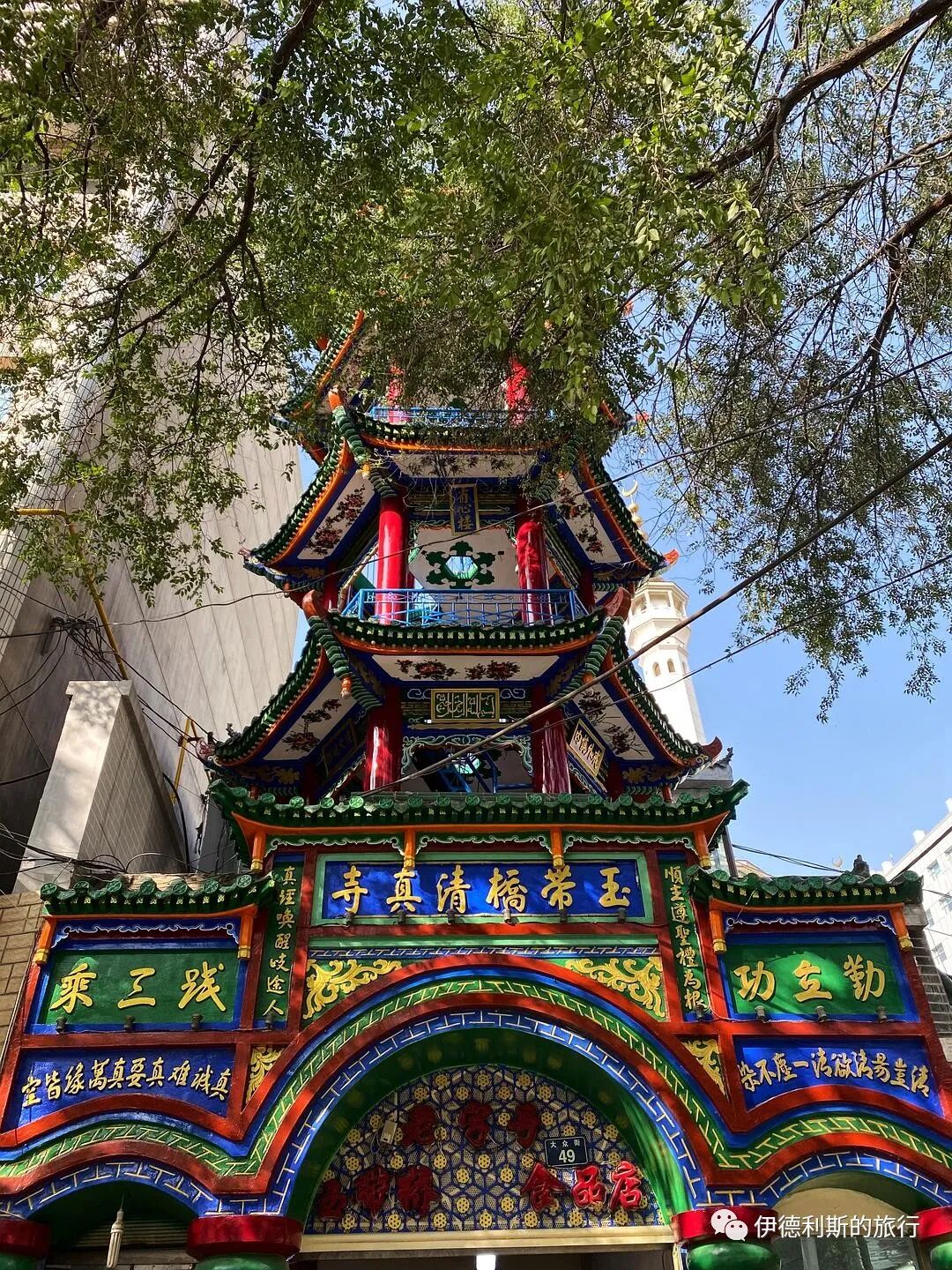
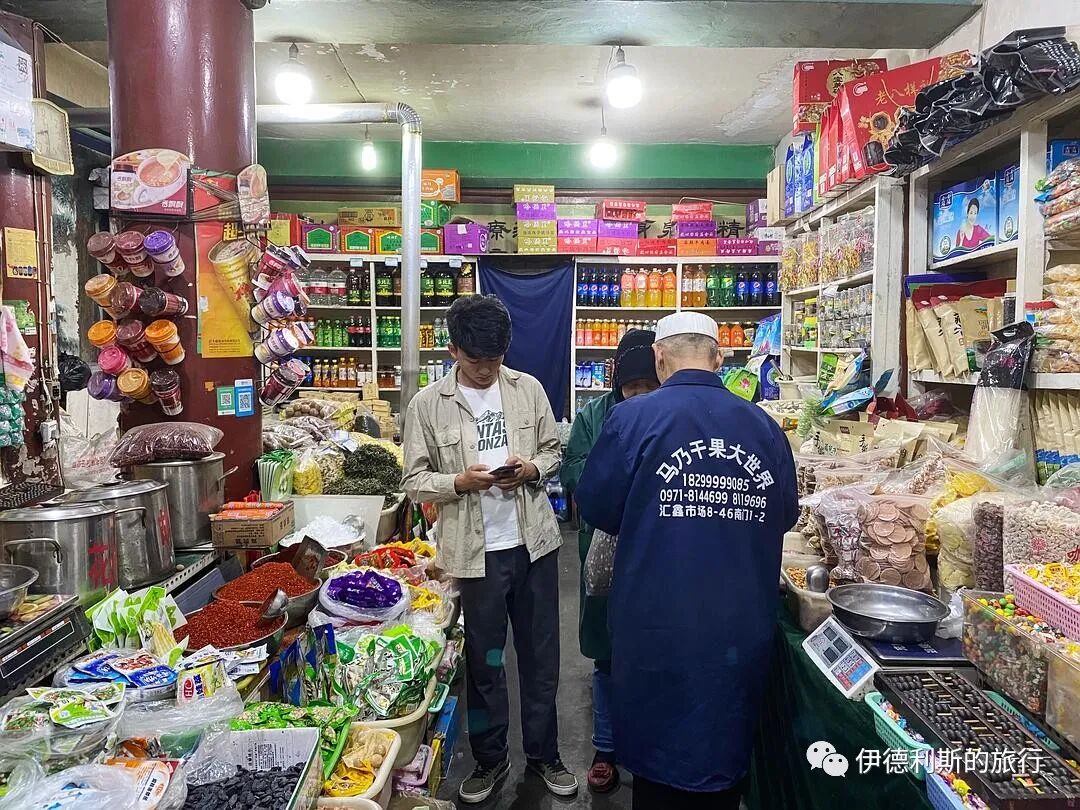
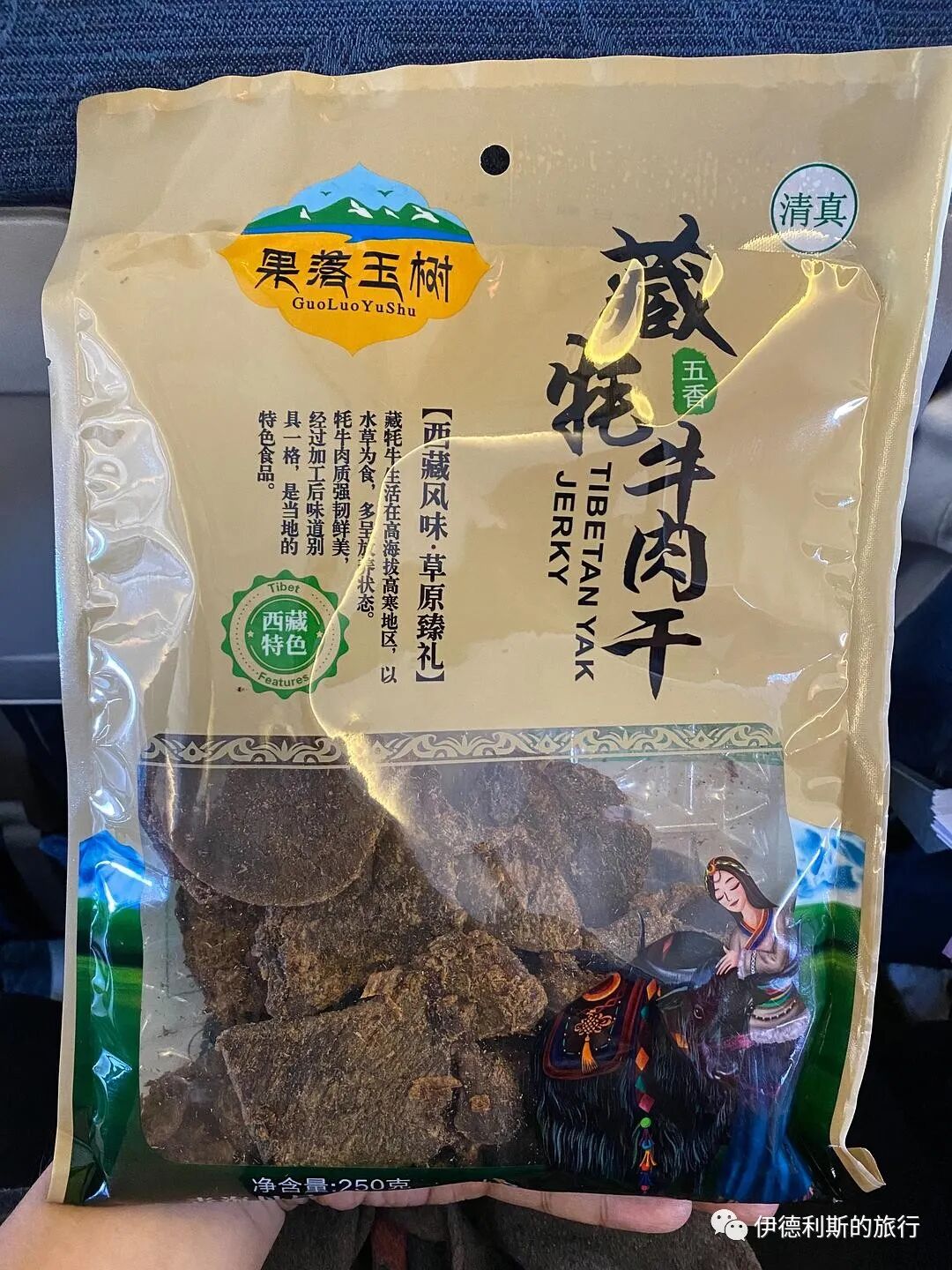
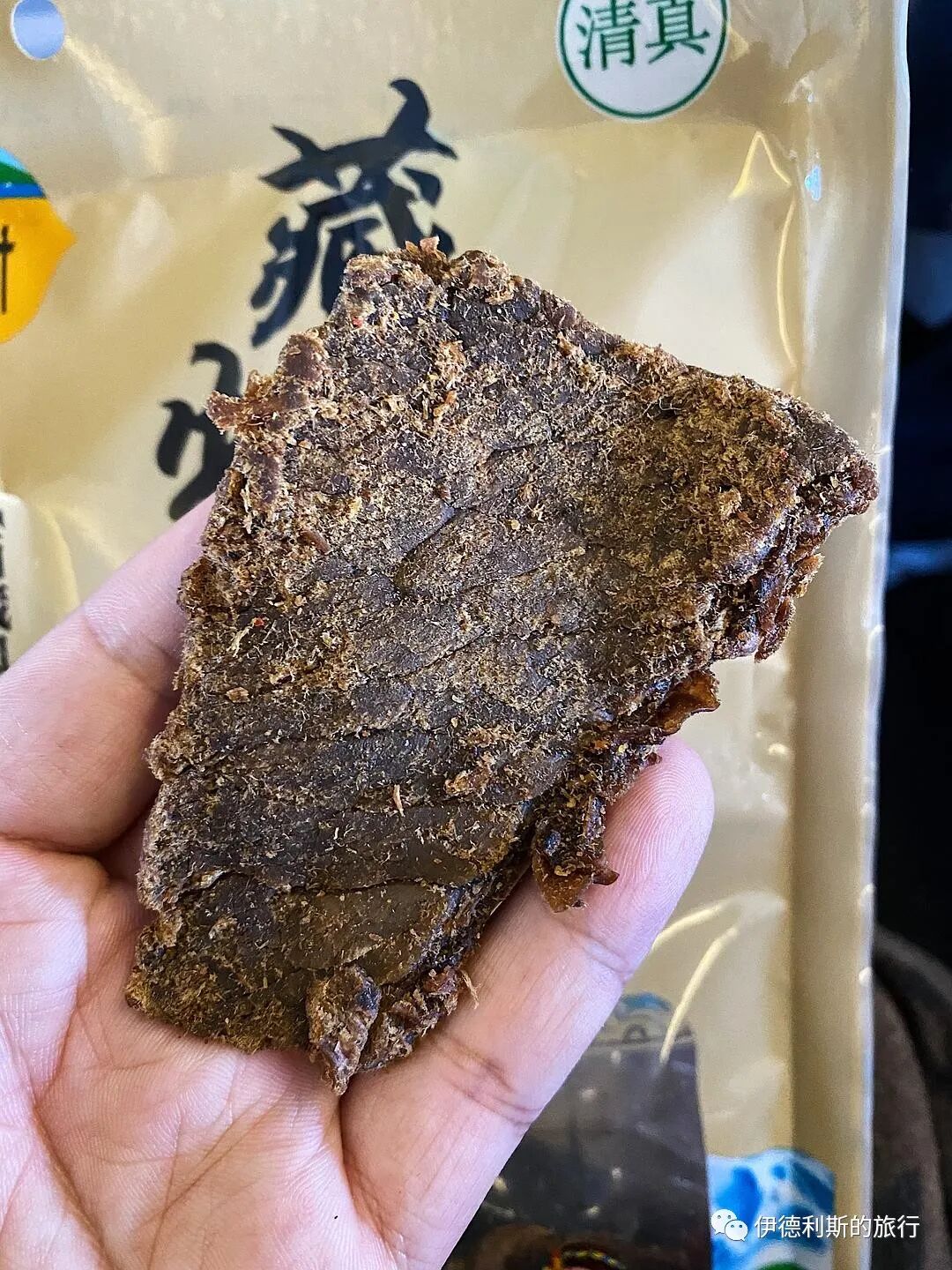
At the Laowang shop in Xining Dongguan Cuolong, we ate gengpi (thick starch noodles) and freshly made yak yogurt. Zainab said this was the best yogurt we had on this Xining trip.
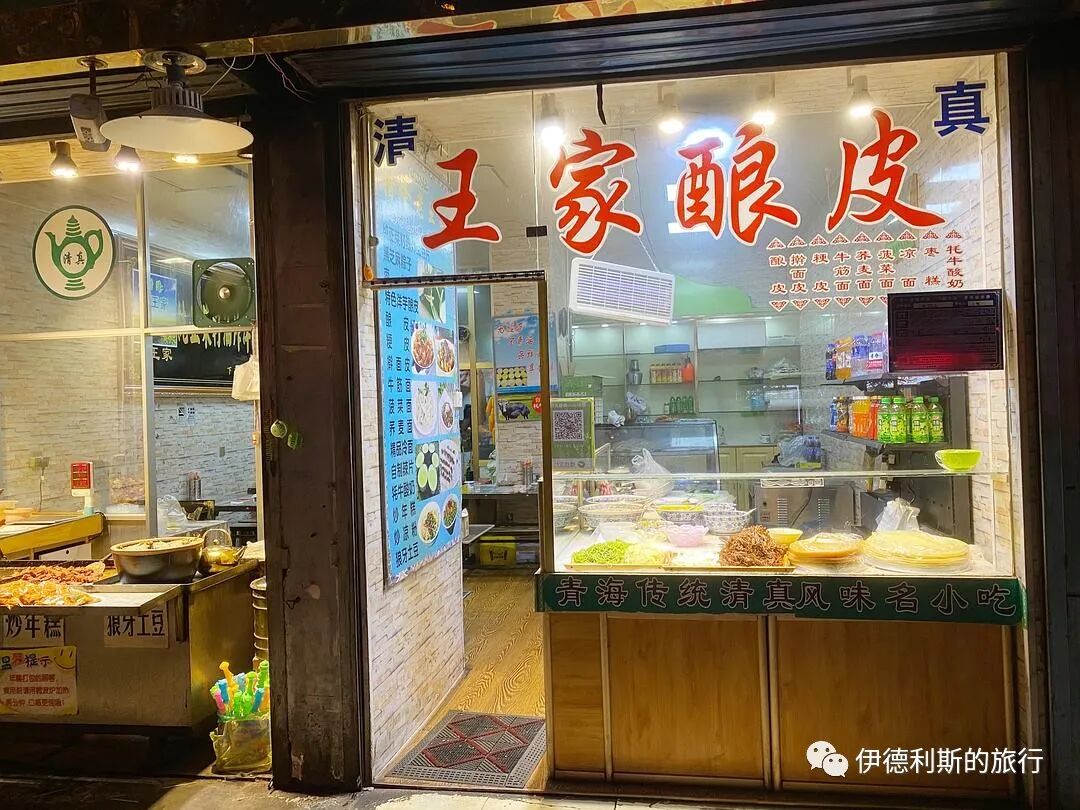
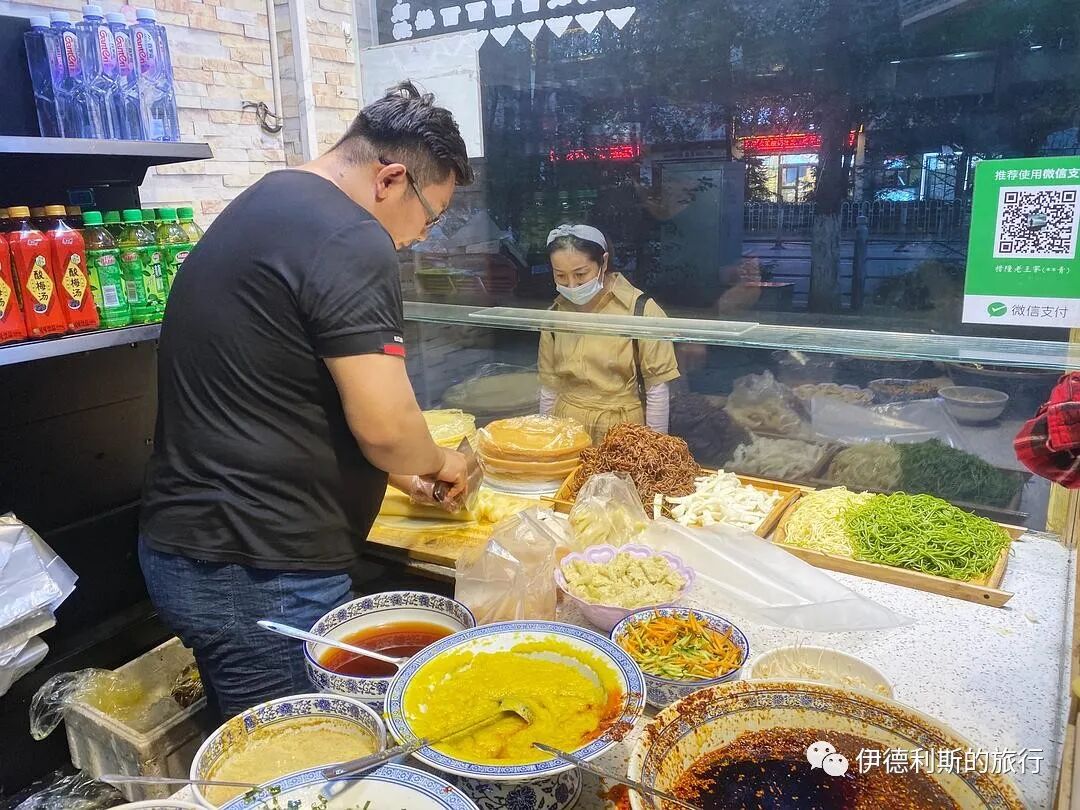
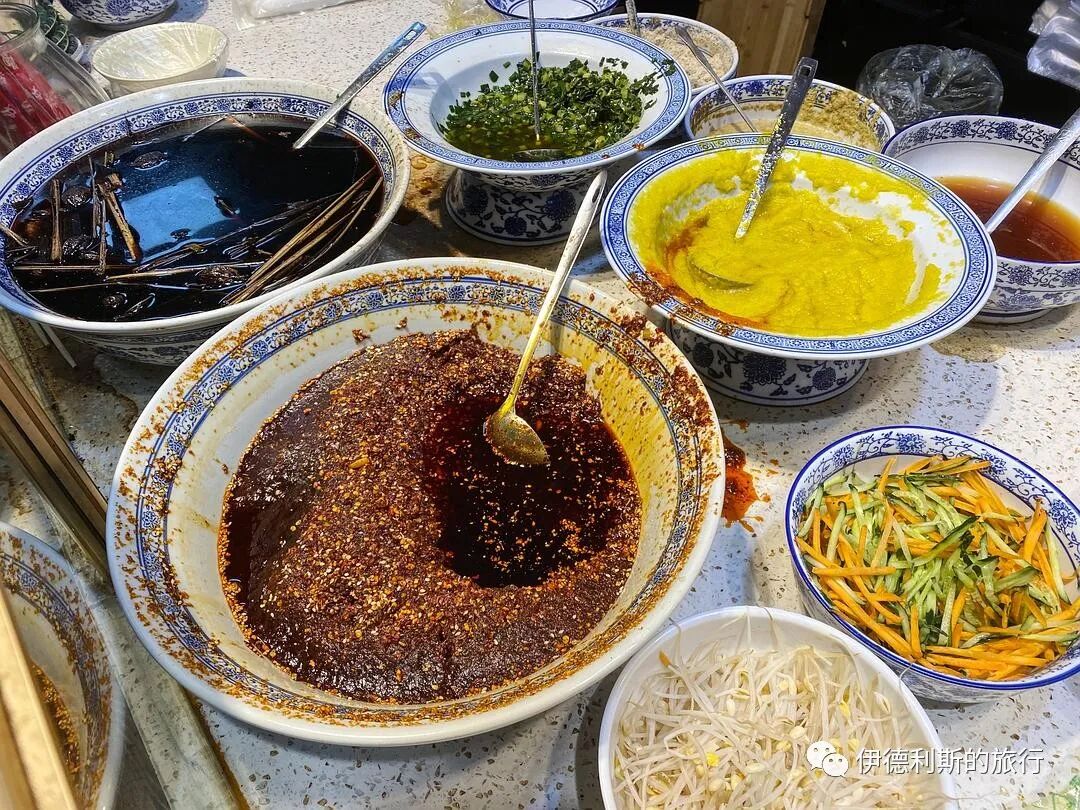
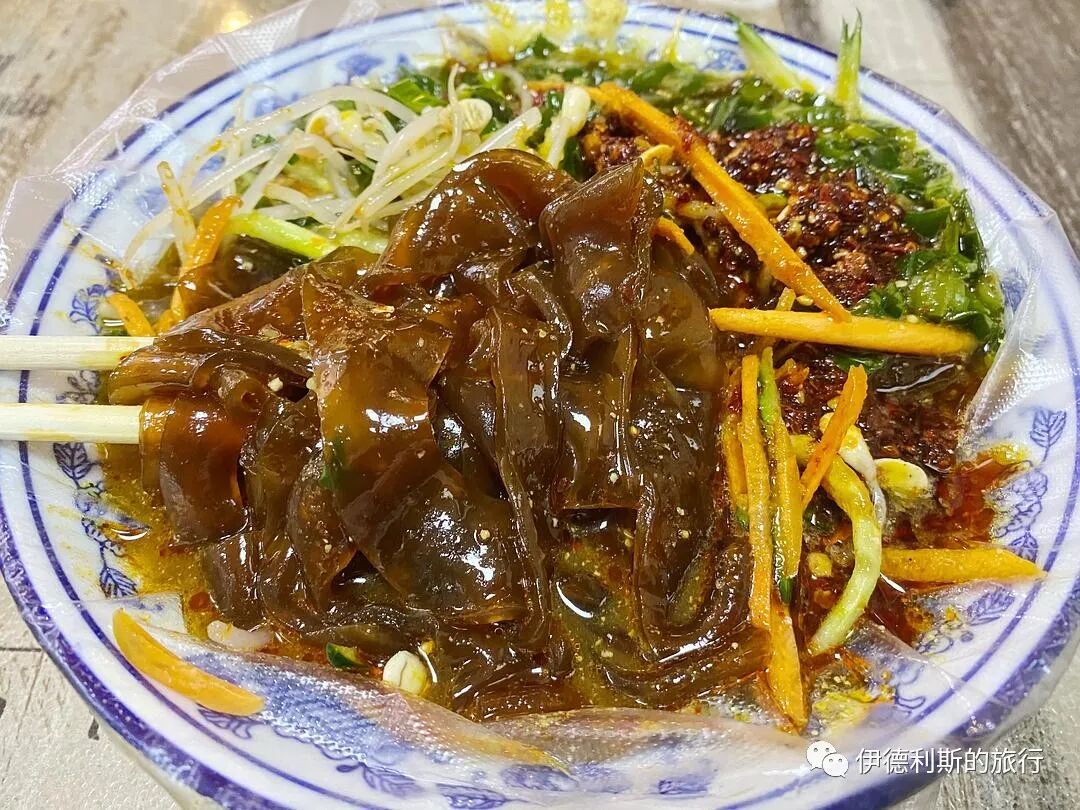
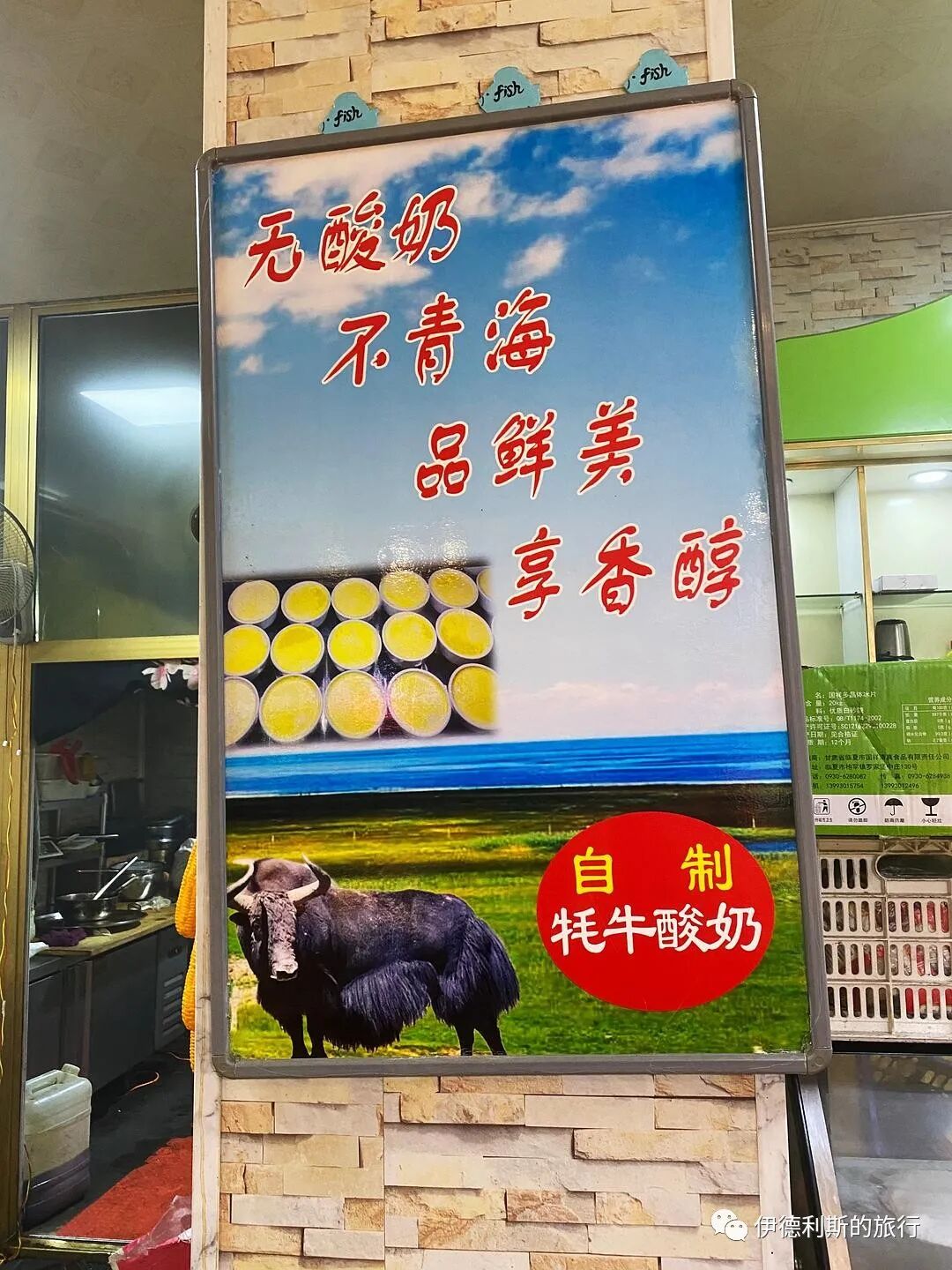
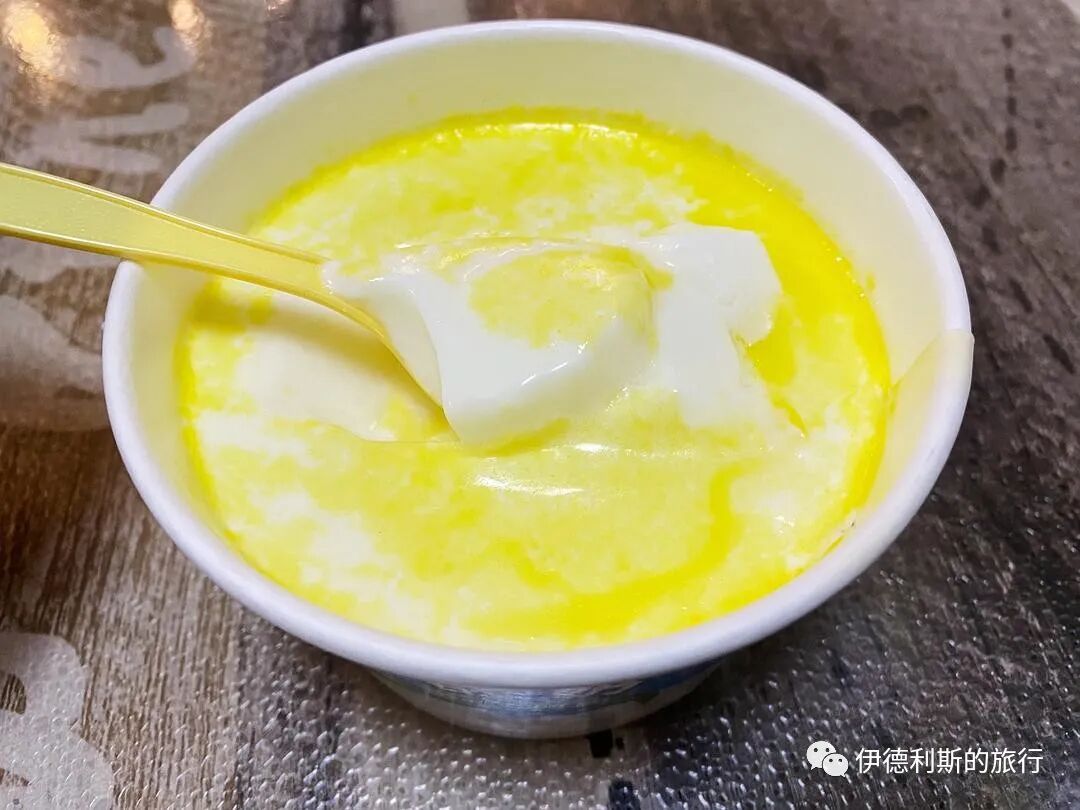
On Sunday morning, we had baozi (steamed buns) and fentang (vermicelli soup) at the Galou restaurant in Dongguan.
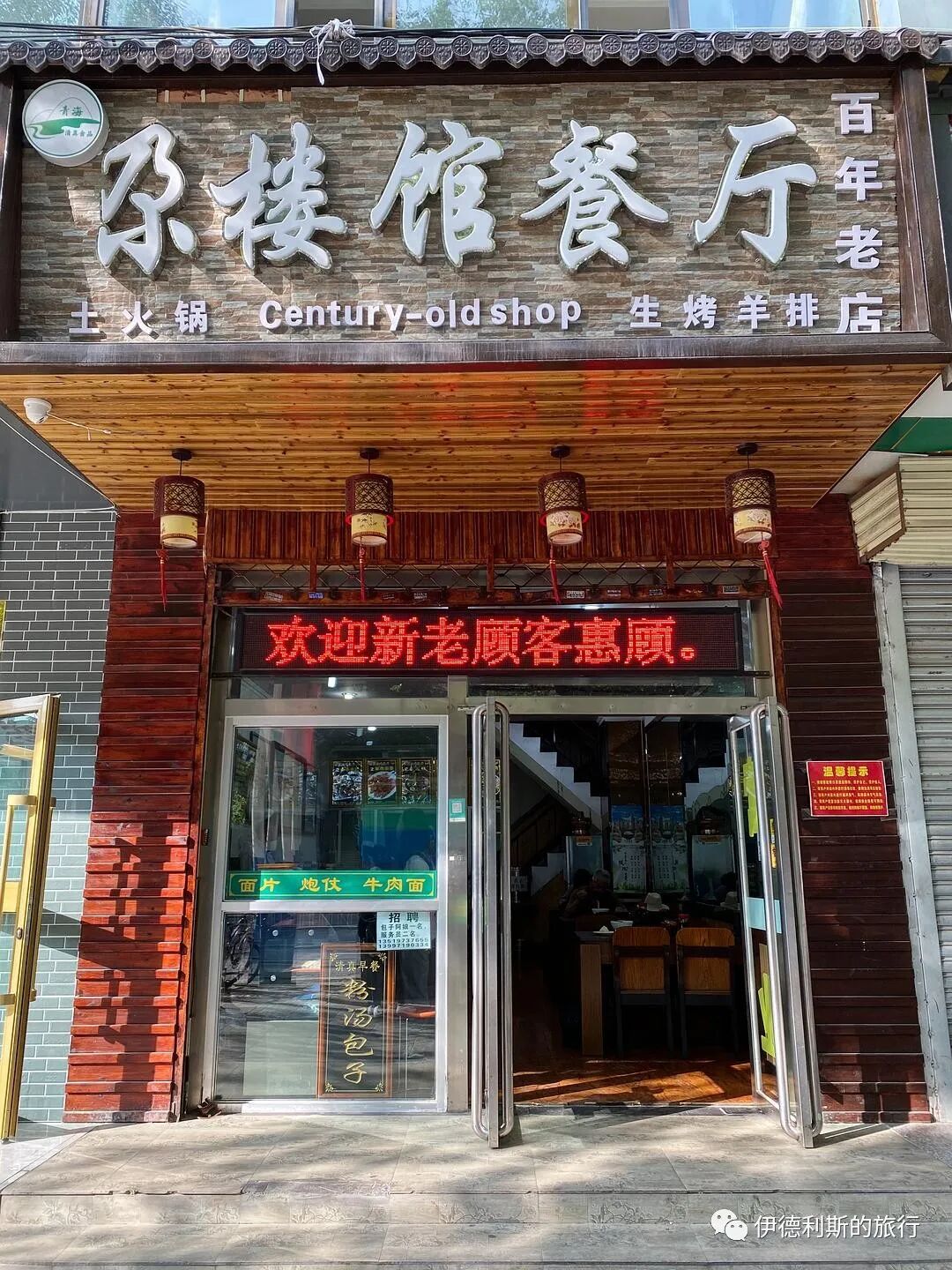
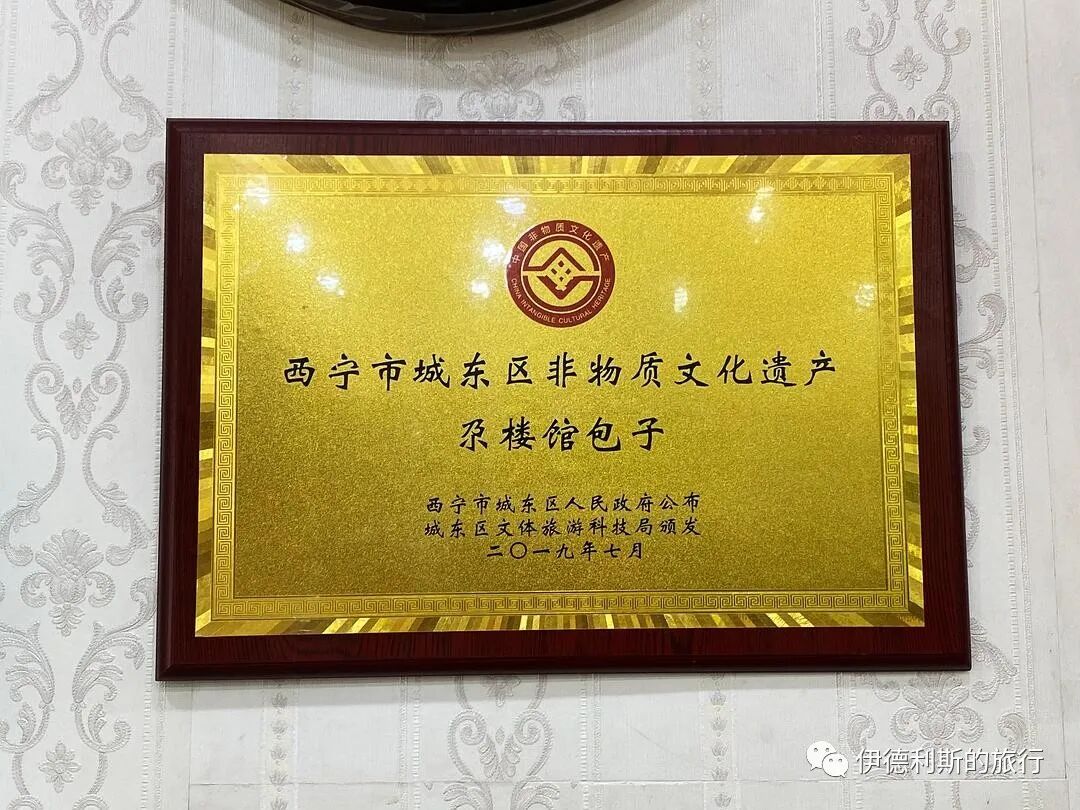
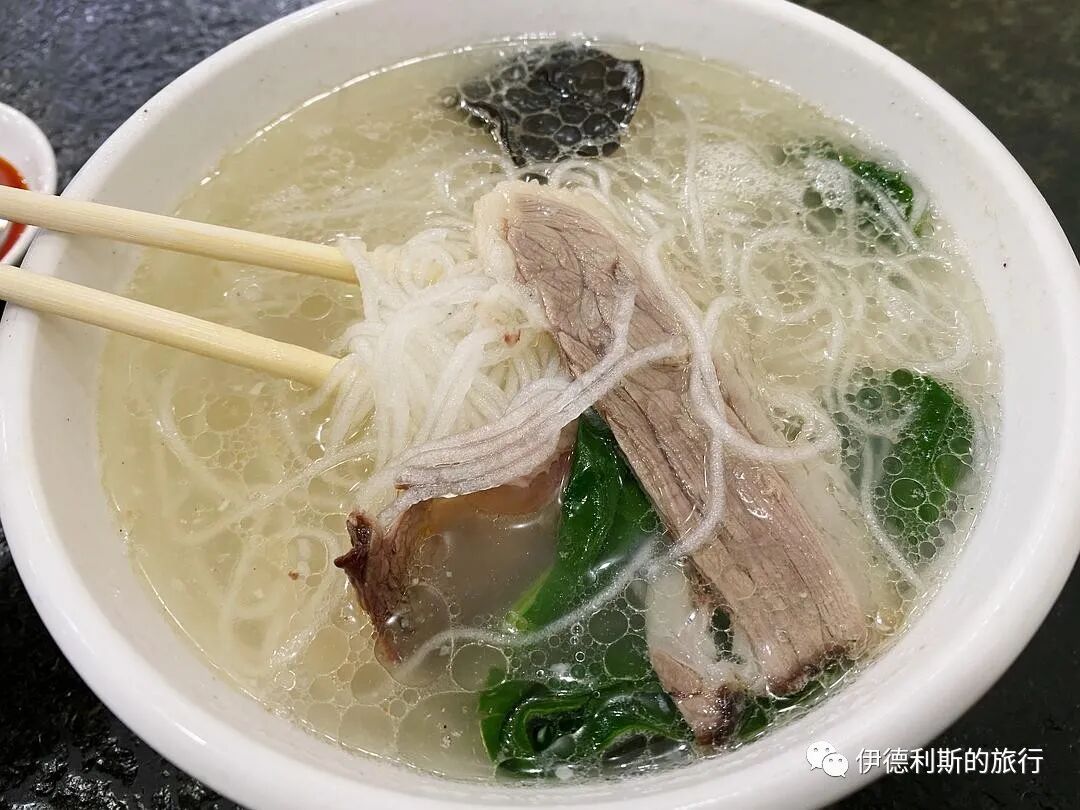
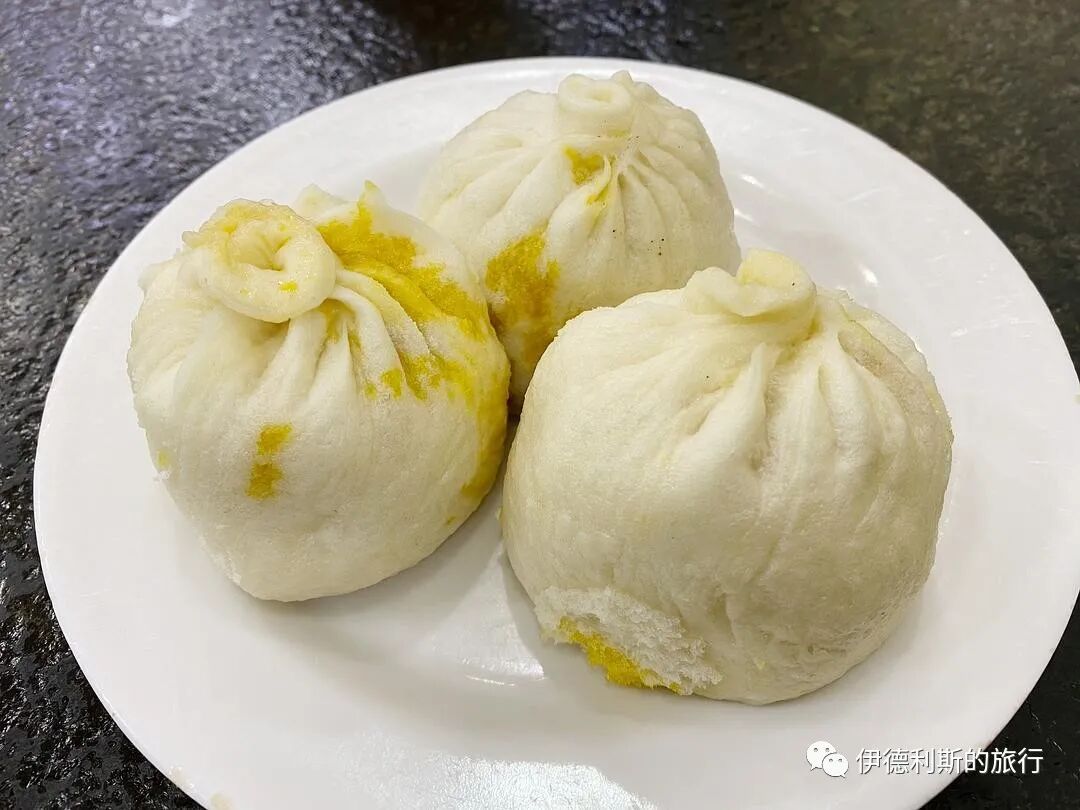
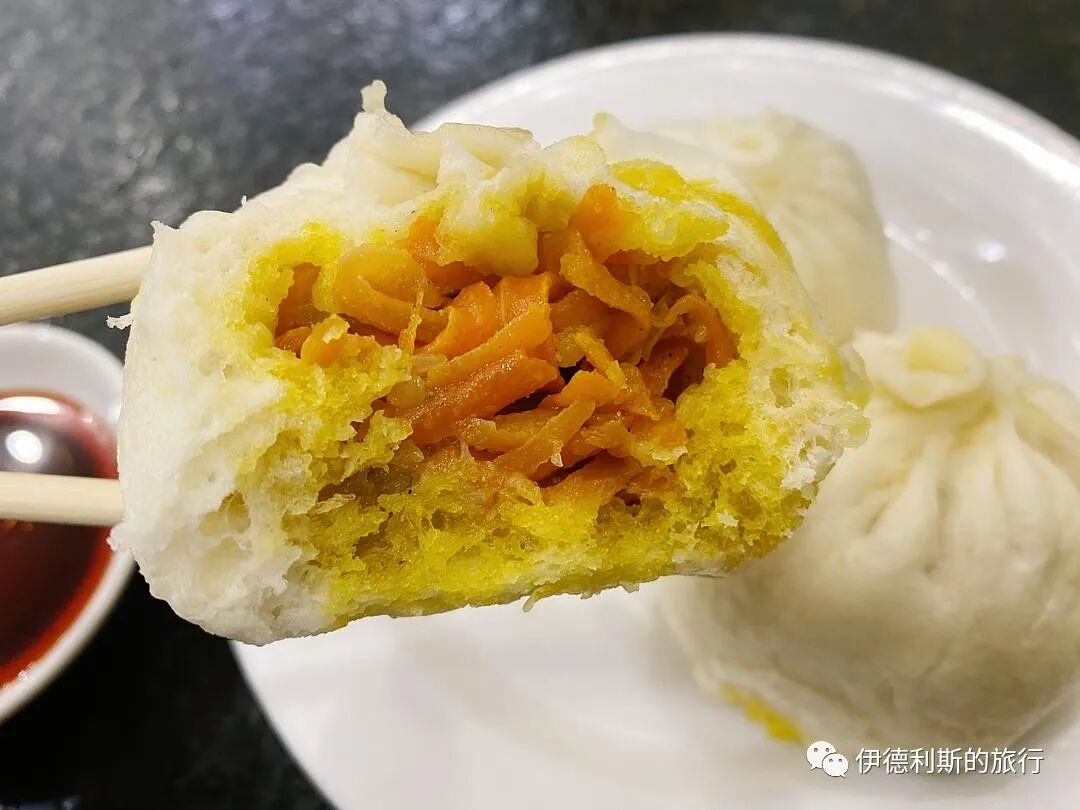
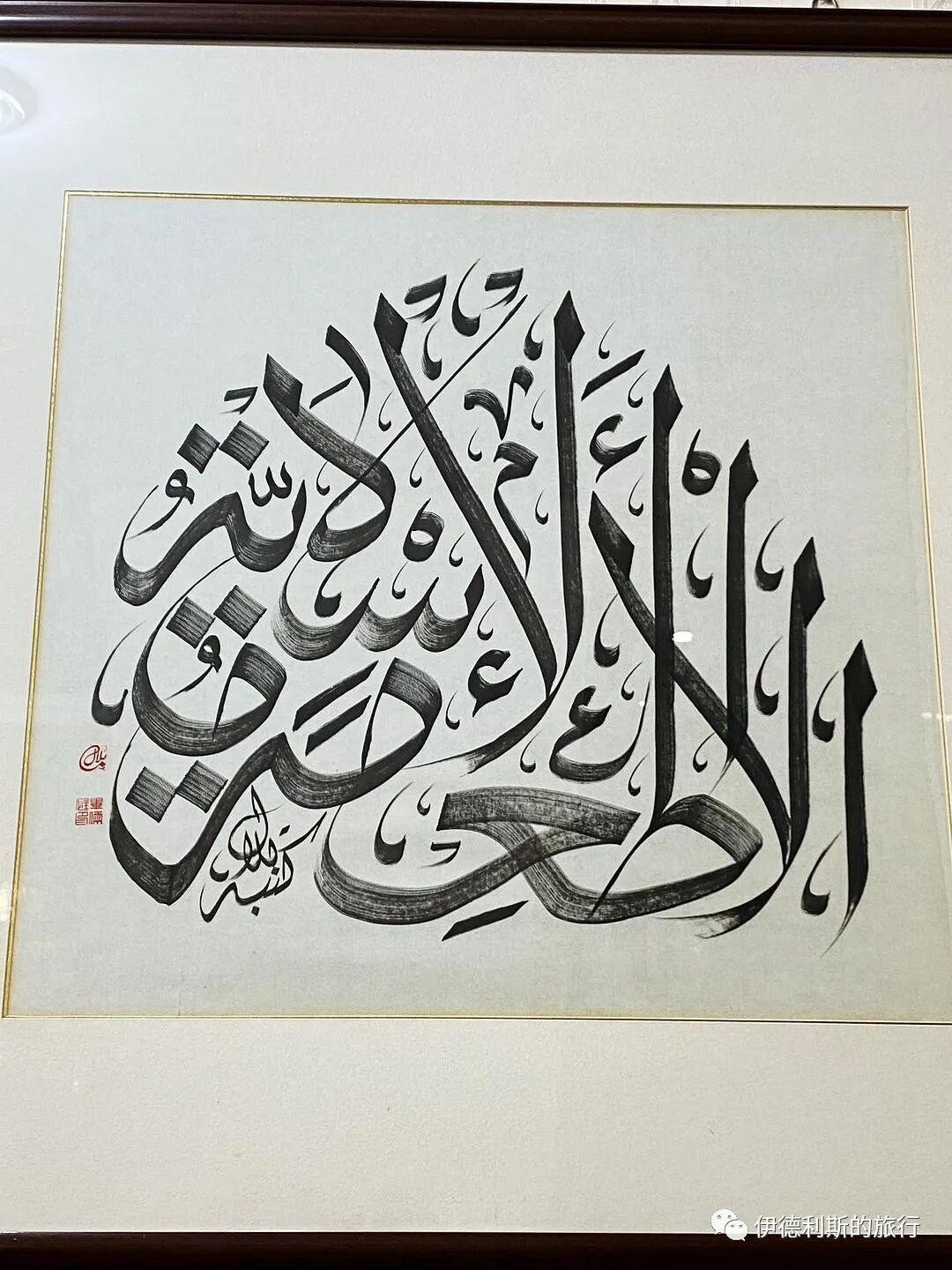
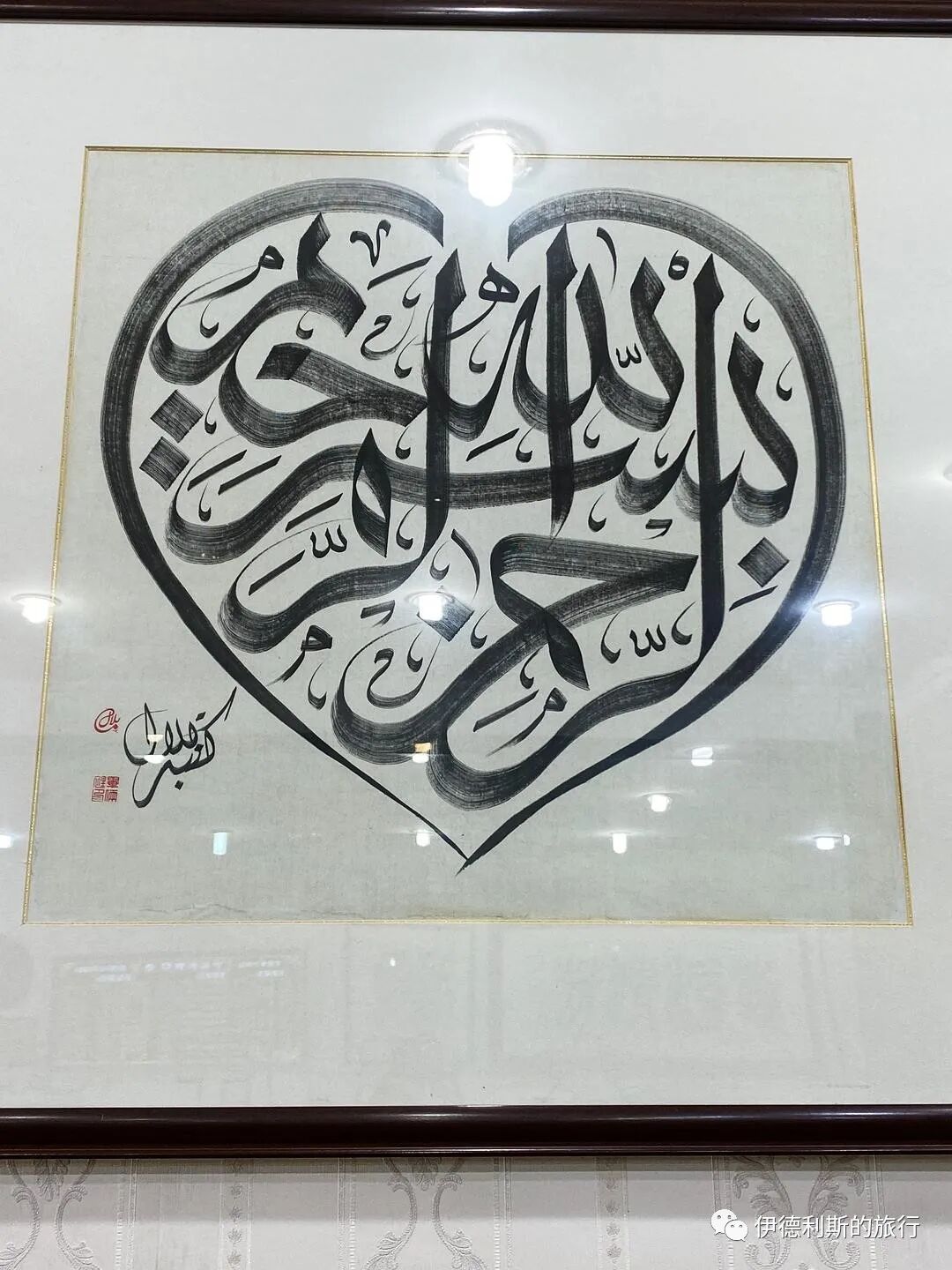
Then we also ate zashui (offal soup), and the beef tongue was very tender.
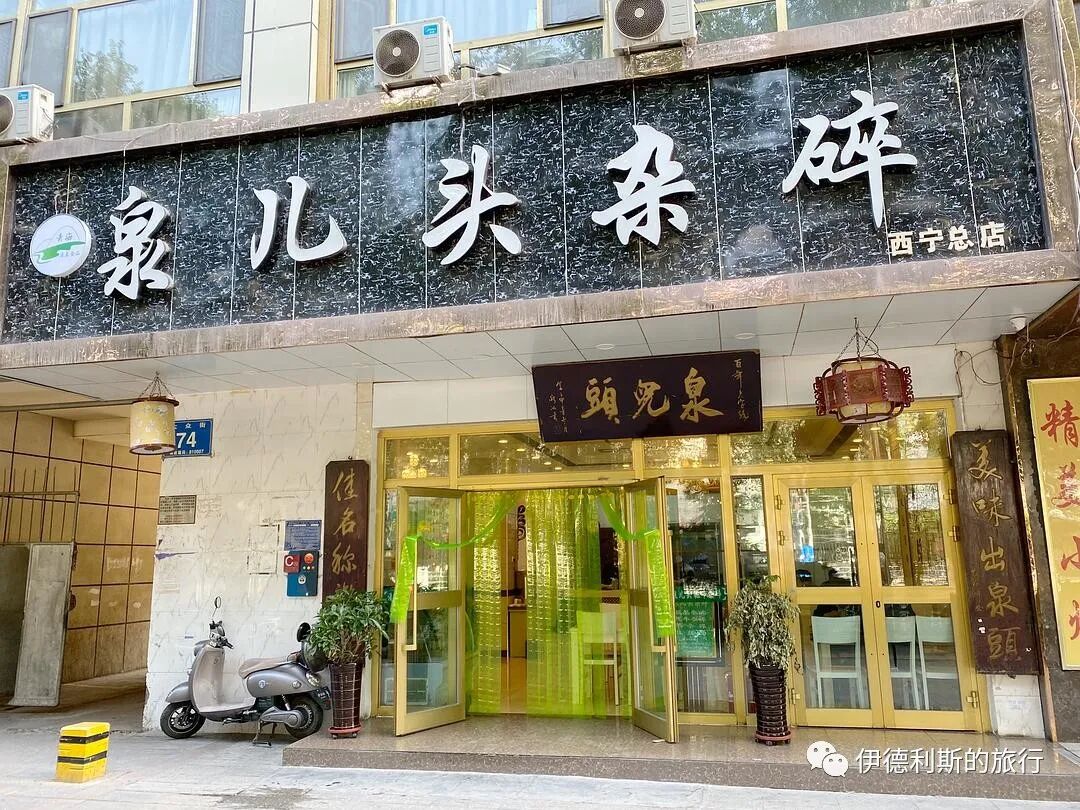
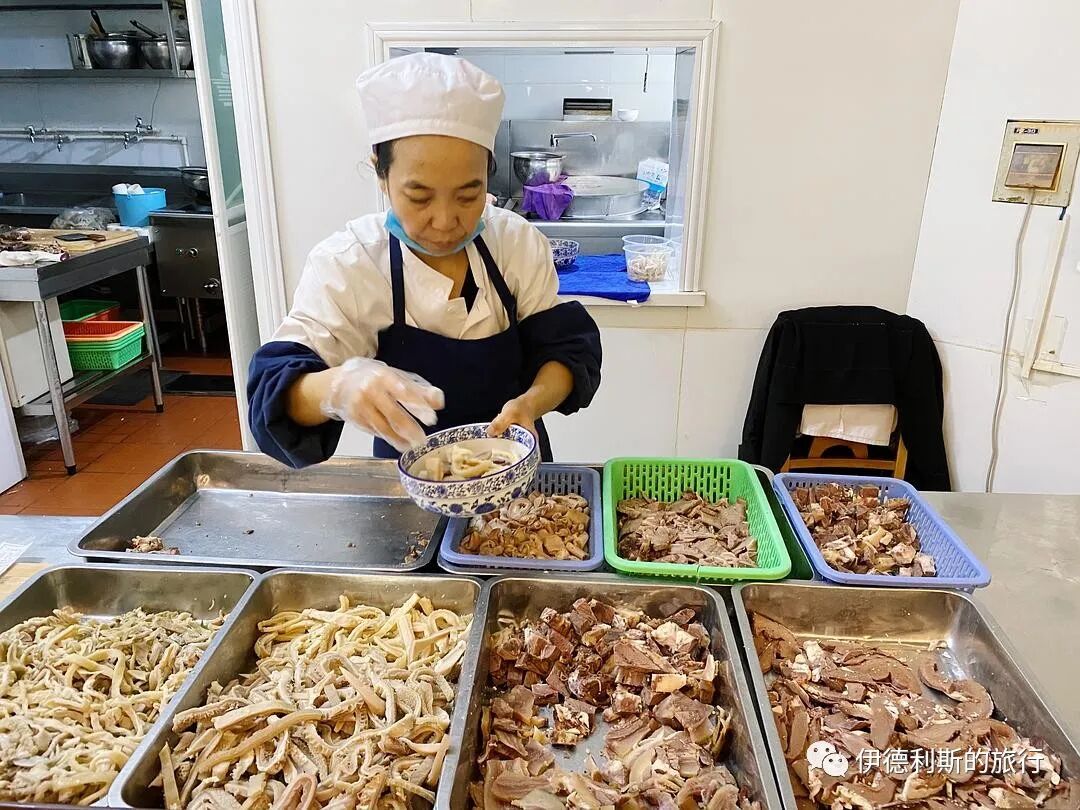
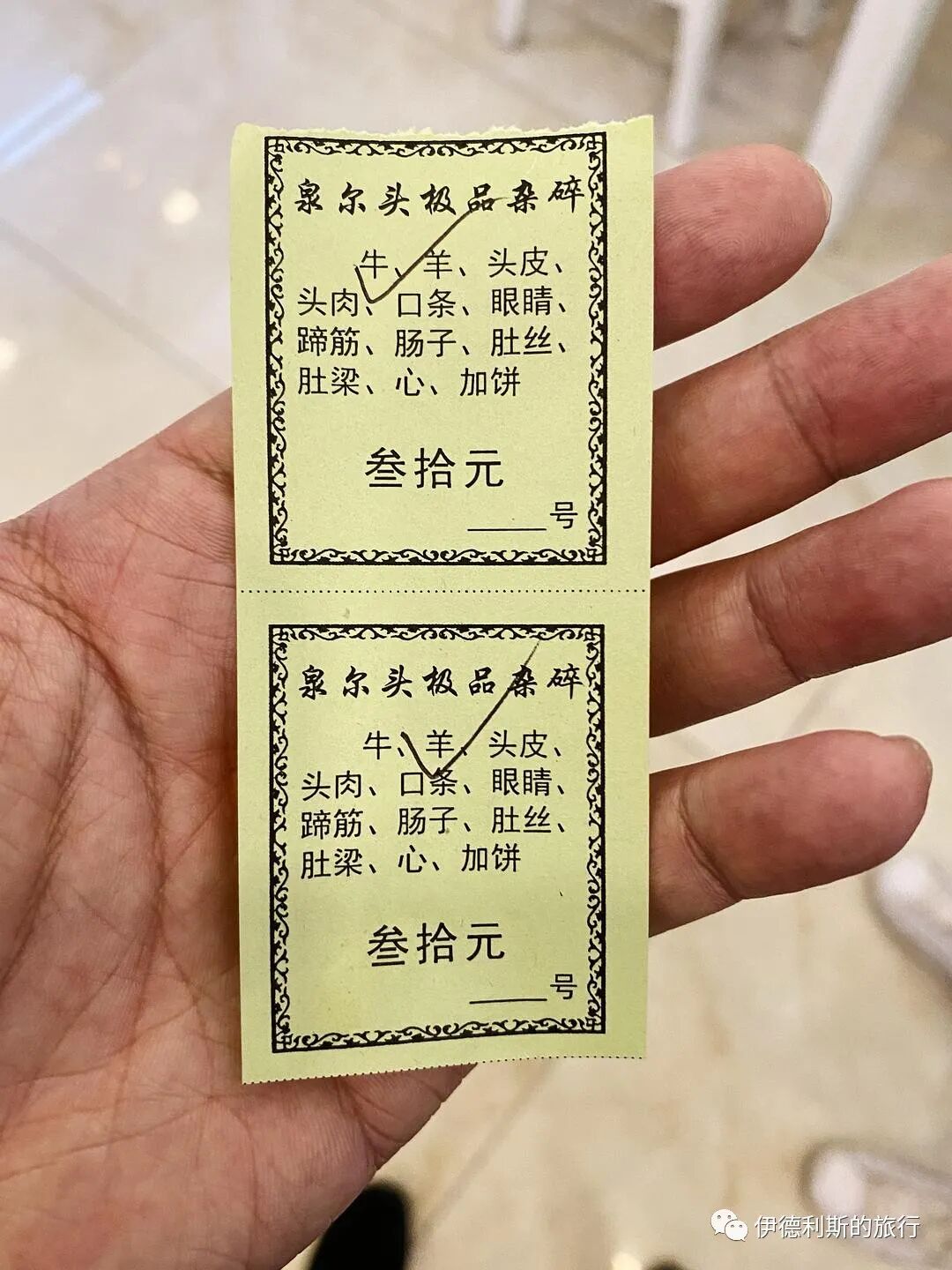
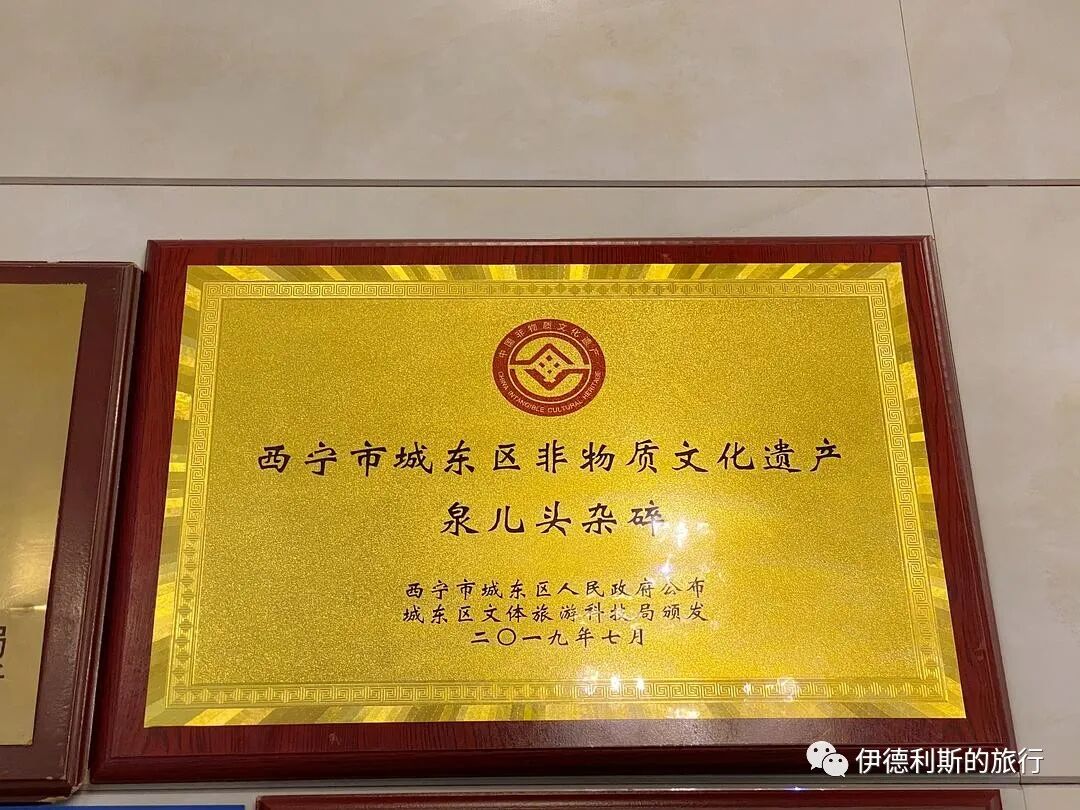
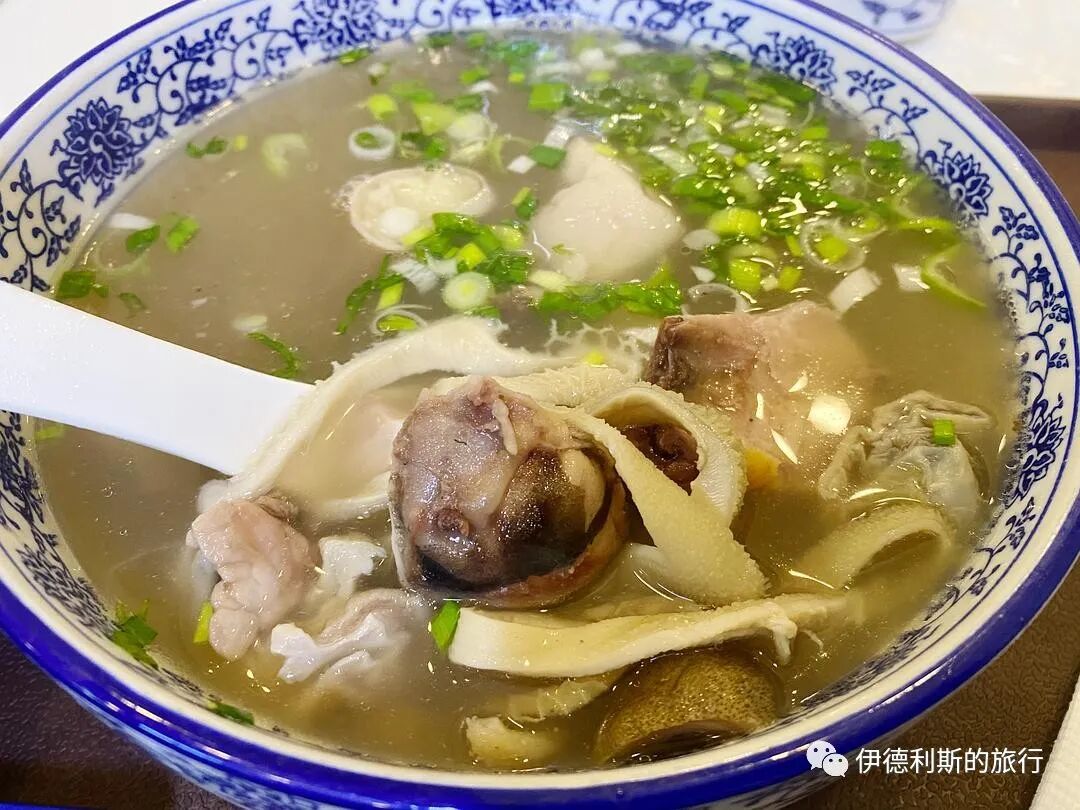
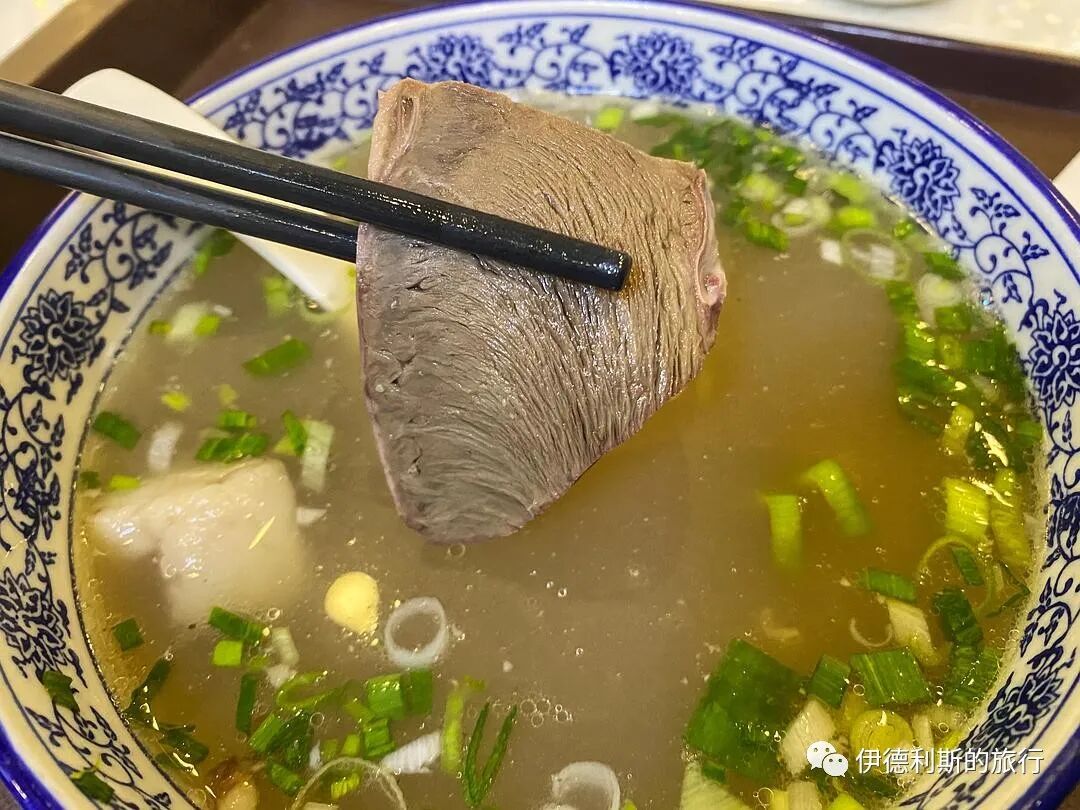
There are many small street shops selling yogurt and tianpei around Yangjia Lane in Dongguan. The tianpei can be a mix of highland barley and wheat kernels, and it tastes very good. Then we also bought subing (flaky pastries) in Dongguan and Xia Nanguan. The subing, guokui (hard flatbread), and momo (steamed buns) in the Hehuang region are all very delicious, and using xiangdou (fenugreek) is a local specialty.
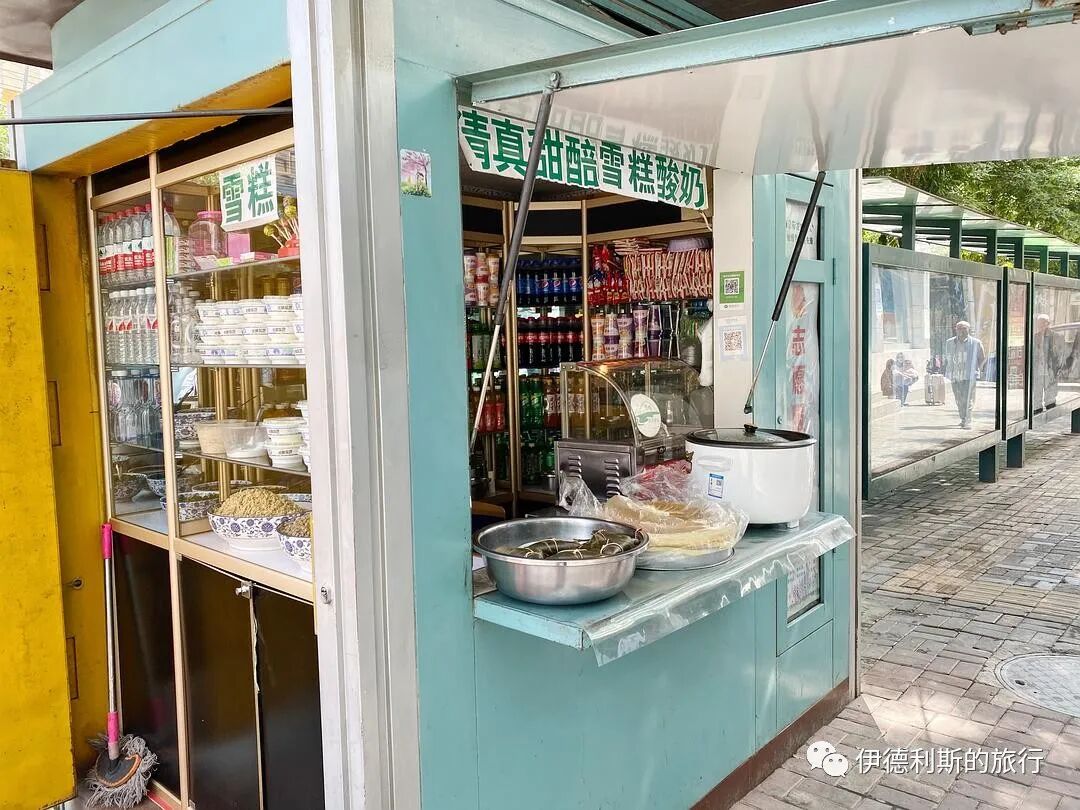
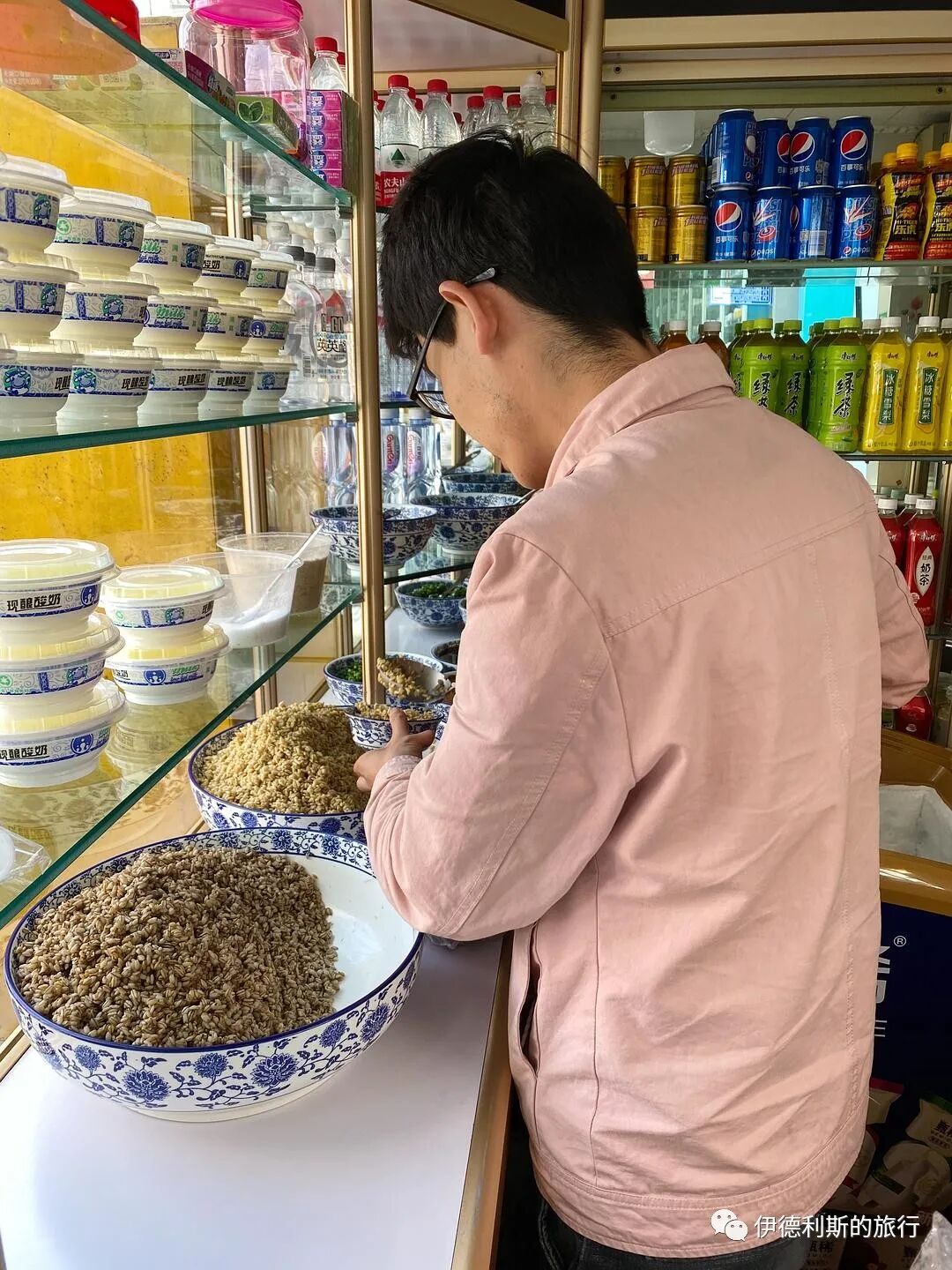
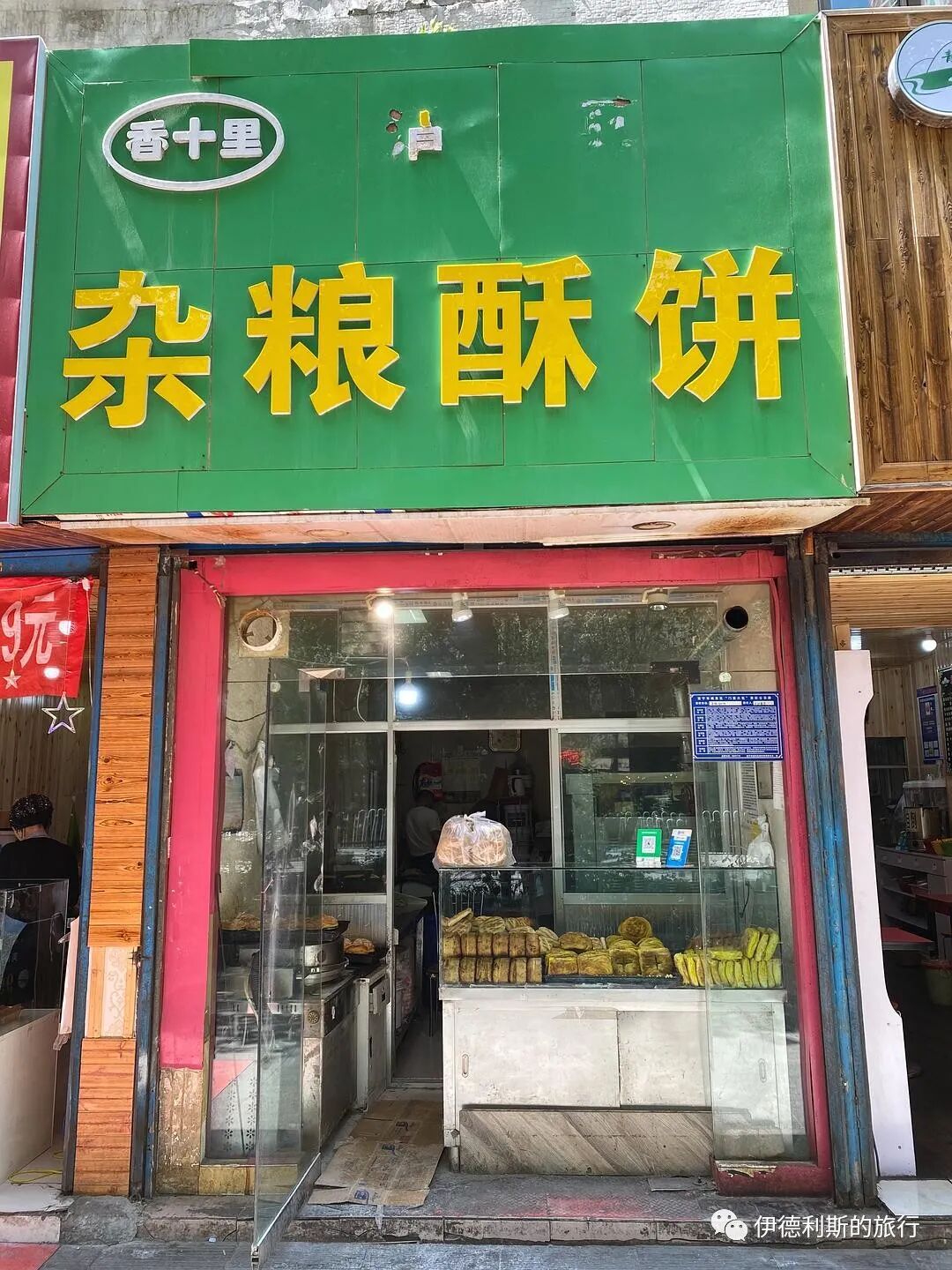
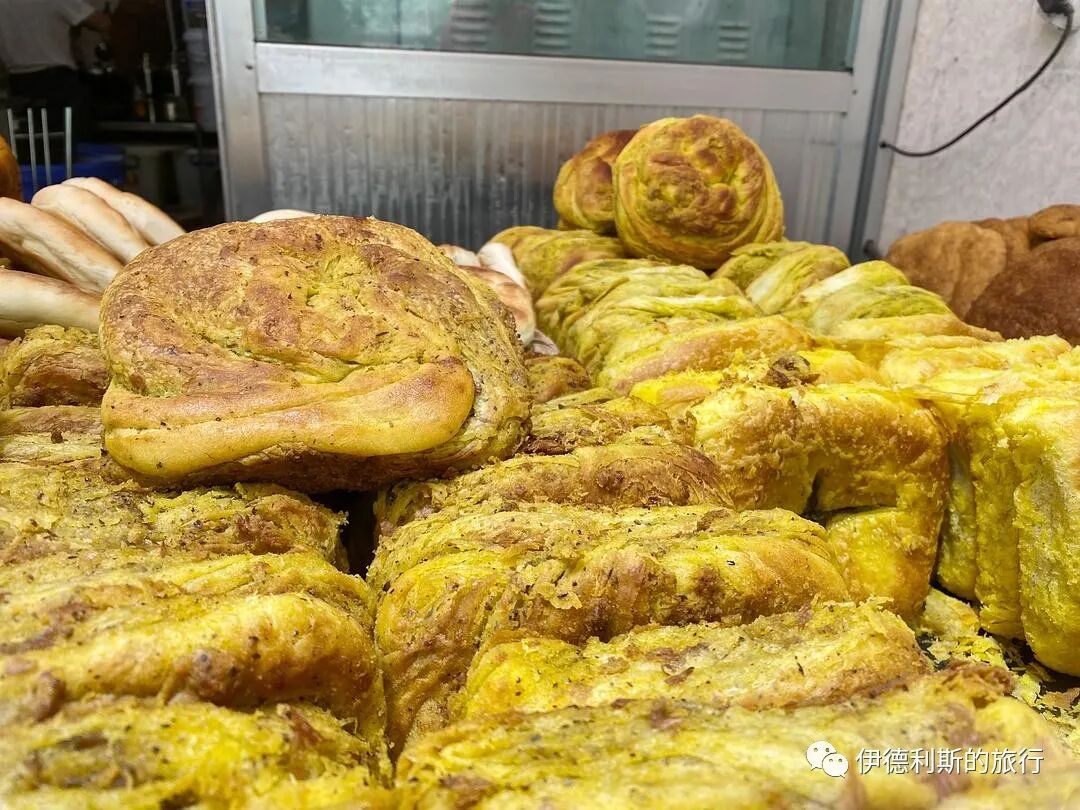
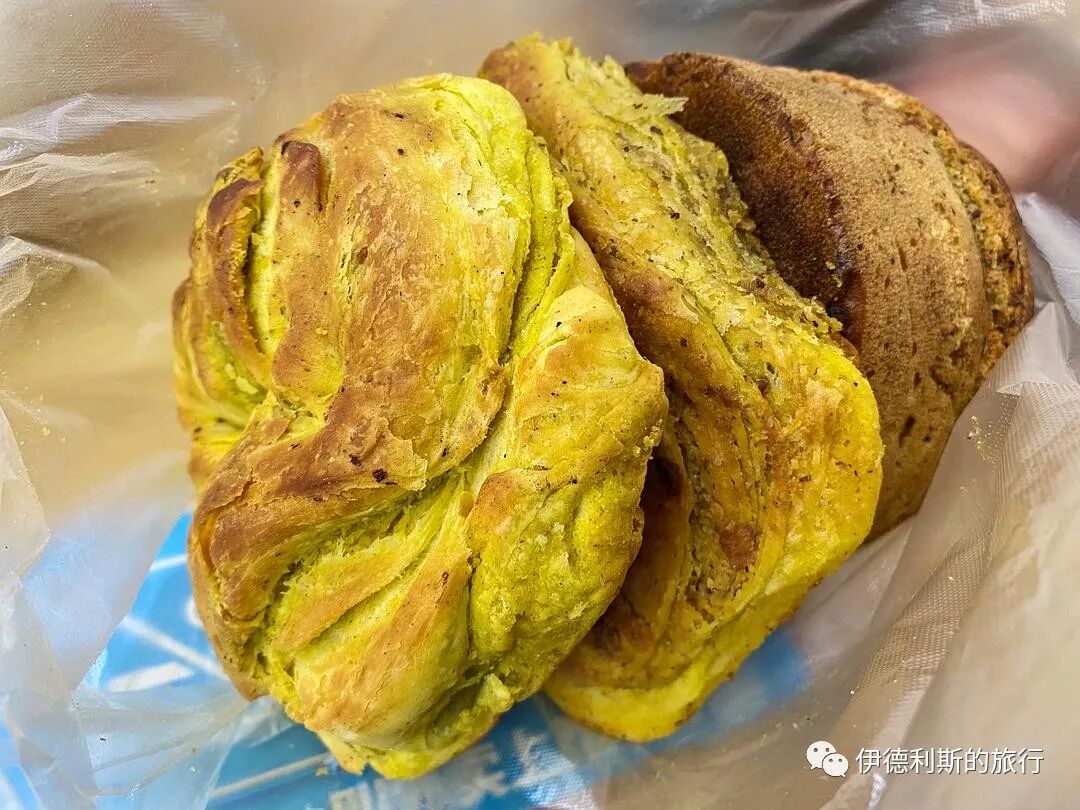
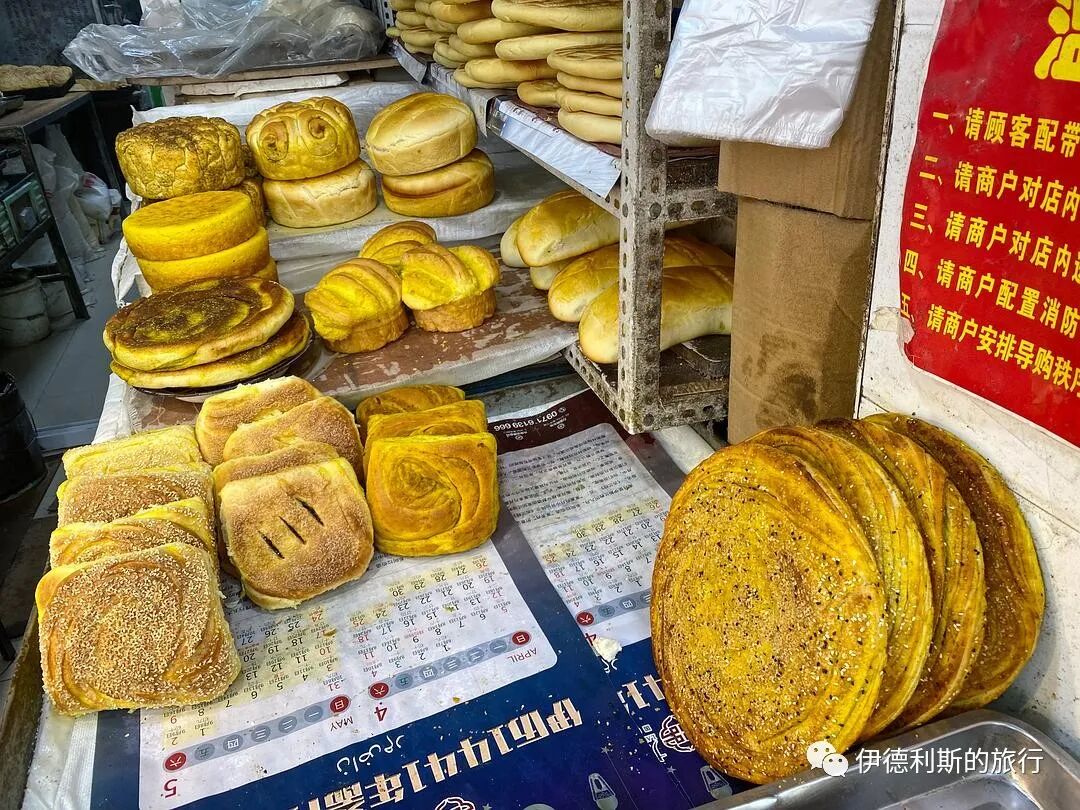
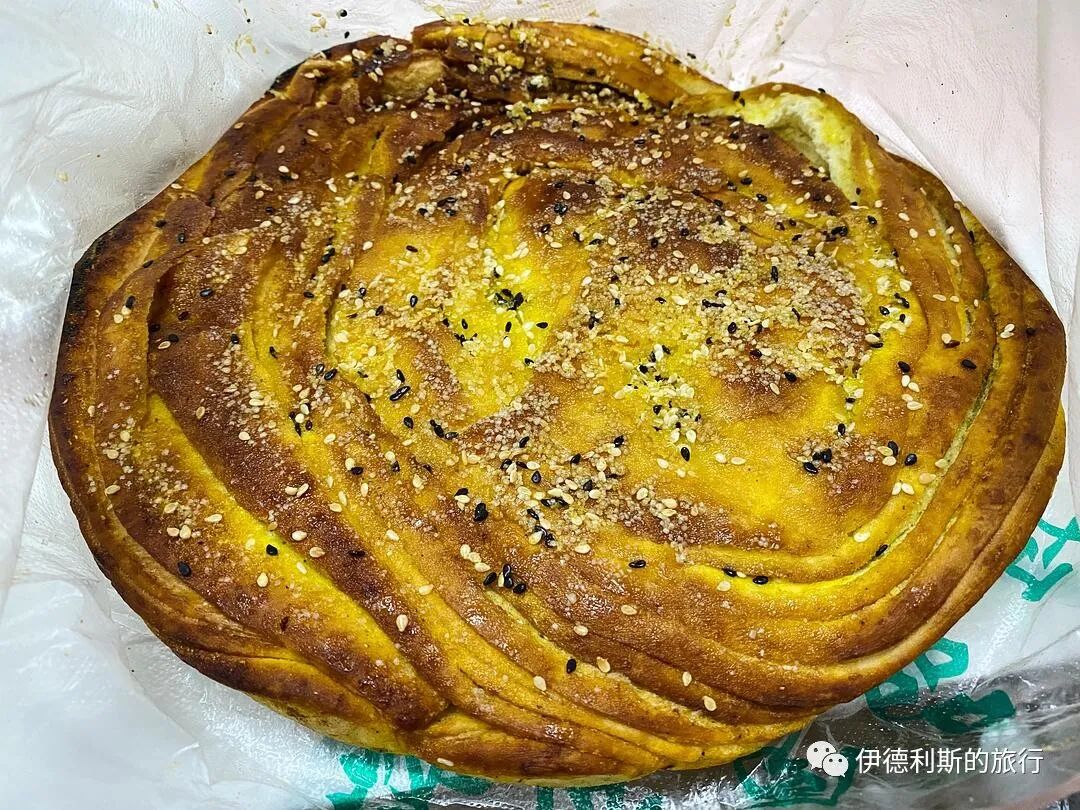
For lunch, we had roasted lamb chops in Dongguan.
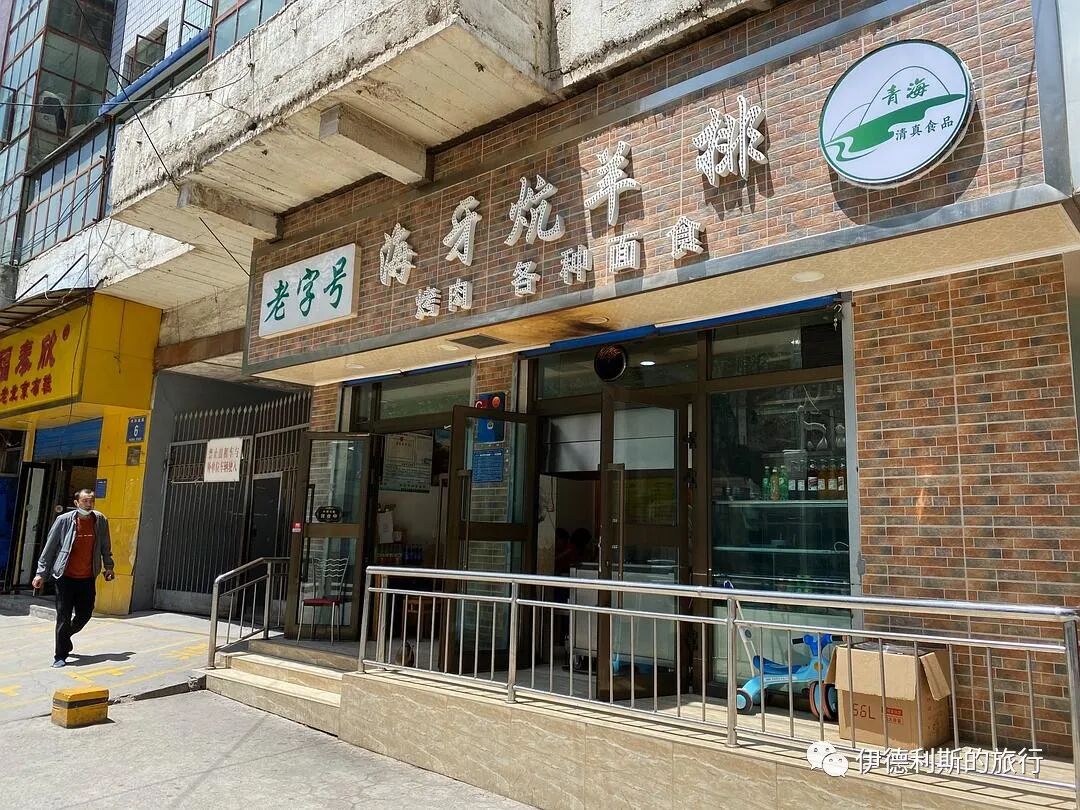
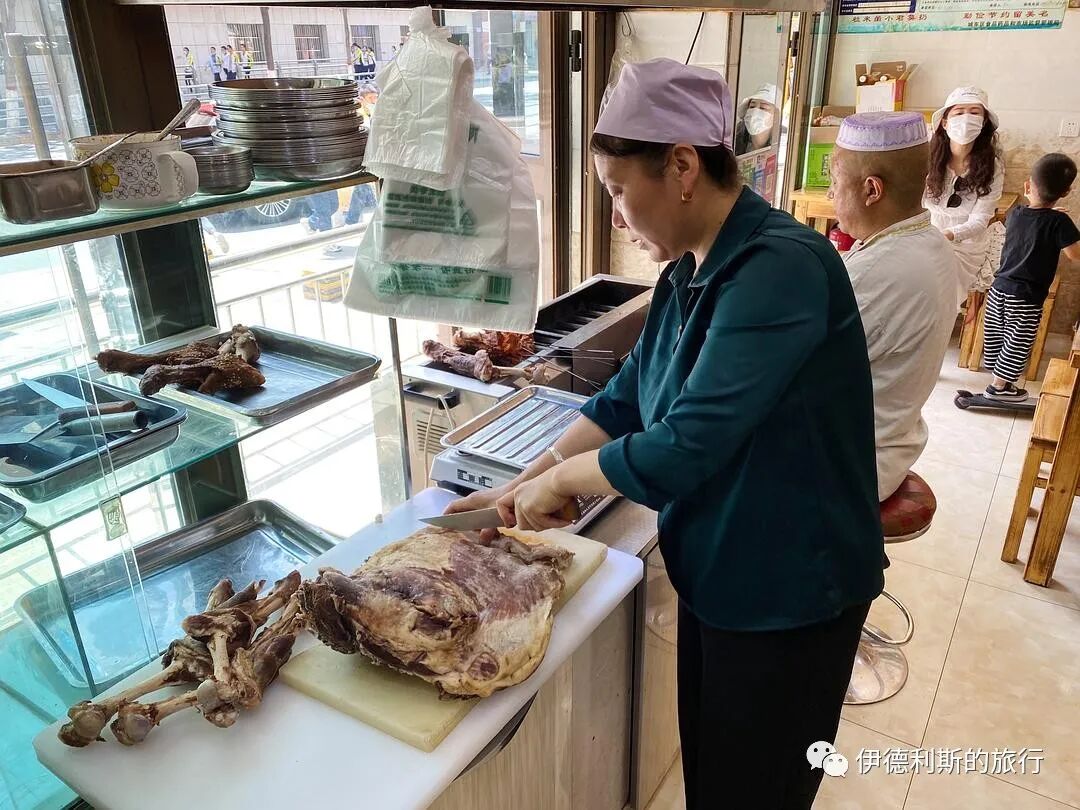
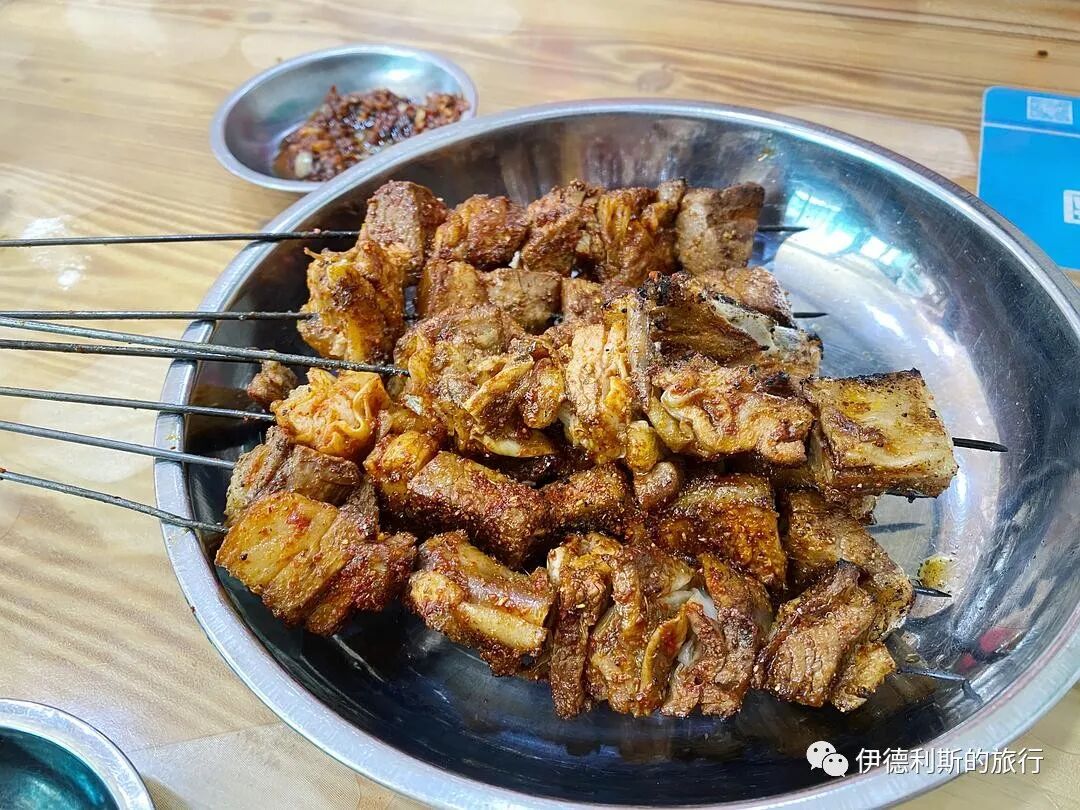
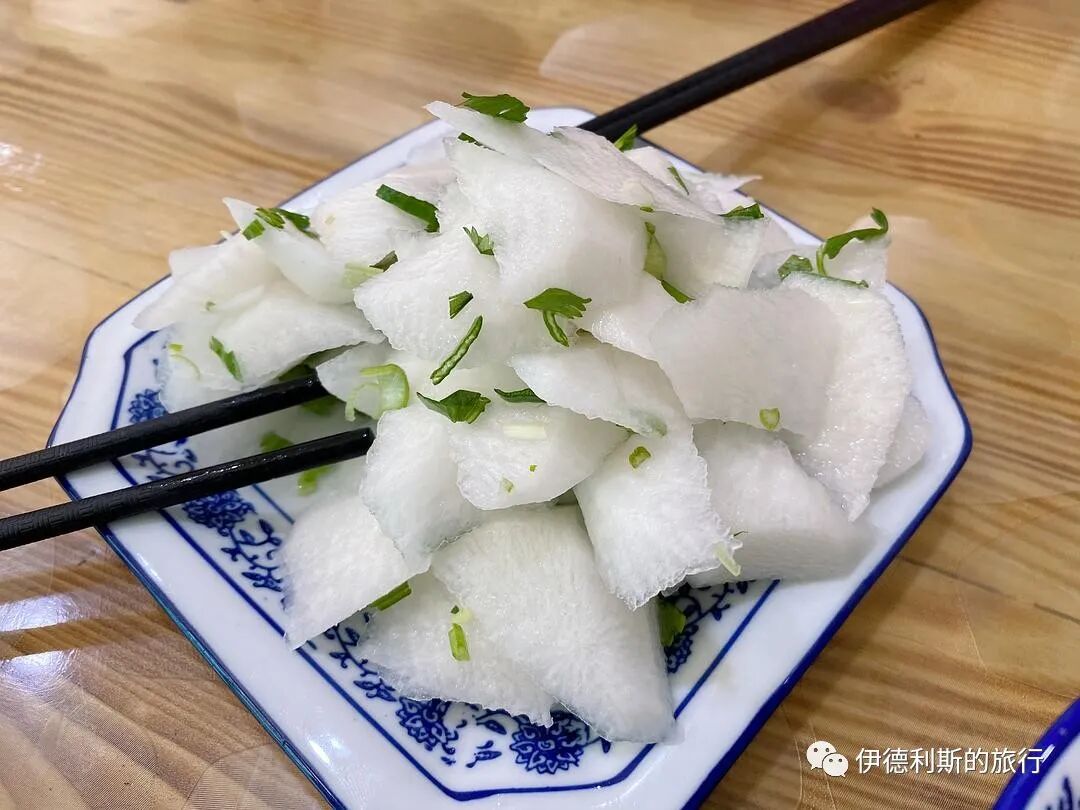
At the Ga Park Hua'er festival venue, it cleared up on Sunday. From noon, more and more singers arrived, and two circles were formed at the same time. You sing a song, I sing a song; there were Han, Hui, and Tu ethnic people, which was very satisfying.
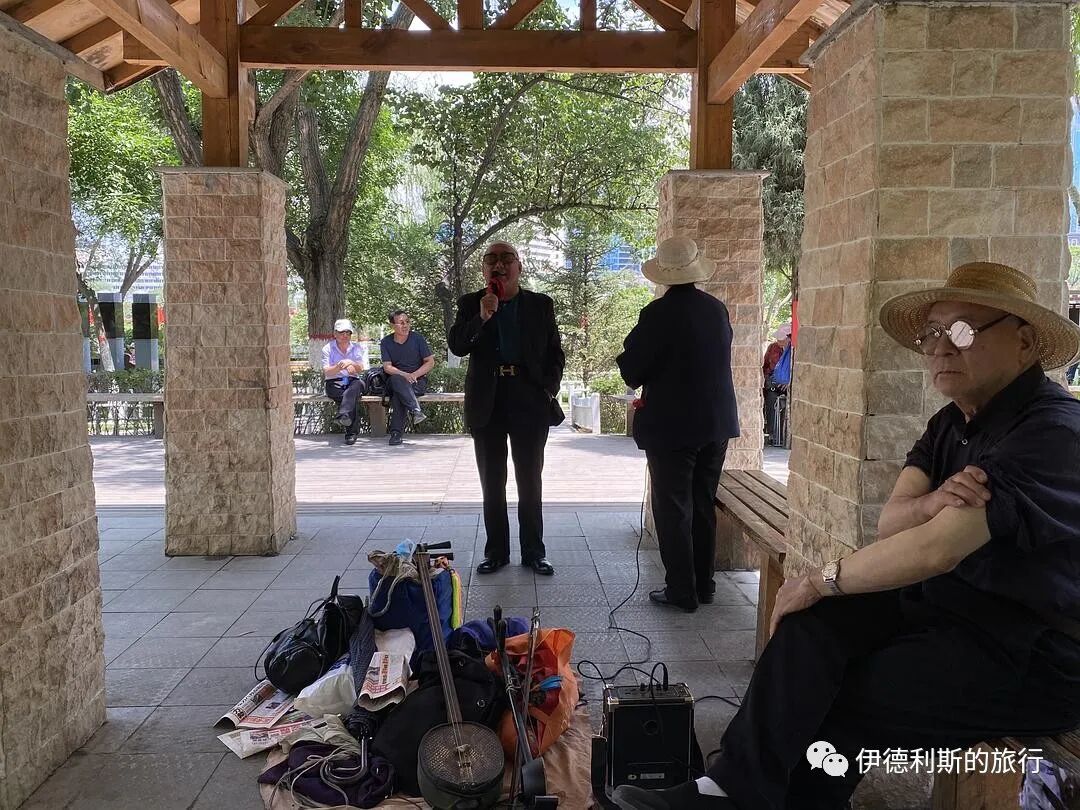
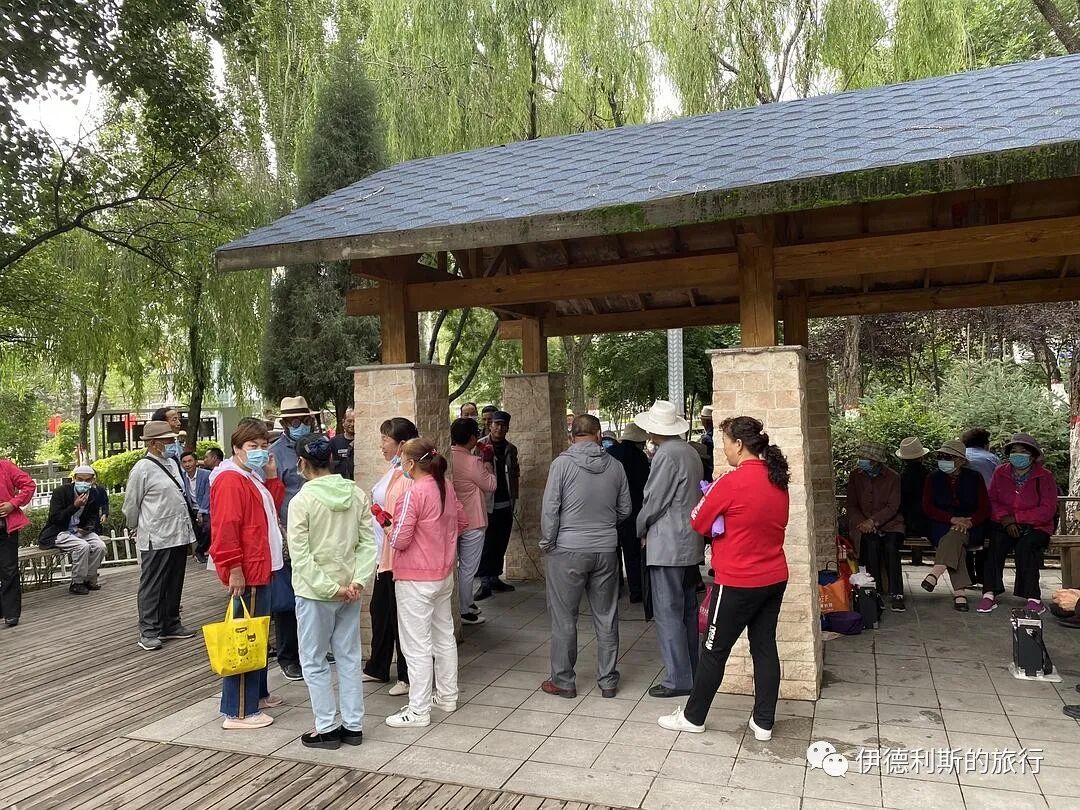
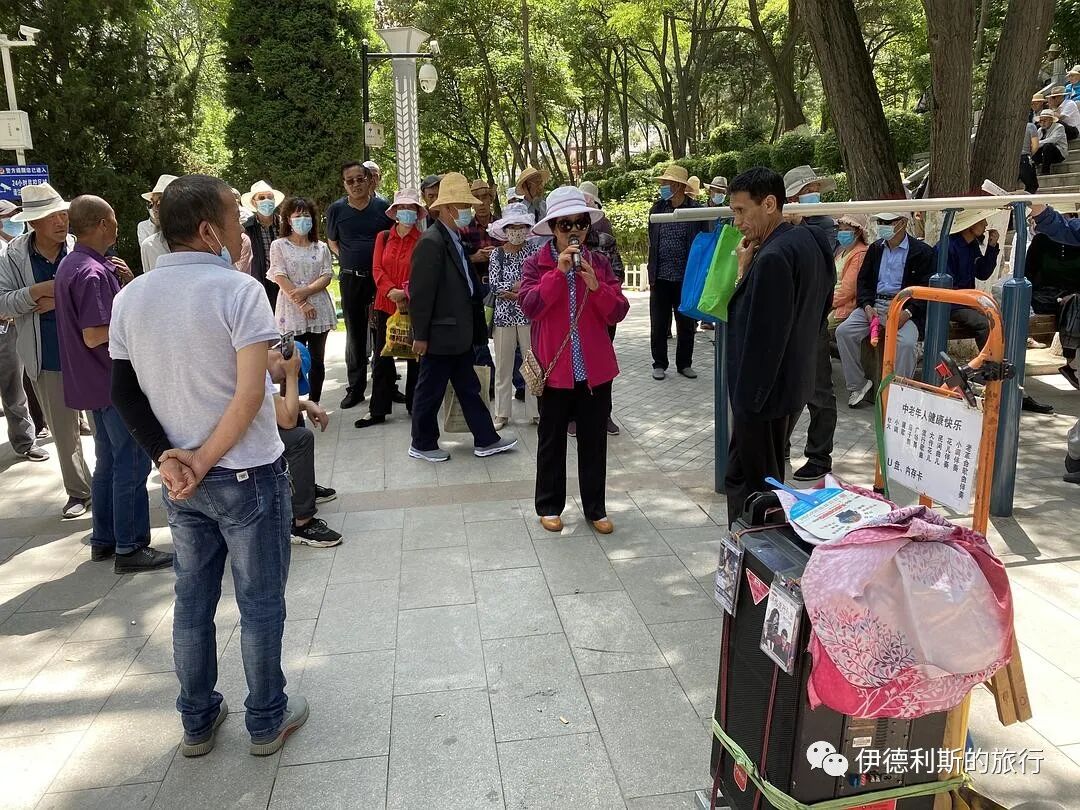
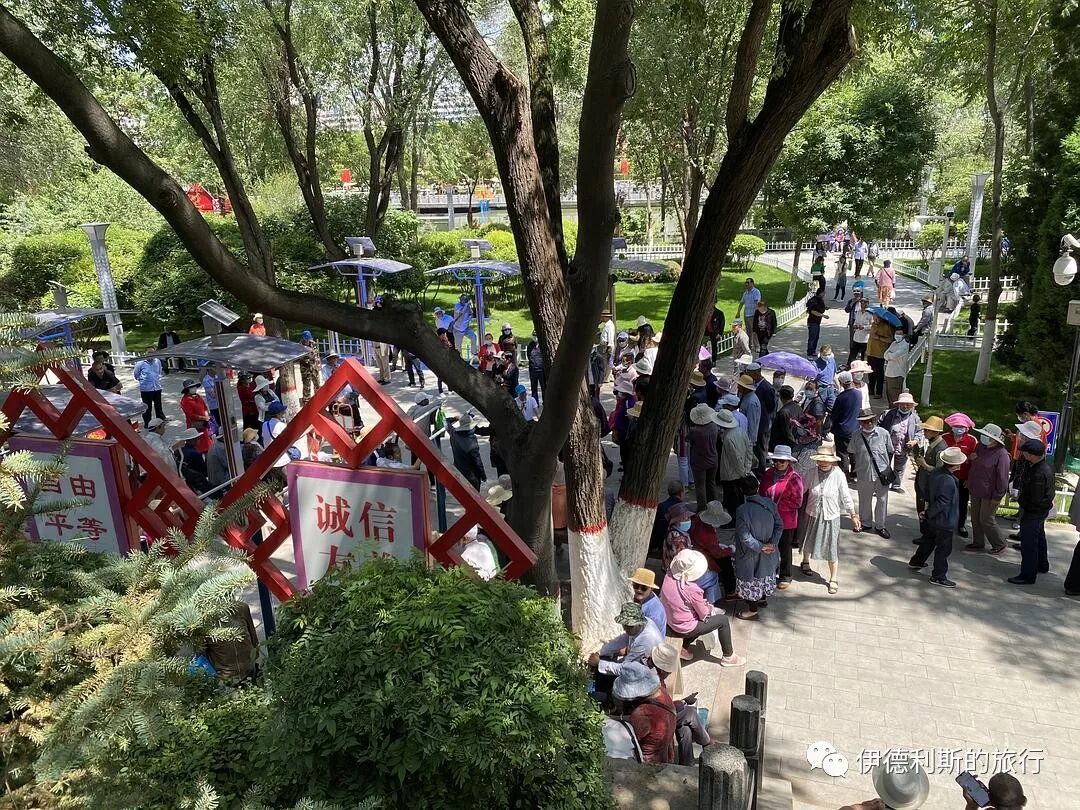
Finally, I have attached a set of snapshots of Xining street scenes.
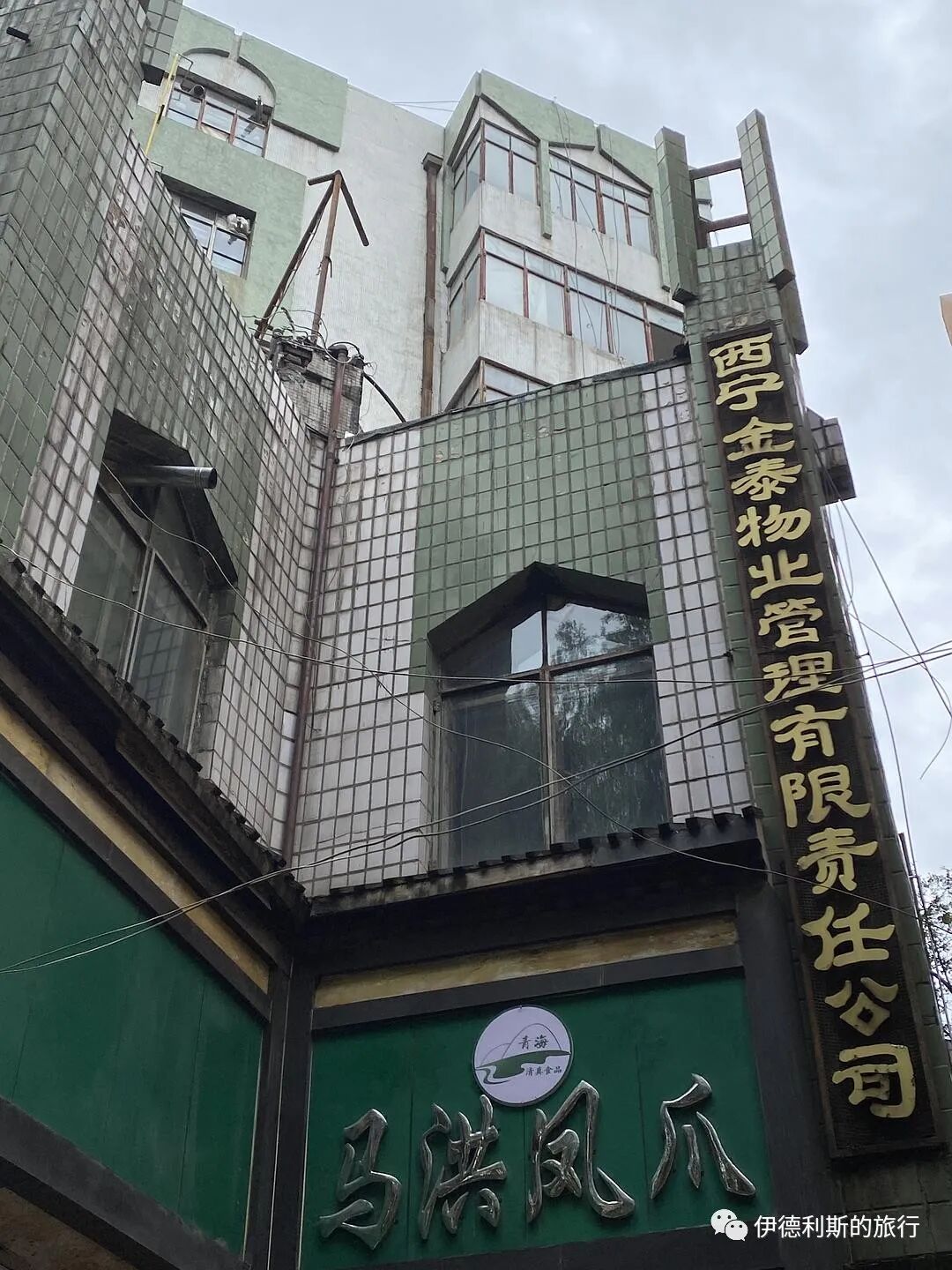
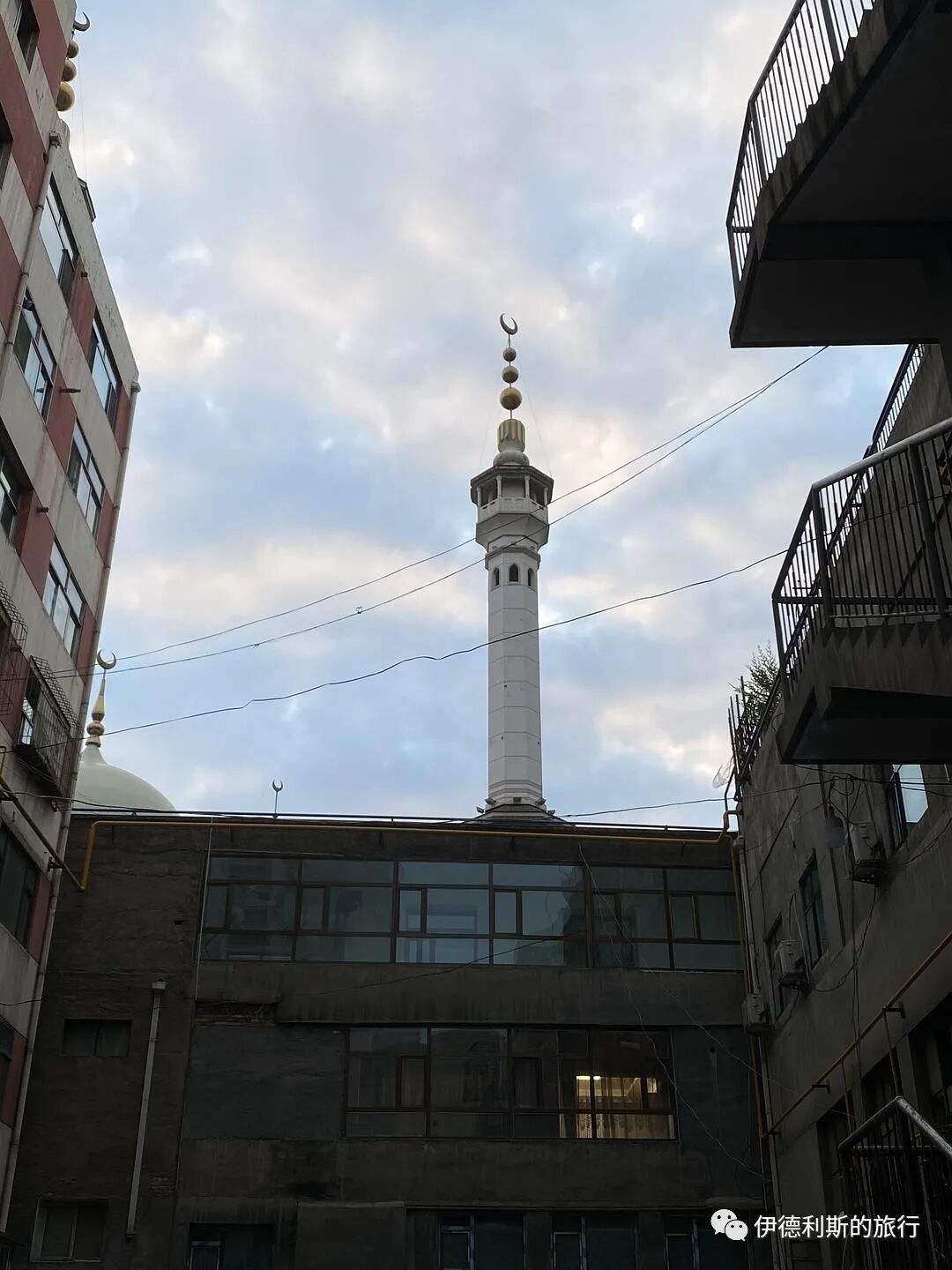
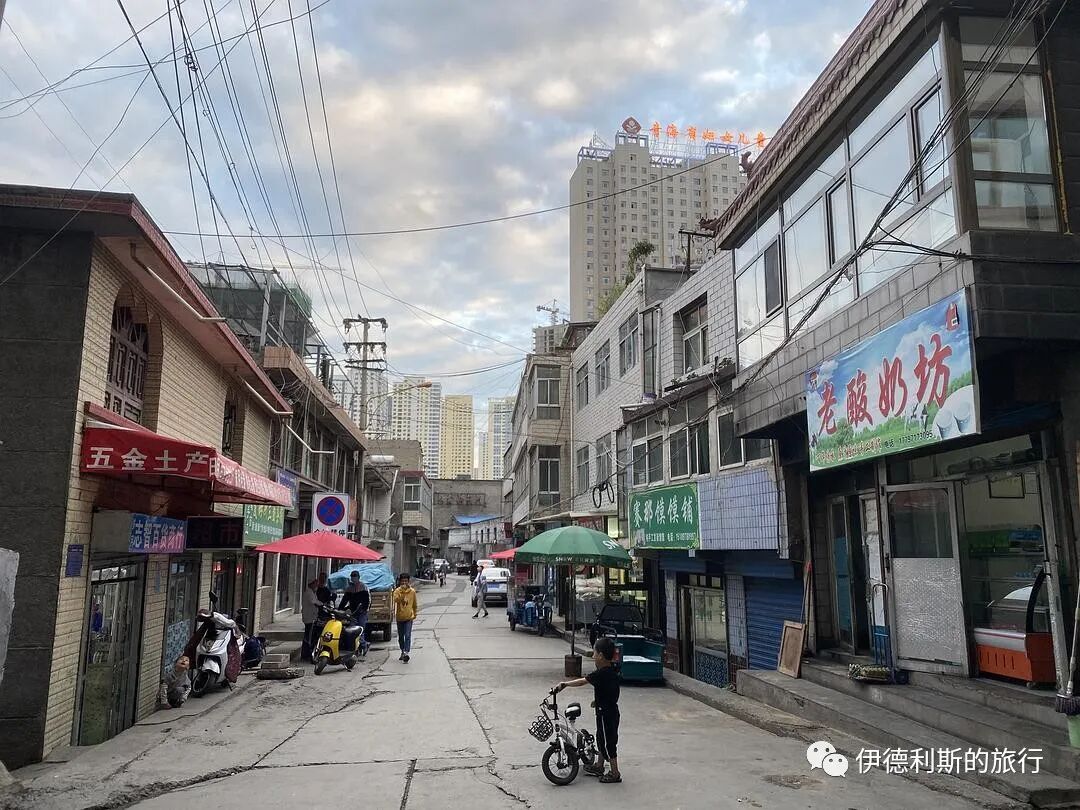
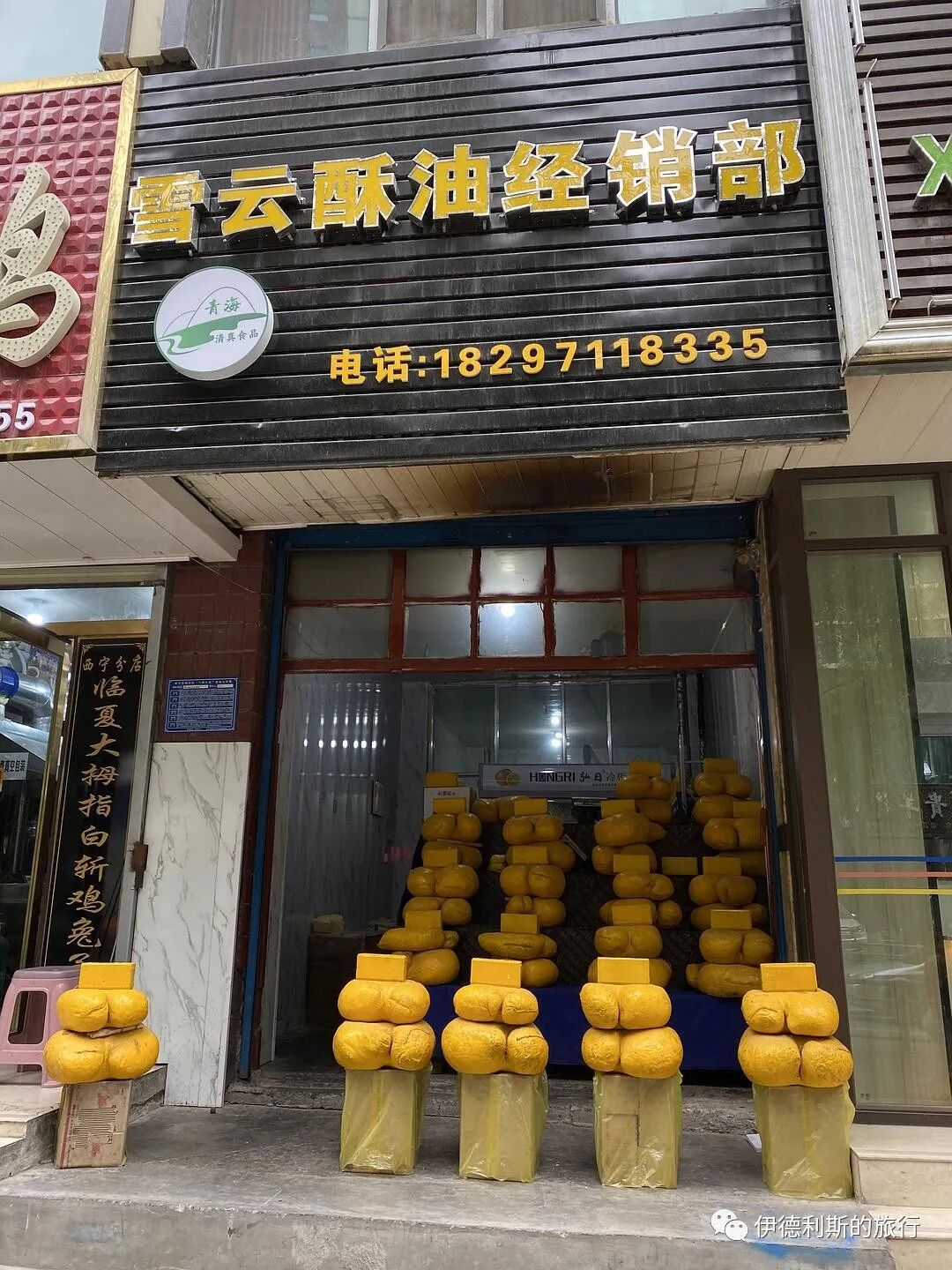
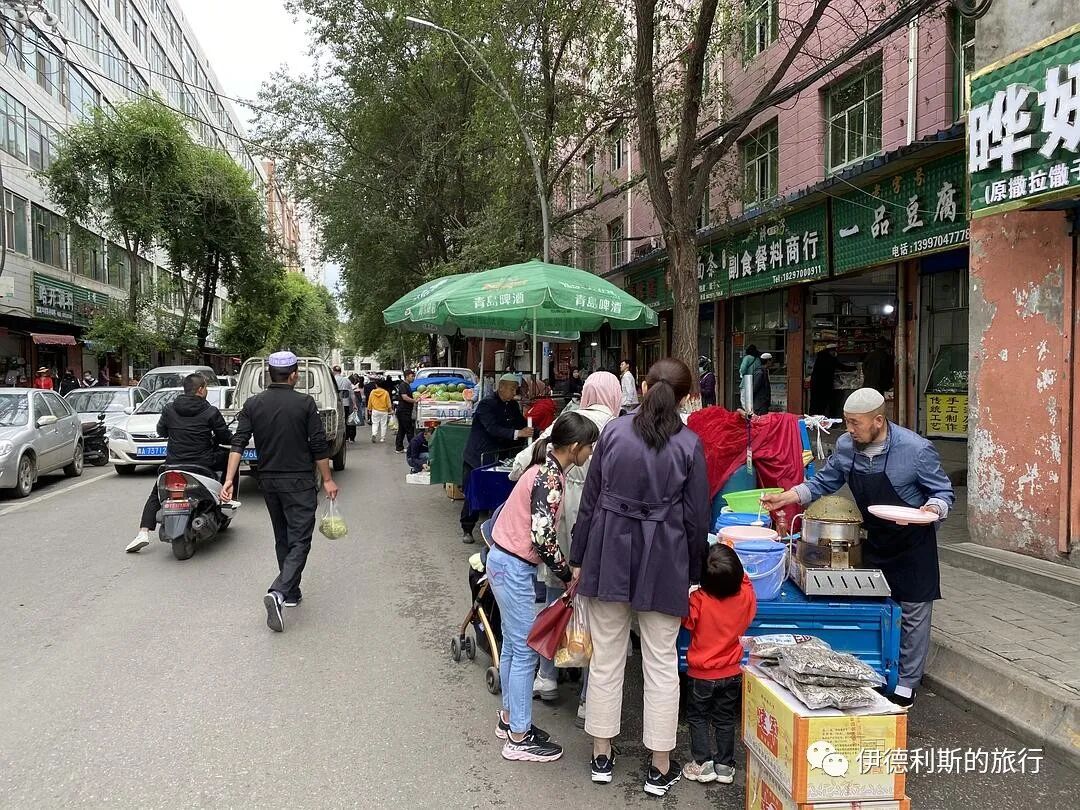
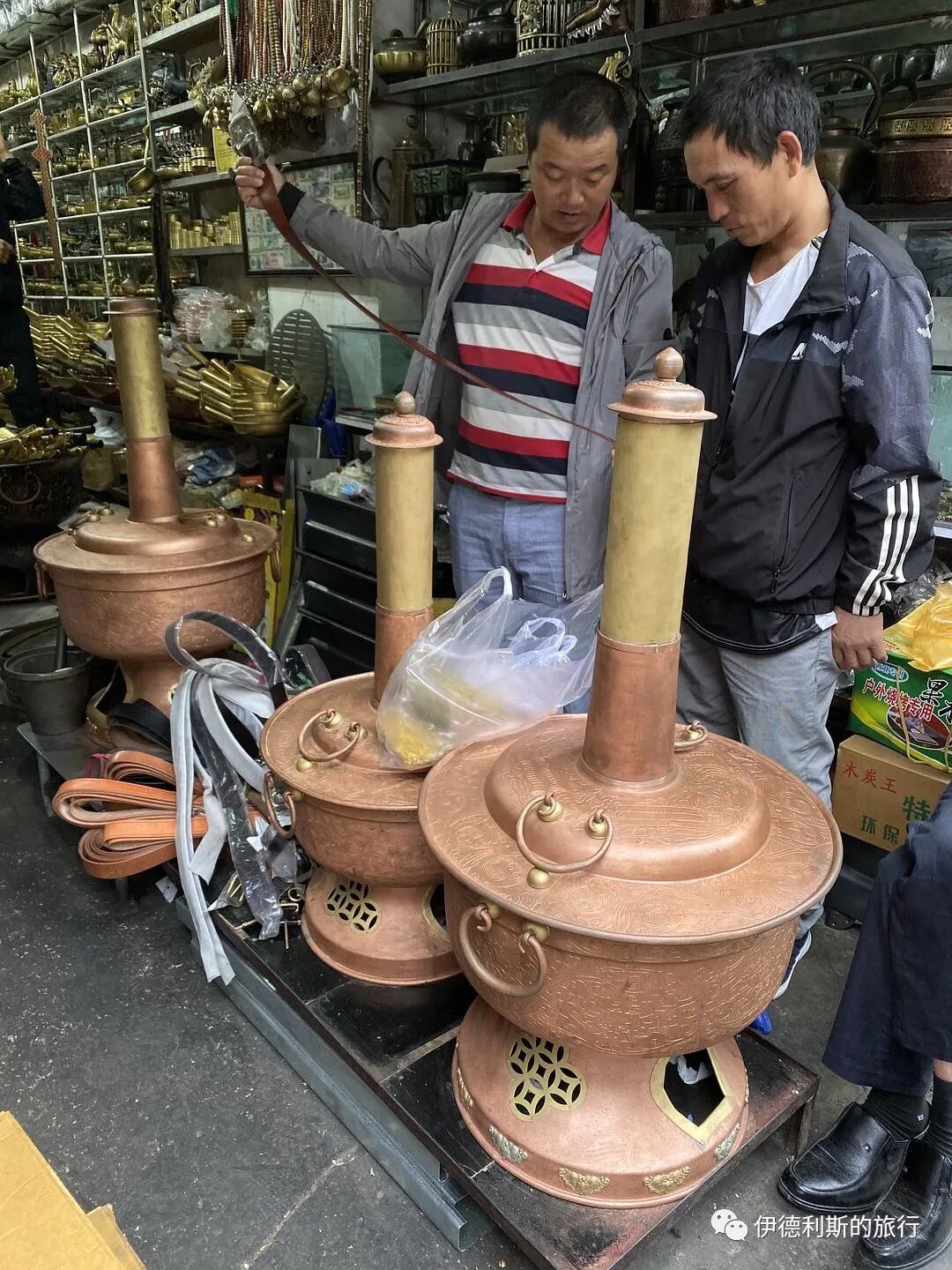
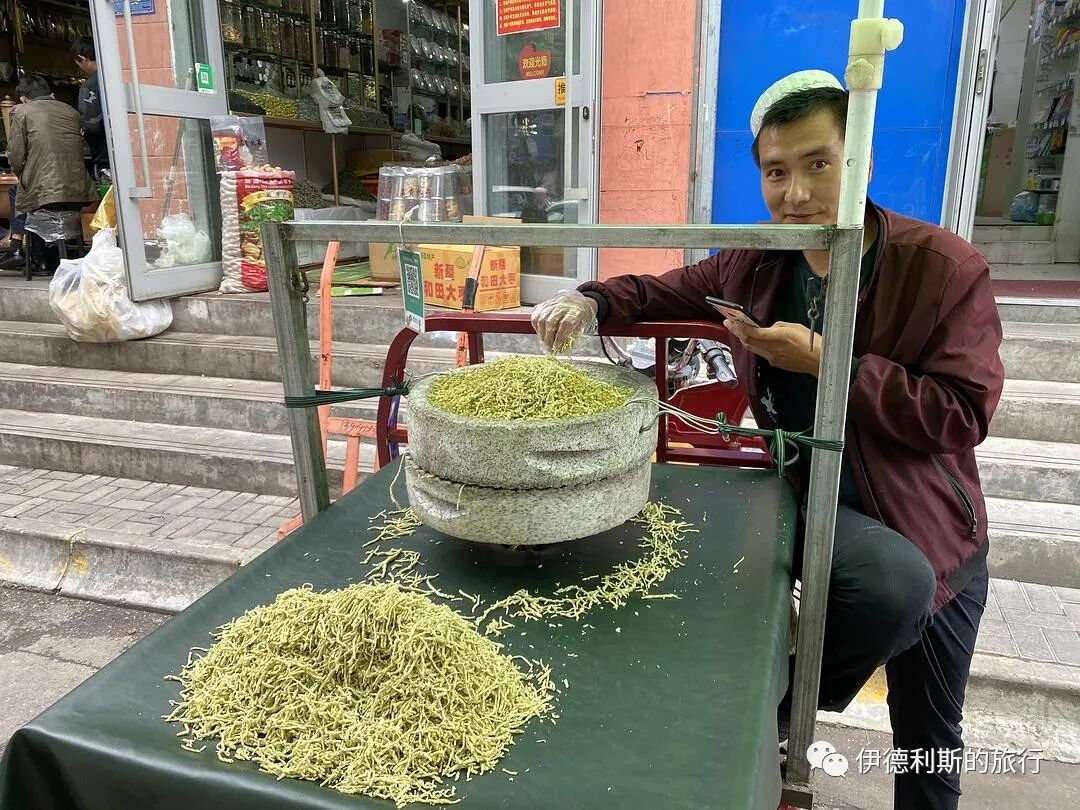
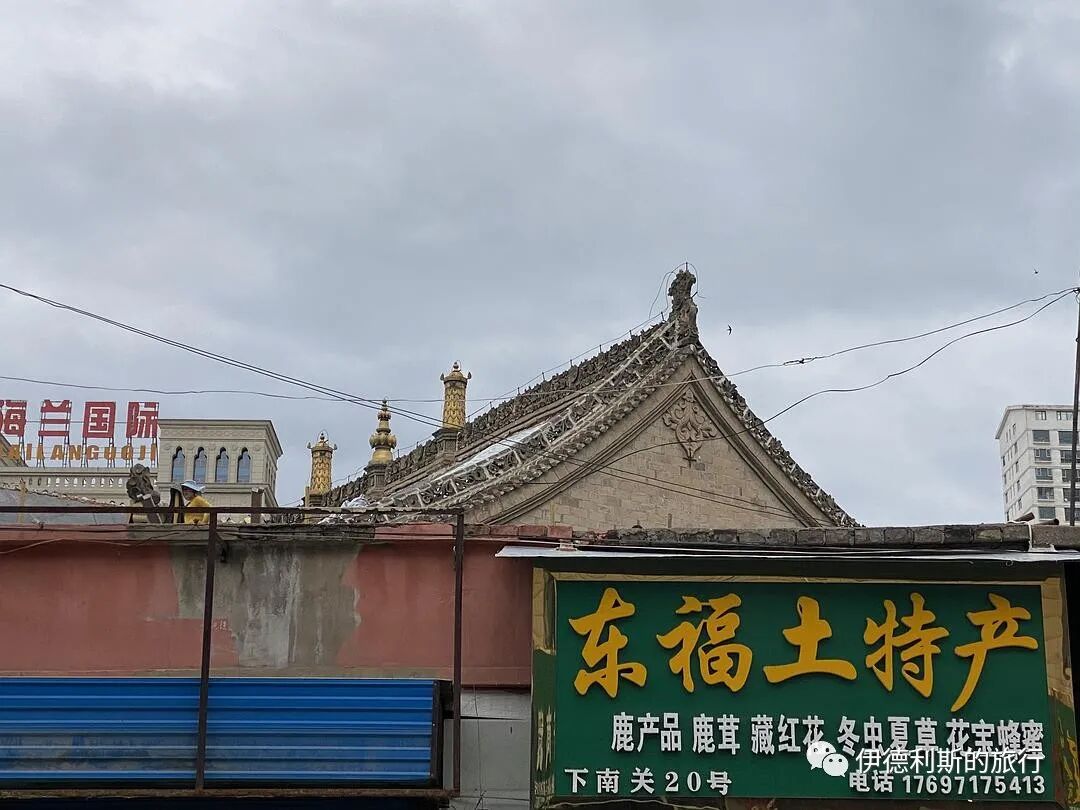
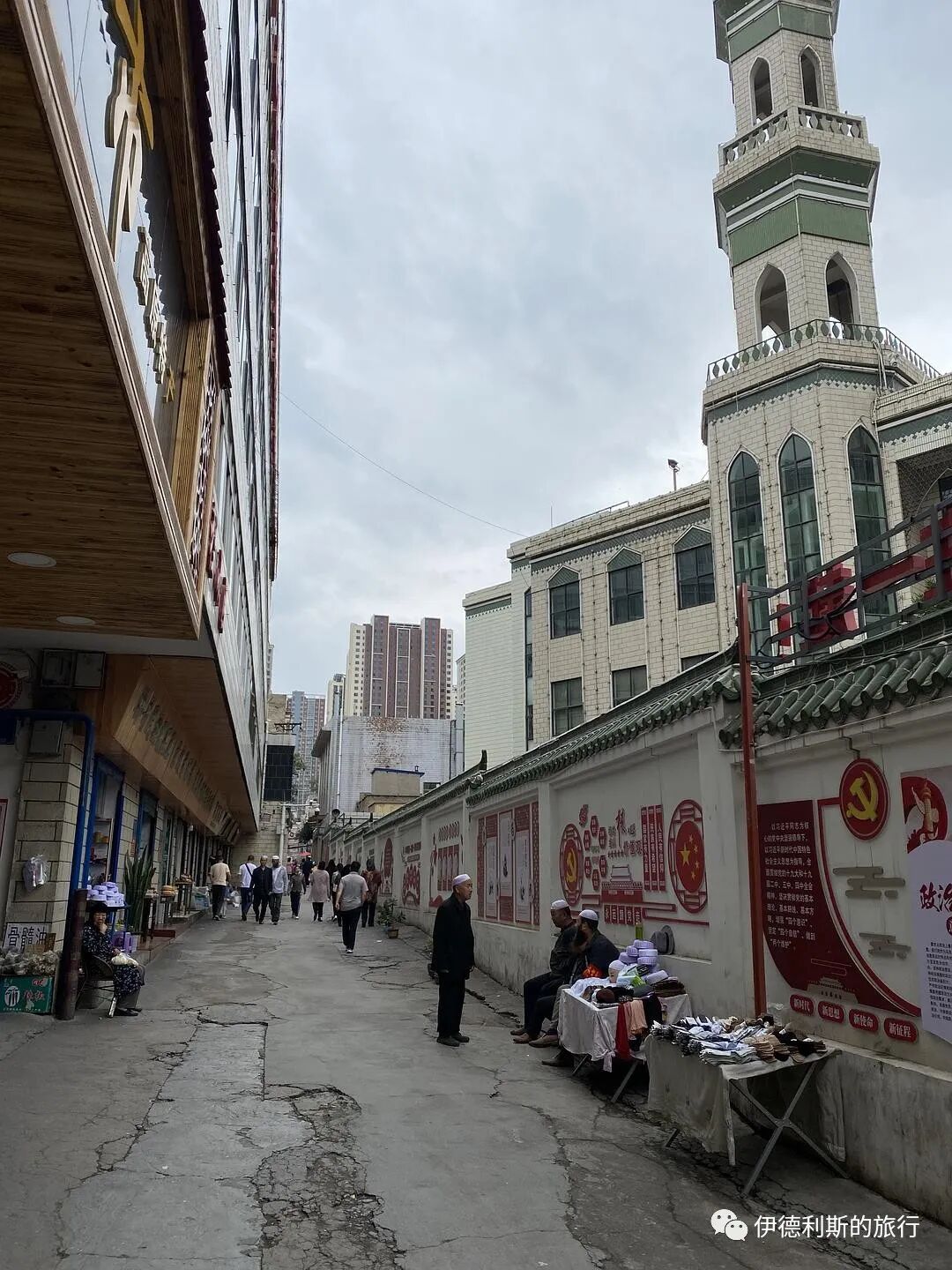
Muslim Life Guide Qinghai: Salar Eid al-Adha, Qurban and Real Halal Family Traditions
Articles • yusuf908 posted the article • 0 comments • 171 views • 2026-05-24 00:17
Summary: Muslim Life Guide Qinghai: Salar Eid al-Adha, Qurban and Real Halal Family Traditions is presented here as a clear English account for Muslim readers, starting with this scene: I spent this year's Eid al-Adha in my wife's hometown, Xunhua Salar Autonomous County in Qinghai. I wanted to slaughter a sheep myself to fulfill this emphasized Sunnah, as it is not possible in Beijing. It was a very happy. It keeps the original names, food details, mosque details, photographs, and cultural context while focusing on Salar Muslims, Eid al-Adha, Qinghai Muslims.
I spent this year's Eid al-Adha in my wife's hometown, Xunhua Salar Autonomous County in Qinghai. I wanted to slaughter a sheep myself to fulfill this emphasized Sunnah, as it is not possible in Beijing. It was a very happy experience to see many Salar relatives in Xunhua and personally give them the lamb I slaughtered.
My wife's relatives are very traditional and take their faith seriously. At first, they worried that marrying their daughter to a Hui Muslim from Beijing might mean he lacked proper religious knowledge and would affect the faith of the next generation. I just smiled. After getting to know me, they realized their worries were unnecessary. My Salar elders are very keen to learn about the faith, but they are not very literate, so they sometimes ask me for advice on religious matters. I think I did the Beijing Hui community proud. (Facepalm)
I felt very relaxed with my Salar relatives in Xunhua. They spoke the Salar language, which I don't understand, so I just kept my head down and ate the food they served. Xunhua is a place where many ethnic groups live together. Besides the common Salar language, there is also Tibetan and the Qinghai dialect. I don't understand any of these three. I could only barely understand them when they asked about my background in their thick northwestern-accented Mandarin, and sometimes I still needed my father-in-law to translate.
My Salar relatives, led by my father-in-law, admire my work. Years ago, before I was married, my father-in-law told me that working for others has no future, lacks freedom, and makes it hard to pray on time. He suggested I become my own boss and open a restaurant. In his view, a good career is one that earns clean money while allowing for freedom of faith. I completely agree with that. I wasn't in the insurance industry then, but later I became an insurance broker and achieved good results. My father-in-law changed his mind and admitted that my job has more of a future than running his restaurant.
I bought snacks for the children at the small shop on the mountain run by a mute person and told them to pick whatever they wanted. Each child chose a snack worth 50 cents or one yuan.
Every time my father-in-law met a relative, he would tell them my job is good, has flexible hours, and isn't limited by location, encouraging them to buy insurance from me. The relatives were quite willing, which comforted me. Although I have clients all over the country, very few people from the Northwest buy insurance from me. Some imams say insurance is not halal, even though they cannot provide evidence from the Quran or Hadith.
My Salar relatives have suffered from not having insurance. My wife's young cousin died of cancer last year. Her aunt's eyes turned red when she told me about it. When the child was brought to Beijing for treatment, the costs were over 100,000 yuan. A fundraiser from a crowdfunding platform came to the hospital room and said they could raise money online. Although the aunt was not wealthy, she refused. She felt online fundraising is like begging and harms the dignity of Muslims. The Prophet Muhammad repeatedly emphasized that Muslims should not beg.
Since the cousin was in the late stages when diagnosed with cancer, she passed away after a few months. I told her aunt not to be too sad. The child is happier than us living adults. We adults still have to face the test of our deeds, and whether we enter Paradise or Hell is unknown. A child who dies young goes directly to Paradise and is cared for by the Prophet Ibrahim.
I have written many articles before about the legality of insurance, and recently I found more scholars who support the view of insurance.
Translated into English, the general idea is that some scholars oppose equating insurance with gambling. In gambling, there is no transfer of risk, and no loss is reduced. Gambling is just a game, and participants can control the outcome. When an insurance event occurs, both the insurance company and the client suffer a loss. Insurance companies use probability and statistical methods to accurately calculate the balance between profit and loss, so the claim that insurance is uncertain does not hold up.
Death benefit clauses in Malaysian Muslim insurance policies.
(This example is to refute those who say Muslims cannot buy life insurance.)
Actually, the harm of gambling is not its uncertainty, and the result of gambling is not necessarily uncertain. Theoretically, as long as you have all the data, the result of gambling can be calculated. The harm of gambling is that it allows people to gain without working and can even lead to bankruptcy. Insurance does not have these harms. Life insurance is based on human health; you have to pay the price of health or even life to receive a claim. buying insurance requires health and financial audits of the policyholder. People with few assets cannot buy high-leverage life insurance, and malicious insurance fraud is a criminal offense. Gambling harms society, while insurance is a stabilizer for society. These are fundamentally different from gambling.
Islamic insurance companies in Malaysia also note the relevant religious basis on their life insurance contracts.
I worked in financial credit for nearly ten years. As my understanding of my faith deepened, I increasingly felt that a Muslim working in a bank to lend money and collect interest was not earning a halal income. I felt very uneasy, which is why I traveled frequently in the past few years—I wanted to escape the depression my job brought me. Until I transitioned into the insurance brokerage industry and gained the approval of my relatives.
These sheep all belong to my wife's grandfather. There has been little rain in Xunhua this year, and the grass on the mountain has not grown well, so the sheep are thin. I wish we could share the rain from Henan with Qinghai. My uncle asked me to pick one from the flock, so I chose a black-headed white sheep. My uncle praised me for knowing how to pick a sheep, saying I chose the best one. I said I don't know much about sheep, I just remembered that the Prophet Muhammad slaughtered black and white sheep.
Narrated by Anas: The Prophet Muhammad personally slaughtered two horned, black and white sheep. He mentioned the name of Allah and recited the Takbir. Umm Salama reported that the Prophet said: 'When you see the new moon of Dhu al-Hijjah, those of you who intend to perform the sacrifice should not cut their hair or trim their nails.' The phrase 'intend to perform the sacrifice' in this hadith shows that the sacrifice is a sunnah, not a mandatory duty.
When slaughtering a sheep, we cover its eyes with a white towel, recite the takbir and tasmiyah, and slaughter it in the name of Allah. We dig a pit in the ground so the blood flows into it and can be buried. We let the blood drain for twenty minutes. This ensures the animal receives blessings in the afterlife. This is why we Salar people eat halal-slaughtered meat; we must not kill living things without cause.
Aisha reported that the Prophet said: 'On the day of Eid al-Adha, there is no deed more beloved to Allah than the shedding of blood.' In the afterlife, the sacrificial animal will appear with its horns, hair, and hooves. Before the blood of the sacrifice hits the ground, it has already reached a high status with Allah, so you should perform the sacrifice with a happy and willing heart. — Islamic Sharia, page 877
By that afternoon, my sheep had become lamb skewers (yangrou chuan). We all sat in the courtyard eating them. Grandpa asked me how much money I earned a month. I told him the number. He didn't react at first, but after a pause, his eyes went wide. I laughed and asked him how much he would make if he sold all his hundreds of sheep.
On the afternoon of Eid al-Adha, some Tibetan people came to visit our home. The two people in the photo are the Tibetans who help Grandpa herd his sheep. Behind Mengda Mountain village in Xunhua is the Tibetan region. The Salar elders have a good relationship with the Tibetan people. Both Grandma and Grandpa speak Tibetan, and since the Tibetans are very skilled at herding, the Salar people of Mengda Mountain hire them to look after their sheep.
I sat to the side, unable to understand their conversation, and watched the Tibetans eat skewers. Grandma turned around and asked if I felt bored. I said no, it was interesting to hear them speak Tibetan. It is rare to see such a scene of ethnic unity. view all
Summary: Muslim Life Guide Qinghai: Salar Eid al-Adha, Qurban and Real Halal Family Traditions is presented here as a clear English account for Muslim readers, starting with this scene: I spent this year's Eid al-Adha in my wife's hometown, Xunhua Salar Autonomous County in Qinghai. I wanted to slaughter a sheep myself to fulfill this emphasized Sunnah, as it is not possible in Beijing. It was a very happy. It keeps the original names, food details, mosque details, photographs, and cultural context while focusing on Salar Muslims, Eid al-Adha, Qinghai Muslims.
I spent this year's Eid al-Adha in my wife's hometown, Xunhua Salar Autonomous County in Qinghai. I wanted to slaughter a sheep myself to fulfill this emphasized Sunnah, as it is not possible in Beijing. It was a very happy experience to see many Salar relatives in Xunhua and personally give them the lamb I slaughtered.
My wife's relatives are very traditional and take their faith seriously. At first, they worried that marrying their daughter to a Hui Muslim from Beijing might mean he lacked proper religious knowledge and would affect the faith of the next generation. I just smiled. After getting to know me, they realized their worries were unnecessary. My Salar elders are very keen to learn about the faith, but they are not very literate, so they sometimes ask me for advice on religious matters. I think I did the Beijing Hui community proud. (Facepalm)
I felt very relaxed with my Salar relatives in Xunhua. They spoke the Salar language, which I don't understand, so I just kept my head down and ate the food they served. Xunhua is a place where many ethnic groups live together. Besides the common Salar language, there is also Tibetan and the Qinghai dialect. I don't understand any of these three. I could only barely understand them when they asked about my background in their thick northwestern-accented Mandarin, and sometimes I still needed my father-in-law to translate.
My Salar relatives, led by my father-in-law, admire my work. Years ago, before I was married, my father-in-law told me that working for others has no future, lacks freedom, and makes it hard to pray on time. He suggested I become my own boss and open a restaurant. In his view, a good career is one that earns clean money while allowing for freedom of faith. I completely agree with that. I wasn't in the insurance industry then, but later I became an insurance broker and achieved good results. My father-in-law changed his mind and admitted that my job has more of a future than running his restaurant.
I bought snacks for the children at the small shop on the mountain run by a mute person and told them to pick whatever they wanted. Each child chose a snack worth 50 cents or one yuan.
Every time my father-in-law met a relative, he would tell them my job is good, has flexible hours, and isn't limited by location, encouraging them to buy insurance from me. The relatives were quite willing, which comforted me. Although I have clients all over the country, very few people from the Northwest buy insurance from me. Some imams say insurance is not halal, even though they cannot provide evidence from the Quran or Hadith.
My Salar relatives have suffered from not having insurance. My wife's young cousin died of cancer last year. Her aunt's eyes turned red when she told me about it. When the child was brought to Beijing for treatment, the costs were over 100,000 yuan. A fundraiser from a crowdfunding platform came to the hospital room and said they could raise money online. Although the aunt was not wealthy, she refused. She felt online fundraising is like begging and harms the dignity of Muslims. The Prophet Muhammad repeatedly emphasized that Muslims should not beg.
Since the cousin was in the late stages when diagnosed with cancer, she passed away after a few months. I told her aunt not to be too sad. The child is happier than us living adults. We adults still have to face the test of our deeds, and whether we enter Paradise or Hell is unknown. A child who dies young goes directly to Paradise and is cared for by the Prophet Ibrahim.
I have written many articles before about the legality of insurance, and recently I found more scholars who support the view of insurance.
Translated into English, the general idea is that some scholars oppose equating insurance with gambling. In gambling, there is no transfer of risk, and no loss is reduced. Gambling is just a game, and participants can control the outcome. When an insurance event occurs, both the insurance company and the client suffer a loss. Insurance companies use probability and statistical methods to accurately calculate the balance between profit and loss, so the claim that insurance is uncertain does not hold up.
Death benefit clauses in Malaysian Muslim insurance policies.
(This example is to refute those who say Muslims cannot buy life insurance.)
Actually, the harm of gambling is not its uncertainty, and the result of gambling is not necessarily uncertain. Theoretically, as long as you have all the data, the result of gambling can be calculated. The harm of gambling is that it allows people to gain without working and can even lead to bankruptcy. Insurance does not have these harms. Life insurance is based on human health; you have to pay the price of health or even life to receive a claim. buying insurance requires health and financial audits of the policyholder. People with few assets cannot buy high-leverage life insurance, and malicious insurance fraud is a criminal offense. Gambling harms society, while insurance is a stabilizer for society. These are fundamentally different from gambling.
Islamic insurance companies in Malaysia also note the relevant religious basis on their life insurance contracts.
I worked in financial credit for nearly ten years. As my understanding of my faith deepened, I increasingly felt that a Muslim working in a bank to lend money and collect interest was not earning a halal income. I felt very uneasy, which is why I traveled frequently in the past few years—I wanted to escape the depression my job brought me. Until I transitioned into the insurance brokerage industry and gained the approval of my relatives.
These sheep all belong to my wife's grandfather. There has been little rain in Xunhua this year, and the grass on the mountain has not grown well, so the sheep are thin. I wish we could share the rain from Henan with Qinghai. My uncle asked me to pick one from the flock, so I chose a black-headed white sheep. My uncle praised me for knowing how to pick a sheep, saying I chose the best one. I said I don't know much about sheep, I just remembered that the Prophet Muhammad slaughtered black and white sheep.
Narrated by Anas: The Prophet Muhammad personally slaughtered two horned, black and white sheep. He mentioned the name of Allah and recited the Takbir. Umm Salama reported that the Prophet said: 'When you see the new moon of Dhu al-Hijjah, those of you who intend to perform the sacrifice should not cut their hair or trim their nails.' The phrase 'intend to perform the sacrifice' in this hadith shows that the sacrifice is a sunnah, not a mandatory duty.
When slaughtering a sheep, we cover its eyes with a white towel, recite the takbir and tasmiyah, and slaughter it in the name of Allah. We dig a pit in the ground so the blood flows into it and can be buried. We let the blood drain for twenty minutes. This ensures the animal receives blessings in the afterlife. This is why we Salar people eat halal-slaughtered meat; we must not kill living things without cause.
Aisha reported that the Prophet said: 'On the day of Eid al-Adha, there is no deed more beloved to Allah than the shedding of blood.' In the afterlife, the sacrificial animal will appear with its horns, hair, and hooves. Before the blood of the sacrifice hits the ground, it has already reached a high status with Allah, so you should perform the sacrifice with a happy and willing heart. — Islamic Sharia, page 877
By that afternoon, my sheep had become lamb skewers (yangrou chuan). We all sat in the courtyard eating them. Grandpa asked me how much money I earned a month. I told him the number. He didn't react at first, but after a pause, his eyes went wide. I laughed and asked him how much he would make if he sold all his hundreds of sheep.
On the afternoon of Eid al-Adha, some Tibetan people came to visit our home. The two people in the photo are the Tibetans who help Grandpa herd his sheep. Behind Mengda Mountain village in Xunhua is the Tibetan region. The Salar elders have a good relationship with the Tibetan people. Both Grandma and Grandpa speak Tibetan, and since the Tibetans are very skilled at herding, the Salar people of Mengda Mountain hire them to look after their sheep.
I sat to the side, unable to understand their conversation, and watched the Tibetans eat skewers. Grandma turned around and asked if I felt bored. I said no, it was interesting to hear them speak Tibetan. It is rare to see such a scene of ethnic unity.
Muslim Life Guide Qinghai: Salar Eid al-Adha, Qurban and Real Halal Family Traditions
Articles • yusuf908 posted the article • 0 comments • 218 views • 2026-05-22 09:39
Summary: Muslim Life Guide Qinghai: Salar Eid al-Adha, Qurban and Real Halal Family Traditions is presented here as a clear English account for Muslim readers, starting with this scene: I spent this year's Eid al-Adha in my wife's hometown, Xunhua Salar Autonomous County in Qinghai. I wanted to slaughter a sheep myself to fulfill this emphasized Sunnah, as it is not possible in Beijing. It was a very happy. It keeps the original names, food details, mosque details, photographs, and cultural context while focusing on Salar Muslims, Eid al-Adha, Qinghai Muslims.
I spent this year's Eid al-Adha in my wife's hometown, Xunhua Salar Autonomous County in Qinghai. I wanted to slaughter a sheep myself to fulfill this emphasized Sunnah, as it is not possible in Beijing. It was a very happy experience to see many Salar relatives in Xunhua and personally give them the lamb I slaughtered.
My wife's relatives are very traditional and take their faith seriously. At first, they worried that marrying their daughter to a Hui Muslim from Beijing might mean he lacked proper religious knowledge and would affect the faith of the next generation. I just smiled. After getting to know me, they realized their worries were unnecessary. My Salar elders are very keen to learn about the faith, but they are not very literate, so they sometimes ask me for advice on religious matters. I think I did the Beijing Hui community proud. (Facepalm)
I felt very relaxed with my Salar relatives in Xunhua. They spoke the Salar language, which I don't understand, so I just kept my head down and ate the food they served. Xunhua is a place where many ethnic groups live together. Besides the common Salar language, there is also Tibetan and the Qinghai dialect. I don't understand any of these three. I could only barely understand them when they asked about my background in their thick northwestern-accented Mandarin, and sometimes I still needed my father-in-law to translate.
My Salar relatives, led by my father-in-law, admire my work. Years ago, before I was married, my father-in-law told me that working for others has no future, lacks freedom, and makes it hard to pray on time. He suggested I become my own boss and open a restaurant. In his view, a good career is one that earns clean money while allowing for freedom of faith. I completely agree with that. I wasn't in the insurance industry then, but later I became an insurance broker and achieved good results. My father-in-law changed his mind and admitted that my job has more of a future than running his restaurant.
I bought snacks for the children at the small shop on the mountain run by a mute person and told them to pick whatever they wanted. Each child chose a snack worth 50 cents or one yuan.
Every time my father-in-law met a relative, he would tell them my job is good, has flexible hours, and isn't limited by location, encouraging them to buy insurance from me. The relatives were quite willing, which comforted me. Although I have clients all over the country, very few people from the Northwest buy insurance from me. Some imams say insurance is not halal, even though they cannot provide evidence from the Quran or Hadith.
My Salar relatives have suffered from not having insurance. My wife's young cousin died of cancer last year. Her aunt's eyes turned red when she told me about it. When the child was brought to Beijing for treatment, the costs were over 100,000 yuan. A fundraiser from a crowdfunding platform came to the hospital room and said they could raise money online. Although the aunt was not wealthy, she refused. She felt online fundraising is like begging and harms the dignity of Muslims. The Prophet Muhammad repeatedly emphasized that Muslims should not beg.
Since the cousin was in the late stages when diagnosed with cancer, she passed away after a few months. I told her aunt not to be too sad. The child is happier than us living adults. We adults still have to face the test of our deeds, and whether we enter Paradise or Hell is unknown. A child who dies young goes directly to Paradise and is cared for by the Prophet Ibrahim.
I have written many articles before about the legality of insurance, and recently I found more scholars who support the view of insurance.
Translated into English, the general idea is that some scholars oppose equating insurance with gambling. In gambling, there is no transfer of risk, and no loss is reduced. Gambling is just a game, and participants can control the outcome. When an insurance event occurs, both the insurance company and the client suffer a loss. Insurance companies use probability and statistical methods to accurately calculate the balance between profit and loss, so the claim that insurance is uncertain does not hold up.
Death benefit clauses in Malaysian Muslim insurance policies.
(This example is to refute those who say Muslims cannot buy life insurance.)
Actually, the harm of gambling is not its uncertainty, and the result of gambling is not necessarily uncertain. Theoretically, as long as you have all the data, the result of gambling can be calculated. The harm of gambling is that it allows people to gain without working and can even lead to bankruptcy. Insurance does not have these harms. Life insurance is based on human health; you have to pay the price of health or even life to receive a claim. buying insurance requires health and financial audits of the policyholder. People with few assets cannot buy high-leverage life insurance, and malicious insurance fraud is a criminal offense. Gambling harms society, while insurance is a stabilizer for society. These are fundamentally different from gambling.
Islamic insurance companies in Malaysia also note the relevant religious basis on their life insurance contracts.
I worked in financial credit for nearly ten years. As my understanding of my faith deepened, I increasingly felt that a Muslim working in a bank to lend money and collect interest was not earning a halal income. I felt very uneasy, which is why I traveled frequently in the past few years—I wanted to escape the depression my job brought me. Until I transitioned into the insurance brokerage industry and gained the approval of my relatives.
These sheep all belong to my wife's grandfather. There has been little rain in Xunhua this year, and the grass on the mountain has not grown well, so the sheep are thin. I wish we could share the rain from Henan with Qinghai. My uncle asked me to pick one from the flock, so I chose a black-headed white sheep. My uncle praised me for knowing how to pick a sheep, saying I chose the best one. I said I don't know much about sheep, I just remembered that the Prophet Muhammad slaughtered black and white sheep.
Narrated by Anas: The Prophet Muhammad personally slaughtered two horned, black and white sheep. He mentioned the name of Allah and recited the Takbir. Umm Salama reported that the Prophet said: 'When you see the new moon of Dhu al-Hijjah, those of you who intend to perform the sacrifice should not cut their hair or trim their nails.' The phrase 'intend to perform the sacrifice' in this hadith shows that the sacrifice is a sunnah, not a mandatory duty.
When slaughtering a sheep, we cover its eyes with a white towel, recite the takbir and tasmiyah, and slaughter it in the name of Allah. We dig a pit in the ground so the blood flows into it and can be buried. We let the blood drain for twenty minutes. This ensures the animal receives blessings in the afterlife. This is why we Salar people eat halal-slaughtered meat; we must not kill living things without cause.
Aisha reported that the Prophet said: 'On the day of Eid al-Adha, there is no deed more beloved to Allah than the shedding of blood.' In the afterlife, the sacrificial animal will appear with its horns, hair, and hooves. Before the blood of the sacrifice hits the ground, it has already reached a high status with Allah, so you should perform the sacrifice with a happy and willing heart. — Islamic Sharia, page 877
By that afternoon, my sheep had become lamb skewers (yangrou chuan). We all sat in the courtyard eating them. Grandpa asked me how much money I earned a month. I told him the number. He didn't react at first, but after a pause, his eyes went wide. I laughed and asked him how much he would make if he sold all his hundreds of sheep.
On the afternoon of Eid al-Adha, some Tibetan people came to visit our home. The two people in the photo are the Tibetans who help Grandpa herd his sheep. Behind Mengda Mountain village in Xunhua is the Tibetan region. The Salar elders have a good relationship with the Tibetan people. Both Grandma and Grandpa speak Tibetan, and since the Tibetans are very skilled at herding, the Salar people of Mengda Mountain hire them to look after their sheep.
I sat to the side, unable to understand their conversation, and watched the Tibetans eat skewers. Grandma turned around and asked if I felt bored. I said no, it was interesting to hear them speak Tibetan. It is rare to see such a scene of ethnic unity. view all
Summary: Muslim Life Guide Qinghai: Salar Eid al-Adha, Qurban and Real Halal Family Traditions is presented here as a clear English account for Muslim readers, starting with this scene: I spent this year's Eid al-Adha in my wife's hometown, Xunhua Salar Autonomous County in Qinghai. I wanted to slaughter a sheep myself to fulfill this emphasized Sunnah, as it is not possible in Beijing. It was a very happy. It keeps the original names, food details, mosque details, photographs, and cultural context while focusing on Salar Muslims, Eid al-Adha, Qinghai Muslims.
I spent this year's Eid al-Adha in my wife's hometown, Xunhua Salar Autonomous County in Qinghai. I wanted to slaughter a sheep myself to fulfill this emphasized Sunnah, as it is not possible in Beijing. It was a very happy experience to see many Salar relatives in Xunhua and personally give them the lamb I slaughtered.
My wife's relatives are very traditional and take their faith seriously. At first, they worried that marrying their daughter to a Hui Muslim from Beijing might mean he lacked proper religious knowledge and would affect the faith of the next generation. I just smiled. After getting to know me, they realized their worries were unnecessary. My Salar elders are very keen to learn about the faith, but they are not very literate, so they sometimes ask me for advice on religious matters. I think I did the Beijing Hui community proud. (Facepalm)
I felt very relaxed with my Salar relatives in Xunhua. They spoke the Salar language, which I don't understand, so I just kept my head down and ate the food they served. Xunhua is a place where many ethnic groups live together. Besides the common Salar language, there is also Tibetan and the Qinghai dialect. I don't understand any of these three. I could only barely understand them when they asked about my background in their thick northwestern-accented Mandarin, and sometimes I still needed my father-in-law to translate.
My Salar relatives, led by my father-in-law, admire my work. Years ago, before I was married, my father-in-law told me that working for others has no future, lacks freedom, and makes it hard to pray on time. He suggested I become my own boss and open a restaurant. In his view, a good career is one that earns clean money while allowing for freedom of faith. I completely agree with that. I wasn't in the insurance industry then, but later I became an insurance broker and achieved good results. My father-in-law changed his mind and admitted that my job has more of a future than running his restaurant.
I bought snacks for the children at the small shop on the mountain run by a mute person and told them to pick whatever they wanted. Each child chose a snack worth 50 cents or one yuan.
Every time my father-in-law met a relative, he would tell them my job is good, has flexible hours, and isn't limited by location, encouraging them to buy insurance from me. The relatives were quite willing, which comforted me. Although I have clients all over the country, very few people from the Northwest buy insurance from me. Some imams say insurance is not halal, even though they cannot provide evidence from the Quran or Hadith.
My Salar relatives have suffered from not having insurance. My wife's young cousin died of cancer last year. Her aunt's eyes turned red when she told me about it. When the child was brought to Beijing for treatment, the costs were over 100,000 yuan. A fundraiser from a crowdfunding platform came to the hospital room and said they could raise money online. Although the aunt was not wealthy, she refused. She felt online fundraising is like begging and harms the dignity of Muslims. The Prophet Muhammad repeatedly emphasized that Muslims should not beg.
Since the cousin was in the late stages when diagnosed with cancer, she passed away after a few months. I told her aunt not to be too sad. The child is happier than us living adults. We adults still have to face the test of our deeds, and whether we enter Paradise or Hell is unknown. A child who dies young goes directly to Paradise and is cared for by the Prophet Ibrahim.
I have written many articles before about the legality of insurance, and recently I found more scholars who support the view of insurance.
Translated into English, the general idea is that some scholars oppose equating insurance with gambling. In gambling, there is no transfer of risk, and no loss is reduced. Gambling is just a game, and participants can control the outcome. When an insurance event occurs, both the insurance company and the client suffer a loss. Insurance companies use probability and statistical methods to accurately calculate the balance between profit and loss, so the claim that insurance is uncertain does not hold up.
Death benefit clauses in Malaysian Muslim insurance policies.
(This example is to refute those who say Muslims cannot buy life insurance.)
Actually, the harm of gambling is not its uncertainty, and the result of gambling is not necessarily uncertain. Theoretically, as long as you have all the data, the result of gambling can be calculated. The harm of gambling is that it allows people to gain without working and can even lead to bankruptcy. Insurance does not have these harms. Life insurance is based on human health; you have to pay the price of health or even life to receive a claim. buying insurance requires health and financial audits of the policyholder. People with few assets cannot buy high-leverage life insurance, and malicious insurance fraud is a criminal offense. Gambling harms society, while insurance is a stabilizer for society. These are fundamentally different from gambling.
Islamic insurance companies in Malaysia also note the relevant religious basis on their life insurance contracts.
I worked in financial credit for nearly ten years. As my understanding of my faith deepened, I increasingly felt that a Muslim working in a bank to lend money and collect interest was not earning a halal income. I felt very uneasy, which is why I traveled frequently in the past few years—I wanted to escape the depression my job brought me. Until I transitioned into the insurance brokerage industry and gained the approval of my relatives.
These sheep all belong to my wife's grandfather. There has been little rain in Xunhua this year, and the grass on the mountain has not grown well, so the sheep are thin. I wish we could share the rain from Henan with Qinghai. My uncle asked me to pick one from the flock, so I chose a black-headed white sheep. My uncle praised me for knowing how to pick a sheep, saying I chose the best one. I said I don't know much about sheep, I just remembered that the Prophet Muhammad slaughtered black and white sheep.
Narrated by Anas: The Prophet Muhammad personally slaughtered two horned, black and white sheep. He mentioned the name of Allah and recited the Takbir. Umm Salama reported that the Prophet said: 'When you see the new moon of Dhu al-Hijjah, those of you who intend to perform the sacrifice should not cut their hair or trim their nails.' The phrase 'intend to perform the sacrifice' in this hadith shows that the sacrifice is a sunnah, not a mandatory duty.
When slaughtering a sheep, we cover its eyes with a white towel, recite the takbir and tasmiyah, and slaughter it in the name of Allah. We dig a pit in the ground so the blood flows into it and can be buried. We let the blood drain for twenty minutes. This ensures the animal receives blessings in the afterlife. This is why we Salar people eat halal-slaughtered meat; we must not kill living things without cause.
Aisha reported that the Prophet said: 'On the day of Eid al-Adha, there is no deed more beloved to Allah than the shedding of blood.' In the afterlife, the sacrificial animal will appear with its horns, hair, and hooves. Before the blood of the sacrifice hits the ground, it has already reached a high status with Allah, so you should perform the sacrifice with a happy and willing heart. — Islamic Sharia, page 877
By that afternoon, my sheep had become lamb skewers (yangrou chuan). We all sat in the courtyard eating them. Grandpa asked me how much money I earned a month. I told him the number. He didn't react at first, but after a pause, his eyes went wide. I laughed and asked him how much he would make if he sold all his hundreds of sheep.
On the afternoon of Eid al-Adha, some Tibetan people came to visit our home. The two people in the photo are the Tibetans who help Grandpa herd his sheep. Behind Mengda Mountain village in Xunhua is the Tibetan region. The Salar elders have a good relationship with the Tibetan people. Both Grandma and Grandpa speak Tibetan, and since the Tibetans are very skilled at herding, the Salar people of Mengda Mountain hire them to look after their sheep.
I sat to the side, unable to understand their conversation, and watched the Tibetans eat skewers. Grandma turned around and asked if I felt bored. I said no, it was interesting to hear them speak Tibetan. It is rare to see such a scene of ethnic unity.
Local Halal Food in China: Xining Beef Noodles, Muslim Markets and Qinghai Street Food
Articles • ali2007fr posted the article • 0 comments • 265 views • 2026-05-21 12:47
Summary: Local Halal Food in China: Xining Beef Noodles, Muslim Markets and Qinghai Street Food is presented here as a clear English travel account for Muslim readers, beginning with this scene: This is a guide written on a mobile phone. The article keeps the original place names, food details, photographs, and cultural context while focusing on Xining Halal Food, Qinghai Muslims, Street Food.
This is a guide written on a mobile phone.
I wrote a food guide in Xining in a previous article. It happened to be the time when I was getting married in Xining. After two years, I returned to my parents’ home. Some of the restaurants in the previous article are no longer there. I suggest you read my guide in the future and check whether the restaurant is open in advance on Dianping.com.
When shopping in Xining, you will basically not step into any trap. People in Qinghai are very picky and very picky about food. Competition in the local catering industry is fierce. If the food is not delicious, you will really not be able to survive, so you only need to think about which special food is delicious.
Gaoerli Lamb Sausage Noodles
Gaoerli Lamb Sausage Noodles
Sheep intestine noodles are one of Qinghai's specialty noodles. You can eat them for breakfast. The main ingredient is sheep intestines. The intestines are stuffed with bean flour or offal, mixed with garlic sprouts and Qinghai spicy seeds, and paired with a bowl of mutton soup. This taste is not easy to find in other places.
Sheep intestine noodles
Address: There are multiple branches. The Qiyi Road store is about 50 meters southwest of the intersection of Wuyi Road and Binhe South Road in Chengdong District (May 1st Cultural Palace, Xining City)
Guizhou Village
Guizhou Village
Guizhou Village is a chain brand in Zhengzhou. The first branch in Qinghai was opened on Limeng Pedestrian Street in Xining. It specializes in gift packages of various pastries and snacks. Because my wife likes desserts, we walked into this store with the mentality of giving it a try and tried a peach cake, which we found to be unexpectedly delicious.
Egg yolk cake and wife cake
Peach cake is their main specialty product. It comes in a variety of flavors. It tastes very crispy and does not taste greasy. There are also low-sugar versions available.
peach cake
Address: There are many branches. Limeng Pedestrian Street is the main store in Qinghai.
Food Diary
Amu's tongue grabs noodles
A Dashiji Food Court opened in Limeng Pedestrian Street. The second floor of the food court is full of halal food.
Grasping Noodles
This is my first time to eat flower noodles in Qinghai noodles. There are many types of noodles. Flower noodles have a variety of ingredients, including sheep intestines and haggis.
braised pork roll
There are many types of halal stalls on the second floor, including barbecue, shabu-shabu and stew. There are not many halal restaurants in Limeng Pedestrian Street. Friends who don’t know what to eat can come here.
Yufeng Pavilion
Stir-fried, lamb intestine noodles, wood-fired turkey
Yufeng Pavilion has three stores selling different snacks, including stir-fried noodles, offal lamb intestine noodles and firewood turkey. Each store tastes good.
steamed stuffed bun
Qinghai's steamed buns are very particular about their appearance and taste. For example, the steamed buns must be oily, the skin must be soft, and the buns must be pinched into flowers.
Offal soup
Steamed buns, offal or noodle soup are the first choice for Qinghai people's breakfast. Qinghai's haggis is of high quality.
Mu Zhongyuan
Mu Zhongyuan’s special casserole
Mu Zhongyuan is also a long-established restaurant in Dongguan. The casserole is the most popular. After entering the store, you select the ingredients first. After selecting, you give it to the chef and ask for meat.
Beef steamed dumplings
There are 30 small dumplings per pound of steamed dumplings, and you can eat one at a time. It is an exquisite and delicious dish that I like, and the person who makes the dumplings is right at the door, so you can see the process of the steamed dumplings being made and cooked.
Casserole
The ingredients in the casserole are all fresh and spicy. The pot is a small pot. There are many people eating casserole. The taste is better than anything I have eaten before.
Pepper Chicken
The peppercorn chicken is placed in the big pot at the door. It looks very tempting. Many diners will take a portion home when they leave.
Address: Near the main entrance of Dongguan Mosque
Yilong Ecological Tea Restaurant
Yilong Ecological Tea Restaurant
This is a tea restaurant with a very elegant environment and decoration. It specializes in Qinghai specialty stir-fries and afternoon tea.
Pool in the restaurant
This style of eco-friendly halal restaurant has only been seen in Xining. I have been to the Jing Xifeng Restaurant in Xining before, which is bigger than this one. The restaurant was built in a park, but unfortunately it has been demolished due to illegal construction.
The restaurant’s artificial tree and private rooms
Beef and eggplant
Fried local chicken
The bowls in the store are a highlight. Most of the waiters in the restaurant are from the Salar ethnic group and are very good-looking.
The vine is fake, but the melon is real.
Address: No. 50, Dazhong Road, Chengdong District
Huaying Firecracker Bowl Mix
Huaying Firecracker Bowl Mix Main Store
Huaying Firecracker Noodles is a famous delicacy in Qinghai, and there are many chains. The first time I ate Huaying Firecracker Noodles was in Lhasa, but after I ate the Firecracker Noodles from the main store in Xining, I suspected that the store in Lhasa was a copycat.
Firecracker noodles
Firecracker noodles are similar to a cross between ramen noodles and mixed noodles. The noodles are cut into two-section pieces and heavy on oil and salt, making them enjoyable to eat. There are still many people queuing up to eat noodles on rainy days, and some people squat at the door to eat. Huaying Firecrackers only operates half a day every day, just like Henan Spicy Soup, and closes in the afternoon.
Blanched chicken
The noodle restaurants in Xining also have some meat dishes that are paired with them. The white-cut chicken is delicious.
Address: Qilian Road, Chengdong District
Kee Kee Noodles
Qi Kee Noodles Branch
Qiji noodles were recommended by my friend Sala. Their noodles are made in a new style. I already like Qinghai handmade noodles, but this Qiji noodles still stood out to me.
handmade dough
Qiji's noodles are characterized by heavy oil. The noodles are very small and suitable for people with heavy mouths. They will satisfy their cravings and are packed with diners every day.
Spicy lamb trotters
We also recommend Qiji’s sheep trotters, yogurt and stewed beef brisket. The beef brisket is 99 yuan per pound and can be sold by two. Qiji has many branches.
Stonemason Japanese Charcoal BBQ
Stonemason Japanese Charcoal BBQ
This is also the first Japanese barbecue restaurant in Xining recommended by Saradosti. It is located on Limeng Pedestrian Street.
The environment is more sophisticated
Let’s talk about the service first. The service here is more attentive, greetings proactively and helping with barbecue. It should be said that the service in the entire restaurant in Xining is good.
Butter and mushrooms
When grilling mushrooms, dip them in butter to give them a very unique taste.
Tempura
Tempura is a traditional Japanese dish, which is fried vegetables, but the tempura in this restaurant is not recommended.
bibimbap
The Japanese BBQ restaurant combines some Korean cuisine, and the bibimbap tastes okay.
Black beef platter
The meat is delicate, needless to say, and the accompanying dipping sauce is also delicious. Generally speaking, the taste is similar to that of Qingu in Beijing.
Three liters of dry noodles
Three liters of dry noodles
Dry noodles are a specialty snack in Qinghai, and Sansheng dry noodles are the most famous traditional dry noodle restaurant. There are many noodle restaurants under the Sansheng banner in prefectures and counties, but they are not authentic. The only authentic one is this one, on the first floor of Xinqian.
Dry noodles
Sansheng Dry Noodles is also the best dry noodles I have ever tasted. The noodles are slightly yellow and chewy, and the meat sauce is tasty enough. You can have it for breakfast.
Belle's Burger
Belle's Burger
There are many halal burger fast food restaurants in Xining, including Belles, a foreign chain brand, and Dicos, which is halal.
pink burger
Friends who have never eaten halal McDonald's KFC can come to Xining to experience the taste of Western fast food.
Four seasons hotpot
Four Seasons Sichuan Hotpot
People in Qinghai love hot pot very much. to the local hot pot, the most popular one is Sichuan hot pot, which belongs to Sichuan style in all seasons.
Arrange the meat in a circle around the pot.
The last time I came to Xining, I ate at the Chengdu chain brand Niubi. This time Saladosti took me to eat Four Seasons Mandarin Duck Hotpot. I felt that the decoration style here has the flavor of Xunhua Old Town.
Grandpa bakes big cakes
Copycat grandpa bakes pancakes
Grandpa's baked flatbread was recommended to me by Sala Laotie, but I accidentally saw this shop and thought it was the original shop. After eating it, I realized that this one was a copycat.
Grilled flatbread with mutton skewers inside
The real grandpa bakes pancakes in the development zone. People say his hands are not dirty and the pancakes he bakes are not fragrant. Friends can experience it for themselves.
Nile Halal Food City
Nile Halal Food City was opened on the 15th floor in 2015. It has a wide variety of snacks, and the environment is very spacious, with a dedicated dining area and a place for ablution.
Stuffed potato skin and rubbed taro
Hassan ice cream
I ate Hassan Ice Cream when I first came to Xining many years ago. At that time, I was still on Mojia Street. The ice cream seller at that time was a very beautiful girl. Today I heard that the girl had already married.
Hassan ice cream
Paper wrapped fish
The fish is fried and crispy, with lemon slices on top and French fries on the bottom.
BBQ bibimbap
My wife especially liked this BBQ bibimbap and ate it twice.
Papa April's Filet Mignon
Dad April specializes in steaks, there are many choices, and the steak tastes average.
Xinqian Tourist Night Market Food Street
There is also a gourmet night market on the basement floor of Xinqian. The quality is more down-to-earth than the Nile upstairs, the taste is more homely, and it is more popular. It is still crowded at 10 o'clock in the evening.
If you like a livelier atmosphere, come to the night market. There are many tourists, but the locals prefer the Nile upstairs. I like both because the tastes are different.
ice powder
Roll out the dough
Large copper pot with sour soup dumplings
Hot squid
The food in Xining is introduced here for the time being. Finally, I will share the food in Xining recommended to me by my old friend Sala. I haven’t checked them out yet, but everyone who has been there likes them. view all
Summary: Local Halal Food in China: Xining Beef Noodles, Muslim Markets and Qinghai Street Food is presented here as a clear English travel account for Muslim readers, beginning with this scene: This is a guide written on a mobile phone. The article keeps the original place names, food details, photographs, and cultural context while focusing on Xining Halal Food, Qinghai Muslims, Street Food.
This is a guide written on a mobile phone.
I wrote a food guide in Xining in a previous article. It happened to be the time when I was getting married in Xining. After two years, I returned to my parents’ home. Some of the restaurants in the previous article are no longer there. I suggest you read my guide in the future and check whether the restaurant is open in advance on Dianping.com.
When shopping in Xining, you will basically not step into any trap. People in Qinghai are very picky and very picky about food. Competition in the local catering industry is fierce. If the food is not delicious, you will really not be able to survive, so you only need to think about which special food is delicious.
Gaoerli Lamb Sausage Noodles
Gaoerli Lamb Sausage Noodles
Sheep intestine noodles are one of Qinghai's specialty noodles. You can eat them for breakfast. The main ingredient is sheep intestines. The intestines are stuffed with bean flour or offal, mixed with garlic sprouts and Qinghai spicy seeds, and paired with a bowl of mutton soup. This taste is not easy to find in other places.
Sheep intestine noodles
Address: There are multiple branches. The Qiyi Road store is about 50 meters southwest of the intersection of Wuyi Road and Binhe South Road in Chengdong District (May 1st Cultural Palace, Xining City)
Guizhou Village
Guizhou Village
Guizhou Village is a chain brand in Zhengzhou. The first branch in Qinghai was opened on Limeng Pedestrian Street in Xining. It specializes in gift packages of various pastries and snacks. Because my wife likes desserts, we walked into this store with the mentality of giving it a try and tried a peach cake, which we found to be unexpectedly delicious.
Egg yolk cake and wife cake
Peach cake is their main specialty product. It comes in a variety of flavors. It tastes very crispy and does not taste greasy. There are also low-sugar versions available.
peach cake
Address: There are many branches. Limeng Pedestrian Street is the main store in Qinghai.
Food Diary
Amu's tongue grabs noodles
A Dashiji Food Court opened in Limeng Pedestrian Street. The second floor of the food court is full of halal food.
Grasping Noodles
This is my first time to eat flower noodles in Qinghai noodles. There are many types of noodles. Flower noodles have a variety of ingredients, including sheep intestines and haggis.
braised pork roll
There are many types of halal stalls on the second floor, including barbecue, shabu-shabu and stew. There are not many halal restaurants in Limeng Pedestrian Street. Friends who don’t know what to eat can come here.
Yufeng Pavilion
Stir-fried, lamb intestine noodles, wood-fired turkey
Yufeng Pavilion has three stores selling different snacks, including stir-fried noodles, offal lamb intestine noodles and firewood turkey. Each store tastes good.
steamed stuffed bun
Qinghai's steamed buns are very particular about their appearance and taste. For example, the steamed buns must be oily, the skin must be soft, and the buns must be pinched into flowers.
Offal soup
Steamed buns, offal or noodle soup are the first choice for Qinghai people's breakfast. Qinghai's haggis is of high quality.
Mu Zhongyuan
Mu Zhongyuan’s special casserole
Mu Zhongyuan is also a long-established restaurant in Dongguan. The casserole is the most popular. After entering the store, you select the ingredients first. After selecting, you give it to the chef and ask for meat.
Beef steamed dumplings
There are 30 small dumplings per pound of steamed dumplings, and you can eat one at a time. It is an exquisite and delicious dish that I like, and the person who makes the dumplings is right at the door, so you can see the process of the steamed dumplings being made and cooked.
Casserole
The ingredients in the casserole are all fresh and spicy. The pot is a small pot. There are many people eating casserole. The taste is better than anything I have eaten before.
Pepper Chicken
The peppercorn chicken is placed in the big pot at the door. It looks very tempting. Many diners will take a portion home when they leave.
Address: Near the main entrance of Dongguan Mosque
Yilong Ecological Tea Restaurant
Yilong Ecological Tea Restaurant
This is a tea restaurant with a very elegant environment and decoration. It specializes in Qinghai specialty stir-fries and afternoon tea.
Pool in the restaurant
This style of eco-friendly halal restaurant has only been seen in Xining. I have been to the Jing Xifeng Restaurant in Xining before, which is bigger than this one. The restaurant was built in a park, but unfortunately it has been demolished due to illegal construction.
The restaurant’s artificial tree and private rooms
Beef and eggplant
Fried local chicken
The bowls in the store are a highlight. Most of the waiters in the restaurant are from the Salar ethnic group and are very good-looking.
The vine is fake, but the melon is real.
Address: No. 50, Dazhong Road, Chengdong District
Huaying Firecracker Bowl Mix
Huaying Firecracker Bowl Mix Main Store
Huaying Firecracker Noodles is a famous delicacy in Qinghai, and there are many chains. The first time I ate Huaying Firecracker Noodles was in Lhasa, but after I ate the Firecracker Noodles from the main store in Xining, I suspected that the store in Lhasa was a copycat.
Firecracker noodles
Firecracker noodles are similar to a cross between ramen noodles and mixed noodles. The noodles are cut into two-section pieces and heavy on oil and salt, making them enjoyable to eat. There are still many people queuing up to eat noodles on rainy days, and some people squat at the door to eat. Huaying Firecrackers only operates half a day every day, just like Henan Spicy Soup, and closes in the afternoon.
Blanched chicken
The noodle restaurants in Xining also have some meat dishes that are paired with them. The white-cut chicken is delicious.
Address: Qilian Road, Chengdong District
Kee Kee Noodles
Qi Kee Noodles Branch
Qiji noodles were recommended by my friend Sala. Their noodles are made in a new style. I already like Qinghai handmade noodles, but this Qiji noodles still stood out to me.
handmade dough
Qiji's noodles are characterized by heavy oil. The noodles are very small and suitable for people with heavy mouths. They will satisfy their cravings and are packed with diners every day.
Spicy lamb trotters
We also recommend Qiji’s sheep trotters, yogurt and stewed beef brisket. The beef brisket is 99 yuan per pound and can be sold by two. Qiji has many branches.
Stonemason Japanese Charcoal BBQ
Stonemason Japanese Charcoal BBQ
This is also the first Japanese barbecue restaurant in Xining recommended by Saradosti. It is located on Limeng Pedestrian Street.
The environment is more sophisticated
Let’s talk about the service first. The service here is more attentive, greetings proactively and helping with barbecue. It should be said that the service in the entire restaurant in Xining is good.
Butter and mushrooms
When grilling mushrooms, dip them in butter to give them a very unique taste.
Tempura
Tempura is a traditional Japanese dish, which is fried vegetables, but the tempura in this restaurant is not recommended.
bibimbap
The Japanese BBQ restaurant combines some Korean cuisine, and the bibimbap tastes okay.
Black beef platter
The meat is delicate, needless to say, and the accompanying dipping sauce is also delicious. Generally speaking, the taste is similar to that of Qingu in Beijing.
Three liters of dry noodles
Three liters of dry noodles
Dry noodles are a specialty snack in Qinghai, and Sansheng dry noodles are the most famous traditional dry noodle restaurant. There are many noodle restaurants under the Sansheng banner in prefectures and counties, but they are not authentic. The only authentic one is this one, on the first floor of Xinqian.
Dry noodles
Sansheng Dry Noodles is also the best dry noodles I have ever tasted. The noodles are slightly yellow and chewy, and the meat sauce is tasty enough. You can have it for breakfast.
Belle's Burger
Belle's Burger
There are many halal burger fast food restaurants in Xining, including Belles, a foreign chain brand, and Dicos, which is halal.
pink burger
Friends who have never eaten halal McDonald's KFC can come to Xining to experience the taste of Western fast food.
Four seasons hotpot
Four Seasons Sichuan Hotpot
People in Qinghai love hot pot very much. to the local hot pot, the most popular one is Sichuan hot pot, which belongs to Sichuan style in all seasons.
Arrange the meat in a circle around the pot.
The last time I came to Xining, I ate at the Chengdu chain brand Niubi. This time Saladosti took me to eat Four Seasons Mandarin Duck Hotpot. I felt that the decoration style here has the flavor of Xunhua Old Town.
Grandpa bakes big cakes
Copycat grandpa bakes pancakes
Grandpa's baked flatbread was recommended to me by Sala Laotie, but I accidentally saw this shop and thought it was the original shop. After eating it, I realized that this one was a copycat.
Grilled flatbread with mutton skewers inside
The real grandpa bakes pancakes in the development zone. People say his hands are not dirty and the pancakes he bakes are not fragrant. Friends can experience it for themselves.
Nile Halal Food City
Nile Halal Food City was opened on the 15th floor in 2015. It has a wide variety of snacks, and the environment is very spacious, with a dedicated dining area and a place for ablution.
Stuffed potato skin and rubbed taro
Hassan ice cream
I ate Hassan Ice Cream when I first came to Xining many years ago. At that time, I was still on Mojia Street. The ice cream seller at that time was a very beautiful girl. Today I heard that the girl had already married.
Hassan ice cream
Paper wrapped fish
The fish is fried and crispy, with lemon slices on top and French fries on the bottom.
BBQ bibimbap
My wife especially liked this BBQ bibimbap and ate it twice.
Papa April's Filet Mignon
Dad April specializes in steaks, there are many choices, and the steak tastes average.
Xinqian Tourist Night Market Food Street
There is also a gourmet night market on the basement floor of Xinqian. The quality is more down-to-earth than the Nile upstairs, the taste is more homely, and it is more popular. It is still crowded at 10 o'clock in the evening.
If you like a livelier atmosphere, come to the night market. There are many tourists, but the locals prefer the Nile upstairs. I like both because the tastes are different.
ice powder
Roll out the dough
Large copper pot with sour soup dumplings
Hot squid
The food in Xining is introduced here for the time being. Finally, I will share the food in Xining recommended to me by my old friend Sala. I haven’t checked them out yet, but everyone who has been there likes them.
Qinghai Muslim History: The Mongol Muslim Tuomao People of Qilian
Articles • ali2007fr posted the article • 0 comments • 155 views • 2026-05-18 08:38
Summary: Qinghai Muslim History: The Mongol Muslim Tuomao People of Qilian is presented here as a firsthand travel account in clear English, beginning with this scene: I recently read a new book released this July called The Tuomao People: Economy, Culture, and Modernity of a Marginalized Group, and I learned so much. The account keeps its focus on Qinghai Muslims, Tuomao People, Mongol Muslims while preserving the names, places, food, and historical details from the Chinese source.
I recently read a new book released this July called The Tuomao People: Economy, Culture, and Modernity of a Marginalized Group, and I learned so much. This book is likely the most detailed work on the Tuomao people. It covers everything from history to current reality and from economy to culture, and it explains many fascinating issues.
The Tuomao people are Muslim Mongols living in the pastoral areas of Qinghai. Historically, they shared the same cultural customs as other Qinghai Mongols, with the only difference being their faith. They are closely connected to both the Mongol and Hui Muslim groups, giving them multiple identities. They are a very interesting ethnic group. Here is some information from the book about the ethnic identity of the Tuomao people: 1. Before 1958, the Tuomao people were part of the Khoshut Mongol Tuomao tribe. They did not have a modern sense of ethnic identity and lived just like the local Mongols. At that time, when a Tuomao man married a Mongol woman, she could choose not to convert to Islam. When the wife mourned the dead, the husband would not interfere if she invited a lama to chant scriptures. Likewise, when the husband invited an imam to chant, the wife would help with the arrangements. This was very rare. 2. In 1958, Jintan in Haiyan County, Qinghai, became a nuclear weapons research base. The Tuomao people, who originally lived in the Halejing area, moved several times and scattered across the Haibei Prefecture. After their tribe was broken up, the Tuomao people lost their identity as Mongol tribespeople. Between 1958 and the 1980s, the Tuomao people were sometimes counted as Mongol and sometimes as Hui Muslims in population statistics. During a 1981 survey, both the Mongol and Hui Muslim communities in Qinghai with modern ethnic awareness identified the Tuomao people as part of their own groups. The Mongols said, 'The Tuomao are our Mongol people, they just happen to follow Islam,' while the Hui Muslims said, 'The Tuomao are our Hui Muslims, but over time, their lifestyle and habits have been influenced by the Mongols.'
After the Tuomao people in Xinjiang and Qinghai reconnected in 1978, they began working to apply for recognition as a separate ethnic group, and in the 1980s, they formally stated that they were neither Hui Muslims nor Mongols. However, after the Jino people became the 56th ethnic group in 1979, the work of ethnic identification had already ended, so the efforts of the Tuomao people did not succeed. After the 1990s, most Tuomao people in Bohu and Yanqi, Xinjiang, moved to Urumqi, Changji, and Korla. On one hand, their sense of identity gradually faded, and on the other hand, there were no cultural records, so they slowly disappeared into history. During the 2000 census, the vast majority of Tuomao people were counted as Hui Muslims, and most young Tuomao in Qinghai also identified as Hui Muslims, with living habits already close to those of the Hui. In the 2010s, with the rise of tourism in the Qilian Mountains, the Tuomao people increasingly became subjects for writers and journalists. In 2014, Qilian County officially began filming the documentary 'Walking into the Tuomao,' which became the largest gathering for the Tuomao people since 1958. The 2017 documentary caused a sensation after its release. This led to the founding of the Tuomao Cultural Research Association. Cultural activities soon followed, including applying for intangible cultural heritage status, filming folk documentaries, and hosting horse racing events. The Tuomao people began to rediscover their cultural identity.
The book introduces the traditional diet of the Tuomao people (Qinghai Mongol-Hui Muslims): hand-grabbed meat (shouba rou), meat sausage (rouchang), flour sausage (mianchang), liver sausage (ganchang), butter (suyou), dried cheese curds (qula), yogurt (suannai), milk skin bread (naipibing), milk tofu (naidoufu), roasted barley flour (zanba), barley flour porridge (douma), oil-mixed flour paste (youjiaotuan), water-oil pancake (shuiyoubing), flat noodles (bianxi), meat and rice porridge (roumizhou), sugar rice (shatang mifan), boiled tea (aocha), milk tea (naicha), and butter tea (suyoucha). Meat sausage is made by stuffing beef or lamb lungs and minced meat into large intestines. Liver sausage uses liver instead. Flour sausage is made by stuffing a mixture of flour, lamb broth, and lamb tripe fat into small intestines. Butter (suyou) is the fat extracted after churning fresh milk. After churning butter, the leftover milk liquid is left to ferment for half a day. It is then boiled in an iron pot. The white solid that remains after the liquid evaporates is called dried cheese curds (qula). Milk skin bread (naipibing) is made from the cream that solidifies on the surface of boiled milk. Butter roasted barley flour (suyou qingke chaomian) is a traditional staple food for the Tuomao people. Highland barley is roasted and ground into flour. Every morning, people mix it with tea, butter, and dried cheese curds (qula) to form a bun shape, which is roasted barley flour (zanba). When mixed into a paste, it is called barley flour porridge (douma), which can be eaten with pancakes (bingzi) and steamed buns (momo). To make oil-stirred dough (youjiaotuan), add fresh milk and butter (suyou) to hot tea water. Once it boils, sprinkle in wheat flour and brown sugar. Stir it into a dough, cover the pot, and cook slowly over low heat. Flip it occasionally until the water evaporates and the dough is cooked through. Water-oil pancakes (shuiyoubing) are made by boiling dough cakes, then mixing them with dried yogurt (qula), butter (suyou), and sugar. Because they contain a lot of dried yogurt, you have to chew them thoroughly. Bianxi is the Qinghai Mongolian word for dumplings (bianshi), which are simply dumplings filled with pure meat. Meat porridge (roumizhou) is a porridge made by simmering diced meat with silverweed roots (juema). Sugar rice (shatang mifan) is a type of eight-treasure rice (babao fan). It is made by cooking rice with salt, silverweed roots (juema), raisins, and red dates. Once cooked, it is topped with white sugar and drizzled with hot butter (suyou). Boiled tea (aocha) can be made with just salt, or you can add fresh milk, dried ginger, and black cardamom (caoguo) to make milk tea. Adding butter (suyou) to milk tea makes butter tea (suyoucha). If you stir roasted butter and wheat flour into milk tea, it becomes flour tea (miancha). view all
Summary: Qinghai Muslim History: The Mongol Muslim Tuomao People of Qilian is presented here as a firsthand travel account in clear English, beginning with this scene: I recently read a new book released this July called The Tuomao People: Economy, Culture, and Modernity of a Marginalized Group, and I learned so much. The account keeps its focus on Qinghai Muslims, Tuomao People, Mongol Muslims while preserving the names, places, food, and historical details from the Chinese source.
I recently read a new book released this July called The Tuomao People: Economy, Culture, and Modernity of a Marginalized Group, and I learned so much. This book is likely the most detailed work on the Tuomao people. It covers everything from history to current reality and from economy to culture, and it explains many fascinating issues.
The Tuomao people are Muslim Mongols living in the pastoral areas of Qinghai. Historically, they shared the same cultural customs as other Qinghai Mongols, with the only difference being their faith. They are closely connected to both the Mongol and Hui Muslim groups, giving them multiple identities. They are a very interesting ethnic group. Here is some information from the book about the ethnic identity of the Tuomao people: 1. Before 1958, the Tuomao people were part of the Khoshut Mongol Tuomao tribe. They did not have a modern sense of ethnic identity and lived just like the local Mongols. At that time, when a Tuomao man married a Mongol woman, she could choose not to convert to Islam. When the wife mourned the dead, the husband would not interfere if she invited a lama to chant scriptures. Likewise, when the husband invited an imam to chant, the wife would help with the arrangements. This was very rare. 2. In 1958, Jintan in Haiyan County, Qinghai, became a nuclear weapons research base. The Tuomao people, who originally lived in the Halejing area, moved several times and scattered across the Haibei Prefecture. After their tribe was broken up, the Tuomao people lost their identity as Mongol tribespeople. Between 1958 and the 1980s, the Tuomao people were sometimes counted as Mongol and sometimes as Hui Muslims in population statistics. During a 1981 survey, both the Mongol and Hui Muslim communities in Qinghai with modern ethnic awareness identified the Tuomao people as part of their own groups. The Mongols said, 'The Tuomao are our Mongol people, they just happen to follow Islam,' while the Hui Muslims said, 'The Tuomao are our Hui Muslims, but over time, their lifestyle and habits have been influenced by the Mongols.'
After the Tuomao people in Xinjiang and Qinghai reconnected in 1978, they began working to apply for recognition as a separate ethnic group, and in the 1980s, they formally stated that they were neither Hui Muslims nor Mongols. However, after the Jino people became the 56th ethnic group in 1979, the work of ethnic identification had already ended, so the efforts of the Tuomao people did not succeed. After the 1990s, most Tuomao people in Bohu and Yanqi, Xinjiang, moved to Urumqi, Changji, and Korla. On one hand, their sense of identity gradually faded, and on the other hand, there were no cultural records, so they slowly disappeared into history. During the 2000 census, the vast majority of Tuomao people were counted as Hui Muslims, and most young Tuomao in Qinghai also identified as Hui Muslims, with living habits already close to those of the Hui. In the 2010s, with the rise of tourism in the Qilian Mountains, the Tuomao people increasingly became subjects for writers and journalists. In 2014, Qilian County officially began filming the documentary 'Walking into the Tuomao,' which became the largest gathering for the Tuomao people since 1958. The 2017 documentary caused a sensation after its release. This led to the founding of the Tuomao Cultural Research Association. Cultural activities soon followed, including applying for intangible cultural heritage status, filming folk documentaries, and hosting horse racing events. The Tuomao people began to rediscover their cultural identity.
The book introduces the traditional diet of the Tuomao people (Qinghai Mongol-Hui Muslims): hand-grabbed meat (shouba rou), meat sausage (rouchang), flour sausage (mianchang), liver sausage (ganchang), butter (suyou), dried cheese curds (qula), yogurt (suannai), milk skin bread (naipibing), milk tofu (naidoufu), roasted barley flour (zanba), barley flour porridge (douma), oil-mixed flour paste (youjiaotuan), water-oil pancake (shuiyoubing), flat noodles (bianxi), meat and rice porridge (roumizhou), sugar rice (shatang mifan), boiled tea (aocha), milk tea (naicha), and butter tea (suyoucha). Meat sausage is made by stuffing beef or lamb lungs and minced meat into large intestines. Liver sausage uses liver instead. Flour sausage is made by stuffing a mixture of flour, lamb broth, and lamb tripe fat into small intestines. Butter (suyou) is the fat extracted after churning fresh milk. After churning butter, the leftover milk liquid is left to ferment for half a day. It is then boiled in an iron pot. The white solid that remains after the liquid evaporates is called dried cheese curds (qula). Milk skin bread (naipibing) is made from the cream that solidifies on the surface of boiled milk. Butter roasted barley flour (suyou qingke chaomian) is a traditional staple food for the Tuomao people. Highland barley is roasted and ground into flour. Every morning, people mix it with tea, butter, and dried cheese curds (qula) to form a bun shape, which is roasted barley flour (zanba). When mixed into a paste, it is called barley flour porridge (douma), which can be eaten with pancakes (bingzi) and steamed buns (momo). To make oil-stirred dough (youjiaotuan), add fresh milk and butter (suyou) to hot tea water. Once it boils, sprinkle in wheat flour and brown sugar. Stir it into a dough, cover the pot, and cook slowly over low heat. Flip it occasionally until the water evaporates and the dough is cooked through. Water-oil pancakes (shuiyoubing) are made by boiling dough cakes, then mixing them with dried yogurt (qula), butter (suyou), and sugar. Because they contain a lot of dried yogurt, you have to chew them thoroughly. Bianxi is the Qinghai Mongolian word for dumplings (bianshi), which are simply dumplings filled with pure meat. Meat porridge (roumizhou) is a porridge made by simmering diced meat with silverweed roots (juema). Sugar rice (shatang mifan) is a type of eight-treasure rice (babao fan). It is made by cooking rice with salt, silverweed roots (juema), raisins, and red dates. Once cooked, it is topped with white sugar and drizzled with hot butter (suyou). Boiled tea (aocha) can be made with just salt, or you can add fresh milk, dried ginger, and black cardamom (caoguo) to make milk tea. Adding butter (suyou) to milk tea makes butter tea (suyoucha). If you stir roasted butter and wheat flour into milk tea, it becomes flour tea (miancha).
Xining Weekend Halal Travel Guide: Mosques, Muslim Food and Qinghai Culture
Articles • ali2007fr posted the article • 0 comments • 156 views • 2026-05-17 06:46
Summary: This travel note introduces Xining Weekend Halal Travel Guide: Mosques, Muslim Food and Qinghai Culture. In early July 2020, Beijing lifted travel restrictions, and we began our first trip of the summer—Xining. It is useful for readers interested in Xining Travel, Halal Food, Qinghai Muslims.
In early July 2020, Beijing lifted travel restrictions, and we began our first trip of the summer—Xining.
We took an early morning flight on Saturday from Beijing to Xining Airport, and upon exiting, we immediately called a Didi (ride-hailing service) to head to the Hongshuiquan Grand Mosque. The architecture of the Hongshuiquan Mosque as it stands today is basically in the style of the Qianlong era, and I personally consider it the most beautiful ancient mosque around Xining.
Although the mosque is less than 20 kilometers from Xining Airport, the road is full of winding mountain paths, and with the rain, the drive was slightly thrilling.
For detailed photos of the Hongshuiquan Mosque, you can see my diary entry, 'Nine Traditional Mosques and Three Gongbei (domed tombs) in Qinghai'.
After visiting the Hongshuiquan Mosque, we headed to downtown Xining. The driver took us to the area near Yangjia Lane, east of Dongguan, and recommended we eat at Dongxiang Jinhai Shouzhua (hand-grabbed mutton). At their place, we ate half a jin (500 grams) of hand-grabbed lamb ribs and a bowl of jiangshui mianpian (fermented vegetable noodle soup), and the pickled radishes and babao cha (eight-treasure tea) were complimentary.
It turned out that their place was indeed the most delicious one we ate at during this trip! It was cheap and delicious, and the service was especially good; every two minutes, a staff member would come by with a kettle to ask if you needed a tea refill.
Their radishes were pickled to be very flavorful, with only a sweet taste and no spiciness. Zainab really loved drinking the jiangshui (fermented vegetable juice) and basically finished it in one go. Shouzhua baitiao (plain hand-grabbed mutton) is my favorite, and I really regretted not eating it more times on this trip.
After eating, we went diagonally across the street to drink yogurt; the yellow one is sweet and the white one is original flavor. You can't find such authentic yogurt in Beijing!
In the afternoon, we watched 'Hua'er' (a traditional folk song style) at the never-ending Hua'er festival at Xining Ga Park (Huanghe Road Small Park). Next to Ga Park, there is a Delu Yogurt shop, so we bought yogurt and qingke tianpei (highland barley fermented snack) to enjoy while listening to the Hua'er. After the rain, the weather was super cool, which was just wonderful. However, because of the rain, there weren't many singers, and they only formed one circle.
A major feature of the Hua'er festival at Ga Park is that you can hear various styles and characteristics of Hua'er; not only high-pitched and resonant ones but also low and melodious ones. There are high-level singers as well as ordinary people who love to sing 'man hua'er' (a style of folk singing), which is how a Hua'er festival should be.
In the afternoon, we ate liangpizi (cold starch noodles) on Xia Nanguan Street behind the Dongguan Grand Mosque.
There is a supermarket for ethnic goods on the second floor of the Dongguan Grand Mosque; I bought my first knit cap there over a decade ago.
In the evening, we ate at a Salar ethnic tea restaurant in Dongguan. There are quite a few tea restaurants here, all with booth seating suitable for chatting. We ordered stir-fried chicken, Xunhua-style spicy stir-fried meat, and qingke bing (highland barley flatbread).
While taking a walk at night, we bought yak beef jerky at a food shop in front of the Yudai Bridge Mosque. Over the past ten years, their shop really hasn't changed at all, as if time has stood still.
At the Laowang shop in Xining Dongguan Cuolong, we ate gengpi (thick starch noodles) and freshly made yak yogurt. Zainab said this was the best yogurt we had on this Xining trip.
On Sunday morning, we had baozi (steamed buns) and fentang (vermicelli soup) at the Galou restaurant in Dongguan.
Then we also ate zashui (offal soup), and the beef tongue was very tender.
There are many small street shops selling yogurt and tianpei around Yangjia Lane in Dongguan. The tianpei can be a mix of highland barley and wheat kernels, and it tastes very good. Then we also bought subing (flaky pastries) in Dongguan and Xia Nanguan. The subing, guokui (hard flatbread), and momo (steamed buns) in the Hehuang region are all very delicious, and using xiangdou (fenugreek) is a local specialty.
For lunch, we had roasted lamb chops in Dongguan.
At the Ga Park Hua'er festival venue, it cleared up on Sunday. From noon, more and more singers arrived, and two circles were formed at the same time. You sing a song, I sing a song; there were Han, Hui, and Tu ethnic people, which was very satisfying.
Finally, I have attached a set of snapshots of Xining street scenes. view all
Summary: This travel note introduces Xining Weekend Halal Travel Guide: Mosques, Muslim Food and Qinghai Culture. In early July 2020, Beijing lifted travel restrictions, and we began our first trip of the summer—Xining. It is useful for readers interested in Xining Travel, Halal Food, Qinghai Muslims.
In early July 2020, Beijing lifted travel restrictions, and we began our first trip of the summer—Xining.
We took an early morning flight on Saturday from Beijing to Xining Airport, and upon exiting, we immediately called a Didi (ride-hailing service) to head to the Hongshuiquan Grand Mosque. The architecture of the Hongshuiquan Mosque as it stands today is basically in the style of the Qianlong era, and I personally consider it the most beautiful ancient mosque around Xining.
Although the mosque is less than 20 kilometers from Xining Airport, the road is full of winding mountain paths, and with the rain, the drive was slightly thrilling.
For detailed photos of the Hongshuiquan Mosque, you can see my diary entry, 'Nine Traditional Mosques and Three Gongbei (domed tombs) in Qinghai'.
After visiting the Hongshuiquan Mosque, we headed to downtown Xining. The driver took us to the area near Yangjia Lane, east of Dongguan, and recommended we eat at Dongxiang Jinhai Shouzhua (hand-grabbed mutton). At their place, we ate half a jin (500 grams) of hand-grabbed lamb ribs and a bowl of jiangshui mianpian (fermented vegetable noodle soup), and the pickled radishes and babao cha (eight-treasure tea) were complimentary.
It turned out that their place was indeed the most delicious one we ate at during this trip! It was cheap and delicious, and the service was especially good; every two minutes, a staff member would come by with a kettle to ask if you needed a tea refill.
Their radishes were pickled to be very flavorful, with only a sweet taste and no spiciness. Zainab really loved drinking the jiangshui (fermented vegetable juice) and basically finished it in one go. Shouzhua baitiao (plain hand-grabbed mutton) is my favorite, and I really regretted not eating it more times on this trip.
After eating, we went diagonally across the street to drink yogurt; the yellow one is sweet and the white one is original flavor. You can't find such authentic yogurt in Beijing!
In the afternoon, we watched 'Hua'er' (a traditional folk song style) at the never-ending Hua'er festival at Xining Ga Park (Huanghe Road Small Park). Next to Ga Park, there is a Delu Yogurt shop, so we bought yogurt and qingke tianpei (highland barley fermented snack) to enjoy while listening to the Hua'er. After the rain, the weather was super cool, which was just wonderful. However, because of the rain, there weren't many singers, and they only formed one circle.
A major feature of the Hua'er festival at Ga Park is that you can hear various styles and characteristics of Hua'er; not only high-pitched and resonant ones but also low and melodious ones. There are high-level singers as well as ordinary people who love to sing 'man hua'er' (a style of folk singing), which is how a Hua'er festival should be.
In the afternoon, we ate liangpizi (cold starch noodles) on Xia Nanguan Street behind the Dongguan Grand Mosque.
There is a supermarket for ethnic goods on the second floor of the Dongguan Grand Mosque; I bought my first knit cap there over a decade ago.
In the evening, we ate at a Salar ethnic tea restaurant in Dongguan. There are quite a few tea restaurants here, all with booth seating suitable for chatting. We ordered stir-fried chicken, Xunhua-style spicy stir-fried meat, and qingke bing (highland barley flatbread).
While taking a walk at night, we bought yak beef jerky at a food shop in front of the Yudai Bridge Mosque. Over the past ten years, their shop really hasn't changed at all, as if time has stood still.
At the Laowang shop in Xining Dongguan Cuolong, we ate gengpi (thick starch noodles) and freshly made yak yogurt. Zainab said this was the best yogurt we had on this Xining trip.
On Sunday morning, we had baozi (steamed buns) and fentang (vermicelli soup) at the Galou restaurant in Dongguan.
Then we also ate zashui (offal soup), and the beef tongue was very tender.
There are many small street shops selling yogurt and tianpei around Yangjia Lane in Dongguan. The tianpei can be a mix of highland barley and wheat kernels, and it tastes very good. Then we also bought subing (flaky pastries) in Dongguan and Xia Nanguan. The subing, guokui (hard flatbread), and momo (steamed buns) in the Hehuang region are all very delicious, and using xiangdou (fenugreek) is a local specialty.
For lunch, we had roasted lamb chops in Dongguan.
At the Ga Park Hua'er festival venue, it cleared up on Sunday. From noon, more and more singers arrived, and two circles were formed at the same time. You sing a song, I sing a song; there were Han, Hui, and Tu ethnic people, which was very satisfying.
Finally, I have attached a set of snapshots of Xining street scenes.