

Sanya Muslim Villages
Exploring China's Southernmost Muslim Villages: Sanya's Huihui & Huixin, Halal Cuisine, and Historic Mosques
Articles • Hasan09 posted the article • 0 comments • 2 views • 1 hours ago
[Internet Repost]
Exploring China's Southernmost Muslim Villages: The Unique Geography and Culture of Sanya's Huihui and Huixin Villages
Abstract:
A systematic look at the history and current landscape of the Muslim villages in Sanya, sitting right at China's southernmost tip. We break down how the Utsul Muslims preserve their Islamic faith, distinct linguistic system, and strict dietary laws in this tropical seaside city, serving as a living specimen of Maritime Silk Road culture.
February 22, 2022
The sky was still a bit overcast. Yesterday's forecast promised clear skies, but today it flipped to cloudy. Whatever, at least it's finally not raining. Decided to head out for a stroll. The original plan was to hit Linchunling Forest Park for some hiking and panoramic views of Sanya.
Checked the map and saw that Bus Route 50 from the Sanya Railway Station goes straight there. Somehow, I ended up at Phoenix International Airport instead—didn't take the wrong bus, alright, I just got on heading the complete opposite direction.
On the way, we passed Huihui Village (Huihui Muslim Village). I'd looked it up online a few days ago—it’s hyped as China's southernmost Muslim village. It was only three stops away from the airport. After hanging out at the airport for a bit, I caught Bus Route 24 and hopped off right at the Beautiful Phoenix Hotel, which drops you right into Huihui Village. My first vibe? Honestly felt like stumbling into a Uyghur village.
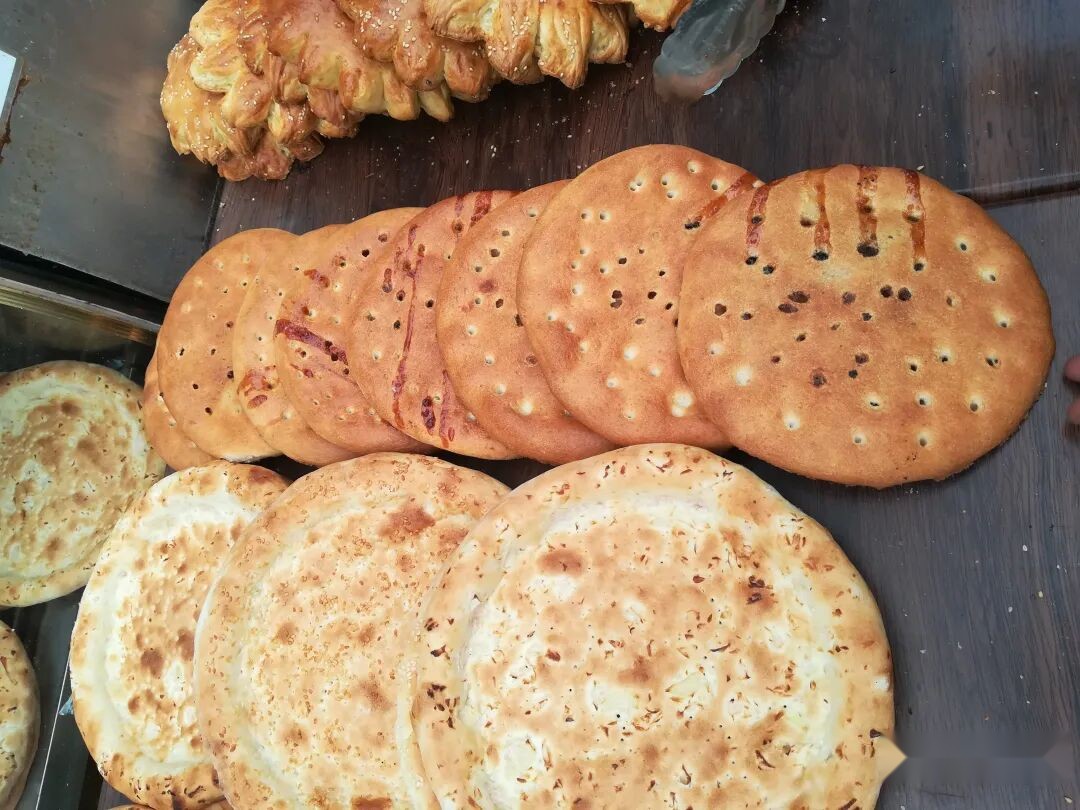
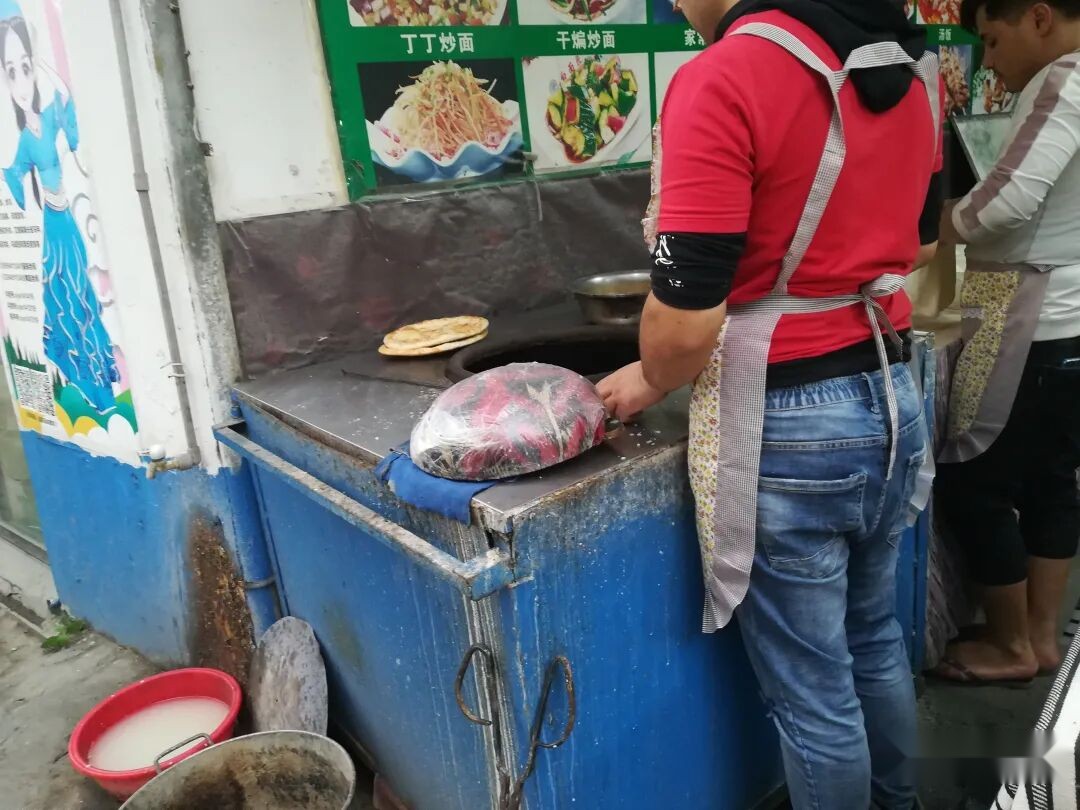
Freshly baked nan (traditional Uyghur flatbread) in Xinjiang usually has to be made at designated nan industrial parks, but here you see plenty of freshly baked nan stalls all over. Saw one of these syrup-dripping nan fresh out of the oven and couldn't resist grabbing one for 5 RMB. Munched on it while walking—super tasty.
Thought I spotted a weird dog breed at first, but looking closer, the little guy just got a fresh haircut. Gotta say, the grooming skills aren't bad at all. Shaved super smooth, even the fur on its paws was trimmed clean.
Found an older sister making pancakes in the alleyway with a vibe totally giving Gansu-Shaanxi Hui Muslim style. Using wood fuel, she pours the batter into this little black pan, closes the lid, and adds fire underneath. This pan can be heated from both sides, and the finished pancakes get tossed onto the iron tray right in the middle. The lady on the side said they're 2 RMB each, but when I asked the lady actually cooking them on the left, she said they aren't for sale. Pretty unique way of cooking, right?
A green house in the village—looks like a women's beauty salon. Even the building is painted green, and the color combo is super coordinated and easy on the eyes.
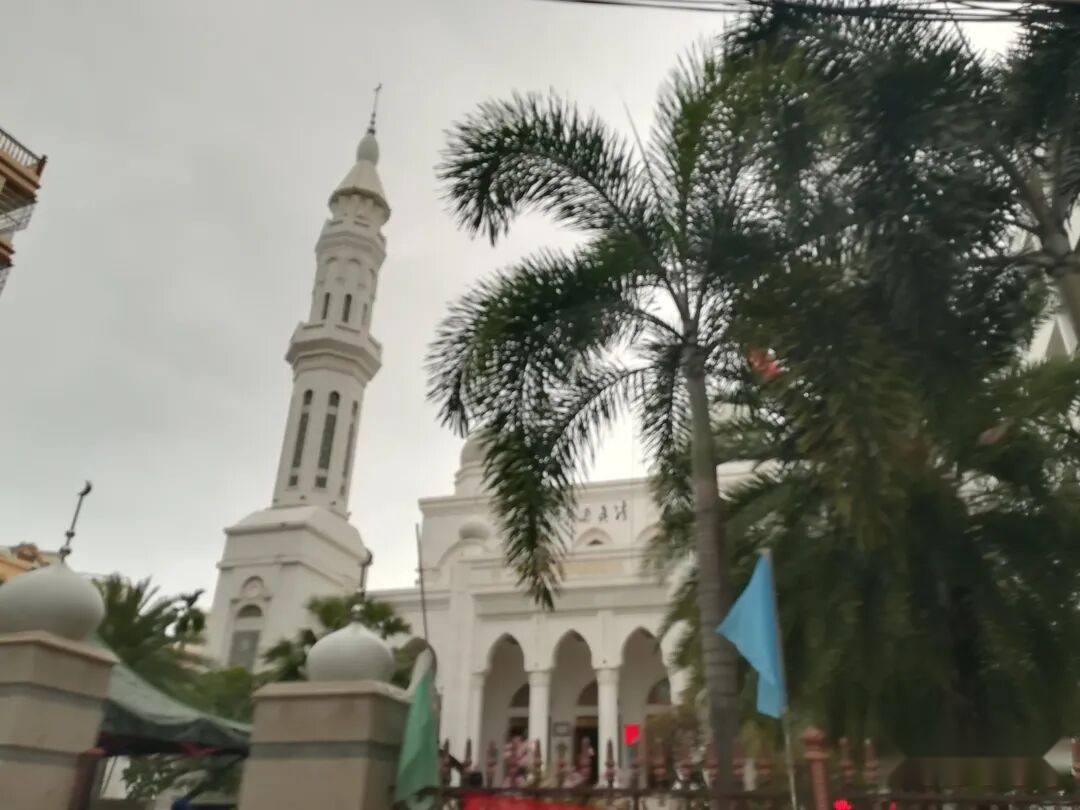
Qingzhen Dongsi (Sanya East Mosque). So, is there a Qingzhen Xisi (West Mosque)? Sure enough, there is! Not just a West Mosque, but a South Mosque and North Mosque too. There are six mosques in total, with the other two being the Sanya Ancient Mosque and Nankai Mosque.
Huihui Civilization Farmers Market. Not super big, and strictly sells halal food.
Killing a duck, getting it ready. This local sister just slaughtered a duck and is cleaning it up right there. Usually, whatever you buy at the market is already prepped, so this one must have been home-raised.
An airplane over the treetops.
A 'flying chicken' under the treetops.
Little kids working hard.
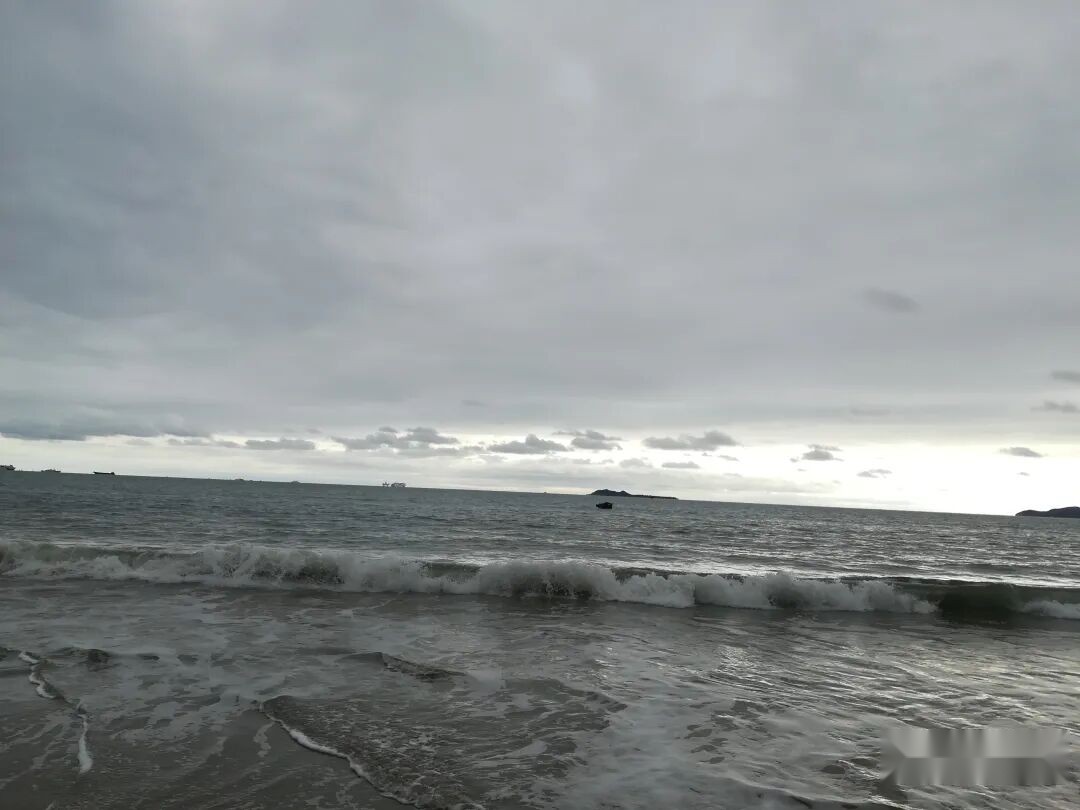
The village isn't far from Sanya Bay—just a little over two kilometers—so I ditched the mountain hike and went for a stroll by the ocean instead. It was overcast, but the waves were huge. Sat by the beach watching the surf and the crowds walking by. A few pretty girls walked past every now and then, and of course, plenty of not-so-pretty ones too.
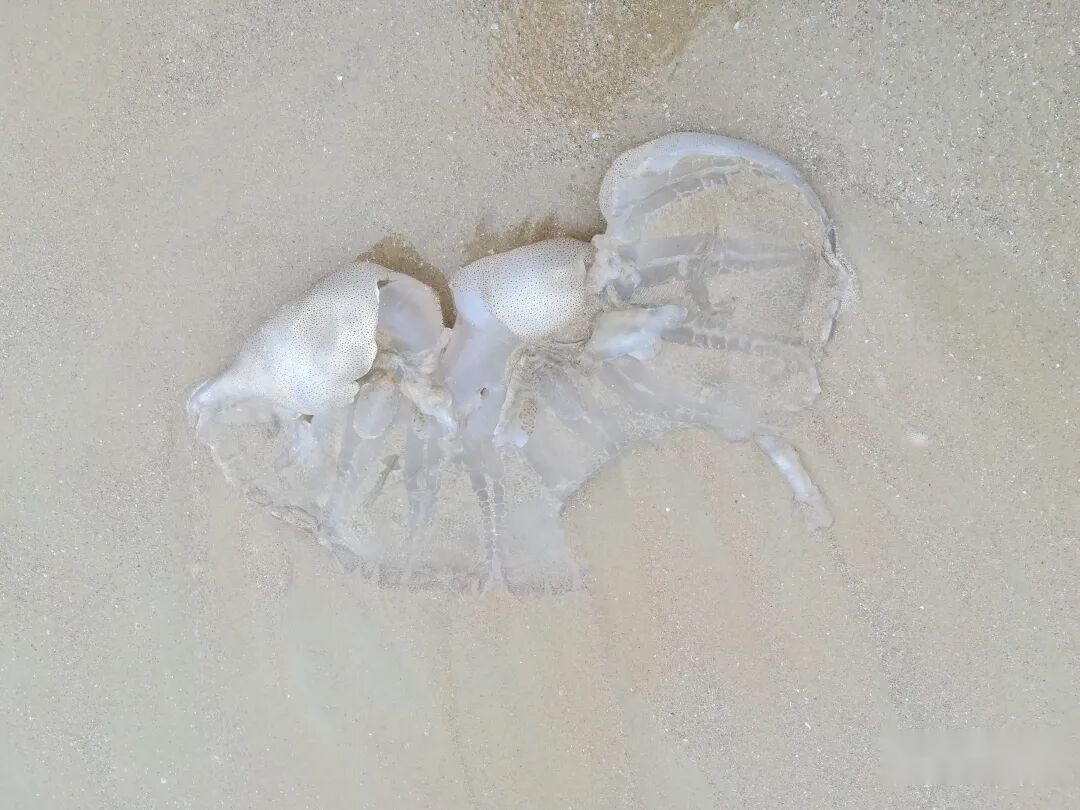
A jellyfish washed ashore by the waves. Wonder if this one is edible—making a cold tossed jellyfish skin salad with it would be pretty awesome.
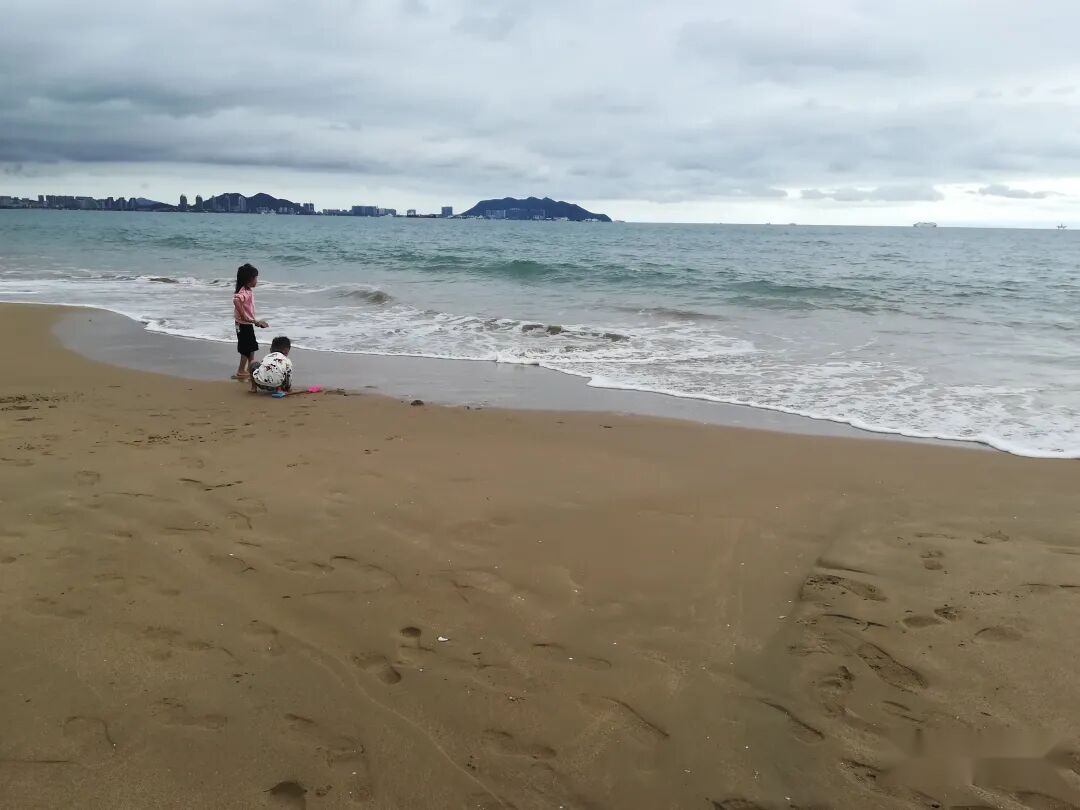
Two kids playing a real-life Jingwei (mythological bird trying to fill the sea with pebbles), using little plastic shovels trying to fill up the ocean. You guys got this!
There are two Muslim villages. The other one is Huixin Village (Huixin Muslim Village), just over four kilometers from Huihui Village, and you can just walk along the coast to get there. There are tons of little shops in this village; two small streets are packed with vendors selling stuff, mostly street food. A lot of houses in the village also have homestay signs hanging outside. Saw another batch of fresh, plain nan just out of the oven. Grabbed one, though honestly, this one wasn't as good as the ones in Xinjiang. There were small street stalls selling home-grown produce, like dragon fruit going for 10 RMB for four jin (about 4 lbs), and watermelons for 5 RMB each.
Qingzhen Nansi (Sanya South Mosque). The architecture is super new, looks like it was recently renovated. Just happened to pass by Nankai Mosque too, didn't make a special trip for it though.
Walking back from Huixin Village is also over four kilometers, and the bus stop is a good two kilometers away. Might as well just walk all the way back since I'm not in a rush anyway, plus I get to check out the street views.
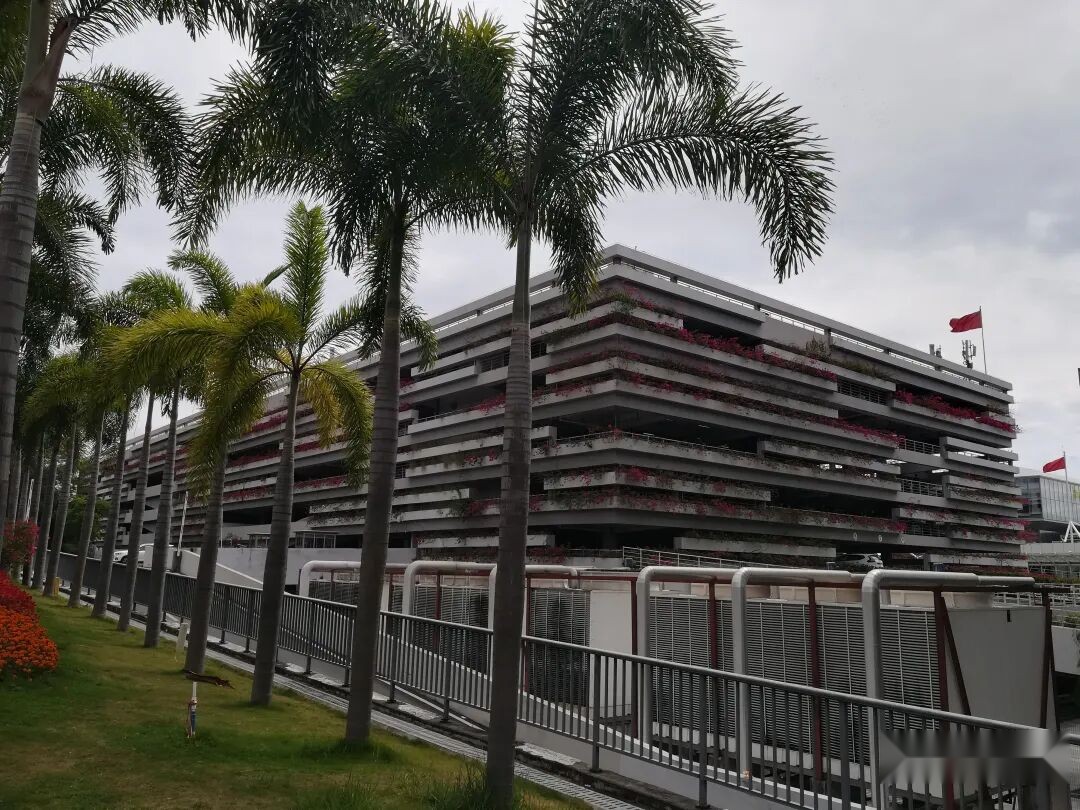
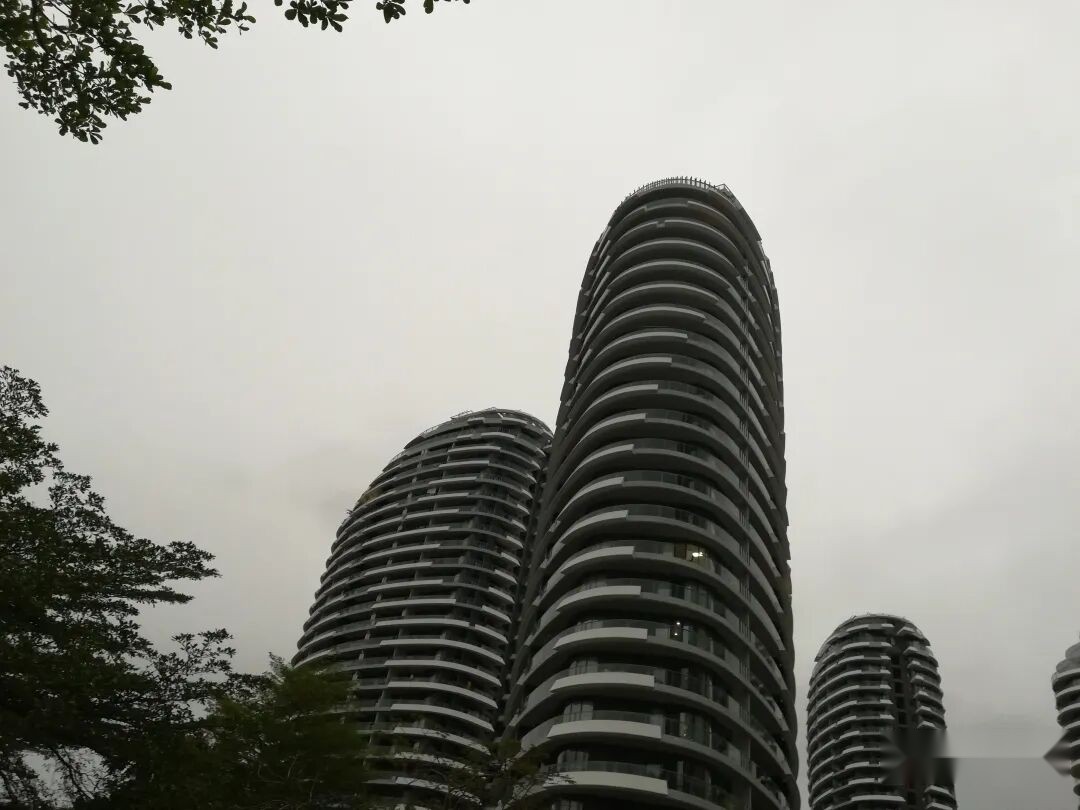
Sanya has a ton of gorgeous architecture. This cluster of four buildings has a really unique vibe.
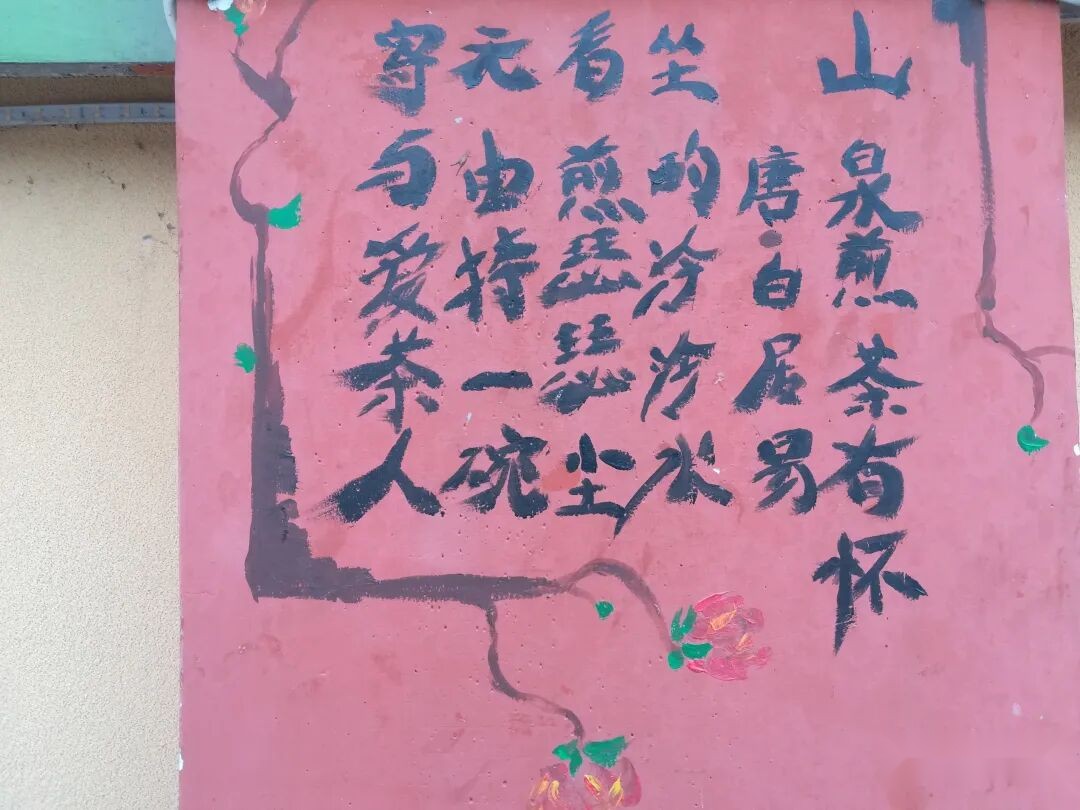
Not sure how my calligraphy skills are, but I feel like it's pretty much on par with mine. Guess it must just be my lack of skill that I couldn't appreciate their profound artistic depth.
Sanya River in the evening twilight.
This kid in a red jacket chased me for a long way while the adults yelled from behind, 'Keep running and the old man up ahead is gonna grab you!' Well, I had to play along, so I yelled back for him to come with me, and he immediately ran back. Walked all day and felt pretty beat, so I grabbed some water and hit the sack. view all
Exploring China's Southernmost Muslim Villages: The Unique Geography and Culture of Sanya's Huihui and Huixin Villages
Abstract:
A systematic look at the history and current landscape of the Muslim villages in Sanya, sitting right at China's southernmost tip. We break down how the Utsul Muslims preserve their Islamic faith, distinct linguistic system, and strict dietary laws in this tropical seaside city, serving as a living specimen of Maritime Silk Road culture.
February 22, 2022
The sky was still a bit overcast. Yesterday's forecast promised clear skies, but today it flipped to cloudy. Whatever, at least it's finally not raining. Decided to head out for a stroll. The original plan was to hit Linchunling Forest Park for some hiking and panoramic views of Sanya.
Checked the map and saw that Bus Route 50 from the Sanya Railway Station goes straight there. Somehow, I ended up at Phoenix International Airport instead—didn't take the wrong bus, alright, I just got on heading the complete opposite direction.
On the way, we passed Huihui Village (Huihui Muslim Village). I'd looked it up online a few days ago—it’s hyped as China's southernmost Muslim village. It was only three stops away from the airport. After hanging out at the airport for a bit, I caught Bus Route 24 and hopped off right at the Beautiful Phoenix Hotel, which drops you right into Huihui Village. My first vibe? Honestly felt like stumbling into a Uyghur village.
Freshly baked nan (traditional Uyghur flatbread) in Xinjiang usually has to be made at designated nan industrial parks, but here you see plenty of freshly baked nan stalls all over. Saw one of these syrup-dripping nan fresh out of the oven and couldn't resist grabbing one for 5 RMB. Munched on it while walking—super tasty.
Thought I spotted a weird dog breed at first, but looking closer, the little guy just got a fresh haircut. Gotta say, the grooming skills aren't bad at all. Shaved super smooth, even the fur on its paws was trimmed clean.
Found an older sister making pancakes in the alleyway with a vibe totally giving Gansu-Shaanxi Hui Muslim style. Using wood fuel, she pours the batter into this little black pan, closes the lid, and adds fire underneath. This pan can be heated from both sides, and the finished pancakes get tossed onto the iron tray right in the middle. The lady on the side said they're 2 RMB each, but when I asked the lady actually cooking them on the left, she said they aren't for sale. Pretty unique way of cooking, right?
A green house in the village—looks like a women's beauty salon. Even the building is painted green, and the color combo is super coordinated and easy on the eyes.
Qingzhen Dongsi (Sanya East Mosque). So, is there a Qingzhen Xisi (West Mosque)? Sure enough, there is! Not just a West Mosque, but a South Mosque and North Mosque too. There are six mosques in total, with the other two being the Sanya Ancient Mosque and Nankai Mosque.
Huihui Civilization Farmers Market. Not super big, and strictly sells halal food.
Killing a duck, getting it ready. This local sister just slaughtered a duck and is cleaning it up right there. Usually, whatever you buy at the market is already prepped, so this one must have been home-raised.
An airplane over the treetops.
A 'flying chicken' under the treetops.
Little kids working hard.
The village isn't far from Sanya Bay—just a little over two kilometers—so I ditched the mountain hike and went for a stroll by the ocean instead. It was overcast, but the waves were huge. Sat by the beach watching the surf and the crowds walking by. A few pretty girls walked past every now and then, and of course, plenty of not-so-pretty ones too.
A jellyfish washed ashore by the waves. Wonder if this one is edible—making a cold tossed jellyfish skin salad with it would be pretty awesome.
Two kids playing a real-life Jingwei (mythological bird trying to fill the sea with pebbles), using little plastic shovels trying to fill up the ocean. You guys got this!
There are two Muslim villages. The other one is Huixin Village (Huixin Muslim Village), just over four kilometers from Huihui Village, and you can just walk along the coast to get there. There are tons of little shops in this village; two small streets are packed with vendors selling stuff, mostly street food. A lot of houses in the village also have homestay signs hanging outside. Saw another batch of fresh, plain nan just out of the oven. Grabbed one, though honestly, this one wasn't as good as the ones in Xinjiang. There were small street stalls selling home-grown produce, like dragon fruit going for 10 RMB for four jin (about 4 lbs), and watermelons for 5 RMB each.
Qingzhen Nansi (Sanya South Mosque). The architecture is super new, looks like it was recently renovated. Just happened to pass by Nankai Mosque too, didn't make a special trip for it though.
Walking back from Huixin Village is also over four kilometers, and the bus stop is a good two kilometers away. Might as well just walk all the way back since I'm not in a rush anyway, plus I get to check out the street views.
Sanya has a ton of gorgeous architecture. This cluster of four buildings has a really unique vibe.
Not sure how my calligraphy skills are, but I feel like it's pretty much on par with mine. Guess it must just be my lack of skill that I couldn't appreciate their profound artistic depth.
Sanya River in the evening twilight.
This kid in a red jacket chased me for a long way while the adults yelled from behind, 'Keep running and the old man up ahead is gonna grab you!' Well, I had to play along, so I yelled back for him to come with me, and he immediately ran back. Walked all day and felt pretty beat, so I grabbed some water and hit the sack. view all
[Internet Repost]
Exploring China's Southernmost Muslim Villages: The Unique Geography and Culture of Sanya's Huihui and Huixin Villages
Abstract:
A systematic look at the history and current landscape of the Muslim villages in Sanya, sitting right at China's southernmost tip. We break down how the Utsul Muslims preserve their Islamic faith, distinct linguistic system, and strict dietary laws in this tropical seaside city, serving as a living specimen of Maritime Silk Road culture.
February 22, 2022
The sky was still a bit overcast. Yesterday's forecast promised clear skies, but today it flipped to cloudy. Whatever, at least it's finally not raining. Decided to head out for a stroll. The original plan was to hit Linchunling Forest Park for some hiking and panoramic views of Sanya.

Checked the map and saw that Bus Route 50 from the Sanya Railway Station goes straight there. Somehow, I ended up at Phoenix International Airport instead—didn't take the wrong bus, alright, I just got on heading the complete opposite direction.
On the way, we passed Huihui Village (Huihui Muslim Village). I'd looked it up online a few days ago—it’s hyped as China's southernmost Muslim village. It was only three stops away from the airport. After hanging out at the airport for a bit, I caught Bus Route 24 and hopped off right at the Beautiful Phoenix Hotel, which drops you right into Huihui Village. My first vibe? Honestly felt like stumbling into a Uyghur village.
Freshly baked nan (traditional Uyghur flatbread) in Xinjiang usually has to be made at designated nan industrial parks, but here you see plenty of freshly baked nan stalls all over. Saw one of these syrup-dripping nan fresh out of the oven and couldn't resist grabbing one for 5 RMB. Munched on it while walking—super tasty.
Thought I spotted a weird dog breed at first, but looking closer, the little guy just got a fresh haircut. Gotta say, the grooming skills aren't bad at all. Shaved super smooth, even the fur on its paws was trimmed clean.
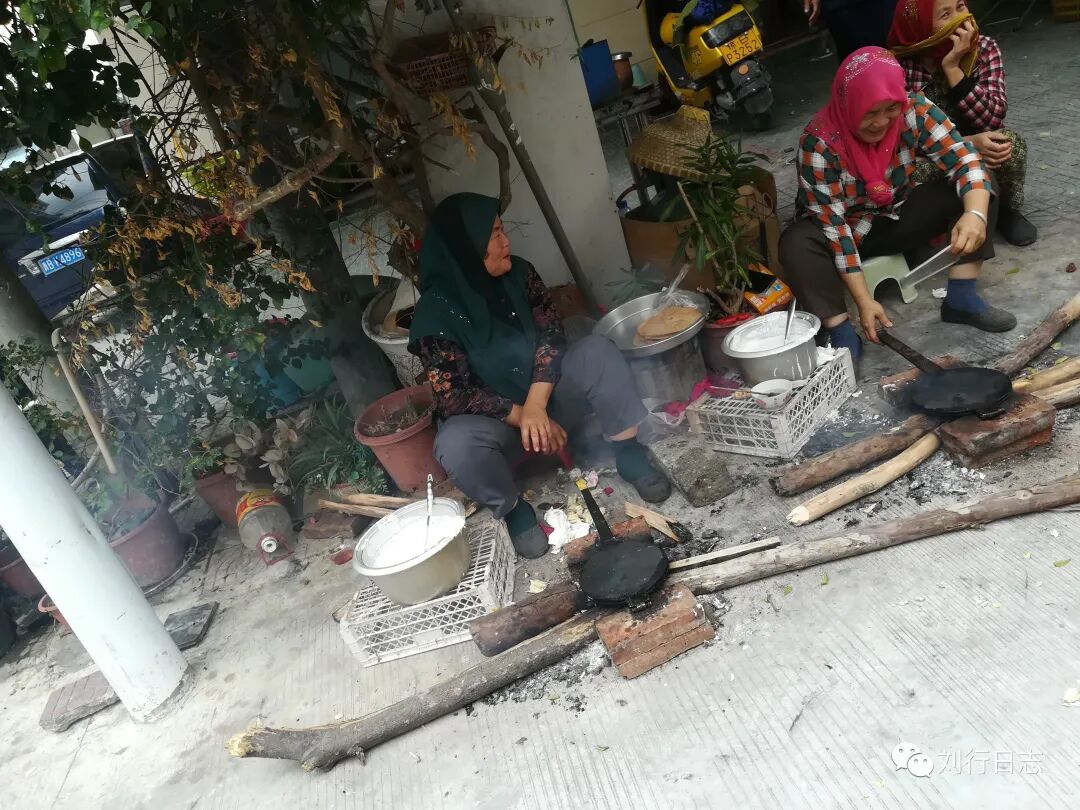
Found an older sister making pancakes in the alleyway with a vibe totally giving Gansu-Shaanxi Hui Muslim style. Using wood fuel, she pours the batter into this little black pan, closes the lid, and adds fire underneath. This pan can be heated from both sides, and the finished pancakes get tossed onto the iron tray right in the middle. The lady on the side said they're 2 RMB each, but when I asked the lady actually cooking them on the left, she said they aren't for sale. Pretty unique way of cooking, right?
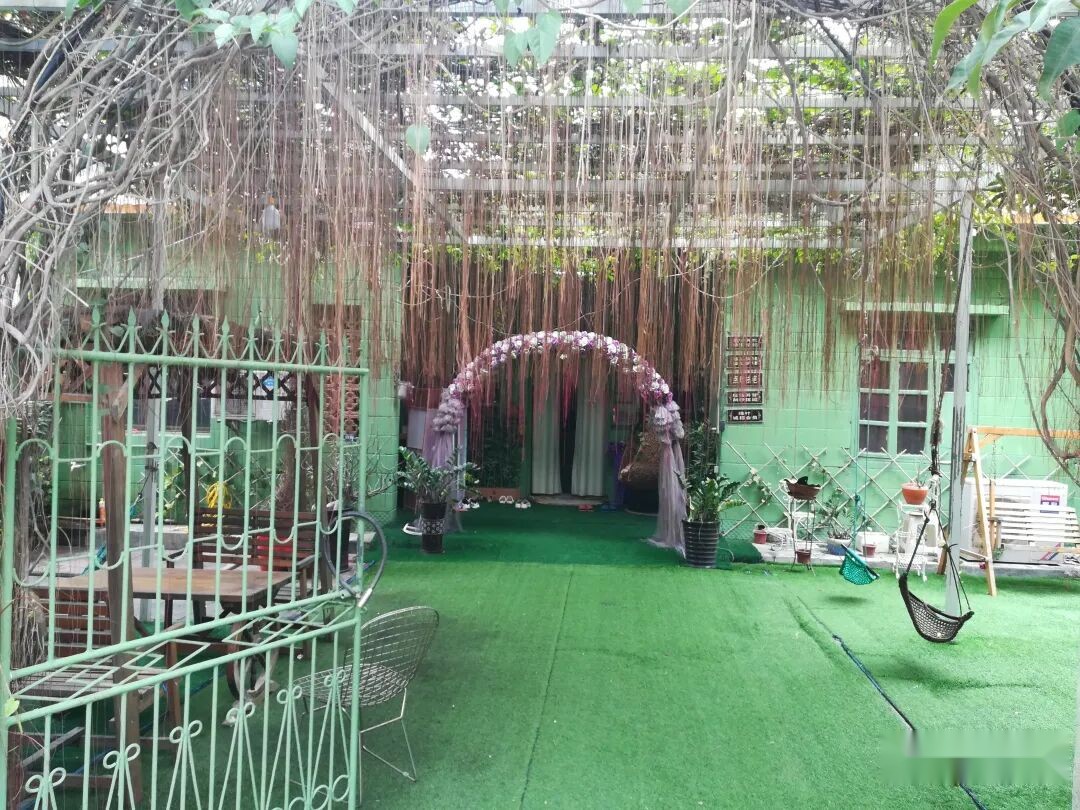
A green house in the village—looks like a women's beauty salon. Even the building is painted green, and the color combo is super coordinated and easy on the eyes.
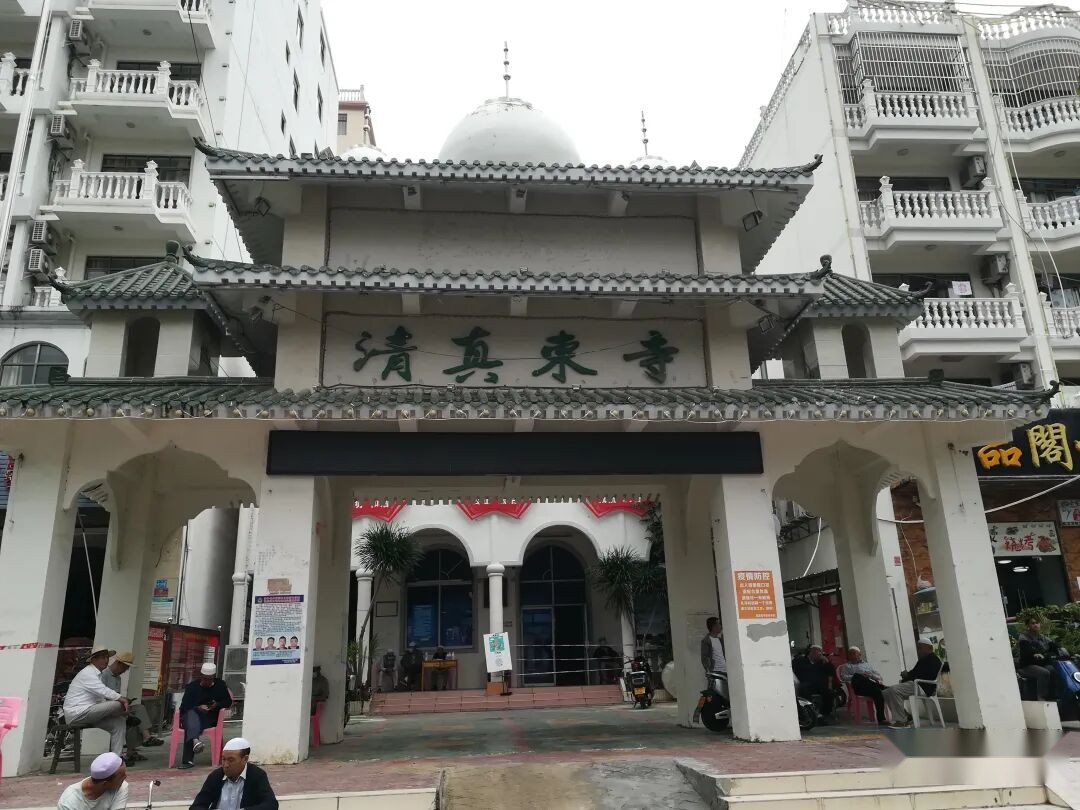
Qingzhen Dongsi (Sanya East Mosque). So, is there a Qingzhen Xisi (West Mosque)? Sure enough, there is! Not just a West Mosque, but a South Mosque and North Mosque too. There are six mosques in total, with the other two being the Sanya Ancient Mosque and Nankai Mosque.
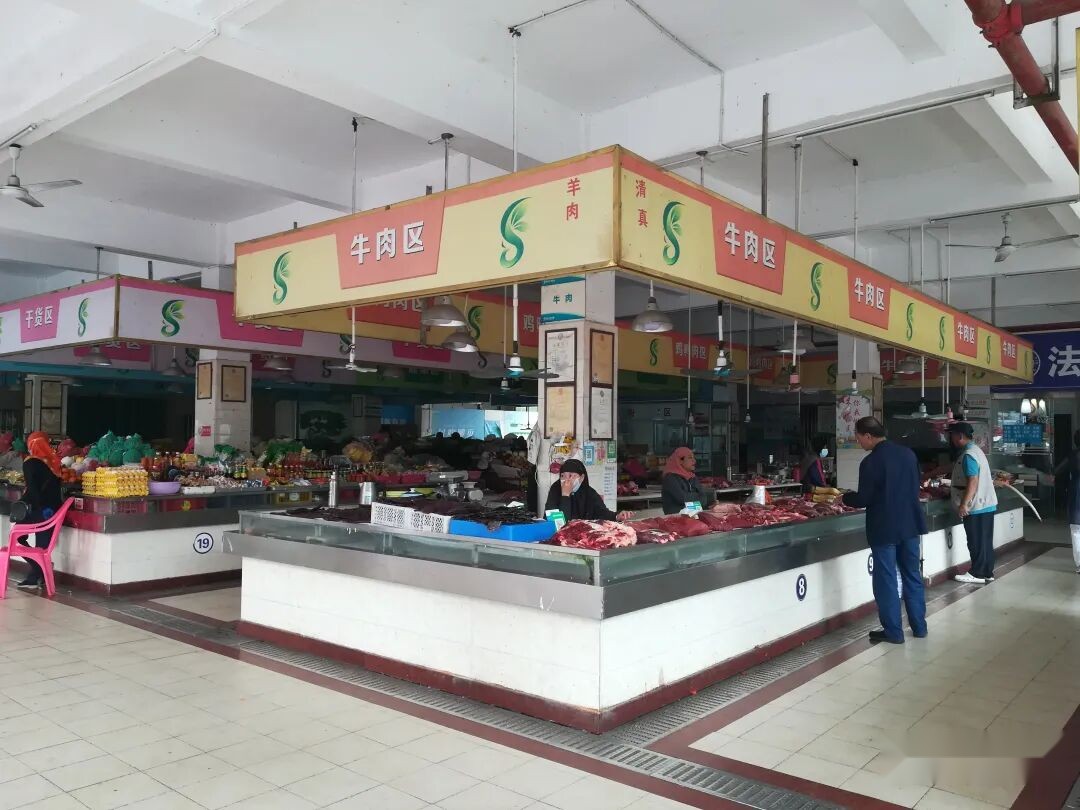
Huihui Civilization Farmers Market. Not super big, and strictly sells halal food.
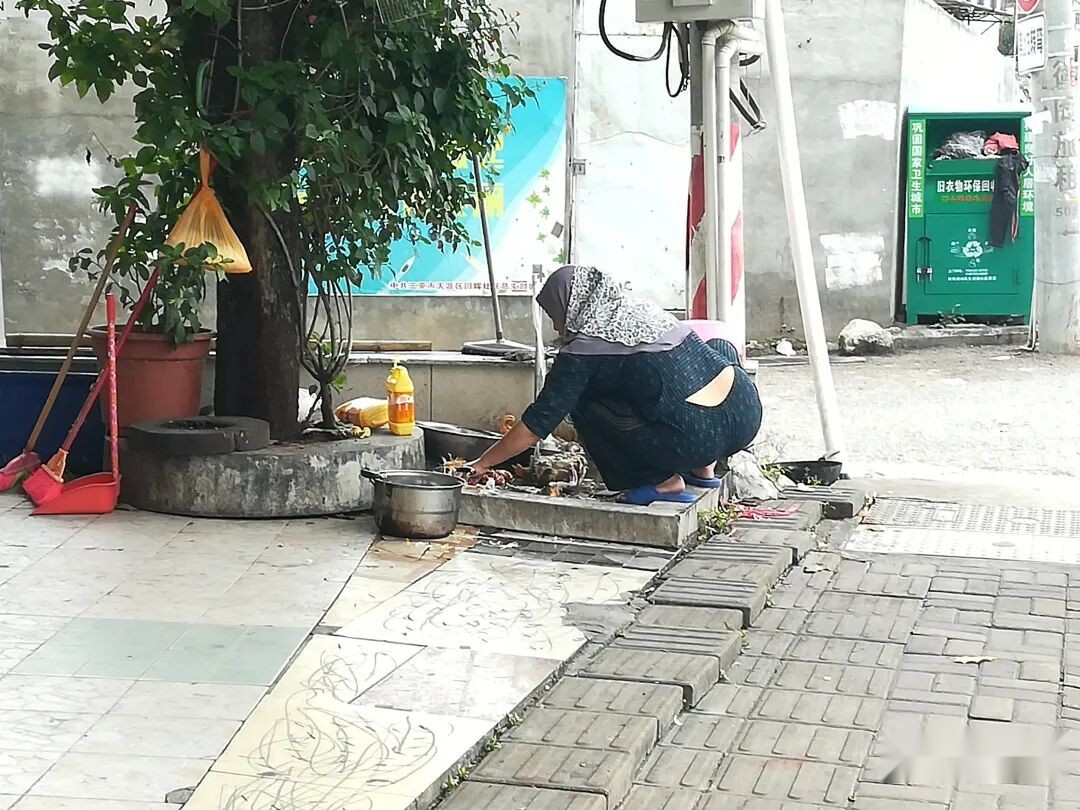
Killing a duck, getting it ready. This local sister just slaughtered a duck and is cleaning it up right there. Usually, whatever you buy at the market is already prepped, so this one must have been home-raised.
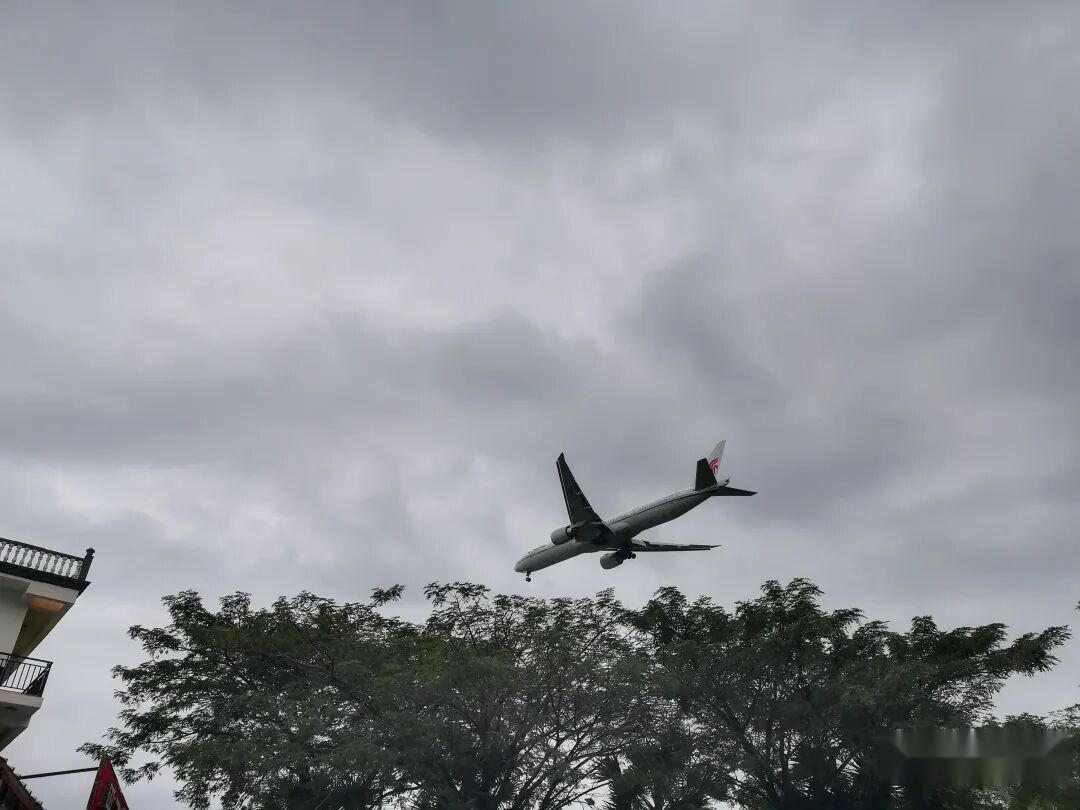
An airplane over the treetops.
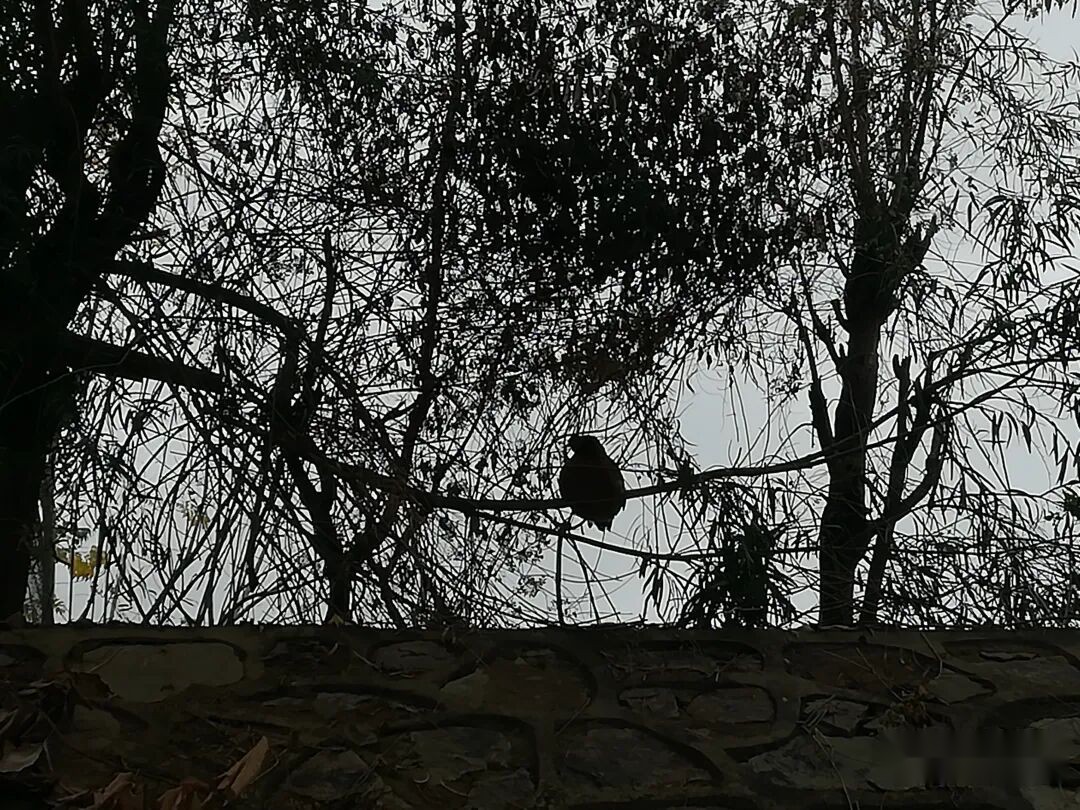
A 'flying chicken' under the treetops.
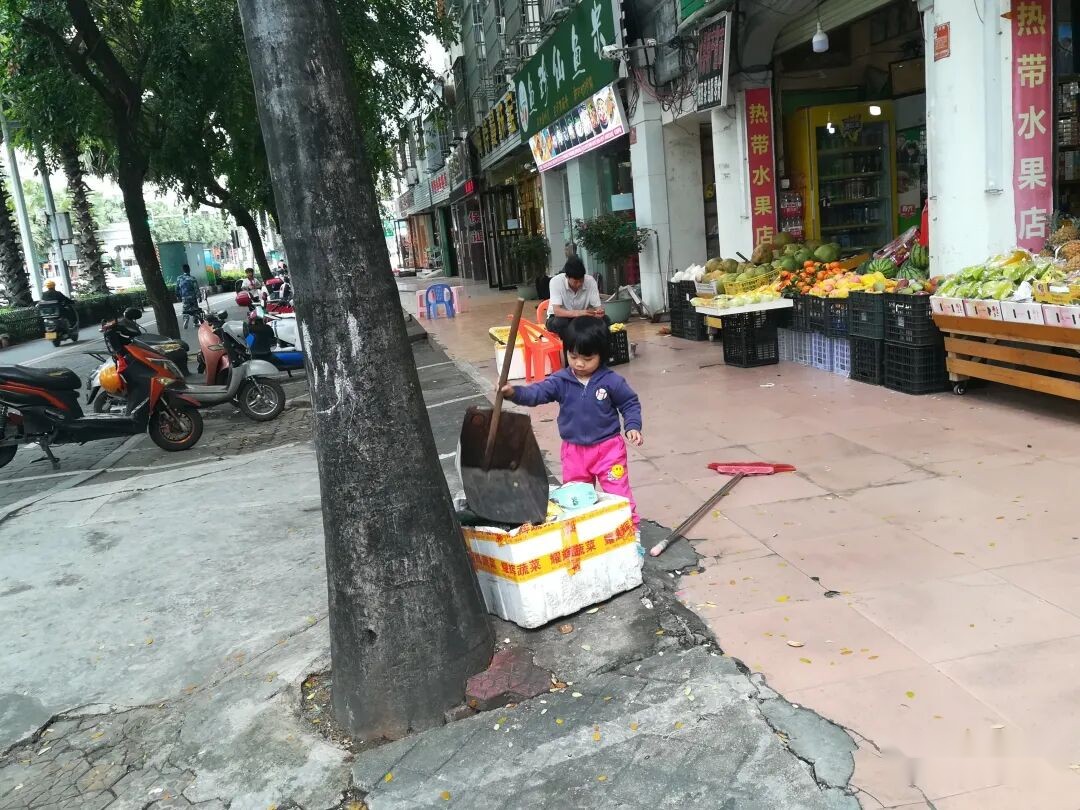
Little kids working hard.
The village isn't far from Sanya Bay—just a little over two kilometers—so I ditched the mountain hike and went for a stroll by the ocean instead. It was overcast, but the waves were huge. Sat by the beach watching the surf and the crowds walking by. A few pretty girls walked past every now and then, and of course, plenty of not-so-pretty ones too.
A jellyfish washed ashore by the waves. Wonder if this one is edible—making a cold tossed jellyfish skin salad with it would be pretty awesome.
Two kids playing a real-life Jingwei (mythological bird trying to fill the sea with pebbles), using little plastic shovels trying to fill up the ocean. You guys got this!
There are two Muslim villages. The other one is Huixin Village (Huixin Muslim Village), just over four kilometers from Huihui Village, and you can just walk along the coast to get there. There are tons of little shops in this village; two small streets are packed with vendors selling stuff, mostly street food. A lot of houses in the village also have homestay signs hanging outside. Saw another batch of fresh, plain nan just out of the oven. Grabbed one, though honestly, this one wasn't as good as the ones in Xinjiang. There were small street stalls selling home-grown produce, like dragon fruit going for 10 RMB for four jin (about 4 lbs), and watermelons for 5 RMB each.
Qingzhen Nansi (Sanya South Mosque). The architecture is super new, looks like it was recently renovated. Just happened to pass by Nankai Mosque too, didn't make a special trip for it though.
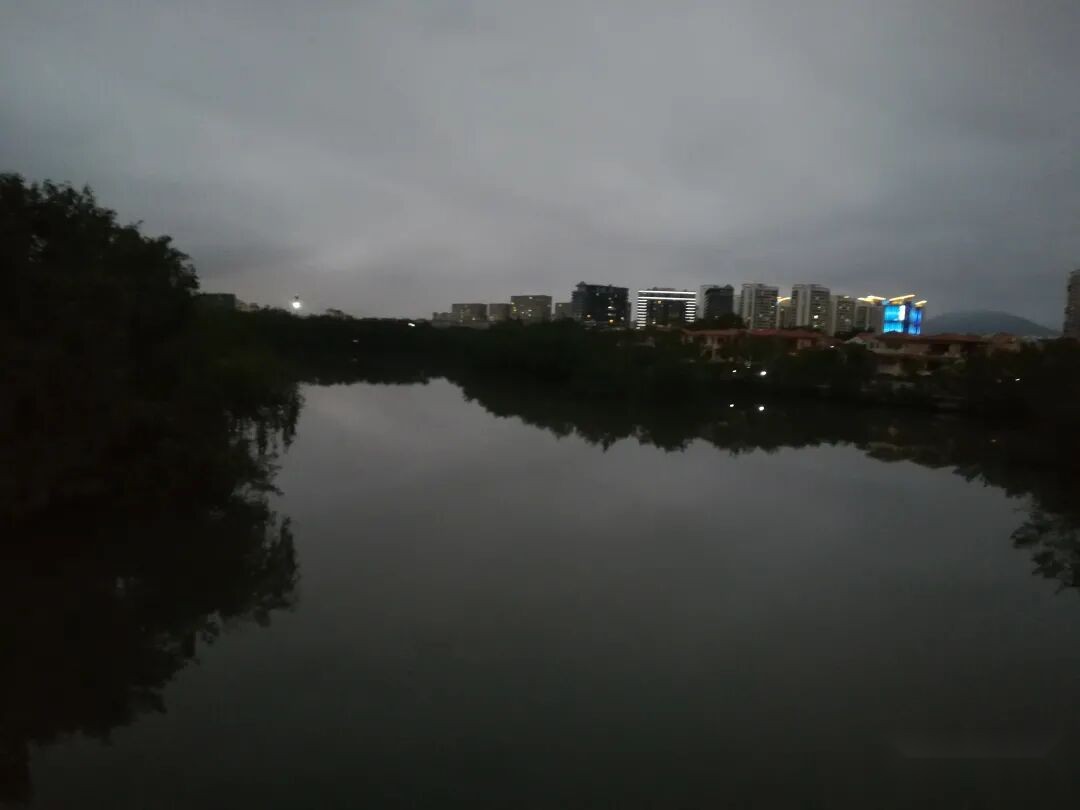
Walking back from Huixin Village is also over four kilometers, and the bus stop is a good two kilometers away. Might as well just walk all the way back since I'm not in a rush anyway, plus I get to check out the street views.
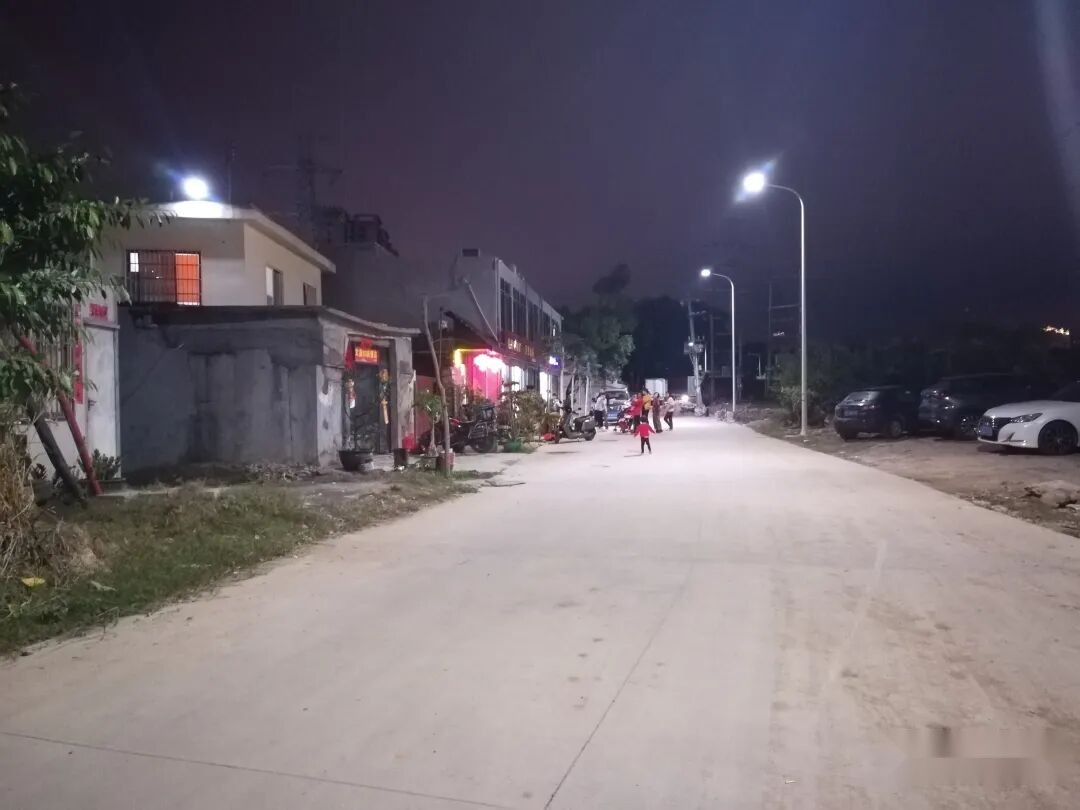
Sanya has a ton of gorgeous architecture. This cluster of four buildings has a really unique vibe.
Not sure how my calligraphy skills are, but I feel like it's pretty much on par with mine. Guess it must just be my lack of skill that I couldn't appreciate their profound artistic depth.
Sanya River in the evening twilight.
This kid in a red jacket chased me for a long way while the adults yelled from behind, 'Keep running and the old man up ahead is gonna grab you!' Well, I had to play along, so I yelled back for him to come with me, and he immediately ran back. Walked all day and felt pretty beat, so I grabbed some water and hit the sack.
Exploring China's Southernmost Muslim Villages: The Unique Geography and Culture of Sanya's Huihui and Huixin Villages
Abstract:
A systematic look at the history and current landscape of the Muslim villages in Sanya, sitting right at China's southernmost tip. We break down how the Utsul Muslims preserve their Islamic faith, distinct linguistic system, and strict dietary laws in this tropical seaside city, serving as a living specimen of Maritime Silk Road culture.
February 22, 2022
The sky was still a bit overcast. Yesterday's forecast promised clear skies, but today it flipped to cloudy. Whatever, at least it's finally not raining. Decided to head out for a stroll. The original plan was to hit Linchunling Forest Park for some hiking and panoramic views of Sanya.
Checked the map and saw that Bus Route 50 from the Sanya Railway Station goes straight there. Somehow, I ended up at Phoenix International Airport instead—didn't take the wrong bus, alright, I just got on heading the complete opposite direction.
On the way, we passed Huihui Village (Huihui Muslim Village). I'd looked it up online a few days ago—it’s hyped as China's southernmost Muslim village. It was only three stops away from the airport. After hanging out at the airport for a bit, I caught Bus Route 24 and hopped off right at the Beautiful Phoenix Hotel, which drops you right into Huihui Village. My first vibe? Honestly felt like stumbling into a Uyghur village.
Freshly baked nan (traditional Uyghur flatbread) in Xinjiang usually has to be made at designated nan industrial parks, but here you see plenty of freshly baked nan stalls all over. Saw one of these syrup-dripping nan fresh out of the oven and couldn't resist grabbing one for 5 RMB. Munched on it while walking—super tasty.
Thought I spotted a weird dog breed at first, but looking closer, the little guy just got a fresh haircut. Gotta say, the grooming skills aren't bad at all. Shaved super smooth, even the fur on its paws was trimmed clean.
Found an older sister making pancakes in the alleyway with a vibe totally giving Gansu-Shaanxi Hui Muslim style. Using wood fuel, she pours the batter into this little black pan, closes the lid, and adds fire underneath. This pan can be heated from both sides, and the finished pancakes get tossed onto the iron tray right in the middle. The lady on the side said they're 2 RMB each, but when I asked the lady actually cooking them on the left, she said they aren't for sale. Pretty unique way of cooking, right?
A green house in the village—looks like a women's beauty salon. Even the building is painted green, and the color combo is super coordinated and easy on the eyes.
Qingzhen Dongsi (Sanya East Mosque). So, is there a Qingzhen Xisi (West Mosque)? Sure enough, there is! Not just a West Mosque, but a South Mosque and North Mosque too. There are six mosques in total, with the other two being the Sanya Ancient Mosque and Nankai Mosque.
Huihui Civilization Farmers Market. Not super big, and strictly sells halal food.
Killing a duck, getting it ready. This local sister just slaughtered a duck and is cleaning it up right there. Usually, whatever you buy at the market is already prepped, so this one must have been home-raised.
An airplane over the treetops.
A 'flying chicken' under the treetops.
Little kids working hard.
The village isn't far from Sanya Bay—just a little over two kilometers—so I ditched the mountain hike and went for a stroll by the ocean instead. It was overcast, but the waves were huge. Sat by the beach watching the surf and the crowds walking by. A few pretty girls walked past every now and then, and of course, plenty of not-so-pretty ones too.
A jellyfish washed ashore by the waves. Wonder if this one is edible—making a cold tossed jellyfish skin salad with it would be pretty awesome.
Two kids playing a real-life Jingwei (mythological bird trying to fill the sea with pebbles), using little plastic shovels trying to fill up the ocean. You guys got this!
There are two Muslim villages. The other one is Huixin Village (Huixin Muslim Village), just over four kilometers from Huihui Village, and you can just walk along the coast to get there. There are tons of little shops in this village; two small streets are packed with vendors selling stuff, mostly street food. A lot of houses in the village also have homestay signs hanging outside. Saw another batch of fresh, plain nan just out of the oven. Grabbed one, though honestly, this one wasn't as good as the ones in Xinjiang. There were small street stalls selling home-grown produce, like dragon fruit going for 10 RMB for four jin (about 4 lbs), and watermelons for 5 RMB each.
Qingzhen Nansi (Sanya South Mosque). The architecture is super new, looks like it was recently renovated. Just happened to pass by Nankai Mosque too, didn't make a special trip for it though.
Walking back from Huixin Village is also over four kilometers, and the bus stop is a good two kilometers away. Might as well just walk all the way back since I'm not in a rush anyway, plus I get to check out the street views.
Sanya has a ton of gorgeous architecture. This cluster of four buildings has a really unique vibe.
Not sure how my calligraphy skills are, but I feel like it's pretty much on par with mine. Guess it must just be my lack of skill that I couldn't appreciate their profound artistic depth.
Sanya River in the evening twilight.
This kid in a red jacket chased me for a long way while the adults yelled from behind, 'Keep running and the old man up ahead is gonna grab you!' Well, I had to play along, so I yelled back for him to come with me, and he immediately ran back. Walked all day and felt pretty beat, so I grabbed some water and hit the sack.
Tracing the History of Sanya's Huihui & Huixin Muslim Villages in Hainan
Articles • Hasan09 posted the article • 0 comments • 5 views • 3 hours ago
[Internet Repost]
The Evolution of Village Names in Sanya's Huixin and Huihui Villages: A Historical Study of Place Names from Ancient Fancun to Tianya's Muslim Villages
Abstract:
A systematic review of the centuries-long history of village name changes in Sanya's Huixin Village and Huihui Village. From "Fancun" in Song and Yuan dynasty literature to the place name shifts of the Ming and Qing dynasties and the establishment of modern administrative divisions, this research uncovers a chapter of Hui Muslim cross-sea survival and pioneering memory embedded within tropical place names.
In the Fenghuang area (formerly Fenghuang Town) in the southwest suburbs of Sanya City's Tianya District, there are two major Hui Muslim settlements: Huixin Village and Huihui Village. Their village name evolution carries a profound historical heritage and ethnic development trajectory. From the forced migration triggered by the Japanese invasion of Hainan to post-liberation administrative adjustments, every change in village name serves as a footprint of the times and carves out the magnificent journey of Sanya's Hui Muslims as they persisted, migrated, and thrived on this land.
"The Hainan Hui Muslim population originated during the Tang Dynasty Silk Road, and later, for various reasons, most of them migrated to the east of Sanya Village, known as 'Fancun' (Foreigners' Village). This community formed around the late Ming and early Qing dynasties, specifically between 1617 and 1655. According to the Gazetteer of Yazhou, the residents were commonly called 'Fanmin' (foreign people): '...During the turbulence of the Song and Yuan dynasties, they packed up their families and sailed over on boats, scattering along the coast, calling it Fanbang (foreign state) or Fanpu (foreign port), later gathering at Fancun in Sanya Village.' During the Wanli era of the Ming Dynasty, the Fanmin were registered in the household registers, and Fancun also gained an independent administrative establishment as 'Suosanyali' (Sanya Station Village). The Fanmin, who engaged in fishing, paid fish taxes alongside the 'Danhufu' (Dan boat-people households). The Kangxi, Qianlong, and Guangxi editions of the Gazetteer of Yazhou all record the four eastern borders of Yazhou:zheng Sanya Li, Suo Sanya Li, Yegen Li, and Linchuan Li—'Zheng Sanya Li' referred to the originally regular administrative Sanya Li, while 'Suo Sanya Li' was the Fancun split off from the original Sanya Li, directly administered by the Hepuo Office (fishery tax office), making it a special establishment. The Hepuo Office was first established in the Yuan Dynasty as a government agency responsible for managing fishing taxes."
The Japanese Invasion of Hainan Rewrote the Origin of Village Names
01
On February 14, 1939, the invading Japanese army landed at Sanya Port and occupied southern Hainan. In 1940, to build a military airfield, the Japanese army forcibly demolished Sanya Street and compelled villagers to evacuate, including those from Suo Sanya Li. The majority of Suo Sanya Li villagers relocated to the location of the present-day Huihui community (known as 'Yanglan' at the time) and named it 'Xincun' (New Village). A small minority of villagers, unwilling to leave, stayed behind in the vicinity and called it 'Jiucun' (Old Village), causing the place name 'Suo Sanya Li' to vanish.
"Village Name Confusion" Amid Administrative Adjustments
02
1945
Following the Japanese surrender and withdrawal from Hainan, some residents of "Xincun" moved back to "Jiucun", and "Fancun" was renamed "Huizu Village" (Hui Muslim Village);
After the 1950 Liberation
"Huizu Village" (including Xincun and Jiucun) was incorporated into the administrative district and collectively called the "Huixiang Primary Cooperative", under the jurisdiction of Huilan Township;
1955
County-level districts adopted a unified system of place names, and the Huixiang Primary Cooperative was renamed the Huihui Township Advanced Cooperative, under the jurisdiction of Yanglan District (later changed to Yanglan Town ➡️ Fenghuang Town);
1958
Districts and townships were abolished to establish people's communes, and the Huihui Production Brigade (formerly the Huihui Township Advanced Cooperative) was established under the jurisdiction of Yulei Commune;
1962
Following the implementation of the "Four Fixes" policy, it was designated under the jurisdiction of the Huihui Production Brigade;
1979
The Huixin Production Brigade was split off from the Huihui Production Brigade, becoming Huixin Village, while the Huihui Production Brigade remained Huihui Village;
1983
The people's commune system was canceled, and the Huihui Production Brigade became the Huihui Township People's Government, while the Huixin Production Brigade became the Huixin Township People's Government;
Early 1989
The two brigades were respectively transformed into the Huihui Village Villagers' Committee and the Huixin Village Villagers' Committee;
2013
Both were optimized into communities;
2015
Sanya City abolished towns to establish districts, and the "Huihui Community Residents' Committee" and "Huixin Community Residents' Committee" were transferred from the jurisdiction of the former Fenghuang Town to Tianya District, where they remain today.
The "New" and "Old" in the Memories of Villagers
03
Tracing the evolution of historical names—from the former "Fan Village" (settlement for "foreign peoples" / overseas guests) to today's renamed Huixin and Huihui communities—the locals still hold onto the naming habits of the older generation. The Hui Muslims of Sanya still call the Huihui community by its traditional name "Yanglan" (rún, lán), while the Huixin community is still referred to as "Fan Village" (huān, sūi), and the neighborhood committee sounds like "village" in the local dialect. These shifts in place names are not only a testament to the geographical transformation of Sanya's Hui Muslim settlements, but also a living carrier of local ethnic culture and lifestyle habits.
Huixin Community · Old Look
Huihui Wenming Market Intersection · Old Look
Huihui Wenming Market Intersection · New Look
2010
Huihui Wenming Market Traffic Lights · Old Look
2026
Huihui Wenming Market Traffic Lights · New Look
Hui Muslim Sons and Daughters Embarking on a New Chapter Together with Hainan
04
From the vicissitudes of migration from "Suosanyali" to the bustling street food vibe of today's Huixin and Huihui communities, Sanya's Hui Muslims have always breathed and grown alongside this land. Today, the tailwind of the Hainan Free Trade Port's island-wide independent customs operations is injecting fresh vitality into this ethnic enclave. Names like "Huixin" and "Huihui" not only carry ethnic memories, but have also become a vivid footnote to all ethnic groups joining hands to race toward a happy future within the Free Trade Port. view all
The Evolution of Village Names in Sanya's Huixin and Huihui Villages: A Historical Study of Place Names from Ancient Fancun to Tianya's Muslim Villages
Abstract:
A systematic review of the centuries-long history of village name changes in Sanya's Huixin Village and Huihui Village. From "Fancun" in Song and Yuan dynasty literature to the place name shifts of the Ming and Qing dynasties and the establishment of modern administrative divisions, this research uncovers a chapter of Hui Muslim cross-sea survival and pioneering memory embedded within tropical place names.
In the Fenghuang area (formerly Fenghuang Town) in the southwest suburbs of Sanya City's Tianya District, there are two major Hui Muslim settlements: Huixin Village and Huihui Village. Their village name evolution carries a profound historical heritage and ethnic development trajectory. From the forced migration triggered by the Japanese invasion of Hainan to post-liberation administrative adjustments, every change in village name serves as a footprint of the times and carves out the magnificent journey of Sanya's Hui Muslims as they persisted, migrated, and thrived on this land.
"The Hainan Hui Muslim population originated during the Tang Dynasty Silk Road, and later, for various reasons, most of them migrated to the east of Sanya Village, known as 'Fancun' (Foreigners' Village). This community formed around the late Ming and early Qing dynasties, specifically between 1617 and 1655. According to the Gazetteer of Yazhou, the residents were commonly called 'Fanmin' (foreign people): '...During the turbulence of the Song and Yuan dynasties, they packed up their families and sailed over on boats, scattering along the coast, calling it Fanbang (foreign state) or Fanpu (foreign port), later gathering at Fancun in Sanya Village.' During the Wanli era of the Ming Dynasty, the Fanmin were registered in the household registers, and Fancun also gained an independent administrative establishment as 'Suosanyali' (Sanya Station Village). The Fanmin, who engaged in fishing, paid fish taxes alongside the 'Danhufu' (Dan boat-people households). The Kangxi, Qianlong, and Guangxi editions of the Gazetteer of Yazhou all record the four eastern borders of Yazhou:zheng Sanya Li, Suo Sanya Li, Yegen Li, and Linchuan Li—'Zheng Sanya Li' referred to the originally regular administrative Sanya Li, while 'Suo Sanya Li' was the Fancun split off from the original Sanya Li, directly administered by the Hepuo Office (fishery tax office), making it a special establishment. The Hepuo Office was first established in the Yuan Dynasty as a government agency responsible for managing fishing taxes."
The Japanese Invasion of Hainan Rewrote the Origin of Village Names
01
On February 14, 1939, the invading Japanese army landed at Sanya Port and occupied southern Hainan. In 1940, to build a military airfield, the Japanese army forcibly demolished Sanya Street and compelled villagers to evacuate, including those from Suo Sanya Li. The majority of Suo Sanya Li villagers relocated to the location of the present-day Huihui community (known as 'Yanglan' at the time) and named it 'Xincun' (New Village). A small minority of villagers, unwilling to leave, stayed behind in the vicinity and called it 'Jiucun' (Old Village), causing the place name 'Suo Sanya Li' to vanish.
"Village Name Confusion" Amid Administrative Adjustments
02
1945
Following the Japanese surrender and withdrawal from Hainan, some residents of "Xincun" moved back to "Jiucun", and "Fancun" was renamed "Huizu Village" (Hui Muslim Village);
After the 1950 Liberation
"Huizu Village" (including Xincun and Jiucun) was incorporated into the administrative district and collectively called the "Huixiang Primary Cooperative", under the jurisdiction of Huilan Township;
1955
County-level districts adopted a unified system of place names, and the Huixiang Primary Cooperative was renamed the Huihui Township Advanced Cooperative, under the jurisdiction of Yanglan District (later changed to Yanglan Town ➡️ Fenghuang Town);
1958
Districts and townships were abolished to establish people's communes, and the Huihui Production Brigade (formerly the Huihui Township Advanced Cooperative) was established under the jurisdiction of Yulei Commune;
1962
Following the implementation of the "Four Fixes" policy, it was designated under the jurisdiction of the Huihui Production Brigade;
1979
The Huixin Production Brigade was split off from the Huihui Production Brigade, becoming Huixin Village, while the Huihui Production Brigade remained Huihui Village;
1983
The people's commune system was canceled, and the Huihui Production Brigade became the Huihui Township People's Government, while the Huixin Production Brigade became the Huixin Township People's Government;
Early 1989
The two brigades were respectively transformed into the Huihui Village Villagers' Committee and the Huixin Village Villagers' Committee;
2013
Both were optimized into communities;
2015
Sanya City abolished towns to establish districts, and the "Huihui Community Residents' Committee" and "Huixin Community Residents' Committee" were transferred from the jurisdiction of the former Fenghuang Town to Tianya District, where they remain today.
The "New" and "Old" in the Memories of Villagers
03
Tracing the evolution of historical names—from the former "Fan Village" (settlement for "foreign peoples" / overseas guests) to today's renamed Huixin and Huihui communities—the locals still hold onto the naming habits of the older generation. The Hui Muslims of Sanya still call the Huihui community by its traditional name "Yanglan" (rún, lán), while the Huixin community is still referred to as "Fan Village" (huān, sūi), and the neighborhood committee sounds like "village" in the local dialect. These shifts in place names are not only a testament to the geographical transformation of Sanya's Hui Muslim settlements, but also a living carrier of local ethnic culture and lifestyle habits.
Huixin Community · Old Look
Huihui Wenming Market Intersection · Old Look
Huihui Wenming Market Intersection · New Look
2010
Huihui Wenming Market Traffic Lights · Old Look
2026
Huihui Wenming Market Traffic Lights · New Look
Hui Muslim Sons and Daughters Embarking on a New Chapter Together with Hainan
04
From the vicissitudes of migration from "Suosanyali" to the bustling street food vibe of today's Huixin and Huihui communities, Sanya's Hui Muslims have always breathed and grown alongside this land. Today, the tailwind of the Hainan Free Trade Port's island-wide independent customs operations is injecting fresh vitality into this ethnic enclave. Names like "Huixin" and "Huihui" not only carry ethnic memories, but have also become a vivid footnote to all ethnic groups joining hands to race toward a happy future within the Free Trade Port. view all
[Internet Repost]
The Evolution of Village Names in Sanya's Huixin and Huihui Villages: A Historical Study of Place Names from Ancient Fancun to Tianya's Muslim Villages
Abstract:

A systematic review of the centuries-long history of village name changes in Sanya's Huixin Village and Huihui Village. From "Fancun" in Song and Yuan dynasty literature to the place name shifts of the Ming and Qing dynasties and the establishment of modern administrative divisions, this research uncovers a chapter of Hui Muslim cross-sea survival and pioneering memory embedded within tropical place names.
In the Fenghuang area (formerly Fenghuang Town) in the southwest suburbs of Sanya City's Tianya District, there are two major Hui Muslim settlements: Huixin Village and Huihui Village. Their village name evolution carries a profound historical heritage and ethnic development trajectory. From the forced migration triggered by the Japanese invasion of Hainan to post-liberation administrative adjustments, every change in village name serves as a footprint of the times and carves out the magnificent journey of Sanya's Hui Muslims as they persisted, migrated, and thrived on this land.
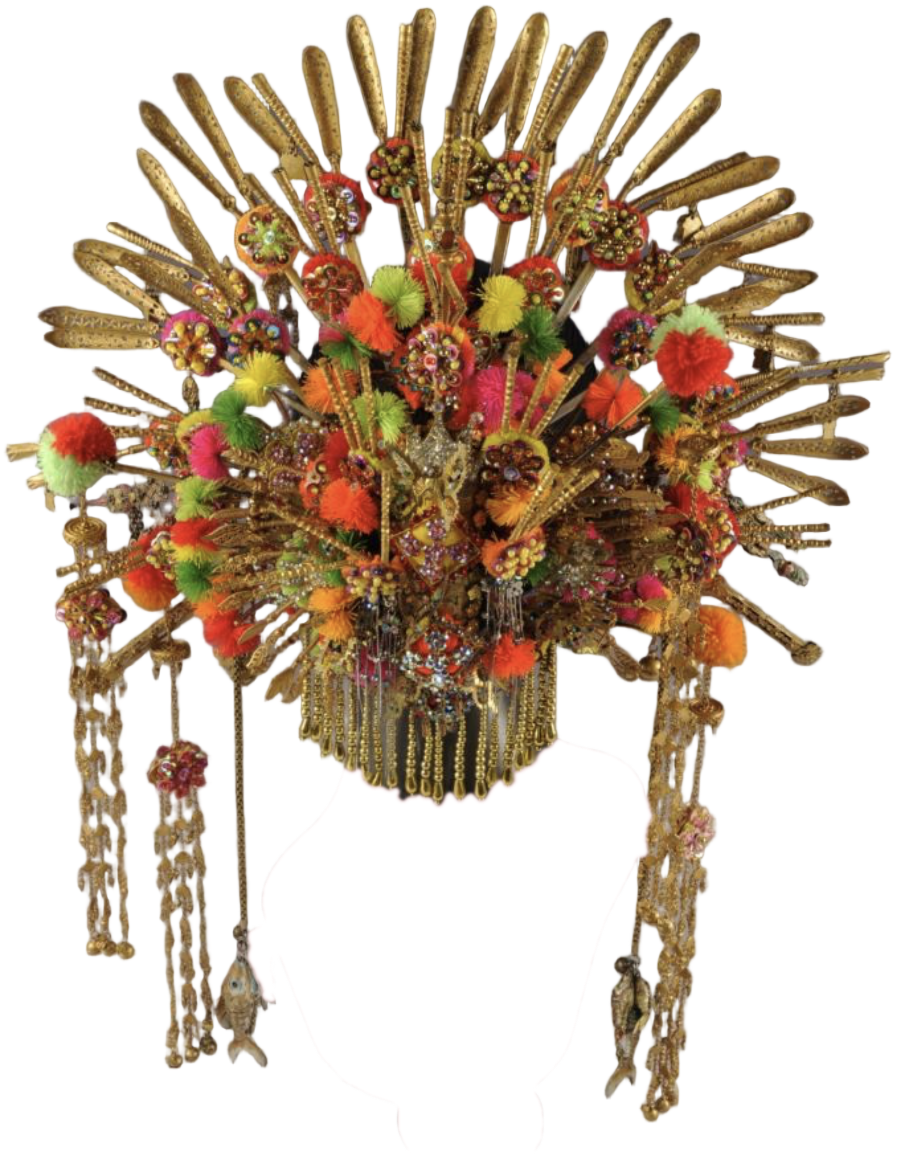
"The Hainan Hui Muslim population originated during the Tang Dynasty Silk Road, and later, for various reasons, most of them migrated to the east of Sanya Village, known as 'Fancun' (Foreigners' Village). This community formed around the late Ming and early Qing dynasties, specifically between 1617 and 1655. According to the Gazetteer of Yazhou, the residents were commonly called 'Fanmin' (foreign people): '...During the turbulence of the Song and Yuan dynasties, they packed up their families and sailed over on boats, scattering along the coast, calling it Fanbang (foreign state) or Fanpu (foreign port), later gathering at Fancun in Sanya Village.' During the Wanli era of the Ming Dynasty, the Fanmin were registered in the household registers, and Fancun also gained an independent administrative establishment as 'Suosanyali' (Sanya Station Village). The Fanmin, who engaged in fishing, paid fish taxes alongside the 'Danhufu' (Dan boat-people households). The Kangxi, Qianlong, and Guangxi editions of the Gazetteer of Yazhou all record the four eastern borders of Yazhou:zheng Sanya Li, Suo Sanya Li, Yegen Li, and Linchuan Li—'Zheng Sanya Li' referred to the originally regular administrative Sanya Li, while 'Suo Sanya Li' was the Fancun split off from the original Sanya Li, directly administered by the Hepuo Office (fishery tax office), making it a special establishment. The Hepuo Office was first established in the Yuan Dynasty as a government agency responsible for managing fishing taxes."
The Japanese Invasion of Hainan Rewrote the Origin of Village Names

01
On February 14, 1939, the invading Japanese army landed at Sanya Port and occupied southern Hainan. In 1940, to build a military airfield, the Japanese army forcibly demolished Sanya Street and compelled villagers to evacuate, including those from Suo Sanya Li. The majority of Suo Sanya Li villagers relocated to the location of the present-day Huihui community (known as 'Yanglan' at the time) and named it 'Xincun' (New Village). A small minority of villagers, unwilling to leave, stayed behind in the vicinity and called it 'Jiucun' (Old Village), causing the place name 'Suo Sanya Li' to vanish.
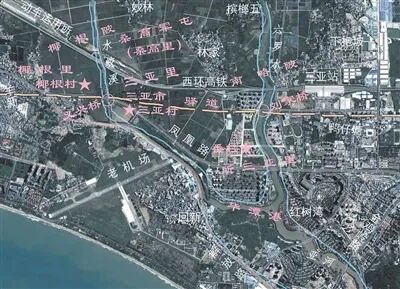
"Village Name Confusion" Amid Administrative Adjustments
02

1945
Following the Japanese surrender and withdrawal from Hainan, some residents of "Xincun" moved back to "Jiucun", and "Fancun" was renamed "Huizu Village" (Hui Muslim Village);

After the 1950 Liberation
"Huizu Village" (including Xincun and Jiucun) was incorporated into the administrative district and collectively called the "Huixiang Primary Cooperative", under the jurisdiction of Huilan Township;

1955
County-level districts adopted a unified system of place names, and the Huixiang Primary Cooperative was renamed the Huihui Township Advanced Cooperative, under the jurisdiction of Yanglan District (later changed to Yanglan Town ➡️ Fenghuang Town);
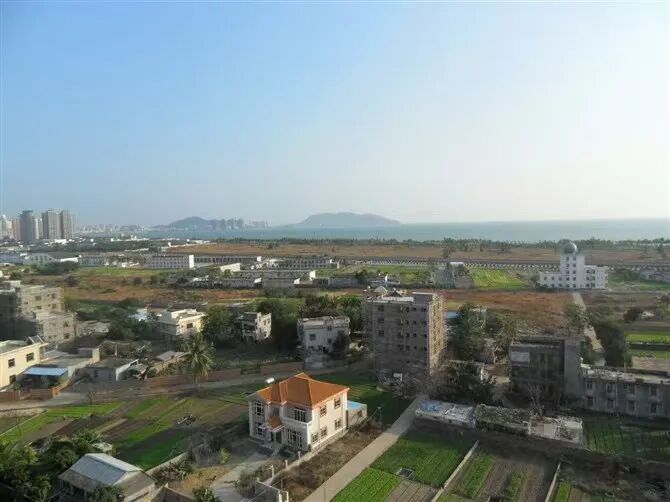
1958
Districts and townships were abolished to establish people's communes, and the Huihui Production Brigade (formerly the Huihui Township Advanced Cooperative) was established under the jurisdiction of Yulei Commune;
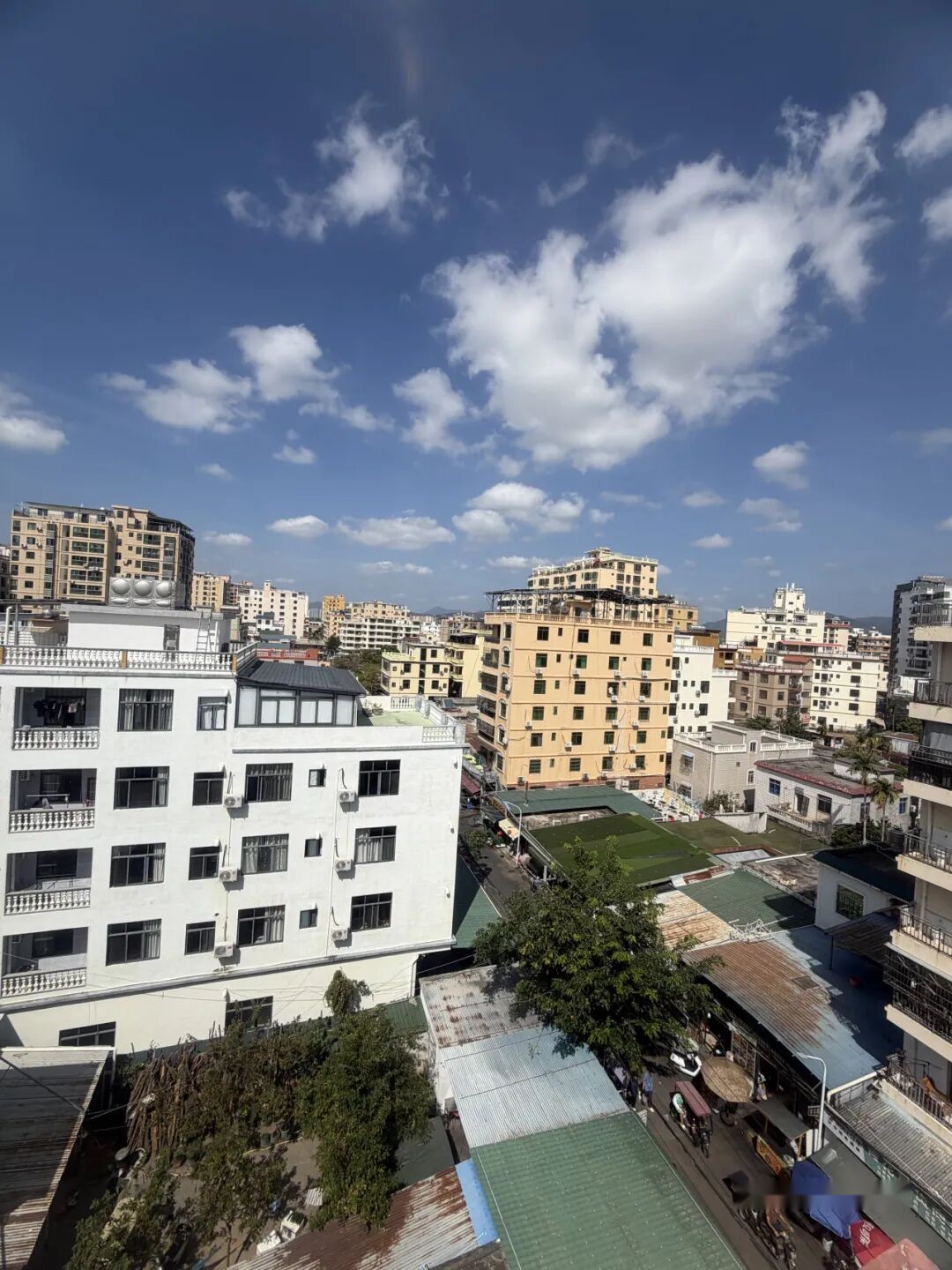
1962
Following the implementation of the "Four Fixes" policy, it was designated under the jurisdiction of the Huihui Production Brigade;
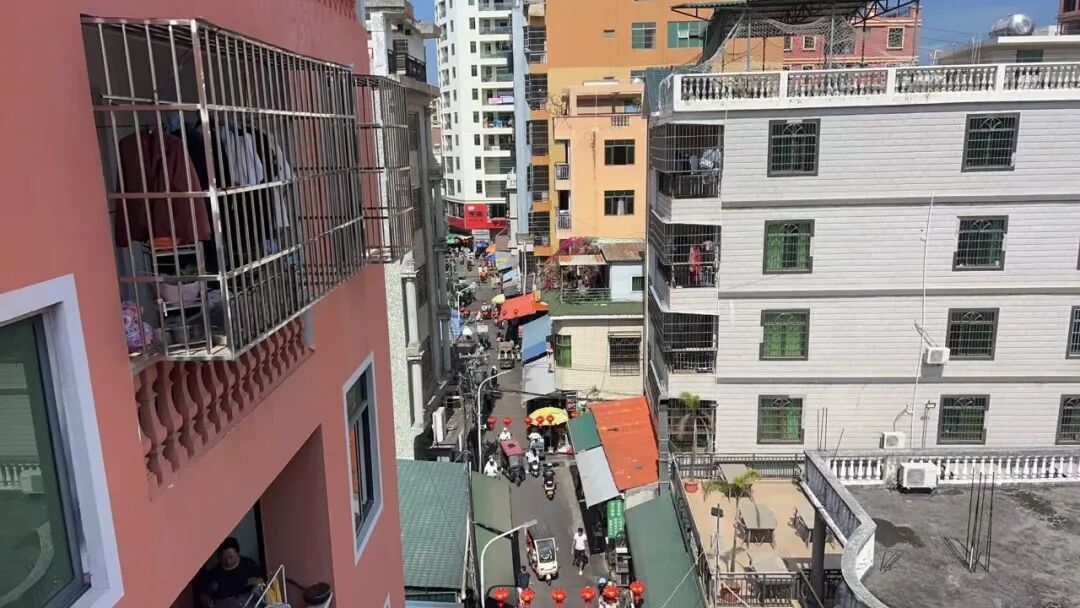
1979
The Huixin Production Brigade was split off from the Huihui Production Brigade, becoming Huixin Village, while the Huihui Production Brigade remained Huihui Village;

1983
The people's commune system was canceled, and the Huihui Production Brigade became the Huihui Township People's Government, while the Huixin Production Brigade became the Huixin Township People's Government;
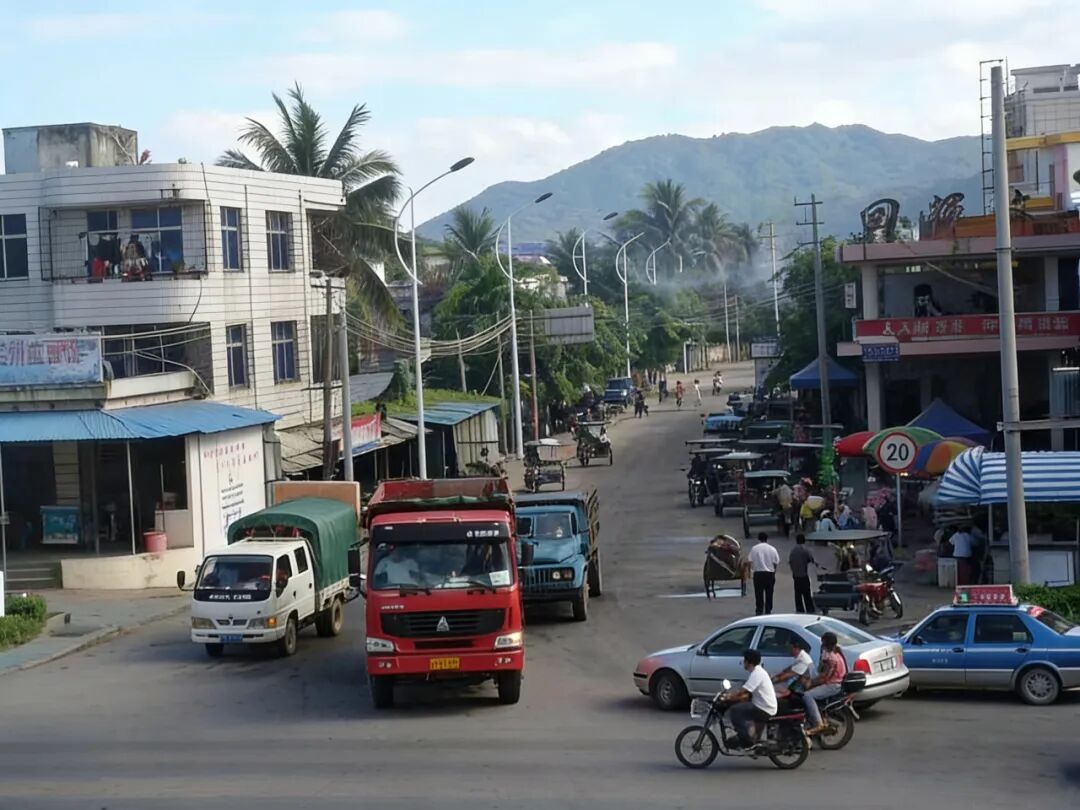
Early 1989
The two brigades were respectively transformed into the Huihui Village Villagers' Committee and the Huixin Village Villagers' Committee;
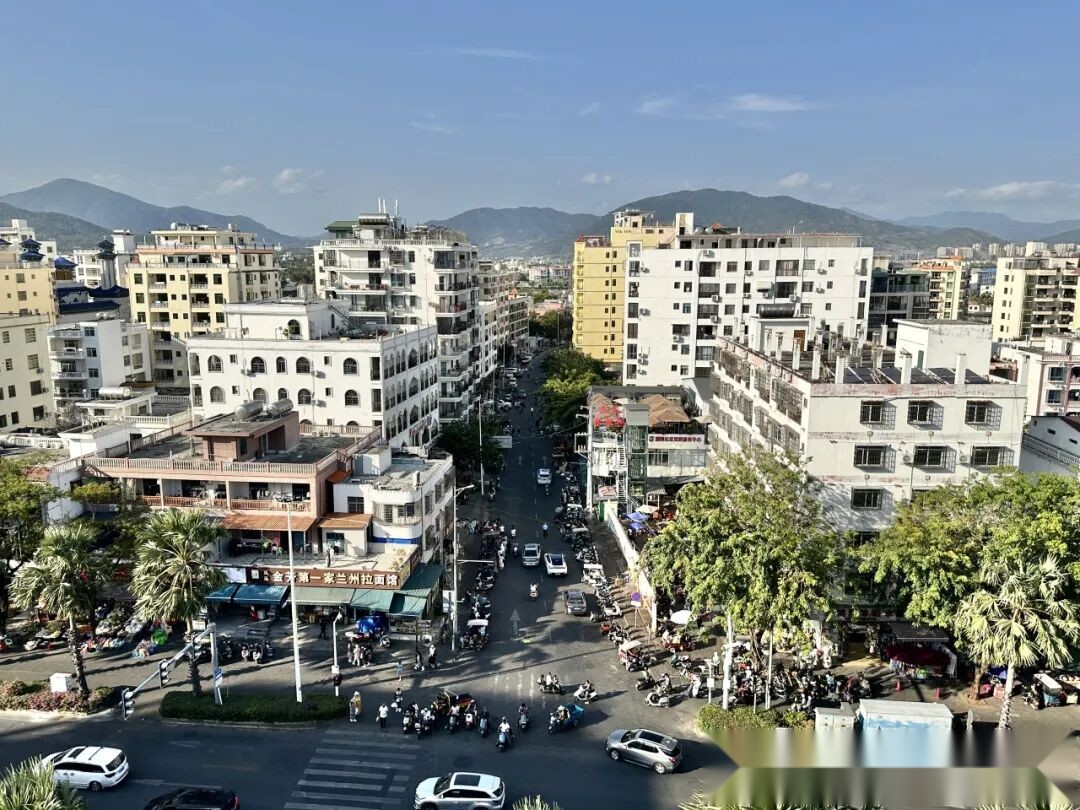
2013
Both were optimized into communities;
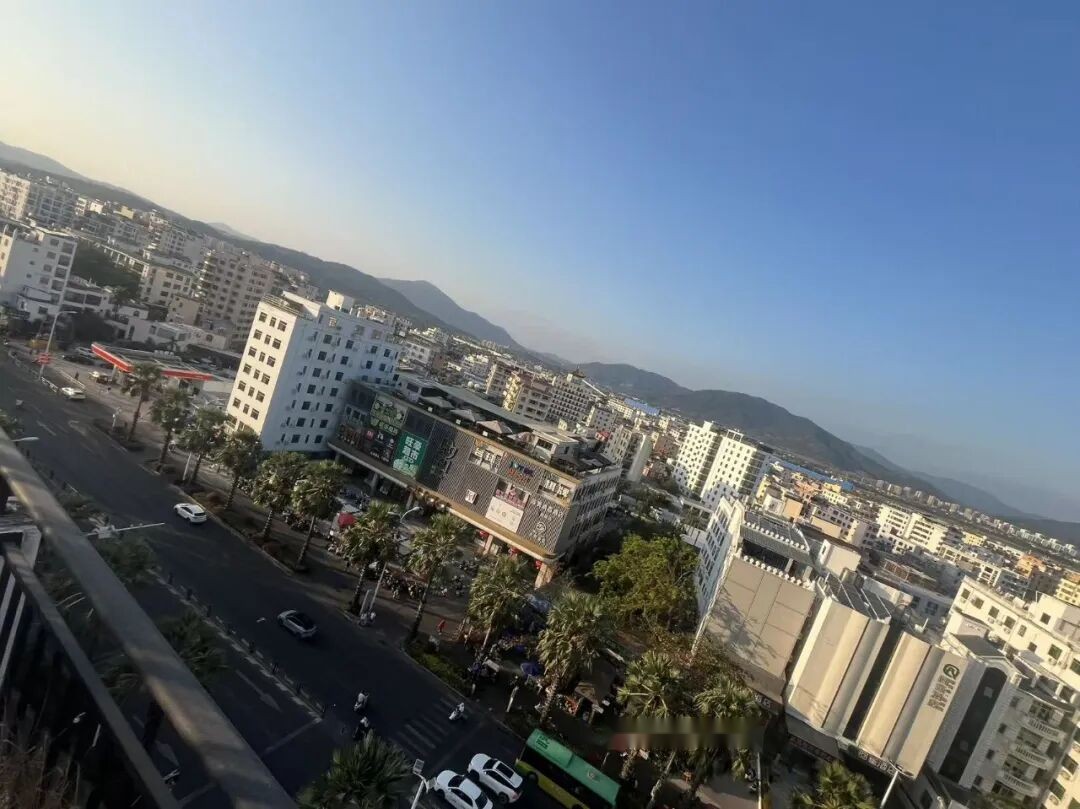
2015
Sanya City abolished towns to establish districts, and the "Huihui Community Residents' Committee" and "Huixin Community Residents' Committee" were transferred from the jurisdiction of the former Fenghuang Town to Tianya District, where they remain today.

The "New" and "Old" in the Memories of Villagers
03
Tracing the evolution of historical names—from the former "Fan Village" (settlement for "foreign peoples" / overseas guests) to today's renamed Huixin and Huihui communities—the locals still hold onto the naming habits of the older generation. The Hui Muslims of Sanya still call the Huihui community by its traditional name "Yanglan" (rún, lán), while the Huixin community is still referred to as "Fan Village" (huān, sūi), and the neighborhood committee sounds like "village" in the local dialect. These shifts in place names are not only a testament to the geographical transformation of Sanya's Hui Muslim settlements, but also a living carrier of local ethnic culture and lifestyle habits.
Huixin Community · Old Look
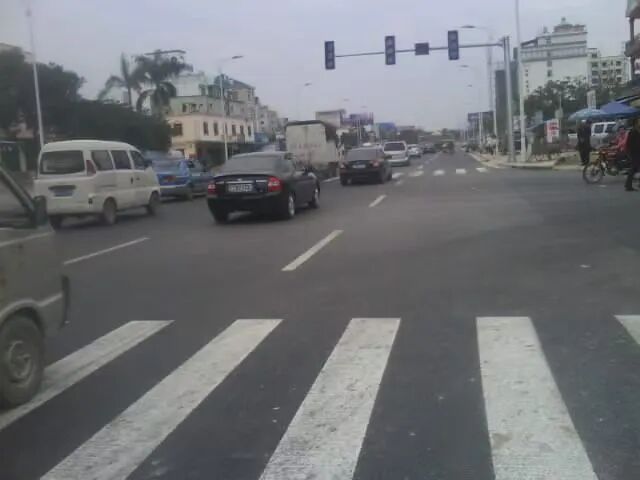
Huihui Wenming Market Intersection · Old Look
Huihui Wenming Market Intersection · New Look
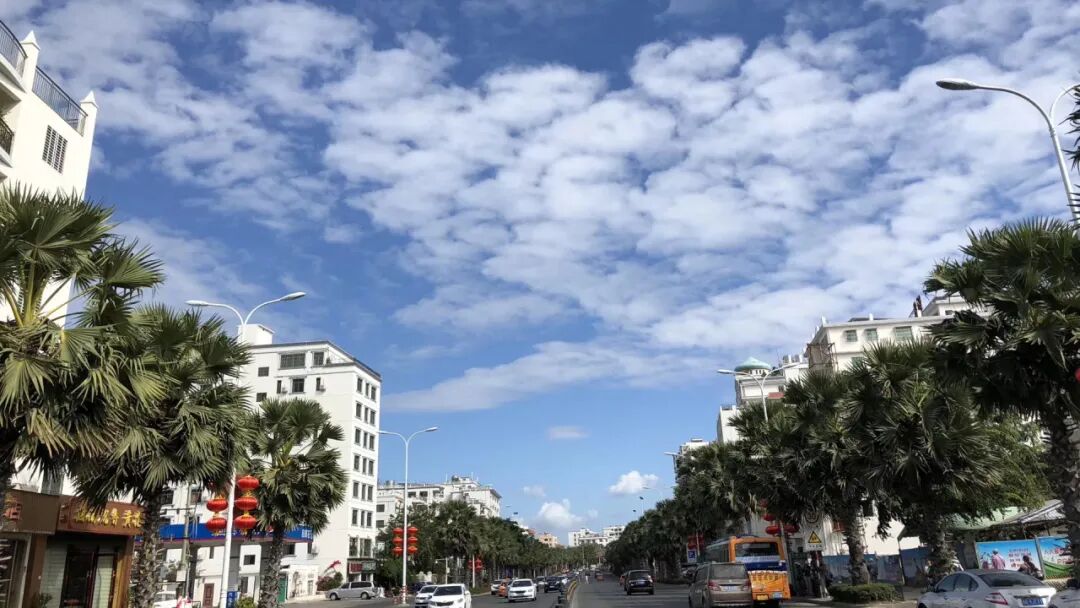
2010
Huihui Wenming Market Traffic Lights · Old Look
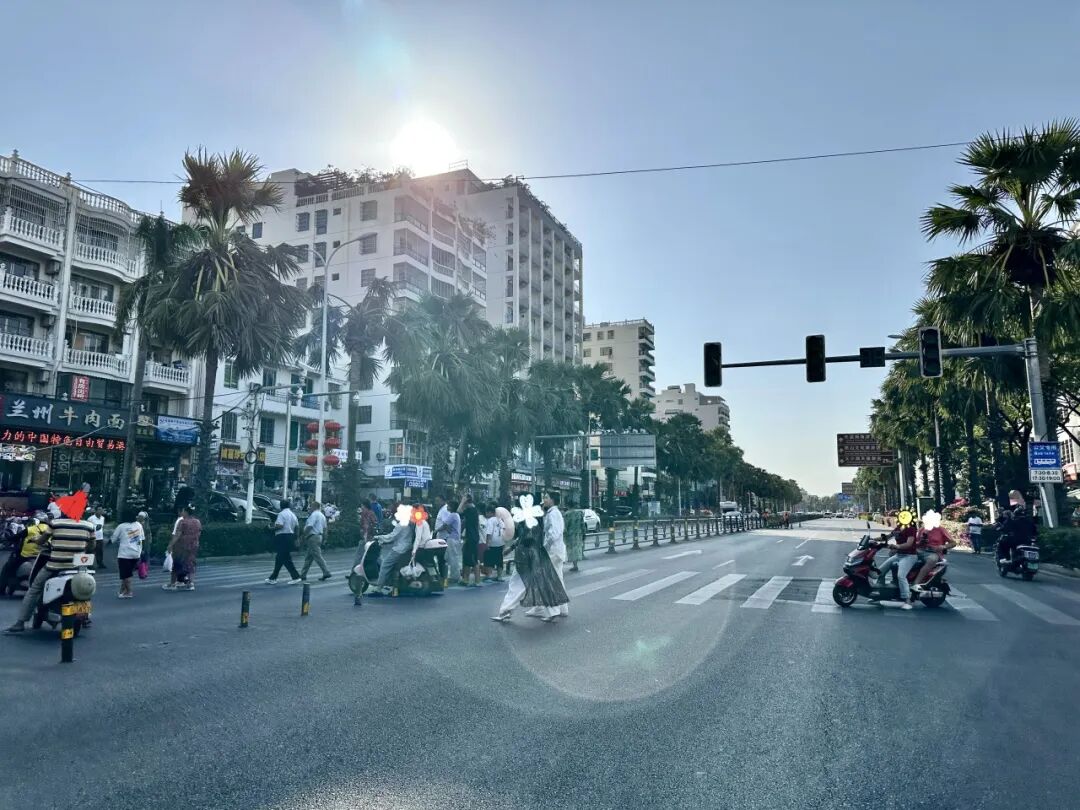
2026
Huihui Wenming Market Traffic Lights · New Look
Hui Muslim Sons and Daughters Embarking on a New Chapter Together with Hainan
04
From the vicissitudes of migration from "Suosanyali" to the bustling street food vibe of today's Huixin and Huihui communities, Sanya's Hui Muslims have always breathed and grown alongside this land. Today, the tailwind of the Hainan Free Trade Port's island-wide independent customs operations is injecting fresh vitality into this ethnic enclave. Names like "Huixin" and "Huihui" not only carry ethnic memories, but have also become a vivid footnote to all ethnic groups joining hands to race toward a happy future within the Free Trade Port.
The Evolution of Village Names in Sanya's Huixin and Huihui Villages: A Historical Study of Place Names from Ancient Fancun to Tianya's Muslim Villages
Abstract:
A systematic review of the centuries-long history of village name changes in Sanya's Huixin Village and Huihui Village. From "Fancun" in Song and Yuan dynasty literature to the place name shifts of the Ming and Qing dynasties and the establishment of modern administrative divisions, this research uncovers a chapter of Hui Muslim cross-sea survival and pioneering memory embedded within tropical place names.
In the Fenghuang area (formerly Fenghuang Town) in the southwest suburbs of Sanya City's Tianya District, there are two major Hui Muslim settlements: Huixin Village and Huihui Village. Their village name evolution carries a profound historical heritage and ethnic development trajectory. From the forced migration triggered by the Japanese invasion of Hainan to post-liberation administrative adjustments, every change in village name serves as a footprint of the times and carves out the magnificent journey of Sanya's Hui Muslims as they persisted, migrated, and thrived on this land.
"The Hainan Hui Muslim population originated during the Tang Dynasty Silk Road, and later, for various reasons, most of them migrated to the east of Sanya Village, known as 'Fancun' (Foreigners' Village). This community formed around the late Ming and early Qing dynasties, specifically between 1617 and 1655. According to the Gazetteer of Yazhou, the residents were commonly called 'Fanmin' (foreign people): '...During the turbulence of the Song and Yuan dynasties, they packed up their families and sailed over on boats, scattering along the coast, calling it Fanbang (foreign state) or Fanpu (foreign port), later gathering at Fancun in Sanya Village.' During the Wanli era of the Ming Dynasty, the Fanmin were registered in the household registers, and Fancun also gained an independent administrative establishment as 'Suosanyali' (Sanya Station Village). The Fanmin, who engaged in fishing, paid fish taxes alongside the 'Danhufu' (Dan boat-people households). The Kangxi, Qianlong, and Guangxi editions of the Gazetteer of Yazhou all record the four eastern borders of Yazhou:zheng Sanya Li, Suo Sanya Li, Yegen Li, and Linchuan Li—'Zheng Sanya Li' referred to the originally regular administrative Sanya Li, while 'Suo Sanya Li' was the Fancun split off from the original Sanya Li, directly administered by the Hepuo Office (fishery tax office), making it a special establishment. The Hepuo Office was first established in the Yuan Dynasty as a government agency responsible for managing fishing taxes."
The Japanese Invasion of Hainan Rewrote the Origin of Village Names
01
On February 14, 1939, the invading Japanese army landed at Sanya Port and occupied southern Hainan. In 1940, to build a military airfield, the Japanese army forcibly demolished Sanya Street and compelled villagers to evacuate, including those from Suo Sanya Li. The majority of Suo Sanya Li villagers relocated to the location of the present-day Huihui community (known as 'Yanglan' at the time) and named it 'Xincun' (New Village). A small minority of villagers, unwilling to leave, stayed behind in the vicinity and called it 'Jiucun' (Old Village), causing the place name 'Suo Sanya Li' to vanish.
"Village Name Confusion" Amid Administrative Adjustments
02
1945
Following the Japanese surrender and withdrawal from Hainan, some residents of "Xincun" moved back to "Jiucun", and "Fancun" was renamed "Huizu Village" (Hui Muslim Village);
After the 1950 Liberation
"Huizu Village" (including Xincun and Jiucun) was incorporated into the administrative district and collectively called the "Huixiang Primary Cooperative", under the jurisdiction of Huilan Township;
1955
County-level districts adopted a unified system of place names, and the Huixiang Primary Cooperative was renamed the Huihui Township Advanced Cooperative, under the jurisdiction of Yanglan District (later changed to Yanglan Town ➡️ Fenghuang Town);
1958
Districts and townships were abolished to establish people's communes, and the Huihui Production Brigade (formerly the Huihui Township Advanced Cooperative) was established under the jurisdiction of Yulei Commune;
1962
Following the implementation of the "Four Fixes" policy, it was designated under the jurisdiction of the Huihui Production Brigade;
1979
The Huixin Production Brigade was split off from the Huihui Production Brigade, becoming Huixin Village, while the Huihui Production Brigade remained Huihui Village;
1983
The people's commune system was canceled, and the Huihui Production Brigade became the Huihui Township People's Government, while the Huixin Production Brigade became the Huixin Township People's Government;
Early 1989
The two brigades were respectively transformed into the Huihui Village Villagers' Committee and the Huixin Village Villagers' Committee;
2013
Both were optimized into communities;
2015
Sanya City abolished towns to establish districts, and the "Huihui Community Residents' Committee" and "Huixin Community Residents' Committee" were transferred from the jurisdiction of the former Fenghuang Town to Tianya District, where they remain today.
The "New" and "Old" in the Memories of Villagers
03
Tracing the evolution of historical names—from the former "Fan Village" (settlement for "foreign peoples" / overseas guests) to today's renamed Huixin and Huihui communities—the locals still hold onto the naming habits of the older generation. The Hui Muslims of Sanya still call the Huihui community by its traditional name "Yanglan" (rún, lán), while the Huixin community is still referred to as "Fan Village" (huān, sūi), and the neighborhood committee sounds like "village" in the local dialect. These shifts in place names are not only a testament to the geographical transformation of Sanya's Hui Muslim settlements, but also a living carrier of local ethnic culture and lifestyle habits.
Huixin Community · Old Look
Huihui Wenming Market Intersection · Old Look
Huihui Wenming Market Intersection · New Look
2010
Huihui Wenming Market Traffic Lights · Old Look
2026
Huihui Wenming Market Traffic Lights · New Look
Hui Muslim Sons and Daughters Embarking on a New Chapter Together with Hainan
04
From the vicissitudes of migration from "Suosanyali" to the bustling street food vibe of today's Huixin and Huihui communities, Sanya's Hui Muslims have always breathed and grown alongside this land. Today, the tailwind of the Hainan Free Trade Port's island-wide independent customs operations is injecting fresh vitality into this ethnic enclave. Names like "Huixin" and "Huihui" not only carry ethnic memories, but have also become a vivid footnote to all ethnic groups joining hands to race toward a happy future within the Free Trade Port.
Exploring China's Southernmost Muslim Villages: Sanya's Huihui & Huixin, Halal Cuisine, and Historic Mosques
Articles • Hasan09 posted the article • 0 comments • 2 views • 1 hours ago
[Internet Repost]
Exploring China's Southernmost Muslim Villages: The Unique Geography and Culture of Sanya's Huihui and Huixin Villages
Abstract:
A systematic look at the history and current landscape of the Muslim villages in Sanya, sitting right at China's southernmost tip. We break down how the Utsul Muslims preserve their Islamic faith, distinct linguistic system, and strict dietary laws in this tropical seaside city, serving as a living specimen of Maritime Silk Road culture.
February 22, 2022
The sky was still a bit overcast. Yesterday's forecast promised clear skies, but today it flipped to cloudy. Whatever, at least it's finally not raining. Decided to head out for a stroll. The original plan was to hit Linchunling Forest Park for some hiking and panoramic views of Sanya.
Checked the map and saw that Bus Route 50 from the Sanya Railway Station goes straight there. Somehow, I ended up at Phoenix International Airport instead—didn't take the wrong bus, alright, I just got on heading the complete opposite direction.
On the way, we passed Huihui Village (Huihui Muslim Village). I'd looked it up online a few days ago—it’s hyped as China's southernmost Muslim village. It was only three stops away from the airport. After hanging out at the airport for a bit, I caught Bus Route 24 and hopped off right at the Beautiful Phoenix Hotel, which drops you right into Huihui Village. My first vibe? Honestly felt like stumbling into a Uyghur village.
Freshly baked nan (traditional Uyghur flatbread) in Xinjiang usually has to be made at designated nan industrial parks, but here you see plenty of freshly baked nan stalls all over. Saw one of these syrup-dripping nan fresh out of the oven and couldn't resist grabbing one for 5 RMB. Munched on it while walking—super tasty.
Thought I spotted a weird dog breed at first, but looking closer, the little guy just got a fresh haircut. Gotta say, the grooming skills aren't bad at all. Shaved super smooth, even the fur on its paws was trimmed clean.
Found an older sister making pancakes in the alleyway with a vibe totally giving Gansu-Shaanxi Hui Muslim style. Using wood fuel, she pours the batter into this little black pan, closes the lid, and adds fire underneath. This pan can be heated from both sides, and the finished pancakes get tossed onto the iron tray right in the middle. The lady on the side said they're 2 RMB each, but when I asked the lady actually cooking them on the left, she said they aren't for sale. Pretty unique way of cooking, right?
A green house in the village—looks like a women's beauty salon. Even the building is painted green, and the color combo is super coordinated and easy on the eyes.
Qingzhen Dongsi (Sanya East Mosque). So, is there a Qingzhen Xisi (West Mosque)? Sure enough, there is! Not just a West Mosque, but a South Mosque and North Mosque too. There are six mosques in total, with the other two being the Sanya Ancient Mosque and Nankai Mosque.
Huihui Civilization Farmers Market. Not super big, and strictly sells halal food.
Killing a duck, getting it ready. This local sister just slaughtered a duck and is cleaning it up right there. Usually, whatever you buy at the market is already prepped, so this one must have been home-raised.
An airplane over the treetops.
A 'flying chicken' under the treetops.
Little kids working hard.
The village isn't far from Sanya Bay—just a little over two kilometers—so I ditched the mountain hike and went for a stroll by the ocean instead. It was overcast, but the waves were huge. Sat by the beach watching the surf and the crowds walking by. A few pretty girls walked past every now and then, and of course, plenty of not-so-pretty ones too.
A jellyfish washed ashore by the waves. Wonder if this one is edible—making a cold tossed jellyfish skin salad with it would be pretty awesome.
Two kids playing a real-life Jingwei (mythological bird trying to fill the sea with pebbles), using little plastic shovels trying to fill up the ocean. You guys got this!
There are two Muslim villages. The other one is Huixin Village (Huixin Muslim Village), just over four kilometers from Huihui Village, and you can just walk along the coast to get there. There are tons of little shops in this village; two small streets are packed with vendors selling stuff, mostly street food. A lot of houses in the village also have homestay signs hanging outside. Saw another batch of fresh, plain nan just out of the oven. Grabbed one, though honestly, this one wasn't as good as the ones in Xinjiang. There were small street stalls selling home-grown produce, like dragon fruit going for 10 RMB for four jin (about 4 lbs), and watermelons for 5 RMB each.
Qingzhen Nansi (Sanya South Mosque). The architecture is super new, looks like it was recently renovated. Just happened to pass by Nankai Mosque too, didn't make a special trip for it though.
Walking back from Huixin Village is also over four kilometers, and the bus stop is a good two kilometers away. Might as well just walk all the way back since I'm not in a rush anyway, plus I get to check out the street views.
Sanya has a ton of gorgeous architecture. This cluster of four buildings has a really unique vibe.
Not sure how my calligraphy skills are, but I feel like it's pretty much on par with mine. Guess it must just be my lack of skill that I couldn't appreciate their profound artistic depth.
Sanya River in the evening twilight.
This kid in a red jacket chased me for a long way while the adults yelled from behind, 'Keep running and the old man up ahead is gonna grab you!' Well, I had to play along, so I yelled back for him to come with me, and he immediately ran back. Walked all day and felt pretty beat, so I grabbed some water and hit the sack. view all
Exploring China's Southernmost Muslim Villages: The Unique Geography and Culture of Sanya's Huihui and Huixin Villages
Abstract:
A systematic look at the history and current landscape of the Muslim villages in Sanya, sitting right at China's southernmost tip. We break down how the Utsul Muslims preserve their Islamic faith, distinct linguistic system, and strict dietary laws in this tropical seaside city, serving as a living specimen of Maritime Silk Road culture.
February 22, 2022
The sky was still a bit overcast. Yesterday's forecast promised clear skies, but today it flipped to cloudy. Whatever, at least it's finally not raining. Decided to head out for a stroll. The original plan was to hit Linchunling Forest Park for some hiking and panoramic views of Sanya.
Checked the map and saw that Bus Route 50 from the Sanya Railway Station goes straight there. Somehow, I ended up at Phoenix International Airport instead—didn't take the wrong bus, alright, I just got on heading the complete opposite direction.
On the way, we passed Huihui Village (Huihui Muslim Village). I'd looked it up online a few days ago—it’s hyped as China's southernmost Muslim village. It was only three stops away from the airport. After hanging out at the airport for a bit, I caught Bus Route 24 and hopped off right at the Beautiful Phoenix Hotel, which drops you right into Huihui Village. My first vibe? Honestly felt like stumbling into a Uyghur village.
Freshly baked nan (traditional Uyghur flatbread) in Xinjiang usually has to be made at designated nan industrial parks, but here you see plenty of freshly baked nan stalls all over. Saw one of these syrup-dripping nan fresh out of the oven and couldn't resist grabbing one for 5 RMB. Munched on it while walking—super tasty.
Thought I spotted a weird dog breed at first, but looking closer, the little guy just got a fresh haircut. Gotta say, the grooming skills aren't bad at all. Shaved super smooth, even the fur on its paws was trimmed clean.
Found an older sister making pancakes in the alleyway with a vibe totally giving Gansu-Shaanxi Hui Muslim style. Using wood fuel, she pours the batter into this little black pan, closes the lid, and adds fire underneath. This pan can be heated from both sides, and the finished pancakes get tossed onto the iron tray right in the middle. The lady on the side said they're 2 RMB each, but when I asked the lady actually cooking them on the left, she said they aren't for sale. Pretty unique way of cooking, right?
A green house in the village—looks like a women's beauty salon. Even the building is painted green, and the color combo is super coordinated and easy on the eyes.
Qingzhen Dongsi (Sanya East Mosque). So, is there a Qingzhen Xisi (West Mosque)? Sure enough, there is! Not just a West Mosque, but a South Mosque and North Mosque too. There are six mosques in total, with the other two being the Sanya Ancient Mosque and Nankai Mosque.
Huihui Civilization Farmers Market. Not super big, and strictly sells halal food.
Killing a duck, getting it ready. This local sister just slaughtered a duck and is cleaning it up right there. Usually, whatever you buy at the market is already prepped, so this one must have been home-raised.
An airplane over the treetops.
A 'flying chicken' under the treetops.
Little kids working hard.
The village isn't far from Sanya Bay—just a little over two kilometers—so I ditched the mountain hike and went for a stroll by the ocean instead. It was overcast, but the waves were huge. Sat by the beach watching the surf and the crowds walking by. A few pretty girls walked past every now and then, and of course, plenty of not-so-pretty ones too.
A jellyfish washed ashore by the waves. Wonder if this one is edible—making a cold tossed jellyfish skin salad with it would be pretty awesome.
Two kids playing a real-life Jingwei (mythological bird trying to fill the sea with pebbles), using little plastic shovels trying to fill up the ocean. You guys got this!
There are two Muslim villages. The other one is Huixin Village (Huixin Muslim Village), just over four kilometers from Huihui Village, and you can just walk along the coast to get there. There are tons of little shops in this village; two small streets are packed with vendors selling stuff, mostly street food. A lot of houses in the village also have homestay signs hanging outside. Saw another batch of fresh, plain nan just out of the oven. Grabbed one, though honestly, this one wasn't as good as the ones in Xinjiang. There were small street stalls selling home-grown produce, like dragon fruit going for 10 RMB for four jin (about 4 lbs), and watermelons for 5 RMB each.
Qingzhen Nansi (Sanya South Mosque). The architecture is super new, looks like it was recently renovated. Just happened to pass by Nankai Mosque too, didn't make a special trip for it though.
Walking back from Huixin Village is also over four kilometers, and the bus stop is a good two kilometers away. Might as well just walk all the way back since I'm not in a rush anyway, plus I get to check out the street views.
Sanya has a ton of gorgeous architecture. This cluster of four buildings has a really unique vibe.
Not sure how my calligraphy skills are, but I feel like it's pretty much on par with mine. Guess it must just be my lack of skill that I couldn't appreciate their profound artistic depth.
Sanya River in the evening twilight.
This kid in a red jacket chased me for a long way while the adults yelled from behind, 'Keep running and the old man up ahead is gonna grab you!' Well, I had to play along, so I yelled back for him to come with me, and he immediately ran back. Walked all day and felt pretty beat, so I grabbed some water and hit the sack. view all
[Internet Repost]
Exploring China's Southernmost Muslim Villages: The Unique Geography and Culture of Sanya's Huihui and Huixin Villages
Abstract:
A systematic look at the history and current landscape of the Muslim villages in Sanya, sitting right at China's southernmost tip. We break down how the Utsul Muslims preserve their Islamic faith, distinct linguistic system, and strict dietary laws in this tropical seaside city, serving as a living specimen of Maritime Silk Road culture.
February 22, 2022
The sky was still a bit overcast. Yesterday's forecast promised clear skies, but today it flipped to cloudy. Whatever, at least it's finally not raining. Decided to head out for a stroll. The original plan was to hit Linchunling Forest Park for some hiking and panoramic views of Sanya.
Checked the map and saw that Bus Route 50 from the Sanya Railway Station goes straight there. Somehow, I ended up at Phoenix International Airport instead—didn't take the wrong bus, alright, I just got on heading the complete opposite direction.
On the way, we passed Huihui Village (Huihui Muslim Village). I'd looked it up online a few days ago—it’s hyped as China's southernmost Muslim village. It was only three stops away from the airport. After hanging out at the airport for a bit, I caught Bus Route 24 and hopped off right at the Beautiful Phoenix Hotel, which drops you right into Huihui Village. My first vibe? Honestly felt like stumbling into a Uyghur village.
Freshly baked nan (traditional Uyghur flatbread) in Xinjiang usually has to be made at designated nan industrial parks, but here you see plenty of freshly baked nan stalls all over. Saw one of these syrup-dripping nan fresh out of the oven and couldn't resist grabbing one for 5 RMB. Munched on it while walking—super tasty.
Thought I spotted a weird dog breed at first, but looking closer, the little guy just got a fresh haircut. Gotta say, the grooming skills aren't bad at all. Shaved super smooth, even the fur on its paws was trimmed clean.
Found an older sister making pancakes in the alleyway with a vibe totally giving Gansu-Shaanxi Hui Muslim style. Using wood fuel, she pours the batter into this little black pan, closes the lid, and adds fire underneath. This pan can be heated from both sides, and the finished pancakes get tossed onto the iron tray right in the middle. The lady on the side said they're 2 RMB each, but when I asked the lady actually cooking them on the left, she said they aren't for sale. Pretty unique way of cooking, right?
A green house in the village—looks like a women's beauty salon. Even the building is painted green, and the color combo is super coordinated and easy on the eyes.
Qingzhen Dongsi (Sanya East Mosque). So, is there a Qingzhen Xisi (West Mosque)? Sure enough, there is! Not just a West Mosque, but a South Mosque and North Mosque too. There are six mosques in total, with the other two being the Sanya Ancient Mosque and Nankai Mosque.
Huihui Civilization Farmers Market. Not super big, and strictly sells halal food.
Killing a duck, getting it ready. This local sister just slaughtered a duck and is cleaning it up right there. Usually, whatever you buy at the market is already prepped, so this one must have been home-raised.
An airplane over the treetops.
A 'flying chicken' under the treetops.
Little kids working hard.
The village isn't far from Sanya Bay—just a little over two kilometers—so I ditched the mountain hike and went for a stroll by the ocean instead. It was overcast, but the waves were huge. Sat by the beach watching the surf and the crowds walking by. A few pretty girls walked past every now and then, and of course, plenty of not-so-pretty ones too.
A jellyfish washed ashore by the waves. Wonder if this one is edible—making a cold tossed jellyfish skin salad with it would be pretty awesome.
Two kids playing a real-life Jingwei (mythological bird trying to fill the sea with pebbles), using little plastic shovels trying to fill up the ocean. You guys got this!
There are two Muslim villages. The other one is Huixin Village (Huixin Muslim Village), just over four kilometers from Huihui Village, and you can just walk along the coast to get there. There are tons of little shops in this village; two small streets are packed with vendors selling stuff, mostly street food. A lot of houses in the village also have homestay signs hanging outside. Saw another batch of fresh, plain nan just out of the oven. Grabbed one, though honestly, this one wasn't as good as the ones in Xinjiang. There were small street stalls selling home-grown produce, like dragon fruit going for 10 RMB for four jin (about 4 lbs), and watermelons for 5 RMB each.
Qingzhen Nansi (Sanya South Mosque). The architecture is super new, looks like it was recently renovated. Just happened to pass by Nankai Mosque too, didn't make a special trip for it though.
Walking back from Huixin Village is also over four kilometers, and the bus stop is a good two kilometers away. Might as well just walk all the way back since I'm not in a rush anyway, plus I get to check out the street views.
Sanya has a ton of gorgeous architecture. This cluster of four buildings has a really unique vibe.
Not sure how my calligraphy skills are, but I feel like it's pretty much on par with mine. Guess it must just be my lack of skill that I couldn't appreciate their profound artistic depth.
Sanya River in the evening twilight.
This kid in a red jacket chased me for a long way while the adults yelled from behind, 'Keep running and the old man up ahead is gonna grab you!' Well, I had to play along, so I yelled back for him to come with me, and he immediately ran back. Walked all day and felt pretty beat, so I grabbed some water and hit the sack.
Exploring China's Southernmost Muslim Villages: The Unique Geography and Culture of Sanya's Huihui and Huixin Villages
Abstract:
A systematic look at the history and current landscape of the Muslim villages in Sanya, sitting right at China's southernmost tip. We break down how the Utsul Muslims preserve their Islamic faith, distinct linguistic system, and strict dietary laws in this tropical seaside city, serving as a living specimen of Maritime Silk Road culture.
February 22, 2022
The sky was still a bit overcast. Yesterday's forecast promised clear skies, but today it flipped to cloudy. Whatever, at least it's finally not raining. Decided to head out for a stroll. The original plan was to hit Linchunling Forest Park for some hiking and panoramic views of Sanya.
Checked the map and saw that Bus Route 50 from the Sanya Railway Station goes straight there. Somehow, I ended up at Phoenix International Airport instead—didn't take the wrong bus, alright, I just got on heading the complete opposite direction.
On the way, we passed Huihui Village (Huihui Muslim Village). I'd looked it up online a few days ago—it’s hyped as China's southernmost Muslim village. It was only three stops away from the airport. After hanging out at the airport for a bit, I caught Bus Route 24 and hopped off right at the Beautiful Phoenix Hotel, which drops you right into Huihui Village. My first vibe? Honestly felt like stumbling into a Uyghur village.
Freshly baked nan (traditional Uyghur flatbread) in Xinjiang usually has to be made at designated nan industrial parks, but here you see plenty of freshly baked nan stalls all over. Saw one of these syrup-dripping nan fresh out of the oven and couldn't resist grabbing one for 5 RMB. Munched on it while walking—super tasty.
Thought I spotted a weird dog breed at first, but looking closer, the little guy just got a fresh haircut. Gotta say, the grooming skills aren't bad at all. Shaved super smooth, even the fur on its paws was trimmed clean.
Found an older sister making pancakes in the alleyway with a vibe totally giving Gansu-Shaanxi Hui Muslim style. Using wood fuel, she pours the batter into this little black pan, closes the lid, and adds fire underneath. This pan can be heated from both sides, and the finished pancakes get tossed onto the iron tray right in the middle. The lady on the side said they're 2 RMB each, but when I asked the lady actually cooking them on the left, she said they aren't for sale. Pretty unique way of cooking, right?
A green house in the village—looks like a women's beauty salon. Even the building is painted green, and the color combo is super coordinated and easy on the eyes.
Qingzhen Dongsi (Sanya East Mosque). So, is there a Qingzhen Xisi (West Mosque)? Sure enough, there is! Not just a West Mosque, but a South Mosque and North Mosque too. There are six mosques in total, with the other two being the Sanya Ancient Mosque and Nankai Mosque.
Huihui Civilization Farmers Market. Not super big, and strictly sells halal food.
Killing a duck, getting it ready. This local sister just slaughtered a duck and is cleaning it up right there. Usually, whatever you buy at the market is already prepped, so this one must have been home-raised.
An airplane over the treetops.
A 'flying chicken' under the treetops.
Little kids working hard.
The village isn't far from Sanya Bay—just a little over two kilometers—so I ditched the mountain hike and went for a stroll by the ocean instead. It was overcast, but the waves were huge. Sat by the beach watching the surf and the crowds walking by. A few pretty girls walked past every now and then, and of course, plenty of not-so-pretty ones too.
A jellyfish washed ashore by the waves. Wonder if this one is edible—making a cold tossed jellyfish skin salad with it would be pretty awesome.
Two kids playing a real-life Jingwei (mythological bird trying to fill the sea with pebbles), using little plastic shovels trying to fill up the ocean. You guys got this!
There are two Muslim villages. The other one is Huixin Village (Huixin Muslim Village), just over four kilometers from Huihui Village, and you can just walk along the coast to get there. There are tons of little shops in this village; two small streets are packed with vendors selling stuff, mostly street food. A lot of houses in the village also have homestay signs hanging outside. Saw another batch of fresh, plain nan just out of the oven. Grabbed one, though honestly, this one wasn't as good as the ones in Xinjiang. There were small street stalls selling home-grown produce, like dragon fruit going for 10 RMB for four jin (about 4 lbs), and watermelons for 5 RMB each.
Qingzhen Nansi (Sanya South Mosque). The architecture is super new, looks like it was recently renovated. Just happened to pass by Nankai Mosque too, didn't make a special trip for it though.
Walking back from Huixin Village is also over four kilometers, and the bus stop is a good two kilometers away. Might as well just walk all the way back since I'm not in a rush anyway, plus I get to check out the street views.
Sanya has a ton of gorgeous architecture. This cluster of four buildings has a really unique vibe.
Not sure how my calligraphy skills are, but I feel like it's pretty much on par with mine. Guess it must just be my lack of skill that I couldn't appreciate their profound artistic depth.
Sanya River in the evening twilight.
This kid in a red jacket chased me for a long way while the adults yelled from behind, 'Keep running and the old man up ahead is gonna grab you!' Well, I had to play along, so I yelled back for him to come with me, and he immediately ran back. Walked all day and felt pretty beat, so I grabbed some water and hit the sack.
Tracing the History of Sanya's Huihui & Huixin Muslim Villages in Hainan
Articles • Hasan09 posted the article • 0 comments • 5 views • 3 hours ago
[Internet Repost]
The Evolution of Village Names in Sanya's Huixin and Huihui Villages: A Historical Study of Place Names from Ancient Fancun to Tianya's Muslim Villages
Abstract:
A systematic review of the centuries-long history of village name changes in Sanya's Huixin Village and Huihui Village. From "Fancun" in Song and Yuan dynasty literature to the place name shifts of the Ming and Qing dynasties and the establishment of modern administrative divisions, this research uncovers a chapter of Hui Muslim cross-sea survival and pioneering memory embedded within tropical place names.
In the Fenghuang area (formerly Fenghuang Town) in the southwest suburbs of Sanya City's Tianya District, there are two major Hui Muslim settlements: Huixin Village and Huihui Village. Their village name evolution carries a profound historical heritage and ethnic development trajectory. From the forced migration triggered by the Japanese invasion of Hainan to post-liberation administrative adjustments, every change in village name serves as a footprint of the times and carves out the magnificent journey of Sanya's Hui Muslims as they persisted, migrated, and thrived on this land.
"The Hainan Hui Muslim population originated during the Tang Dynasty Silk Road, and later, for various reasons, most of them migrated to the east of Sanya Village, known as 'Fancun' (Foreigners' Village). This community formed around the late Ming and early Qing dynasties, specifically between 1617 and 1655. According to the Gazetteer of Yazhou, the residents were commonly called 'Fanmin' (foreign people): '...During the turbulence of the Song and Yuan dynasties, they packed up their families and sailed over on boats, scattering along the coast, calling it Fanbang (foreign state) or Fanpu (foreign port), later gathering at Fancun in Sanya Village.' During the Wanli era of the Ming Dynasty, the Fanmin were registered in the household registers, and Fancun also gained an independent administrative establishment as 'Suosanyali' (Sanya Station Village). The Fanmin, who engaged in fishing, paid fish taxes alongside the 'Danhufu' (Dan boat-people households). The Kangxi, Qianlong, and Guangxi editions of the Gazetteer of Yazhou all record the four eastern borders of Yazhou:zheng Sanya Li, Suo Sanya Li, Yegen Li, and Linchuan Li—'Zheng Sanya Li' referred to the originally regular administrative Sanya Li, while 'Suo Sanya Li' was the Fancun split off from the original Sanya Li, directly administered by the Hepuo Office (fishery tax office), making it a special establishment. The Hepuo Office was first established in the Yuan Dynasty as a government agency responsible for managing fishing taxes."
The Japanese Invasion of Hainan Rewrote the Origin of Village Names
01
On February 14, 1939, the invading Japanese army landed at Sanya Port and occupied southern Hainan. In 1940, to build a military airfield, the Japanese army forcibly demolished Sanya Street and compelled villagers to evacuate, including those from Suo Sanya Li. The majority of Suo Sanya Li villagers relocated to the location of the present-day Huihui community (known as 'Yanglan' at the time) and named it 'Xincun' (New Village). A small minority of villagers, unwilling to leave, stayed behind in the vicinity and called it 'Jiucun' (Old Village), causing the place name 'Suo Sanya Li' to vanish.
"Village Name Confusion" Amid Administrative Adjustments
02
1945
Following the Japanese surrender and withdrawal from Hainan, some residents of "Xincun" moved back to "Jiucun", and "Fancun" was renamed "Huizu Village" (Hui Muslim Village);
After the 1950 Liberation
"Huizu Village" (including Xincun and Jiucun) was incorporated into the administrative district and collectively called the "Huixiang Primary Cooperative", under the jurisdiction of Huilan Township;
1955
County-level districts adopted a unified system of place names, and the Huixiang Primary Cooperative was renamed the Huihui Township Advanced Cooperative, under the jurisdiction of Yanglan District (later changed to Yanglan Town ➡️ Fenghuang Town);
1958
Districts and townships were abolished to establish people's communes, and the Huihui Production Brigade (formerly the Huihui Township Advanced Cooperative) was established under the jurisdiction of Yulei Commune;
1962
Following the implementation of the "Four Fixes" policy, it was designated under the jurisdiction of the Huihui Production Brigade;
1979
The Huixin Production Brigade was split off from the Huihui Production Brigade, becoming Huixin Village, while the Huihui Production Brigade remained Huihui Village;
1983
The people's commune system was canceled, and the Huihui Production Brigade became the Huihui Township People's Government, while the Huixin Production Brigade became the Huixin Township People's Government;
Early 1989
The two brigades were respectively transformed into the Huihui Village Villagers' Committee and the Huixin Village Villagers' Committee;
2013
Both were optimized into communities;
2015
Sanya City abolished towns to establish districts, and the "Huihui Community Residents' Committee" and "Huixin Community Residents' Committee" were transferred from the jurisdiction of the former Fenghuang Town to Tianya District, where they remain today.
The "New" and "Old" in the Memories of Villagers
03
Tracing the evolution of historical names—from the former "Fan Village" (settlement for "foreign peoples" / overseas guests) to today's renamed Huixin and Huihui communities—the locals still hold onto the naming habits of the older generation. The Hui Muslims of Sanya still call the Huihui community by its traditional name "Yanglan" (rún, lán), while the Huixin community is still referred to as "Fan Village" (huān, sūi), and the neighborhood committee sounds like "village" in the local dialect. These shifts in place names are not only a testament to the geographical transformation of Sanya's Hui Muslim settlements, but also a living carrier of local ethnic culture and lifestyle habits.
Huixin Community · Old Look
Huihui Wenming Market Intersection · Old Look
Huihui Wenming Market Intersection · New Look
2010
Huihui Wenming Market Traffic Lights · Old Look
2026
Huihui Wenming Market Traffic Lights · New Look
Hui Muslim Sons and Daughters Embarking on a New Chapter Together with Hainan
04
From the vicissitudes of migration from "Suosanyali" to the bustling street food vibe of today's Huixin and Huihui communities, Sanya's Hui Muslims have always breathed and grown alongside this land. Today, the tailwind of the Hainan Free Trade Port's island-wide independent customs operations is injecting fresh vitality into this ethnic enclave. Names like "Huixin" and "Huihui" not only carry ethnic memories, but have also become a vivid footnote to all ethnic groups joining hands to race toward a happy future within the Free Trade Port. view all
The Evolution of Village Names in Sanya's Huixin and Huihui Villages: A Historical Study of Place Names from Ancient Fancun to Tianya's Muslim Villages
Abstract:
A systematic review of the centuries-long history of village name changes in Sanya's Huixin Village and Huihui Village. From "Fancun" in Song and Yuan dynasty literature to the place name shifts of the Ming and Qing dynasties and the establishment of modern administrative divisions, this research uncovers a chapter of Hui Muslim cross-sea survival and pioneering memory embedded within tropical place names.
In the Fenghuang area (formerly Fenghuang Town) in the southwest suburbs of Sanya City's Tianya District, there are two major Hui Muslim settlements: Huixin Village and Huihui Village. Their village name evolution carries a profound historical heritage and ethnic development trajectory. From the forced migration triggered by the Japanese invasion of Hainan to post-liberation administrative adjustments, every change in village name serves as a footprint of the times and carves out the magnificent journey of Sanya's Hui Muslims as they persisted, migrated, and thrived on this land.
"The Hainan Hui Muslim population originated during the Tang Dynasty Silk Road, and later, for various reasons, most of them migrated to the east of Sanya Village, known as 'Fancun' (Foreigners' Village). This community formed around the late Ming and early Qing dynasties, specifically between 1617 and 1655. According to the Gazetteer of Yazhou, the residents were commonly called 'Fanmin' (foreign people): '...During the turbulence of the Song and Yuan dynasties, they packed up their families and sailed over on boats, scattering along the coast, calling it Fanbang (foreign state) or Fanpu (foreign port), later gathering at Fancun in Sanya Village.' During the Wanli era of the Ming Dynasty, the Fanmin were registered in the household registers, and Fancun also gained an independent administrative establishment as 'Suosanyali' (Sanya Station Village). The Fanmin, who engaged in fishing, paid fish taxes alongside the 'Danhufu' (Dan boat-people households). The Kangxi, Qianlong, and Guangxi editions of the Gazetteer of Yazhou all record the four eastern borders of Yazhou:zheng Sanya Li, Suo Sanya Li, Yegen Li, and Linchuan Li—'Zheng Sanya Li' referred to the originally regular administrative Sanya Li, while 'Suo Sanya Li' was the Fancun split off from the original Sanya Li, directly administered by the Hepuo Office (fishery tax office), making it a special establishment. The Hepuo Office was first established in the Yuan Dynasty as a government agency responsible for managing fishing taxes."
The Japanese Invasion of Hainan Rewrote the Origin of Village Names
01
On February 14, 1939, the invading Japanese army landed at Sanya Port and occupied southern Hainan. In 1940, to build a military airfield, the Japanese army forcibly demolished Sanya Street and compelled villagers to evacuate, including those from Suo Sanya Li. The majority of Suo Sanya Li villagers relocated to the location of the present-day Huihui community (known as 'Yanglan' at the time) and named it 'Xincun' (New Village). A small minority of villagers, unwilling to leave, stayed behind in the vicinity and called it 'Jiucun' (Old Village), causing the place name 'Suo Sanya Li' to vanish.
"Village Name Confusion" Amid Administrative Adjustments
02
1945
Following the Japanese surrender and withdrawal from Hainan, some residents of "Xincun" moved back to "Jiucun", and "Fancun" was renamed "Huizu Village" (Hui Muslim Village);
After the 1950 Liberation
"Huizu Village" (including Xincun and Jiucun) was incorporated into the administrative district and collectively called the "Huixiang Primary Cooperative", under the jurisdiction of Huilan Township;
1955
County-level districts adopted a unified system of place names, and the Huixiang Primary Cooperative was renamed the Huihui Township Advanced Cooperative, under the jurisdiction of Yanglan District (later changed to Yanglan Town ➡️ Fenghuang Town);
1958
Districts and townships were abolished to establish people's communes, and the Huihui Production Brigade (formerly the Huihui Township Advanced Cooperative) was established under the jurisdiction of Yulei Commune;
1962
Following the implementation of the "Four Fixes" policy, it was designated under the jurisdiction of the Huihui Production Brigade;
1979
The Huixin Production Brigade was split off from the Huihui Production Brigade, becoming Huixin Village, while the Huihui Production Brigade remained Huihui Village;
1983
The people's commune system was canceled, and the Huihui Production Brigade became the Huihui Township People's Government, while the Huixin Production Brigade became the Huixin Township People's Government;
Early 1989
The two brigades were respectively transformed into the Huihui Village Villagers' Committee and the Huixin Village Villagers' Committee;
2013
Both were optimized into communities;
2015
Sanya City abolished towns to establish districts, and the "Huihui Community Residents' Committee" and "Huixin Community Residents' Committee" were transferred from the jurisdiction of the former Fenghuang Town to Tianya District, where they remain today.
The "New" and "Old" in the Memories of Villagers
03
Tracing the evolution of historical names—from the former "Fan Village" (settlement for "foreign peoples" / overseas guests) to today's renamed Huixin and Huihui communities—the locals still hold onto the naming habits of the older generation. The Hui Muslims of Sanya still call the Huihui community by its traditional name "Yanglan" (rún, lán), while the Huixin community is still referred to as "Fan Village" (huān, sūi), and the neighborhood committee sounds like "village" in the local dialect. These shifts in place names are not only a testament to the geographical transformation of Sanya's Hui Muslim settlements, but also a living carrier of local ethnic culture and lifestyle habits.
Huixin Community · Old Look
Huihui Wenming Market Intersection · Old Look
Huihui Wenming Market Intersection · New Look
2010
Huihui Wenming Market Traffic Lights · Old Look
2026
Huihui Wenming Market Traffic Lights · New Look
Hui Muslim Sons and Daughters Embarking on a New Chapter Together with Hainan
04
From the vicissitudes of migration from "Suosanyali" to the bustling street food vibe of today's Huixin and Huihui communities, Sanya's Hui Muslims have always breathed and grown alongside this land. Today, the tailwind of the Hainan Free Trade Port's island-wide independent customs operations is injecting fresh vitality into this ethnic enclave. Names like "Huixin" and "Huihui" not only carry ethnic memories, but have also become a vivid footnote to all ethnic groups joining hands to race toward a happy future within the Free Trade Port. view all
[Internet Repost]
The Evolution of Village Names in Sanya's Huixin and Huihui Villages: A Historical Study of Place Names from Ancient Fancun to Tianya's Muslim Villages
Abstract:
A systematic review of the centuries-long history of village name changes in Sanya's Huixin Village and Huihui Village. From "Fancun" in Song and Yuan dynasty literature to the place name shifts of the Ming and Qing dynasties and the establishment of modern administrative divisions, this research uncovers a chapter of Hui Muslim cross-sea survival and pioneering memory embedded within tropical place names.
In the Fenghuang area (formerly Fenghuang Town) in the southwest suburbs of Sanya City's Tianya District, there are two major Hui Muslim settlements: Huixin Village and Huihui Village. Their village name evolution carries a profound historical heritage and ethnic development trajectory. From the forced migration triggered by the Japanese invasion of Hainan to post-liberation administrative adjustments, every change in village name serves as a footprint of the times and carves out the magnificent journey of Sanya's Hui Muslims as they persisted, migrated, and thrived on this land.
"The Hainan Hui Muslim population originated during the Tang Dynasty Silk Road, and later, for various reasons, most of them migrated to the east of Sanya Village, known as 'Fancun' (Foreigners' Village). This community formed around the late Ming and early Qing dynasties, specifically between 1617 and 1655. According to the Gazetteer of Yazhou, the residents were commonly called 'Fanmin' (foreign people): '...During the turbulence of the Song and Yuan dynasties, they packed up their families and sailed over on boats, scattering along the coast, calling it Fanbang (foreign state) or Fanpu (foreign port), later gathering at Fancun in Sanya Village.' During the Wanli era of the Ming Dynasty, the Fanmin were registered in the household registers, and Fancun also gained an independent administrative establishment as 'Suosanyali' (Sanya Station Village). The Fanmin, who engaged in fishing, paid fish taxes alongside the 'Danhufu' (Dan boat-people households). The Kangxi, Qianlong, and Guangxi editions of the Gazetteer of Yazhou all record the four eastern borders of Yazhou:zheng Sanya Li, Suo Sanya Li, Yegen Li, and Linchuan Li—'Zheng Sanya Li' referred to the originally regular administrative Sanya Li, while 'Suo Sanya Li' was the Fancun split off from the original Sanya Li, directly administered by the Hepuo Office (fishery tax office), making it a special establishment. The Hepuo Office was first established in the Yuan Dynasty as a government agency responsible for managing fishing taxes."
The Japanese Invasion of Hainan Rewrote the Origin of Village Names
01
On February 14, 1939, the invading Japanese army landed at Sanya Port and occupied southern Hainan. In 1940, to build a military airfield, the Japanese army forcibly demolished Sanya Street and compelled villagers to evacuate, including those from Suo Sanya Li. The majority of Suo Sanya Li villagers relocated to the location of the present-day Huihui community (known as 'Yanglan' at the time) and named it 'Xincun' (New Village). A small minority of villagers, unwilling to leave, stayed behind in the vicinity and called it 'Jiucun' (Old Village), causing the place name 'Suo Sanya Li' to vanish.
"Village Name Confusion" Amid Administrative Adjustments
02
1945
Following the Japanese surrender and withdrawal from Hainan, some residents of "Xincun" moved back to "Jiucun", and "Fancun" was renamed "Huizu Village" (Hui Muslim Village);
After the 1950 Liberation
"Huizu Village" (including Xincun and Jiucun) was incorporated into the administrative district and collectively called the "Huixiang Primary Cooperative", under the jurisdiction of Huilan Township;
1955
County-level districts adopted a unified system of place names, and the Huixiang Primary Cooperative was renamed the Huihui Township Advanced Cooperative, under the jurisdiction of Yanglan District (later changed to Yanglan Town ➡️ Fenghuang Town);
1958
Districts and townships were abolished to establish people's communes, and the Huihui Production Brigade (formerly the Huihui Township Advanced Cooperative) was established under the jurisdiction of Yulei Commune;
1962
Following the implementation of the "Four Fixes" policy, it was designated under the jurisdiction of the Huihui Production Brigade;
1979
The Huixin Production Brigade was split off from the Huihui Production Brigade, becoming Huixin Village, while the Huihui Production Brigade remained Huihui Village;
1983
The people's commune system was canceled, and the Huihui Production Brigade became the Huihui Township People's Government, while the Huixin Production Brigade became the Huixin Township People's Government;
Early 1989
The two brigades were respectively transformed into the Huihui Village Villagers' Committee and the Huixin Village Villagers' Committee;
2013
Both were optimized into communities;
2015
Sanya City abolished towns to establish districts, and the "Huihui Community Residents' Committee" and "Huixin Community Residents' Committee" were transferred from the jurisdiction of the former Fenghuang Town to Tianya District, where they remain today.
The "New" and "Old" in the Memories of Villagers
03
Tracing the evolution of historical names—from the former "Fan Village" (settlement for "foreign peoples" / overseas guests) to today's renamed Huixin and Huihui communities—the locals still hold onto the naming habits of the older generation. The Hui Muslims of Sanya still call the Huihui community by its traditional name "Yanglan" (rún, lán), while the Huixin community is still referred to as "Fan Village" (huān, sūi), and the neighborhood committee sounds like "village" in the local dialect. These shifts in place names are not only a testament to the geographical transformation of Sanya's Hui Muslim settlements, but also a living carrier of local ethnic culture and lifestyle habits.
Huixin Community · Old Look
Huihui Wenming Market Intersection · Old Look
Huihui Wenming Market Intersection · New Look
2010
Huihui Wenming Market Traffic Lights · Old Look
2026
Huihui Wenming Market Traffic Lights · New Look
Hui Muslim Sons and Daughters Embarking on a New Chapter Together with Hainan
04
From the vicissitudes of migration from "Suosanyali" to the bustling street food vibe of today's Huixin and Huihui communities, Sanya's Hui Muslims have always breathed and grown alongside this land. Today, the tailwind of the Hainan Free Trade Port's island-wide independent customs operations is injecting fresh vitality into this ethnic enclave. Names like "Huixin" and "Huihui" not only carry ethnic memories, but have also become a vivid footnote to all ethnic groups joining hands to race toward a happy future within the Free Trade Port.
The Evolution of Village Names in Sanya's Huixin and Huihui Villages: A Historical Study of Place Names from Ancient Fancun to Tianya's Muslim Villages
Abstract:
A systematic review of the centuries-long history of village name changes in Sanya's Huixin Village and Huihui Village. From "Fancun" in Song and Yuan dynasty literature to the place name shifts of the Ming and Qing dynasties and the establishment of modern administrative divisions, this research uncovers a chapter of Hui Muslim cross-sea survival and pioneering memory embedded within tropical place names.
In the Fenghuang area (formerly Fenghuang Town) in the southwest suburbs of Sanya City's Tianya District, there are two major Hui Muslim settlements: Huixin Village and Huihui Village. Their village name evolution carries a profound historical heritage and ethnic development trajectory. From the forced migration triggered by the Japanese invasion of Hainan to post-liberation administrative adjustments, every change in village name serves as a footprint of the times and carves out the magnificent journey of Sanya's Hui Muslims as they persisted, migrated, and thrived on this land.
"The Hainan Hui Muslim population originated during the Tang Dynasty Silk Road, and later, for various reasons, most of them migrated to the east of Sanya Village, known as 'Fancun' (Foreigners' Village). This community formed around the late Ming and early Qing dynasties, specifically between 1617 and 1655. According to the Gazetteer of Yazhou, the residents were commonly called 'Fanmin' (foreign people): '...During the turbulence of the Song and Yuan dynasties, they packed up their families and sailed over on boats, scattering along the coast, calling it Fanbang (foreign state) or Fanpu (foreign port), later gathering at Fancun in Sanya Village.' During the Wanli era of the Ming Dynasty, the Fanmin were registered in the household registers, and Fancun also gained an independent administrative establishment as 'Suosanyali' (Sanya Station Village). The Fanmin, who engaged in fishing, paid fish taxes alongside the 'Danhufu' (Dan boat-people households). The Kangxi, Qianlong, and Guangxi editions of the Gazetteer of Yazhou all record the four eastern borders of Yazhou:zheng Sanya Li, Suo Sanya Li, Yegen Li, and Linchuan Li—'Zheng Sanya Li' referred to the originally regular administrative Sanya Li, while 'Suo Sanya Li' was the Fancun split off from the original Sanya Li, directly administered by the Hepuo Office (fishery tax office), making it a special establishment. The Hepuo Office was first established in the Yuan Dynasty as a government agency responsible for managing fishing taxes."
The Japanese Invasion of Hainan Rewrote the Origin of Village Names
01
On February 14, 1939, the invading Japanese army landed at Sanya Port and occupied southern Hainan. In 1940, to build a military airfield, the Japanese army forcibly demolished Sanya Street and compelled villagers to evacuate, including those from Suo Sanya Li. The majority of Suo Sanya Li villagers relocated to the location of the present-day Huihui community (known as 'Yanglan' at the time) and named it 'Xincun' (New Village). A small minority of villagers, unwilling to leave, stayed behind in the vicinity and called it 'Jiucun' (Old Village), causing the place name 'Suo Sanya Li' to vanish.
"Village Name Confusion" Amid Administrative Adjustments
02
1945
Following the Japanese surrender and withdrawal from Hainan, some residents of "Xincun" moved back to "Jiucun", and "Fancun" was renamed "Huizu Village" (Hui Muslim Village);
After the 1950 Liberation
"Huizu Village" (including Xincun and Jiucun) was incorporated into the administrative district and collectively called the "Huixiang Primary Cooperative", under the jurisdiction of Huilan Township;
1955
County-level districts adopted a unified system of place names, and the Huixiang Primary Cooperative was renamed the Huihui Township Advanced Cooperative, under the jurisdiction of Yanglan District (later changed to Yanglan Town ➡️ Fenghuang Town);
1958
Districts and townships were abolished to establish people's communes, and the Huihui Production Brigade (formerly the Huihui Township Advanced Cooperative) was established under the jurisdiction of Yulei Commune;
1962
Following the implementation of the "Four Fixes" policy, it was designated under the jurisdiction of the Huihui Production Brigade;
1979
The Huixin Production Brigade was split off from the Huihui Production Brigade, becoming Huixin Village, while the Huihui Production Brigade remained Huihui Village;
1983
The people's commune system was canceled, and the Huihui Production Brigade became the Huihui Township People's Government, while the Huixin Production Brigade became the Huixin Township People's Government;
Early 1989
The two brigades were respectively transformed into the Huihui Village Villagers' Committee and the Huixin Village Villagers' Committee;
2013
Both were optimized into communities;
2015
Sanya City abolished towns to establish districts, and the "Huihui Community Residents' Committee" and "Huixin Community Residents' Committee" were transferred from the jurisdiction of the former Fenghuang Town to Tianya District, where they remain today.
The "New" and "Old" in the Memories of Villagers
03
Tracing the evolution of historical names—from the former "Fan Village" (settlement for "foreign peoples" / overseas guests) to today's renamed Huixin and Huihui communities—the locals still hold onto the naming habits of the older generation. The Hui Muslims of Sanya still call the Huihui community by its traditional name "Yanglan" (rún, lán), while the Huixin community is still referred to as "Fan Village" (huān, sūi), and the neighborhood committee sounds like "village" in the local dialect. These shifts in place names are not only a testament to the geographical transformation of Sanya's Hui Muslim settlements, but also a living carrier of local ethnic culture and lifestyle habits.
Huixin Community · Old Look
Huihui Wenming Market Intersection · Old Look
Huihui Wenming Market Intersection · New Look
2010
Huihui Wenming Market Traffic Lights · Old Look
2026
Huihui Wenming Market Traffic Lights · New Look
Hui Muslim Sons and Daughters Embarking on a New Chapter Together with Hainan
04
From the vicissitudes of migration from "Suosanyali" to the bustling street food vibe of today's Huixin and Huihui communities, Sanya's Hui Muslims have always breathed and grown alongside this land. Today, the tailwind of the Hainan Free Trade Port's island-wide independent customs operations is injecting fresh vitality into this ethnic enclave. Names like "Huixin" and "Huihui" not only carry ethnic memories, but have also become a vivid footnote to all ethnic groups joining hands to race toward a happy future within the Free Trade Port.