

Shaanxi Travel
Xixiang Muslim Travel Guide: Hui Muslims in Southern Shaanxi
Articles • ali2007fr posted the article • 0 comments • 151 views • 2026-05-17 05:52
Reposted from the web
Summary: This travel note introduces Xixiang Muslim Travel Guide: Hui Muslims in Southern Shaanxi. Xixiang County is located in the middle of the Hanzhong Basin in southern Shaanxi, nestled between the Qinling Mountains and the Bashan Mountains, with the Muma River, a tributary of the Han River, flowing through the. It is useful for readers interested in Xixiang Travel, Hui Muslims, Shaanxi Travel.
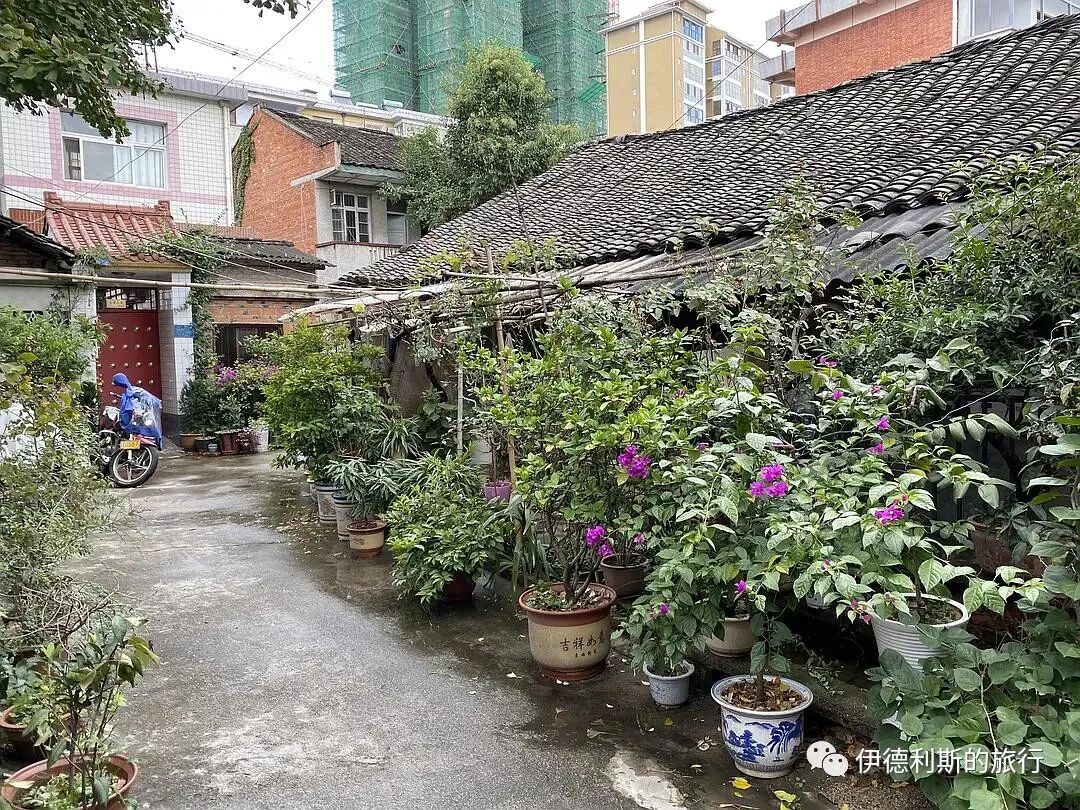
Xixiang County is located in the middle of the Hanzhong Basin in southern Shaanxi, nestled between the Qinling Mountains and the Bashan Mountains, with the Muma River, a tributary of the Han River, flowing through the county seat. Starting from the Ming Dynasty, Hui Muslims from Pingliang, Gansu, moved to Xixiang to settle, and the Hui Muslim population continued to grow during the Kangxi and Qianlong periods. Currently, more than 2,000 Hui Muslims live in the Xiguan area of the county seat, belonging to the congregations of the North Mosque and the South Mosque. Most of the members of the South Mosque congregation are surnamed Mu, Chen, Luo, and Mi, while most of the members of the North Mosque congregation are surnamed Ma and Ha.
Beef jerky
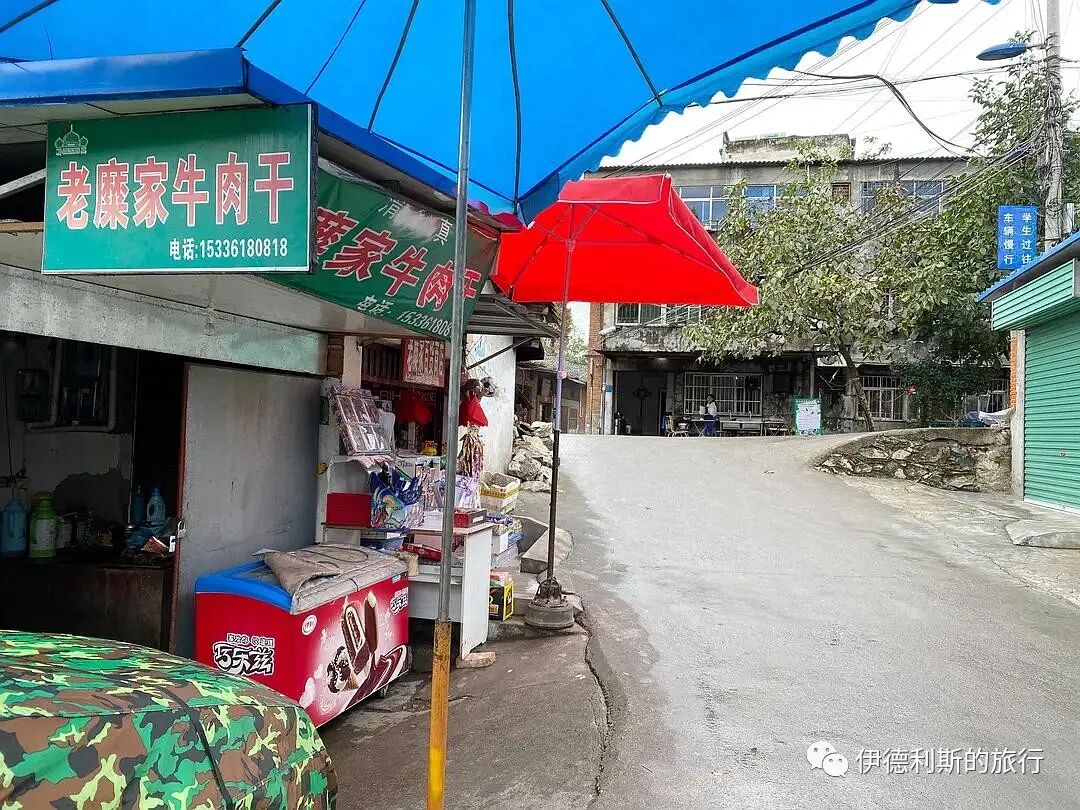
Xixiang Hui Muslims have been famous for making beef jerky since the Tongzhi period. The local Xizhen cattle in Xixiang are a nationally famous breed of yellow cattle, which are very suitable for making beef jerky. Nowadays, shops selling halal beef jerky can be seen everywhere in the Xiguan area of Xixiang, especially concentrated in the Xiguan Halal Beef and Mutton Market. The beef jerky made by each family in Xiguan has a different taste, some hard, some soft, some salty, and some mild.
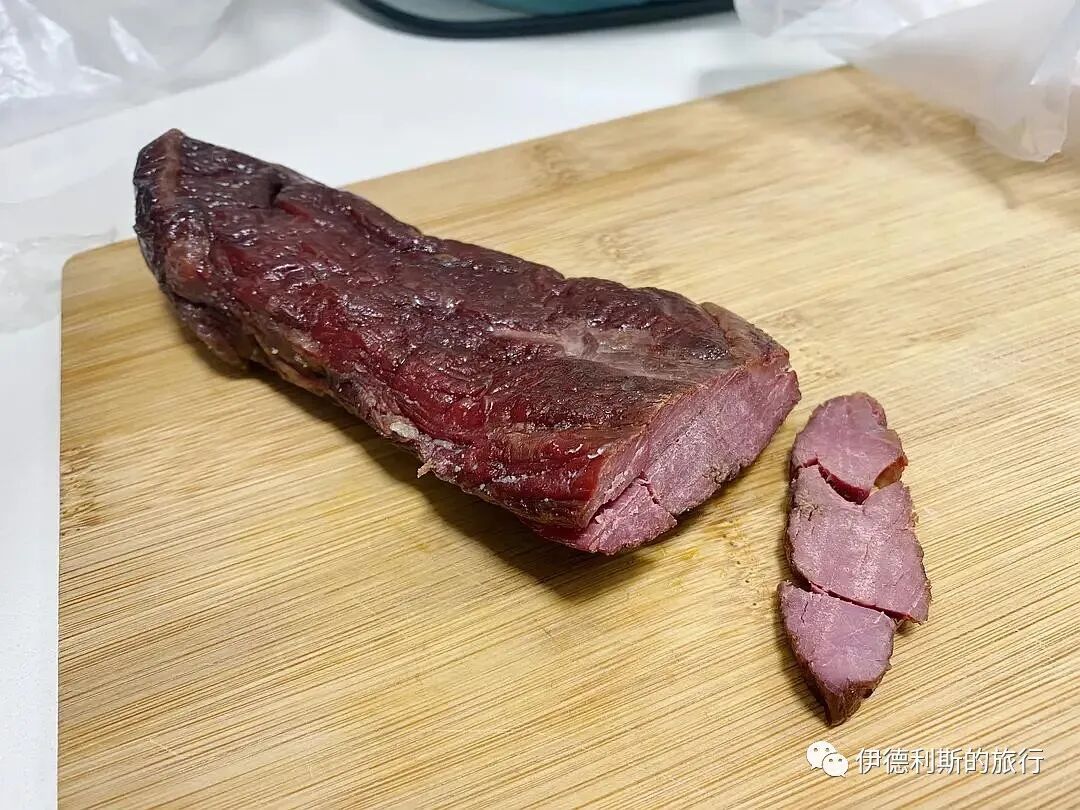
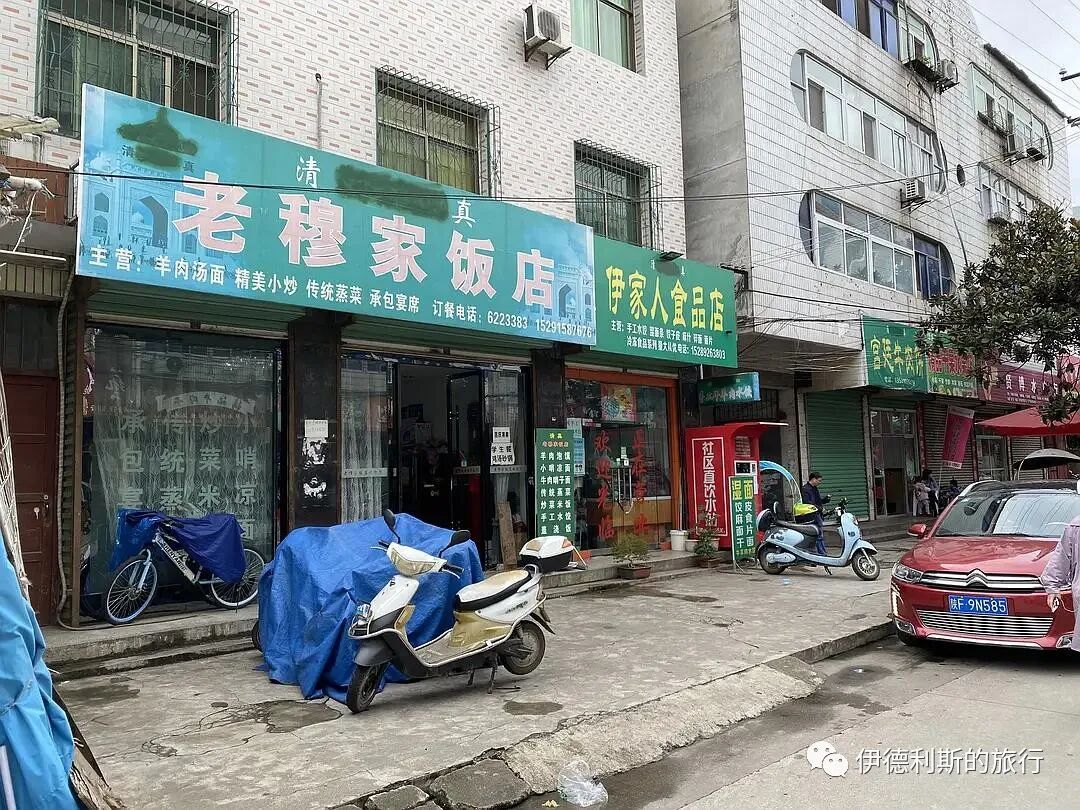
We bought some beef jerky at a shop called Zhongping Food Store, where many locals shop.
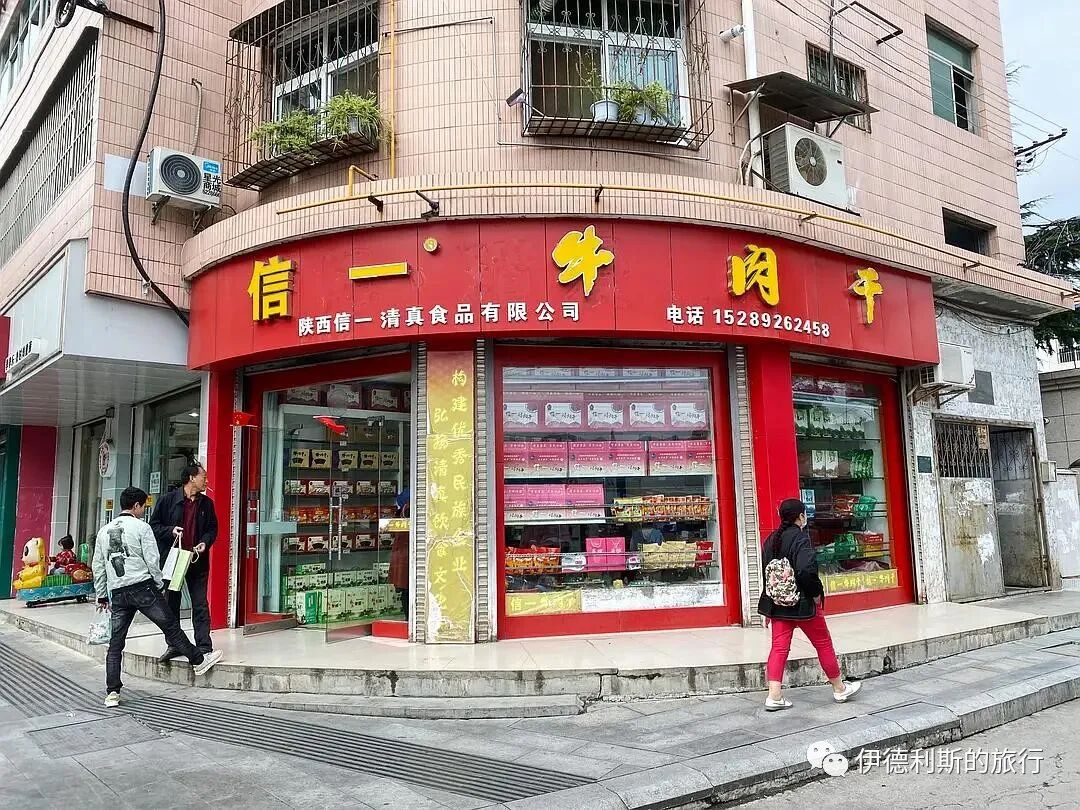
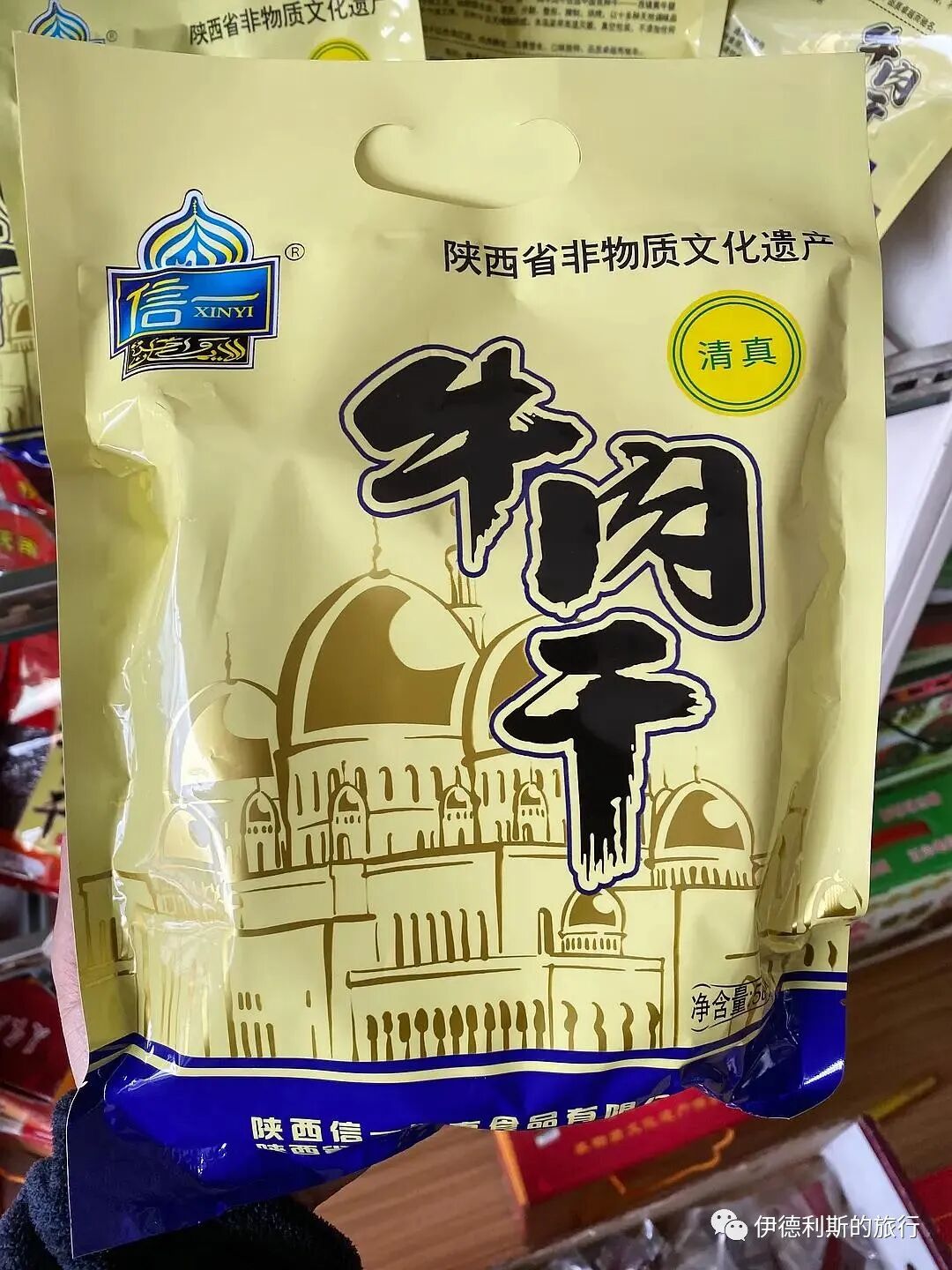
The largest halal beef jerky brand in Xixiang is 'Xinyi'. Xinyi was founded in 1995, and the company's legal representative, Mu Xin, is the inheritor of the Shaanxi provincial intangible cultural heritage 'Xixiang Beef Jerky Making Technique'. Most of their beef is supplied by Hui Muslim butchers living in impoverished areas such as Liushu, Guanshan, Sidu, and Shahe in Xixiang, and they use more than ten kinds of Chinese herbal medicines instead of preservatives.
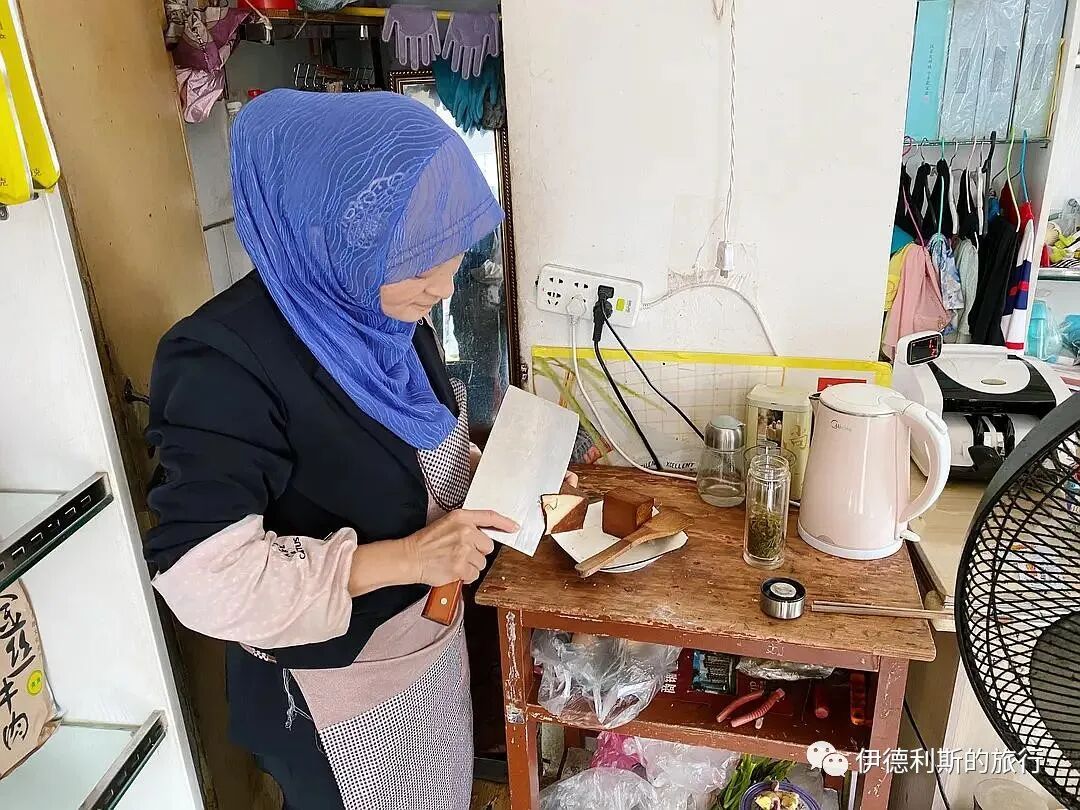
We bought a lot of beef jerky at the Xinyi shop in Xiguan, and also bought some local dried tofu. We were able to send it home directly via SF Express, and the dost (friend/fellow Muslim) auntie in the shop was very enthusiastic.
Xinyi Ethnic Restaurant
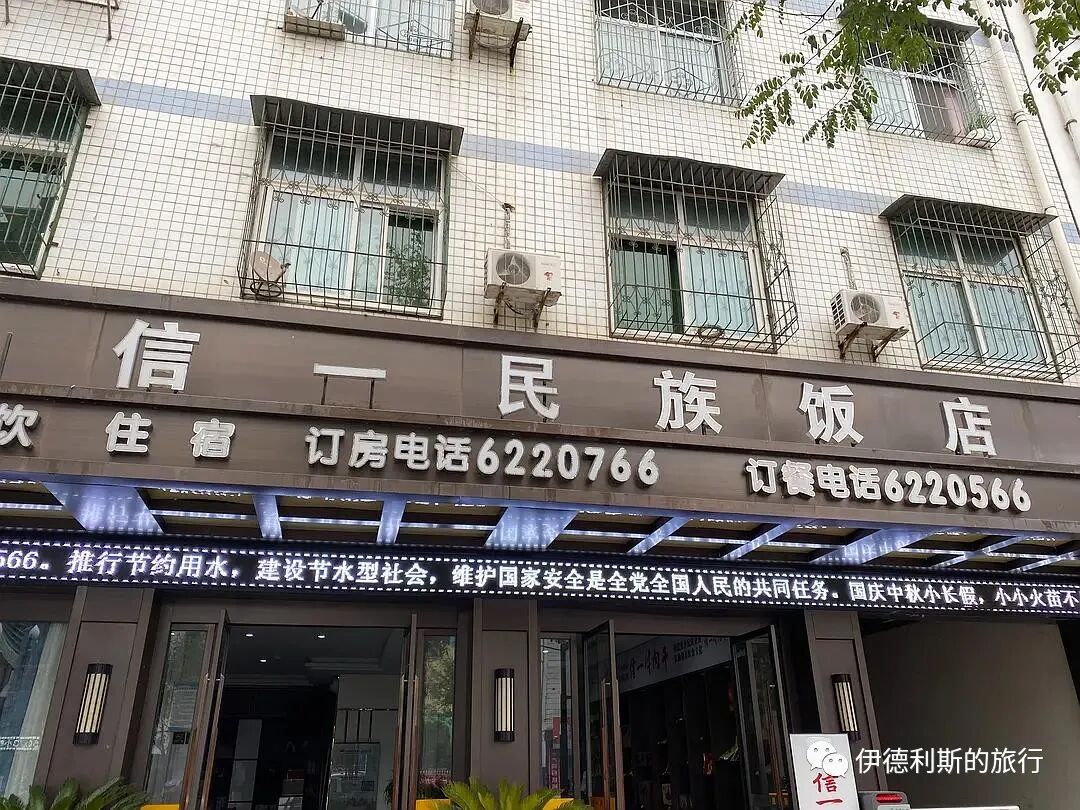
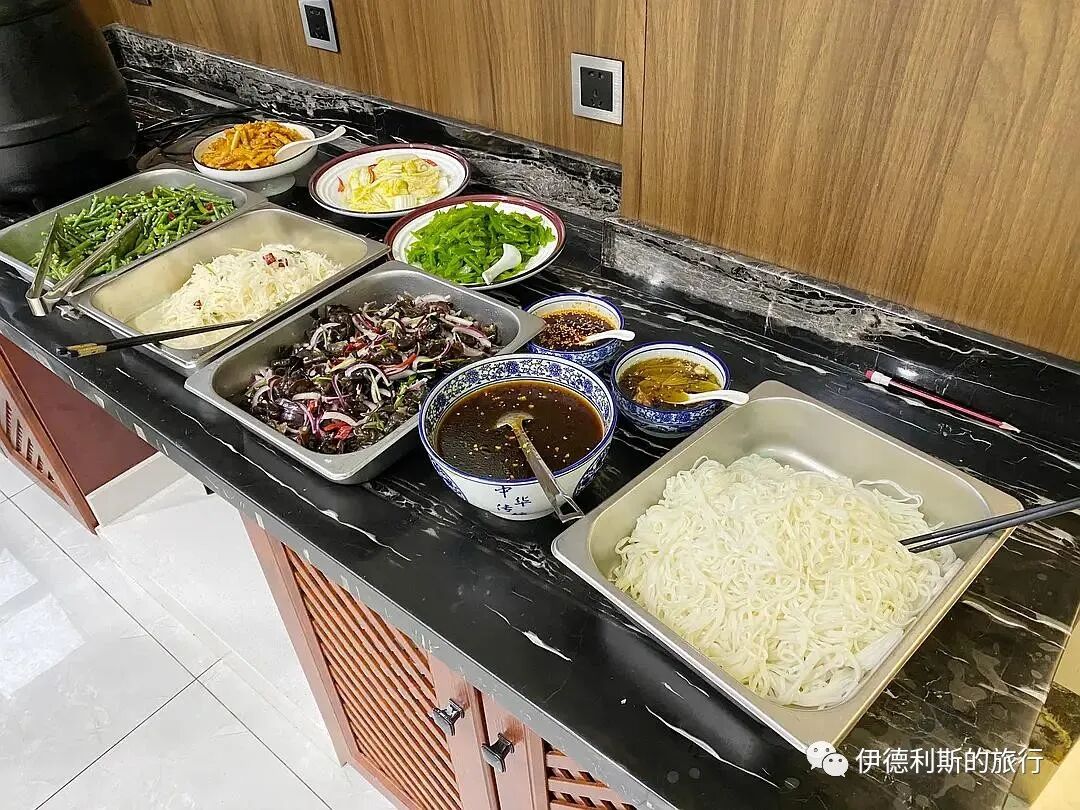
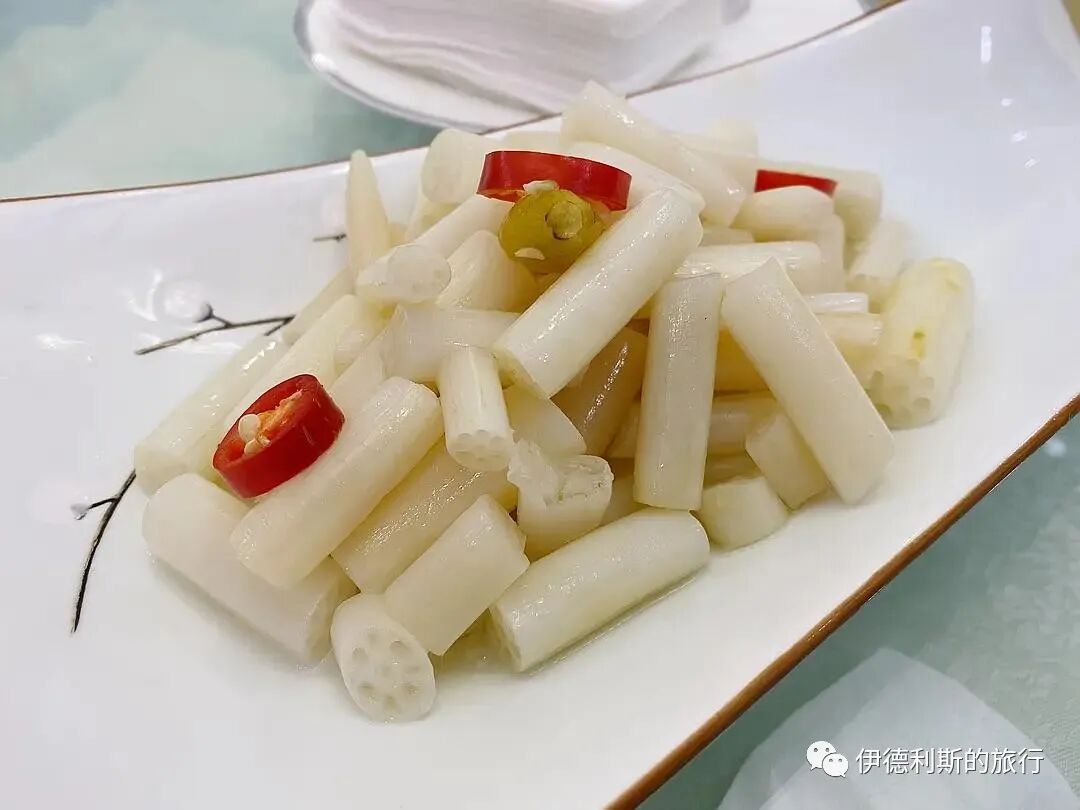
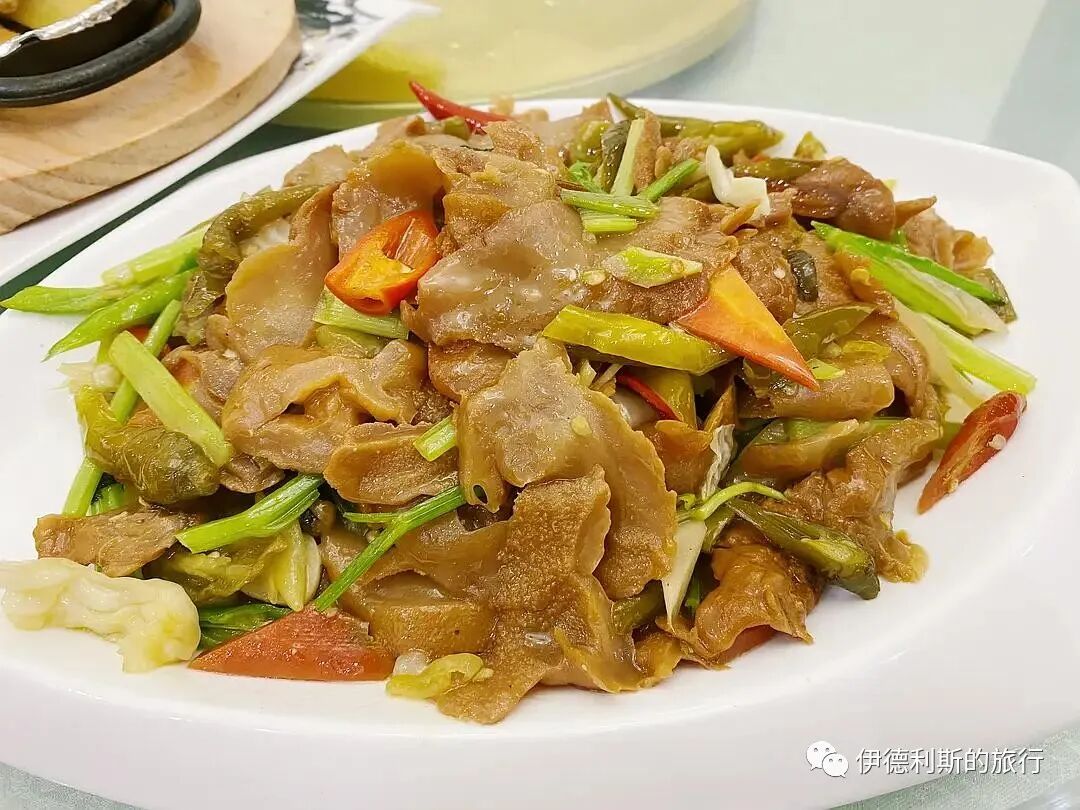
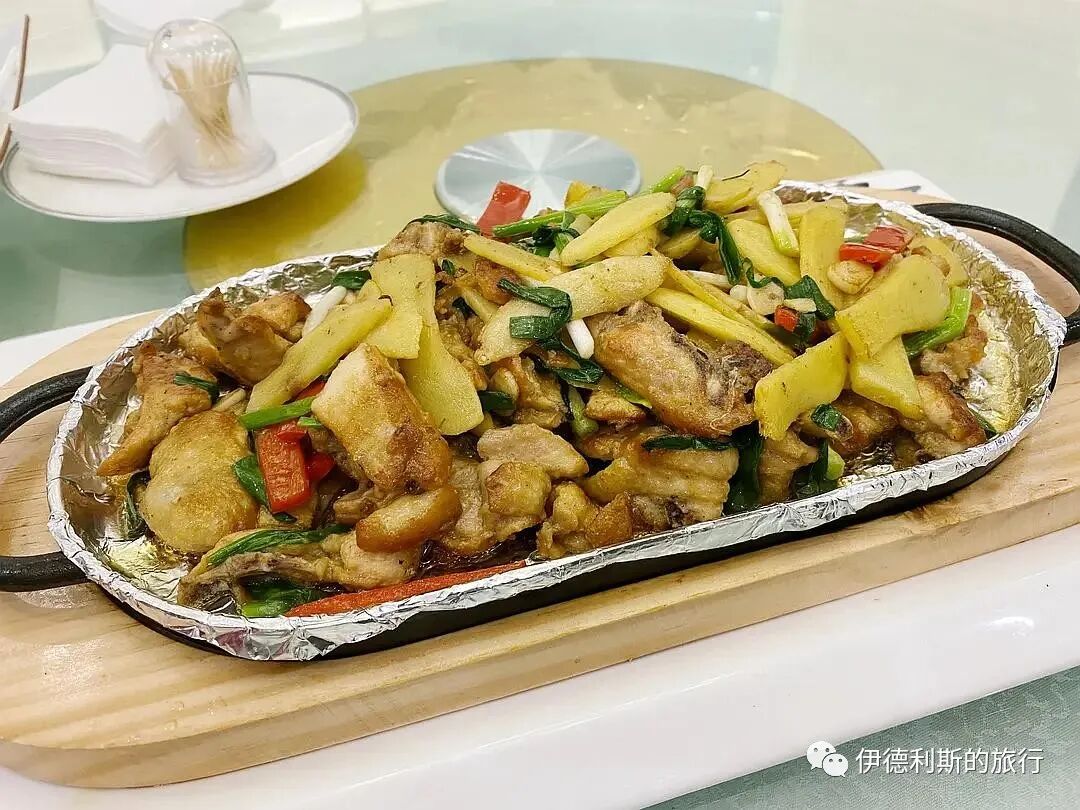
Xinyi also opened a 'Xinyi Ethnic Restaurant' where you can stay and eat. We stayed here while we were in Xixiang. There is a breakfast buffet in the morning and regular meals at other times. In the evening, we ordered lotus root shoots, teppan sand ginger chicken, and sweet and sour lingzhi mushrooms.
South Mosque
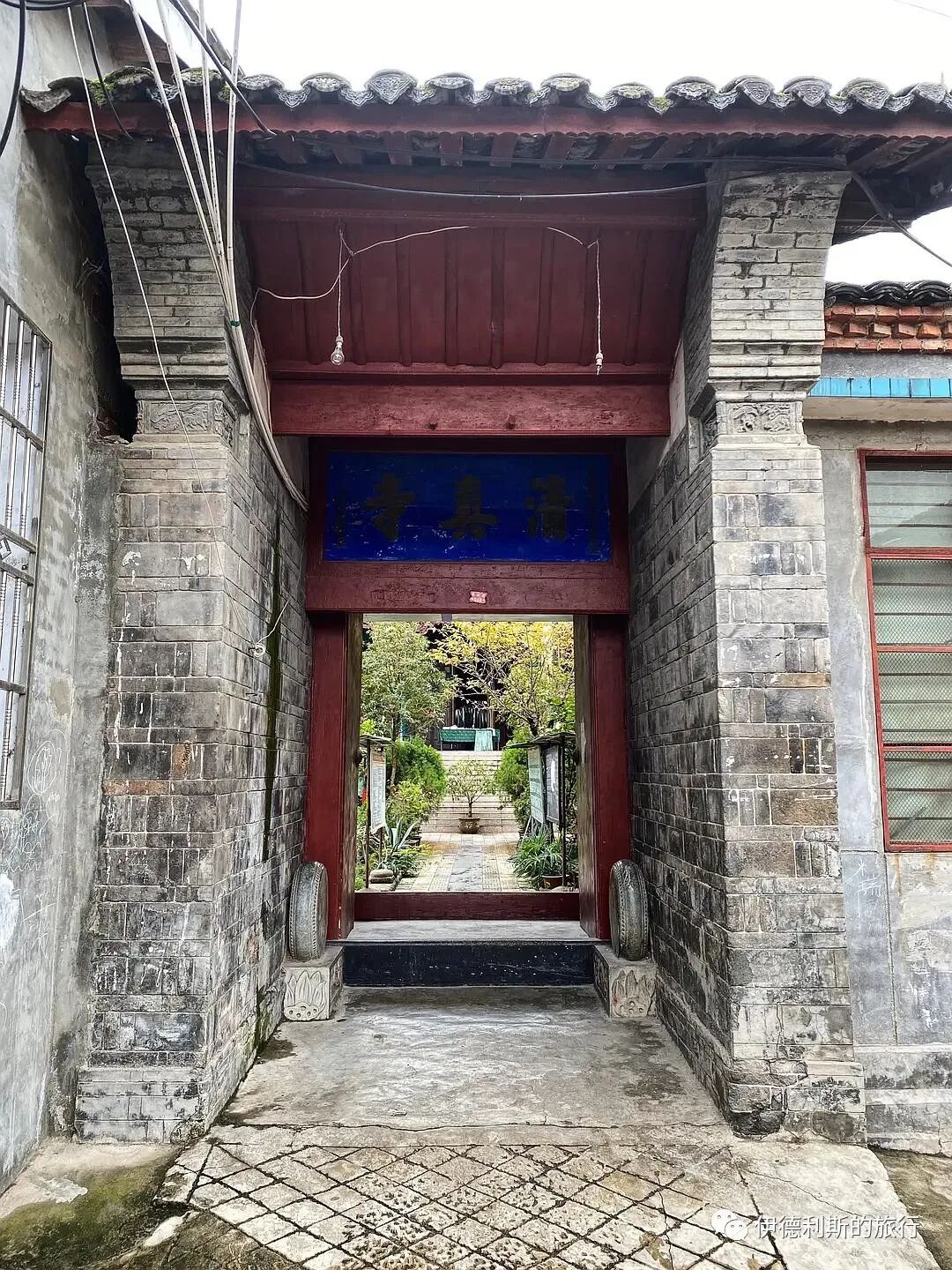
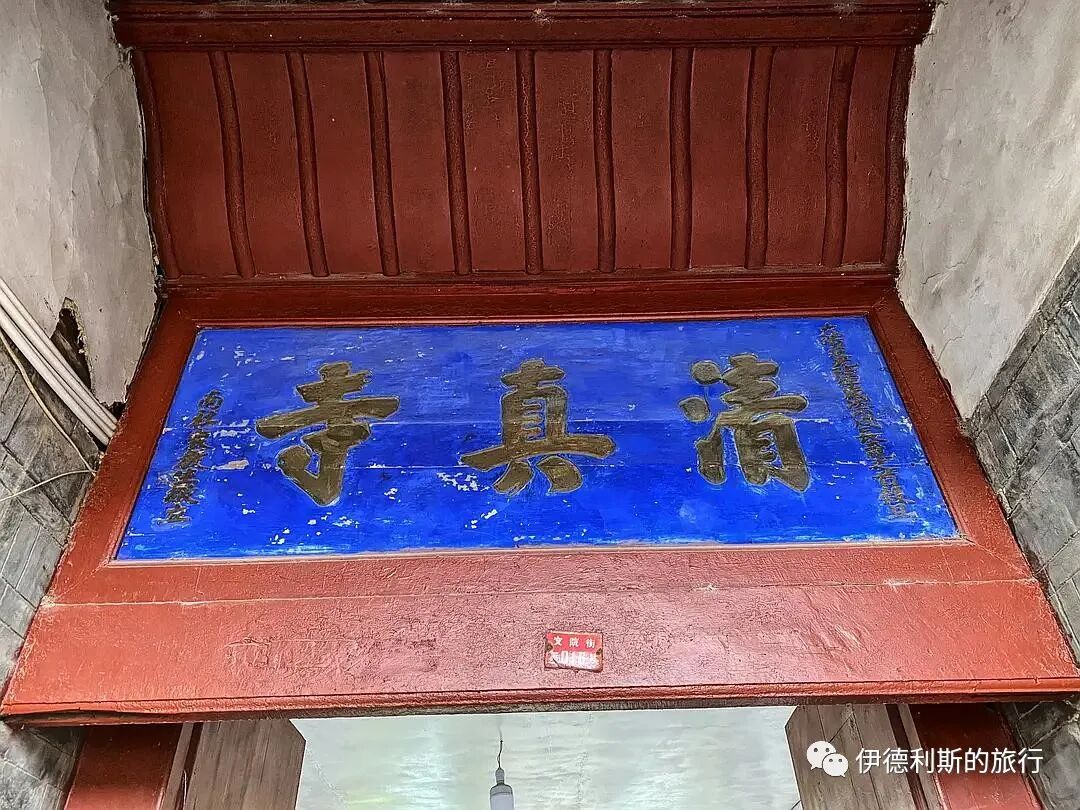
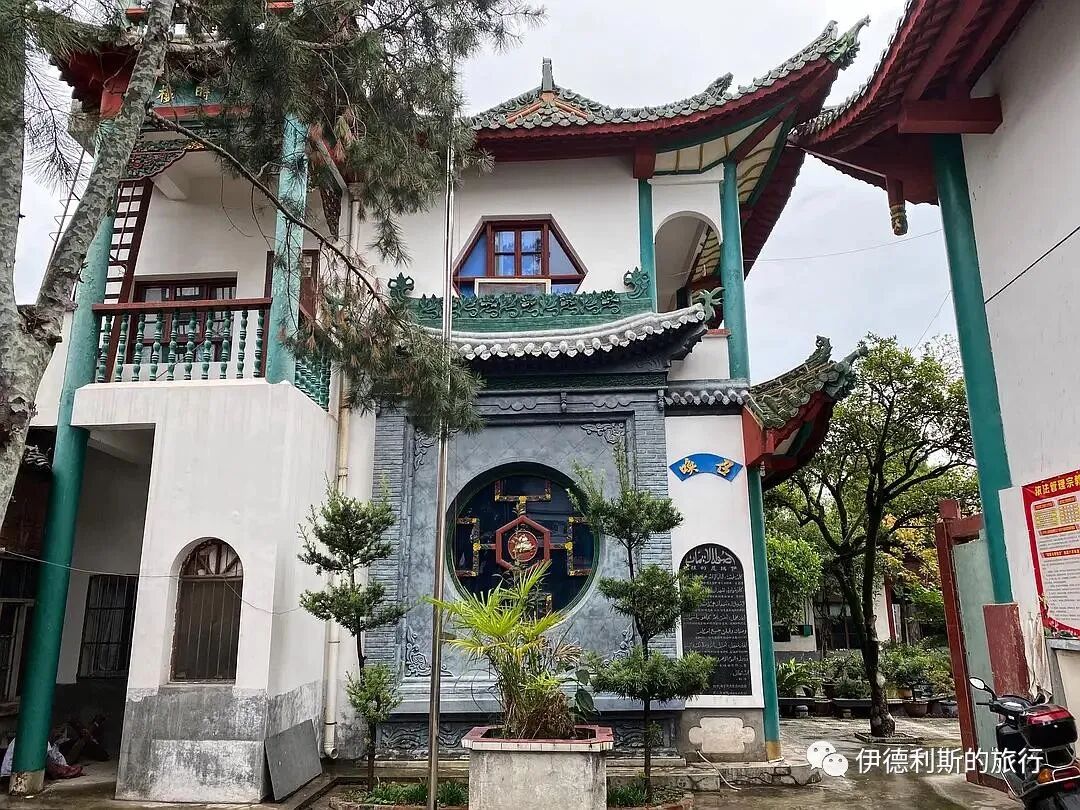
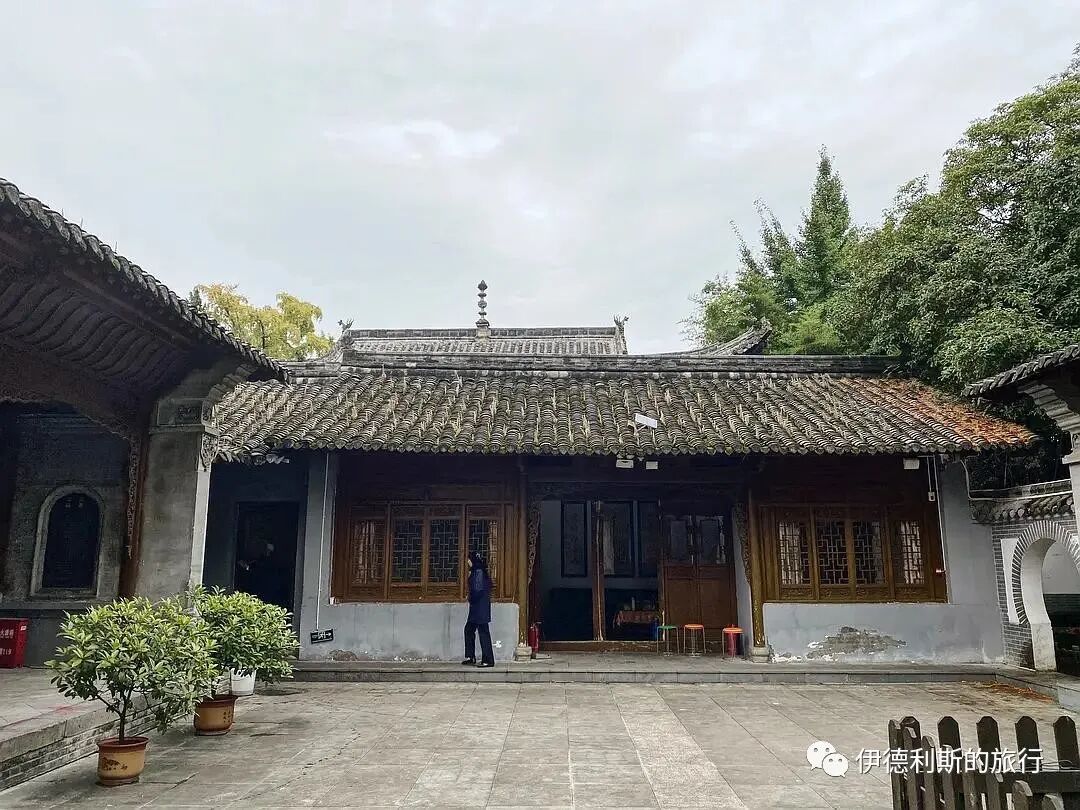
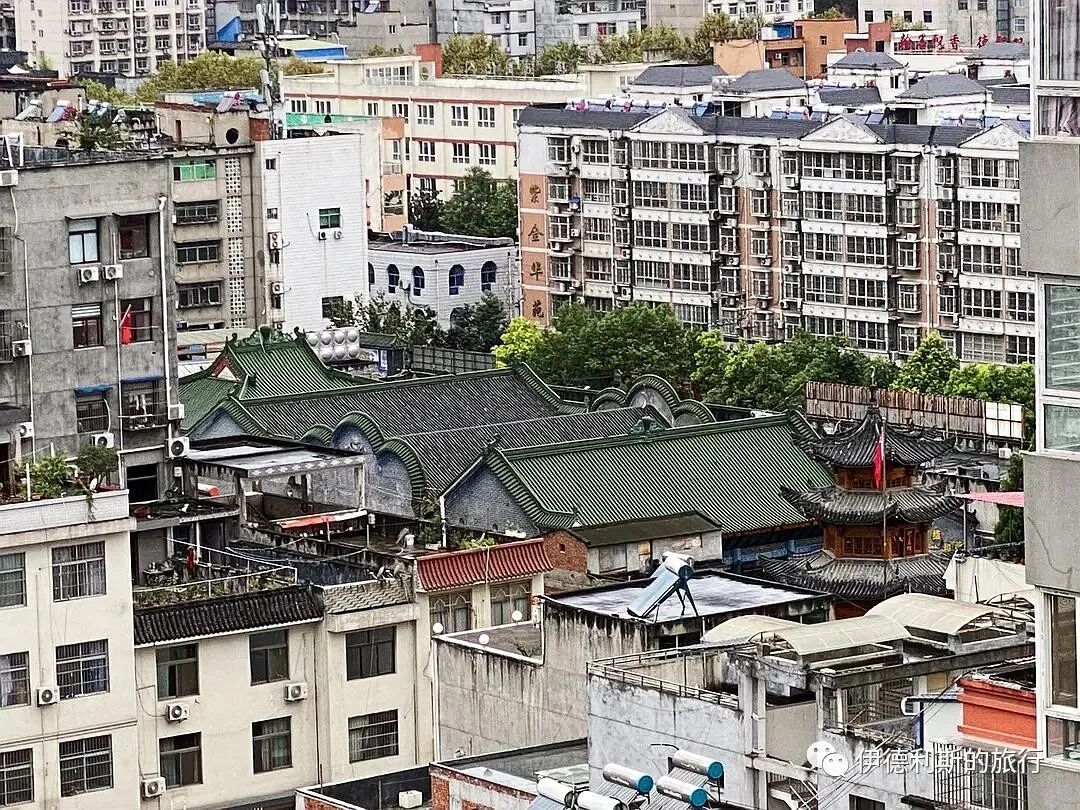
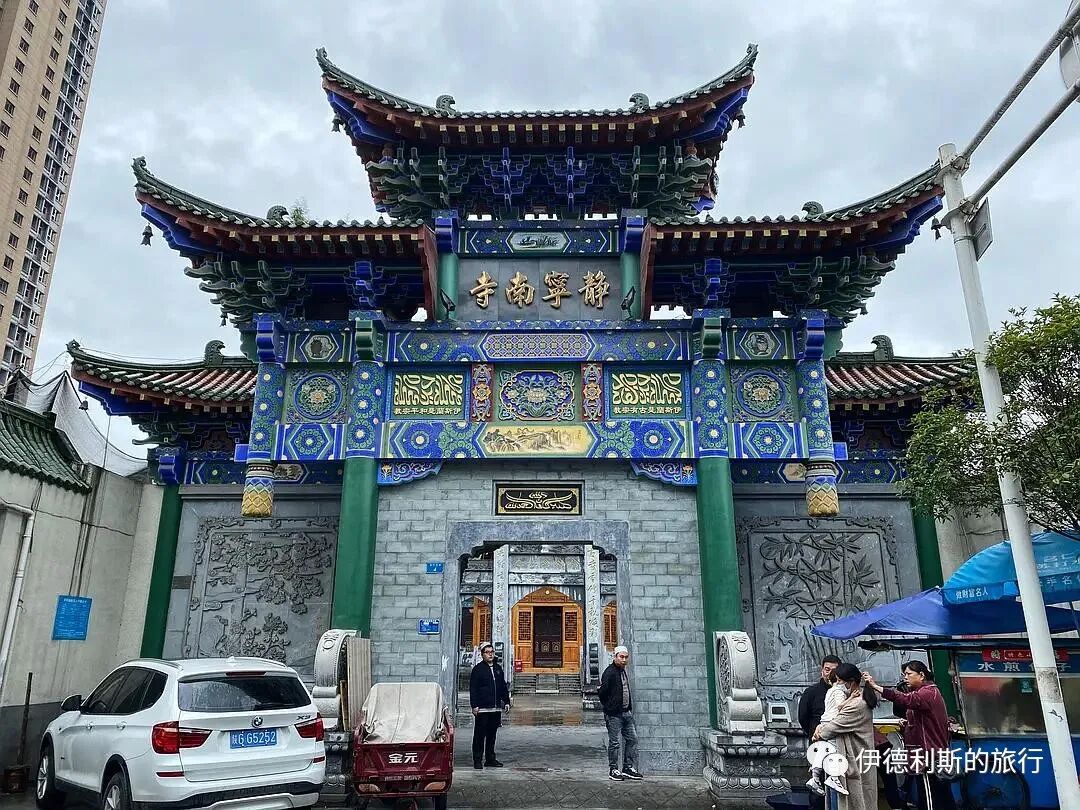
The Xixiang South Mosque was built in the Ming Dynasty. It was closed and occupied after the 1958 religious reforms, returned in 1986, and officially opened in 2001. The main hall was rebuilt in 1997, but the gate and the south wing are still old. The gate has a 'Mosque' plaque from the Daoguang period.
Mosque Lane Archway
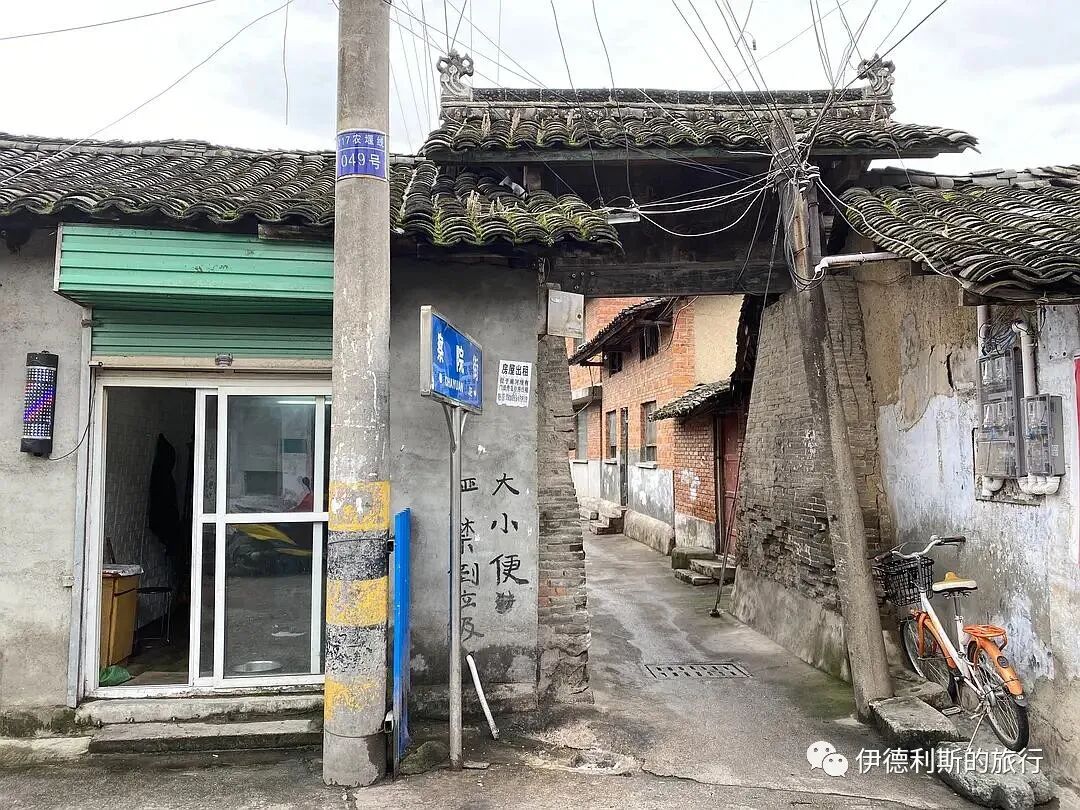
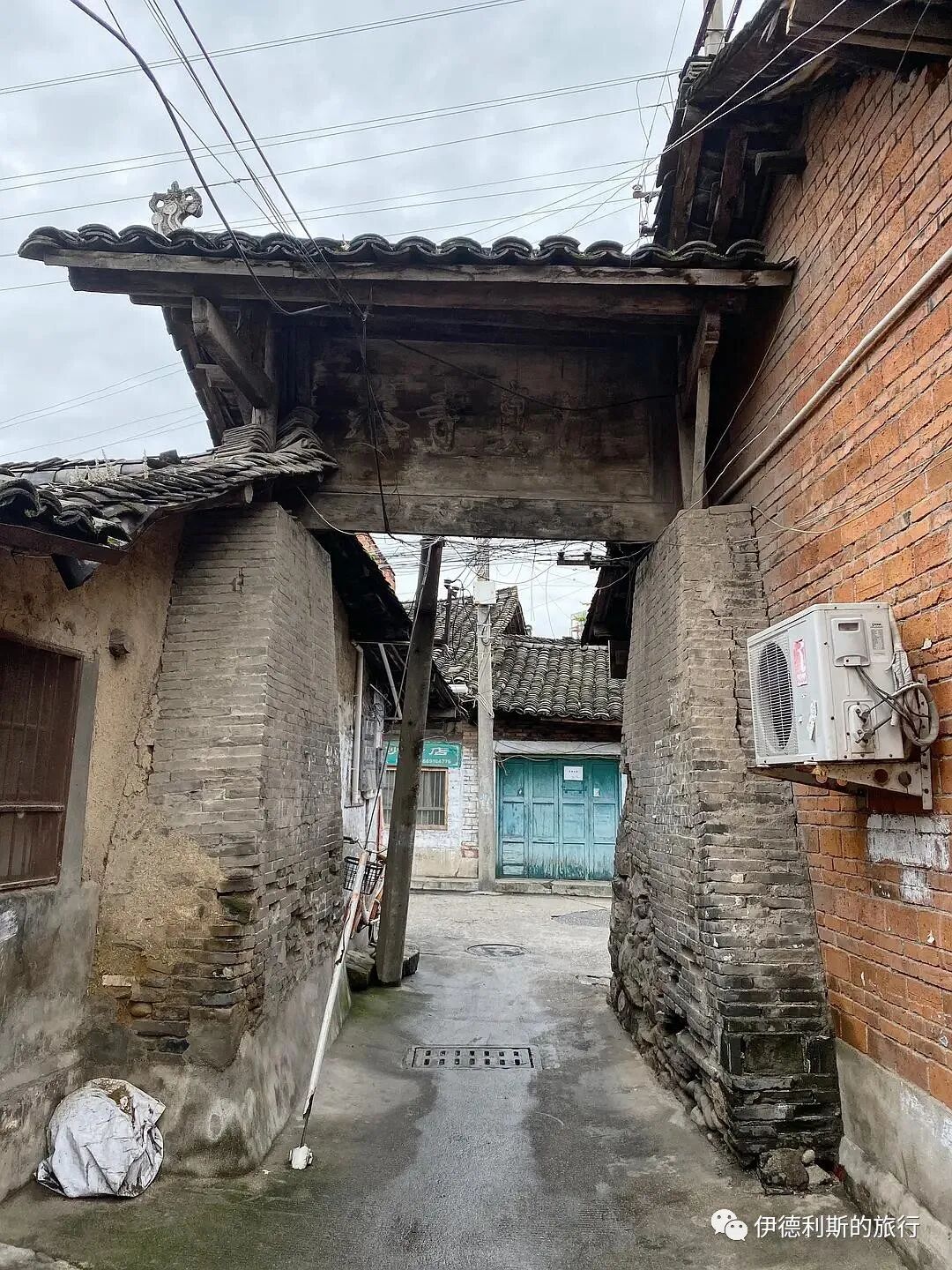
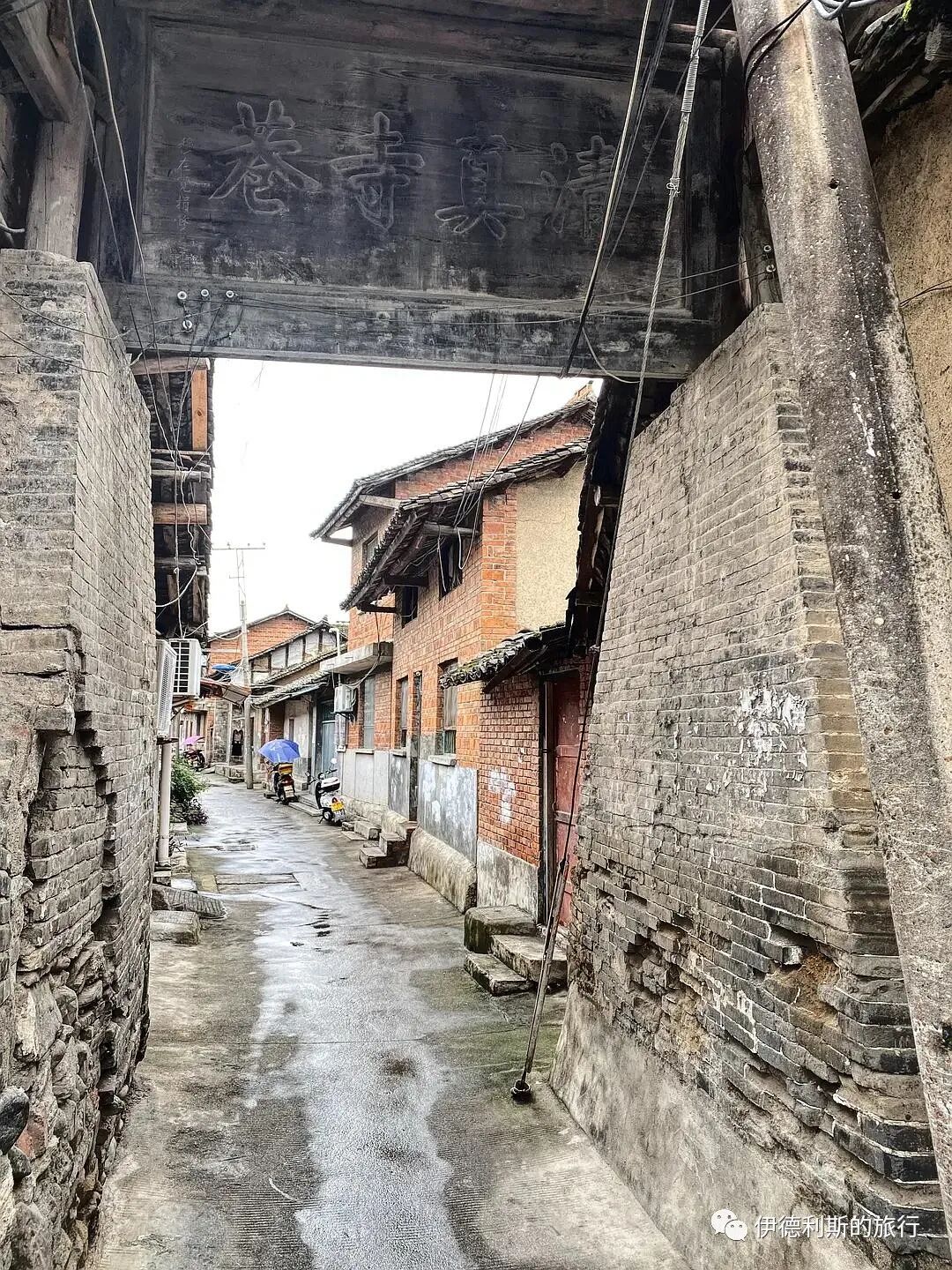
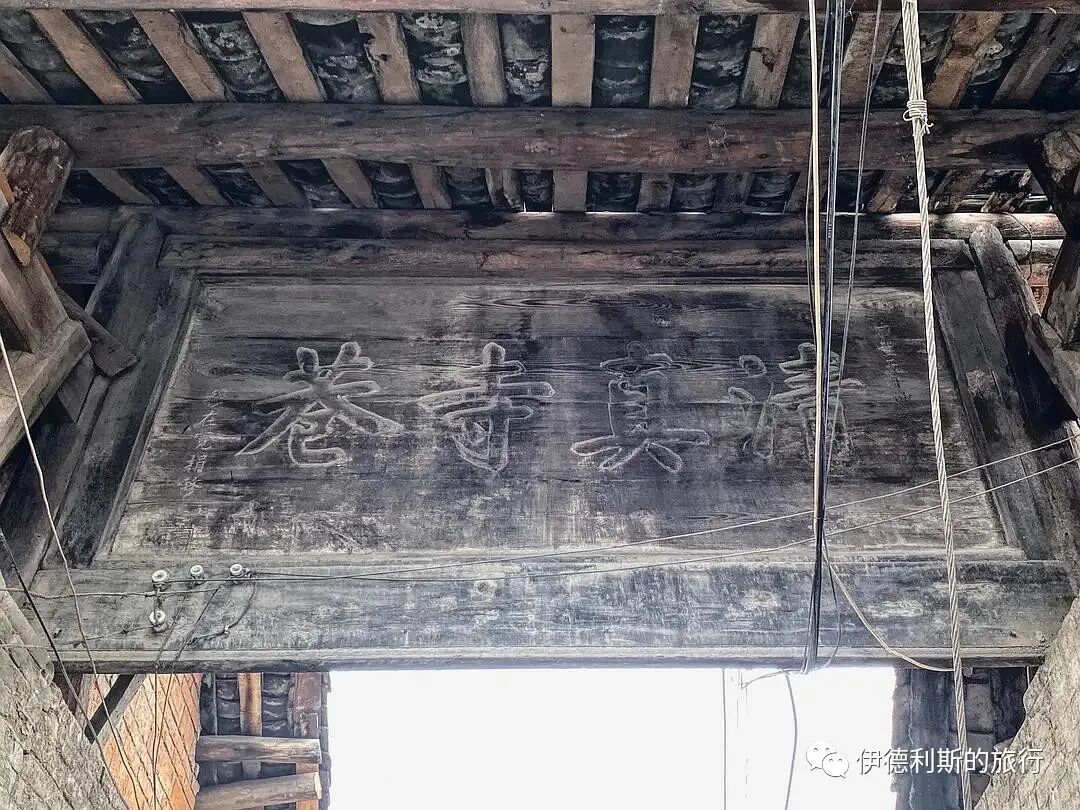
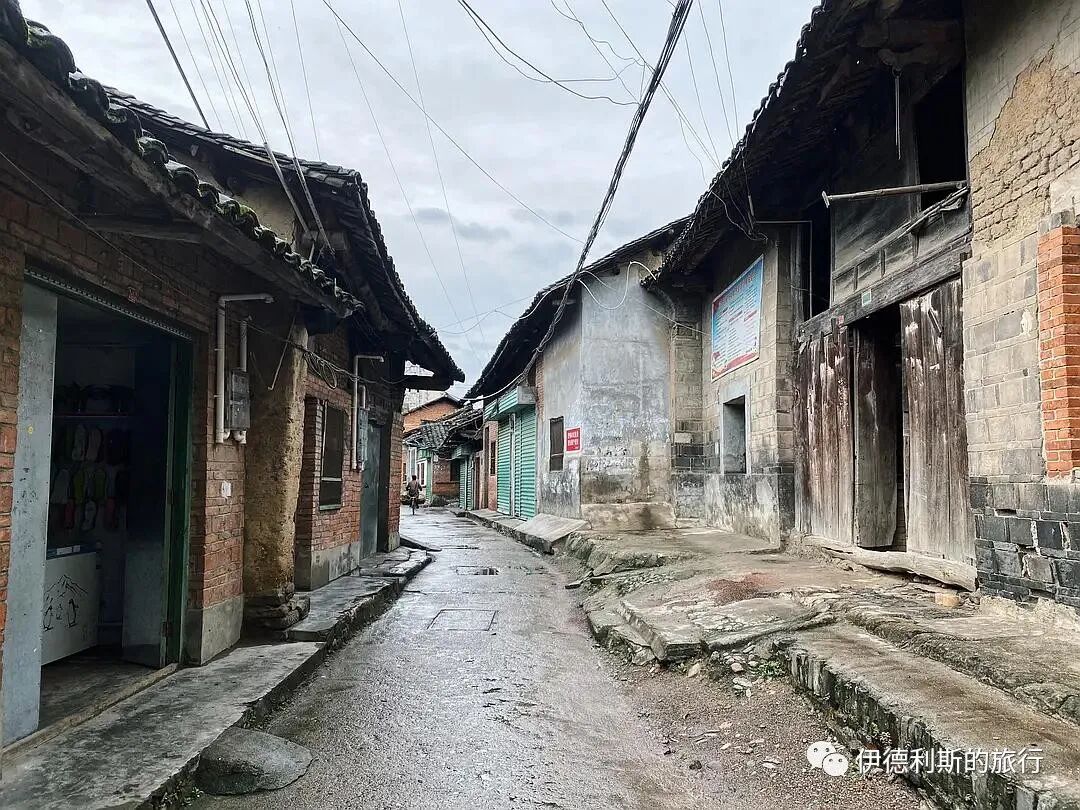
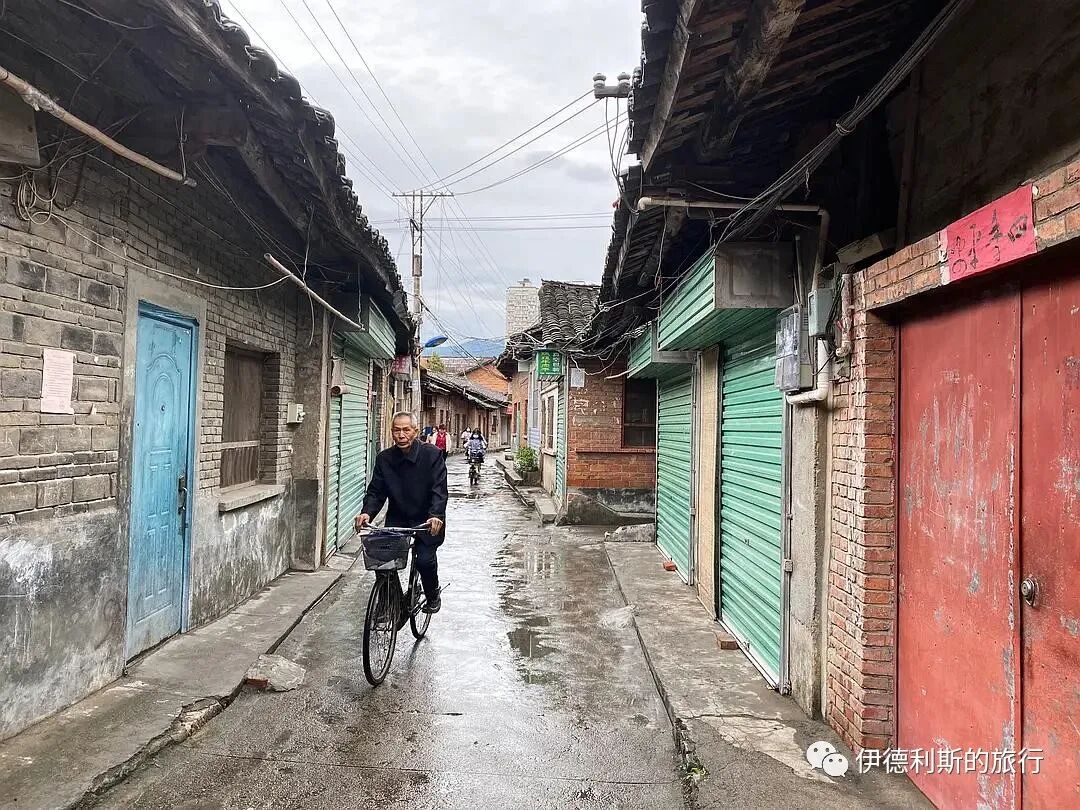
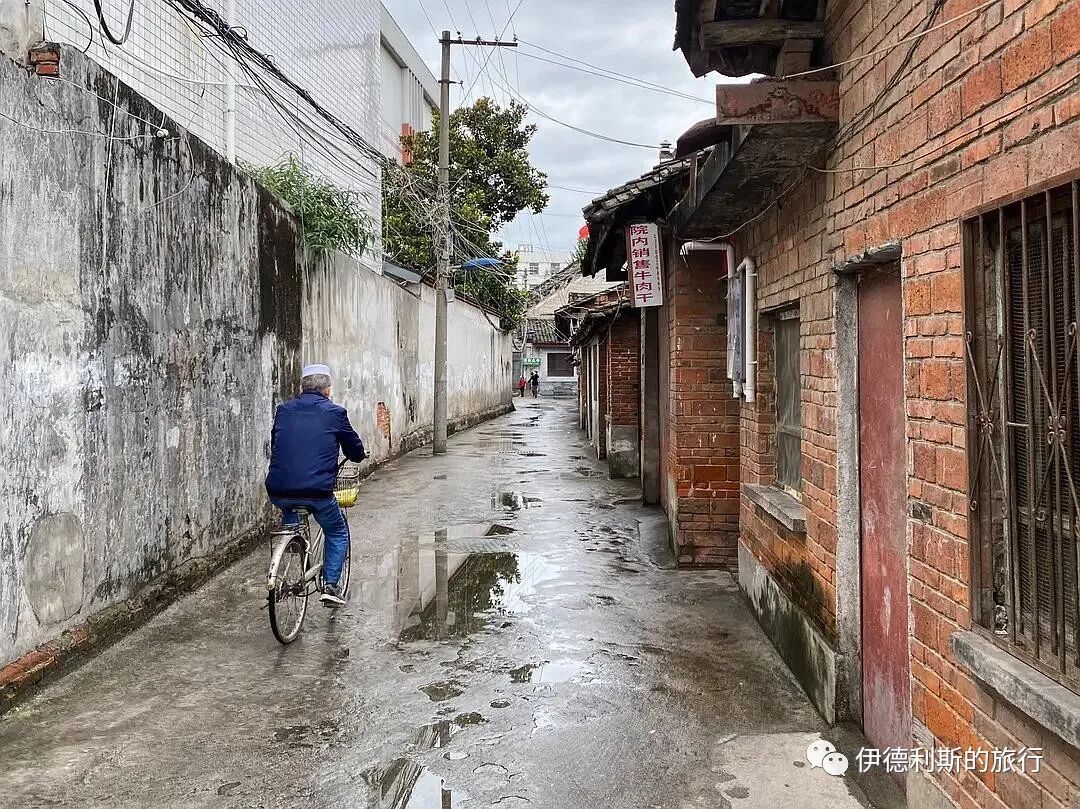
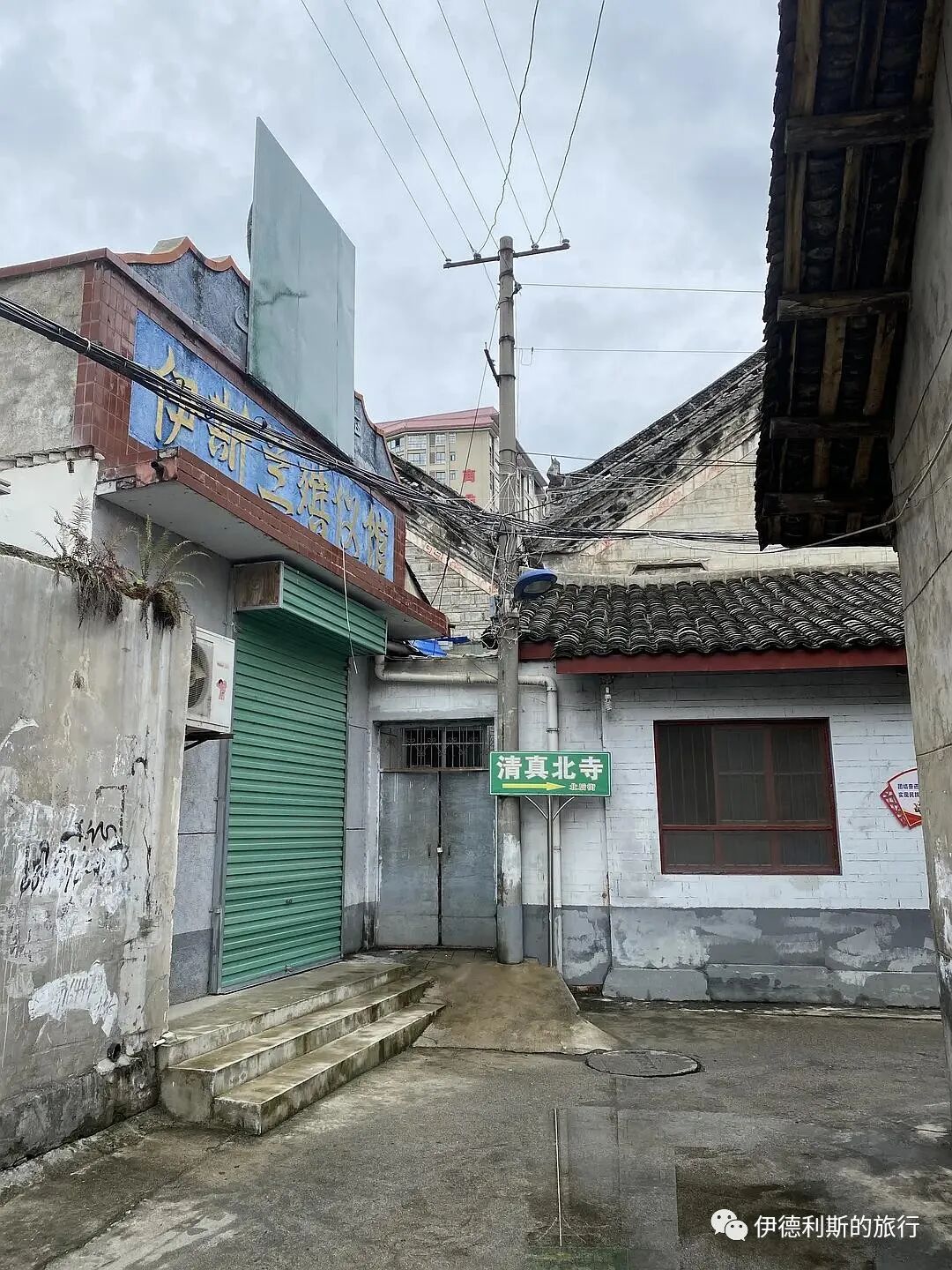
After coming out of the South Mosque, you can see the wooden 'Mosque Lane' archway built during the Xianfeng period, followed by the old street of Xiguan where Hui Muslims live.
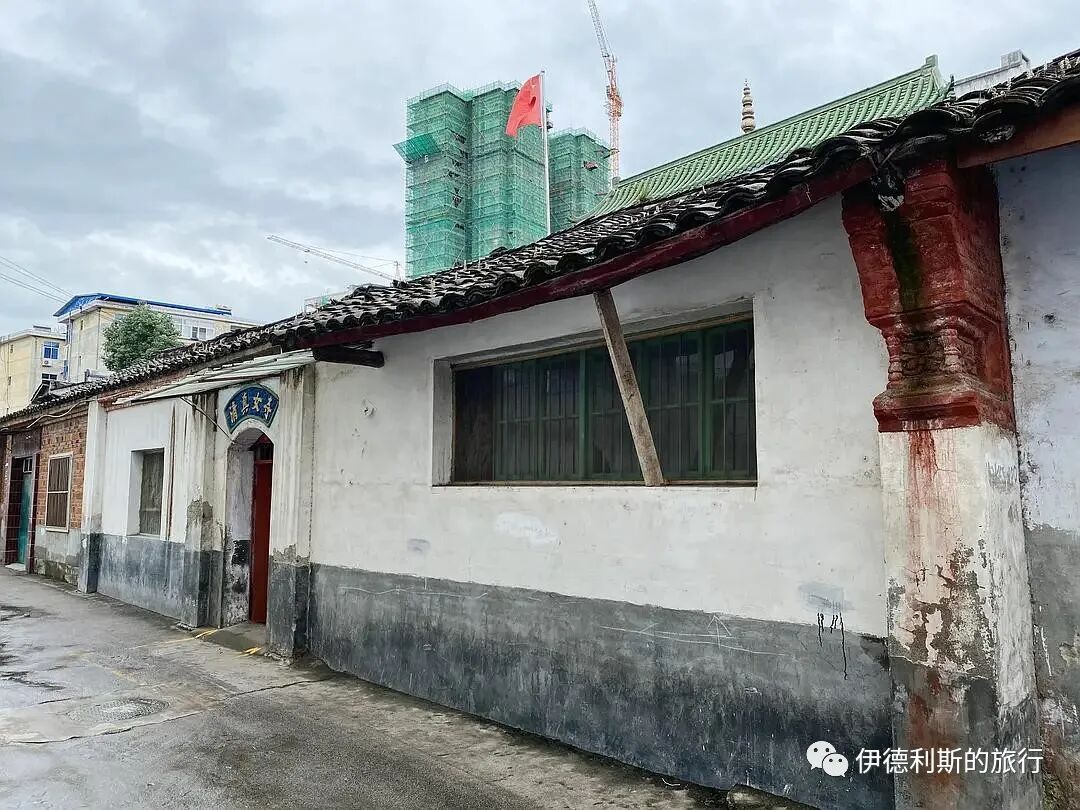
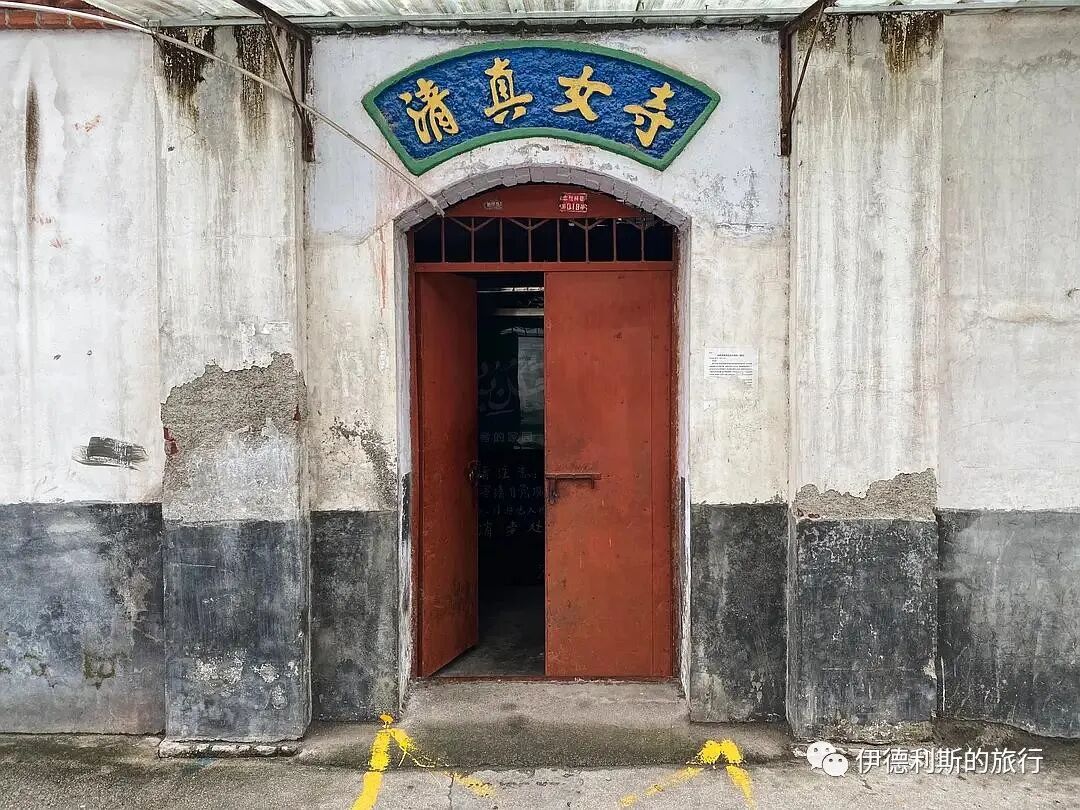
Women's Mosque
Continuing north, you can see the Women's Mosque built in 1956, which was occupied after the 1958 religious reforms and restored in 1990.
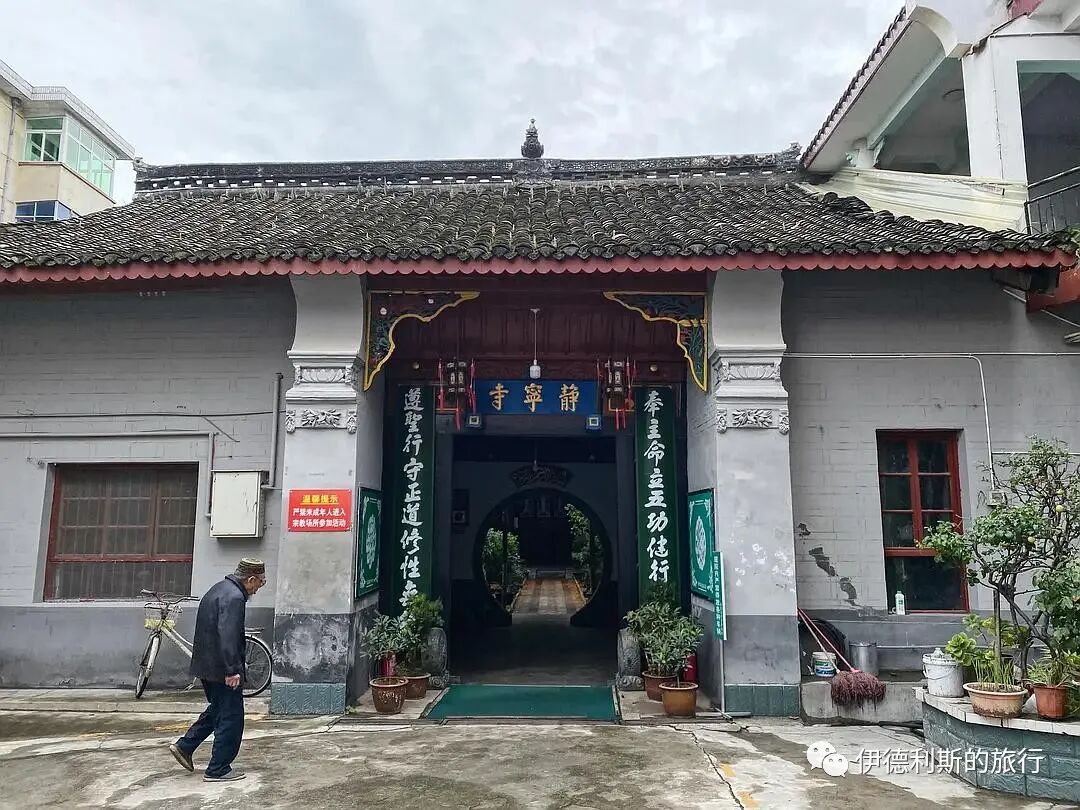
North Mosque
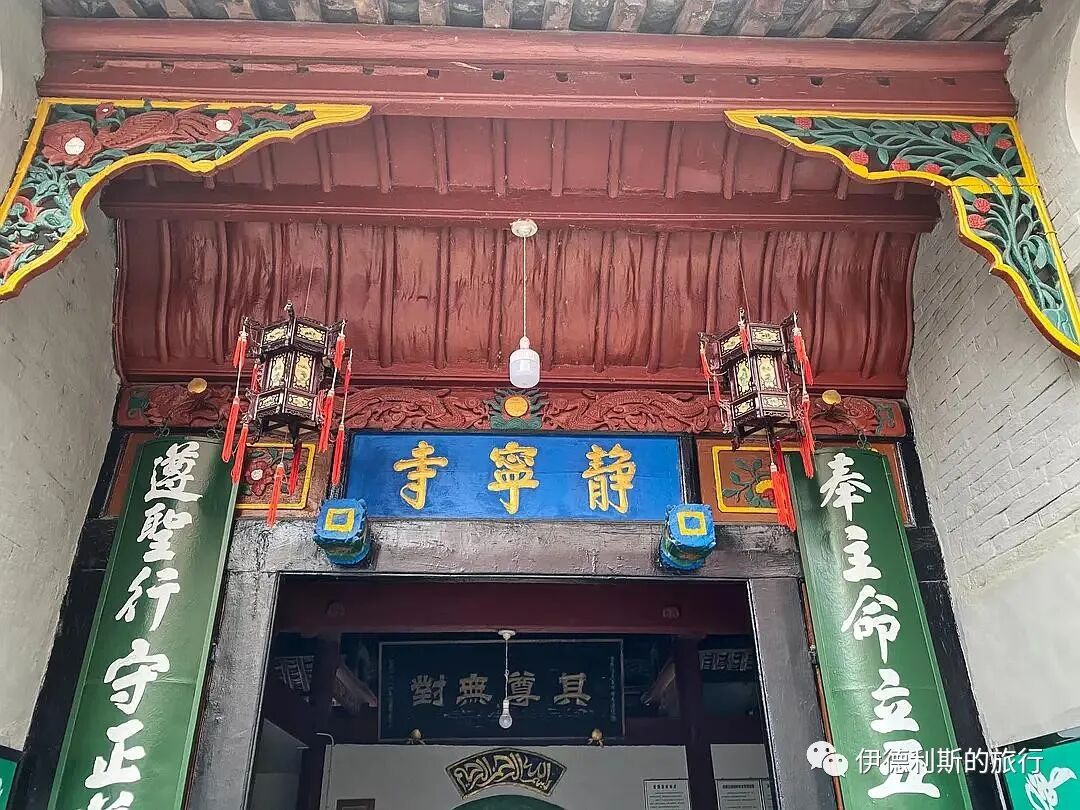
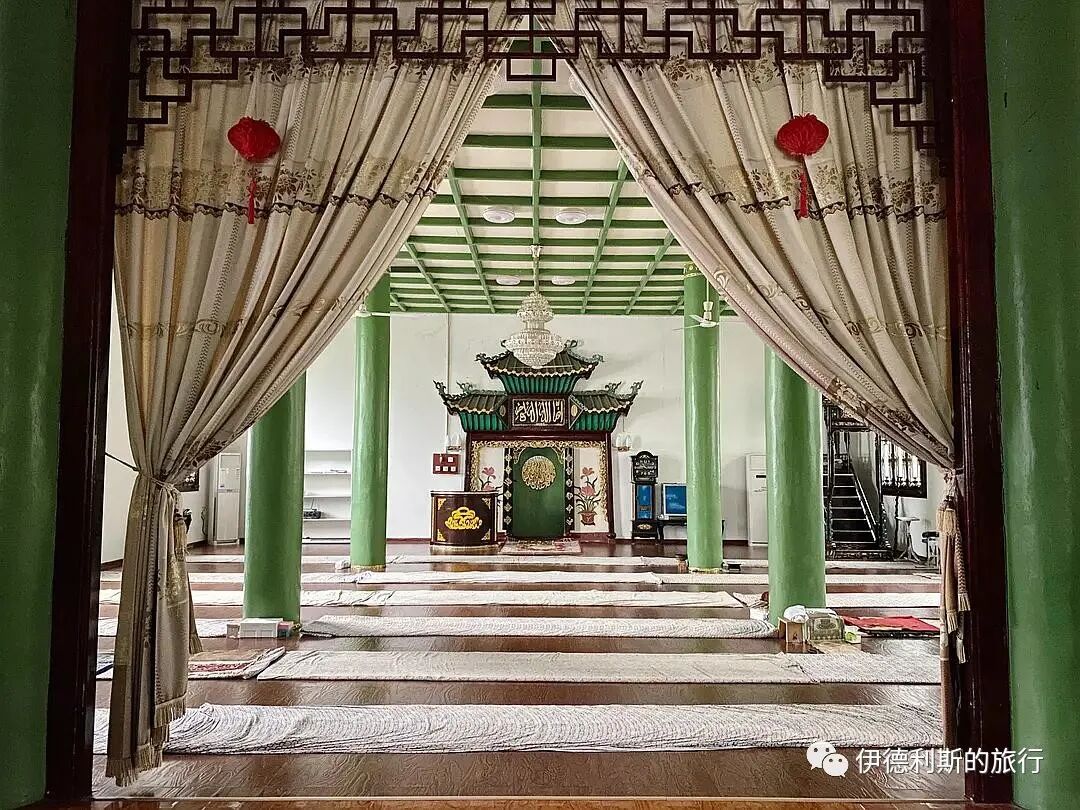
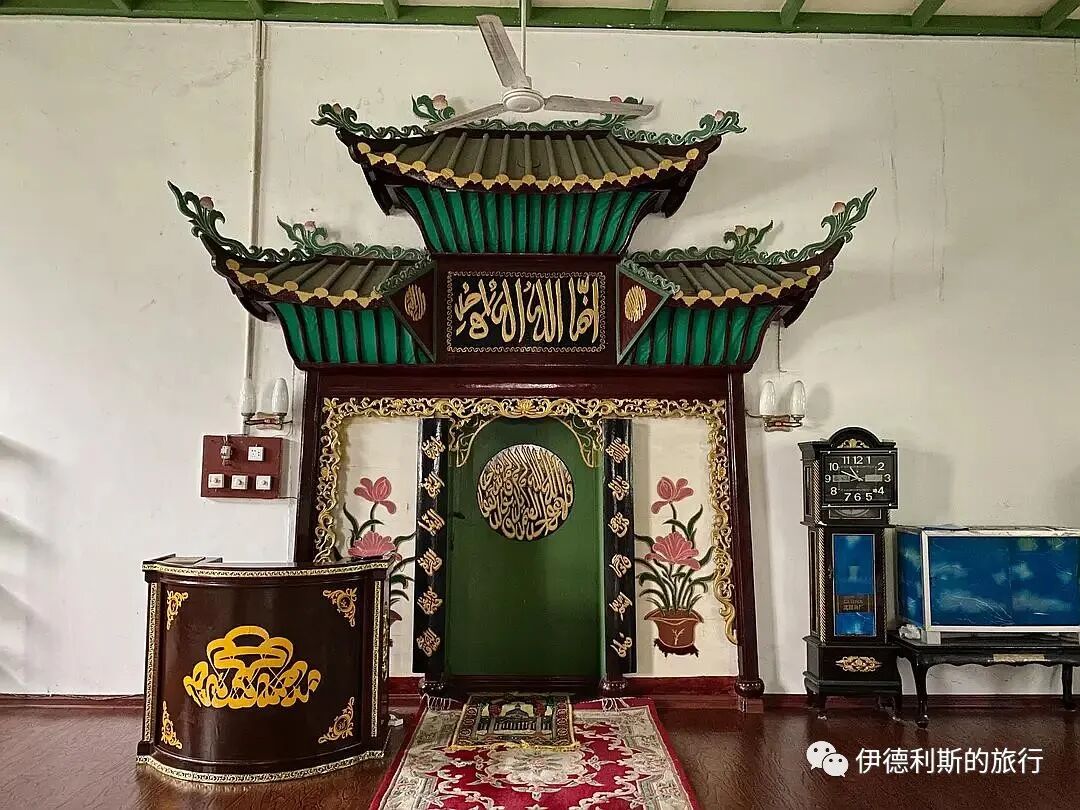
The North Mosque was originally called Jingning Mosque and was built in 1614 by Hui Muslims who moved to Xixiang from Jingning Prefecture (now Pingliang, Gansu). The North Mosque was expanded in 1723, later destroyed by war, rebuilt in 1816, and renovated many times. It was occupied after the Cultural Revolution, returned in 1984, and the north wing was rebuilt in 2009.
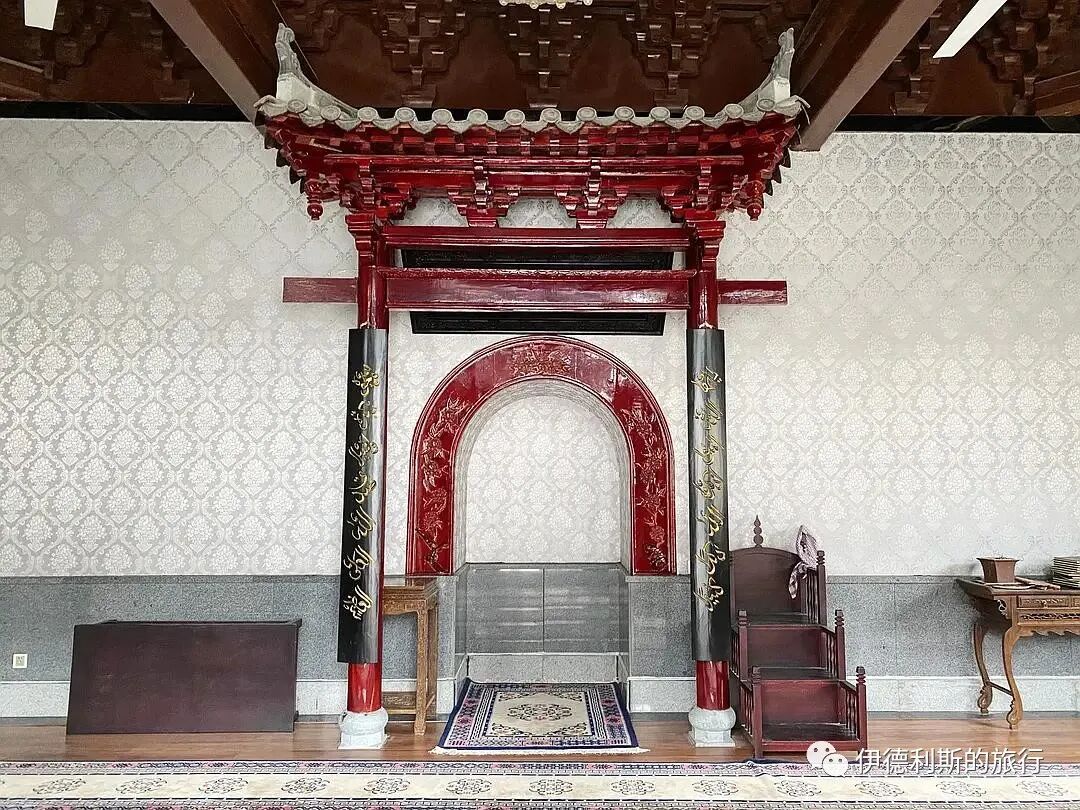
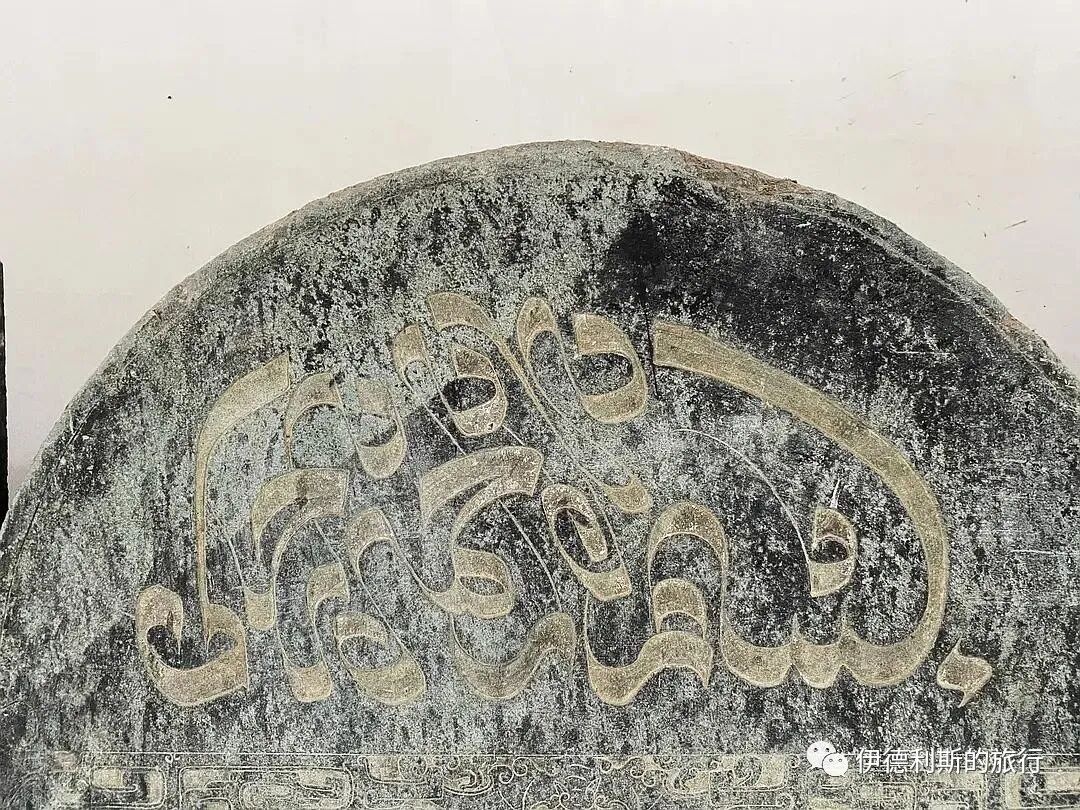
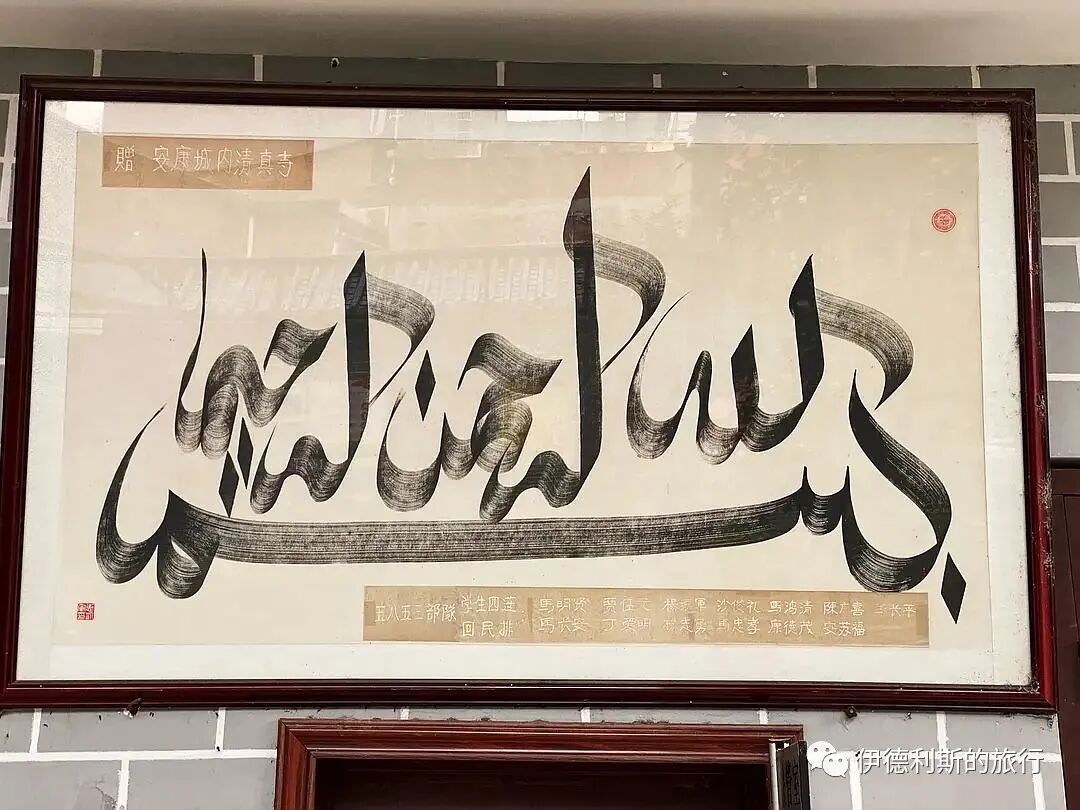
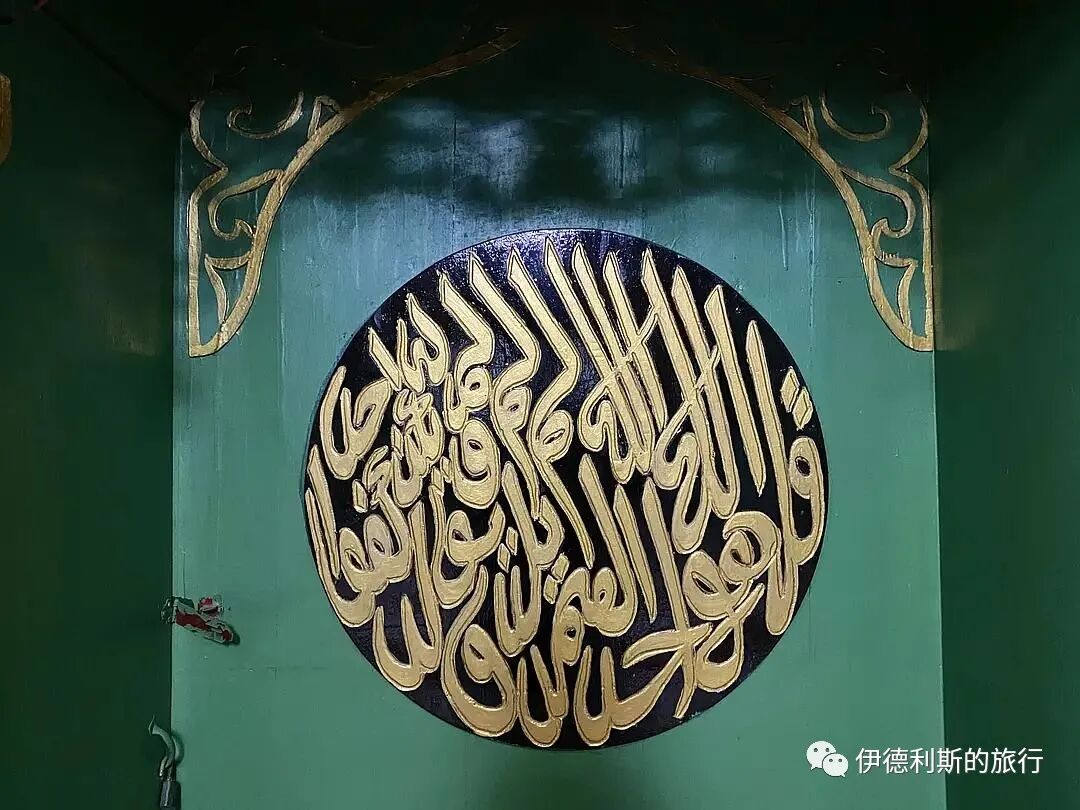
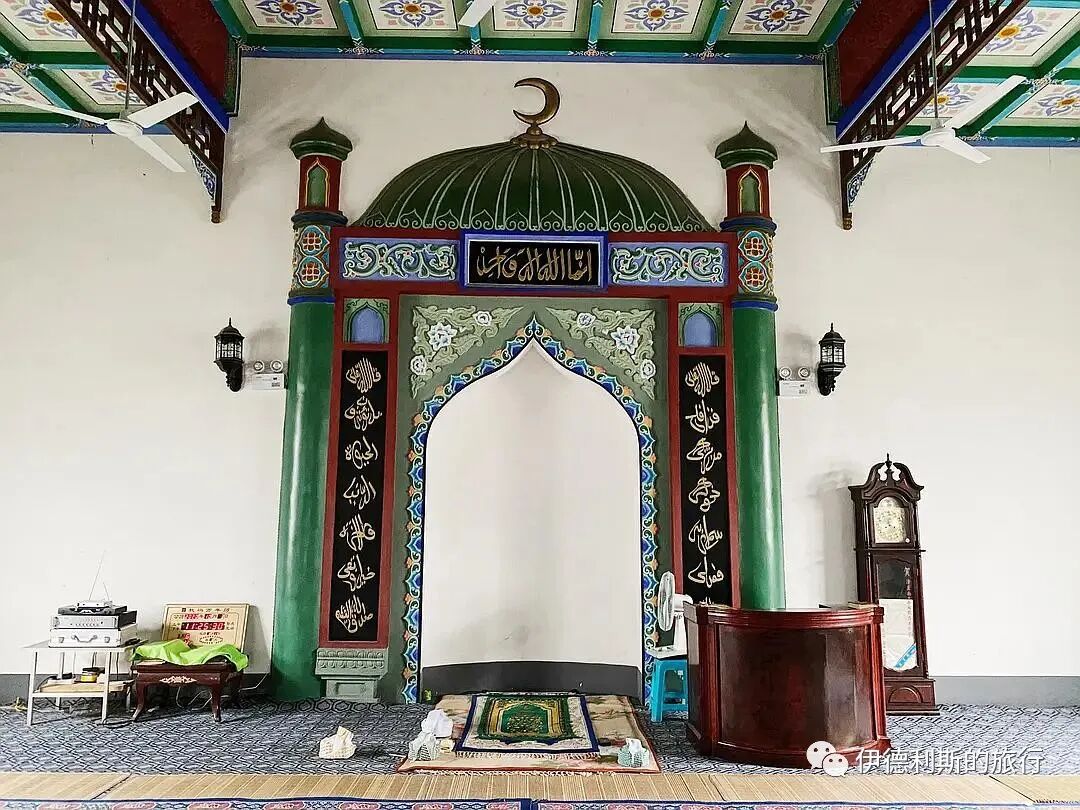
The mihrab (niche in the wall of a mosque) is painted with very distinctive Shaanxi-style Arabic calligraphy.
Beef pulled noodles
After performing the prayer, the local dosts enthusiastically took us to eat. The halal restaurants in Xixiang are mainly concentrated in the West Gate area. We ate local specialty braised beef pulled noodles and tofu with beef at an ahong's (imam's) shop, and they also treated us to sanzi (fried dough twists) and youxiang (fried flour cakes).
Luling Mosque
Luling Mosque is a commemorative gongbei (shrine) built on the original burial site of Qi Jingyi, the founder of the Sufi Qadiriyya order.
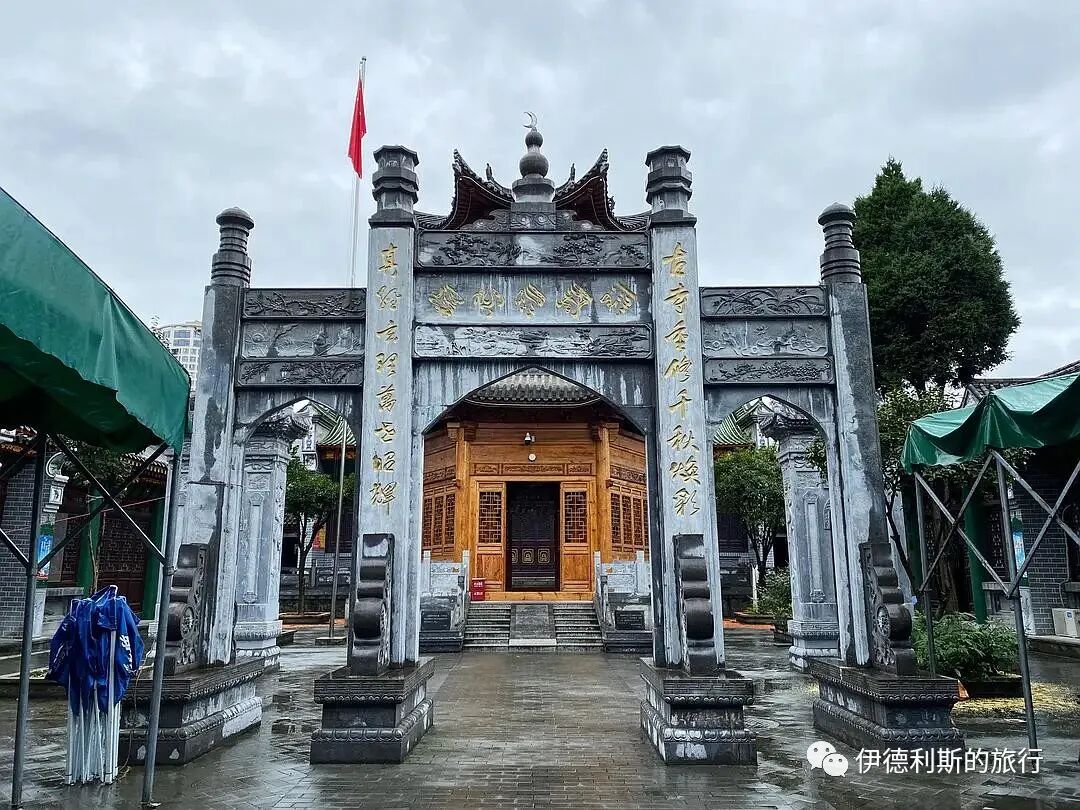
In 1719, Qi Jingyi passed away at Jingshi Mosque in Xixiang and was buried on the east side of Jingshi Mosque. One hundred days later, his remains were moved to Linxia, Gansu. In 1721, the followers built a commemorative gongbei at the original burial site, named Youjiu Pavilion. Later, a series of courtyards were built around Youjiu Pavilion, named Luling Mosque. Luling Mosque was destroyed during the Tongzhi period, rebuilt in 1868, the current Youjiu Pavilion was built in 1870, and the current archway was built in 1885.
During the Cultural Revolution, Luling Mosque was closed. It was reopened after the policies were implemented, and the main gongbei underwent multiple repairs in 1983, 1986, and 1999.
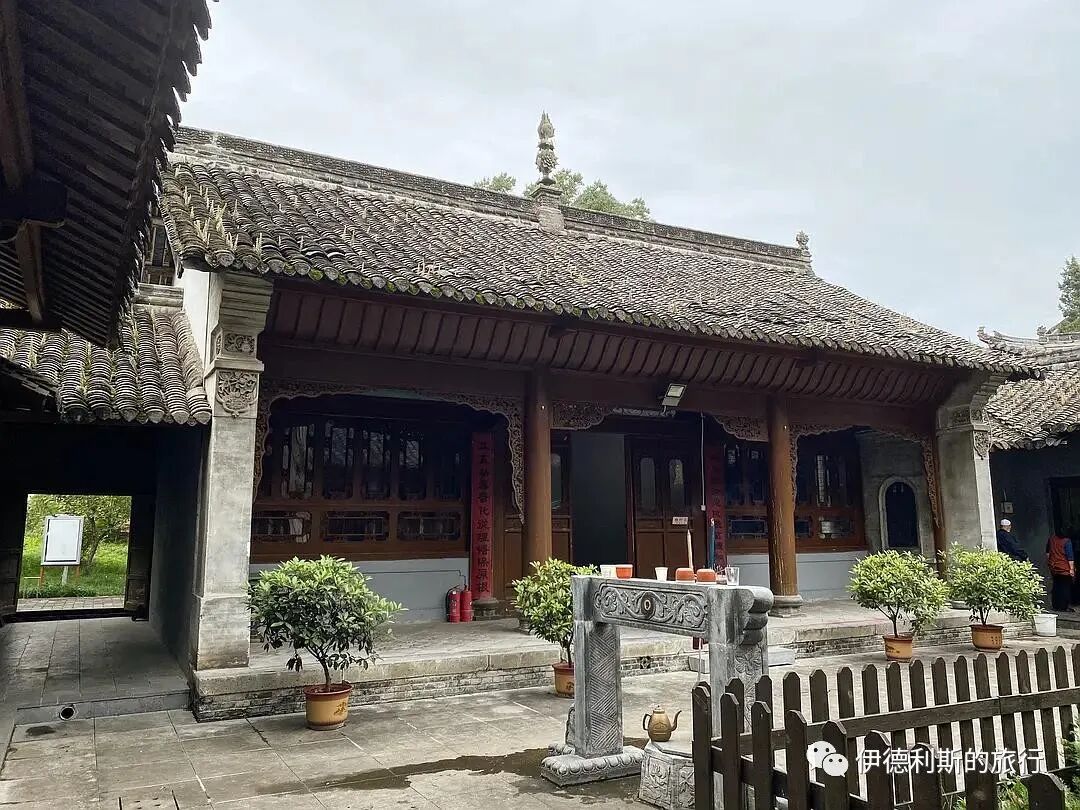
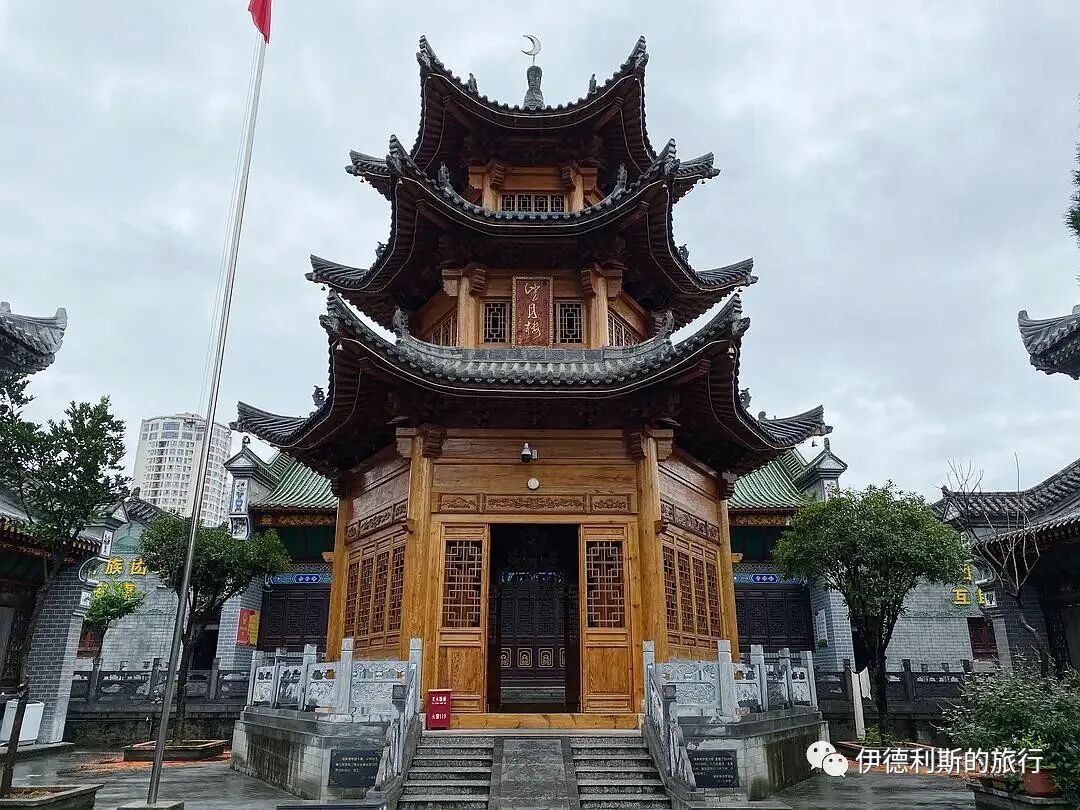
The tomb pavilion has double eaves, four corners, and a helmet-shaped roof, topped with a treasure vase, and is divided into inner and outer chambers.
Outside the gongbei archway, there is a pair of Qing Dynasty stone-carved plum blossom deer. Legend has it that when the great gongbei ancestor Qi Jingyi was meditating at Jingshi Mosque in Xixiang, two plum blossom deer often lay quietly outside the gate of Jingshi Mosque. After the ancestor passed away, the two deer lay quietly beside the tomb for a long time without leaving. The disciples believed that 'deer age of a thousand years' was an auspicious meaning, so they carved a pair of stone deer and placed them outside the gongbei archway, and Luling Mosque was named after this.
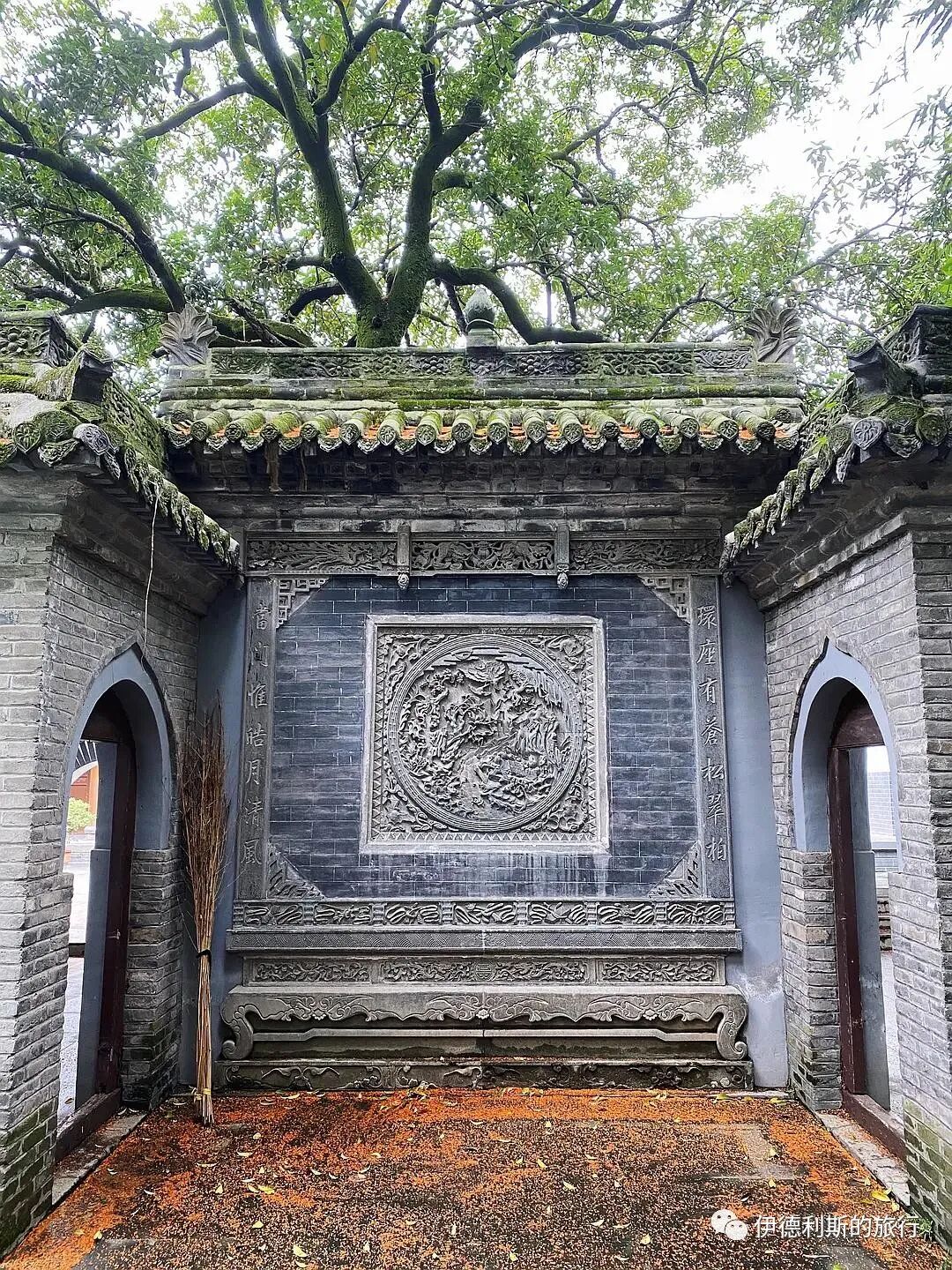
Several pictures of various new and old Hezhou brick carvings at Luling Mosque.
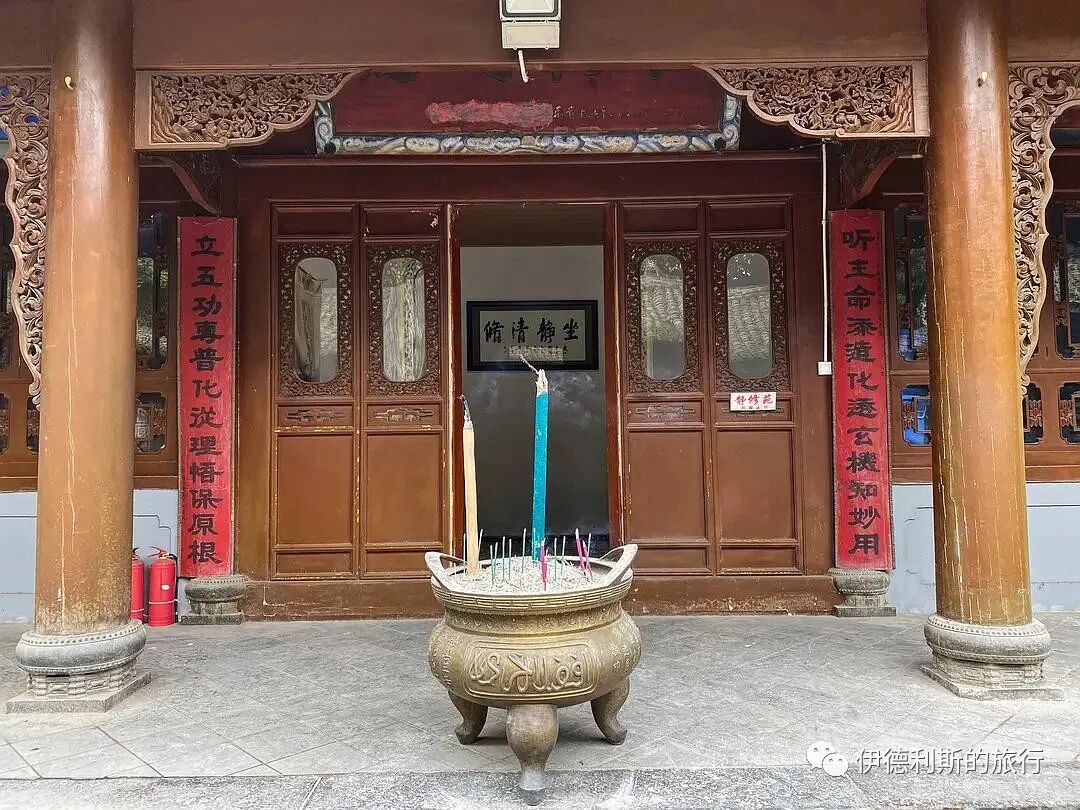
The prayer hall in the mosque.
Jingshi Mosque
Jingshi Mosque is located on the west side of Luling Mosque and is the place where the great gongbei ancestor Qi Jingyi meditated in Xixiang. In 1690, Qi Jingyi came to Xixiang, built a thatched cottage under Niutou Mountain to meditate, and eventually passed away here.
After Qi Jingyi passed away, Gao Xiangyun, a follower of the great gongbei, spent more than ten years starting in 1814 building the entire courtyard, including the main house, east and west wing rooms, the opposite hall, and the gate, on the original site of Jingshi Mosque. Jingshi Mosque was occupied during the Cultural Revolution, returned to the great gongbei in 1981, and rebuilt in 1990 under the leadership of Yang Shijun, the head of the great gongbei. view all
Summary: This travel note introduces Xixiang Muslim Travel Guide: Hui Muslims in Southern Shaanxi. Xixiang County is located in the middle of the Hanzhong Basin in southern Shaanxi, nestled between the Qinling Mountains and the Bashan Mountains, with the Muma River, a tributary of the Han River, flowing through the. It is useful for readers interested in Xixiang Travel, Hui Muslims, Shaanxi Travel.
Xixiang County is located in the middle of the Hanzhong Basin in southern Shaanxi, nestled between the Qinling Mountains and the Bashan Mountains, with the Muma River, a tributary of the Han River, flowing through the county seat. Starting from the Ming Dynasty, Hui Muslims from Pingliang, Gansu, moved to Xixiang to settle, and the Hui Muslim population continued to grow during the Kangxi and Qianlong periods. Currently, more than 2,000 Hui Muslims live in the Xiguan area of the county seat, belonging to the congregations of the North Mosque and the South Mosque. Most of the members of the South Mosque congregation are surnamed Mu, Chen, Luo, and Mi, while most of the members of the North Mosque congregation are surnamed Ma and Ha.
Beef jerky
Xixiang Hui Muslims have been famous for making beef jerky since the Tongzhi period. The local Xizhen cattle in Xixiang are a nationally famous breed of yellow cattle, which are very suitable for making beef jerky. Nowadays, shops selling halal beef jerky can be seen everywhere in the Xiguan area of Xixiang, especially concentrated in the Xiguan Halal Beef and Mutton Market. The beef jerky made by each family in Xiguan has a different taste, some hard, some soft, some salty, and some mild.
We bought some beef jerky at a shop called Zhongping Food Store, where many locals shop.
The largest halal beef jerky brand in Xixiang is 'Xinyi'. Xinyi was founded in 1995, and the company's legal representative, Mu Xin, is the inheritor of the Shaanxi provincial intangible cultural heritage 'Xixiang Beef Jerky Making Technique'. Most of their beef is supplied by Hui Muslim butchers living in impoverished areas such as Liushu, Guanshan, Sidu, and Shahe in Xixiang, and they use more than ten kinds of Chinese herbal medicines instead of preservatives.
We bought a lot of beef jerky at the Xinyi shop in Xiguan, and also bought some local dried tofu. We were able to send it home directly via SF Express, and the dost (friend/fellow Muslim) auntie in the shop was very enthusiastic.
Xinyi Ethnic Restaurant
Xinyi also opened a 'Xinyi Ethnic Restaurant' where you can stay and eat. We stayed here while we were in Xixiang. There is a breakfast buffet in the morning and regular meals at other times. In the evening, we ordered lotus root shoots, teppan sand ginger chicken, and sweet and sour lingzhi mushrooms.
South Mosque
The Xixiang South Mosque was built in the Ming Dynasty. It was closed and occupied after the 1958 religious reforms, returned in 1986, and officially opened in 2001. The main hall was rebuilt in 1997, but the gate and the south wing are still old. The gate has a 'Mosque' plaque from the Daoguang period.
Mosque Lane Archway
After coming out of the South Mosque, you can see the wooden 'Mosque Lane' archway built during the Xianfeng period, followed by the old street of Xiguan where Hui Muslims live.
Women's Mosque
Continuing north, you can see the Women's Mosque built in 1956, which was occupied after the 1958 religious reforms and restored in 1990.
North Mosque
The North Mosque was originally called Jingning Mosque and was built in 1614 by Hui Muslims who moved to Xixiang from Jingning Prefecture (now Pingliang, Gansu). The North Mosque was expanded in 1723, later destroyed by war, rebuilt in 1816, and renovated many times. It was occupied after the Cultural Revolution, returned in 1984, and the north wing was rebuilt in 2009.
The mihrab (niche in the wall of a mosque) is painted with very distinctive Shaanxi-style Arabic calligraphy.
Beef pulled noodles
After performing the prayer, the local dosts enthusiastically took us to eat. The halal restaurants in Xixiang are mainly concentrated in the West Gate area. We ate local specialty braised beef pulled noodles and tofu with beef at an ahong's (imam's) shop, and they also treated us to sanzi (fried dough twists) and youxiang (fried flour cakes).
Luling Mosque
Luling Mosque is a commemorative gongbei (shrine) built on the original burial site of Qi Jingyi, the founder of the Sufi Qadiriyya order.
In 1719, Qi Jingyi passed away at Jingshi Mosque in Xixiang and was buried on the east side of Jingshi Mosque. One hundred days later, his remains were moved to Linxia, Gansu. In 1721, the followers built a commemorative gongbei at the original burial site, named Youjiu Pavilion. Later, a series of courtyards were built around Youjiu Pavilion, named Luling Mosque. Luling Mosque was destroyed during the Tongzhi period, rebuilt in 1868, the current Youjiu Pavilion was built in 1870, and the current archway was built in 1885.
During the Cultural Revolution, Luling Mosque was closed. It was reopened after the policies were implemented, and the main gongbei underwent multiple repairs in 1983, 1986, and 1999.
The tomb pavilion has double eaves, four corners, and a helmet-shaped roof, topped with a treasure vase, and is divided into inner and outer chambers.
Outside the gongbei archway, there is a pair of Qing Dynasty stone-carved plum blossom deer. Legend has it that when the great gongbei ancestor Qi Jingyi was meditating at Jingshi Mosque in Xixiang, two plum blossom deer often lay quietly outside the gate of Jingshi Mosque. After the ancestor passed away, the two deer lay quietly beside the tomb for a long time without leaving. The disciples believed that 'deer age of a thousand years' was an auspicious meaning, so they carved a pair of stone deer and placed them outside the gongbei archway, and Luling Mosque was named after this.
Several pictures of various new and old Hezhou brick carvings at Luling Mosque.
The prayer hall in the mosque.
Jingshi Mosque
Jingshi Mosque is located on the west side of Luling Mosque and is the place where the great gongbei ancestor Qi Jingyi meditated in Xixiang. In 1690, Qi Jingyi came to Xixiang, built a thatched cottage under Niutou Mountain to meditate, and eventually passed away here.
After Qi Jingyi passed away, Gao Xiangyun, a follower of the great gongbei, spent more than ten years starting in 1814 building the entire courtyard, including the main house, east and west wing rooms, the opposite hall, and the gate, on the original site of Jingshi Mosque. Jingshi Mosque was occupied during the Cultural Revolution, returned to the great gongbei in 1981, and rebuilt in 1990 under the leadership of Yang Shijun, the head of the great gongbei. view all
Reposted from the web
Summary: This travel note introduces Xixiang Muslim Travel Guide: Hui Muslims in Southern Shaanxi. Xixiang County is located in the middle of the Hanzhong Basin in southern Shaanxi, nestled between the Qinling Mountains and the Bashan Mountains, with the Muma River, a tributary of the Han River, flowing through the. It is useful for readers interested in Xixiang Travel, Hui Muslims, Shaanxi Travel.
Xixiang County is located in the middle of the Hanzhong Basin in southern Shaanxi, nestled between the Qinling Mountains and the Bashan Mountains, with the Muma River, a tributary of the Han River, flowing through the county seat. Starting from the Ming Dynasty, Hui Muslims from Pingliang, Gansu, moved to Xixiang to settle, and the Hui Muslim population continued to grow during the Kangxi and Qianlong periods. Currently, more than 2,000 Hui Muslims live in the Xiguan area of the county seat, belonging to the congregations of the North Mosque and the South Mosque. Most of the members of the South Mosque congregation are surnamed Mu, Chen, Luo, and Mi, while most of the members of the North Mosque congregation are surnamed Ma and Ha.
Beef jerky
Xixiang Hui Muslims have been famous for making beef jerky since the Tongzhi period. The local Xizhen cattle in Xixiang are a nationally famous breed of yellow cattle, which are very suitable for making beef jerky. Nowadays, shops selling halal beef jerky can be seen everywhere in the Xiguan area of Xixiang, especially concentrated in the Xiguan Halal Beef and Mutton Market. The beef jerky made by each family in Xiguan has a different taste, some hard, some soft, some salty, and some mild.
We bought some beef jerky at a shop called Zhongping Food Store, where many locals shop.
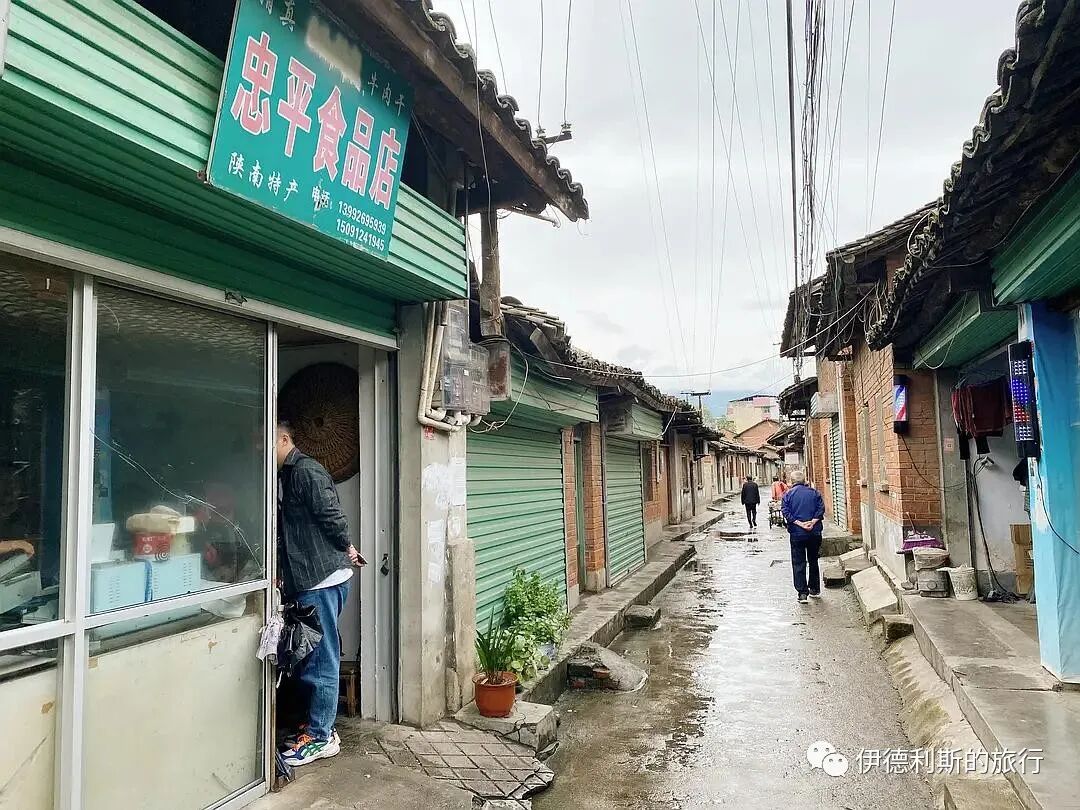
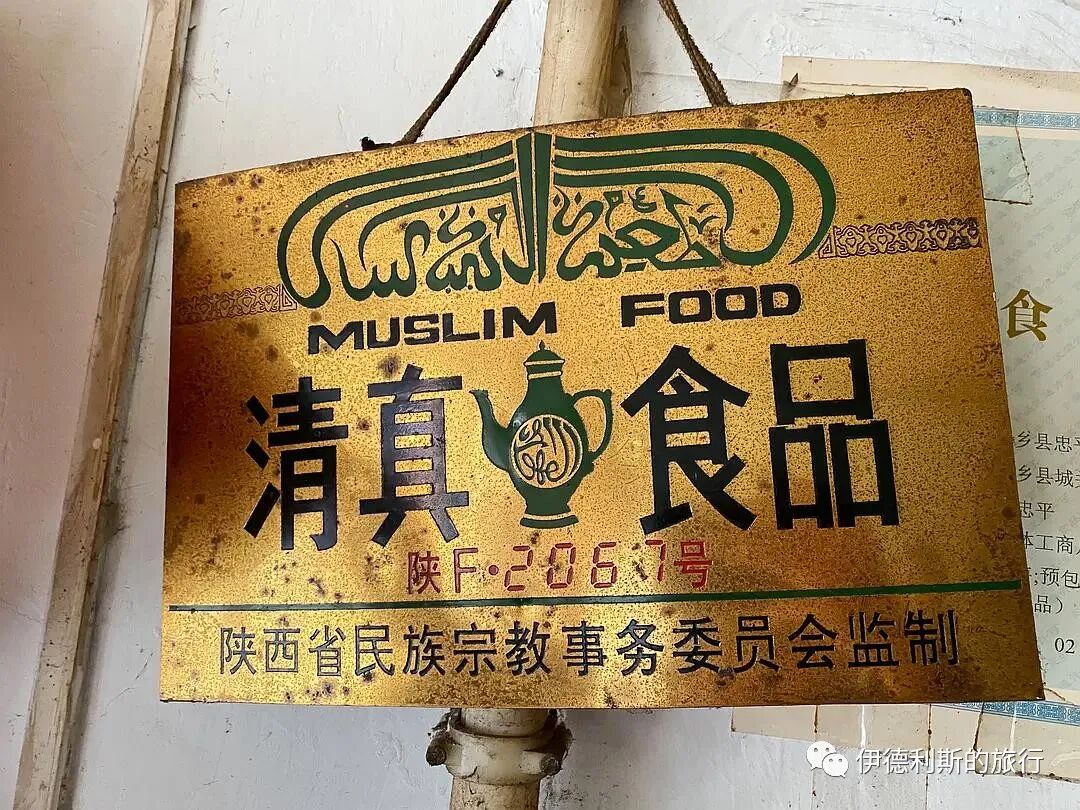
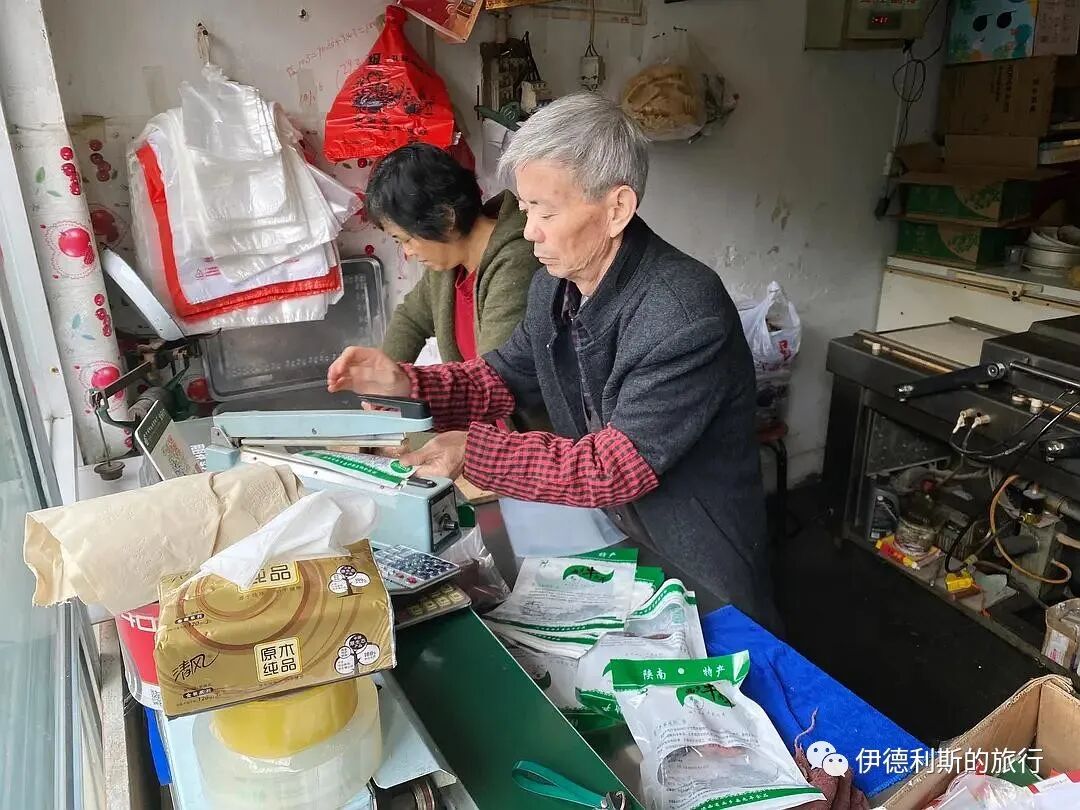
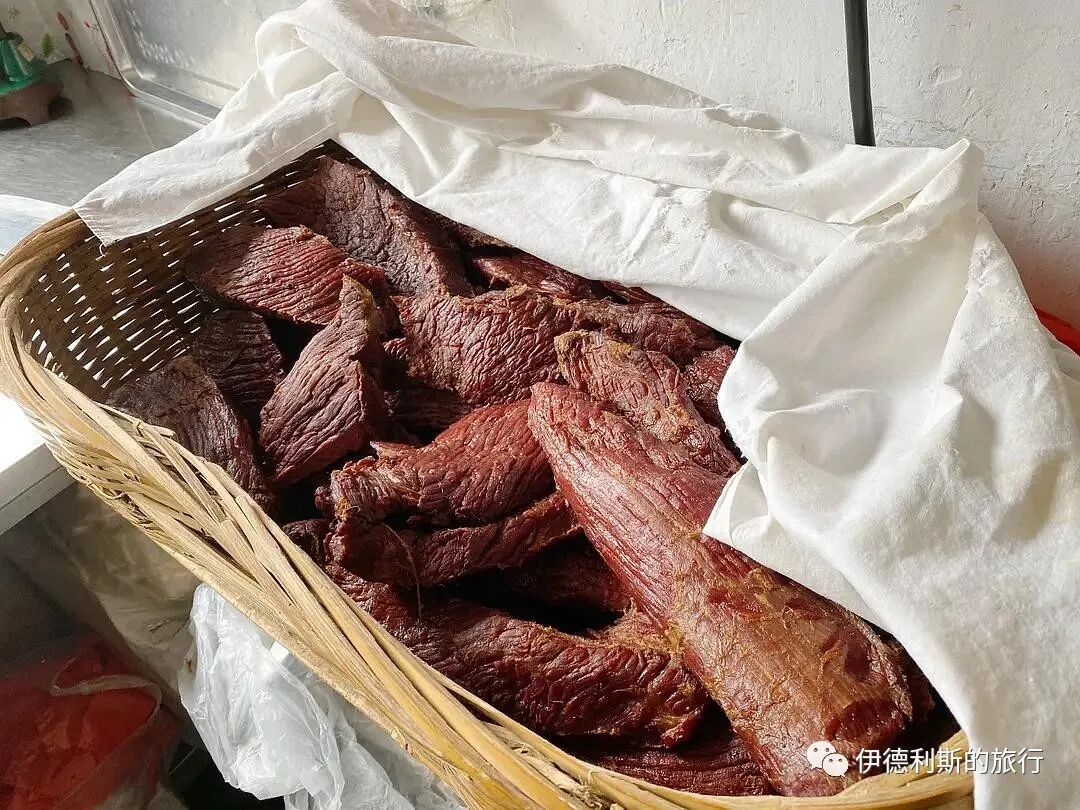
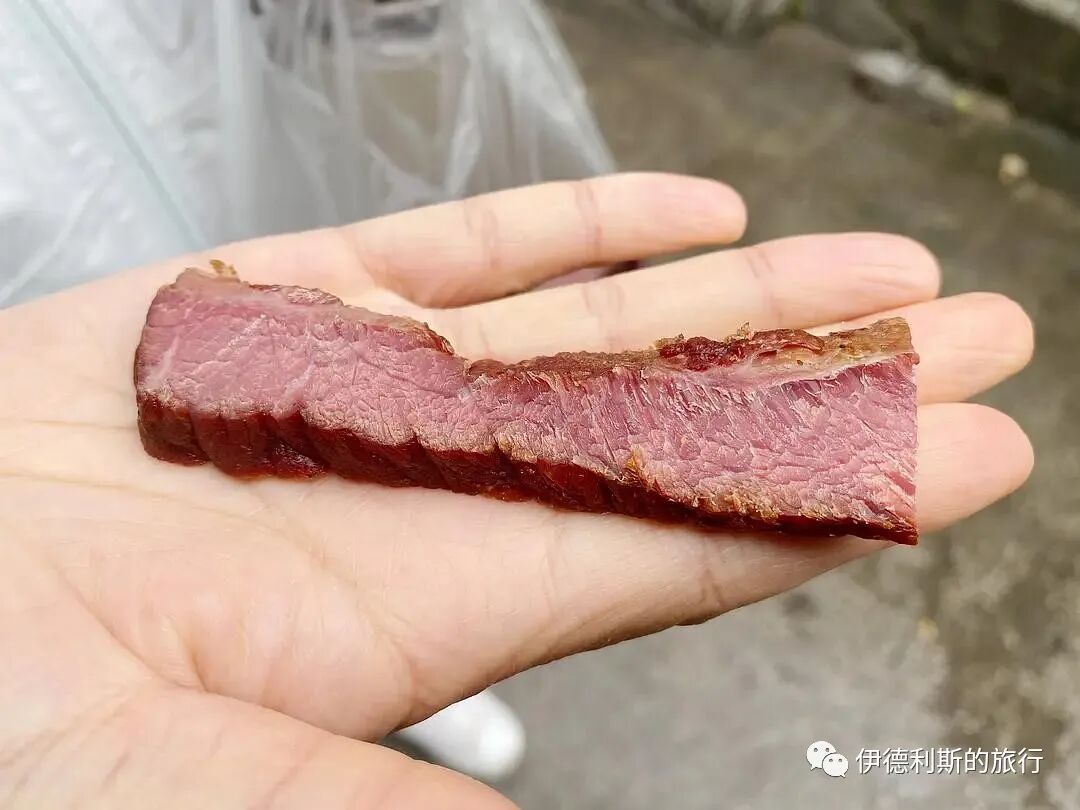
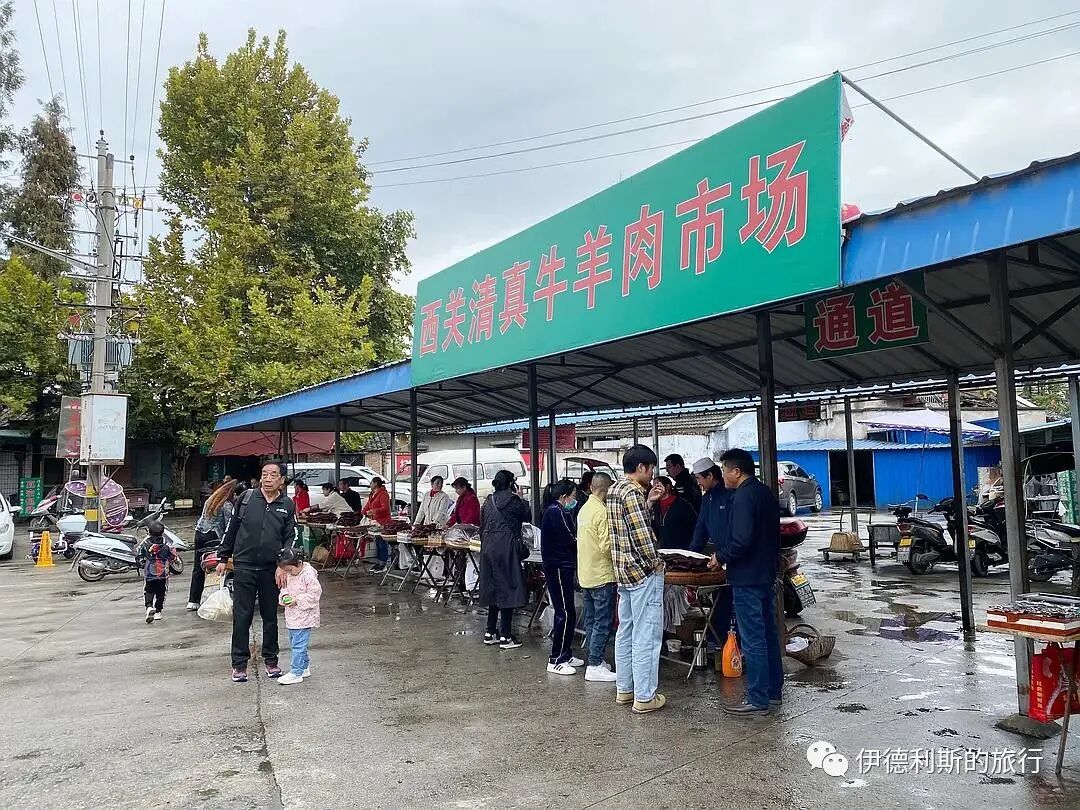
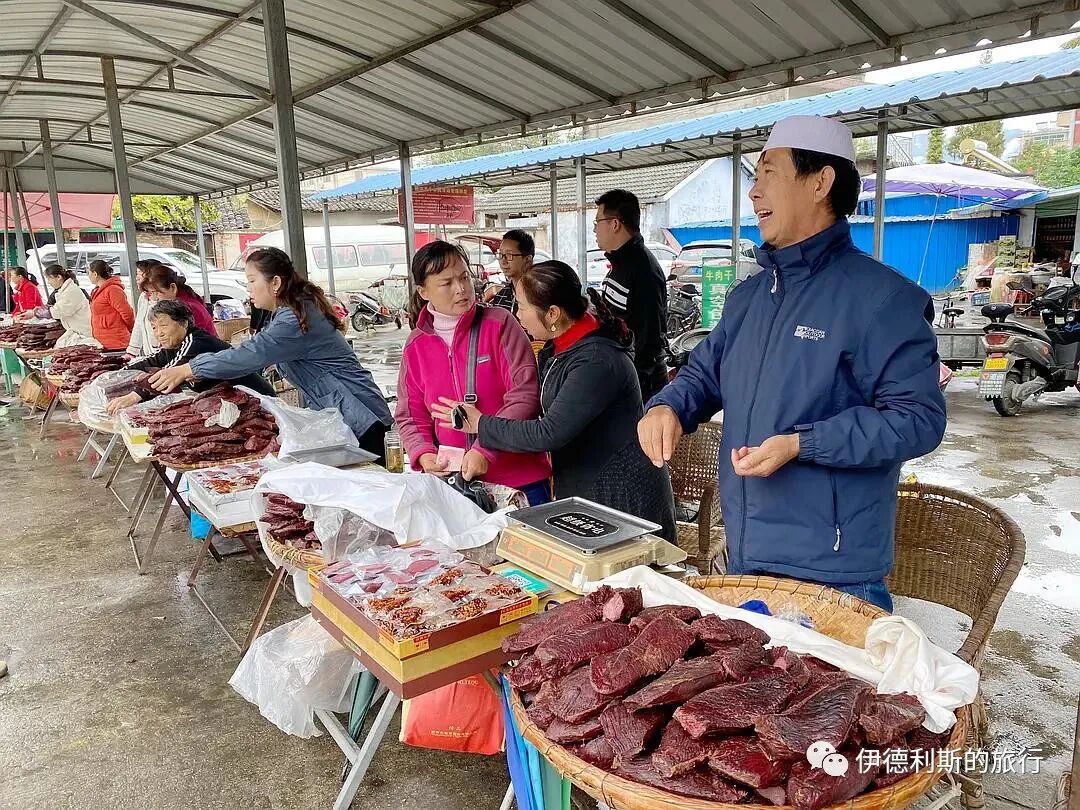
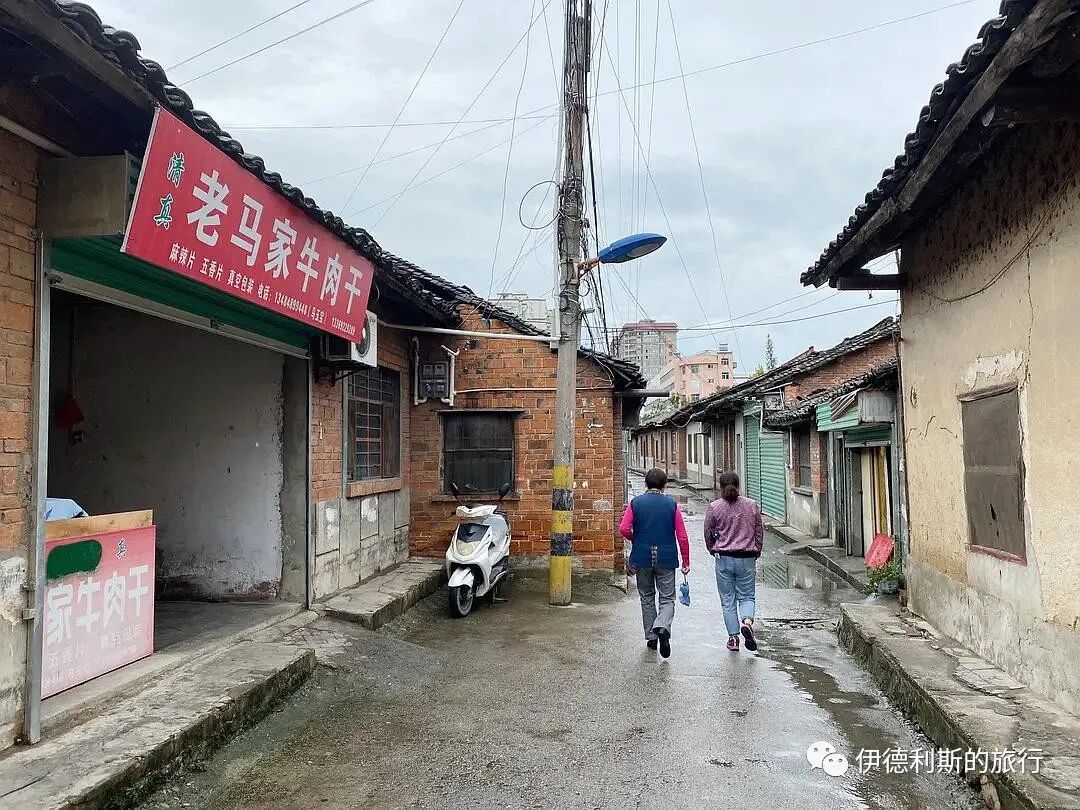
The largest halal beef jerky brand in Xixiang is 'Xinyi'. Xinyi was founded in 1995, and the company's legal representative, Mu Xin, is the inheritor of the Shaanxi provincial intangible cultural heritage 'Xixiang Beef Jerky Making Technique'. Most of their beef is supplied by Hui Muslim butchers living in impoverished areas such as Liushu, Guanshan, Sidu, and Shahe in Xixiang, and they use more than ten kinds of Chinese herbal medicines instead of preservatives.
We bought a lot of beef jerky at the Xinyi shop in Xiguan, and also bought some local dried tofu. We were able to send it home directly via SF Express, and the dost (friend/fellow Muslim) auntie in the shop was very enthusiastic.
Xinyi Ethnic Restaurant
Xinyi also opened a 'Xinyi Ethnic Restaurant' where you can stay and eat. We stayed here while we were in Xixiang. There is a breakfast buffet in the morning and regular meals at other times. In the evening, we ordered lotus root shoots, teppan sand ginger chicken, and sweet and sour lingzhi mushrooms.
South Mosque
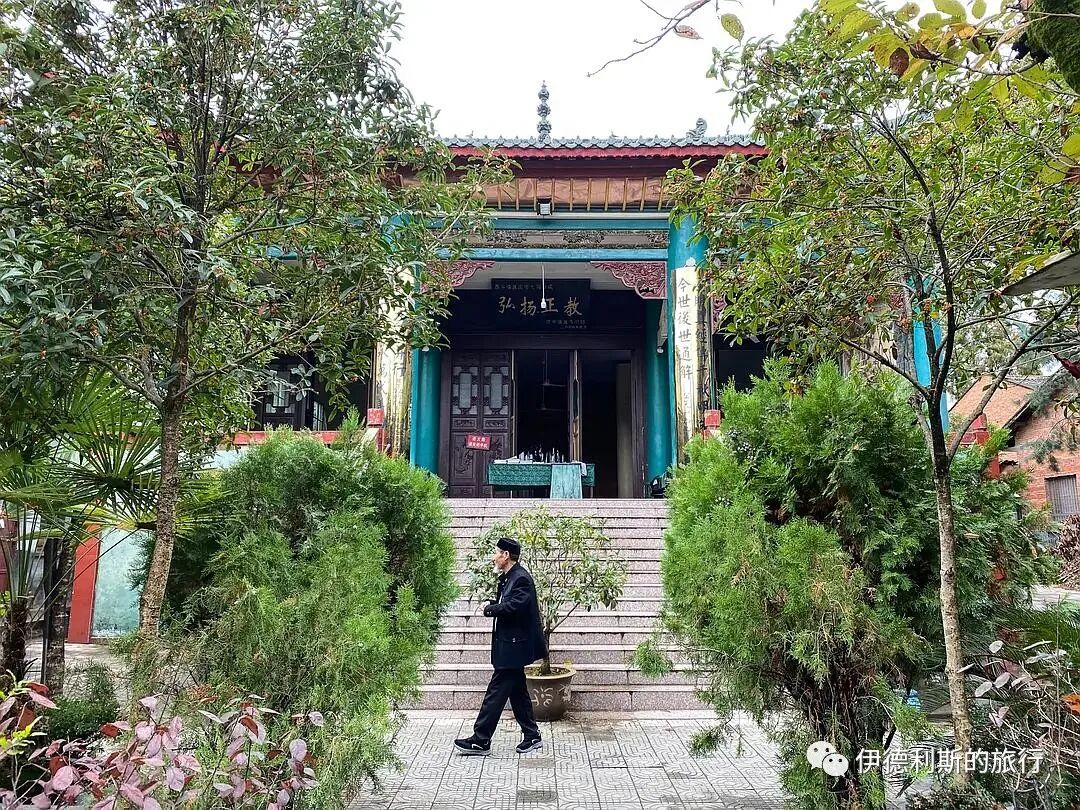
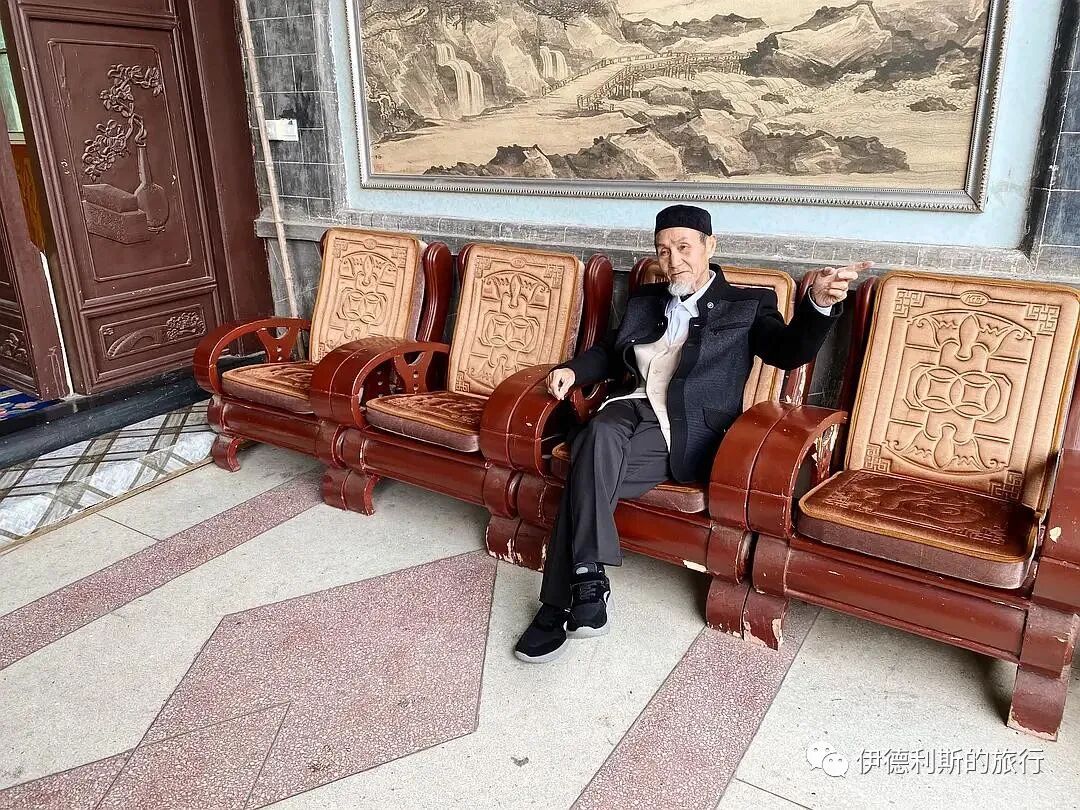
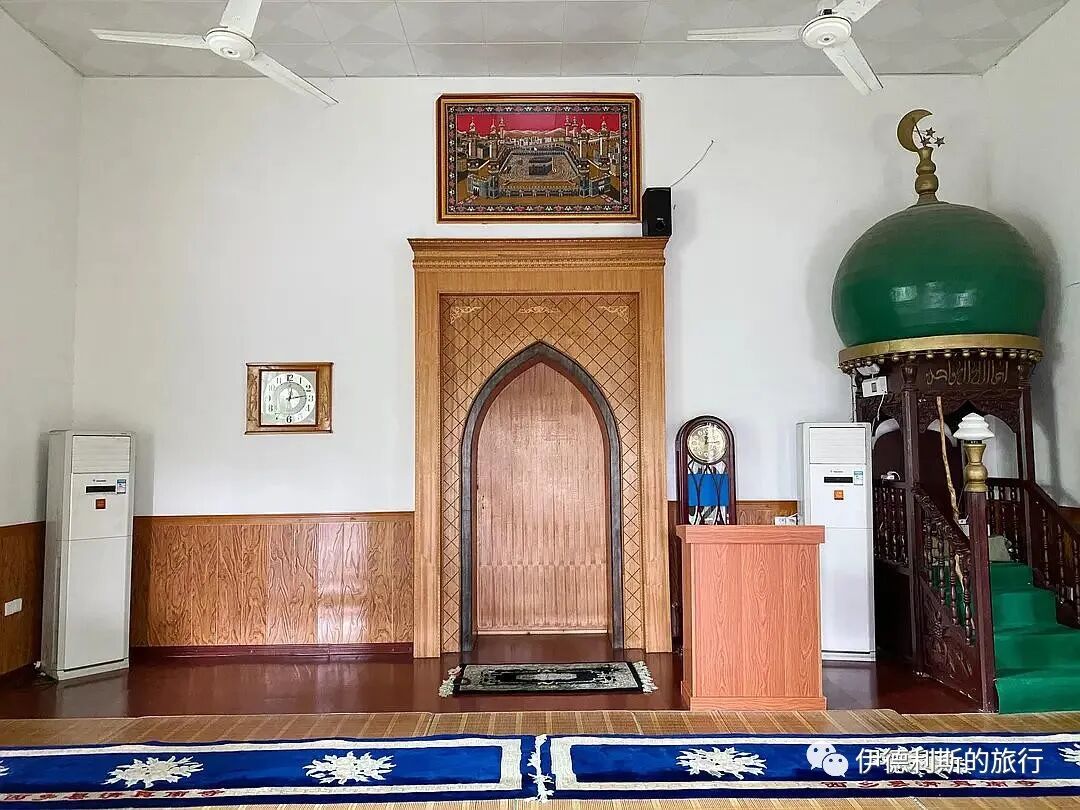
The Xixiang South Mosque was built in the Ming Dynasty. It was closed and occupied after the 1958 religious reforms, returned in 1986, and officially opened in 2001. The main hall was rebuilt in 1997, but the gate and the south wing are still old. The gate has a 'Mosque' plaque from the Daoguang period.
Mosque Lane Archway
After coming out of the South Mosque, you can see the wooden 'Mosque Lane' archway built during the Xianfeng period, followed by the old street of Xiguan where Hui Muslims live.
Women's Mosque
Continuing north, you can see the Women's Mosque built in 1956, which was occupied after the 1958 religious reforms and restored in 1990.
North Mosque
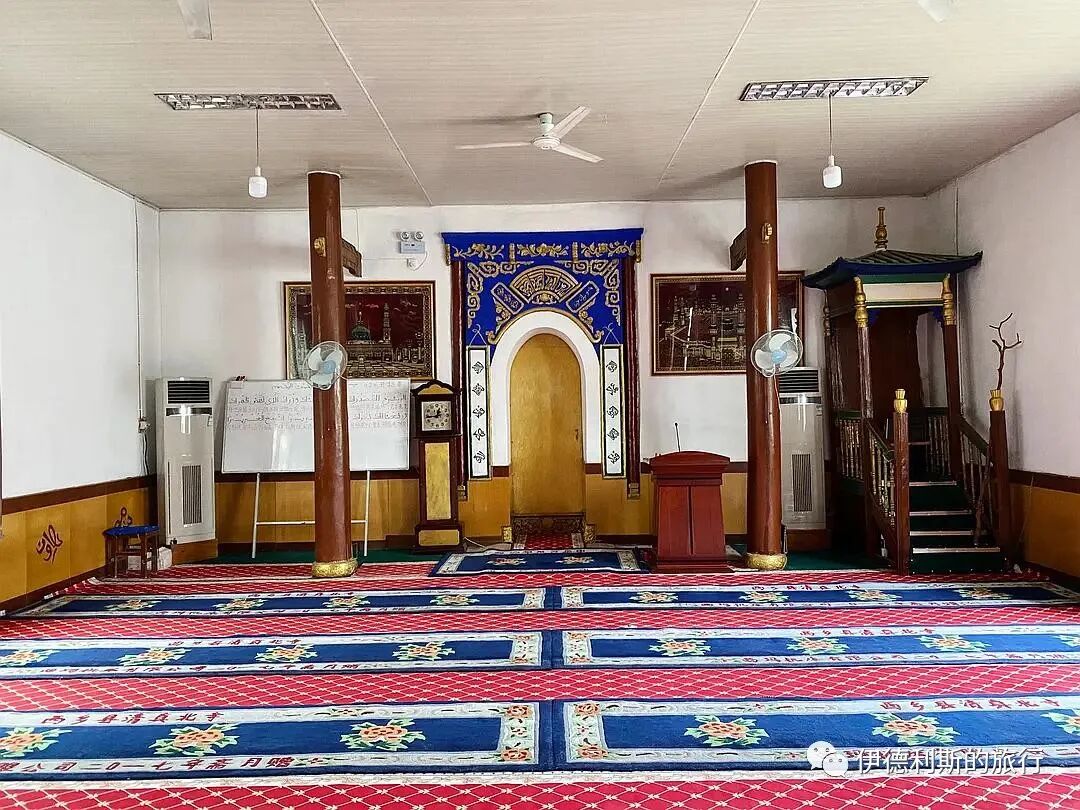
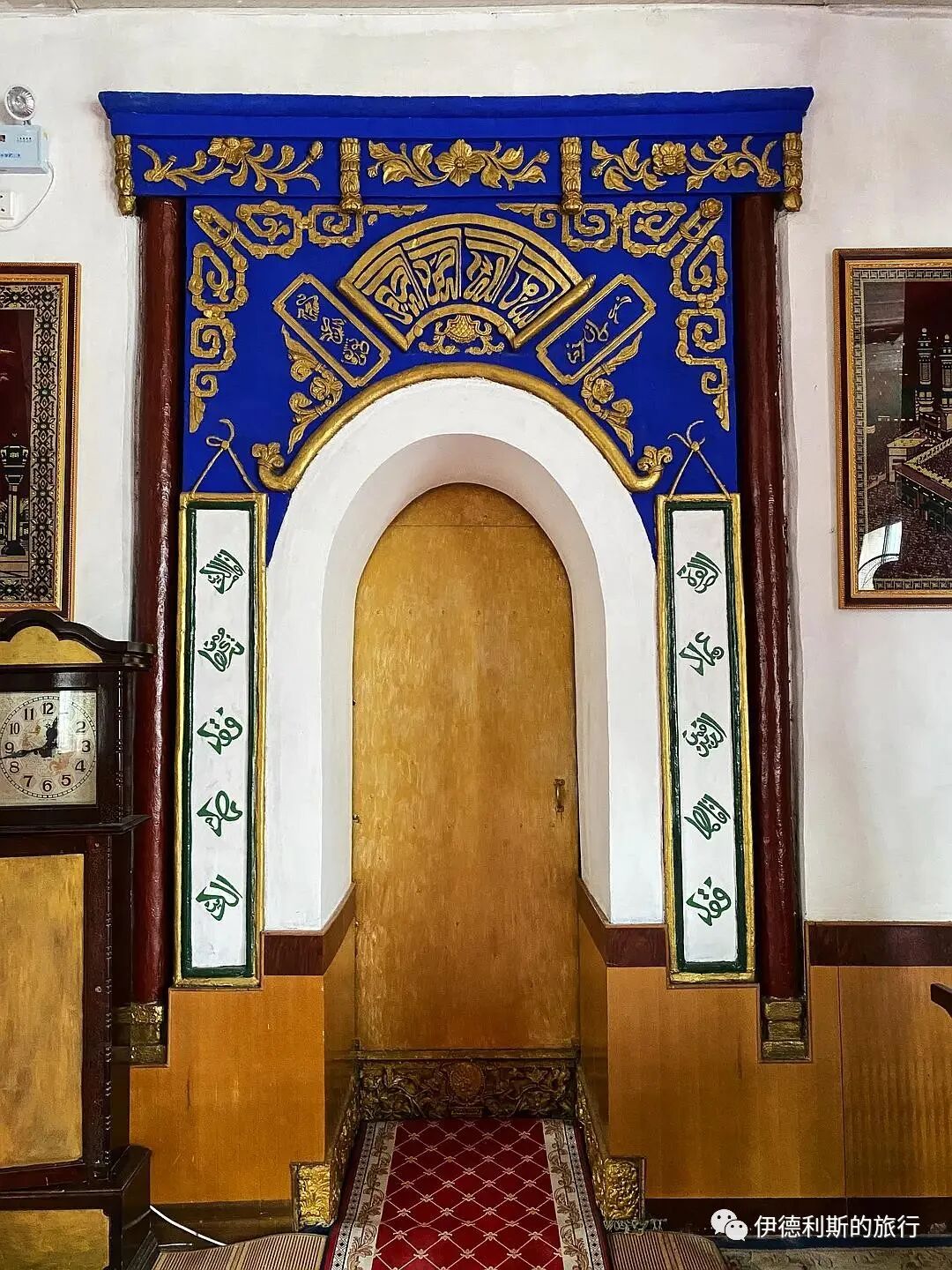
The North Mosque was originally called Jingning Mosque and was built in 1614 by Hui Muslims who moved to Xixiang from Jingning Prefecture (now Pingliang, Gansu). The North Mosque was expanded in 1723, later destroyed by war, rebuilt in 1816, and renovated many times. It was occupied after the Cultural Revolution, returned in 1984, and the north wing was rebuilt in 2009.
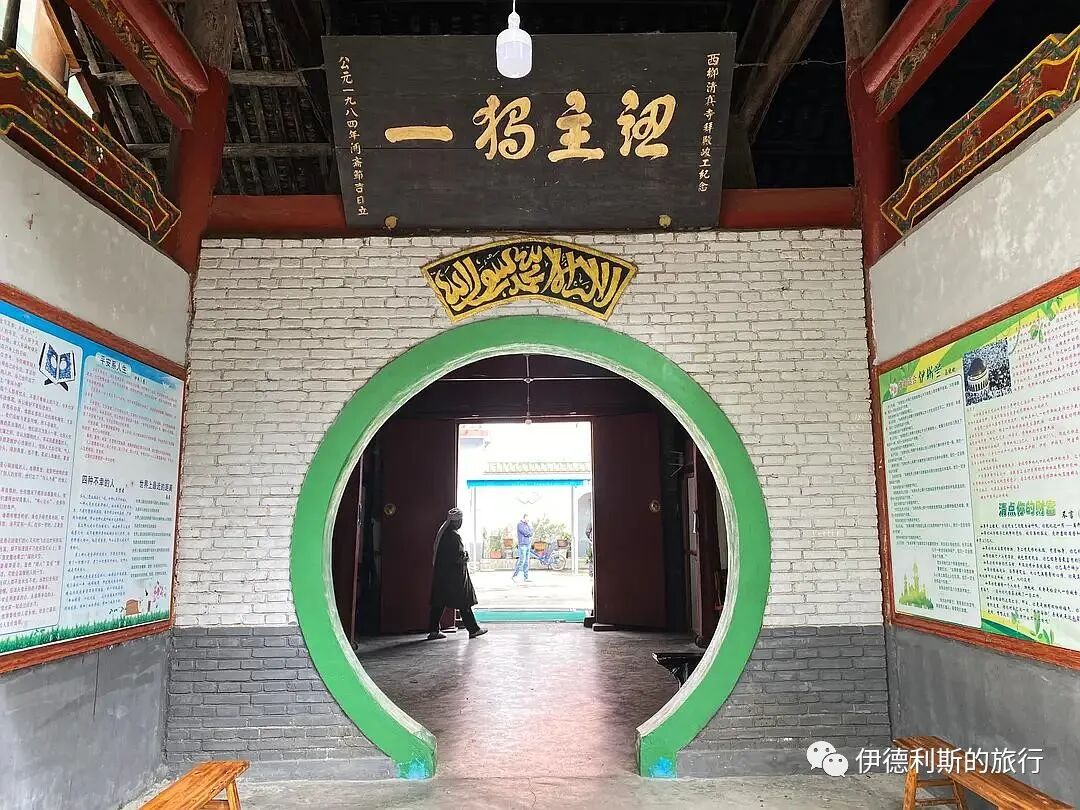
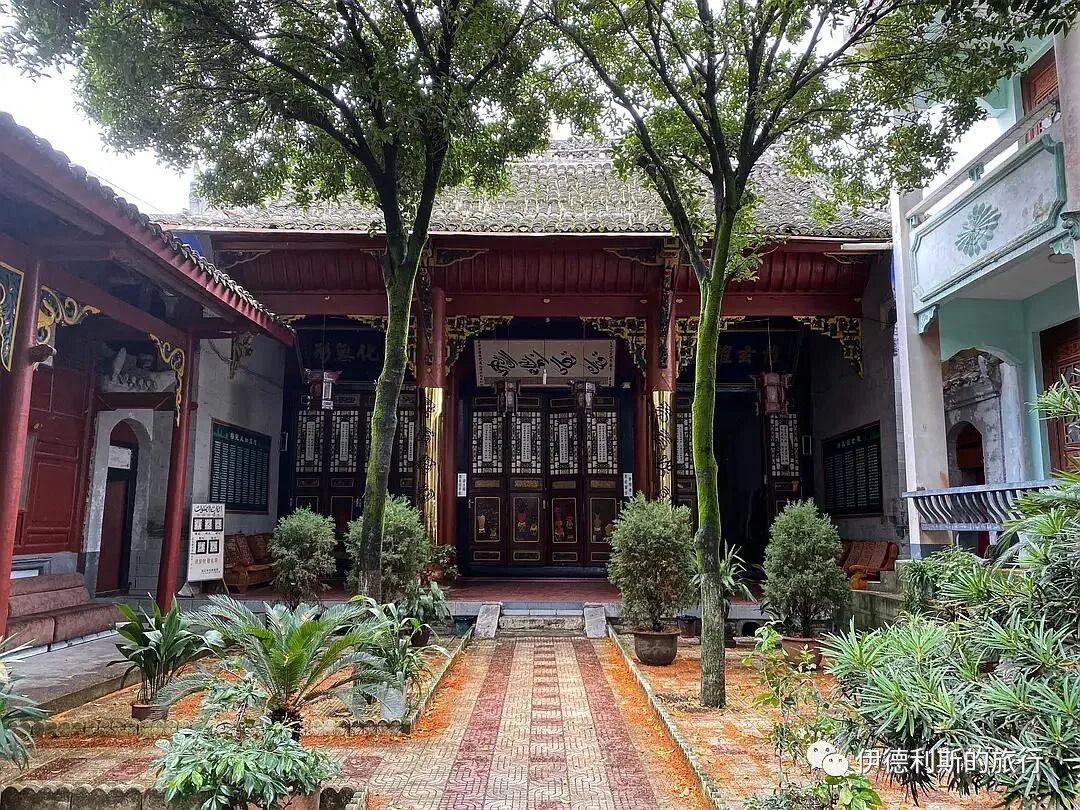
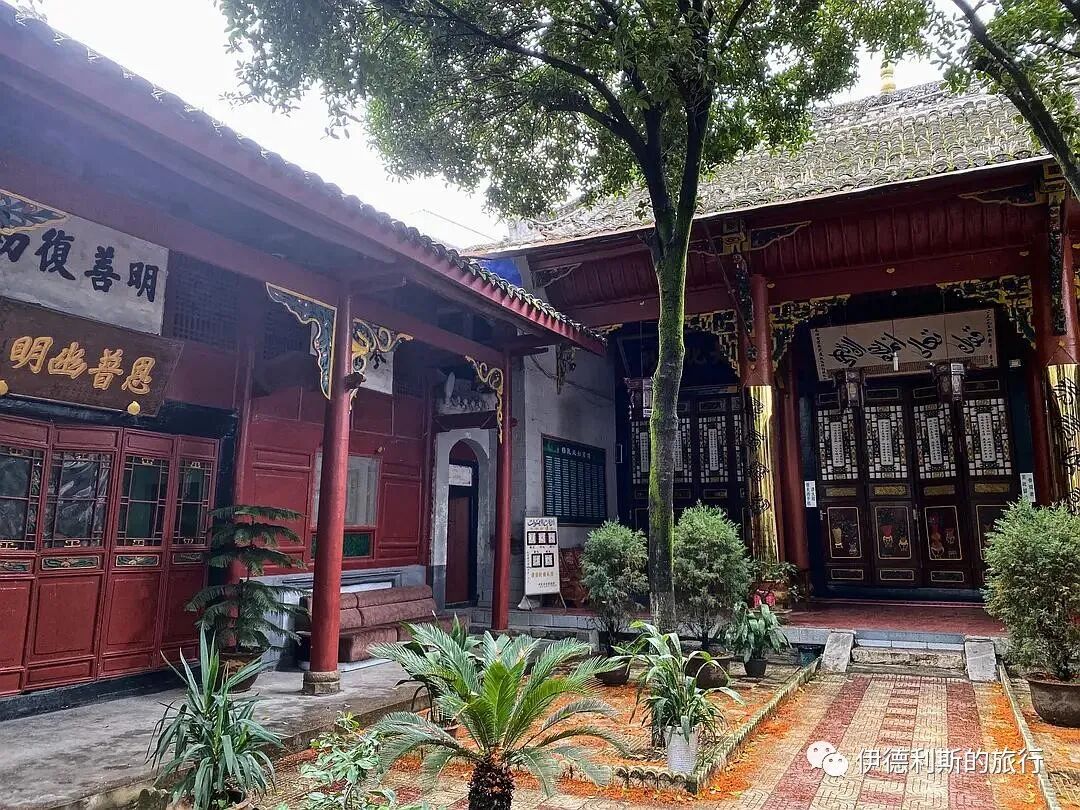
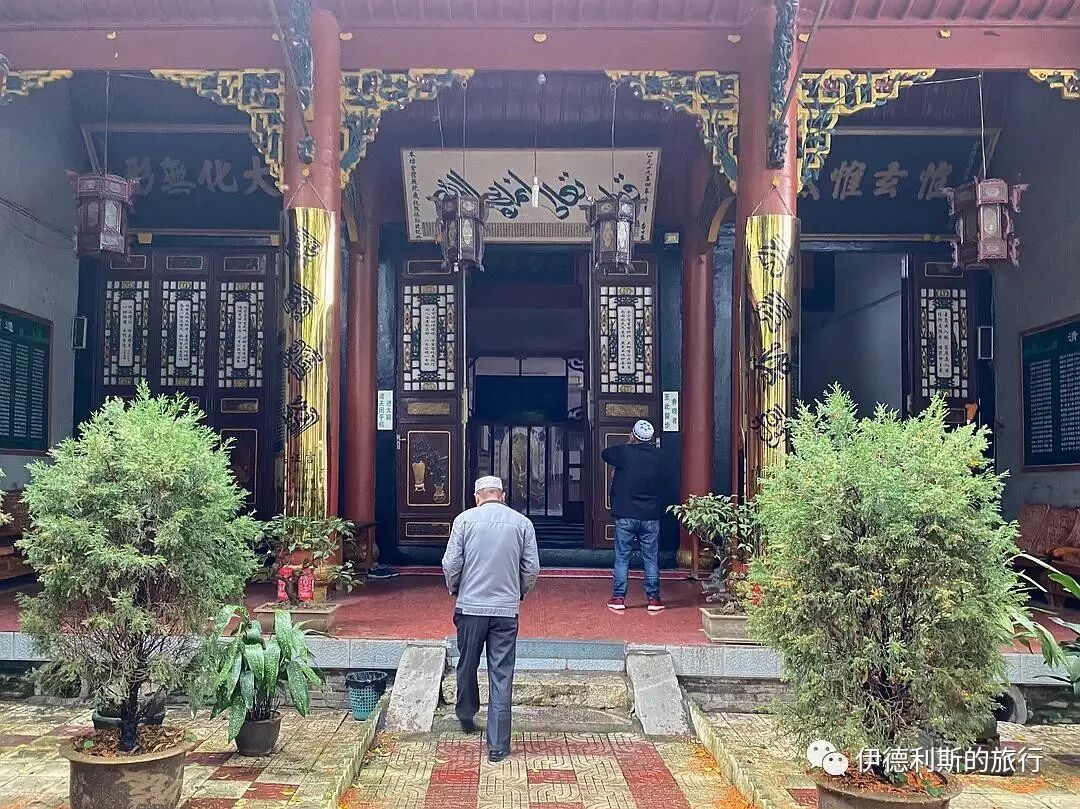
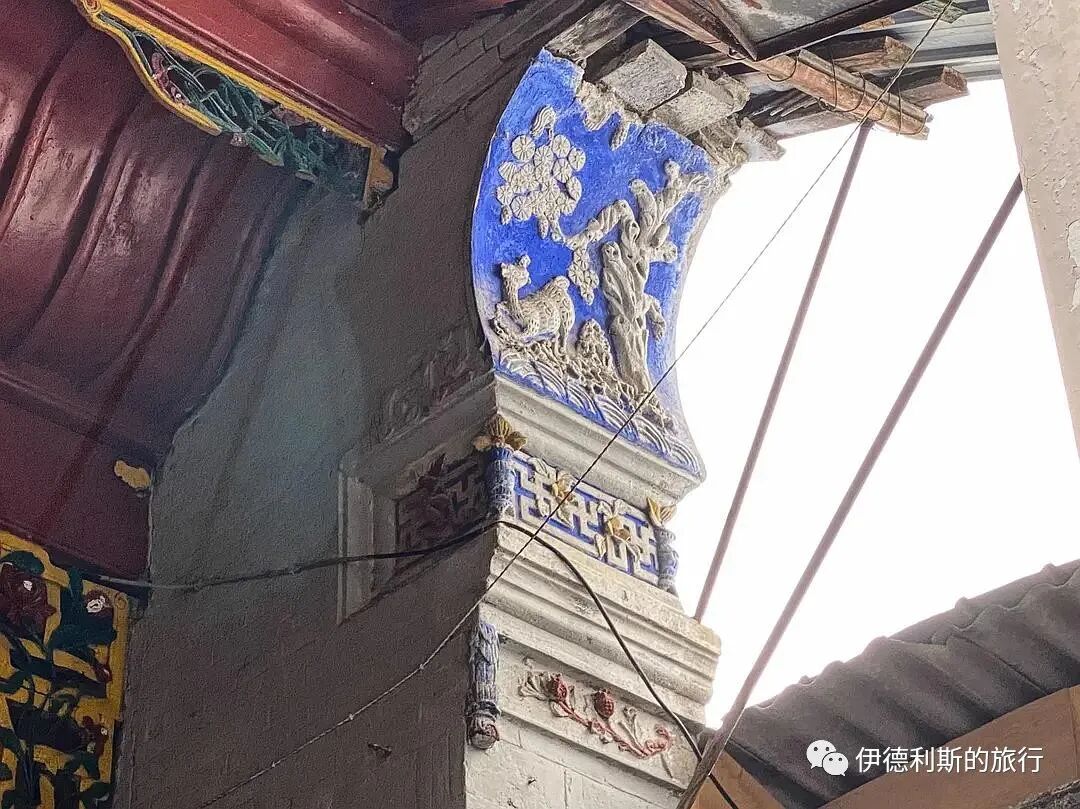
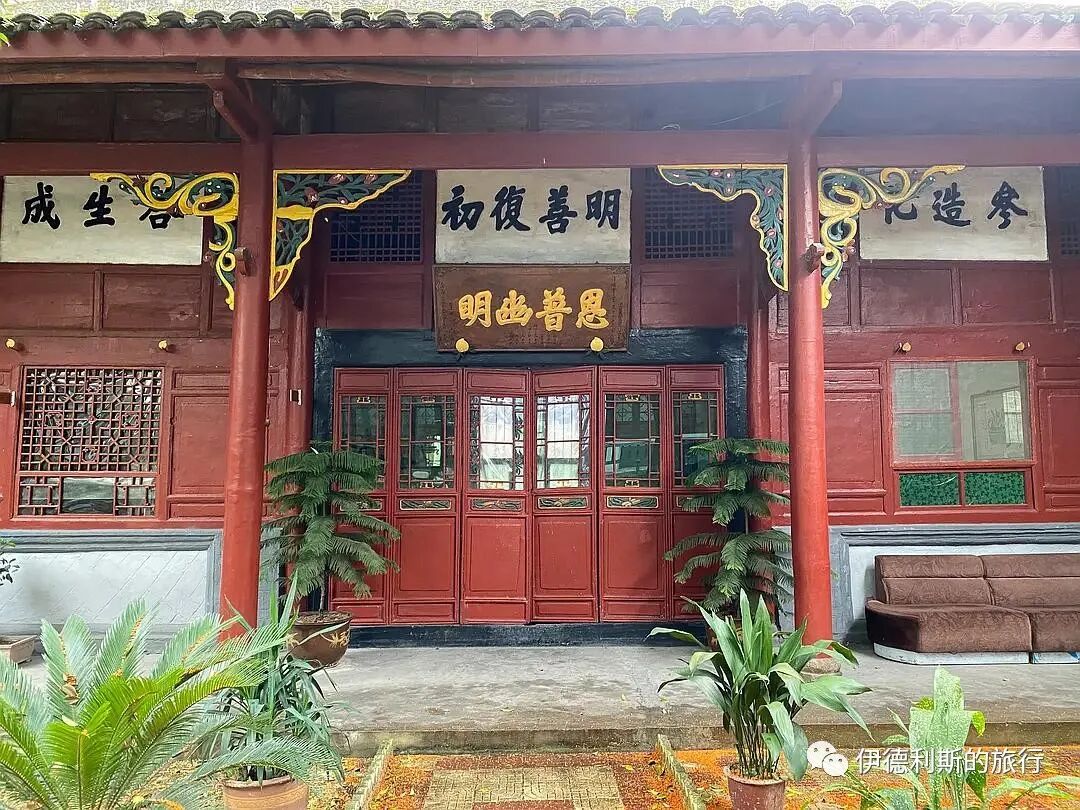
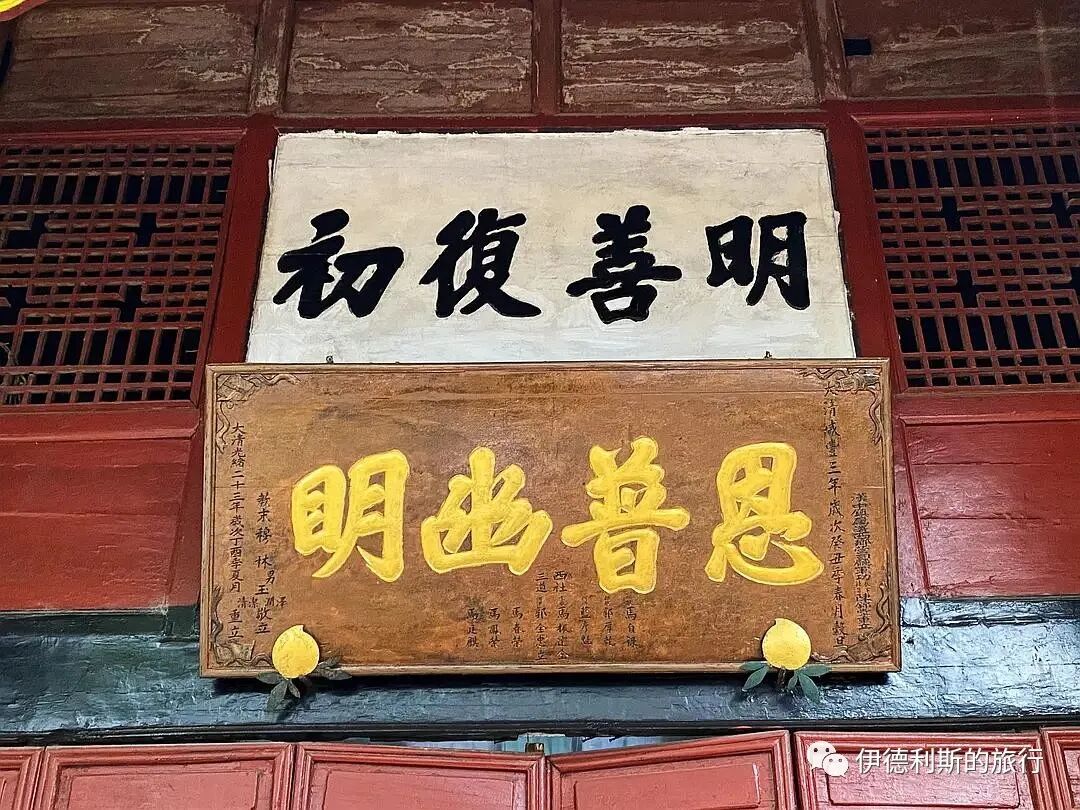
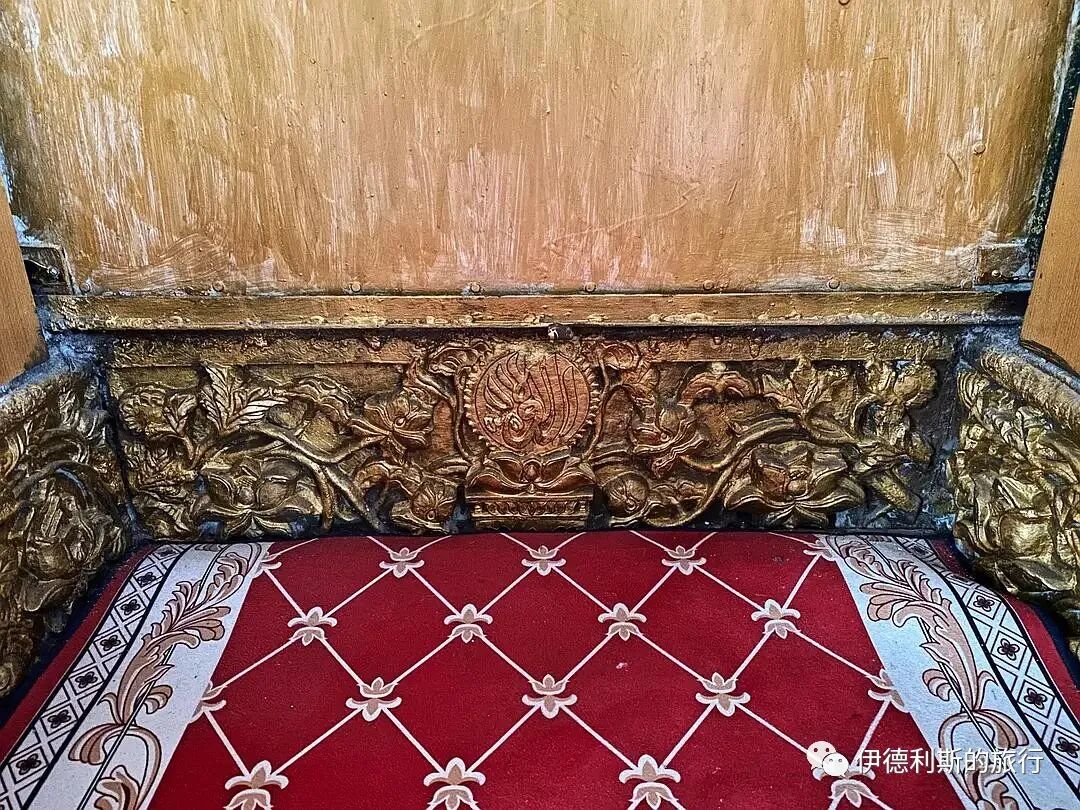
The mihrab (niche in the wall of a mosque) is painted with very distinctive Shaanxi-style Arabic calligraphy.
Beef pulled noodles
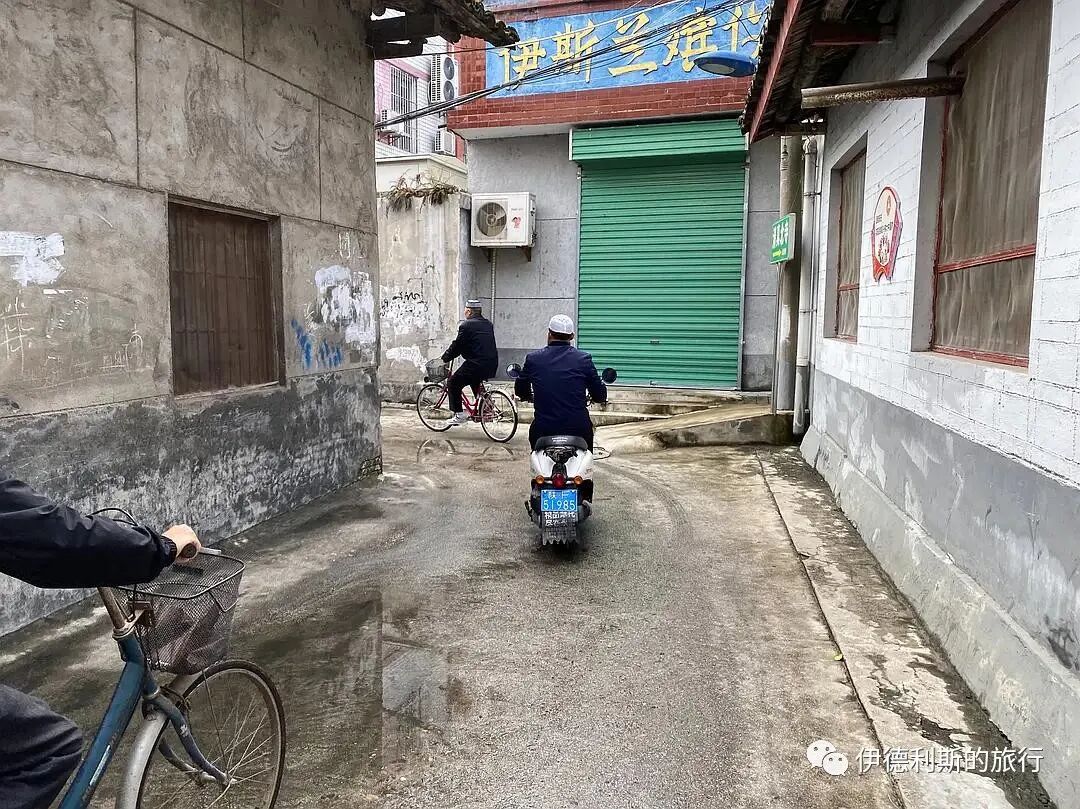
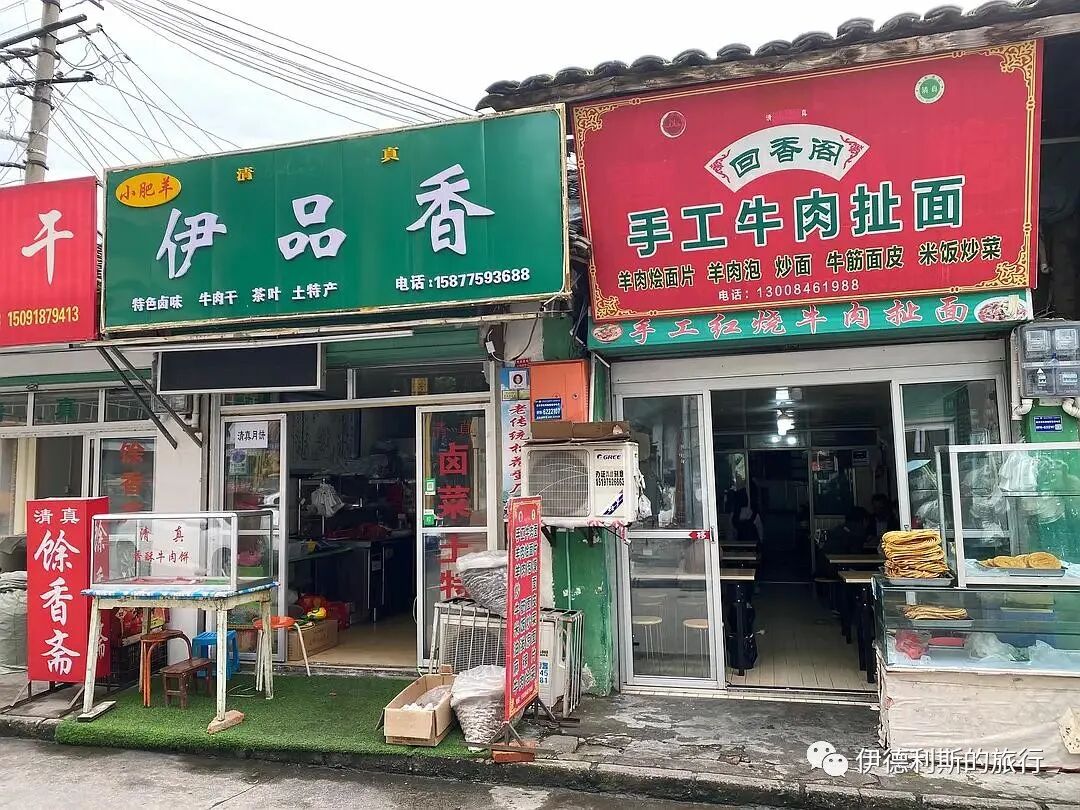
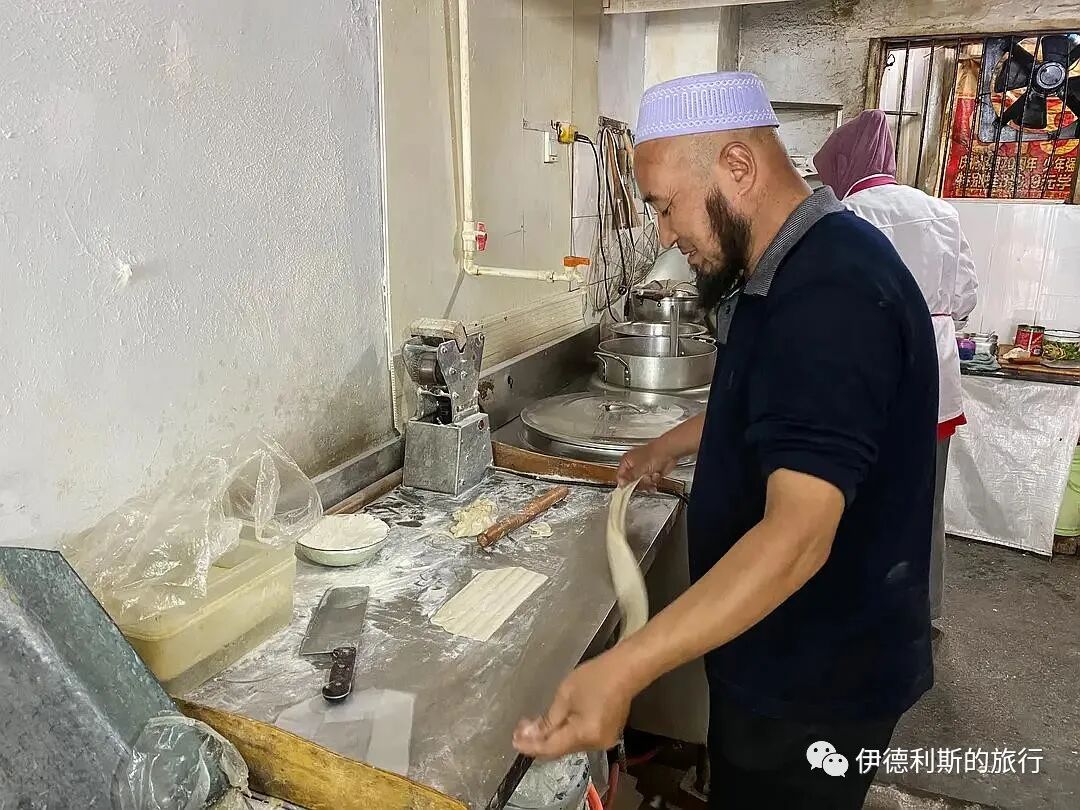
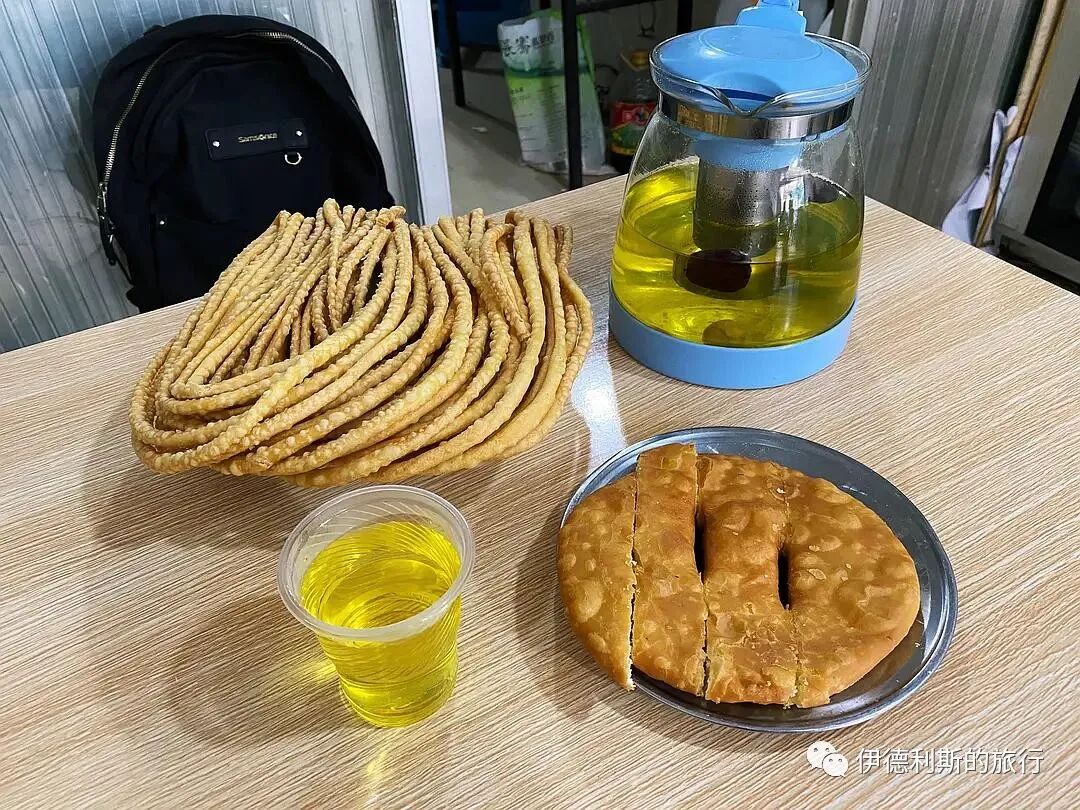
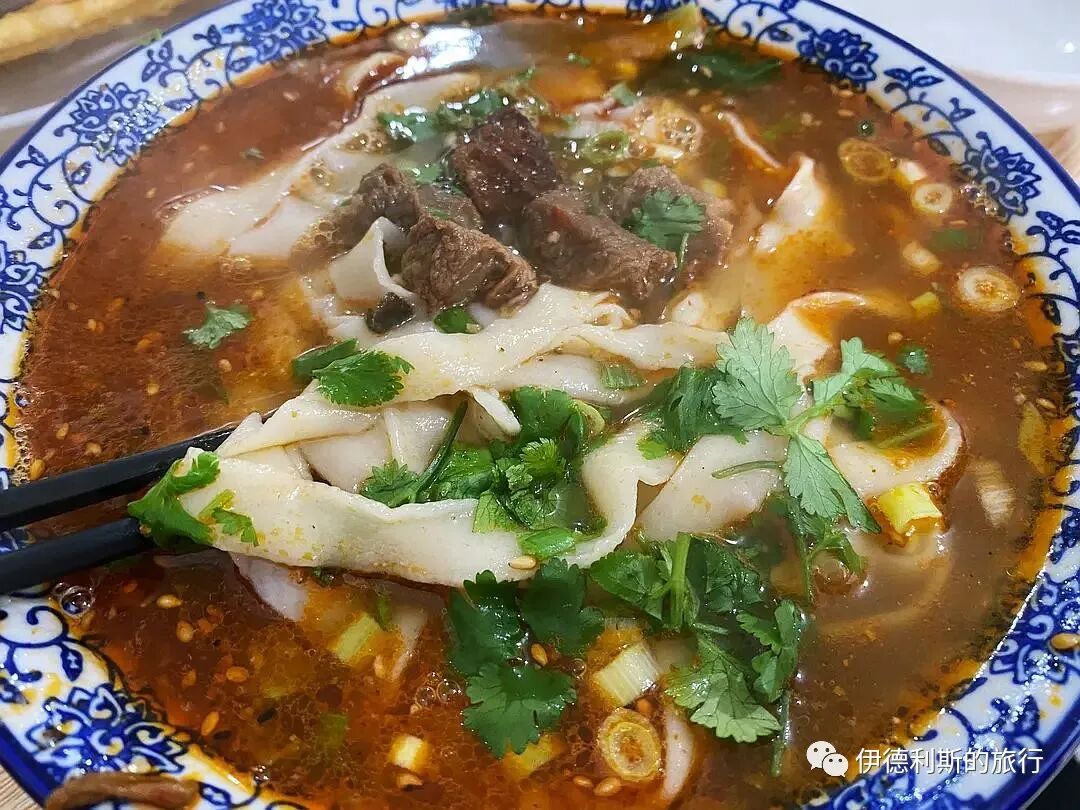
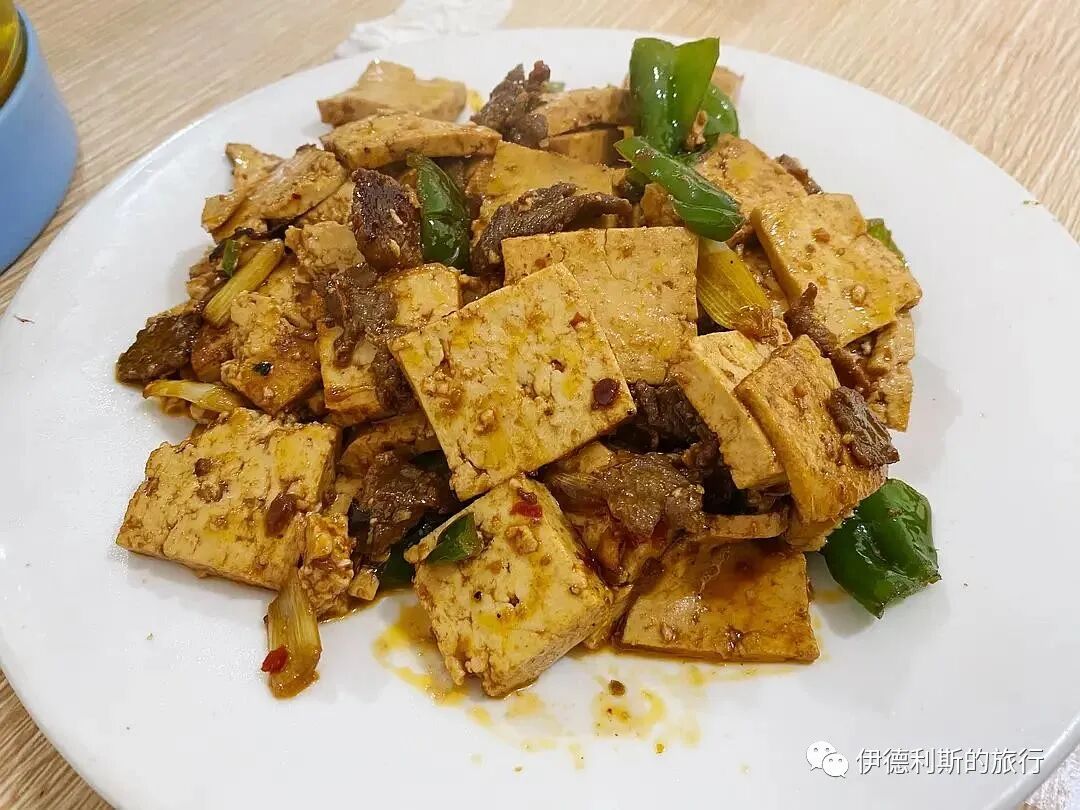
After performing the prayer, the local dosts enthusiastically took us to eat. The halal restaurants in Xixiang are mainly concentrated in the West Gate area. We ate local specialty braised beef pulled noodles and tofu with beef at an ahong's (imam's) shop, and they also treated us to sanzi (fried dough twists) and youxiang (fried flour cakes).
Luling Mosque
Luling Mosque is a commemorative gongbei (shrine) built on the original burial site of Qi Jingyi, the founder of the Sufi Qadiriyya order.
In 1719, Qi Jingyi passed away at Jingshi Mosque in Xixiang and was buried on the east side of Jingshi Mosque. One hundred days later, his remains were moved to Linxia, Gansu. In 1721, the followers built a commemorative gongbei at the original burial site, named Youjiu Pavilion. Later, a series of courtyards were built around Youjiu Pavilion, named Luling Mosque. Luling Mosque was destroyed during the Tongzhi period, rebuilt in 1868, the current Youjiu Pavilion was built in 1870, and the current archway was built in 1885.
During the Cultural Revolution, Luling Mosque was closed. It was reopened after the policies were implemented, and the main gongbei underwent multiple repairs in 1983, 1986, and 1999.
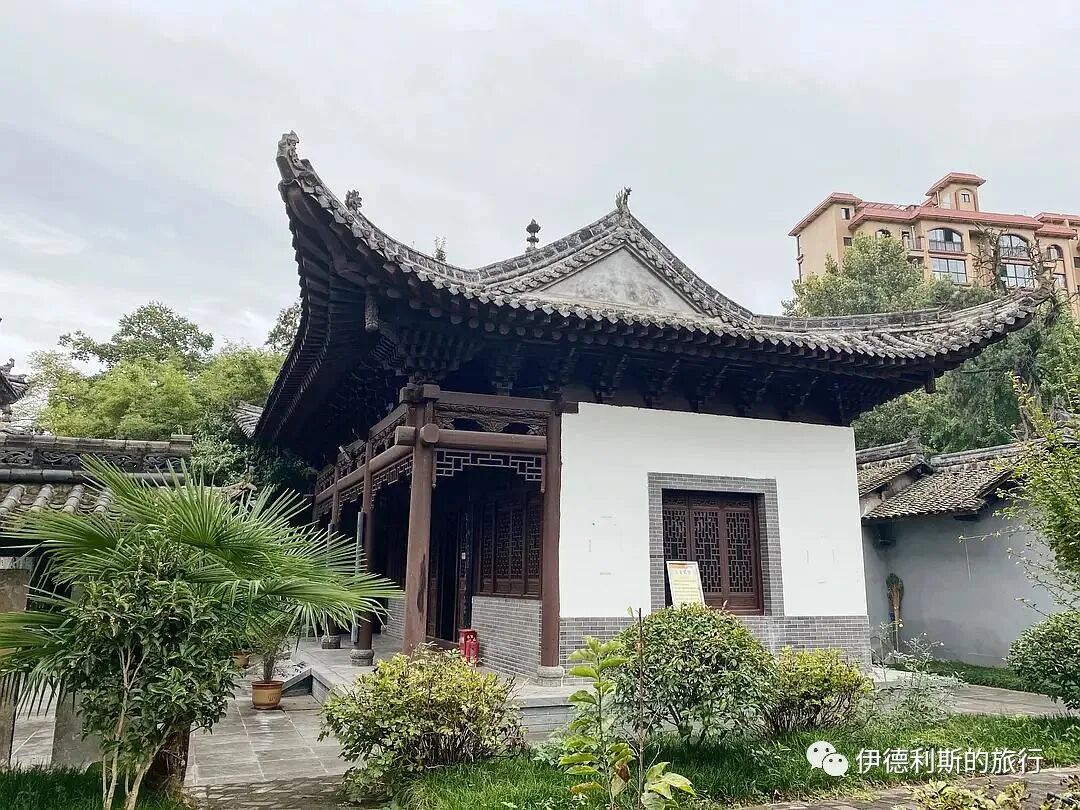
The tomb pavilion has double eaves, four corners, and a helmet-shaped roof, topped with a treasure vase, and is divided into inner and outer chambers.
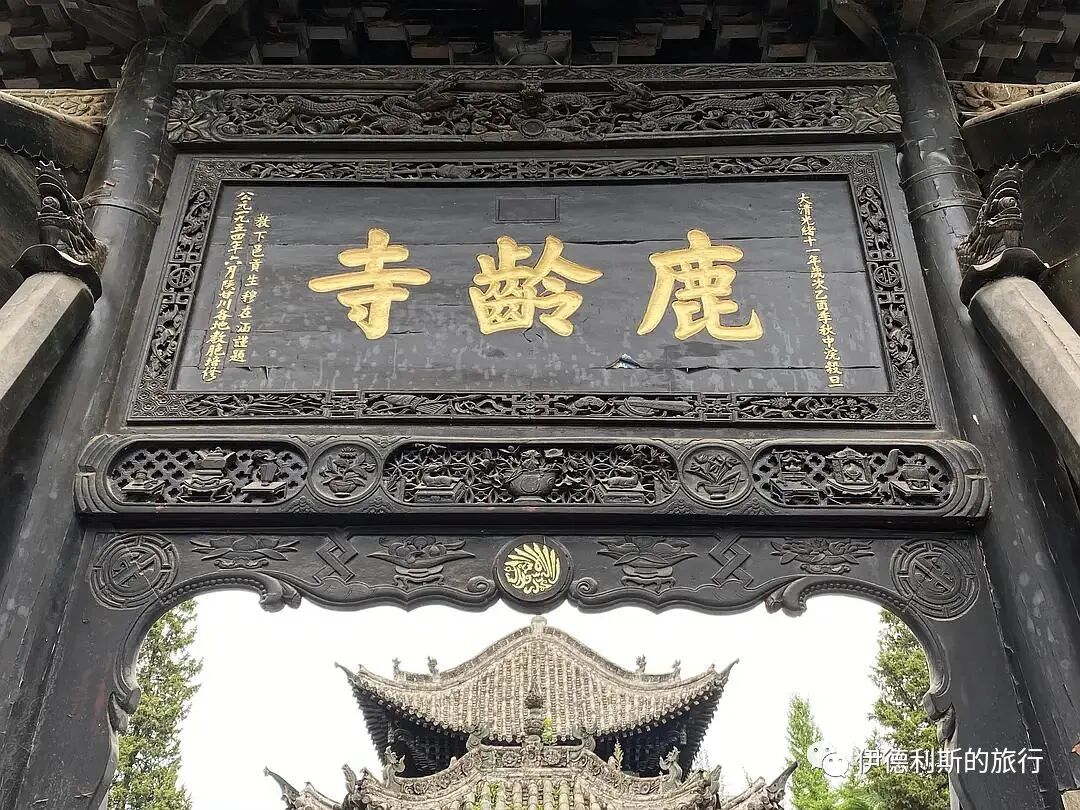
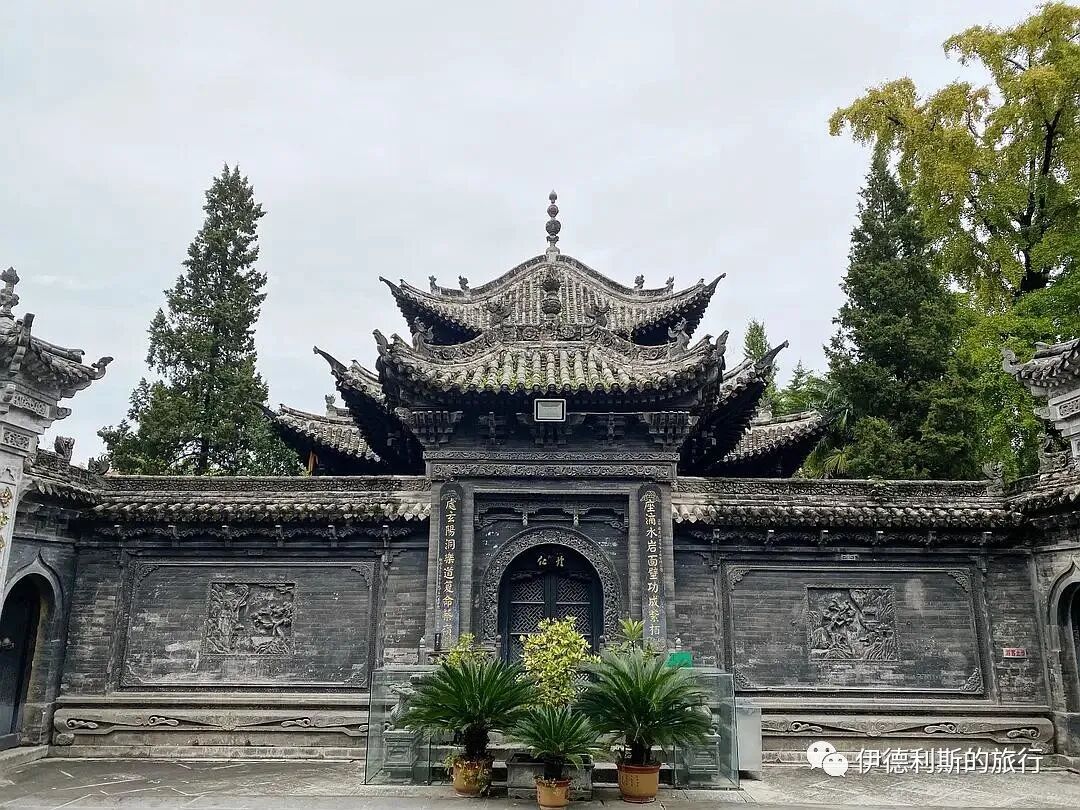
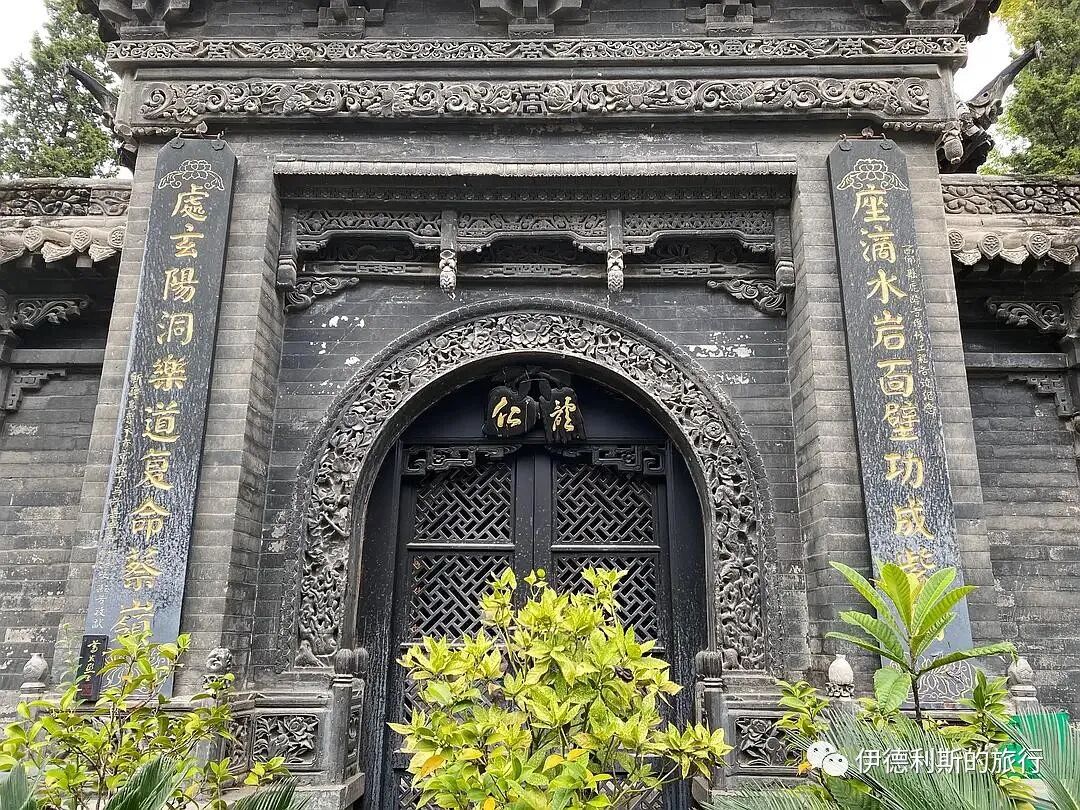
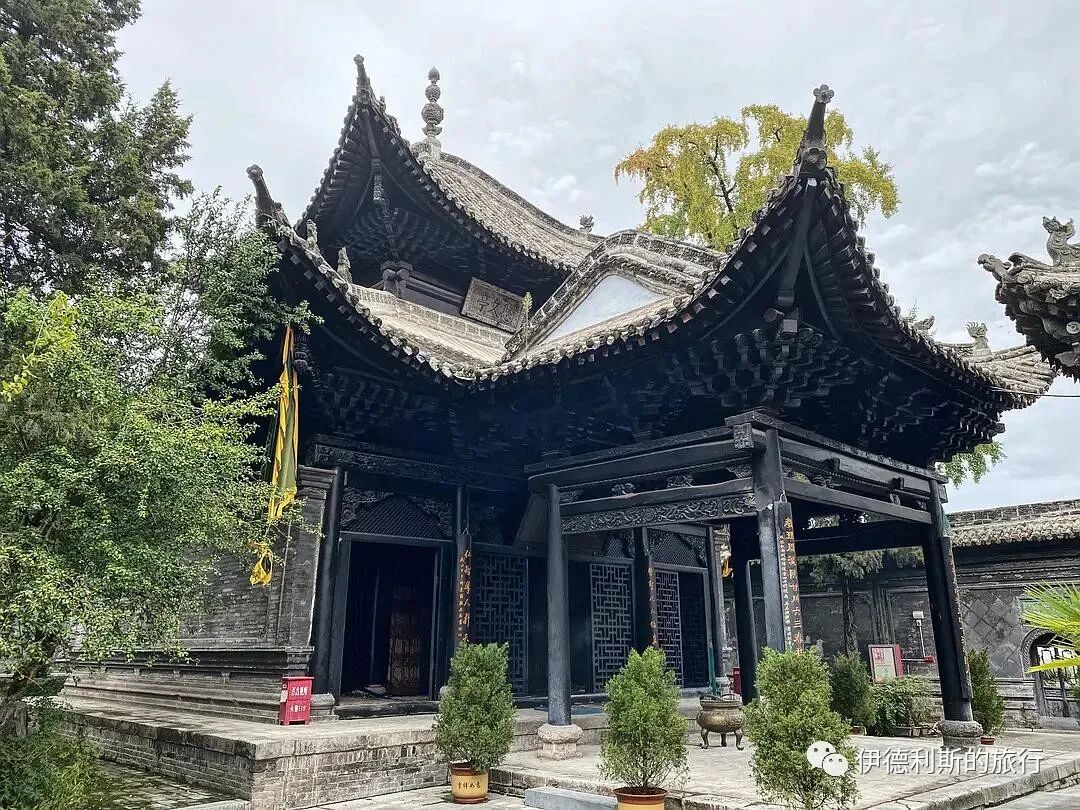
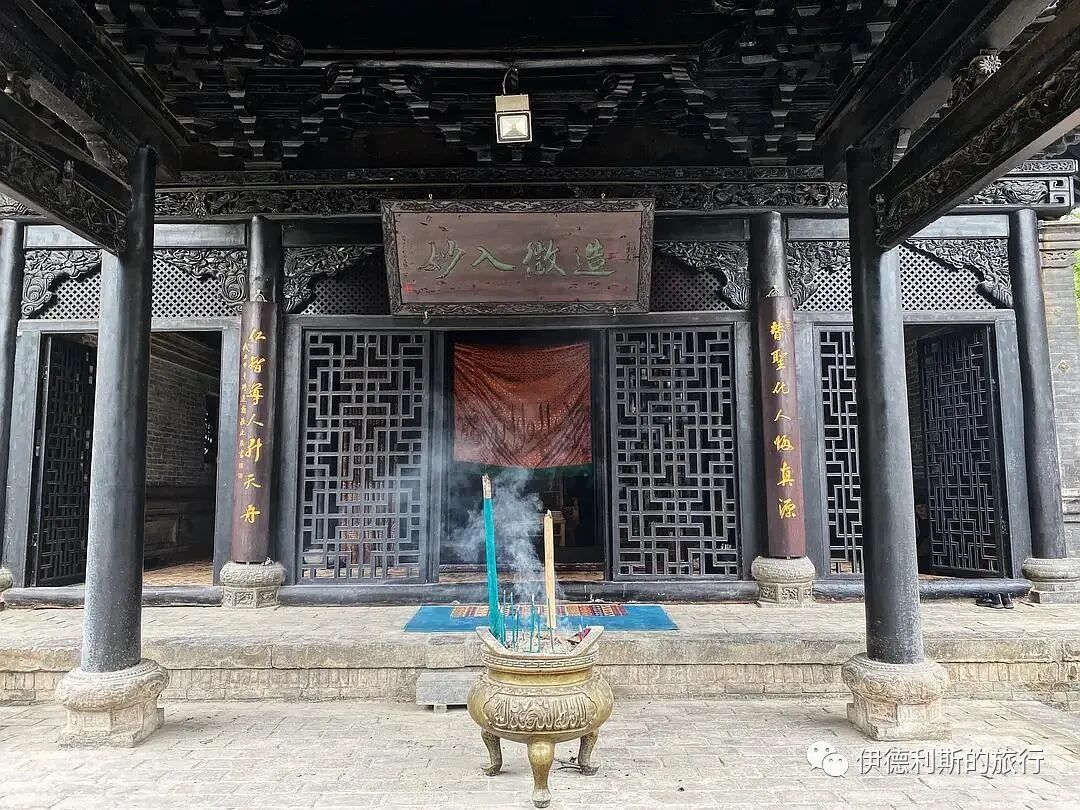
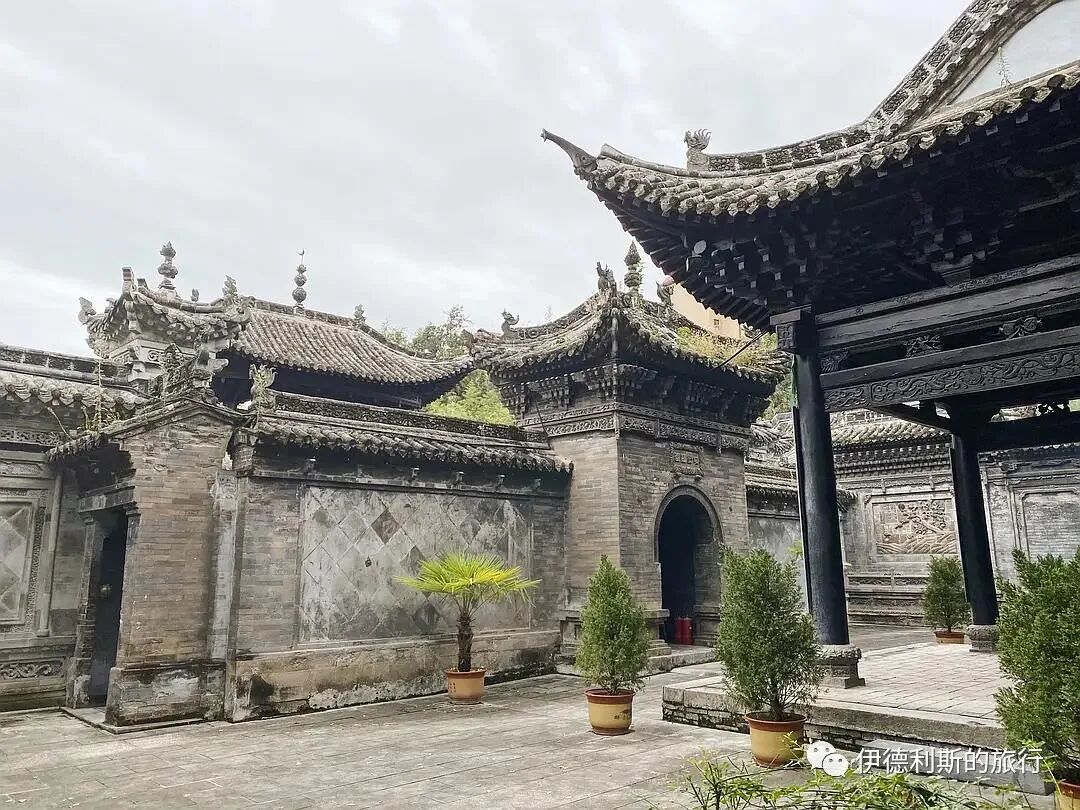
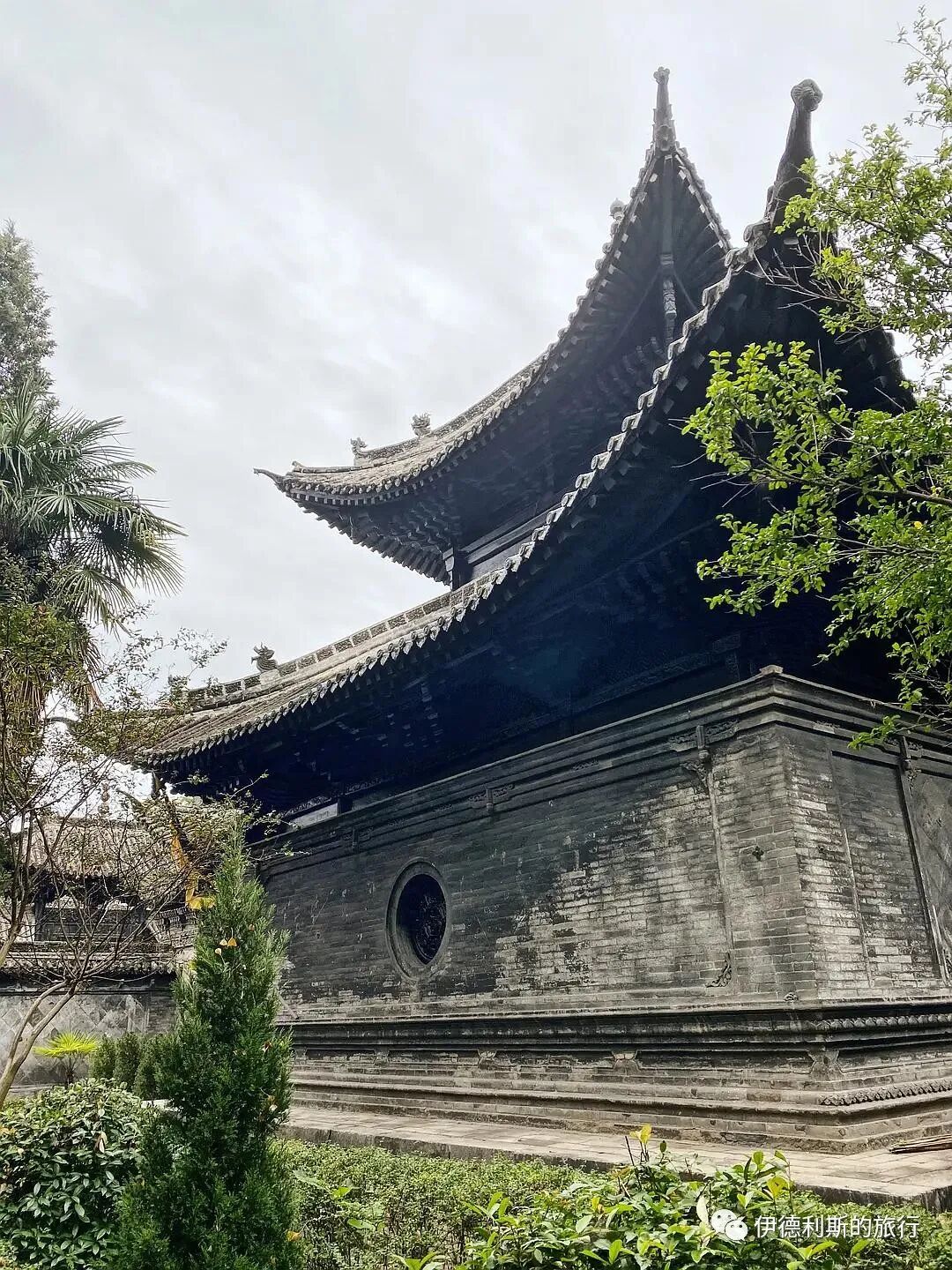
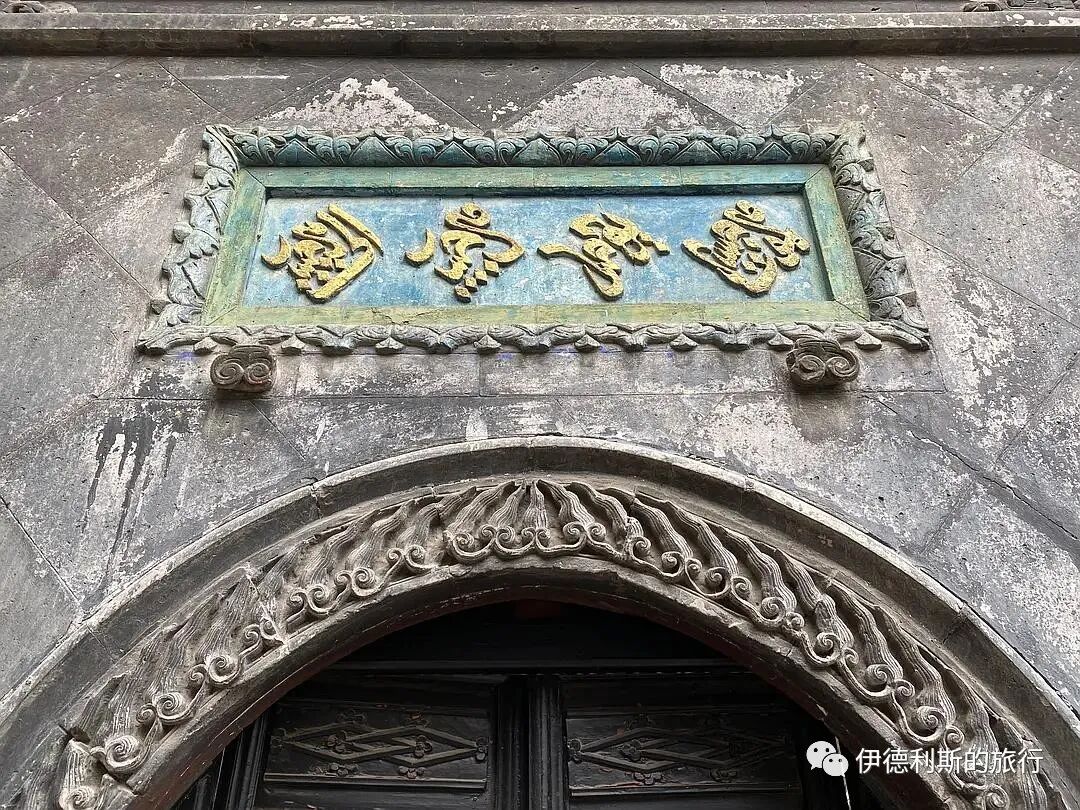
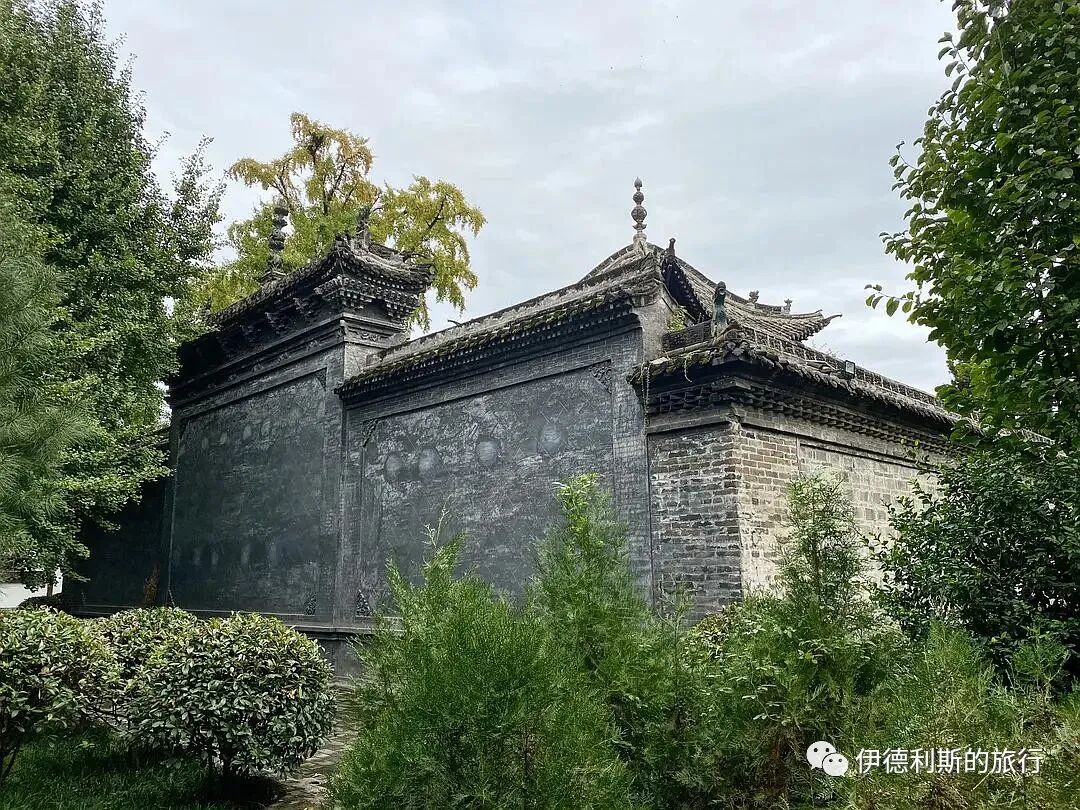
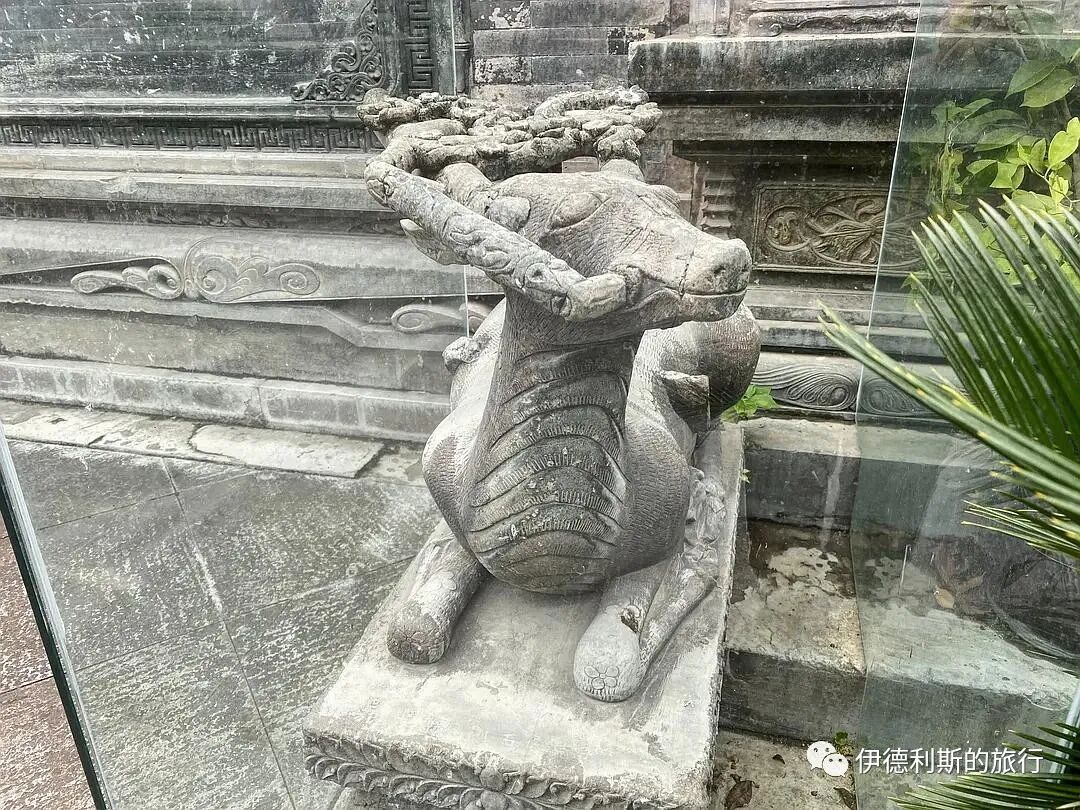
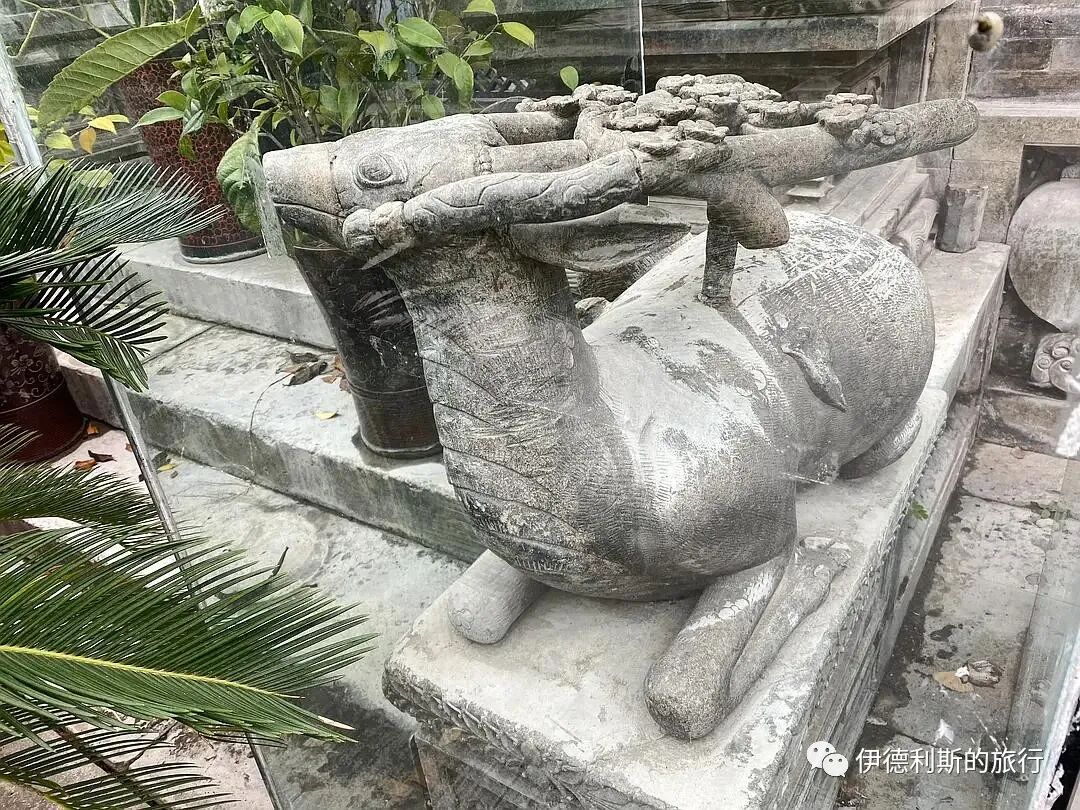
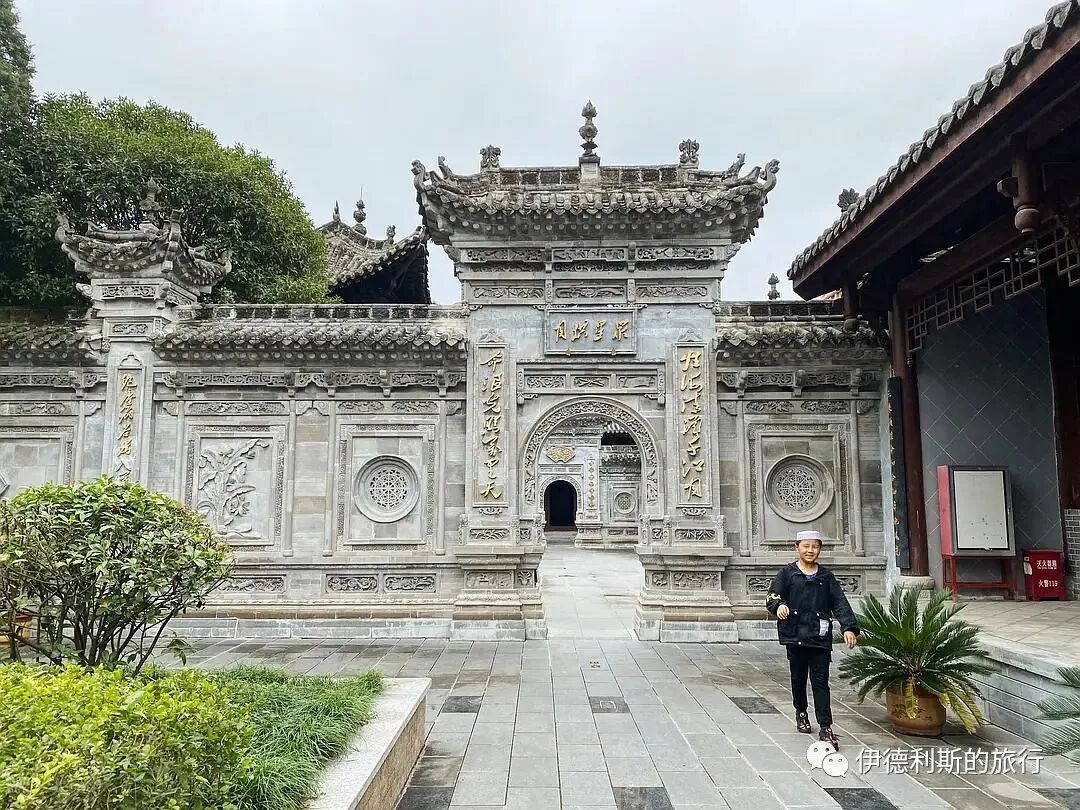
Outside the gongbei archway, there is a pair of Qing Dynasty stone-carved plum blossom deer. Legend has it that when the great gongbei ancestor Qi Jingyi was meditating at Jingshi Mosque in Xixiang, two plum blossom deer often lay quietly outside the gate of Jingshi Mosque. After the ancestor passed away, the two deer lay quietly beside the tomb for a long time without leaving. The disciples believed that 'deer age of a thousand years' was an auspicious meaning, so they carved a pair of stone deer and placed them outside the gongbei archway, and Luling Mosque was named after this.
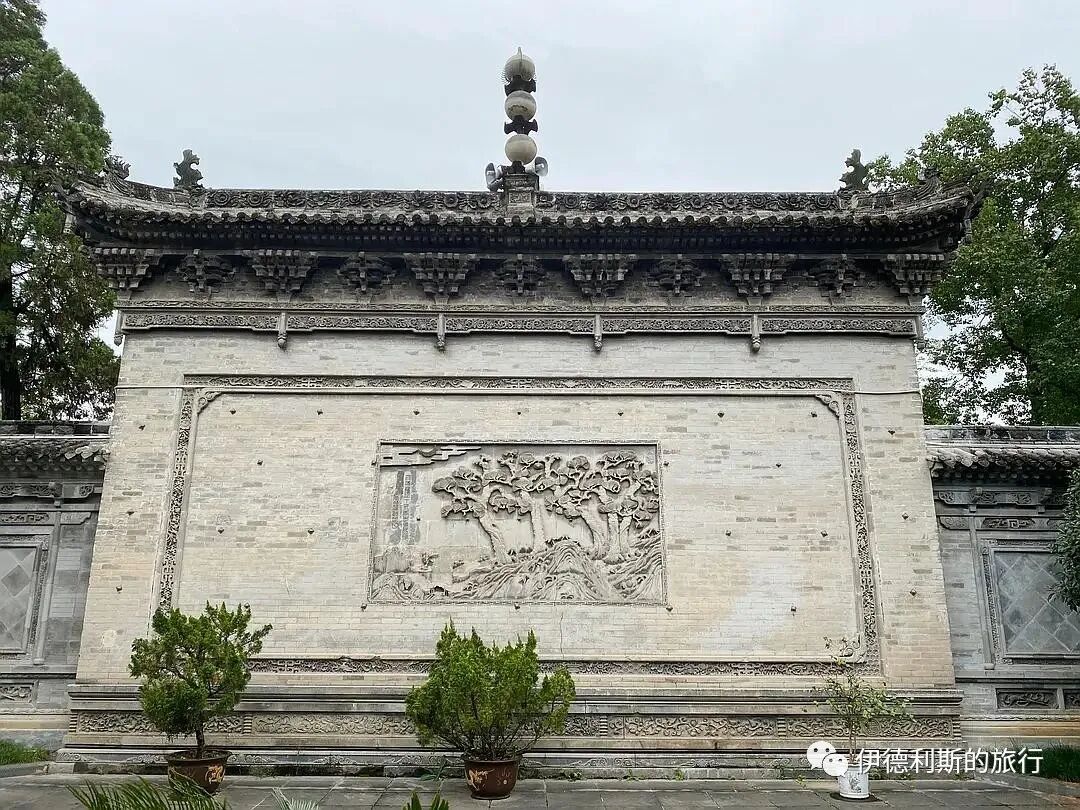
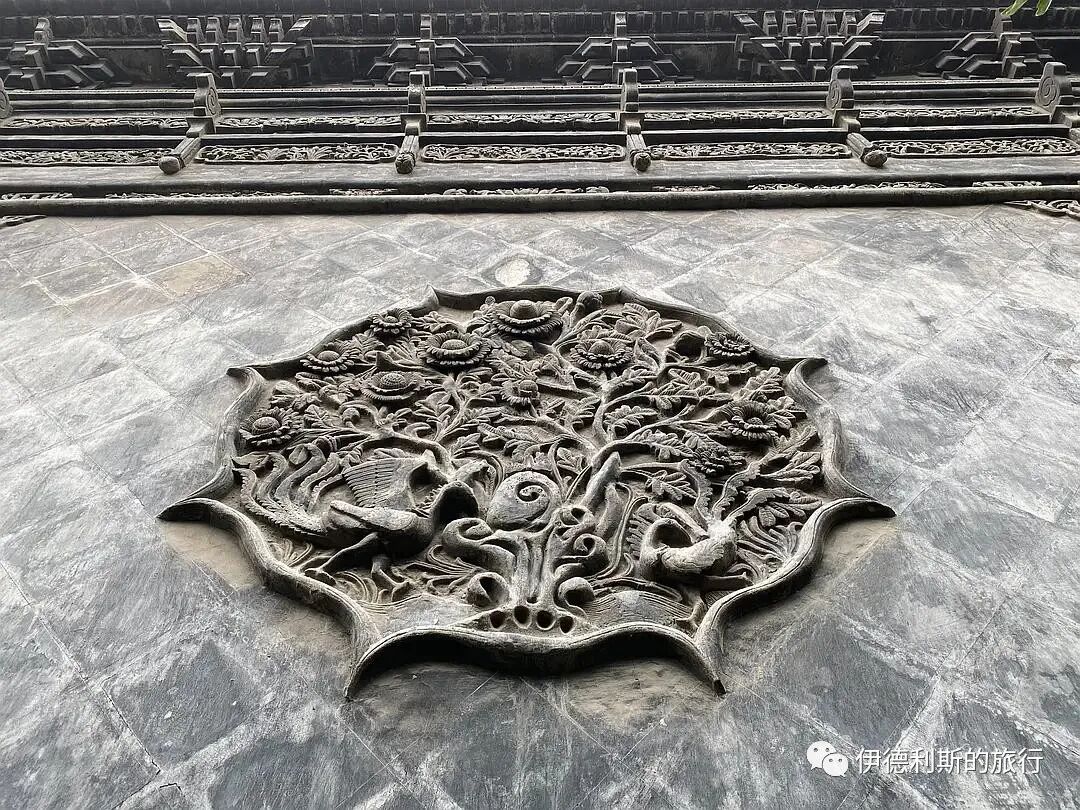
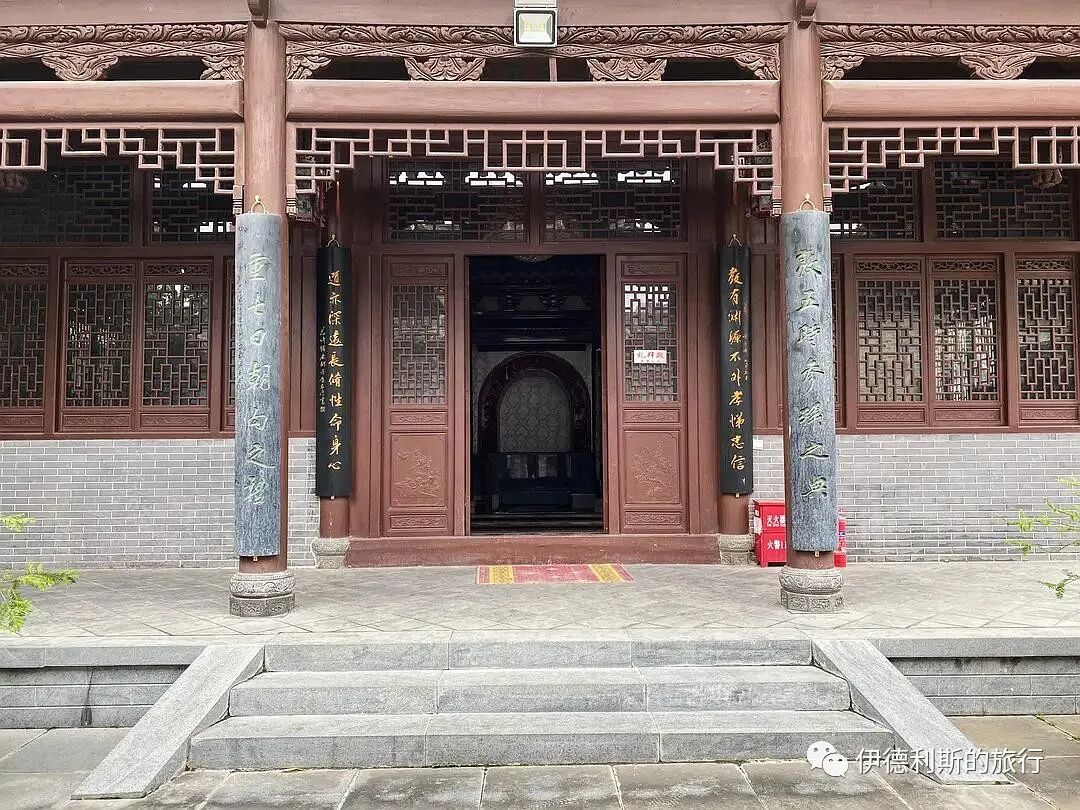
Several pictures of various new and old Hezhou brick carvings at Luling Mosque.
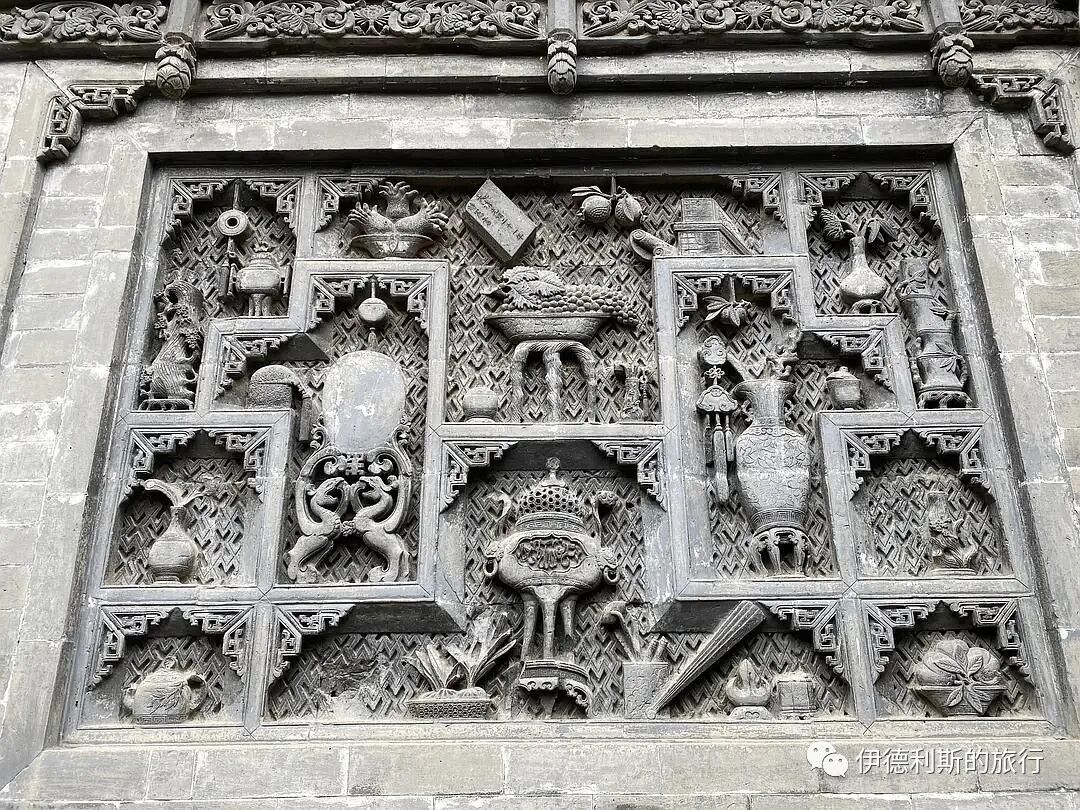
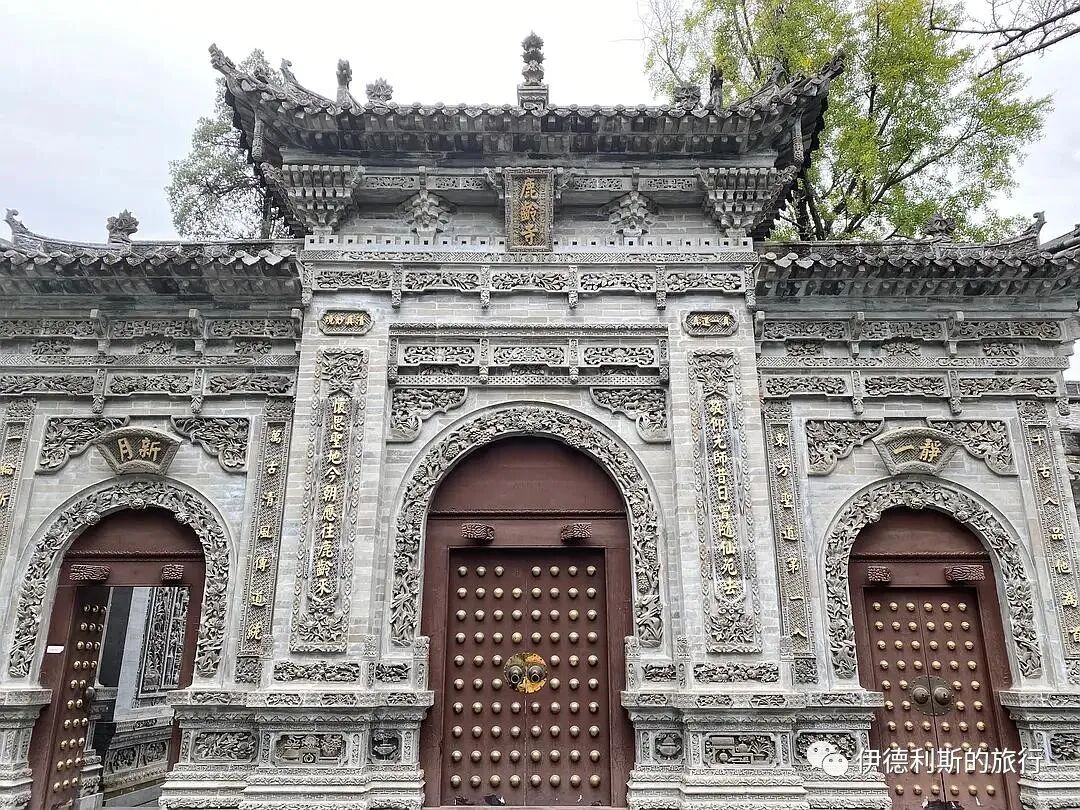
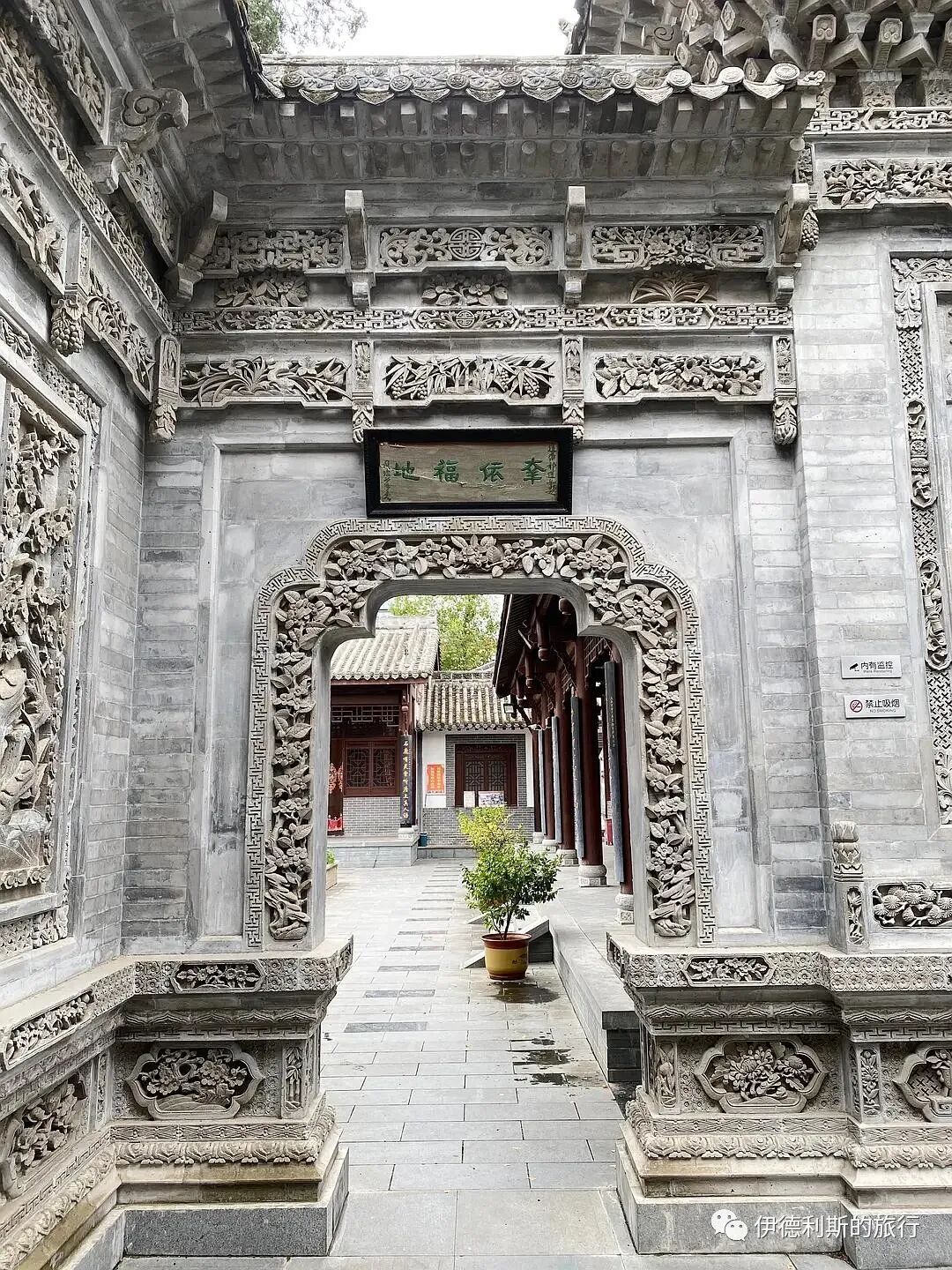
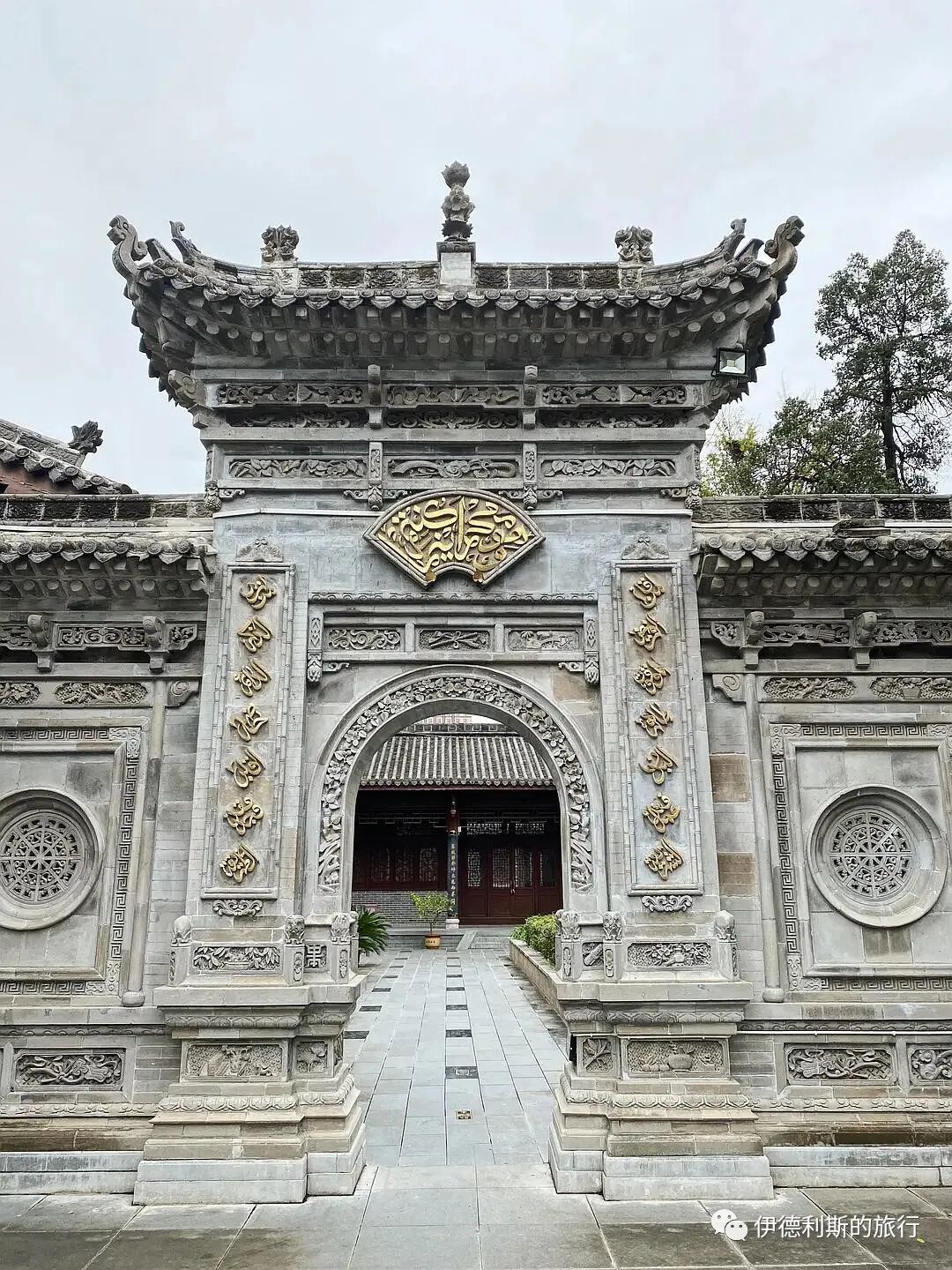
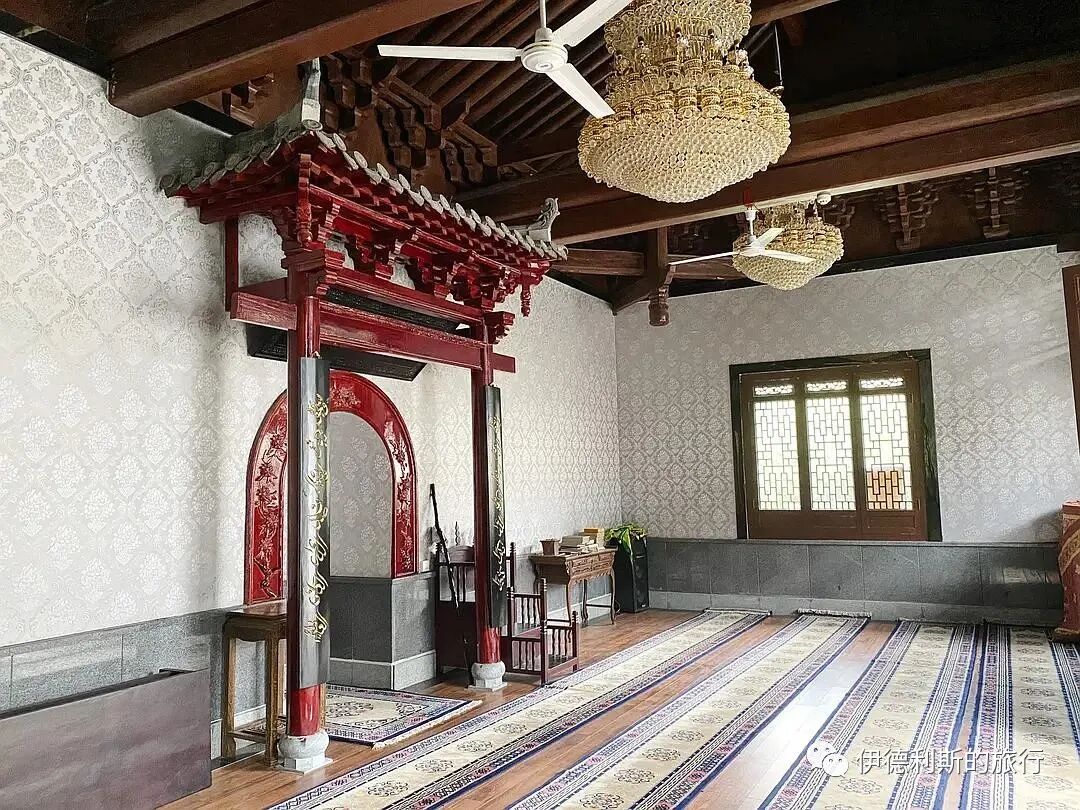
The prayer hall in the mosque.
Jingshi Mosque
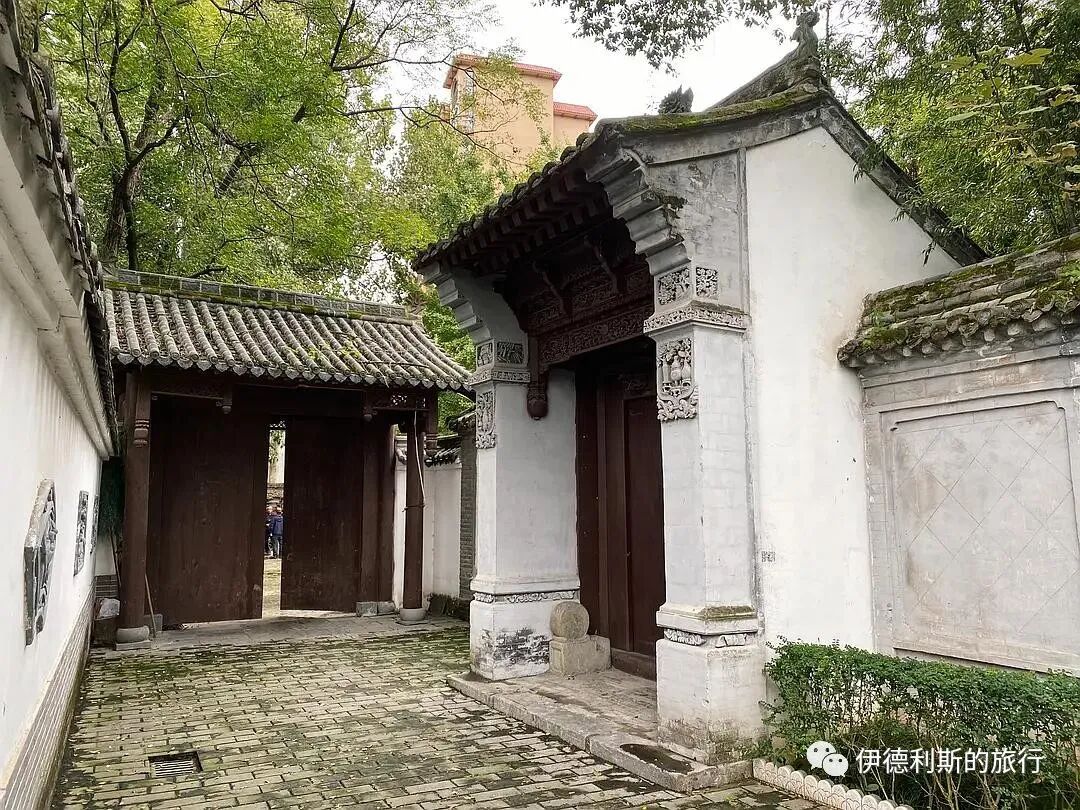
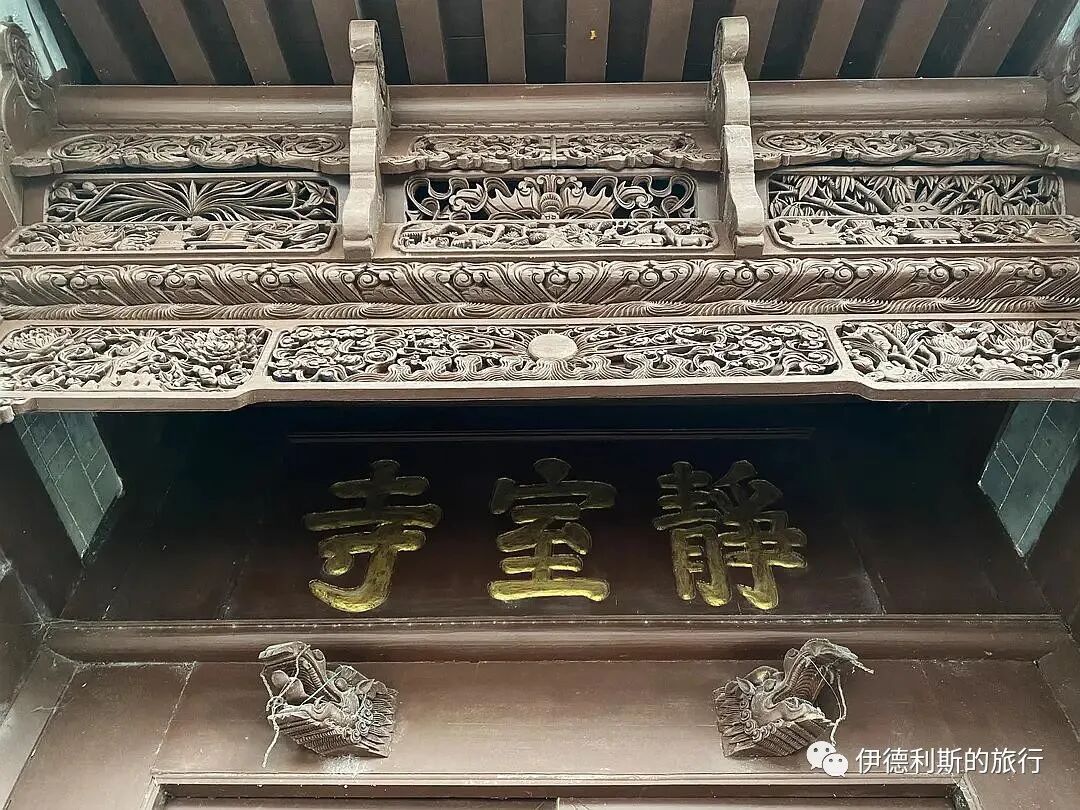
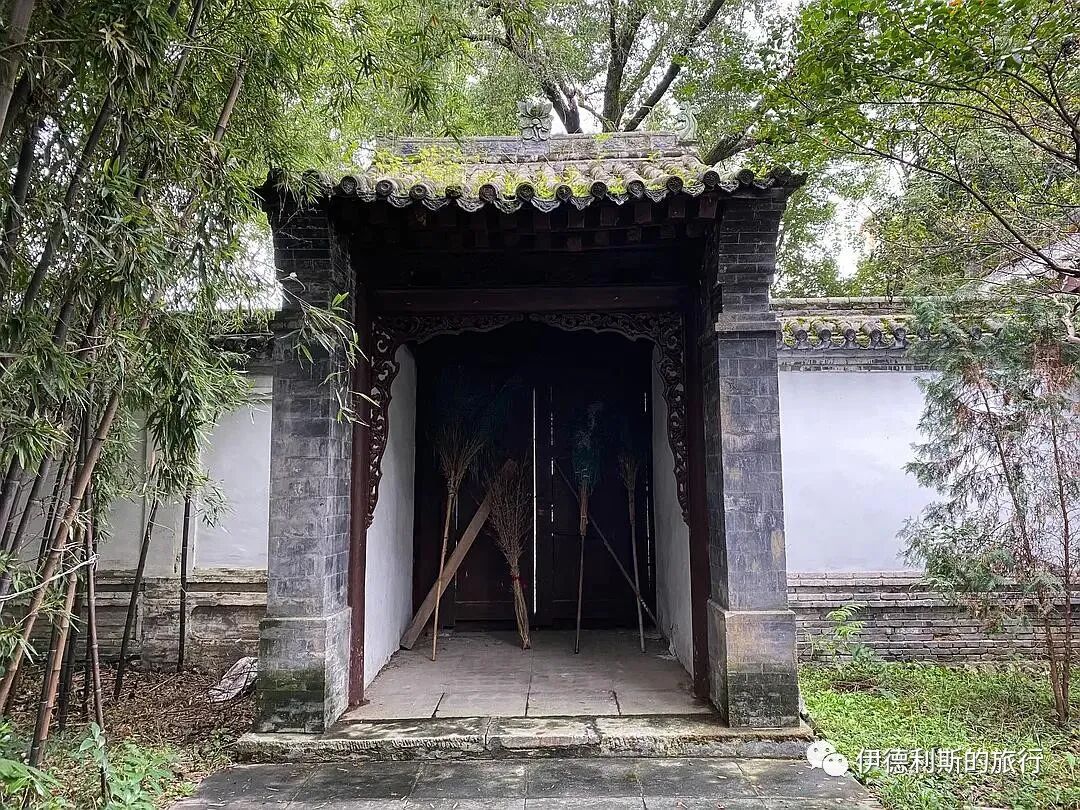
Jingshi Mosque is located on the west side of Luling Mosque and is the place where the great gongbei ancestor Qi Jingyi meditated in Xixiang. In 1690, Qi Jingyi came to Xixiang, built a thatched cottage under Niutou Mountain to meditate, and eventually passed away here.
After Qi Jingyi passed away, Gao Xiangyun, a follower of the great gongbei, spent more than ten years starting in 1814 building the entire courtyard, including the main house, east and west wing rooms, the opposite hall, and the gate, on the original site of Jingshi Mosque. Jingshi Mosque was occupied during the Cultural Revolution, returned to the great gongbei in 1981, and rebuilt in 1990 under the leadership of Yang Shijun, the head of the great gongbei.
Summary: This travel note introduces Xixiang Muslim Travel Guide: Hui Muslims in Southern Shaanxi. Xixiang County is located in the middle of the Hanzhong Basin in southern Shaanxi, nestled between the Qinling Mountains and the Bashan Mountains, with the Muma River, a tributary of the Han River, flowing through the. It is useful for readers interested in Xixiang Travel, Hui Muslims, Shaanxi Travel.
Xixiang County is located in the middle of the Hanzhong Basin in southern Shaanxi, nestled between the Qinling Mountains and the Bashan Mountains, with the Muma River, a tributary of the Han River, flowing through the county seat. Starting from the Ming Dynasty, Hui Muslims from Pingliang, Gansu, moved to Xixiang to settle, and the Hui Muslim population continued to grow during the Kangxi and Qianlong periods. Currently, more than 2,000 Hui Muslims live in the Xiguan area of the county seat, belonging to the congregations of the North Mosque and the South Mosque. Most of the members of the South Mosque congregation are surnamed Mu, Chen, Luo, and Mi, while most of the members of the North Mosque congregation are surnamed Ma and Ha.
Beef jerky
Xixiang Hui Muslims have been famous for making beef jerky since the Tongzhi period. The local Xizhen cattle in Xixiang are a nationally famous breed of yellow cattle, which are very suitable for making beef jerky. Nowadays, shops selling halal beef jerky can be seen everywhere in the Xiguan area of Xixiang, especially concentrated in the Xiguan Halal Beef and Mutton Market. The beef jerky made by each family in Xiguan has a different taste, some hard, some soft, some salty, and some mild.
We bought some beef jerky at a shop called Zhongping Food Store, where many locals shop.
The largest halal beef jerky brand in Xixiang is 'Xinyi'. Xinyi was founded in 1995, and the company's legal representative, Mu Xin, is the inheritor of the Shaanxi provincial intangible cultural heritage 'Xixiang Beef Jerky Making Technique'. Most of their beef is supplied by Hui Muslim butchers living in impoverished areas such as Liushu, Guanshan, Sidu, and Shahe in Xixiang, and they use more than ten kinds of Chinese herbal medicines instead of preservatives.
We bought a lot of beef jerky at the Xinyi shop in Xiguan, and also bought some local dried tofu. We were able to send it home directly via SF Express, and the dost (friend/fellow Muslim) auntie in the shop was very enthusiastic.
Xinyi Ethnic Restaurant
Xinyi also opened a 'Xinyi Ethnic Restaurant' where you can stay and eat. We stayed here while we were in Xixiang. There is a breakfast buffet in the morning and regular meals at other times. In the evening, we ordered lotus root shoots, teppan sand ginger chicken, and sweet and sour lingzhi mushrooms.
South Mosque
The Xixiang South Mosque was built in the Ming Dynasty. It was closed and occupied after the 1958 religious reforms, returned in 1986, and officially opened in 2001. The main hall was rebuilt in 1997, but the gate and the south wing are still old. The gate has a 'Mosque' plaque from the Daoguang period.
Mosque Lane Archway
After coming out of the South Mosque, you can see the wooden 'Mosque Lane' archway built during the Xianfeng period, followed by the old street of Xiguan where Hui Muslims live.
Women's Mosque
Continuing north, you can see the Women's Mosque built in 1956, which was occupied after the 1958 religious reforms and restored in 1990.
North Mosque
The North Mosque was originally called Jingning Mosque and was built in 1614 by Hui Muslims who moved to Xixiang from Jingning Prefecture (now Pingliang, Gansu). The North Mosque was expanded in 1723, later destroyed by war, rebuilt in 1816, and renovated many times. It was occupied after the Cultural Revolution, returned in 1984, and the north wing was rebuilt in 2009.
The mihrab (niche in the wall of a mosque) is painted with very distinctive Shaanxi-style Arabic calligraphy.
Beef pulled noodles
After performing the prayer, the local dosts enthusiastically took us to eat. The halal restaurants in Xixiang are mainly concentrated in the West Gate area. We ate local specialty braised beef pulled noodles and tofu with beef at an ahong's (imam's) shop, and they also treated us to sanzi (fried dough twists) and youxiang (fried flour cakes).
Luling Mosque
Luling Mosque is a commemorative gongbei (shrine) built on the original burial site of Qi Jingyi, the founder of the Sufi Qadiriyya order.
In 1719, Qi Jingyi passed away at Jingshi Mosque in Xixiang and was buried on the east side of Jingshi Mosque. One hundred days later, his remains were moved to Linxia, Gansu. In 1721, the followers built a commemorative gongbei at the original burial site, named Youjiu Pavilion. Later, a series of courtyards were built around Youjiu Pavilion, named Luling Mosque. Luling Mosque was destroyed during the Tongzhi period, rebuilt in 1868, the current Youjiu Pavilion was built in 1870, and the current archway was built in 1885.
During the Cultural Revolution, Luling Mosque was closed. It was reopened after the policies were implemented, and the main gongbei underwent multiple repairs in 1983, 1986, and 1999.
The tomb pavilion has double eaves, four corners, and a helmet-shaped roof, topped with a treasure vase, and is divided into inner and outer chambers.
Outside the gongbei archway, there is a pair of Qing Dynasty stone-carved plum blossom deer. Legend has it that when the great gongbei ancestor Qi Jingyi was meditating at Jingshi Mosque in Xixiang, two plum blossom deer often lay quietly outside the gate of Jingshi Mosque. After the ancestor passed away, the two deer lay quietly beside the tomb for a long time without leaving. The disciples believed that 'deer age of a thousand years' was an auspicious meaning, so they carved a pair of stone deer and placed them outside the gongbei archway, and Luling Mosque was named after this.
Several pictures of various new and old Hezhou brick carvings at Luling Mosque.
The prayer hall in the mosque.
Jingshi Mosque
Jingshi Mosque is located on the west side of Luling Mosque and is the place where the great gongbei ancestor Qi Jingyi meditated in Xixiang. In 1690, Qi Jingyi came to Xixiang, built a thatched cottage under Niutou Mountain to meditate, and eventually passed away here.
After Qi Jingyi passed away, Gao Xiangyun, a follower of the great gongbei, spent more than ten years starting in 1814 building the entire courtyard, including the main house, east and west wing rooms, the opposite hall, and the gate, on the original site of Jingshi Mosque. Jingshi Mosque was occupied during the Cultural Revolution, returned to the great gongbei in 1981, and rebuilt in 1990 under the leadership of Yang Shijun, the head of the great gongbei.
Ankang Hui Muslim Street Guide: Halal Food and Muslim Heritage in Shaanxi
Articles • ali2007fr posted the article • 0 comments • 162 views • 2026-05-17 05:52
Reposted from the web
Summary: This travel note introduces Ankang Hui Muslim Street Guide: Halal Food and Muslim Heritage in Shaanxi. Traveled from Shuhe along the Han River to Ankang. Ankang is the largest Muslim community in southern Shaanxi. It is useful for readers interested in Ankang Muslim Street, Halal Food, Shaanxi Travel.
Traveled from Shuhe along the Han River to Ankang. Ankang is the largest Muslim community in southern Shaanxi. Hui Muslims have settled here since the Ming Dynasty, and by the Republic of China era, seven mosques had already been built. The halal food in Ankang is also the most abundant in southern Shaanxi. Snacks include zhengmian (steamed noodles), rice noodles, ciba (glutinous rice cakes), youceng (layered fried bread), malatang jiamo (spicy hot pot ingredients in a bun), and more, with even more variety in banquet dishes. Moreover, because the Hui Muslim street in Ankang is not a tourist area, everything you eat is food loved by the locals. We really had a wonderful time eating and exploring this time.
Zhengmian (steamed noodles)
In the morning, we ate zhengmian with pickled vegetable soup at the most popular Huang's Zhengmian at the entrance of Gulou Street. The owner is a Haji who returned from Hajj in 2005. Ankang zhengmian is a type of Shaanxi liangpi (cold skin noodles). Unlike Xi'an liangpi, which is seasoned with raw vinegar, Ankang zhengmian uses boiled vinegar. Zhengmian is usually served with youpo lazi (hot chili oil), but I didn't add any because I can't handle much spice.
The yousu mo (crispy fried flatbread) across from Huang's Zhengmian also looked delicious.
Mosque
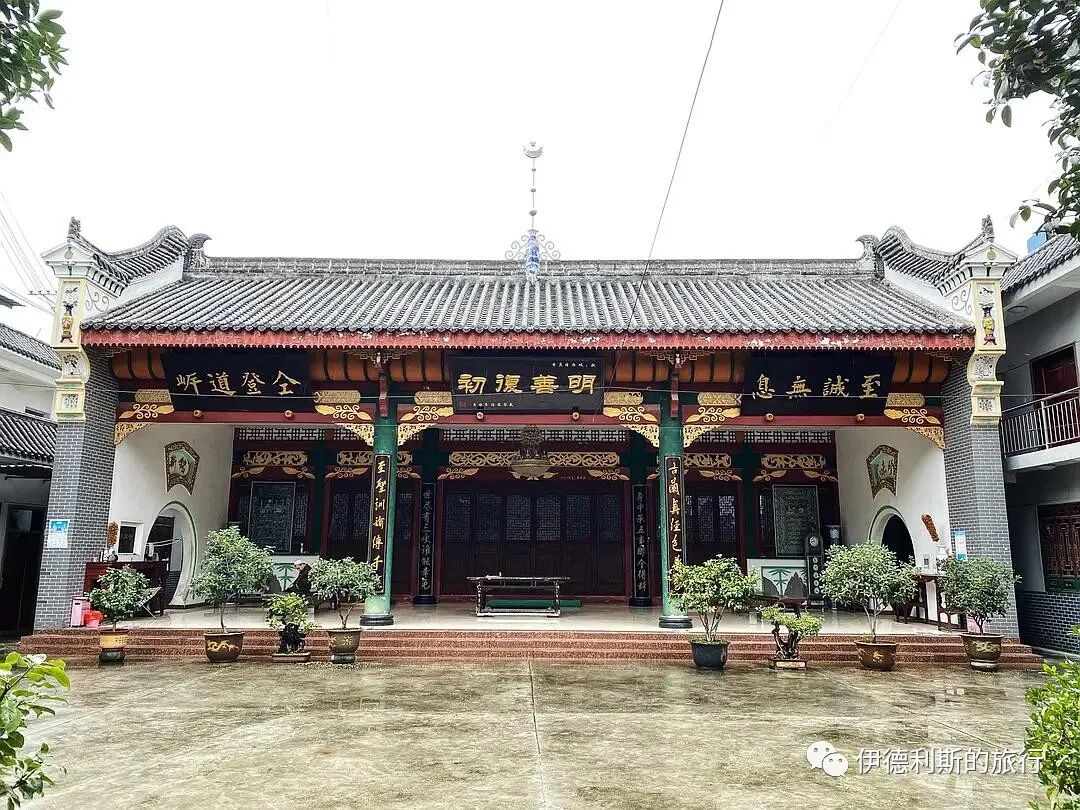
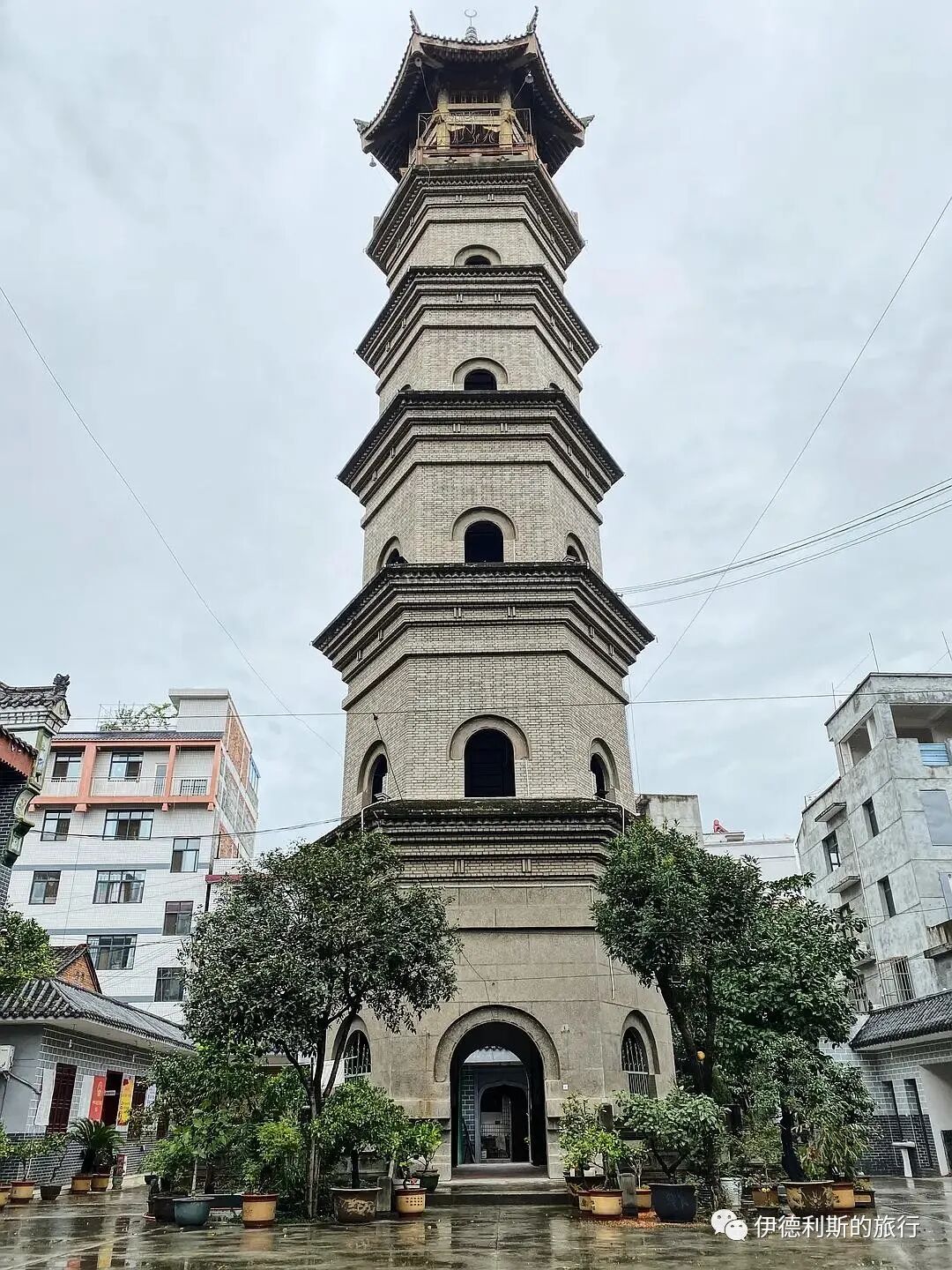
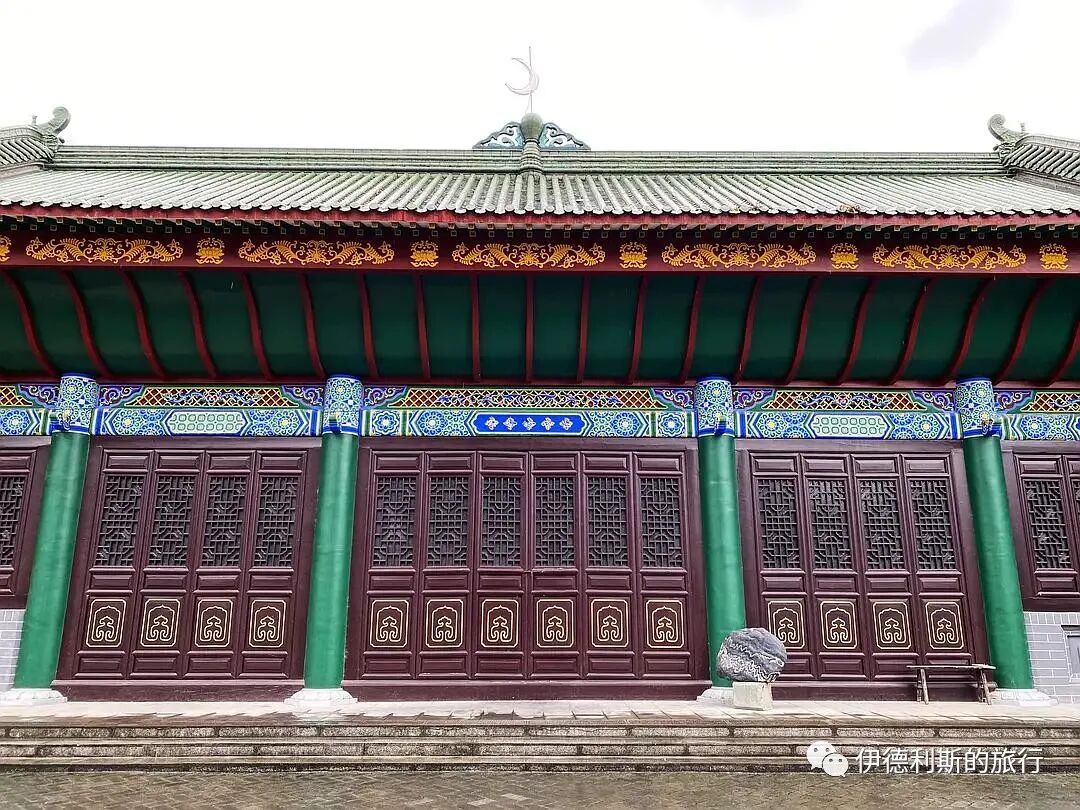
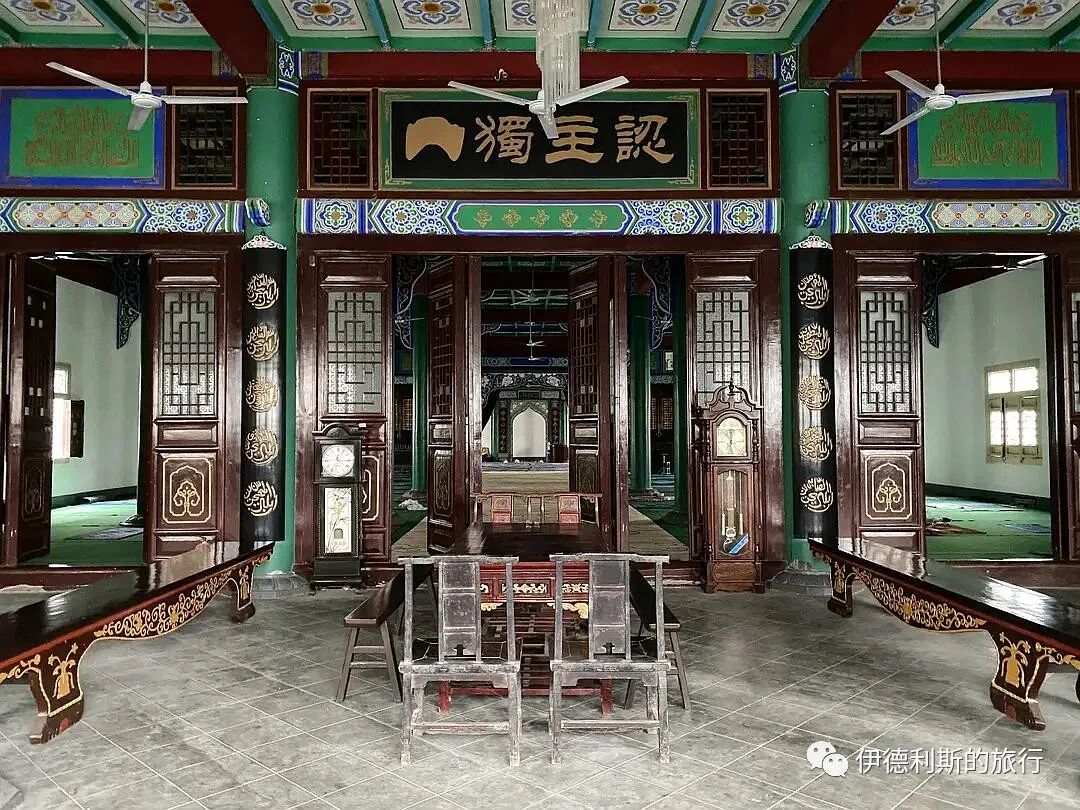
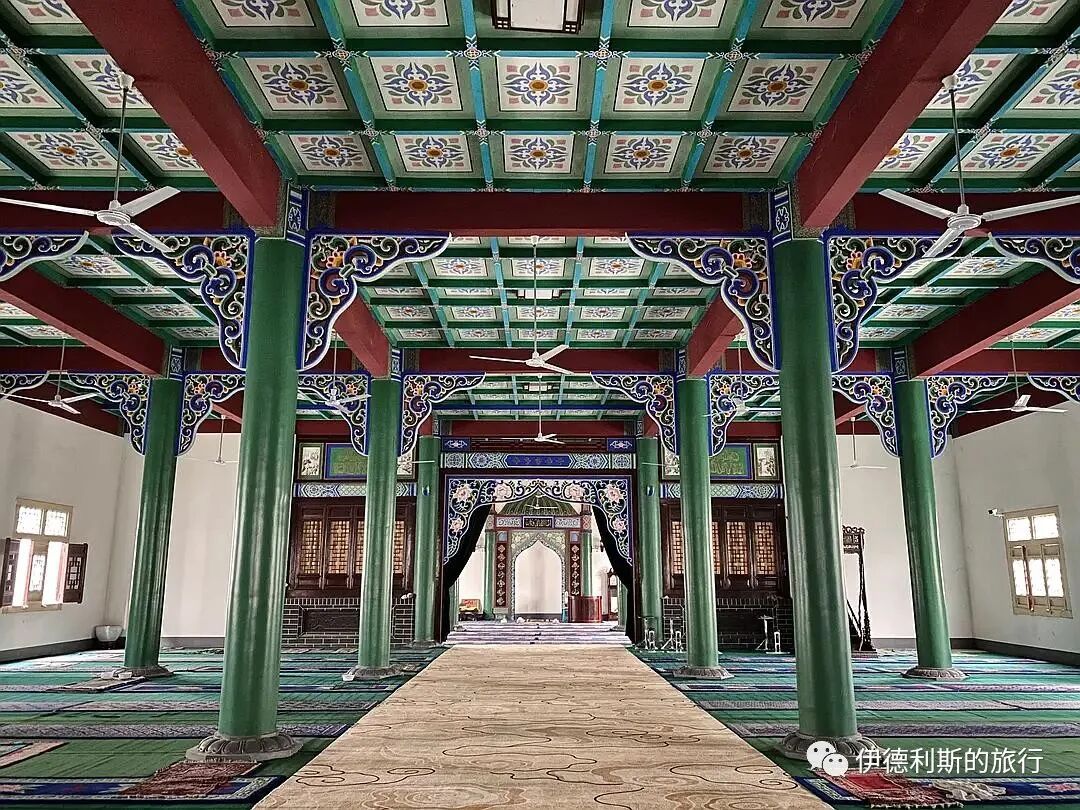
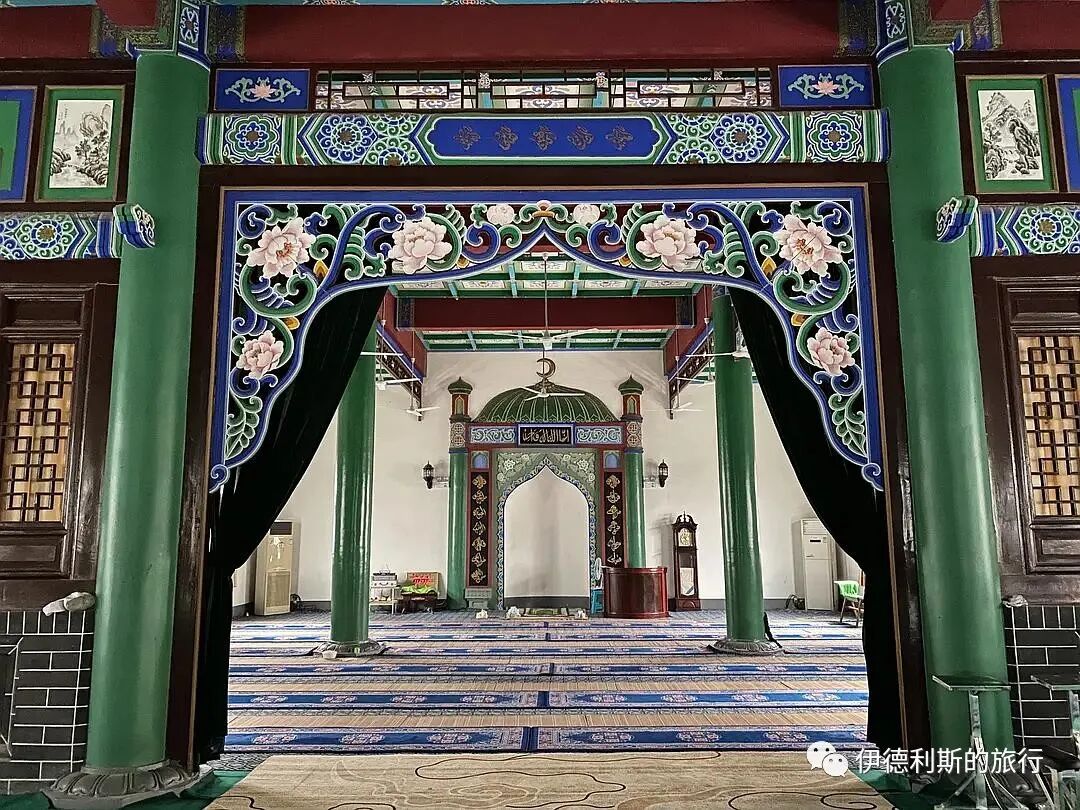
After finishing the zhengmian, we went to visit the ancient mosque. According to stone inscriptions, the Ankang Mosque was first built in the Yuan Dynasty. It was initially called Libai Mosque, later renamed Jingjue Mosque, and changed to Mosque in 1767. In 1583, the mosque was destroyed by a flood and the grounds were occupied. In the early years of the Kangxi Emperor's reign, the property was returned and rebuilt on the original site. It was destroyed again in 1862, with only the screen wall remaining. The north and south lecture halls were rebuilt in 1867, and the prayer hall and other buildings were rebuilt in 1871. In 1923, a five-story, hexagonal, pointed-roof minaret was built, reaching 37 meters in height. The main hall was expanded in 1931.
In 1983, a major flood occurred in Ankang. The mosque's minaret collapsed, and the north and south lecture halls were destroyed, with only the main hall surviving. In 1984, the north and south lecture halls, minaret, and ablution room were rebuilt. The archway-style gate was rebuilt in 1999, and the main hall was rebuilt in 2013.
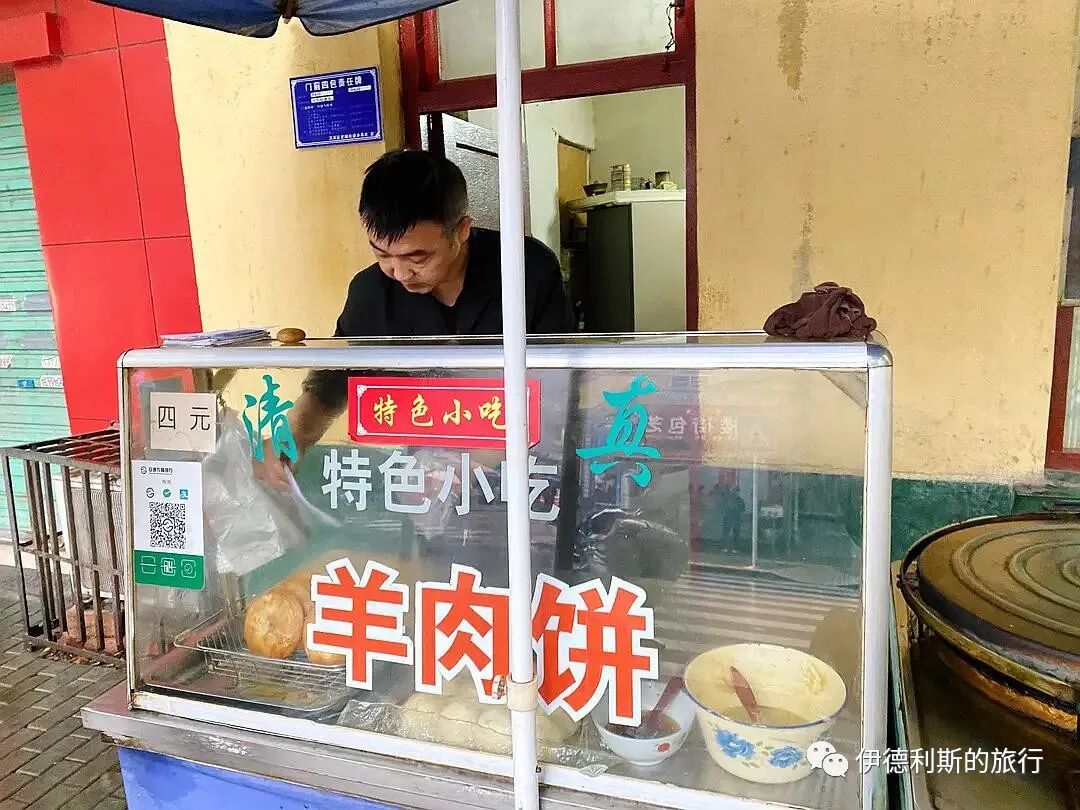
After leaving the ancient mosque, we ate tanggao (fried sugar cake) with douhua (soft tofu pudding) at the intersection of Bizi Lane and Xizheng Street. Yougao (fried cake) is found all the way from Zhaotong to Nanchong and Ankang, and the douhua here is salty and spicy. The lamb pie nearby also looked very tasty.
North Mosque
The North Mosque was first built in 1502. During the 1983 Ankang flood, all the buildings of the North Mosque were washed away. Construction began in 1984 and was completed in 1994.
Next to the North Mosque is a 232-year-old Chinese toon tree, nearly 40 meters tall. During the 1983 Ankang flood, 31 people climbed this tree and survived, so it is also called the 'Life-Saving Tree'.
Jingning South Mosque
Jingning South Mosque was first built in the Ming Dynasty. In the 1583 Han River flood, the South Mosque was submerged, and the buildings collapsed, leaving only the Wangyue Tower (Moon-Watching Tower). It was rebuilt twice, during the Kangxi era and in 1890. After 1957, it was occupied. During the Cultural Revolution, a fire broke out, and the South Mosque was burned down, with only the Wangyue Tower surviving. After the property was returned, the main hall, north and south wing rooms, ablution room, and gatehouse were rebuilt. In 1998, the Ming Dynasty Wangyue Tower was demolished and replaced with a reinforced concrete structure. In 2018, the stone archway, Wangyue Tower, and north and south wing rooms were rebuilt again.
The main hall of Jingning South Mosque is the largest among Ankang's mosques. From the aerial view, you can see it is composed of three connected buildings, each with a different architectural style.
Vegetable rolls, ciba (glutinous rice cakes), and zhengpenzi (steamed basin dish)
After visiting the two mosques, we continued to eat snacks.
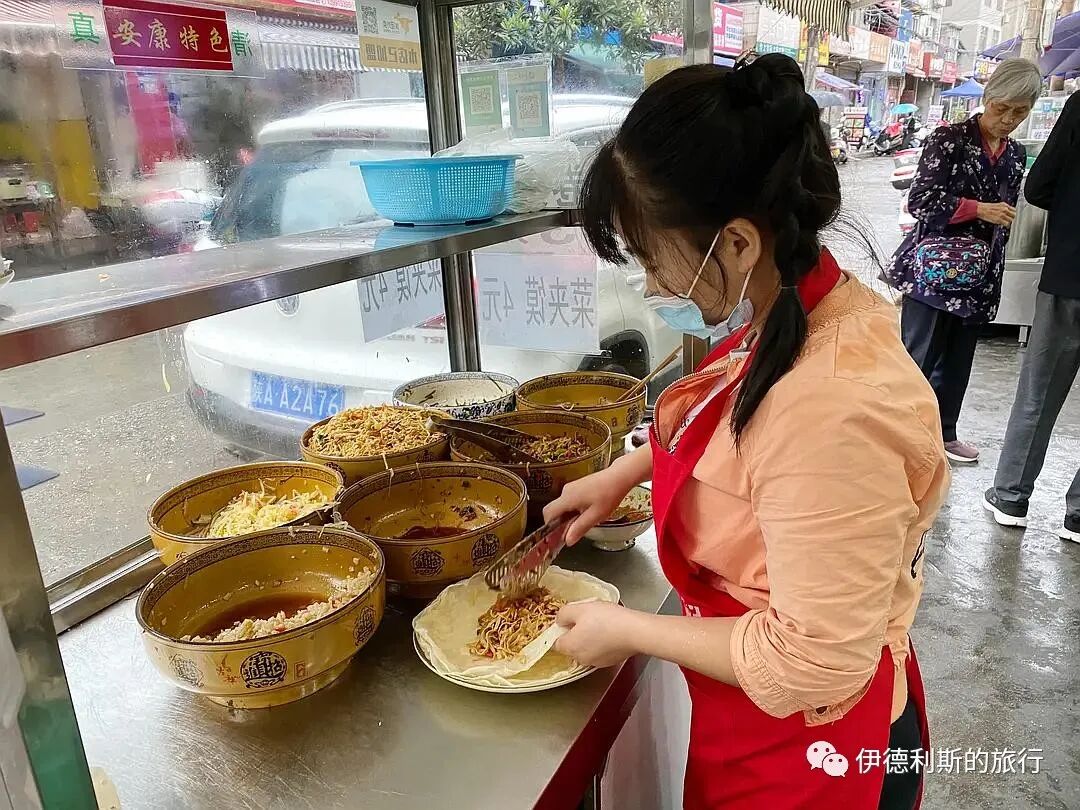
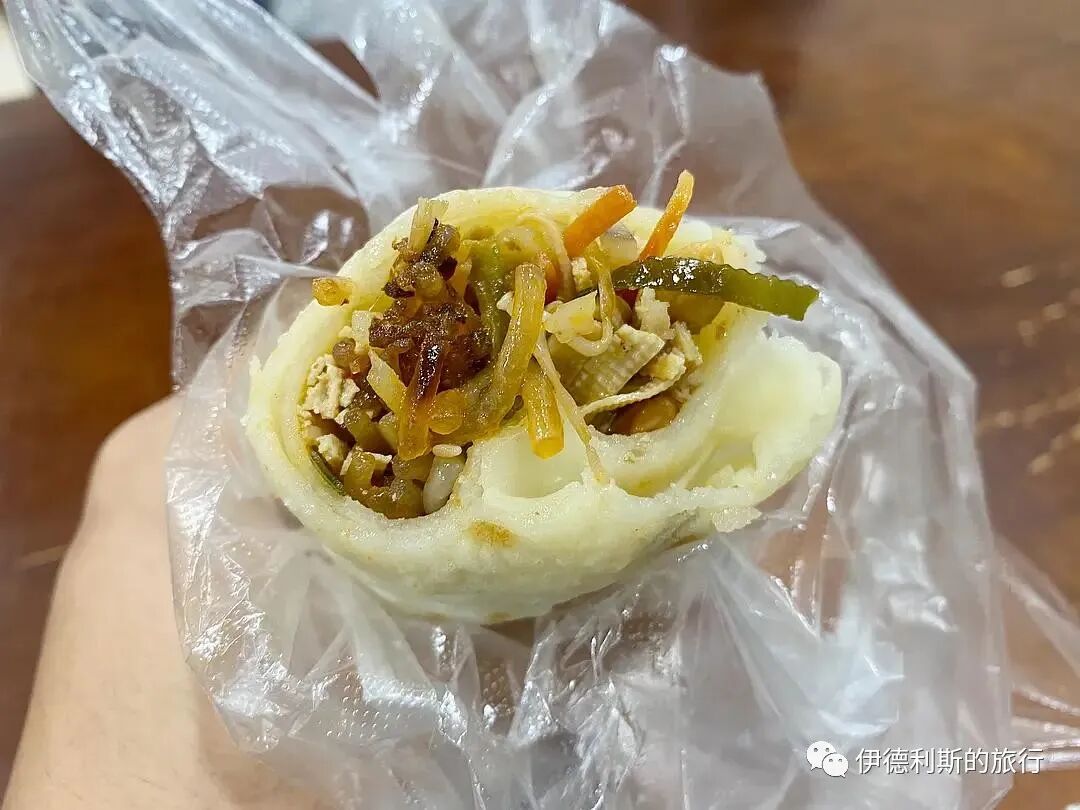
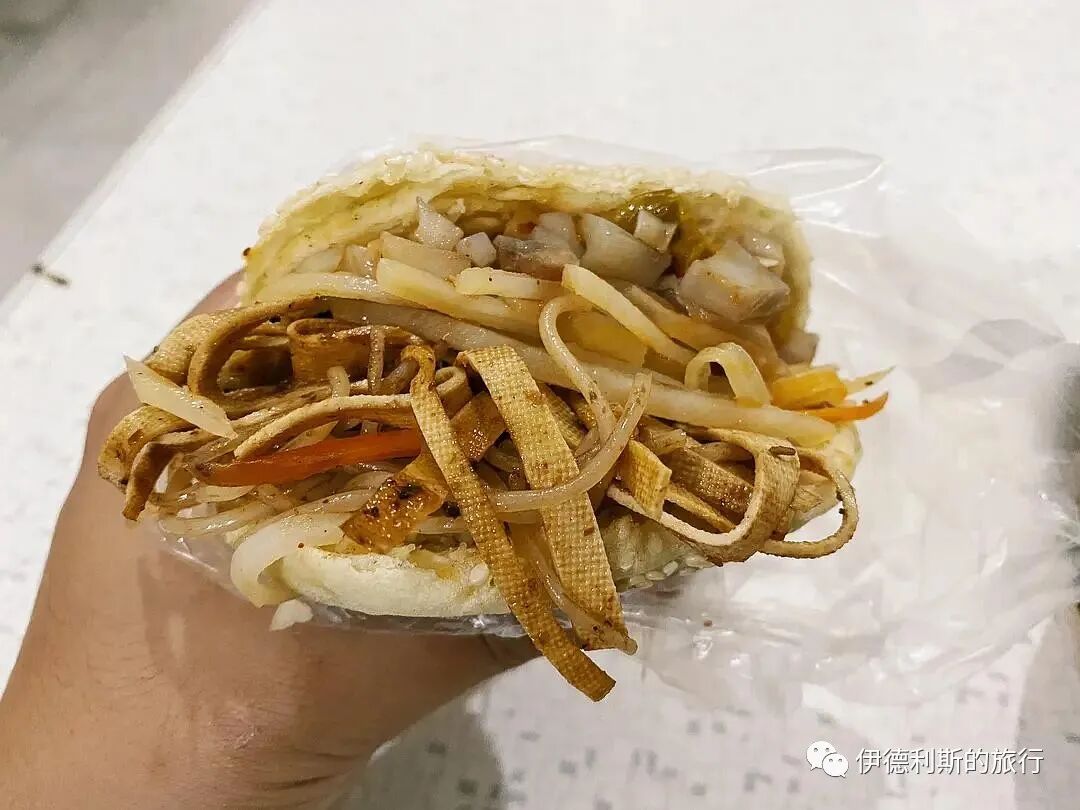
We ate vegetable rolls in front of Huang's Zhengmian. Various small vegetable dishes were rolled into freshly made pancakes. The vegetables were very flavorful, and the pancakes were fragrant. This two-yuan snack left me very satisfied.
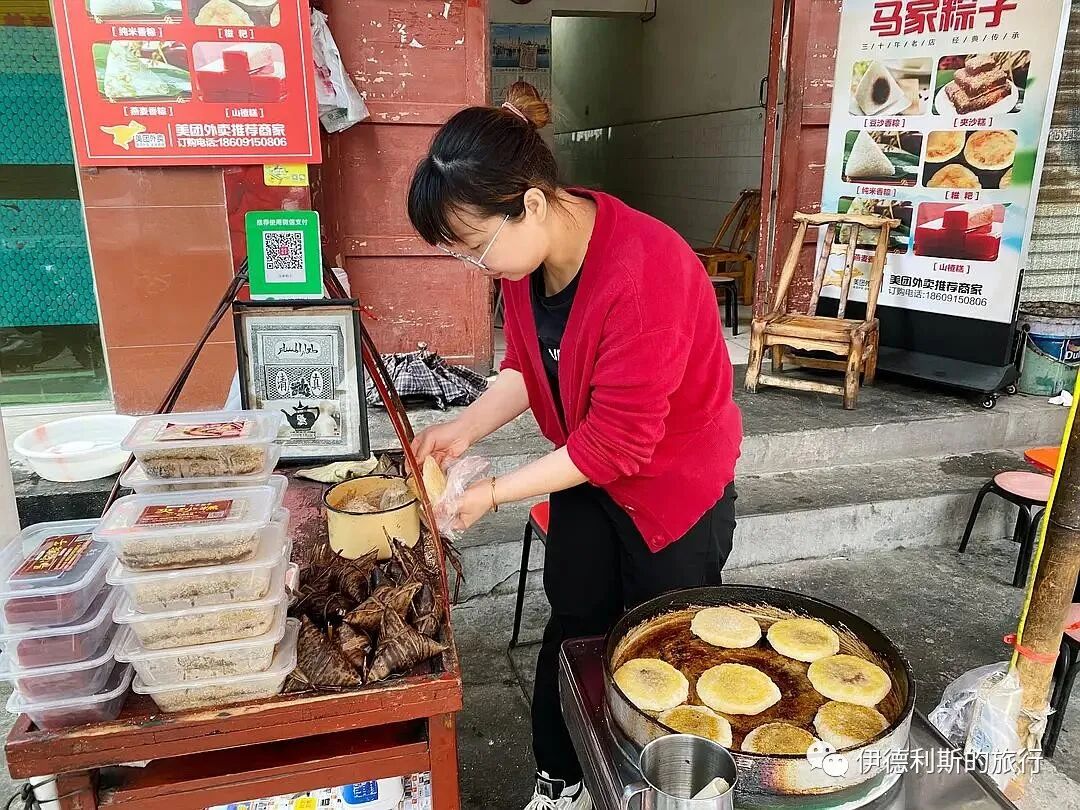
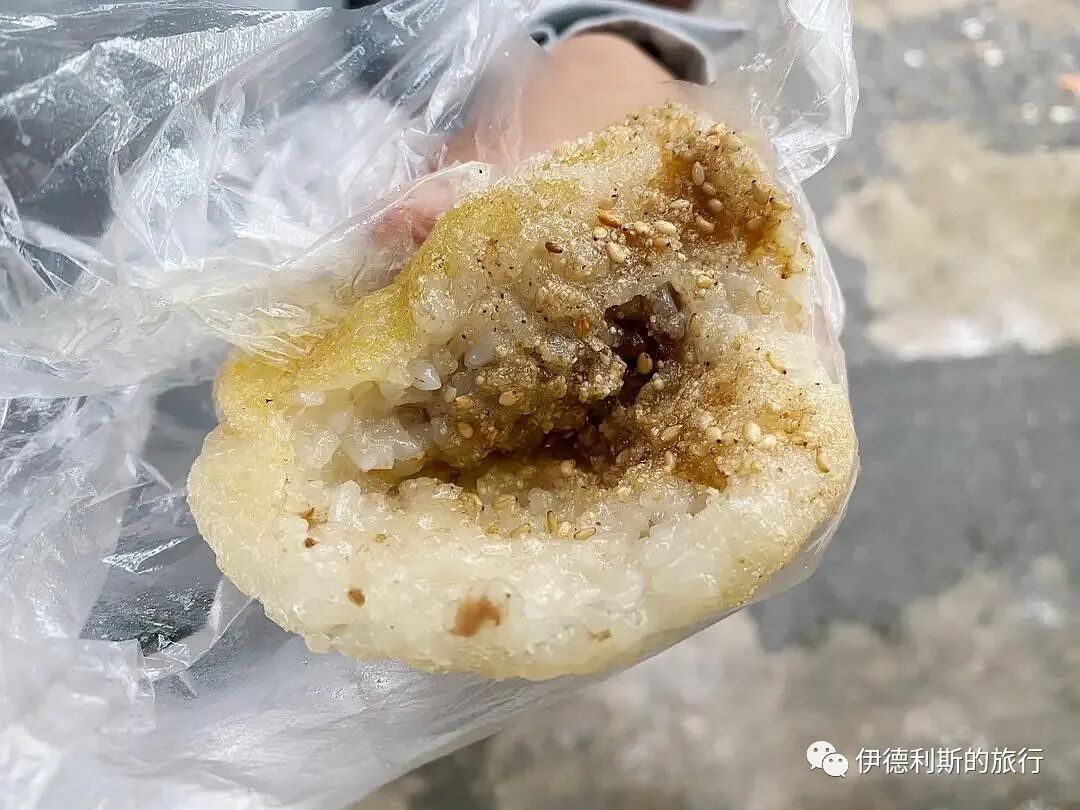
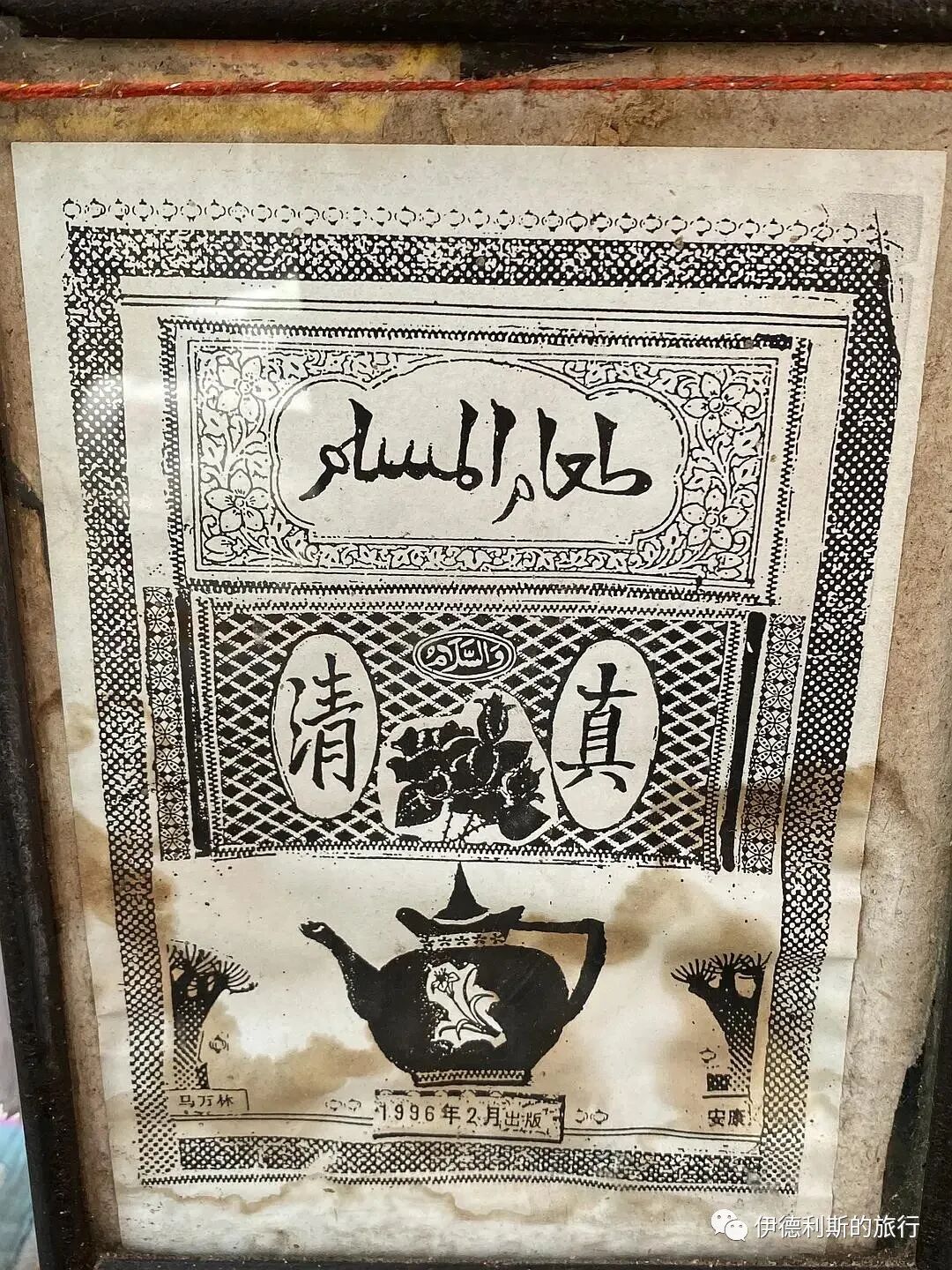
Then we strolled along Gulou West Street and ate ciba at a sweet shop called Ma's Zongzi. We discovered a 1990s-era tangping (kettle) sign, which is extremely rare.
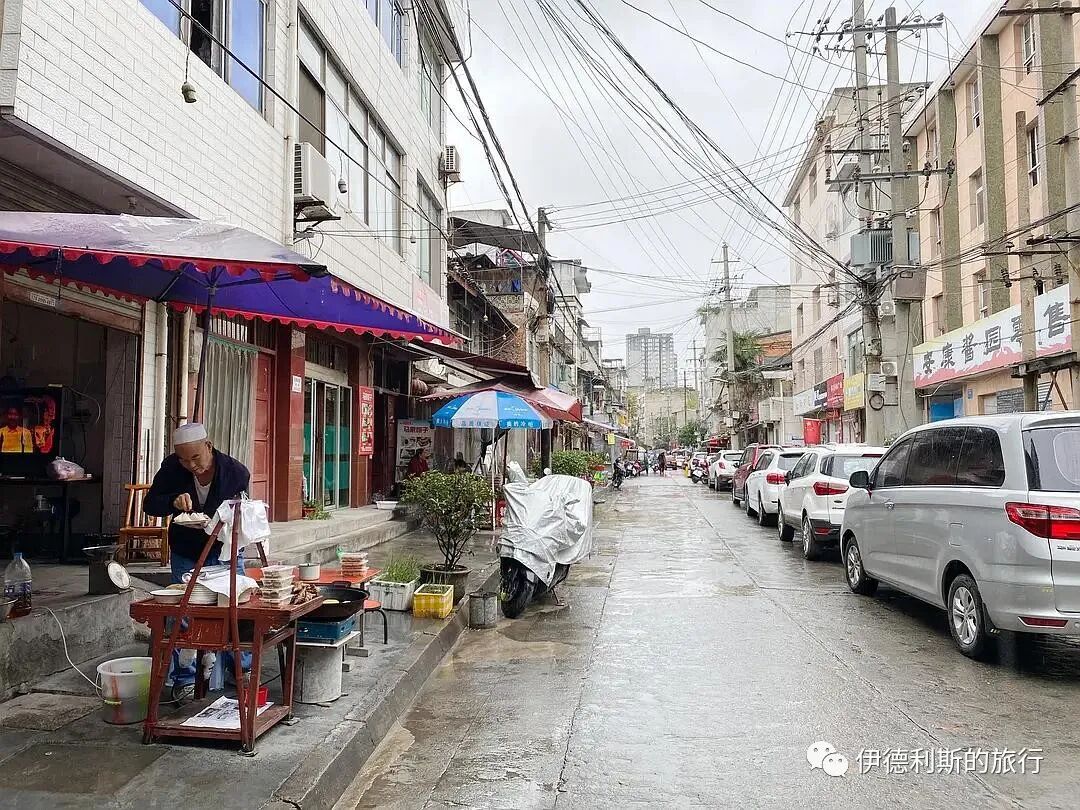
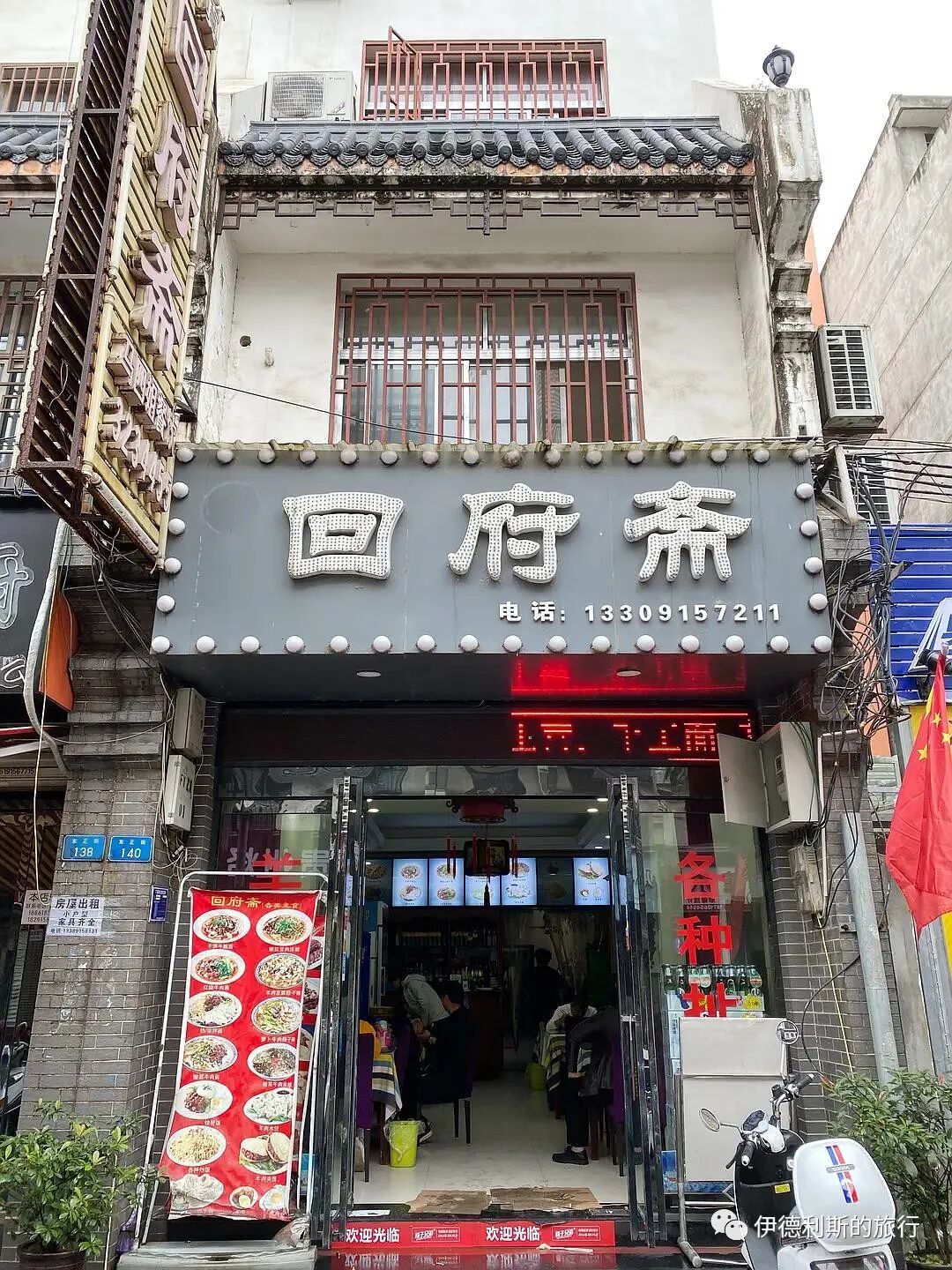
After walking around a lot, we went for lunch. Dongzheng Street is full of halal restaurants. We chose a place called Huifuzhai and ate their specialty, zhengpenzi (a large steamed basin dish). It was a huge basin for 68 yuan, with plenty of food, including lamb, chicken, beef sausage, shrimp dumplings, carrots, white radishes, yams, lotus roots, corn, and more. The portion was very generous. Zainabu loved it.
Grilled fresh fish, malatang (spicy hot pot)
In the evening, we ate grilled fresh fish at Ma Laowu Barbecue on Gulou East Street. Every fish was alive. I didn't dare to choose a big fish, so we ate the smallest yellow catfish, and also had some lamb skewers. After the grilled fish, we wandered to East Street to eat Ma Dasao Malatang. Ankang's malatang is also quite unique; the sauce used is different from other places and very fragrant. I really love this late-night snack atmosphere in the Ankang Hui Muslim district; it's all food loved by the locals.
Beef rice noodles, beef in a bun
Continuing with late-night snacks, we ate beef rice noodles and cumin beef in a bun at Ma Gang Rice Noodles on Gulou West Street. It's true that just across the Qinling Mountains, Ankang starts eating rice noodles. And Ankang people really can put anything in a bun: vegetable buns, malatang buns, cumin beef buns, ham buns, spicy meat buns, etc. I even saw a fried dough stick in a bun this morning. However, my favorite is still the cumin beef in a bun. The taste is completely different from Xi'an's roujiamo (meat in a bun). Ankang uses a sesame bun, which I personally feel has a better texture than Xi'an's baiji bun.
Vegetable bun, chicken soup wontons, lamb pie
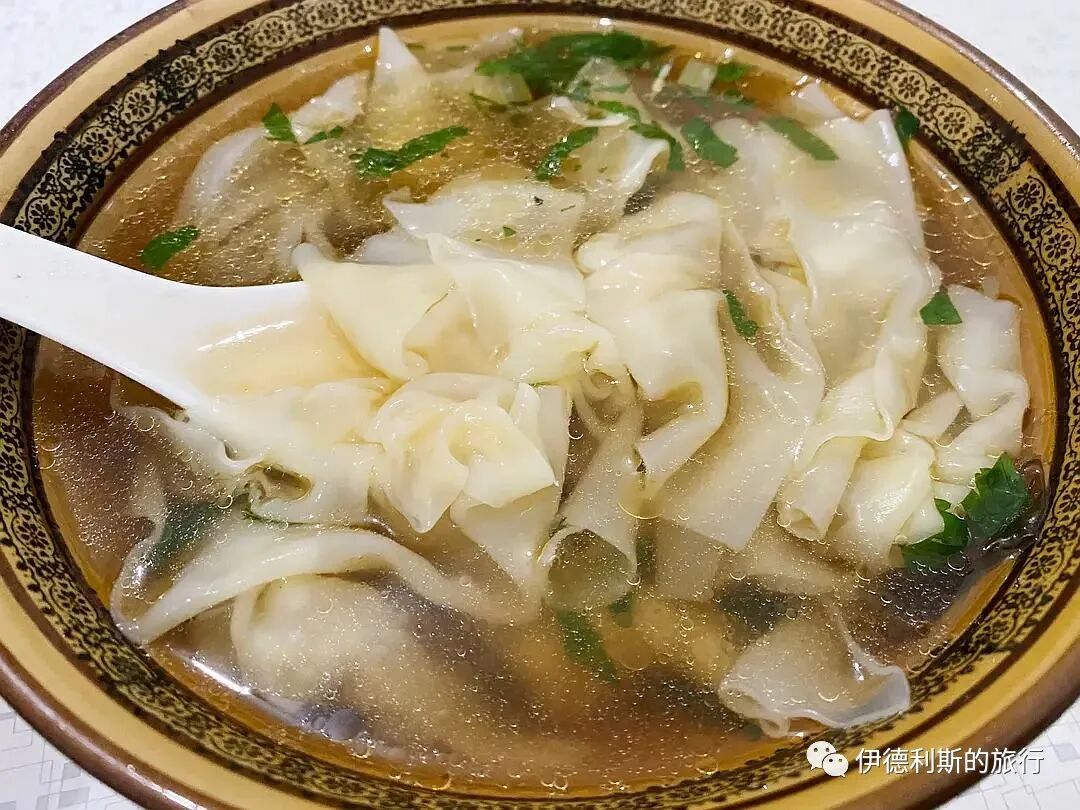
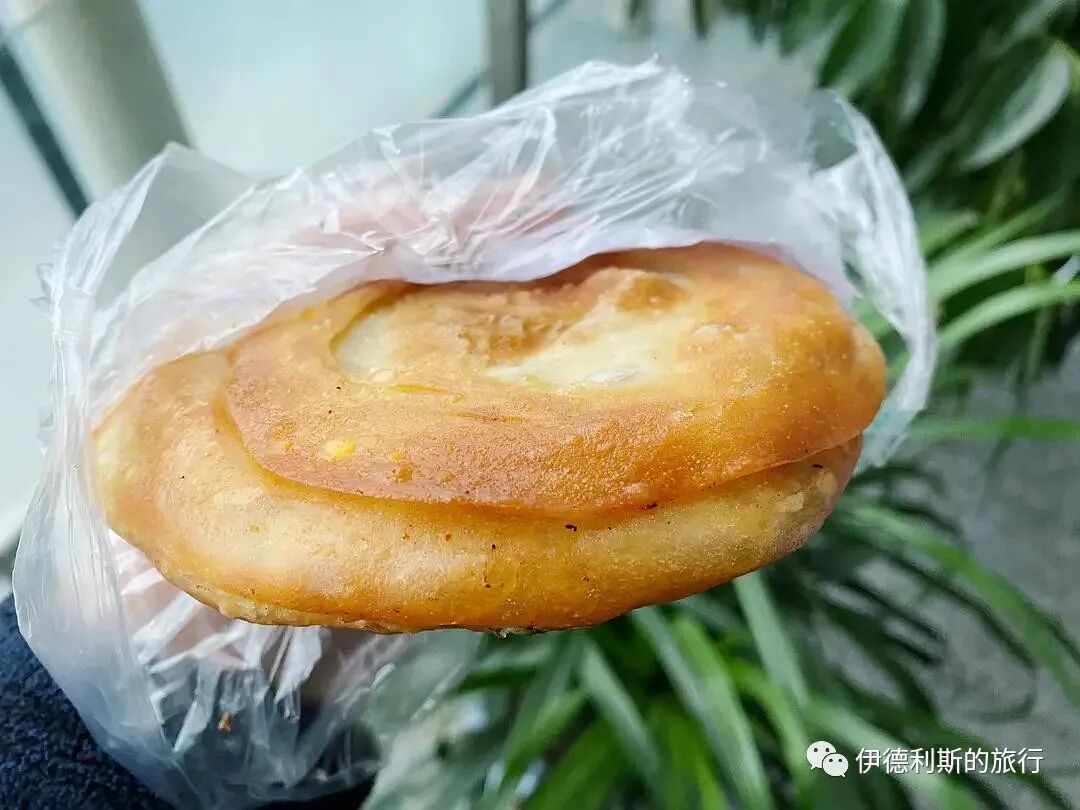
In the morning, we ate a vegetable bun and chicken soup wontons at Ma's Rice Noodles next to Ma Gang Rice Noodles. The variety of breakfast here is also very rich; you can have whatever you want. Then we ate lamb pie at the entrance of Gulou Street. The flavor of Ankang's lamb pie is so rich that you can smell the fragrance from far away, making it impossible to walk past.
(Optional) Image description
[Muslim Community Food Tour] Grand Plan view all
Summary: This travel note introduces Ankang Hui Muslim Street Guide: Halal Food and Muslim Heritage in Shaanxi. Traveled from Shuhe along the Han River to Ankang. Ankang is the largest Muslim community in southern Shaanxi. It is useful for readers interested in Ankang Muslim Street, Halal Food, Shaanxi Travel.
Traveled from Shuhe along the Han River to Ankang. Ankang is the largest Muslim community in southern Shaanxi. Hui Muslims have settled here since the Ming Dynasty, and by the Republic of China era, seven mosques had already been built. The halal food in Ankang is also the most abundant in southern Shaanxi. Snacks include zhengmian (steamed noodles), rice noodles, ciba (glutinous rice cakes), youceng (layered fried bread), malatang jiamo (spicy hot pot ingredients in a bun), and more, with even more variety in banquet dishes. Moreover, because the Hui Muslim street in Ankang is not a tourist area, everything you eat is food loved by the locals. We really had a wonderful time eating and exploring this time.
Zhengmian (steamed noodles)
In the morning, we ate zhengmian with pickled vegetable soup at the most popular Huang's Zhengmian at the entrance of Gulou Street. The owner is a Haji who returned from Hajj in 2005. Ankang zhengmian is a type of Shaanxi liangpi (cold skin noodles). Unlike Xi'an liangpi, which is seasoned with raw vinegar, Ankang zhengmian uses boiled vinegar. Zhengmian is usually served with youpo lazi (hot chili oil), but I didn't add any because I can't handle much spice.
The yousu mo (crispy fried flatbread) across from Huang's Zhengmian also looked delicious.
Mosque
After finishing the zhengmian, we went to visit the ancient mosque. According to stone inscriptions, the Ankang Mosque was first built in the Yuan Dynasty. It was initially called Libai Mosque, later renamed Jingjue Mosque, and changed to Mosque in 1767. In 1583, the mosque was destroyed by a flood and the grounds were occupied. In the early years of the Kangxi Emperor's reign, the property was returned and rebuilt on the original site. It was destroyed again in 1862, with only the screen wall remaining. The north and south lecture halls were rebuilt in 1867, and the prayer hall and other buildings were rebuilt in 1871. In 1923, a five-story, hexagonal, pointed-roof minaret was built, reaching 37 meters in height. The main hall was expanded in 1931.
In 1983, a major flood occurred in Ankang. The mosque's minaret collapsed, and the north and south lecture halls were destroyed, with only the main hall surviving. In 1984, the north and south lecture halls, minaret, and ablution room were rebuilt. The archway-style gate was rebuilt in 1999, and the main hall was rebuilt in 2013.
After leaving the ancient mosque, we ate tanggao (fried sugar cake) with douhua (soft tofu pudding) at the intersection of Bizi Lane and Xizheng Street. Yougao (fried cake) is found all the way from Zhaotong to Nanchong and Ankang, and the douhua here is salty and spicy. The lamb pie nearby also looked very tasty.
North Mosque
The North Mosque was first built in 1502. During the 1983 Ankang flood, all the buildings of the North Mosque were washed away. Construction began in 1984 and was completed in 1994.
Next to the North Mosque is a 232-year-old Chinese toon tree, nearly 40 meters tall. During the 1983 Ankang flood, 31 people climbed this tree and survived, so it is also called the 'Life-Saving Tree'.
Jingning South Mosque
Jingning South Mosque was first built in the Ming Dynasty. In the 1583 Han River flood, the South Mosque was submerged, and the buildings collapsed, leaving only the Wangyue Tower (Moon-Watching Tower). It was rebuilt twice, during the Kangxi era and in 1890. After 1957, it was occupied. During the Cultural Revolution, a fire broke out, and the South Mosque was burned down, with only the Wangyue Tower surviving. After the property was returned, the main hall, north and south wing rooms, ablution room, and gatehouse were rebuilt. In 1998, the Ming Dynasty Wangyue Tower was demolished and replaced with a reinforced concrete structure. In 2018, the stone archway, Wangyue Tower, and north and south wing rooms were rebuilt again.
The main hall of Jingning South Mosque is the largest among Ankang's mosques. From the aerial view, you can see it is composed of three connected buildings, each with a different architectural style.
Vegetable rolls, ciba (glutinous rice cakes), and zhengpenzi (steamed basin dish)
After visiting the two mosques, we continued to eat snacks.
We ate vegetable rolls in front of Huang's Zhengmian. Various small vegetable dishes were rolled into freshly made pancakes. The vegetables were very flavorful, and the pancakes were fragrant. This two-yuan snack left me very satisfied.
Then we strolled along Gulou West Street and ate ciba at a sweet shop called Ma's Zongzi. We discovered a 1990s-era tangping (kettle) sign, which is extremely rare.
After walking around a lot, we went for lunch. Dongzheng Street is full of halal restaurants. We chose a place called Huifuzhai and ate their specialty, zhengpenzi (a large steamed basin dish). It was a huge basin for 68 yuan, with plenty of food, including lamb, chicken, beef sausage, shrimp dumplings, carrots, white radishes, yams, lotus roots, corn, and more. The portion was very generous. Zainabu loved it.
Grilled fresh fish, malatang (spicy hot pot)
In the evening, we ate grilled fresh fish at Ma Laowu Barbecue on Gulou East Street. Every fish was alive. I didn't dare to choose a big fish, so we ate the smallest yellow catfish, and also had some lamb skewers. After the grilled fish, we wandered to East Street to eat Ma Dasao Malatang. Ankang's malatang is also quite unique; the sauce used is different from other places and very fragrant. I really love this late-night snack atmosphere in the Ankang Hui Muslim district; it's all food loved by the locals.
Beef rice noodles, beef in a bun
Continuing with late-night snacks, we ate beef rice noodles and cumin beef in a bun at Ma Gang Rice Noodles on Gulou West Street. It's true that just across the Qinling Mountains, Ankang starts eating rice noodles. And Ankang people really can put anything in a bun: vegetable buns, malatang buns, cumin beef buns, ham buns, spicy meat buns, etc. I even saw a fried dough stick in a bun this morning. However, my favorite is still the cumin beef in a bun. The taste is completely different from Xi'an's roujiamo (meat in a bun). Ankang uses a sesame bun, which I personally feel has a better texture than Xi'an's baiji bun.
Vegetable bun, chicken soup wontons, lamb pie
In the morning, we ate a vegetable bun and chicken soup wontons at Ma's Rice Noodles next to Ma Gang Rice Noodles. The variety of breakfast here is also very rich; you can have whatever you want. Then we ate lamb pie at the entrance of Gulou Street. The flavor of Ankang's lamb pie is so rich that you can smell the fragrance from far away, making it impossible to walk past.
(Optional) Image description
[Muslim Community Food Tour] Grand Plan view all
Reposted from the web
Summary: This travel note introduces Ankang Hui Muslim Street Guide: Halal Food and Muslim Heritage in Shaanxi. Traveled from Shuhe along the Han River to Ankang. Ankang is the largest Muslim community in southern Shaanxi. It is useful for readers interested in Ankang Muslim Street, Halal Food, Shaanxi Travel.
Traveled from Shuhe along the Han River to Ankang. Ankang is the largest Muslim community in southern Shaanxi. Hui Muslims have settled here since the Ming Dynasty, and by the Republic of China era, seven mosques had already been built. The halal food in Ankang is also the most abundant in southern Shaanxi. Snacks include zhengmian (steamed noodles), rice noodles, ciba (glutinous rice cakes), youceng (layered fried bread), malatang jiamo (spicy hot pot ingredients in a bun), and more, with even more variety in banquet dishes. Moreover, because the Hui Muslim street in Ankang is not a tourist area, everything you eat is food loved by the locals. We really had a wonderful time eating and exploring this time.
Zhengmian (steamed noodles)
In the morning, we ate zhengmian with pickled vegetable soup at the most popular Huang's Zhengmian at the entrance of Gulou Street. The owner is a Haji who returned from Hajj in 2005. Ankang zhengmian is a type of Shaanxi liangpi (cold skin noodles). Unlike Xi'an liangpi, which is seasoned with raw vinegar, Ankang zhengmian uses boiled vinegar. Zhengmian is usually served with youpo lazi (hot chili oil), but I didn't add any because I can't handle much spice.
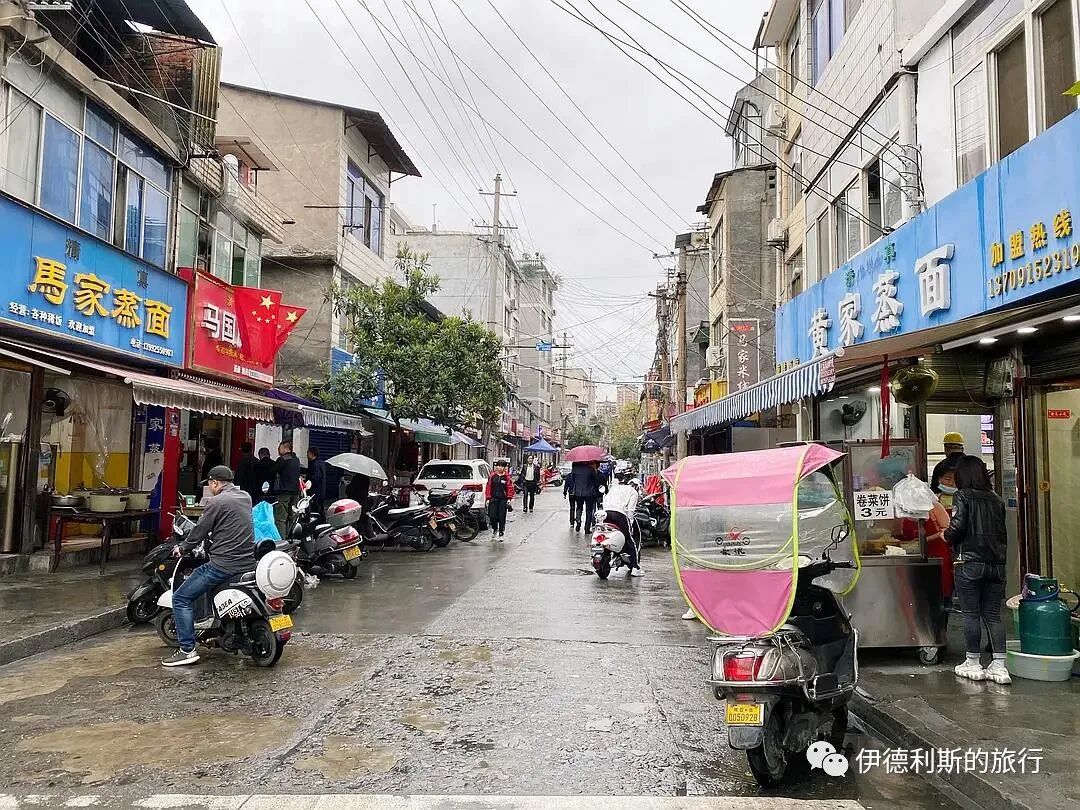
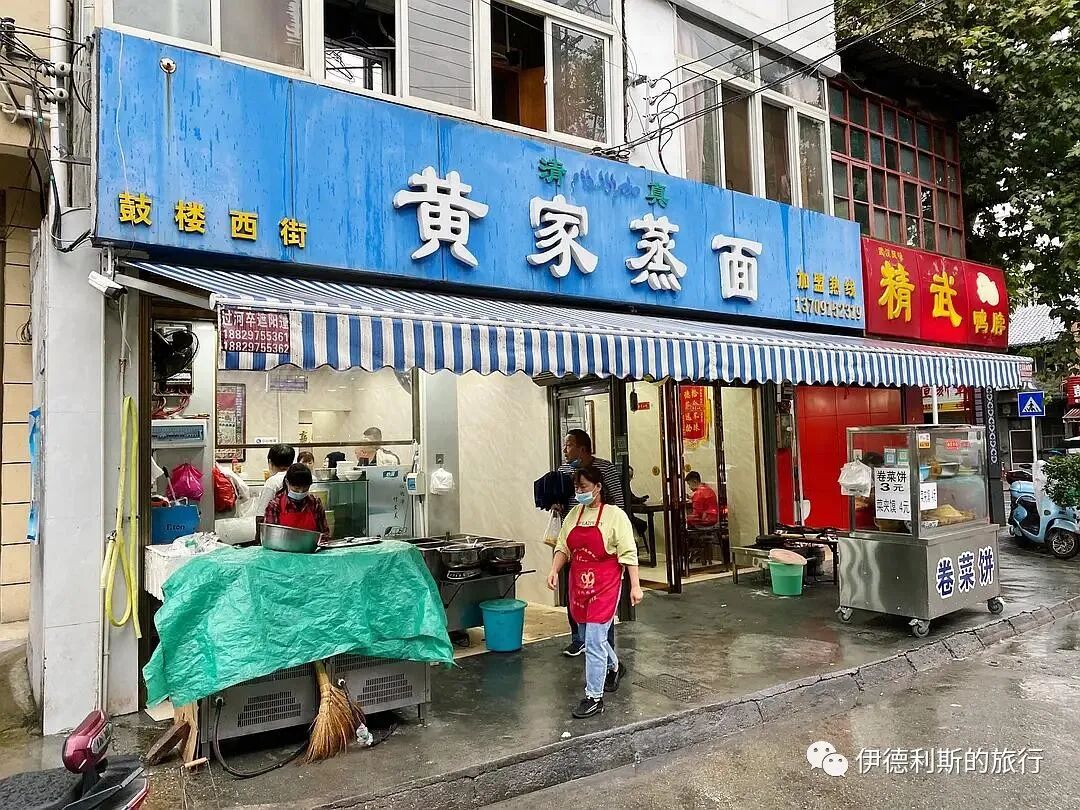
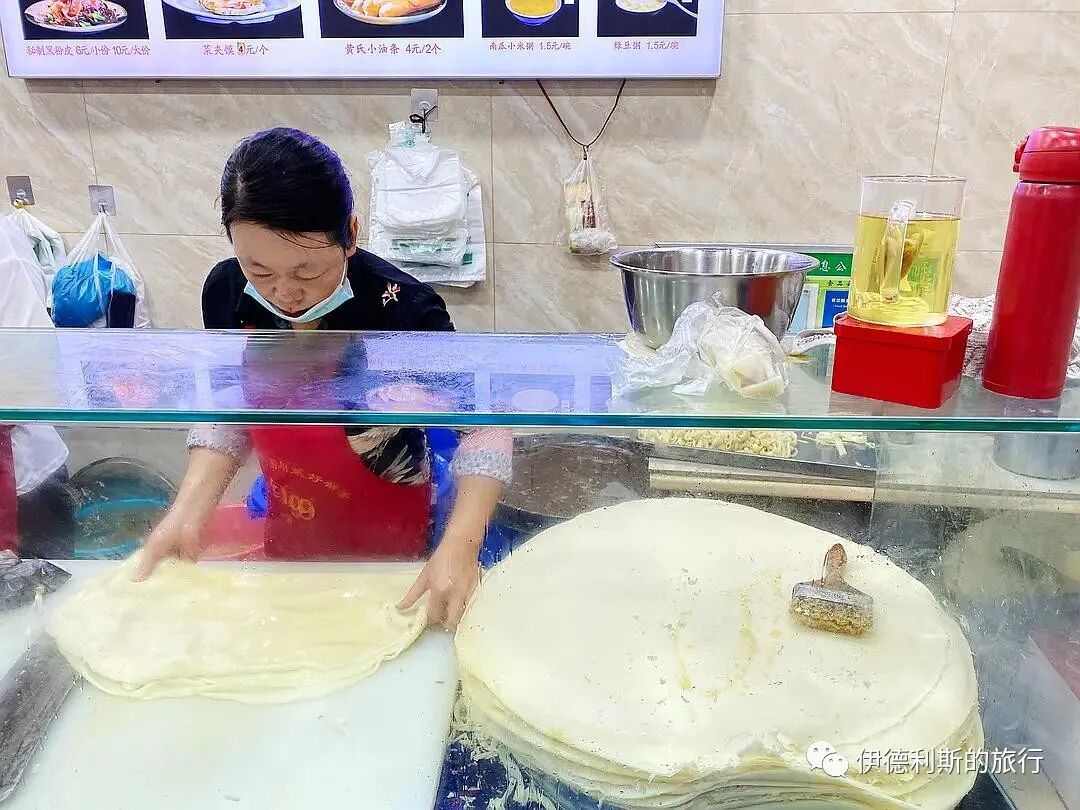
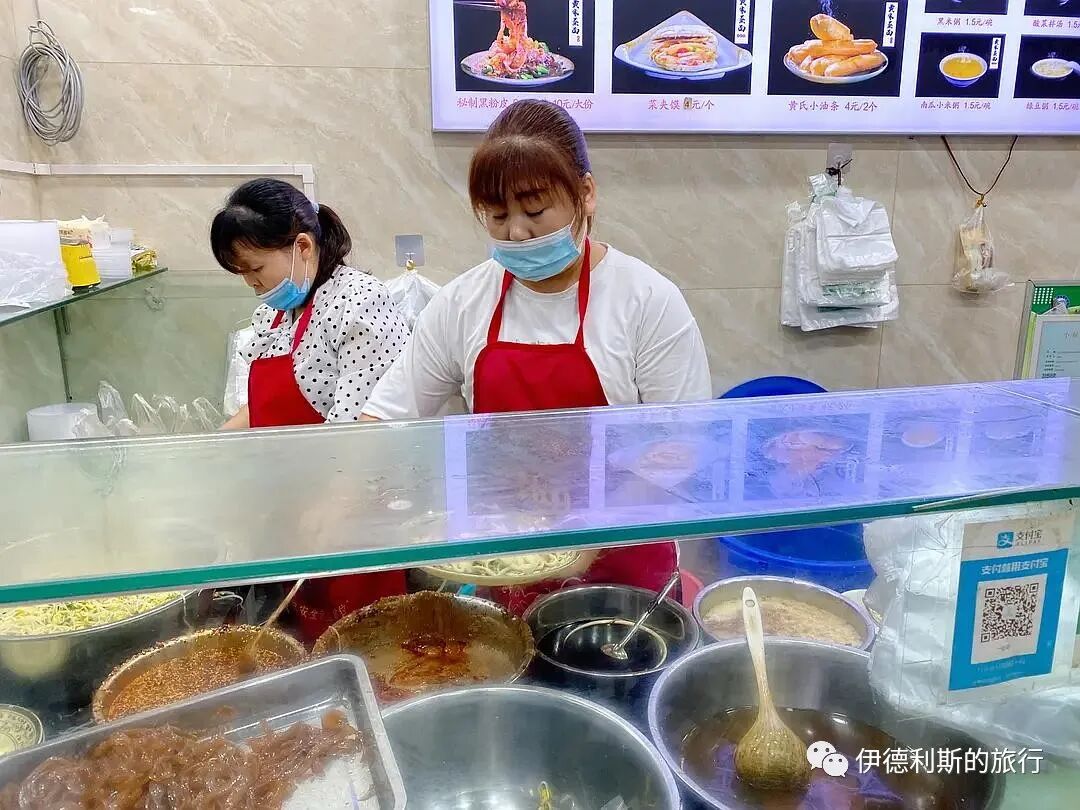
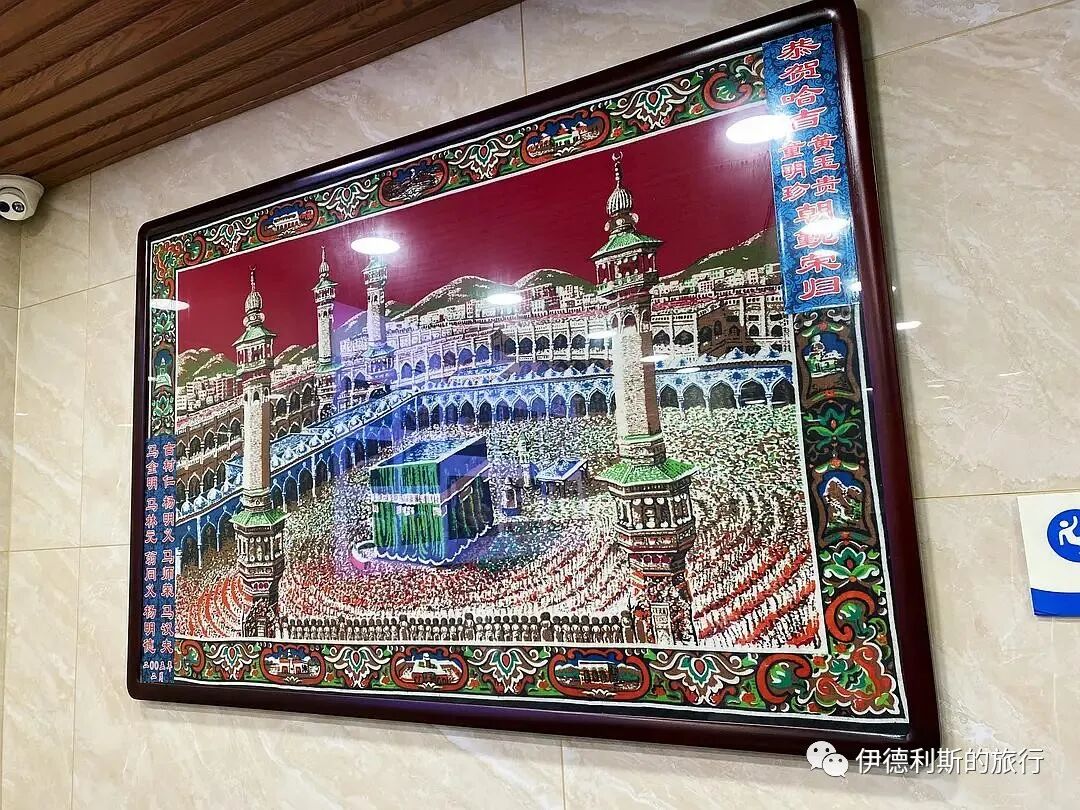
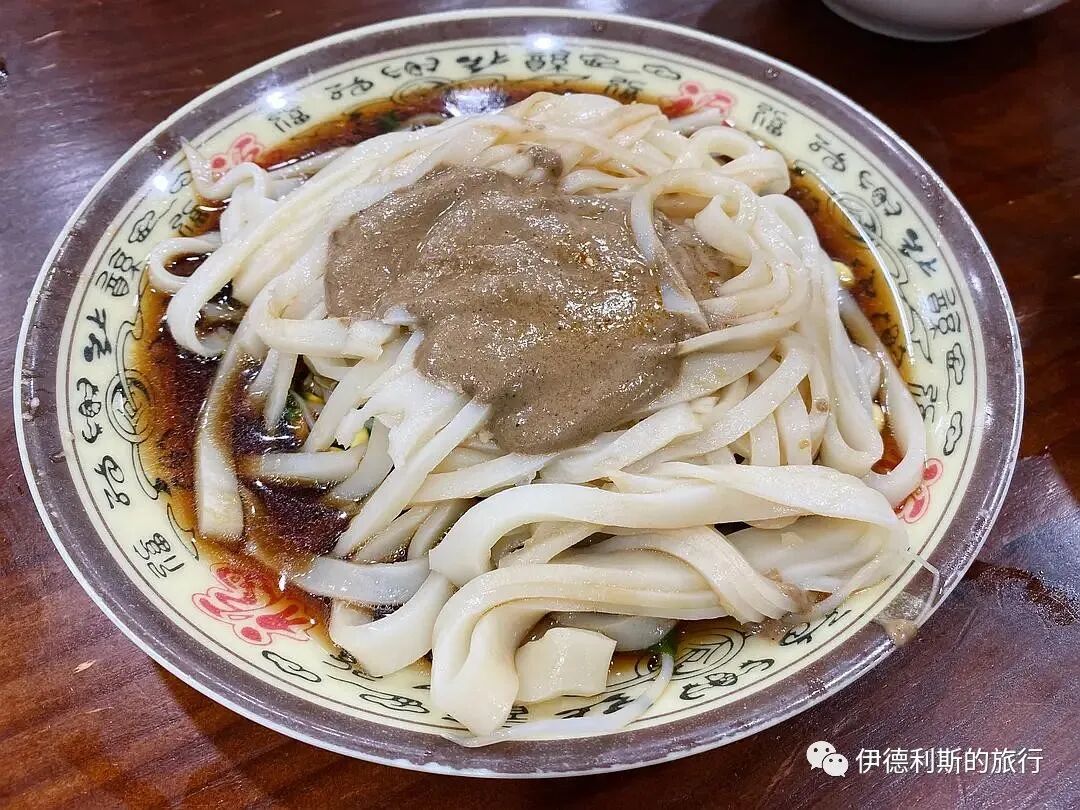
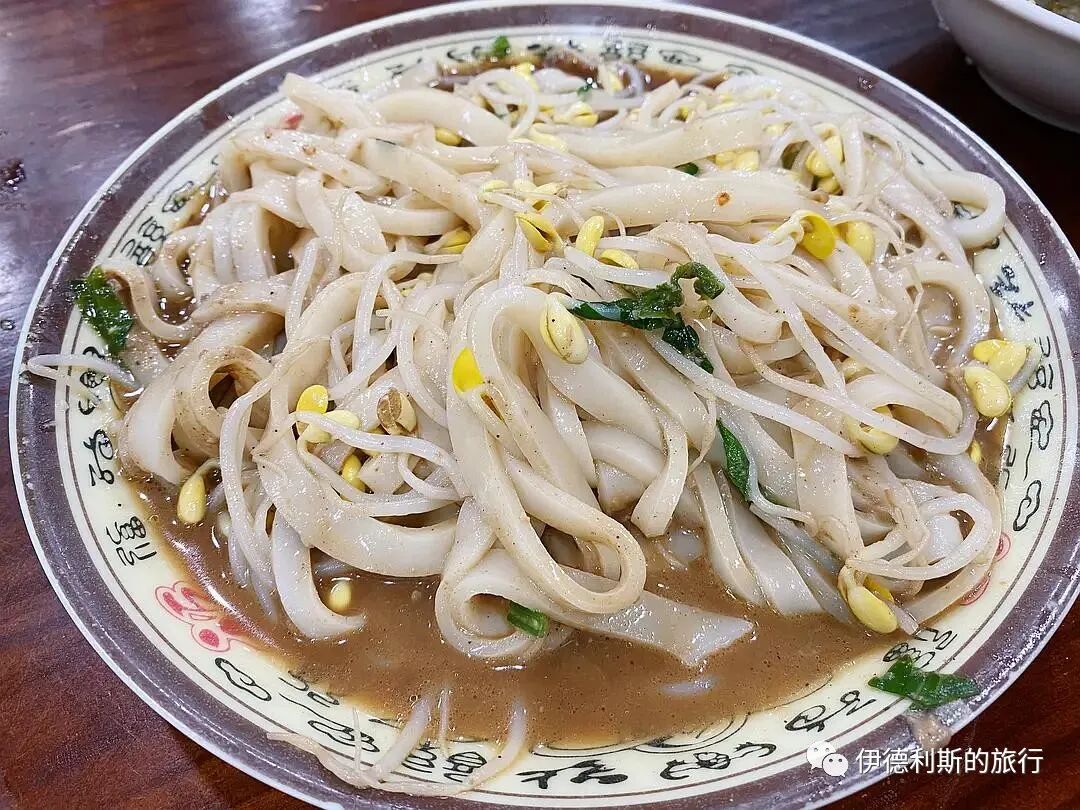
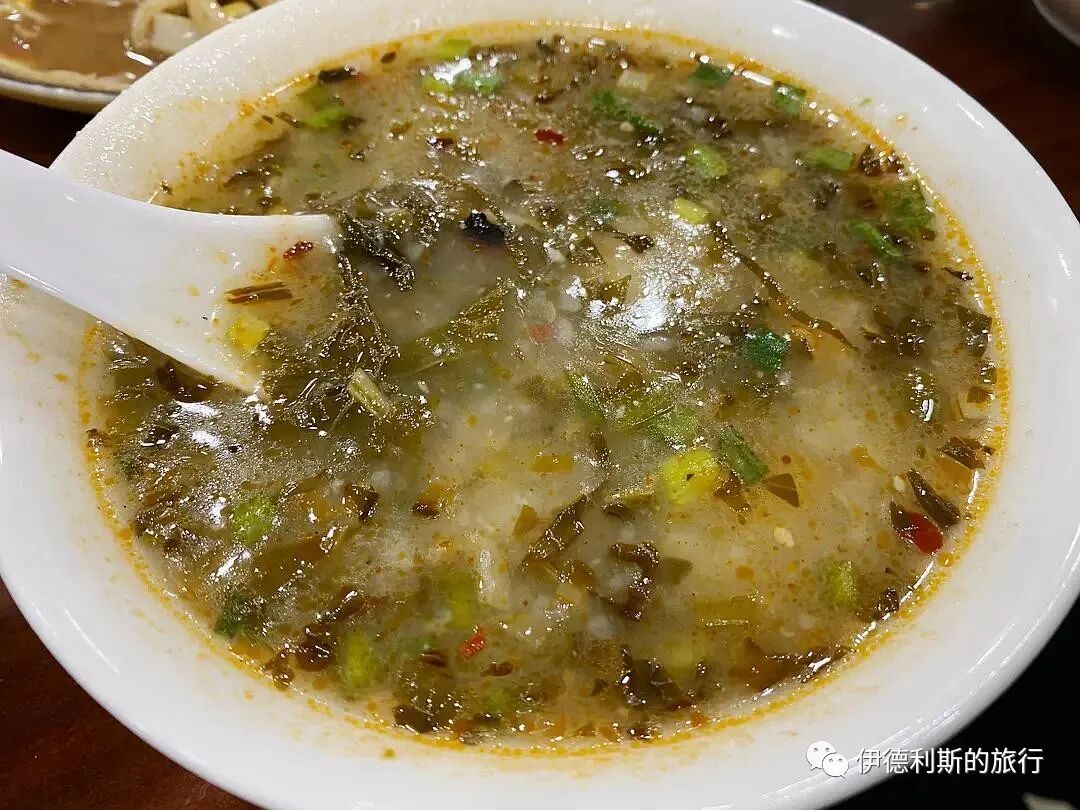
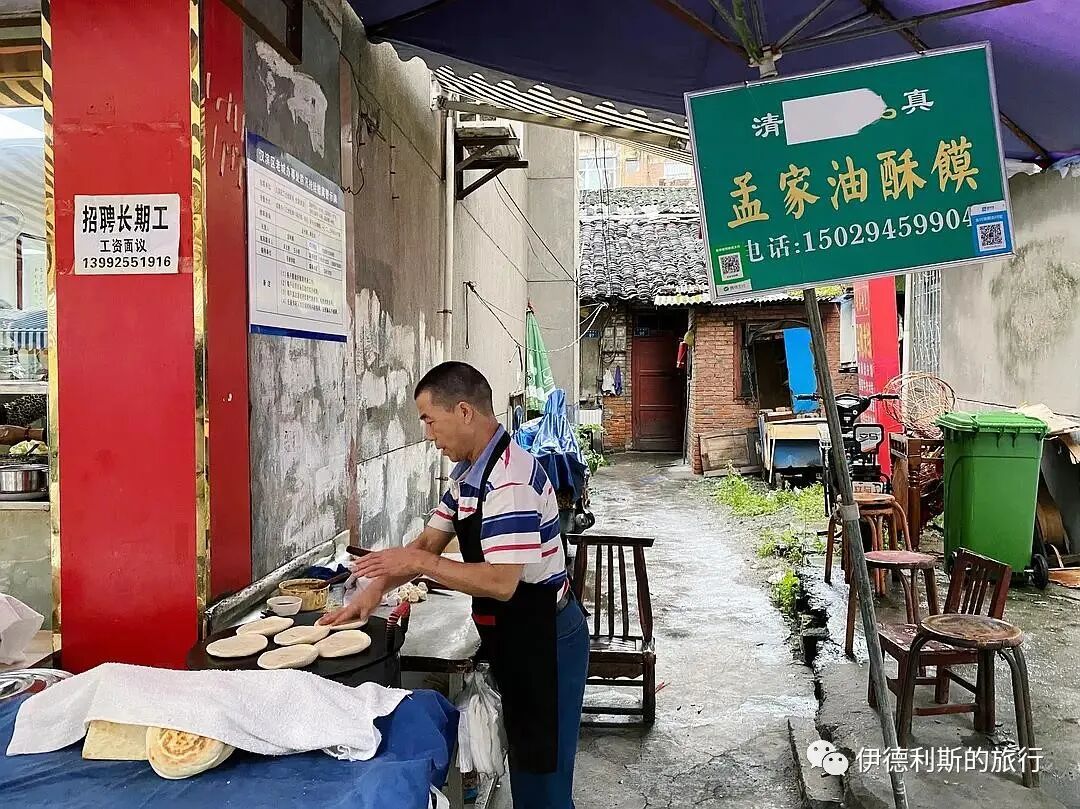
The yousu mo (crispy fried flatbread) across from Huang's Zhengmian also looked delicious.
Mosque
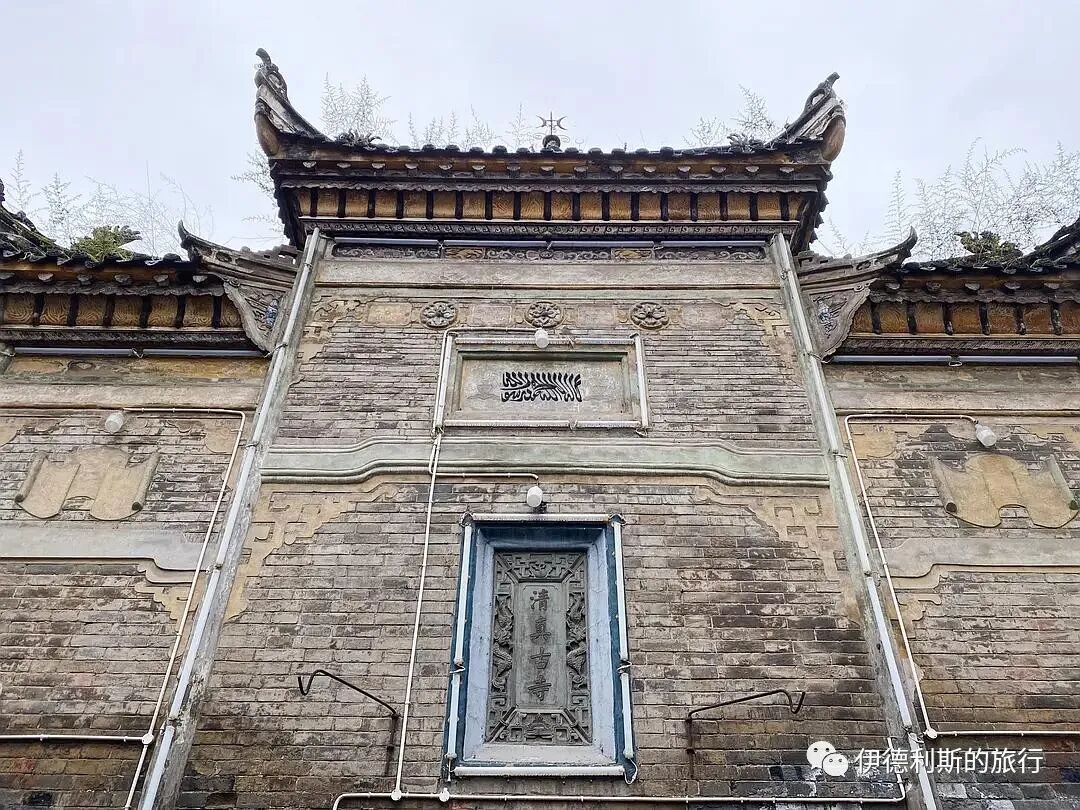
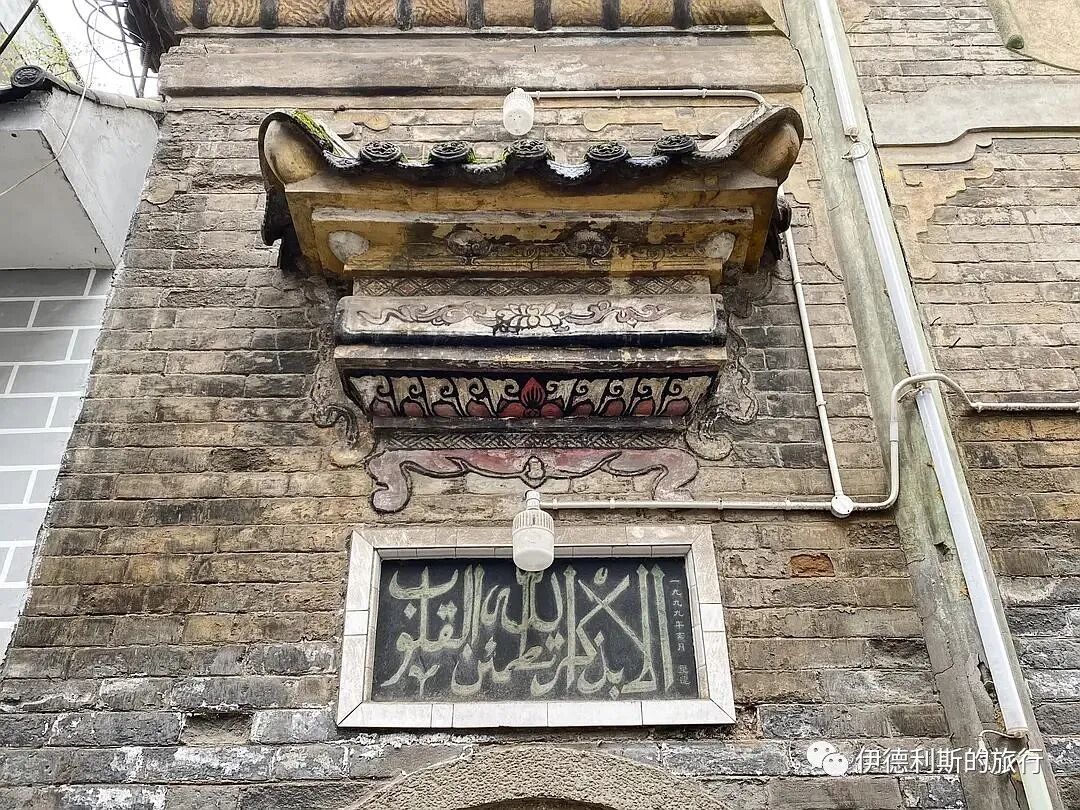
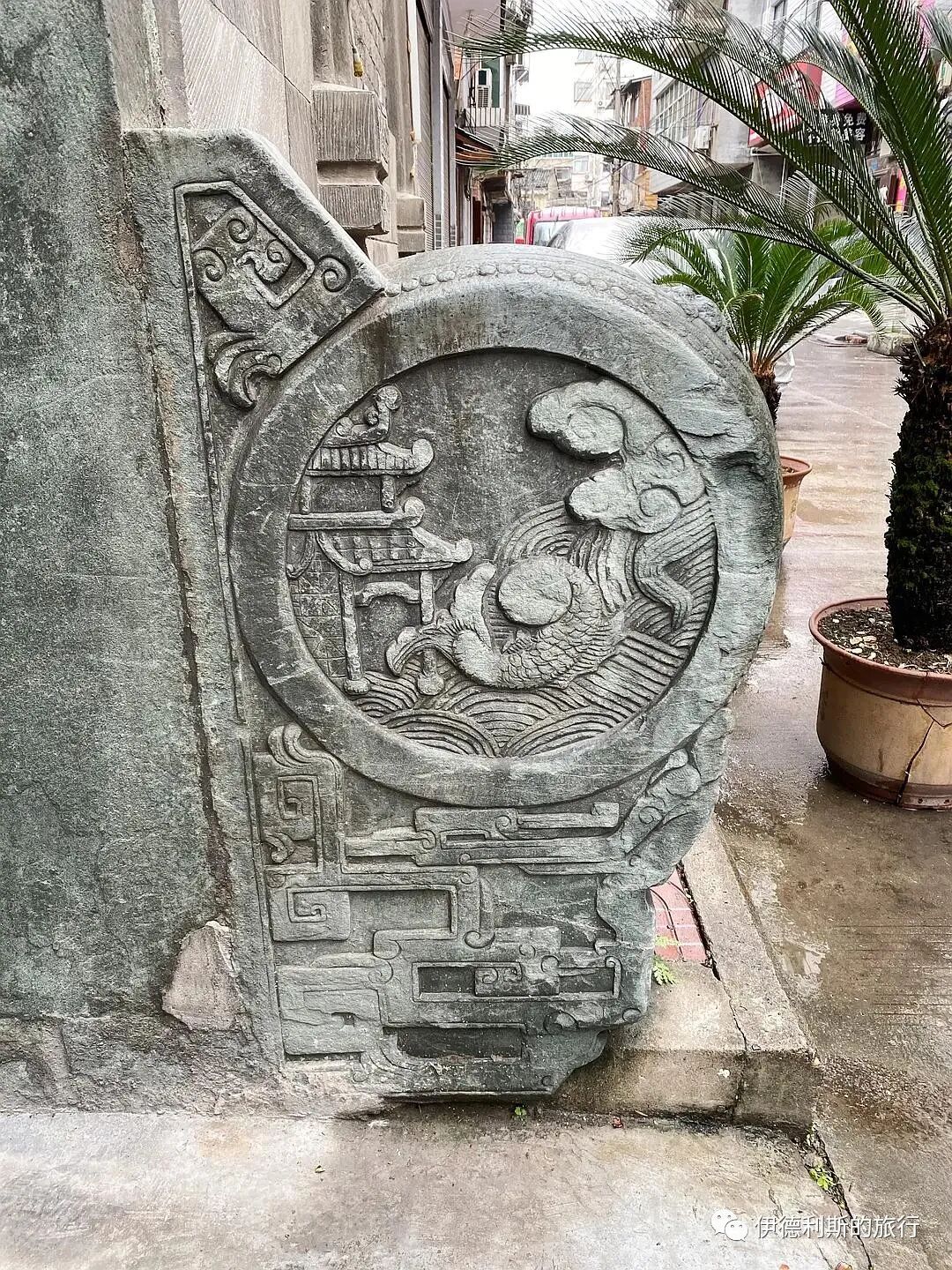
After finishing the zhengmian, we went to visit the ancient mosque. According to stone inscriptions, the Ankang Mosque was first built in the Yuan Dynasty. It was initially called Libai Mosque, later renamed Jingjue Mosque, and changed to Mosque in 1767. In 1583, the mosque was destroyed by a flood and the grounds were occupied. In the early years of the Kangxi Emperor's reign, the property was returned and rebuilt on the original site. It was destroyed again in 1862, with only the screen wall remaining. The north and south lecture halls were rebuilt in 1867, and the prayer hall and other buildings were rebuilt in 1871. In 1923, a five-story, hexagonal, pointed-roof minaret was built, reaching 37 meters in height. The main hall was expanded in 1931.
In 1983, a major flood occurred in Ankang. The mosque's minaret collapsed, and the north and south lecture halls were destroyed, with only the main hall surviving. In 1984, the north and south lecture halls, minaret, and ablution room were rebuilt. The archway-style gate was rebuilt in 1999, and the main hall was rebuilt in 2013.
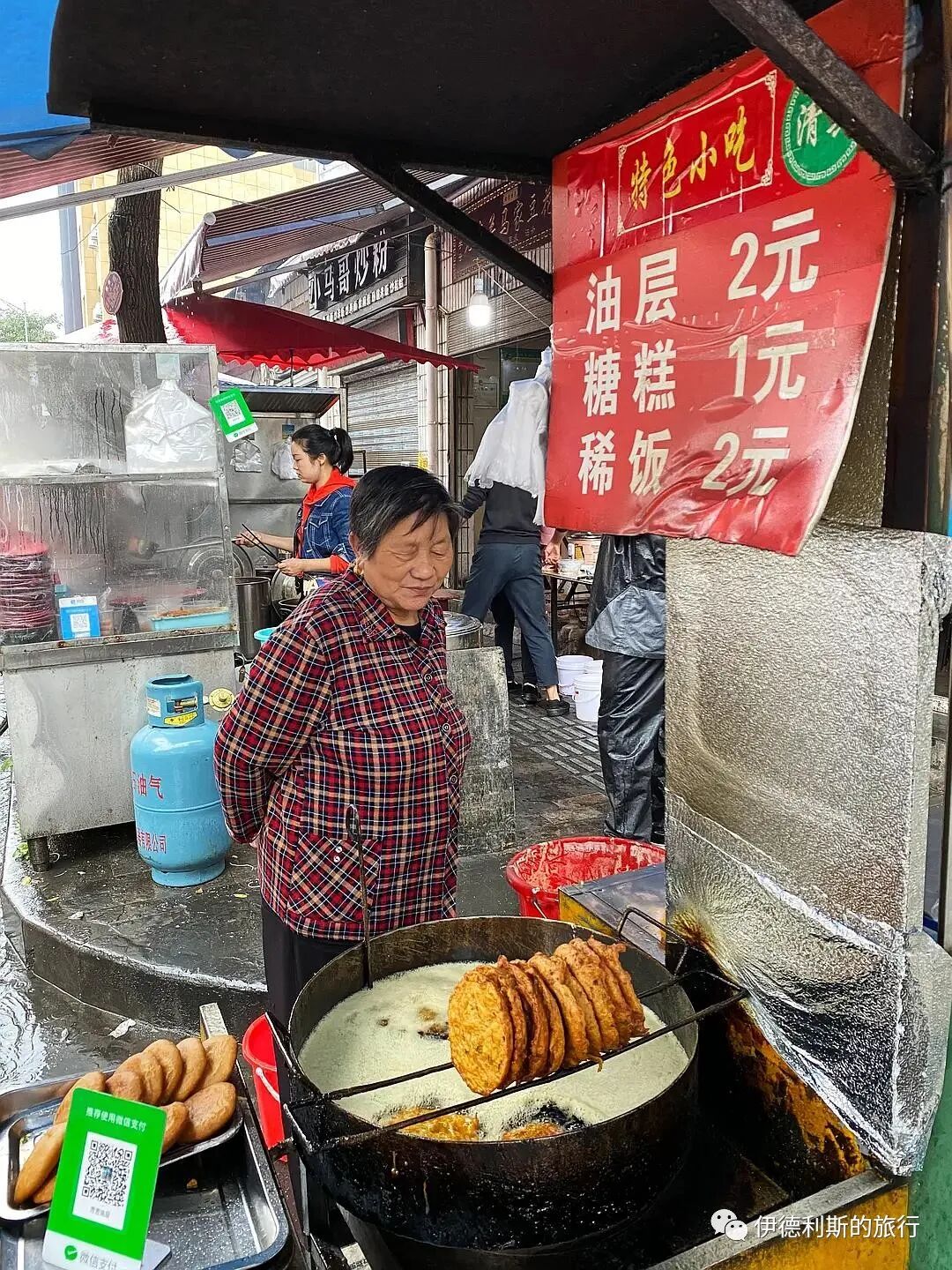
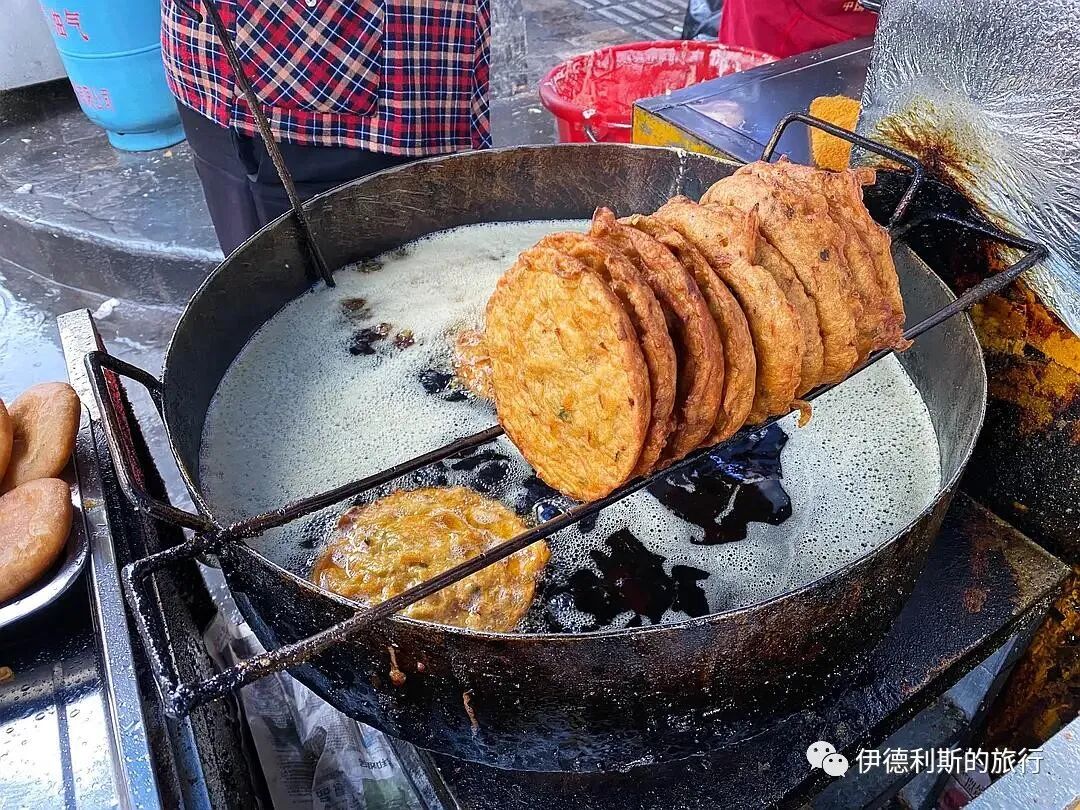
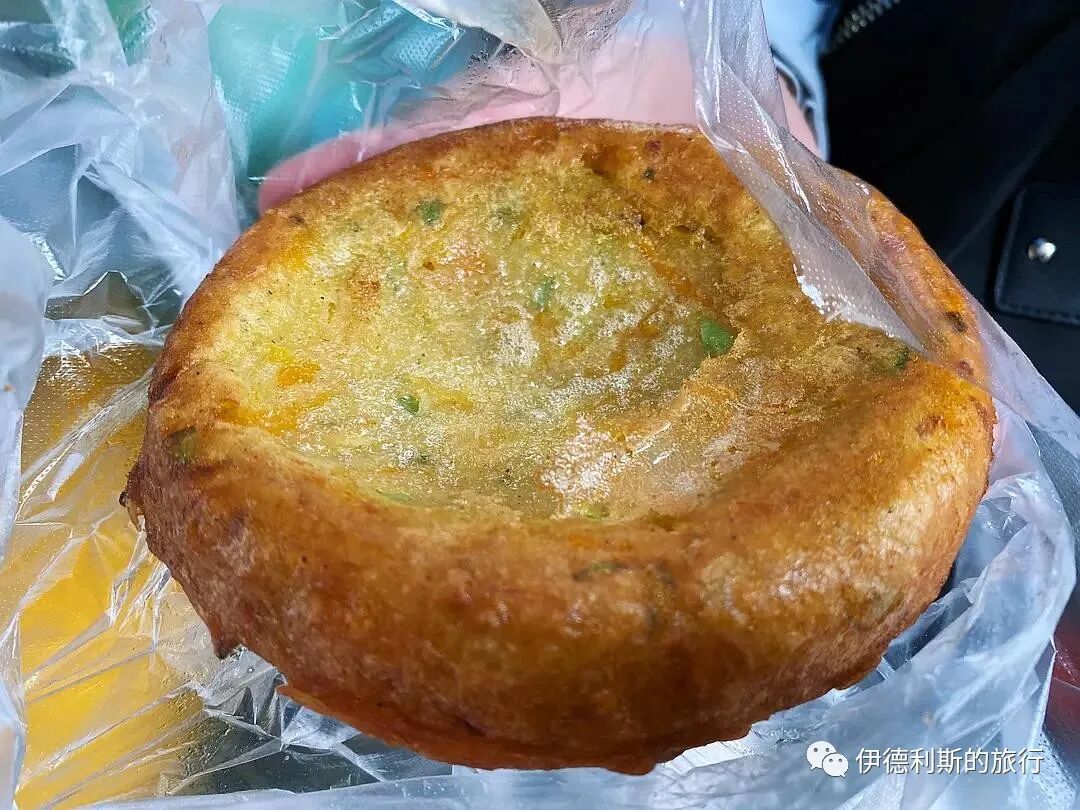
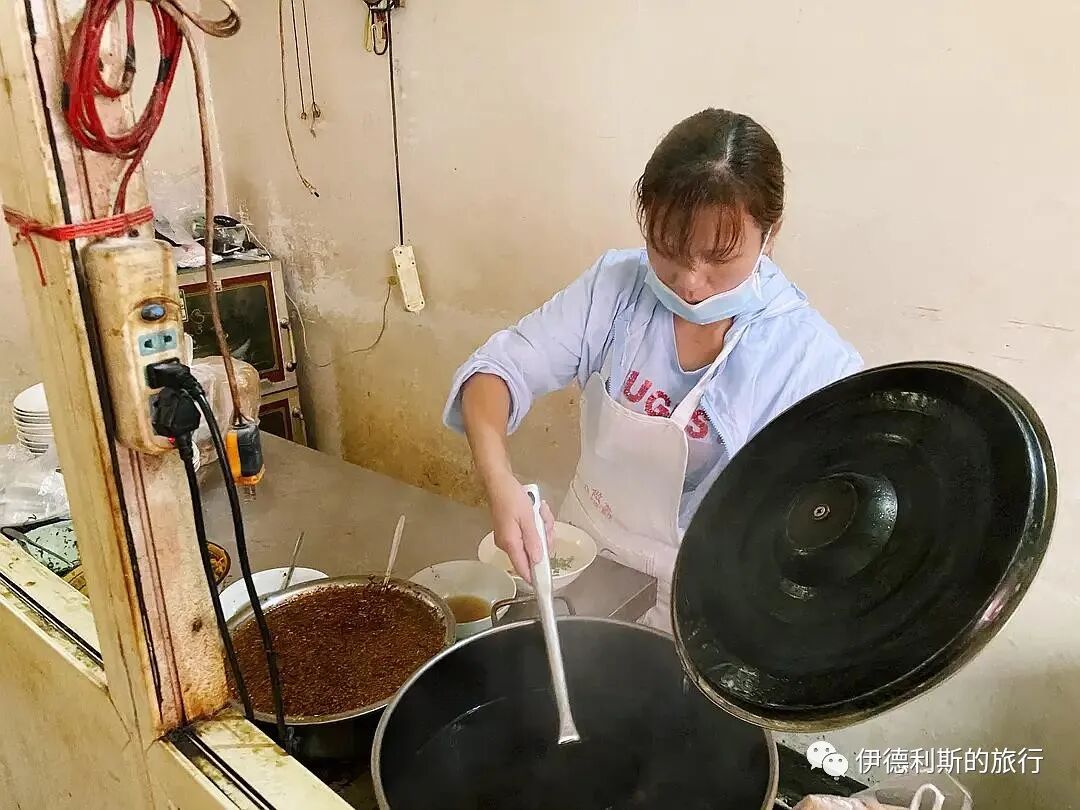
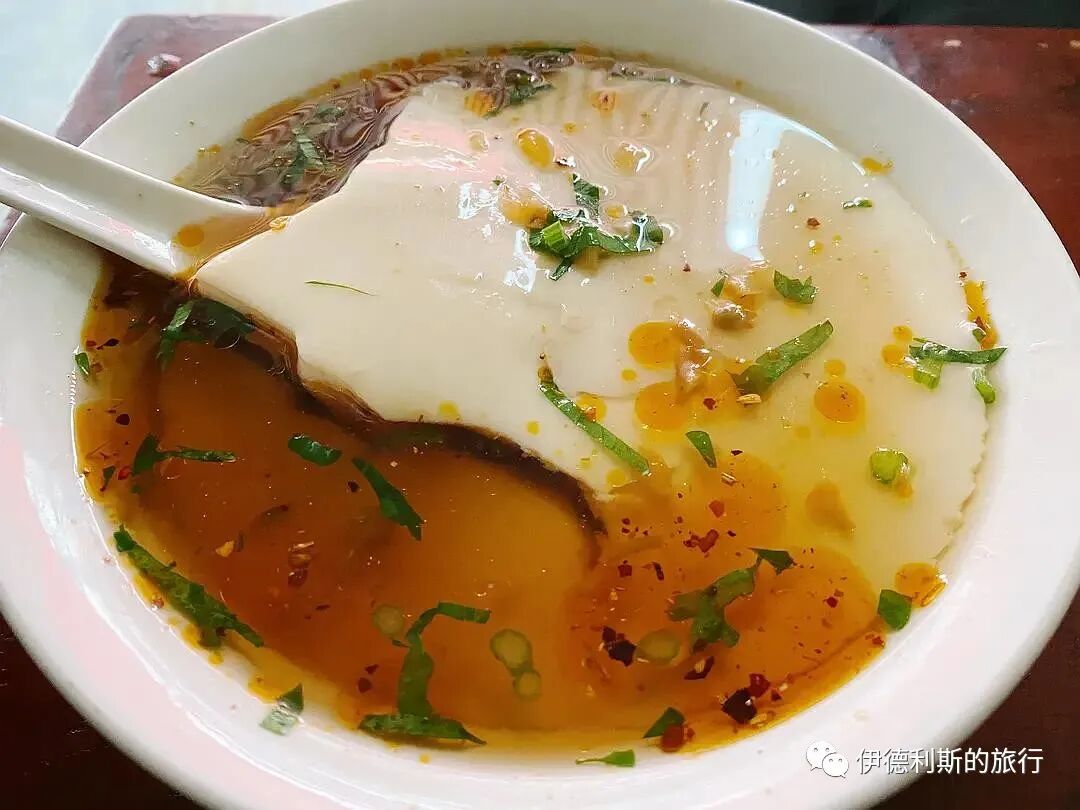
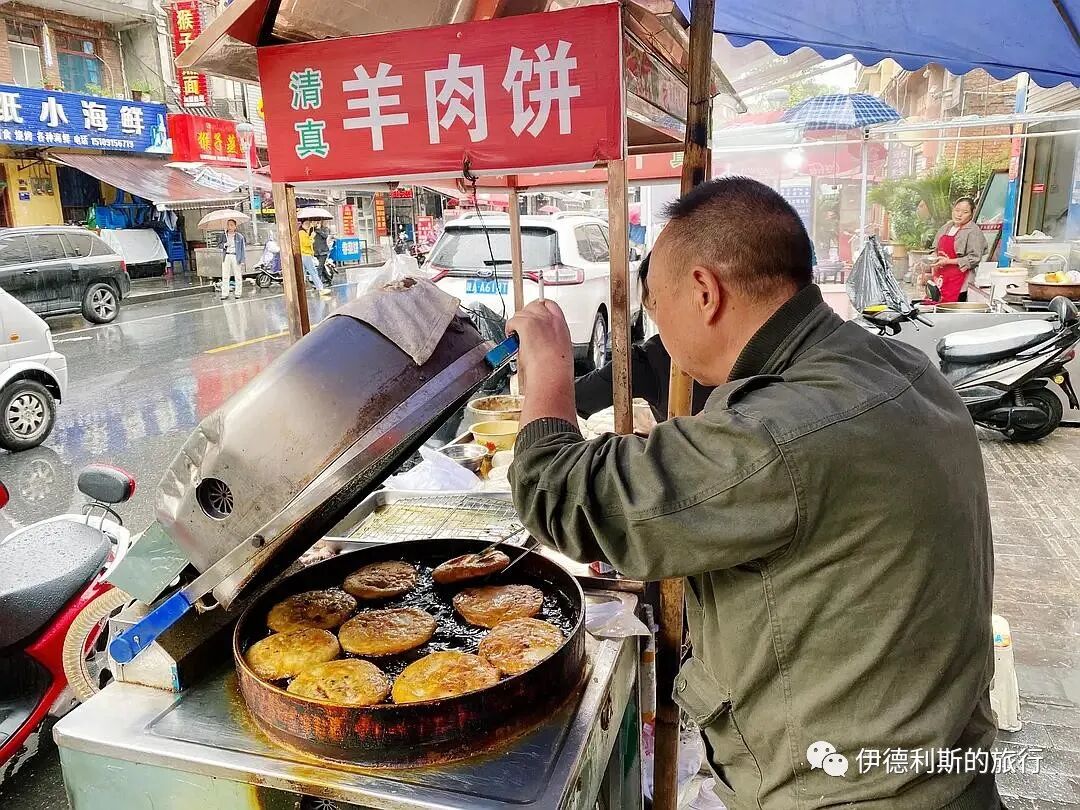
After leaving the ancient mosque, we ate tanggao (fried sugar cake) with douhua (soft tofu pudding) at the intersection of Bizi Lane and Xizheng Street. Yougao (fried cake) is found all the way from Zhaotong to Nanchong and Ankang, and the douhua here is salty and spicy. The lamb pie nearby also looked very tasty.
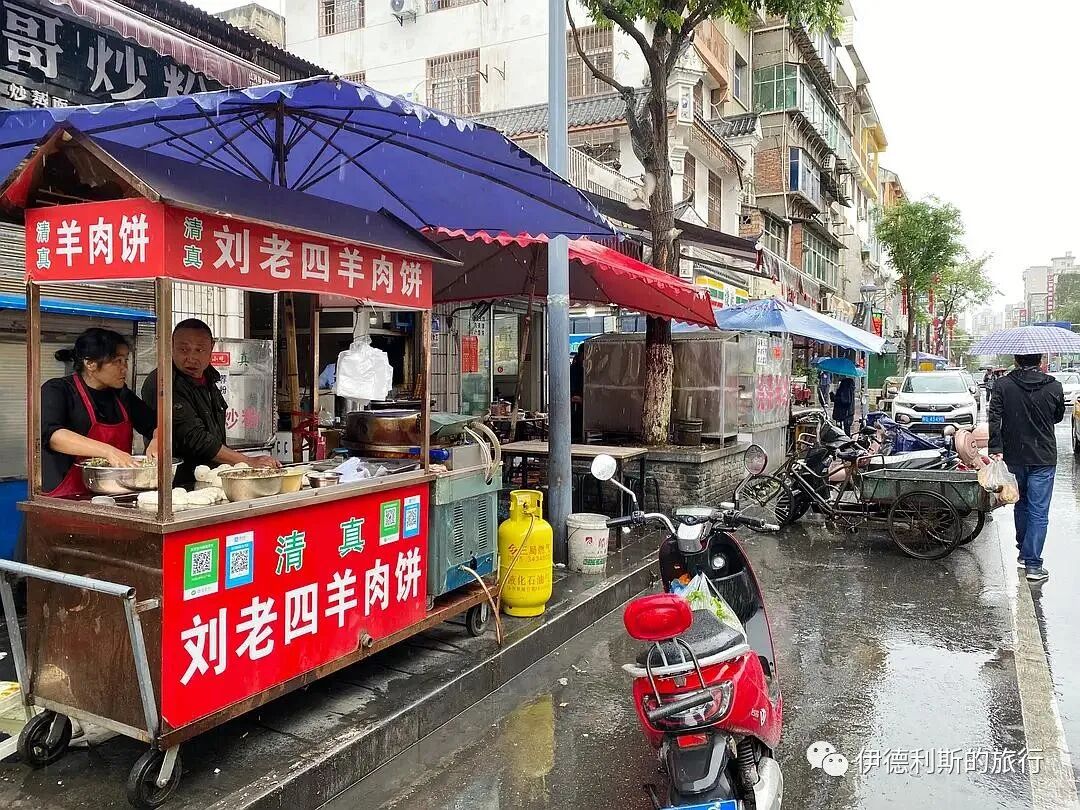
North Mosque
The North Mosque was first built in 1502. During the 1983 Ankang flood, all the buildings of the North Mosque were washed away. Construction began in 1984 and was completed in 1994.
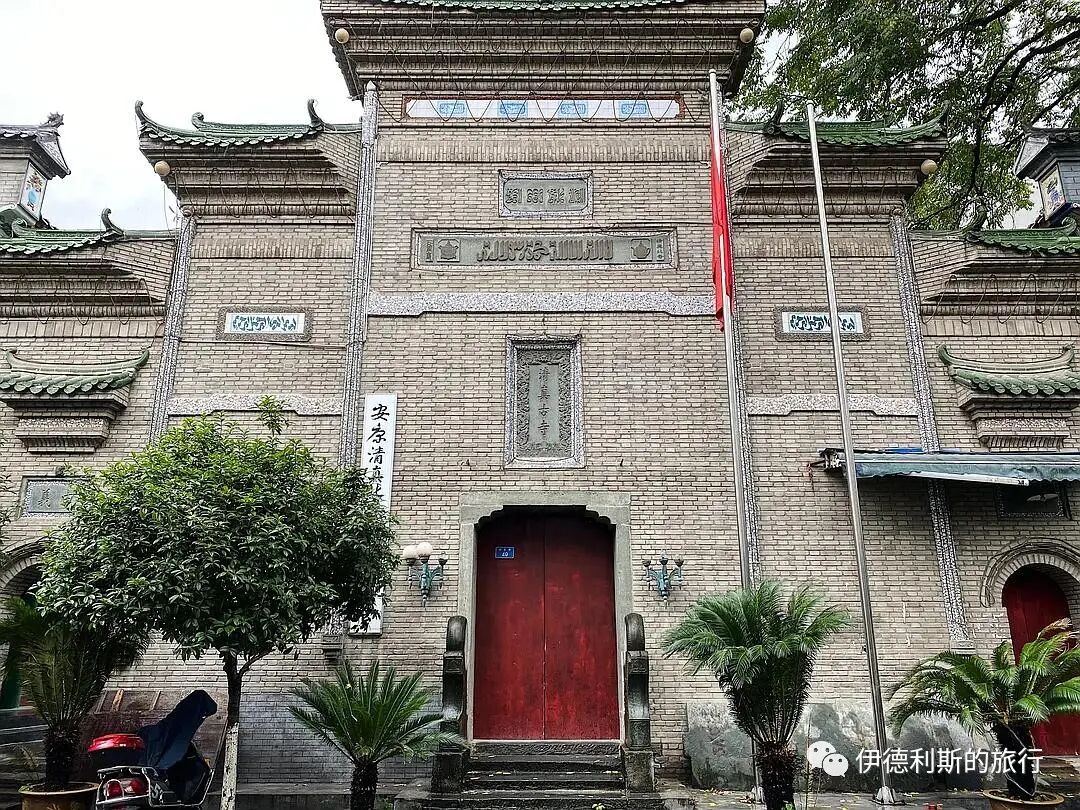
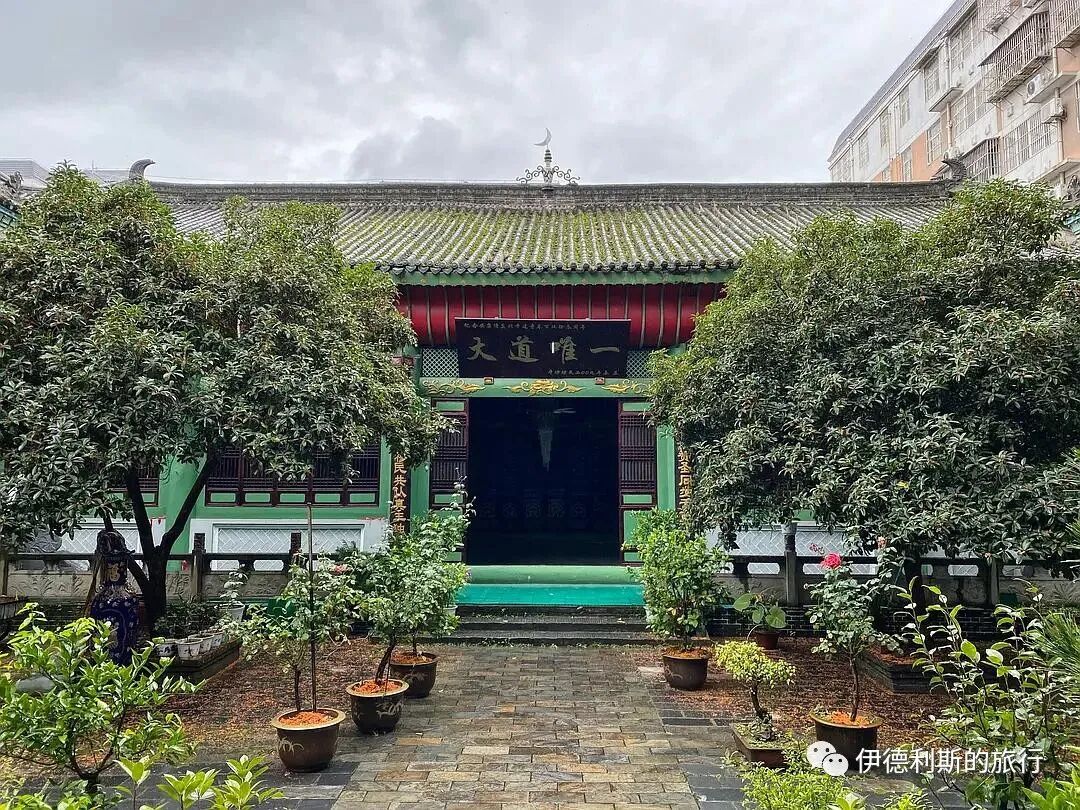
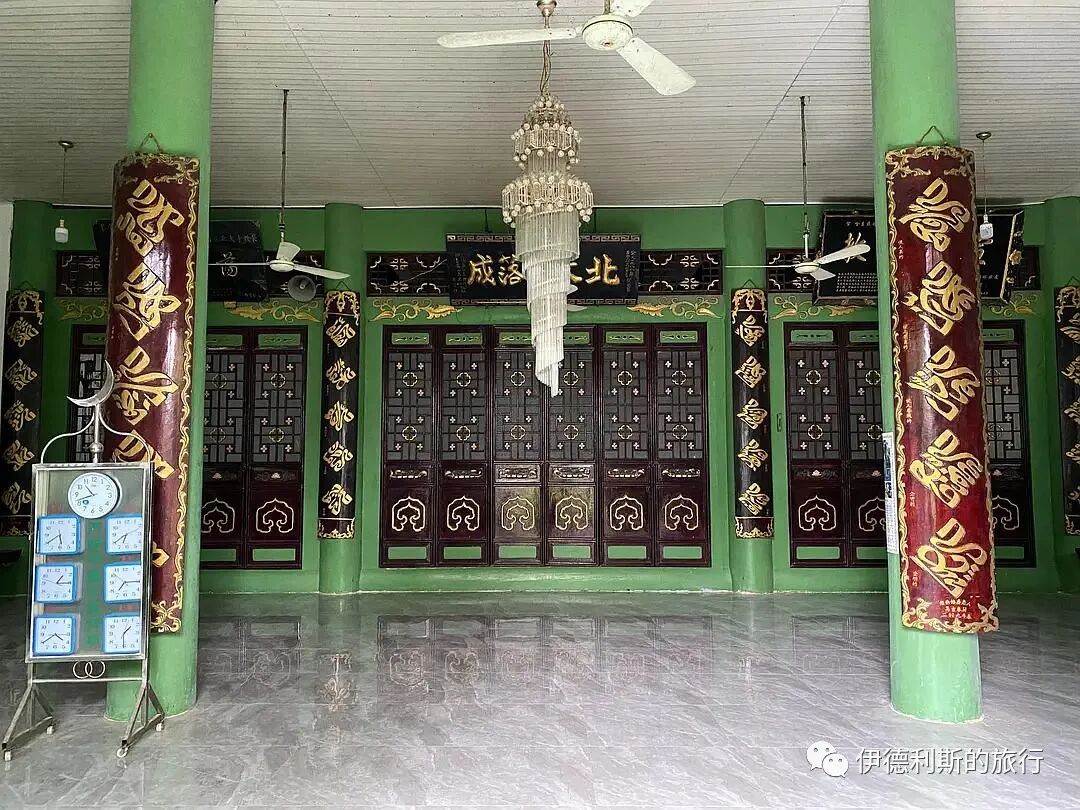
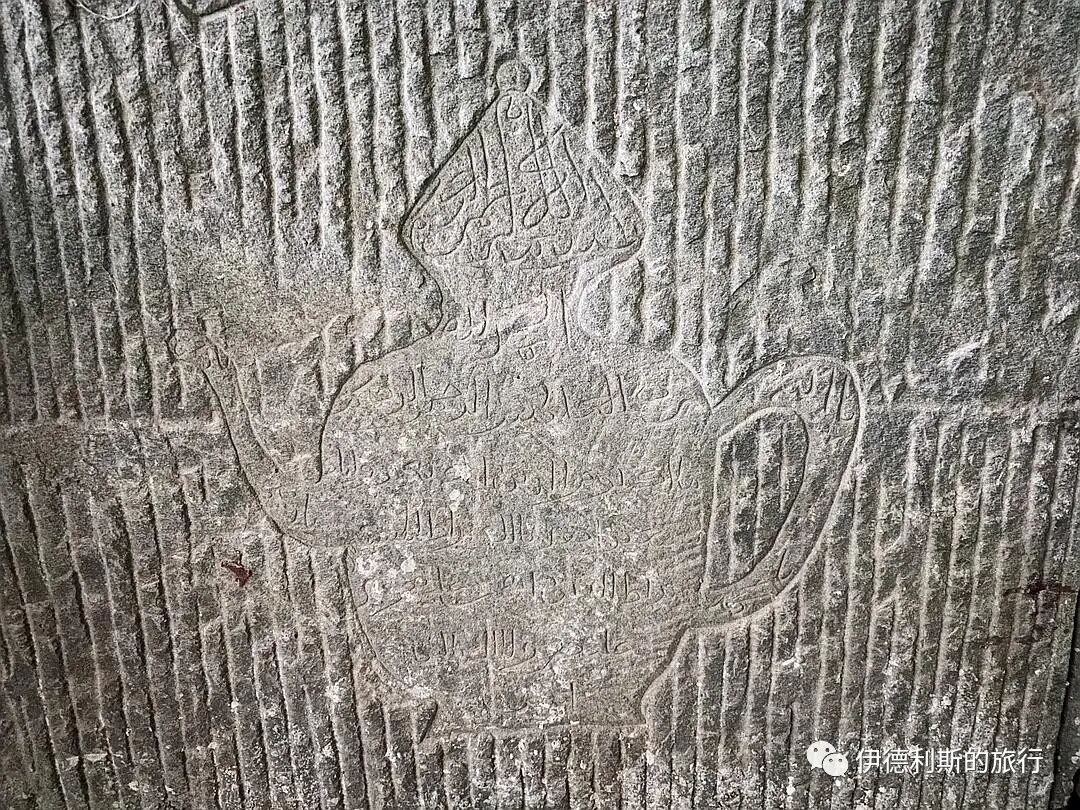
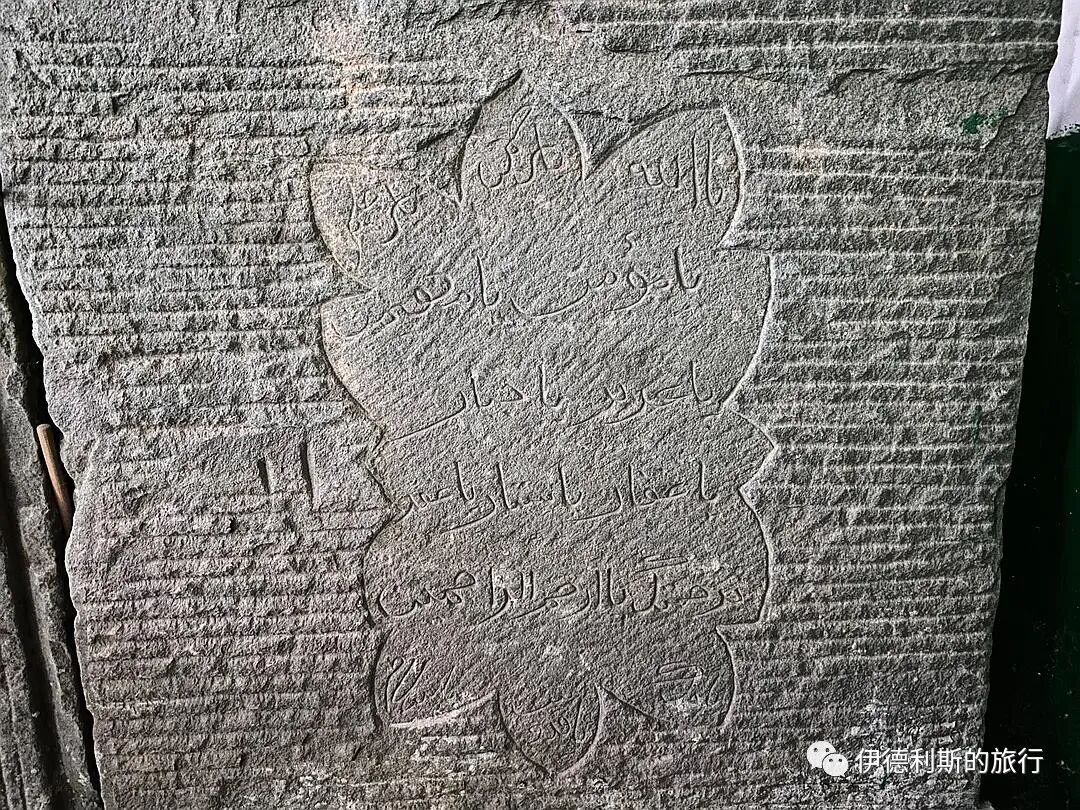
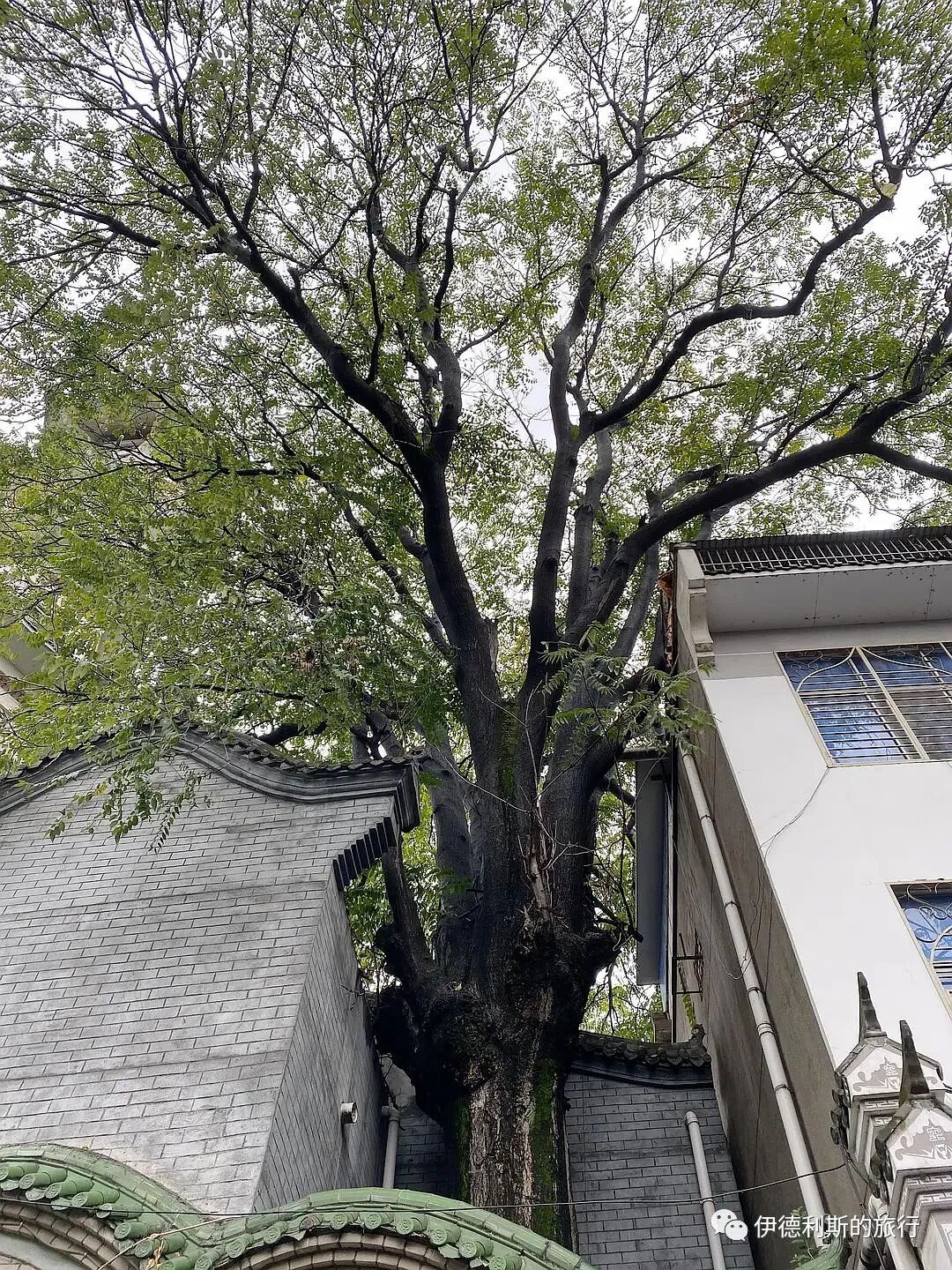
Next to the North Mosque is a 232-year-old Chinese toon tree, nearly 40 meters tall. During the 1983 Ankang flood, 31 people climbed this tree and survived, so it is also called the 'Life-Saving Tree'.
Jingning South Mosque
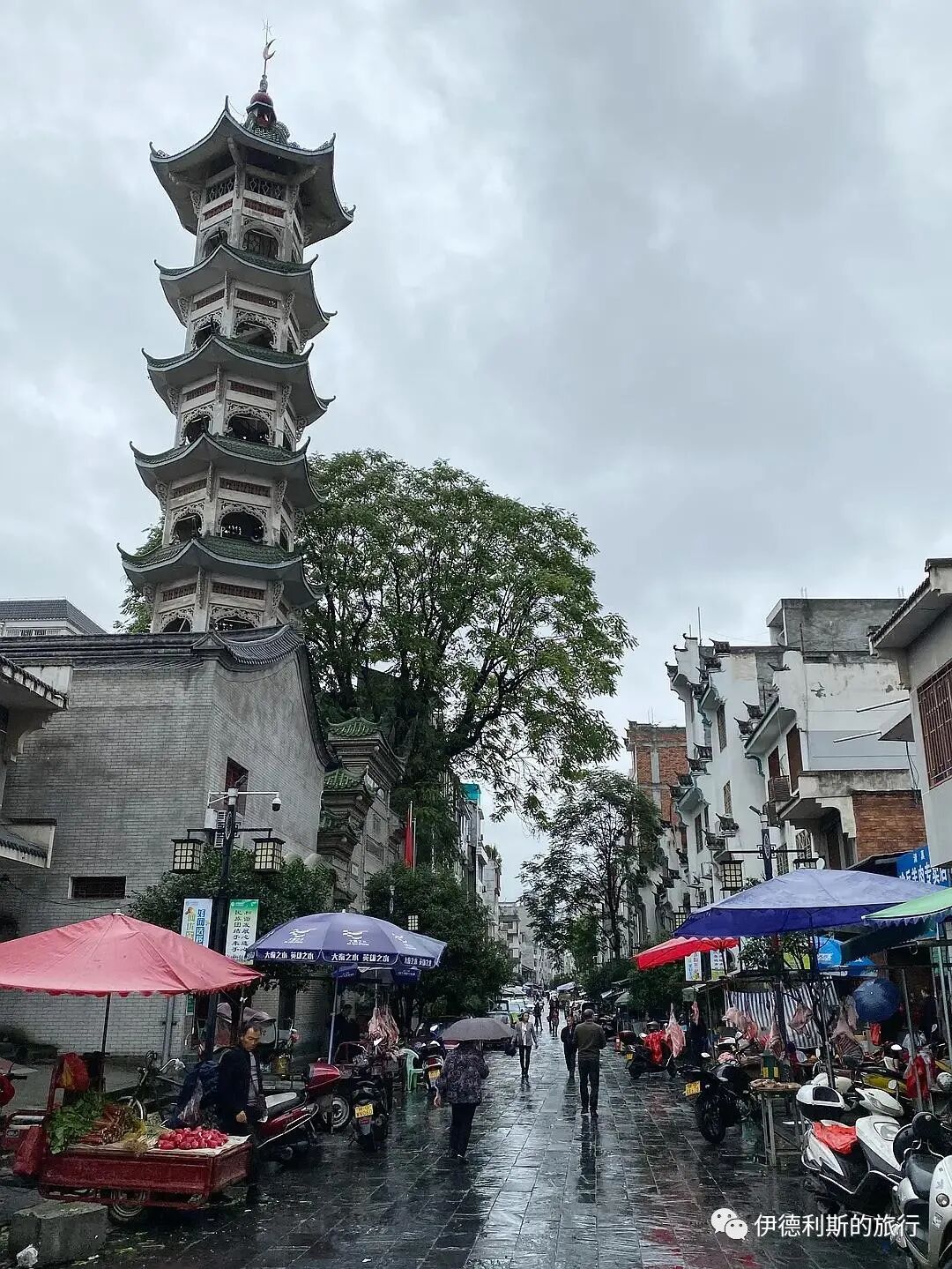
Jingning South Mosque was first built in the Ming Dynasty. In the 1583 Han River flood, the South Mosque was submerged, and the buildings collapsed, leaving only the Wangyue Tower (Moon-Watching Tower). It was rebuilt twice, during the Kangxi era and in 1890. After 1957, it was occupied. During the Cultural Revolution, a fire broke out, and the South Mosque was burned down, with only the Wangyue Tower surviving. After the property was returned, the main hall, north and south wing rooms, ablution room, and gatehouse were rebuilt. In 1998, the Ming Dynasty Wangyue Tower was demolished and replaced with a reinforced concrete structure. In 2018, the stone archway, Wangyue Tower, and north and south wing rooms were rebuilt again.
The main hall of Jingning South Mosque is the largest among Ankang's mosques. From the aerial view, you can see it is composed of three connected buildings, each with a different architectural style.
Vegetable rolls, ciba (glutinous rice cakes), and zhengpenzi (steamed basin dish)
After visiting the two mosques, we continued to eat snacks.
We ate vegetable rolls in front of Huang's Zhengmian. Various small vegetable dishes were rolled into freshly made pancakes. The vegetables were very flavorful, and the pancakes were fragrant. This two-yuan snack left me very satisfied.
Then we strolled along Gulou West Street and ate ciba at a sweet shop called Ma's Zongzi. We discovered a 1990s-era tangping (kettle) sign, which is extremely rare.
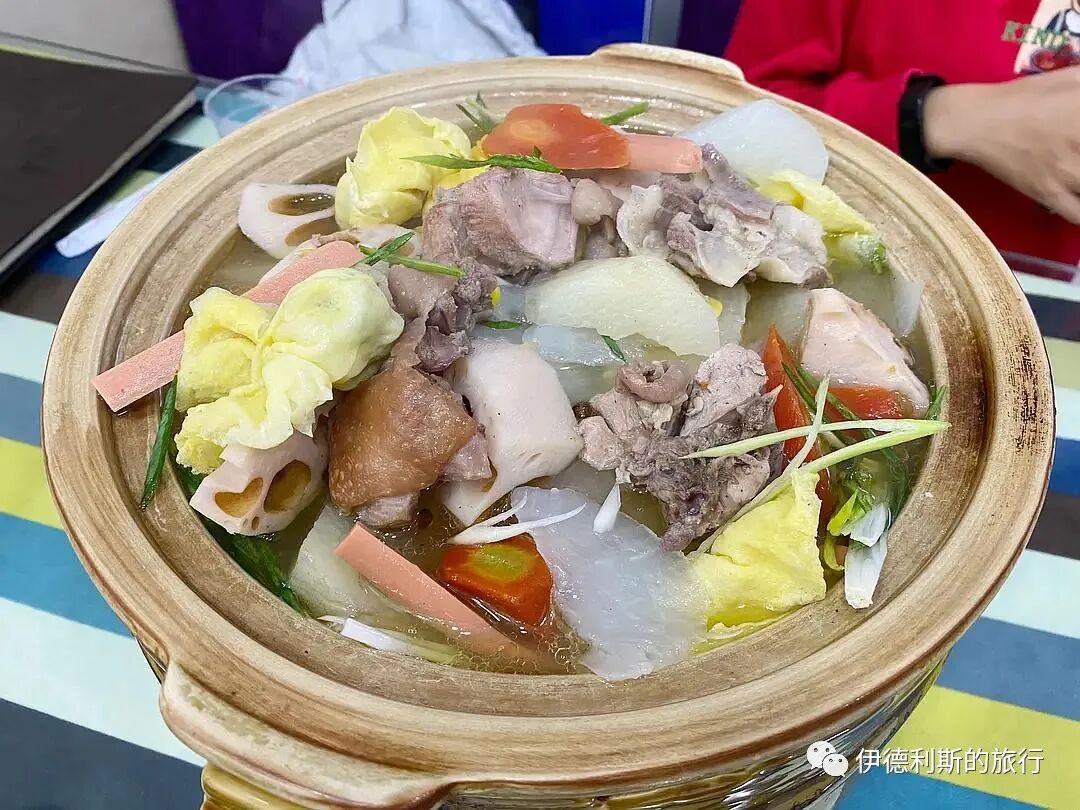
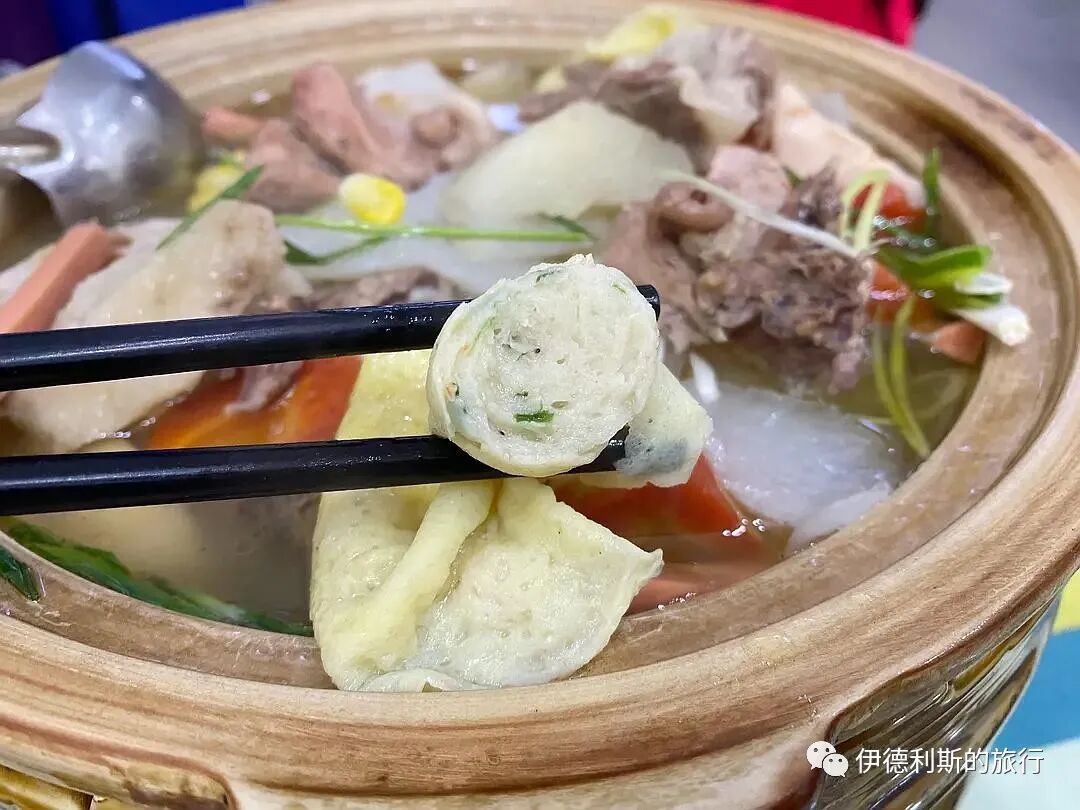
After walking around a lot, we went for lunch. Dongzheng Street is full of halal restaurants. We chose a place called Huifuzhai and ate their specialty, zhengpenzi (a large steamed basin dish). It was a huge basin for 68 yuan, with plenty of food, including lamb, chicken, beef sausage, shrimp dumplings, carrots, white radishes, yams, lotus roots, corn, and more. The portion was very generous. Zainabu loved it.
Grilled fresh fish, malatang (spicy hot pot)
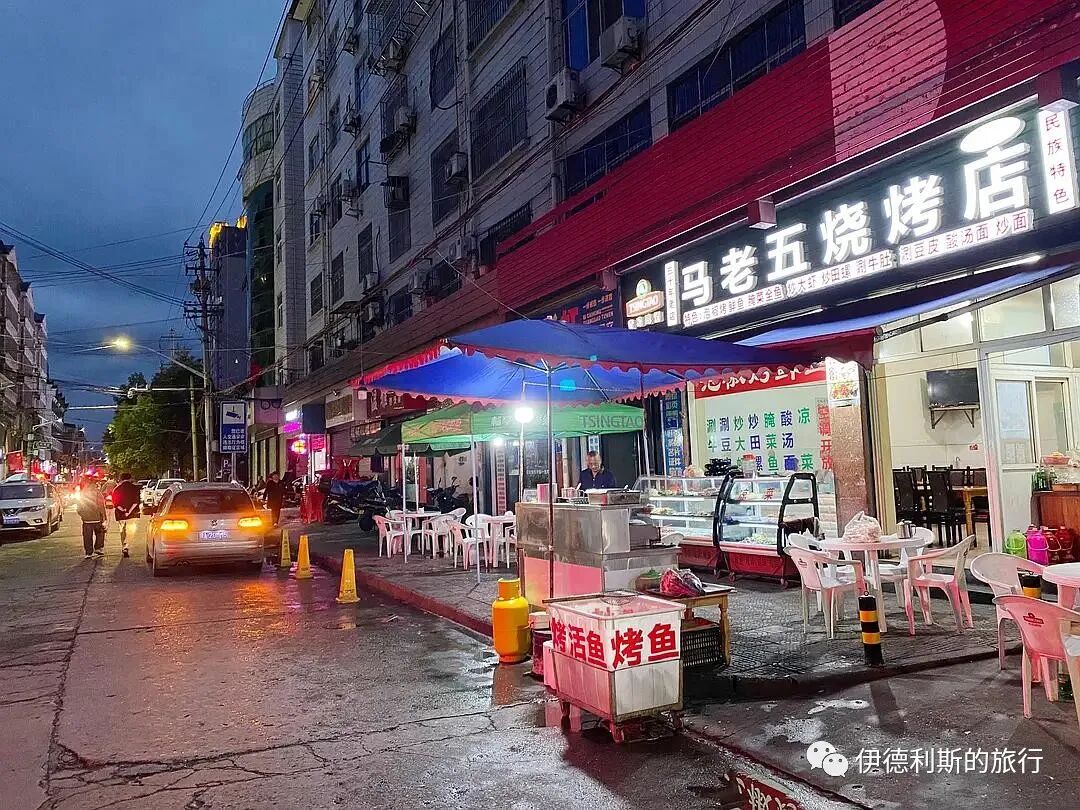
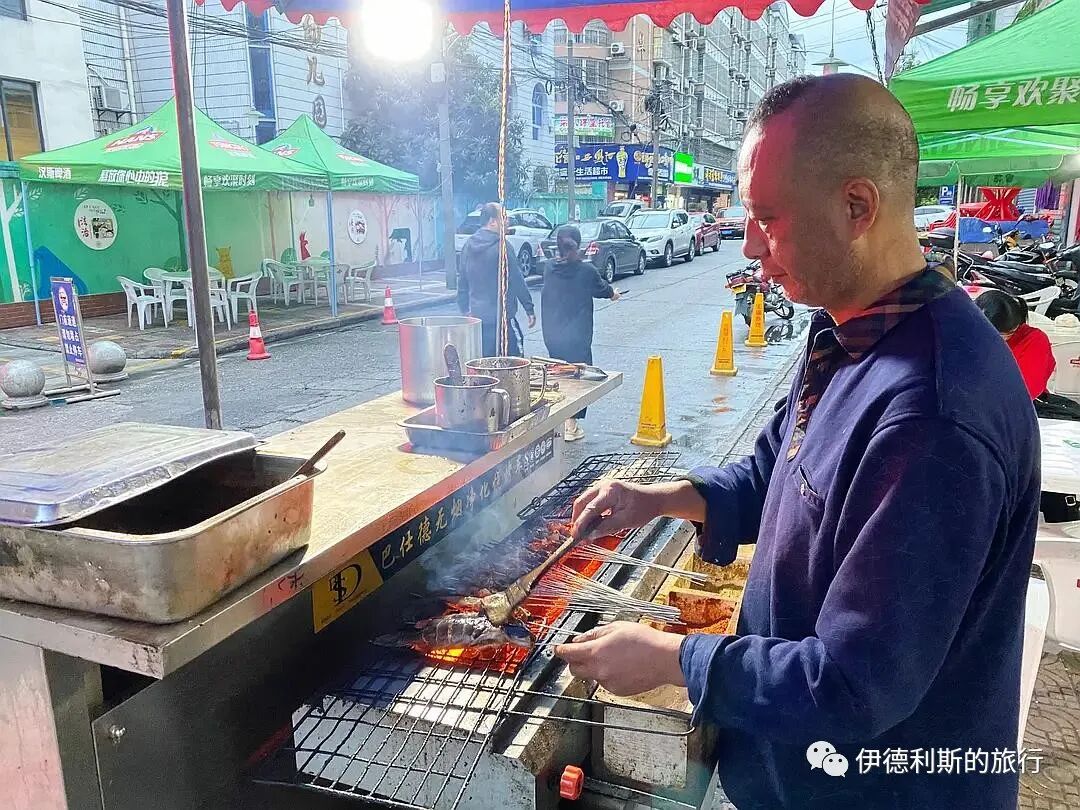
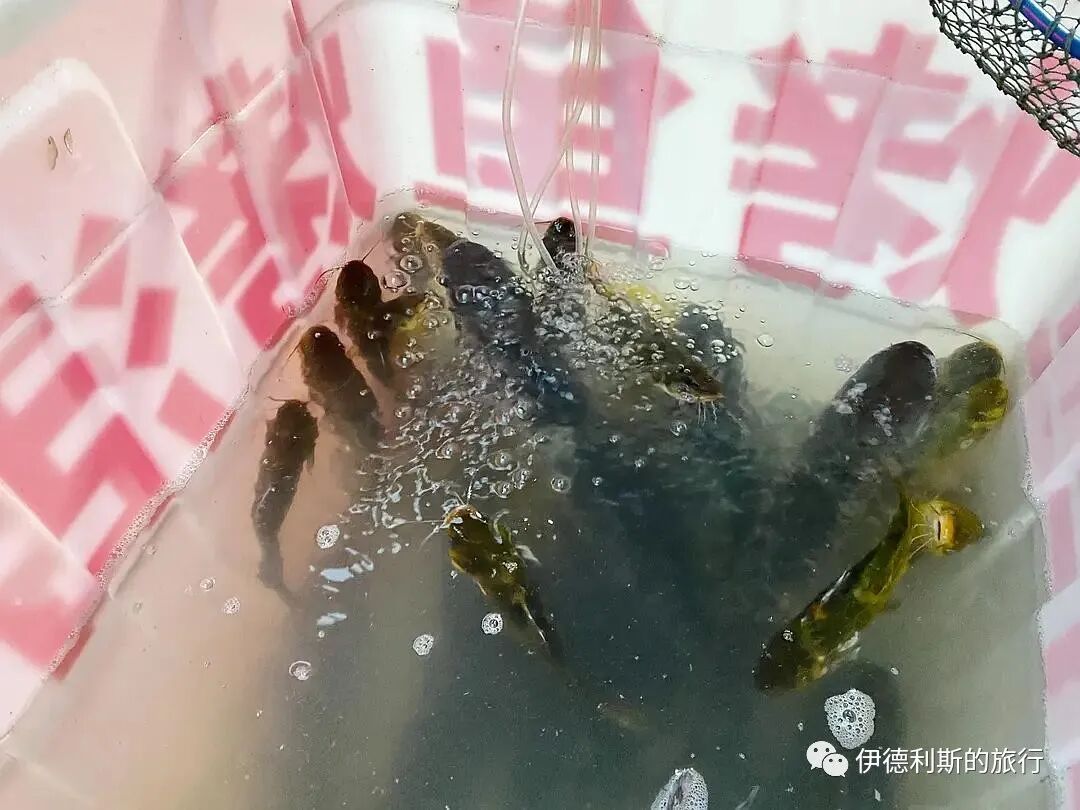
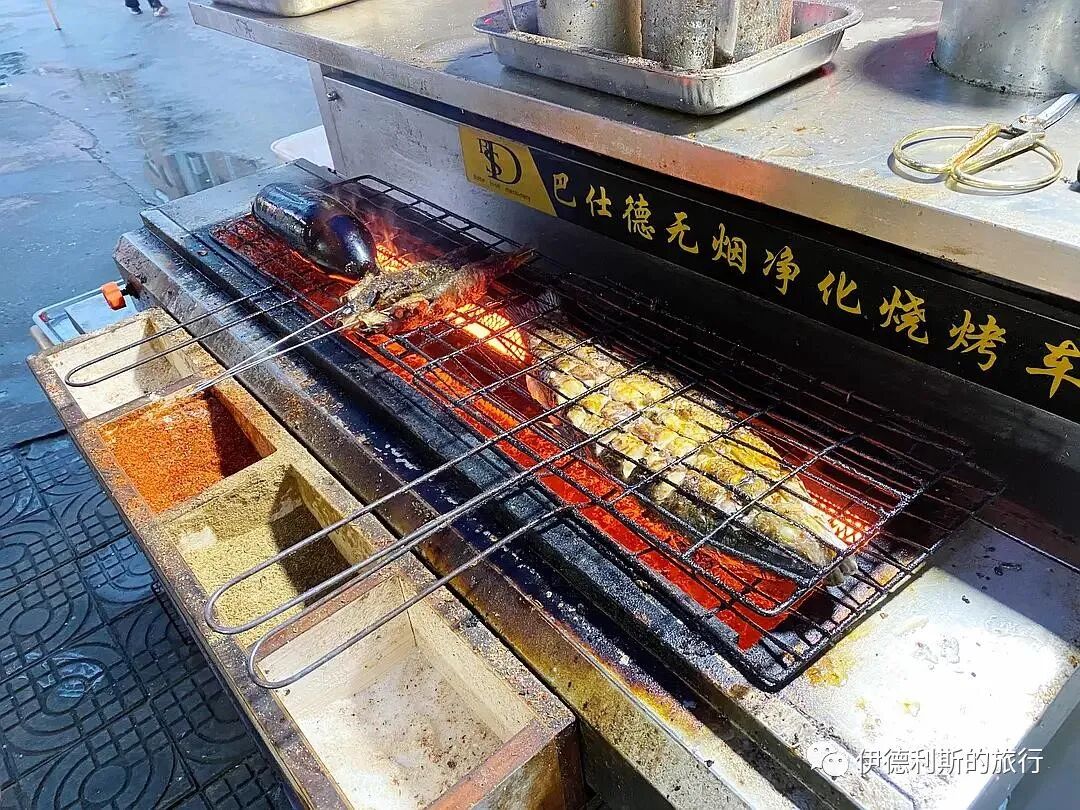
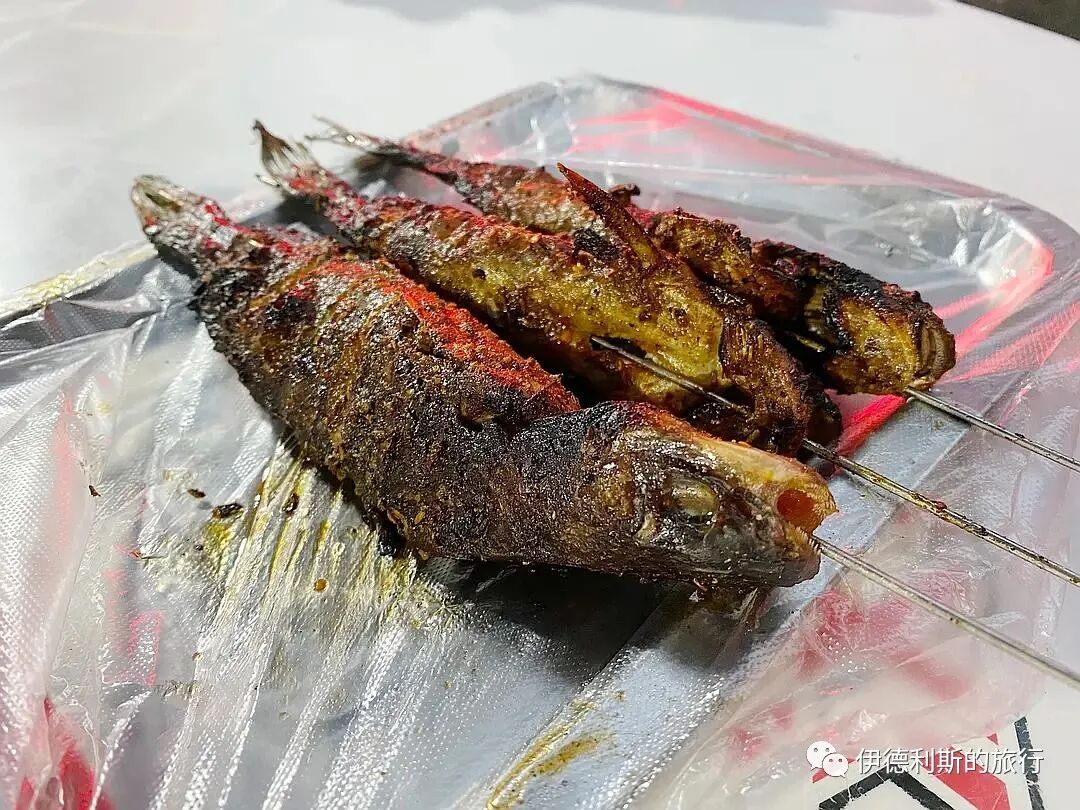
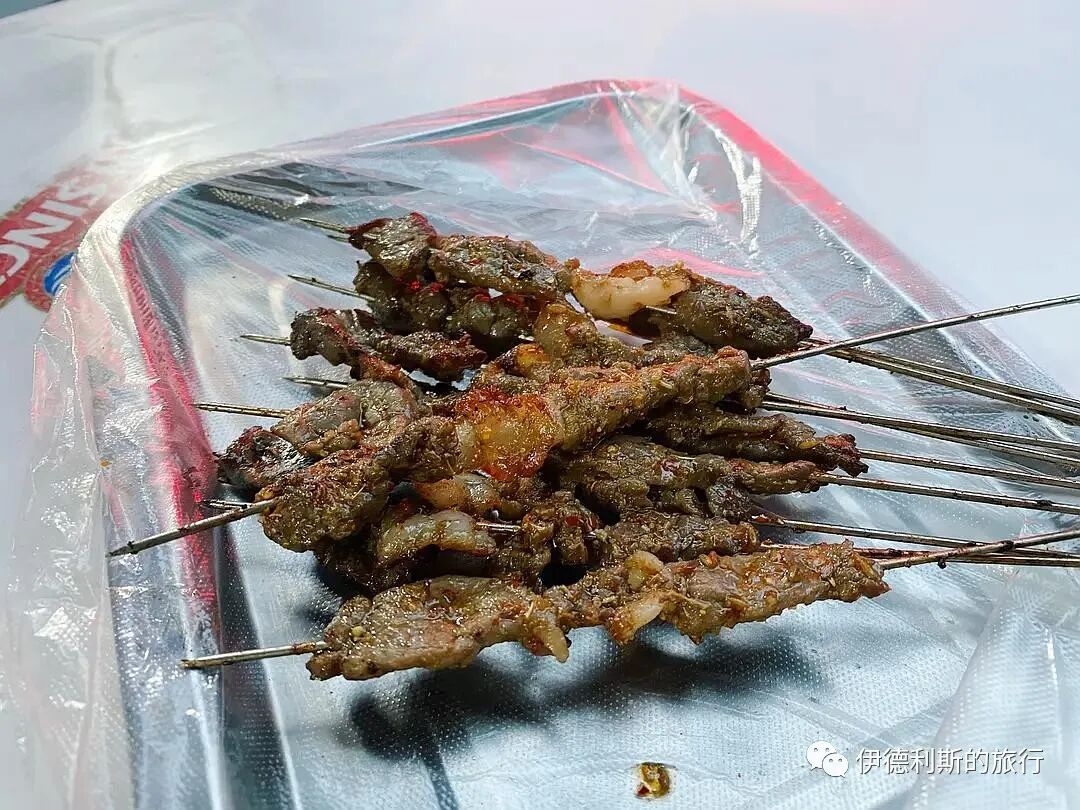
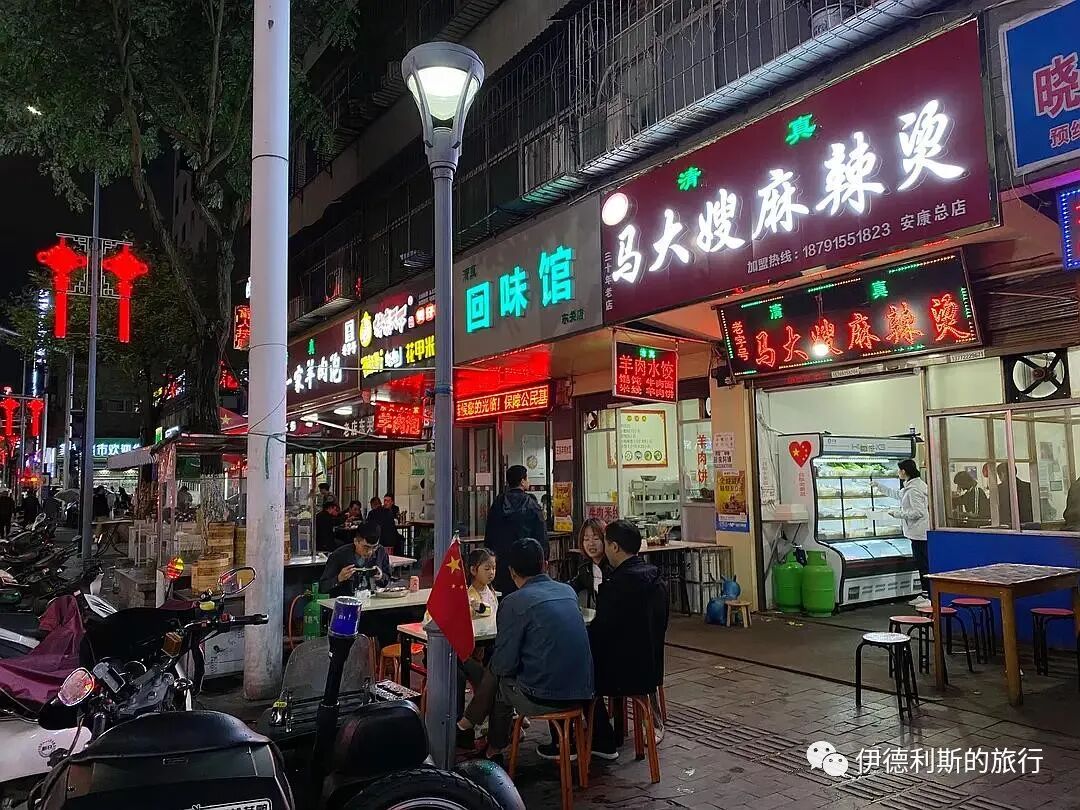
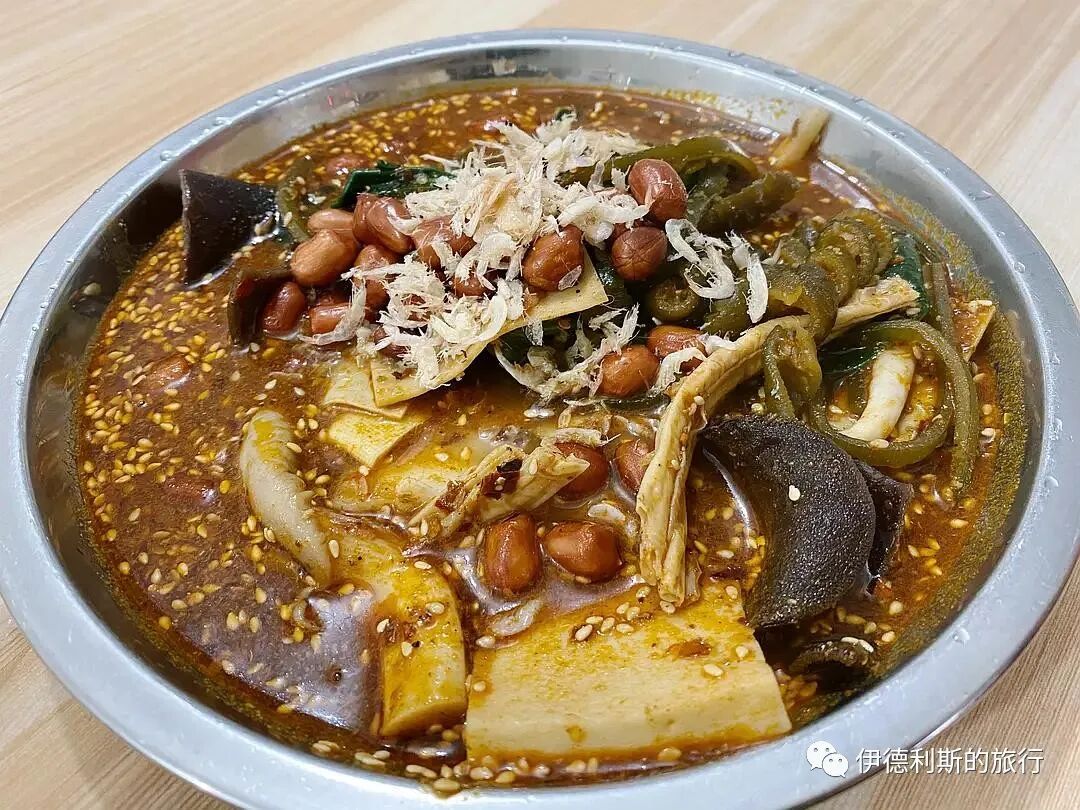
In the evening, we ate grilled fresh fish at Ma Laowu Barbecue on Gulou East Street. Every fish was alive. I didn't dare to choose a big fish, so we ate the smallest yellow catfish, and also had some lamb skewers. After the grilled fish, we wandered to East Street to eat Ma Dasao Malatang. Ankang's malatang is also quite unique; the sauce used is different from other places and very fragrant. I really love this late-night snack atmosphere in the Ankang Hui Muslim district; it's all food loved by the locals.
Beef rice noodles, beef in a bun
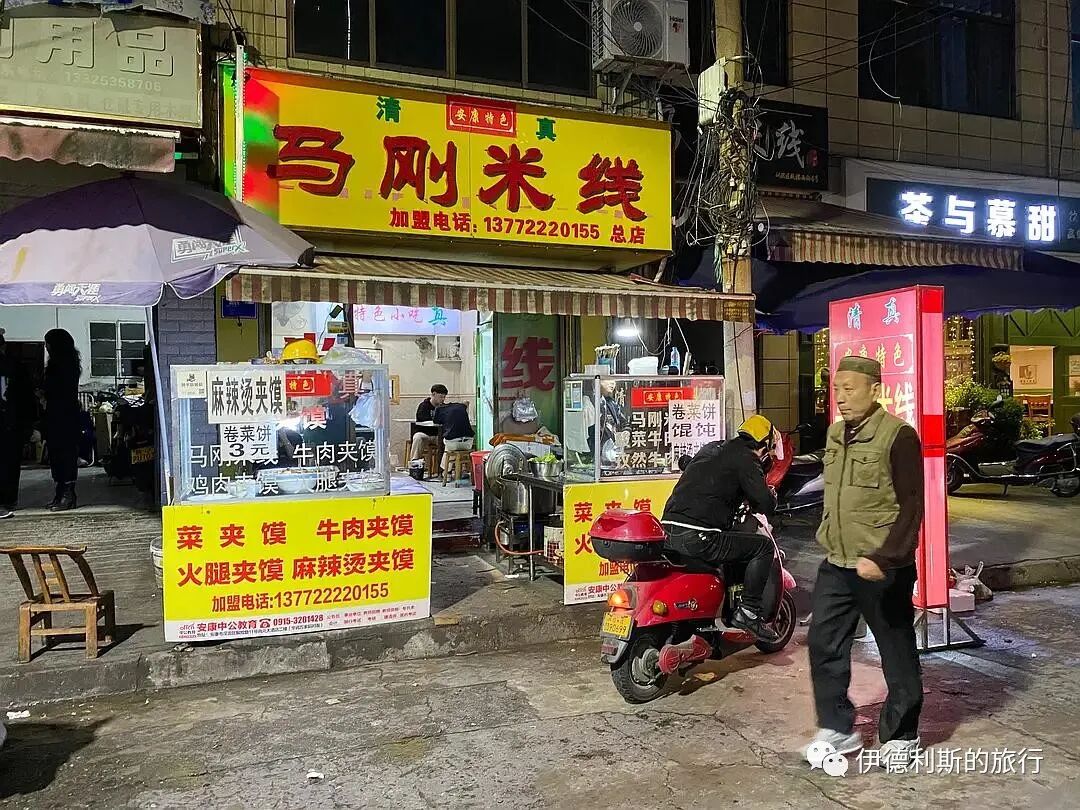
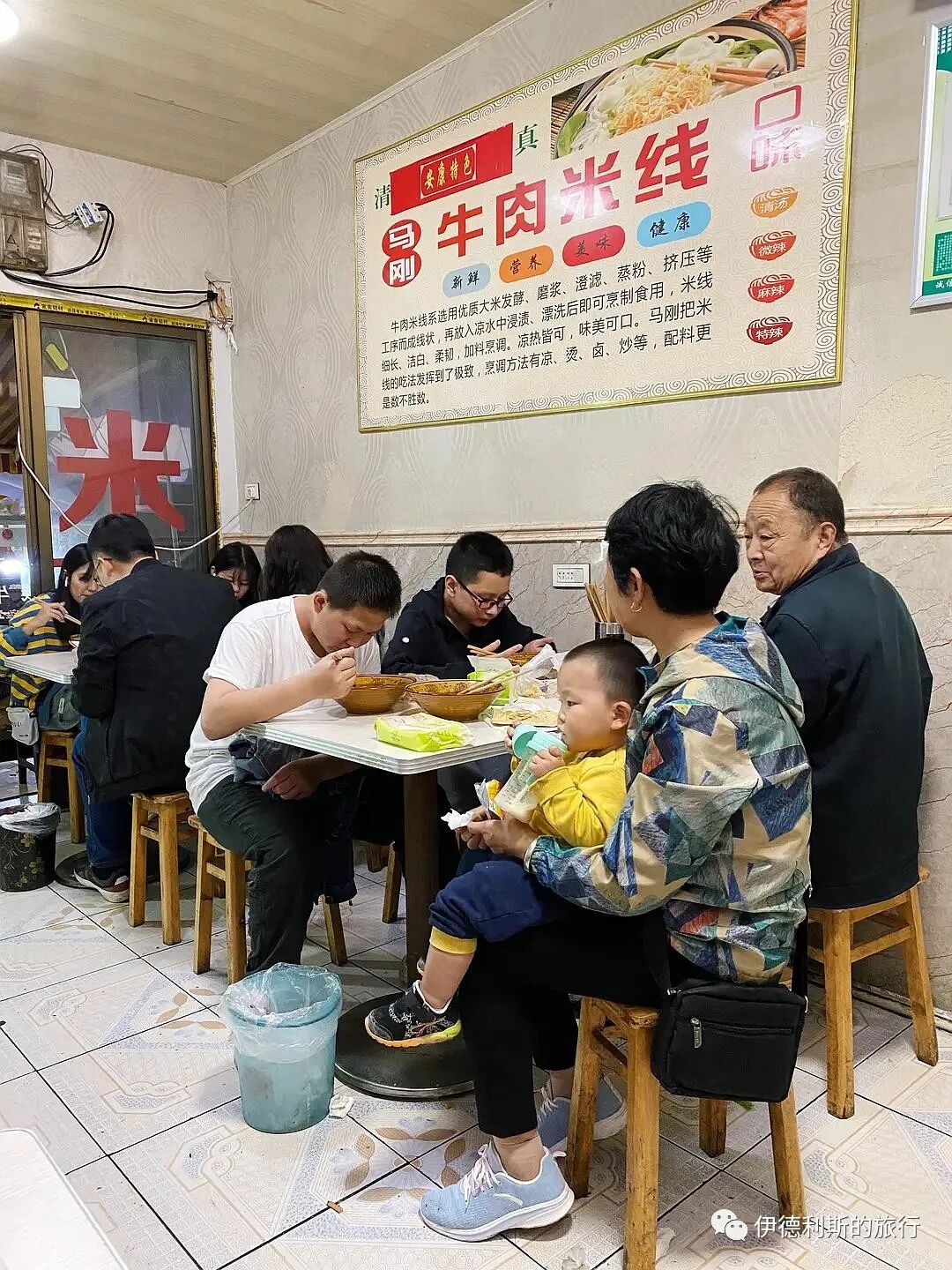
Continuing with late-night snacks, we ate beef rice noodles and cumin beef in a bun at Ma Gang Rice Noodles on Gulou West Street. It's true that just across the Qinling Mountains, Ankang starts eating rice noodles. And Ankang people really can put anything in a bun: vegetable buns, malatang buns, cumin beef buns, ham buns, spicy meat buns, etc. I even saw a fried dough stick in a bun this morning. However, my favorite is still the cumin beef in a bun. The taste is completely different from Xi'an's roujiamo (meat in a bun). Ankang uses a sesame bun, which I personally feel has a better texture than Xi'an's baiji bun.
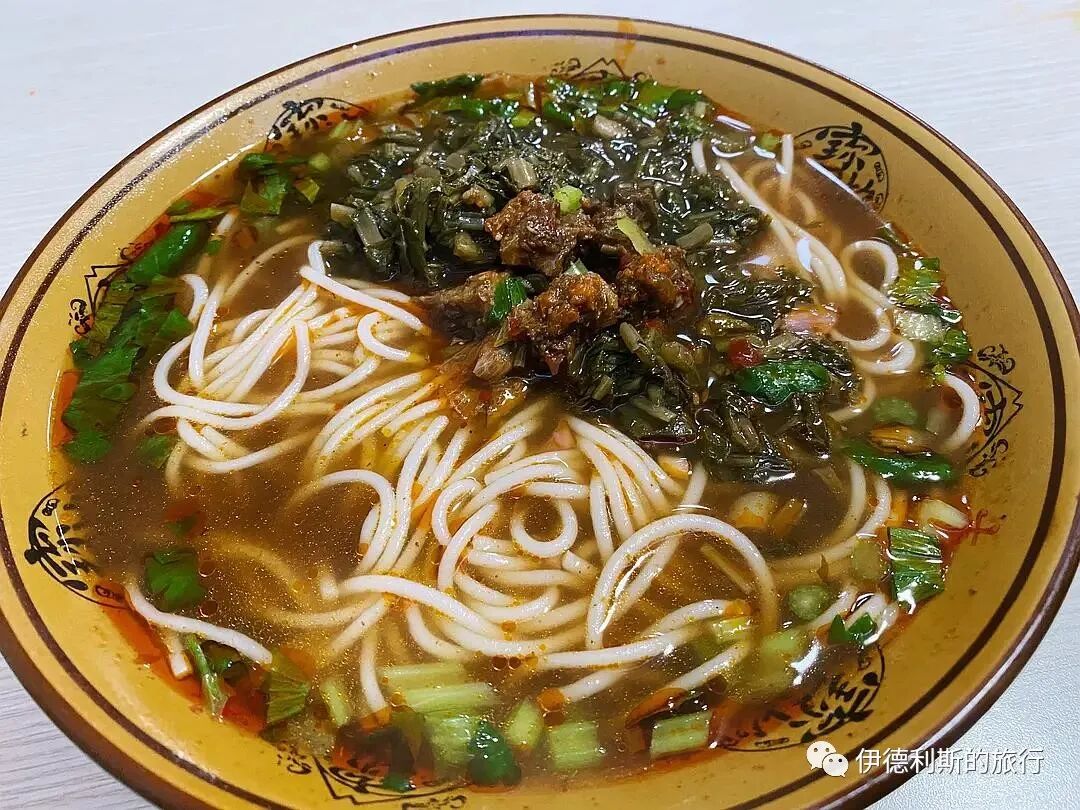
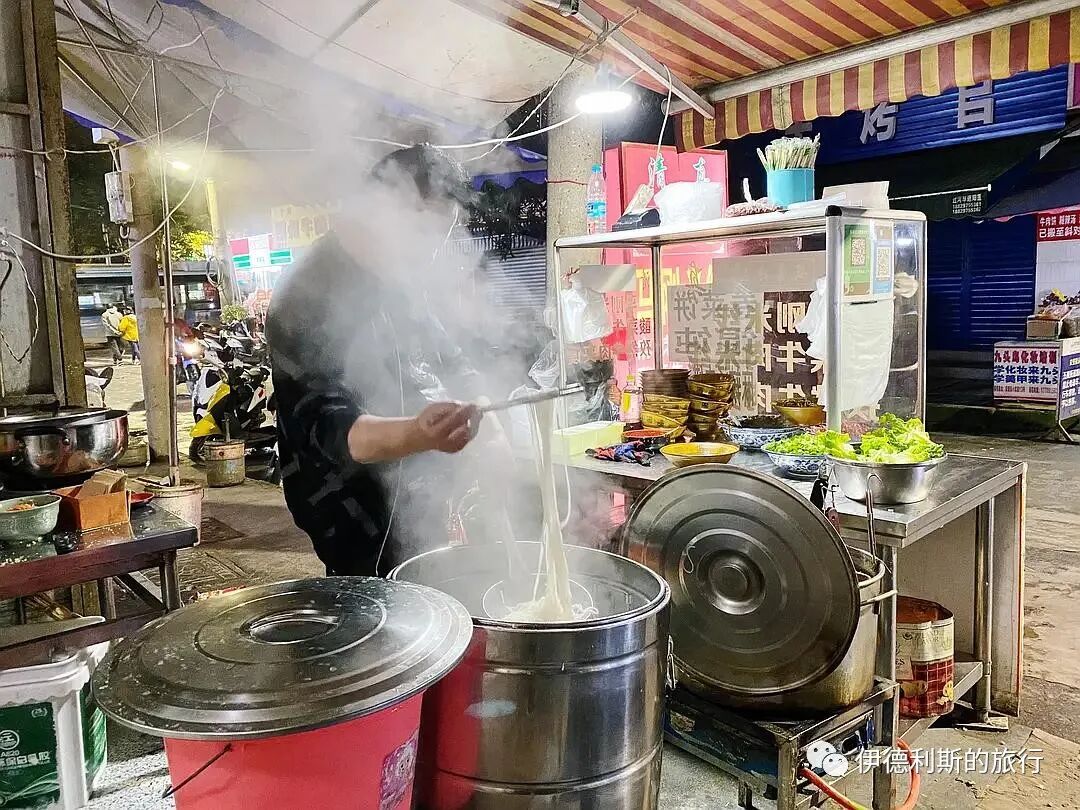
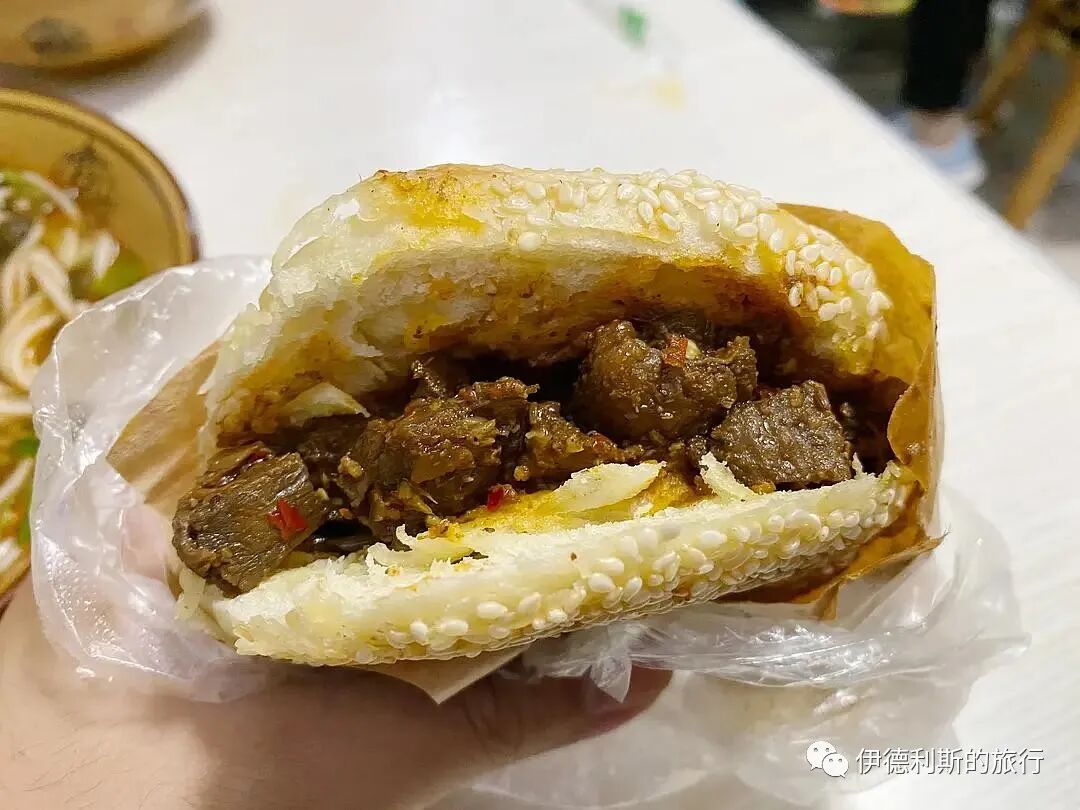
Vegetable bun, chicken soup wontons, lamb pie
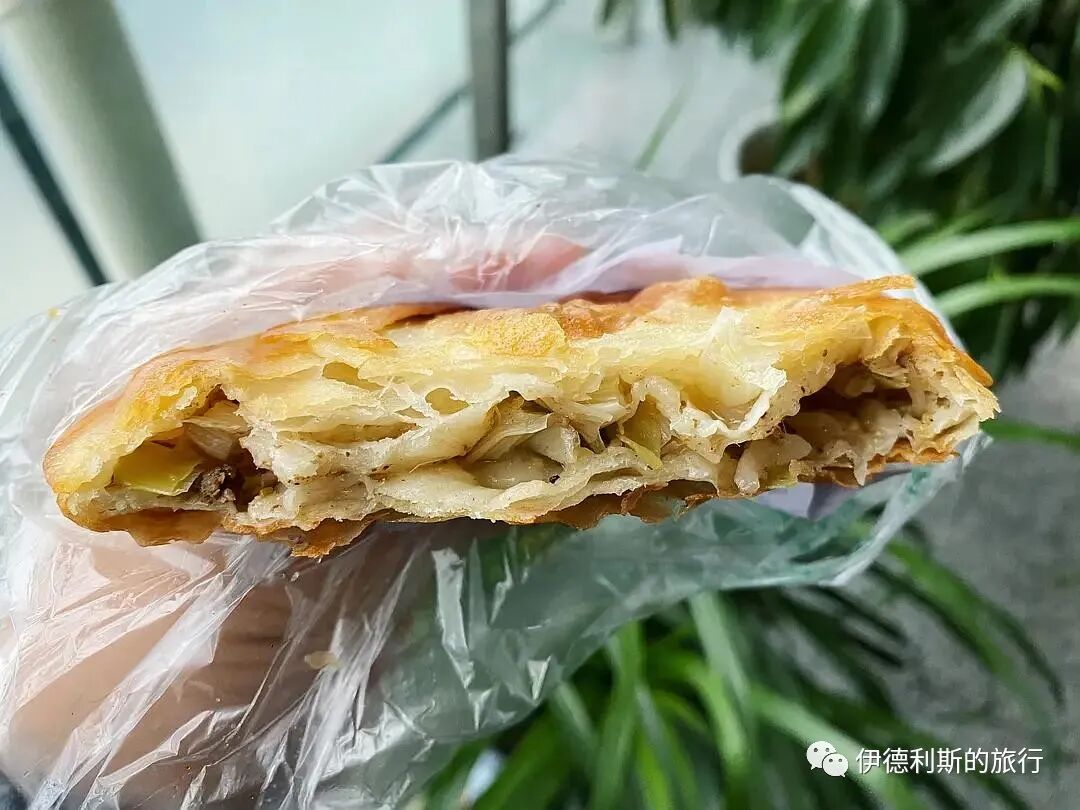
In the morning, we ate a vegetable bun and chicken soup wontons at Ma's Rice Noodles next to Ma Gang Rice Noodles. The variety of breakfast here is also very rich; you can have whatever you want. Then we ate lamb pie at the entrance of Gulou Street. The flavor of Ankang's lamb pie is so rich that you can smell the fragrance from far away, making it impossible to walk past.
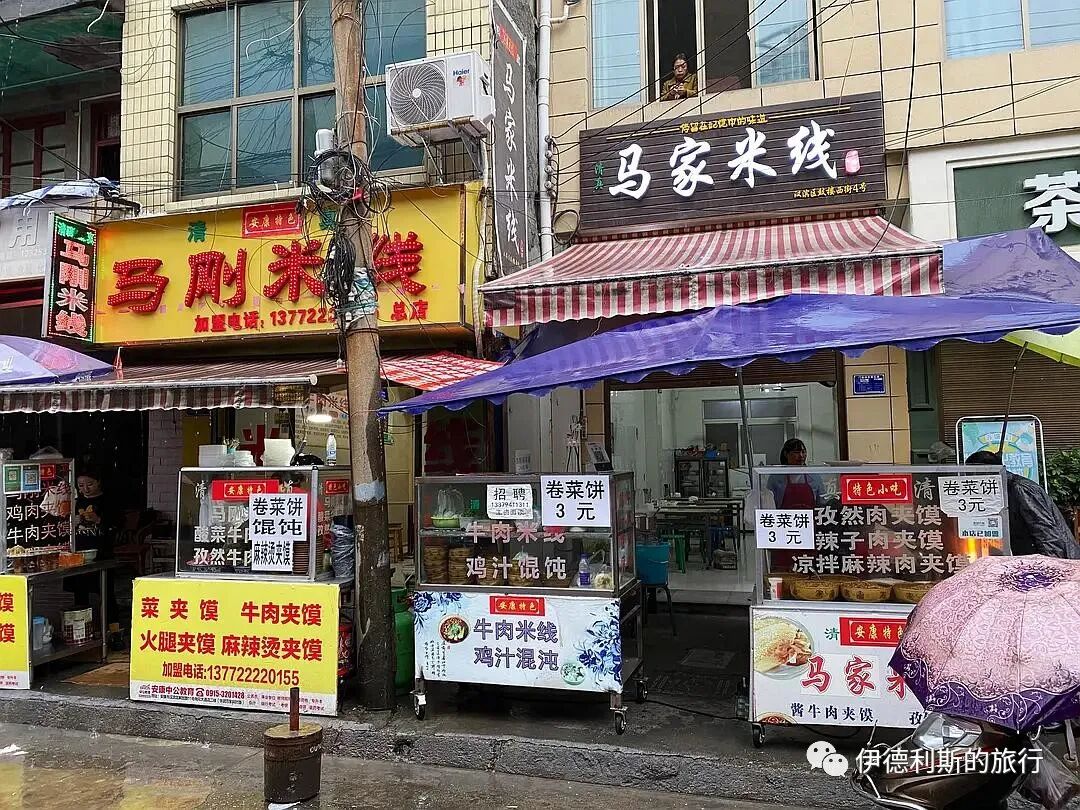
(Optional) Image description
[Muslim Community Food Tour] Grand Plan
Summary: This travel note introduces Ankang Hui Muslim Street Guide: Halal Food and Muslim Heritage in Shaanxi. Traveled from Shuhe along the Han River to Ankang. Ankang is the largest Muslim community in southern Shaanxi. It is useful for readers interested in Ankang Muslim Street, Halal Food, Shaanxi Travel.
Traveled from Shuhe along the Han River to Ankang. Ankang is the largest Muslim community in southern Shaanxi. Hui Muslims have settled here since the Ming Dynasty, and by the Republic of China era, seven mosques had already been built. The halal food in Ankang is also the most abundant in southern Shaanxi. Snacks include zhengmian (steamed noodles), rice noodles, ciba (glutinous rice cakes), youceng (layered fried bread), malatang jiamo (spicy hot pot ingredients in a bun), and more, with even more variety in banquet dishes. Moreover, because the Hui Muslim street in Ankang is not a tourist area, everything you eat is food loved by the locals. We really had a wonderful time eating and exploring this time.
Zhengmian (steamed noodles)
In the morning, we ate zhengmian with pickled vegetable soup at the most popular Huang's Zhengmian at the entrance of Gulou Street. The owner is a Haji who returned from Hajj in 2005. Ankang zhengmian is a type of Shaanxi liangpi (cold skin noodles). Unlike Xi'an liangpi, which is seasoned with raw vinegar, Ankang zhengmian uses boiled vinegar. Zhengmian is usually served with youpo lazi (hot chili oil), but I didn't add any because I can't handle much spice.
The yousu mo (crispy fried flatbread) across from Huang's Zhengmian also looked delicious.
Mosque
After finishing the zhengmian, we went to visit the ancient mosque. According to stone inscriptions, the Ankang Mosque was first built in the Yuan Dynasty. It was initially called Libai Mosque, later renamed Jingjue Mosque, and changed to Mosque in 1767. In 1583, the mosque was destroyed by a flood and the grounds were occupied. In the early years of the Kangxi Emperor's reign, the property was returned and rebuilt on the original site. It was destroyed again in 1862, with only the screen wall remaining. The north and south lecture halls were rebuilt in 1867, and the prayer hall and other buildings were rebuilt in 1871. In 1923, a five-story, hexagonal, pointed-roof minaret was built, reaching 37 meters in height. The main hall was expanded in 1931.
In 1983, a major flood occurred in Ankang. The mosque's minaret collapsed, and the north and south lecture halls were destroyed, with only the main hall surviving. In 1984, the north and south lecture halls, minaret, and ablution room were rebuilt. The archway-style gate was rebuilt in 1999, and the main hall was rebuilt in 2013.
After leaving the ancient mosque, we ate tanggao (fried sugar cake) with douhua (soft tofu pudding) at the intersection of Bizi Lane and Xizheng Street. Yougao (fried cake) is found all the way from Zhaotong to Nanchong and Ankang, and the douhua here is salty and spicy. The lamb pie nearby also looked very tasty.
North Mosque
The North Mosque was first built in 1502. During the 1983 Ankang flood, all the buildings of the North Mosque were washed away. Construction began in 1984 and was completed in 1994.
Next to the North Mosque is a 232-year-old Chinese toon tree, nearly 40 meters tall. During the 1983 Ankang flood, 31 people climbed this tree and survived, so it is also called the 'Life-Saving Tree'.
Jingning South Mosque
Jingning South Mosque was first built in the Ming Dynasty. In the 1583 Han River flood, the South Mosque was submerged, and the buildings collapsed, leaving only the Wangyue Tower (Moon-Watching Tower). It was rebuilt twice, during the Kangxi era and in 1890. After 1957, it was occupied. During the Cultural Revolution, a fire broke out, and the South Mosque was burned down, with only the Wangyue Tower surviving. After the property was returned, the main hall, north and south wing rooms, ablution room, and gatehouse were rebuilt. In 1998, the Ming Dynasty Wangyue Tower was demolished and replaced with a reinforced concrete structure. In 2018, the stone archway, Wangyue Tower, and north and south wing rooms were rebuilt again.
The main hall of Jingning South Mosque is the largest among Ankang's mosques. From the aerial view, you can see it is composed of three connected buildings, each with a different architectural style.
Vegetable rolls, ciba (glutinous rice cakes), and zhengpenzi (steamed basin dish)
After visiting the two mosques, we continued to eat snacks.
We ate vegetable rolls in front of Huang's Zhengmian. Various small vegetable dishes were rolled into freshly made pancakes. The vegetables were very flavorful, and the pancakes were fragrant. This two-yuan snack left me very satisfied.
Then we strolled along Gulou West Street and ate ciba at a sweet shop called Ma's Zongzi. We discovered a 1990s-era tangping (kettle) sign, which is extremely rare.
After walking around a lot, we went for lunch. Dongzheng Street is full of halal restaurants. We chose a place called Huifuzhai and ate their specialty, zhengpenzi (a large steamed basin dish). It was a huge basin for 68 yuan, with plenty of food, including lamb, chicken, beef sausage, shrimp dumplings, carrots, white radishes, yams, lotus roots, corn, and more. The portion was very generous. Zainabu loved it.
Grilled fresh fish, malatang (spicy hot pot)
In the evening, we ate grilled fresh fish at Ma Laowu Barbecue on Gulou East Street. Every fish was alive. I didn't dare to choose a big fish, so we ate the smallest yellow catfish, and also had some lamb skewers. After the grilled fish, we wandered to East Street to eat Ma Dasao Malatang. Ankang's malatang is also quite unique; the sauce used is different from other places and very fragrant. I really love this late-night snack atmosphere in the Ankang Hui Muslim district; it's all food loved by the locals.
Beef rice noodles, beef in a bun
Continuing with late-night snacks, we ate beef rice noodles and cumin beef in a bun at Ma Gang Rice Noodles on Gulou West Street. It's true that just across the Qinling Mountains, Ankang starts eating rice noodles. And Ankang people really can put anything in a bun: vegetable buns, malatang buns, cumin beef buns, ham buns, spicy meat buns, etc. I even saw a fried dough stick in a bun this morning. However, my favorite is still the cumin beef in a bun. The taste is completely different from Xi'an's roujiamo (meat in a bun). Ankang uses a sesame bun, which I personally feel has a better texture than Xi'an's baiji bun.
Vegetable bun, chicken soup wontons, lamb pie
In the morning, we ate a vegetable bun and chicken soup wontons at Ma's Rice Noodles next to Ma Gang Rice Noodles. The variety of breakfast here is also very rich; you can have whatever you want. Then we ate lamb pie at the entrance of Gulou Street. The flavor of Ankang's lamb pie is so rich that you can smell the fragrance from far away, making it impossible to walk past.
(Optional) Image description
[Muslim Community Food Tour] Grand Plan
Xixiang Muslim Travel Guide: Hui Muslims in Southern Shaanxi
Articles • ali2007fr posted the article • 0 comments • 151 views • 2026-05-17 05:52
Reposted from the web
Summary: This travel note introduces Xixiang Muslim Travel Guide: Hui Muslims in Southern Shaanxi. Xixiang County is located in the middle of the Hanzhong Basin in southern Shaanxi, nestled between the Qinling Mountains and the Bashan Mountains, with the Muma River, a tributary of the Han River, flowing through the. It is useful for readers interested in Xixiang Travel, Hui Muslims, Shaanxi Travel.
Xixiang County is located in the middle of the Hanzhong Basin in southern Shaanxi, nestled between the Qinling Mountains and the Bashan Mountains, with the Muma River, a tributary of the Han River, flowing through the county seat. Starting from the Ming Dynasty, Hui Muslims from Pingliang, Gansu, moved to Xixiang to settle, and the Hui Muslim population continued to grow during the Kangxi and Qianlong periods. Currently, more than 2,000 Hui Muslims live in the Xiguan area of the county seat, belonging to the congregations of the North Mosque and the South Mosque. Most of the members of the South Mosque congregation are surnamed Mu, Chen, Luo, and Mi, while most of the members of the North Mosque congregation are surnamed Ma and Ha.
Beef jerky
Xixiang Hui Muslims have been famous for making beef jerky since the Tongzhi period. The local Xizhen cattle in Xixiang are a nationally famous breed of yellow cattle, which are very suitable for making beef jerky. Nowadays, shops selling halal beef jerky can be seen everywhere in the Xiguan area of Xixiang, especially concentrated in the Xiguan Halal Beef and Mutton Market. The beef jerky made by each family in Xiguan has a different taste, some hard, some soft, some salty, and some mild.
We bought some beef jerky at a shop called Zhongping Food Store, where many locals shop.
The largest halal beef jerky brand in Xixiang is 'Xinyi'. Xinyi was founded in 1995, and the company's legal representative, Mu Xin, is the inheritor of the Shaanxi provincial intangible cultural heritage 'Xixiang Beef Jerky Making Technique'. Most of their beef is supplied by Hui Muslim butchers living in impoverished areas such as Liushu, Guanshan, Sidu, and Shahe in Xixiang, and they use more than ten kinds of Chinese herbal medicines instead of preservatives.
We bought a lot of beef jerky at the Xinyi shop in Xiguan, and also bought some local dried tofu. We were able to send it home directly via SF Express, and the dost (friend/fellow Muslim) auntie in the shop was very enthusiastic.
Xinyi Ethnic Restaurant
Xinyi also opened a 'Xinyi Ethnic Restaurant' where you can stay and eat. We stayed here while we were in Xixiang. There is a breakfast buffet in the morning and regular meals at other times. In the evening, we ordered lotus root shoots, teppan sand ginger chicken, and sweet and sour lingzhi mushrooms.
South Mosque
The Xixiang South Mosque was built in the Ming Dynasty. It was closed and occupied after the 1958 religious reforms, returned in 1986, and officially opened in 2001. The main hall was rebuilt in 1997, but the gate and the south wing are still old. The gate has a 'Mosque' plaque from the Daoguang period.
Mosque Lane Archway
After coming out of the South Mosque, you can see the wooden 'Mosque Lane' archway built during the Xianfeng period, followed by the old street of Xiguan where Hui Muslims live.
Women's Mosque
Continuing north, you can see the Women's Mosque built in 1956, which was occupied after the 1958 religious reforms and restored in 1990.
North Mosque
The North Mosque was originally called Jingning Mosque and was built in 1614 by Hui Muslims who moved to Xixiang from Jingning Prefecture (now Pingliang, Gansu). The North Mosque was expanded in 1723, later destroyed by war, rebuilt in 1816, and renovated many times. It was occupied after the Cultural Revolution, returned in 1984, and the north wing was rebuilt in 2009.
The mihrab (niche in the wall of a mosque) is painted with very distinctive Shaanxi-style Arabic calligraphy.
Beef pulled noodles
After performing the prayer, the local dosts enthusiastically took us to eat. The halal restaurants in Xixiang are mainly concentrated in the West Gate area. We ate local specialty braised beef pulled noodles and tofu with beef at an ahong's (imam's) shop, and they also treated us to sanzi (fried dough twists) and youxiang (fried flour cakes).
Luling Mosque
Luling Mosque is a commemorative gongbei (shrine) built on the original burial site of Qi Jingyi, the founder of the Sufi Qadiriyya order.
In 1719, Qi Jingyi passed away at Jingshi Mosque in Xixiang and was buried on the east side of Jingshi Mosque. One hundred days later, his remains were moved to Linxia, Gansu. In 1721, the followers built a commemorative gongbei at the original burial site, named Youjiu Pavilion. Later, a series of courtyards were built around Youjiu Pavilion, named Luling Mosque. Luling Mosque was destroyed during the Tongzhi period, rebuilt in 1868, the current Youjiu Pavilion was built in 1870, and the current archway was built in 1885.
During the Cultural Revolution, Luling Mosque was closed. It was reopened after the policies were implemented, and the main gongbei underwent multiple repairs in 1983, 1986, and 1999.
The tomb pavilion has double eaves, four corners, and a helmet-shaped roof, topped with a treasure vase, and is divided into inner and outer chambers.
Outside the gongbei archway, there is a pair of Qing Dynasty stone-carved plum blossom deer. Legend has it that when the great gongbei ancestor Qi Jingyi was meditating at Jingshi Mosque in Xixiang, two plum blossom deer often lay quietly outside the gate of Jingshi Mosque. After the ancestor passed away, the two deer lay quietly beside the tomb for a long time without leaving. The disciples believed that 'deer age of a thousand years' was an auspicious meaning, so they carved a pair of stone deer and placed them outside the gongbei archway, and Luling Mosque was named after this.
Several pictures of various new and old Hezhou brick carvings at Luling Mosque.
The prayer hall in the mosque.
Jingshi Mosque
Jingshi Mosque is located on the west side of Luling Mosque and is the place where the great gongbei ancestor Qi Jingyi meditated in Xixiang. In 1690, Qi Jingyi came to Xixiang, built a thatched cottage under Niutou Mountain to meditate, and eventually passed away here.
After Qi Jingyi passed away, Gao Xiangyun, a follower of the great gongbei, spent more than ten years starting in 1814 building the entire courtyard, including the main house, east and west wing rooms, the opposite hall, and the gate, on the original site of Jingshi Mosque. Jingshi Mosque was occupied during the Cultural Revolution, returned to the great gongbei in 1981, and rebuilt in 1990 under the leadership of Yang Shijun, the head of the great gongbei. view all
Summary: This travel note introduces Xixiang Muslim Travel Guide: Hui Muslims in Southern Shaanxi. Xixiang County is located in the middle of the Hanzhong Basin in southern Shaanxi, nestled between the Qinling Mountains and the Bashan Mountains, with the Muma River, a tributary of the Han River, flowing through the. It is useful for readers interested in Xixiang Travel, Hui Muslims, Shaanxi Travel.
Xixiang County is located in the middle of the Hanzhong Basin in southern Shaanxi, nestled between the Qinling Mountains and the Bashan Mountains, with the Muma River, a tributary of the Han River, flowing through the county seat. Starting from the Ming Dynasty, Hui Muslims from Pingliang, Gansu, moved to Xixiang to settle, and the Hui Muslim population continued to grow during the Kangxi and Qianlong periods. Currently, more than 2,000 Hui Muslims live in the Xiguan area of the county seat, belonging to the congregations of the North Mosque and the South Mosque. Most of the members of the South Mosque congregation are surnamed Mu, Chen, Luo, and Mi, while most of the members of the North Mosque congregation are surnamed Ma and Ha.
Beef jerky
Xixiang Hui Muslims have been famous for making beef jerky since the Tongzhi period. The local Xizhen cattle in Xixiang are a nationally famous breed of yellow cattle, which are very suitable for making beef jerky. Nowadays, shops selling halal beef jerky can be seen everywhere in the Xiguan area of Xixiang, especially concentrated in the Xiguan Halal Beef and Mutton Market. The beef jerky made by each family in Xiguan has a different taste, some hard, some soft, some salty, and some mild.
We bought some beef jerky at a shop called Zhongping Food Store, where many locals shop.
The largest halal beef jerky brand in Xixiang is 'Xinyi'. Xinyi was founded in 1995, and the company's legal representative, Mu Xin, is the inheritor of the Shaanxi provincial intangible cultural heritage 'Xixiang Beef Jerky Making Technique'. Most of their beef is supplied by Hui Muslim butchers living in impoverished areas such as Liushu, Guanshan, Sidu, and Shahe in Xixiang, and they use more than ten kinds of Chinese herbal medicines instead of preservatives.
We bought a lot of beef jerky at the Xinyi shop in Xiguan, and also bought some local dried tofu. We were able to send it home directly via SF Express, and the dost (friend/fellow Muslim) auntie in the shop was very enthusiastic.
Xinyi Ethnic Restaurant
Xinyi also opened a 'Xinyi Ethnic Restaurant' where you can stay and eat. We stayed here while we were in Xixiang. There is a breakfast buffet in the morning and regular meals at other times. In the evening, we ordered lotus root shoots, teppan sand ginger chicken, and sweet and sour lingzhi mushrooms.
South Mosque
The Xixiang South Mosque was built in the Ming Dynasty. It was closed and occupied after the 1958 religious reforms, returned in 1986, and officially opened in 2001. The main hall was rebuilt in 1997, but the gate and the south wing are still old. The gate has a 'Mosque' plaque from the Daoguang period.
Mosque Lane Archway
After coming out of the South Mosque, you can see the wooden 'Mosque Lane' archway built during the Xianfeng period, followed by the old street of Xiguan where Hui Muslims live.
Women's Mosque
Continuing north, you can see the Women's Mosque built in 1956, which was occupied after the 1958 religious reforms and restored in 1990.
North Mosque
The North Mosque was originally called Jingning Mosque and was built in 1614 by Hui Muslims who moved to Xixiang from Jingning Prefecture (now Pingliang, Gansu). The North Mosque was expanded in 1723, later destroyed by war, rebuilt in 1816, and renovated many times. It was occupied after the Cultural Revolution, returned in 1984, and the north wing was rebuilt in 2009.
The mihrab (niche in the wall of a mosque) is painted with very distinctive Shaanxi-style Arabic calligraphy.
Beef pulled noodles
After performing the prayer, the local dosts enthusiastically took us to eat. The halal restaurants in Xixiang are mainly concentrated in the West Gate area. We ate local specialty braised beef pulled noodles and tofu with beef at an ahong's (imam's) shop, and they also treated us to sanzi (fried dough twists) and youxiang (fried flour cakes).
Luling Mosque
Luling Mosque is a commemorative gongbei (shrine) built on the original burial site of Qi Jingyi, the founder of the Sufi Qadiriyya order.
In 1719, Qi Jingyi passed away at Jingshi Mosque in Xixiang and was buried on the east side of Jingshi Mosque. One hundred days later, his remains were moved to Linxia, Gansu. In 1721, the followers built a commemorative gongbei at the original burial site, named Youjiu Pavilion. Later, a series of courtyards were built around Youjiu Pavilion, named Luling Mosque. Luling Mosque was destroyed during the Tongzhi period, rebuilt in 1868, the current Youjiu Pavilion was built in 1870, and the current archway was built in 1885.
During the Cultural Revolution, Luling Mosque was closed. It was reopened after the policies were implemented, and the main gongbei underwent multiple repairs in 1983, 1986, and 1999.
The tomb pavilion has double eaves, four corners, and a helmet-shaped roof, topped with a treasure vase, and is divided into inner and outer chambers.
Outside the gongbei archway, there is a pair of Qing Dynasty stone-carved plum blossom deer. Legend has it that when the great gongbei ancestor Qi Jingyi was meditating at Jingshi Mosque in Xixiang, two plum blossom deer often lay quietly outside the gate of Jingshi Mosque. After the ancestor passed away, the two deer lay quietly beside the tomb for a long time without leaving. The disciples believed that 'deer age of a thousand years' was an auspicious meaning, so they carved a pair of stone deer and placed them outside the gongbei archway, and Luling Mosque was named after this.
Several pictures of various new and old Hezhou brick carvings at Luling Mosque.
The prayer hall in the mosque.
Jingshi Mosque
Jingshi Mosque is located on the west side of Luling Mosque and is the place where the great gongbei ancestor Qi Jingyi meditated in Xixiang. In 1690, Qi Jingyi came to Xixiang, built a thatched cottage under Niutou Mountain to meditate, and eventually passed away here.
After Qi Jingyi passed away, Gao Xiangyun, a follower of the great gongbei, spent more than ten years starting in 1814 building the entire courtyard, including the main house, east and west wing rooms, the opposite hall, and the gate, on the original site of Jingshi Mosque. Jingshi Mosque was occupied during the Cultural Revolution, returned to the great gongbei in 1981, and rebuilt in 1990 under the leadership of Yang Shijun, the head of the great gongbei. view all
Reposted from the web
Summary: This travel note introduces Xixiang Muslim Travel Guide: Hui Muslims in Southern Shaanxi. Xixiang County is located in the middle of the Hanzhong Basin in southern Shaanxi, nestled between the Qinling Mountains and the Bashan Mountains, with the Muma River, a tributary of the Han River, flowing through the. It is useful for readers interested in Xixiang Travel, Hui Muslims, Shaanxi Travel.
Xixiang County is located in the middle of the Hanzhong Basin in southern Shaanxi, nestled between the Qinling Mountains and the Bashan Mountains, with the Muma River, a tributary of the Han River, flowing through the county seat. Starting from the Ming Dynasty, Hui Muslims from Pingliang, Gansu, moved to Xixiang to settle, and the Hui Muslim population continued to grow during the Kangxi and Qianlong periods. Currently, more than 2,000 Hui Muslims live in the Xiguan area of the county seat, belonging to the congregations of the North Mosque and the South Mosque. Most of the members of the South Mosque congregation are surnamed Mu, Chen, Luo, and Mi, while most of the members of the North Mosque congregation are surnamed Ma and Ha.
Beef jerky
Xixiang Hui Muslims have been famous for making beef jerky since the Tongzhi period. The local Xizhen cattle in Xixiang are a nationally famous breed of yellow cattle, which are very suitable for making beef jerky. Nowadays, shops selling halal beef jerky can be seen everywhere in the Xiguan area of Xixiang, especially concentrated in the Xiguan Halal Beef and Mutton Market. The beef jerky made by each family in Xiguan has a different taste, some hard, some soft, some salty, and some mild.
We bought some beef jerky at a shop called Zhongping Food Store, where many locals shop.
The largest halal beef jerky brand in Xixiang is 'Xinyi'. Xinyi was founded in 1995, and the company's legal representative, Mu Xin, is the inheritor of the Shaanxi provincial intangible cultural heritage 'Xixiang Beef Jerky Making Technique'. Most of their beef is supplied by Hui Muslim butchers living in impoverished areas such as Liushu, Guanshan, Sidu, and Shahe in Xixiang, and they use more than ten kinds of Chinese herbal medicines instead of preservatives.
We bought a lot of beef jerky at the Xinyi shop in Xiguan, and also bought some local dried tofu. We were able to send it home directly via SF Express, and the dost (friend/fellow Muslim) auntie in the shop was very enthusiastic.
Xinyi Ethnic Restaurant
Xinyi also opened a 'Xinyi Ethnic Restaurant' where you can stay and eat. We stayed here while we were in Xixiang. There is a breakfast buffet in the morning and regular meals at other times. In the evening, we ordered lotus root shoots, teppan sand ginger chicken, and sweet and sour lingzhi mushrooms.
South Mosque
The Xixiang South Mosque was built in the Ming Dynasty. It was closed and occupied after the 1958 religious reforms, returned in 1986, and officially opened in 2001. The main hall was rebuilt in 1997, but the gate and the south wing are still old. The gate has a 'Mosque' plaque from the Daoguang period.
Mosque Lane Archway
After coming out of the South Mosque, you can see the wooden 'Mosque Lane' archway built during the Xianfeng period, followed by the old street of Xiguan where Hui Muslims live.
Women's Mosque
Continuing north, you can see the Women's Mosque built in 1956, which was occupied after the 1958 religious reforms and restored in 1990.
North Mosque
The North Mosque was originally called Jingning Mosque and was built in 1614 by Hui Muslims who moved to Xixiang from Jingning Prefecture (now Pingliang, Gansu). The North Mosque was expanded in 1723, later destroyed by war, rebuilt in 1816, and renovated many times. It was occupied after the Cultural Revolution, returned in 1984, and the north wing was rebuilt in 2009.
The mihrab (niche in the wall of a mosque) is painted with very distinctive Shaanxi-style Arabic calligraphy.
Beef pulled noodles
After performing the prayer, the local dosts enthusiastically took us to eat. The halal restaurants in Xixiang are mainly concentrated in the West Gate area. We ate local specialty braised beef pulled noodles and tofu with beef at an ahong's (imam's) shop, and they also treated us to sanzi (fried dough twists) and youxiang (fried flour cakes).
Luling Mosque
Luling Mosque is a commemorative gongbei (shrine) built on the original burial site of Qi Jingyi, the founder of the Sufi Qadiriyya order.
In 1719, Qi Jingyi passed away at Jingshi Mosque in Xixiang and was buried on the east side of Jingshi Mosque. One hundred days later, his remains were moved to Linxia, Gansu. In 1721, the followers built a commemorative gongbei at the original burial site, named Youjiu Pavilion. Later, a series of courtyards were built around Youjiu Pavilion, named Luling Mosque. Luling Mosque was destroyed during the Tongzhi period, rebuilt in 1868, the current Youjiu Pavilion was built in 1870, and the current archway was built in 1885.
During the Cultural Revolution, Luling Mosque was closed. It was reopened after the policies were implemented, and the main gongbei underwent multiple repairs in 1983, 1986, and 1999.
The tomb pavilion has double eaves, four corners, and a helmet-shaped roof, topped with a treasure vase, and is divided into inner and outer chambers.
Outside the gongbei archway, there is a pair of Qing Dynasty stone-carved plum blossom deer. Legend has it that when the great gongbei ancestor Qi Jingyi was meditating at Jingshi Mosque in Xixiang, two plum blossom deer often lay quietly outside the gate of Jingshi Mosque. After the ancestor passed away, the two deer lay quietly beside the tomb for a long time without leaving. The disciples believed that 'deer age of a thousand years' was an auspicious meaning, so they carved a pair of stone deer and placed them outside the gongbei archway, and Luling Mosque was named after this.
Several pictures of various new and old Hezhou brick carvings at Luling Mosque.
The prayer hall in the mosque.
Jingshi Mosque
Jingshi Mosque is located on the west side of Luling Mosque and is the place where the great gongbei ancestor Qi Jingyi meditated in Xixiang. In 1690, Qi Jingyi came to Xixiang, built a thatched cottage under Niutou Mountain to meditate, and eventually passed away here.
After Qi Jingyi passed away, Gao Xiangyun, a follower of the great gongbei, spent more than ten years starting in 1814 building the entire courtyard, including the main house, east and west wing rooms, the opposite hall, and the gate, on the original site of Jingshi Mosque. Jingshi Mosque was occupied during the Cultural Revolution, returned to the great gongbei in 1981, and rebuilt in 1990 under the leadership of Yang Shijun, the head of the great gongbei.
Summary: This travel note introduces Xixiang Muslim Travel Guide: Hui Muslims in Southern Shaanxi. Xixiang County is located in the middle of the Hanzhong Basin in southern Shaanxi, nestled between the Qinling Mountains and the Bashan Mountains, with the Muma River, a tributary of the Han River, flowing through the. It is useful for readers interested in Xixiang Travel, Hui Muslims, Shaanxi Travel.
Xixiang County is located in the middle of the Hanzhong Basin in southern Shaanxi, nestled between the Qinling Mountains and the Bashan Mountains, with the Muma River, a tributary of the Han River, flowing through the county seat. Starting from the Ming Dynasty, Hui Muslims from Pingliang, Gansu, moved to Xixiang to settle, and the Hui Muslim population continued to grow during the Kangxi and Qianlong periods. Currently, more than 2,000 Hui Muslims live in the Xiguan area of the county seat, belonging to the congregations of the North Mosque and the South Mosque. Most of the members of the South Mosque congregation are surnamed Mu, Chen, Luo, and Mi, while most of the members of the North Mosque congregation are surnamed Ma and Ha.
Beef jerky
Xixiang Hui Muslims have been famous for making beef jerky since the Tongzhi period. The local Xizhen cattle in Xixiang are a nationally famous breed of yellow cattle, which are very suitable for making beef jerky. Nowadays, shops selling halal beef jerky can be seen everywhere in the Xiguan area of Xixiang, especially concentrated in the Xiguan Halal Beef and Mutton Market. The beef jerky made by each family in Xiguan has a different taste, some hard, some soft, some salty, and some mild.
We bought some beef jerky at a shop called Zhongping Food Store, where many locals shop.
The largest halal beef jerky brand in Xixiang is 'Xinyi'. Xinyi was founded in 1995, and the company's legal representative, Mu Xin, is the inheritor of the Shaanxi provincial intangible cultural heritage 'Xixiang Beef Jerky Making Technique'. Most of their beef is supplied by Hui Muslim butchers living in impoverished areas such as Liushu, Guanshan, Sidu, and Shahe in Xixiang, and they use more than ten kinds of Chinese herbal medicines instead of preservatives.
We bought a lot of beef jerky at the Xinyi shop in Xiguan, and also bought some local dried tofu. We were able to send it home directly via SF Express, and the dost (friend/fellow Muslim) auntie in the shop was very enthusiastic.
Xinyi Ethnic Restaurant
Xinyi also opened a 'Xinyi Ethnic Restaurant' where you can stay and eat. We stayed here while we were in Xixiang. There is a breakfast buffet in the morning and regular meals at other times. In the evening, we ordered lotus root shoots, teppan sand ginger chicken, and sweet and sour lingzhi mushrooms.
South Mosque
The Xixiang South Mosque was built in the Ming Dynasty. It was closed and occupied after the 1958 religious reforms, returned in 1986, and officially opened in 2001. The main hall was rebuilt in 1997, but the gate and the south wing are still old. The gate has a 'Mosque' plaque from the Daoguang period.
Mosque Lane Archway
After coming out of the South Mosque, you can see the wooden 'Mosque Lane' archway built during the Xianfeng period, followed by the old street of Xiguan where Hui Muslims live.
Women's Mosque
Continuing north, you can see the Women's Mosque built in 1956, which was occupied after the 1958 religious reforms and restored in 1990.
North Mosque
The North Mosque was originally called Jingning Mosque and was built in 1614 by Hui Muslims who moved to Xixiang from Jingning Prefecture (now Pingliang, Gansu). The North Mosque was expanded in 1723, later destroyed by war, rebuilt in 1816, and renovated many times. It was occupied after the Cultural Revolution, returned in 1984, and the north wing was rebuilt in 2009.
The mihrab (niche in the wall of a mosque) is painted with very distinctive Shaanxi-style Arabic calligraphy.
Beef pulled noodles
After performing the prayer, the local dosts enthusiastically took us to eat. The halal restaurants in Xixiang are mainly concentrated in the West Gate area. We ate local specialty braised beef pulled noodles and tofu with beef at an ahong's (imam's) shop, and they also treated us to sanzi (fried dough twists) and youxiang (fried flour cakes).
Luling Mosque
Luling Mosque is a commemorative gongbei (shrine) built on the original burial site of Qi Jingyi, the founder of the Sufi Qadiriyya order.
In 1719, Qi Jingyi passed away at Jingshi Mosque in Xixiang and was buried on the east side of Jingshi Mosque. One hundred days later, his remains were moved to Linxia, Gansu. In 1721, the followers built a commemorative gongbei at the original burial site, named Youjiu Pavilion. Later, a series of courtyards were built around Youjiu Pavilion, named Luling Mosque. Luling Mosque was destroyed during the Tongzhi period, rebuilt in 1868, the current Youjiu Pavilion was built in 1870, and the current archway was built in 1885.
During the Cultural Revolution, Luling Mosque was closed. It was reopened after the policies were implemented, and the main gongbei underwent multiple repairs in 1983, 1986, and 1999.
The tomb pavilion has double eaves, four corners, and a helmet-shaped roof, topped with a treasure vase, and is divided into inner and outer chambers.
Outside the gongbei archway, there is a pair of Qing Dynasty stone-carved plum blossom deer. Legend has it that when the great gongbei ancestor Qi Jingyi was meditating at Jingshi Mosque in Xixiang, two plum blossom deer often lay quietly outside the gate of Jingshi Mosque. After the ancestor passed away, the two deer lay quietly beside the tomb for a long time without leaving. The disciples believed that 'deer age of a thousand years' was an auspicious meaning, so they carved a pair of stone deer and placed them outside the gongbei archway, and Luling Mosque was named after this.
Several pictures of various new and old Hezhou brick carvings at Luling Mosque.
The prayer hall in the mosque.
Jingshi Mosque
Jingshi Mosque is located on the west side of Luling Mosque and is the place where the great gongbei ancestor Qi Jingyi meditated in Xixiang. In 1690, Qi Jingyi came to Xixiang, built a thatched cottage under Niutou Mountain to meditate, and eventually passed away here.
After Qi Jingyi passed away, Gao Xiangyun, a follower of the great gongbei, spent more than ten years starting in 1814 building the entire courtyard, including the main house, east and west wing rooms, the opposite hall, and the gate, on the original site of Jingshi Mosque. Jingshi Mosque was occupied during the Cultural Revolution, returned to the great gongbei in 1981, and rebuilt in 1990 under the leadership of Yang Shijun, the head of the great gongbei.
Ankang Hui Muslim Street Guide: Halal Food and Muslim Heritage in Shaanxi
Articles • ali2007fr posted the article • 0 comments • 162 views • 2026-05-17 05:52
Reposted from the web
Summary: This travel note introduces Ankang Hui Muslim Street Guide: Halal Food and Muslim Heritage in Shaanxi. Traveled from Shuhe along the Han River to Ankang. Ankang is the largest Muslim community in southern Shaanxi. It is useful for readers interested in Ankang Muslim Street, Halal Food, Shaanxi Travel.
Traveled from Shuhe along the Han River to Ankang. Ankang is the largest Muslim community in southern Shaanxi. Hui Muslims have settled here since the Ming Dynasty, and by the Republic of China era, seven mosques had already been built. The halal food in Ankang is also the most abundant in southern Shaanxi. Snacks include zhengmian (steamed noodles), rice noodles, ciba (glutinous rice cakes), youceng (layered fried bread), malatang jiamo (spicy hot pot ingredients in a bun), and more, with even more variety in banquet dishes. Moreover, because the Hui Muslim street in Ankang is not a tourist area, everything you eat is food loved by the locals. We really had a wonderful time eating and exploring this time.
Zhengmian (steamed noodles)
In the morning, we ate zhengmian with pickled vegetable soup at the most popular Huang's Zhengmian at the entrance of Gulou Street. The owner is a Haji who returned from Hajj in 2005. Ankang zhengmian is a type of Shaanxi liangpi (cold skin noodles). Unlike Xi'an liangpi, which is seasoned with raw vinegar, Ankang zhengmian uses boiled vinegar. Zhengmian is usually served with youpo lazi (hot chili oil), but I didn't add any because I can't handle much spice.
The yousu mo (crispy fried flatbread) across from Huang's Zhengmian also looked delicious.
Mosque
After finishing the zhengmian, we went to visit the ancient mosque. According to stone inscriptions, the Ankang Mosque was first built in the Yuan Dynasty. It was initially called Libai Mosque, later renamed Jingjue Mosque, and changed to Mosque in 1767. In 1583, the mosque was destroyed by a flood and the grounds were occupied. In the early years of the Kangxi Emperor's reign, the property was returned and rebuilt on the original site. It was destroyed again in 1862, with only the screen wall remaining. The north and south lecture halls were rebuilt in 1867, and the prayer hall and other buildings were rebuilt in 1871. In 1923, a five-story, hexagonal, pointed-roof minaret was built, reaching 37 meters in height. The main hall was expanded in 1931.
In 1983, a major flood occurred in Ankang. The mosque's minaret collapsed, and the north and south lecture halls were destroyed, with only the main hall surviving. In 1984, the north and south lecture halls, minaret, and ablution room were rebuilt. The archway-style gate was rebuilt in 1999, and the main hall was rebuilt in 2013.
After leaving the ancient mosque, we ate tanggao (fried sugar cake) with douhua (soft tofu pudding) at the intersection of Bizi Lane and Xizheng Street. Yougao (fried cake) is found all the way from Zhaotong to Nanchong and Ankang, and the douhua here is salty and spicy. The lamb pie nearby also looked very tasty.
North Mosque
The North Mosque was first built in 1502. During the 1983 Ankang flood, all the buildings of the North Mosque were washed away. Construction began in 1984 and was completed in 1994.
Next to the North Mosque is a 232-year-old Chinese toon tree, nearly 40 meters tall. During the 1983 Ankang flood, 31 people climbed this tree and survived, so it is also called the 'Life-Saving Tree'.
Jingning South Mosque
Jingning South Mosque was first built in the Ming Dynasty. In the 1583 Han River flood, the South Mosque was submerged, and the buildings collapsed, leaving only the Wangyue Tower (Moon-Watching Tower). It was rebuilt twice, during the Kangxi era and in 1890. After 1957, it was occupied. During the Cultural Revolution, a fire broke out, and the South Mosque was burned down, with only the Wangyue Tower surviving. After the property was returned, the main hall, north and south wing rooms, ablution room, and gatehouse were rebuilt. In 1998, the Ming Dynasty Wangyue Tower was demolished and replaced with a reinforced concrete structure. In 2018, the stone archway, Wangyue Tower, and north and south wing rooms were rebuilt again.
The main hall of Jingning South Mosque is the largest among Ankang's mosques. From the aerial view, you can see it is composed of three connected buildings, each with a different architectural style.
Vegetable rolls, ciba (glutinous rice cakes), and zhengpenzi (steamed basin dish)
After visiting the two mosques, we continued to eat snacks.
We ate vegetable rolls in front of Huang's Zhengmian. Various small vegetable dishes were rolled into freshly made pancakes. The vegetables were very flavorful, and the pancakes were fragrant. This two-yuan snack left me very satisfied.
Then we strolled along Gulou West Street and ate ciba at a sweet shop called Ma's Zongzi. We discovered a 1990s-era tangping (kettle) sign, which is extremely rare.
After walking around a lot, we went for lunch. Dongzheng Street is full of halal restaurants. We chose a place called Huifuzhai and ate their specialty, zhengpenzi (a large steamed basin dish). It was a huge basin for 68 yuan, with plenty of food, including lamb, chicken, beef sausage, shrimp dumplings, carrots, white radishes, yams, lotus roots, corn, and more. The portion was very generous. Zainabu loved it.
Grilled fresh fish, malatang (spicy hot pot)
In the evening, we ate grilled fresh fish at Ma Laowu Barbecue on Gulou East Street. Every fish was alive. I didn't dare to choose a big fish, so we ate the smallest yellow catfish, and also had some lamb skewers. After the grilled fish, we wandered to East Street to eat Ma Dasao Malatang. Ankang's malatang is also quite unique; the sauce used is different from other places and very fragrant. I really love this late-night snack atmosphere in the Ankang Hui Muslim district; it's all food loved by the locals.
Beef rice noodles, beef in a bun
Continuing with late-night snacks, we ate beef rice noodles and cumin beef in a bun at Ma Gang Rice Noodles on Gulou West Street. It's true that just across the Qinling Mountains, Ankang starts eating rice noodles. And Ankang people really can put anything in a bun: vegetable buns, malatang buns, cumin beef buns, ham buns, spicy meat buns, etc. I even saw a fried dough stick in a bun this morning. However, my favorite is still the cumin beef in a bun. The taste is completely different from Xi'an's roujiamo (meat in a bun). Ankang uses a sesame bun, which I personally feel has a better texture than Xi'an's baiji bun.
Vegetable bun, chicken soup wontons, lamb pie
In the morning, we ate a vegetable bun and chicken soup wontons at Ma's Rice Noodles next to Ma Gang Rice Noodles. The variety of breakfast here is also very rich; you can have whatever you want. Then we ate lamb pie at the entrance of Gulou Street. The flavor of Ankang's lamb pie is so rich that you can smell the fragrance from far away, making it impossible to walk past.
(Optional) Image description
[Muslim Community Food Tour] Grand Plan view all
Summary: This travel note introduces Ankang Hui Muslim Street Guide: Halal Food and Muslim Heritage in Shaanxi. Traveled from Shuhe along the Han River to Ankang. Ankang is the largest Muslim community in southern Shaanxi. It is useful for readers interested in Ankang Muslim Street, Halal Food, Shaanxi Travel.
Traveled from Shuhe along the Han River to Ankang. Ankang is the largest Muslim community in southern Shaanxi. Hui Muslims have settled here since the Ming Dynasty, and by the Republic of China era, seven mosques had already been built. The halal food in Ankang is also the most abundant in southern Shaanxi. Snacks include zhengmian (steamed noodles), rice noodles, ciba (glutinous rice cakes), youceng (layered fried bread), malatang jiamo (spicy hot pot ingredients in a bun), and more, with even more variety in banquet dishes. Moreover, because the Hui Muslim street in Ankang is not a tourist area, everything you eat is food loved by the locals. We really had a wonderful time eating and exploring this time.
Zhengmian (steamed noodles)
In the morning, we ate zhengmian with pickled vegetable soup at the most popular Huang's Zhengmian at the entrance of Gulou Street. The owner is a Haji who returned from Hajj in 2005. Ankang zhengmian is a type of Shaanxi liangpi (cold skin noodles). Unlike Xi'an liangpi, which is seasoned with raw vinegar, Ankang zhengmian uses boiled vinegar. Zhengmian is usually served with youpo lazi (hot chili oil), but I didn't add any because I can't handle much spice.
The yousu mo (crispy fried flatbread) across from Huang's Zhengmian also looked delicious.
Mosque
After finishing the zhengmian, we went to visit the ancient mosque. According to stone inscriptions, the Ankang Mosque was first built in the Yuan Dynasty. It was initially called Libai Mosque, later renamed Jingjue Mosque, and changed to Mosque in 1767. In 1583, the mosque was destroyed by a flood and the grounds were occupied. In the early years of the Kangxi Emperor's reign, the property was returned and rebuilt on the original site. It was destroyed again in 1862, with only the screen wall remaining. The north and south lecture halls were rebuilt in 1867, and the prayer hall and other buildings were rebuilt in 1871. In 1923, a five-story, hexagonal, pointed-roof minaret was built, reaching 37 meters in height. The main hall was expanded in 1931.
In 1983, a major flood occurred in Ankang. The mosque's minaret collapsed, and the north and south lecture halls were destroyed, with only the main hall surviving. In 1984, the north and south lecture halls, minaret, and ablution room were rebuilt. The archway-style gate was rebuilt in 1999, and the main hall was rebuilt in 2013.
After leaving the ancient mosque, we ate tanggao (fried sugar cake) with douhua (soft tofu pudding) at the intersection of Bizi Lane and Xizheng Street. Yougao (fried cake) is found all the way from Zhaotong to Nanchong and Ankang, and the douhua here is salty and spicy. The lamb pie nearby also looked very tasty.
North Mosque
The North Mosque was first built in 1502. During the 1983 Ankang flood, all the buildings of the North Mosque were washed away. Construction began in 1984 and was completed in 1994.
Next to the North Mosque is a 232-year-old Chinese toon tree, nearly 40 meters tall. During the 1983 Ankang flood, 31 people climbed this tree and survived, so it is also called the 'Life-Saving Tree'.
Jingning South Mosque
Jingning South Mosque was first built in the Ming Dynasty. In the 1583 Han River flood, the South Mosque was submerged, and the buildings collapsed, leaving only the Wangyue Tower (Moon-Watching Tower). It was rebuilt twice, during the Kangxi era and in 1890. After 1957, it was occupied. During the Cultural Revolution, a fire broke out, and the South Mosque was burned down, with only the Wangyue Tower surviving. After the property was returned, the main hall, north and south wing rooms, ablution room, and gatehouse were rebuilt. In 1998, the Ming Dynasty Wangyue Tower was demolished and replaced with a reinforced concrete structure. In 2018, the stone archway, Wangyue Tower, and north and south wing rooms were rebuilt again.
The main hall of Jingning South Mosque is the largest among Ankang's mosques. From the aerial view, you can see it is composed of three connected buildings, each with a different architectural style.
Vegetable rolls, ciba (glutinous rice cakes), and zhengpenzi (steamed basin dish)
After visiting the two mosques, we continued to eat snacks.
We ate vegetable rolls in front of Huang's Zhengmian. Various small vegetable dishes were rolled into freshly made pancakes. The vegetables were very flavorful, and the pancakes were fragrant. This two-yuan snack left me very satisfied.
Then we strolled along Gulou West Street and ate ciba at a sweet shop called Ma's Zongzi. We discovered a 1990s-era tangping (kettle) sign, which is extremely rare.
After walking around a lot, we went for lunch. Dongzheng Street is full of halal restaurants. We chose a place called Huifuzhai and ate their specialty, zhengpenzi (a large steamed basin dish). It was a huge basin for 68 yuan, with plenty of food, including lamb, chicken, beef sausage, shrimp dumplings, carrots, white radishes, yams, lotus roots, corn, and more. The portion was very generous. Zainabu loved it.
Grilled fresh fish, malatang (spicy hot pot)
In the evening, we ate grilled fresh fish at Ma Laowu Barbecue on Gulou East Street. Every fish was alive. I didn't dare to choose a big fish, so we ate the smallest yellow catfish, and also had some lamb skewers. After the grilled fish, we wandered to East Street to eat Ma Dasao Malatang. Ankang's malatang is also quite unique; the sauce used is different from other places and very fragrant. I really love this late-night snack atmosphere in the Ankang Hui Muslim district; it's all food loved by the locals.
Beef rice noodles, beef in a bun
Continuing with late-night snacks, we ate beef rice noodles and cumin beef in a bun at Ma Gang Rice Noodles on Gulou West Street. It's true that just across the Qinling Mountains, Ankang starts eating rice noodles. And Ankang people really can put anything in a bun: vegetable buns, malatang buns, cumin beef buns, ham buns, spicy meat buns, etc. I even saw a fried dough stick in a bun this morning. However, my favorite is still the cumin beef in a bun. The taste is completely different from Xi'an's roujiamo (meat in a bun). Ankang uses a sesame bun, which I personally feel has a better texture than Xi'an's baiji bun.
Vegetable bun, chicken soup wontons, lamb pie
In the morning, we ate a vegetable bun and chicken soup wontons at Ma's Rice Noodles next to Ma Gang Rice Noodles. The variety of breakfast here is also very rich; you can have whatever you want. Then we ate lamb pie at the entrance of Gulou Street. The flavor of Ankang's lamb pie is so rich that you can smell the fragrance from far away, making it impossible to walk past.
(Optional) Image description
[Muslim Community Food Tour] Grand Plan view all
Reposted from the web
Summary: This travel note introduces Ankang Hui Muslim Street Guide: Halal Food and Muslim Heritage in Shaanxi. Traveled from Shuhe along the Han River to Ankang. Ankang is the largest Muslim community in southern Shaanxi. It is useful for readers interested in Ankang Muslim Street, Halal Food, Shaanxi Travel.
Traveled from Shuhe along the Han River to Ankang. Ankang is the largest Muslim community in southern Shaanxi. Hui Muslims have settled here since the Ming Dynasty, and by the Republic of China era, seven mosques had already been built. The halal food in Ankang is also the most abundant in southern Shaanxi. Snacks include zhengmian (steamed noodles), rice noodles, ciba (glutinous rice cakes), youceng (layered fried bread), malatang jiamo (spicy hot pot ingredients in a bun), and more, with even more variety in banquet dishes. Moreover, because the Hui Muslim street in Ankang is not a tourist area, everything you eat is food loved by the locals. We really had a wonderful time eating and exploring this time.
Zhengmian (steamed noodles)
In the morning, we ate zhengmian with pickled vegetable soup at the most popular Huang's Zhengmian at the entrance of Gulou Street. The owner is a Haji who returned from Hajj in 2005. Ankang zhengmian is a type of Shaanxi liangpi (cold skin noodles). Unlike Xi'an liangpi, which is seasoned with raw vinegar, Ankang zhengmian uses boiled vinegar. Zhengmian is usually served with youpo lazi (hot chili oil), but I didn't add any because I can't handle much spice.
The yousu mo (crispy fried flatbread) across from Huang's Zhengmian also looked delicious.
Mosque
After finishing the zhengmian, we went to visit the ancient mosque. According to stone inscriptions, the Ankang Mosque was first built in the Yuan Dynasty. It was initially called Libai Mosque, later renamed Jingjue Mosque, and changed to Mosque in 1767. In 1583, the mosque was destroyed by a flood and the grounds were occupied. In the early years of the Kangxi Emperor's reign, the property was returned and rebuilt on the original site. It was destroyed again in 1862, with only the screen wall remaining. The north and south lecture halls were rebuilt in 1867, and the prayer hall and other buildings were rebuilt in 1871. In 1923, a five-story, hexagonal, pointed-roof minaret was built, reaching 37 meters in height. The main hall was expanded in 1931.
In 1983, a major flood occurred in Ankang. The mosque's minaret collapsed, and the north and south lecture halls were destroyed, with only the main hall surviving. In 1984, the north and south lecture halls, minaret, and ablution room were rebuilt. The archway-style gate was rebuilt in 1999, and the main hall was rebuilt in 2013.
After leaving the ancient mosque, we ate tanggao (fried sugar cake) with douhua (soft tofu pudding) at the intersection of Bizi Lane and Xizheng Street. Yougao (fried cake) is found all the way from Zhaotong to Nanchong and Ankang, and the douhua here is salty and spicy. The lamb pie nearby also looked very tasty.
North Mosque
The North Mosque was first built in 1502. During the 1983 Ankang flood, all the buildings of the North Mosque were washed away. Construction began in 1984 and was completed in 1994.
Next to the North Mosque is a 232-year-old Chinese toon tree, nearly 40 meters tall. During the 1983 Ankang flood, 31 people climbed this tree and survived, so it is also called the 'Life-Saving Tree'.
Jingning South Mosque
Jingning South Mosque was first built in the Ming Dynasty. In the 1583 Han River flood, the South Mosque was submerged, and the buildings collapsed, leaving only the Wangyue Tower (Moon-Watching Tower). It was rebuilt twice, during the Kangxi era and in 1890. After 1957, it was occupied. During the Cultural Revolution, a fire broke out, and the South Mosque was burned down, with only the Wangyue Tower surviving. After the property was returned, the main hall, north and south wing rooms, ablution room, and gatehouse were rebuilt. In 1998, the Ming Dynasty Wangyue Tower was demolished and replaced with a reinforced concrete structure. In 2018, the stone archway, Wangyue Tower, and north and south wing rooms were rebuilt again.
The main hall of Jingning South Mosque is the largest among Ankang's mosques. From the aerial view, you can see it is composed of three connected buildings, each with a different architectural style.
Vegetable rolls, ciba (glutinous rice cakes), and zhengpenzi (steamed basin dish)
After visiting the two mosques, we continued to eat snacks.
We ate vegetable rolls in front of Huang's Zhengmian. Various small vegetable dishes were rolled into freshly made pancakes. The vegetables were very flavorful, and the pancakes were fragrant. This two-yuan snack left me very satisfied.
Then we strolled along Gulou West Street and ate ciba at a sweet shop called Ma's Zongzi. We discovered a 1990s-era tangping (kettle) sign, which is extremely rare.
After walking around a lot, we went for lunch. Dongzheng Street is full of halal restaurants. We chose a place called Huifuzhai and ate their specialty, zhengpenzi (a large steamed basin dish). It was a huge basin for 68 yuan, with plenty of food, including lamb, chicken, beef sausage, shrimp dumplings, carrots, white radishes, yams, lotus roots, corn, and more. The portion was very generous. Zainabu loved it.
Grilled fresh fish, malatang (spicy hot pot)
In the evening, we ate grilled fresh fish at Ma Laowu Barbecue on Gulou East Street. Every fish was alive. I didn't dare to choose a big fish, so we ate the smallest yellow catfish, and also had some lamb skewers. After the grilled fish, we wandered to East Street to eat Ma Dasao Malatang. Ankang's malatang is also quite unique; the sauce used is different from other places and very fragrant. I really love this late-night snack atmosphere in the Ankang Hui Muslim district; it's all food loved by the locals.
Beef rice noodles, beef in a bun
Continuing with late-night snacks, we ate beef rice noodles and cumin beef in a bun at Ma Gang Rice Noodles on Gulou West Street. It's true that just across the Qinling Mountains, Ankang starts eating rice noodles. And Ankang people really can put anything in a bun: vegetable buns, malatang buns, cumin beef buns, ham buns, spicy meat buns, etc. I even saw a fried dough stick in a bun this morning. However, my favorite is still the cumin beef in a bun. The taste is completely different from Xi'an's roujiamo (meat in a bun). Ankang uses a sesame bun, which I personally feel has a better texture than Xi'an's baiji bun.
Vegetable bun, chicken soup wontons, lamb pie
In the morning, we ate a vegetable bun and chicken soup wontons at Ma's Rice Noodles next to Ma Gang Rice Noodles. The variety of breakfast here is also very rich; you can have whatever you want. Then we ate lamb pie at the entrance of Gulou Street. The flavor of Ankang's lamb pie is so rich that you can smell the fragrance from far away, making it impossible to walk past.
(Optional) Image description
[Muslim Community Food Tour] Grand Plan
Summary: This travel note introduces Ankang Hui Muslim Street Guide: Halal Food and Muslim Heritage in Shaanxi. Traveled from Shuhe along the Han River to Ankang. Ankang is the largest Muslim community in southern Shaanxi. It is useful for readers interested in Ankang Muslim Street, Halal Food, Shaanxi Travel.
Traveled from Shuhe along the Han River to Ankang. Ankang is the largest Muslim community in southern Shaanxi. Hui Muslims have settled here since the Ming Dynasty, and by the Republic of China era, seven mosques had already been built. The halal food in Ankang is also the most abundant in southern Shaanxi. Snacks include zhengmian (steamed noodles), rice noodles, ciba (glutinous rice cakes), youceng (layered fried bread), malatang jiamo (spicy hot pot ingredients in a bun), and more, with even more variety in banquet dishes. Moreover, because the Hui Muslim street in Ankang is not a tourist area, everything you eat is food loved by the locals. We really had a wonderful time eating and exploring this time.
Zhengmian (steamed noodles)
In the morning, we ate zhengmian with pickled vegetable soup at the most popular Huang's Zhengmian at the entrance of Gulou Street. The owner is a Haji who returned from Hajj in 2005. Ankang zhengmian is a type of Shaanxi liangpi (cold skin noodles). Unlike Xi'an liangpi, which is seasoned with raw vinegar, Ankang zhengmian uses boiled vinegar. Zhengmian is usually served with youpo lazi (hot chili oil), but I didn't add any because I can't handle much spice.
The yousu mo (crispy fried flatbread) across from Huang's Zhengmian also looked delicious.
Mosque
After finishing the zhengmian, we went to visit the ancient mosque. According to stone inscriptions, the Ankang Mosque was first built in the Yuan Dynasty. It was initially called Libai Mosque, later renamed Jingjue Mosque, and changed to Mosque in 1767. In 1583, the mosque was destroyed by a flood and the grounds were occupied. In the early years of the Kangxi Emperor's reign, the property was returned and rebuilt on the original site. It was destroyed again in 1862, with only the screen wall remaining. The north and south lecture halls were rebuilt in 1867, and the prayer hall and other buildings were rebuilt in 1871. In 1923, a five-story, hexagonal, pointed-roof minaret was built, reaching 37 meters in height. The main hall was expanded in 1931.
In 1983, a major flood occurred in Ankang. The mosque's minaret collapsed, and the north and south lecture halls were destroyed, with only the main hall surviving. In 1984, the north and south lecture halls, minaret, and ablution room were rebuilt. The archway-style gate was rebuilt in 1999, and the main hall was rebuilt in 2013.
After leaving the ancient mosque, we ate tanggao (fried sugar cake) with douhua (soft tofu pudding) at the intersection of Bizi Lane and Xizheng Street. Yougao (fried cake) is found all the way from Zhaotong to Nanchong and Ankang, and the douhua here is salty and spicy. The lamb pie nearby also looked very tasty.
North Mosque
The North Mosque was first built in 1502. During the 1983 Ankang flood, all the buildings of the North Mosque were washed away. Construction began in 1984 and was completed in 1994.
Next to the North Mosque is a 232-year-old Chinese toon tree, nearly 40 meters tall. During the 1983 Ankang flood, 31 people climbed this tree and survived, so it is also called the 'Life-Saving Tree'.
Jingning South Mosque
Jingning South Mosque was first built in the Ming Dynasty. In the 1583 Han River flood, the South Mosque was submerged, and the buildings collapsed, leaving only the Wangyue Tower (Moon-Watching Tower). It was rebuilt twice, during the Kangxi era and in 1890. After 1957, it was occupied. During the Cultural Revolution, a fire broke out, and the South Mosque was burned down, with only the Wangyue Tower surviving. After the property was returned, the main hall, north and south wing rooms, ablution room, and gatehouse were rebuilt. In 1998, the Ming Dynasty Wangyue Tower was demolished and replaced with a reinforced concrete structure. In 2018, the stone archway, Wangyue Tower, and north and south wing rooms were rebuilt again.
The main hall of Jingning South Mosque is the largest among Ankang's mosques. From the aerial view, you can see it is composed of three connected buildings, each with a different architectural style.
Vegetable rolls, ciba (glutinous rice cakes), and zhengpenzi (steamed basin dish)
After visiting the two mosques, we continued to eat snacks.
We ate vegetable rolls in front of Huang's Zhengmian. Various small vegetable dishes were rolled into freshly made pancakes. The vegetables were very flavorful, and the pancakes were fragrant. This two-yuan snack left me very satisfied.
Then we strolled along Gulou West Street and ate ciba at a sweet shop called Ma's Zongzi. We discovered a 1990s-era tangping (kettle) sign, which is extremely rare.
After walking around a lot, we went for lunch. Dongzheng Street is full of halal restaurants. We chose a place called Huifuzhai and ate their specialty, zhengpenzi (a large steamed basin dish). It was a huge basin for 68 yuan, with plenty of food, including lamb, chicken, beef sausage, shrimp dumplings, carrots, white radishes, yams, lotus roots, corn, and more. The portion was very generous. Zainabu loved it.
Grilled fresh fish, malatang (spicy hot pot)
In the evening, we ate grilled fresh fish at Ma Laowu Barbecue on Gulou East Street. Every fish was alive. I didn't dare to choose a big fish, so we ate the smallest yellow catfish, and also had some lamb skewers. After the grilled fish, we wandered to East Street to eat Ma Dasao Malatang. Ankang's malatang is also quite unique; the sauce used is different from other places and very fragrant. I really love this late-night snack atmosphere in the Ankang Hui Muslim district; it's all food loved by the locals.
Beef rice noodles, beef in a bun
Continuing with late-night snacks, we ate beef rice noodles and cumin beef in a bun at Ma Gang Rice Noodles on Gulou West Street. It's true that just across the Qinling Mountains, Ankang starts eating rice noodles. And Ankang people really can put anything in a bun: vegetable buns, malatang buns, cumin beef buns, ham buns, spicy meat buns, etc. I even saw a fried dough stick in a bun this morning. However, my favorite is still the cumin beef in a bun. The taste is completely different from Xi'an's roujiamo (meat in a bun). Ankang uses a sesame bun, which I personally feel has a better texture than Xi'an's baiji bun.
Vegetable bun, chicken soup wontons, lamb pie
In the morning, we ate a vegetable bun and chicken soup wontons at Ma's Rice Noodles next to Ma Gang Rice Noodles. The variety of breakfast here is also very rich; you can have whatever you want. Then we ate lamb pie at the entrance of Gulou Street. The flavor of Ankang's lamb pie is so rich that you can smell the fragrance from far away, making it impossible to walk past.
(Optional) Image description
[Muslim Community Food Tour] Grand Plan