
Xixiang Muslim Travel Guide: Hui Muslims in Southern Shaanxi
Reposted from the web
Summary: This travel note introduces Xixiang Muslim Travel Guide: Hui Muslims in Southern Shaanxi. Xixiang County is located in the middle of the Hanzhong Basin in southern Shaanxi, nestled between the Qinling Mountains and the Bashan Mountains, with the Muma River, a tributary of the Han River, flowing through the. It is useful for readers interested in Xixiang Travel, Hui Muslims, Shaanxi Travel.
Xixiang County is located in the middle of the Hanzhong Basin in southern Shaanxi, nestled between the Qinling Mountains and the Bashan Mountains, with the Muma River, a tributary of the Han River, flowing through the county seat. Starting from the Ming Dynasty, Hui Muslims from Pingliang, Gansu, moved to Xixiang to settle, and the Hui Muslim population continued to grow during the Kangxi and Qianlong periods. Currently, more than 2,000 Hui Muslims live in the Xiguan area of the county seat, belonging to the congregations of the North Mosque and the South Mosque. Most of the members of the South Mosque congregation are surnamed Mu, Chen, Luo, and Mi, while most of the members of the North Mosque congregation are surnamed Ma and Ha.
Beef jerky
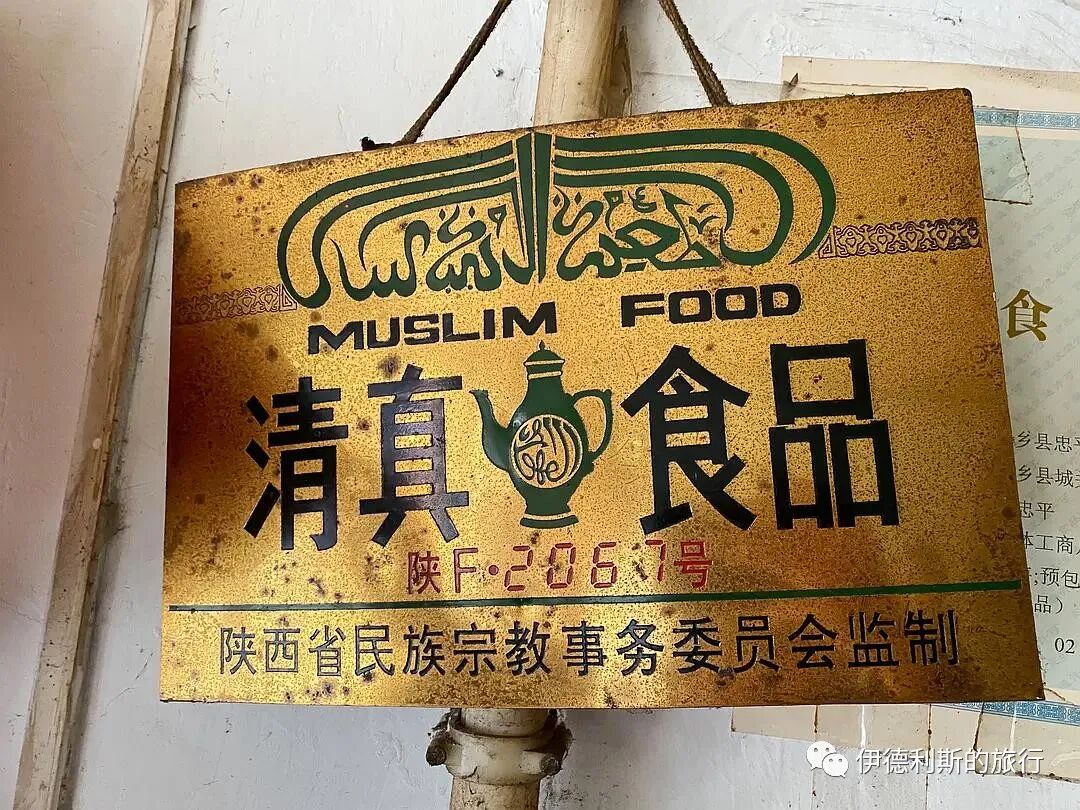
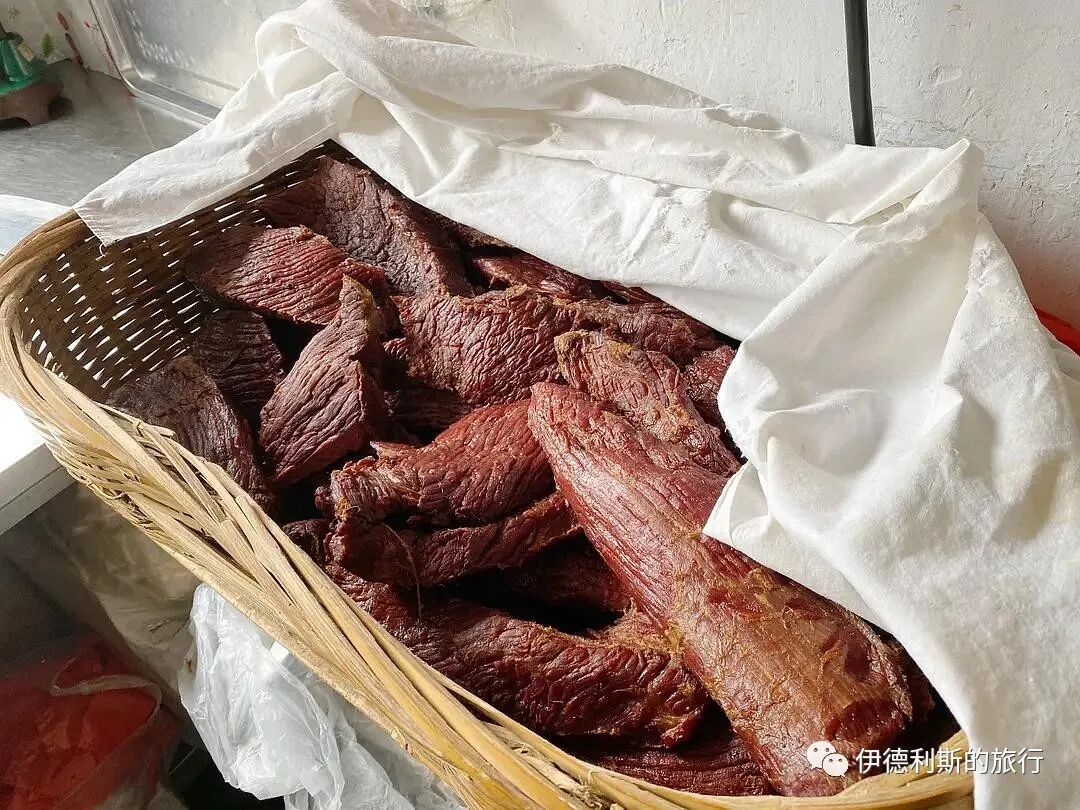
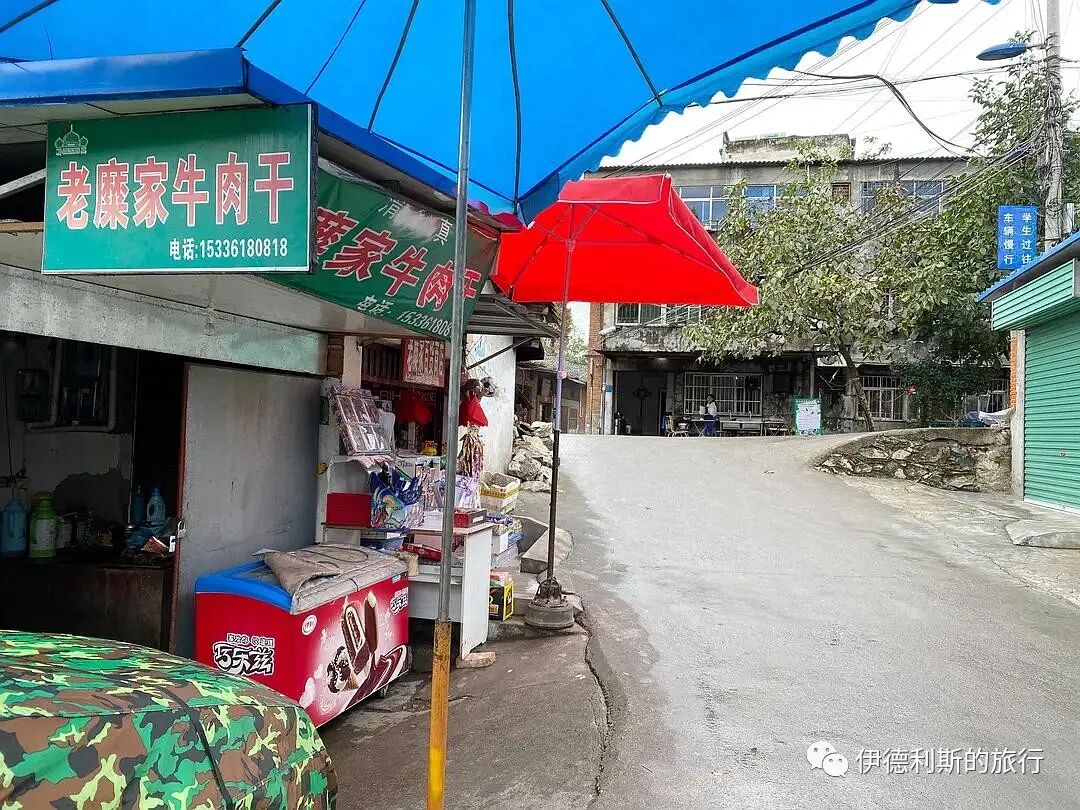
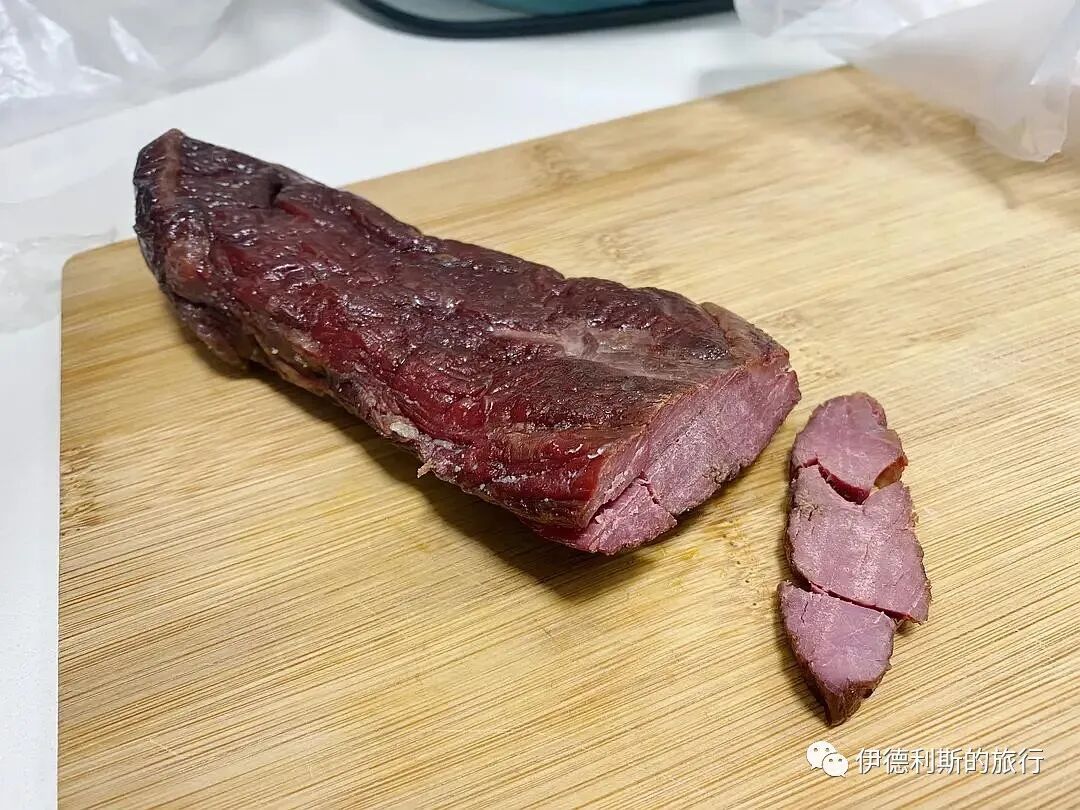
Xixiang Hui Muslims have been famous for making beef jerky since the Tongzhi period. The local Xizhen cattle in Xixiang are a nationally famous breed of yellow cattle, which are very suitable for making beef jerky. Nowadays, shops selling halal beef jerky can be seen everywhere in the Xiguan area of Xixiang, especially concentrated in the Xiguan Halal Beef and Mutton Market. The beef jerky made by each family in Xiguan has a different taste, some hard, some soft, some salty, and some mild.
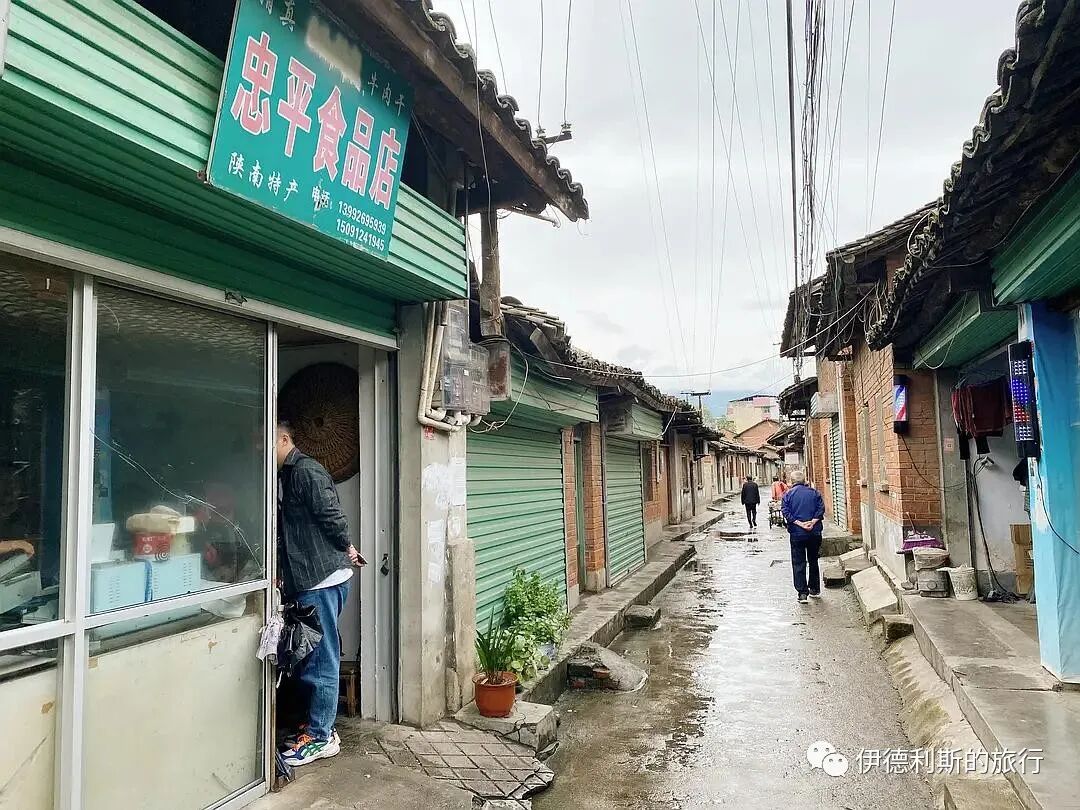
We bought some beef jerky at a shop called Zhongping Food Store, where many locals shop.
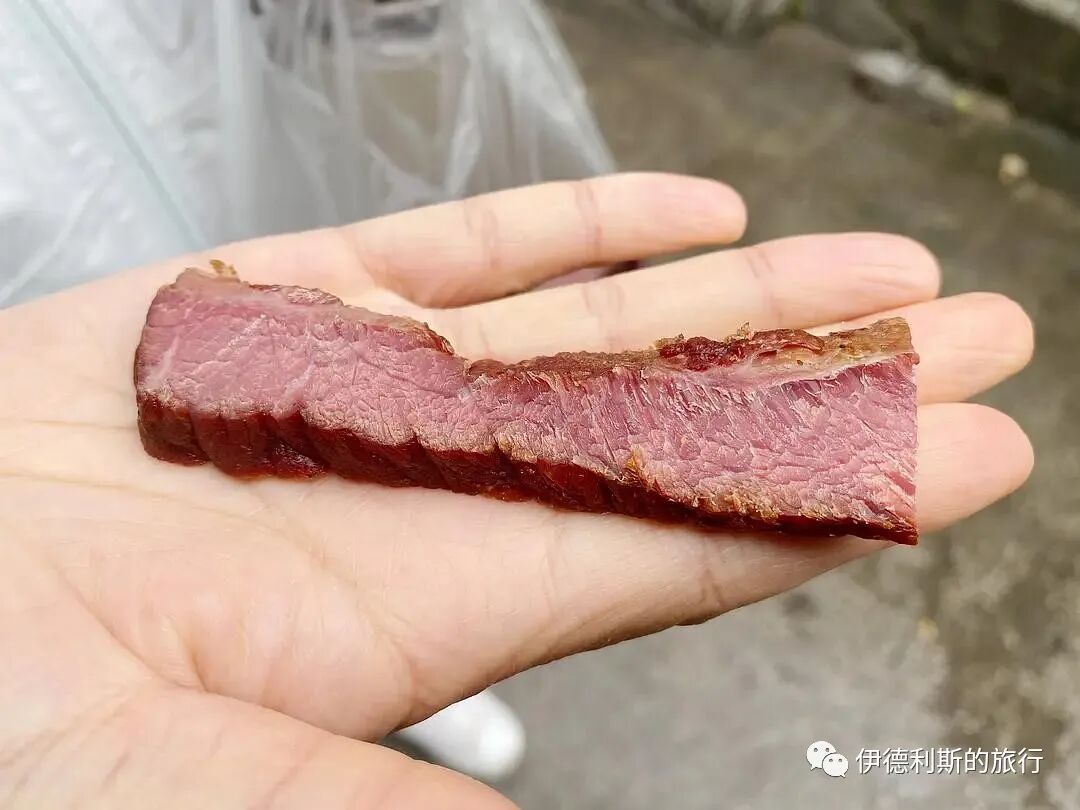
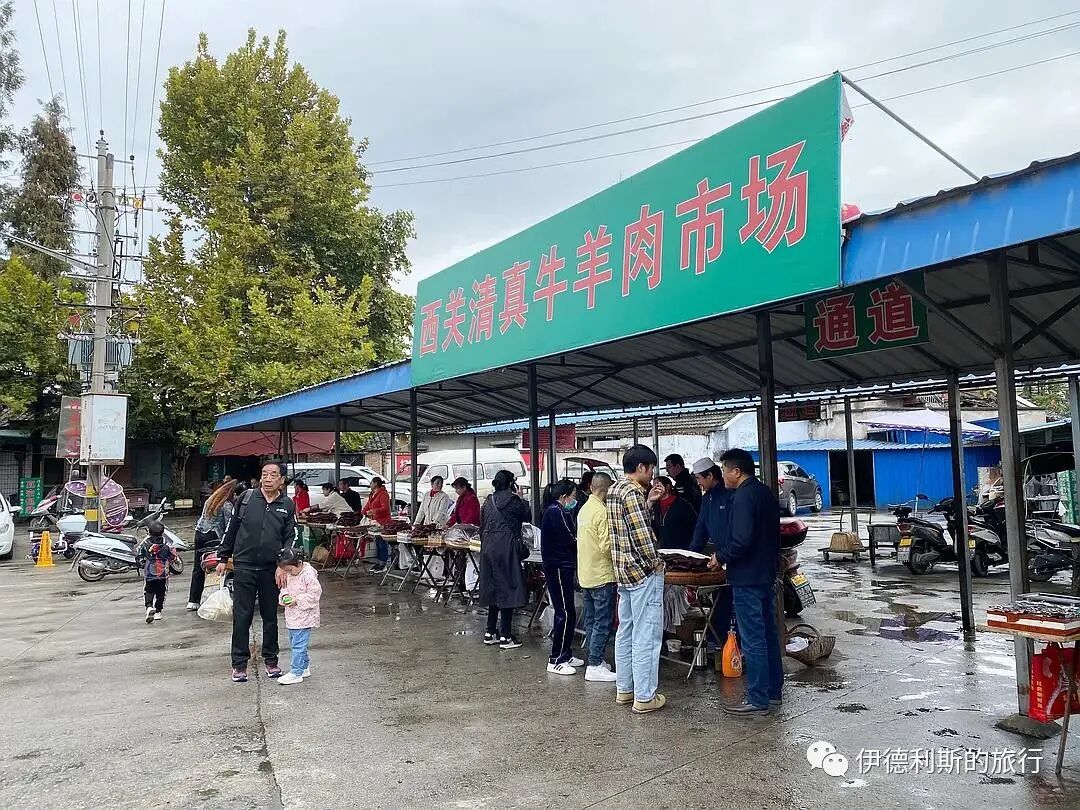
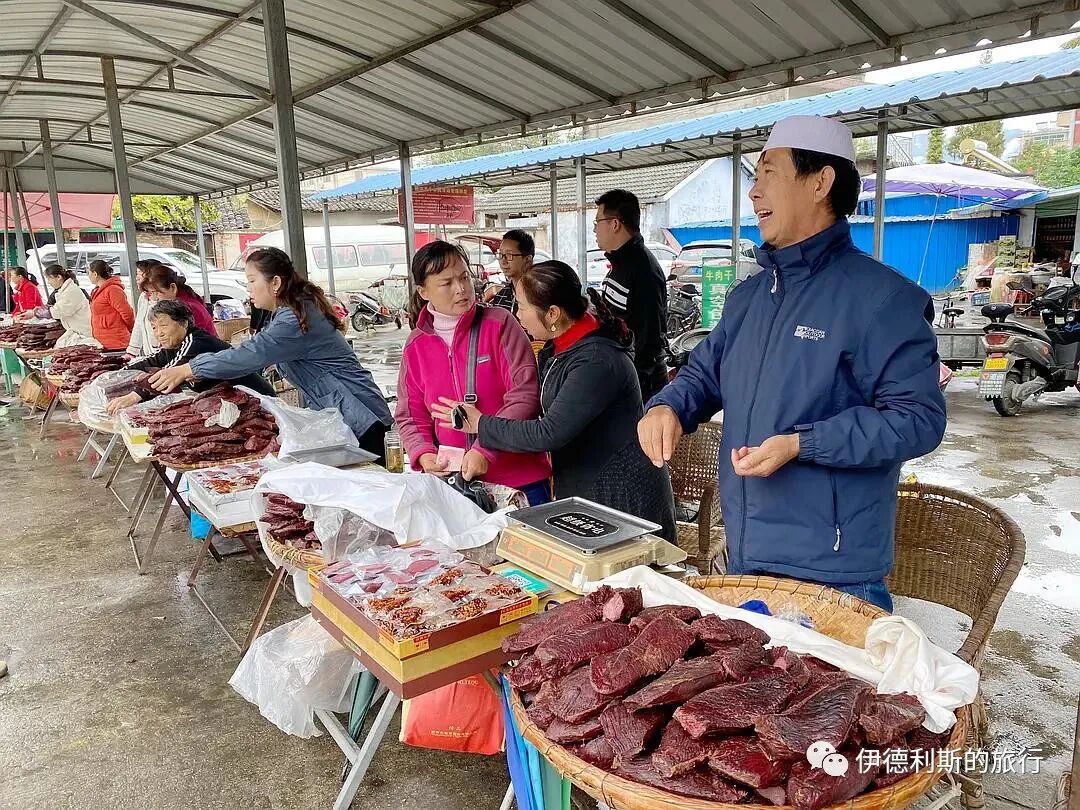
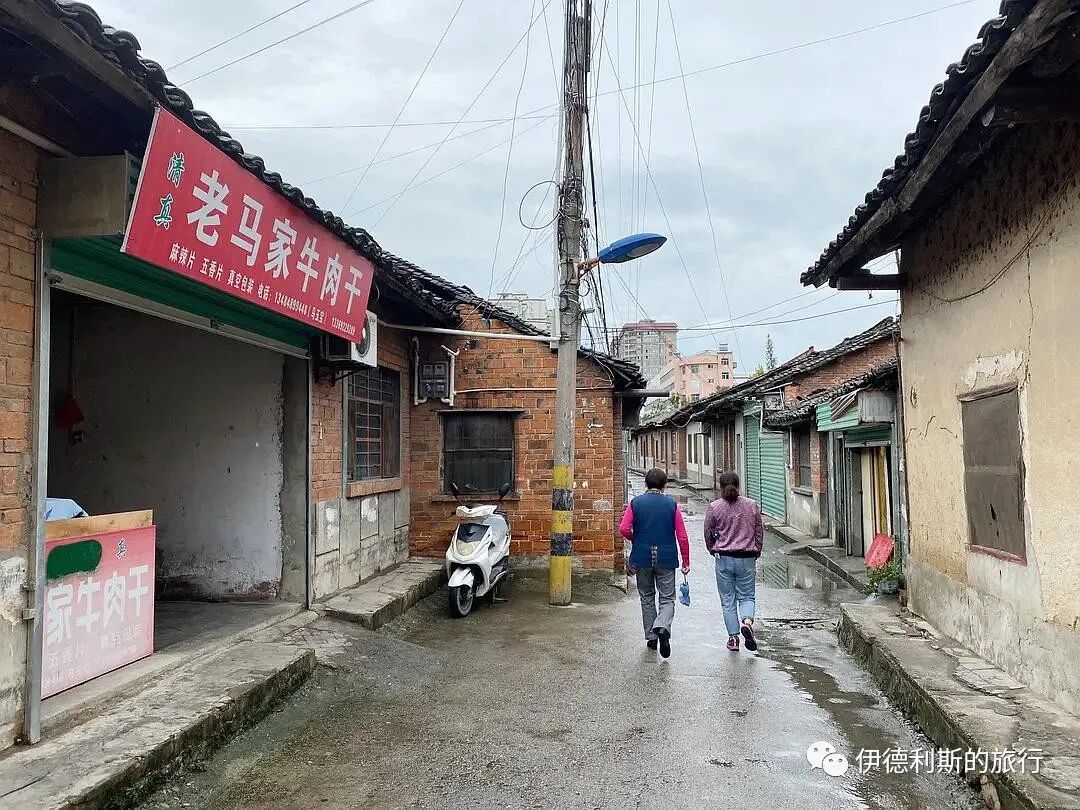
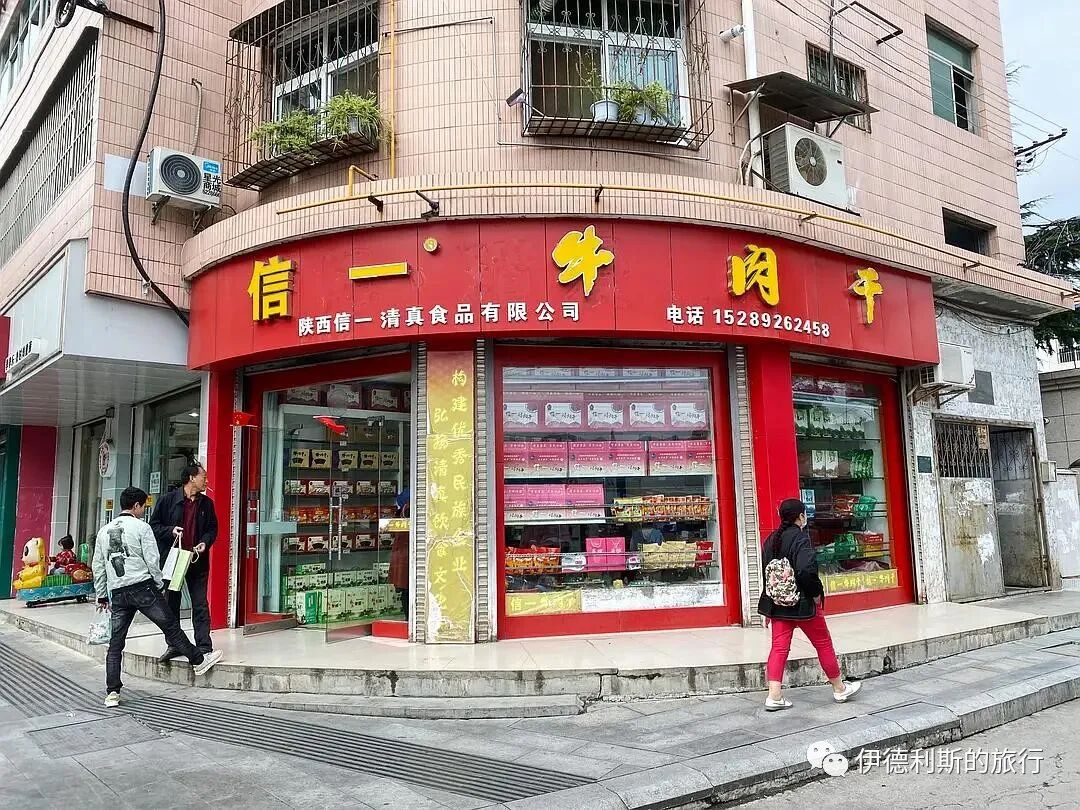
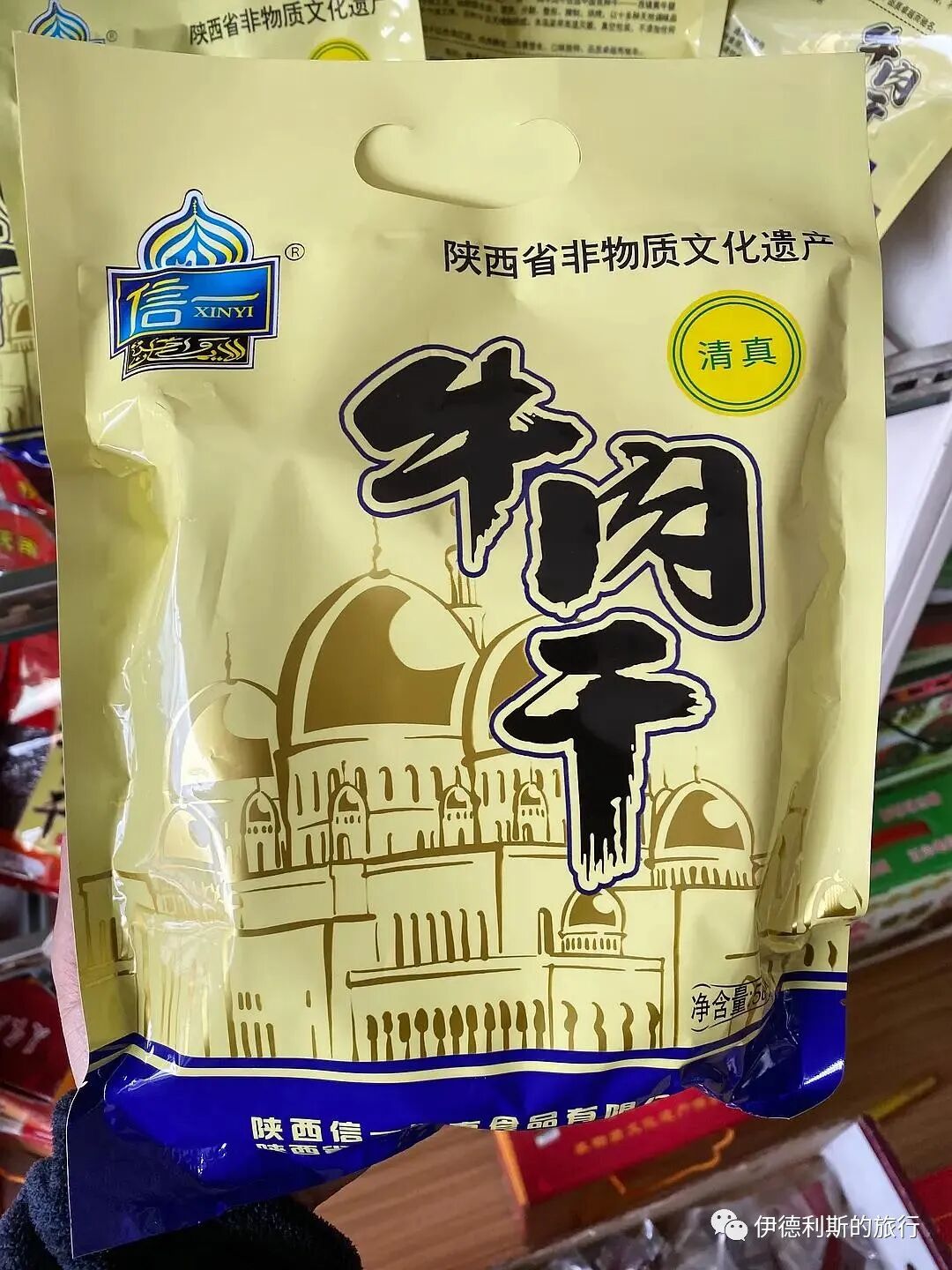
The largest halal beef jerky brand in Xixiang is 'Xinyi'. Xinyi was founded in 1995, and the company's legal representative, Mu Xin, is the inheritor of the Shaanxi provincial intangible cultural heritage 'Xixiang Beef Jerky Making Technique'. Most of their beef is supplied by Hui Muslim butchers living in impoverished areas such as Liushu, Guanshan, Sidu, and Shahe in Xixiang, and they use more than ten kinds of Chinese herbal medicines instead of preservatives.
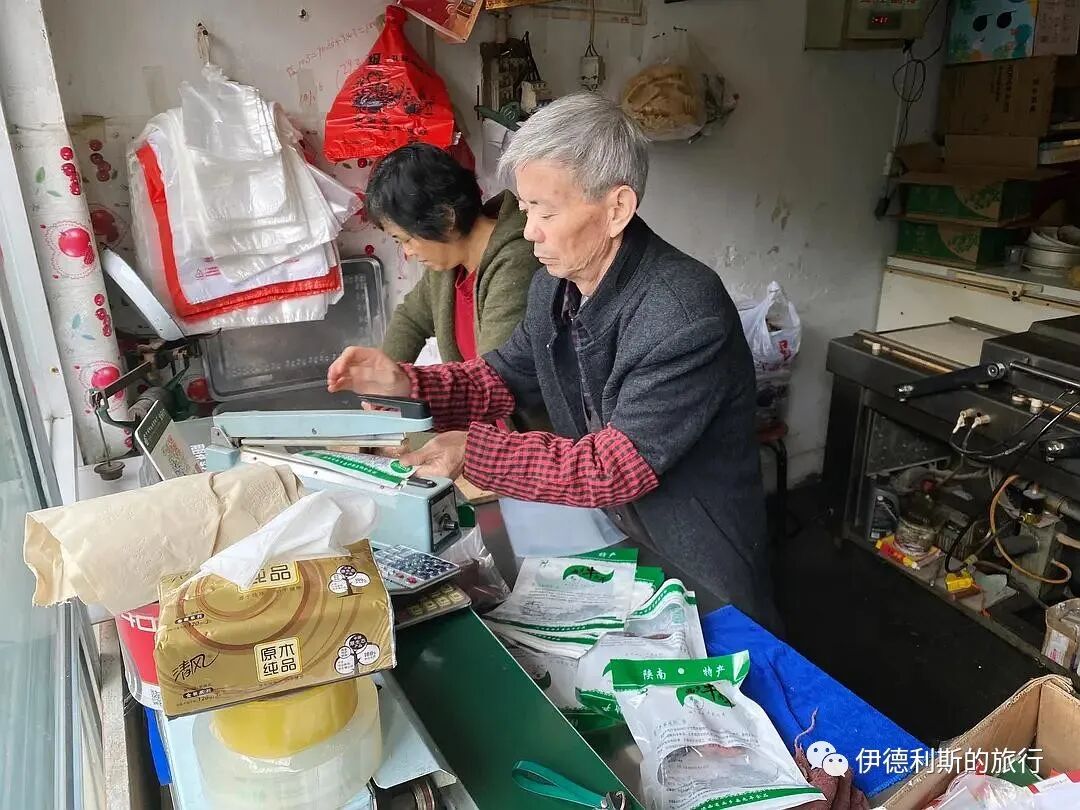
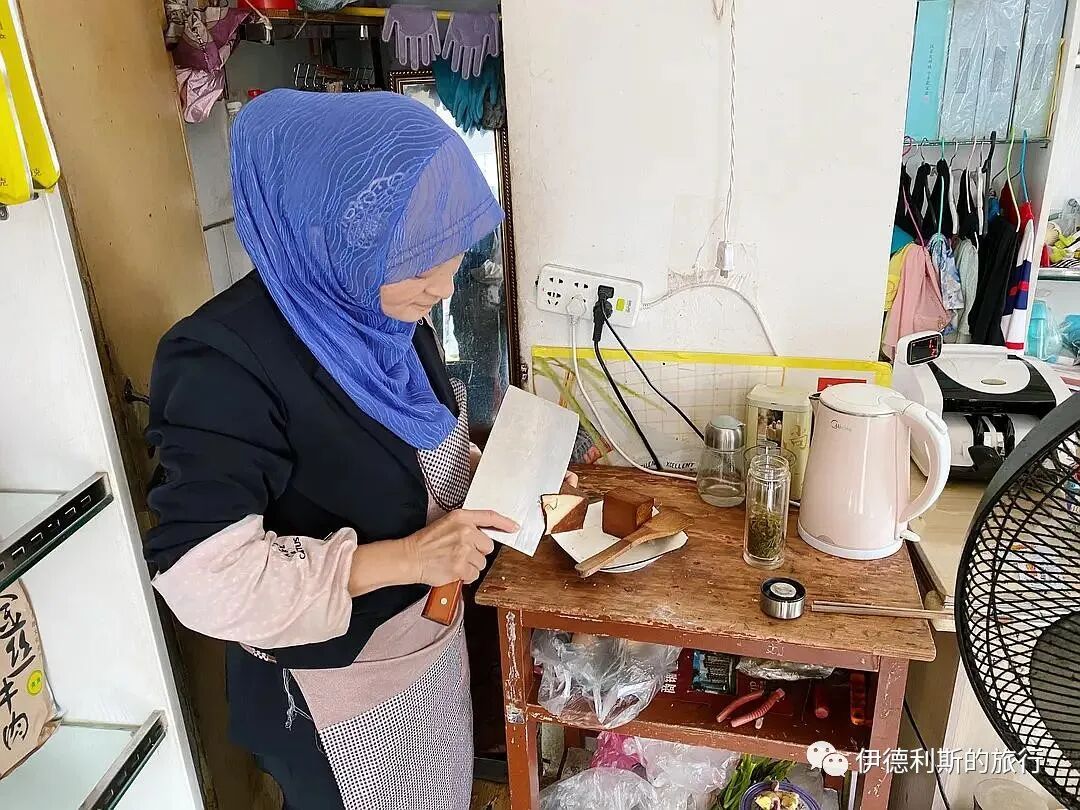
We bought a lot of beef jerky at the Xinyi shop in Xiguan, and also bought some local dried tofu. We were able to send it home directly via SF Express, and the dost (friend/fellow Muslim) auntie in the shop was very enthusiastic.
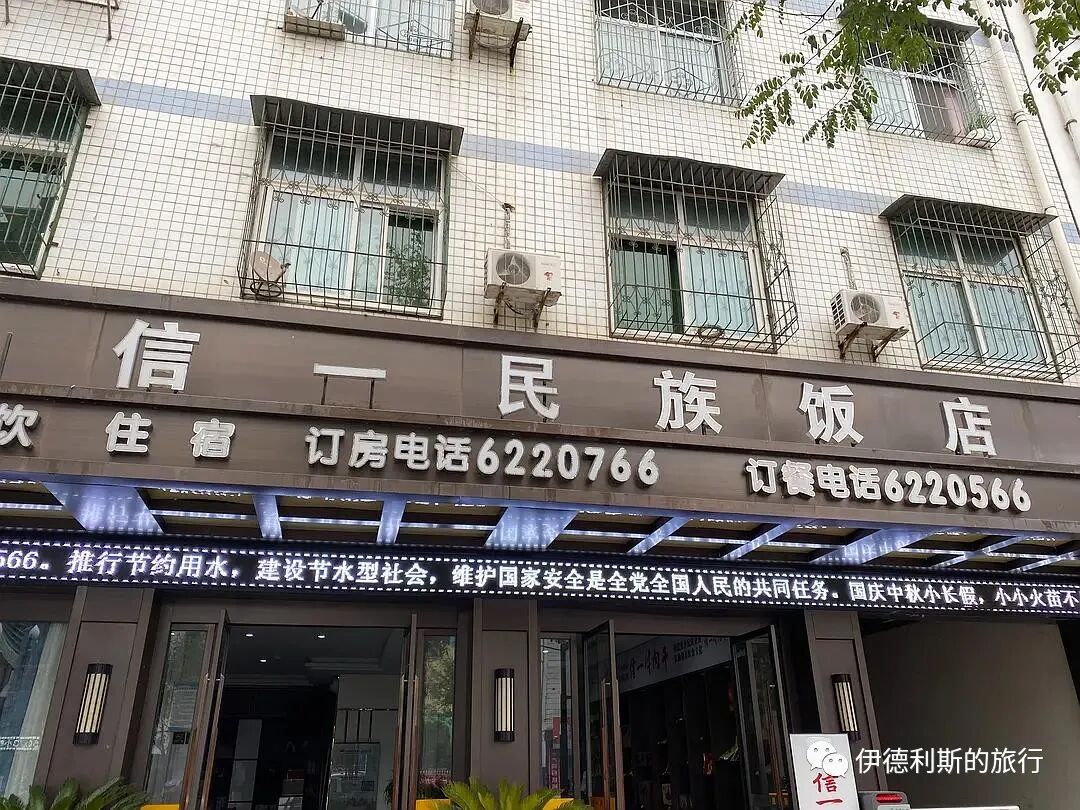
Xinyi Ethnic Restaurant
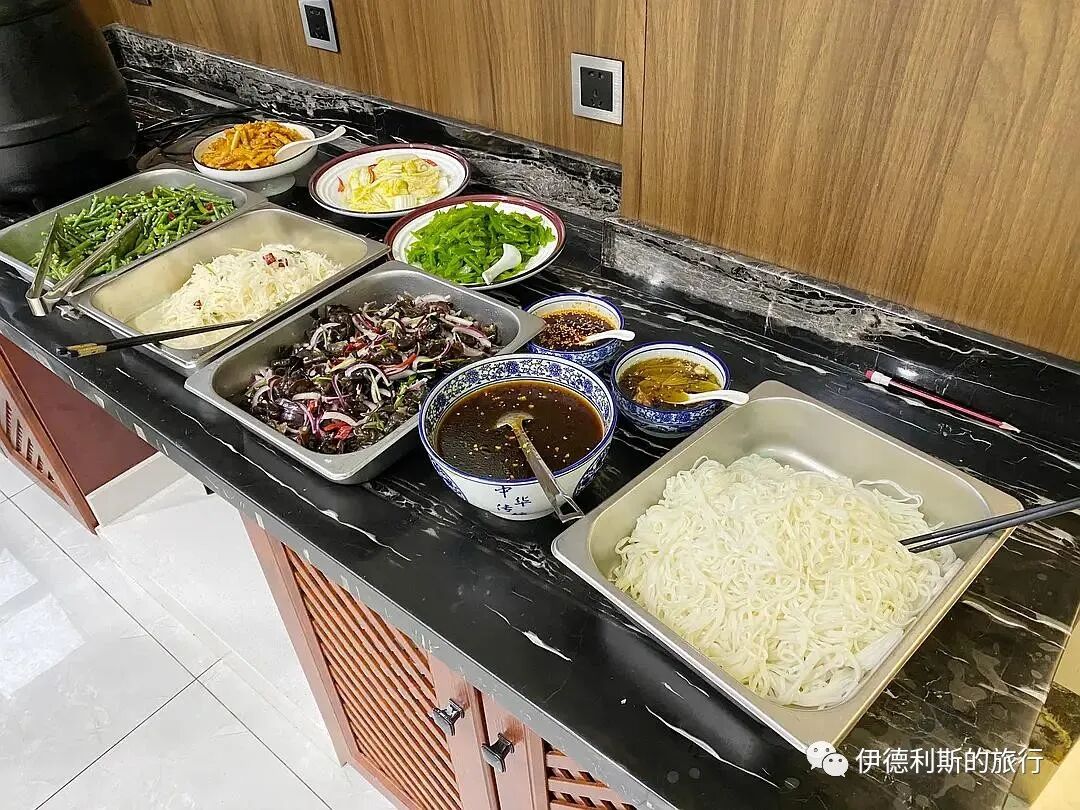
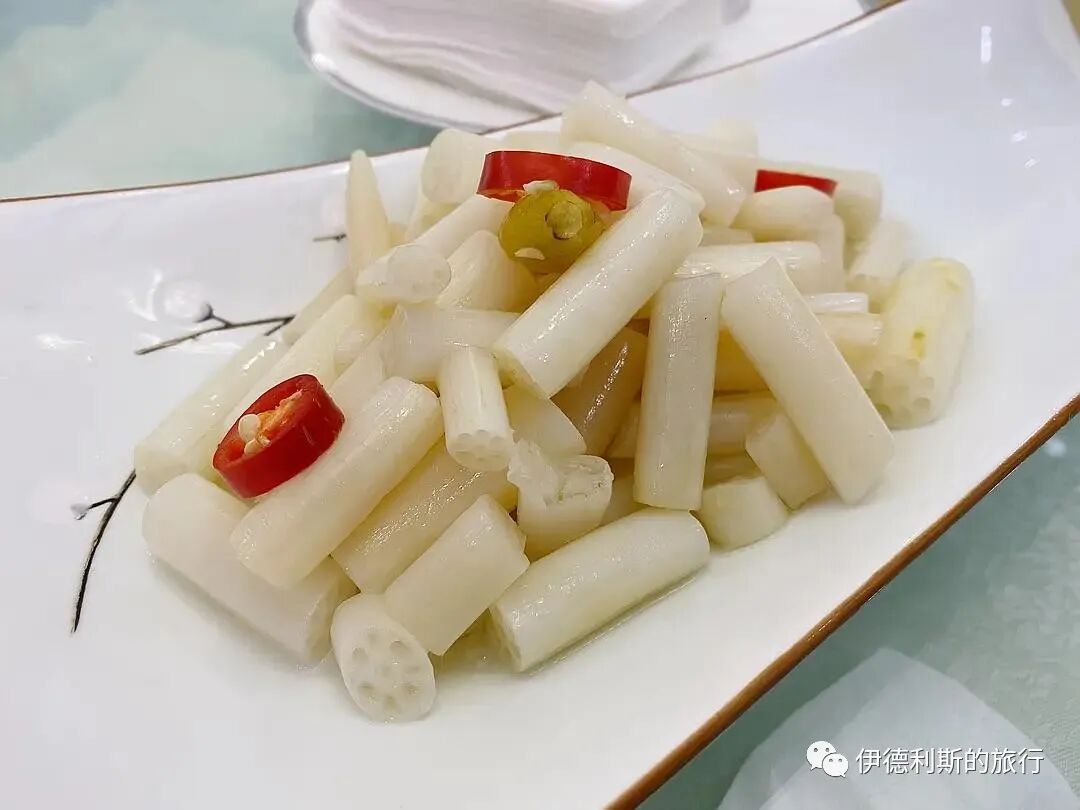
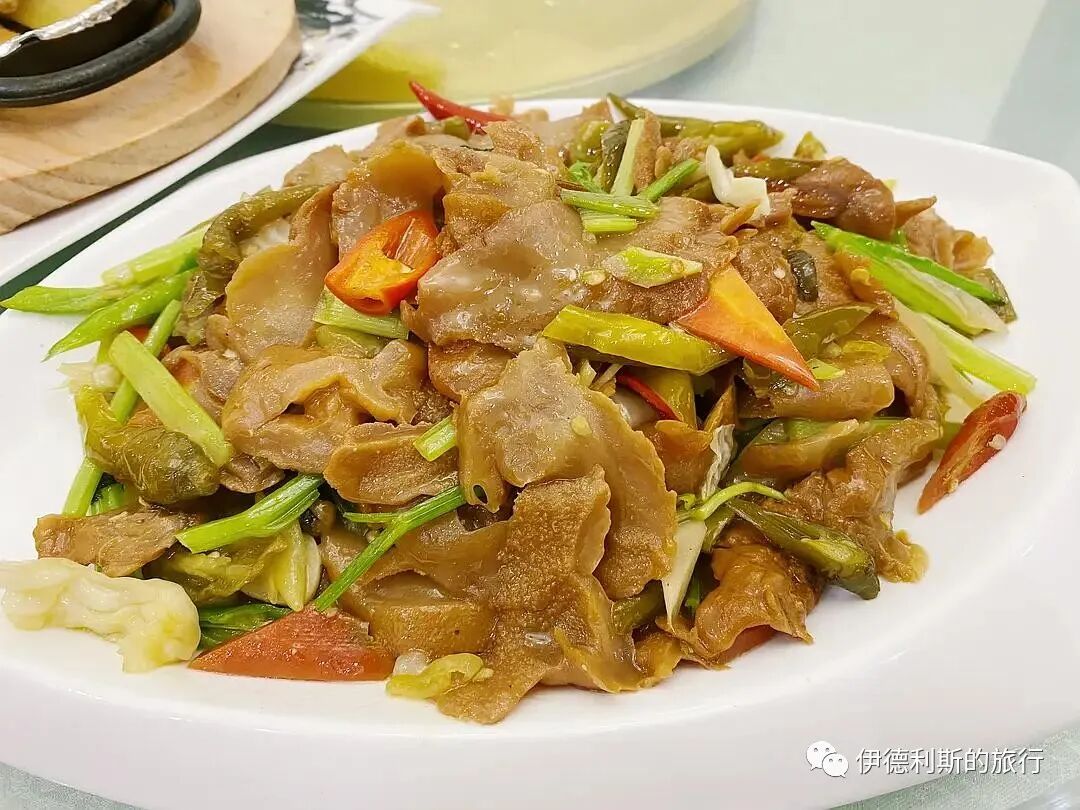
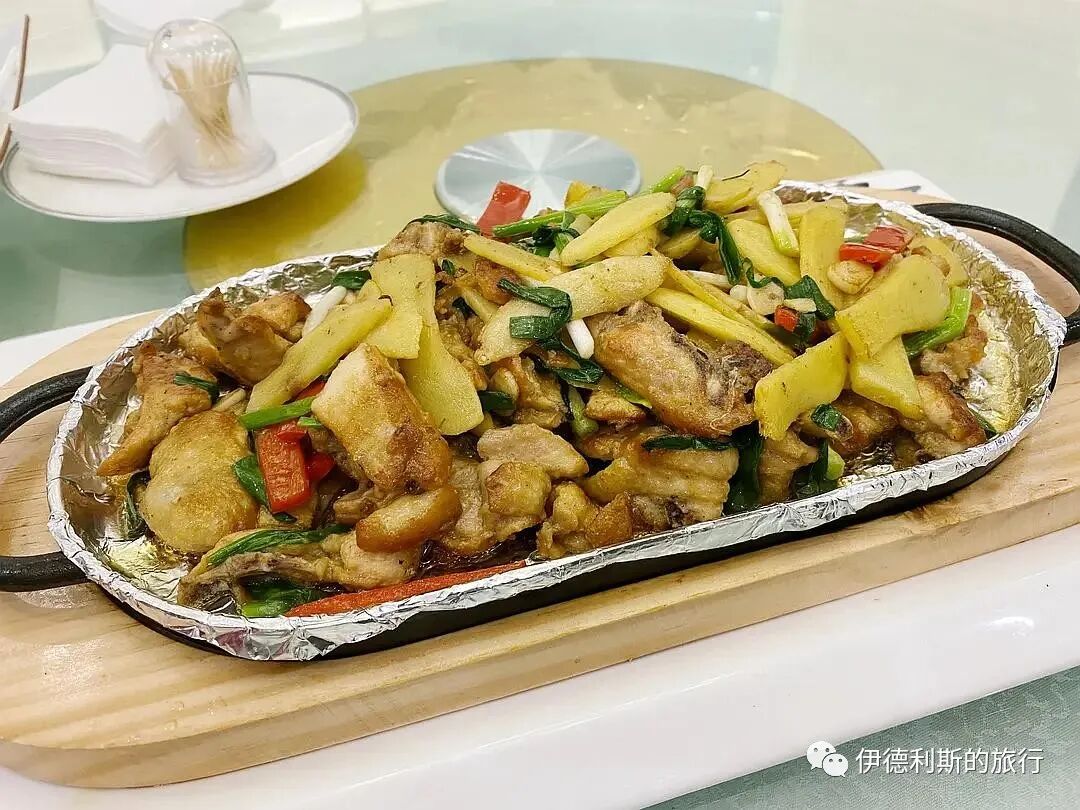
Xinyi also opened a 'Xinyi Ethnic Restaurant' where you can stay and eat. We stayed here while we were in Xixiang. There is a breakfast buffet in the morning and regular meals at other times. In the evening, we ordered lotus root shoots, teppan sand ginger chicken, and sweet and sour lingzhi mushrooms.
South Mosque
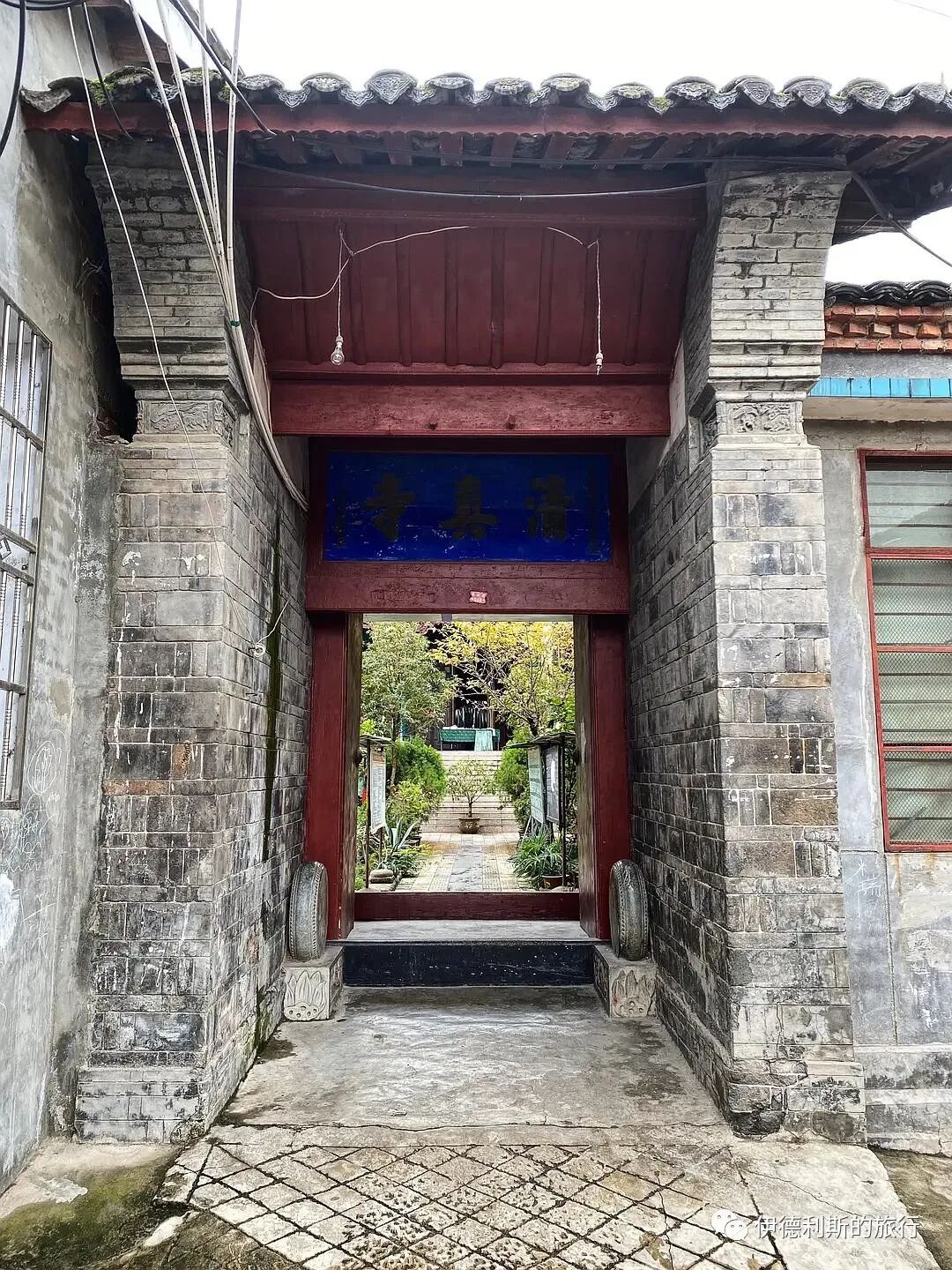
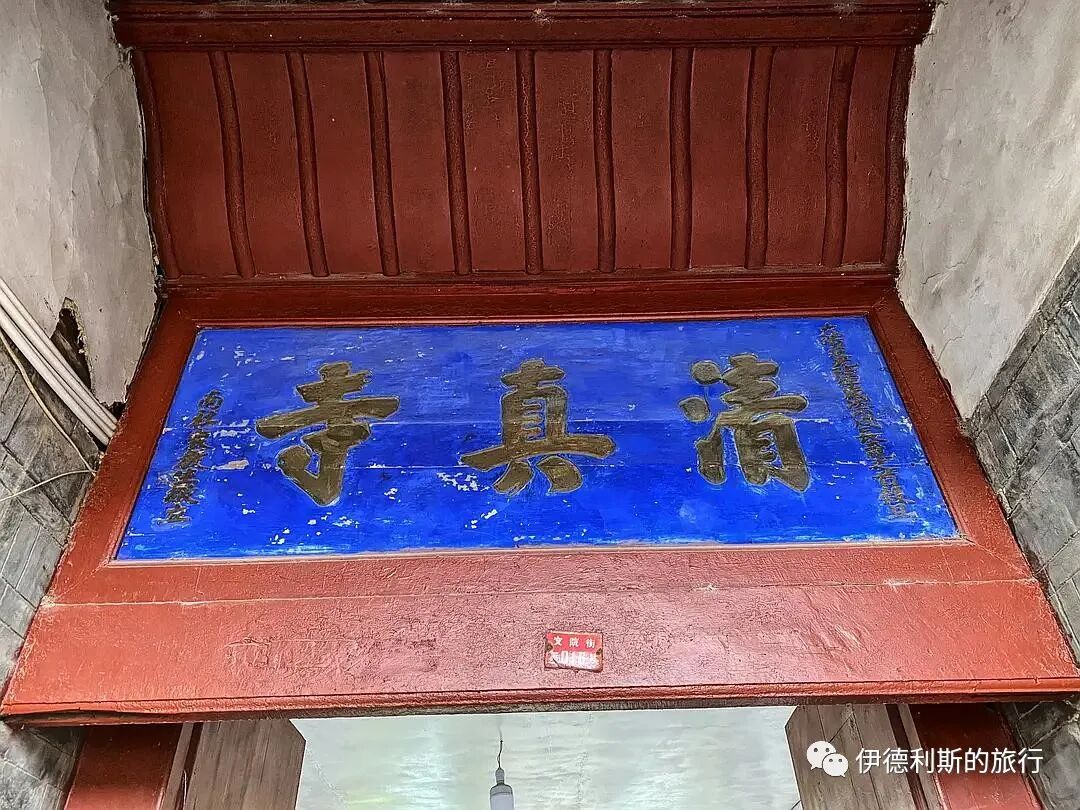
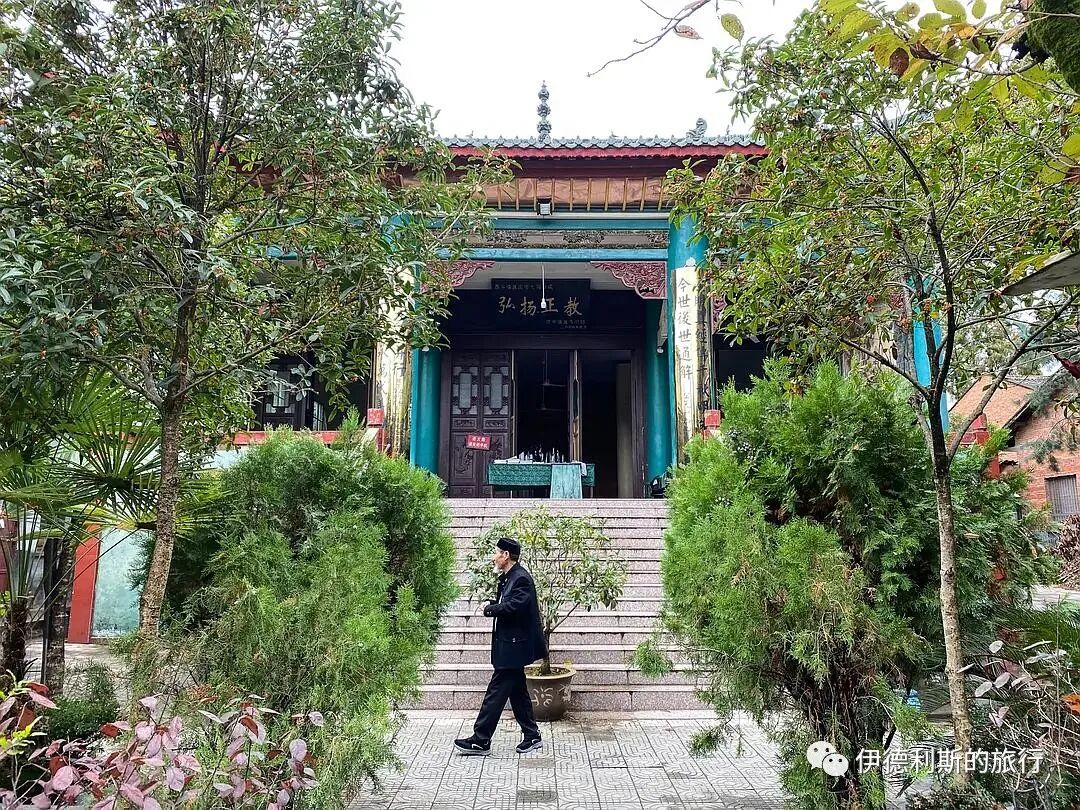
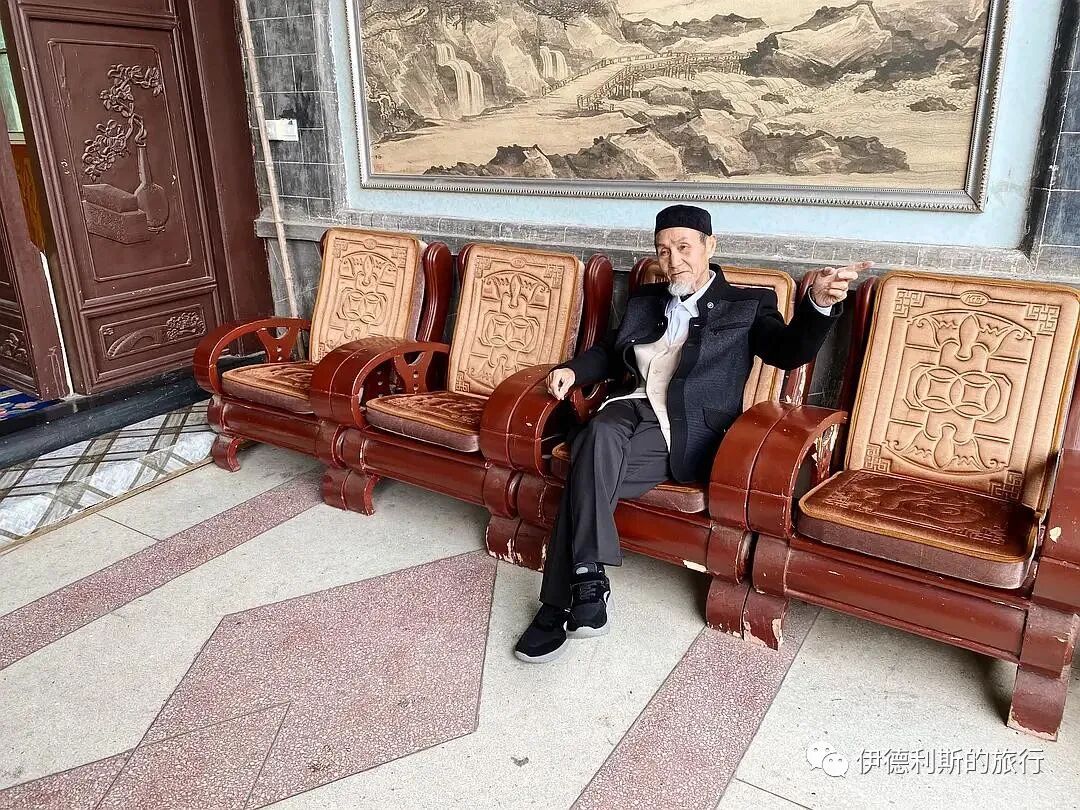
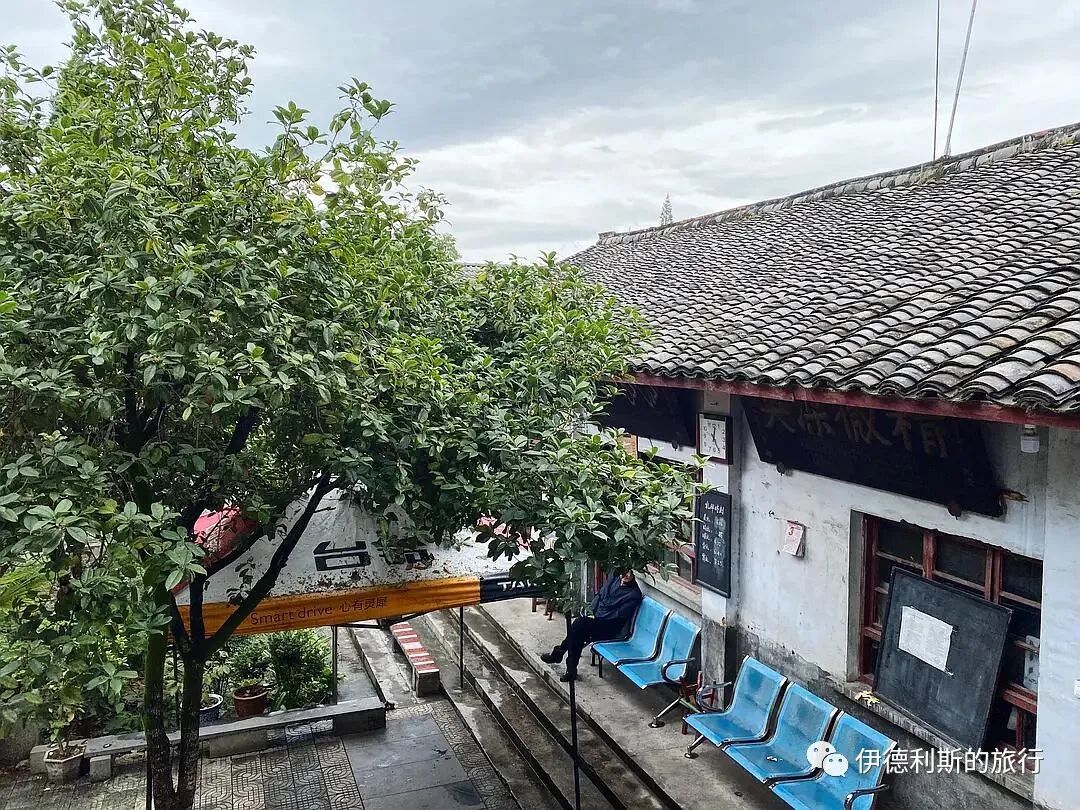
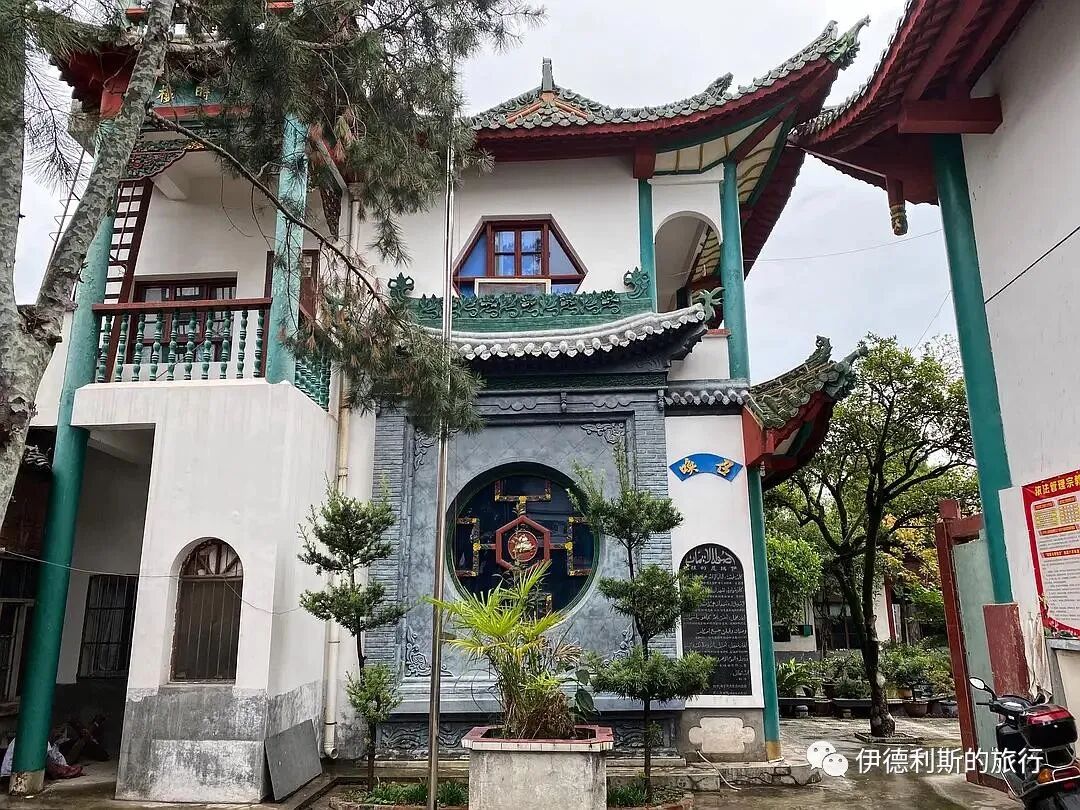
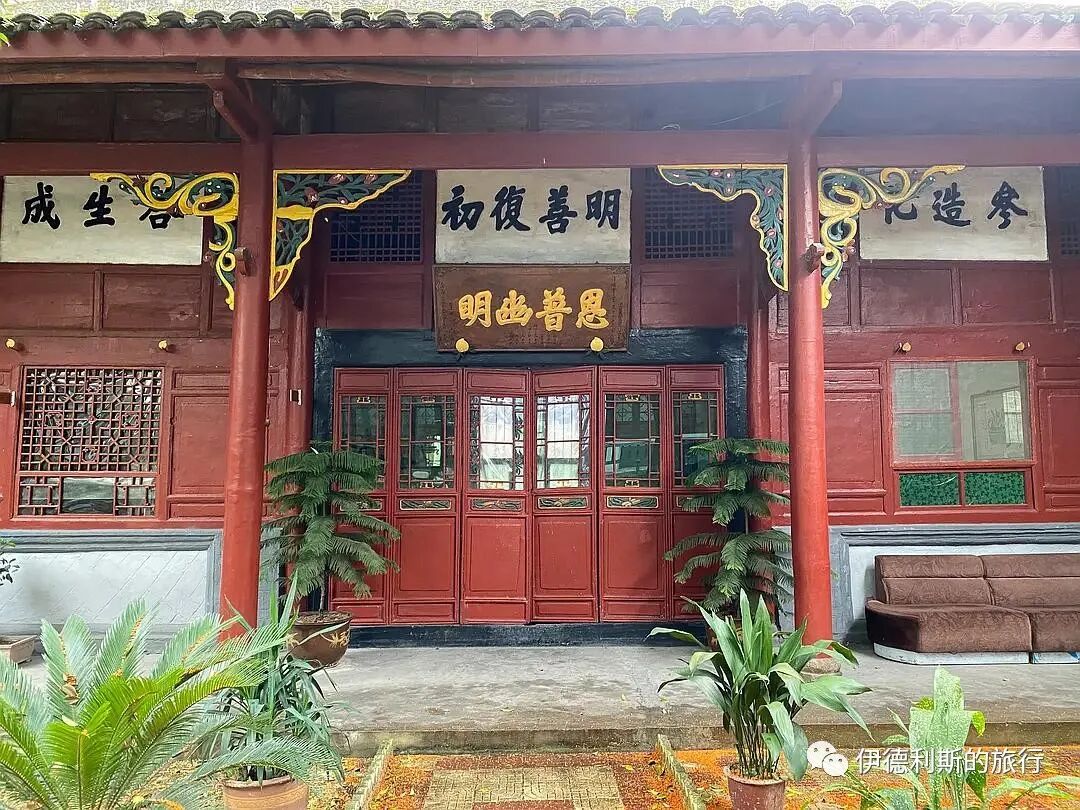
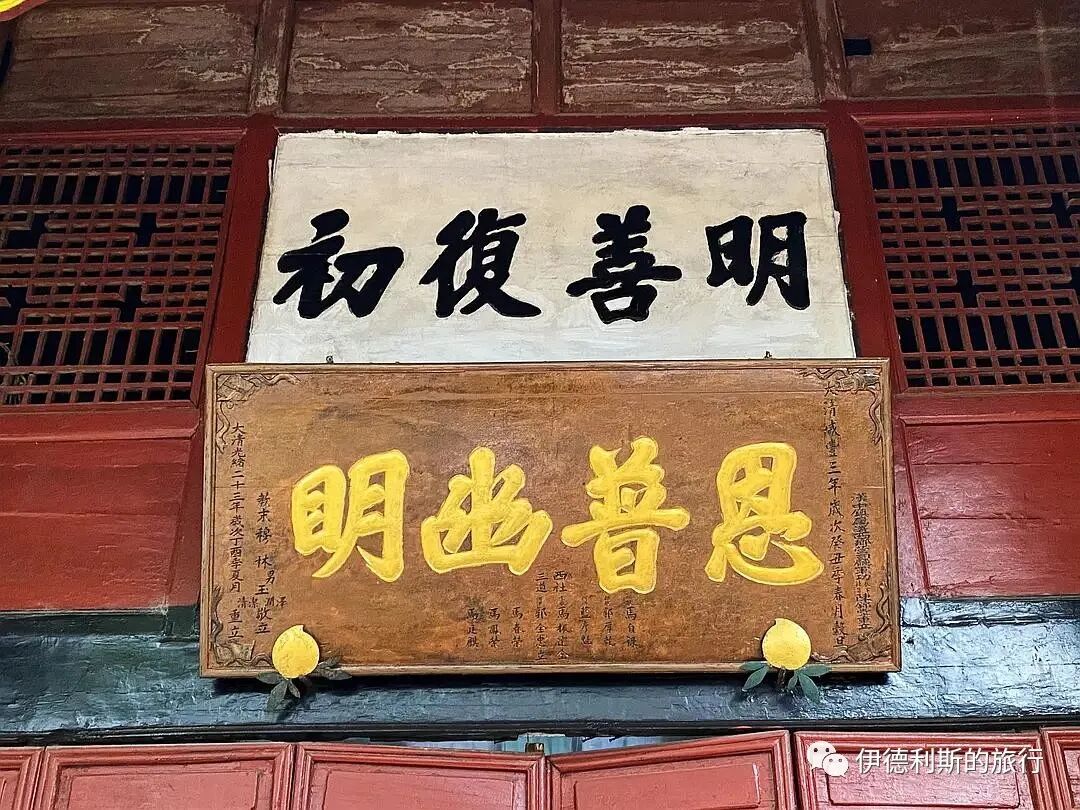
The Xixiang South Mosque was built in the Ming Dynasty. It was closed and occupied after the 1958 religious reforms, returned in 1986, and officially opened in 2001. The main hall was rebuilt in 1997, but the gate and the south wing are still old. The gate has a 'Mosque' plaque from the Daoguang period.
Mosque Lane Archway
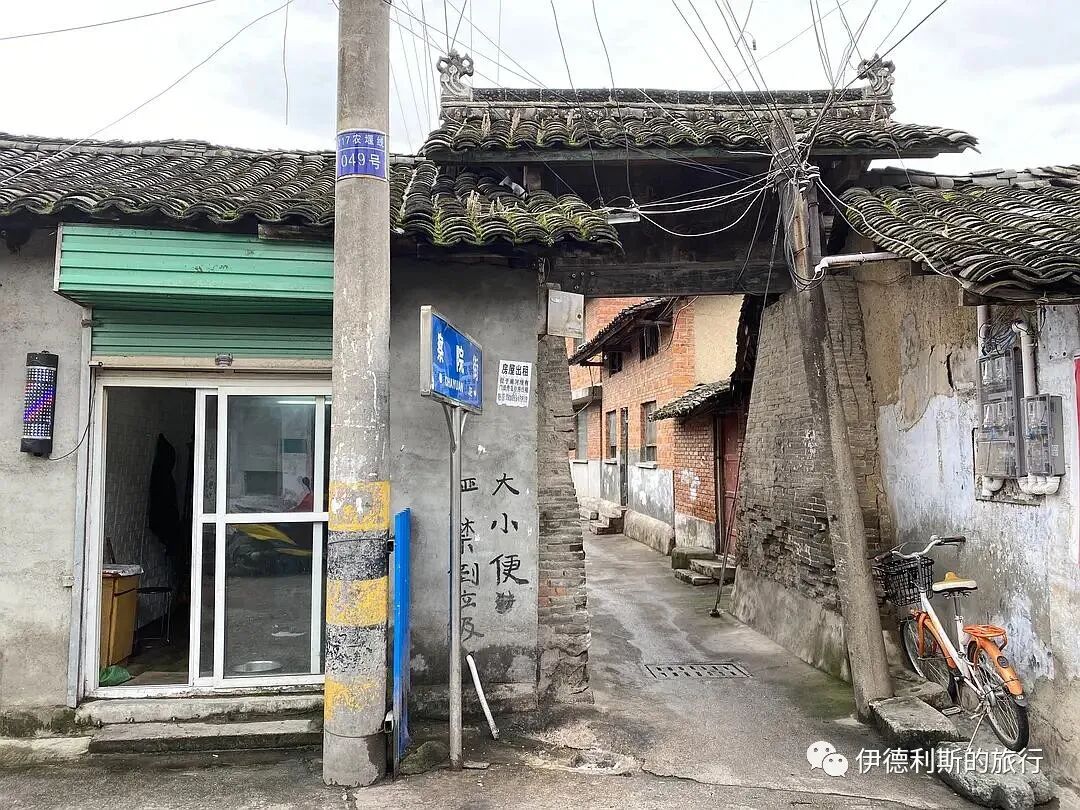
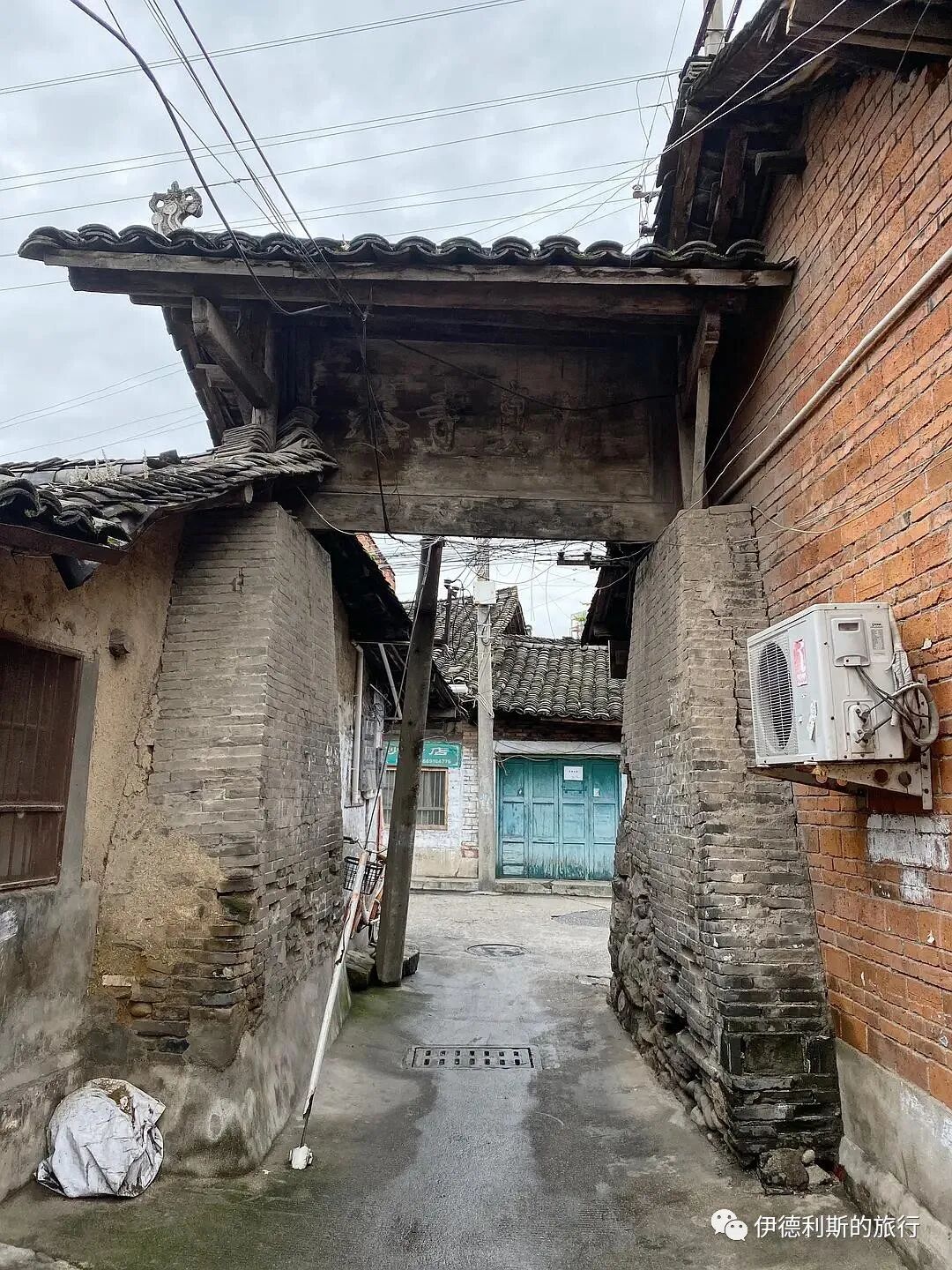
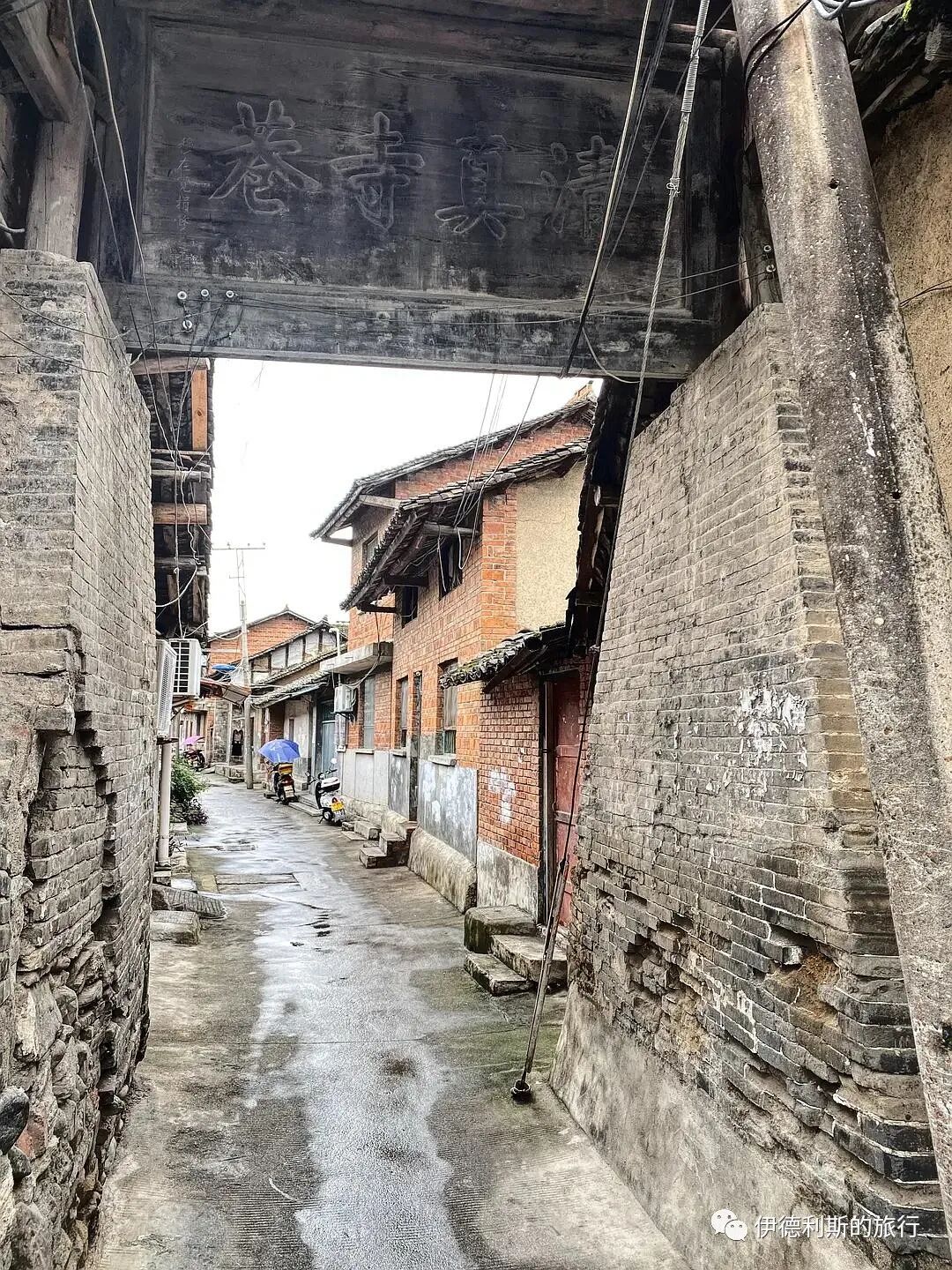
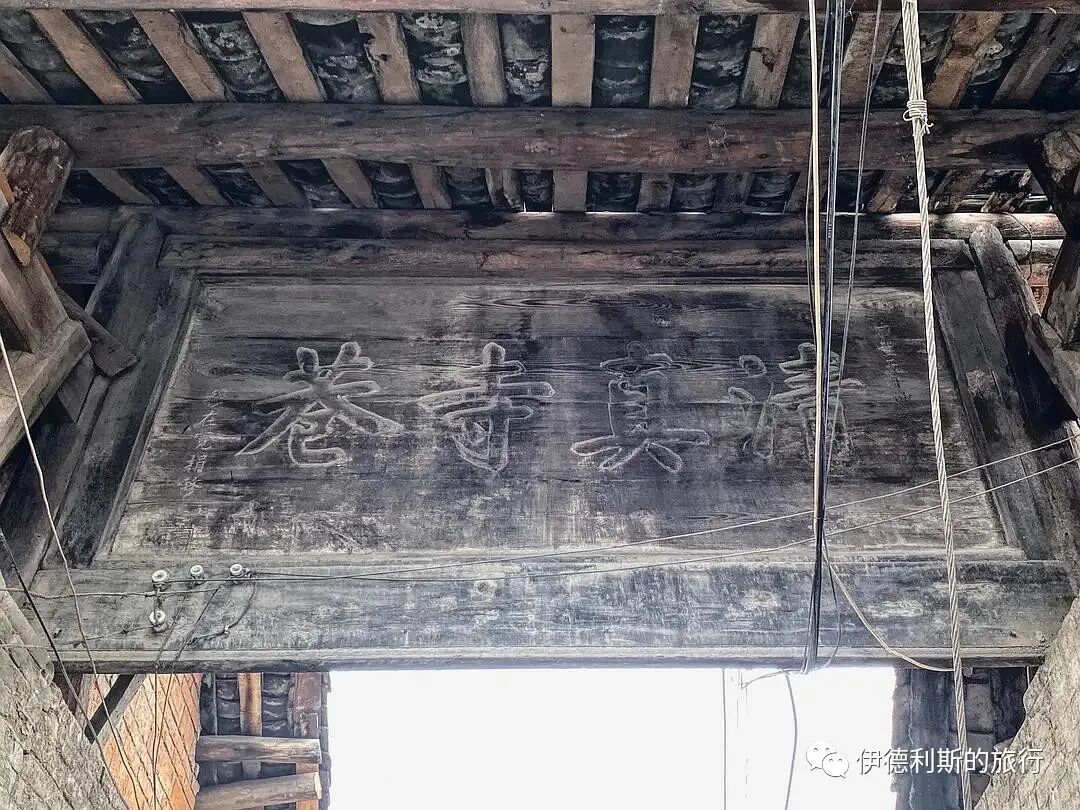
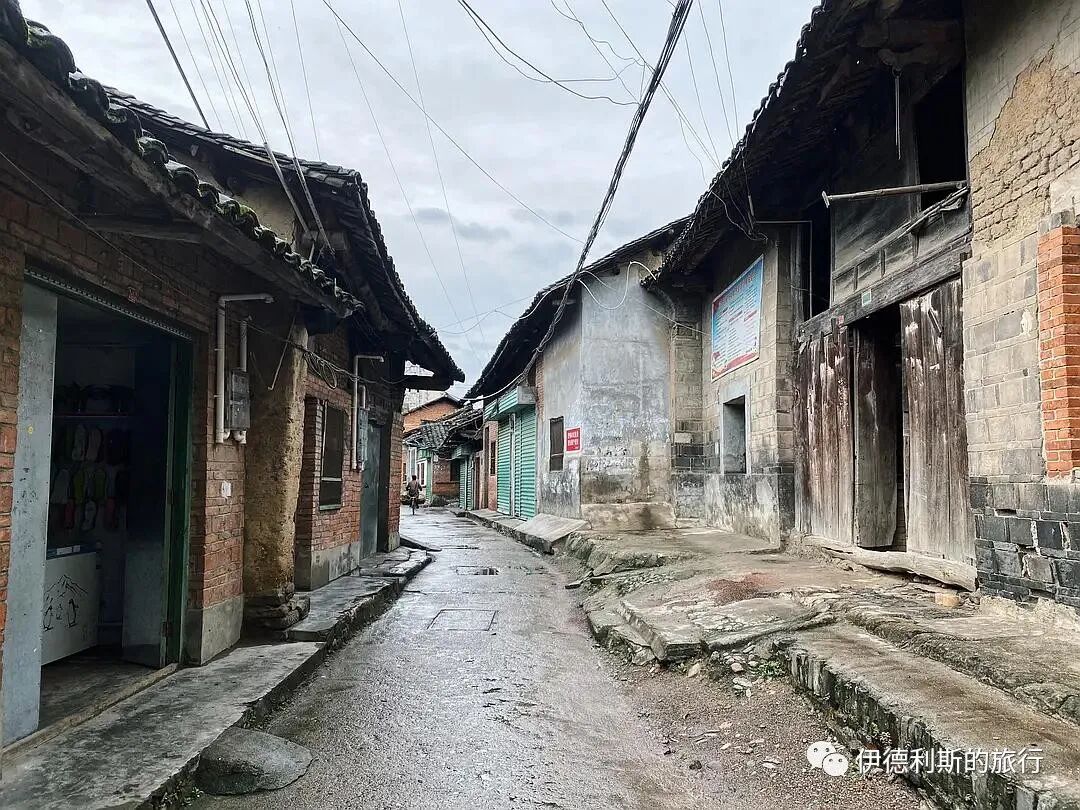
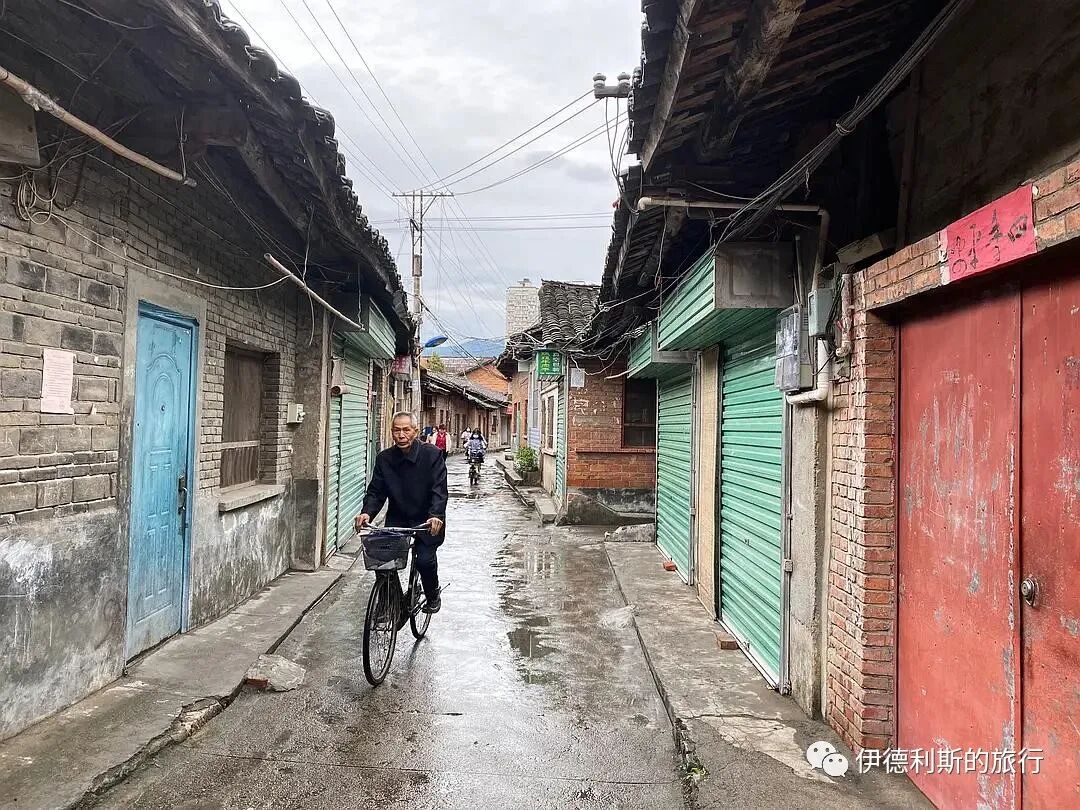
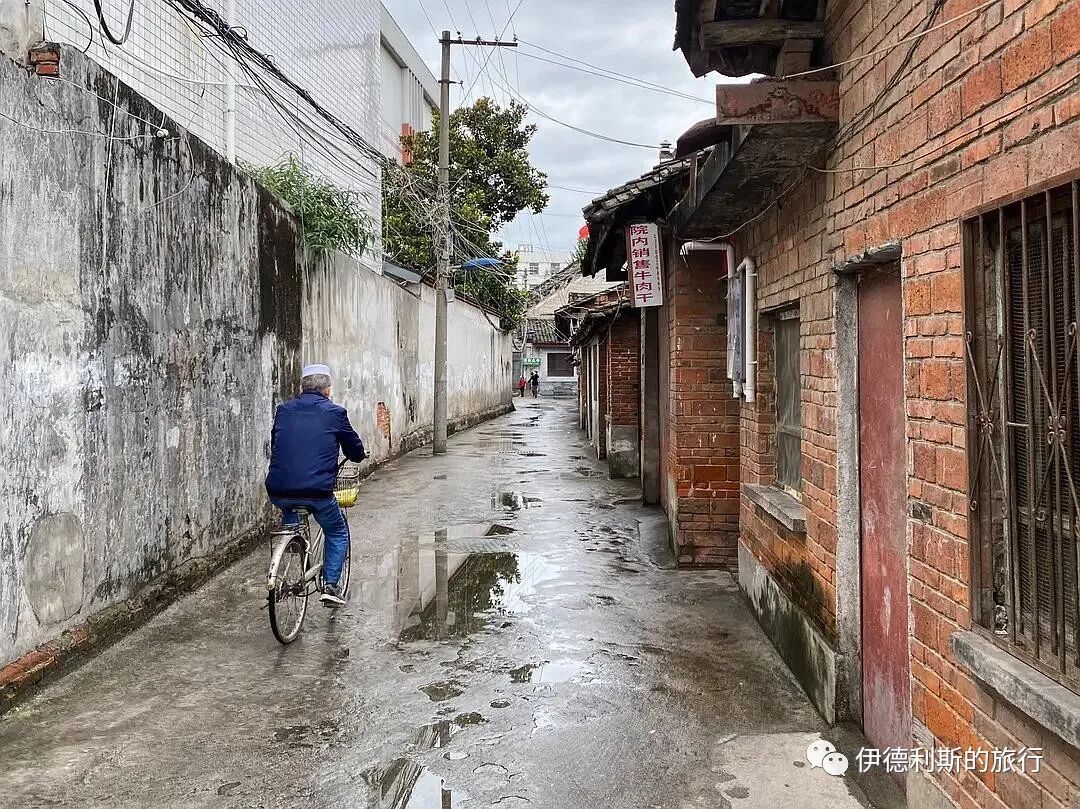
After coming out of the South Mosque, you can see the wooden 'Mosque Lane' archway built during the Xianfeng period, followed by the old street of Xiguan where Hui Muslims live.
Women's Mosque
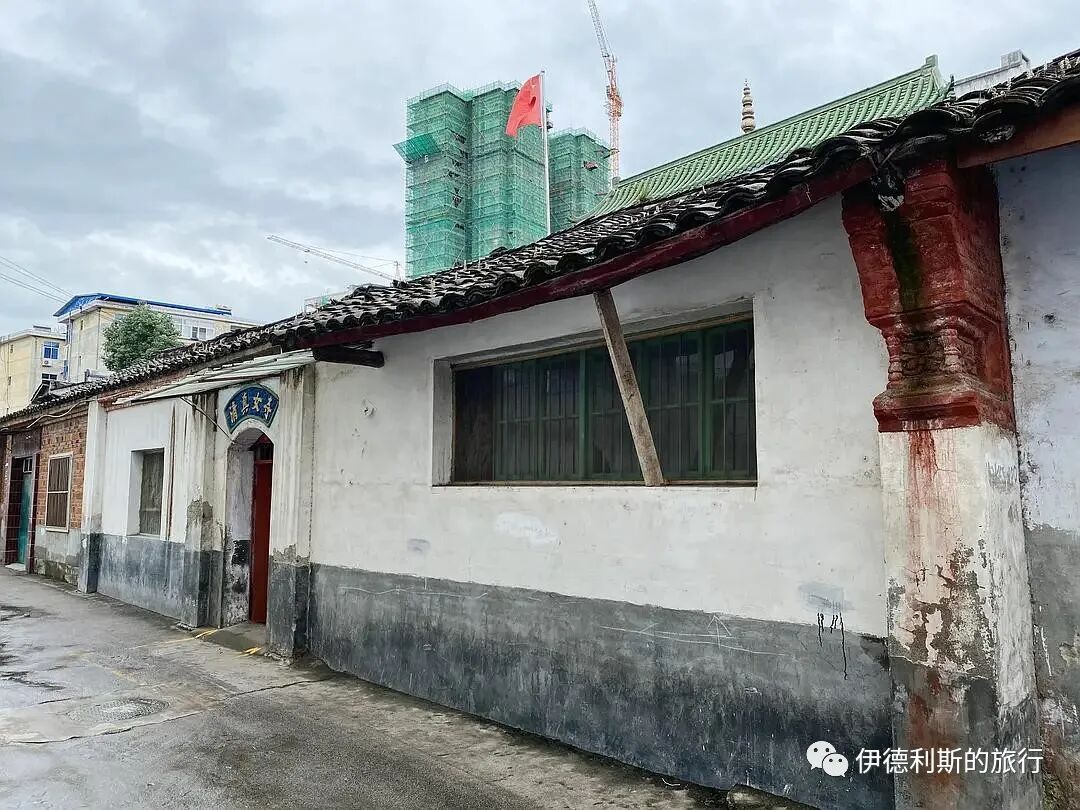
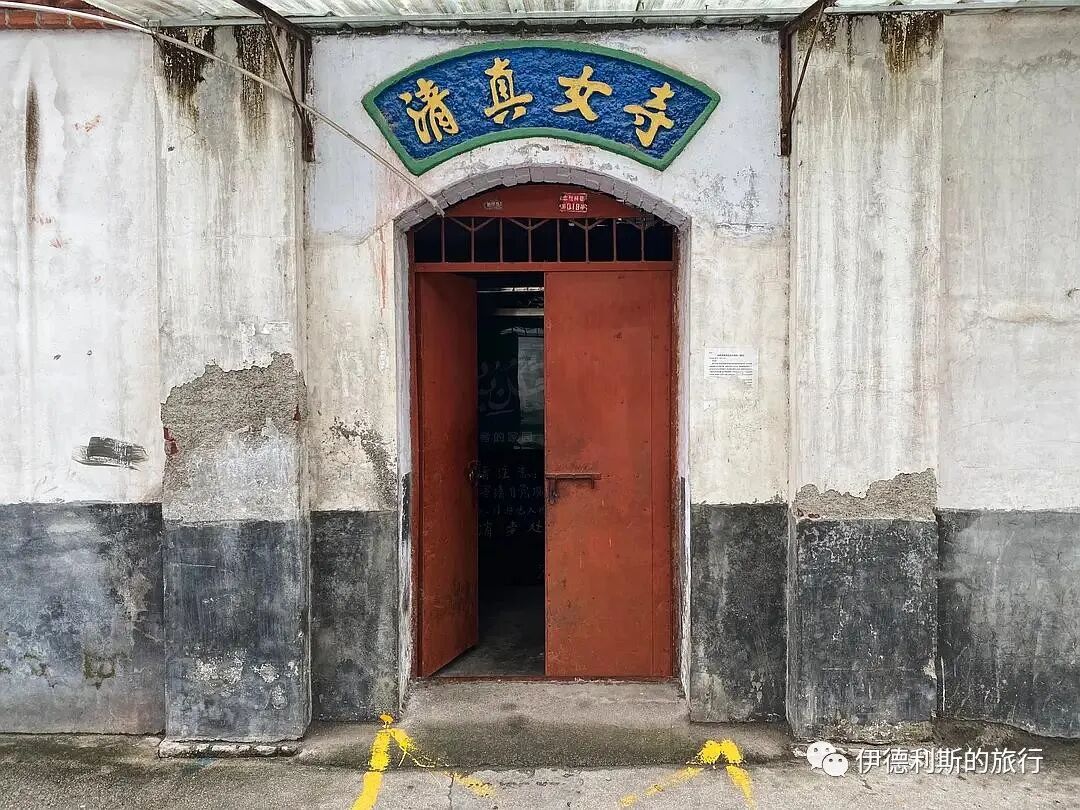
Continuing north, you can see the Women's Mosque built in 1956, which was occupied after the 1958 religious reforms and restored in 1990.
North Mosque
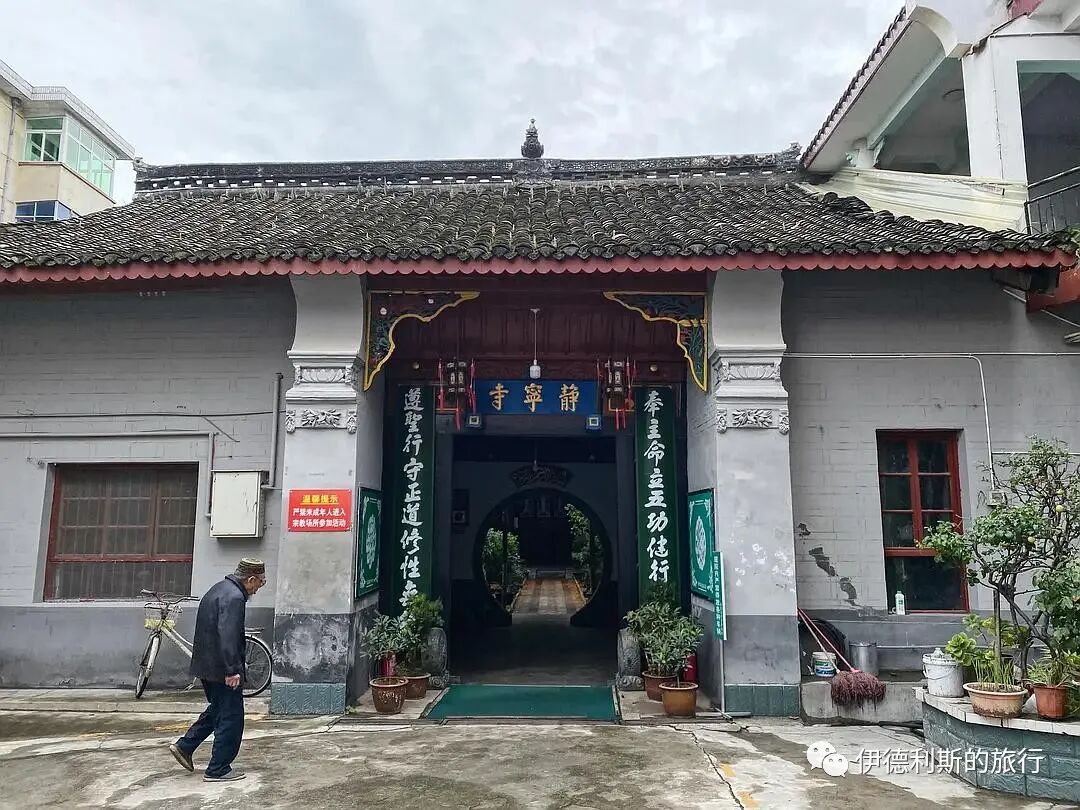
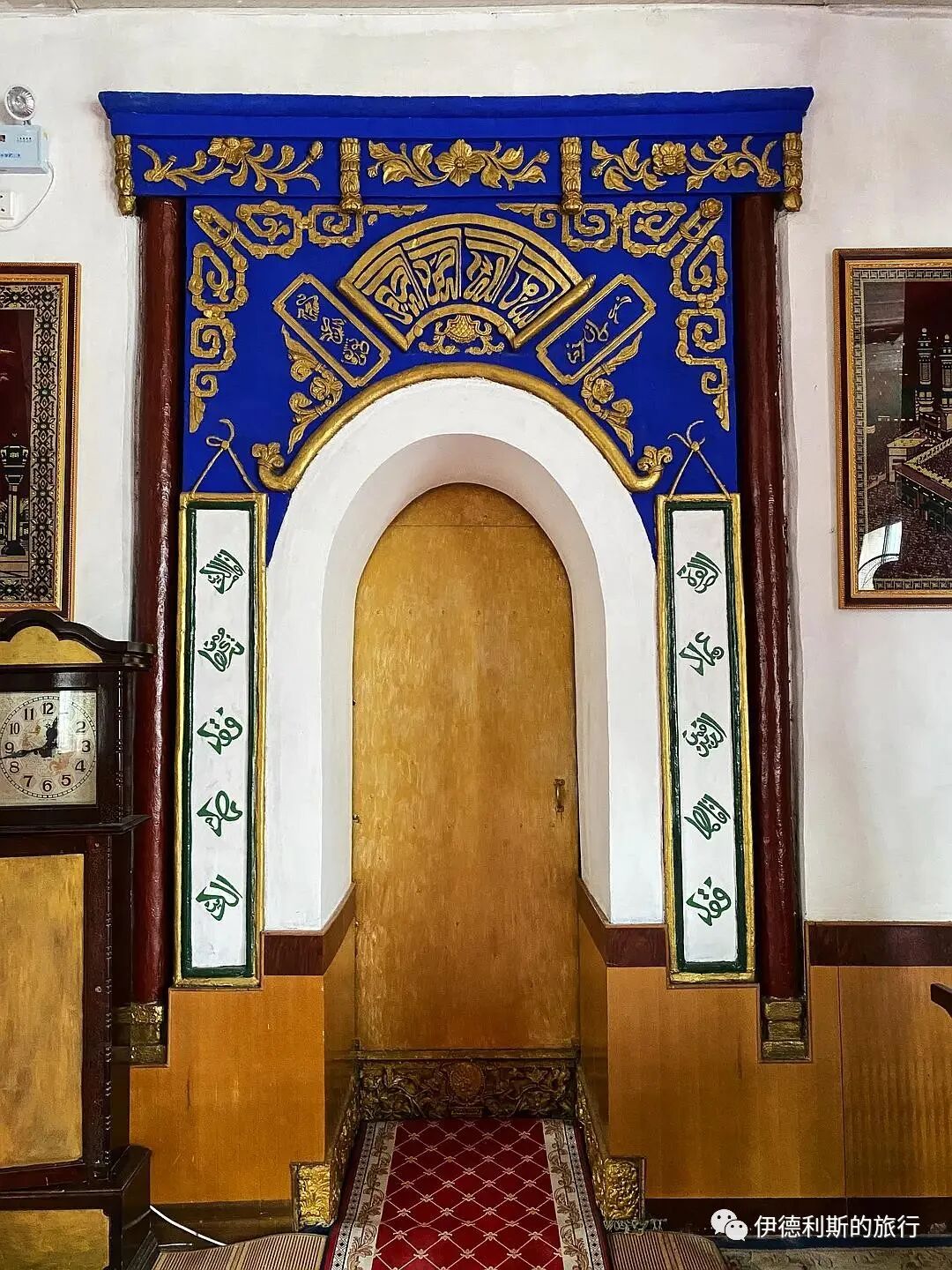
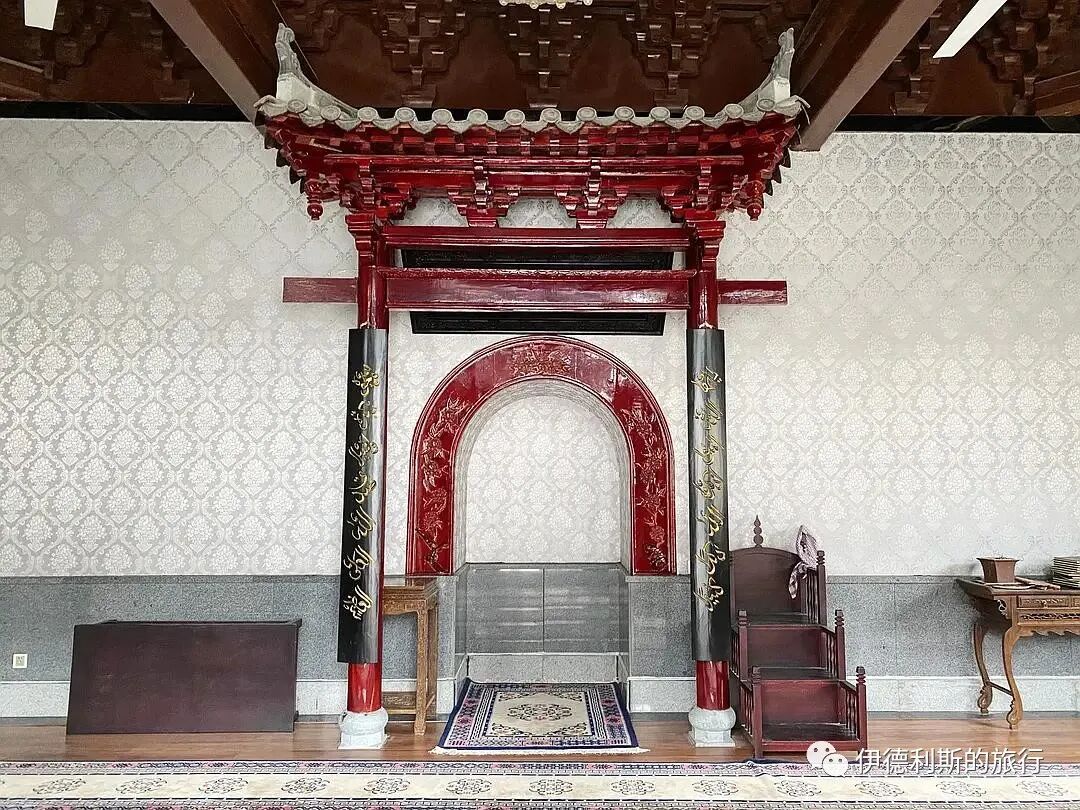
The North Mosque was originally called Jingning Mosque and was built in 1614 by Hui Muslims who moved to Xixiang from Jingning Prefecture (now Pingliang, Gansu). The North Mosque was expanded in 1723, later destroyed by war, rebuilt in 1816, and renovated many times. It was occupied after the Cultural Revolution, returned in 1984, and the north wing was rebuilt in 2009.
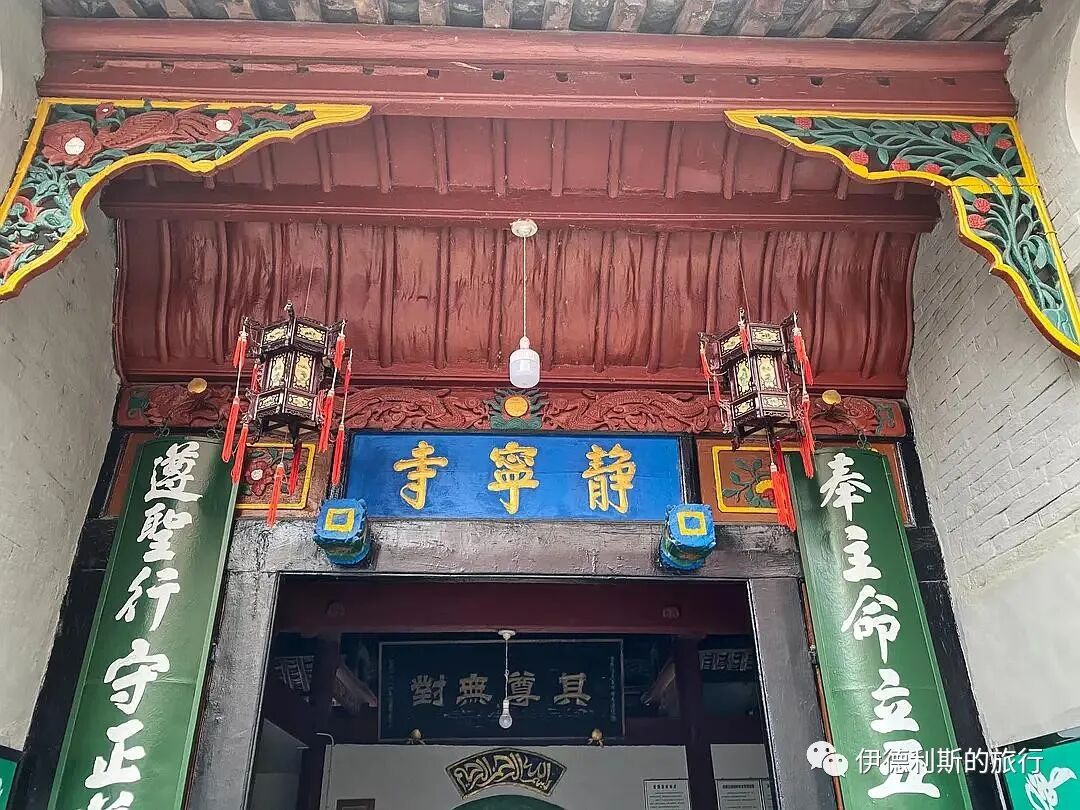
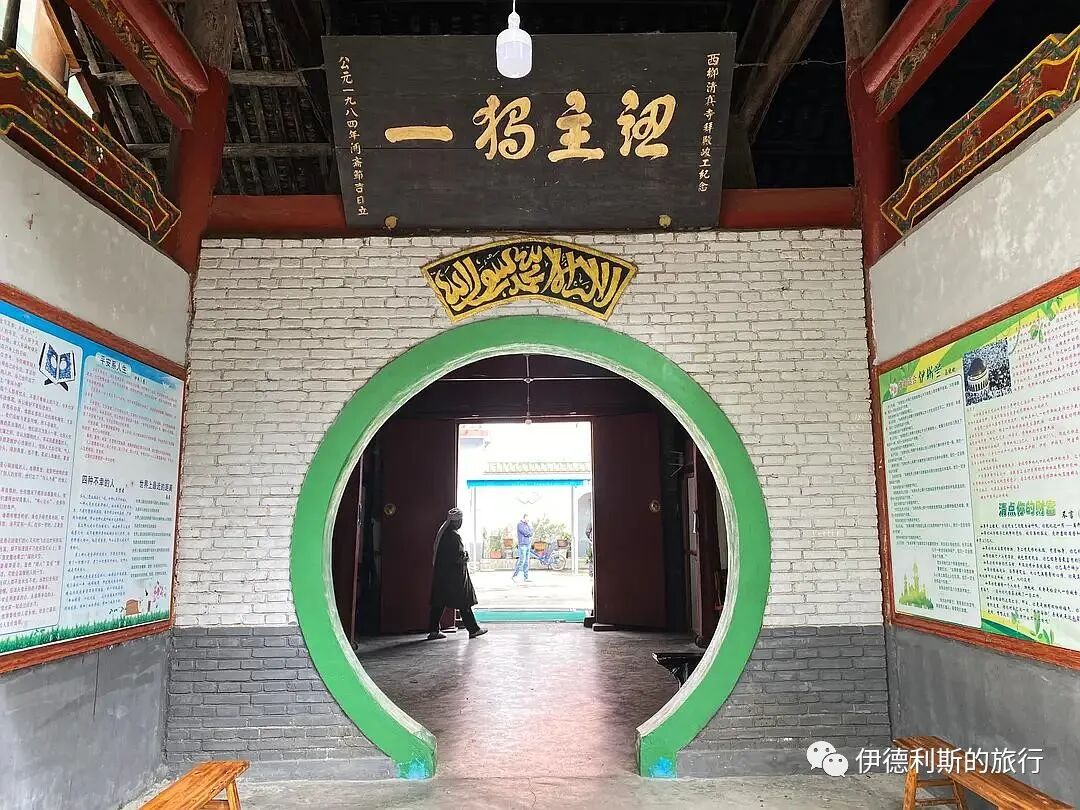
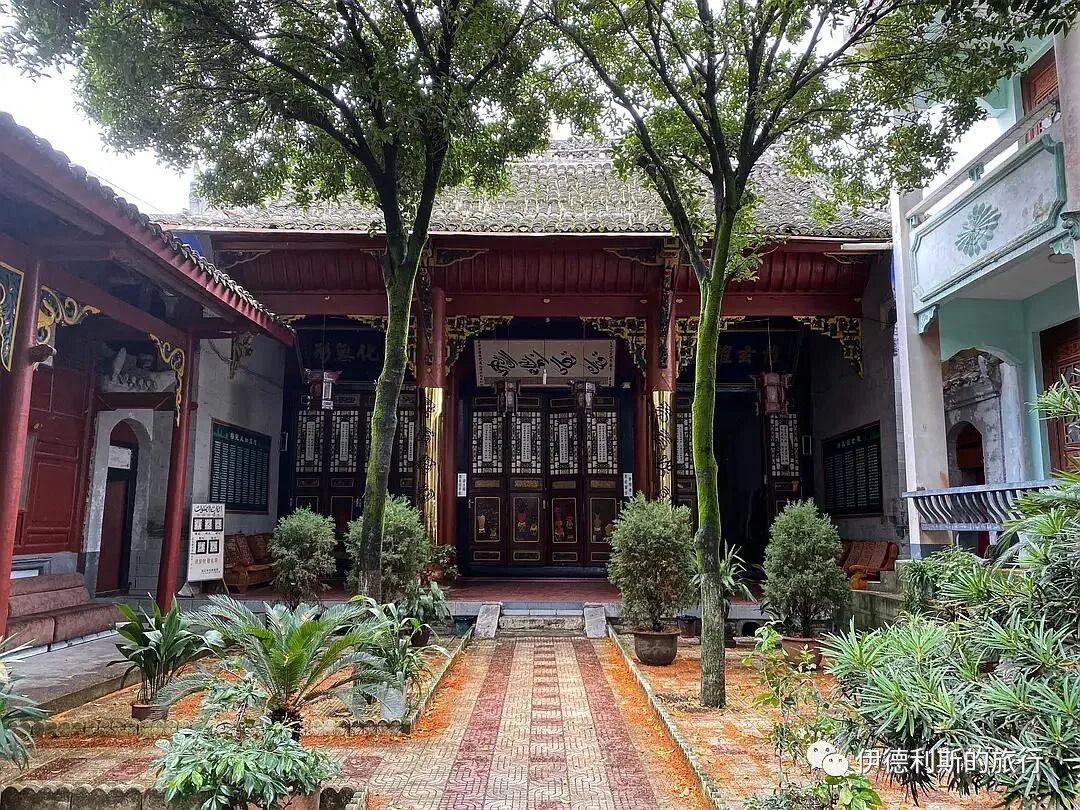
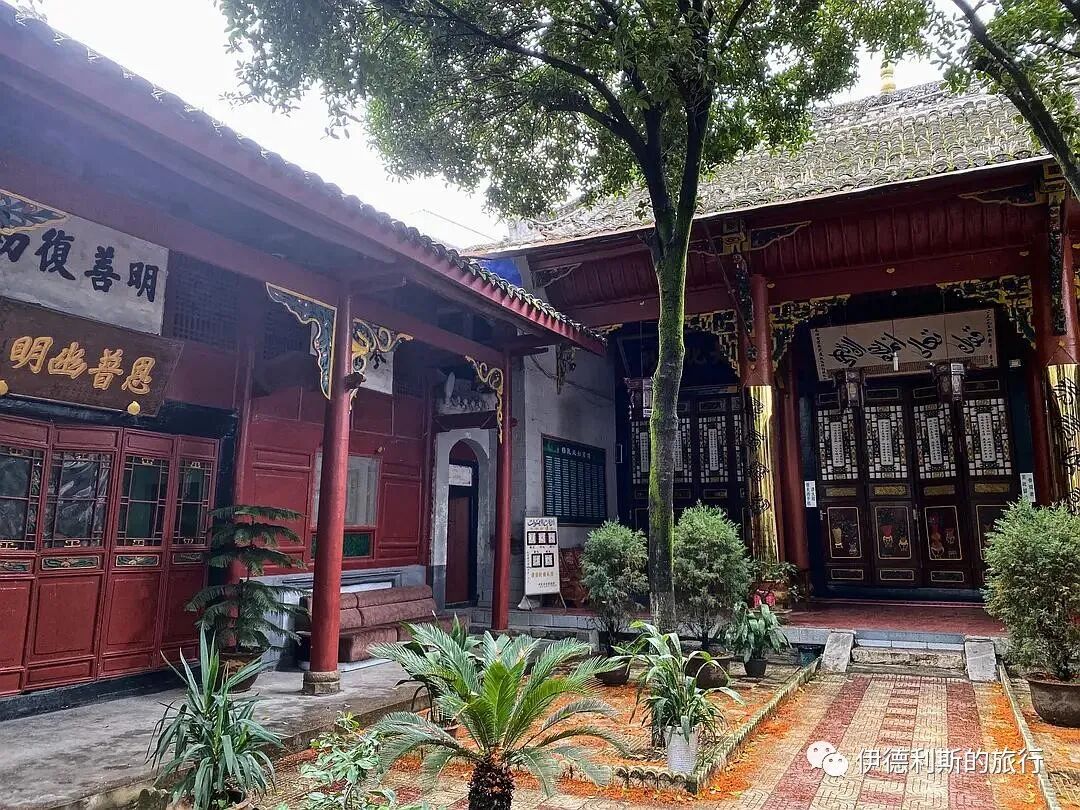
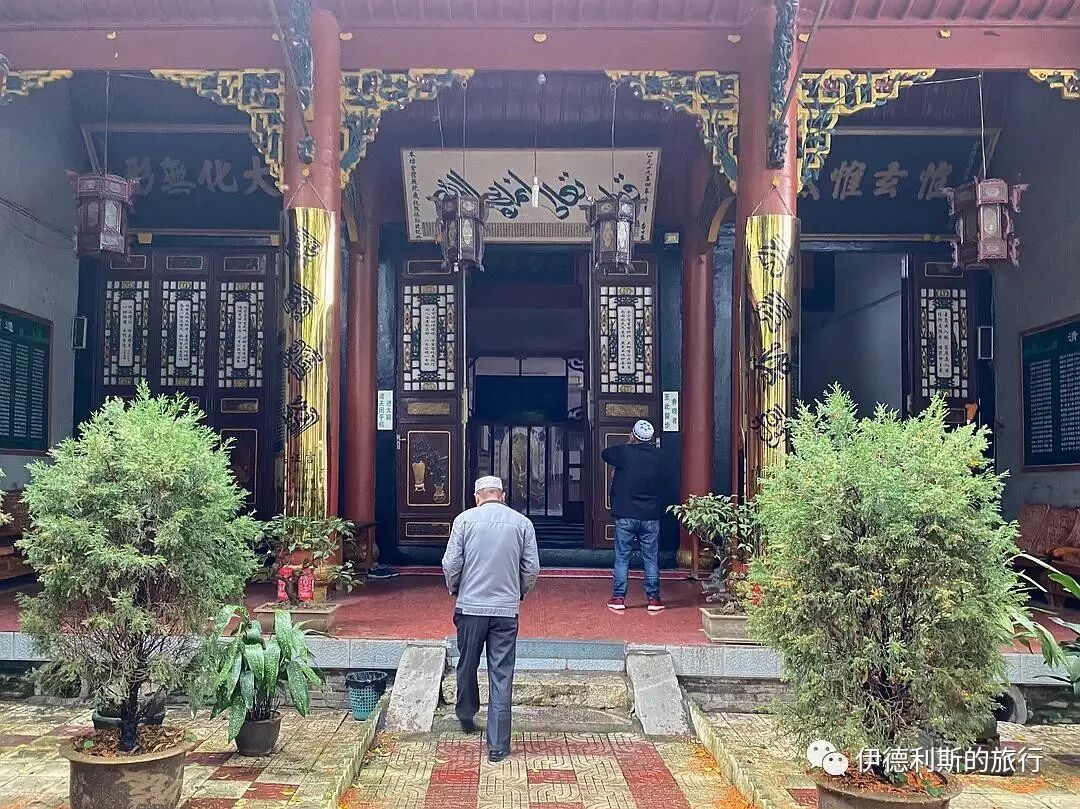
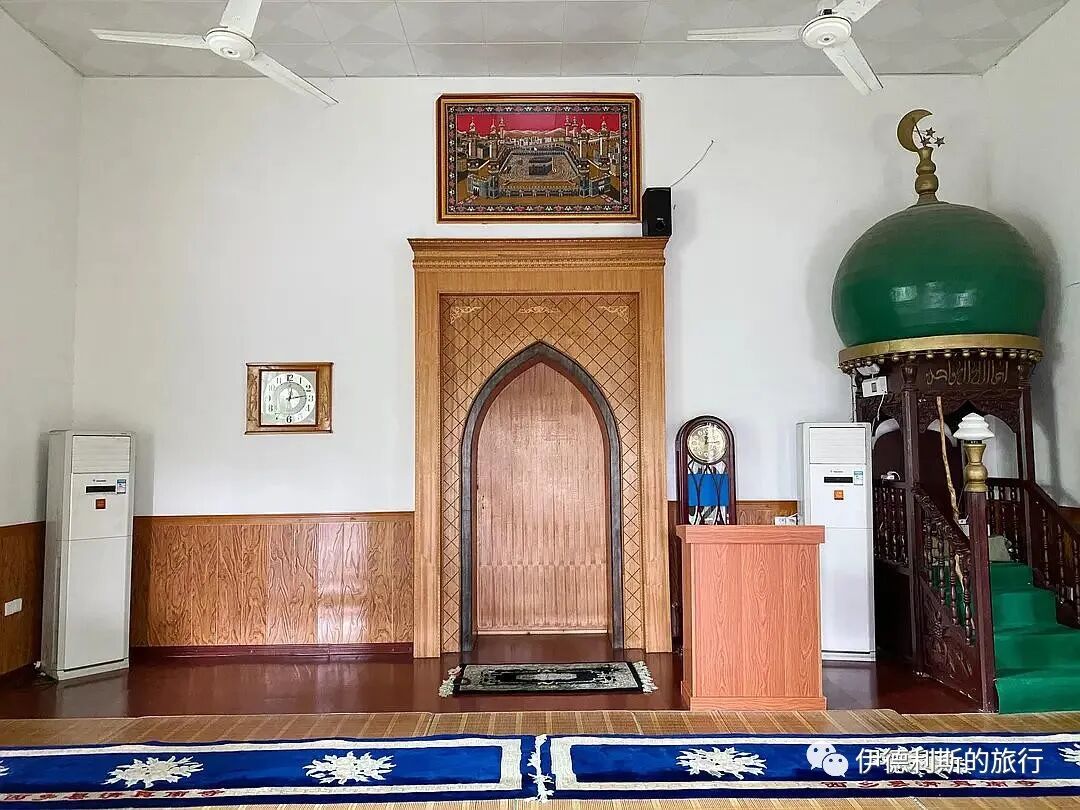
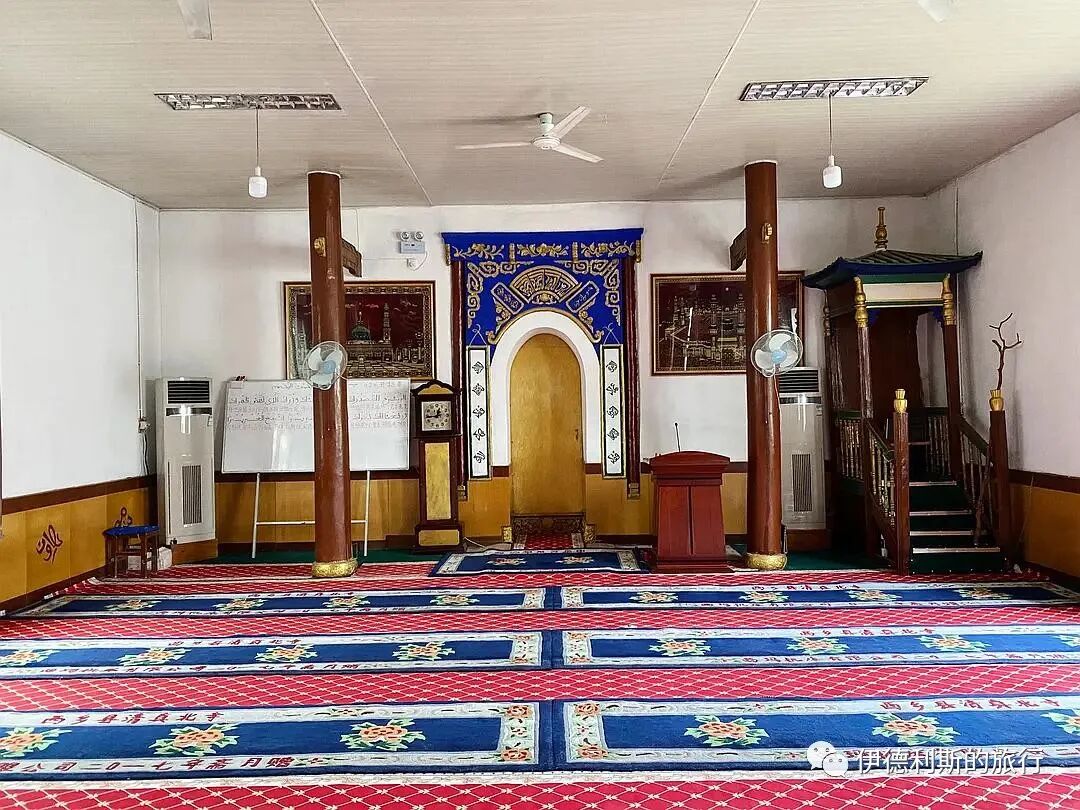
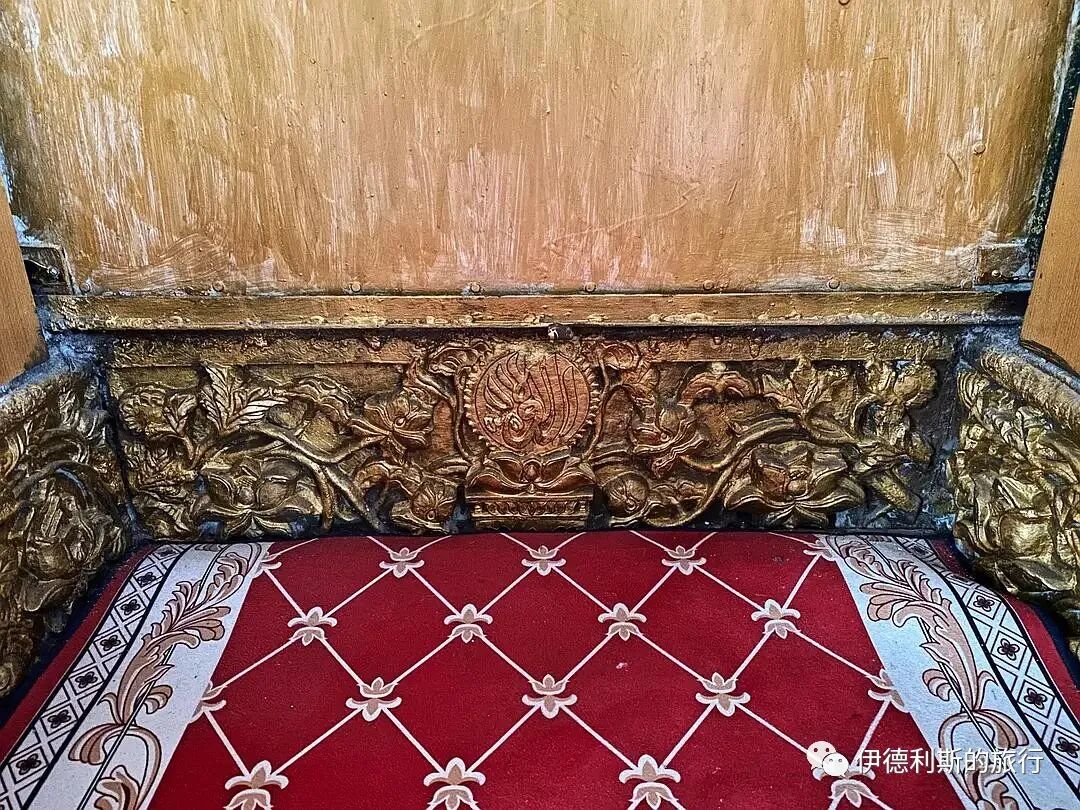
The mihrab (niche in the wall of a mosque) is painted with very distinctive Shaanxi-style Arabic calligraphy.
Beef pulled noodles
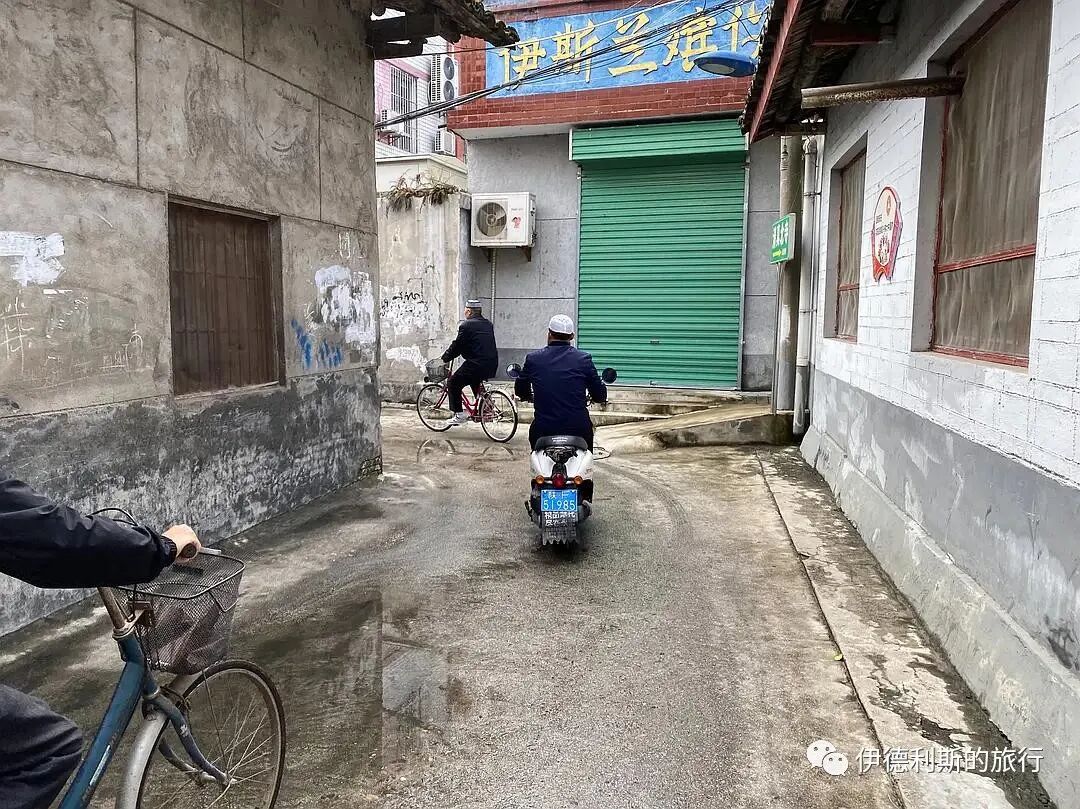
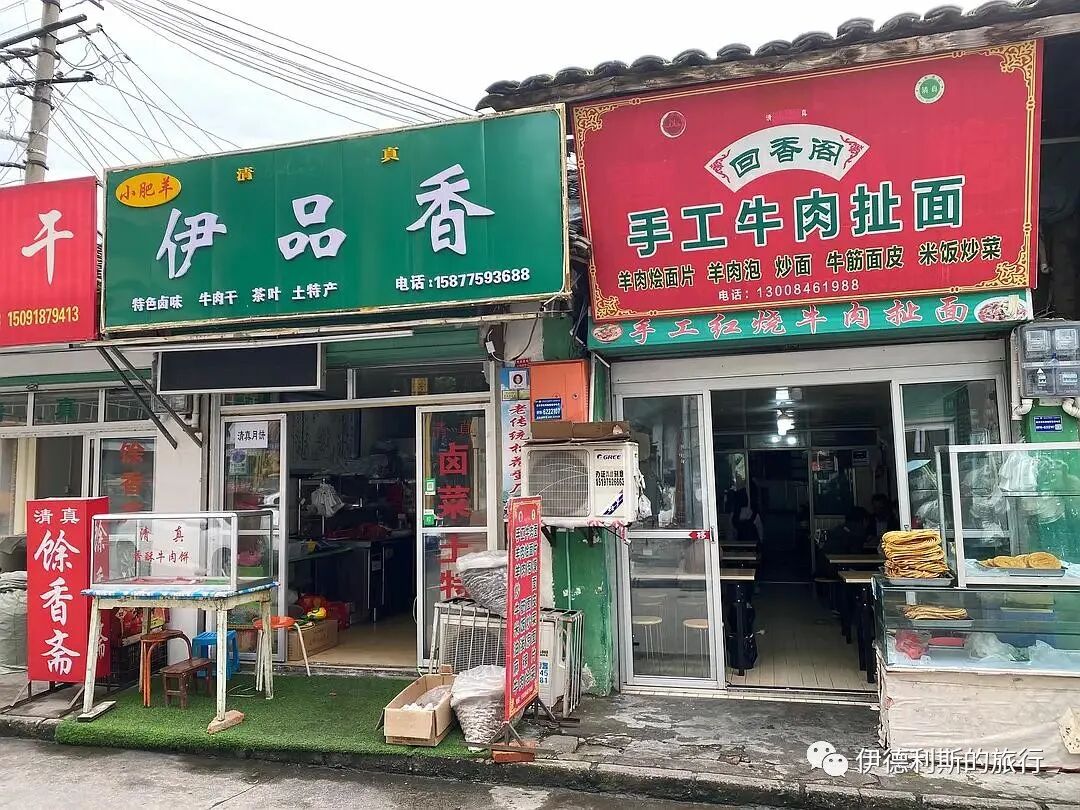
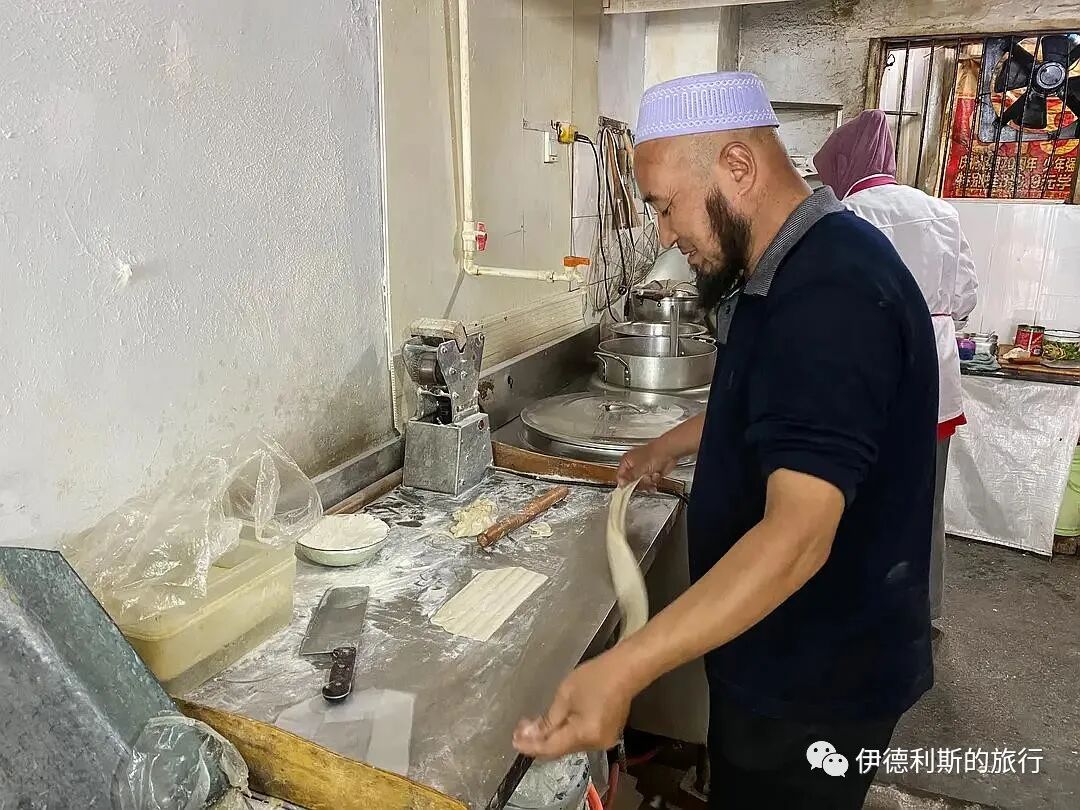
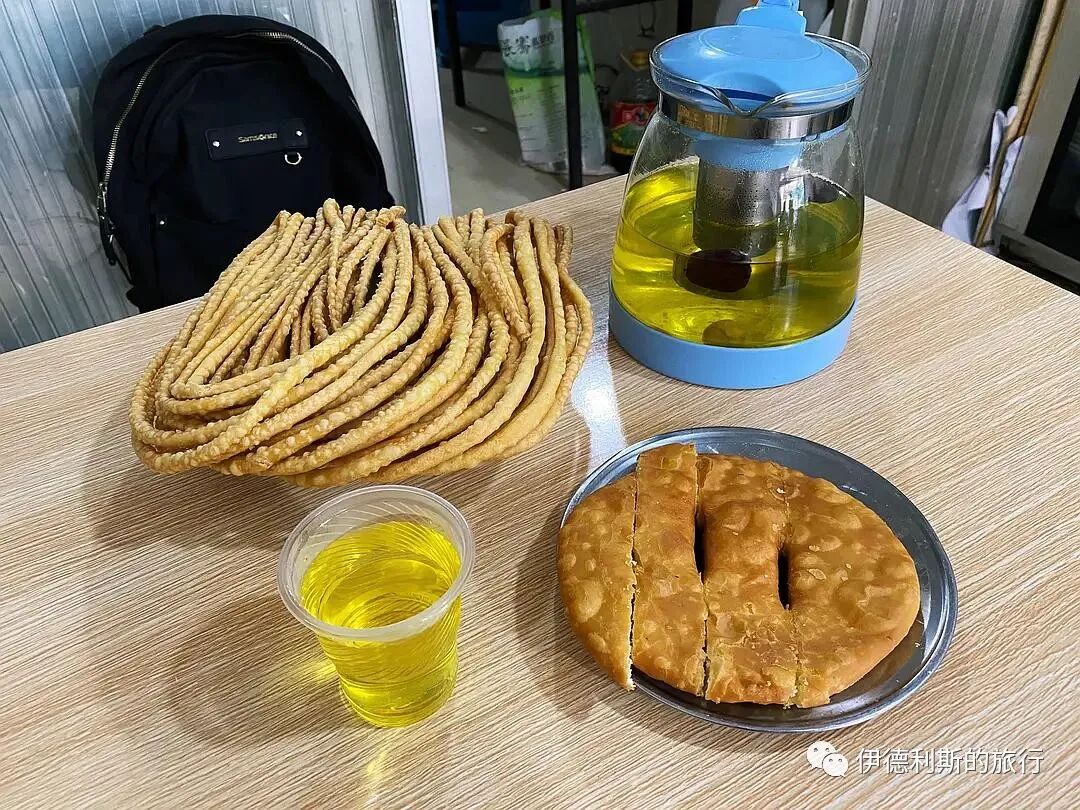
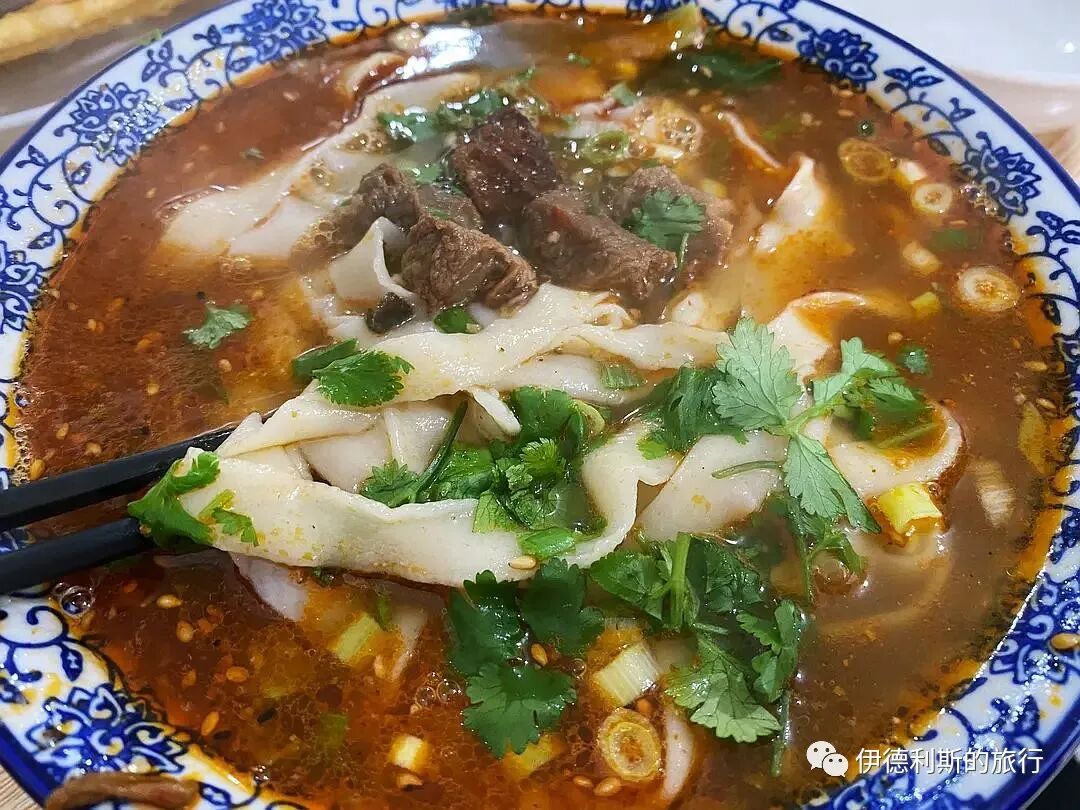
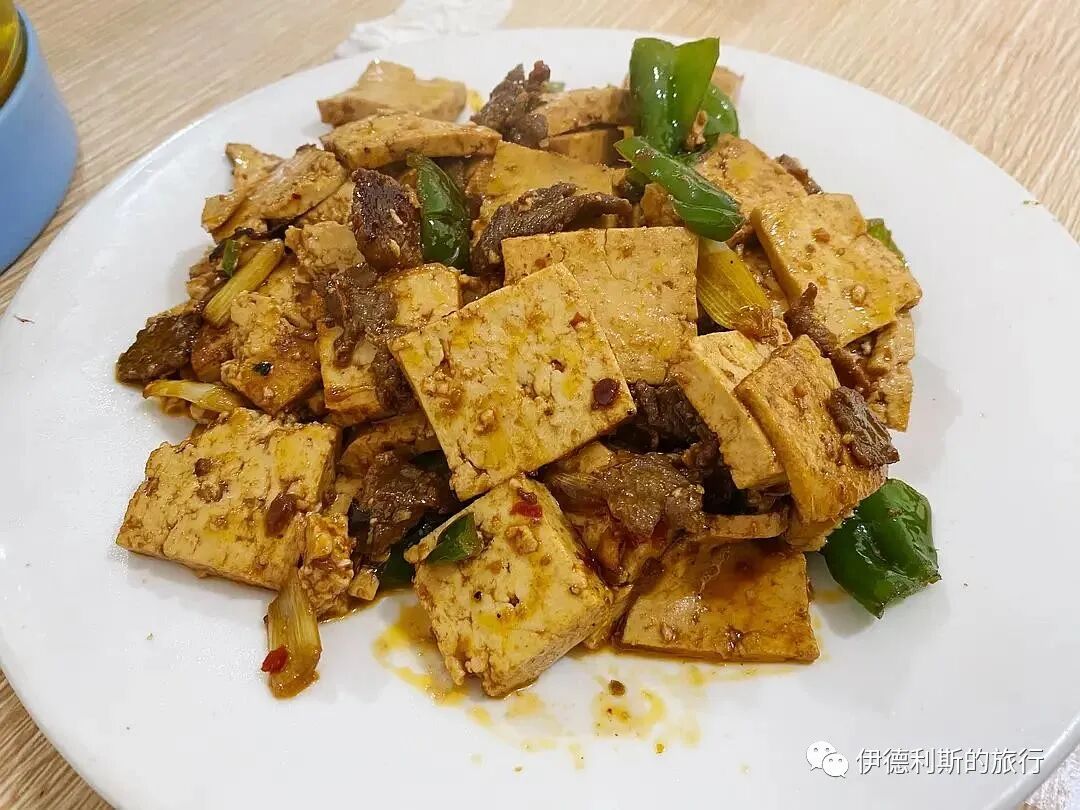
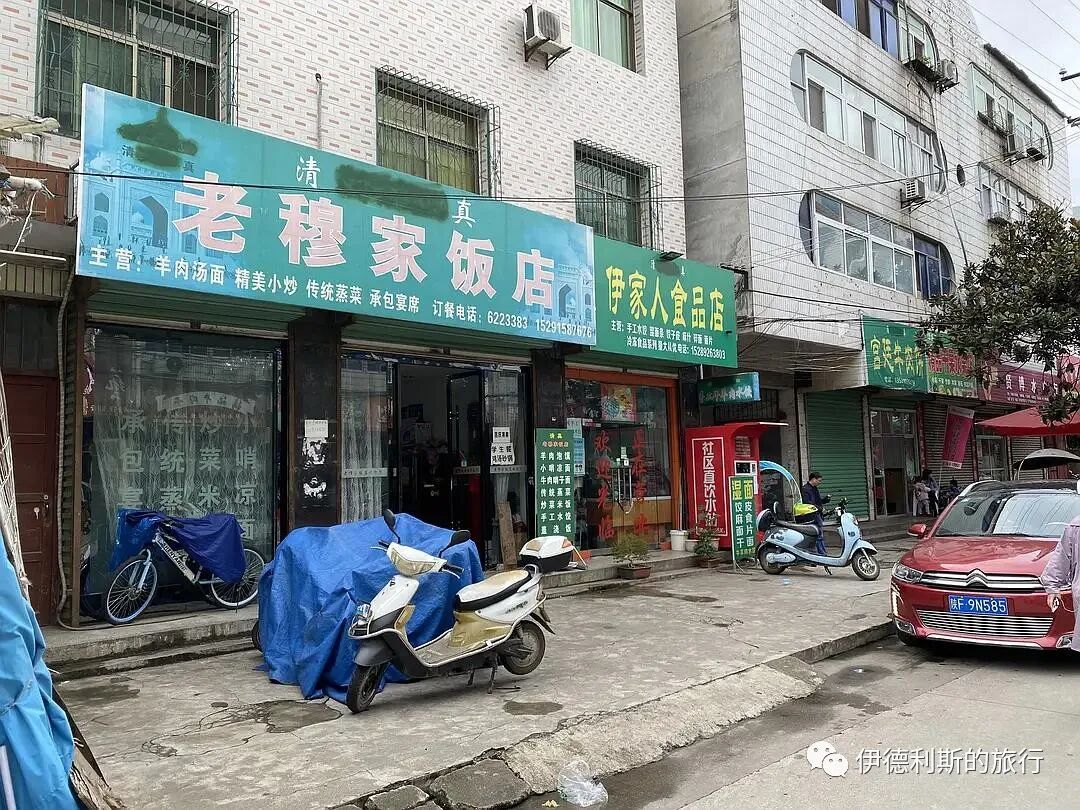
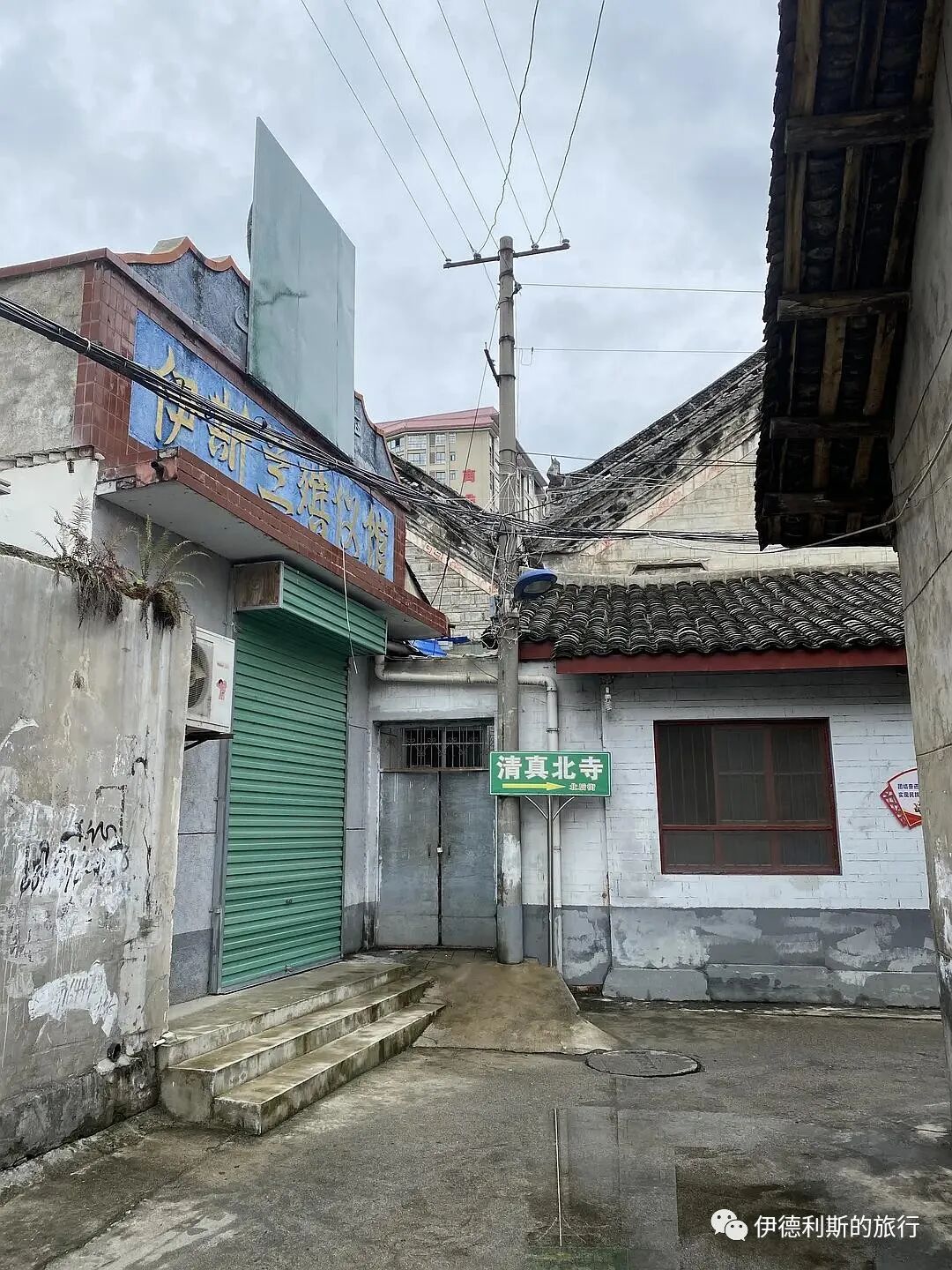
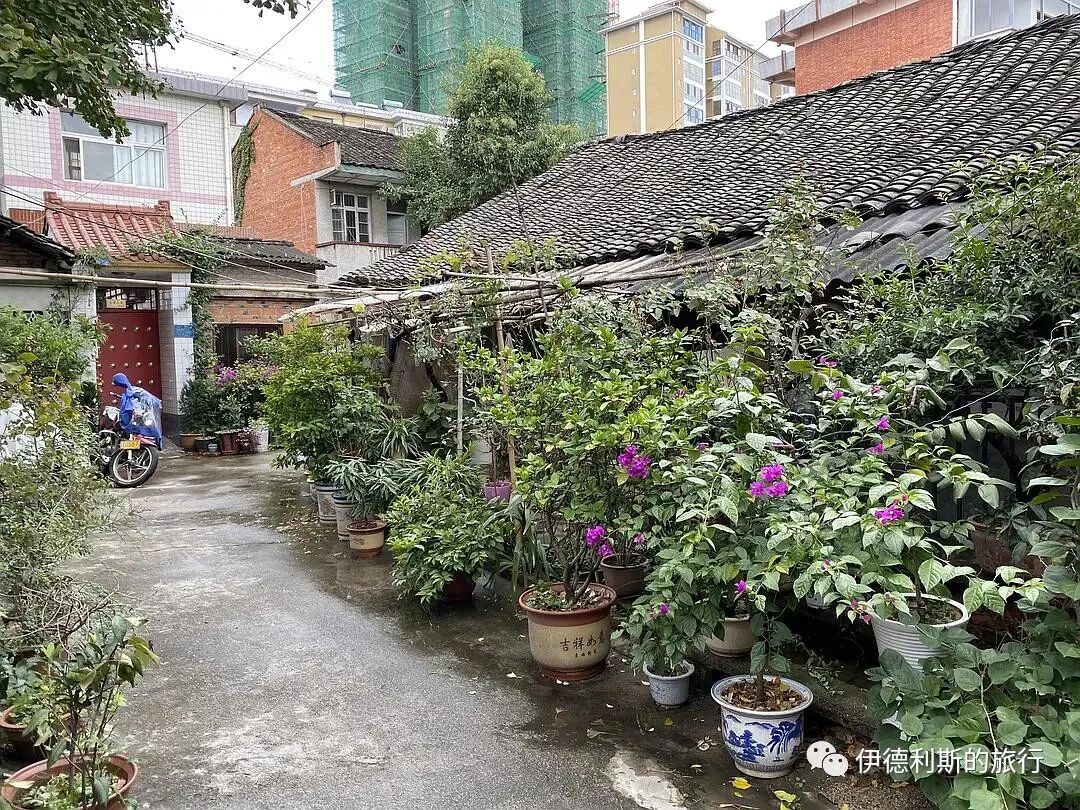
After performing the prayer, the local dosts enthusiastically took us to eat. The halal restaurants in Xixiang are mainly concentrated in the West Gate area. We ate local specialty braised beef pulled noodles and tofu with beef at an ahong's (imam's) shop, and they also treated us to sanzi (fried dough twists) and youxiang (fried flour cakes).
Luling Mosque
Luling Mosque is a commemorative gongbei (shrine) built on the original burial site of Qi Jingyi, the founder of the Sufi Qadiriyya order.
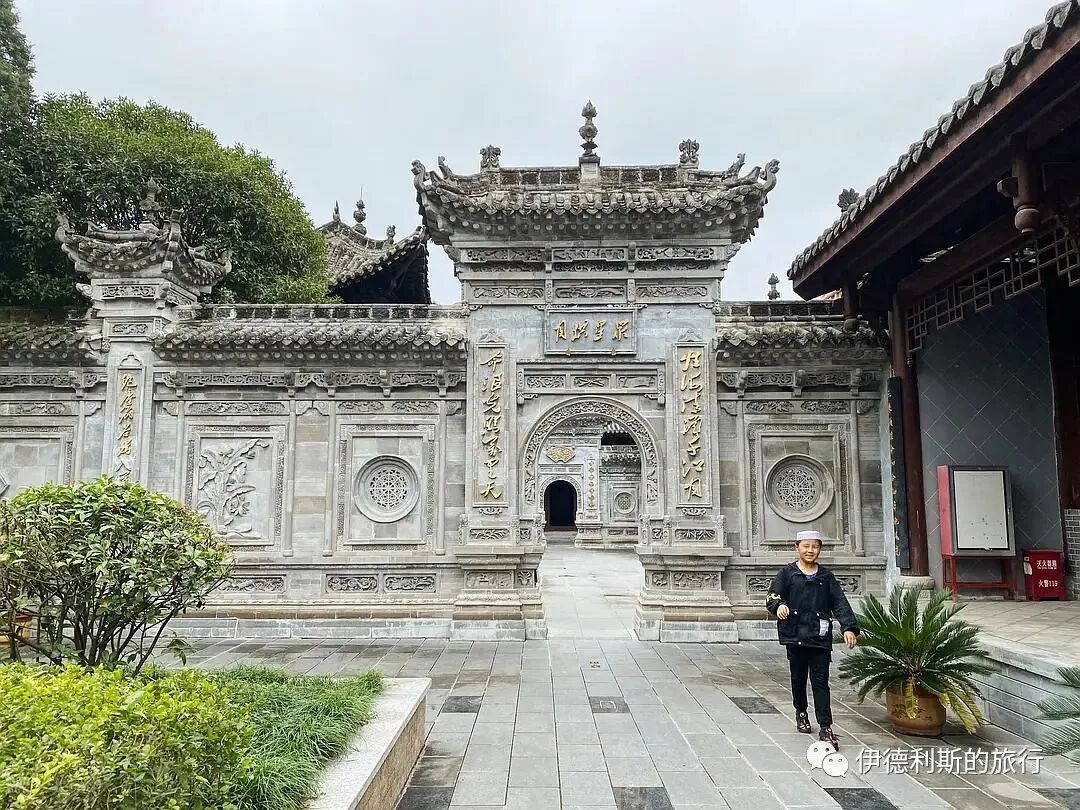
In 1719, Qi Jingyi passed away at Jingshi Mosque in Xixiang and was buried on the east side of Jingshi Mosque. One hundred days later, his remains were moved to Linxia, Gansu. In 1721, the followers built a commemorative gongbei at the original burial site, named Youjiu Pavilion. Later, a series of courtyards were built around Youjiu Pavilion, named Luling Mosque. Luling Mosque was destroyed during the Tongzhi period, rebuilt in 1868, the current Youjiu Pavilion was built in 1870, and the current archway was built in 1885.
During the Cultural Revolution, Luling Mosque was closed. It was reopened after the policies were implemented, and the main gongbei underwent multiple repairs in 1983, 1986, and 1999.
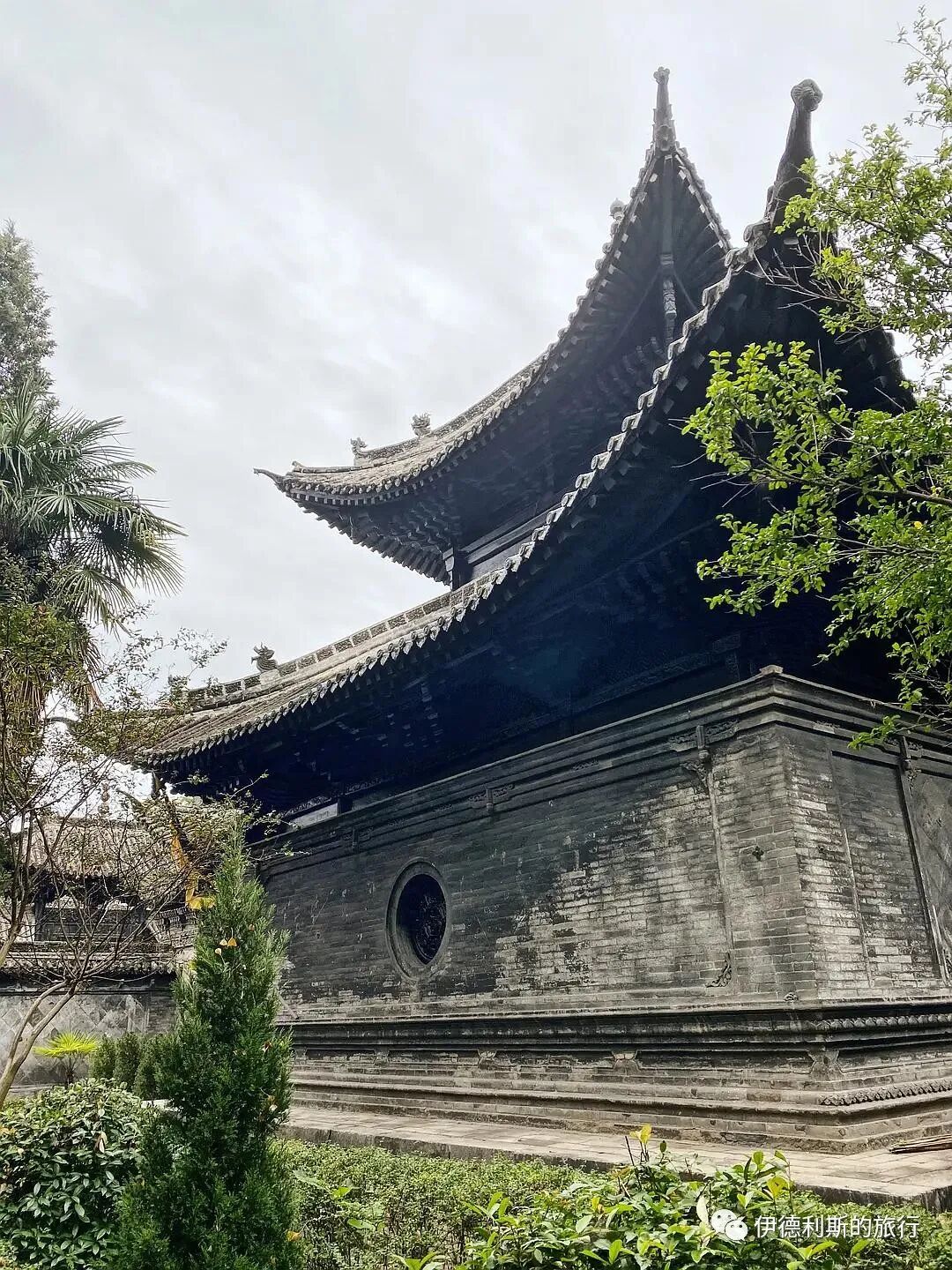
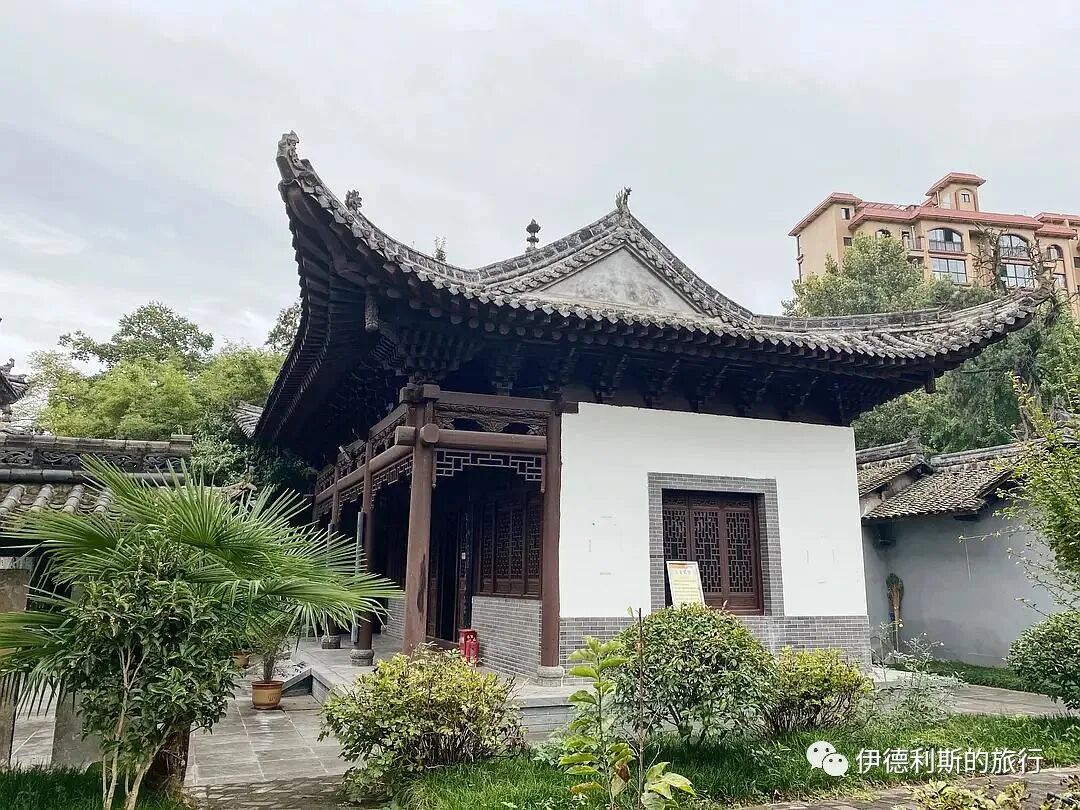
The tomb pavilion has double eaves, four corners, and a helmet-shaped roof, topped with a treasure vase, and is divided into inner and outer chambers.
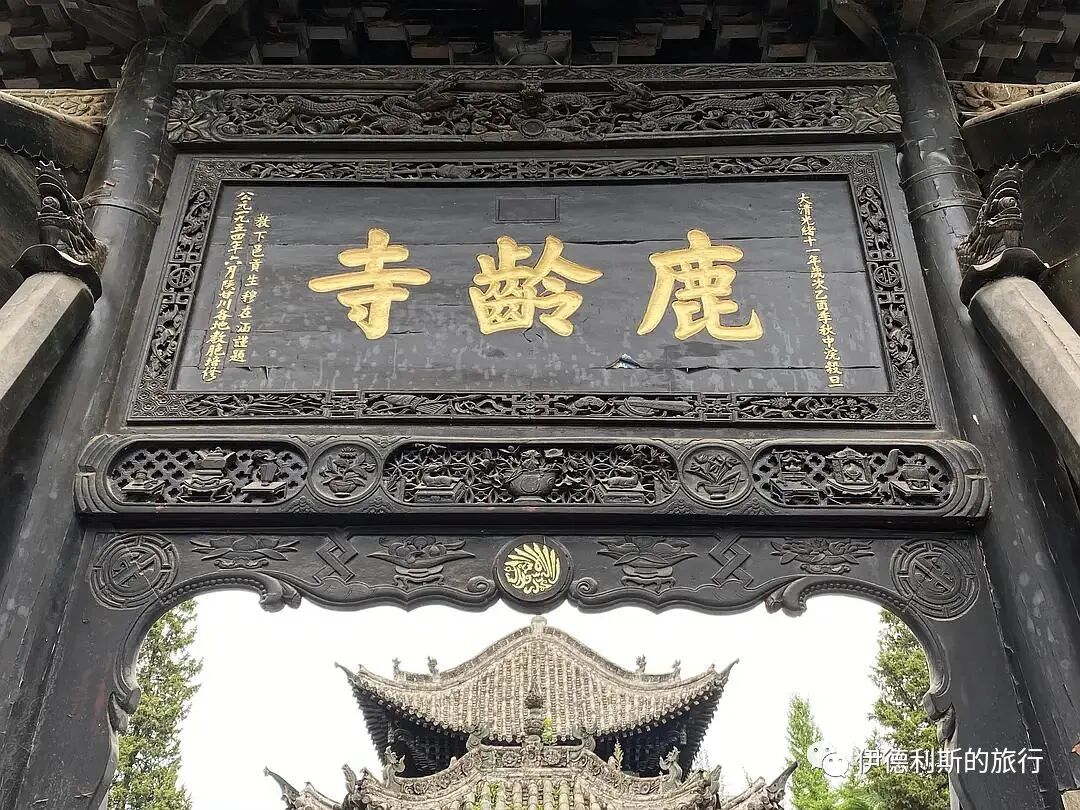
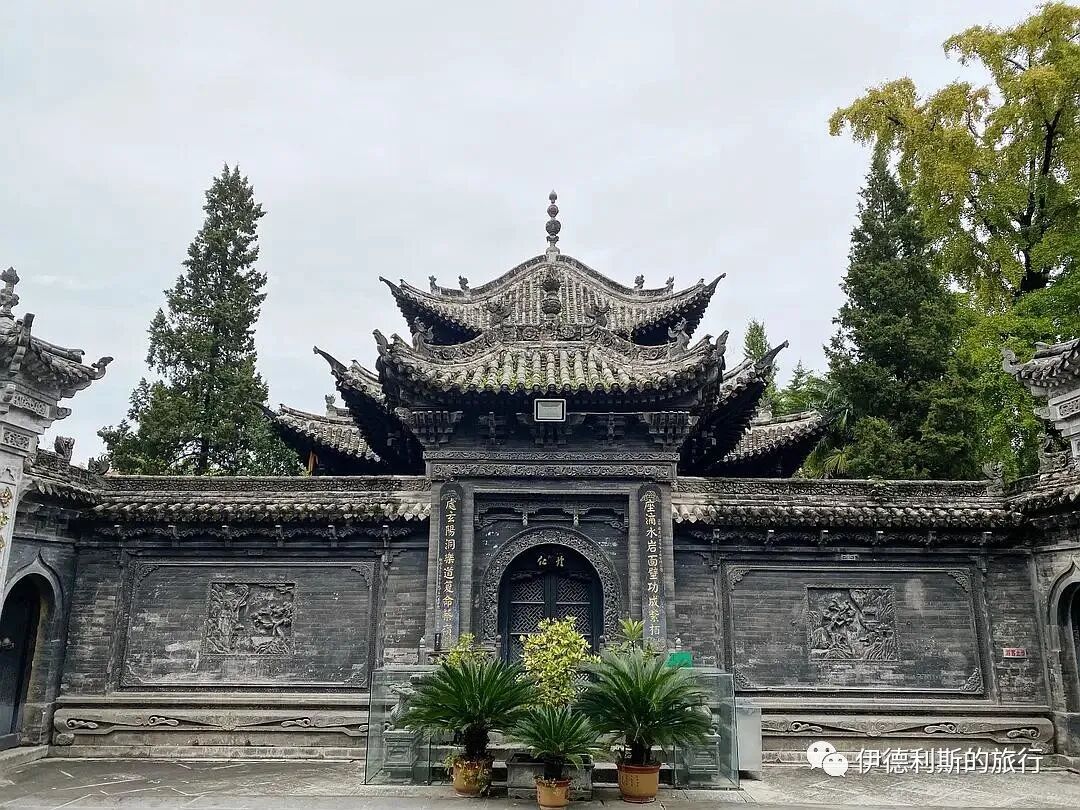
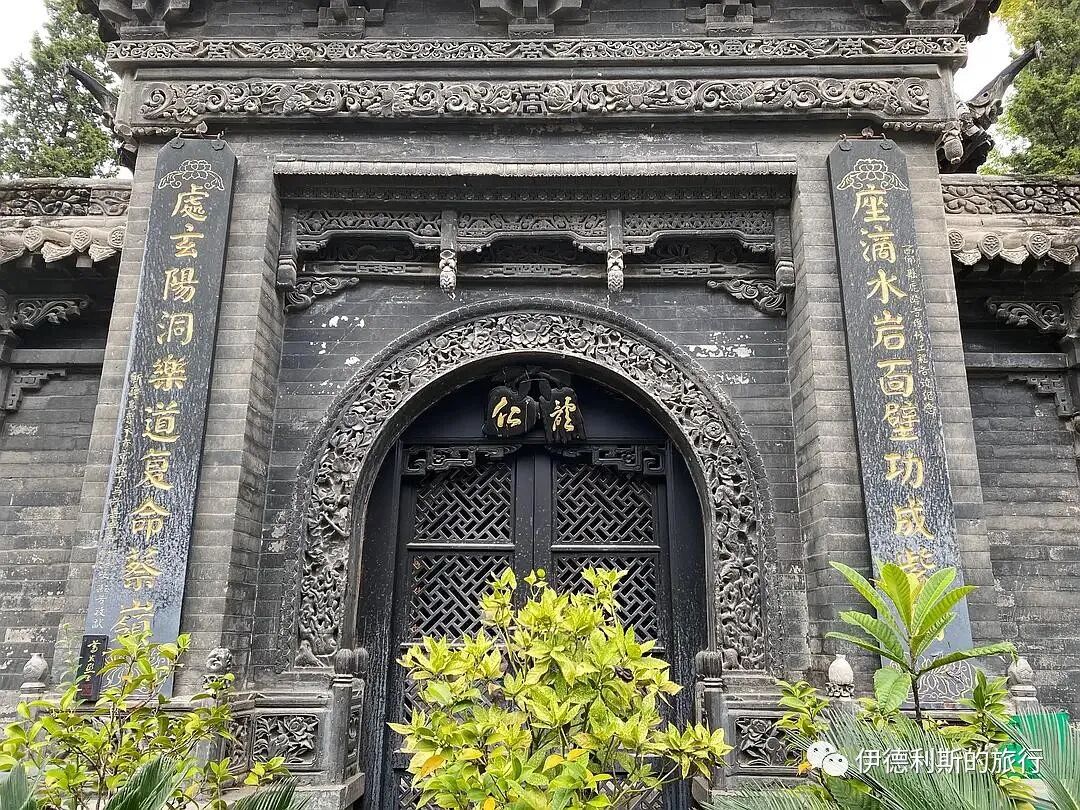
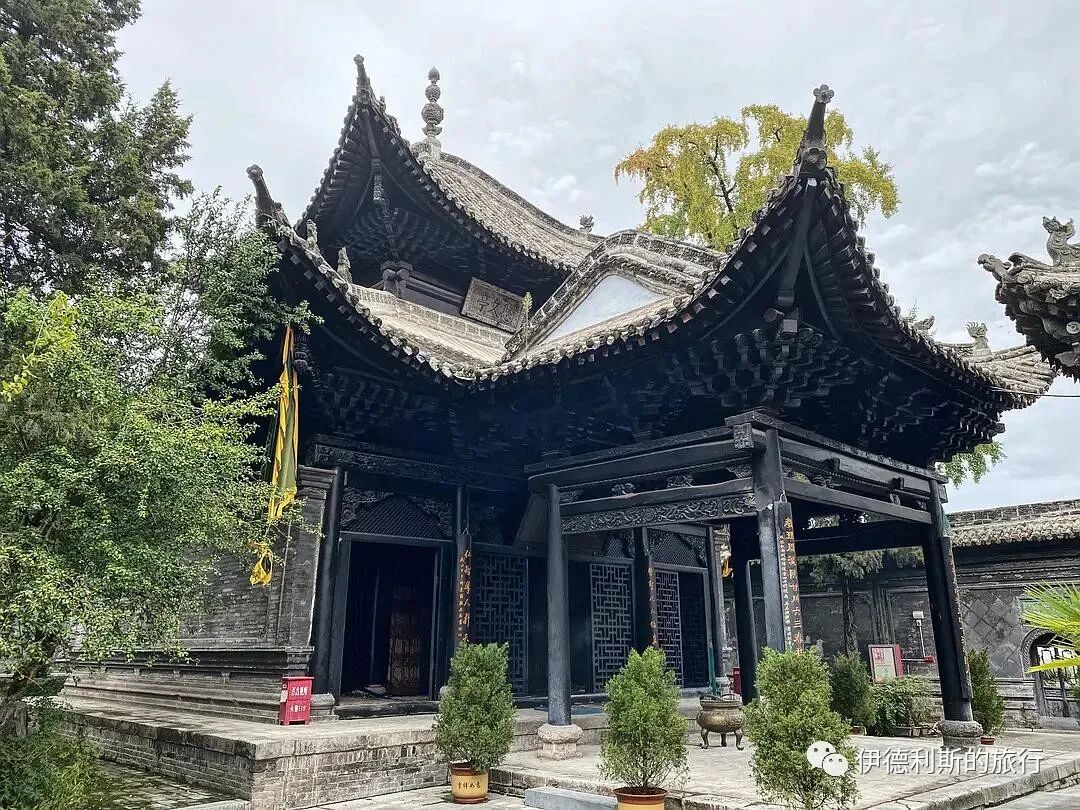
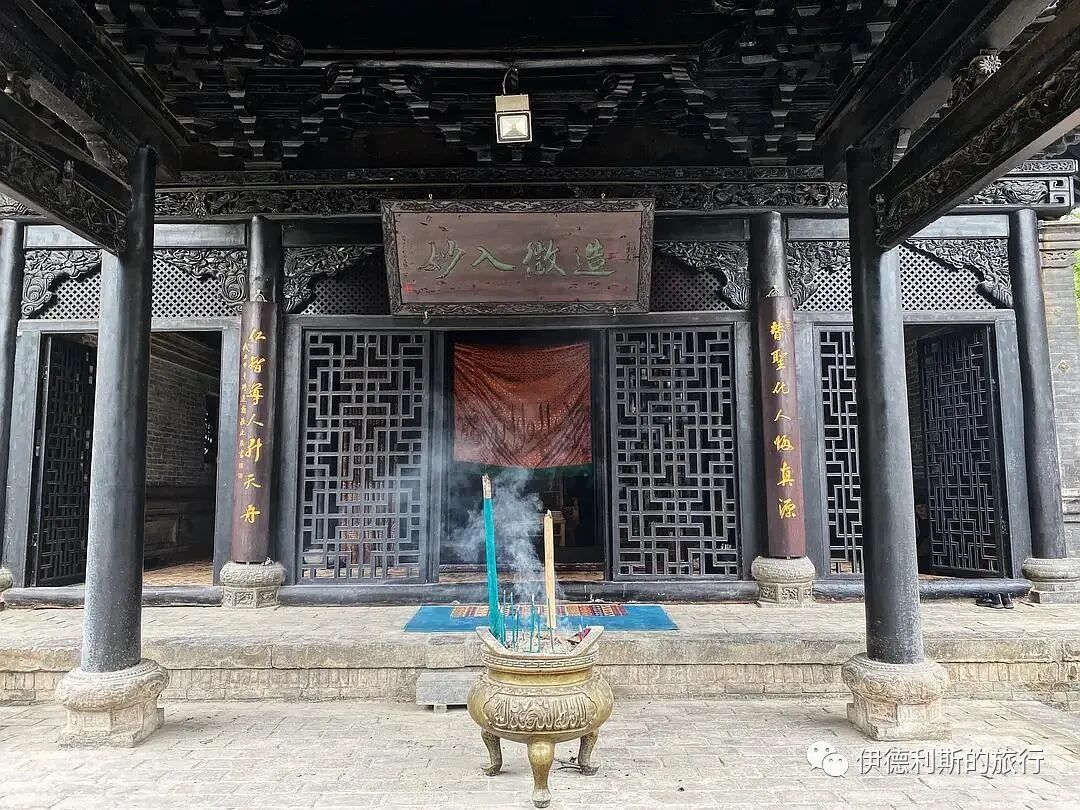
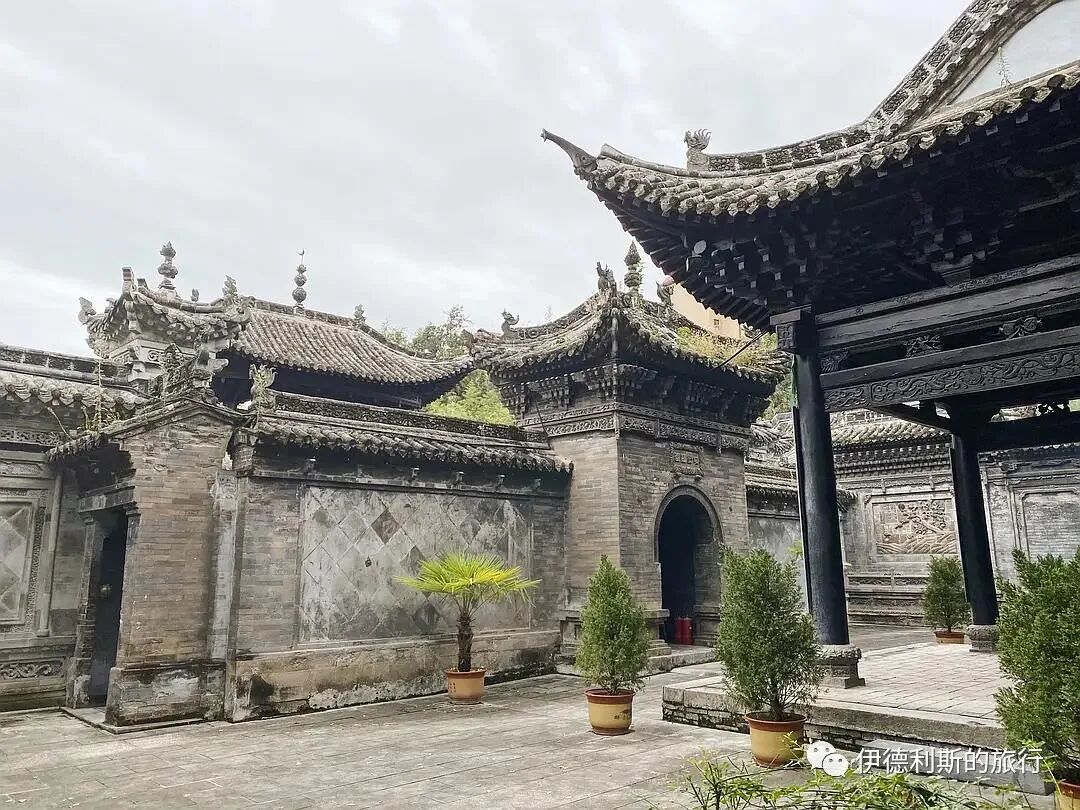
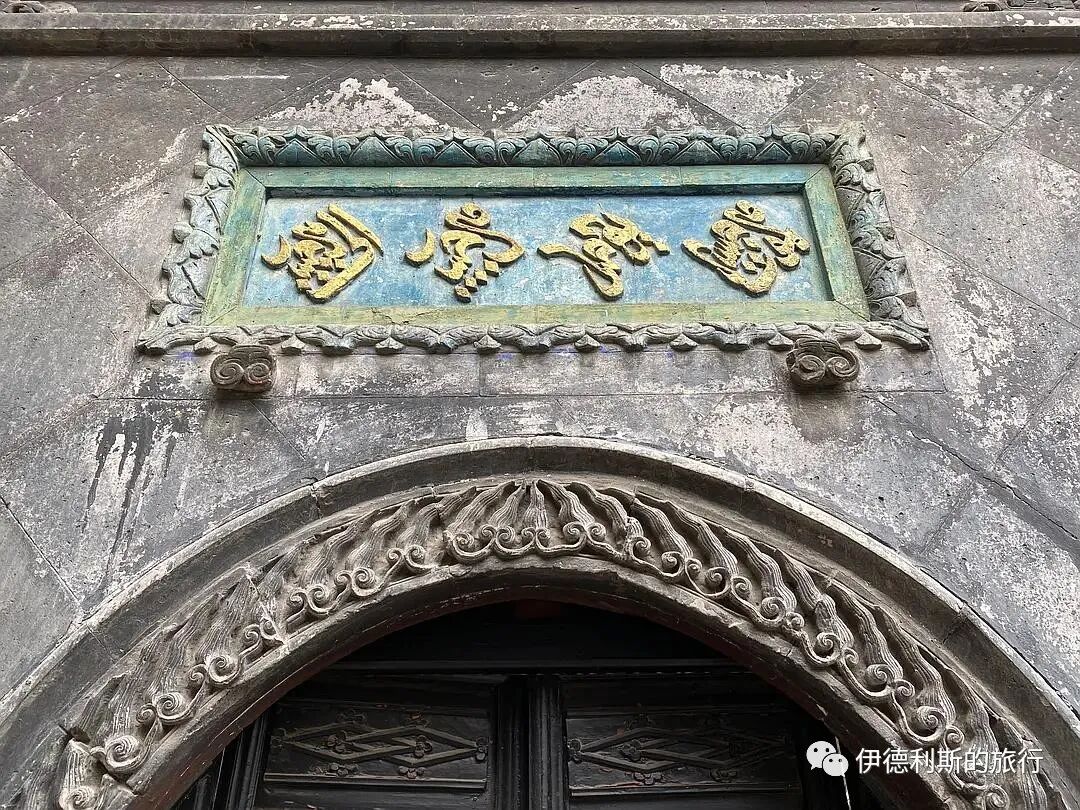
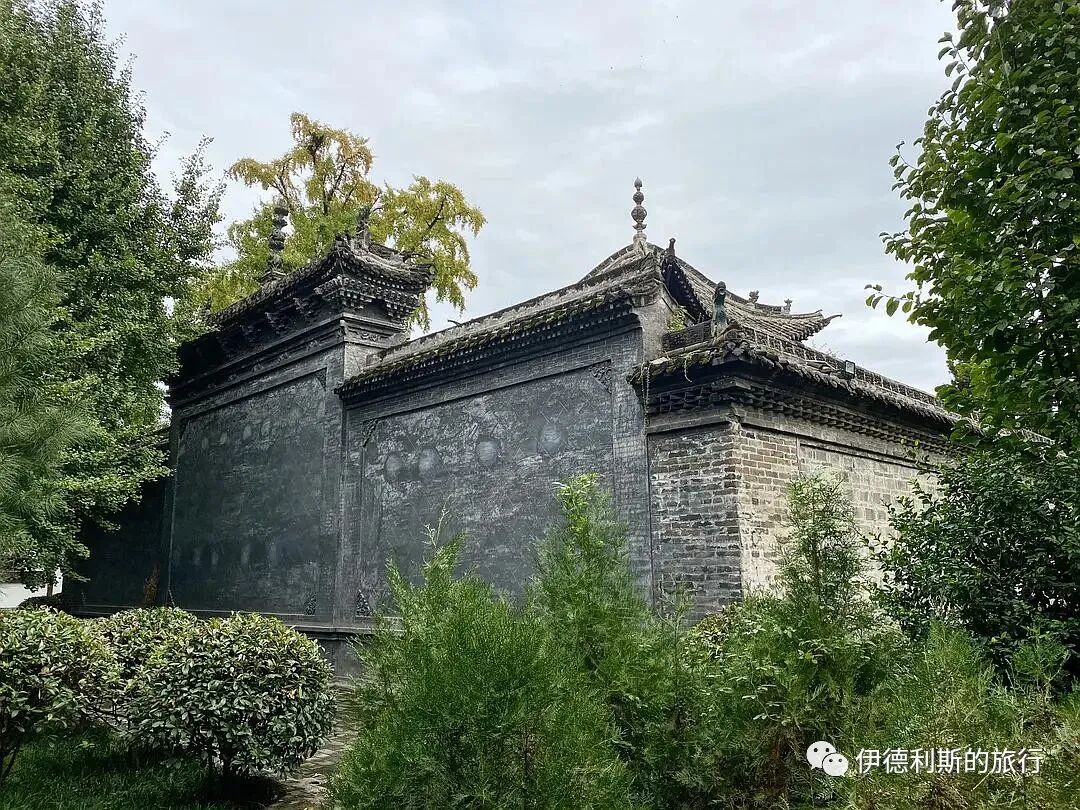
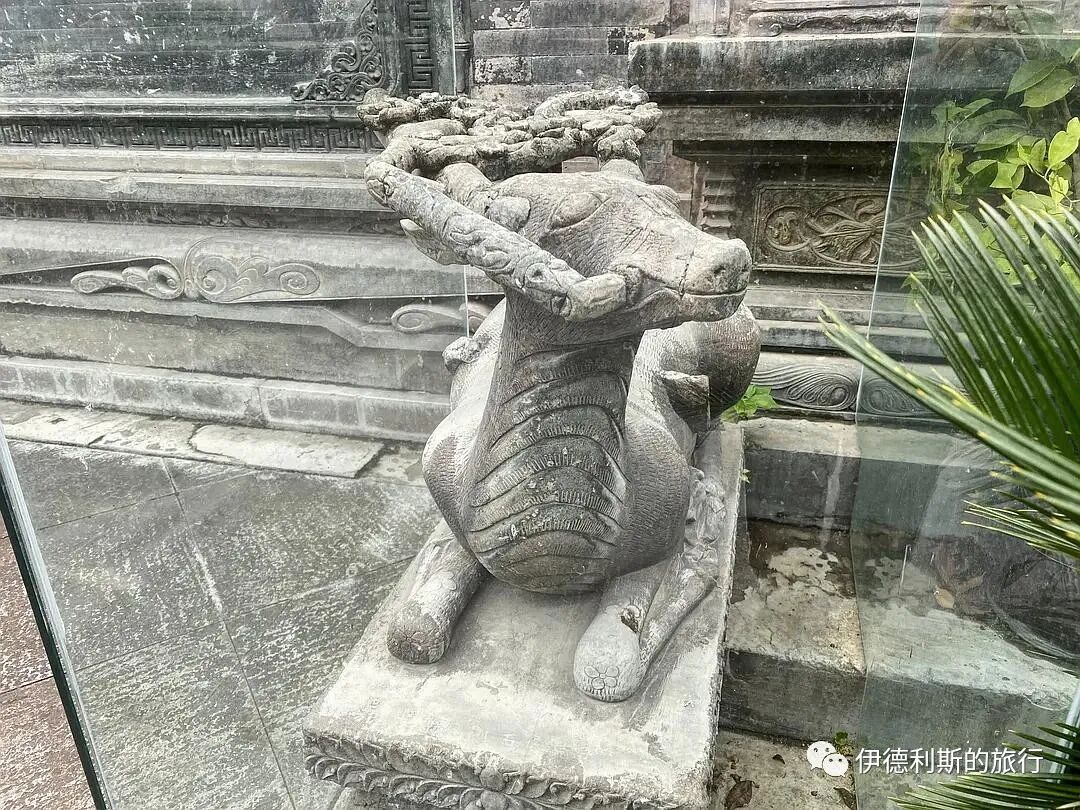
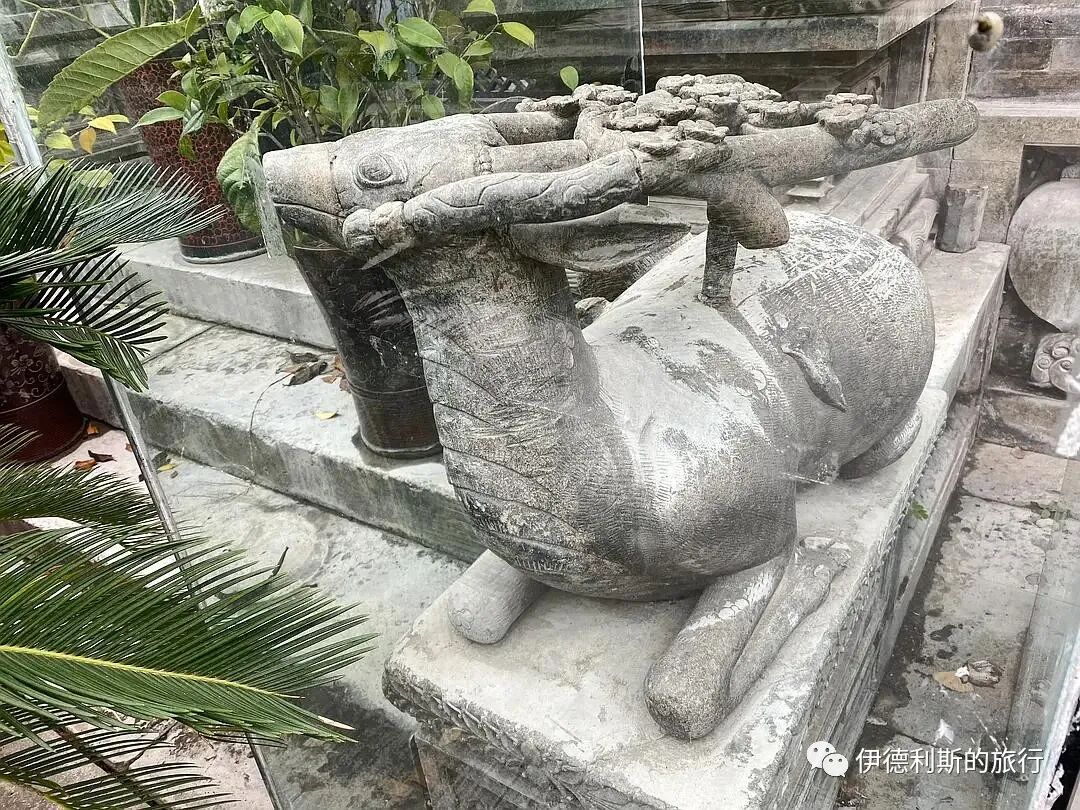
Outside the gongbei archway, there is a pair of Qing Dynasty stone-carved plum blossom deer. Legend has it that when the great gongbei ancestor Qi Jingyi was meditating at Jingshi Mosque in Xixiang, two plum blossom deer often lay quietly outside the gate of Jingshi Mosque. After the ancestor passed away, the two deer lay quietly beside the tomb for a long time without leaving. The disciples believed that 'deer age of a thousand years' was an auspicious meaning, so they carved a pair of stone deer and placed them outside the gongbei archway, and Luling Mosque was named after this.
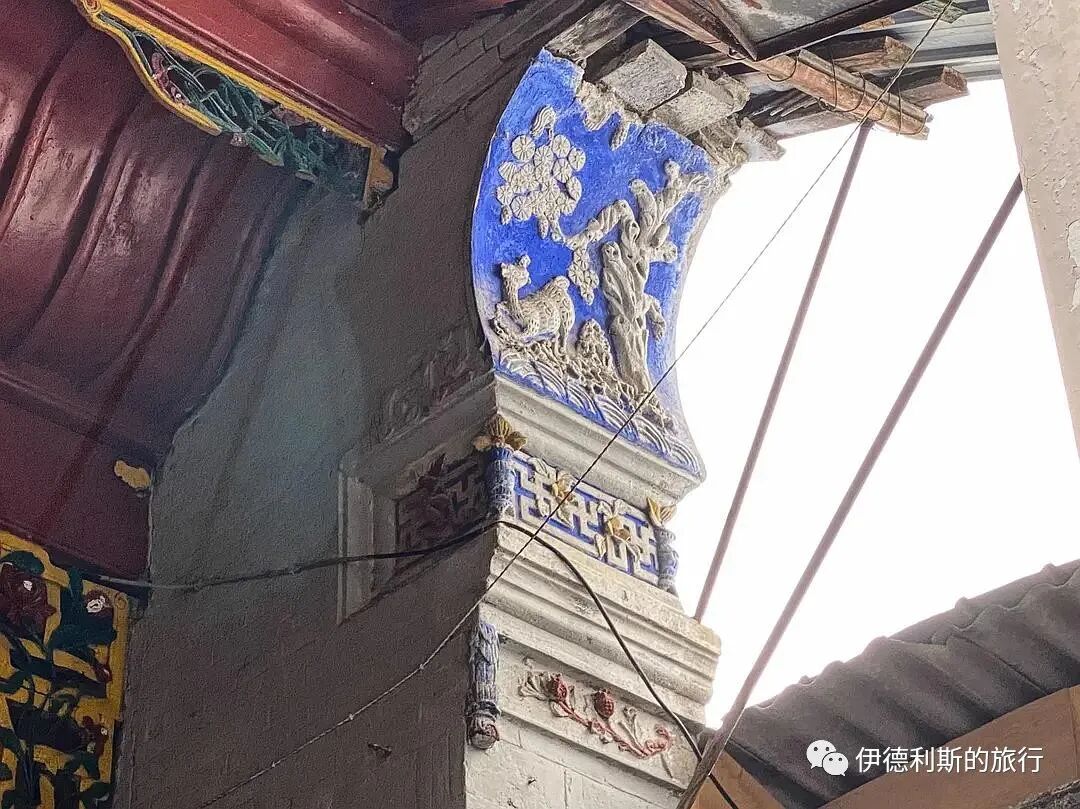
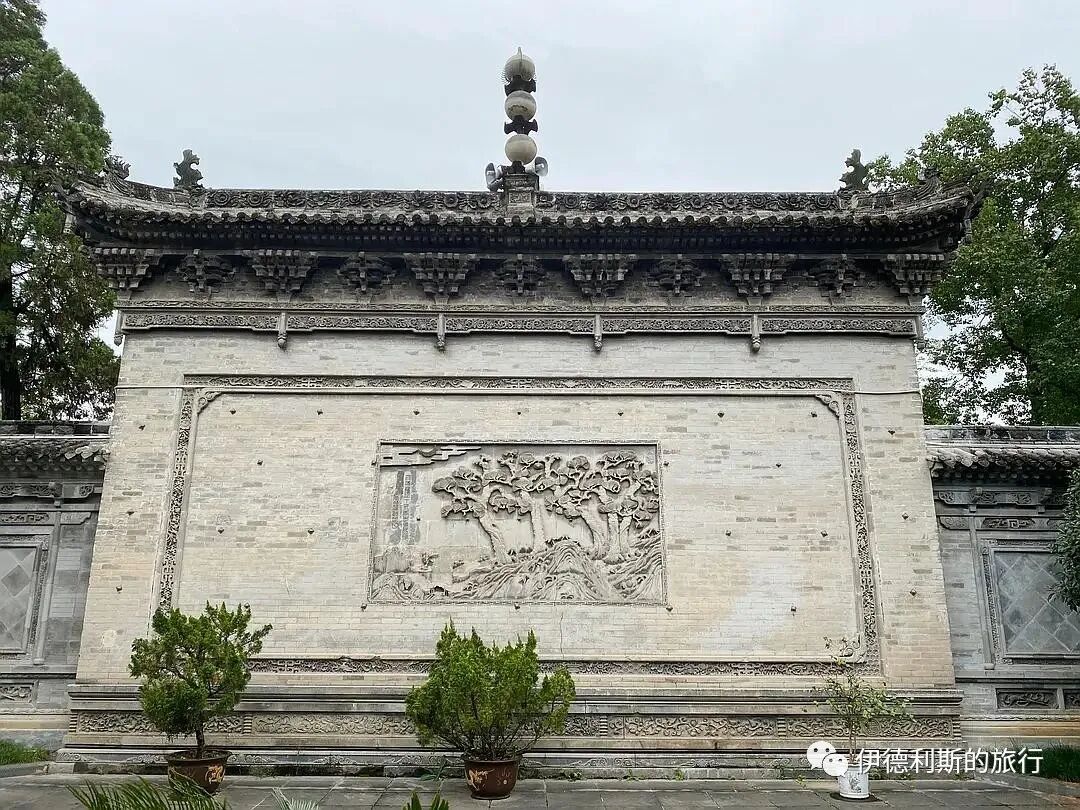
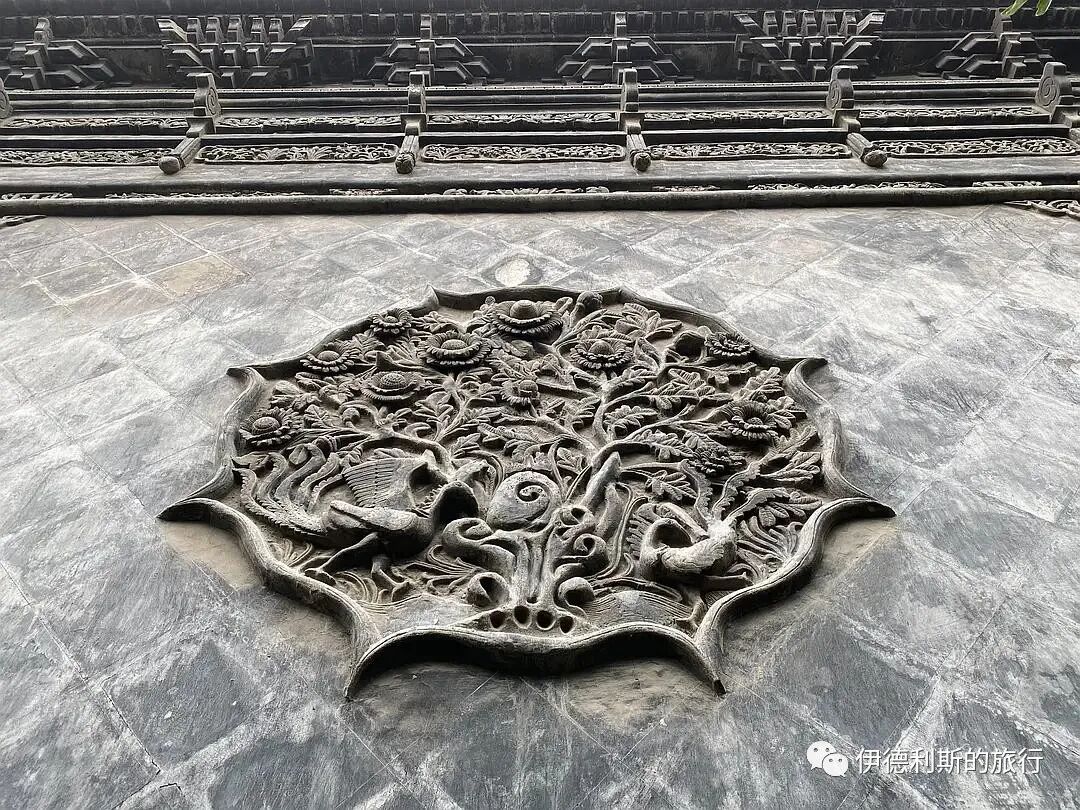
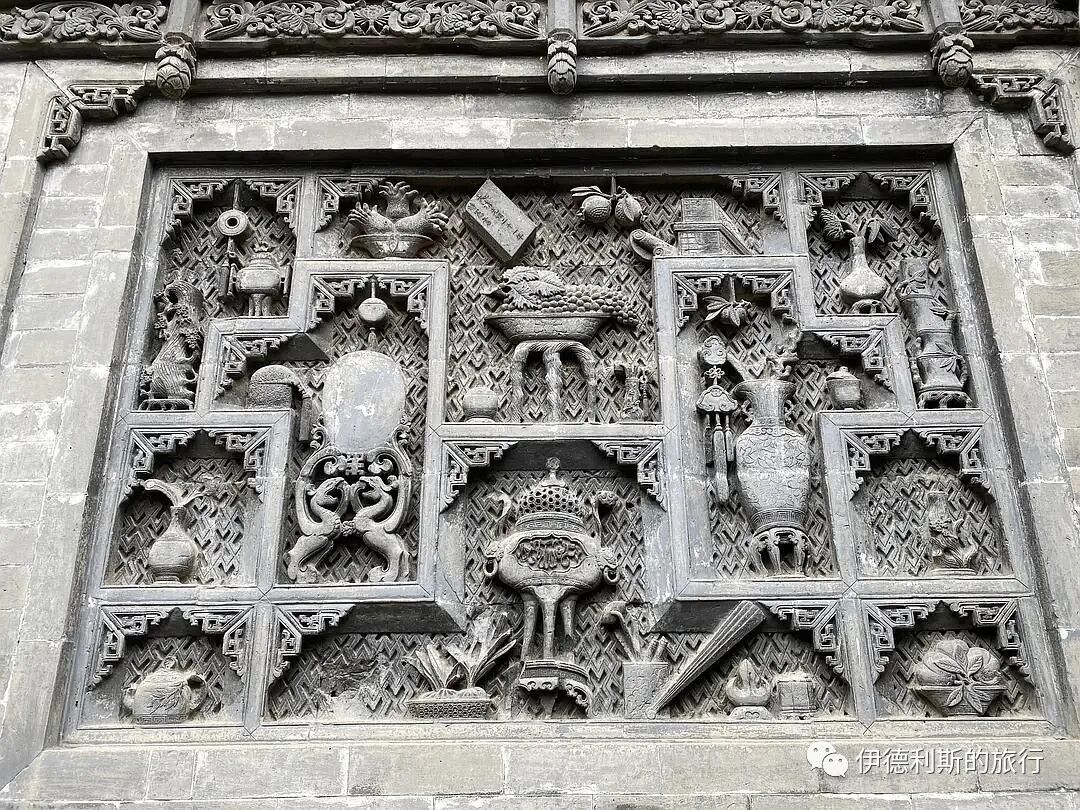
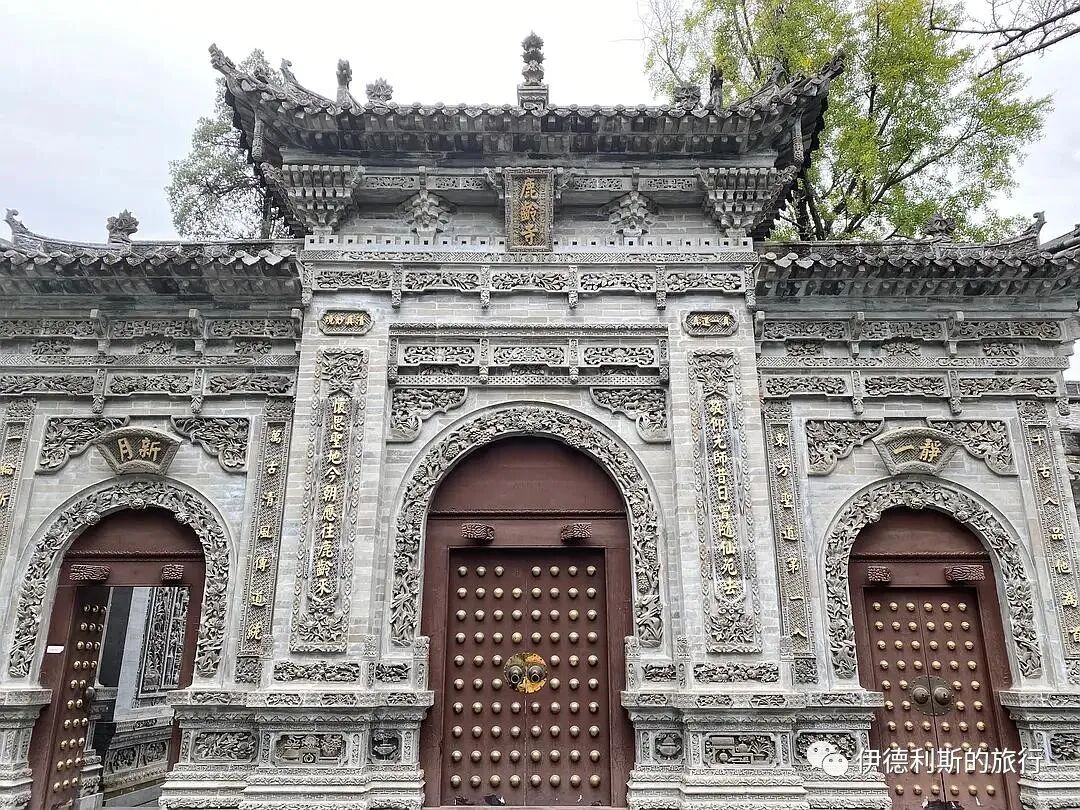
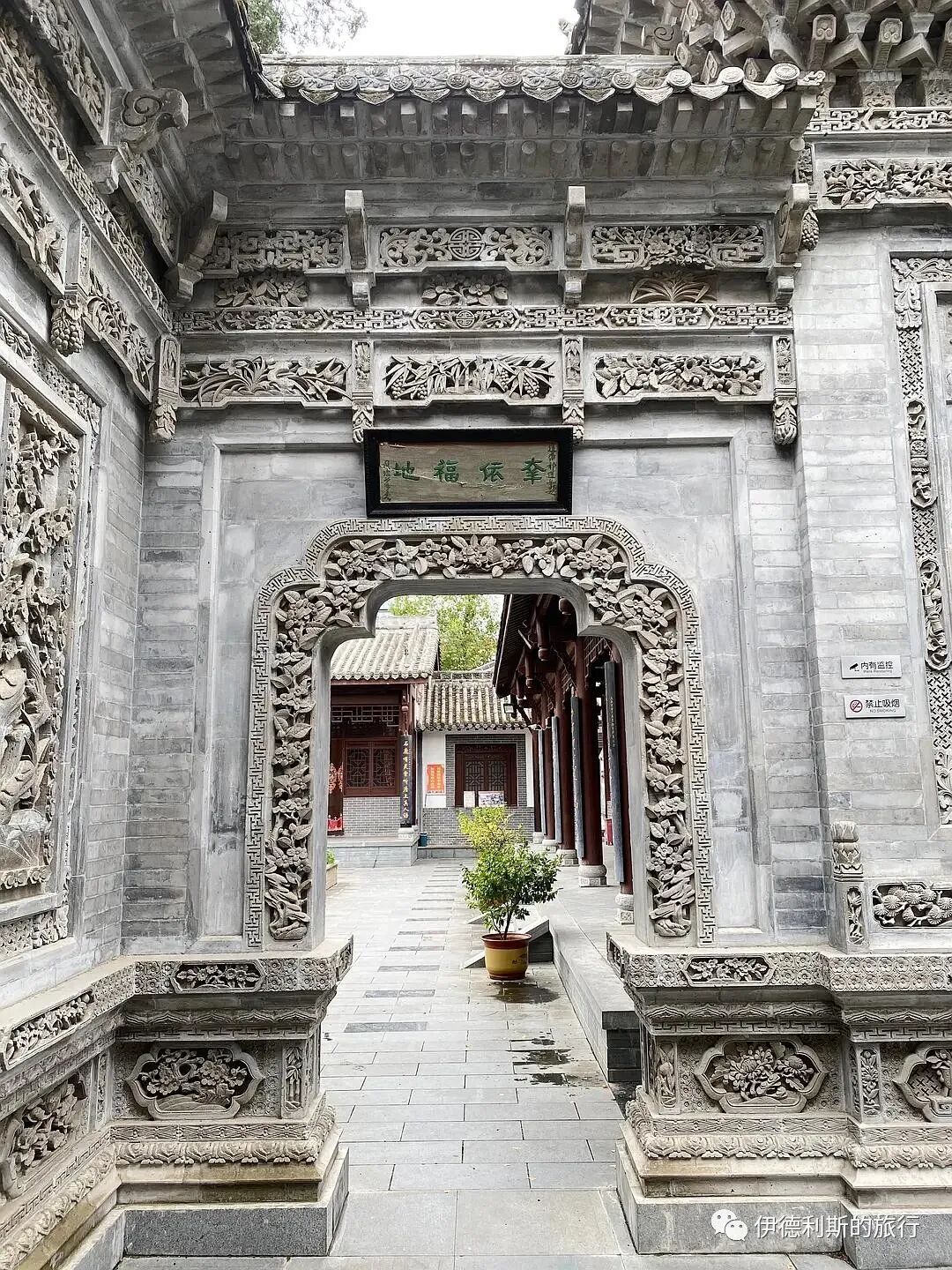
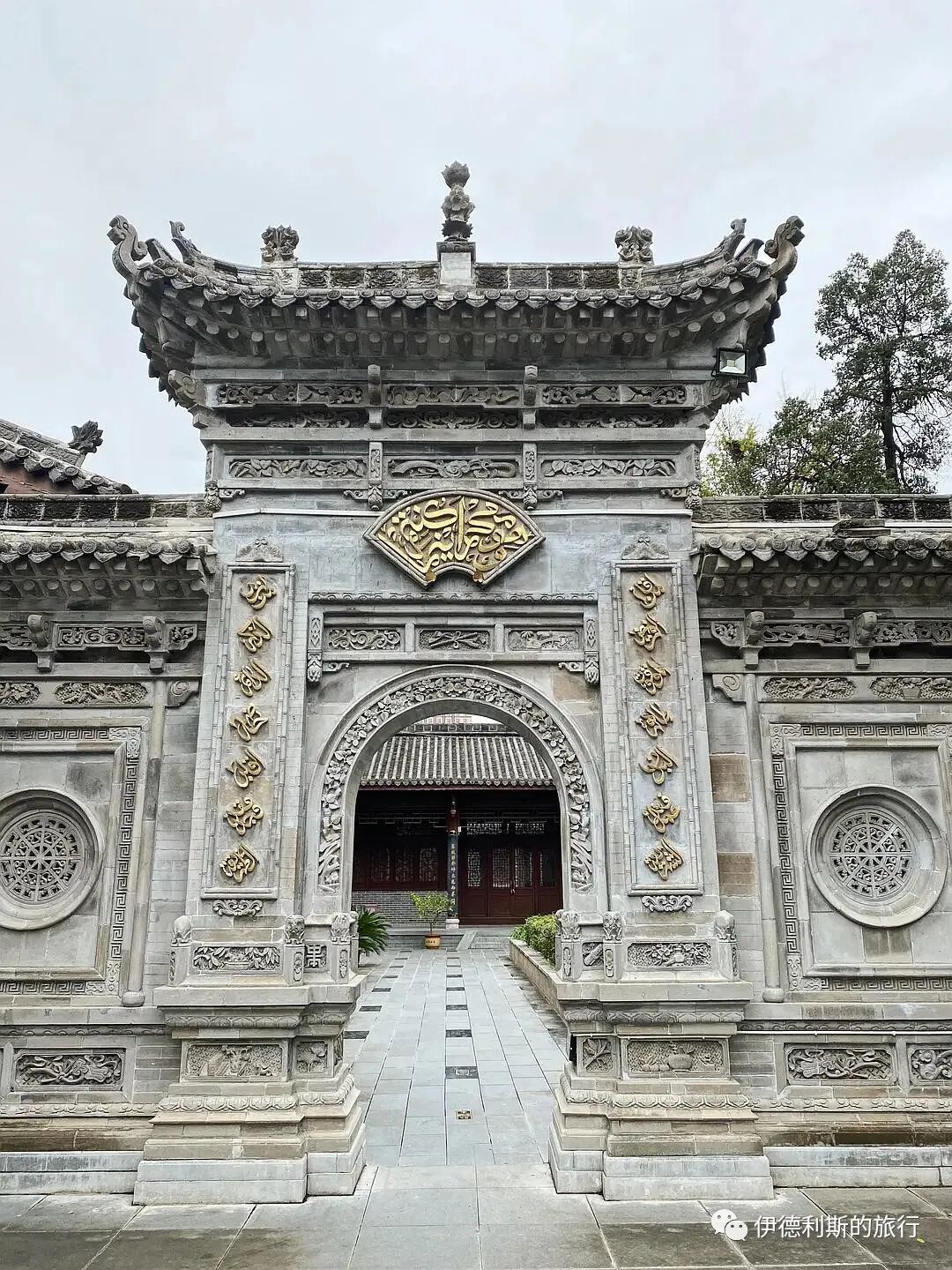
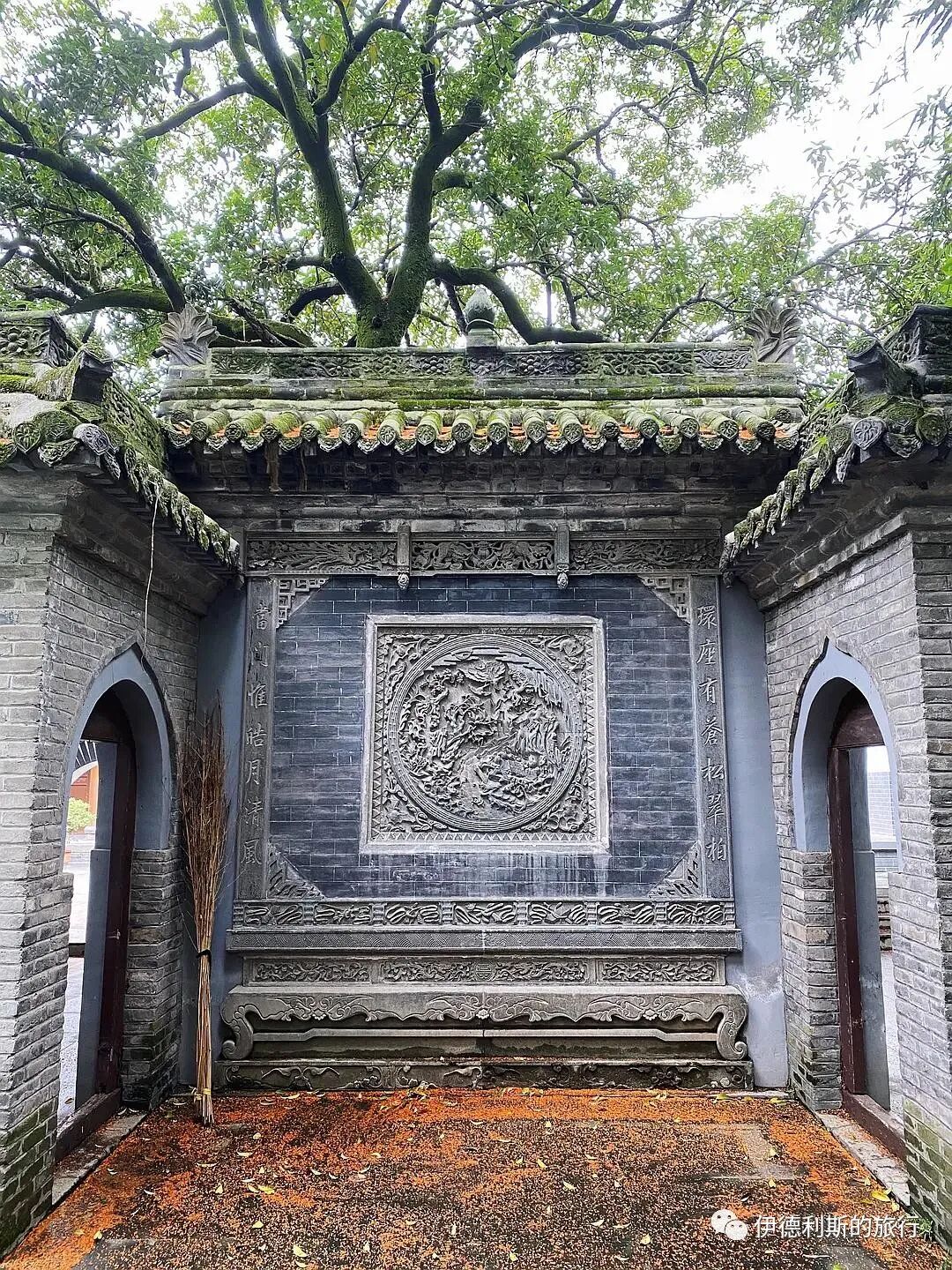
Several pictures of various new and old Hezhou brick carvings at Luling Mosque.
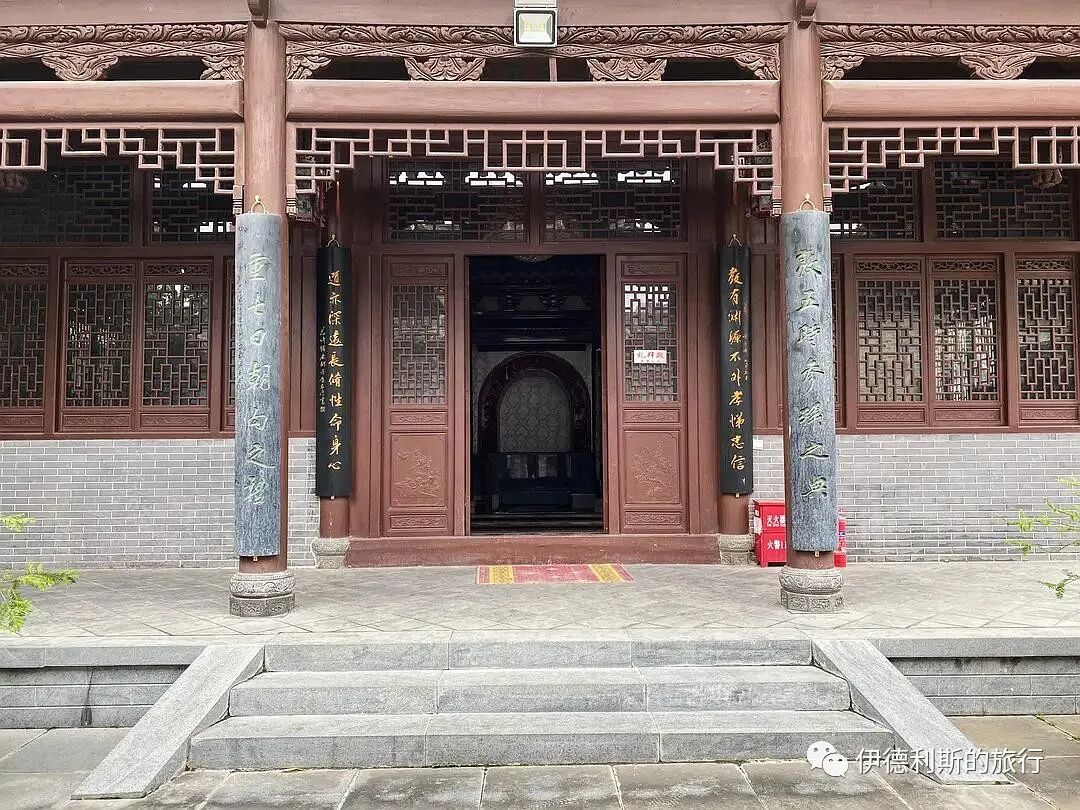
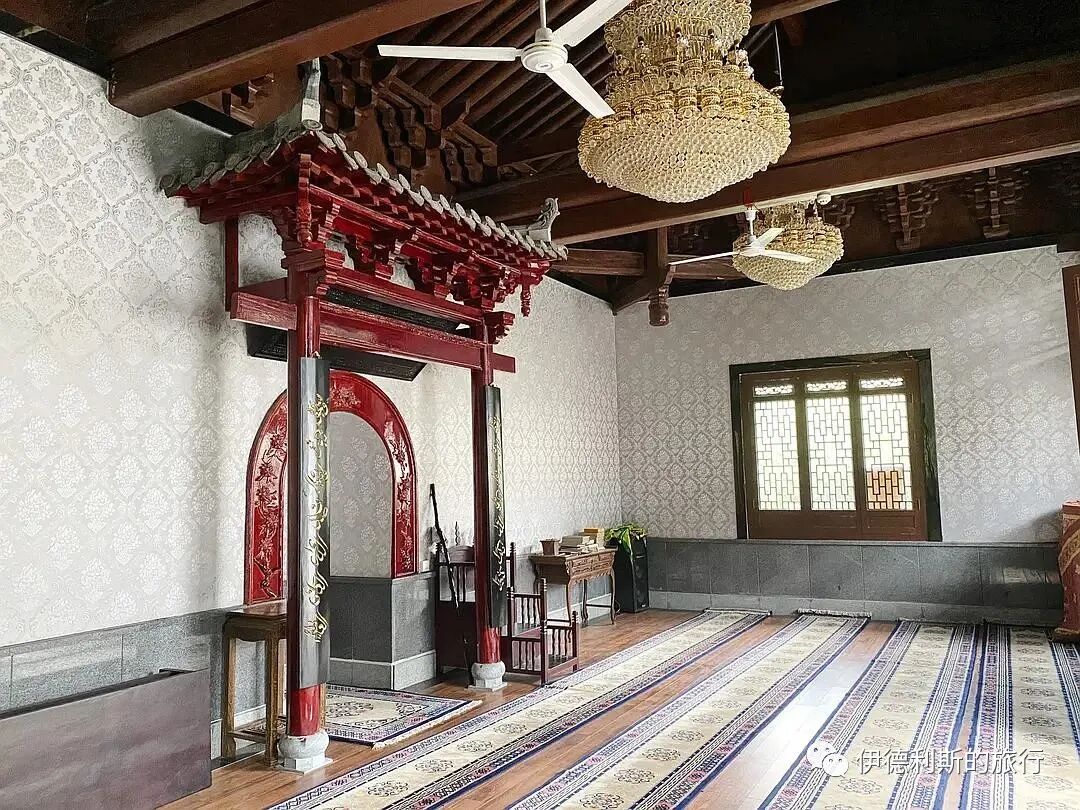
The prayer hall in the mosque.
Jingshi Mosque
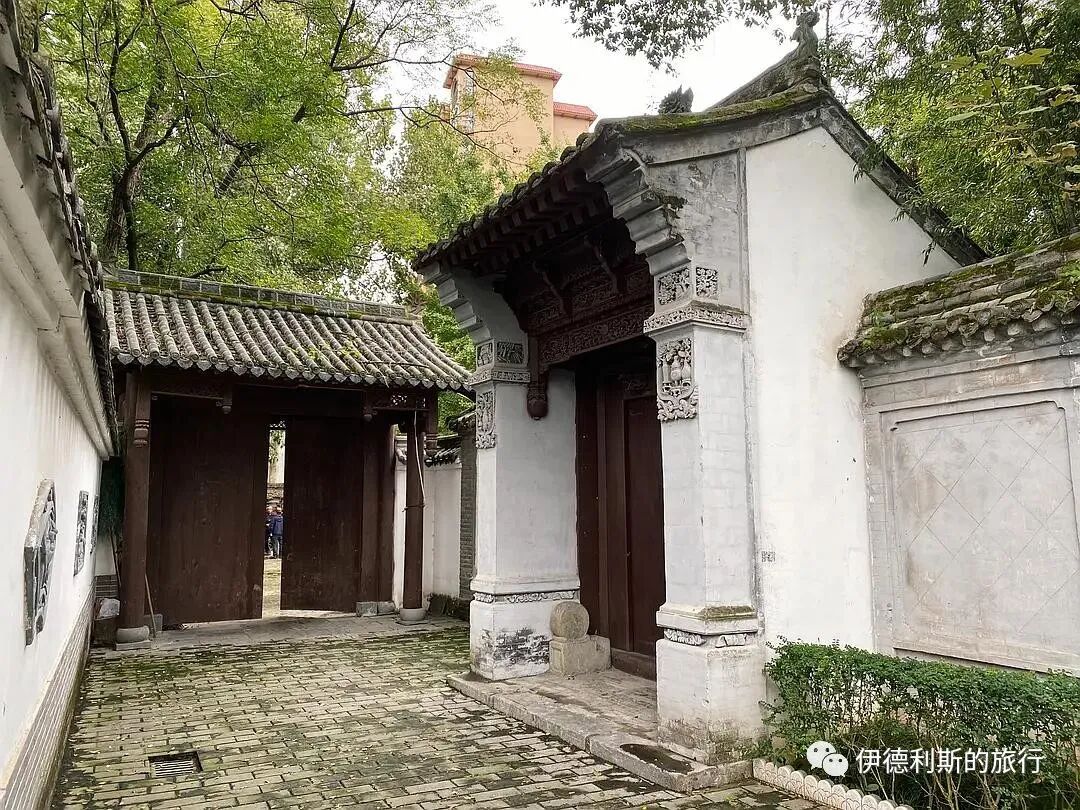
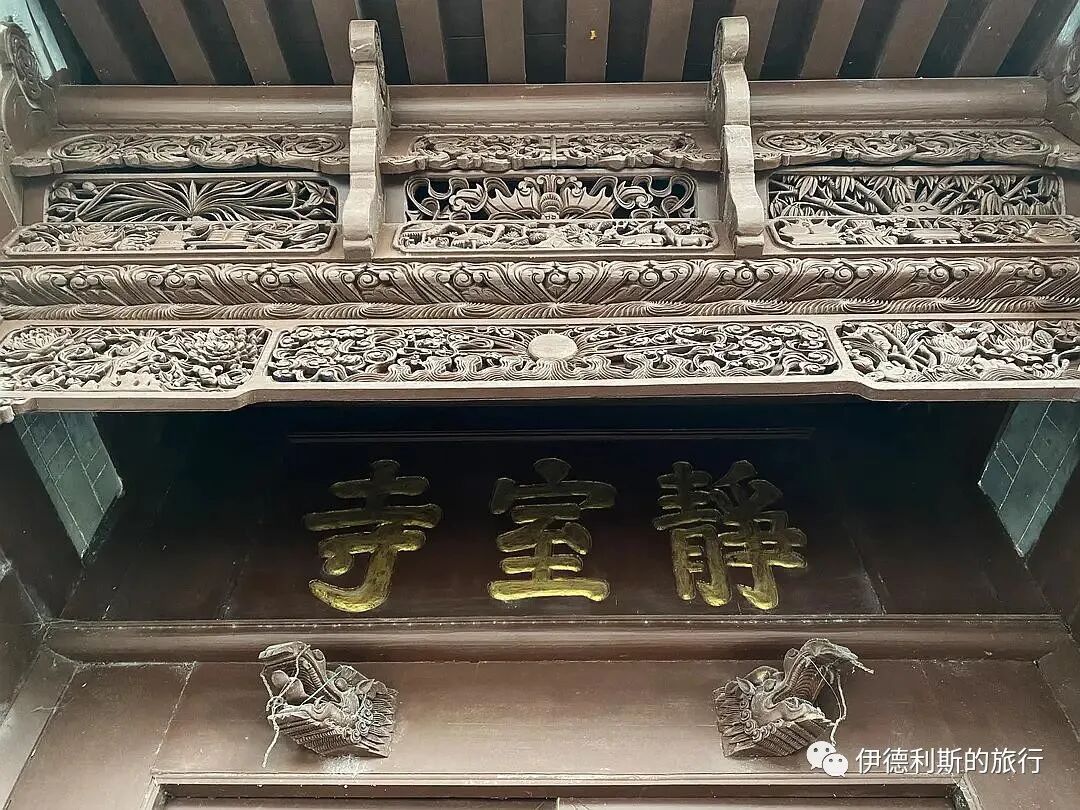
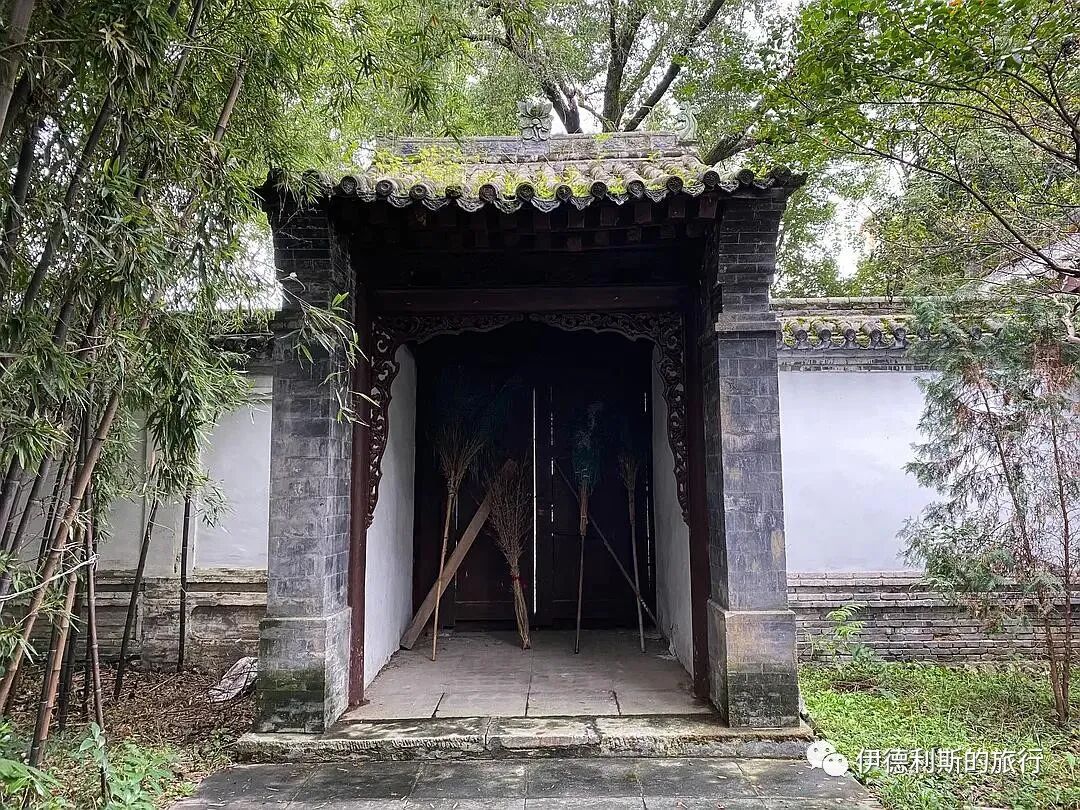
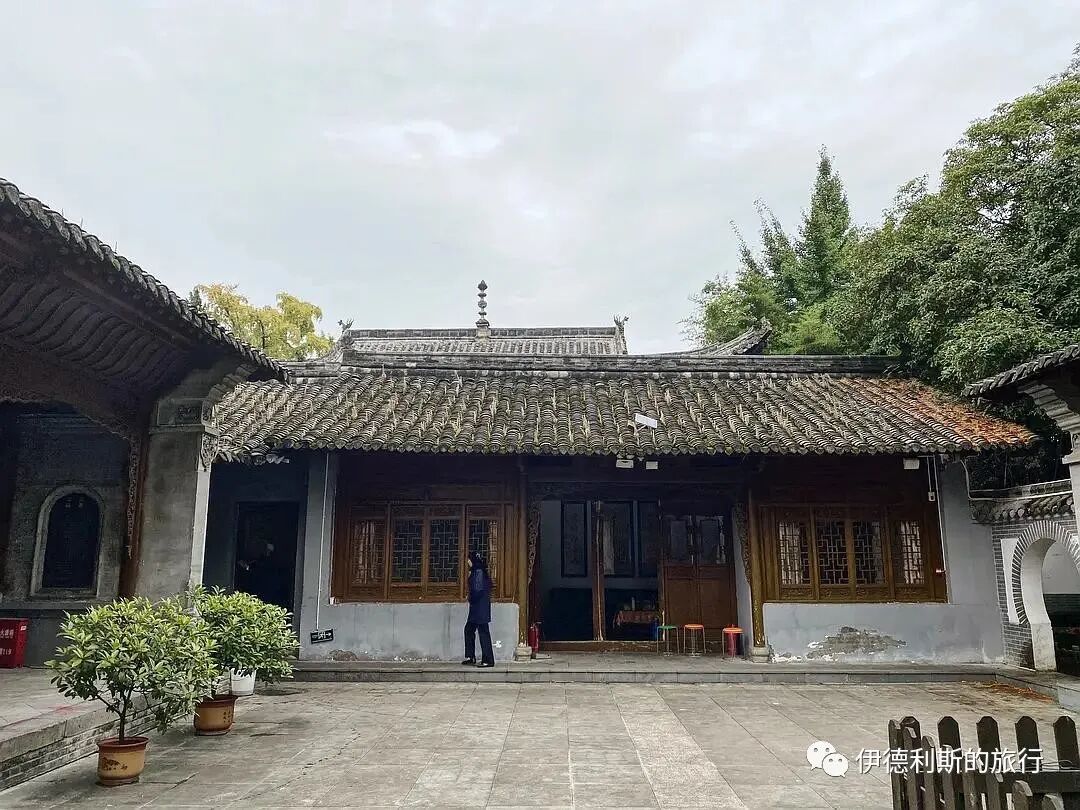
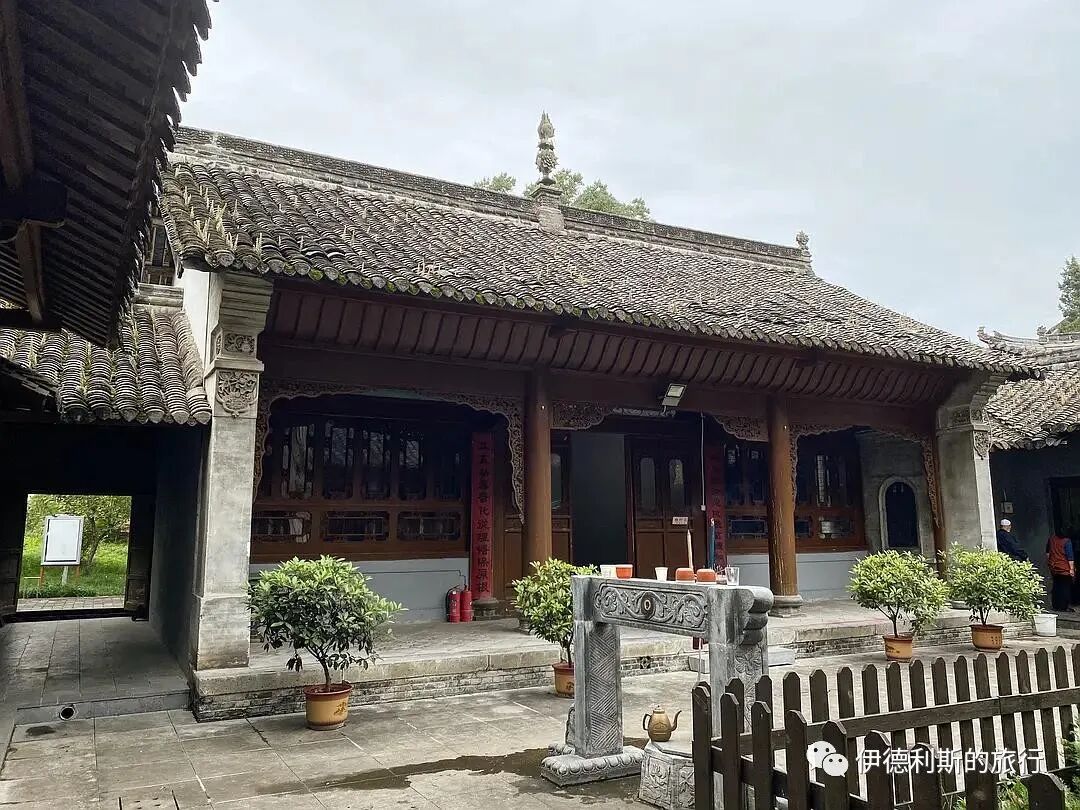
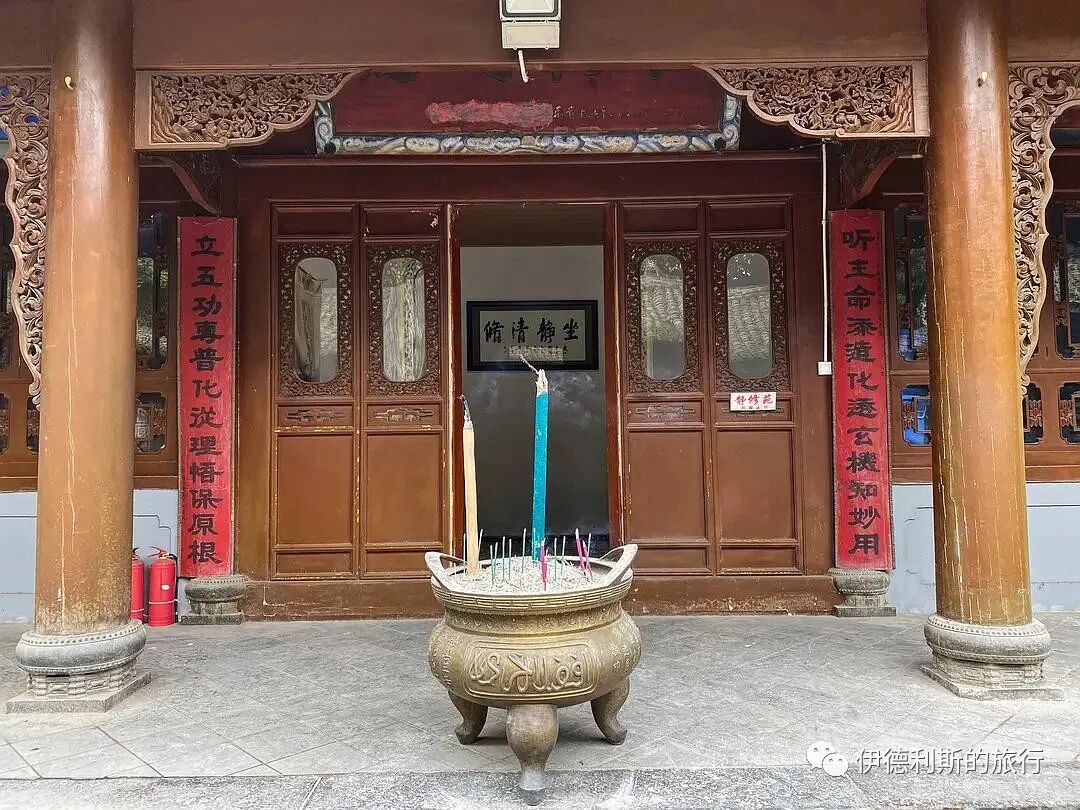
Jingshi Mosque is located on the west side of Luling Mosque and is the place where the great gongbei ancestor Qi Jingyi meditated in Xixiang. In 1690, Qi Jingyi came to Xixiang, built a thatched cottage under Niutou Mountain to meditate, and eventually passed away here.
After Qi Jingyi passed away, Gao Xiangyun, a follower of the great gongbei, spent more than ten years starting in 1814 building the entire courtyard, including the main house, east and west wing rooms, the opposite hall, and the gate, on the original site of Jingshi Mosque. Jingshi Mosque was occupied during the Cultural Revolution, returned to the great gongbei in 1981, and rebuilt in 1990 under the leadership of Yang Shijun, the head of the great gongbei.
Summary: This travel note introduces Xixiang Muslim Travel Guide: Hui Muslims in Southern Shaanxi. Xixiang County is located in the middle of the Hanzhong Basin in southern Shaanxi, nestled between the Qinling Mountains and the Bashan Mountains, with the Muma River, a tributary of the Han River, flowing through the. It is useful for readers interested in Xixiang Travel, Hui Muslims, Shaanxi Travel.
Xixiang County is located in the middle of the Hanzhong Basin in southern Shaanxi, nestled between the Qinling Mountains and the Bashan Mountains, with the Muma River, a tributary of the Han River, flowing through the county seat. Starting from the Ming Dynasty, Hui Muslims from Pingliang, Gansu, moved to Xixiang to settle, and the Hui Muslim population continued to grow during the Kangxi and Qianlong periods. Currently, more than 2,000 Hui Muslims live in the Xiguan area of the county seat, belonging to the congregations of the North Mosque and the South Mosque. Most of the members of the South Mosque congregation are surnamed Mu, Chen, Luo, and Mi, while most of the members of the North Mosque congregation are surnamed Ma and Ha.
Beef jerky
Xixiang Hui Muslims have been famous for making beef jerky since the Tongzhi period. The local Xizhen cattle in Xixiang are a nationally famous breed of yellow cattle, which are very suitable for making beef jerky. Nowadays, shops selling halal beef jerky can be seen everywhere in the Xiguan area of Xixiang, especially concentrated in the Xiguan Halal Beef and Mutton Market. The beef jerky made by each family in Xiguan has a different taste, some hard, some soft, some salty, and some mild.
We bought some beef jerky at a shop called Zhongping Food Store, where many locals shop.
The largest halal beef jerky brand in Xixiang is 'Xinyi'. Xinyi was founded in 1995, and the company's legal representative, Mu Xin, is the inheritor of the Shaanxi provincial intangible cultural heritage 'Xixiang Beef Jerky Making Technique'. Most of their beef is supplied by Hui Muslim butchers living in impoverished areas such as Liushu, Guanshan, Sidu, and Shahe in Xixiang, and they use more than ten kinds of Chinese herbal medicines instead of preservatives.
We bought a lot of beef jerky at the Xinyi shop in Xiguan, and also bought some local dried tofu. We were able to send it home directly via SF Express, and the dost (friend/fellow Muslim) auntie in the shop was very enthusiastic.
Xinyi Ethnic Restaurant
Xinyi also opened a 'Xinyi Ethnic Restaurant' where you can stay and eat. We stayed here while we were in Xixiang. There is a breakfast buffet in the morning and regular meals at other times. In the evening, we ordered lotus root shoots, teppan sand ginger chicken, and sweet and sour lingzhi mushrooms.
South Mosque
The Xixiang South Mosque was built in the Ming Dynasty. It was closed and occupied after the 1958 religious reforms, returned in 1986, and officially opened in 2001. The main hall was rebuilt in 1997, but the gate and the south wing are still old. The gate has a 'Mosque' plaque from the Daoguang period.
Mosque Lane Archway
After coming out of the South Mosque, you can see the wooden 'Mosque Lane' archway built during the Xianfeng period, followed by the old street of Xiguan where Hui Muslims live.
Women's Mosque
Continuing north, you can see the Women's Mosque built in 1956, which was occupied after the 1958 religious reforms and restored in 1990.
North Mosque
The North Mosque was originally called Jingning Mosque and was built in 1614 by Hui Muslims who moved to Xixiang from Jingning Prefecture (now Pingliang, Gansu). The North Mosque was expanded in 1723, later destroyed by war, rebuilt in 1816, and renovated many times. It was occupied after the Cultural Revolution, returned in 1984, and the north wing was rebuilt in 2009.
The mihrab (niche in the wall of a mosque) is painted with very distinctive Shaanxi-style Arabic calligraphy.
Beef pulled noodles
After performing the prayer, the local dosts enthusiastically took us to eat. The halal restaurants in Xixiang are mainly concentrated in the West Gate area. We ate local specialty braised beef pulled noodles and tofu with beef at an ahong's (imam's) shop, and they also treated us to sanzi (fried dough twists) and youxiang (fried flour cakes).
Luling Mosque
Luling Mosque is a commemorative gongbei (shrine) built on the original burial site of Qi Jingyi, the founder of the Sufi Qadiriyya order.
In 1719, Qi Jingyi passed away at Jingshi Mosque in Xixiang and was buried on the east side of Jingshi Mosque. One hundred days later, his remains were moved to Linxia, Gansu. In 1721, the followers built a commemorative gongbei at the original burial site, named Youjiu Pavilion. Later, a series of courtyards were built around Youjiu Pavilion, named Luling Mosque. Luling Mosque was destroyed during the Tongzhi period, rebuilt in 1868, the current Youjiu Pavilion was built in 1870, and the current archway was built in 1885.
During the Cultural Revolution, Luling Mosque was closed. It was reopened after the policies were implemented, and the main gongbei underwent multiple repairs in 1983, 1986, and 1999.
The tomb pavilion has double eaves, four corners, and a helmet-shaped roof, topped with a treasure vase, and is divided into inner and outer chambers.
Outside the gongbei archway, there is a pair of Qing Dynasty stone-carved plum blossom deer. Legend has it that when the great gongbei ancestor Qi Jingyi was meditating at Jingshi Mosque in Xixiang, two plum blossom deer often lay quietly outside the gate of Jingshi Mosque. After the ancestor passed away, the two deer lay quietly beside the tomb for a long time without leaving. The disciples believed that 'deer age of a thousand years' was an auspicious meaning, so they carved a pair of stone deer and placed them outside the gongbei archway, and Luling Mosque was named after this.
Several pictures of various new and old Hezhou brick carvings at Luling Mosque.
The prayer hall in the mosque.
Jingshi Mosque
Jingshi Mosque is located on the west side of Luling Mosque and is the place where the great gongbei ancestor Qi Jingyi meditated in Xixiang. In 1690, Qi Jingyi came to Xixiang, built a thatched cottage under Niutou Mountain to meditate, and eventually passed away here.
After Qi Jingyi passed away, Gao Xiangyun, a follower of the great gongbei, spent more than ten years starting in 1814 building the entire courtyard, including the main house, east and west wing rooms, the opposite hall, and the gate, on the original site of Jingshi Mosque. Jingshi Mosque was occupied during the Cultural Revolution, returned to the great gongbei in 1981, and rebuilt in 1990 under the leadership of Yang Shijun, the head of the great gongbei.
