

Sidon
Halal Travel Guide: Sidon, Lebanon - Old City, Sea Fort and Mosques (Part 1)
Articles • ali2007fr posted the article • 0 comments • 211 views • 2026-05-19 10:02
Reposted from the web
Summary: Halal Travel Guide: Sidon, Lebanon - Old City, Sea Fort and Mosques (Part 1) is presented here as a firsthand travel account in clear, natural English. The account focuses on Sidon, Lebanon, Mosques while preserving the names, places, food, photos, and historical details from the Chinese source.
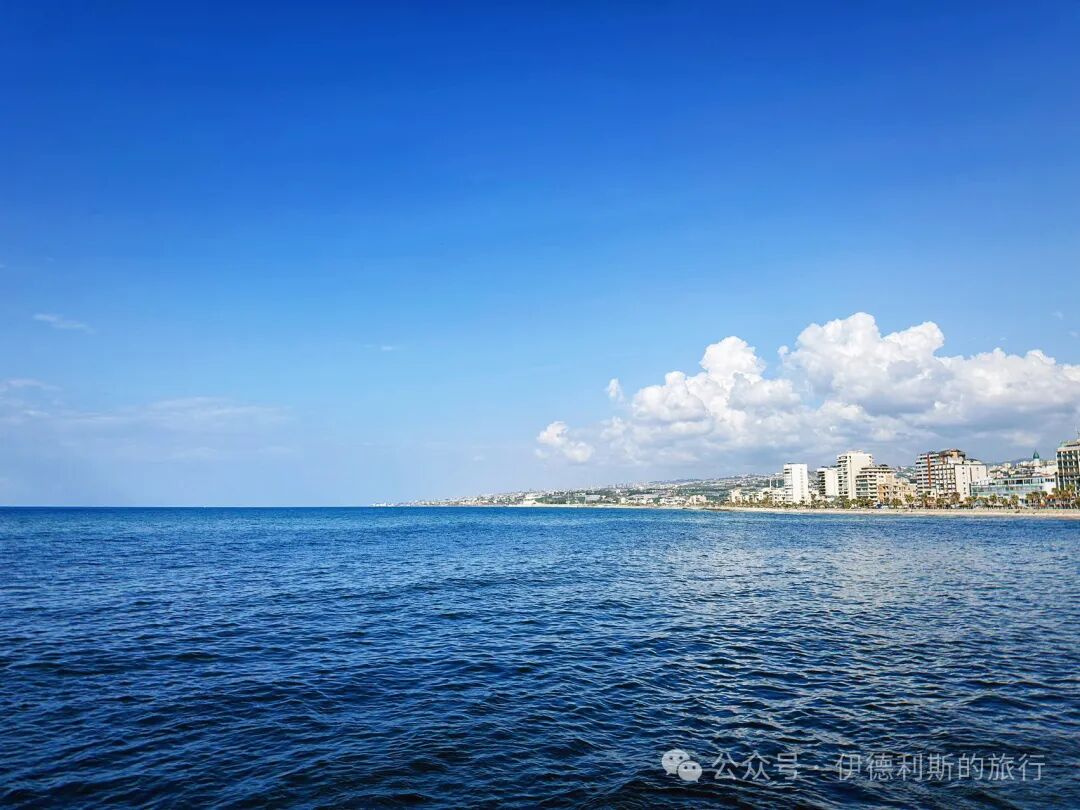
We took a minibus from the southern suburbs of Beirut and traveled 40 kilometers south to reach Saida, the third-largest city in Lebanon. Saida has a history of over 6,000 years. It is one of the oldest cities in the world and played a major role in Mediterranean trade.
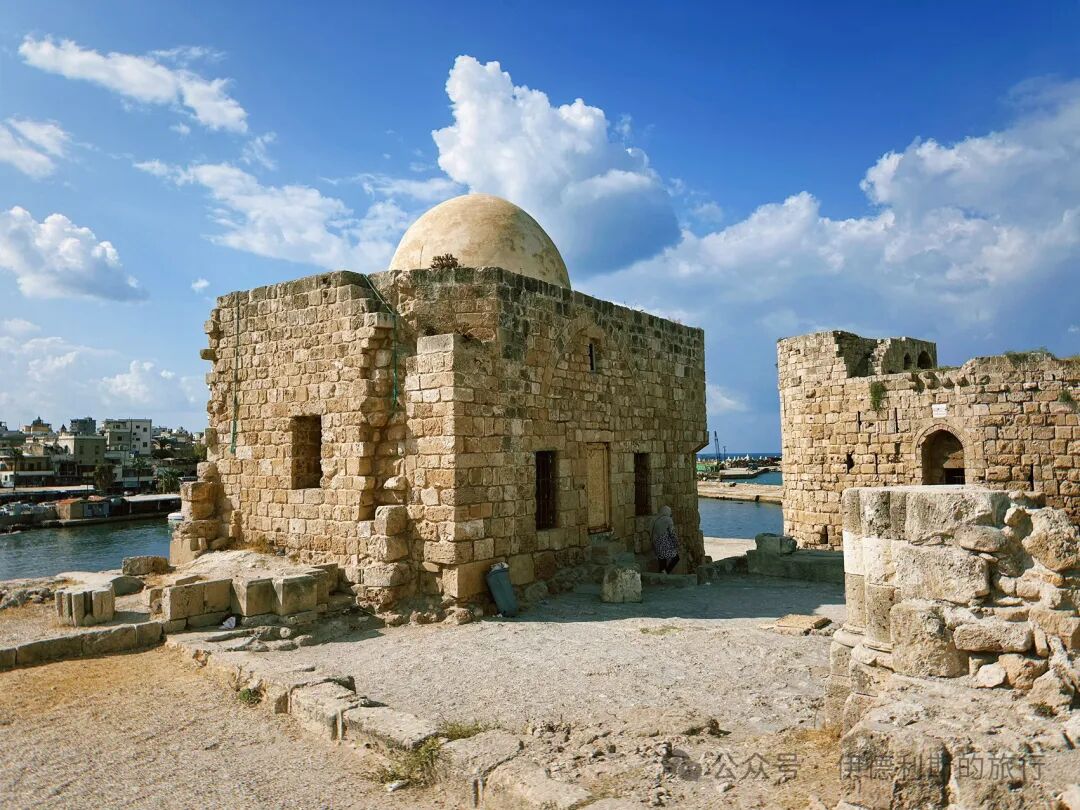
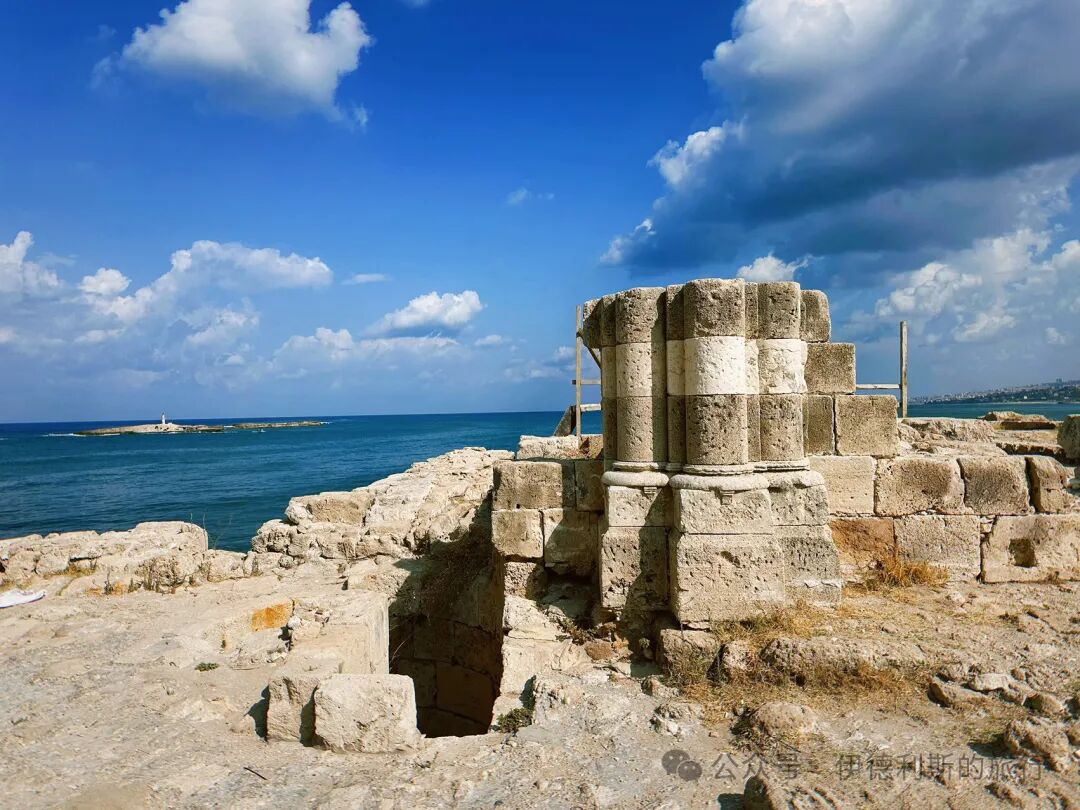
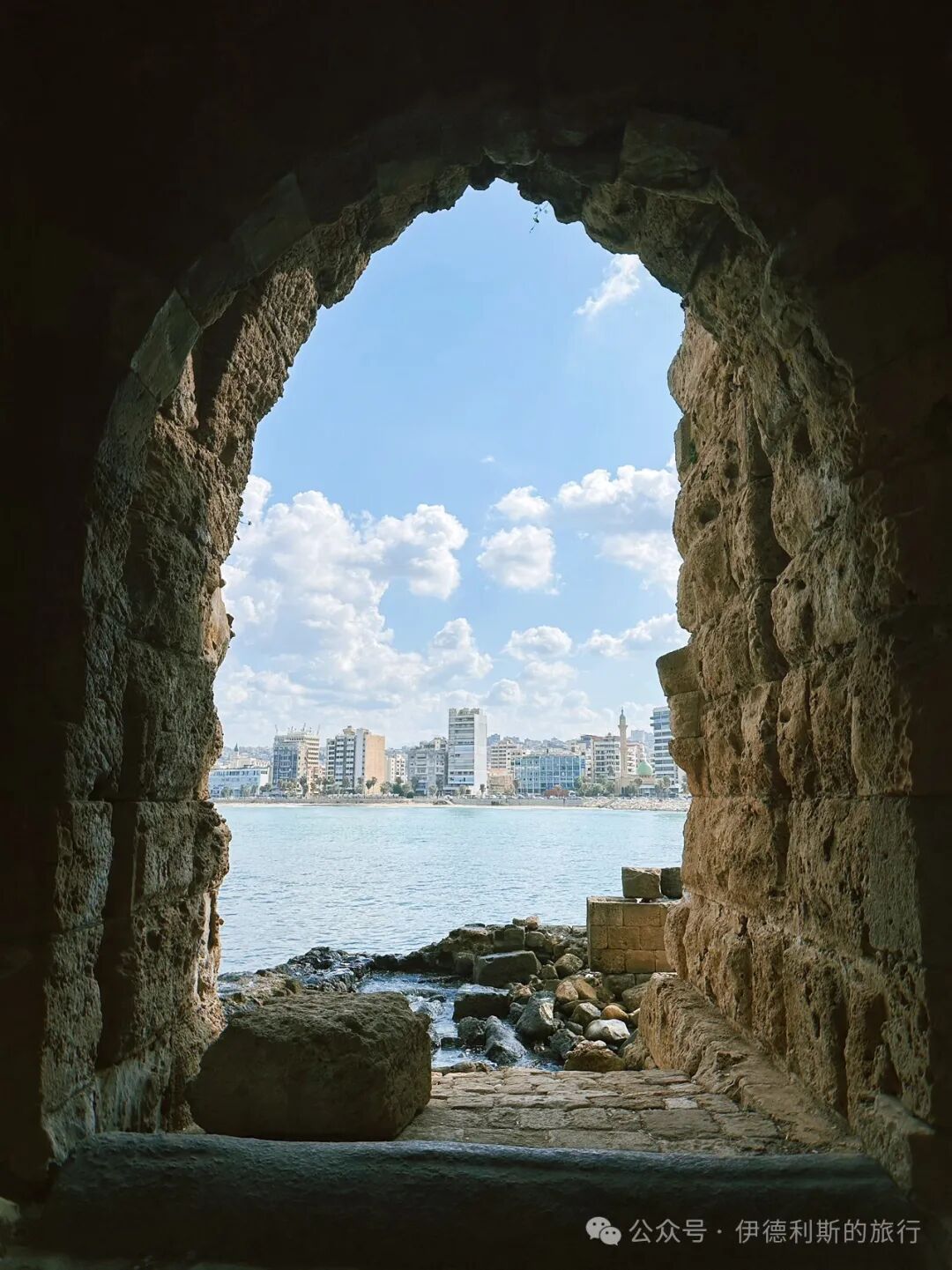
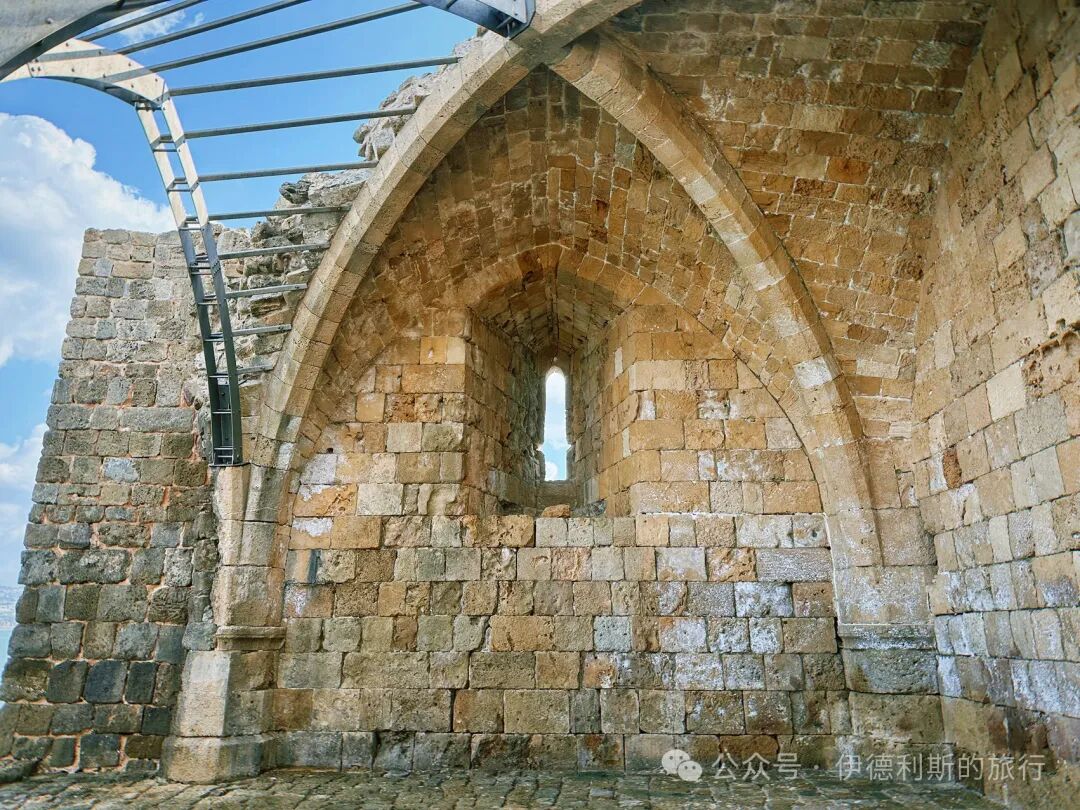
The landmark of the old city of Saida is the Sea Castle (Qalaat al-Bahr) located on a small island to the north. The Crusaders built it in 1228, and it connects to the mainland by an 80-meter-long bridge. The Sea Castle was destroyed many times, then repaired and expanded during the Mamluk and Ottoman dynasties. Today, the Sea Castle consists of two towers. You can see many Roman-era stone pillars on the outer walls, and there is a small domed mosque built during the Ottoman period on the roof.
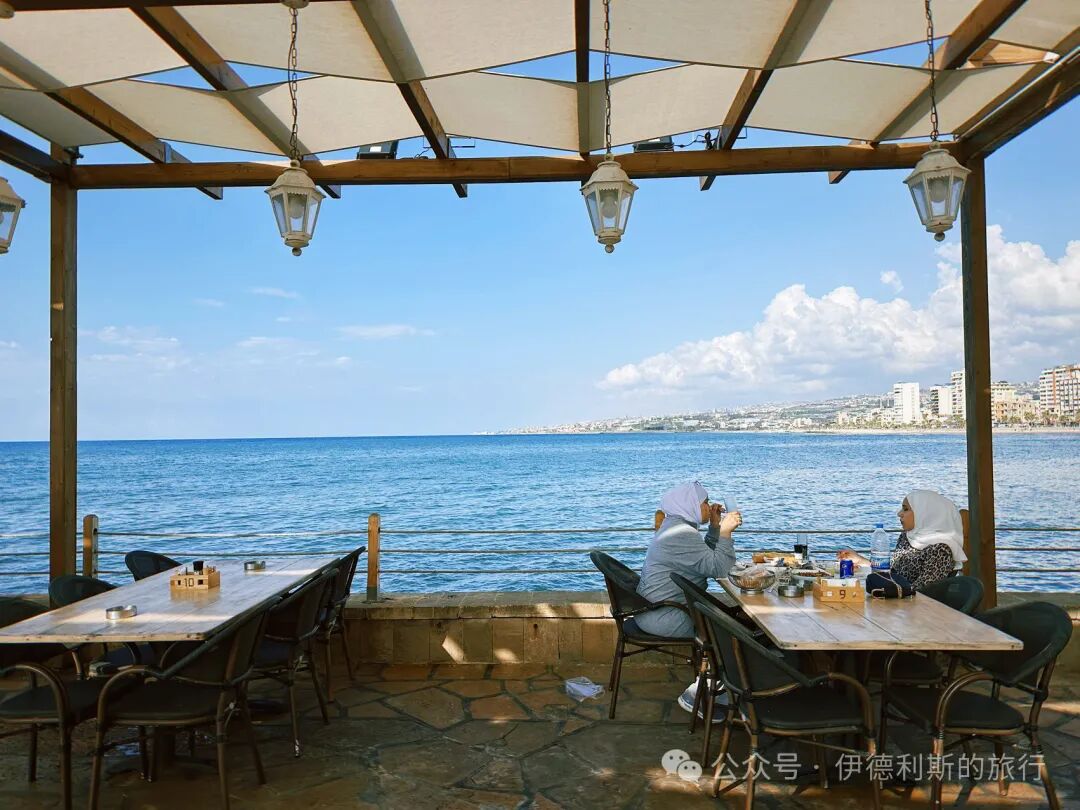
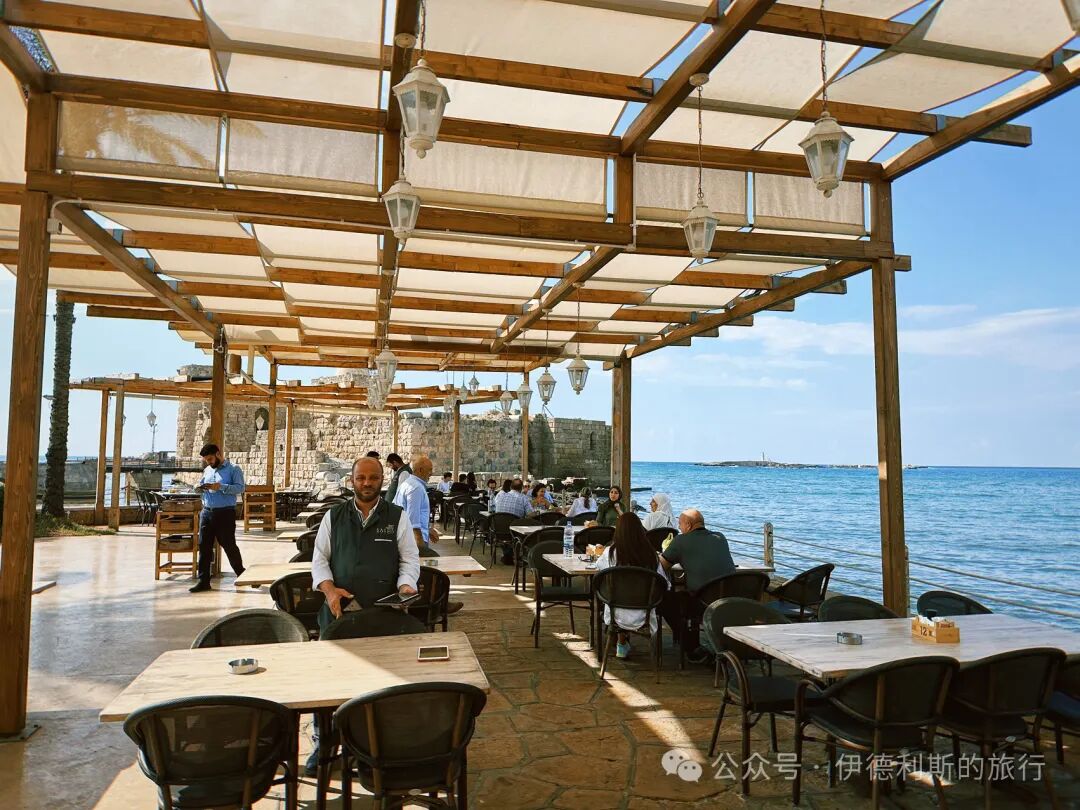
Next to the Sea Castle on the shore is a very famous restaurant called Saida Rest House. The restaurant preserves an Ottoman-era inn (khan) with beautiful inlaid marble and colorful carvings, and the lighting inside is excellent.
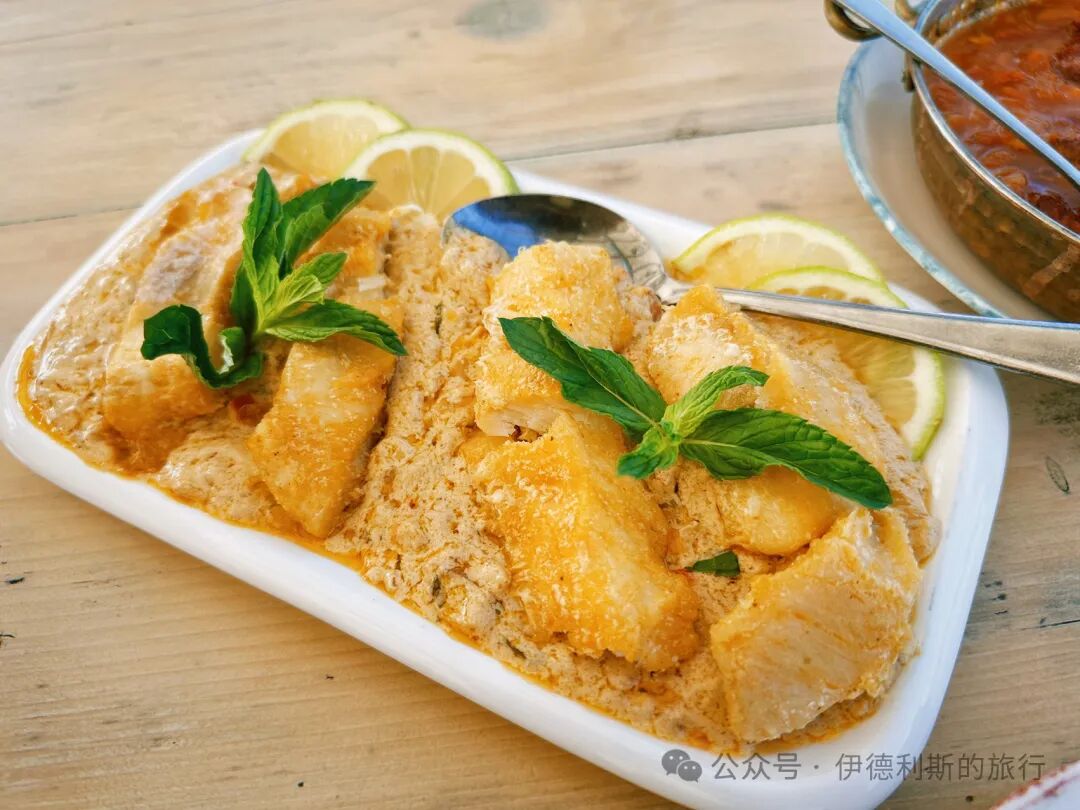
At the seaside seats of Saida Rest House, we ordered the Lebanese specialties of tomato sausage and fish salad with tajen sauce. Tajen is a spicy sesame paste that goes perfectly with pita bread.
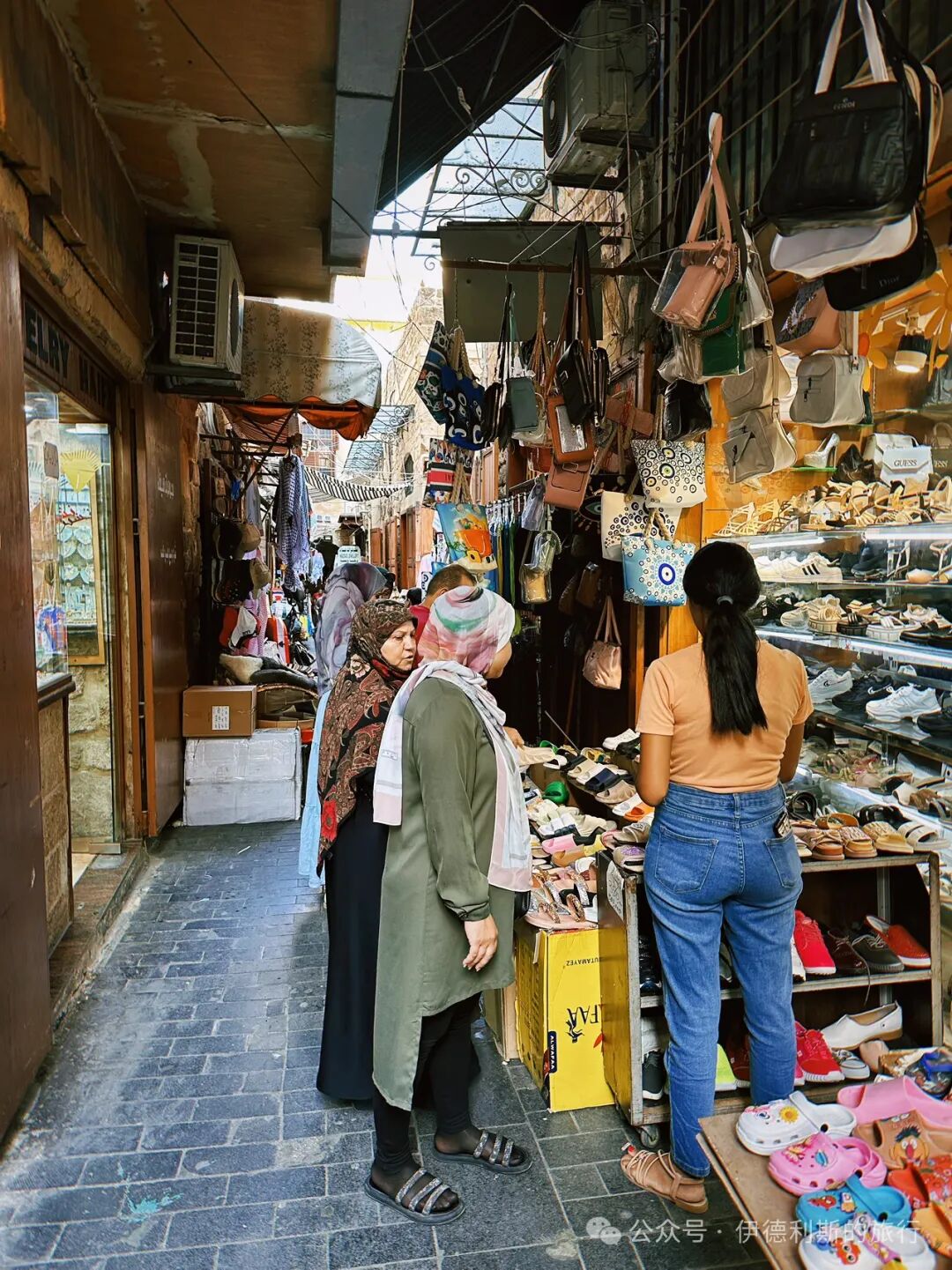
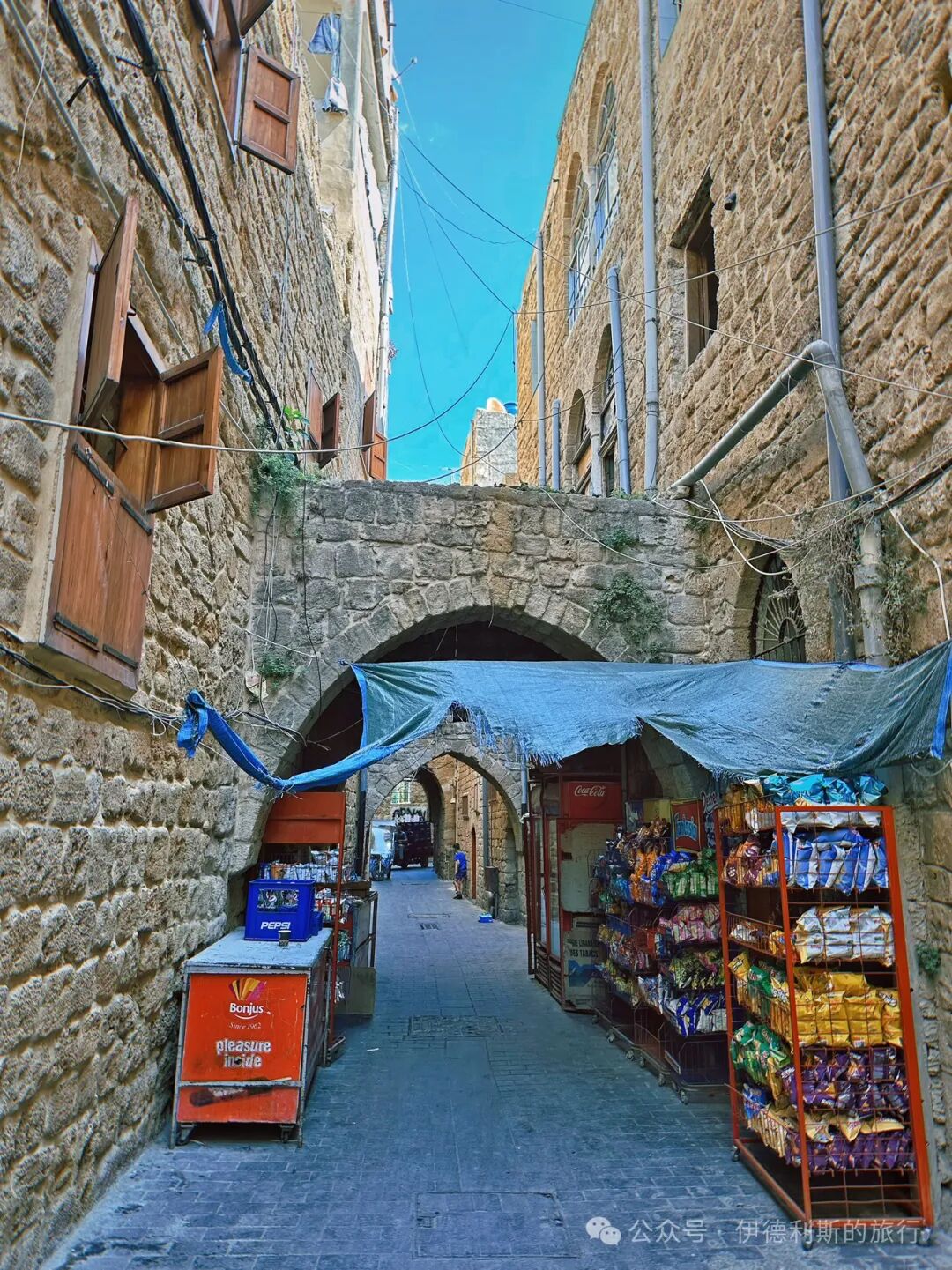
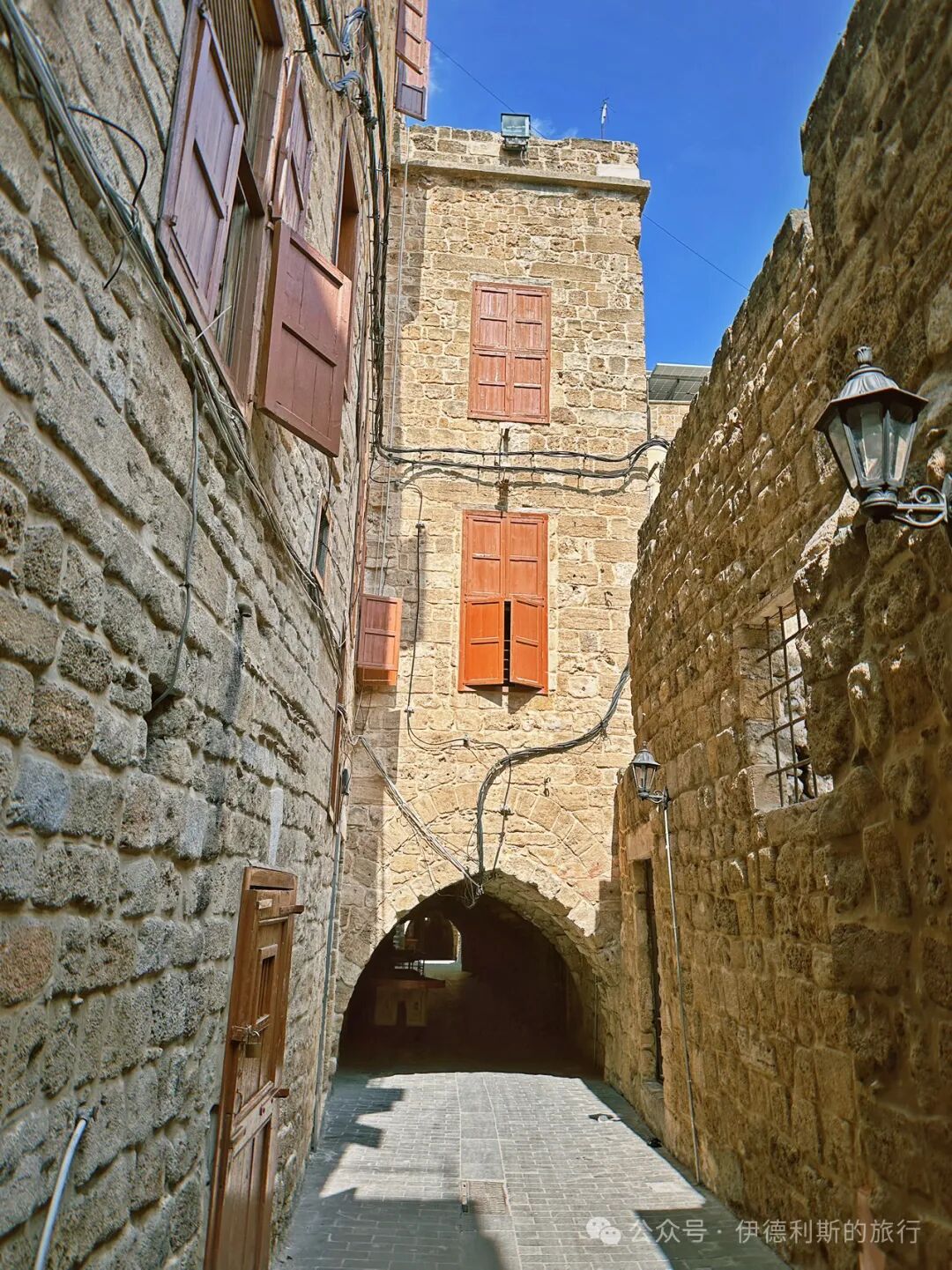
The ancient city of Sidon is a well-preserved Sunni Muslim old town on the eastern Mediterranean coast. Enter the maze of streets from the north gate. Many houses are built over the streets, creating tunnels. People set up stalls inside these tunnels, selling all kinds of goods. It feels very lively and full of daily life.
In the market inside the ancient city of Sidon, you can buy fresh dates (yezao). They have a soft, powdery texture and taste great. You can also buy traditional clothing here. It feels very unique.
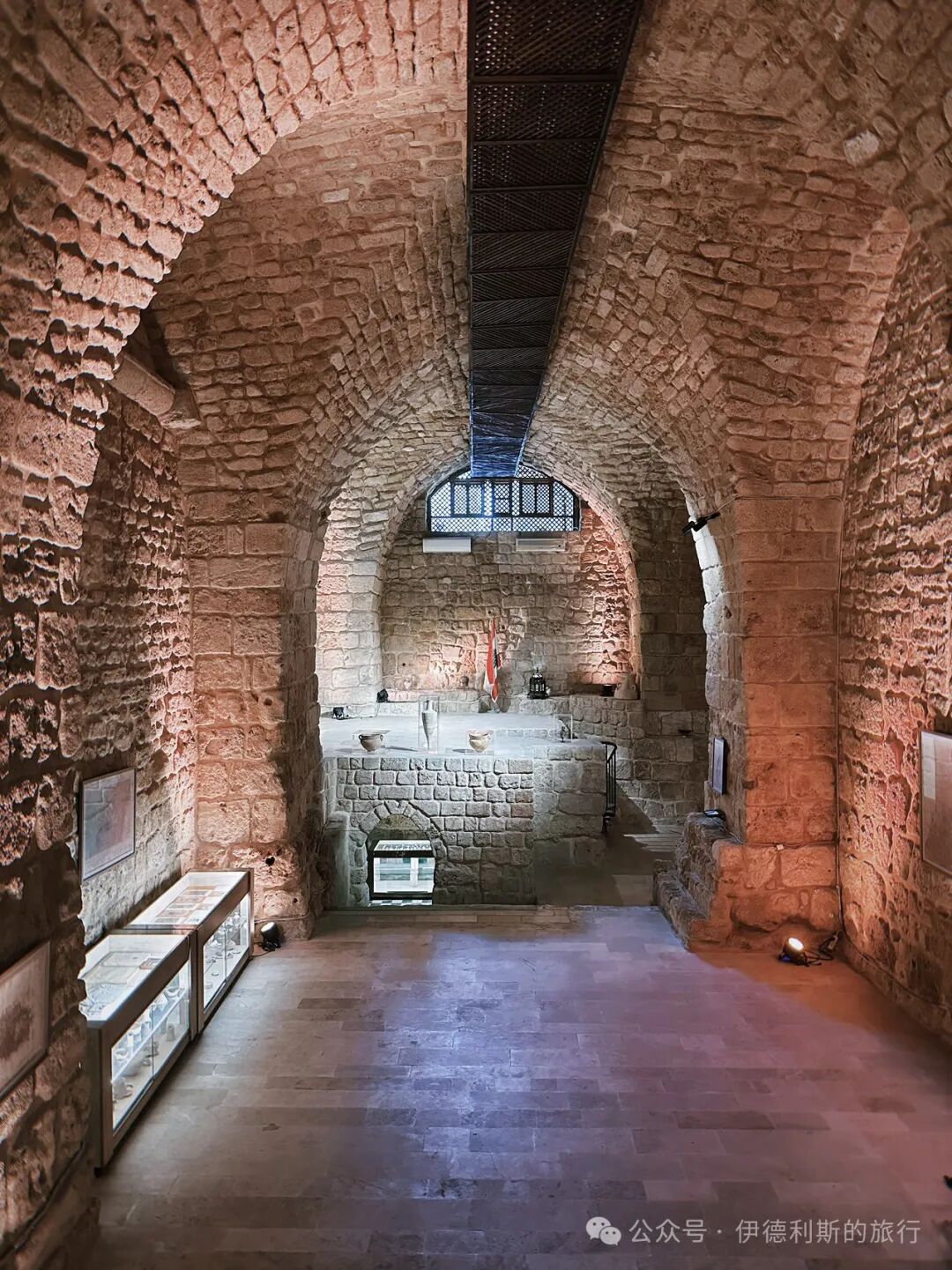
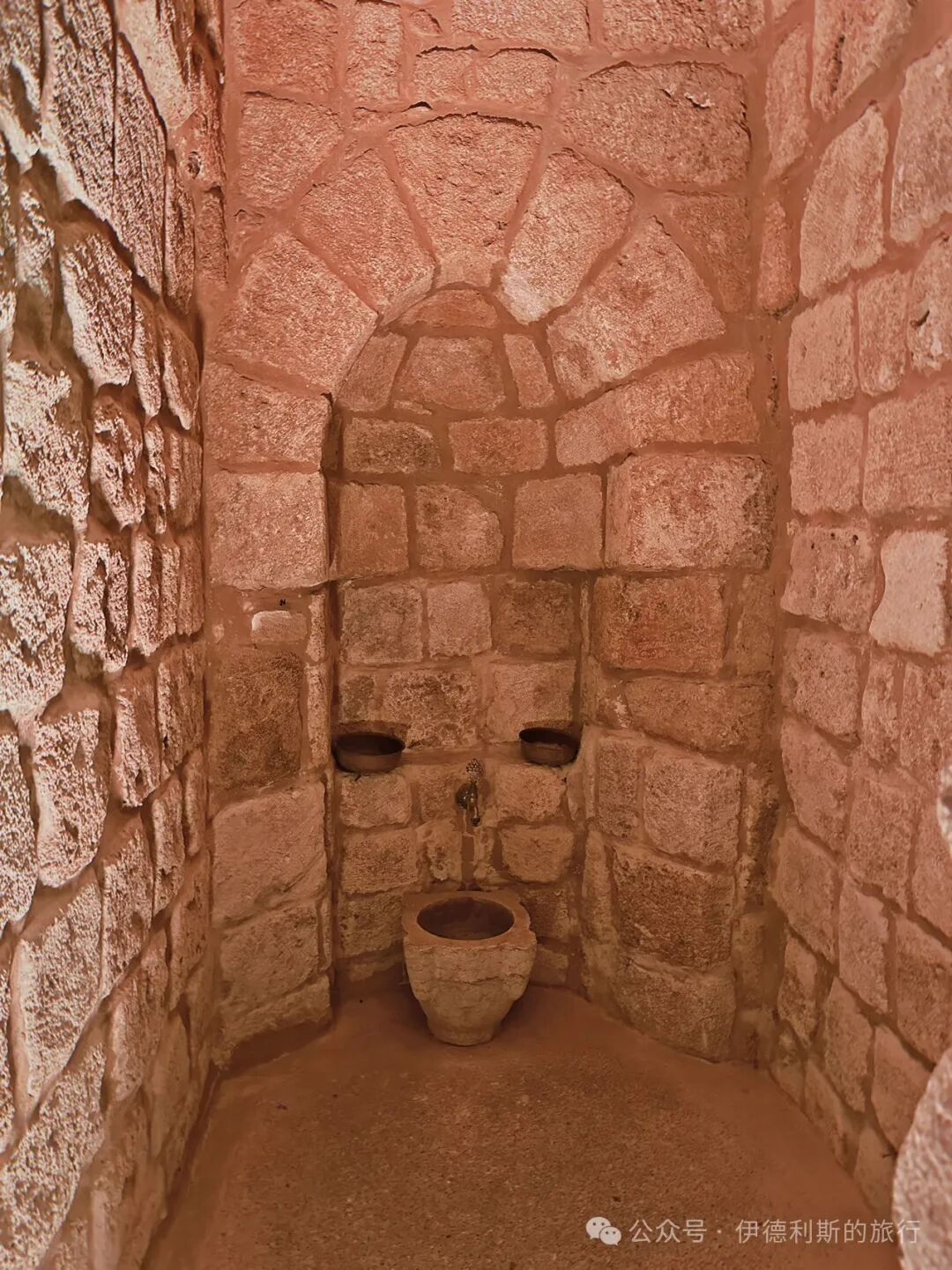
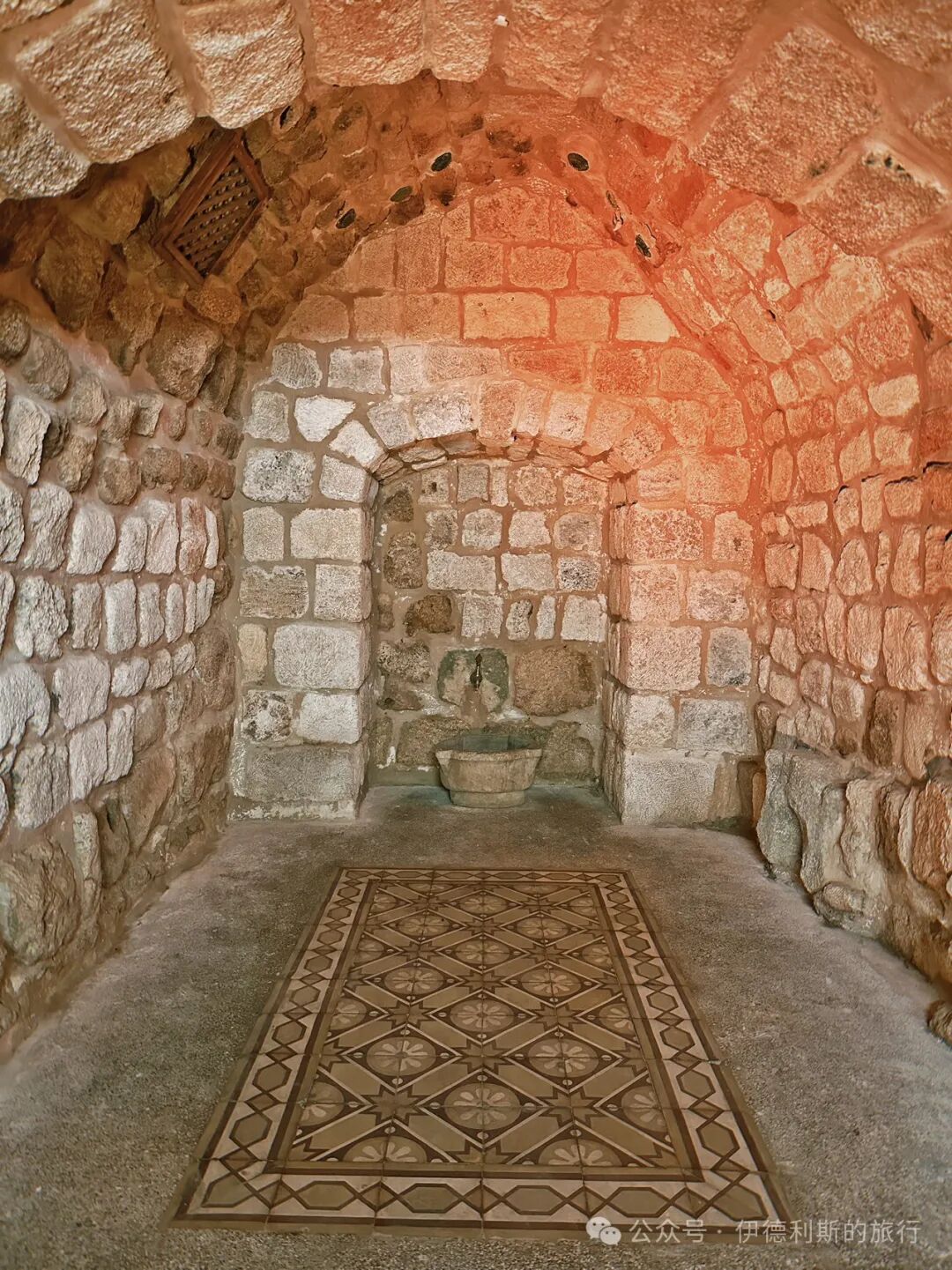
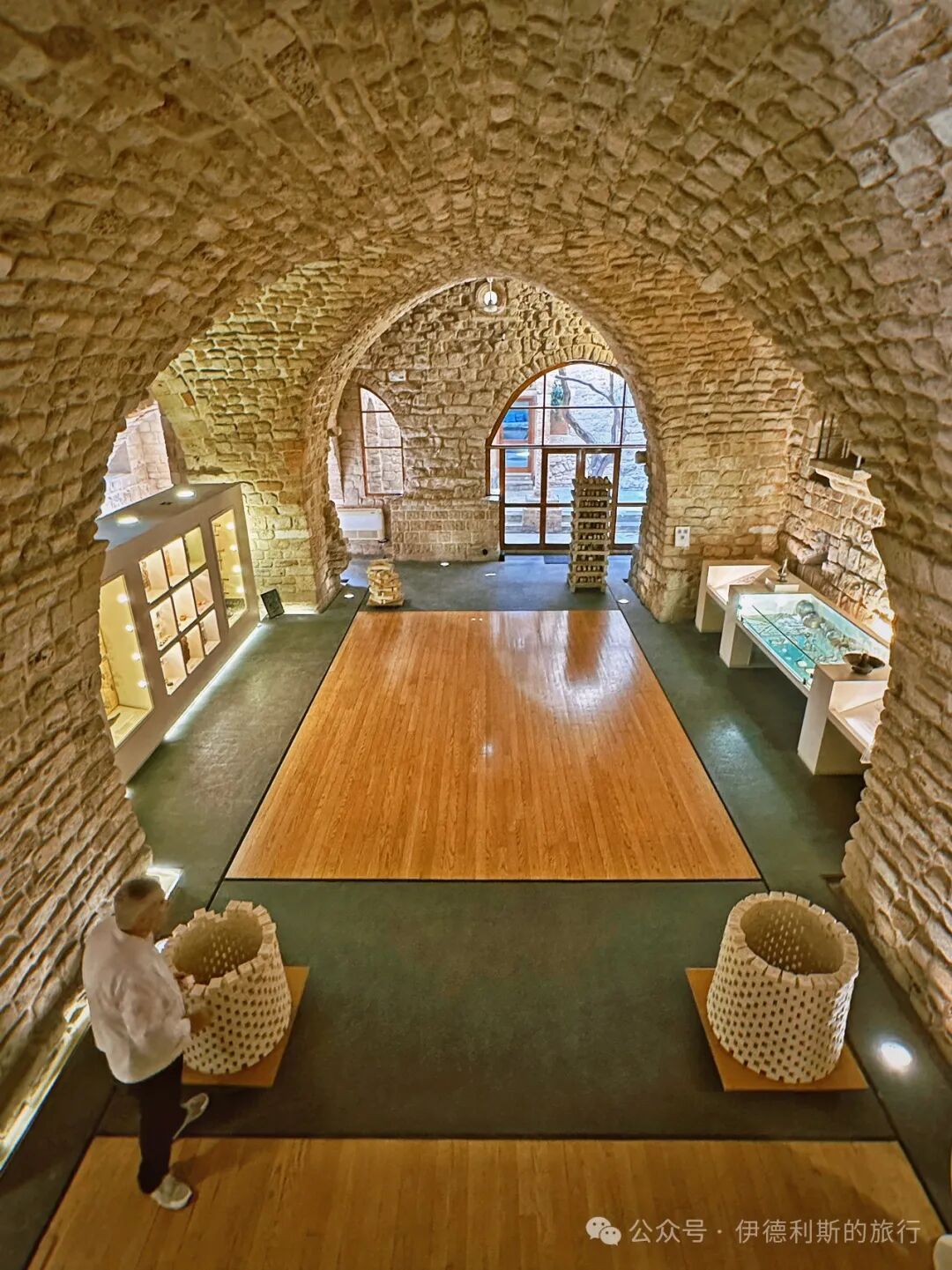
Entering the ancient city of Sidon from the north side, the first attraction is the underground Khan Sacy Archaeological Museum. Khan Sacy is made up of several arched rooms. They date back to stables and warehouses from the Crusader period (1099-1291). Since 2010, archaeological excavations at Khan Sacy have uncovered two bathrooms from the Mamluk dynasty (1201-1517), three water wells with different architectural styles, and a multi-purpose oven from the Ottoman period (1517-1918).
Follow the main road of the ancient city of Sidon south to see the largest Turkish bath in the old city, Hammam Al Jadeed. Hammam Al Jadeed was built in 1720 by the Moroccan merchant Mustafa Hammoud. It is a representative example of a Turkish bath in Lebanon from the Ottoman dynasty. The bathhouse consists of 10 rooms, including bathing, massage, and sauna areas. Corridors connect each area, which features unique marble floors and skylights.
This bathhouse stayed in use until 1948, when it closed because tap water pipes became common. The bathhouse was later used as a carpentry workshop and storage room, and it suffered damage during the Lebanese Civil War (1975-90). During the 1982 Israeli invasion of Lebanon, one of the bathhouse domes was hit by shelling and remains unrepaired today.
In 2018, Said Bacho, the founder and president of the Sharqy Foundation for Cultural Development and Innovation, purchased the Hammam Al Jadeed bathhouse. In 2019, the bathhouse reopened as a historical site after being closed for 71 years.
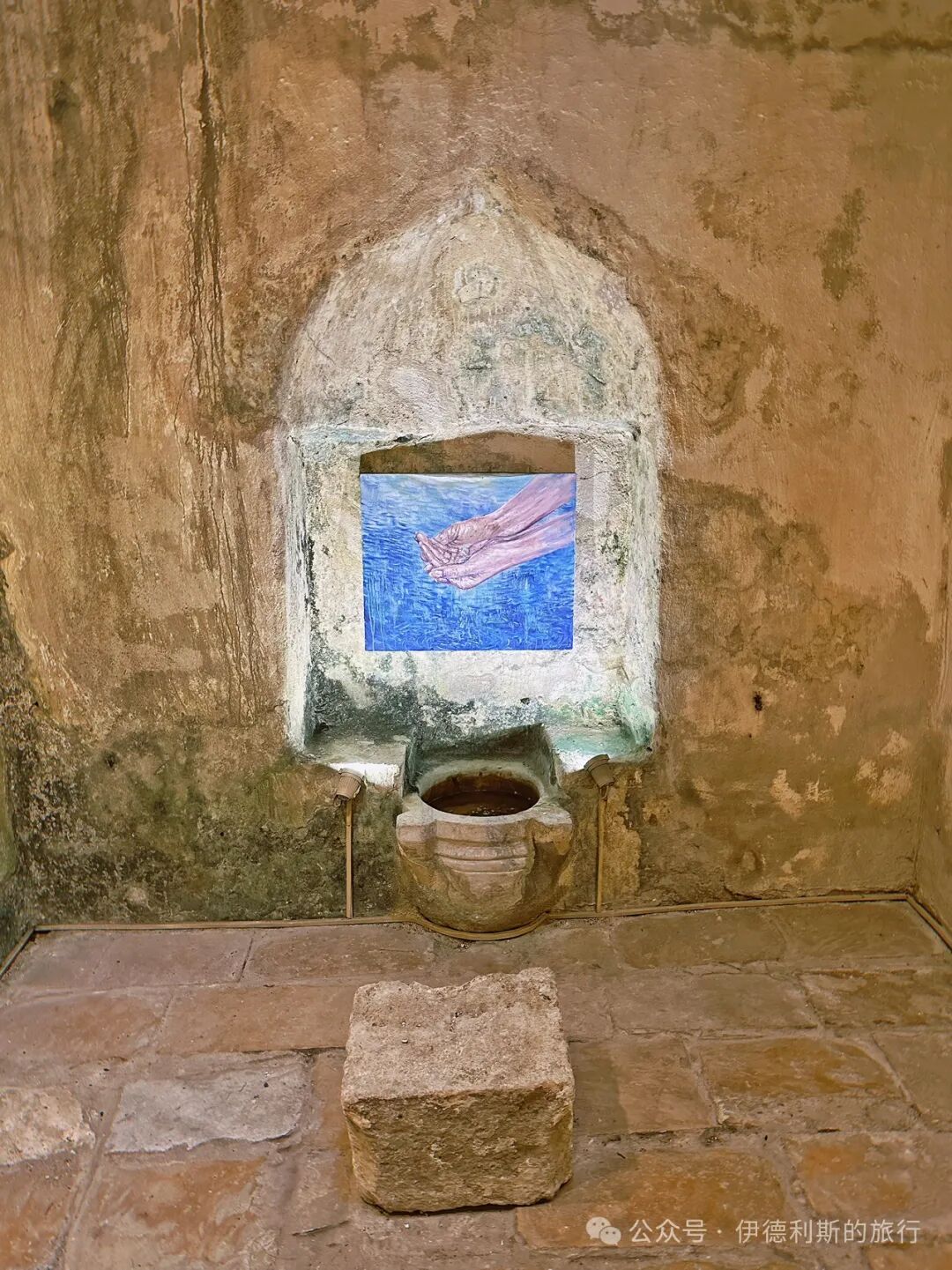
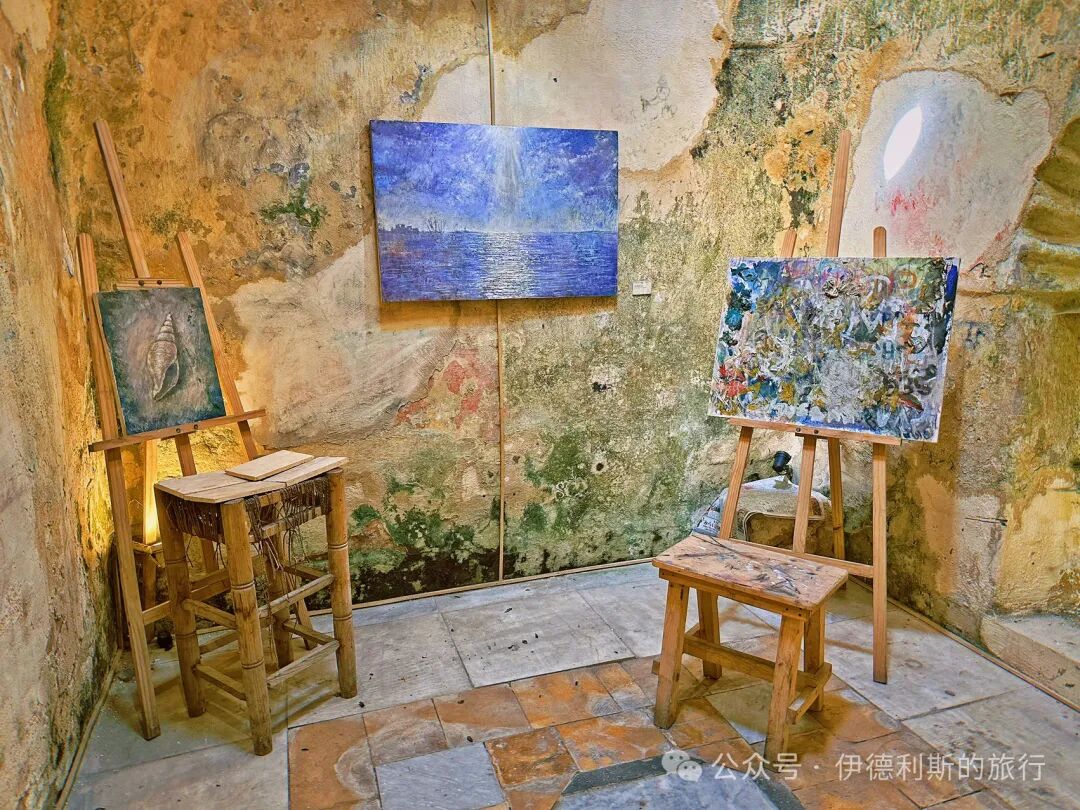
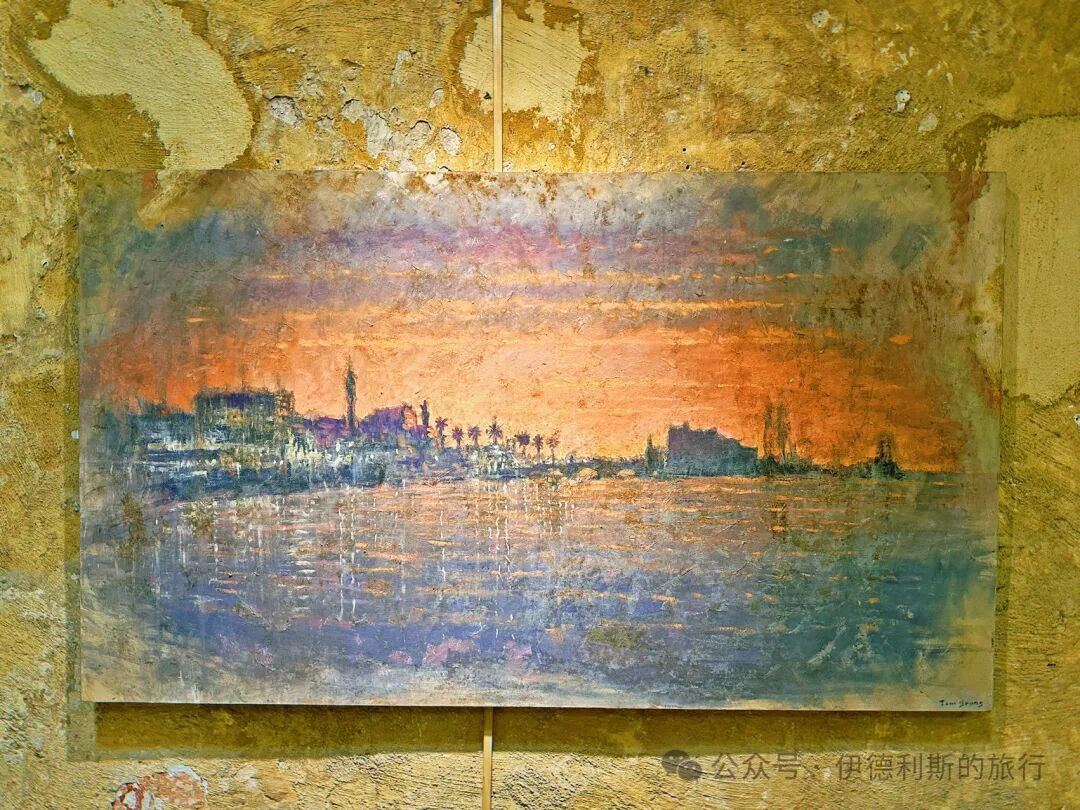
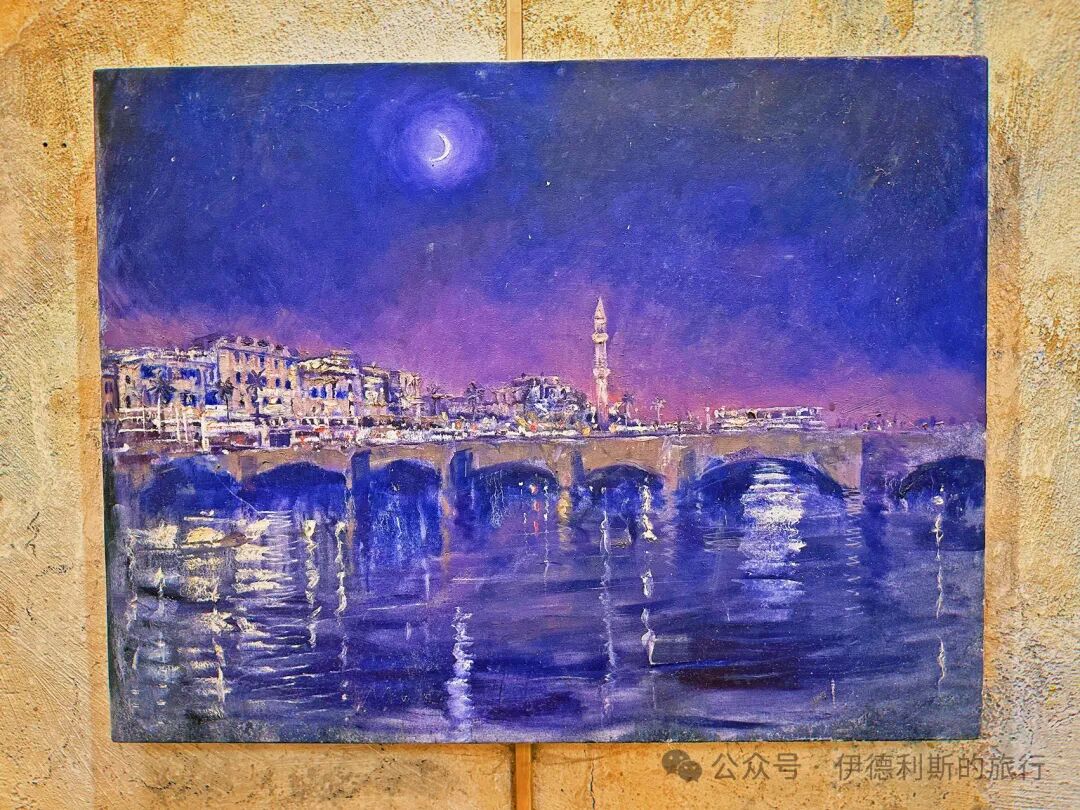
In 2019, Said Bacho invited the famous British artist Tom Young to create art for the bathhouse. Tom Young interviewed elderly people who had bathed in the bathhouse over 70 years ago. He listened to their memories and gained valuable inspiration.
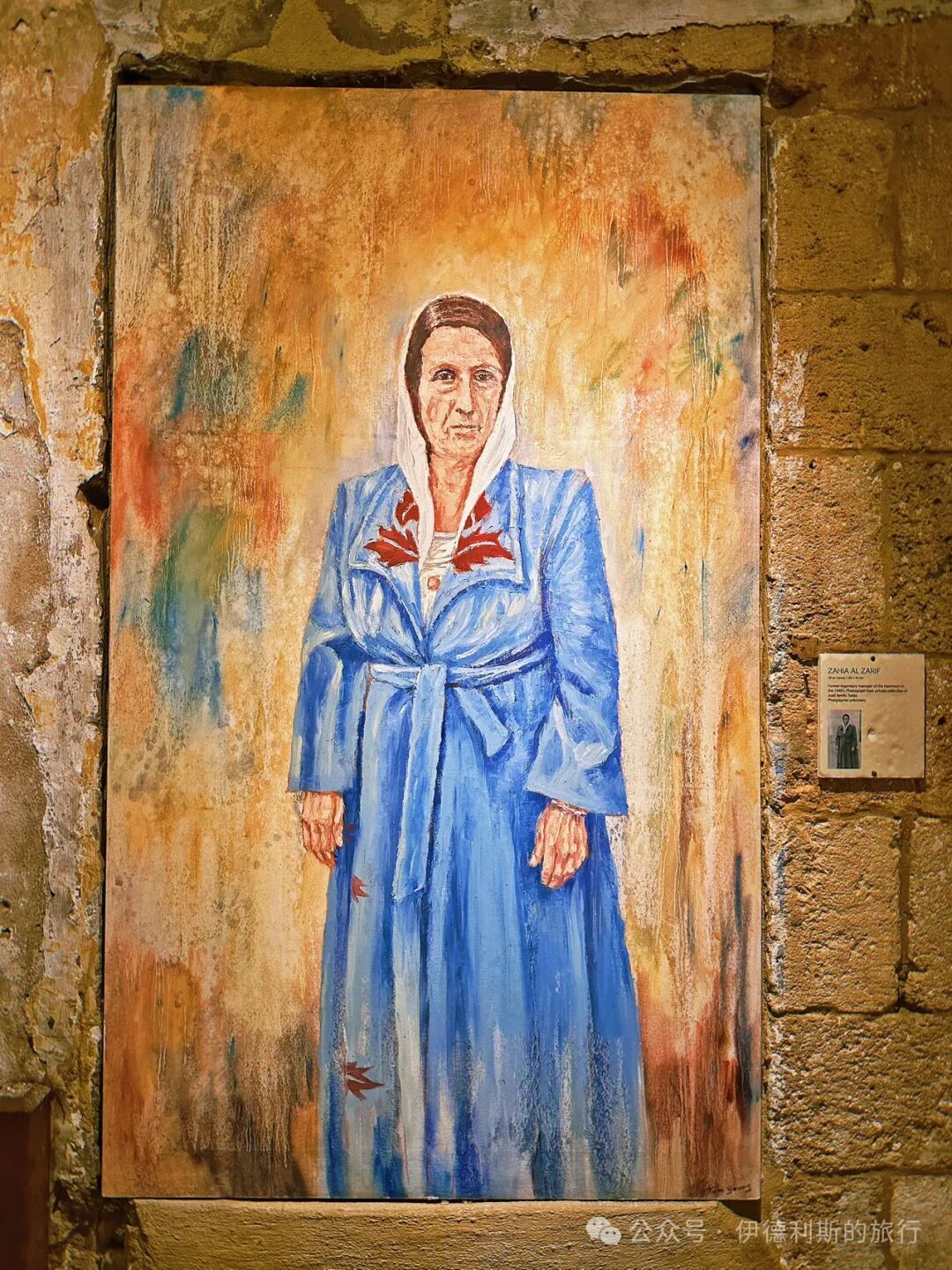
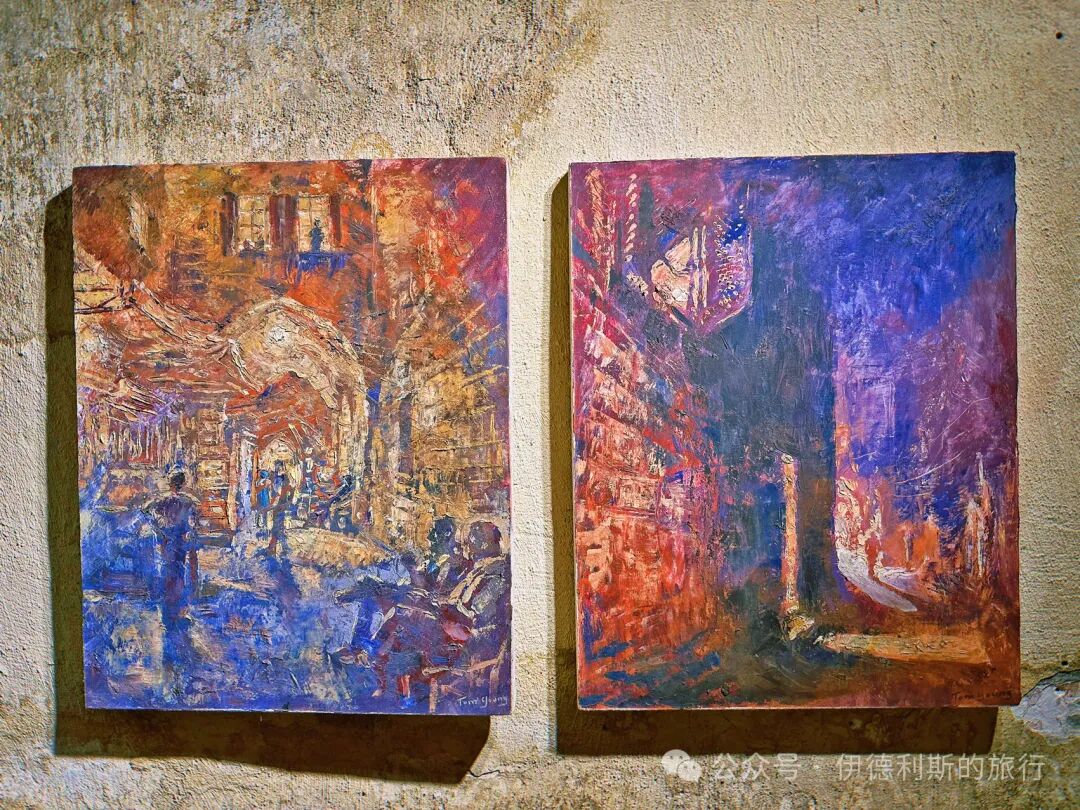
In 2020, the Revival exhibition officially opened inside the bathhouse. The 10 rooms of the bathhouse displayed 60 oil paintings by Tom Young, featuring not only the past and present of the bathhouse but also many other historical sites in the old city of Sidon. Tom Young also painted a portrait of the bathhouse's former owner, Zahia Al Zarif, based on archival photos from the 1940s.
Day and night in the old city of Sidon.
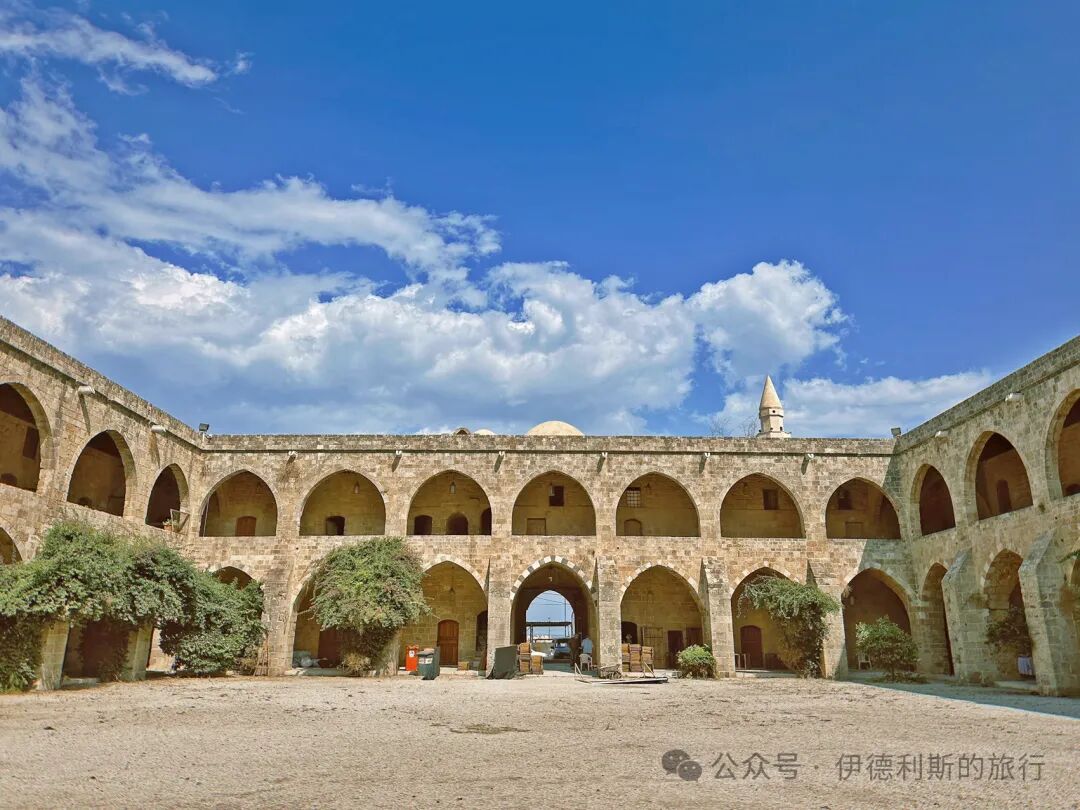
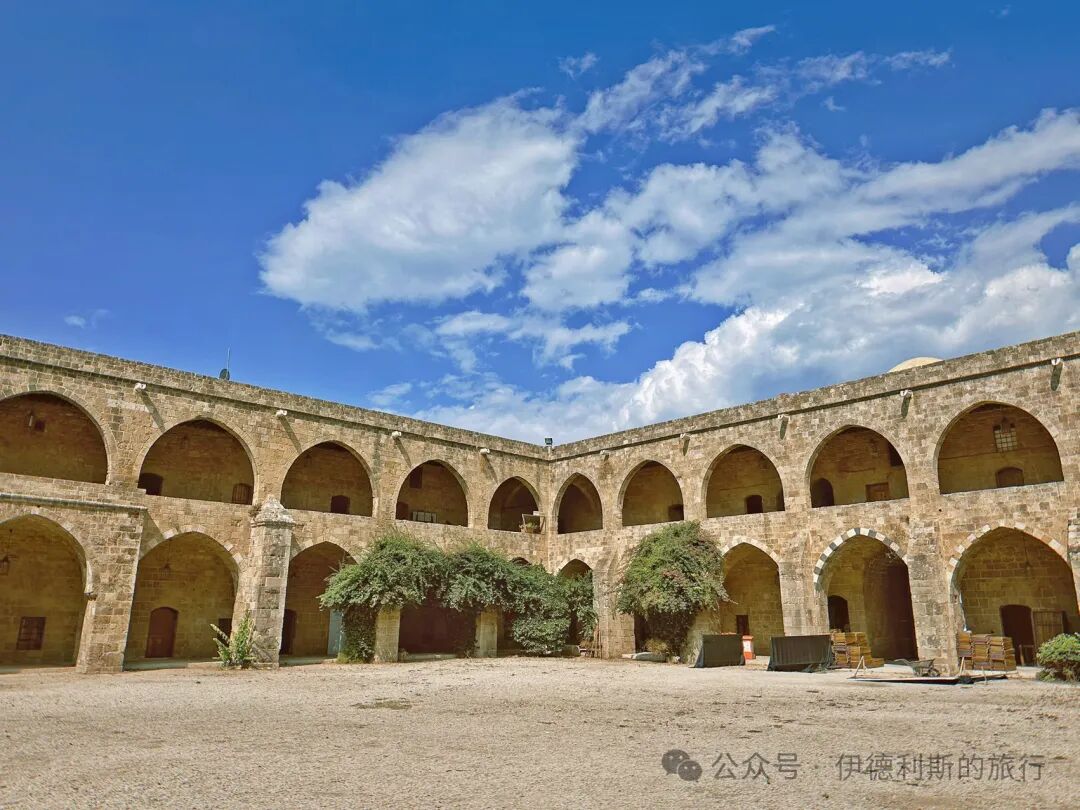
Heading west from the Hammam Al Jadeed bathhouse and through the winding alleys, you reach the massive Ottoman caravanserai, Khan al-Franj. Khan al-Franj was built in the late 16th century by order of the Ottoman Grand Vizier Sokollu Mehmed Pasha, who served from 1565 to 1579. The inn has a large courtyard, with the ground floor used for storing goods and the second floor for travelers to stay, which is the typical structure of an Ottoman caravanserai.
The inn served as the residence for the French consul in the early 17th century, which is how it got the name French Inn. The inn is currently owned by France, and the French Institute of the Near East (Institut français du Proche-Orient) is located here. The Hariri Foundation leased the space for 35 years. They restored the historical site and opened it as a cultural center, where they host various cultural events from time to time.
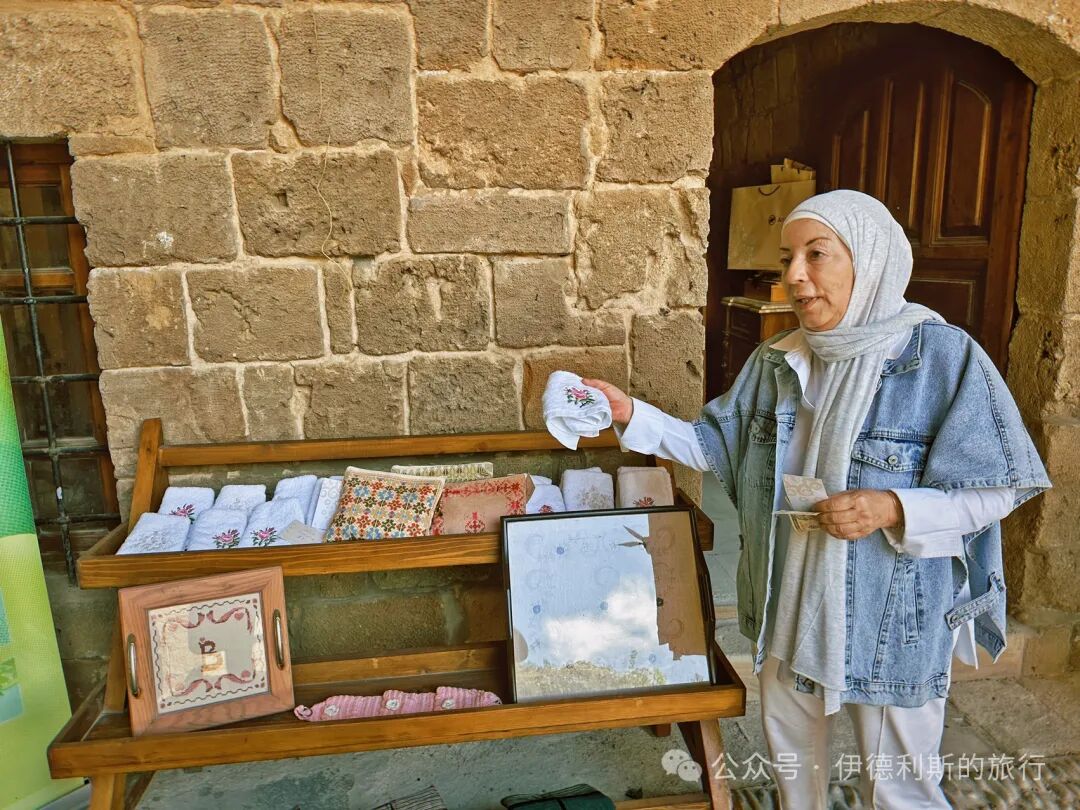
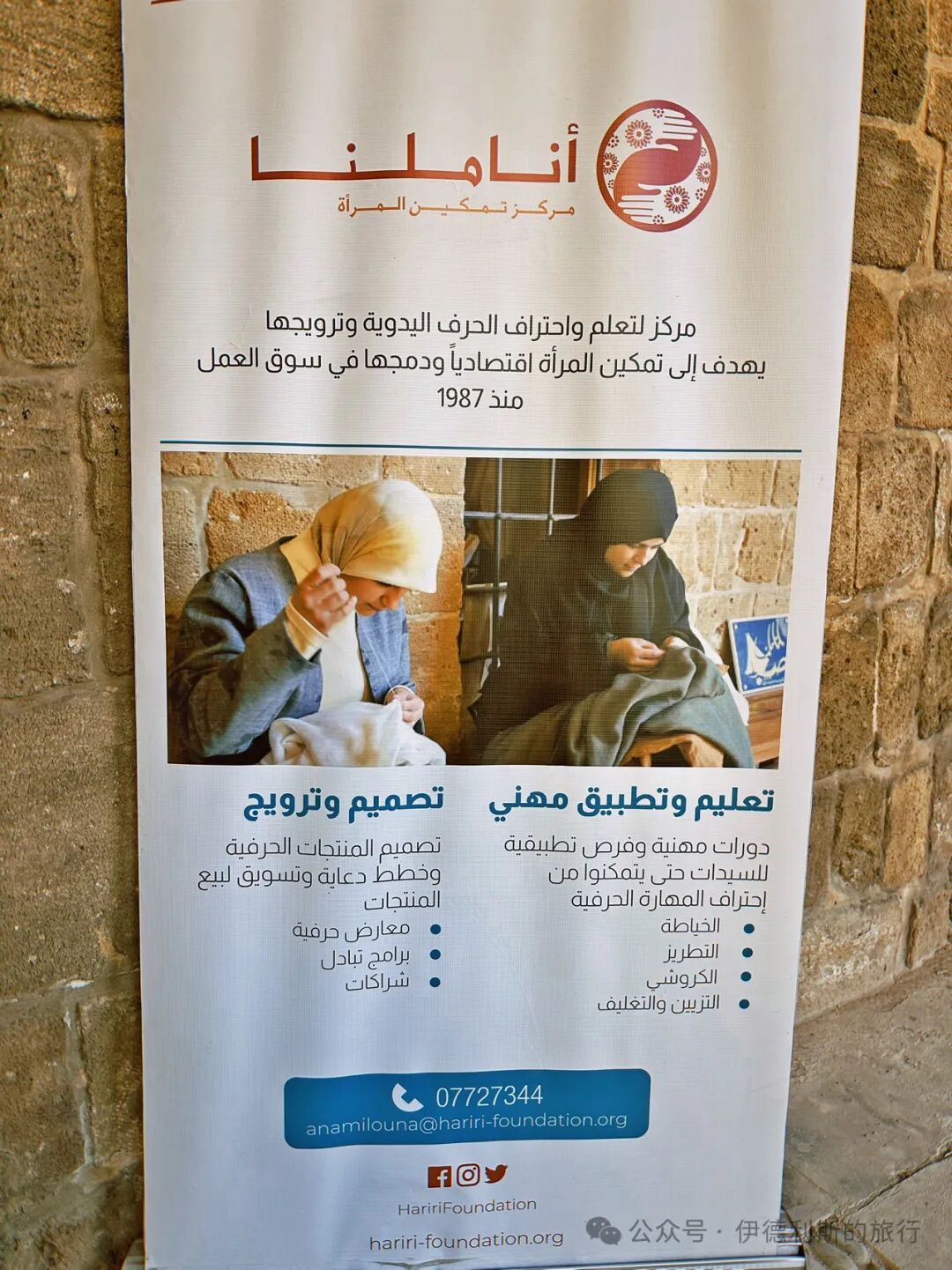
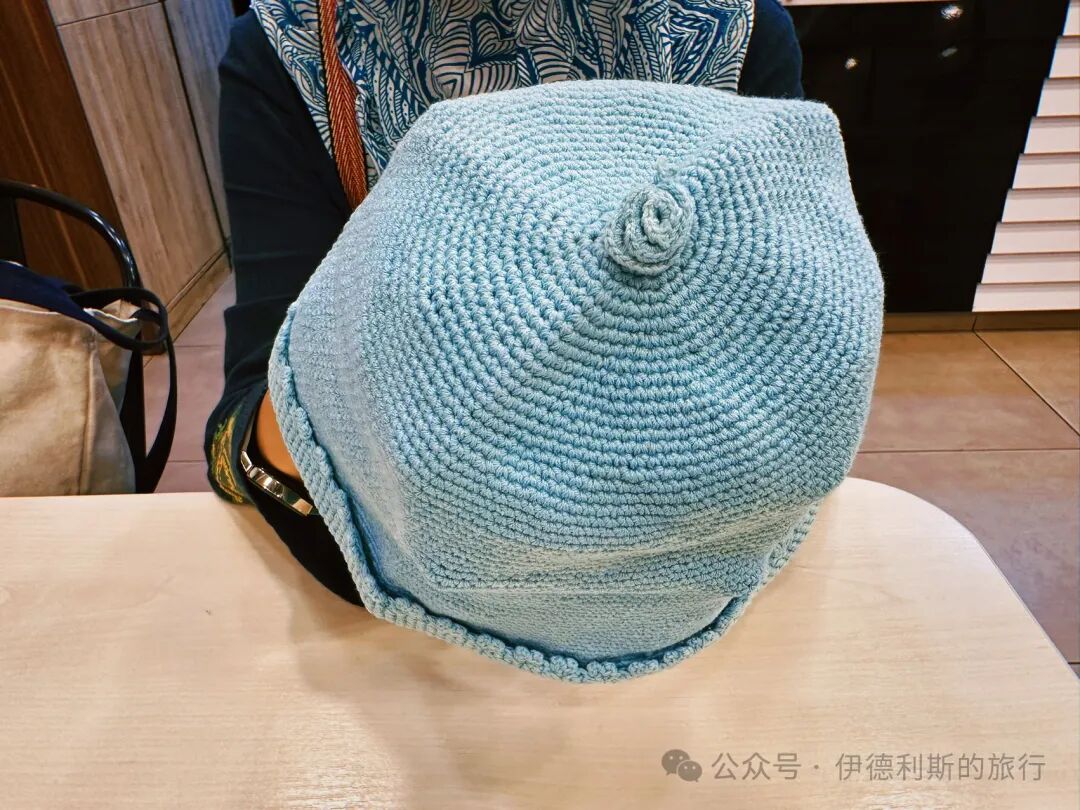
You can buy handicrafts made by local Lebanese women at the inn, and we bought a hand-woven hat. This is part of the Hariri Foundation's effort to create jobs for local women and promote tourism and handicrafts in Sidon.
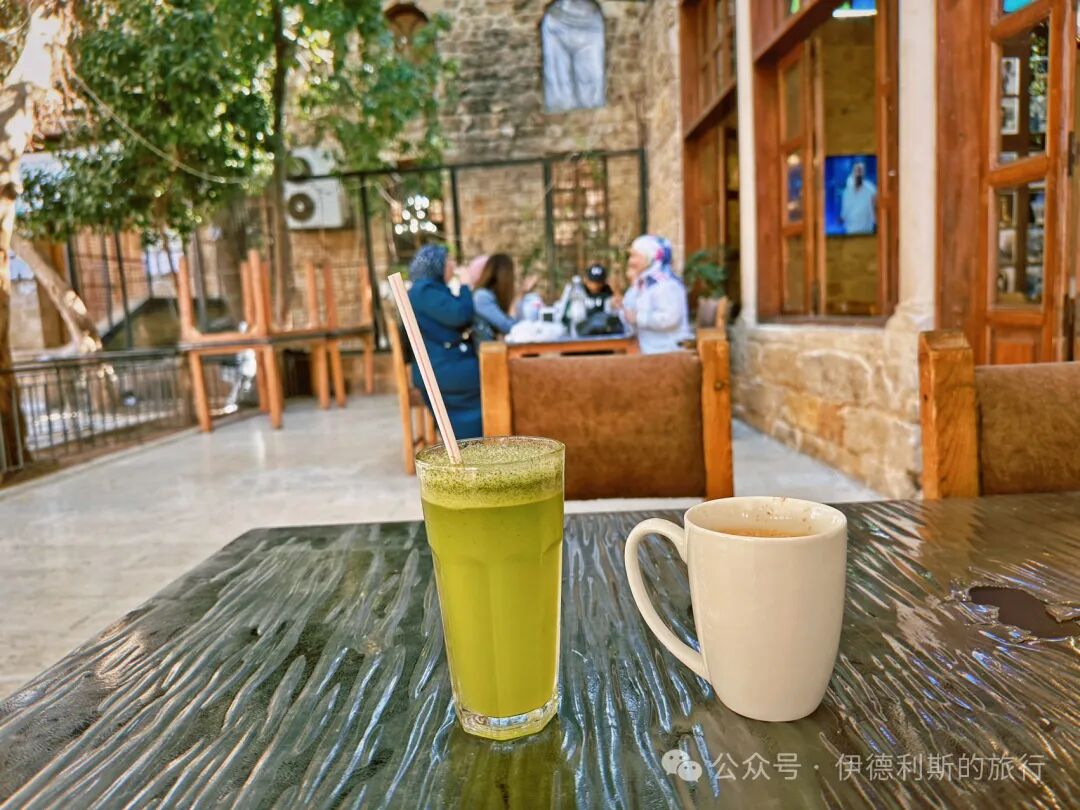
We had a mint lemonade at Bab Al Saray Cafe, located in a small square in the center of the old city of Sidon. It is one of the oldest cafes in Sidon, and people say their brunch is very authentic.
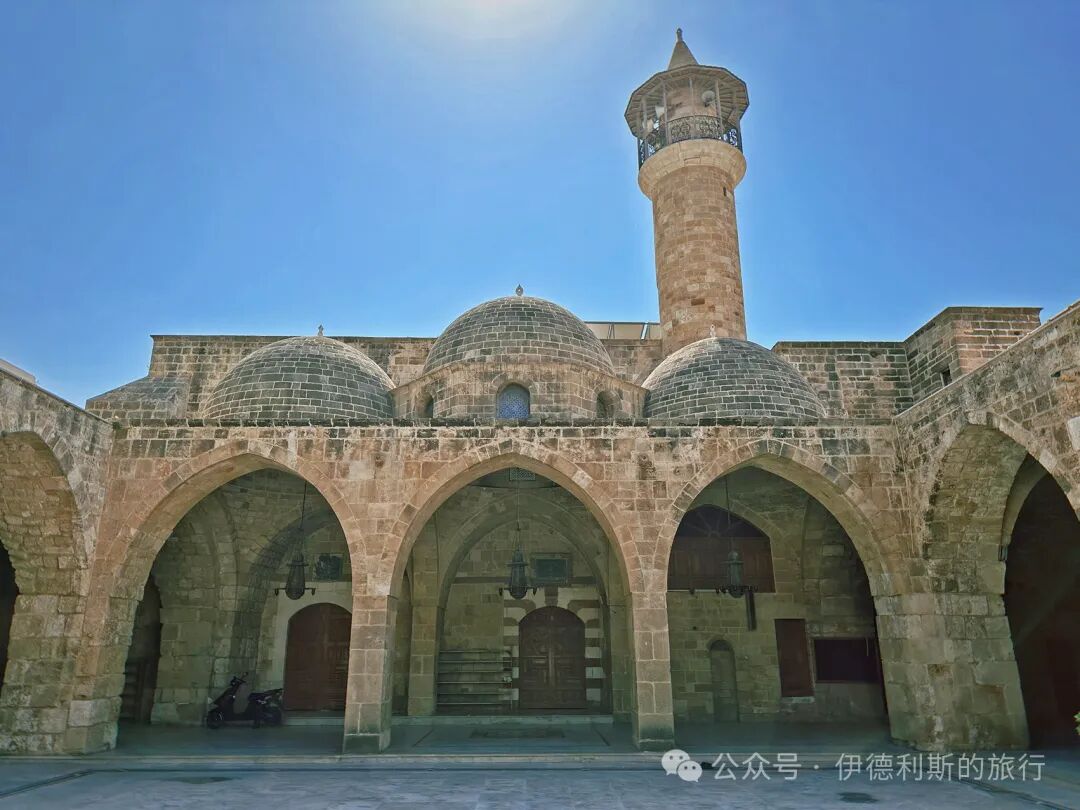
After resting, we visited the El Kikhia Mosque. Built in 1625 by Mahmoud Kitkhuda, the El Kikhia Mosque is a representative example of an Ottoman-era mosque in Lebanon. The mosque is famous for its six domes, and inside the main hall, there is a white marble pulpit (minbar).
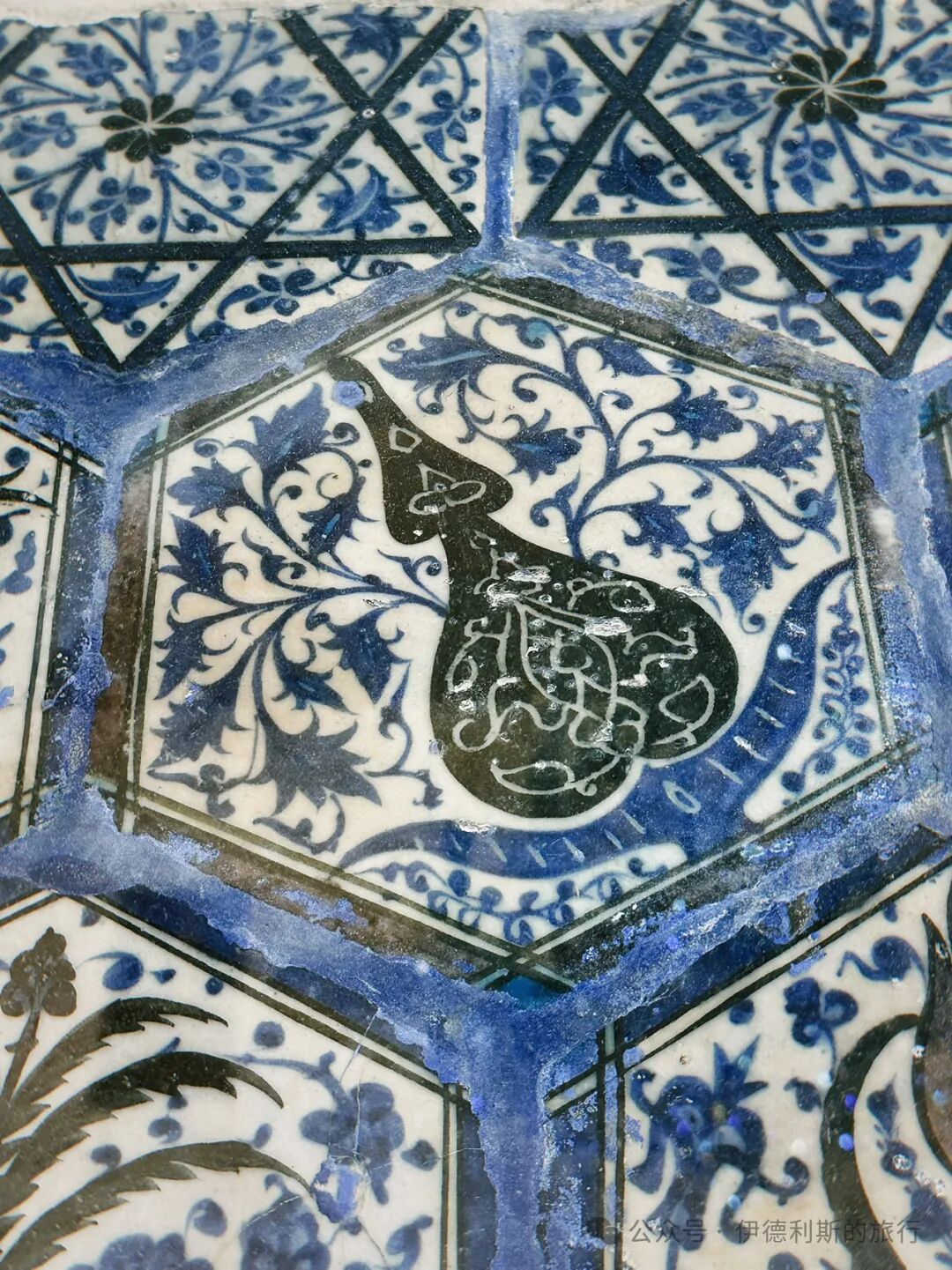
Across from the El Kikhia mosque is the Al-Qtaishieh mosque, where we performed our afternoon namaz. Sheikh Ali Ibn Mohammad Qtaish built the Al-Qtaishieh mosque in the 16th century, and it still holds beautiful Ottoman tiles.
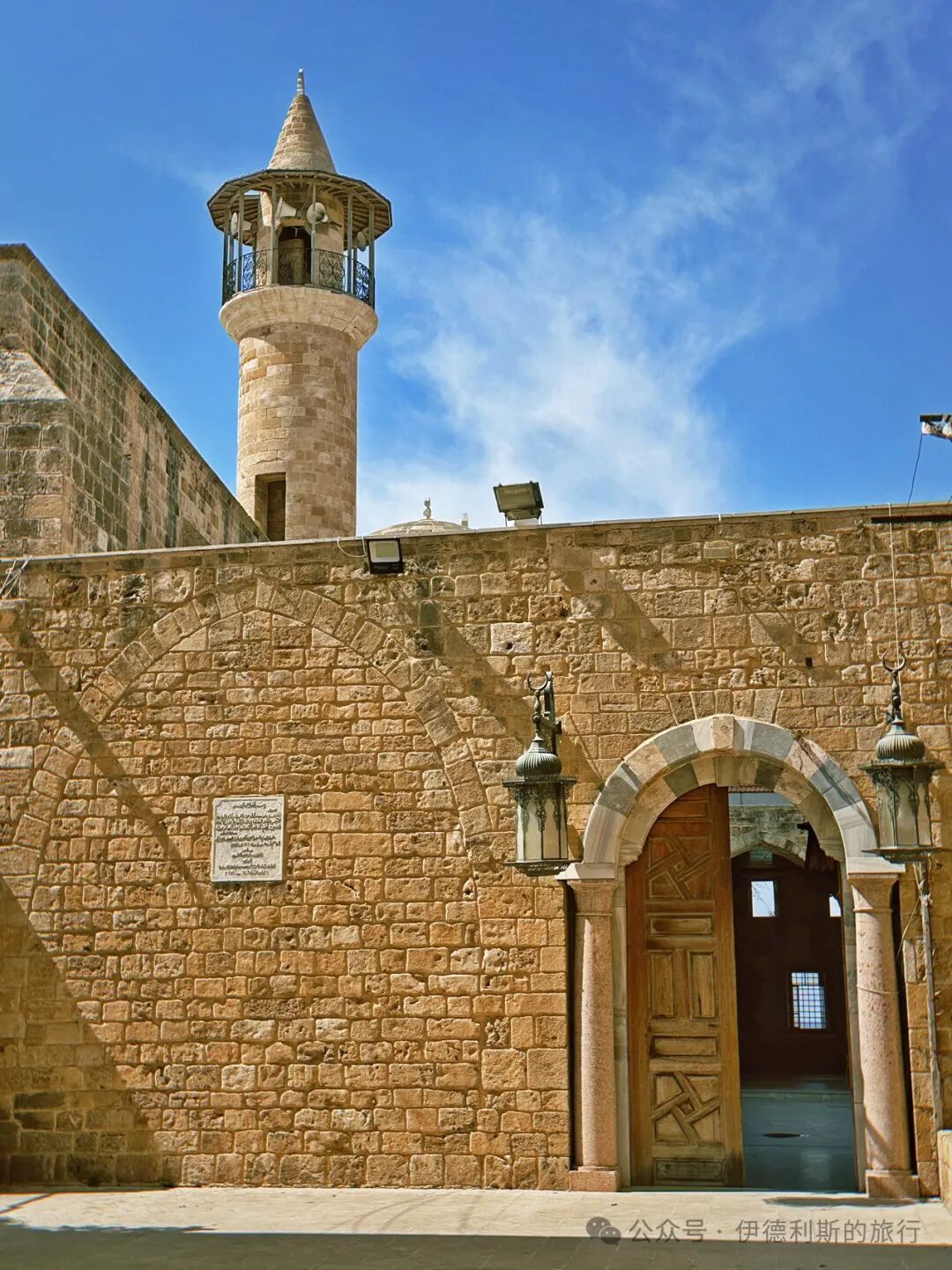
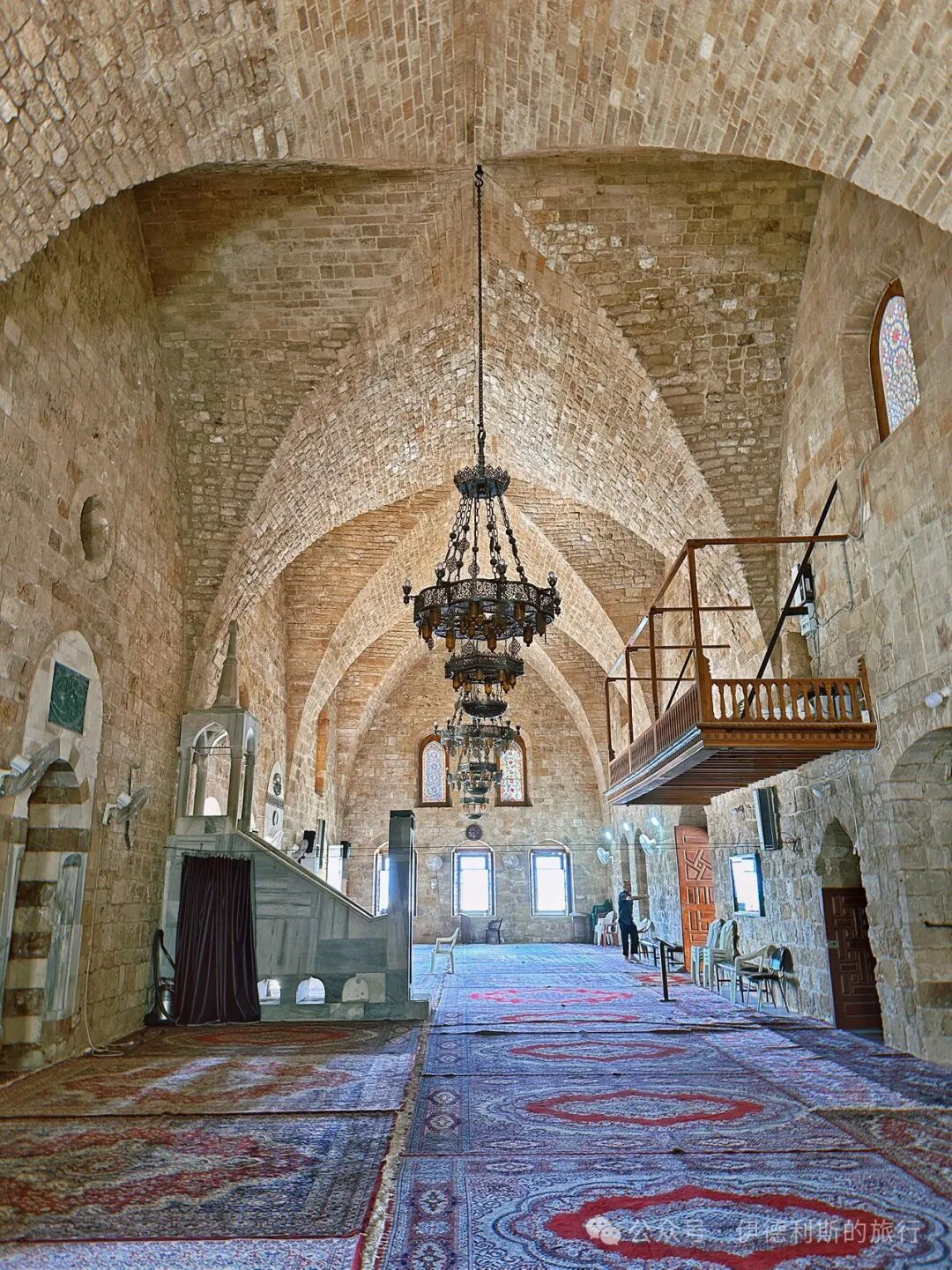
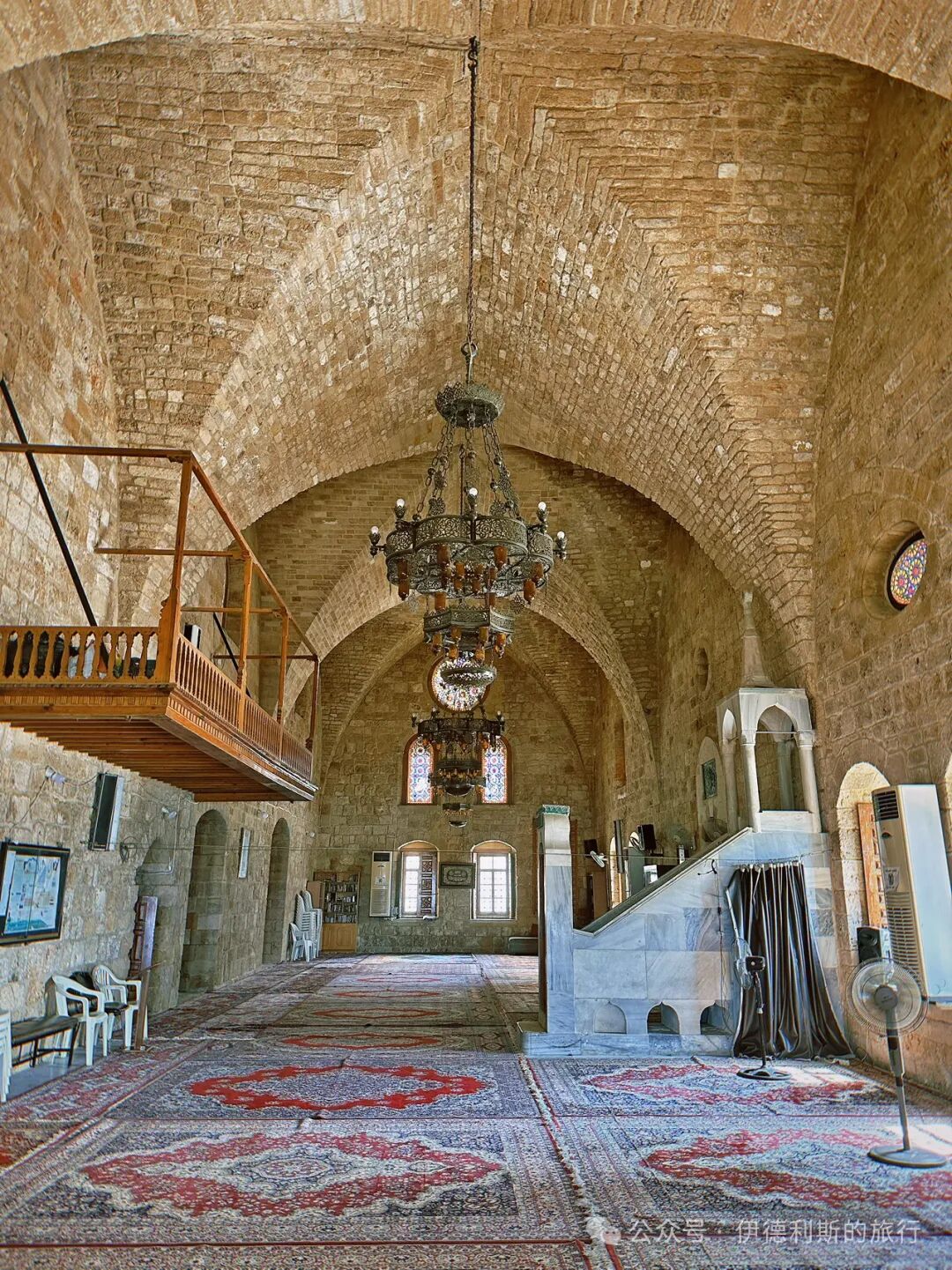
Next, we visited the Great Mosque of El-Omari, the main mosque in the old city of Saida, where the Eid prayers are held. The Great Mosque of El-Omari sits on a hillside on the west side of the old city of Saida and is built from massive sandstone blocks over a meter thick.
The building dates back to the Crusader era, when the Knights Hospitaller turned it into a military fortress in the 13th century, complete with a dining hall, a church, and stables. In 1291, the Mamluk Sultan Al-Ashraf Khalil (who reigned from 1290 to 1293) conquered the Crusader castles, including Saida, ending the Crusader states that had lasted for nearly two hundred years. The Mamluk dynasty then built the Great Mosque of El-Omari on the foundation of the Knights Hospitaller fortress.
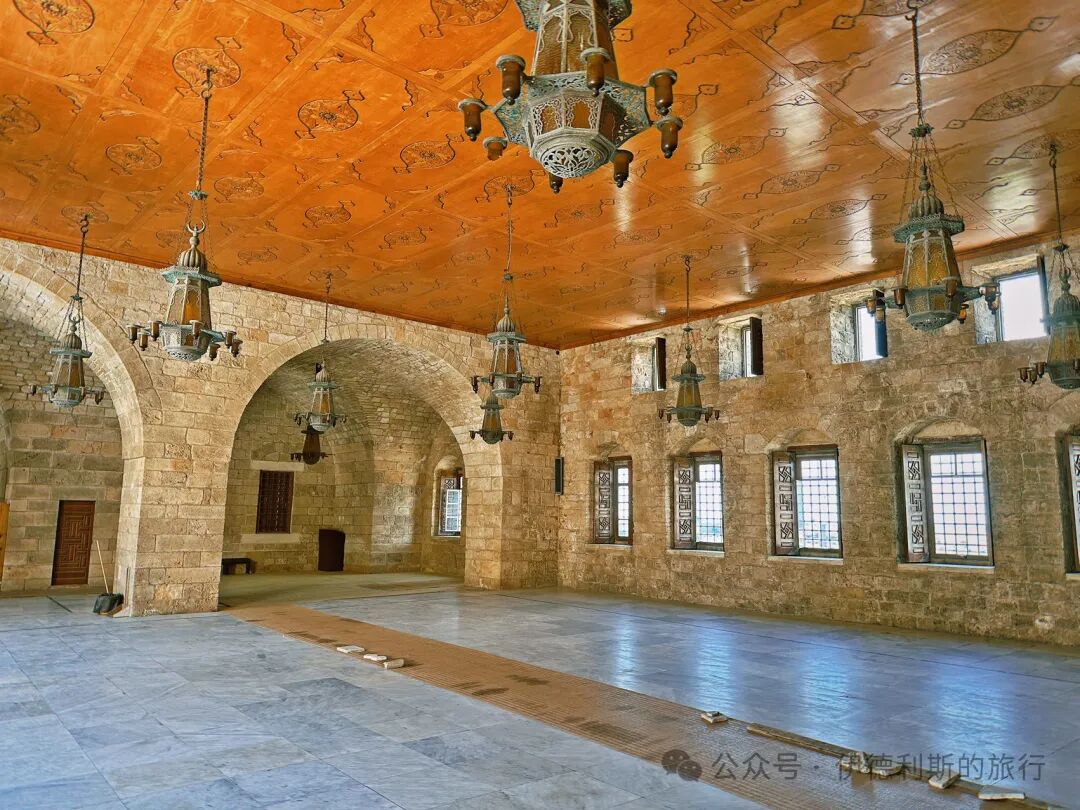
The main hall of the Great Mosque of El-Omari keeps the Byzantine style of the Crusader church, with a ten-meter-high ceiling supported by five sturdy buttresses. The Mamluk dynasty changed the orientation of the main hall from east-west to north-south. They added a mihrab niche and a minbar pulpit on the south side, and built a water room and school in the outer courtyard to the north. In the late 19th century, the Ottoman dynasty renovated the Great Mosque of Omar and built the current minaret (bangkelou).
During the 1982 Israeli invasion of Lebanon, the Great Mosque of Omar was hit by artillery fire many times and suffered serious damage. The Hariri Foundation led the restoration of the site in 1986, and it won the Aga Khan Award for Architecture in 1989.
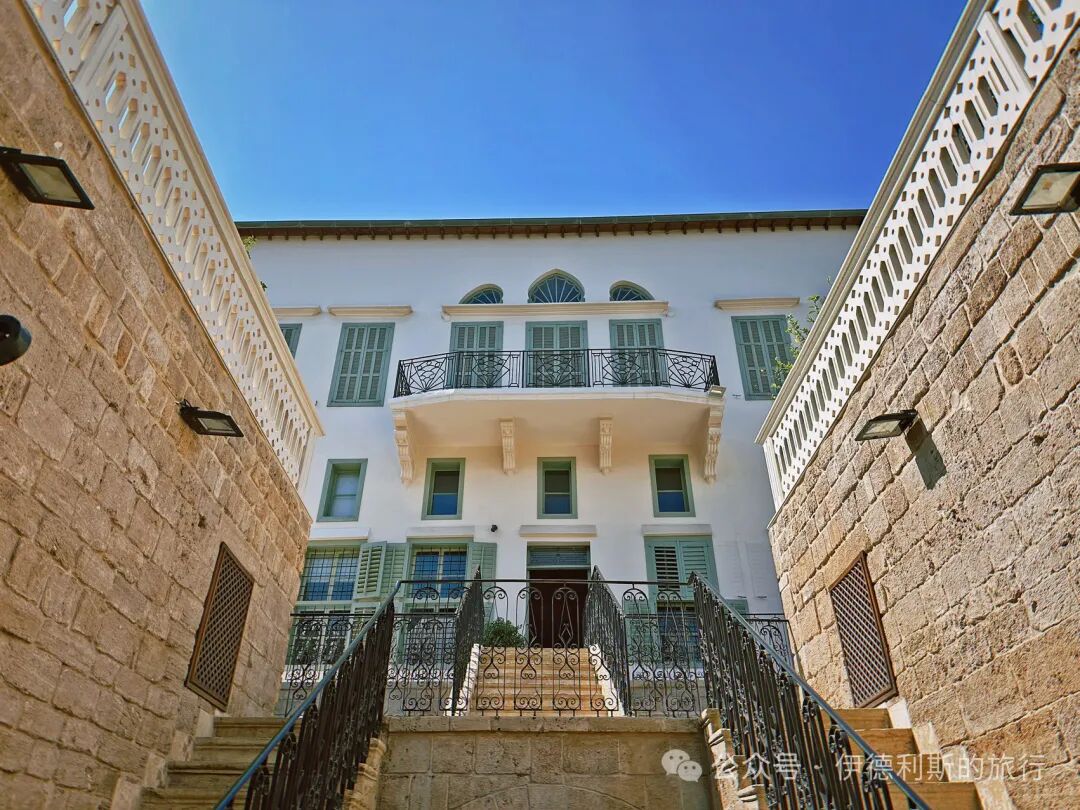
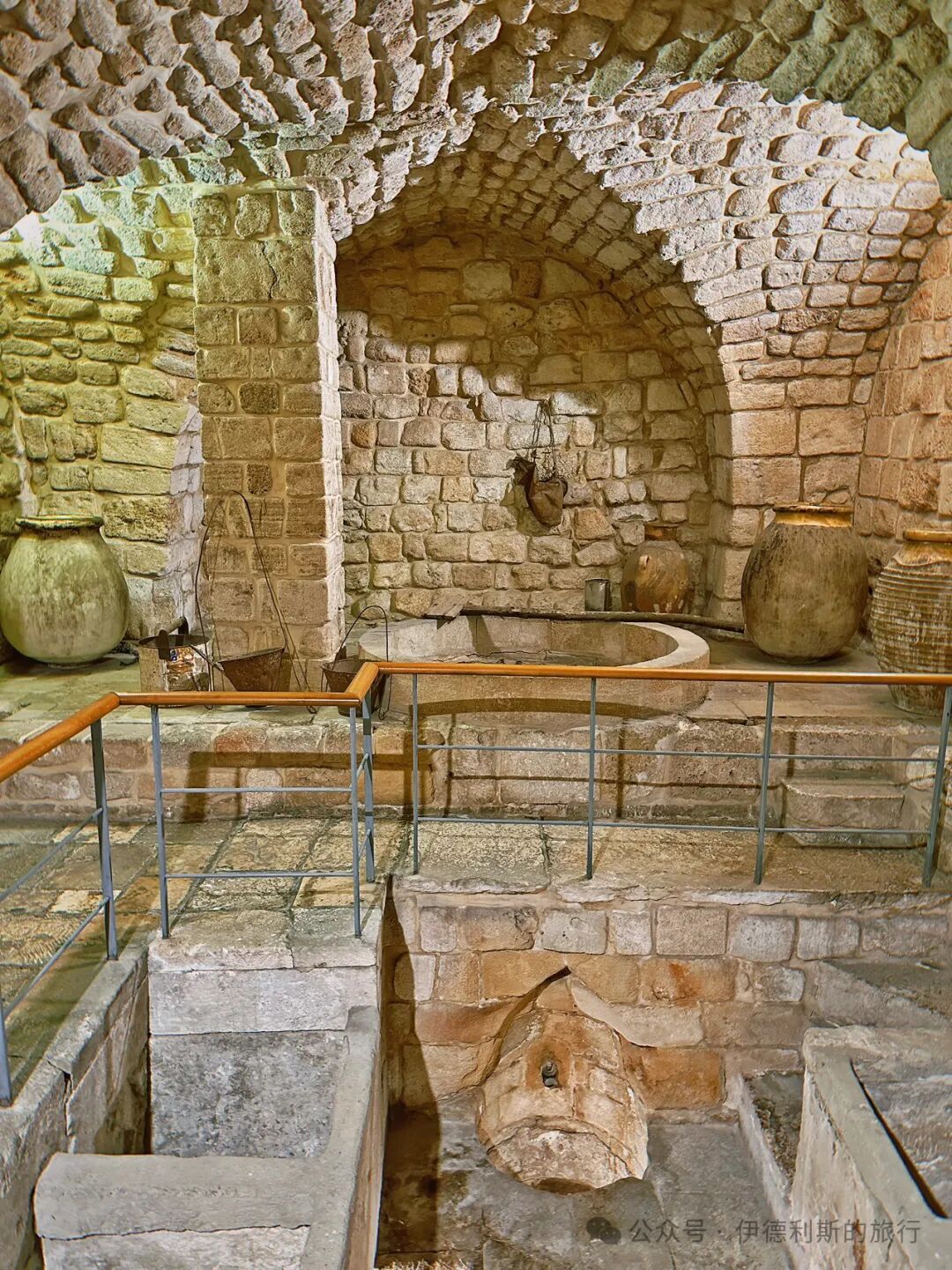
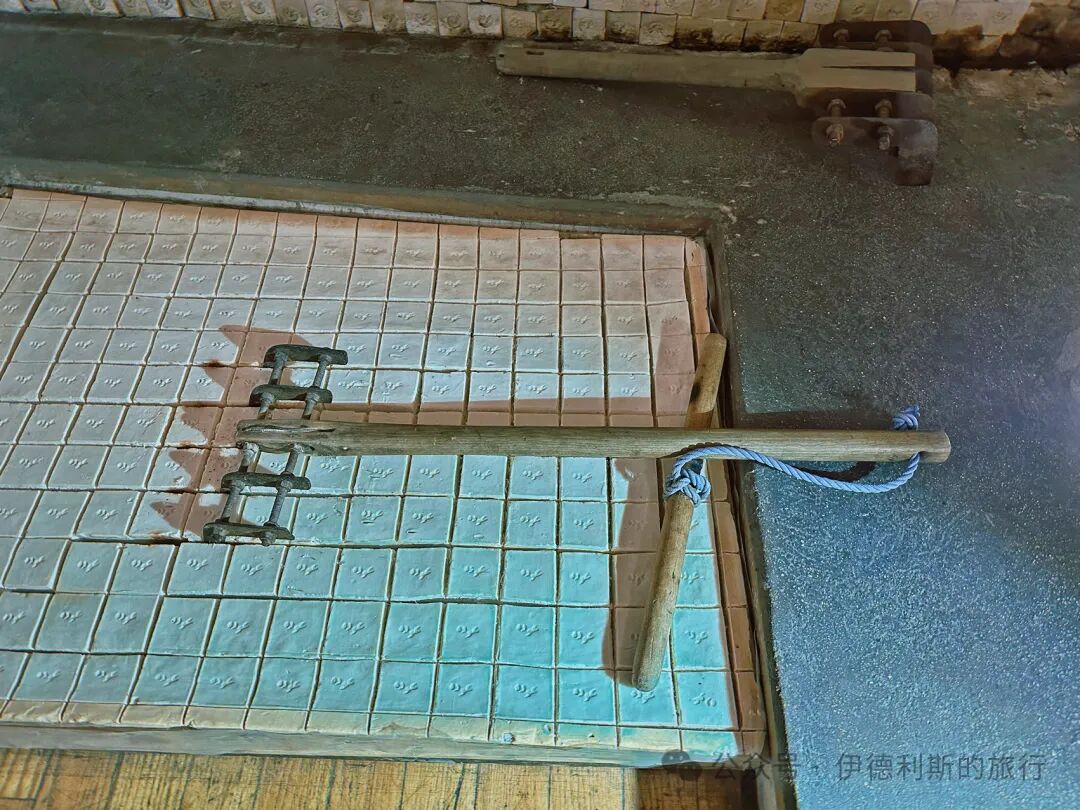
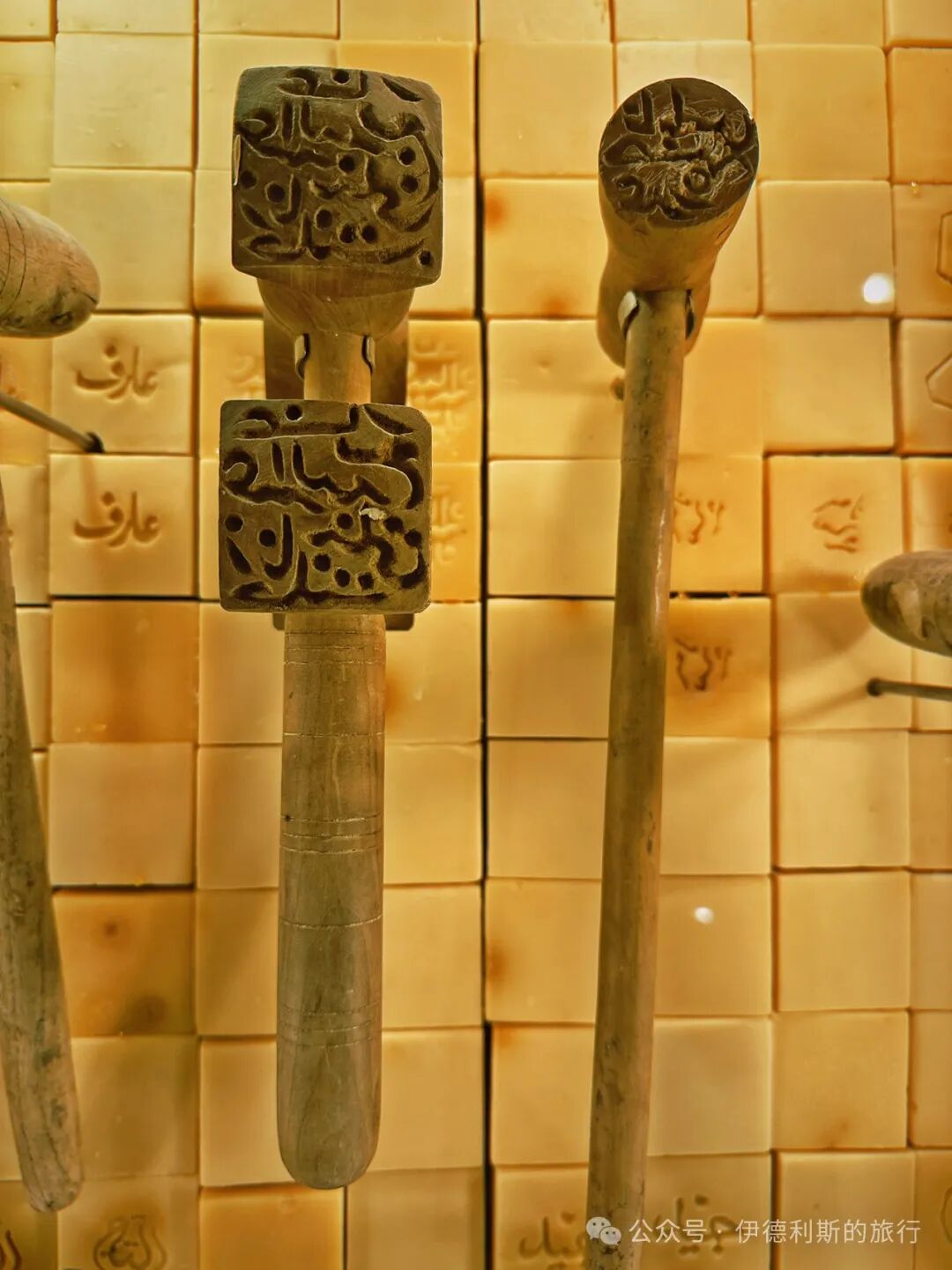
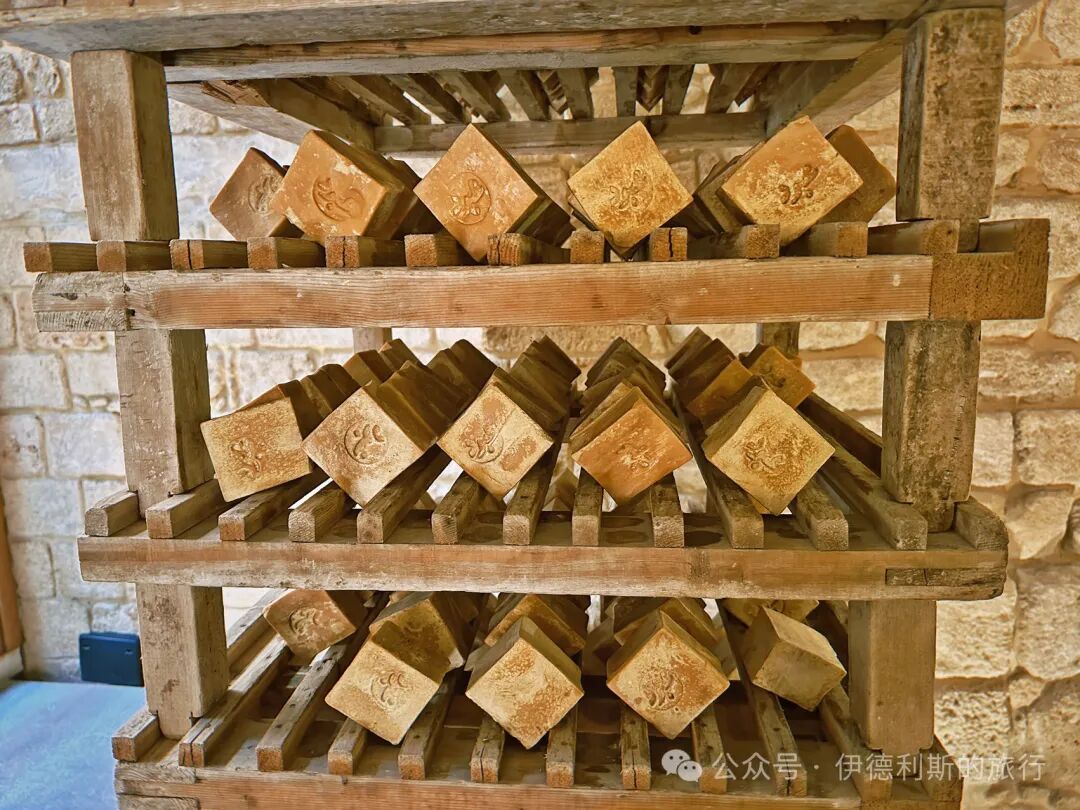
After leaving the Great Mosque of Omar, we visited the Soap Museum in Sidon. The soap workshop where the museum is located was built by Hammoud in the 17th century. The Audi family took it over in the 1880s and added a residence on the upper floor. The Audi family left Sidon for Beirut in the 1950s, and the building became a school. During the Lebanese Civil War in the 1980s, the building was abandoned and refugees lived on the ground floor. The Audi Foundation began restoring the workshop in 1996 and opened it as a soap museum in 2000.
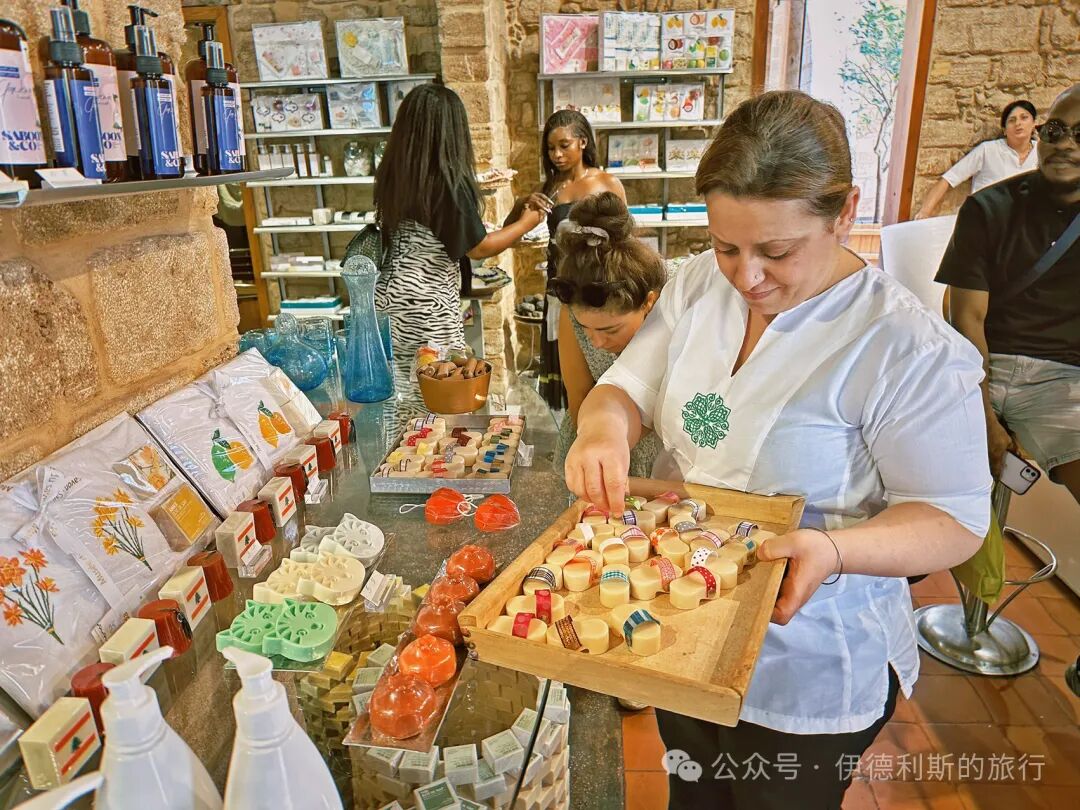
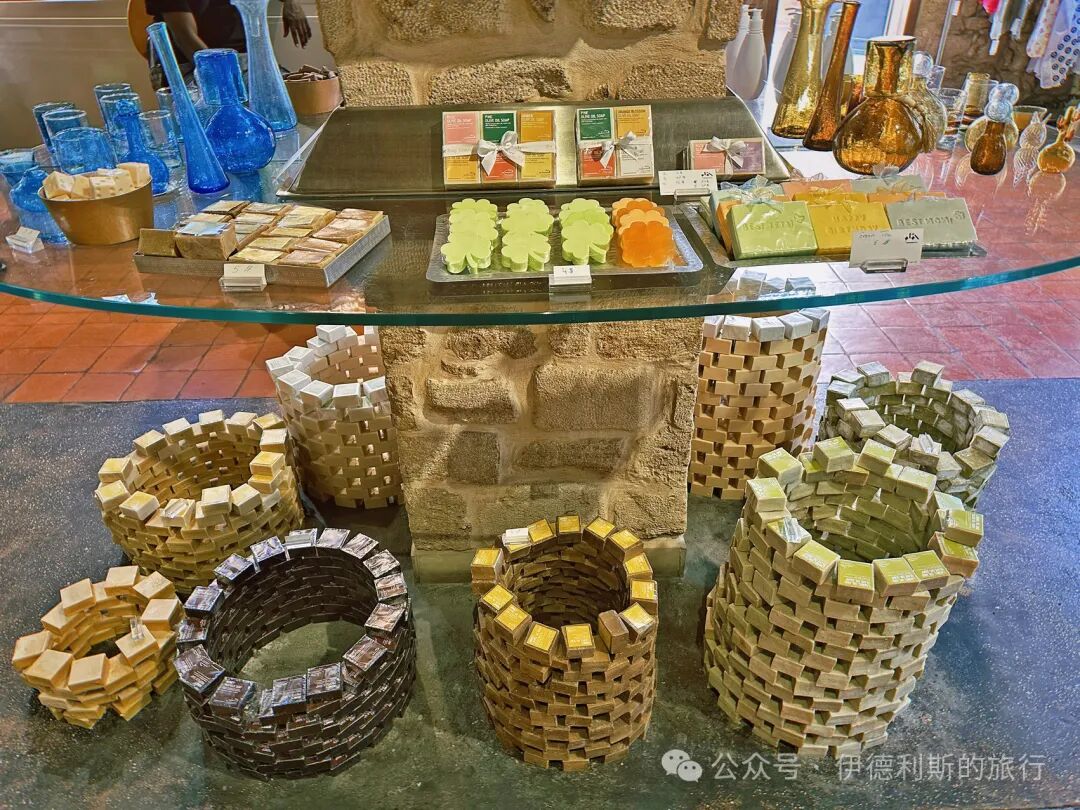
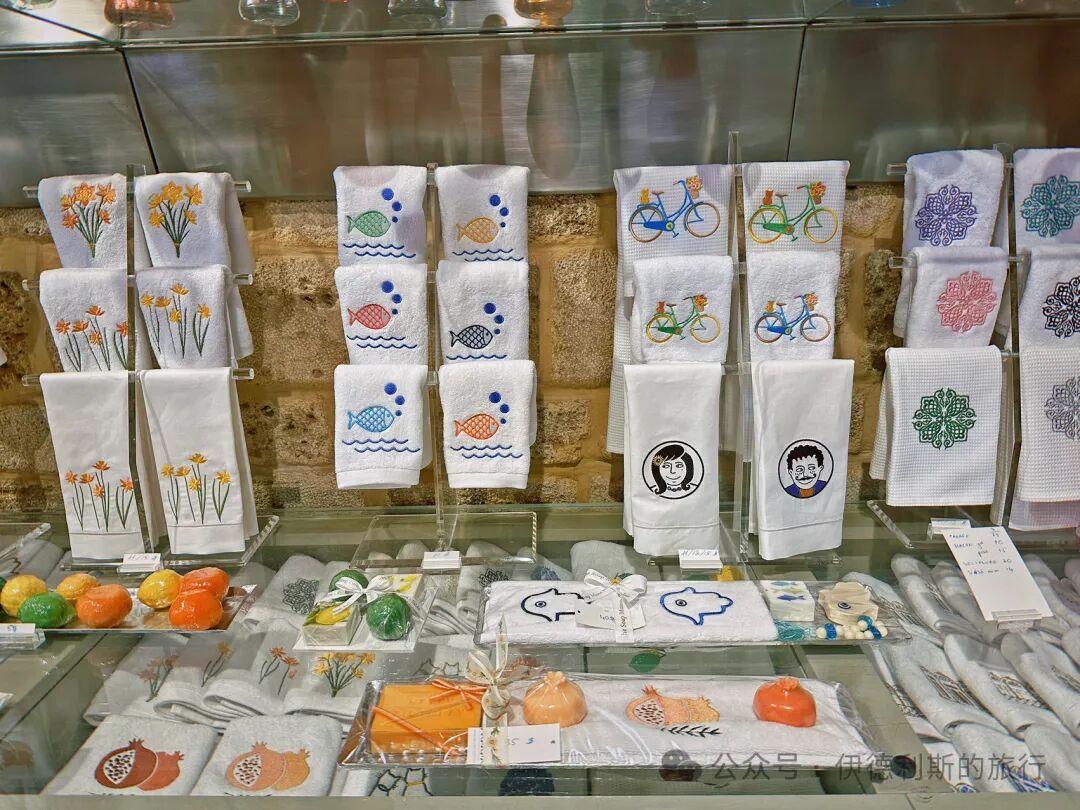
At the soap museum, you can learn how traditional olive oil soap is made and see the remains of the workshop's plumbing from the 17th to 19th centuries. The museum's gift shop is worth a visit. You can buy traditional olive oil soap there, as well as a variety of creative scented soaps. view all
Summary: Halal Travel Guide: Sidon, Lebanon - Old City, Sea Fort and Mosques (Part 1) is presented here as a firsthand travel account in clear, natural English. The account focuses on Sidon, Lebanon, Mosques while preserving the names, places, food, photos, and historical details from the Chinese source.
We took a minibus from the southern suburbs of Beirut and traveled 40 kilometers south to reach Saida, the third-largest city in Lebanon. Saida has a history of over 6,000 years. It is one of the oldest cities in the world and played a major role in Mediterranean trade.
The landmark of the old city of Saida is the Sea Castle (Qalaat al-Bahr) located on a small island to the north. The Crusaders built it in 1228, and it connects to the mainland by an 80-meter-long bridge. The Sea Castle was destroyed many times, then repaired and expanded during the Mamluk and Ottoman dynasties. Today, the Sea Castle consists of two towers. You can see many Roman-era stone pillars on the outer walls, and there is a small domed mosque built during the Ottoman period on the roof.
Next to the Sea Castle on the shore is a very famous restaurant called Saida Rest House. The restaurant preserves an Ottoman-era inn (khan) with beautiful inlaid marble and colorful carvings, and the lighting inside is excellent.
At the seaside seats of Saida Rest House, we ordered the Lebanese specialties of tomato sausage and fish salad with tajen sauce. Tajen is a spicy sesame paste that goes perfectly with pita bread.
The ancient city of Sidon is a well-preserved Sunni Muslim old town on the eastern Mediterranean coast. Enter the maze of streets from the north gate. Many houses are built over the streets, creating tunnels. People set up stalls inside these tunnels, selling all kinds of goods. It feels very lively and full of daily life.
In the market inside the ancient city of Sidon, you can buy fresh dates (yezao). They have a soft, powdery texture and taste great. You can also buy traditional clothing here. It feels very unique.
Entering the ancient city of Sidon from the north side, the first attraction is the underground Khan Sacy Archaeological Museum. Khan Sacy is made up of several arched rooms. They date back to stables and warehouses from the Crusader period (1099-1291). Since 2010, archaeological excavations at Khan Sacy have uncovered two bathrooms from the Mamluk dynasty (1201-1517), three water wells with different architectural styles, and a multi-purpose oven from the Ottoman period (1517-1918).
Follow the main road of the ancient city of Sidon south to see the largest Turkish bath in the old city, Hammam Al Jadeed. Hammam Al Jadeed was built in 1720 by the Moroccan merchant Mustafa Hammoud. It is a representative example of a Turkish bath in Lebanon from the Ottoman dynasty. The bathhouse consists of 10 rooms, including bathing, massage, and sauna areas. Corridors connect each area, which features unique marble floors and skylights.
This bathhouse stayed in use until 1948, when it closed because tap water pipes became common. The bathhouse was later used as a carpentry workshop and storage room, and it suffered damage during the Lebanese Civil War (1975-90). During the 1982 Israeli invasion of Lebanon, one of the bathhouse domes was hit by shelling and remains unrepaired today.
In 2018, Said Bacho, the founder and president of the Sharqy Foundation for Cultural Development and Innovation, purchased the Hammam Al Jadeed bathhouse. In 2019, the bathhouse reopened as a historical site after being closed for 71 years.
In 2019, Said Bacho invited the famous British artist Tom Young to create art for the bathhouse. Tom Young interviewed elderly people who had bathed in the bathhouse over 70 years ago. He listened to their memories and gained valuable inspiration.
In 2020, the Revival exhibition officially opened inside the bathhouse. The 10 rooms of the bathhouse displayed 60 oil paintings by Tom Young, featuring not only the past and present of the bathhouse but also many other historical sites in the old city of Sidon. Tom Young also painted a portrait of the bathhouse's former owner, Zahia Al Zarif, based on archival photos from the 1940s.
Day and night in the old city of Sidon.
Heading west from the Hammam Al Jadeed bathhouse and through the winding alleys, you reach the massive Ottoman caravanserai, Khan al-Franj. Khan al-Franj was built in the late 16th century by order of the Ottoman Grand Vizier Sokollu Mehmed Pasha, who served from 1565 to 1579. The inn has a large courtyard, with the ground floor used for storing goods and the second floor for travelers to stay, which is the typical structure of an Ottoman caravanserai.
The inn served as the residence for the French consul in the early 17th century, which is how it got the name French Inn. The inn is currently owned by France, and the French Institute of the Near East (Institut français du Proche-Orient) is located here. The Hariri Foundation leased the space for 35 years. They restored the historical site and opened it as a cultural center, where they host various cultural events from time to time.
You can buy handicrafts made by local Lebanese women at the inn, and we bought a hand-woven hat. This is part of the Hariri Foundation's effort to create jobs for local women and promote tourism and handicrafts in Sidon.
We had a mint lemonade at Bab Al Saray Cafe, located in a small square in the center of the old city of Sidon. It is one of the oldest cafes in Sidon, and people say their brunch is very authentic.
After resting, we visited the El Kikhia Mosque. Built in 1625 by Mahmoud Kitkhuda, the El Kikhia Mosque is a representative example of an Ottoman-era mosque in Lebanon. The mosque is famous for its six domes, and inside the main hall, there is a white marble pulpit (minbar).
Across from the El Kikhia mosque is the Al-Qtaishieh mosque, where we performed our afternoon namaz. Sheikh Ali Ibn Mohammad Qtaish built the Al-Qtaishieh mosque in the 16th century, and it still holds beautiful Ottoman tiles.
Next, we visited the Great Mosque of El-Omari, the main mosque in the old city of Saida, where the Eid prayers are held. The Great Mosque of El-Omari sits on a hillside on the west side of the old city of Saida and is built from massive sandstone blocks over a meter thick.
The building dates back to the Crusader era, when the Knights Hospitaller turned it into a military fortress in the 13th century, complete with a dining hall, a church, and stables. In 1291, the Mamluk Sultan Al-Ashraf Khalil (who reigned from 1290 to 1293) conquered the Crusader castles, including Saida, ending the Crusader states that had lasted for nearly two hundred years. The Mamluk dynasty then built the Great Mosque of El-Omari on the foundation of the Knights Hospitaller fortress.
The main hall of the Great Mosque of El-Omari keeps the Byzantine style of the Crusader church, with a ten-meter-high ceiling supported by five sturdy buttresses. The Mamluk dynasty changed the orientation of the main hall from east-west to north-south. They added a mihrab niche and a minbar pulpit on the south side, and built a water room and school in the outer courtyard to the north. In the late 19th century, the Ottoman dynasty renovated the Great Mosque of Omar and built the current minaret (bangkelou).
During the 1982 Israeli invasion of Lebanon, the Great Mosque of Omar was hit by artillery fire many times and suffered serious damage. The Hariri Foundation led the restoration of the site in 1986, and it won the Aga Khan Award for Architecture in 1989.
After leaving the Great Mosque of Omar, we visited the Soap Museum in Sidon. The soap workshop where the museum is located was built by Hammoud in the 17th century. The Audi family took it over in the 1880s and added a residence on the upper floor. The Audi family left Sidon for Beirut in the 1950s, and the building became a school. During the Lebanese Civil War in the 1980s, the building was abandoned and refugees lived on the ground floor. The Audi Foundation began restoring the workshop in 1996 and opened it as a soap museum in 2000.
At the soap museum, you can learn how traditional olive oil soap is made and see the remains of the workshop's plumbing from the 17th to 19th centuries. The museum's gift shop is worth a visit. You can buy traditional olive oil soap there, as well as a variety of creative scented soaps. view all
Reposted from the web
Summary: Halal Travel Guide: Sidon, Lebanon - Old City, Sea Fort and Mosques (Part 1) is presented here as a firsthand travel account in clear, natural English. The account focuses on Sidon, Lebanon, Mosques while preserving the names, places, food, photos, and historical details from the Chinese source.
We took a minibus from the southern suburbs of Beirut and traveled 40 kilometers south to reach Saida, the third-largest city in Lebanon. Saida has a history of over 6,000 years. It is one of the oldest cities in the world and played a major role in Mediterranean trade.
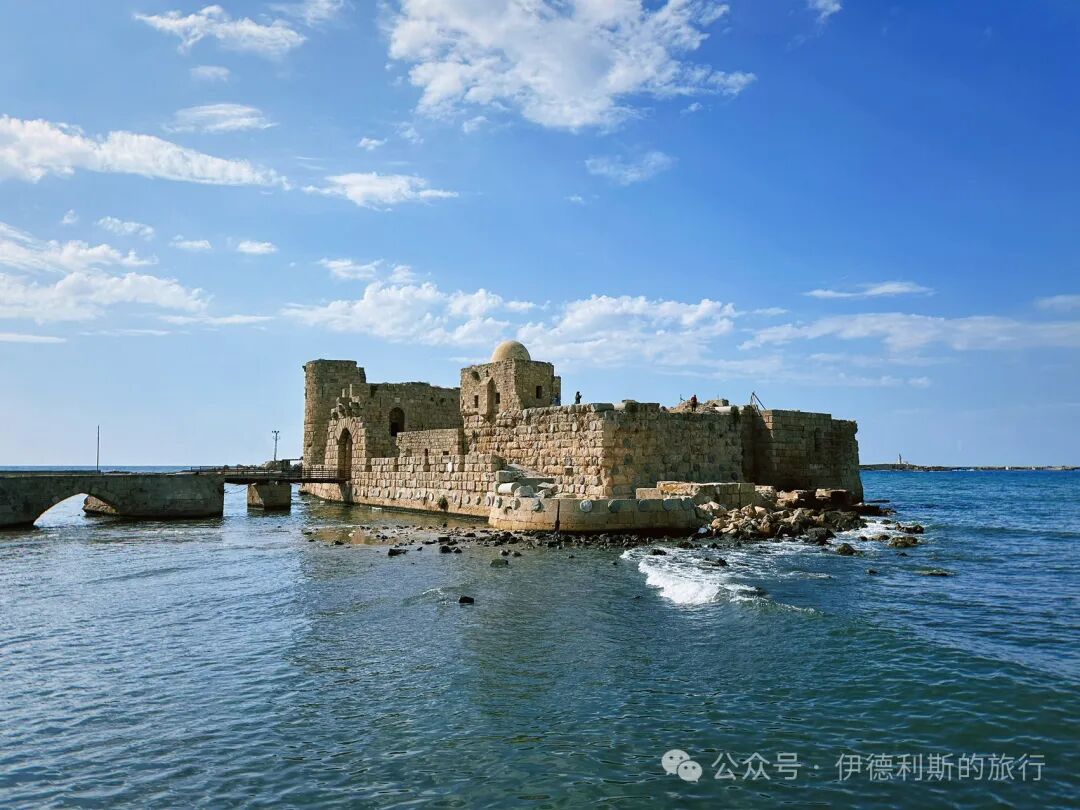
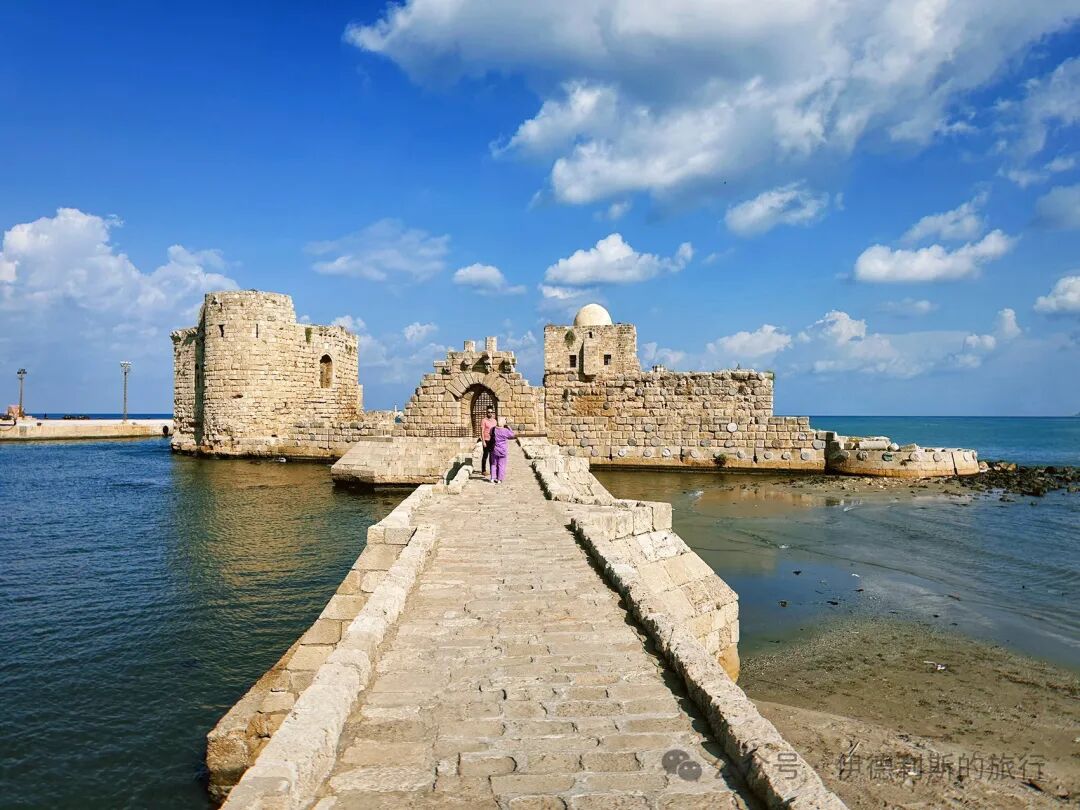
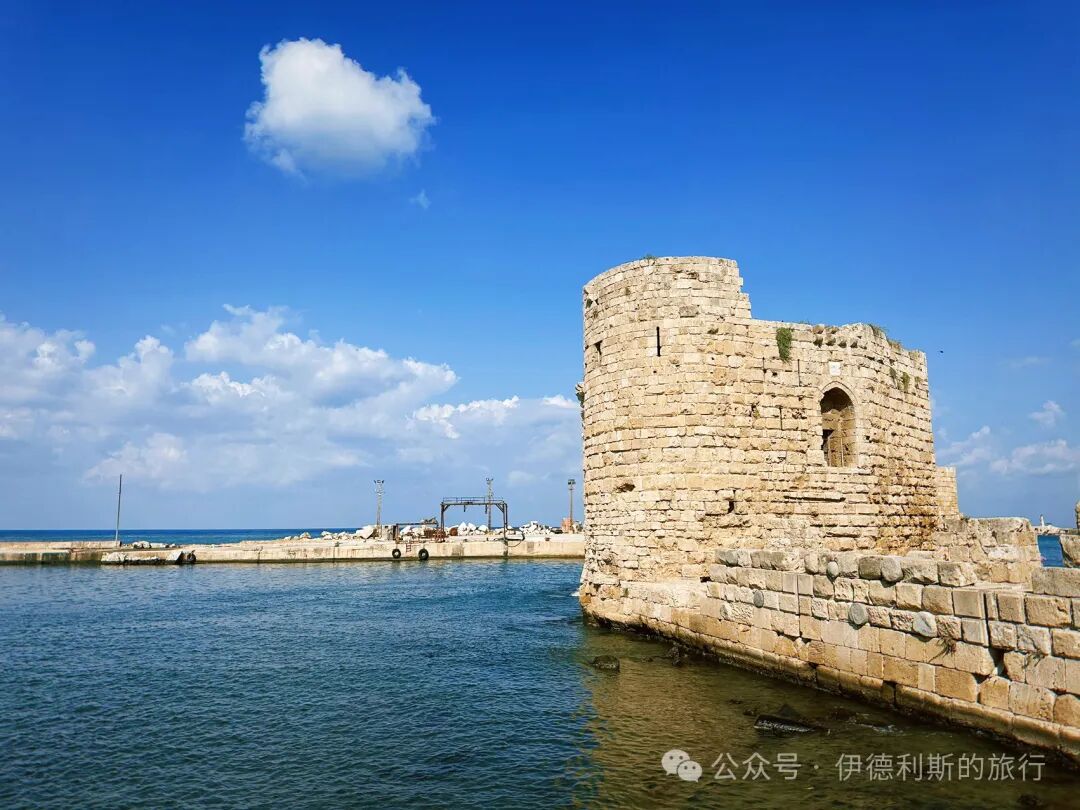
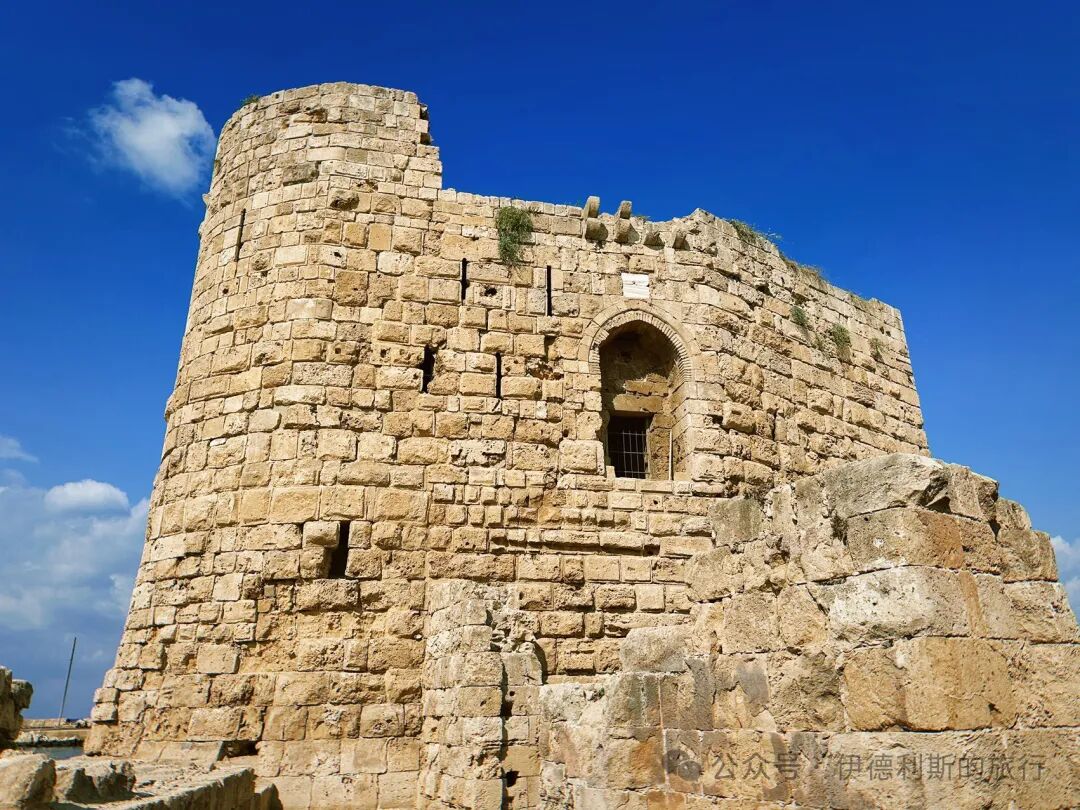
The landmark of the old city of Saida is the Sea Castle (Qalaat al-Bahr) located on a small island to the north. The Crusaders built it in 1228, and it connects to the mainland by an 80-meter-long bridge. The Sea Castle was destroyed many times, then repaired and expanded during the Mamluk and Ottoman dynasties. Today, the Sea Castle consists of two towers. You can see many Roman-era stone pillars on the outer walls, and there is a small domed mosque built during the Ottoman period on the roof.
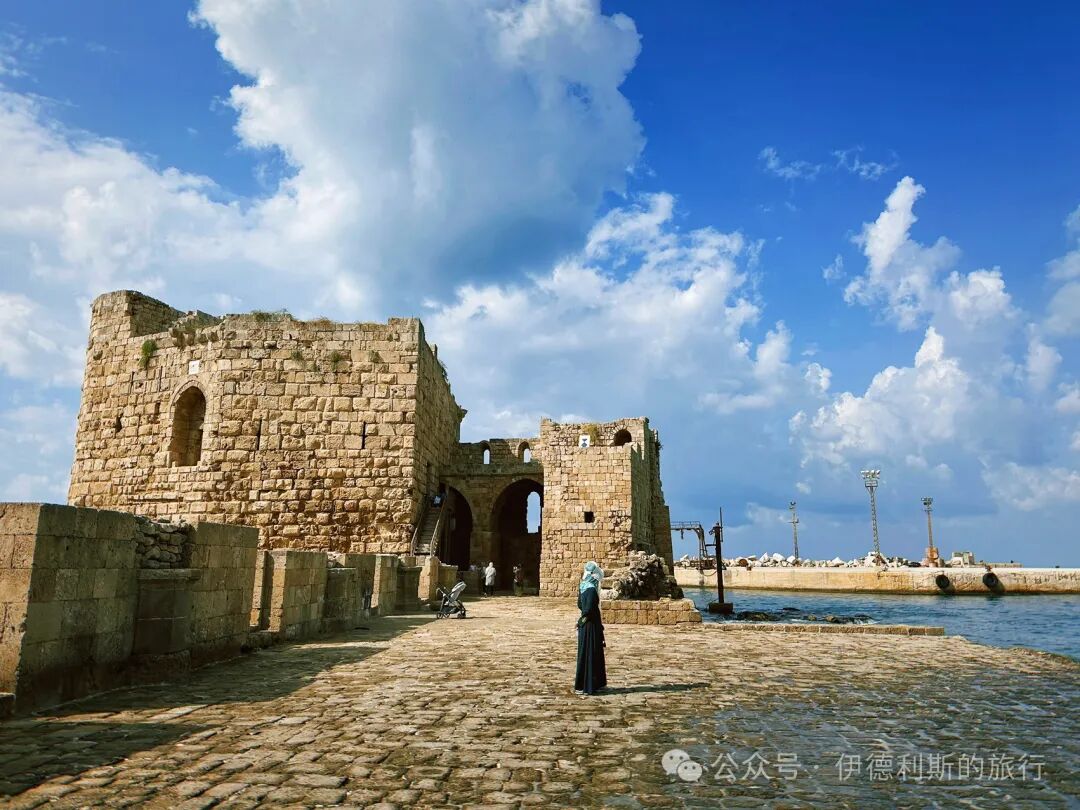
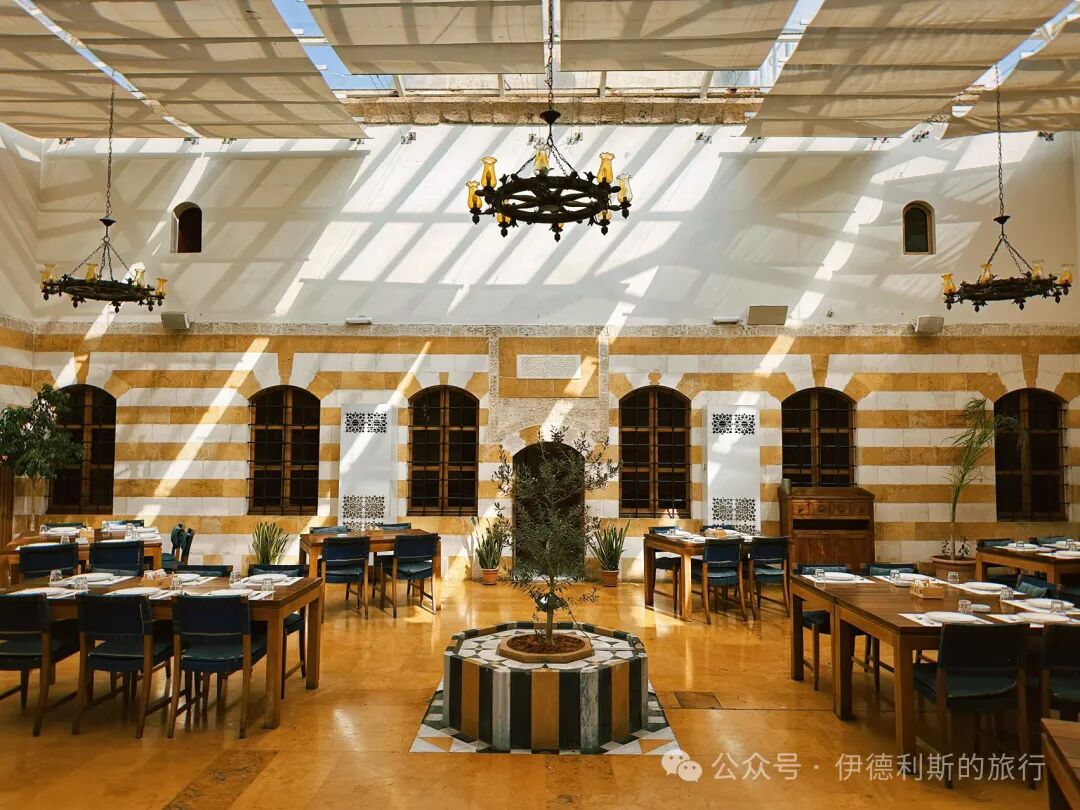
Next to the Sea Castle on the shore is a very famous restaurant called Saida Rest House. The restaurant preserves an Ottoman-era inn (khan) with beautiful inlaid marble and colorful carvings, and the lighting inside is excellent.
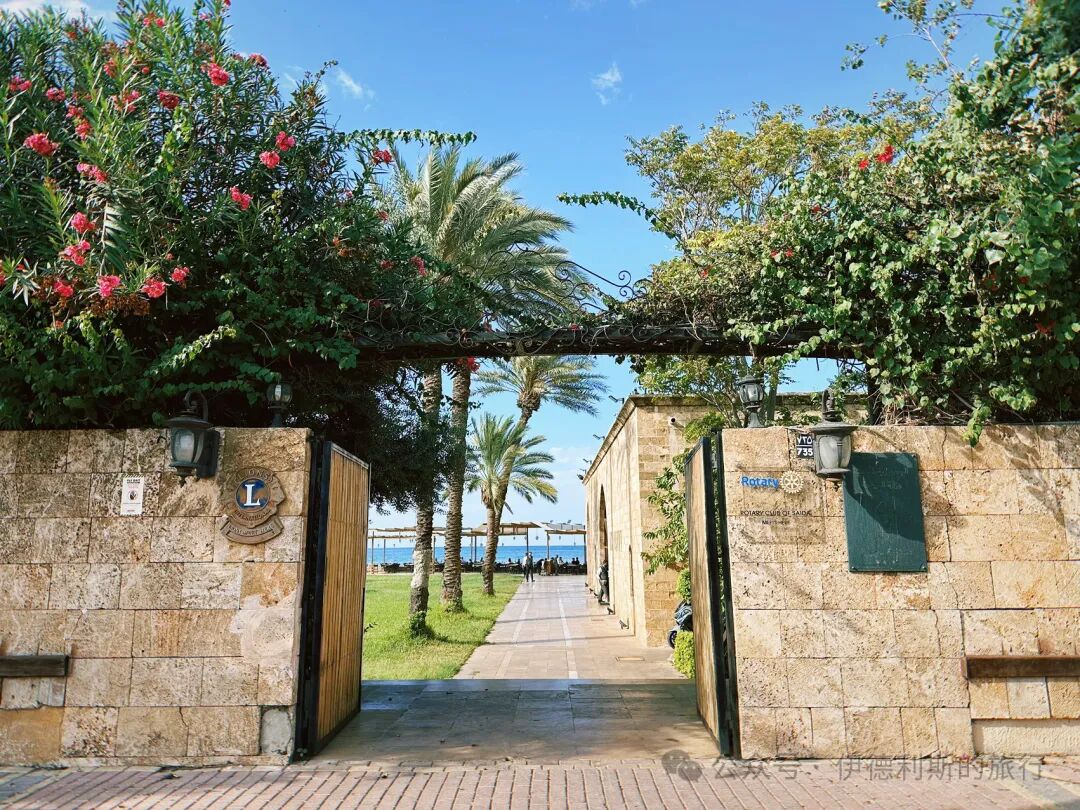
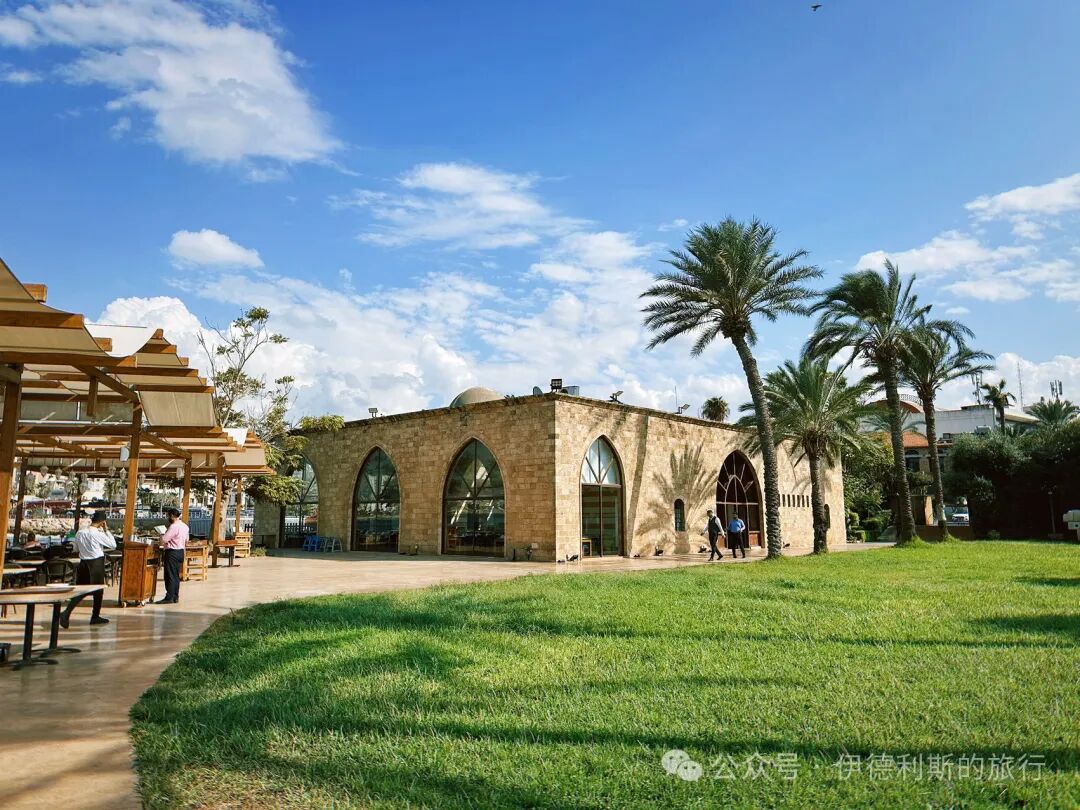
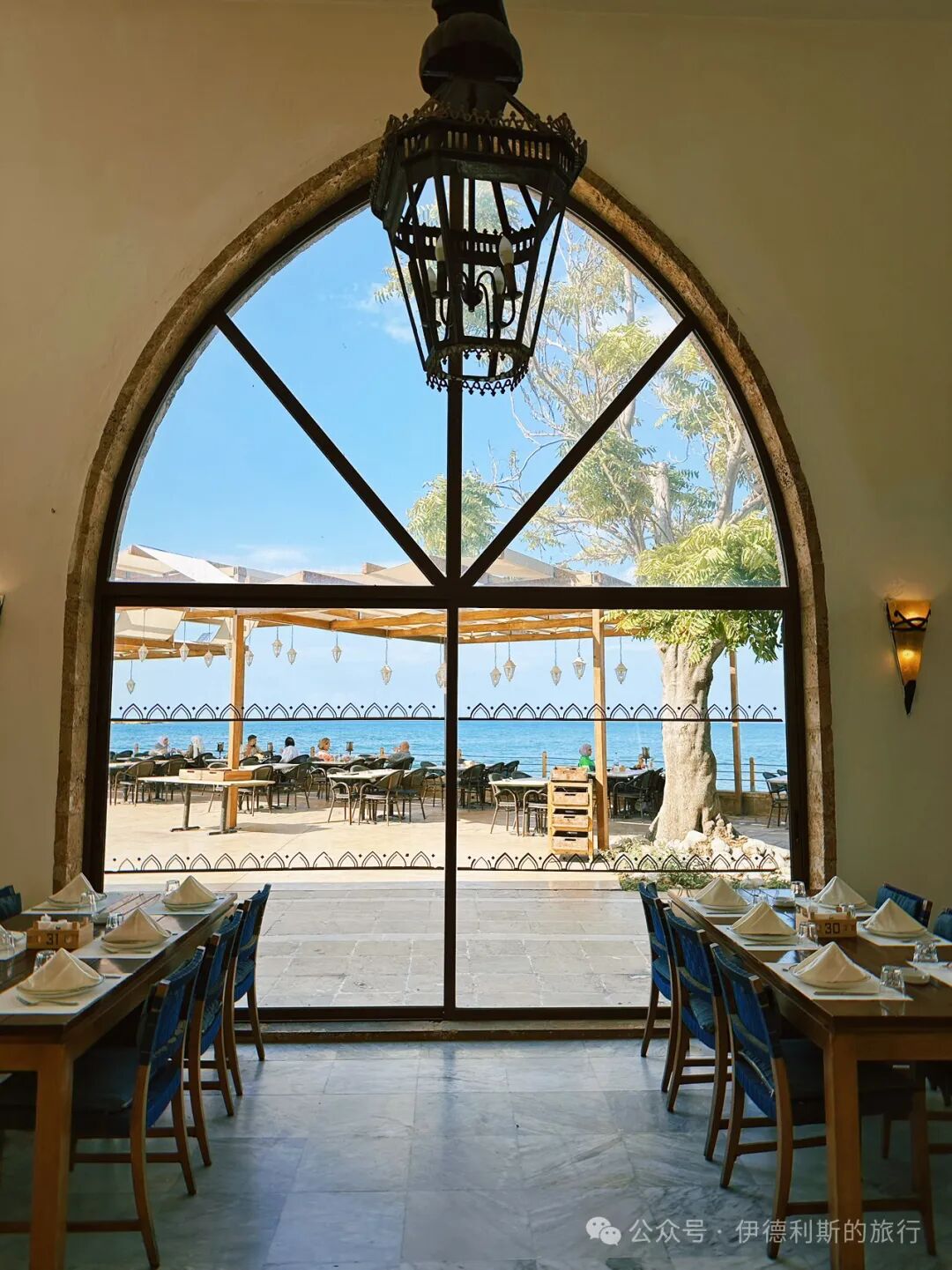
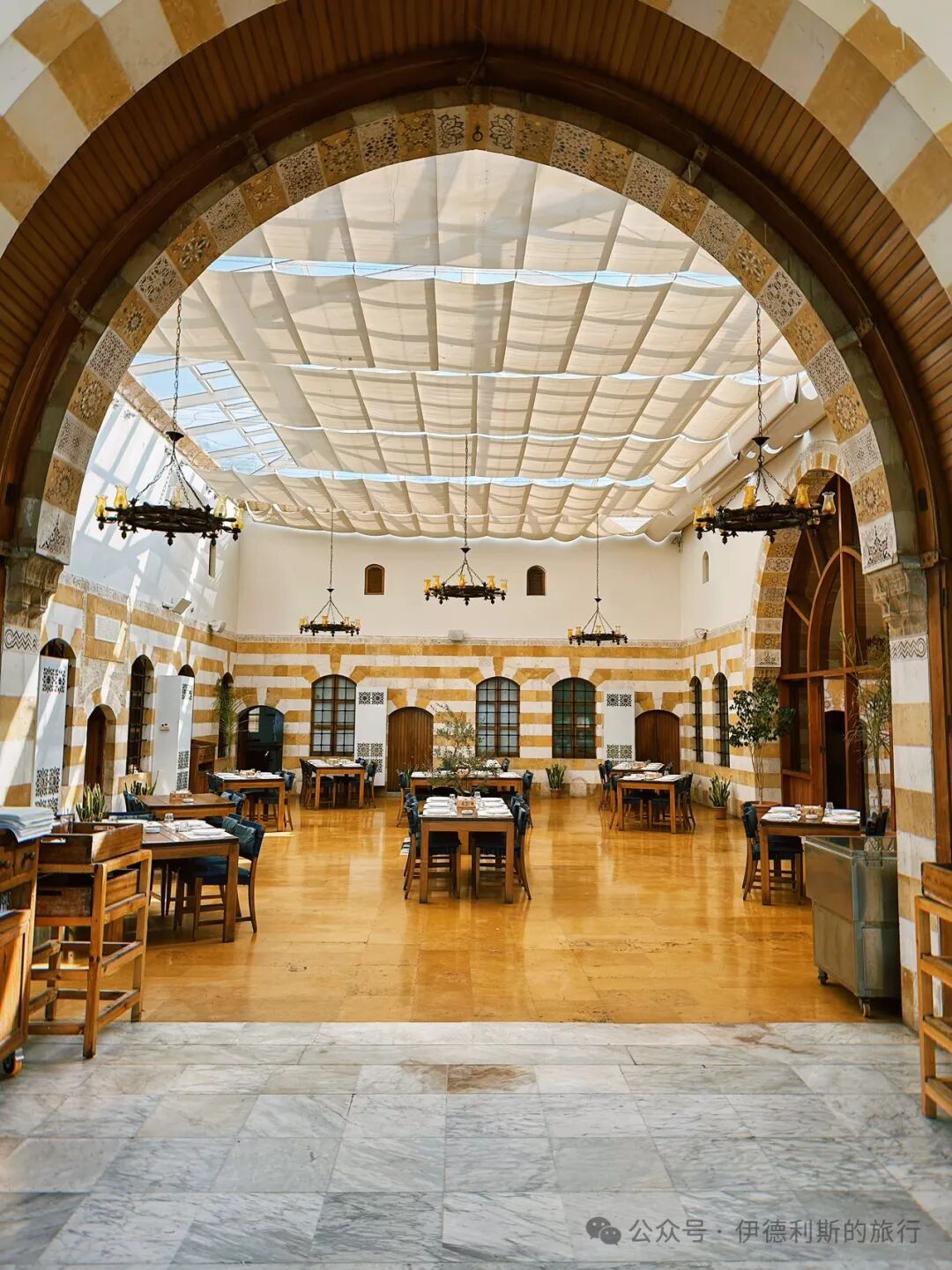
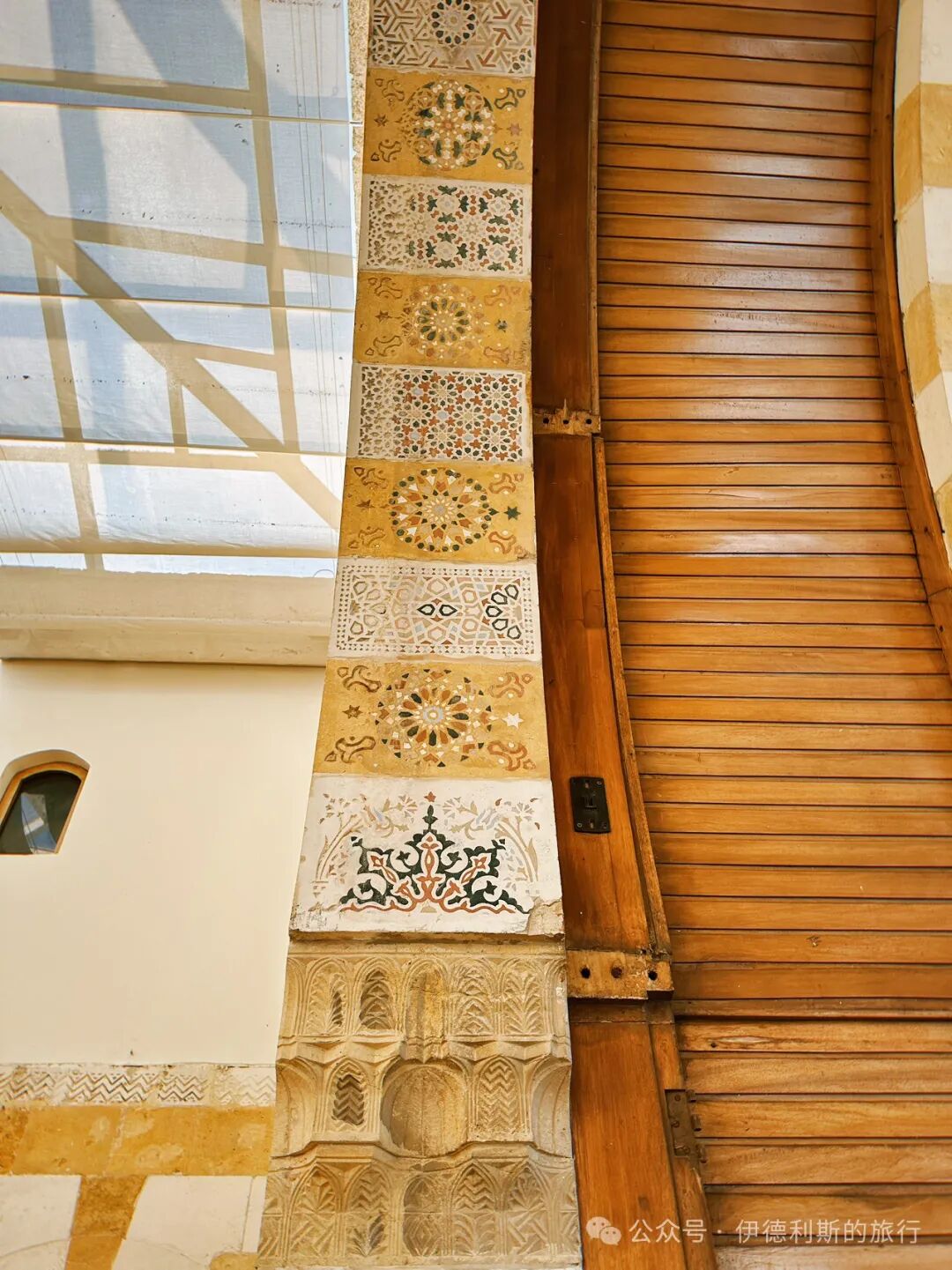
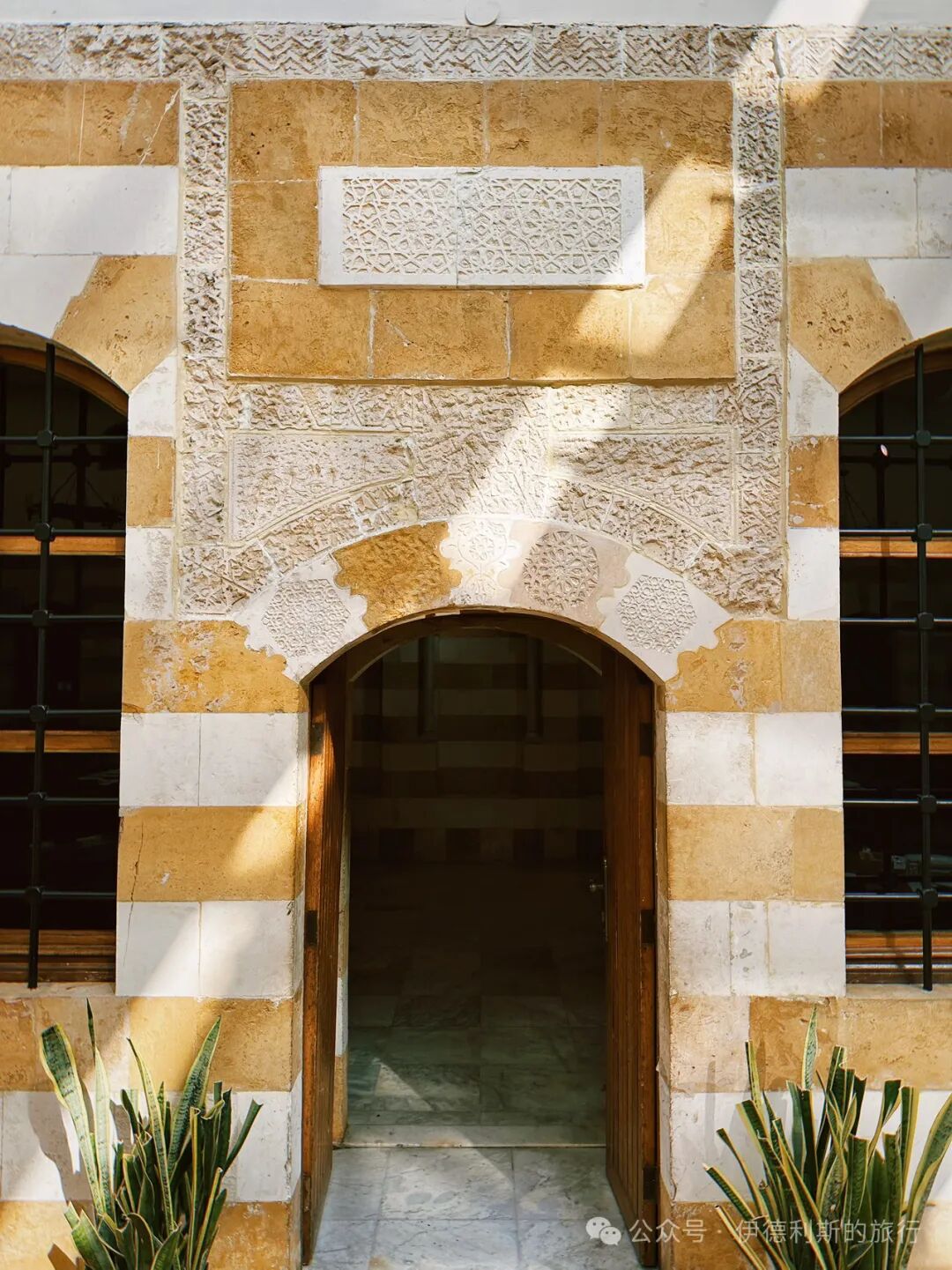
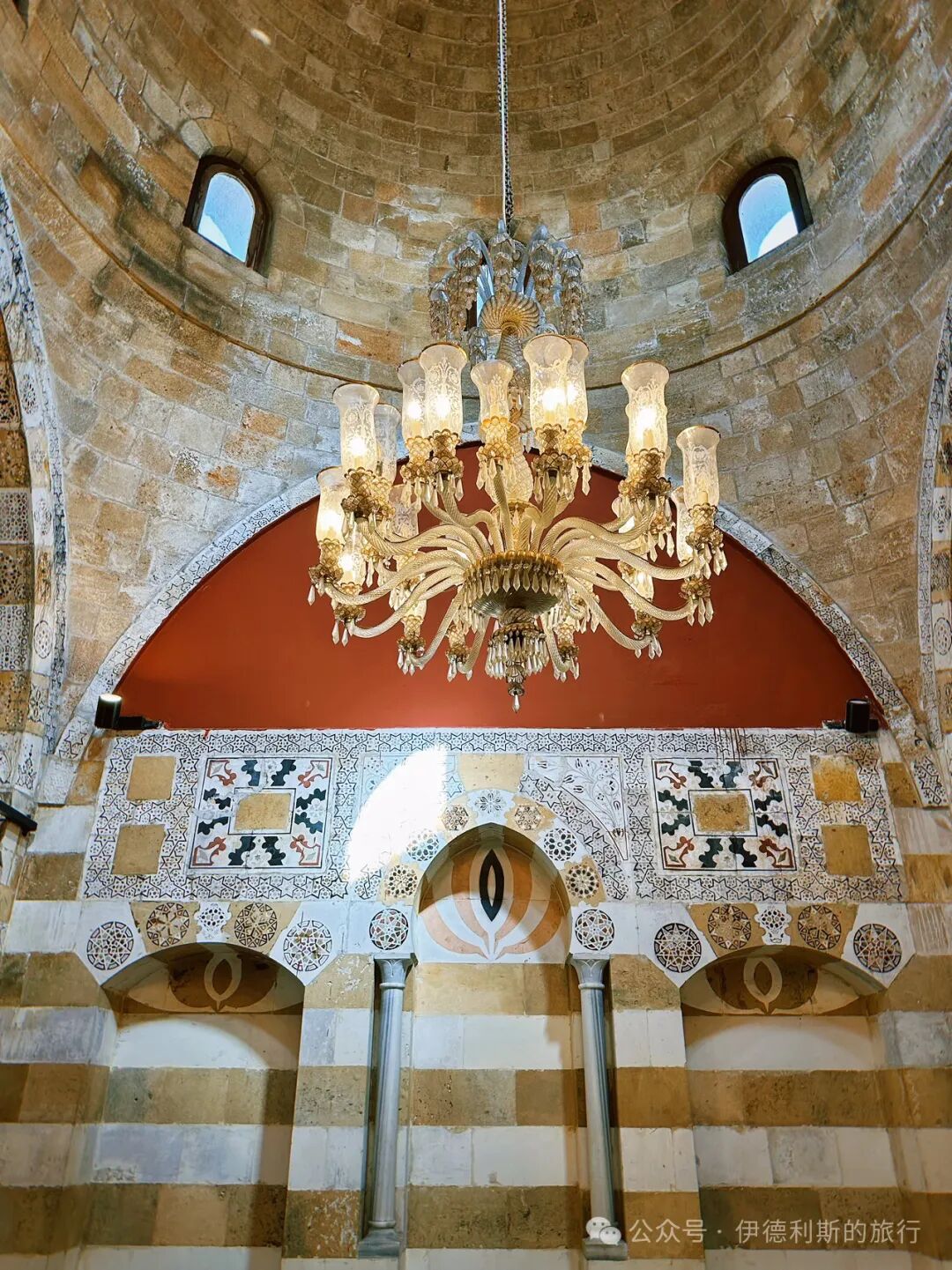
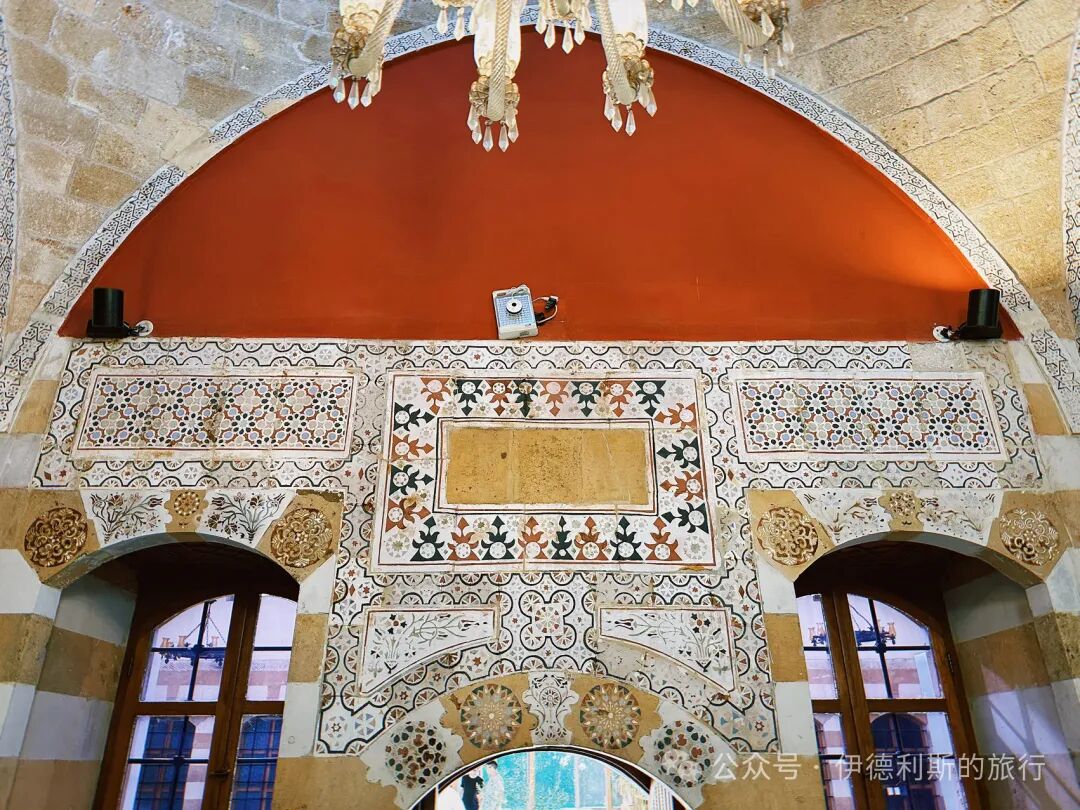
At the seaside seats of Saida Rest House, we ordered the Lebanese specialties of tomato sausage and fish salad with tajen sauce. Tajen is a spicy sesame paste that goes perfectly with pita bread.
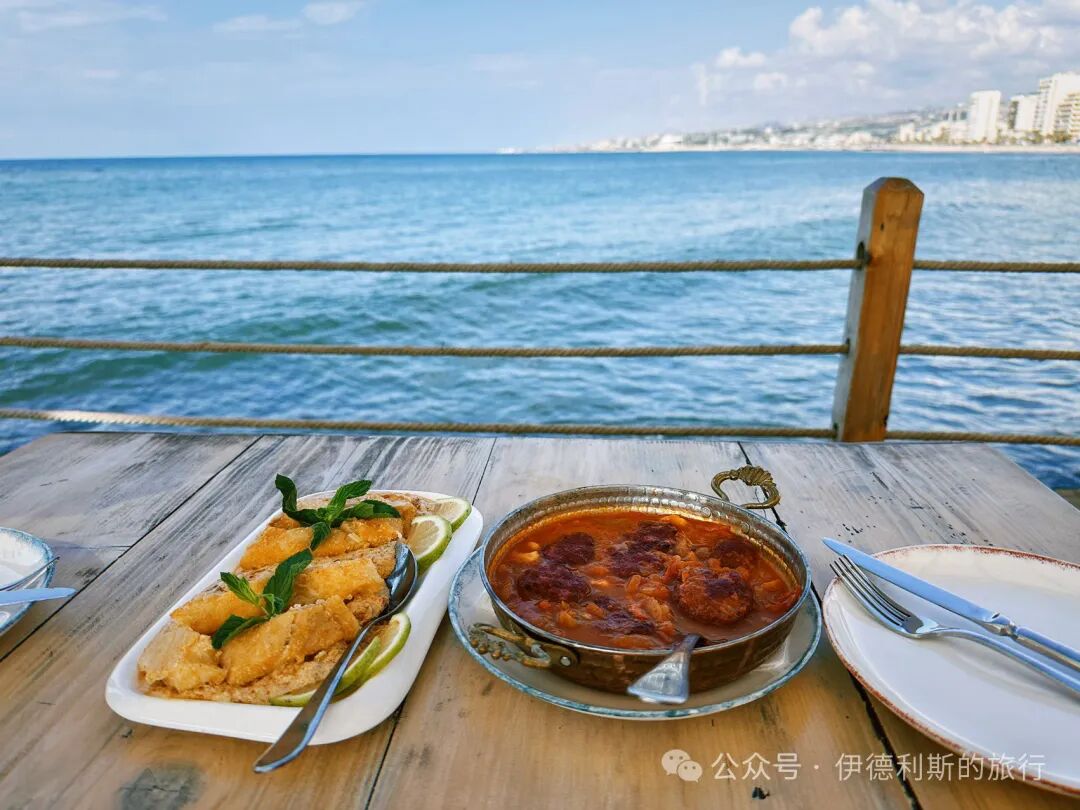
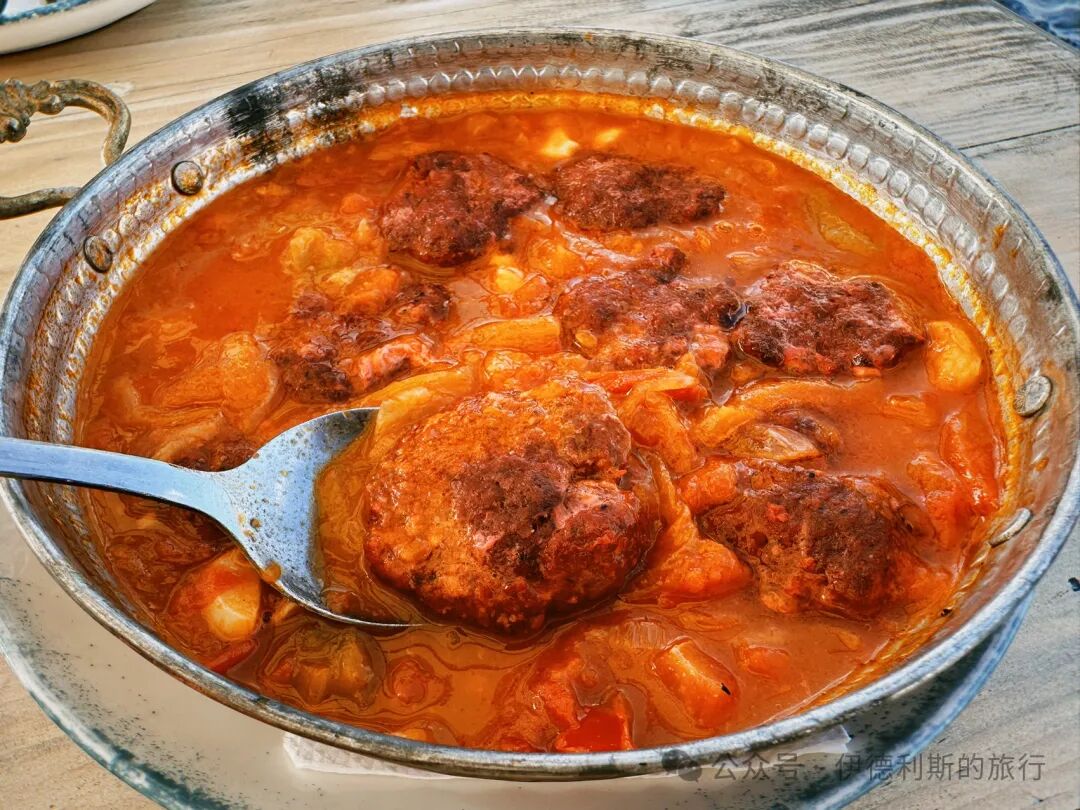
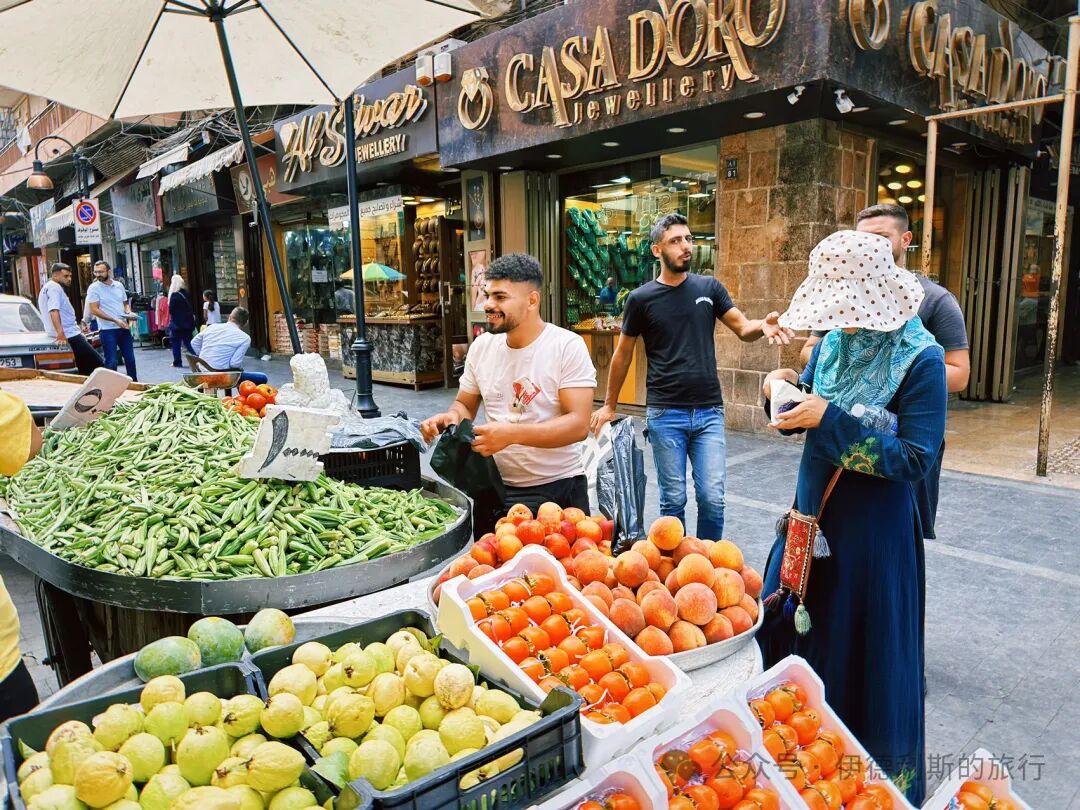
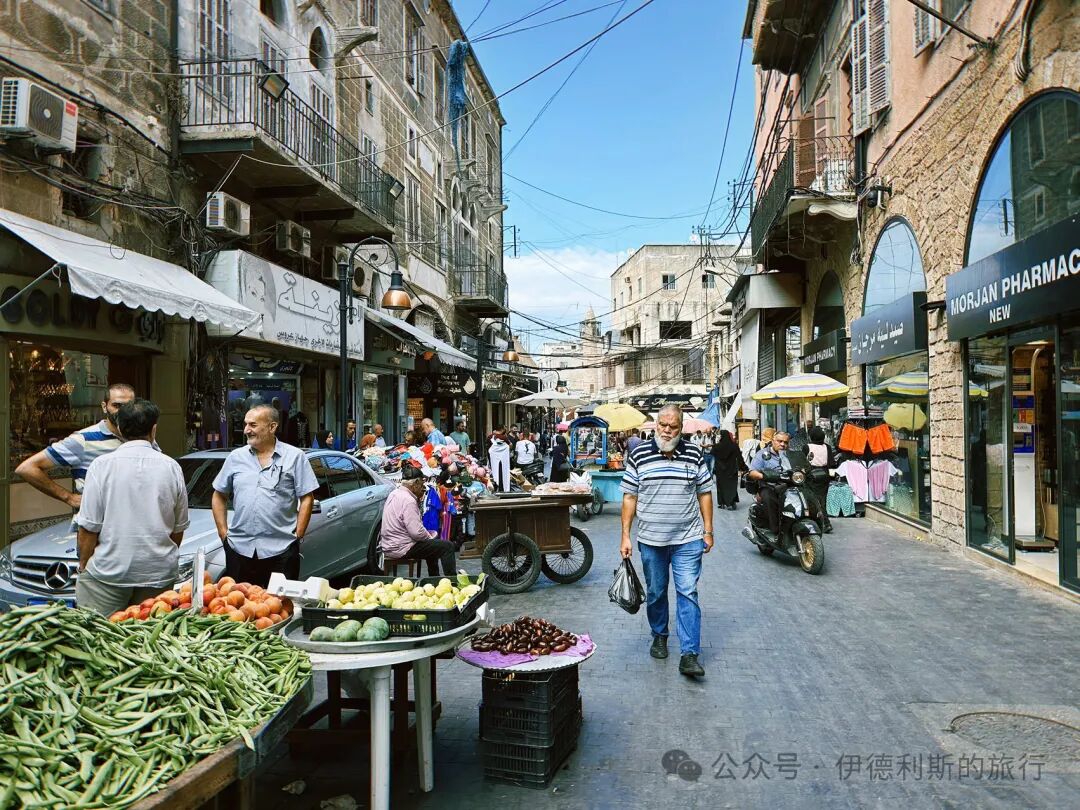
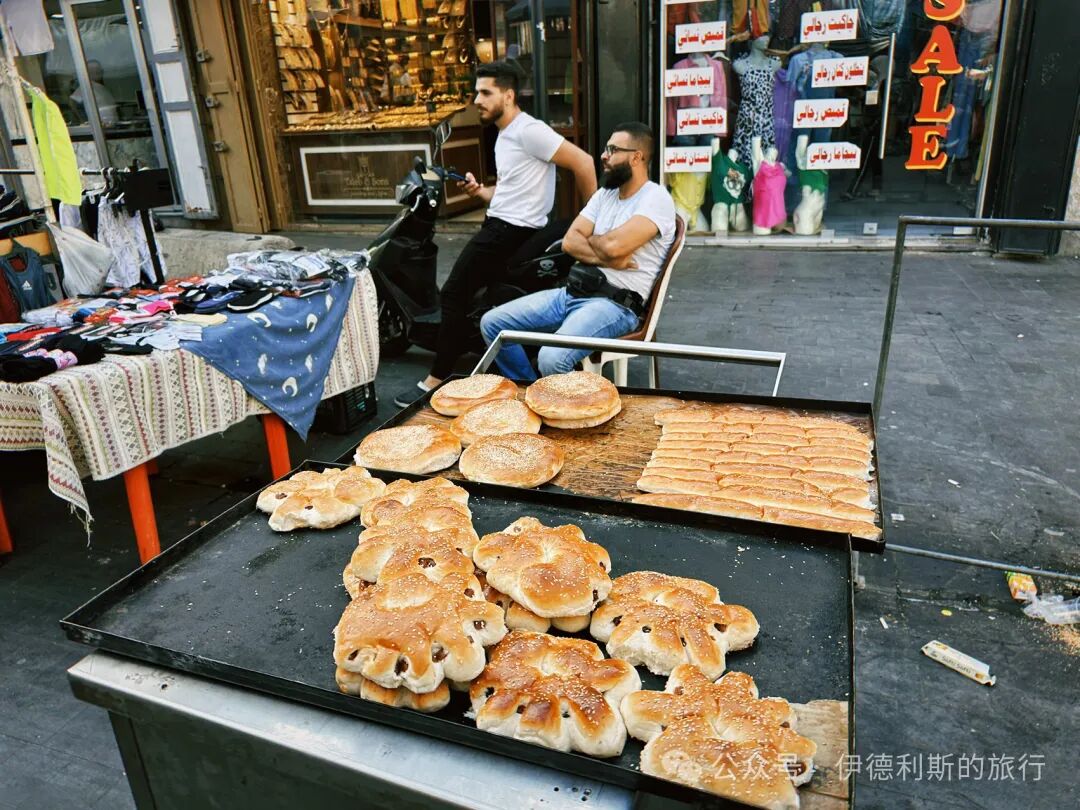
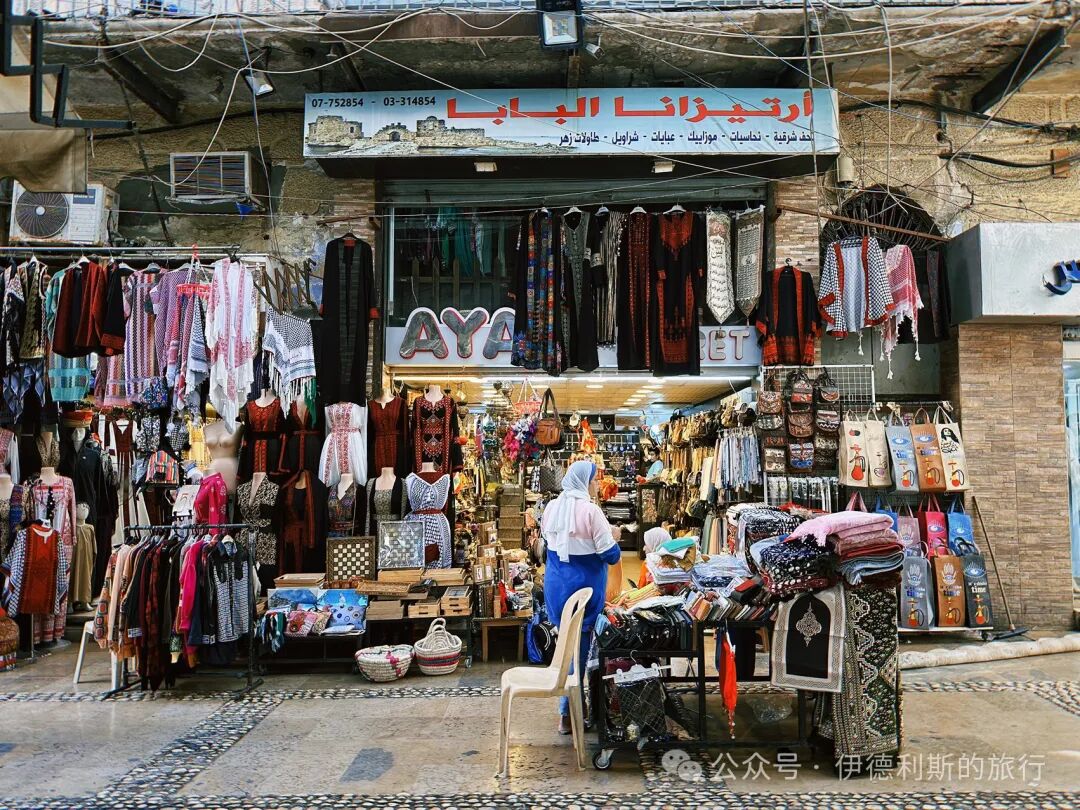
The ancient city of Sidon is a well-preserved Sunni Muslim old town on the eastern Mediterranean coast. Enter the maze of streets from the north gate. Many houses are built over the streets, creating tunnels. People set up stalls inside these tunnels, selling all kinds of goods. It feels very lively and full of daily life.
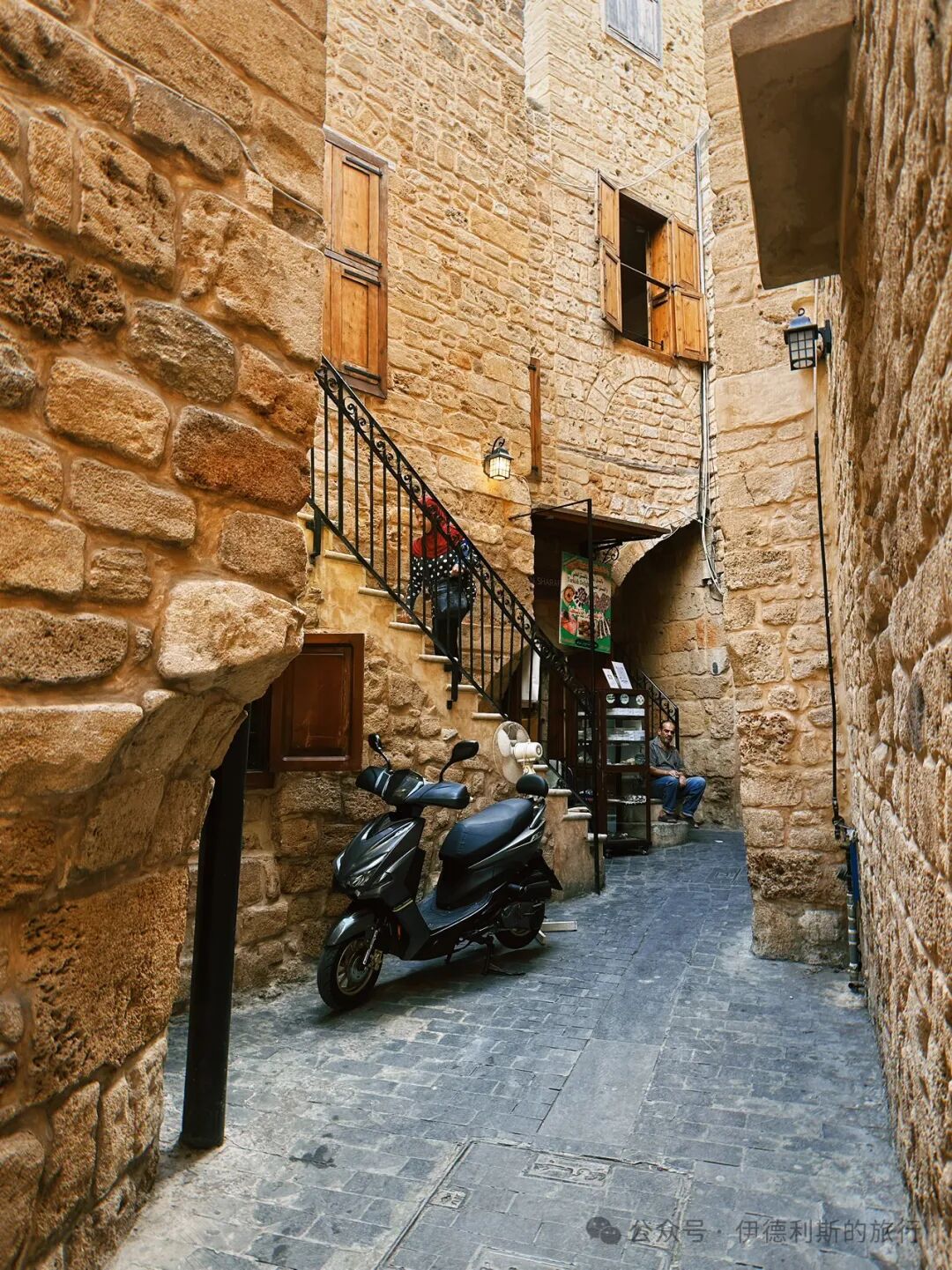
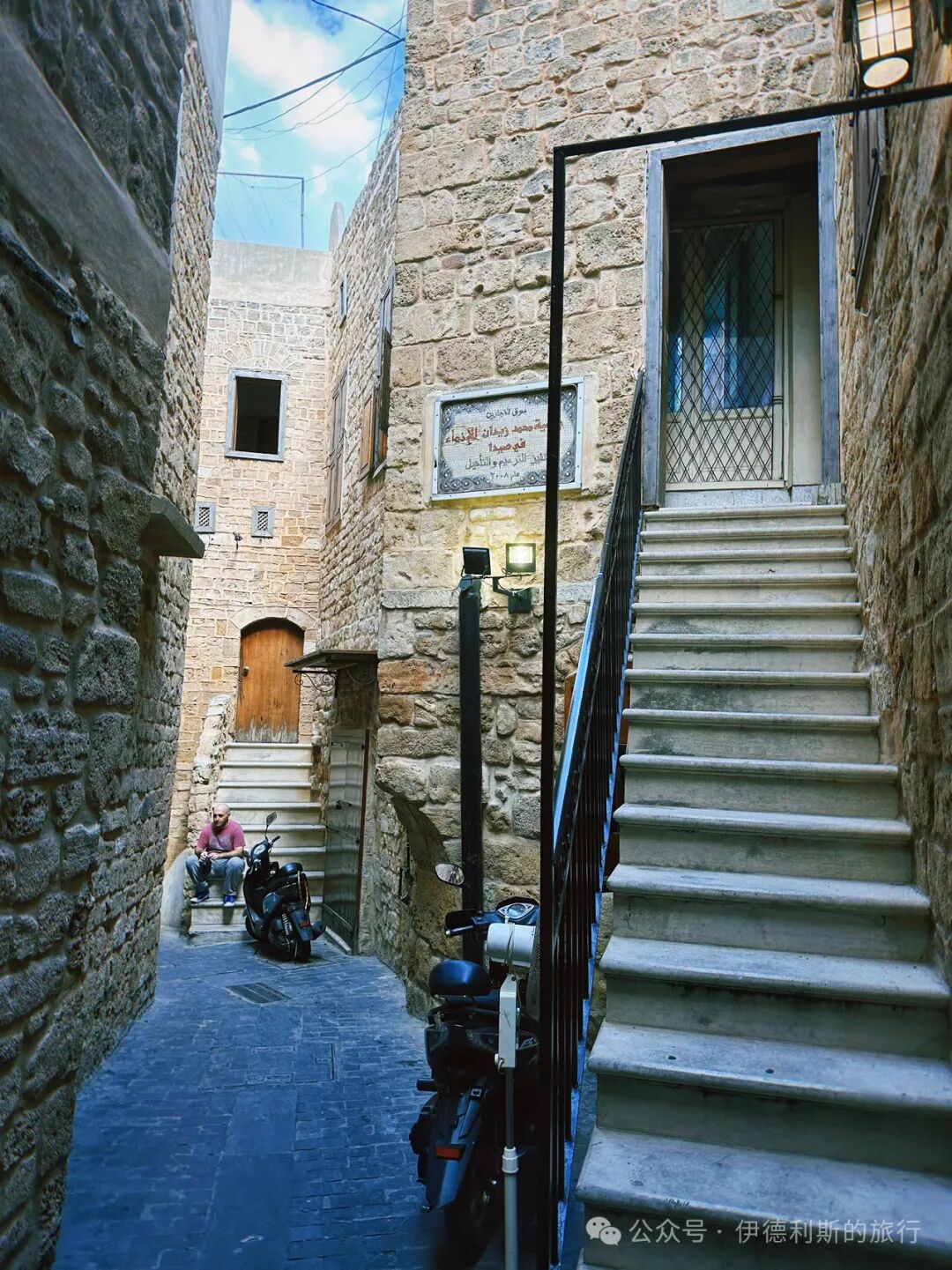
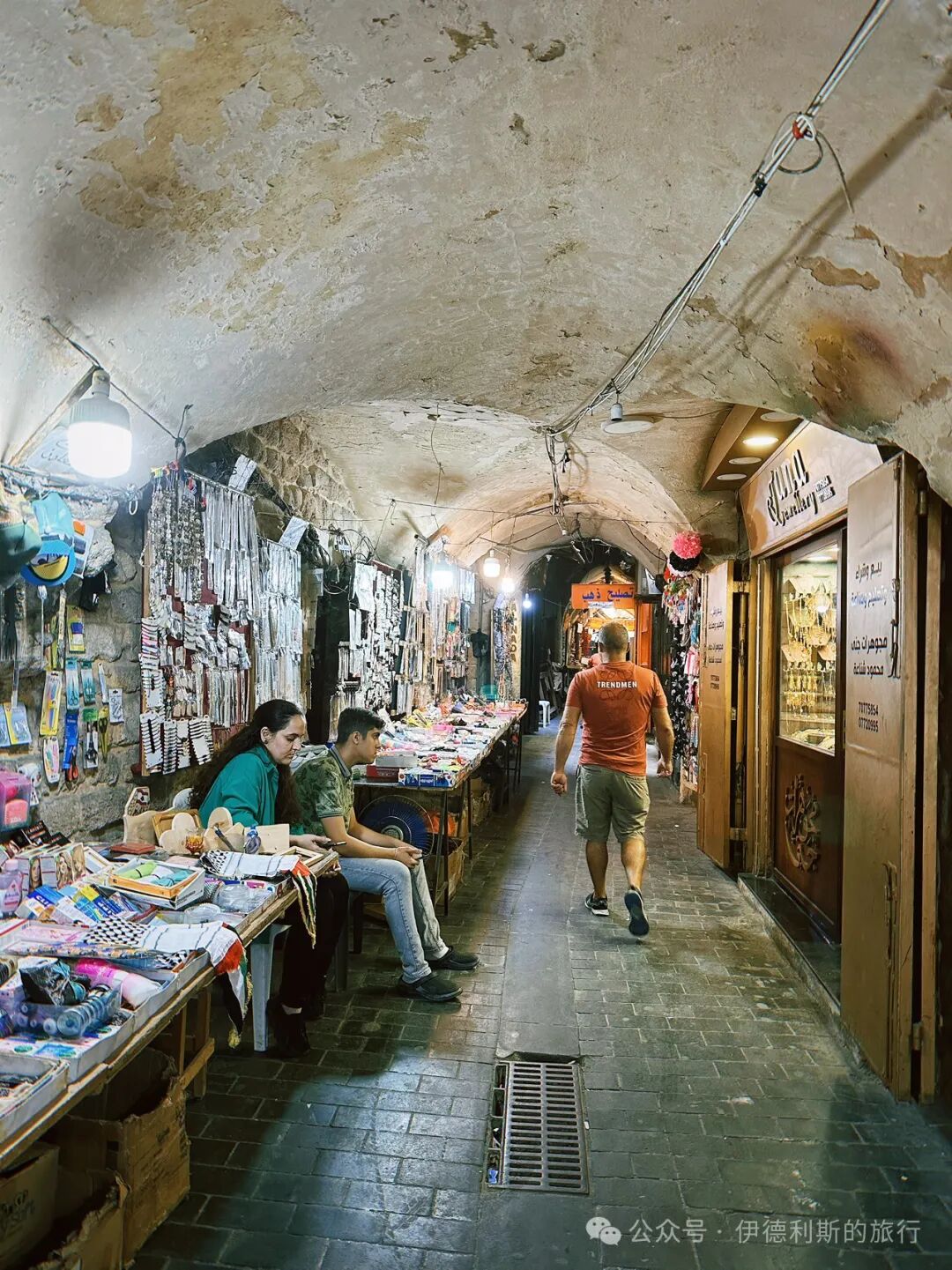
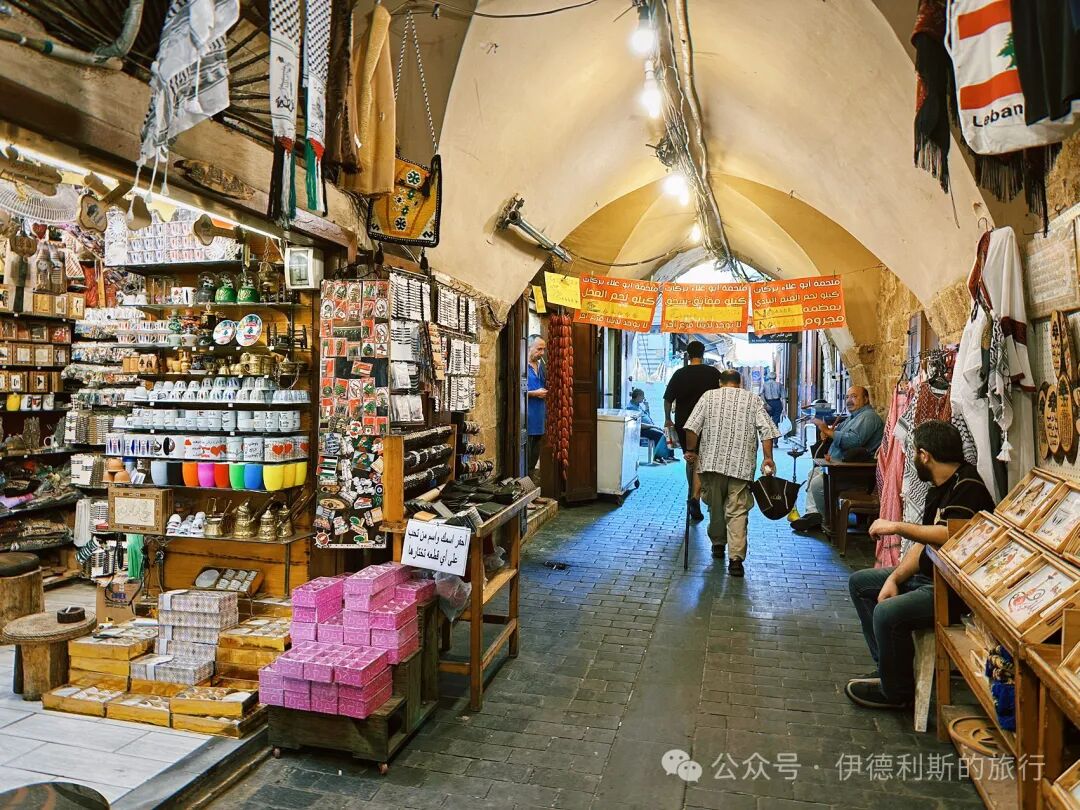
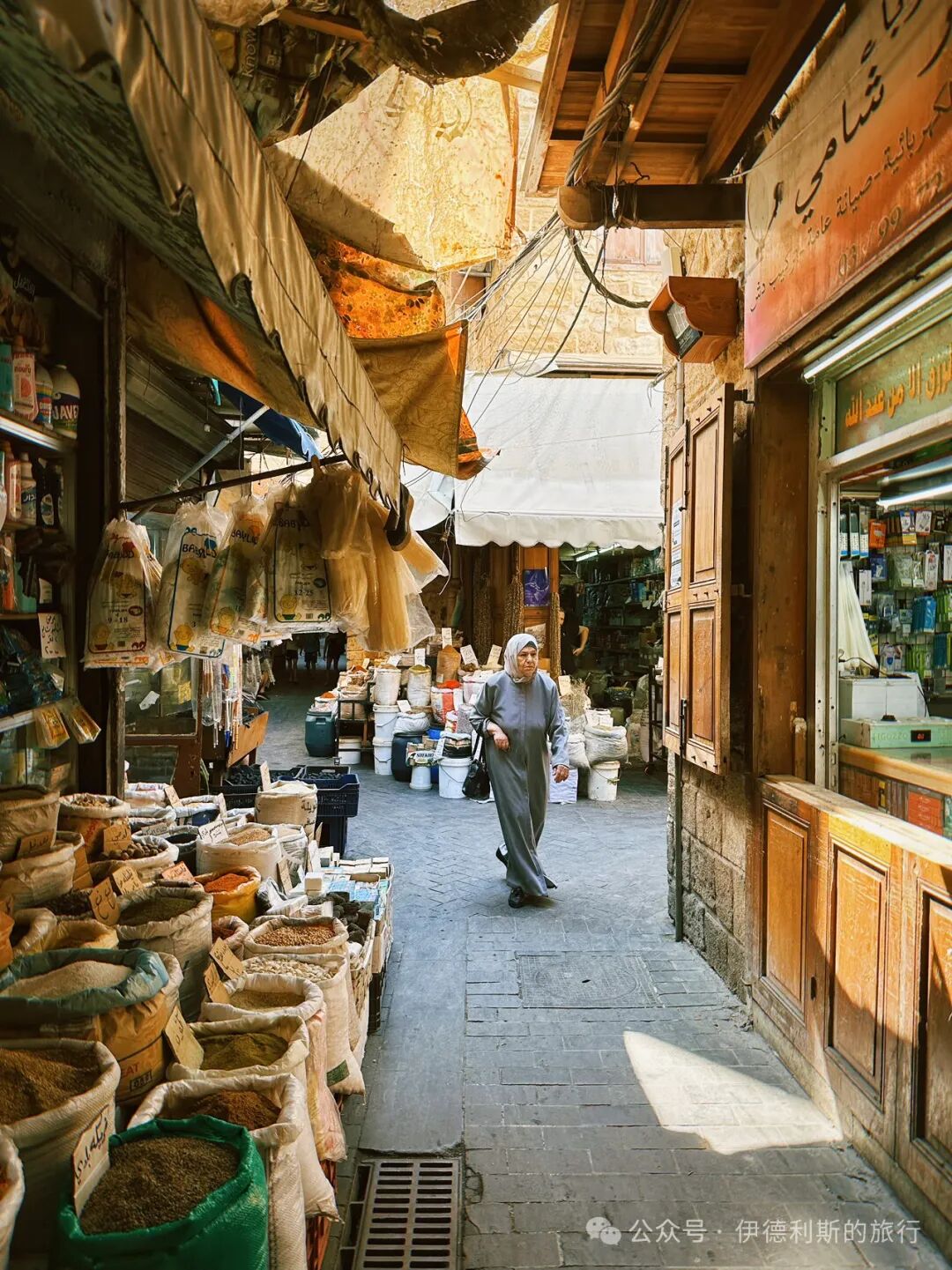
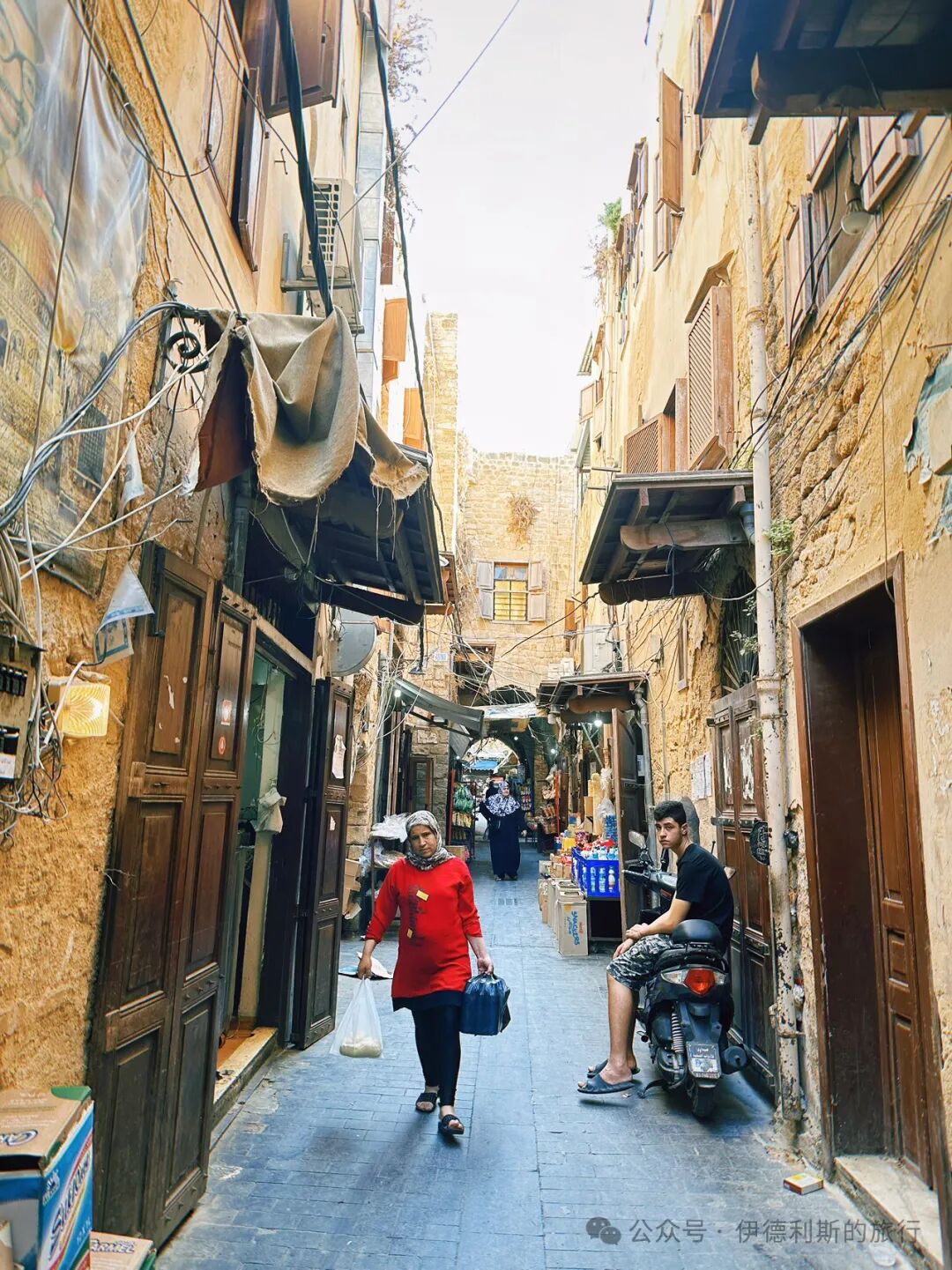
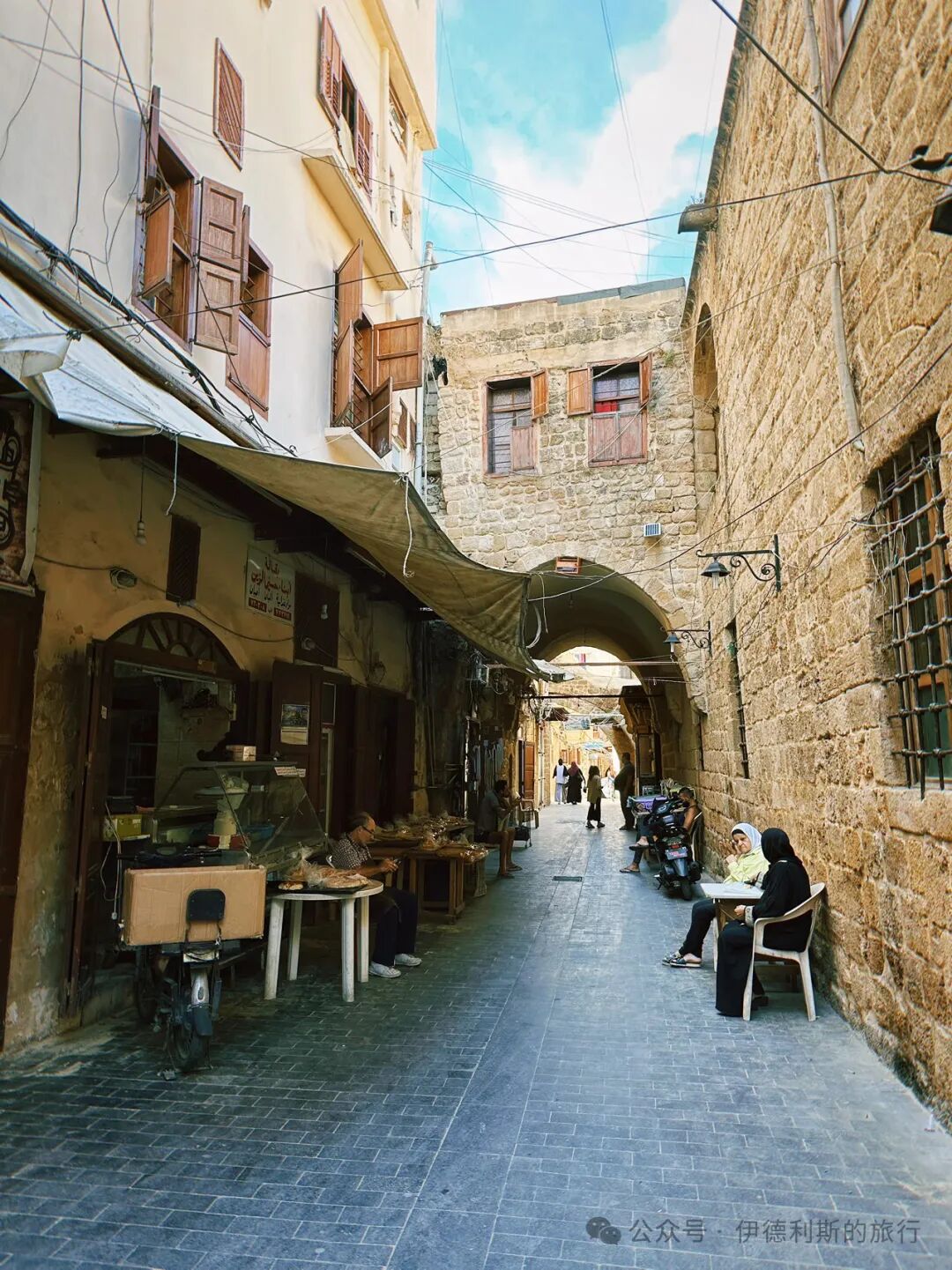
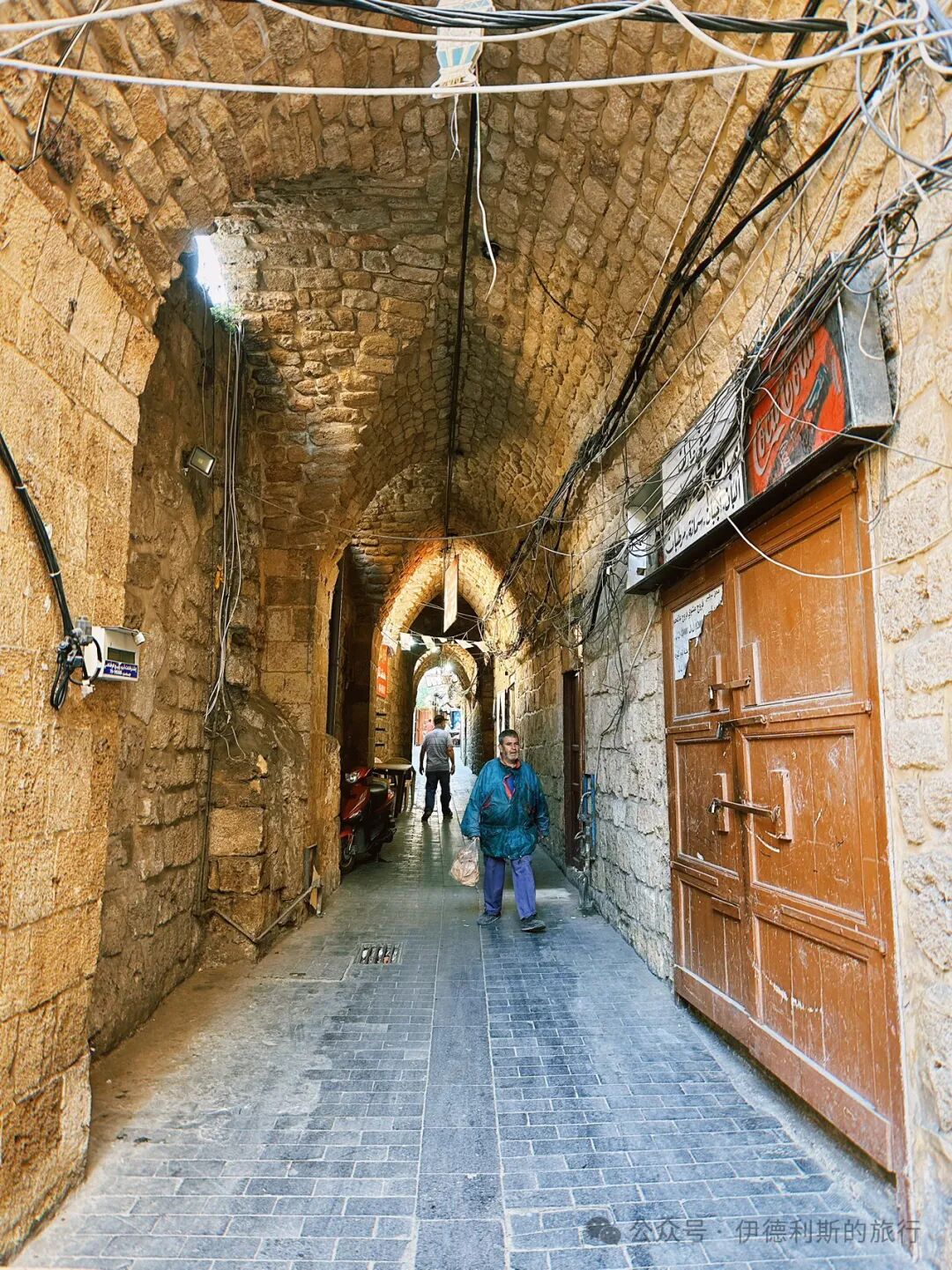
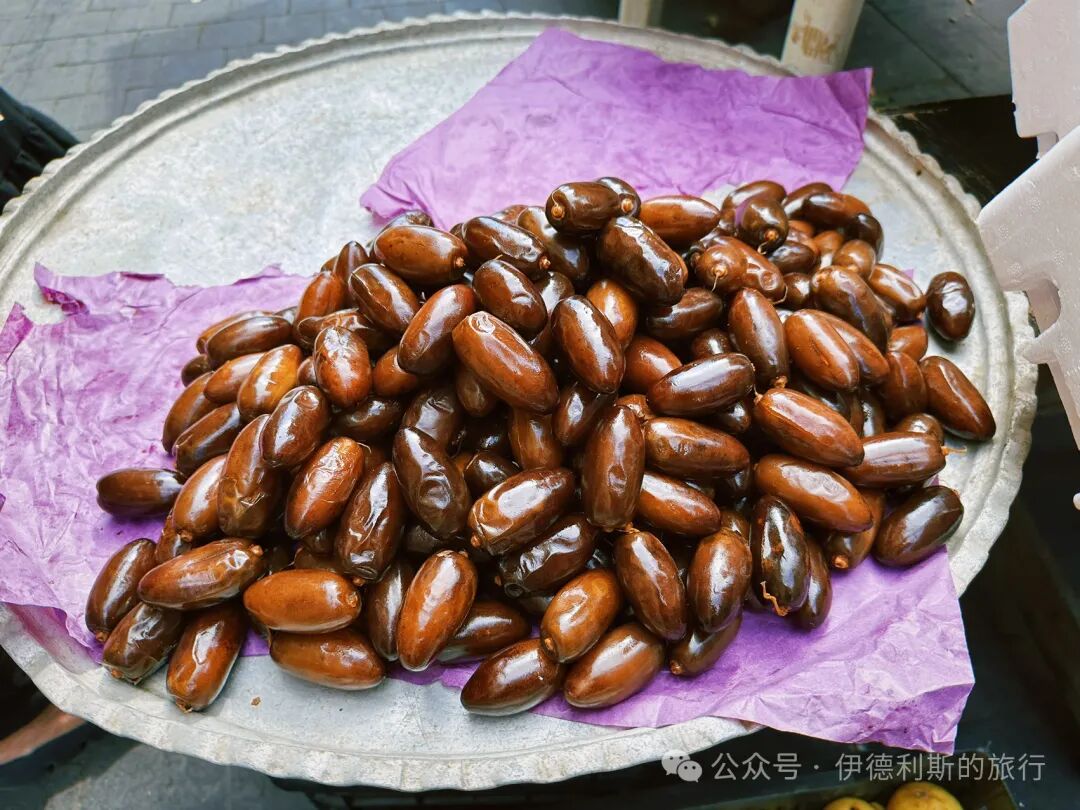
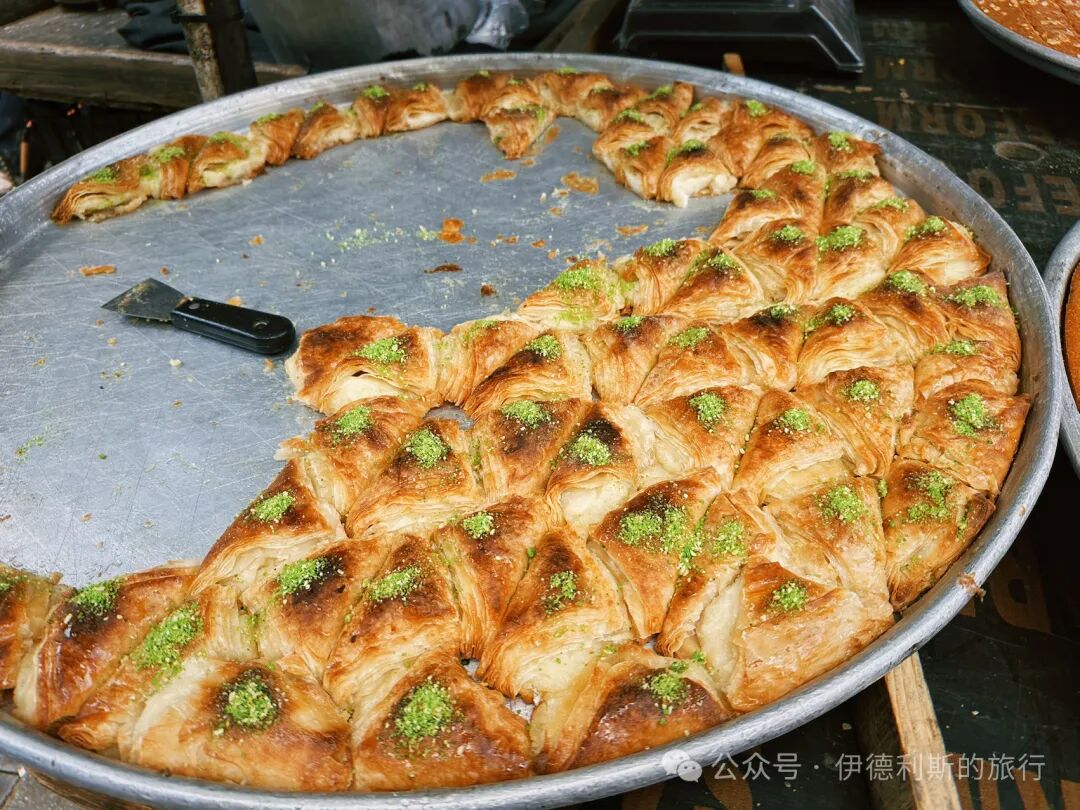
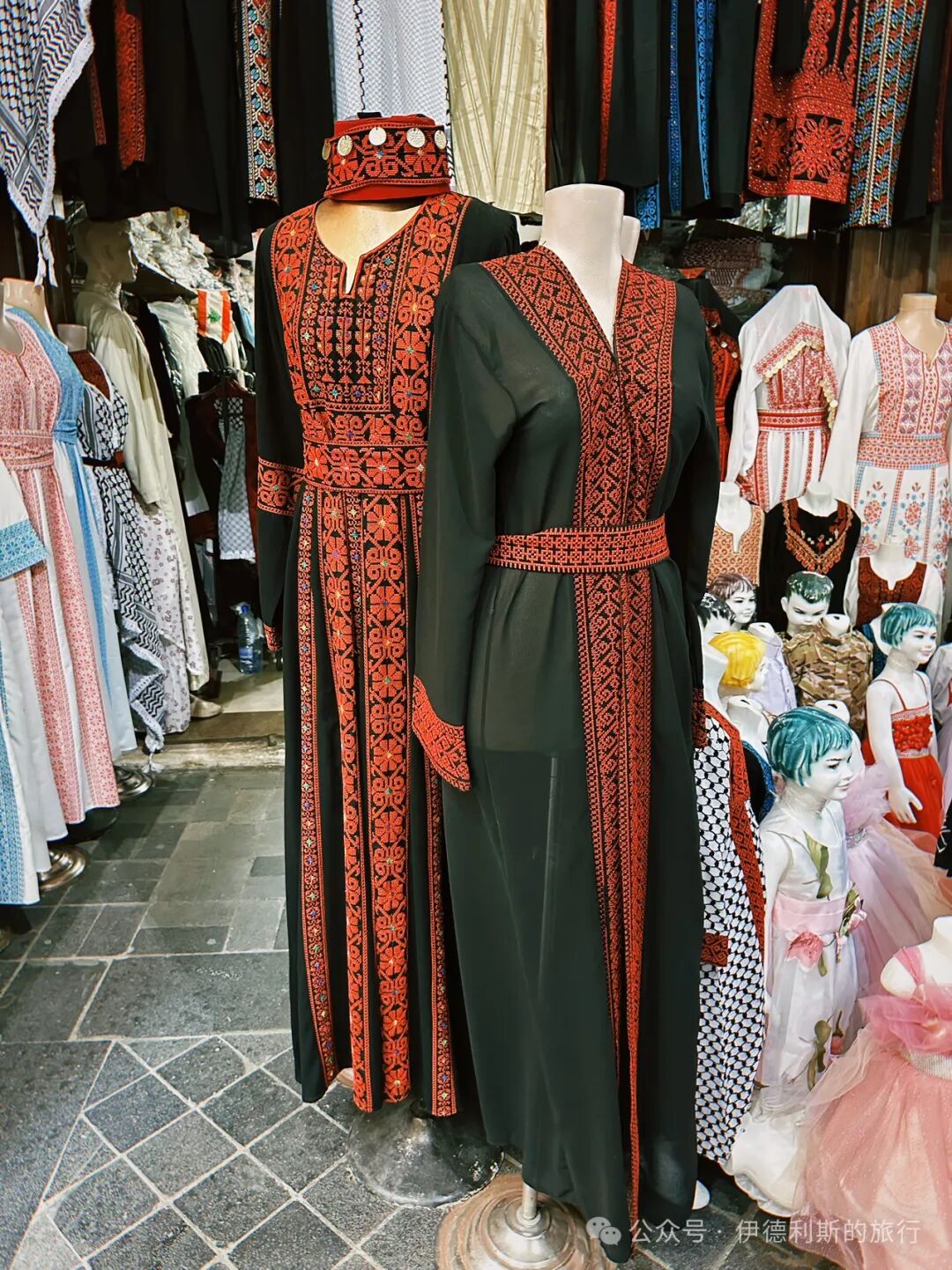
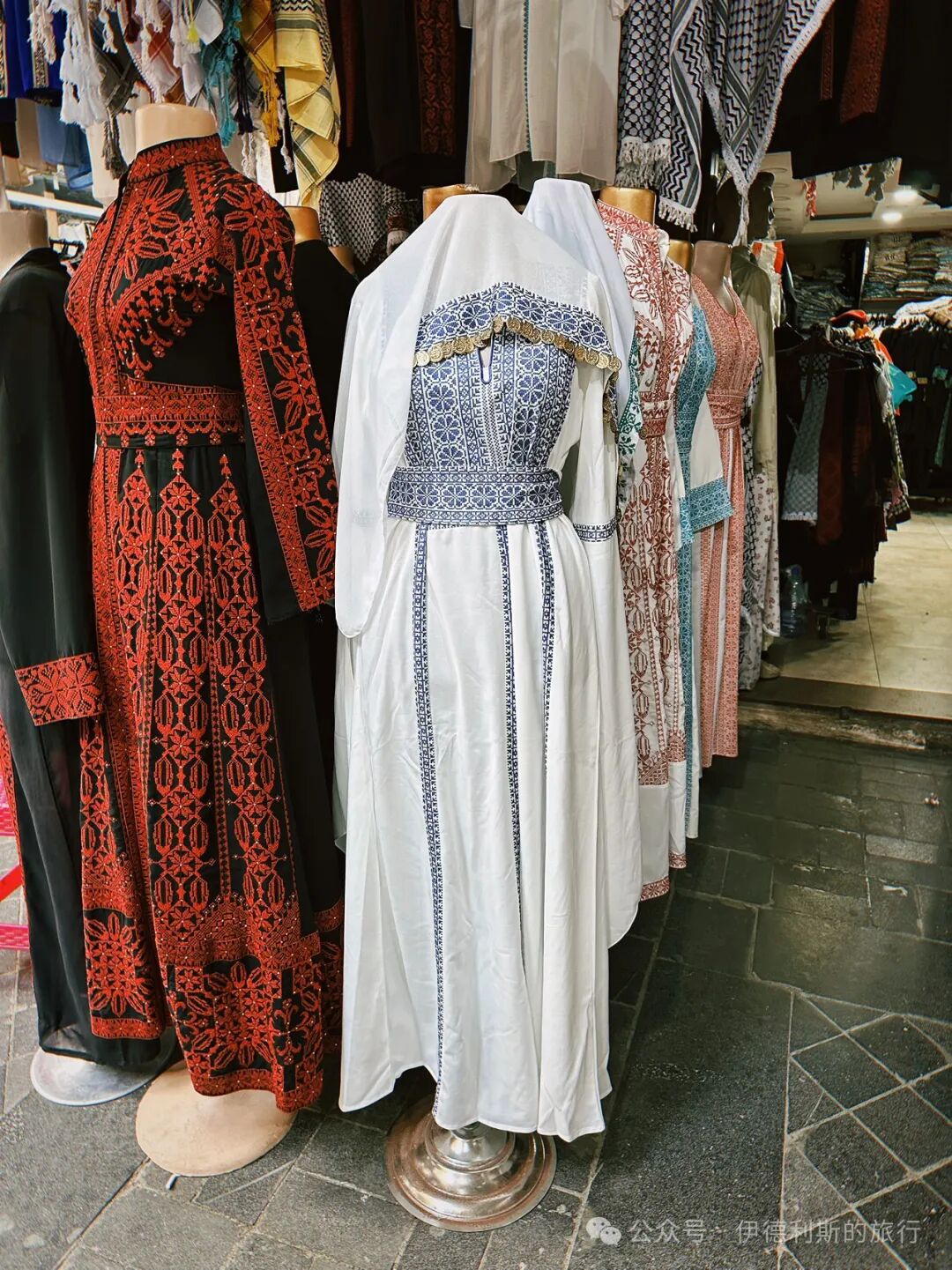
In the market inside the ancient city of Sidon, you can buy fresh dates (yezao). They have a soft, powdery texture and taste great. You can also buy traditional clothing here. It feels very unique.
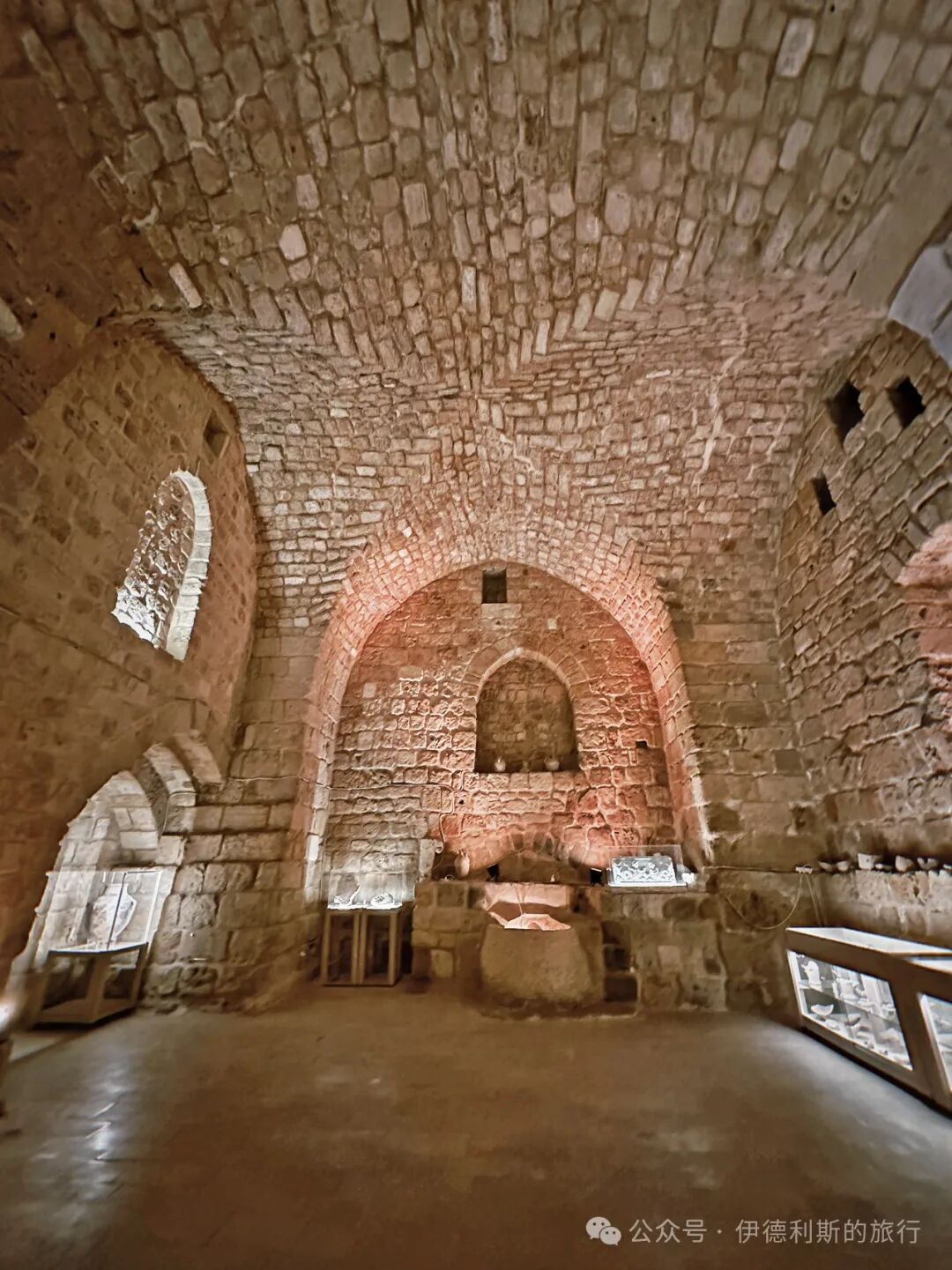
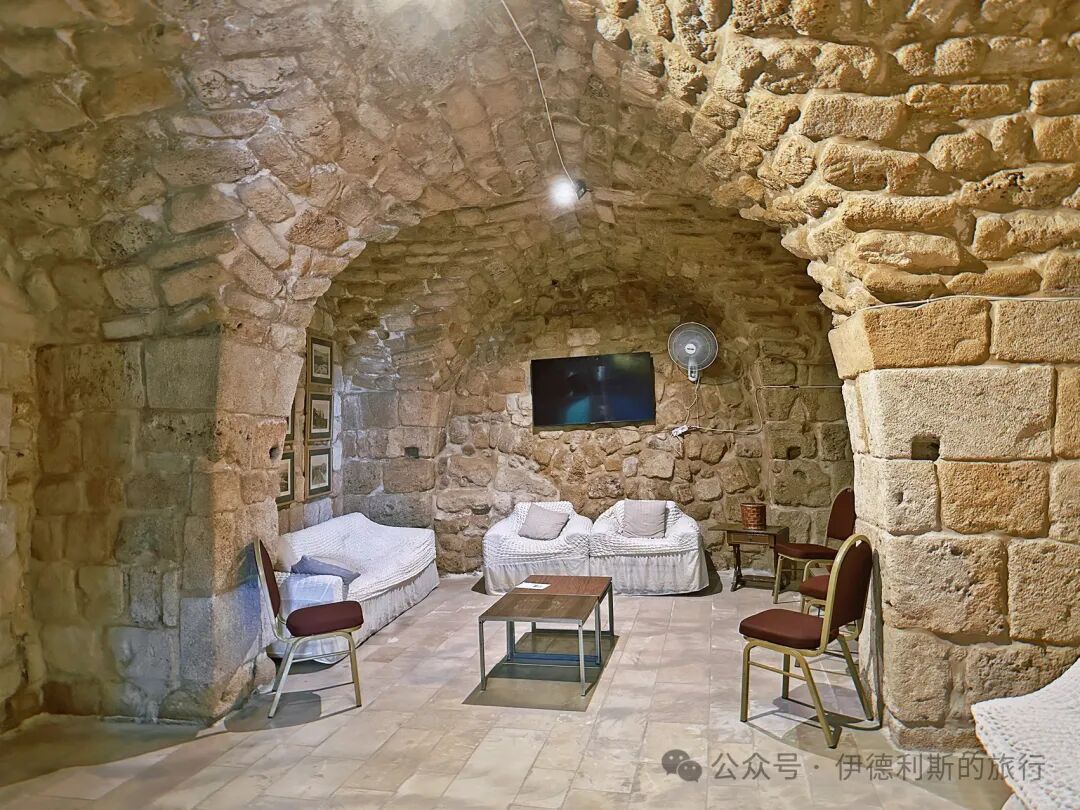
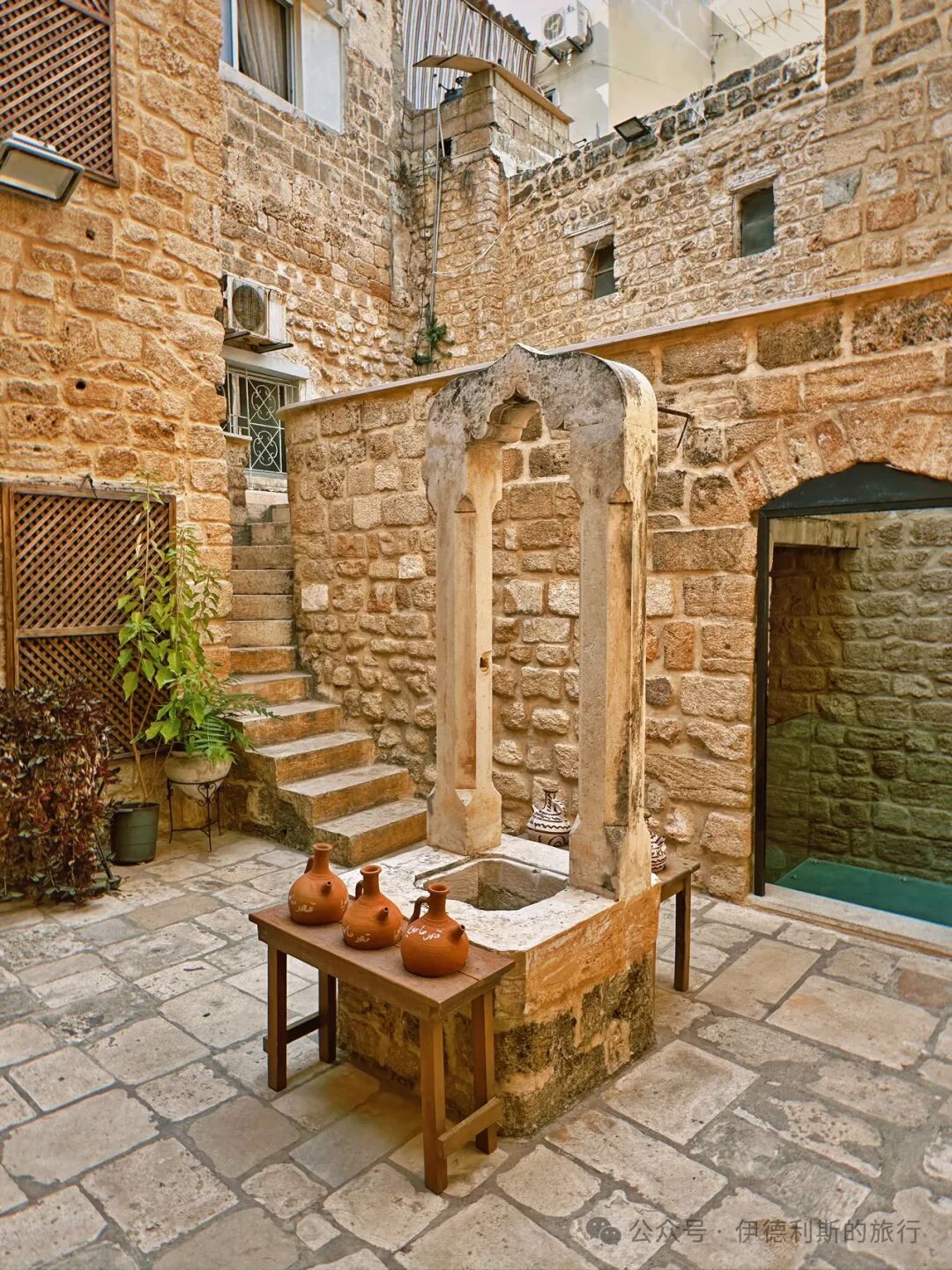
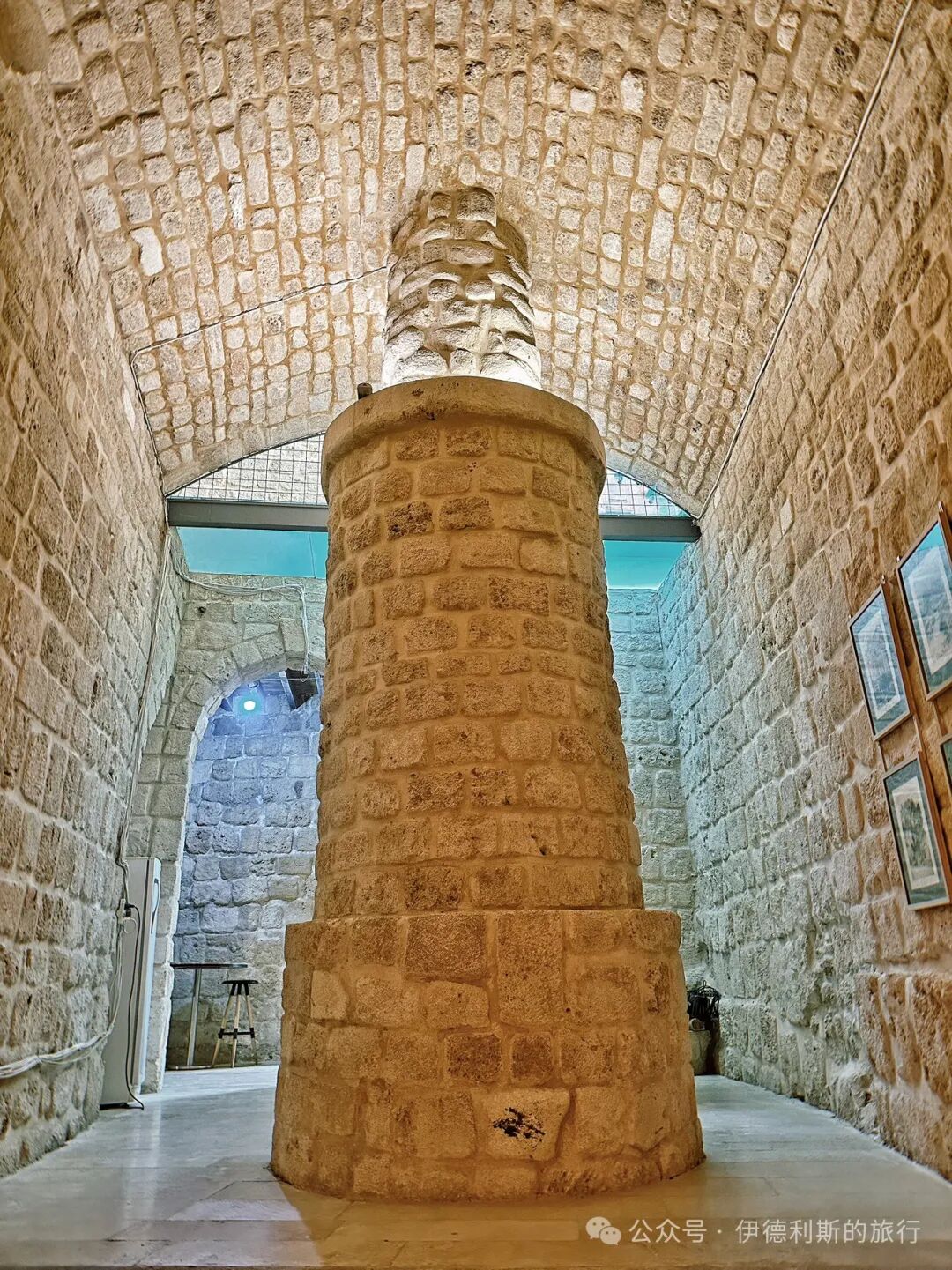
Entering the ancient city of Sidon from the north side, the first attraction is the underground Khan Sacy Archaeological Museum. Khan Sacy is made up of several arched rooms. They date back to stables and warehouses from the Crusader period (1099-1291). Since 2010, archaeological excavations at Khan Sacy have uncovered two bathrooms from the Mamluk dynasty (1201-1517), three water wells with different architectural styles, and a multi-purpose oven from the Ottoman period (1517-1918).
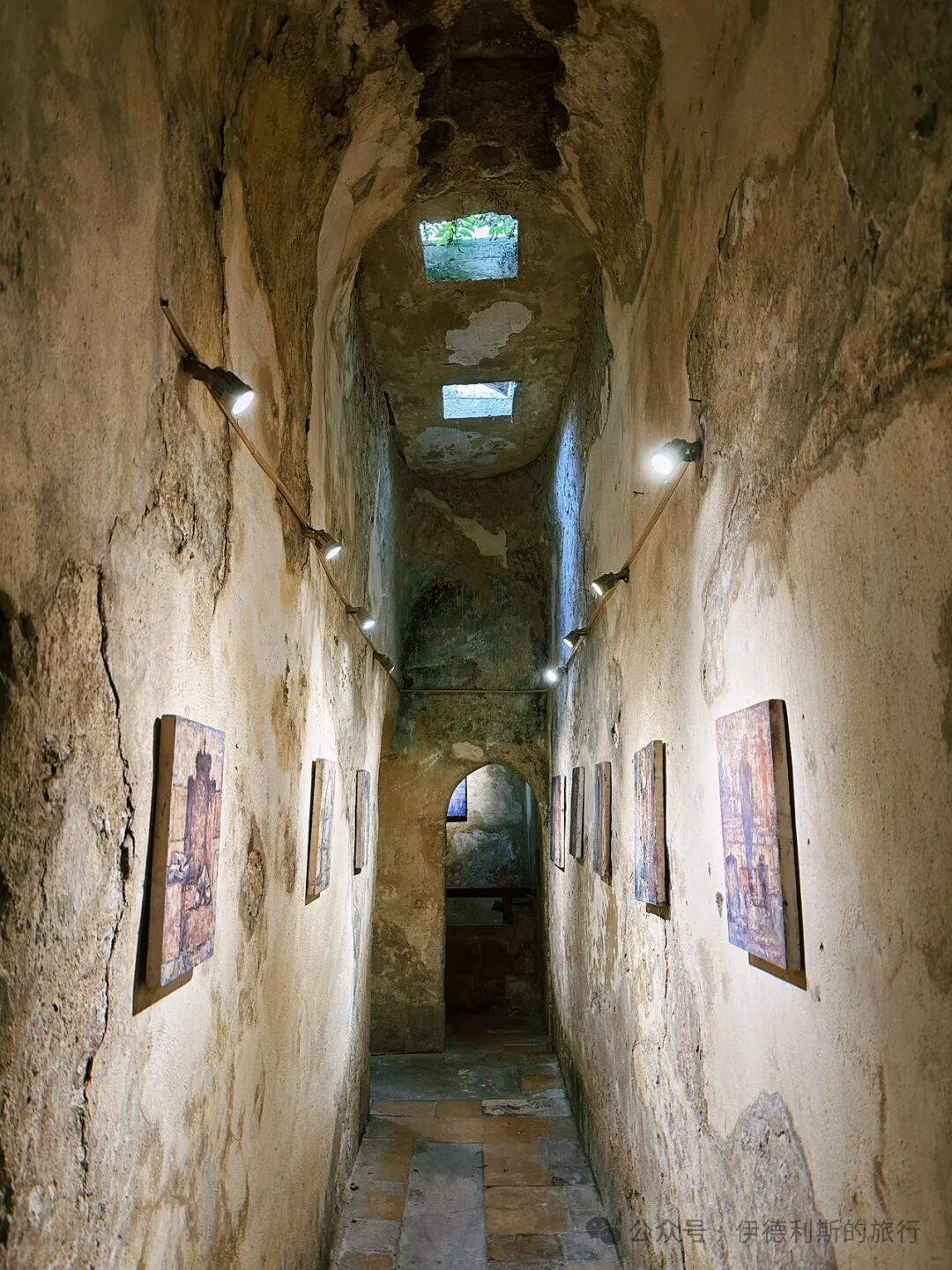
Follow the main road of the ancient city of Sidon south to see the largest Turkish bath in the old city, Hammam Al Jadeed. Hammam Al Jadeed was built in 1720 by the Moroccan merchant Mustafa Hammoud. It is a representative example of a Turkish bath in Lebanon from the Ottoman dynasty. The bathhouse consists of 10 rooms, including bathing, massage, and sauna areas. Corridors connect each area, which features unique marble floors and skylights.
This bathhouse stayed in use until 1948, when it closed because tap water pipes became common. The bathhouse was later used as a carpentry workshop and storage room, and it suffered damage during the Lebanese Civil War (1975-90). During the 1982 Israeli invasion of Lebanon, one of the bathhouse domes was hit by shelling and remains unrepaired today.
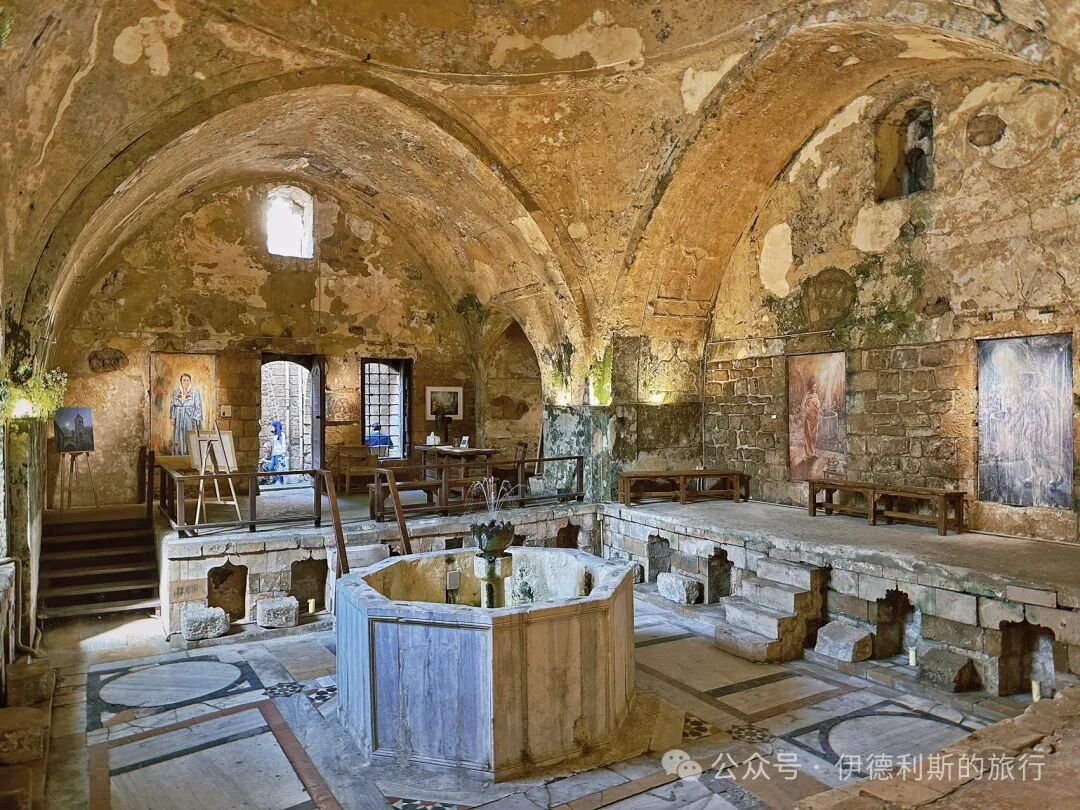
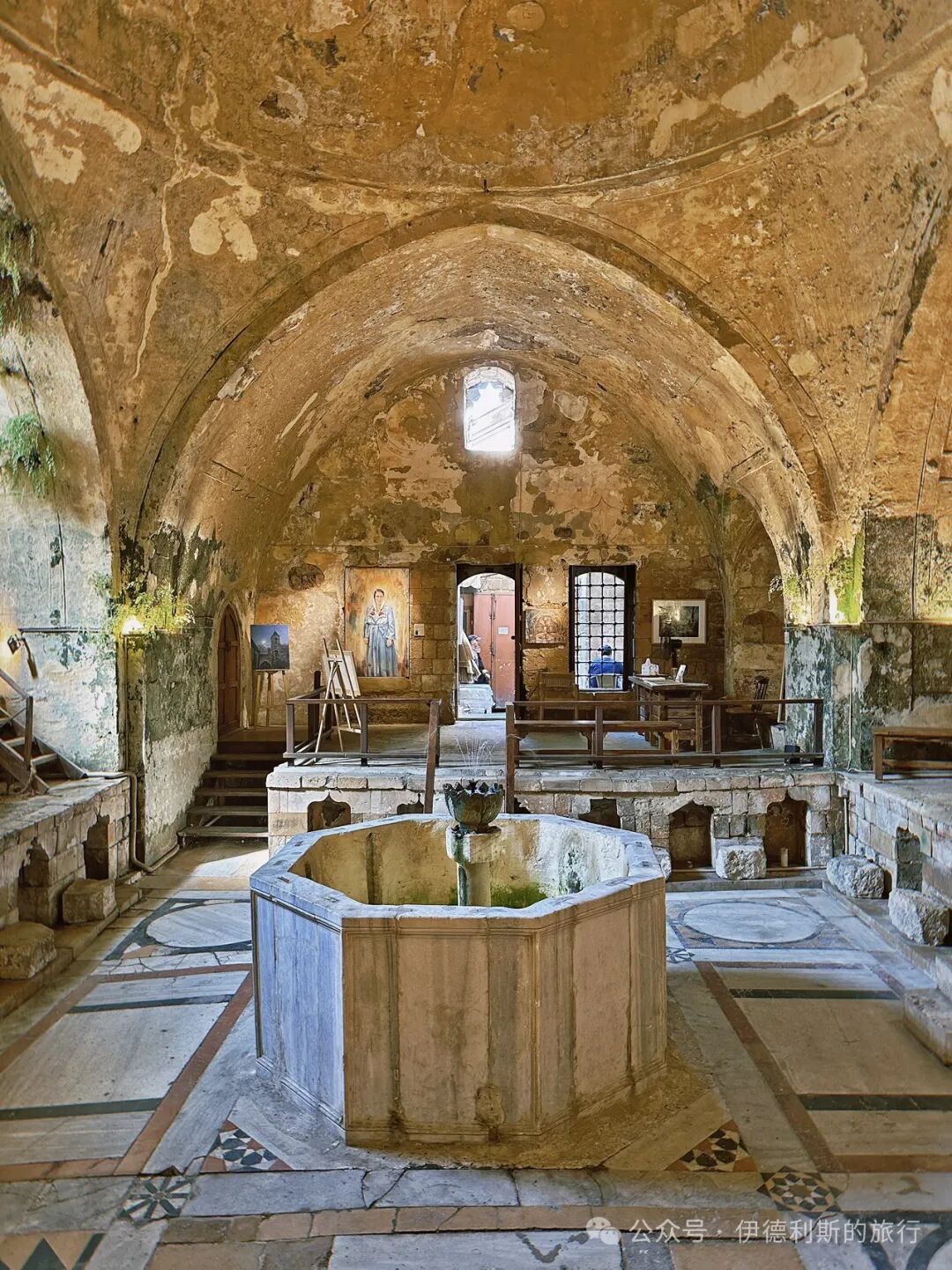
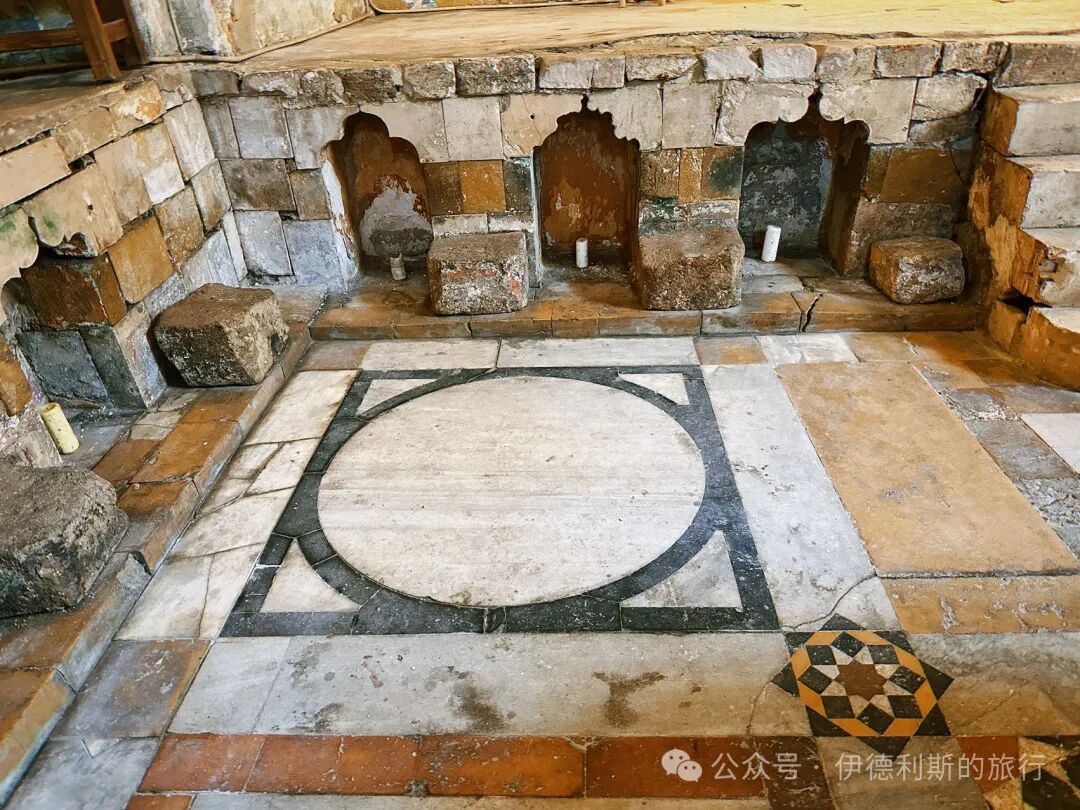
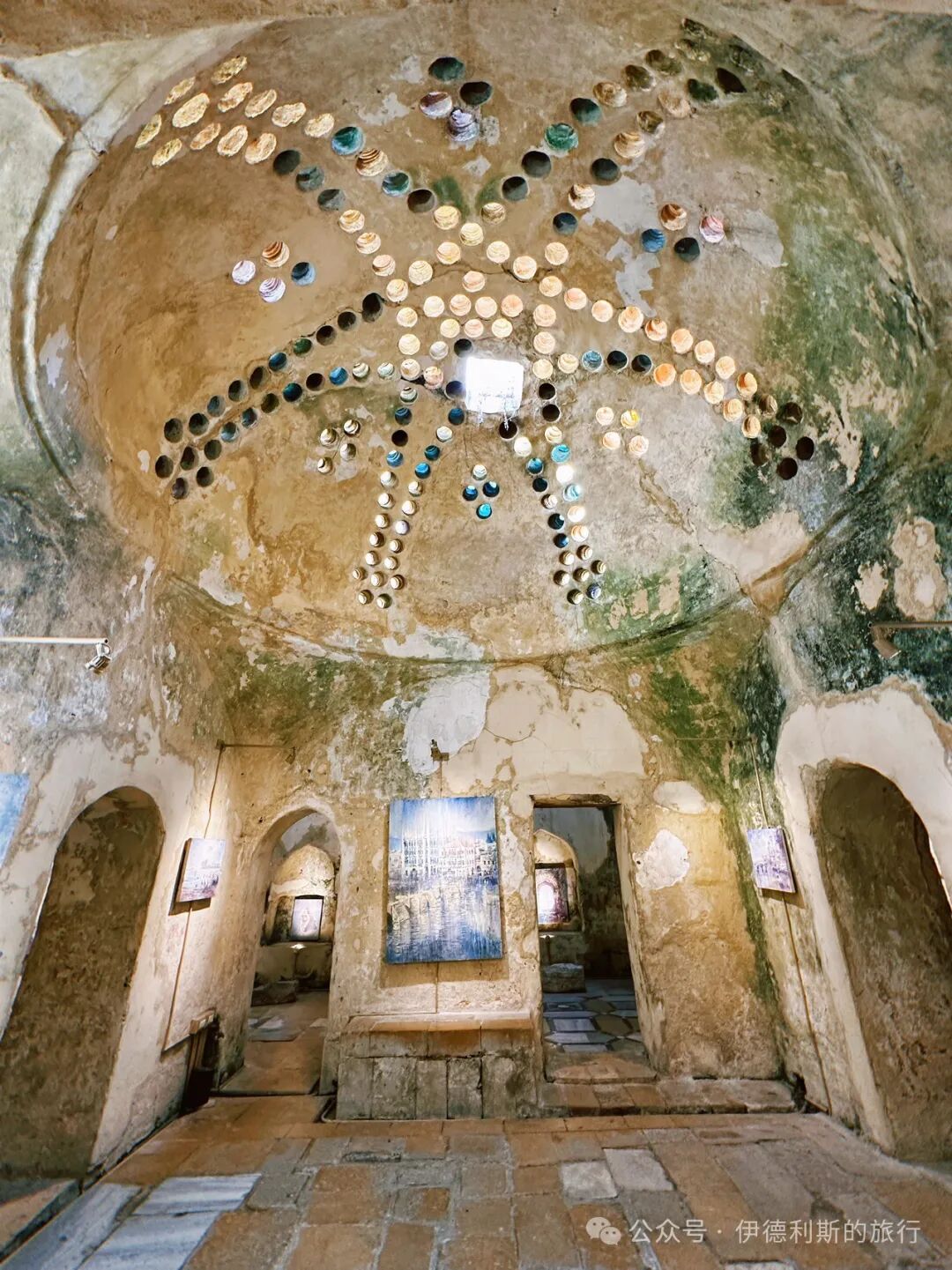
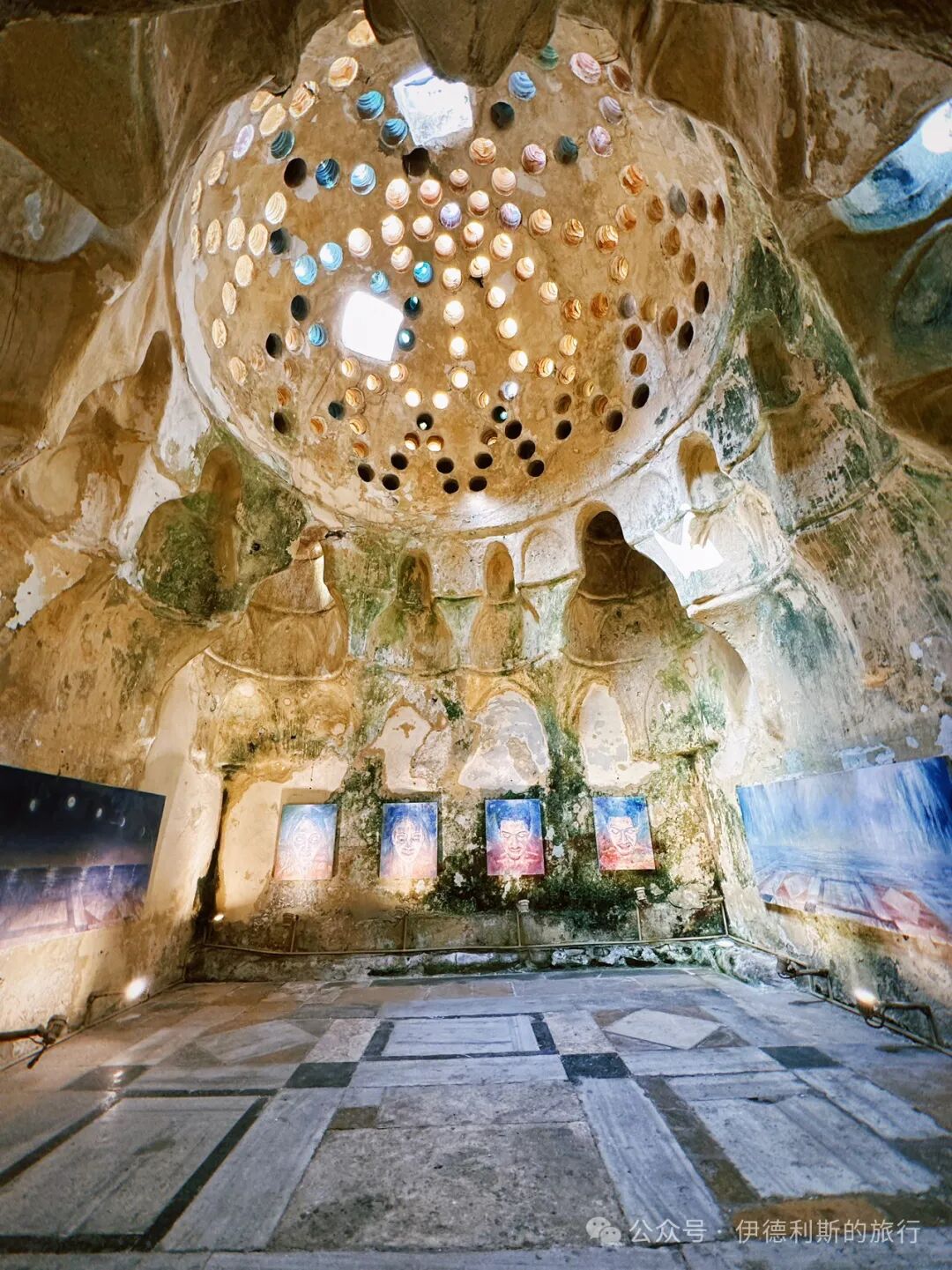
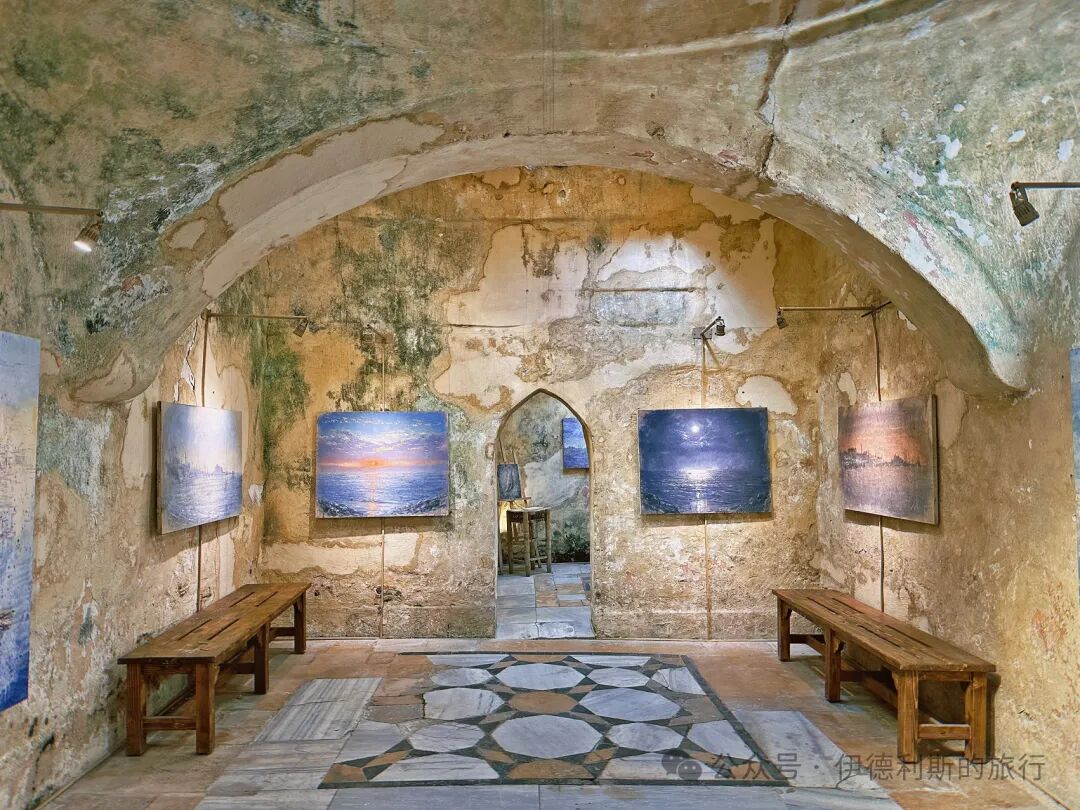
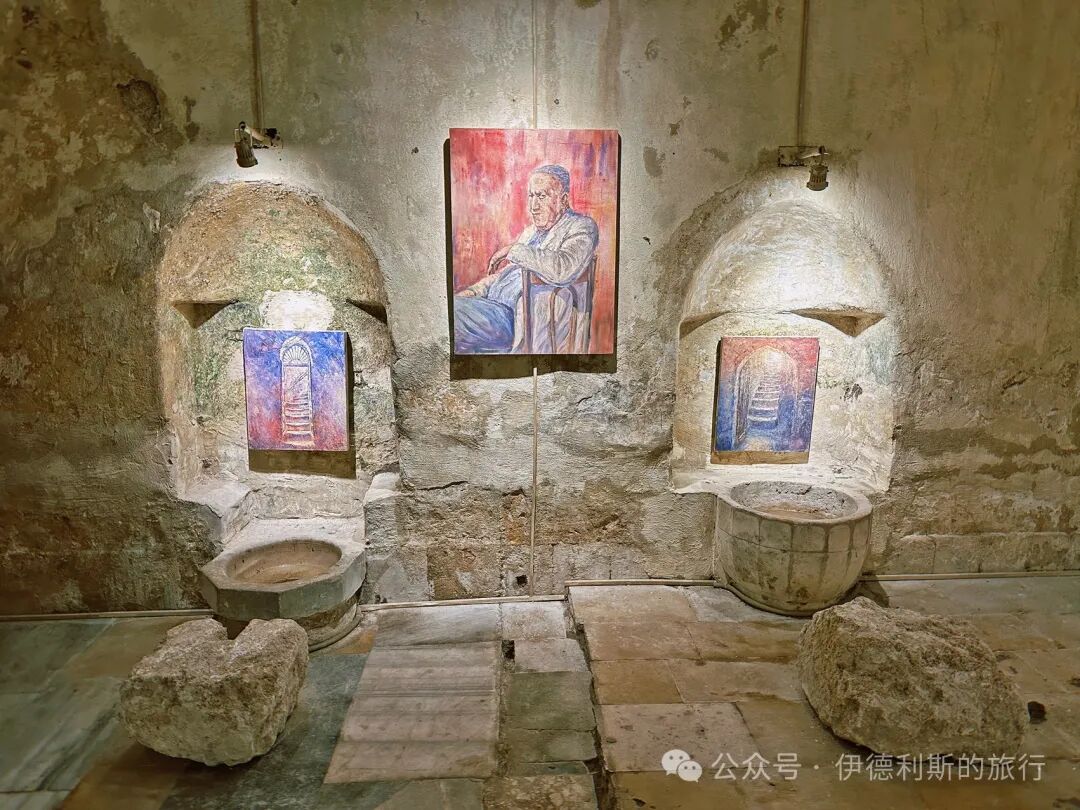
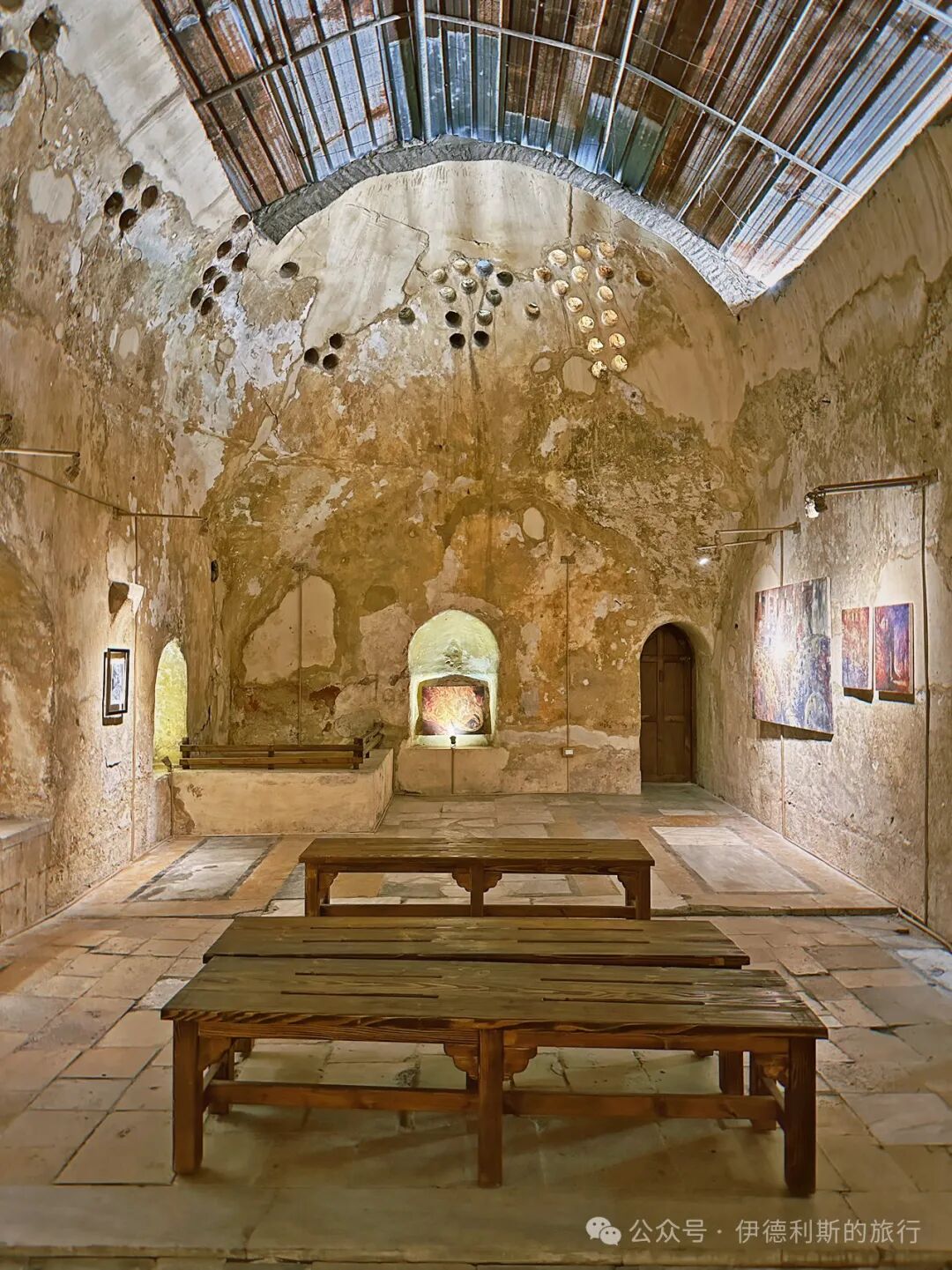
In 2018, Said Bacho, the founder and president of the Sharqy Foundation for Cultural Development and Innovation, purchased the Hammam Al Jadeed bathhouse. In 2019, the bathhouse reopened as a historical site after being closed for 71 years.
In 2019, Said Bacho invited the famous British artist Tom Young to create art for the bathhouse. Tom Young interviewed elderly people who had bathed in the bathhouse over 70 years ago. He listened to their memories and gained valuable inspiration.
In 2020, the Revival exhibition officially opened inside the bathhouse. The 10 rooms of the bathhouse displayed 60 oil paintings by Tom Young, featuring not only the past and present of the bathhouse but also many other historical sites in the old city of Sidon. Tom Young also painted a portrait of the bathhouse's former owner, Zahia Al Zarif, based on archival photos from the 1940s.
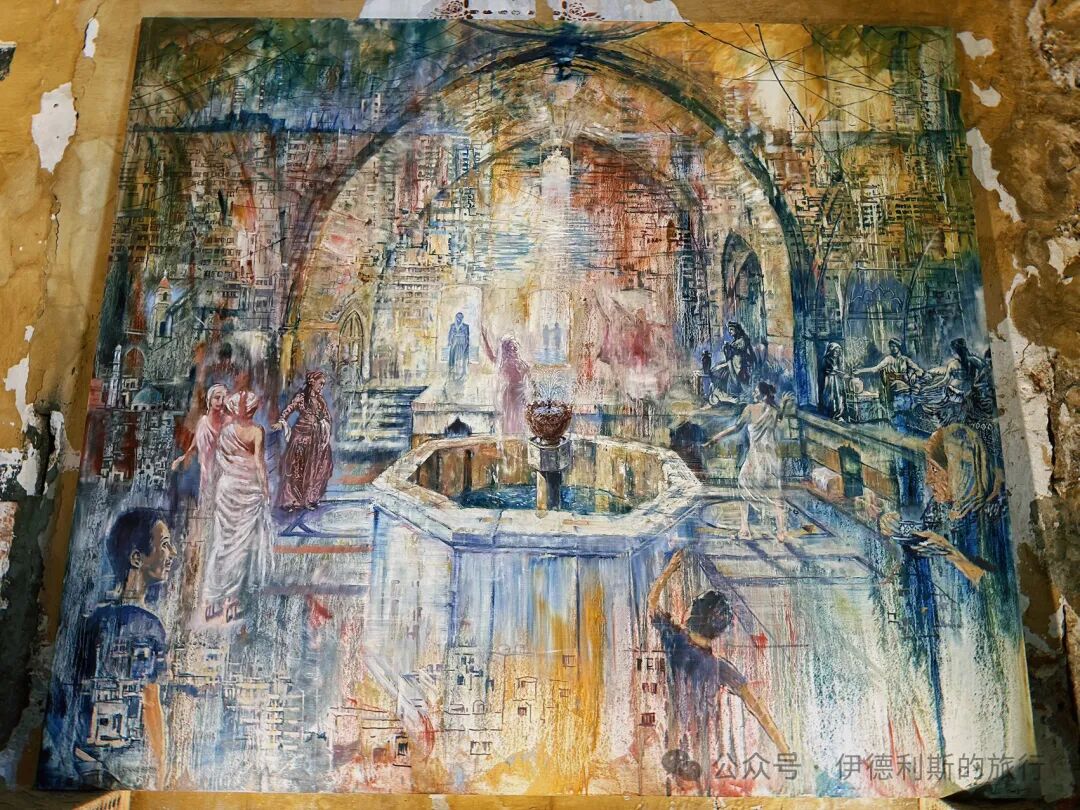
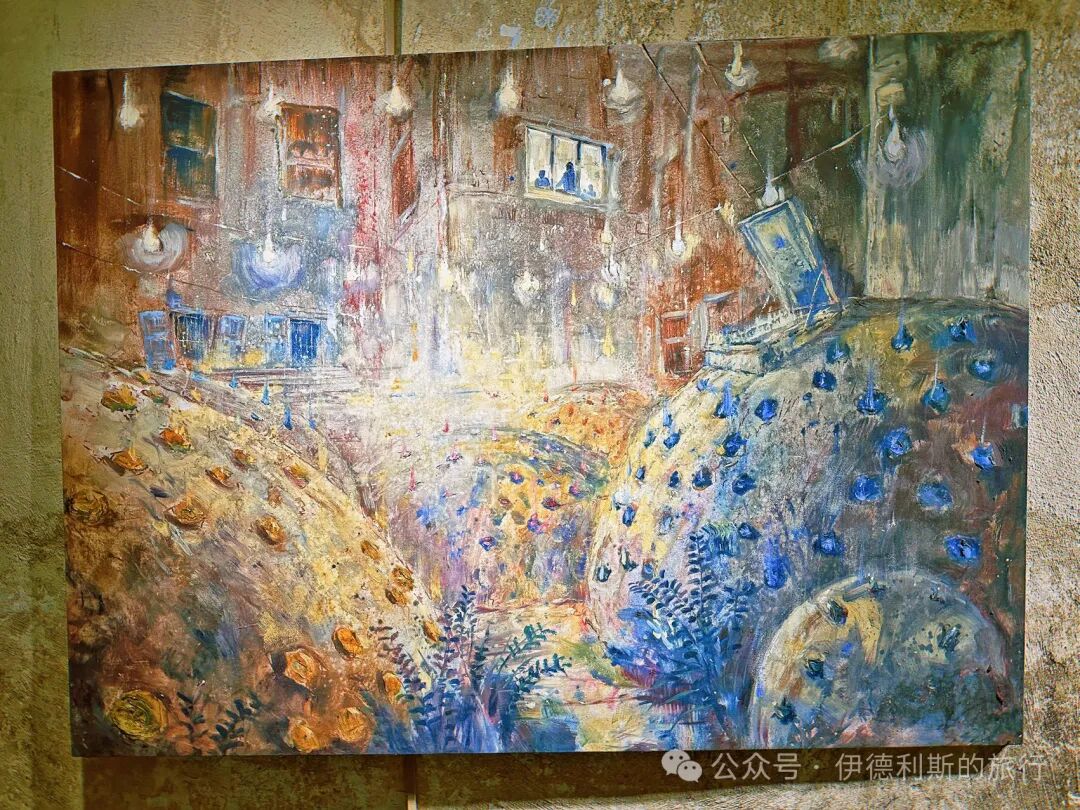
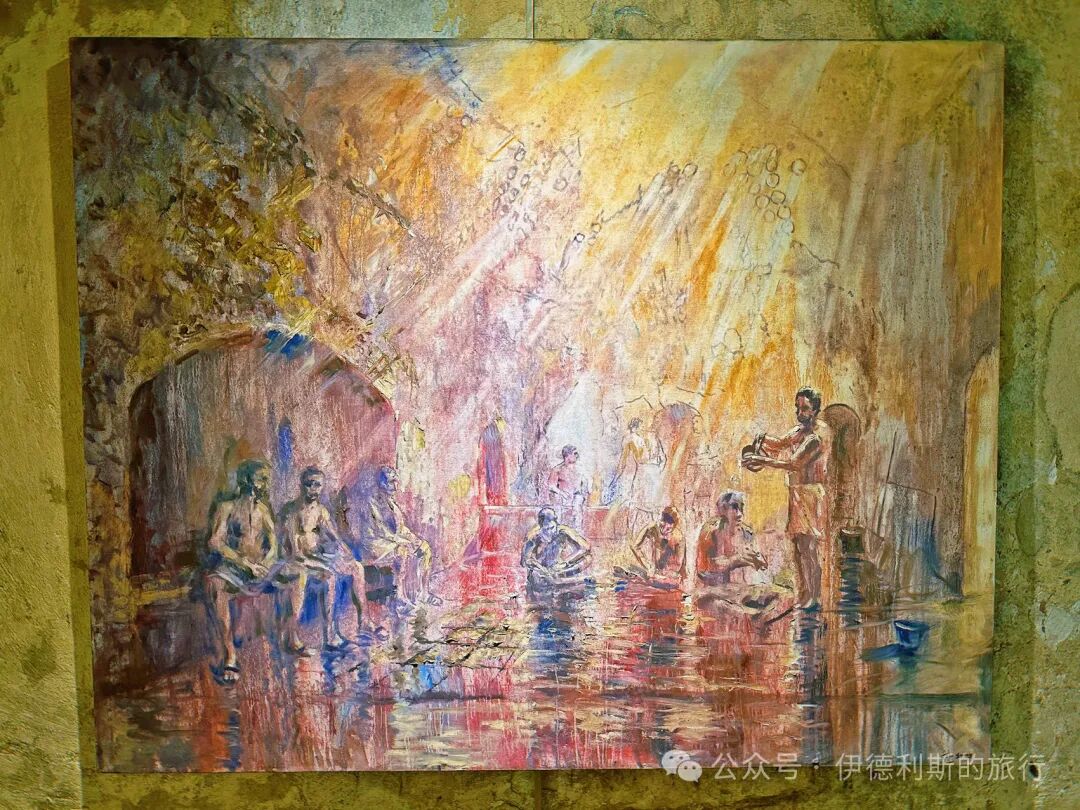
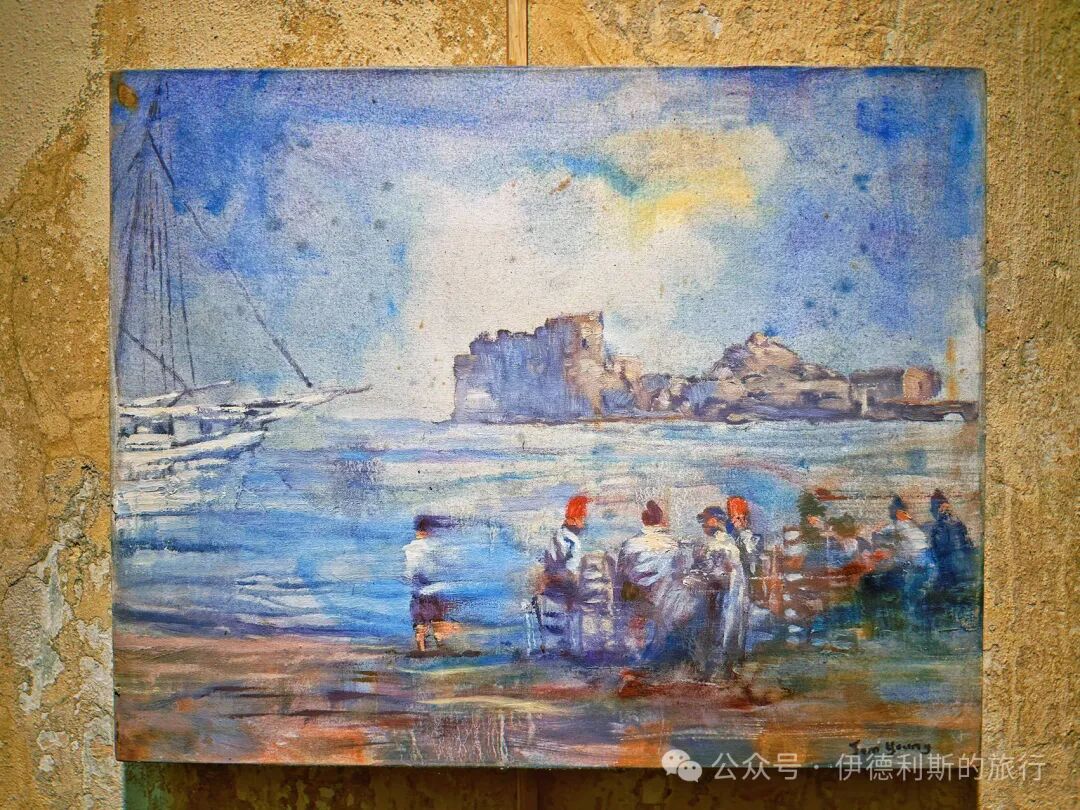
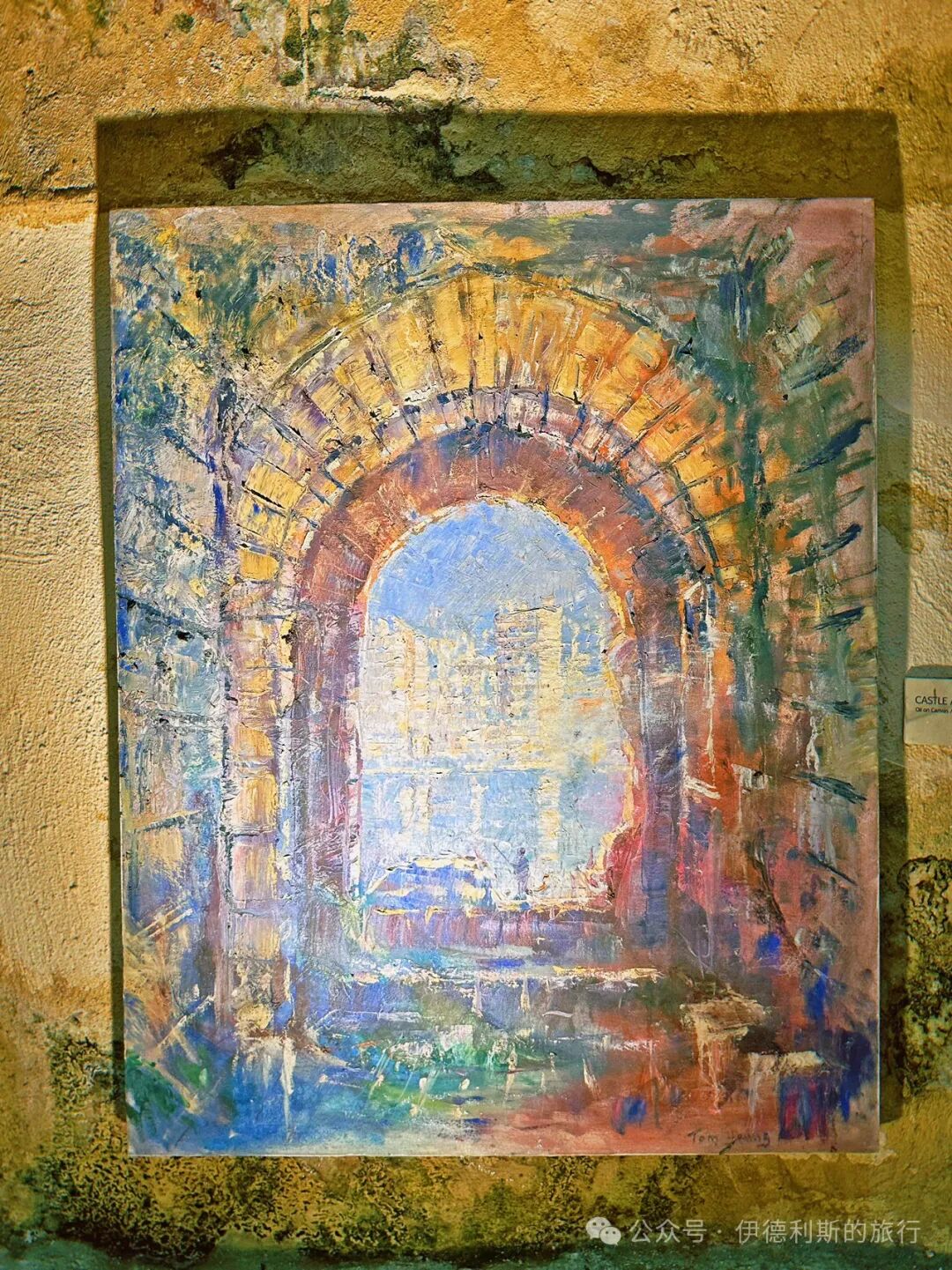
Day and night in the old city of Sidon.
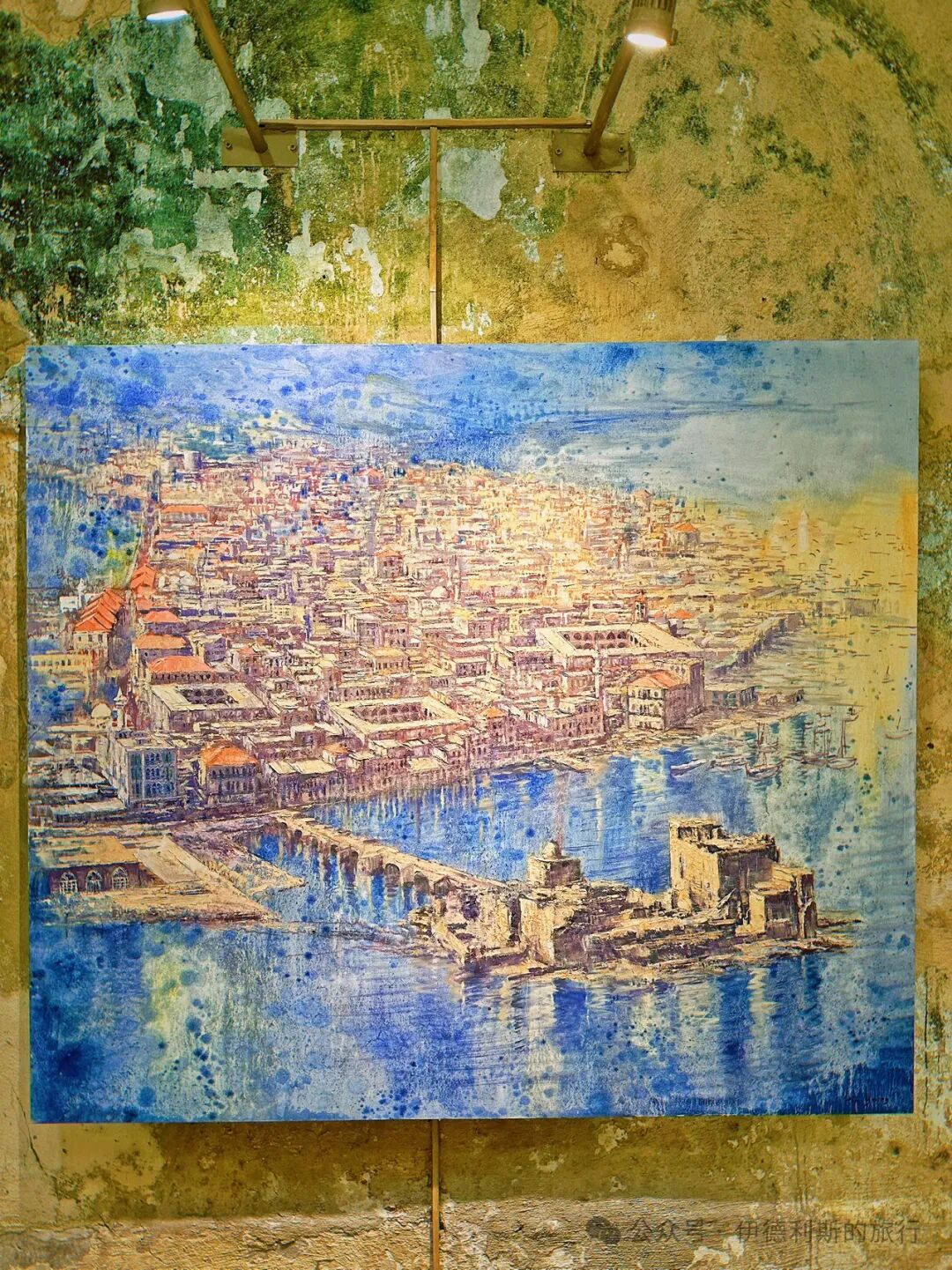
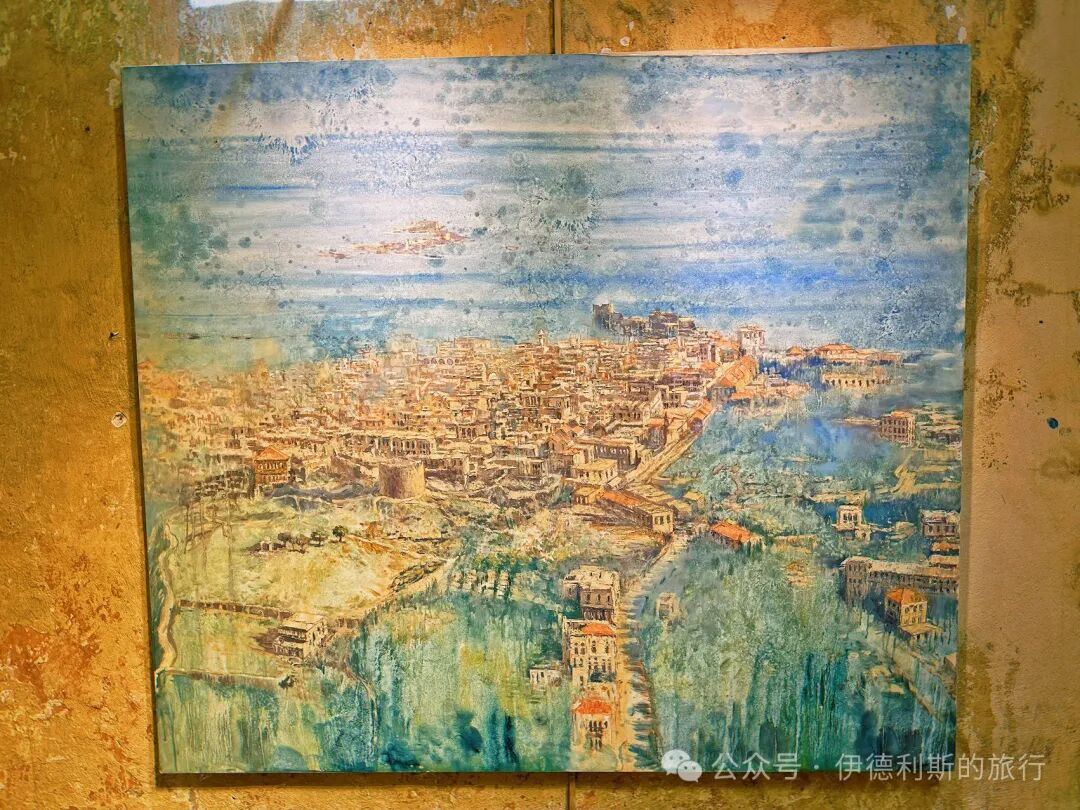
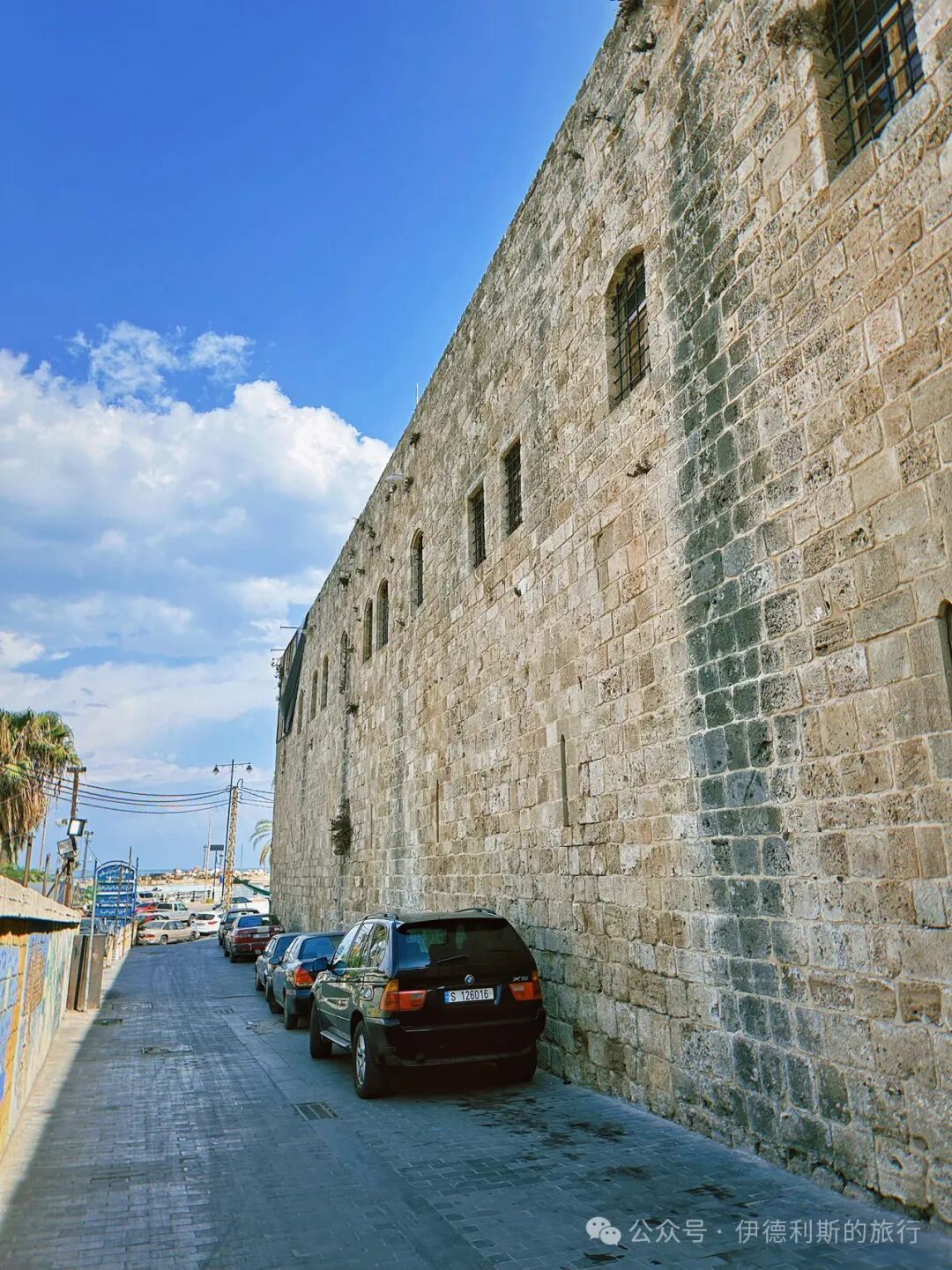
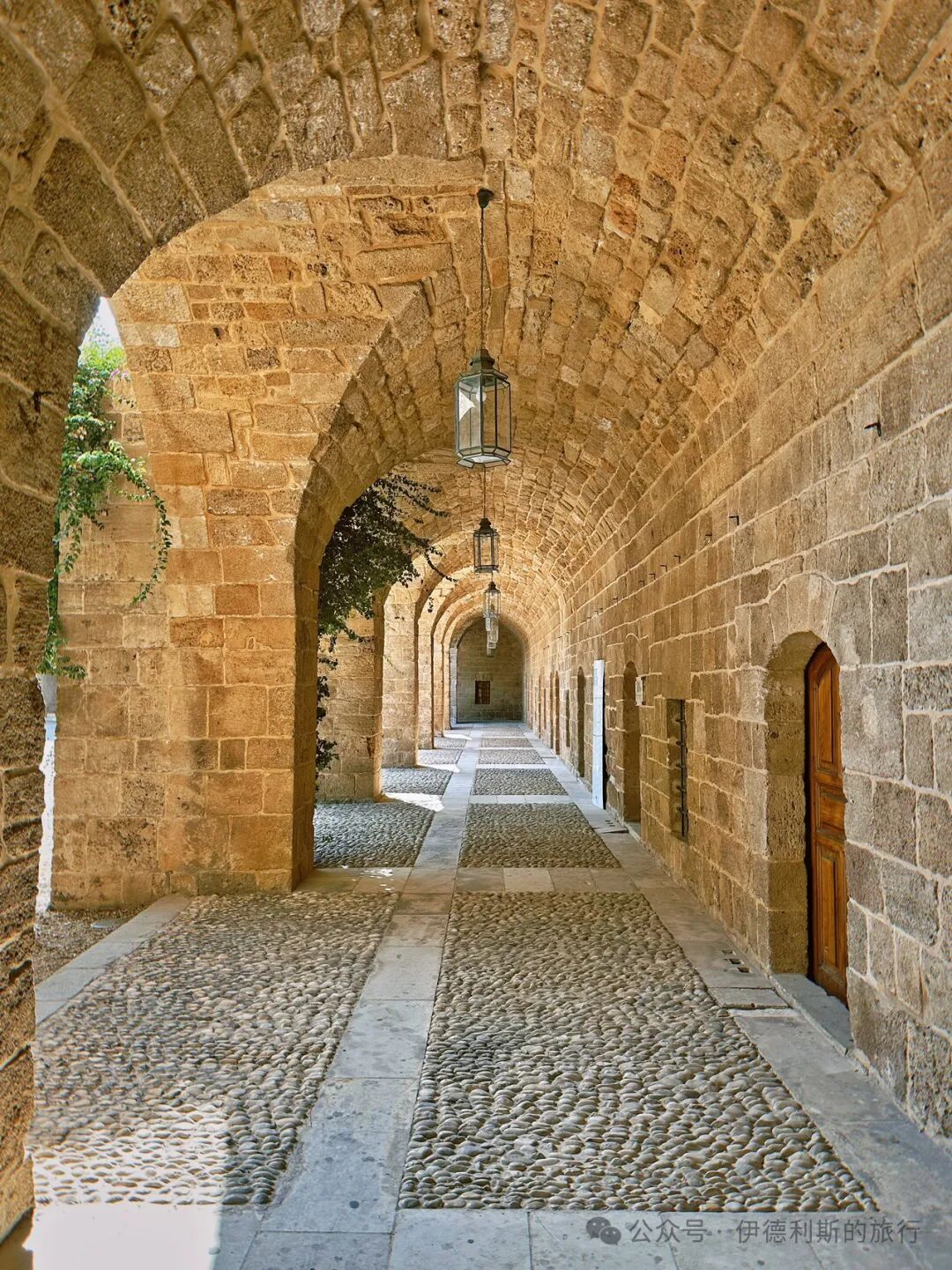
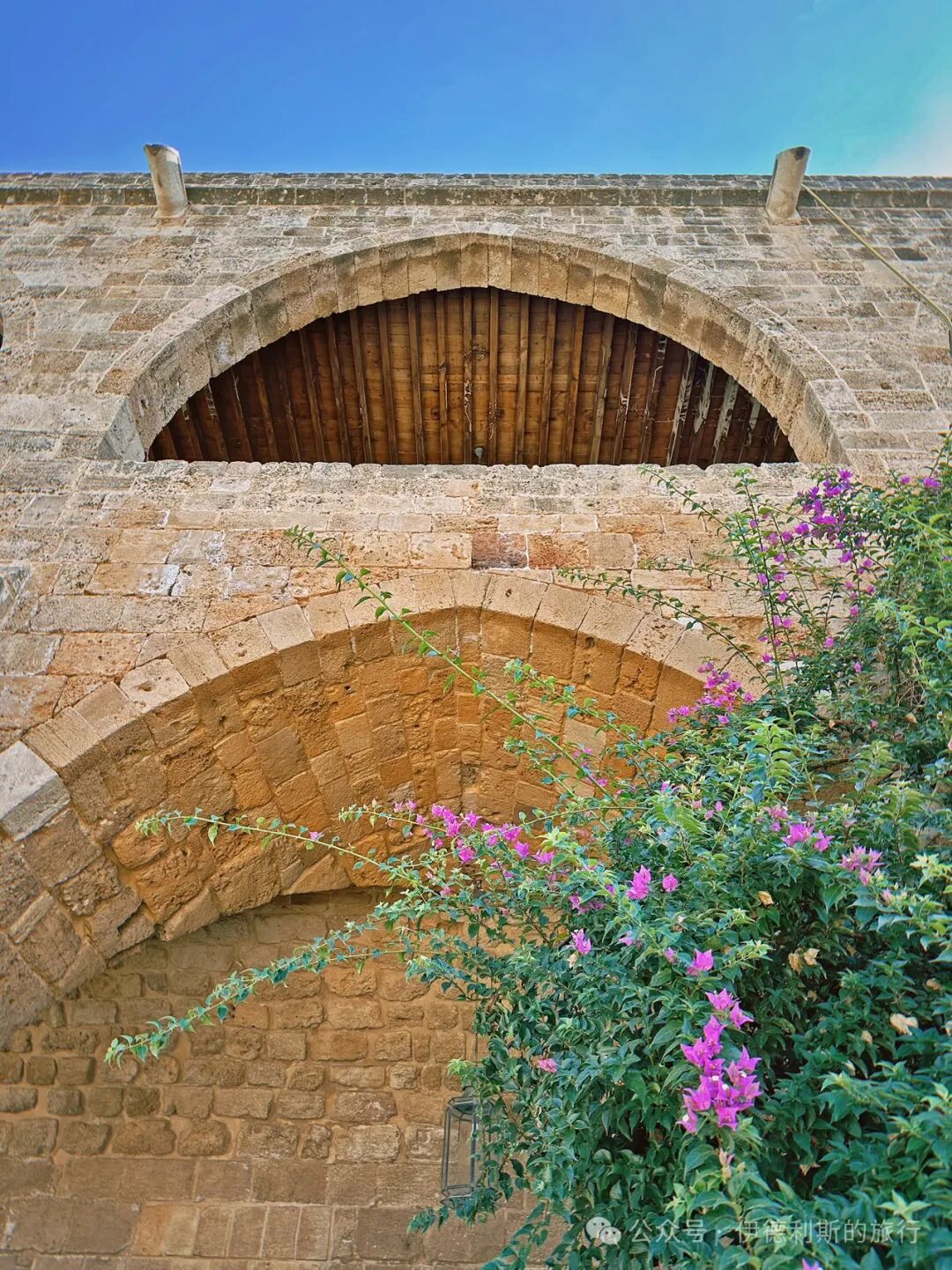
Heading west from the Hammam Al Jadeed bathhouse and through the winding alleys, you reach the massive Ottoman caravanserai, Khan al-Franj. Khan al-Franj was built in the late 16th century by order of the Ottoman Grand Vizier Sokollu Mehmed Pasha, who served from 1565 to 1579. The inn has a large courtyard, with the ground floor used for storing goods and the second floor for travelers to stay, which is the typical structure of an Ottoman caravanserai.
The inn served as the residence for the French consul in the early 17th century, which is how it got the name French Inn. The inn is currently owned by France, and the French Institute of the Near East (Institut français du Proche-Orient) is located here. The Hariri Foundation leased the space for 35 years. They restored the historical site and opened it as a cultural center, where they host various cultural events from time to time.
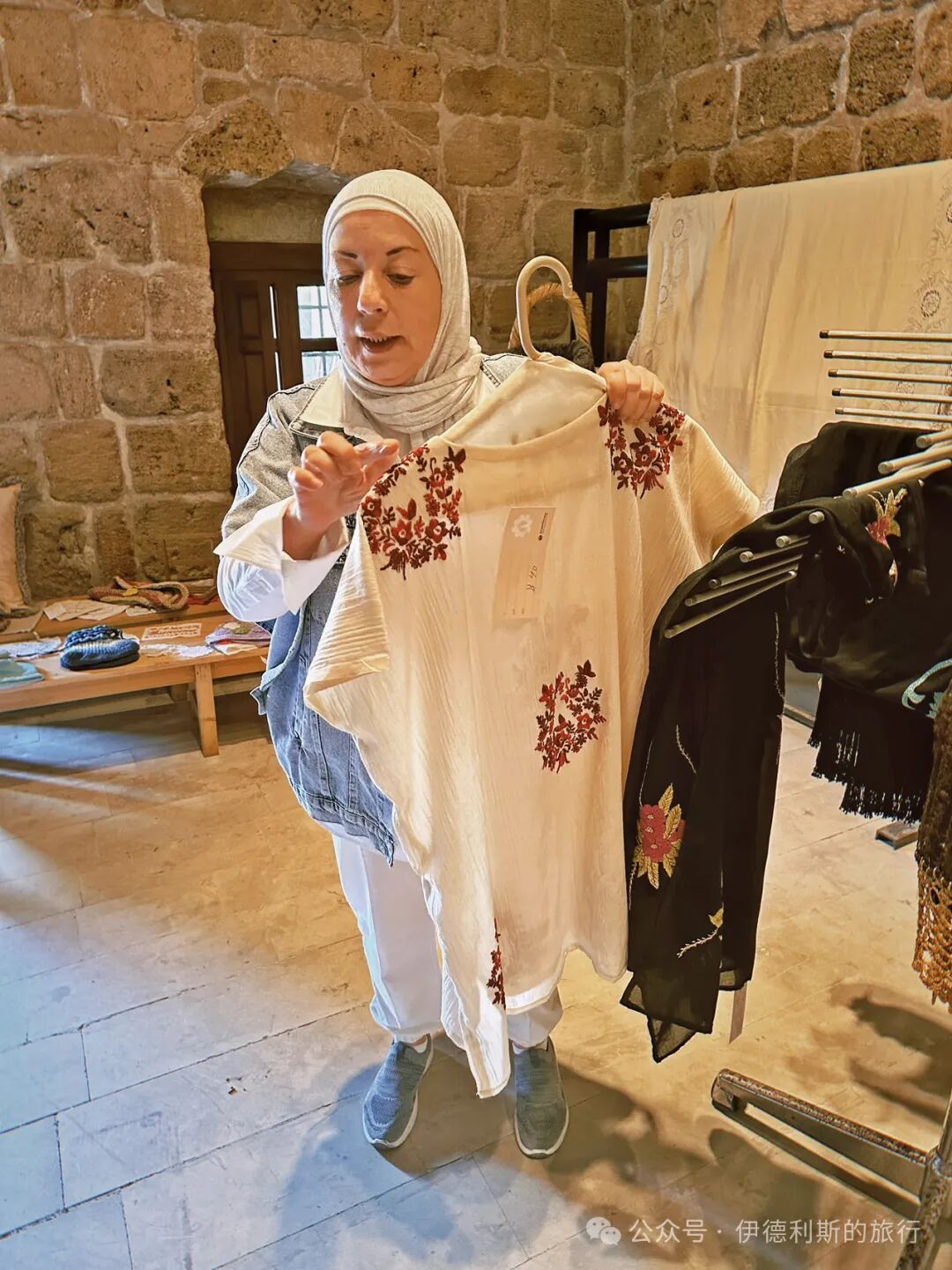
You can buy handicrafts made by local Lebanese women at the inn, and we bought a hand-woven hat. This is part of the Hariri Foundation's effort to create jobs for local women and promote tourism and handicrafts in Sidon.
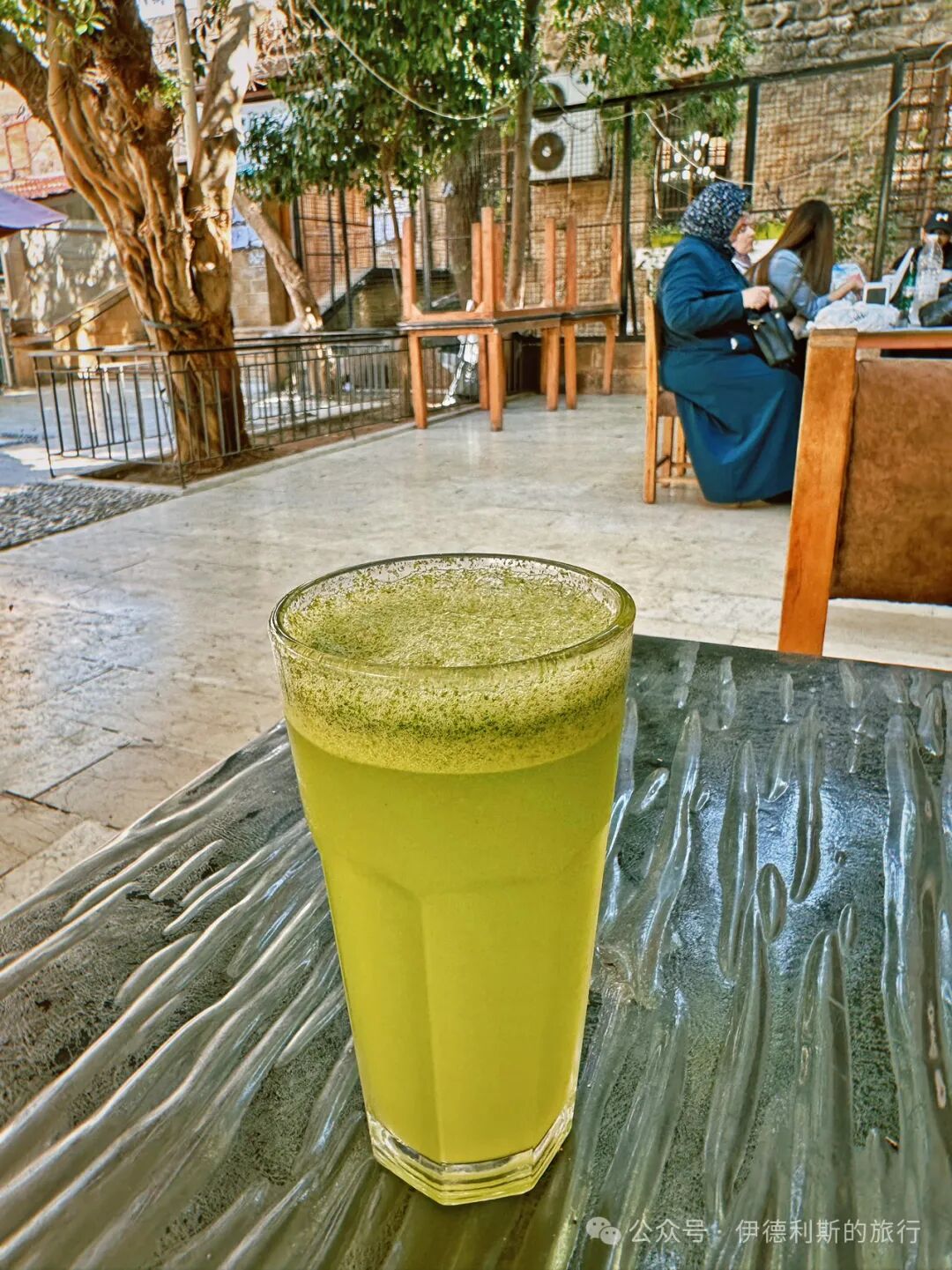
We had a mint lemonade at Bab Al Saray Cafe, located in a small square in the center of the old city of Sidon. It is one of the oldest cafes in Sidon, and people say their brunch is very authentic.
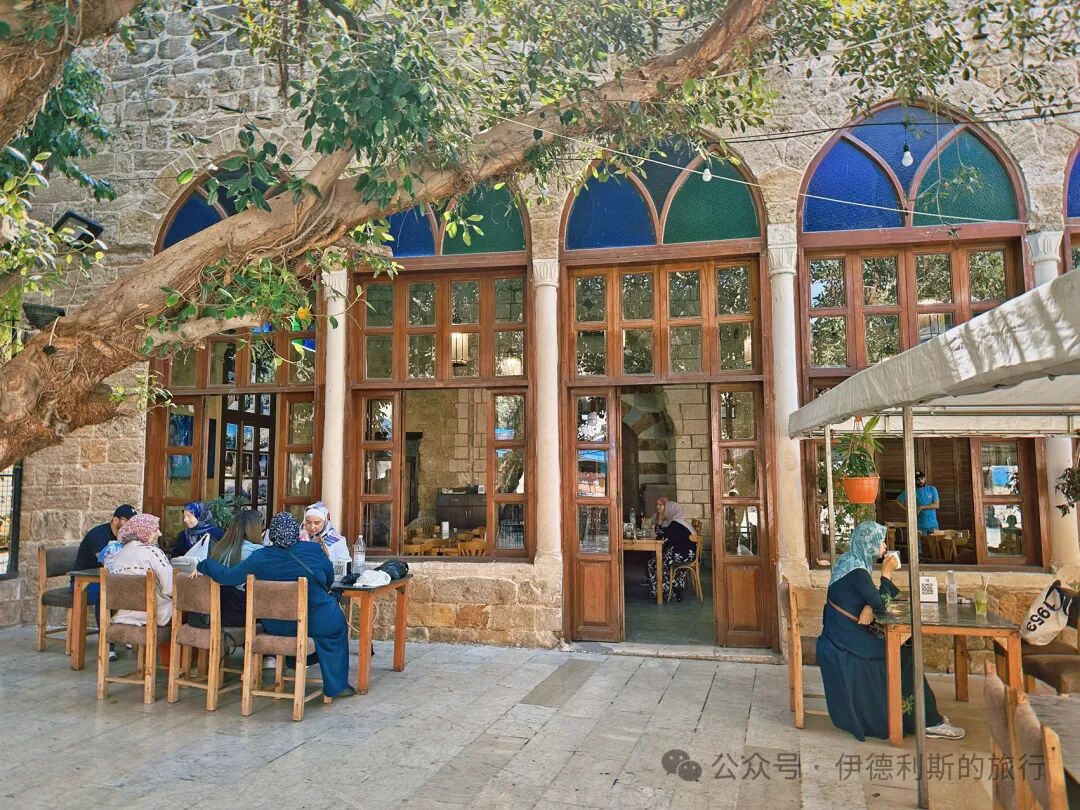
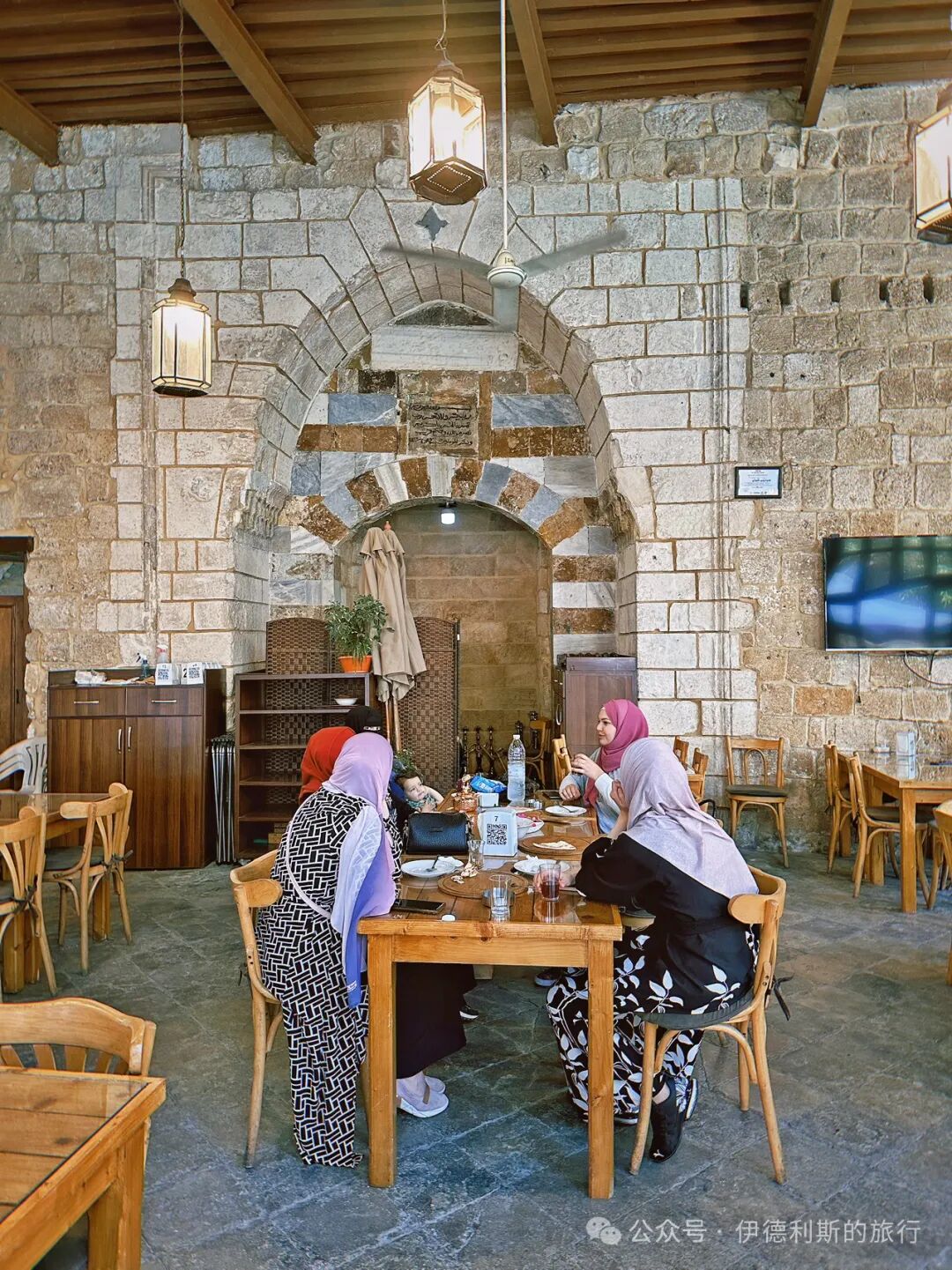
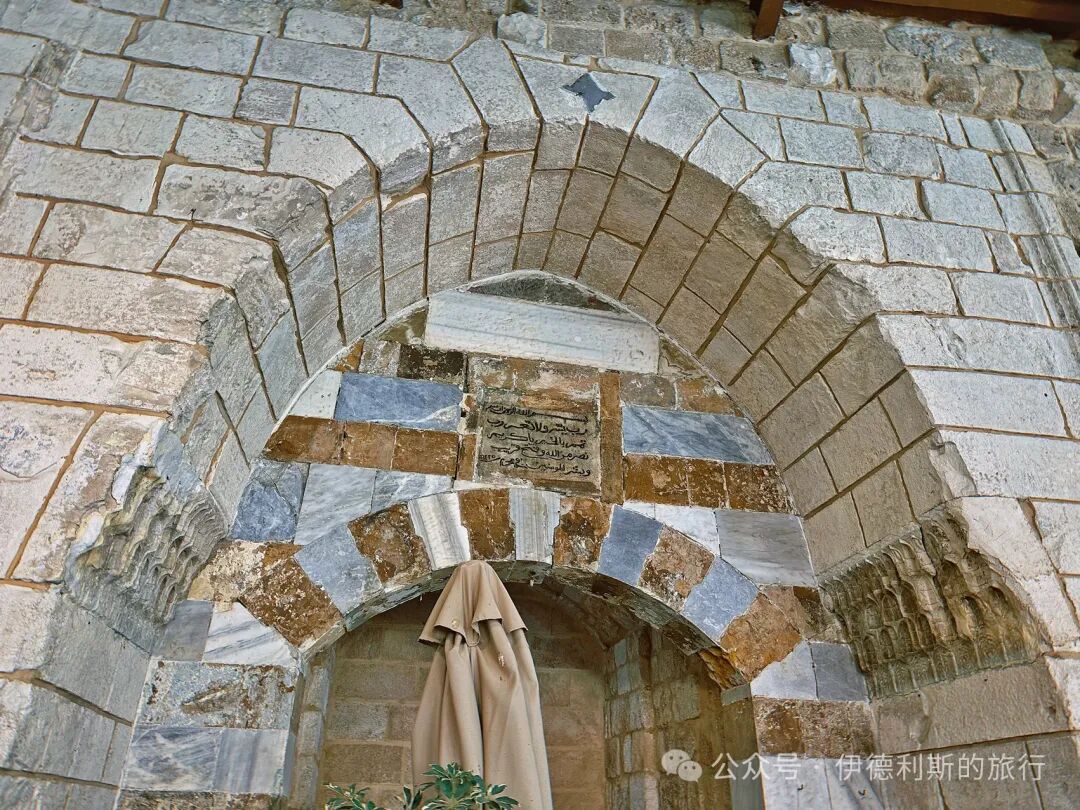
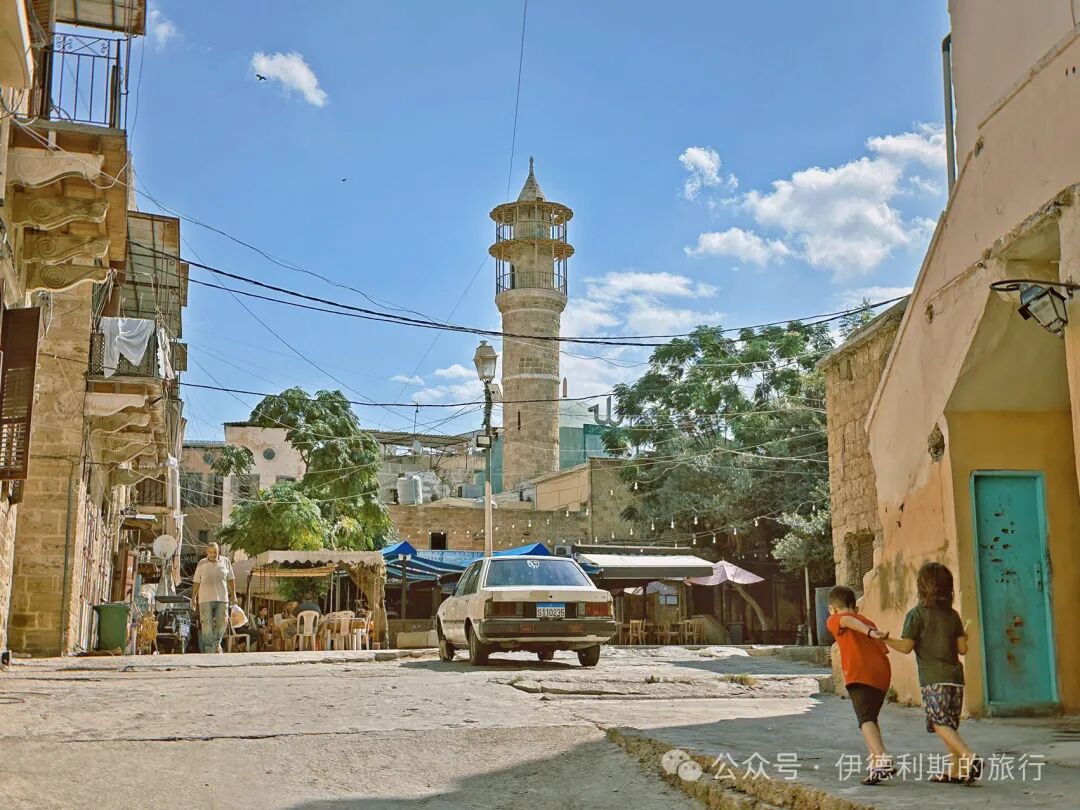
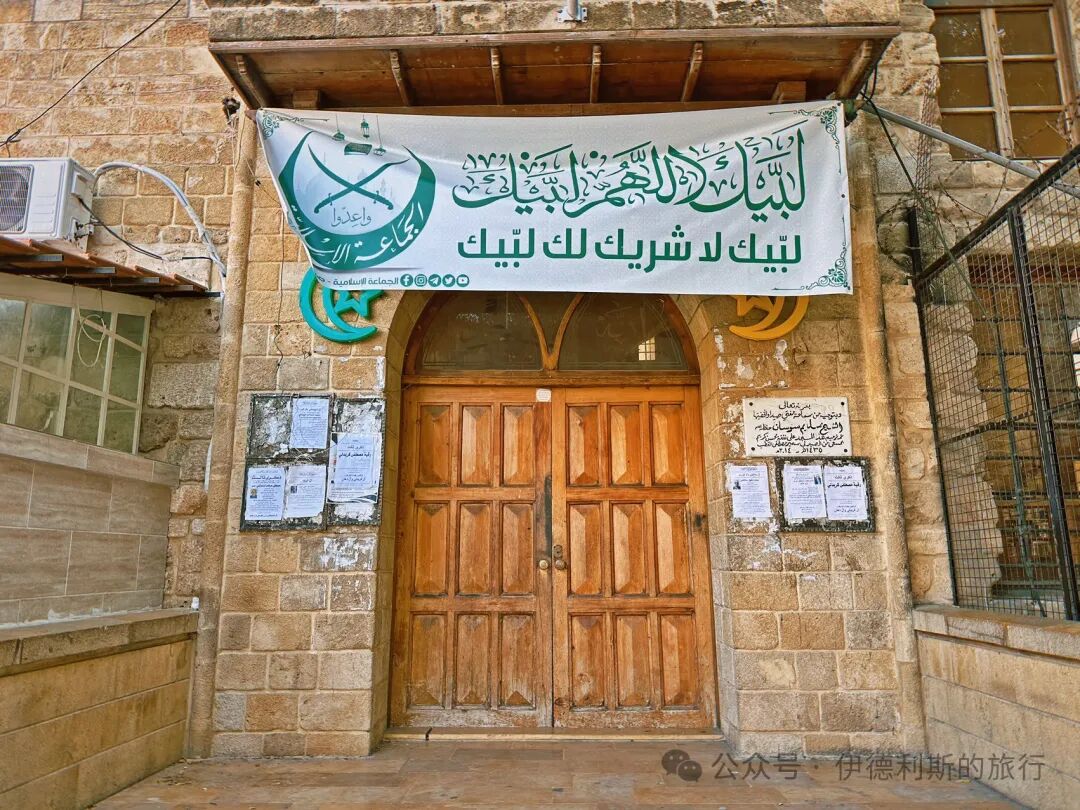
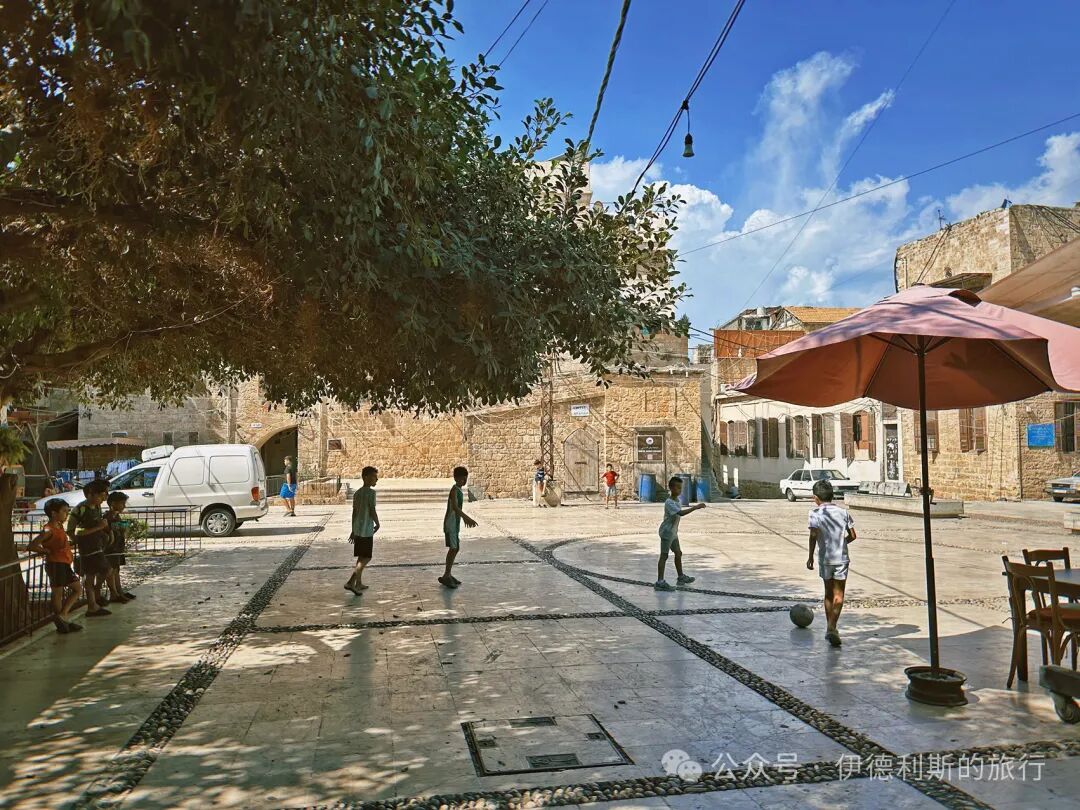
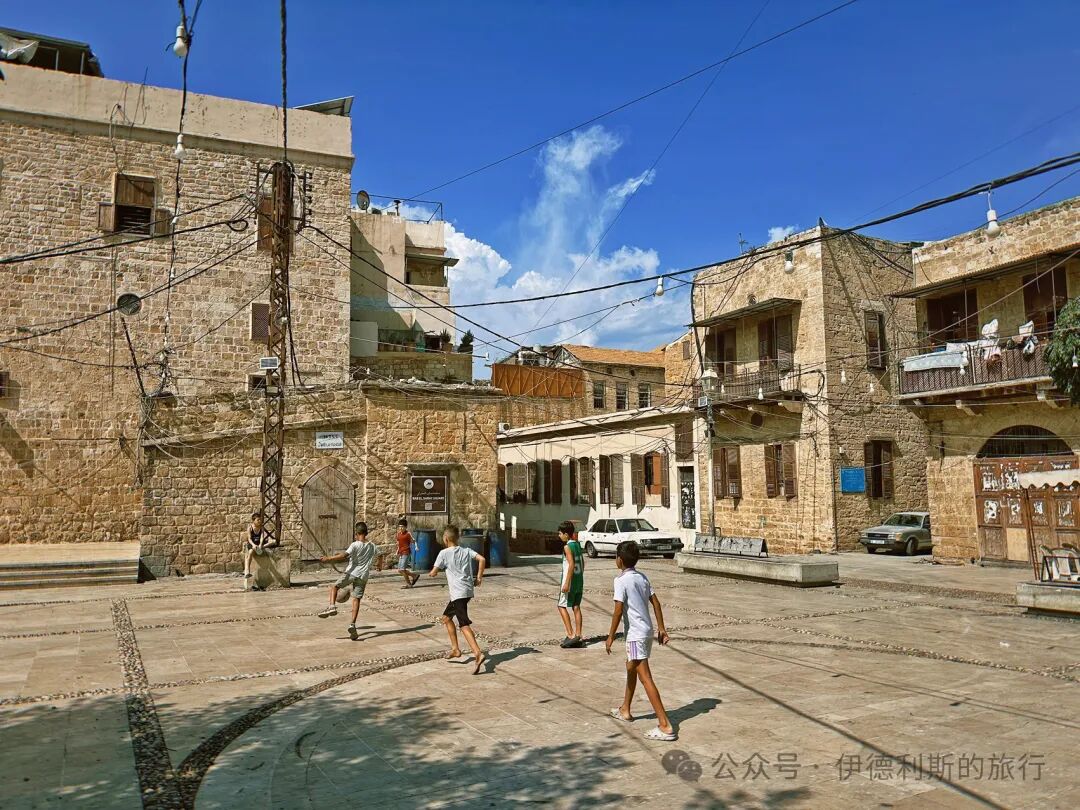
After resting, we visited the El Kikhia Mosque. Built in 1625 by Mahmoud Kitkhuda, the El Kikhia Mosque is a representative example of an Ottoman-era mosque in Lebanon. The mosque is famous for its six domes, and inside the main hall, there is a white marble pulpit (minbar).
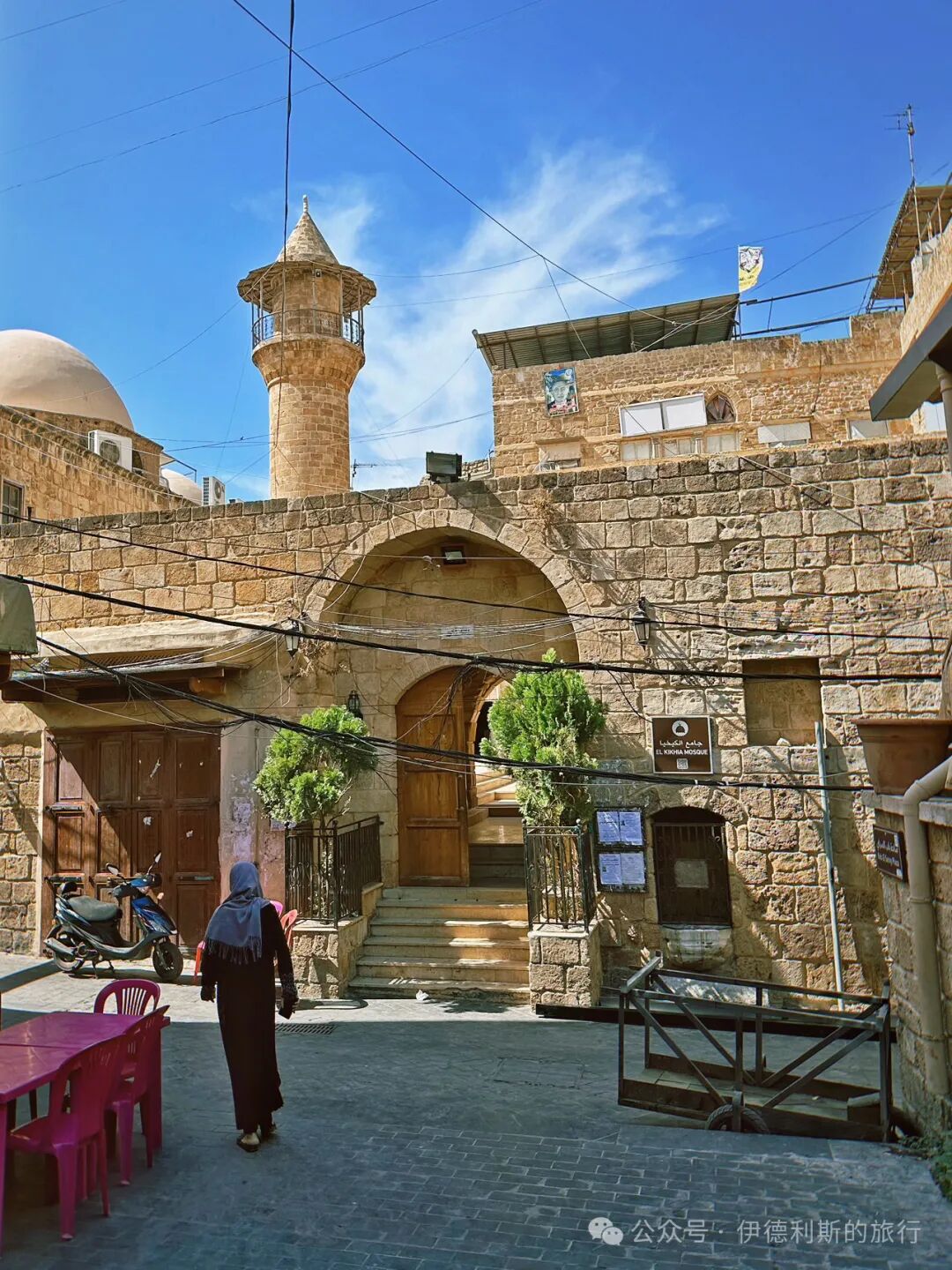
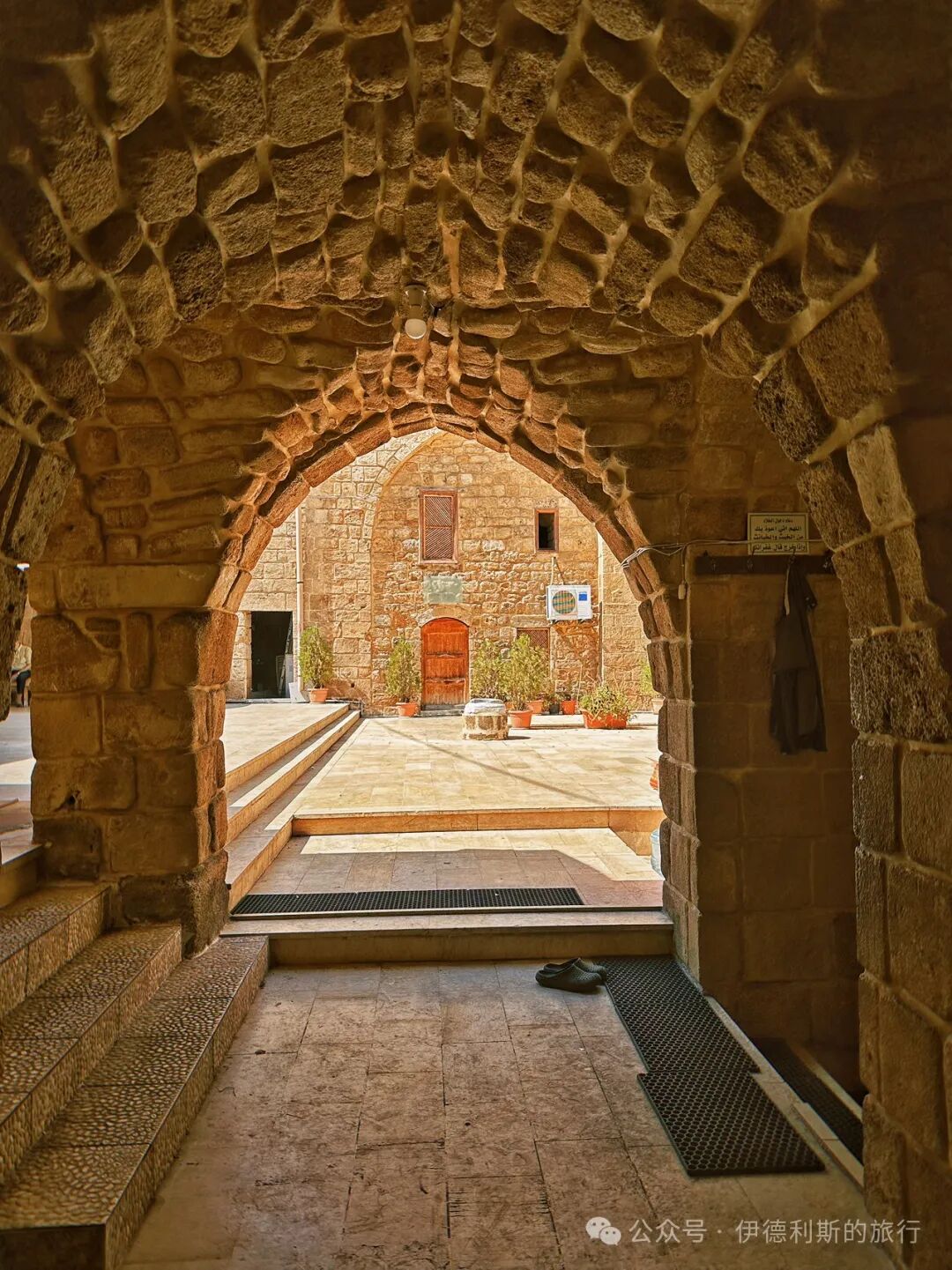
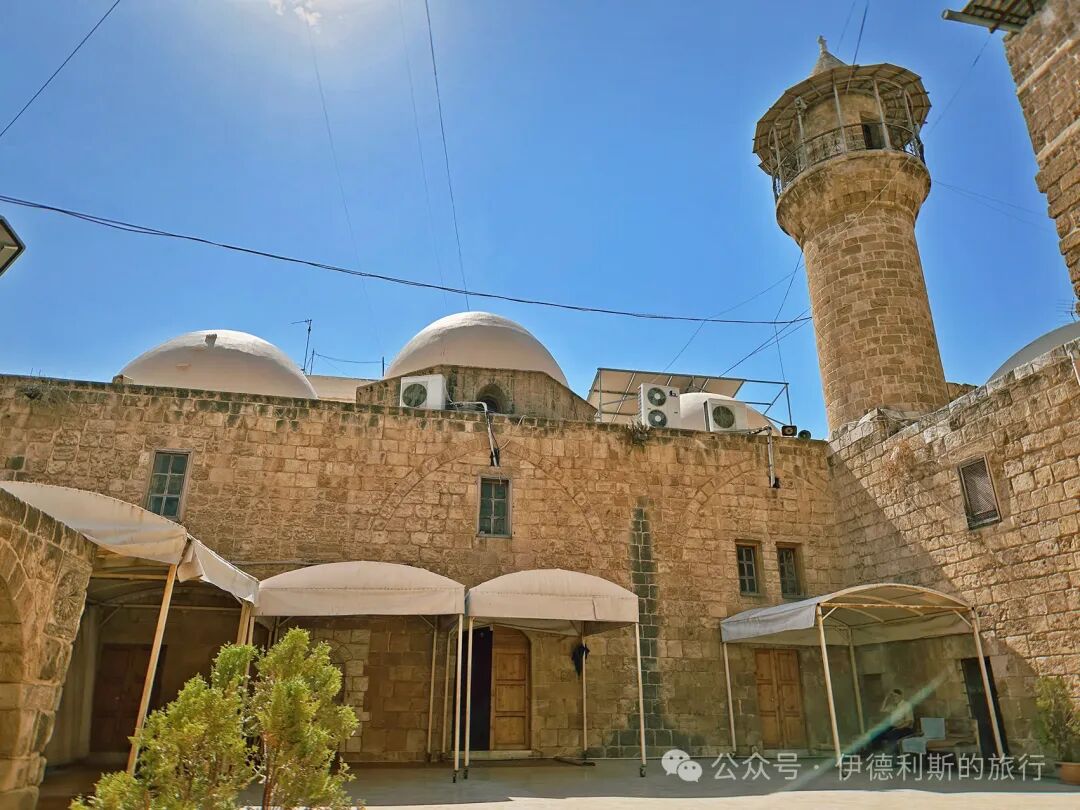
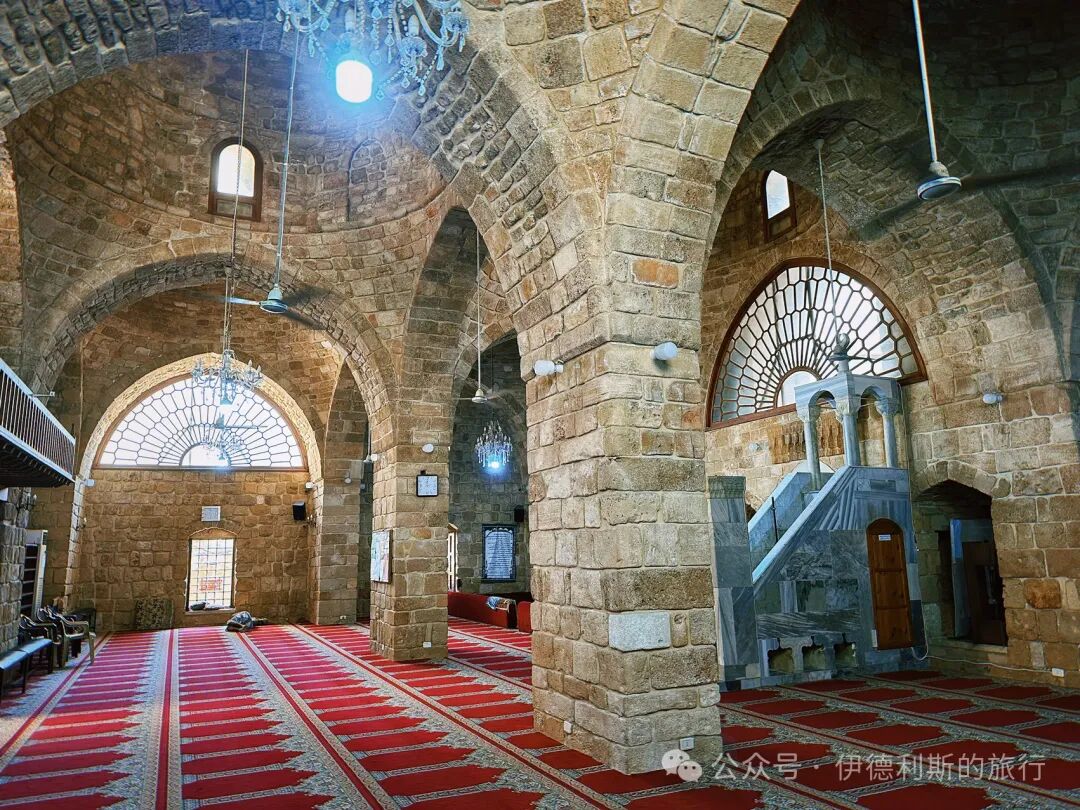
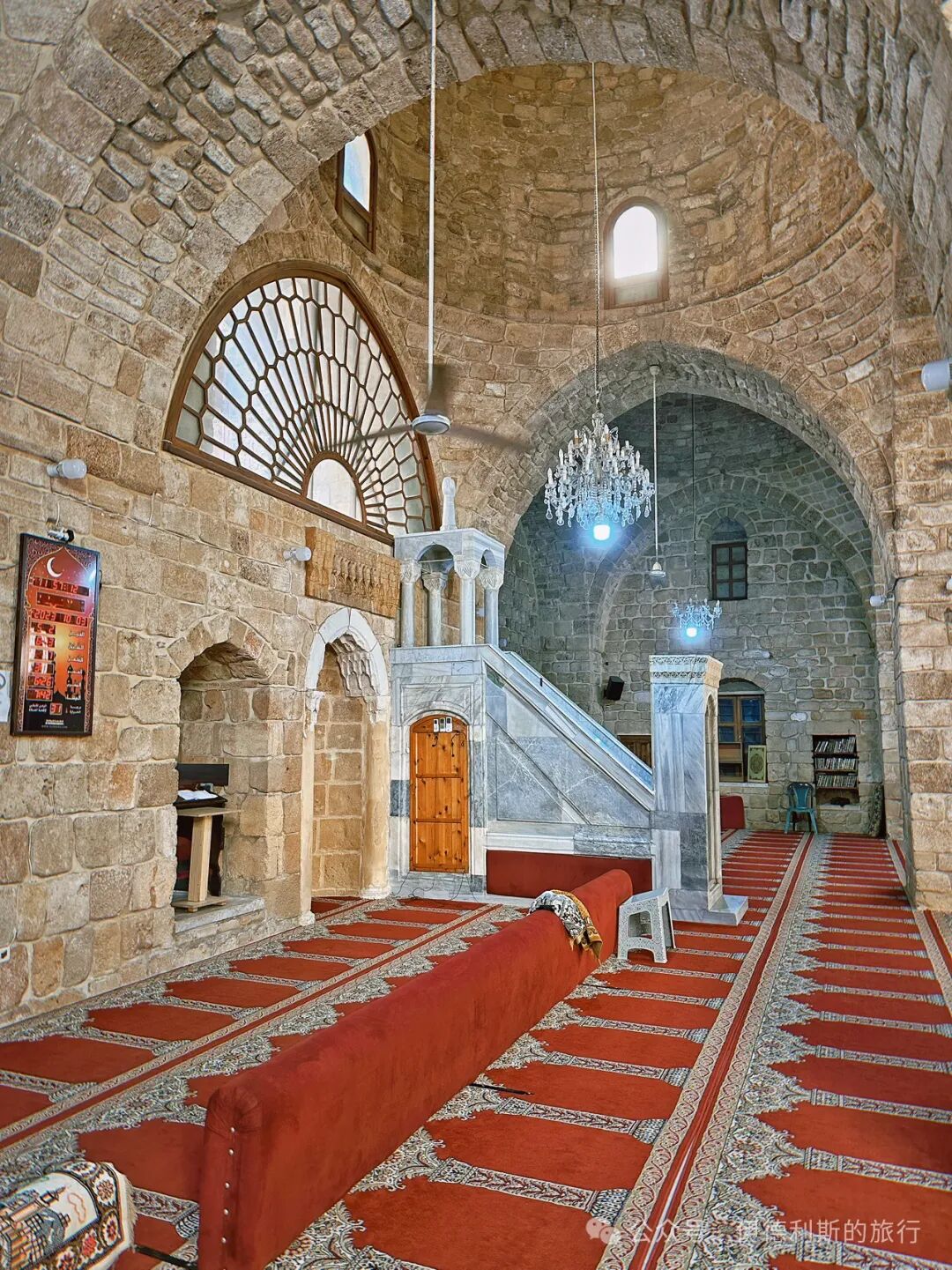
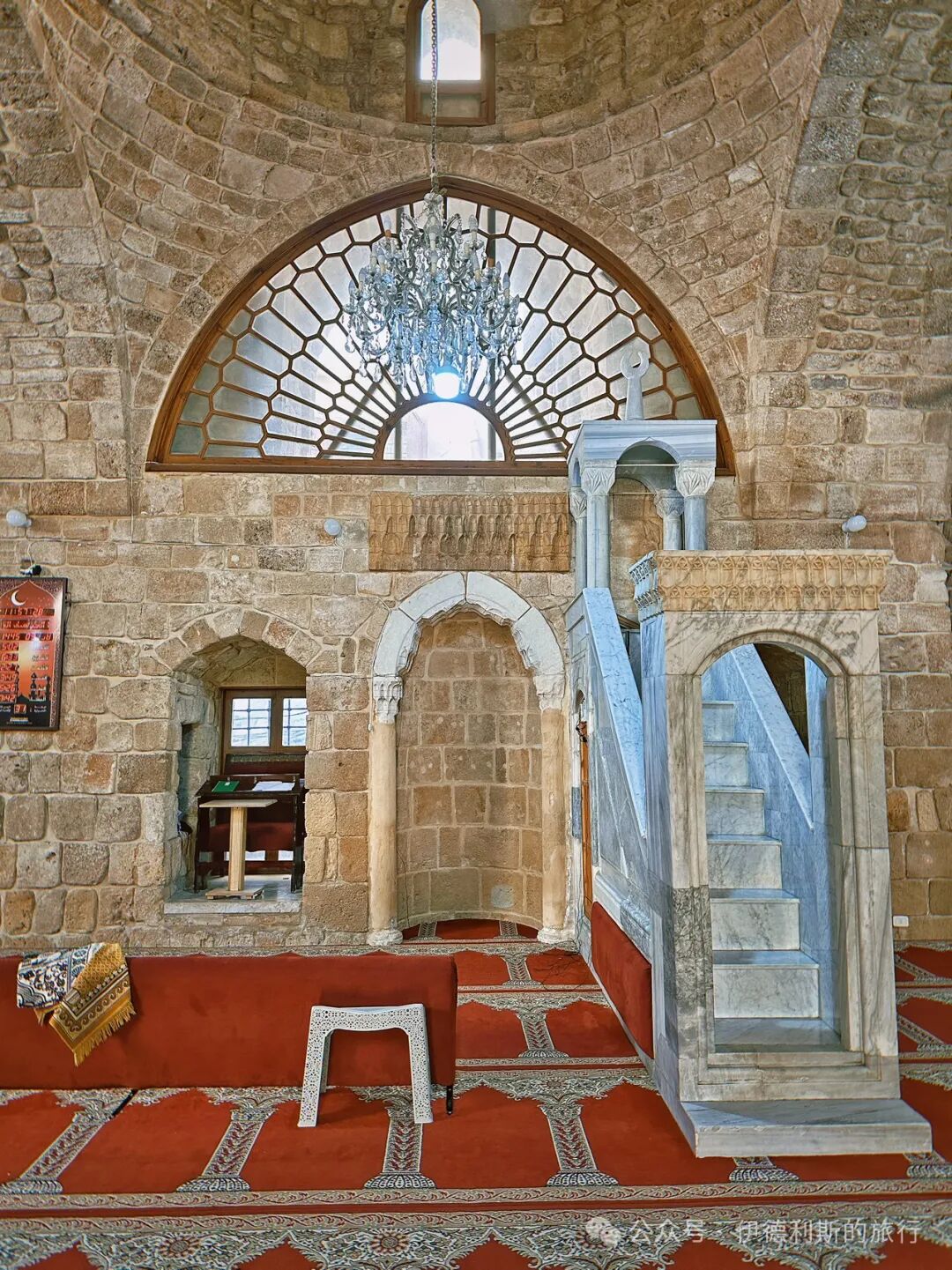
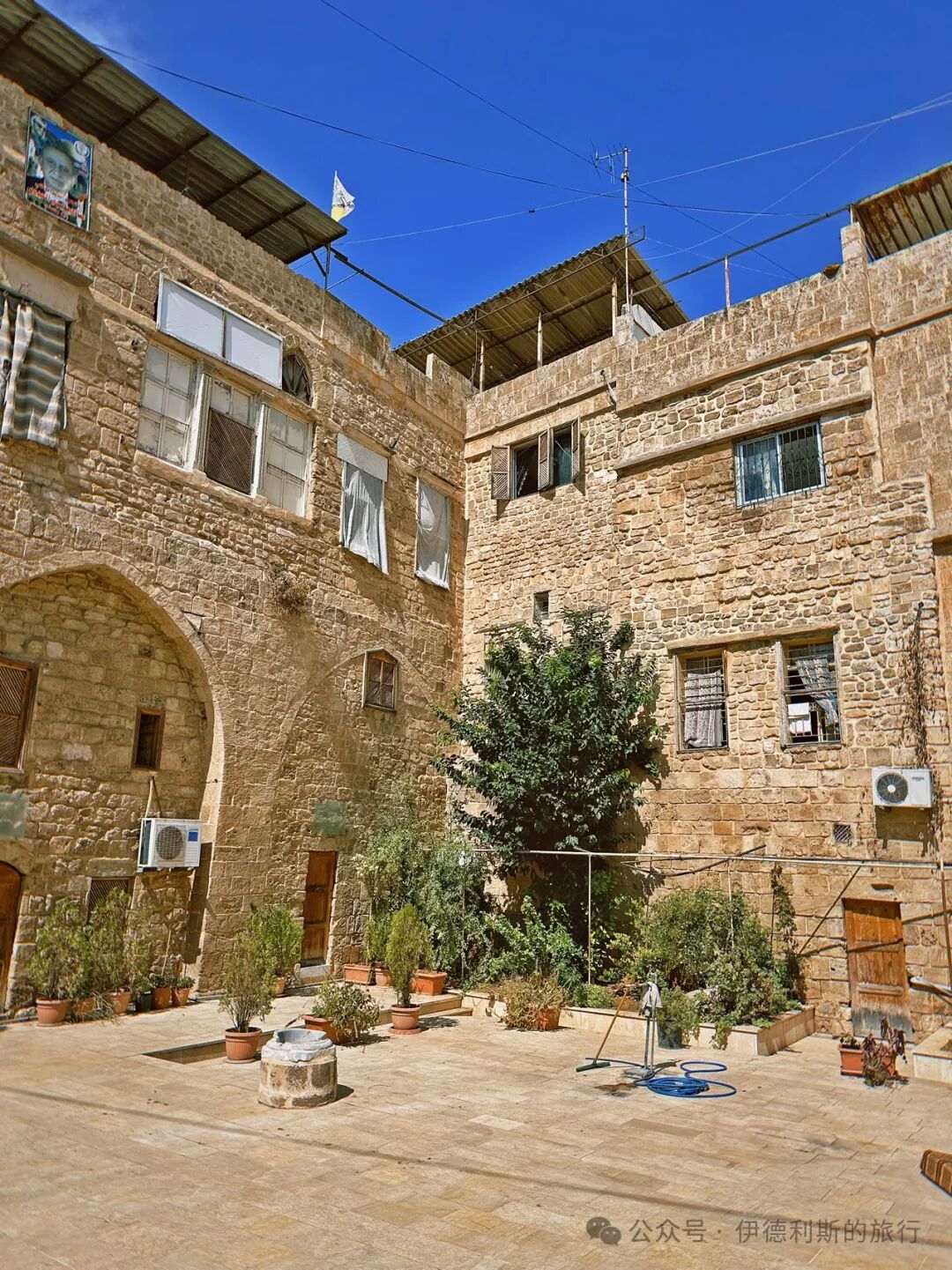
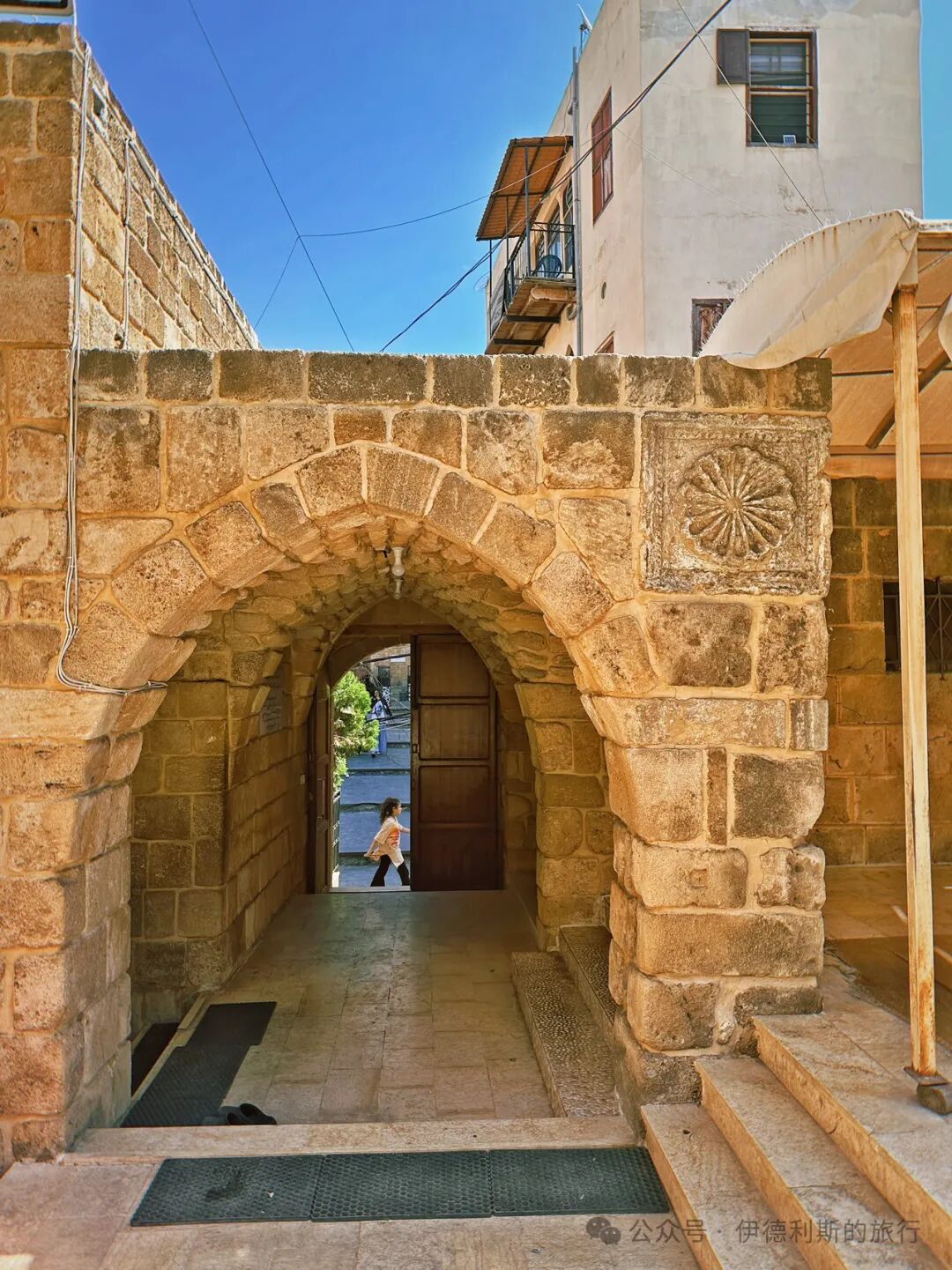
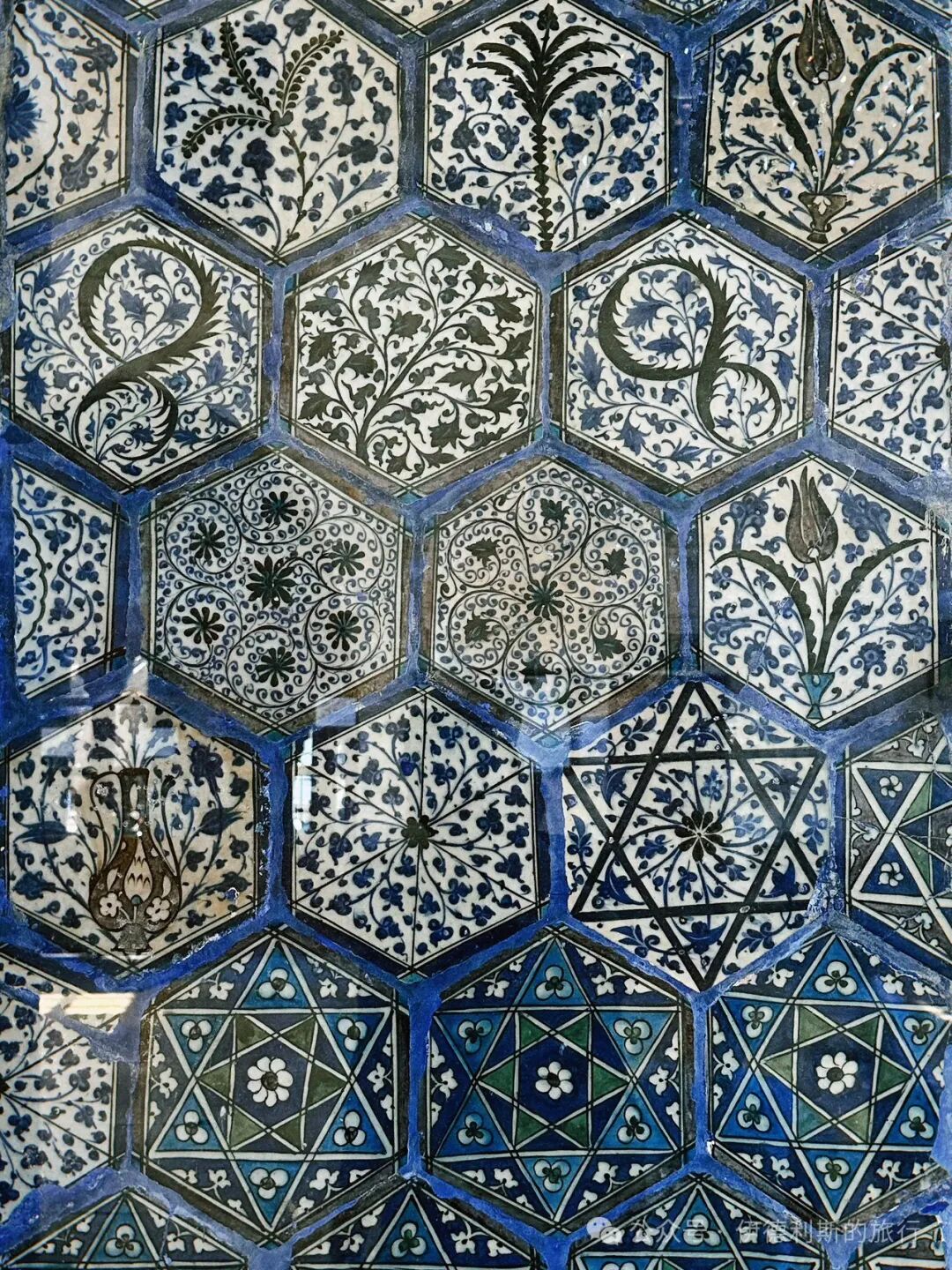
Across from the El Kikhia mosque is the Al-Qtaishieh mosque, where we performed our afternoon namaz. Sheikh Ali Ibn Mohammad Qtaish built the Al-Qtaishieh mosque in the 16th century, and it still holds beautiful Ottoman tiles.
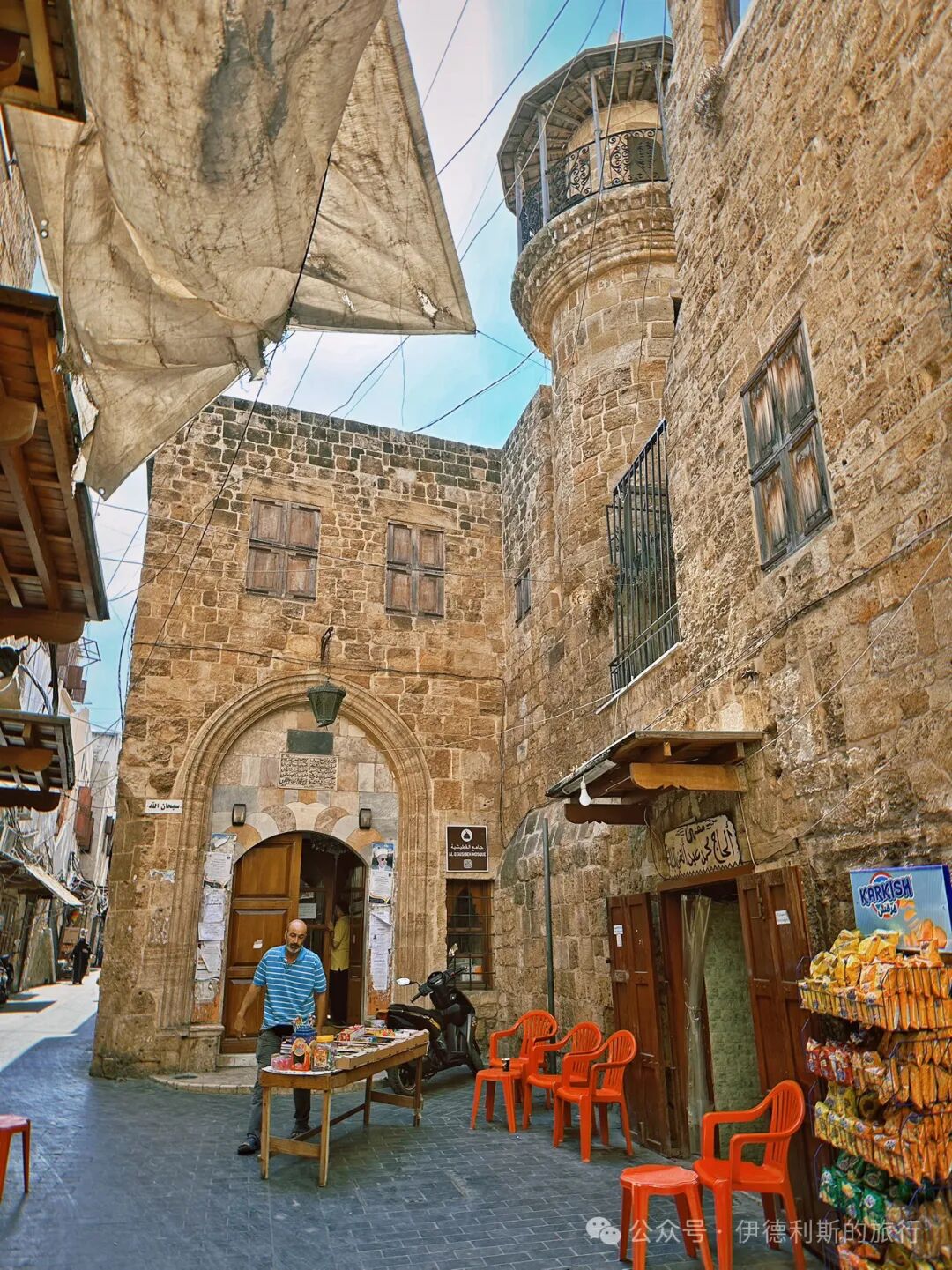
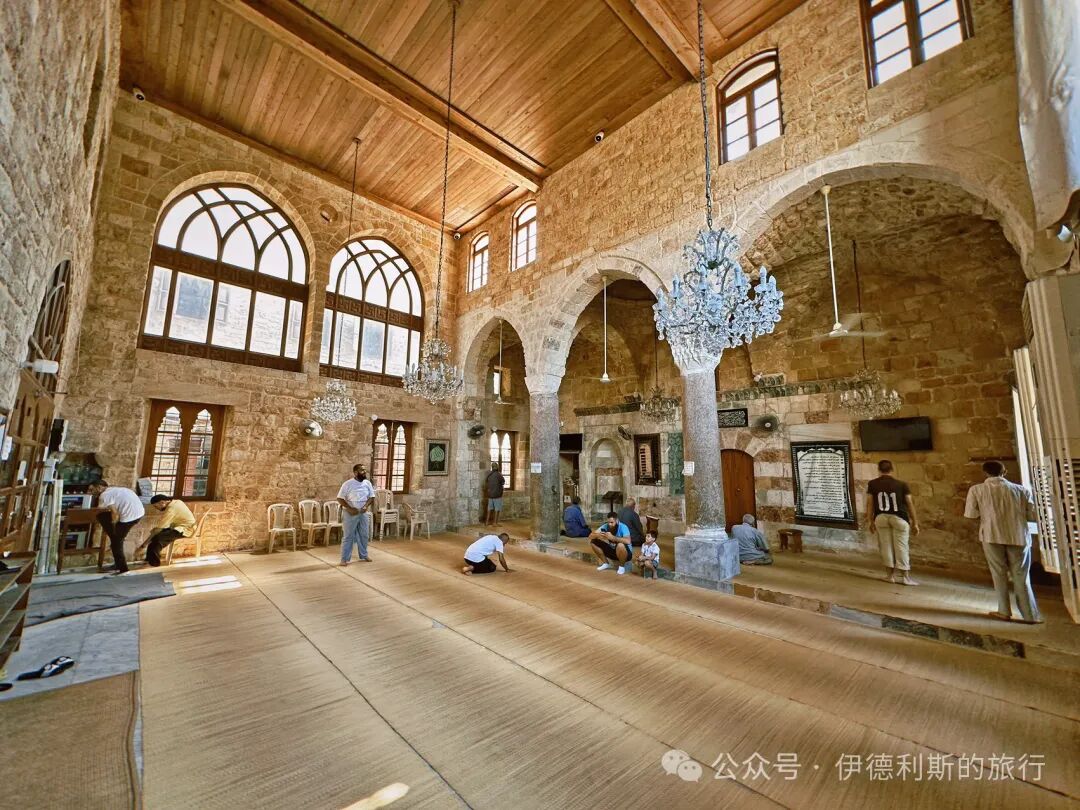
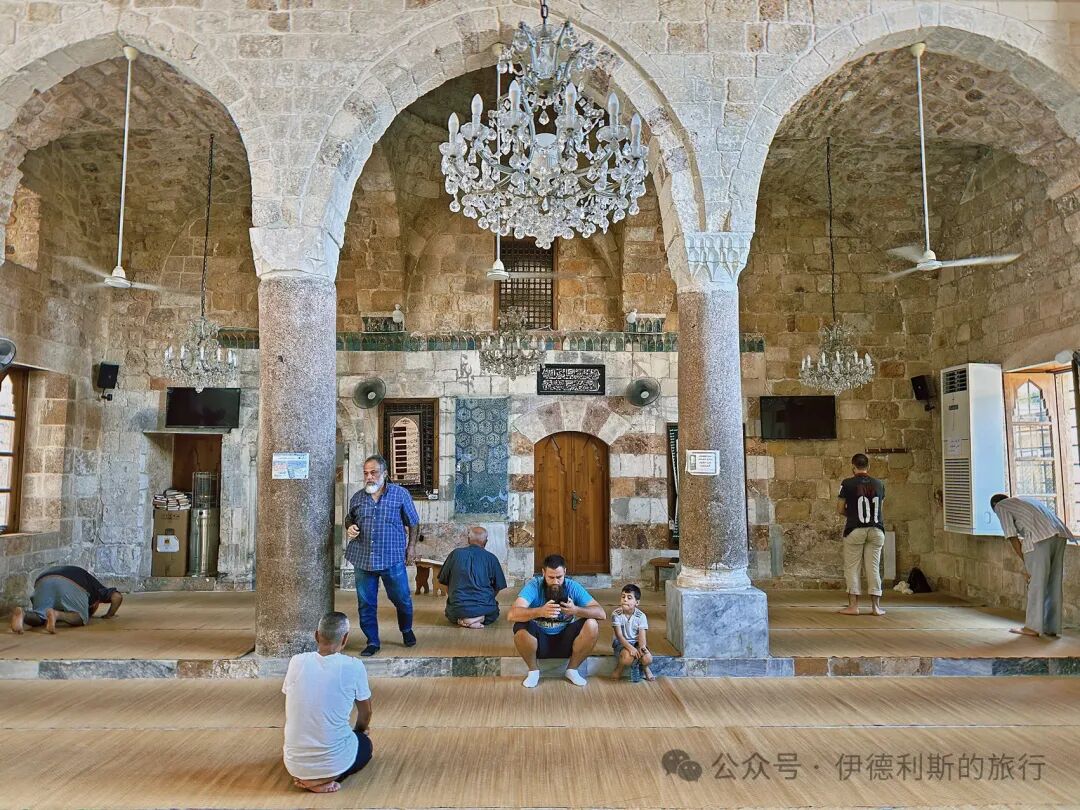
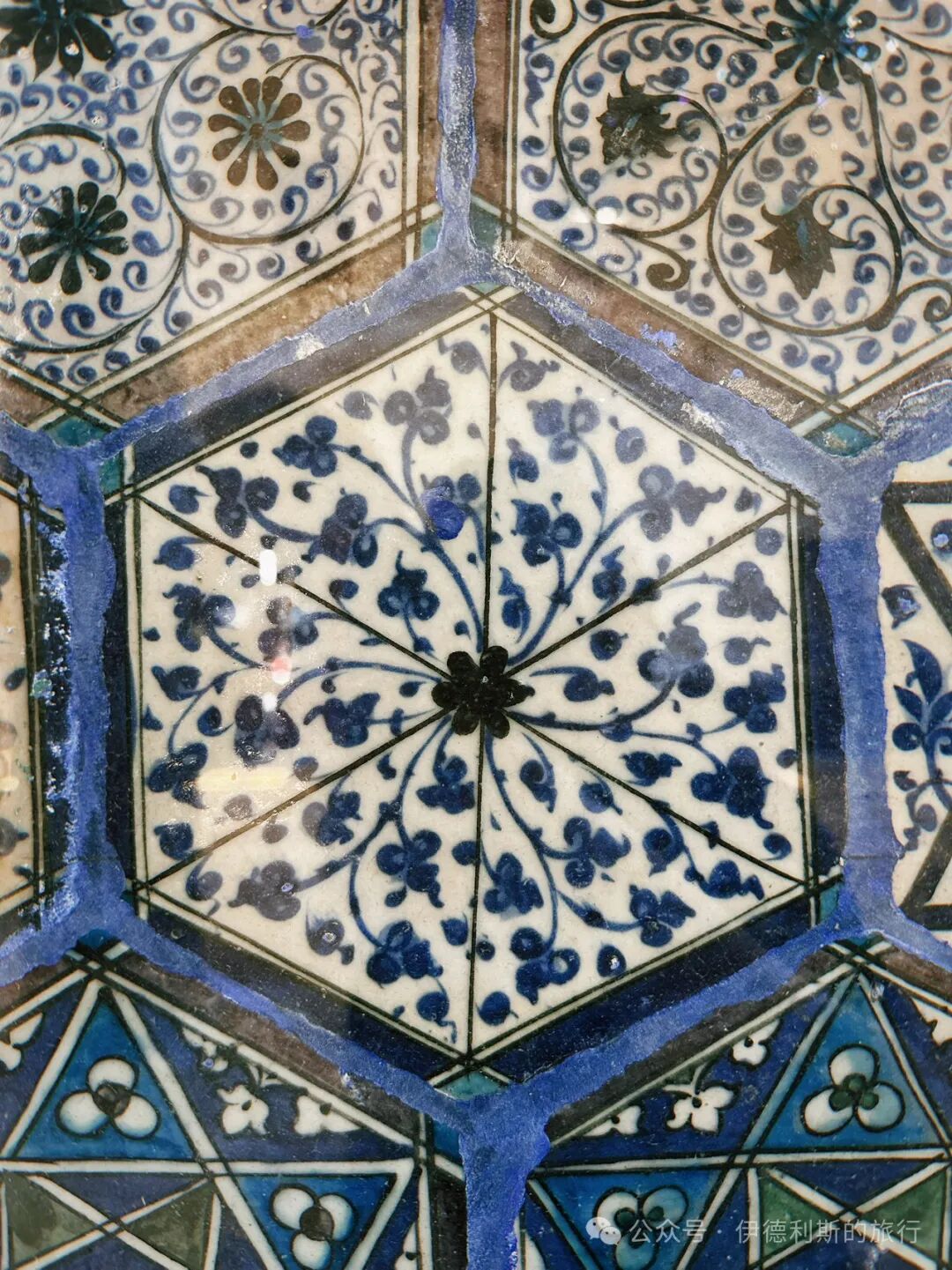
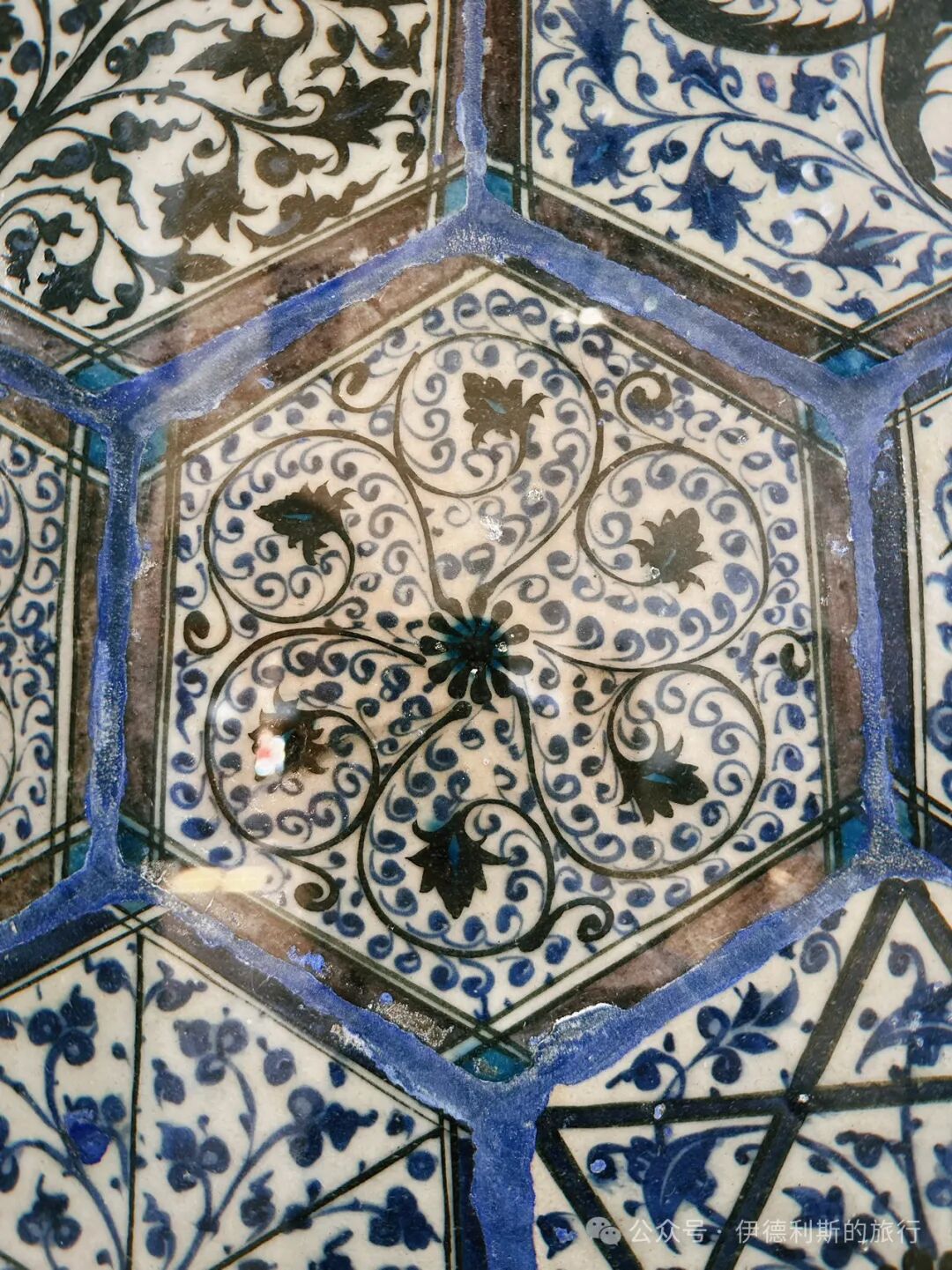
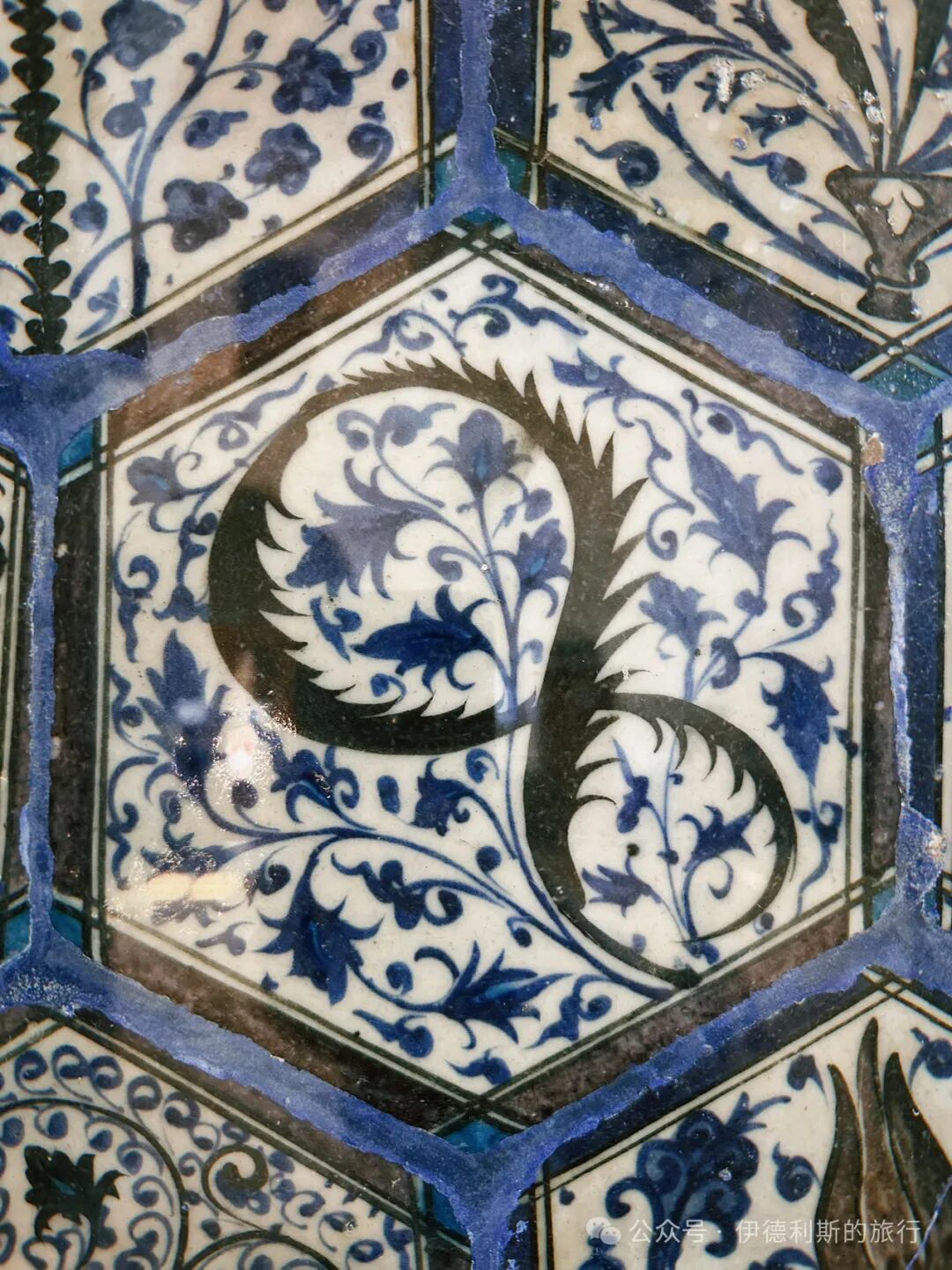
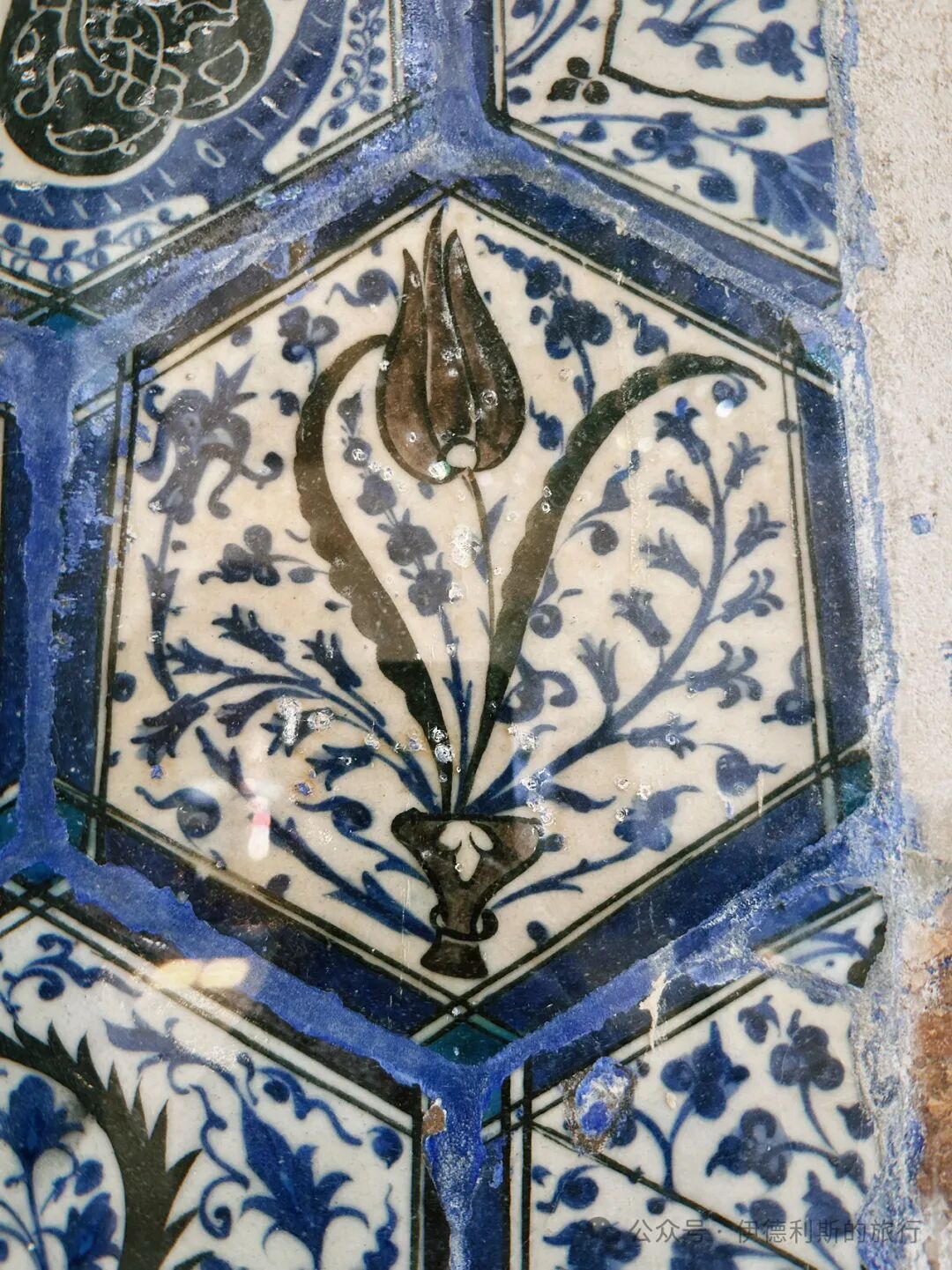
Next, we visited the Great Mosque of El-Omari, the main mosque in the old city of Saida, where the Eid prayers are held. The Great Mosque of El-Omari sits on a hillside on the west side of the old city of Saida and is built from massive sandstone blocks over a meter thick.
The building dates back to the Crusader era, when the Knights Hospitaller turned it into a military fortress in the 13th century, complete with a dining hall, a church, and stables. In 1291, the Mamluk Sultan Al-Ashraf Khalil (who reigned from 1290 to 1293) conquered the Crusader castles, including Saida, ending the Crusader states that had lasted for nearly two hundred years. The Mamluk dynasty then built the Great Mosque of El-Omari on the foundation of the Knights Hospitaller fortress.
The main hall of the Great Mosque of El-Omari keeps the Byzantine style of the Crusader church, with a ten-meter-high ceiling supported by five sturdy buttresses. The Mamluk dynasty changed the orientation of the main hall from east-west to north-south. They added a mihrab niche and a minbar pulpit on the south side, and built a water room and school in the outer courtyard to the north. In the late 19th century, the Ottoman dynasty renovated the Great Mosque of Omar and built the current minaret (bangkelou).
During the 1982 Israeli invasion of Lebanon, the Great Mosque of Omar was hit by artillery fire many times and suffered serious damage. The Hariri Foundation led the restoration of the site in 1986, and it won the Aga Khan Award for Architecture in 1989.
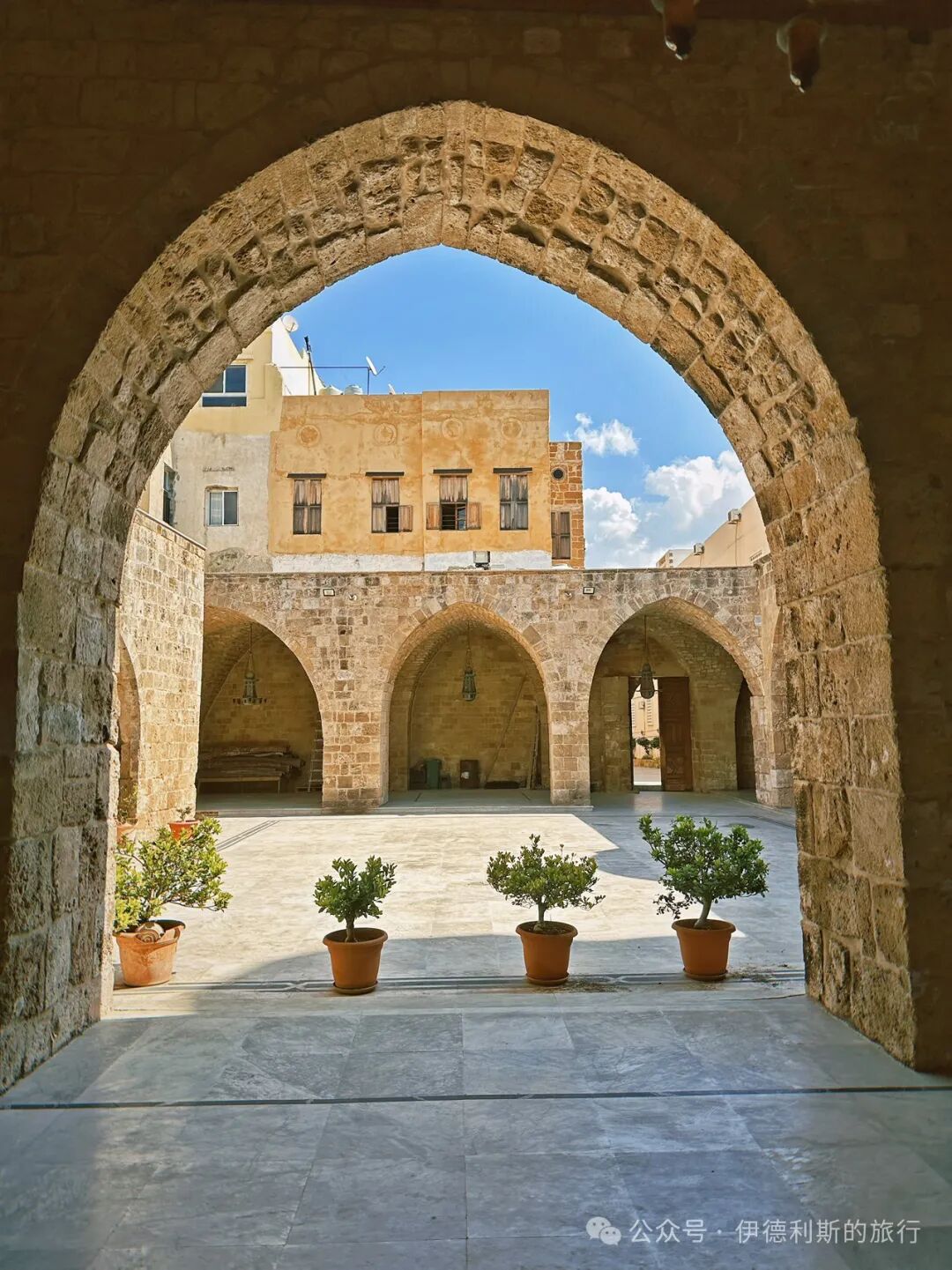
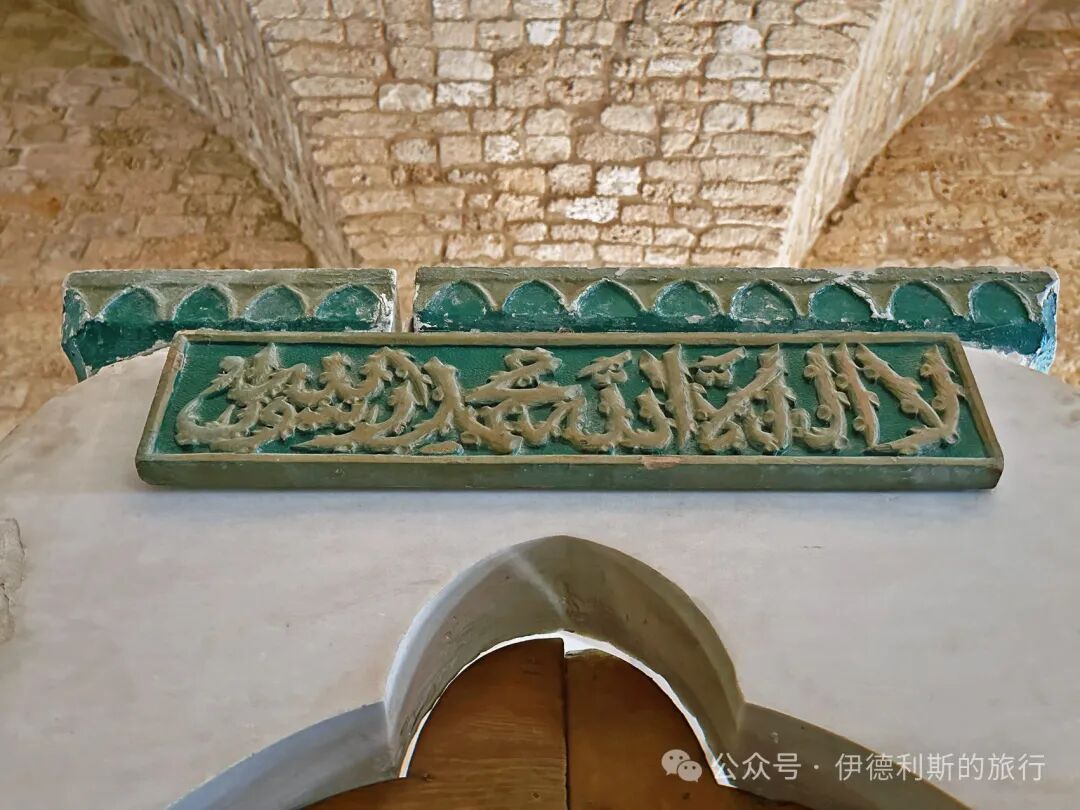
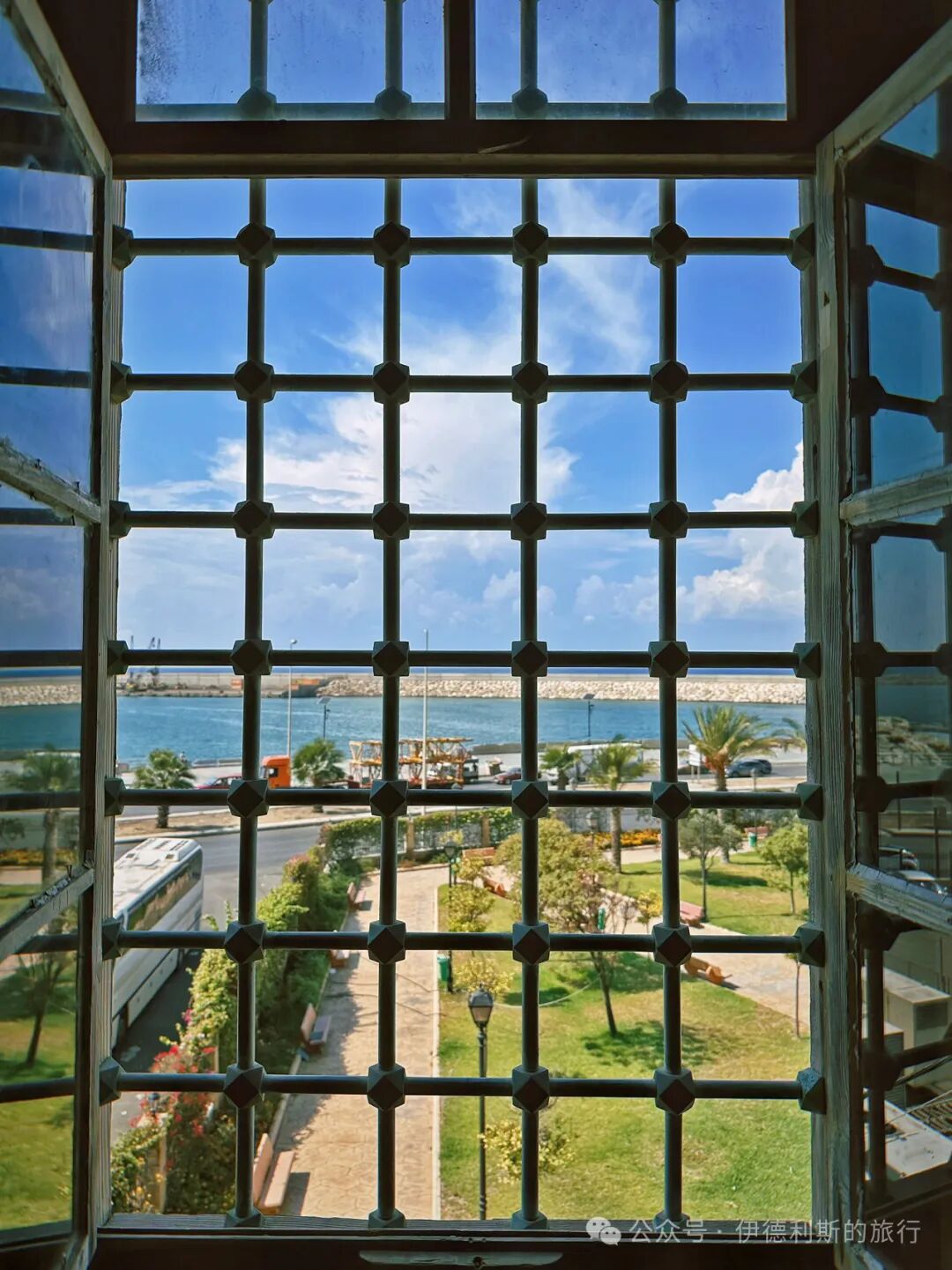
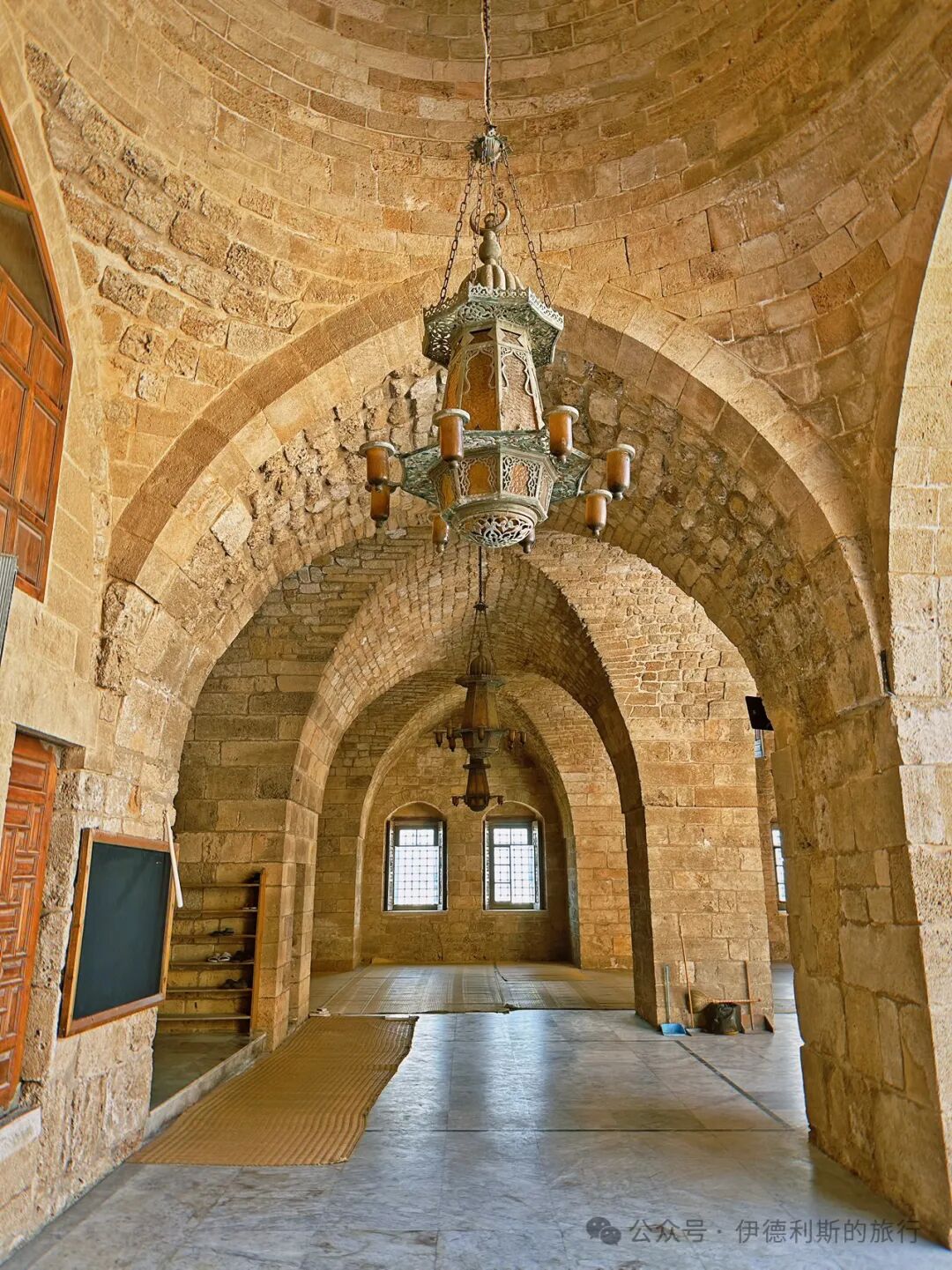
After leaving the Great Mosque of Omar, we visited the Soap Museum in Sidon. The soap workshop where the museum is located was built by Hammoud in the 17th century. The Audi family took it over in the 1880s and added a residence on the upper floor. The Audi family left Sidon for Beirut in the 1950s, and the building became a school. During the Lebanese Civil War in the 1980s, the building was abandoned and refugees lived on the ground floor. The Audi Foundation began restoring the workshop in 1996 and opened it as a soap museum in 2000.
At the soap museum, you can learn how traditional olive oil soap is made and see the remains of the workshop's plumbing from the 17th to 19th centuries. The museum's gift shop is worth a visit. You can buy traditional olive oil soap there, as well as a variety of creative scented soaps.
Summary: Halal Travel Guide: Sidon, Lebanon - Old City, Sea Fort and Mosques (Part 1) is presented here as a firsthand travel account in clear, natural English. The account focuses on Sidon, Lebanon, Mosques while preserving the names, places, food, photos, and historical details from the Chinese source.
We took a minibus from the southern suburbs of Beirut and traveled 40 kilometers south to reach Saida, the third-largest city in Lebanon. Saida has a history of over 6,000 years. It is one of the oldest cities in the world and played a major role in Mediterranean trade.
The landmark of the old city of Saida is the Sea Castle (Qalaat al-Bahr) located on a small island to the north. The Crusaders built it in 1228, and it connects to the mainland by an 80-meter-long bridge. The Sea Castle was destroyed many times, then repaired and expanded during the Mamluk and Ottoman dynasties. Today, the Sea Castle consists of two towers. You can see many Roman-era stone pillars on the outer walls, and there is a small domed mosque built during the Ottoman period on the roof.
Next to the Sea Castle on the shore is a very famous restaurant called Saida Rest House. The restaurant preserves an Ottoman-era inn (khan) with beautiful inlaid marble and colorful carvings, and the lighting inside is excellent.
At the seaside seats of Saida Rest House, we ordered the Lebanese specialties of tomato sausage and fish salad with tajen sauce. Tajen is a spicy sesame paste that goes perfectly with pita bread.
The ancient city of Sidon is a well-preserved Sunni Muslim old town on the eastern Mediterranean coast. Enter the maze of streets from the north gate. Many houses are built over the streets, creating tunnels. People set up stalls inside these tunnels, selling all kinds of goods. It feels very lively and full of daily life.
In the market inside the ancient city of Sidon, you can buy fresh dates (yezao). They have a soft, powdery texture and taste great. You can also buy traditional clothing here. It feels very unique.
Entering the ancient city of Sidon from the north side, the first attraction is the underground Khan Sacy Archaeological Museum. Khan Sacy is made up of several arched rooms. They date back to stables and warehouses from the Crusader period (1099-1291). Since 2010, archaeological excavations at Khan Sacy have uncovered two bathrooms from the Mamluk dynasty (1201-1517), three water wells with different architectural styles, and a multi-purpose oven from the Ottoman period (1517-1918).
Follow the main road of the ancient city of Sidon south to see the largest Turkish bath in the old city, Hammam Al Jadeed. Hammam Al Jadeed was built in 1720 by the Moroccan merchant Mustafa Hammoud. It is a representative example of a Turkish bath in Lebanon from the Ottoman dynasty. The bathhouse consists of 10 rooms, including bathing, massage, and sauna areas. Corridors connect each area, which features unique marble floors and skylights.
This bathhouse stayed in use until 1948, when it closed because tap water pipes became common. The bathhouse was later used as a carpentry workshop and storage room, and it suffered damage during the Lebanese Civil War (1975-90). During the 1982 Israeli invasion of Lebanon, one of the bathhouse domes was hit by shelling and remains unrepaired today.
In 2018, Said Bacho, the founder and president of the Sharqy Foundation for Cultural Development and Innovation, purchased the Hammam Al Jadeed bathhouse. In 2019, the bathhouse reopened as a historical site after being closed for 71 years.
In 2019, Said Bacho invited the famous British artist Tom Young to create art for the bathhouse. Tom Young interviewed elderly people who had bathed in the bathhouse over 70 years ago. He listened to their memories and gained valuable inspiration.
In 2020, the Revival exhibition officially opened inside the bathhouse. The 10 rooms of the bathhouse displayed 60 oil paintings by Tom Young, featuring not only the past and present of the bathhouse but also many other historical sites in the old city of Sidon. Tom Young also painted a portrait of the bathhouse's former owner, Zahia Al Zarif, based on archival photos from the 1940s.
Day and night in the old city of Sidon.
Heading west from the Hammam Al Jadeed bathhouse and through the winding alleys, you reach the massive Ottoman caravanserai, Khan al-Franj. Khan al-Franj was built in the late 16th century by order of the Ottoman Grand Vizier Sokollu Mehmed Pasha, who served from 1565 to 1579. The inn has a large courtyard, with the ground floor used for storing goods and the second floor for travelers to stay, which is the typical structure of an Ottoman caravanserai.
The inn served as the residence for the French consul in the early 17th century, which is how it got the name French Inn. The inn is currently owned by France, and the French Institute of the Near East (Institut français du Proche-Orient) is located here. The Hariri Foundation leased the space for 35 years. They restored the historical site and opened it as a cultural center, where they host various cultural events from time to time.
You can buy handicrafts made by local Lebanese women at the inn, and we bought a hand-woven hat. This is part of the Hariri Foundation's effort to create jobs for local women and promote tourism and handicrafts in Sidon.
We had a mint lemonade at Bab Al Saray Cafe, located in a small square in the center of the old city of Sidon. It is one of the oldest cafes in Sidon, and people say their brunch is very authentic.
After resting, we visited the El Kikhia Mosque. Built in 1625 by Mahmoud Kitkhuda, the El Kikhia Mosque is a representative example of an Ottoman-era mosque in Lebanon. The mosque is famous for its six domes, and inside the main hall, there is a white marble pulpit (minbar).
Across from the El Kikhia mosque is the Al-Qtaishieh mosque, where we performed our afternoon namaz. Sheikh Ali Ibn Mohammad Qtaish built the Al-Qtaishieh mosque in the 16th century, and it still holds beautiful Ottoman tiles.
Next, we visited the Great Mosque of El-Omari, the main mosque in the old city of Saida, where the Eid prayers are held. The Great Mosque of El-Omari sits on a hillside on the west side of the old city of Saida and is built from massive sandstone blocks over a meter thick.
The building dates back to the Crusader era, when the Knights Hospitaller turned it into a military fortress in the 13th century, complete with a dining hall, a church, and stables. In 1291, the Mamluk Sultan Al-Ashraf Khalil (who reigned from 1290 to 1293) conquered the Crusader castles, including Saida, ending the Crusader states that had lasted for nearly two hundred years. The Mamluk dynasty then built the Great Mosque of El-Omari on the foundation of the Knights Hospitaller fortress.
The main hall of the Great Mosque of El-Omari keeps the Byzantine style of the Crusader church, with a ten-meter-high ceiling supported by five sturdy buttresses. The Mamluk dynasty changed the orientation of the main hall from east-west to north-south. They added a mihrab niche and a minbar pulpit on the south side, and built a water room and school in the outer courtyard to the north. In the late 19th century, the Ottoman dynasty renovated the Great Mosque of Omar and built the current minaret (bangkelou).
During the 1982 Israeli invasion of Lebanon, the Great Mosque of Omar was hit by artillery fire many times and suffered serious damage. The Hariri Foundation led the restoration of the site in 1986, and it won the Aga Khan Award for Architecture in 1989.
After leaving the Great Mosque of Omar, we visited the Soap Museum in Sidon. The soap workshop where the museum is located was built by Hammoud in the 17th century. The Audi family took it over in the 1880s and added a residence on the upper floor. The Audi family left Sidon for Beirut in the 1950s, and the building became a school. During the Lebanese Civil War in the 1980s, the building was abandoned and refugees lived on the ground floor. The Audi Foundation began restoring the workshop in 1996 and opened it as a soap museum in 2000.
At the soap museum, you can learn how traditional olive oil soap is made and see the remains of the workshop's plumbing from the 17th to 19th centuries. The museum's gift shop is worth a visit. You can buy traditional olive oil soap there, as well as a variety of creative scented soaps.
Halal Travel Guide: Sidon, Lebanon - Old City, Sea Fort and Mosques (Part 2)
Articles • ali2007fr posted the article • 0 comments • 234 views • 2026-05-19 10:02
Reposted from the web
Summary: Halal Travel Guide: Sidon, Lebanon - Old City, Sea Fort and Mosques (Part 2) is presented here as a firsthand travel account in clear, natural English. The account focuses on Sidon, Lebanon, Mosques while preserving the names, places, food, photos, and historical details from the Chinese source.
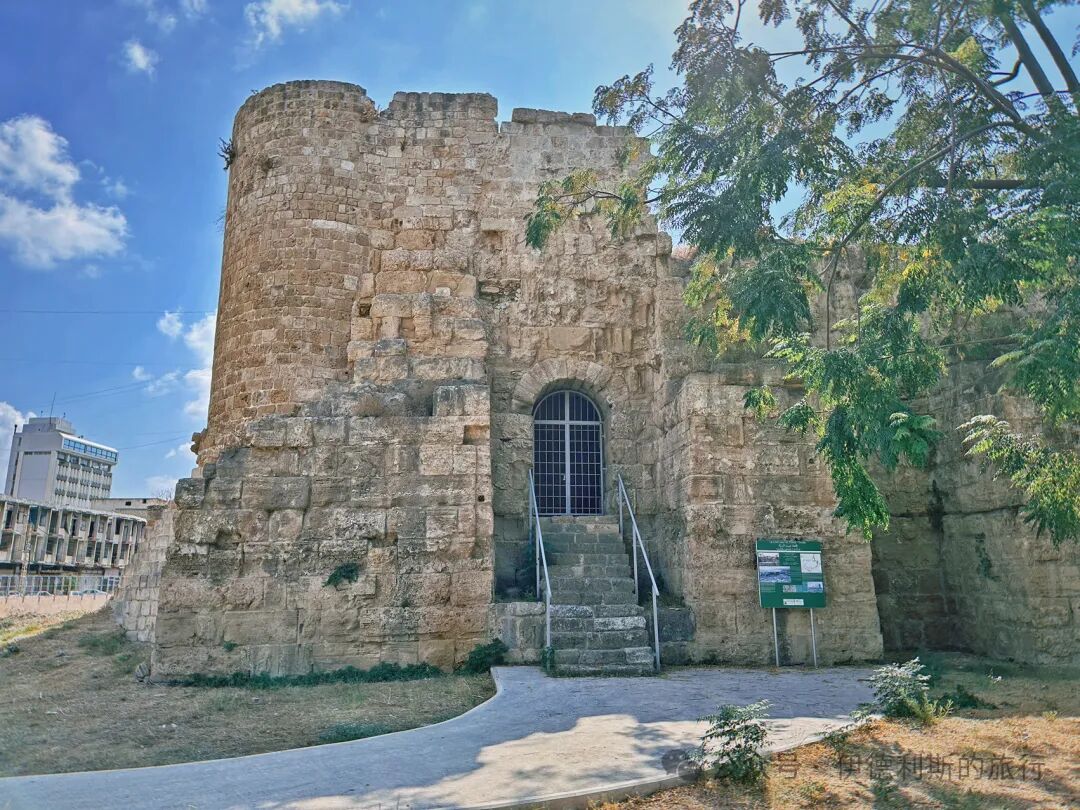
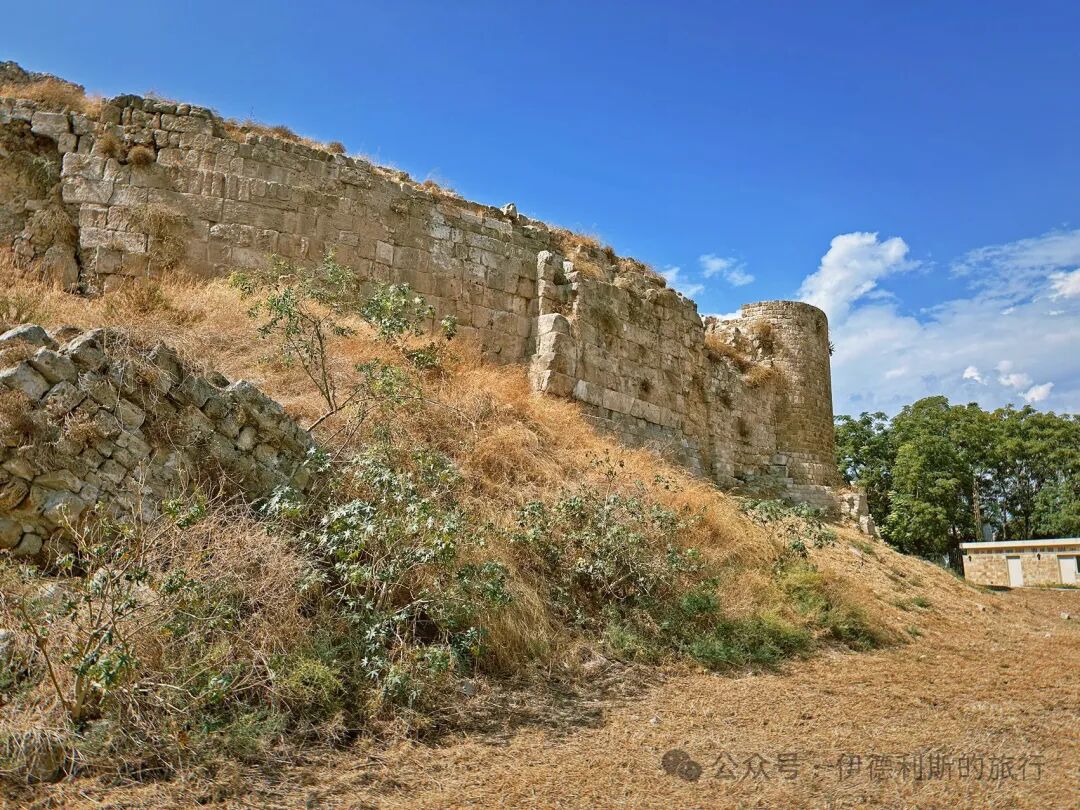
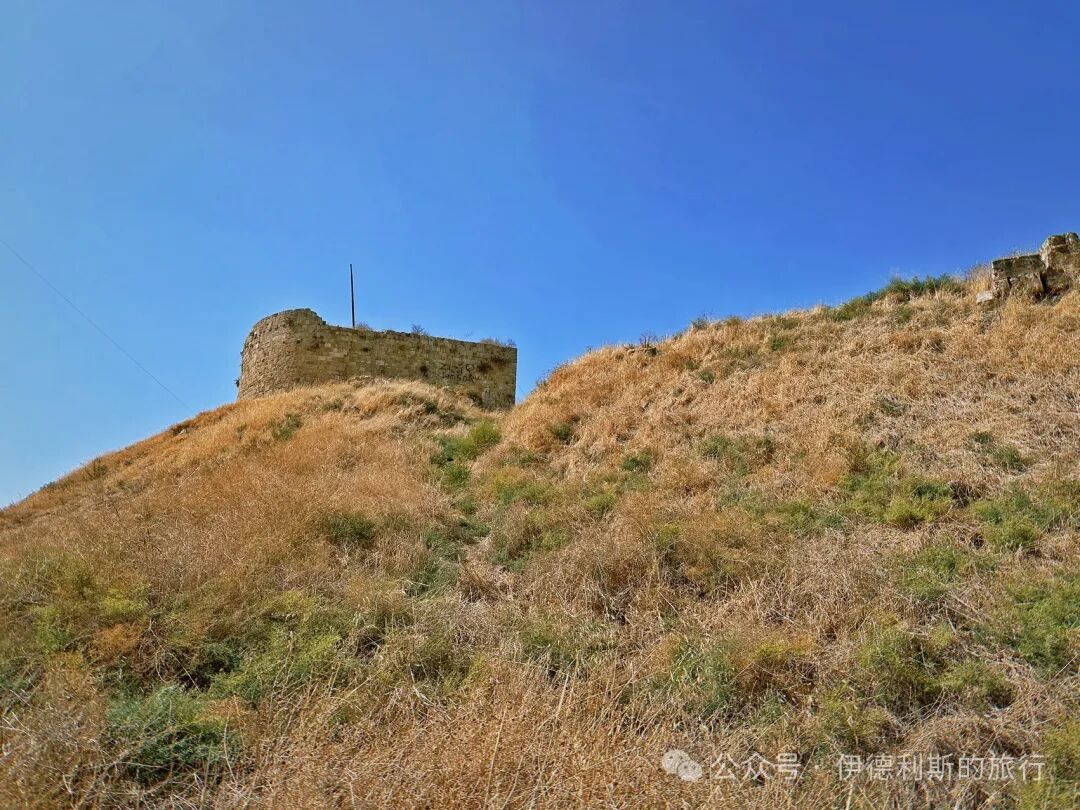
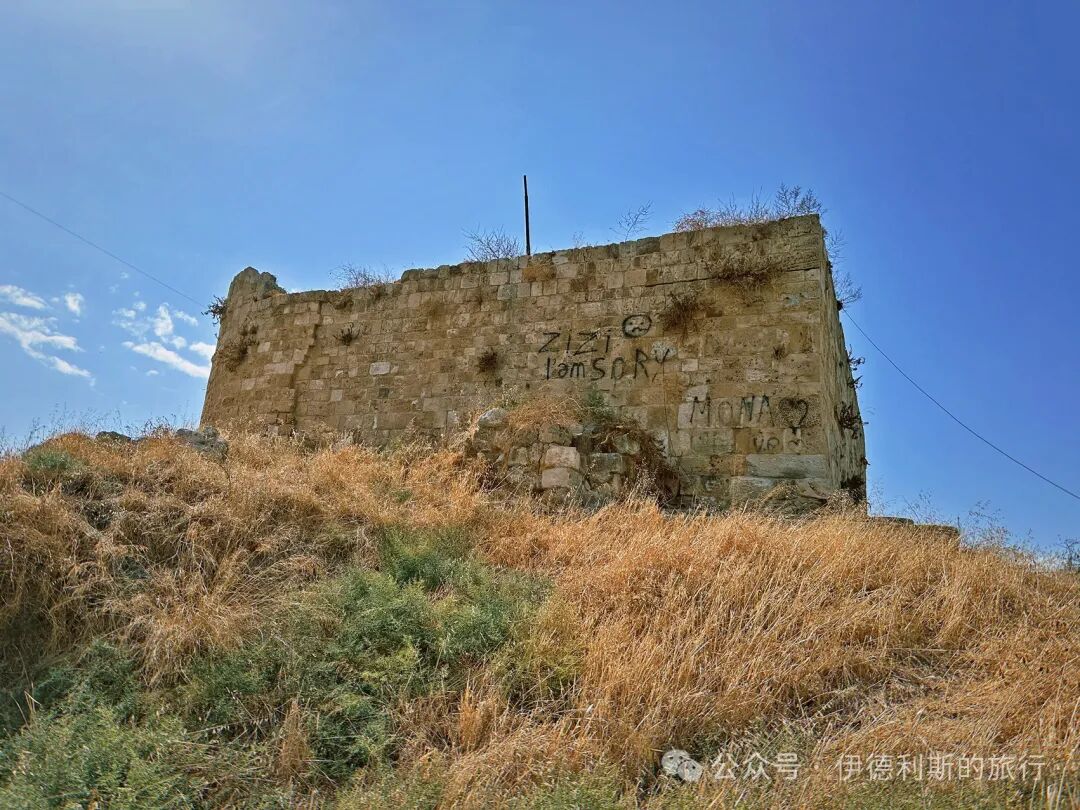
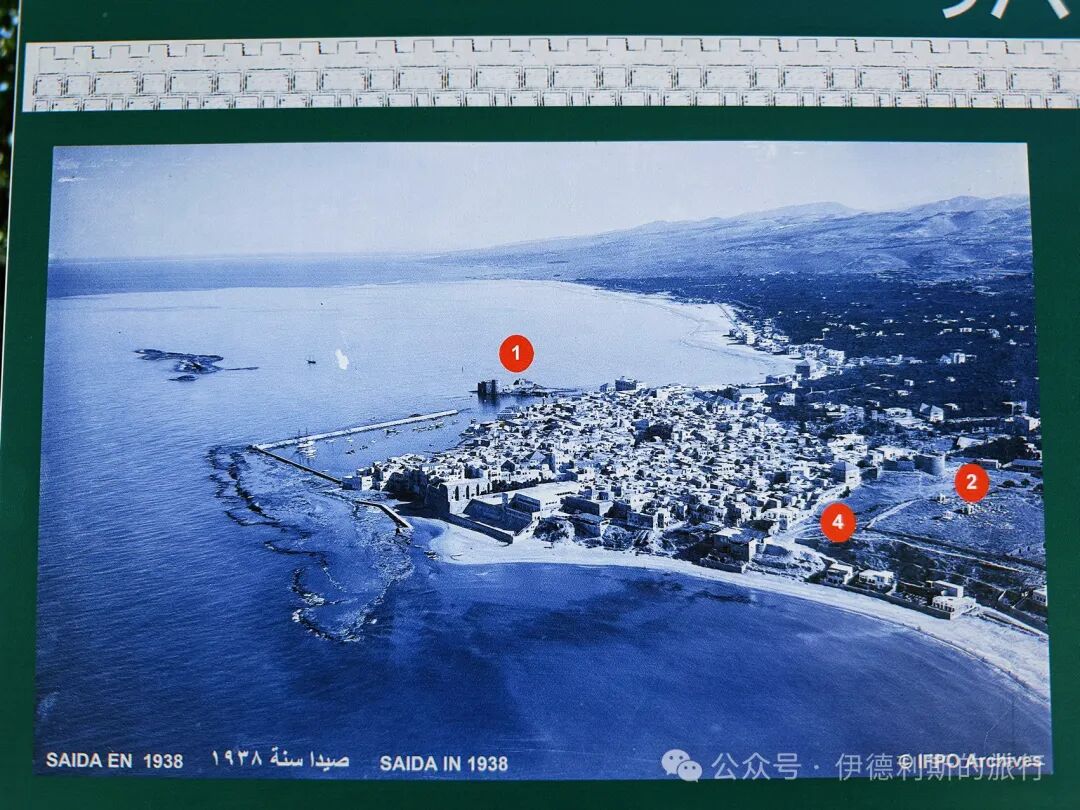
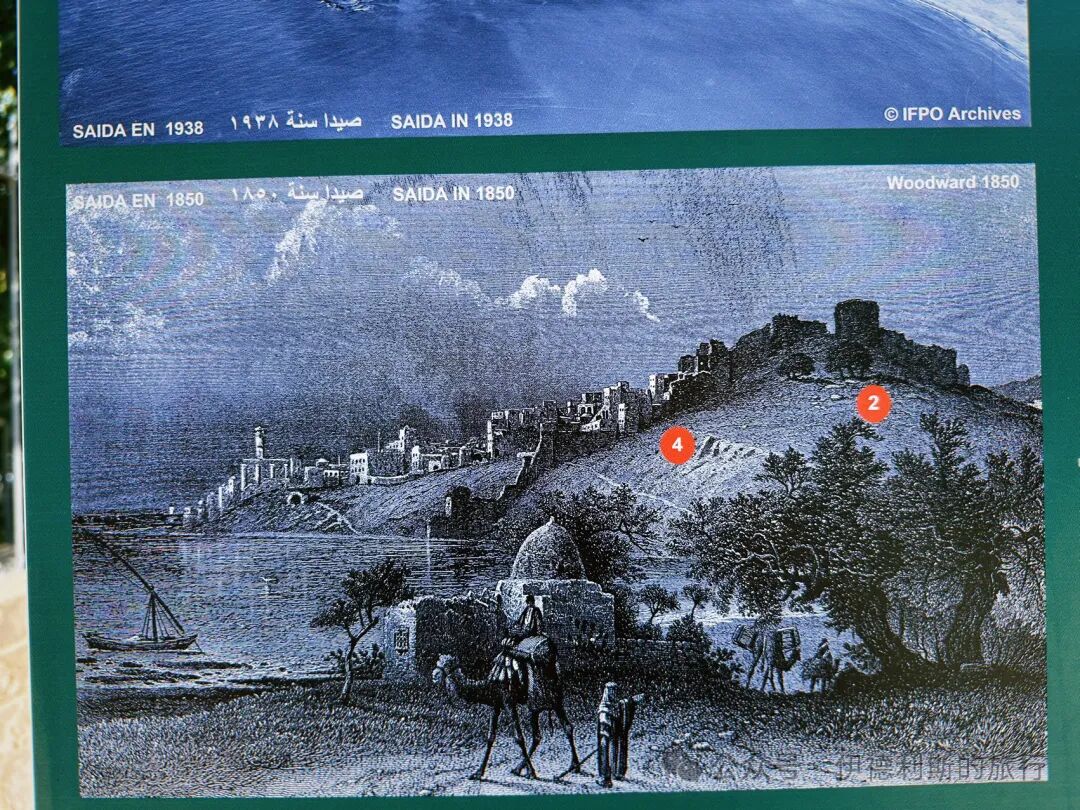
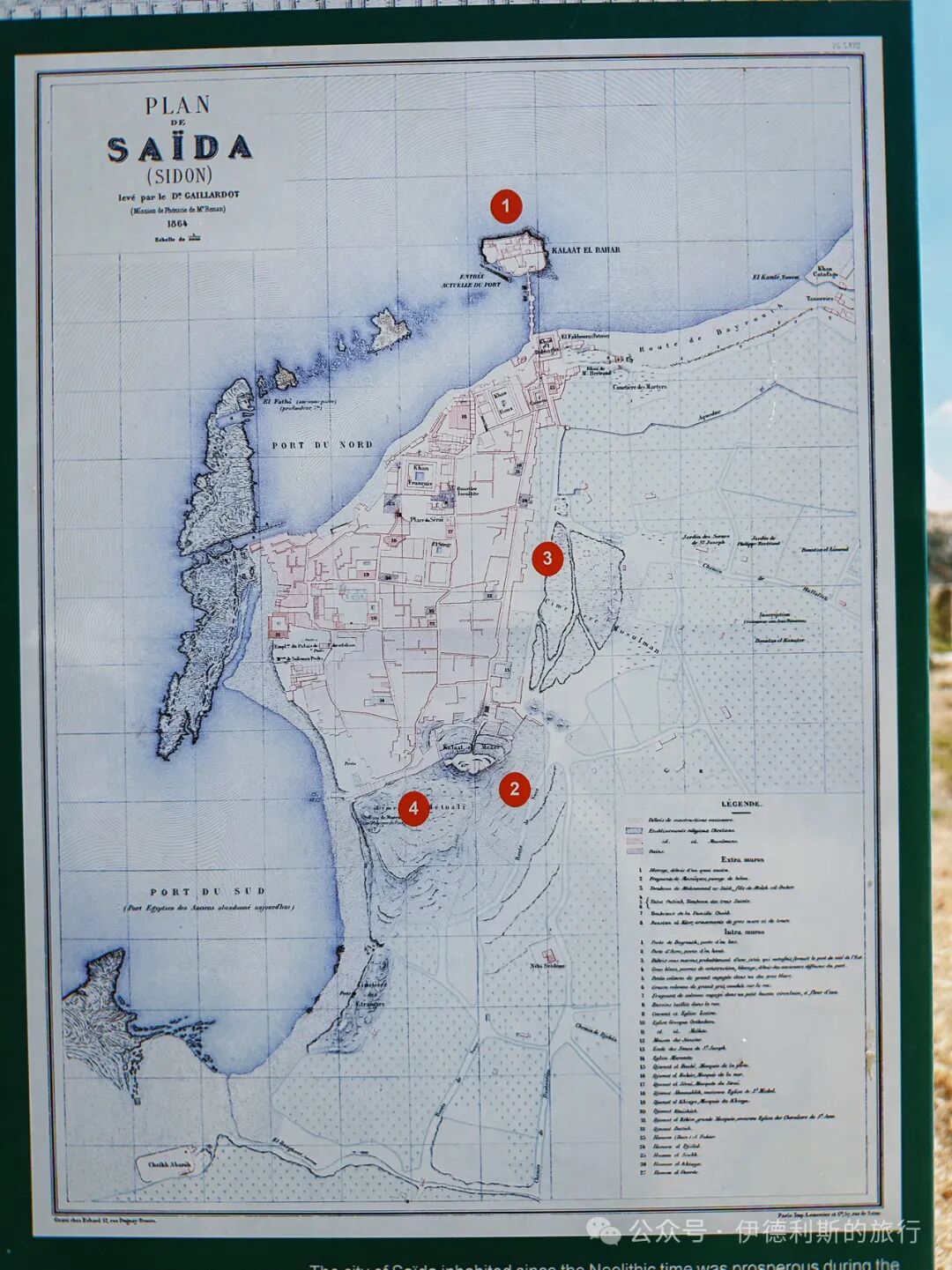
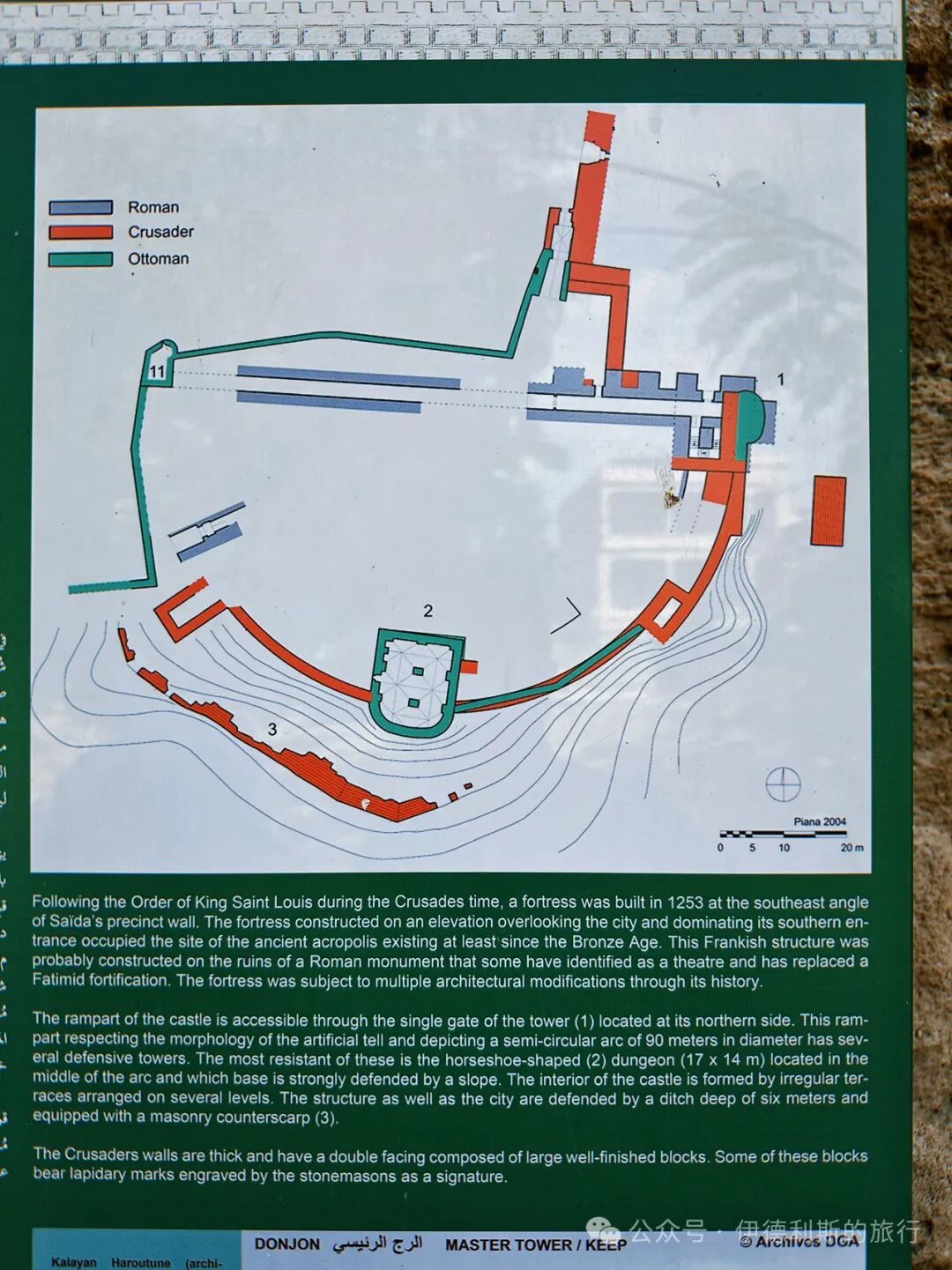
Across from the Sea Castle, another fortress sits on a hill in the south of the old city of Sidon. Together, they guard the old city from both ends.
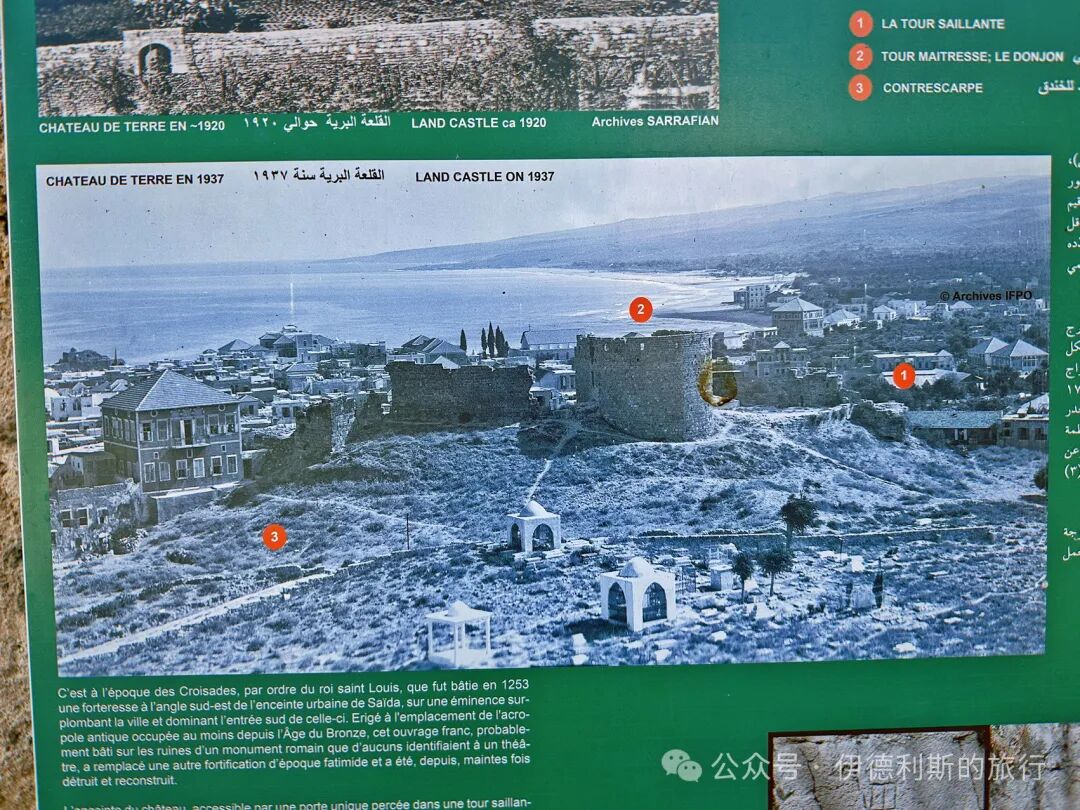
The Land Castle is also called the Castle of Mu'izz or the Castle of Saint Louis. The fourth caliph of the Fatimid dynasty, al-Mu'izz li-Din Allah (reigned 953–975), ordered it built in the late 10th century and named it the Castle of Mu'izz.
In 1253, King Louis IX of France, known as Saint Louis and a leader of the Seventh Crusade, ordered the walls of Sidon to be rebuilt. The Land Castle was also rebuilt during this time, and it has been called the Castle of Saint Louis ever since. Fakhr al-Din II, the Druze emir who ruled Lebanon in the 17th century, rebuilt the castle again. It later fell into ruin, and parts of the walls collapsed during the late Ottoman era.
After Israel expelled large numbers of Palestinians in 1948, the Land Castle served as a shelter for Palestinian refugees. To persecute the Palestinian refugees, Israel ruthlessly shelled the Land Castle, causing further damage. These scars now stand as a witness to the suffering of the Palestinian people.
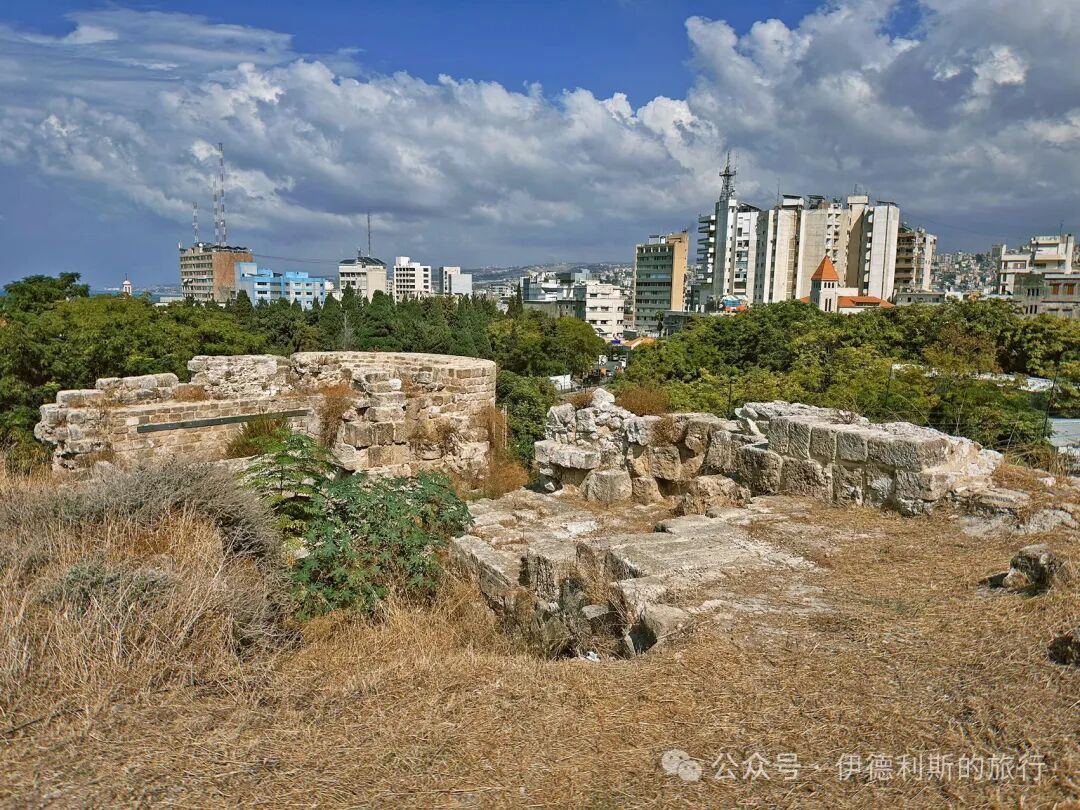
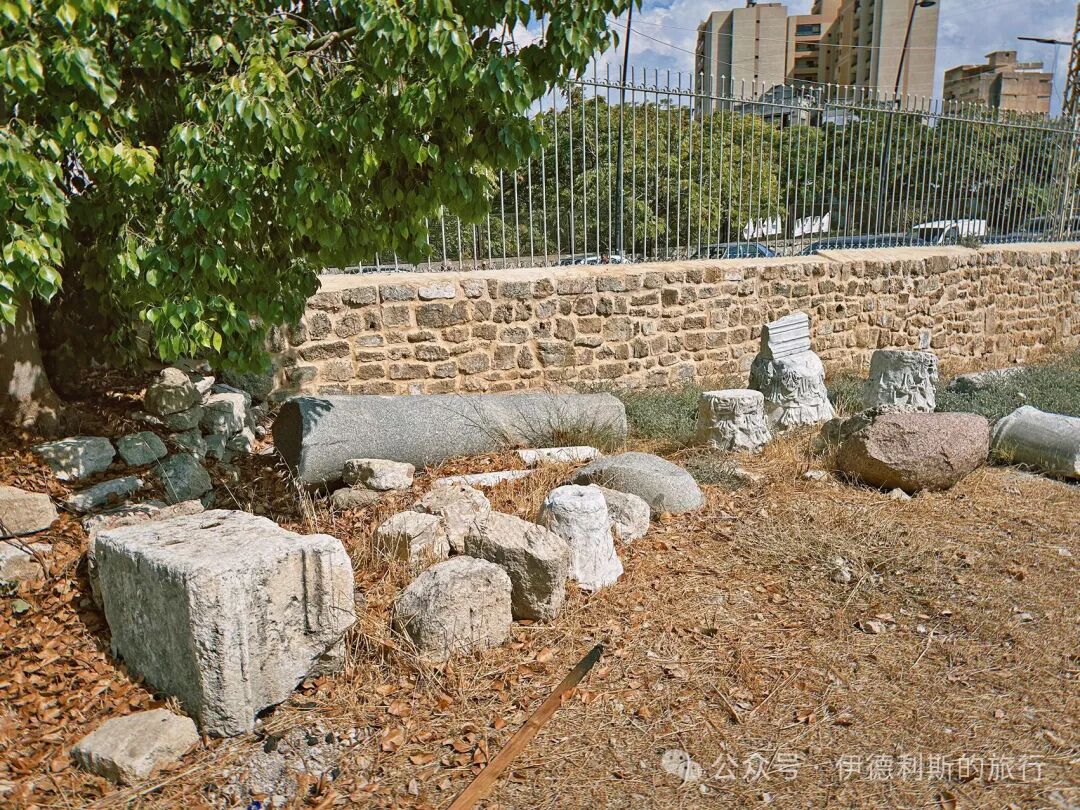
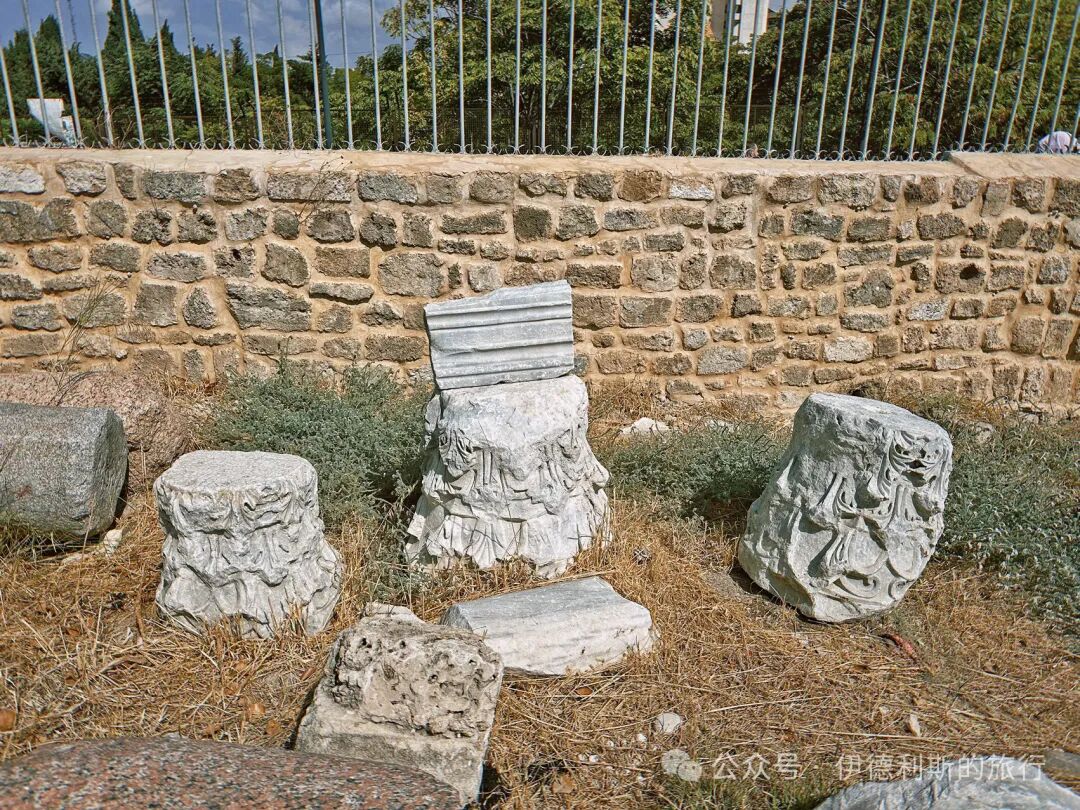
Before it became a Fatimid fortress, the hill where the Land Castle stands held an important place as far back as the Phoenician era, more than 1,000 years before the common era. On the hillside next to the castle, you can see many crushed murex shells. These are the waste left behind by the Phoenicians more than 3,000 years ago when they used the shells to make purple dye. Tyrian purple is also called Phoenician purple or royal purple, because only Roman emperors could wear clothes dyed with it during the Roman Empire.
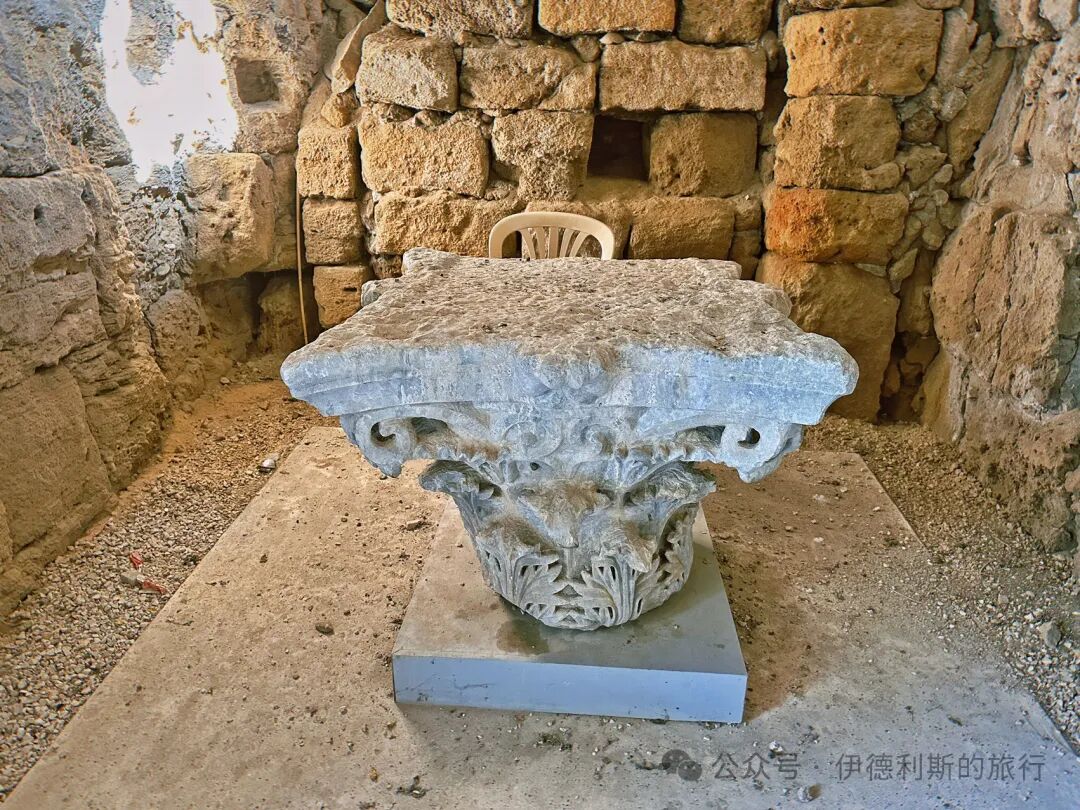
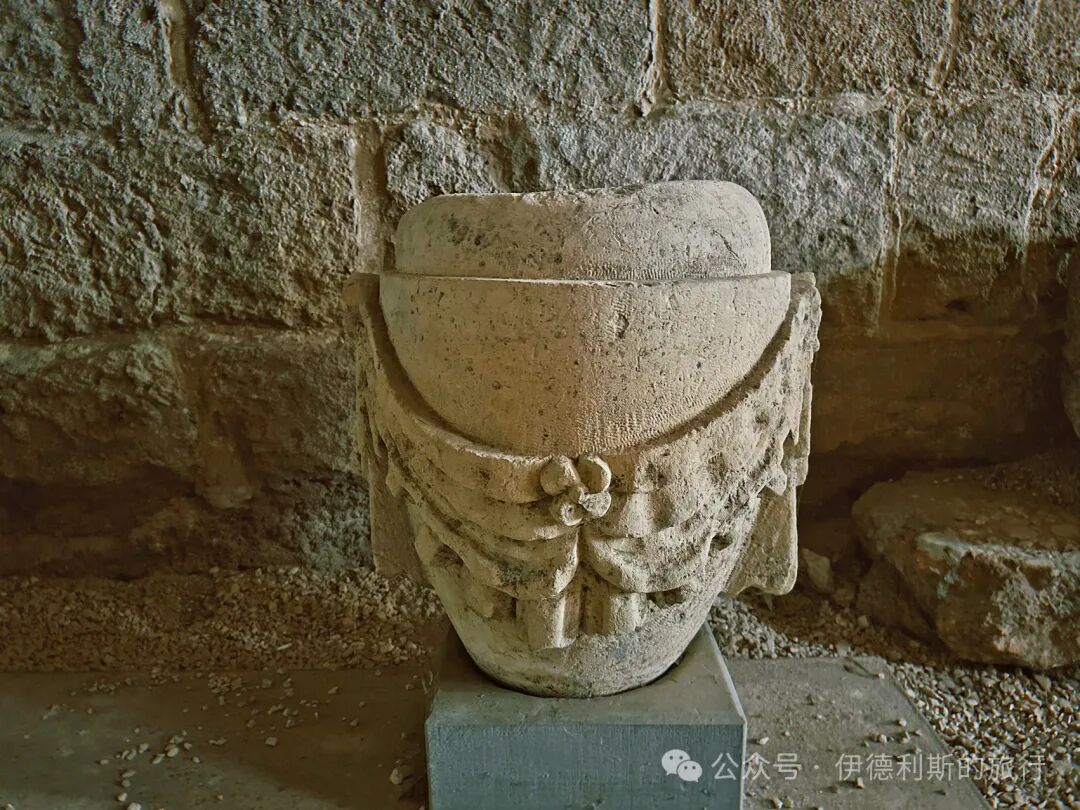
Roman Emperor Elagabalus (reigned 218-222) established a colony in Sidon, and archaeological excavations of the land castle revealed ruins of Roman-era buildings. These ruins might include a Roman theater, so researchers suggest this was the site of the Roman-era acropolis of Sidon.
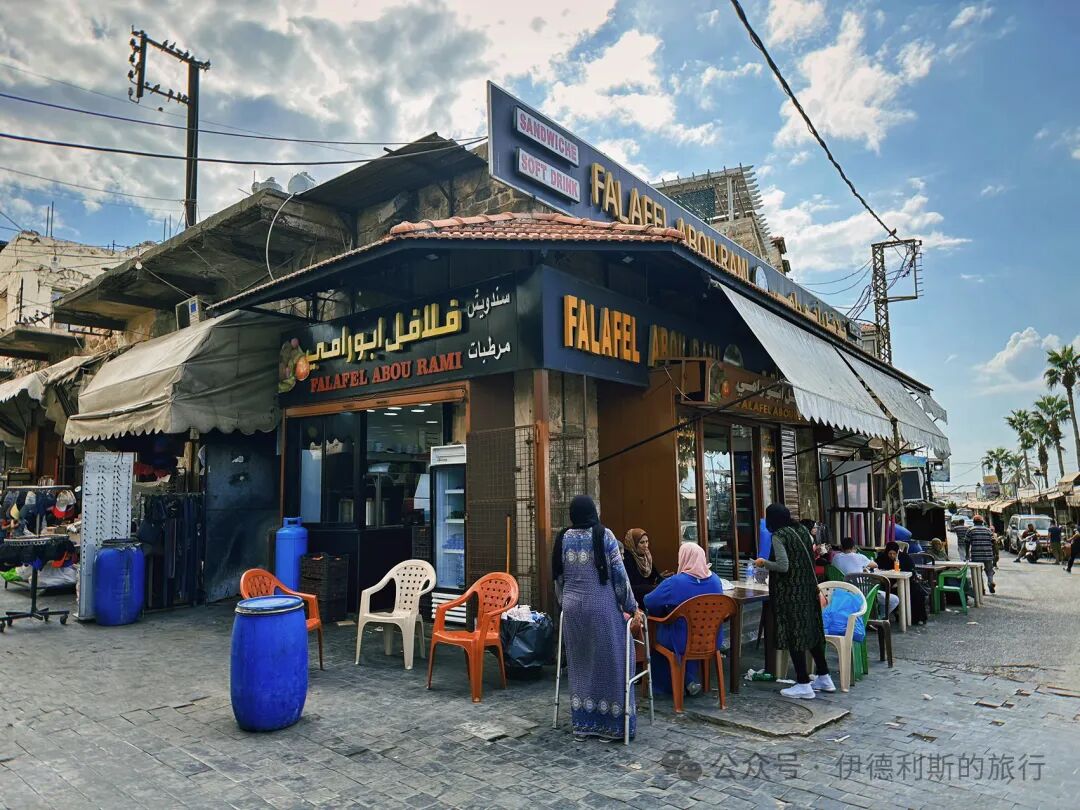
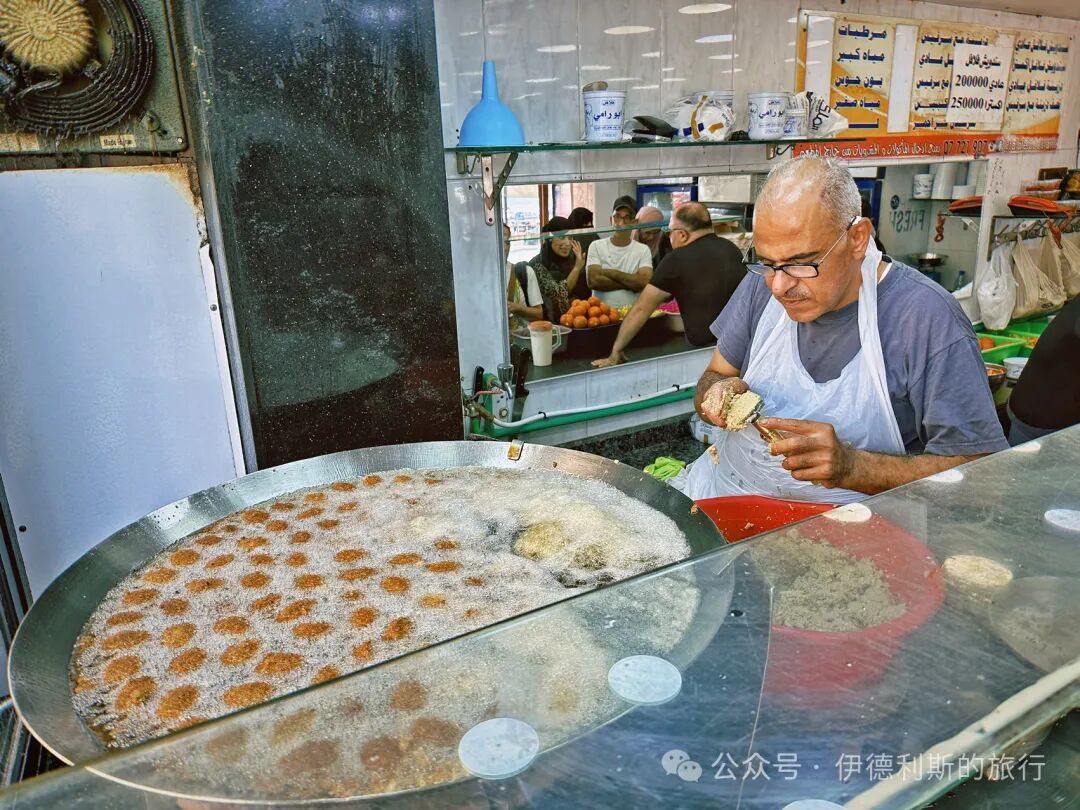
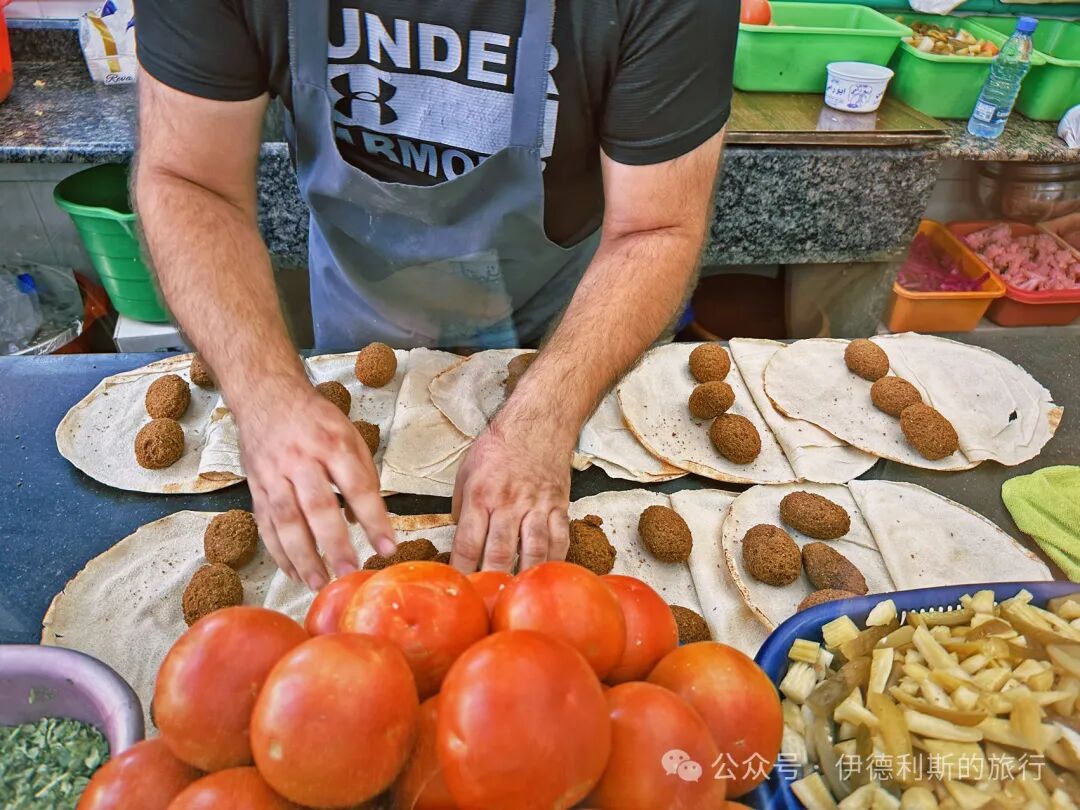
After visiting the castle, we went to the famous falafel shop in the old city, Falafel Abou Rami. They opened in 1988 and are very famous in Lebanon. Their falafel is made from a mix of chickpeas and fava beans, and they fry it fresh to order. You can add pickled cucumbers, pickled tomatoes, and yogurt to make a salad, or wrap it in flatbread. We bought one wrap and it was enough for two people; the portion is huge!
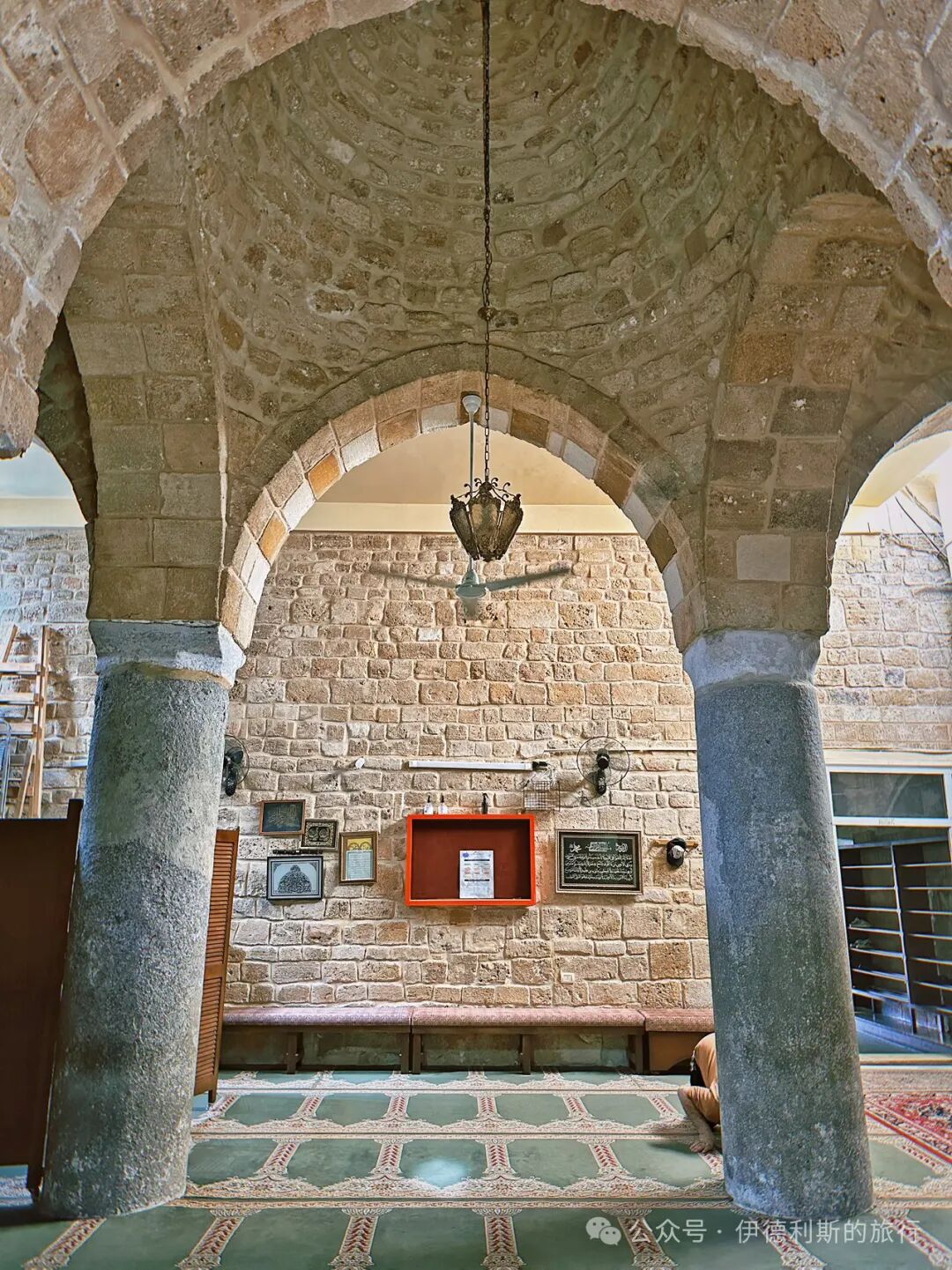
In the afternoon, we prayed the Maghrib namaz at Al-Bahr Mosque by the sea in the ancient city of Sidon. Hassan bin Sawah donated the funds to build Al-Bahr Mosque in 1373. It features Mamluk-era architecture, including thick walls and cross-vaulted ceilings, and uses granite columns from the ancient Roman period.
Afterward, we went to El Barrane Mosque at the entrance of the market on the north side of the ancient city. Many mosques in Lebanon only open for the five daily prayers and stay locked at other times. This mosque was built between the late 16th and early 17th centuries during the reign of the Druze Emir Fakhr al-Din II. Barrani means "outside" because the mosque was located outside the Beirut Gate, the north gate of the ancient city, at that time.
Street view of the ancient city. view all
Summary: Halal Travel Guide: Sidon, Lebanon - Old City, Sea Fort and Mosques (Part 2) is presented here as a firsthand travel account in clear, natural English. The account focuses on Sidon, Lebanon, Mosques while preserving the names, places, food, photos, and historical details from the Chinese source.
Across from the Sea Castle, another fortress sits on a hill in the south of the old city of Sidon. Together, they guard the old city from both ends.
The Land Castle is also called the Castle of Mu'izz or the Castle of Saint Louis. The fourth caliph of the Fatimid dynasty, al-Mu'izz li-Din Allah (reigned 953–975), ordered it built in the late 10th century and named it the Castle of Mu'izz.
In 1253, King Louis IX of France, known as Saint Louis and a leader of the Seventh Crusade, ordered the walls of Sidon to be rebuilt. The Land Castle was also rebuilt during this time, and it has been called the Castle of Saint Louis ever since. Fakhr al-Din II, the Druze emir who ruled Lebanon in the 17th century, rebuilt the castle again. It later fell into ruin, and parts of the walls collapsed during the late Ottoman era.
After Israel expelled large numbers of Palestinians in 1948, the Land Castle served as a shelter for Palestinian refugees. To persecute the Palestinian refugees, Israel ruthlessly shelled the Land Castle, causing further damage. These scars now stand as a witness to the suffering of the Palestinian people.
Before it became a Fatimid fortress, the hill where the Land Castle stands held an important place as far back as the Phoenician era, more than 1,000 years before the common era. On the hillside next to the castle, you can see many crushed murex shells. These are the waste left behind by the Phoenicians more than 3,000 years ago when they used the shells to make purple dye. Tyrian purple is also called Phoenician purple or royal purple, because only Roman emperors could wear clothes dyed with it during the Roman Empire.
Roman Emperor Elagabalus (reigned 218-222) established a colony in Sidon, and archaeological excavations of the land castle revealed ruins of Roman-era buildings. These ruins might include a Roman theater, so researchers suggest this was the site of the Roman-era acropolis of Sidon.
After visiting the castle, we went to the famous falafel shop in the old city, Falafel Abou Rami. They opened in 1988 and are very famous in Lebanon. Their falafel is made from a mix of chickpeas and fava beans, and they fry it fresh to order. You can add pickled cucumbers, pickled tomatoes, and yogurt to make a salad, or wrap it in flatbread. We bought one wrap and it was enough for two people; the portion is huge!
In the afternoon, we prayed the Maghrib namaz at Al-Bahr Mosque by the sea in the ancient city of Sidon. Hassan bin Sawah donated the funds to build Al-Bahr Mosque in 1373. It features Mamluk-era architecture, including thick walls and cross-vaulted ceilings, and uses granite columns from the ancient Roman period.
Afterward, we went to El Barrane Mosque at the entrance of the market on the north side of the ancient city. Many mosques in Lebanon only open for the five daily prayers and stay locked at other times. This mosque was built between the late 16th and early 17th centuries during the reign of the Druze Emir Fakhr al-Din II. Barrani means "outside" because the mosque was located outside the Beirut Gate, the north gate of the ancient city, at that time.
Street view of the ancient city. view all
Reposted from the web
Summary: Halal Travel Guide: Sidon, Lebanon - Old City, Sea Fort and Mosques (Part 2) is presented here as a firsthand travel account in clear, natural English. The account focuses on Sidon, Lebanon, Mosques while preserving the names, places, food, photos, and historical details from the Chinese source.
Across from the Sea Castle, another fortress sits on a hill in the south of the old city of Sidon. Together, they guard the old city from both ends.
The Land Castle is also called the Castle of Mu'izz or the Castle of Saint Louis. The fourth caliph of the Fatimid dynasty, al-Mu'izz li-Din Allah (reigned 953–975), ordered it built in the late 10th century and named it the Castle of Mu'izz.
In 1253, King Louis IX of France, known as Saint Louis and a leader of the Seventh Crusade, ordered the walls of Sidon to be rebuilt. The Land Castle was also rebuilt during this time, and it has been called the Castle of Saint Louis ever since. Fakhr al-Din II, the Druze emir who ruled Lebanon in the 17th century, rebuilt the castle again. It later fell into ruin, and parts of the walls collapsed during the late Ottoman era.
After Israel expelled large numbers of Palestinians in 1948, the Land Castle served as a shelter for Palestinian refugees. To persecute the Palestinian refugees, Israel ruthlessly shelled the Land Castle, causing further damage. These scars now stand as a witness to the suffering of the Palestinian people.
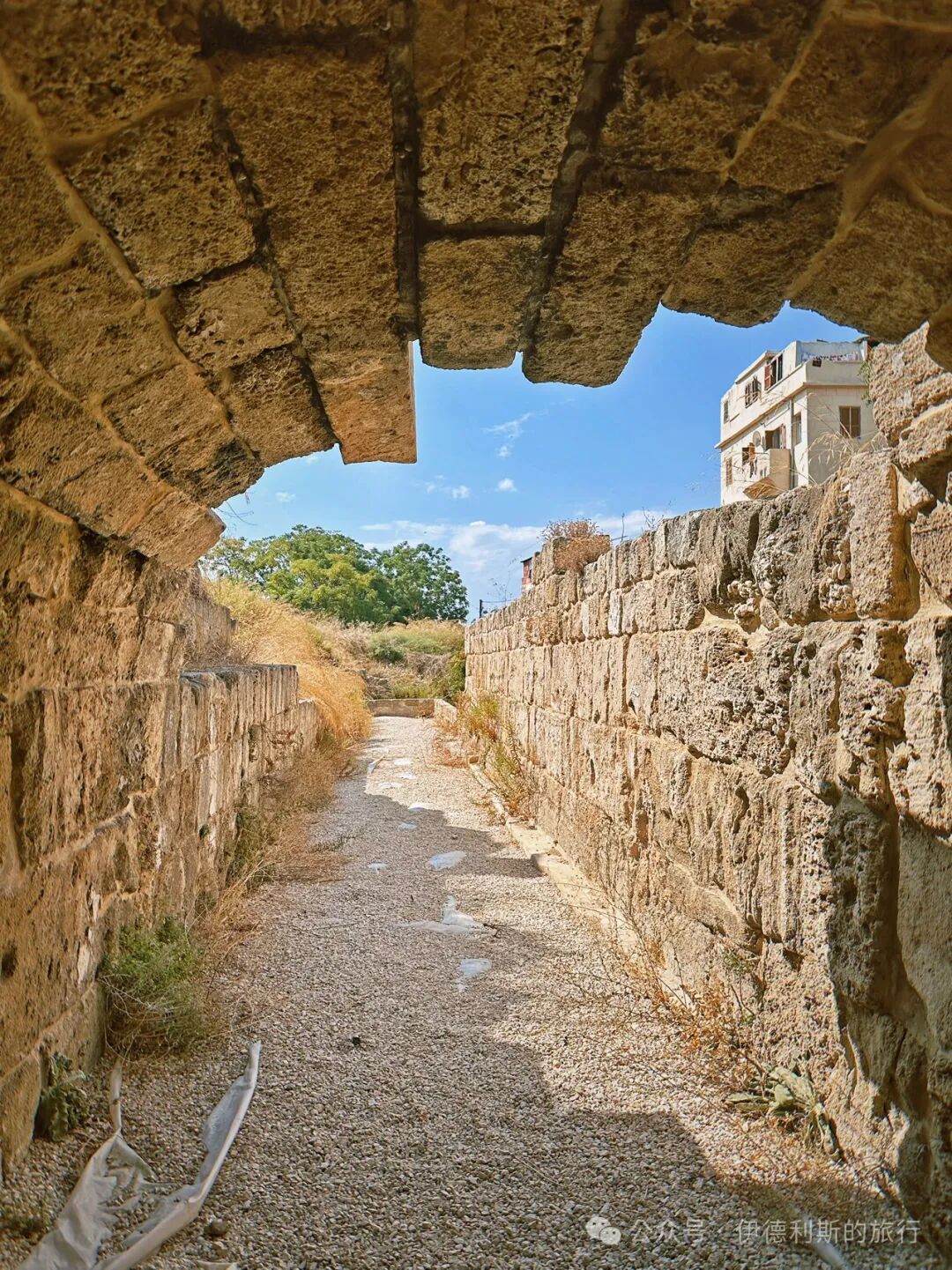
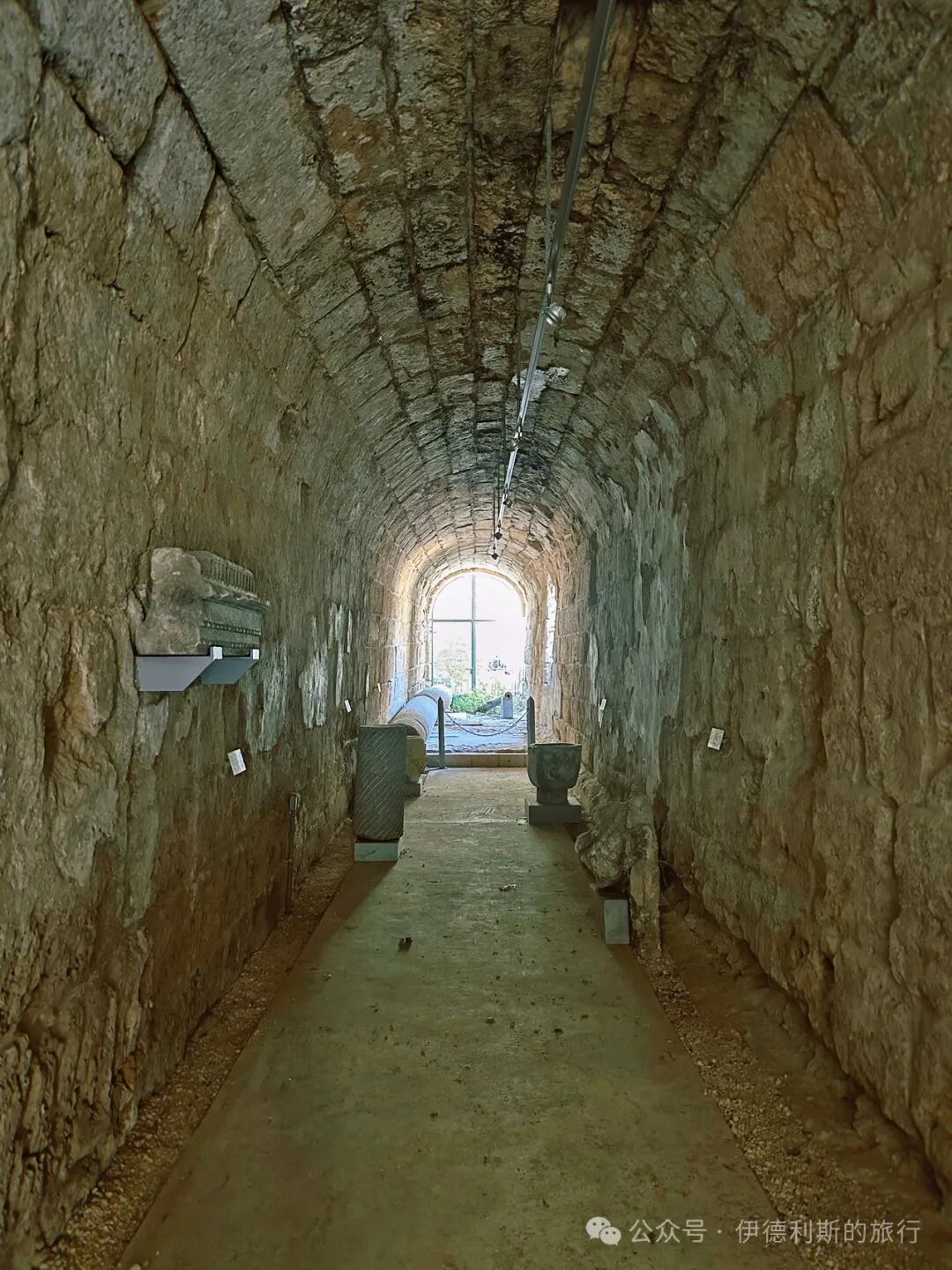
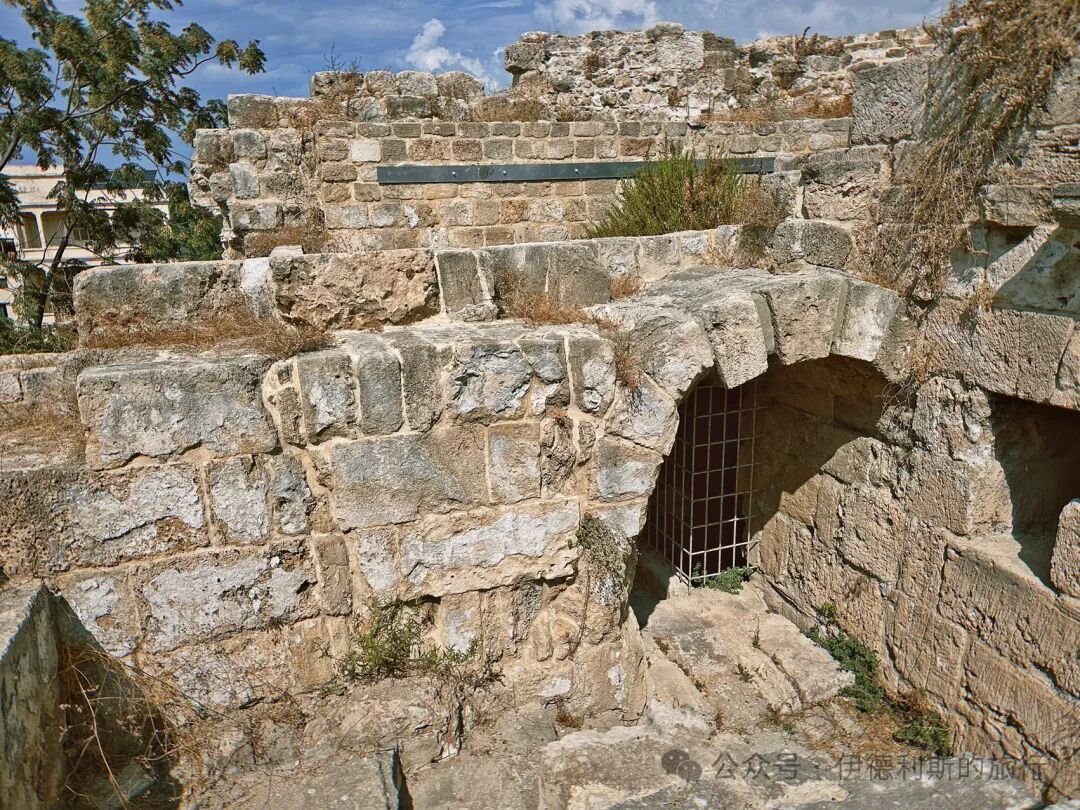
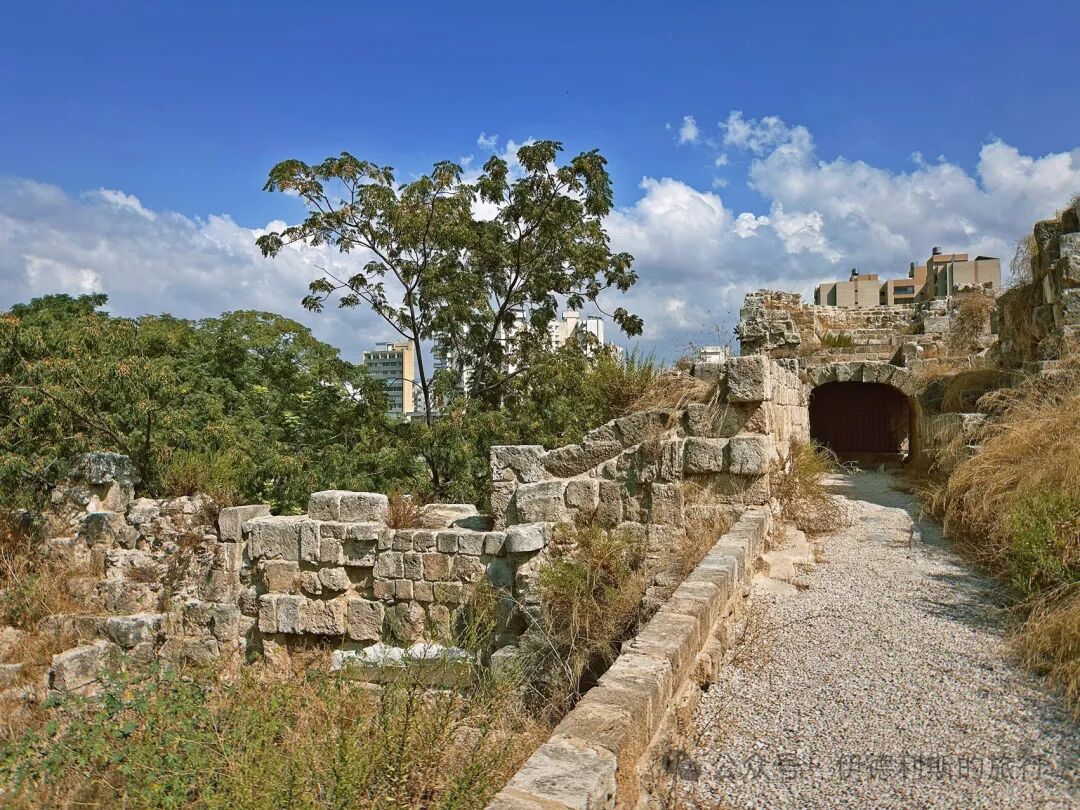
Before it became a Fatimid fortress, the hill where the Land Castle stands held an important place as far back as the Phoenician era, more than 1,000 years before the common era. On the hillside next to the castle, you can see many crushed murex shells. These are the waste left behind by the Phoenicians more than 3,000 years ago when they used the shells to make purple dye. Tyrian purple is also called Phoenician purple or royal purple, because only Roman emperors could wear clothes dyed with it during the Roman Empire.
Roman Emperor Elagabalus (reigned 218-222) established a colony in Sidon, and archaeological excavations of the land castle revealed ruins of Roman-era buildings. These ruins might include a Roman theater, so researchers suggest this was the site of the Roman-era acropolis of Sidon.
After visiting the castle, we went to the famous falafel shop in the old city, Falafel Abou Rami. They opened in 1988 and are very famous in Lebanon. Their falafel is made from a mix of chickpeas and fava beans, and they fry it fresh to order. You can add pickled cucumbers, pickled tomatoes, and yogurt to make a salad, or wrap it in flatbread. We bought one wrap and it was enough for two people; the portion is huge!
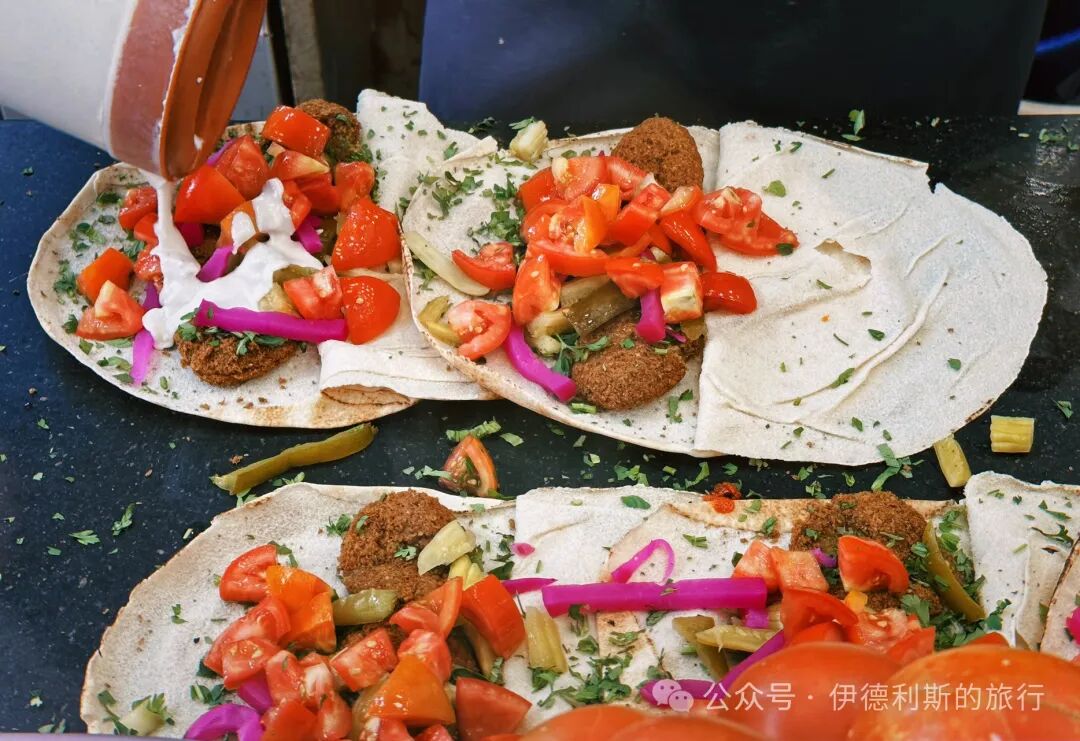
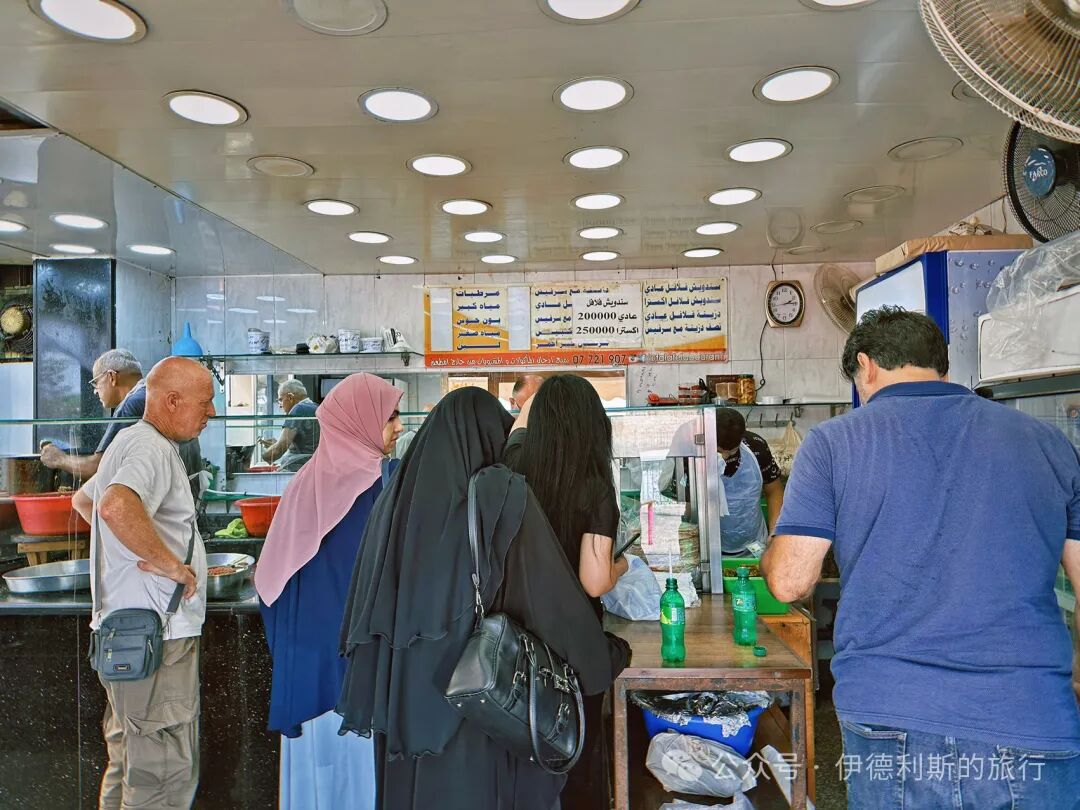
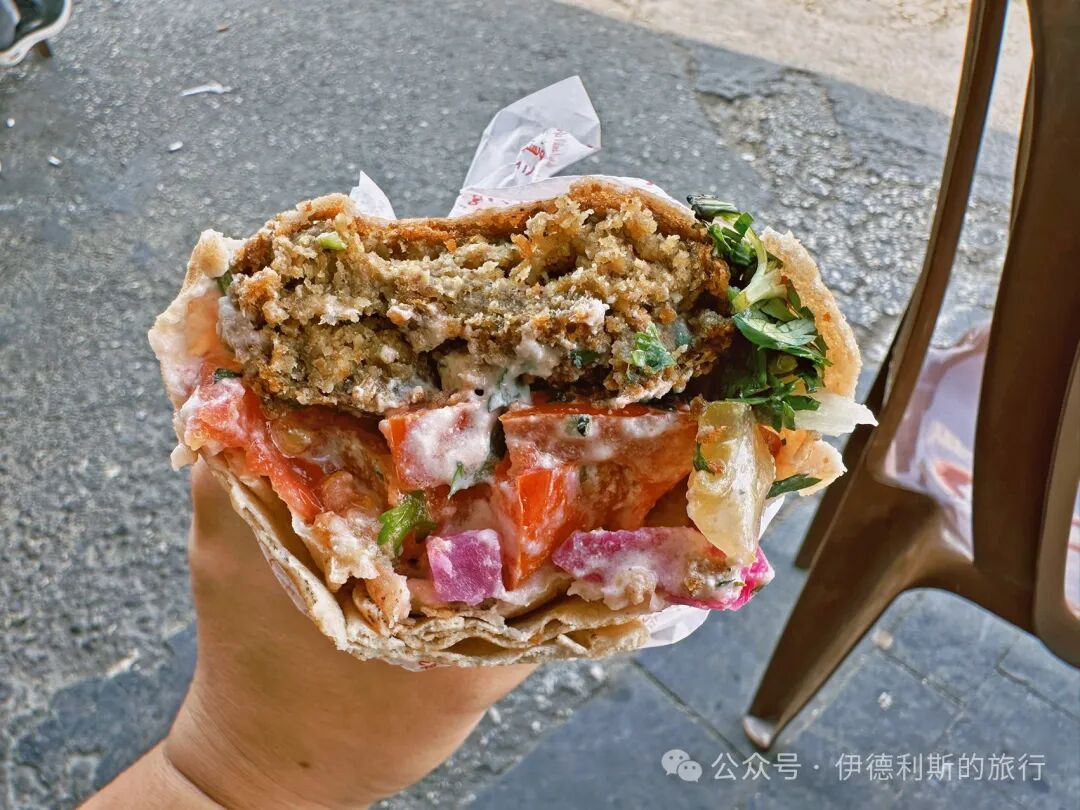
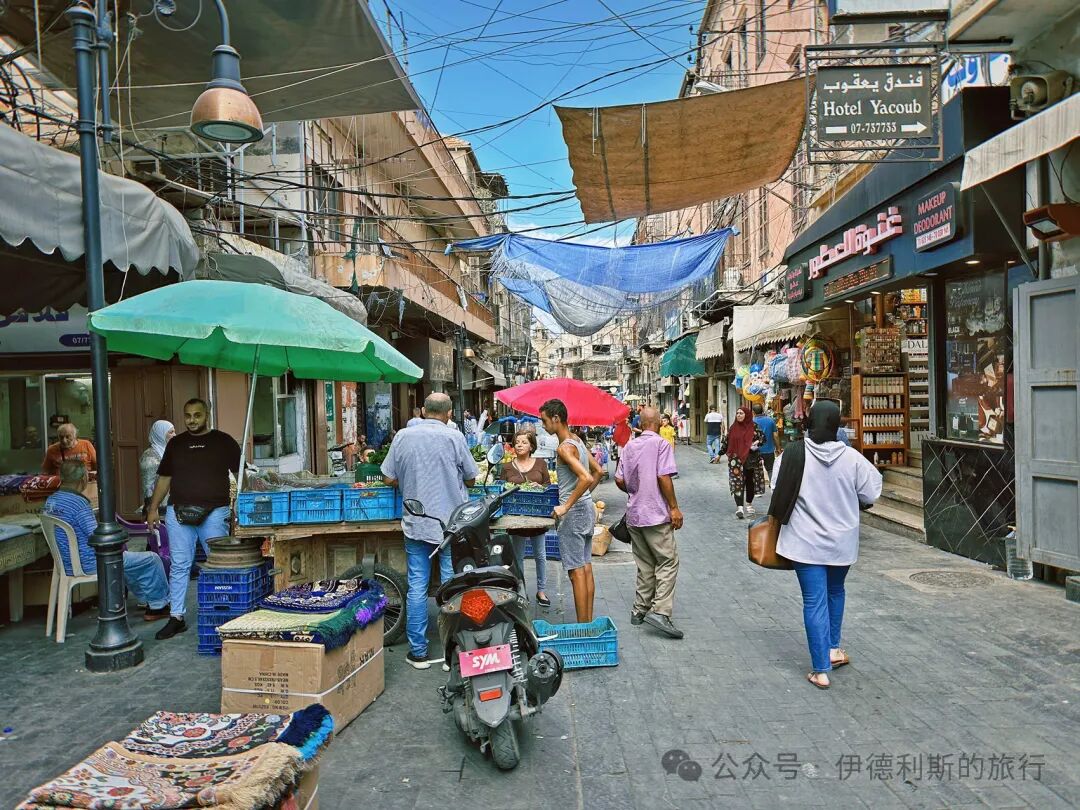
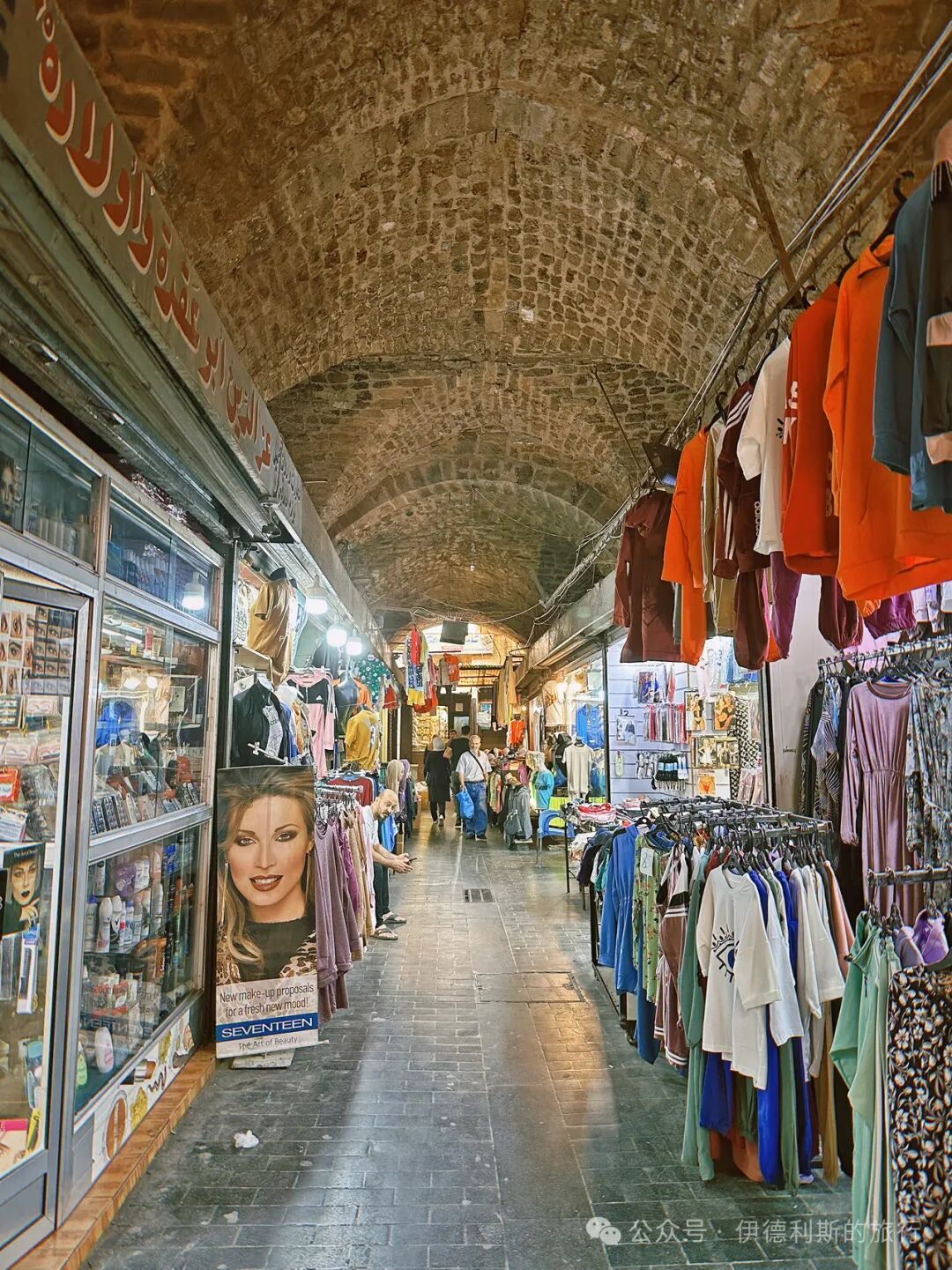
In the afternoon, we prayed the Maghrib namaz at Al-Bahr Mosque by the sea in the ancient city of Sidon. Hassan bin Sawah donated the funds to build Al-Bahr Mosque in 1373. It features Mamluk-era architecture, including thick walls and cross-vaulted ceilings, and uses granite columns from the ancient Roman period.
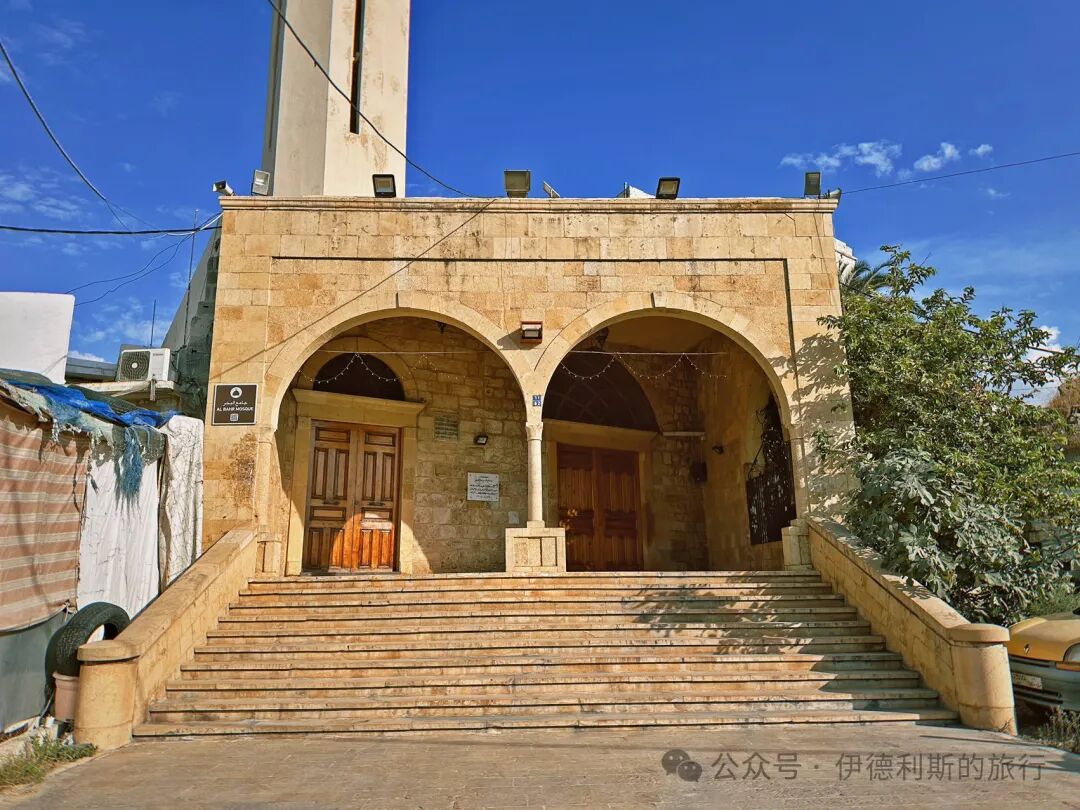
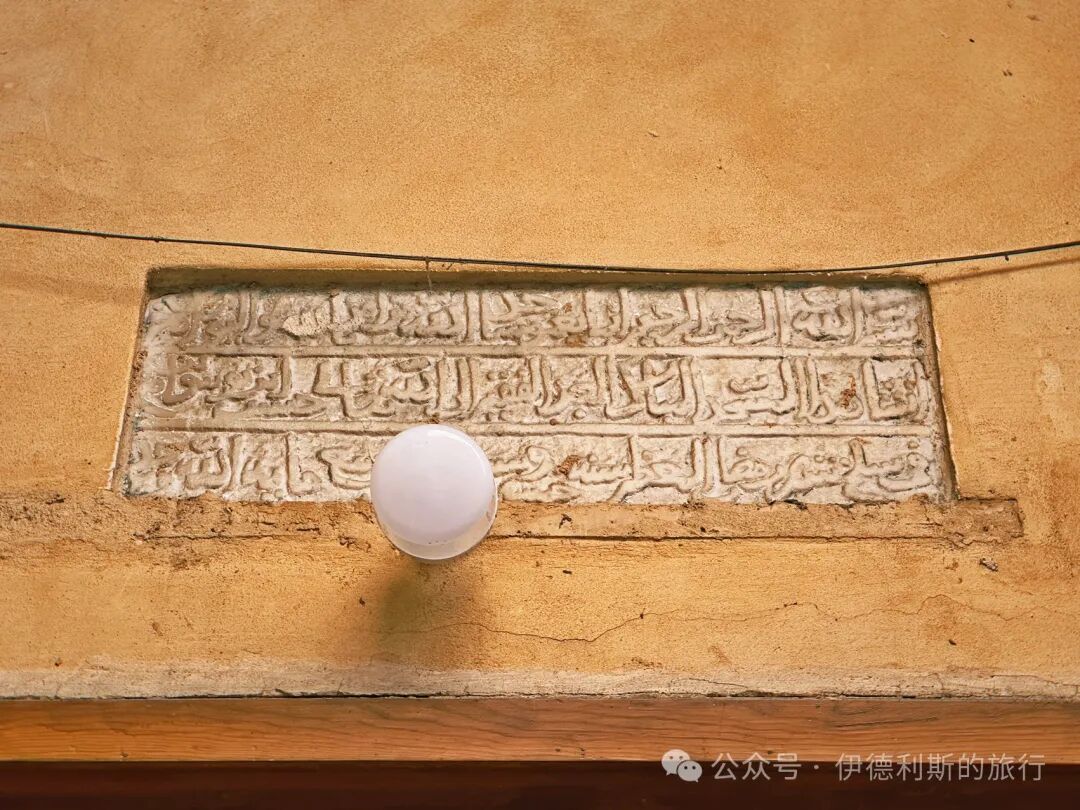
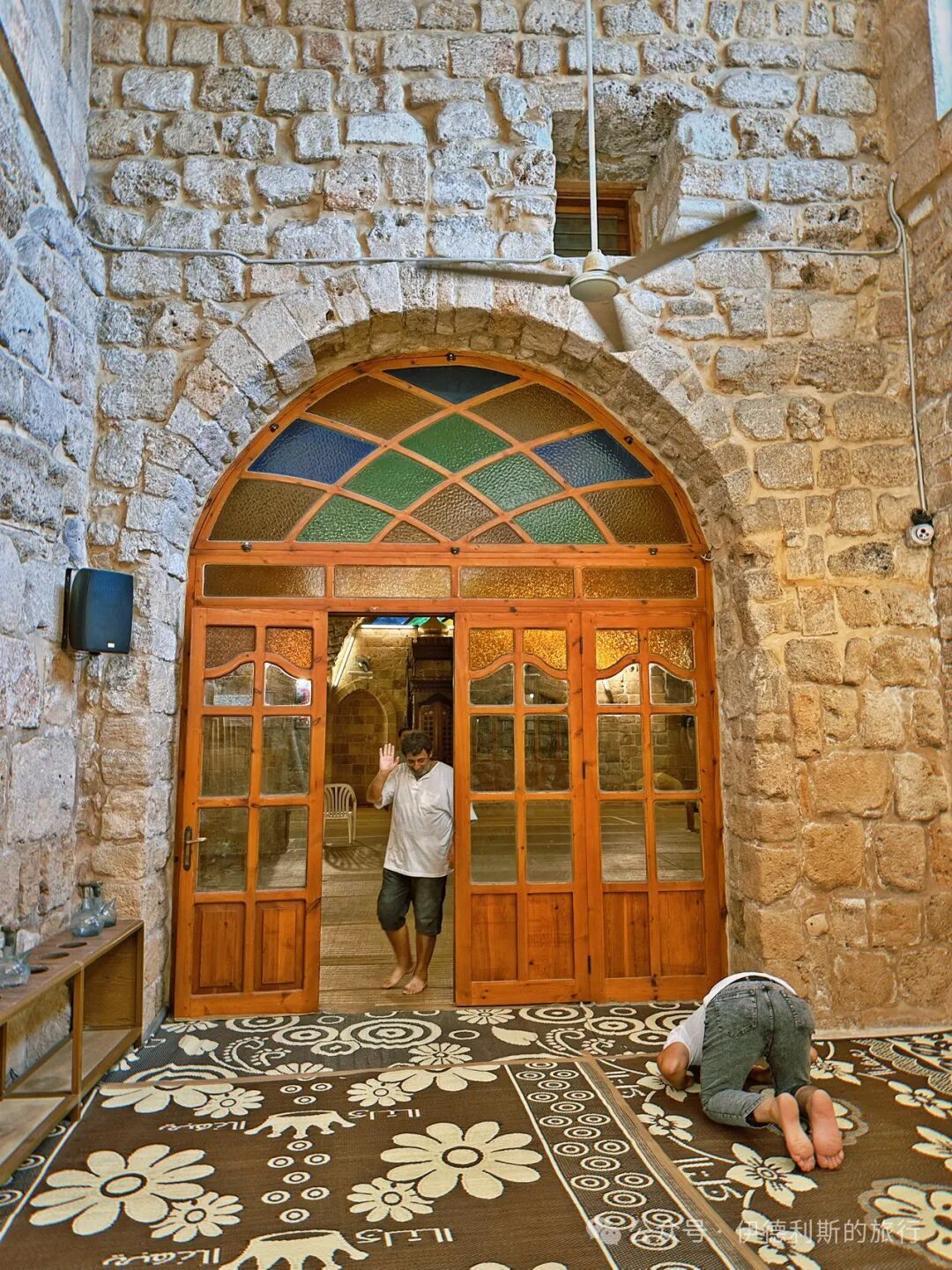
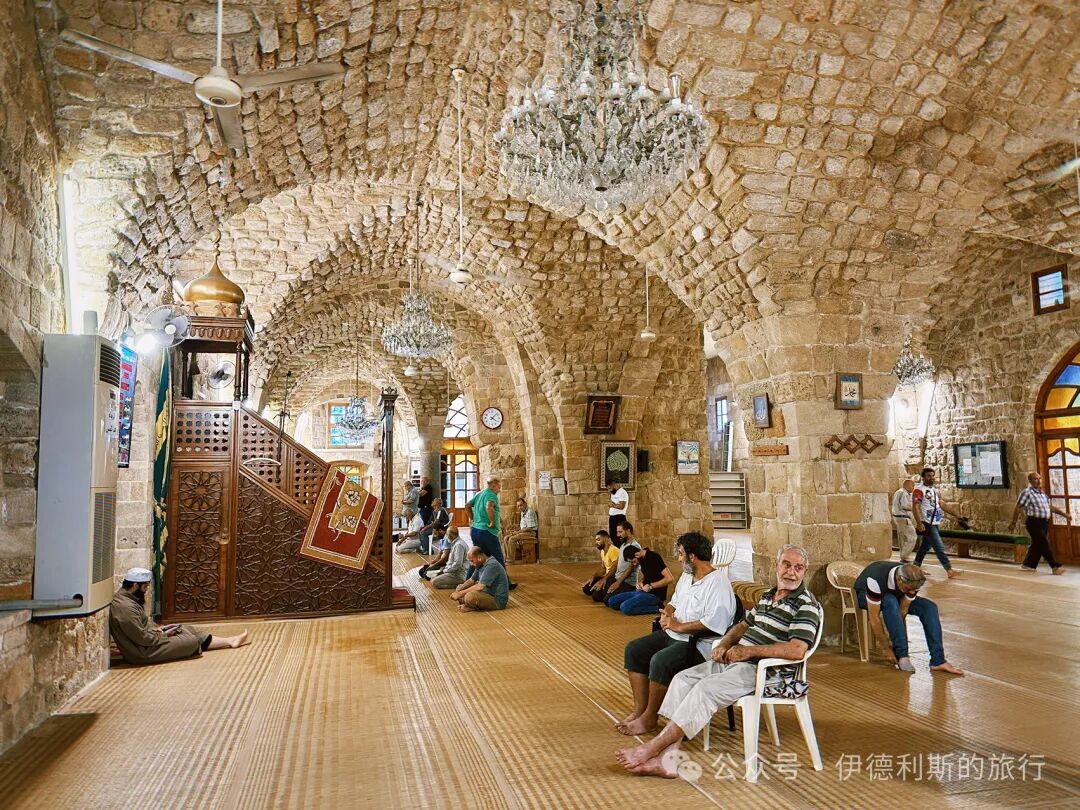
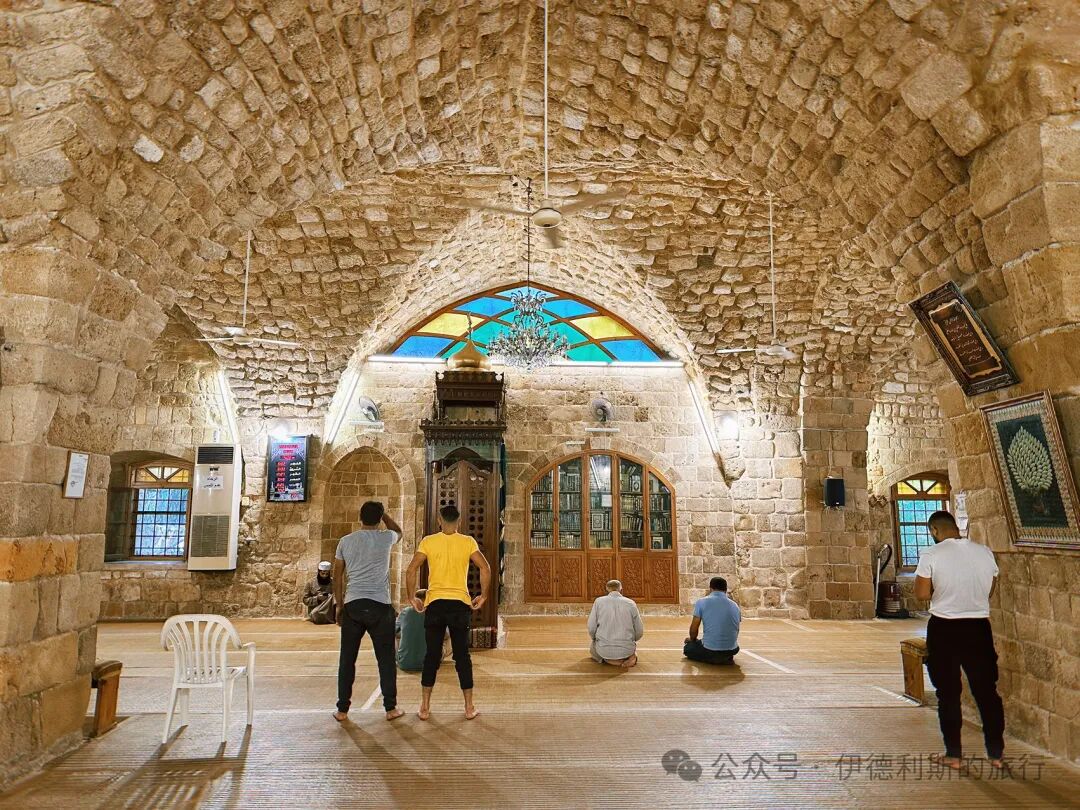
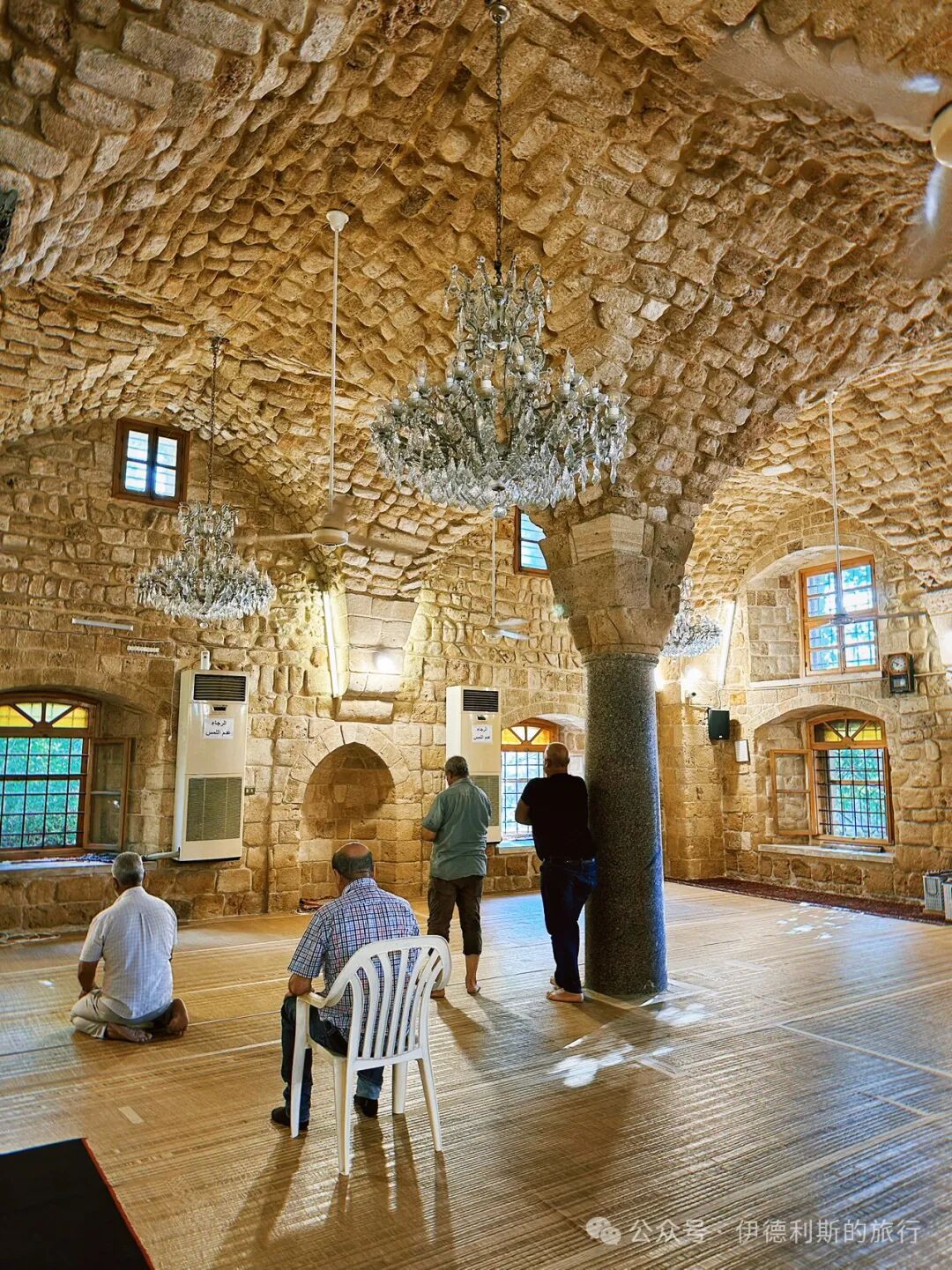
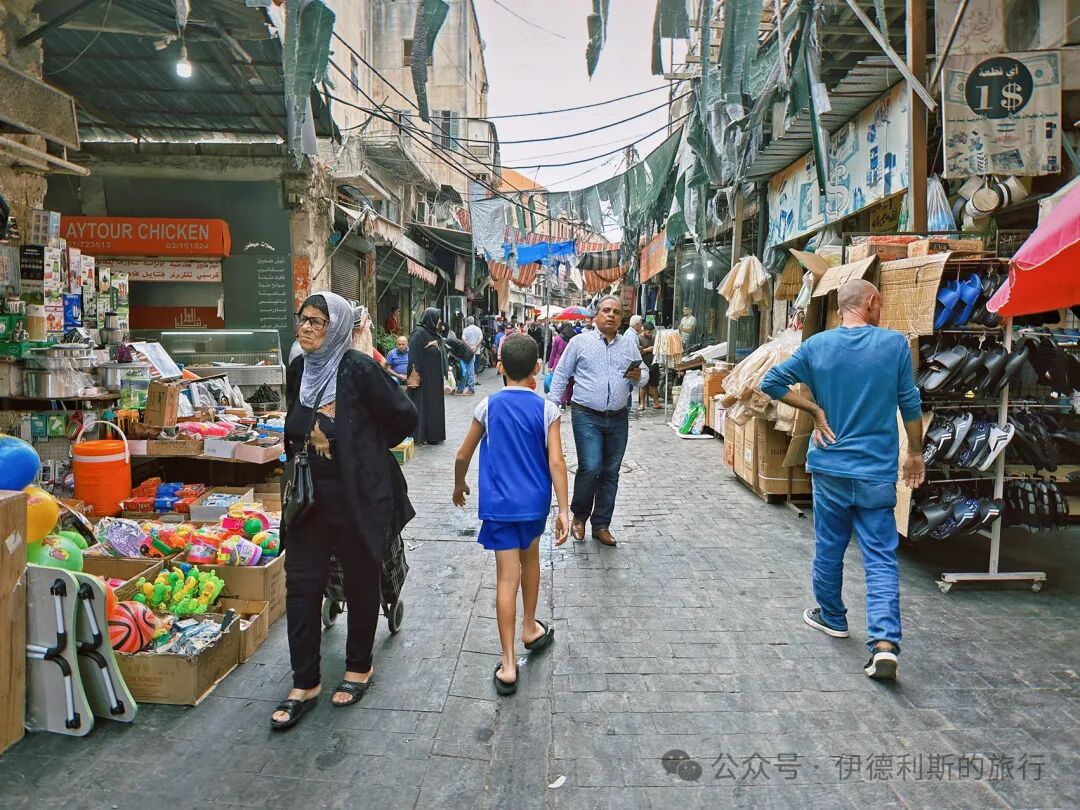
Afterward, we went to El Barrane Mosque at the entrance of the market on the north side of the ancient city. Many mosques in Lebanon only open for the five daily prayers and stay locked at other times. This mosque was built between the late 16th and early 17th centuries during the reign of the Druze Emir Fakhr al-Din II. Barrani means "outside" because the mosque was located outside the Beirut Gate, the north gate of the ancient city, at that time.
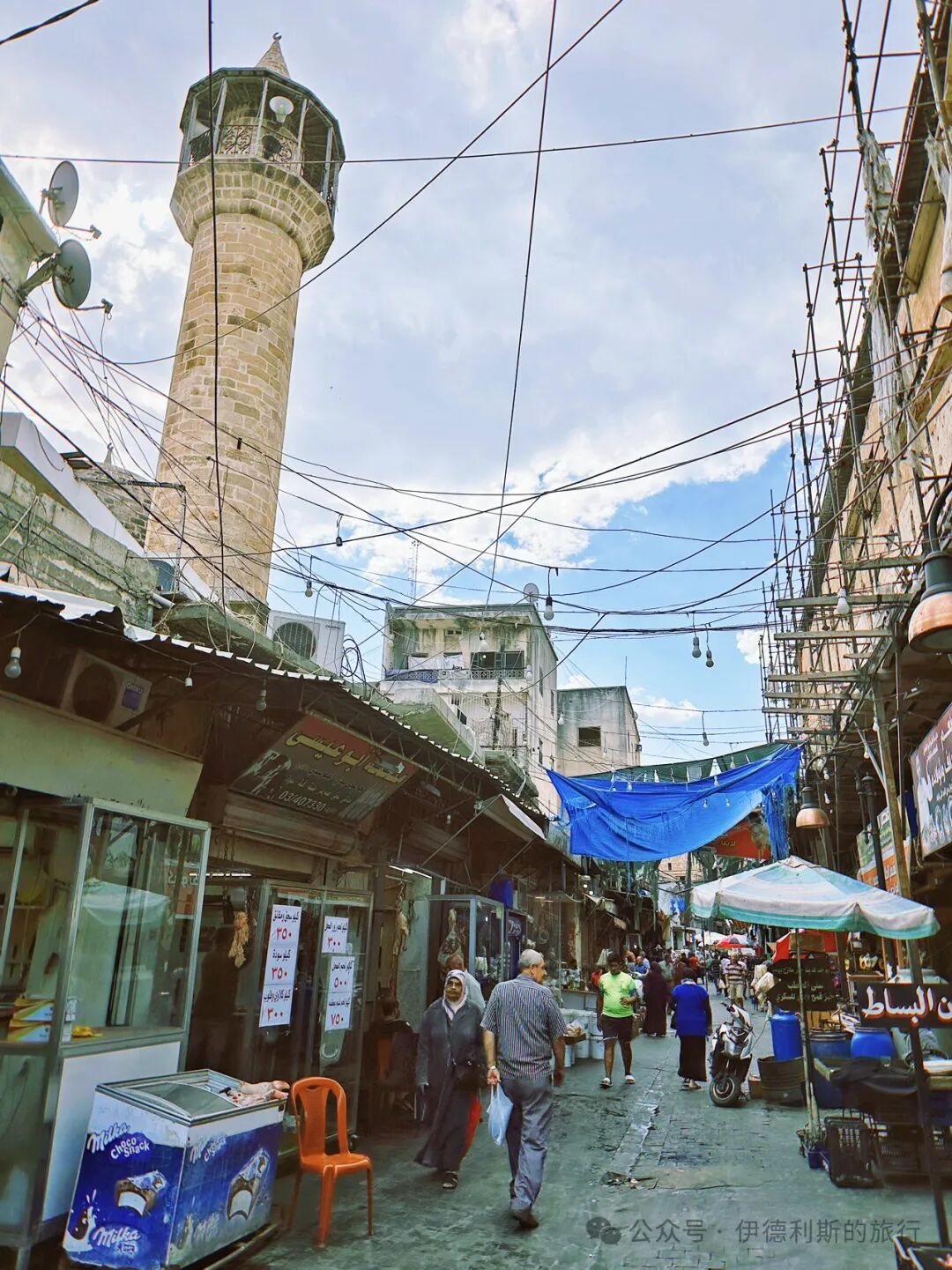
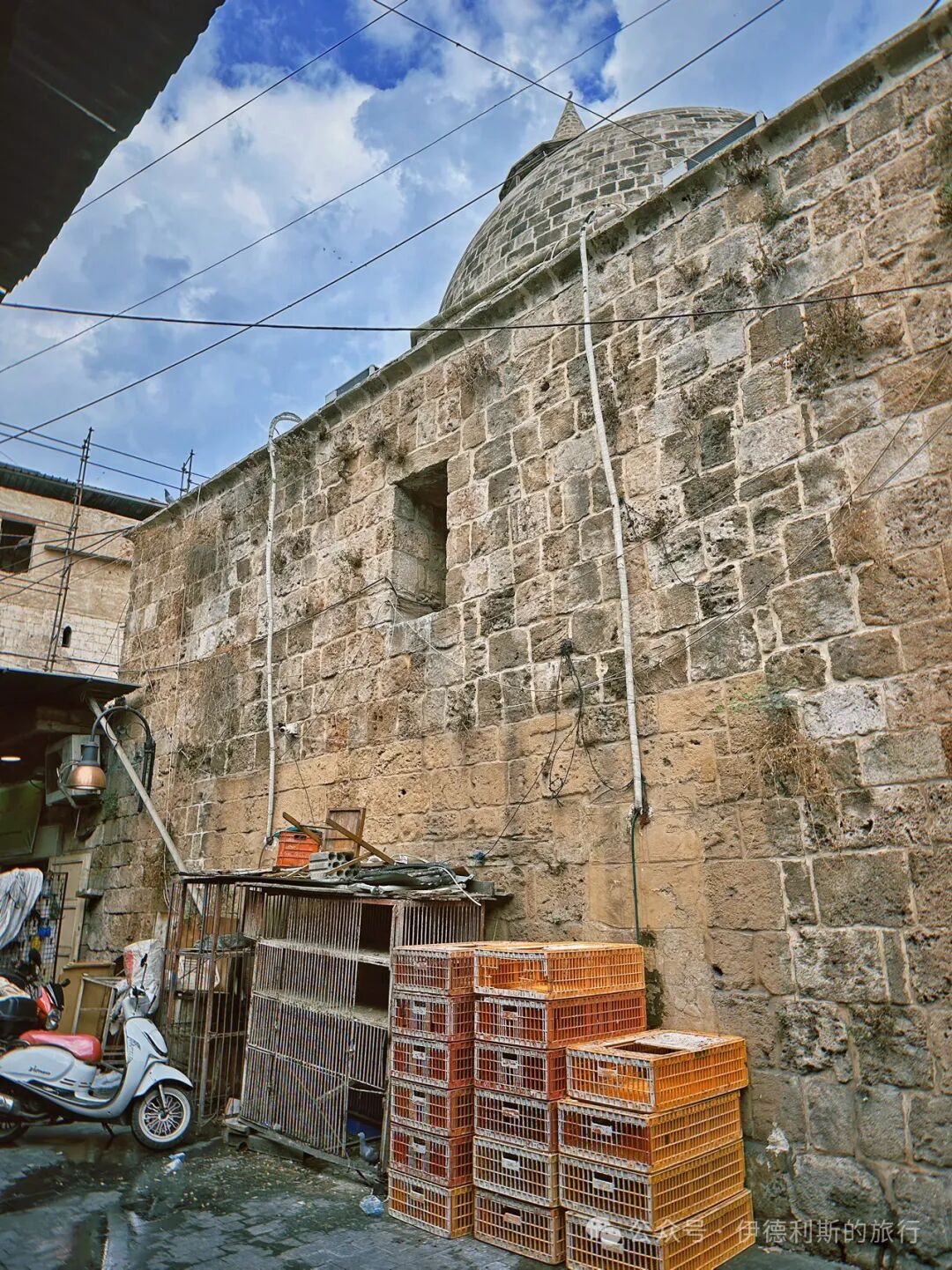
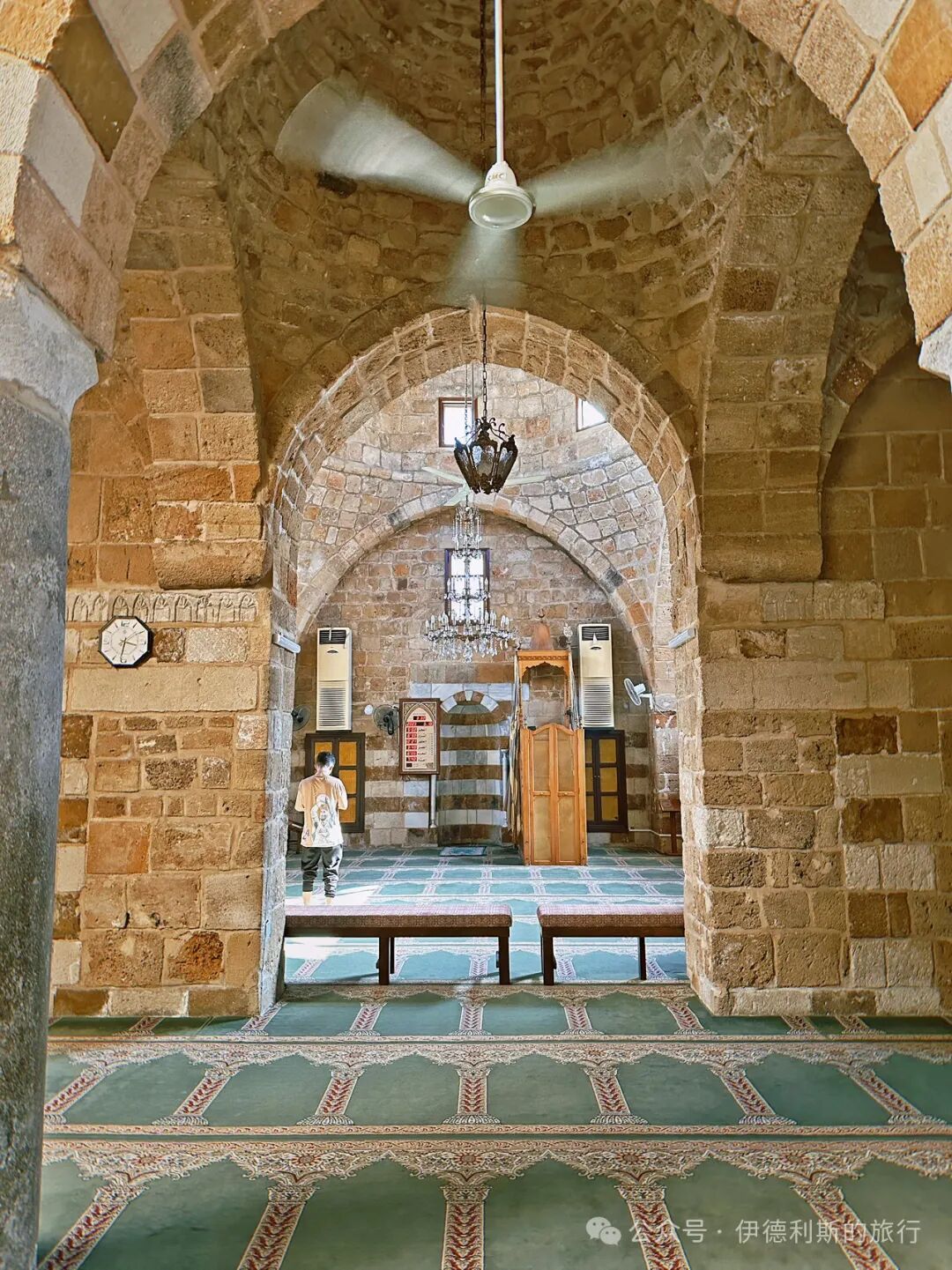
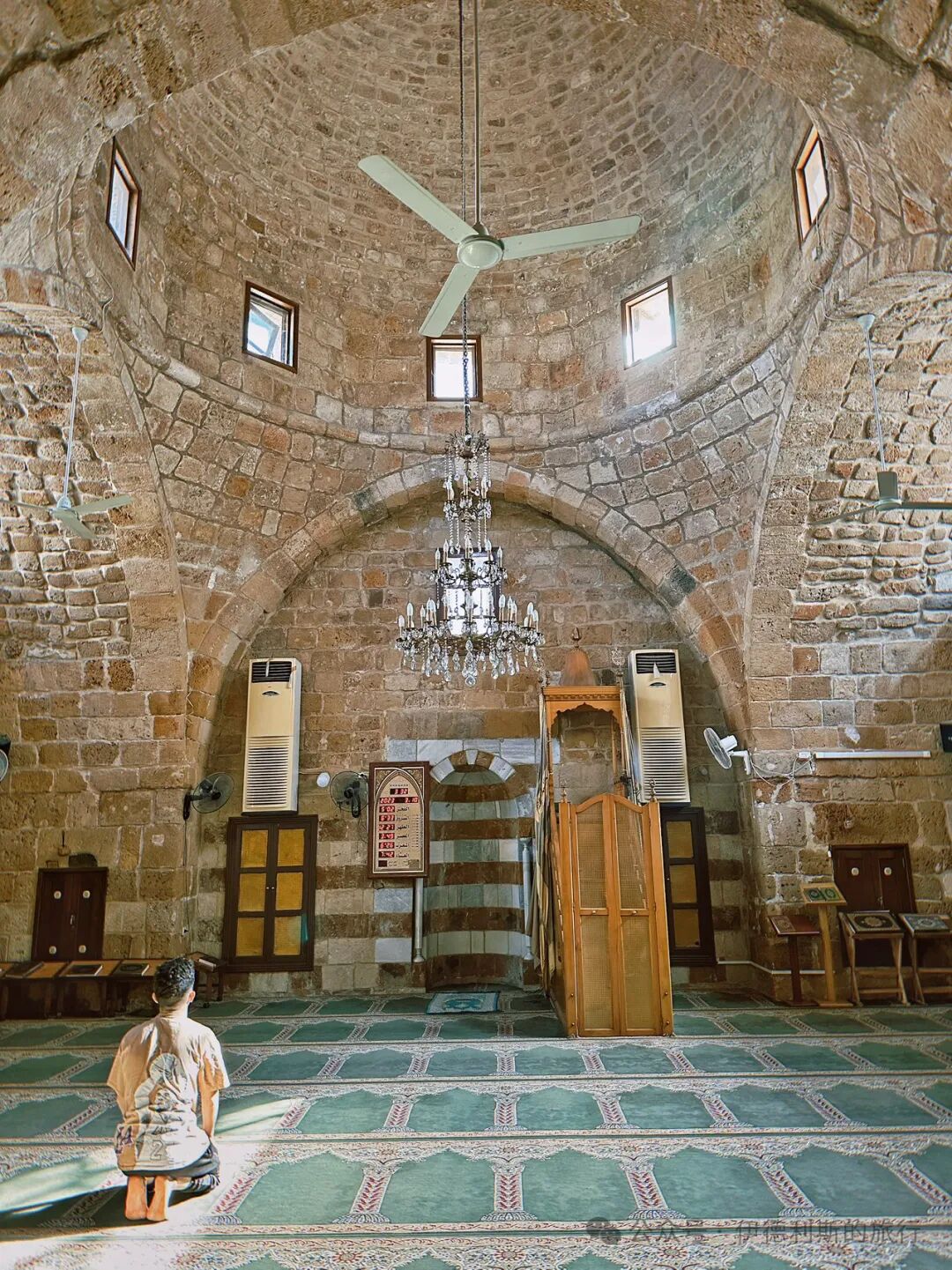
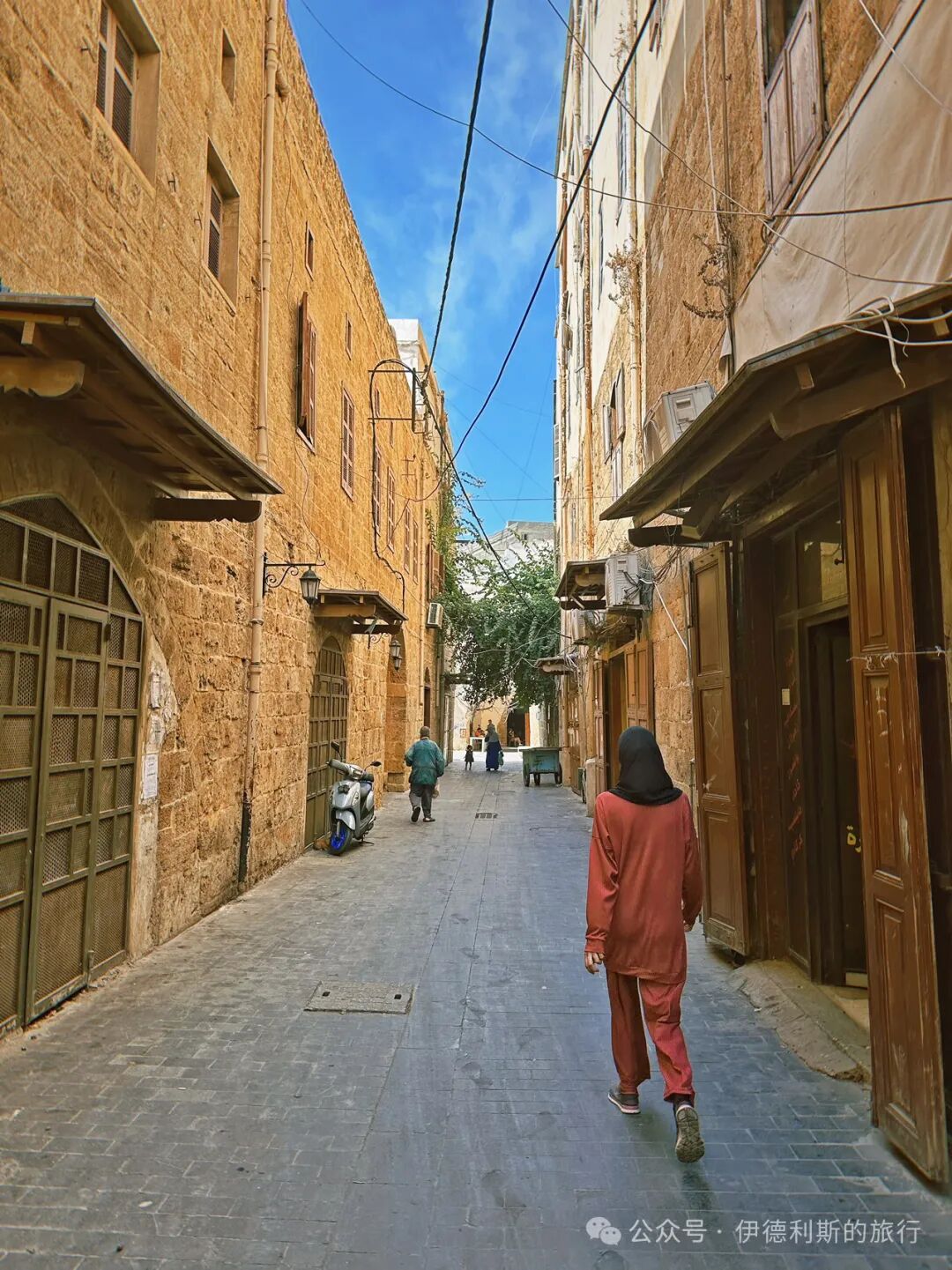
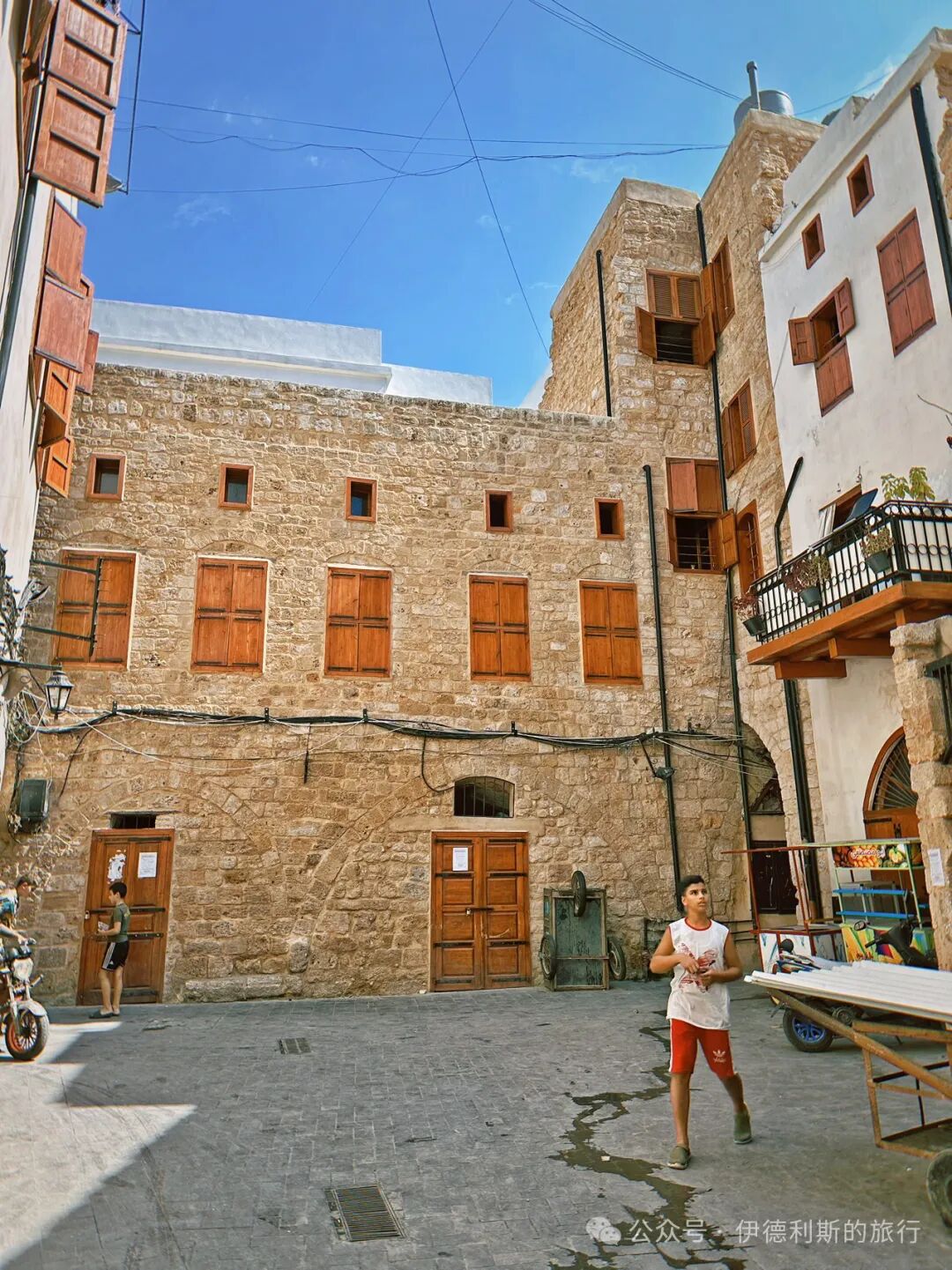
Street view of the ancient city.
Summary: Halal Travel Guide: Sidon, Lebanon - Old City, Sea Fort and Mosques (Part 2) is presented here as a firsthand travel account in clear, natural English. The account focuses on Sidon, Lebanon, Mosques while preserving the names, places, food, photos, and historical details from the Chinese source.
Across from the Sea Castle, another fortress sits on a hill in the south of the old city of Sidon. Together, they guard the old city from both ends.
The Land Castle is also called the Castle of Mu'izz or the Castle of Saint Louis. The fourth caliph of the Fatimid dynasty, al-Mu'izz li-Din Allah (reigned 953–975), ordered it built in the late 10th century and named it the Castle of Mu'izz.
In 1253, King Louis IX of France, known as Saint Louis and a leader of the Seventh Crusade, ordered the walls of Sidon to be rebuilt. The Land Castle was also rebuilt during this time, and it has been called the Castle of Saint Louis ever since. Fakhr al-Din II, the Druze emir who ruled Lebanon in the 17th century, rebuilt the castle again. It later fell into ruin, and parts of the walls collapsed during the late Ottoman era.
After Israel expelled large numbers of Palestinians in 1948, the Land Castle served as a shelter for Palestinian refugees. To persecute the Palestinian refugees, Israel ruthlessly shelled the Land Castle, causing further damage. These scars now stand as a witness to the suffering of the Palestinian people.
Before it became a Fatimid fortress, the hill where the Land Castle stands held an important place as far back as the Phoenician era, more than 1,000 years before the common era. On the hillside next to the castle, you can see many crushed murex shells. These are the waste left behind by the Phoenicians more than 3,000 years ago when they used the shells to make purple dye. Tyrian purple is also called Phoenician purple or royal purple, because only Roman emperors could wear clothes dyed with it during the Roman Empire.
Roman Emperor Elagabalus (reigned 218-222) established a colony in Sidon, and archaeological excavations of the land castle revealed ruins of Roman-era buildings. These ruins might include a Roman theater, so researchers suggest this was the site of the Roman-era acropolis of Sidon.
After visiting the castle, we went to the famous falafel shop in the old city, Falafel Abou Rami. They opened in 1988 and are very famous in Lebanon. Their falafel is made from a mix of chickpeas and fava beans, and they fry it fresh to order. You can add pickled cucumbers, pickled tomatoes, and yogurt to make a salad, or wrap it in flatbread. We bought one wrap and it was enough for two people; the portion is huge!
In the afternoon, we prayed the Maghrib namaz at Al-Bahr Mosque by the sea in the ancient city of Sidon. Hassan bin Sawah donated the funds to build Al-Bahr Mosque in 1373. It features Mamluk-era architecture, including thick walls and cross-vaulted ceilings, and uses granite columns from the ancient Roman period.
Afterward, we went to El Barrane Mosque at the entrance of the market on the north side of the ancient city. Many mosques in Lebanon only open for the five daily prayers and stay locked at other times. This mosque was built between the late 16th and early 17th centuries during the reign of the Druze Emir Fakhr al-Din II. Barrani means "outside" because the mosque was located outside the Beirut Gate, the north gate of the ancient city, at that time.
Street view of the ancient city.
Halal Travel Guide: Sidon, Lebanon - Old City, Sea Fort and Mosques (Part 1)
Articles • ali2007fr posted the article • 0 comments • 211 views • 2026-05-19 10:02
Reposted from the web
Summary: Halal Travel Guide: Sidon, Lebanon - Old City, Sea Fort and Mosques (Part 1) is presented here as a firsthand travel account in clear, natural English. The account focuses on Sidon, Lebanon, Mosques while preserving the names, places, food, photos, and historical details from the Chinese source.
We took a minibus from the southern suburbs of Beirut and traveled 40 kilometers south to reach Saida, the third-largest city in Lebanon. Saida has a history of over 6,000 years. It is one of the oldest cities in the world and played a major role in Mediterranean trade.
The landmark of the old city of Saida is the Sea Castle (Qalaat al-Bahr) located on a small island to the north. The Crusaders built it in 1228, and it connects to the mainland by an 80-meter-long bridge. The Sea Castle was destroyed many times, then repaired and expanded during the Mamluk and Ottoman dynasties. Today, the Sea Castle consists of two towers. You can see many Roman-era stone pillars on the outer walls, and there is a small domed mosque built during the Ottoman period on the roof.
Next to the Sea Castle on the shore is a very famous restaurant called Saida Rest House. The restaurant preserves an Ottoman-era inn (khan) with beautiful inlaid marble and colorful carvings, and the lighting inside is excellent.
At the seaside seats of Saida Rest House, we ordered the Lebanese specialties of tomato sausage and fish salad with tajen sauce. Tajen is a spicy sesame paste that goes perfectly with pita bread.
The ancient city of Sidon is a well-preserved Sunni Muslim old town on the eastern Mediterranean coast. Enter the maze of streets from the north gate. Many houses are built over the streets, creating tunnels. People set up stalls inside these tunnels, selling all kinds of goods. It feels very lively and full of daily life.
In the market inside the ancient city of Sidon, you can buy fresh dates (yezao). They have a soft, powdery texture and taste great. You can also buy traditional clothing here. It feels very unique.
Entering the ancient city of Sidon from the north side, the first attraction is the underground Khan Sacy Archaeological Museum. Khan Sacy is made up of several arched rooms. They date back to stables and warehouses from the Crusader period (1099-1291). Since 2010, archaeological excavations at Khan Sacy have uncovered two bathrooms from the Mamluk dynasty (1201-1517), three water wells with different architectural styles, and a multi-purpose oven from the Ottoman period (1517-1918).
Follow the main road of the ancient city of Sidon south to see the largest Turkish bath in the old city, Hammam Al Jadeed. Hammam Al Jadeed was built in 1720 by the Moroccan merchant Mustafa Hammoud. It is a representative example of a Turkish bath in Lebanon from the Ottoman dynasty. The bathhouse consists of 10 rooms, including bathing, massage, and sauna areas. Corridors connect each area, which features unique marble floors and skylights.
This bathhouse stayed in use until 1948, when it closed because tap water pipes became common. The bathhouse was later used as a carpentry workshop and storage room, and it suffered damage during the Lebanese Civil War (1975-90). During the 1982 Israeli invasion of Lebanon, one of the bathhouse domes was hit by shelling and remains unrepaired today.
In 2018, Said Bacho, the founder and president of the Sharqy Foundation for Cultural Development and Innovation, purchased the Hammam Al Jadeed bathhouse. In 2019, the bathhouse reopened as a historical site after being closed for 71 years.
In 2019, Said Bacho invited the famous British artist Tom Young to create art for the bathhouse. Tom Young interviewed elderly people who had bathed in the bathhouse over 70 years ago. He listened to their memories and gained valuable inspiration.
In 2020, the Revival exhibition officially opened inside the bathhouse. The 10 rooms of the bathhouse displayed 60 oil paintings by Tom Young, featuring not only the past and present of the bathhouse but also many other historical sites in the old city of Sidon. Tom Young also painted a portrait of the bathhouse's former owner, Zahia Al Zarif, based on archival photos from the 1940s.
Day and night in the old city of Sidon.
Heading west from the Hammam Al Jadeed bathhouse and through the winding alleys, you reach the massive Ottoman caravanserai, Khan al-Franj. Khan al-Franj was built in the late 16th century by order of the Ottoman Grand Vizier Sokollu Mehmed Pasha, who served from 1565 to 1579. The inn has a large courtyard, with the ground floor used for storing goods and the second floor for travelers to stay, which is the typical structure of an Ottoman caravanserai.
The inn served as the residence for the French consul in the early 17th century, which is how it got the name French Inn. The inn is currently owned by France, and the French Institute of the Near East (Institut français du Proche-Orient) is located here. The Hariri Foundation leased the space for 35 years. They restored the historical site and opened it as a cultural center, where they host various cultural events from time to time.
You can buy handicrafts made by local Lebanese women at the inn, and we bought a hand-woven hat. This is part of the Hariri Foundation's effort to create jobs for local women and promote tourism and handicrafts in Sidon.
We had a mint lemonade at Bab Al Saray Cafe, located in a small square in the center of the old city of Sidon. It is one of the oldest cafes in Sidon, and people say their brunch is very authentic.
After resting, we visited the El Kikhia Mosque. Built in 1625 by Mahmoud Kitkhuda, the El Kikhia Mosque is a representative example of an Ottoman-era mosque in Lebanon. The mosque is famous for its six domes, and inside the main hall, there is a white marble pulpit (minbar).
Across from the El Kikhia mosque is the Al-Qtaishieh mosque, where we performed our afternoon namaz. Sheikh Ali Ibn Mohammad Qtaish built the Al-Qtaishieh mosque in the 16th century, and it still holds beautiful Ottoman tiles.
Next, we visited the Great Mosque of El-Omari, the main mosque in the old city of Saida, where the Eid prayers are held. The Great Mosque of El-Omari sits on a hillside on the west side of the old city of Saida and is built from massive sandstone blocks over a meter thick.
The building dates back to the Crusader era, when the Knights Hospitaller turned it into a military fortress in the 13th century, complete with a dining hall, a church, and stables. In 1291, the Mamluk Sultan Al-Ashraf Khalil (who reigned from 1290 to 1293) conquered the Crusader castles, including Saida, ending the Crusader states that had lasted for nearly two hundred years. The Mamluk dynasty then built the Great Mosque of El-Omari on the foundation of the Knights Hospitaller fortress.
The main hall of the Great Mosque of El-Omari keeps the Byzantine style of the Crusader church, with a ten-meter-high ceiling supported by five sturdy buttresses. The Mamluk dynasty changed the orientation of the main hall from east-west to north-south. They added a mihrab niche and a minbar pulpit on the south side, and built a water room and school in the outer courtyard to the north. In the late 19th century, the Ottoman dynasty renovated the Great Mosque of Omar and built the current minaret (bangkelou).
During the 1982 Israeli invasion of Lebanon, the Great Mosque of Omar was hit by artillery fire many times and suffered serious damage. The Hariri Foundation led the restoration of the site in 1986, and it won the Aga Khan Award for Architecture in 1989.
After leaving the Great Mosque of Omar, we visited the Soap Museum in Sidon. The soap workshop where the museum is located was built by Hammoud in the 17th century. The Audi family took it over in the 1880s and added a residence on the upper floor. The Audi family left Sidon for Beirut in the 1950s, and the building became a school. During the Lebanese Civil War in the 1980s, the building was abandoned and refugees lived on the ground floor. The Audi Foundation began restoring the workshop in 1996 and opened it as a soap museum in 2000.
At the soap museum, you can learn how traditional olive oil soap is made and see the remains of the workshop's plumbing from the 17th to 19th centuries. The museum's gift shop is worth a visit. You can buy traditional olive oil soap there, as well as a variety of creative scented soaps. view all
Summary: Halal Travel Guide: Sidon, Lebanon - Old City, Sea Fort and Mosques (Part 1) is presented here as a firsthand travel account in clear, natural English. The account focuses on Sidon, Lebanon, Mosques while preserving the names, places, food, photos, and historical details from the Chinese source.
We took a minibus from the southern suburbs of Beirut and traveled 40 kilometers south to reach Saida, the third-largest city in Lebanon. Saida has a history of over 6,000 years. It is one of the oldest cities in the world and played a major role in Mediterranean trade.
The landmark of the old city of Saida is the Sea Castle (Qalaat al-Bahr) located on a small island to the north. The Crusaders built it in 1228, and it connects to the mainland by an 80-meter-long bridge. The Sea Castle was destroyed many times, then repaired and expanded during the Mamluk and Ottoman dynasties. Today, the Sea Castle consists of two towers. You can see many Roman-era stone pillars on the outer walls, and there is a small domed mosque built during the Ottoman period on the roof.
Next to the Sea Castle on the shore is a very famous restaurant called Saida Rest House. The restaurant preserves an Ottoman-era inn (khan) with beautiful inlaid marble and colorful carvings, and the lighting inside is excellent.
At the seaside seats of Saida Rest House, we ordered the Lebanese specialties of tomato sausage and fish salad with tajen sauce. Tajen is a spicy sesame paste that goes perfectly with pita bread.
The ancient city of Sidon is a well-preserved Sunni Muslim old town on the eastern Mediterranean coast. Enter the maze of streets from the north gate. Many houses are built over the streets, creating tunnels. People set up stalls inside these tunnels, selling all kinds of goods. It feels very lively and full of daily life.
In the market inside the ancient city of Sidon, you can buy fresh dates (yezao). They have a soft, powdery texture and taste great. You can also buy traditional clothing here. It feels very unique.
Entering the ancient city of Sidon from the north side, the first attraction is the underground Khan Sacy Archaeological Museum. Khan Sacy is made up of several arched rooms. They date back to stables and warehouses from the Crusader period (1099-1291). Since 2010, archaeological excavations at Khan Sacy have uncovered two bathrooms from the Mamluk dynasty (1201-1517), three water wells with different architectural styles, and a multi-purpose oven from the Ottoman period (1517-1918).
Follow the main road of the ancient city of Sidon south to see the largest Turkish bath in the old city, Hammam Al Jadeed. Hammam Al Jadeed was built in 1720 by the Moroccan merchant Mustafa Hammoud. It is a representative example of a Turkish bath in Lebanon from the Ottoman dynasty. The bathhouse consists of 10 rooms, including bathing, massage, and sauna areas. Corridors connect each area, which features unique marble floors and skylights.
This bathhouse stayed in use until 1948, when it closed because tap water pipes became common. The bathhouse was later used as a carpentry workshop and storage room, and it suffered damage during the Lebanese Civil War (1975-90). During the 1982 Israeli invasion of Lebanon, one of the bathhouse domes was hit by shelling and remains unrepaired today.
In 2018, Said Bacho, the founder and president of the Sharqy Foundation for Cultural Development and Innovation, purchased the Hammam Al Jadeed bathhouse. In 2019, the bathhouse reopened as a historical site after being closed for 71 years.
In 2019, Said Bacho invited the famous British artist Tom Young to create art for the bathhouse. Tom Young interviewed elderly people who had bathed in the bathhouse over 70 years ago. He listened to their memories and gained valuable inspiration.
In 2020, the Revival exhibition officially opened inside the bathhouse. The 10 rooms of the bathhouse displayed 60 oil paintings by Tom Young, featuring not only the past and present of the bathhouse but also many other historical sites in the old city of Sidon. Tom Young also painted a portrait of the bathhouse's former owner, Zahia Al Zarif, based on archival photos from the 1940s.
Day and night in the old city of Sidon.
Heading west from the Hammam Al Jadeed bathhouse and through the winding alleys, you reach the massive Ottoman caravanserai, Khan al-Franj. Khan al-Franj was built in the late 16th century by order of the Ottoman Grand Vizier Sokollu Mehmed Pasha, who served from 1565 to 1579. The inn has a large courtyard, with the ground floor used for storing goods and the second floor for travelers to stay, which is the typical structure of an Ottoman caravanserai.
The inn served as the residence for the French consul in the early 17th century, which is how it got the name French Inn. The inn is currently owned by France, and the French Institute of the Near East (Institut français du Proche-Orient) is located here. The Hariri Foundation leased the space for 35 years. They restored the historical site and opened it as a cultural center, where they host various cultural events from time to time.
You can buy handicrafts made by local Lebanese women at the inn, and we bought a hand-woven hat. This is part of the Hariri Foundation's effort to create jobs for local women and promote tourism and handicrafts in Sidon.
We had a mint lemonade at Bab Al Saray Cafe, located in a small square in the center of the old city of Sidon. It is one of the oldest cafes in Sidon, and people say their brunch is very authentic.
After resting, we visited the El Kikhia Mosque. Built in 1625 by Mahmoud Kitkhuda, the El Kikhia Mosque is a representative example of an Ottoman-era mosque in Lebanon. The mosque is famous for its six domes, and inside the main hall, there is a white marble pulpit (minbar).
Across from the El Kikhia mosque is the Al-Qtaishieh mosque, where we performed our afternoon namaz. Sheikh Ali Ibn Mohammad Qtaish built the Al-Qtaishieh mosque in the 16th century, and it still holds beautiful Ottoman tiles.
Next, we visited the Great Mosque of El-Omari, the main mosque in the old city of Saida, where the Eid prayers are held. The Great Mosque of El-Omari sits on a hillside on the west side of the old city of Saida and is built from massive sandstone blocks over a meter thick.
The building dates back to the Crusader era, when the Knights Hospitaller turned it into a military fortress in the 13th century, complete with a dining hall, a church, and stables. In 1291, the Mamluk Sultan Al-Ashraf Khalil (who reigned from 1290 to 1293) conquered the Crusader castles, including Saida, ending the Crusader states that had lasted for nearly two hundred years. The Mamluk dynasty then built the Great Mosque of El-Omari on the foundation of the Knights Hospitaller fortress.
The main hall of the Great Mosque of El-Omari keeps the Byzantine style of the Crusader church, with a ten-meter-high ceiling supported by five sturdy buttresses. The Mamluk dynasty changed the orientation of the main hall from east-west to north-south. They added a mihrab niche and a minbar pulpit on the south side, and built a water room and school in the outer courtyard to the north. In the late 19th century, the Ottoman dynasty renovated the Great Mosque of Omar and built the current minaret (bangkelou).
During the 1982 Israeli invasion of Lebanon, the Great Mosque of Omar was hit by artillery fire many times and suffered serious damage. The Hariri Foundation led the restoration of the site in 1986, and it won the Aga Khan Award for Architecture in 1989.
After leaving the Great Mosque of Omar, we visited the Soap Museum in Sidon. The soap workshop where the museum is located was built by Hammoud in the 17th century. The Audi family took it over in the 1880s and added a residence on the upper floor. The Audi family left Sidon for Beirut in the 1950s, and the building became a school. During the Lebanese Civil War in the 1980s, the building was abandoned and refugees lived on the ground floor. The Audi Foundation began restoring the workshop in 1996 and opened it as a soap museum in 2000.
At the soap museum, you can learn how traditional olive oil soap is made and see the remains of the workshop's plumbing from the 17th to 19th centuries. The museum's gift shop is worth a visit. You can buy traditional olive oil soap there, as well as a variety of creative scented soaps. view all
Reposted from the web
Summary: Halal Travel Guide: Sidon, Lebanon - Old City, Sea Fort and Mosques (Part 1) is presented here as a firsthand travel account in clear, natural English. The account focuses on Sidon, Lebanon, Mosques while preserving the names, places, food, photos, and historical details from the Chinese source.
We took a minibus from the southern suburbs of Beirut and traveled 40 kilometers south to reach Saida, the third-largest city in Lebanon. Saida has a history of over 6,000 years. It is one of the oldest cities in the world and played a major role in Mediterranean trade.
The landmark of the old city of Saida is the Sea Castle (Qalaat al-Bahr) located on a small island to the north. The Crusaders built it in 1228, and it connects to the mainland by an 80-meter-long bridge. The Sea Castle was destroyed many times, then repaired and expanded during the Mamluk and Ottoman dynasties. Today, the Sea Castle consists of two towers. You can see many Roman-era stone pillars on the outer walls, and there is a small domed mosque built during the Ottoman period on the roof.
Next to the Sea Castle on the shore is a very famous restaurant called Saida Rest House. The restaurant preserves an Ottoman-era inn (khan) with beautiful inlaid marble and colorful carvings, and the lighting inside is excellent.
At the seaside seats of Saida Rest House, we ordered the Lebanese specialties of tomato sausage and fish salad with tajen sauce. Tajen is a spicy sesame paste that goes perfectly with pita bread.
The ancient city of Sidon is a well-preserved Sunni Muslim old town on the eastern Mediterranean coast. Enter the maze of streets from the north gate. Many houses are built over the streets, creating tunnels. People set up stalls inside these tunnels, selling all kinds of goods. It feels very lively and full of daily life.
In the market inside the ancient city of Sidon, you can buy fresh dates (yezao). They have a soft, powdery texture and taste great. You can also buy traditional clothing here. It feels very unique.
Entering the ancient city of Sidon from the north side, the first attraction is the underground Khan Sacy Archaeological Museum. Khan Sacy is made up of several arched rooms. They date back to stables and warehouses from the Crusader period (1099-1291). Since 2010, archaeological excavations at Khan Sacy have uncovered two bathrooms from the Mamluk dynasty (1201-1517), three water wells with different architectural styles, and a multi-purpose oven from the Ottoman period (1517-1918).
Follow the main road of the ancient city of Sidon south to see the largest Turkish bath in the old city, Hammam Al Jadeed. Hammam Al Jadeed was built in 1720 by the Moroccan merchant Mustafa Hammoud. It is a representative example of a Turkish bath in Lebanon from the Ottoman dynasty. The bathhouse consists of 10 rooms, including bathing, massage, and sauna areas. Corridors connect each area, which features unique marble floors and skylights.
This bathhouse stayed in use until 1948, when it closed because tap water pipes became common. The bathhouse was later used as a carpentry workshop and storage room, and it suffered damage during the Lebanese Civil War (1975-90). During the 1982 Israeli invasion of Lebanon, one of the bathhouse domes was hit by shelling and remains unrepaired today.
In 2018, Said Bacho, the founder and president of the Sharqy Foundation for Cultural Development and Innovation, purchased the Hammam Al Jadeed bathhouse. In 2019, the bathhouse reopened as a historical site after being closed for 71 years.
In 2019, Said Bacho invited the famous British artist Tom Young to create art for the bathhouse. Tom Young interviewed elderly people who had bathed in the bathhouse over 70 years ago. He listened to their memories and gained valuable inspiration.
In 2020, the Revival exhibition officially opened inside the bathhouse. The 10 rooms of the bathhouse displayed 60 oil paintings by Tom Young, featuring not only the past and present of the bathhouse but also many other historical sites in the old city of Sidon. Tom Young also painted a portrait of the bathhouse's former owner, Zahia Al Zarif, based on archival photos from the 1940s.
Day and night in the old city of Sidon.
Heading west from the Hammam Al Jadeed bathhouse and through the winding alleys, you reach the massive Ottoman caravanserai, Khan al-Franj. Khan al-Franj was built in the late 16th century by order of the Ottoman Grand Vizier Sokollu Mehmed Pasha, who served from 1565 to 1579. The inn has a large courtyard, with the ground floor used for storing goods and the second floor for travelers to stay, which is the typical structure of an Ottoman caravanserai.
The inn served as the residence for the French consul in the early 17th century, which is how it got the name French Inn. The inn is currently owned by France, and the French Institute of the Near East (Institut français du Proche-Orient) is located here. The Hariri Foundation leased the space for 35 years. They restored the historical site and opened it as a cultural center, where they host various cultural events from time to time.
You can buy handicrafts made by local Lebanese women at the inn, and we bought a hand-woven hat. This is part of the Hariri Foundation's effort to create jobs for local women and promote tourism and handicrafts in Sidon.
We had a mint lemonade at Bab Al Saray Cafe, located in a small square in the center of the old city of Sidon. It is one of the oldest cafes in Sidon, and people say their brunch is very authentic.
After resting, we visited the El Kikhia Mosque. Built in 1625 by Mahmoud Kitkhuda, the El Kikhia Mosque is a representative example of an Ottoman-era mosque in Lebanon. The mosque is famous for its six domes, and inside the main hall, there is a white marble pulpit (minbar).
Across from the El Kikhia mosque is the Al-Qtaishieh mosque, where we performed our afternoon namaz. Sheikh Ali Ibn Mohammad Qtaish built the Al-Qtaishieh mosque in the 16th century, and it still holds beautiful Ottoman tiles.
Next, we visited the Great Mosque of El-Omari, the main mosque in the old city of Saida, where the Eid prayers are held. The Great Mosque of El-Omari sits on a hillside on the west side of the old city of Saida and is built from massive sandstone blocks over a meter thick.
The building dates back to the Crusader era, when the Knights Hospitaller turned it into a military fortress in the 13th century, complete with a dining hall, a church, and stables. In 1291, the Mamluk Sultan Al-Ashraf Khalil (who reigned from 1290 to 1293) conquered the Crusader castles, including Saida, ending the Crusader states that had lasted for nearly two hundred years. The Mamluk dynasty then built the Great Mosque of El-Omari on the foundation of the Knights Hospitaller fortress.
The main hall of the Great Mosque of El-Omari keeps the Byzantine style of the Crusader church, with a ten-meter-high ceiling supported by five sturdy buttresses. The Mamluk dynasty changed the orientation of the main hall from east-west to north-south. They added a mihrab niche and a minbar pulpit on the south side, and built a water room and school in the outer courtyard to the north. In the late 19th century, the Ottoman dynasty renovated the Great Mosque of Omar and built the current minaret (bangkelou).
During the 1982 Israeli invasion of Lebanon, the Great Mosque of Omar was hit by artillery fire many times and suffered serious damage. The Hariri Foundation led the restoration of the site in 1986, and it won the Aga Khan Award for Architecture in 1989.
After leaving the Great Mosque of Omar, we visited the Soap Museum in Sidon. The soap workshop where the museum is located was built by Hammoud in the 17th century. The Audi family took it over in the 1880s and added a residence on the upper floor. The Audi family left Sidon for Beirut in the 1950s, and the building became a school. During the Lebanese Civil War in the 1980s, the building was abandoned and refugees lived on the ground floor. The Audi Foundation began restoring the workshop in 1996 and opened it as a soap museum in 2000.
At the soap museum, you can learn how traditional olive oil soap is made and see the remains of the workshop's plumbing from the 17th to 19th centuries. The museum's gift shop is worth a visit. You can buy traditional olive oil soap there, as well as a variety of creative scented soaps.
Summary: Halal Travel Guide: Sidon, Lebanon - Old City, Sea Fort and Mosques (Part 1) is presented here as a firsthand travel account in clear, natural English. The account focuses on Sidon, Lebanon, Mosques while preserving the names, places, food, photos, and historical details from the Chinese source.
We took a minibus from the southern suburbs of Beirut and traveled 40 kilometers south to reach Saida, the third-largest city in Lebanon. Saida has a history of over 6,000 years. It is one of the oldest cities in the world and played a major role in Mediterranean trade.
The landmark of the old city of Saida is the Sea Castle (Qalaat al-Bahr) located on a small island to the north. The Crusaders built it in 1228, and it connects to the mainland by an 80-meter-long bridge. The Sea Castle was destroyed many times, then repaired and expanded during the Mamluk and Ottoman dynasties. Today, the Sea Castle consists of two towers. You can see many Roman-era stone pillars on the outer walls, and there is a small domed mosque built during the Ottoman period on the roof.
Next to the Sea Castle on the shore is a very famous restaurant called Saida Rest House. The restaurant preserves an Ottoman-era inn (khan) with beautiful inlaid marble and colorful carvings, and the lighting inside is excellent.
At the seaside seats of Saida Rest House, we ordered the Lebanese specialties of tomato sausage and fish salad with tajen sauce. Tajen is a spicy sesame paste that goes perfectly with pita bread.
The ancient city of Sidon is a well-preserved Sunni Muslim old town on the eastern Mediterranean coast. Enter the maze of streets from the north gate. Many houses are built over the streets, creating tunnels. People set up stalls inside these tunnels, selling all kinds of goods. It feels very lively and full of daily life.
In the market inside the ancient city of Sidon, you can buy fresh dates (yezao). They have a soft, powdery texture and taste great. You can also buy traditional clothing here. It feels very unique.
Entering the ancient city of Sidon from the north side, the first attraction is the underground Khan Sacy Archaeological Museum. Khan Sacy is made up of several arched rooms. They date back to stables and warehouses from the Crusader period (1099-1291). Since 2010, archaeological excavations at Khan Sacy have uncovered two bathrooms from the Mamluk dynasty (1201-1517), three water wells with different architectural styles, and a multi-purpose oven from the Ottoman period (1517-1918).
Follow the main road of the ancient city of Sidon south to see the largest Turkish bath in the old city, Hammam Al Jadeed. Hammam Al Jadeed was built in 1720 by the Moroccan merchant Mustafa Hammoud. It is a representative example of a Turkish bath in Lebanon from the Ottoman dynasty. The bathhouse consists of 10 rooms, including bathing, massage, and sauna areas. Corridors connect each area, which features unique marble floors and skylights.
This bathhouse stayed in use until 1948, when it closed because tap water pipes became common. The bathhouse was later used as a carpentry workshop and storage room, and it suffered damage during the Lebanese Civil War (1975-90). During the 1982 Israeli invasion of Lebanon, one of the bathhouse domes was hit by shelling and remains unrepaired today.
In 2018, Said Bacho, the founder and president of the Sharqy Foundation for Cultural Development and Innovation, purchased the Hammam Al Jadeed bathhouse. In 2019, the bathhouse reopened as a historical site after being closed for 71 years.
In 2019, Said Bacho invited the famous British artist Tom Young to create art for the bathhouse. Tom Young interviewed elderly people who had bathed in the bathhouse over 70 years ago. He listened to their memories and gained valuable inspiration.
In 2020, the Revival exhibition officially opened inside the bathhouse. The 10 rooms of the bathhouse displayed 60 oil paintings by Tom Young, featuring not only the past and present of the bathhouse but also many other historical sites in the old city of Sidon. Tom Young also painted a portrait of the bathhouse's former owner, Zahia Al Zarif, based on archival photos from the 1940s.
Day and night in the old city of Sidon.
Heading west from the Hammam Al Jadeed bathhouse and through the winding alleys, you reach the massive Ottoman caravanserai, Khan al-Franj. Khan al-Franj was built in the late 16th century by order of the Ottoman Grand Vizier Sokollu Mehmed Pasha, who served from 1565 to 1579. The inn has a large courtyard, with the ground floor used for storing goods and the second floor for travelers to stay, which is the typical structure of an Ottoman caravanserai.
The inn served as the residence for the French consul in the early 17th century, which is how it got the name French Inn. The inn is currently owned by France, and the French Institute of the Near East (Institut français du Proche-Orient) is located here. The Hariri Foundation leased the space for 35 years. They restored the historical site and opened it as a cultural center, where they host various cultural events from time to time.
You can buy handicrafts made by local Lebanese women at the inn, and we bought a hand-woven hat. This is part of the Hariri Foundation's effort to create jobs for local women and promote tourism and handicrafts in Sidon.
We had a mint lemonade at Bab Al Saray Cafe, located in a small square in the center of the old city of Sidon. It is one of the oldest cafes in Sidon, and people say their brunch is very authentic.
After resting, we visited the El Kikhia Mosque. Built in 1625 by Mahmoud Kitkhuda, the El Kikhia Mosque is a representative example of an Ottoman-era mosque in Lebanon. The mosque is famous for its six domes, and inside the main hall, there is a white marble pulpit (minbar).
Across from the El Kikhia mosque is the Al-Qtaishieh mosque, where we performed our afternoon namaz. Sheikh Ali Ibn Mohammad Qtaish built the Al-Qtaishieh mosque in the 16th century, and it still holds beautiful Ottoman tiles.
Next, we visited the Great Mosque of El-Omari, the main mosque in the old city of Saida, where the Eid prayers are held. The Great Mosque of El-Omari sits on a hillside on the west side of the old city of Saida and is built from massive sandstone blocks over a meter thick.
The building dates back to the Crusader era, when the Knights Hospitaller turned it into a military fortress in the 13th century, complete with a dining hall, a church, and stables. In 1291, the Mamluk Sultan Al-Ashraf Khalil (who reigned from 1290 to 1293) conquered the Crusader castles, including Saida, ending the Crusader states that had lasted for nearly two hundred years. The Mamluk dynasty then built the Great Mosque of El-Omari on the foundation of the Knights Hospitaller fortress.
The main hall of the Great Mosque of El-Omari keeps the Byzantine style of the Crusader church, with a ten-meter-high ceiling supported by five sturdy buttresses. The Mamluk dynasty changed the orientation of the main hall from east-west to north-south. They added a mihrab niche and a minbar pulpit on the south side, and built a water room and school in the outer courtyard to the north. In the late 19th century, the Ottoman dynasty renovated the Great Mosque of Omar and built the current minaret (bangkelou).
During the 1982 Israeli invasion of Lebanon, the Great Mosque of Omar was hit by artillery fire many times and suffered serious damage. The Hariri Foundation led the restoration of the site in 1986, and it won the Aga Khan Award for Architecture in 1989.
After leaving the Great Mosque of Omar, we visited the Soap Museum in Sidon. The soap workshop where the museum is located was built by Hammoud in the 17th century. The Audi family took it over in the 1880s and added a residence on the upper floor. The Audi family left Sidon for Beirut in the 1950s, and the building became a school. During the Lebanese Civil War in the 1980s, the building was abandoned and refugees lived on the ground floor. The Audi Foundation began restoring the workshop in 1996 and opened it as a soap museum in 2000.
At the soap museum, you can learn how traditional olive oil soap is made and see the remains of the workshop's plumbing from the 17th to 19th centuries. The museum's gift shop is worth a visit. You can buy traditional olive oil soap there, as well as a variety of creative scented soaps.
Halal Travel Guide: Sidon, Lebanon - Old City, Sea Fort and Mosques (Part 2)
Articles • ali2007fr posted the article • 0 comments • 234 views • 2026-05-19 10:02
Reposted from the web
Summary: Halal Travel Guide: Sidon, Lebanon - Old City, Sea Fort and Mosques (Part 2) is presented here as a firsthand travel account in clear, natural English. The account focuses on Sidon, Lebanon, Mosques while preserving the names, places, food, photos, and historical details from the Chinese source.
Across from the Sea Castle, another fortress sits on a hill in the south of the old city of Sidon. Together, they guard the old city from both ends.
The Land Castle is also called the Castle of Mu'izz or the Castle of Saint Louis. The fourth caliph of the Fatimid dynasty, al-Mu'izz li-Din Allah (reigned 953–975), ordered it built in the late 10th century and named it the Castle of Mu'izz.
In 1253, King Louis IX of France, known as Saint Louis and a leader of the Seventh Crusade, ordered the walls of Sidon to be rebuilt. The Land Castle was also rebuilt during this time, and it has been called the Castle of Saint Louis ever since. Fakhr al-Din II, the Druze emir who ruled Lebanon in the 17th century, rebuilt the castle again. It later fell into ruin, and parts of the walls collapsed during the late Ottoman era.
After Israel expelled large numbers of Palestinians in 1948, the Land Castle served as a shelter for Palestinian refugees. To persecute the Palestinian refugees, Israel ruthlessly shelled the Land Castle, causing further damage. These scars now stand as a witness to the suffering of the Palestinian people.
Before it became a Fatimid fortress, the hill where the Land Castle stands held an important place as far back as the Phoenician era, more than 1,000 years before the common era. On the hillside next to the castle, you can see many crushed murex shells. These are the waste left behind by the Phoenicians more than 3,000 years ago when they used the shells to make purple dye. Tyrian purple is also called Phoenician purple or royal purple, because only Roman emperors could wear clothes dyed with it during the Roman Empire.
Roman Emperor Elagabalus (reigned 218-222) established a colony in Sidon, and archaeological excavations of the land castle revealed ruins of Roman-era buildings. These ruins might include a Roman theater, so researchers suggest this was the site of the Roman-era acropolis of Sidon.
After visiting the castle, we went to the famous falafel shop in the old city, Falafel Abou Rami. They opened in 1988 and are very famous in Lebanon. Their falafel is made from a mix of chickpeas and fava beans, and they fry it fresh to order. You can add pickled cucumbers, pickled tomatoes, and yogurt to make a salad, or wrap it in flatbread. We bought one wrap and it was enough for two people; the portion is huge!
In the afternoon, we prayed the Maghrib namaz at Al-Bahr Mosque by the sea in the ancient city of Sidon. Hassan bin Sawah donated the funds to build Al-Bahr Mosque in 1373. It features Mamluk-era architecture, including thick walls and cross-vaulted ceilings, and uses granite columns from the ancient Roman period.
Afterward, we went to El Barrane Mosque at the entrance of the market on the north side of the ancient city. Many mosques in Lebanon only open for the five daily prayers and stay locked at other times. This mosque was built between the late 16th and early 17th centuries during the reign of the Druze Emir Fakhr al-Din II. Barrani means "outside" because the mosque was located outside the Beirut Gate, the north gate of the ancient city, at that time.
Street view of the ancient city. view all
Summary: Halal Travel Guide: Sidon, Lebanon - Old City, Sea Fort and Mosques (Part 2) is presented here as a firsthand travel account in clear, natural English. The account focuses on Sidon, Lebanon, Mosques while preserving the names, places, food, photos, and historical details from the Chinese source.
Across from the Sea Castle, another fortress sits on a hill in the south of the old city of Sidon. Together, they guard the old city from both ends.
The Land Castle is also called the Castle of Mu'izz or the Castle of Saint Louis. The fourth caliph of the Fatimid dynasty, al-Mu'izz li-Din Allah (reigned 953–975), ordered it built in the late 10th century and named it the Castle of Mu'izz.
In 1253, King Louis IX of France, known as Saint Louis and a leader of the Seventh Crusade, ordered the walls of Sidon to be rebuilt. The Land Castle was also rebuilt during this time, and it has been called the Castle of Saint Louis ever since. Fakhr al-Din II, the Druze emir who ruled Lebanon in the 17th century, rebuilt the castle again. It later fell into ruin, and parts of the walls collapsed during the late Ottoman era.
After Israel expelled large numbers of Palestinians in 1948, the Land Castle served as a shelter for Palestinian refugees. To persecute the Palestinian refugees, Israel ruthlessly shelled the Land Castle, causing further damage. These scars now stand as a witness to the suffering of the Palestinian people.
Before it became a Fatimid fortress, the hill where the Land Castle stands held an important place as far back as the Phoenician era, more than 1,000 years before the common era. On the hillside next to the castle, you can see many crushed murex shells. These are the waste left behind by the Phoenicians more than 3,000 years ago when they used the shells to make purple dye. Tyrian purple is also called Phoenician purple or royal purple, because only Roman emperors could wear clothes dyed with it during the Roman Empire.
Roman Emperor Elagabalus (reigned 218-222) established a colony in Sidon, and archaeological excavations of the land castle revealed ruins of Roman-era buildings. These ruins might include a Roman theater, so researchers suggest this was the site of the Roman-era acropolis of Sidon.
After visiting the castle, we went to the famous falafel shop in the old city, Falafel Abou Rami. They opened in 1988 and are very famous in Lebanon. Their falafel is made from a mix of chickpeas and fava beans, and they fry it fresh to order. You can add pickled cucumbers, pickled tomatoes, and yogurt to make a salad, or wrap it in flatbread. We bought one wrap and it was enough for two people; the portion is huge!
In the afternoon, we prayed the Maghrib namaz at Al-Bahr Mosque by the sea in the ancient city of Sidon. Hassan bin Sawah donated the funds to build Al-Bahr Mosque in 1373. It features Mamluk-era architecture, including thick walls and cross-vaulted ceilings, and uses granite columns from the ancient Roman period.
Afterward, we went to El Barrane Mosque at the entrance of the market on the north side of the ancient city. Many mosques in Lebanon only open for the five daily prayers and stay locked at other times. This mosque was built between the late 16th and early 17th centuries during the reign of the Druze Emir Fakhr al-Din II. Barrani means "outside" because the mosque was located outside the Beirut Gate, the north gate of the ancient city, at that time.
Street view of the ancient city. view all
Reposted from the web
Summary: Halal Travel Guide: Sidon, Lebanon - Old City, Sea Fort and Mosques (Part 2) is presented here as a firsthand travel account in clear, natural English. The account focuses on Sidon, Lebanon, Mosques while preserving the names, places, food, photos, and historical details from the Chinese source.
Across from the Sea Castle, another fortress sits on a hill in the south of the old city of Sidon. Together, they guard the old city from both ends.
The Land Castle is also called the Castle of Mu'izz or the Castle of Saint Louis. The fourth caliph of the Fatimid dynasty, al-Mu'izz li-Din Allah (reigned 953–975), ordered it built in the late 10th century and named it the Castle of Mu'izz.
In 1253, King Louis IX of France, known as Saint Louis and a leader of the Seventh Crusade, ordered the walls of Sidon to be rebuilt. The Land Castle was also rebuilt during this time, and it has been called the Castle of Saint Louis ever since. Fakhr al-Din II, the Druze emir who ruled Lebanon in the 17th century, rebuilt the castle again. It later fell into ruin, and parts of the walls collapsed during the late Ottoman era.
After Israel expelled large numbers of Palestinians in 1948, the Land Castle served as a shelter for Palestinian refugees. To persecute the Palestinian refugees, Israel ruthlessly shelled the Land Castle, causing further damage. These scars now stand as a witness to the suffering of the Palestinian people.
Before it became a Fatimid fortress, the hill where the Land Castle stands held an important place as far back as the Phoenician era, more than 1,000 years before the common era. On the hillside next to the castle, you can see many crushed murex shells. These are the waste left behind by the Phoenicians more than 3,000 years ago when they used the shells to make purple dye. Tyrian purple is also called Phoenician purple or royal purple, because only Roman emperors could wear clothes dyed with it during the Roman Empire.
Roman Emperor Elagabalus (reigned 218-222) established a colony in Sidon, and archaeological excavations of the land castle revealed ruins of Roman-era buildings. These ruins might include a Roman theater, so researchers suggest this was the site of the Roman-era acropolis of Sidon.
After visiting the castle, we went to the famous falafel shop in the old city, Falafel Abou Rami. They opened in 1988 and are very famous in Lebanon. Their falafel is made from a mix of chickpeas and fava beans, and they fry it fresh to order. You can add pickled cucumbers, pickled tomatoes, and yogurt to make a salad, or wrap it in flatbread. We bought one wrap and it was enough for two people; the portion is huge!
In the afternoon, we prayed the Maghrib namaz at Al-Bahr Mosque by the sea in the ancient city of Sidon. Hassan bin Sawah donated the funds to build Al-Bahr Mosque in 1373. It features Mamluk-era architecture, including thick walls and cross-vaulted ceilings, and uses granite columns from the ancient Roman period.
Afterward, we went to El Barrane Mosque at the entrance of the market on the north side of the ancient city. Many mosques in Lebanon only open for the five daily prayers and stay locked at other times. This mosque was built between the late 16th and early 17th centuries during the reign of the Druze Emir Fakhr al-Din II. Barrani means "outside" because the mosque was located outside the Beirut Gate, the north gate of the ancient city, at that time.
Street view of the ancient city.
Summary: Halal Travel Guide: Sidon, Lebanon - Old City, Sea Fort and Mosques (Part 2) is presented here as a firsthand travel account in clear, natural English. The account focuses on Sidon, Lebanon, Mosques while preserving the names, places, food, photos, and historical details from the Chinese source.
Across from the Sea Castle, another fortress sits on a hill in the south of the old city of Sidon. Together, they guard the old city from both ends.
The Land Castle is also called the Castle of Mu'izz or the Castle of Saint Louis. The fourth caliph of the Fatimid dynasty, al-Mu'izz li-Din Allah (reigned 953–975), ordered it built in the late 10th century and named it the Castle of Mu'izz.
In 1253, King Louis IX of France, known as Saint Louis and a leader of the Seventh Crusade, ordered the walls of Sidon to be rebuilt. The Land Castle was also rebuilt during this time, and it has been called the Castle of Saint Louis ever since. Fakhr al-Din II, the Druze emir who ruled Lebanon in the 17th century, rebuilt the castle again. It later fell into ruin, and parts of the walls collapsed during the late Ottoman era.
After Israel expelled large numbers of Palestinians in 1948, the Land Castle served as a shelter for Palestinian refugees. To persecute the Palestinian refugees, Israel ruthlessly shelled the Land Castle, causing further damage. These scars now stand as a witness to the suffering of the Palestinian people.
Before it became a Fatimid fortress, the hill where the Land Castle stands held an important place as far back as the Phoenician era, more than 1,000 years before the common era. On the hillside next to the castle, you can see many crushed murex shells. These are the waste left behind by the Phoenicians more than 3,000 years ago when they used the shells to make purple dye. Tyrian purple is also called Phoenician purple or royal purple, because only Roman emperors could wear clothes dyed with it during the Roman Empire.
Roman Emperor Elagabalus (reigned 218-222) established a colony in Sidon, and archaeological excavations of the land castle revealed ruins of Roman-era buildings. These ruins might include a Roman theater, so researchers suggest this was the site of the Roman-era acropolis of Sidon.
After visiting the castle, we went to the famous falafel shop in the old city, Falafel Abou Rami. They opened in 1988 and are very famous in Lebanon. Their falafel is made from a mix of chickpeas and fava beans, and they fry it fresh to order. You can add pickled cucumbers, pickled tomatoes, and yogurt to make a salad, or wrap it in flatbread. We bought one wrap and it was enough for two people; the portion is huge!
In the afternoon, we prayed the Maghrib namaz at Al-Bahr Mosque by the sea in the ancient city of Sidon. Hassan bin Sawah donated the funds to build Al-Bahr Mosque in 1373. It features Mamluk-era architecture, including thick walls and cross-vaulted ceilings, and uses granite columns from the ancient Roman period.
Afterward, we went to El Barrane Mosque at the entrance of the market on the north side of the ancient city. Many mosques in Lebanon only open for the five daily prayers and stay locked at other times. This mosque was built between the late 16th and early 17th centuries during the reign of the Druze Emir Fakhr al-Din II. Barrani means "outside" because the mosque was located outside the Beirut Gate, the north gate of the ancient city, at that time.
Street view of the ancient city.