
Halal Travel Guide: Sidon, Lebanon - Old City, Sea Fort and Mosques (Part 2)
Reposted from the web
Summary: Halal Travel Guide: Sidon, Lebanon - Old City, Sea Fort and Mosques (Part 2) is presented here as a firsthand travel account in clear, natural English. The account focuses on Sidon, Lebanon, Mosques while preserving the names, places, food, photos, and historical details from the Chinese source.
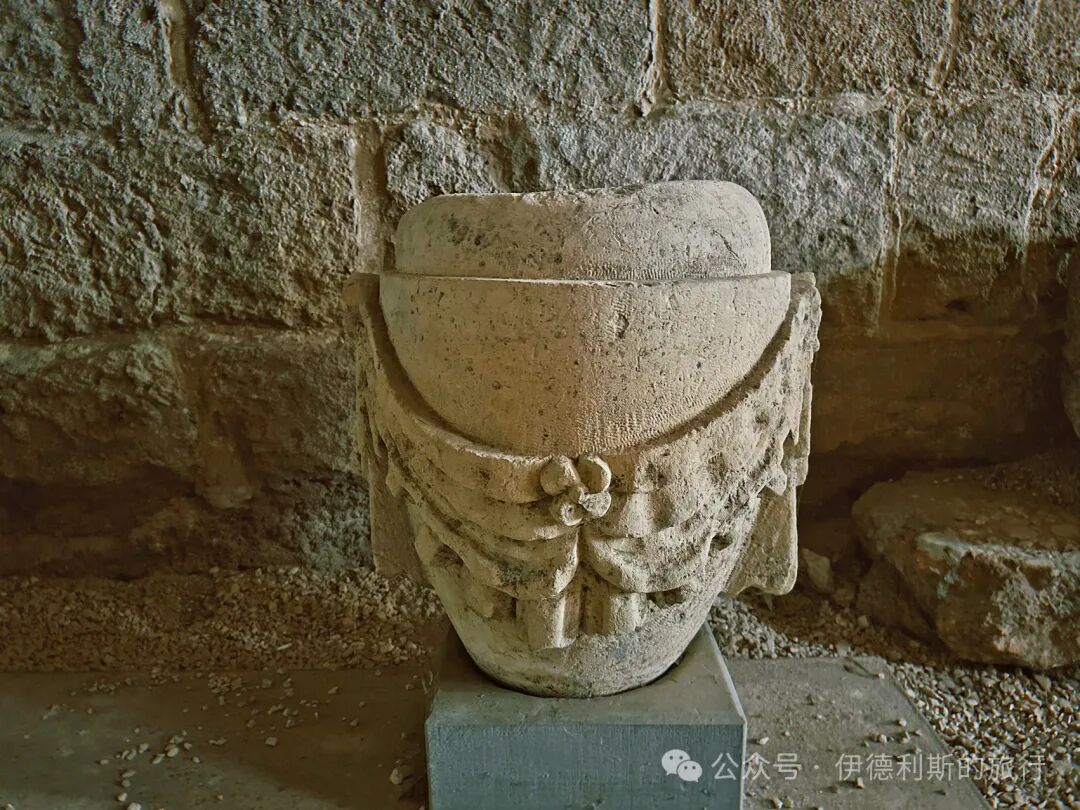
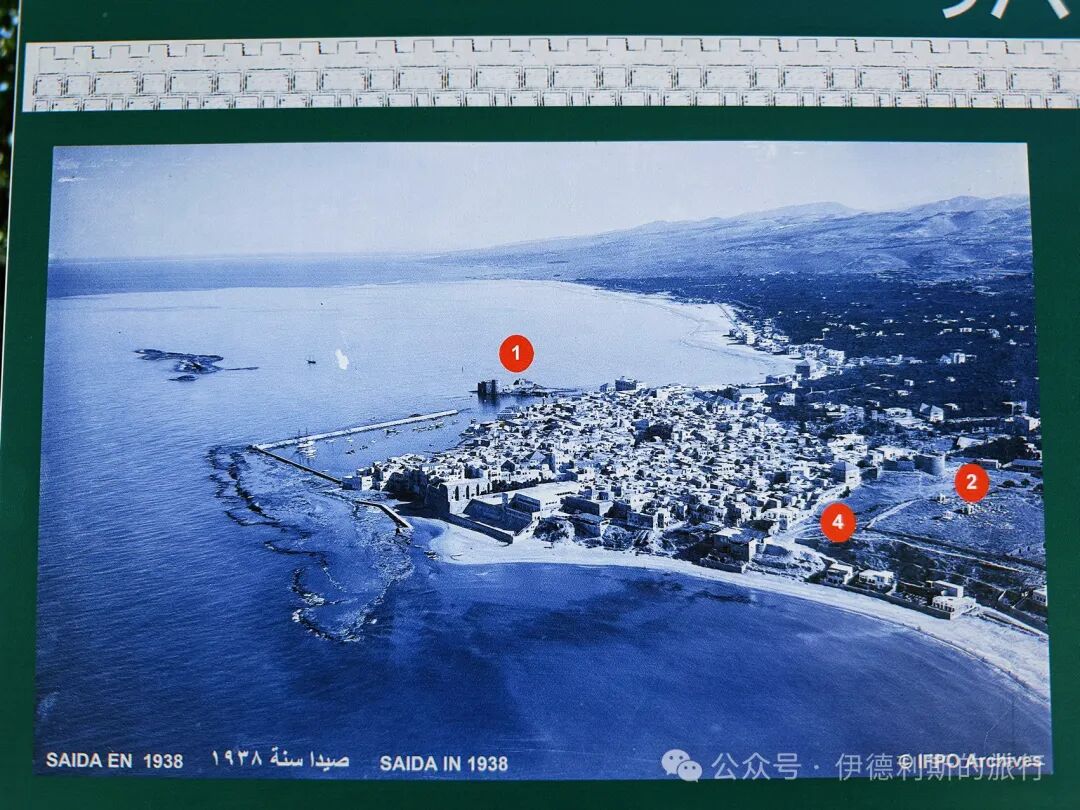
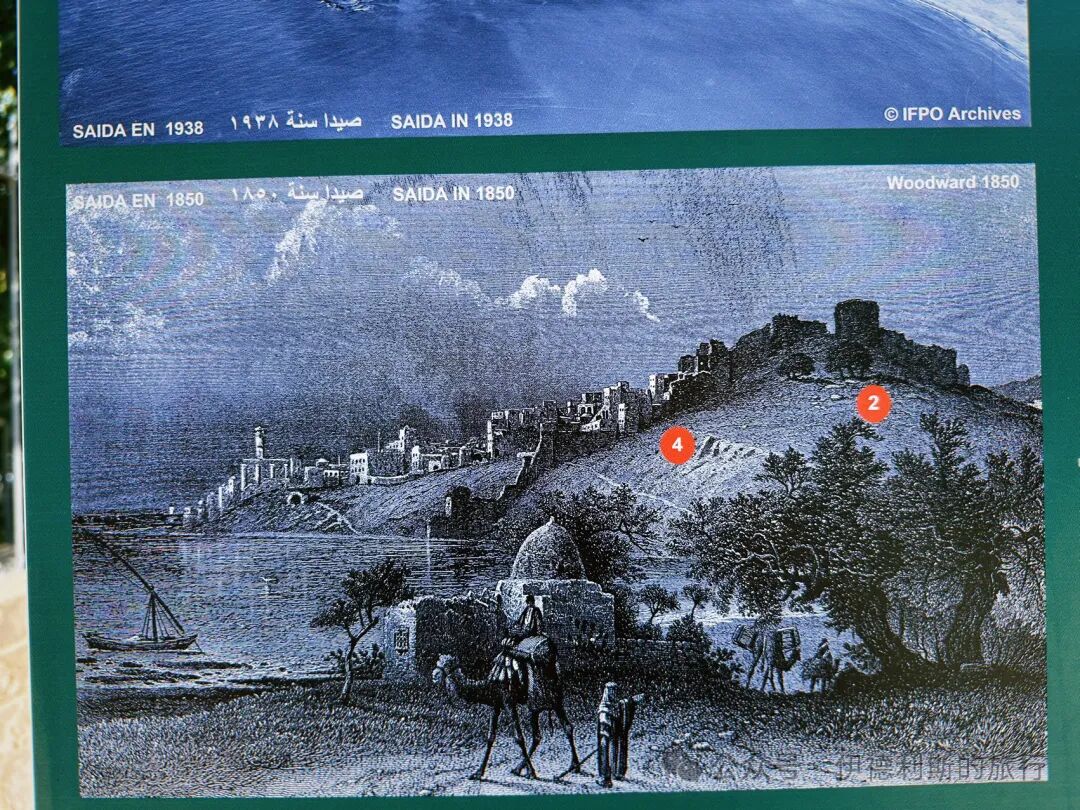
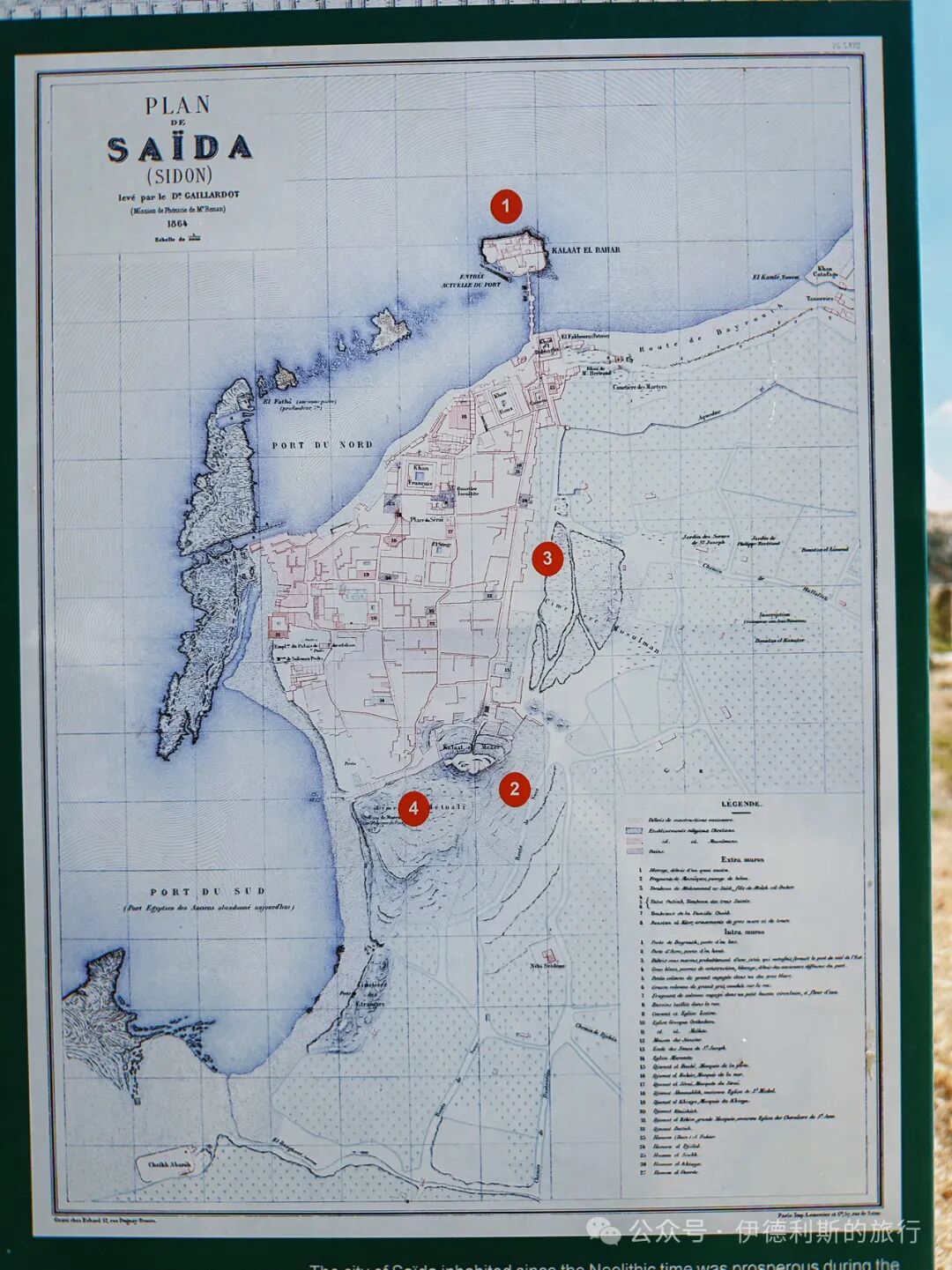
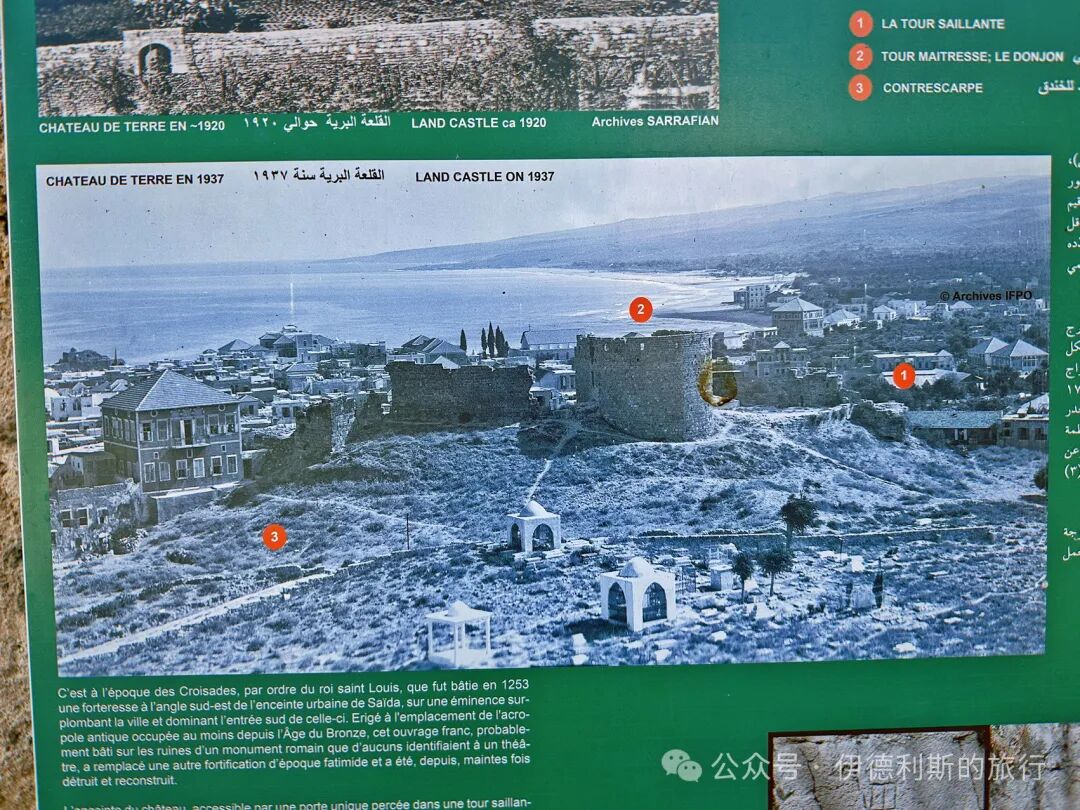
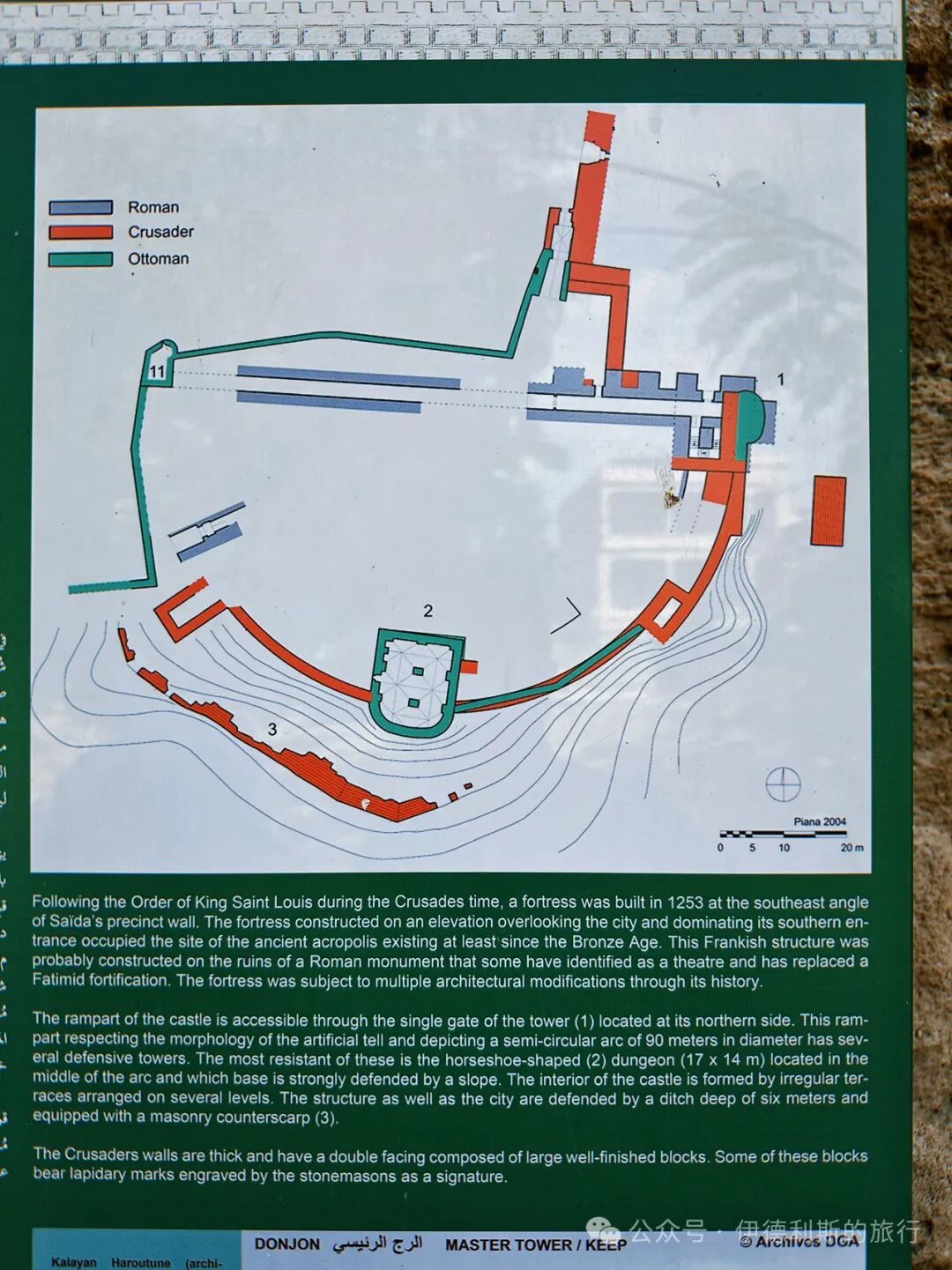
Across from the Sea Castle, another fortress sits on a hill in the south of the old city of Sidon. Together, they guard the old city from both ends.
The Land Castle is also called the Castle of Mu'izz or the Castle of Saint Louis. The fourth caliph of the Fatimid dynasty, al-Mu'izz li-Din Allah (reigned 953–975), ordered it built in the late 10th century and named it the Castle of Mu'izz.
In 1253, King Louis IX of France, known as Saint Louis and a leader of the Seventh Crusade, ordered the walls of Sidon to be rebuilt. The Land Castle was also rebuilt during this time, and it has been called the Castle of Saint Louis ever since. Fakhr al-Din II, the Druze emir who ruled Lebanon in the 17th century, rebuilt the castle again. It later fell into ruin, and parts of the walls collapsed during the late Ottoman era.
After Israel expelled large numbers of Palestinians in 1948, the Land Castle served as a shelter for Palestinian refugees. To persecute the Palestinian refugees, Israel ruthlessly shelled the Land Castle, causing further damage. These scars now stand as a witness to the suffering of the Palestinian people.
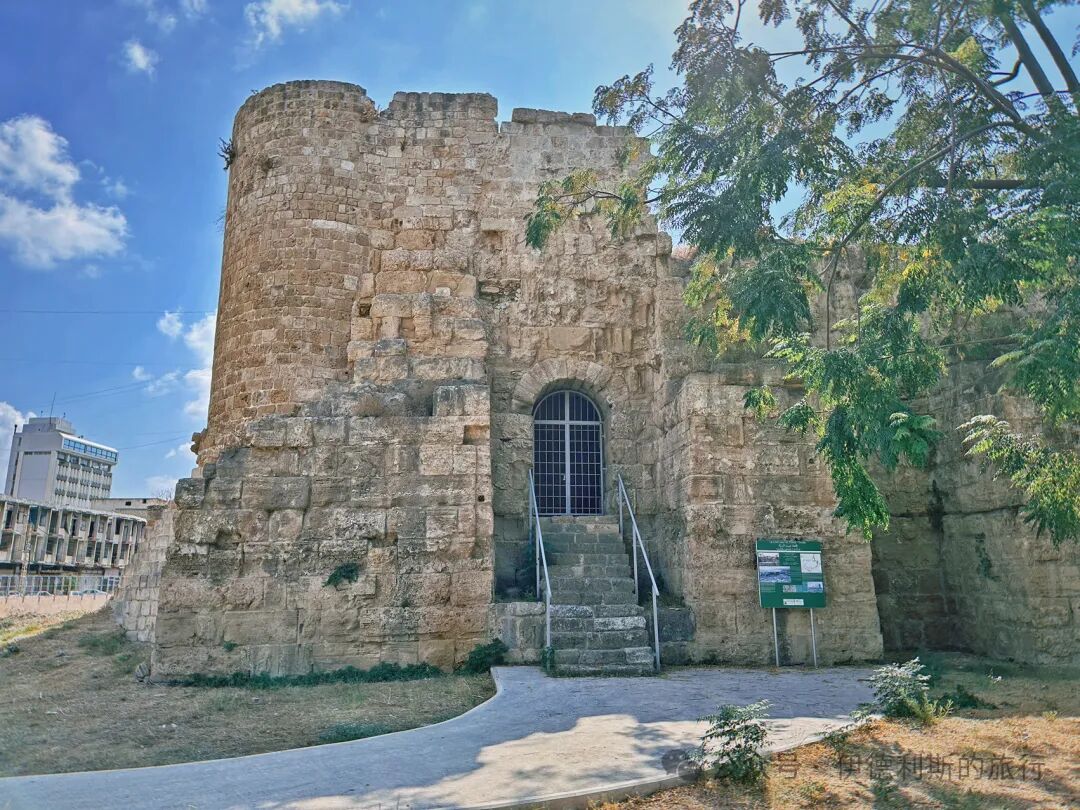
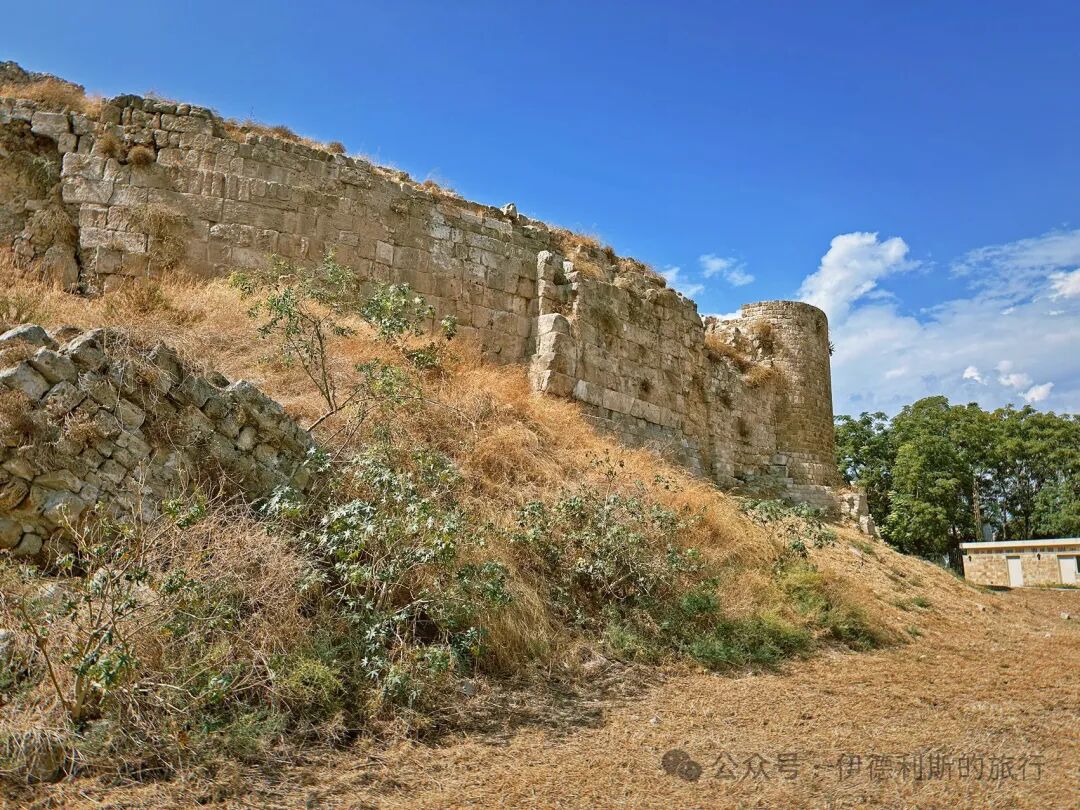
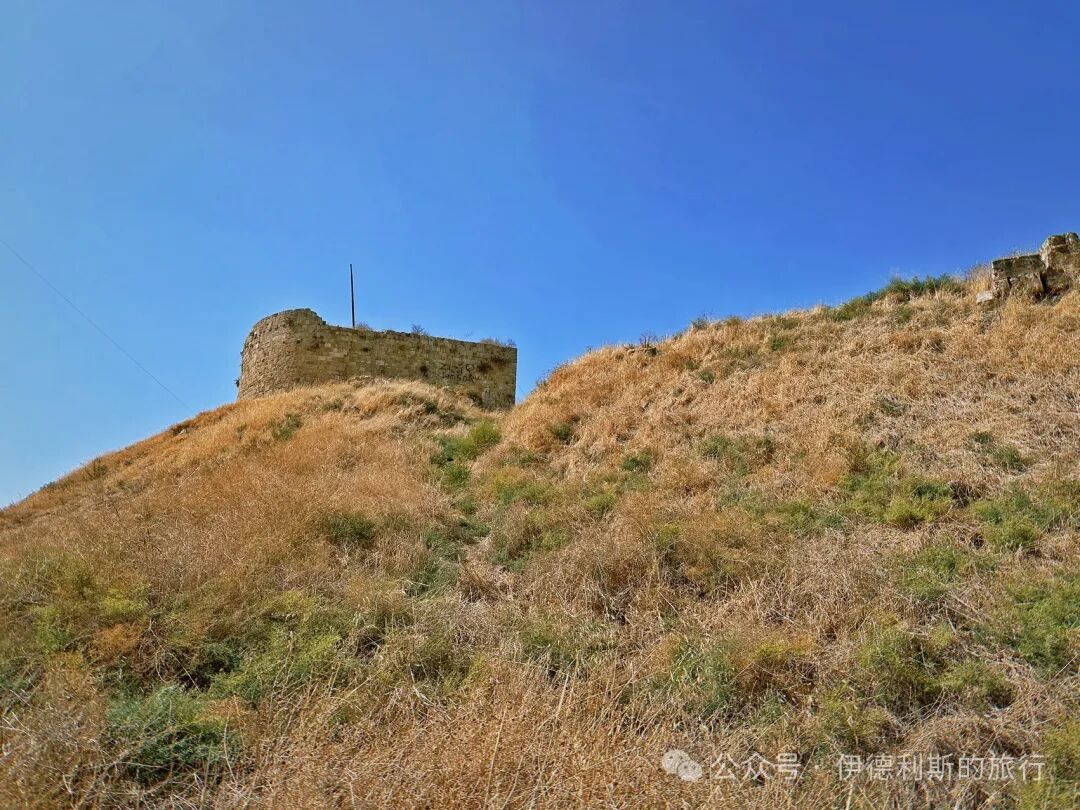
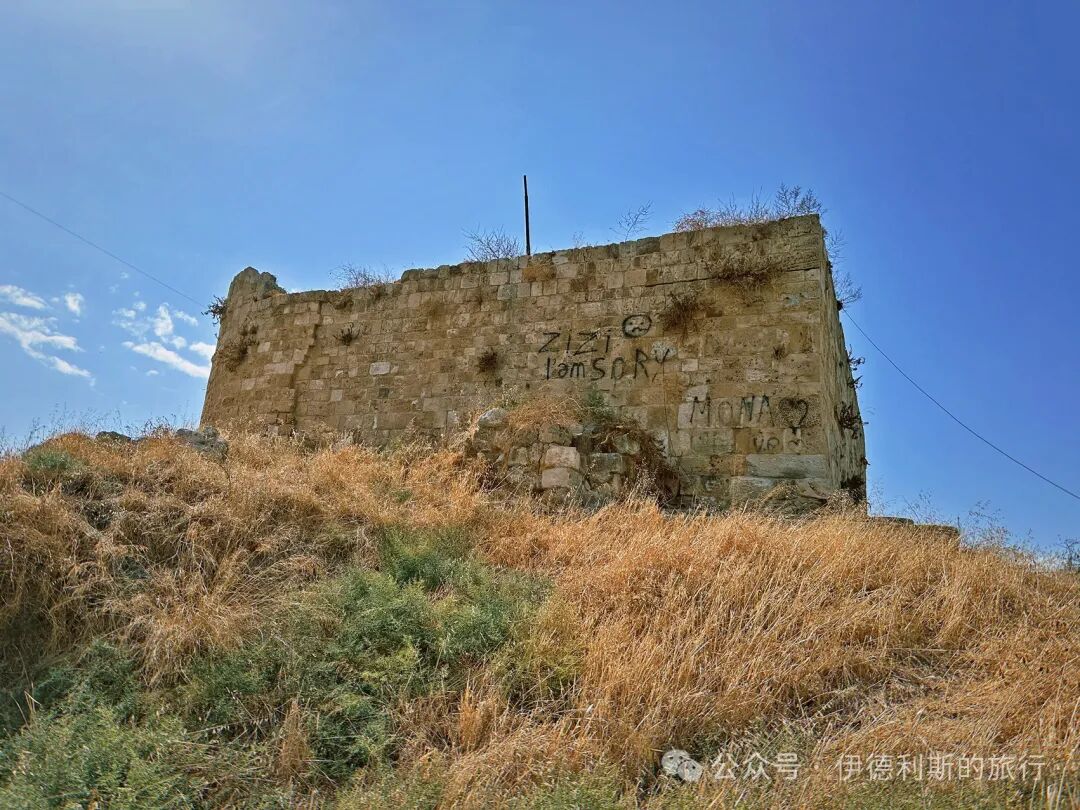
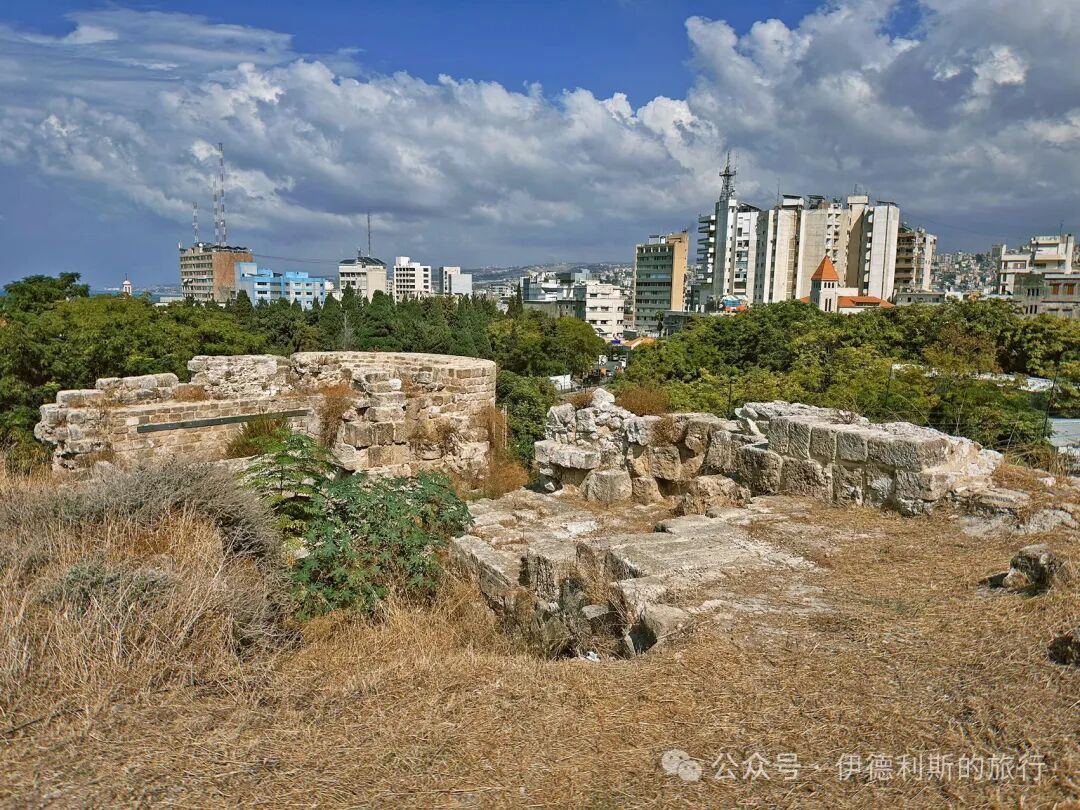
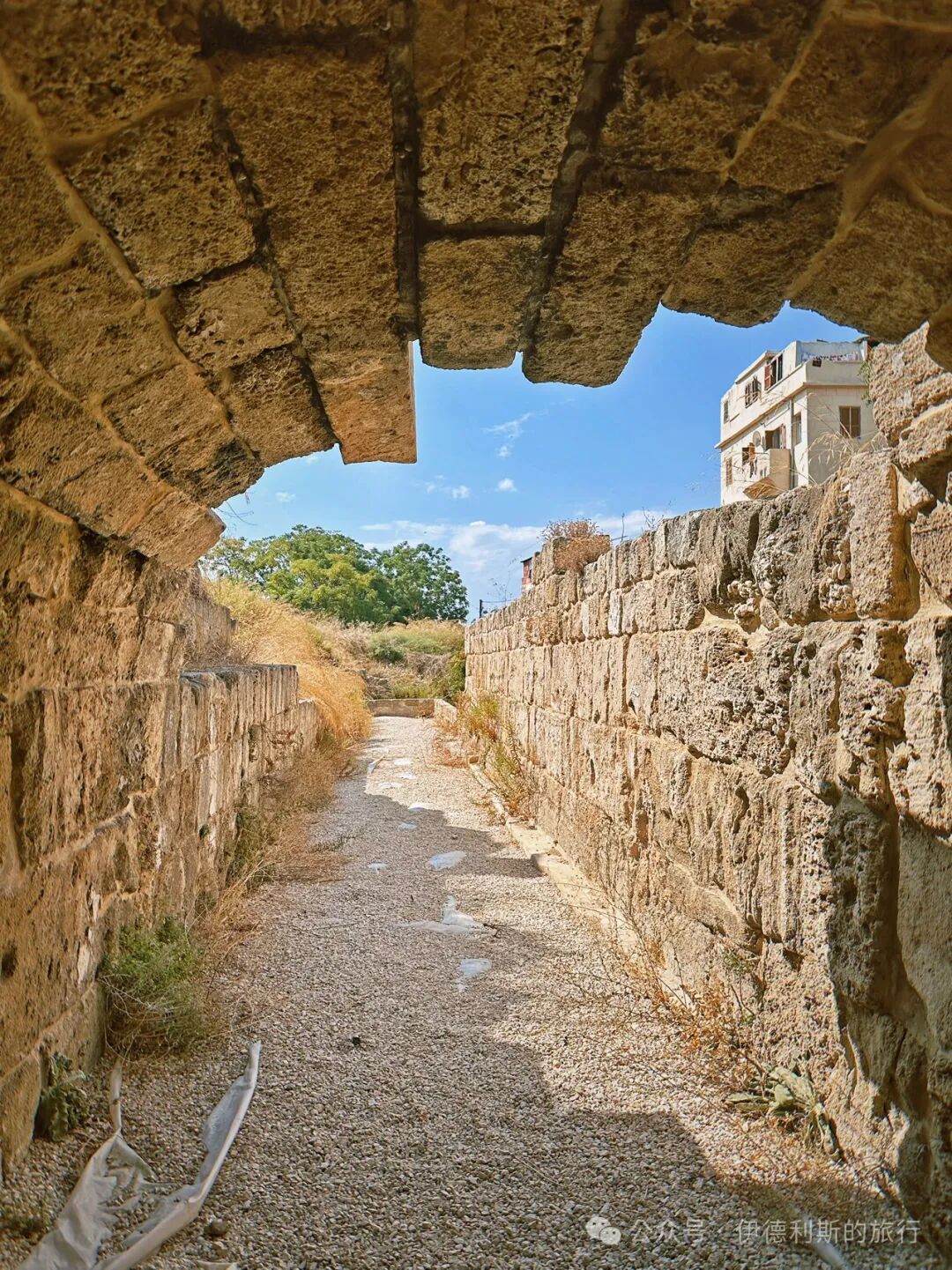
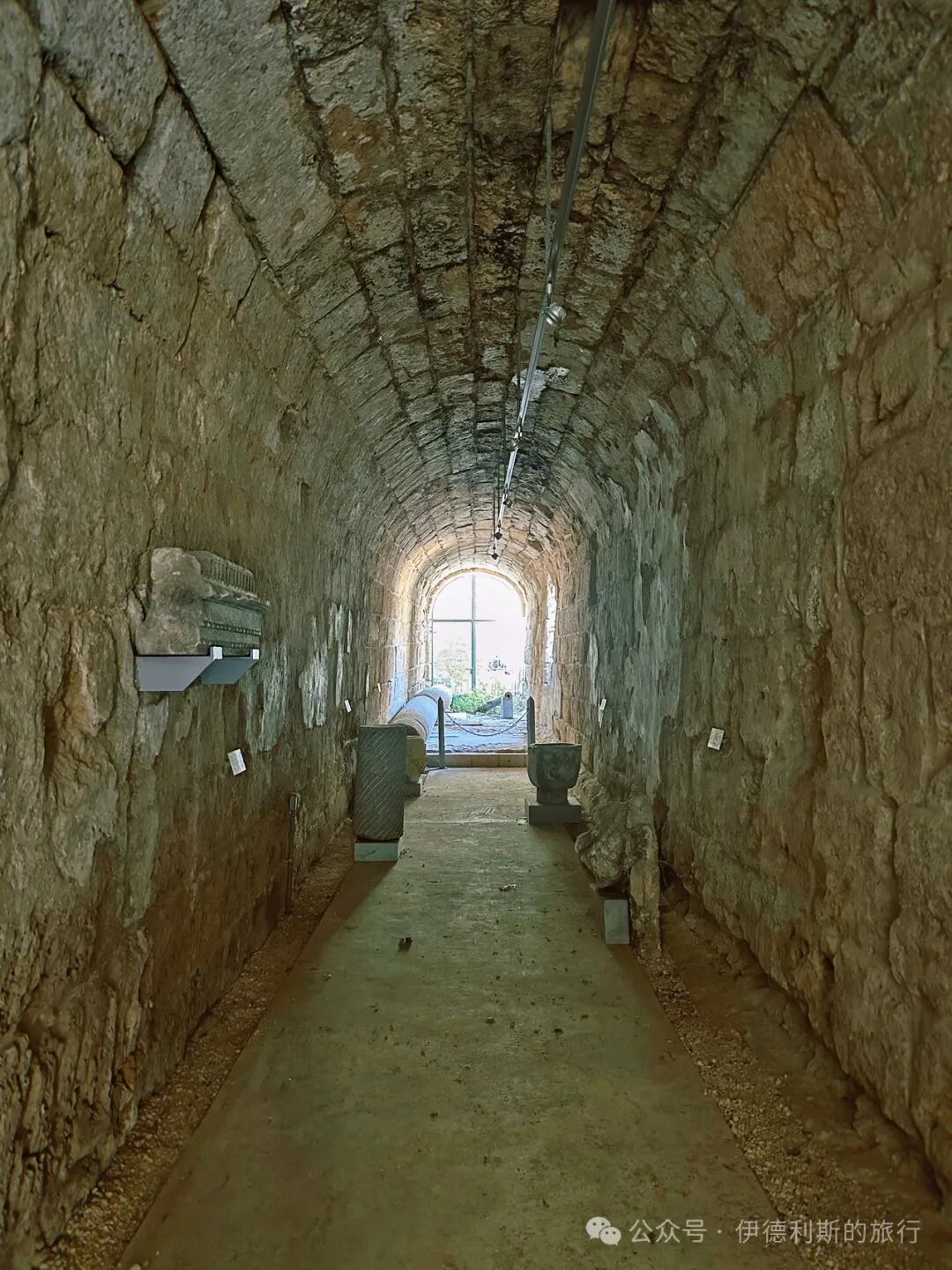
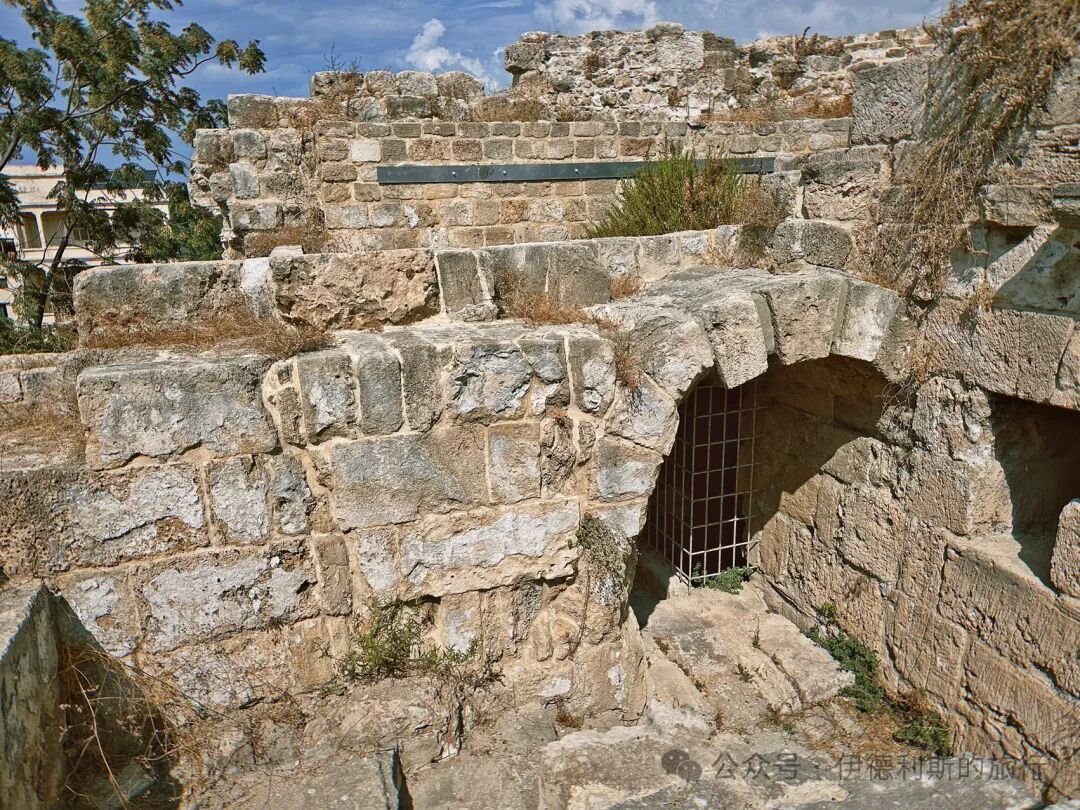
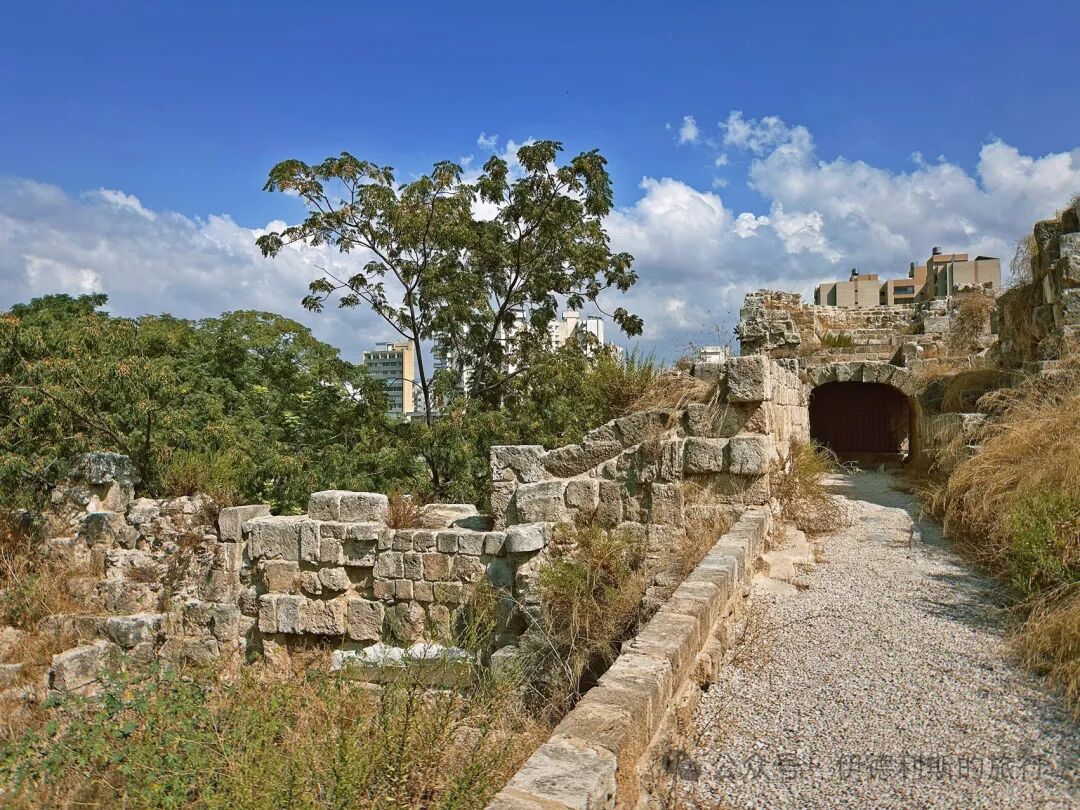
Before it became a Fatimid fortress, the hill where the Land Castle stands held an important place as far back as the Phoenician era, more than 1,000 years before the common era. On the hillside next to the castle, you can see many crushed murex shells. These are the waste left behind by the Phoenicians more than 3,000 years ago when they used the shells to make purple dye. Tyrian purple is also called Phoenician purple or royal purple, because only Roman emperors could wear clothes dyed with it during the Roman Empire.
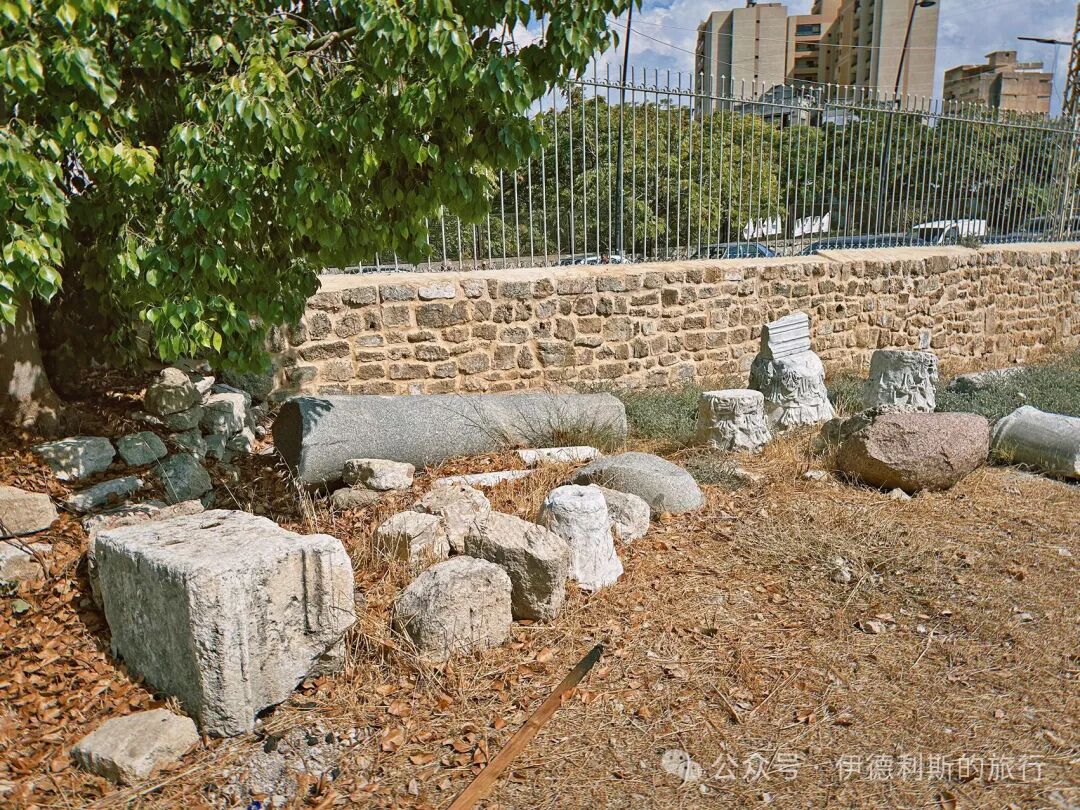
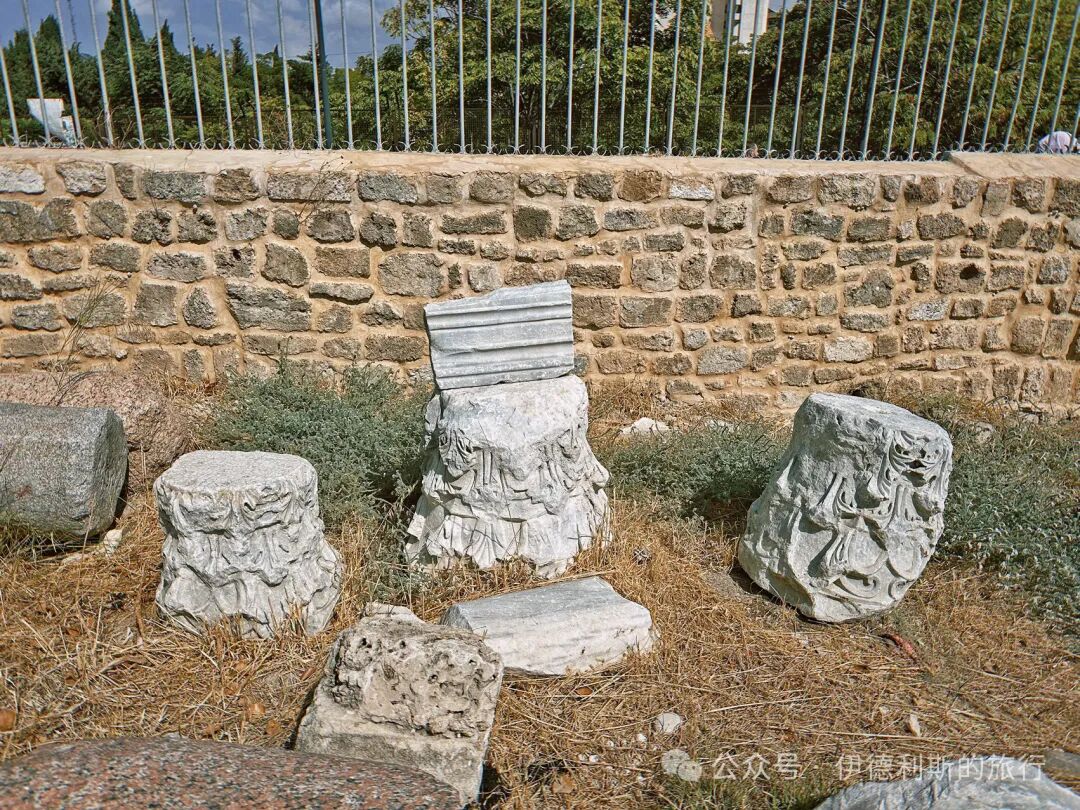
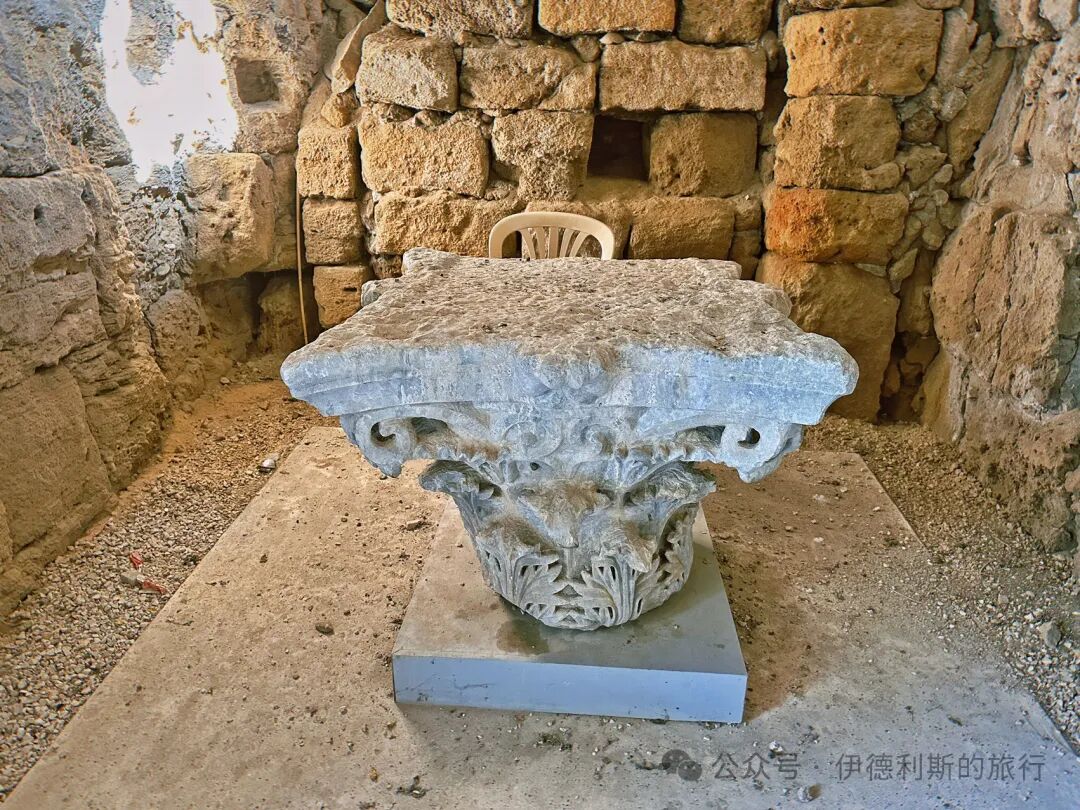
Roman Emperor Elagabalus (reigned 218-222) established a colony in Sidon, and archaeological excavations of the land castle revealed ruins of Roman-era buildings. These ruins might include a Roman theater, so researchers suggest this was the site of the Roman-era acropolis of Sidon.
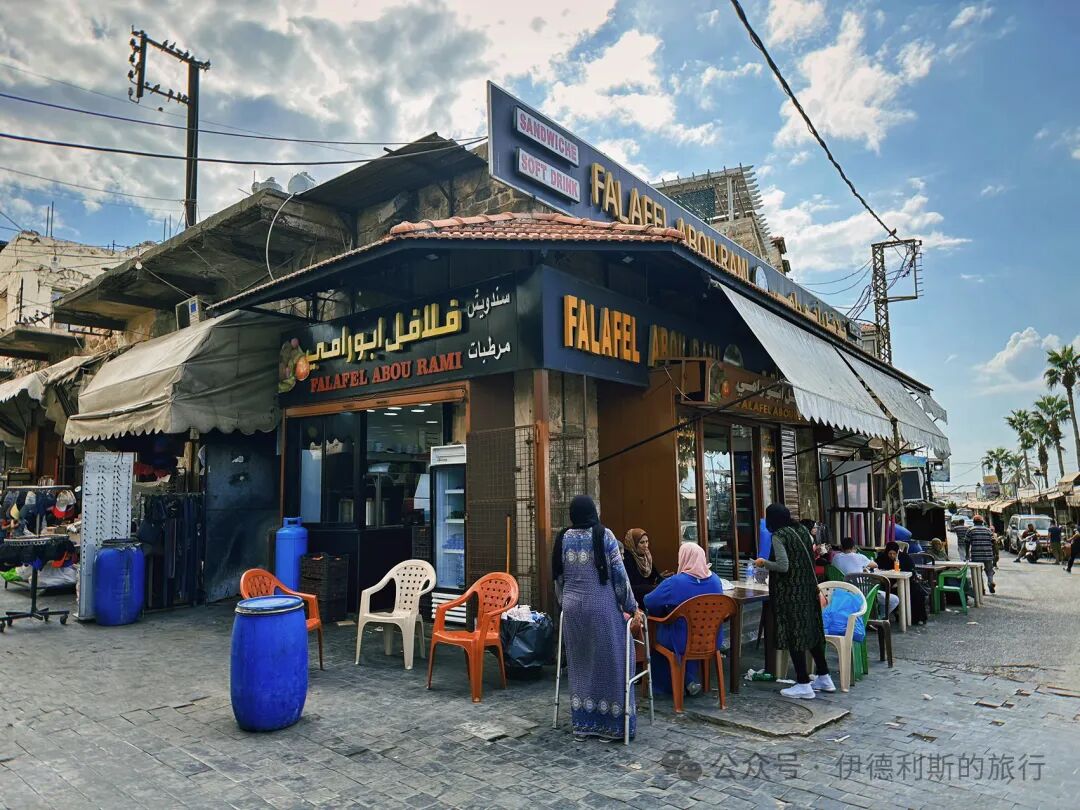
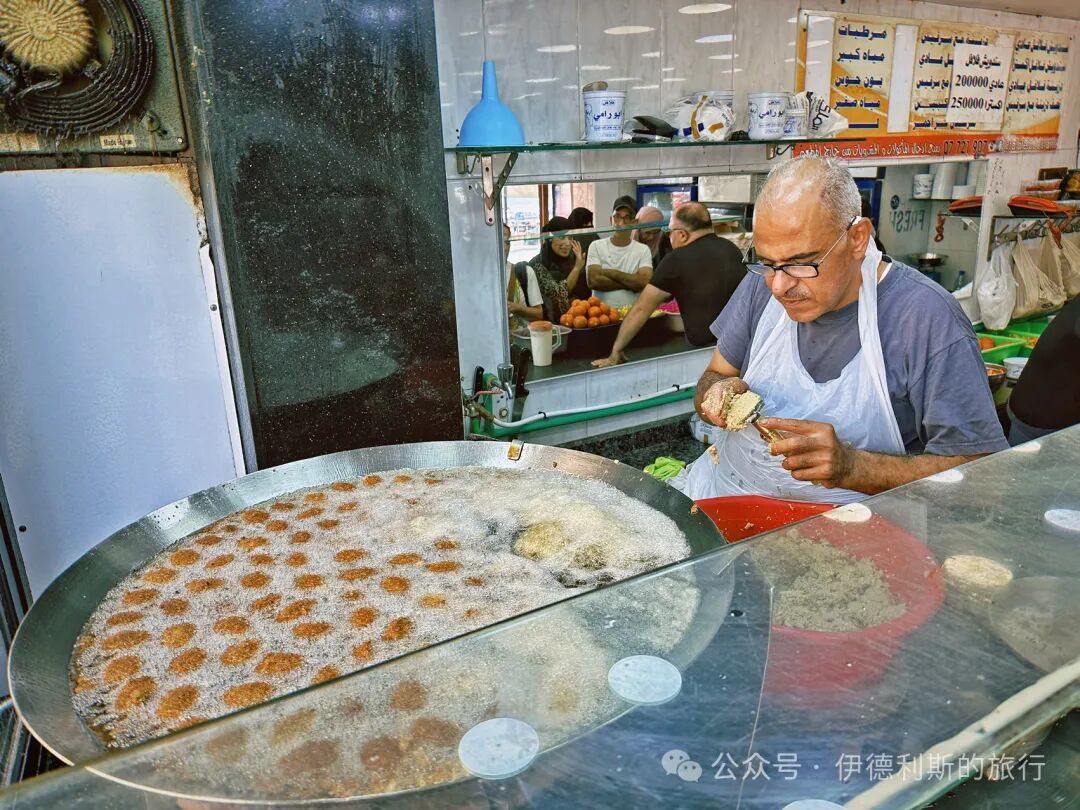
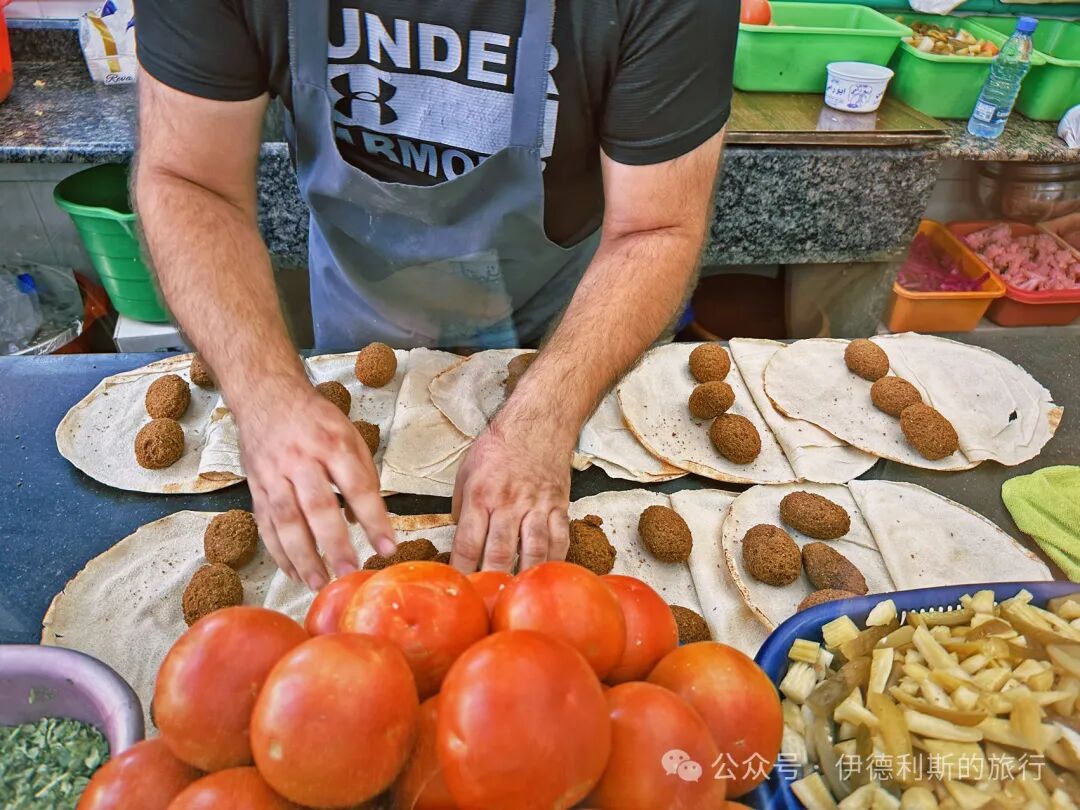
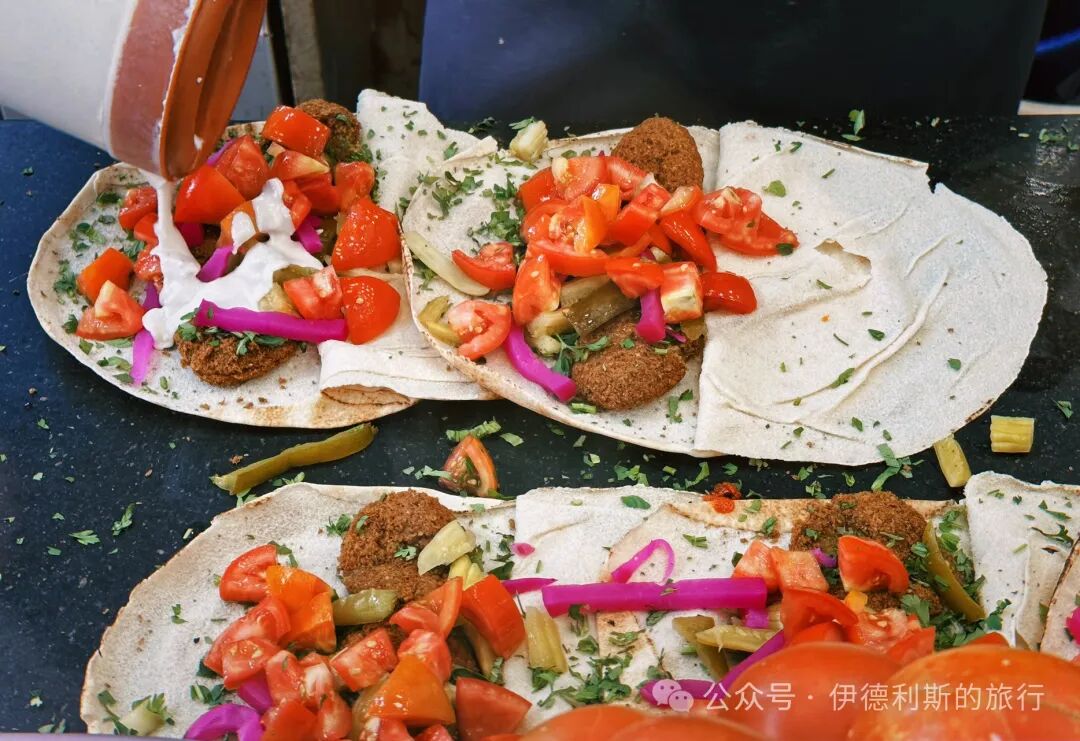
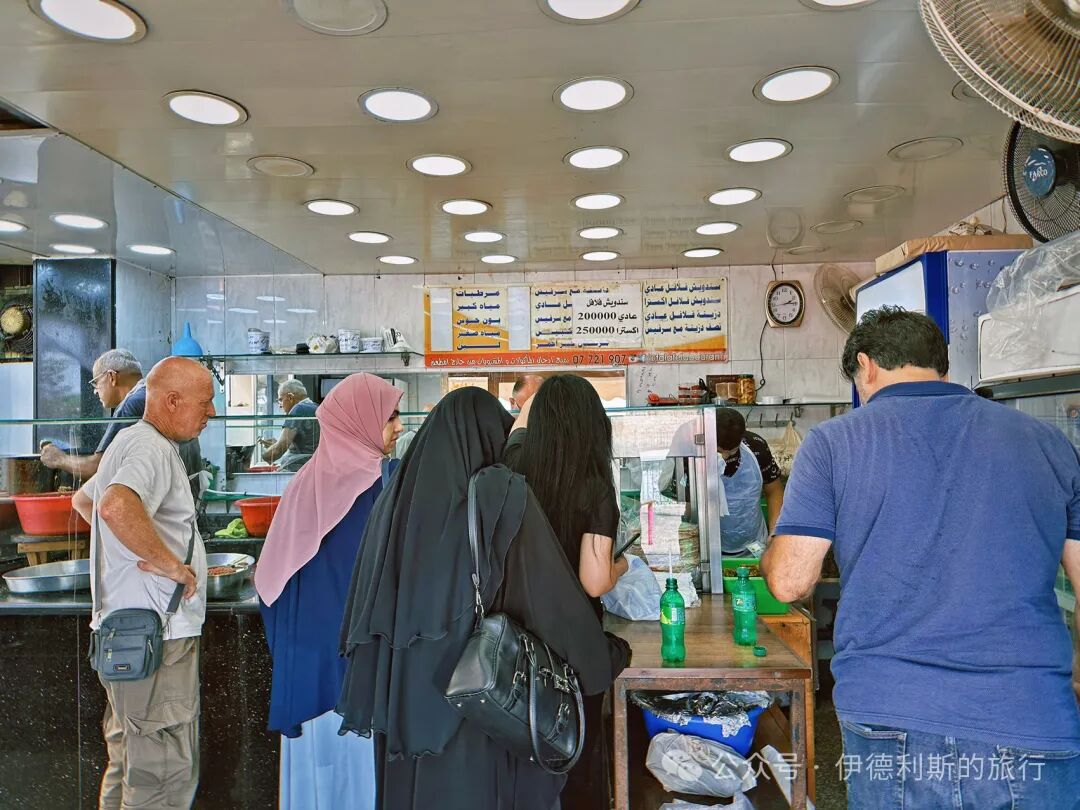
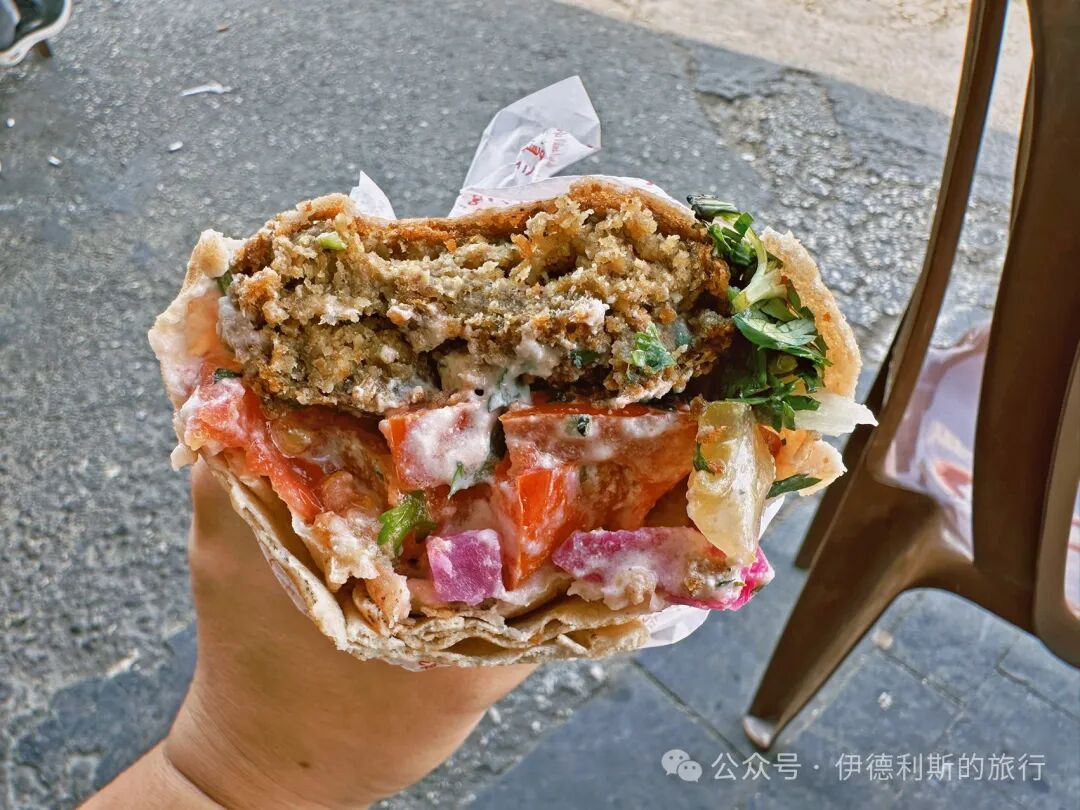
After visiting the castle, we went to the famous falafel shop in the old city, Falafel Abou Rami. They opened in 1988 and are very famous in Lebanon. Their falafel is made from a mix of chickpeas and fava beans, and they fry it fresh to order. You can add pickled cucumbers, pickled tomatoes, and yogurt to make a salad, or wrap it in flatbread. We bought one wrap and it was enough for two people; the portion is huge!
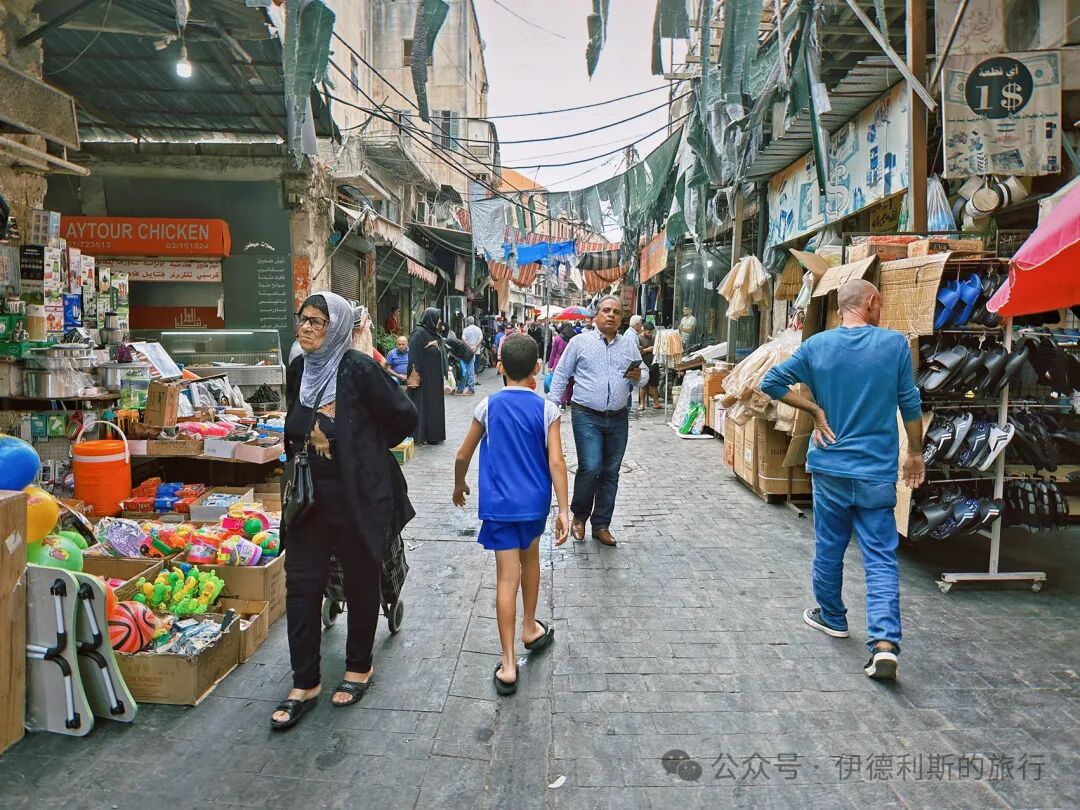
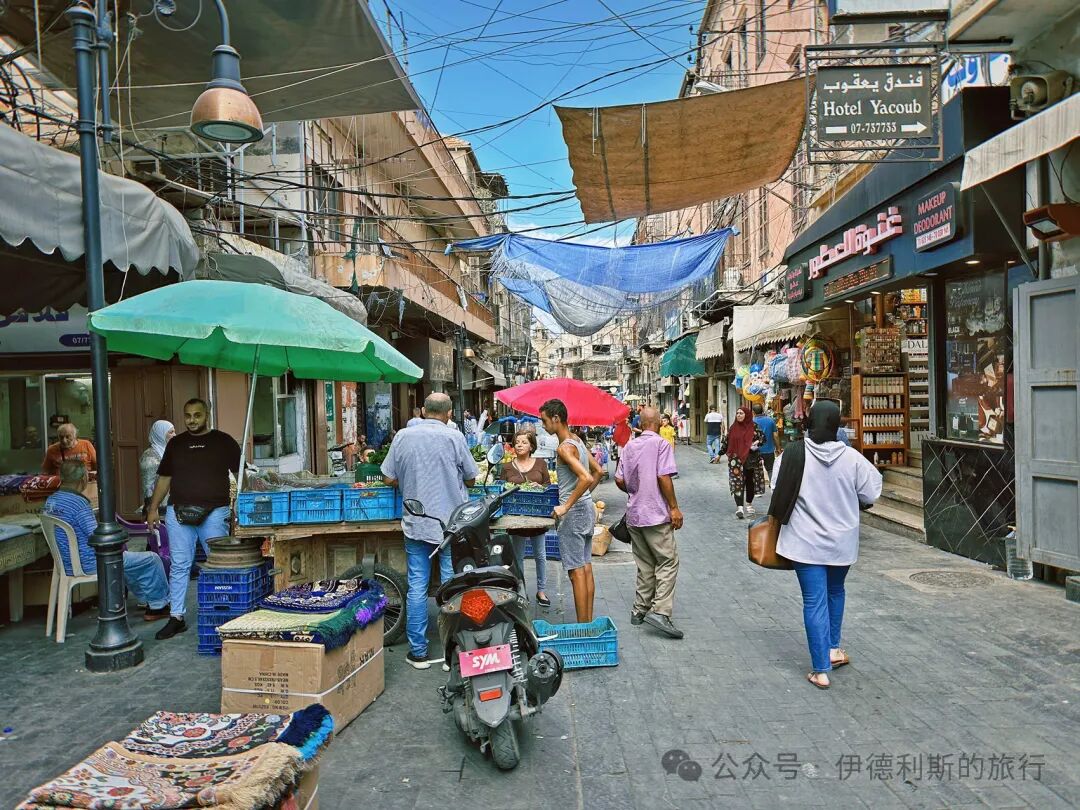
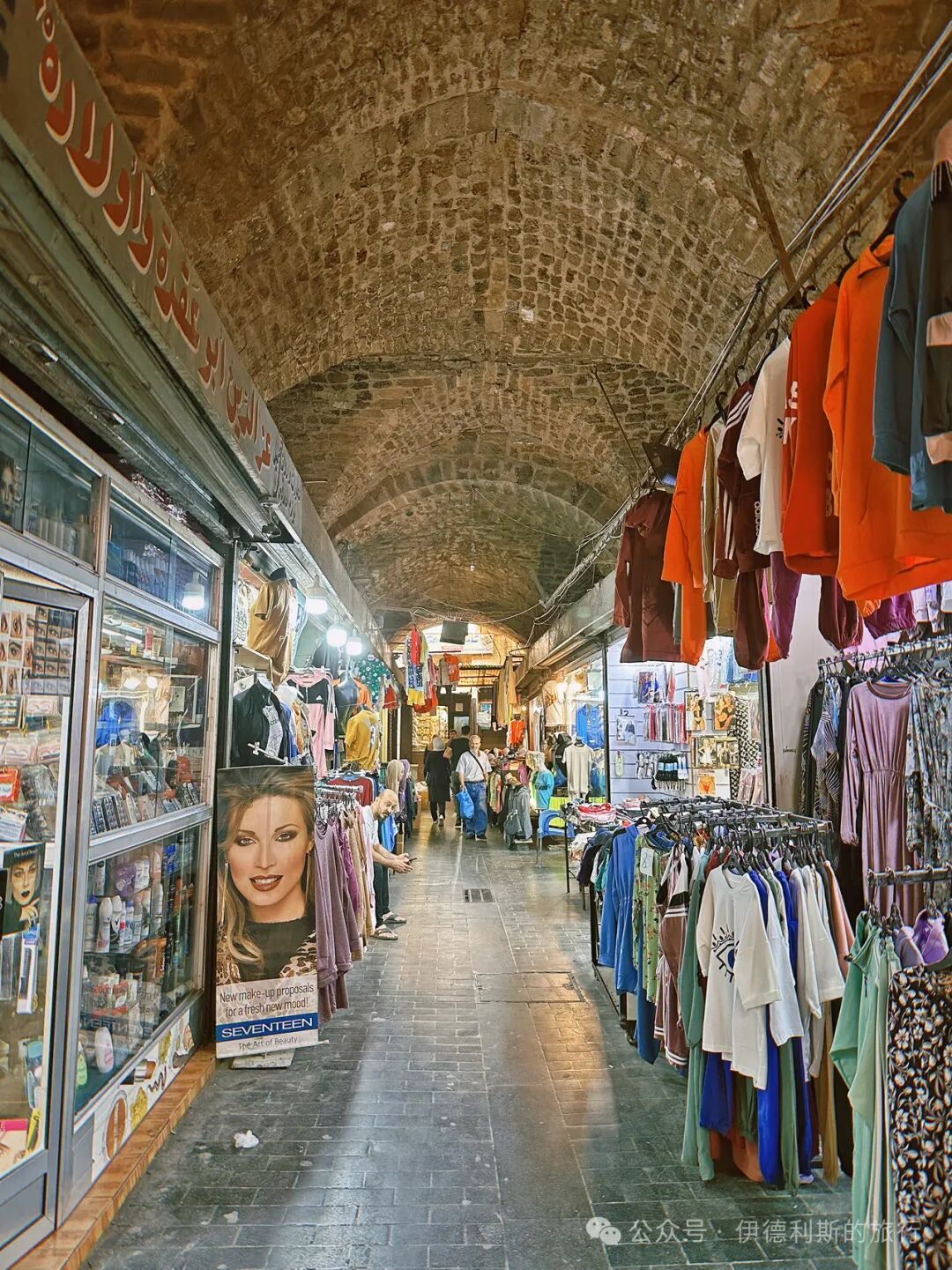
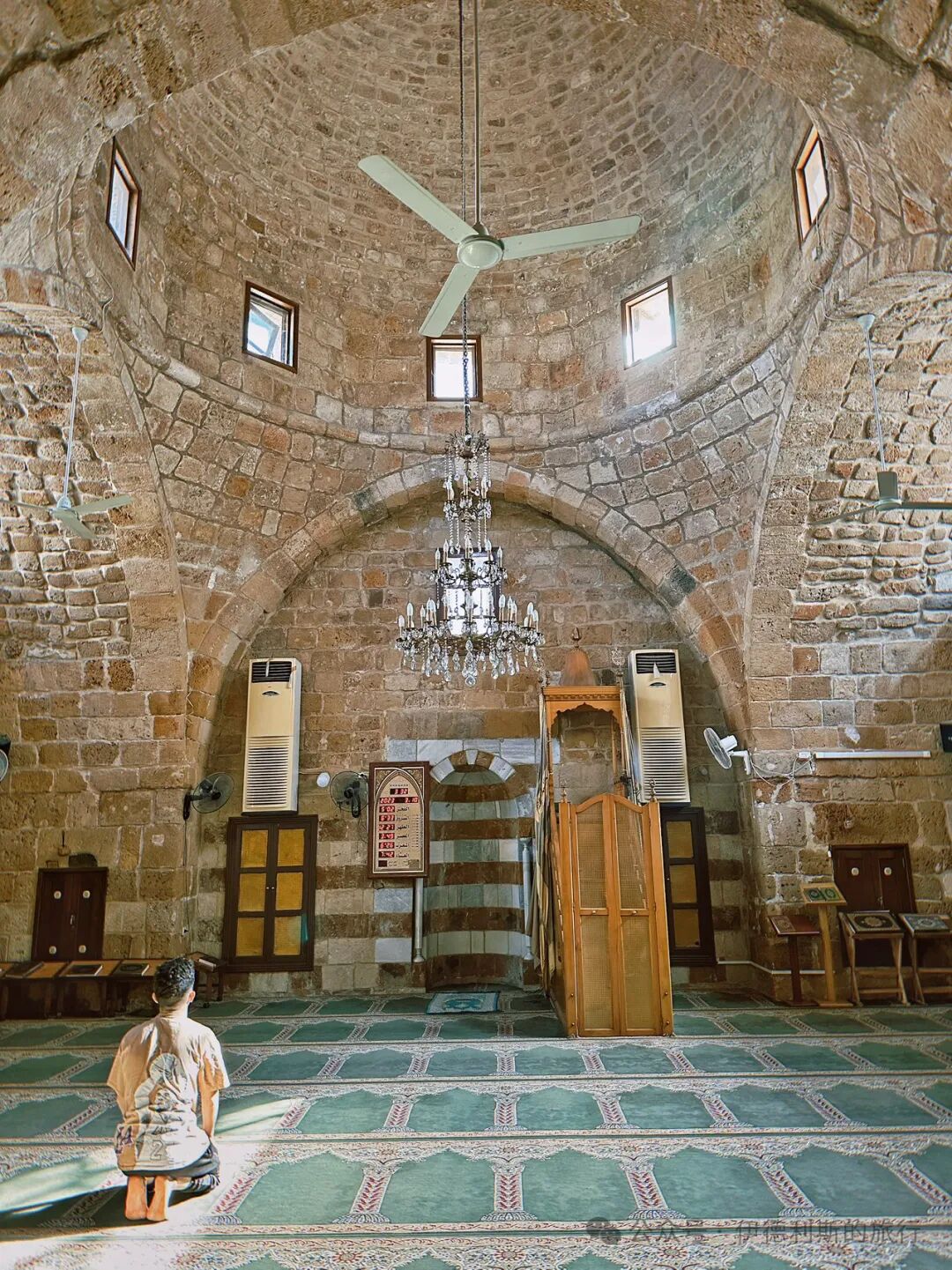
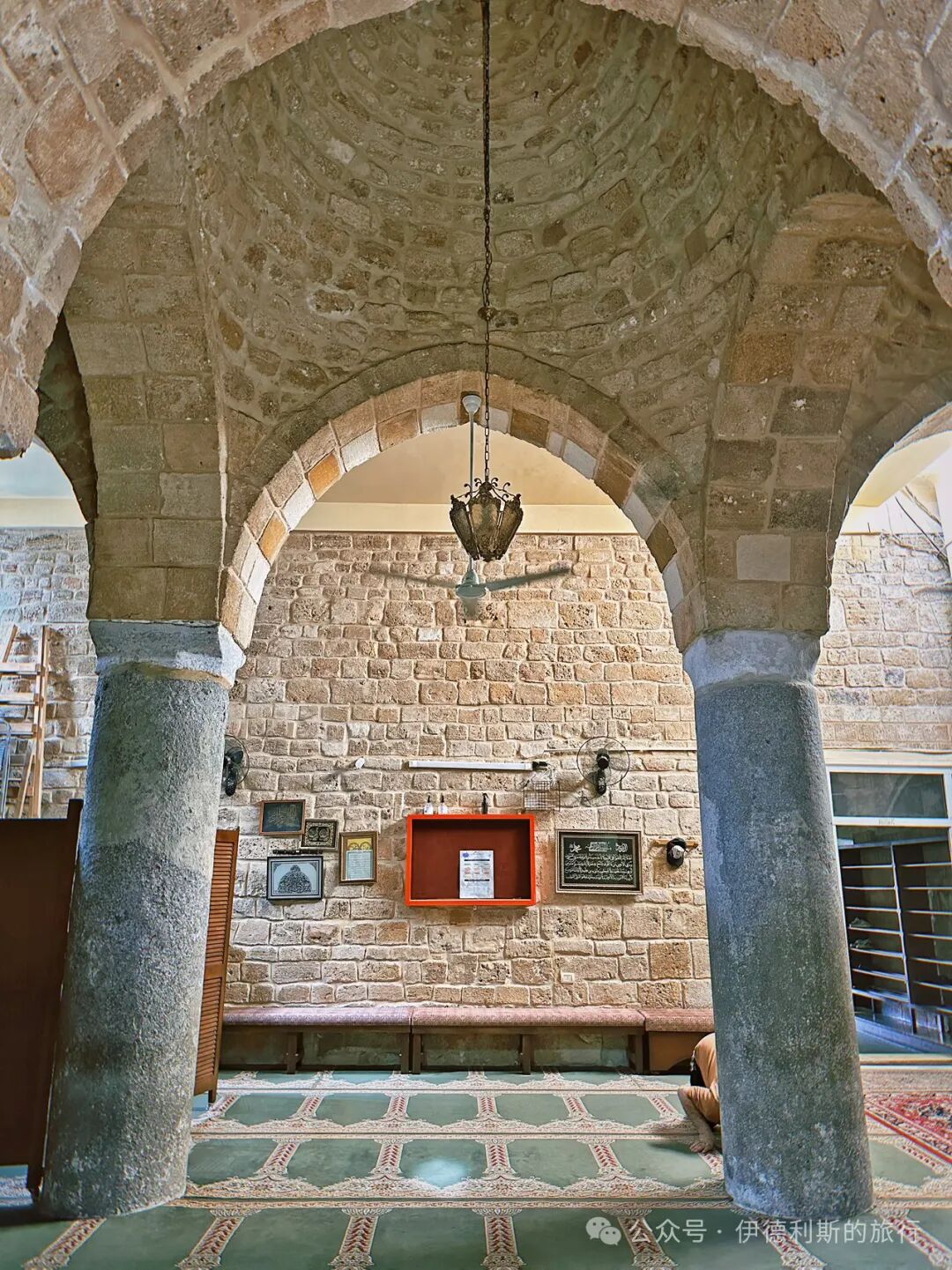
In the afternoon, we prayed the Maghrib namaz at Al-Bahr Mosque by the sea in the ancient city of Sidon. Hassan bin Sawah donated the funds to build Al-Bahr Mosque in 1373. It features Mamluk-era architecture, including thick walls and cross-vaulted ceilings, and uses granite columns from the ancient Roman period.
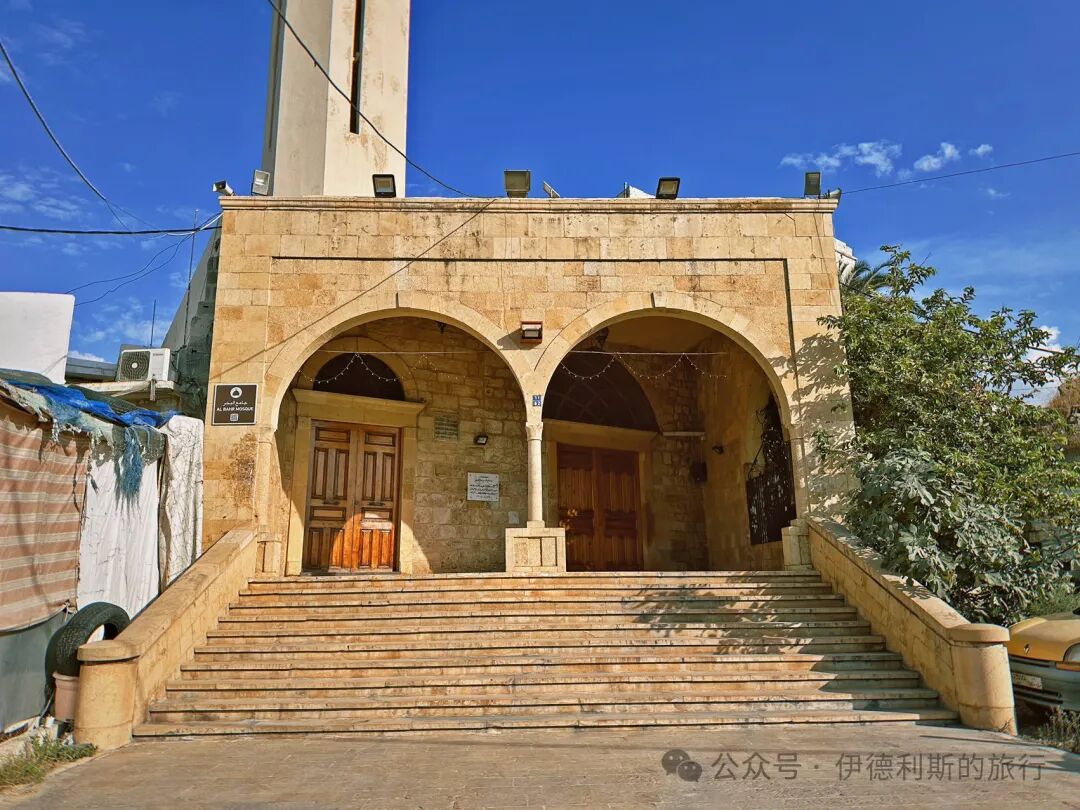
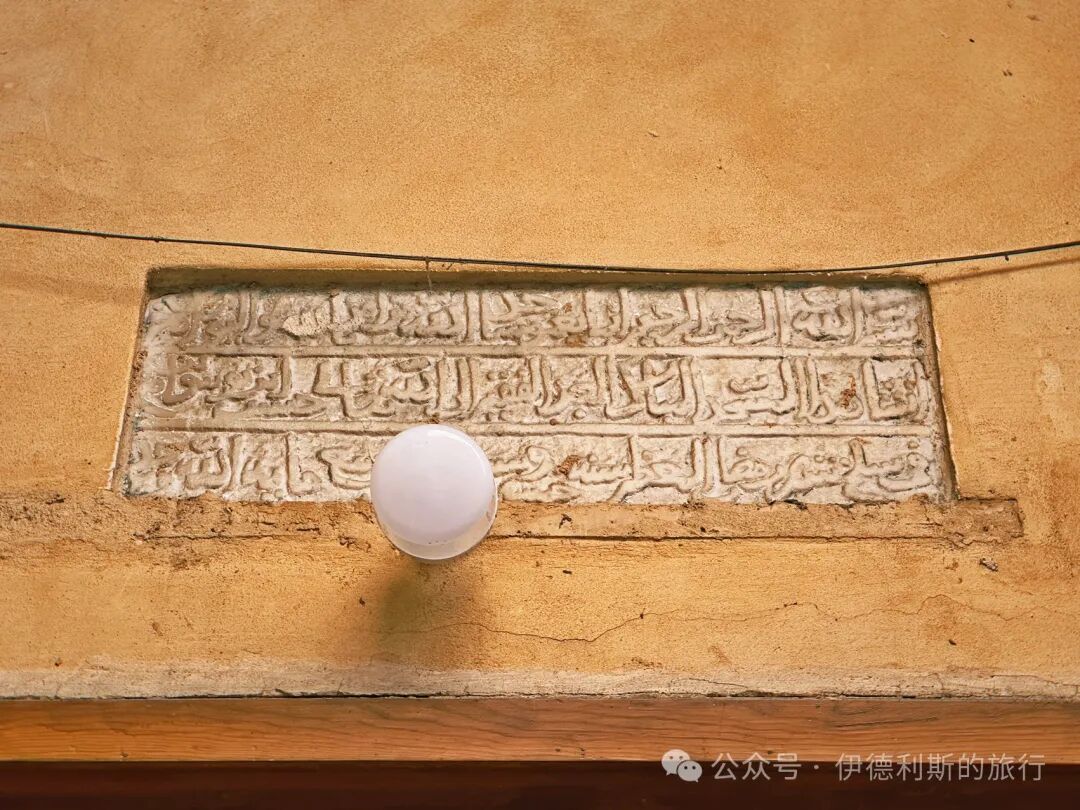
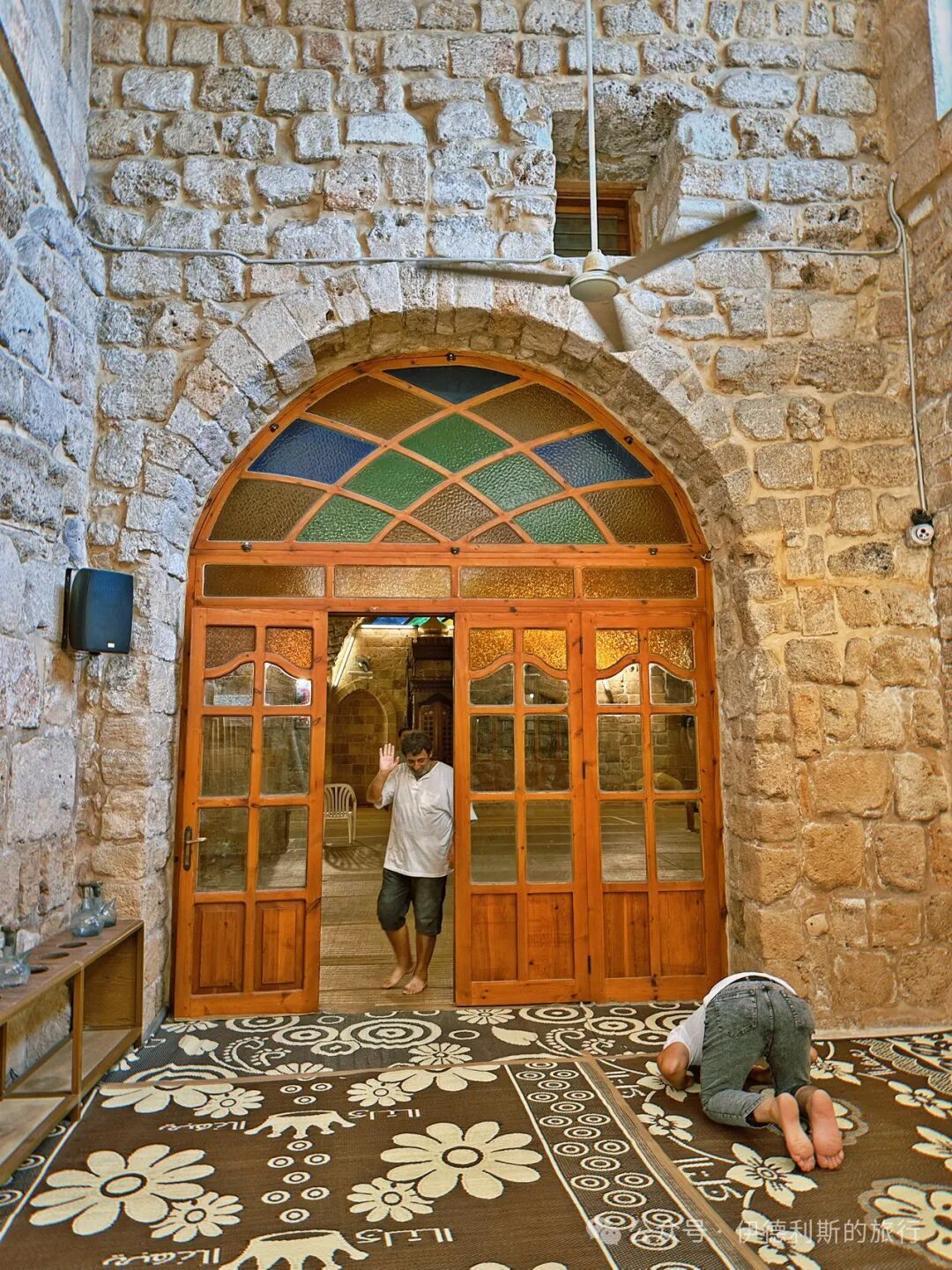
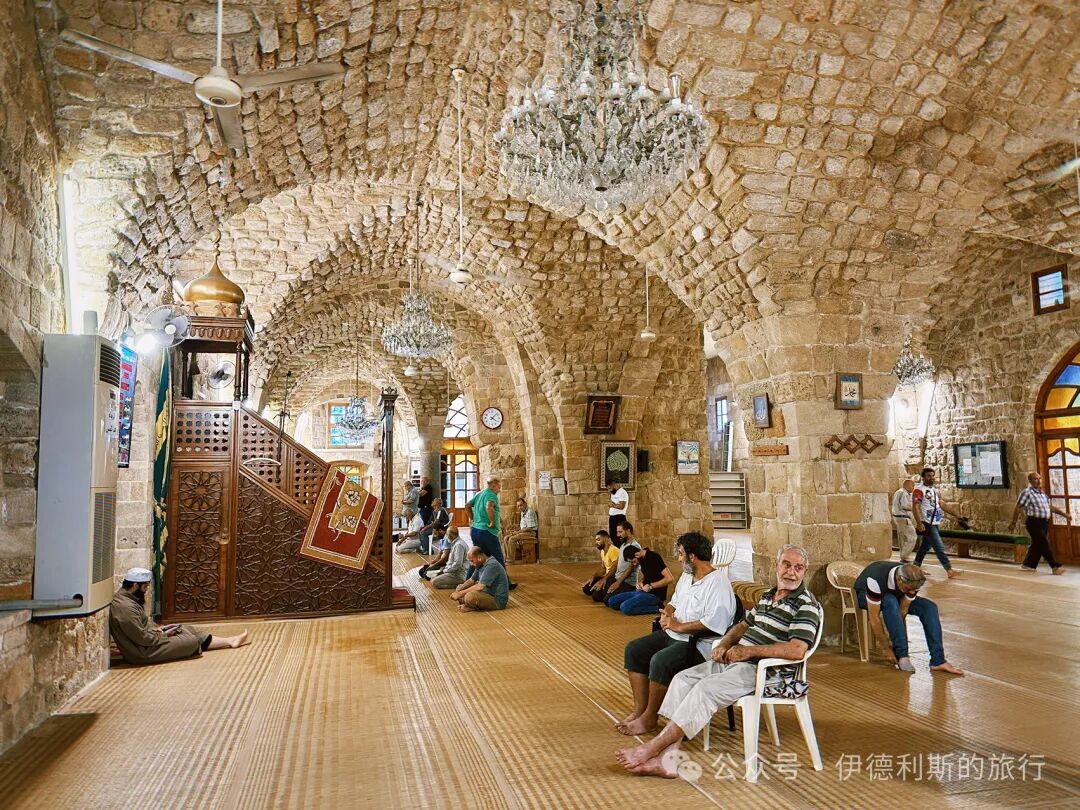
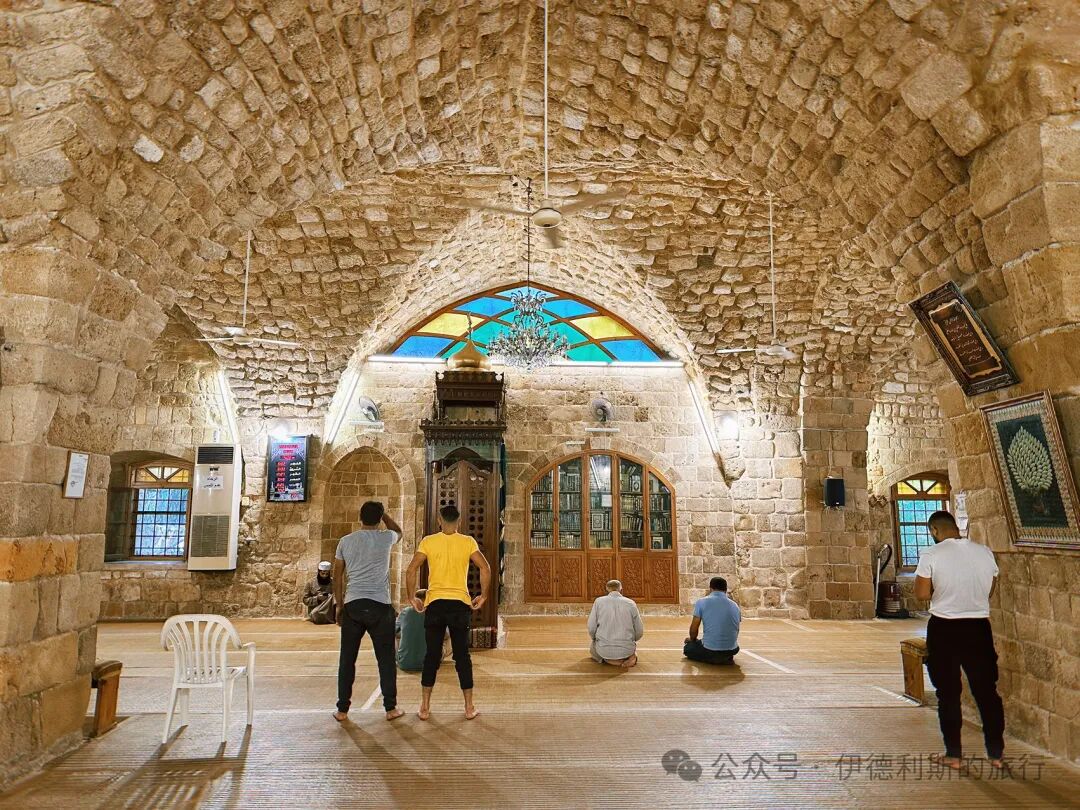
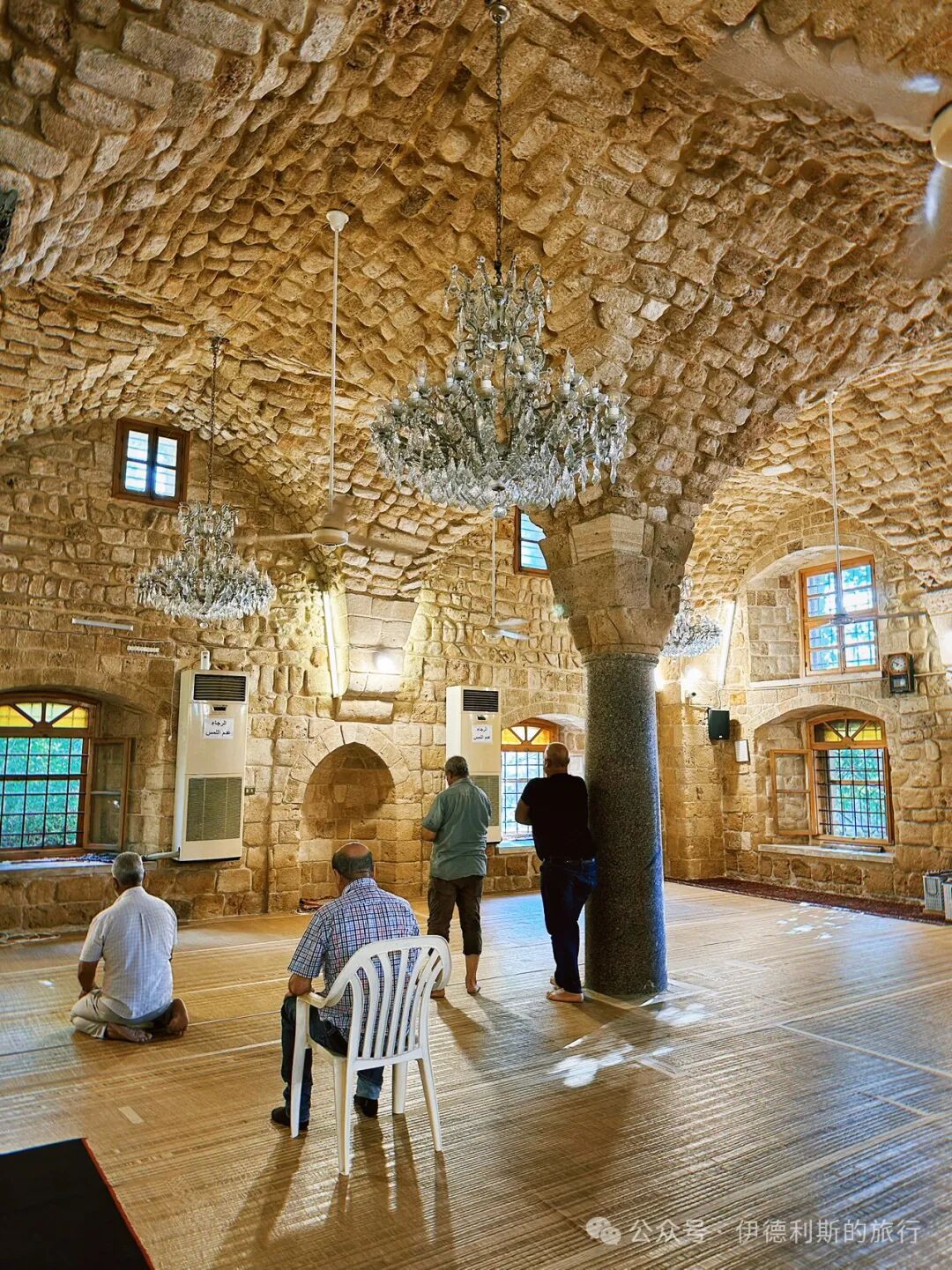
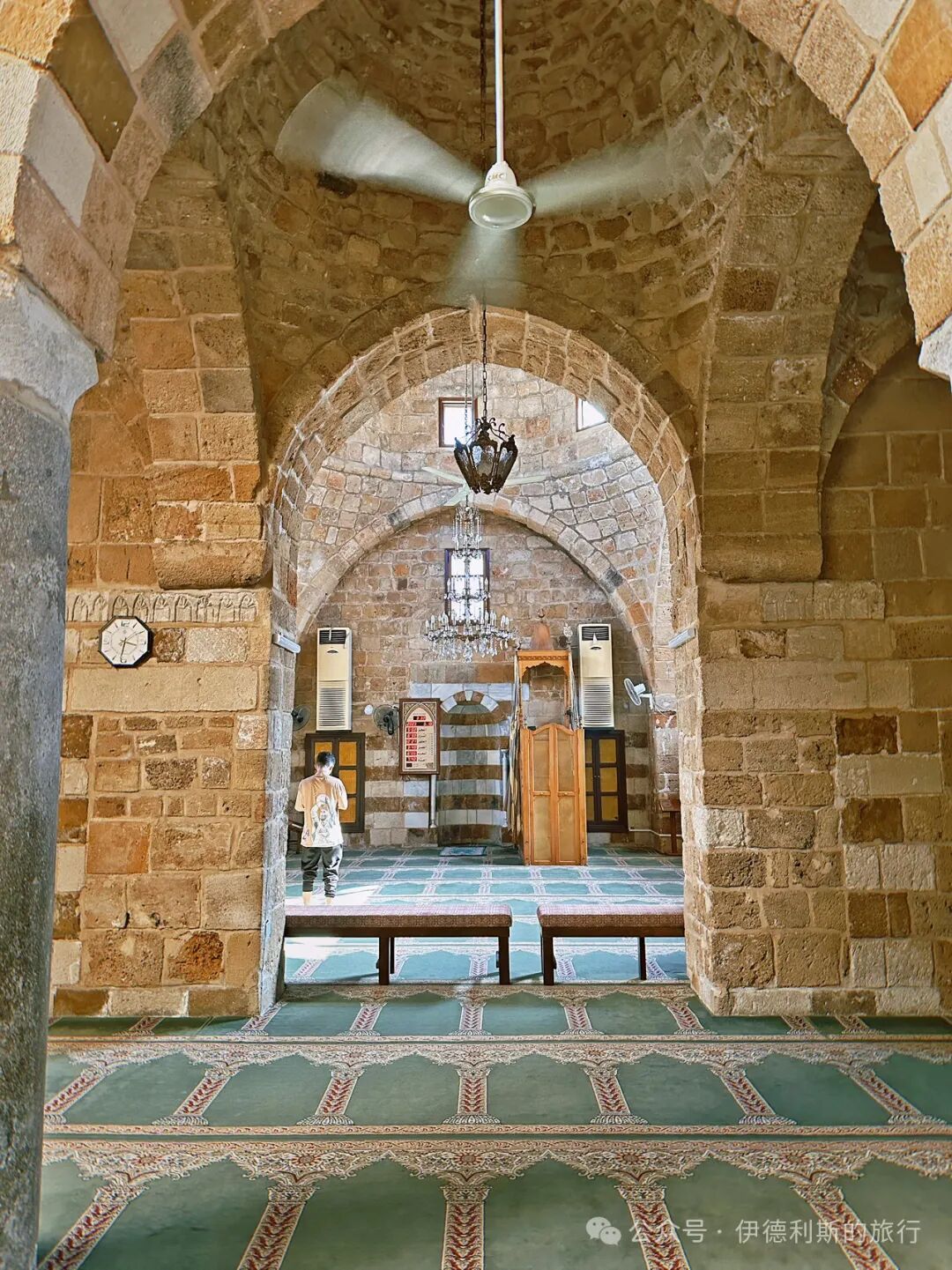
Afterward, we went to El Barrane Mosque at the entrance of the market on the north side of the ancient city. Many mosques in Lebanon only open for the five daily prayers and stay locked at other times. This mosque was built between the late 16th and early 17th centuries during the reign of the Druze Emir Fakhr al-Din II. Barrani means "outside" because the mosque was located outside the Beirut Gate, the north gate of the ancient city, at that time.
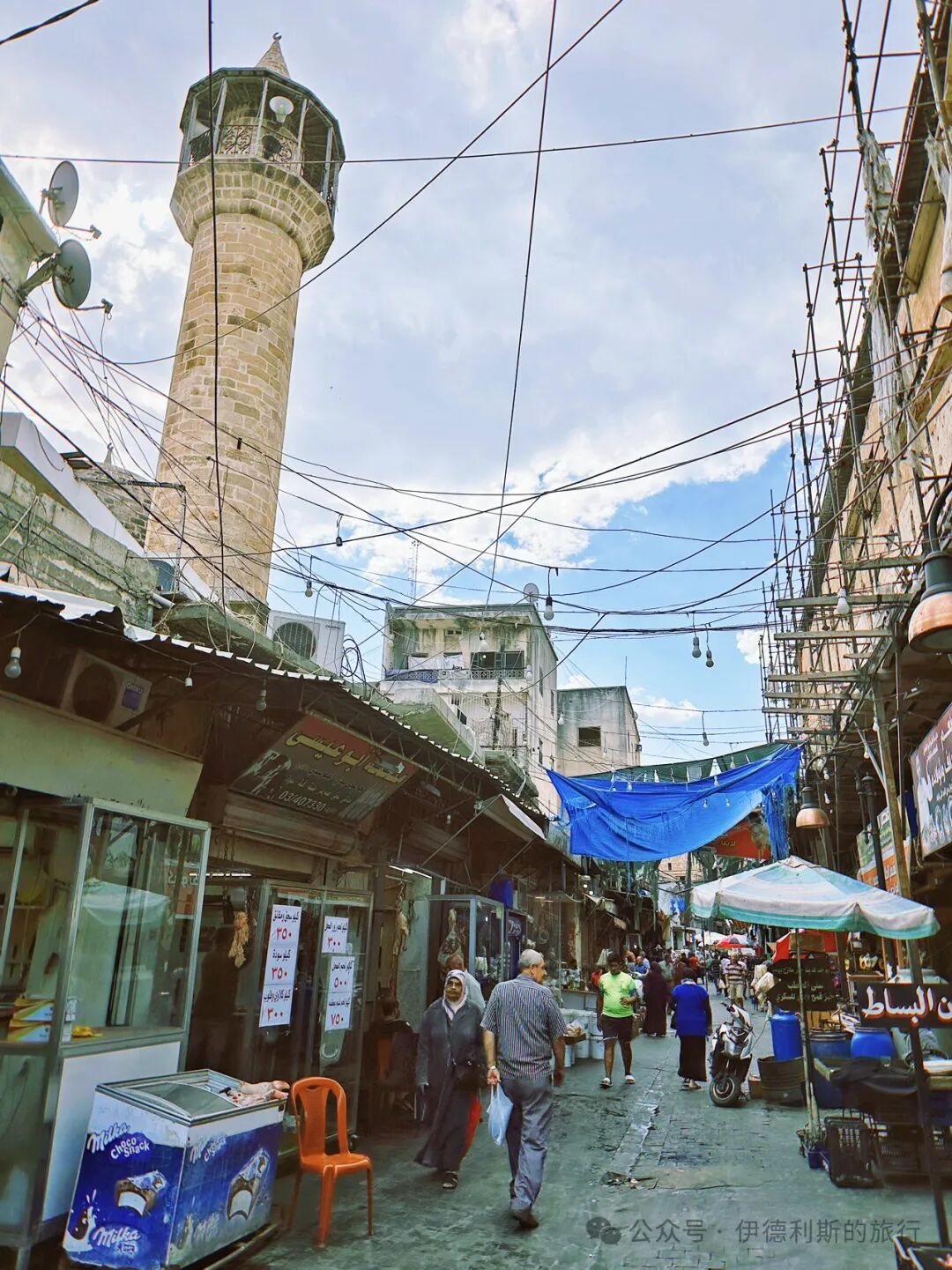
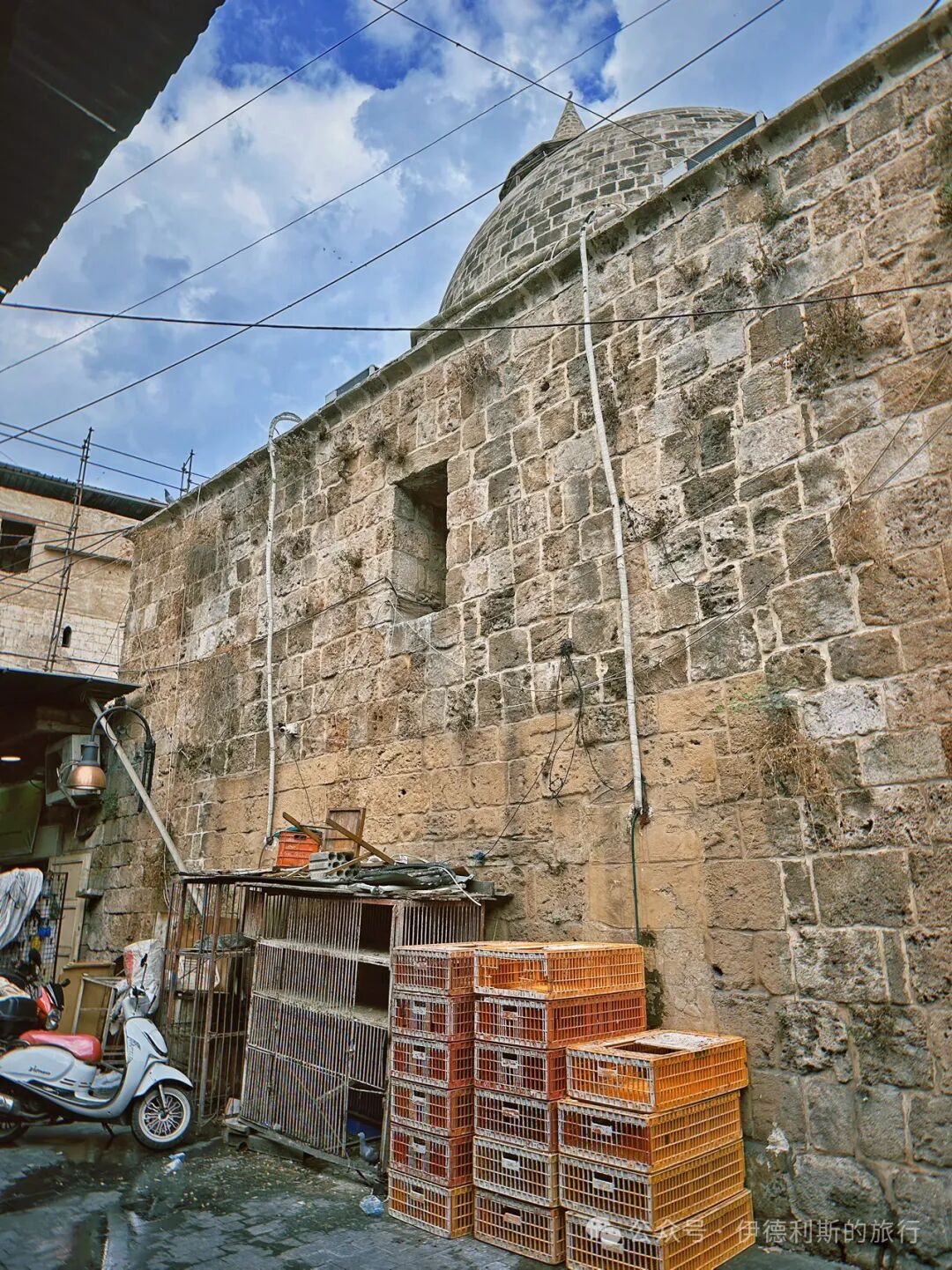
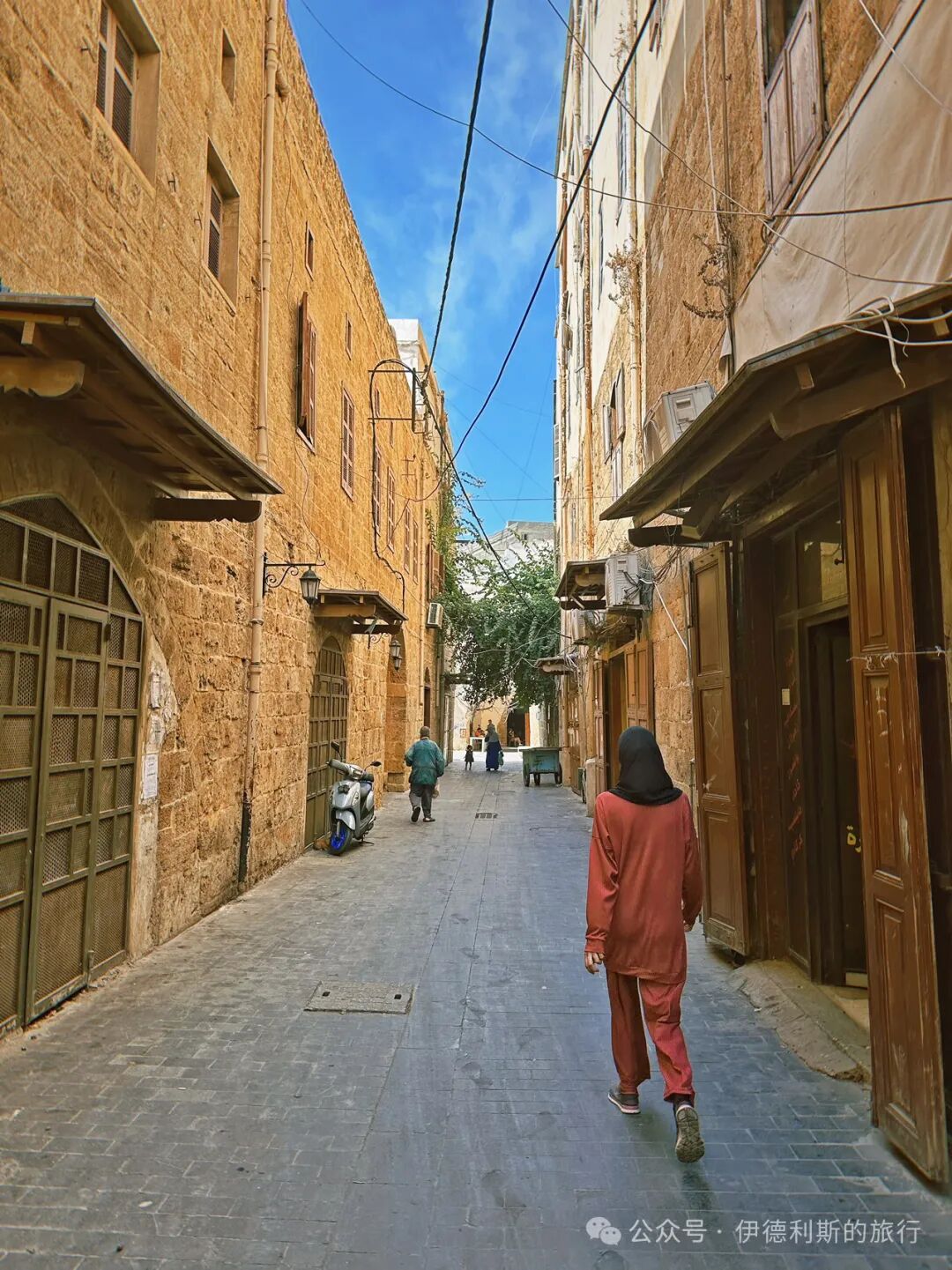
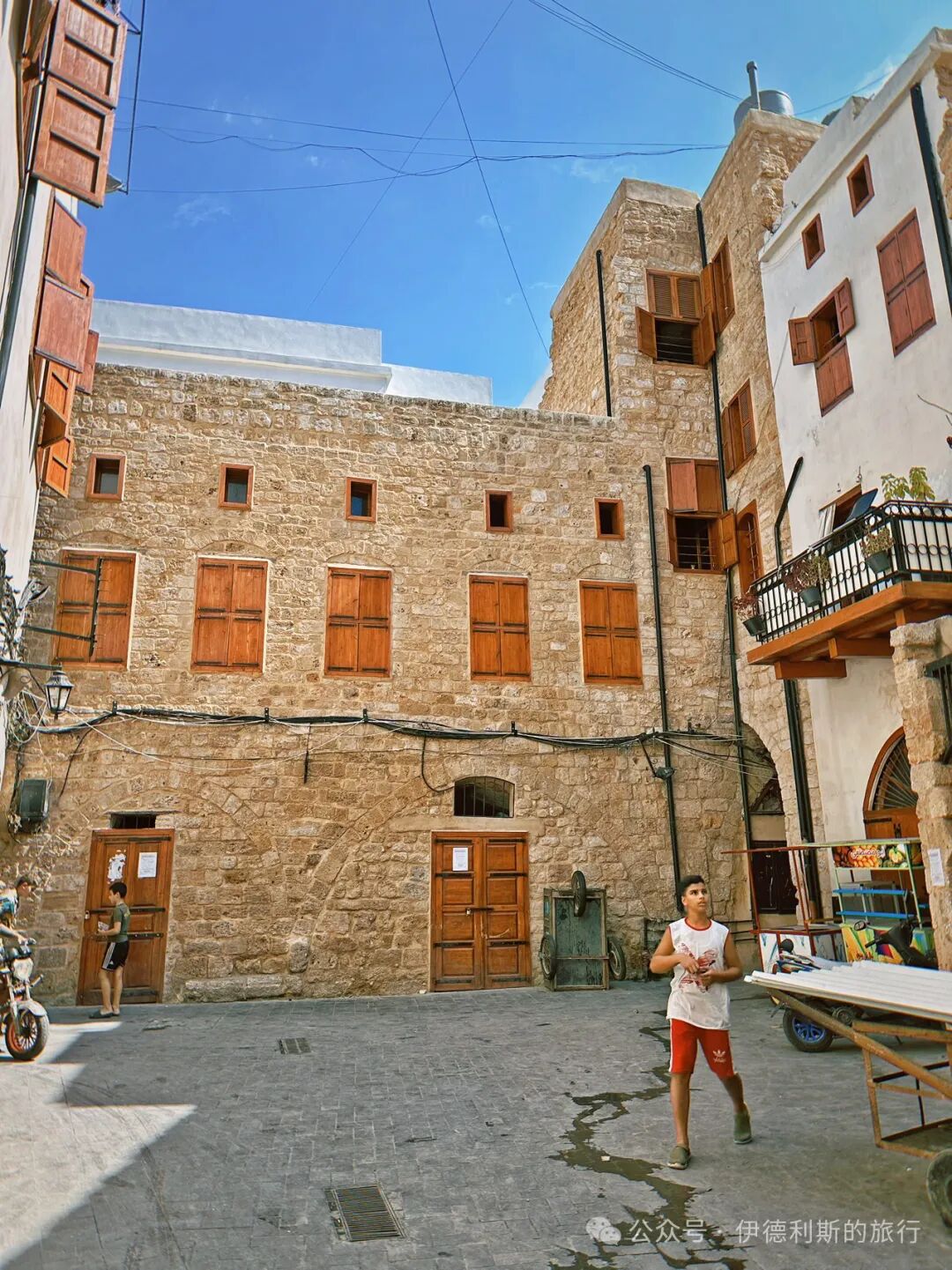
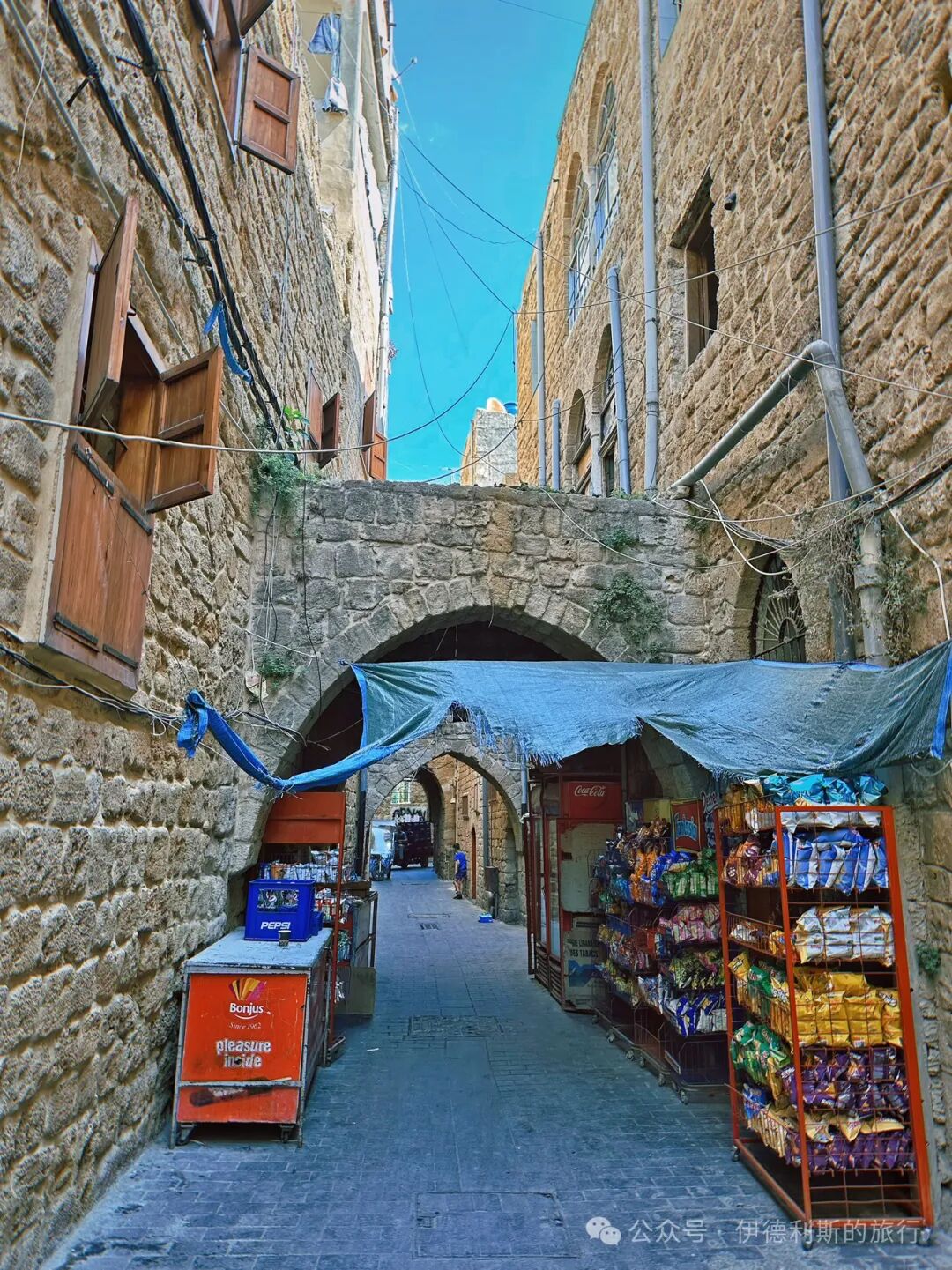
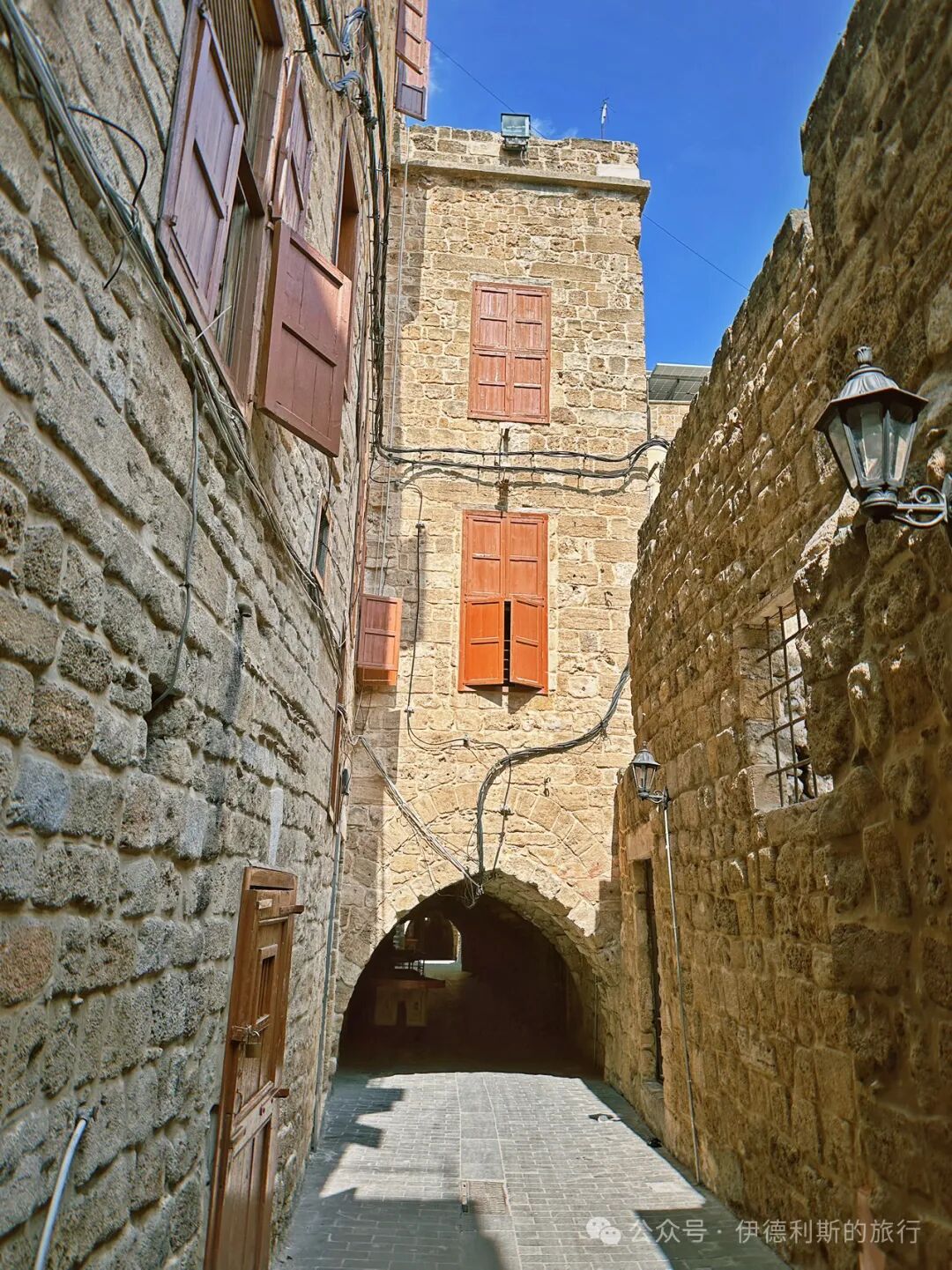
Street view of the ancient city.
Summary: Halal Travel Guide: Sidon, Lebanon - Old City, Sea Fort and Mosques (Part 2) is presented here as a firsthand travel account in clear, natural English. The account focuses on Sidon, Lebanon, Mosques while preserving the names, places, food, photos, and historical details from the Chinese source.
Across from the Sea Castle, another fortress sits on a hill in the south of the old city of Sidon. Together, they guard the old city from both ends.
The Land Castle is also called the Castle of Mu'izz or the Castle of Saint Louis. The fourth caliph of the Fatimid dynasty, al-Mu'izz li-Din Allah (reigned 953–975), ordered it built in the late 10th century and named it the Castle of Mu'izz.
In 1253, King Louis IX of France, known as Saint Louis and a leader of the Seventh Crusade, ordered the walls of Sidon to be rebuilt. The Land Castle was also rebuilt during this time, and it has been called the Castle of Saint Louis ever since. Fakhr al-Din II, the Druze emir who ruled Lebanon in the 17th century, rebuilt the castle again. It later fell into ruin, and parts of the walls collapsed during the late Ottoman era.
After Israel expelled large numbers of Palestinians in 1948, the Land Castle served as a shelter for Palestinian refugees. To persecute the Palestinian refugees, Israel ruthlessly shelled the Land Castle, causing further damage. These scars now stand as a witness to the suffering of the Palestinian people.
Before it became a Fatimid fortress, the hill where the Land Castle stands held an important place as far back as the Phoenician era, more than 1,000 years before the common era. On the hillside next to the castle, you can see many crushed murex shells. These are the waste left behind by the Phoenicians more than 3,000 years ago when they used the shells to make purple dye. Tyrian purple is also called Phoenician purple or royal purple, because only Roman emperors could wear clothes dyed with it during the Roman Empire.
Roman Emperor Elagabalus (reigned 218-222) established a colony in Sidon, and archaeological excavations of the land castle revealed ruins of Roman-era buildings. These ruins might include a Roman theater, so researchers suggest this was the site of the Roman-era acropolis of Sidon.
After visiting the castle, we went to the famous falafel shop in the old city, Falafel Abou Rami. They opened in 1988 and are very famous in Lebanon. Their falafel is made from a mix of chickpeas and fava beans, and they fry it fresh to order. You can add pickled cucumbers, pickled tomatoes, and yogurt to make a salad, or wrap it in flatbread. We bought one wrap and it was enough for two people; the portion is huge!
In the afternoon, we prayed the Maghrib namaz at Al-Bahr Mosque by the sea in the ancient city of Sidon. Hassan bin Sawah donated the funds to build Al-Bahr Mosque in 1373. It features Mamluk-era architecture, including thick walls and cross-vaulted ceilings, and uses granite columns from the ancient Roman period.
Afterward, we went to El Barrane Mosque at the entrance of the market on the north side of the ancient city. Many mosques in Lebanon only open for the five daily prayers and stay locked at other times. This mosque was built between the late 16th and early 17th centuries during the reign of the Druze Emir Fakhr al-Din II. Barrani means "outside" because the mosque was located outside the Beirut Gate, the north gate of the ancient city, at that time.
Street view of the ancient city.
