

Silk Road History
Discovering Wu'aisi Baba Gongbei in Gansu: Exploring Ancient Islamic Heritage and Tang Dynasty History in Yumen
Articles • Hasan09 posted the article • 0 comments • 15 views • 19 hours ago
[Internet Repost]
Take a look at these 20 photos as we visit the Wu'aisi Baba Gongbei located in Qingquan Township, Yumen City, Gansu Province. We're diving into the legends of Islamic missionaries who traveled to the Hexi Corridor during the Tang Dynasty's Zhenguan era, while exploring the mosque's unique architecture that blends Arabic domes with traditional Chinese structural designs.
This is a place with deep historical roots, serving as the tomb of a prominent Islamic saint. Here is the detailed information I've put together for you:
It is located in Qingquan Township, Yumen City, Gansu Province.
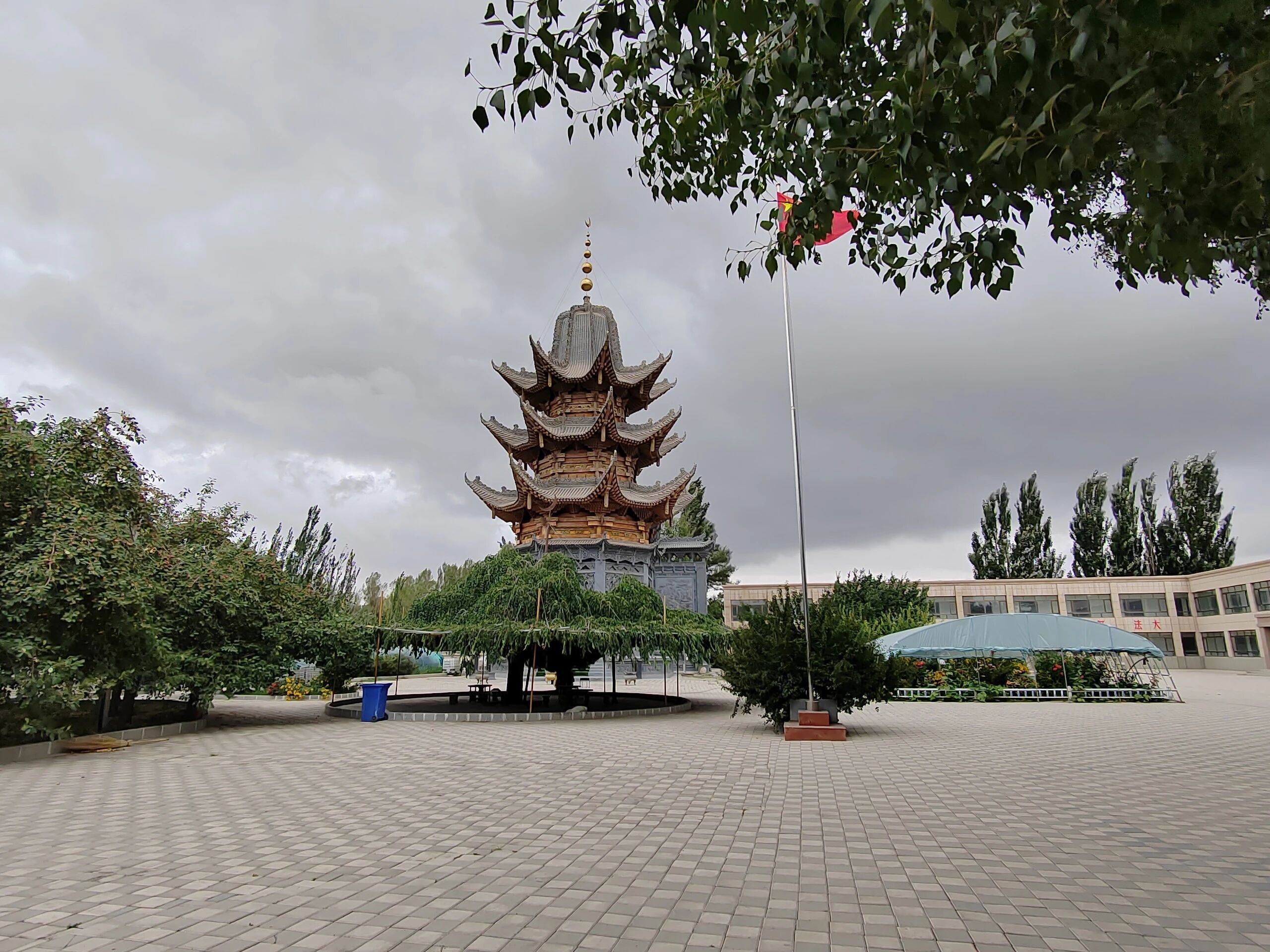
Historical background: The term "Gongbei" is a transliteration from Arabic meaning a dome-shaped mausoleum. Historical records state that between 626 and 649 AD, a missionary named Wu'aisi, sent by the third Caliph Uthman, passed away in Yumen while on his way to preach in China and was laid to rest here. To honor this saint, later generations built a mausoleum on the site. The current main structure was built in the 1980s and features a design that fuses Arabic style with traditional Chinese elements. The lower section is a towering prayer hall, the middle is a three-story tower with feiyan dougong (traditional flying eaves and brackets), and the top is crowned with a treasure-gourd-shaped spire, making it truly one-of-a-kind. There are also prayer halls, reception rooms, and dormitories nearby. The Gongbei was officially designated as a county-level cultural relic protection unit by the Yumen Municipal People's Government in 1987. view all
[Internet Repost]
Take a look at these 20 photos as we visit the Wu'aisi Baba Gongbei located in Qingquan Township, Yumen City, Gansu Province. We're diving into the legends of Islamic missionaries who traveled to the Hexi Corridor during the Tang Dynasty's Zhenguan era, while exploring the mosque's unique architecture that blends Arabic domes with traditional Chinese structural designs.
This is a place with deep historical roots, serving as the tomb of a prominent Islamic saint. Here is the detailed information I've put together for you:
It is located in Qingquan Township, Yumen City, Gansu Province.
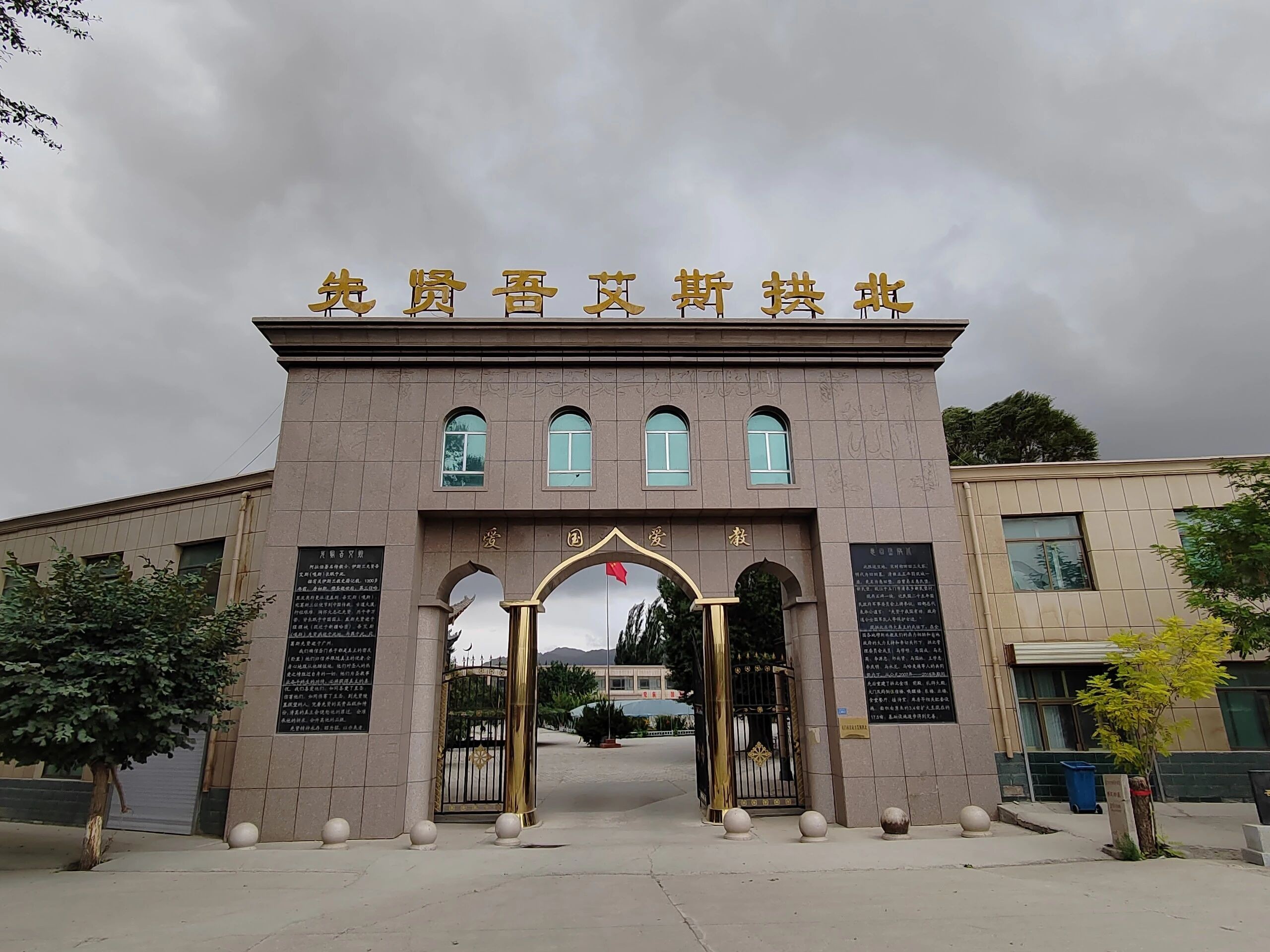
Historical background: The term "Gongbei" is a transliteration from Arabic meaning a dome-shaped mausoleum. Historical records state that between 626 and 649 AD, a missionary named Wu'aisi, sent by the third Caliph Uthman, passed away in Yumen while on his way to preach in China and was laid to rest here. To honor this saint, later generations built a mausoleum on the site. The current main structure was built in the 1980s and features a design that fuses Arabic style with traditional Chinese elements. The lower section is a towering prayer hall, the middle is a three-story tower with feiyan dougong (traditional flying eaves and brackets), and the top is crowned with a treasure-gourd-shaped spire, making it truly one-of-a-kind. There are also prayer halls, reception rooms, and dormitories nearby. The Gongbei was officially designated as a county-level cultural relic protection unit by the Yumen Municipal People's Government in 1987.
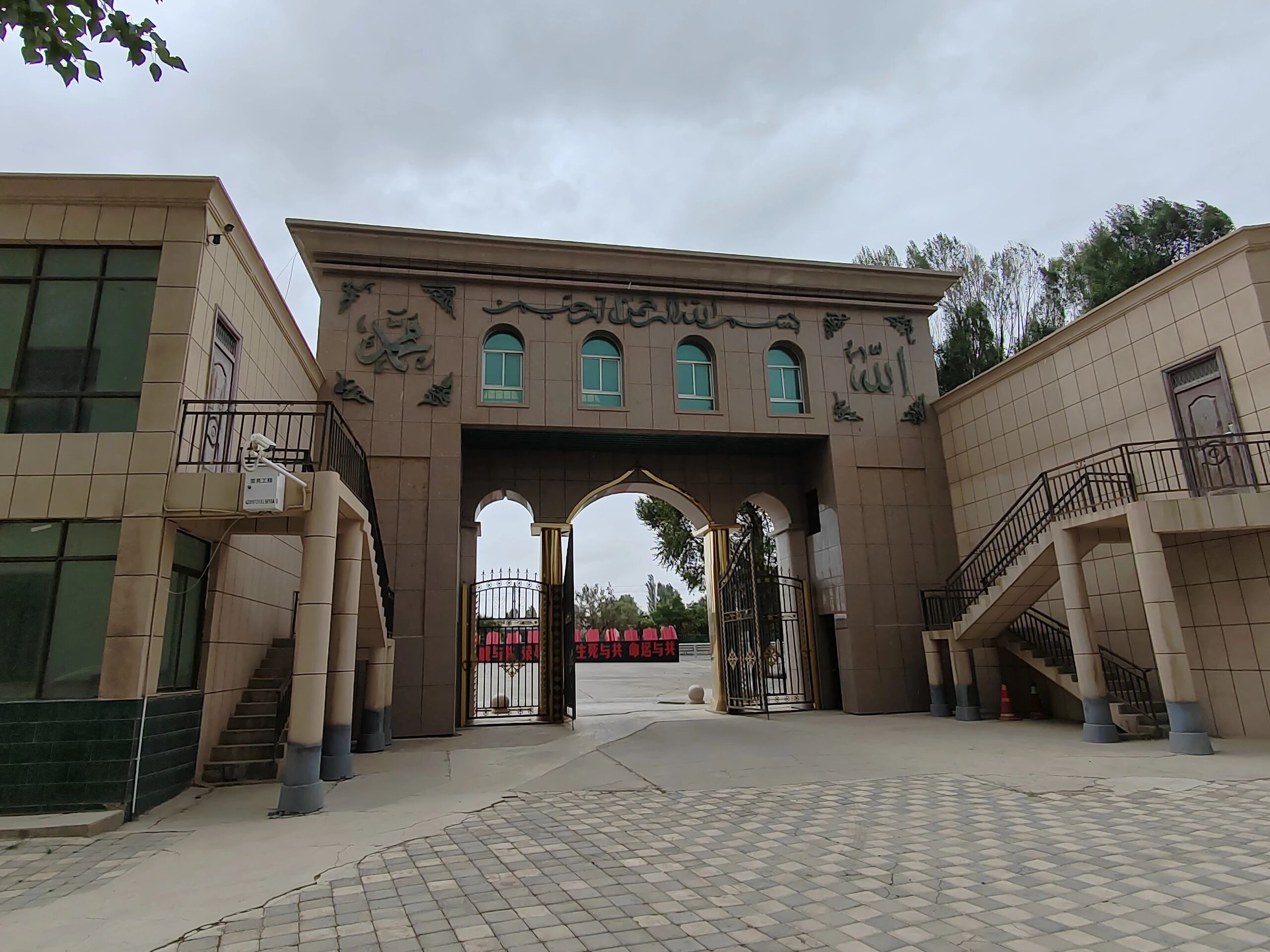
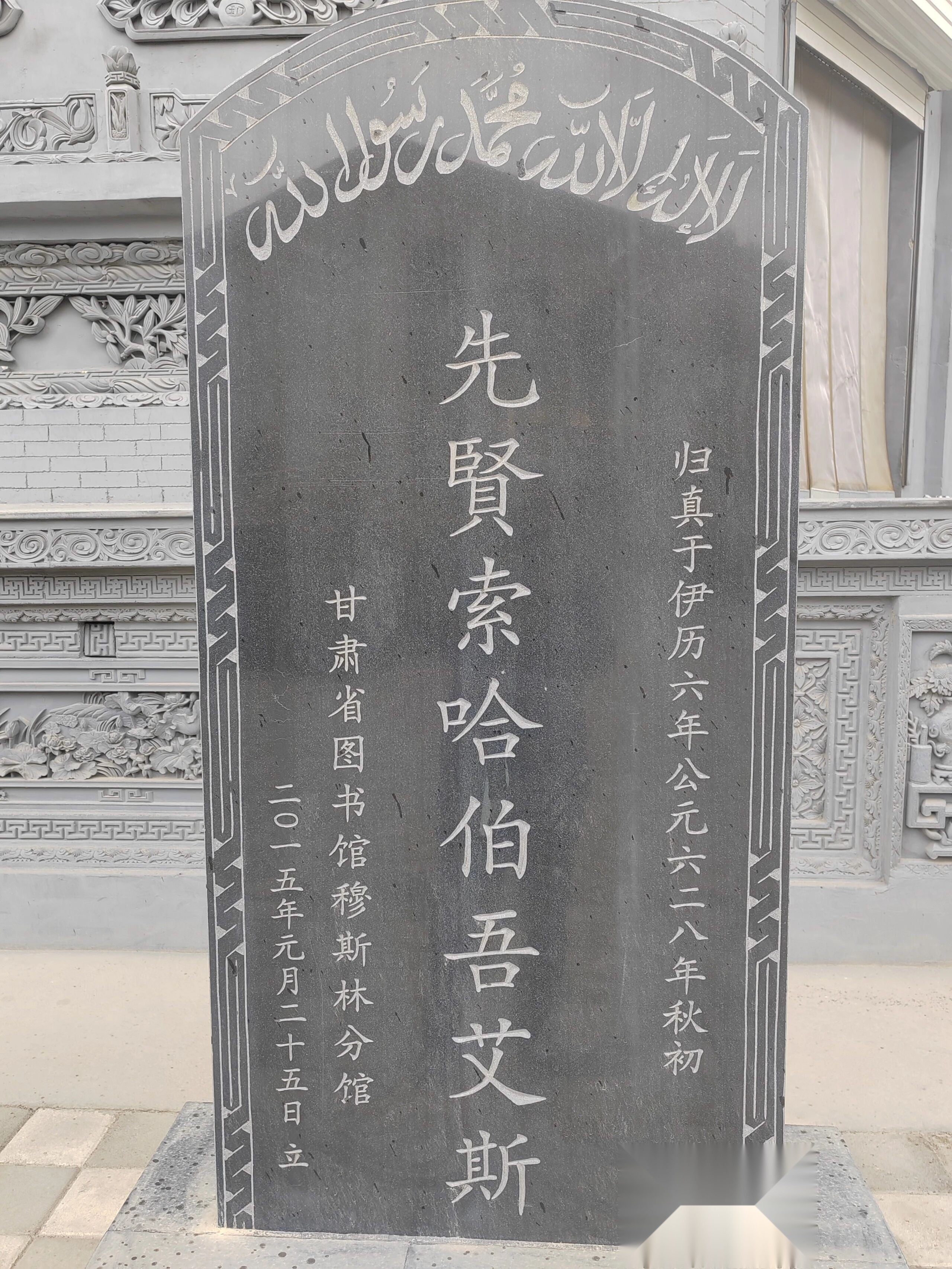
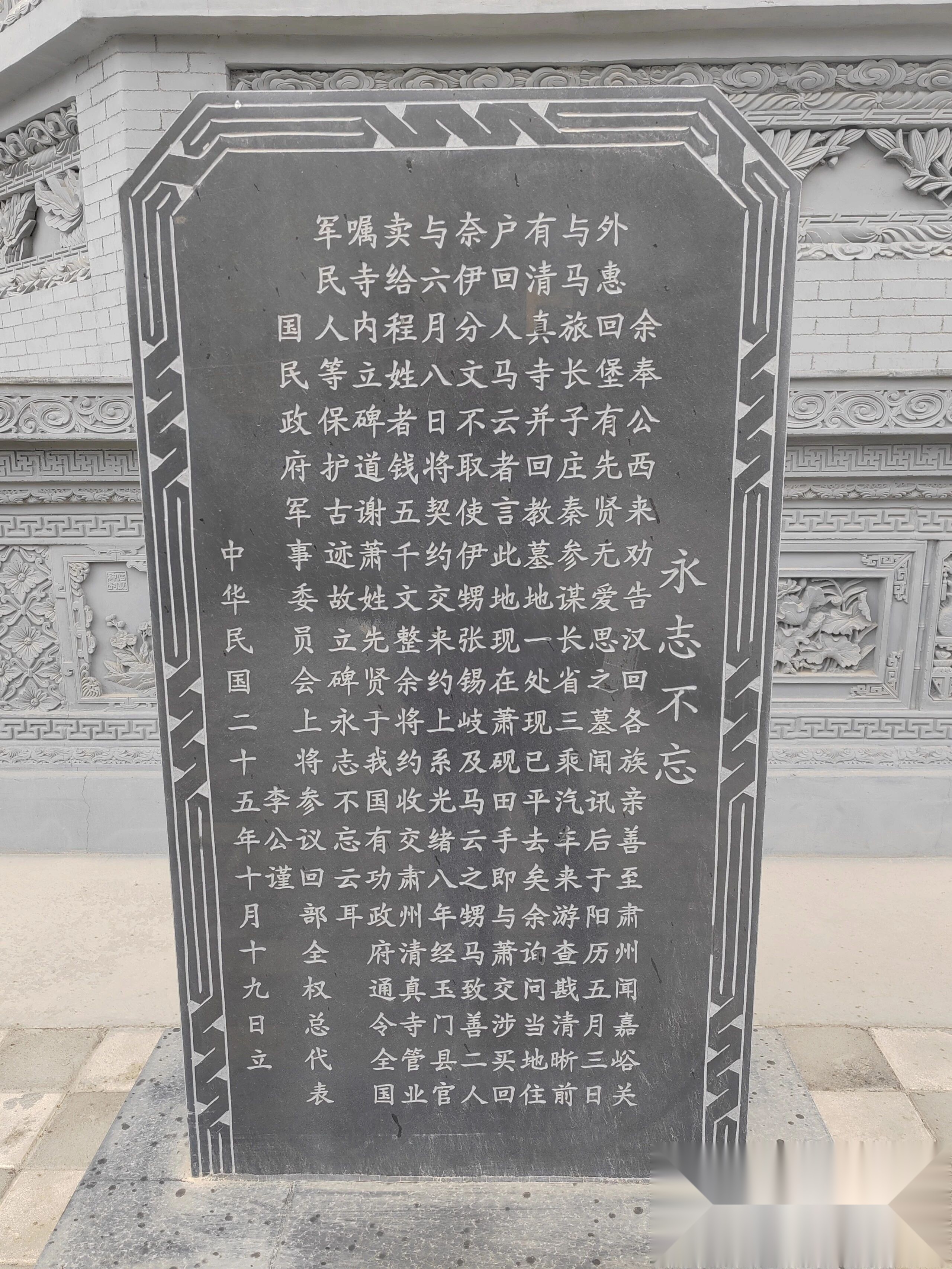
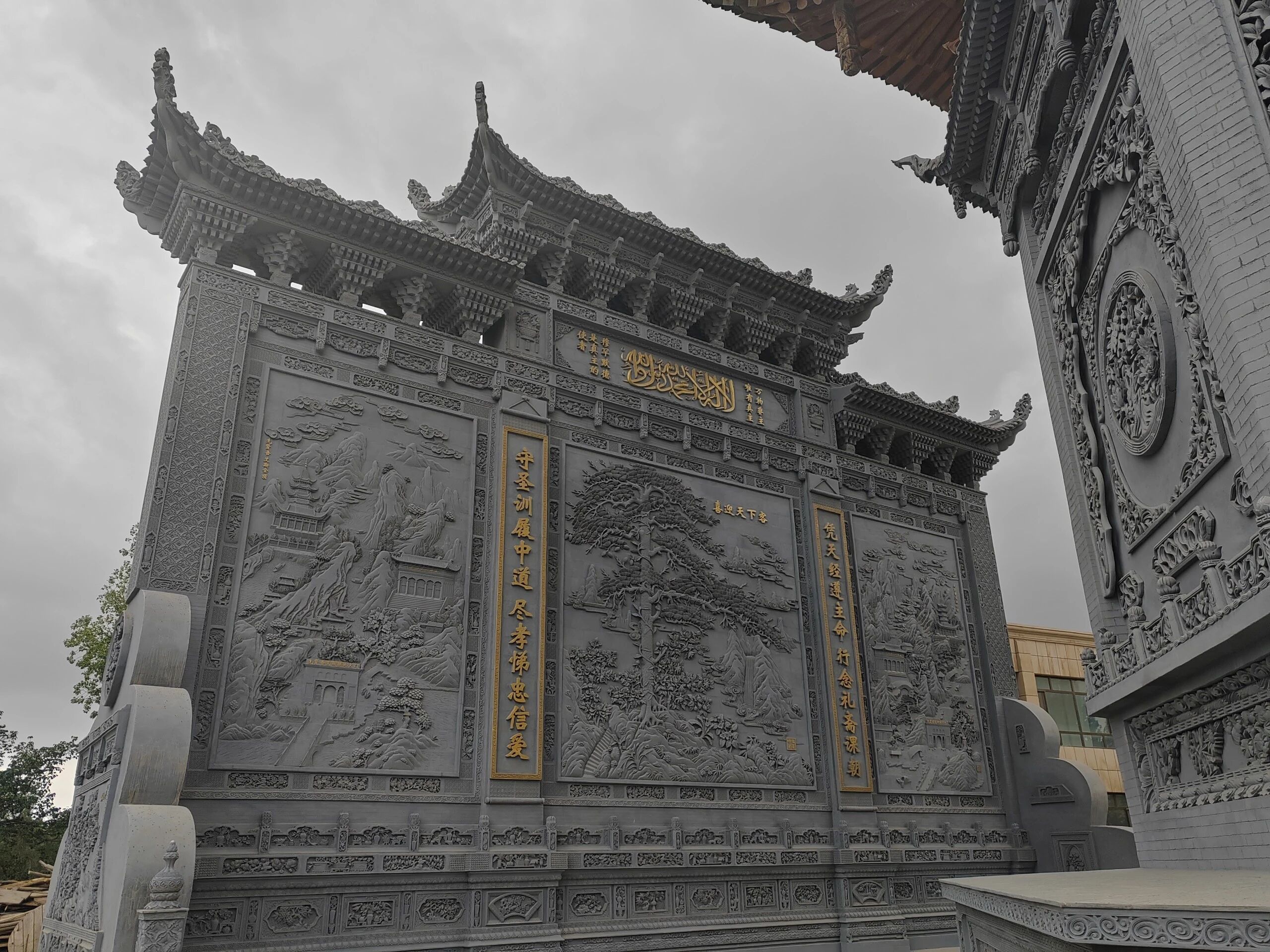
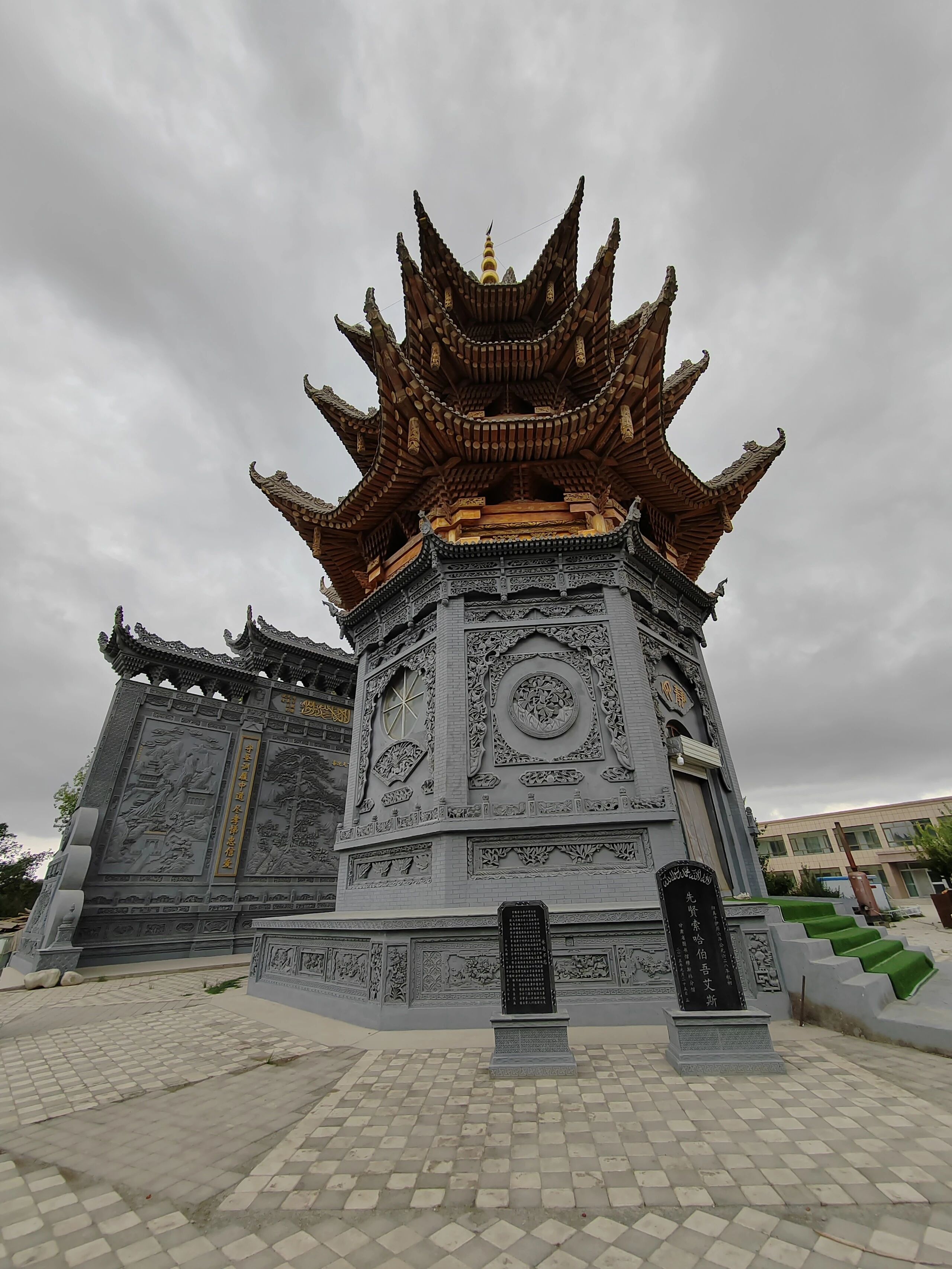
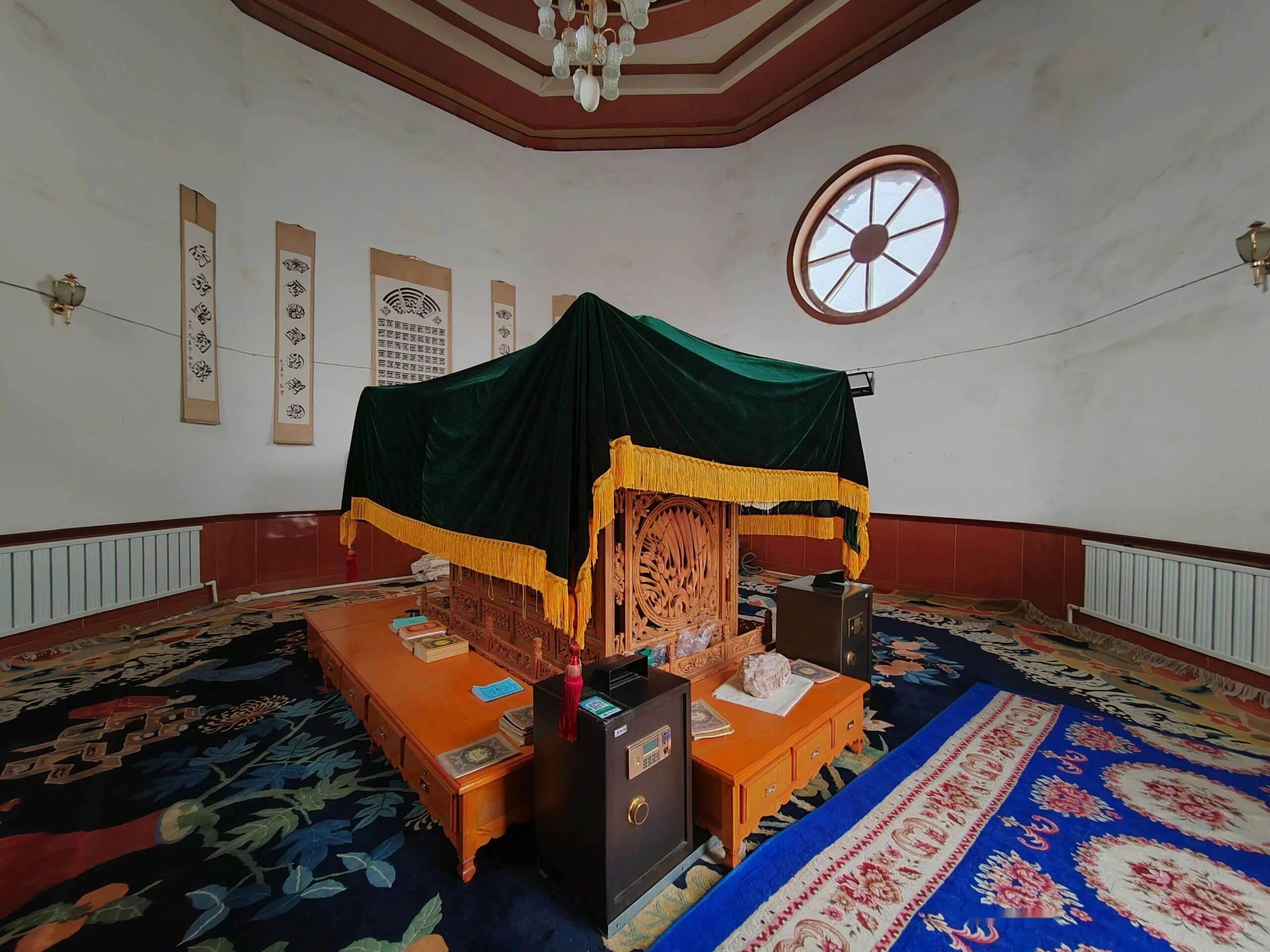
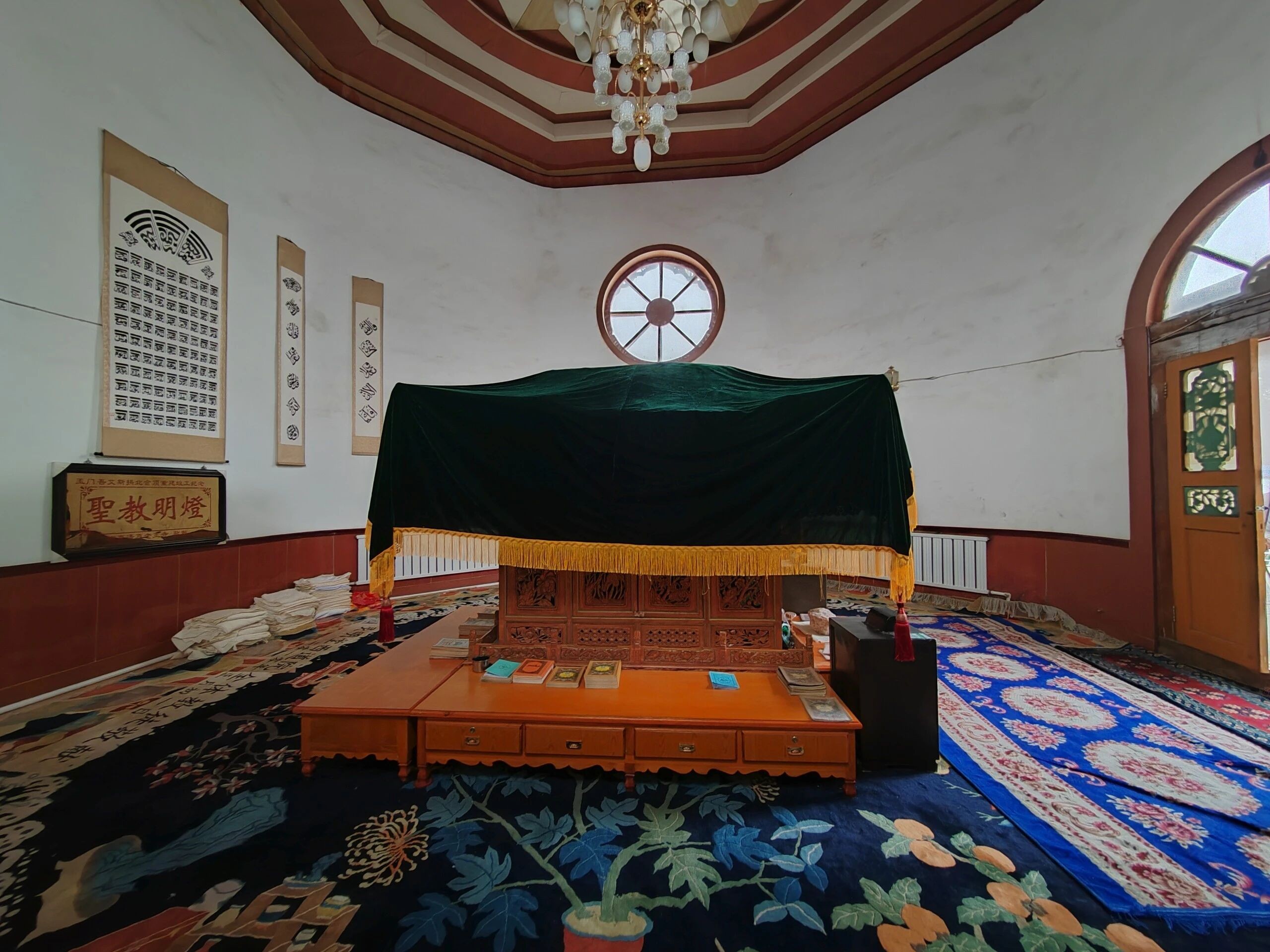
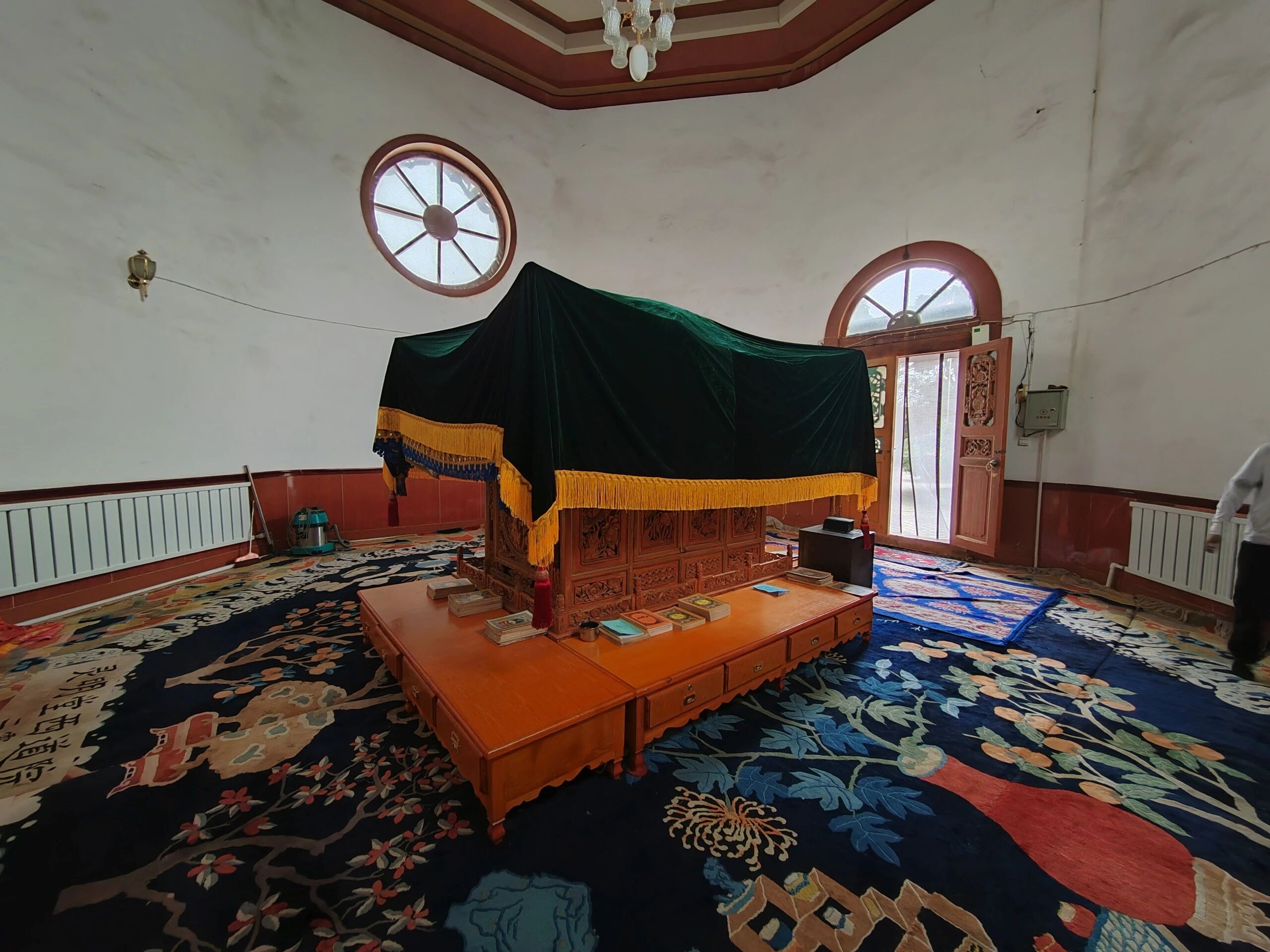
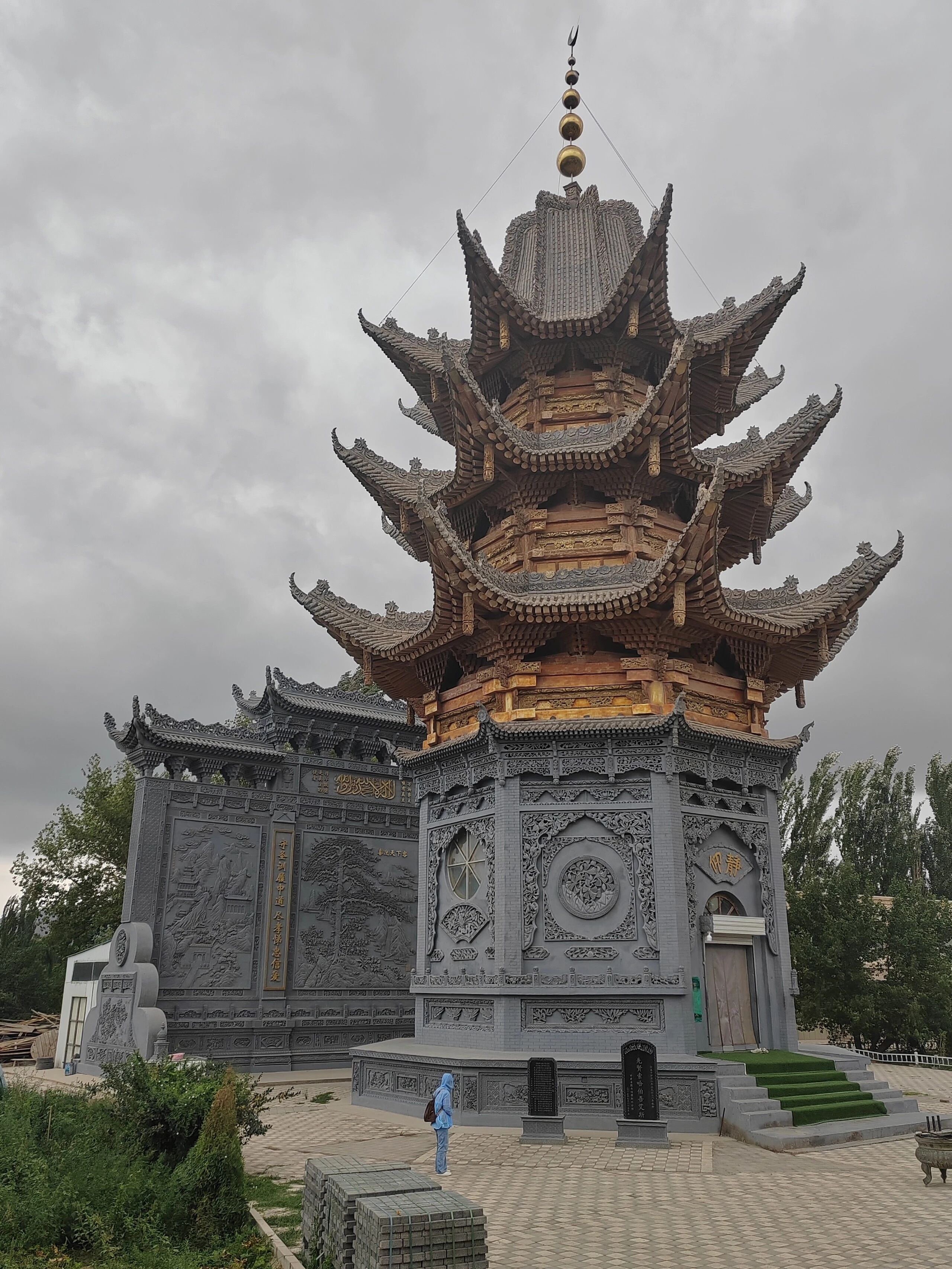
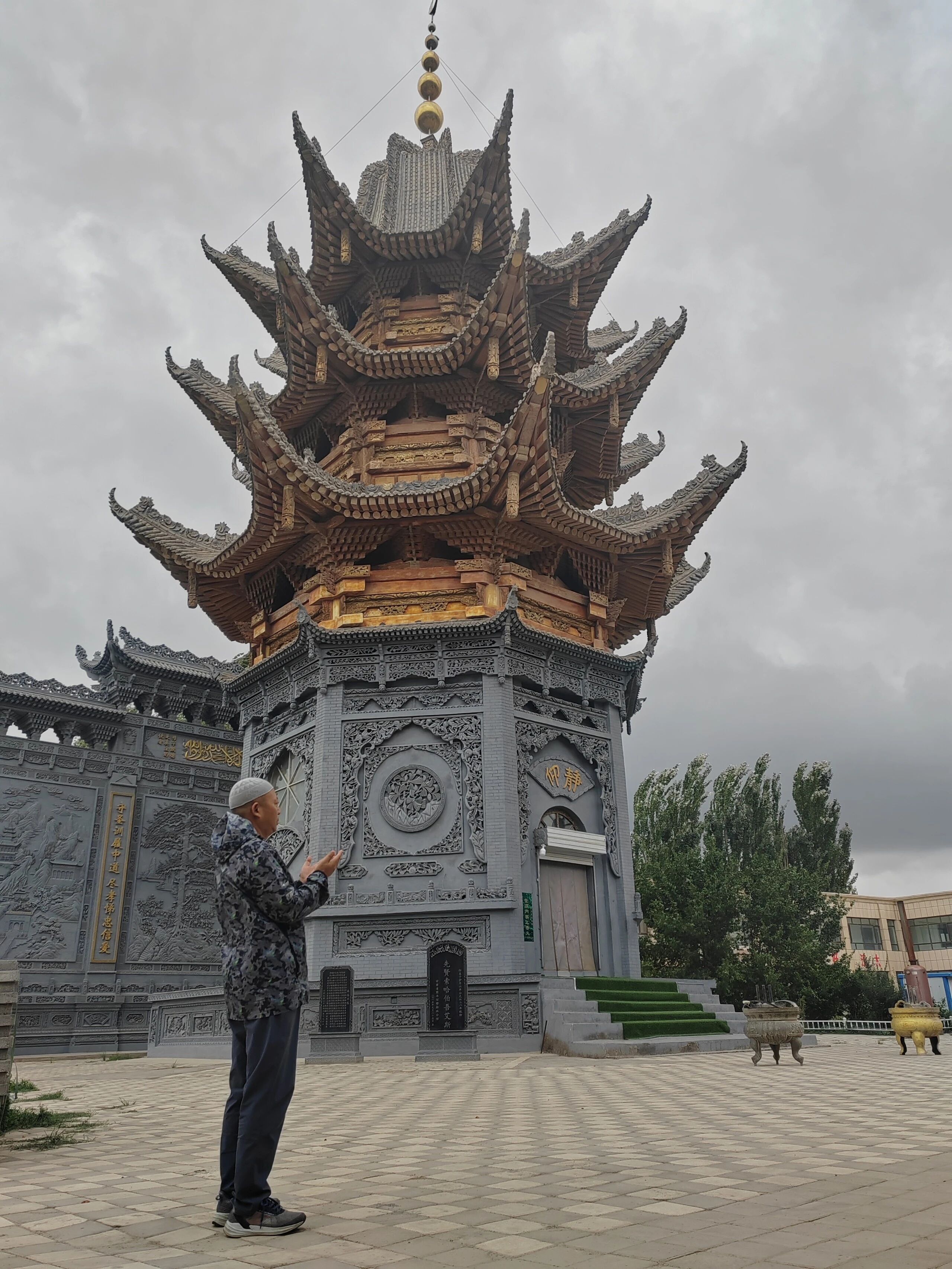
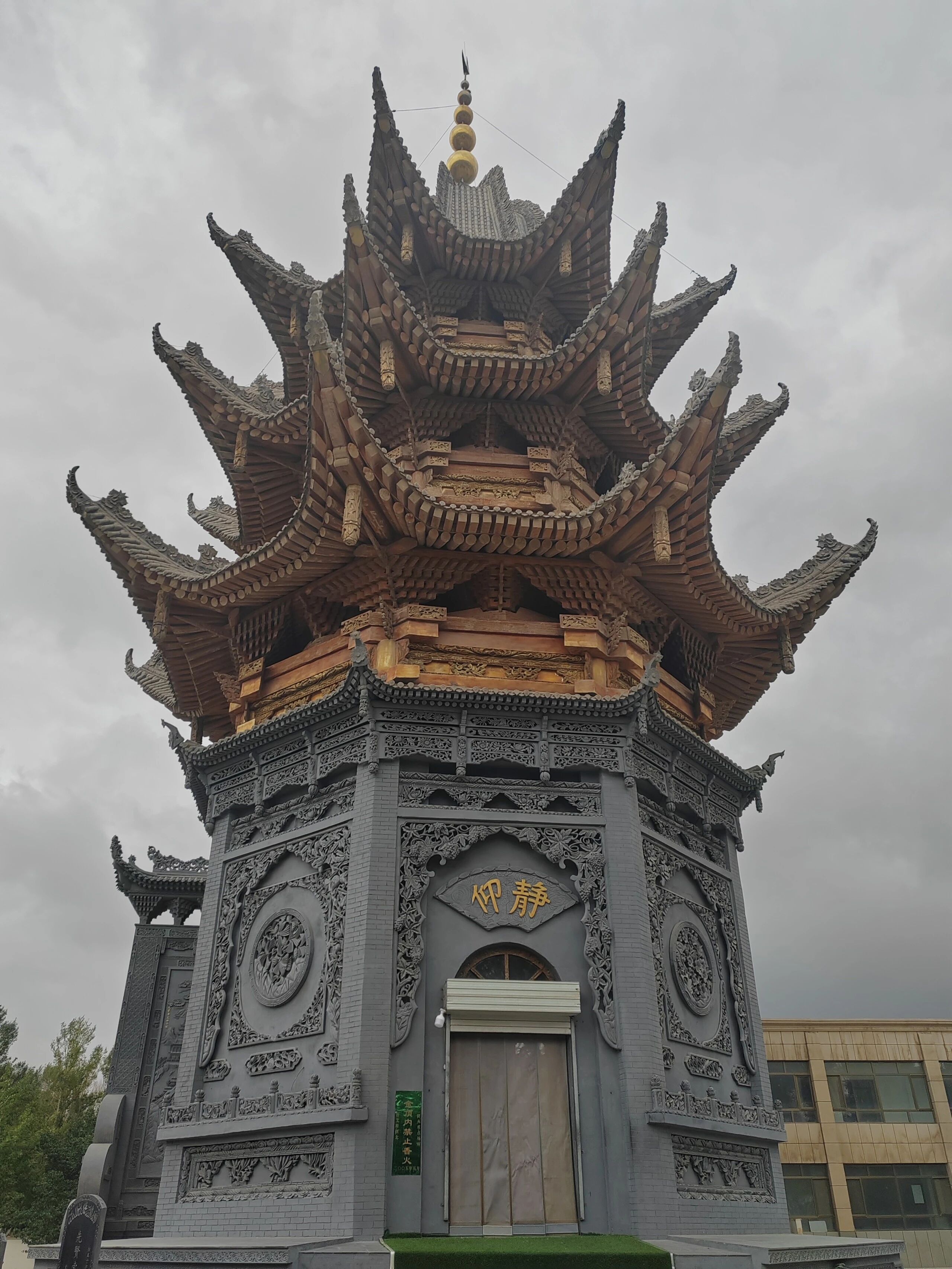
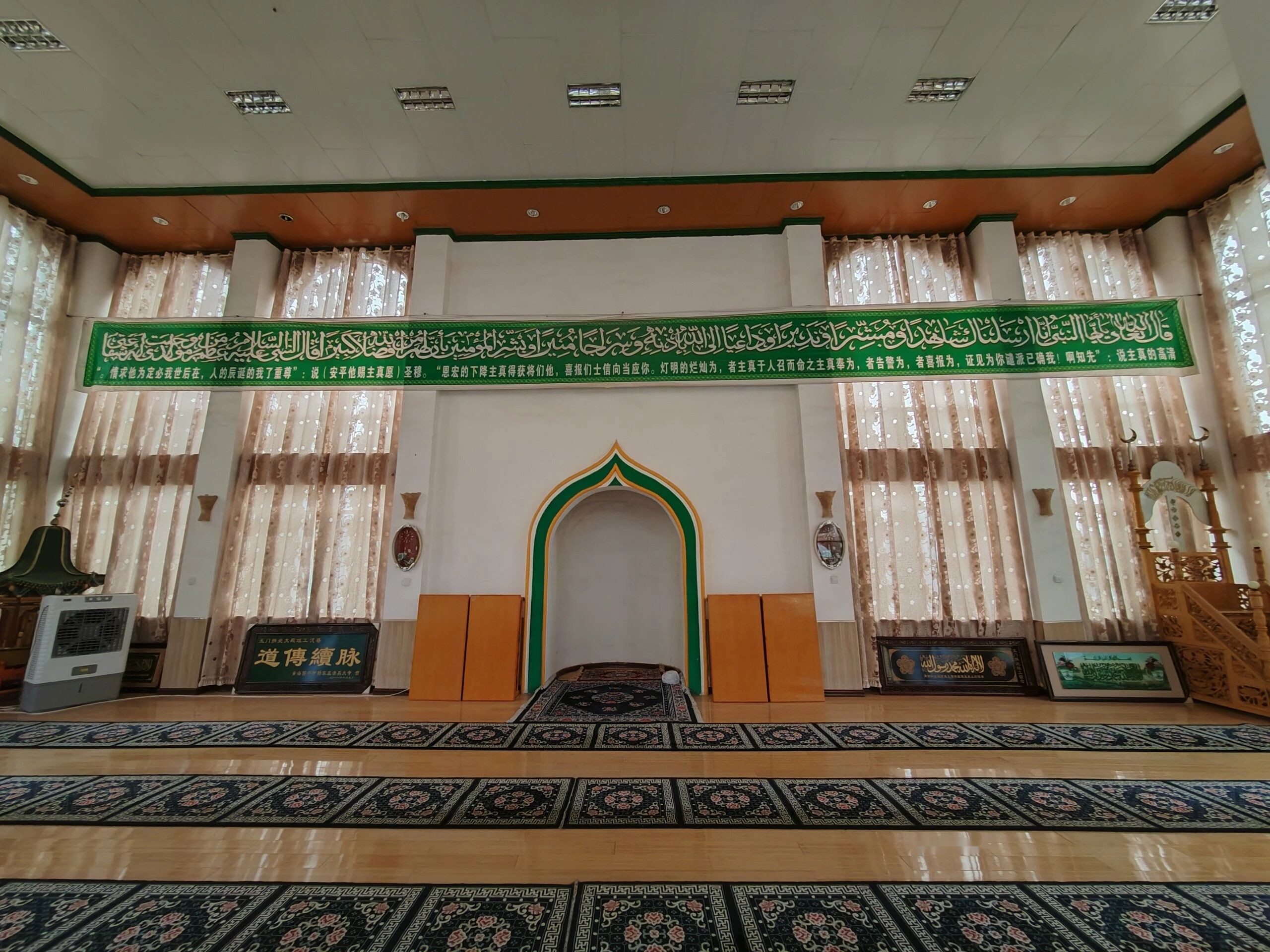
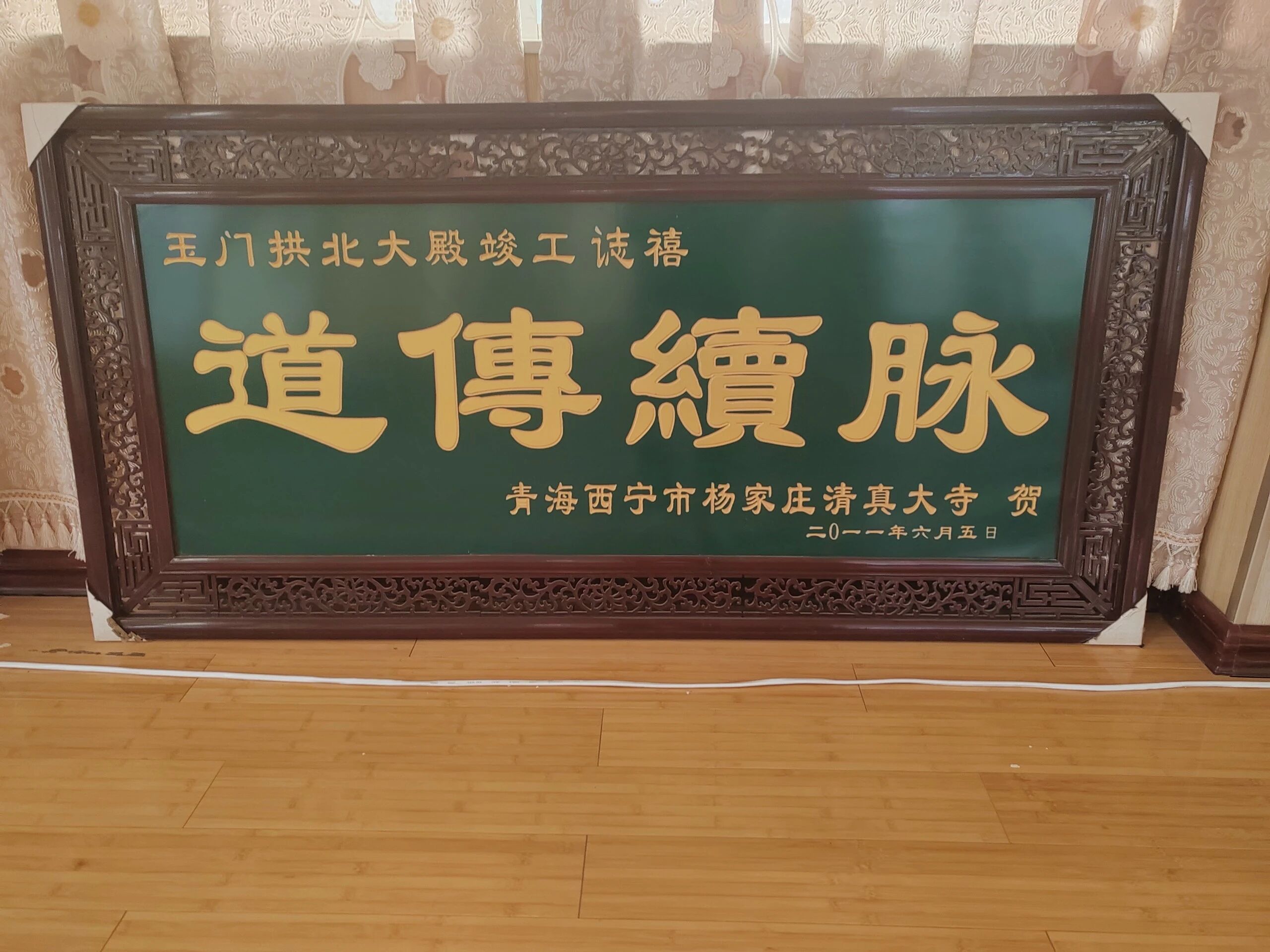
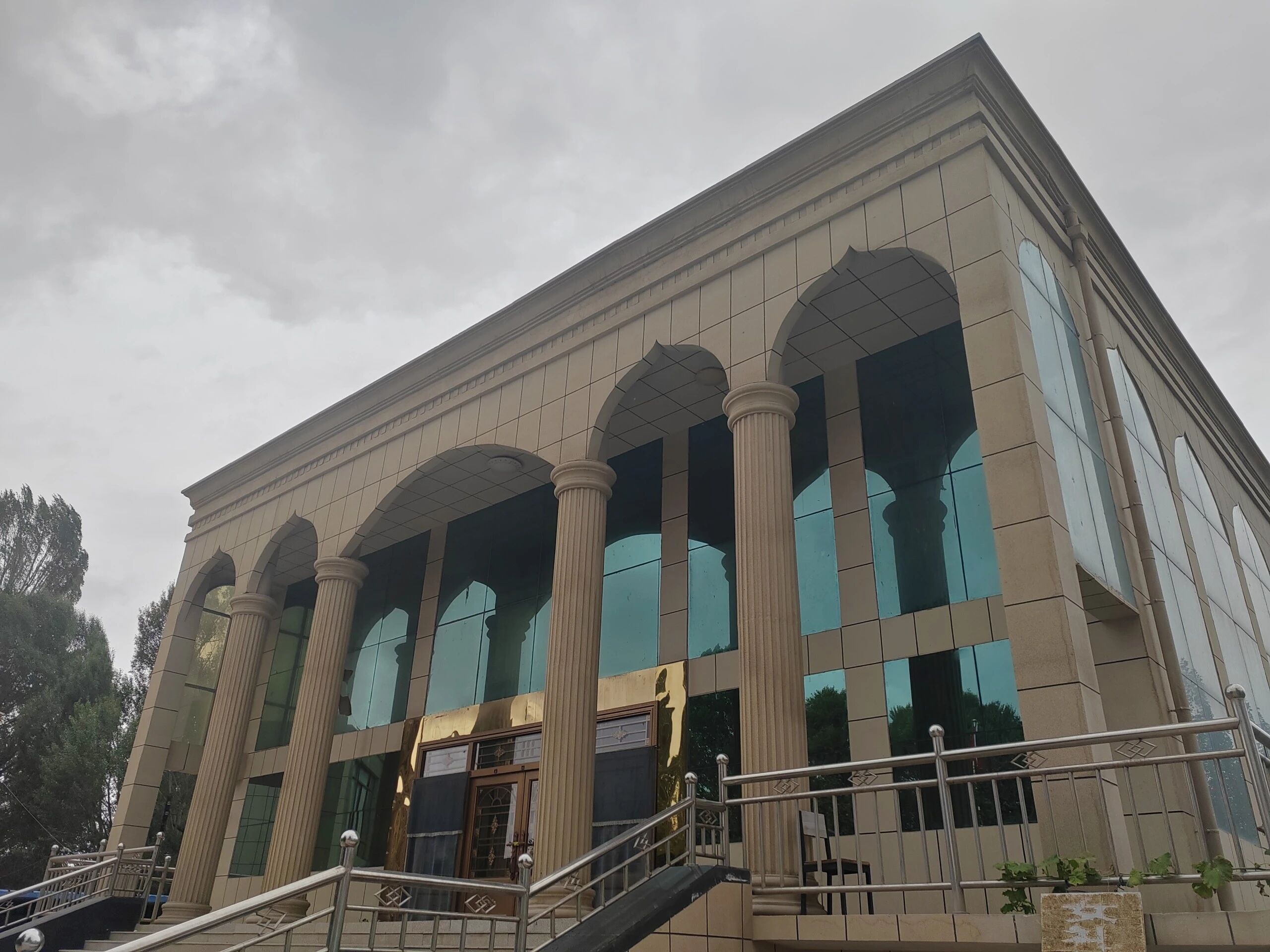
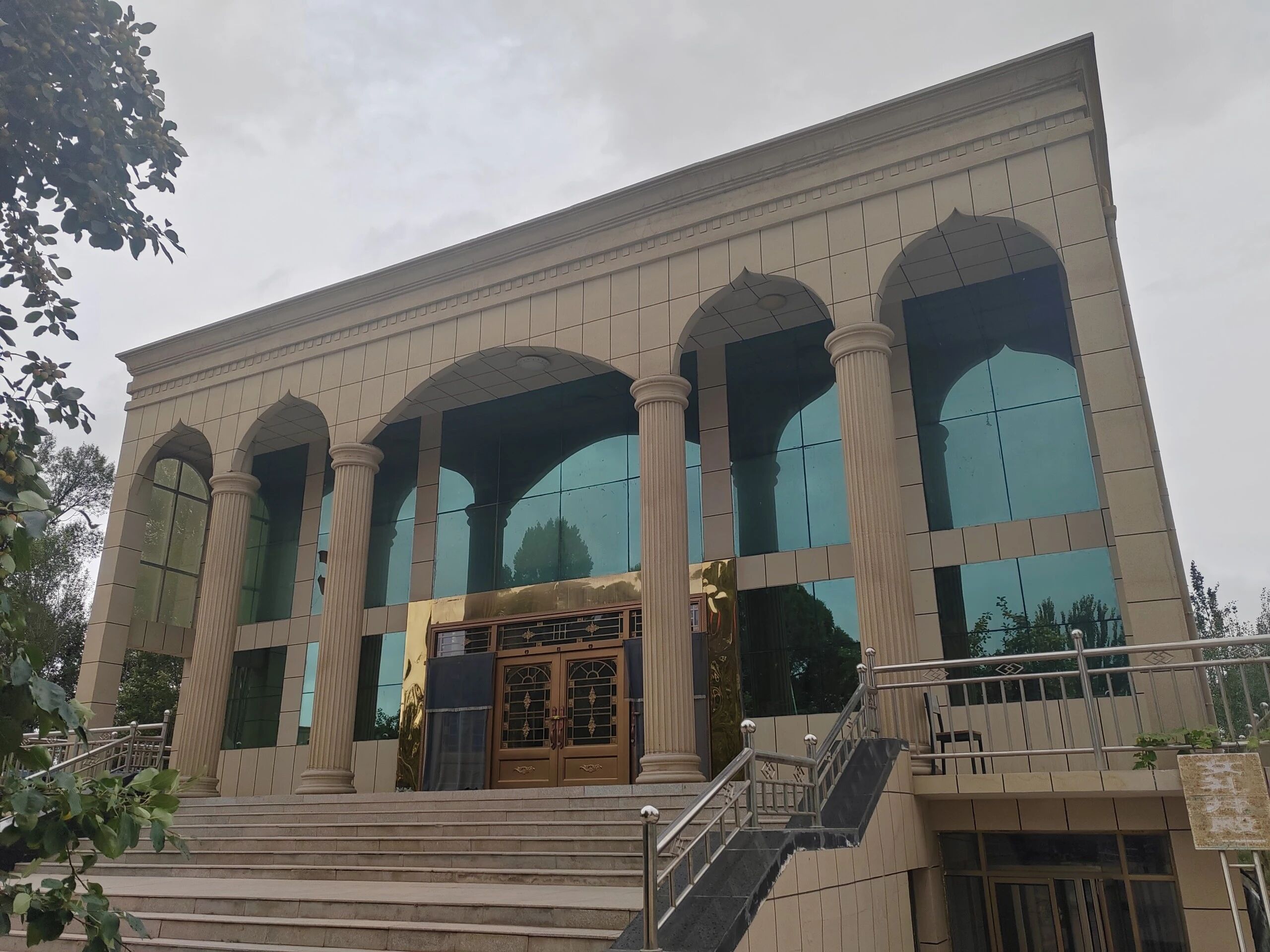
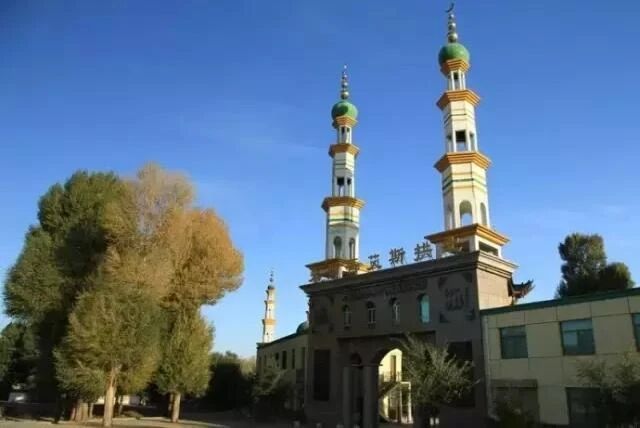
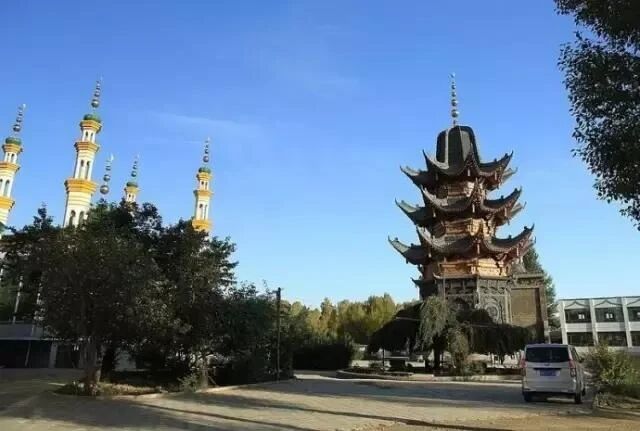
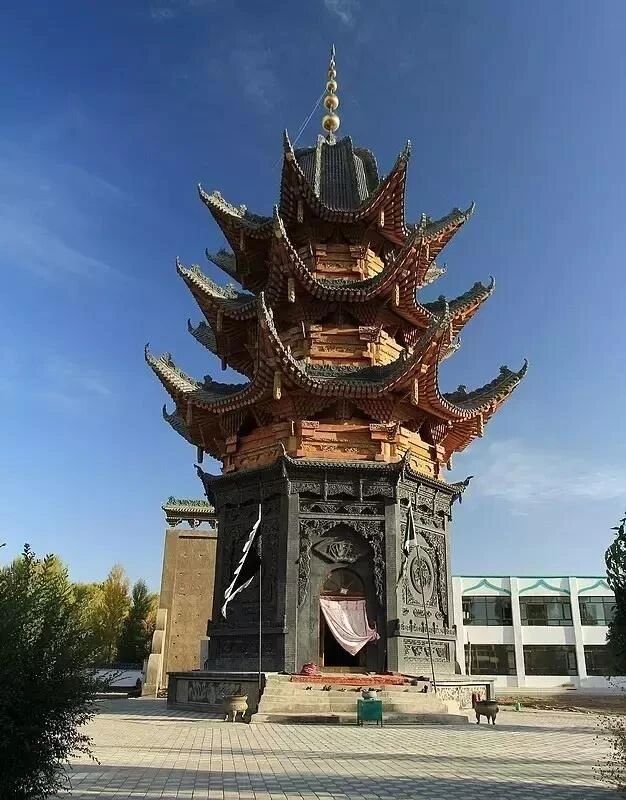
Take a look at these 20 photos as we visit the Wu'aisi Baba Gongbei located in Qingquan Township, Yumen City, Gansu Province. We're diving into the legends of Islamic missionaries who traveled to the Hexi Corridor during the Tang Dynasty's Zhenguan era, while exploring the mosque's unique architecture that blends Arabic domes with traditional Chinese structural designs.
This is a place with deep historical roots, serving as the tomb of a prominent Islamic saint. Here is the detailed information I've put together for you:
It is located in Qingquan Township, Yumen City, Gansu Province.
Historical background: The term "Gongbei" is a transliteration from Arabic meaning a dome-shaped mausoleum. Historical records state that between 626 and 649 AD, a missionary named Wu'aisi, sent by the third Caliph Uthman, passed away in Yumen while on his way to preach in China and was laid to rest here. To honor this saint, later generations built a mausoleum on the site. The current main structure was built in the 1980s and features a design that fuses Arabic style with traditional Chinese elements. The lower section is a towering prayer hall, the middle is a three-story tower with feiyan dougong (traditional flying eaves and brackets), and the top is crowned with a treasure-gourd-shaped spire, making it truly one-of-a-kind. There are also prayer halls, reception rooms, and dormitories nearby. The Gongbei was officially designated as a county-level cultural relic protection unit by the Yumen Municipal People's Government in 1987.
Exploring Gansu's Gancaodian Mosque: A Hidden Republican-Era Cave Masjid on the Ancient Silk Road
Articles • Hasan09 posted the article • 0 comments • 8 views • 19 hours ago
[Internet Repost]
These 20 photos document the Gancaodian Mosque (masjid) located in Yuzhong County, Lanzhou, Gansu Province. We’re tracing the history of over 40 Hui Muslim families who settled along this vital Silk Road artery during the Republican era to trade, as well as the unique cave-style architecture they carved into the cliffs and what the site looks like today.
The Gancaodian Mosque in Yuzhong County was built during the Republican era as a Sufi mosque. Back then, this area was a major hub on the ancient Silk Road connecting Lintao, Linxia, Dingxi, Longxi, Tianshui, Zhangjiachuan, and all the way to the ancient capital of Xi'an. At its peak, more than 40 Hui Muslim families lived and traded here, and with a Muslim community comes the need for a mosque. When they first tried to build it, powerful local Han groups made things incredibly difficult. In the end, a Hui Muslim officer in the Nationalist army had to mobilize troops to step in. The soldiers carved the structure directly into the cliffside in the form of a yaodong (traditional cave dwelling). The current mosque building is a later addition, and there are only a few Muslim families left in the area now today.
The Gancaodian Mosque belongs to the Jahriyya Sufi order, as followers of this path frequently passed through here on their way to the Guanchuan Daotang (a religious hall/center) in Dingxi. As the name Gancaodian suggests, this place was historically a major post station—a must-pass point between Lanzhou and Xi'an. In the old days, it was packed with caravanserais, where travelers and teamsters would stop to rest. Later, when the Bao-Lan Railway was built between Lanzhou and Xi'an, population movement spiked. There were originally over 40 veteran Hui Muslim families running various businesses, but every time they tried to build a mosque, outsiders would tear it down because the Hui Muslims were considered 'foreigners' to the area. Eventually, Sixth Uncle (Ma Chongyong) reached out to a friend of his in the National Revolutionary Army, a Hui officer named Hawandani, who sent a company of soldiers to station themselves here. With the military’s help, the soldiers dug out the cliffside caves that formed the original version of the Gancaodian Mosque; an old well dug by those soldiers still stands as evidence today.
This is the renovated mosque, but sadly, many of the local Muslims have had to move away to find work and escape poverty. Now, only four or five families remain. The elderly Imam—who happens to be my father-in-law—has held down the fort here his entire life. He is a truly self-reliant man of faith. May Allah have mercy on him, be pleased with him, and grant him blessings in this life and the hereafter. Amin! view all
[Internet Repost]
These 20 photos document the Gancaodian Mosque (masjid) located in Yuzhong County, Lanzhou, Gansu Province. We’re tracing the history of over 40 Hui Muslim families who settled along this vital Silk Road artery during the Republican era to trade, as well as the unique cave-style architecture they carved into the cliffs and what the site looks like today.
The Gancaodian Mosque in Yuzhong County was built during the Republican era as a Sufi mosque. Back then, this area was a major hub on the ancient Silk Road connecting Lintao, Linxia, Dingxi, Longxi, Tianshui, Zhangjiachuan, and all the way to the ancient capital of Xi'an. At its peak, more than 40 Hui Muslim families lived and traded here, and with a Muslim community comes the need for a mosque. When they first tried to build it, powerful local Han groups made things incredibly difficult. In the end, a Hui Muslim officer in the Nationalist army had to mobilize troops to step in. The soldiers carved the structure directly into the cliffside in the form of a yaodong (traditional cave dwelling). The current mosque building is a later addition, and there are only a few Muslim families left in the area now today.
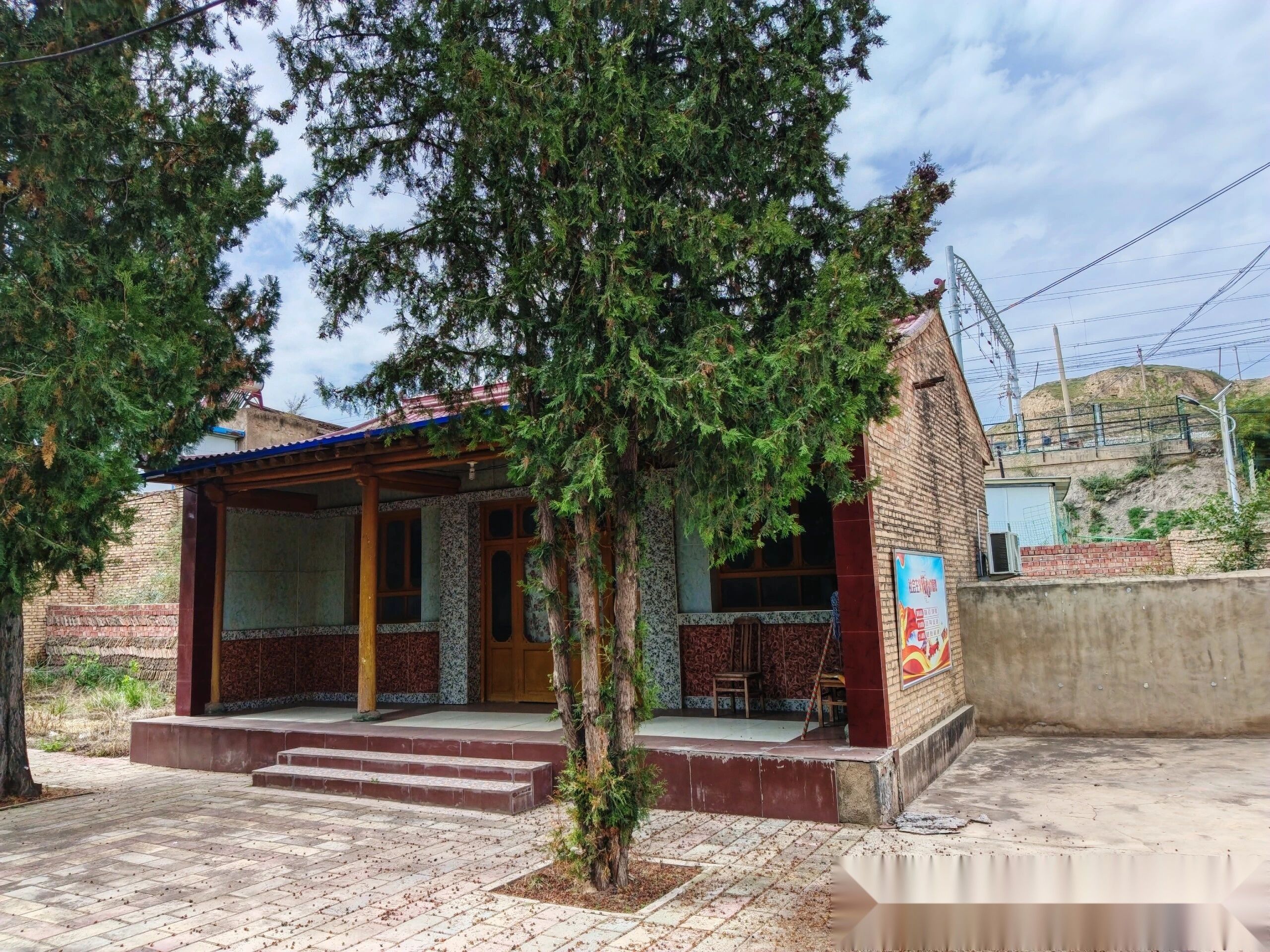
The Gancaodian Mosque belongs to the Jahriyya Sufi order, as followers of this path frequently passed through here on their way to the Guanchuan Daotang (a religious hall/center) in Dingxi. As the name Gancaodian suggests, this place was historically a major post station—a must-pass point between Lanzhou and Xi'an. In the old days, it was packed with caravanserais, where travelers and teamsters would stop to rest. Later, when the Bao-Lan Railway was built between Lanzhou and Xi'an, population movement spiked. There were originally over 40 veteran Hui Muslim families running various businesses, but every time they tried to build a mosque, outsiders would tear it down because the Hui Muslims were considered 'foreigners' to the area. Eventually, Sixth Uncle (Ma Chongyong) reached out to a friend of his in the National Revolutionary Army, a Hui officer named Hawandani, who sent a company of soldiers to station themselves here. With the military’s help, the soldiers dug out the cliffside caves that formed the original version of the Gancaodian Mosque; an old well dug by those soldiers still stands as evidence today.
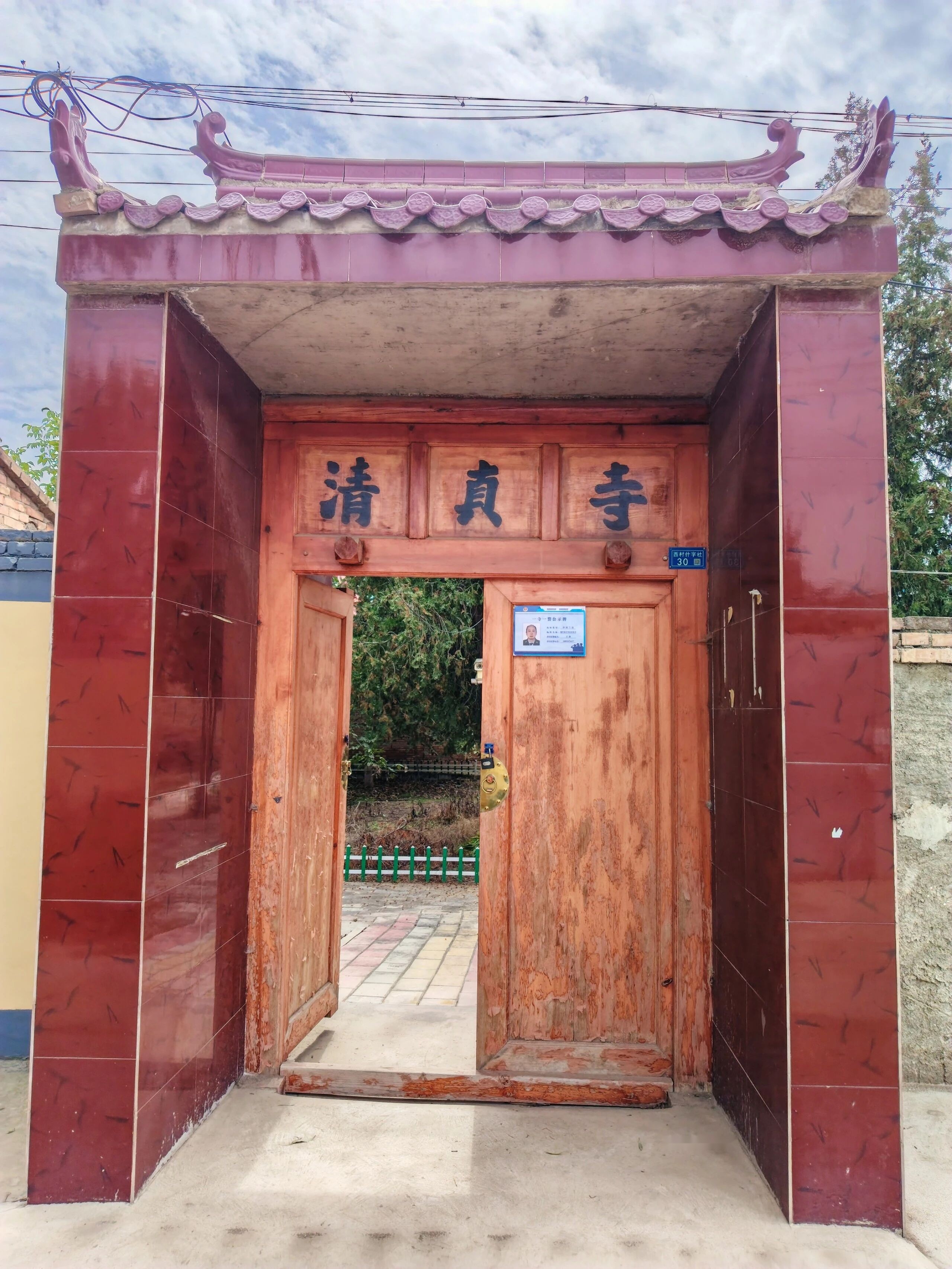
This is the renovated mosque, but sadly, many of the local Muslims have had to move away to find work and escape poverty. Now, only four or five families remain. The elderly Imam—who happens to be my father-in-law—has held down the fort here his entire life. He is a truly self-reliant man of faith. May Allah have mercy on him, be pleased with him, and grant him blessings in this life and the hereafter. Amin!
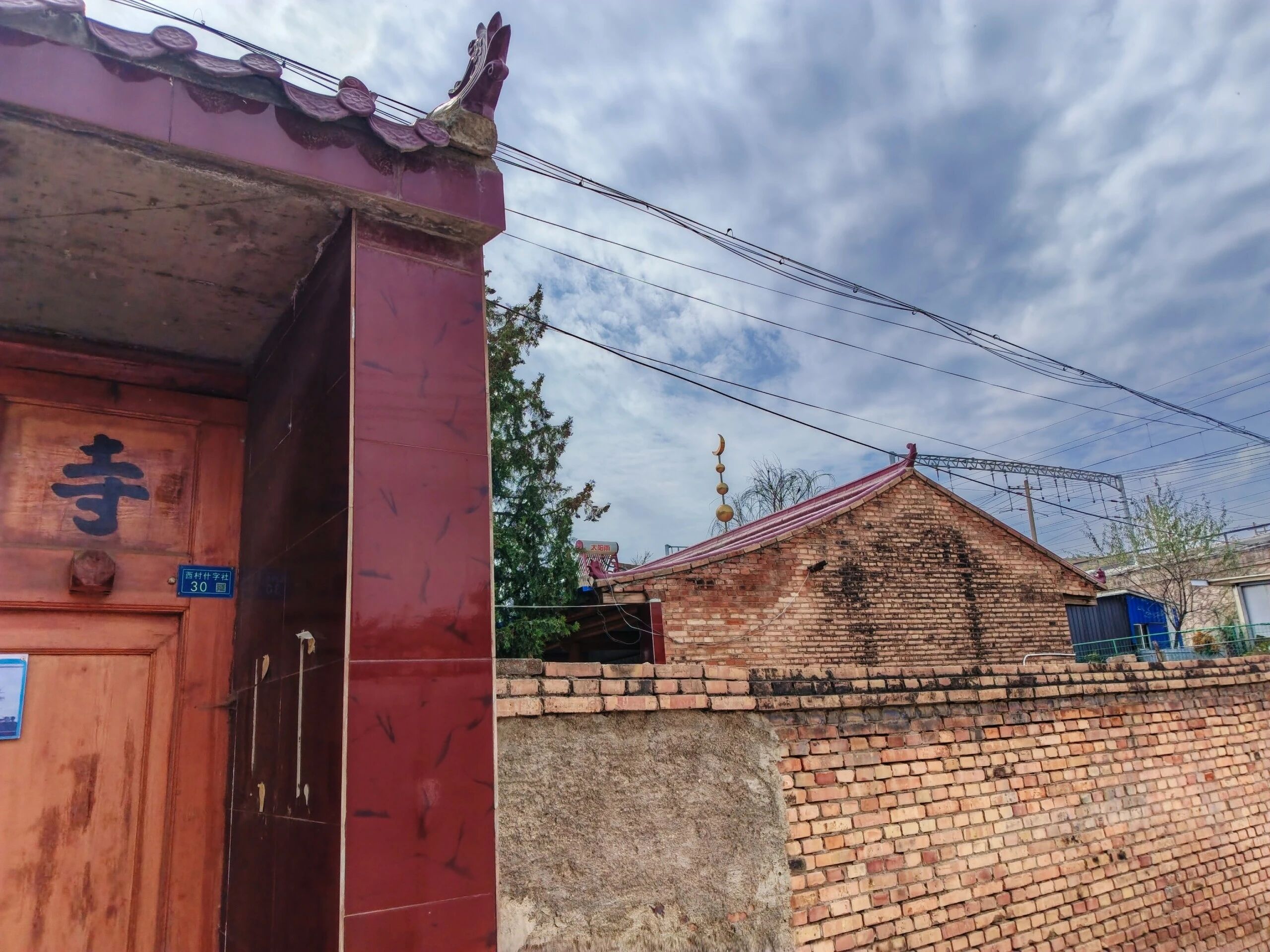
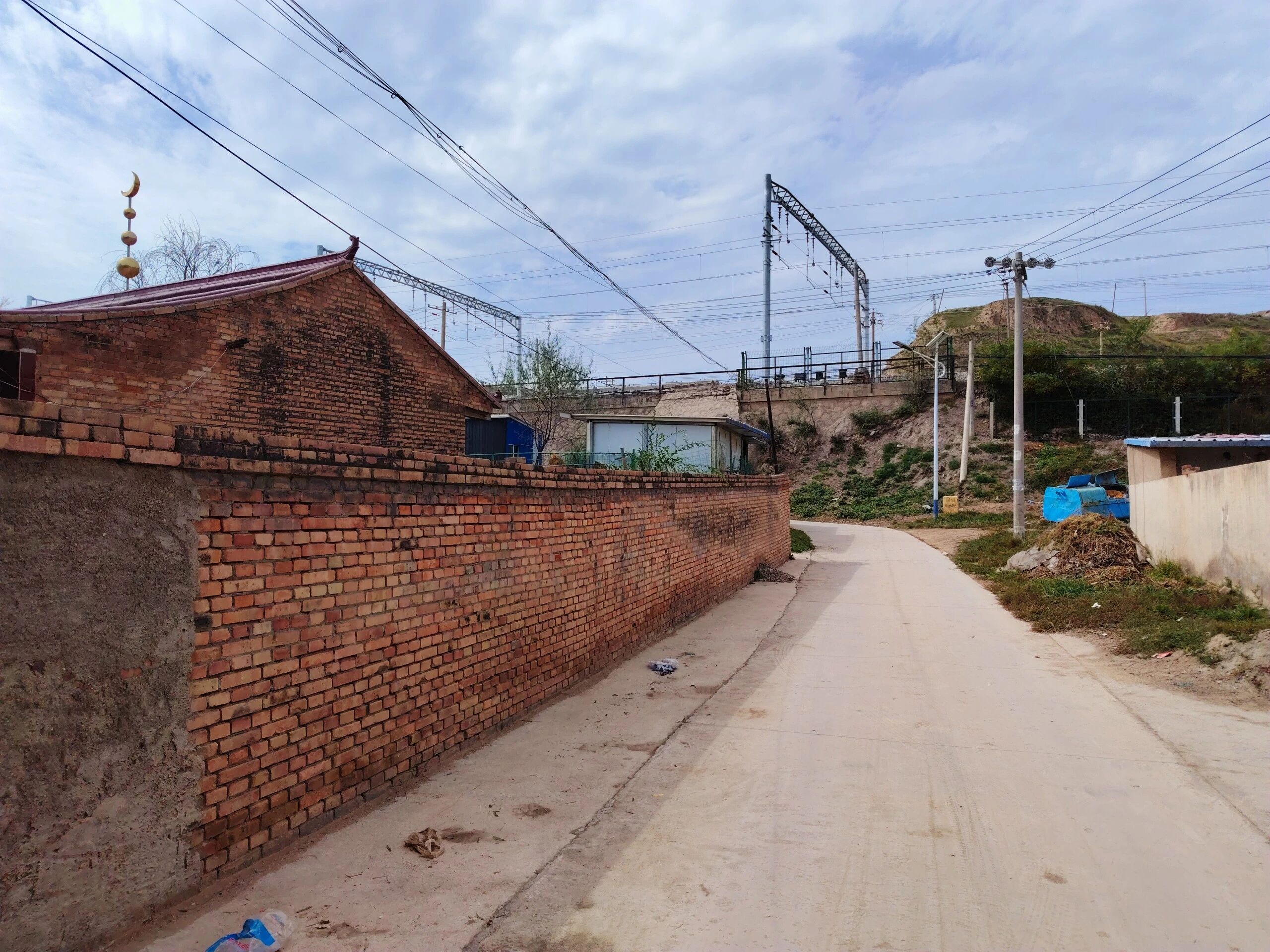
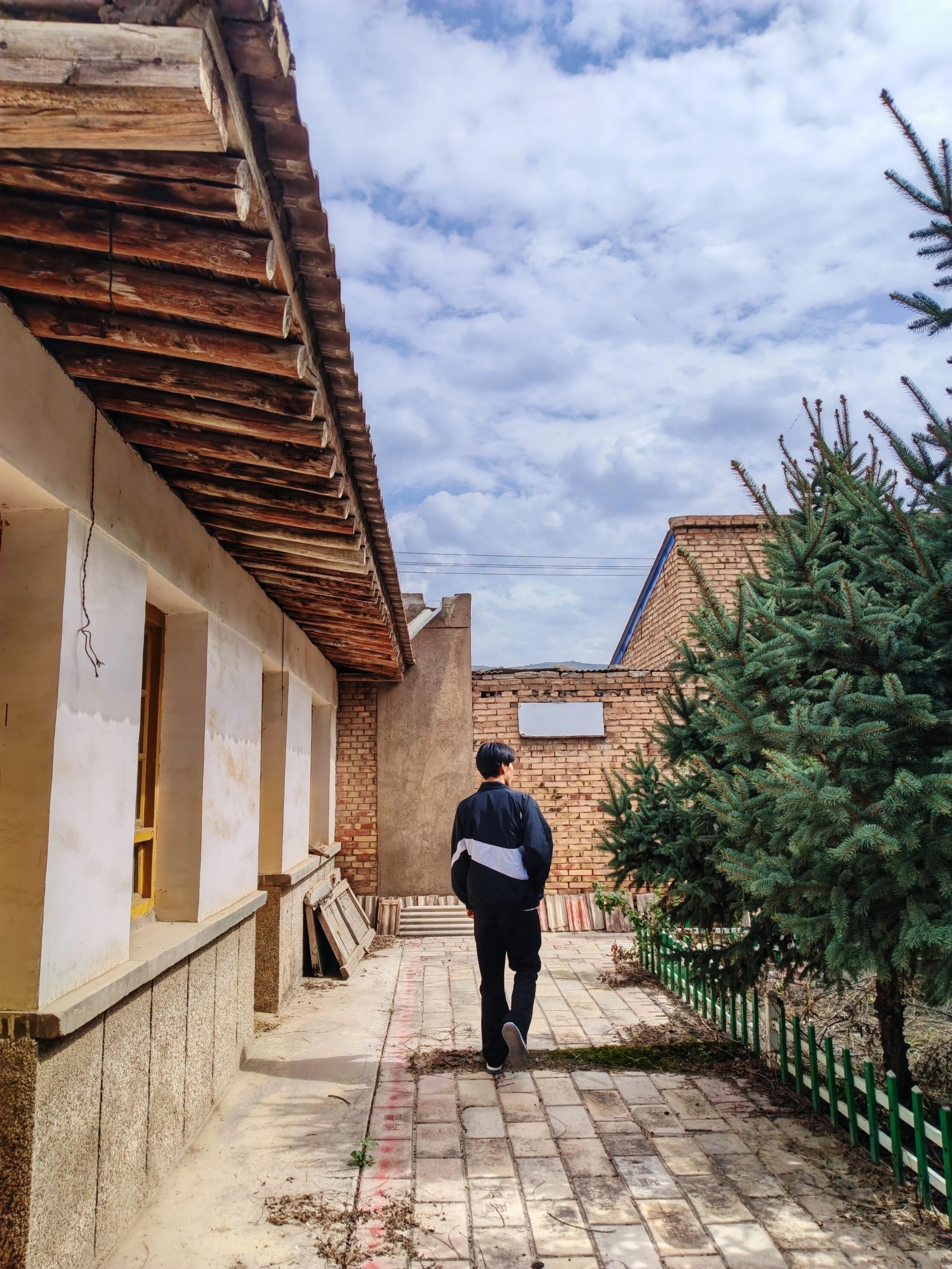
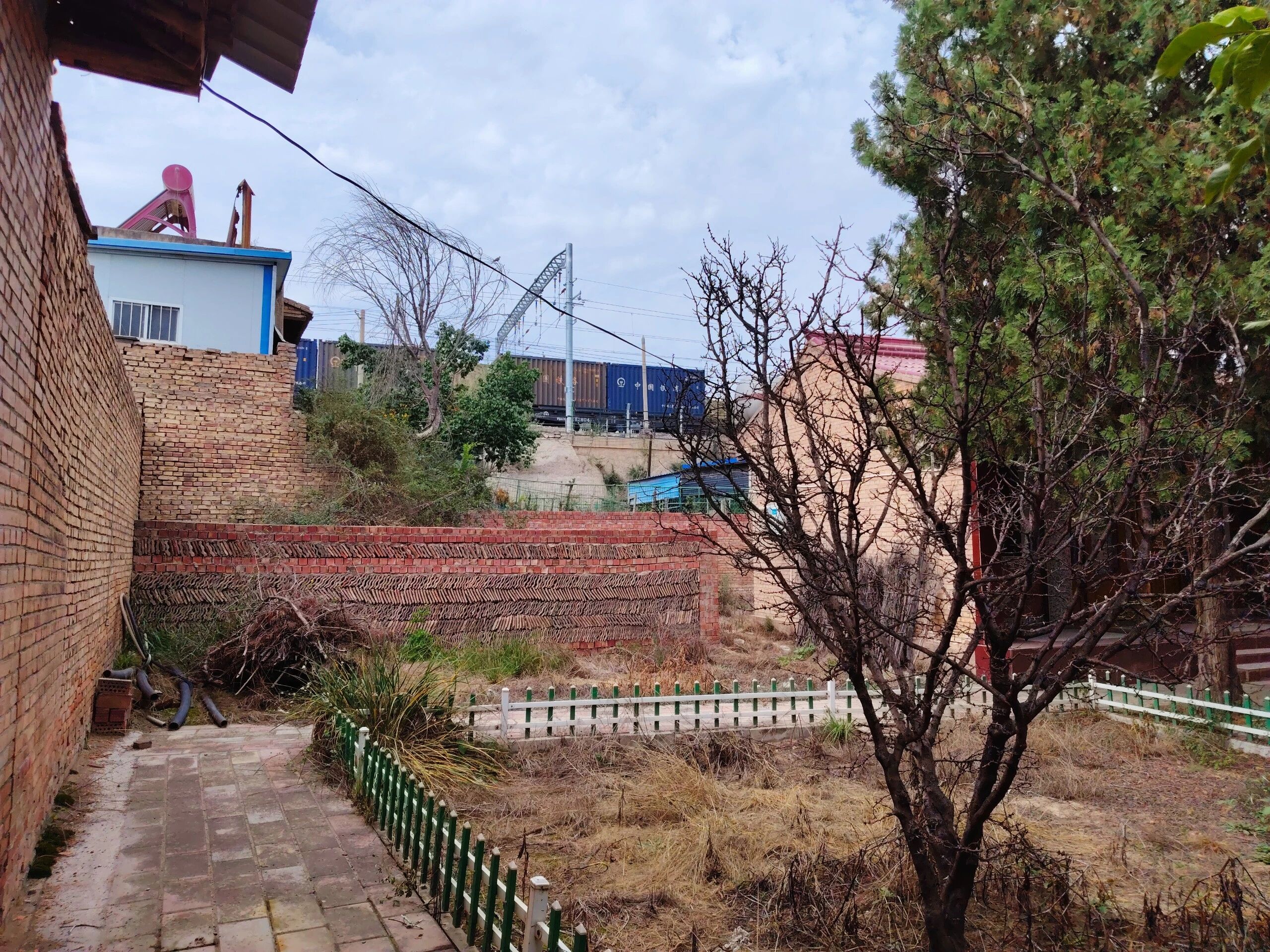
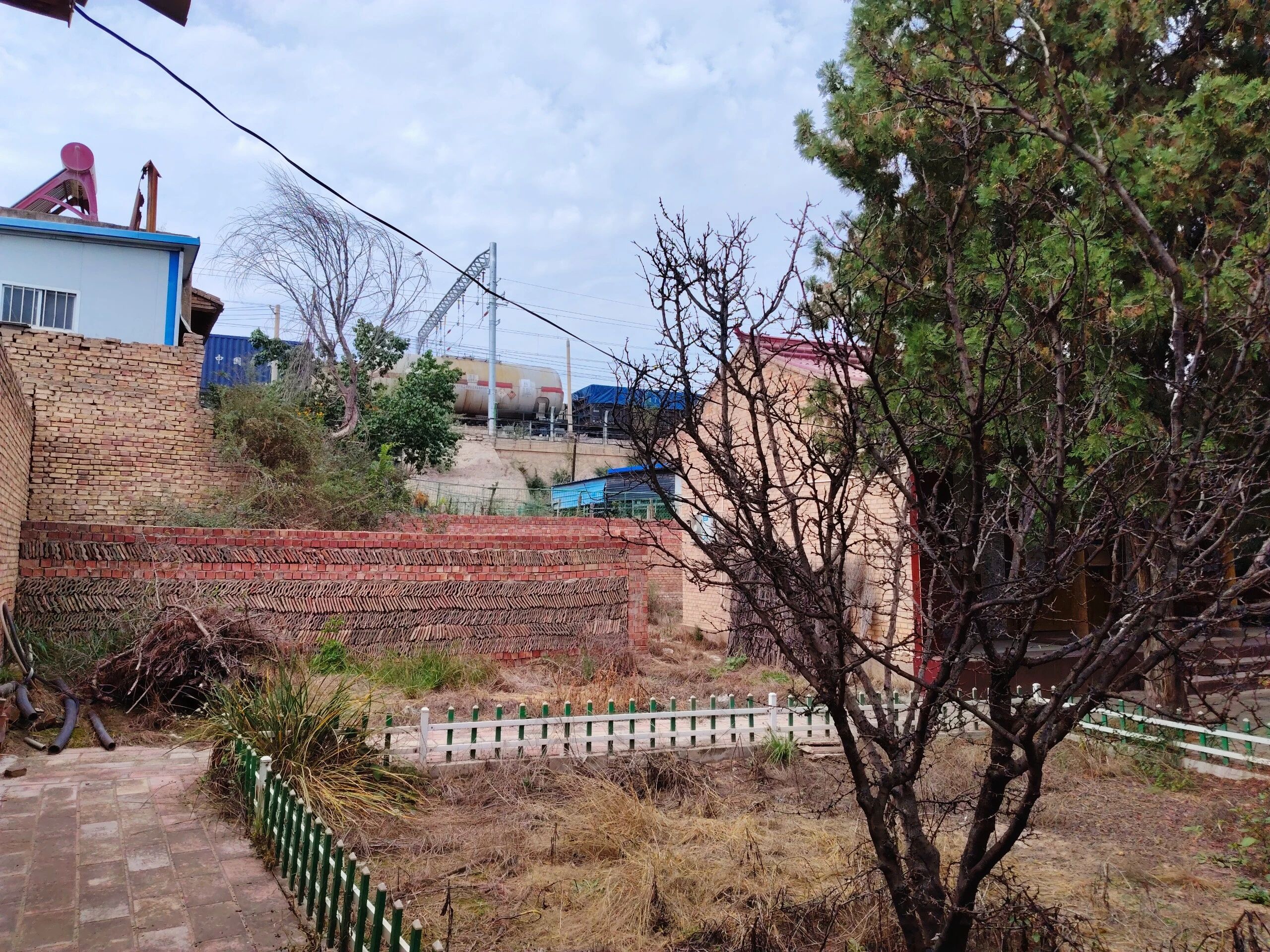
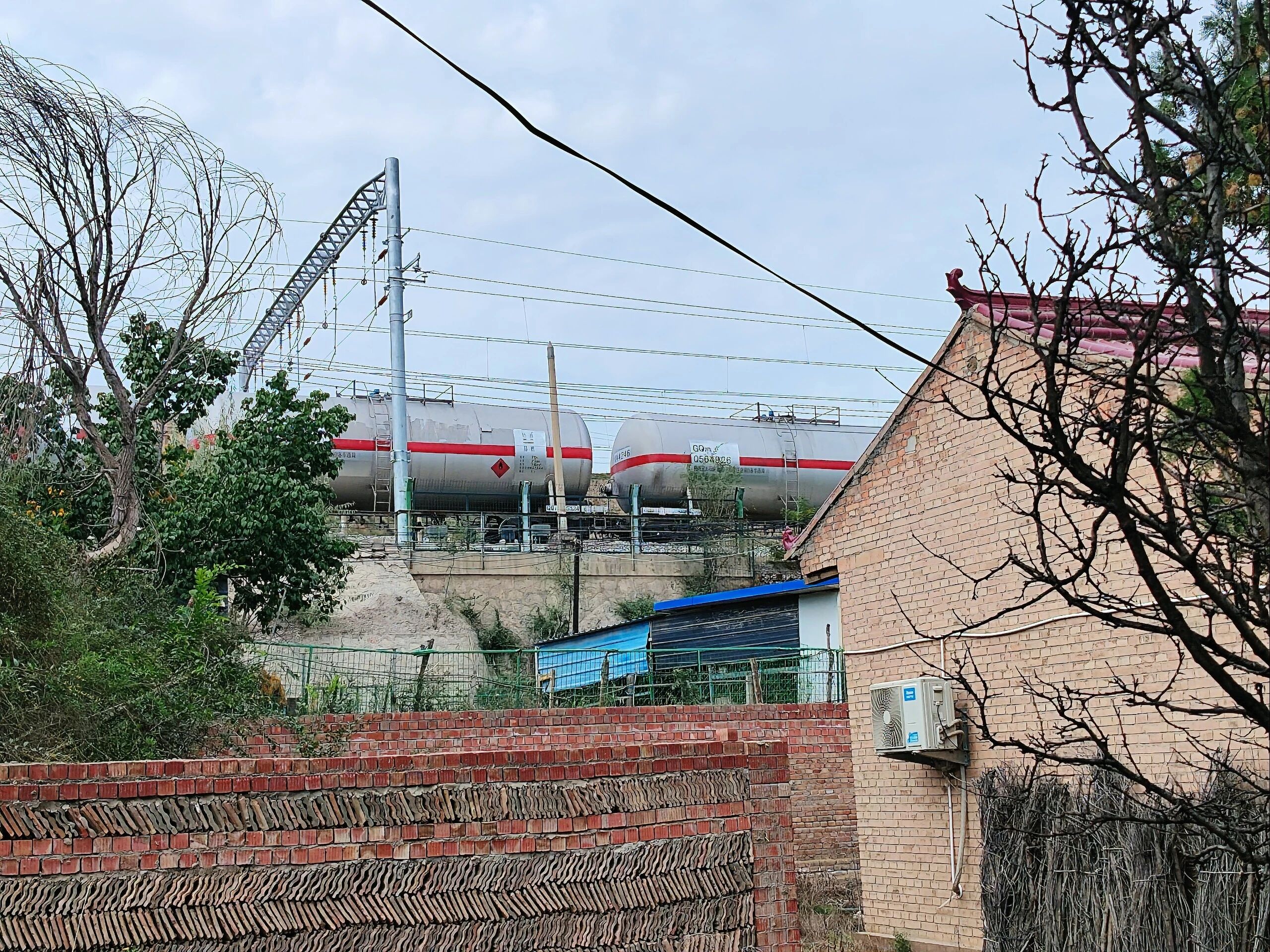
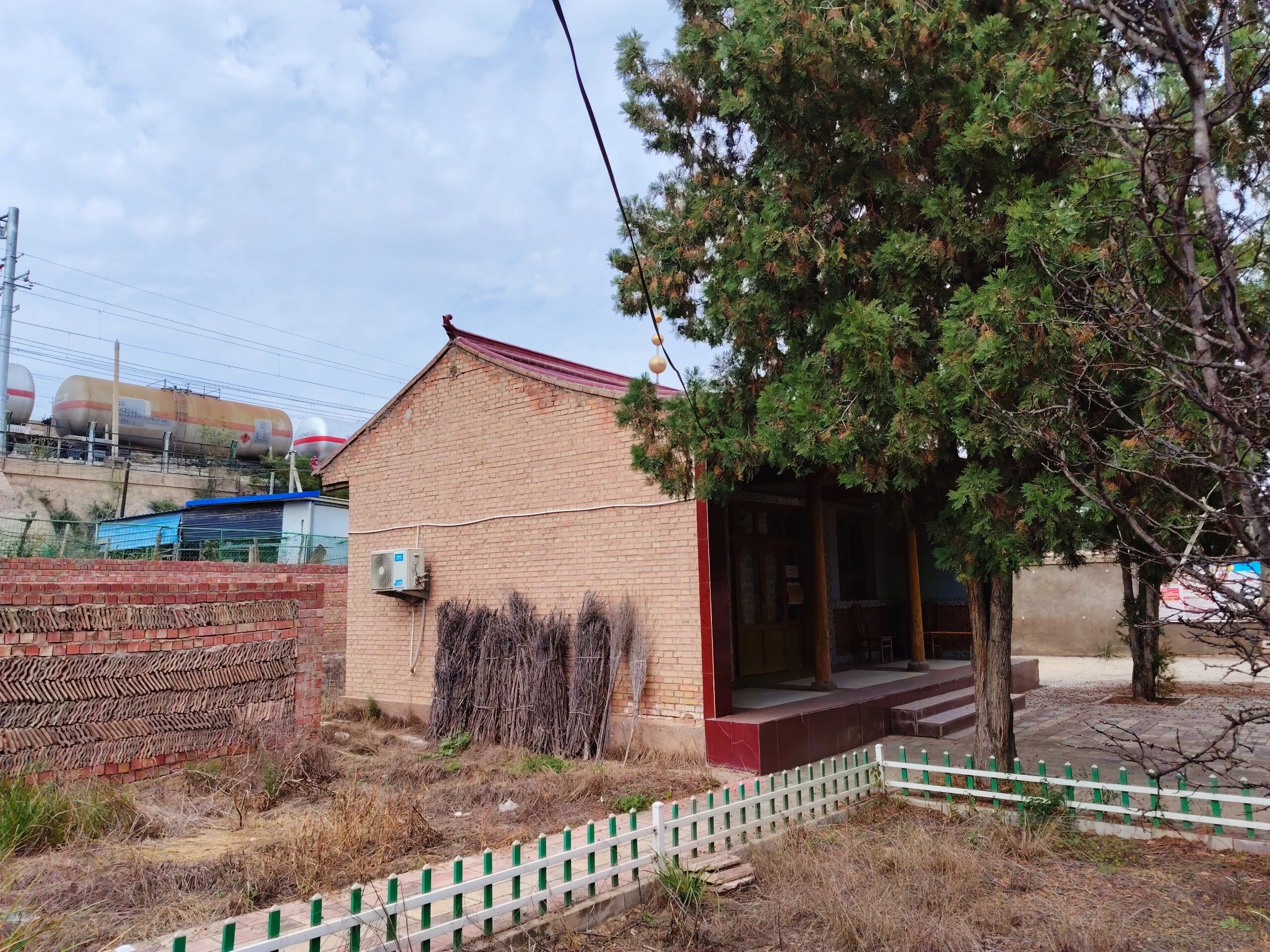
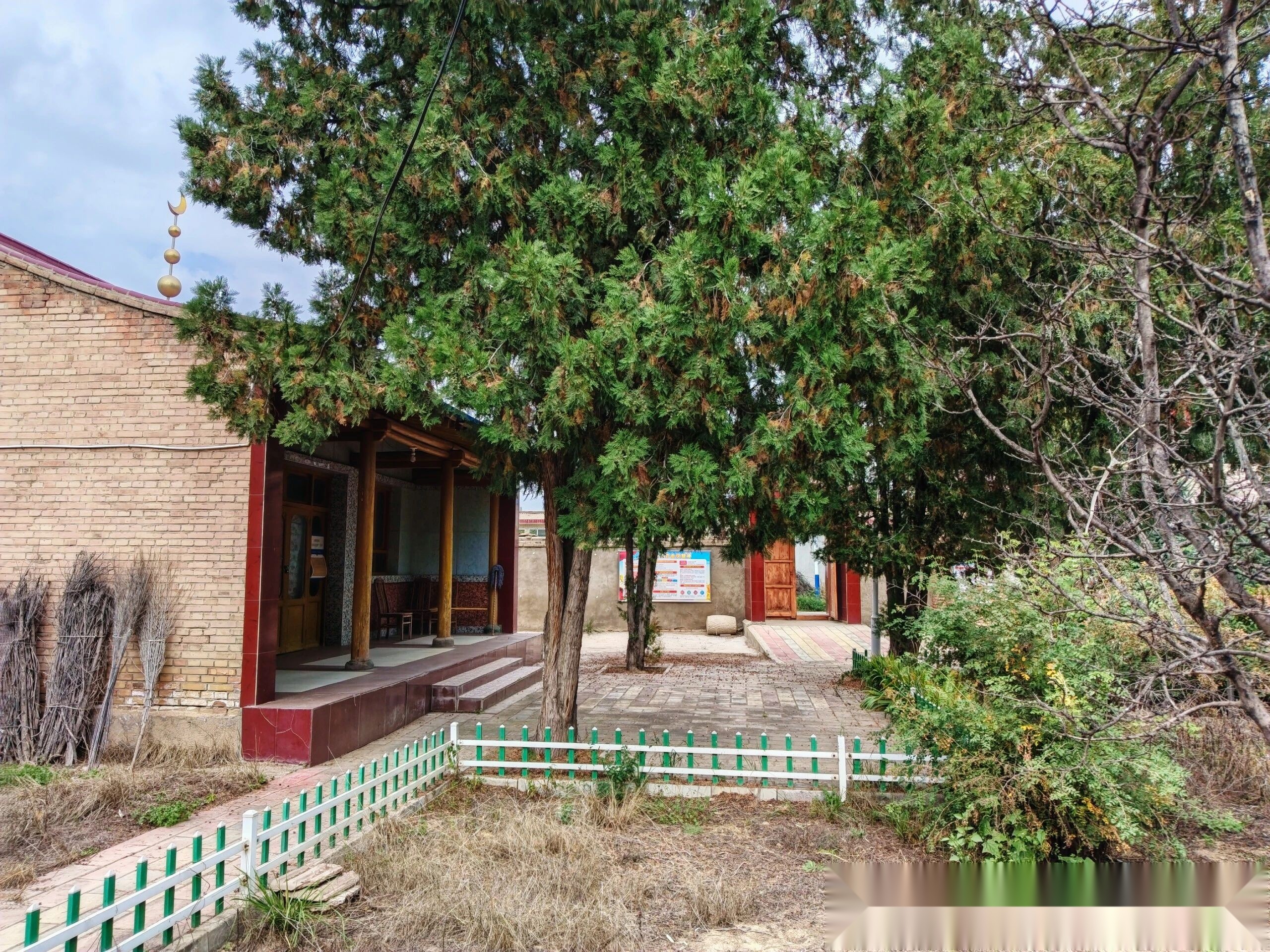
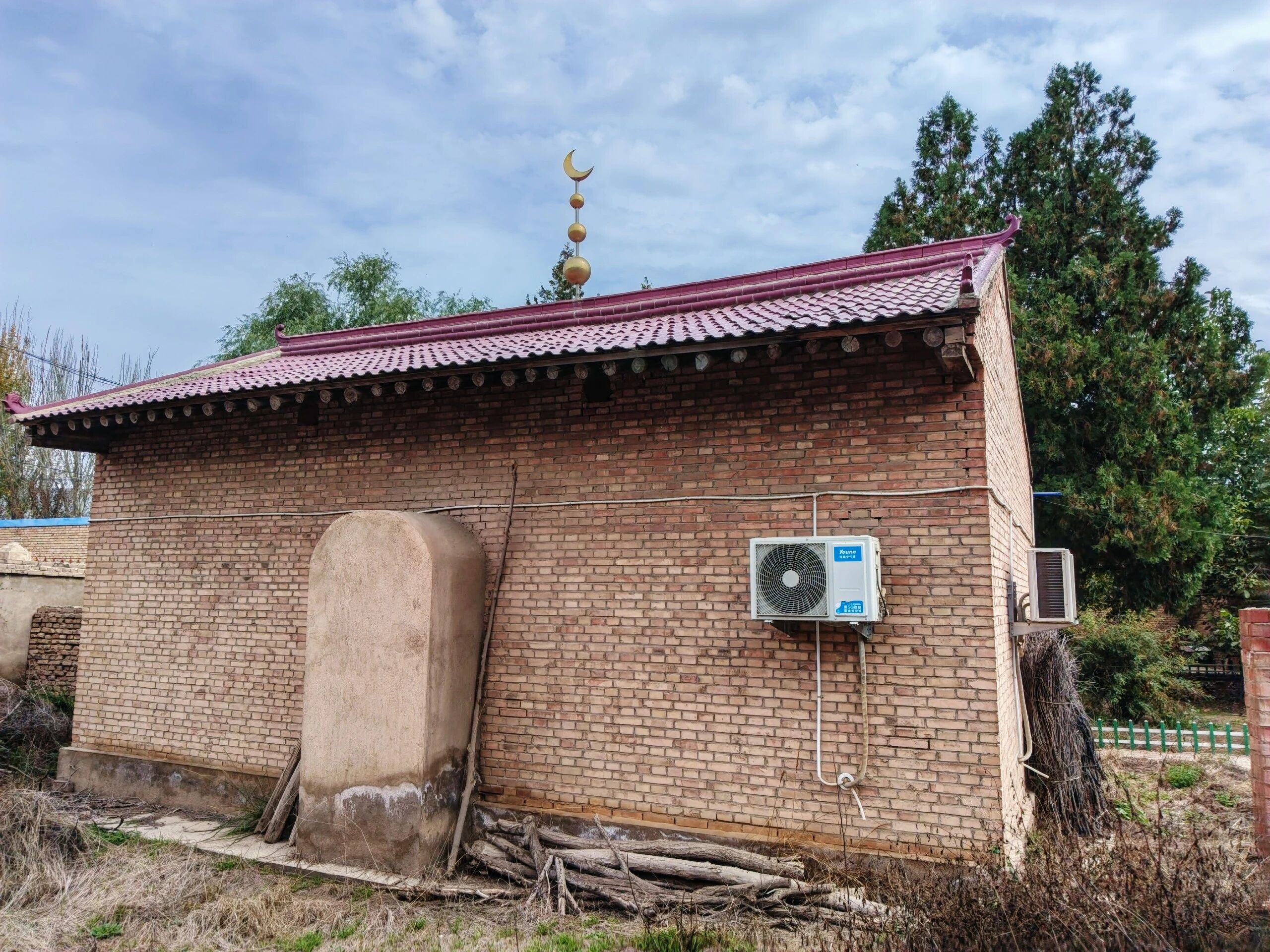
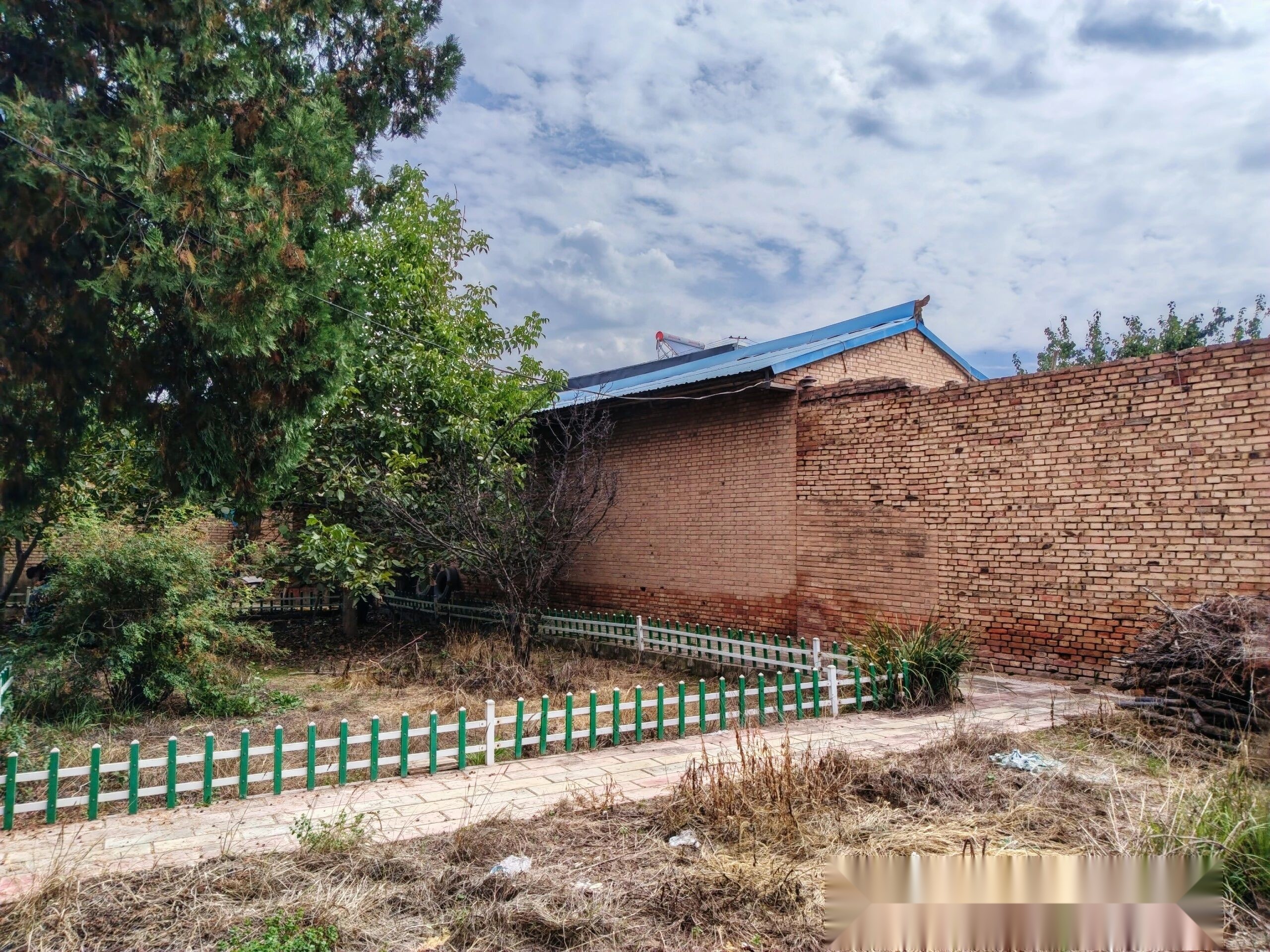
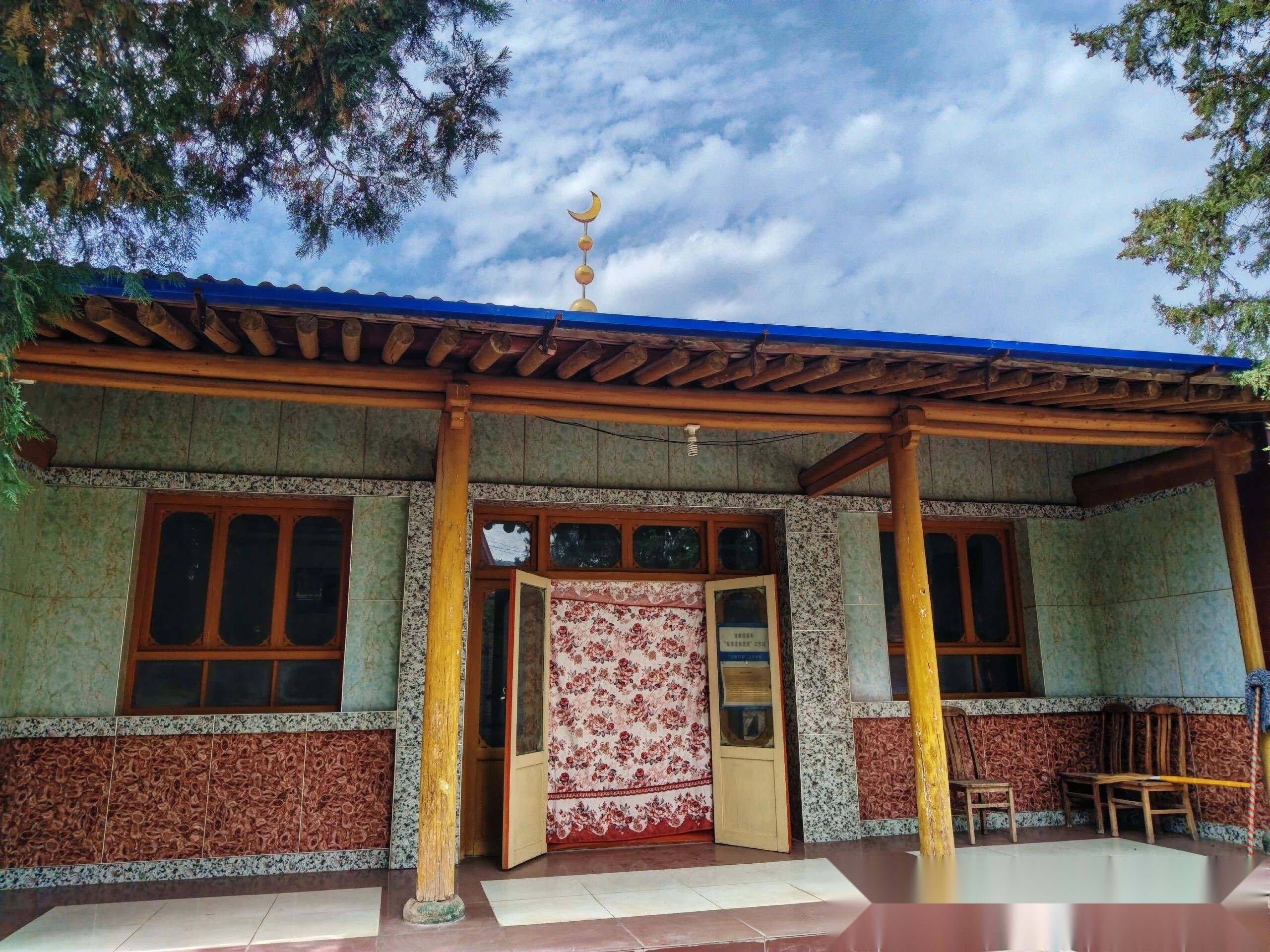
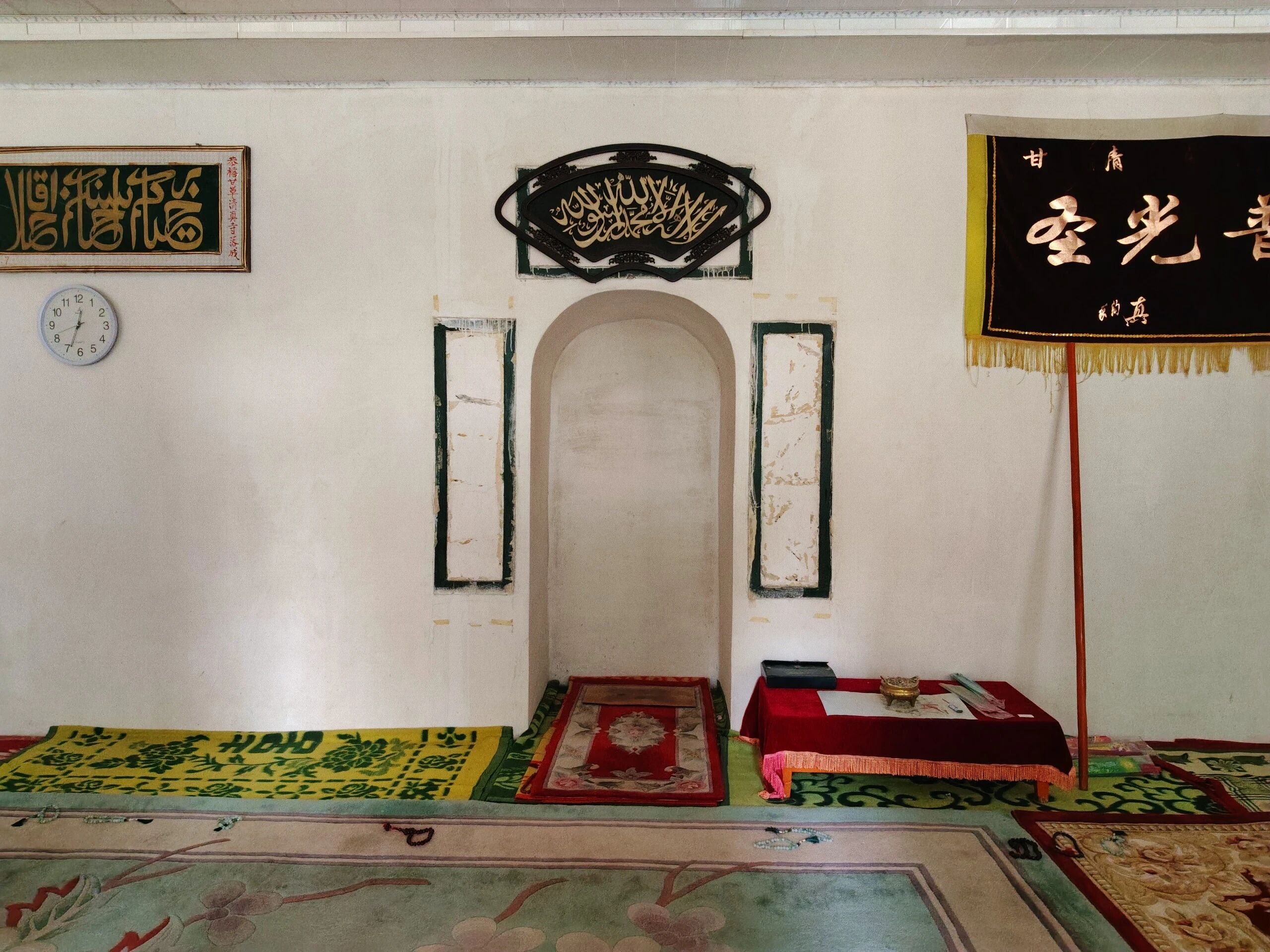
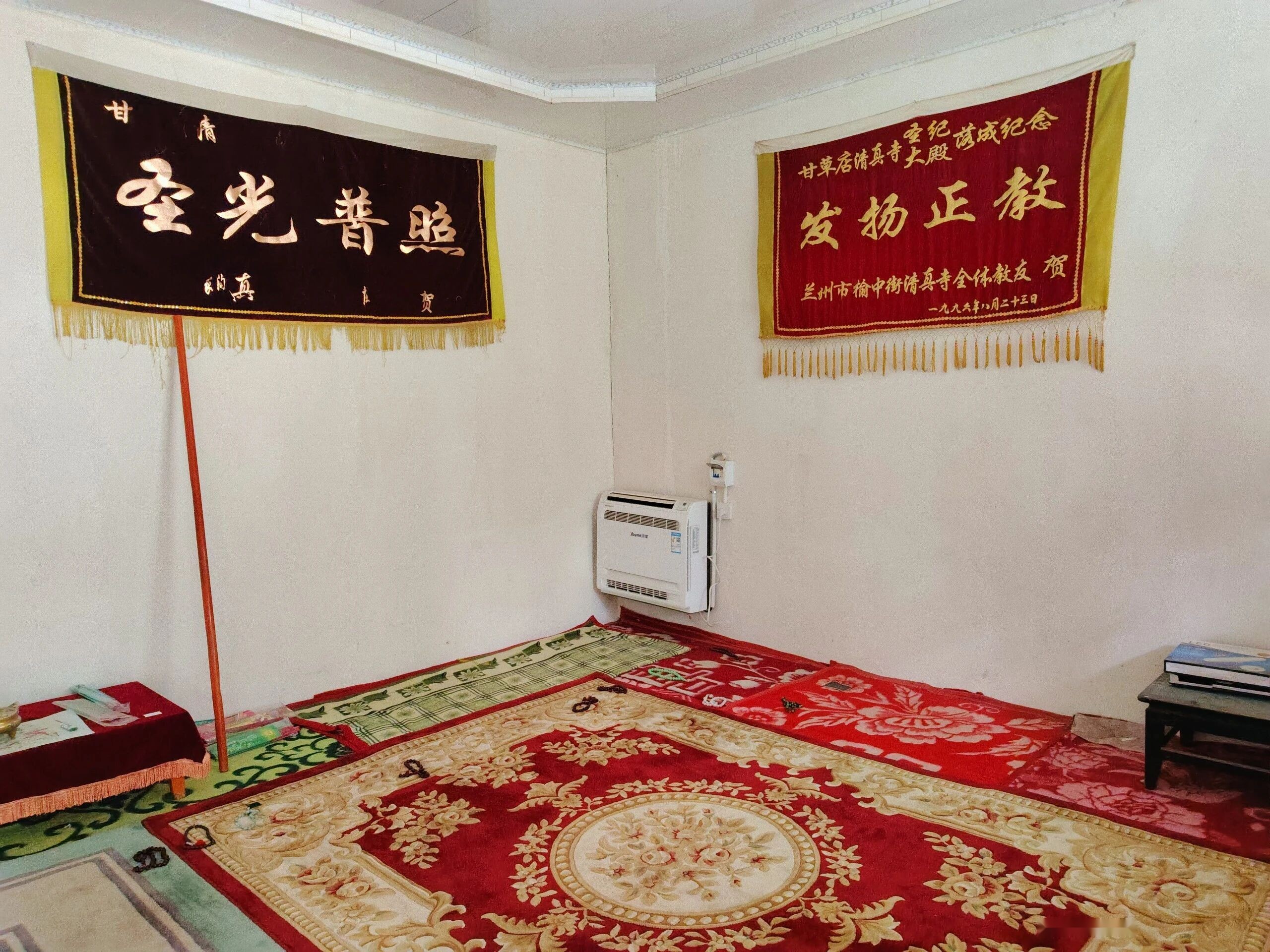
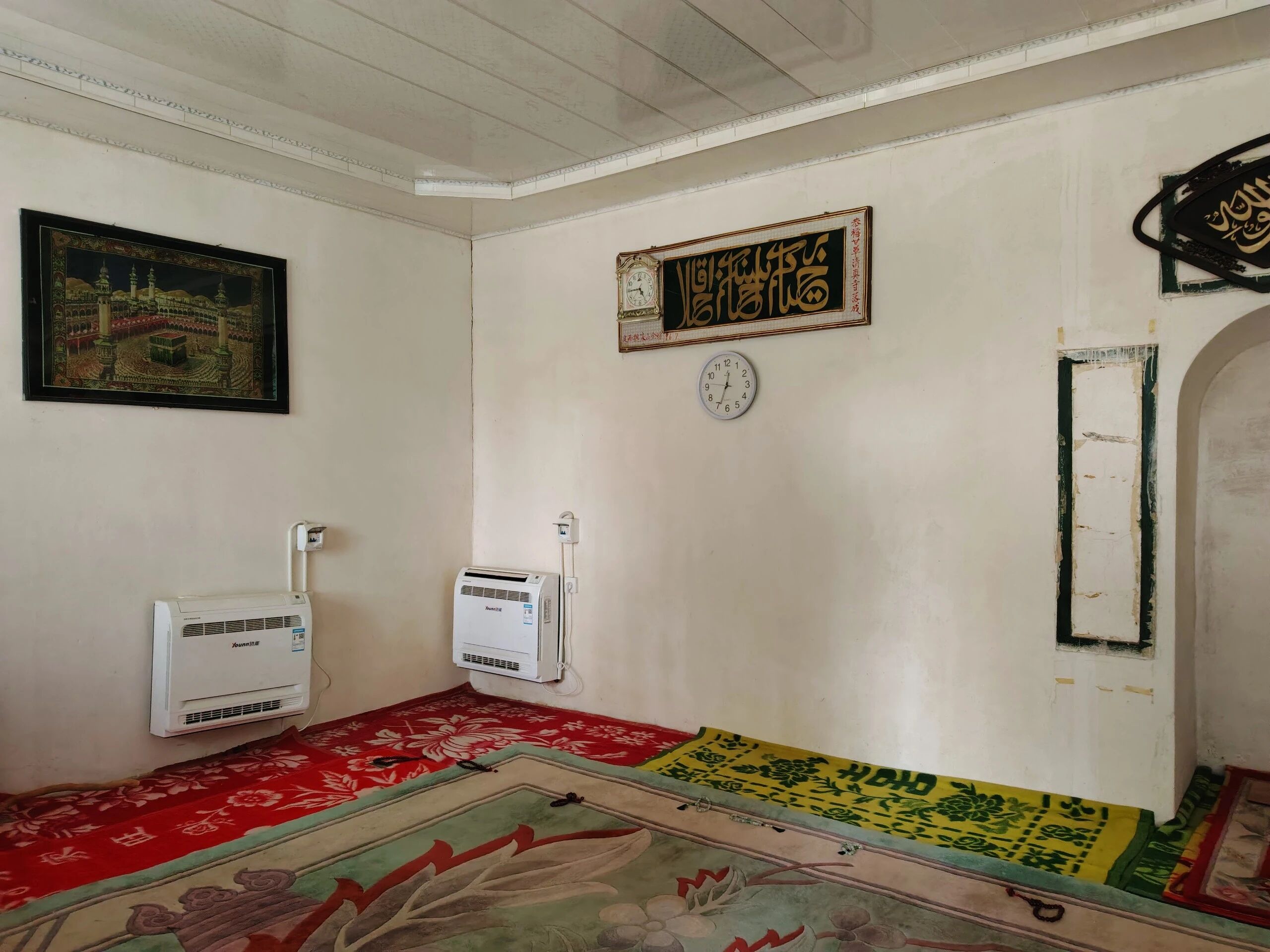
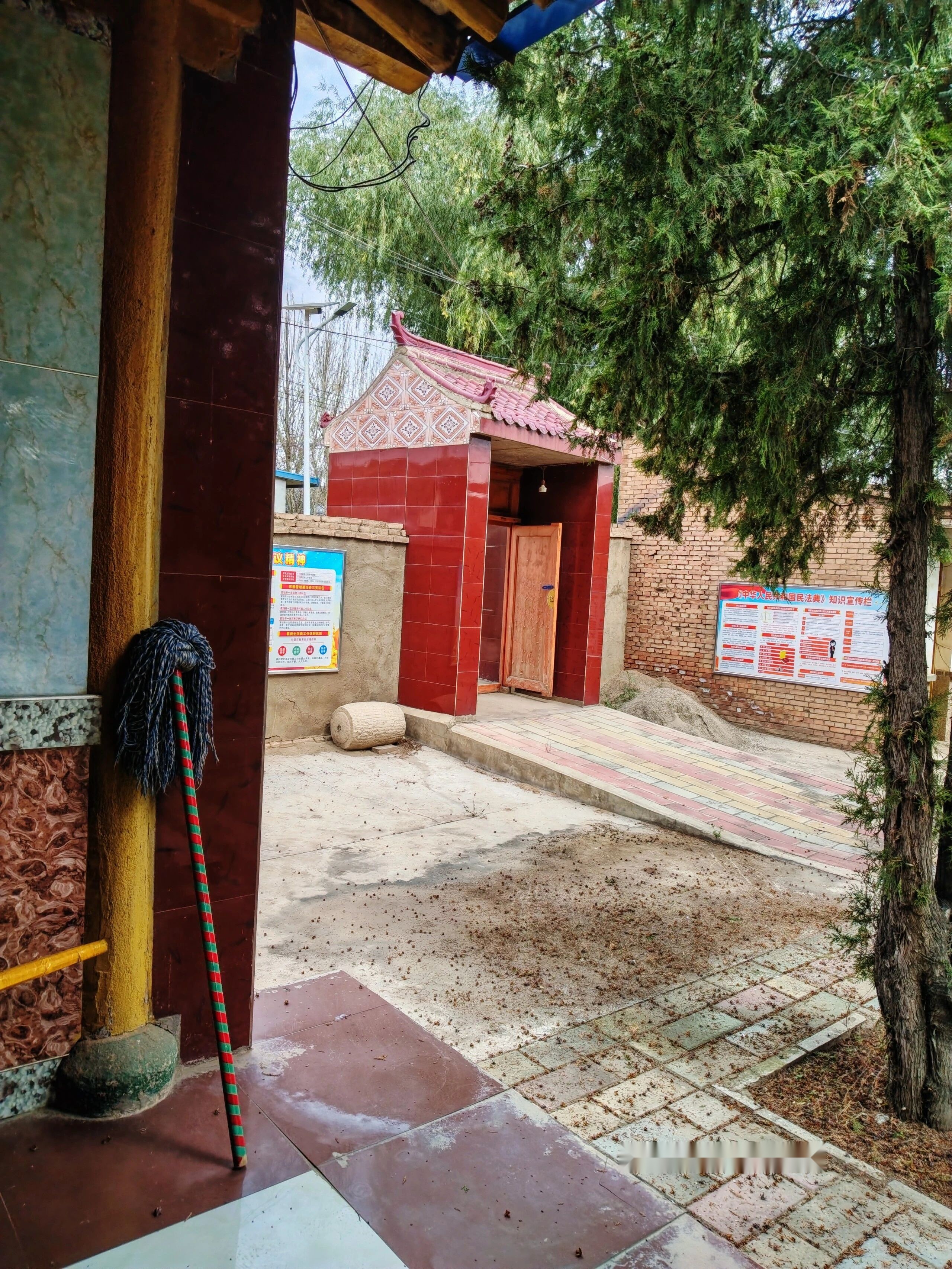
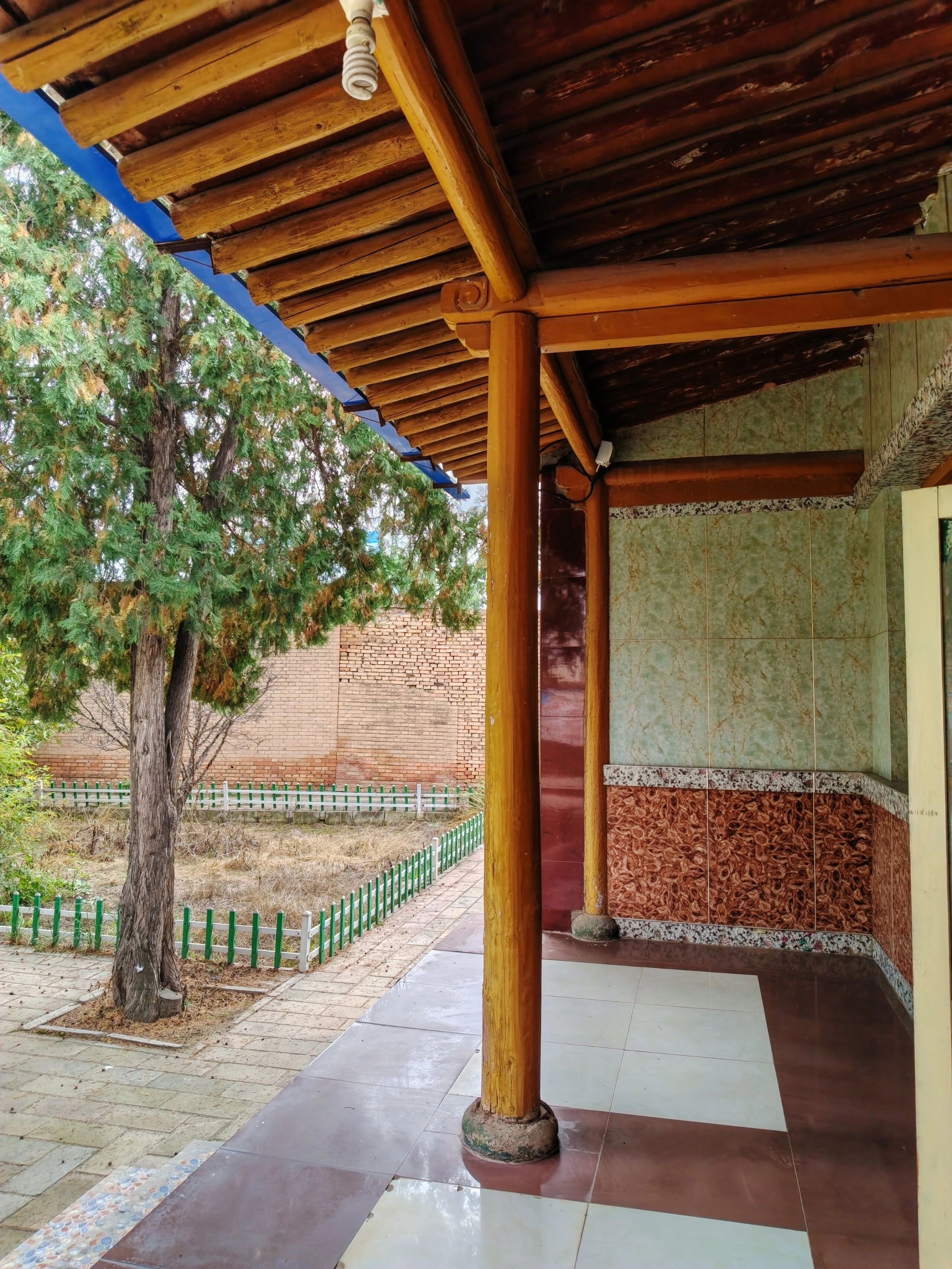
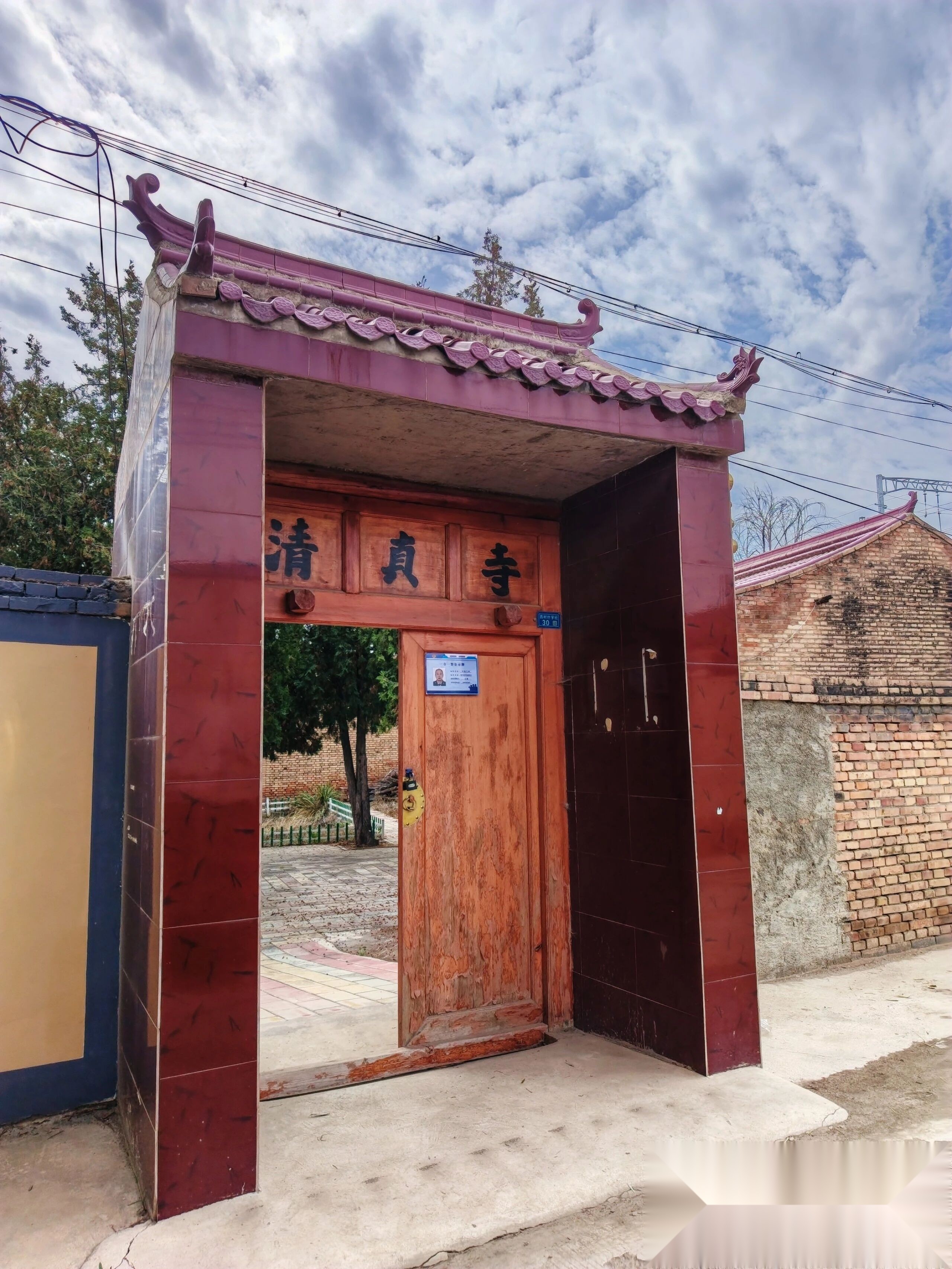
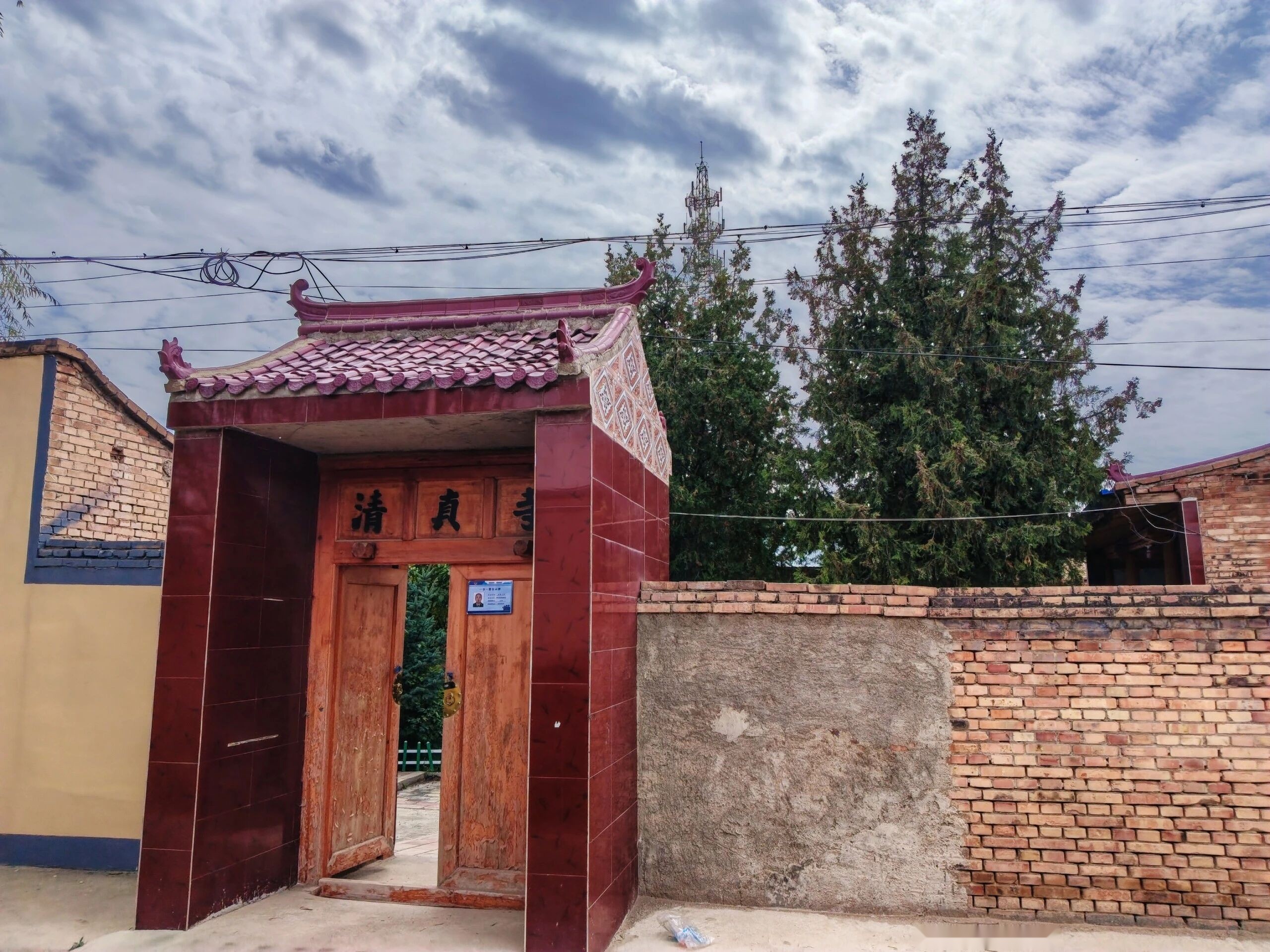
These 20 photos document the Gancaodian Mosque (masjid) located in Yuzhong County, Lanzhou, Gansu Province. We’re tracing the history of over 40 Hui Muslim families who settled along this vital Silk Road artery during the Republican era to trade, as well as the unique cave-style architecture they carved into the cliffs and what the site looks like today.
The Gancaodian Mosque in Yuzhong County was built during the Republican era as a Sufi mosque. Back then, this area was a major hub on the ancient Silk Road connecting Lintao, Linxia, Dingxi, Longxi, Tianshui, Zhangjiachuan, and all the way to the ancient capital of Xi'an. At its peak, more than 40 Hui Muslim families lived and traded here, and with a Muslim community comes the need for a mosque. When they first tried to build it, powerful local Han groups made things incredibly difficult. In the end, a Hui Muslim officer in the Nationalist army had to mobilize troops to step in. The soldiers carved the structure directly into the cliffside in the form of a yaodong (traditional cave dwelling). The current mosque building is a later addition, and there are only a few Muslim families left in the area now today.
The Gancaodian Mosque belongs to the Jahriyya Sufi order, as followers of this path frequently passed through here on their way to the Guanchuan Daotang (a religious hall/center) in Dingxi. As the name Gancaodian suggests, this place was historically a major post station—a must-pass point between Lanzhou and Xi'an. In the old days, it was packed with caravanserais, where travelers and teamsters would stop to rest. Later, when the Bao-Lan Railway was built between Lanzhou and Xi'an, population movement spiked. There were originally over 40 veteran Hui Muslim families running various businesses, but every time they tried to build a mosque, outsiders would tear it down because the Hui Muslims were considered 'foreigners' to the area. Eventually, Sixth Uncle (Ma Chongyong) reached out to a friend of his in the National Revolutionary Army, a Hui officer named Hawandani, who sent a company of soldiers to station themselves here. With the military’s help, the soldiers dug out the cliffside caves that formed the original version of the Gancaodian Mosque; an old well dug by those soldiers still stands as evidence today.
This is the renovated mosque, but sadly, many of the local Muslims have had to move away to find work and escape poverty. Now, only four or five families remain. The elderly Imam—who happens to be my father-in-law—has held down the fort here his entire life. He is a truly self-reliant man of faith. May Allah have mercy on him, be pleased with him, and grant him blessings in this life and the hereafter. Amin!
Discovering Wu'aisi Baba Gongbei in Gansu: Exploring Ancient Islamic Heritage and Tang Dynasty History in Yumen
Articles • Hasan09 posted the article • 0 comments • 15 views • 19 hours ago
[Internet Repost]
Take a look at these 20 photos as we visit the Wu'aisi Baba Gongbei located in Qingquan Township, Yumen City, Gansu Province. We're diving into the legends of Islamic missionaries who traveled to the Hexi Corridor during the Tang Dynasty's Zhenguan era, while exploring the mosque's unique architecture that blends Arabic domes with traditional Chinese structural designs.
This is a place with deep historical roots, serving as the tomb of a prominent Islamic saint. Here is the detailed information I've put together for you:
It is located in Qingquan Township, Yumen City, Gansu Province.
Historical background: The term "Gongbei" is a transliteration from Arabic meaning a dome-shaped mausoleum. Historical records state that between 626 and 649 AD, a missionary named Wu'aisi, sent by the third Caliph Uthman, passed away in Yumen while on his way to preach in China and was laid to rest here. To honor this saint, later generations built a mausoleum on the site. The current main structure was built in the 1980s and features a design that fuses Arabic style with traditional Chinese elements. The lower section is a towering prayer hall, the middle is a three-story tower with feiyan dougong (traditional flying eaves and brackets), and the top is crowned with a treasure-gourd-shaped spire, making it truly one-of-a-kind. There are also prayer halls, reception rooms, and dormitories nearby. The Gongbei was officially designated as a county-level cultural relic protection unit by the Yumen Municipal People's Government in 1987. view all
Take a look at these 20 photos as we visit the Wu'aisi Baba Gongbei located in Qingquan Township, Yumen City, Gansu Province. We're diving into the legends of Islamic missionaries who traveled to the Hexi Corridor during the Tang Dynasty's Zhenguan era, while exploring the mosque's unique architecture that blends Arabic domes with traditional Chinese structural designs.
This is a place with deep historical roots, serving as the tomb of a prominent Islamic saint. Here is the detailed information I've put together for you:
It is located in Qingquan Township, Yumen City, Gansu Province.
Historical background: The term "Gongbei" is a transliteration from Arabic meaning a dome-shaped mausoleum. Historical records state that between 626 and 649 AD, a missionary named Wu'aisi, sent by the third Caliph Uthman, passed away in Yumen while on his way to preach in China and was laid to rest here. To honor this saint, later generations built a mausoleum on the site. The current main structure was built in the 1980s and features a design that fuses Arabic style with traditional Chinese elements. The lower section is a towering prayer hall, the middle is a three-story tower with feiyan dougong (traditional flying eaves and brackets), and the top is crowned with a treasure-gourd-shaped spire, making it truly one-of-a-kind. There are also prayer halls, reception rooms, and dormitories nearby. The Gongbei was officially designated as a county-level cultural relic protection unit by the Yumen Municipal People's Government in 1987. view all
[Internet Repost]
Take a look at these 20 photos as we visit the Wu'aisi Baba Gongbei located in Qingquan Township, Yumen City, Gansu Province. We're diving into the legends of Islamic missionaries who traveled to the Hexi Corridor during the Tang Dynasty's Zhenguan era, while exploring the mosque's unique architecture that blends Arabic domes with traditional Chinese structural designs.
This is a place with deep historical roots, serving as the tomb of a prominent Islamic saint. Here is the detailed information I've put together for you:
It is located in Qingquan Township, Yumen City, Gansu Province.
Historical background: The term "Gongbei" is a transliteration from Arabic meaning a dome-shaped mausoleum. Historical records state that between 626 and 649 AD, a missionary named Wu'aisi, sent by the third Caliph Uthman, passed away in Yumen while on his way to preach in China and was laid to rest here. To honor this saint, later generations built a mausoleum on the site. The current main structure was built in the 1980s and features a design that fuses Arabic style with traditional Chinese elements. The lower section is a towering prayer hall, the middle is a three-story tower with feiyan dougong (traditional flying eaves and brackets), and the top is crowned with a treasure-gourd-shaped spire, making it truly one-of-a-kind. There are also prayer halls, reception rooms, and dormitories nearby. The Gongbei was officially designated as a county-level cultural relic protection unit by the Yumen Municipal People's Government in 1987.
Exploring Gansu's Gancaodian Mosque: A Hidden Republican-Era Cave Masjid on the Ancient Silk Road
Articles • Hasan09 posted the article • 0 comments • 8 views • 19 hours ago
[Internet Repost]
These 20 photos document the Gancaodian Mosque (masjid) located in Yuzhong County, Lanzhou, Gansu Province. We’re tracing the history of over 40 Hui Muslim families who settled along this vital Silk Road artery during the Republican era to trade, as well as the unique cave-style architecture they carved into the cliffs and what the site looks like today.
The Gancaodian Mosque in Yuzhong County was built during the Republican era as a Sufi mosque. Back then, this area was a major hub on the ancient Silk Road connecting Lintao, Linxia, Dingxi, Longxi, Tianshui, Zhangjiachuan, and all the way to the ancient capital of Xi'an. At its peak, more than 40 Hui Muslim families lived and traded here, and with a Muslim community comes the need for a mosque. When they first tried to build it, powerful local Han groups made things incredibly difficult. In the end, a Hui Muslim officer in the Nationalist army had to mobilize troops to step in. The soldiers carved the structure directly into the cliffside in the form of a yaodong (traditional cave dwelling). The current mosque building is a later addition, and there are only a few Muslim families left in the area now today.
The Gancaodian Mosque belongs to the Jahriyya Sufi order, as followers of this path frequently passed through here on their way to the Guanchuan Daotang (a religious hall/center) in Dingxi. As the name Gancaodian suggests, this place was historically a major post station—a must-pass point between Lanzhou and Xi'an. In the old days, it was packed with caravanserais, where travelers and teamsters would stop to rest. Later, when the Bao-Lan Railway was built between Lanzhou and Xi'an, population movement spiked. There were originally over 40 veteran Hui Muslim families running various businesses, but every time they tried to build a mosque, outsiders would tear it down because the Hui Muslims were considered 'foreigners' to the area. Eventually, Sixth Uncle (Ma Chongyong) reached out to a friend of his in the National Revolutionary Army, a Hui officer named Hawandani, who sent a company of soldiers to station themselves here. With the military’s help, the soldiers dug out the cliffside caves that formed the original version of the Gancaodian Mosque; an old well dug by those soldiers still stands as evidence today.
This is the renovated mosque, but sadly, many of the local Muslims have had to move away to find work and escape poverty. Now, only four or five families remain. The elderly Imam—who happens to be my father-in-law—has held down the fort here his entire life. He is a truly self-reliant man of faith. May Allah have mercy on him, be pleased with him, and grant him blessings in this life and the hereafter. Amin! view all
These 20 photos document the Gancaodian Mosque (masjid) located in Yuzhong County, Lanzhou, Gansu Province. We’re tracing the history of over 40 Hui Muslim families who settled along this vital Silk Road artery during the Republican era to trade, as well as the unique cave-style architecture they carved into the cliffs and what the site looks like today.
The Gancaodian Mosque in Yuzhong County was built during the Republican era as a Sufi mosque. Back then, this area was a major hub on the ancient Silk Road connecting Lintao, Linxia, Dingxi, Longxi, Tianshui, Zhangjiachuan, and all the way to the ancient capital of Xi'an. At its peak, more than 40 Hui Muslim families lived and traded here, and with a Muslim community comes the need for a mosque. When they first tried to build it, powerful local Han groups made things incredibly difficult. In the end, a Hui Muslim officer in the Nationalist army had to mobilize troops to step in. The soldiers carved the structure directly into the cliffside in the form of a yaodong (traditional cave dwelling). The current mosque building is a later addition, and there are only a few Muslim families left in the area now today.
The Gancaodian Mosque belongs to the Jahriyya Sufi order, as followers of this path frequently passed through here on their way to the Guanchuan Daotang (a religious hall/center) in Dingxi. As the name Gancaodian suggests, this place was historically a major post station—a must-pass point between Lanzhou and Xi'an. In the old days, it was packed with caravanserais, where travelers and teamsters would stop to rest. Later, when the Bao-Lan Railway was built between Lanzhou and Xi'an, population movement spiked. There were originally over 40 veteran Hui Muslim families running various businesses, but every time they tried to build a mosque, outsiders would tear it down because the Hui Muslims were considered 'foreigners' to the area. Eventually, Sixth Uncle (Ma Chongyong) reached out to a friend of his in the National Revolutionary Army, a Hui officer named Hawandani, who sent a company of soldiers to station themselves here. With the military’s help, the soldiers dug out the cliffside caves that formed the original version of the Gancaodian Mosque; an old well dug by those soldiers still stands as evidence today.
This is the renovated mosque, but sadly, many of the local Muslims have had to move away to find work and escape poverty. Now, only four or five families remain. The elderly Imam—who happens to be my father-in-law—has held down the fort here his entire life. He is a truly self-reliant man of faith. May Allah have mercy on him, be pleased with him, and grant him blessings in this life and the hereafter. Amin! view all
[Internet Repost]
These 20 photos document the Gancaodian Mosque (masjid) located in Yuzhong County, Lanzhou, Gansu Province. We’re tracing the history of over 40 Hui Muslim families who settled along this vital Silk Road artery during the Republican era to trade, as well as the unique cave-style architecture they carved into the cliffs and what the site looks like today.
The Gancaodian Mosque in Yuzhong County was built during the Republican era as a Sufi mosque. Back then, this area was a major hub on the ancient Silk Road connecting Lintao, Linxia, Dingxi, Longxi, Tianshui, Zhangjiachuan, and all the way to the ancient capital of Xi'an. At its peak, more than 40 Hui Muslim families lived and traded here, and with a Muslim community comes the need for a mosque. When they first tried to build it, powerful local Han groups made things incredibly difficult. In the end, a Hui Muslim officer in the Nationalist army had to mobilize troops to step in. The soldiers carved the structure directly into the cliffside in the form of a yaodong (traditional cave dwelling). The current mosque building is a later addition, and there are only a few Muslim families left in the area now today.
The Gancaodian Mosque belongs to the Jahriyya Sufi order, as followers of this path frequently passed through here on their way to the Guanchuan Daotang (a religious hall/center) in Dingxi. As the name Gancaodian suggests, this place was historically a major post station—a must-pass point between Lanzhou and Xi'an. In the old days, it was packed with caravanserais, where travelers and teamsters would stop to rest. Later, when the Bao-Lan Railway was built between Lanzhou and Xi'an, population movement spiked. There were originally over 40 veteran Hui Muslim families running various businesses, but every time they tried to build a mosque, outsiders would tear it down because the Hui Muslims were considered 'foreigners' to the area. Eventually, Sixth Uncle (Ma Chongyong) reached out to a friend of his in the National Revolutionary Army, a Hui officer named Hawandani, who sent a company of soldiers to station themselves here. With the military’s help, the soldiers dug out the cliffside caves that formed the original version of the Gancaodian Mosque; an old well dug by those soldiers still stands as evidence today.
This is the renovated mosque, but sadly, many of the local Muslims have had to move away to find work and escape poverty. Now, only four or five families remain. The elderly Imam—who happens to be my father-in-law—has held down the fort here his entire life. He is a truly self-reliant man of faith. May Allah have mercy on him, be pleased with him, and grant him blessings in this life and the hereafter. Amin!