
Discovering Wu'aisi Baba Gongbei in Gansu: Exploring Ancient Islamic Heritage and Tang Dynasty History in Yumen
[Internet Repost]
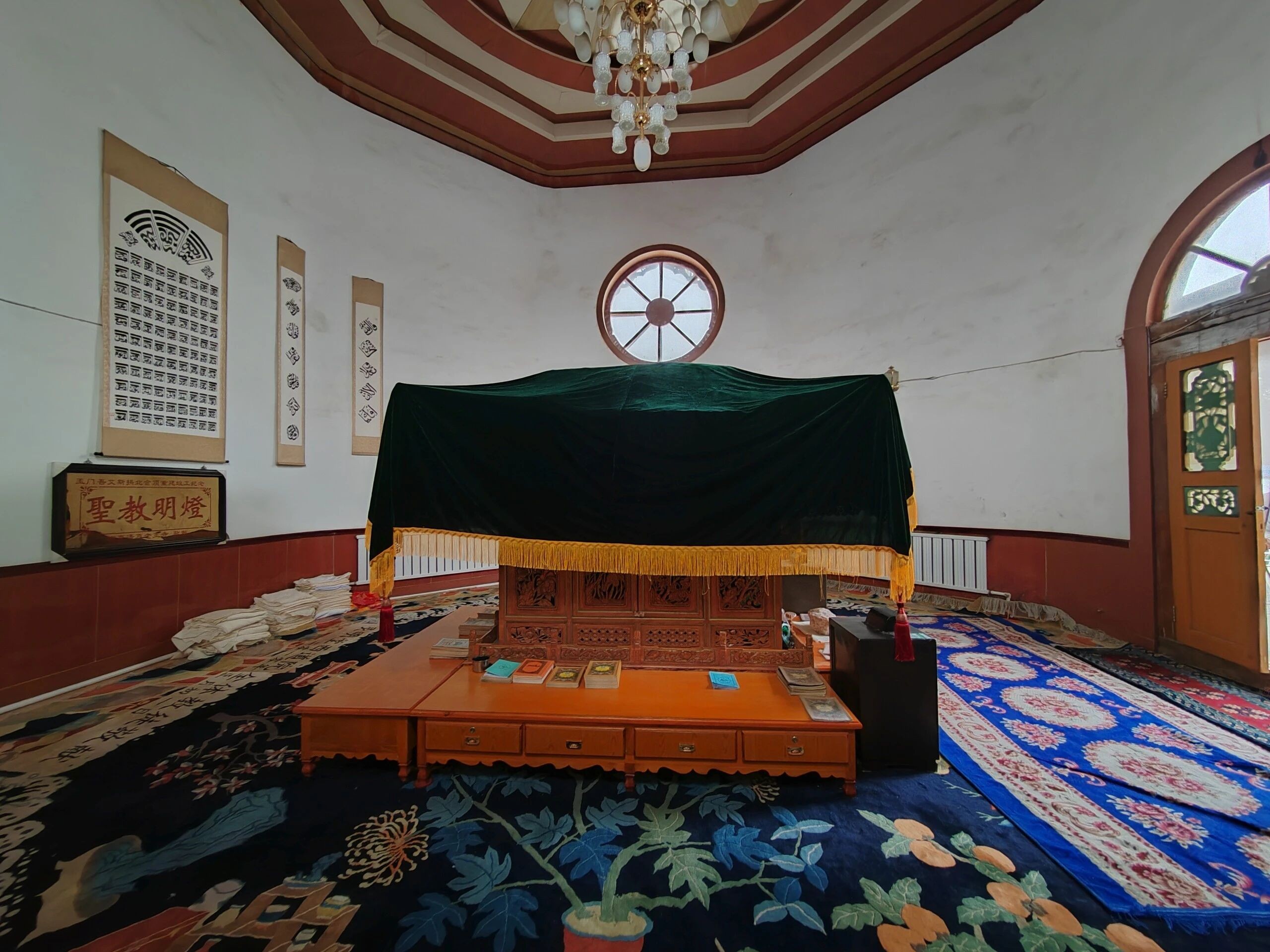
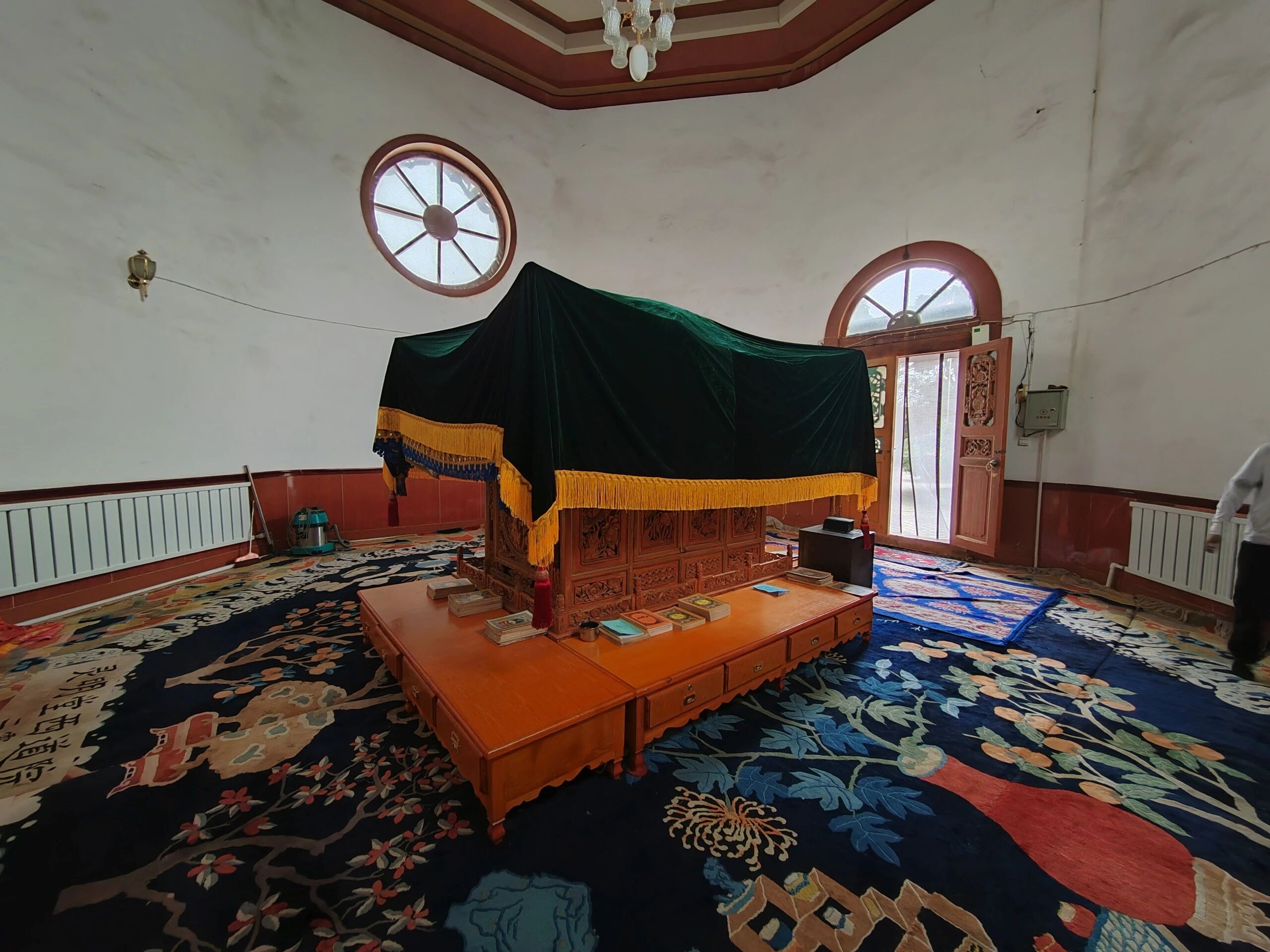
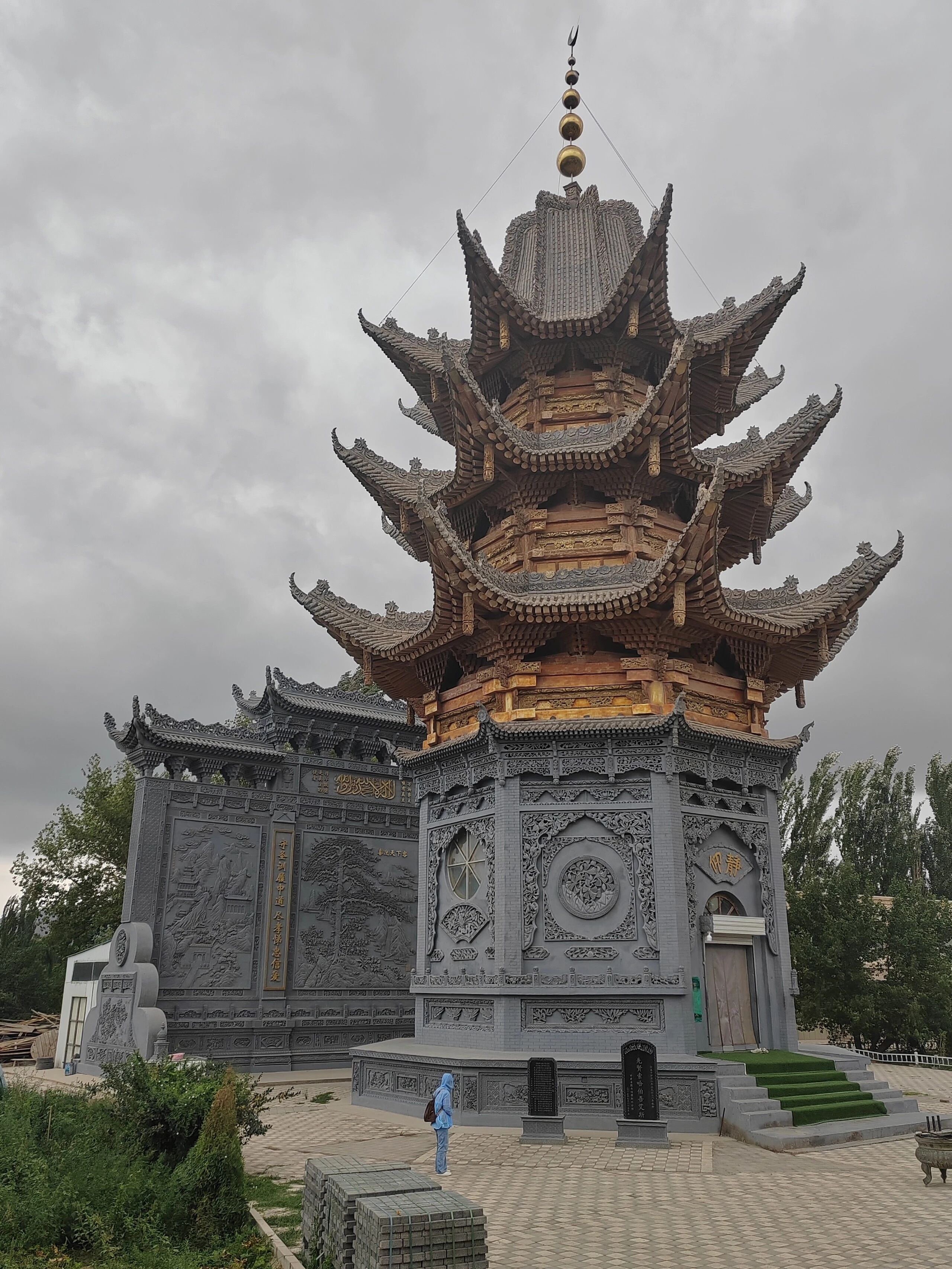
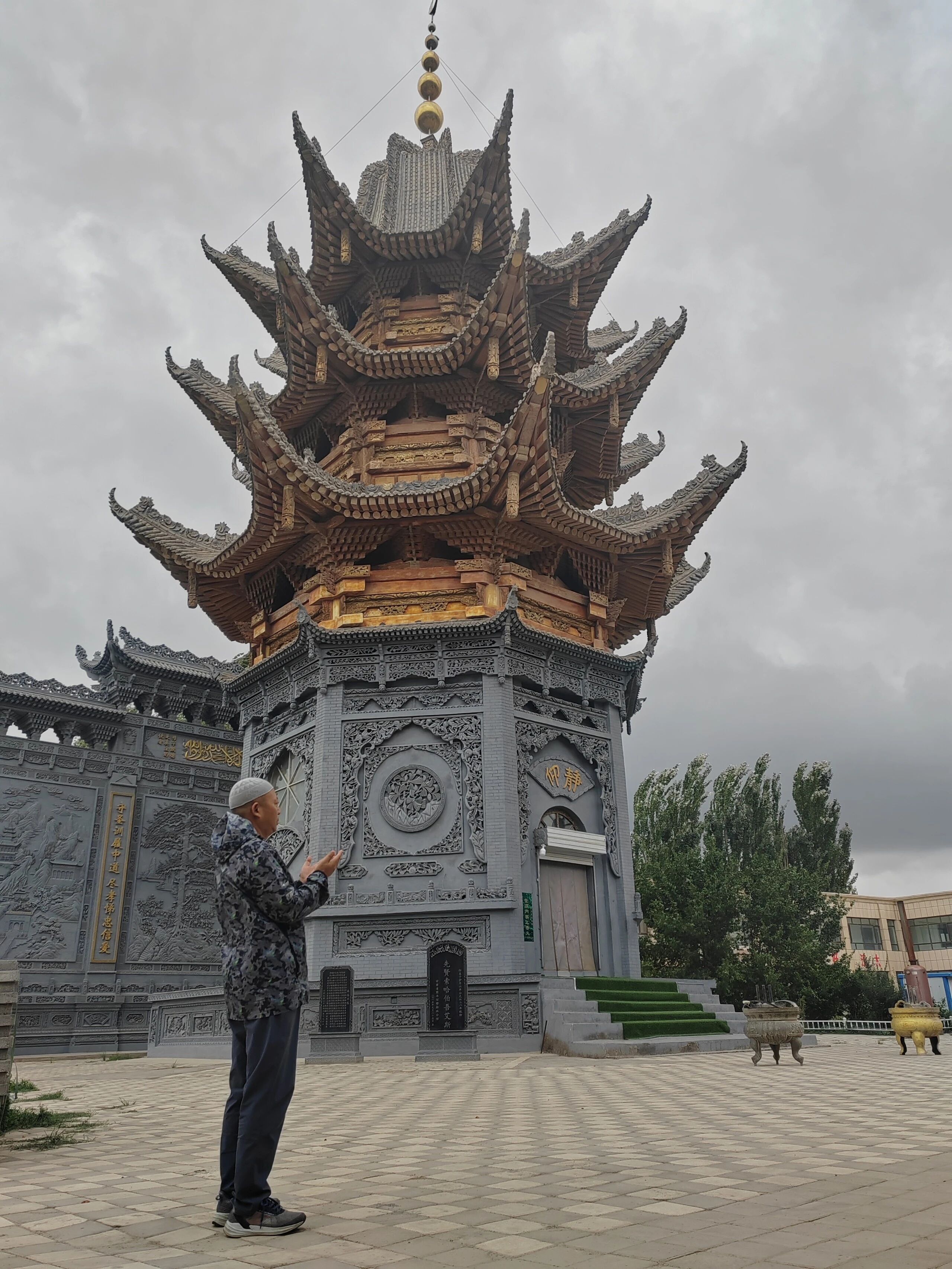
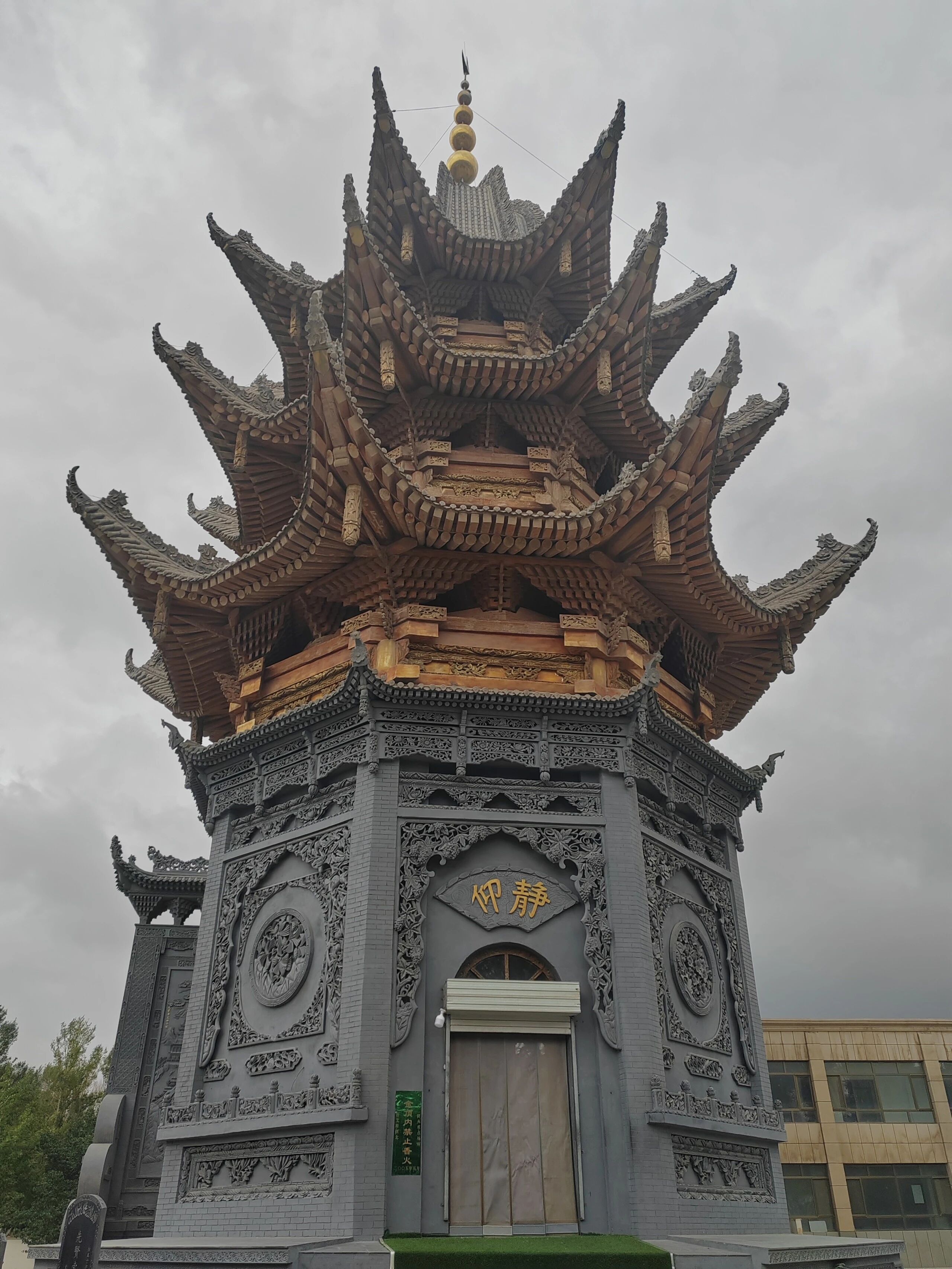
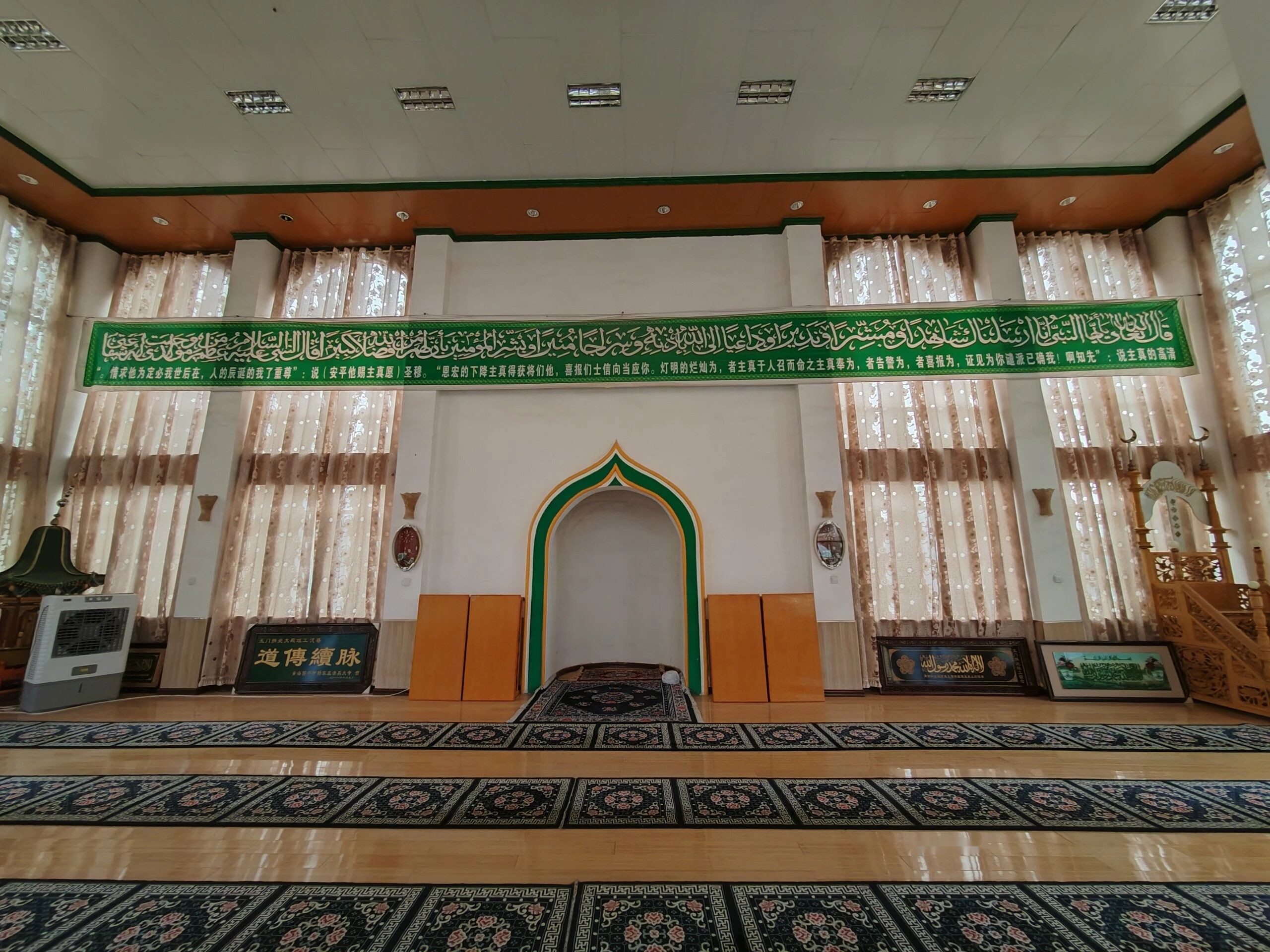
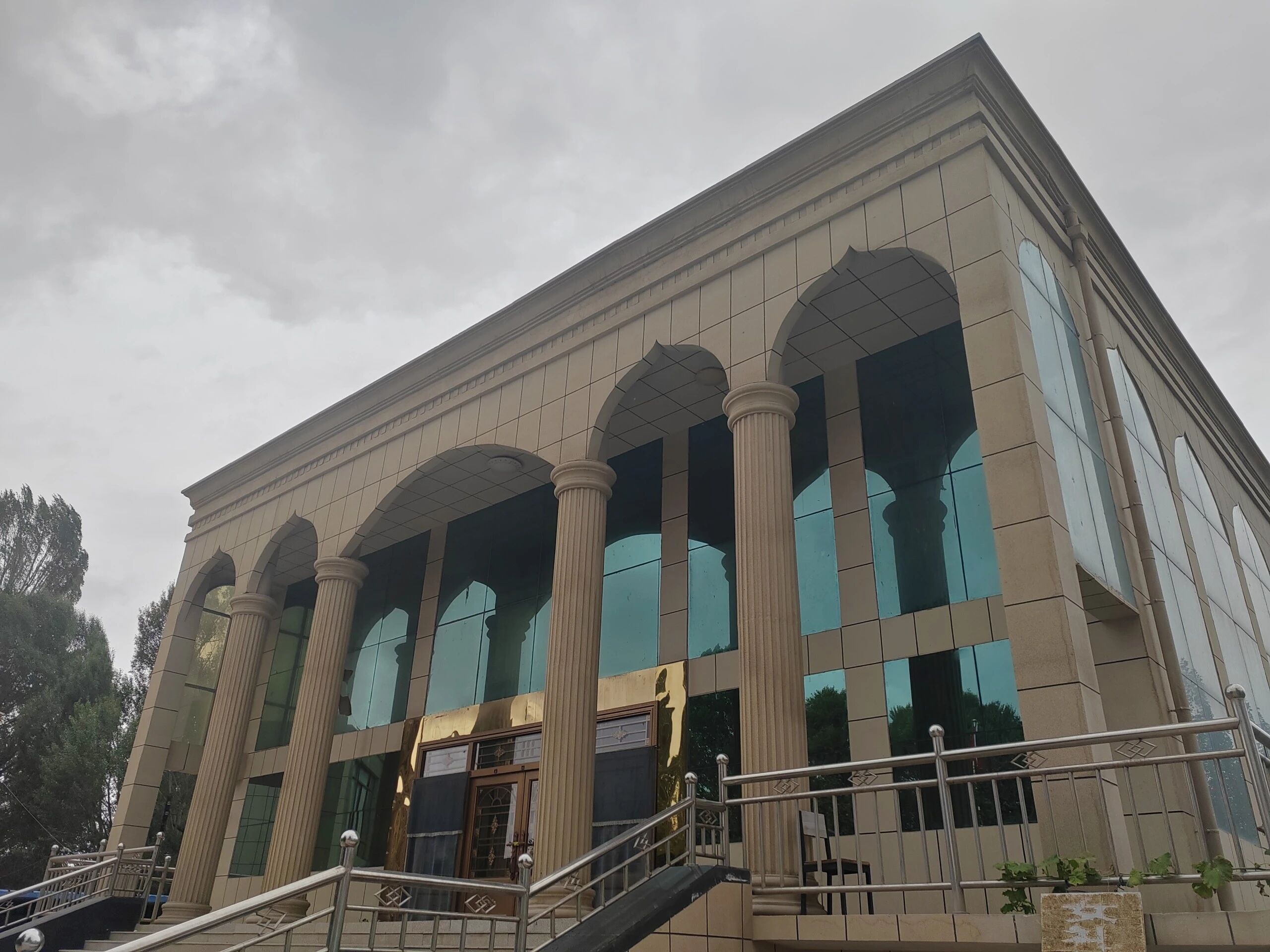
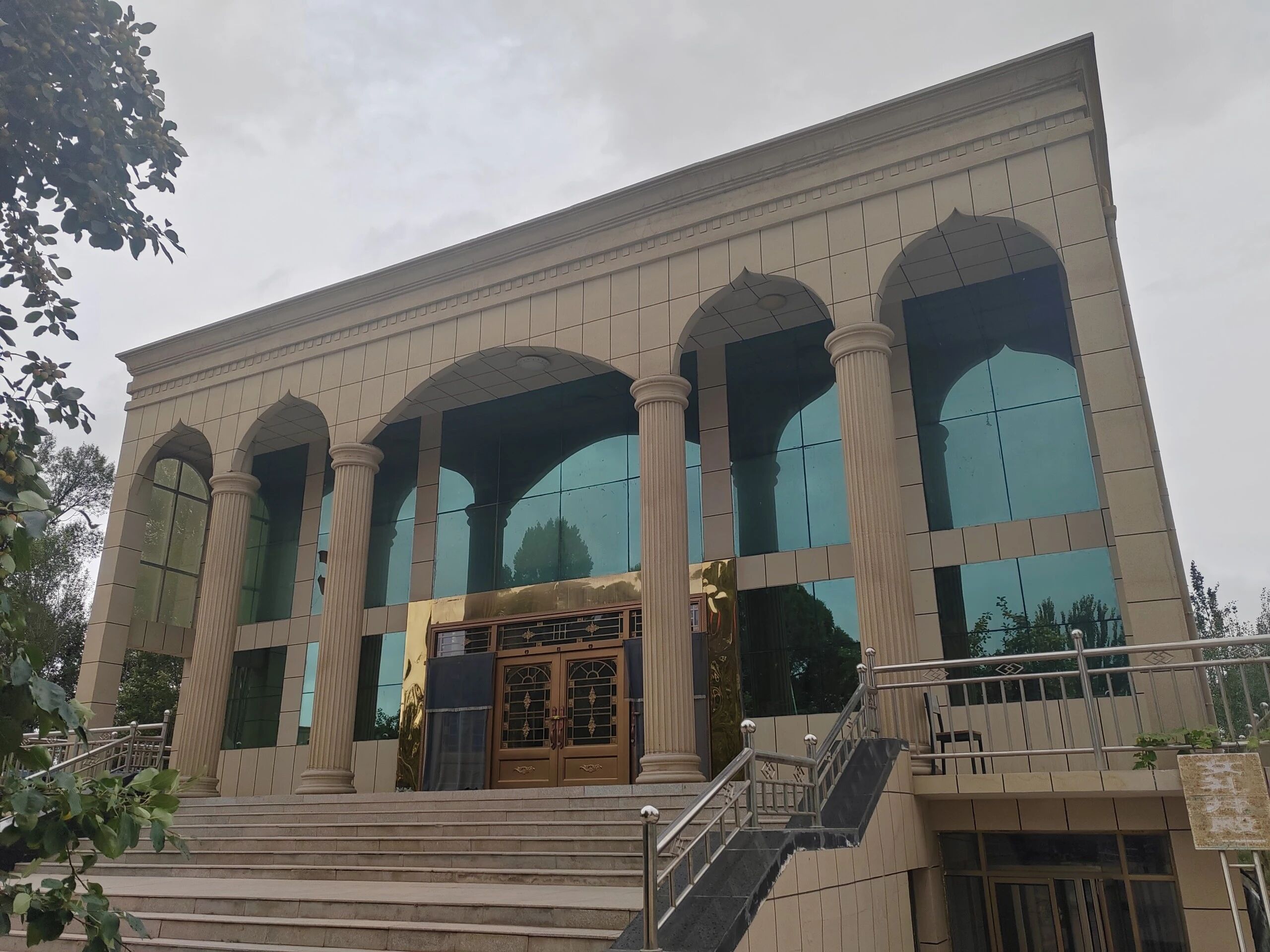
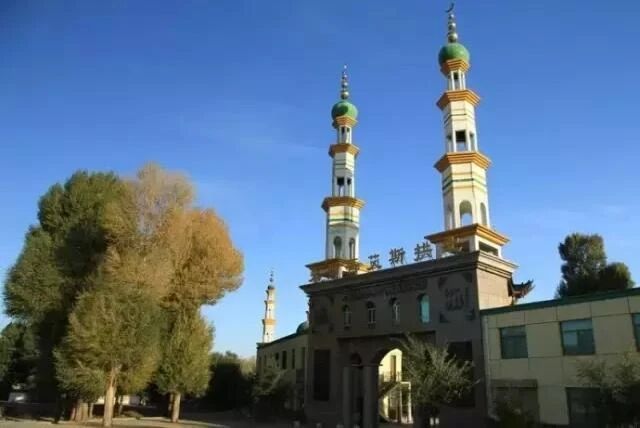
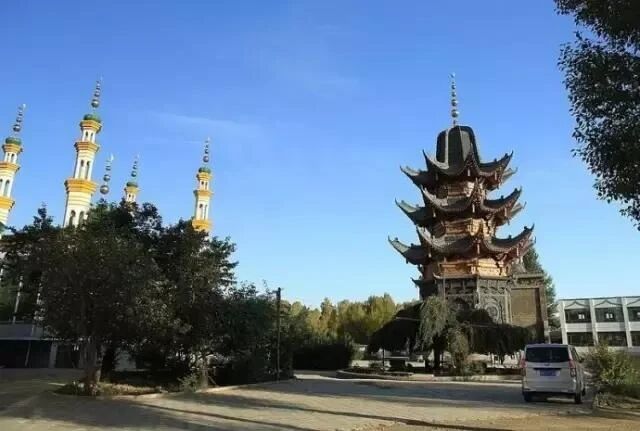
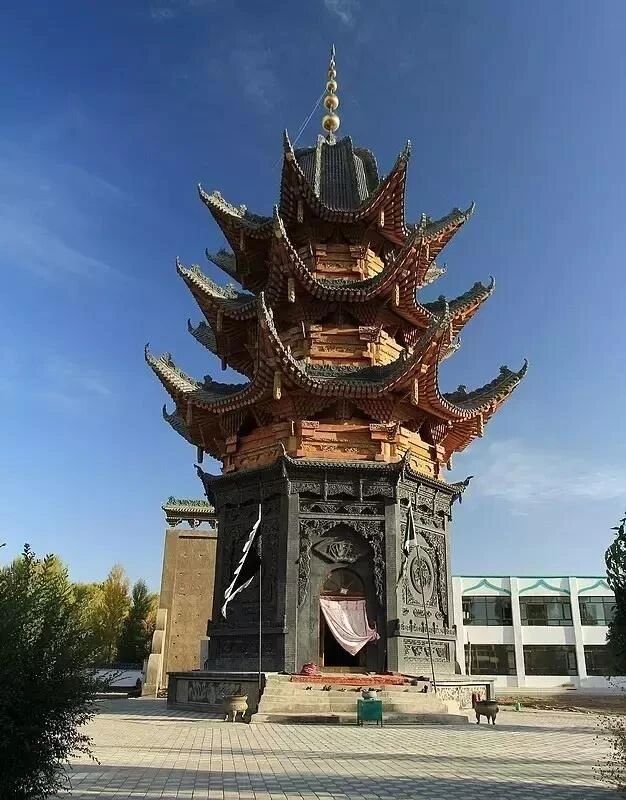
Take a look at these 20 photos as we visit the Wu'aisi Baba Gongbei located in Qingquan Township, Yumen City, Gansu Province. We're diving into the legends of Islamic missionaries who traveled to the Hexi Corridor during the Tang Dynasty's Zhenguan era, while exploring the mosque's unique architecture that blends Arabic domes with traditional Chinese structural designs.
This is a place with deep historical roots, serving as the tomb of a prominent Islamic saint. Here is the detailed information I've put together for you:
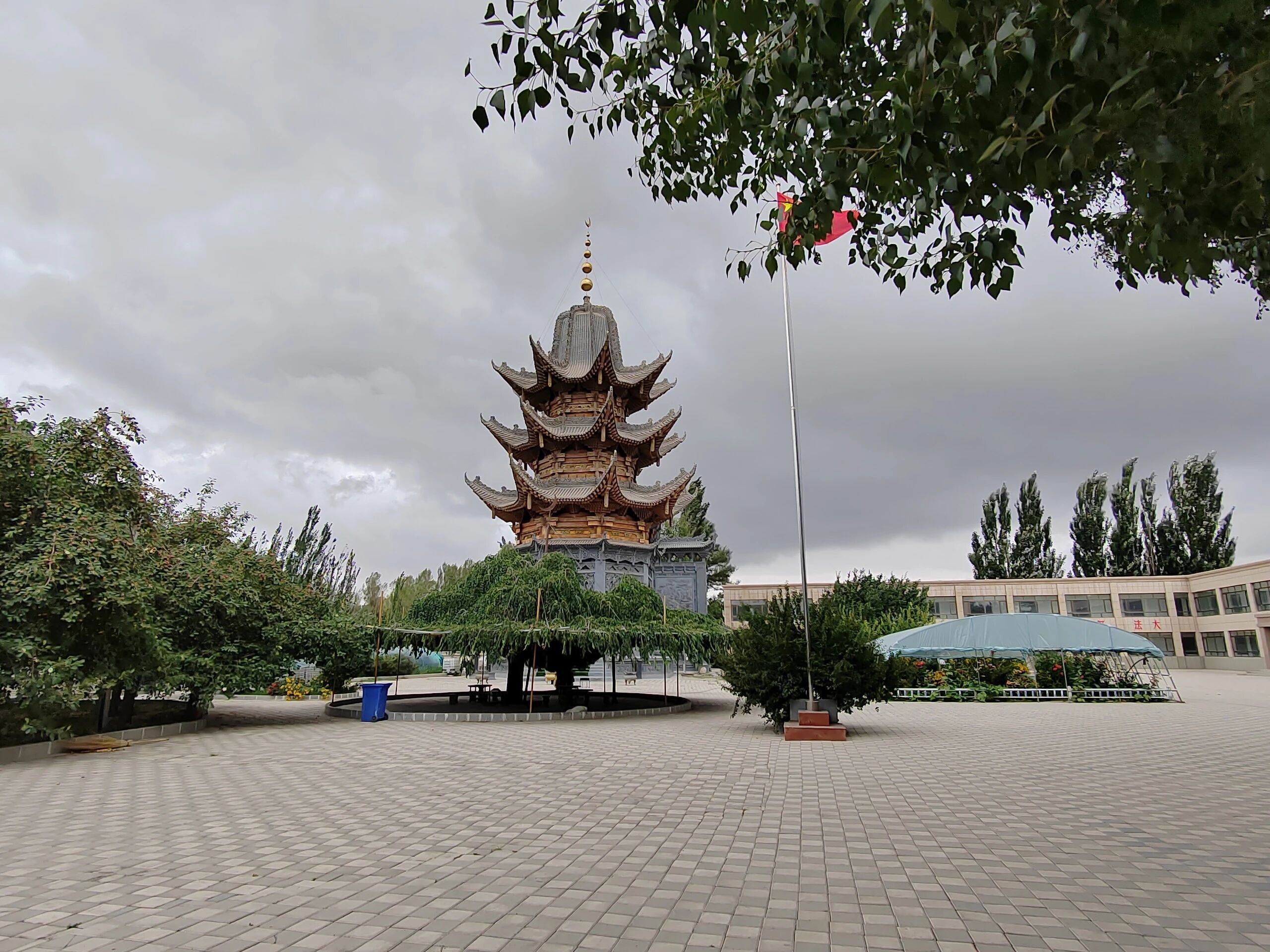
It is located in Qingquan Township, Yumen City, Gansu Province.
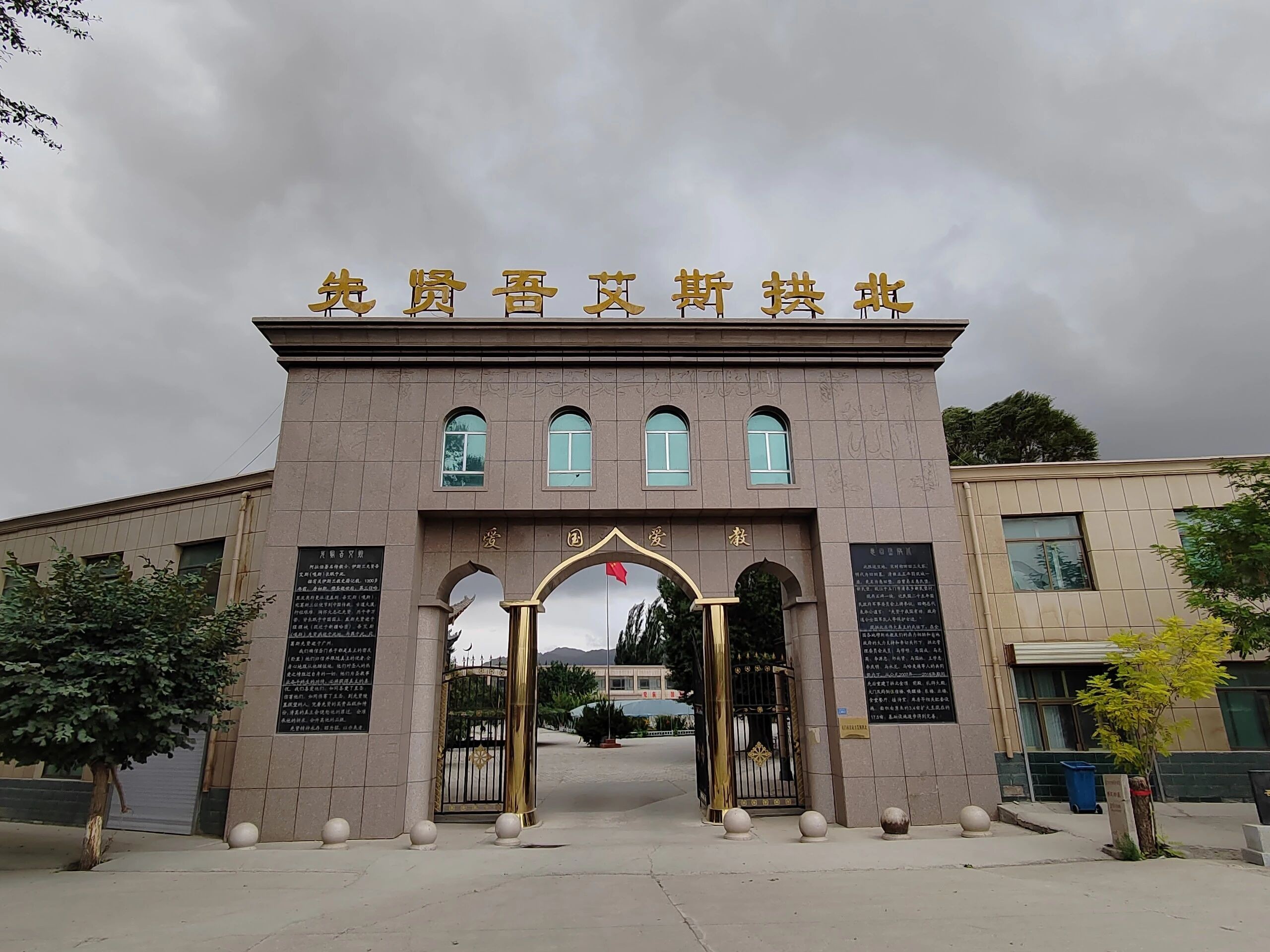
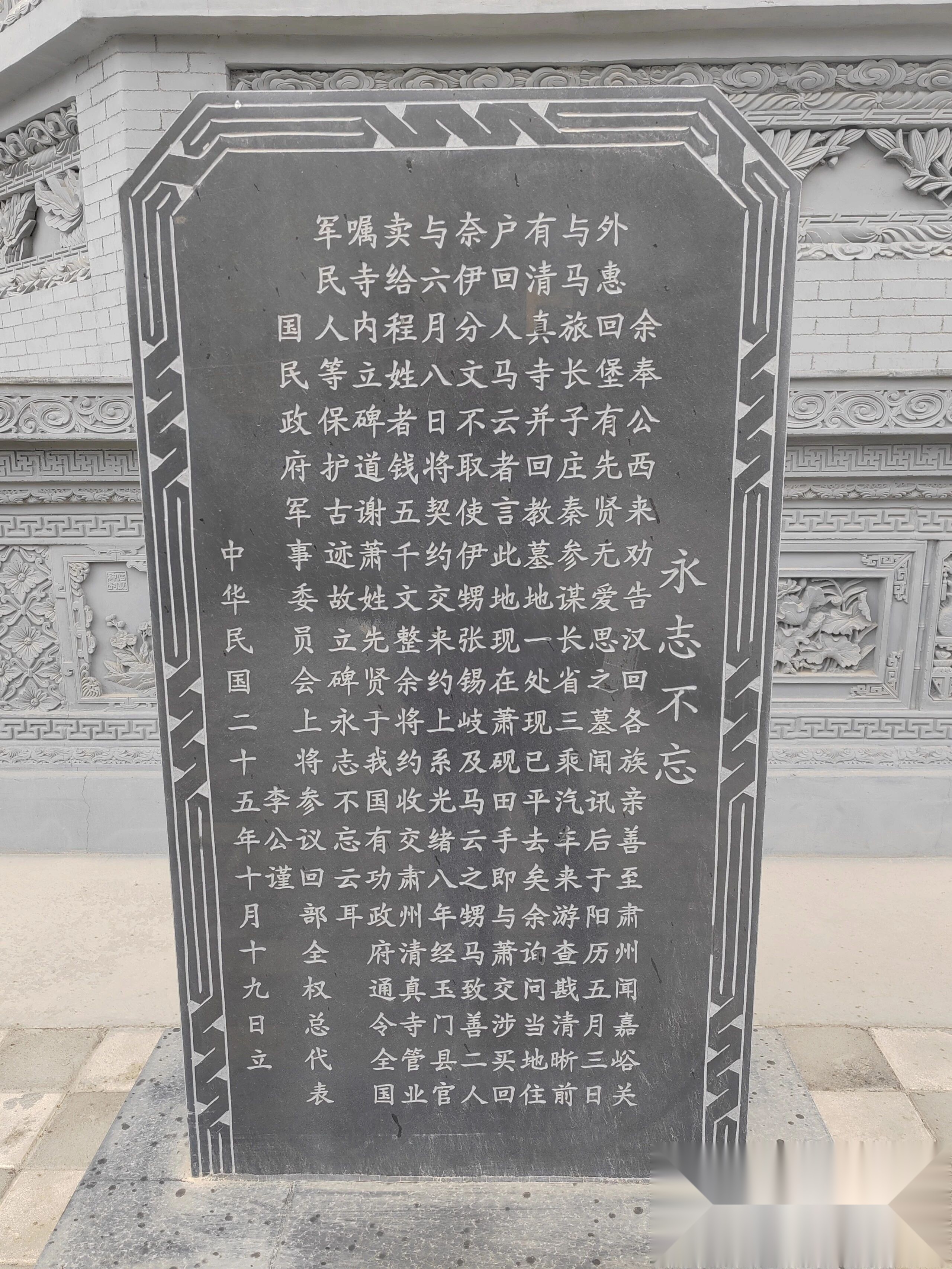
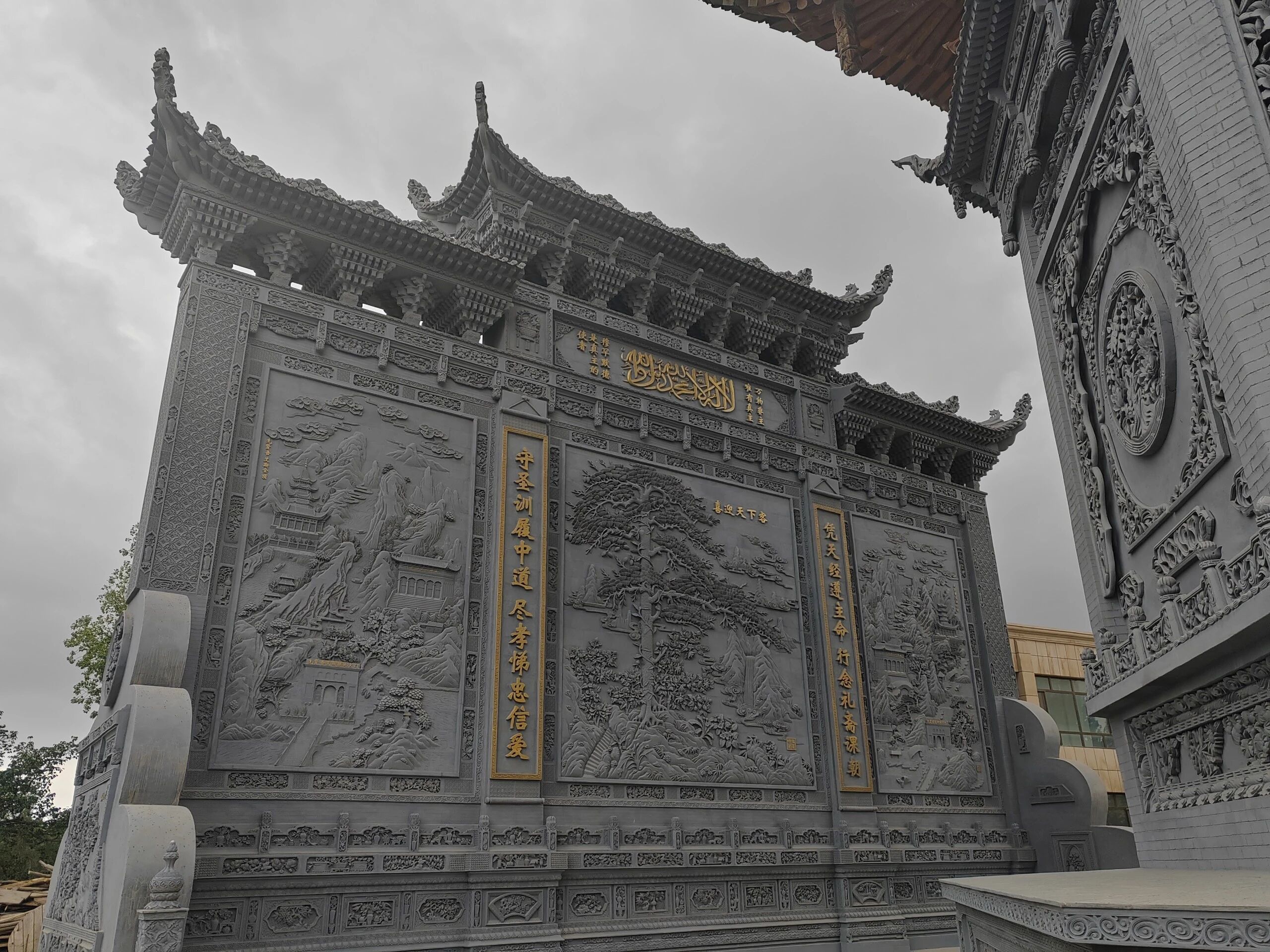
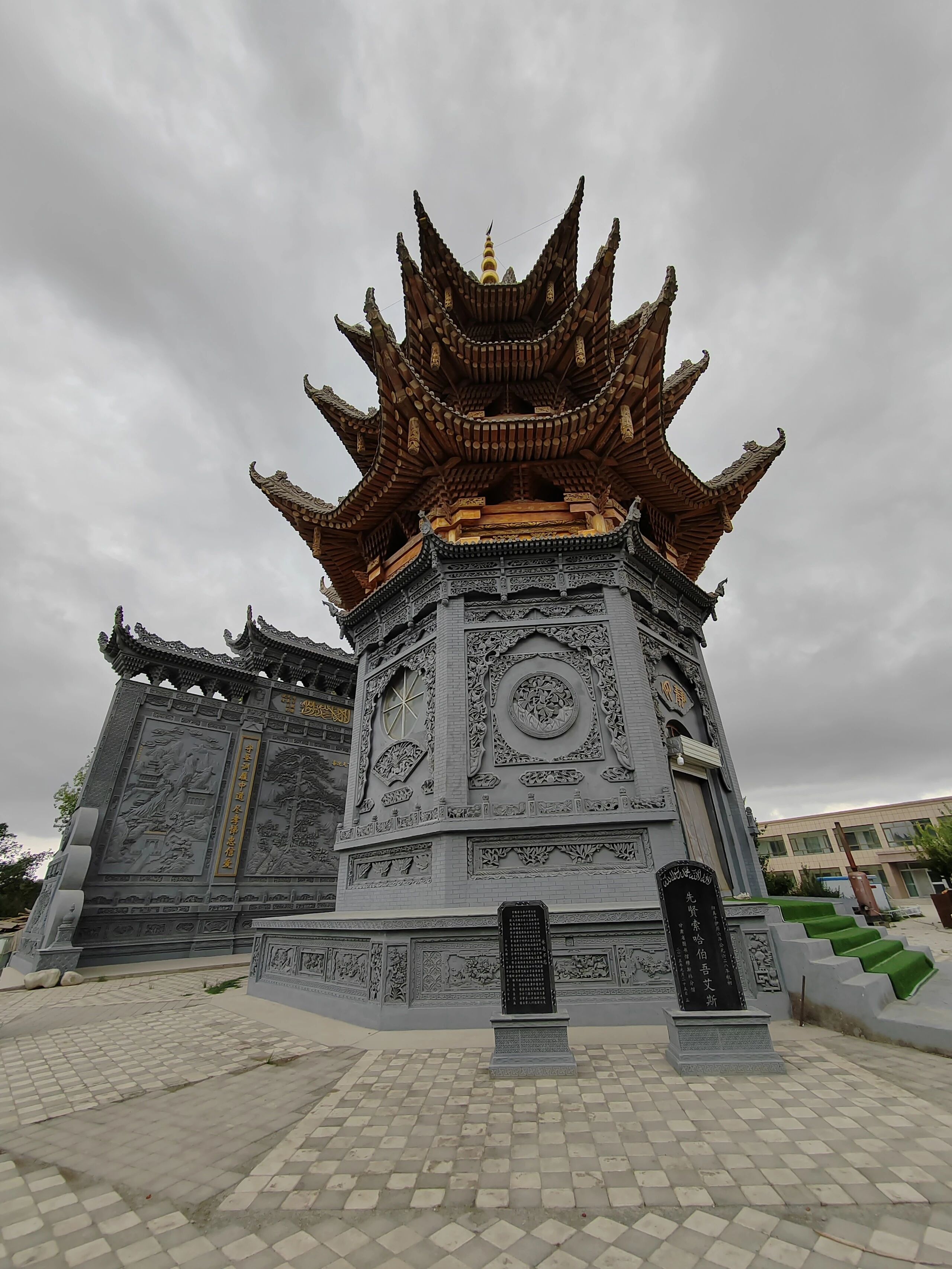
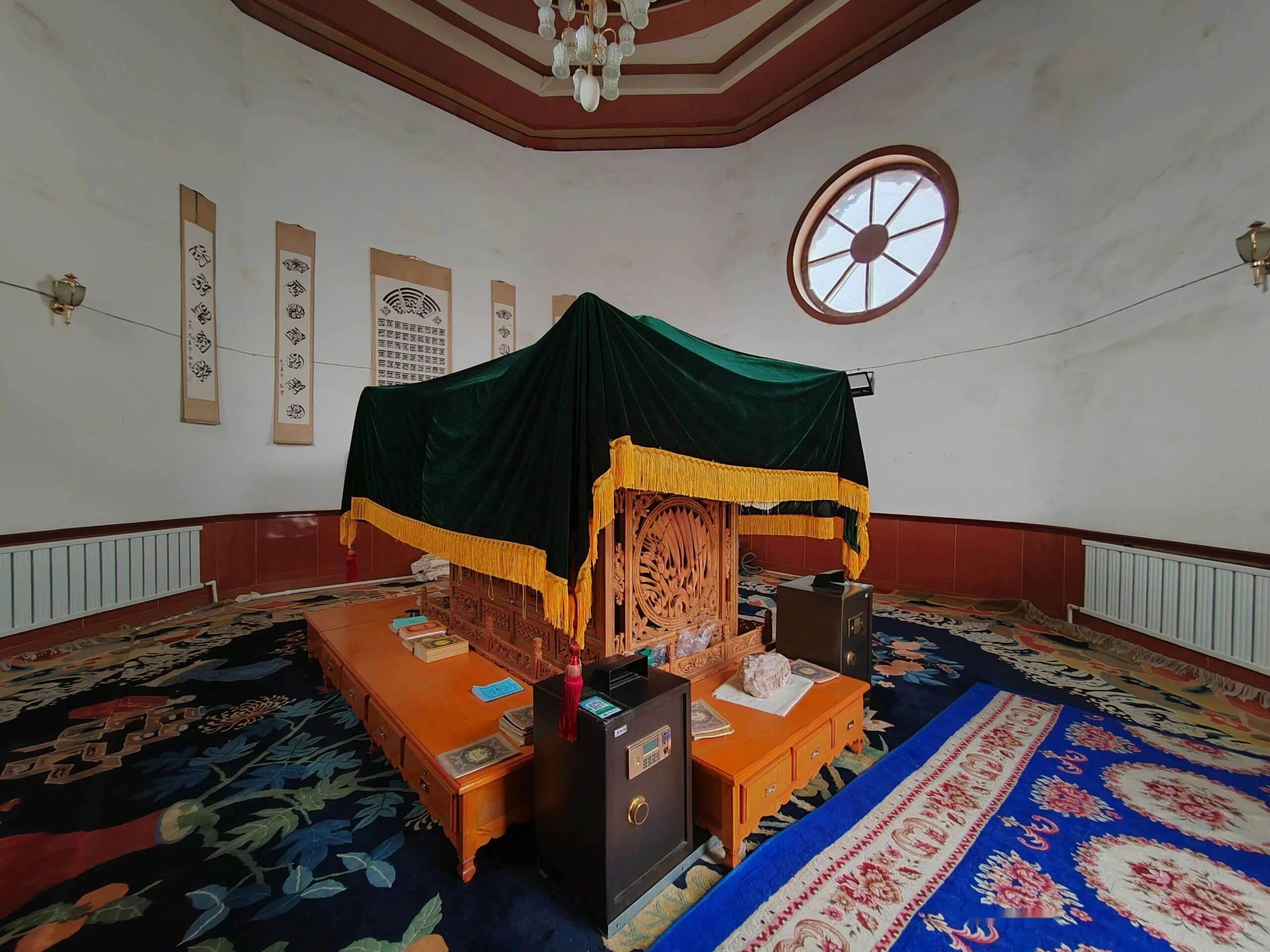
Historical background: The term "Gongbei" is a transliteration from Arabic meaning a dome-shaped mausoleum. Historical records state that between 626 and 649 AD, a missionary named Wu'aisi, sent by the third Caliph Uthman, passed away in Yumen while on his way to preach in China and was laid to rest here. To honor this saint, later generations built a mausoleum on the site. The current main structure was built in the 1980s and features a design that fuses Arabic style with traditional Chinese elements. The lower section is a towering prayer hall, the middle is a three-story tower with feiyan dougong (traditional flying eaves and brackets), and the top is crowned with a treasure-gourd-shaped spire, making it truly one-of-a-kind. There are also prayer halls, reception rooms, and dormitories nearby. The Gongbei was officially designated as a county-level cultural relic protection unit by the Yumen Municipal People's Government in 1987.
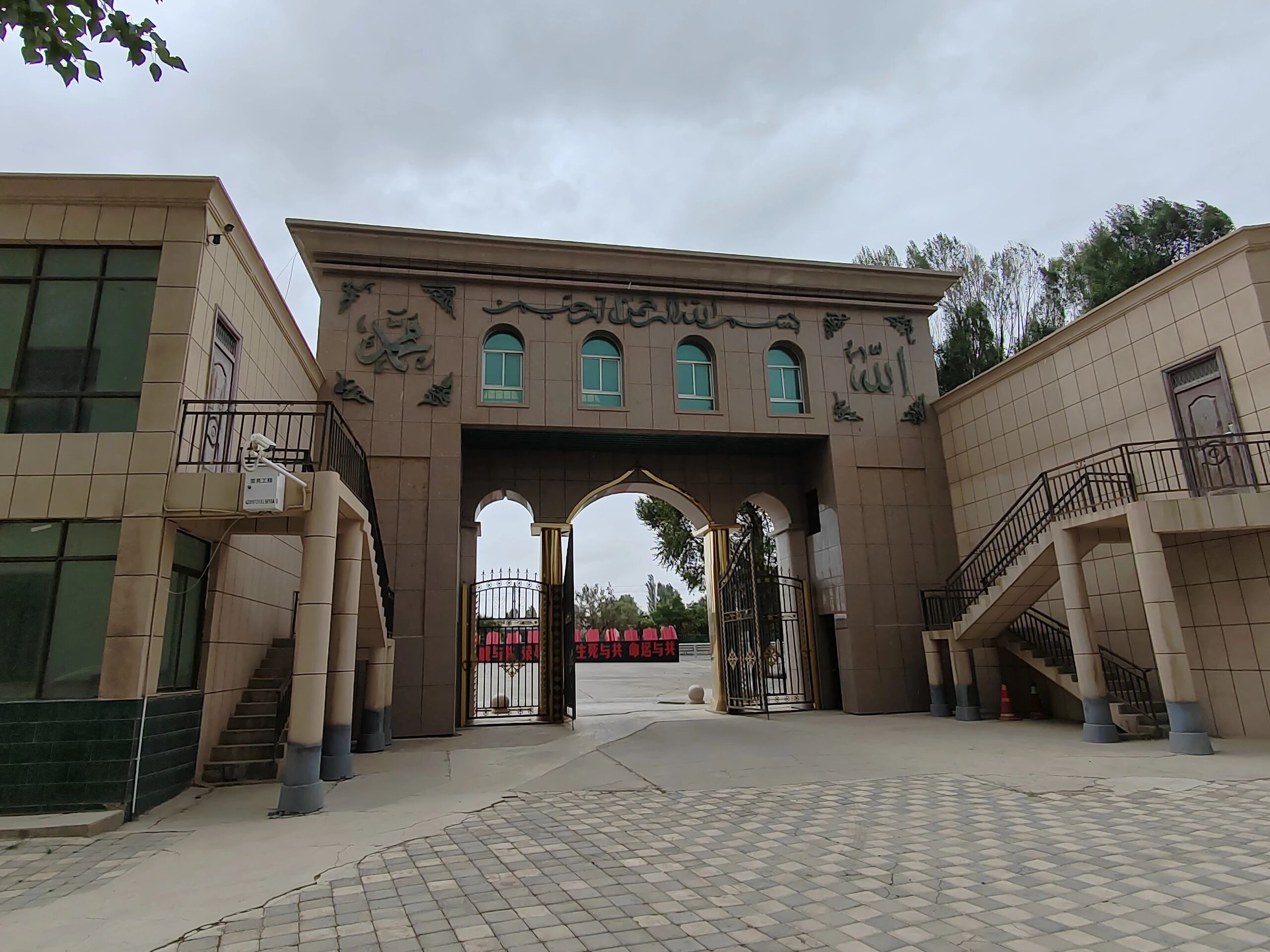
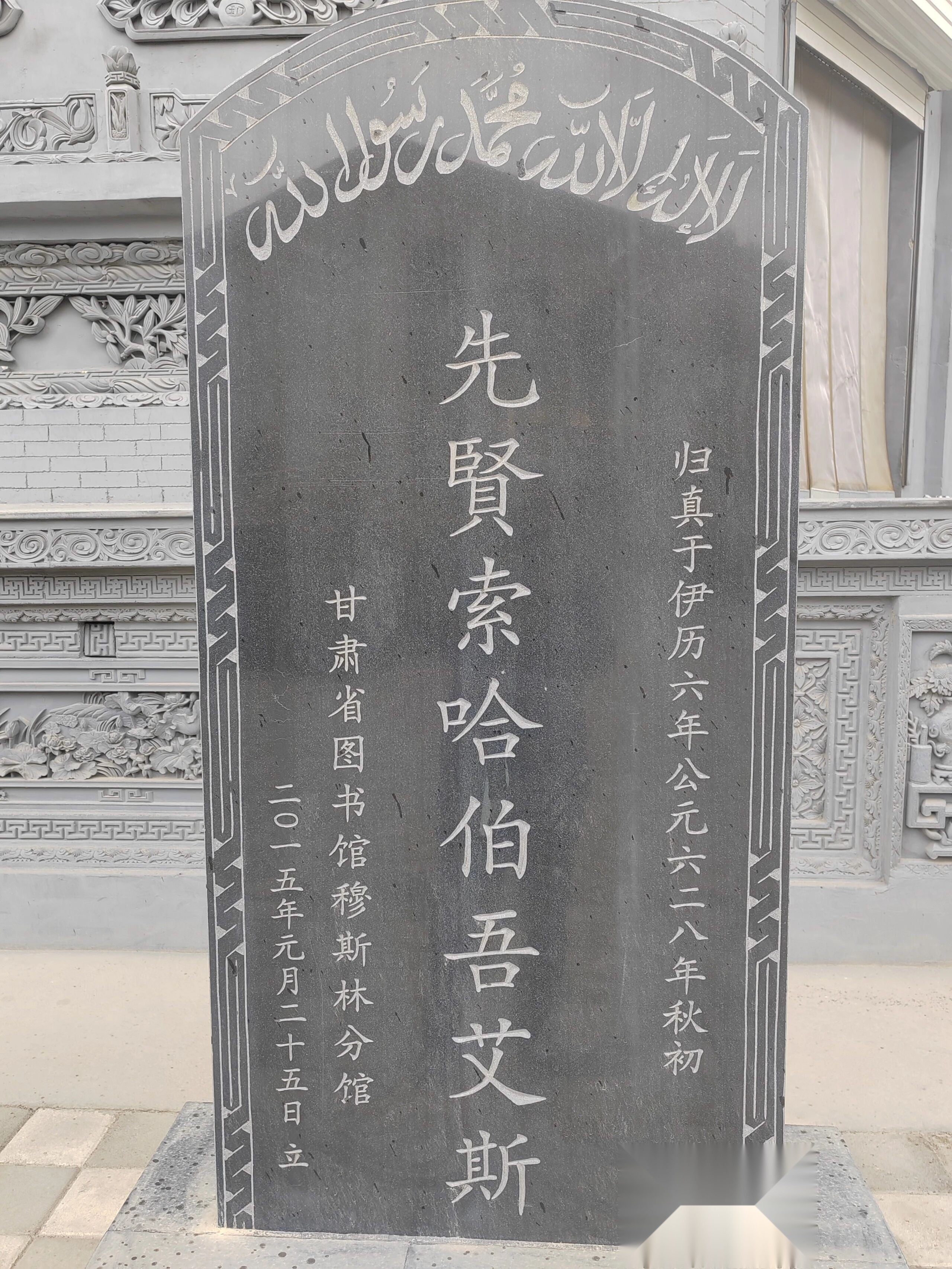
Take a look at these 20 photos as we visit the Wu'aisi Baba Gongbei located in Qingquan Township, Yumen City, Gansu Province. We're diving into the legends of Islamic missionaries who traveled to the Hexi Corridor during the Tang Dynasty's Zhenguan era, while exploring the mosque's unique architecture that blends Arabic domes with traditional Chinese structural designs.
This is a place with deep historical roots, serving as the tomb of a prominent Islamic saint. Here is the detailed information I've put together for you:
It is located in Qingquan Township, Yumen City, Gansu Province.
Historical background: The term "Gongbei" is a transliteration from Arabic meaning a dome-shaped mausoleum. Historical records state that between 626 and 649 AD, a missionary named Wu'aisi, sent by the third Caliph Uthman, passed away in Yumen while on his way to preach in China and was laid to rest here. To honor this saint, later generations built a mausoleum on the site. The current main structure was built in the 1980s and features a design that fuses Arabic style with traditional Chinese elements. The lower section is a towering prayer hall, the middle is a three-story tower with feiyan dougong (traditional flying eaves and brackets), and the top is crowned with a treasure-gourd-shaped spire, making it truly one-of-a-kind. There are also prayer halls, reception rooms, and dormitories nearby. The Gongbei was officially designated as a county-level cultural relic protection unit by the Yumen Municipal People's Government in 1987.
