

Turkey Travel
Halal Travel Guide: Bursa, Turkey - Ottoman Mosques and Muslim Heritage
Articles • ali2007fr posted the article • 0 comments • 224 views • 2026-05-20 08:48
Summary: Bursa was an early Ottoman capital and is covered through its mosques, tombs, markets, baths, madrasahs, and old neighborhoods. This account keeps the original place names, dates, architectural details, food notes, and photographs from the trip.
After the Sultanate of Rum was defeated by the Mongol Empire and became a vassal state in 1243, many small states called beylics (beyliks) broke away from it. The Ottoman state was one of them. Around 1281, Osman became the bey and gradually expanded his territory by constantly attacking the Byzantine Empire. After Osman died in 1324, his son Orhan Gazi continued the attacks against the Byzantines.
In 1326, Orhan captured Bursa, the most important city on the southern shore of the Sea of Marmara, and made it his official capital. From then on, the Ottomans used Bursa as a base. Over the next hundred years, they grew into the massive Ottoman Empire. Bursa stands as the best witness to the birth of the Ottoman Empire.
In 2014, UNESCO named the ancient city of Bursa a World Heritage site. Its full name is Bursa and Cumalıkızık: the Birth of the Ottoman Empire.
Five of these heritage sites are located within Bursa. These five building complexes (külliye) were built by the second, third, fourth, fifth, and sixth rulers of the Ottoman dynasty: Orhan (reigned 1324-1362), Murad I (reigned 1362-1389), Bayezid I (reigned 1389-1402), Mehmed I (reigned 1413-1421), and Murad II (reigned 1421-1444). They cover the entire history of the Ottomans from the founding of the state to the conquest of Istanbul.
The Inn District—Orhan
The Inn District (Khans Area), also called the Orhan complex (Orhan Külliye), was built by the second Ottoman ruler Orhan (reigned 1324-1362) and several later sultans. It is the first building complex (külliye) in Ottoman history and is known as an important symbol of the Ottoman growth into an empire.
As the first capital of the Ottoman dynasty, Orhan and his successors created a new style of city planning in Bursa. They were the first to build a building complex (külliye) in the commercial area outside the city walls. Besides a mosque, a religious school (madrasa), a public kitchen, and a bathhouse, the complex included many inns (khan), a covered market (bedesten), and a bazaar (bazaar). This style of city planning, known as the Bursa Model, served as an important reference for later Ottoman city construction and can be called a model for the empire.
The Orhan Mosque is the first mosque in Bursa. It was built in 1339 by the second Ottoman ruler Orhan (reigned 1324-1362). It was burned by the Karamanids in 1413, rebuilt by Sultan Mehmed I (reigned 1379-1421) in 1417, and repaired again after being damaged by an earthquake in 1855.
The Orhan Mosque is also the first T-shaped mosque in Ottoman history. The T-shaped mosque is a representative form of early Ottoman mosque architecture. to the main prayer hall, this design includes a room on each side of the entrance.
The Orhan Bathhouse is a double-domed Turkish bath (hammam) built by Orhan in 1339. Together with the Orhan Mosque, it forms part of the Orhan complex. This was also the first Turkish bath (hammam) in Ottoman history built outside the city walls to serve the bazaar commercial district.
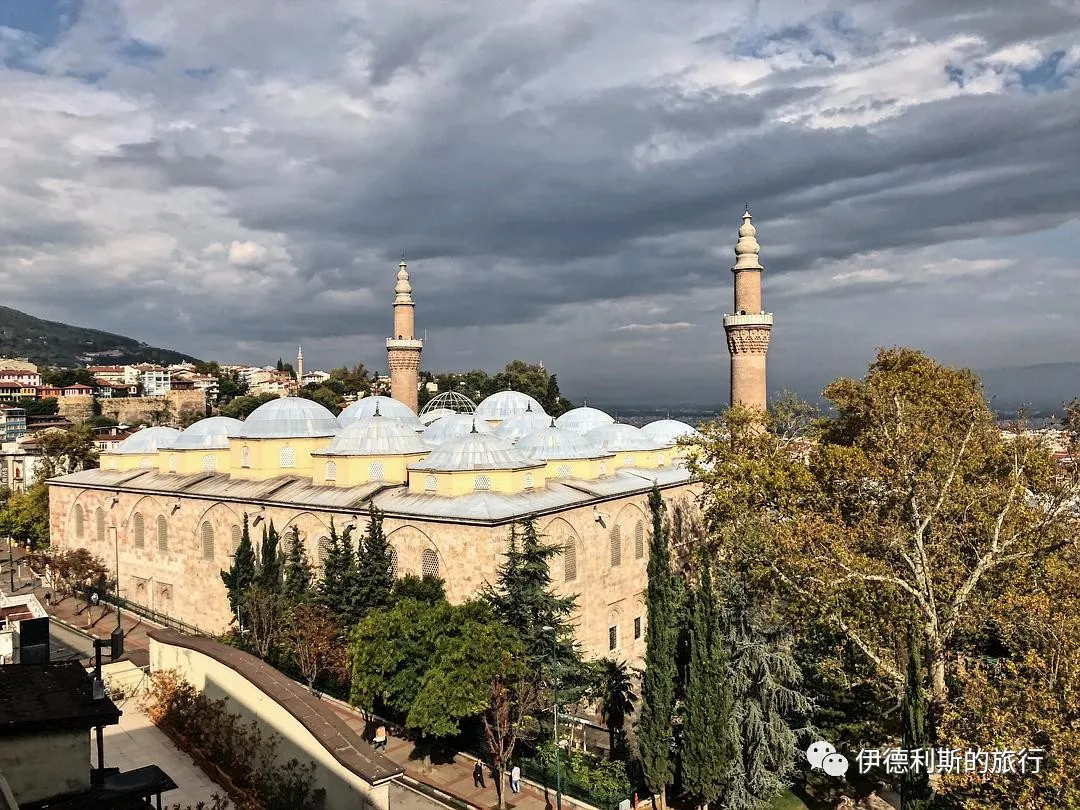
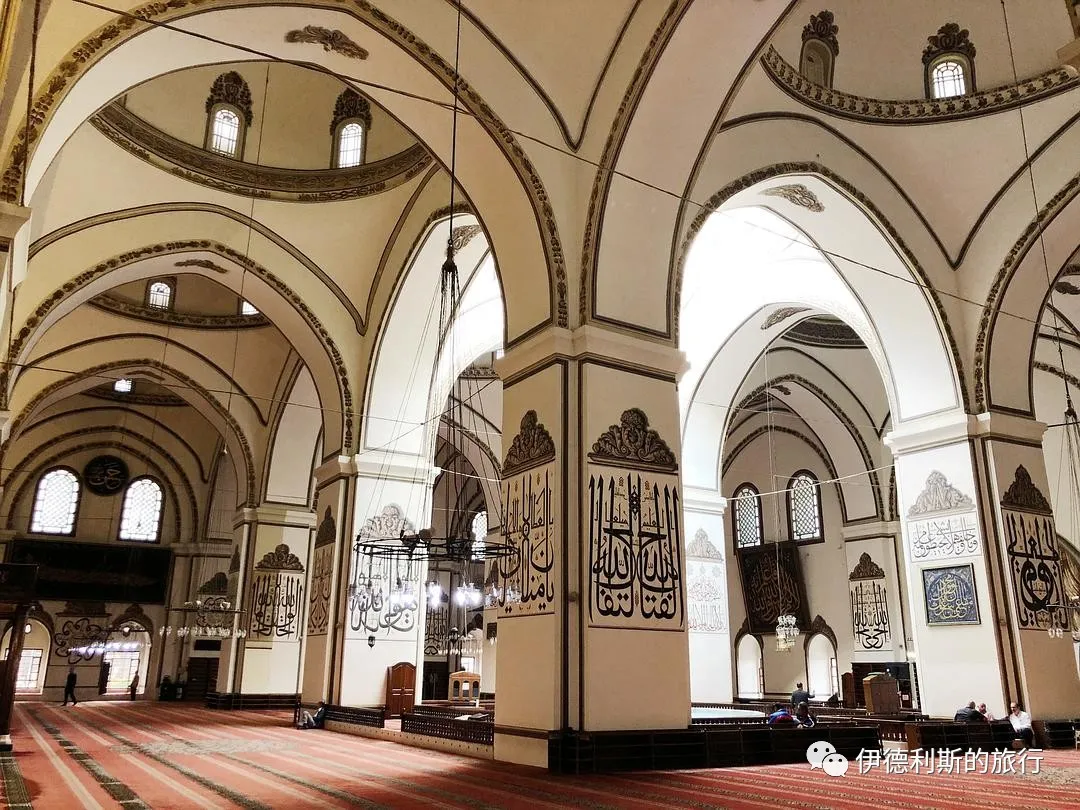
The Great Mosque of Bursa (Bursa Ulu Cami) is the largest mosque in Bursa and the largest example of the Ottoman multi-domed mosque style. This mosque has 20 domes and two minarets, and it is known as a masterpiece of early Ottoman architecture.
The Great Mosque of Bursa was built between 1396 and 1399 by the fourth Ottoman Sultan, Bayezid I (reigned 1389-1402), to celebrate the famous Battle of Nicopolis. The architect is said to be Ali Neccar.
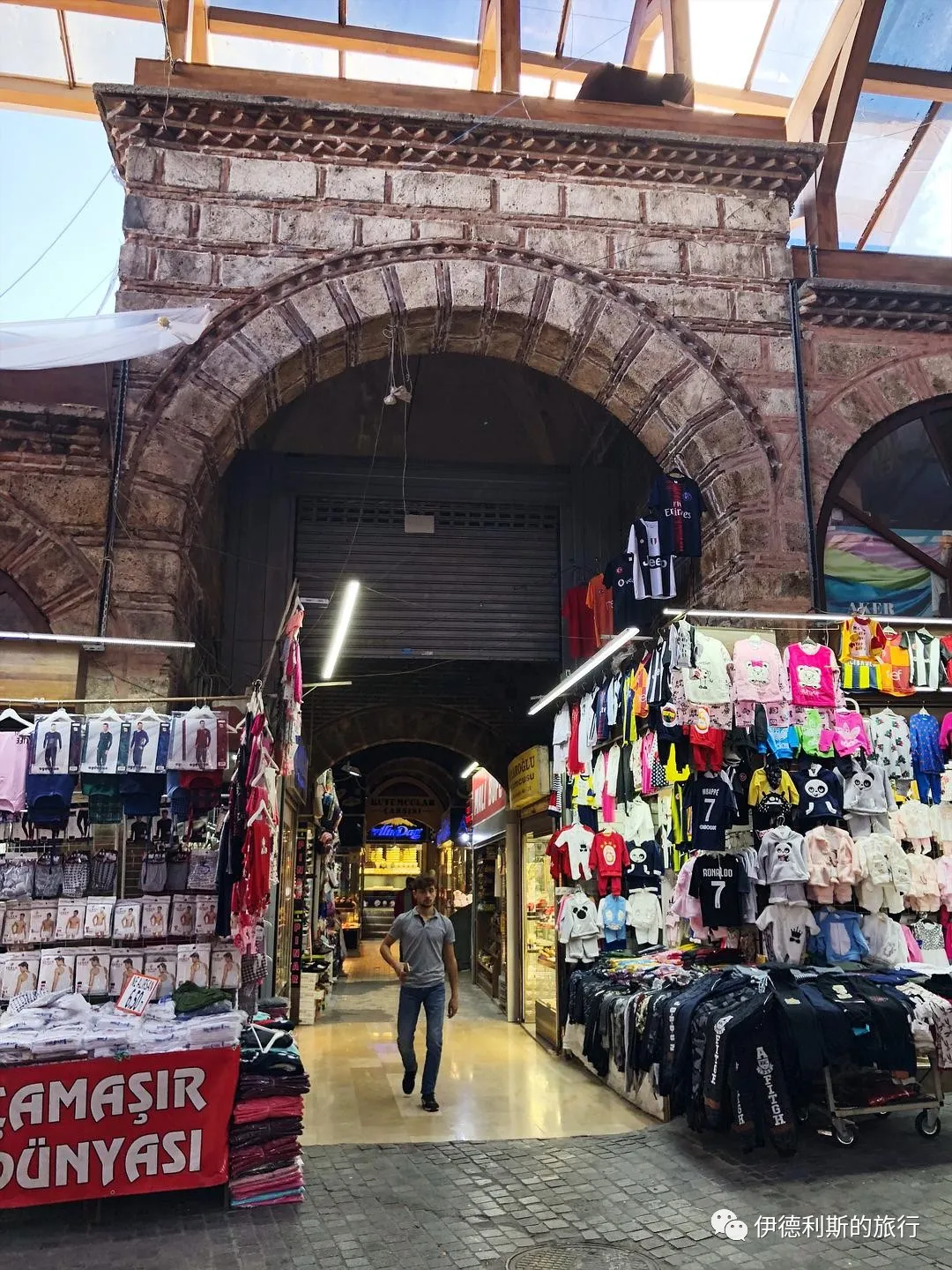
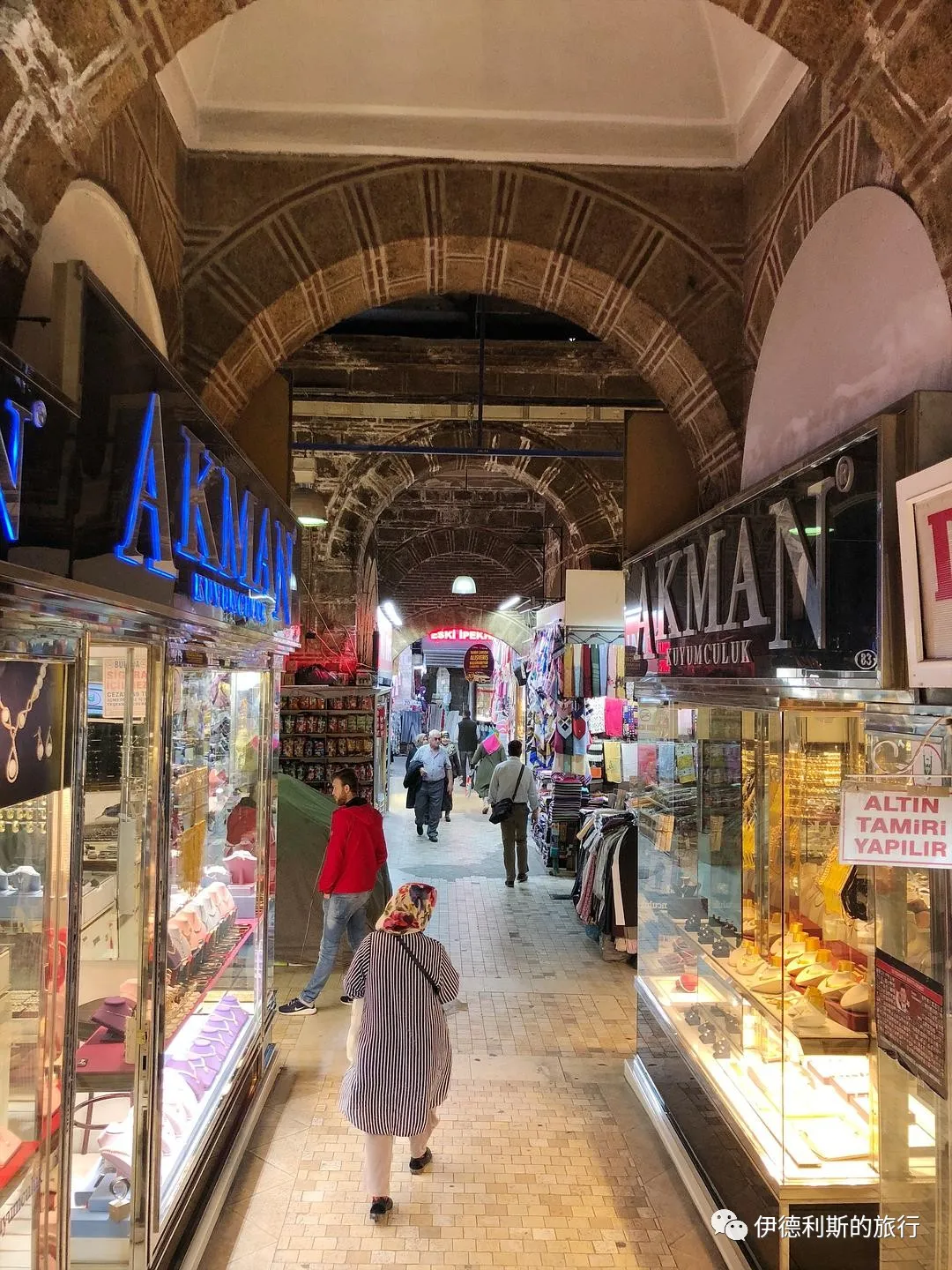
The covered market (Yıldırım Bedesten) was built by the fourth Ottoman Sultan, Bayezid I, and served as the trade and financial center of Bursa at that time. Its relatively enclosed structure allowed domestic and foreign merchants to sell and store their most precious goods. The covered market is also the heart of the entire Bursa commercial district, with various inns and shops built around it. Today, it is a jewelry market and remains the area for the most valuable goods in the entire commercial district.
The Court Madrasah (Vaiziye Madrasah) sits right next to the west side of the Great Mosque. It was built by Amcazade Hüseyin Çelebi during the reign of Sultan Bayezid I (reigned 1389-1402) as a complex combining a religious school and a bazaar. The madrasah was destroyed in an earthquake in 1855. In 1957, archaeological excavations uncovered the foundation, and it was later rebuilt.
The Şengül Turkish bath (Şengül Hamamı) was built during the reign of Sultan Bayezid I (reigned 1389-1402) and is located right next to the north side of the Great Mosque. In the 16th century, the price here was 16 to 25 coins per day. The cold room was later destroyed by fire, but the octagonal main room covered by a dome still stands today.
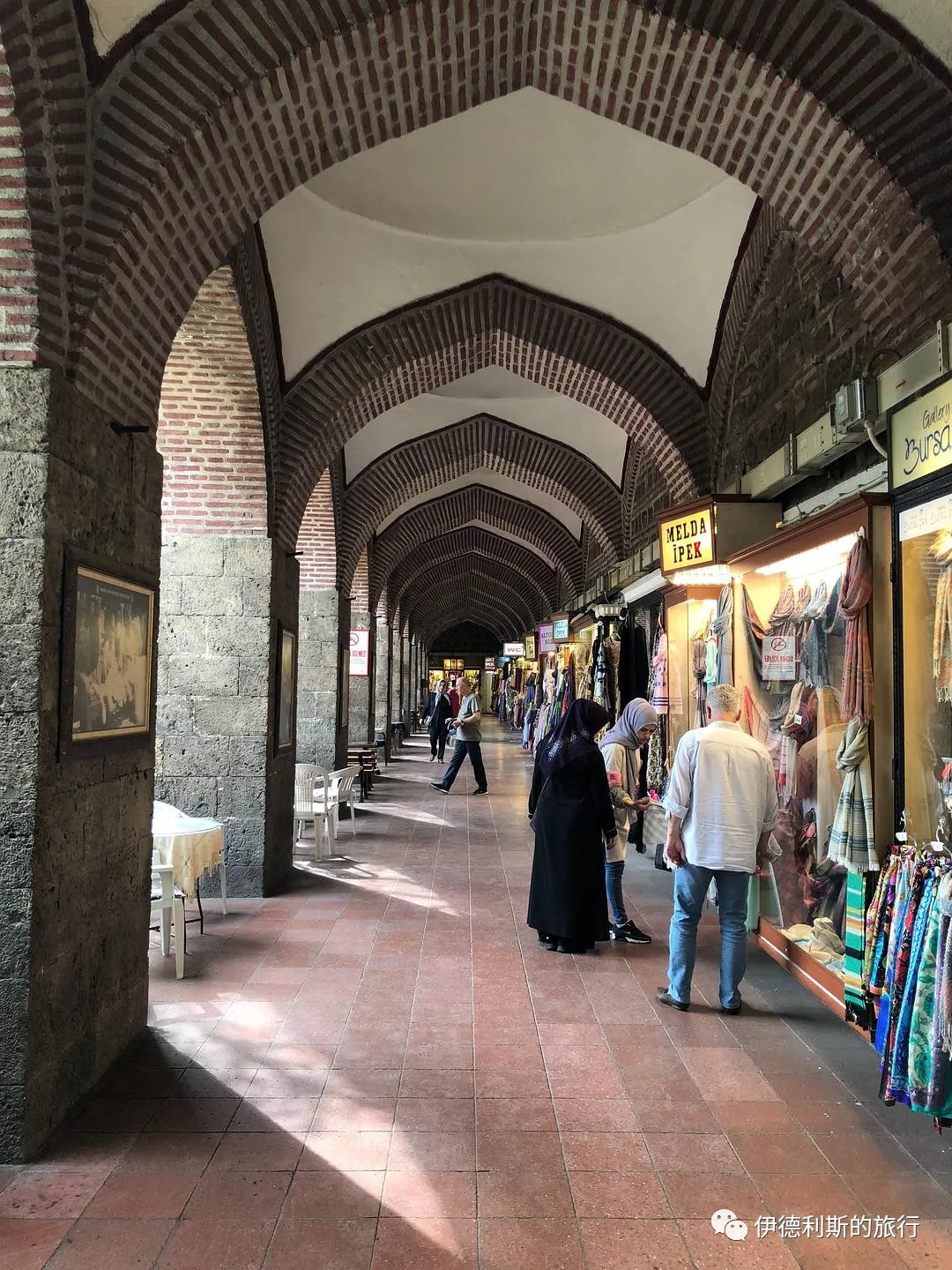
The Silk Inn (İpek Khan) was built by order of the fifth Ottoman Sultan, Mehmed I (reigned 1413-1421), so it is also called the Sultan's Inn. The architect was the famous early 15th-century Ottoman architect İvaz Pasha, whose representative work is the famous Mehmed I complex in Bursa. The inn consists of a square courtyard with 38 rooms on both the upper and lower floors, and a fountain for cleaning in the middle. The east gate of the Silk Inn was once damaged due to road construction, but it was rebuilt in 1958.
Ivaz Pasha Bazaar is one of the inns and bazaars built around the covered market (Bedesten) during the reign of Sultan Mehmed I (reigned 1413-1421). The architect was Ivaz Pasha, a famous Ottoman architect from the early 15th century.
Geyve Khan was built by the famous Ottoman architect Ivaz Pasha, just like the Silk Inn. It was a gift to Sultan Mehmed I (reigned 1413-1421), so it is also called Ivaz Pasha Inn. The government fully renovated this place in 2006.
Meyhaneli Turkish bath was built in 1426 by the sixth Ottoman Sultan, Murad II (reigned 1421-1444). Meyhaneli means tavern, because this place was once used as a winery. Meyhaneli bath is also called Chicken Market (Tavuk Pazarı) bath, which was the former name of the location where the bath stands.
The sections for men's and women's cold showers were torn down for road construction, but other parts were renovated recently.
Rice Inn (Pirinç Khan) was built between 1490 and 1508 by order of the eighth Ottoman Sultan, Bayezid II (reigned 1481-1512). The architect was Yakup Shah.
The inn is a square courtyard made of 97 rooms, with 50 rooms on the upper floor and 47 on the lower floor. The eastern porch of the inn burned down in 1519 and was renovated afterward. The inn was severely damaged in an earthquake in 1855. Between 1903 and 1906, the northeastern part of the inn was torn down for road construction. Restoration of the inn began in 1983 and was finally completed in 2004.
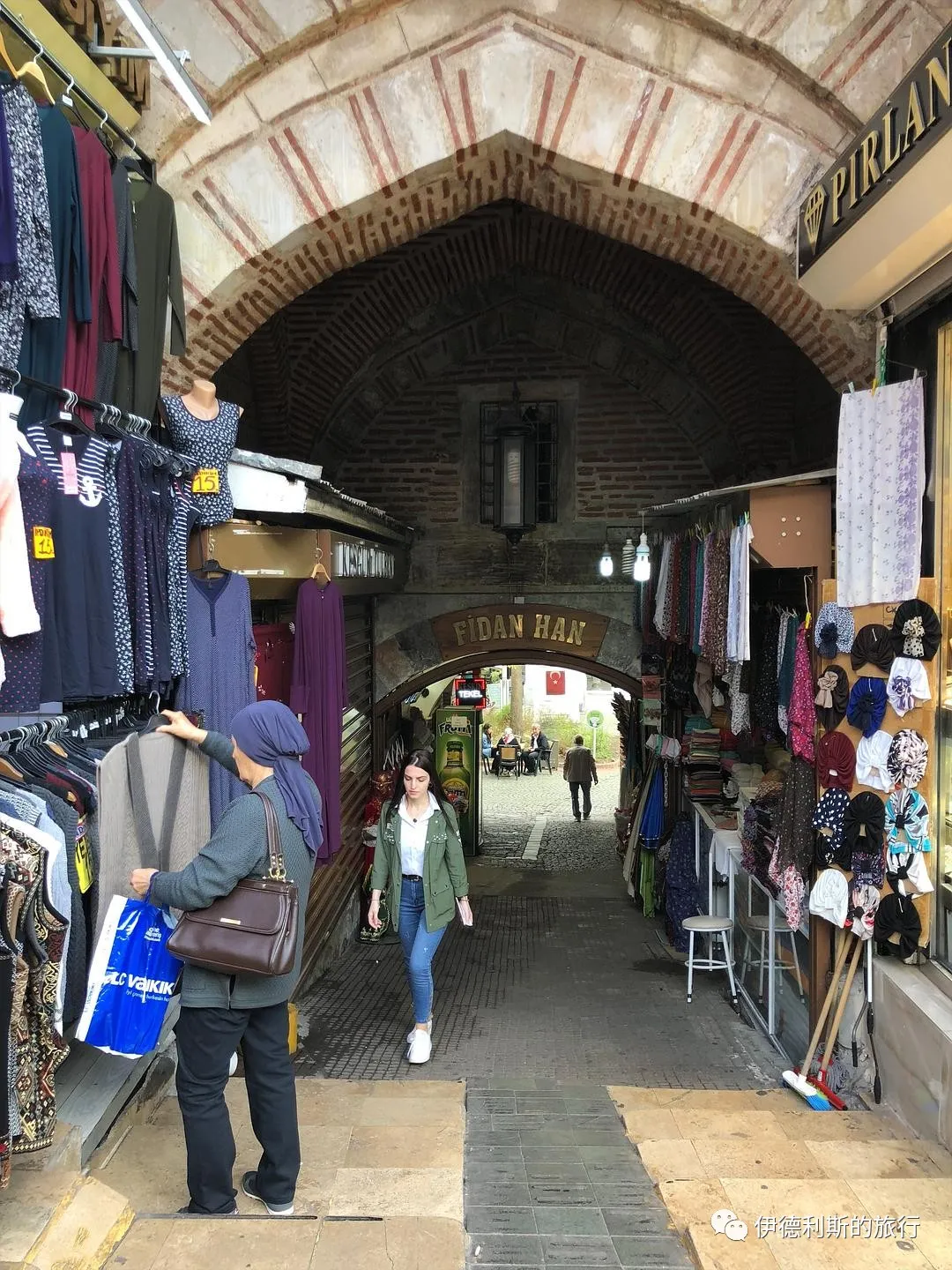
Fidan Khan was built by order of Mahmud Pasha, the Grand Vizier of the seventh Ottoman Sultan, Mehmed II the Conqueror (reigned 1444-1446, 1451-1488). Because of this, it is also called Mahmud Pasha Inn. Fidan Khan is one of the largest inns in Bursa. It consists of 98 rooms forming a huge square courtyard, with a washing fountain and a small mosque in the center. The 48 rooms on the first floor were used as warehouses, and the 50 rooms on the second floor were used as shops.
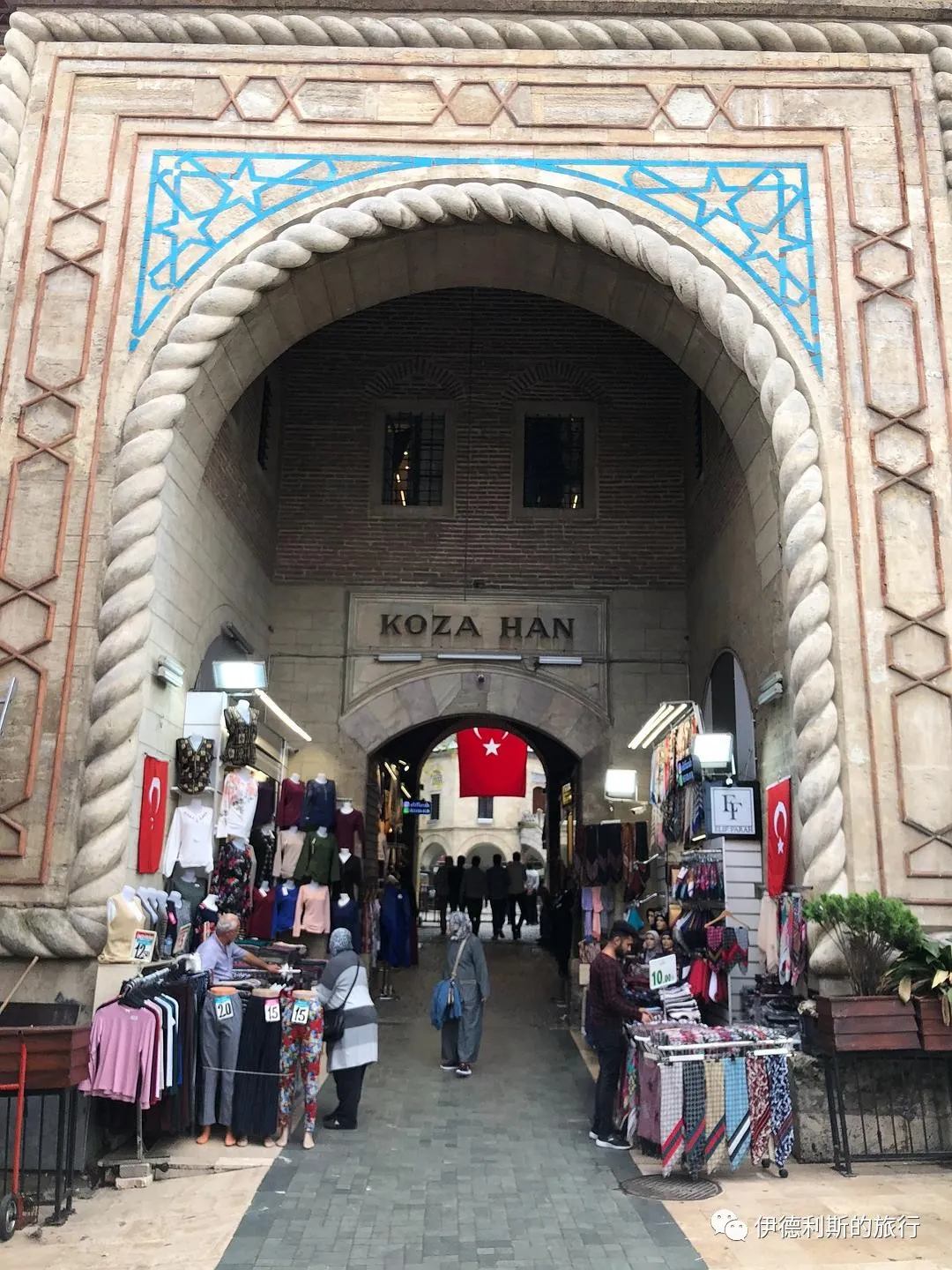
The Koza Inn (Khan) was built between 1489 and 1491 by order of Sultan Bayezid II (reigned 1481-1512), and the architect was Abdul-ula bin Pulad Shah. After it was finished, the Koza Inn was also called the New Inn (Yeni Han).
The inn is a square courtyard made of 101 rooms, with 50 rooms on the first floor and 51 on the second. In the middle of the courtyard stands a small octagonal mosque, with a pool for wudu on the first floor and a prayer hall on the second.
Since the 15th century, the Koza Inn has been the trade center of Bursa and the busiest inn for foreign trade.
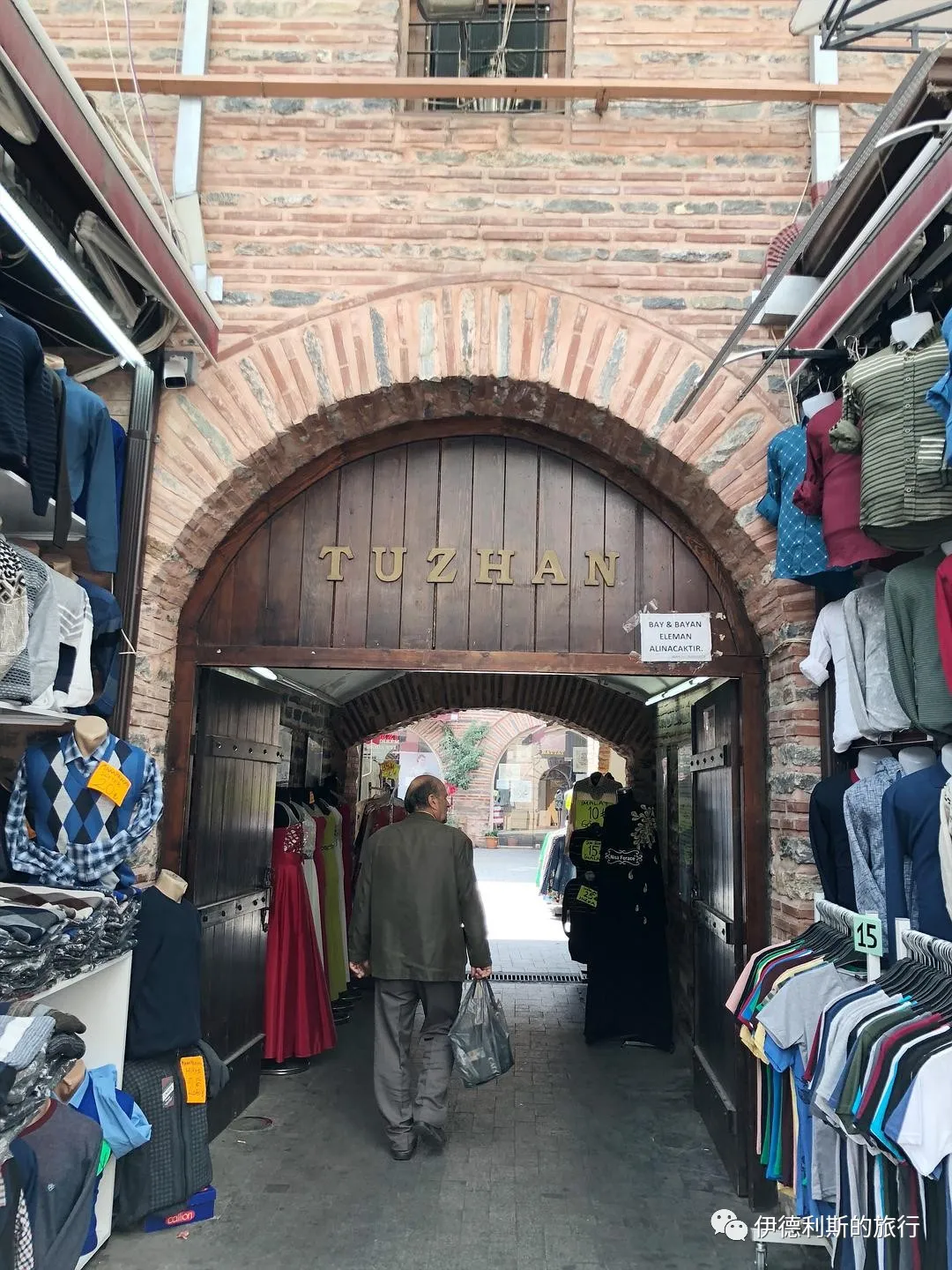
The Tuz Inn (Khan) is a small inn built by Umur Bey in 1454. It has 43 rooms surrounding a square courtyard, with 23 rooms upstairs and 20 rooms downstairs. There is a washing fountain in the middle of the courtyard, but no mosque.
The inn was badly damaged in an earthquake in 1855 and became even more run-down after a fire in 1901. The inn reopened in 2007 after being restored.
The Kütahya Inn (Khan) was built with funds donated by Buharalı Emir Efendi during the reign of Sultan Murad II (reigned 1421-1444, 1446-1451). It was once used as a shoe factory and warehouse, but the city government recently restored it to its original appearance.
The Perşembe Turkish bath (hammam) was built by Hacı Hasanzade Kazasker Mustafa Efendi during the reign of the seventh Ottoman Sultan, Mehmed the Conqueror (Mehmed II, reigned 1444-1446, 1451-1481).
The Perşembe bath is a small, single-unit bathhouse. Its changing room was torn down during road construction between 1903 and 1906.
Hüdavendigar Complex—Murad I
The Hüdavendigâr Complex (külliye) was built by the third Ottoman Sultan, Murad I (reigned 1362-1389), between 1363 and 1366. Murad I was known as "Hüdavendigâr," which translates literally from Persian as "Protector of Allah."
The Hüdavendigâr Complex is located on a hillside 5 kilometers west of the Bursa city center and includes a mosque, a madrasa, a public kitchen, a bathhouse, and a tomb.
Murad I was the son of Orhan I, the second ruler of the Ottoman Empire. Under his rule, the Ottomans captured most of the Balkans and made Edirne, located northwest of Constantinople, their new capital in 1363. Although Bursa lost its status as the capital, it remained the most important political and commercial center for the Ottoman territories in Asia.
In 1383, Murad I officially declared himself Sultan, marking the transition of the Ottoman state from a principality independent of the Seljuk Sultanate of Rum into a powerful sultanate.
The Hüdavendigar Mosque, also known as the Murad I Mosque, was built by Sultan Murad I between 1363 and 1366. It is a classic early Ottoman mosque with a T-shaped floor plan, and its most unique feature is that the madrasa is located on the floor above the main prayer hall. Because many Byzantine craftsmen helped build it, the mosque features Byzantine-style brickwork and column capitals. It is also the only Ottoman mosque that has two porticos.
The Hüdavendigar public kitchen (imaret), also called the Murad I public kitchen, was built by Sultan Murad I between 1367 and 1385. The kitchen was badly damaged in an earthquake in 1855 and was renovated in 1906 by Sultan Abdul Hamid II, who reigned from 1876 to 1909.
During the Ottoman era, everyone visiting the Hüdavendigar complex could eat and stay here for free for three days.
Today, it serves as a cultural center and still provides free food to anyone in need.
The Girçık Turkish bath (hammam) was built by Sultan Murad I between 1365 and 1366, and it has been in continuous use since it was restored in 1990.
The Old Bath (Eski Kaplıca) was built in 1385, and some of its columns, stone statues by the pool, and water spouts in the hot pool are original items from the Byzantine era. Since 1988, it has reopened as part of a hotel, with separate sections for men and women.
The Thunderbolt Complex—Bayezid I
The Thunderbolt Complex (Yıldırım Külliye), also known as the Bayezid I Complex (Bayezid I Külliye), was built in 1390 by the fourth Ottoman Sultan, Bayezid I, who was known as "The Thunderbolt" and reigned from 1389 to 1402, in the easternmost part of Bursa.
In the late 14th century, Bayezid the Thunderbolt (Yıldırım Bayezid) was known as the most powerful ruler in the Islamic world, commanding its finest army. Under his rule, the Ottoman Empire expanded steadily. In Europe, it included Thrace outside of Constantinople, Macedonia, Bulgaria, and parts of Serbia. In Asia, it reached the Taurus Mountains in southern Anatolia.
In 1402, Bayezid the Thunderbolt fought a decisive battle against the famous Timur the Great in Ankara. Bayezid was defeated and captured, and he died shortly after in Timur's military camp. After Bayezid the Thunderbolt died, his sons started the largest civil war in early Ottoman history, known as the Ottoman Interregnum.
The Thunderbolt (Yıldırım) Mosque, also called the Bayezid the Thunderbolt (Yıldırım Bayezid) Mosque, was built by order of Sultan Bayezid I between 1390 and 1395. It underwent major repairs after an earthquake in 1855, and a new minaret was added in 1963.
The Thunderbolt Mosque is the only early Ottoman mosque in Bursa built entirely of stone, without using any bricks. Additionally, the Thunderbolt Mosque is the first mosque to feature the Bursa arch structure. This flat arch sits between the main hall and the entrance, supporting two large domes.
The Thunderbolt Madrasah (Yıldırım Madrasah) is located northwest of the mosque. It was built by order of Sultan Bayezid I between 1390 and 1395 and was the first early Ottoman madrasah to have high walls. After the madrasah closed, it became a pharmacy in 1948.
The Bayezid the Thunderbolt (Yıldırım Bayezid) tomb was built in 1406 by Bayezid I's son, Süleyman Çelebi. The architect's name was Ali. In 1402, Bayezid the Thunderbolt fought a decisive battle against Timur the Lame in Ankara. He was defeated and captured, died shortly after in Timur's camp, and his body was later brought back to Bursa for burial.
The Mollayegan Madrasah was built in the late 14th century by Kara Eyne Bey, a commander under Bayezid the Thunderbolt, so it was originally called the Kara Eyne Bey Madrasah. Molla Yegan was a scientist during the reign of Sultan Murad II (reigned 1421-1444). He taught here for a long time in the early 15th century, and the madrasah was later named after him.
The madrasah underwent a major renovation in 1723 and was repaired again in 2006. It is now open to the public as a cafeteria, exhibition space, and handicraft center.
The Green Complex—Mehmed I
The Green Complex (Yesil Külliye), also called the Mehmed I Complex (Mehmed I Külliye), is the fourth complex built in Bursa. It was constructed by the fifth Ottoman Sultan, Mehmed I, who reigned from 1413 to 1421.
Mehmed was the fourth son of the fourth Sultan, Bayezid the Thunderbolt. In 1402, Bayezid I the Thunderbolt was captured by the great Tamerlane and died in a military camp shortly after. Mehmed, who was fighting alongside his father, was rescued on the battlefield by Bayezid Pasha and taken to the pasha's hometown of Amasya.
At that time, Bayezid I's eldest son had passed away and his second son was imprisoned by Tamerlane. The remaining four adult princes—Mehmed, Suleiman, Isa, and Musa—began to fight for the throne. This civil war is known as the Ottoman Interregnum.
Mehmed eventually reunified the Ottoman state and was officially crowned as Mehmed I in Edirne in 1413. Because he reunited the Ottoman Empire after its division, he is honored as the restorer of the Ottomans.
During the reign of Mehmed I, Edirne became more important than Bursa as the primary city among the two capitals, but after his death, he was still buried in the complex he built in Bursa.
The Green Mosque (Yeşil Mosque), also called the Mehmed I Mosque, was built by Sultan Mehmed I between 1414 and 1419. It is a masterpiece by the famous early 15th-century Ottoman architect İvaz Pasha. The Silk Inn (Koza Han), Geyve Inn (Geyve Han), and İvaz Pasha Bazaar in Bursa's inn district are also his works. the artists responsible for the painted decorations were Ali bin Ilyas and Mehmed el Mecnun.
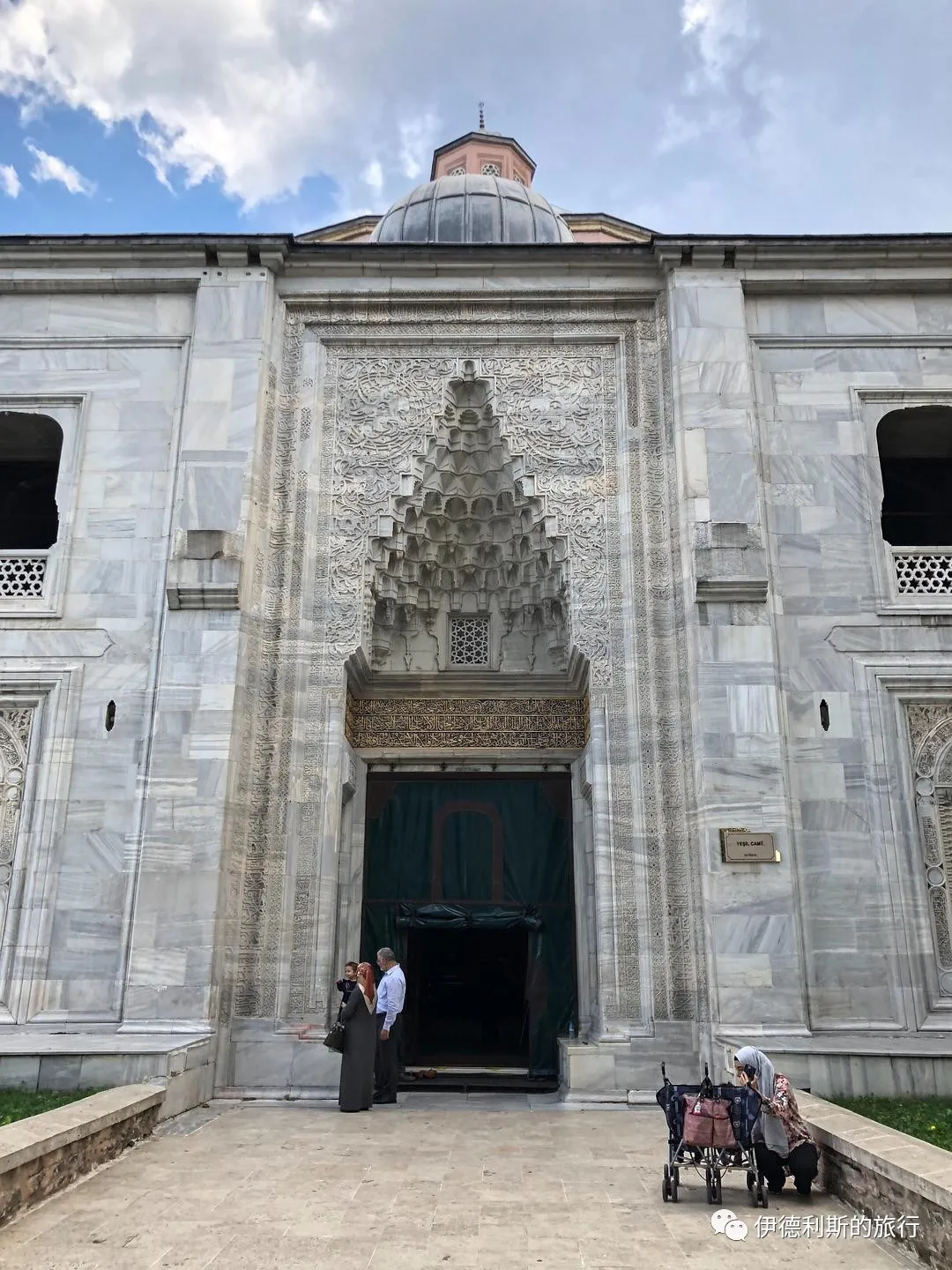
The Green Mosque is a typical early Ottoman T-shaped mosque, and the main hall has two domes. The stone carvings on the mosque's main gate are considered the pinnacle of early Ottoman architecture. Due to the death of Mehmed I, the mosque's front porch (narthex) was never finished.
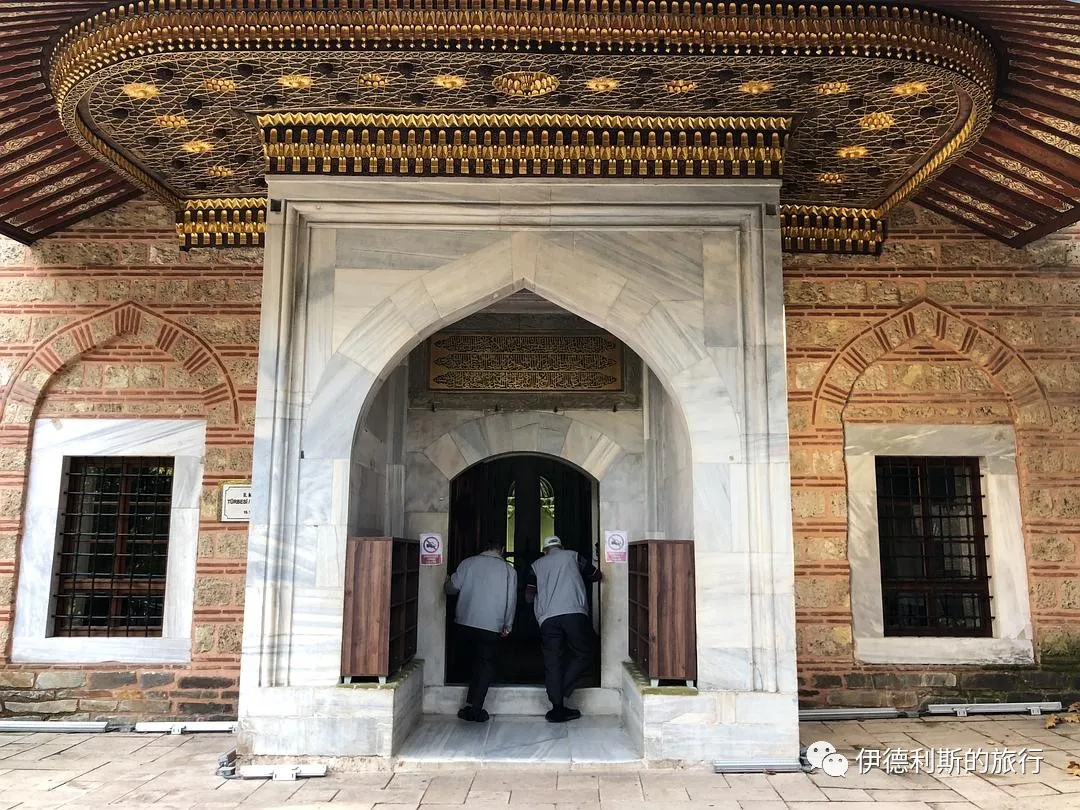
The Green Tomb (Yeşil Türbe) is the mausoleum for Mehmed I and his family. It was also ordered by Mehmed I and built by İvaz Pasha between 1414 and 1421. This tomb gets its name from the blue-green Iznik tiles, and the entire complex is named the Green Complex because of it.
The artists who painted the murals were Ali bin İlyas Ali, Mehmed el Mecnun, and Ali bin Hacı Ahmed Tebrizi, and their names appear on the walls of the tomb.
After the 1855 earthquake, this place was covered in blue Kutahya tiles, and the original tiles inside are considered a masterpiece of early Ottoman tile art.
The Green Madrasah (Yeşil Madrasah) was commissioned by Sultan Mehmed in 1414, but it was not finished on time because the Sultan died in 1421, and it finally opened in 1424.
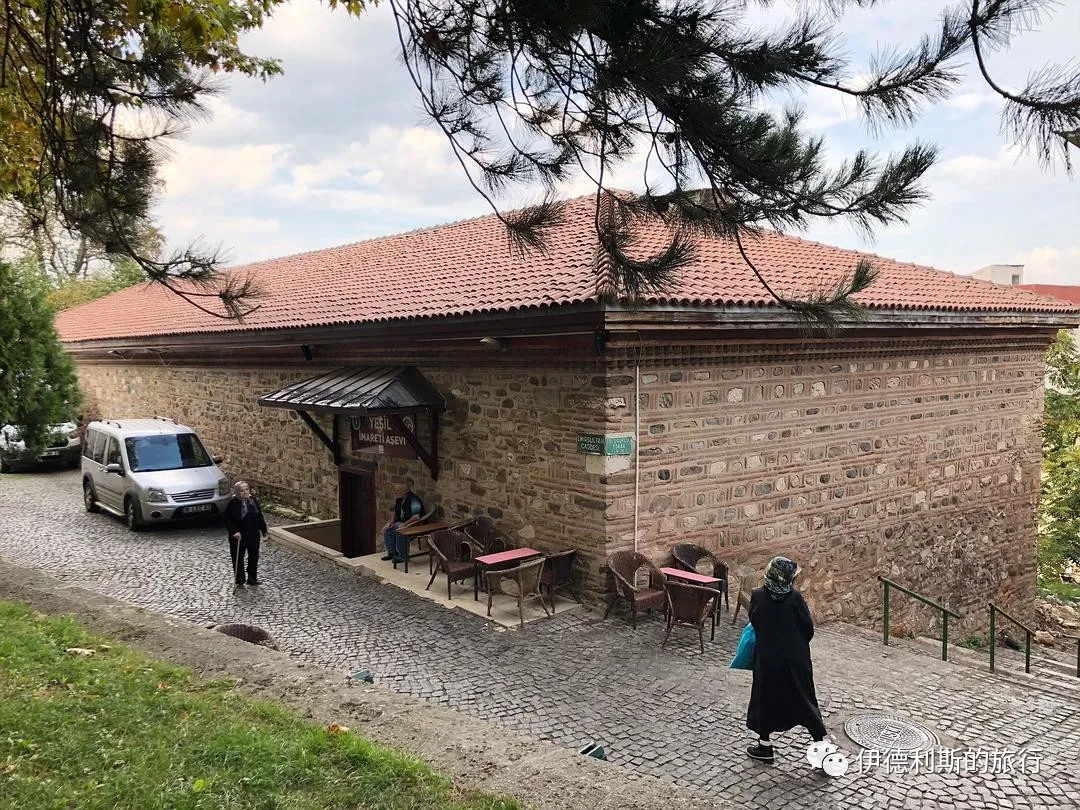
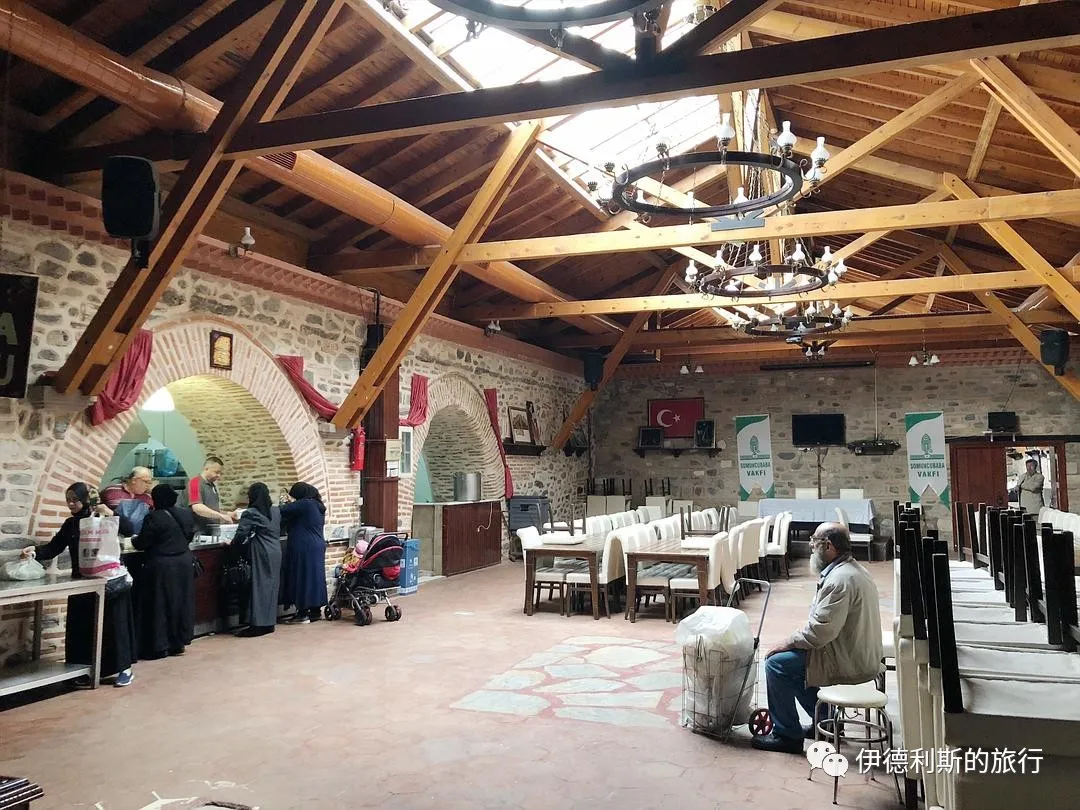
The Green Public Kitchen (Yeşil İmaret) was also commissioned by Sultan Mehmed between 1414 and 1421, and it still gives out free food to the public today. When I visited, I happened to see a family picking up food at the kitchen.
Muradiye Complex—Murad II
The Muradiye Complex (Muradiye Külliyesi), also called the Murad II Complex (Murad II Külliyesi), was built in 1426 by the sixth Ottoman Sultan, Murad II (reigned 1421–1444 and 1446–1451).
Murad II was the last Sultan to rule from Bursa before the Ottomans conquered Constantinople. Besides standard buildings like the mosque, madrasah, and bathhouse, the complex is most famous for being the first to include a royal cemetery (hazire) for Ottoman family members. This style of cemetery later became common in Istanbul.
The Muradiye Mosque, also known as the Murad II Mosque, was built by Sultan Murad II between 1425 and 1426.
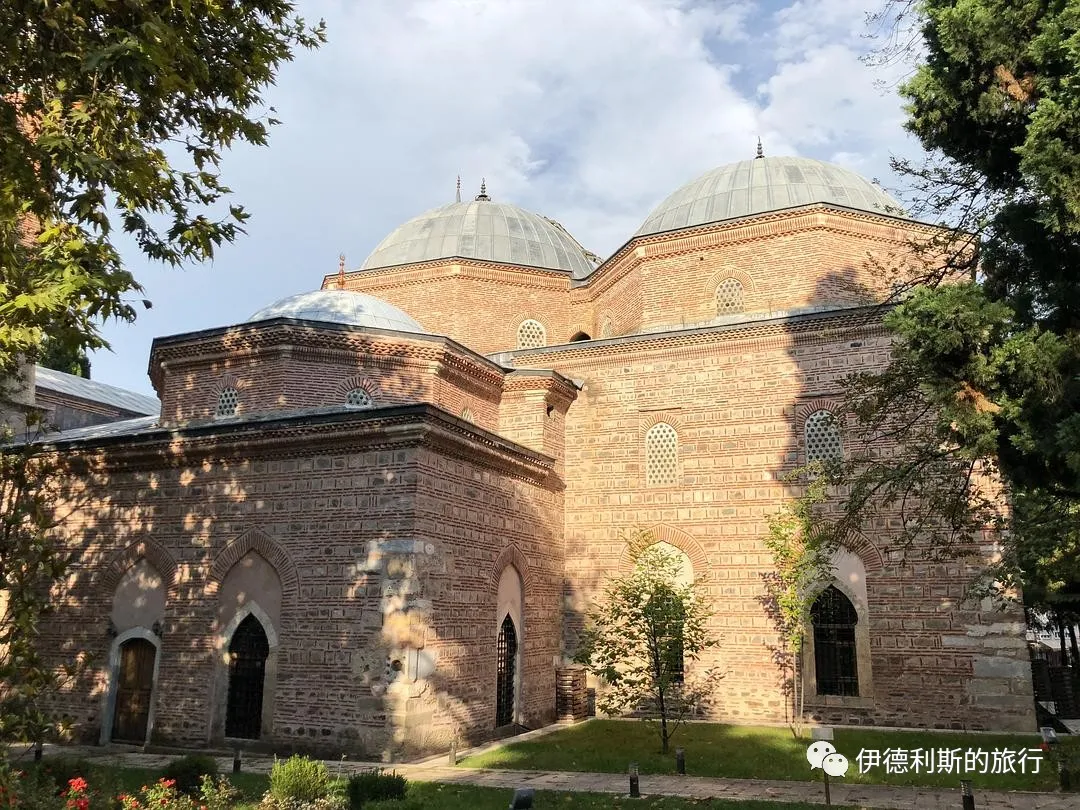
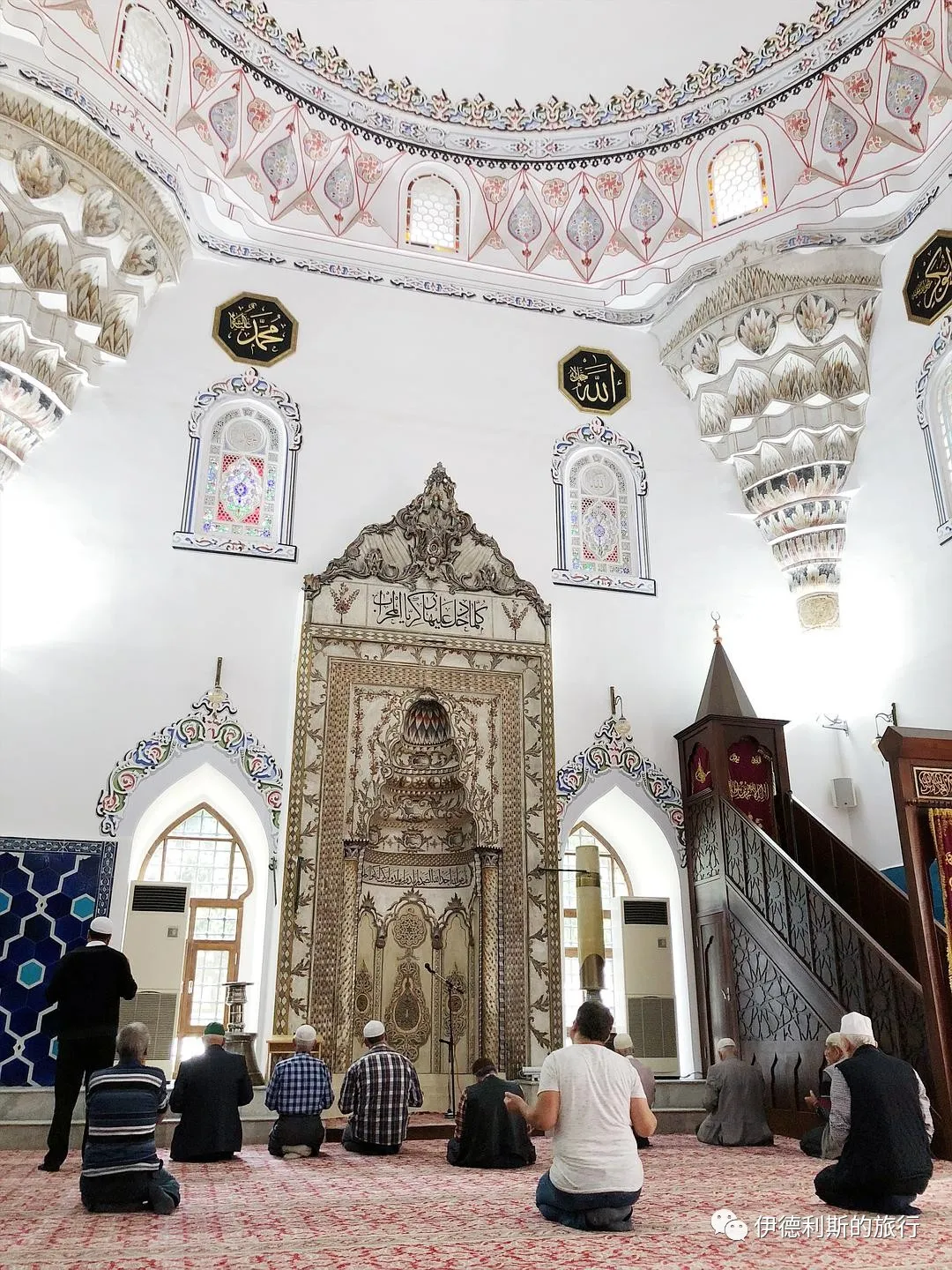
The Muradiye Mosque is an early Ottoman "T-shaped" mosque, with two domes over the main hall and a smaller dome on each side. The interior of the mosque is decorated with blue-green and dark blue hexagonal tiles.
The Muradiye (Murad II) Madrasah and the Muradiye Mosque were both built by order of Sultan Murad II in 1426. The madrasah has 14 student rooms surrounding a courtyard, with a large classroom covered by a dome in the center.
After 1951, the madrasah became a tuberculosis clinic, and since 2005, it has served as the Döne Ocak Early Cancer Diagnosis Center.
The Muradiye (Murad II) Public Kitchen was built by order of Sultan Murad II between 1425 and 1426, and it became a restaurant after 1995.
The Muradiye (Murad II) Turkish bath (hammam) was built in 1425 by order of Sultan Murad II. Later traffic planning separated it from the courtyard where the Muradiye Mosque and the madrasa are located.
This building was once used as a foundry before it was restored to a Turkish bath. Between 2008 and 2010, the city government took over the site and restored it. After the work was finished, it was given to the Bursa Disabled People's Committee to become a center for disabled development.
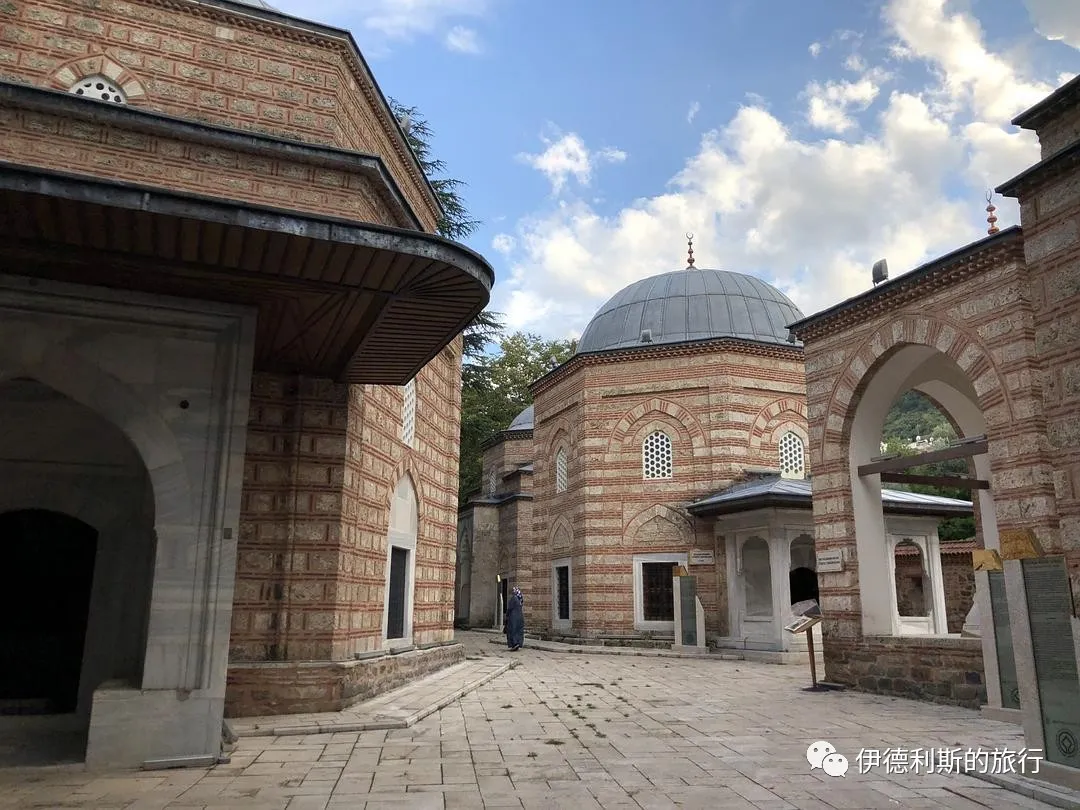
The Muradiye Cemetery, founded in 1449, is the first royal cemetery in Ottoman history. Its 12 tombs hold dozens of wives, sons, and daughters of Ottoman sultans, making it the most important cemetery from the early Ottoman period. Construction of the tombs in the cemetery continued until the 16th century. This shows that even though Istanbul was the capital by then, Bursa still held a high place in the hearts of the Ottoman royal family.
The 10 tombs with clear records are as follows:
(1) Tomb of Sultan Murad II: 1451—the sixth sultan.
(2) Tomb of Hüma Hatun: 1449—wife of the sixth sultan.
(3) Tomb of Sultan Cem: 1479—son of the seventh sultan.
(4) Tomb of Gülşah Hatun: 1487—wife of the seventh sultan.
(5) Tomb of Gülruh Hatun: 1527—wife of the eighth sultan.
(6) Tomb of Şirin Hatun: early 16th century—wife of the eighth sultan.
(7) Tomb of Prince Ahmed: 1513—son of the eighth sultan.
(8) Tomb of Prince Mahmud: 1507—son of the eighth sultan.
(9) Tomb of Mükrime Hatun: 1517—daughter-in-law of the eighth sultan.
(10) Tomb of Prince Mustafa: 1573—son of the tenth sultan.
Food
You have to try the Bursa kebab (Bursa kebap) when you visit Bursa. It is made by adding yogurt and tomato sauce to the meat. This was the first food I had in Turkey that I could not fully get used to. But their fermented grape juice (şıra) is super delicious!
I had breakfast at the hotel, right across from the beautiful Grand Mosque (Ulu Cami) in Bursa.
The next day, I had a dish similar to the Bursa kebab called meatball flatbread (Pideli köfte), which just swaps the meat slices for meatballs.
I had Turkish pizza (pide) for dinner. I really liked it because they were generous with the toppings.
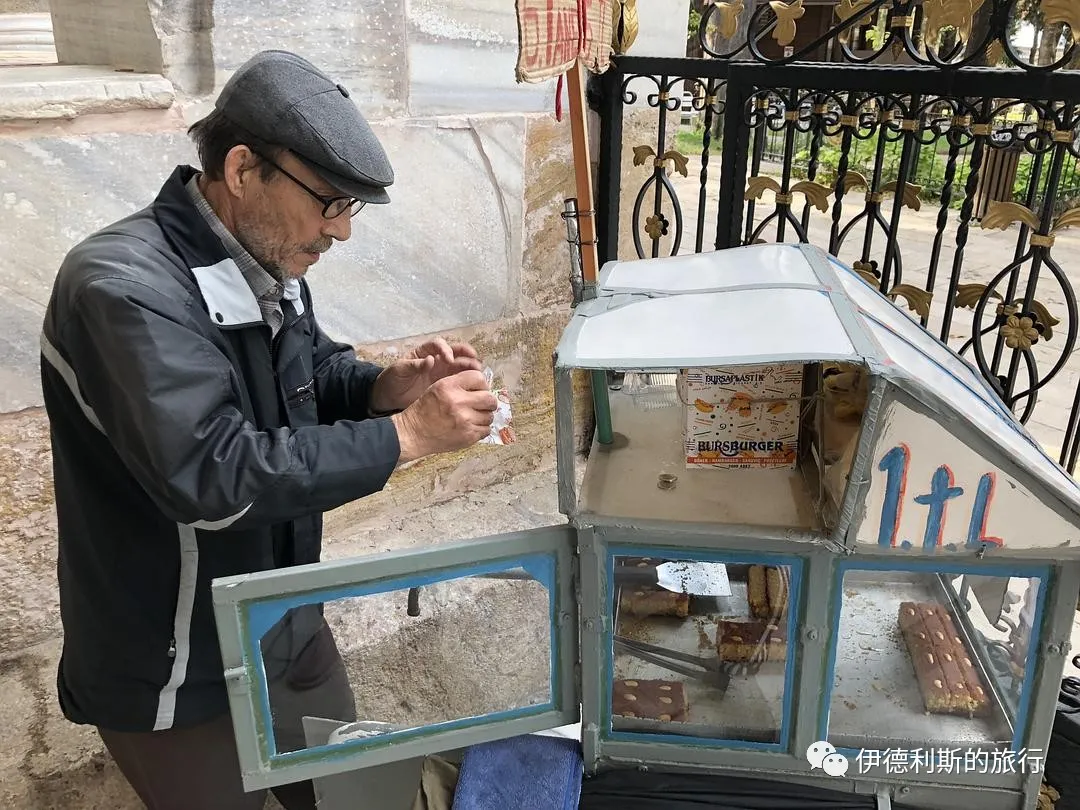
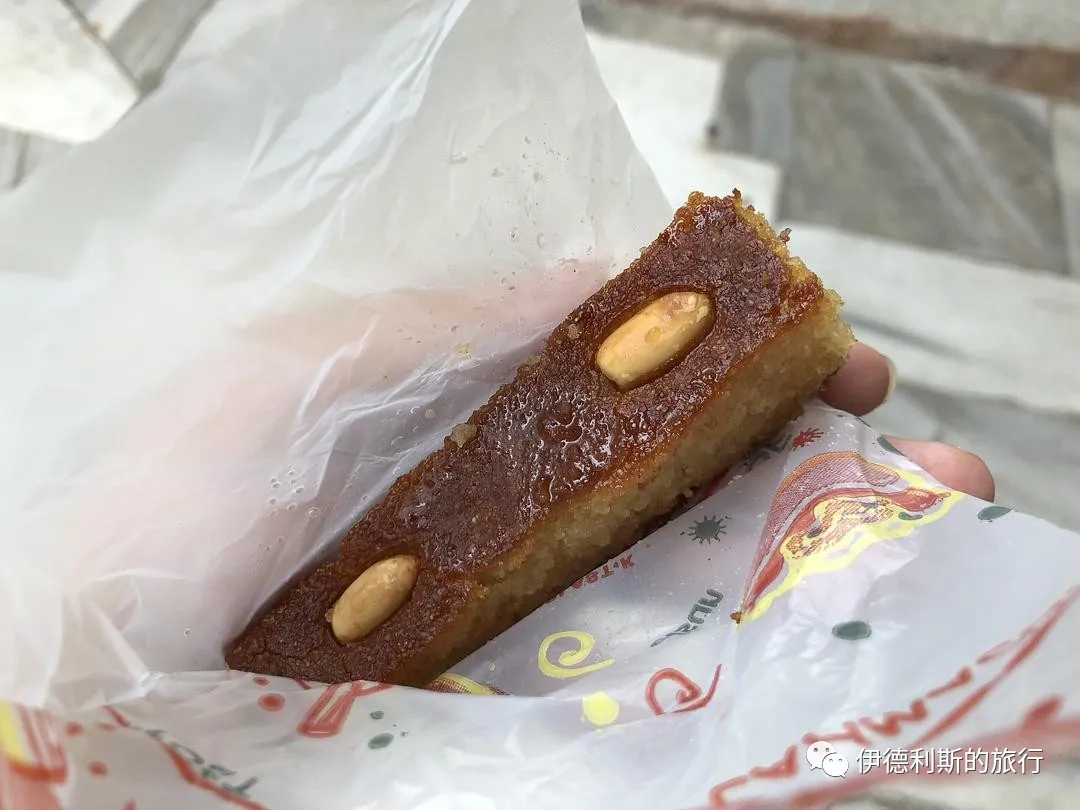
In front of a mosque in Bursa, an old man was selling pastries for one lira each. They are called Damascus sweets (Şam Tatlısı) and are said to have a very long history. view all
Summary: Bursa was an early Ottoman capital and is covered through its mosques, tombs, markets, baths, madrasahs, and old neighborhoods. This account keeps the original place names, dates, architectural details, food notes, and photographs from the trip.
After the Sultanate of Rum was defeated by the Mongol Empire and became a vassal state in 1243, many small states called beylics (beyliks) broke away from it. The Ottoman state was one of them. Around 1281, Osman became the bey and gradually expanded his territory by constantly attacking the Byzantine Empire. After Osman died in 1324, his son Orhan Gazi continued the attacks against the Byzantines.
In 1326, Orhan captured Bursa, the most important city on the southern shore of the Sea of Marmara, and made it his official capital. From then on, the Ottomans used Bursa as a base. Over the next hundred years, they grew into the massive Ottoman Empire. Bursa stands as the best witness to the birth of the Ottoman Empire.
In 2014, UNESCO named the ancient city of Bursa a World Heritage site. Its full name is Bursa and Cumalıkızık: the Birth of the Ottoman Empire.
Five of these heritage sites are located within Bursa. These five building complexes (külliye) were built by the second, third, fourth, fifth, and sixth rulers of the Ottoman dynasty: Orhan (reigned 1324-1362), Murad I (reigned 1362-1389), Bayezid I (reigned 1389-1402), Mehmed I (reigned 1413-1421), and Murad II (reigned 1421-1444). They cover the entire history of the Ottomans from the founding of the state to the conquest of Istanbul.
The Inn District—Orhan
The Inn District (Khans Area), also called the Orhan complex (Orhan Külliye), was built by the second Ottoman ruler Orhan (reigned 1324-1362) and several later sultans. It is the first building complex (külliye) in Ottoman history and is known as an important symbol of the Ottoman growth into an empire.
As the first capital of the Ottoman dynasty, Orhan and his successors created a new style of city planning in Bursa. They were the first to build a building complex (külliye) in the commercial area outside the city walls. Besides a mosque, a religious school (madrasa), a public kitchen, and a bathhouse, the complex included many inns (khan), a covered market (bedesten), and a bazaar (bazaar). This style of city planning, known as the Bursa Model, served as an important reference for later Ottoman city construction and can be called a model for the empire.
The Orhan Mosque is the first mosque in Bursa. It was built in 1339 by the second Ottoman ruler Orhan (reigned 1324-1362). It was burned by the Karamanids in 1413, rebuilt by Sultan Mehmed I (reigned 1379-1421) in 1417, and repaired again after being damaged by an earthquake in 1855.
The Orhan Mosque is also the first T-shaped mosque in Ottoman history. The T-shaped mosque is a representative form of early Ottoman mosque architecture. to the main prayer hall, this design includes a room on each side of the entrance.
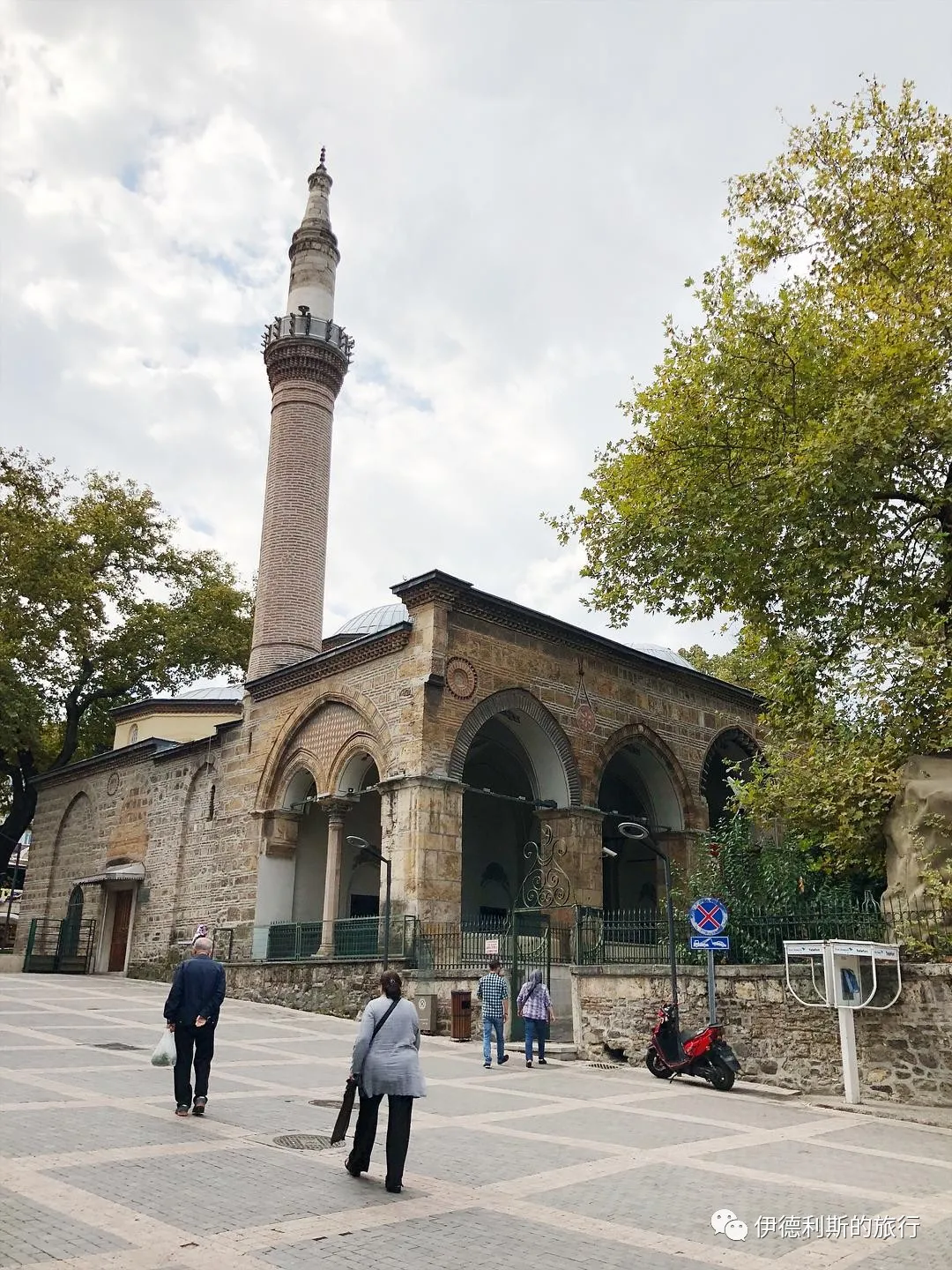
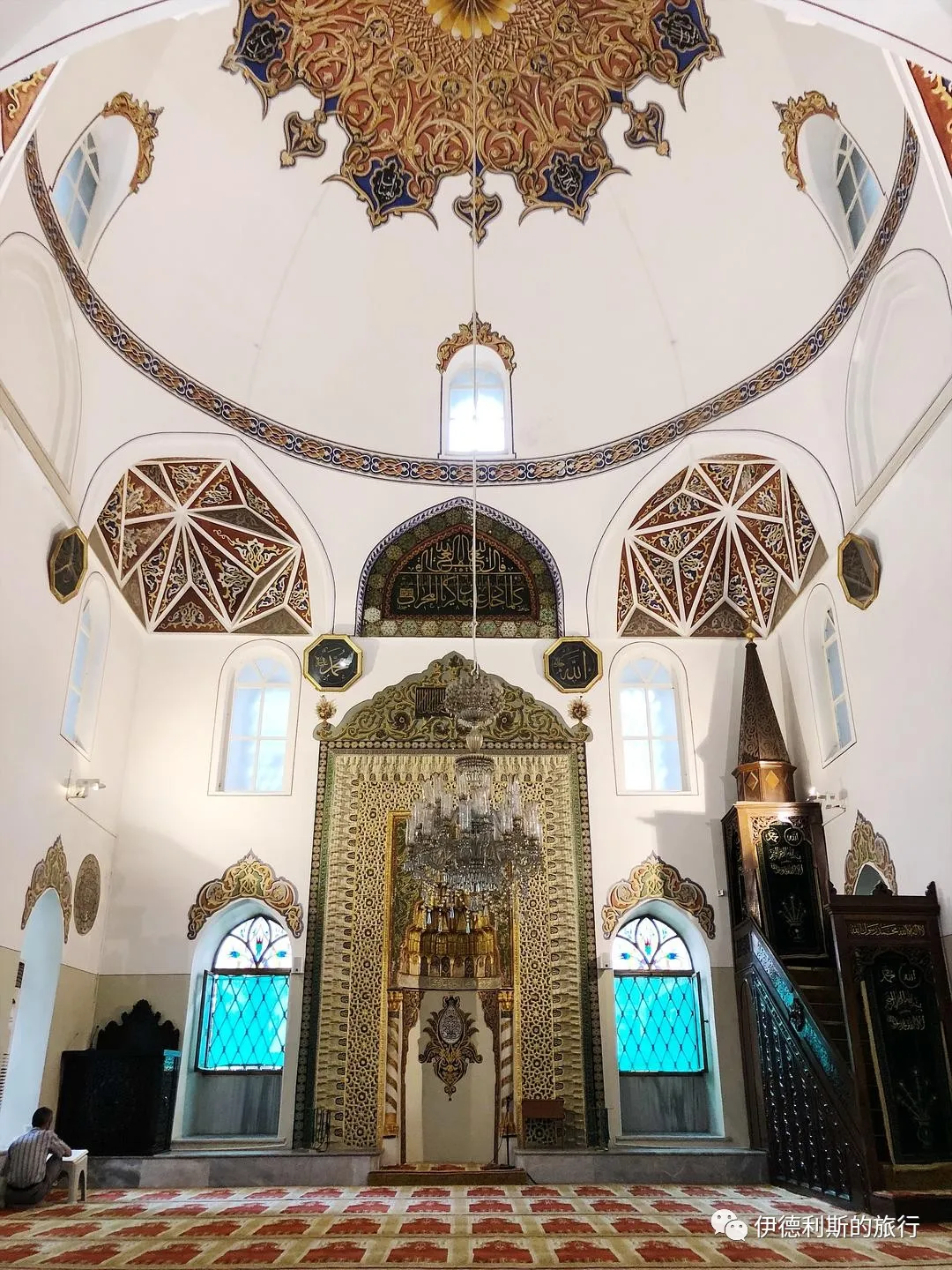
The Orhan Bathhouse is a double-domed Turkish bath (hammam) built by Orhan in 1339. Together with the Orhan Mosque, it forms part of the Orhan complex. This was also the first Turkish bath (hammam) in Ottoman history built outside the city walls to serve the bazaar commercial district.
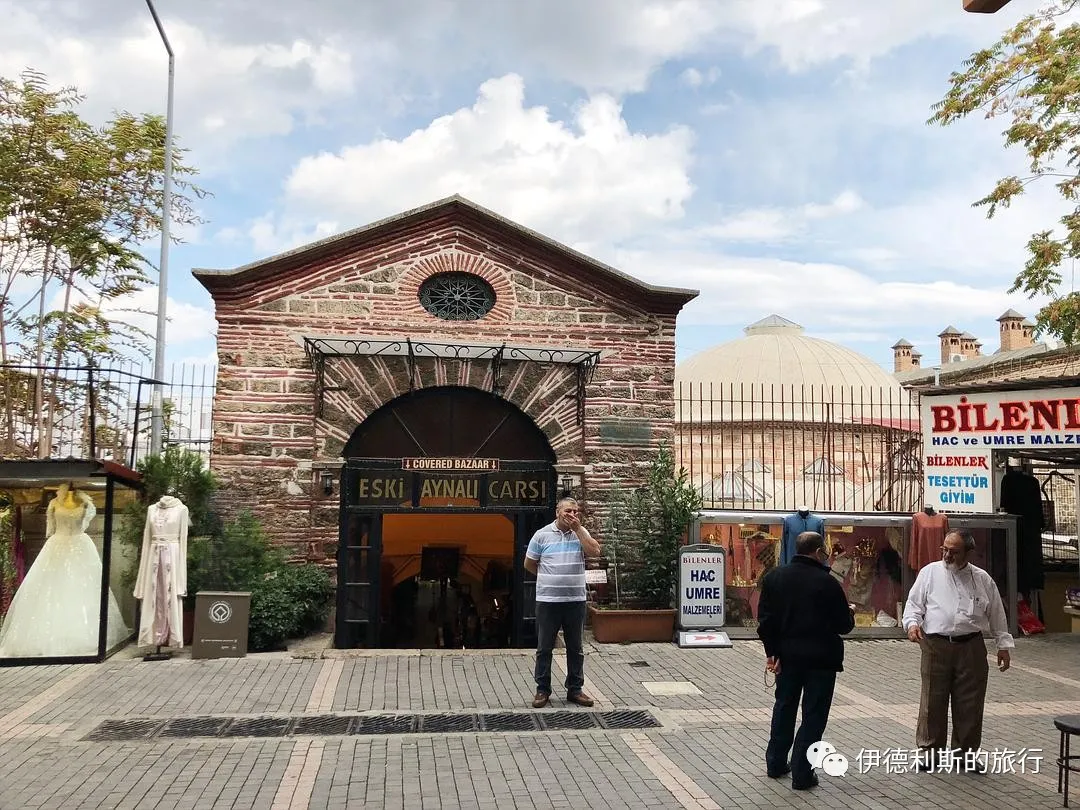
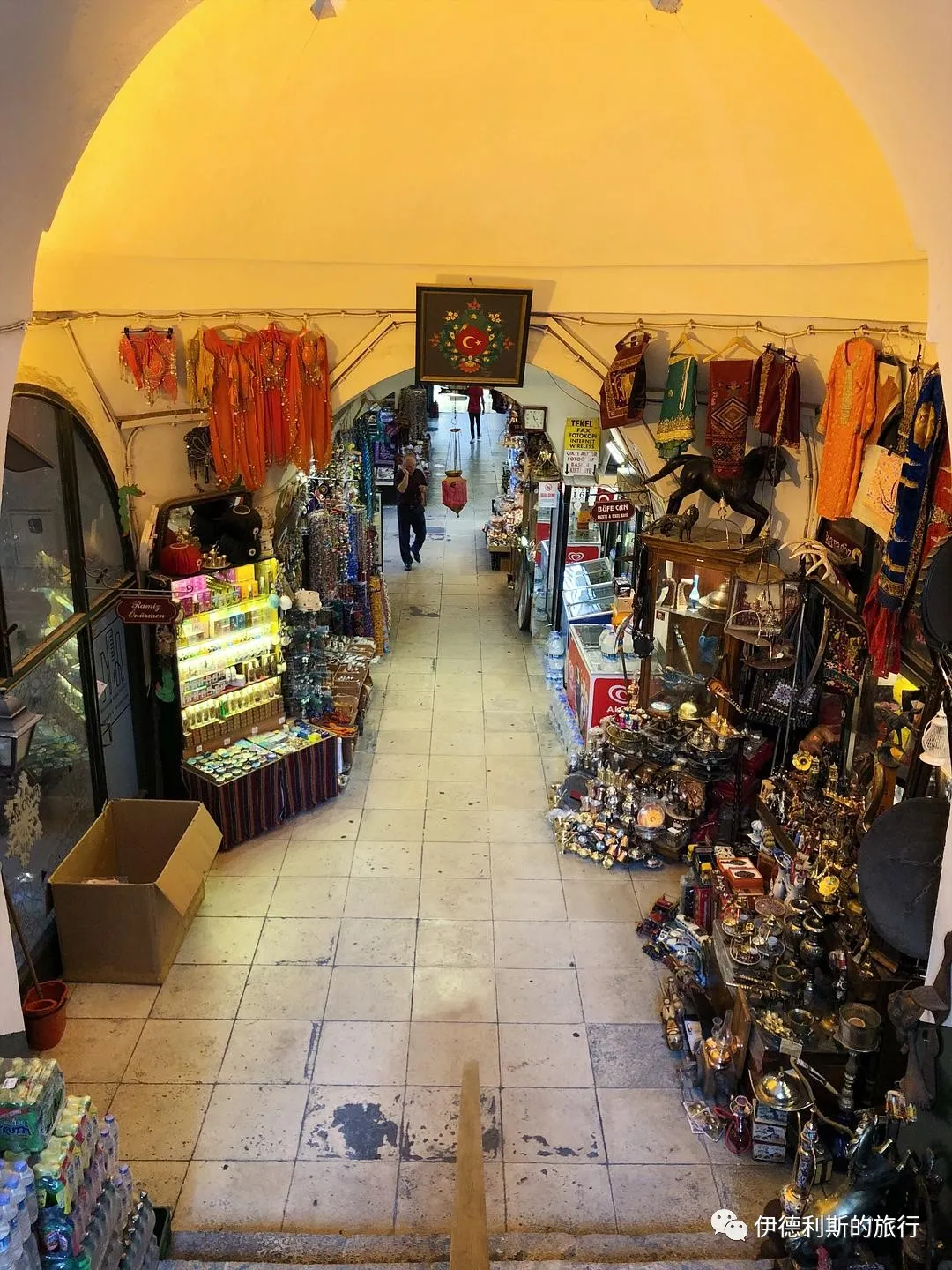
The Great Mosque of Bursa (Bursa Ulu Cami) is the largest mosque in Bursa and the largest example of the Ottoman multi-domed mosque style. This mosque has 20 domes and two minarets, and it is known as a masterpiece of early Ottoman architecture.
The Great Mosque of Bursa was built between 1396 and 1399 by the fourth Ottoman Sultan, Bayezid I (reigned 1389-1402), to celebrate the famous Battle of Nicopolis. The architect is said to be Ali Neccar.
The covered market (Yıldırım Bedesten) was built by the fourth Ottoman Sultan, Bayezid I, and served as the trade and financial center of Bursa at that time. Its relatively enclosed structure allowed domestic and foreign merchants to sell and store their most precious goods. The covered market is also the heart of the entire Bursa commercial district, with various inns and shops built around it. Today, it is a jewelry market and remains the area for the most valuable goods in the entire commercial district.
The Court Madrasah (Vaiziye Madrasah) sits right next to the west side of the Great Mosque. It was built by Amcazade Hüseyin Çelebi during the reign of Sultan Bayezid I (reigned 1389-1402) as a complex combining a religious school and a bazaar. The madrasah was destroyed in an earthquake in 1855. In 1957, archaeological excavations uncovered the foundation, and it was later rebuilt.
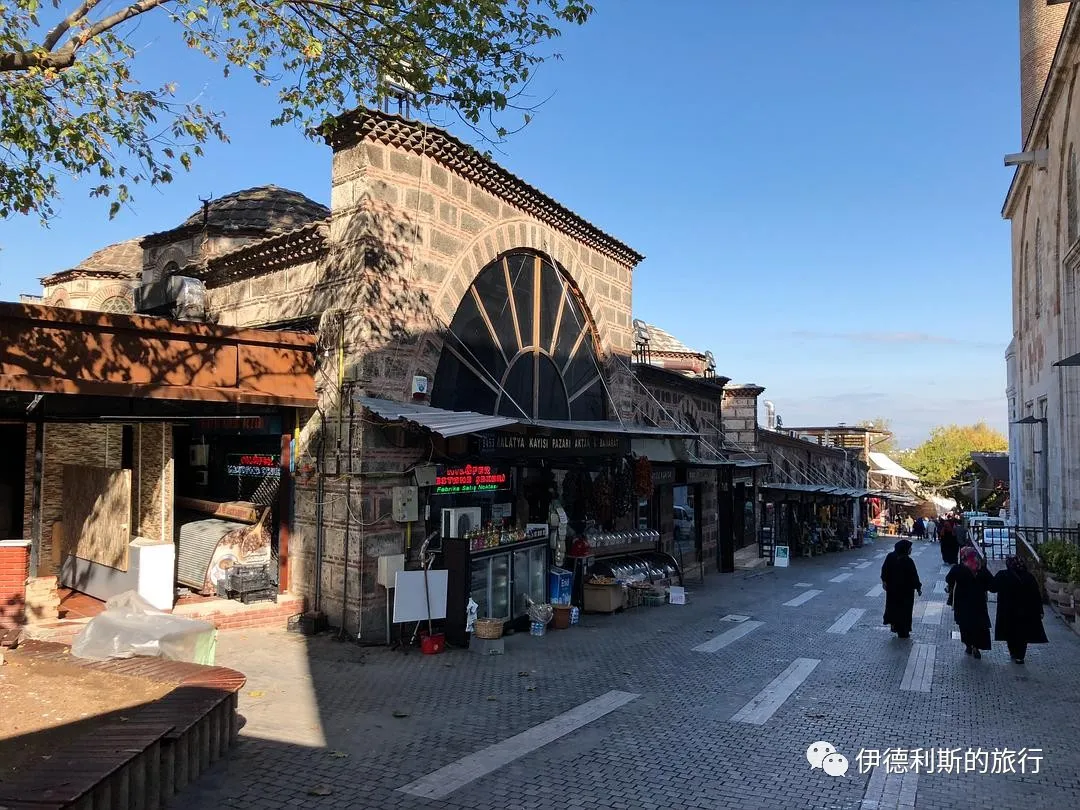
The Şengül Turkish bath (Şengül Hamamı) was built during the reign of Sultan Bayezid I (reigned 1389-1402) and is located right next to the north side of the Great Mosque. In the 16th century, the price here was 16 to 25 coins per day. The cold room was later destroyed by fire, but the octagonal main room covered by a dome still stands today.
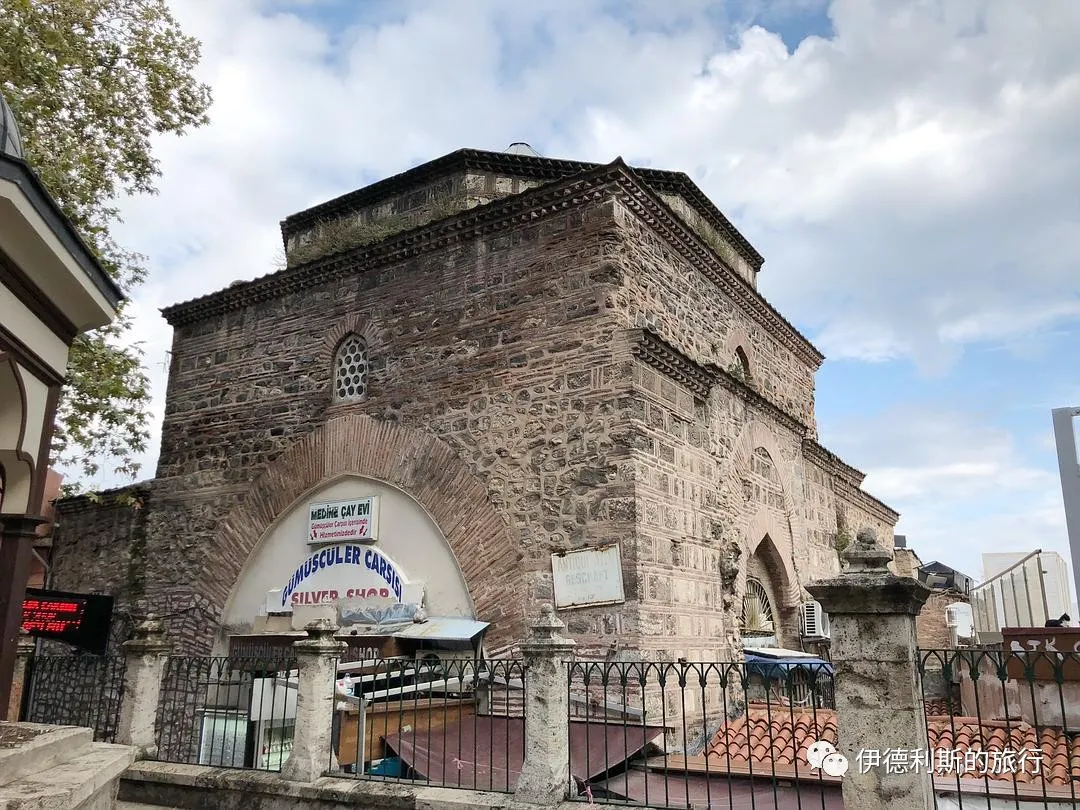
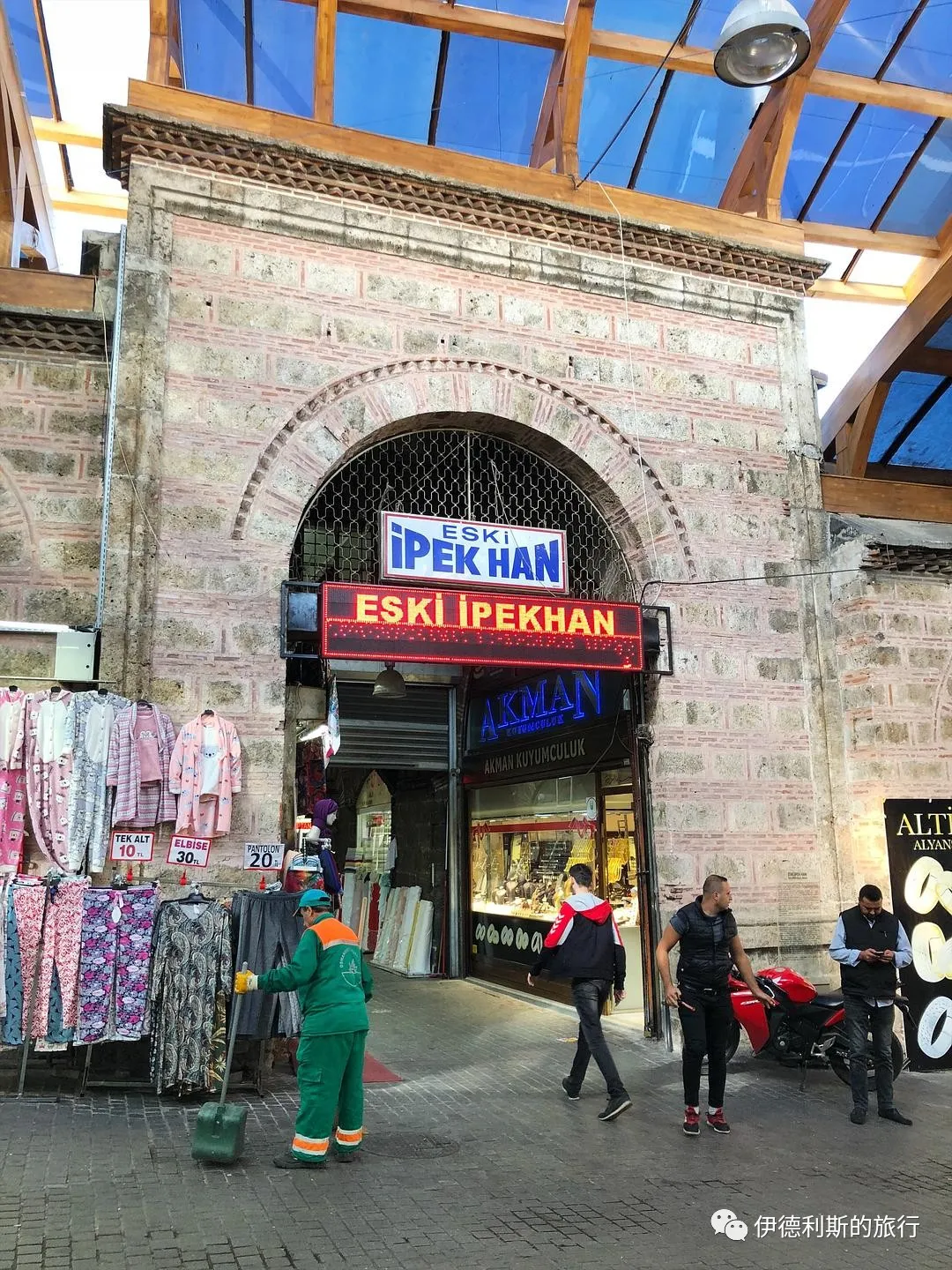
The Silk Inn (İpek Khan) was built by order of the fifth Ottoman Sultan, Mehmed I (reigned 1413-1421), so it is also called the Sultan's Inn. The architect was the famous early 15th-century Ottoman architect İvaz Pasha, whose representative work is the famous Mehmed I complex in Bursa. The inn consists of a square courtyard with 38 rooms on both the upper and lower floors, and a fountain for cleaning in the middle. The east gate of the Silk Inn was once damaged due to road construction, but it was rebuilt in 1958.
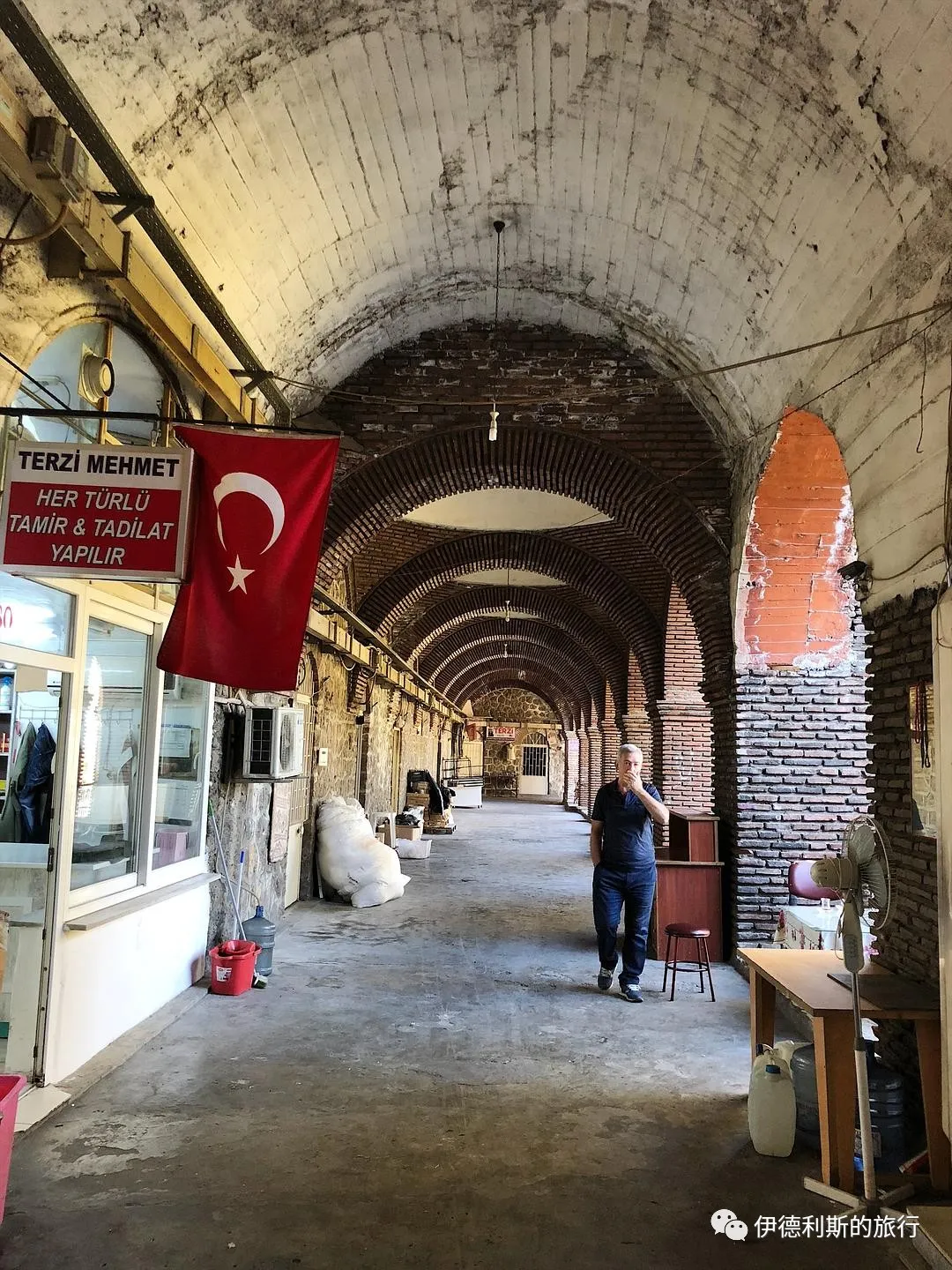
Ivaz Pasha Bazaar is one of the inns and bazaars built around the covered market (Bedesten) during the reign of Sultan Mehmed I (reigned 1413-1421). The architect was Ivaz Pasha, a famous Ottoman architect from the early 15th century.
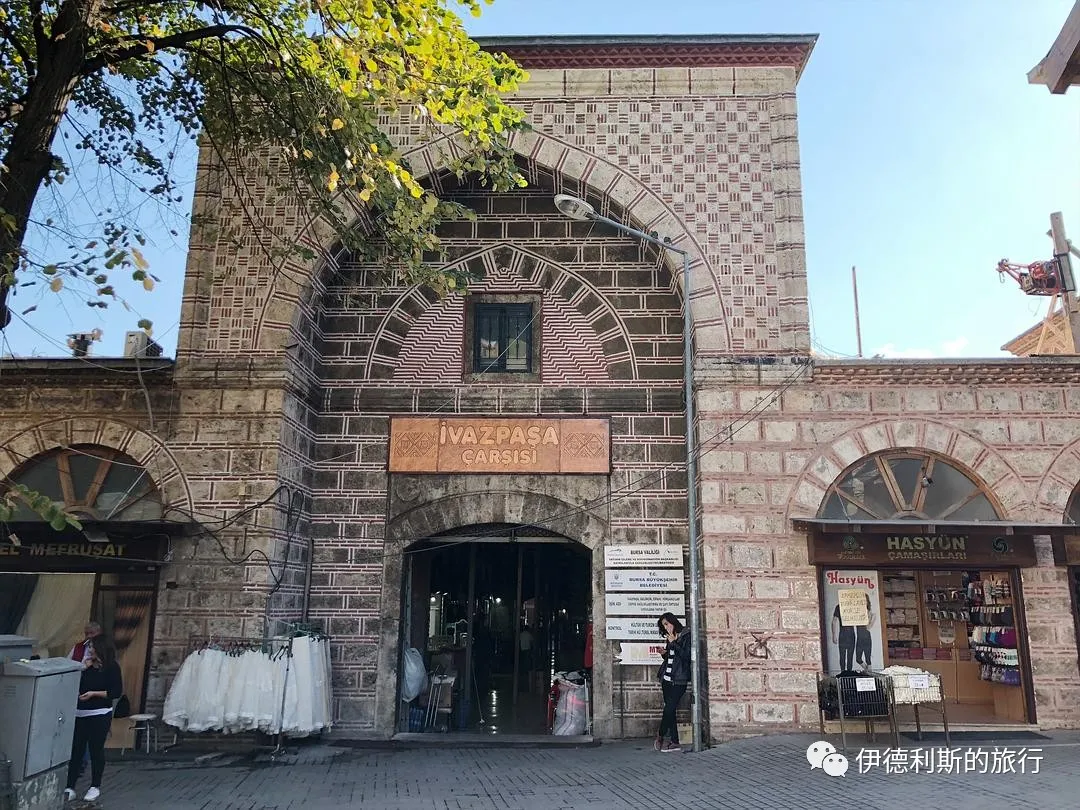
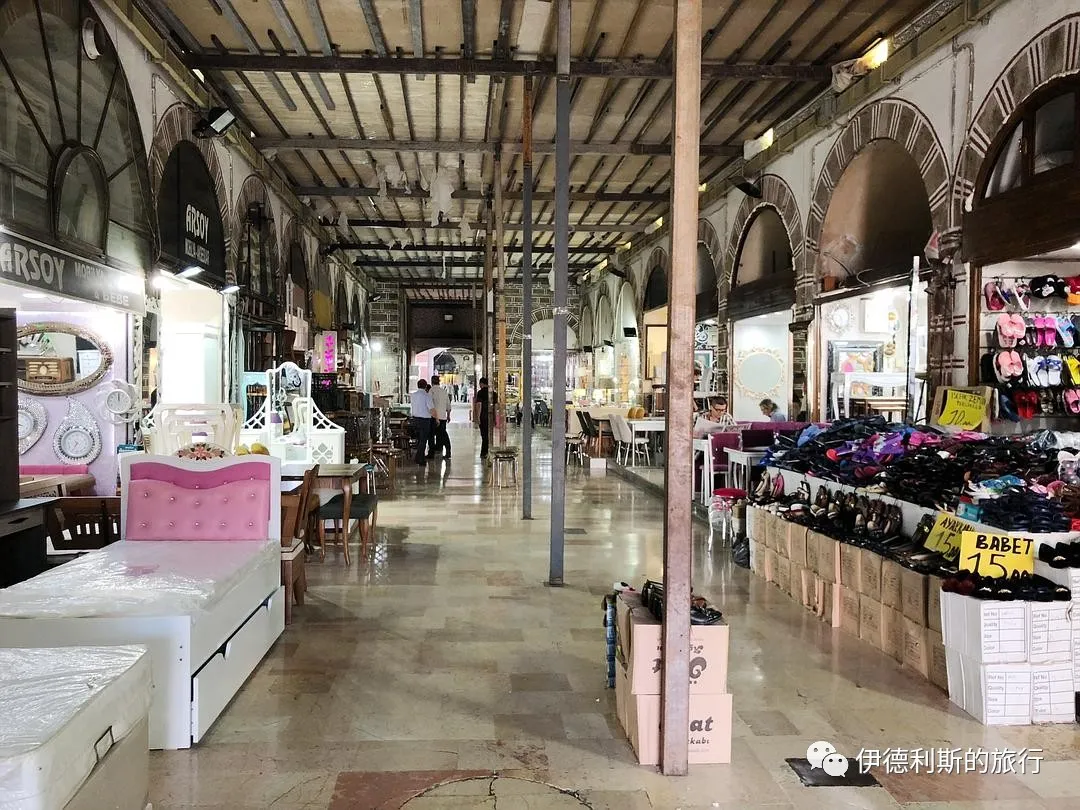
Geyve Khan was built by the famous Ottoman architect Ivaz Pasha, just like the Silk Inn. It was a gift to Sultan Mehmed I (reigned 1413-1421), so it is also called Ivaz Pasha Inn. The government fully renovated this place in 2006.
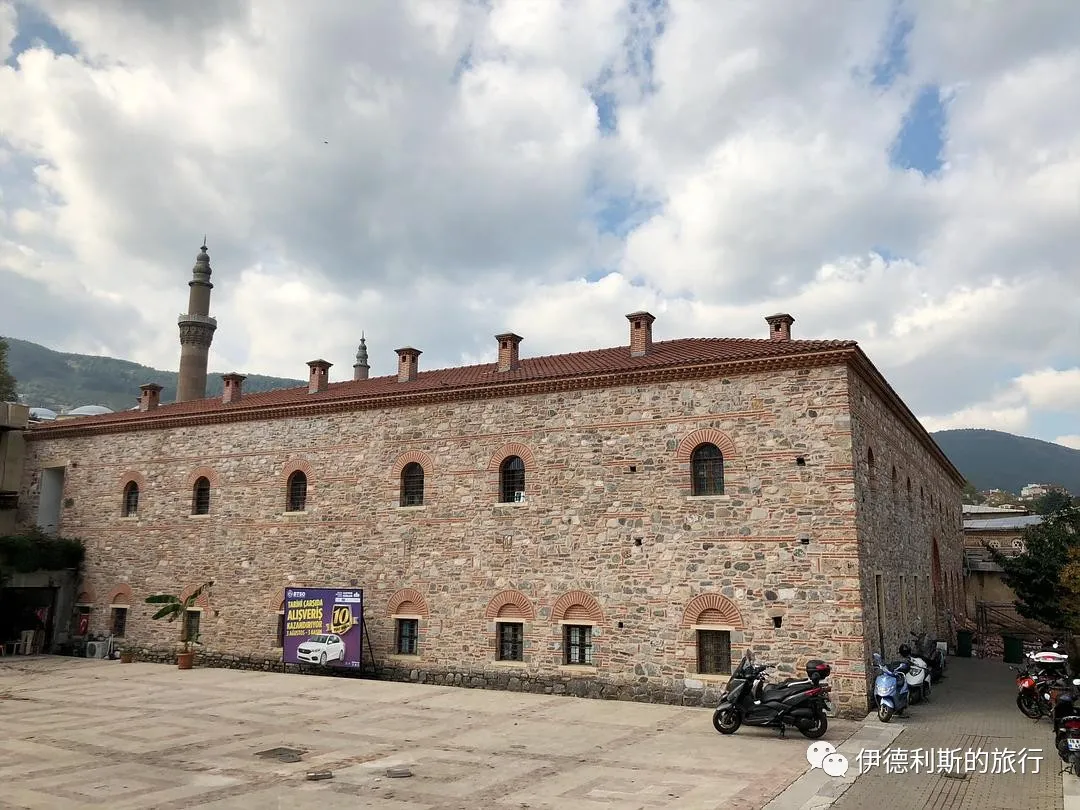
Meyhaneli Turkish bath was built in 1426 by the sixth Ottoman Sultan, Murad II (reigned 1421-1444). Meyhaneli means tavern, because this place was once used as a winery. Meyhaneli bath is also called Chicken Market (Tavuk Pazarı) bath, which was the former name of the location where the bath stands.
The sections for men's and women's cold showers were torn down for road construction, but other parts were renovated recently.
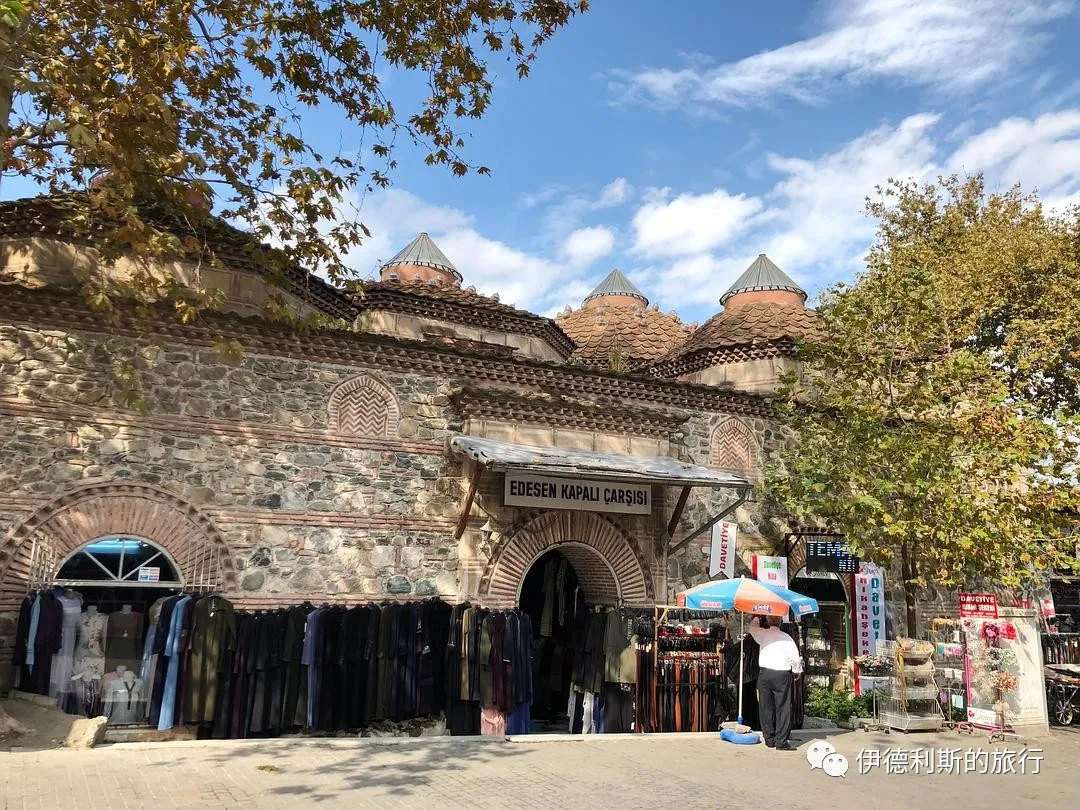
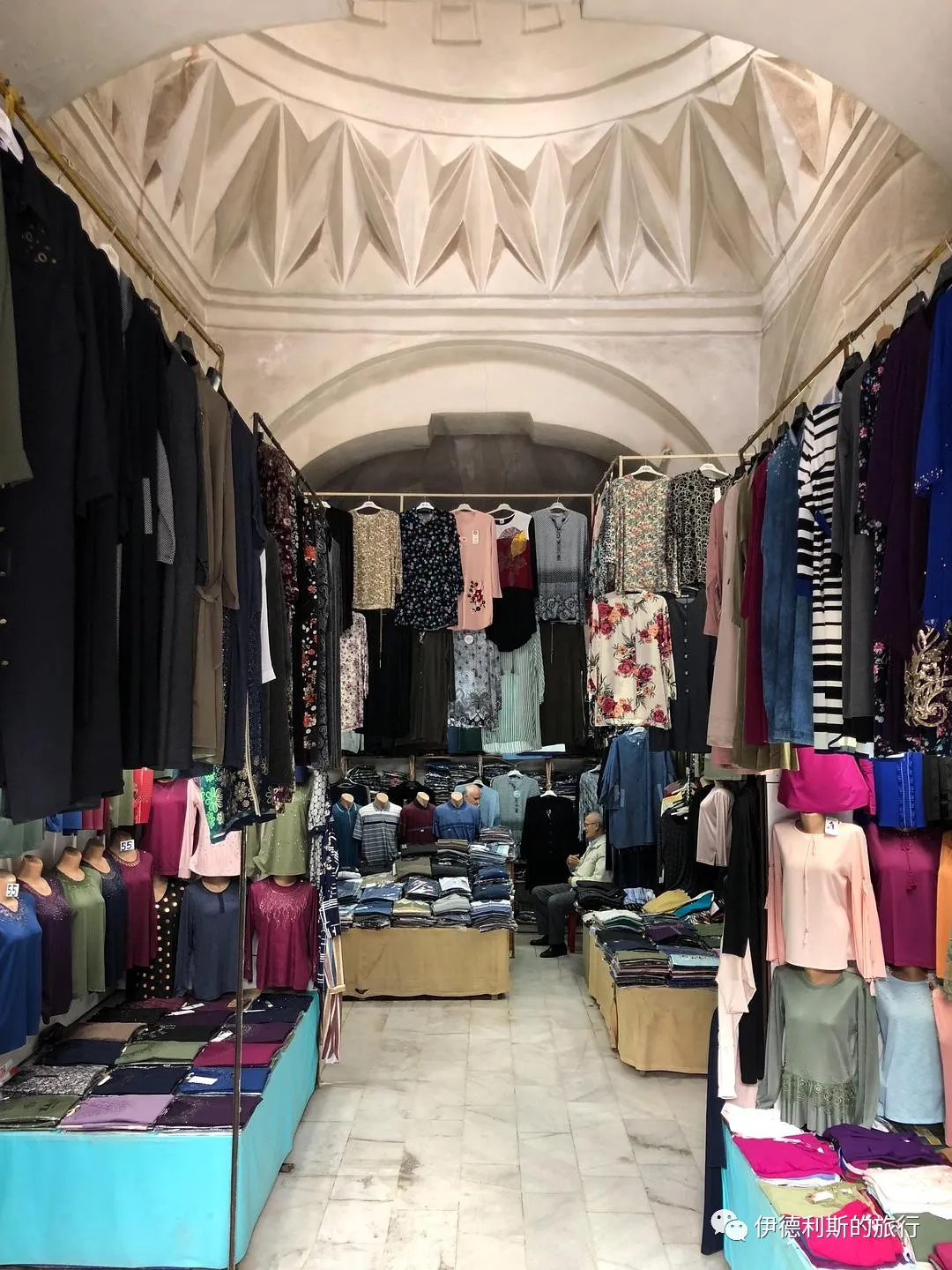
Rice Inn (Pirinç Khan) was built between 1490 and 1508 by order of the eighth Ottoman Sultan, Bayezid II (reigned 1481-1512). The architect was Yakup Shah.
The inn is a square courtyard made of 97 rooms, with 50 rooms on the upper floor and 47 on the lower floor. The eastern porch of the inn burned down in 1519 and was renovated afterward. The inn was severely damaged in an earthquake in 1855. Between 1903 and 1906, the northeastern part of the inn was torn down for road construction. Restoration of the inn began in 1983 and was finally completed in 2004.
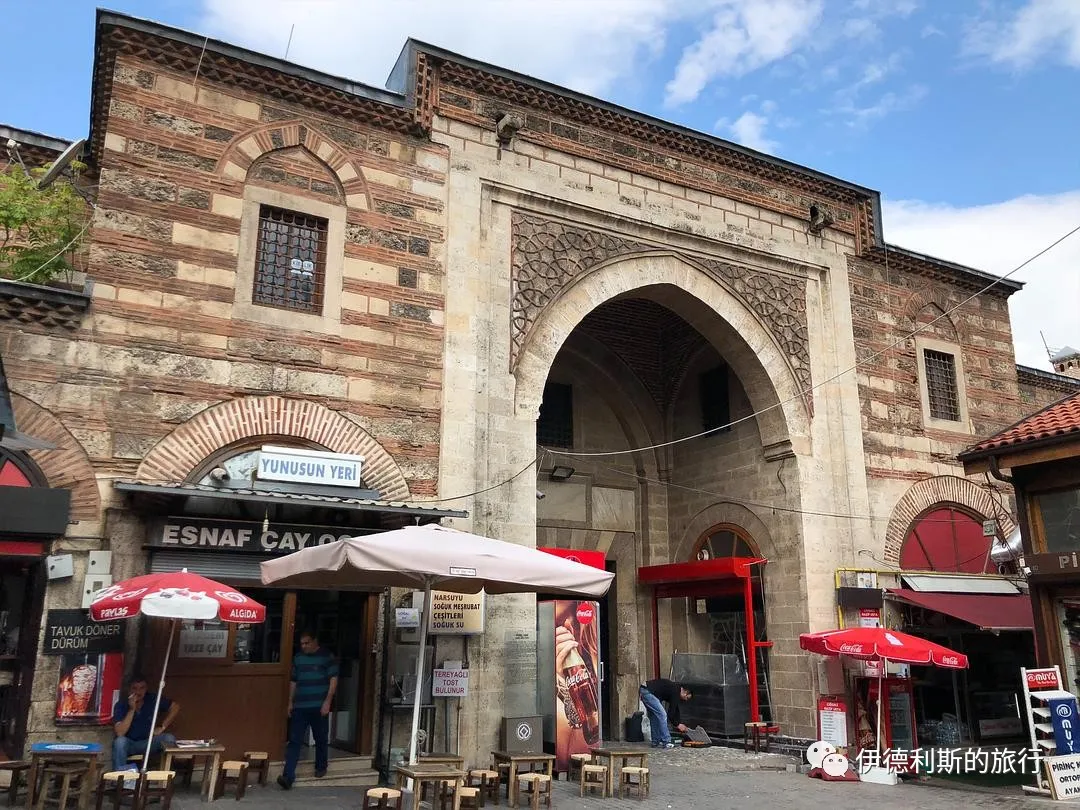
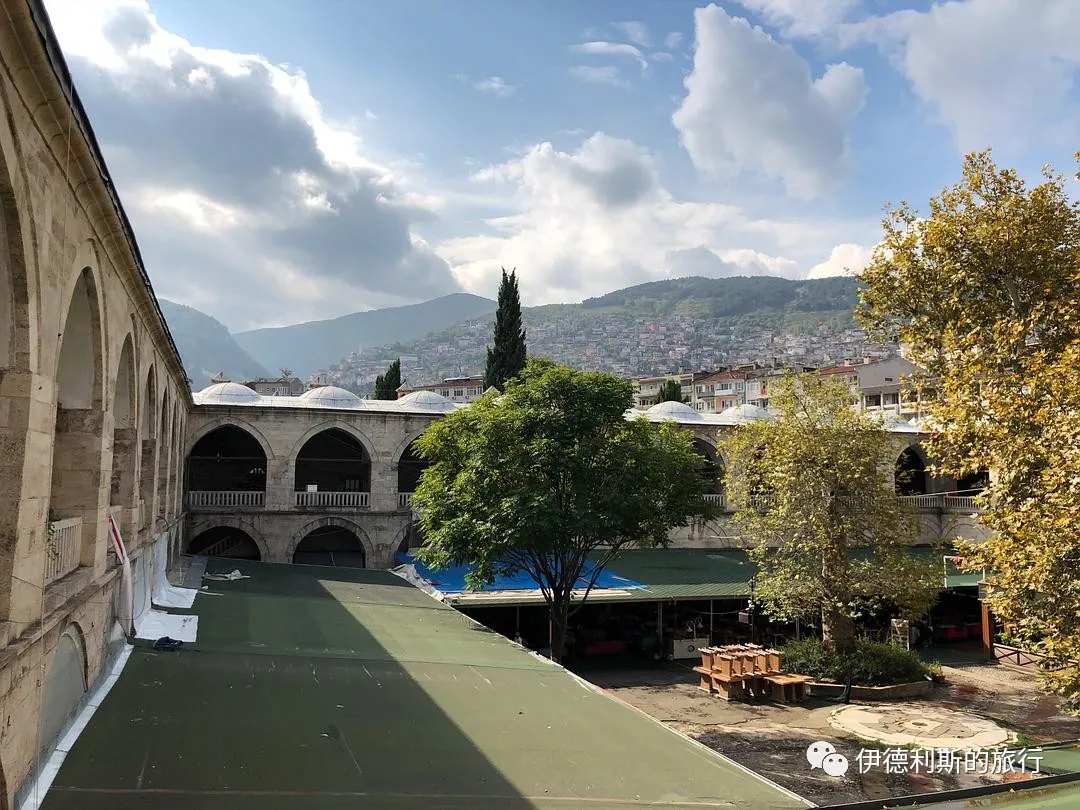
Fidan Khan was built by order of Mahmud Pasha, the Grand Vizier of the seventh Ottoman Sultan, Mehmed II the Conqueror (reigned 1444-1446, 1451-1488). Because of this, it is also called Mahmud Pasha Inn. Fidan Khan is one of the largest inns in Bursa. It consists of 98 rooms forming a huge square courtyard, with a washing fountain and a small mosque in the center. The 48 rooms on the first floor were used as warehouses, and the 50 rooms on the second floor were used as shops.
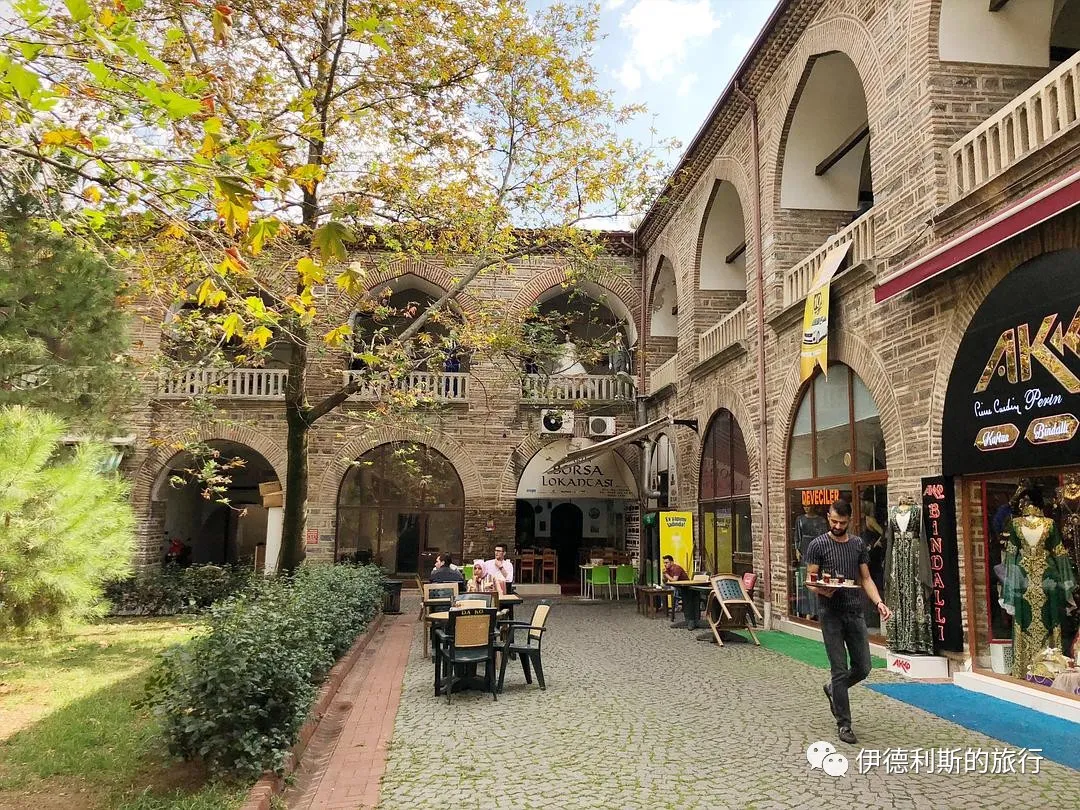
The Koza Inn (Khan) was built between 1489 and 1491 by order of Sultan Bayezid II (reigned 1481-1512), and the architect was Abdul-ula bin Pulad Shah. After it was finished, the Koza Inn was also called the New Inn (Yeni Han).
The inn is a square courtyard made of 101 rooms, with 50 rooms on the first floor and 51 on the second. In the middle of the courtyard stands a small octagonal mosque, with a pool for wudu on the first floor and a prayer hall on the second.
Since the 15th century, the Koza Inn has been the trade center of Bursa and the busiest inn for foreign trade.
The Tuz Inn (Khan) is a small inn built by Umur Bey in 1454. It has 43 rooms surrounding a square courtyard, with 23 rooms upstairs and 20 rooms downstairs. There is a washing fountain in the middle of the courtyard, but no mosque.
The inn was badly damaged in an earthquake in 1855 and became even more run-down after a fire in 1901. The inn reopened in 2007 after being restored.
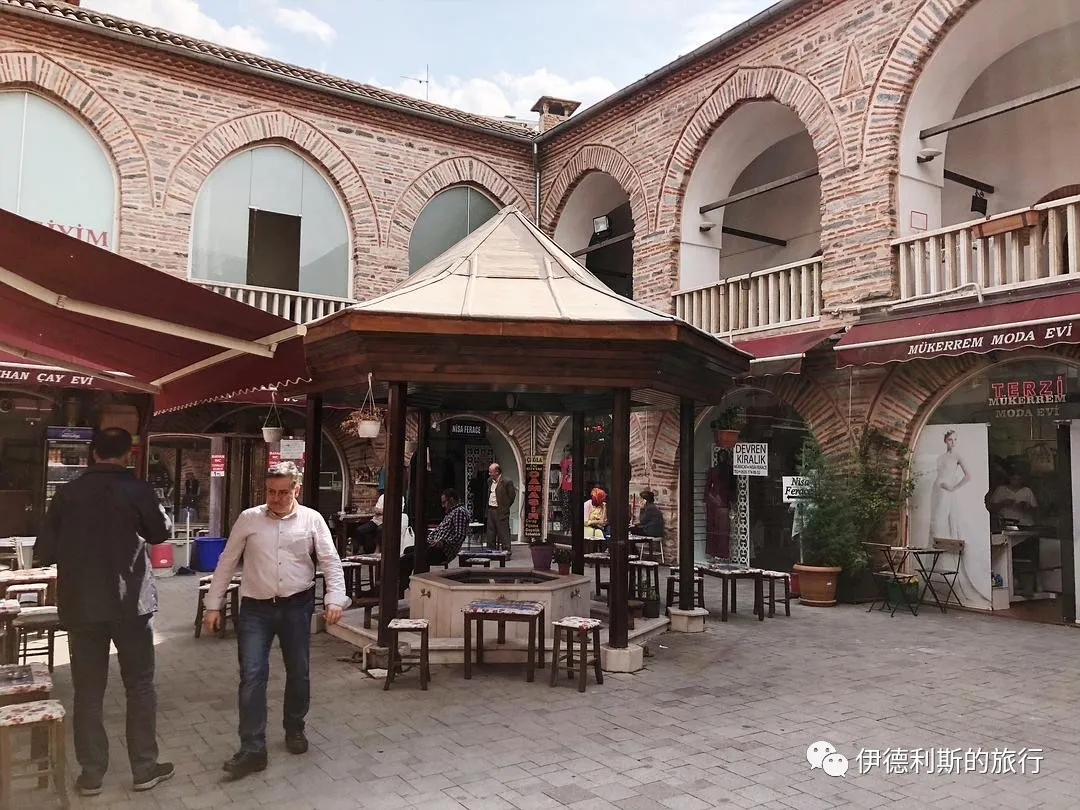
The Kütahya Inn (Khan) was built with funds donated by Buharalı Emir Efendi during the reign of Sultan Murad II (reigned 1421-1444, 1446-1451). It was once used as a shoe factory and warehouse, but the city government recently restored it to its original appearance.
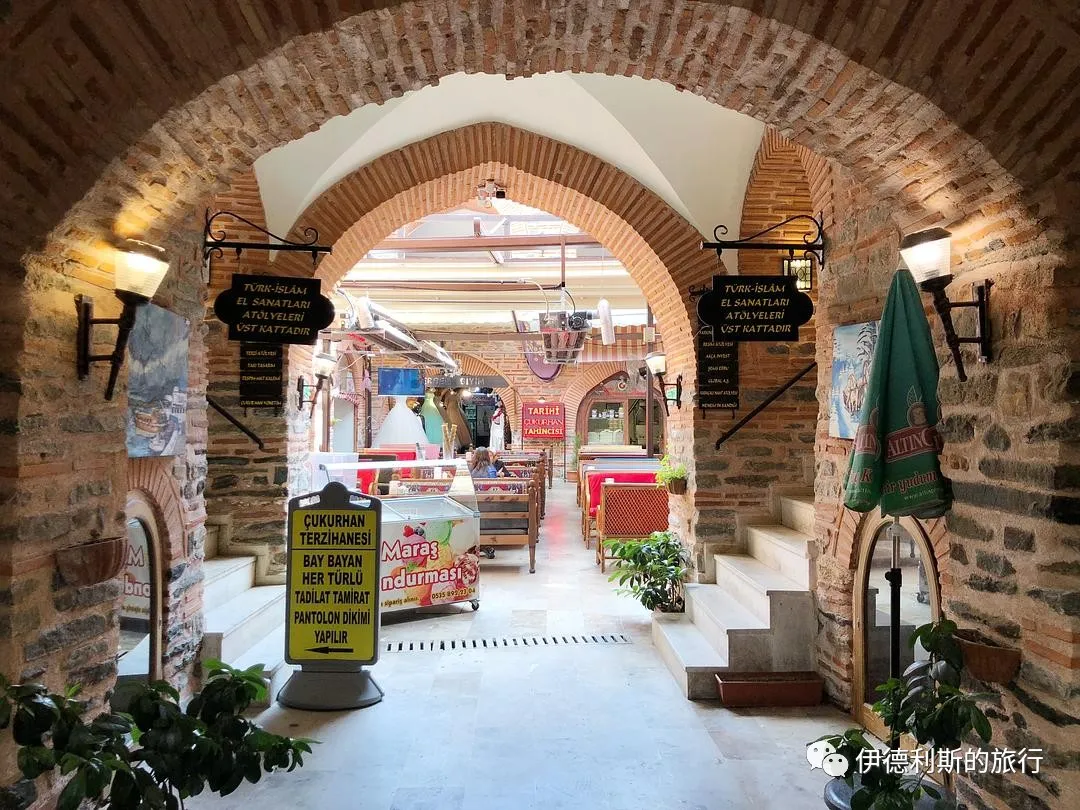
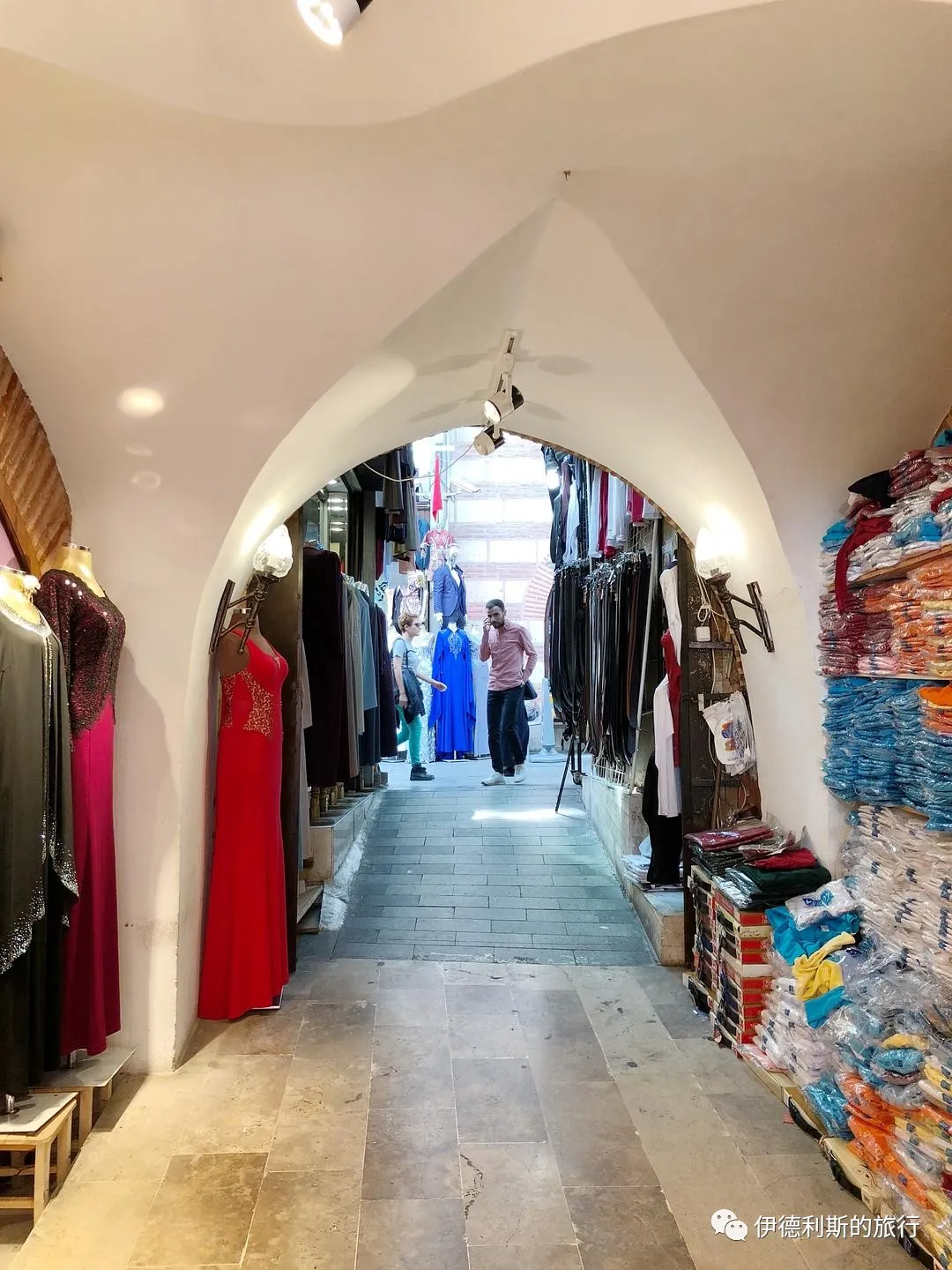
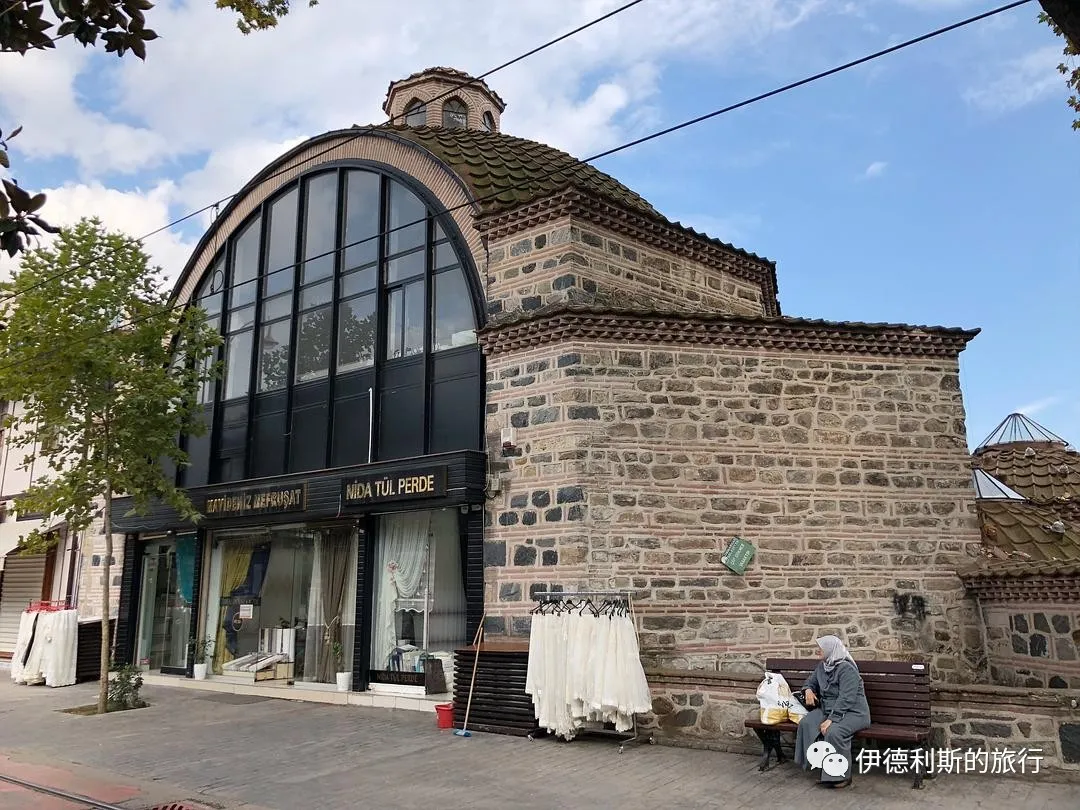
The Perşembe Turkish bath (hammam) was built by Hacı Hasanzade Kazasker Mustafa Efendi during the reign of the seventh Ottoman Sultan, Mehmed the Conqueror (Mehmed II, reigned 1444-1446, 1451-1481).
The Perşembe bath is a small, single-unit bathhouse. Its changing room was torn down during road construction between 1903 and 1906.
Hüdavendigar Complex—Murad I
The Hüdavendigâr Complex (külliye) was built by the third Ottoman Sultan, Murad I (reigned 1362-1389), between 1363 and 1366. Murad I was known as "Hüdavendigâr," which translates literally from Persian as "Protector of Allah."
The Hüdavendigâr Complex is located on a hillside 5 kilometers west of the Bursa city center and includes a mosque, a madrasa, a public kitchen, a bathhouse, and a tomb.
Murad I was the son of Orhan I, the second ruler of the Ottoman Empire. Under his rule, the Ottomans captured most of the Balkans and made Edirne, located northwest of Constantinople, their new capital in 1363. Although Bursa lost its status as the capital, it remained the most important political and commercial center for the Ottoman territories in Asia.
In 1383, Murad I officially declared himself Sultan, marking the transition of the Ottoman state from a principality independent of the Seljuk Sultanate of Rum into a powerful sultanate.
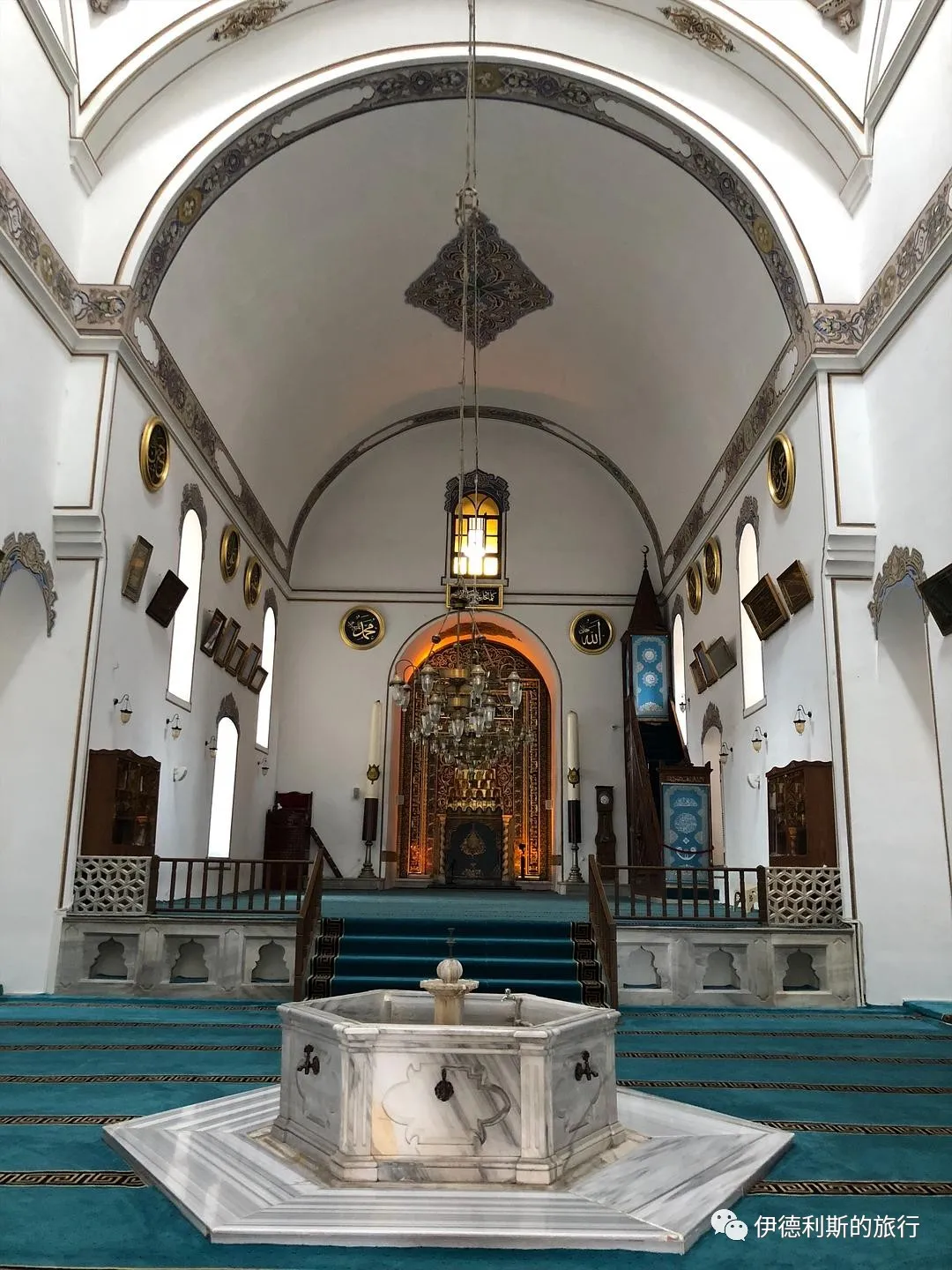
The Hüdavendigar Mosque, also known as the Murad I Mosque, was built by Sultan Murad I between 1363 and 1366. It is a classic early Ottoman mosque with a T-shaped floor plan, and its most unique feature is that the madrasa is located on the floor above the main prayer hall. Because many Byzantine craftsmen helped build it, the mosque features Byzantine-style brickwork and column capitals. It is also the only Ottoman mosque that has two porticos.
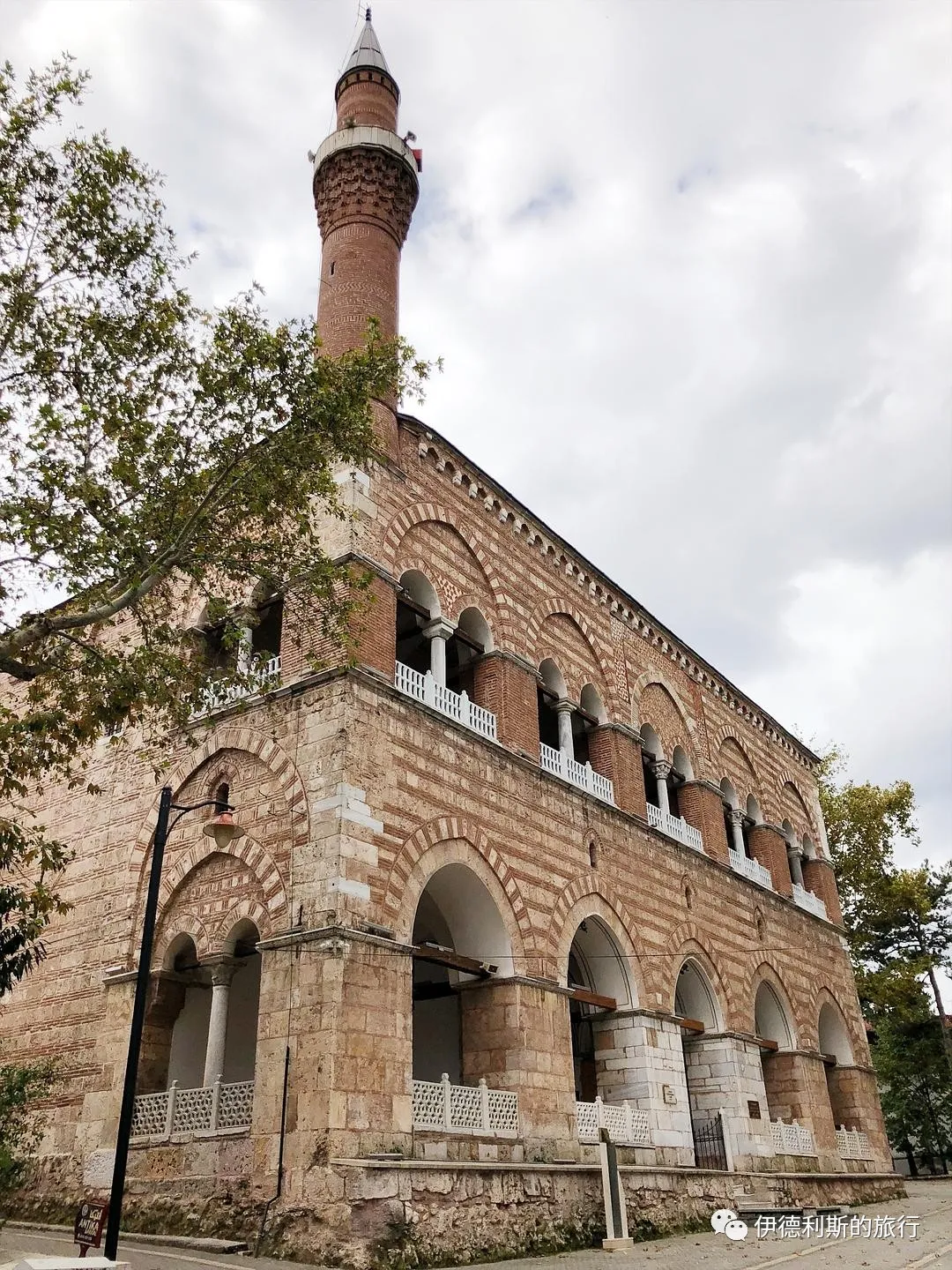
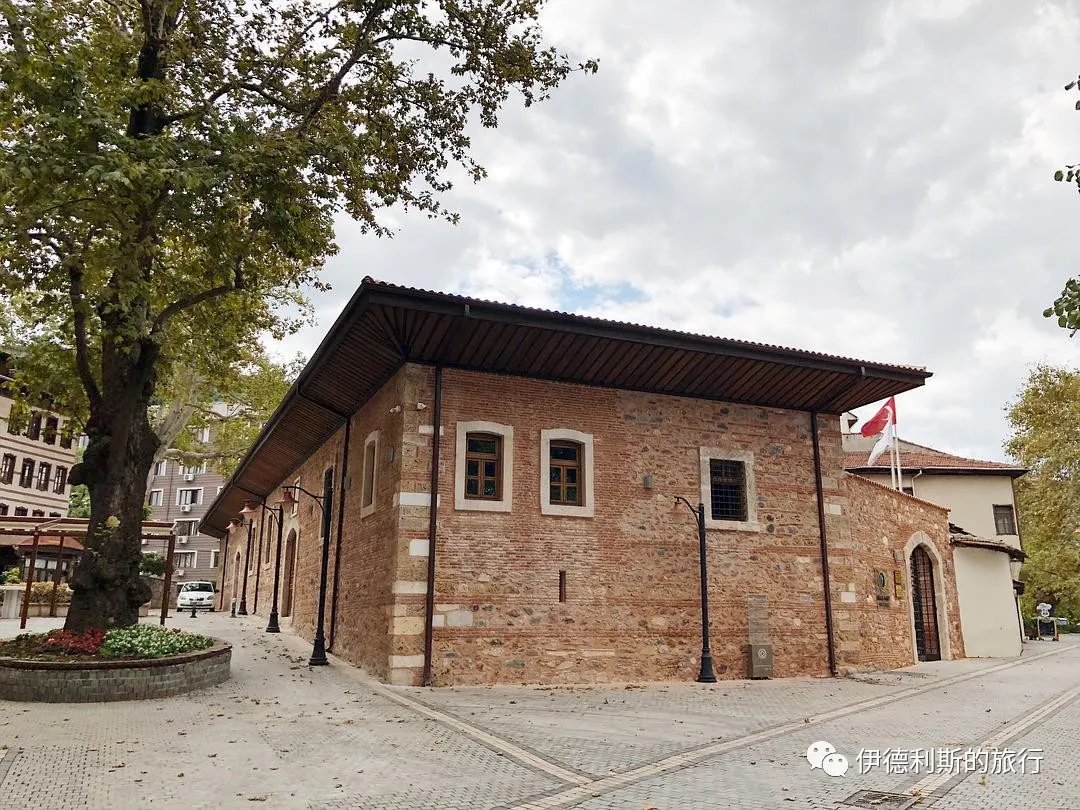
The Hüdavendigar public kitchen (imaret), also called the Murad I public kitchen, was built by Sultan Murad I between 1367 and 1385. The kitchen was badly damaged in an earthquake in 1855 and was renovated in 1906 by Sultan Abdul Hamid II, who reigned from 1876 to 1909.
During the Ottoman era, everyone visiting the Hüdavendigar complex could eat and stay here for free for three days.
Today, it serves as a cultural center and still provides free food to anyone in need.
The Girçık Turkish bath (hammam) was built by Sultan Murad I between 1365 and 1366, and it has been in continuous use since it was restored in 1990.
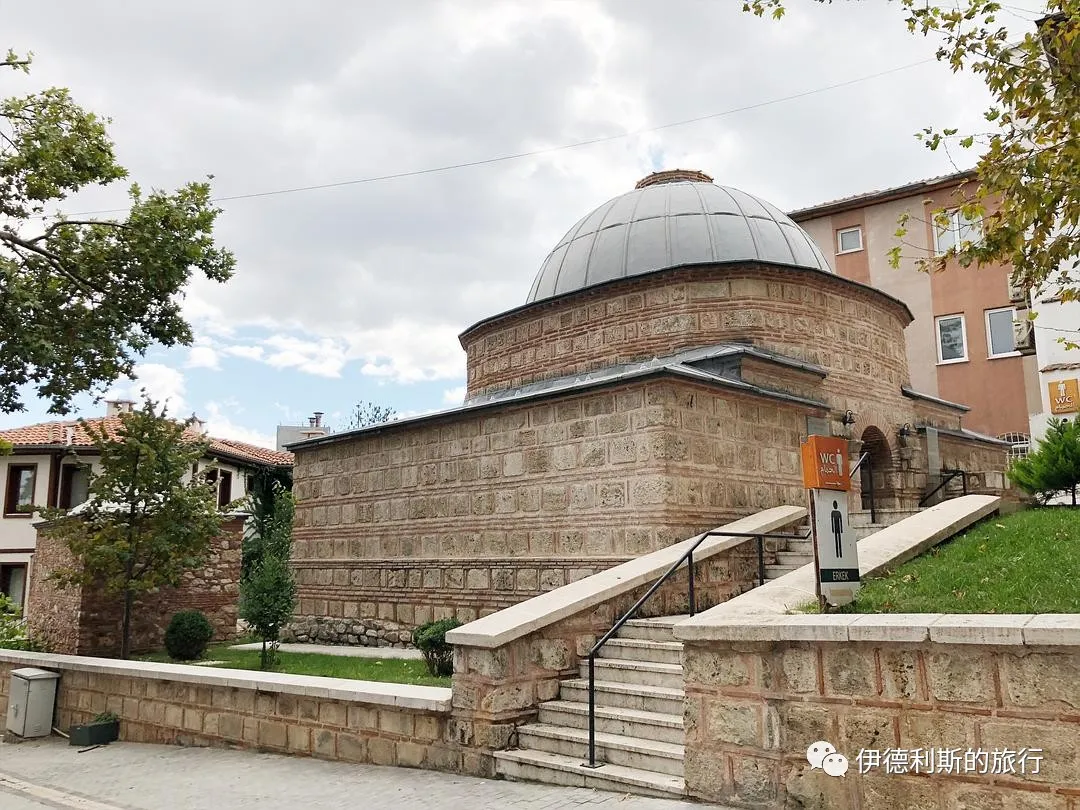
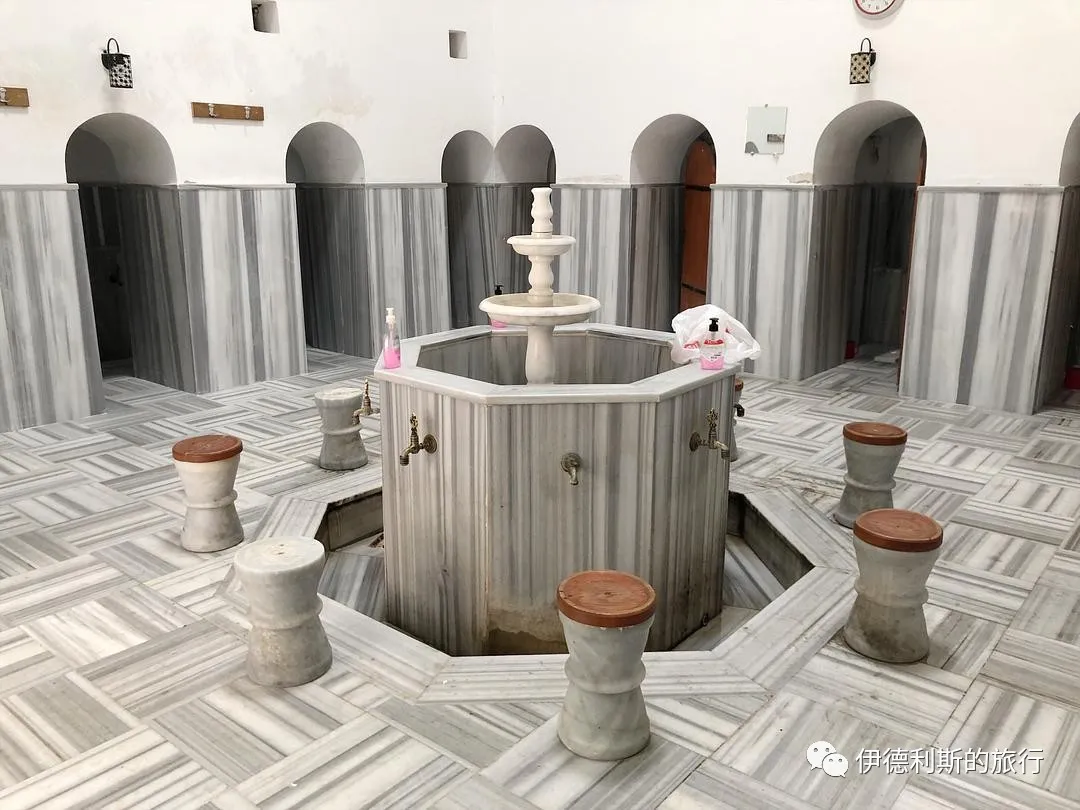
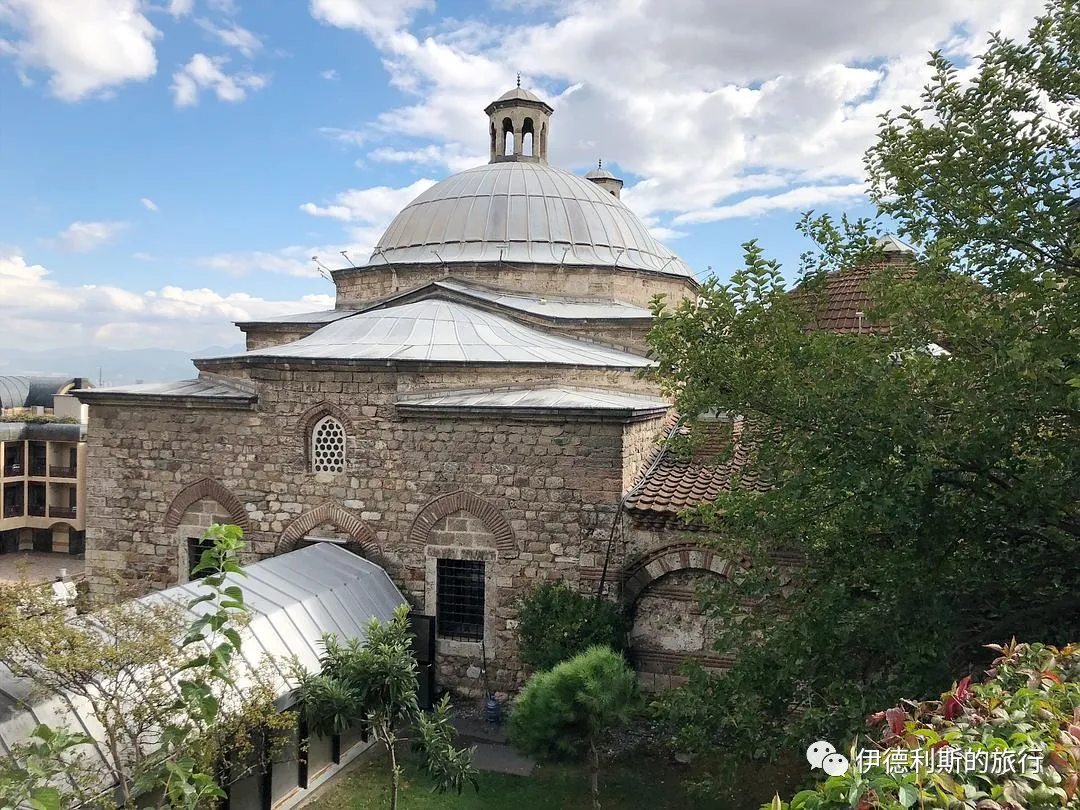
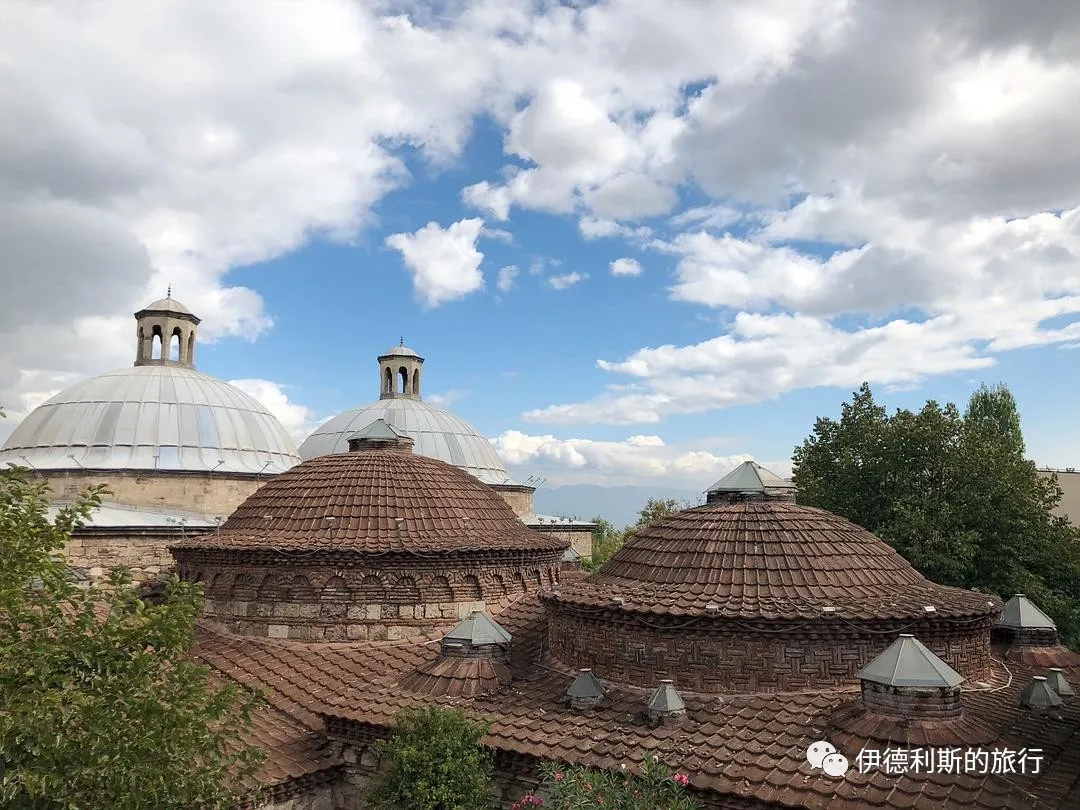
The Old Bath (Eski Kaplıca) was built in 1385, and some of its columns, stone statues by the pool, and water spouts in the hot pool are original items from the Byzantine era. Since 1988, it has reopened as part of a hotel, with separate sections for men and women.
The Thunderbolt Complex—Bayezid I
The Thunderbolt Complex (Yıldırım Külliye), also known as the Bayezid I Complex (Bayezid I Külliye), was built in 1390 by the fourth Ottoman Sultan, Bayezid I, who was known as "The Thunderbolt" and reigned from 1389 to 1402, in the easternmost part of Bursa.
In the late 14th century, Bayezid the Thunderbolt (Yıldırım Bayezid) was known as the most powerful ruler in the Islamic world, commanding its finest army. Under his rule, the Ottoman Empire expanded steadily. In Europe, it included Thrace outside of Constantinople, Macedonia, Bulgaria, and parts of Serbia. In Asia, it reached the Taurus Mountains in southern Anatolia.
In 1402, Bayezid the Thunderbolt fought a decisive battle against the famous Timur the Great in Ankara. Bayezid was defeated and captured, and he died shortly after in Timur's military camp. After Bayezid the Thunderbolt died, his sons started the largest civil war in early Ottoman history, known as the Ottoman Interregnum.
The Thunderbolt (Yıldırım) Mosque, also called the Bayezid the Thunderbolt (Yıldırım Bayezid) Mosque, was built by order of Sultan Bayezid I between 1390 and 1395. It underwent major repairs after an earthquake in 1855, and a new minaret was added in 1963.
The Thunderbolt Mosque is the only early Ottoman mosque in Bursa built entirely of stone, without using any bricks. Additionally, the Thunderbolt Mosque is the first mosque to feature the Bursa arch structure. This flat arch sits between the main hall and the entrance, supporting two large domes.
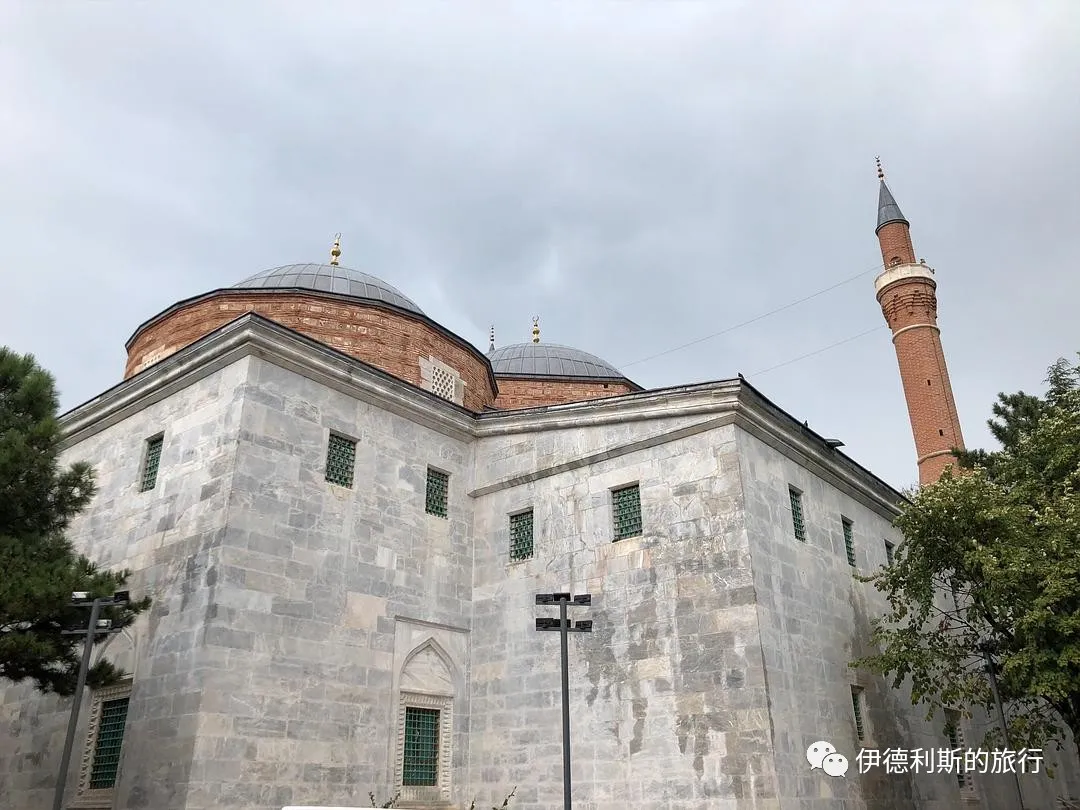
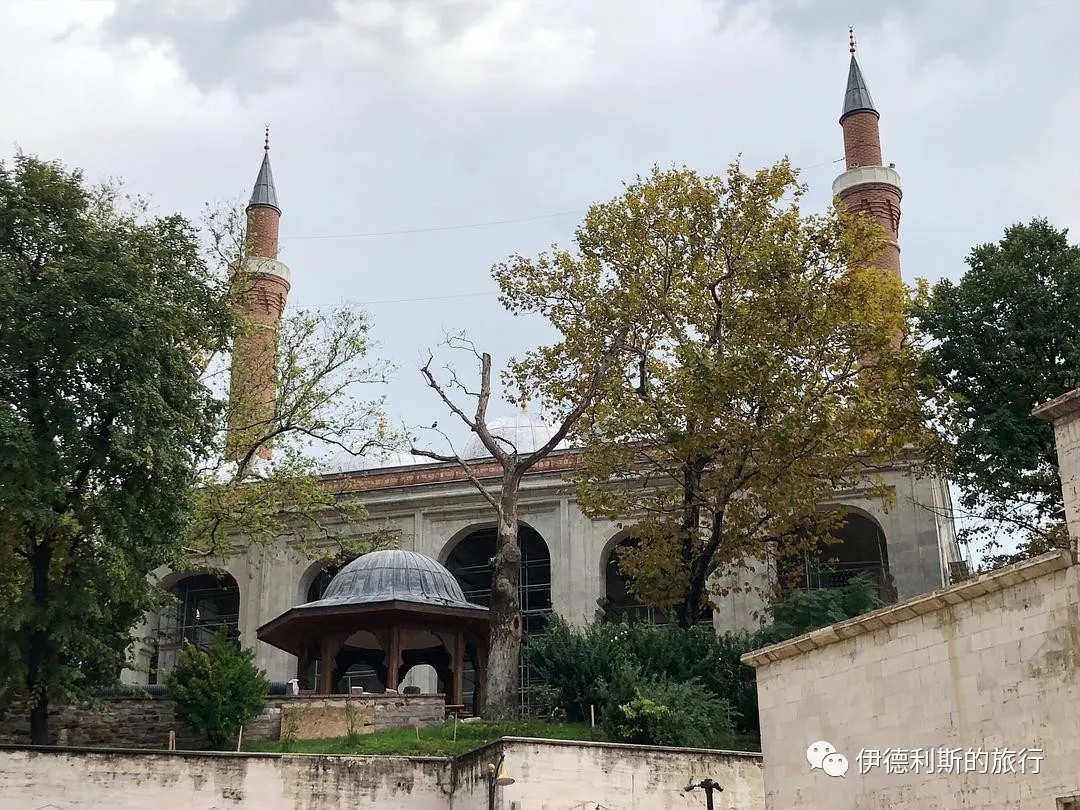
The Thunderbolt Madrasah (Yıldırım Madrasah) is located northwest of the mosque. It was built by order of Sultan Bayezid I between 1390 and 1395 and was the first early Ottoman madrasah to have high walls. After the madrasah closed, it became a pharmacy in 1948.
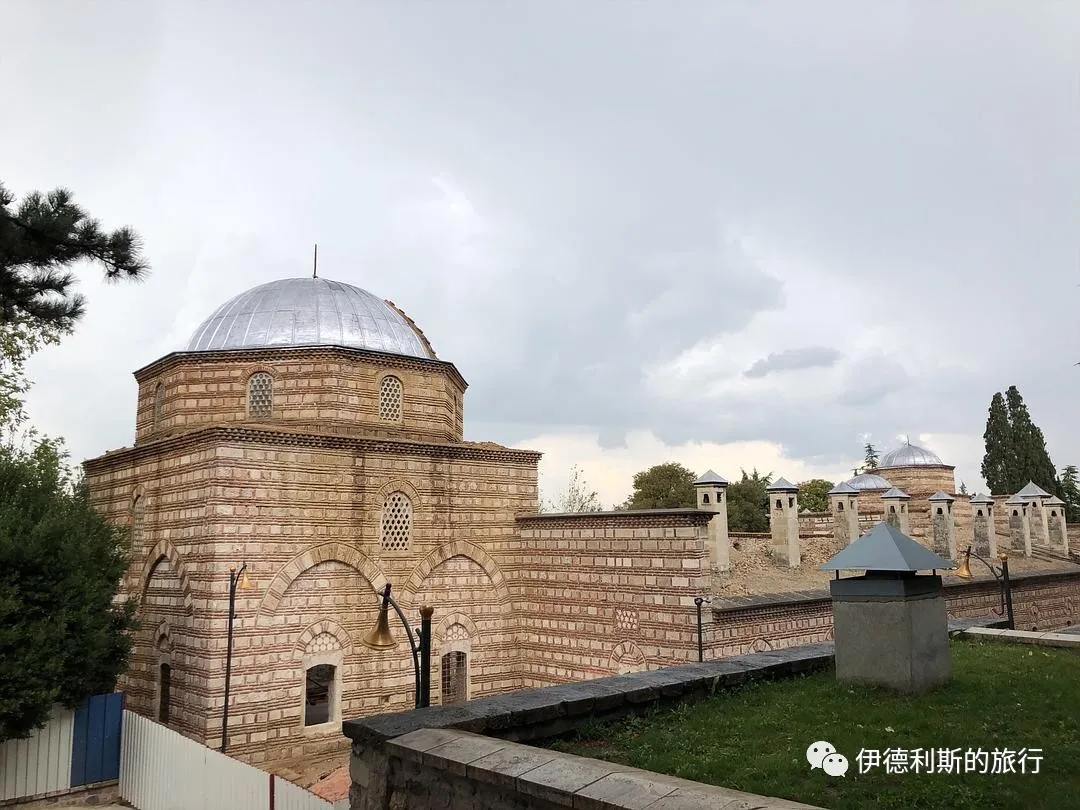
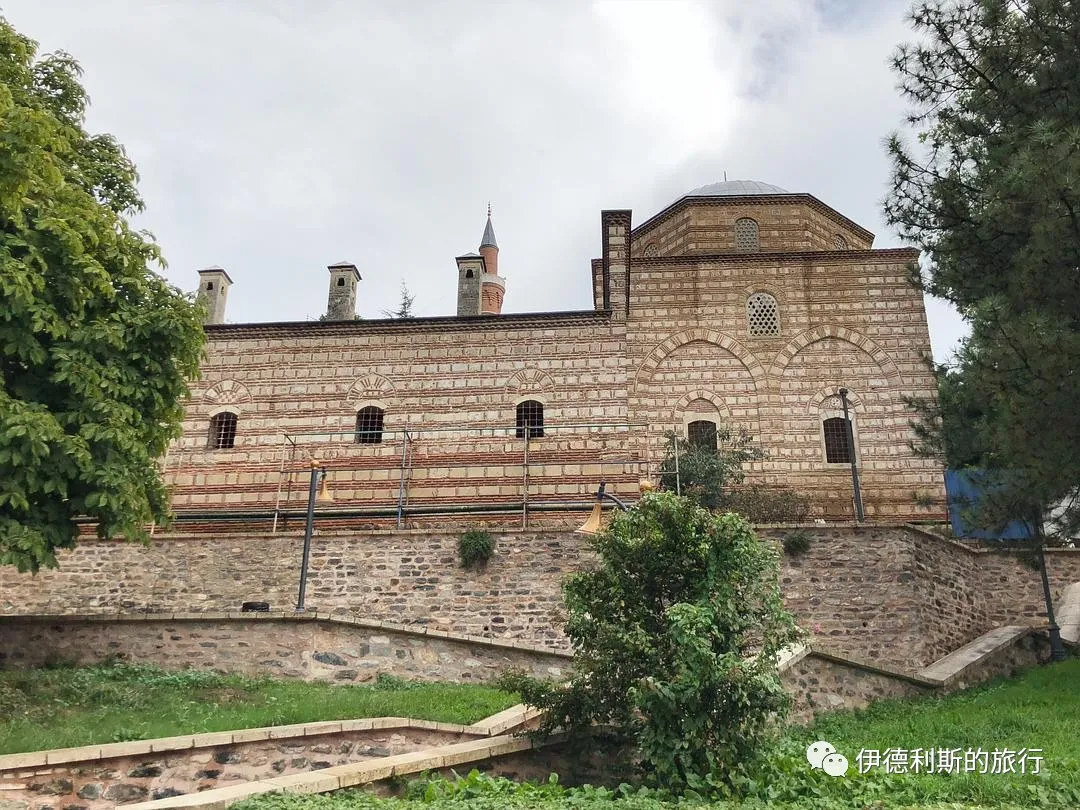
The Bayezid the Thunderbolt (Yıldırım Bayezid) tomb was built in 1406 by Bayezid I's son, Süleyman Çelebi. The architect's name was Ali. In 1402, Bayezid the Thunderbolt fought a decisive battle against Timur the Lame in Ankara. He was defeated and captured, died shortly after in Timur's camp, and his body was later brought back to Bursa for burial.
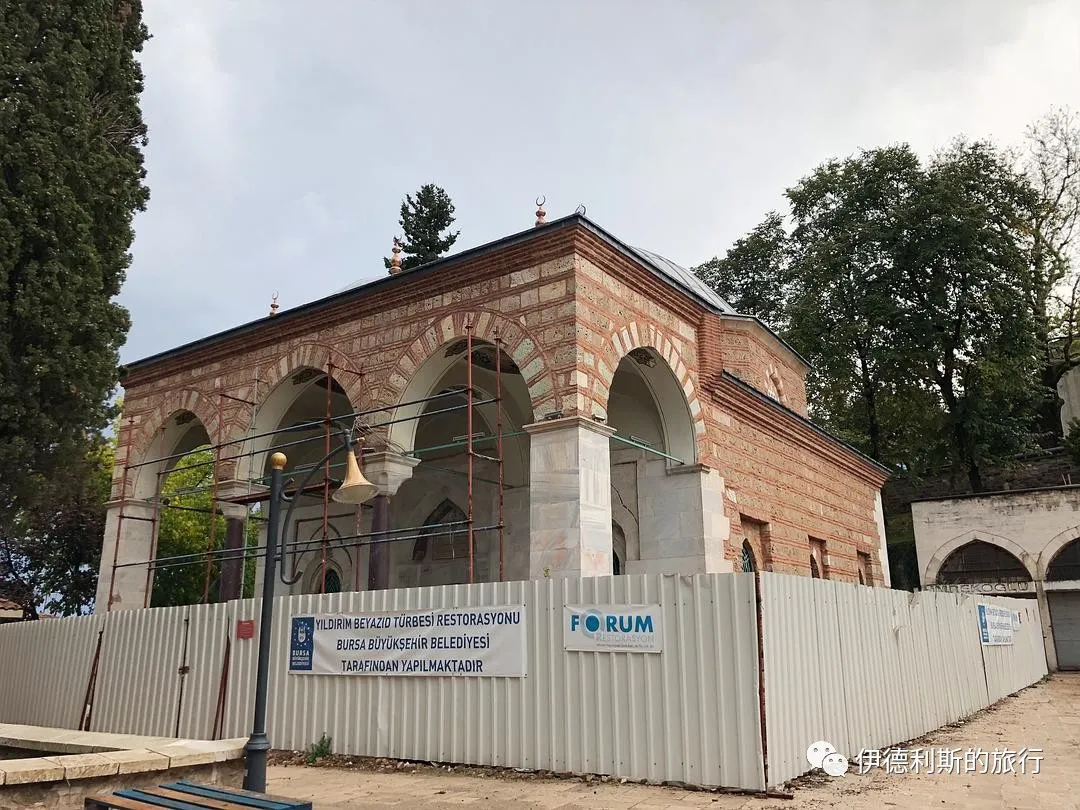
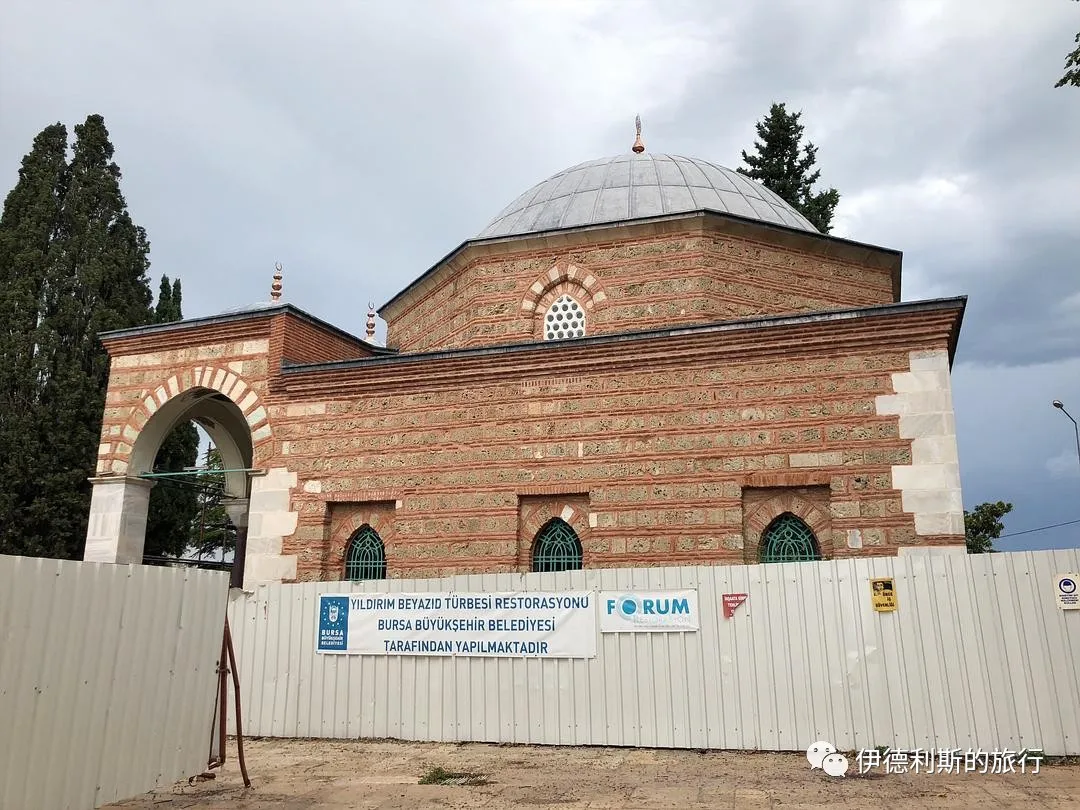
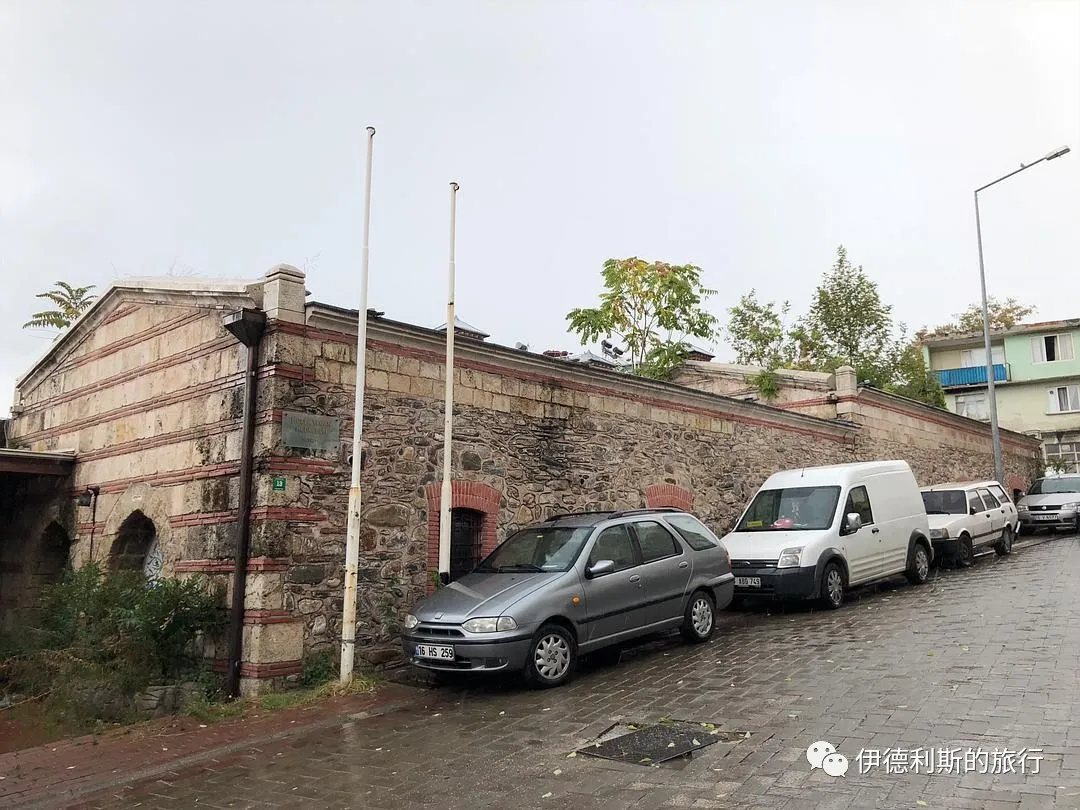
The Mollayegan Madrasah was built in the late 14th century by Kara Eyne Bey, a commander under Bayezid the Thunderbolt, so it was originally called the Kara Eyne Bey Madrasah. Molla Yegan was a scientist during the reign of Sultan Murad II (reigned 1421-1444). He taught here for a long time in the early 15th century, and the madrasah was later named after him.
The madrasah underwent a major renovation in 1723 and was repaired again in 2006. It is now open to the public as a cafeteria, exhibition space, and handicraft center.
The Green Complex—Mehmed I
The Green Complex (Yesil Külliye), also called the Mehmed I Complex (Mehmed I Külliye), is the fourth complex built in Bursa. It was constructed by the fifth Ottoman Sultan, Mehmed I, who reigned from 1413 to 1421.
Mehmed was the fourth son of the fourth Sultan, Bayezid the Thunderbolt. In 1402, Bayezid I the Thunderbolt was captured by the great Tamerlane and died in a military camp shortly after. Mehmed, who was fighting alongside his father, was rescued on the battlefield by Bayezid Pasha and taken to the pasha's hometown of Amasya.
At that time, Bayezid I's eldest son had passed away and his second son was imprisoned by Tamerlane. The remaining four adult princes—Mehmed, Suleiman, Isa, and Musa—began to fight for the throne. This civil war is known as the Ottoman Interregnum.
Mehmed eventually reunified the Ottoman state and was officially crowned as Mehmed I in Edirne in 1413. Because he reunited the Ottoman Empire after its division, he is honored as the restorer of the Ottomans.
During the reign of Mehmed I, Edirne became more important than Bursa as the primary city among the two capitals, but after his death, he was still buried in the complex he built in Bursa.
The Green Mosque (Yeşil Mosque), also called the Mehmed I Mosque, was built by Sultan Mehmed I between 1414 and 1419. It is a masterpiece by the famous early 15th-century Ottoman architect İvaz Pasha. The Silk Inn (Koza Han), Geyve Inn (Geyve Han), and İvaz Pasha Bazaar in Bursa's inn district are also his works. the artists responsible for the painted decorations were Ali bin Ilyas and Mehmed el Mecnun.
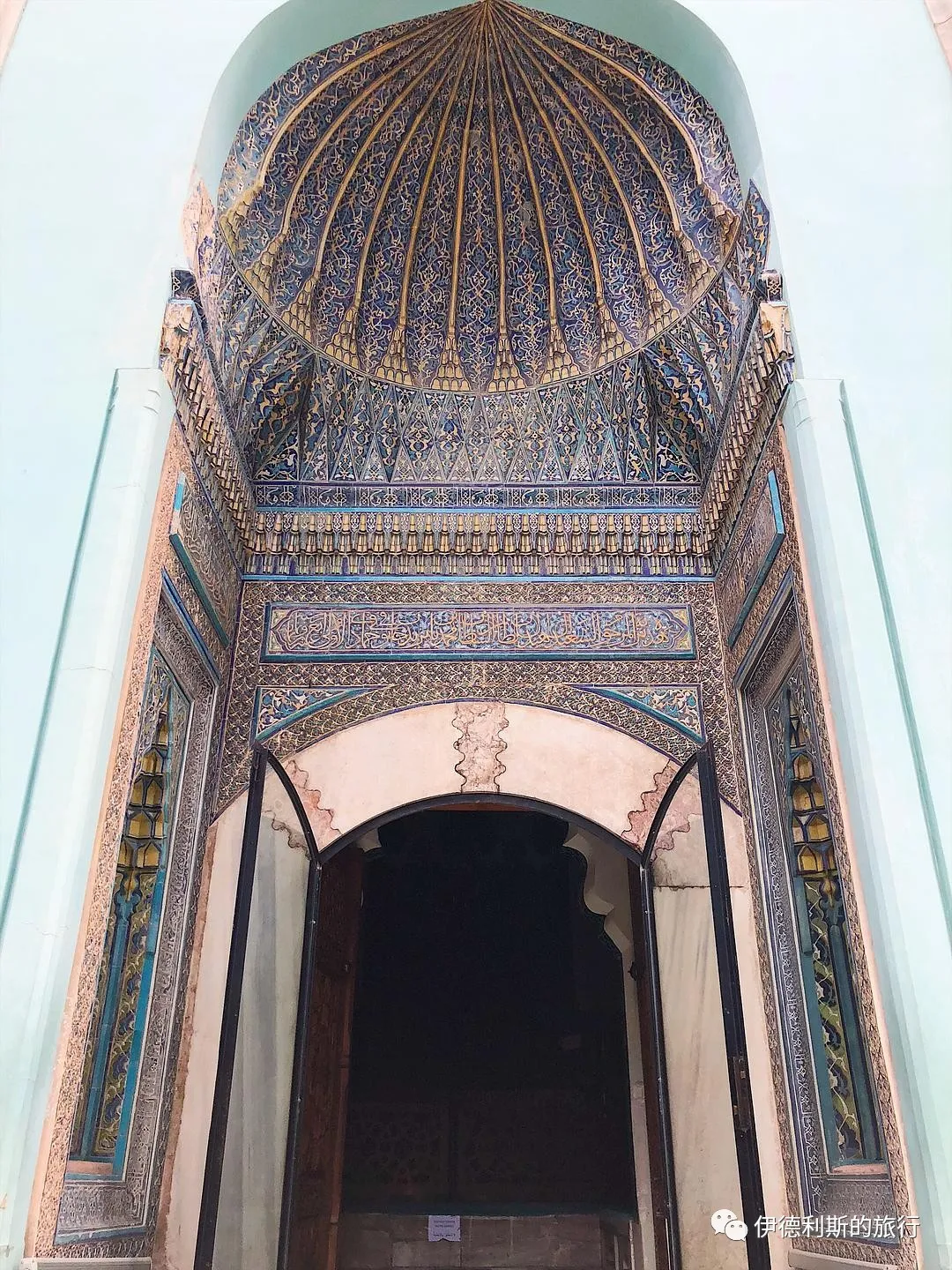
The Green Mosque is a typical early Ottoman T-shaped mosque, and the main hall has two domes. The stone carvings on the mosque's main gate are considered the pinnacle of early Ottoman architecture. Due to the death of Mehmed I, the mosque's front porch (narthex) was never finished.
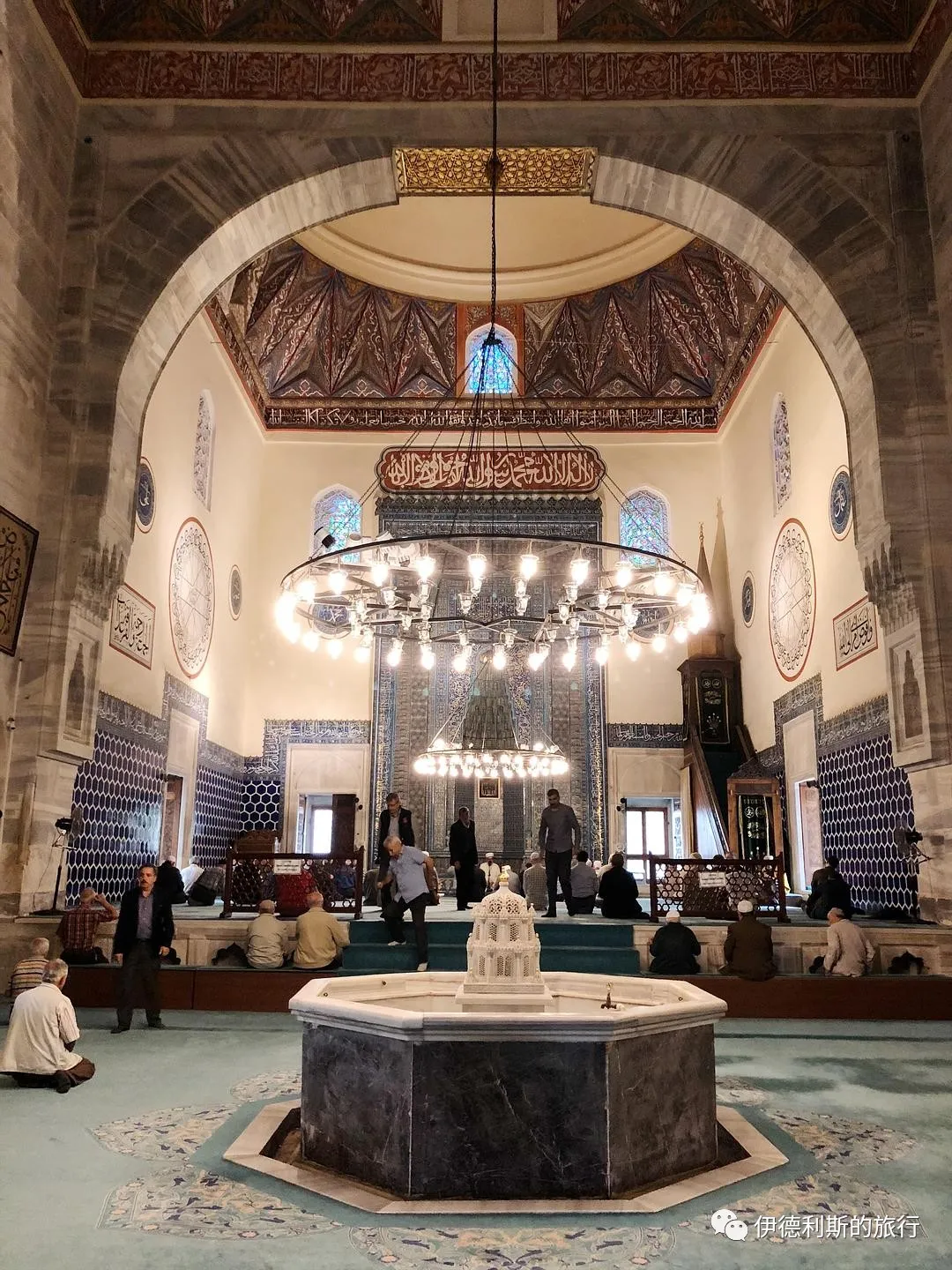
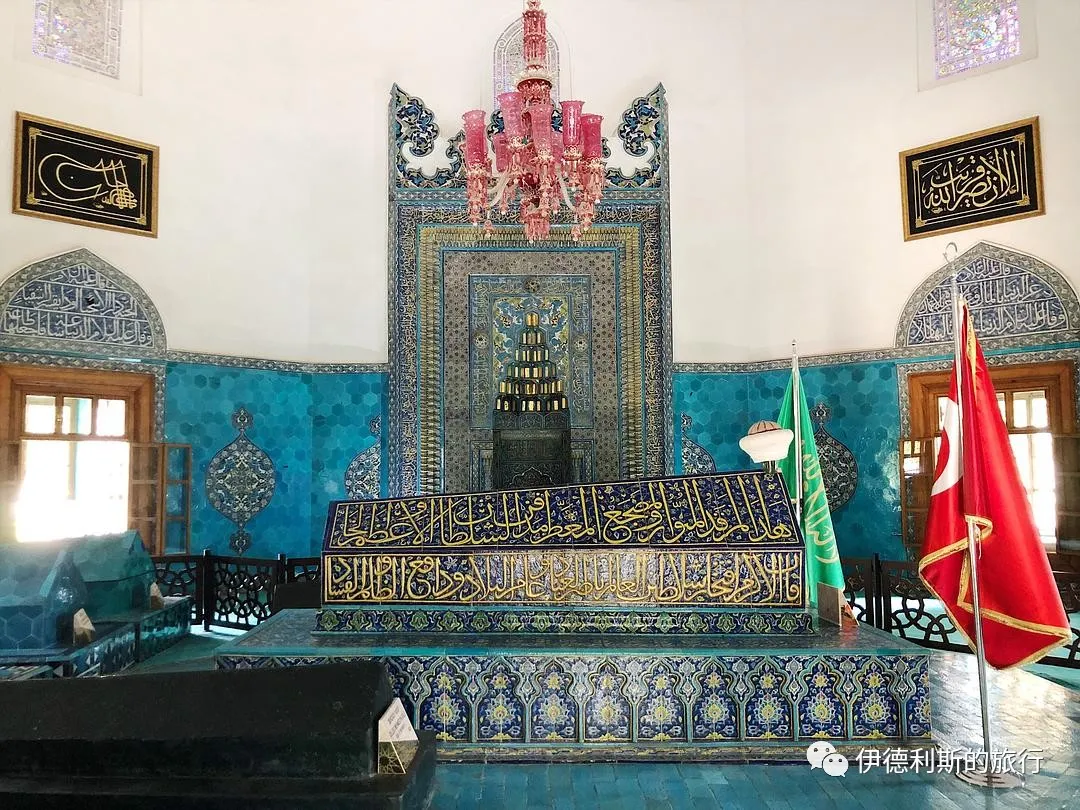
The Green Tomb (Yeşil Türbe) is the mausoleum for Mehmed I and his family. It was also ordered by Mehmed I and built by İvaz Pasha between 1414 and 1421. This tomb gets its name from the blue-green Iznik tiles, and the entire complex is named the Green Complex because of it.
The artists who painted the murals were Ali bin İlyas Ali, Mehmed el Mecnun, and Ali bin Hacı Ahmed Tebrizi, and their names appear on the walls of the tomb.
After the 1855 earthquake, this place was covered in blue Kutahya tiles, and the original tiles inside are considered a masterpiece of early Ottoman tile art.
The Green Madrasah (Yeşil Madrasah) was commissioned by Sultan Mehmed in 1414, but it was not finished on time because the Sultan died in 1421, and it finally opened in 1424.
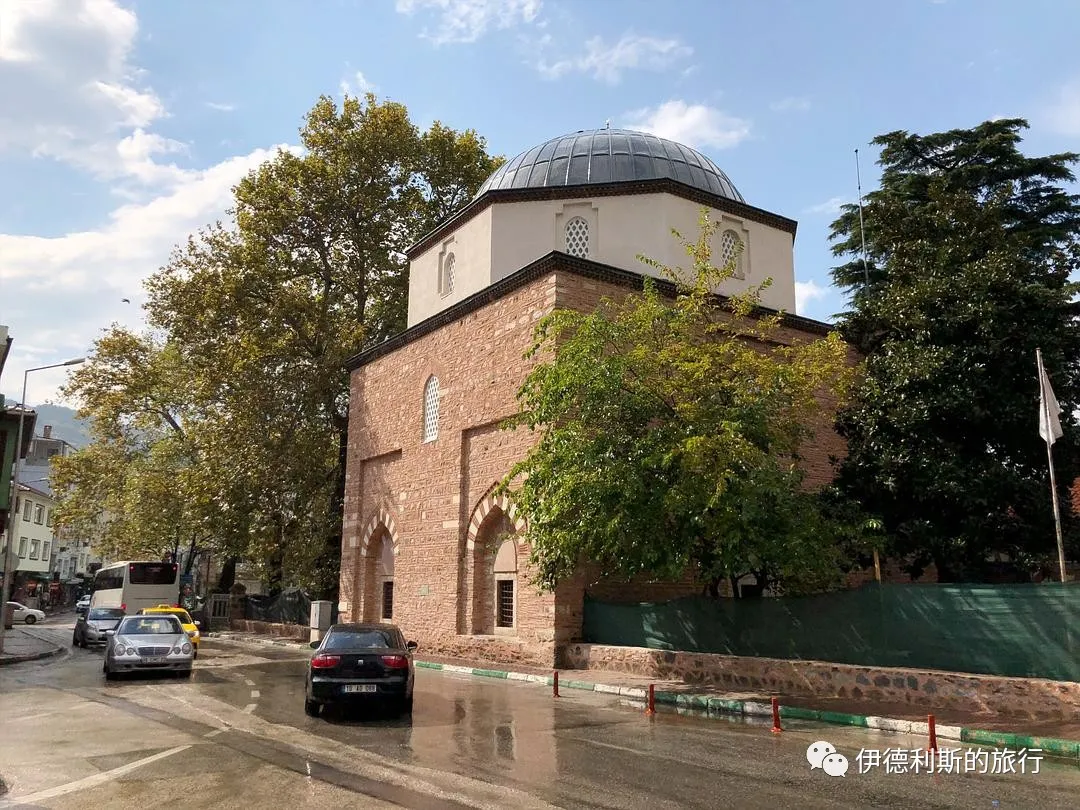
The Green Public Kitchen (Yeşil İmaret) was also commissioned by Sultan Mehmed between 1414 and 1421, and it still gives out free food to the public today. When I visited, I happened to see a family picking up food at the kitchen.
Muradiye Complex—Murad II
The Muradiye Complex (Muradiye Külliyesi), also called the Murad II Complex (Murad II Külliyesi), was built in 1426 by the sixth Ottoman Sultan, Murad II (reigned 1421–1444 and 1446–1451).
Murad II was the last Sultan to rule from Bursa before the Ottomans conquered Constantinople. Besides standard buildings like the mosque, madrasah, and bathhouse, the complex is most famous for being the first to include a royal cemetery (hazire) for Ottoman family members. This style of cemetery later became common in Istanbul.
The Muradiye Mosque, also known as the Murad II Mosque, was built by Sultan Murad II between 1425 and 1426.
The Muradiye Mosque is an early Ottoman "T-shaped" mosque, with two domes over the main hall and a smaller dome on each side. The interior of the mosque is decorated with blue-green and dark blue hexagonal tiles.
The Muradiye (Murad II) Madrasah and the Muradiye Mosque were both built by order of Sultan Murad II in 1426. The madrasah has 14 student rooms surrounding a courtyard, with a large classroom covered by a dome in the center.
After 1951, the madrasah became a tuberculosis clinic, and since 2005, it has served as the Döne Ocak Early Cancer Diagnosis Center.
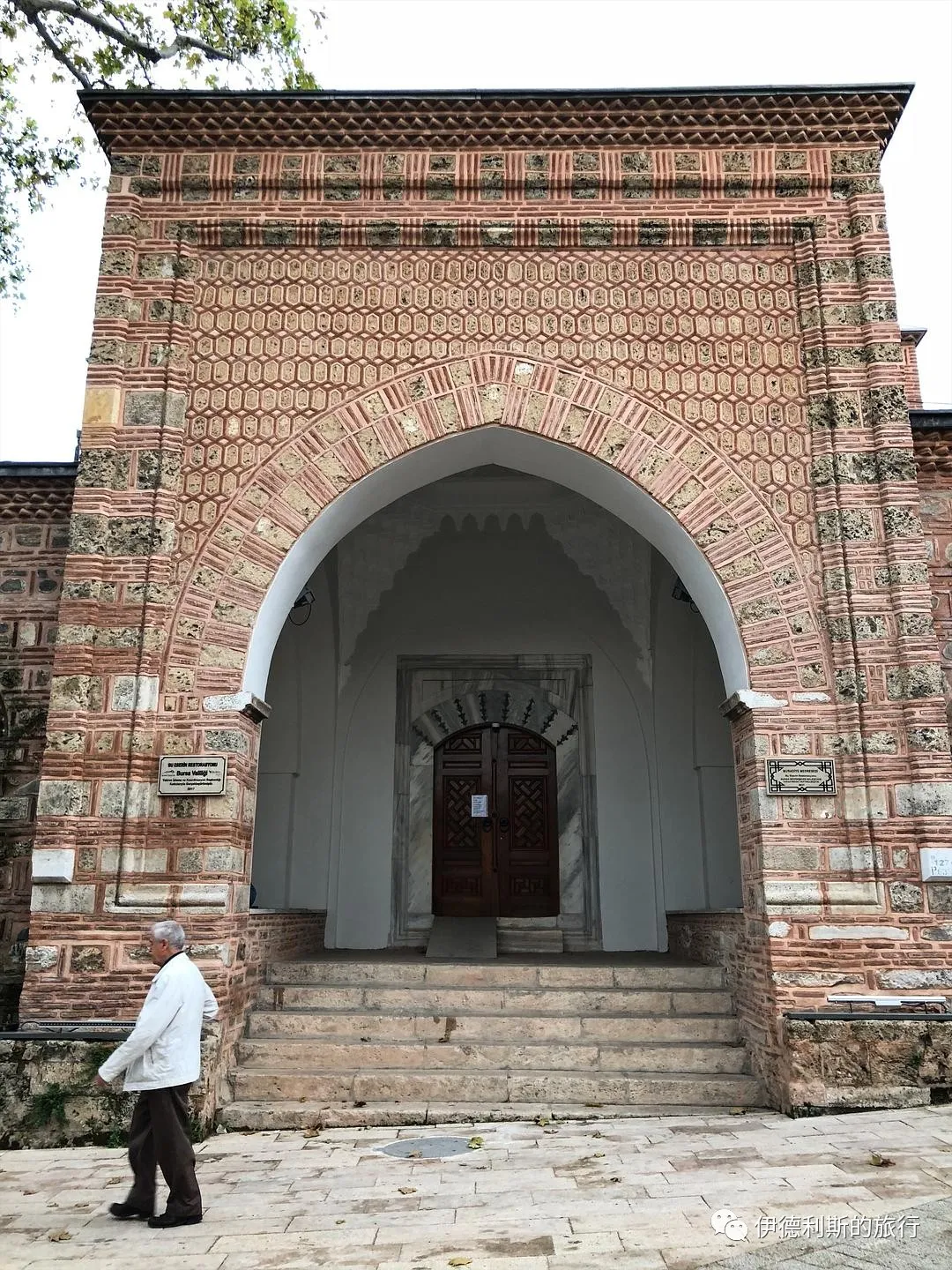
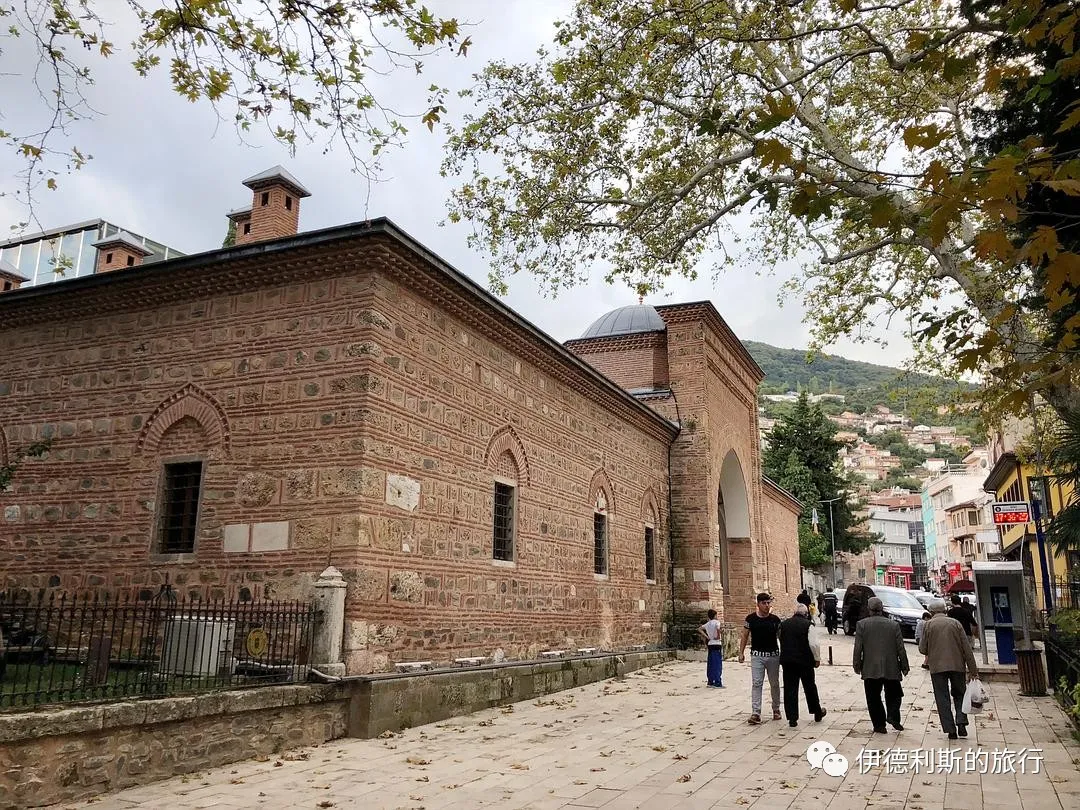
The Muradiye (Murad II) Public Kitchen was built by order of Sultan Murad II between 1425 and 1426, and it became a restaurant after 1995.
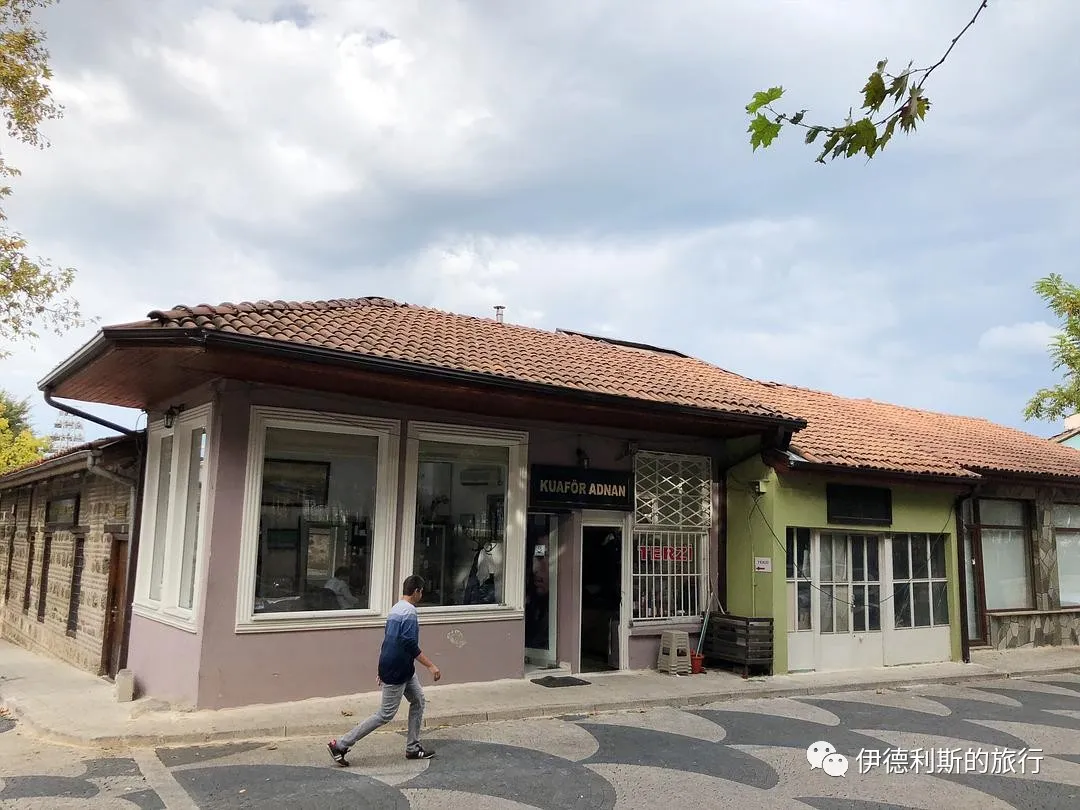
The Muradiye (Murad II) Turkish bath (hammam) was built in 1425 by order of Sultan Murad II. Later traffic planning separated it from the courtyard where the Muradiye Mosque and the madrasa are located.
This building was once used as a foundry before it was restored to a Turkish bath. Between 2008 and 2010, the city government took over the site and restored it. After the work was finished, it was given to the Bursa Disabled People's Committee to become a center for disabled development.
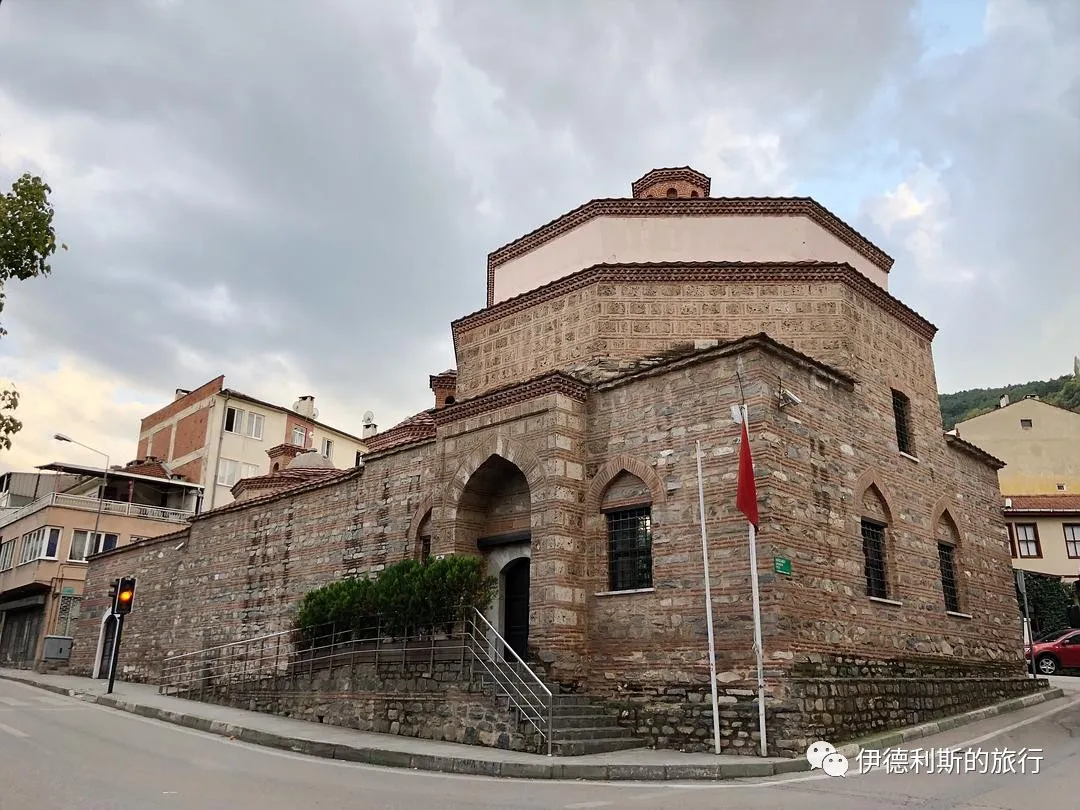
The Muradiye Cemetery, founded in 1449, is the first royal cemetery in Ottoman history. Its 12 tombs hold dozens of wives, sons, and daughters of Ottoman sultans, making it the most important cemetery from the early Ottoman period. Construction of the tombs in the cemetery continued until the 16th century. This shows that even though Istanbul was the capital by then, Bursa still held a high place in the hearts of the Ottoman royal family.
The 10 tombs with clear records are as follows:
(1) Tomb of Sultan Murad II: 1451—the sixth sultan.
(2) Tomb of Hüma Hatun: 1449—wife of the sixth sultan.
(3) Tomb of Sultan Cem: 1479—son of the seventh sultan.
(4) Tomb of Gülşah Hatun: 1487—wife of the seventh sultan.
(5) Tomb of Gülruh Hatun: 1527—wife of the eighth sultan.
(6) Tomb of Şirin Hatun: early 16th century—wife of the eighth sultan.
(7) Tomb of Prince Ahmed: 1513—son of the eighth sultan.
(8) Tomb of Prince Mahmud: 1507—son of the eighth sultan.
(9) Tomb of Mükrime Hatun: 1517—daughter-in-law of the eighth sultan.
(10) Tomb of Prince Mustafa: 1573—son of the tenth sultan.
Food
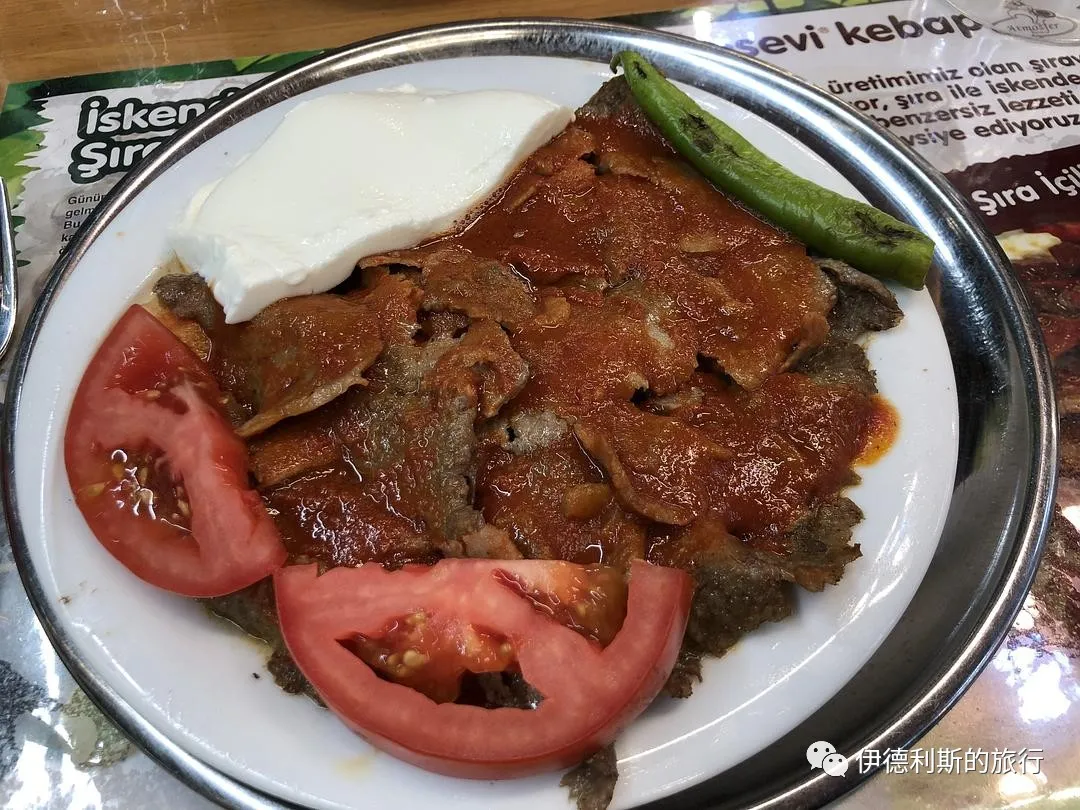
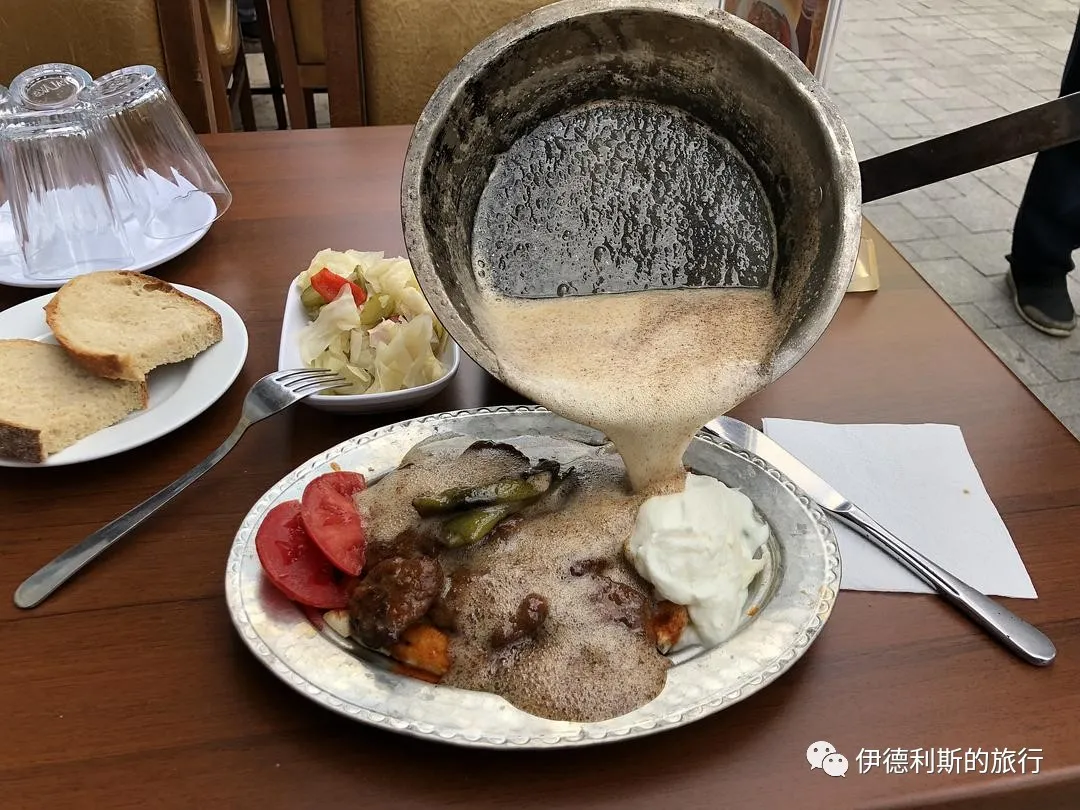
You have to try the Bursa kebab (Bursa kebap) when you visit Bursa. It is made by adding yogurt and tomato sauce to the meat. This was the first food I had in Turkey that I could not fully get used to. But their fermented grape juice (şıra) is super delicious!
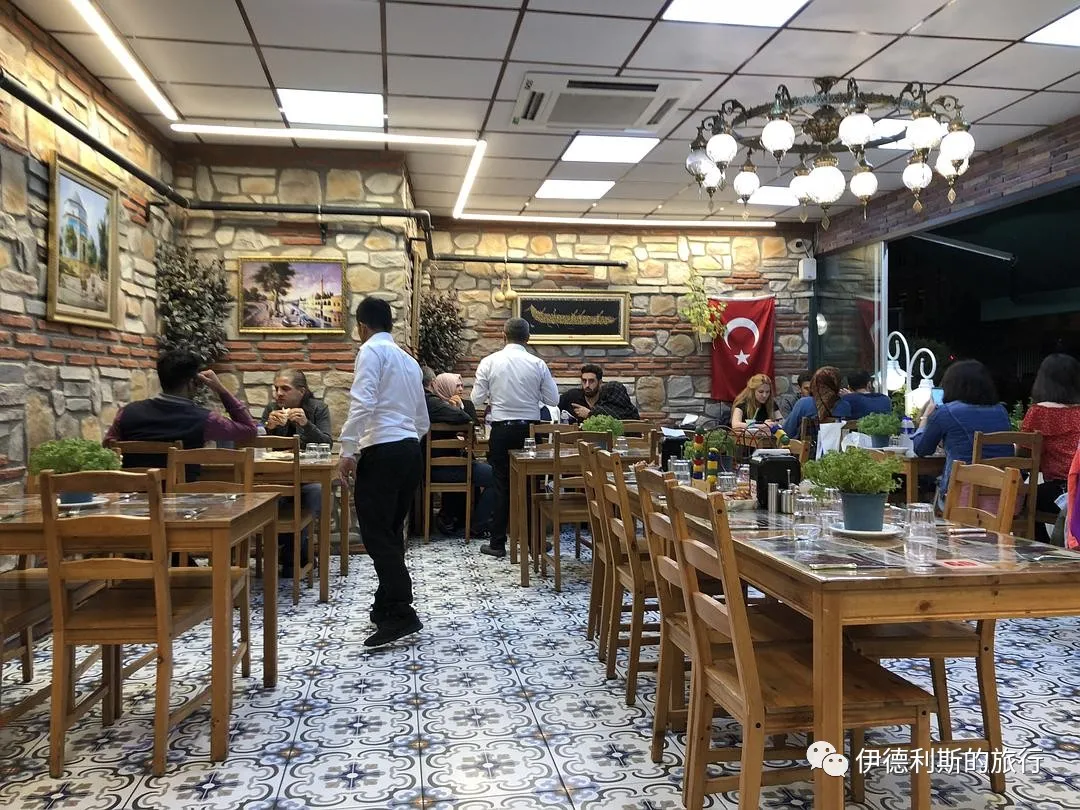
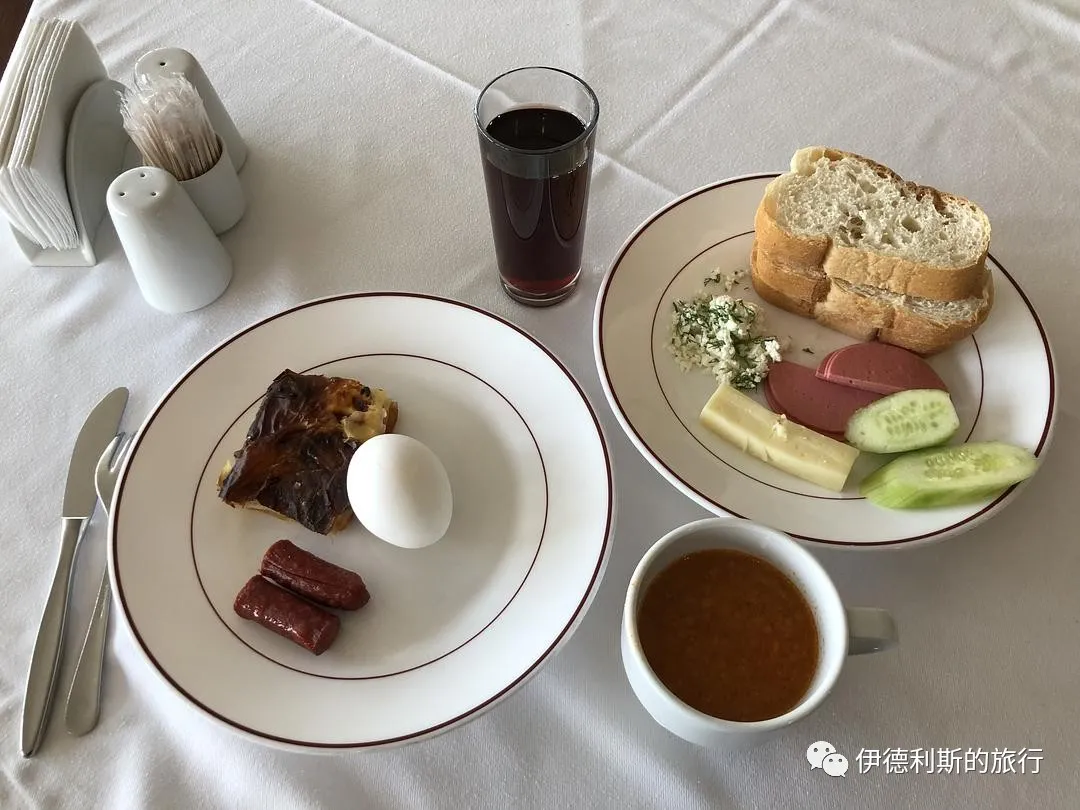
I had breakfast at the hotel, right across from the beautiful Grand Mosque (Ulu Cami) in Bursa.
The next day, I had a dish similar to the Bursa kebab called meatball flatbread (Pideli köfte), which just swaps the meat slices for meatballs.
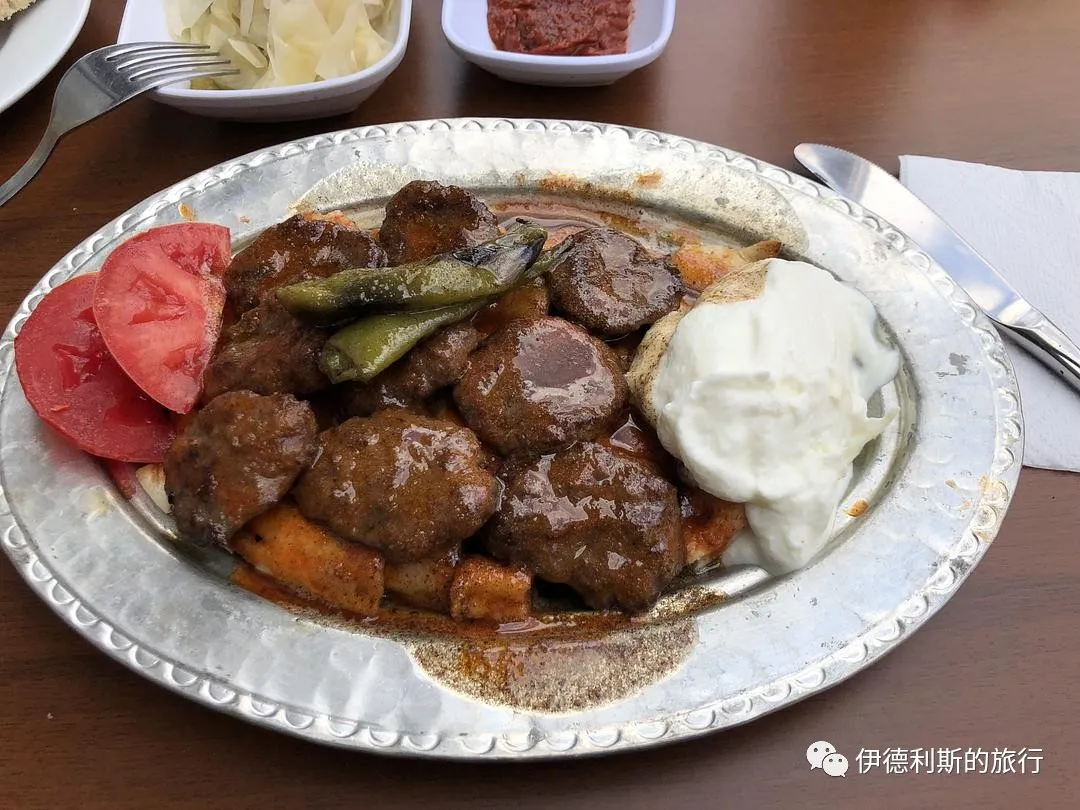
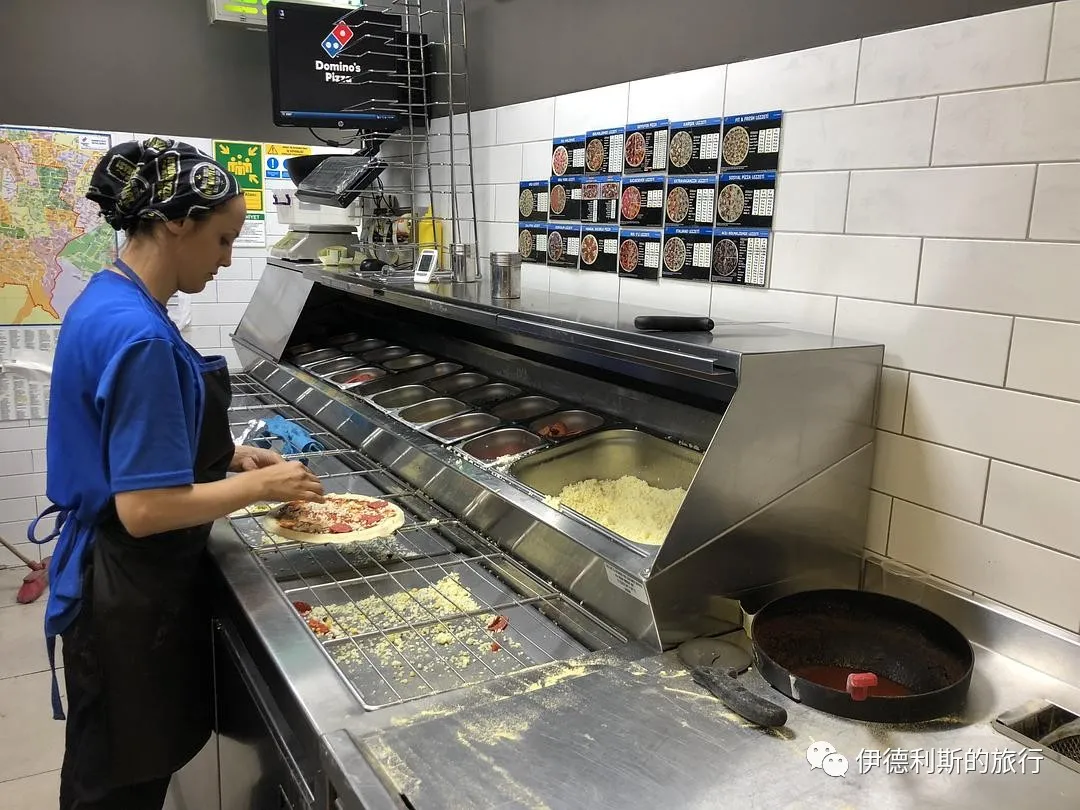
I had Turkish pizza (pide) for dinner. I really liked it because they were generous with the toppings.

In front of a mosque in Bursa, an old man was selling pastries for one lira each. They are called Damascus sweets (Şam Tatlısı) and are said to have a very long history.
Halal Travel Guide: Edirne, Turkey - Ottoman Mosques and Old Capital
Articles • ali2007fr posted the article • 0 comments • 227 views • 2026-05-20 08:48
Summary: Edirne in Turkey was once the Ottoman capital in Europe and is shown here through its mosques, markets, bridges, museums, and Ottoman urban history. This account keeps the original dates, site names, architectural notes, food details, and photographs.
In the mid-14th century, the Ottoman dynasty crossed into Europe and kept invading the Balkan Peninsula. They gradually marched toward Adrianople, the third-largest city of the Byzantine Empire, which ranked only behind Constantinople and Thessaloniki. In 1369, the third Ottoman Sultan, Murad I (reigned 1362-1389), captured Adrianople and renamed the city Edirne. After that, Edirne became the Ottoman center in Europe.
In 1402, the fourth Ottoman Sultan, Bayezid I (reigned 1389-1402), was defeated and captured by the great Timur in the Battle of Ankara, and he died shortly after. His four sons fought for the throne, triggering the Ottoman Interregnum, the largest civil war in early Ottoman history. Because of this war, Edirne suddenly became the capital.
In 1413, Prince Mehmed occupied Edirne and finally won the civil war. On June 5, 1413, Mehmed was officially crowned in Edirne as the fifth Ottoman Sultan, Mehmed I (reigned 1413-1421). The Ottoman capital officially moved from Bursa in Asia to Edirne in Europe, where it stayed until the fall of Constantinople in 1453.
While the capital was in Bursa, the Ottoman dynasty developed a new form of urban construction: building social complexes called Külliye in the commercial districts outside the city walls. After moving the capital to Edirne, the Ottomans continued to use this form. After Prince Suleyman made Edirne his capital in 1403, he immediately began building the first complex in the city—the Old Mosque complex—east of the Roman-era Hadrianopolis. During the reign of Sultan Murad II (reigned 1421-1444, 1446-1451), the second complex, the Muradiye complex, and the third, the Three Balcony Mosque complex, were built in Edirne, along with a royal palace in the north.
The Old Mosque complex
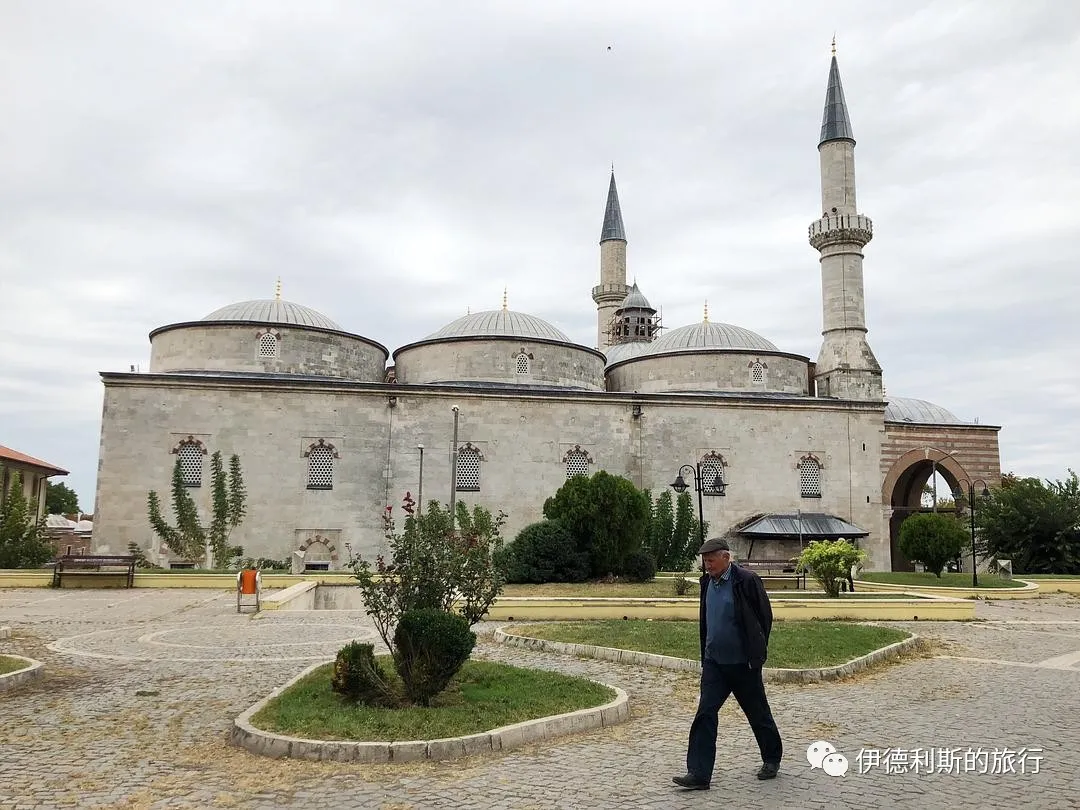
After the Ottoman Interregnum began in 1403, Prince Suleyman, who declared himself Emir in Edirne, started building the mosque. In 1413, Prince Mehmed was crowned Sultan Mehmed I in Edirne, and the mosque was officially completed the following year. This is the oldest surviving mosque in Edirne, so it is called the Old Mosque (Eski Cami).
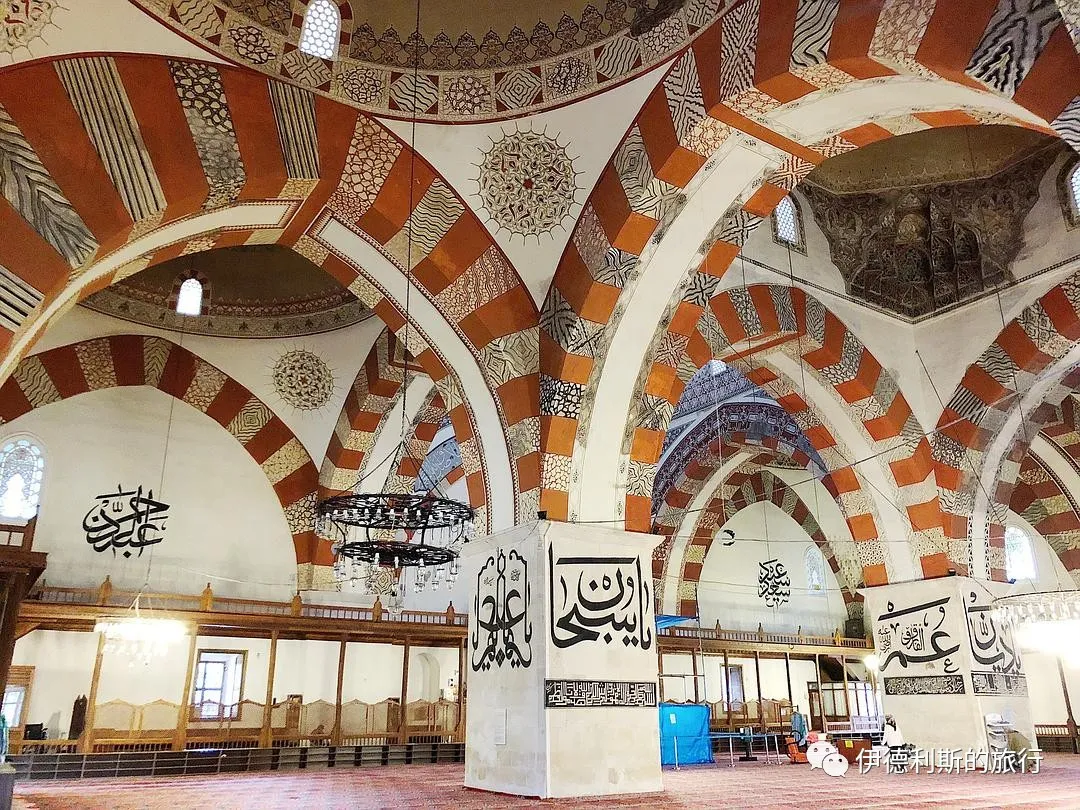
The Old Mosque is one of the last multi-domed mosques to use the early Ottoman Seljuk style, featuring nine central domes. Compared to earlier Seljuk multi-domed mosques, the diameter of the domes in the Old Mosque has clearly increased, showing that the Ottomans were starting to move beyond their early phase of their early phase.
The coronation ceremonies for the 21st Ottoman Sultan Ahmed II (reigned 1691-1695) and the 22nd Sultan Mustafa II (reigned 1695-1703) both took place here. The old mosque suffered massive damage in an earthquake during the mid-18th century, and Sultan Mahmud I (reigned 1696-1754) later ordered its reconstruction. The old mosque was renovated again between 1924 and 1934.
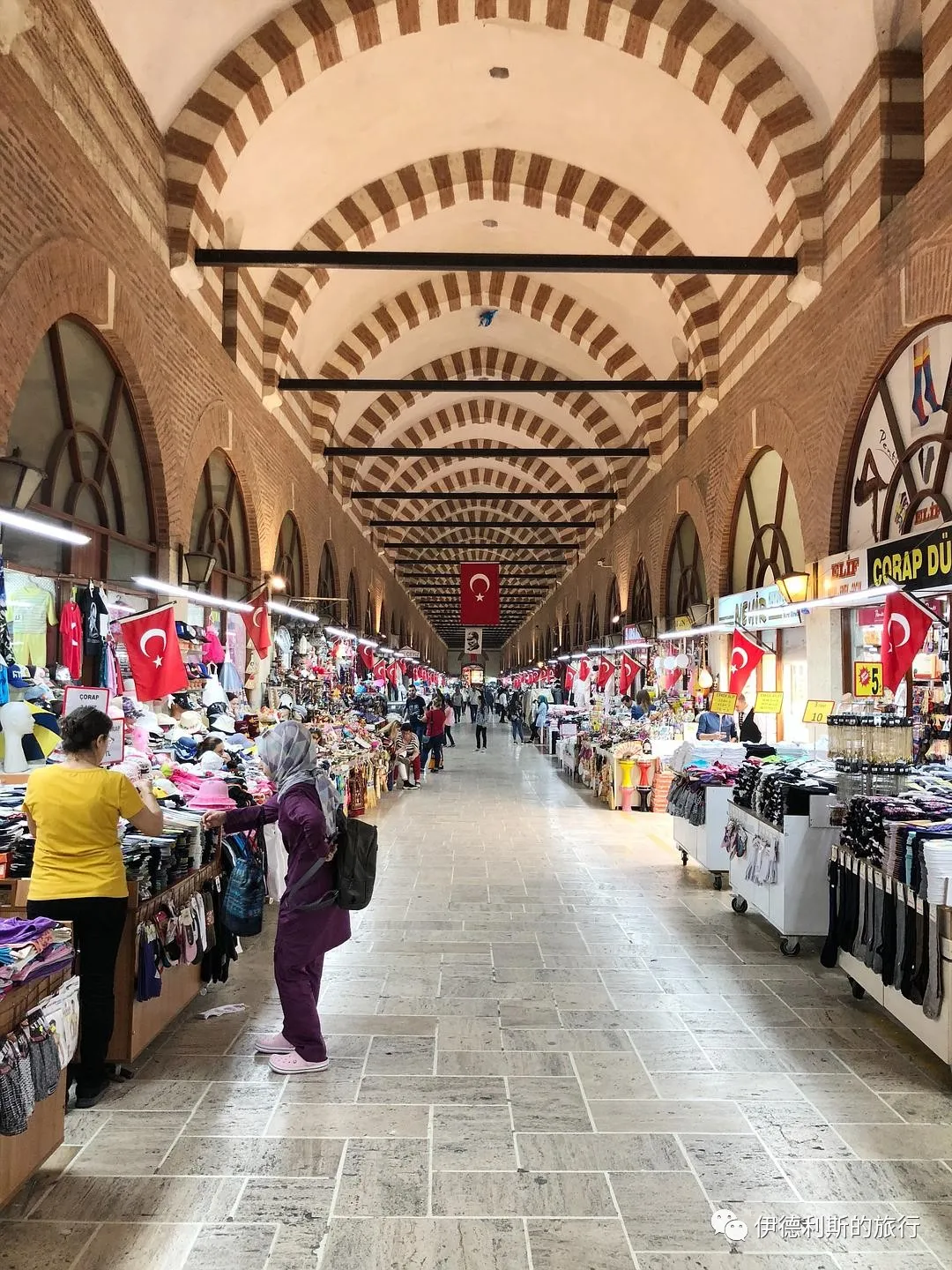
The covered market (Bedesten) sits right next to the old mosque and was built in 1418 by the fifth Ottoman Sultan Mehmed I to help fund the mosque's operations.
This building is a classic example of an early Ottoman covered market and has been in use ever since. The building is a rectangle 78 meters long and 41 meters wide, topped with 14 domes and featuring 54 shops along its four sides.
The Rustem Pasha Caravanserai (Rüstem Paşa Kervansarayı) was built in 1561 by the famous architect Mimar Sinan under the orders of the Ottoman Grand Vizier Rustem Pasha (Rüstem Paşa).
The caravanserai has two floors, with 102 guest rooms inside and 21 shops on the outside. Today, the interior serves as a hotel, and the outside shops are still in business.
The Ali Pasha Bazaar (Ali Paşa Çarşısı) was built in 1569 by the famous architect Mimar Sinan under the orders of the Ottoman Grand Vizier Ali Pasha (Ali Paşa).
The bazaar includes 130 shops and 6 gates. The bazaar caught fire in 1991 and was later restored.
Muradiye Mosque
The Muradiye Mosque (Muradiye Camii) is a small T-shaped mosque on a hill in the northern part of Edirne, built in 1436 by order of the sixth Ottoman Sultan Murad II (reigned 1421-1444). It was originally part of a Sufi Mevlevi order complex before being converted into a mosque.
The Muradiye Mosque was once a complex that included a public kitchen (imaret) and a primary school (mekteb), but only the mosque remains today. This place was once badly damaged by an earthquake. The minaret has been rebuilt several times, and it currently looks the way it did after a major renovation in 1957.
The interior of the mosque is famous for its beautiful tiles. Before some were stolen in 2001, the main hall had 479 tiles in 54 different designs. 15 of these designs appeared only once, showing a strong influence from Yuan dynasty blue and white porcelain (Yuan qinghua). The blue and white hexagonal tiles among them are the earliest examples of Ottoman underglaze tiles. Because some tiles are arranged inconsistently, some scholars believe a portion of them were moved here from the Ottoman palace in Edirne in the north.
The mosque preserves a 15th-century mihrab covered in tiles, which bears the name of Sultan Murad II. The dry cord (Cuerda Seca) tile style of the mihrab is very similar to the Green (Yeşil) Mosque in Bursa, built in 1421, and was likely made by the same team of craftsmen. The mihrab of the Green Mosque in Bursa is said to have been designed by a master from Tabriz, Iran. Therefore, it is very likely that this master traveled to Edirne to design the mihrab for the Muradiye Mosque.
Three-Balcony Mosque (Üç Şerefeli Camii) complex
The Three-Balcony Mosque (Üç Şerefeli Camii) is known as an important landmark that started a new era in Ottoman architecture. It was the first mosque in Ottoman history to feature a central dome and the first to have a portico. The mosque was started in 1438 by the sixth Ottoman Sultan, Murad II (reigned 1421–1444), and was completed in 1447.
The Three-Balcony Mosque is located not far northwest of the Old Mosque, and it was the largest mosque in the Ottoman Empire when it was finished. This mosque is considered a pioneer of the classic Ottoman mosque style. It was among the first to shift from the Seljuk style of multiple small domes to a large central dome, featuring a central dome 24 meters in diameter.
The Three-Balcony Mosque gets its name from the three balconies on its minaret. At the time, this was the tallest minaret in the Ottoman Empire. It stands 76 meters high, has 203 steps, and you can reach the balconies using three different paths.
The underglaze tiles of the mosque are very similar in style to the Green Mosque (Yeşil Cami) in Bursa (1421) and the Muradiye Mosque in Edirne (1436), and they were likely designed by the person known as the Master of Tabriz.
The architectural design of the Three Balcony Mosque (Üç Şerefeli Cami) greatly inspired the great 16th-century Ottoman architect Mimar Sinan, who built upon this foundation to eventually create the most magnificent mosques of the Ottoman Empire.
The Saatli Madrasa is directly opposite the Three Balcony Mosque and was also completed in 1447.
The Peykler Madrasa is right next to the south side of the Saatli Madrasa and was built a few years later.
The Stone Inn (Taşhan Inn) is across the street to the west of the Three Balcony Mosque and was built in the 15th century.
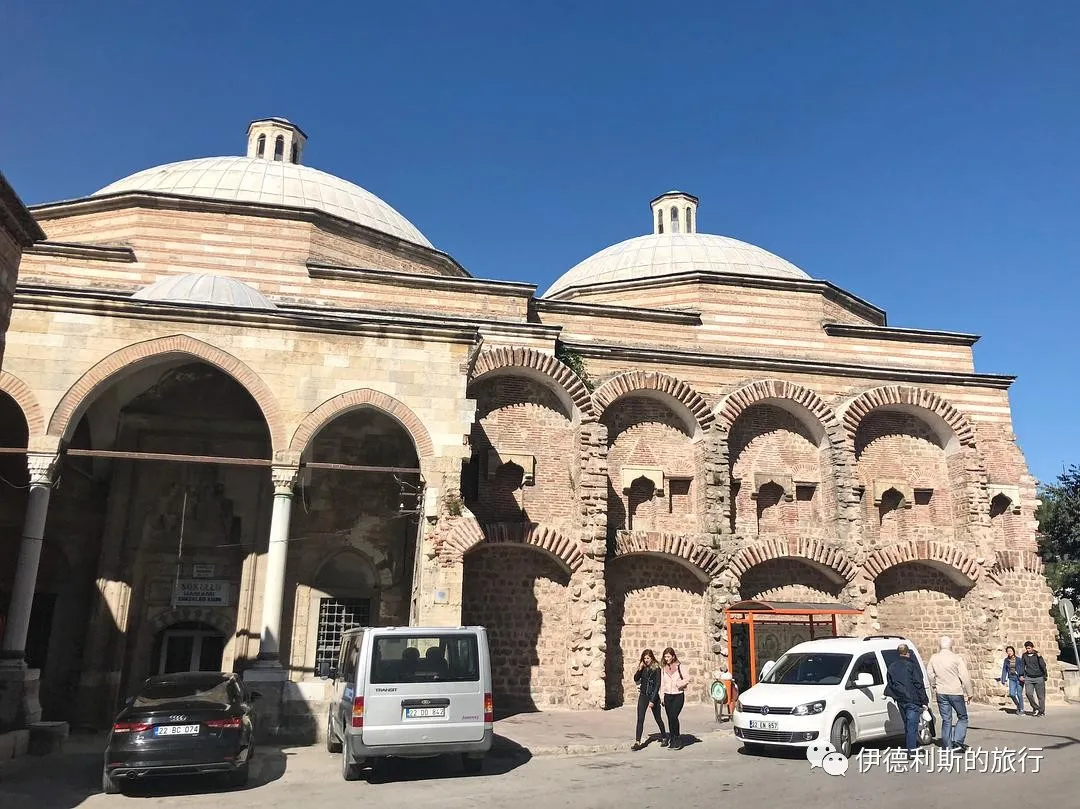
The Sokullu Mehmet Paşa Bath (Sokullu Mehmet Paşa Hamamı) was commissioned in the second half of the 16th century by the Ottoman Grand Vizier Sokullu Mehmet Paşa (in office 1565-1579) and built by the great Ottoman architect Mimar Sinan.
The bath was built right next to the Stone Inn and consists of two sections for men and women, and it is considered one of the most important baths in the Ottoman Empire.
Edirne Palace
Edirne Palace (Edirne Sarayı) was commissioned by Sultan Murad II in 1450, but construction stopped the following year when the Sultan passed away. After a period of inactivity, it was finally completed in 1475 by his successor, Sultan Mehmed the Conqueror.
Afterward, the palace was continuously expanded between the 16th and 18th centuries. Most importantly, during the reign of Suleiman the Magnificent (reigned 1520-1566), the chief architect Mimar Sinan redesigned the palace and solved the water supply problem by building a canal. To protect the palace from flooding, the canal was built in an arc around the palace.
At its peak, the palace consisted of 72 buildings, including 117 rooms, 14 mansions, 18 baths, 9 mosques, 17 gates, and 13 cellars. At its busiest, 34,000 people lived inside.
The main building of the palace is called the Panorama Pavilion (Cihannüma Kasrı), also known as the Imperial Throne (Taht-ı Hümayun), and was built in 1450. The Panorama Pavilion is a seven-story building with an octagonal room at the top, which includes the Sultan's room, a room for flags, a library, and a mosque.
Initial archaeological excavations of the Panorama Pavilion (Cihannüma Kasrı) took place in 1956. In 2001, the National Palaces Administration sponsored archaeological and restoration work on the palace gate, the Gate of Felicity (Bab'üs Sa'ade), and the Panorama Pavilion (Cihannüma Kasrı) site, which was completed in 2004.
The Imperial Kitchen (Matbah-ı Amire) is on the southwest side of the palace and has eight domes. While the north facade is gone, most of the structure remains well-preserved.
The Court of Justice (Kasr-ı Adalet) sits on the south bank of the Tunca River. It was built in 1561 by order of Suleiman the Magnificent, who is also known as Suleiman the Lawgiver.
The Kanuni Bridge (Kanuni Köprüsü), also called the Palace Bridge, was built in 1554 by Mimar Sinan under the orders of Suleiman the Magnificent.
Kasim Pasha Mosque
The Kasim Pasha Mosque (Evliya Kasım Paşa Cami) is by the river in the southeast of Edirne city. It was built in 1479 by order of Kasim Pasha (Kasım Paşa). Kasim Pasha was a famous Ottoman Empire general who served as the commander of Rumelia, the European part of the Ottoman Empire. He commanded troops during the wars between 1443 and 1444 against the multinational crusader forces of Poland and Hungary, fighting in places like Serbia and Bulgaria.
The mosque closed in 1950 due to the construction of a dam. Since then, it has been repeatedly damaged by floods, making it the most wild and overgrown early Ottoman mosque in Edirne.
Sultan Bayezid II Complex
The Sultan Bayezid II Complex (Sultan II Bayezid Külliyesi) is located on the north bank of the Tunca River in the northwest suburbs of Edirne. It was built by order of the eighth Ottoman Sultan, Bayezid II (reigned 1481–1512). Bayezid II was the son of Mehmed the Conqueror and was known as the Just. During his reign, he worked to maintain government affairs internally and defeated the Republic of Venice externally, leading the Ottoman Empire into a prosperous era.
The entire complex includes many buildings such as a mosque, a medical school (Medrese-i Etibba), a public kitchen (imaret), a hospital (darüşşifa), a bathhouse (hamam), and warehouses.
The Sultan Bayezid II Medical School (Sultan II Bayezid Medrese-i Etibba) is considered one of the best medical schools in the Ottoman Empire and consists of 18 classrooms and a large lecture hall. The famous 17th-century Ottoman traveler Evliya Çelebi mentioned in his writings that this medical school studied the works of various ancient Greek philosophers, scientists, and physicians, including Plato, Socrates, Aristotle, Galen, and Pythagoras. Each doctor was an expert in a different field, and they tried to find the best treatments by studying various medical texts.
The Sultan Bayezid II Hospital (Sultan II Bayezid Darüşşifa) is the most important part of the entire complex. From its completion in 1488 until the Russo-Turkish War in 1877, this hospital provided continuous treatment to patients and was especially famous for using sound and scent for mental health therapy. Today, it has become part of a health museum.
Selimiye Mosque
The Selimiye Mosque (Selimiye Camii) in Edirne was commissioned by Ottoman Sultan Selim II (reigned 1566-1574) and built by the imperial chief architect Mimar Sinan between 1567 and 1575. It is hailed as a supreme achievement in Ottoman architecture, a masterpiece of 16th-century Ottoman Islamic art, and Mimar Sinan's well-deserved representative work. It was added to the UNESCO World Heritage list in 2011.
On June 22, 1567, Selim II traveled from Istanbul to Edirne to sign a peace treaty with Austria, and People say he ordered the construction of the mosque at this time.
The entire complex (Külliye) consists of nine parts: the mosque, a courtyard with a fountain, the Dar’ül-Kurra Quran school (Foundation Museum), the Dar'ül-Hadis Hadith school (Museum of Turkish and Islamic Art), the Arasta bazaar, a primary school, a clock tower (Muvakkithane), the outer courtyard of the mosque, and a library. It is the most prominent building complex in the old city of Edirne.
The area where the mosque stands was originally an Ottoman palace. After the Ottoman Empire moved its capital to Istanbul in 1453, the old palace gradually became a military headquarters and later a square.
To highlight the central authority of the Ottoman Empire, Mimar Sinan wanted the Selimiye Mosque to look like a single, unified whole from both the inside and outside, rather than being composed of many small domes or semi-domes like earlier Ottoman mosques. Therefore, he decided to build a massive central dome that would surpass the Hagia Sophia. The dome was officially completed in 1575, standing 42.3 meters high with a diameter of 31.5 meters and weighing 20 tons.
At the same time, Mimar Sinan abandoned the traditional Ottoman mosque design of minarets with varying heights, instead building four 71-meter-tall minarets in the front courtyard. These four vertically symmetrical minarets shoot toward the sky like rockets from the corners of the courtyard, setting off the massive dome rising from the center. They dominate the city's skyline and give the entire mosque a sense of immense majesty.
Overall, the decoration on the mosque's exterior is relatively simple. It lacks the complex carvings found in Seljuk and other Iranian architecture, as the structure itself determines the layout of the facade. This is a hallmark of Mimar Sinan's architecture and is considered by later generations to be the classical aesthetic of Ottoman architecture from this period.
The courtyard in front of the main hall of the mosque covers 2,475 square meters, surrounded by a cloister with 18 domes, and features a fountain for wudu in the center. The marble columns in the courtyard were brought from ruins in Cyprus, Aydincik near the Kapidag Peninsula, and Syria. Mimar Sinan designed the front porch near the courtyard gate to be relatively narrow and low to highlight the grandeur of the mosque's main hall.
Mimar Sinan made bold innovations to the fountain. In this sixteen-sided marble fountain, we can see compositions and interesting details never before seen in Ottoman fountains of that time.
This is the largest ablution fountain Mimar Sinan ever built, and its decoration is very different from traditional ones. Each marble slab has a wide, deep contour band at the bottom, a pointed-arch mirror stone in the middle, and geometric openwork carvings on the top slab. Above that is a crown-shaped stone slab featuring Rumi patterns. Sinan designed special supports for the bottom edge of the fountain based on the lines of each water tap.
Mimar Sinan used an octagonal support system in the Selimiye Mosque, with eight columns holding up the massive central dome. In 1913, during the Bulgarian siege of Edirne, the mosque's dome was hit by Bulgarian artillery. Because the dome was extremely sturdy, it only suffered minor damage. Later, Kemal ordered that the shell marks be kept as a warning to future generations.
The mihrab (prayer niche) is located in a rear apse that projects from the main hall, providing enough depth for sunlight to enter from windows on three sides. The white marble mihrab was a spectacular work for its time. Unfortunately, the original 16th-century calligraphy on the semi-dome above the mihrab did not survive; what you see now is a 1985 restoration in the Baroque style.
The tiles around the mihrab were specially ordered by Mimar Sinan from Iznik between 1572 and 1575 and were the highest quality tiles in the Ottoman Empire at the time. The calligraphy on the tiles was created by Karahisari Molla Hasan, the student and adopted son of the famous 16th-century Ottoman calligrapher Ahmed Karahisari.
The minbar (pulpit) of the Selimiye Mosque holds a very important place among classical Ottoman artworks. The minbar is carved from a single piece of white marble, has 25 steps, and features an extremely elegant design. The beauty created by these merging geometric shapes is the artistic crystallization that Mimar Sinan pursued throughout his life.
Directly facing the mihrab is the stone platform where the muezzin calls the adhan, supported by 12 white marble columns. The thick pillar to the southwest of the platform is made of vertical, slender rectangular slabs and contains the stairs the muezzin uses to climb up.
The platform has a walnut railing decorated underneath with gold-leaf Chinese-style cloud knots, an important example of decoration from the classical Ottoman period. The deep blue background is covered with naturalistic dagger-shaped leaves, chrysanthemums, and Chinese-style clouds. The passion flower patterns on the blue background were brought to the Anatolia region by Central Asian Turkic people from the East in the 8th and 9th centuries, symbolizing eternity.
The Selimiye Madrasa is very distinct among Sinan's works. It has a unique dual-academy layout with the Dar'ül-Kurra Quran school and the Dar'ül-Hadis Hadith school symmetrical to the main mosque. It is also the only Quran school built by Sinan that features a honeycomb-structured muqarnas gate.
The Arasta Bazaar is 225 meters long, runs parallel to the southwest wall of the mosque, and generates income for the mosque by renting out 124 shop spaces. The bazaar has three main gates, one of which connects to the mosque courtyard via a staircase.
Some believe the Arasta Bazaar was built by Mimar Sinan's successor, the imperial chief architect Davud Aga, while others think Sinan designed it to cover the retaining wall supporting the mosque on the southwest slope, and it was finally completed by Davud Aga. This is because Mimar Sinan was very skilled at designing and building structures that adapted to sloped terrain.
Between 1863 and 1868, Baha'u'llah, the founder of the Baha'i Faith, was exiled to Edirne by the Ottoman Empire with his family and lived near the Selimiye Mosque. During this time, he wrote many works, announced the Baha'i Faith to countries around the world, and officially broke away from another leader, Mirza Yahya, which was a major event in Baha'i history.
Food
When visiting Edirne, you must try the local specialty, fried liver (ciğercisi), which is very satisfying when served with yogurt and hot sauce.
For lunch in Edirne, I had grilled sausage meatballs (sucuk köfte) and lentil soup (mercimek çorbası). A cold wind was blowing across the entire Balkan Peninsula those days, so drinking hot lentil soup felt the best.
For dinner in Edirne, I had minced meat pie (kıymalı pide) and a rich soup made from sheep head and sheep trotters (kelle paça). The soup was especially delicious.
For breakfast the next morning in Edirne, I had a meat-filled pastry (börek). It cost 6 lira a plate and tasted great. I also had a breakfast set, which was a plate of very healthy food.
At the bazaar in Edirne, I bought a local specialty, the crescent-shaped almond pastry known as Kavala cookies (Kavala kurabiyesi). Kavala is now an important seaport in northern Greece. The Ottoman Empire ruled it from 1371 to 1913. During the 1922 population exchange between Turkey and Greece, tens of thousands of Turks left Kavala to settle in Edirne, bringing this cookie recipe with them. I have always been interested in the Greek-Turkish population exchange. It involves so many stories about leaving one's homeland forever and the relationship between nations and ethnic groups. view all
Summary: Edirne in Turkey was once the Ottoman capital in Europe and is shown here through its mosques, markets, bridges, museums, and Ottoman urban history. This account keeps the original dates, site names, architectural notes, food details, and photographs.
In the mid-14th century, the Ottoman dynasty crossed into Europe and kept invading the Balkan Peninsula. They gradually marched toward Adrianople, the third-largest city of the Byzantine Empire, which ranked only behind Constantinople and Thessaloniki. In 1369, the third Ottoman Sultan, Murad I (reigned 1362-1389), captured Adrianople and renamed the city Edirne. After that, Edirne became the Ottoman center in Europe.
In 1402, the fourth Ottoman Sultan, Bayezid I (reigned 1389-1402), was defeated and captured by the great Timur in the Battle of Ankara, and he died shortly after. His four sons fought for the throne, triggering the Ottoman Interregnum, the largest civil war in early Ottoman history. Because of this war, Edirne suddenly became the capital.
In 1413, Prince Mehmed occupied Edirne and finally won the civil war. On June 5, 1413, Mehmed was officially crowned in Edirne as the fifth Ottoman Sultan, Mehmed I (reigned 1413-1421). The Ottoman capital officially moved from Bursa in Asia to Edirne in Europe, where it stayed until the fall of Constantinople in 1453.
While the capital was in Bursa, the Ottoman dynasty developed a new form of urban construction: building social complexes called Külliye in the commercial districts outside the city walls. After moving the capital to Edirne, the Ottomans continued to use this form. After Prince Suleyman made Edirne his capital in 1403, he immediately began building the first complex in the city—the Old Mosque complex—east of the Roman-era Hadrianopolis. During the reign of Sultan Murad II (reigned 1421-1444, 1446-1451), the second complex, the Muradiye complex, and the third, the Three Balcony Mosque complex, were built in Edirne, along with a royal palace in the north.
The Old Mosque complex
After the Ottoman Interregnum began in 1403, Prince Suleyman, who declared himself Emir in Edirne, started building the mosque. In 1413, Prince Mehmed was crowned Sultan Mehmed I in Edirne, and the mosque was officially completed the following year. This is the oldest surviving mosque in Edirne, so it is called the Old Mosque (Eski Cami).
The Old Mosque is one of the last multi-domed mosques to use the early Ottoman Seljuk style, featuring nine central domes. Compared to earlier Seljuk multi-domed mosques, the diameter of the domes in the Old Mosque has clearly increased, showing that the Ottomans were starting to move beyond their early phase of their early phase.
The coronation ceremonies for the 21st Ottoman Sultan Ahmed II (reigned 1691-1695) and the 22nd Sultan Mustafa II (reigned 1695-1703) both took place here. The old mosque suffered massive damage in an earthquake during the mid-18th century, and Sultan Mahmud I (reigned 1696-1754) later ordered its reconstruction. The old mosque was renovated again between 1924 and 1934.
The covered market (Bedesten) sits right next to the old mosque and was built in 1418 by the fifth Ottoman Sultan Mehmed I to help fund the mosque's operations.
This building is a classic example of an early Ottoman covered market and has been in use ever since. The building is a rectangle 78 meters long and 41 meters wide, topped with 14 domes and featuring 54 shops along its four sides.
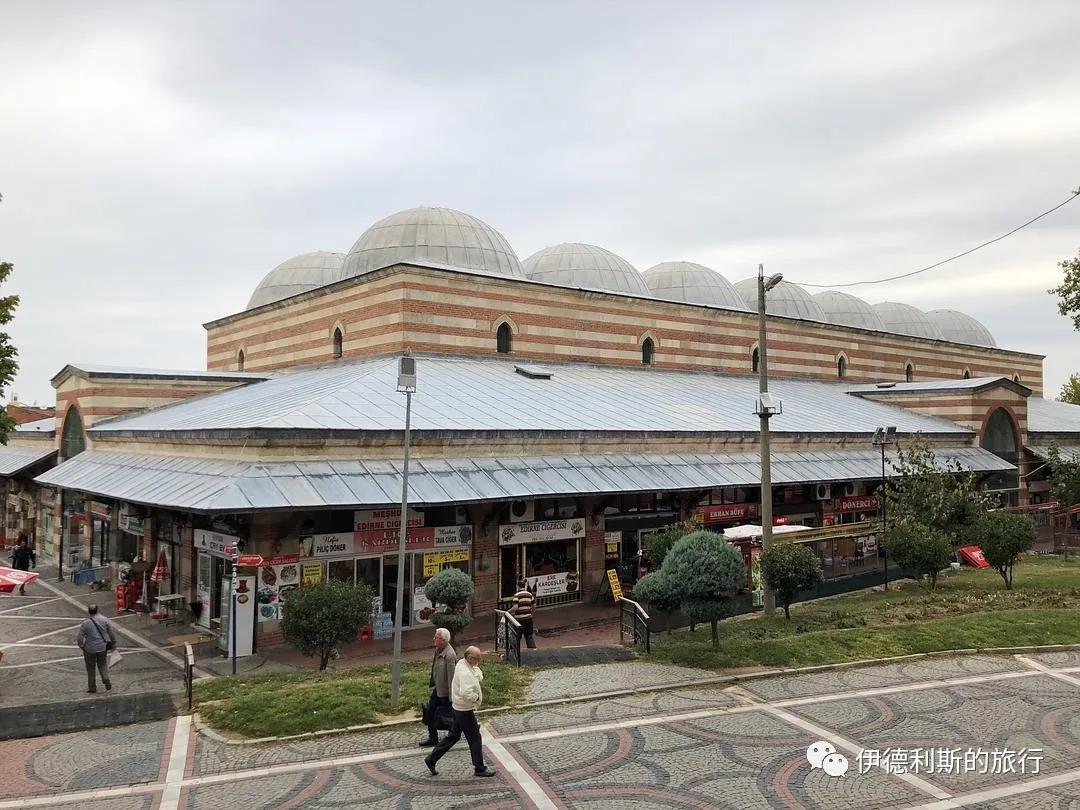
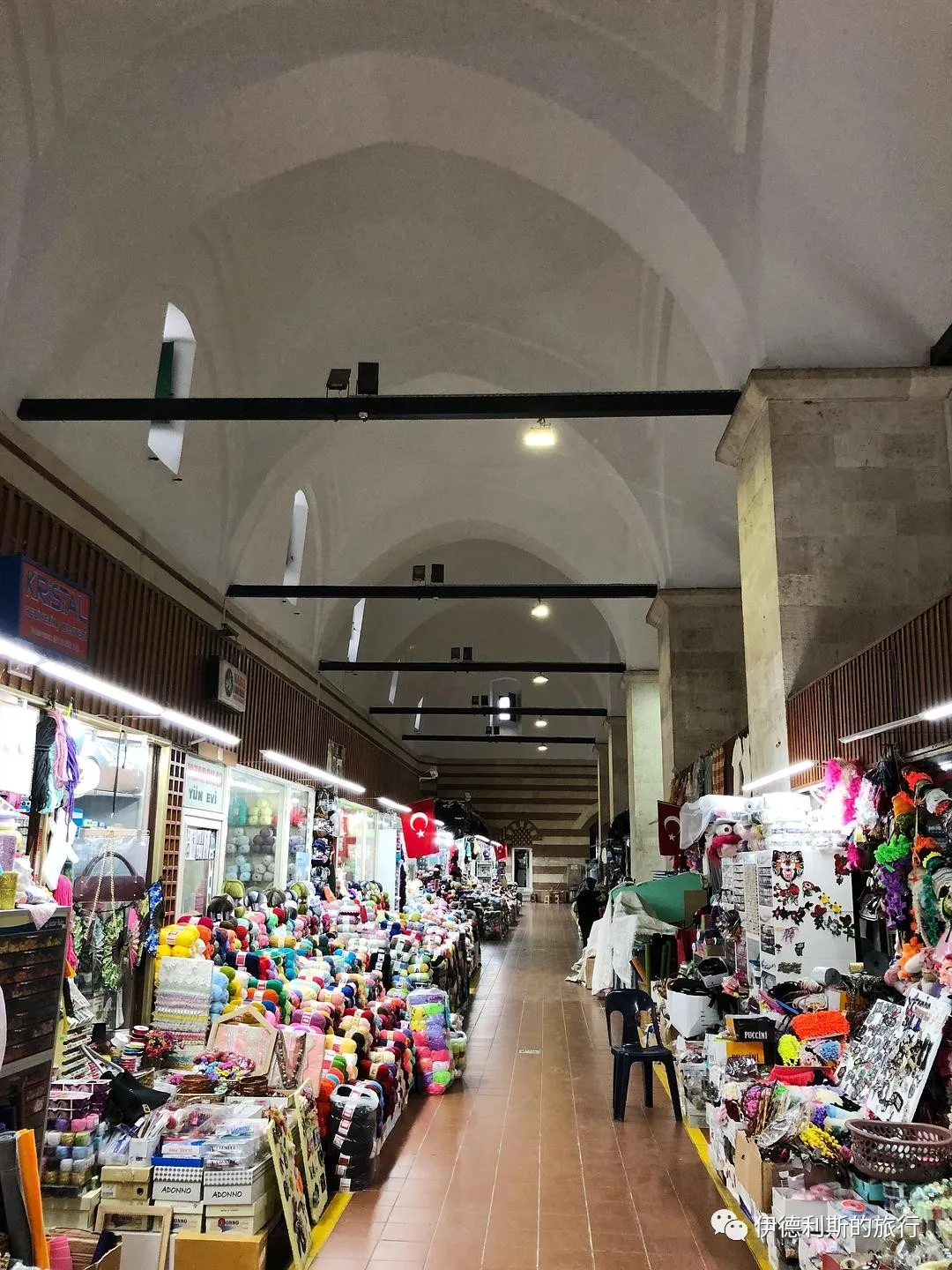
The Rustem Pasha Caravanserai (Rüstem Paşa Kervansarayı) was built in 1561 by the famous architect Mimar Sinan under the orders of the Ottoman Grand Vizier Rustem Pasha (Rüstem Paşa).
The caravanserai has two floors, with 102 guest rooms inside and 21 shops on the outside. Today, the interior serves as a hotel, and the outside shops are still in business.
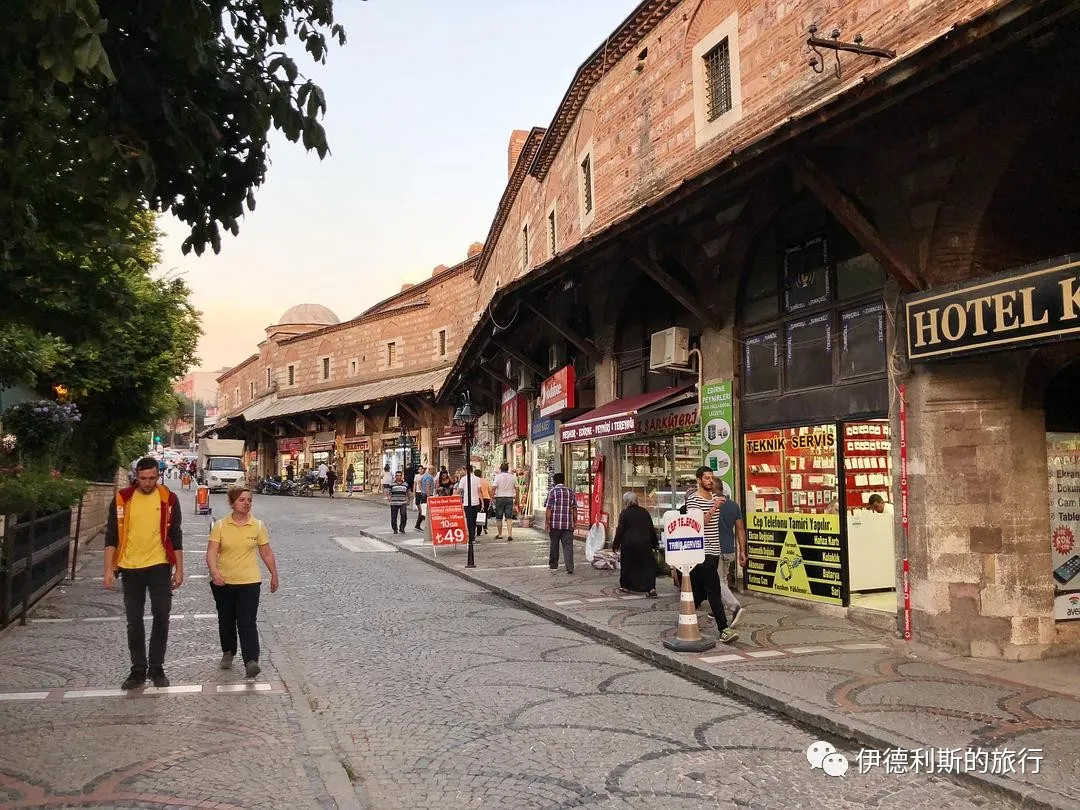
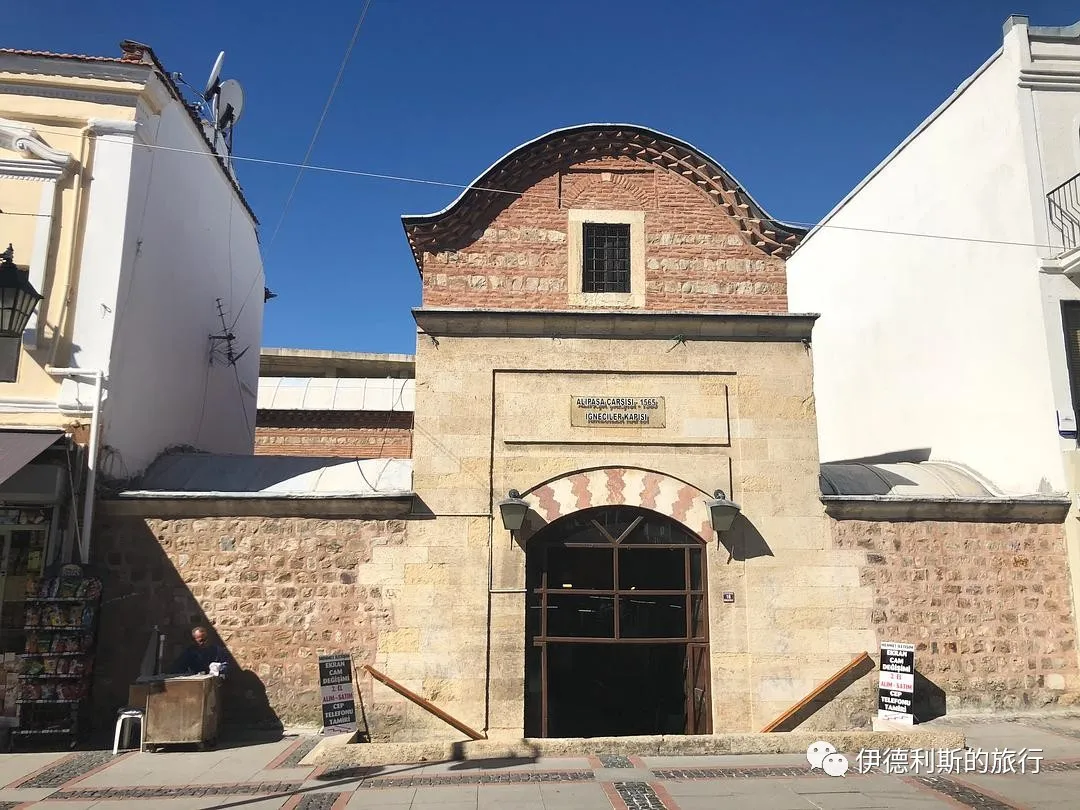
The Ali Pasha Bazaar (Ali Paşa Çarşısı) was built in 1569 by the famous architect Mimar Sinan under the orders of the Ottoman Grand Vizier Ali Pasha (Ali Paşa).
The bazaar includes 130 shops and 6 gates. The bazaar caught fire in 1991 and was later restored.
Muradiye Mosque
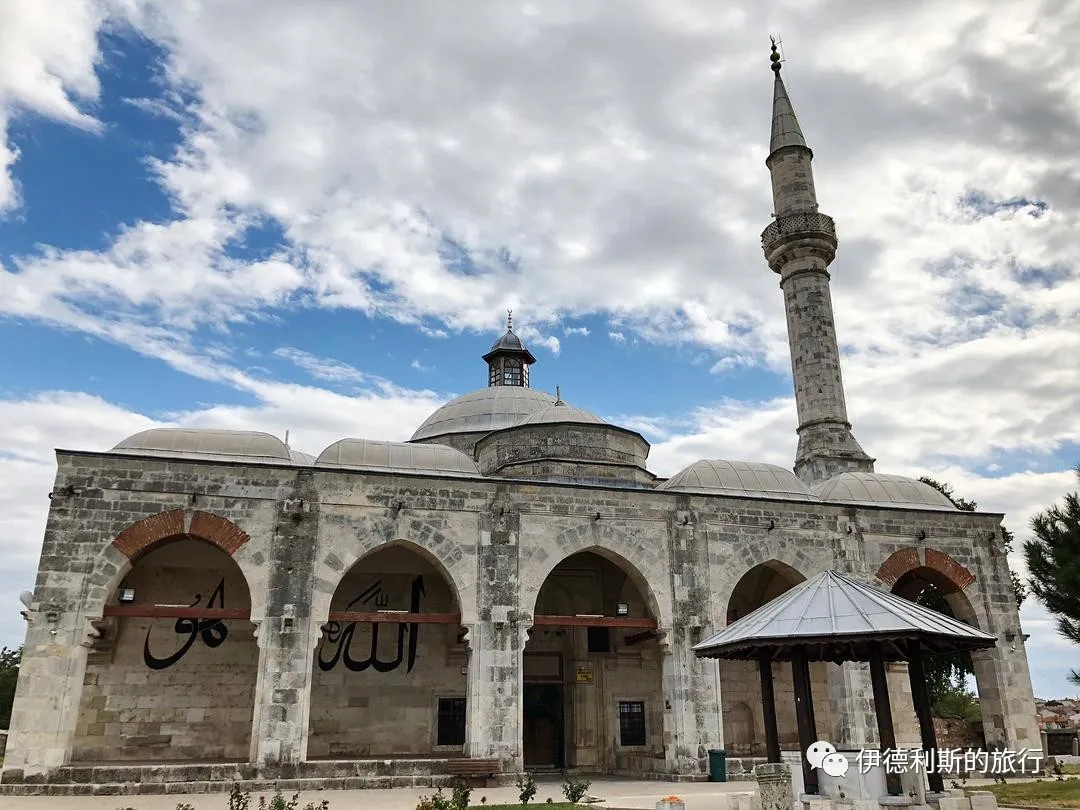
The Muradiye Mosque (Muradiye Camii) is a small T-shaped mosque on a hill in the northern part of Edirne, built in 1436 by order of the sixth Ottoman Sultan Murad II (reigned 1421-1444). It was originally part of a Sufi Mevlevi order complex before being converted into a mosque.
The Muradiye Mosque was once a complex that included a public kitchen (imaret) and a primary school (mekteb), but only the mosque remains today. This place was once badly damaged by an earthquake. The minaret has been rebuilt several times, and it currently looks the way it did after a major renovation in 1957.
The interior of the mosque is famous for its beautiful tiles. Before some were stolen in 2001, the main hall had 479 tiles in 54 different designs. 15 of these designs appeared only once, showing a strong influence from Yuan dynasty blue and white porcelain (Yuan qinghua). The blue and white hexagonal tiles among them are the earliest examples of Ottoman underglaze tiles. Because some tiles are arranged inconsistently, some scholars believe a portion of them were moved here from the Ottoman palace in Edirne in the north.
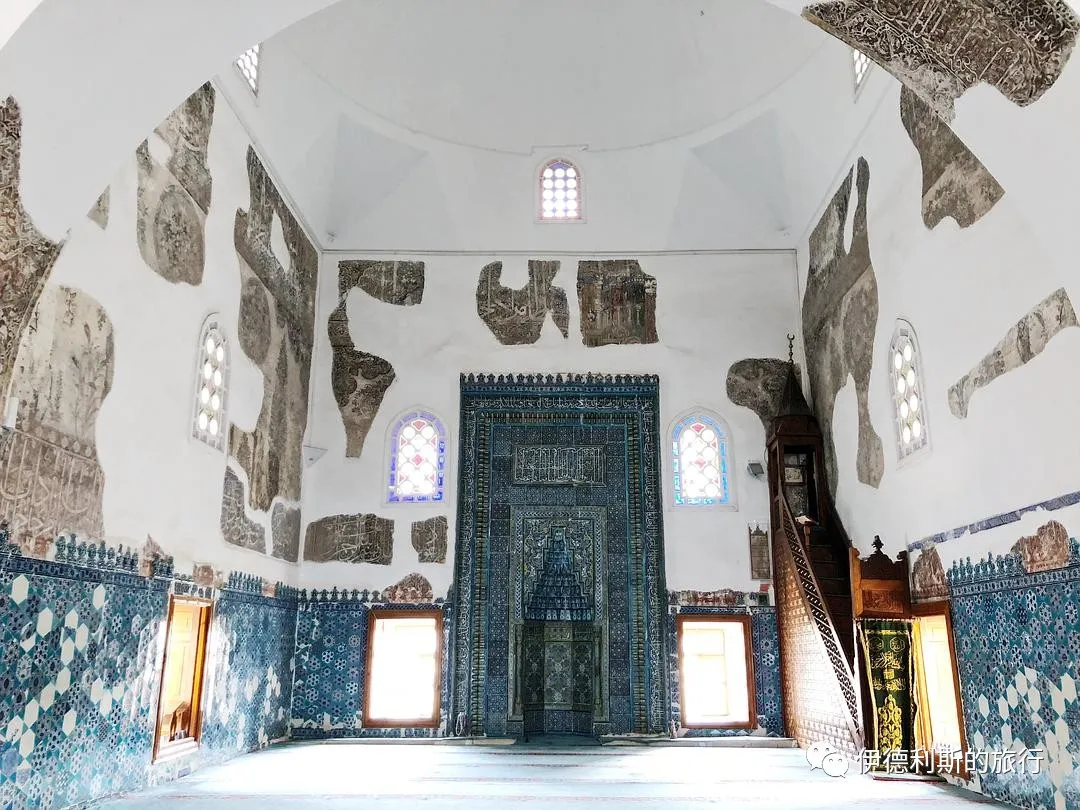
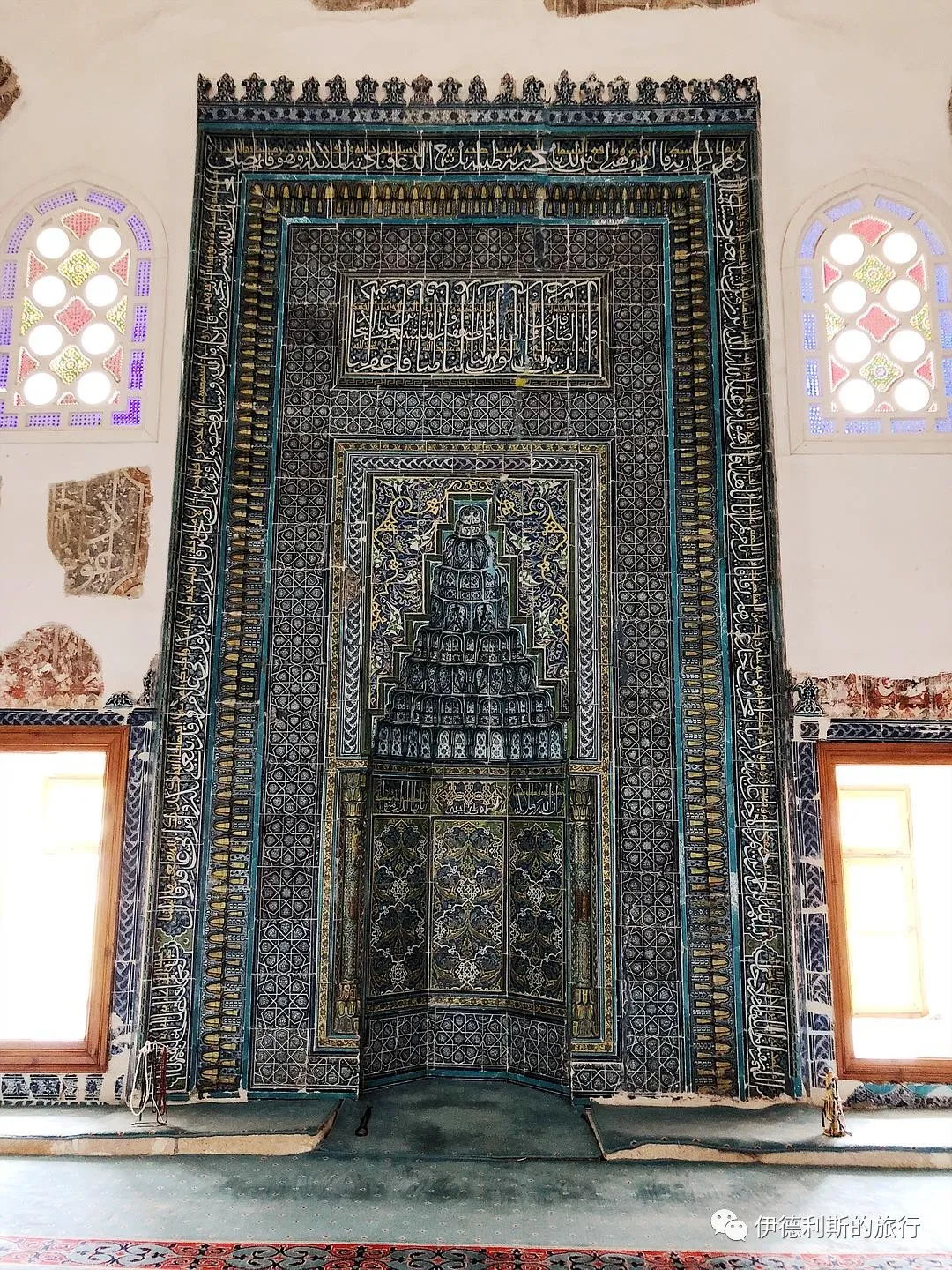
The mosque preserves a 15th-century mihrab covered in tiles, which bears the name of Sultan Murad II. The dry cord (Cuerda Seca) tile style of the mihrab is very similar to the Green (Yeşil) Mosque in Bursa, built in 1421, and was likely made by the same team of craftsmen. The mihrab of the Green Mosque in Bursa is said to have been designed by a master from Tabriz, Iran. Therefore, it is very likely that this master traveled to Edirne to design the mihrab for the Muradiye Mosque.
Three-Balcony Mosque (Üç Şerefeli Camii) complex
The Three-Balcony Mosque (Üç Şerefeli Camii) is known as an important landmark that started a new era in Ottoman architecture. It was the first mosque in Ottoman history to feature a central dome and the first to have a portico. The mosque was started in 1438 by the sixth Ottoman Sultan, Murad II (reigned 1421–1444), and was completed in 1447.
The Three-Balcony Mosque is located not far northwest of the Old Mosque, and it was the largest mosque in the Ottoman Empire when it was finished. This mosque is considered a pioneer of the classic Ottoman mosque style. It was among the first to shift from the Seljuk style of multiple small domes to a large central dome, featuring a central dome 24 meters in diameter.
The Three-Balcony Mosque gets its name from the three balconies on its minaret. At the time, this was the tallest minaret in the Ottoman Empire. It stands 76 meters high, has 203 steps, and you can reach the balconies using three different paths.
The underglaze tiles of the mosque are very similar in style to the Green Mosque (Yeşil Cami) in Bursa (1421) and the Muradiye Mosque in Edirne (1436), and they were likely designed by the person known as the Master of Tabriz.
The architectural design of the Three Balcony Mosque (Üç Şerefeli Cami) greatly inspired the great 16th-century Ottoman architect Mimar Sinan, who built upon this foundation to eventually create the most magnificent mosques of the Ottoman Empire.
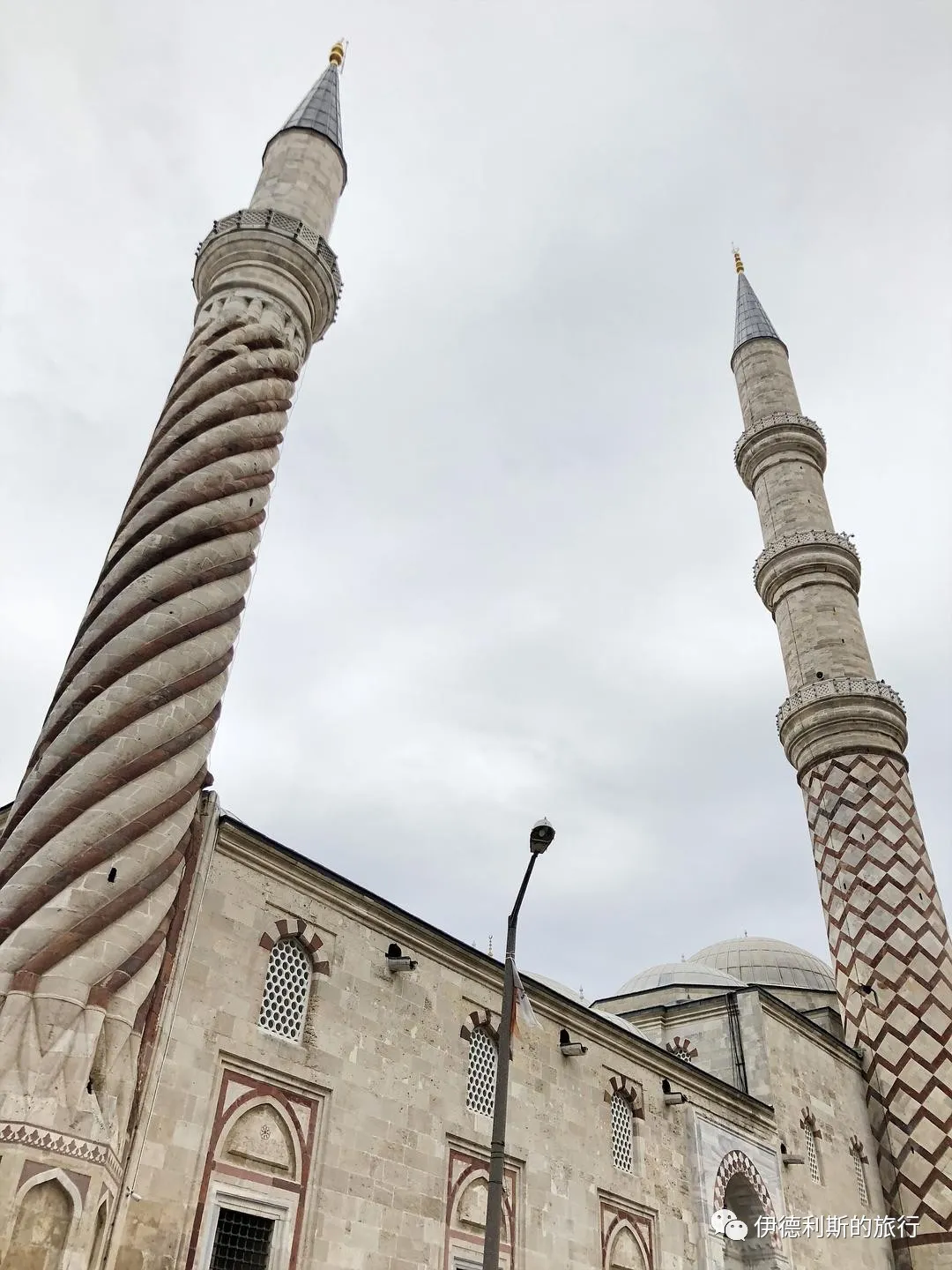
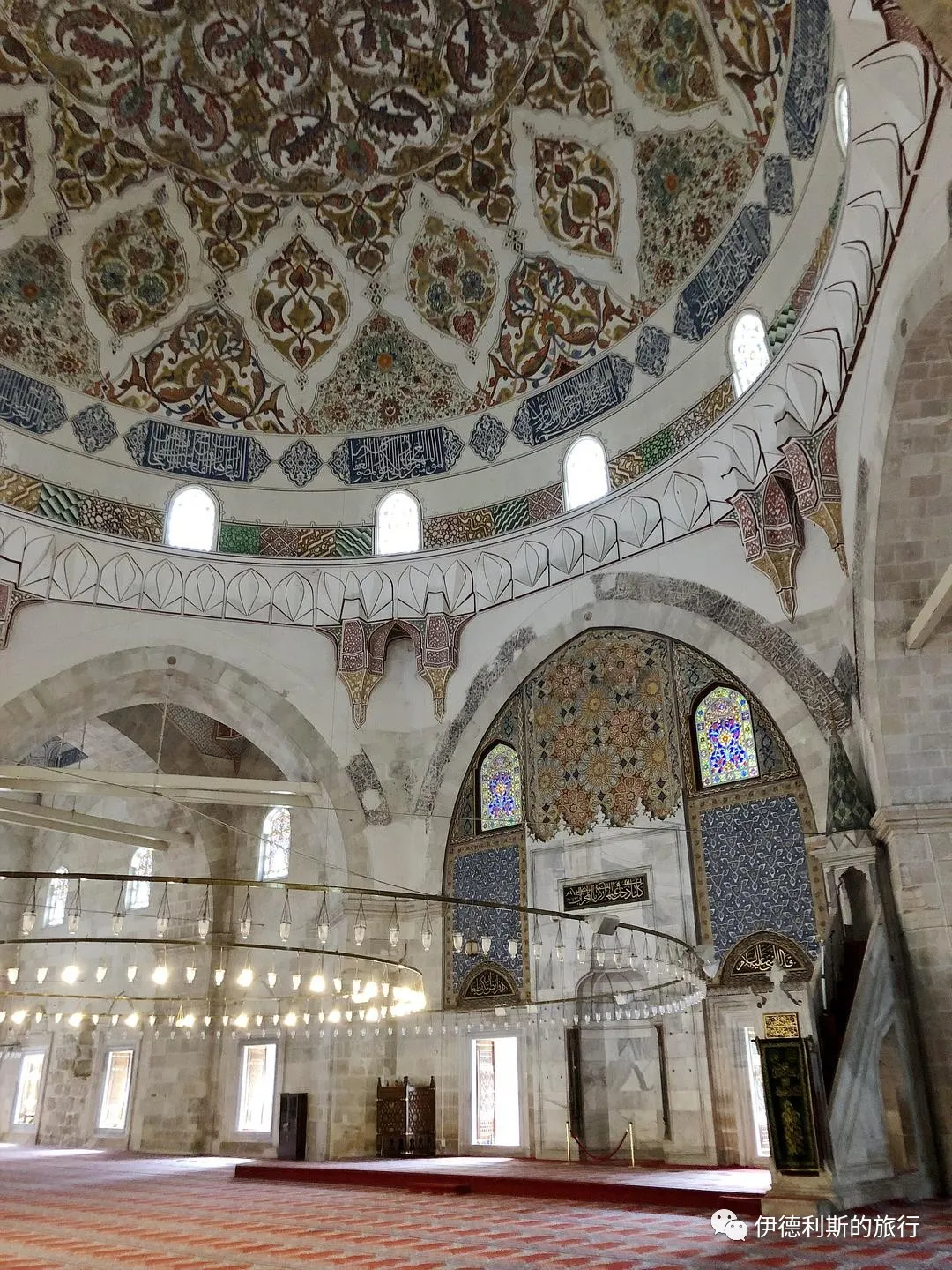
The Saatli Madrasa is directly opposite the Three Balcony Mosque and was also completed in 1447.
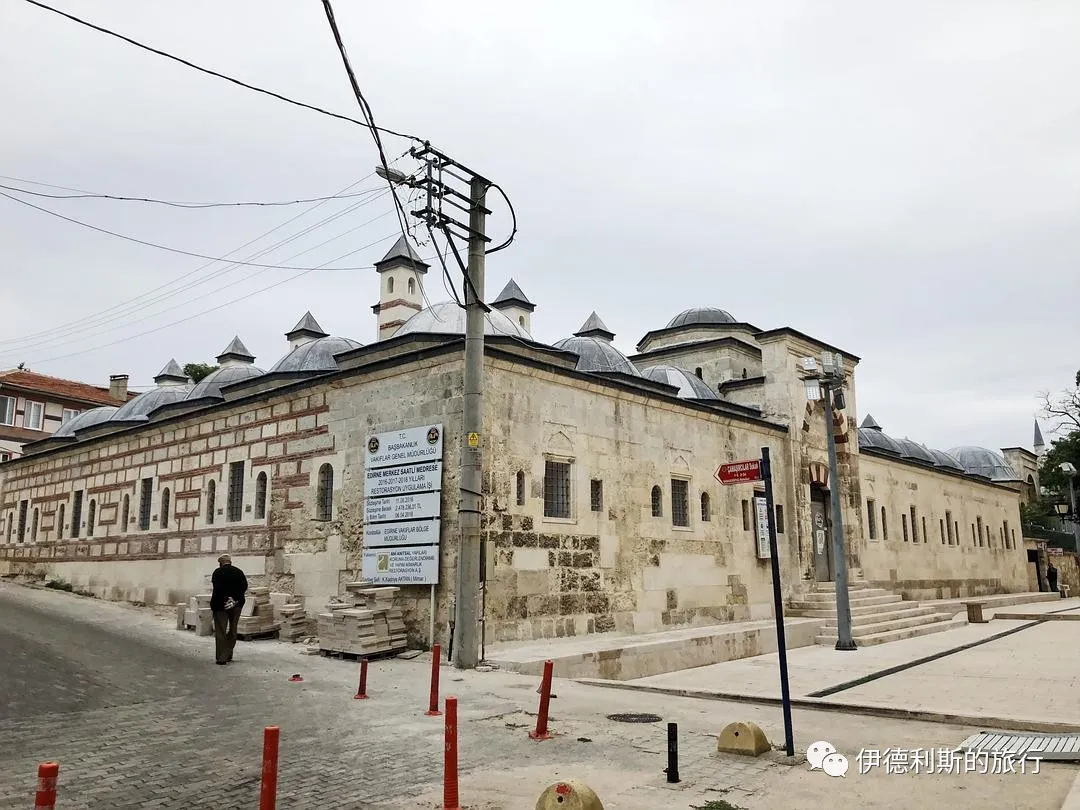
The Peykler Madrasa is right next to the south side of the Saatli Madrasa and was built a few years later.
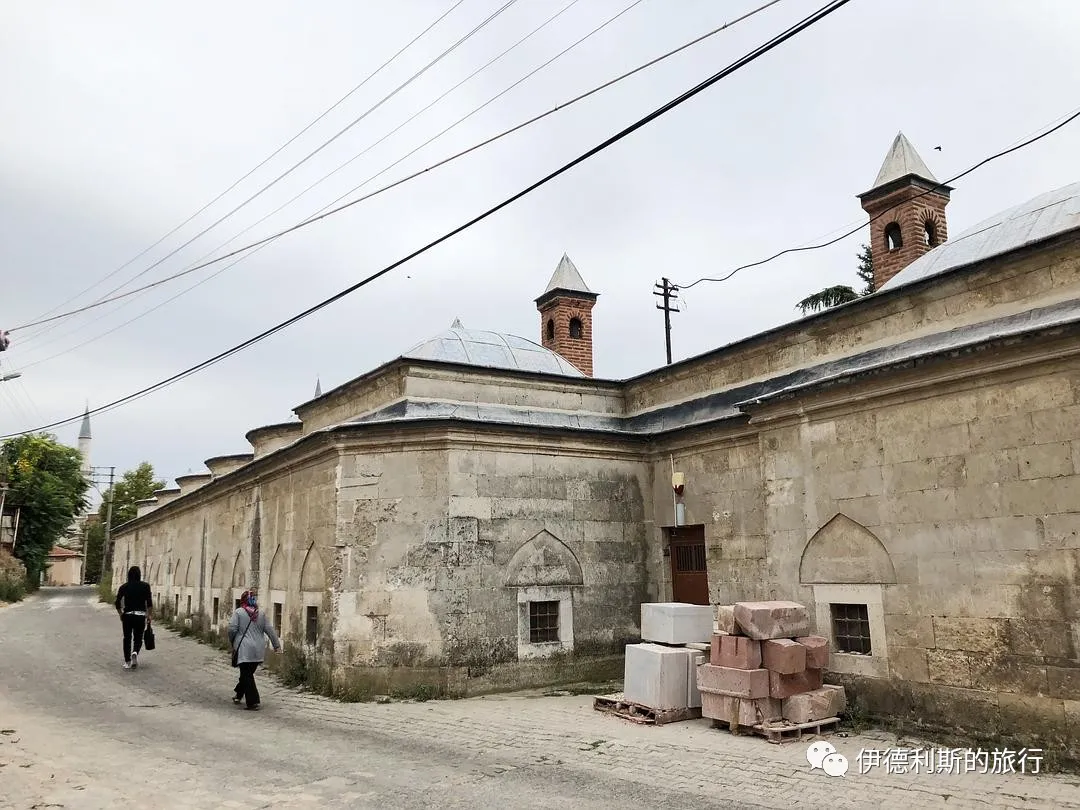
The Stone Inn (Taşhan Inn) is across the street to the west of the Three Balcony Mosque and was built in the 15th century.
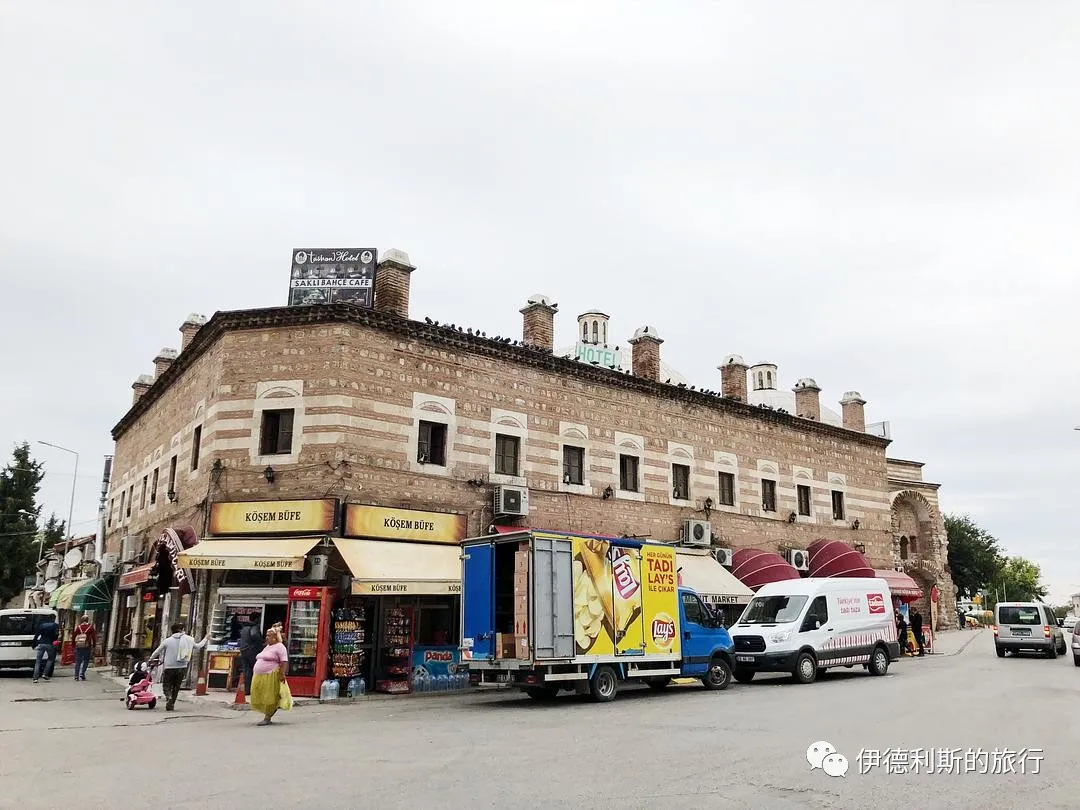
The Sokullu Mehmet Paşa Bath (Sokullu Mehmet Paşa Hamamı) was commissioned in the second half of the 16th century by the Ottoman Grand Vizier Sokullu Mehmet Paşa (in office 1565-1579) and built by the great Ottoman architect Mimar Sinan.
The bath was built right next to the Stone Inn and consists of two sections for men and women, and it is considered one of the most important baths in the Ottoman Empire.
Edirne Palace
Edirne Palace (Edirne Sarayı) was commissioned by Sultan Murad II in 1450, but construction stopped the following year when the Sultan passed away. After a period of inactivity, it was finally completed in 1475 by his successor, Sultan Mehmed the Conqueror.
Afterward, the palace was continuously expanded between the 16th and 18th centuries. Most importantly, during the reign of Suleiman the Magnificent (reigned 1520-1566), the chief architect Mimar Sinan redesigned the palace and solved the water supply problem by building a canal. To protect the palace from flooding, the canal was built in an arc around the palace.
At its peak, the palace consisted of 72 buildings, including 117 rooms, 14 mansions, 18 baths, 9 mosques, 17 gates, and 13 cellars. At its busiest, 34,000 people lived inside.
The main building of the palace is called the Panorama Pavilion (Cihannüma Kasrı), also known as the Imperial Throne (Taht-ı Hümayun), and was built in 1450. The Panorama Pavilion is a seven-story building with an octagonal room at the top, which includes the Sultan's room, a room for flags, a library, and a mosque.
Initial archaeological excavations of the Panorama Pavilion (Cihannüma Kasrı) took place in 1956. In 2001, the National Palaces Administration sponsored archaeological and restoration work on the palace gate, the Gate of Felicity (Bab'üs Sa'ade), and the Panorama Pavilion (Cihannüma Kasrı) site, which was completed in 2004.
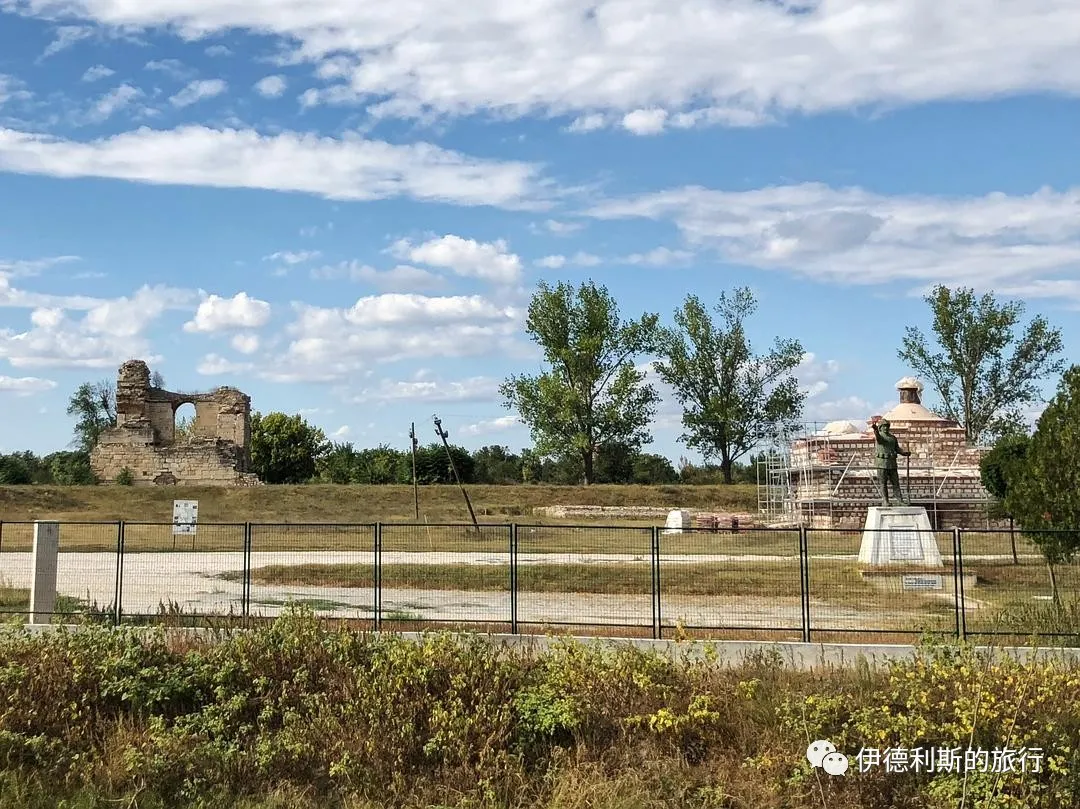
The Imperial Kitchen (Matbah-ı Amire) is on the southwest side of the palace and has eight domes. While the north facade is gone, most of the structure remains well-preserved.
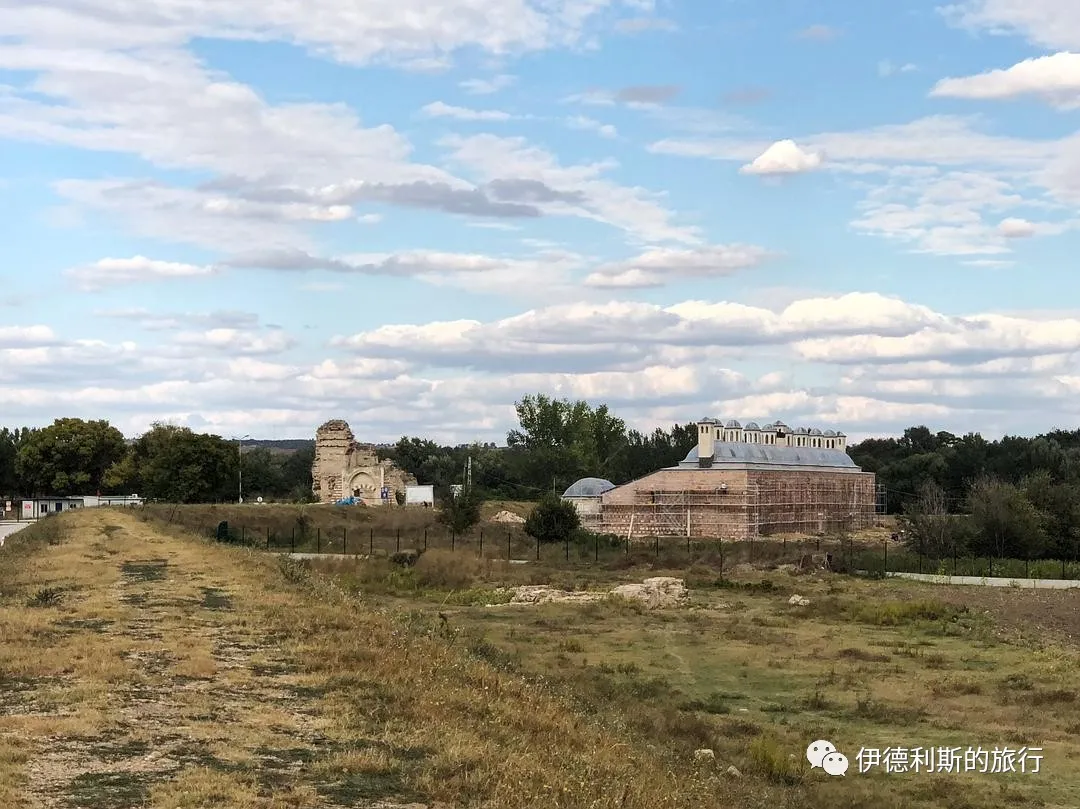
The Court of Justice (Kasr-ı Adalet) sits on the south bank of the Tunca River. It was built in 1561 by order of Suleiman the Magnificent, who is also known as Suleiman the Lawgiver.
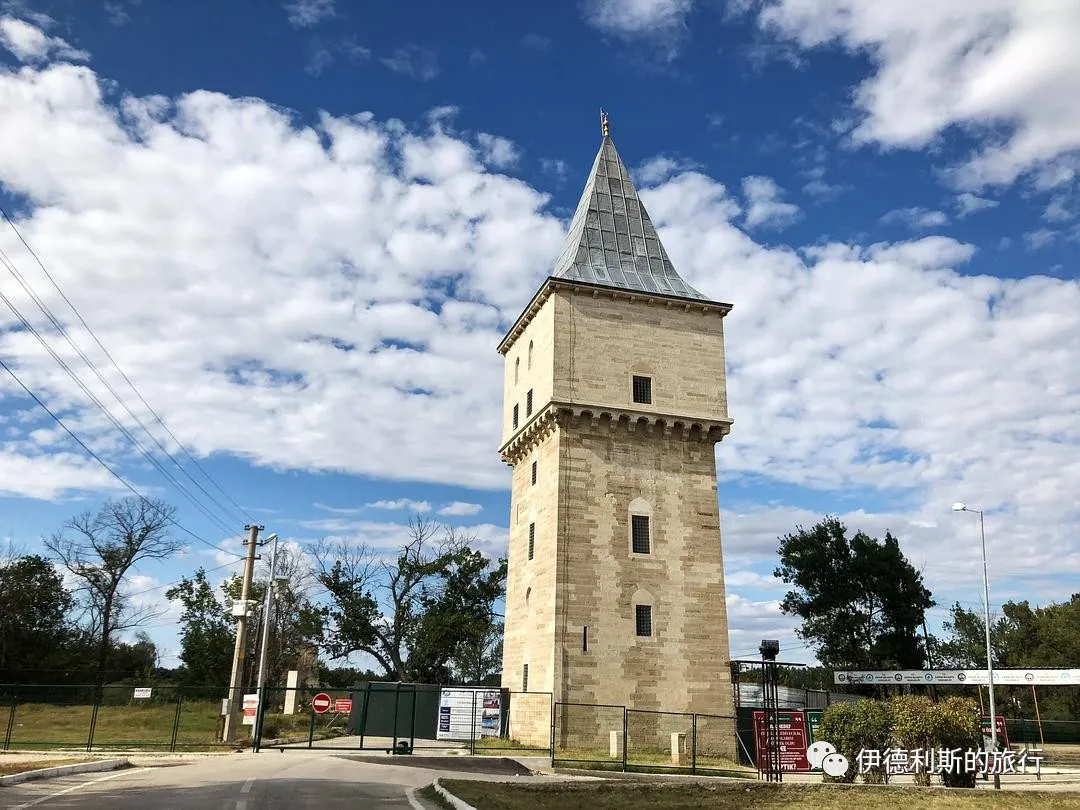
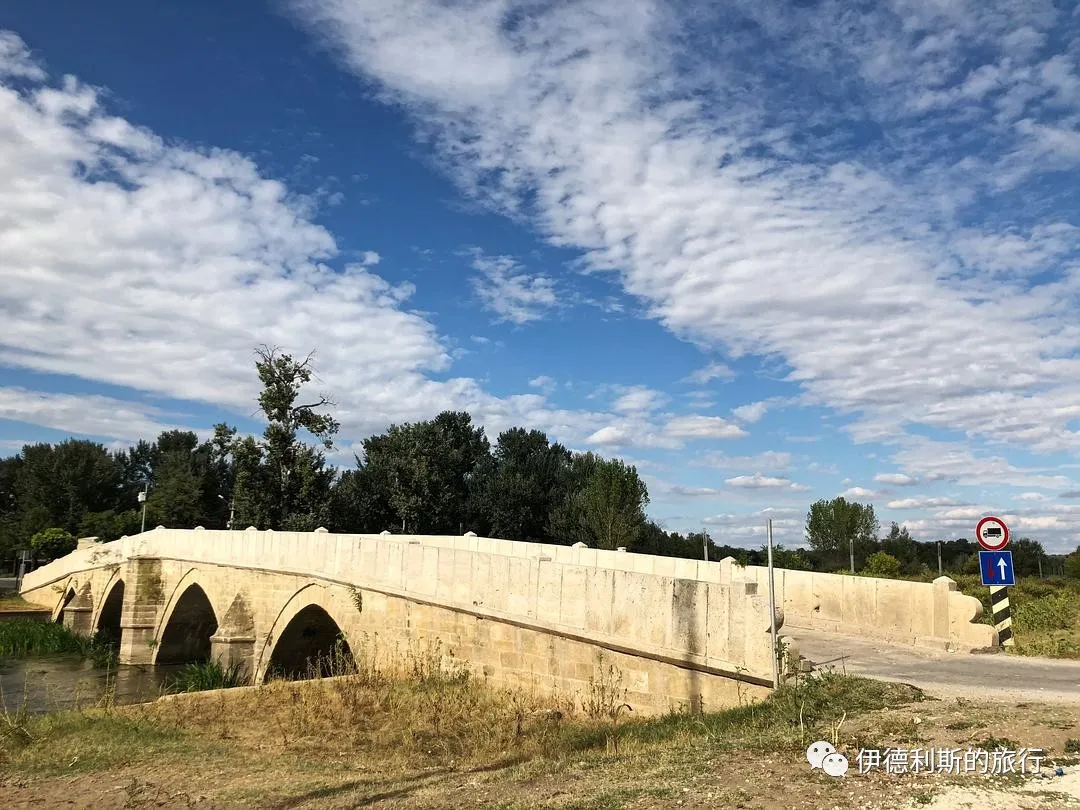
The Kanuni Bridge (Kanuni Köprüsü), also called the Palace Bridge, was built in 1554 by Mimar Sinan under the orders of Suleiman the Magnificent.
Kasim Pasha Mosque
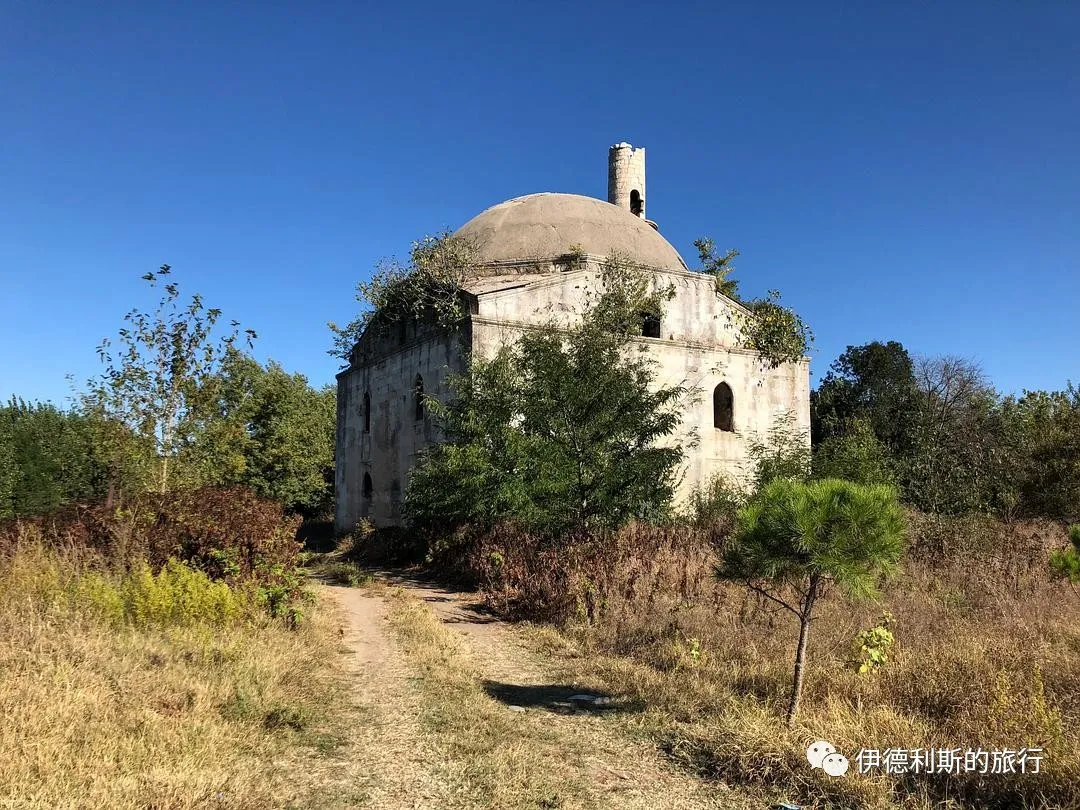
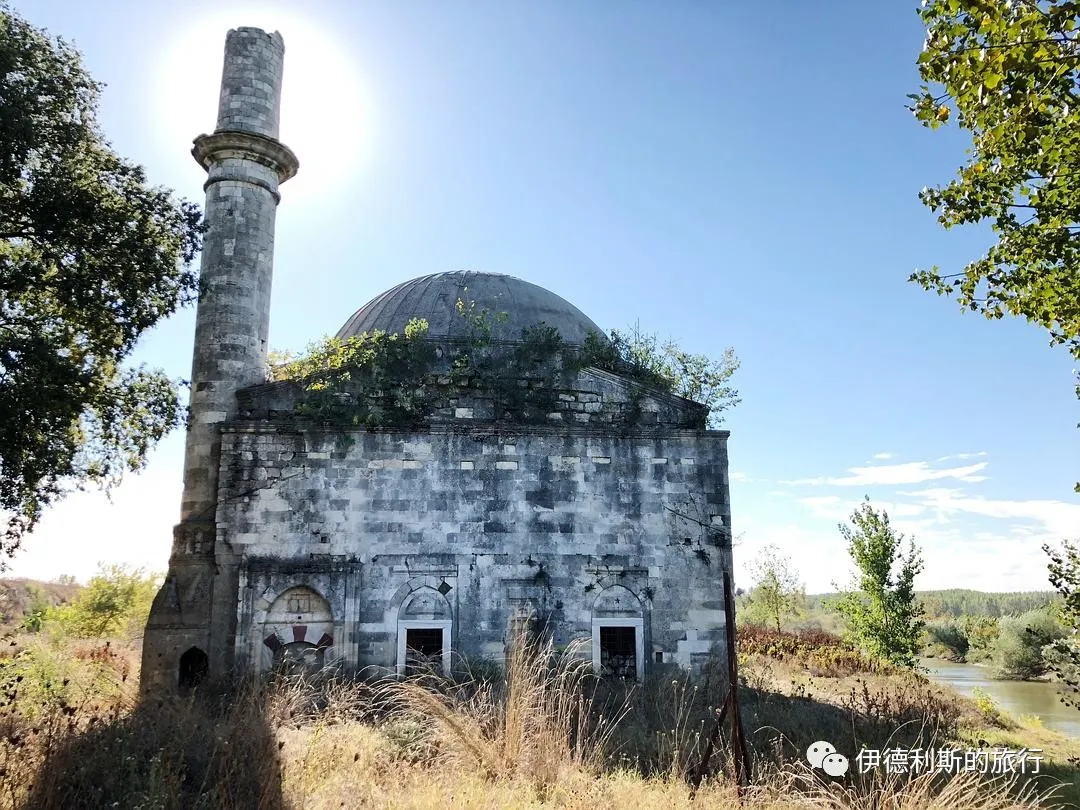
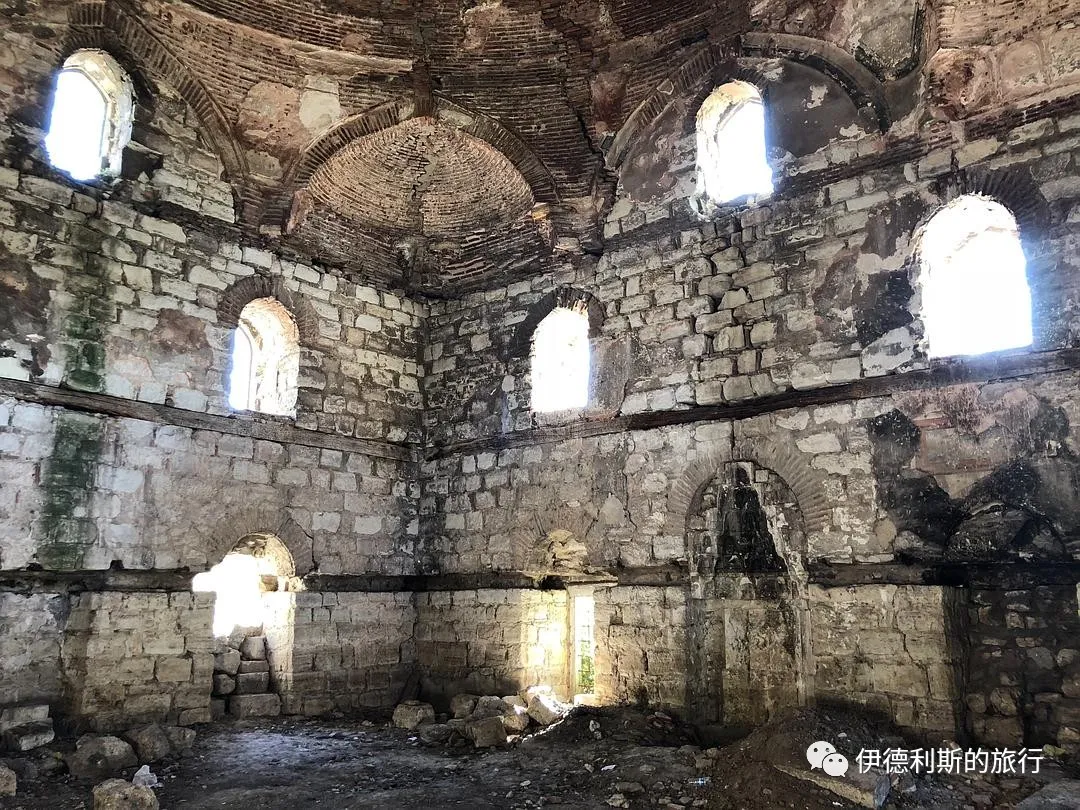
The Kasim Pasha Mosque (Evliya Kasım Paşa Cami) is by the river in the southeast of Edirne city. It was built in 1479 by order of Kasim Pasha (Kasım Paşa). Kasim Pasha was a famous Ottoman Empire general who served as the commander of Rumelia, the European part of the Ottoman Empire. He commanded troops during the wars between 1443 and 1444 against the multinational crusader forces of Poland and Hungary, fighting in places like Serbia and Bulgaria.
The mosque closed in 1950 due to the construction of a dam. Since then, it has been repeatedly damaged by floods, making it the most wild and overgrown early Ottoman mosque in Edirne.
Sultan Bayezid II Complex
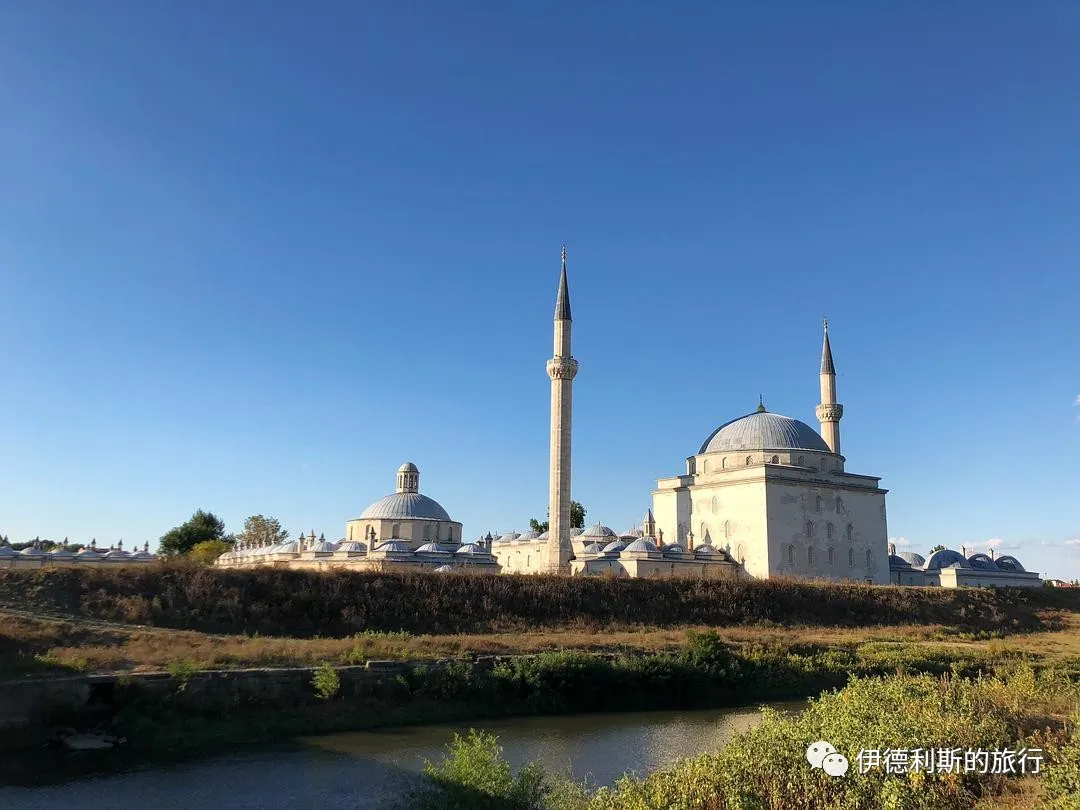
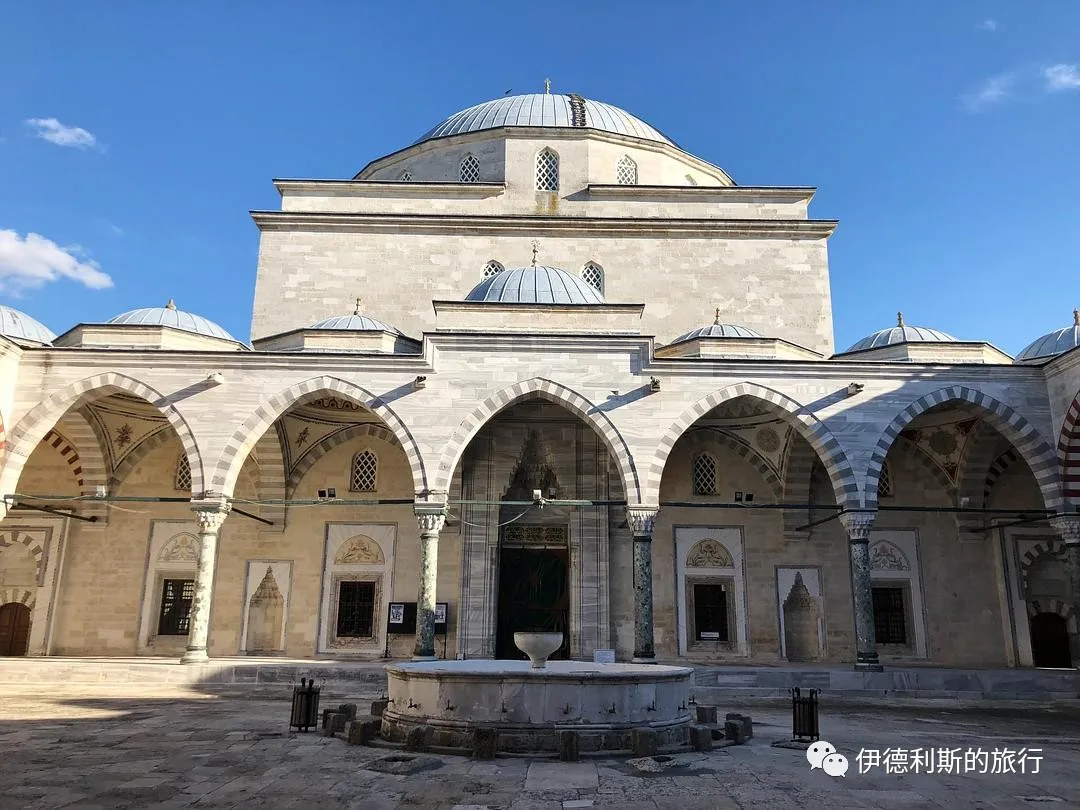
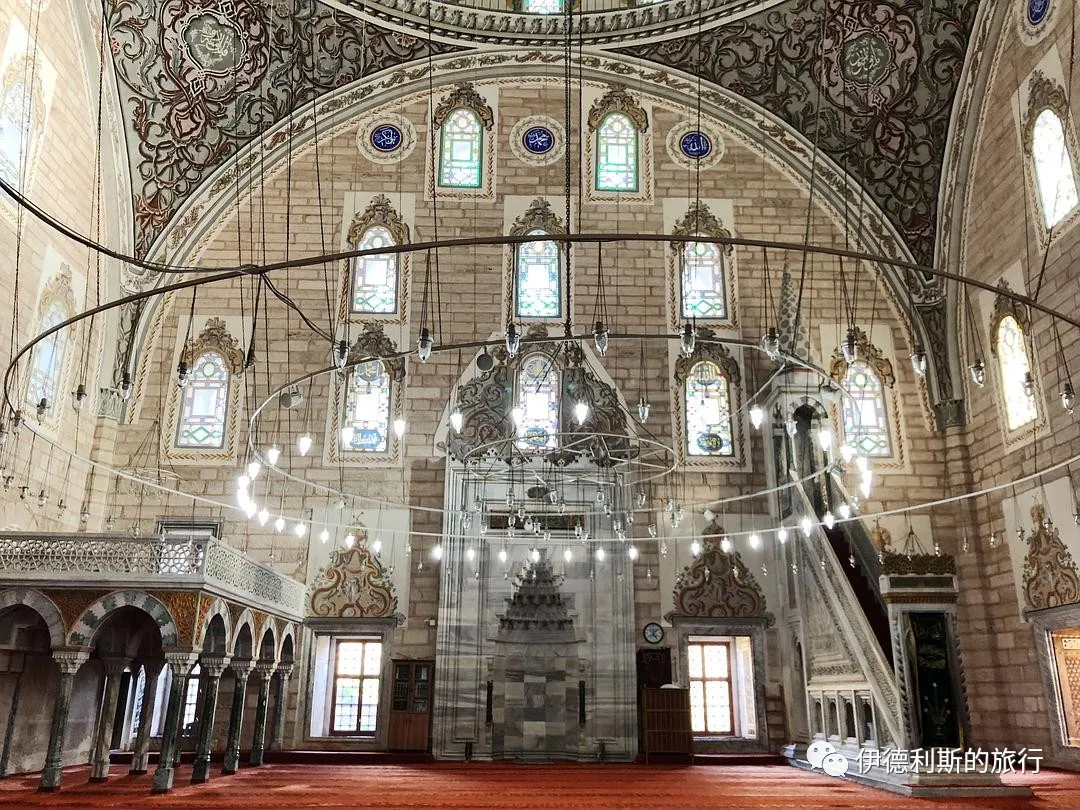
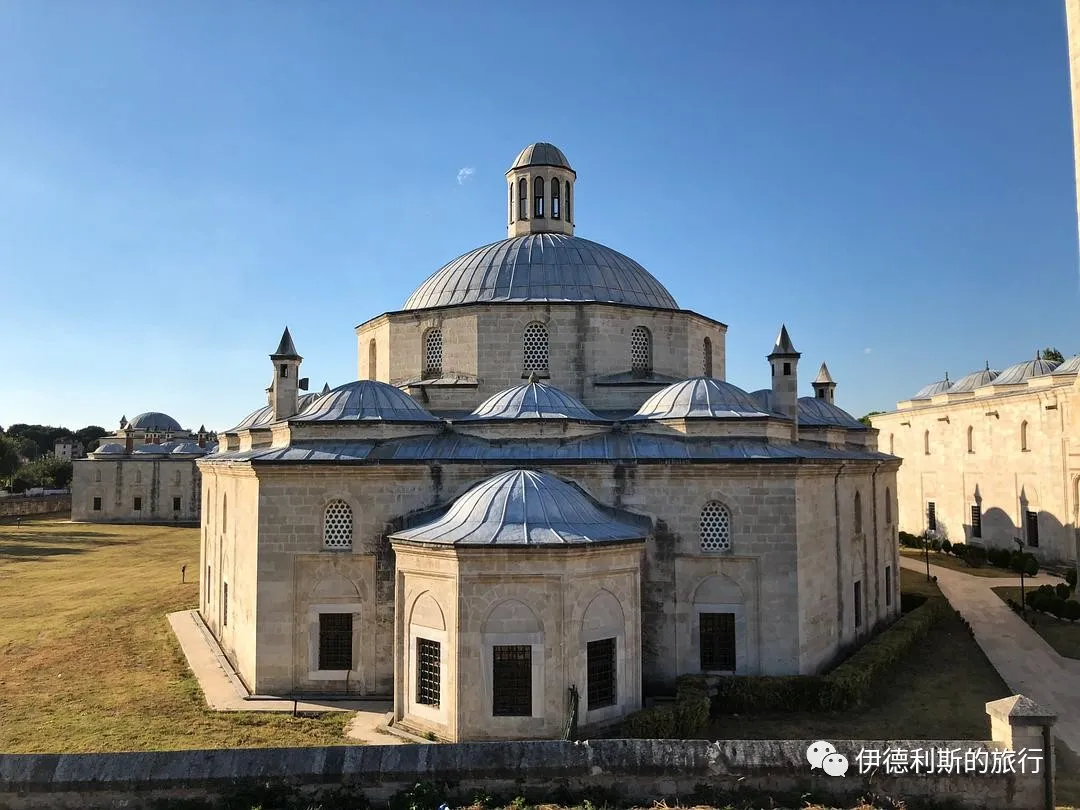
The Sultan Bayezid II Complex (Sultan II Bayezid Külliyesi) is located on the north bank of the Tunca River in the northwest suburbs of Edirne. It was built by order of the eighth Ottoman Sultan, Bayezid II (reigned 1481–1512). Bayezid II was the son of Mehmed the Conqueror and was known as the Just. During his reign, he worked to maintain government affairs internally and defeated the Republic of Venice externally, leading the Ottoman Empire into a prosperous era.
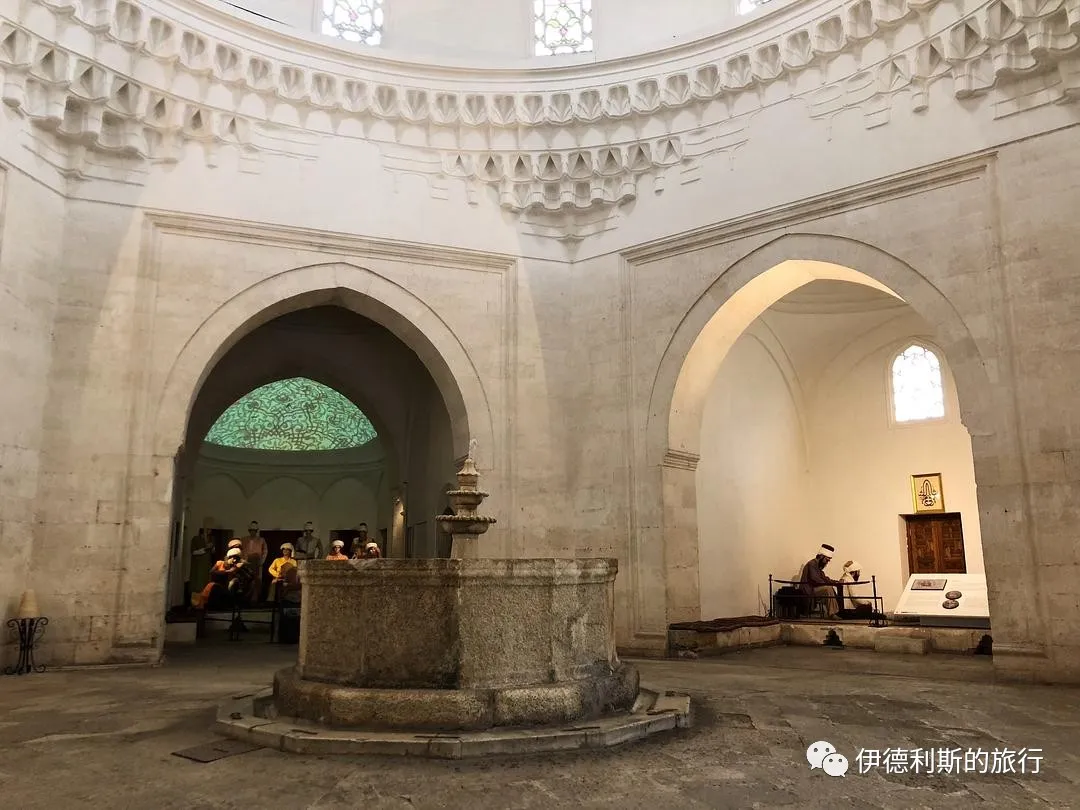
The entire complex includes many buildings such as a mosque, a medical school (Medrese-i Etibba), a public kitchen (imaret), a hospital (darüşşifa), a bathhouse (hamam), and warehouses.
The Sultan Bayezid II Medical School (Sultan II Bayezid Medrese-i Etibba) is considered one of the best medical schools in the Ottoman Empire and consists of 18 classrooms and a large lecture hall. The famous 17th-century Ottoman traveler Evliya Çelebi mentioned in his writings that this medical school studied the works of various ancient Greek philosophers, scientists, and physicians, including Plato, Socrates, Aristotle, Galen, and Pythagoras. Each doctor was an expert in a different field, and they tried to find the best treatments by studying various medical texts.
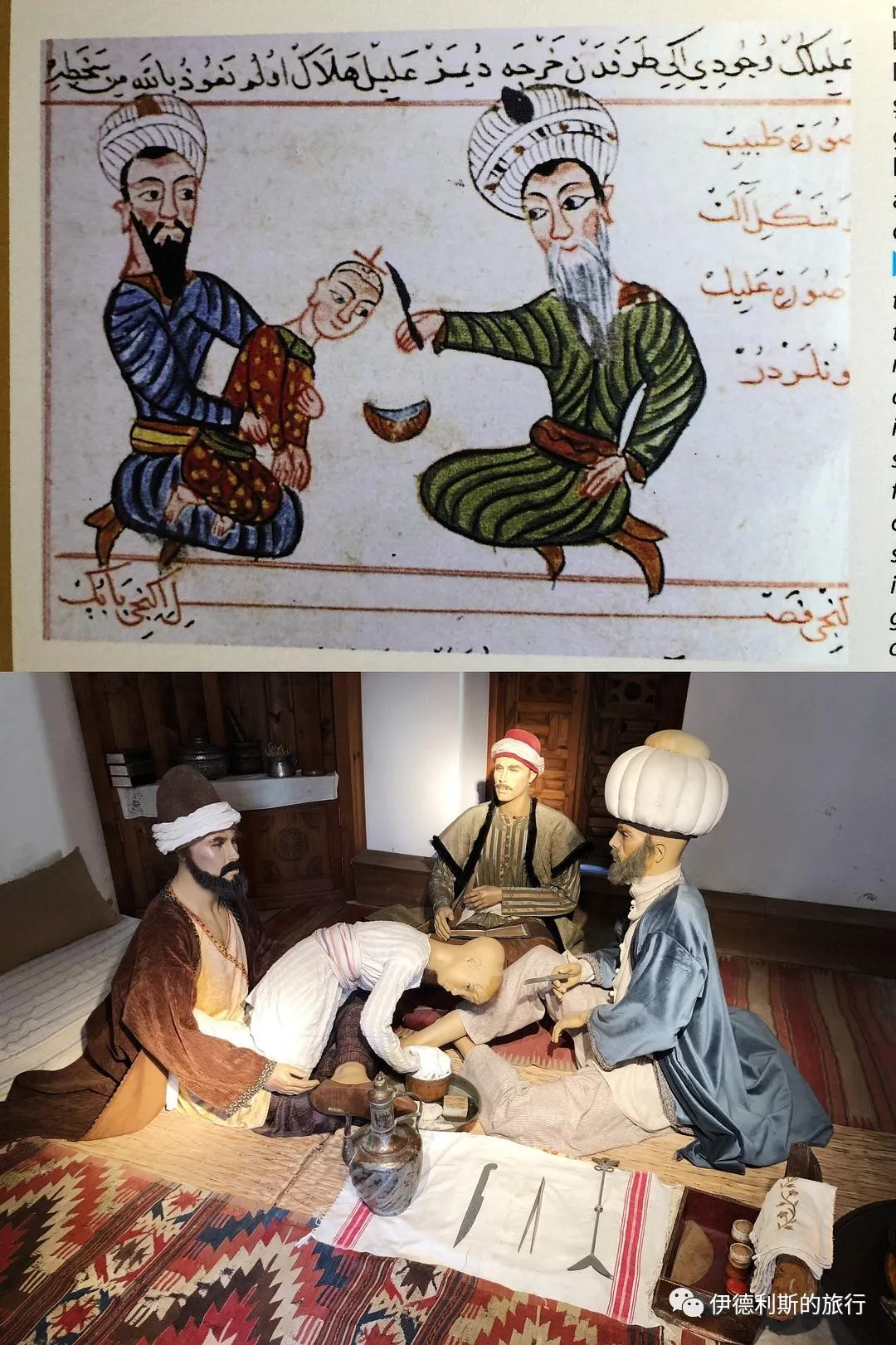
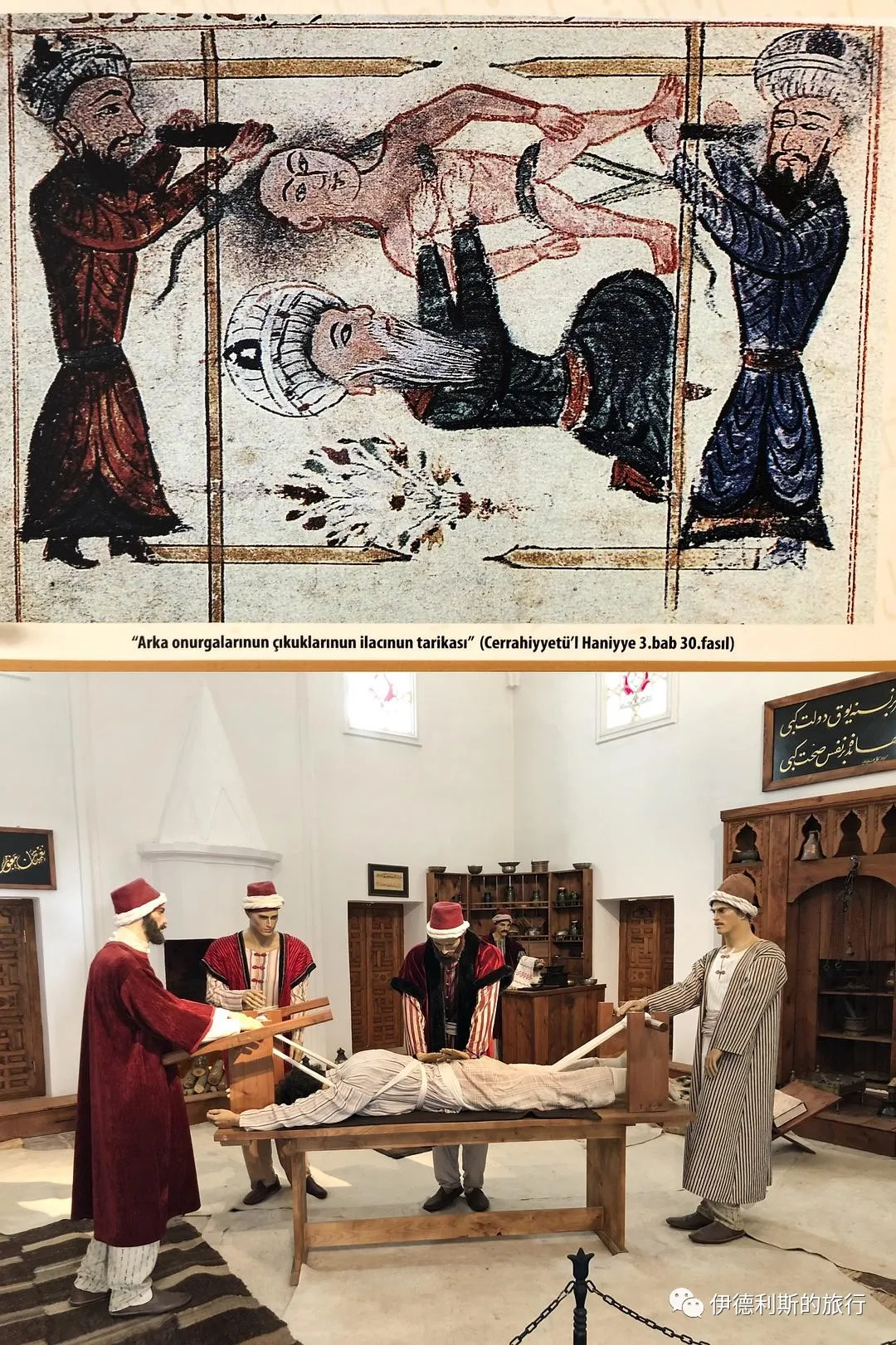
The Sultan Bayezid II Hospital (Sultan II Bayezid Darüşşifa) is the most important part of the entire complex. From its completion in 1488 until the Russo-Turkish War in 1877, this hospital provided continuous treatment to patients and was especially famous for using sound and scent for mental health therapy. Today, it has become part of a health museum.
Selimiye Mosque
The Selimiye Mosque (Selimiye Camii) in Edirne was commissioned by Ottoman Sultan Selim II (reigned 1566-1574) and built by the imperial chief architect Mimar Sinan between 1567 and 1575. It is hailed as a supreme achievement in Ottoman architecture, a masterpiece of 16th-century Ottoman Islamic art, and Mimar Sinan's well-deserved representative work. It was added to the UNESCO World Heritage list in 2011.
On June 22, 1567, Selim II traveled from Istanbul to Edirne to sign a peace treaty with Austria, and People say he ordered the construction of the mosque at this time.
The entire complex (Külliye) consists of nine parts: the mosque, a courtyard with a fountain, the Dar’ül-Kurra Quran school (Foundation Museum), the Dar'ül-Hadis Hadith school (Museum of Turkish and Islamic Art), the Arasta bazaar, a primary school, a clock tower (Muvakkithane), the outer courtyard of the mosque, and a library. It is the most prominent building complex in the old city of Edirne.
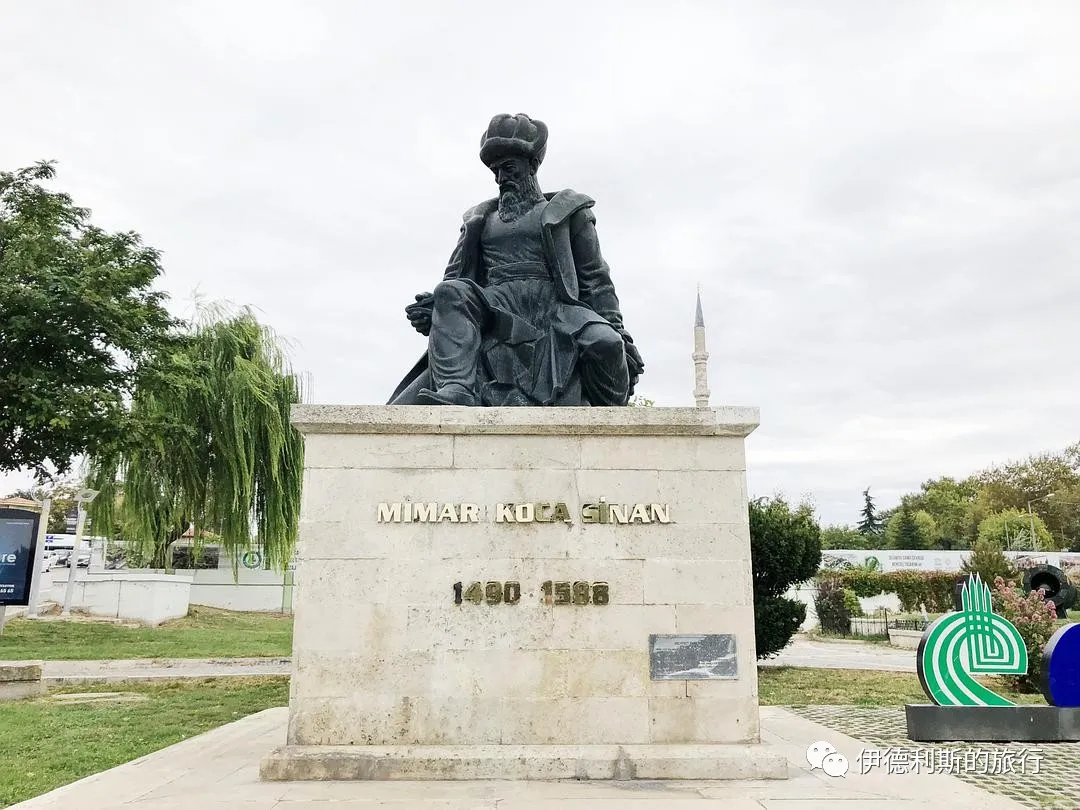
The area where the mosque stands was originally an Ottoman palace. After the Ottoman Empire moved its capital to Istanbul in 1453, the old palace gradually became a military headquarters and later a square.
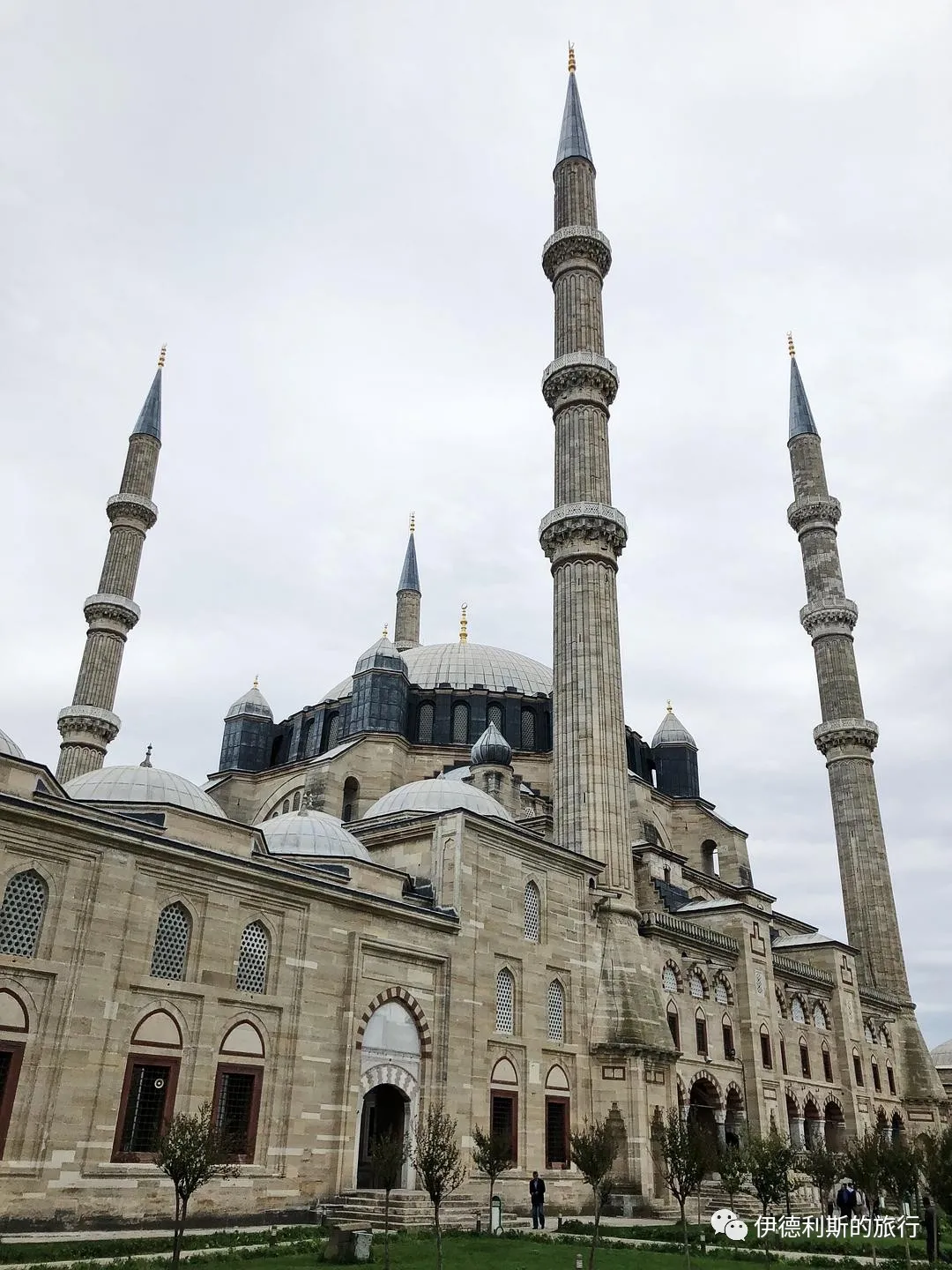
To highlight the central authority of the Ottoman Empire, Mimar Sinan wanted the Selimiye Mosque to look like a single, unified whole from both the inside and outside, rather than being composed of many small domes or semi-domes like earlier Ottoman mosques. Therefore, he decided to build a massive central dome that would surpass the Hagia Sophia. The dome was officially completed in 1575, standing 42.3 meters high with a diameter of 31.5 meters and weighing 20 tons.
At the same time, Mimar Sinan abandoned the traditional Ottoman mosque design of minarets with varying heights, instead building four 71-meter-tall minarets in the front courtyard. These four vertically symmetrical minarets shoot toward the sky like rockets from the corners of the courtyard, setting off the massive dome rising from the center. They dominate the city's skyline and give the entire mosque a sense of immense majesty.
Overall, the decoration on the mosque's exterior is relatively simple. It lacks the complex carvings found in Seljuk and other Iranian architecture, as the structure itself determines the layout of the facade. This is a hallmark of Mimar Sinan's architecture and is considered by later generations to be the classical aesthetic of Ottoman architecture from this period.
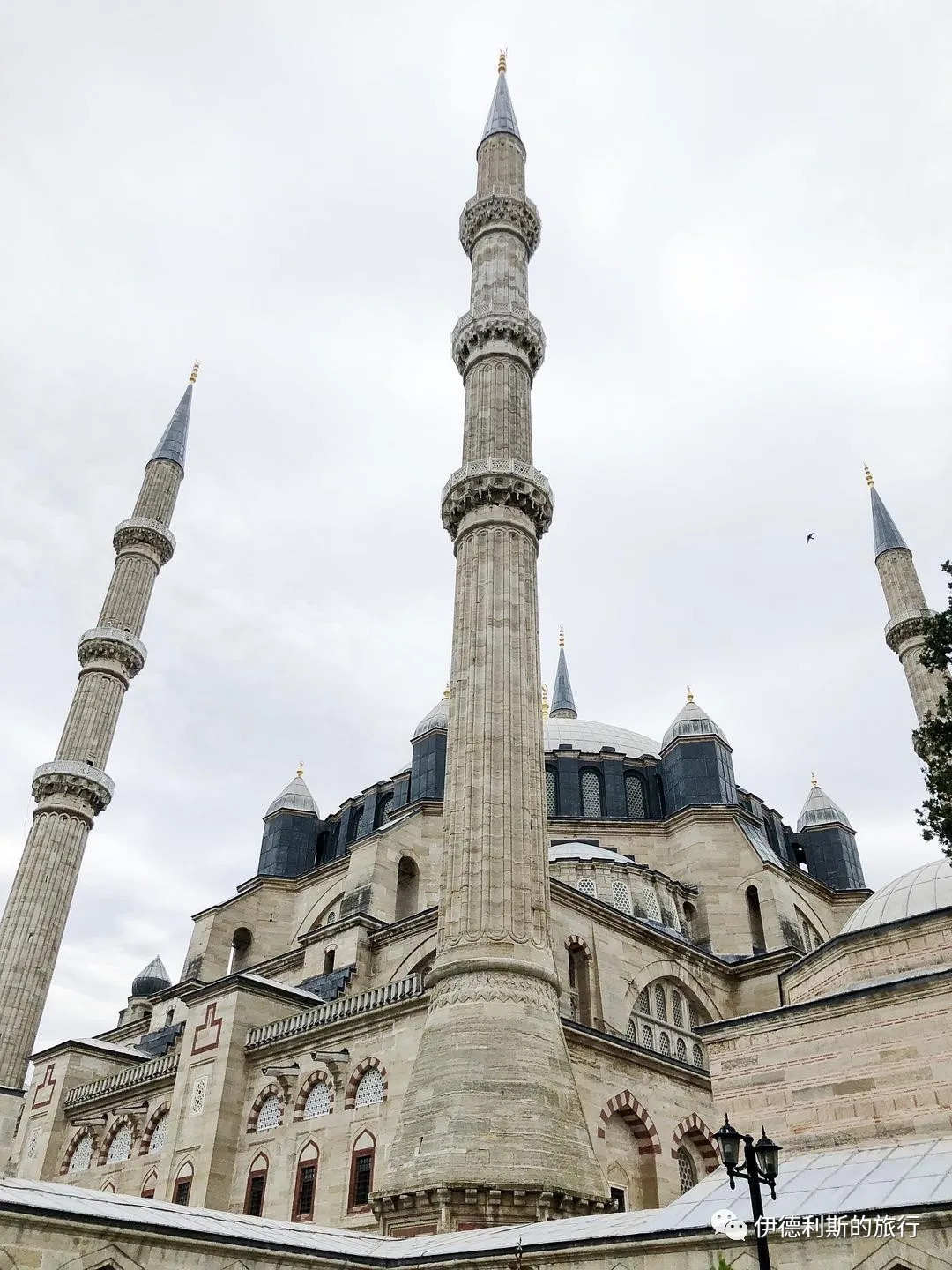
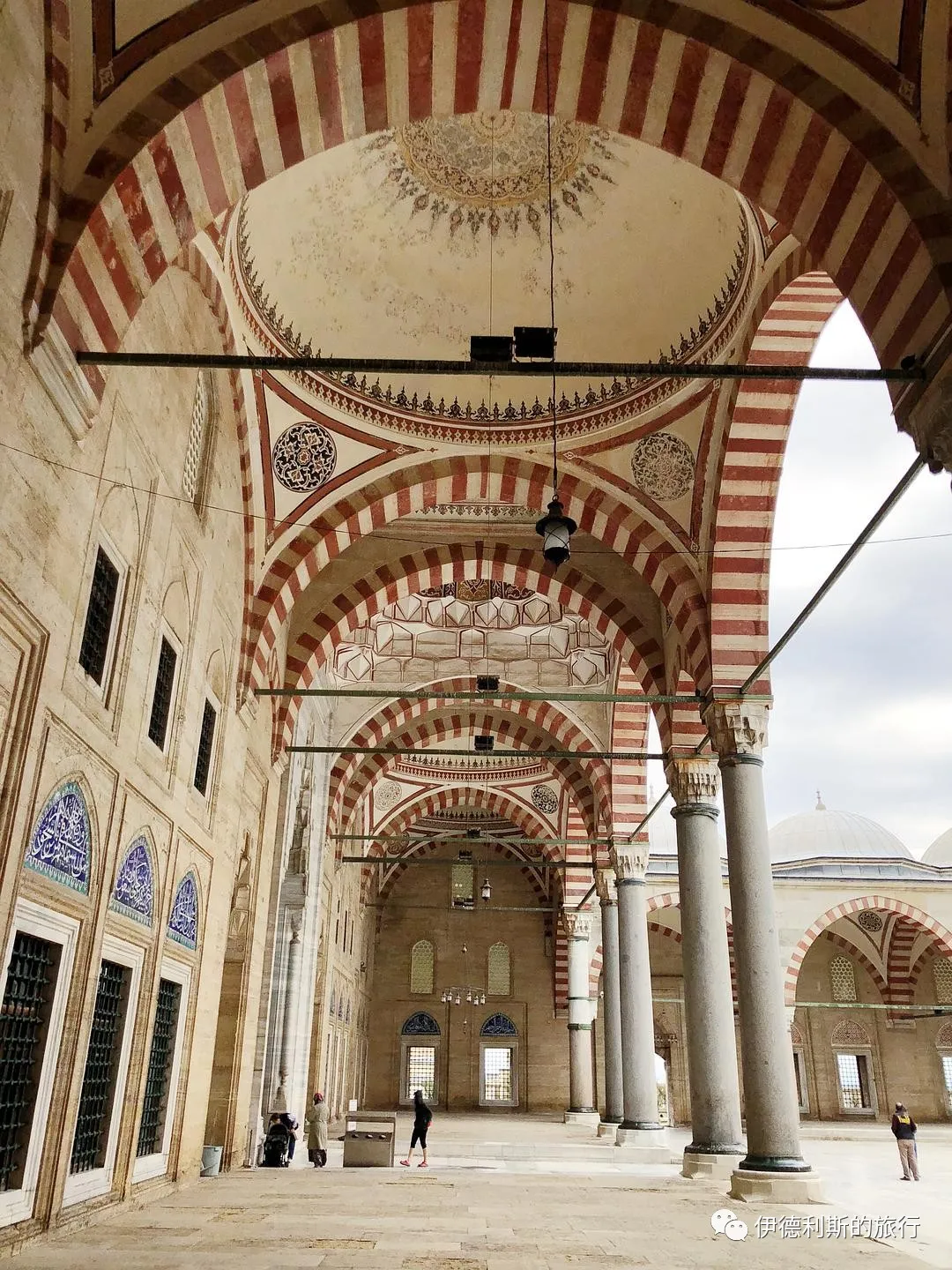
The courtyard in front of the main hall of the mosque covers 2,475 square meters, surrounded by a cloister with 18 domes, and features a fountain for wudu in the center. The marble columns in the courtyard were brought from ruins in Cyprus, Aydincik near the Kapidag Peninsula, and Syria. Mimar Sinan designed the front porch near the courtyard gate to be relatively narrow and low to highlight the grandeur of the mosque's main hall.
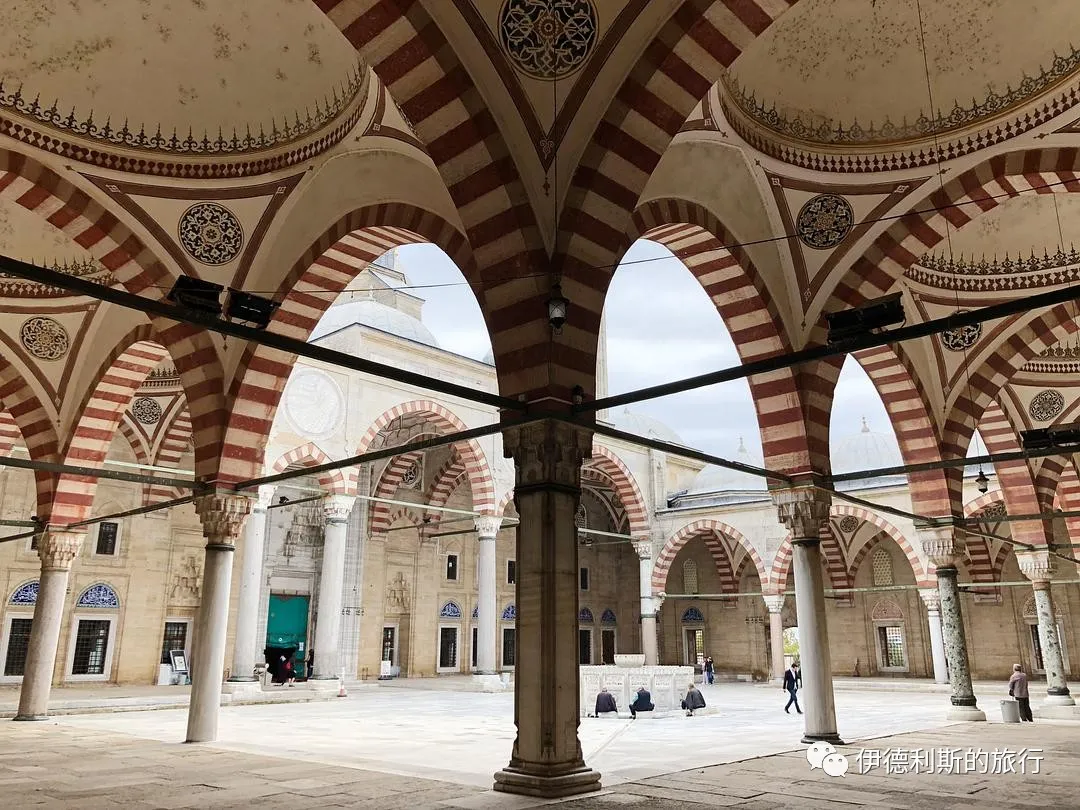
Mimar Sinan made bold innovations to the fountain. In this sixteen-sided marble fountain, we can see compositions and interesting details never before seen in Ottoman fountains of that time.
This is the largest ablution fountain Mimar Sinan ever built, and its decoration is very different from traditional ones. Each marble slab has a wide, deep contour band at the bottom, a pointed-arch mirror stone in the middle, and geometric openwork carvings on the top slab. Above that is a crown-shaped stone slab featuring Rumi patterns. Sinan designed special supports for the bottom edge of the fountain based on the lines of each water tap.
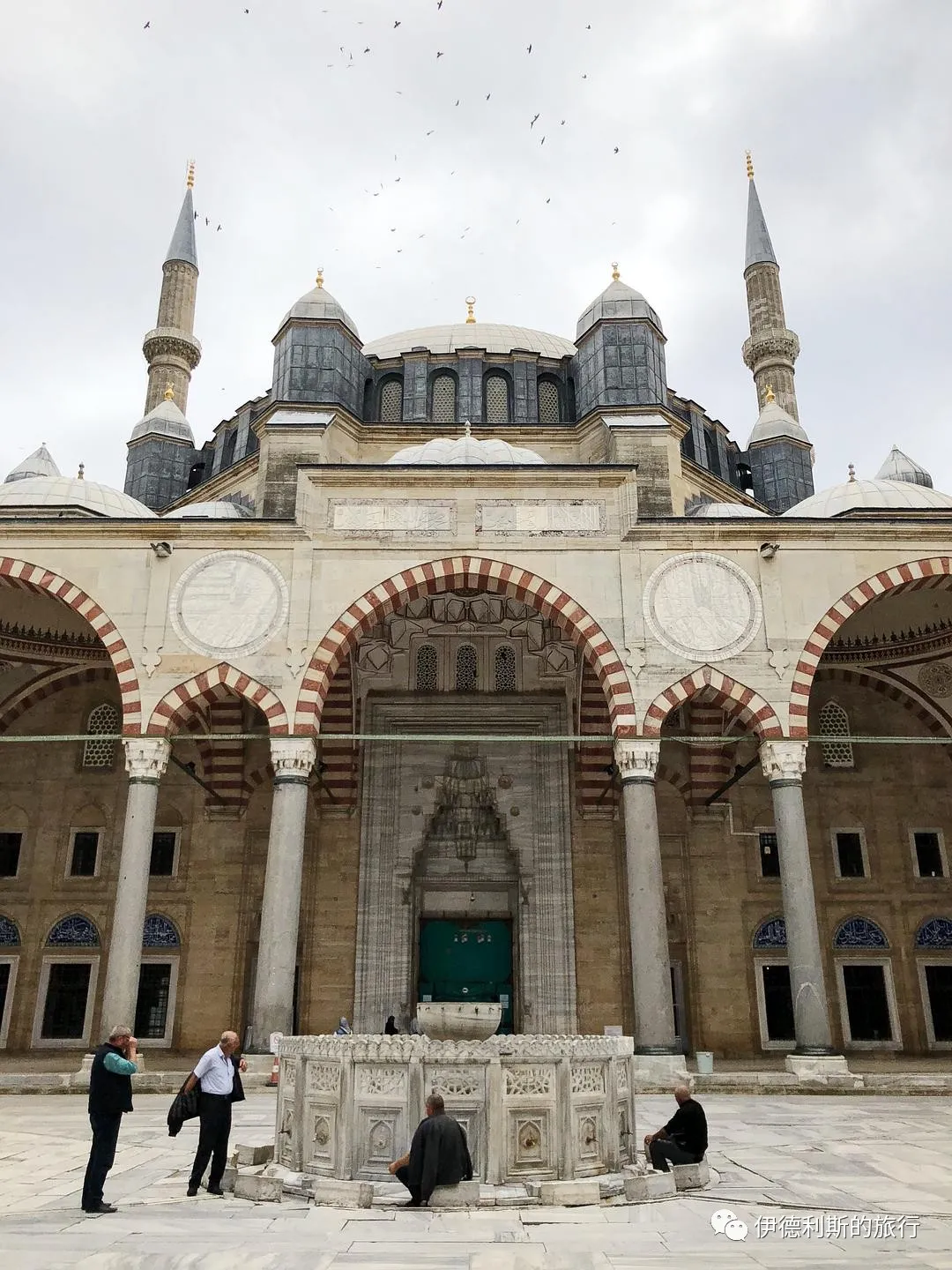
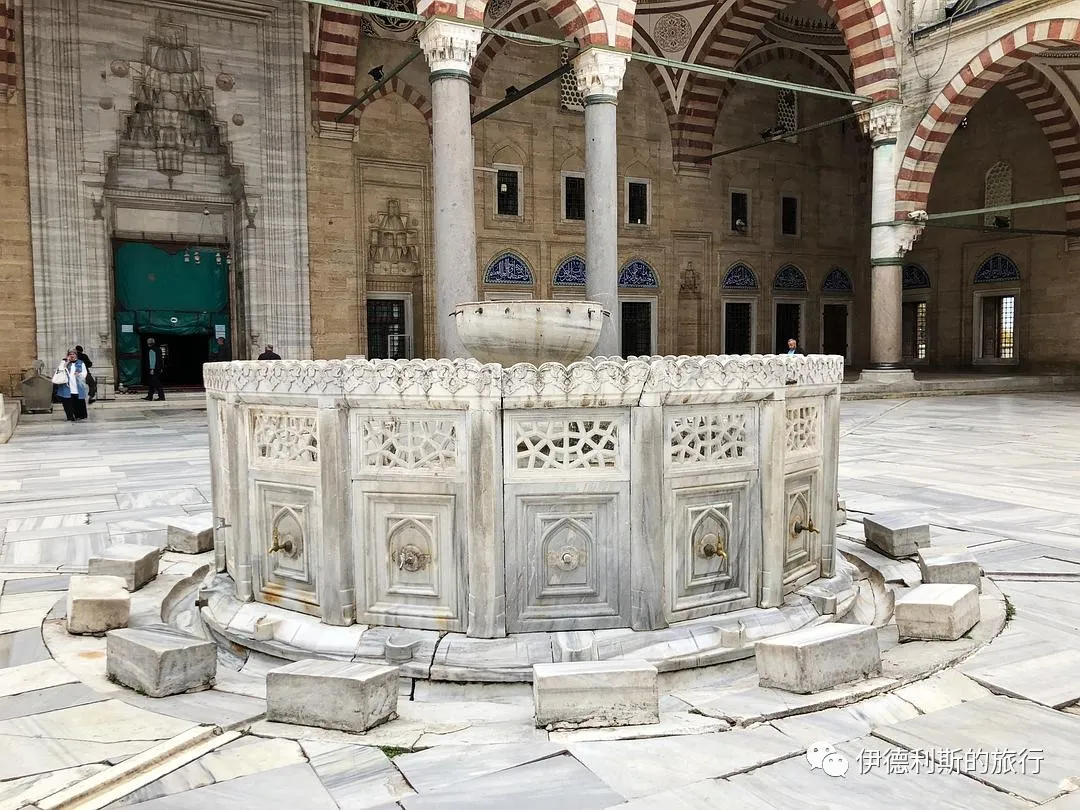
Mimar Sinan used an octagonal support system in the Selimiye Mosque, with eight columns holding up the massive central dome. In 1913, during the Bulgarian siege of Edirne, the mosque's dome was hit by Bulgarian artillery. Because the dome was extremely sturdy, it only suffered minor damage. Later, Kemal ordered that the shell marks be kept as a warning to future generations.
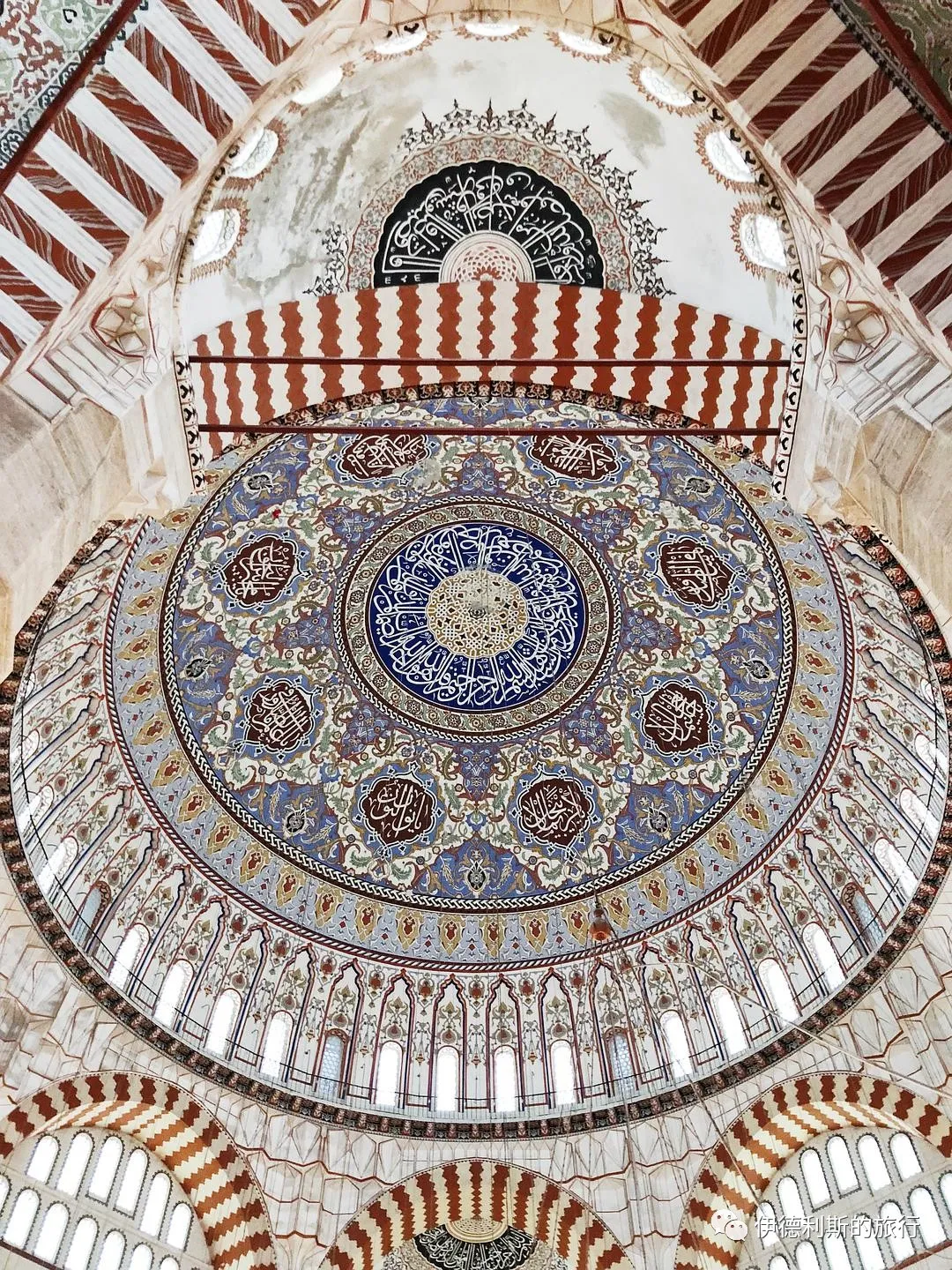
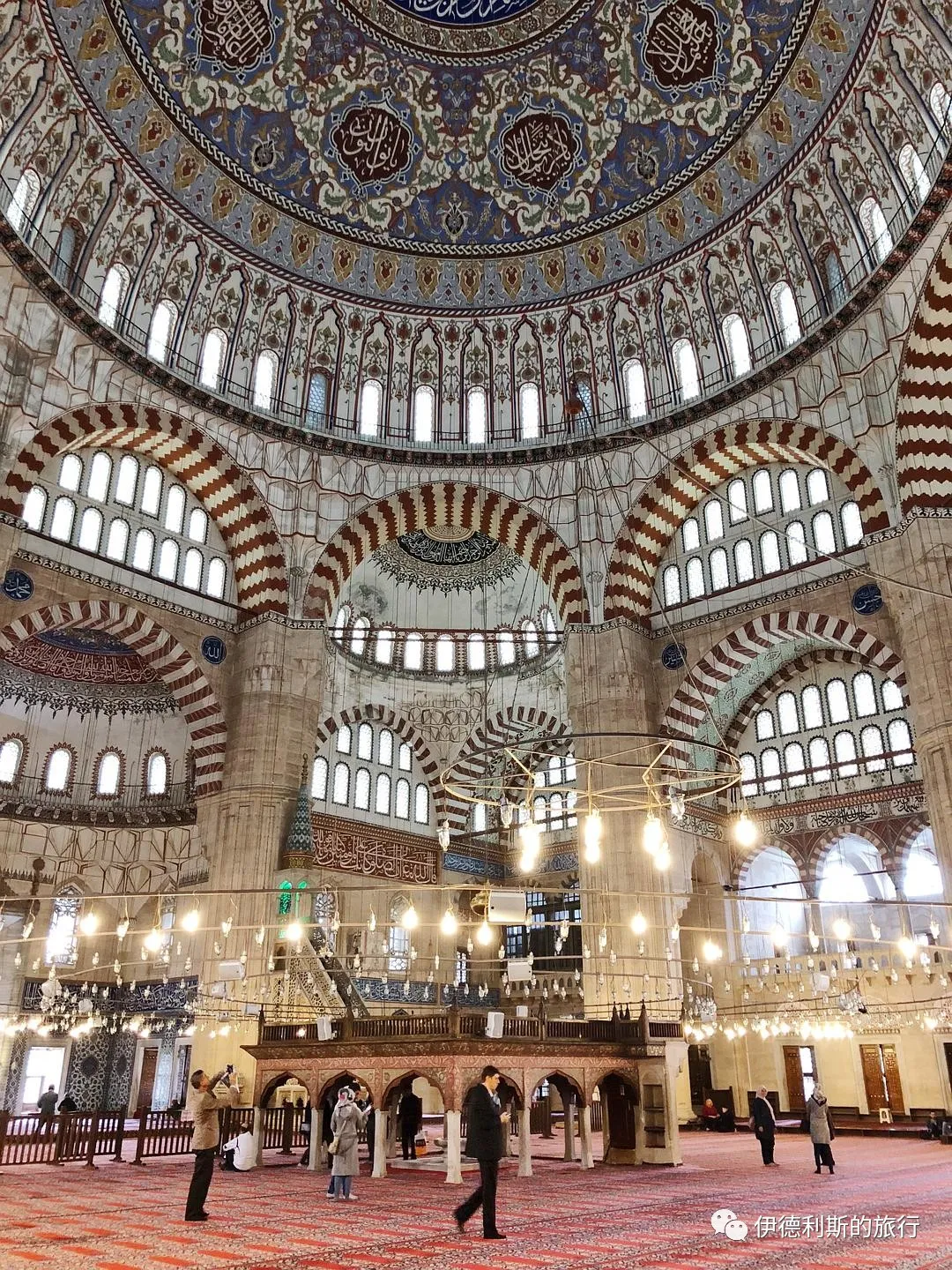
The mihrab (prayer niche) is located in a rear apse that projects from the main hall, providing enough depth for sunlight to enter from windows on three sides. The white marble mihrab was a spectacular work for its time. Unfortunately, the original 16th-century calligraphy on the semi-dome above the mihrab did not survive; what you see now is a 1985 restoration in the Baroque style.
The tiles around the mihrab were specially ordered by Mimar Sinan from Iznik between 1572 and 1575 and were the highest quality tiles in the Ottoman Empire at the time. The calligraphy on the tiles was created by Karahisari Molla Hasan, the student and adopted son of the famous 16th-century Ottoman calligrapher Ahmed Karahisari.
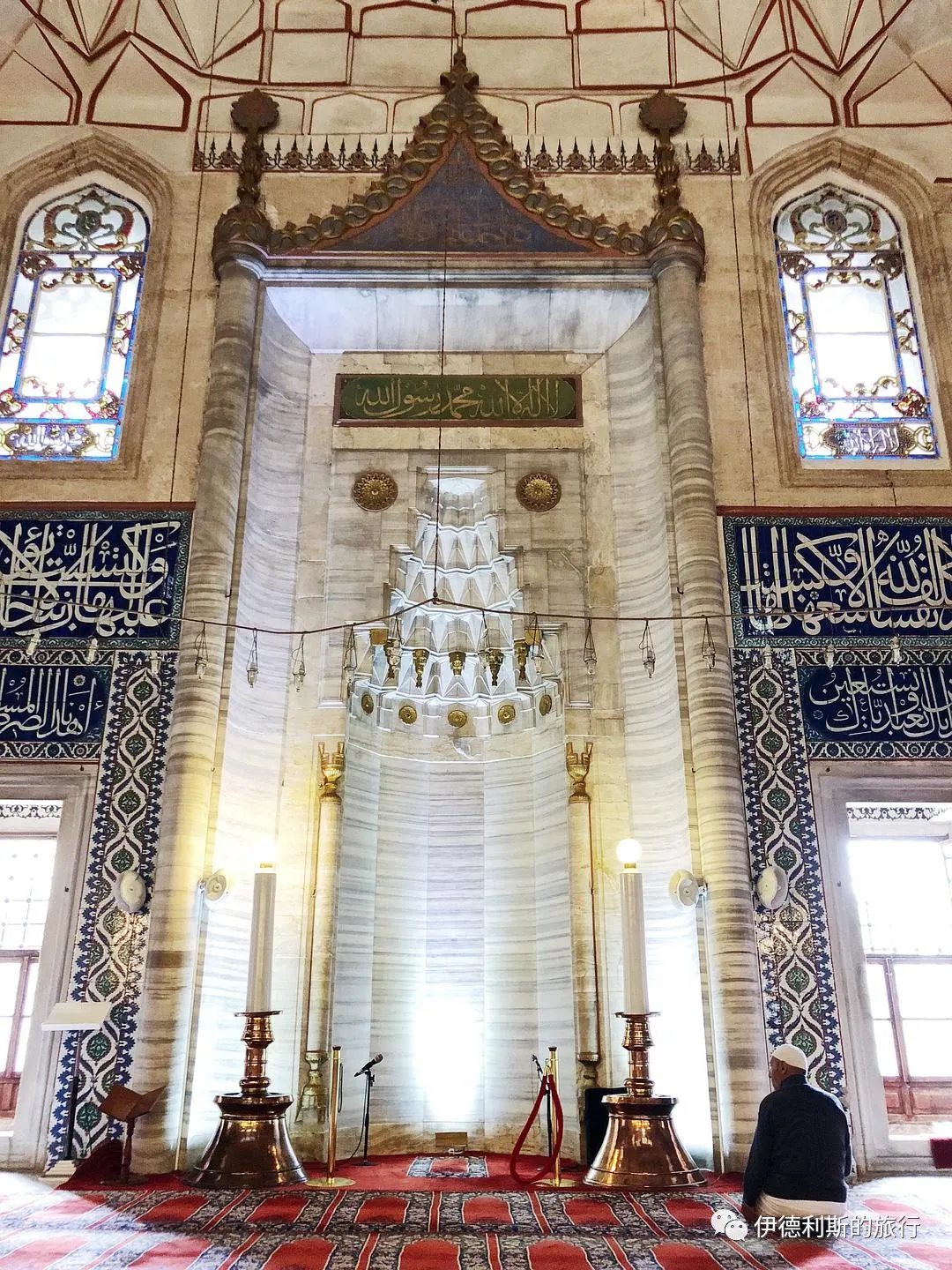
The minbar (pulpit) of the Selimiye Mosque holds a very important place among classical Ottoman artworks. The minbar is carved from a single piece of white marble, has 25 steps, and features an extremely elegant design. The beauty created by these merging geometric shapes is the artistic crystallization that Mimar Sinan pursued throughout his life.
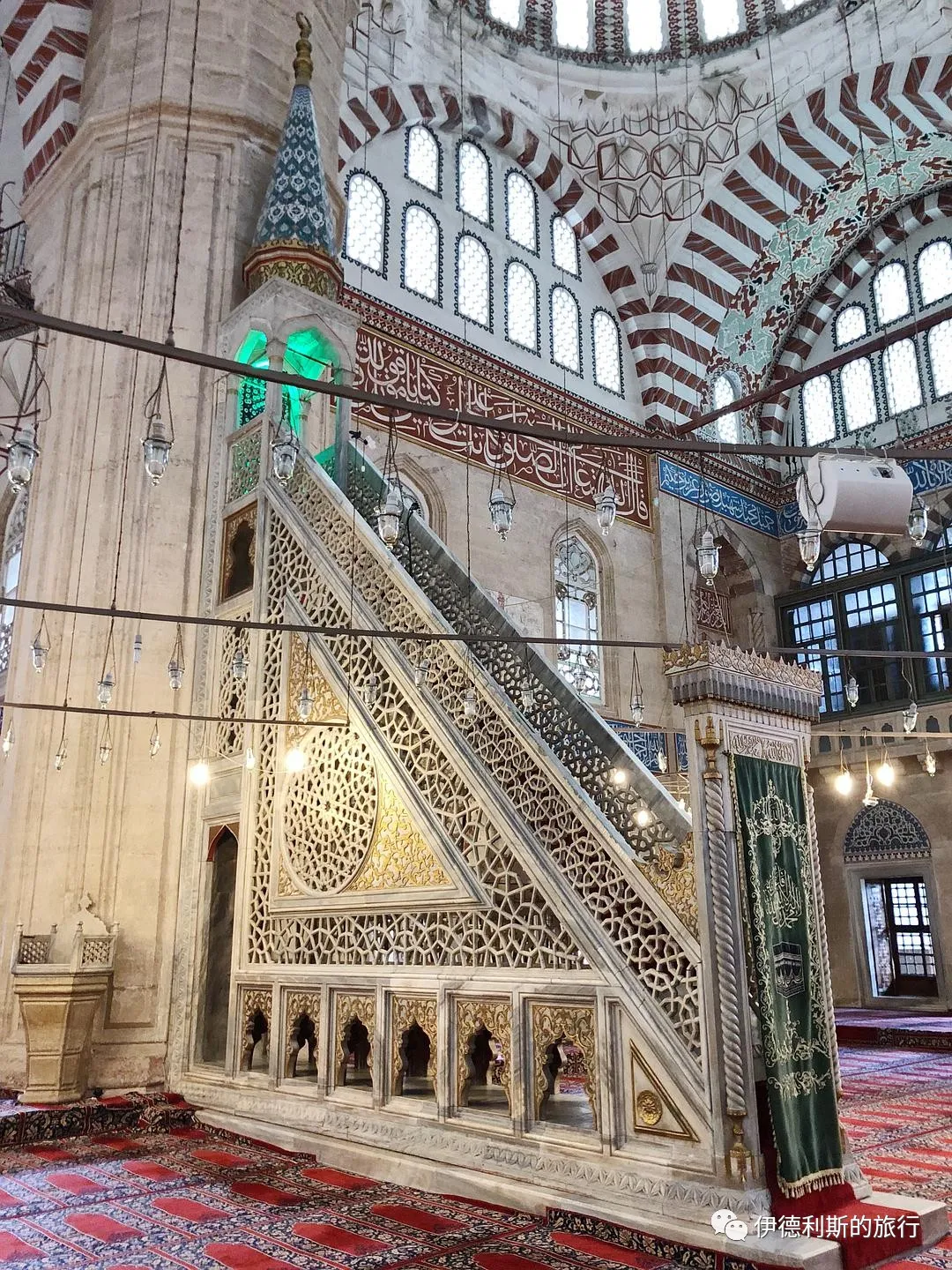
Directly facing the mihrab is the stone platform where the muezzin calls the adhan, supported by 12 white marble columns. The thick pillar to the southwest of the platform is made of vertical, slender rectangular slabs and contains the stairs the muezzin uses to climb up.
The platform has a walnut railing decorated underneath with gold-leaf Chinese-style cloud knots, an important example of decoration from the classical Ottoman period. The deep blue background is covered with naturalistic dagger-shaped leaves, chrysanthemums, and Chinese-style clouds. The passion flower patterns on the blue background were brought to the Anatolia region by Central Asian Turkic people from the East in the 8th and 9th centuries, symbolizing eternity.
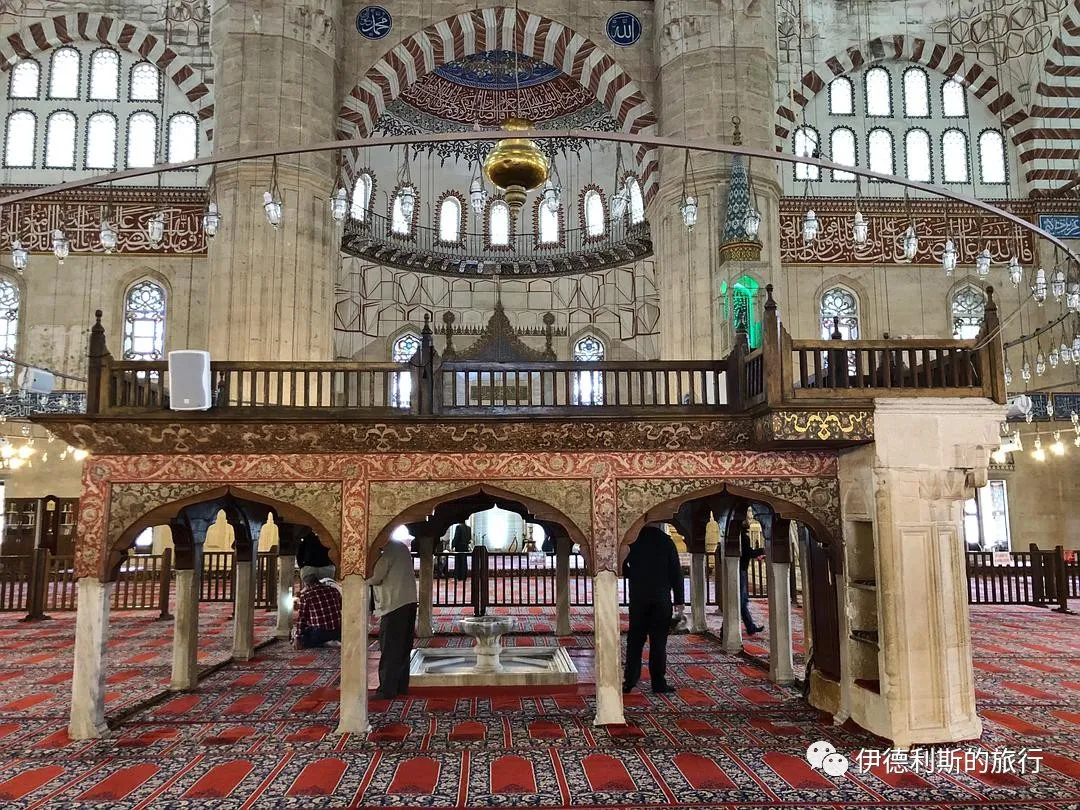
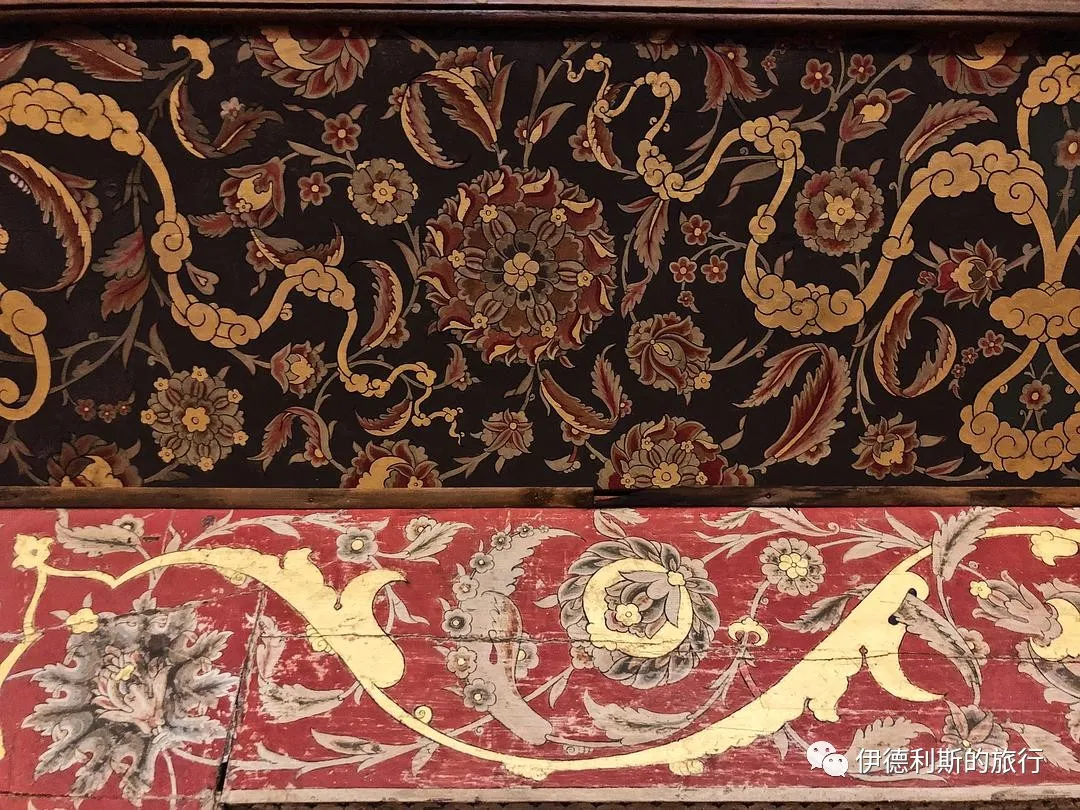
The Selimiye Madrasa is very distinct among Sinan's works. It has a unique dual-academy layout with the Dar'ül-Kurra Quran school and the Dar'ül-Hadis Hadith school symmetrical to the main mosque. It is also the only Quran school built by Sinan that features a honeycomb-structured muqarnas gate.
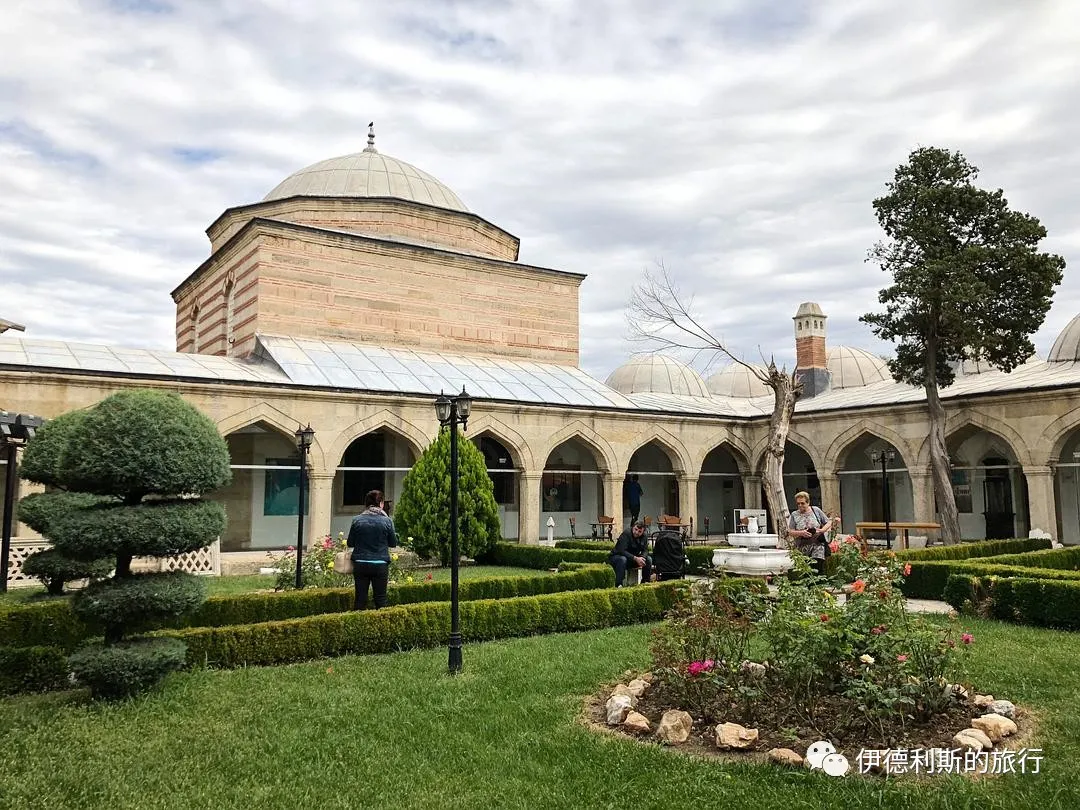
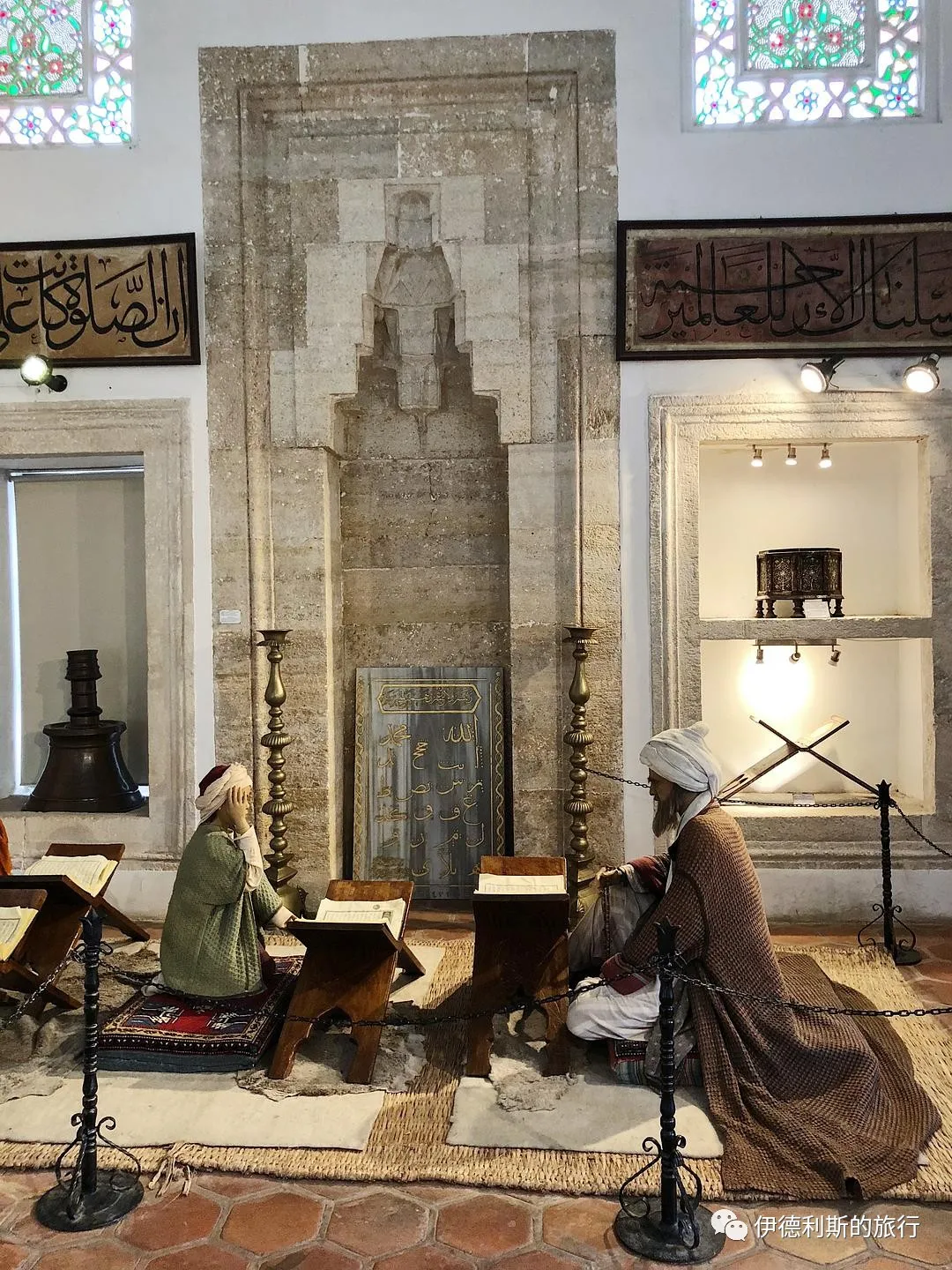
The Arasta Bazaar is 225 meters long, runs parallel to the southwest wall of the mosque, and generates income for the mosque by renting out 124 shop spaces. The bazaar has three main gates, one of which connects to the mosque courtyard via a staircase.
Some believe the Arasta Bazaar was built by Mimar Sinan's successor, the imperial chief architect Davud Aga, while others think Sinan designed it to cover the retaining wall supporting the mosque on the southwest slope, and it was finally completed by Davud Aga. This is because Mimar Sinan was very skilled at designing and building structures that adapted to sloped terrain.
Between 1863 and 1868, Baha'u'llah, the founder of the Baha'i Faith, was exiled to Edirne by the Ottoman Empire with his family and lived near the Selimiye Mosque. During this time, he wrote many works, announced the Baha'i Faith to countries around the world, and officially broke away from another leader, Mirza Yahya, which was a major event in Baha'i history.
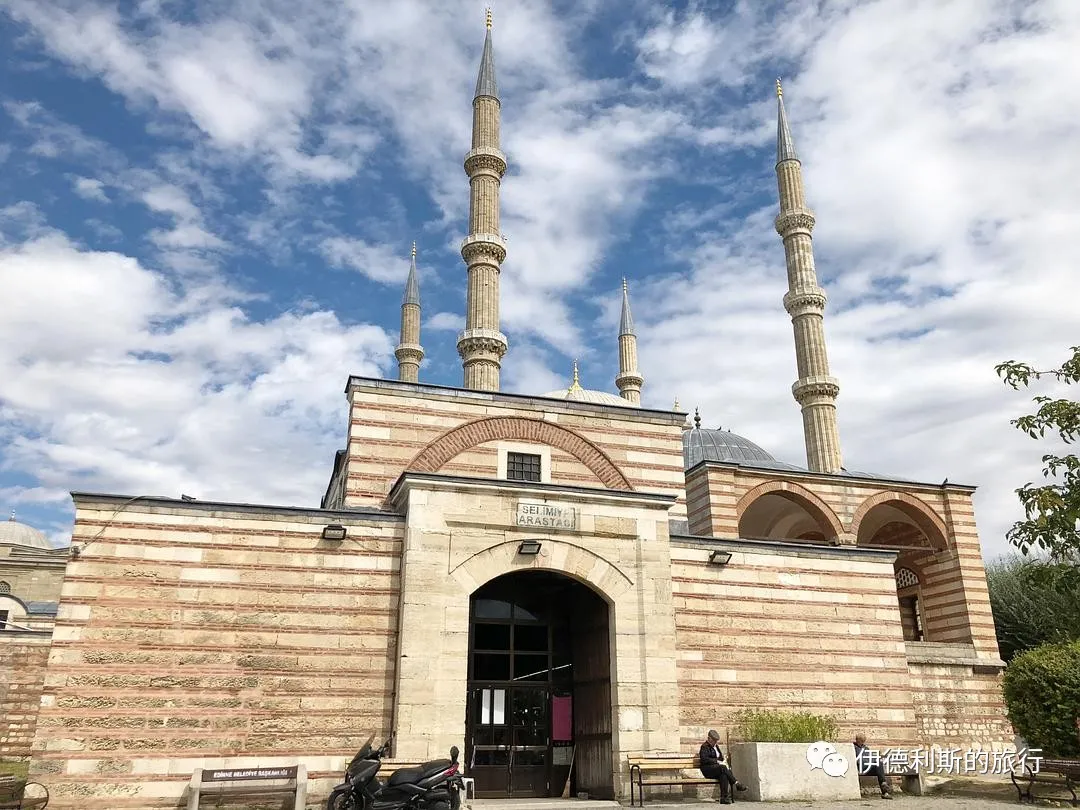
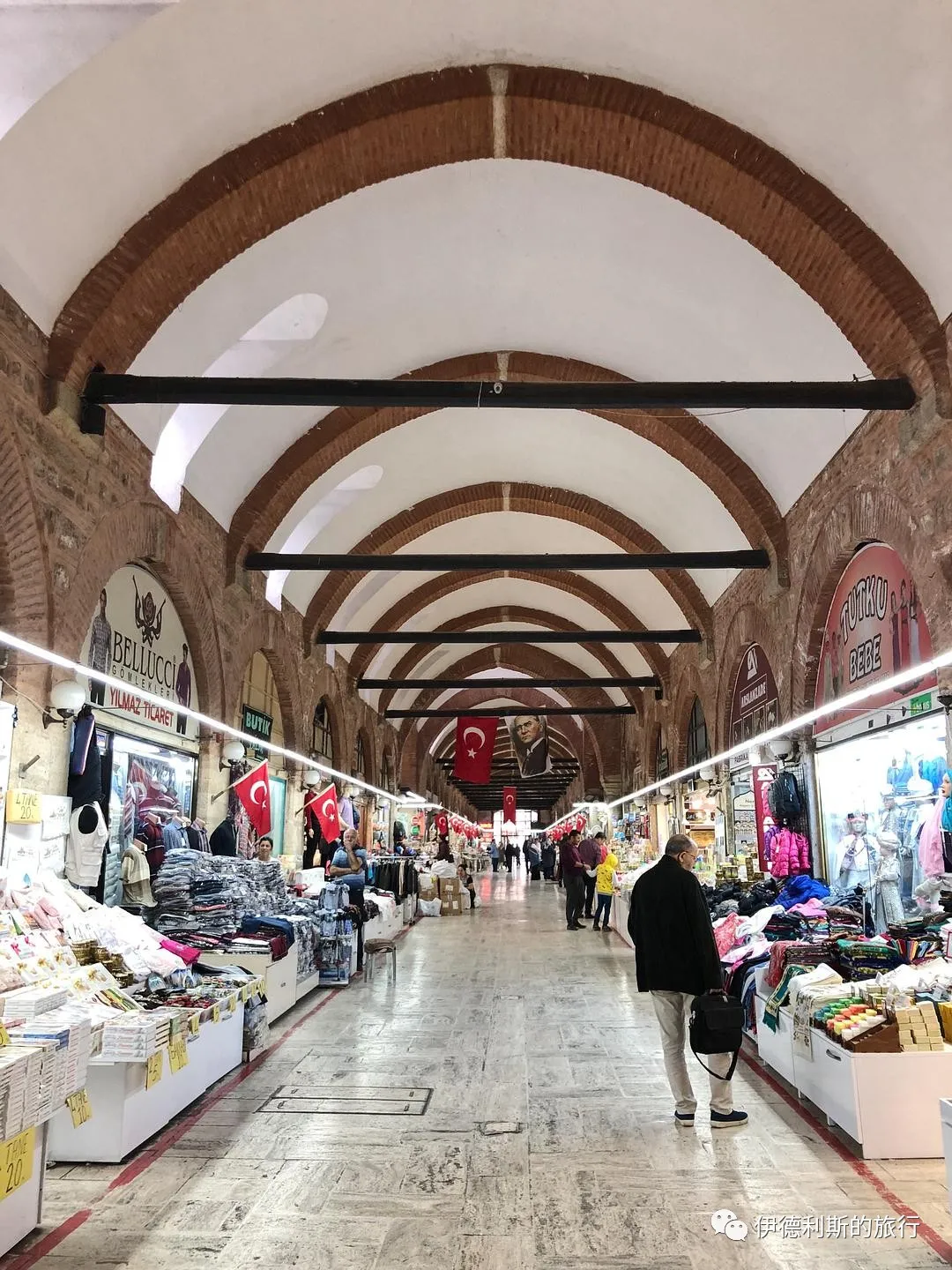
Food
When visiting Edirne, you must try the local specialty, fried liver (ciğercisi), which is very satisfying when served with yogurt and hot sauce.
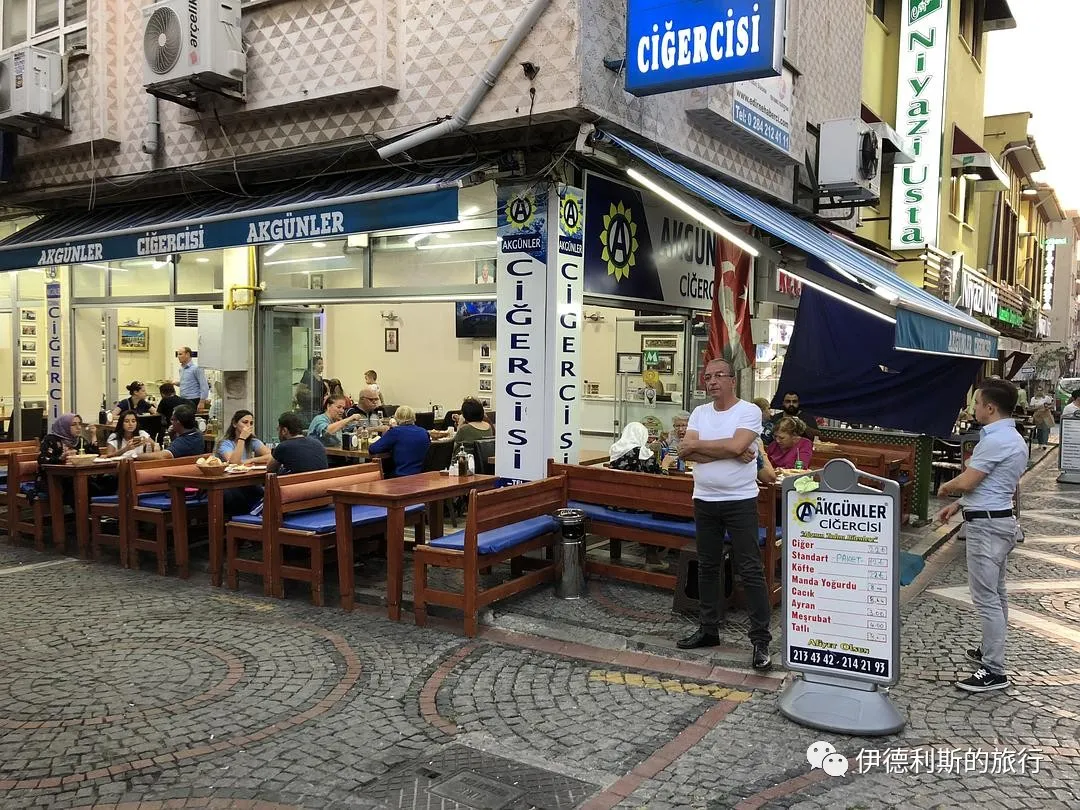
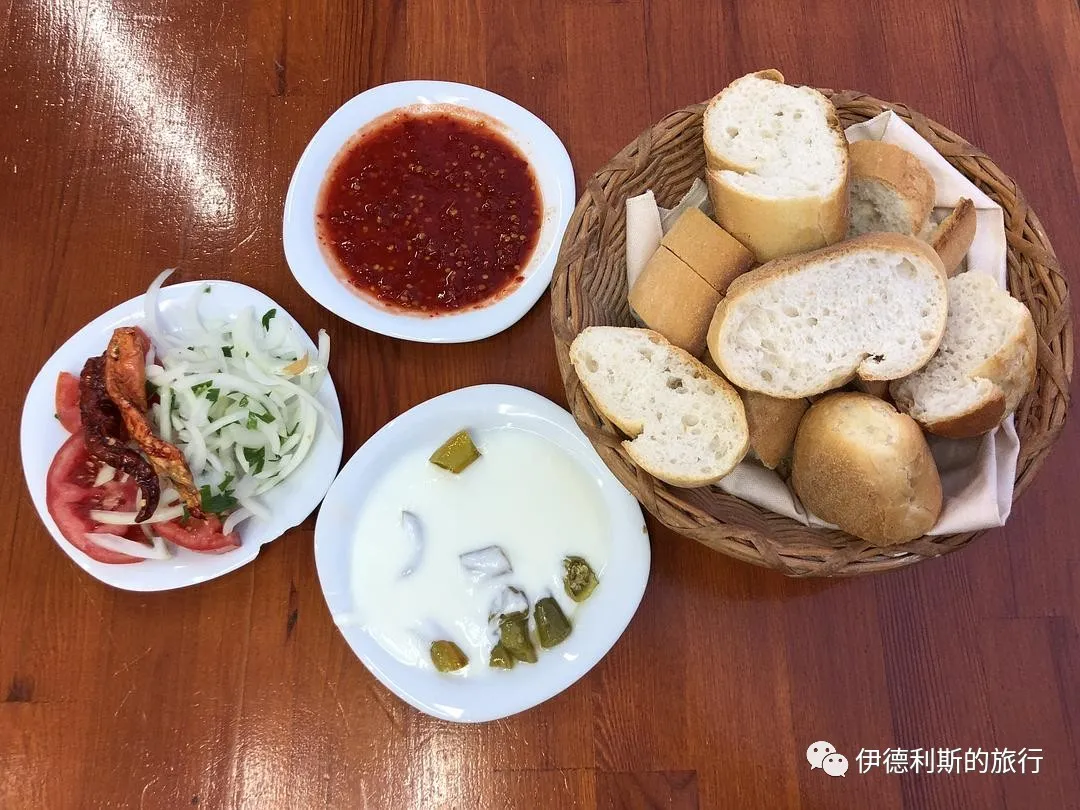
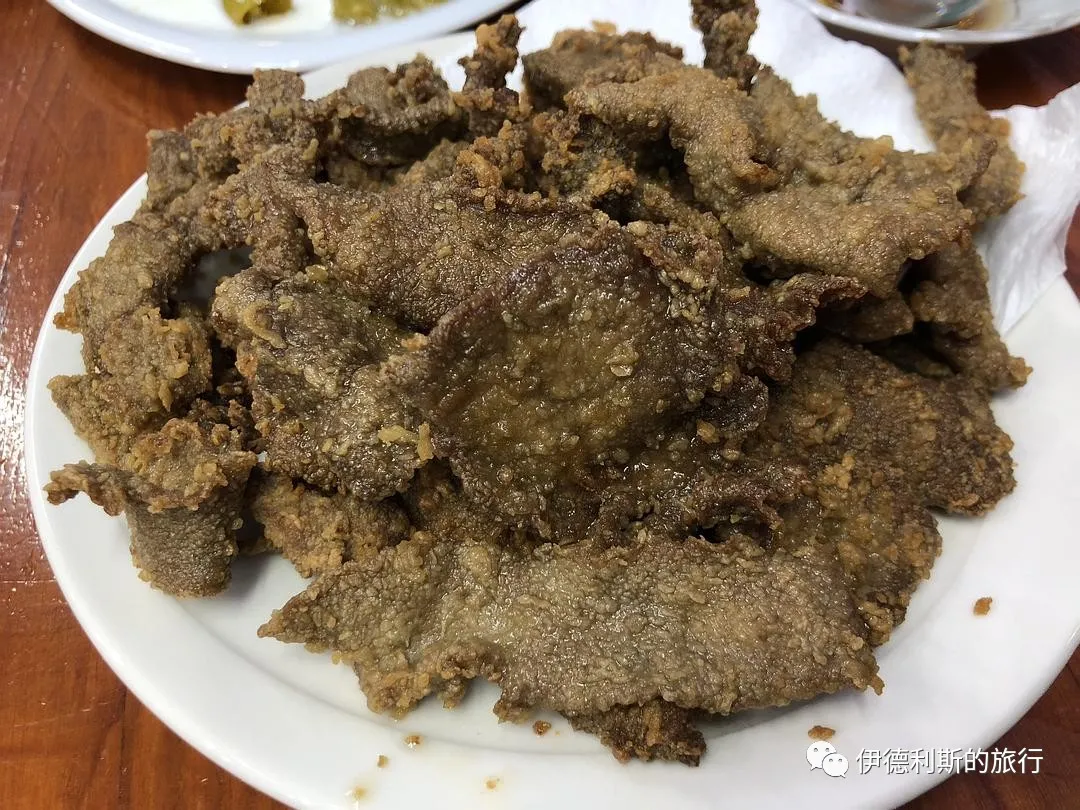
For lunch in Edirne, I had grilled sausage meatballs (sucuk köfte) and lentil soup (mercimek çorbası). A cold wind was blowing across the entire Balkan Peninsula those days, so drinking hot lentil soup felt the best.
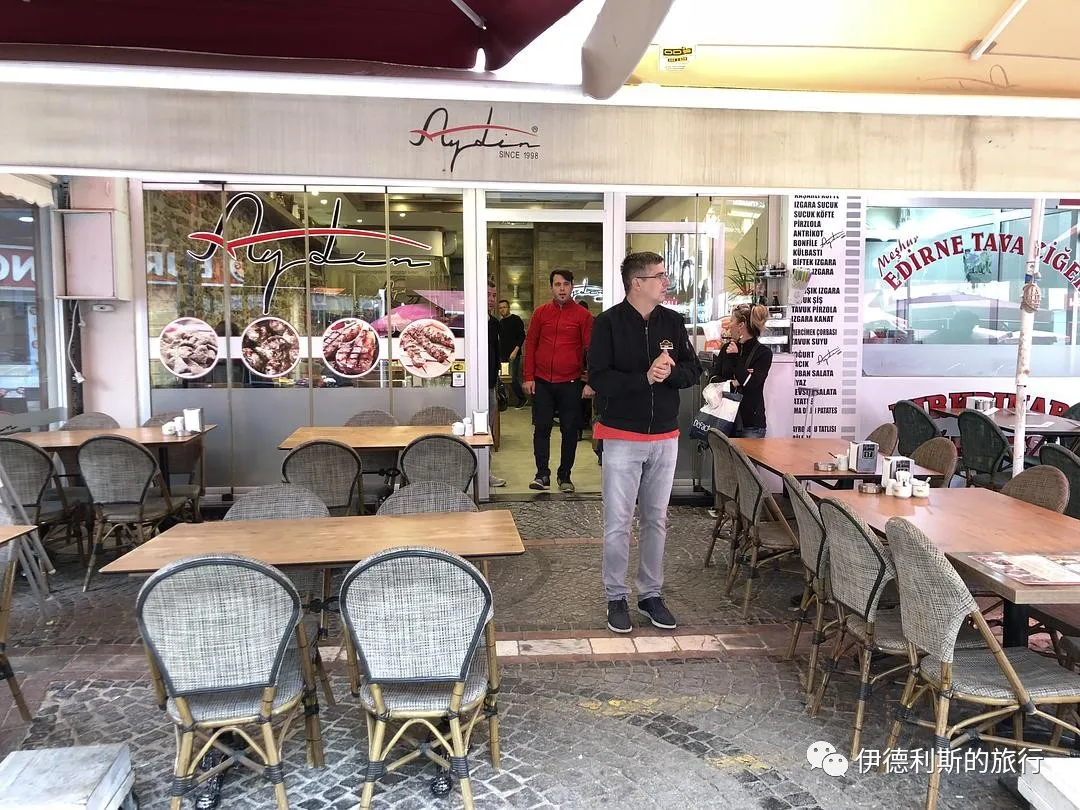
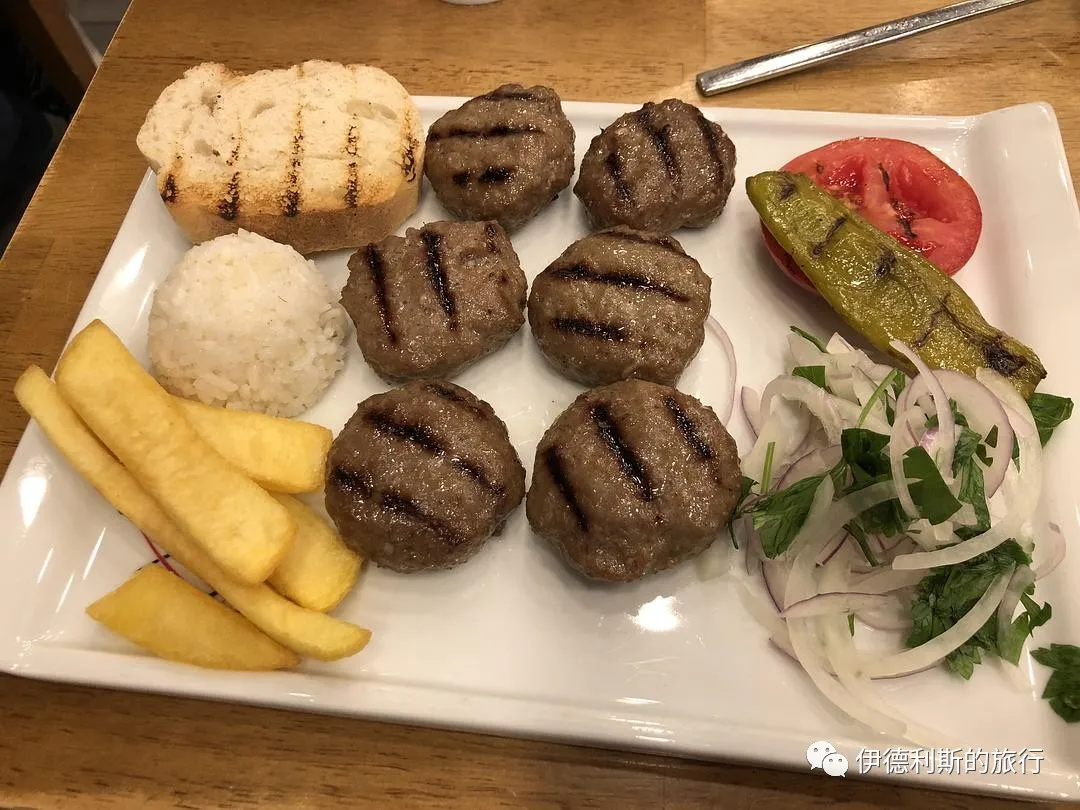
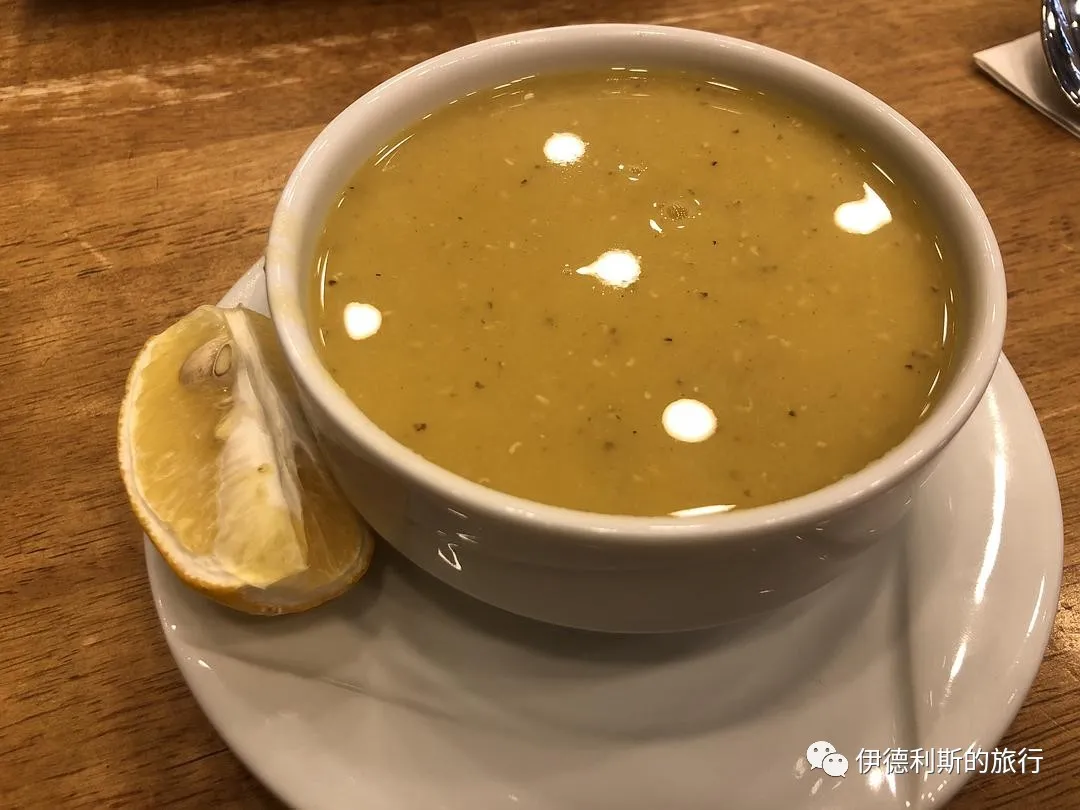
For dinner in Edirne, I had minced meat pie (kıymalı pide) and a rich soup made from sheep head and sheep trotters (kelle paça). The soup was especially delicious.
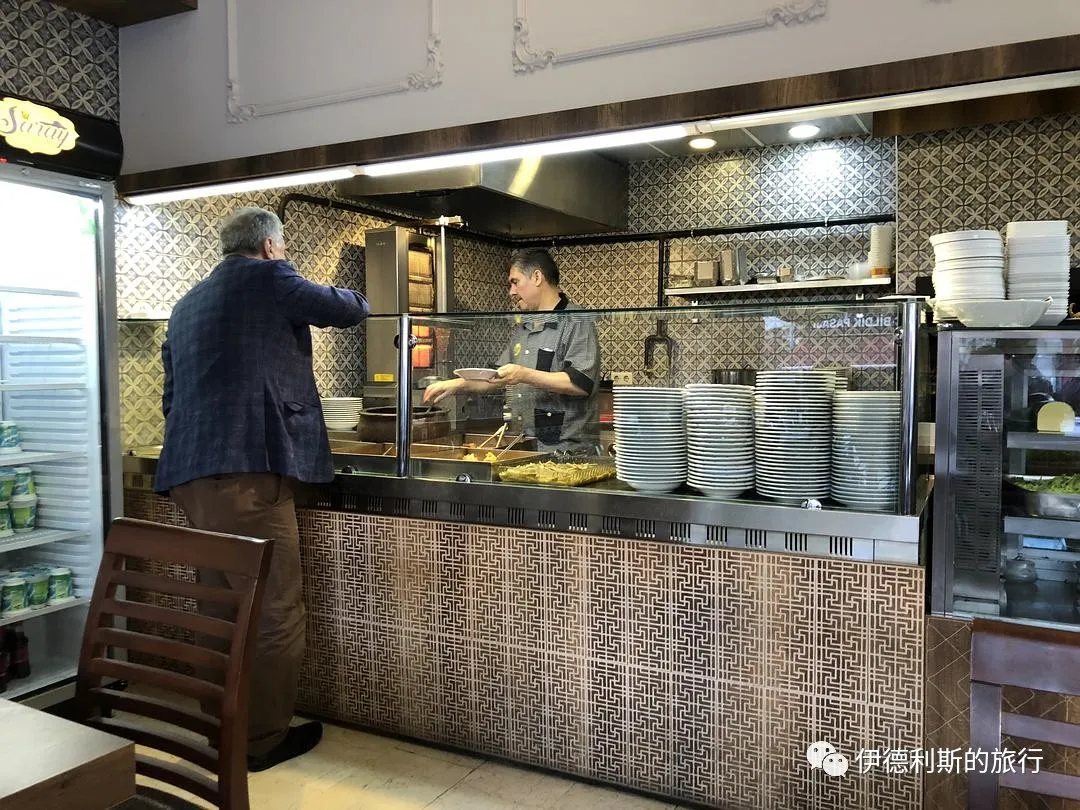
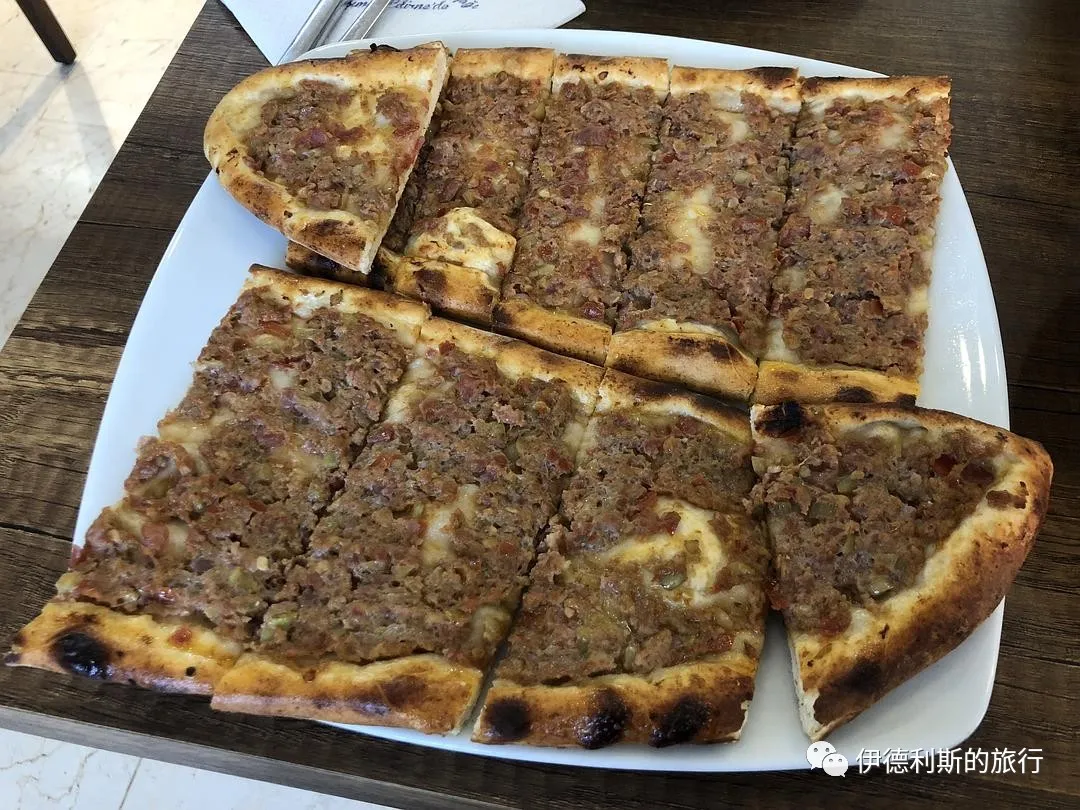
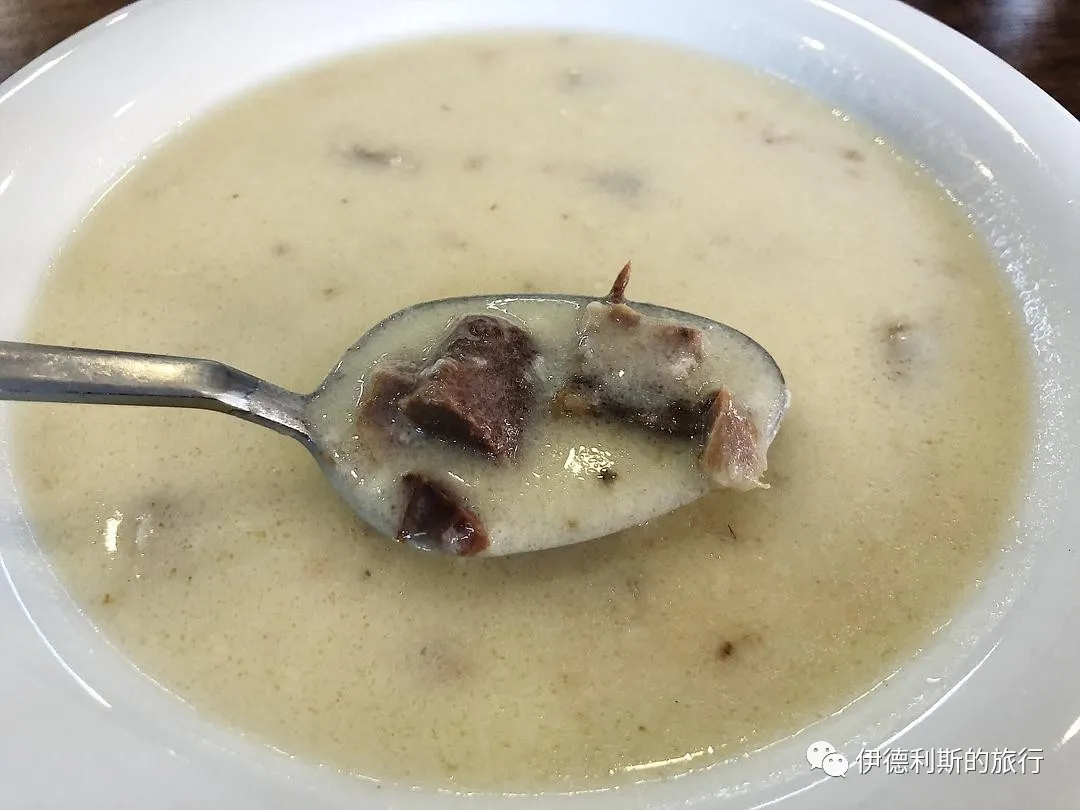
For breakfast the next morning in Edirne, I had a meat-filled pastry (börek). It cost 6 lira a plate and tasted great. I also had a breakfast set, which was a plate of very healthy food.
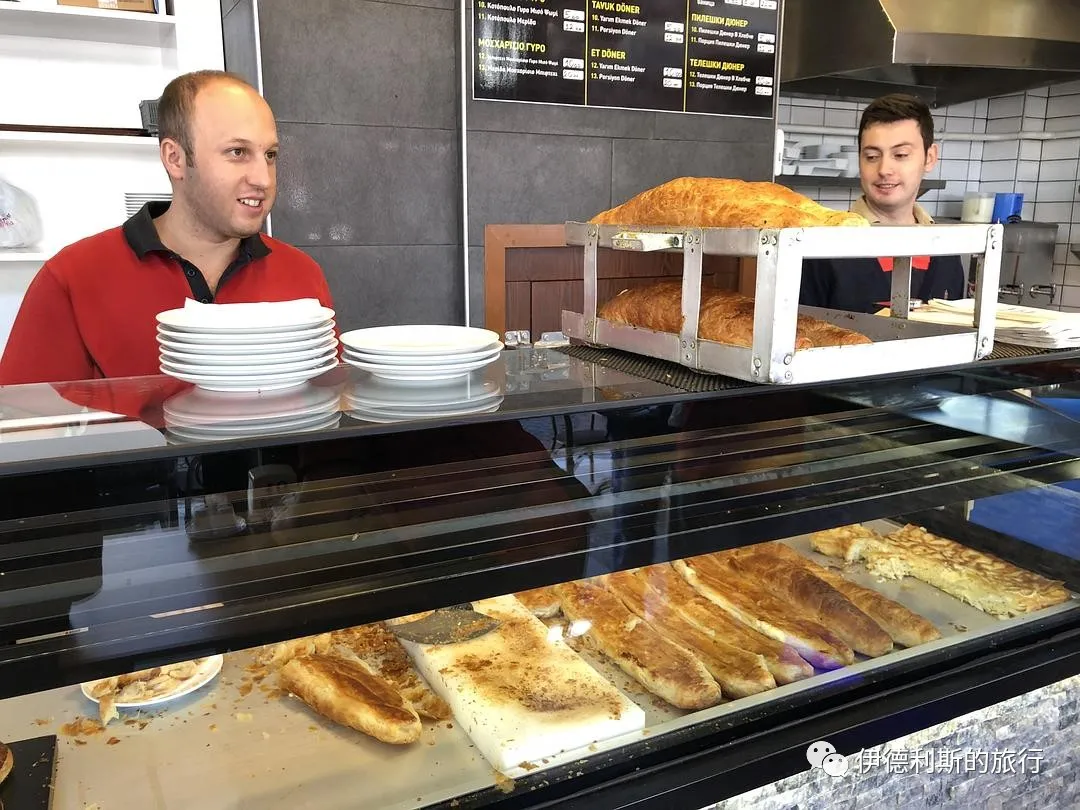
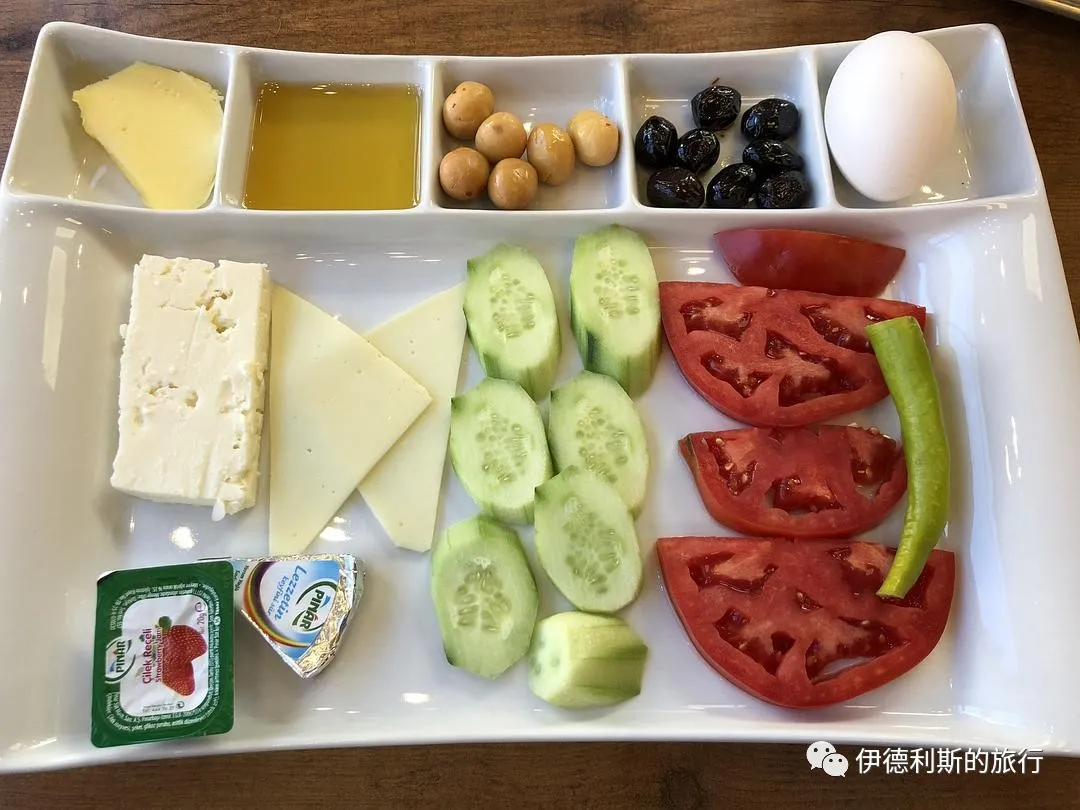
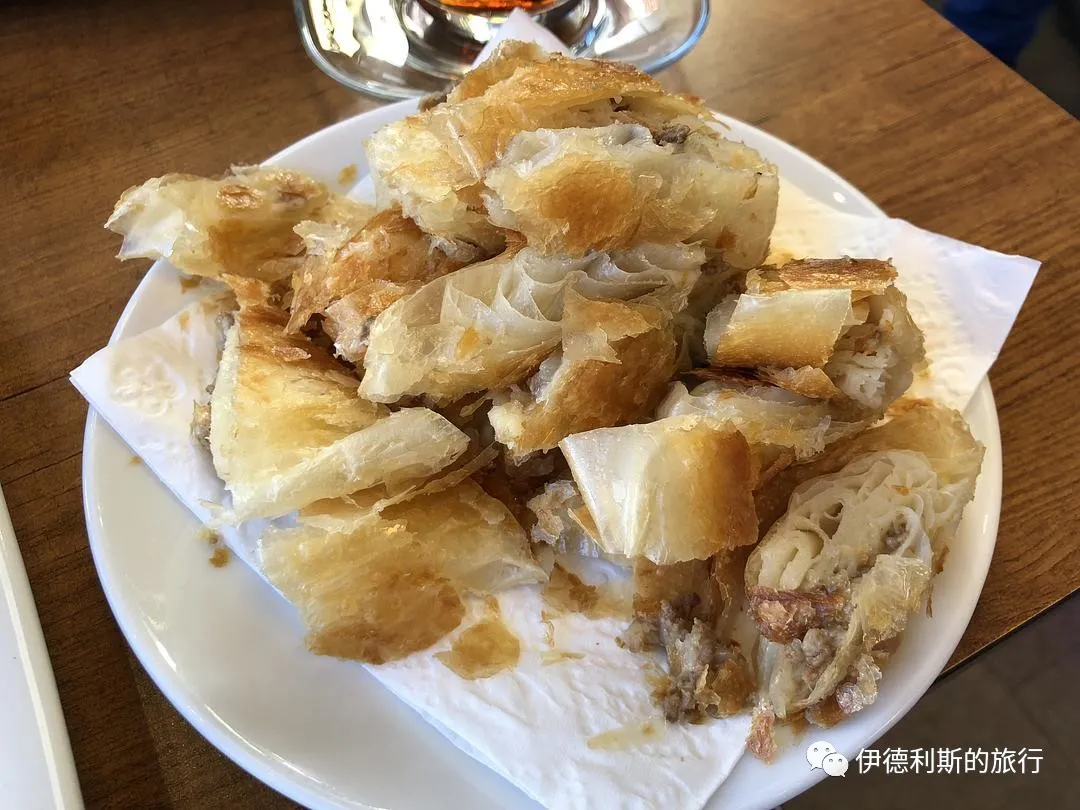
At the bazaar in Edirne, I bought a local specialty, the crescent-shaped almond pastry known as Kavala cookies (Kavala kurabiyesi). Kavala is now an important seaport in northern Greece. The Ottoman Empire ruled it from 1371 to 1913. During the 1922 population exchange between Turkey and Greece, tens of thousands of Turks left Kavala to settle in Edirne, bringing this cookie recipe with them. I have always been interested in the Greek-Turkish population exchange. It involves so many stories about leaving one's homeland forever and the relationship between nations and ethnic groups.
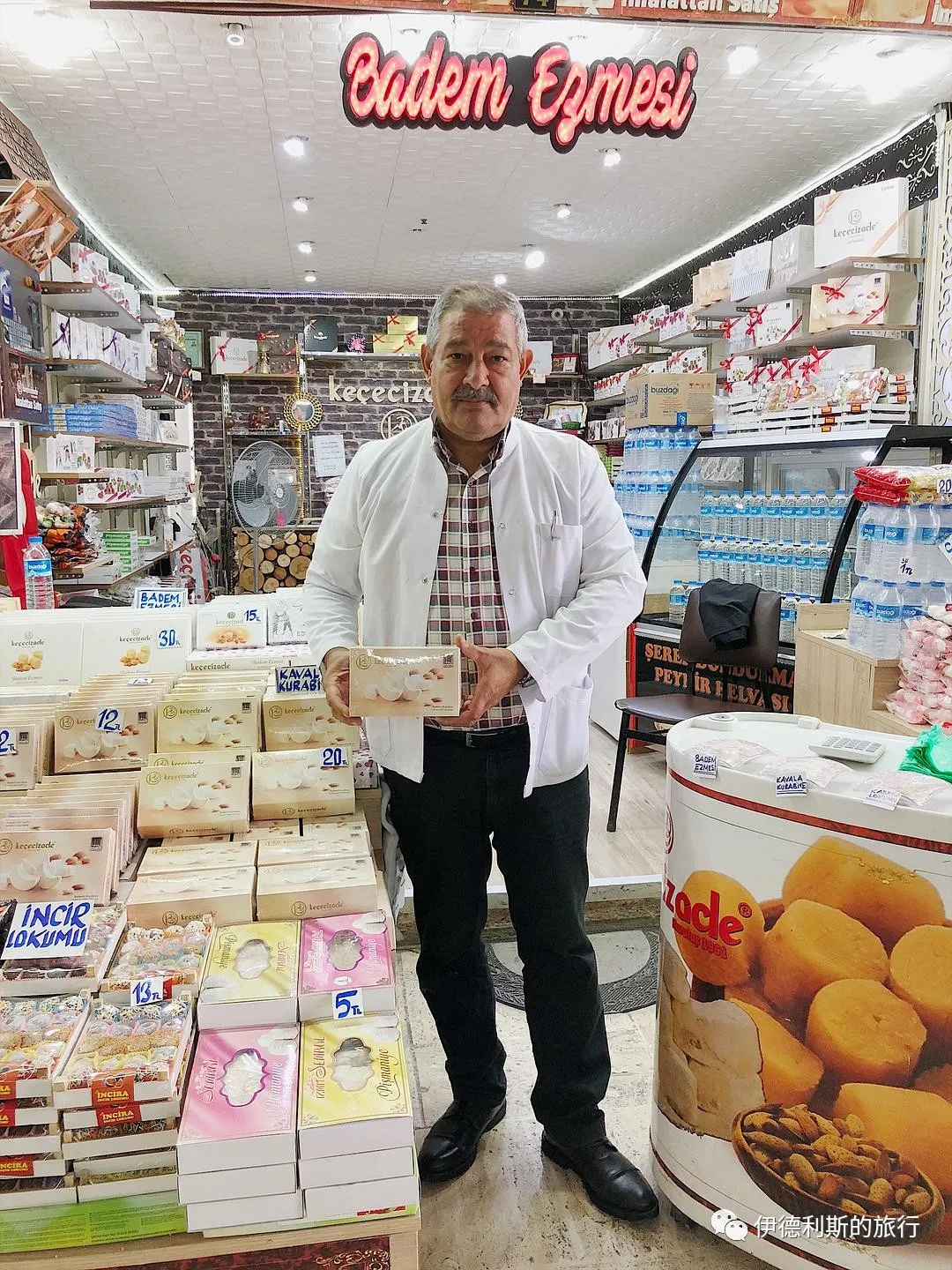
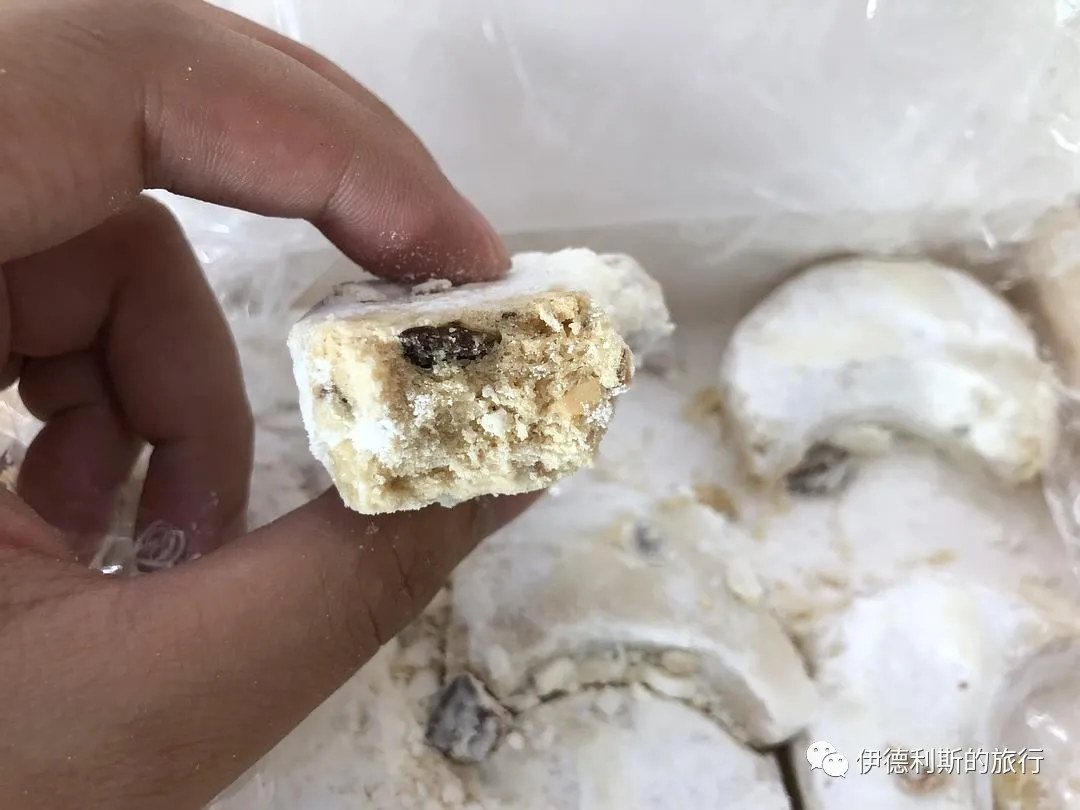
Halal Travel Guide: Diyarbakir, Turkey — Kurdish City, Mosques and History
Articles • ali2007fr posted the article • 0 comments • 157 views • 2026-05-19 02:59
Summary: Diyarbakir in southeastern Turkey is a Kurdish city shaped by old walls, mosques, bazaars, and life along the Tigris River. This travel account introduces its streets, Muslim heritage, and local history while keeping the Chinese source details and photos in order.
We left Mardin in the morning and took a minibus to Diyarbakir, the largest Kurdish city in Turkey, which is also known as the unofficial capital of Turkish Kurdistan. We stayed in the heart of the old city of Diyarbakir, right next to a busy main road filled with all kinds of shops.
We first drank a local Turkish Kurdistan specialty, licorice root water (Meyan şerbeti). It is a classic Ramadan drink for the Kurds in Turkey. It tastes slightly bitter, and they describe it as a cure-all (Her Derde Deva). This drink is made from the roots of the licorice plant (guangguo gancao). Kurds drink it by soaking the roots in water, but it can also be refined and added to candies and cola.
Then we had a mix of pomegranate juice and orange juice, which had a very rich flavor.
The street had many fruit vendors, mostly selling mulberries and a small melon that tastes like a cucumber. Kurds cut this small melon open, sprinkle salt inside, and eat it for a very refreshing snack.
For lunch, we ate grilled lamb liver at a restaurant in the center of the old city. We had four large skewers of liver served with five side dishes and a plate of thin flatbread (bing). We wrapped the liver in the bread, making for a perfect balance of meat and vegetables. The restaurant had a great view, with the street scene of Diyarbakir right outside the window.
Among the side dishes, the most unique was the appetizer from southeastern Turkey called raw meatballs (Cig Kofte), which is loved by local Kurds, Armenians, and Turks alike. To make these meatballs, you knead crushed bulgur wheat and chopped onions with water until soft, then add tomato paste, pepper paste, various spices, fresh mint, green onions, and parsley.
The word Cig originally means raw, because traditional Cig Kofte requires adding very fine, lean raw lamb or beef. However, due to food safety regulations, all legitimate restaurants in Turkey no longer add raw meat to Cig Kofte, usually replacing it with crushed walnuts, hazelnuts, and potatoes.
Opposite the Great Mosque of Diyarbakir is the Hasan Pasha Caravanserai (Hasan Pasha Han), built in 1575. It is now home to many shops and cafes. We drank tea and pomegranate juice at one of them, and Zaynab bought a beautiful headscarf at a shop. The owner of the headscarf shop chatted with us for a while. He spoke fluent English and said we were the first Chinese guests he had ever hosted. He lived in Germany for a long time and has traveled to many countries. He has always wanted to visit China but has not gone yet because he is worried about finding halal food.
Many ancient cities in Turkey have turned Ottoman-era caravan inns (han) into shops, restaurants, and cafes. Sitting inside for a drink gives you a special sense of history.
In the evening, we ate at a canteen (lokantasi) next to the north gate of the ancient city of Diyarbakir. A lokantasi is a lot like a canteen back home. Various stews and mixed salads are prepared and laid out together, so you just point at what you want to eat. I think it is perfect for tourists. Besides stews, they have a grill area where they make various kebabs, flatbreads with toppings (pide), and meat flatbreads (lahmacun). The open kitchen looks very clean.
We ordered the stewed kidney bean dish (kuru fasulye), which is known as Turkey's national dish, lamb rice pilaf (pilav), and a stew of eggplant, green peppers, and meat. Everything tasted great. As usual, they served four large plates of free side dishes and baked flatbread (naan). Everything laid out together looked very hearty!
Kuru fasulye is made by stewing kidney beans with lean beef, olive oil, onions, and tomato paste. Turkish rice pilaf dates back to the Ottoman court in the 15th century. At that time, rice was very rare and was only used as a garnish in Ottoman royal meals. Until the 18th century, only the rich in Turkey could afford to eat rice pilaf. It only became popular later on.
When making Turkish rice pilaf, it is important that the grains stay separate and do not stick together. They also like to add a type of rice-shaped pasta (arpa sehriye), which is made from coarse flour shaped like rice grains.
Walking through the alleys of the old city of Diyarbakir, it is calm and peaceful now, but this place suffered a catastrophe in 2015. At that time, peace talks between Turkey and the Kurdistan Workers' Party (PKK) broke down. In May 2015, the Kurds declared autonomy in the Sur district of the old city of Diyarbakir, and Turkish police began a crackdown. To counter the Kurds, Turkey demolished a large number of buildings in the old city. Except for a few ancient structures, the residential areas in the eastern half of the old city were basically razed to the ground.
When we visited in 2023, the eastern part of the old city had still not recovered from the conflict. The surviving ancient buildings in the east are being restored, and we hope they can return to their former appearance.
On the streets of the old city of Diyarbakir, there are all kinds of desserts to sample and coffee to taste, and the quality is excellent! Zainab especially liked the coffee here. The entrance to the Great Mosque of Diyarbakır, built in 1091, is full of people drinking tea and chatting. It is very relaxed.
In the old city of Diyarbakır at night, Kurds love to sing and dance in the streets. As you walk along, you can feel the charm of Kurdish folk songs, the circle dance (Helperkê), the frame drum (Daf), and improvised singing (Teqsîm). Everyone warmly invited me to have tea and wanted to pull me in to dance with them. view all
Summary: Diyarbakir in southeastern Turkey is a Kurdish city shaped by old walls, mosques, bazaars, and life along the Tigris River. This travel account introduces its streets, Muslim heritage, and local history while keeping the Chinese source details and photos in order.
We left Mardin in the morning and took a minibus to Diyarbakir, the largest Kurdish city in Turkey, which is also known as the unofficial capital of Turkish Kurdistan. We stayed in the heart of the old city of Diyarbakir, right next to a busy main road filled with all kinds of shops.
We first drank a local Turkish Kurdistan specialty, licorice root water (Meyan şerbeti). It is a classic Ramadan drink for the Kurds in Turkey. It tastes slightly bitter, and they describe it as a cure-all (Her Derde Deva). This drink is made from the roots of the licorice plant (guangguo gancao). Kurds drink it by soaking the roots in water, but it can also be refined and added to candies and cola.
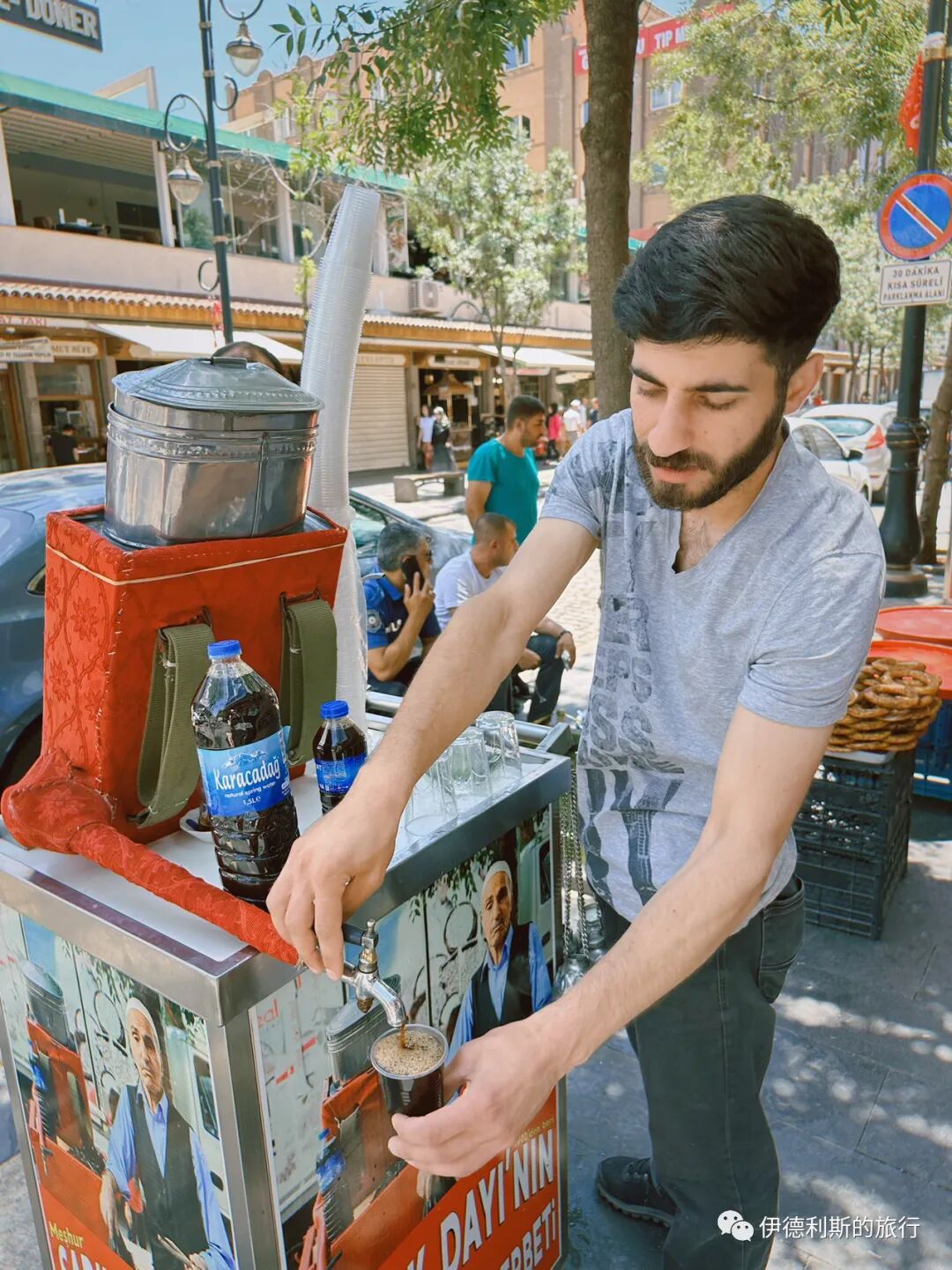
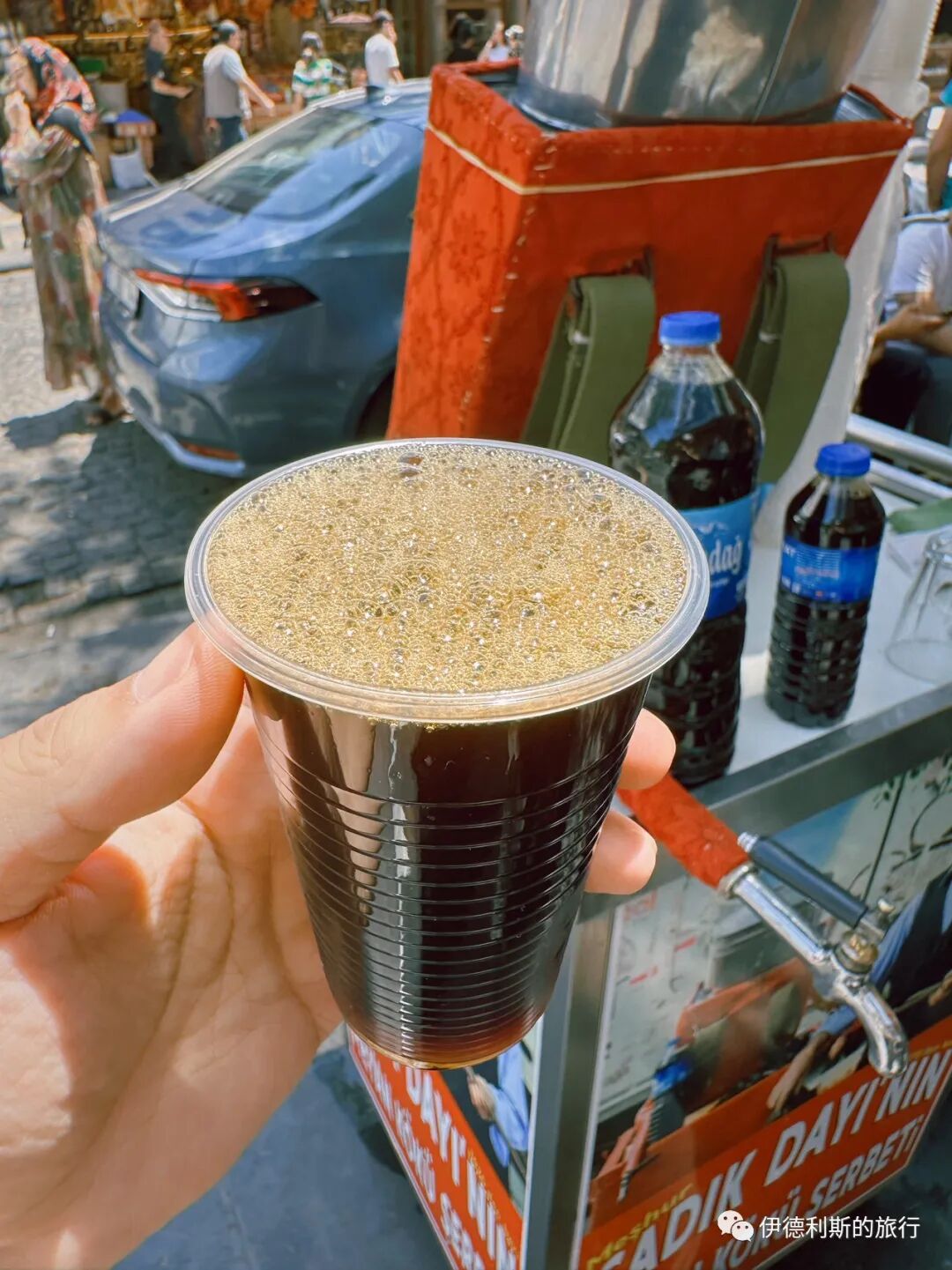
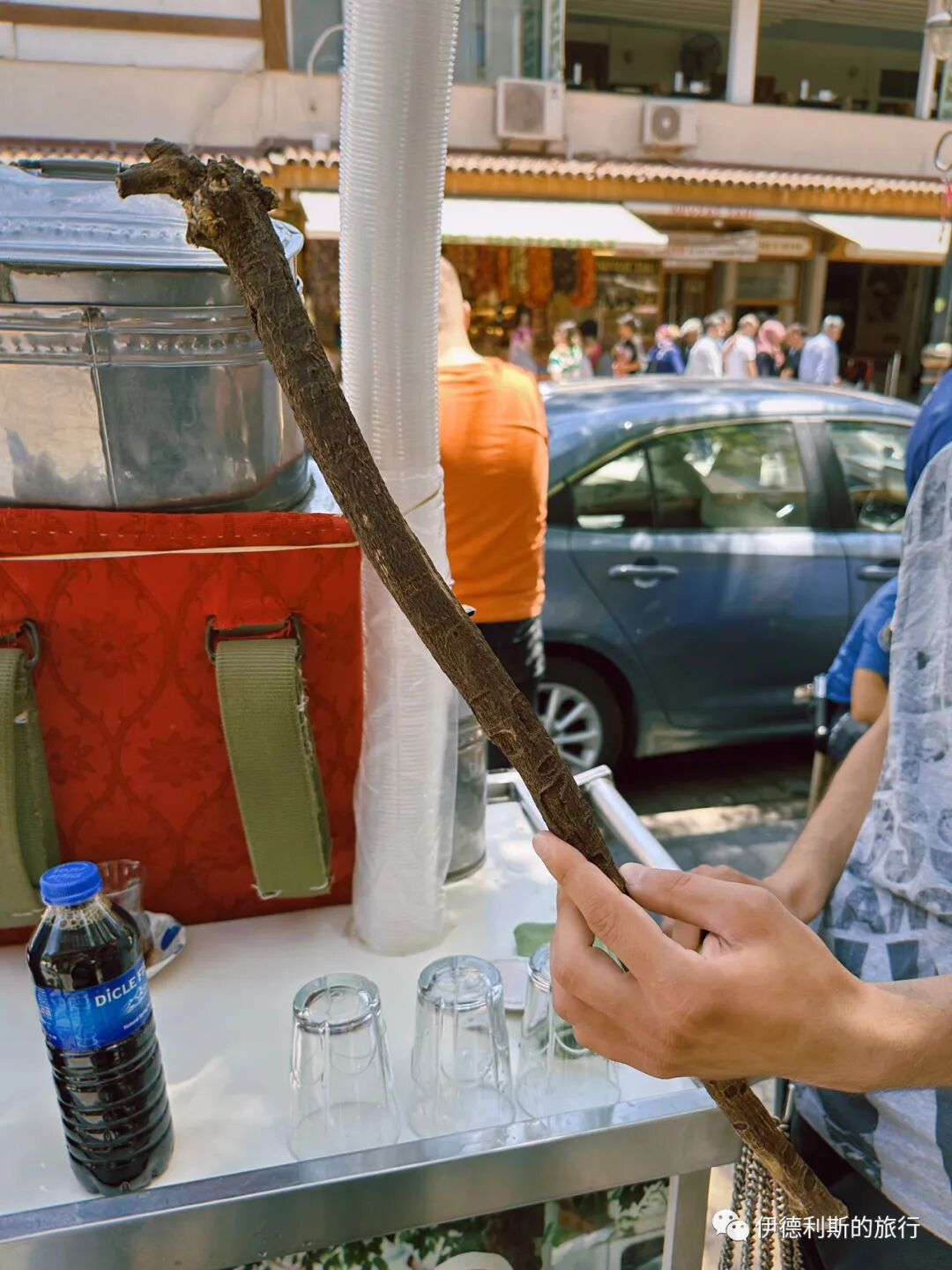
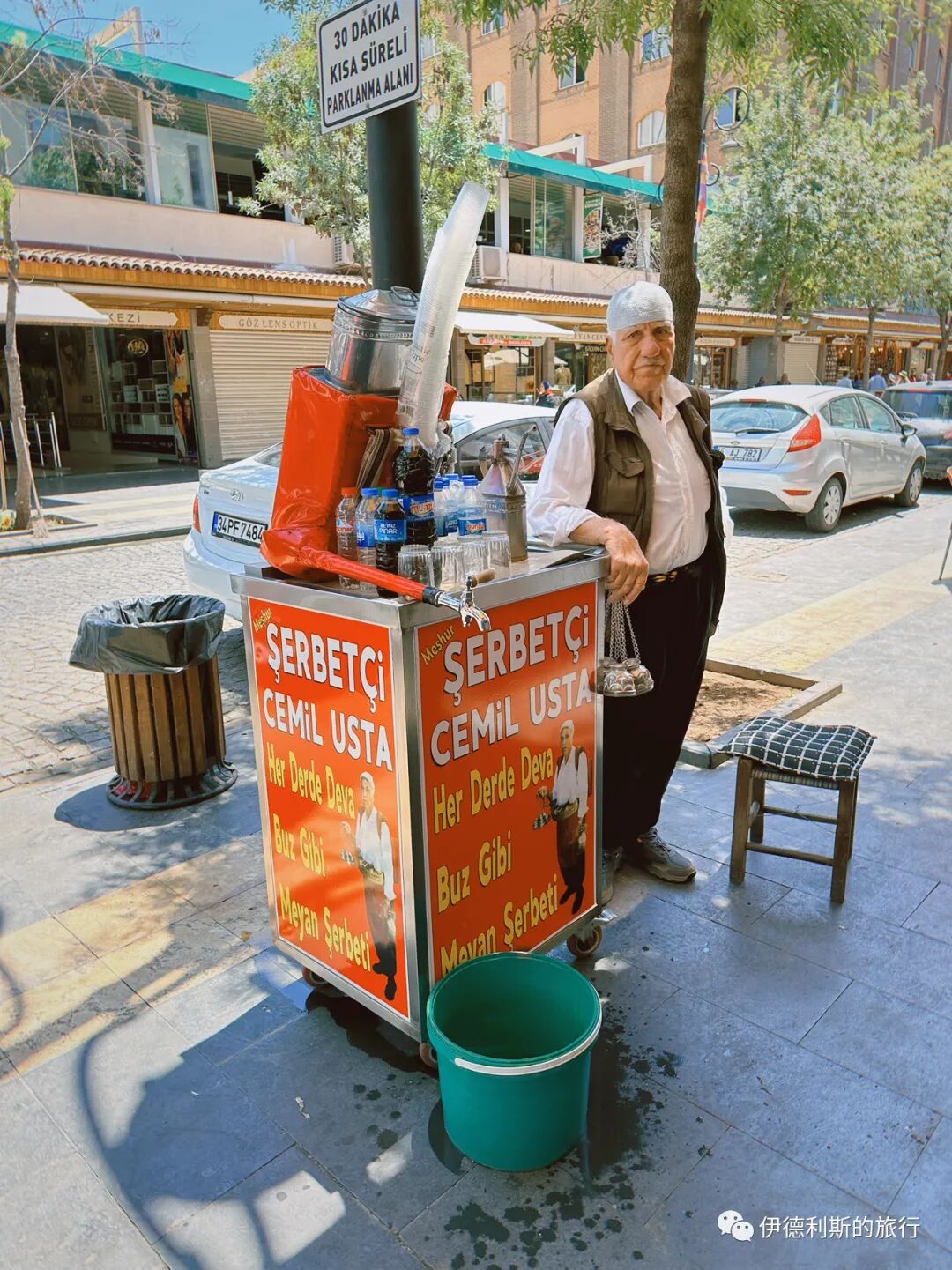
Then we had a mix of pomegranate juice and orange juice, which had a very rich flavor.
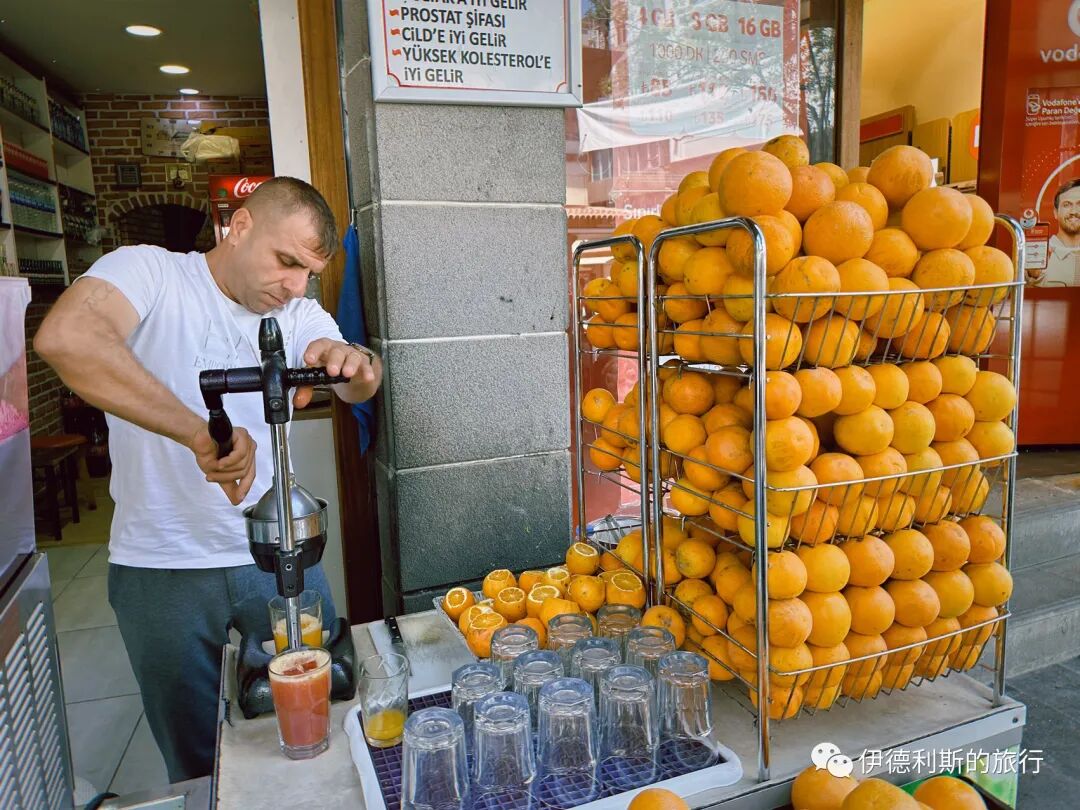
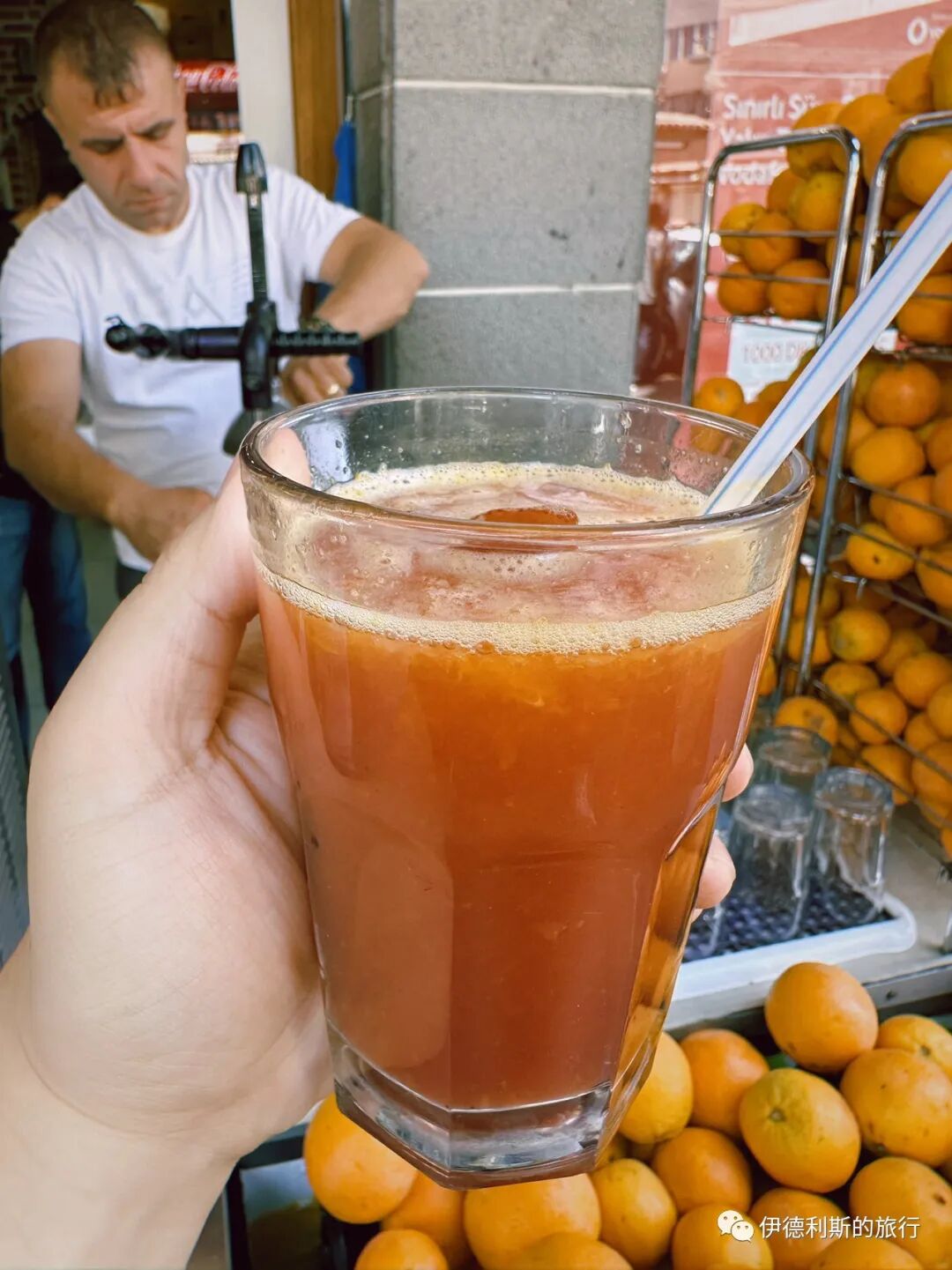
The street had many fruit vendors, mostly selling mulberries and a small melon that tastes like a cucumber. Kurds cut this small melon open, sprinkle salt inside, and eat it for a very refreshing snack.
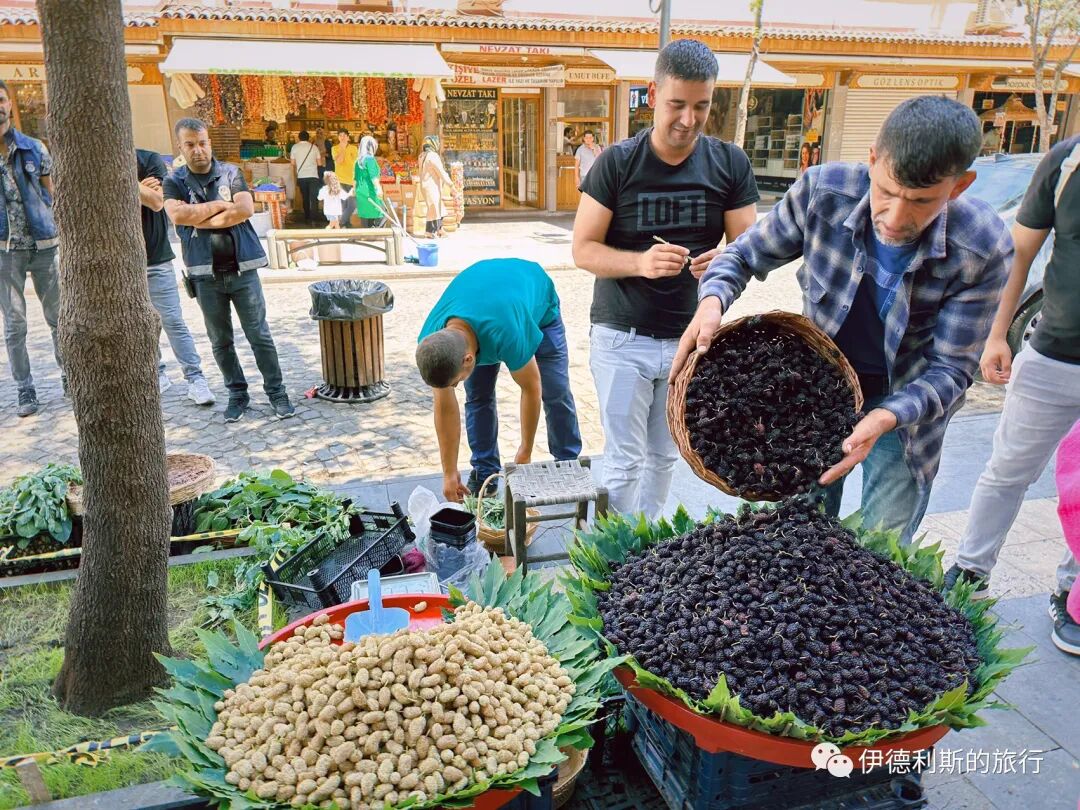

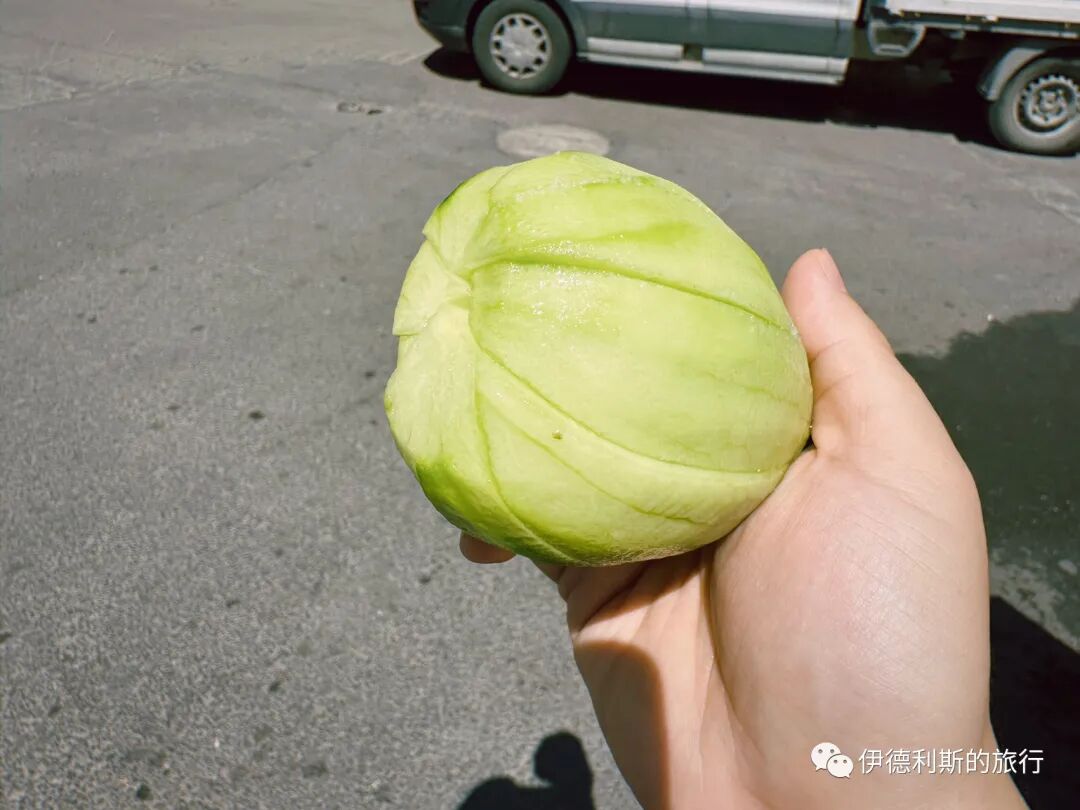
For lunch, we ate grilled lamb liver at a restaurant in the center of the old city. We had four large skewers of liver served with five side dishes and a plate of thin flatbread (bing). We wrapped the liver in the bread, making for a perfect balance of meat and vegetables. The restaurant had a great view, with the street scene of Diyarbakir right outside the window.
Among the side dishes, the most unique was the appetizer from southeastern Turkey called raw meatballs (Cig Kofte), which is loved by local Kurds, Armenians, and Turks alike. To make these meatballs, you knead crushed bulgur wheat and chopped onions with water until soft, then add tomato paste, pepper paste, various spices, fresh mint, green onions, and parsley.
The word Cig originally means raw, because traditional Cig Kofte requires adding very fine, lean raw lamb or beef. However, due to food safety regulations, all legitimate restaurants in Turkey no longer add raw meat to Cig Kofte, usually replacing it with crushed walnuts, hazelnuts, and potatoes.
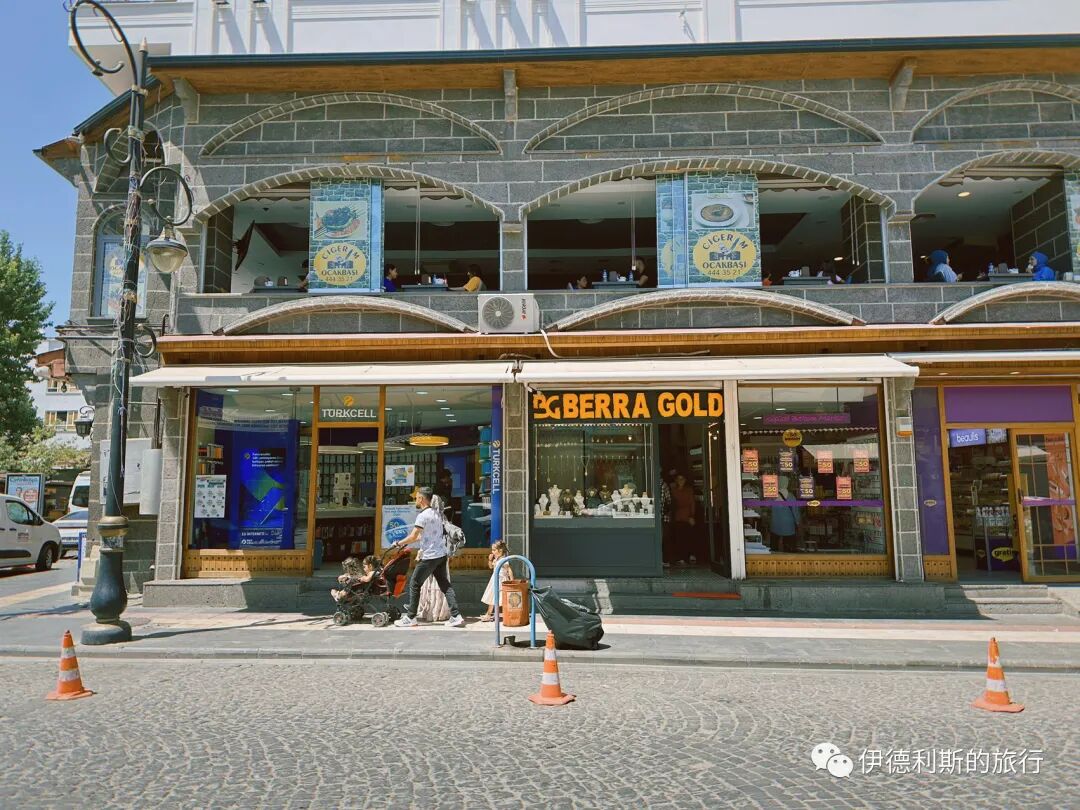
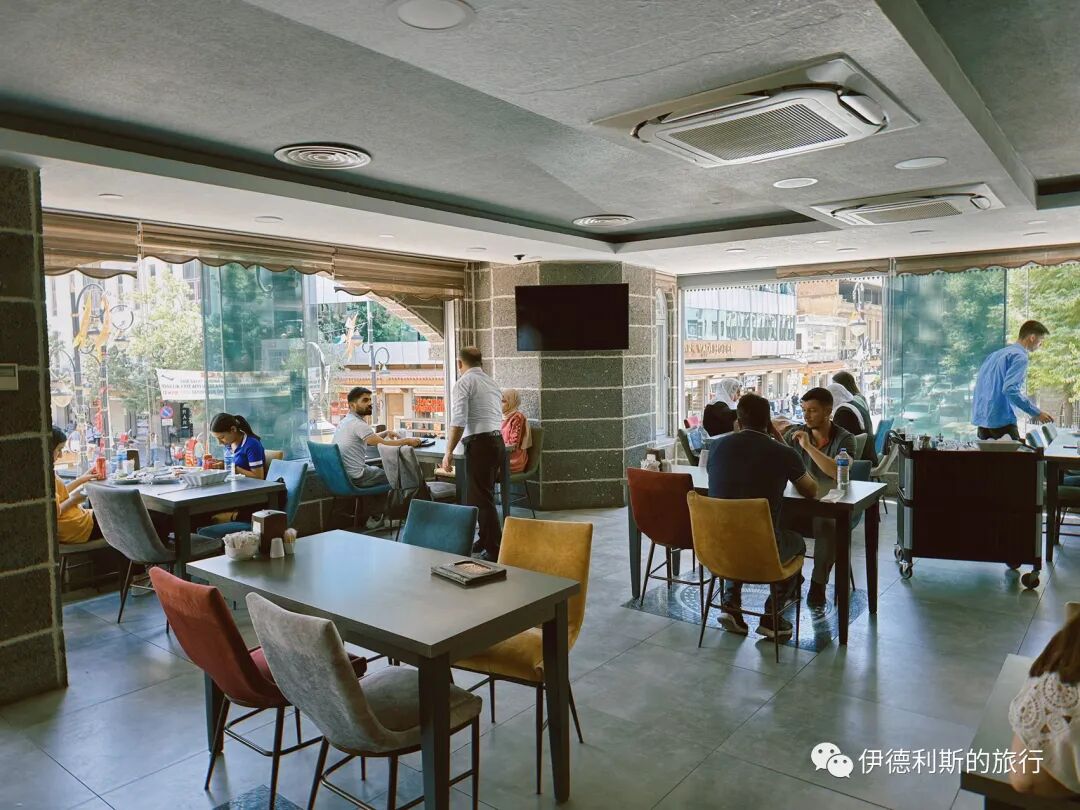
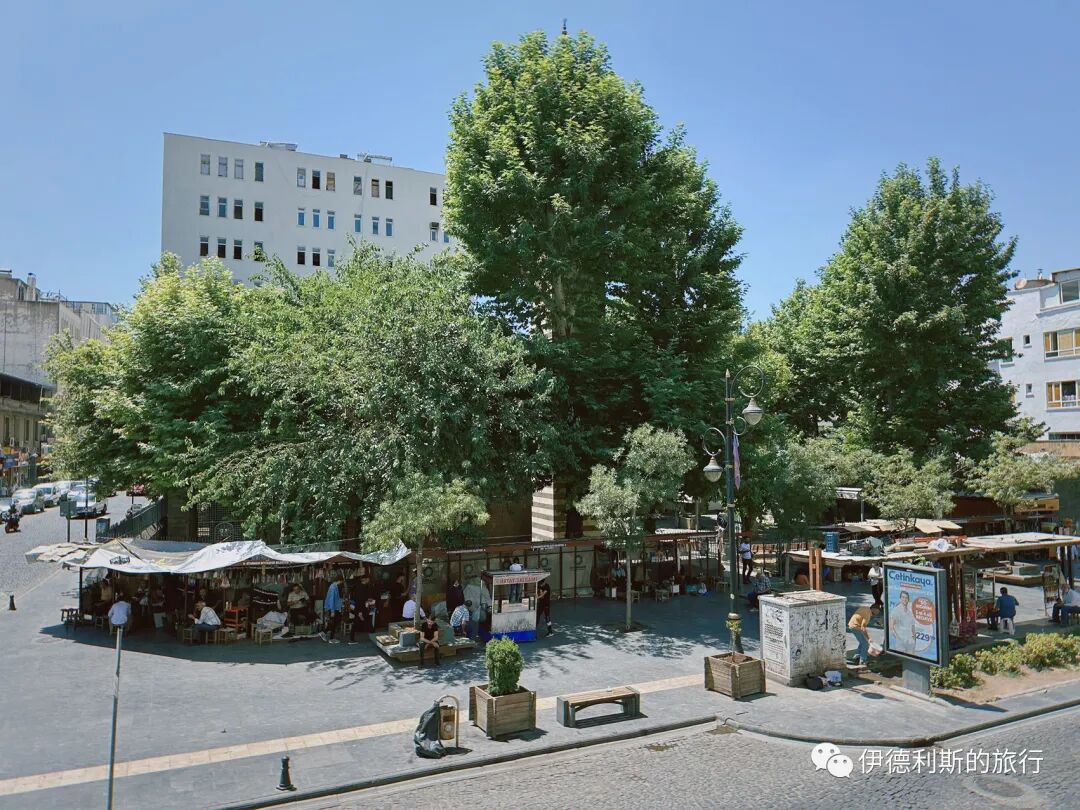
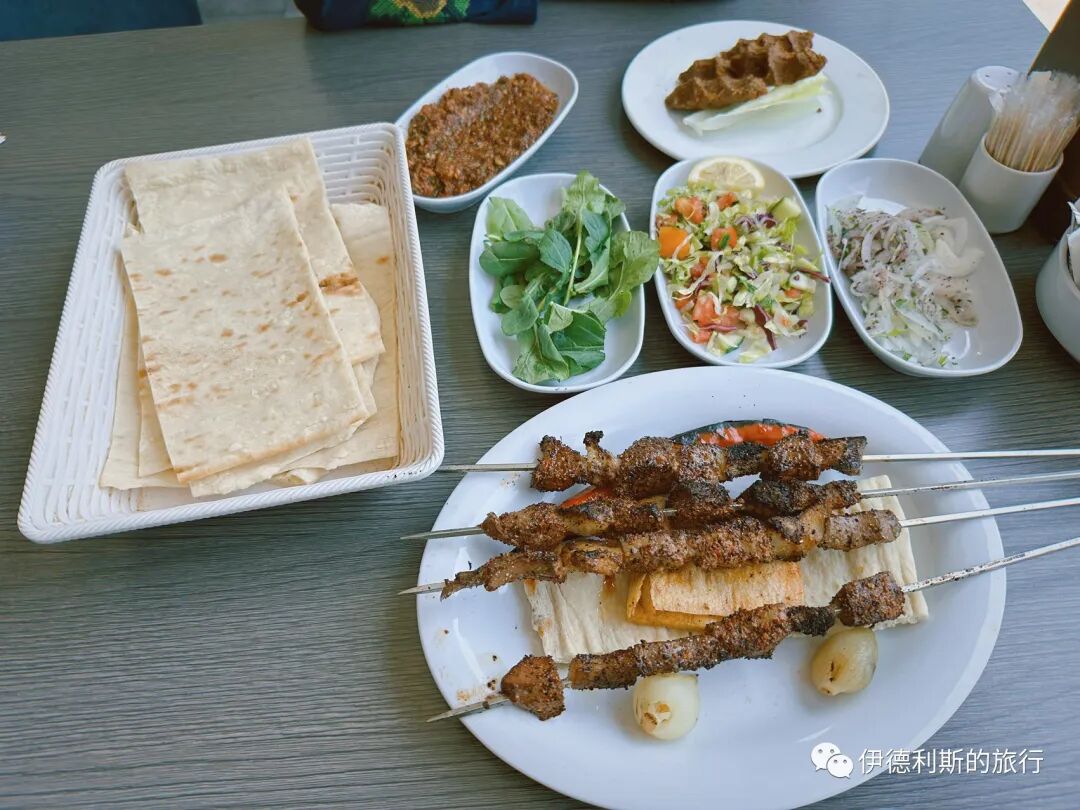
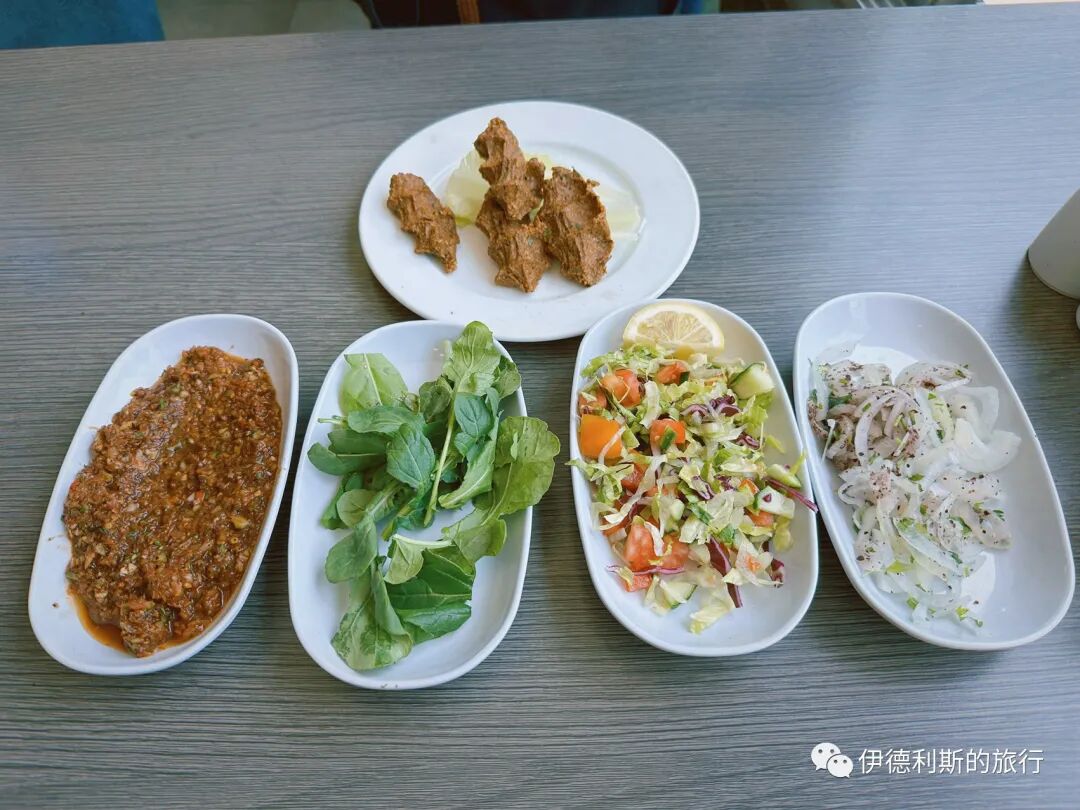
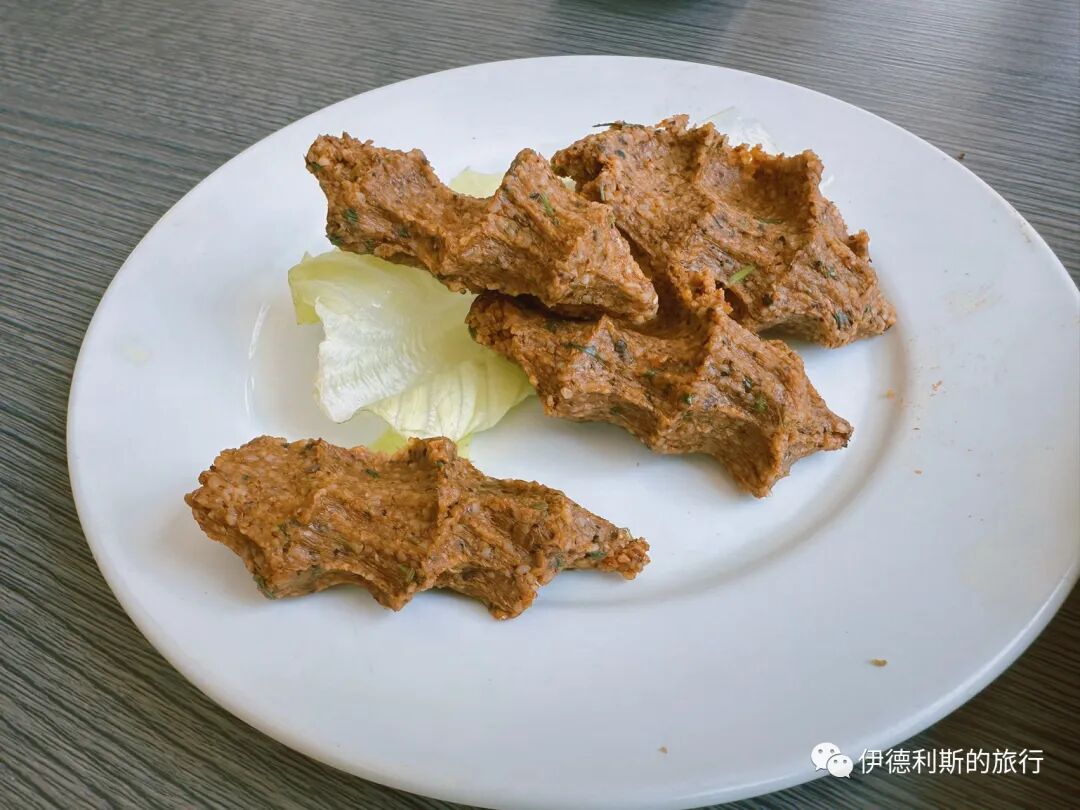
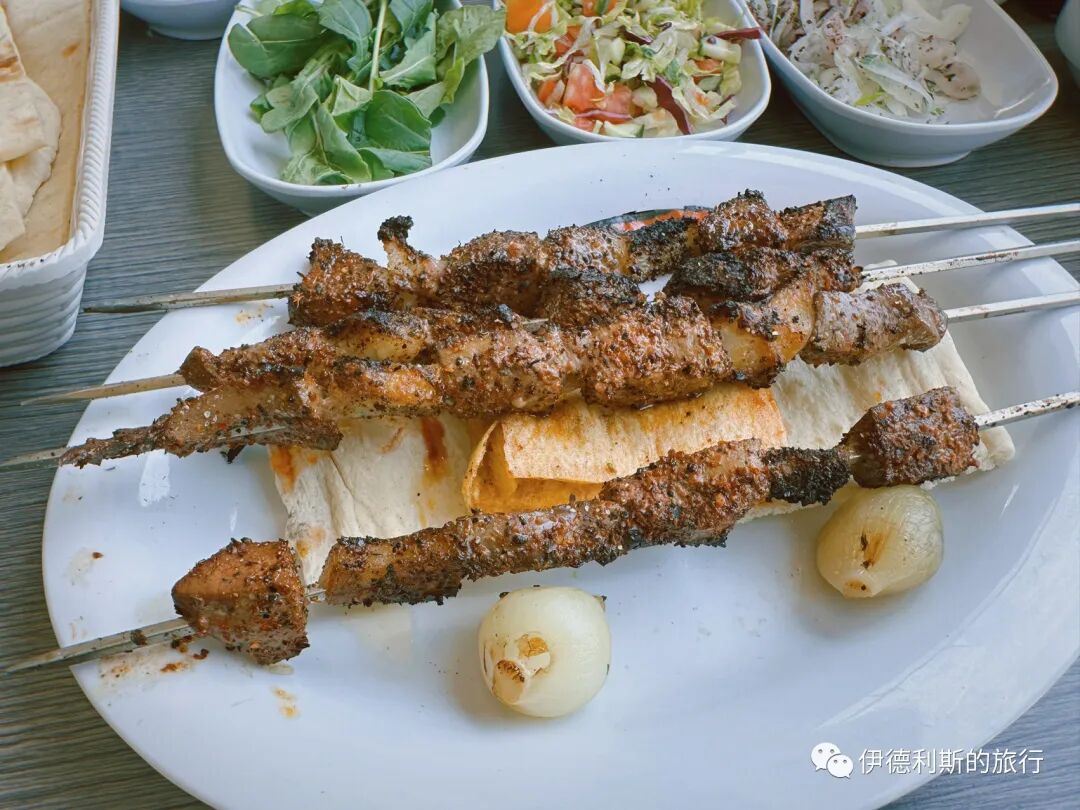
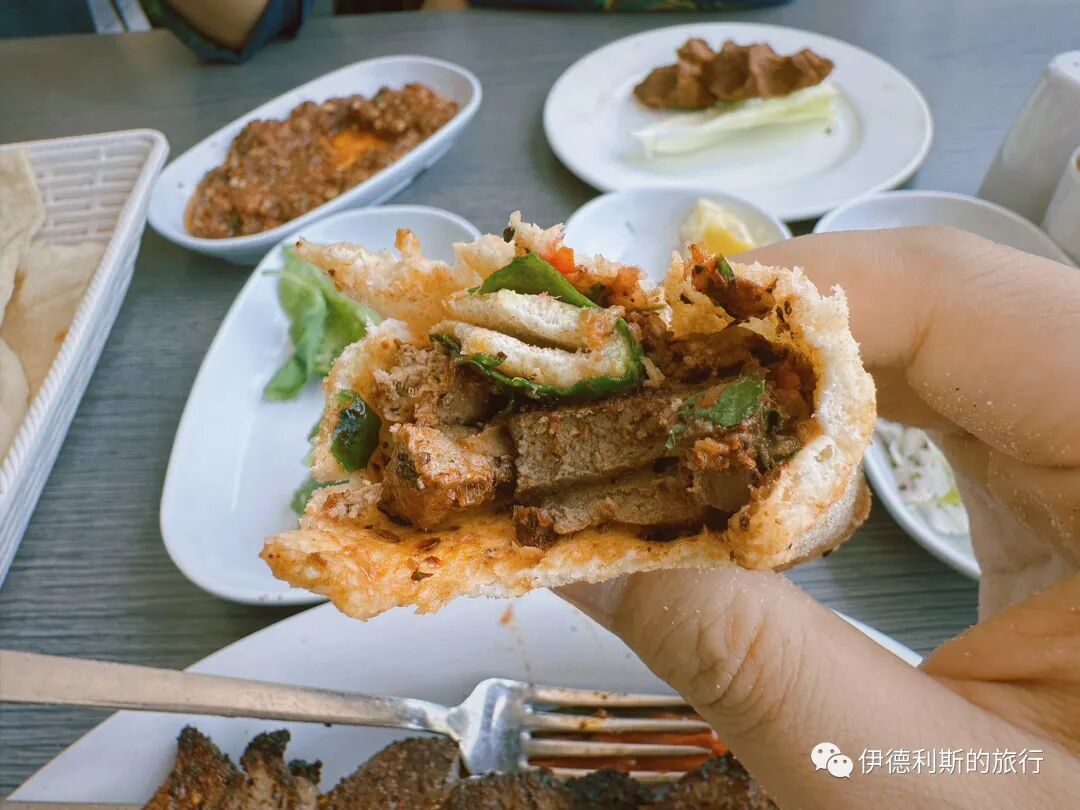
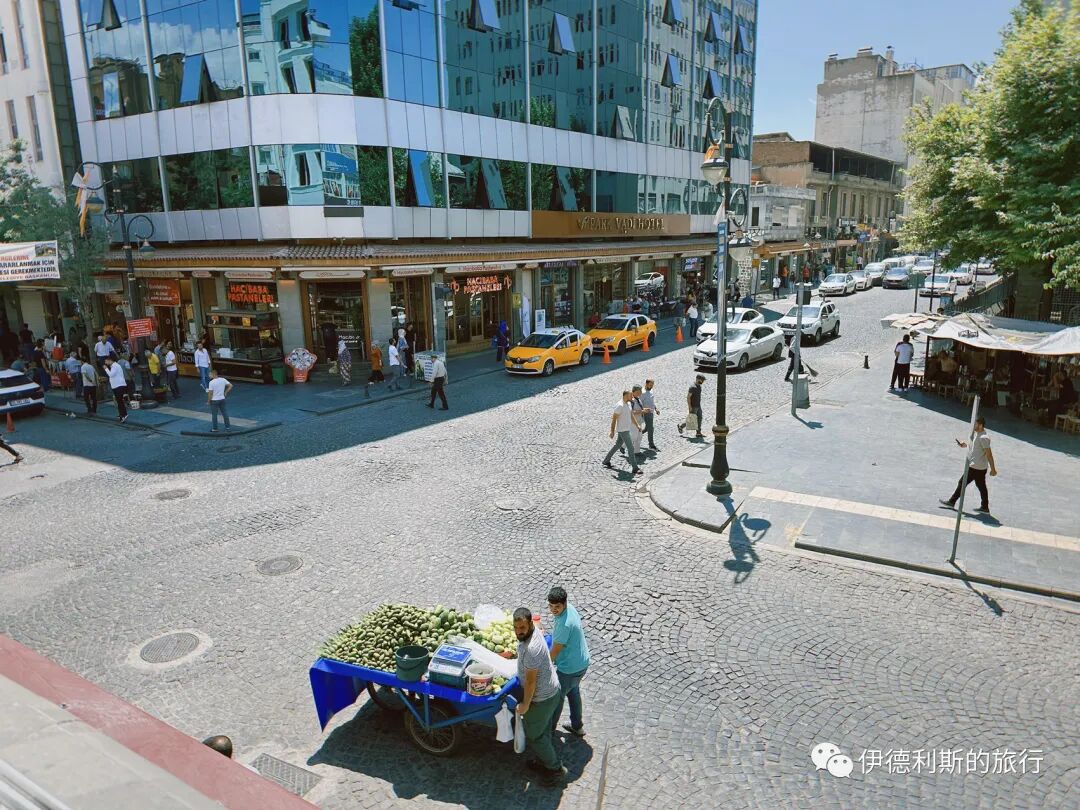
Opposite the Great Mosque of Diyarbakir is the Hasan Pasha Caravanserai (Hasan Pasha Han), built in 1575. It is now home to many shops and cafes. We drank tea and pomegranate juice at one of them, and Zaynab bought a beautiful headscarf at a shop. The owner of the headscarf shop chatted with us for a while. He spoke fluent English and said we were the first Chinese guests he had ever hosted. He lived in Germany for a long time and has traveled to many countries. He has always wanted to visit China but has not gone yet because he is worried about finding halal food.
Many ancient cities in Turkey have turned Ottoman-era caravan inns (han) into shops, restaurants, and cafes. Sitting inside for a drink gives you a special sense of history.
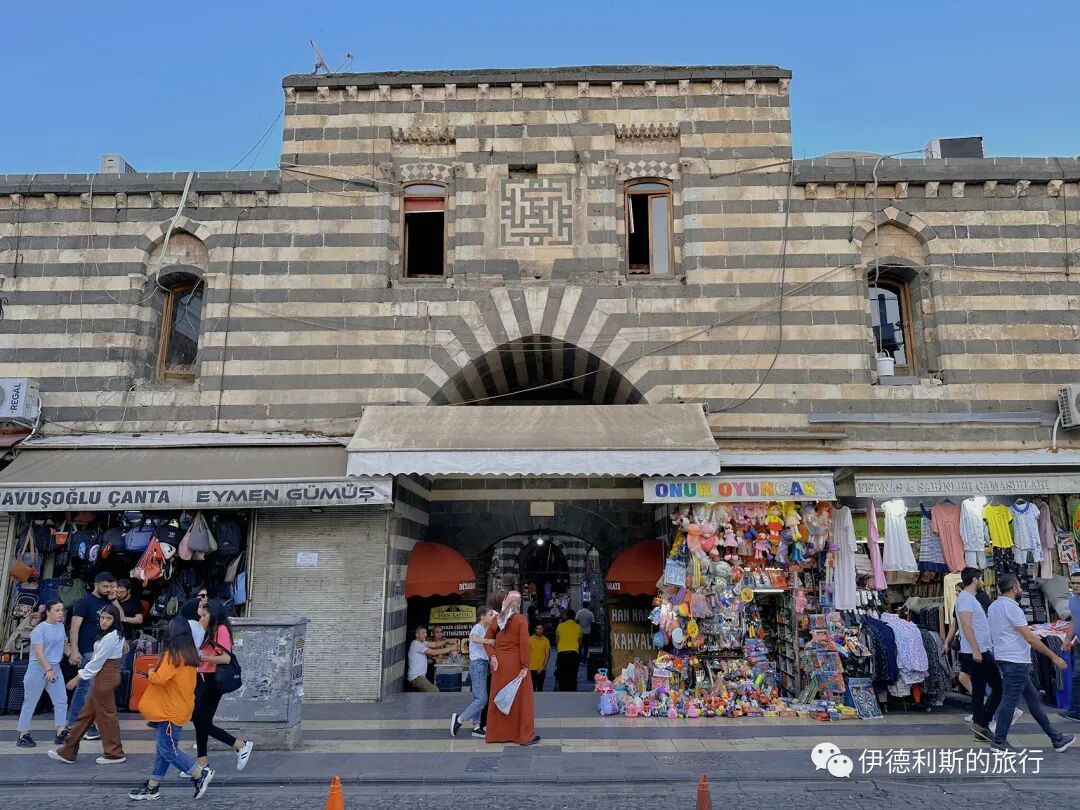
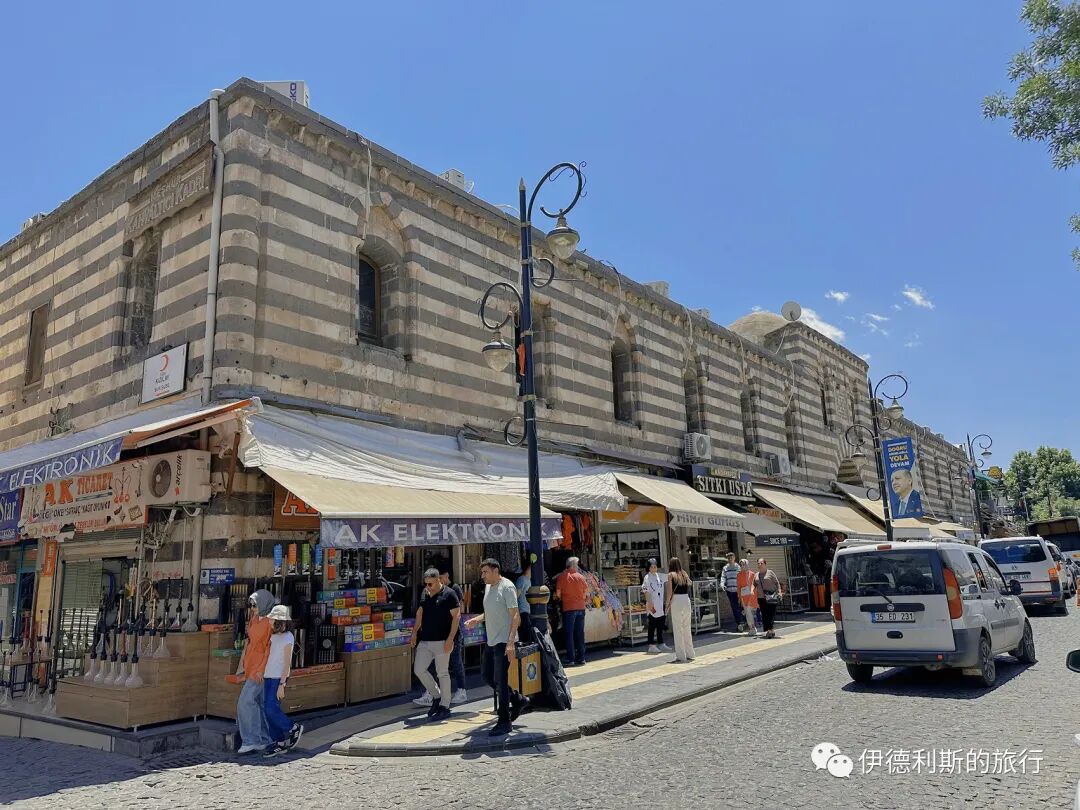
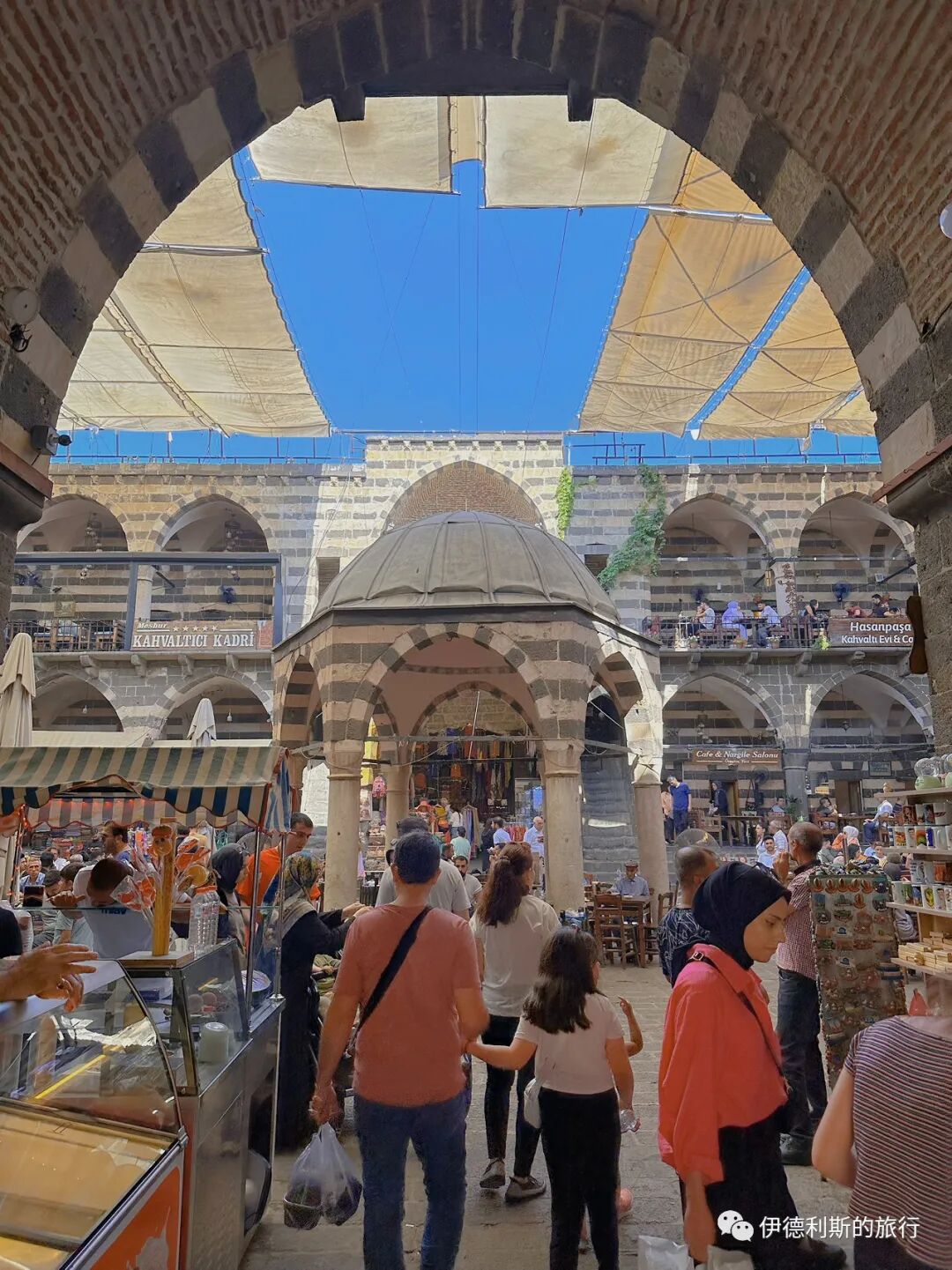
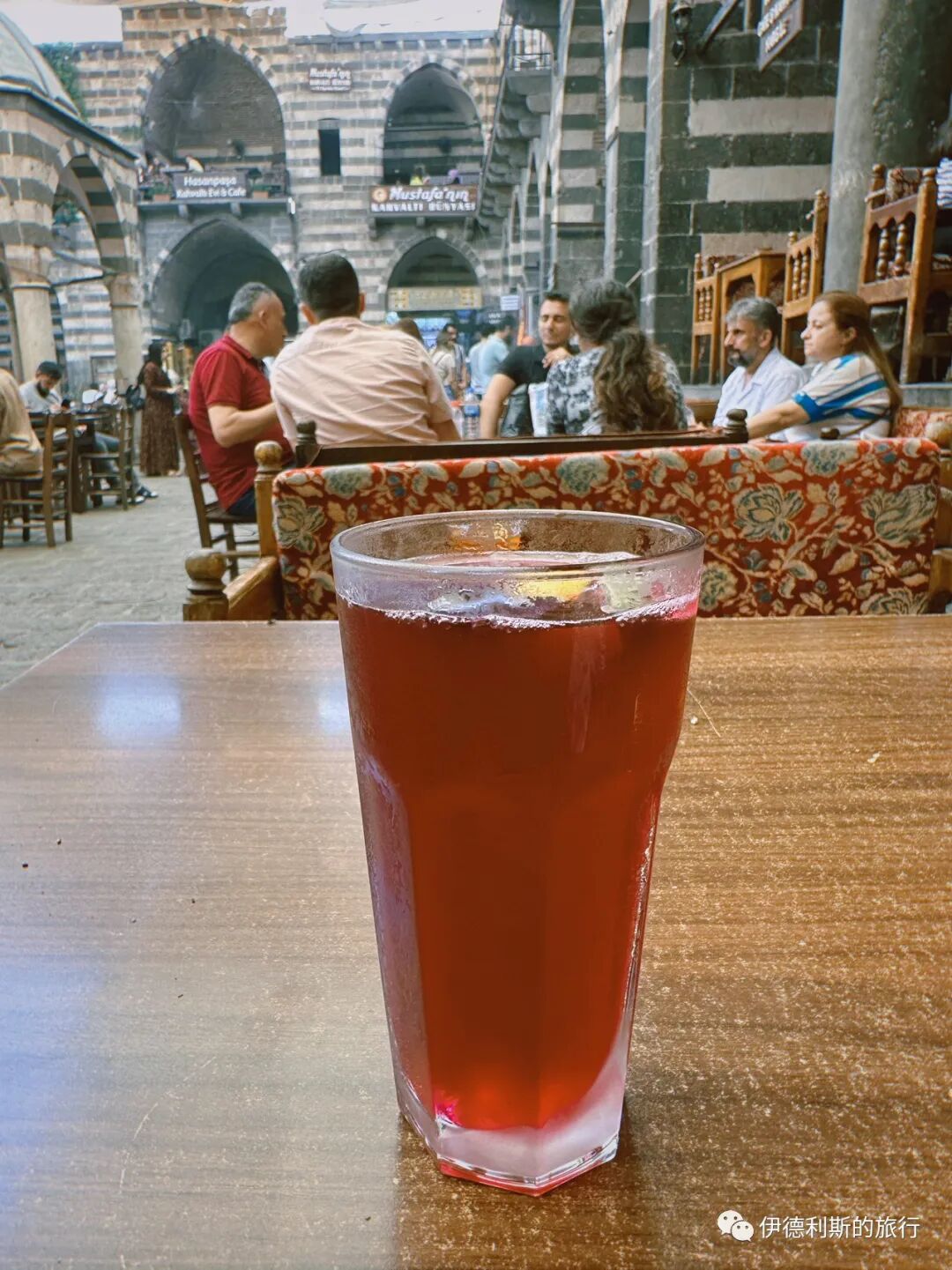
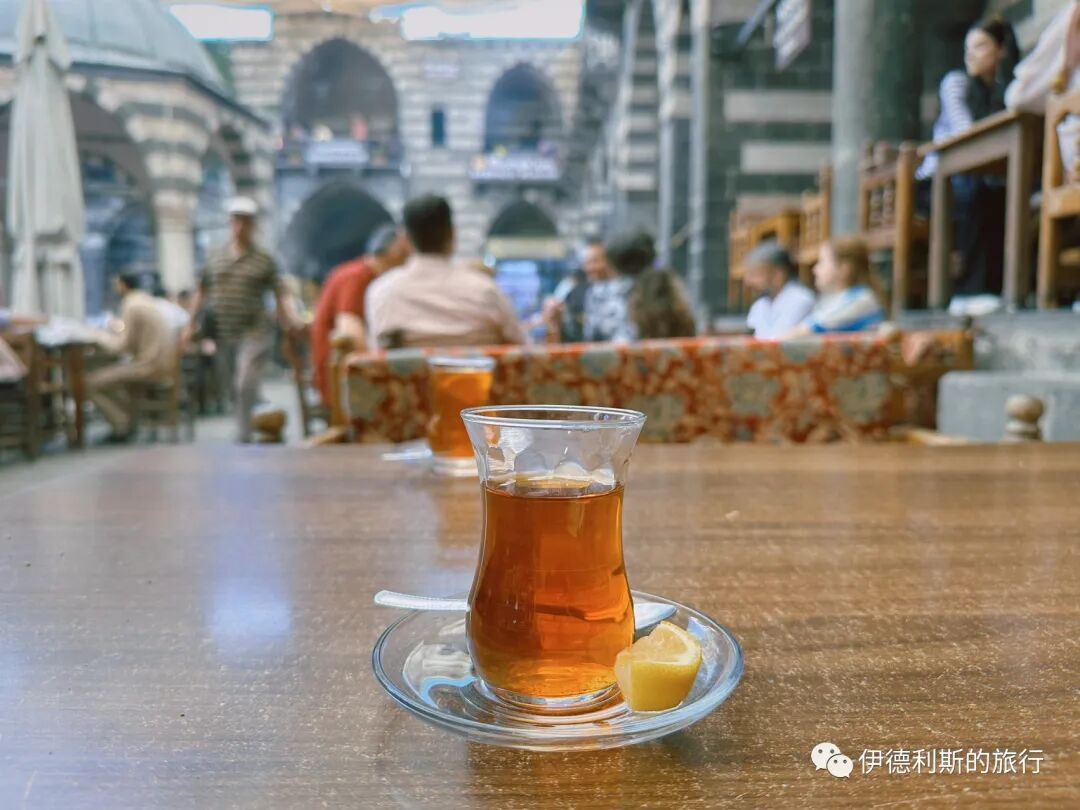
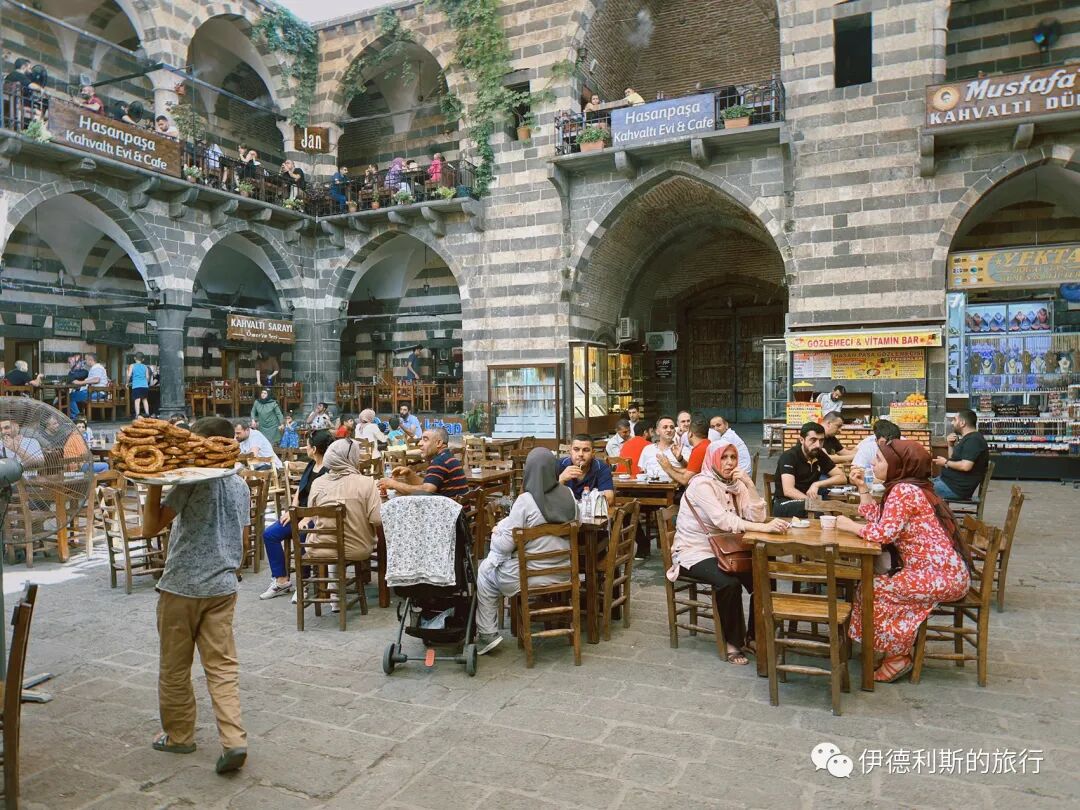
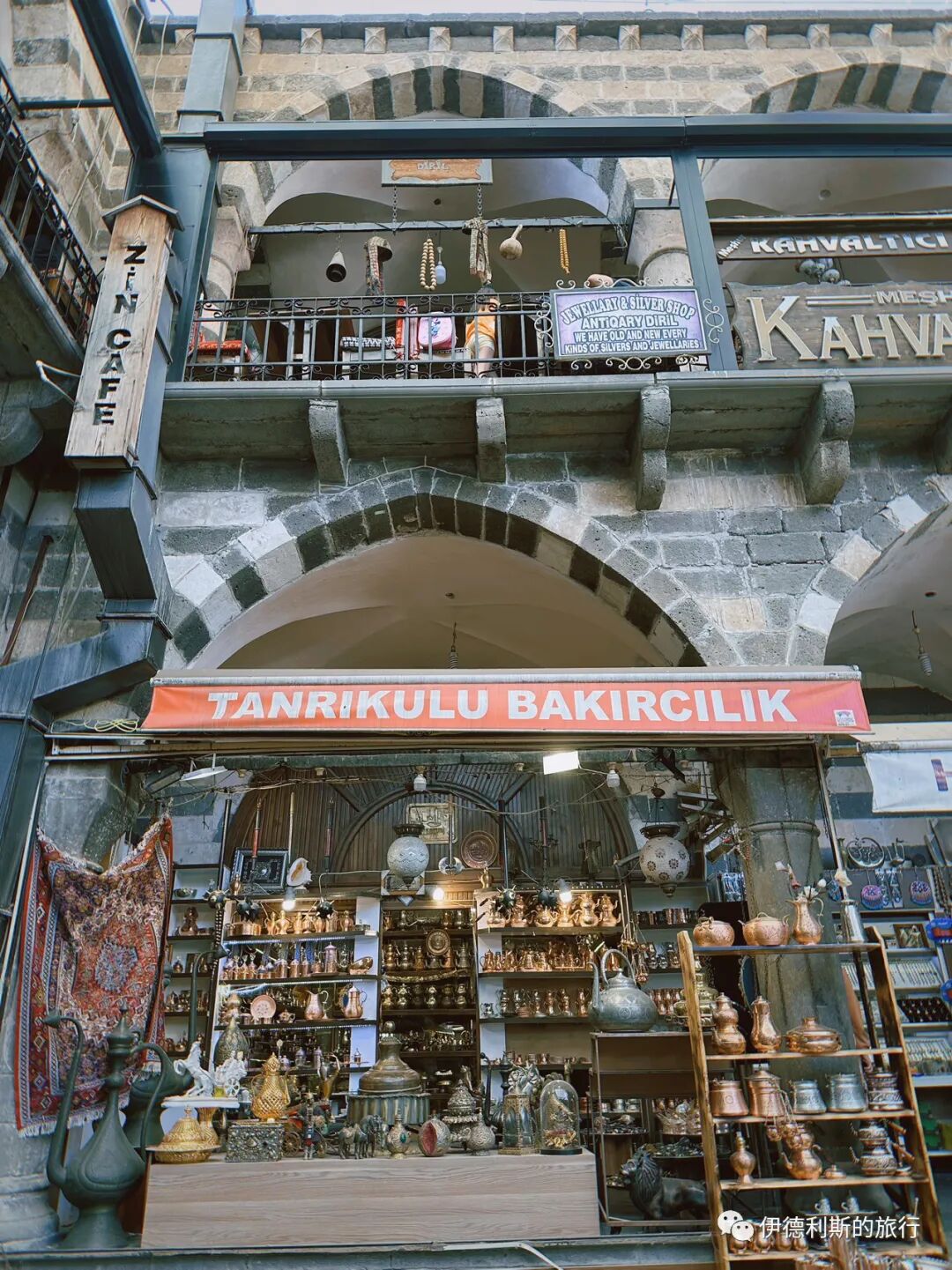
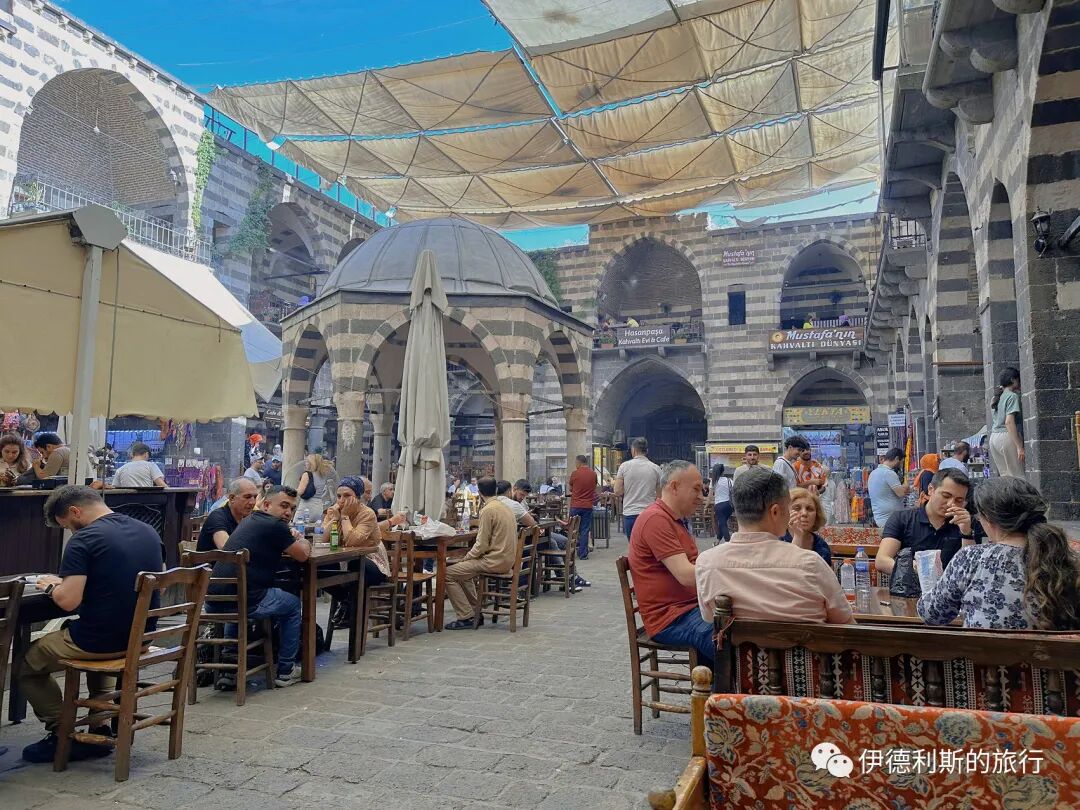
In the evening, we ate at a canteen (lokantasi) next to the north gate of the ancient city of Diyarbakir. A lokantasi is a lot like a canteen back home. Various stews and mixed salads are prepared and laid out together, so you just point at what you want to eat. I think it is perfect for tourists. Besides stews, they have a grill area where they make various kebabs, flatbreads with toppings (pide), and meat flatbreads (lahmacun). The open kitchen looks very clean.
We ordered the stewed kidney bean dish (kuru fasulye), which is known as Turkey's national dish, lamb rice pilaf (pilav), and a stew of eggplant, green peppers, and meat. Everything tasted great. As usual, they served four large plates of free side dishes and baked flatbread (naan). Everything laid out together looked very hearty!
Kuru fasulye is made by stewing kidney beans with lean beef, olive oil, onions, and tomato paste. Turkish rice pilaf dates back to the Ottoman court in the 15th century. At that time, rice was very rare and was only used as a garnish in Ottoman royal meals. Until the 18th century, only the rich in Turkey could afford to eat rice pilaf. It only became popular later on.
When making Turkish rice pilaf, it is important that the grains stay separate and do not stick together. They also like to add a type of rice-shaped pasta (arpa sehriye), which is made from coarse flour shaped like rice grains.
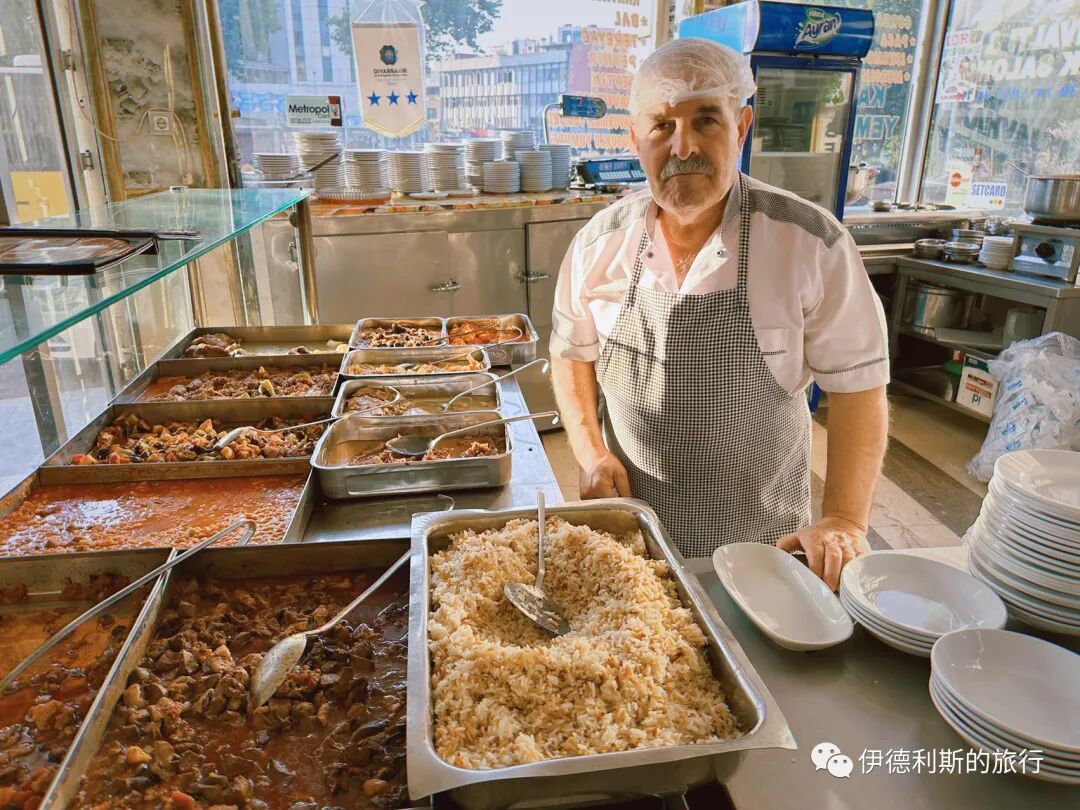
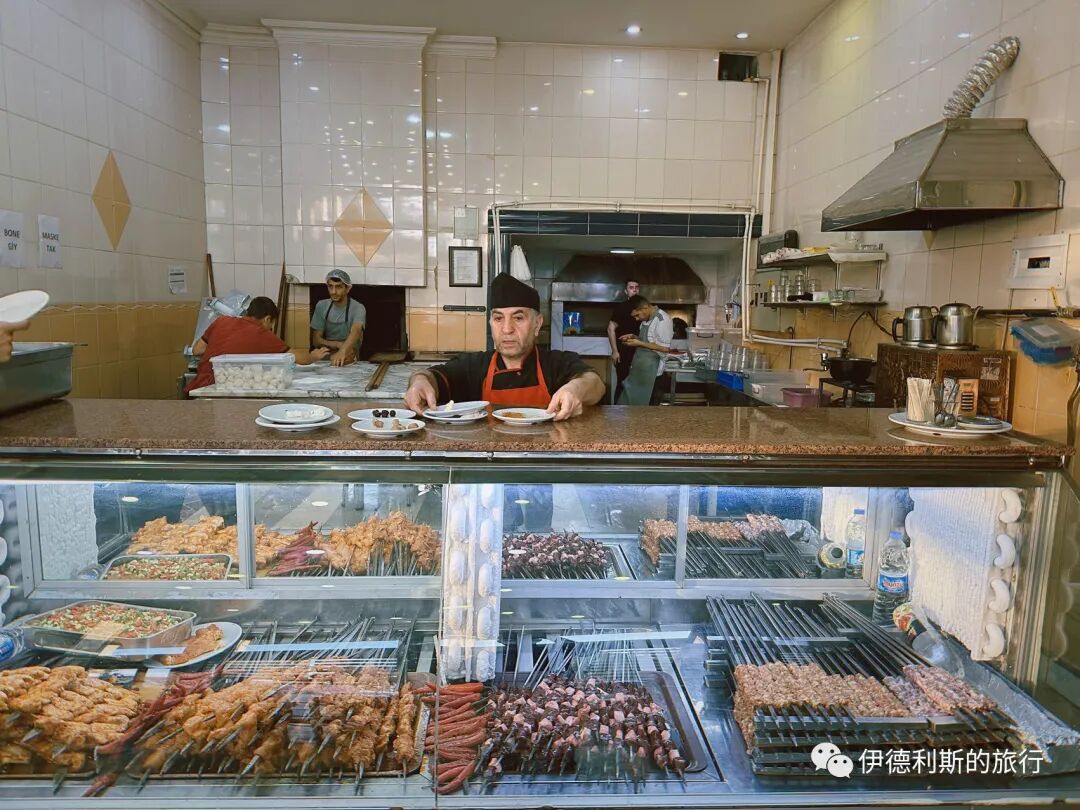
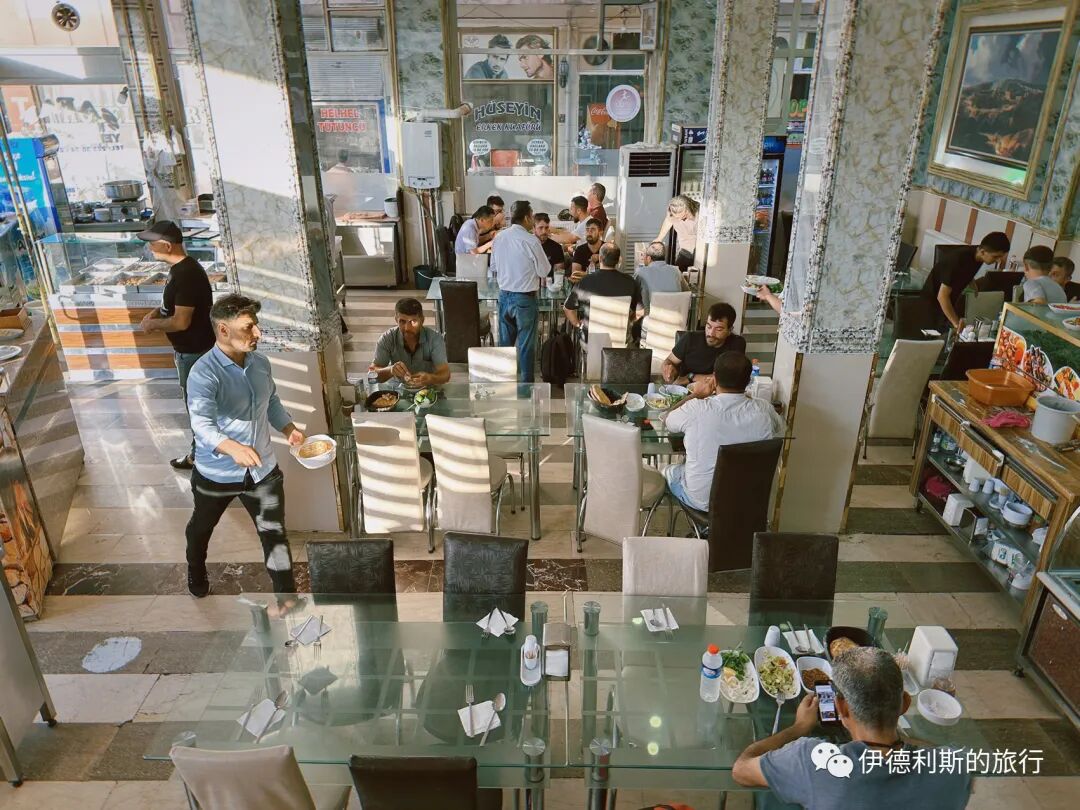
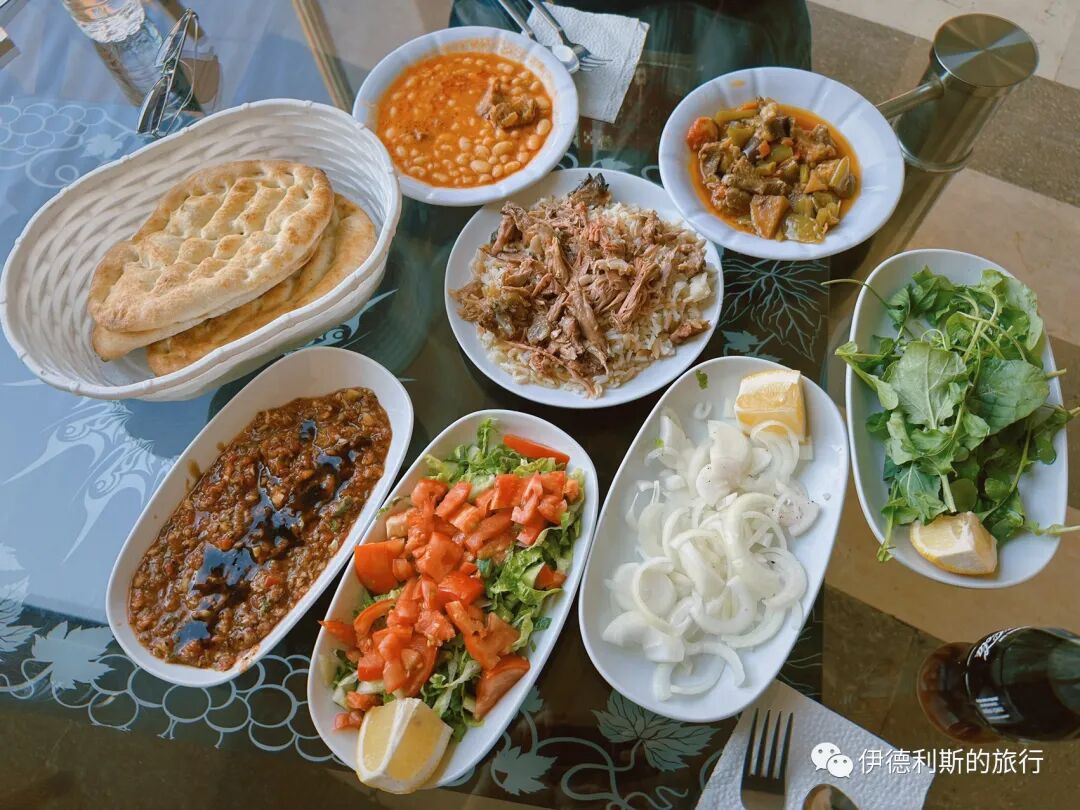
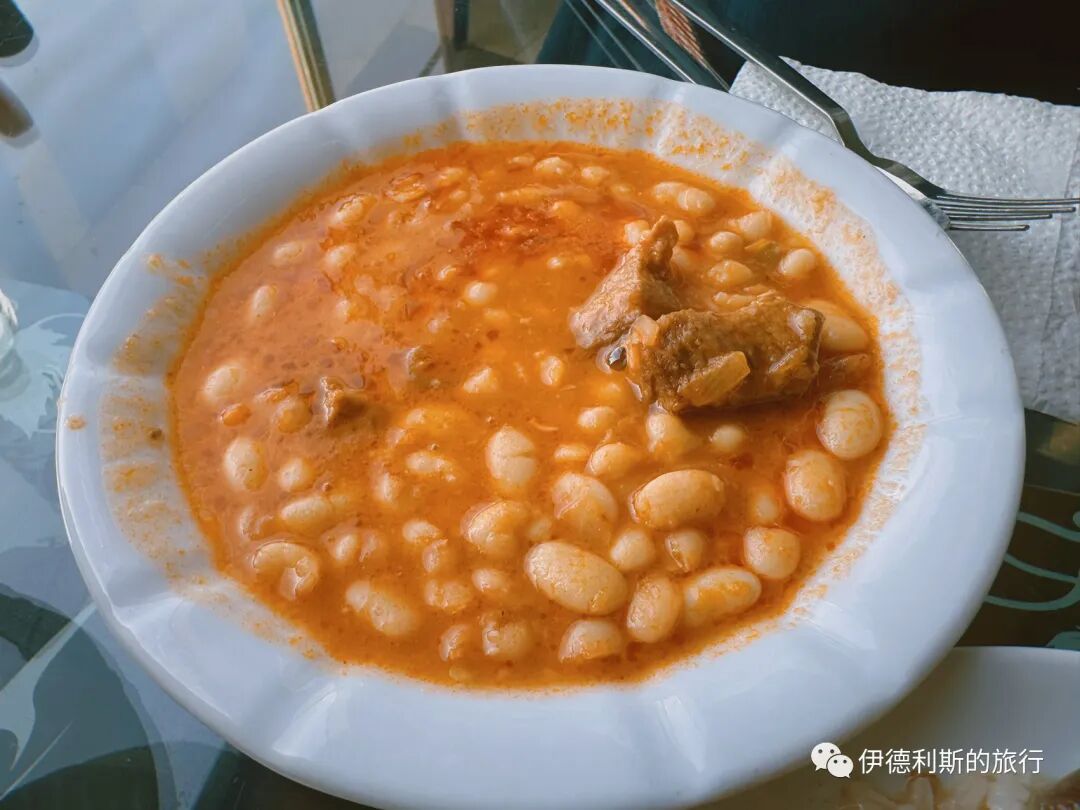
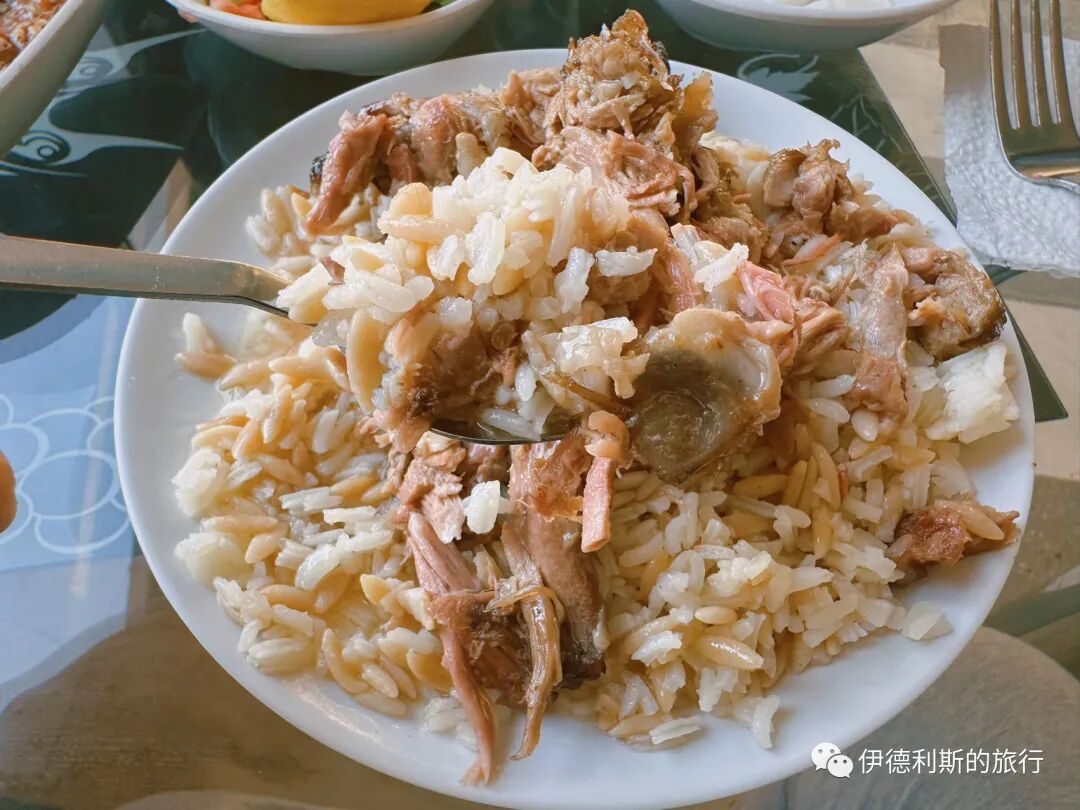
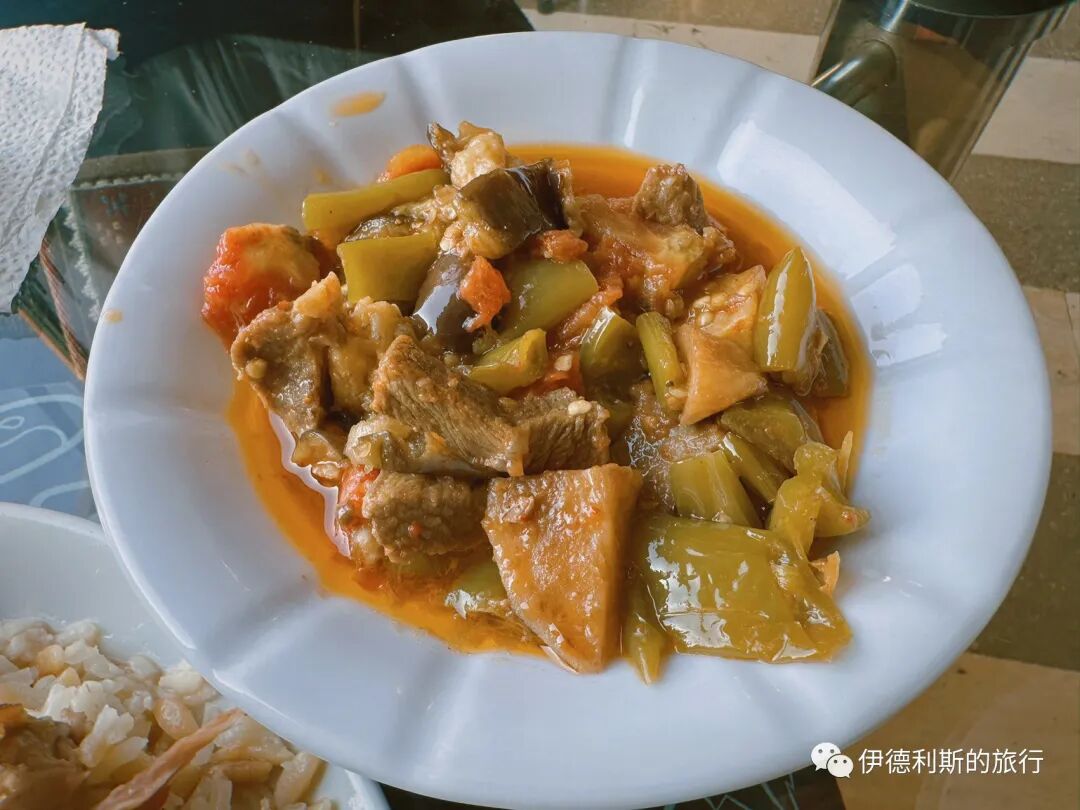
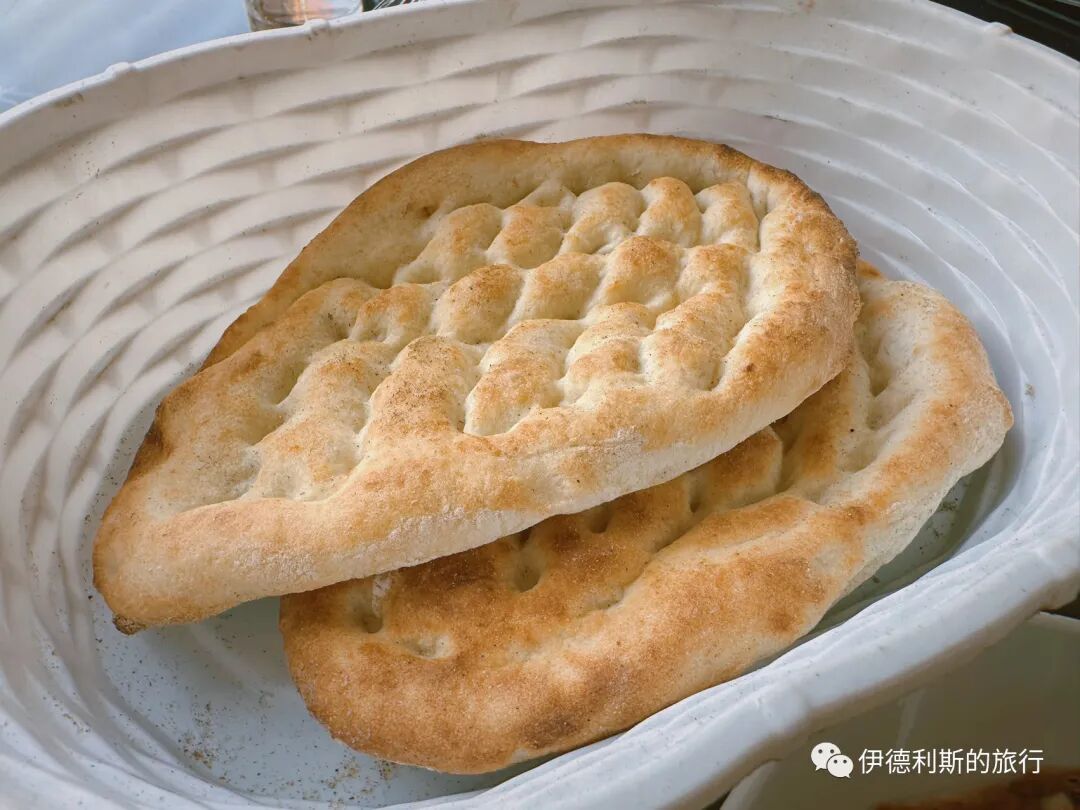
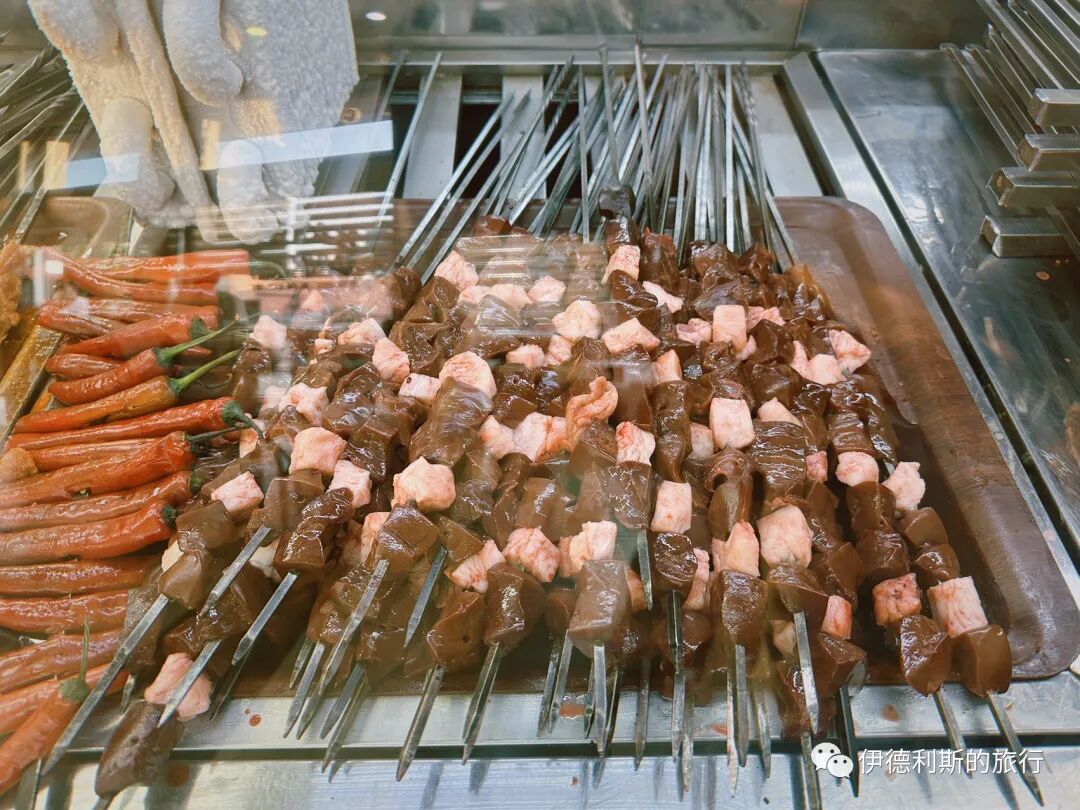
Walking through the alleys of the old city of Diyarbakir, it is calm and peaceful now, but this place suffered a catastrophe in 2015. At that time, peace talks between Turkey and the Kurdistan Workers' Party (PKK) broke down. In May 2015, the Kurds declared autonomy in the Sur district of the old city of Diyarbakir, and Turkish police began a crackdown. To counter the Kurds, Turkey demolished a large number of buildings in the old city. Except for a few ancient structures, the residential areas in the eastern half of the old city were basically razed to the ground.
When we visited in 2023, the eastern part of the old city had still not recovered from the conflict. The surviving ancient buildings in the east are being restored, and we hope they can return to their former appearance.
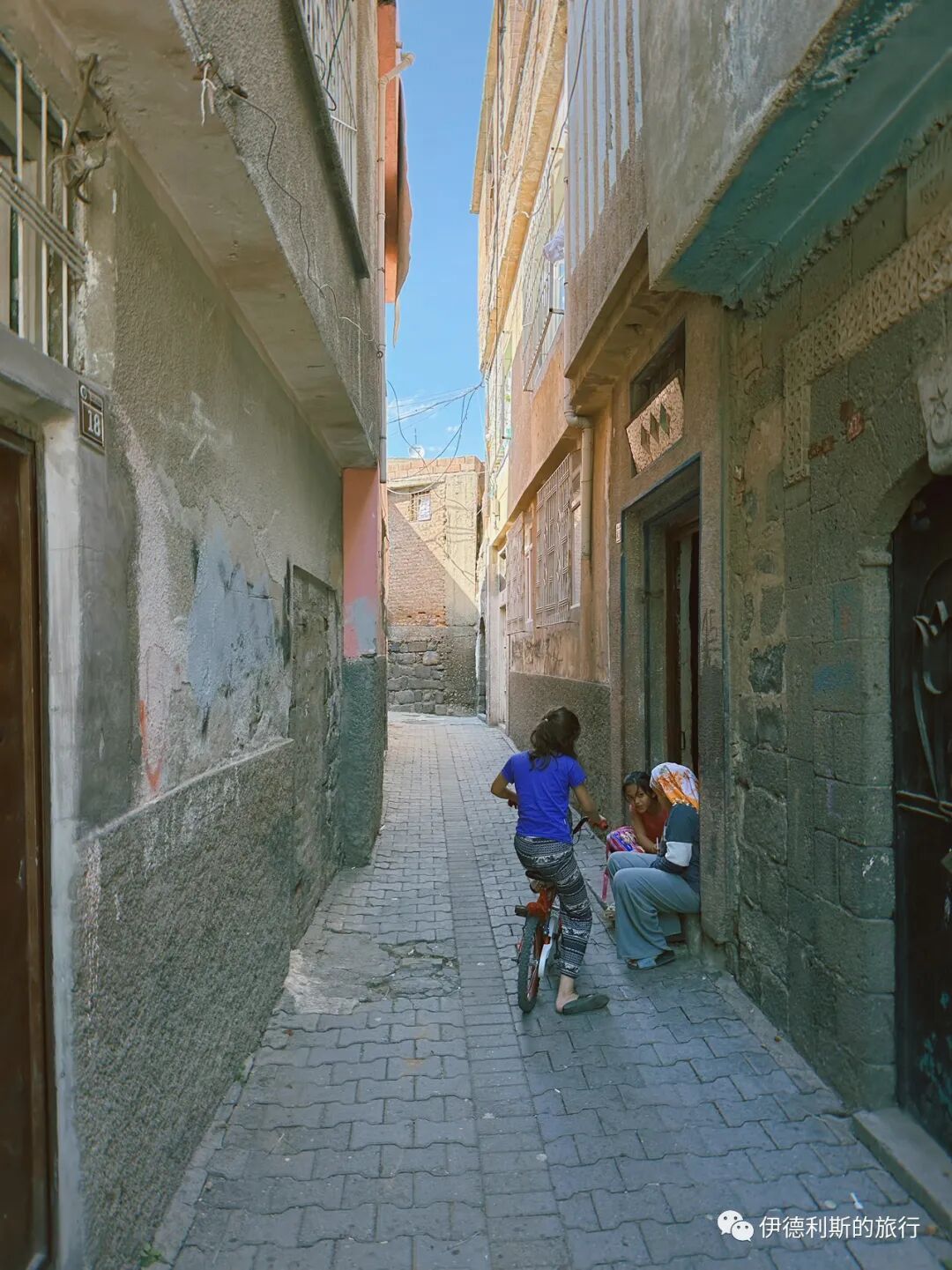
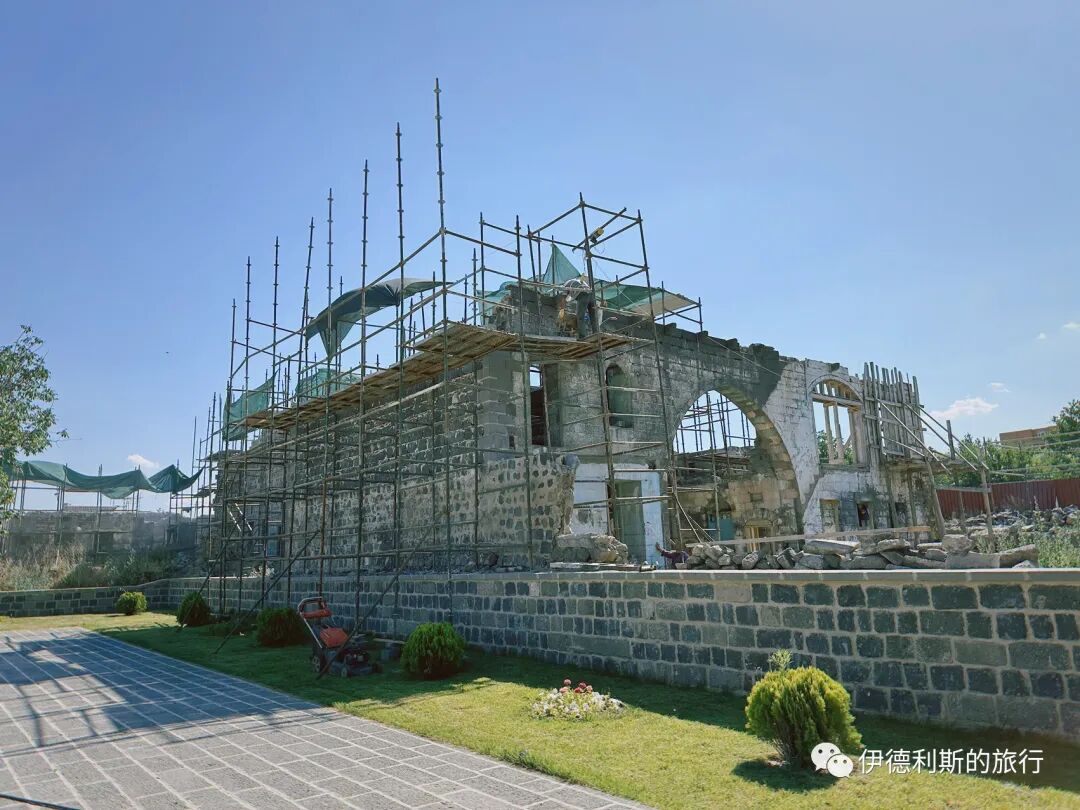
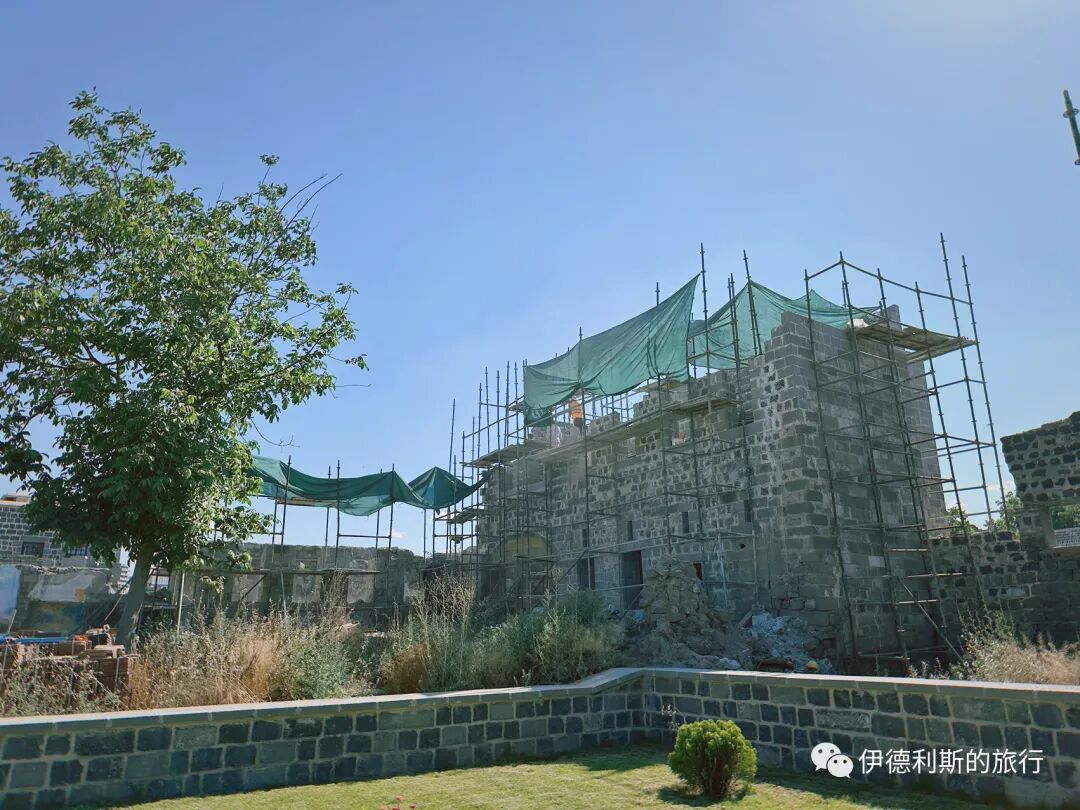
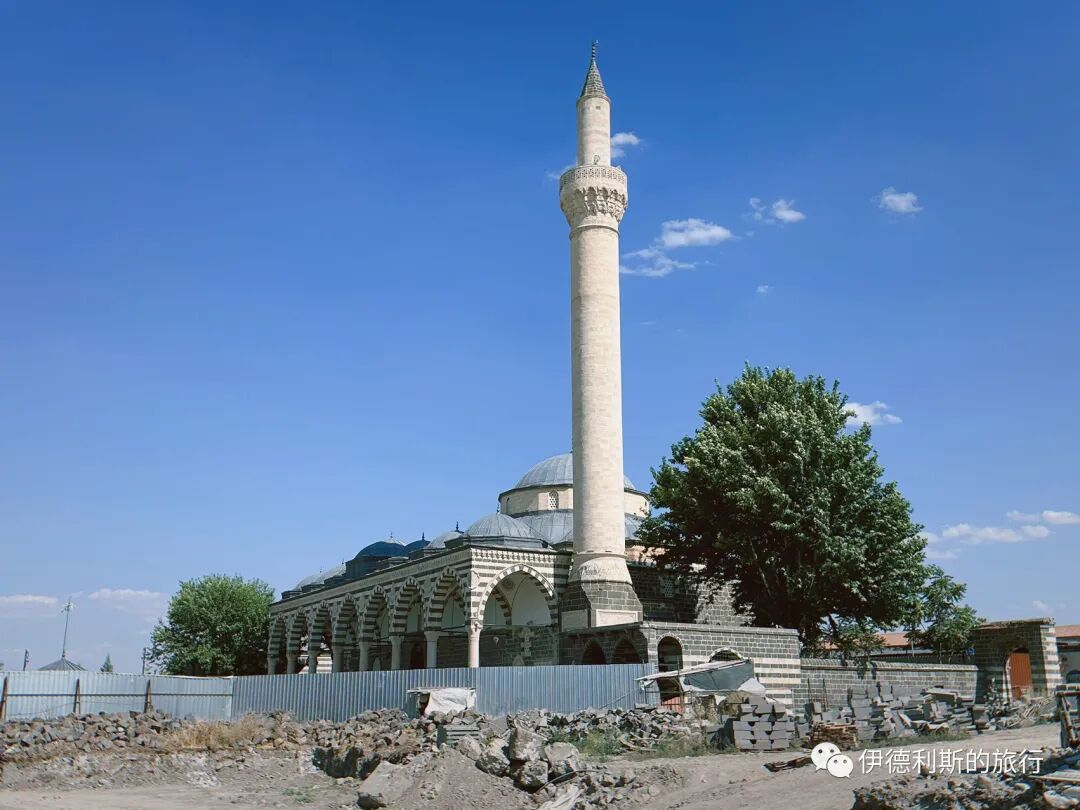
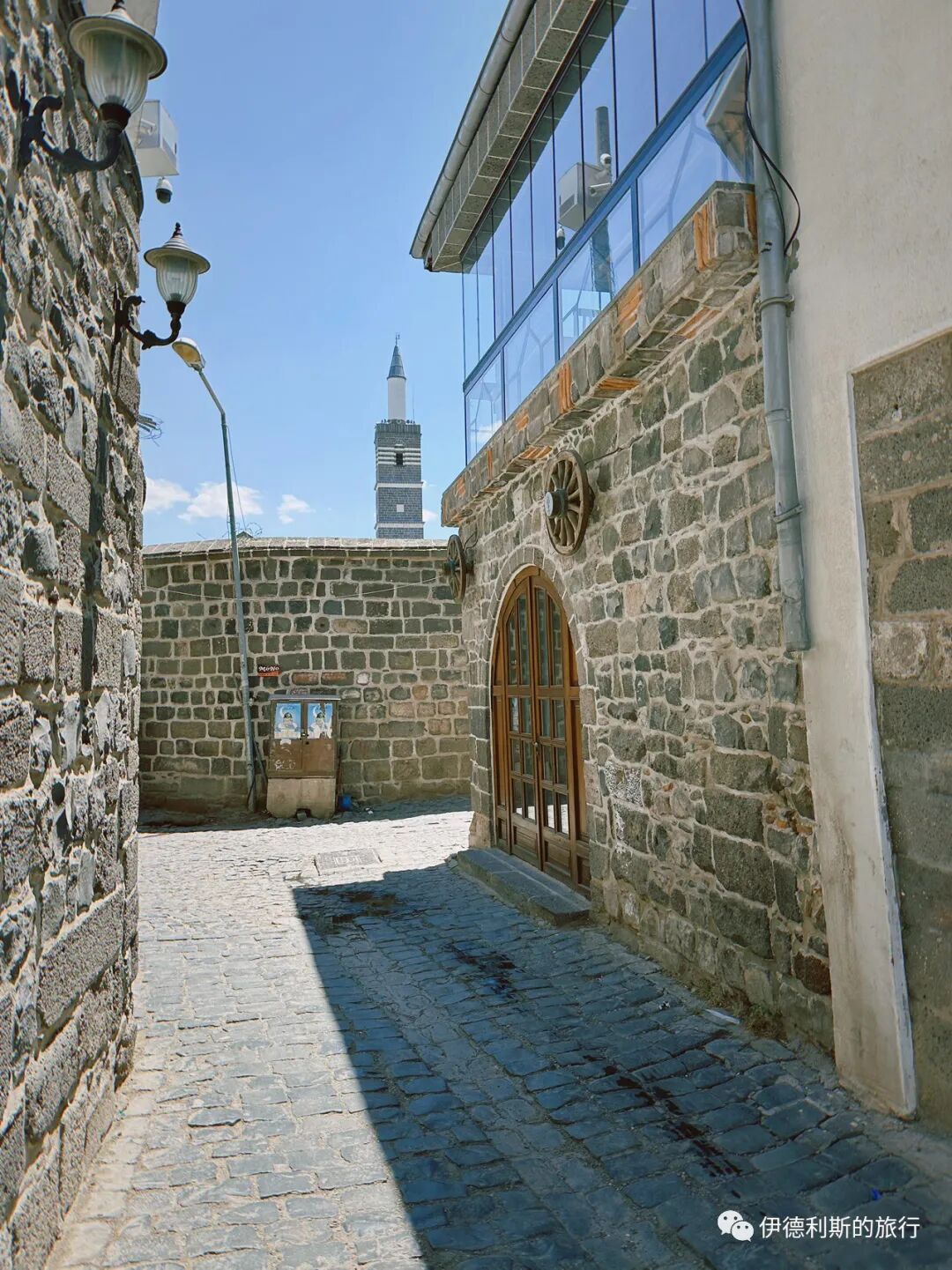
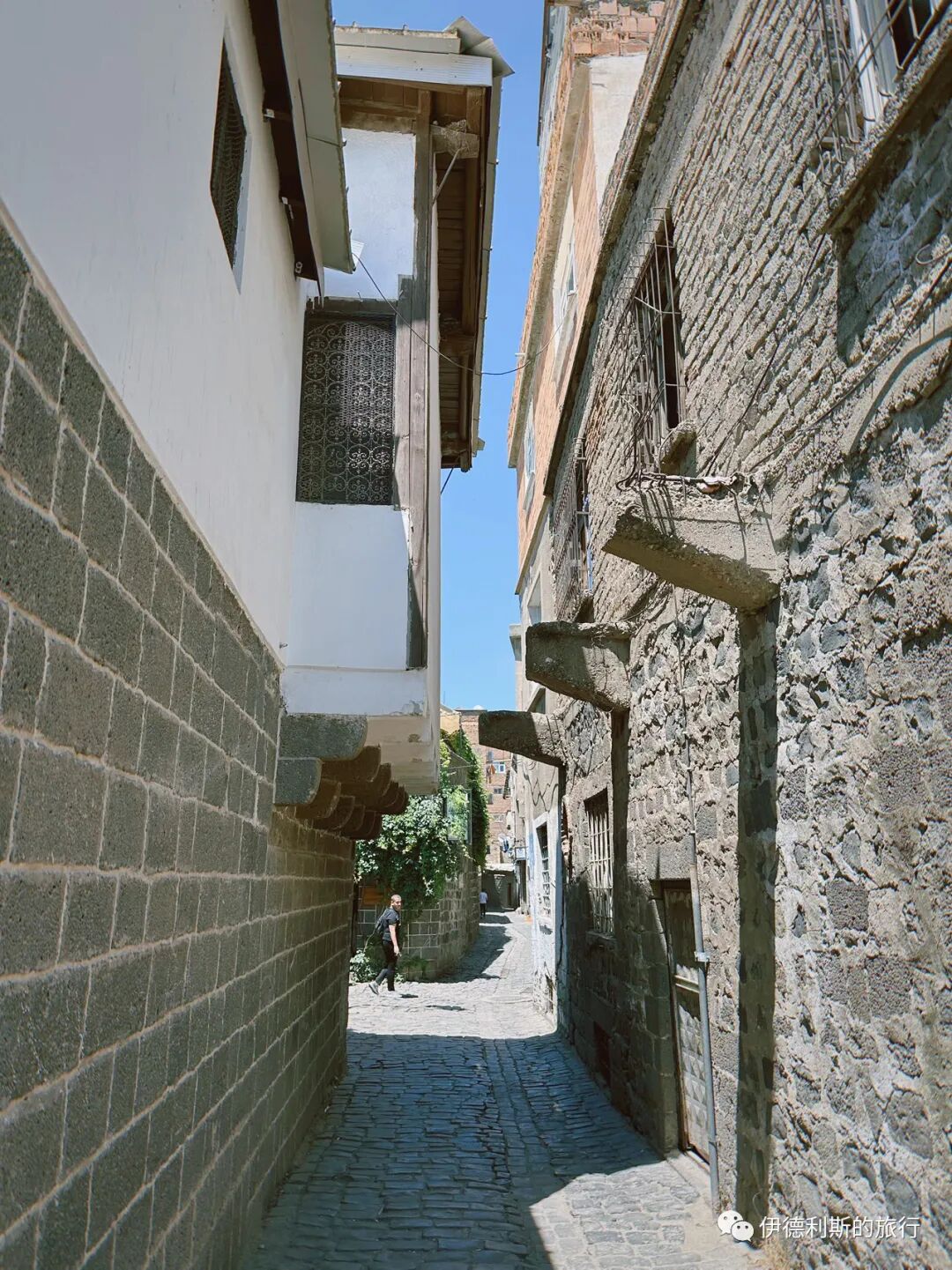
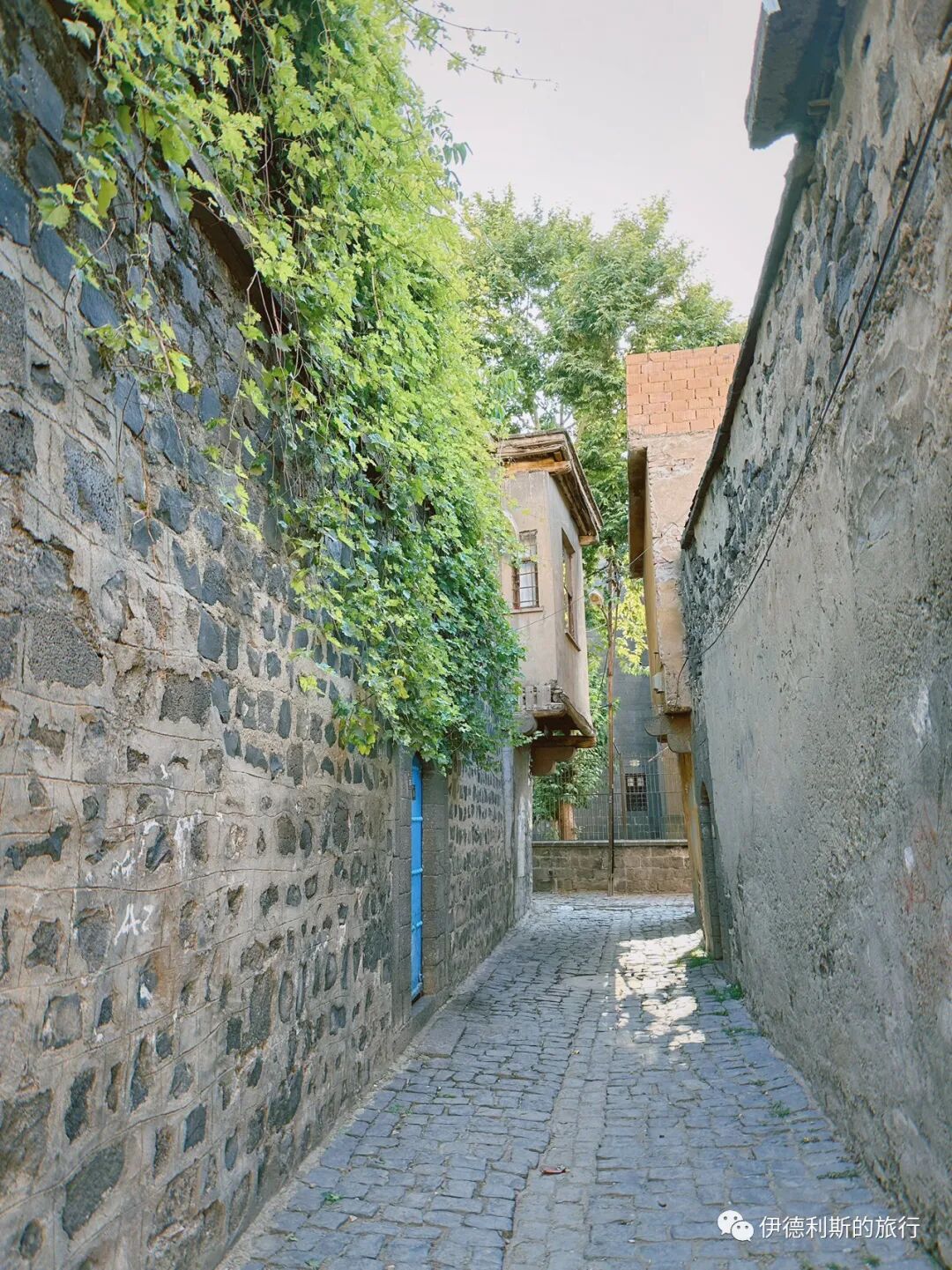
On the streets of the old city of Diyarbakir, there are all kinds of desserts to sample and coffee to taste, and the quality is excellent! Zainab especially liked the coffee here. The entrance to the Great Mosque of Diyarbakır, built in 1091, is full of people drinking tea and chatting. It is very relaxed.
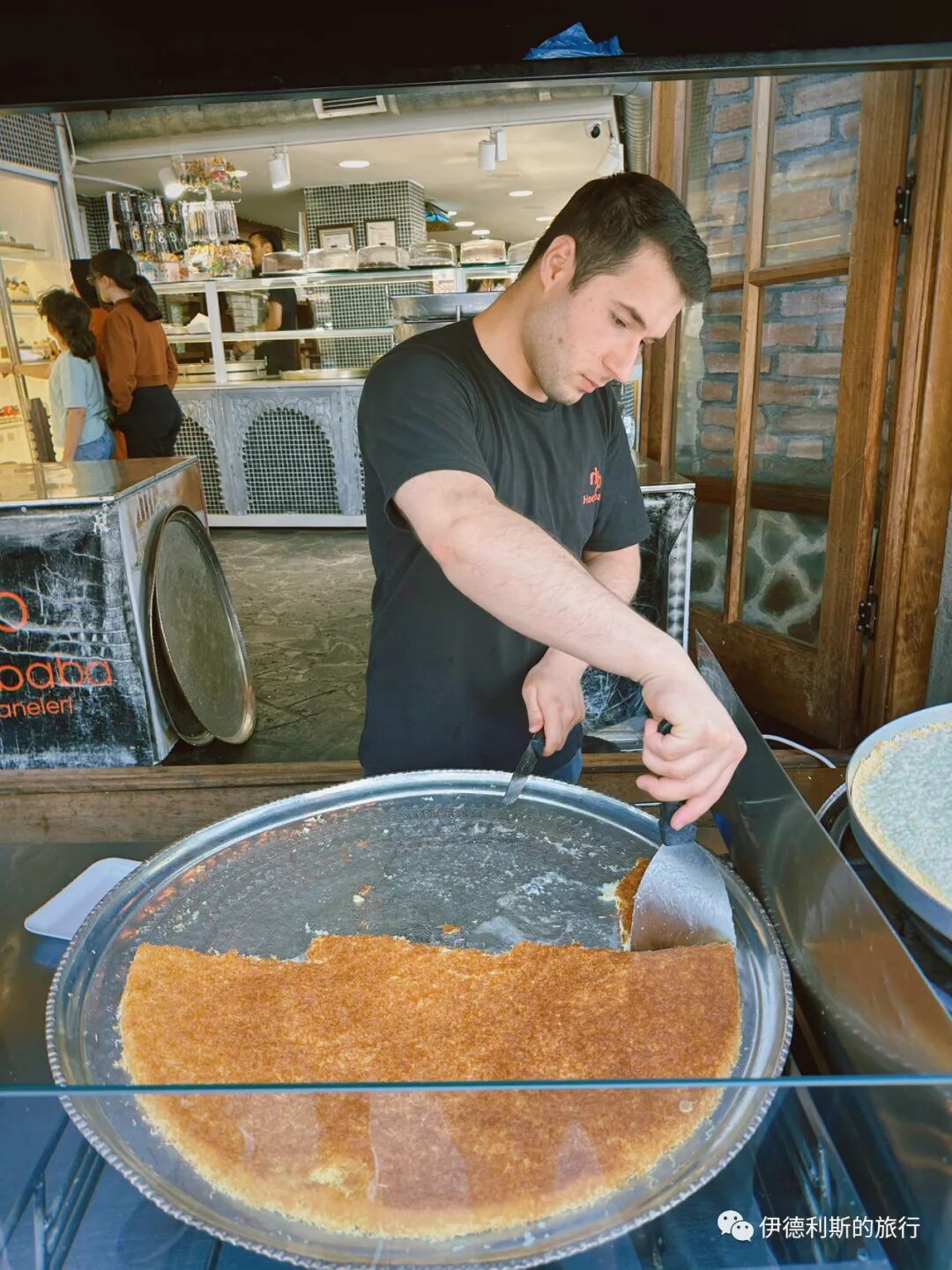
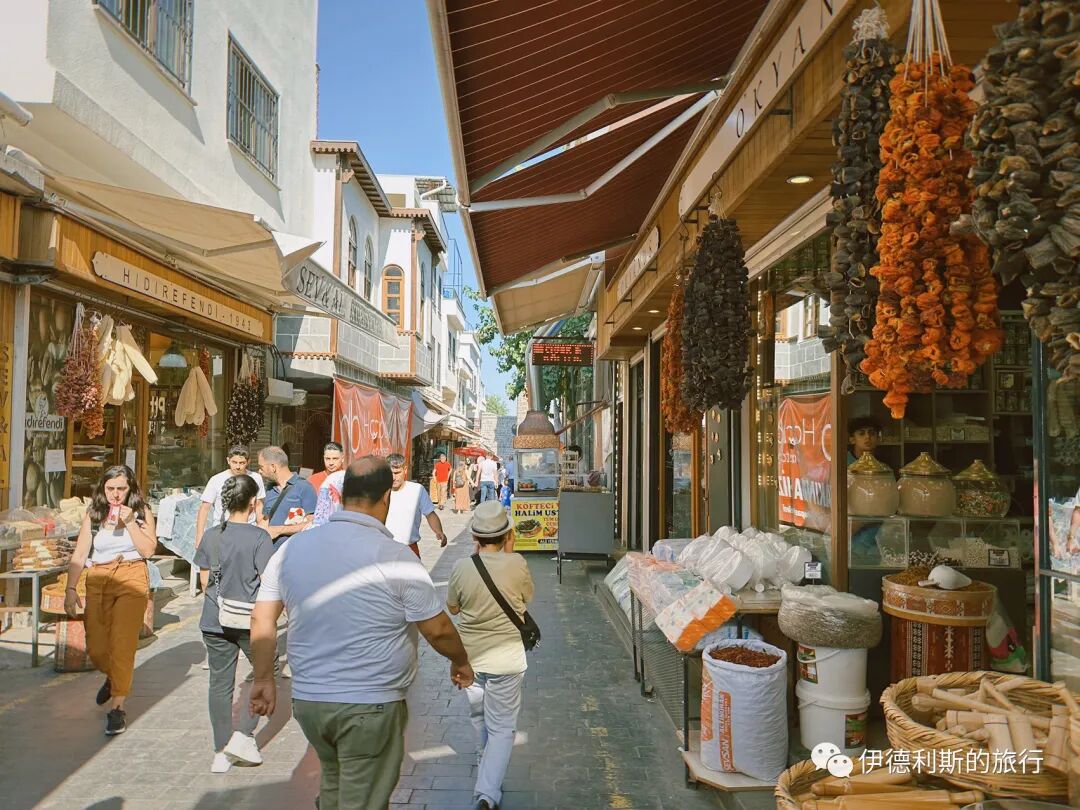
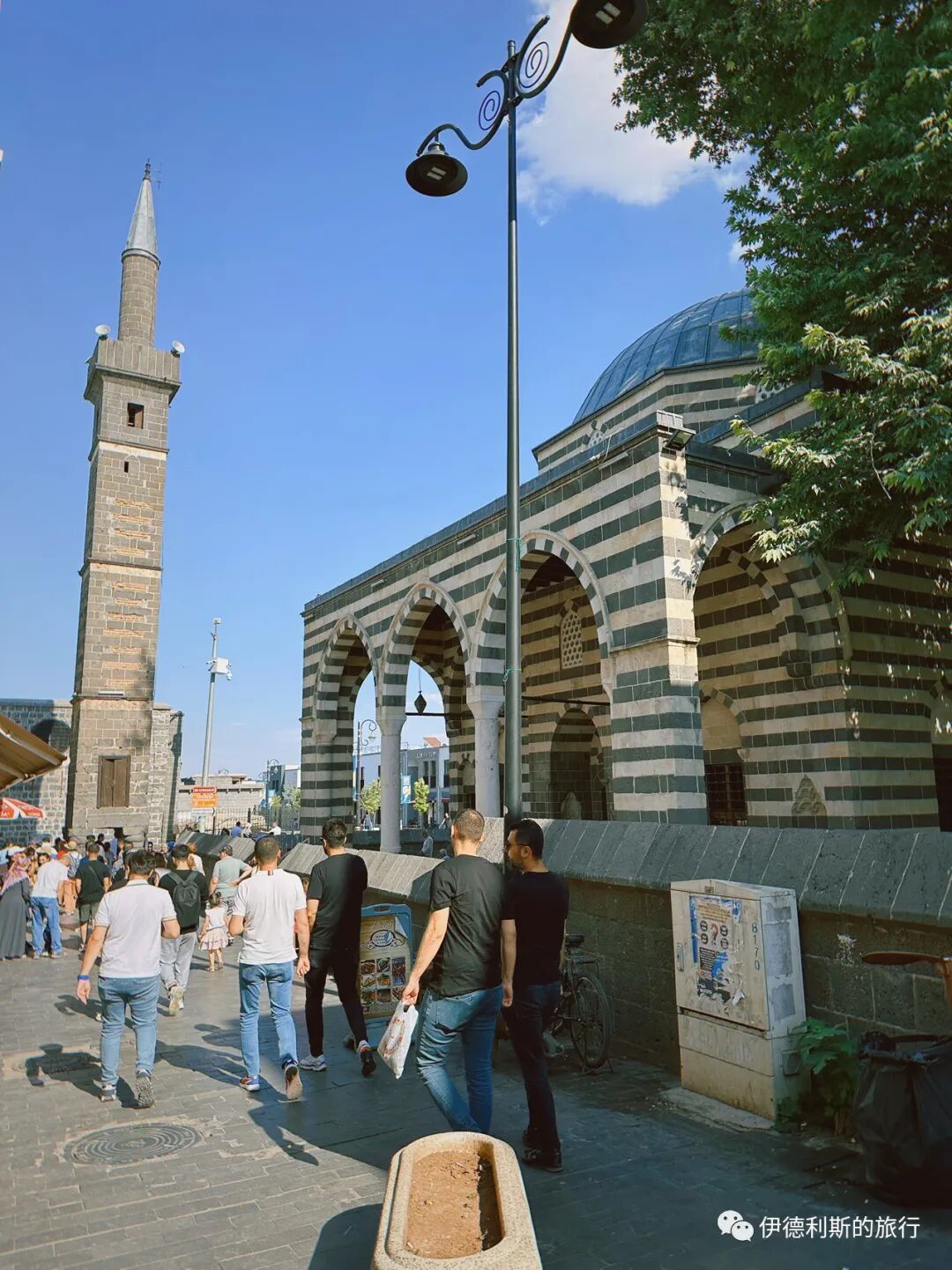
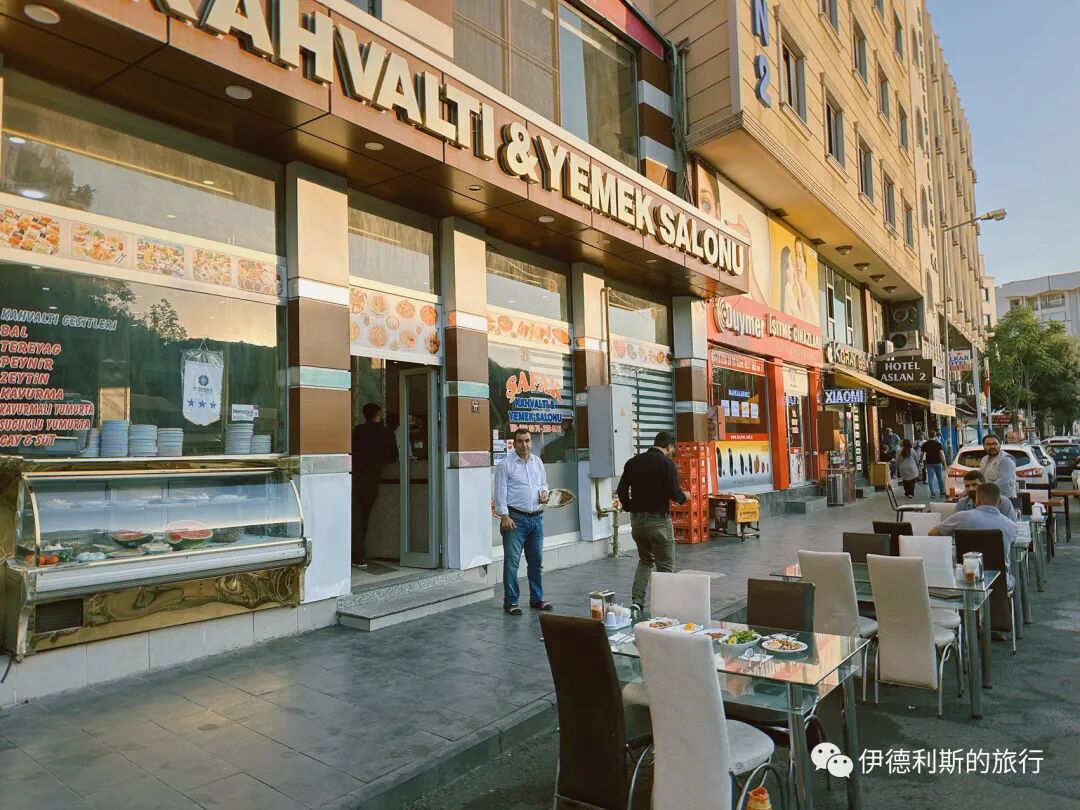
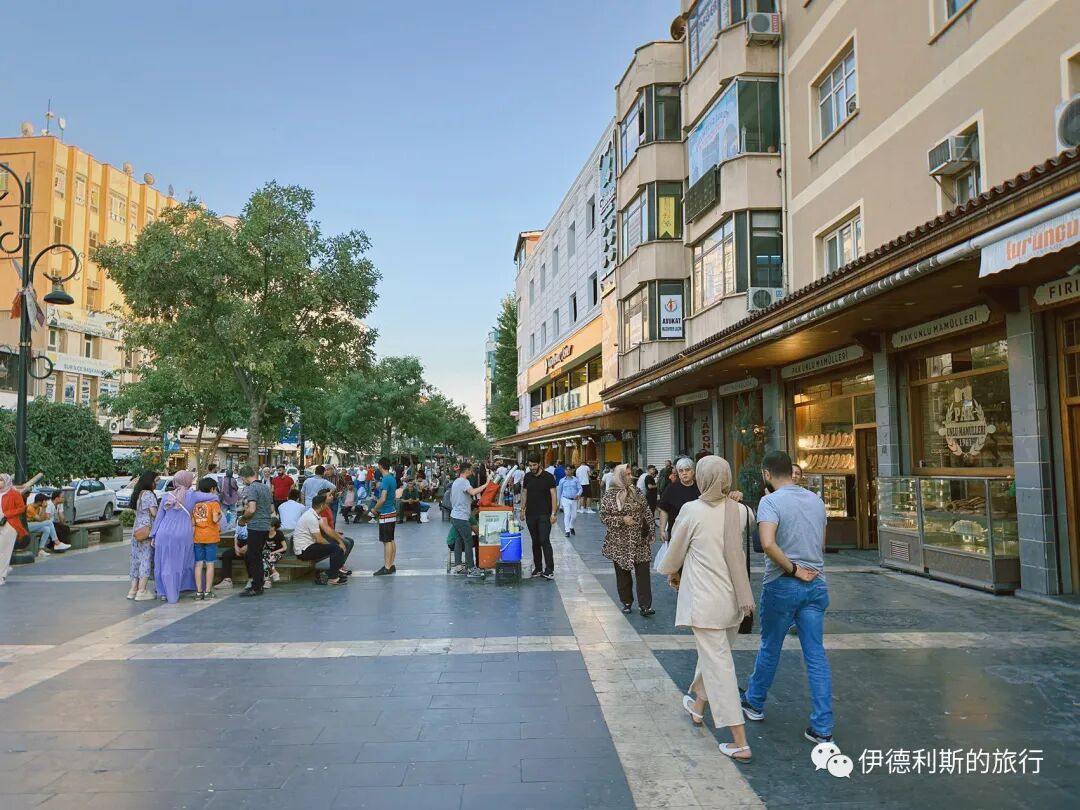
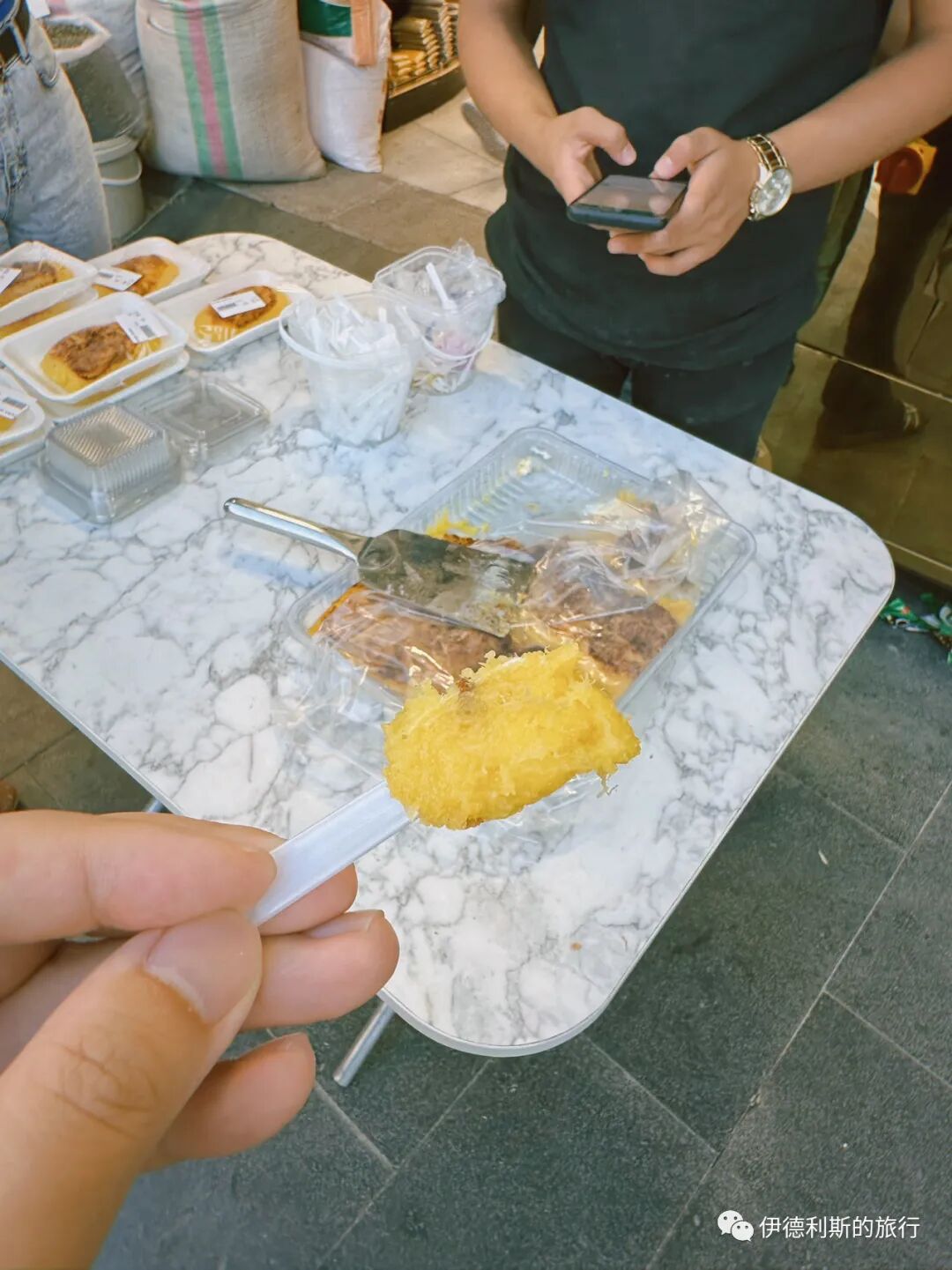
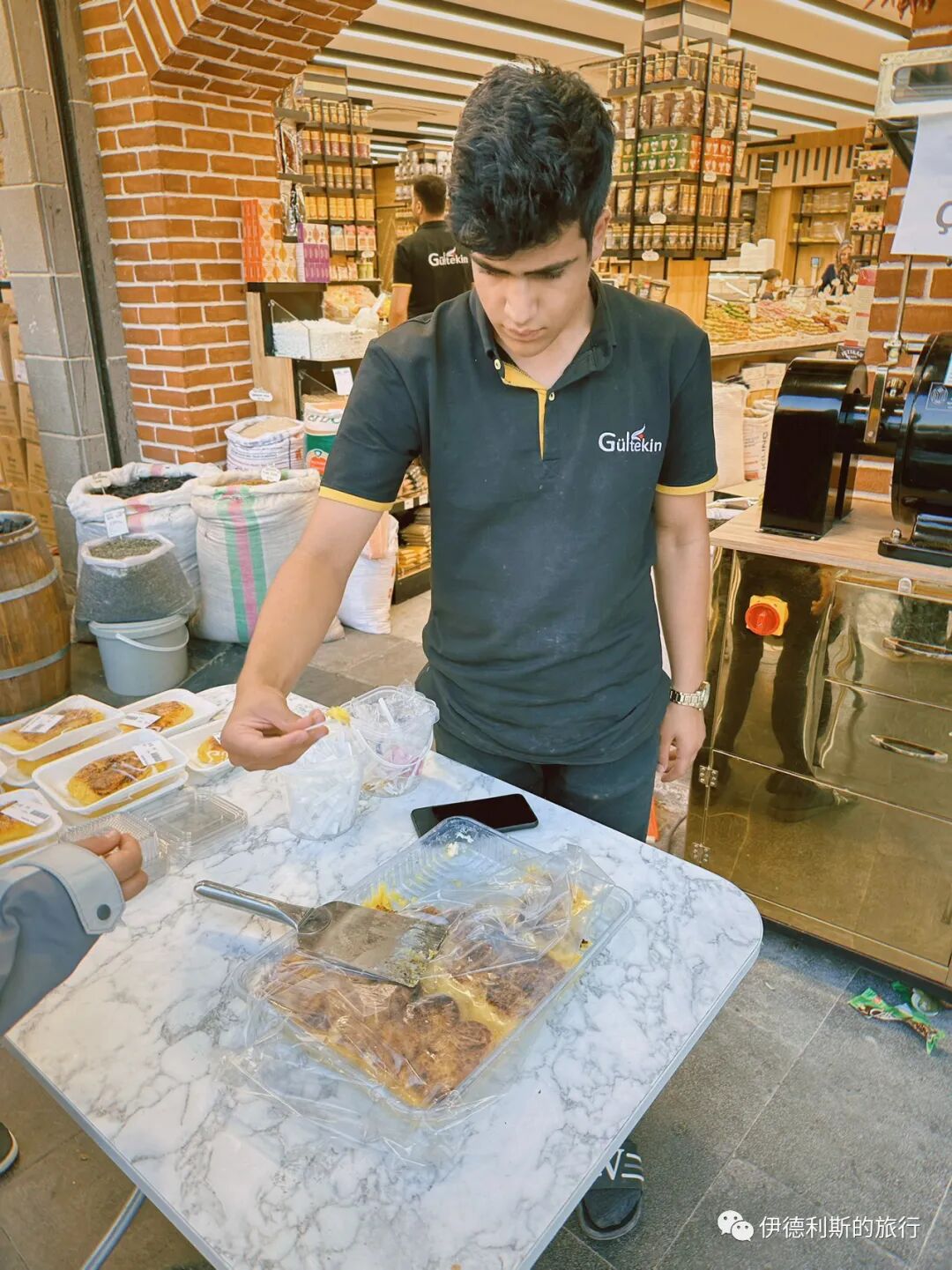
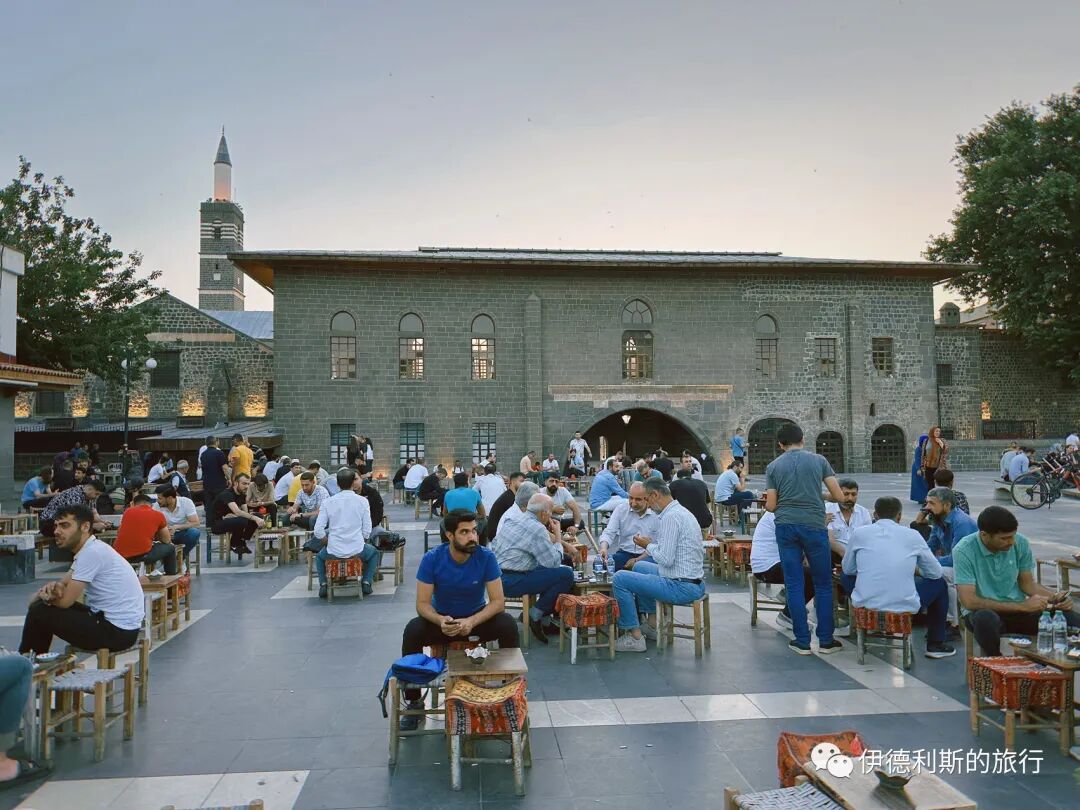
In the old city of Diyarbakır at night, Kurds love to sing and dance in the streets. As you walk along, you can feel the charm of Kurdish folk songs, the circle dance (Helperkê), the frame drum (Daf), and improvised singing (Teqsîm). Everyone warmly invited me to have tea and wanted to pull me in to dance with them.
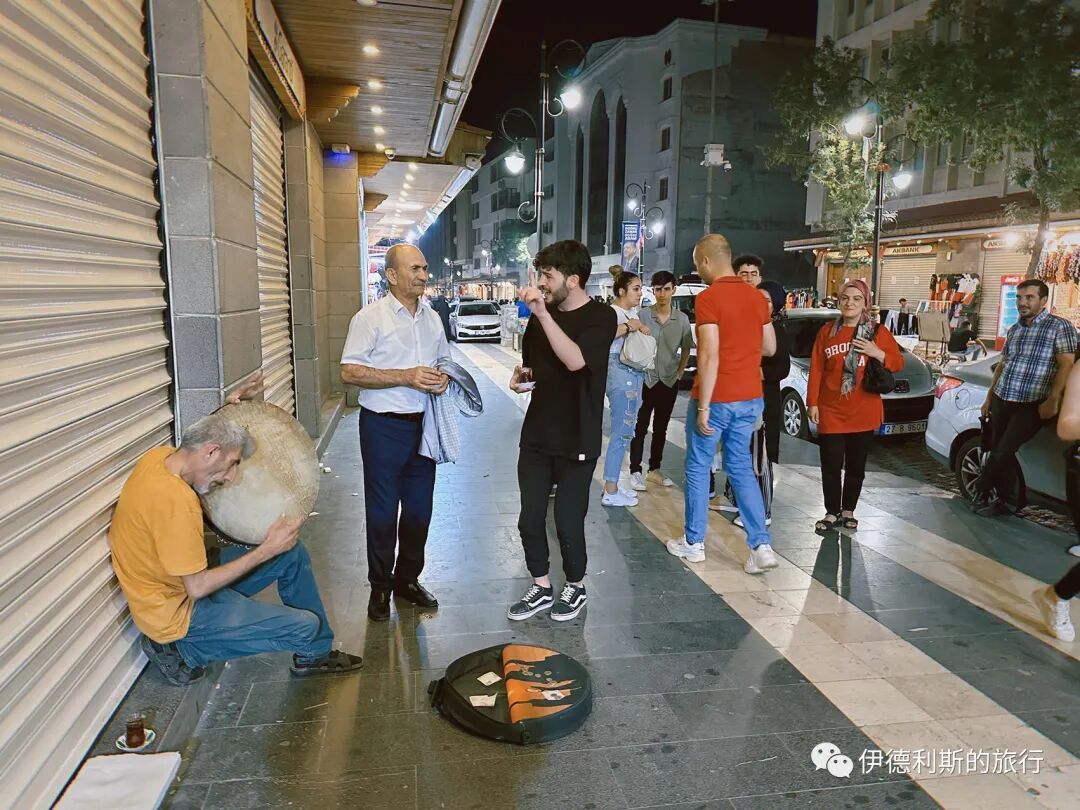
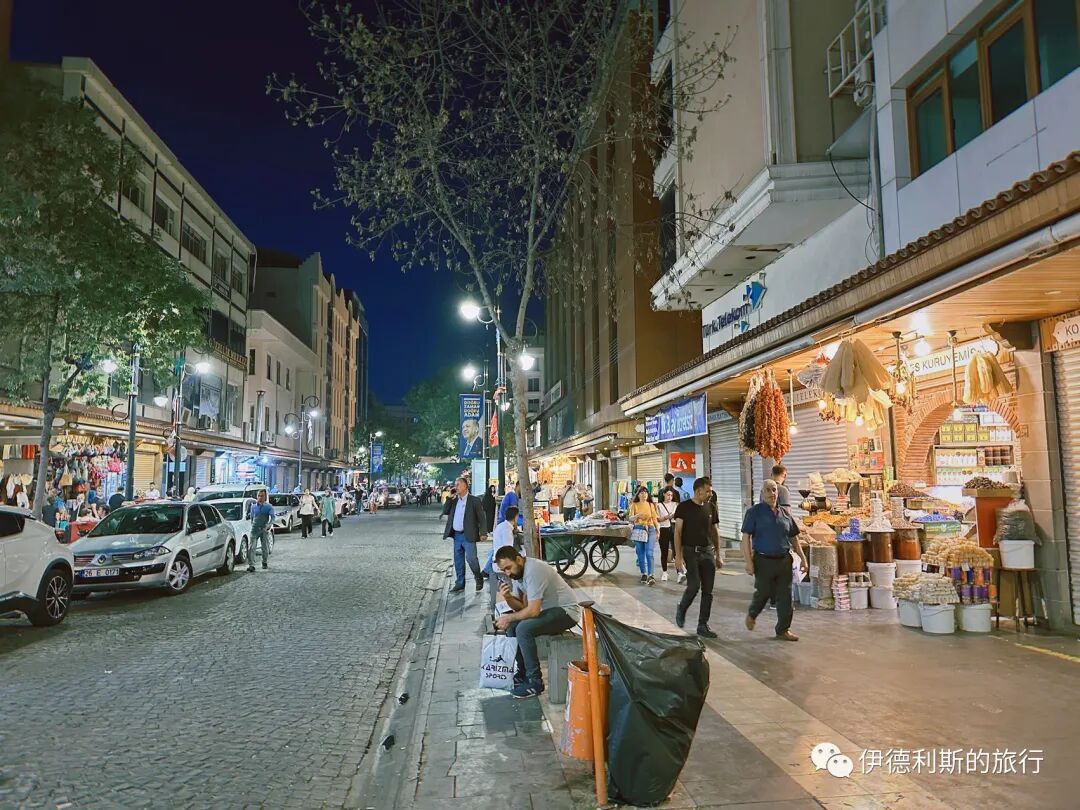

Halal Travel Guide: Konya — Seljuk History and Muslim Heritage (Part 1)
Articles • ali2007fr posted the article • 0 comments • 150 views • 2026-05-17 11:03
Summary: Konya — Seljuk History and Muslim Heritage is presented here as a firsthand travel account in clear English, beginning with this scene: The Seljuqs were a Sunni Muslim group from the Oghuz Turkic tribal confederation in the Central Asian steppes. The account keeps its focus on Konya Travel, Seljuk History, Turkey Travel while preserving the names, places, food, and historical details from the Chinese source.
The Seljuqs were a Sunni Muslim group from the Oghuz Turkic tribal confederation in the Central Asian steppes. They were deeply influenced by Persian culture. Between the 11th and 12th centuries, they built a vast Seljuq Empire that stretched across West and Central Asia. The Sultanate of Rum was a state founded by the Seljuqs in Asia Minor. After the Seljuq Empire collapsed, it continued to exist for over a hundred years with Konya as its capital. After the Mongol invasion, the Sultanate of Rum broke into many smaller states called beyliks. One of these beyliks eventually grew into the Ottoman Empire.
Between the 9th and 10th centuries, a unique "Turco-Persian" culture emerged in the Khorasan and Transoxiana regions. This culture formed when Turkic peoples, living in Central Asia and Iran, blended Turkic and Persian cultures. These Turkic peoples were deeply influenced by Persian culture. From the 11th to the 13th centuries, "Turco-Persian" culture spread quickly. As the Seljuq Dynasty and the Delhi Sultanate expanded, this culture reached from the Mediterranean Sea all the way to the mouth of the Ganges River. Later, "Turco-Persian" culture gradually took root in West and South Asia with the rise of the Ottoman Empire and the Mughal Dynasty. For several centuries, it became the main culture for the ruling and elite classes.
Konya, as the capital of the Seljuq Sultanate of Rum, was the last Seljuq "Turco-Persian" cultural center after the Seljuq Empire fell. Seljuq culture is a very unique part of "Turco-Persian" culture. It is most famous for its tiles and stone carvings. On this trip to Konya, I visited all the Seljuq-era historical sites in the city. Sadly, some were under repair and I couldn't go inside. I will share the Seljuq sites I saw on this trip.
Contents
1. Historical Introduction
1. The Founding of the Seljuq Sultanate of Rum
2. Making Konya the Capital
2. Rumi's Tomb: 1274
1. Rumi in Konya
2. Rumi's Tomb
3. Iplikci Mosque: 1201
4. Karatay Madrasa: 1251
5. Tiles of Kubadabad Palace: 1236
6. Slender Minaret Madrasa (Ince Minareli Medrese): 1268
7. Konya City Walls: 12th-13th Centuries
8. Alaeddin Kiosk: Late 12th Century
9. Alaeddin Mosque: 12th Century - 1235
Ten. Glass Madrasa (Sırçalı Medrese): 1242.
Eleven. Sahib Ata Mosque: 1258.
Twelve. Sahib Ata Madrasa: 1258.
Thirteen. Artifacts in the Turkish and Islamic Arts Museum.
1. Historical Introduction
1. The Founding of the Seljuq Sultanate of Rum
The Seljuqs were a branch of the Oghuz Turkic tribe. They originally lived as nomads on the Kazakh steppes, north of the Syr Darya River in Central Asia. Their leader, Seljuk Beig, converted to Islam around 985. He then separated from the Oghuz tribal confederation and moved to the Transoxiana region, south of the Syr Darya River.
In 1035, their relationship with the Karakhanid Dynasty got worse. The Seljuqs were forced to move south into the Khorasan region of Persia. They then unexpectedly defeated the large army of the Ghaznavid Dynasty. Soon after, they fully controlled all of Khorasan.
In 1037, Tughril (who ruled from 1037-1063) officially founded the Seljuq Dynasty in Khorasan. They then kept expanding. In 1051, they moved their capital to Isfahan, which was then the most important city in Persia.
Starting in 1040, the Seljuq Dynasty repeatedly attacked Asia Minor, which was under Byzantine rule. They finally defeated the Byzantines completely in the Battle of Manzikert in 1071. After the war, Seljuq Sultan Alp Arslan (who ruled from 1063-1072) sent his distant cousin, Suleiman ibn Qutulmish (who ruled from 1077-1086), to go deeper into Asia Minor. Suleiman moved west all the way, reaching the city of Nicaea on the Sea of Marmara.
In 1077, Suleiman officially founded the Seljuq Sultanate of Rum, with Nicaea as its capital. "Rum" meant "Rome" at that time, and people used it to refer to Asia Minor under Eastern Roman (Byzantine) rule.
The Seljuq Dynasty in 1092, from Wikipedia
2. Making Konya the Capital
The rapid expansion of the Seljuq Dynasty caused panic among Christian states. This directly led to the First Crusade. In 1097, Nicaea, the capital of the Sultanate of Rum, finally fell after a long siege by the Crusaders, forcing the Sultanate to move its capital east to Konya.
Konya was very wealthy in the second half of the 12th century. At that time, the Sultanate of Rum controlled almost all of eastern Anatolia, several port towns on the Mediterranean and Black Seas, and even held a foothold in Crimea for a time, bringing vast trade wealth into Konya.
After the Mongols invaded Central Asia and Persia in the early 13th century, many Turkic and Persian people came to Konya for refuge. In the 1220s, Konya was full of refugees from the Khwarezmid Empire. Many were educated intellectuals or skilled craftsmen, the most famous being the Sufi scholar and great Persian poet Rumi.
In 1243, the Seljuk Sultanate of Rum was defeated by the Mongol Empire and became a vassal state, but Konya remained the capital. People lived in stability, and many existing Seljuk buildings date from this period.
In the late 13th century, the Seljuks split into many small principalities, including the early Ottoman Empire. These small states nominally recognized the status of the Sultanate of Rum, but the Sultanate could only actually control the limited territory around Konya. At this time, the Karamanids dynasty began continuous attacks on the Seljuk Sultanate of Rum, but they eventually failed due to the intervention of the Ilkhanate.
At the end of the 13th century, the Sultanate of Rum fell into a series of internal struggles, and the last Sultan, Mesud II, was killed in 1308. In 1328, Konya was occupied by the Karamanids dynasty, and Seljuk culture finally exited the historical stage. After this, the Ottomans rose on the legacy of the Seljuk Sultanate of Rum, and Konya would eventually enter its next era.
The Sultanate of Rum in the 12th and 13th centuries, by author DragonTiger23.
2. Rumi's Tomb: 1274
Rumi (1207-1273) was a famous 13th-century Sufi scholar and Persian poet, honored in Turkey as Mevlâna. Rumi died in Konya in 1273 and was buried next to his father's tomb. His successor, Hüsamettin Çelebi, decided to build a mausoleum for Rumi, and the tomb, led by architect Badr al-Din Tabrizi, was officially completed in 1274.
The entire complex includes the tombs of Rumi and his followers, a mosque, a Sufi practice space, and living areas for the practitioners. During the Ottoman era, this place was always the center of activity for the Mevlevi Sufi order.
In 1925, the Republic of Turkey announced the closure of all Sufi practice spaces and the dissolution of Sufi orders. In 1927, the Rumi mausoleum was converted into the Konya History Museum and opened to the public, and it was renamed the Mevlâna Museum in 1954. Today, it is a famous Sufi holy site in Turkey, and people from all over the world come here to visit and make pilgrimages every day.
1. Rumi in Konya
Rumi was born in 1207 into a Persian-speaking family in the Balkh region on the border of Afghanistan and Tajikistan. His father, Baha'ud-Din, was an Islamic scholar and a Sufi mentor.
Between 1215 and 1220, the Mongols invaded Central Asia, and Rumi moved west with his family, eventually arriving in Anatolia after much traveling. In 1228, the Seljuk Sultan of Rum, Kayqubad I (reigned 1220-1237), invited Baha'ud-Din to the capital, Konya, so Rumi's family finally settled there.
In Konya, Baha'ud-Din served as the head of a religious school and taught Rumi various Islamic knowledge and Sufi practices. After Baha'ud-Din died in 1232, Rumi continued his training under one of his father's students, Burhan ud-Din. In 1240 (or 1241), Burhan ud-Din died, and Rumi officially became an Islamic legal scholar and teacher, beginning to preach and teach students at the mosque.
In 1244, Rumi met the Sufi master Shams Tabrizi, which completely changed his life. He honored Shams as his spiritual mentor, transforming from an Islamic scholar into a Sufi practitioner.
In 1248, Shams suddenly left. Rumi was deeply saddened and went to Damascus himself to look for him, but he found nothing. To express his longing for Shams, Rumi wrote a large number of lyrical poems. At this time, he met a goldsmith named Salaḥud-Din-e Zarkub, who understood Rumi's heart very well, and the two became close friends. Zarkub helped Rumi organize 2,500 lyrical poems into the Divan-e Shams-e Tabrizi.
After Zarkub died in 1259, Rumi's scribe and favorite student, Hussam-e Chalabi, became Rumi's confidant. One day, Rumi showed Hussam a short piece of narrative poetry he had written, the Masnavi, and Hussam was pleasantly surprised and begged Rumi to continue writing it. So, starting in 1260, Rumi began writing his masterpiece, the Masnavi. During the writing process, Rumi would recite, Hussam would record, and then Rumi would confirm it. This work continued until the very last moments of Rumi's life.
2. Rumi's Tomb
The site of Rumi's tomb was originally a rose garden gifted by the Seljuk Sultan of Rum, Kayqubad I, to Rumi's father, Bahauddin. After Bahauddin passed away in 1232, he was buried here, and the site officially became Rumi's tomb in 1274. Later, Rumi's descendants and disciples founded the Mevlevi Order, and this place became the headquarters for the Mevlevi Order.
The main gate of Rumi's tomb (Devisan Kapısı) is located in the northwest corner and currently serves as the museum exit. After entering the main gate, you find a marble-paved courtyard, where the most important buildings are the tomb of Rumi and the mosque on the east side.
The tomb gate (Türbe Kapisi) dates back to 1492.
Inside the tomb gate is a room called 'Tilavet,' which in Arabic means 'reading the Quran with a beautiful voice and correct rhythm.' Before it became a museum, this room was used for the continuous chanting of the Quran, and today it houses various precious calligraphic works.
Walking further inside, you will find the sarcophagi of Rumi, his family, and the leaders of the Mevlevi Order. Rumi's sarcophagus sits under a green spire, covered in brocade embroidered with Quranic verses in gold thread. The sarcophagi of Rumi and his father, along with the surrounding wood carvings, date back to the Seljuk Sultanate of Rum, while the outer silver lattice was built in 1579. Unfortunately, this section is currently under renovation and cannot be seen.
Moving forward is the ceremonial hall (Semahane), built during the era of the Ottoman Sultan Suleiman I (reigned 1520-1566). Before 1926, this was where the Mevlevi Order performed the Sama ceremony, commonly known as the whirling dance.
Today, the ceremonial hall displays many precious artifacts. These include Rumi's own shoulder strap, cloak, and felt hat.
The Masnavi, written in 1278 by the calligrapher Mehmed bin Abdullah Konevi.
The 1366 collection of Rumi's poetry.
A 13th-century bookshelf featuring Seljuk lion patterns.
A 9th-century Quran written in Kufic script.
A Quran written in 1296 by the calligrapher Yakutu'l-Mustasimi.
A Quran from 1314.
Next to the ceremonial hall is a mosque also built during the era of the Ottoman Sultan Suleiman I (reigned 1520-1566).
In the center of the courtyard is a fountain for wudu (ṣadirvan), built in 1512 by order of the Ottoman Sultan Selim I (reigned 1512-1520).
On the west side of the courtyard is a row of 17 small rooms with domes and chimneys, built in 1584 by order of the Ottoman Sultan Murad III (reigned 1574-1595), which served as living quarters for Sufi practitioners.
Inside, there are many introductions to the Mevlevi Order and some precious artifacts, such as this 13th-century Seljuk-style incense burner with lion patterns.
There is also this copy of the Masnavi, written in 1372 by the calligrapher Hasan bin Osman el-Mevlevi for the Seljuk minister (vazir) Şherefüddin Emir Satı.
On the south side of the courtyard is the kitchen (Matbah), built in 1548 by order of the Ottoman Sultan Suleiman I (reigned 1520-1566), which provided food for Sufi practitioners until 1926. This was also a place where Sufi masters taught knowledge and the Sama ceremony.
The courtyard also contains the tombs of several Sufi masters of the Mevlevi Order.
The earliest of these is the site of the tomb of Ahmed Eflâkî Dede. Ahmed Eflâkî Dede wrote the important work on Rumi titled 'Menâkibü'l-Ârifîn' and traveled with Rumi's grandson, Ulu Ârif Çelebi, working to expand the influence of the Mevlevi Order throughout Anatolia.
Today, only two curtain walls remain of the tomb's above-ground structure. Research suggests the west wall is likely connected to early 13th-century Mevlevi architecture, while the date on the tombstone is 1360. Additionally, archaeological excavations at the museum have uncovered basements on both sides of the south facade.
3. Iplikci Mosque: 1201
The Iplikci Mosque was built in 1201 by order of the Seljuk minister (vizier) Shams al-Din Altun Aba, with the architect Abu al-Fazi Abd al-Jabbar from Tabriz, Iran; this is important evidence of Persian craftsmen directly influencing Seljuk architecture. This building underwent a series of renovations during the Karaman dynasty, the Ottoman Empire, and modern times. Today, the original mosaic tiles on the mihrab inside the hall have been replaced by marble, but the parts at the bottom covered by carpets are still the original Seljuk-era pieces.
4. Karatay Madrasa: 1251
The Karatay Madrasa was built in 1251 under the direction of Emir Celaleddin Karatay of the Seljuk Sultanate of Rum; the madrasa is named after him, and teaching activities continued there until the end of the 19th century.
This building holds a very important place among surviving Seljuk structures featuring mosaic tiles, so it opened to the public as the Tile Museum in 1955. Archaeological excavations and restoration work took place here between 2006 and 2008.
The main gate of the madrasa (religious school) is on the east side. Made of sky-blue and white marble, it is a masterpiece of Seljuk craftsmanship, carved with excerpts from the Quran and information about the school's construction.
The main hall is covered in turquoise, indigo, and black tiles, along with calligraphy of verses, the names of prophets, and the four Rashidun Caliphs.
Inside the domed building to the left of the main hall is the tomb of Celaleddin Karatay, who passed away in 1254. Celaleddin Karatay began serving in the court of the Sultanate of Rum in 1212. He was promoted to Minister of Finance in 1243 and received the noble title of Atabeg in 1249, remaining a key official of the Sultanate until his death in 1254. Celaleddin Karatay served four sultans during his life. He was known for his humility, piety, and simple lifestyle, and he was dedicated to developing science and art. He oversaw many projects, including the Kayseri-Elbistan road, with the Karatay Madrasa being his most famous.
5. Tiles of Kubadabad Palace: 1236
Kubadabad Palace was the summer palace of the Sultanate of Rum. It is located on the shore of Lake Beyşehir, 100 kilometers west of Konya, and was built in 1236 by the Seljuk Sultan Kayqubad I (reigned 1220-1237).
In 1949, Zeki Oral, the director of the Konya Museum, first discovered the ruins of Kubadabad Palace and conducted archaeological excavations in 1952. German archaeologist Katharina Ottodorn conducted further excavations in 1965, followed by Turkish archaeologist Mehmet Önder in 1967. In 1980, Professor Rüçhan Arık led a team from Ankara University to conduct a systematic survey and excavation of the site.
Kubadabad Palace is very different from the Seljuk palaces in Konya and Kayseri. It is far from towns and lacks high city walls; protection for the palace seems to have been provided by a fortress complex on a nearby island.
Sixteen buildings have been excavated at Kubadabad Palace. The main structure is a large 50x35 meter palace where many ornate underglaze tiles were found. Some of these tiles are now on display at the Karatay Tile Museum.
Additionally, the Tiled Kiosk at the Istanbul Archaeology Museums also houses tiles from Kubadabad Palace.
6. Slender Minaret Madrasa (Ince Minareli Medrese): 1268
The Ince Minaret Medrese (Slender Minaret Madrasa) was built by Sahib Ata Fahreddin Ali between 1263 and 1268. Sahib Ata was an important official in the Seljuk Rum Sultanate court from the 1250s until his death in 1288. After 1277, he even held great power in the Sultanate. This madrasa remained active until the end of the 19th century. After restoration in 1956, it opened to the public as the Museum of Stone and Wood Carvings.
The madrasa once had a slender, towering minaret, which is where the school gets its name. Unfortunately, lightning destroyed the minaret in 1901. Today, only the bottom section remains, where you can see typical Seljuk sky-blue tiles.
The gate of the madrasa is considered one of the best examples of a Seljuk architectural entrance.
The interior of the main hall also features Seljuk sky-blue tiles.
Seljuk stone carvings collected in the museum.
From Alaaddin Hill.
7. Konya City Walls: 12th-13th Centuries
Research shows that the earliest Konya city walls (Konya Kalesi) were located on Alaaddin Hill and were built by the descendants of Alexander the Great during the Hellenistic period. The Konya city walls were rebuilt four times in history. In 1221, the Seljuk Sultan Kayqubad I (reigned 1220-1237) built new outer walls beyond the inner walls on Alaaddin Hill. At that time, the Konya city walls were 30 meters high and had 12 gates.
An illustration of the Konya city walls, address https://islamansiklopedisi.org.tr/konya
According to the 17th-century Ottoman traveler Evliya Çelebi, the Konya city walls were still intact in the 17th century. However, as time passed, the walls began to gradually deteriorate during the late Ottoman period. The inner walls on Alaaddin Hill were the first to be demolished, and the outer walls were also dismantled in the late 19th century. The government buildings of that time were built using stones from the walls.
Today, most of the ruins of the Konya city walls have not been preserved. Fortunately, some stone carvings are currently kept in the Konya Museum of Stone and Wood Carvings, including winged angels and double-headed eagles, which are fine examples of Seljuk stone carving.
8. Alaeddin Kiosk: Late 12th Century
The Alaaddin Pavilion (Alâeddin Köşkü) is the only remaining tower ruin of the Konya city walls. Located on the north side of Alaaddin Hill, it was originally a brick tower of the inner city wall. The Seljuk Sultan Kilij Arslan II (reigned 1156-1192) built his estate right next to the wall and turned this tower into part of the estate, which is why it has been preserved to this day.
When I visited, the Alaaddin Pavilion and the ruins of the Kilij Arslan II estate were under renovation and could not be entered.
The Alaaddin Pavilion in an old photograph, from https://islamansiklopedisi.org.tr/konya
Manor ruins.
The original stone lions from the Alaeddin Pavilion are now kept at the Museum of Turkish and Islamic Arts in Istanbul.
9. Alaeddin Mosque: 12th Century - 1235
Alaeddin Mosque is located on the east side of Alaeddin Hill in the center of Konya. It was once the royal mosque for the Seljuk Sultanate of Rum and houses the tombs of past sultans.
Records show the first Alaeddin Mosque was rebuilt on top of a Christian church shortly after the Seljuks captured Konya in the late 11th century. Many parts of the building were taken directly from nearby Byzantine structures.
The oldest existing inscription in the mosque dates back to the reign of the Seljuk Sultan of Rum, Mesud I (reigned 1116–1156). The mosque's ebony pulpit (minbar) features an inscription from 1155, and the prayer niche (mihrab) and the tiles on the vaulted ceiling were likely built during the same period.
In 1219, the Seljuk Sultan of Rum, Kaykaus I (reigned 1211–1220), began rebuilding the Alaeddin Mosque. He moved the main entrance from the west side to the north and added a massive structure on the north side overlooking the city and facing the sultan's palace. The final building plans were never finished because the sultan died the following year.
In 1235, Sultan Kayqubad I (reigned 1220–1237) added a large hall made of forty-two stone columns to the east of the prayer niche (mihrab). The mosque's current east gate and minaret were built during the Ottoman period.
Unfortunately, the Alaeddin Mosque was under renovation when I visited. Only the east hall built in 1235 was open, so I could not see the west hall or the tomb section.
Alaeddin Mosque, address https://islamansiklopedisi.org.tr/konya view all
Summary: Konya — Seljuk History and Muslim Heritage is presented here as a firsthand travel account in clear English, beginning with this scene: The Seljuqs were a Sunni Muslim group from the Oghuz Turkic tribal confederation in the Central Asian steppes. The account keeps its focus on Konya Travel, Seljuk History, Turkey Travel while preserving the names, places, food, and historical details from the Chinese source.
The Seljuqs were a Sunni Muslim group from the Oghuz Turkic tribal confederation in the Central Asian steppes. They were deeply influenced by Persian culture. Between the 11th and 12th centuries, they built a vast Seljuq Empire that stretched across West and Central Asia. The Sultanate of Rum was a state founded by the Seljuqs in Asia Minor. After the Seljuq Empire collapsed, it continued to exist for over a hundred years with Konya as its capital. After the Mongol invasion, the Sultanate of Rum broke into many smaller states called beyliks. One of these beyliks eventually grew into the Ottoman Empire.
Between the 9th and 10th centuries, a unique "Turco-Persian" culture emerged in the Khorasan and Transoxiana regions. This culture formed when Turkic peoples, living in Central Asia and Iran, blended Turkic and Persian cultures. These Turkic peoples were deeply influenced by Persian culture. From the 11th to the 13th centuries, "Turco-Persian" culture spread quickly. As the Seljuq Dynasty and the Delhi Sultanate expanded, this culture reached from the Mediterranean Sea all the way to the mouth of the Ganges River. Later, "Turco-Persian" culture gradually took root in West and South Asia with the rise of the Ottoman Empire and the Mughal Dynasty. For several centuries, it became the main culture for the ruling and elite classes.
Konya, as the capital of the Seljuq Sultanate of Rum, was the last Seljuq "Turco-Persian" cultural center after the Seljuq Empire fell. Seljuq culture is a very unique part of "Turco-Persian" culture. It is most famous for its tiles and stone carvings. On this trip to Konya, I visited all the Seljuq-era historical sites in the city. Sadly, some were under repair and I couldn't go inside. I will share the Seljuq sites I saw on this trip.
Contents
1. Historical Introduction
1. The Founding of the Seljuq Sultanate of Rum
2. Making Konya the Capital
2. Rumi's Tomb: 1274
1. Rumi in Konya
2. Rumi's Tomb
3. Iplikci Mosque: 1201
4. Karatay Madrasa: 1251
5. Tiles of Kubadabad Palace: 1236
6. Slender Minaret Madrasa (Ince Minareli Medrese): 1268
7. Konya City Walls: 12th-13th Centuries
8. Alaeddin Kiosk: Late 12th Century
9. Alaeddin Mosque: 12th Century - 1235
Ten. Glass Madrasa (Sırçalı Medrese): 1242.
Eleven. Sahib Ata Mosque: 1258.
Twelve. Sahib Ata Madrasa: 1258.
Thirteen. Artifacts in the Turkish and Islamic Arts Museum.
1. Historical Introduction
1. The Founding of the Seljuq Sultanate of Rum
The Seljuqs were a branch of the Oghuz Turkic tribe. They originally lived as nomads on the Kazakh steppes, north of the Syr Darya River in Central Asia. Their leader, Seljuk Beig, converted to Islam around 985. He then separated from the Oghuz tribal confederation and moved to the Transoxiana region, south of the Syr Darya River.
In 1035, their relationship with the Karakhanid Dynasty got worse. The Seljuqs were forced to move south into the Khorasan region of Persia. They then unexpectedly defeated the large army of the Ghaznavid Dynasty. Soon after, they fully controlled all of Khorasan.
In 1037, Tughril (who ruled from 1037-1063) officially founded the Seljuq Dynasty in Khorasan. They then kept expanding. In 1051, they moved their capital to Isfahan, which was then the most important city in Persia.
Starting in 1040, the Seljuq Dynasty repeatedly attacked Asia Minor, which was under Byzantine rule. They finally defeated the Byzantines completely in the Battle of Manzikert in 1071. After the war, Seljuq Sultan Alp Arslan (who ruled from 1063-1072) sent his distant cousin, Suleiman ibn Qutulmish (who ruled from 1077-1086), to go deeper into Asia Minor. Suleiman moved west all the way, reaching the city of Nicaea on the Sea of Marmara.
In 1077, Suleiman officially founded the Seljuq Sultanate of Rum, with Nicaea as its capital. "Rum" meant "Rome" at that time, and people used it to refer to Asia Minor under Eastern Roman (Byzantine) rule.
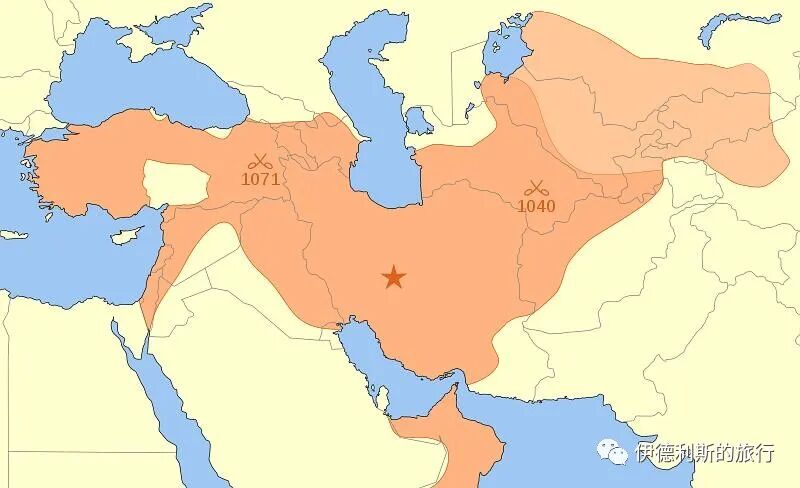
The Seljuq Dynasty in 1092, from Wikipedia
2. Making Konya the Capital
The rapid expansion of the Seljuq Dynasty caused panic among Christian states. This directly led to the First Crusade. In 1097, Nicaea, the capital of the Sultanate of Rum, finally fell after a long siege by the Crusaders, forcing the Sultanate to move its capital east to Konya.
Konya was very wealthy in the second half of the 12th century. At that time, the Sultanate of Rum controlled almost all of eastern Anatolia, several port towns on the Mediterranean and Black Seas, and even held a foothold in Crimea for a time, bringing vast trade wealth into Konya.
After the Mongols invaded Central Asia and Persia in the early 13th century, many Turkic and Persian people came to Konya for refuge. In the 1220s, Konya was full of refugees from the Khwarezmid Empire. Many were educated intellectuals or skilled craftsmen, the most famous being the Sufi scholar and great Persian poet Rumi.
In 1243, the Seljuk Sultanate of Rum was defeated by the Mongol Empire and became a vassal state, but Konya remained the capital. People lived in stability, and many existing Seljuk buildings date from this period.
In the late 13th century, the Seljuks split into many small principalities, including the early Ottoman Empire. These small states nominally recognized the status of the Sultanate of Rum, but the Sultanate could only actually control the limited territory around Konya. At this time, the Karamanids dynasty began continuous attacks on the Seljuk Sultanate of Rum, but they eventually failed due to the intervention of the Ilkhanate.
At the end of the 13th century, the Sultanate of Rum fell into a series of internal struggles, and the last Sultan, Mesud II, was killed in 1308. In 1328, Konya was occupied by the Karamanids dynasty, and Seljuk culture finally exited the historical stage. After this, the Ottomans rose on the legacy of the Seljuk Sultanate of Rum, and Konya would eventually enter its next era.
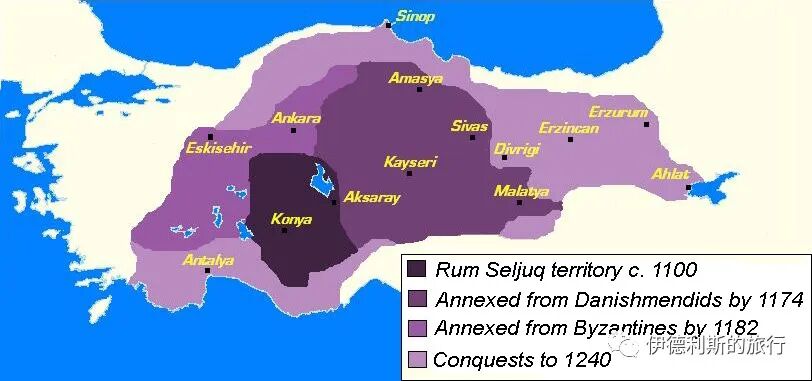
The Sultanate of Rum in the 12th and 13th centuries, by author DragonTiger23.
2. Rumi's Tomb: 1274
Rumi (1207-1273) was a famous 13th-century Sufi scholar and Persian poet, honored in Turkey as Mevlâna. Rumi died in Konya in 1273 and was buried next to his father's tomb. His successor, Hüsamettin Çelebi, decided to build a mausoleum for Rumi, and the tomb, led by architect Badr al-Din Tabrizi, was officially completed in 1274.
The entire complex includes the tombs of Rumi and his followers, a mosque, a Sufi practice space, and living areas for the practitioners. During the Ottoman era, this place was always the center of activity for the Mevlevi Sufi order.
In 1925, the Republic of Turkey announced the closure of all Sufi practice spaces and the dissolution of Sufi orders. In 1927, the Rumi mausoleum was converted into the Konya History Museum and opened to the public, and it was renamed the Mevlâna Museum in 1954. Today, it is a famous Sufi holy site in Turkey, and people from all over the world come here to visit and make pilgrimages every day.
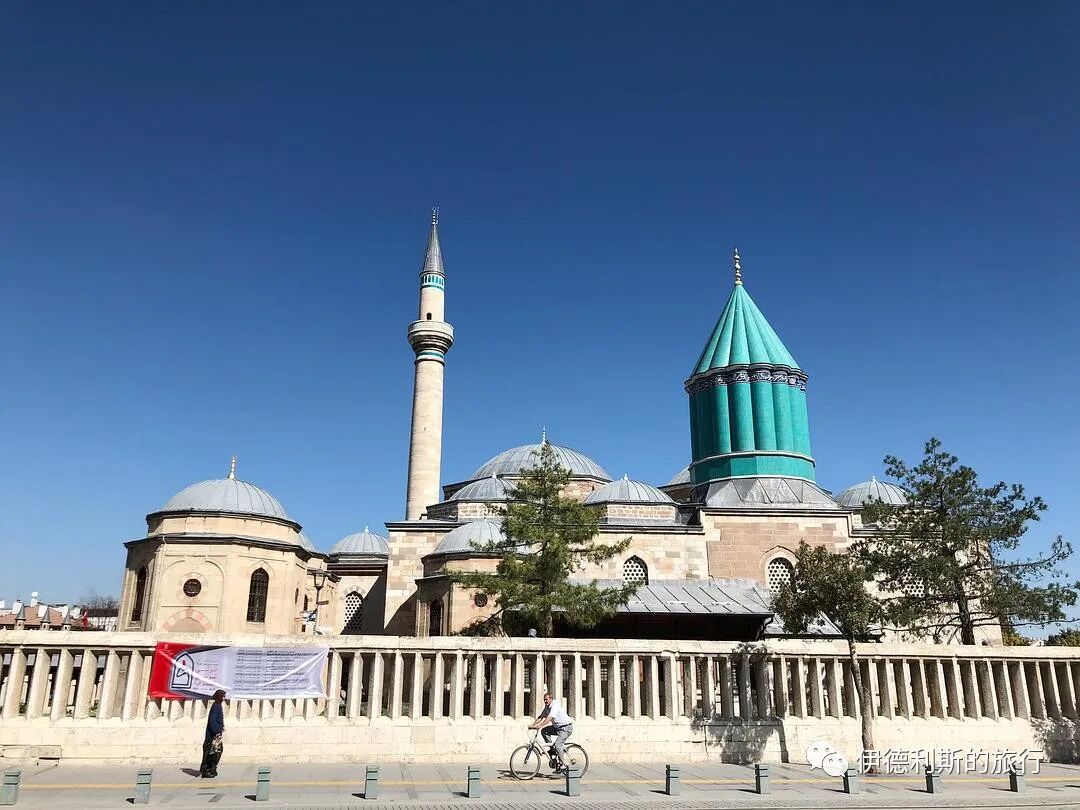
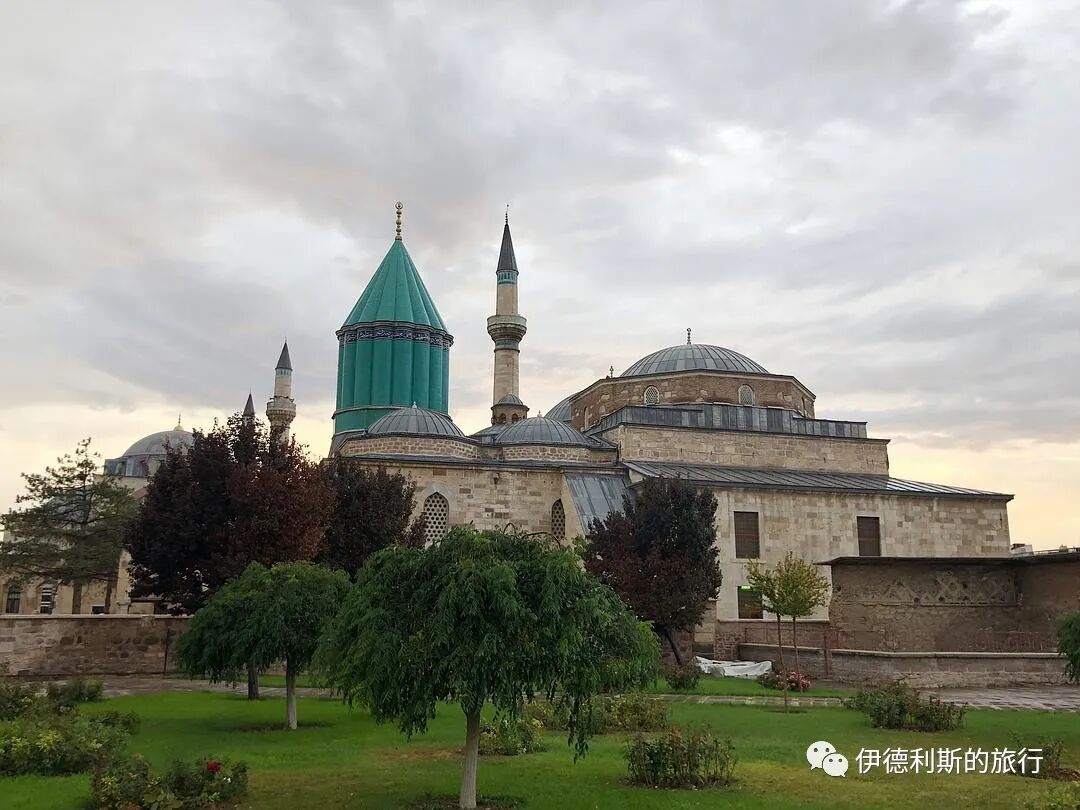
1. Rumi in Konya
Rumi was born in 1207 into a Persian-speaking family in the Balkh region on the border of Afghanistan and Tajikistan. His father, Baha'ud-Din, was an Islamic scholar and a Sufi mentor.
Between 1215 and 1220, the Mongols invaded Central Asia, and Rumi moved west with his family, eventually arriving in Anatolia after much traveling. In 1228, the Seljuk Sultan of Rum, Kayqubad I (reigned 1220-1237), invited Baha'ud-Din to the capital, Konya, so Rumi's family finally settled there.
In Konya, Baha'ud-Din served as the head of a religious school and taught Rumi various Islamic knowledge and Sufi practices. After Baha'ud-Din died in 1232, Rumi continued his training under one of his father's students, Burhan ud-Din. In 1240 (or 1241), Burhan ud-Din died, and Rumi officially became an Islamic legal scholar and teacher, beginning to preach and teach students at the mosque.
In 1244, Rumi met the Sufi master Shams Tabrizi, which completely changed his life. He honored Shams as his spiritual mentor, transforming from an Islamic scholar into a Sufi practitioner.
In 1248, Shams suddenly left. Rumi was deeply saddened and went to Damascus himself to look for him, but he found nothing. To express his longing for Shams, Rumi wrote a large number of lyrical poems. At this time, he met a goldsmith named Salaḥud-Din-e Zarkub, who understood Rumi's heart very well, and the two became close friends. Zarkub helped Rumi organize 2,500 lyrical poems into the Divan-e Shams-e Tabrizi.
After Zarkub died in 1259, Rumi's scribe and favorite student, Hussam-e Chalabi, became Rumi's confidant. One day, Rumi showed Hussam a short piece of narrative poetry he had written, the Masnavi, and Hussam was pleasantly surprised and begged Rumi to continue writing it. So, starting in 1260, Rumi began writing his masterpiece, the Masnavi. During the writing process, Rumi would recite, Hussam would record, and then Rumi would confirm it. This work continued until the very last moments of Rumi's life.
2. Rumi's Tomb
The site of Rumi's tomb was originally a rose garden gifted by the Seljuk Sultan of Rum, Kayqubad I, to Rumi's father, Bahauddin. After Bahauddin passed away in 1232, he was buried here, and the site officially became Rumi's tomb in 1274. Later, Rumi's descendants and disciples founded the Mevlevi Order, and this place became the headquarters for the Mevlevi Order.
The main gate of Rumi's tomb (Devisan Kapısı) is located in the northwest corner and currently serves as the museum exit. After entering the main gate, you find a marble-paved courtyard, where the most important buildings are the tomb of Rumi and the mosque on the east side.
The tomb gate (Türbe Kapisi) dates back to 1492.
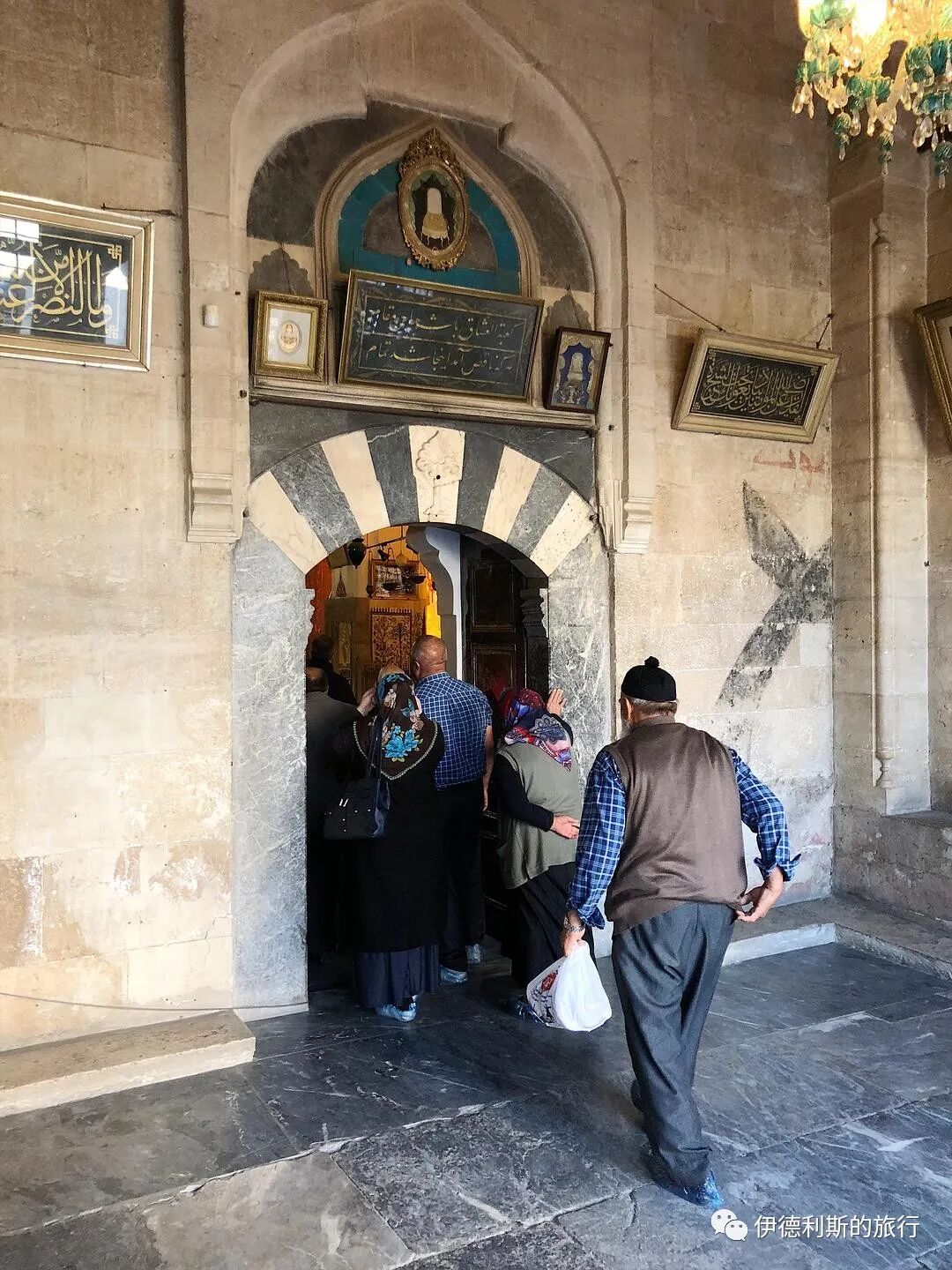
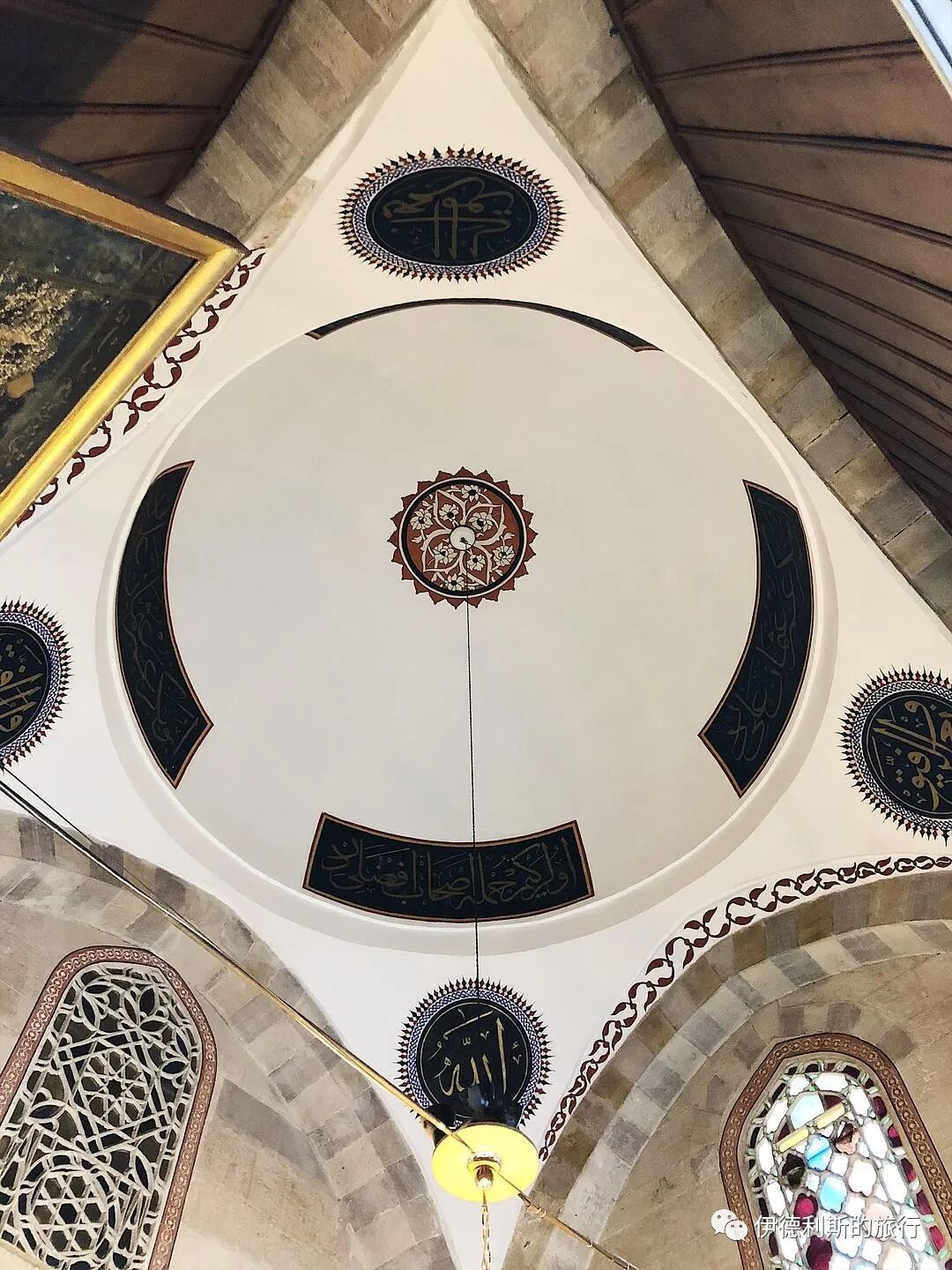
Inside the tomb gate is a room called 'Tilavet,' which in Arabic means 'reading the Quran with a beautiful voice and correct rhythm.' Before it became a museum, this room was used for the continuous chanting of the Quran, and today it houses various precious calligraphic works.
Walking further inside, you will find the sarcophagi of Rumi, his family, and the leaders of the Mevlevi Order. Rumi's sarcophagus sits under a green spire, covered in brocade embroidered with Quranic verses in gold thread. The sarcophagi of Rumi and his father, along with the surrounding wood carvings, date back to the Seljuk Sultanate of Rum, while the outer silver lattice was built in 1579. Unfortunately, this section is currently under renovation and cannot be seen.
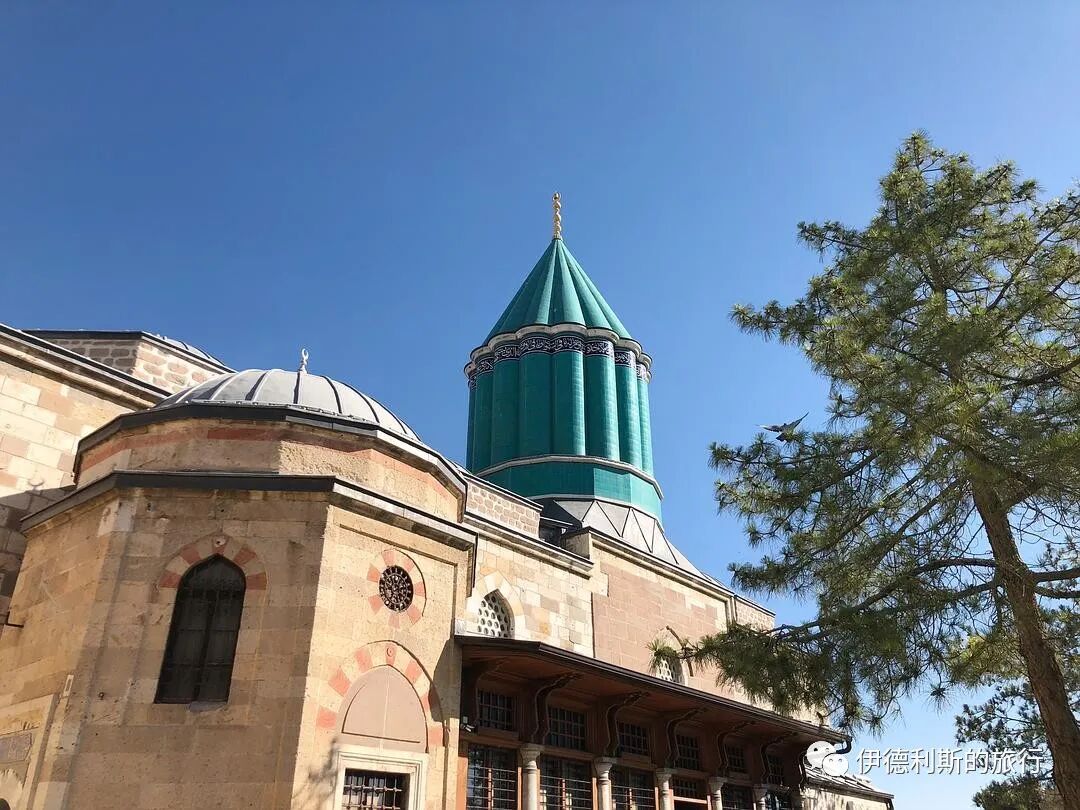
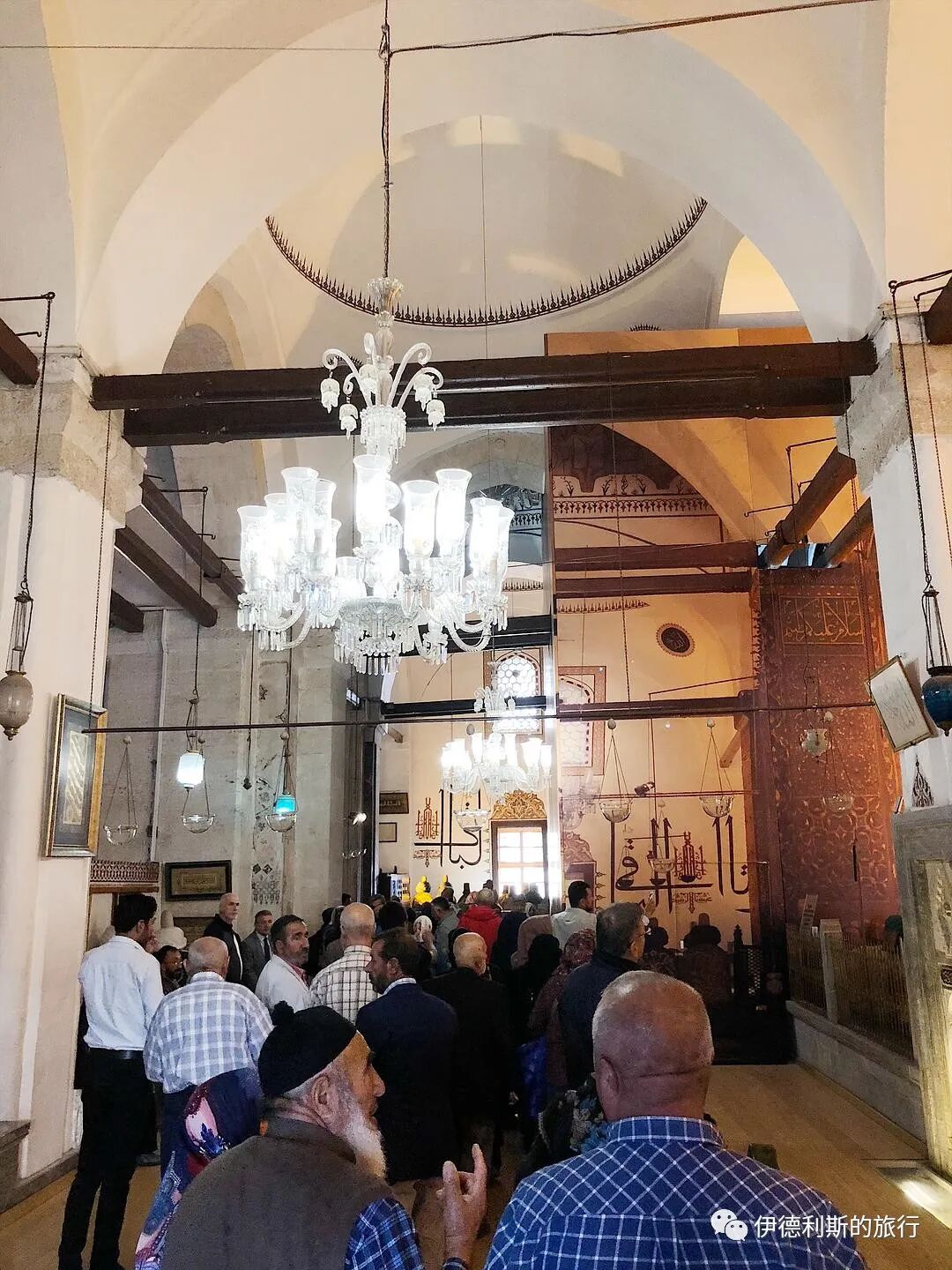
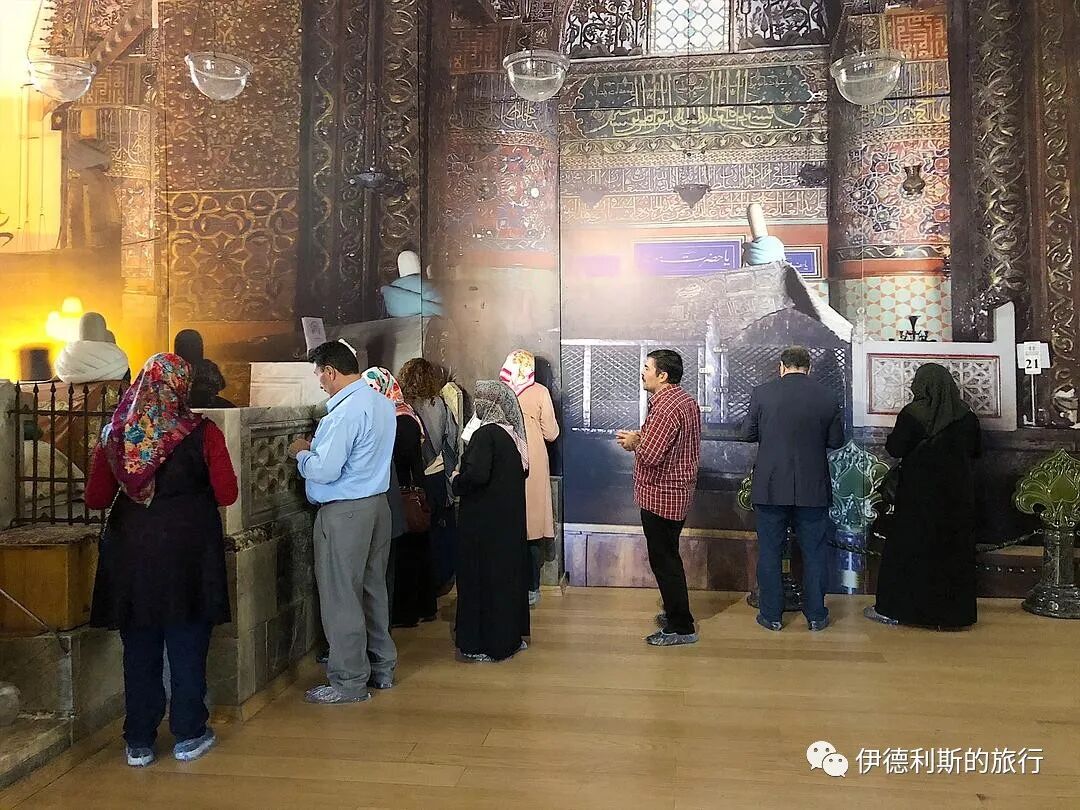
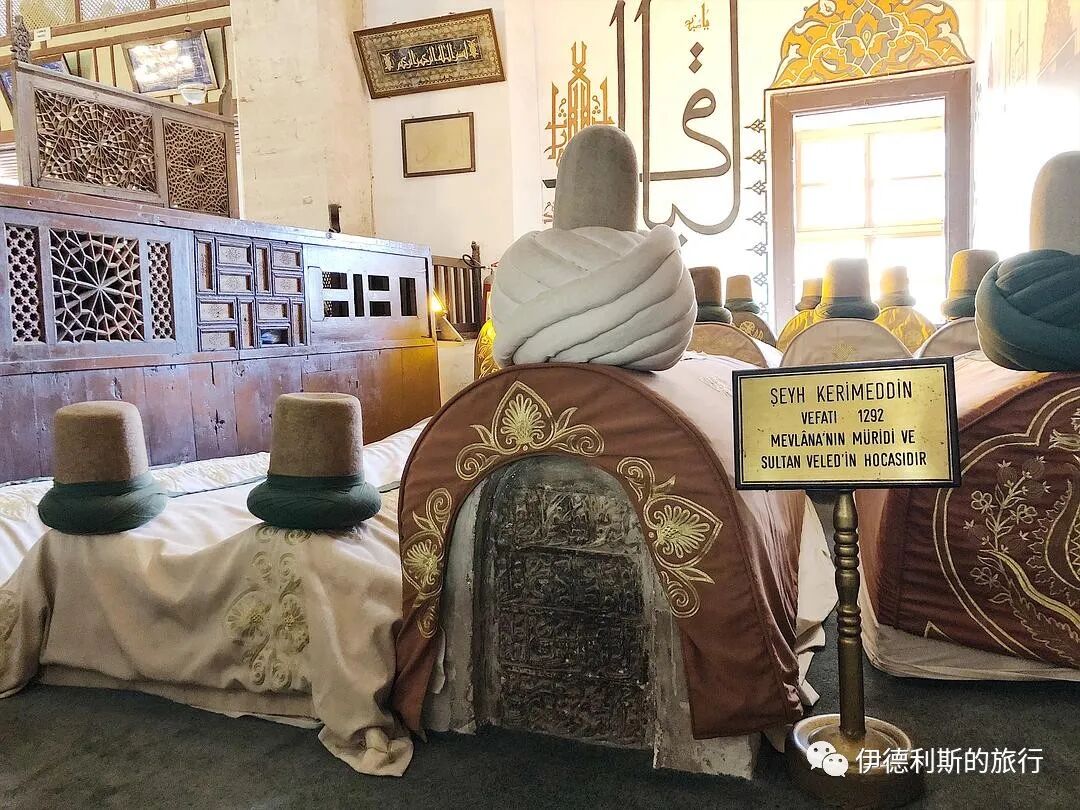
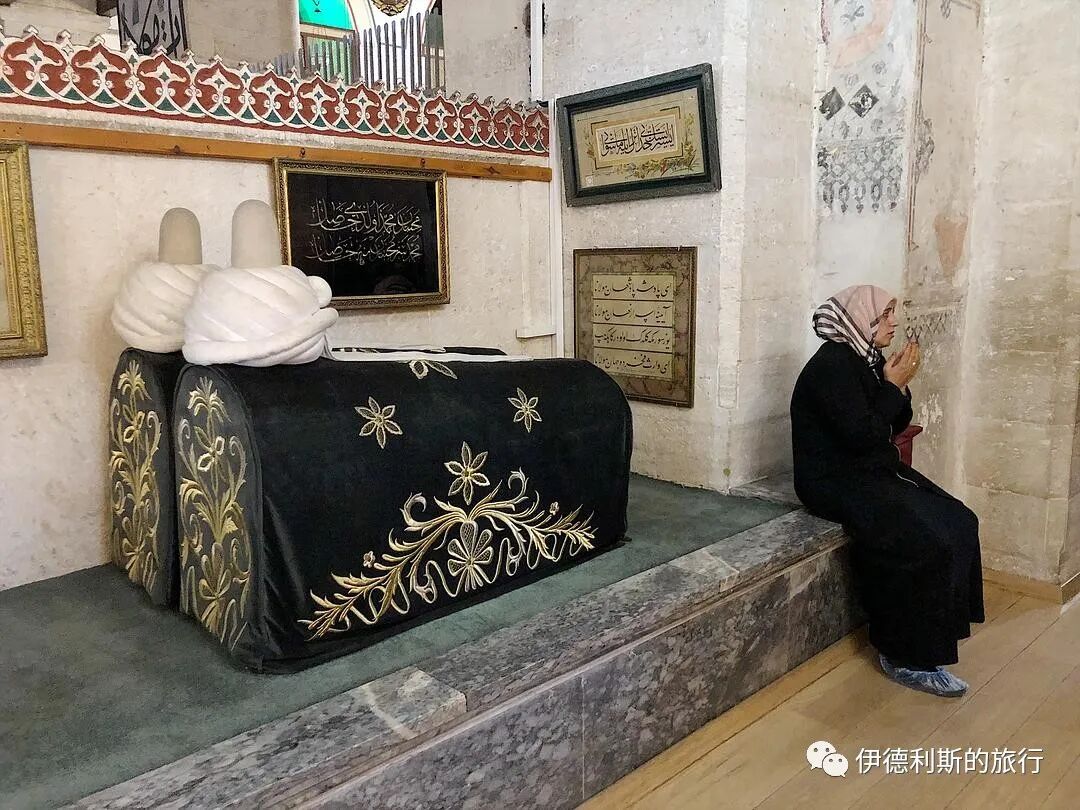
Moving forward is the ceremonial hall (Semahane), built during the era of the Ottoman Sultan Suleiman I (reigned 1520-1566). Before 1926, this was where the Mevlevi Order performed the Sama ceremony, commonly known as the whirling dance.
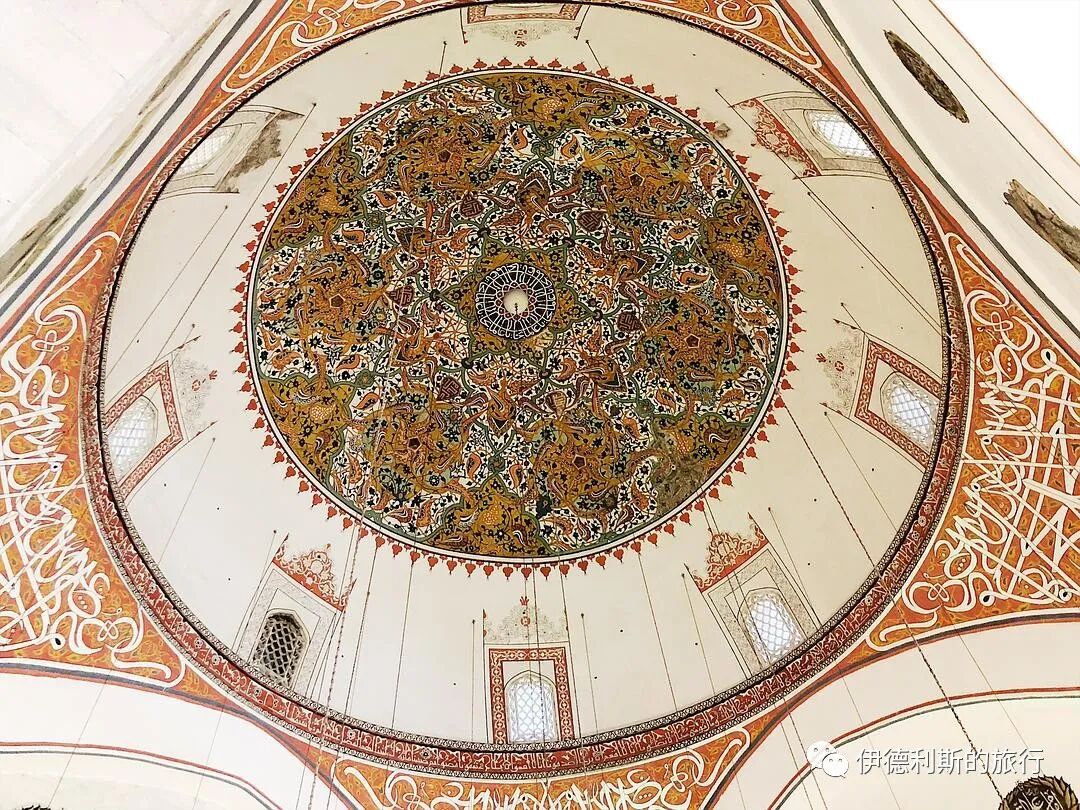
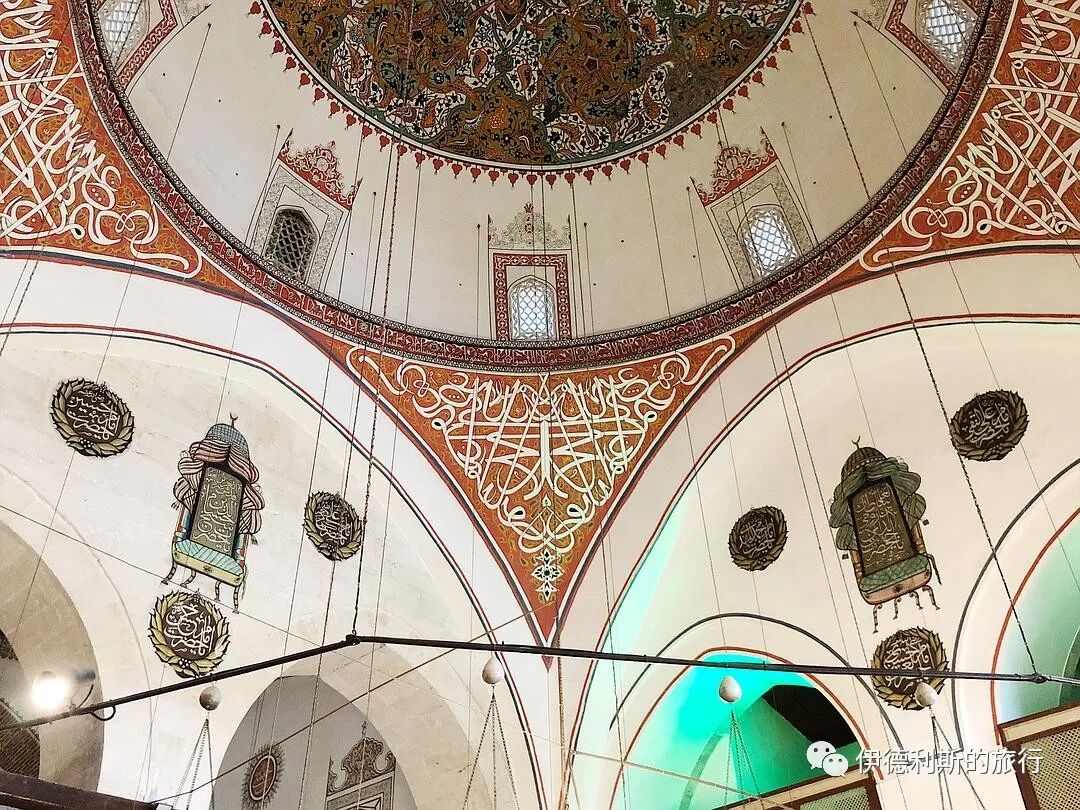
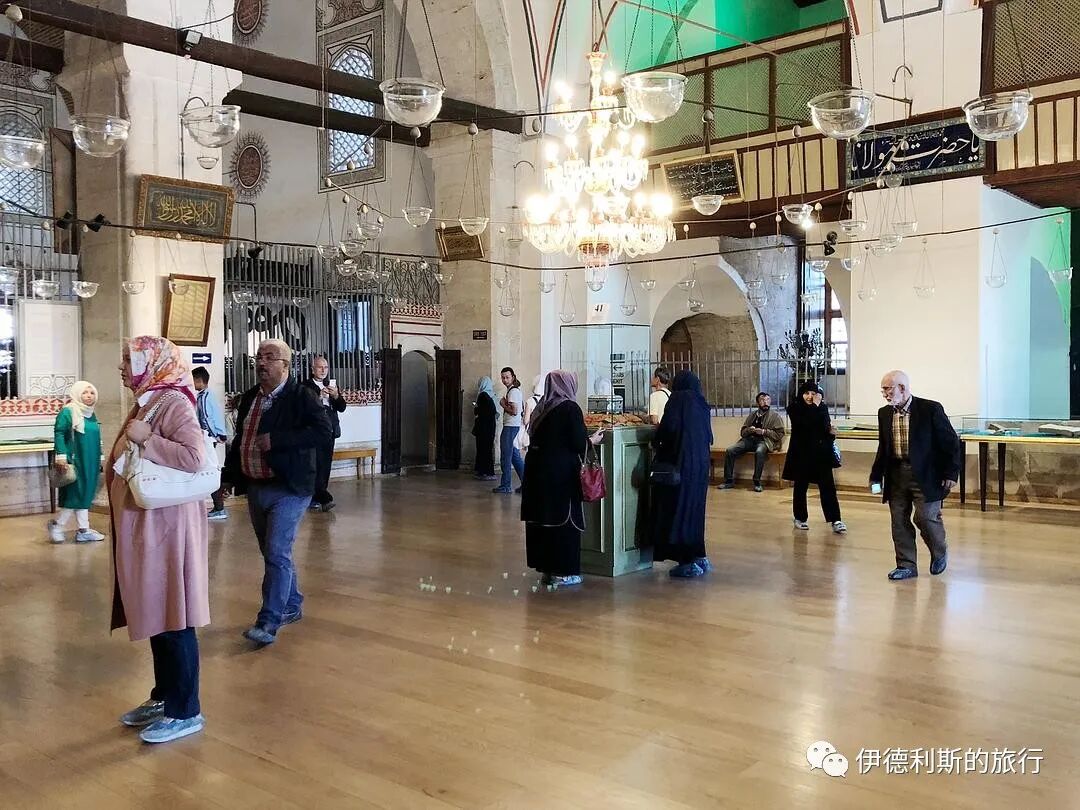
Today, the ceremonial hall displays many precious artifacts. These include Rumi's own shoulder strap, cloak, and felt hat.
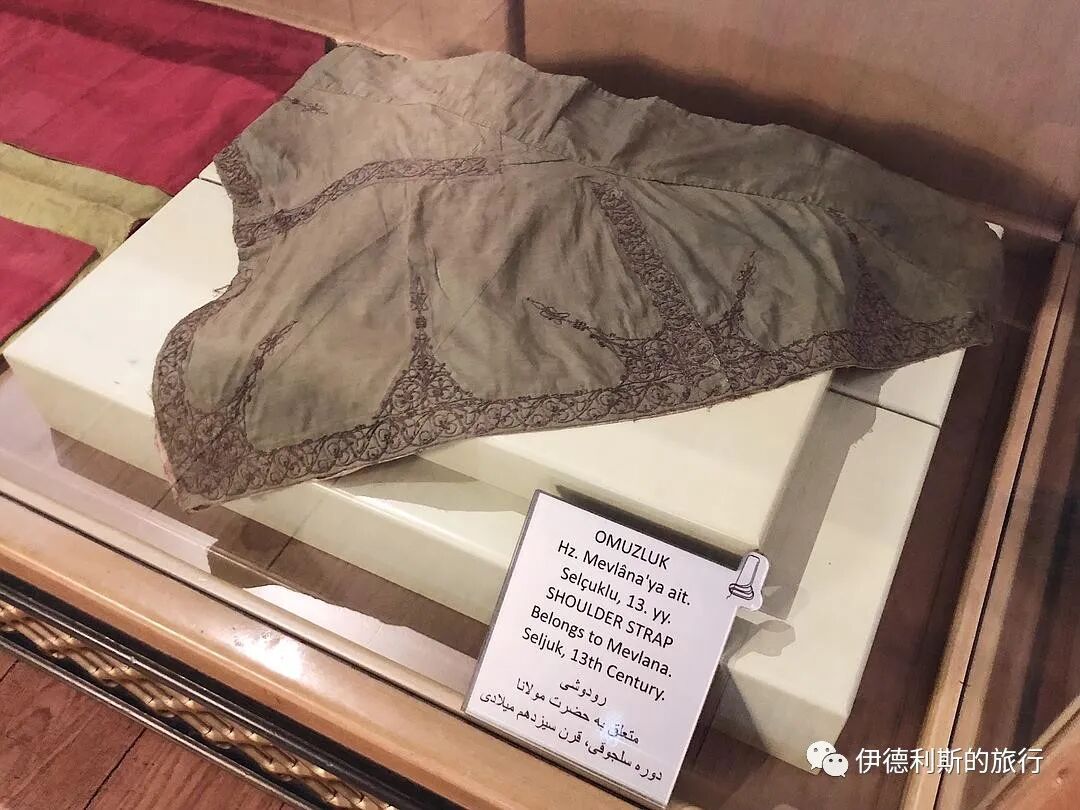
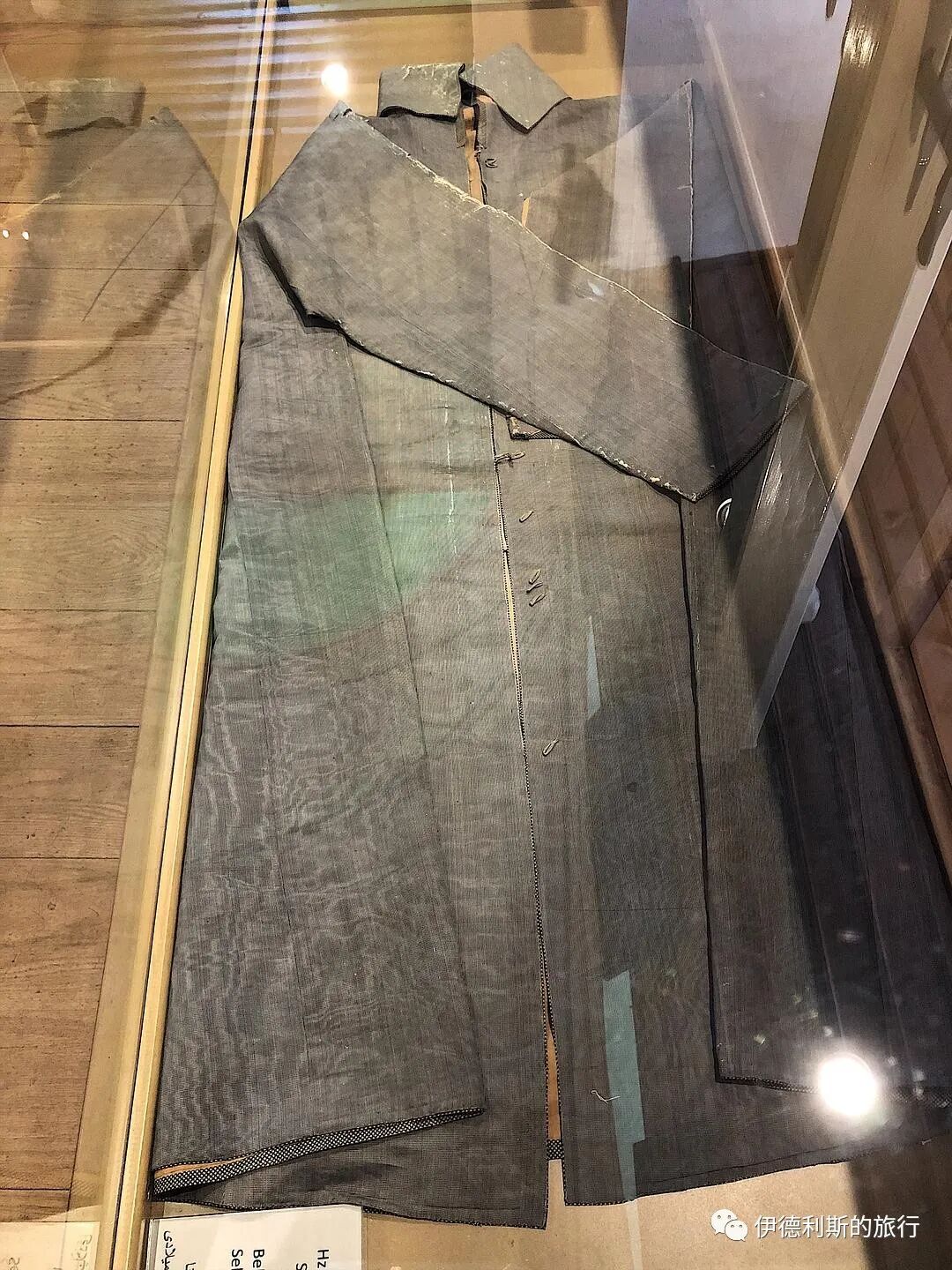
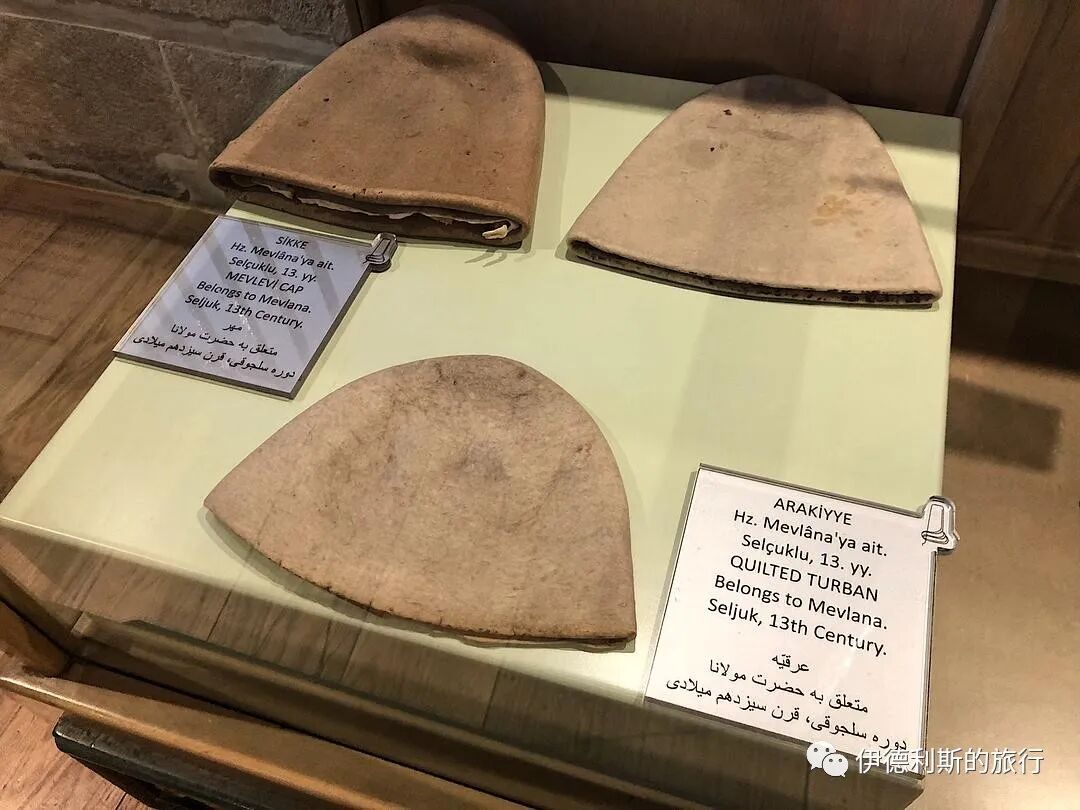
The Masnavi, written in 1278 by the calligrapher Mehmed bin Abdullah Konevi.
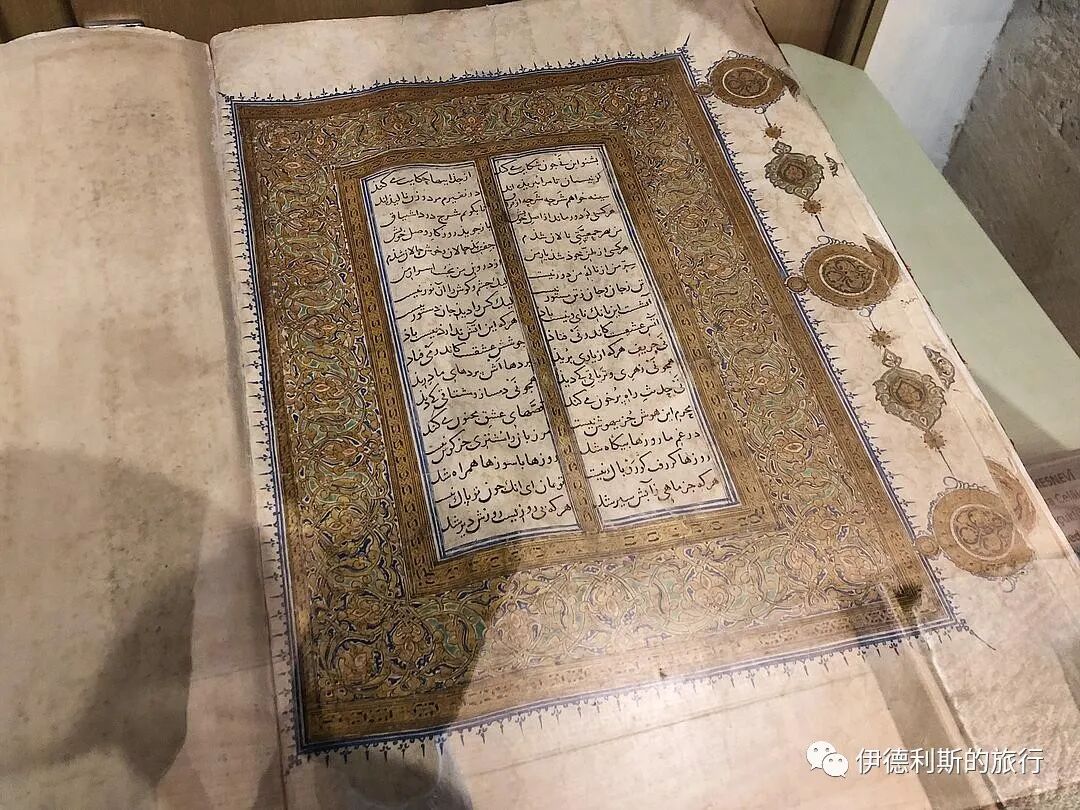
The 1366 collection of Rumi's poetry.
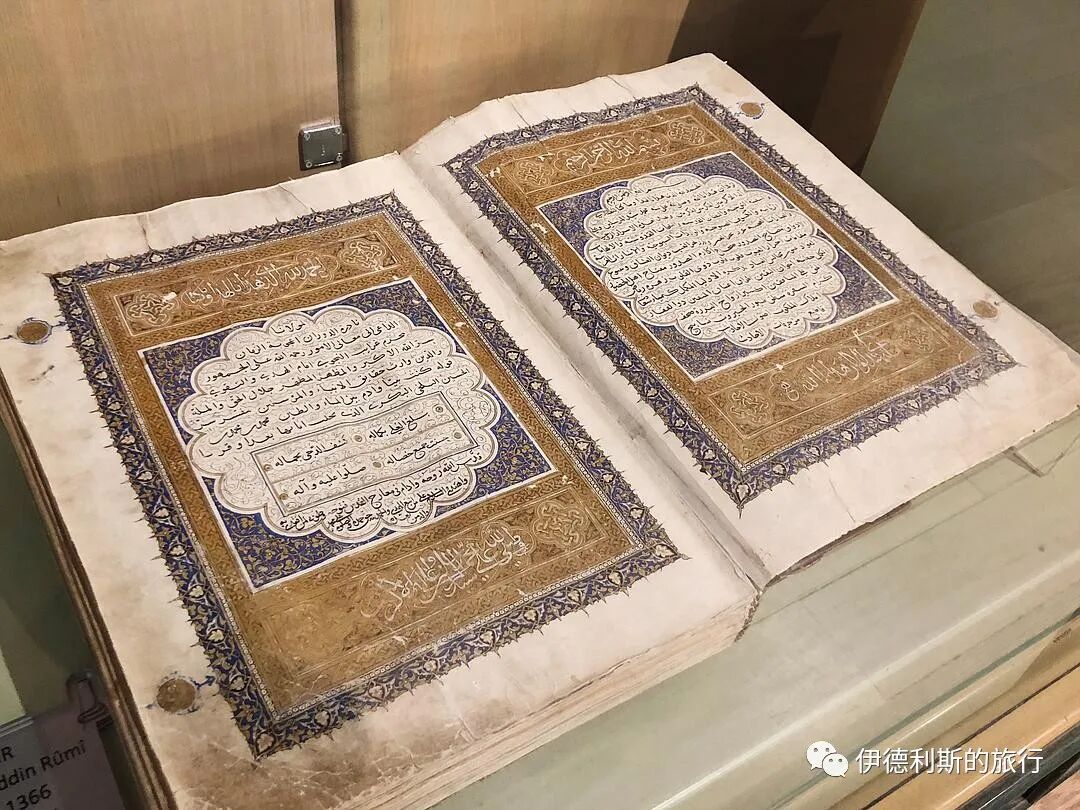
A 13th-century bookshelf featuring Seljuk lion patterns.
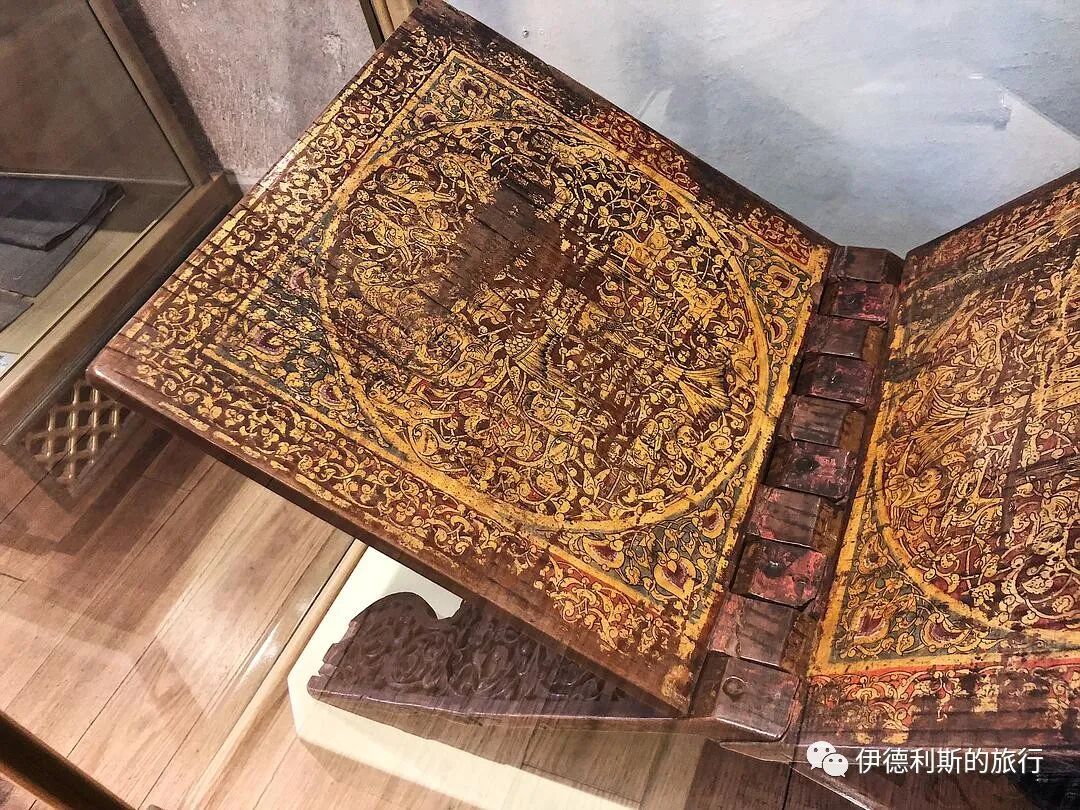
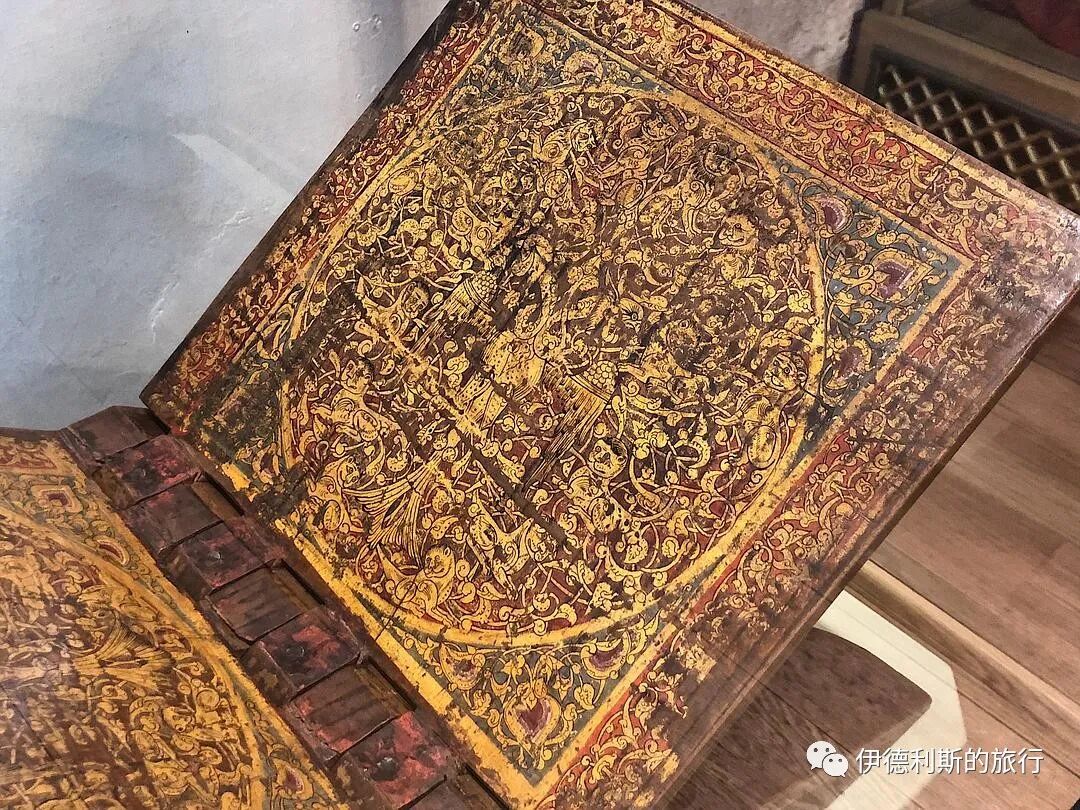
A 9th-century Quran written in Kufic script.
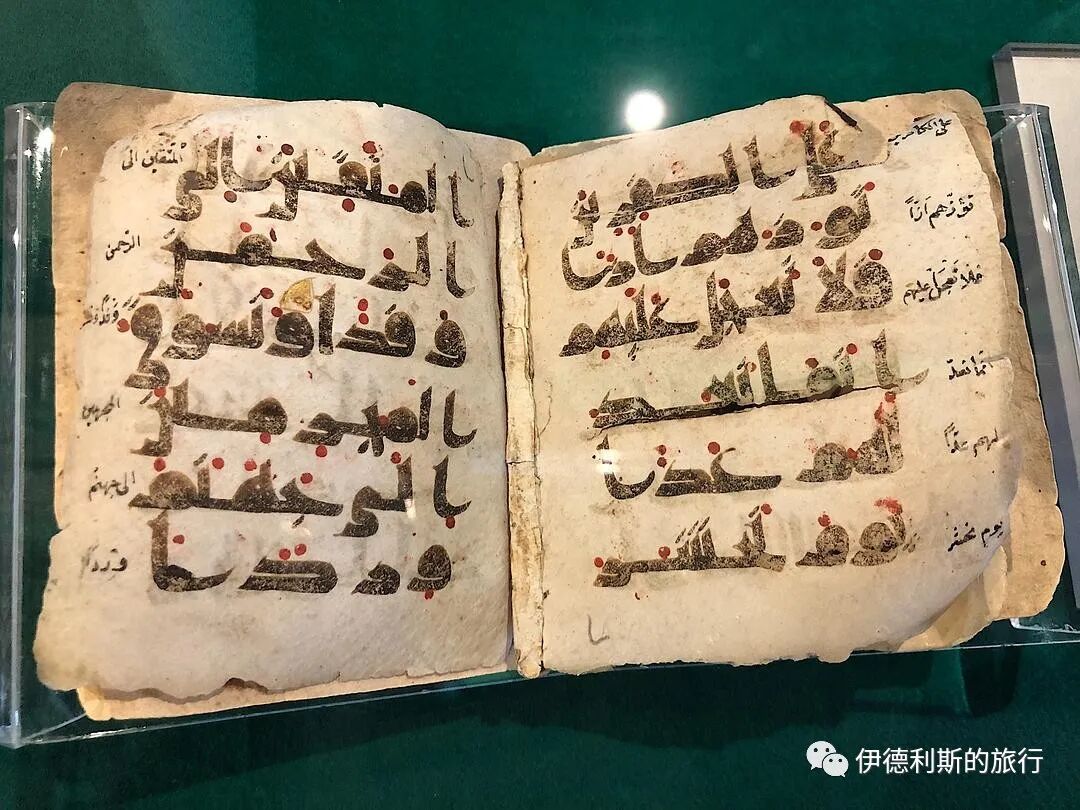
A Quran written in 1296 by the calligrapher Yakutu'l-Mustasimi.
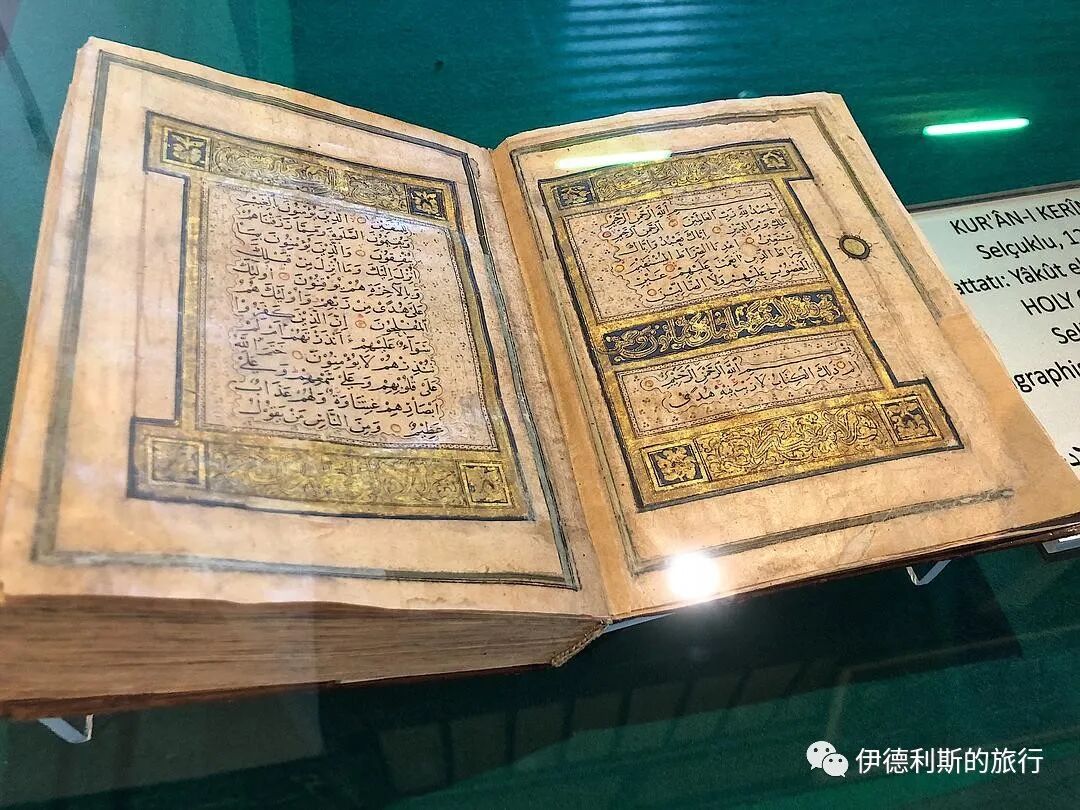
A Quran from 1314.
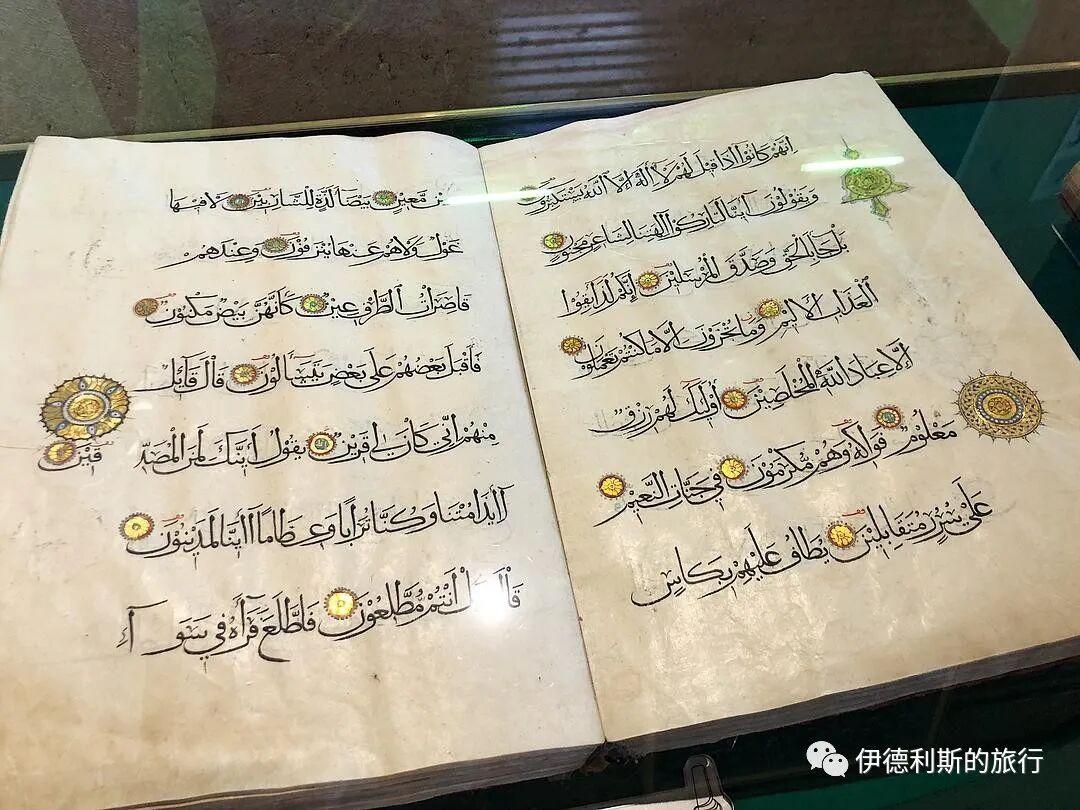
Next to the ceremonial hall is a mosque also built during the era of the Ottoman Sultan Suleiman I (reigned 1520-1566).
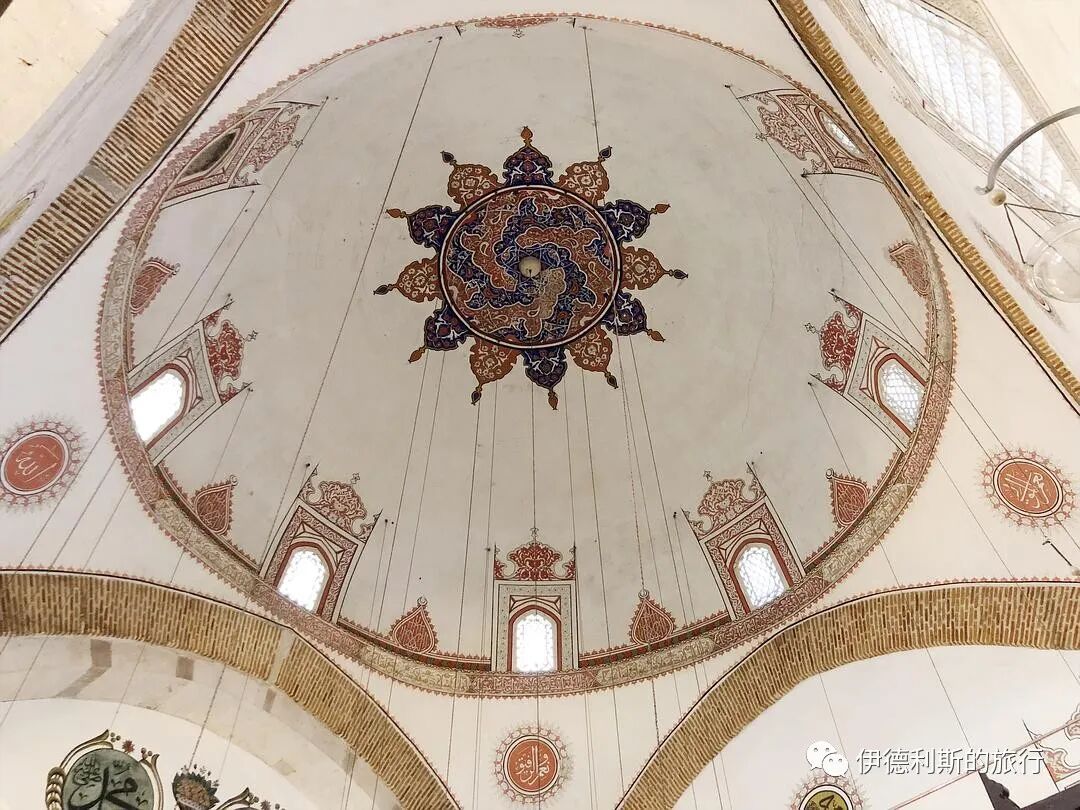
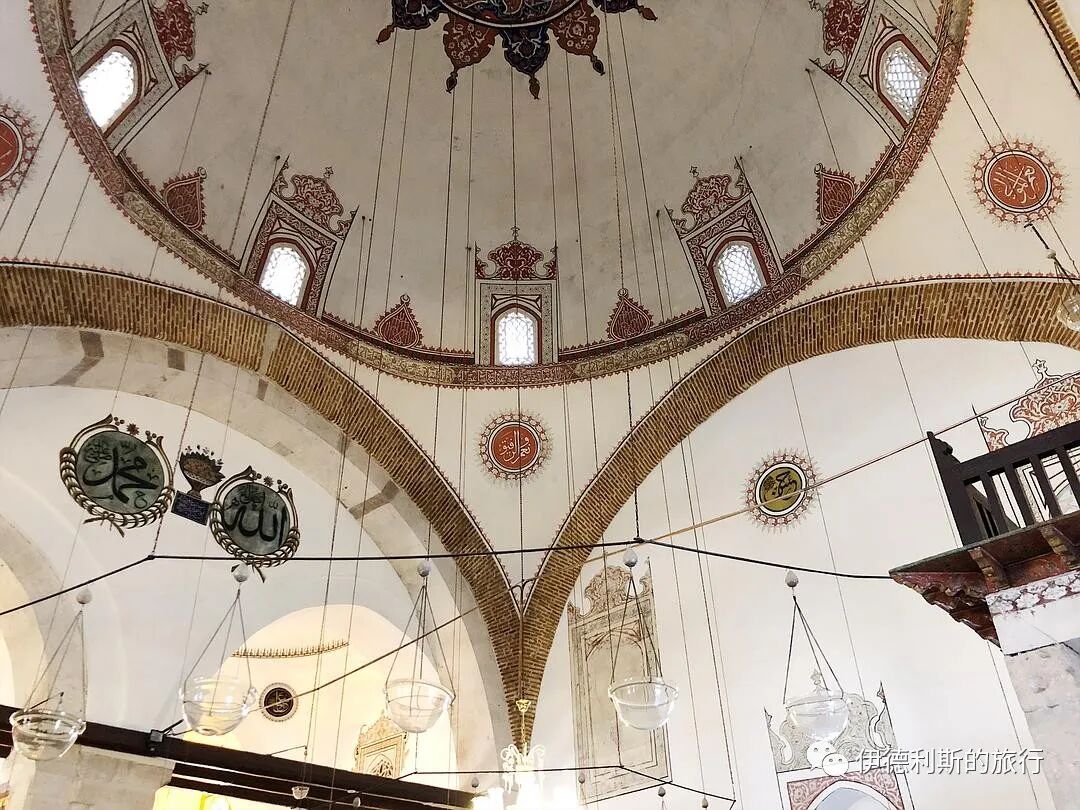
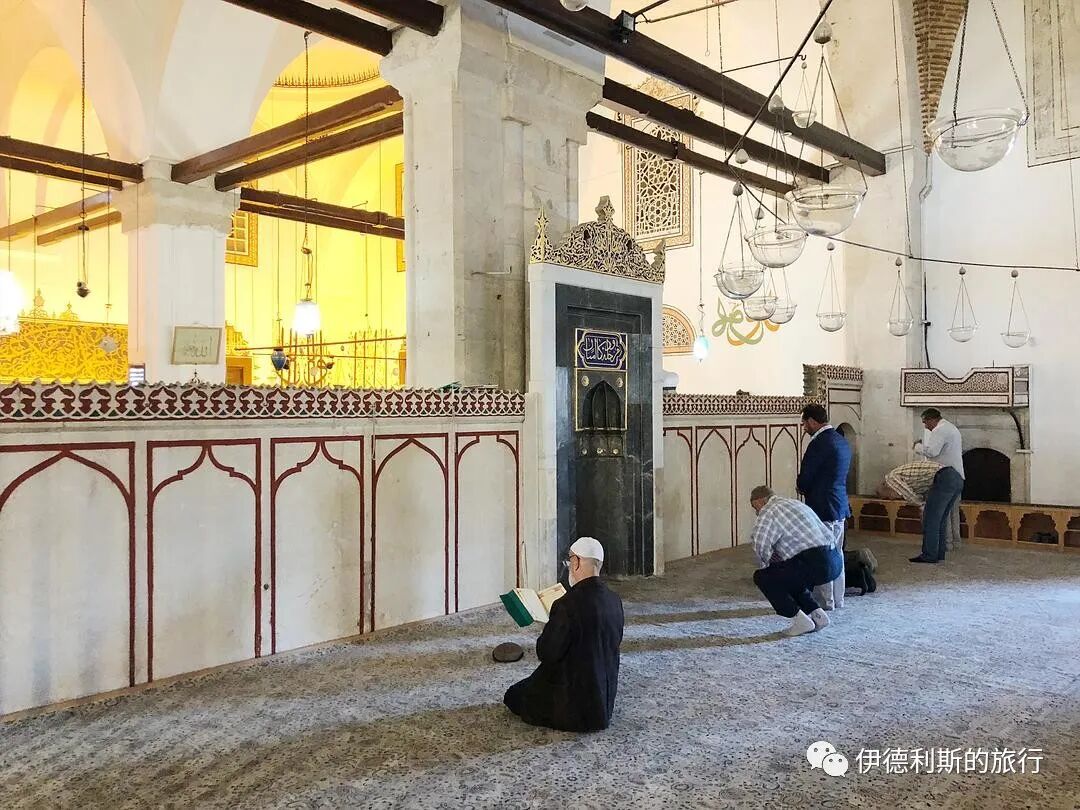
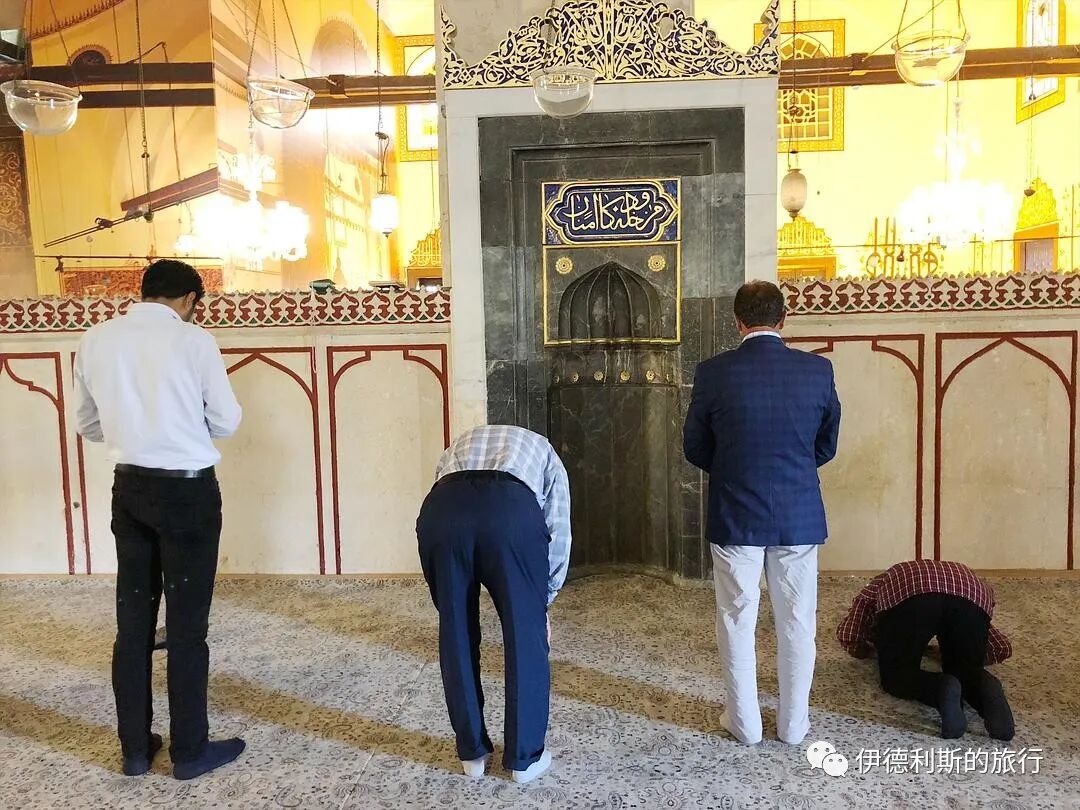
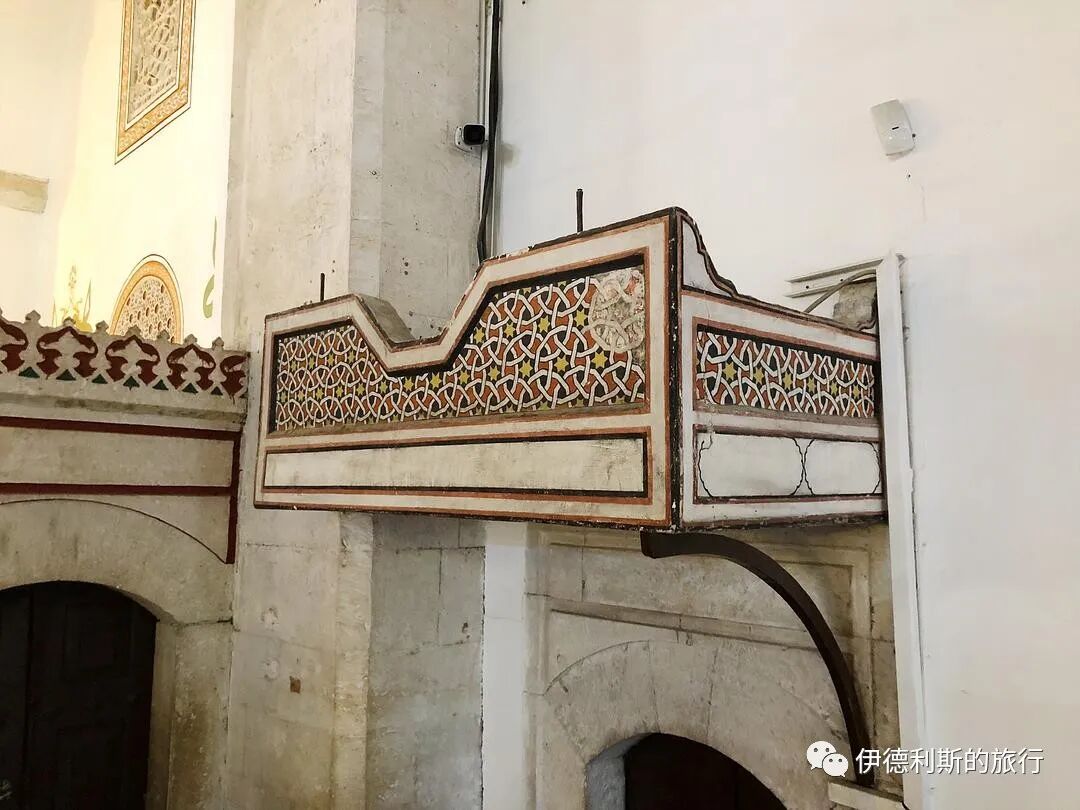
In the center of the courtyard is a fountain for wudu (ṣadirvan), built in 1512 by order of the Ottoman Sultan Selim I (reigned 1512-1520).
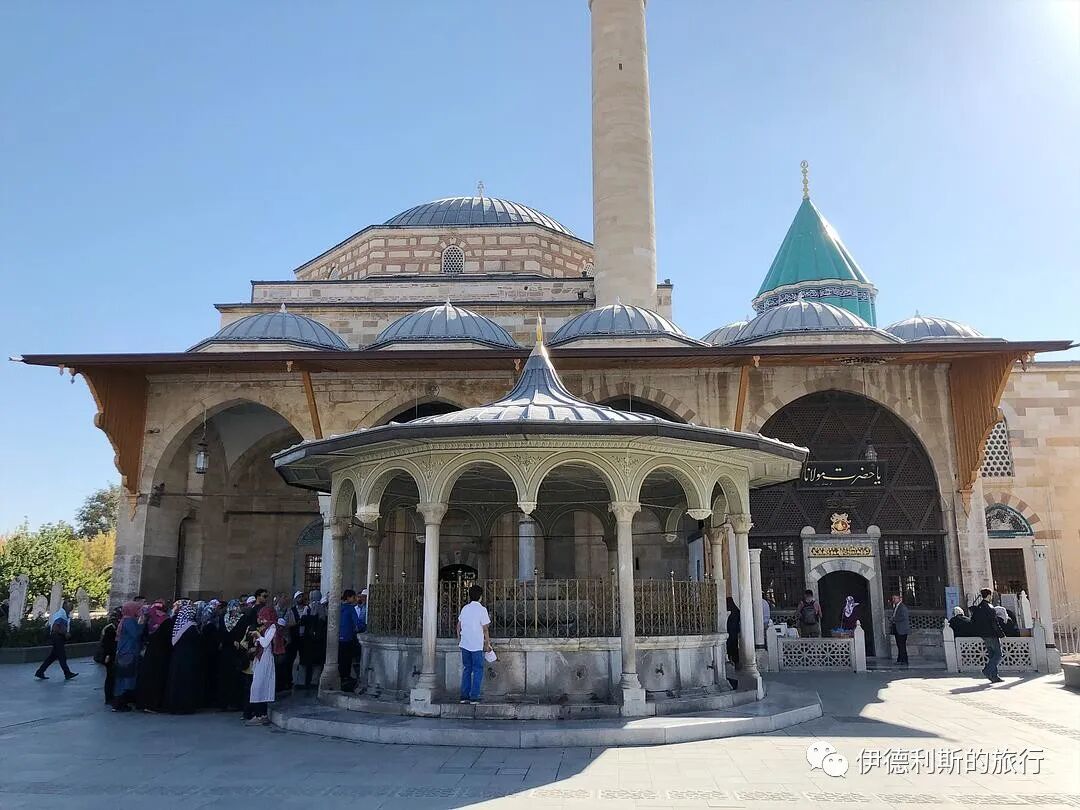
On the west side of the courtyard is a row of 17 small rooms with domes and chimneys, built in 1584 by order of the Ottoman Sultan Murad III (reigned 1574-1595), which served as living quarters for Sufi practitioners.
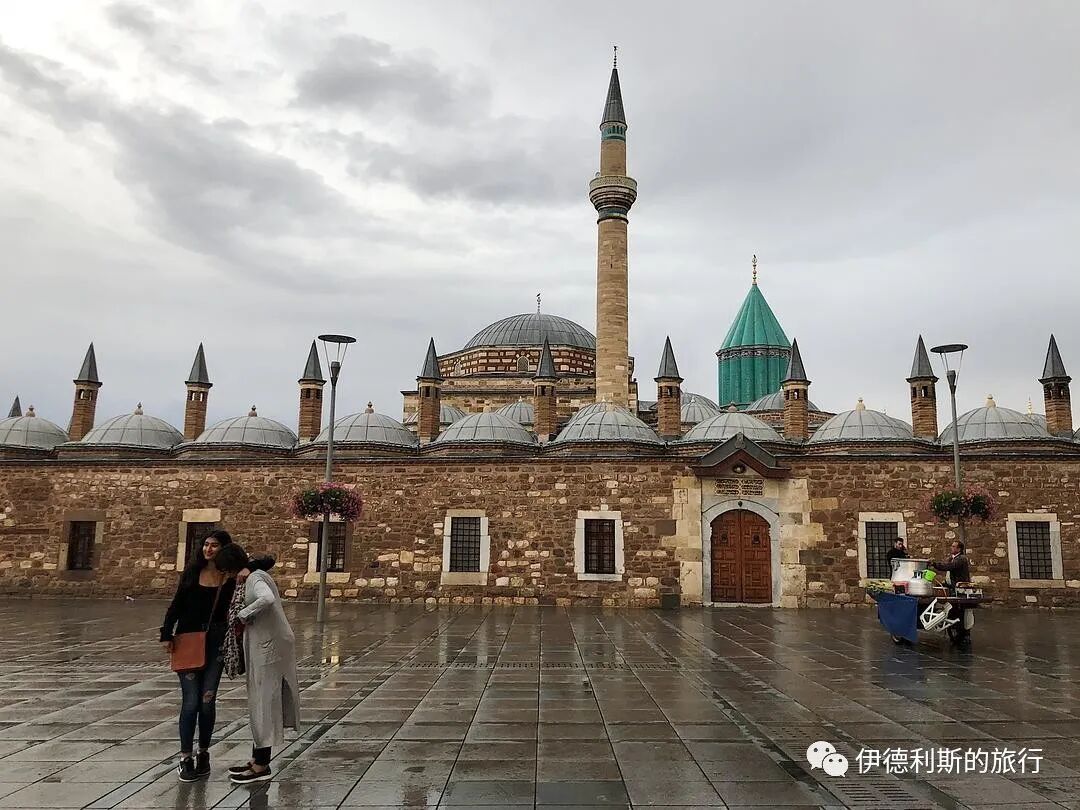
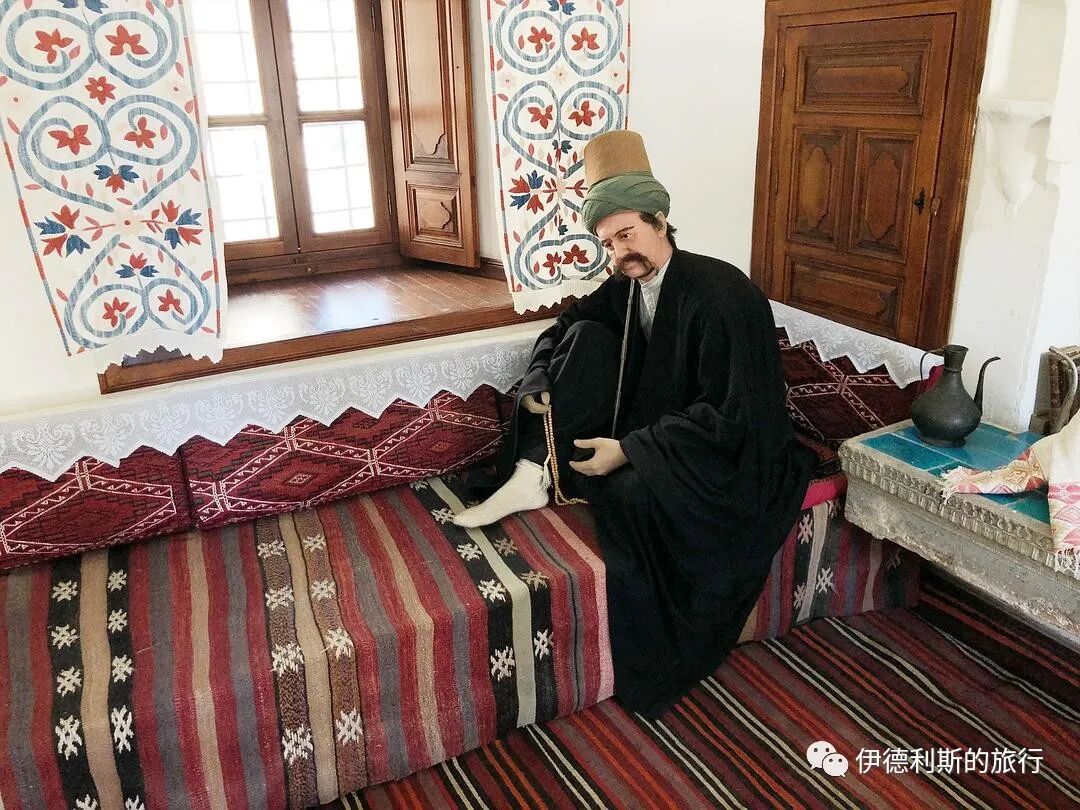
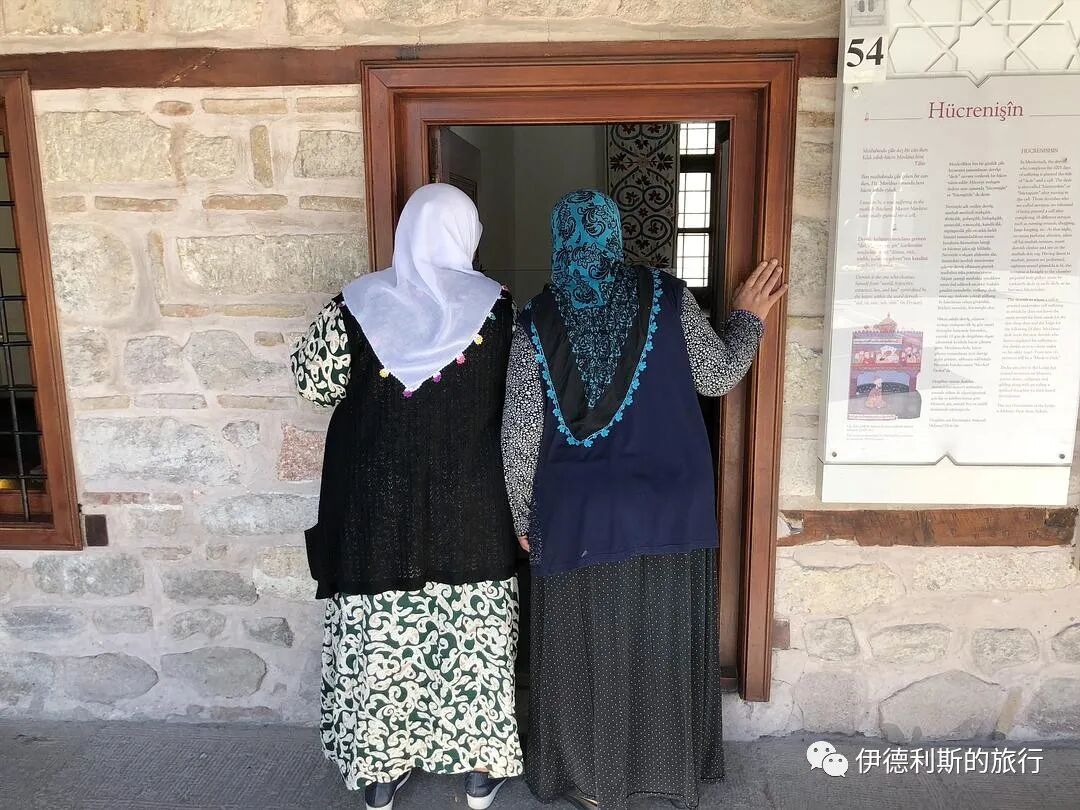
Inside, there are many introductions to the Mevlevi Order and some precious artifacts, such as this 13th-century Seljuk-style incense burner with lion patterns.
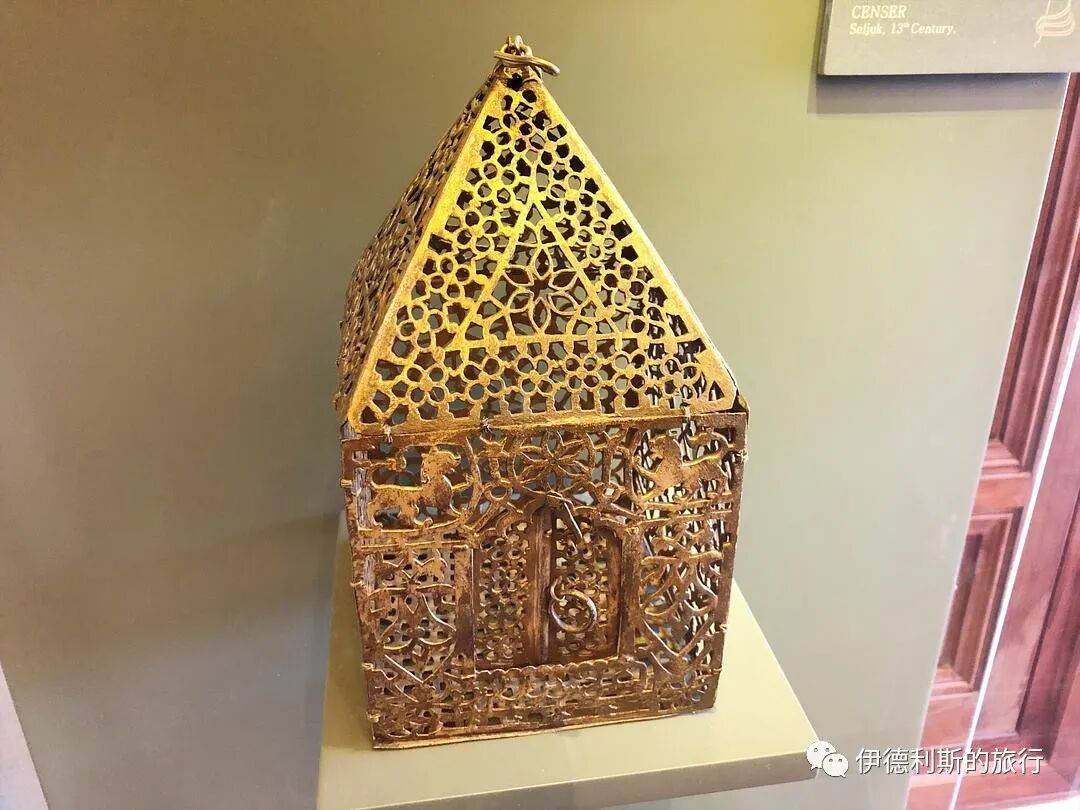
There is also this copy of the Masnavi, written in 1372 by the calligrapher Hasan bin Osman el-Mevlevi for the Seljuk minister (vazir) Şherefüddin Emir Satı.
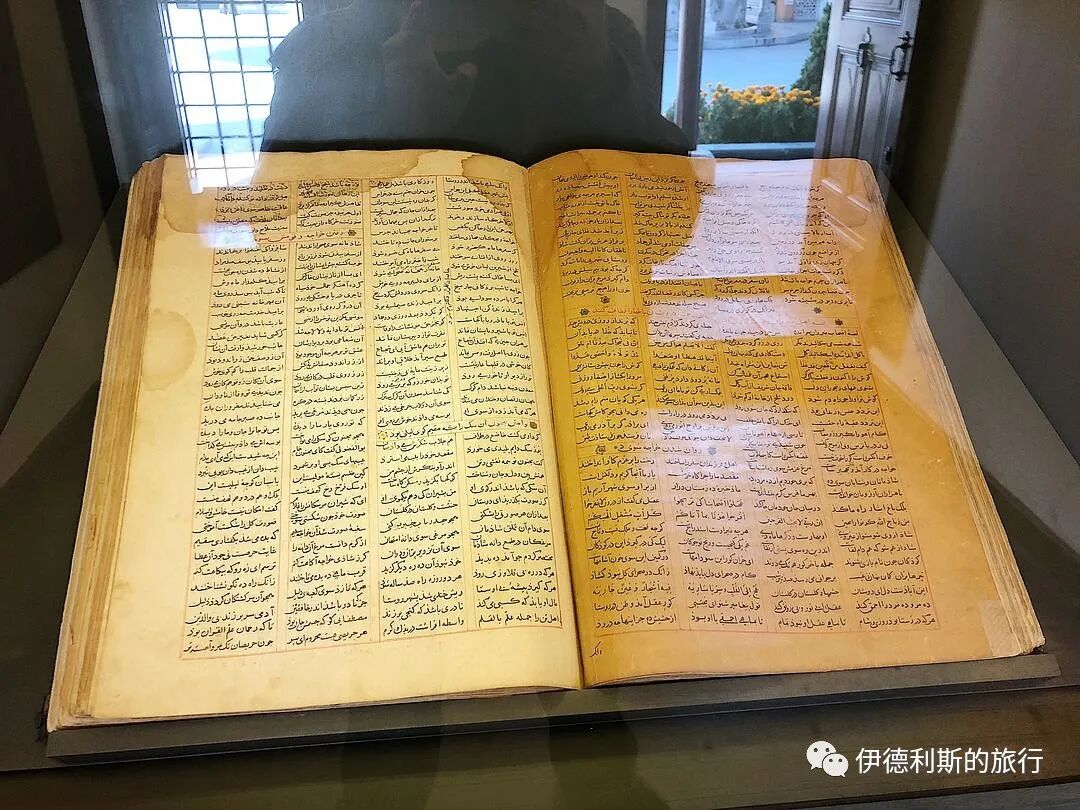
On the south side of the courtyard is the kitchen (Matbah), built in 1548 by order of the Ottoman Sultan Suleiman I (reigned 1520-1566), which provided food for Sufi practitioners until 1926. This was also a place where Sufi masters taught knowledge and the Sama ceremony.
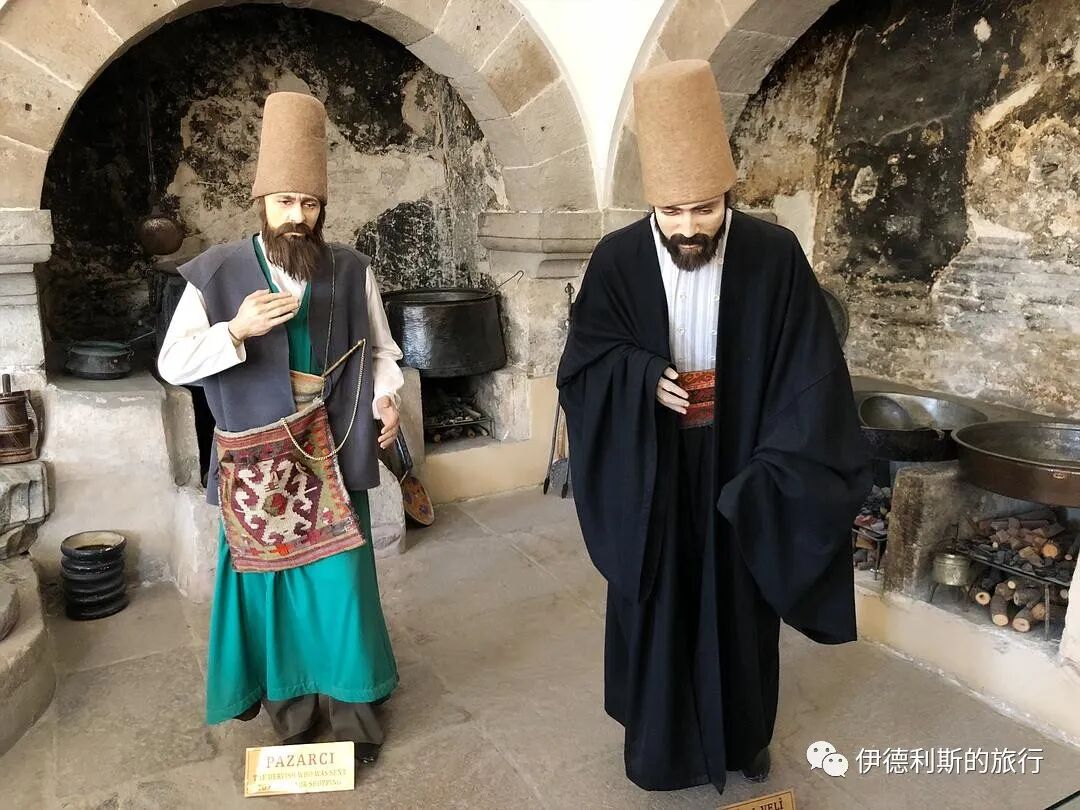
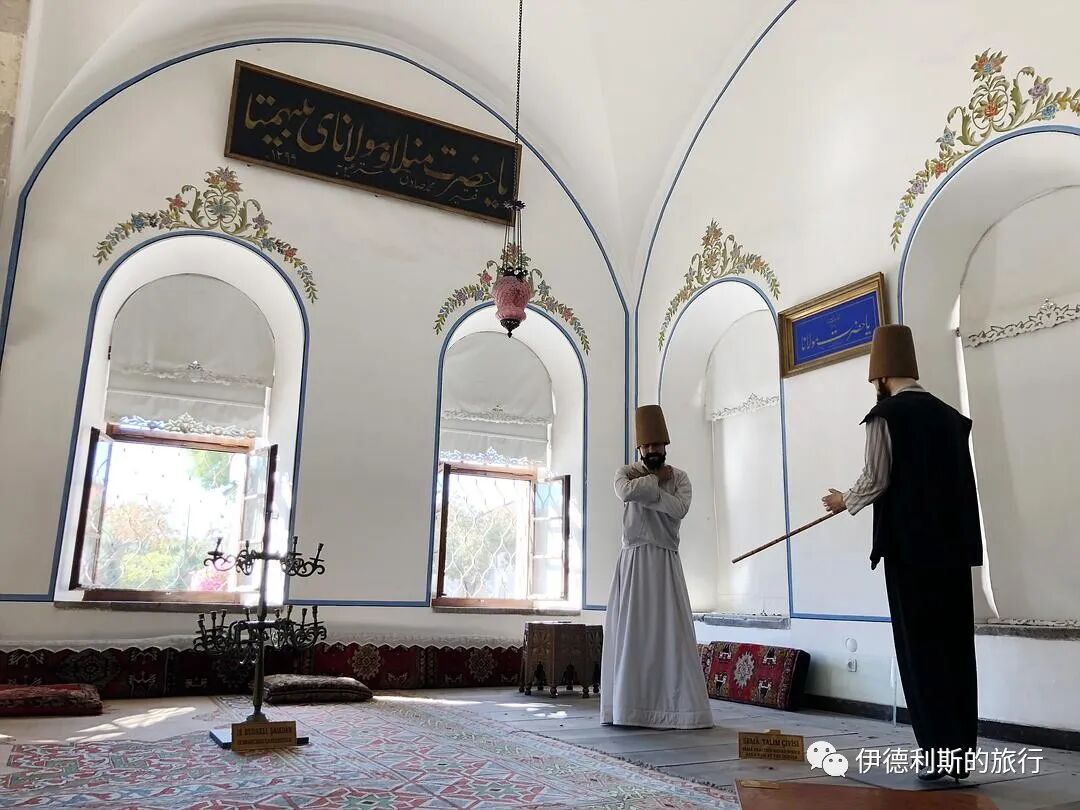
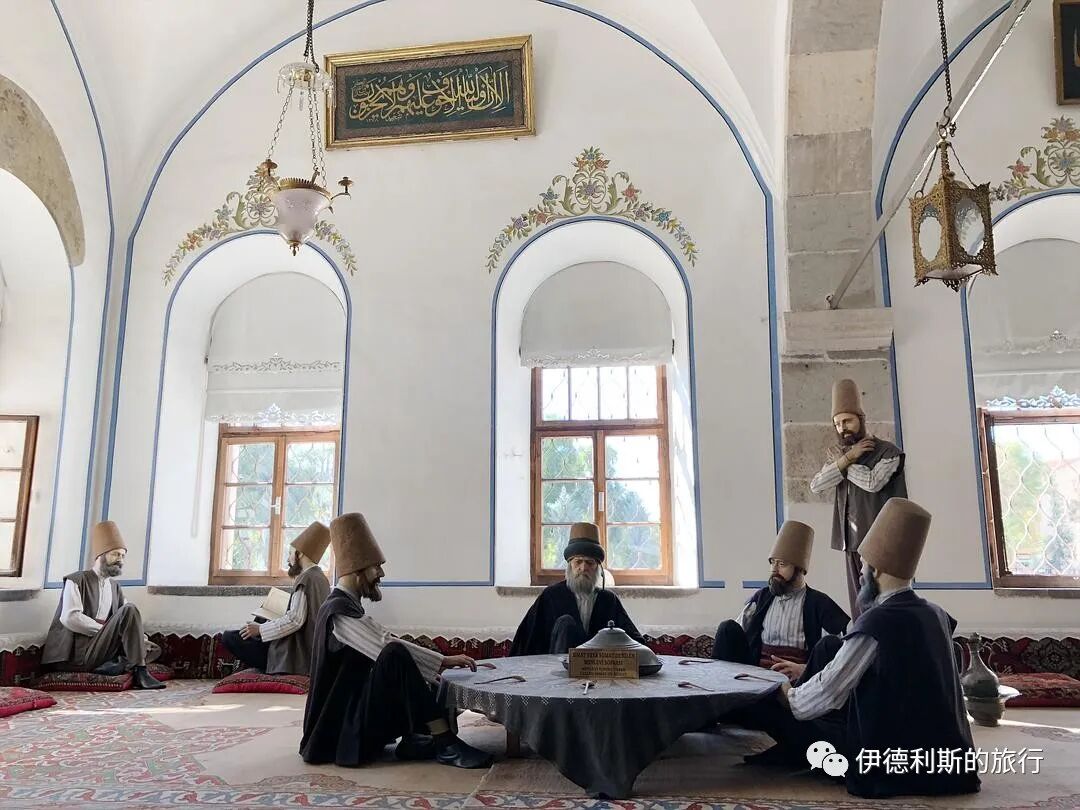
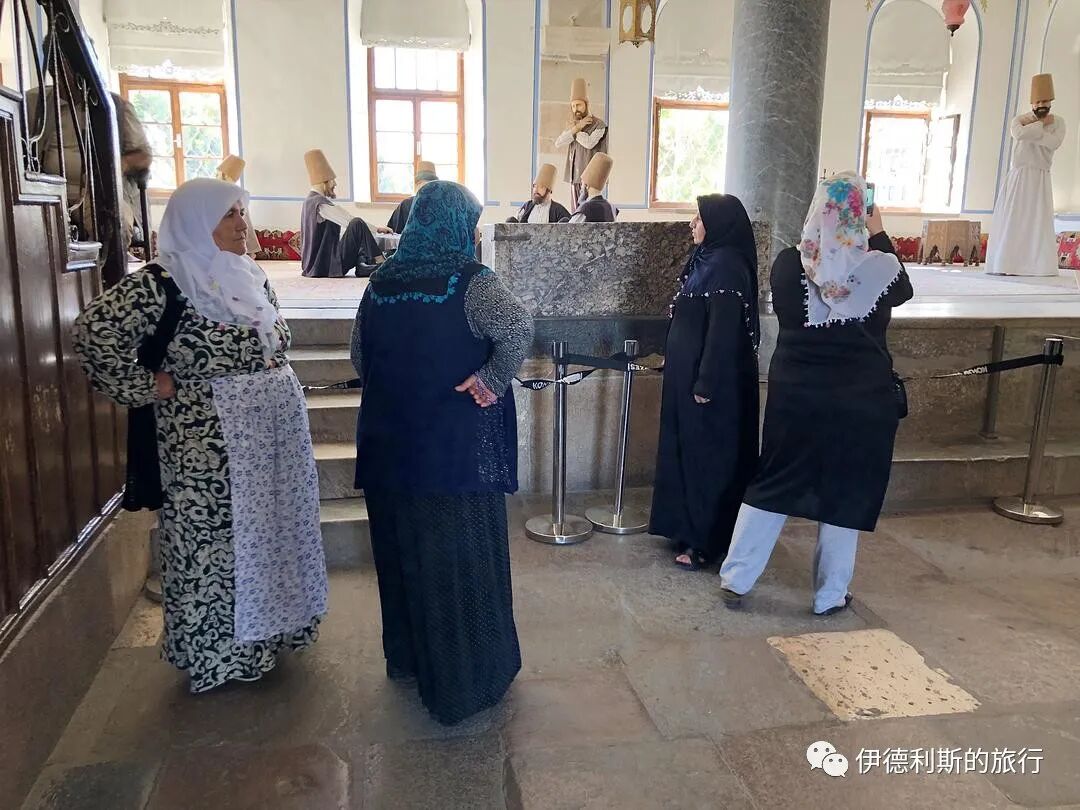
The courtyard also contains the tombs of several Sufi masters of the Mevlevi Order.
The earliest of these is the site of the tomb of Ahmed Eflâkî Dede. Ahmed Eflâkî Dede wrote the important work on Rumi titled 'Menâkibü'l-Ârifîn' and traveled with Rumi's grandson, Ulu Ârif Çelebi, working to expand the influence of the Mevlevi Order throughout Anatolia.
Today, only two curtain walls remain of the tomb's above-ground structure. Research suggests the west wall is likely connected to early 13th-century Mevlevi architecture, while the date on the tombstone is 1360. Additionally, archaeological excavations at the museum have uncovered basements on both sides of the south facade.
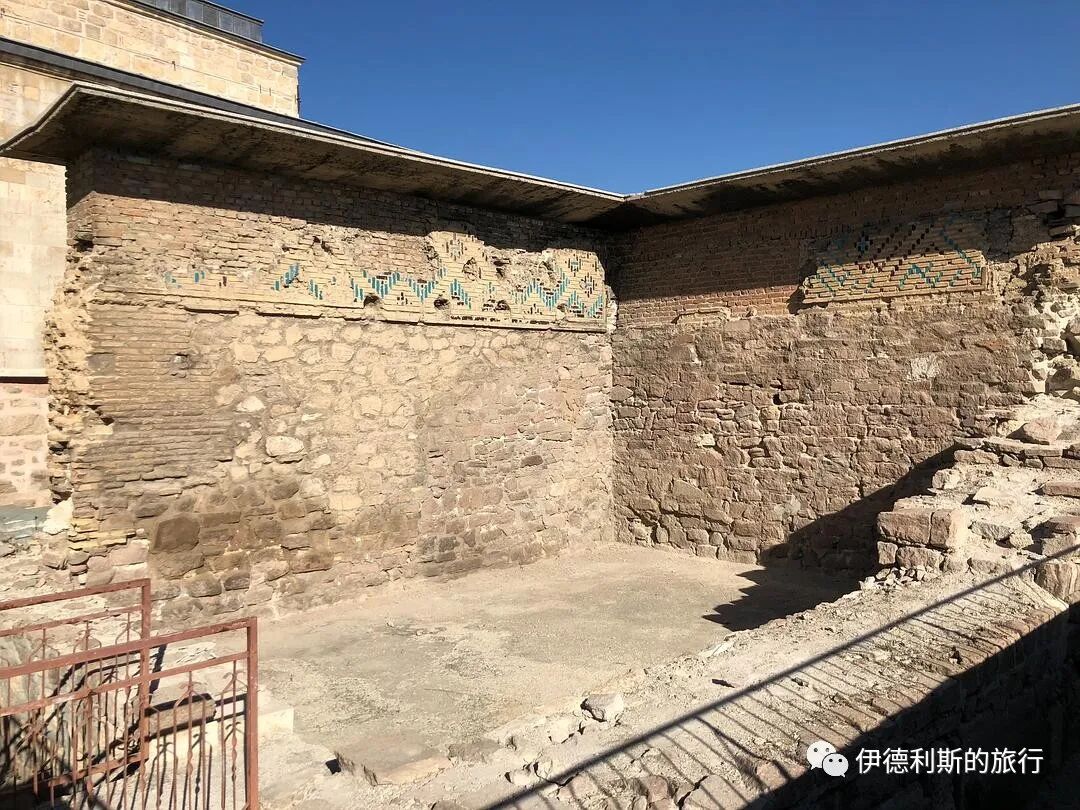
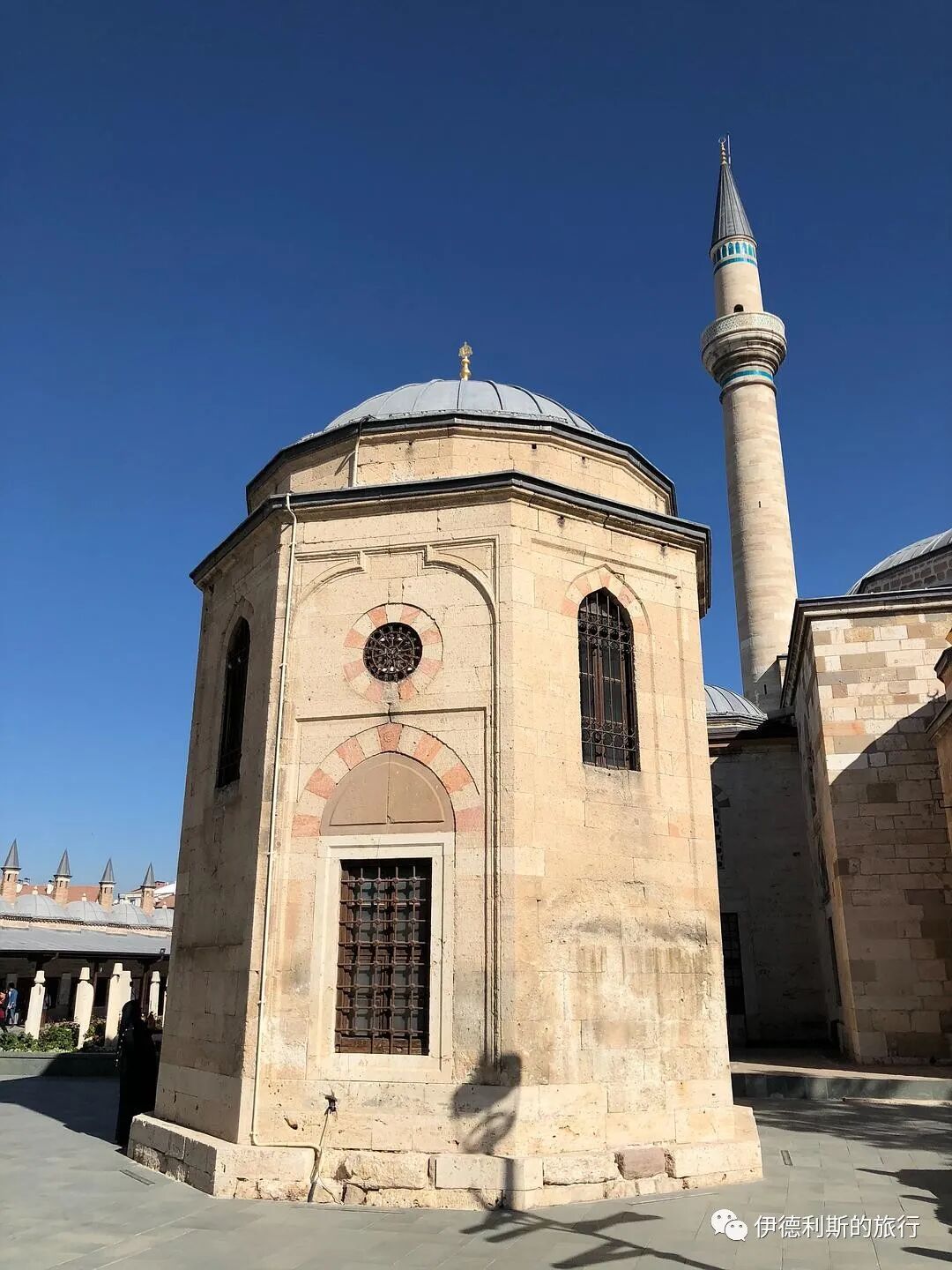
3. Iplikci Mosque: 1201
The Iplikci Mosque was built in 1201 by order of the Seljuk minister (vizier) Shams al-Din Altun Aba, with the architect Abu al-Fazi Abd al-Jabbar from Tabriz, Iran; this is important evidence of Persian craftsmen directly influencing Seljuk architecture. This building underwent a series of renovations during the Karaman dynasty, the Ottoman Empire, and modern times. Today, the original mosaic tiles on the mihrab inside the hall have been replaced by marble, but the parts at the bottom covered by carpets are still the original Seljuk-era pieces.
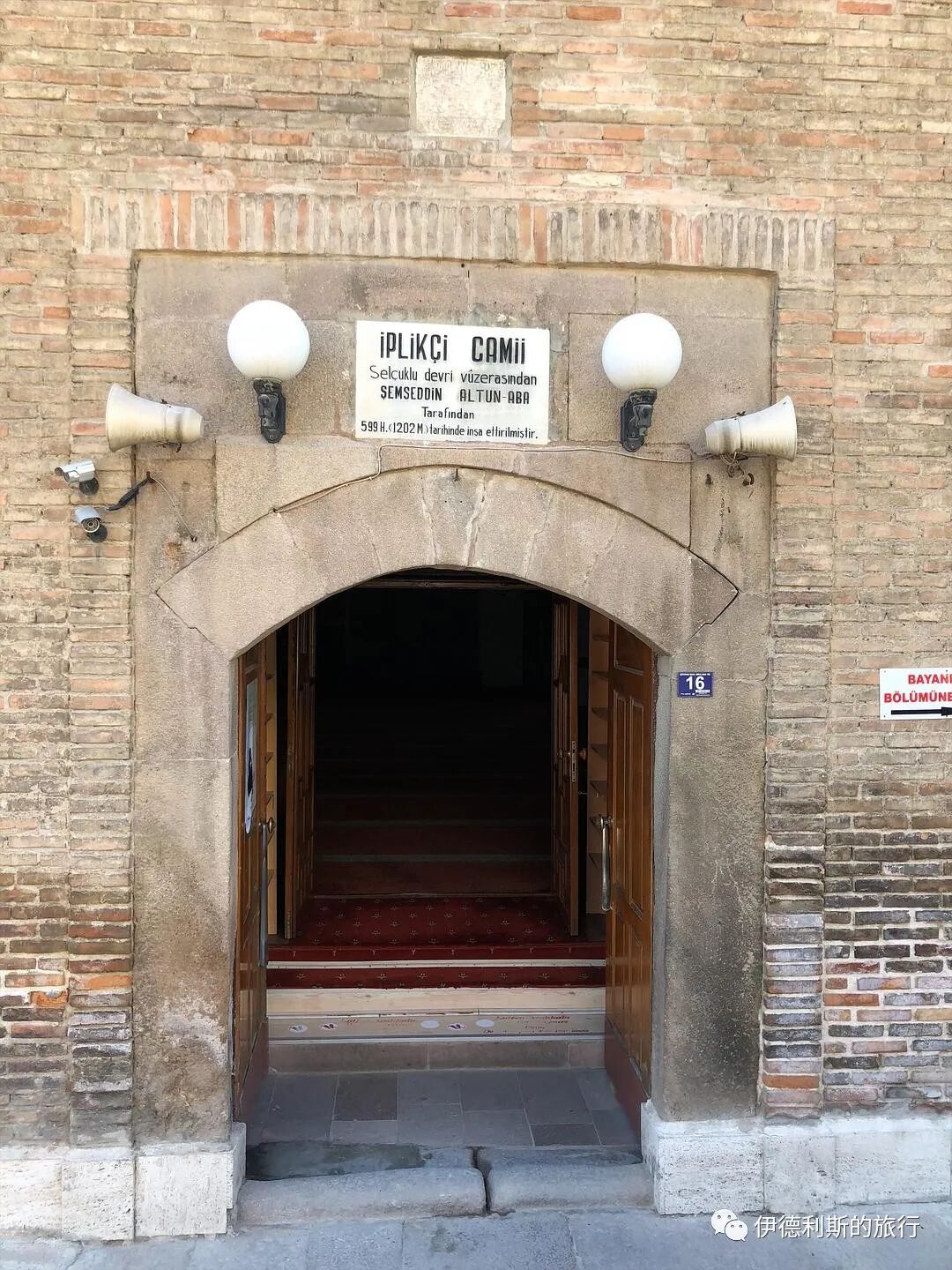
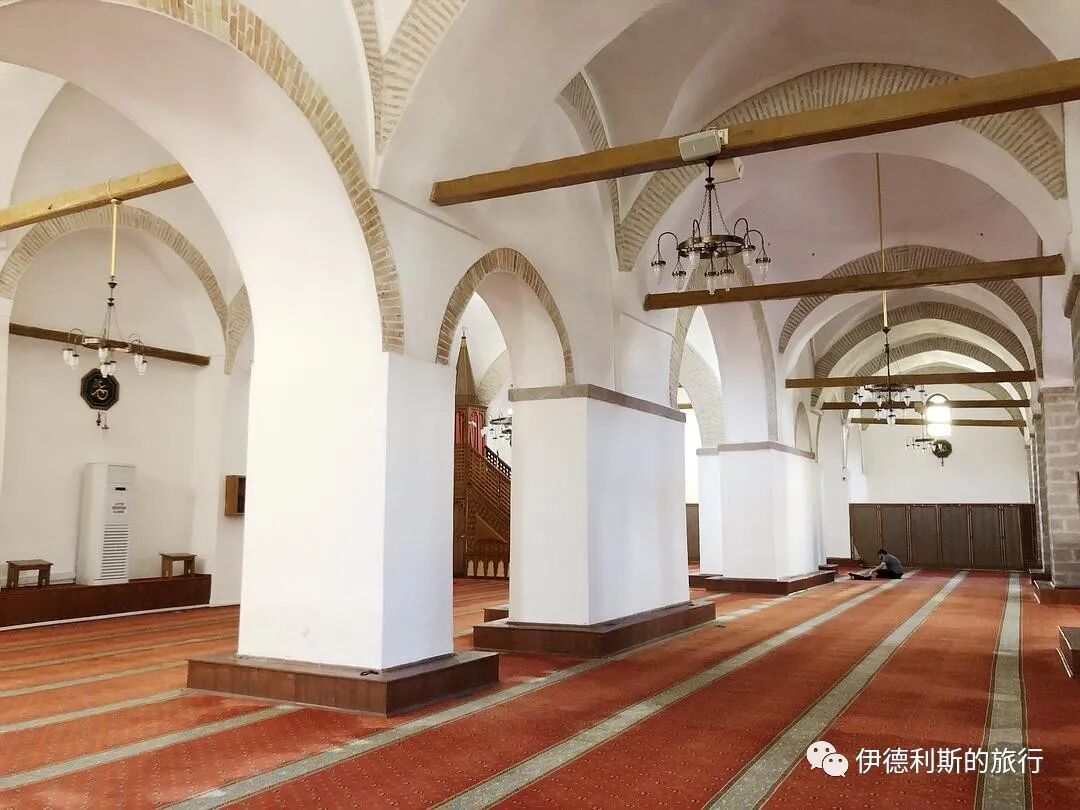
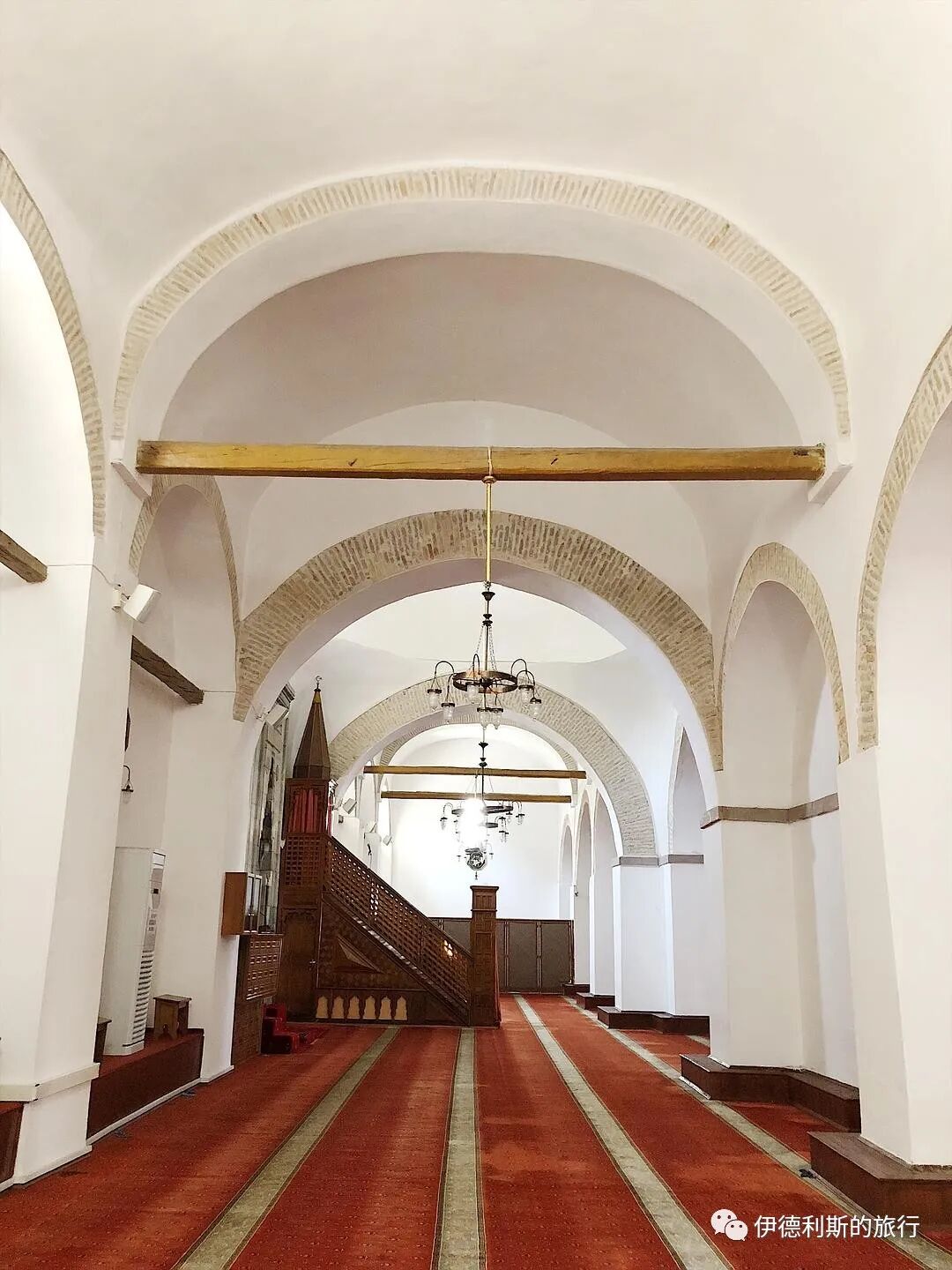
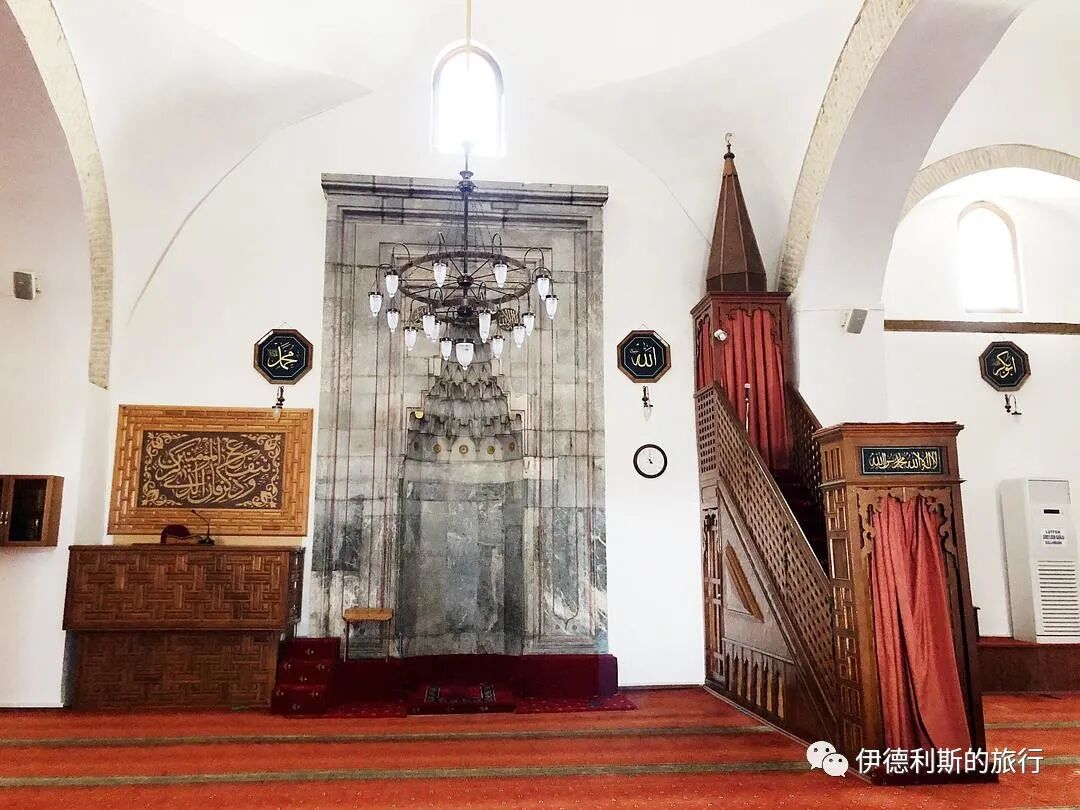
4. Karatay Madrasa: 1251
The Karatay Madrasa was built in 1251 under the direction of Emir Celaleddin Karatay of the Seljuk Sultanate of Rum; the madrasa is named after him, and teaching activities continued there until the end of the 19th century.
This building holds a very important place among surviving Seljuk structures featuring mosaic tiles, so it opened to the public as the Tile Museum in 1955. Archaeological excavations and restoration work took place here between 2006 and 2008.
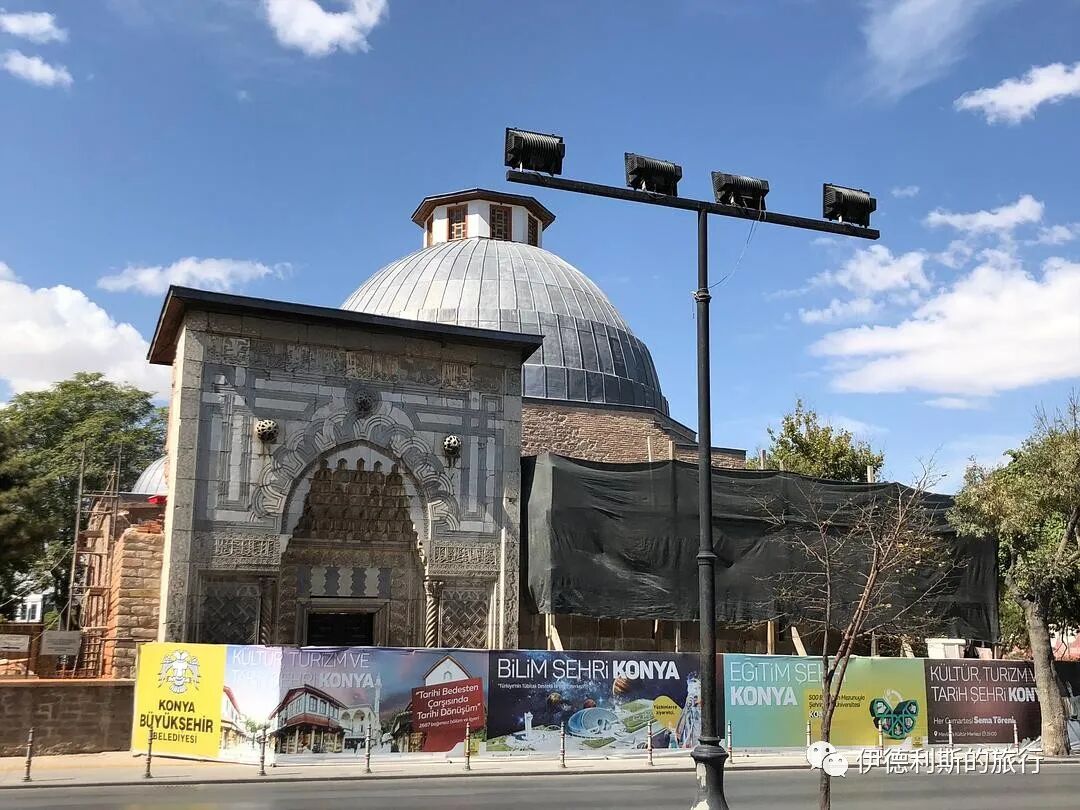
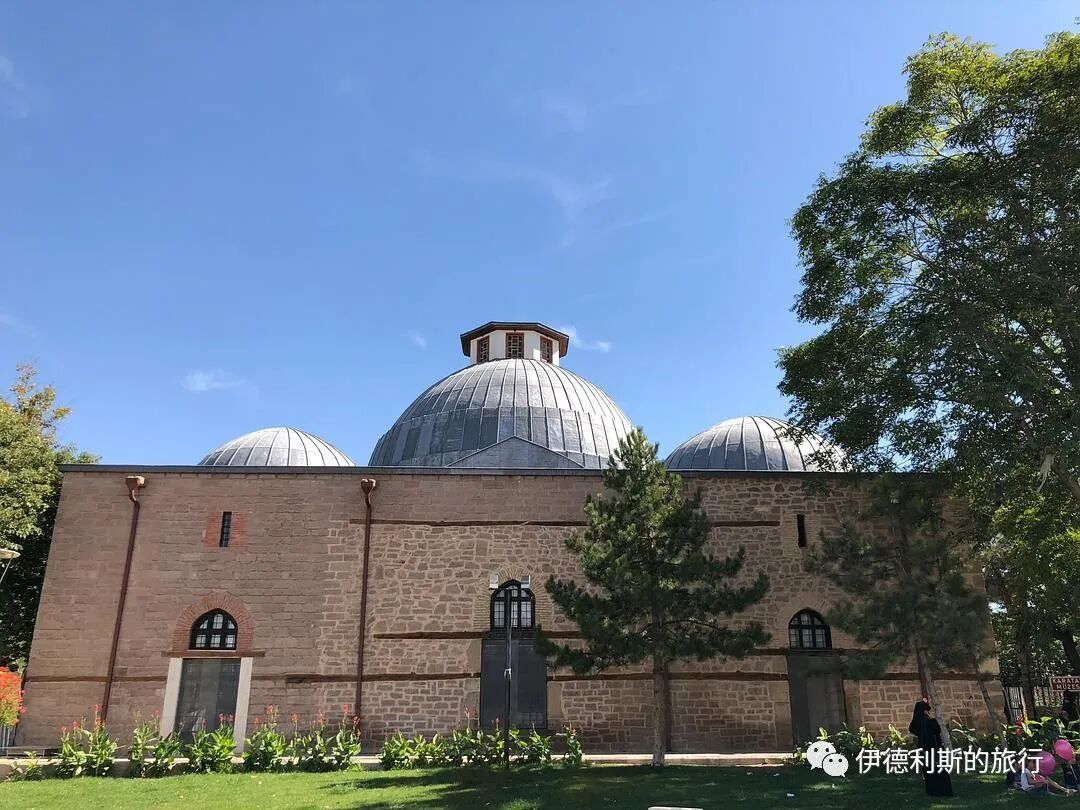
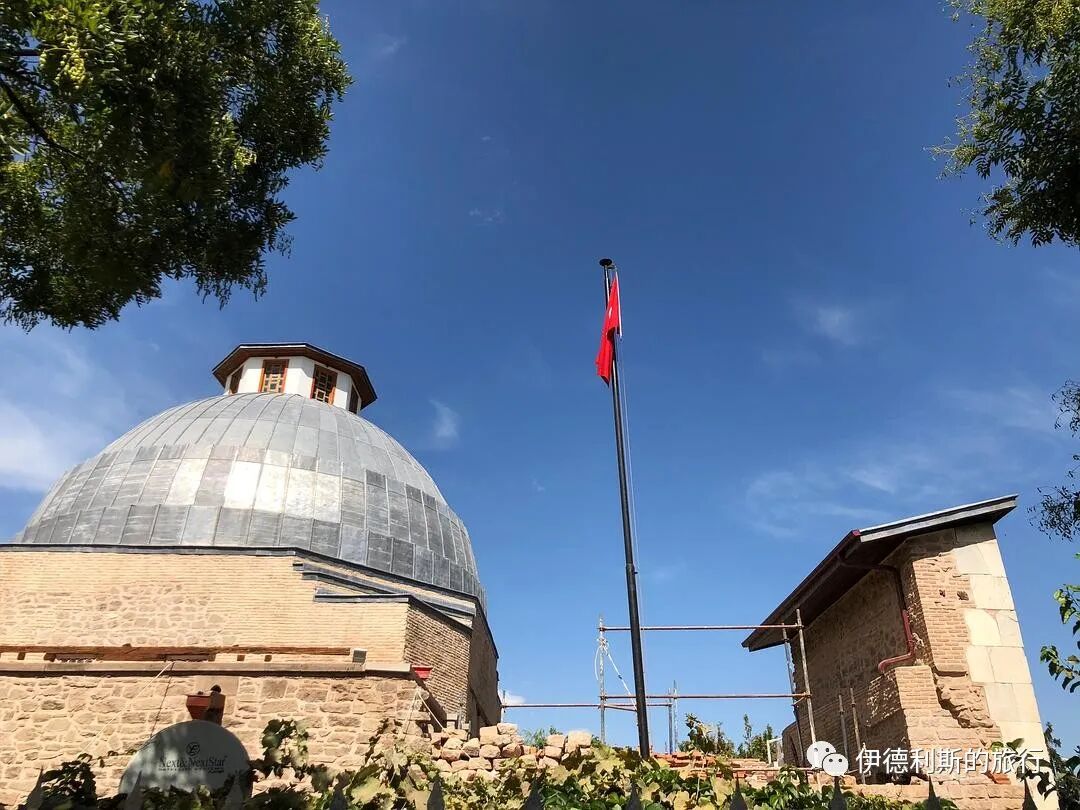
The main gate of the madrasa (religious school) is on the east side. Made of sky-blue and white marble, it is a masterpiece of Seljuk craftsmanship, carved with excerpts from the Quran and information about the school's construction.
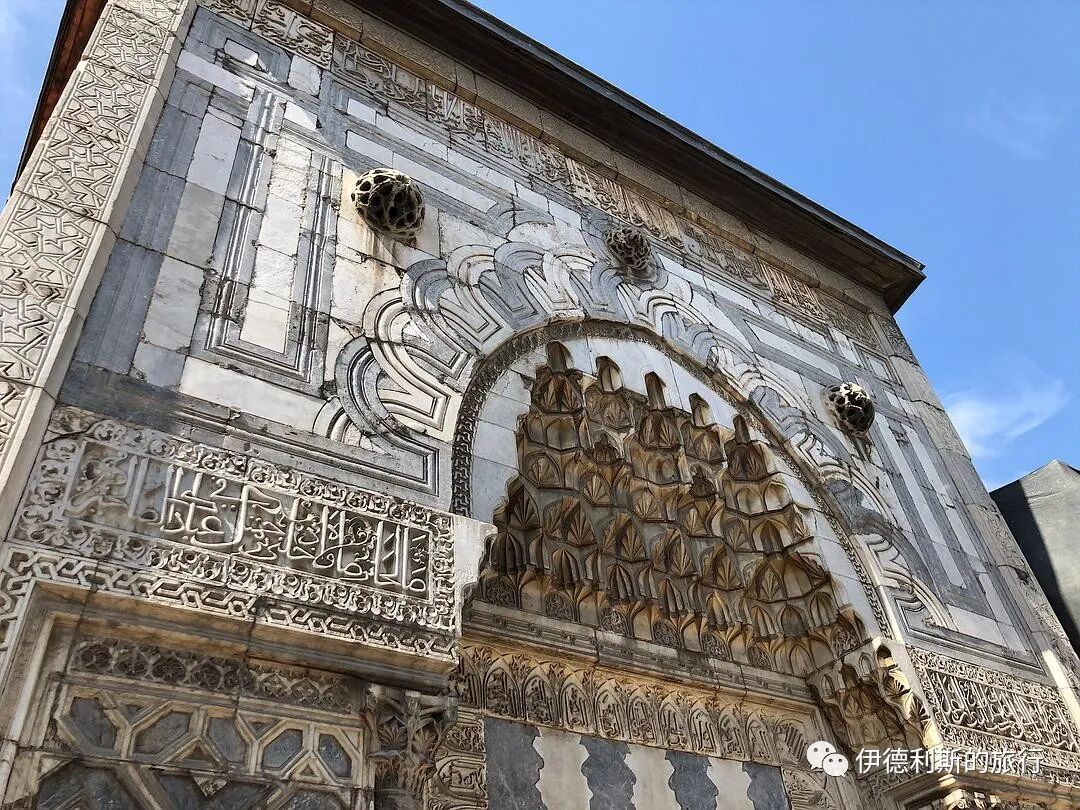
The main hall is covered in turquoise, indigo, and black tiles, along with calligraphy of verses, the names of prophets, and the four Rashidun Caliphs.
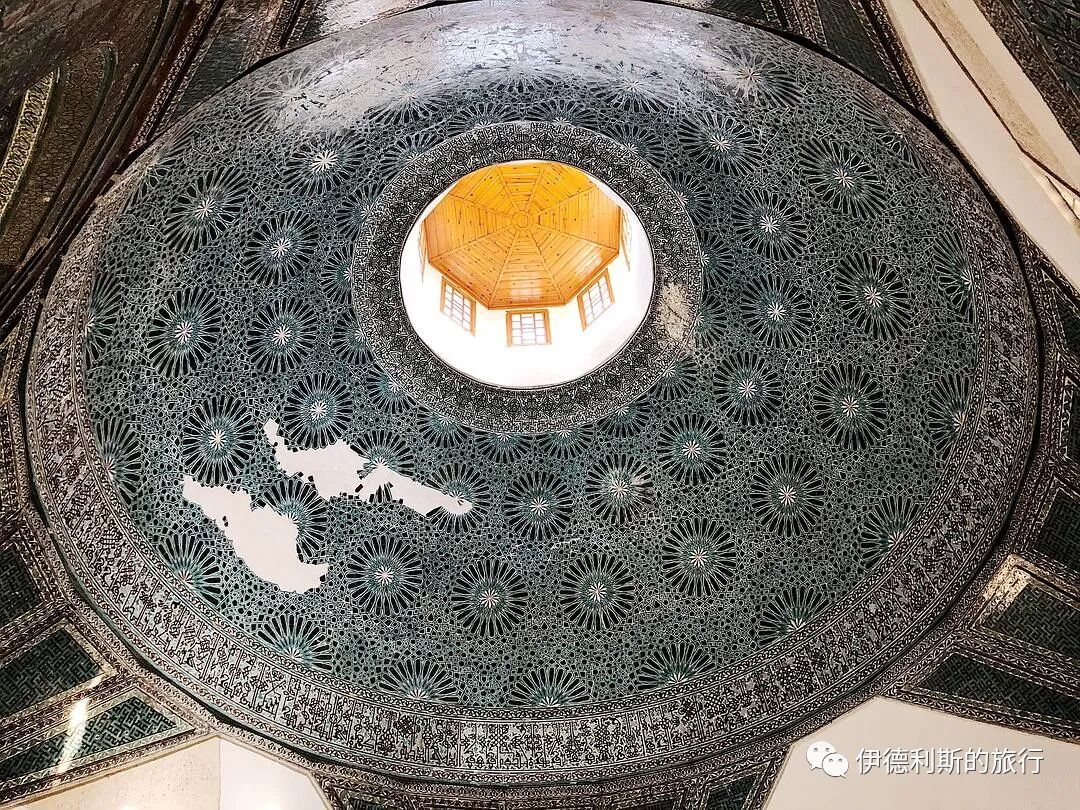
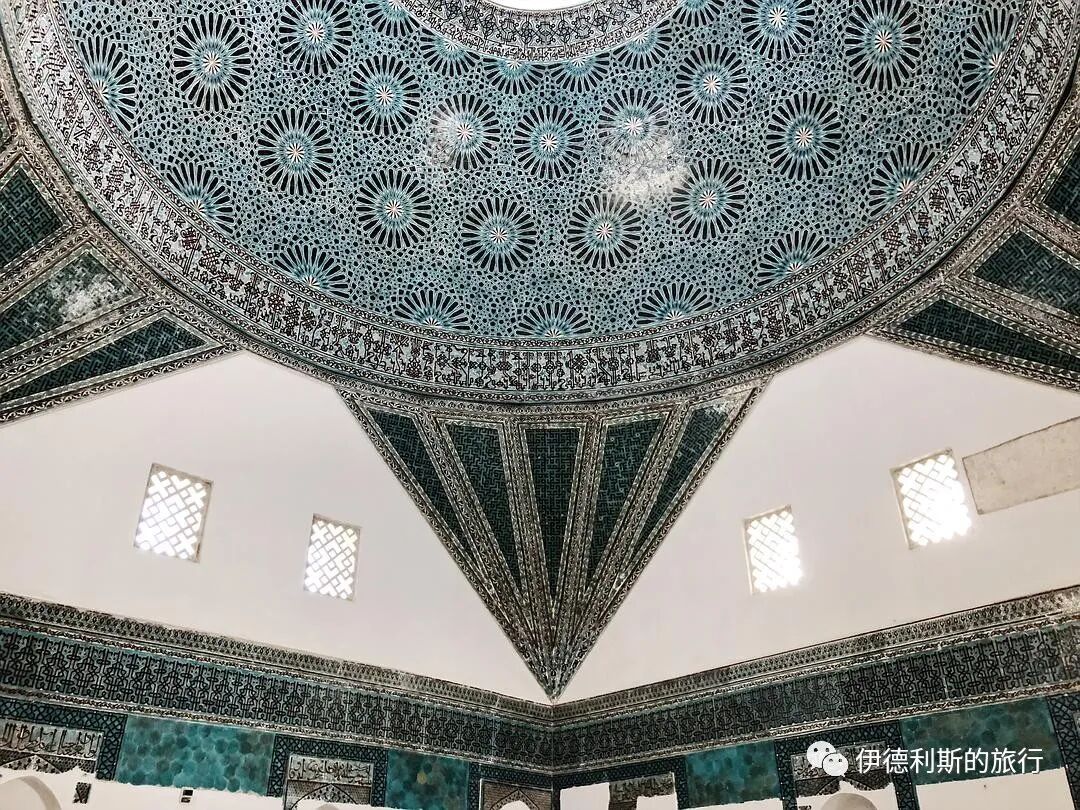
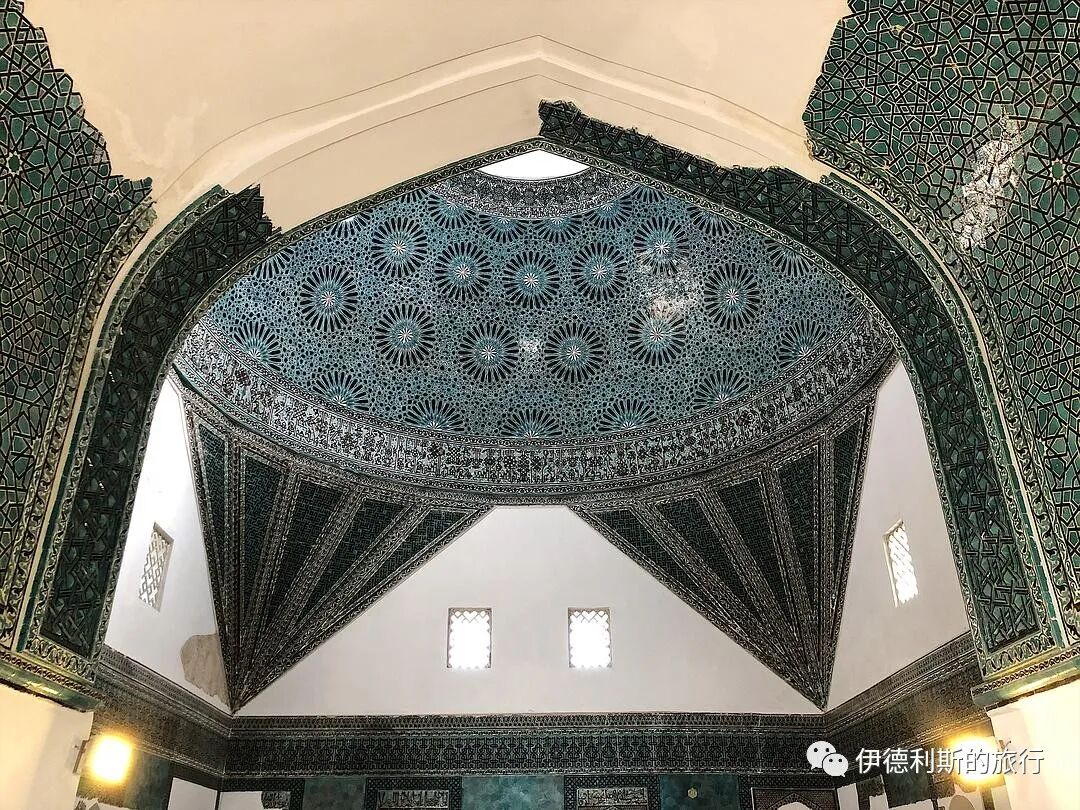
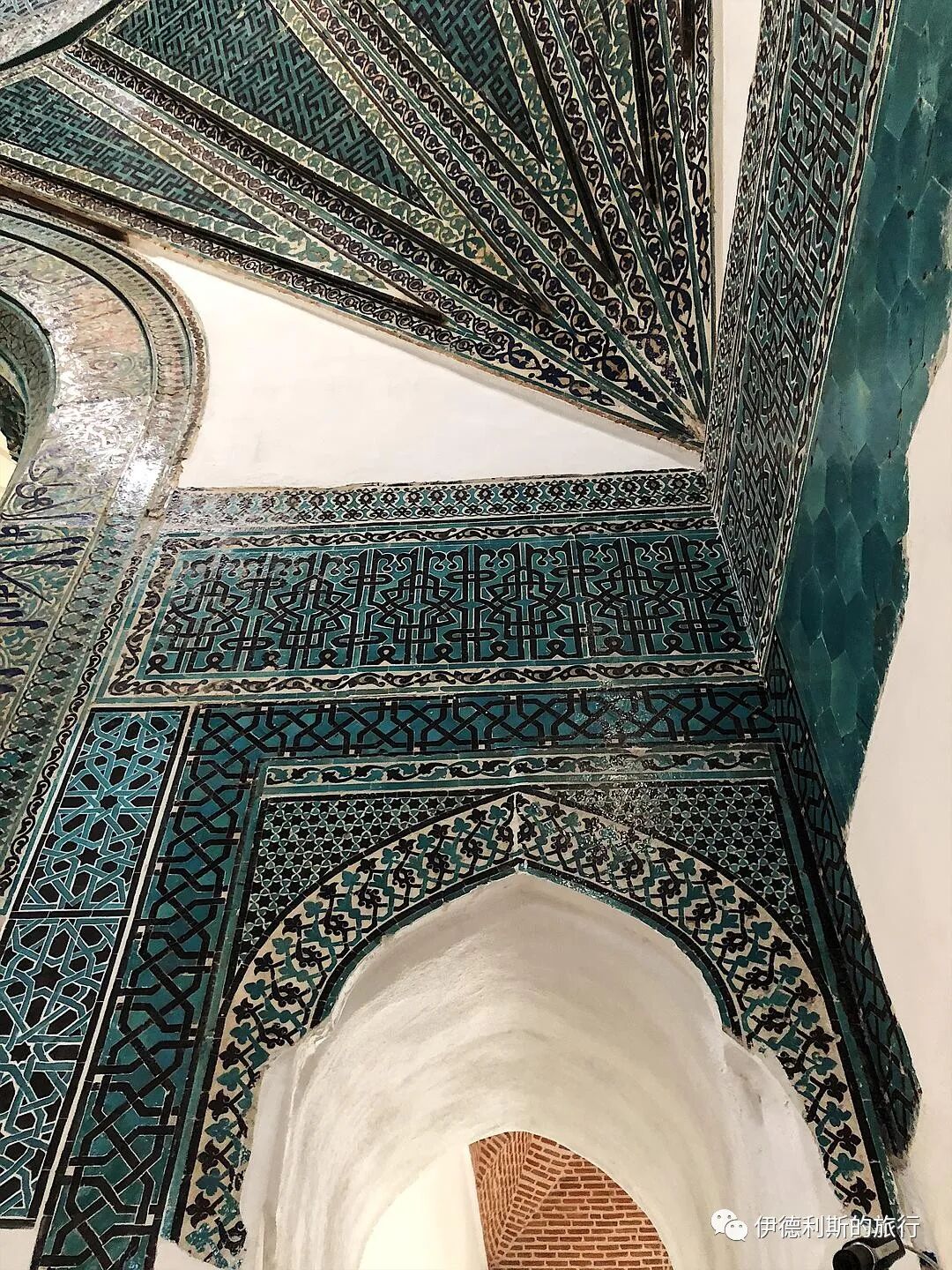
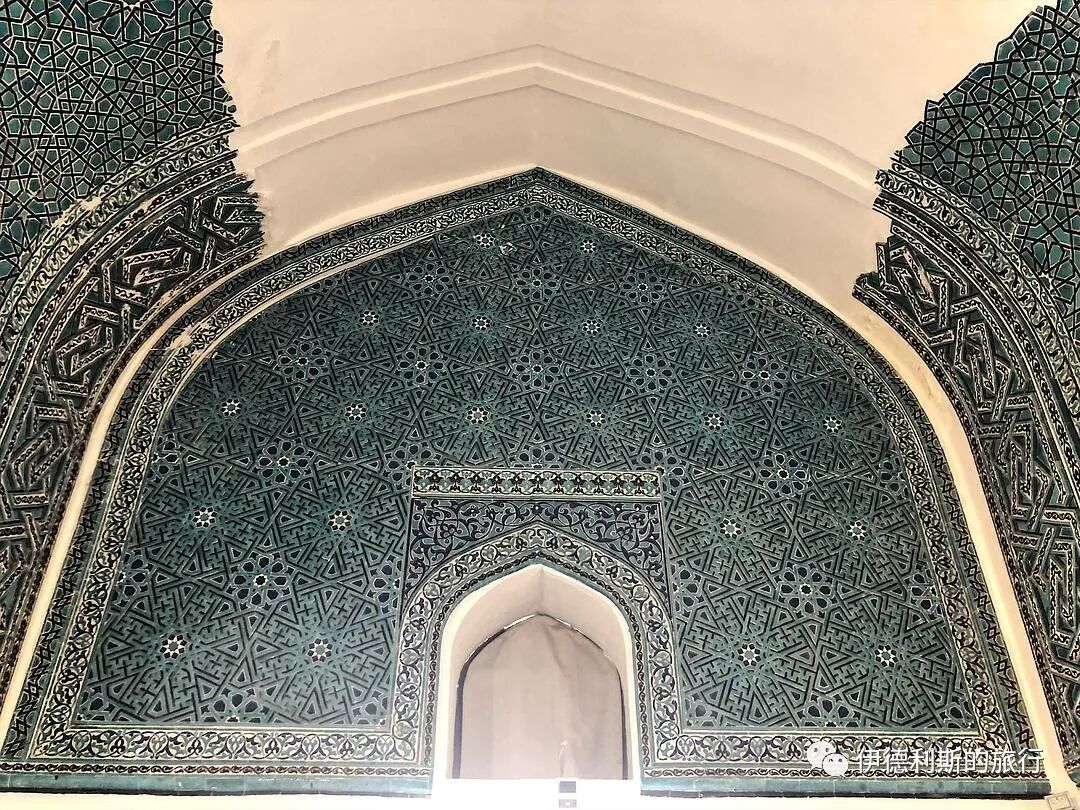
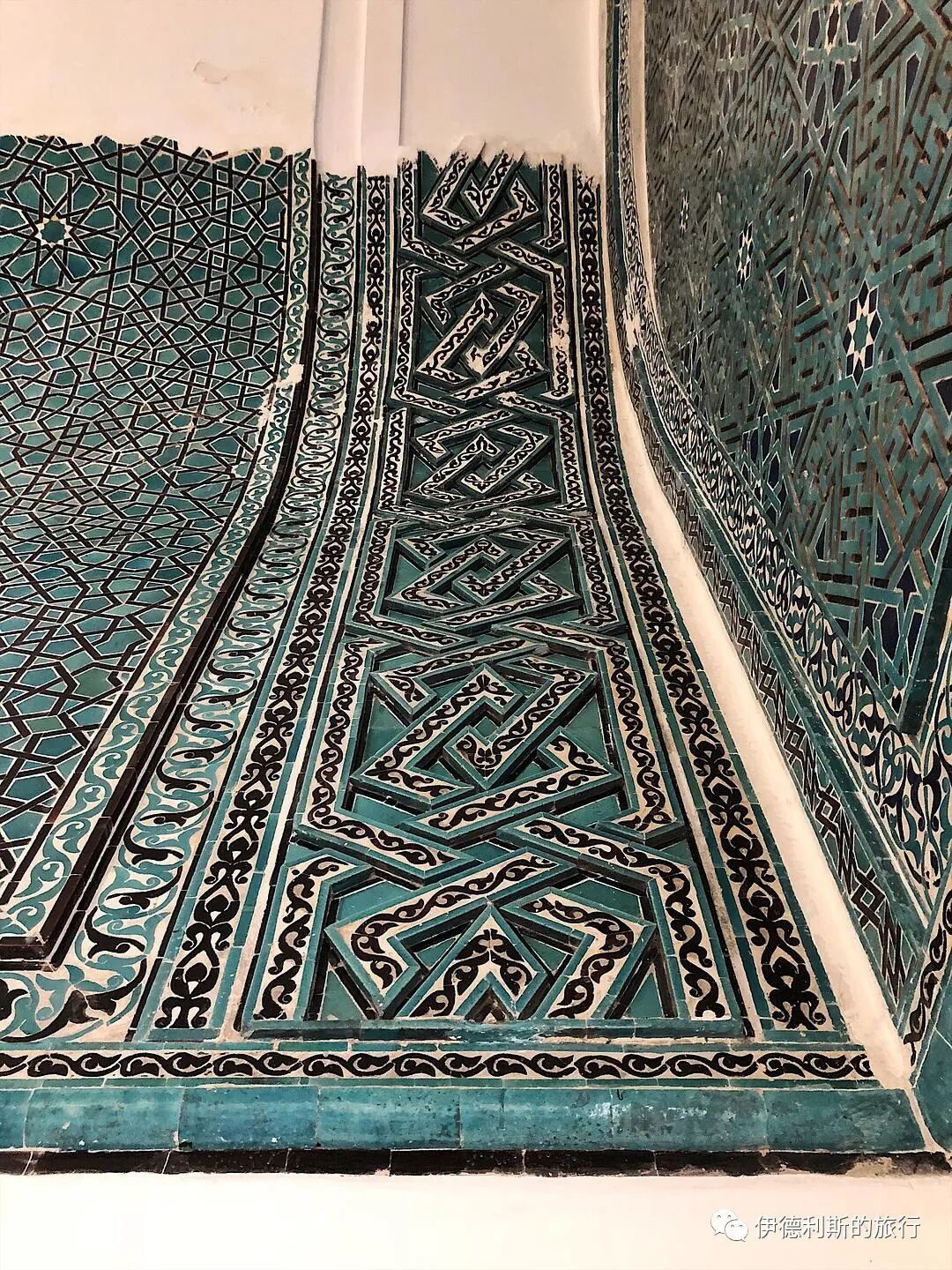
Inside the domed building to the left of the main hall is the tomb of Celaleddin Karatay, who passed away in 1254. Celaleddin Karatay began serving in the court of the Sultanate of Rum in 1212. He was promoted to Minister of Finance in 1243 and received the noble title of Atabeg in 1249, remaining a key official of the Sultanate until his death in 1254. Celaleddin Karatay served four sultans during his life. He was known for his humility, piety, and simple lifestyle, and he was dedicated to developing science and art. He oversaw many projects, including the Kayseri-Elbistan road, with the Karatay Madrasa being his most famous.
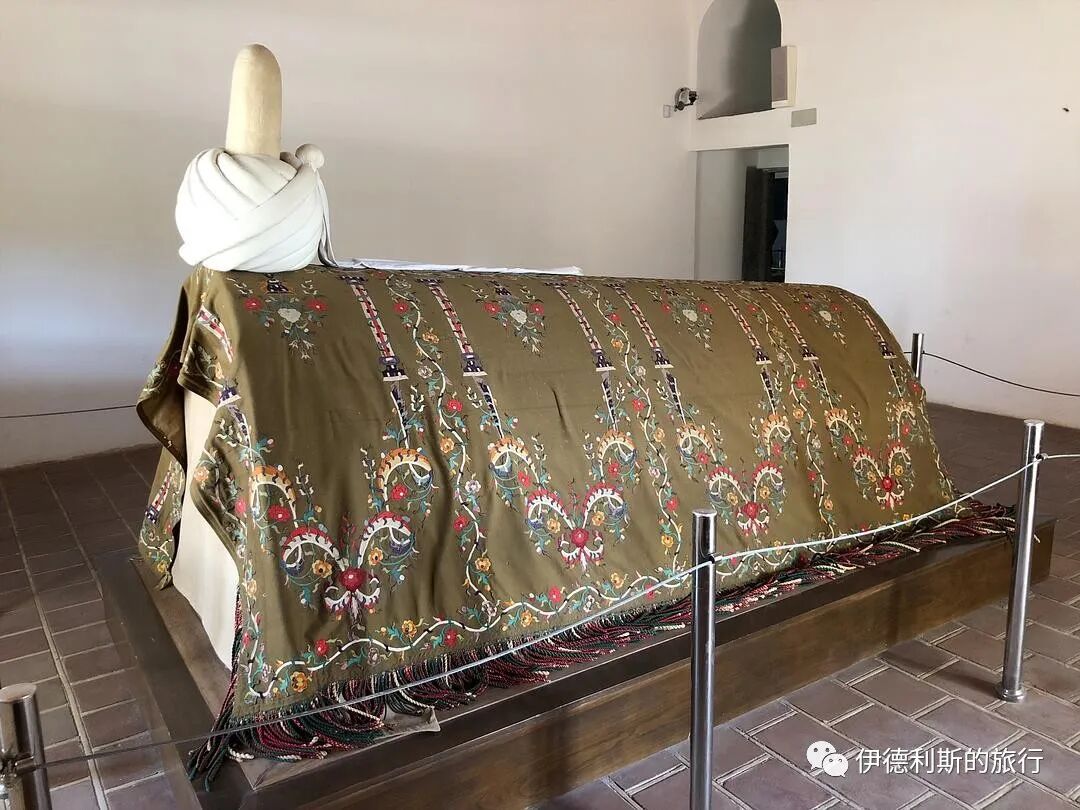
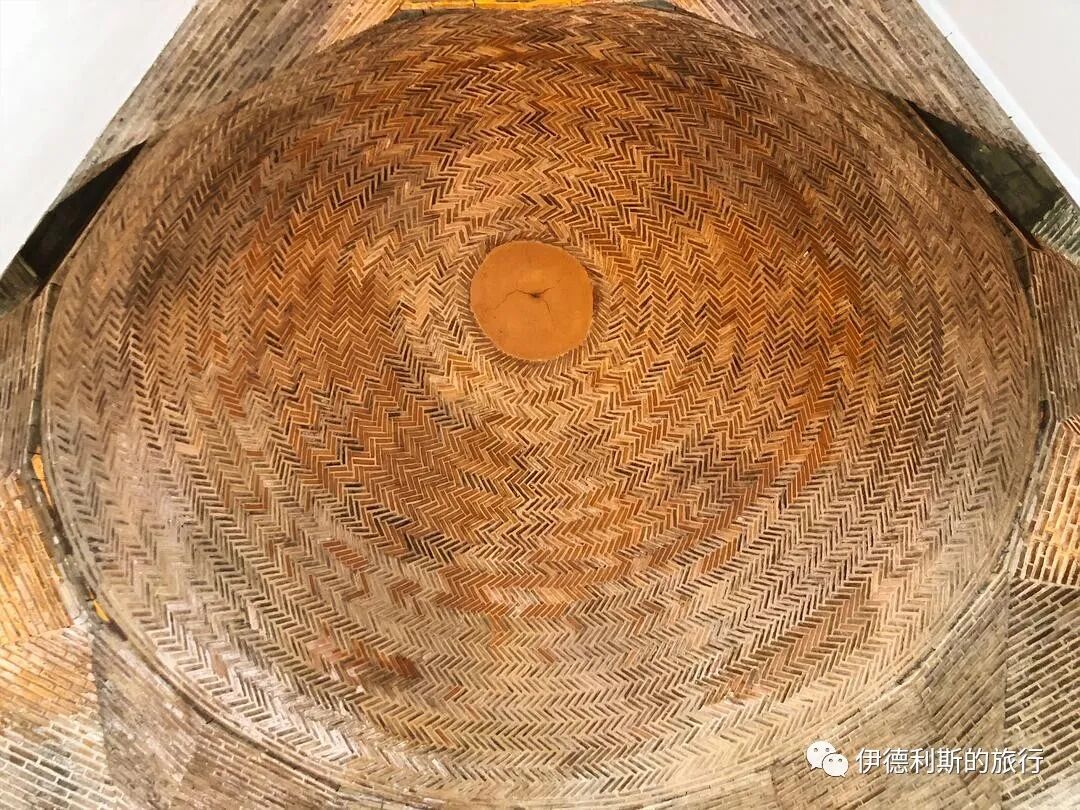
5. Tiles of Kubadabad Palace: 1236
Kubadabad Palace was the summer palace of the Sultanate of Rum. It is located on the shore of Lake Beyşehir, 100 kilometers west of Konya, and was built in 1236 by the Seljuk Sultan Kayqubad I (reigned 1220-1237).
In 1949, Zeki Oral, the director of the Konya Museum, first discovered the ruins of Kubadabad Palace and conducted archaeological excavations in 1952. German archaeologist Katharina Ottodorn conducted further excavations in 1965, followed by Turkish archaeologist Mehmet Önder in 1967. In 1980, Professor Rüçhan Arık led a team from Ankara University to conduct a systematic survey and excavation of the site.
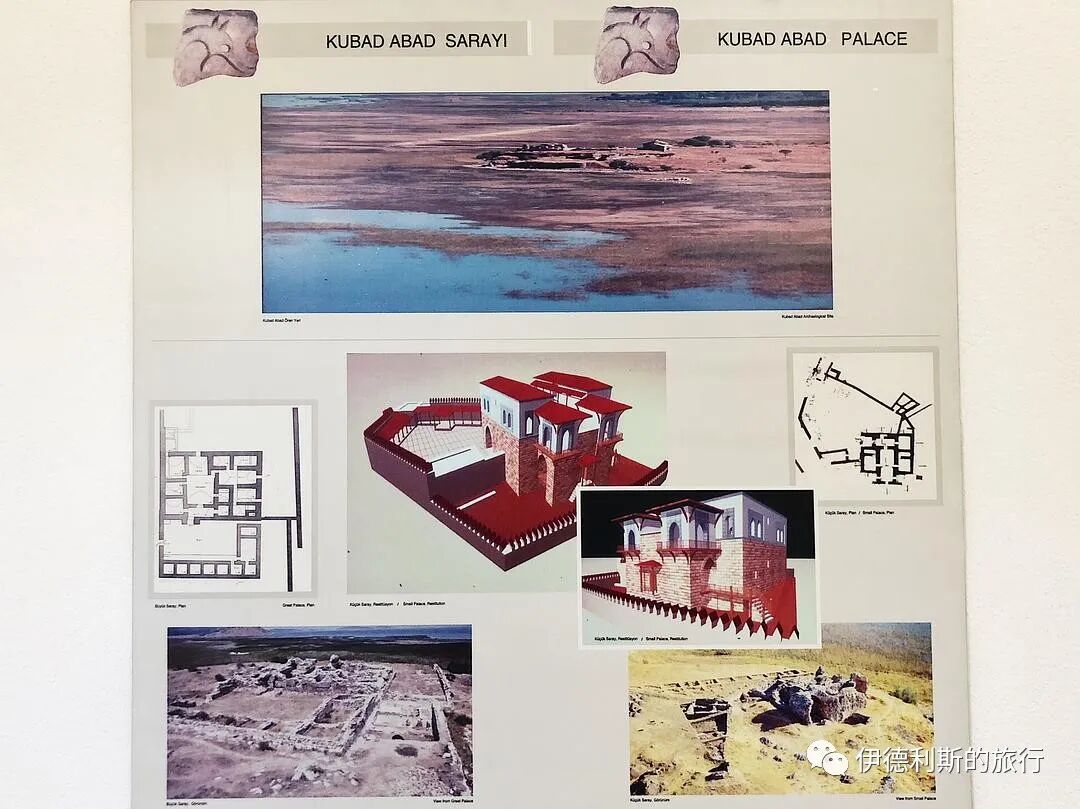
Kubadabad Palace is very different from the Seljuk palaces in Konya and Kayseri. It is far from towns and lacks high city walls; protection for the palace seems to have been provided by a fortress complex on a nearby island.
Sixteen buildings have been excavated at Kubadabad Palace. The main structure is a large 50x35 meter palace where many ornate underglaze tiles were found. Some of these tiles are now on display at the Karatay Tile Museum.
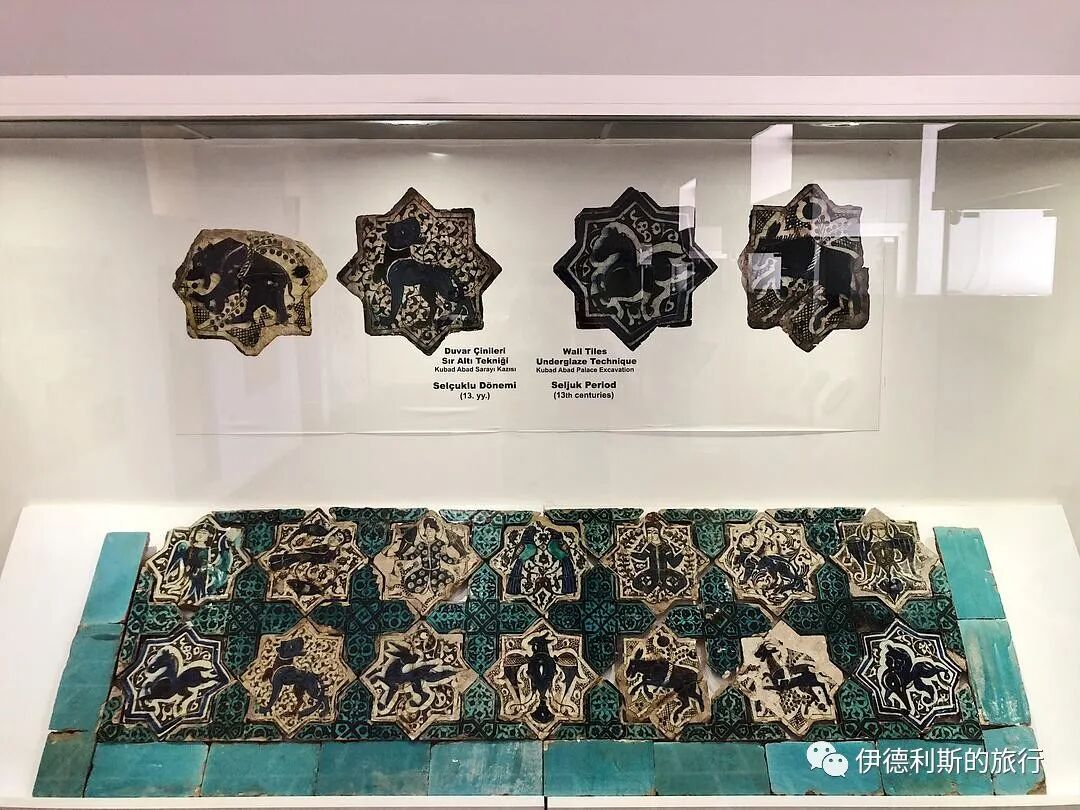
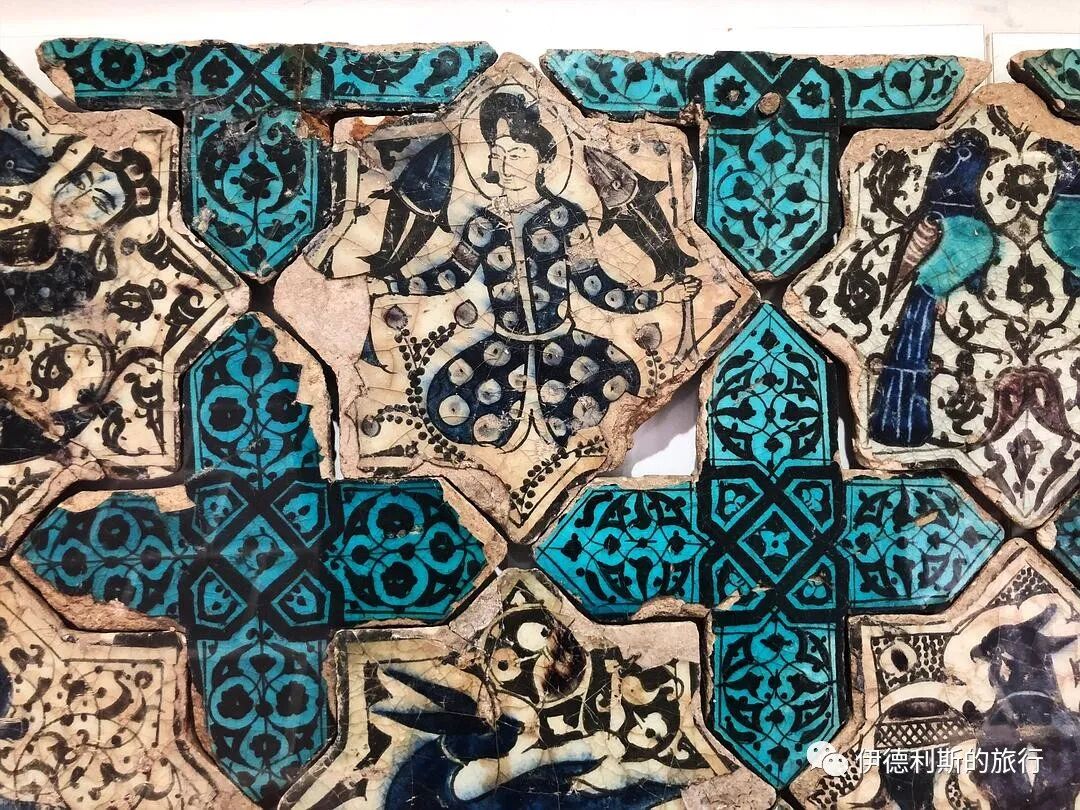
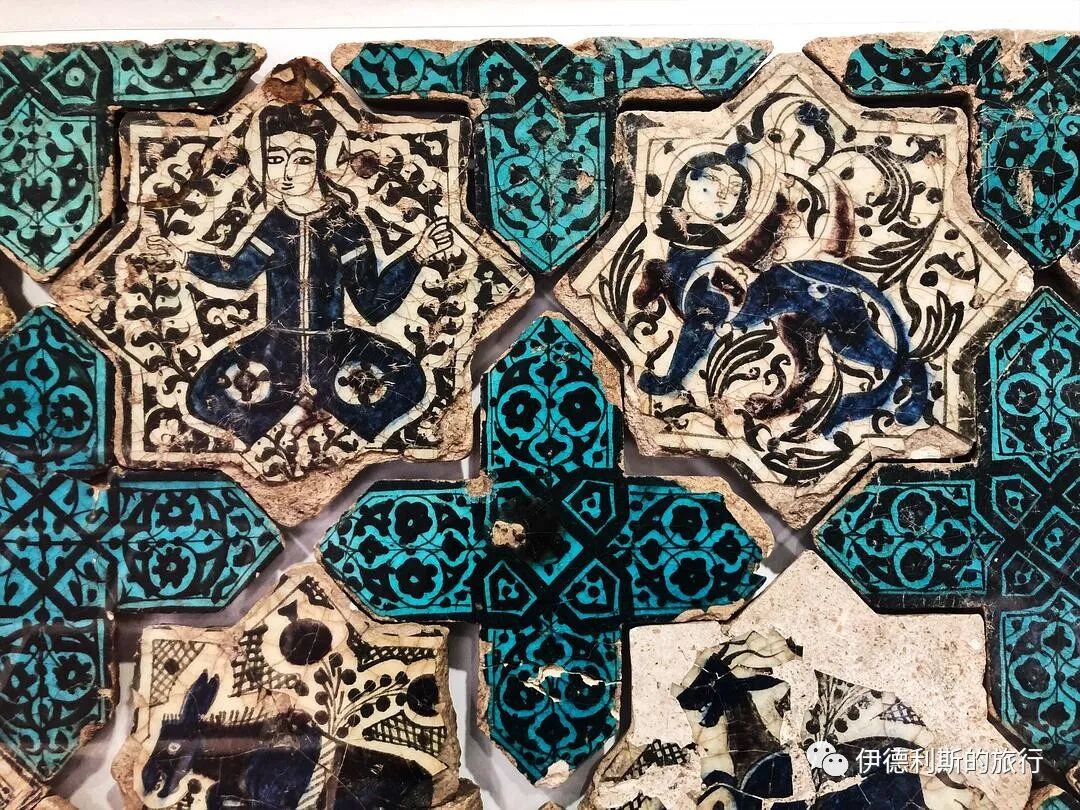
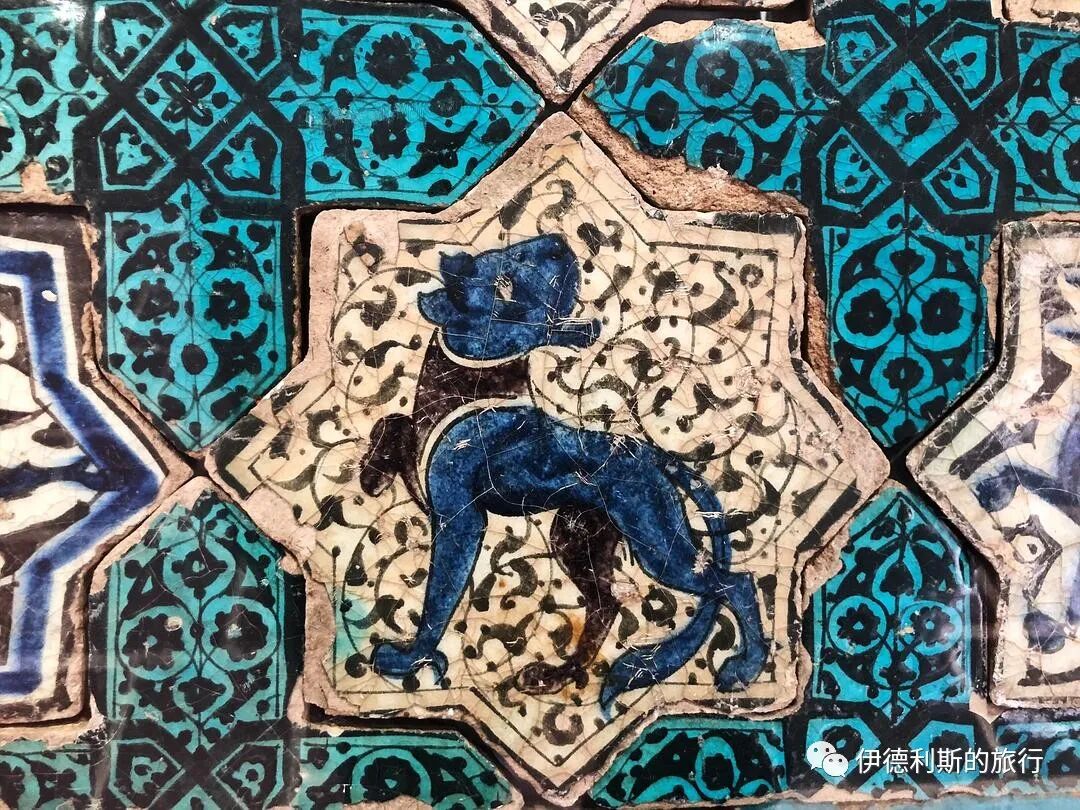
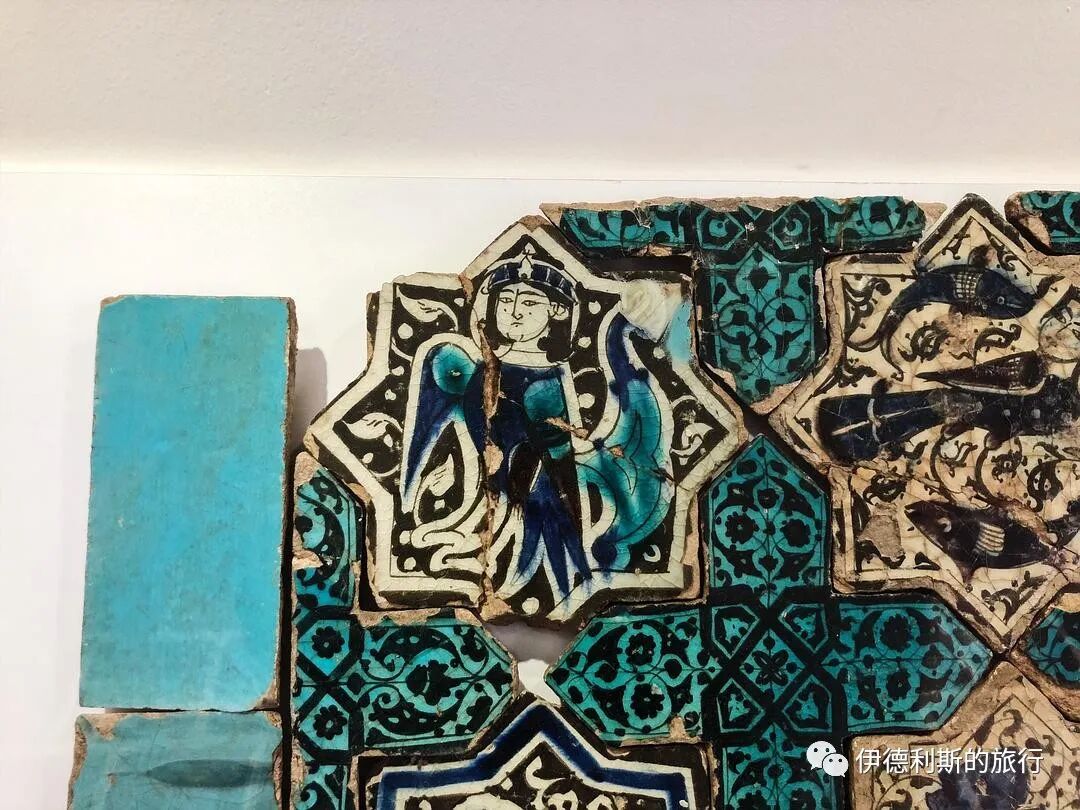
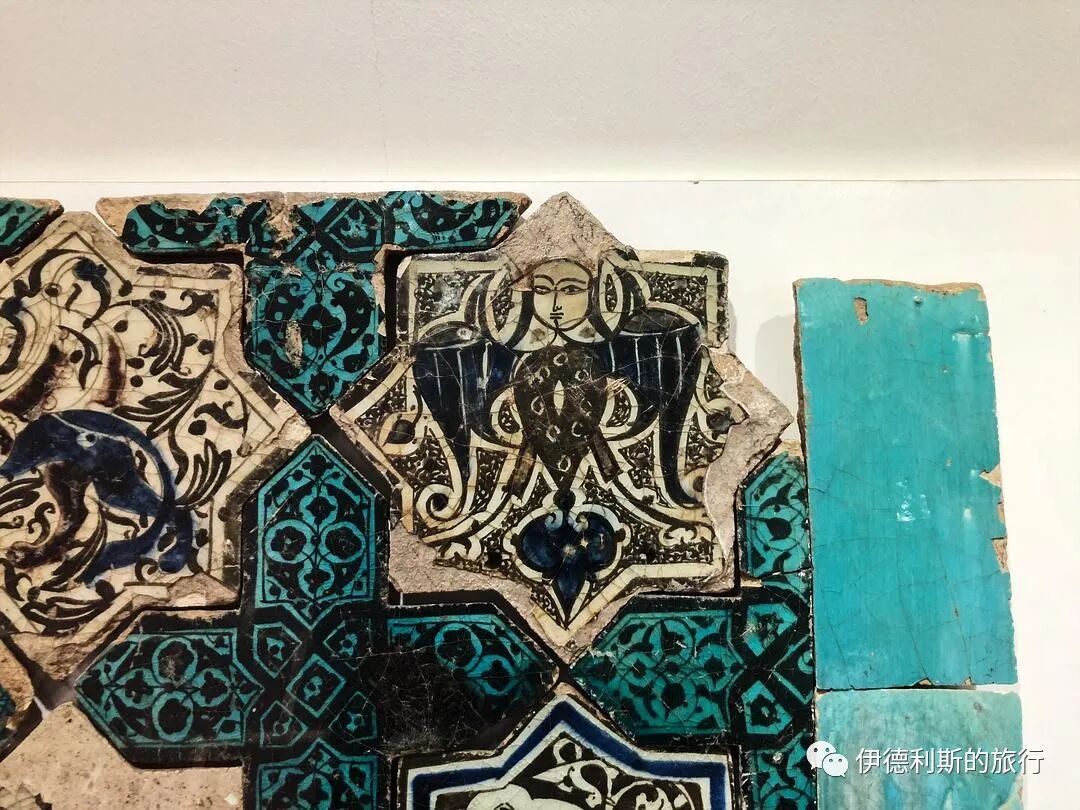
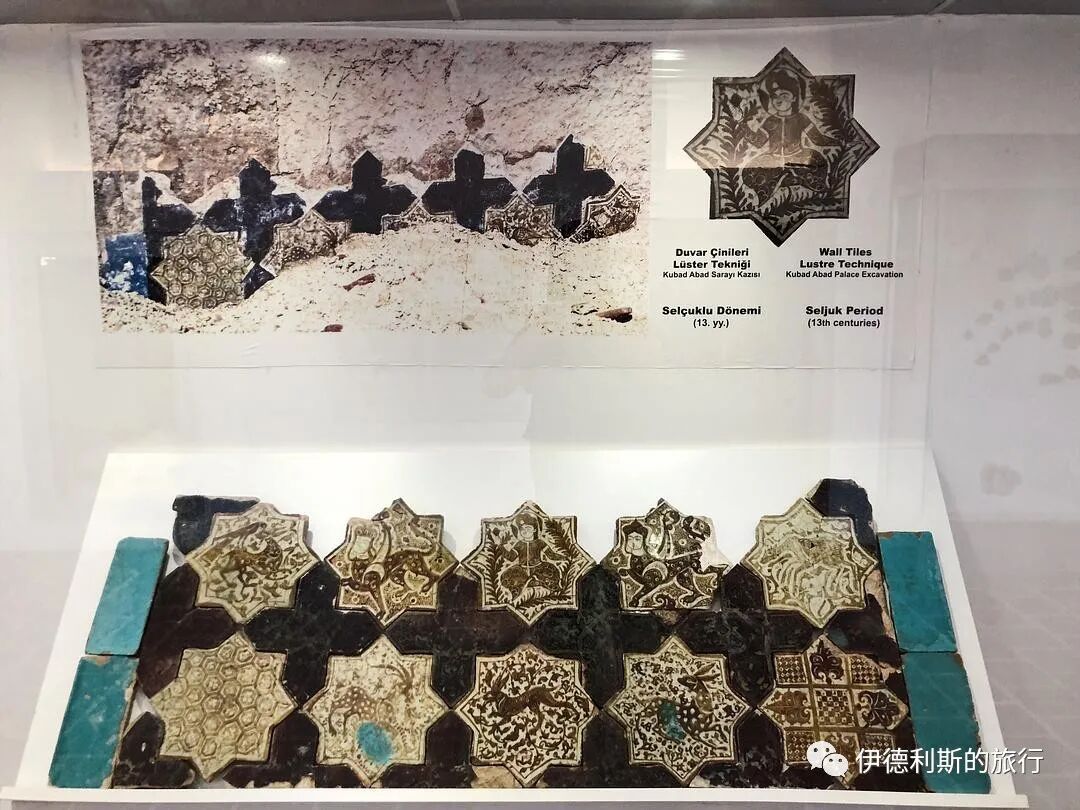
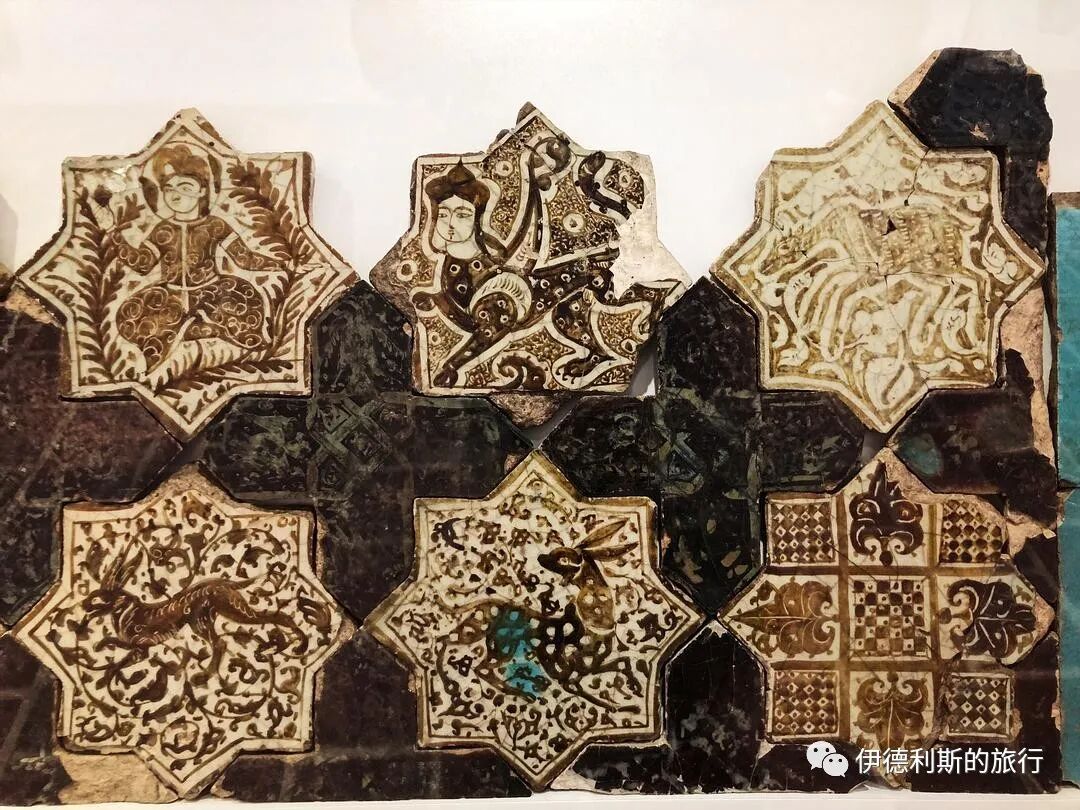
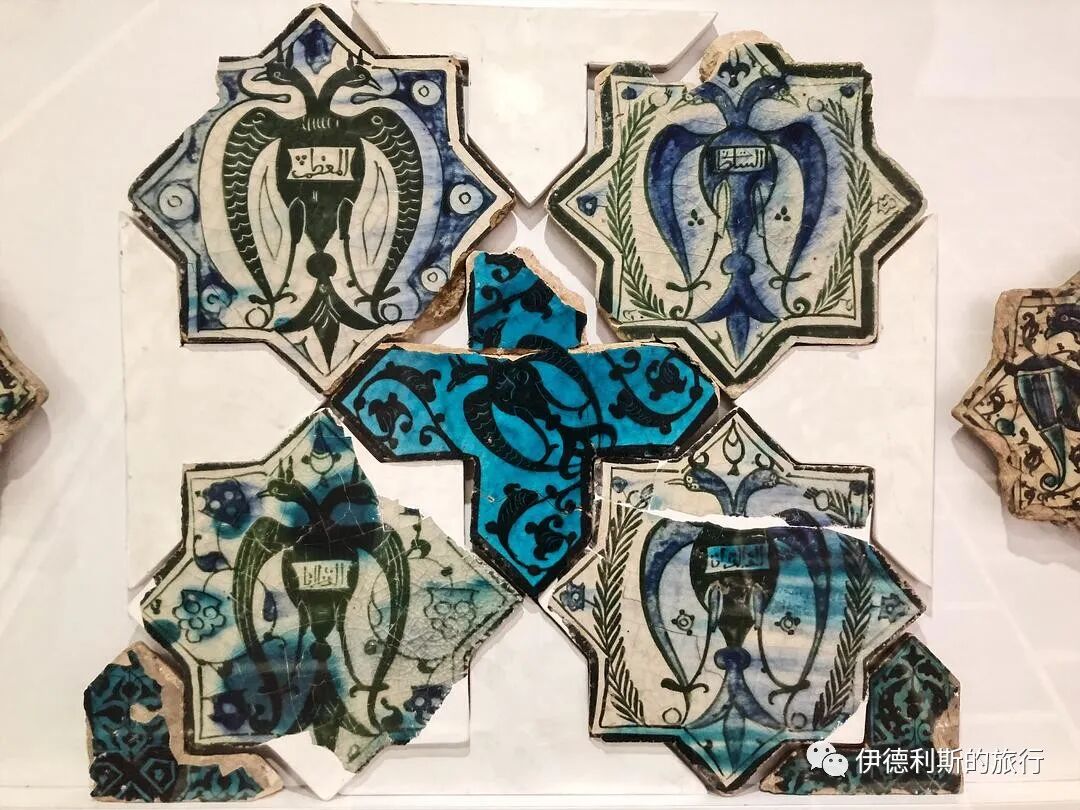
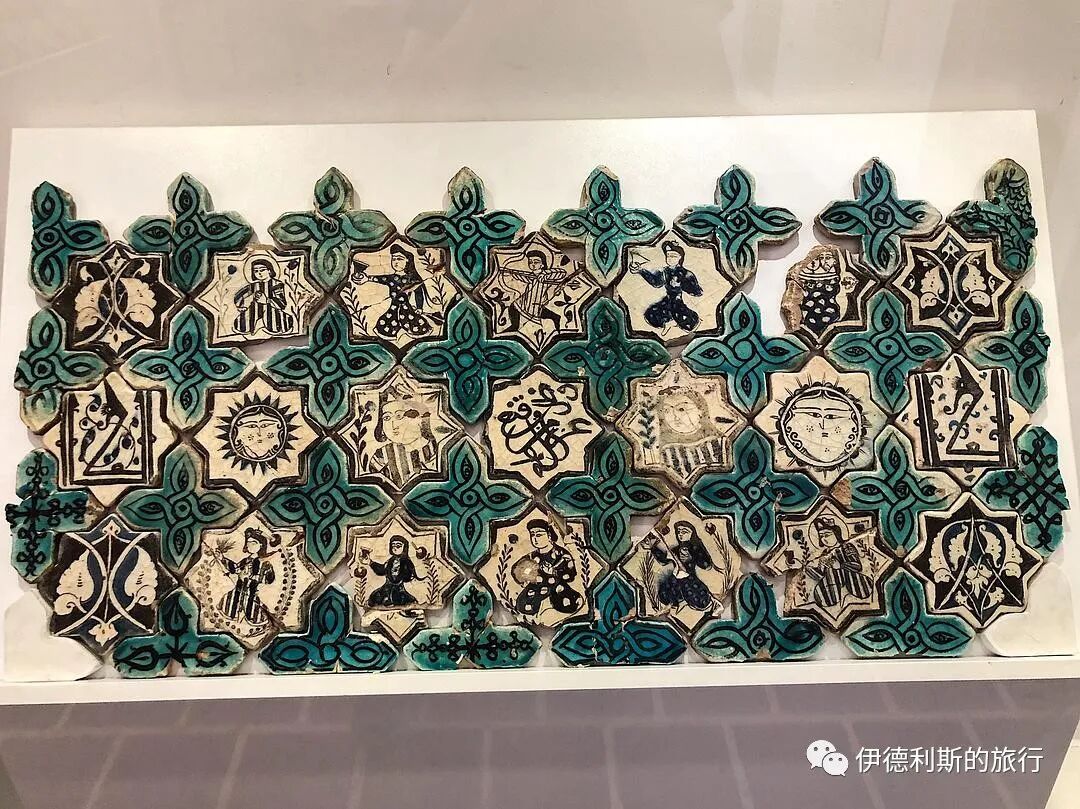
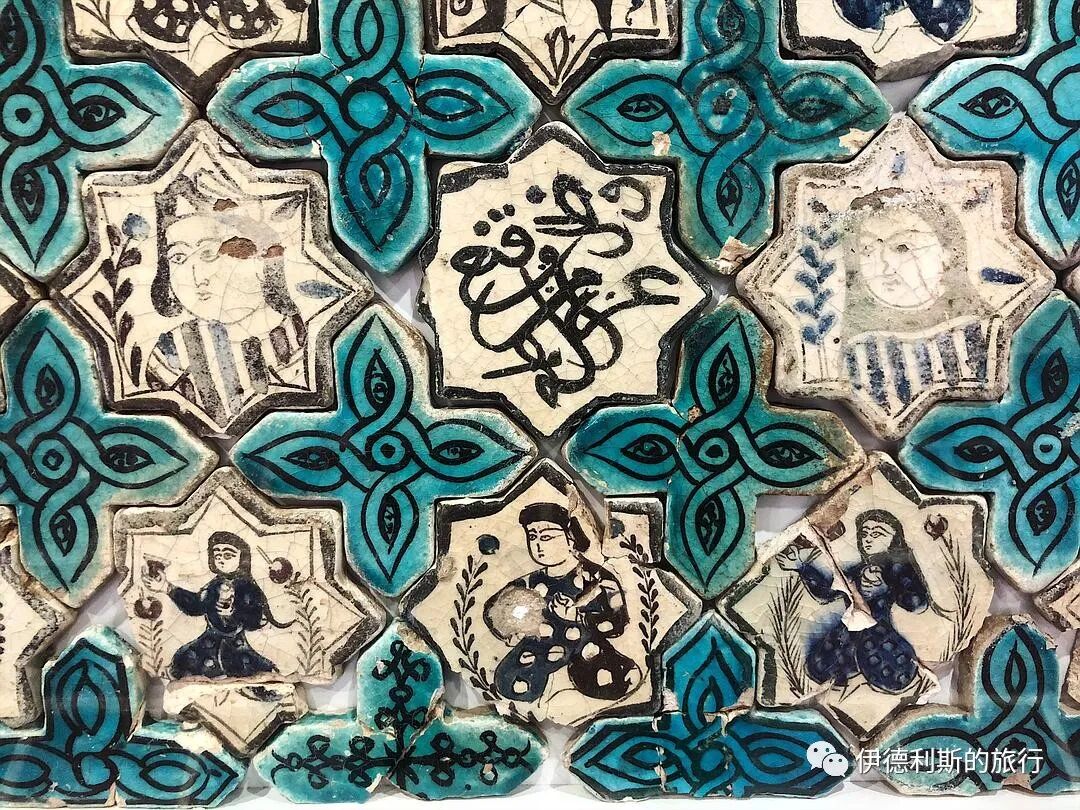
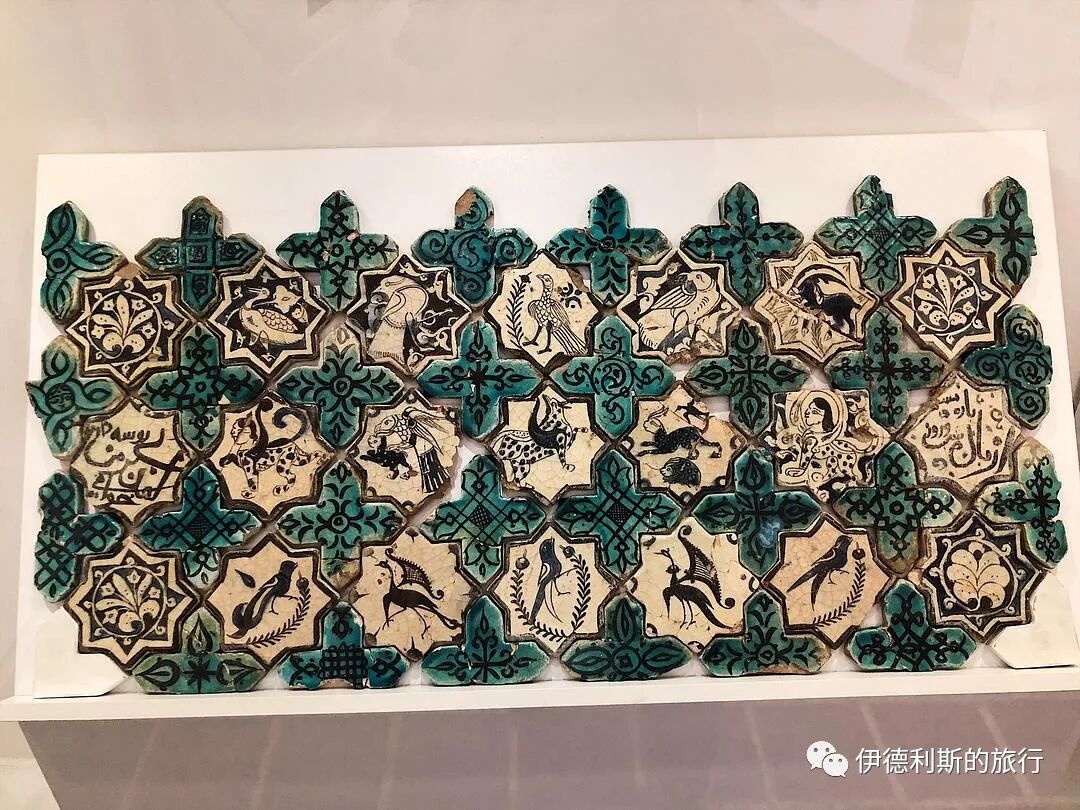
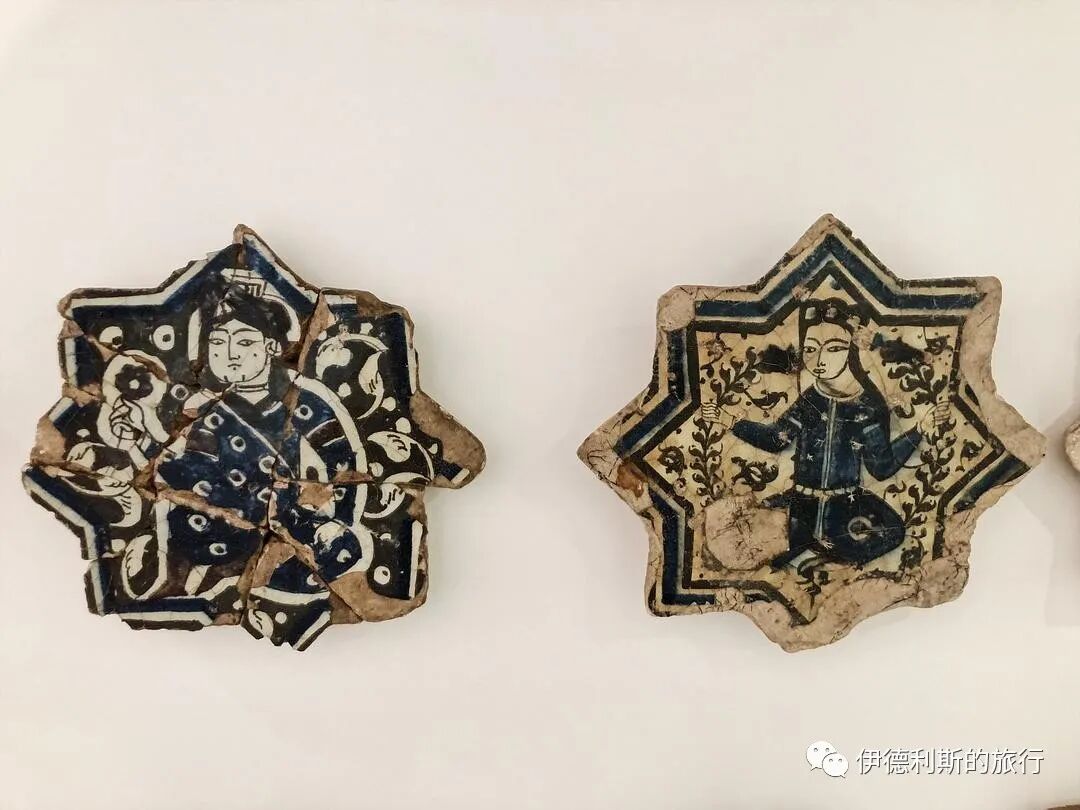
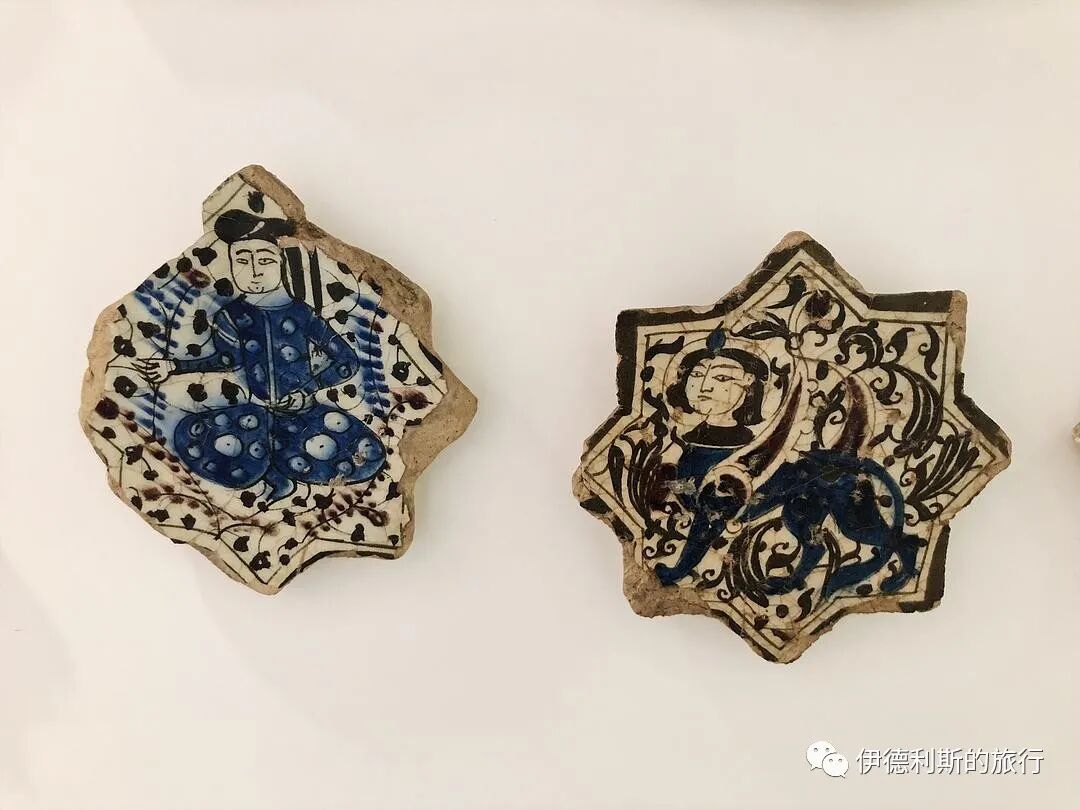
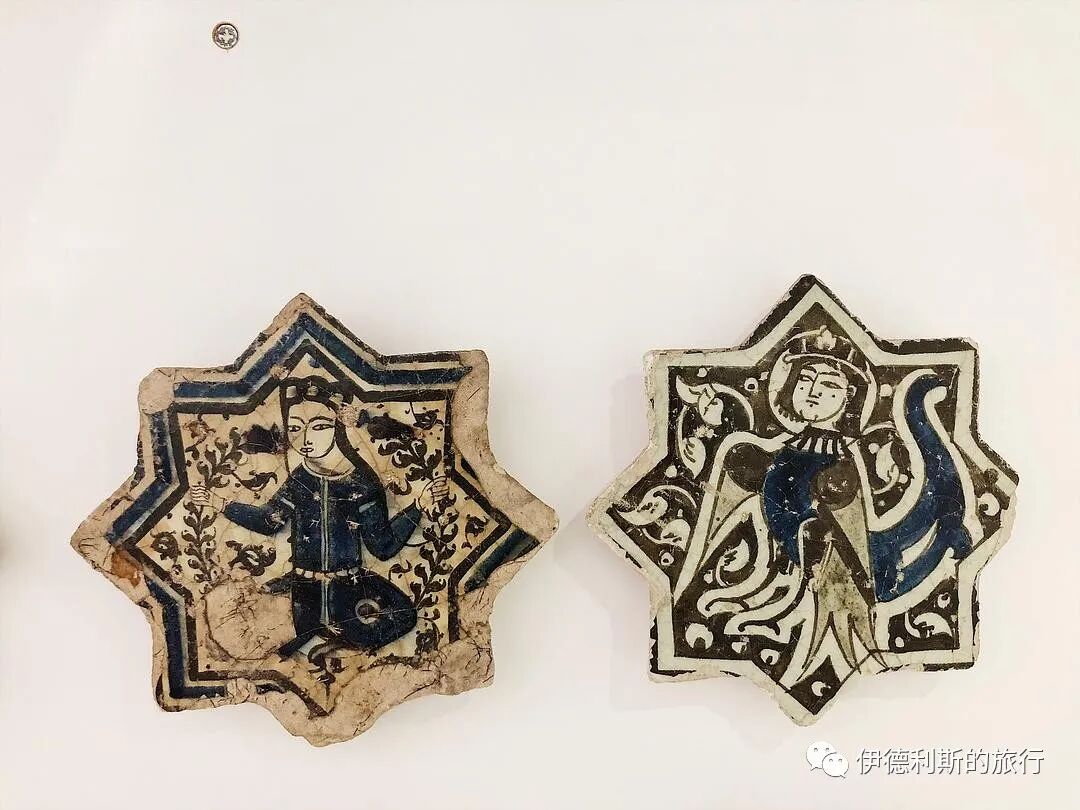
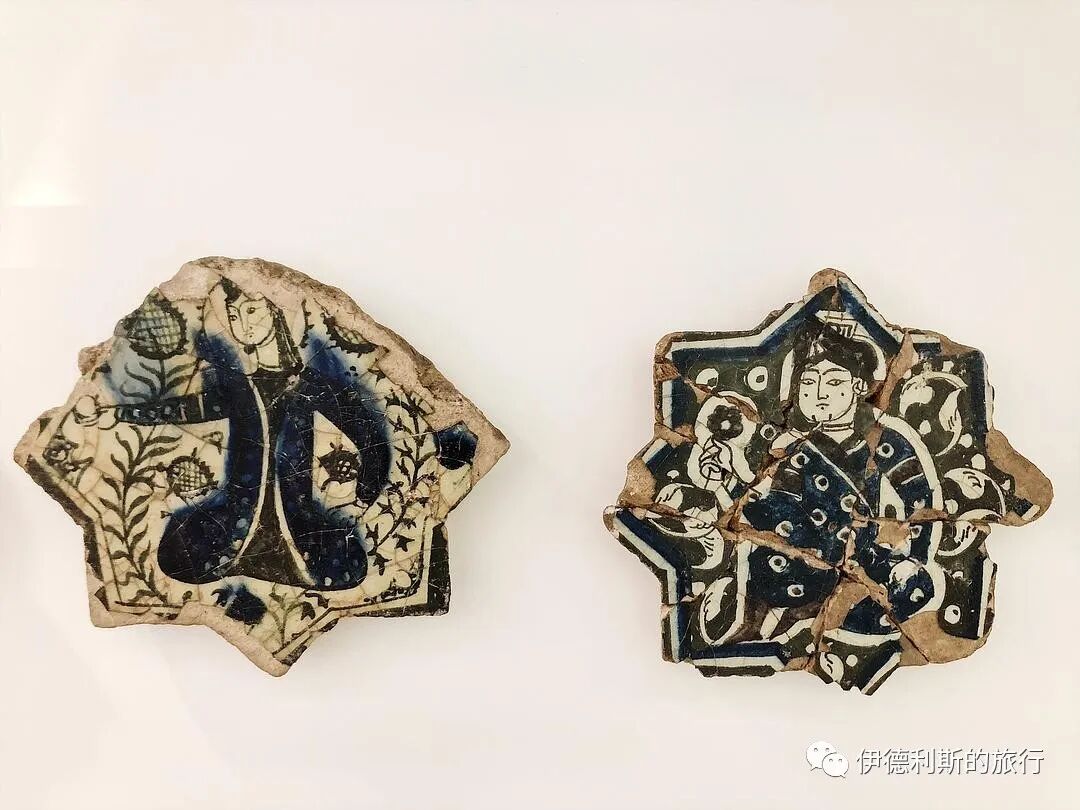
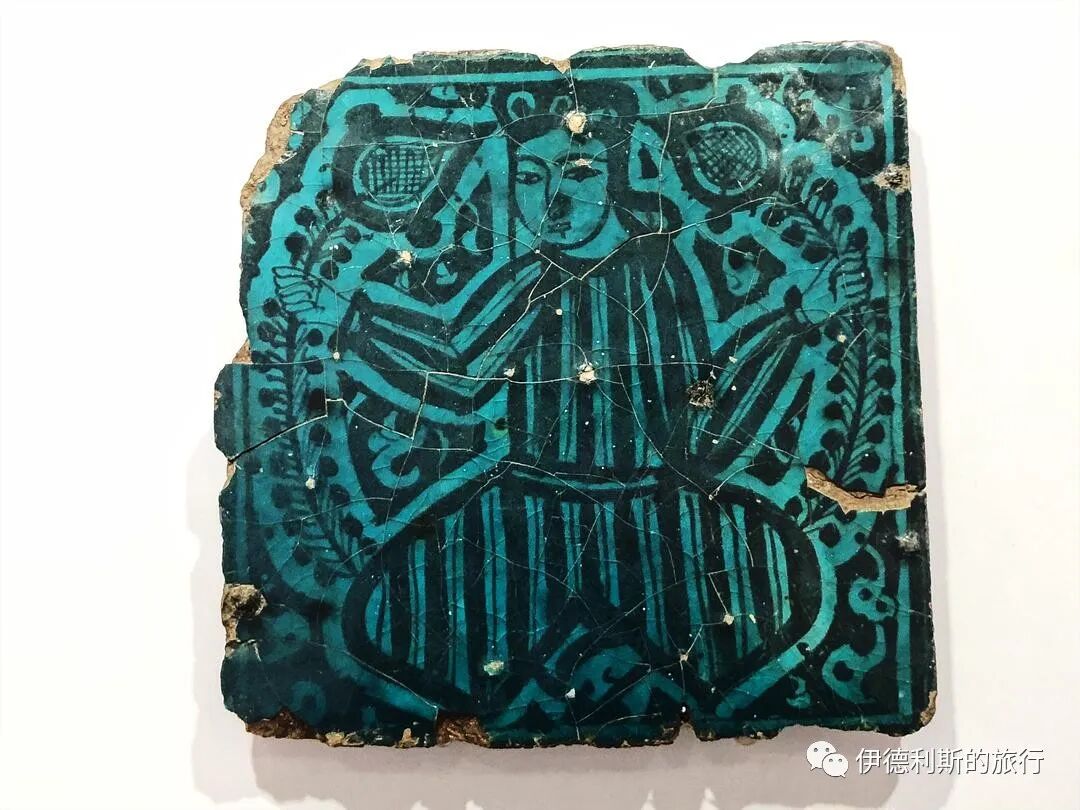
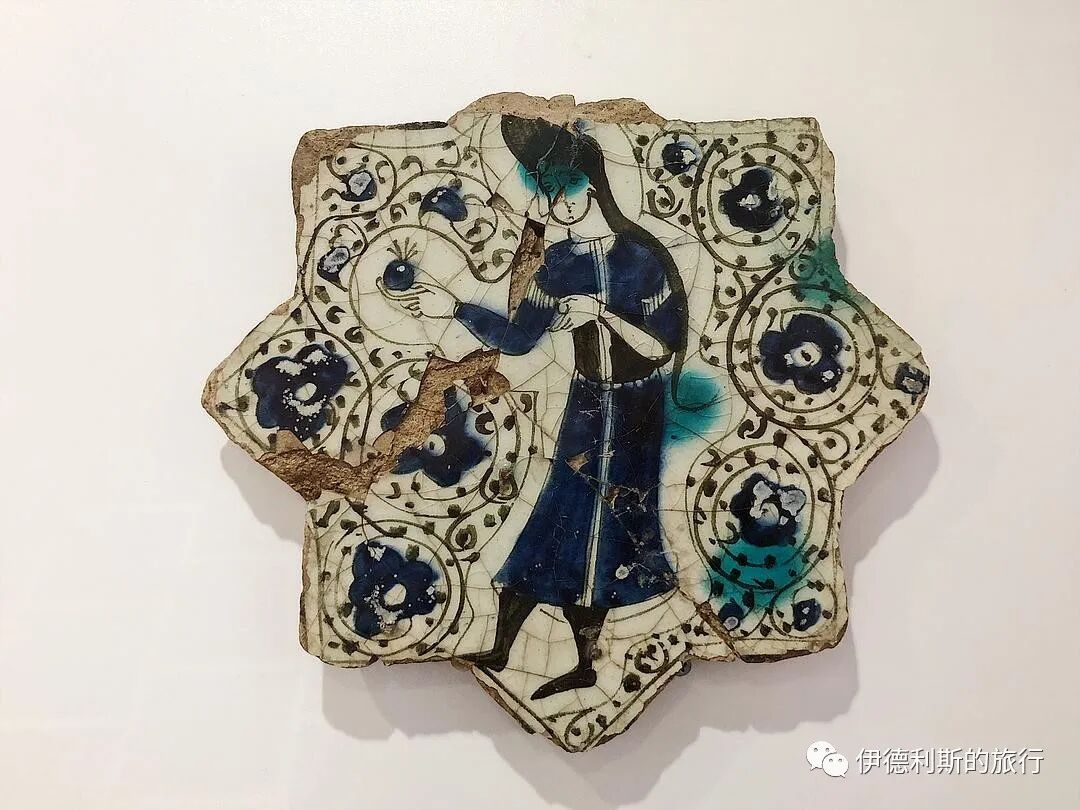
Additionally, the Tiled Kiosk at the Istanbul Archaeology Museums also houses tiles from Kubadabad Palace.
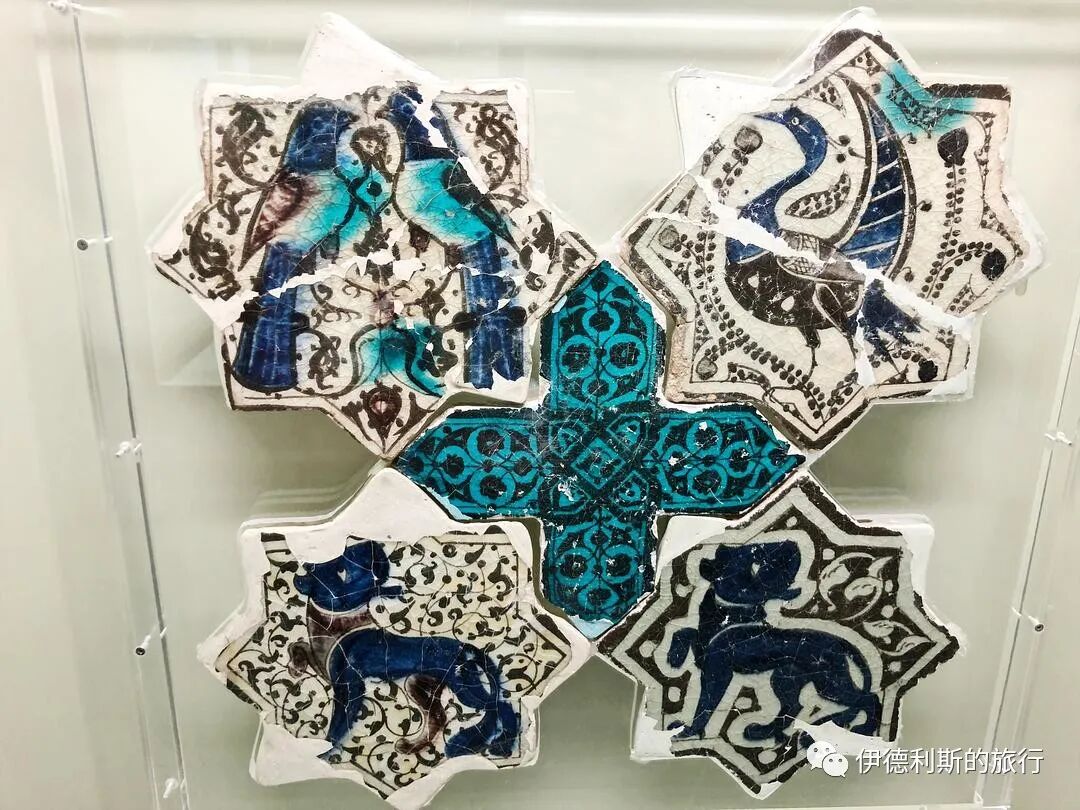
6. Slender Minaret Madrasa (Ince Minareli Medrese): 1268
The Ince Minaret Medrese (Slender Minaret Madrasa) was built by Sahib Ata Fahreddin Ali between 1263 and 1268. Sahib Ata was an important official in the Seljuk Rum Sultanate court from the 1250s until his death in 1288. After 1277, he even held great power in the Sultanate. This madrasa remained active until the end of the 19th century. After restoration in 1956, it opened to the public as the Museum of Stone and Wood Carvings.
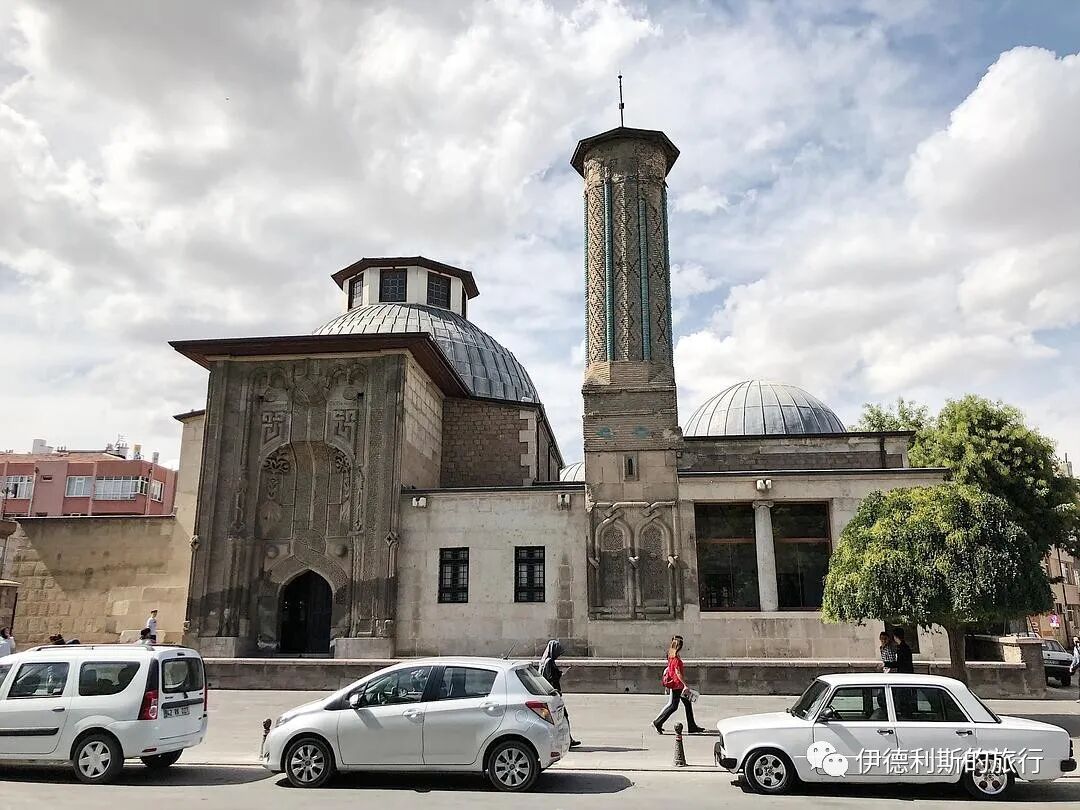
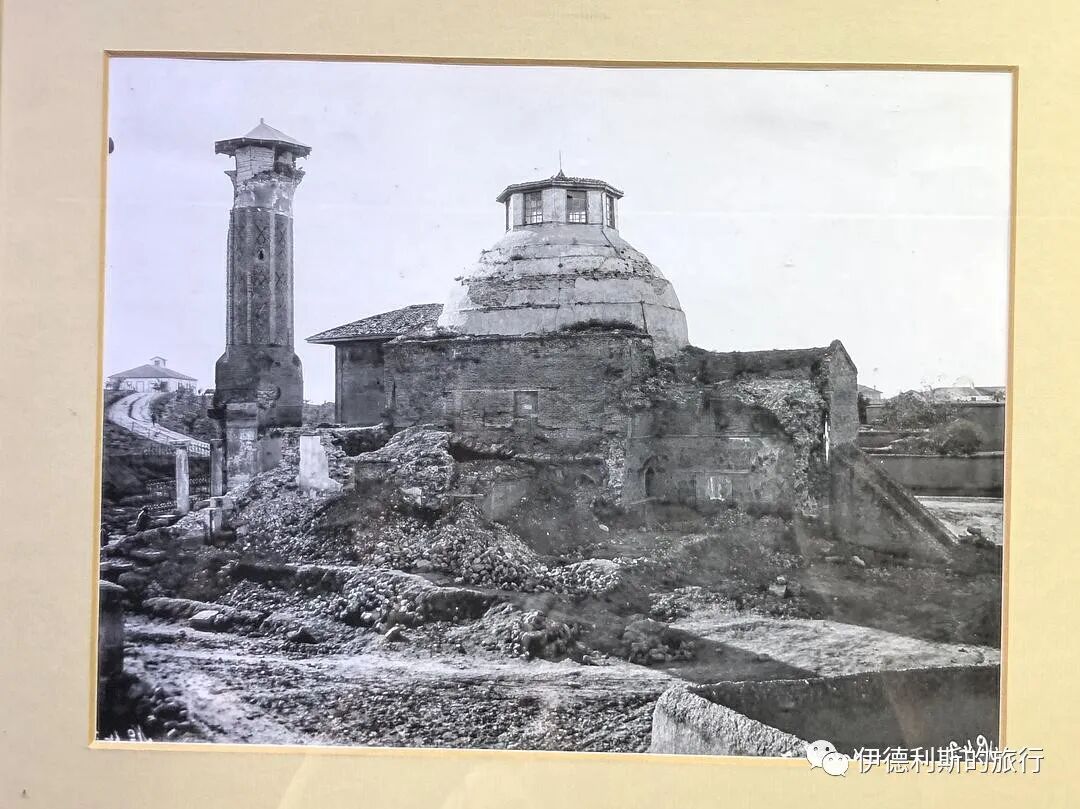
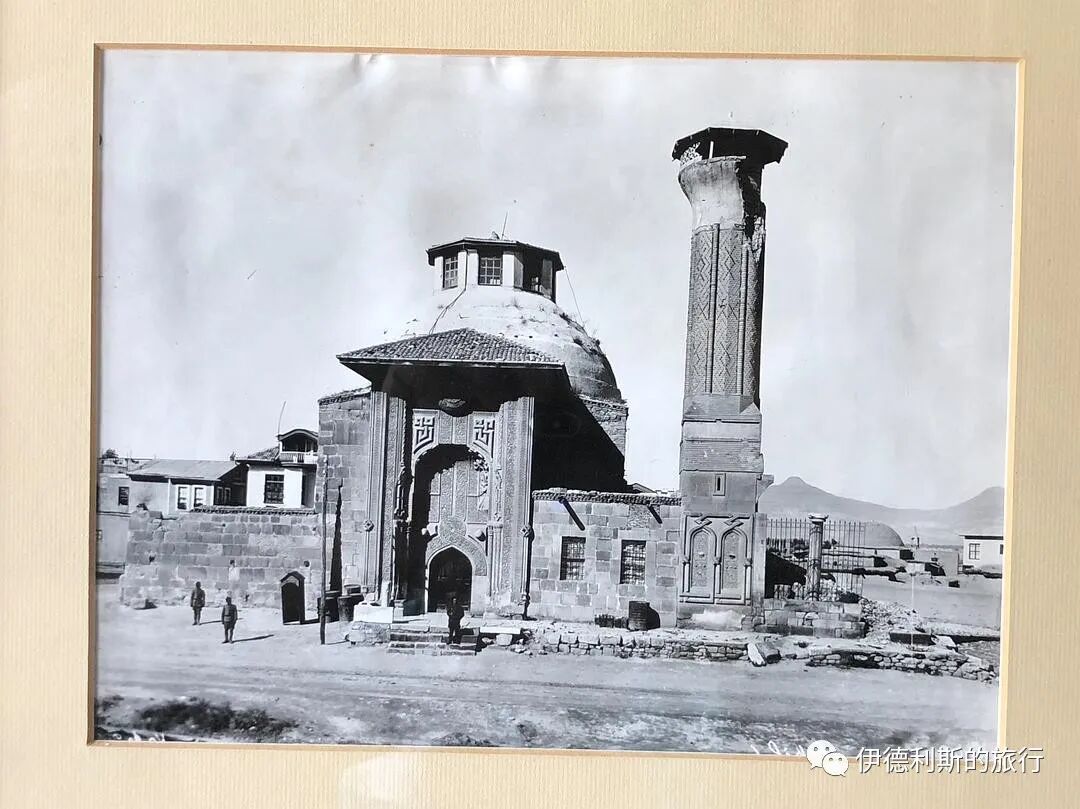
The madrasa once had a slender, towering minaret, which is where the school gets its name. Unfortunately, lightning destroyed the minaret in 1901. Today, only the bottom section remains, where you can see typical Seljuk sky-blue tiles.
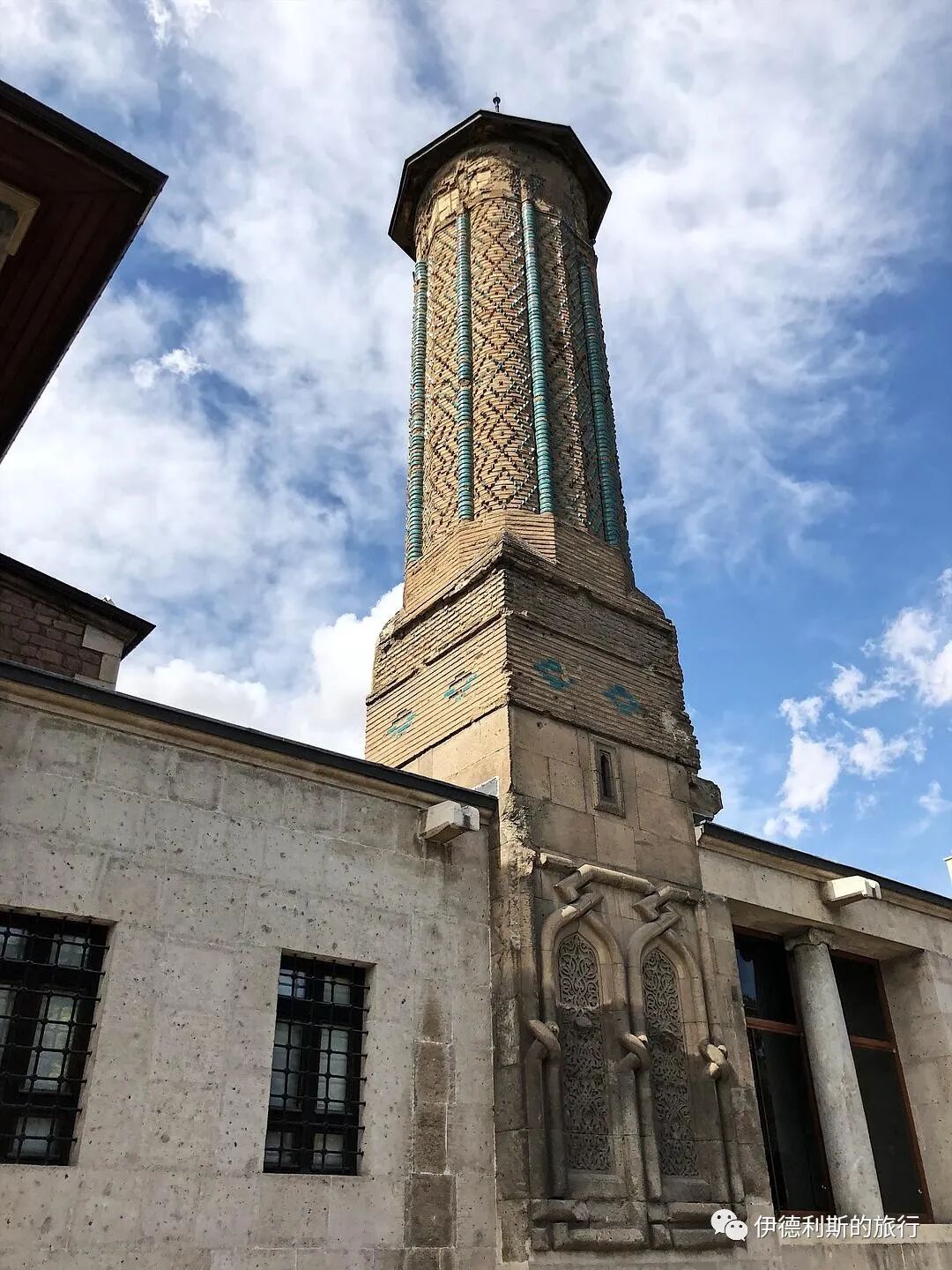
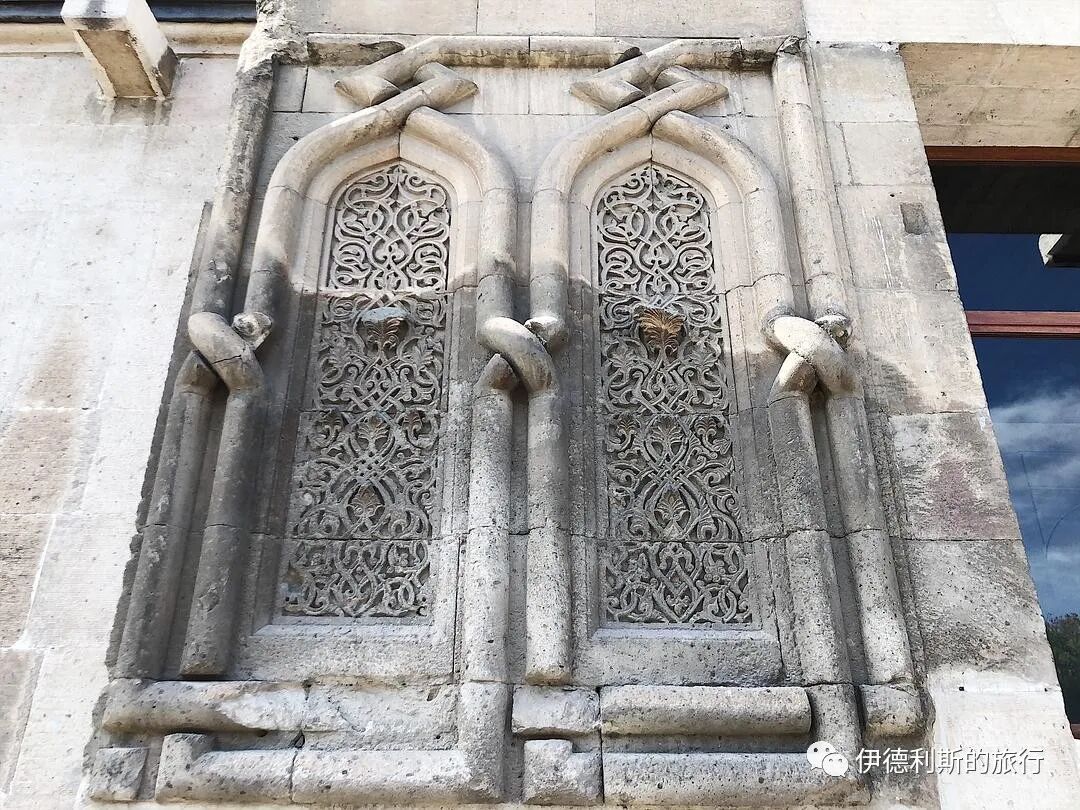
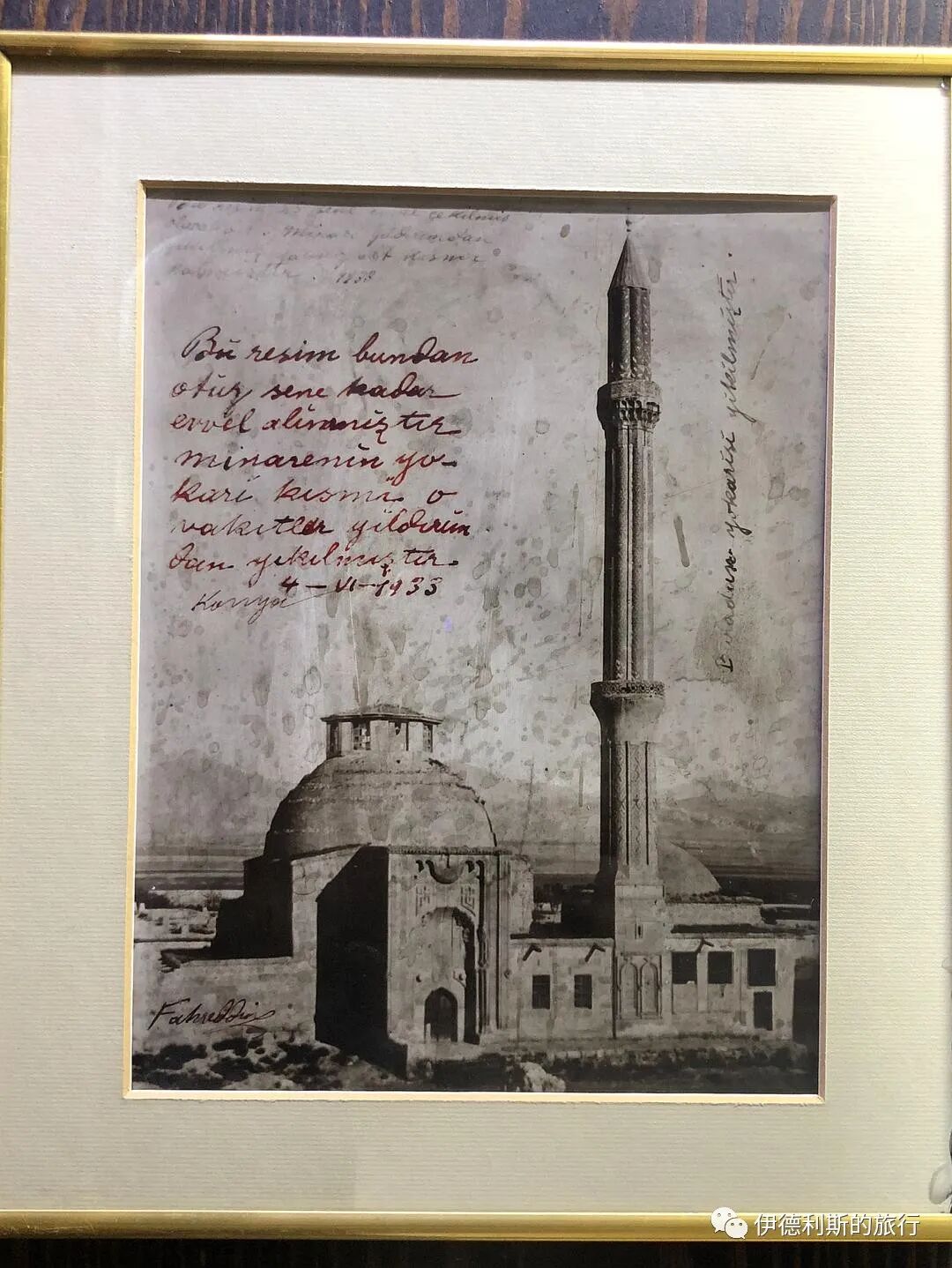
The gate of the madrasa is considered one of the best examples of a Seljuk architectural entrance.
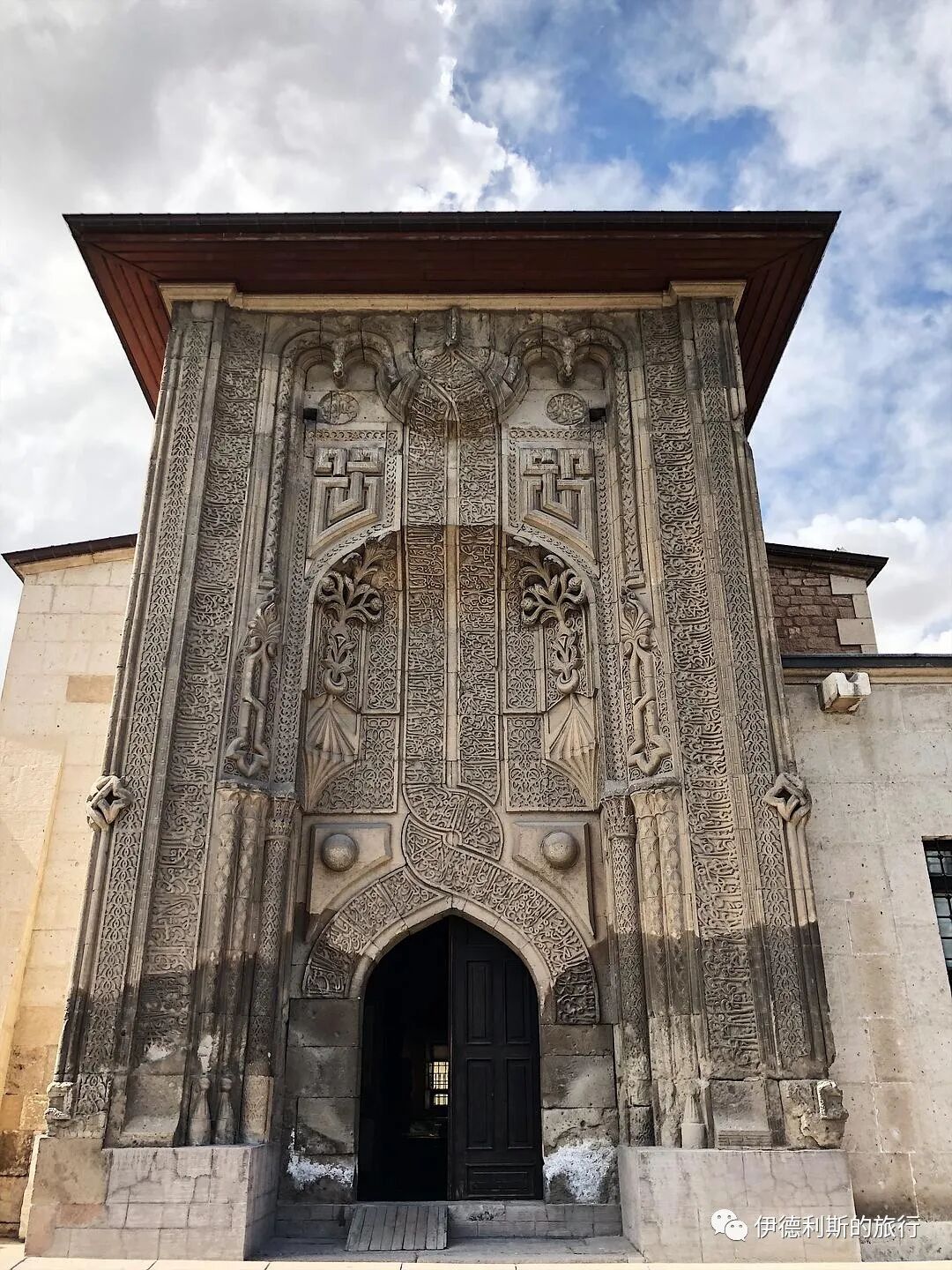
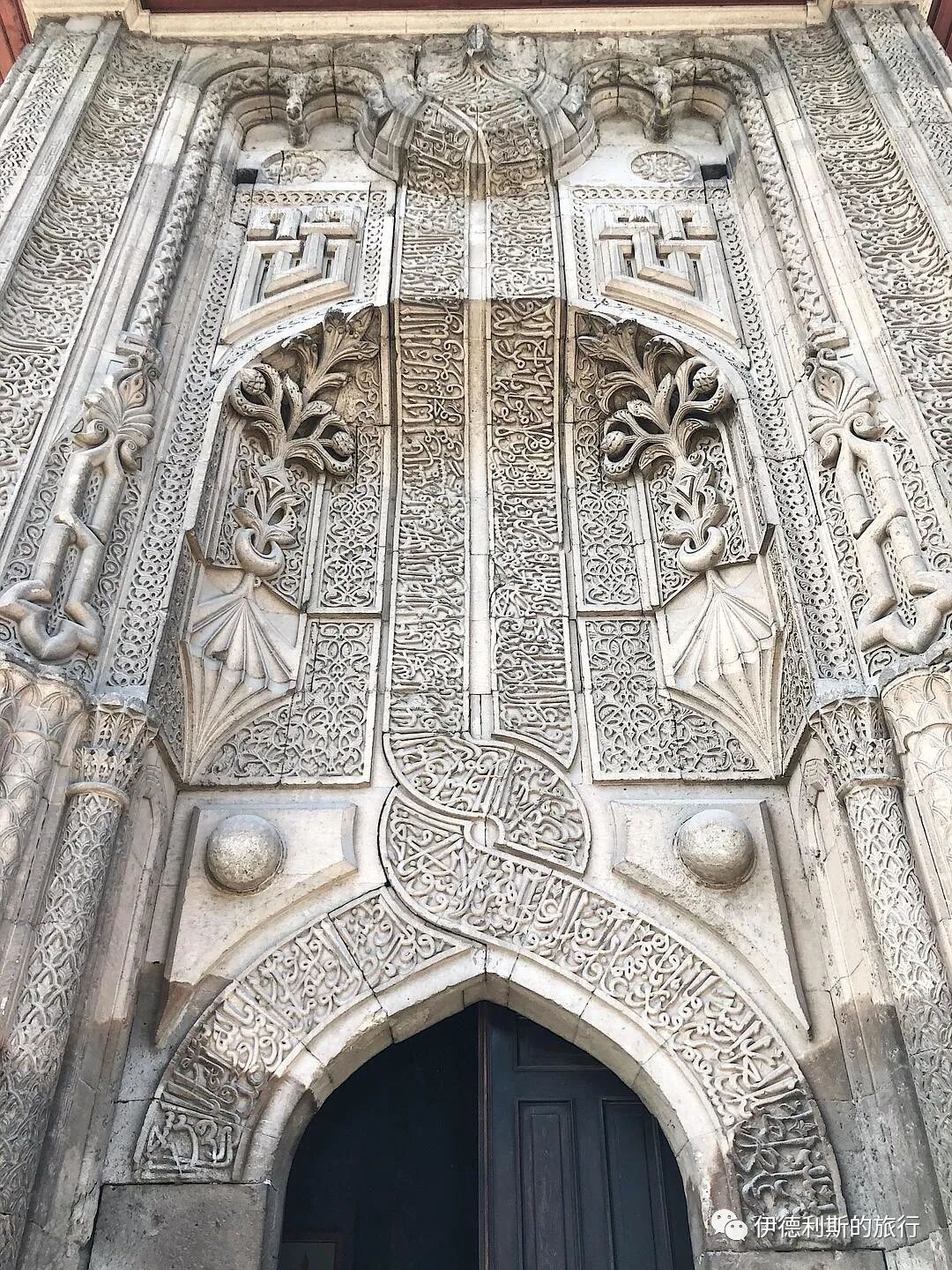
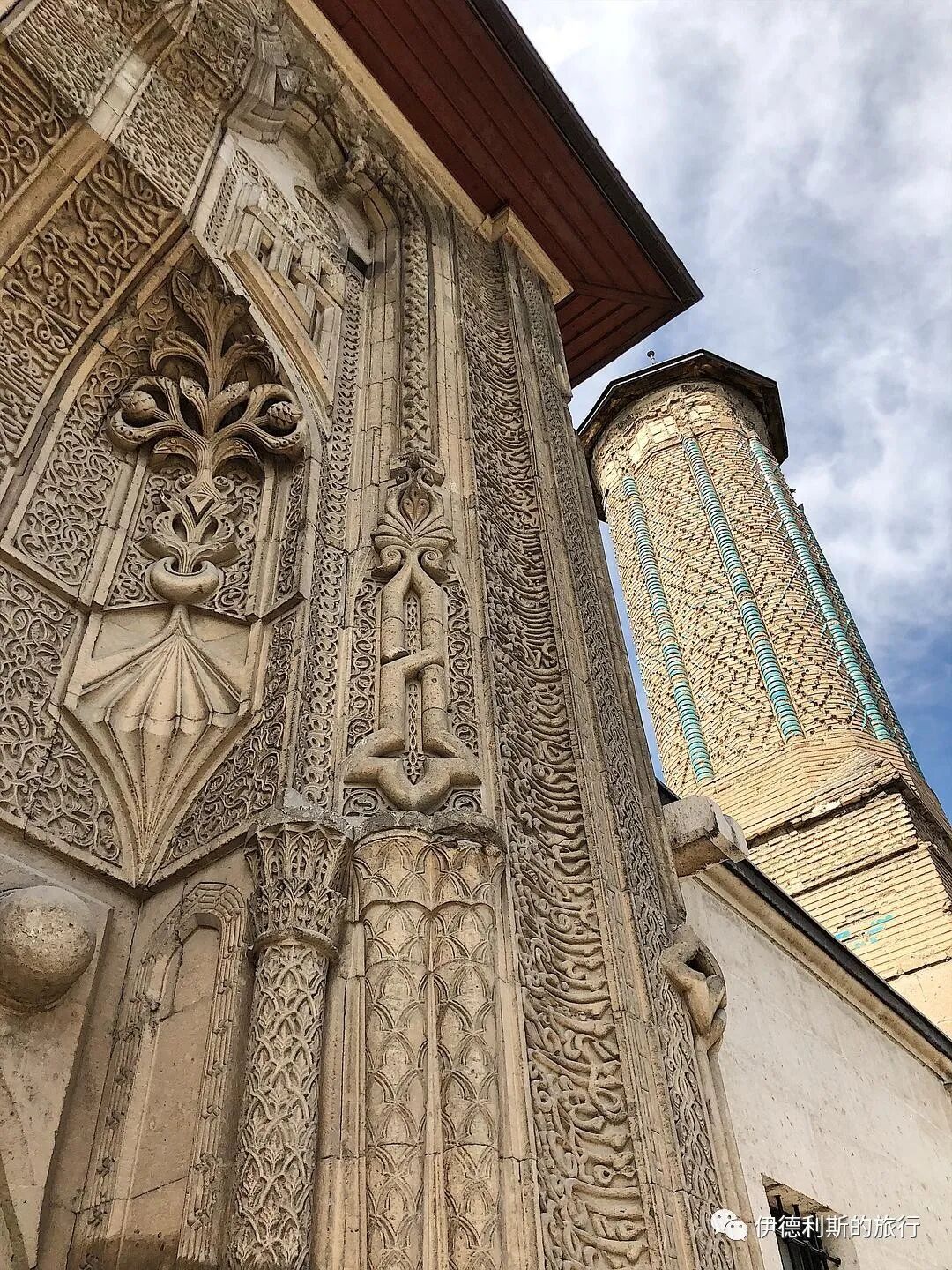
The interior of the main hall also features Seljuk sky-blue tiles.
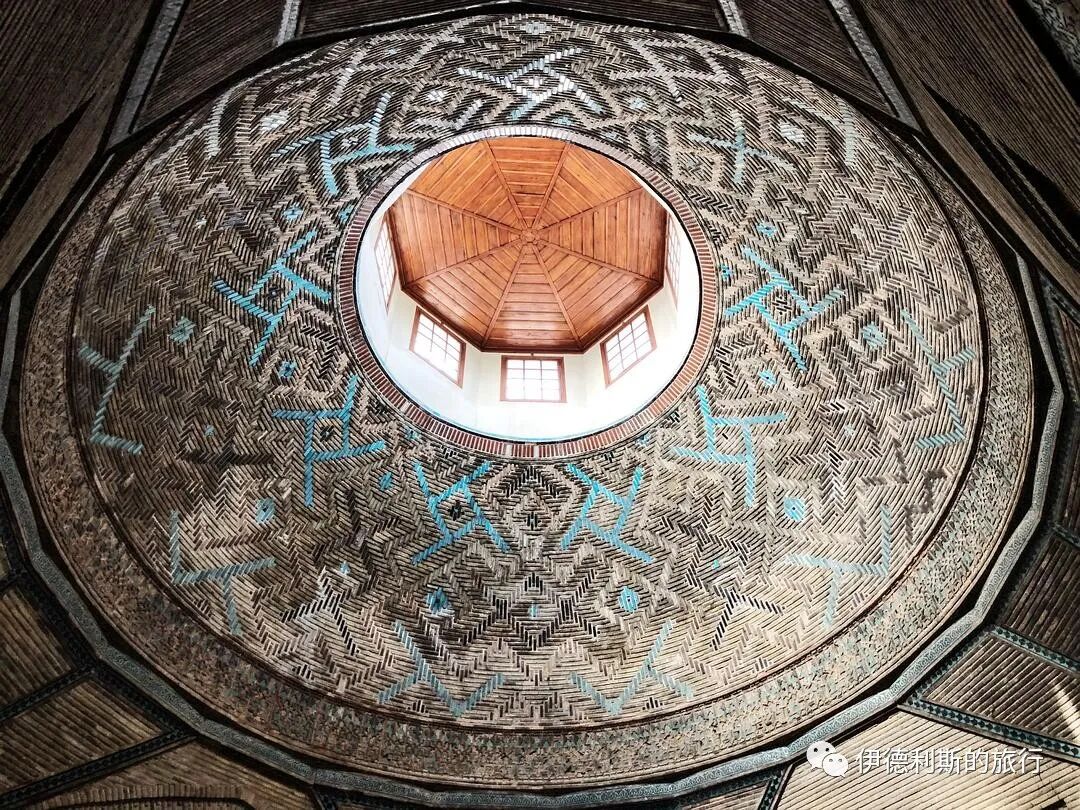
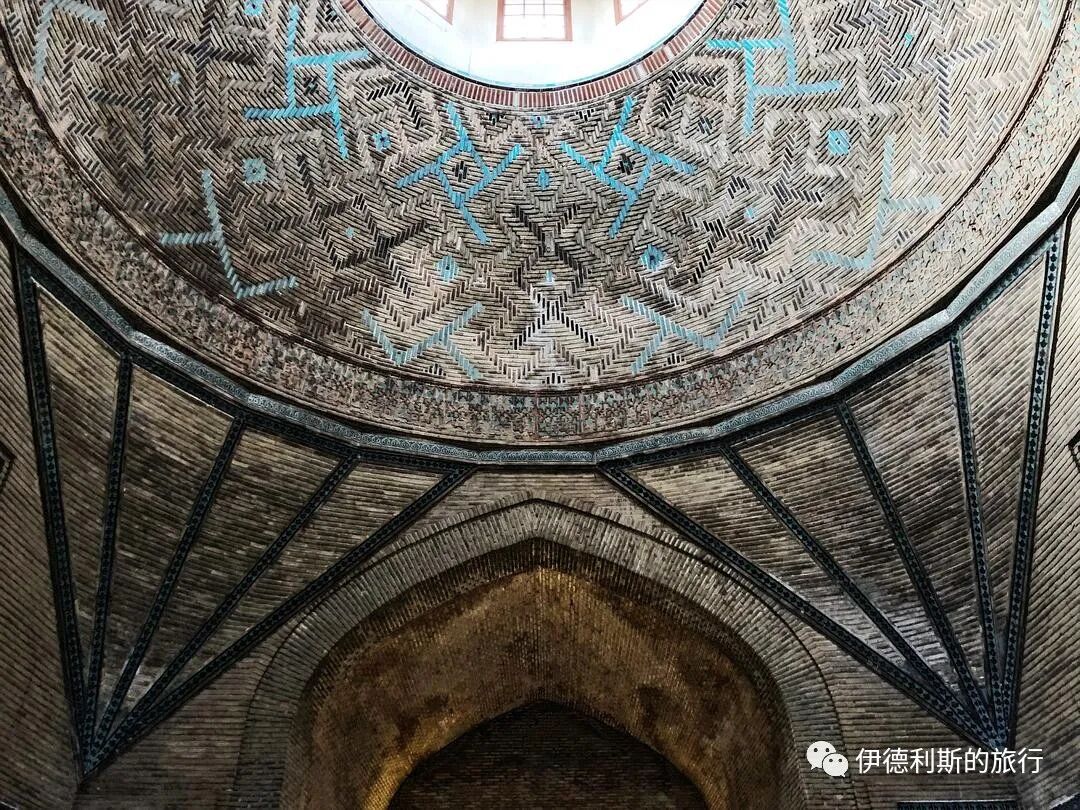
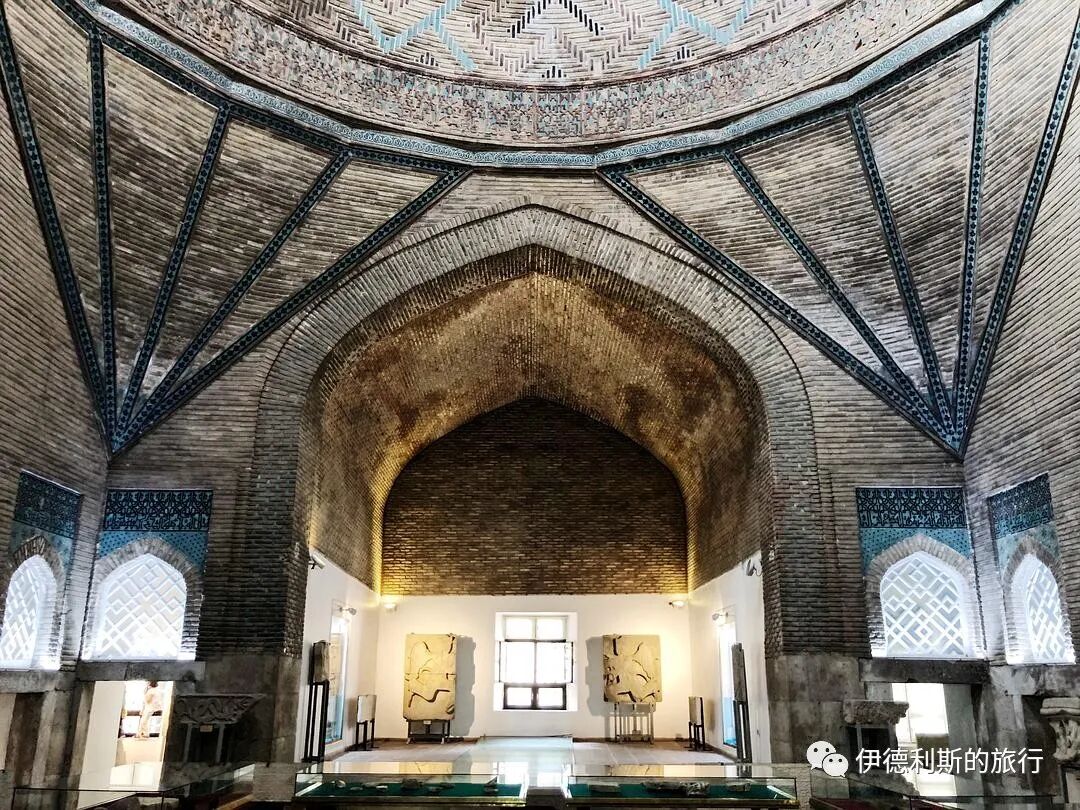
Seljuk stone carvings collected in the museum.
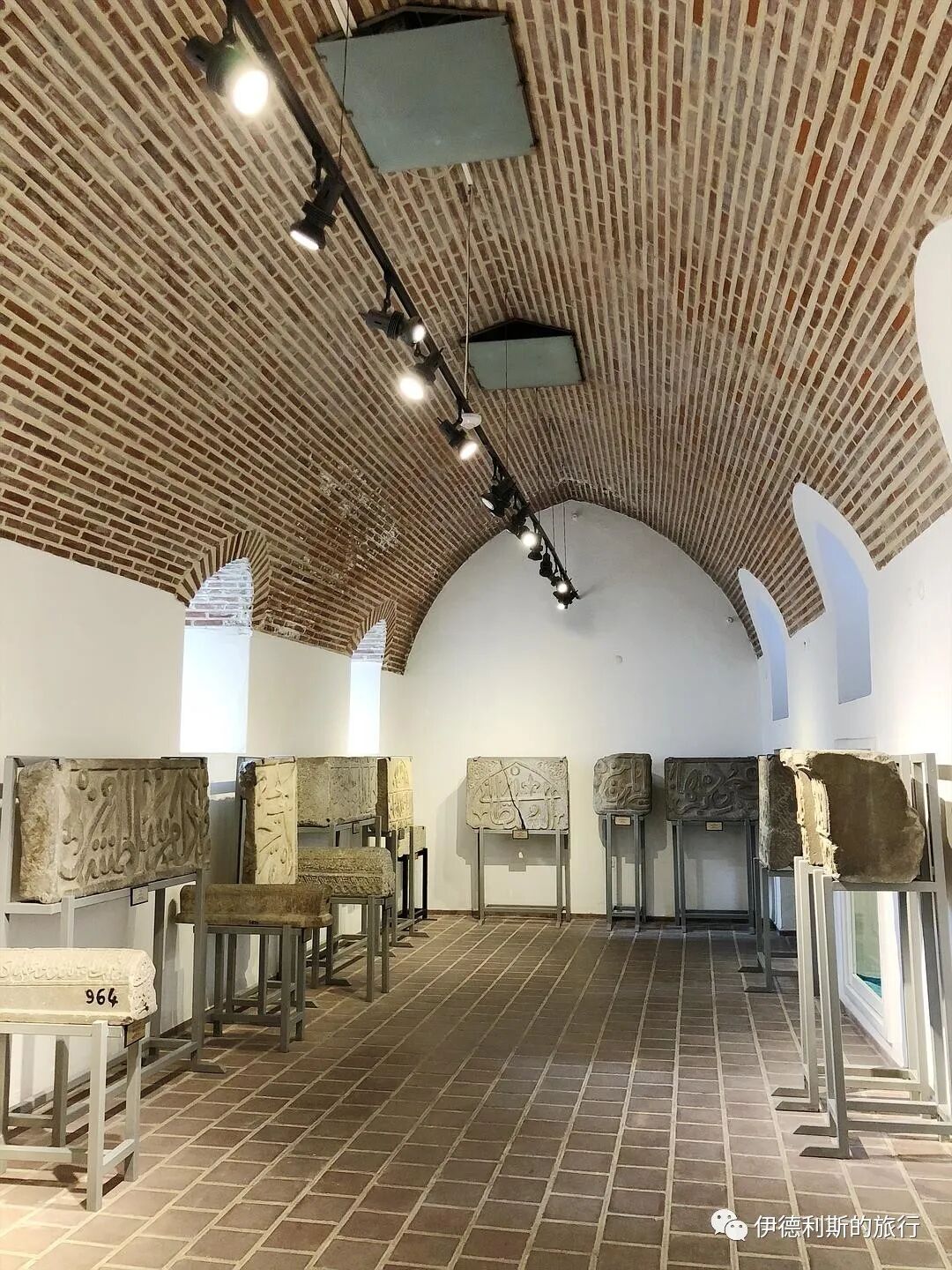
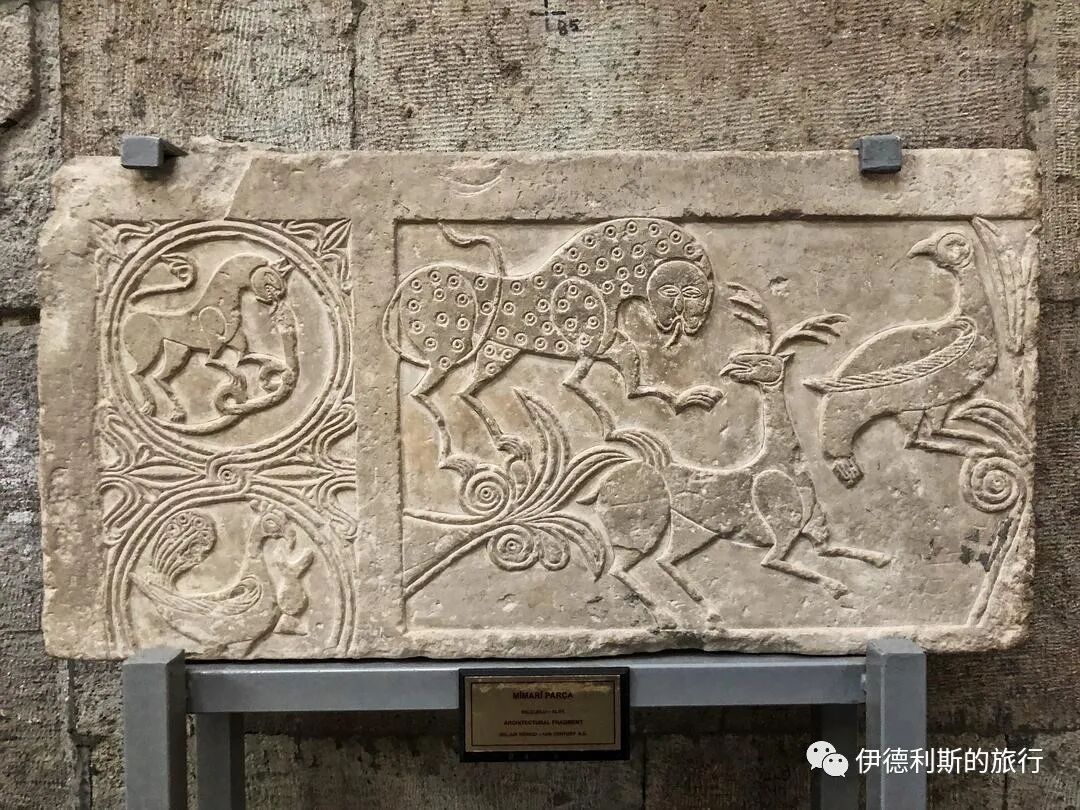
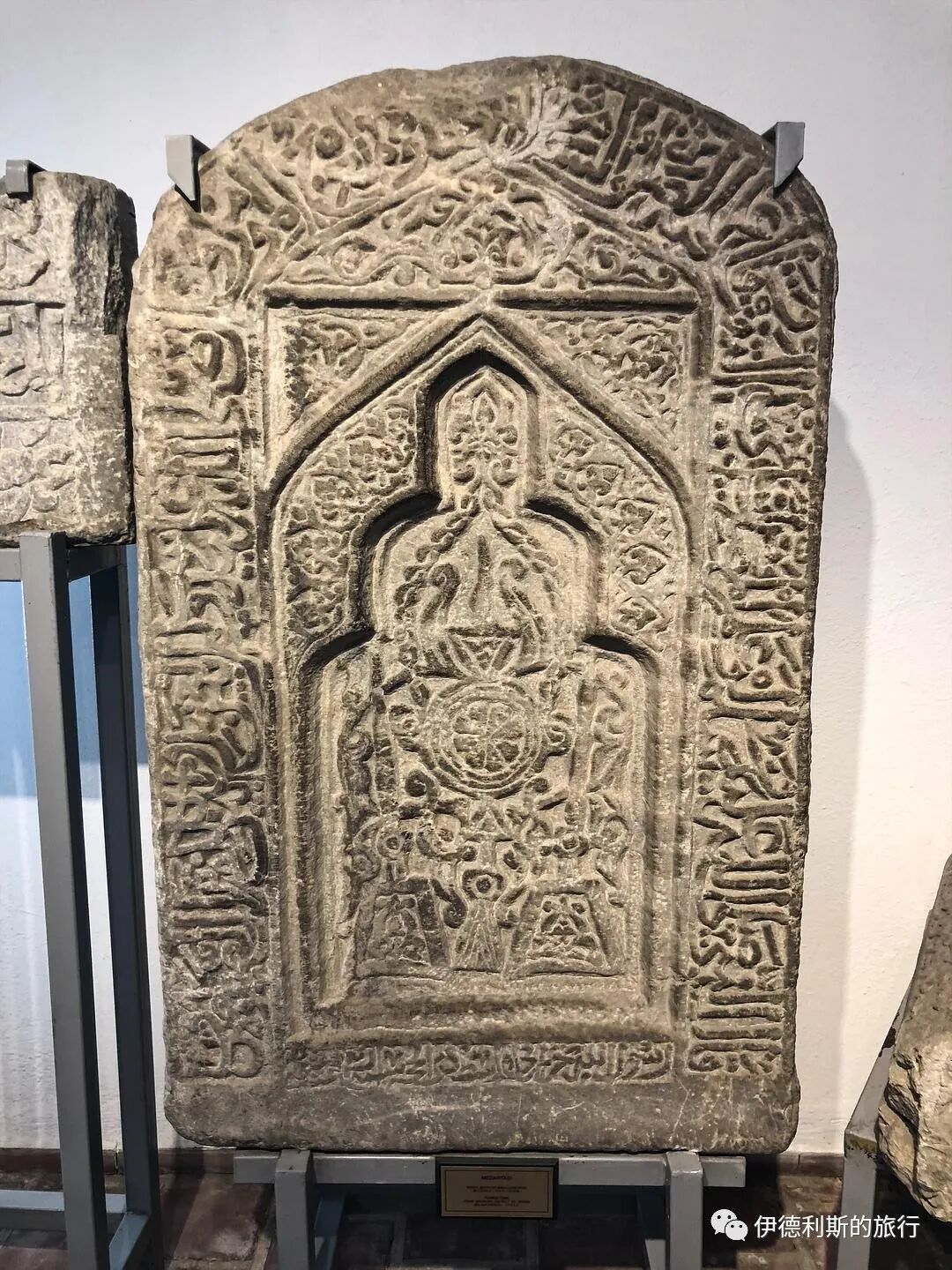
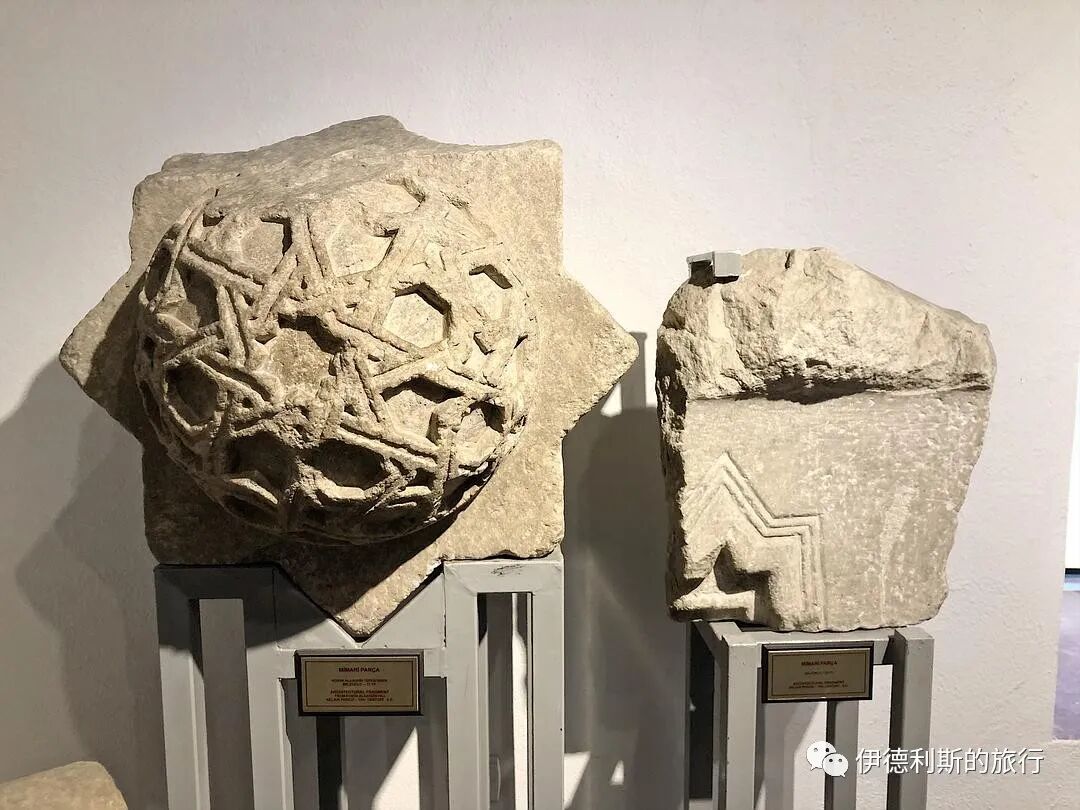
From Alaaddin Hill.
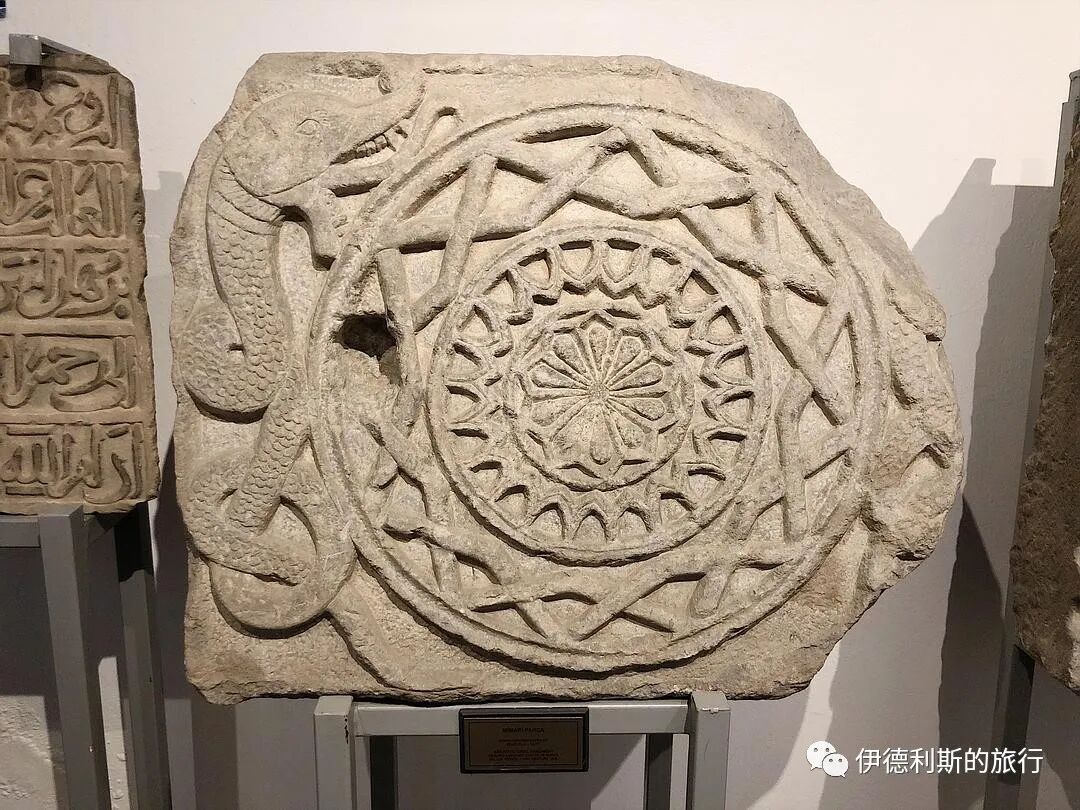
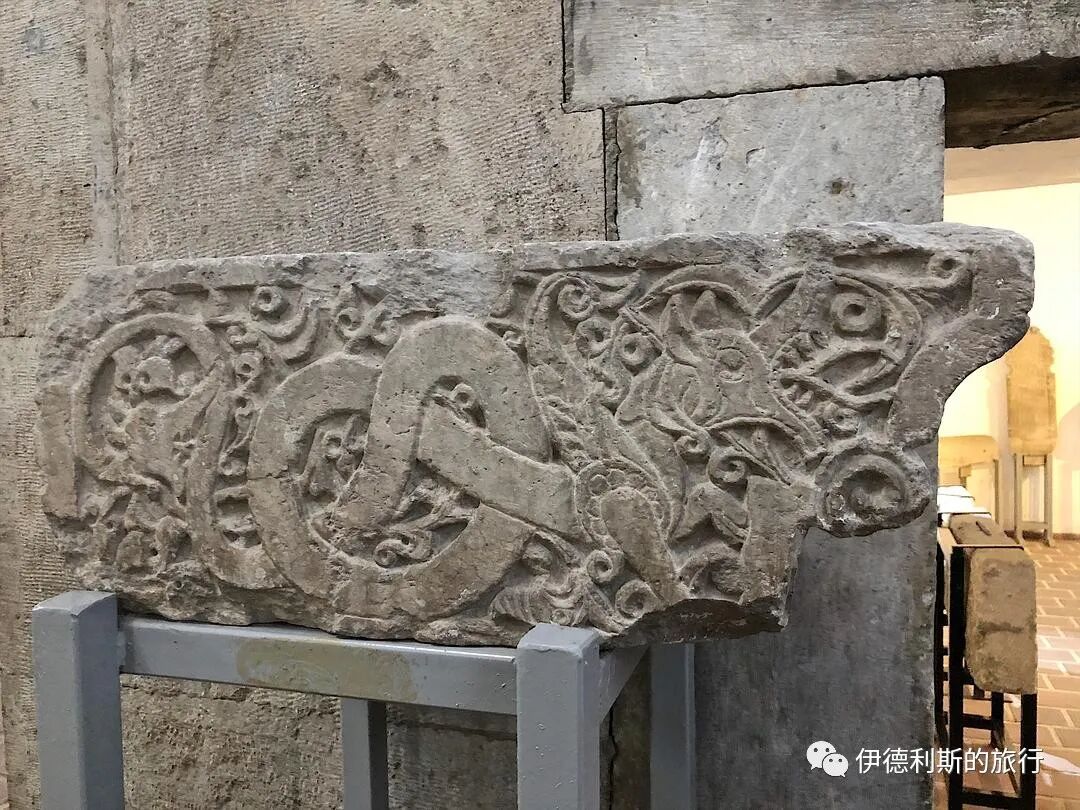
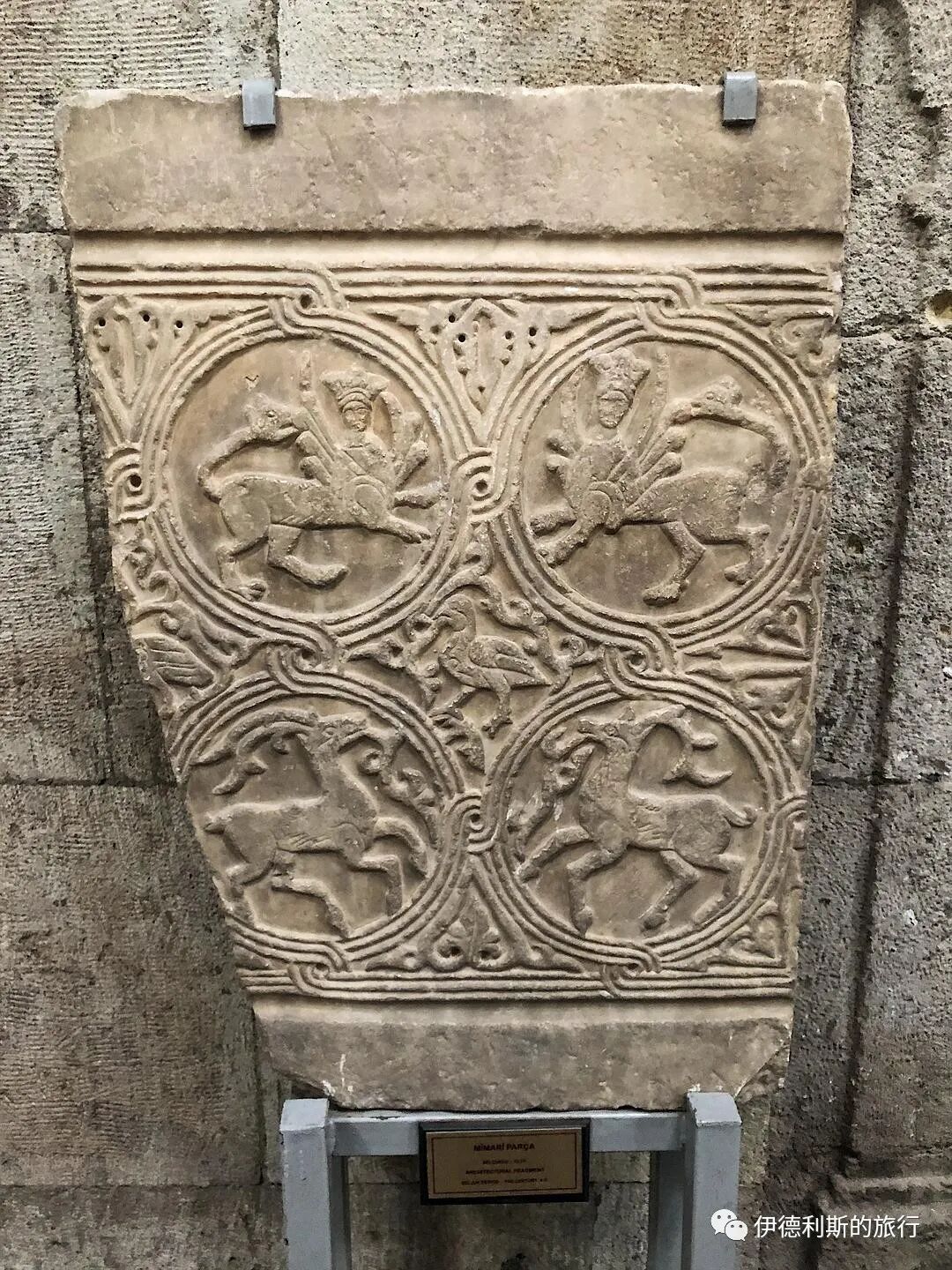
7. Konya City Walls: 12th-13th Centuries
Research shows that the earliest Konya city walls (Konya Kalesi) were located on Alaaddin Hill and were built by the descendants of Alexander the Great during the Hellenistic period. The Konya city walls were rebuilt four times in history. In 1221, the Seljuk Sultan Kayqubad I (reigned 1220-1237) built new outer walls beyond the inner walls on Alaaddin Hill. At that time, the Konya city walls were 30 meters high and had 12 gates.
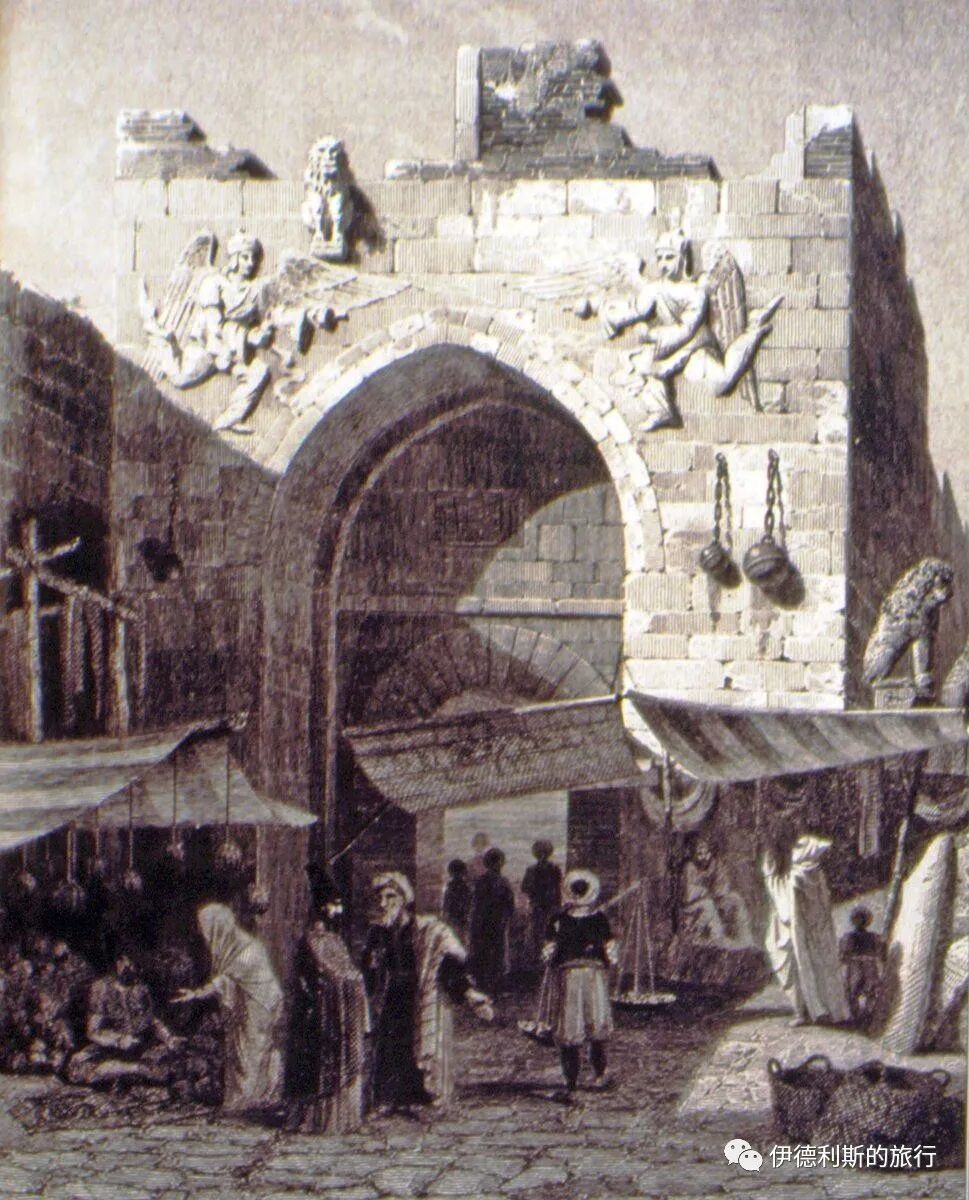
An illustration of the Konya city walls, address https://islamansiklopedisi.org.tr/konya
According to the 17th-century Ottoman traveler Evliya Çelebi, the Konya city walls were still intact in the 17th century. However, as time passed, the walls began to gradually deteriorate during the late Ottoman period. The inner walls on Alaaddin Hill were the first to be demolished, and the outer walls were also dismantled in the late 19th century. The government buildings of that time were built using stones from the walls.
Today, most of the ruins of the Konya city walls have not been preserved. Fortunately, some stone carvings are currently kept in the Konya Museum of Stone and Wood Carvings, including winged angels and double-headed eagles, which are fine examples of Seljuk stone carving.
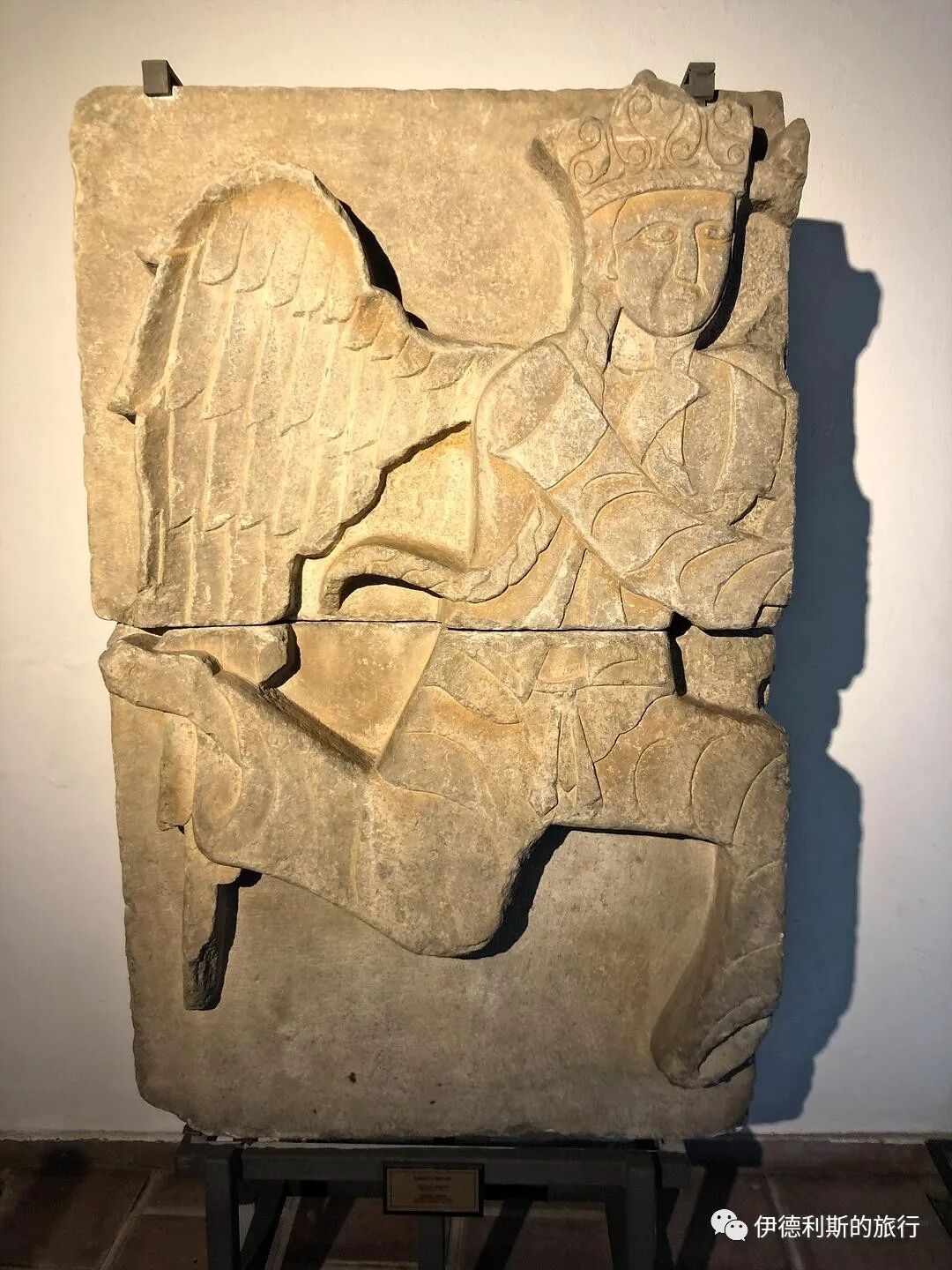
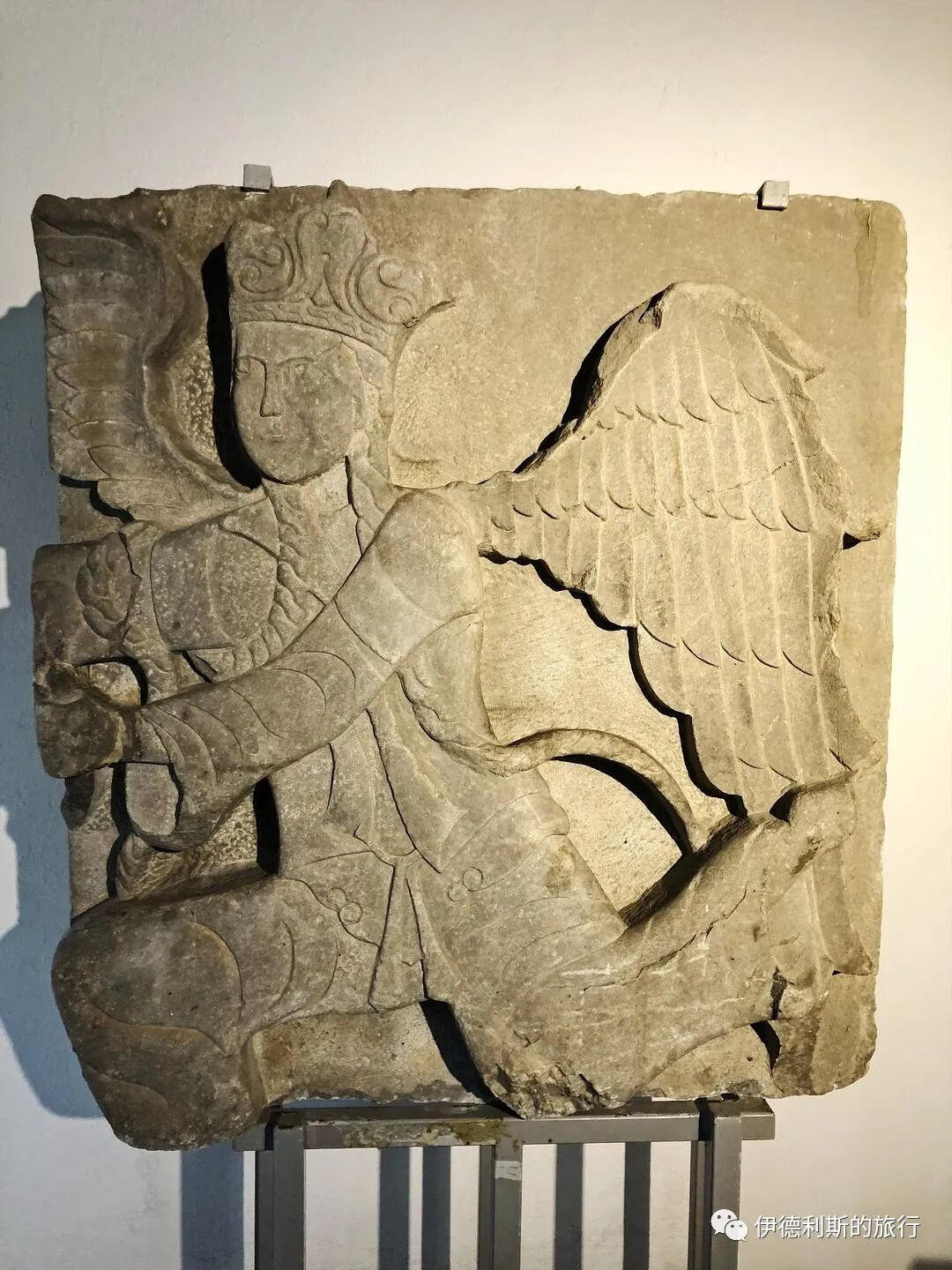
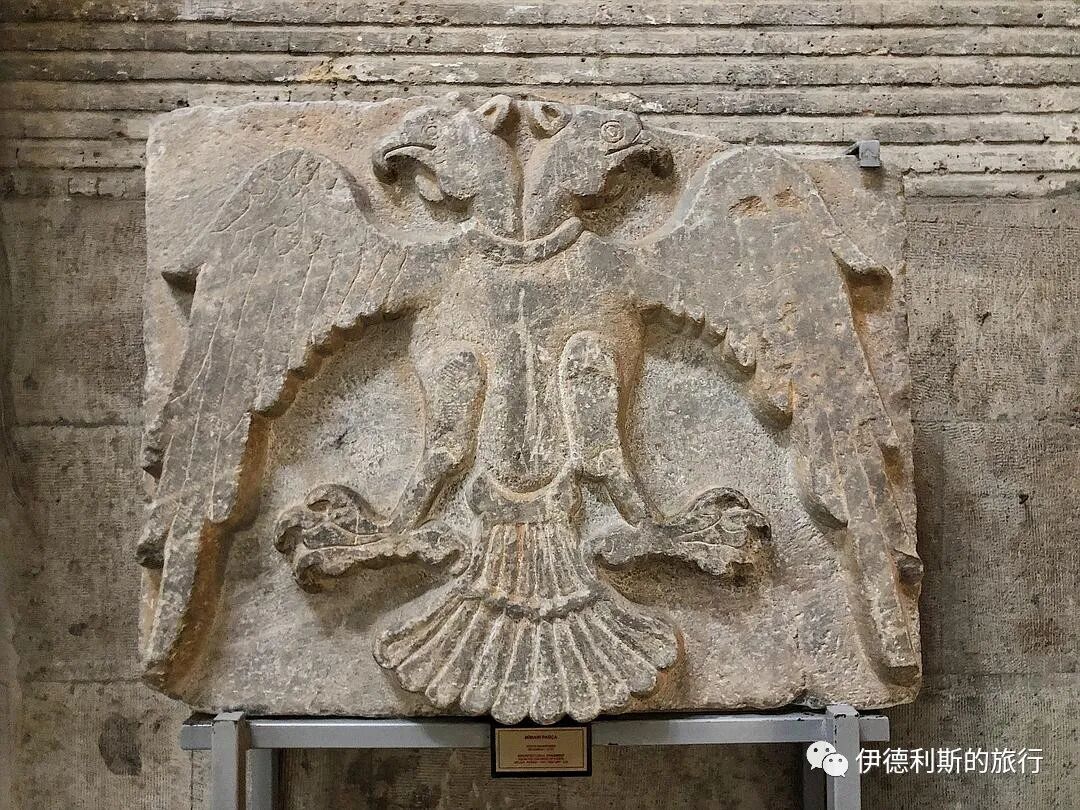
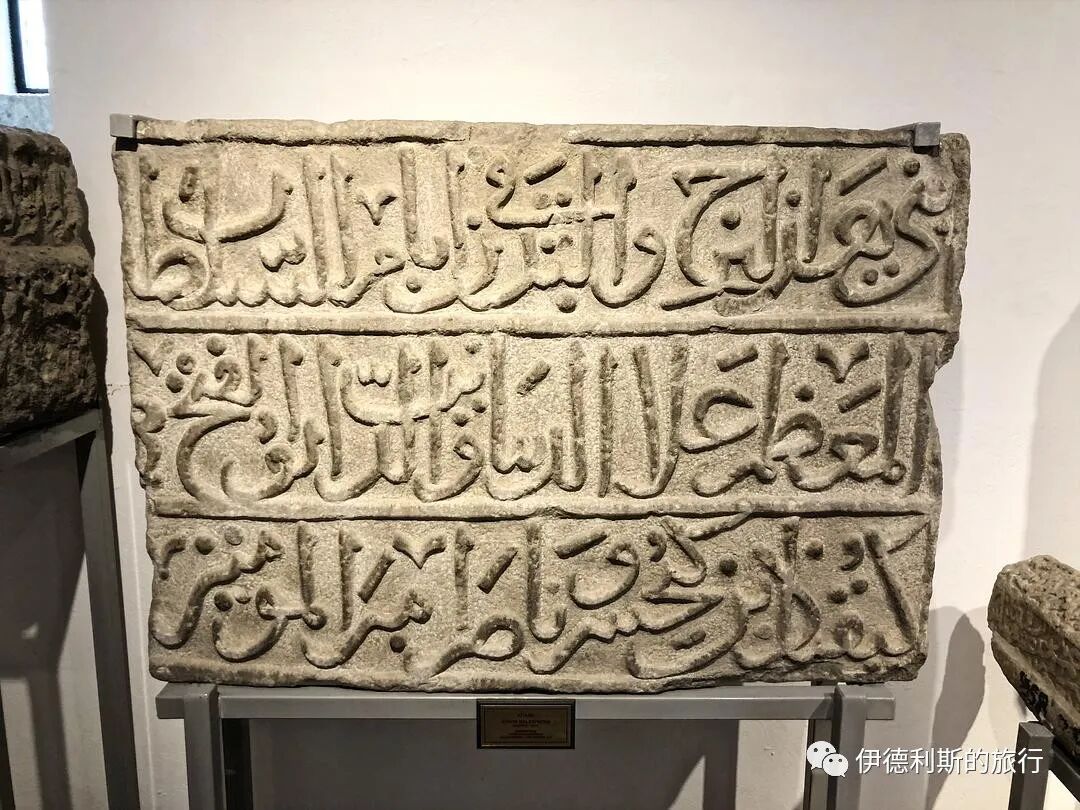
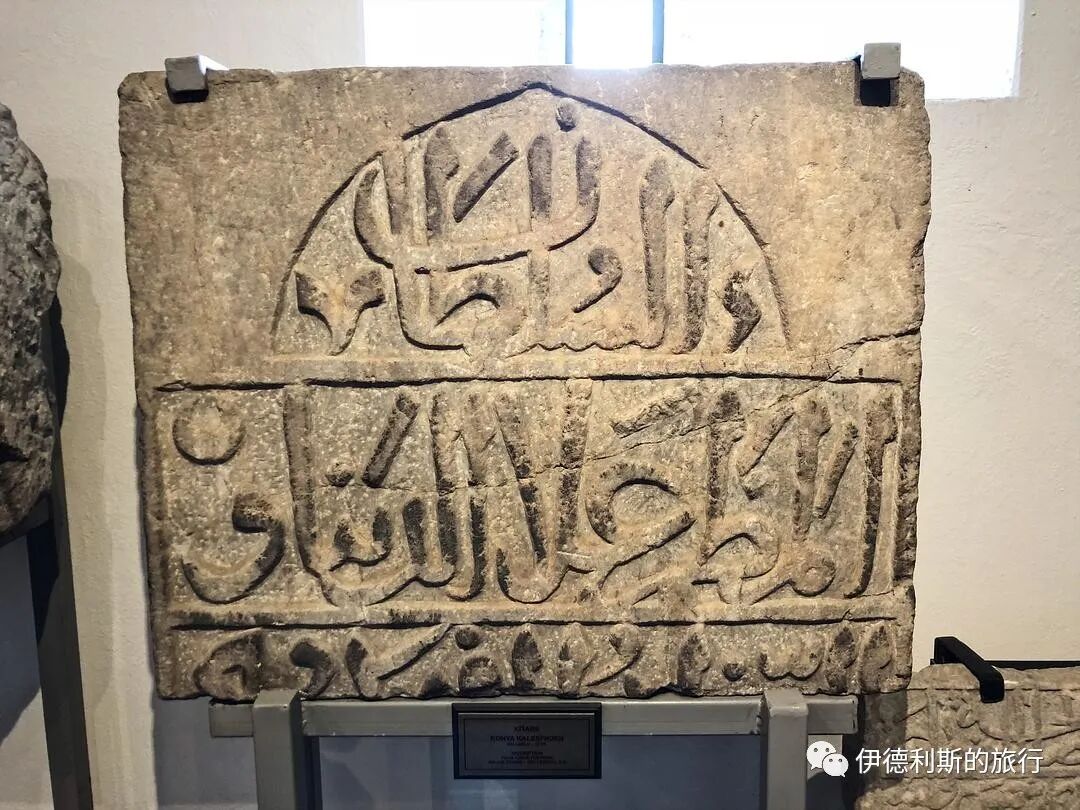
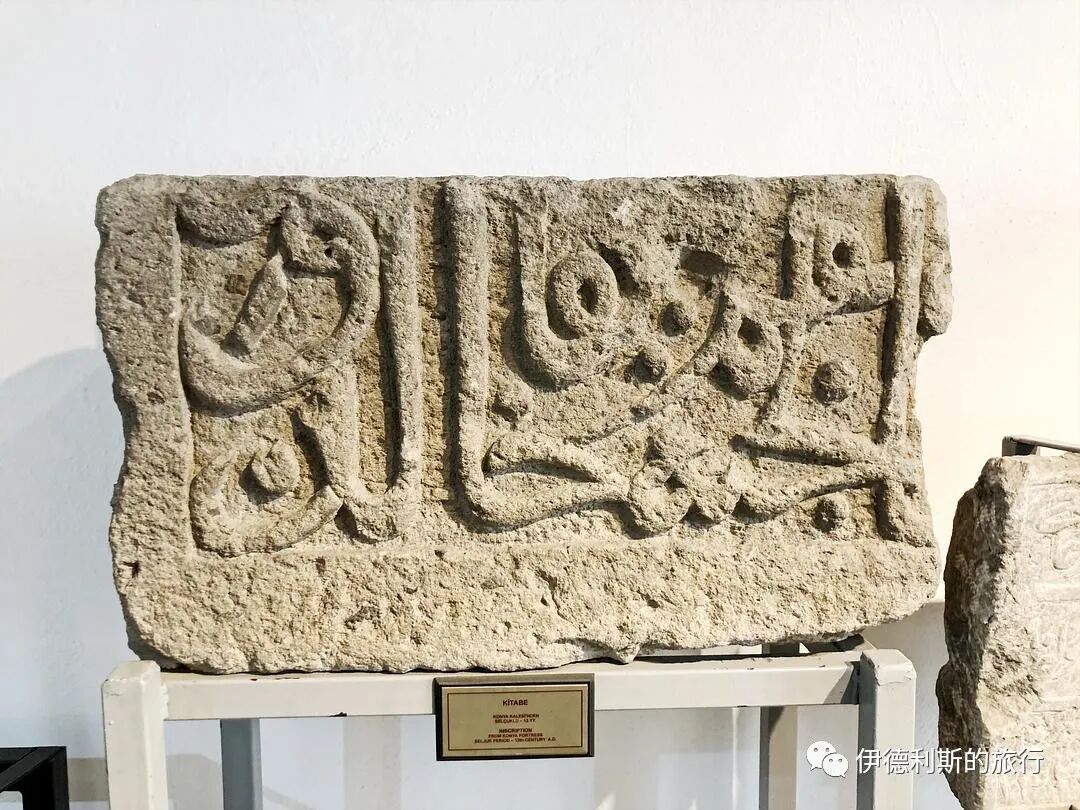
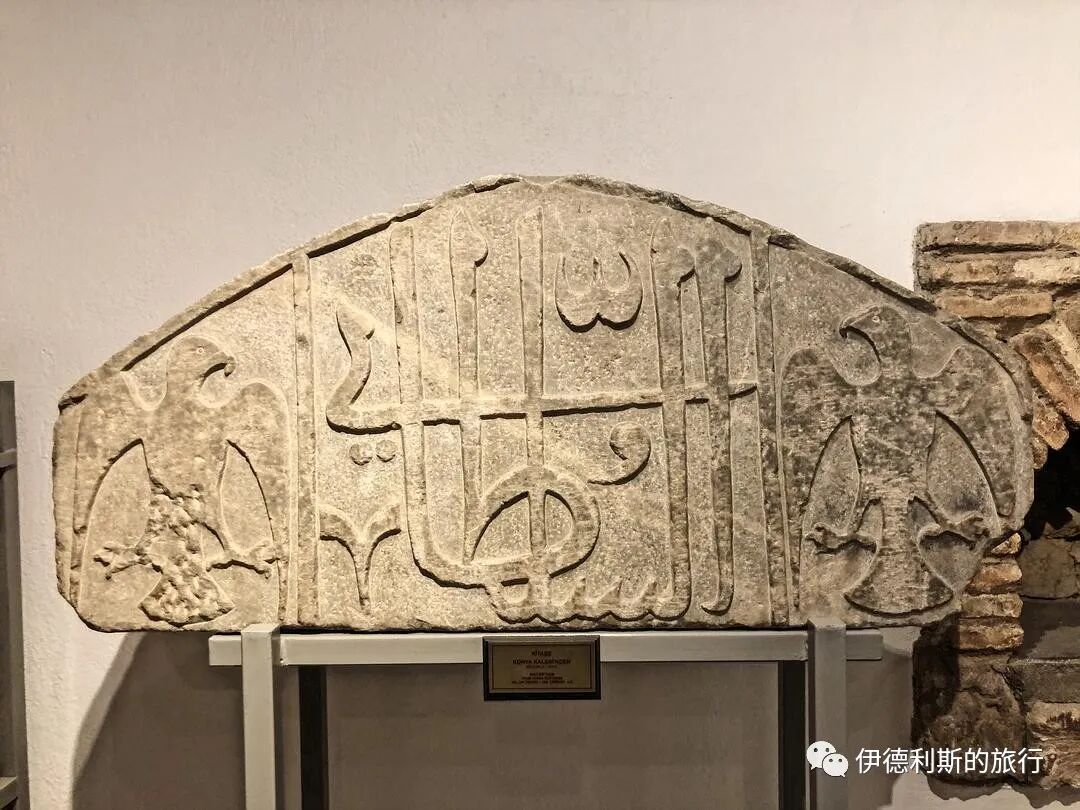
8. Alaeddin Kiosk: Late 12th Century
The Alaaddin Pavilion (Alâeddin Köşkü) is the only remaining tower ruin of the Konya city walls. Located on the north side of Alaaddin Hill, it was originally a brick tower of the inner city wall. The Seljuk Sultan Kilij Arslan II (reigned 1156-1192) built his estate right next to the wall and turned this tower into part of the estate, which is why it has been preserved to this day.
When I visited, the Alaaddin Pavilion and the ruins of the Kilij Arslan II estate were under renovation and could not be entered.
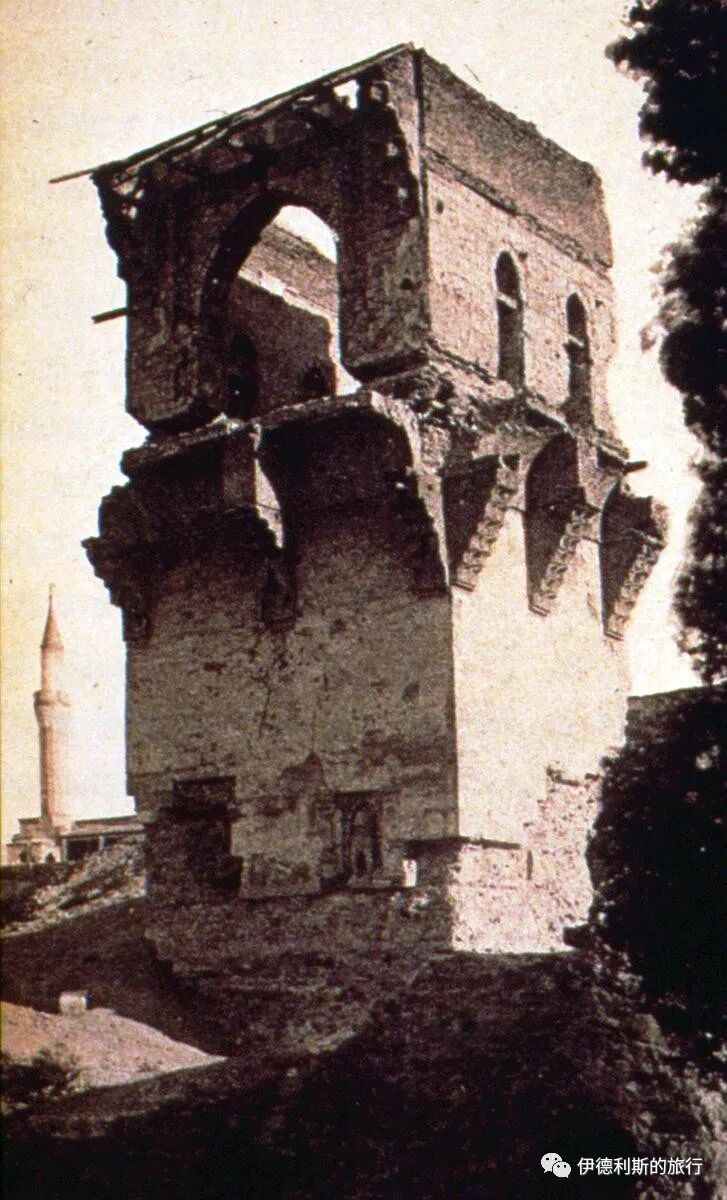
The Alaaddin Pavilion in an old photograph, from https://islamansiklopedisi.org.tr/konya
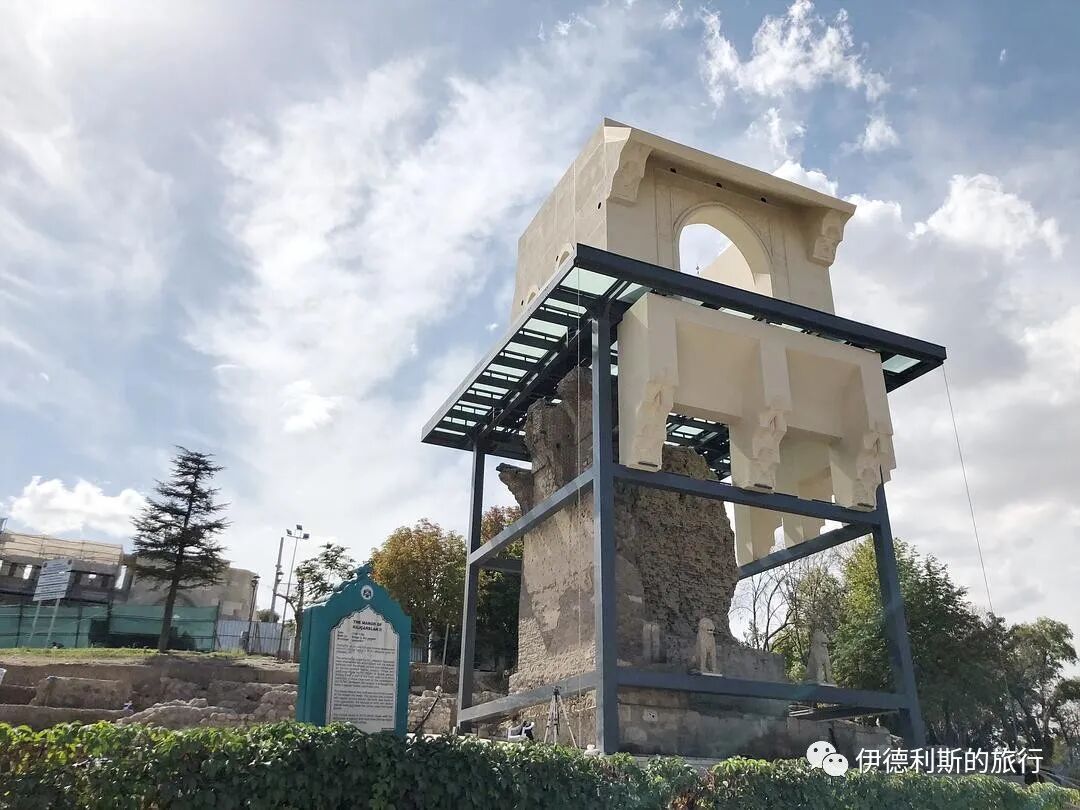
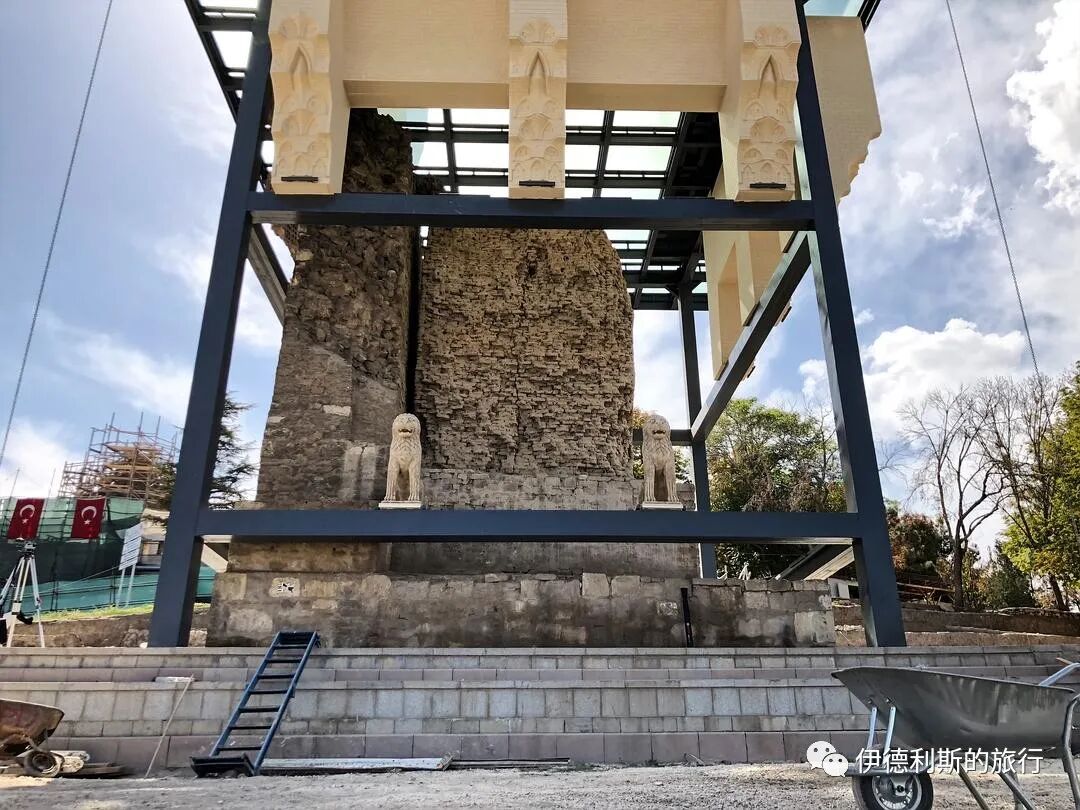
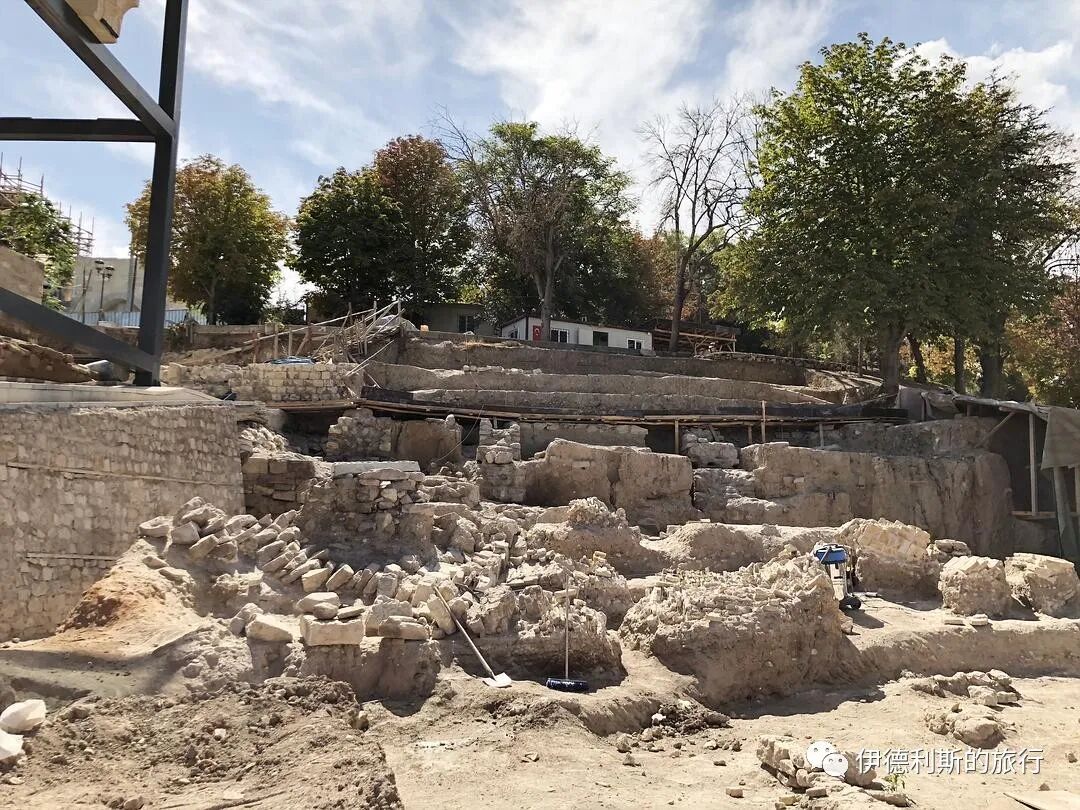
Manor ruins.
The original stone lions from the Alaeddin Pavilion are now kept at the Museum of Turkish and Islamic Arts in Istanbul.
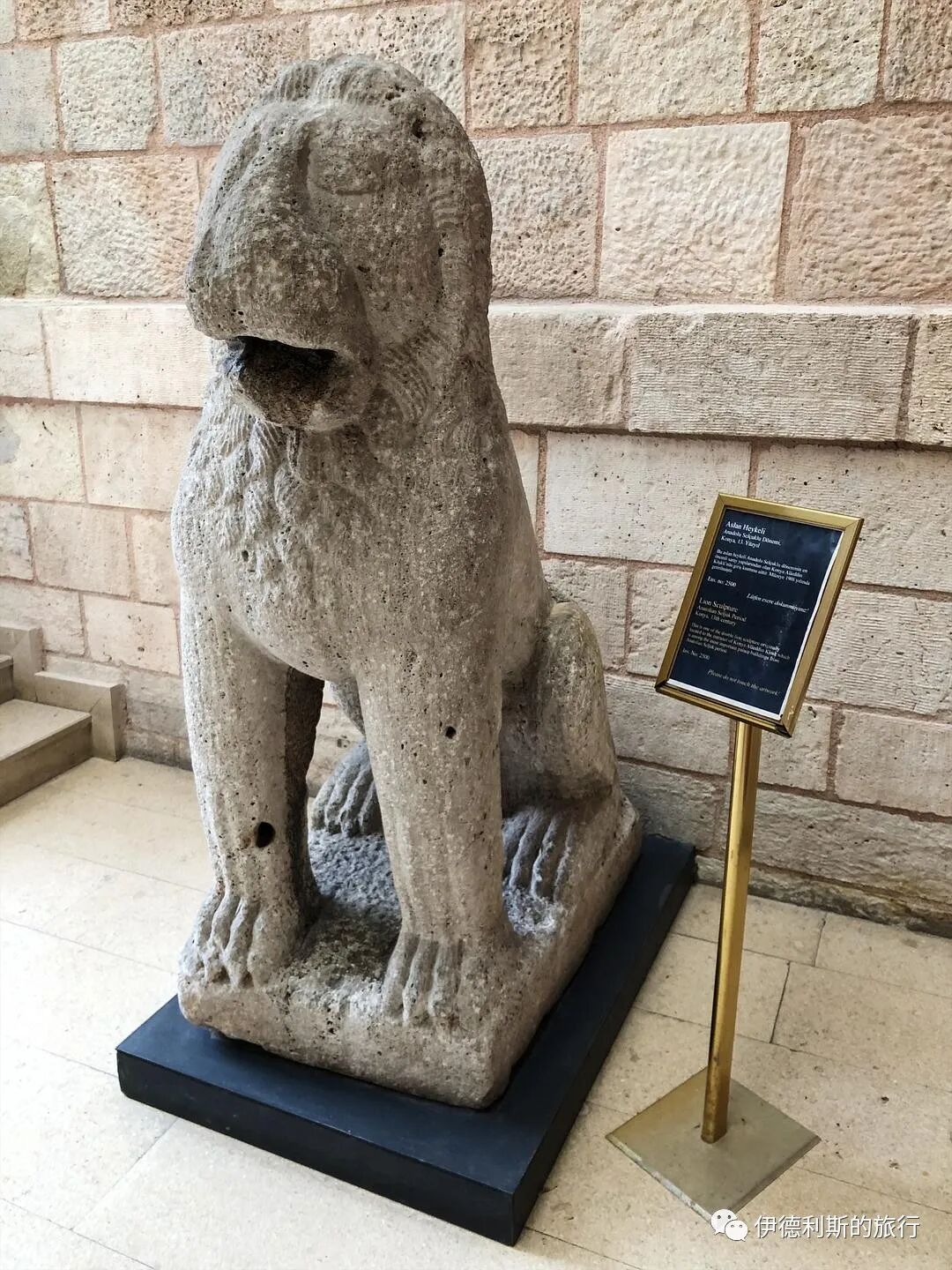
9. Alaeddin Mosque: 12th Century - 1235
Alaeddin Mosque is located on the east side of Alaeddin Hill in the center of Konya. It was once the royal mosque for the Seljuk Sultanate of Rum and houses the tombs of past sultans.
Records show the first Alaeddin Mosque was rebuilt on top of a Christian church shortly after the Seljuks captured Konya in the late 11th century. Many parts of the building were taken directly from nearby Byzantine structures.
The oldest existing inscription in the mosque dates back to the reign of the Seljuk Sultan of Rum, Mesud I (reigned 1116–1156). The mosque's ebony pulpit (minbar) features an inscription from 1155, and the prayer niche (mihrab) and the tiles on the vaulted ceiling were likely built during the same period.
In 1219, the Seljuk Sultan of Rum, Kaykaus I (reigned 1211–1220), began rebuilding the Alaeddin Mosque. He moved the main entrance from the west side to the north and added a massive structure on the north side overlooking the city and facing the sultan's palace. The final building plans were never finished because the sultan died the following year.
In 1235, Sultan Kayqubad I (reigned 1220–1237) added a large hall made of forty-two stone columns to the east of the prayer niche (mihrab). The mosque's current east gate and minaret were built during the Ottoman period.
Unfortunately, the Alaeddin Mosque was under renovation when I visited. Only the east hall built in 1235 was open, so I could not see the west hall or the tomb section.
Alaeddin Mosque, address https://islamansiklopedisi.org.tr/konya
Halal Travel Guide: Konya — Seljuk History and Muslim Heritage (Part 1)
Articles • ali2007fr posted the article • 0 comments • 159 views • 2026-05-17 11:03
Summary: Konya — Seljuk History and Muslim Heritage is presented here as a firsthand travel account in clear English, beginning with this scene: The Seljuqs were a Sunni Muslim group from the Oghuz Turkic tribal confederation in the Central Asian steppes. The account keeps its focus on Konya Travel, Seljuk History, Turkey Travel while preserving the names, places, food, and historical details from the Chinese source.
The Seljuqs were a Sunni Muslim group from the Oghuz Turkic tribal confederation in the Central Asian steppes. They were deeply influenced by Persian culture. Between the 11th and 12th centuries, they built a vast Seljuq Empire that stretched across West and Central Asia. The Sultanate of Rum was a state founded by the Seljuqs in Asia Minor. After the Seljuq Empire collapsed, it continued to exist for over a hundred years with Konya as its capital. After the Mongol invasion, the Sultanate of Rum broke into many smaller states called beyliks. One of these beyliks eventually grew into the Ottoman Empire.
Between the 9th and 10th centuries, a unique "Turco-Persian" culture emerged in the Khorasan and Transoxiana regions. This culture formed when Turkic peoples, living in Central Asia and Iran, blended Turkic and Persian cultures. These Turkic peoples were deeply influenced by Persian culture. From the 11th to the 13th centuries, "Turco-Persian" culture spread quickly. As the Seljuq Dynasty and the Delhi Sultanate expanded, this culture reached from the Mediterranean Sea all the way to the mouth of the Ganges River. Later, "Turco-Persian" culture gradually took root in West and South Asia with the rise of the Ottoman Empire and the Mughal Dynasty. For several centuries, it became the main culture for the ruling and elite classes.
Konya, as the capital of the Seljuq Sultanate of Rum, was the last Seljuq "Turco-Persian" cultural center after the Seljuq Empire fell. Seljuq culture is a very unique part of "Turco-Persian" culture. It is most famous for its tiles and stone carvings. On this trip to Konya, I visited all the Seljuq-era historical sites in the city. Sadly, some were under repair and I couldn't go inside. I will share the Seljuq sites I saw on this trip.
Contents
1. Historical Introduction
1. The Founding of the Seljuq Sultanate of Rum
2. Making Konya the Capital
2. Rumi's Tomb: 1274
1. Rumi in Konya
2. Rumi's Tomb
3. Iplikci Mosque: 1201
4. Karatay Madrasa: 1251
5. Tiles of Kubadabad Palace: 1236
6. Slender Minaret Madrasa (Ince Minareli Medrese): 1268
7. Konya City Walls: 12th-13th Centuries
8. Alaeddin Kiosk: Late 12th Century
9. Alaeddin Mosque: 12th Century - 1235
Ten. Glass Madrasa (Sırçalı Medrese): 1242.
Eleven. Sahib Ata Mosque: 1258.
Twelve. Sahib Ata Madrasa: 1258.
Thirteen. Artifacts in the Turkish and Islamic Arts Museum.
1. Historical Introduction
1. The Founding of the Seljuq Sultanate of Rum
The Seljuqs were a branch of the Oghuz Turkic tribe. They originally lived as nomads on the Kazakh steppes, north of the Syr Darya River in Central Asia. Their leader, Seljuk Beig, converted to Islam around 985. He then separated from the Oghuz tribal confederation and moved to the Transoxiana region, south of the Syr Darya River.
In 1035, their relationship with the Karakhanid Dynasty got worse. The Seljuqs were forced to move south into the Khorasan region of Persia. They then unexpectedly defeated the large army of the Ghaznavid Dynasty. Soon after, they fully controlled all of Khorasan.
In 1037, Tughril (who ruled from 1037-1063) officially founded the Seljuq Dynasty in Khorasan. They then kept expanding. In 1051, they moved their capital to Isfahan, which was then the most important city in Persia.
Starting in 1040, the Seljuq Dynasty repeatedly attacked Asia Minor, which was under Byzantine rule. They finally defeated the Byzantines completely in the Battle of Manzikert in 1071. After the war, Seljuq Sultan Alp Arslan (who ruled from 1063-1072) sent his distant cousin, Suleiman ibn Qutulmish (who ruled from 1077-1086), to go deeper into Asia Minor. Suleiman moved west all the way, reaching the city of Nicaea on the Sea of Marmara.
In 1077, Suleiman officially founded the Seljuq Sultanate of Rum, with Nicaea as its capital. "Rum" meant "Rome" at that time, and people used it to refer to Asia Minor under Eastern Roman (Byzantine) rule.
The Seljuq Dynasty in 1092, from Wikipedia
2. Making Konya the Capital
The rapid expansion of the Seljuq Dynasty caused panic among Christian states. This directly led to the First Crusade. In 1097, Nicaea, the capital of the Sultanate of Rum, finally fell after a long siege by the Crusaders, forcing the Sultanate to move its capital east to Konya.
Konya was very wealthy in the second half of the 12th century. At that time, the Sultanate of Rum controlled almost all of eastern Anatolia, several port towns on the Mediterranean and Black Seas, and even held a foothold in Crimea for a time, bringing vast trade wealth into Konya.
After the Mongols invaded Central Asia and Persia in the early 13th century, many Turkic and Persian people came to Konya for refuge. In the 1220s, Konya was full of refugees from the Khwarezmid Empire. Many were educated intellectuals or skilled craftsmen, the most famous being the Sufi scholar and great Persian poet Rumi.
In 1243, the Seljuk Sultanate of Rum was defeated by the Mongol Empire and became a vassal state, but Konya remained the capital. People lived in stability, and many existing Seljuk buildings date from this period.
In the late 13th century, the Seljuks split into many small principalities, including the early Ottoman Empire. These small states nominally recognized the status of the Sultanate of Rum, but the Sultanate could only actually control the limited territory around Konya. At this time, the Karamanids dynasty began continuous attacks on the Seljuk Sultanate of Rum, but they eventually failed due to the intervention of the Ilkhanate.
At the end of the 13th century, the Sultanate of Rum fell into a series of internal struggles, and the last Sultan, Mesud II, was killed in 1308. In 1328, Konya was occupied by the Karamanids dynasty, and Seljuk culture finally exited the historical stage. After this, the Ottomans rose on the legacy of the Seljuk Sultanate of Rum, and Konya would eventually enter its next era.
The Sultanate of Rum in the 12th and 13th centuries, by author DragonTiger23.
2. Rumi's Tomb: 1274
Rumi (1207-1273) was a famous 13th-century Sufi scholar and Persian poet, honored in Turkey as Mevlâna. Rumi died in Konya in 1273 and was buried next to his father's tomb. His successor, Hüsamettin Çelebi, decided to build a mausoleum for Rumi, and the tomb, led by architect Badr al-Din Tabrizi, was officially completed in 1274.
The entire complex includes the tombs of Rumi and his followers, a mosque, a Sufi practice space, and living areas for the practitioners. During the Ottoman era, this place was always the center of activity for the Mevlevi Sufi order.
In 1925, the Republic of Turkey announced the closure of all Sufi practice spaces and the dissolution of Sufi orders. In 1927, the Rumi mausoleum was converted into the Konya History Museum and opened to the public, and it was renamed the Mevlâna Museum in 1954. Today, it is a famous Sufi holy site in Turkey, and people from all over the world come here to visit and make pilgrimages every day.
1. Rumi in Konya
Rumi was born in 1207 into a Persian-speaking family in the Balkh region on the border of Afghanistan and Tajikistan. His father, Baha'ud-Din, was an Islamic scholar and a Sufi mentor.
Between 1215 and 1220, the Mongols invaded Central Asia, and Rumi moved west with his family, eventually arriving in Anatolia after much traveling. In 1228, the Seljuk Sultan of Rum, Kayqubad I (reigned 1220-1237), invited Baha'ud-Din to the capital, Konya, so Rumi's family finally settled there.
In Konya, Baha'ud-Din served as the head of a religious school and taught Rumi various Islamic knowledge and Sufi practices. After Baha'ud-Din died in 1232, Rumi continued his training under one of his father's students, Burhan ud-Din. In 1240 (or 1241), Burhan ud-Din died, and Rumi officially became an Islamic legal scholar and teacher, beginning to preach and teach students at the mosque.
In 1244, Rumi met the Sufi master Shams Tabrizi, which completely changed his life. He honored Shams as his spiritual mentor, transforming from an Islamic scholar into a Sufi practitioner.
In 1248, Shams suddenly left. Rumi was deeply saddened and went to Damascus himself to look for him, but he found nothing. To express his longing for Shams, Rumi wrote a large number of lyrical poems. At this time, he met a goldsmith named Salaḥud-Din-e Zarkub, who understood Rumi's heart very well, and the two became close friends. Zarkub helped Rumi organize 2,500 lyrical poems into the Divan-e Shams-e Tabrizi.
After Zarkub died in 1259, Rumi's scribe and favorite student, Hussam-e Chalabi, became Rumi's confidant. One day, Rumi showed Hussam a short piece of narrative poetry he had written, the Masnavi, and Hussam was pleasantly surprised and begged Rumi to continue writing it. So, starting in 1260, Rumi began writing his masterpiece, the Masnavi. During the writing process, Rumi would recite, Hussam would record, and then Rumi would confirm it. This work continued until the very last moments of Rumi's life.
2. Rumi's Tomb
The site of Rumi's tomb was originally a rose garden gifted by the Seljuk Sultan of Rum, Kayqubad I, to Rumi's father, Bahauddin. After Bahauddin passed away in 1232, he was buried here, and the site officially became Rumi's tomb in 1274. Later, Rumi's descendants and disciples founded the Mevlevi Order, and this place became the headquarters for the Mevlevi Order.
The main gate of Rumi's tomb (Devisan Kapısı) is located in the northwest corner and currently serves as the museum exit. After entering the main gate, you find a marble-paved courtyard, where the most important buildings are the tomb of Rumi and the mosque on the east side.
The tomb gate (Türbe Kapisi) dates back to 1492.
Inside the tomb gate is a room called 'Tilavet,' which in Arabic means 'reading the Quran with a beautiful voice and correct rhythm.' Before it became a museum, this room was used for the continuous chanting of the Quran, and today it houses various precious calligraphic works.
Walking further inside, you will find the sarcophagi of Rumi, his family, and the leaders of the Mevlevi Order. Rumi's sarcophagus sits under a green spire, covered in brocade embroidered with Quranic verses in gold thread. The sarcophagi of Rumi and his father, along with the surrounding wood carvings, date back to the Seljuk Sultanate of Rum, while the outer silver lattice was built in 1579. Unfortunately, this section is currently under renovation and cannot be seen.
Moving forward is the ceremonial hall (Semahane), built during the era of the Ottoman Sultan Suleiman I (reigned 1520-1566). Before 1926, this was where the Mevlevi Order performed the Sama ceremony, commonly known as the whirling dance.
Today, the ceremonial hall displays many precious artifacts. These include Rumi's own shoulder strap, cloak, and felt hat.
The Masnavi, written in 1278 by the calligrapher Mehmed bin Abdullah Konevi.
The 1366 collection of Rumi's poetry.
A 13th-century bookshelf featuring Seljuk lion patterns.
A 9th-century Quran written in Kufic script.
A Quran written in 1296 by the calligrapher Yakutu'l-Mustasimi.
A Quran from 1314.
Next to the ceremonial hall is a mosque also built during the era of the Ottoman Sultan Suleiman I (reigned 1520-1566).
In the center of the courtyard is a fountain for wudu (ṣadirvan), built in 1512 by order of the Ottoman Sultan Selim I (reigned 1512-1520).
On the west side of the courtyard is a row of 17 small rooms with domes and chimneys, built in 1584 by order of the Ottoman Sultan Murad III (reigned 1574-1595), which served as living quarters for Sufi practitioners.
Inside, there are many introductions to the Mevlevi Order and some precious artifacts, such as this 13th-century Seljuk-style incense burner with lion patterns.
There is also this copy of the Masnavi, written in 1372 by the calligrapher Hasan bin Osman el-Mevlevi for the Seljuk minister (vazir) Şherefüddin Emir Satı.
On the south side of the courtyard is the kitchen (Matbah), built in 1548 by order of the Ottoman Sultan Suleiman I (reigned 1520-1566), which provided food for Sufi practitioners until 1926. This was also a place where Sufi masters taught knowledge and the Sama ceremony.
The courtyard also contains the tombs of several Sufi masters of the Mevlevi Order.
The earliest of these is the site of the tomb of Ahmed Eflâkî Dede. Ahmed Eflâkî Dede wrote the important work on Rumi titled 'Menâkibü'l-Ârifîn' and traveled with Rumi's grandson, Ulu Ârif Çelebi, working to expand the influence of the Mevlevi Order throughout Anatolia.
Today, only two curtain walls remain of the tomb's above-ground structure. Research suggests the west wall is likely connected to early 13th-century Mevlevi architecture, while the date on the tombstone is 1360. Additionally, archaeological excavations at the museum have uncovered basements on both sides of the south facade.
3. Iplikci Mosque: 1201
The Iplikci Mosque was built in 1201 by order of the Seljuk minister (vizier) Shams al-Din Altun Aba, with the architect Abu al-Fazi Abd al-Jabbar from Tabriz, Iran; this is important evidence of Persian craftsmen directly influencing Seljuk architecture. This building underwent a series of renovations during the Karaman dynasty, the Ottoman Empire, and modern times. Today, the original mosaic tiles on the mihrab inside the hall have been replaced by marble, but the parts at the bottom covered by carpets are still the original Seljuk-era pieces.
4. Karatay Madrasa: 1251
The Karatay Madrasa was built in 1251 under the direction of Emir Celaleddin Karatay of the Seljuk Sultanate of Rum; the madrasa is named after him, and teaching activities continued there until the end of the 19th century.
This building holds a very important place among surviving Seljuk structures featuring mosaic tiles, so it opened to the public as the Tile Museum in 1955. Archaeological excavations and restoration work took place here between 2006 and 2008.
The main gate of the madrasa (religious school) is on the east side. Made of sky-blue and white marble, it is a masterpiece of Seljuk craftsmanship, carved with excerpts from the Quran and information about the school's construction.
The main hall is covered in turquoise, indigo, and black tiles, along with calligraphy of verses, the names of prophets, and the four Rashidun Caliphs.
Inside the domed building to the left of the main hall is the tomb of Celaleddin Karatay, who passed away in 1254. Celaleddin Karatay began serving in the court of the Sultanate of Rum in 1212. He was promoted to Minister of Finance in 1243 and received the noble title of Atabeg in 1249, remaining a key official of the Sultanate until his death in 1254. Celaleddin Karatay served four sultans during his life. He was known for his humility, piety, and simple lifestyle, and he was dedicated to developing science and art. He oversaw many projects, including the Kayseri-Elbistan road, with the Karatay Madrasa being his most famous.
5. Tiles of Kubadabad Palace: 1236
Kubadabad Palace was the summer palace of the Sultanate of Rum. It is located on the shore of Lake Beyşehir, 100 kilometers west of Konya, and was built in 1236 by the Seljuk Sultan Kayqubad I (reigned 1220-1237).
In 1949, Zeki Oral, the director of the Konya Museum, first discovered the ruins of Kubadabad Palace and conducted archaeological excavations in 1952. German archaeologist Katharina Ottodorn conducted further excavations in 1965, followed by Turkish archaeologist Mehmet Önder in 1967. In 1980, Professor Rüçhan Arık led a team from Ankara University to conduct a systematic survey and excavation of the site.
Kubadabad Palace is very different from the Seljuk palaces in Konya and Kayseri. It is far from towns and lacks high city walls; protection for the palace seems to have been provided by a fortress complex on a nearby island.
Sixteen buildings have been excavated at Kubadabad Palace. The main structure is a large 50x35 meter palace where many ornate underglaze tiles were found. Some of these tiles are now on display at the Karatay Tile Museum.
Additionally, the Tiled Kiosk at the Istanbul Archaeology Museums also houses tiles from Kubadabad Palace.
6. Slender Minaret Madrasa (Ince Minareli Medrese): 1268
The Ince Minaret Medrese (Slender Minaret Madrasa) was built by Sahib Ata Fahreddin Ali between 1263 and 1268. Sahib Ata was an important official in the Seljuk Rum Sultanate court from the 1250s until his death in 1288. After 1277, he even held great power in the Sultanate. This madrasa remained active until the end of the 19th century. After restoration in 1956, it opened to the public as the Museum of Stone and Wood Carvings.
The madrasa once had a slender, towering minaret, which is where the school gets its name. Unfortunately, lightning destroyed the minaret in 1901. Today, only the bottom section remains, where you can see typical Seljuk sky-blue tiles.
The gate of the madrasa is considered one of the best examples of a Seljuk architectural entrance.
The interior of the main hall also features Seljuk sky-blue tiles.
Seljuk stone carvings collected in the museum.
From Alaaddin Hill.
7. Konya City Walls: 12th-13th Centuries
Research shows that the earliest Konya city walls (Konya Kalesi) were located on Alaaddin Hill and were built by the descendants of Alexander the Great during the Hellenistic period. The Konya city walls were rebuilt four times in history. In 1221, the Seljuk Sultan Kayqubad I (reigned 1220-1237) built new outer walls beyond the inner walls on Alaaddin Hill. At that time, the Konya city walls were 30 meters high and had 12 gates.
An illustration of the Konya city walls, address https://islamansiklopedisi.org.tr/konya
According to the 17th-century Ottoman traveler Evliya Çelebi, the Konya city walls were still intact in the 17th century. However, as time passed, the walls began to gradually deteriorate during the late Ottoman period. The inner walls on Alaaddin Hill were the first to be demolished, and the outer walls were also dismantled in the late 19th century. The government buildings of that time were built using stones from the walls.
Today, most of the ruins of the Konya city walls have not been preserved. Fortunately, some stone carvings are currently kept in the Konya Museum of Stone and Wood Carvings, including winged angels and double-headed eagles, which are fine examples of Seljuk stone carving.
8. Alaeddin Kiosk: Late 12th Century
The Alaaddin Pavilion (Alâeddin Köşkü) is the only remaining tower ruin of the Konya city walls. Located on the north side of Alaaddin Hill, it was originally a brick tower of the inner city wall. The Seljuk Sultan Kilij Arslan II (reigned 1156-1192) built his estate right next to the wall and turned this tower into part of the estate, which is why it has been preserved to this day.
When I visited, the Alaaddin Pavilion and the ruins of the Kilij Arslan II estate were under renovation and could not be entered.
The Alaaddin Pavilion in an old photograph, from https://islamansiklopedisi.org.tr/konya
Manor ruins.
The original stone lions from the Alaeddin Pavilion are now kept at the Museum of Turkish and Islamic Arts in Istanbul.
9. Alaeddin Mosque: 12th Century - 1235
Alaeddin Mosque is located on the east side of Alaeddin Hill in the center of Konya. It was once the royal mosque for the Seljuk Sultanate of Rum and houses the tombs of past sultans.
Records show the first Alaeddin Mosque was rebuilt on top of a Christian church shortly after the Seljuks captured Konya in the late 11th century. Many parts of the building were taken directly from nearby Byzantine structures.
The oldest existing inscription in the mosque dates back to the reign of the Seljuk Sultan of Rum, Mesud I (reigned 1116–1156). The mosque's ebony pulpit (minbar) features an inscription from 1155, and the prayer niche (mihrab) and the tiles on the vaulted ceiling were likely built during the same period.
In 1219, the Seljuk Sultan of Rum, Kaykaus I (reigned 1211–1220), began rebuilding the Alaeddin Mosque. He moved the main entrance from the west side to the north and added a massive structure on the north side overlooking the city and facing the sultan's palace. The final building plans were never finished because the sultan died the following year.
In 1235, Sultan Kayqubad I (reigned 1220–1237) added a large hall made of forty-two stone columns to the east of the prayer niche (mihrab). The mosque's current east gate and minaret were built during the Ottoman period.
Unfortunately, the Alaeddin Mosque was under renovation when I visited. Only the east hall built in 1235 was open, so I could not see the west hall or the tomb section.
Alaeddin Mosque, address https://islamansiklopedisi.org.tr/konya view all
Summary: Konya — Seljuk History and Muslim Heritage is presented here as a firsthand travel account in clear English, beginning with this scene: The Seljuqs were a Sunni Muslim group from the Oghuz Turkic tribal confederation in the Central Asian steppes. The account keeps its focus on Konya Travel, Seljuk History, Turkey Travel while preserving the names, places, food, and historical details from the Chinese source.
The Seljuqs were a Sunni Muslim group from the Oghuz Turkic tribal confederation in the Central Asian steppes. They were deeply influenced by Persian culture. Between the 11th and 12th centuries, they built a vast Seljuq Empire that stretched across West and Central Asia. The Sultanate of Rum was a state founded by the Seljuqs in Asia Minor. After the Seljuq Empire collapsed, it continued to exist for over a hundred years with Konya as its capital. After the Mongol invasion, the Sultanate of Rum broke into many smaller states called beyliks. One of these beyliks eventually grew into the Ottoman Empire.
Between the 9th and 10th centuries, a unique "Turco-Persian" culture emerged in the Khorasan and Transoxiana regions. This culture formed when Turkic peoples, living in Central Asia and Iran, blended Turkic and Persian cultures. These Turkic peoples were deeply influenced by Persian culture. From the 11th to the 13th centuries, "Turco-Persian" culture spread quickly. As the Seljuq Dynasty and the Delhi Sultanate expanded, this culture reached from the Mediterranean Sea all the way to the mouth of the Ganges River. Later, "Turco-Persian" culture gradually took root in West and South Asia with the rise of the Ottoman Empire and the Mughal Dynasty. For several centuries, it became the main culture for the ruling and elite classes.
Konya, as the capital of the Seljuq Sultanate of Rum, was the last Seljuq "Turco-Persian" cultural center after the Seljuq Empire fell. Seljuq culture is a very unique part of "Turco-Persian" culture. It is most famous for its tiles and stone carvings. On this trip to Konya, I visited all the Seljuq-era historical sites in the city. Sadly, some were under repair and I couldn't go inside. I will share the Seljuq sites I saw on this trip.
Contents
1. Historical Introduction
1. The Founding of the Seljuq Sultanate of Rum
2. Making Konya the Capital
2. Rumi's Tomb: 1274
1. Rumi in Konya
2. Rumi's Tomb
3. Iplikci Mosque: 1201
4. Karatay Madrasa: 1251
5. Tiles of Kubadabad Palace: 1236
6. Slender Minaret Madrasa (Ince Minareli Medrese): 1268
7. Konya City Walls: 12th-13th Centuries
8. Alaeddin Kiosk: Late 12th Century
9. Alaeddin Mosque: 12th Century - 1235
Ten. Glass Madrasa (Sırçalı Medrese): 1242.
Eleven. Sahib Ata Mosque: 1258.
Twelve. Sahib Ata Madrasa: 1258.
Thirteen. Artifacts in the Turkish and Islamic Arts Museum.
1. Historical Introduction
1. The Founding of the Seljuq Sultanate of Rum
The Seljuqs were a branch of the Oghuz Turkic tribe. They originally lived as nomads on the Kazakh steppes, north of the Syr Darya River in Central Asia. Their leader, Seljuk Beig, converted to Islam around 985. He then separated from the Oghuz tribal confederation and moved to the Transoxiana region, south of the Syr Darya River.
In 1035, their relationship with the Karakhanid Dynasty got worse. The Seljuqs were forced to move south into the Khorasan region of Persia. They then unexpectedly defeated the large army of the Ghaznavid Dynasty. Soon after, they fully controlled all of Khorasan.
In 1037, Tughril (who ruled from 1037-1063) officially founded the Seljuq Dynasty in Khorasan. They then kept expanding. In 1051, they moved their capital to Isfahan, which was then the most important city in Persia.
Starting in 1040, the Seljuq Dynasty repeatedly attacked Asia Minor, which was under Byzantine rule. They finally defeated the Byzantines completely in the Battle of Manzikert in 1071. After the war, Seljuq Sultan Alp Arslan (who ruled from 1063-1072) sent his distant cousin, Suleiman ibn Qutulmish (who ruled from 1077-1086), to go deeper into Asia Minor. Suleiman moved west all the way, reaching the city of Nicaea on the Sea of Marmara.
In 1077, Suleiman officially founded the Seljuq Sultanate of Rum, with Nicaea as its capital. "Rum" meant "Rome" at that time, and people used it to refer to Asia Minor under Eastern Roman (Byzantine) rule.
The Seljuq Dynasty in 1092, from Wikipedia
2. Making Konya the Capital
The rapid expansion of the Seljuq Dynasty caused panic among Christian states. This directly led to the First Crusade. In 1097, Nicaea, the capital of the Sultanate of Rum, finally fell after a long siege by the Crusaders, forcing the Sultanate to move its capital east to Konya.
Konya was very wealthy in the second half of the 12th century. At that time, the Sultanate of Rum controlled almost all of eastern Anatolia, several port towns on the Mediterranean and Black Seas, and even held a foothold in Crimea for a time, bringing vast trade wealth into Konya.
After the Mongols invaded Central Asia and Persia in the early 13th century, many Turkic and Persian people came to Konya for refuge. In the 1220s, Konya was full of refugees from the Khwarezmid Empire. Many were educated intellectuals or skilled craftsmen, the most famous being the Sufi scholar and great Persian poet Rumi.
In 1243, the Seljuk Sultanate of Rum was defeated by the Mongol Empire and became a vassal state, but Konya remained the capital. People lived in stability, and many existing Seljuk buildings date from this period.
In the late 13th century, the Seljuks split into many small principalities, including the early Ottoman Empire. These small states nominally recognized the status of the Sultanate of Rum, but the Sultanate could only actually control the limited territory around Konya. At this time, the Karamanids dynasty began continuous attacks on the Seljuk Sultanate of Rum, but they eventually failed due to the intervention of the Ilkhanate.
At the end of the 13th century, the Sultanate of Rum fell into a series of internal struggles, and the last Sultan, Mesud II, was killed in 1308. In 1328, Konya was occupied by the Karamanids dynasty, and Seljuk culture finally exited the historical stage. After this, the Ottomans rose on the legacy of the Seljuk Sultanate of Rum, and Konya would eventually enter its next era.
The Sultanate of Rum in the 12th and 13th centuries, by author DragonTiger23.
2. Rumi's Tomb: 1274
Rumi (1207-1273) was a famous 13th-century Sufi scholar and Persian poet, honored in Turkey as Mevlâna. Rumi died in Konya in 1273 and was buried next to his father's tomb. His successor, Hüsamettin Çelebi, decided to build a mausoleum for Rumi, and the tomb, led by architect Badr al-Din Tabrizi, was officially completed in 1274.
The entire complex includes the tombs of Rumi and his followers, a mosque, a Sufi practice space, and living areas for the practitioners. During the Ottoman era, this place was always the center of activity for the Mevlevi Sufi order.
In 1925, the Republic of Turkey announced the closure of all Sufi practice spaces and the dissolution of Sufi orders. In 1927, the Rumi mausoleum was converted into the Konya History Museum and opened to the public, and it was renamed the Mevlâna Museum in 1954. Today, it is a famous Sufi holy site in Turkey, and people from all over the world come here to visit and make pilgrimages every day.
1. Rumi in Konya
Rumi was born in 1207 into a Persian-speaking family in the Balkh region on the border of Afghanistan and Tajikistan. His father, Baha'ud-Din, was an Islamic scholar and a Sufi mentor.
Between 1215 and 1220, the Mongols invaded Central Asia, and Rumi moved west with his family, eventually arriving in Anatolia after much traveling. In 1228, the Seljuk Sultan of Rum, Kayqubad I (reigned 1220-1237), invited Baha'ud-Din to the capital, Konya, so Rumi's family finally settled there.
In Konya, Baha'ud-Din served as the head of a religious school and taught Rumi various Islamic knowledge and Sufi practices. After Baha'ud-Din died in 1232, Rumi continued his training under one of his father's students, Burhan ud-Din. In 1240 (or 1241), Burhan ud-Din died, and Rumi officially became an Islamic legal scholar and teacher, beginning to preach and teach students at the mosque.
In 1244, Rumi met the Sufi master Shams Tabrizi, which completely changed his life. He honored Shams as his spiritual mentor, transforming from an Islamic scholar into a Sufi practitioner.
In 1248, Shams suddenly left. Rumi was deeply saddened and went to Damascus himself to look for him, but he found nothing. To express his longing for Shams, Rumi wrote a large number of lyrical poems. At this time, he met a goldsmith named Salaḥud-Din-e Zarkub, who understood Rumi's heart very well, and the two became close friends. Zarkub helped Rumi organize 2,500 lyrical poems into the Divan-e Shams-e Tabrizi.
After Zarkub died in 1259, Rumi's scribe and favorite student, Hussam-e Chalabi, became Rumi's confidant. One day, Rumi showed Hussam a short piece of narrative poetry he had written, the Masnavi, and Hussam was pleasantly surprised and begged Rumi to continue writing it. So, starting in 1260, Rumi began writing his masterpiece, the Masnavi. During the writing process, Rumi would recite, Hussam would record, and then Rumi would confirm it. This work continued until the very last moments of Rumi's life.
2. Rumi's Tomb
The site of Rumi's tomb was originally a rose garden gifted by the Seljuk Sultan of Rum, Kayqubad I, to Rumi's father, Bahauddin. After Bahauddin passed away in 1232, he was buried here, and the site officially became Rumi's tomb in 1274. Later, Rumi's descendants and disciples founded the Mevlevi Order, and this place became the headquarters for the Mevlevi Order.
The main gate of Rumi's tomb (Devisan Kapısı) is located in the northwest corner and currently serves as the museum exit. After entering the main gate, you find a marble-paved courtyard, where the most important buildings are the tomb of Rumi and the mosque on the east side.
The tomb gate (Türbe Kapisi) dates back to 1492.
Inside the tomb gate is a room called 'Tilavet,' which in Arabic means 'reading the Quran with a beautiful voice and correct rhythm.' Before it became a museum, this room was used for the continuous chanting of the Quran, and today it houses various precious calligraphic works.
Walking further inside, you will find the sarcophagi of Rumi, his family, and the leaders of the Mevlevi Order. Rumi's sarcophagus sits under a green spire, covered in brocade embroidered with Quranic verses in gold thread. The sarcophagi of Rumi and his father, along with the surrounding wood carvings, date back to the Seljuk Sultanate of Rum, while the outer silver lattice was built in 1579. Unfortunately, this section is currently under renovation and cannot be seen.
Moving forward is the ceremonial hall (Semahane), built during the era of the Ottoman Sultan Suleiman I (reigned 1520-1566). Before 1926, this was where the Mevlevi Order performed the Sama ceremony, commonly known as the whirling dance.
Today, the ceremonial hall displays many precious artifacts. These include Rumi's own shoulder strap, cloak, and felt hat.
The Masnavi, written in 1278 by the calligrapher Mehmed bin Abdullah Konevi.
The 1366 collection of Rumi's poetry.
A 13th-century bookshelf featuring Seljuk lion patterns.
A 9th-century Quran written in Kufic script.
A Quran written in 1296 by the calligrapher Yakutu'l-Mustasimi.
A Quran from 1314.
Next to the ceremonial hall is a mosque also built during the era of the Ottoman Sultan Suleiman I (reigned 1520-1566).
In the center of the courtyard is a fountain for wudu (ṣadirvan), built in 1512 by order of the Ottoman Sultan Selim I (reigned 1512-1520).
On the west side of the courtyard is a row of 17 small rooms with domes and chimneys, built in 1584 by order of the Ottoman Sultan Murad III (reigned 1574-1595), which served as living quarters for Sufi practitioners.
Inside, there are many introductions to the Mevlevi Order and some precious artifacts, such as this 13th-century Seljuk-style incense burner with lion patterns.
There is also this copy of the Masnavi, written in 1372 by the calligrapher Hasan bin Osman el-Mevlevi for the Seljuk minister (vazir) Şherefüddin Emir Satı.
On the south side of the courtyard is the kitchen (Matbah), built in 1548 by order of the Ottoman Sultan Suleiman I (reigned 1520-1566), which provided food for Sufi practitioners until 1926. This was also a place where Sufi masters taught knowledge and the Sama ceremony.
The courtyard also contains the tombs of several Sufi masters of the Mevlevi Order.
The earliest of these is the site of the tomb of Ahmed Eflâkî Dede. Ahmed Eflâkî Dede wrote the important work on Rumi titled 'Menâkibü'l-Ârifîn' and traveled with Rumi's grandson, Ulu Ârif Çelebi, working to expand the influence of the Mevlevi Order throughout Anatolia.
Today, only two curtain walls remain of the tomb's above-ground structure. Research suggests the west wall is likely connected to early 13th-century Mevlevi architecture, while the date on the tombstone is 1360. Additionally, archaeological excavations at the museum have uncovered basements on both sides of the south facade.
3. Iplikci Mosque: 1201
The Iplikci Mosque was built in 1201 by order of the Seljuk minister (vizier) Shams al-Din Altun Aba, with the architect Abu al-Fazi Abd al-Jabbar from Tabriz, Iran; this is important evidence of Persian craftsmen directly influencing Seljuk architecture. This building underwent a series of renovations during the Karaman dynasty, the Ottoman Empire, and modern times. Today, the original mosaic tiles on the mihrab inside the hall have been replaced by marble, but the parts at the bottom covered by carpets are still the original Seljuk-era pieces.
4. Karatay Madrasa: 1251
The Karatay Madrasa was built in 1251 under the direction of Emir Celaleddin Karatay of the Seljuk Sultanate of Rum; the madrasa is named after him, and teaching activities continued there until the end of the 19th century.
This building holds a very important place among surviving Seljuk structures featuring mosaic tiles, so it opened to the public as the Tile Museum in 1955. Archaeological excavations and restoration work took place here between 2006 and 2008.
The main gate of the madrasa (religious school) is on the east side. Made of sky-blue and white marble, it is a masterpiece of Seljuk craftsmanship, carved with excerpts from the Quran and information about the school's construction.
The main hall is covered in turquoise, indigo, and black tiles, along with calligraphy of verses, the names of prophets, and the four Rashidun Caliphs.
Inside the domed building to the left of the main hall is the tomb of Celaleddin Karatay, who passed away in 1254. Celaleddin Karatay began serving in the court of the Sultanate of Rum in 1212. He was promoted to Minister of Finance in 1243 and received the noble title of Atabeg in 1249, remaining a key official of the Sultanate until his death in 1254. Celaleddin Karatay served four sultans during his life. He was known for his humility, piety, and simple lifestyle, and he was dedicated to developing science and art. He oversaw many projects, including the Kayseri-Elbistan road, with the Karatay Madrasa being his most famous.
5. Tiles of Kubadabad Palace: 1236
Kubadabad Palace was the summer palace of the Sultanate of Rum. It is located on the shore of Lake Beyşehir, 100 kilometers west of Konya, and was built in 1236 by the Seljuk Sultan Kayqubad I (reigned 1220-1237).
In 1949, Zeki Oral, the director of the Konya Museum, first discovered the ruins of Kubadabad Palace and conducted archaeological excavations in 1952. German archaeologist Katharina Ottodorn conducted further excavations in 1965, followed by Turkish archaeologist Mehmet Önder in 1967. In 1980, Professor Rüçhan Arık led a team from Ankara University to conduct a systematic survey and excavation of the site.
Kubadabad Palace is very different from the Seljuk palaces in Konya and Kayseri. It is far from towns and lacks high city walls; protection for the palace seems to have been provided by a fortress complex on a nearby island.
Sixteen buildings have been excavated at Kubadabad Palace. The main structure is a large 50x35 meter palace where many ornate underglaze tiles were found. Some of these tiles are now on display at the Karatay Tile Museum.
Additionally, the Tiled Kiosk at the Istanbul Archaeology Museums also houses tiles from Kubadabad Palace.
6. Slender Minaret Madrasa (Ince Minareli Medrese): 1268
The Ince Minaret Medrese (Slender Minaret Madrasa) was built by Sahib Ata Fahreddin Ali between 1263 and 1268. Sahib Ata was an important official in the Seljuk Rum Sultanate court from the 1250s until his death in 1288. After 1277, he even held great power in the Sultanate. This madrasa remained active until the end of the 19th century. After restoration in 1956, it opened to the public as the Museum of Stone and Wood Carvings.
The madrasa once had a slender, towering minaret, which is where the school gets its name. Unfortunately, lightning destroyed the minaret in 1901. Today, only the bottom section remains, where you can see typical Seljuk sky-blue tiles.
The gate of the madrasa is considered one of the best examples of a Seljuk architectural entrance.
The interior of the main hall also features Seljuk sky-blue tiles.
Seljuk stone carvings collected in the museum.
From Alaaddin Hill.
7. Konya City Walls: 12th-13th Centuries
Research shows that the earliest Konya city walls (Konya Kalesi) were located on Alaaddin Hill and were built by the descendants of Alexander the Great during the Hellenistic period. The Konya city walls were rebuilt four times in history. In 1221, the Seljuk Sultan Kayqubad I (reigned 1220-1237) built new outer walls beyond the inner walls on Alaaddin Hill. At that time, the Konya city walls were 30 meters high and had 12 gates.
An illustration of the Konya city walls, address https://islamansiklopedisi.org.tr/konya
According to the 17th-century Ottoman traveler Evliya Çelebi, the Konya city walls were still intact in the 17th century. However, as time passed, the walls began to gradually deteriorate during the late Ottoman period. The inner walls on Alaaddin Hill were the first to be demolished, and the outer walls were also dismantled in the late 19th century. The government buildings of that time were built using stones from the walls.
Today, most of the ruins of the Konya city walls have not been preserved. Fortunately, some stone carvings are currently kept in the Konya Museum of Stone and Wood Carvings, including winged angels and double-headed eagles, which are fine examples of Seljuk stone carving.
8. Alaeddin Kiosk: Late 12th Century
The Alaaddin Pavilion (Alâeddin Köşkü) is the only remaining tower ruin of the Konya city walls. Located on the north side of Alaaddin Hill, it was originally a brick tower of the inner city wall. The Seljuk Sultan Kilij Arslan II (reigned 1156-1192) built his estate right next to the wall and turned this tower into part of the estate, which is why it has been preserved to this day.
When I visited, the Alaaddin Pavilion and the ruins of the Kilij Arslan II estate were under renovation and could not be entered.
The Alaaddin Pavilion in an old photograph, from https://islamansiklopedisi.org.tr/konya
Manor ruins.
The original stone lions from the Alaeddin Pavilion are now kept at the Museum of Turkish and Islamic Arts in Istanbul.
9. Alaeddin Mosque: 12th Century - 1235
Alaeddin Mosque is located on the east side of Alaeddin Hill in the center of Konya. It was once the royal mosque for the Seljuk Sultanate of Rum and houses the tombs of past sultans.
Records show the first Alaeddin Mosque was rebuilt on top of a Christian church shortly after the Seljuks captured Konya in the late 11th century. Many parts of the building were taken directly from nearby Byzantine structures.
The oldest existing inscription in the mosque dates back to the reign of the Seljuk Sultan of Rum, Mesud I (reigned 1116–1156). The mosque's ebony pulpit (minbar) features an inscription from 1155, and the prayer niche (mihrab) and the tiles on the vaulted ceiling were likely built during the same period.
In 1219, the Seljuk Sultan of Rum, Kaykaus I (reigned 1211–1220), began rebuilding the Alaeddin Mosque. He moved the main entrance from the west side to the north and added a massive structure on the north side overlooking the city and facing the sultan's palace. The final building plans were never finished because the sultan died the following year.
In 1235, Sultan Kayqubad I (reigned 1220–1237) added a large hall made of forty-two stone columns to the east of the prayer niche (mihrab). The mosque's current east gate and minaret were built during the Ottoman period.
Unfortunately, the Alaeddin Mosque was under renovation when I visited. Only the east hall built in 1235 was open, so I could not see the west hall or the tomb section.
Alaeddin Mosque, address https://islamansiklopedisi.org.tr/konya
Halal Travel Guide: Edirne — Ottoman Mosques and Muslim Heritage (Part 1)
Articles • ali2007fr posted the article • 0 comments • 136 views • 2026-05-17 10:56
Summary: Edirne — Ottoman Mosques and Muslim Heritage is presented here as a firsthand travel account in clear English, beginning with this scene: This is the third part of my journey through the ancient capitals of Turkey. In the first part, "Konya: The Last Capital of the Seljuk Dynasty," I introduced how the Seljuk Turks, deeply influenced by Persian culture. The account keeps its focus on Edirne Travel, Ottoman History, Turkey Travel while preserving the names, places, food, and historical details from the Chinese source.
This is the third part of my journey through the ancient capitals of Turkey. In the first part, "Konya: The Last Capital of the Seljuk Dynasty," I introduced how the Seljuk Turks, deeply influenced by Persian culture, established the Sultanate of Rum with Konya as their capital between the 11th and 13th centuries. In the second part, "Bursa: The Birth of the Ottoman Empire," I explained how the Ottomans broke away from the Sultanate of Rum at the end of the 13th century and officially made Bursa their capital in 1326. In this part, the Ottomans turn their eyes toward Europe and officially move toward becoming an empire.
Edirne is located in the far northwest of Turkey.
Moving the capital to Europe
In the mid-14th century, the Ottomans crossed the straits to invade the southern Balkan Peninsula, gradually advancing toward Adrianople, the third-largest city of the Byzantine Empire, ranking only behind Constantinople and Thessaloniki. In 1369, the third Ottoman Sultan, Murad I (reigned 1362–1389), captured Adrianople and renamed the city Edirne. From then on, Edirne became the Ottoman center in Europe.
In 1402, the fourth Ottoman Sultan, Bayezid I (reigned 1389–1402), was defeated and captured by the great conqueror Timur in the Battle of Ankara and died shortly after. His four sons fought for the throne, triggering the Ottoman Interregnum, the largest civil war in early Ottoman history, and Edirne rose to become the capital during this conflict.
In 1403, Prince Süleyman Çelebi declared himself Emir in Edirne and controlled Rumeli, the European part of the Ottoman lands. The following year, he crossed the straits to occupy Bursa and Ankara in the Asian part, becoming the most powerful prince at the time. However, after taking power, Süleyman became increasingly extravagant and indifferent to state affairs. In 1411, abandoned by his followers, Süleyman was defeated by Prince Musa in Edirne and executed, and Edirne became Prince Musa's capital.
In 1413, Prince Mehmed defeated Musa, occupied Edirne, and finally won the civil war. On June 5, 1413, Mehmed was officially crowned in Edirne as the fifth Ottoman Sultan, Mehmed I (reigned 1413–1421). The capital of the Ottoman dynasty officially moved from Bursa in Asia to Edirne in Europe, where it remained until the fall of Constantinople in 1453.
City construction
During the period when Bursa was the capital, the Ottoman dynasty developed a new form of urban construction: building social complexes known as Külliye in the commercial districts outside the city walls. After moving the capital to Edirne, the Ottomans continued to use this form. After Prince Süleyman made Edirne his capital in 1403, he immediately began building the first complex in Edirne, the Old Mosque (Eski Cami) complex, east of the Roman-era Hadrianopolis fortress. During the reign of Sultan Murad II (reigned 1421–1444, 1446–1451), the second complex, the Muradiye complex, and the third, the Three-Balcony (Üç Şerefeli) complex, were built in Edirne, along with a royal palace in the north.
Contents
1. Old Mosque complex: construction started in 1403
1. Old Mosque (Eski Cami): 1414
2. Covered market (Bedesten): 1418
3. Rüstem Pasha Caravanserai (Rüstem Paşa Kervansarayı): 1561
4. Ali Pasha Bazaar (Ali Paşa Çarşısı): 1569
2. Muradiye Mosque: 1436
3. Three-Balcony Mosque (Üç Şerefeli Cami) complex: construction started in 1438
1. Three-Balcony Mosque (Üç Şerefeli Cami): 1447
2. Saatli Madrasa (Saatli Medresesi): 1447
3. Peykler Madrasa (Peykler Medresesi): 1450s
4. Taş Han Caravanserai: 15th century
5. Sokollu Mehmed Pasha Bath (Sokollu Mehmed Paşa Hamamı): second half of the 16th century
4. Edirne Palace: construction started in 1450
1. Rise and fall of the palace
2. Palace composition
5. Kasım Pasha Mosque (Kasım Paşa Camii): 1479
6. Sultan Bayezid II complex: 1488
1. Mosque
2. Medical school
3. Hospital
1. Old Mosque complex: construction started in 1403
1. Old Mosque (Eski Cami): 1414
After the Ottoman Interregnum began in 1403, Prince Suleiman, who declared himself Emir in Edirne, started building his own mosque. However, the mosque was still unfinished when Suleiman died in 1411.
In 1413, Prince Mehmed was crowned Sultan Mehmed I in Edirne, and he officially completed the construction of the mosque the following year. This mosque is the oldest surviving one in Edirne, so it is called the Old Mosque (Eski Cami).
The Old Mosque is among the last of the multi-domed mosques to use the early Ottoman Seljuk style, featuring a total of nine central domes. Compared to earlier Seljuk multi-domed mosques, the dome diameters of the Old Mosque are noticeably larger, showing that the Ottomans were beginning to move past their early architectural phase.
The coronation ceremonies for the 21st Ottoman Sultan, Ahmed II (reigned 1691-1695), and the 22nd Sultan, Mustafa II (reigned 1695-1703), were both held here. The Old Mosque suffered massive damage in an earthquake in the mid-18th century, and was later ordered to be rebuilt by Mahmud I (reigned 1696-1754). The Old Mosque was renovated again between 1924 and 1934.
Inside the main hall
Dome
Old murals
Mihrab
Minbar
When I visited, I happened to catch a group of aunties listening to the imam's chanting in the mosque, so I sat down and listened for a while too. As soon as I sat down, aunties kept handing out pastries and candies to everyone. Other aunties were busy squeezing hand sanitizer and passing out napkins, so I received all kinds of pastries and candies while listening to the melodic chanting. Even though we could not speak the same language, I felt very warm inside.
2. Covered market (Bedesten): 1418
The covered market (Bedesten) is right next to the Old Mosque. It was built in 1418 by the fifth Ottoman Sultan, Mehmed I, primarily to support the operations of the Old Mosque.
This building is a classic example of an early Ottoman covered market and has been in use ever since. The building is a rectangle 78 meters long and 41 meters wide, with 14 domes on top and 54 shops along the four sides. It underwent a major renovation in 2007.
3. Rüstem Pasha Caravanserai (Rüstem Paşa Kervansarayı): 1561
The Rustem Pasha Caravanserai (Rüstem Paşa Kervansarayı) was ordered to be built in 1561 by the Ottoman Grand Vizier Rustem Pasha (Rüstem Paşa) and designed by the famous architect Mimar Sinan.
The caravanserai has two floors, with 102 guest rooms inside and 21 shops on the outside. Today, the interior is a hotel, and the shops on the outside are still operating.
4. Ali Pasha Bazaar (Ali Paşa Çarşısı): 1569
The Ali Pasha Bazaar (Ali Paşa Çarşısı) was ordered to be built in 1569 by the Ottoman Grand Vizier Ali Pasha (Ali Paşa) and designed by the famous architect Mimar Sinan.
The bazaar includes 130 shops and 6 gates. The bazaar caught fire in 1991 and was later rebuilt.
2. Muradiye Mosque: 1436
The Muradiye Mosque (Muradiye Camii) is a small T-shaped mosque on a hill in the north of Edirne, ordered to be built in 1436 by the sixth Ottoman Sultan, Murad II (reigned 1421-1444). It was originally part of a Sufi Mevlevi order complex before being converted into a mosque.
The Muradiye Mosque was once a complex that included a public kitchen (imaret) and a primary school (mekteb), but today only the mosque remains. It was severely damaged by earthquakes, and the minaret has been rebuilt several times; its current appearance dates from a major renovation in 1957.
The interior of the mosque is famous for its beautiful tiles. Before they were stolen in 2001, there were 479 tiles in the main hall with 54 different designs, 15 of which appeared only once, showing a strong influence from Yuan dynasty blue and white porcelain. The blue and white hexagonal tiles are the earliest examples of underglaze tiles in the Ottoman period. Because some tiles are arranged inconsistently, some scholars believe part of them were moved here from the Ottoman palace in Edirne in the north.
The mosque preserves a 15th-century mihrab covered in tiles, which bears the name of Sultan Murad II. The Cuerda Seca style of the mihrab tiles is very similar to the Green Mosque (Yeşil Camii) in Bursa, built in 1421, and was likely made by the same team of craftsmen. The mihrab of the Green Mosque in Bursa was reportedly designed by a master from Tabriz, Iran. Therefore, this master likely traveled to Edirne to design the mihrab for the Muradiye Mosque.
3. Three-Balcony Mosque (Üç Şerefeli Cami) complex: construction started in 1438
1. Three-Balcony Mosque (Üç Şerefeli Cami): 1447
The Three-Balcony Mosque (Üç Şerefeli Camii) is known as a major landmark that started a new era of Ottoman architecture, serving as the first mosque in Ottoman history with a central dome and a portico. The mosque was commissioned by the sixth Ottoman Sultan, Murad II (reigned 1421–1444), in 1438 and completed in 1447.
The Three-Balcony Mosque is located not far northwest of the Old Mosque and was the largest mosque in the Ottoman Empire when it was finished. This mosque is considered a pioneer of the classic Ottoman mosque style, being among the first to transition from the Seljuk multi-dome design to a central large dome, featuring a central dome 24 meters in diameter.
The Three-Balcony Mosque gets its name from the three balconies on its minaret. This was the tallest minaret in the Ottoman Empire at the time, standing 76 meters high with 203 steps, and it can be climbed to the balconies using three different paths.
The underglaze tiles of the mosque are very similar in style to those of the Green Mosque in Bursa (1421) and the Muradiye Mosque in Edirne (1436), and were likely all designed by the person known as the Master of Tabriz.
The architectural design of the Three-Balcony Mosque greatly inspired the great 16th-century Ottoman architect Mimar Sinan, who built upon this foundation to eventually create the most magnificent mosques of the Ottoman Empire.
The Three-Balcony Mosque suffered from fire and an earthquake in the mid-18th century and was later restored.
Minaret
Minaret
Portico entrance
Side of the portico
View of the main hall from the portico
Portico
Portico
Portico dome
Portico dome
Dome above the main hall door
Central large dome
Main hall
Main hall
Mihrab
Mihrab
2. Saatli Madrasa (Saatli Medresesi): 1447
Saatli Madrasa is directly opposite the Three-Balcony Mosque and was also completed in 1447.
3. Peykler Madrasa (Peykler Medresesi): 1450s
Peykler Madrasa is right next to the south side of Saatli Madrasa and was built a few years later.
4. Taş Han Caravanserai: 15th century
The Stone Inn (Taşhan Inn) is across the street to the west of the Three-Balcony Mosque and was built in the 15th century.
5. Sokollu Mehmed Pasha Bath (Sokollu Mehmed Paşa Hamamı): second half of the 16th century
The Sokullu Mehmet Pasha Bath (Sokullu Mehmet Paşa Hamamı) was commissioned in the second half of the 16th century by the Ottoman Grand Vizier Sokullu Mehmet Pasha (in office 1565–1579) and built by the great Ottoman architect Mimar Sinan.
The bathhouse was built right next to the Tash Khan inn. It consists of a men's section and a women's section and is known as one of the most important bathhouses in the Ottoman Empire.
4. Edirne Palace: construction started in 1450
1. Rise and fall of the palace
Edirne Palace (Edirne Sarayı) was ordered to be built by Sultan Murad II in 1450, but construction stopped the following year when the Sultan passed away. After a period of inactivity, it was finally completed in 1475 by his successor, Sultan Mehmed the Conqueror.
The palace was expanded continuously between the 16th and 18th centuries. The most important period was during the reign of Suleiman the Magnificent (1520–1566), when the chief architect Mimar Sinan redesigned the palace and solved the water supply issue by building canals. To protect the palace from flooding, the canals were built in an arc shape around it.
The palace stopped being used after Ahmed III moved to Istanbul in 1718. It did not return to use until Mustafa III (reigned 1757–1774) returned to Edirne in 1768. During those fifty years, the palace gradually fell into disrepair and suffered through an earthquake in 1752 and a fire in 1776.
Mahmud II (reigned 1808–1839) carried out small-scale repairs in 1825, but the palace was severely damaged and occupied as a military barracks after the Russian army captured Edirne in 1829.
Between 1868 and 1873, some parts of the palace were repaired by the mayor at the time. During the Russo-Turkish War in 1877, the governor of Edirne feared the Russian army would take the city and intentionally blew up an ammunition depot near the palace. This caused severe damage, and building materials from the palace were later continuously stripped away for use elsewhere.
2. Palace composition
At its peak, the palace consisted of 72 buildings, including 117 rooms, 14 mansions, 18 bathhouses, 9 mosques, 17 gates, and 13 cellars. At its busiest, 34,000 people lived inside.
The main building of the palace is called the Panorama Pavilion (Cihannüma Kasrı), also known as the Imperial Throne (Taht-ı Hümayun), built in 1450. The Panorama Pavilion is a seven-story building with an octagonal room at the top. It includes the Sultan's room, a room for flags, a library, and a mosque.
Initial archaeological excavations of the Panorama Pavilion took place in 1956. In 2001, sponsored by the National Palaces Administration, archaeological and restoration work began on the palace gate, the Gate of Felicity (Bab'üs Sa'ade), and the Panorama Pavilion (Cihannüma Kasrı) site, which was completed in 2004.
The Sand Pavilion Bathhouse (Kum Kasrı Hamamı) was built by Sultan Mehmed the Conqueror. It is another palace ruin that survives today, and it was excavated in 2000.
The Imperial Kitchen (Matbah-ı Amire) is located on the southwest side of the palace. It has eight domes, and while the north facade is gone, most of it remains well-preserved.
The Court of Justice (Kasr-ı Adalet) is on the south bank of the Tunca River. It was ordered to be built in 1561 by Suleiman the Magnificent, who is also known as Suleiman the Lawgiver.
The Conqueror's Bridge (Fatih Köprüsü) is next to the Court of Justice and was built by Mehmed the Conqueror in 1452.
The Kanuni Bridge (Kanuni Köprüsü), also called the Palace Bridge, was built in 1554 by Mimar Sinan under the orders of Suleiman the Magnificent.
Because Edirne Palace is currently under renovation and closed to the public, I could only look at it from the outside.
On the left is the Panorama Pavilion, and on the right is the Sand Pavilion Bathhouse.
An old photo of the Panorama Pavilion before it was destroyed.
On the left are the Gate of Felicity and the Panorama Pavilion; on the right is the Imperial Kitchen.
The Court of Justice.
The Kanuni Bridge.
5. Kasım Pasha Mosque (Kasım Paşa Camii): 1479
The Kasım Pasha Mosque (Evliya Kasım Paşa Cami) is located by the river in the southeast of Edirne. It was ordered to be built by Kasım Pasha in 1479. Kasım Pasha was a famous Ottoman general who served as the commander of Rumelia, the European part of the Ottoman Empire. He commanded troops during the wars between the Ottoman Empire and the multinational crusader forces of Poland and Hungary between 1443 and 1444, fighting in places like Serbia and Bulgaria.
The mosque closed after 1950 due to the construction of a dam. Since then, it has been continuously damaged by floods, making it the most wild, early Ottoman mosque in Edirne.
The mihrab on the outer wall.
The entrance to the bunker tower.
The steps of the bunker tower.
Dome
Main hall
Mihrab
Mihrab
Architectural pieces scattered on the ground.
The tomb of Kasim Pasha.
The road leading to the mosque.
The road leading to the mosque.
6. Sultan Bayezid II complex: 1488
The Sultan Bayezid II Complex (Sultan II Bayezid Külliyesi) sits on the north bank of the Tunca River in the northwest suburbs of Edirne. It was built by order of the eighth Ottoman Sultan, Bayezid II, who reigned from 1481 to 1512. Bayezid II was the son of Mehmed the Conqueror and was known as 'the Just'. During his reign, he worked to maintain government affairs at home and defeated the Republic of Venice abroad, leading the Ottoman Empire into a prosperous era.
The entire complex includes many buildings such as a mosque, a medical school (Medrese-i Etibba), a public kitchen (imaret), a hospital (darüşşifa), a bathhouse (hamam), and warehouses.
1. Mosque
View of the main hall from the portico
Looking at the front porch from the main hall.
Portico
Portico
Portico dome
Portico dome
Portico dome
The main gate of the hall.
The dome of the main hall.
Main hall
Main hall
Minbar
Minbar
Main hall
Mihrab
2. Medical school
The Sultan Bayezid II Medical School (Sultan II Bayezid Medrese-i Etibba) was known as one of the best medical schools in the Ottoman Empire, consisting of 18 classrooms and a large lecture hall. The famous 17th-century Ottoman traveler Evliya Çelebi mentioned in his writings that this medical school studied the works of various ancient Greek philosophers, scientists, and physicians, including Plato, Socrates, Aristotle, Galen, and Pythagoras. Every doctor was an expert in a different field, and they tried to find the best treatments by studying various medical texts.
3. Hospital
The Sultan Bayezid II Hospital (Sultan II Bayezid Darüşşifa) is the most important part of the entire complex. From its completion in 1488 until the Russo-Turkish War in 1877, this hospital provided continuous treatment to patients and was especially famous for using sound and scent for mental health therapy. Today, it has become part of a health museum. view all
Summary: Edirne — Ottoman Mosques and Muslim Heritage is presented here as a firsthand travel account in clear English, beginning with this scene: This is the third part of my journey through the ancient capitals of Turkey. In the first part, "Konya: The Last Capital of the Seljuk Dynasty," I introduced how the Seljuk Turks, deeply influenced by Persian culture. The account keeps its focus on Edirne Travel, Ottoman History, Turkey Travel while preserving the names, places, food, and historical details from the Chinese source.
This is the third part of my journey through the ancient capitals of Turkey. In the first part, "Konya: The Last Capital of the Seljuk Dynasty," I introduced how the Seljuk Turks, deeply influenced by Persian culture, established the Sultanate of Rum with Konya as their capital between the 11th and 13th centuries. In the second part, "Bursa: The Birth of the Ottoman Empire," I explained how the Ottomans broke away from the Sultanate of Rum at the end of the 13th century and officially made Bursa their capital in 1326. In this part, the Ottomans turn their eyes toward Europe and officially move toward becoming an empire.
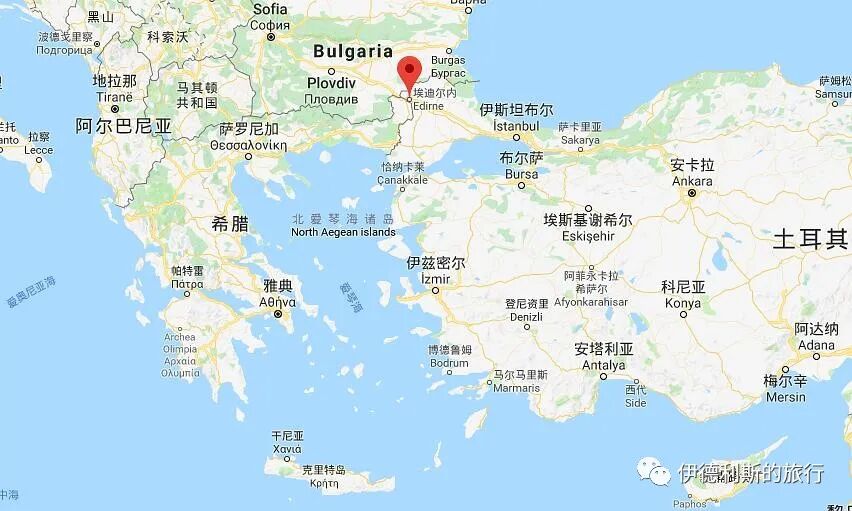
Edirne is located in the far northwest of Turkey.
Moving the capital to Europe
In the mid-14th century, the Ottomans crossed the straits to invade the southern Balkan Peninsula, gradually advancing toward Adrianople, the third-largest city of the Byzantine Empire, ranking only behind Constantinople and Thessaloniki. In 1369, the third Ottoman Sultan, Murad I (reigned 1362–1389), captured Adrianople and renamed the city Edirne. From then on, Edirne became the Ottoman center in Europe.
In 1402, the fourth Ottoman Sultan, Bayezid I (reigned 1389–1402), was defeated and captured by the great conqueror Timur in the Battle of Ankara and died shortly after. His four sons fought for the throne, triggering the Ottoman Interregnum, the largest civil war in early Ottoman history, and Edirne rose to become the capital during this conflict.
In 1403, Prince Süleyman Çelebi declared himself Emir in Edirne and controlled Rumeli, the European part of the Ottoman lands. The following year, he crossed the straits to occupy Bursa and Ankara in the Asian part, becoming the most powerful prince at the time. However, after taking power, Süleyman became increasingly extravagant and indifferent to state affairs. In 1411, abandoned by his followers, Süleyman was defeated by Prince Musa in Edirne and executed, and Edirne became Prince Musa's capital.
In 1413, Prince Mehmed defeated Musa, occupied Edirne, and finally won the civil war. On June 5, 1413, Mehmed was officially crowned in Edirne as the fifth Ottoman Sultan, Mehmed I (reigned 1413–1421). The capital of the Ottoman dynasty officially moved from Bursa in Asia to Edirne in Europe, where it remained until the fall of Constantinople in 1453.
City construction
During the period when Bursa was the capital, the Ottoman dynasty developed a new form of urban construction: building social complexes known as Külliye in the commercial districts outside the city walls. After moving the capital to Edirne, the Ottomans continued to use this form. After Prince Süleyman made Edirne his capital in 1403, he immediately began building the first complex in Edirne, the Old Mosque (Eski Cami) complex, east of the Roman-era Hadrianopolis fortress. During the reign of Sultan Murad II (reigned 1421–1444, 1446–1451), the second complex, the Muradiye complex, and the third, the Three-Balcony (Üç Şerefeli) complex, were built in Edirne, along with a royal palace in the north.
Contents
1. Old Mosque complex: construction started in 1403
1. Old Mosque (Eski Cami): 1414
2. Covered market (Bedesten): 1418
3. Rüstem Pasha Caravanserai (Rüstem Paşa Kervansarayı): 1561
4. Ali Pasha Bazaar (Ali Paşa Çarşısı): 1569
2. Muradiye Mosque: 1436
3. Three-Balcony Mosque (Üç Şerefeli Cami) complex: construction started in 1438
1. Three-Balcony Mosque (Üç Şerefeli Cami): 1447
2. Saatli Madrasa (Saatli Medresesi): 1447
3. Peykler Madrasa (Peykler Medresesi): 1450s
4. Taş Han Caravanserai: 15th century
5. Sokollu Mehmed Pasha Bath (Sokollu Mehmed Paşa Hamamı): second half of the 16th century
4. Edirne Palace: construction started in 1450
1. Rise and fall of the palace
2. Palace composition
5. Kasım Pasha Mosque (Kasım Paşa Camii): 1479
6. Sultan Bayezid II complex: 1488
1. Mosque
2. Medical school
3. Hospital
1. Old Mosque complex: construction started in 1403
1. Old Mosque (Eski Cami): 1414
After the Ottoman Interregnum began in 1403, Prince Suleiman, who declared himself Emir in Edirne, started building his own mosque. However, the mosque was still unfinished when Suleiman died in 1411.
In 1413, Prince Mehmed was crowned Sultan Mehmed I in Edirne, and he officially completed the construction of the mosque the following year. This mosque is the oldest surviving one in Edirne, so it is called the Old Mosque (Eski Cami).
The Old Mosque is among the last of the multi-domed mosques to use the early Ottoman Seljuk style, featuring a total of nine central domes. Compared to earlier Seljuk multi-domed mosques, the dome diameters of the Old Mosque are noticeably larger, showing that the Ottomans were beginning to move past their early architectural phase.
The coronation ceremonies for the 21st Ottoman Sultan, Ahmed II (reigned 1691-1695), and the 22nd Sultan, Mustafa II (reigned 1695-1703), were both held here. The Old Mosque suffered massive damage in an earthquake in the mid-18th century, and was later ordered to be rebuilt by Mahmud I (reigned 1696-1754). The Old Mosque was renovated again between 1924 and 1934.
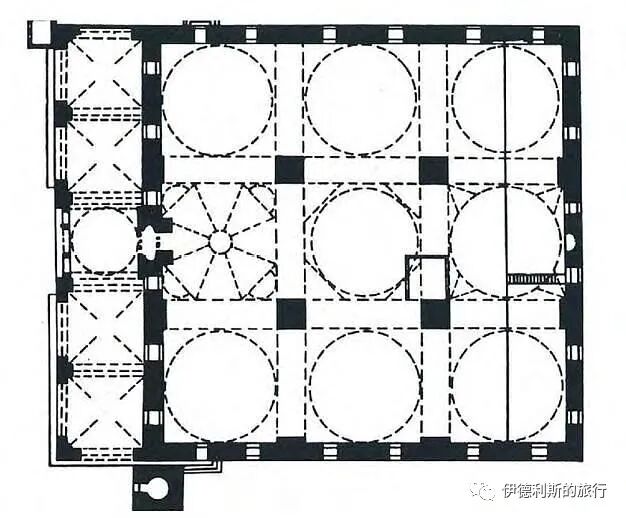
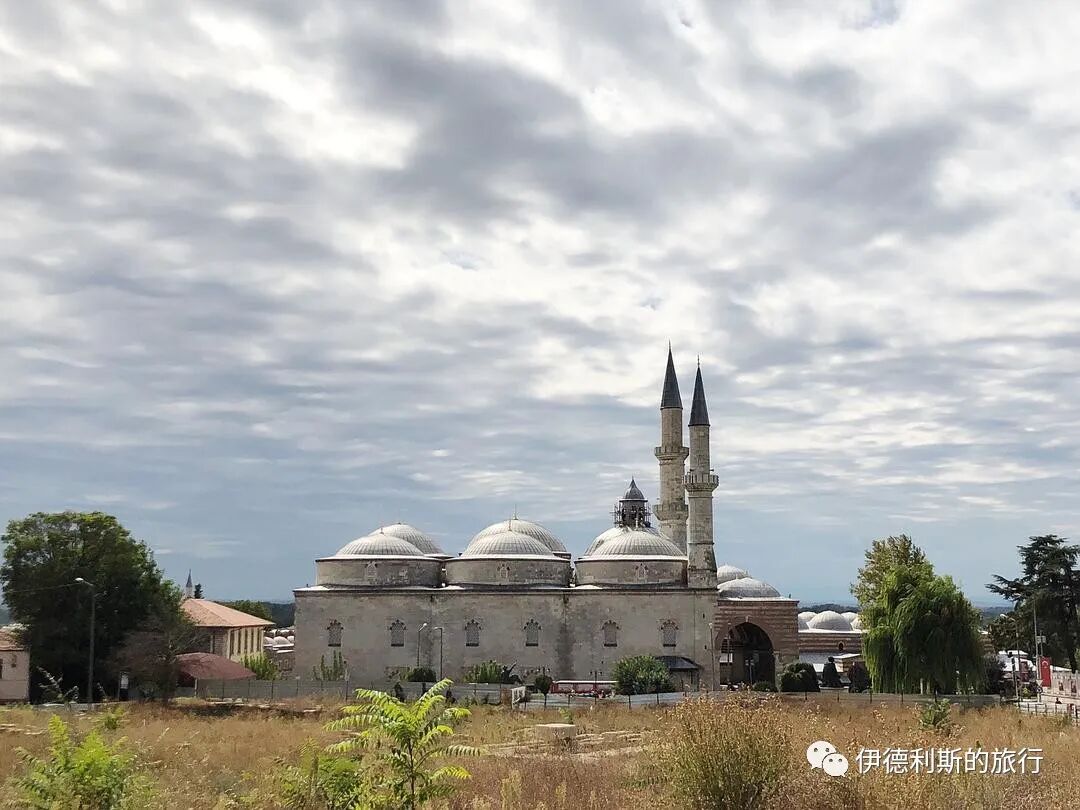
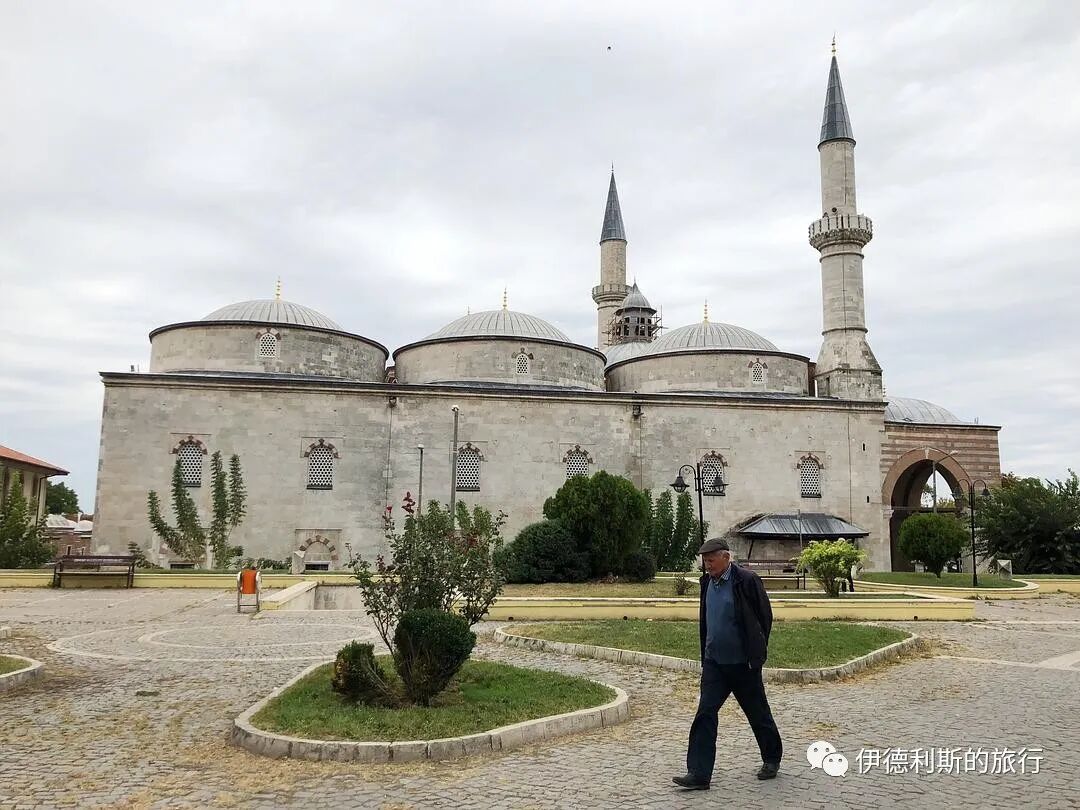
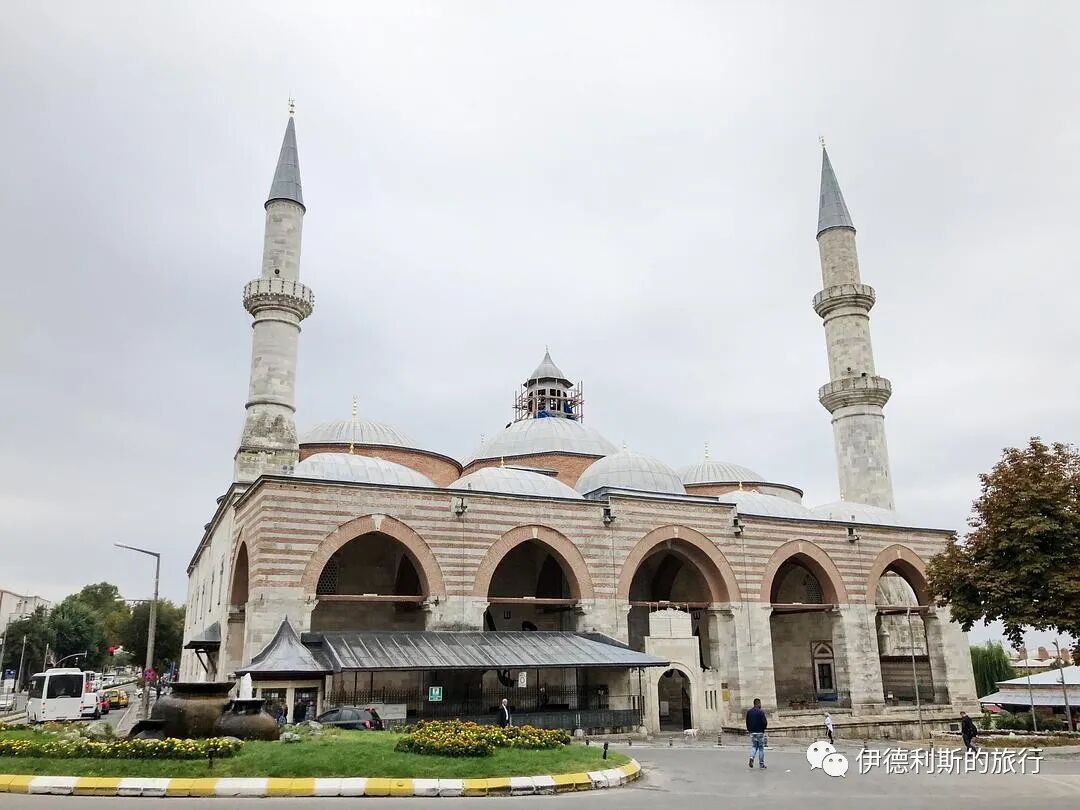
Inside the main hall
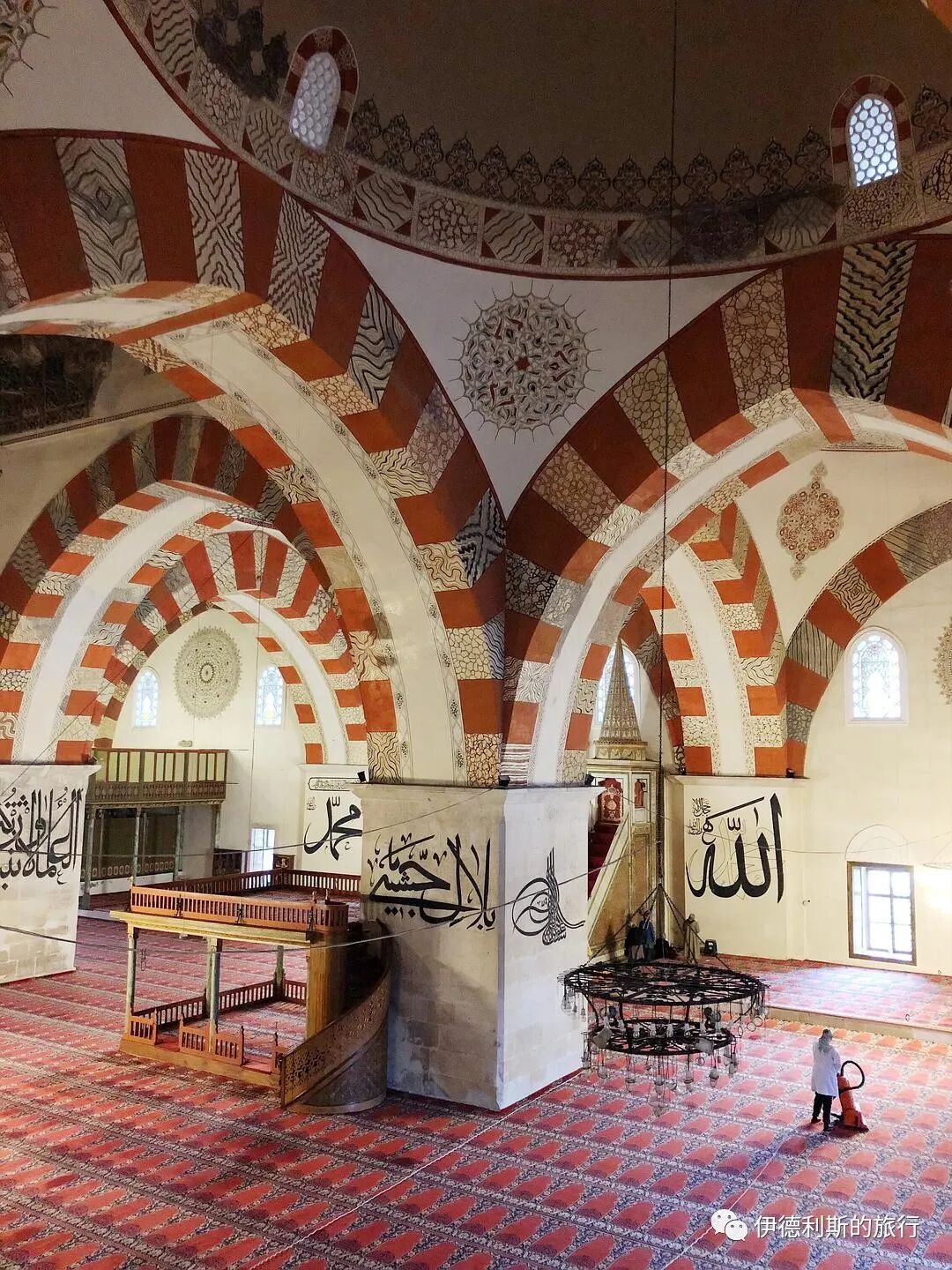
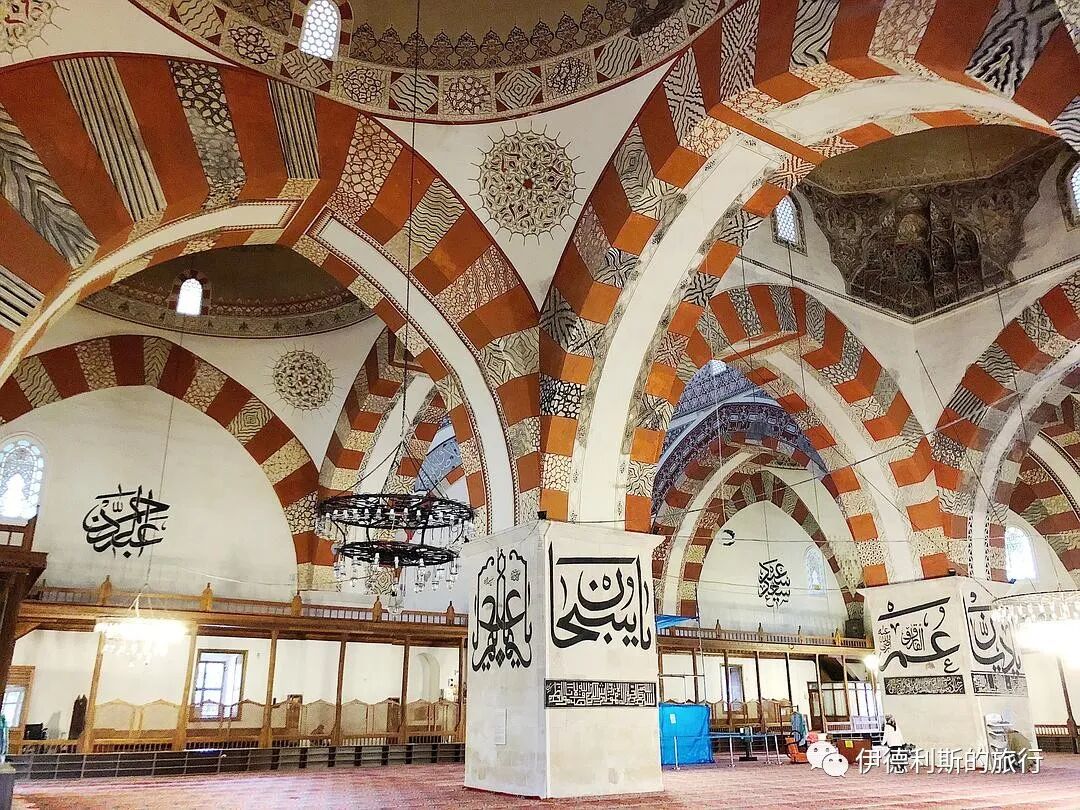
Dome
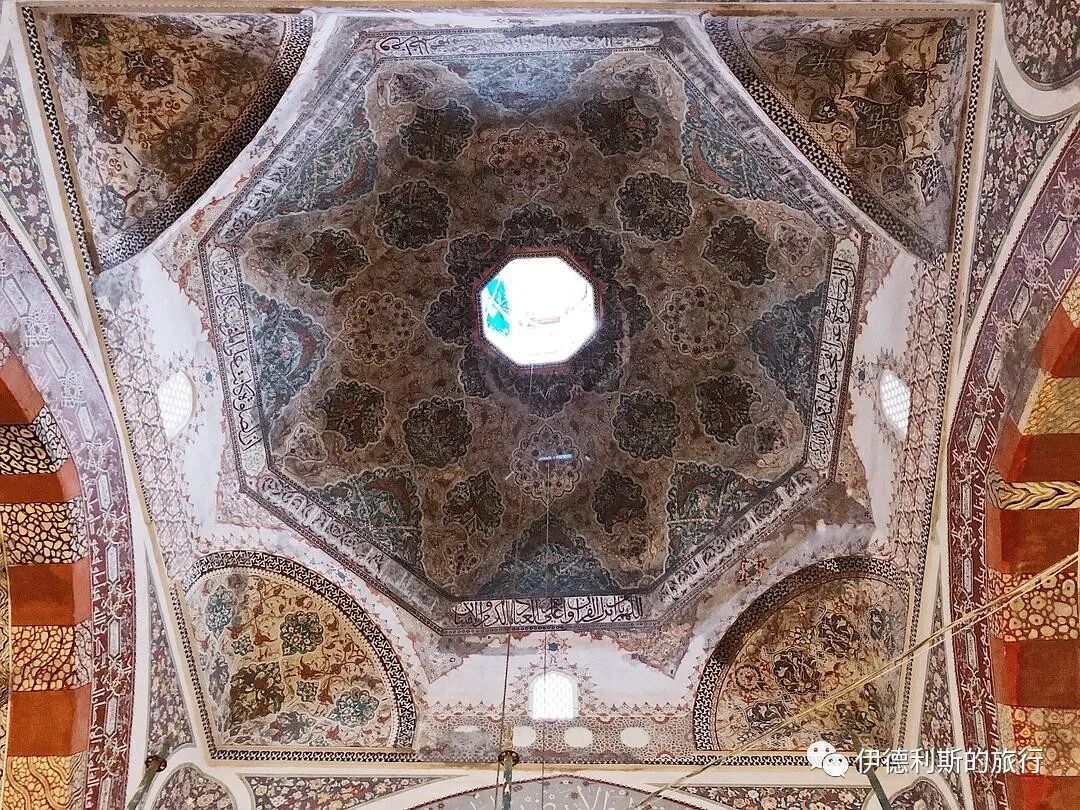
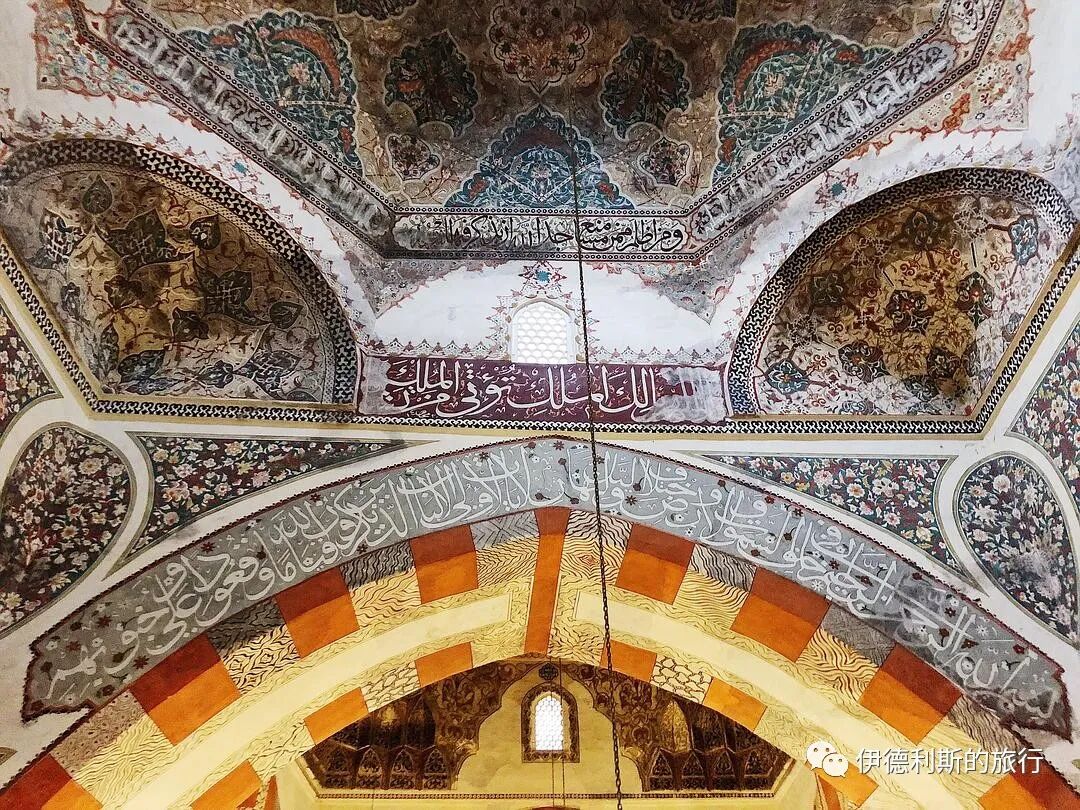
Old murals
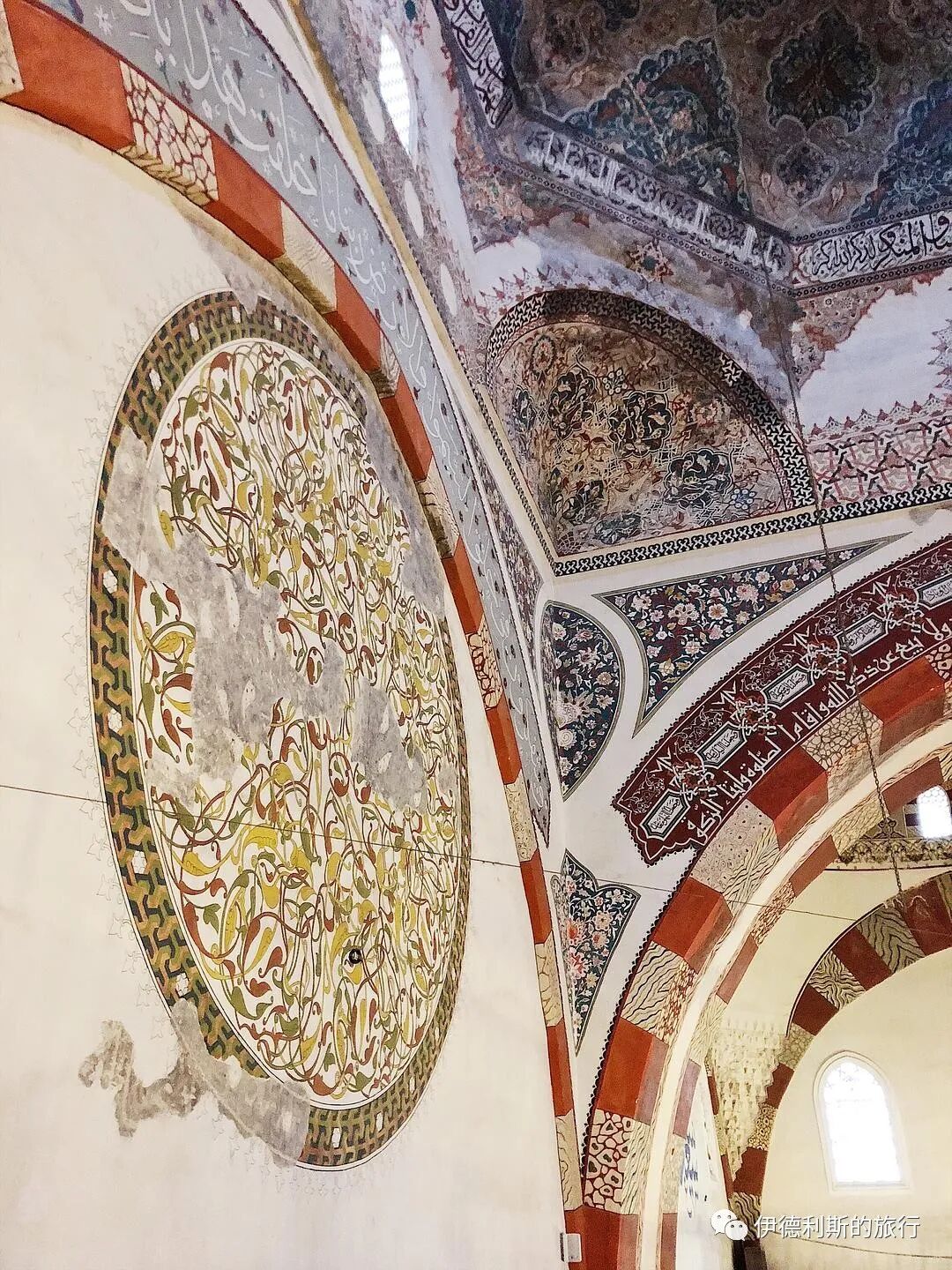
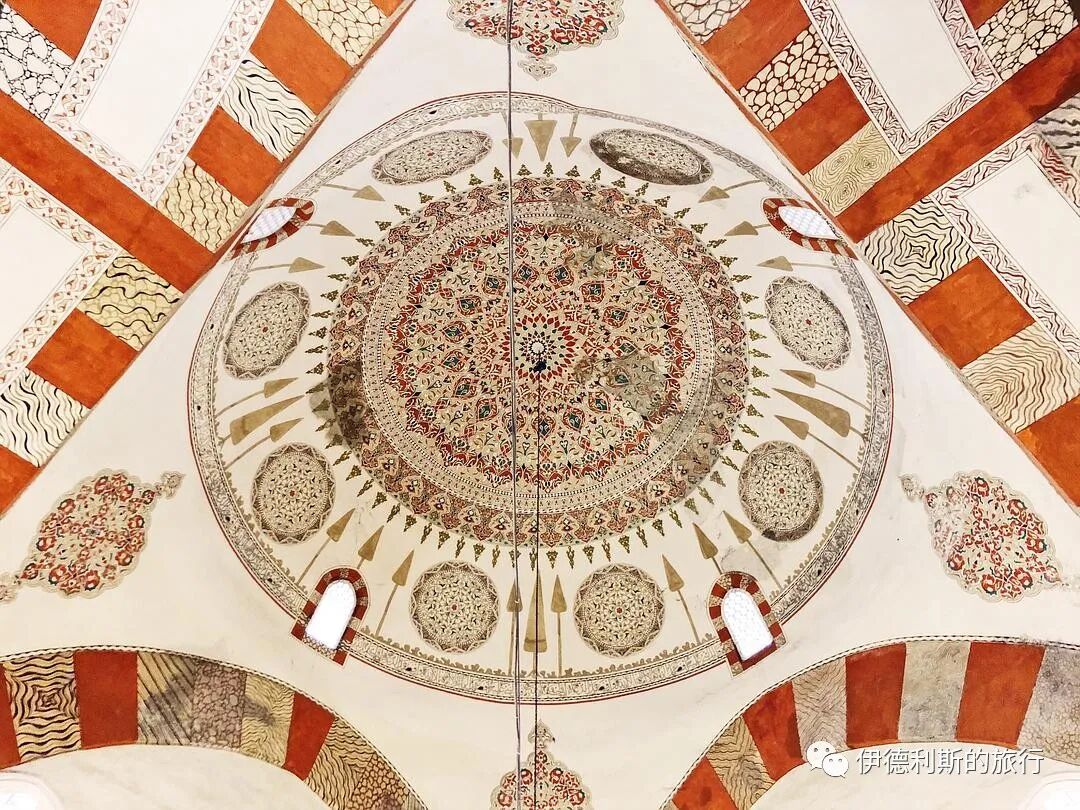
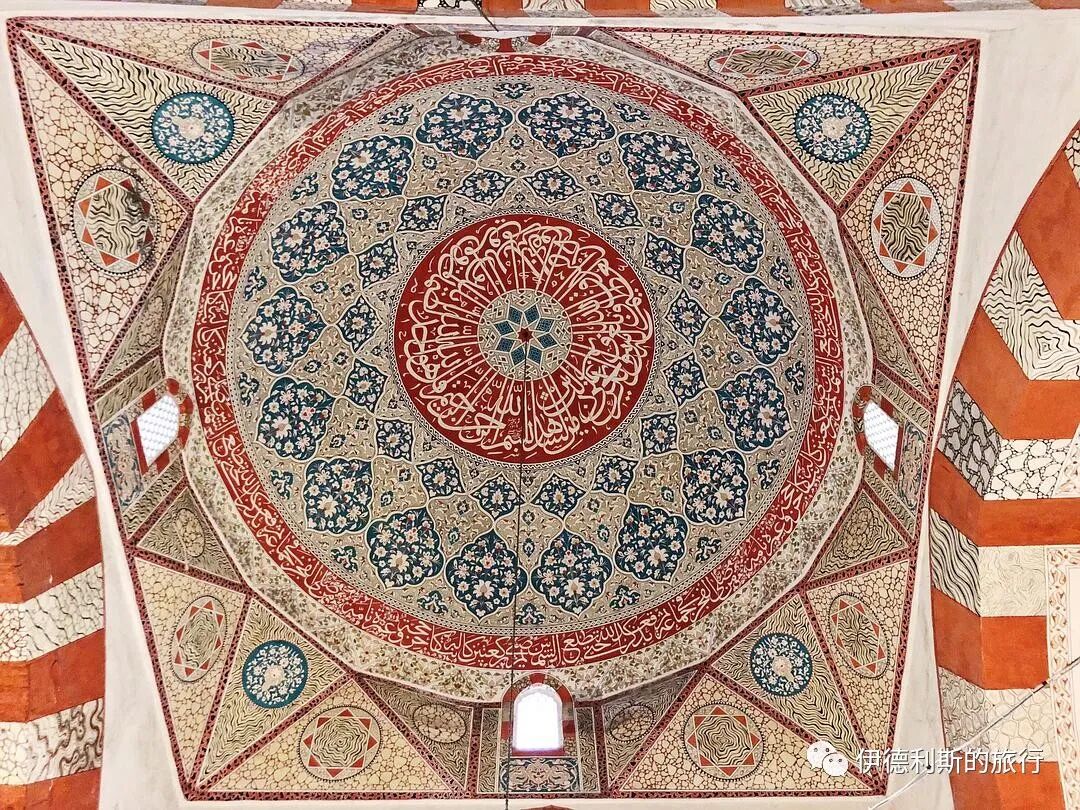
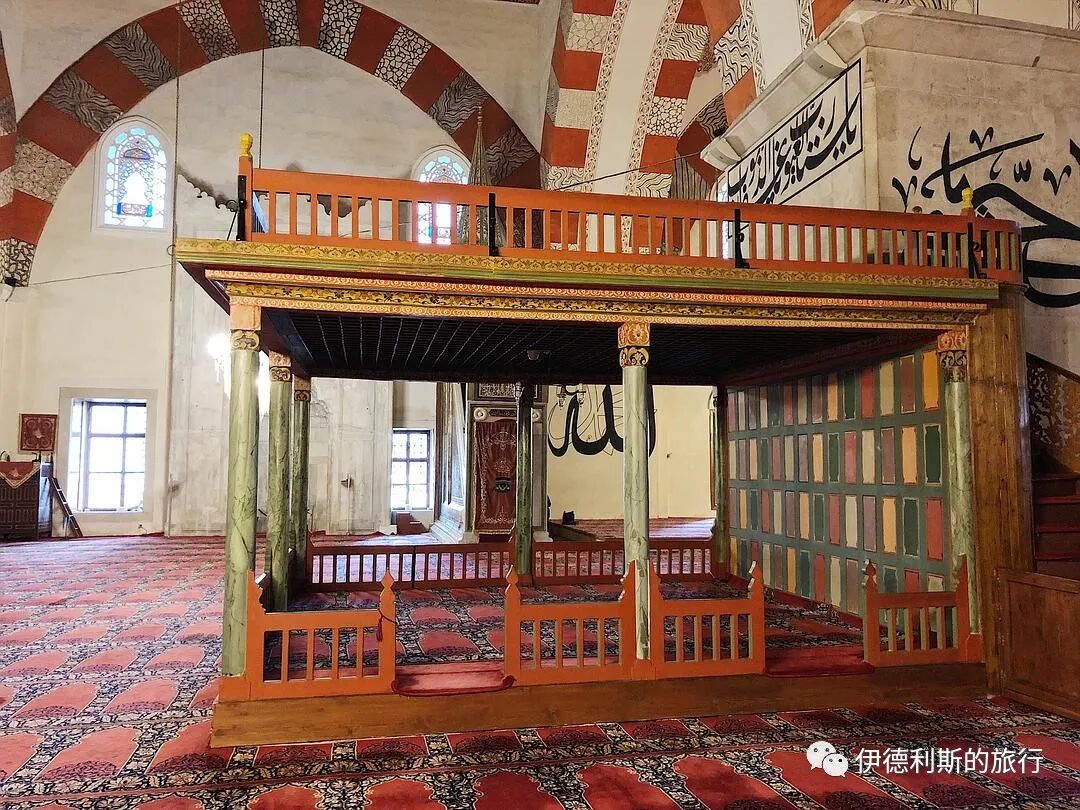
Mihrab
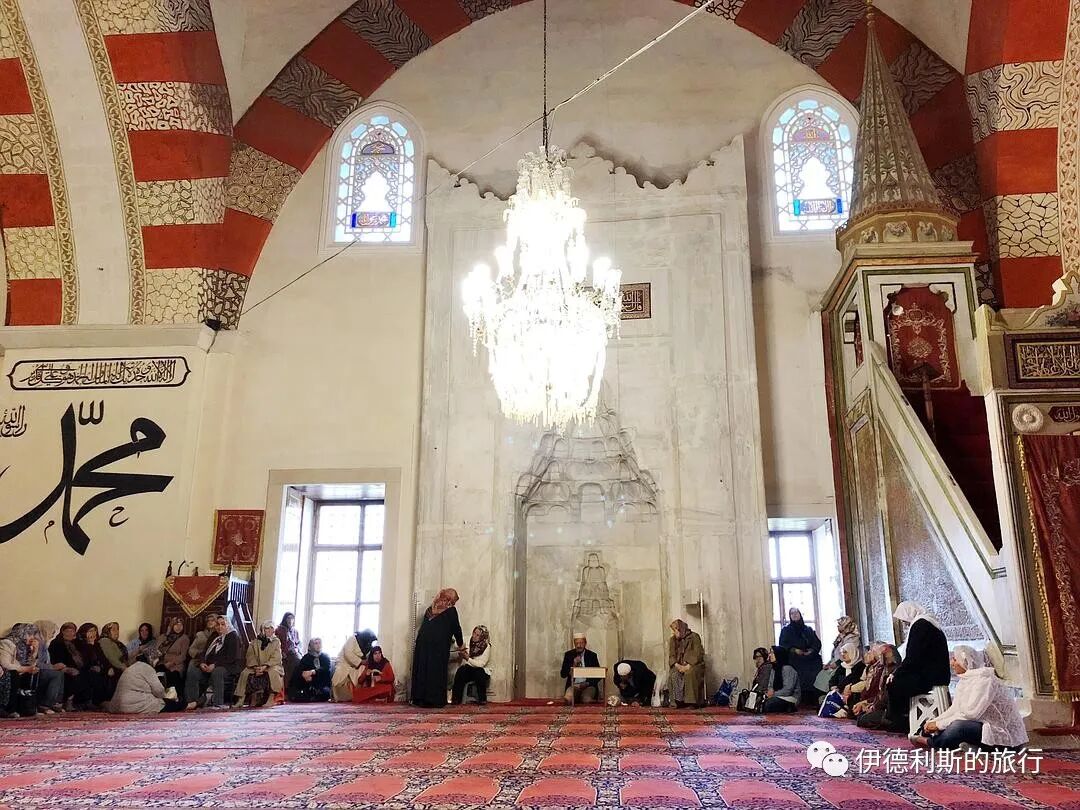
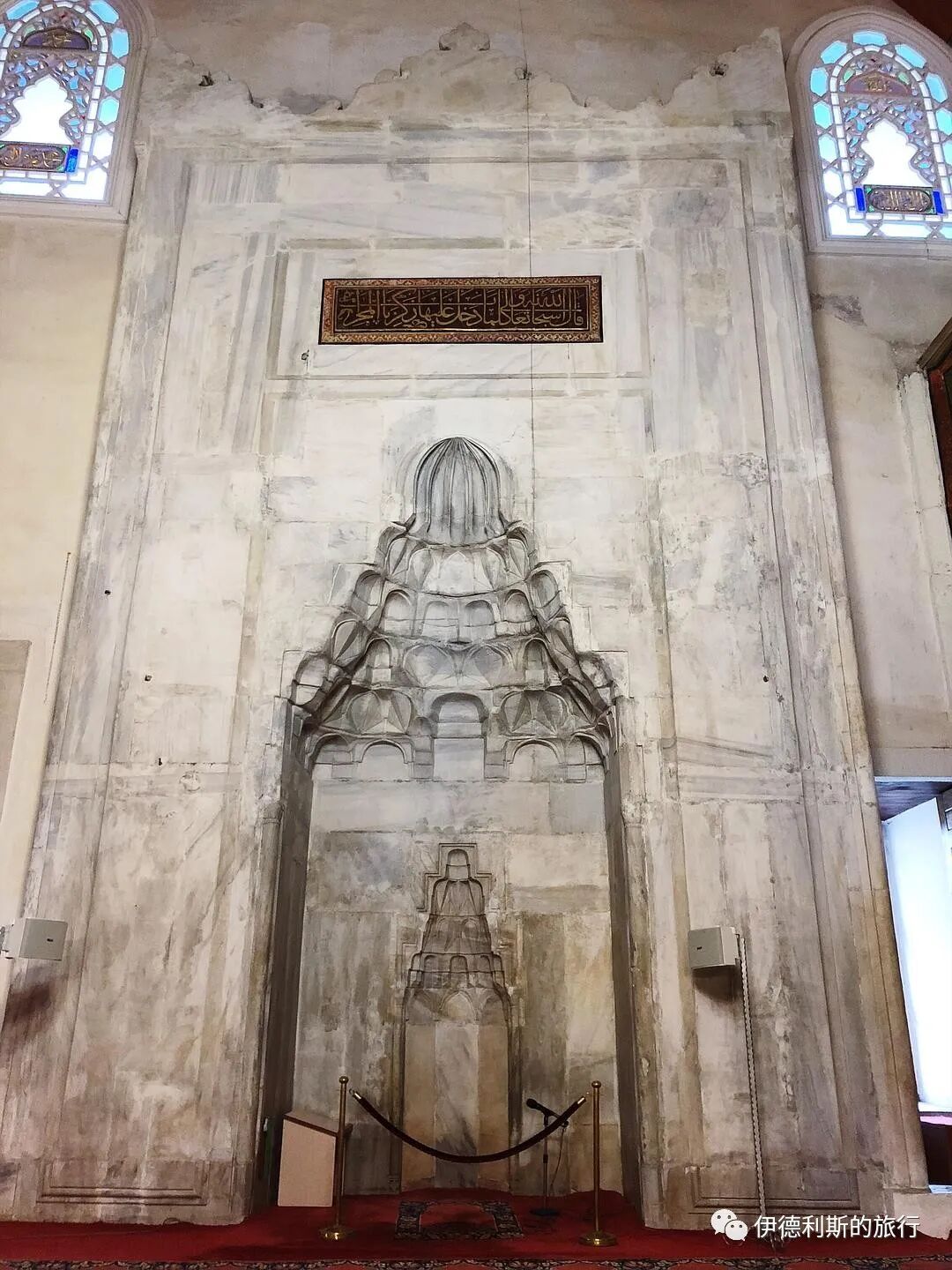
Minbar
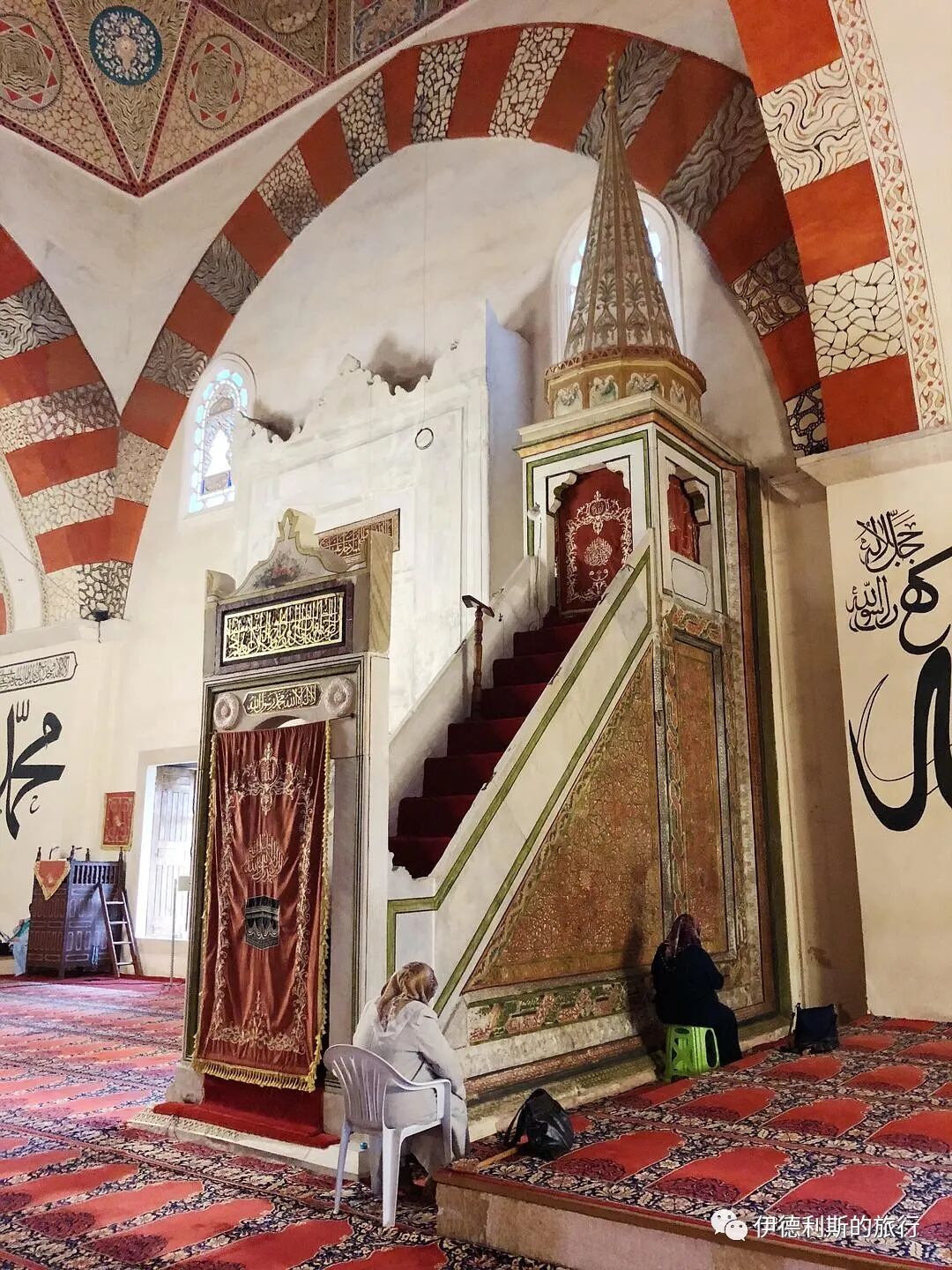
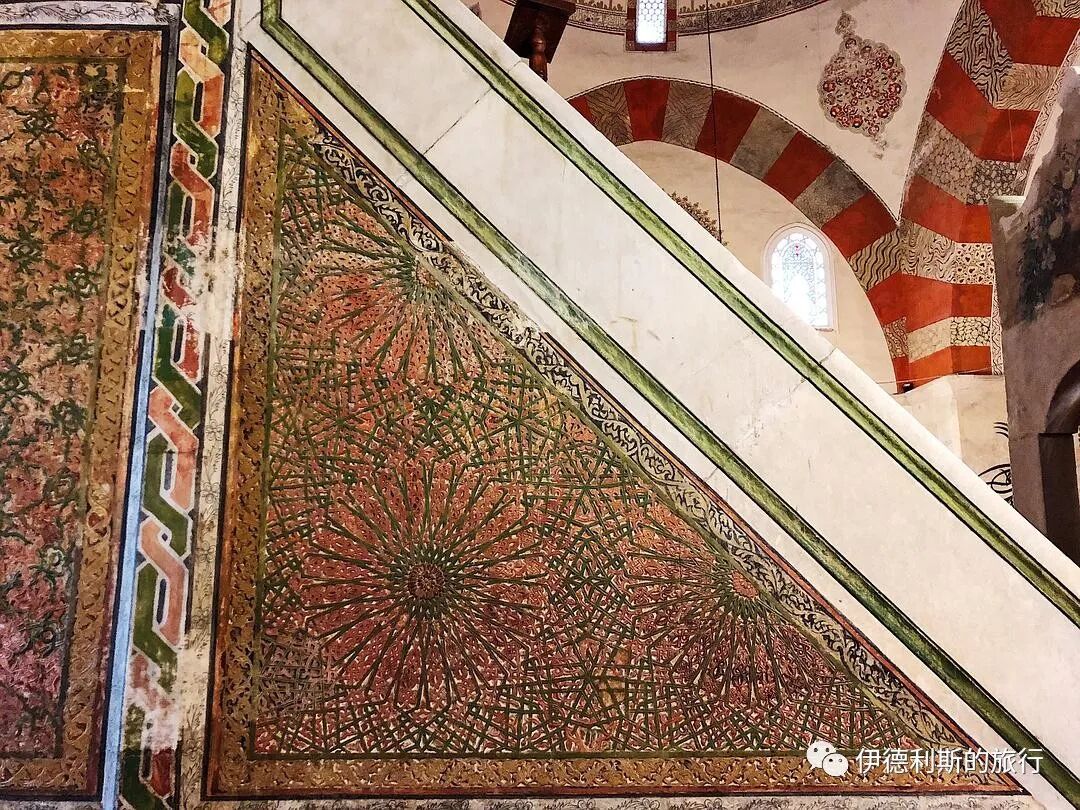
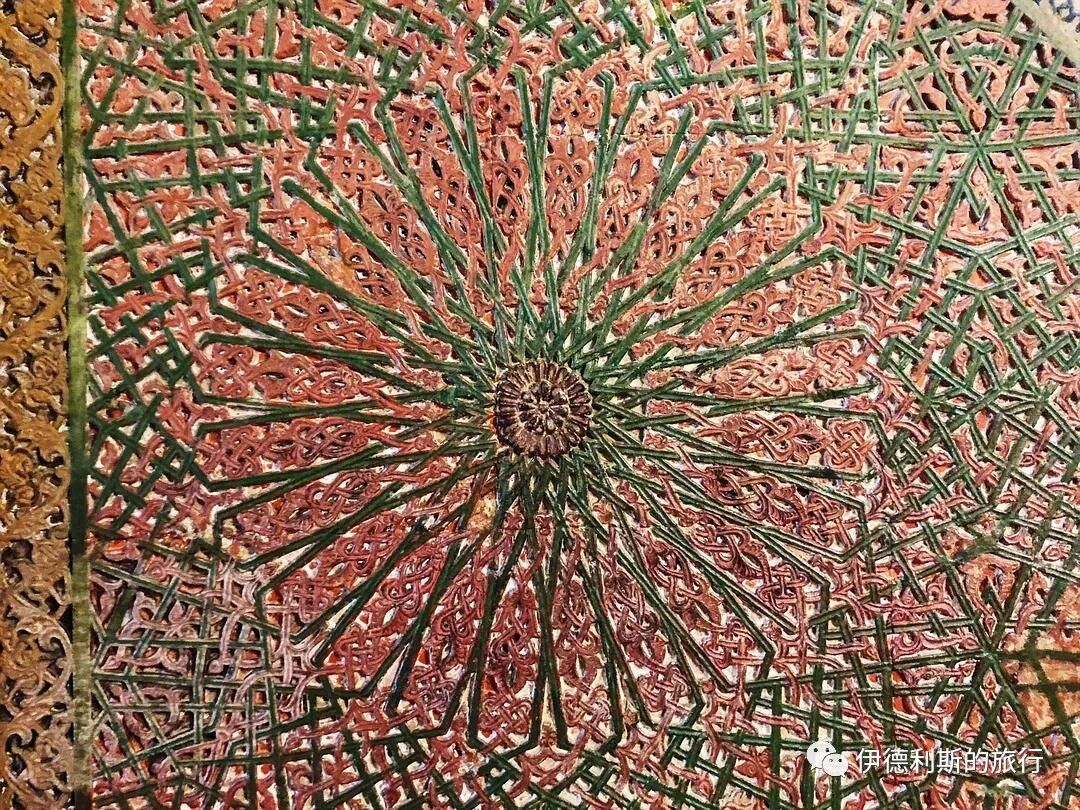
When I visited, I happened to catch a group of aunties listening to the imam's chanting in the mosque, so I sat down and listened for a while too. As soon as I sat down, aunties kept handing out pastries and candies to everyone. Other aunties were busy squeezing hand sanitizer and passing out napkins, so I received all kinds of pastries and candies while listening to the melodic chanting. Even though we could not speak the same language, I felt very warm inside.
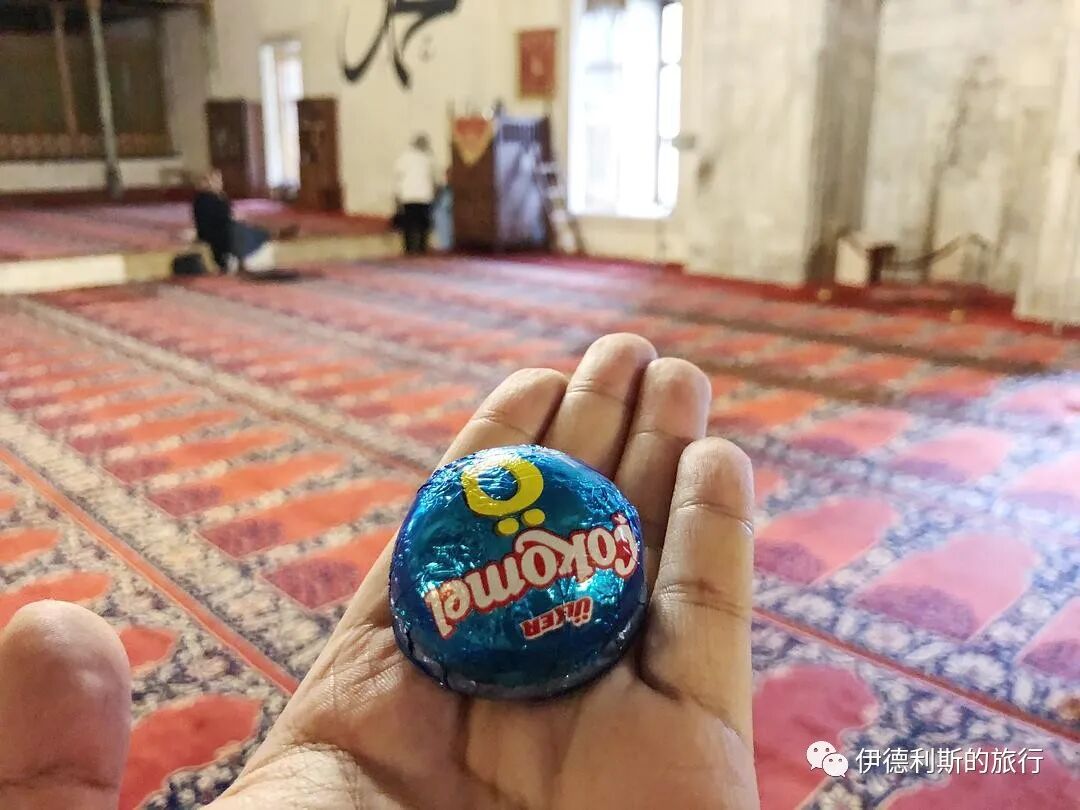
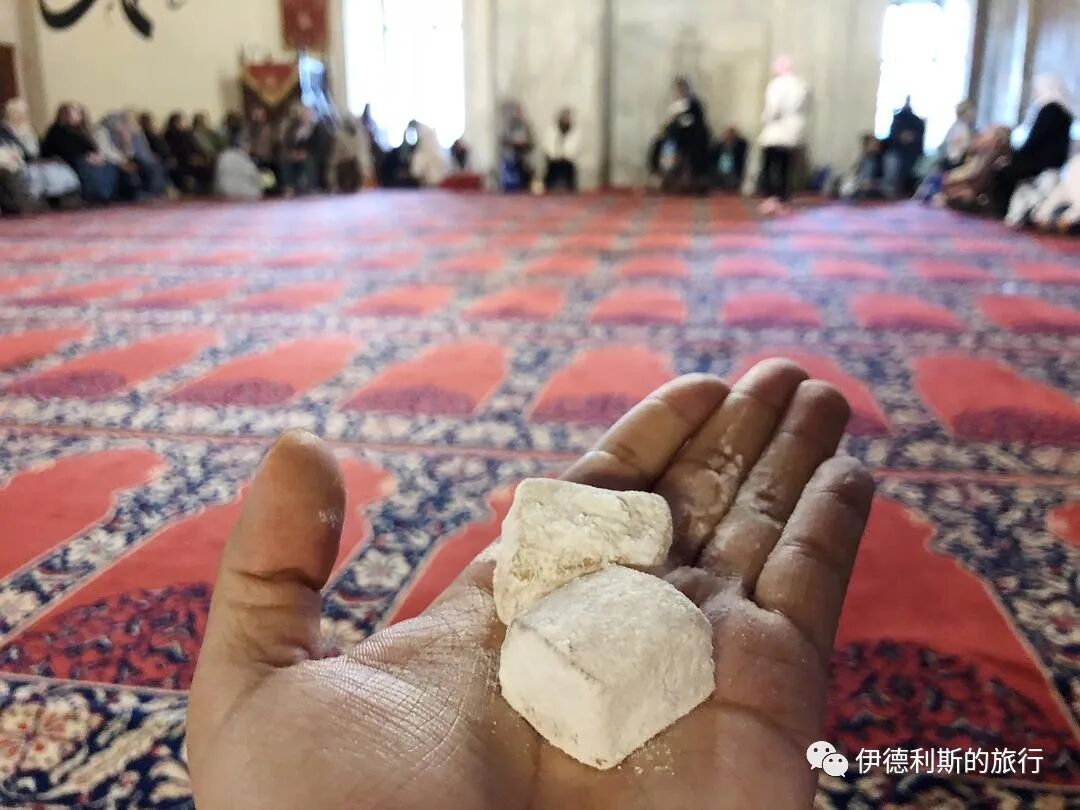
2. Covered market (Bedesten): 1418
The covered market (Bedesten) is right next to the Old Mosque. It was built in 1418 by the fifth Ottoman Sultan, Mehmed I, primarily to support the operations of the Old Mosque.
This building is a classic example of an early Ottoman covered market and has been in use ever since. The building is a rectangle 78 meters long and 41 meters wide, with 14 domes on top and 54 shops along the four sides. It underwent a major renovation in 2007.
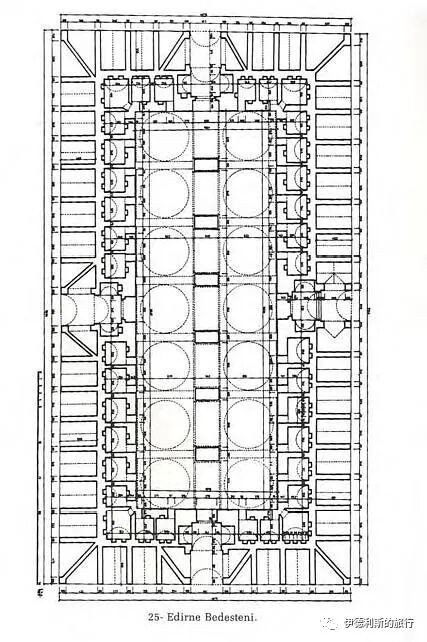
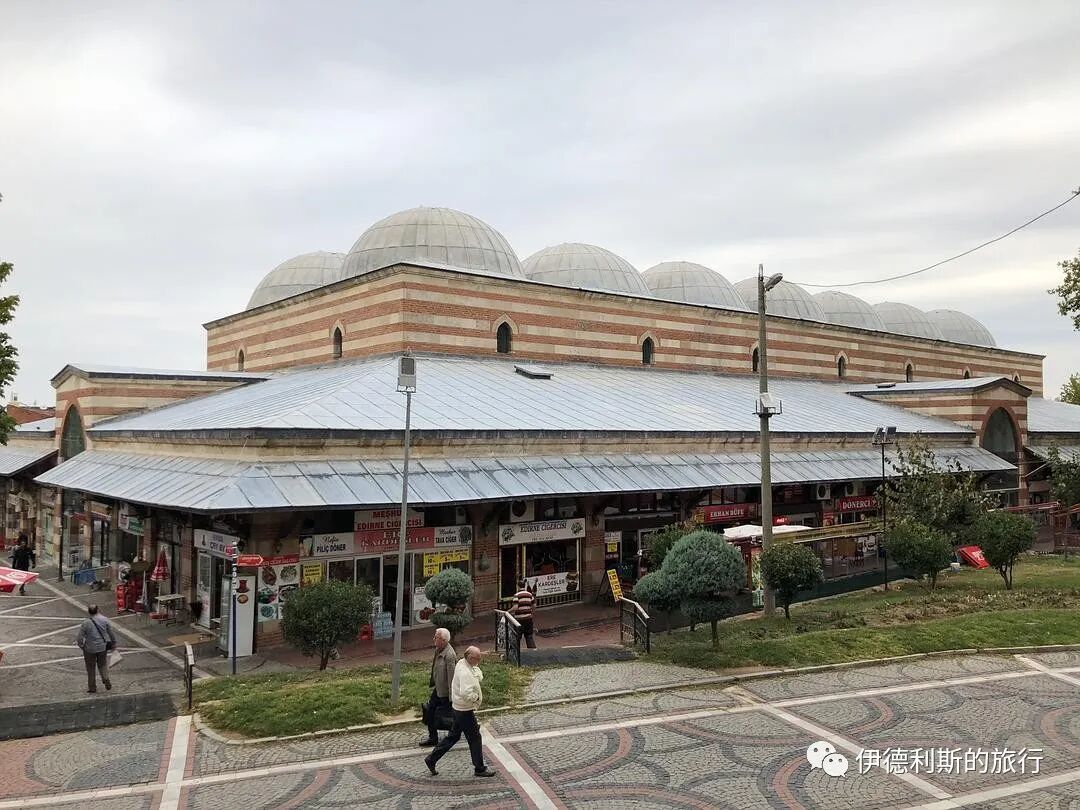
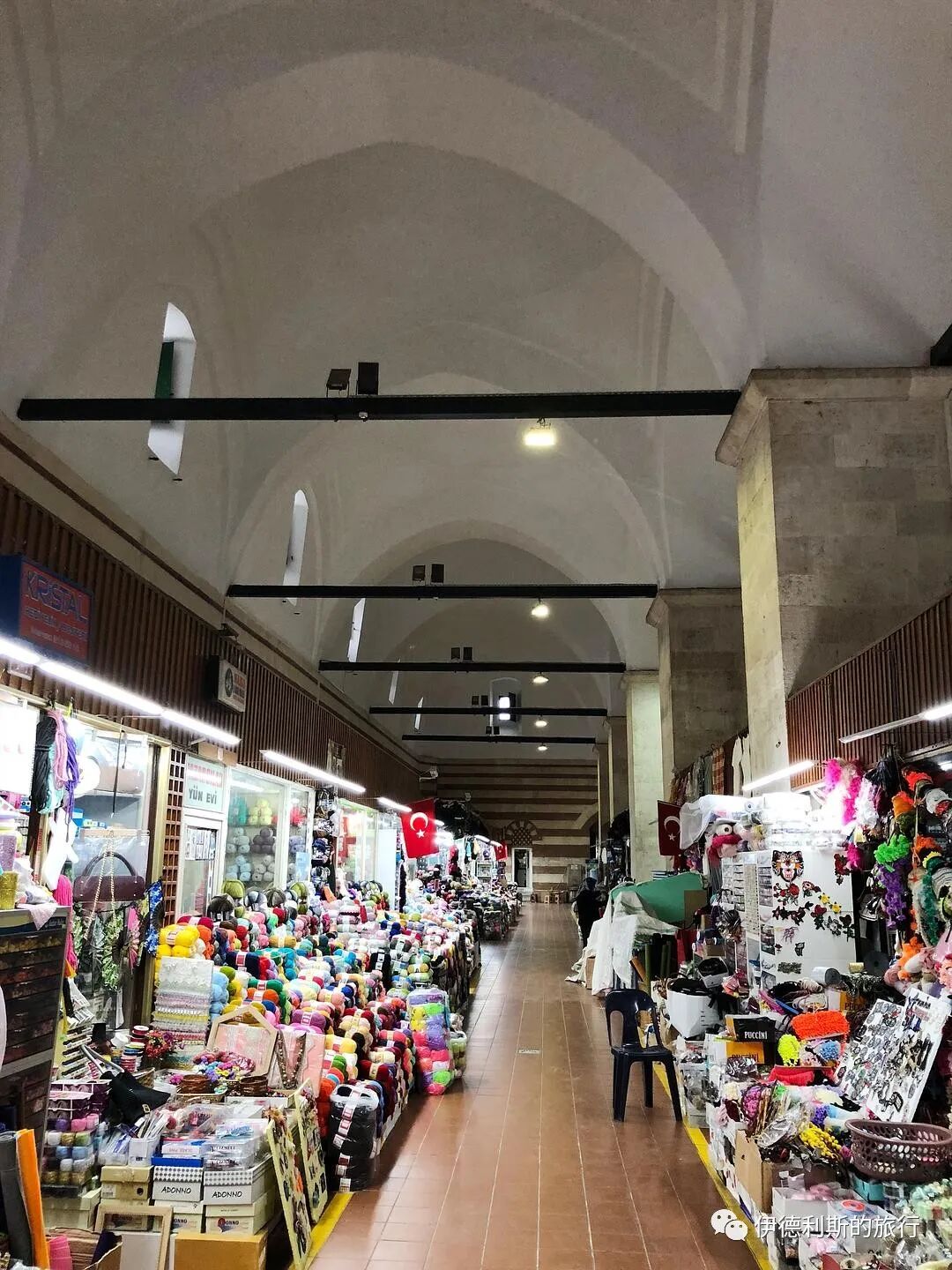
3. Rüstem Pasha Caravanserai (Rüstem Paşa Kervansarayı): 1561
The Rustem Pasha Caravanserai (Rüstem Paşa Kervansarayı) was ordered to be built in 1561 by the Ottoman Grand Vizier Rustem Pasha (Rüstem Paşa) and designed by the famous architect Mimar Sinan.
The caravanserai has two floors, with 102 guest rooms inside and 21 shops on the outside. Today, the interior is a hotel, and the shops on the outside are still operating.
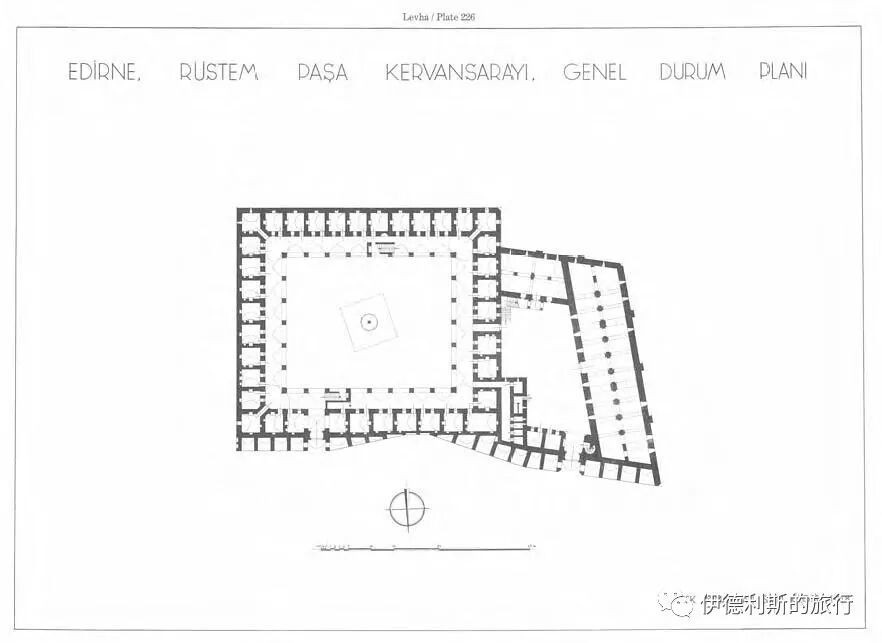
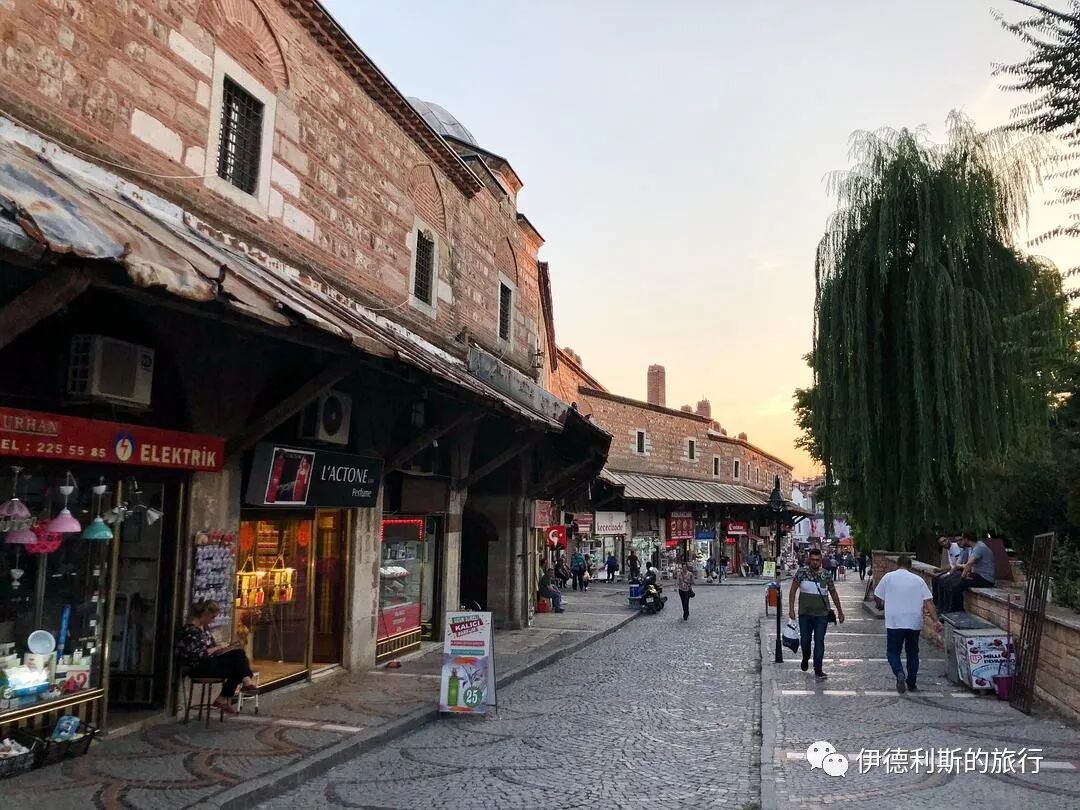
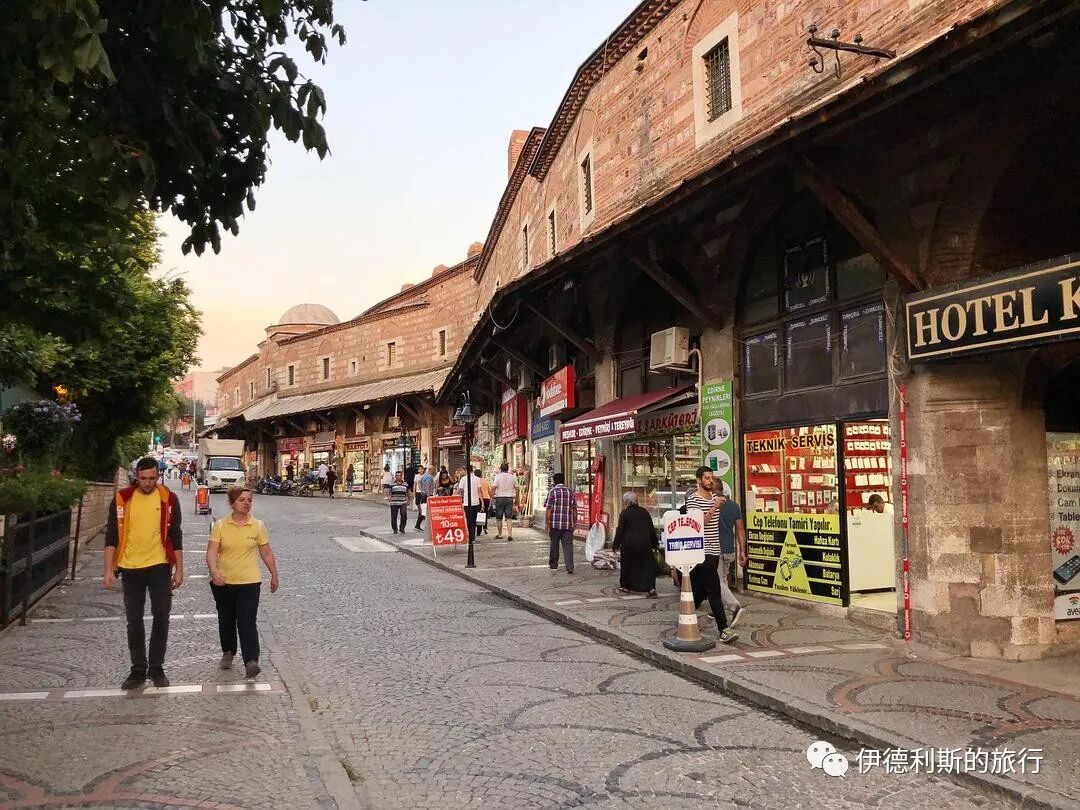
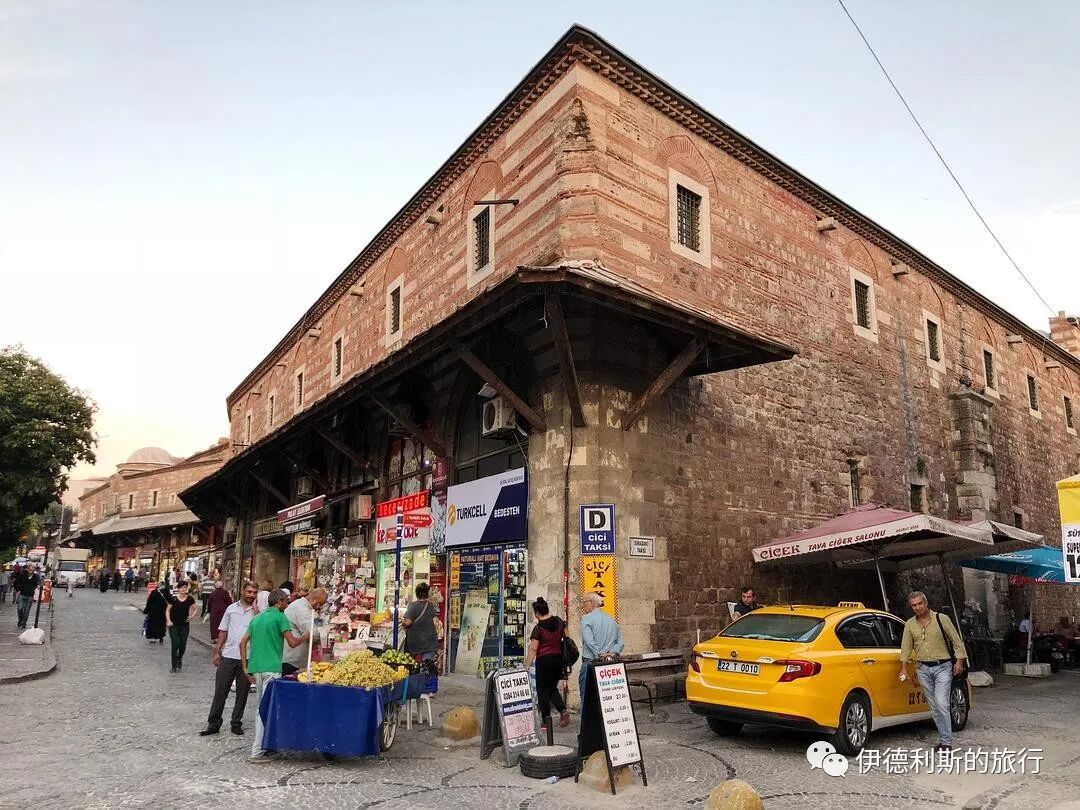
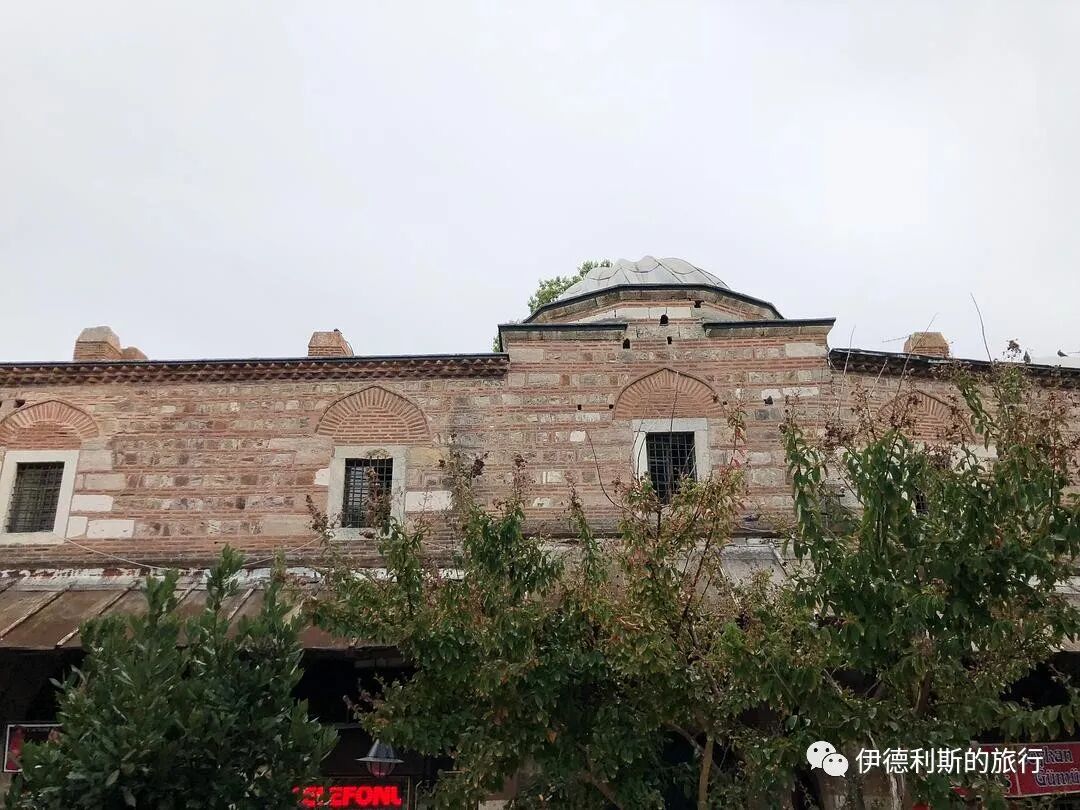
4. Ali Pasha Bazaar (Ali Paşa Çarşısı): 1569
The Ali Pasha Bazaar (Ali Paşa Çarşısı) was ordered to be built in 1569 by the Ottoman Grand Vizier Ali Pasha (Ali Paşa) and designed by the famous architect Mimar Sinan.
The bazaar includes 130 shops and 6 gates. The bazaar caught fire in 1991 and was later rebuilt.
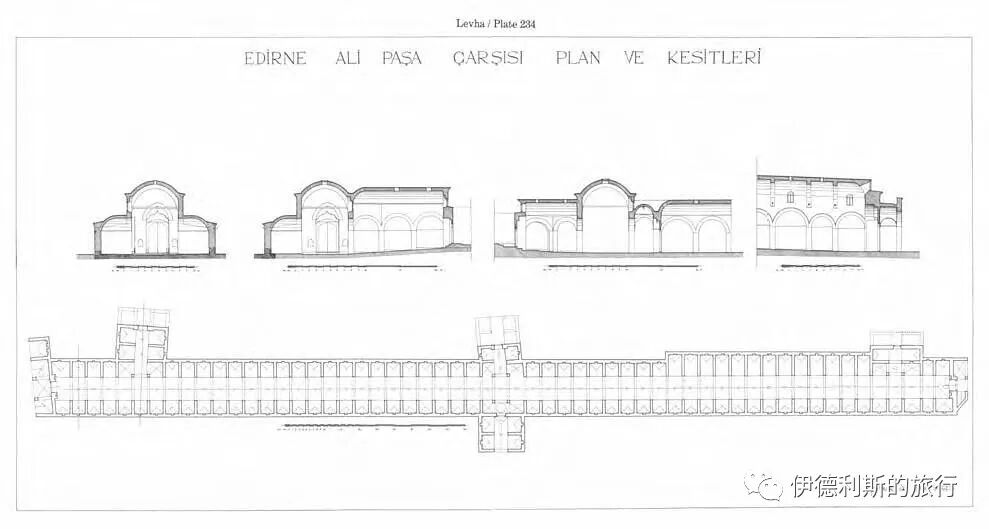
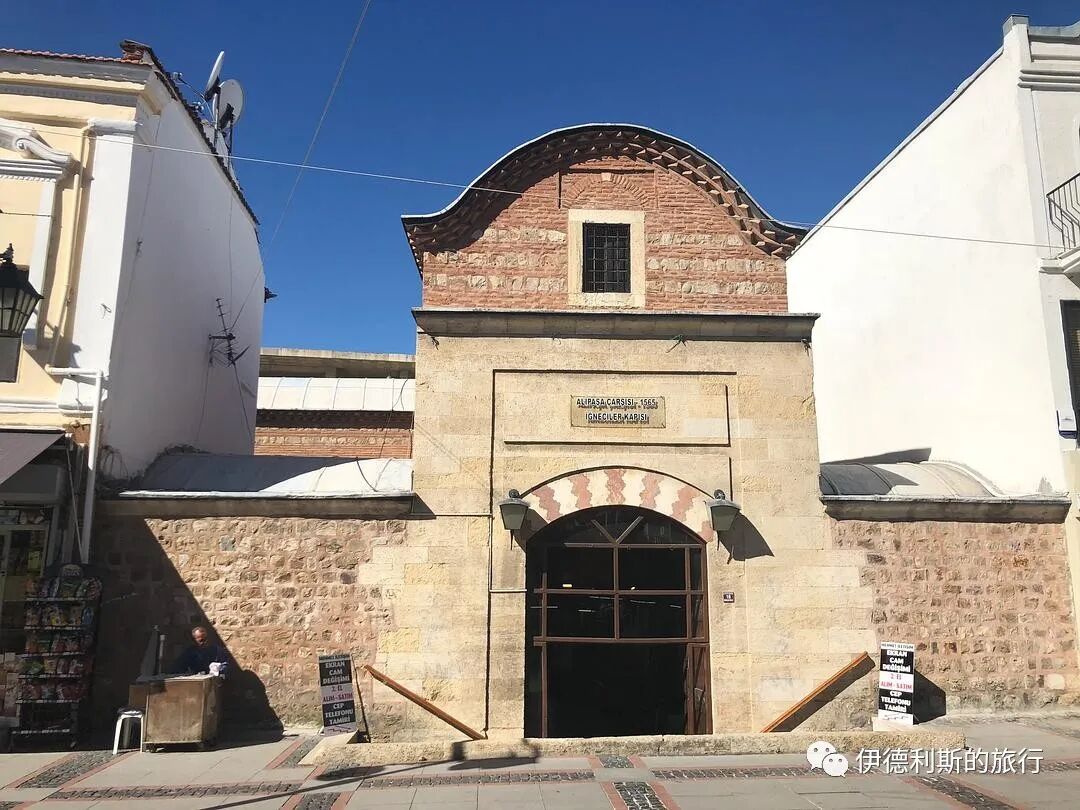
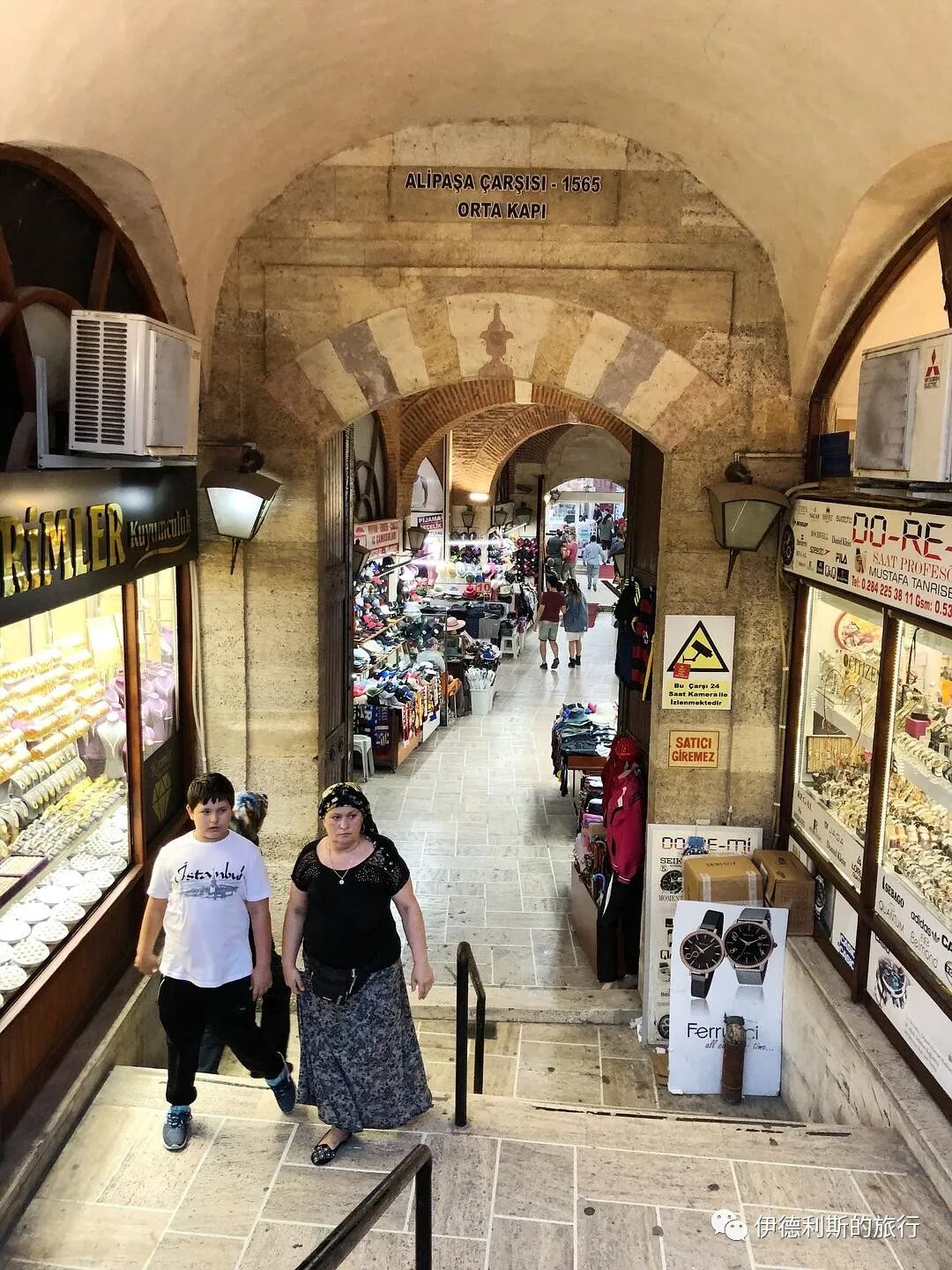
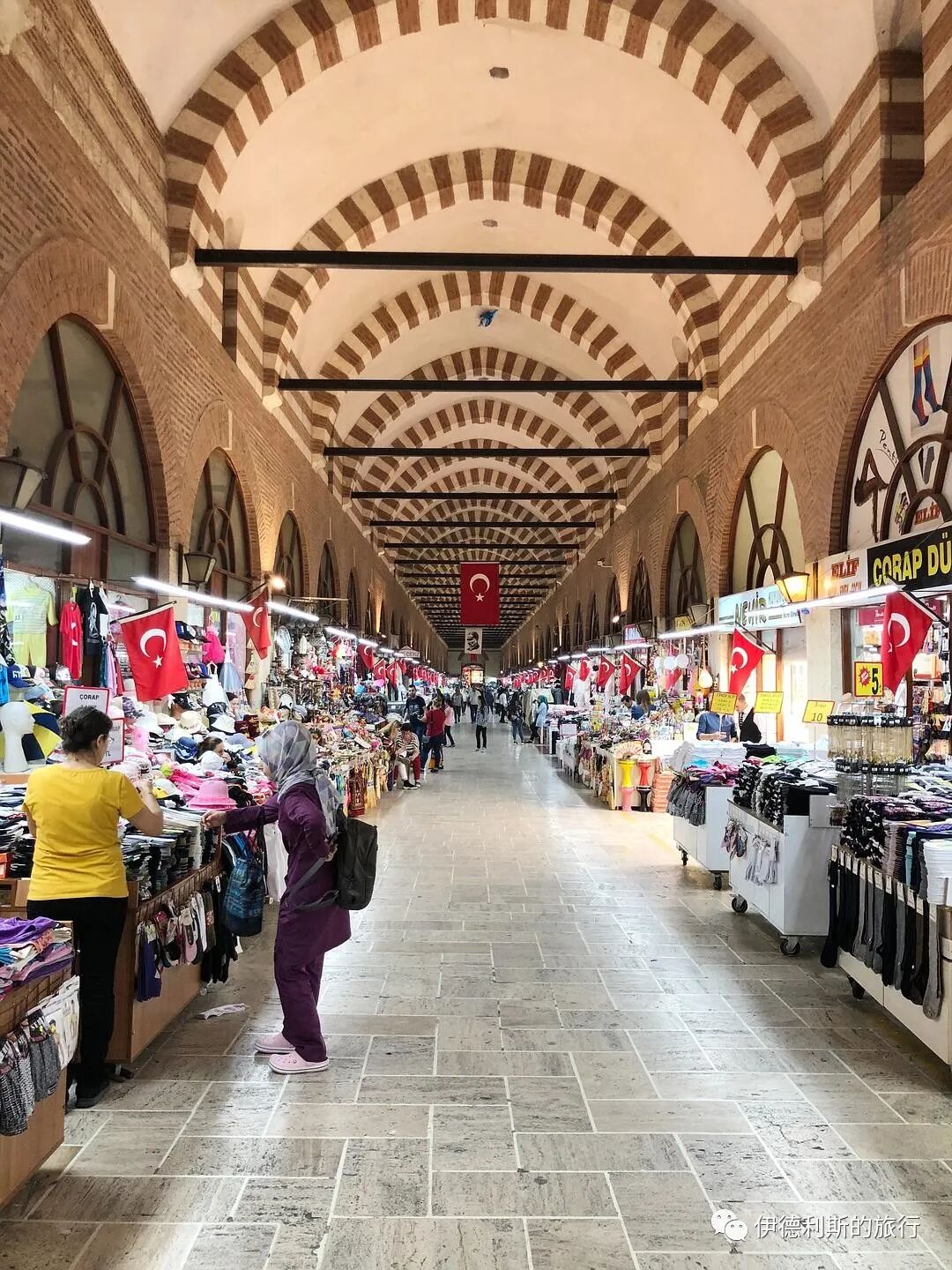
2. Muradiye Mosque: 1436
The Muradiye Mosque (Muradiye Camii) is a small T-shaped mosque on a hill in the north of Edirne, ordered to be built in 1436 by the sixth Ottoman Sultan, Murad II (reigned 1421-1444). It was originally part of a Sufi Mevlevi order complex before being converted into a mosque.
The Muradiye Mosque was once a complex that included a public kitchen (imaret) and a primary school (mekteb), but today only the mosque remains. It was severely damaged by earthquakes, and the minaret has been rebuilt several times; its current appearance dates from a major renovation in 1957.
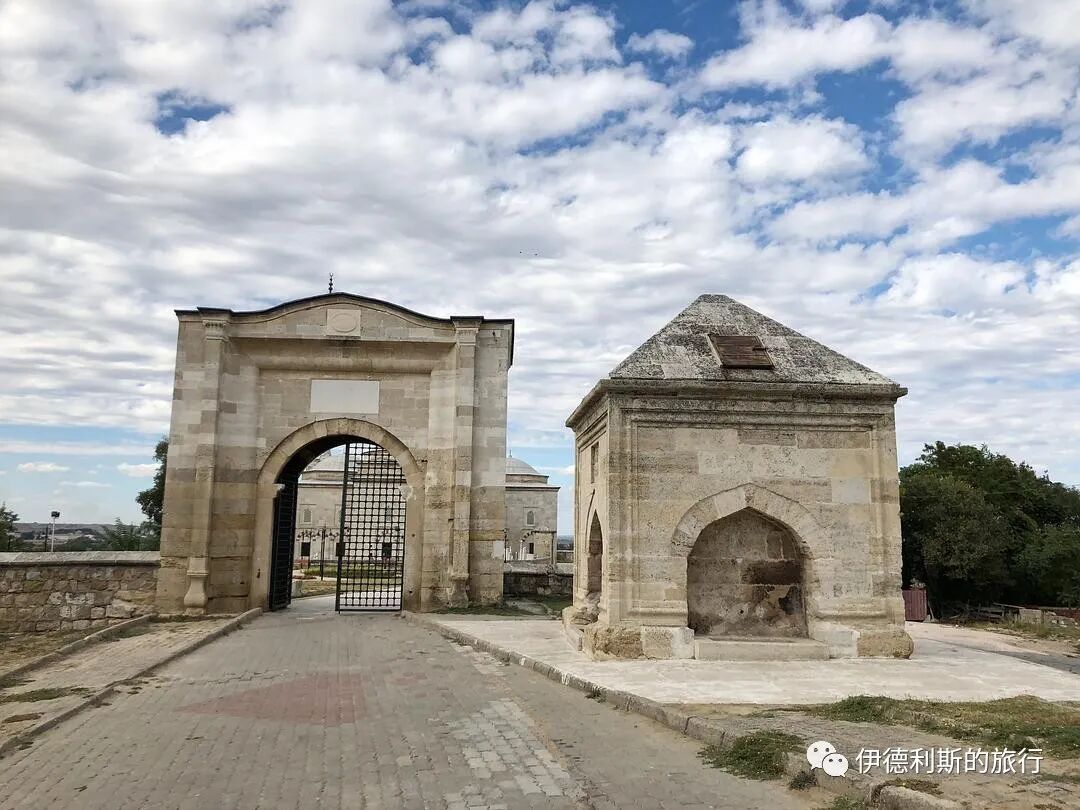
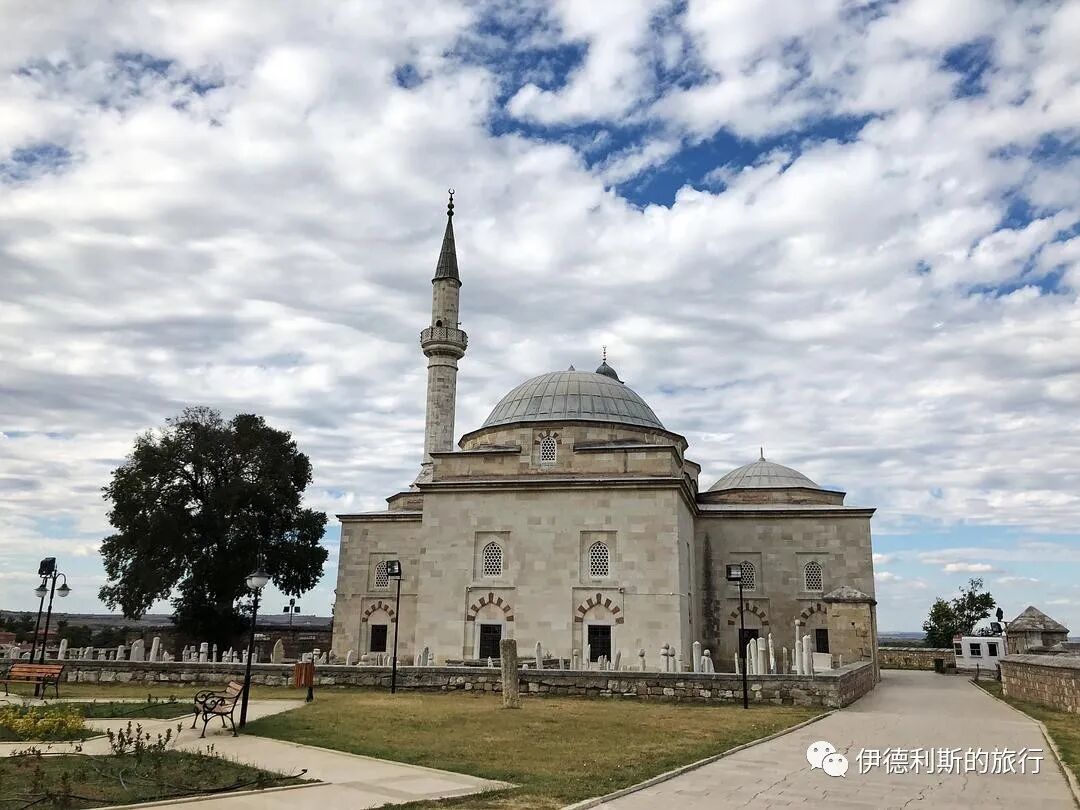
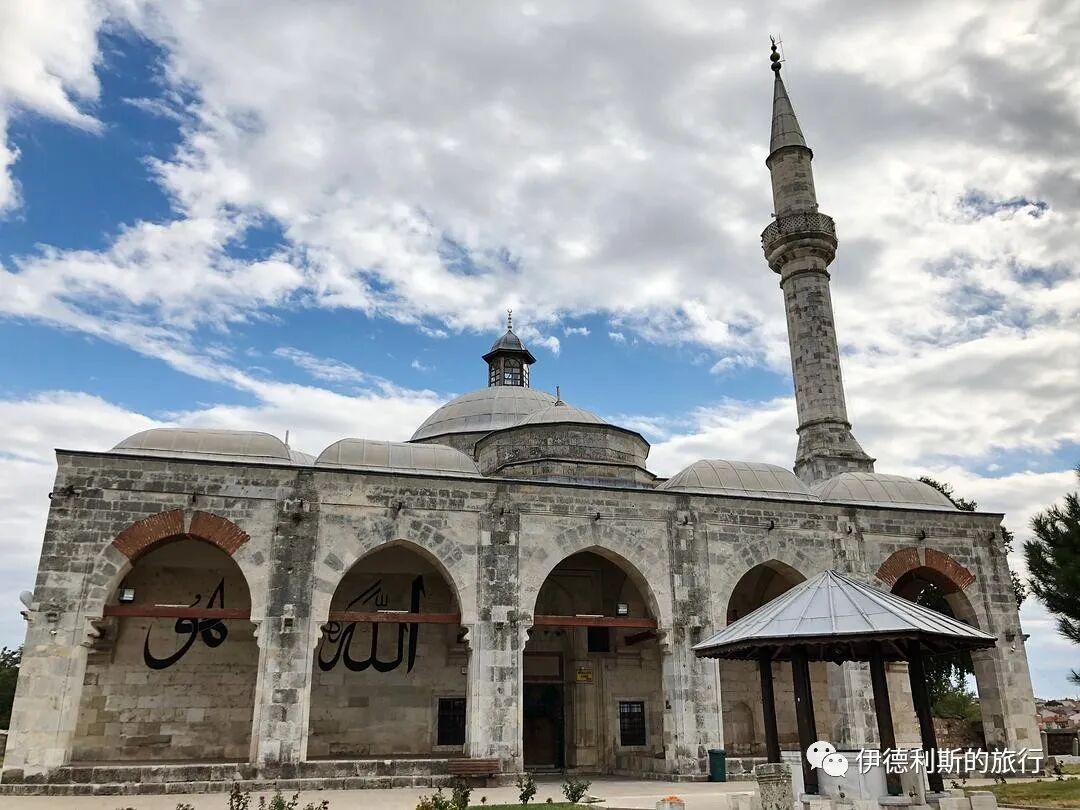
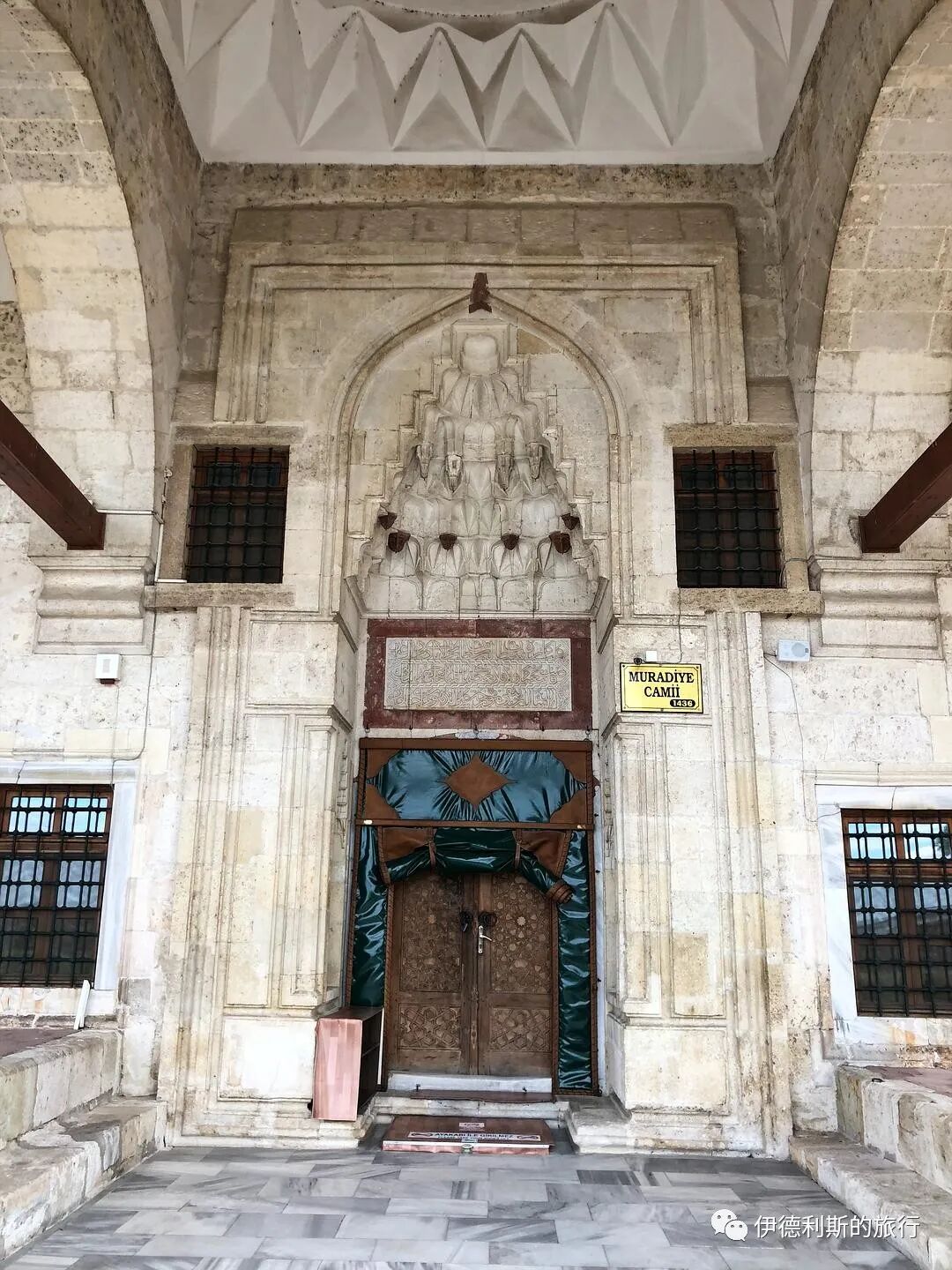
The interior of the mosque is famous for its beautiful tiles. Before they were stolen in 2001, there were 479 tiles in the main hall with 54 different designs, 15 of which appeared only once, showing a strong influence from Yuan dynasty blue and white porcelain. The blue and white hexagonal tiles are the earliest examples of underglaze tiles in the Ottoman period. Because some tiles are arranged inconsistently, some scholars believe part of them were moved here from the Ottoman palace in Edirne in the north.
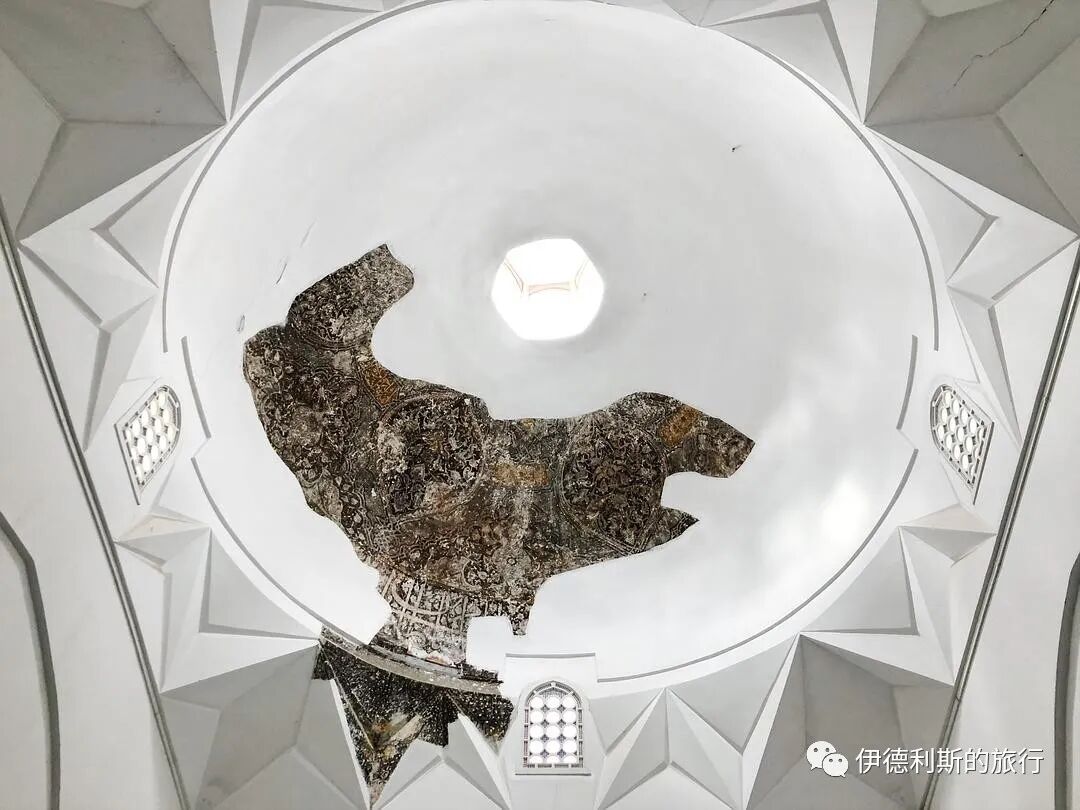
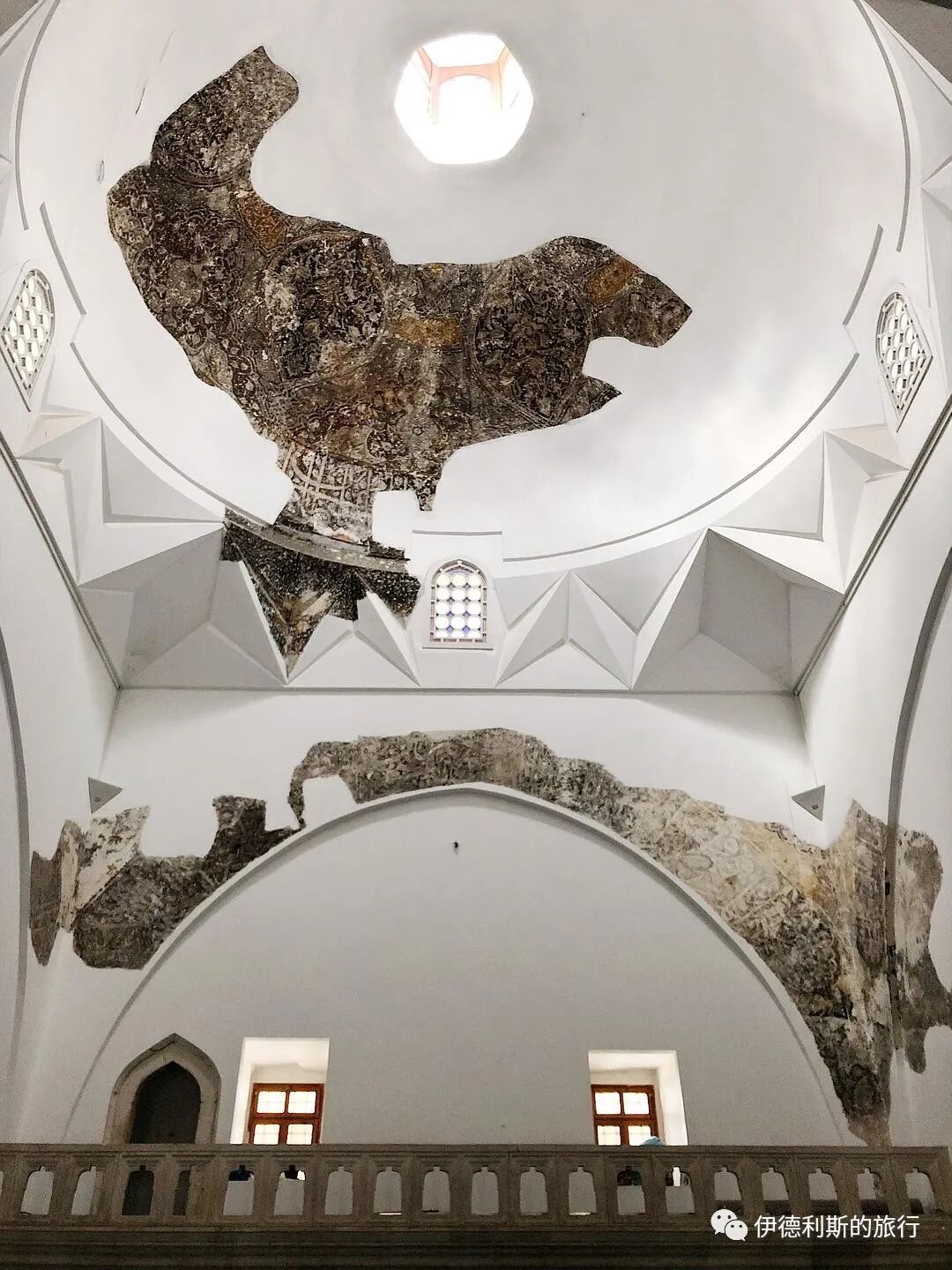
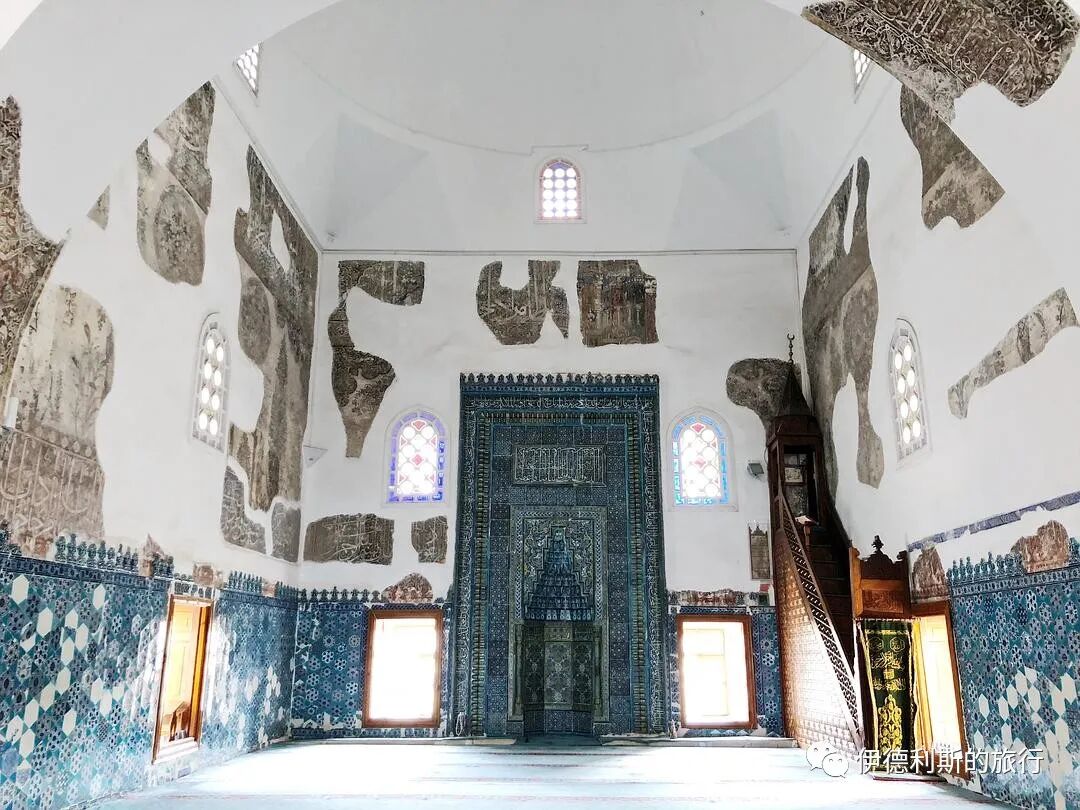
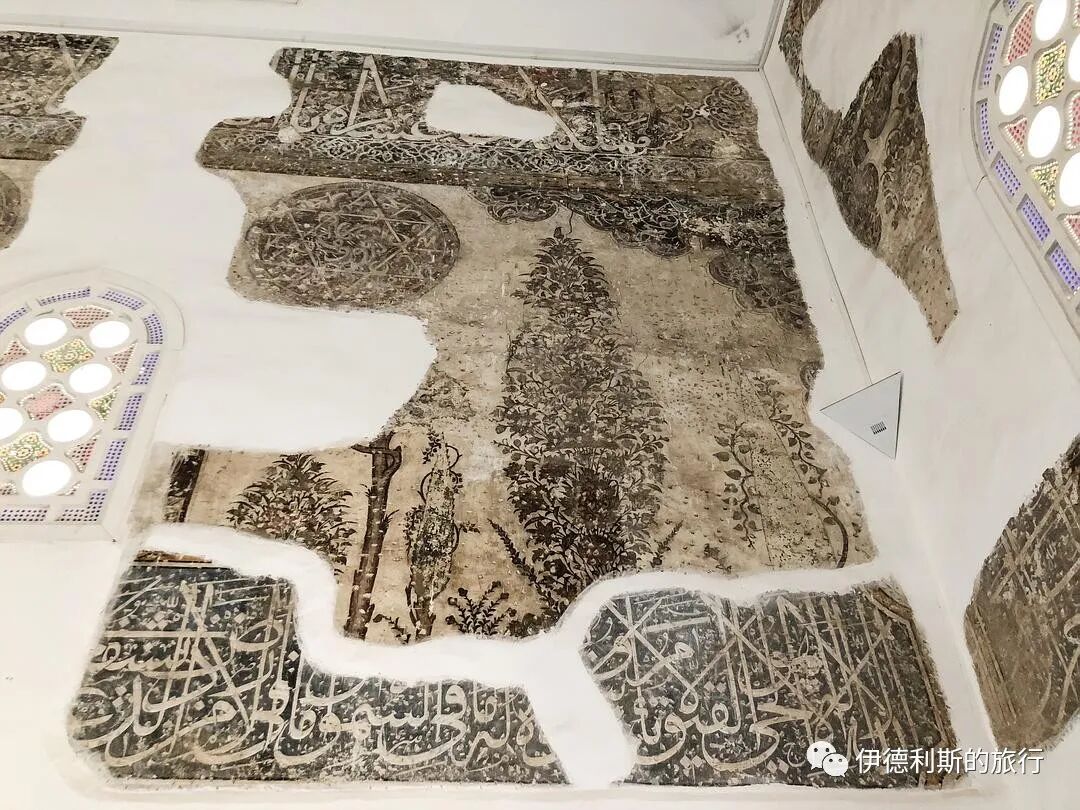
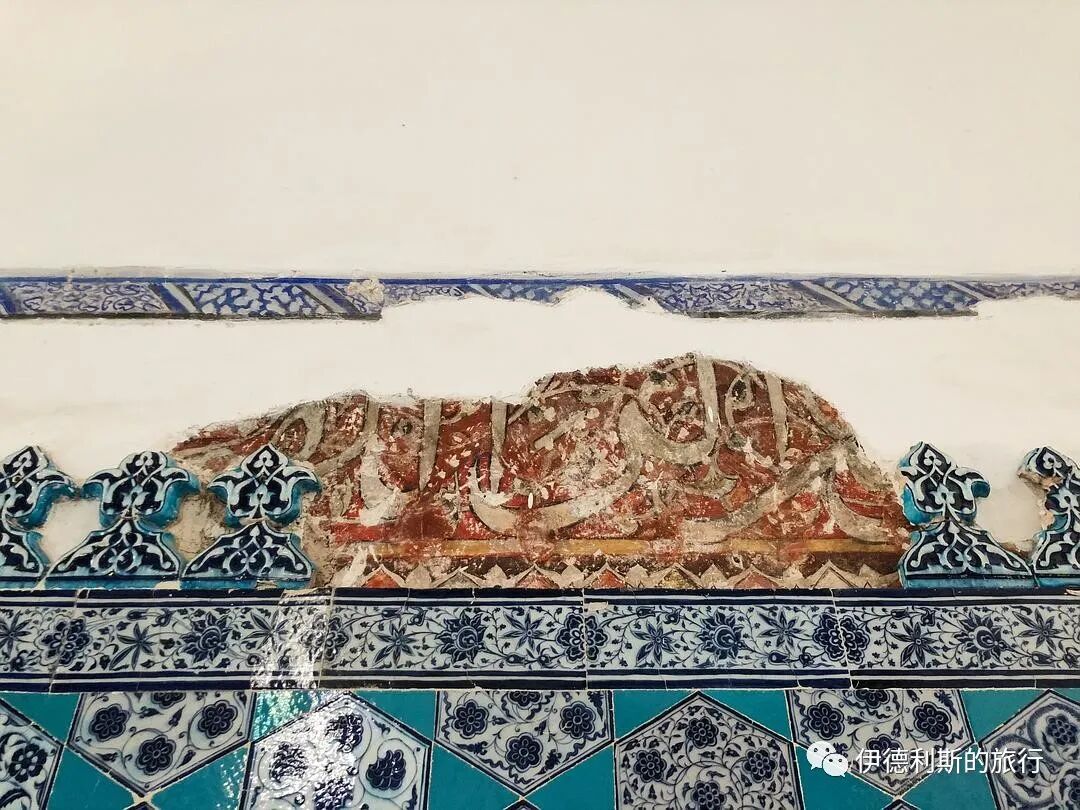
The mosque preserves a 15th-century mihrab covered in tiles, which bears the name of Sultan Murad II. The Cuerda Seca style of the mihrab tiles is very similar to the Green Mosque (Yeşil Camii) in Bursa, built in 1421, and was likely made by the same team of craftsmen. The mihrab of the Green Mosque in Bursa was reportedly designed by a master from Tabriz, Iran. Therefore, this master likely traveled to Edirne to design the mihrab for the Muradiye Mosque.
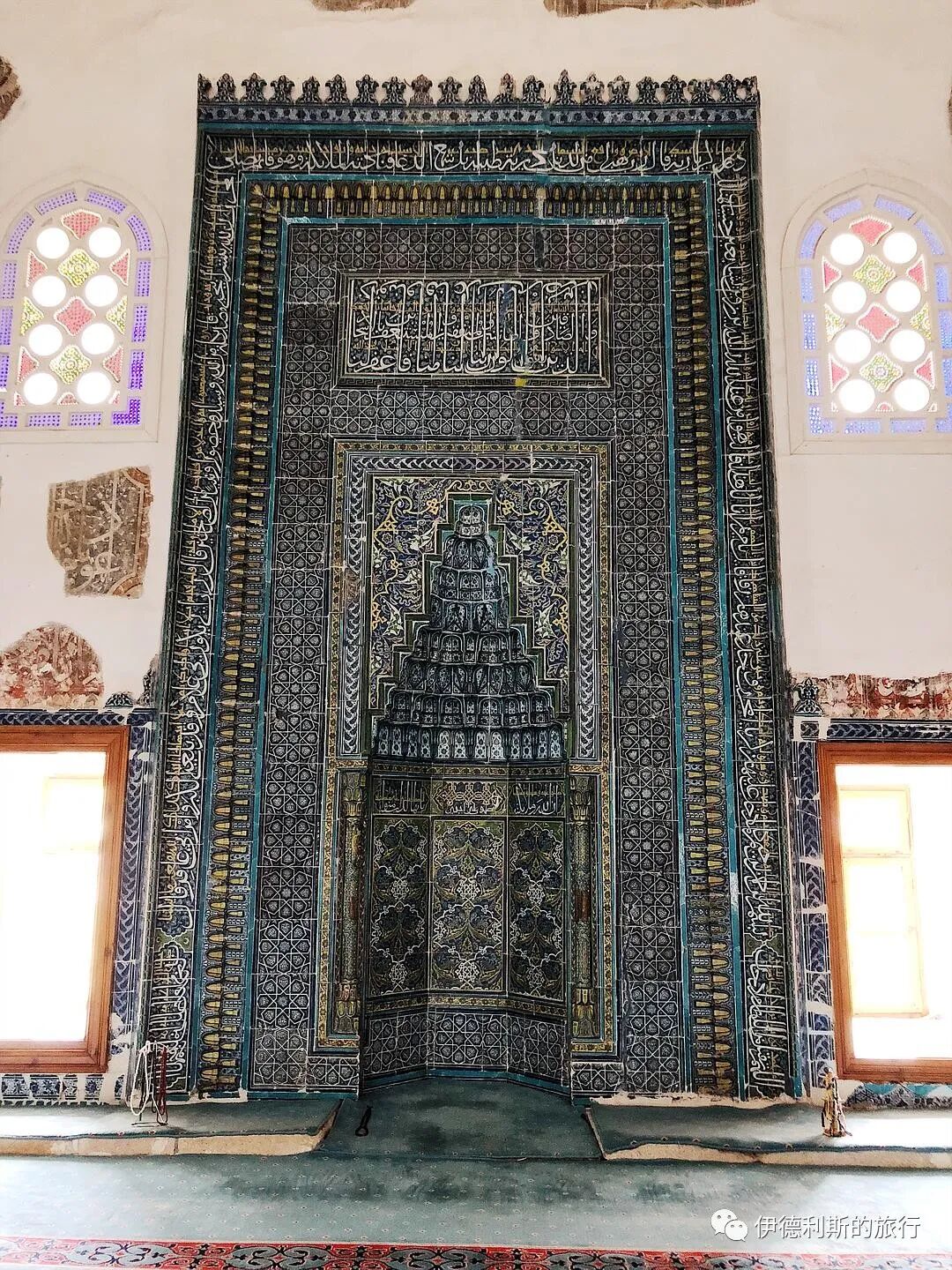
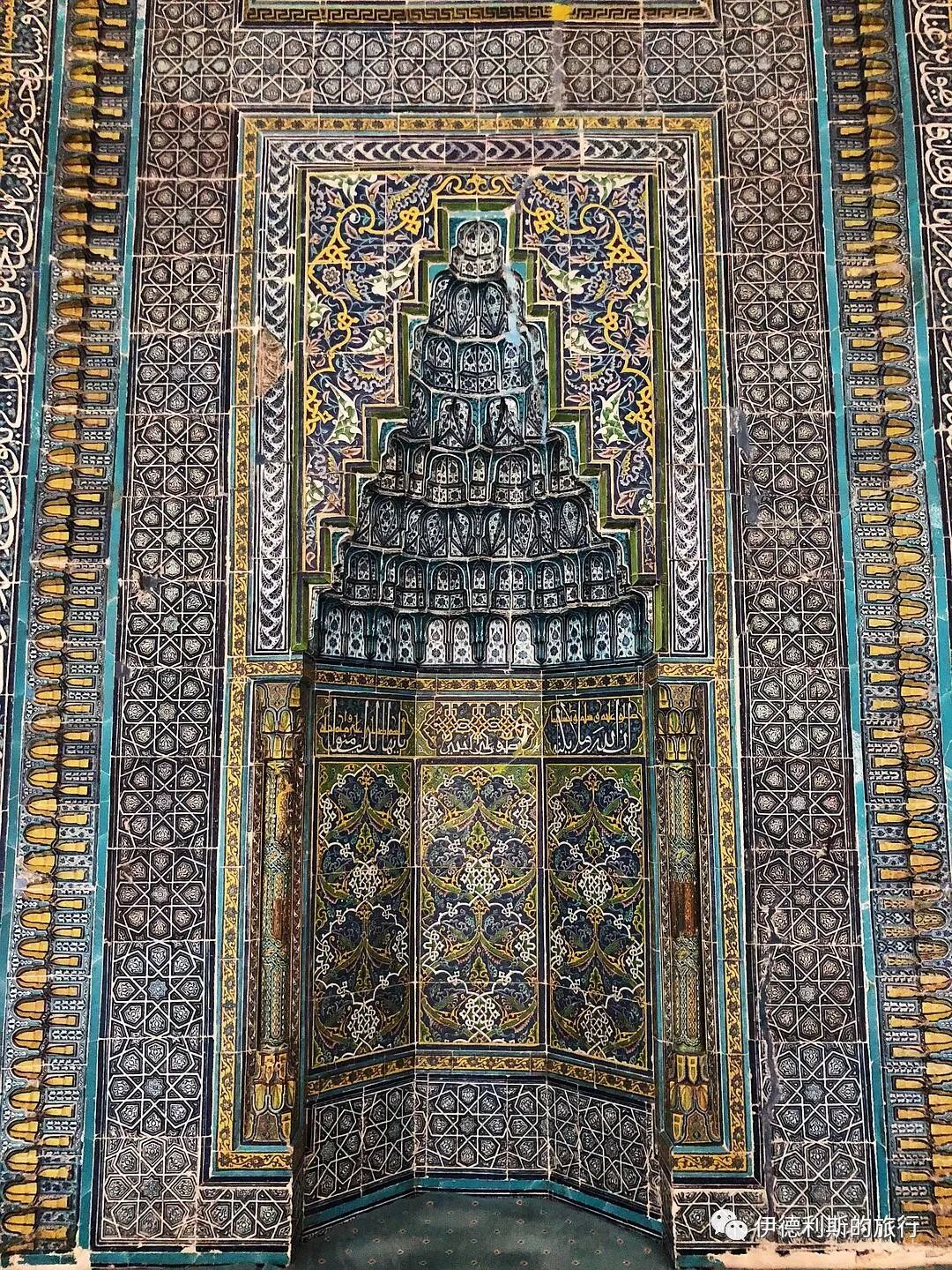
3. Three-Balcony Mosque (Üç Şerefeli Cami) complex: construction started in 1438
1. Three-Balcony Mosque (Üç Şerefeli Cami): 1447
The Three-Balcony Mosque (Üç Şerefeli Camii) is known as a major landmark that started a new era of Ottoman architecture, serving as the first mosque in Ottoman history with a central dome and a portico. The mosque was commissioned by the sixth Ottoman Sultan, Murad II (reigned 1421–1444), in 1438 and completed in 1447.
The Three-Balcony Mosque is located not far northwest of the Old Mosque and was the largest mosque in the Ottoman Empire when it was finished. This mosque is considered a pioneer of the classic Ottoman mosque style, being among the first to transition from the Seljuk multi-dome design to a central large dome, featuring a central dome 24 meters in diameter.
The Three-Balcony Mosque gets its name from the three balconies on its minaret. This was the tallest minaret in the Ottoman Empire at the time, standing 76 meters high with 203 steps, and it can be climbed to the balconies using three different paths.
The underglaze tiles of the mosque are very similar in style to those of the Green Mosque in Bursa (1421) and the Muradiye Mosque in Edirne (1436), and were likely all designed by the person known as the Master of Tabriz.
The architectural design of the Three-Balcony Mosque greatly inspired the great 16th-century Ottoman architect Mimar Sinan, who built upon this foundation to eventually create the most magnificent mosques of the Ottoman Empire.
The Three-Balcony Mosque suffered from fire and an earthquake in the mid-18th century and was later restored.
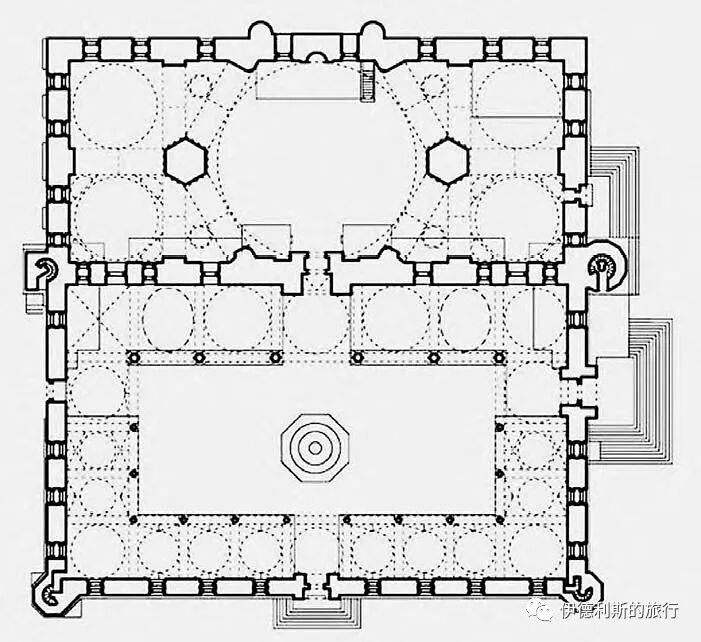
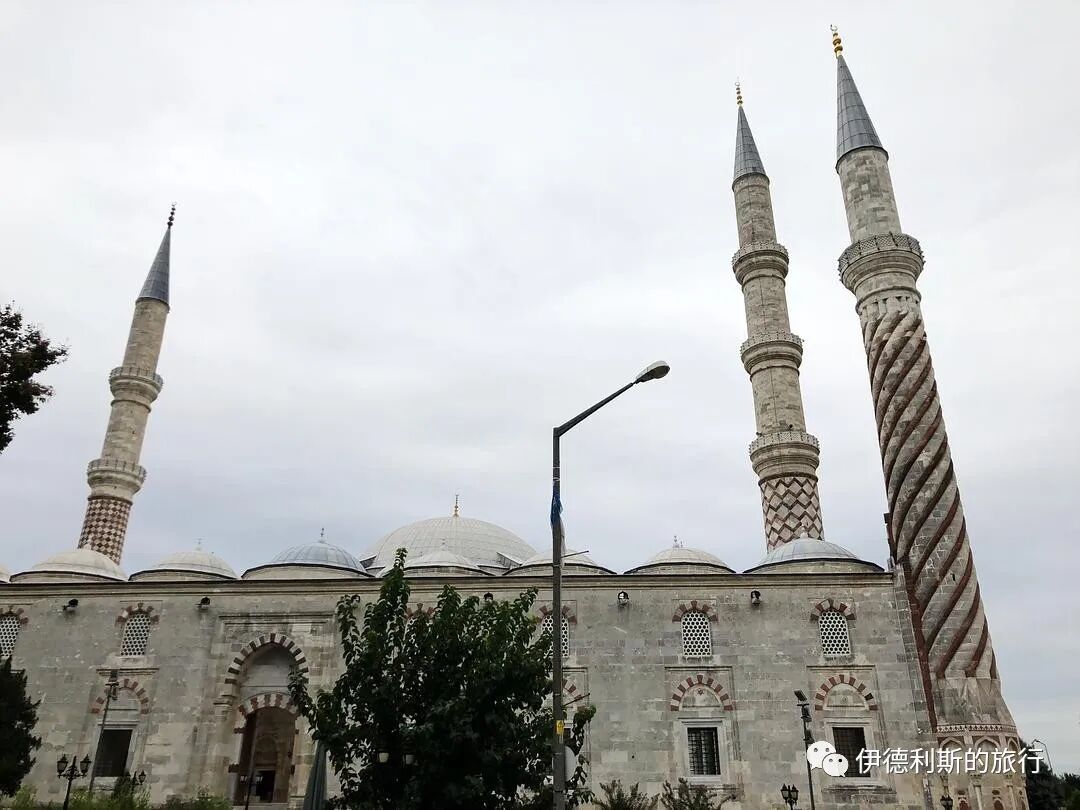
Minaret
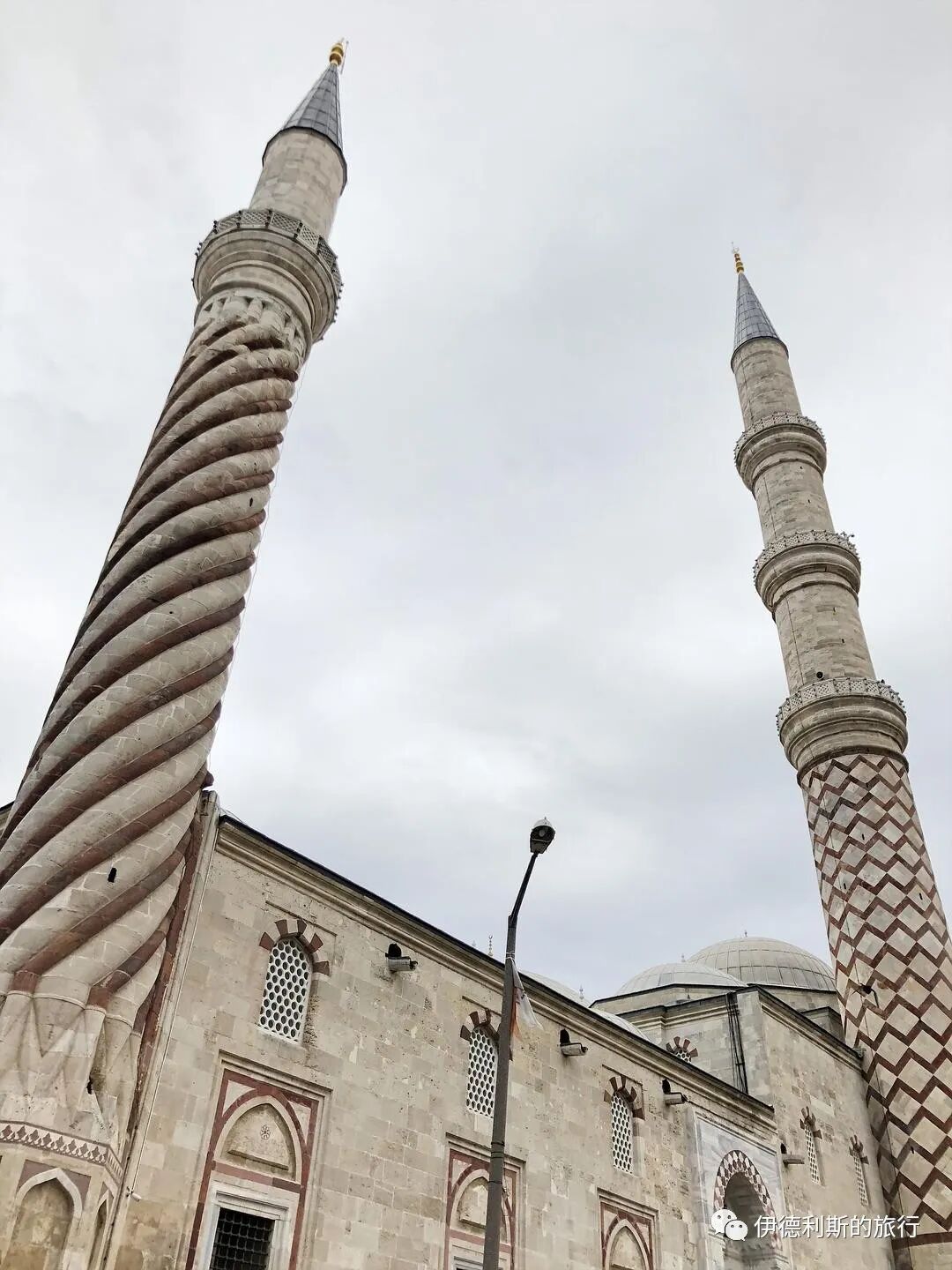
Minaret
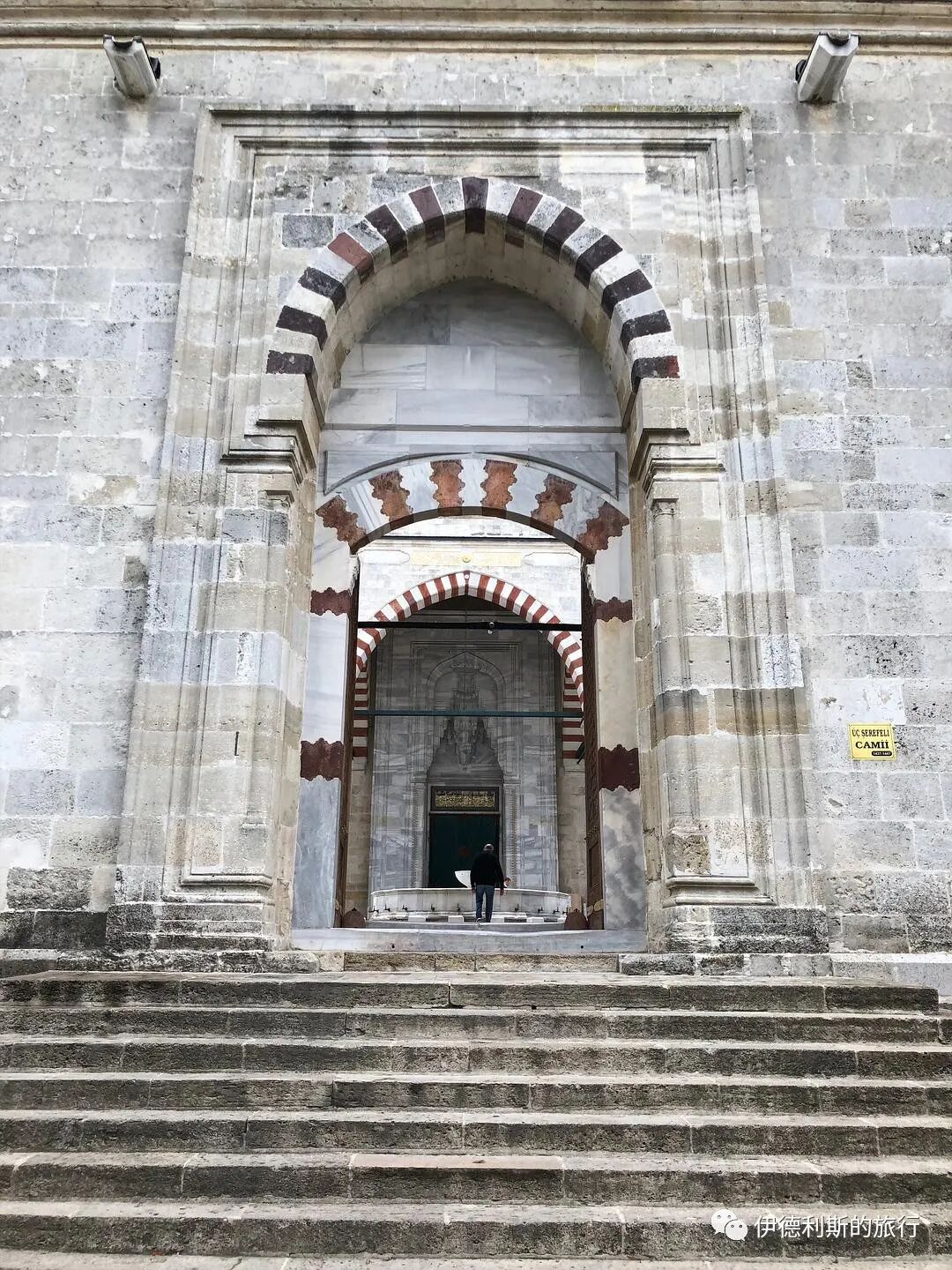
Portico entrance
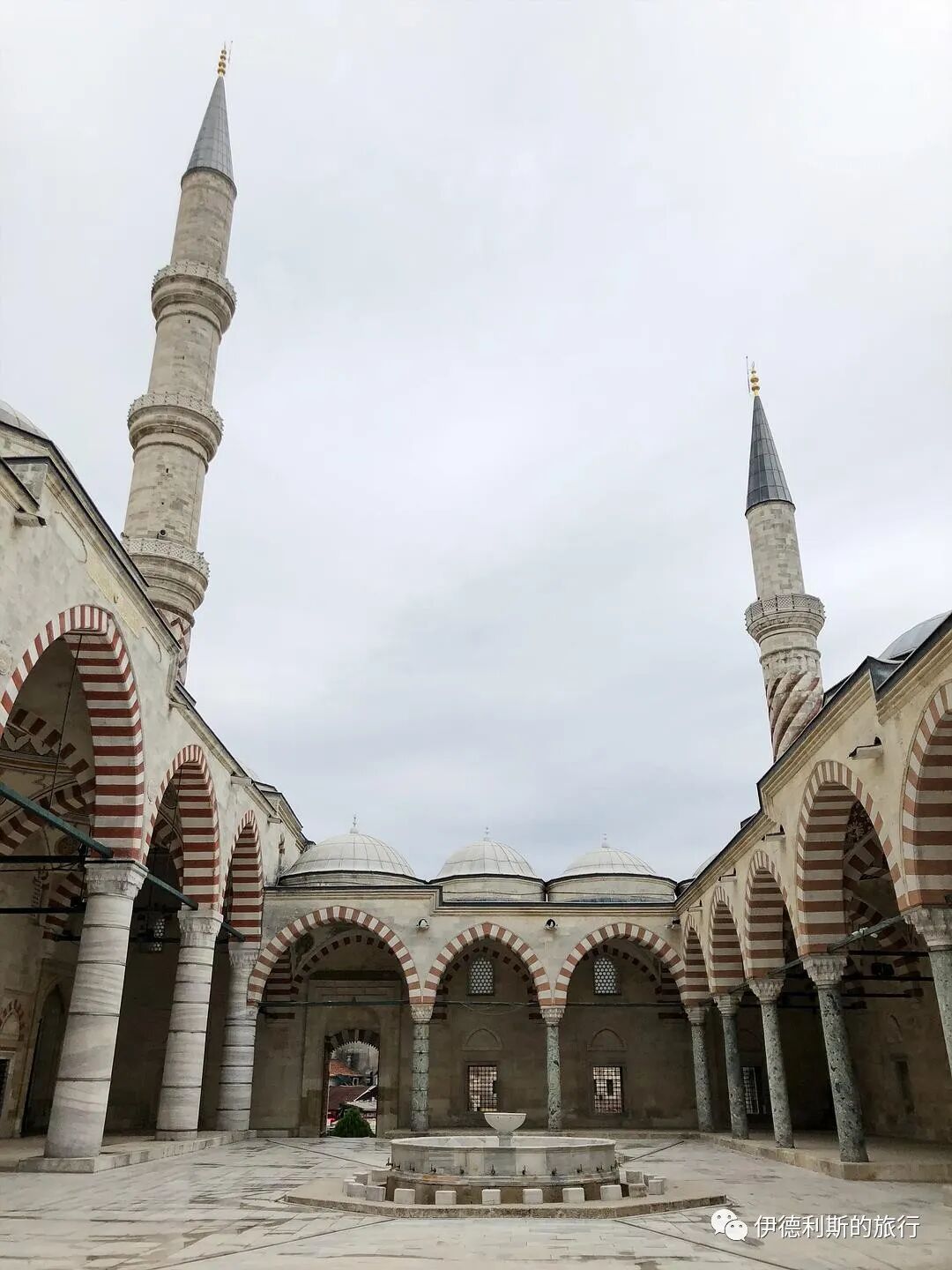
Side of the portico
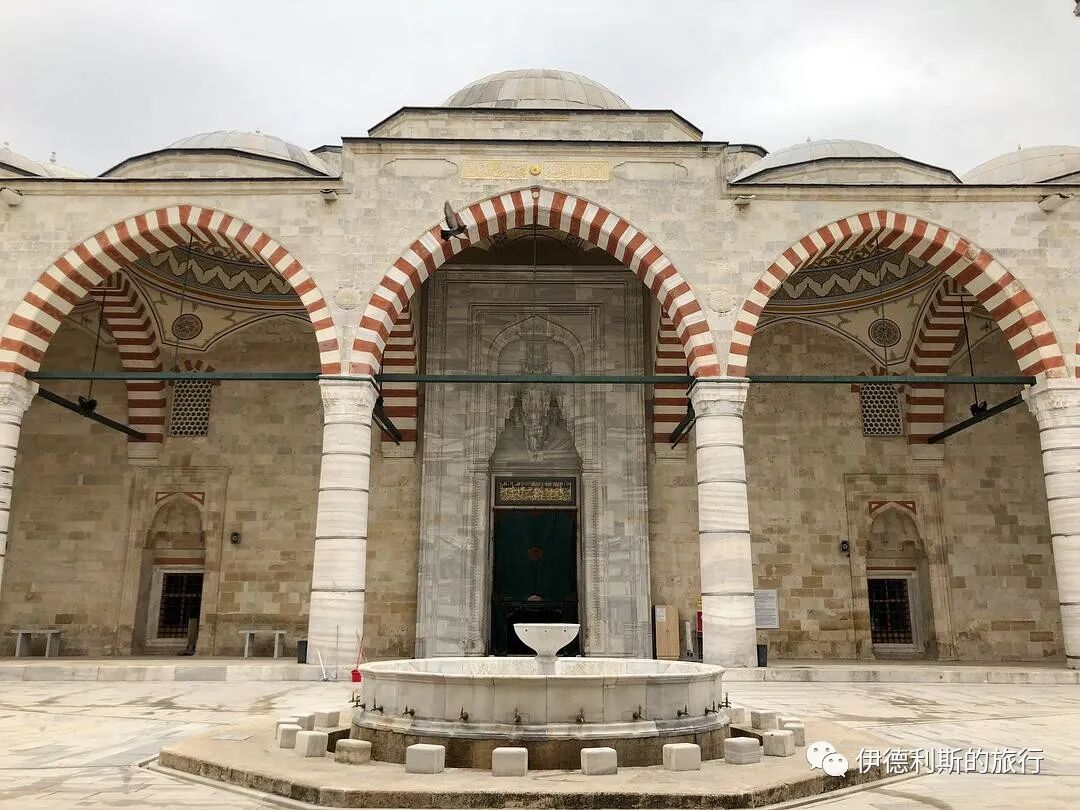
View of the main hall from the portico
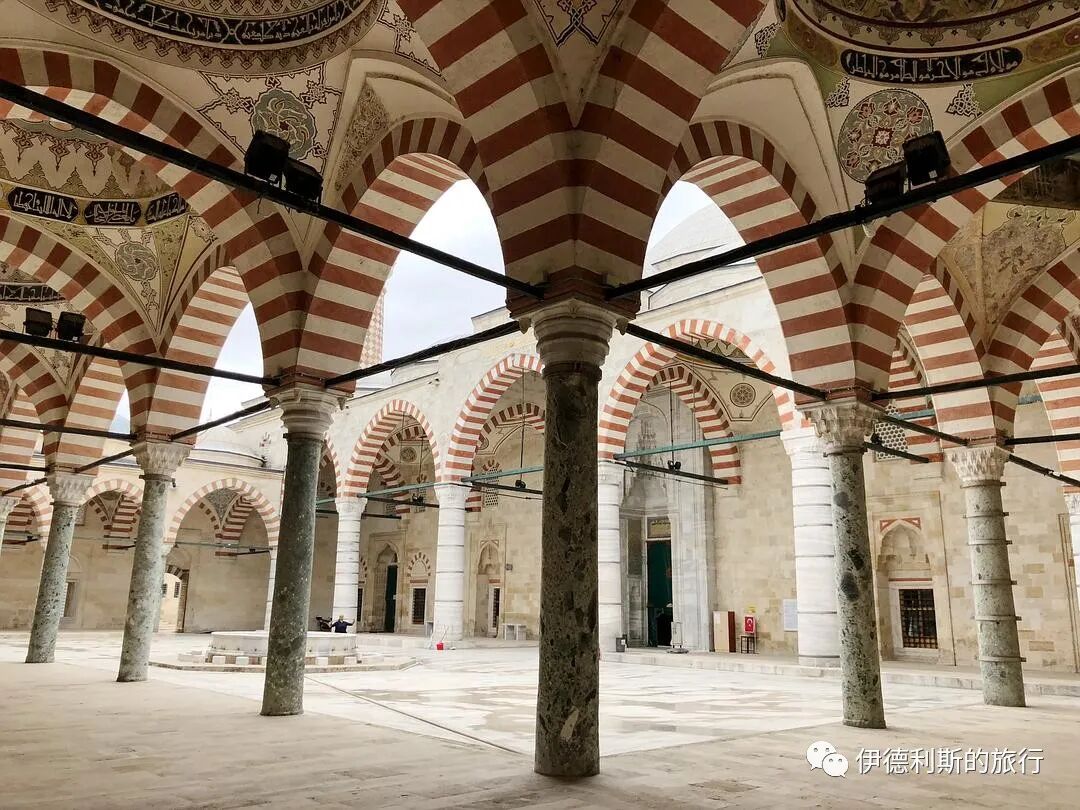
Portico
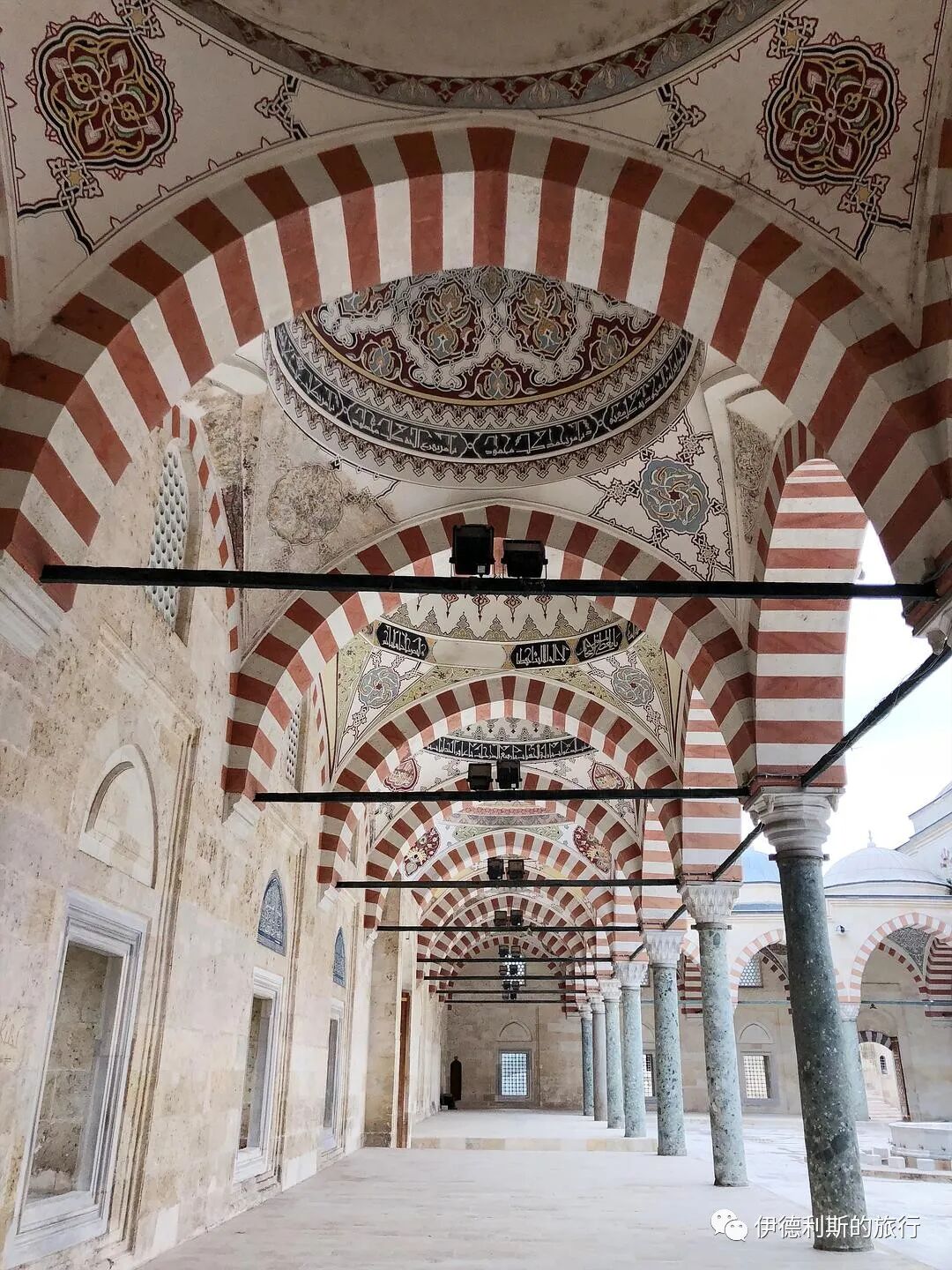
Portico
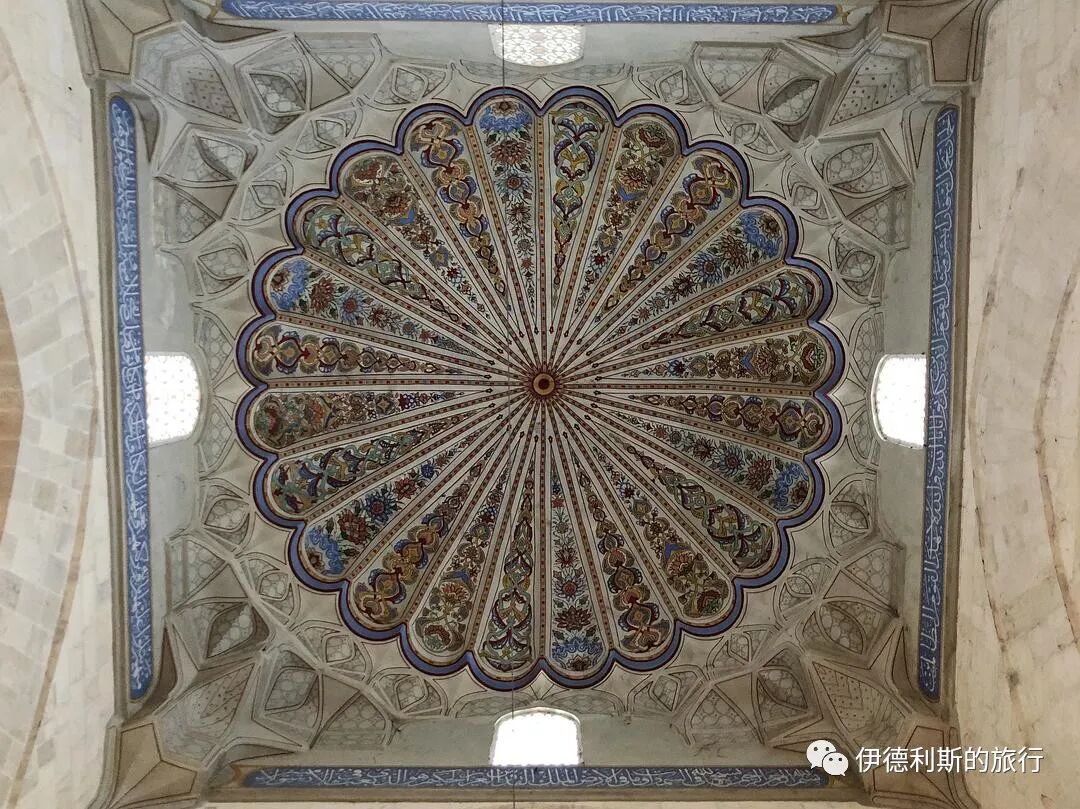
Portico dome
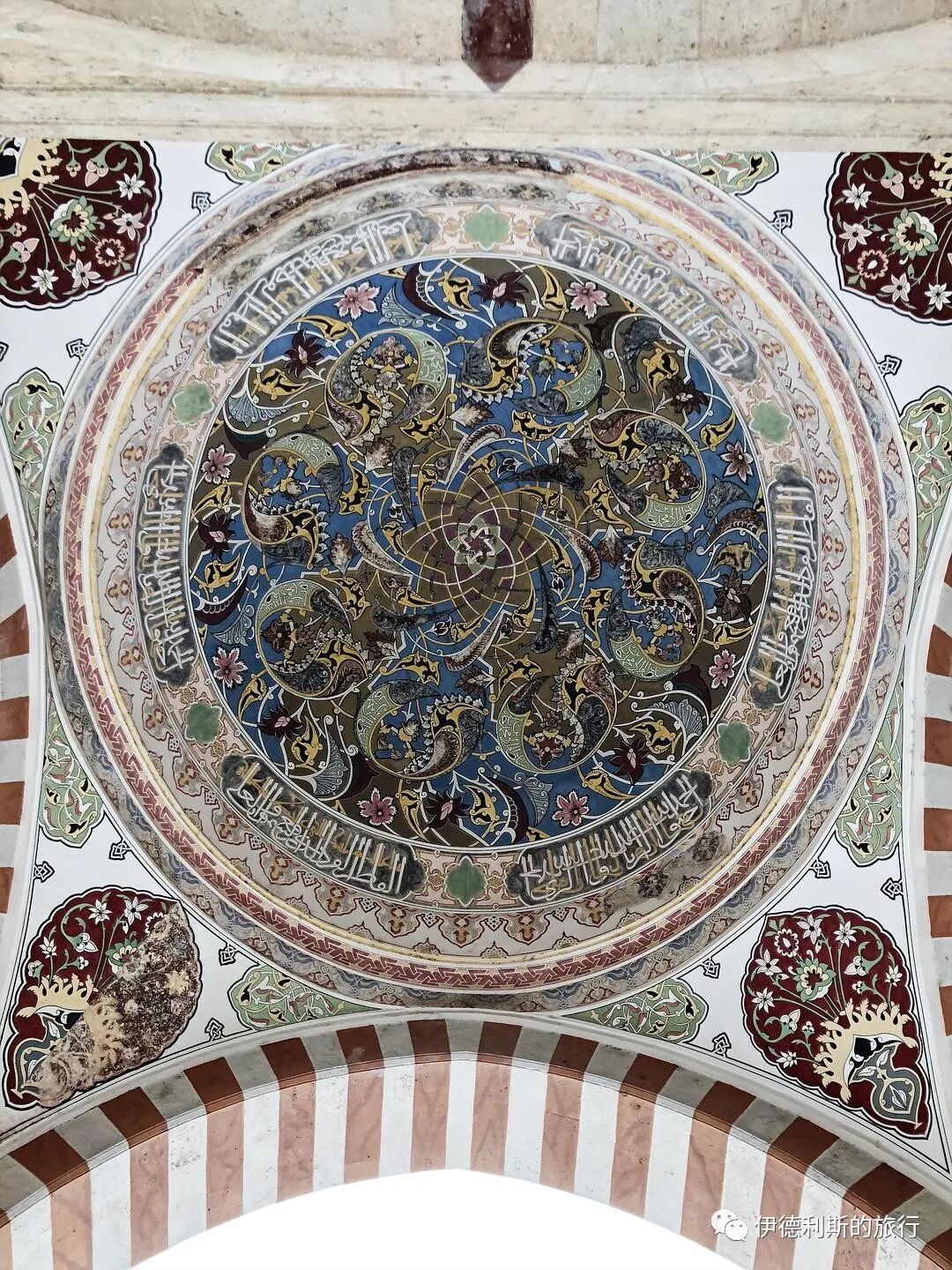
Portico dome
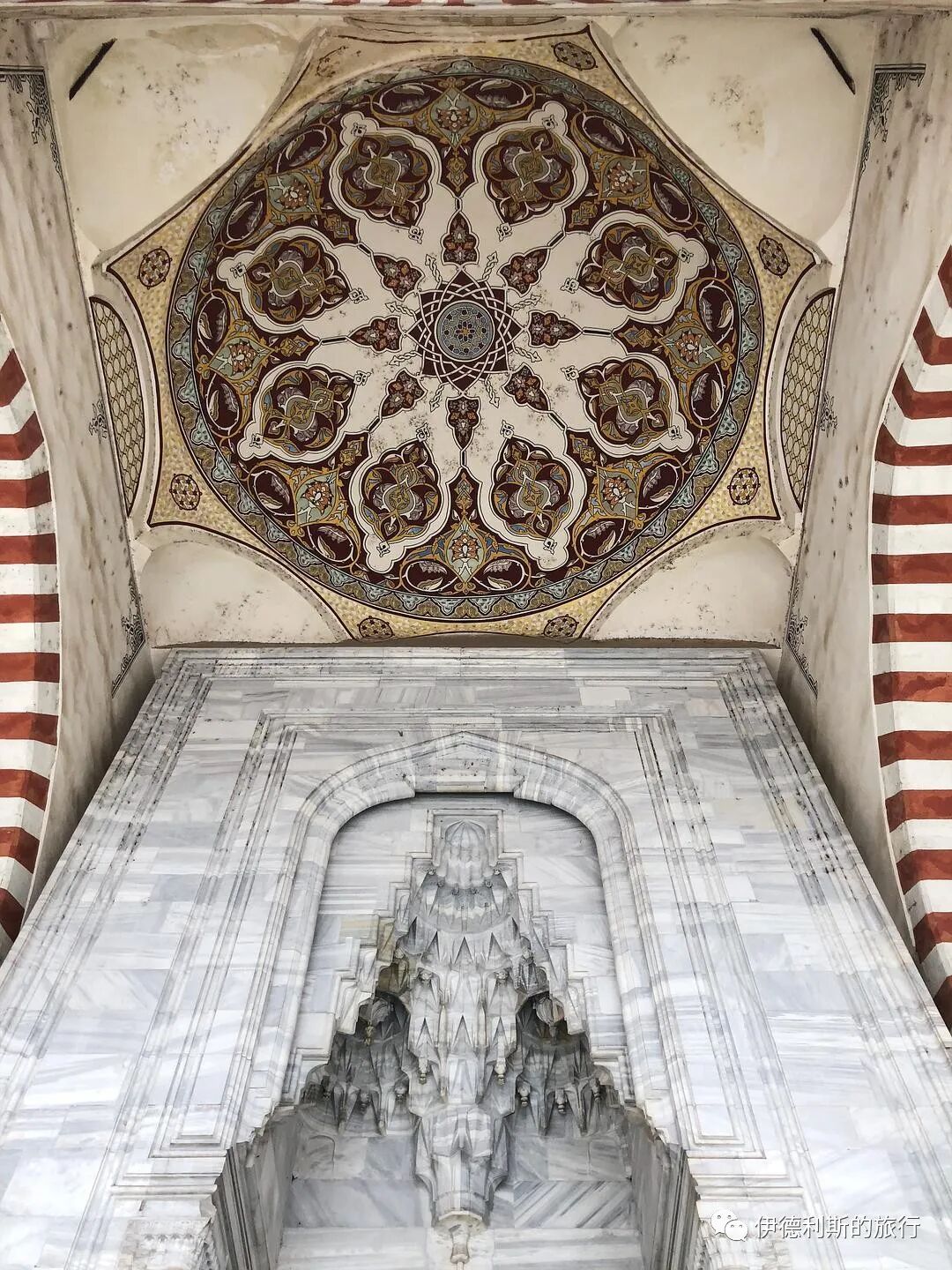
Dome above the main hall door
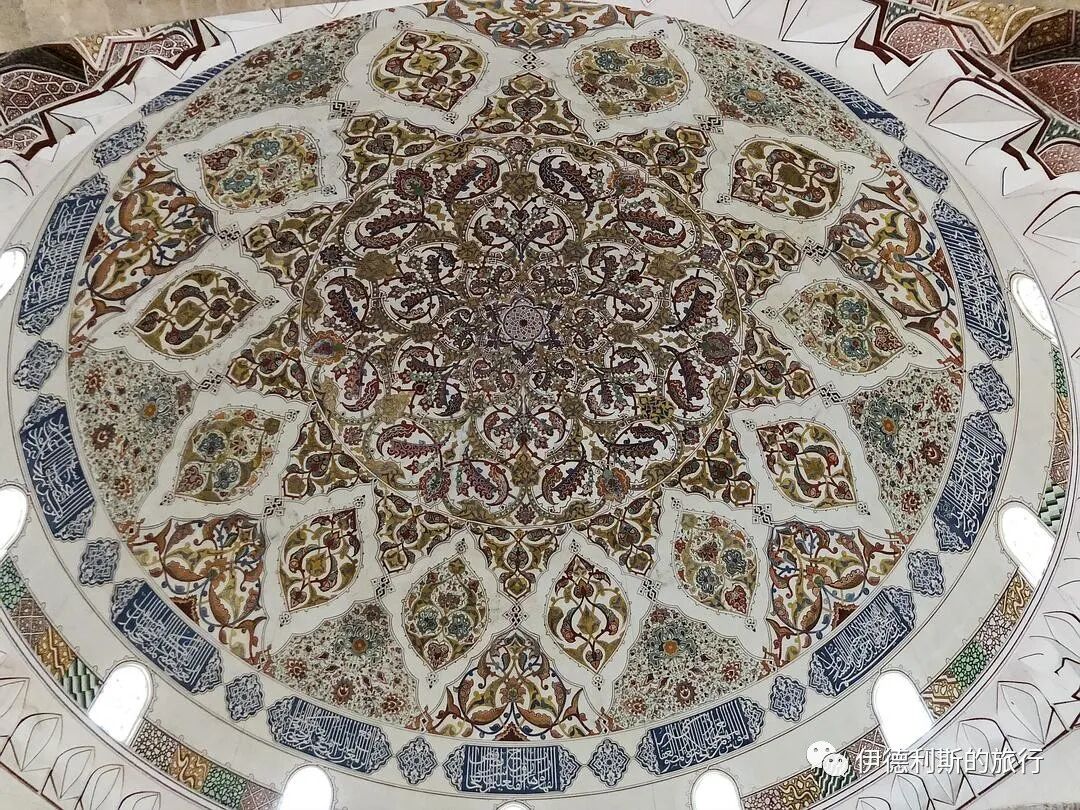
Central large dome
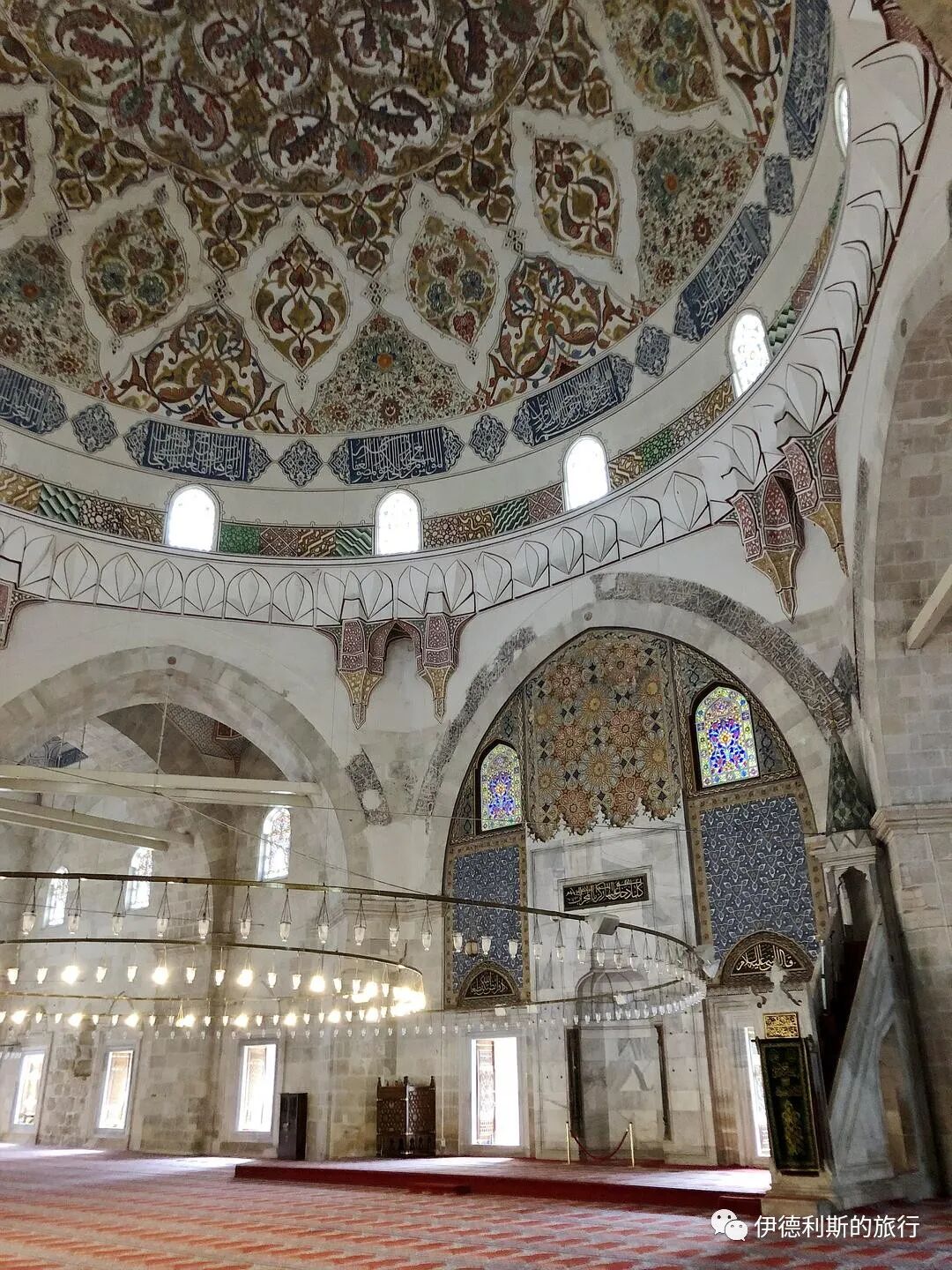
Main hall
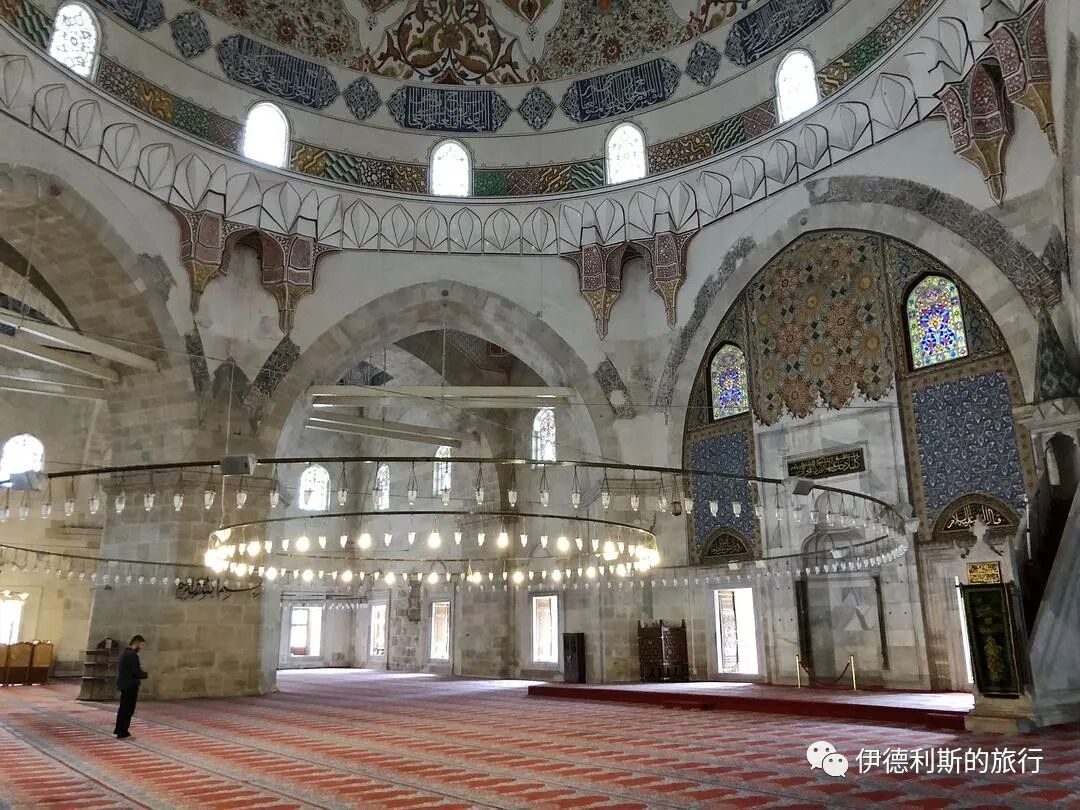
Main hall
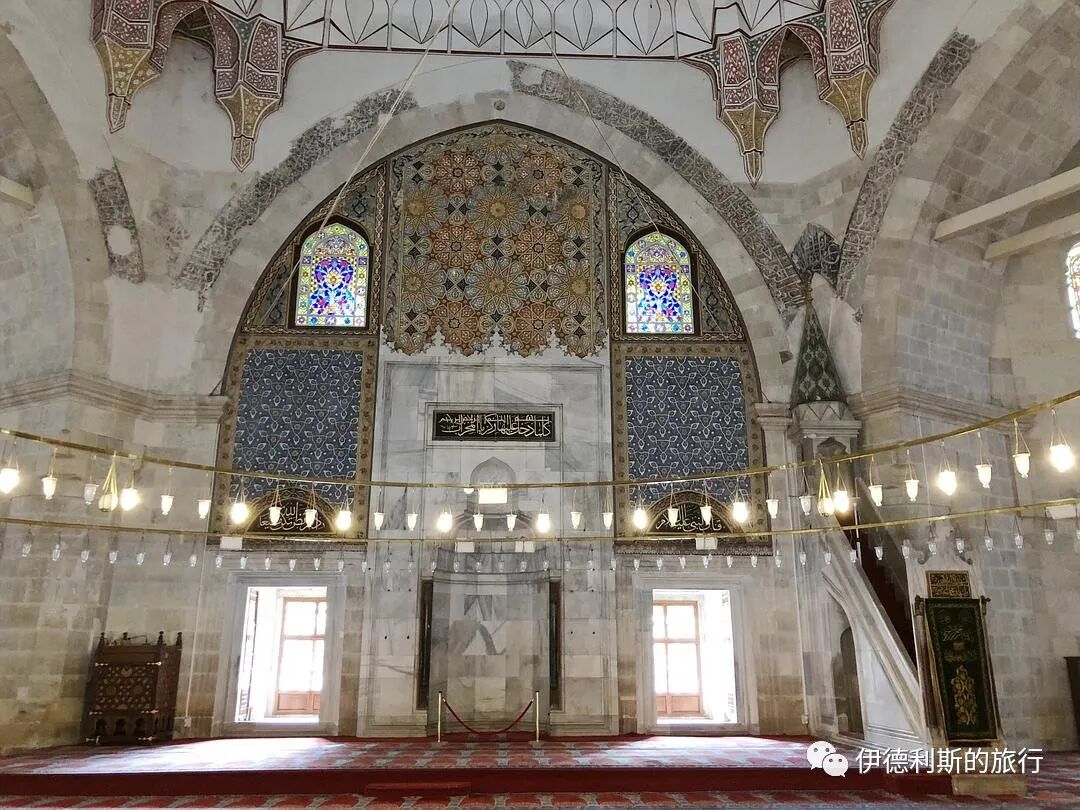
Mihrab
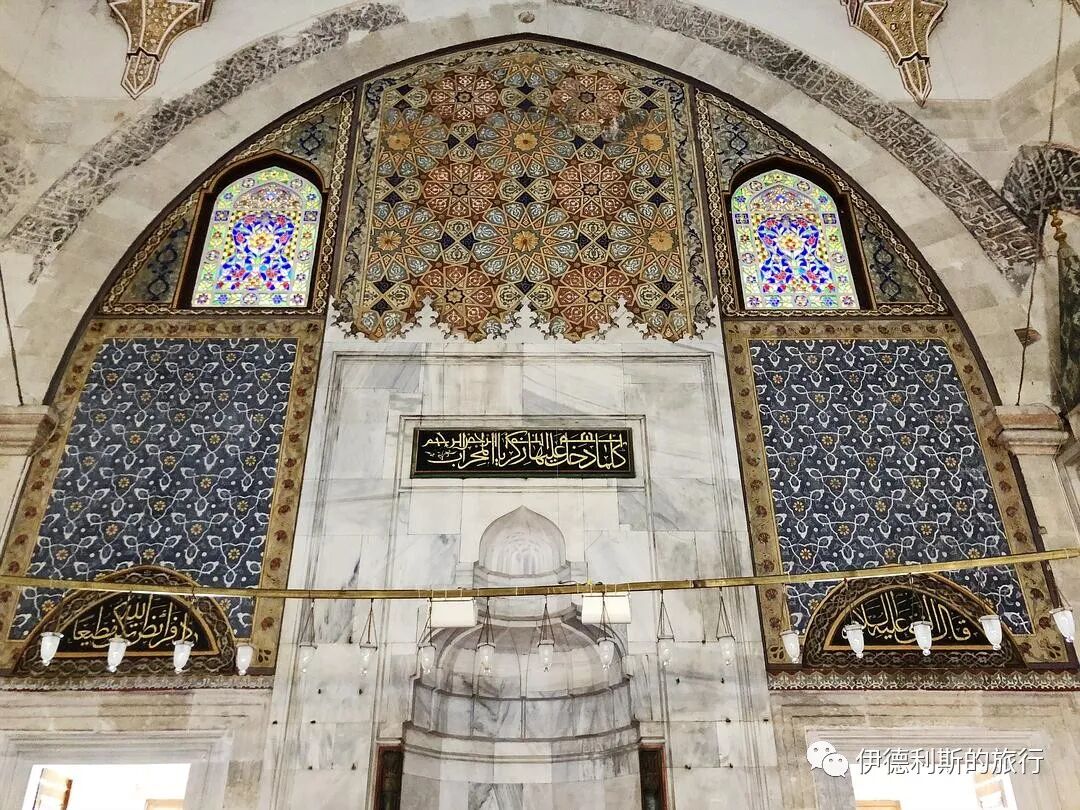
Mihrab
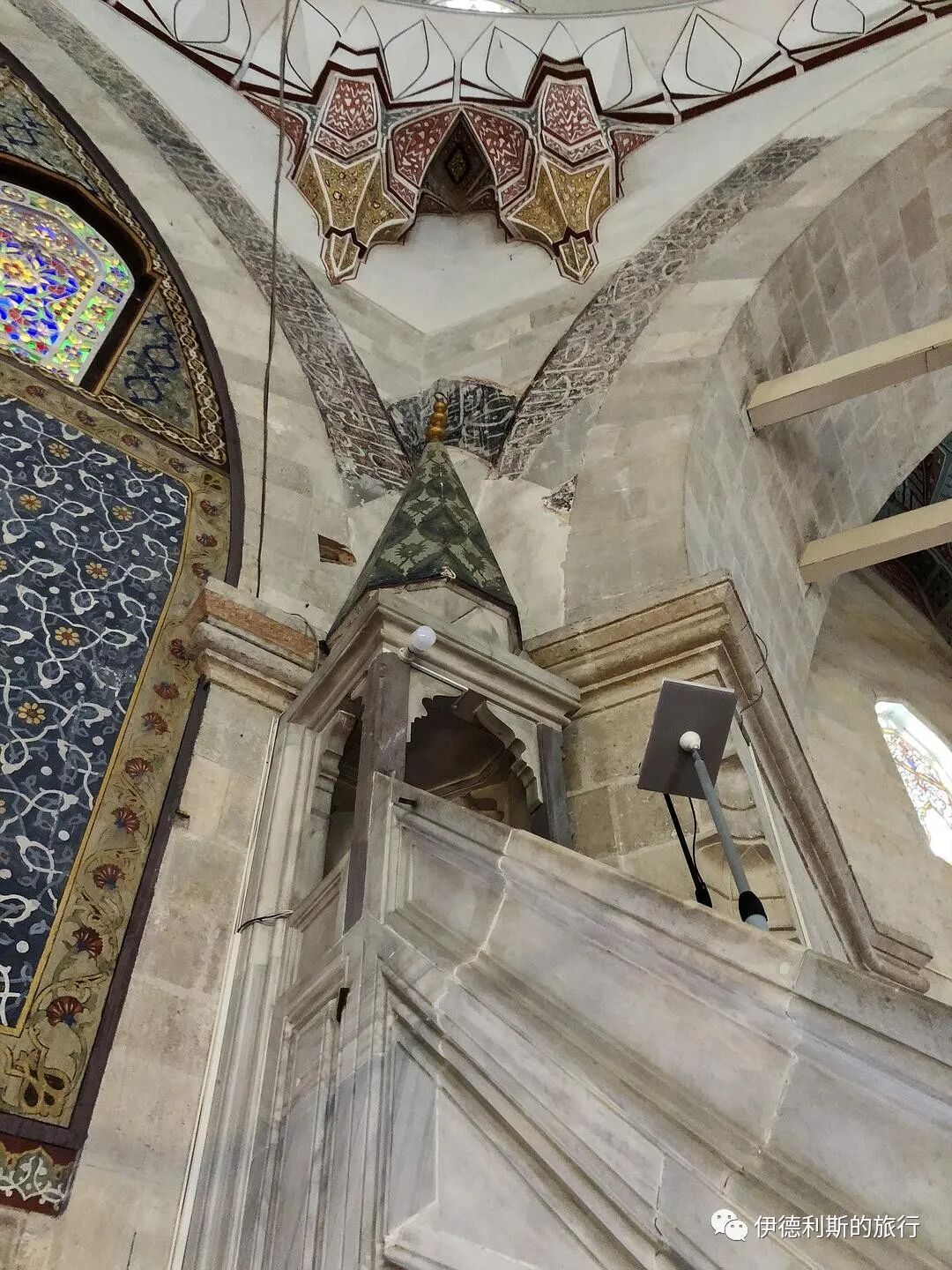
2. Saatli Madrasa (Saatli Medresesi): 1447
Saatli Madrasa is directly opposite the Three-Balcony Mosque and was also completed in 1447.
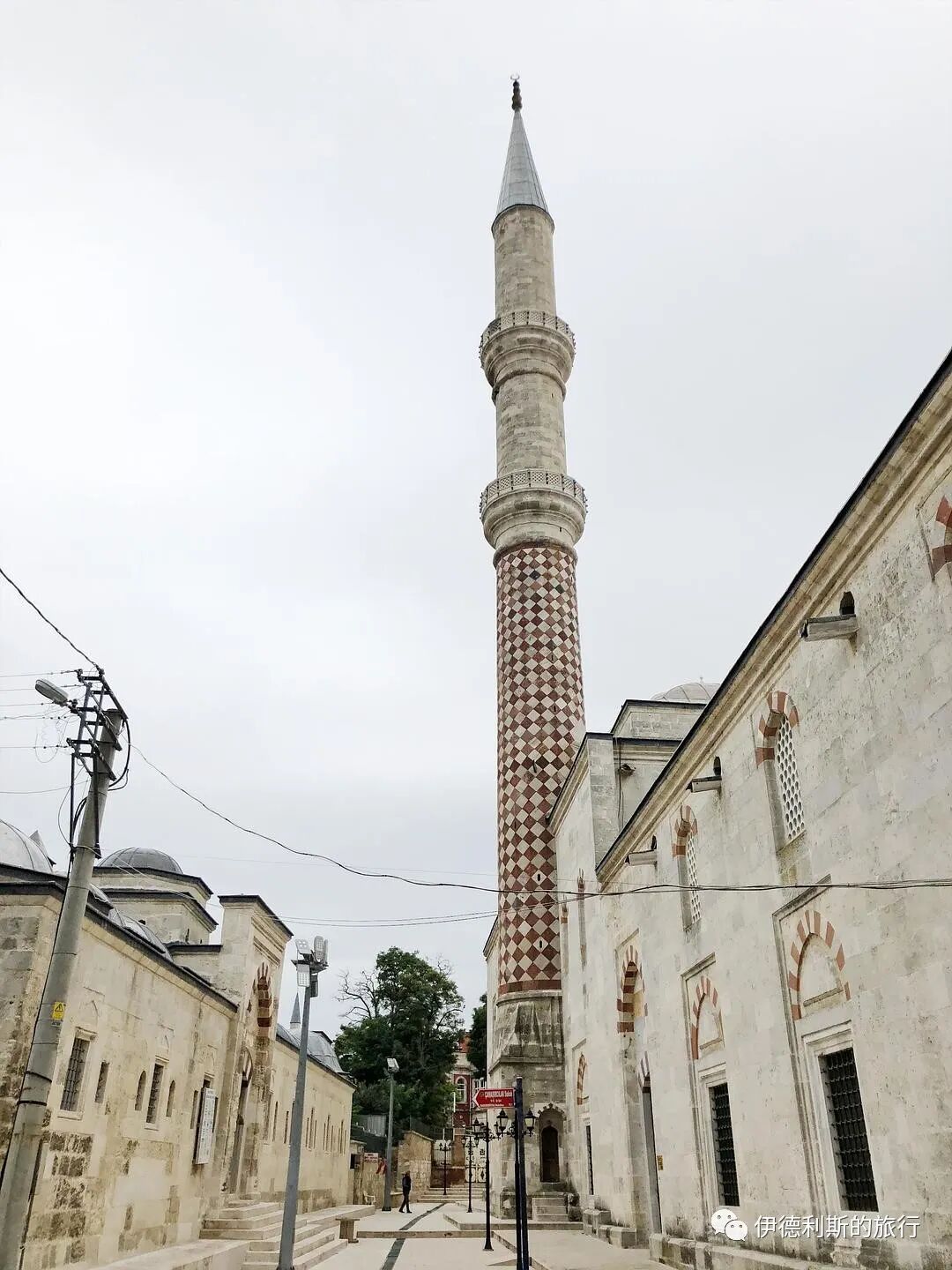
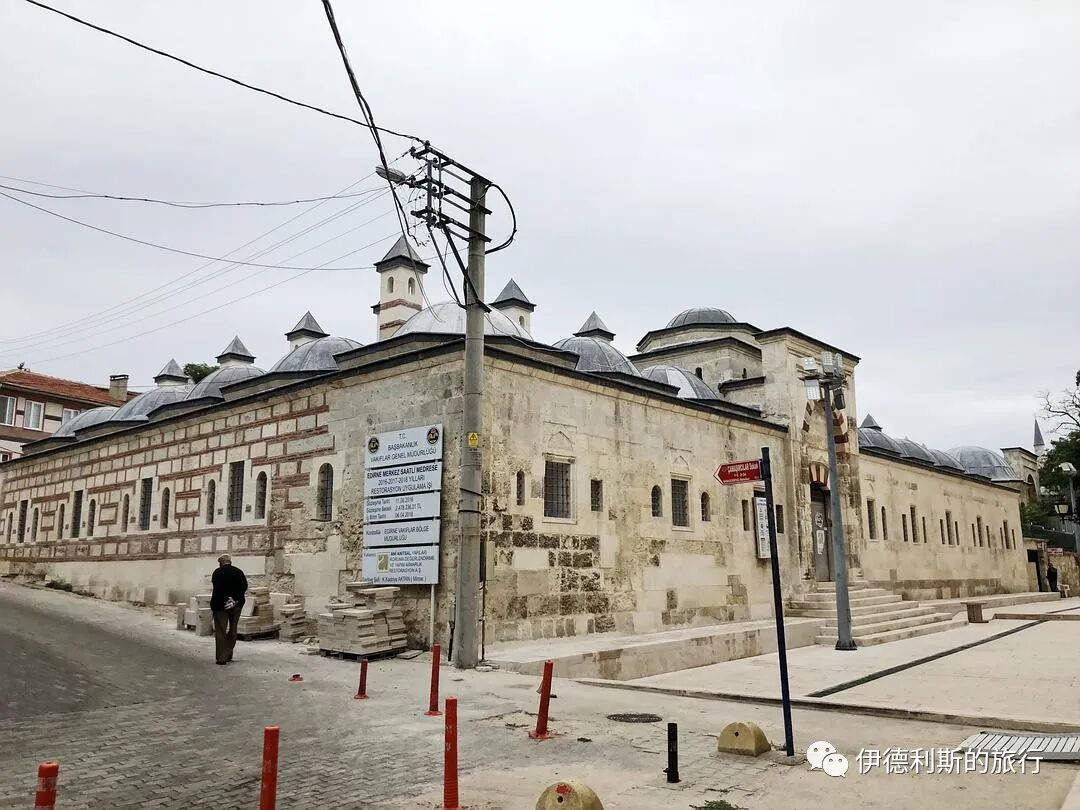
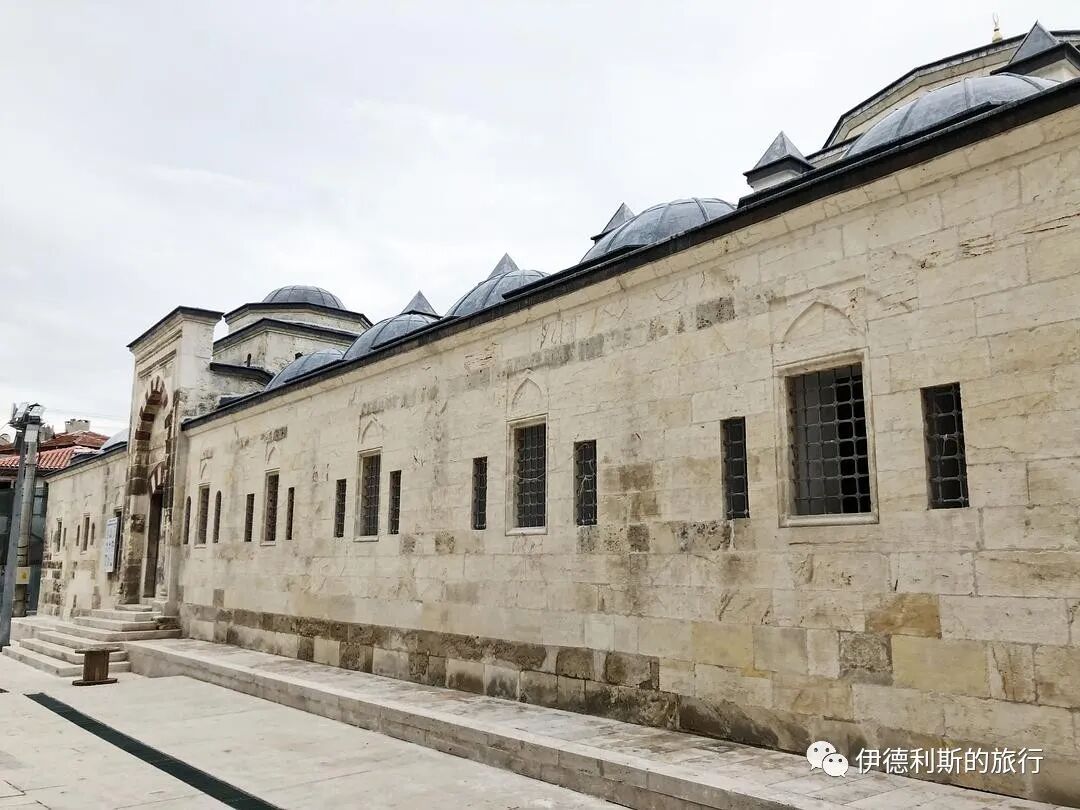
3. Peykler Madrasa (Peykler Medresesi): 1450s
Peykler Madrasa is right next to the south side of Saatli Madrasa and was built a few years later.
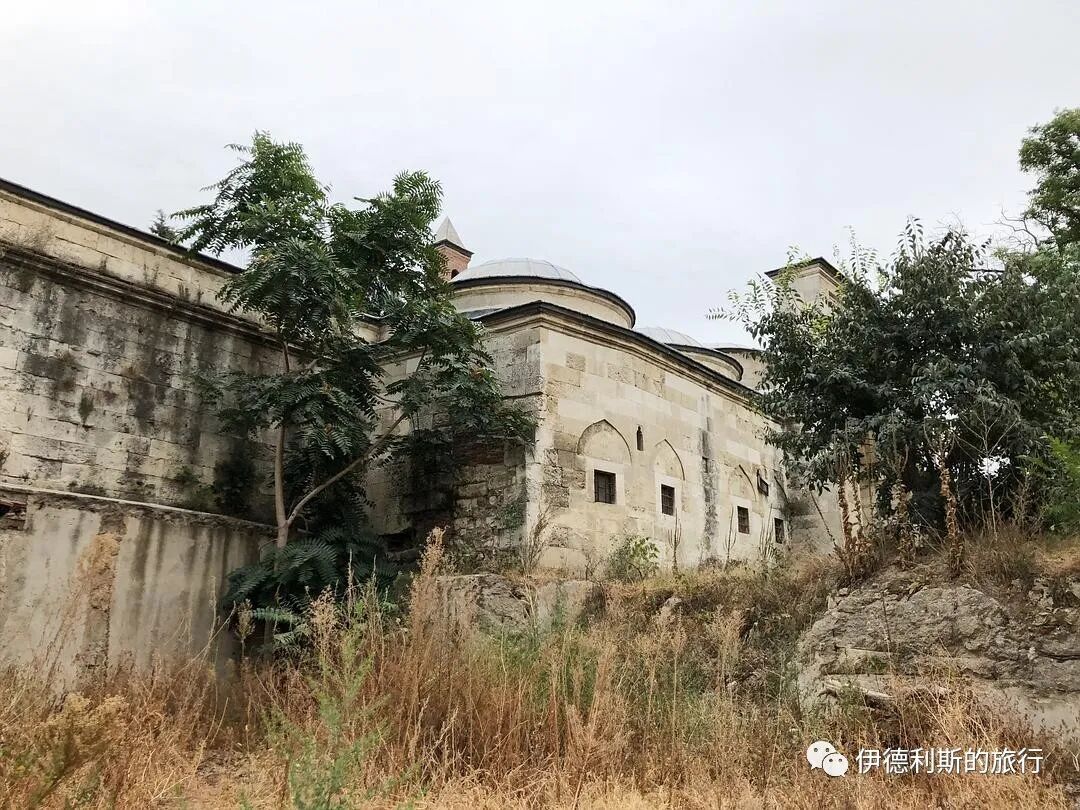
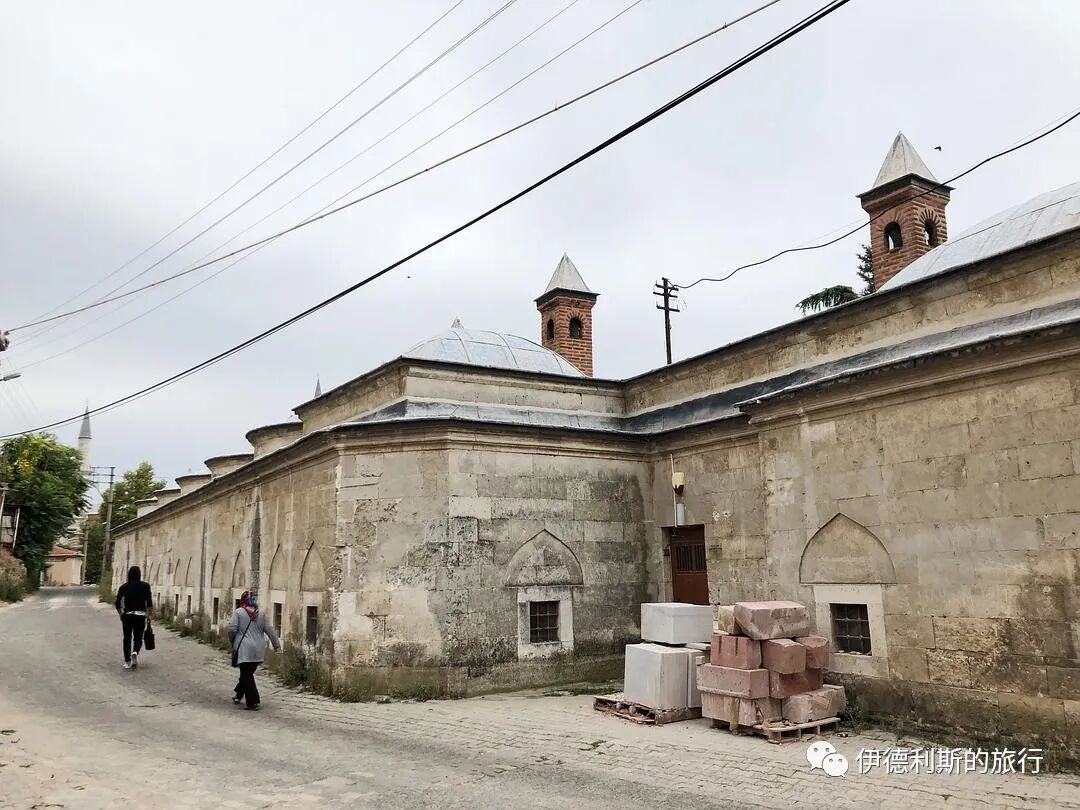
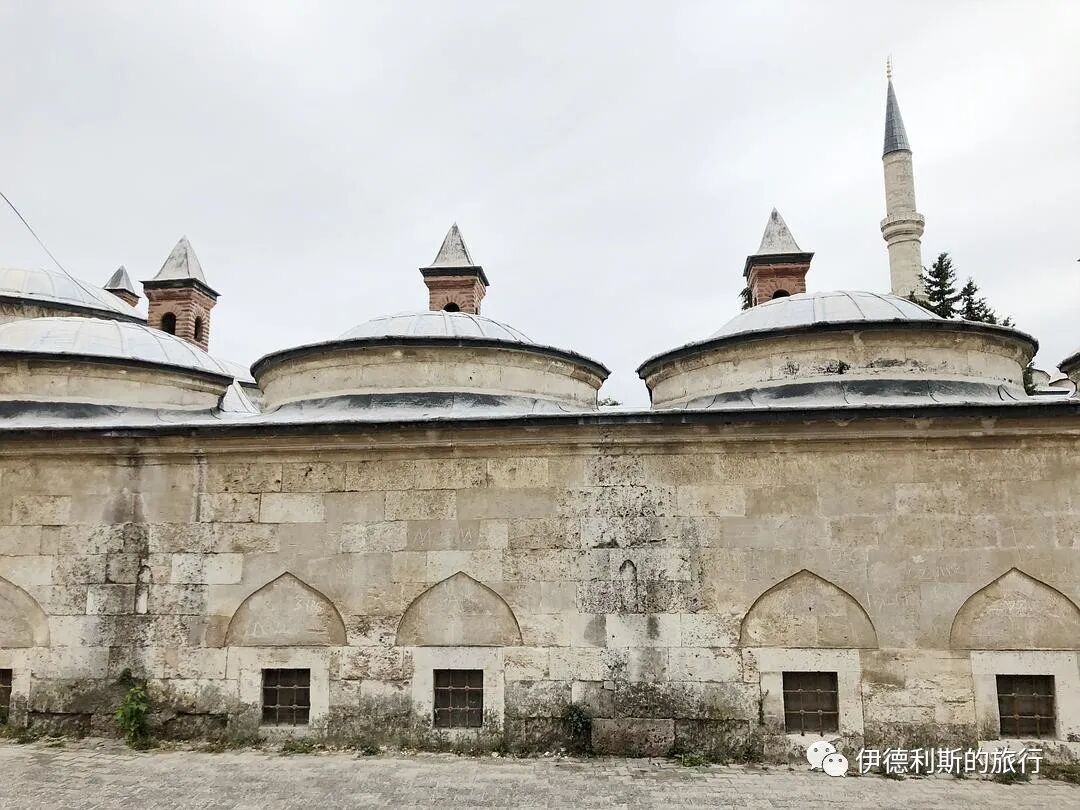
4. Taş Han Caravanserai: 15th century
The Stone Inn (Taşhan Inn) is across the street to the west of the Three-Balcony Mosque and was built in the 15th century.
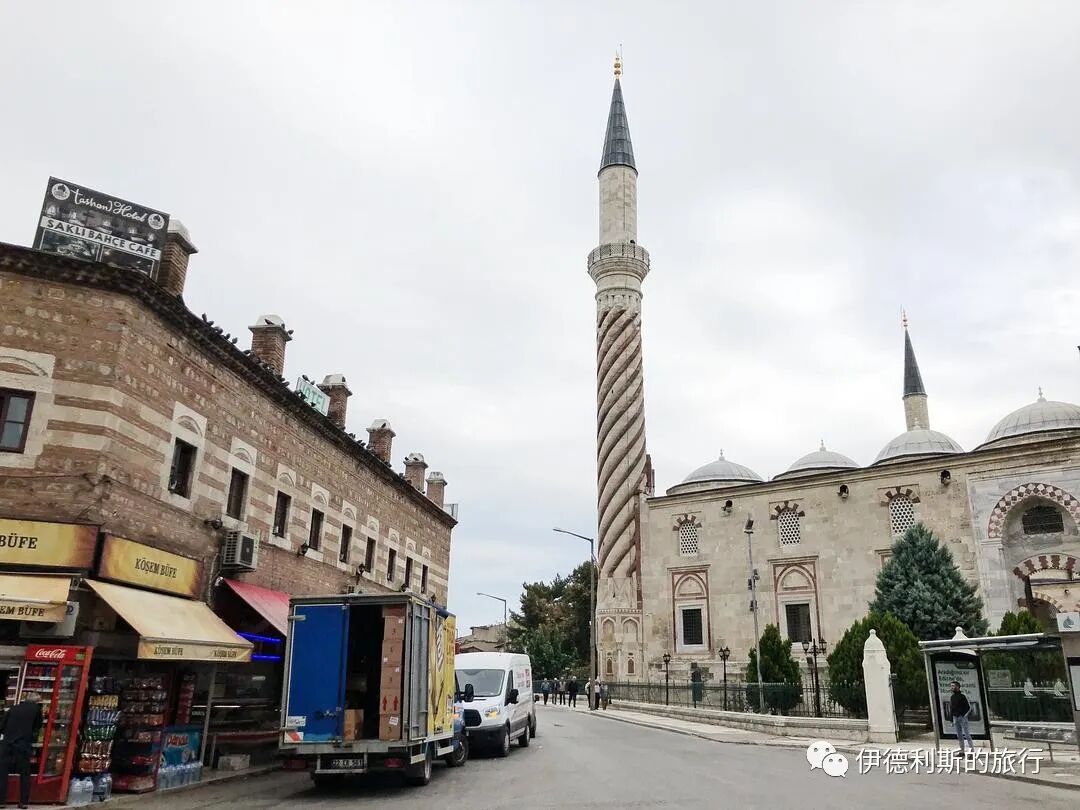
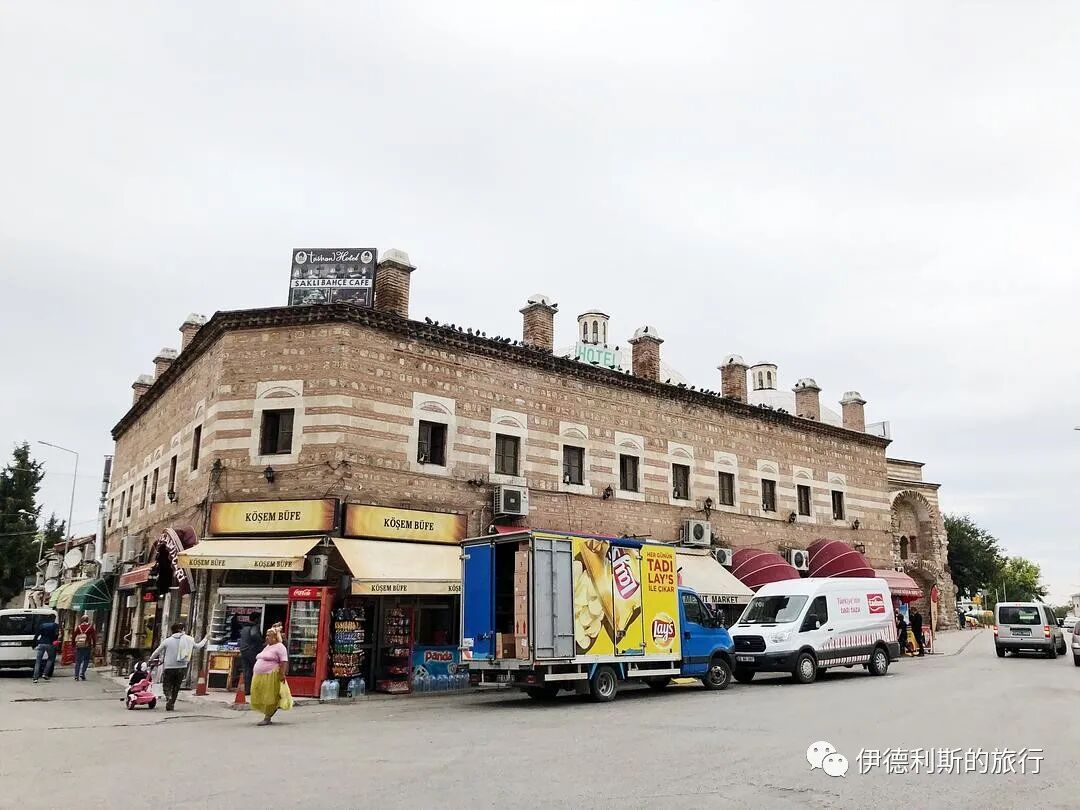
5. Sokollu Mehmed Pasha Bath (Sokollu Mehmed Paşa Hamamı): second half of the 16th century
The Sokullu Mehmet Pasha Bath (Sokullu Mehmet Paşa Hamamı) was commissioned in the second half of the 16th century by the Ottoman Grand Vizier Sokullu Mehmet Pasha (in office 1565–1579) and built by the great Ottoman architect Mimar Sinan.
The bathhouse was built right next to the Tash Khan inn. It consists of a men's section and a women's section and is known as one of the most important bathhouses in the Ottoman Empire.
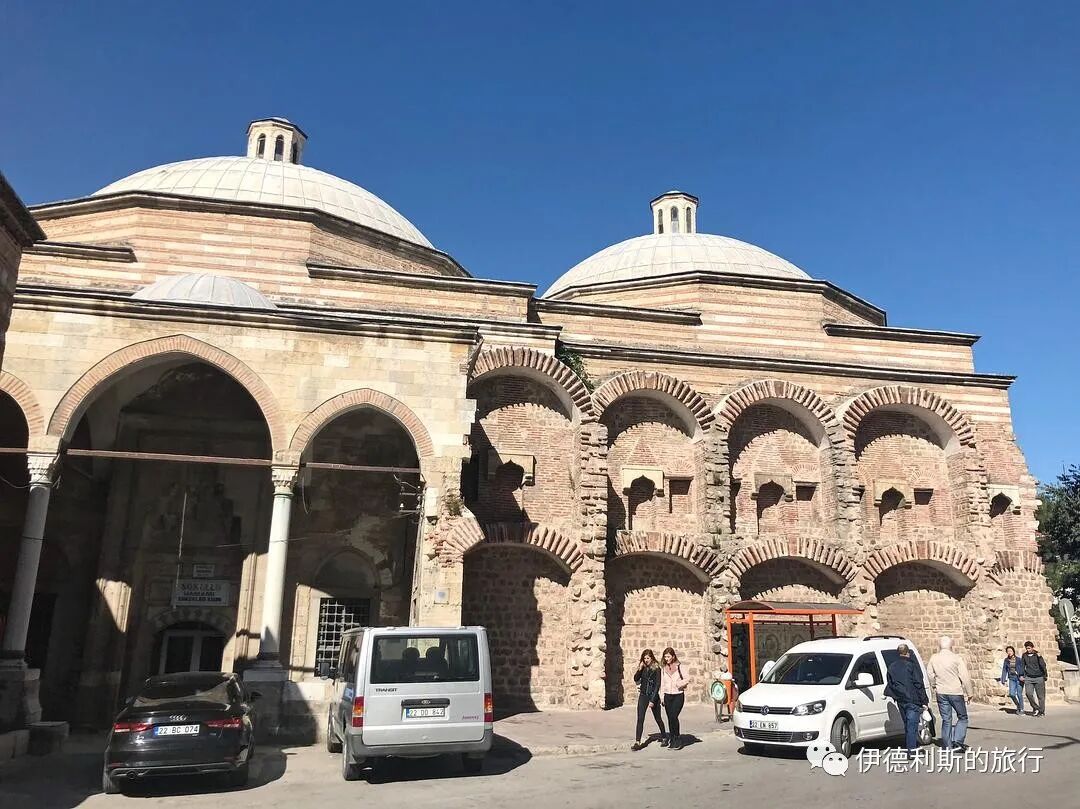
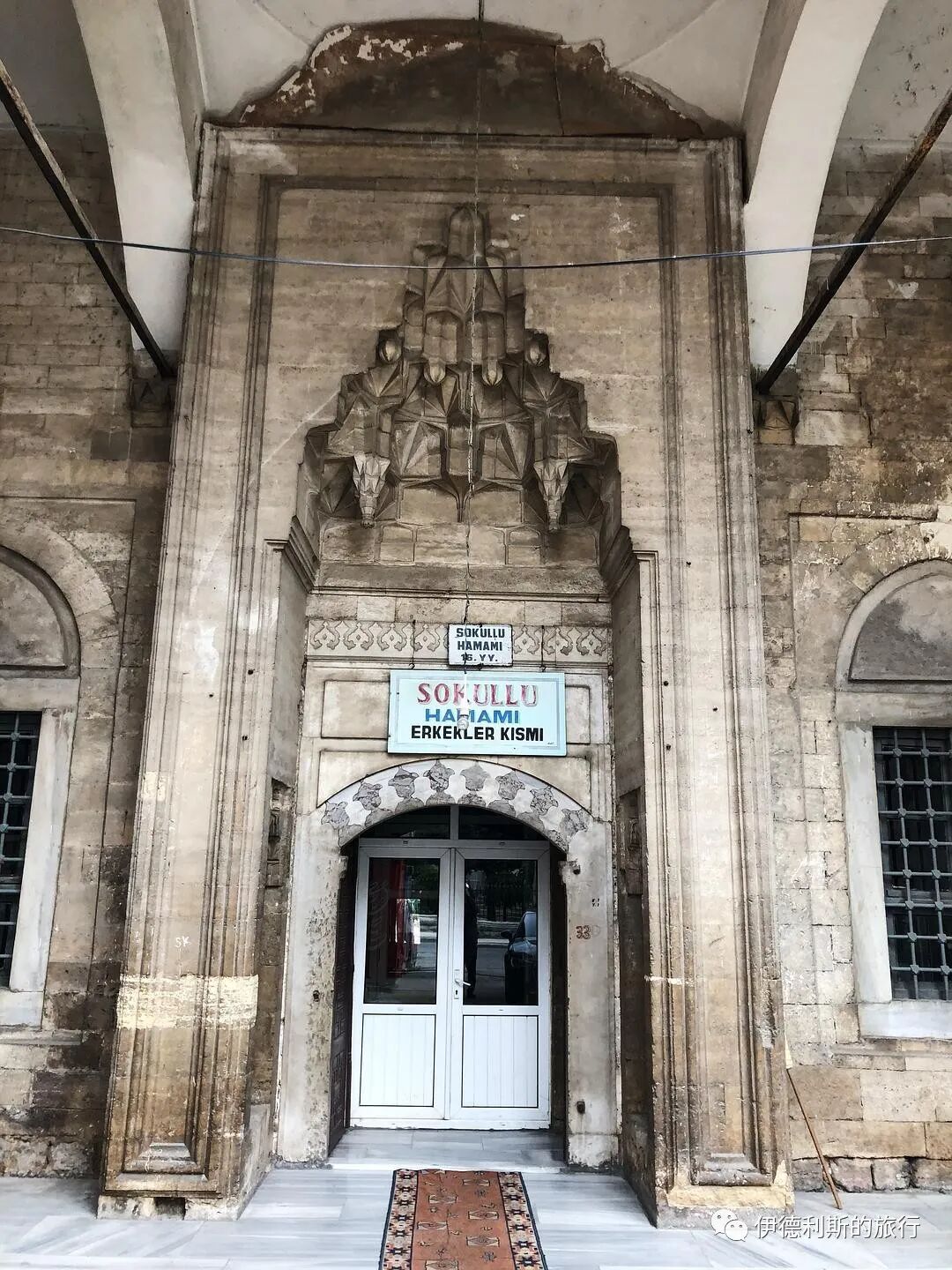
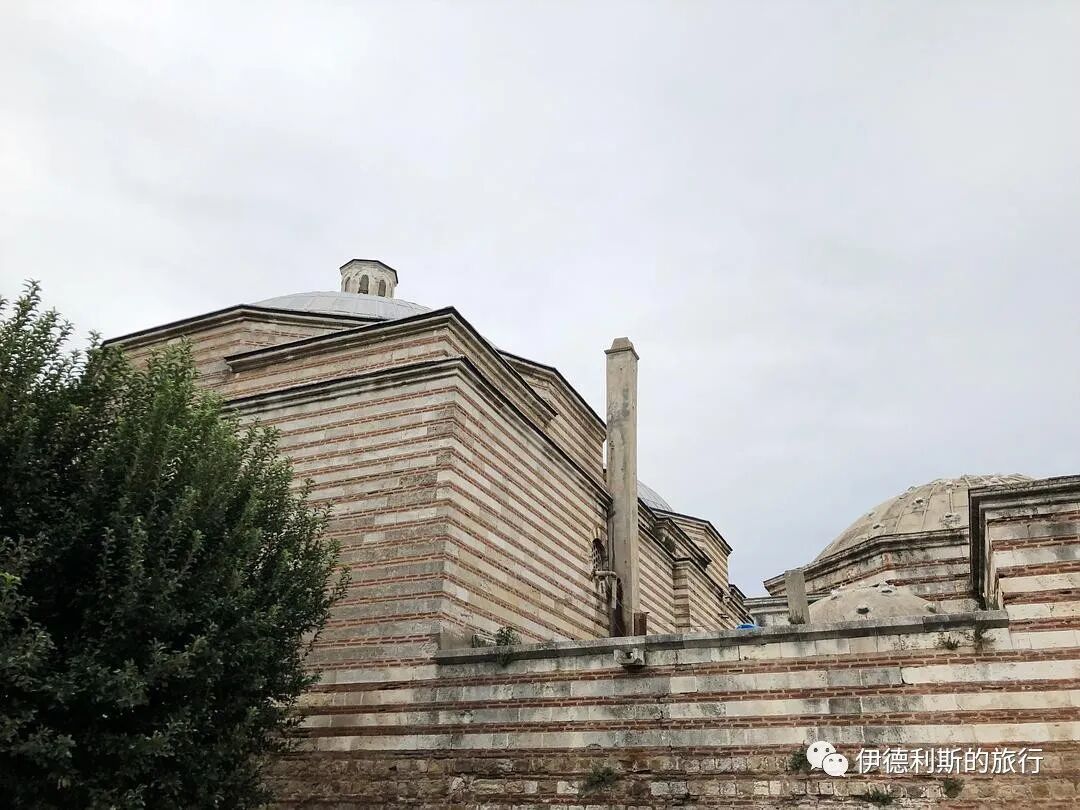
4. Edirne Palace: construction started in 1450
1. Rise and fall of the palace
Edirne Palace (Edirne Sarayı) was ordered to be built by Sultan Murad II in 1450, but construction stopped the following year when the Sultan passed away. After a period of inactivity, it was finally completed in 1475 by his successor, Sultan Mehmed the Conqueror.
The palace was expanded continuously between the 16th and 18th centuries. The most important period was during the reign of Suleiman the Magnificent (1520–1566), when the chief architect Mimar Sinan redesigned the palace and solved the water supply issue by building canals. To protect the palace from flooding, the canals were built in an arc shape around it.
The palace stopped being used after Ahmed III moved to Istanbul in 1718. It did not return to use until Mustafa III (reigned 1757–1774) returned to Edirne in 1768. During those fifty years, the palace gradually fell into disrepair and suffered through an earthquake in 1752 and a fire in 1776.
Mahmud II (reigned 1808–1839) carried out small-scale repairs in 1825, but the palace was severely damaged and occupied as a military barracks after the Russian army captured Edirne in 1829.
Between 1868 and 1873, some parts of the palace were repaired by the mayor at the time. During the Russo-Turkish War in 1877, the governor of Edirne feared the Russian army would take the city and intentionally blew up an ammunition depot near the palace. This caused severe damage, and building materials from the palace were later continuously stripped away for use elsewhere.
2. Palace composition
At its peak, the palace consisted of 72 buildings, including 117 rooms, 14 mansions, 18 bathhouses, 9 mosques, 17 gates, and 13 cellars. At its busiest, 34,000 people lived inside.
The main building of the palace is called the Panorama Pavilion (Cihannüma Kasrı), also known as the Imperial Throne (Taht-ı Hümayun), built in 1450. The Panorama Pavilion is a seven-story building with an octagonal room at the top. It includes the Sultan's room, a room for flags, a library, and a mosque.
Initial archaeological excavations of the Panorama Pavilion took place in 1956. In 2001, sponsored by the National Palaces Administration, archaeological and restoration work began on the palace gate, the Gate of Felicity (Bab'üs Sa'ade), and the Panorama Pavilion (Cihannüma Kasrı) site, which was completed in 2004.
The Sand Pavilion Bathhouse (Kum Kasrı Hamamı) was built by Sultan Mehmed the Conqueror. It is another palace ruin that survives today, and it was excavated in 2000.
The Imperial Kitchen (Matbah-ı Amire) is located on the southwest side of the palace. It has eight domes, and while the north facade is gone, most of it remains well-preserved.
The Court of Justice (Kasr-ı Adalet) is on the south bank of the Tunca River. It was ordered to be built in 1561 by Suleiman the Magnificent, who is also known as Suleiman the Lawgiver.
The Conqueror's Bridge (Fatih Köprüsü) is next to the Court of Justice and was built by Mehmed the Conqueror in 1452.
The Kanuni Bridge (Kanuni Köprüsü), also called the Palace Bridge, was built in 1554 by Mimar Sinan under the orders of Suleiman the Magnificent.
Because Edirne Palace is currently under renovation and closed to the public, I could only look at it from the outside.
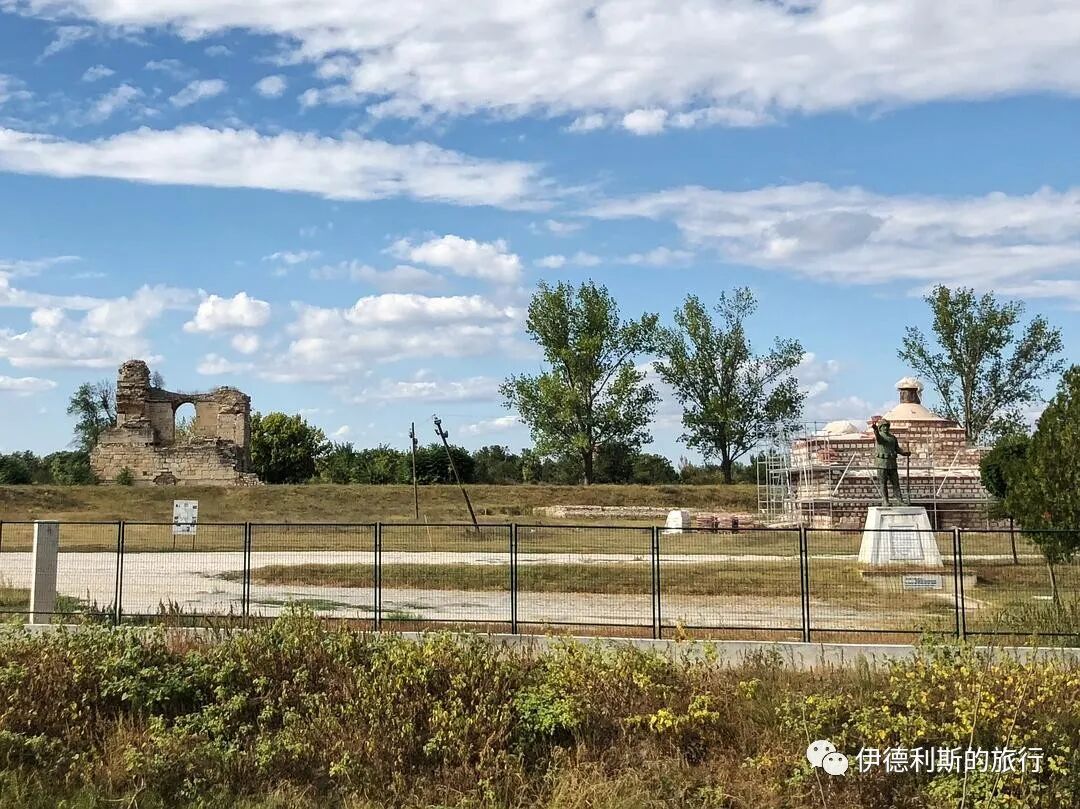
On the left is the Panorama Pavilion, and on the right is the Sand Pavilion Bathhouse.
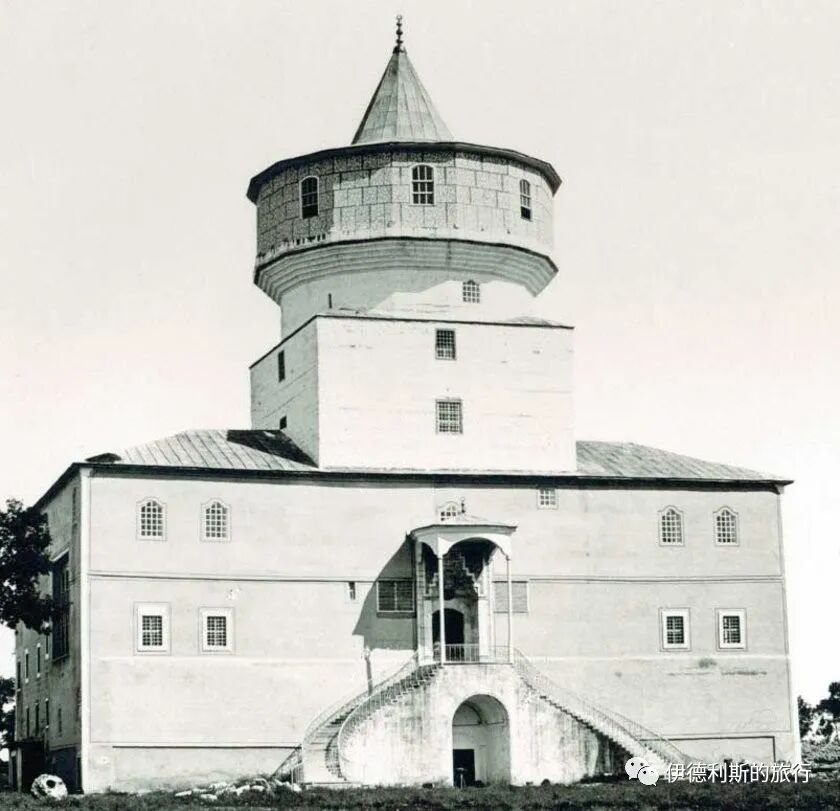
An old photo of the Panorama Pavilion before it was destroyed.
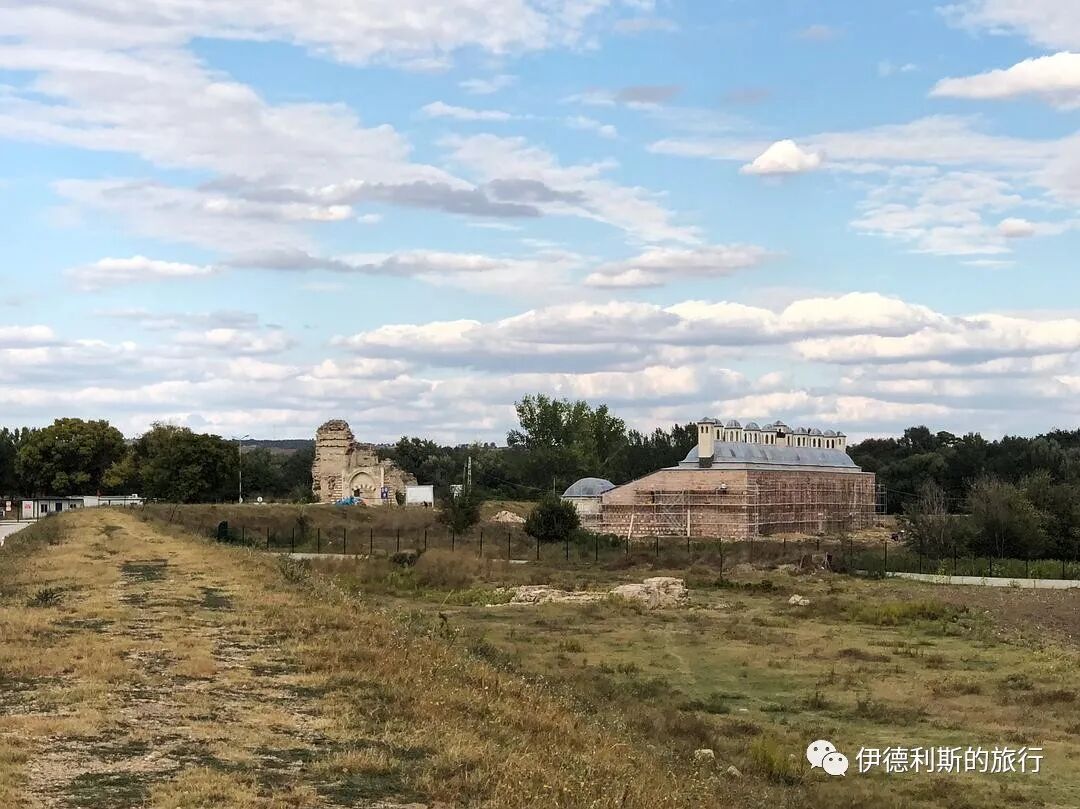
On the left are the Gate of Felicity and the Panorama Pavilion; on the right is the Imperial Kitchen.
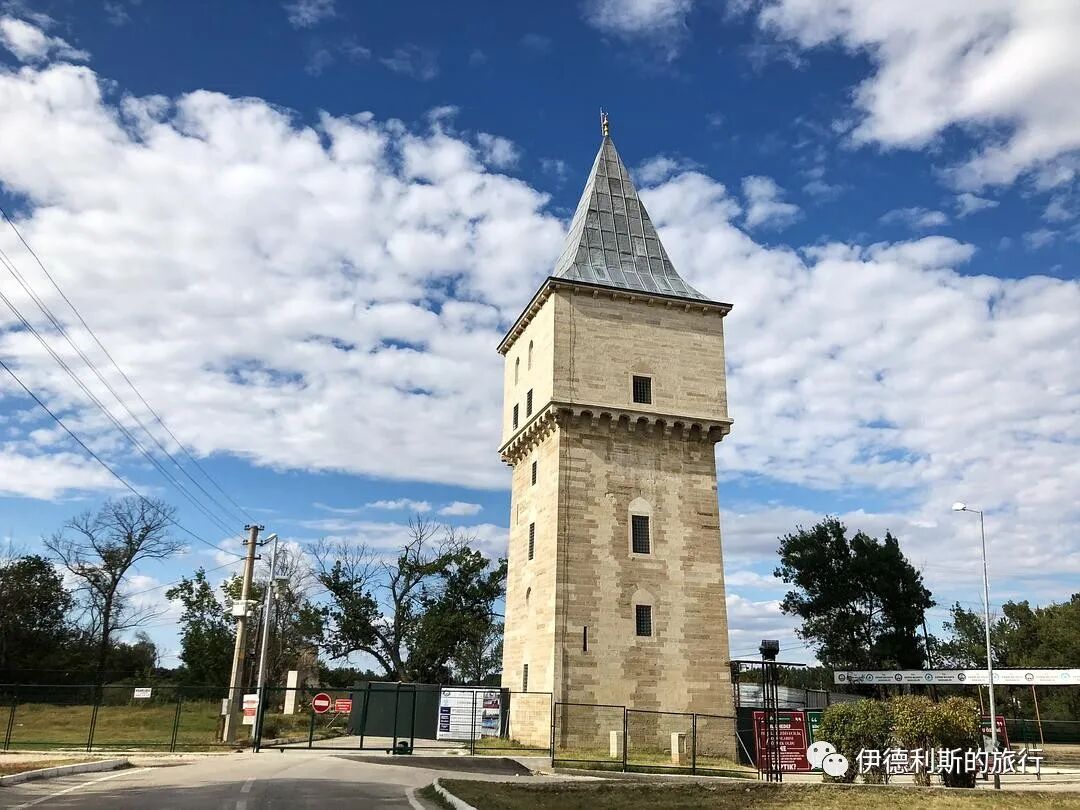
The Court of Justice.
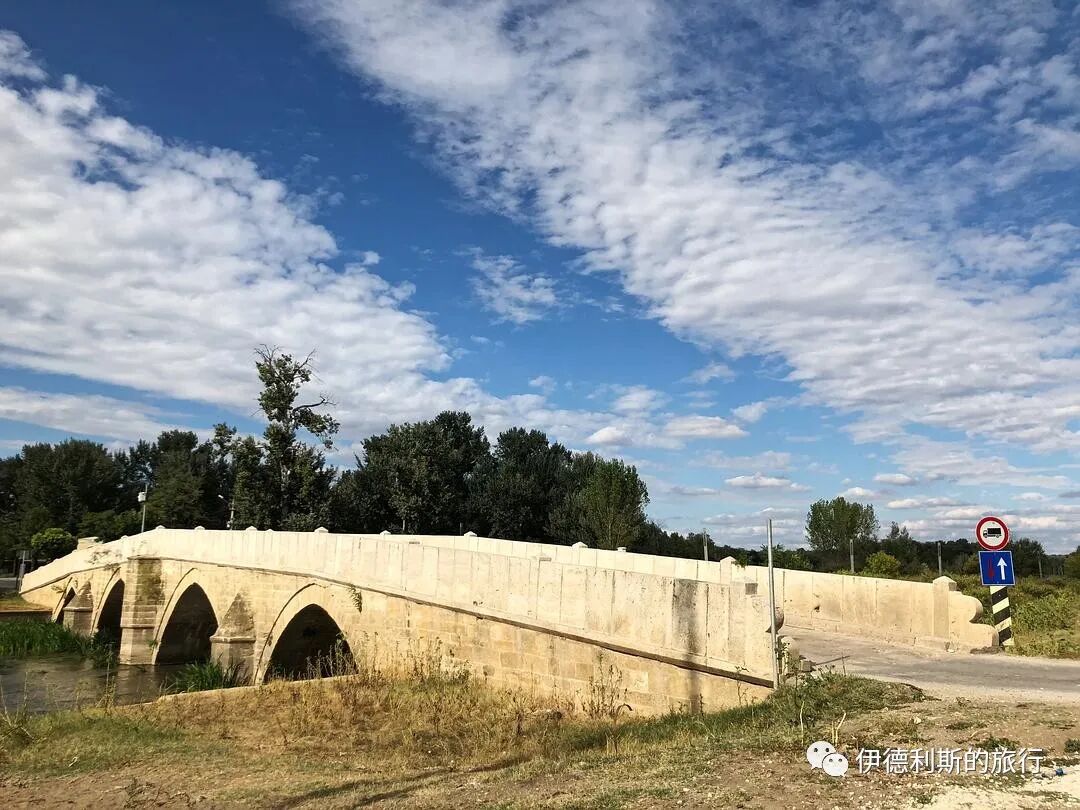
The Kanuni Bridge.
5. Kasım Pasha Mosque (Kasım Paşa Camii): 1479
The Kasım Pasha Mosque (Evliya Kasım Paşa Cami) is located by the river in the southeast of Edirne. It was ordered to be built by Kasım Pasha in 1479. Kasım Pasha was a famous Ottoman general who served as the commander of Rumelia, the European part of the Ottoman Empire. He commanded troops during the wars between the Ottoman Empire and the multinational crusader forces of Poland and Hungary between 1443 and 1444, fighting in places like Serbia and Bulgaria.
The mosque closed after 1950 due to the construction of a dam. Since then, it has been continuously damaged by floods, making it the most wild, early Ottoman mosque in Edirne.
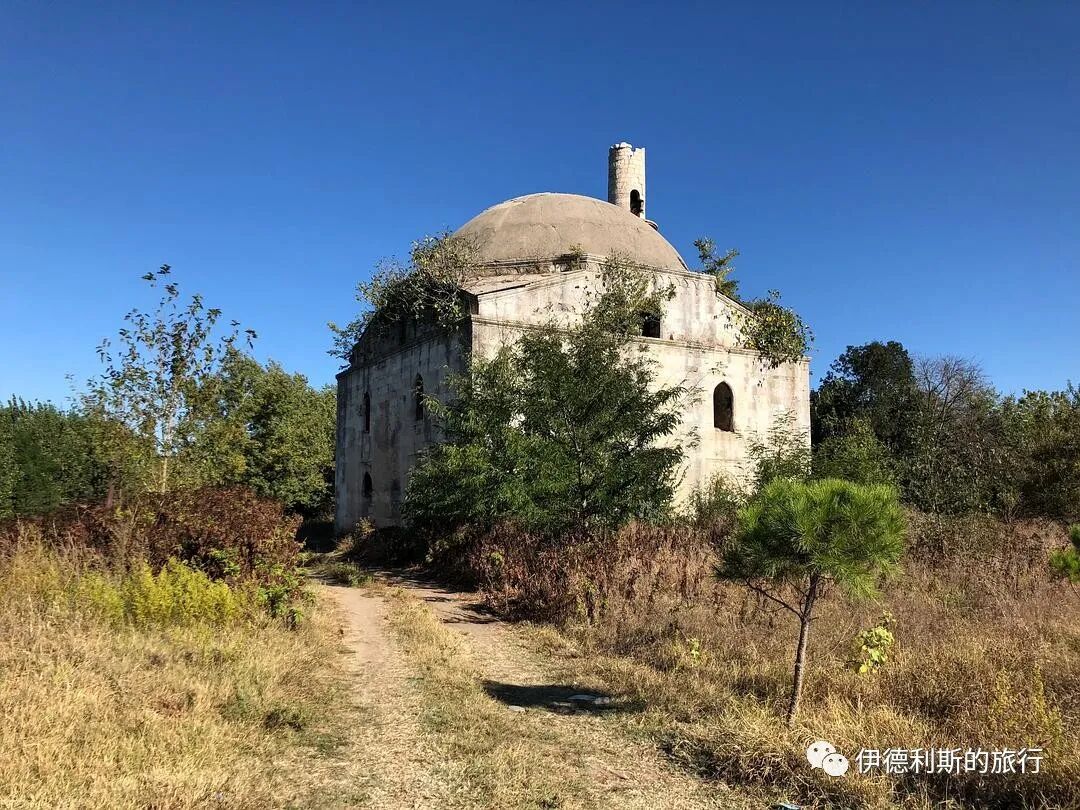
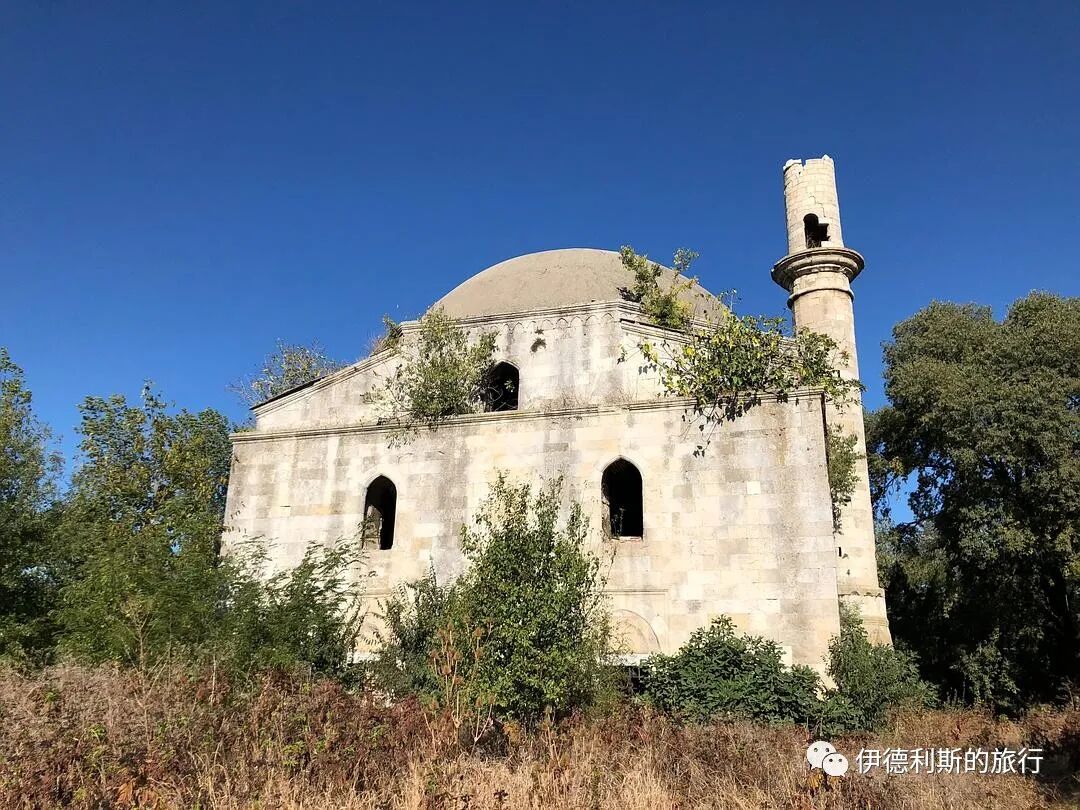
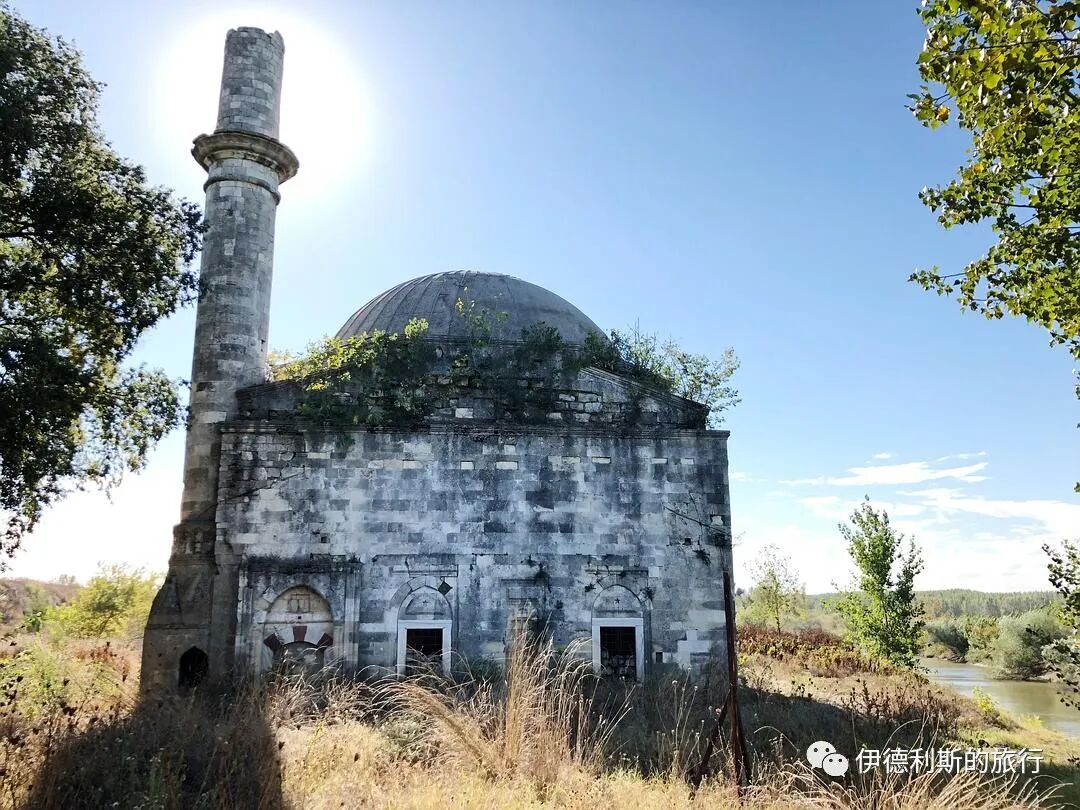
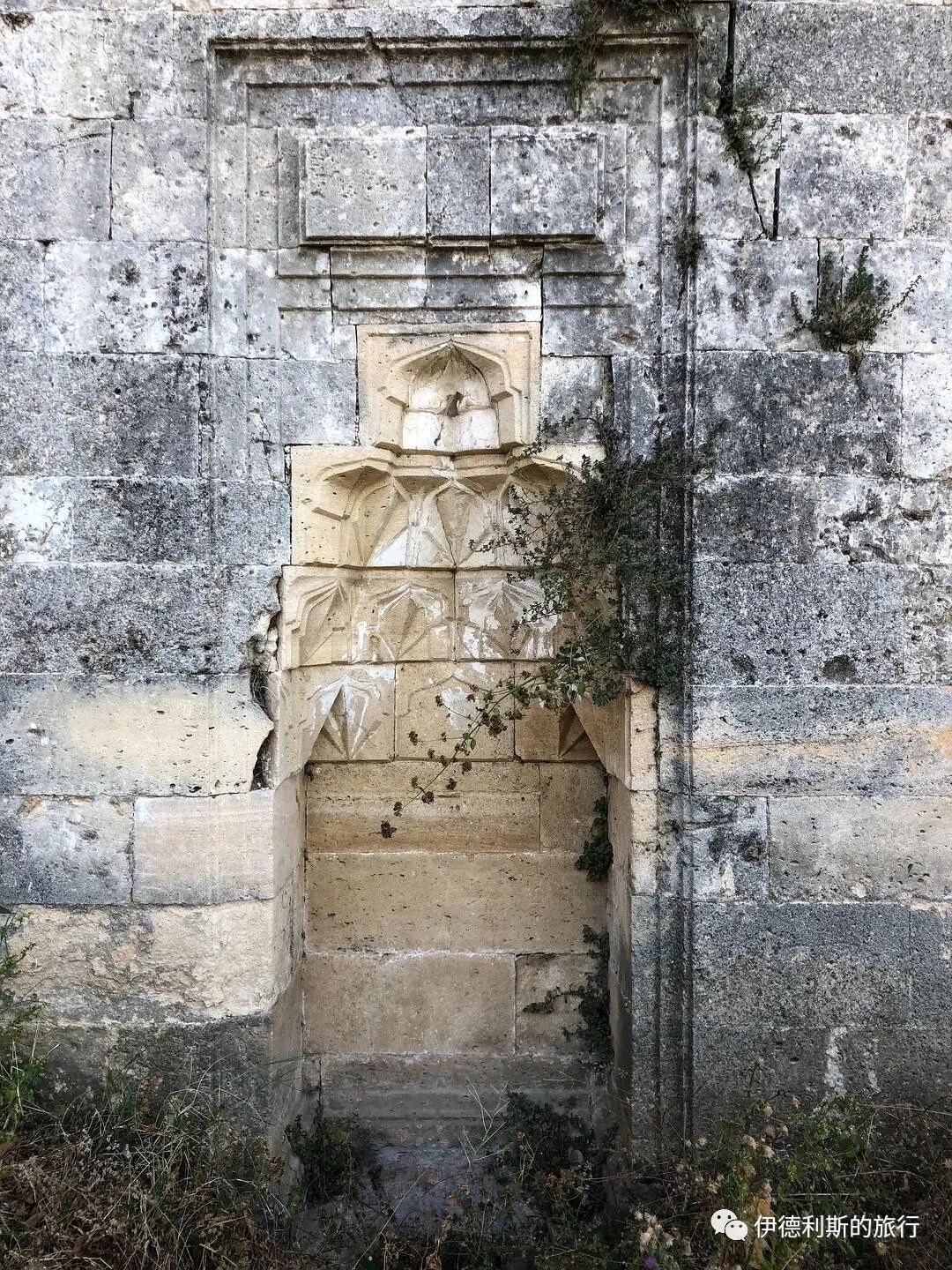
The mihrab on the outer wall.
The entrance to the bunker tower.
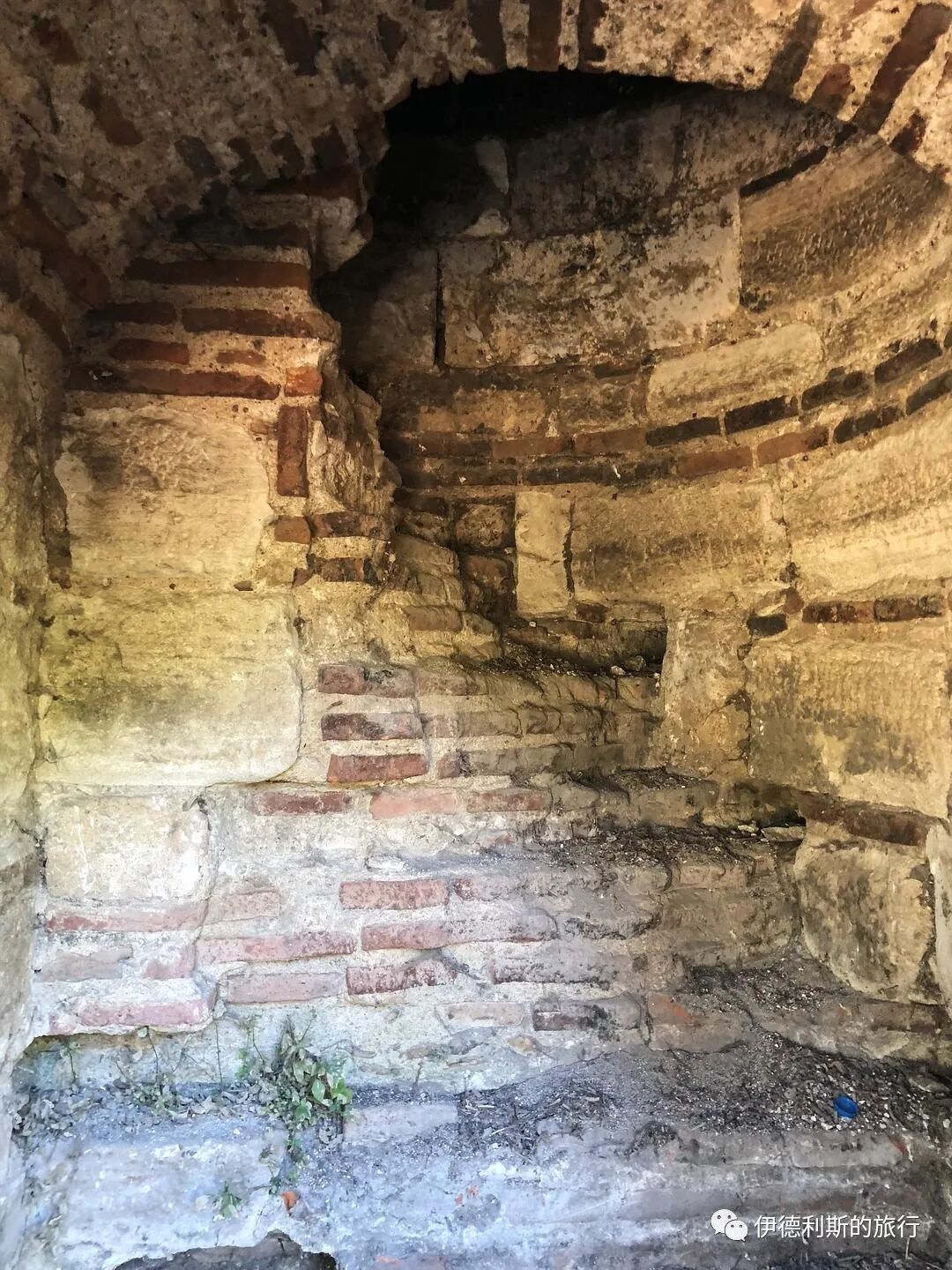
The steps of the bunker tower.
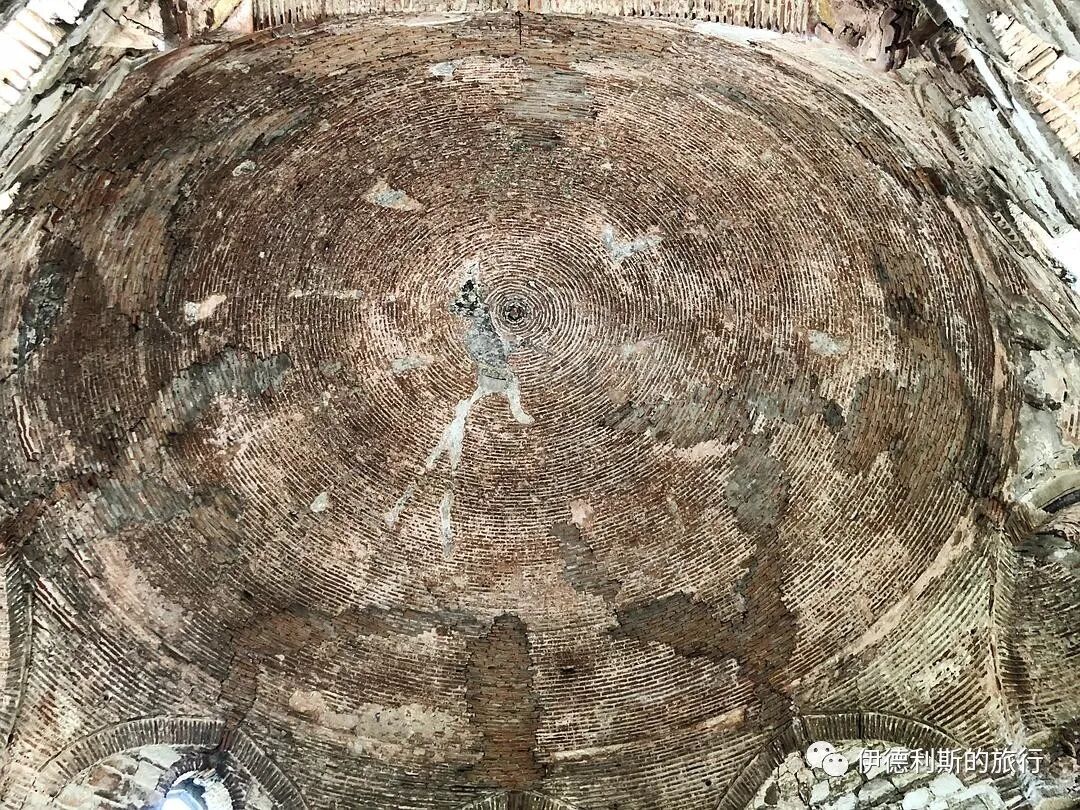
Dome
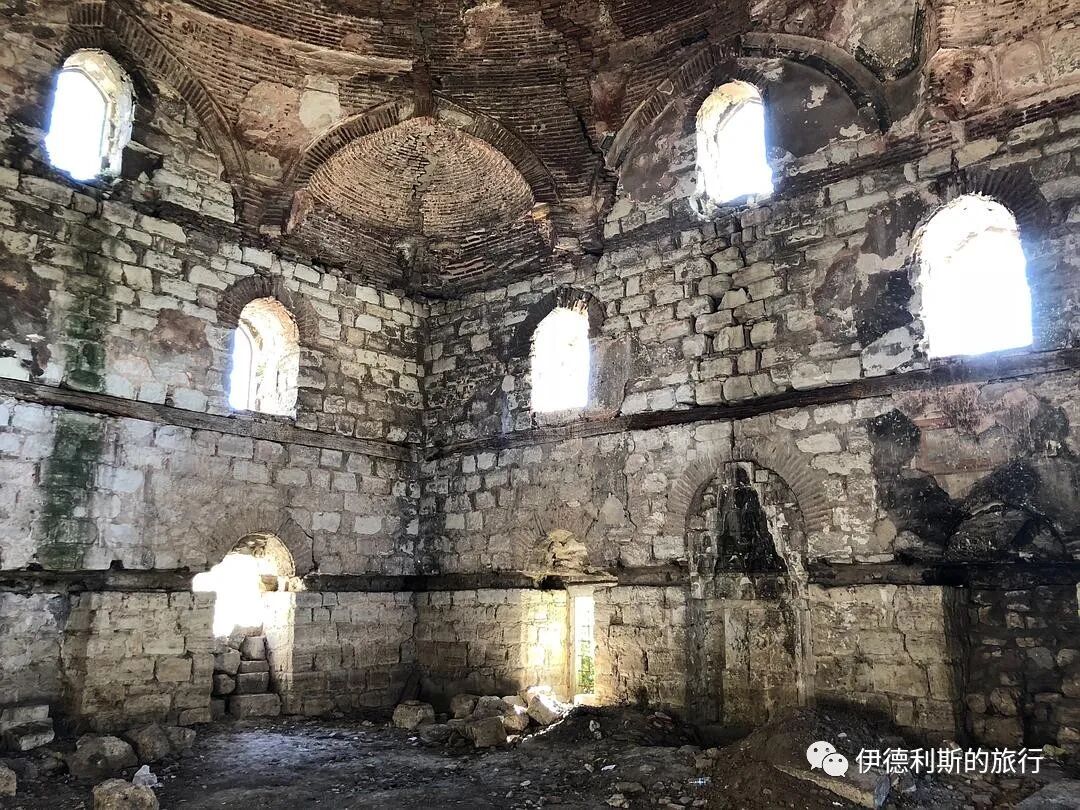
Main hall
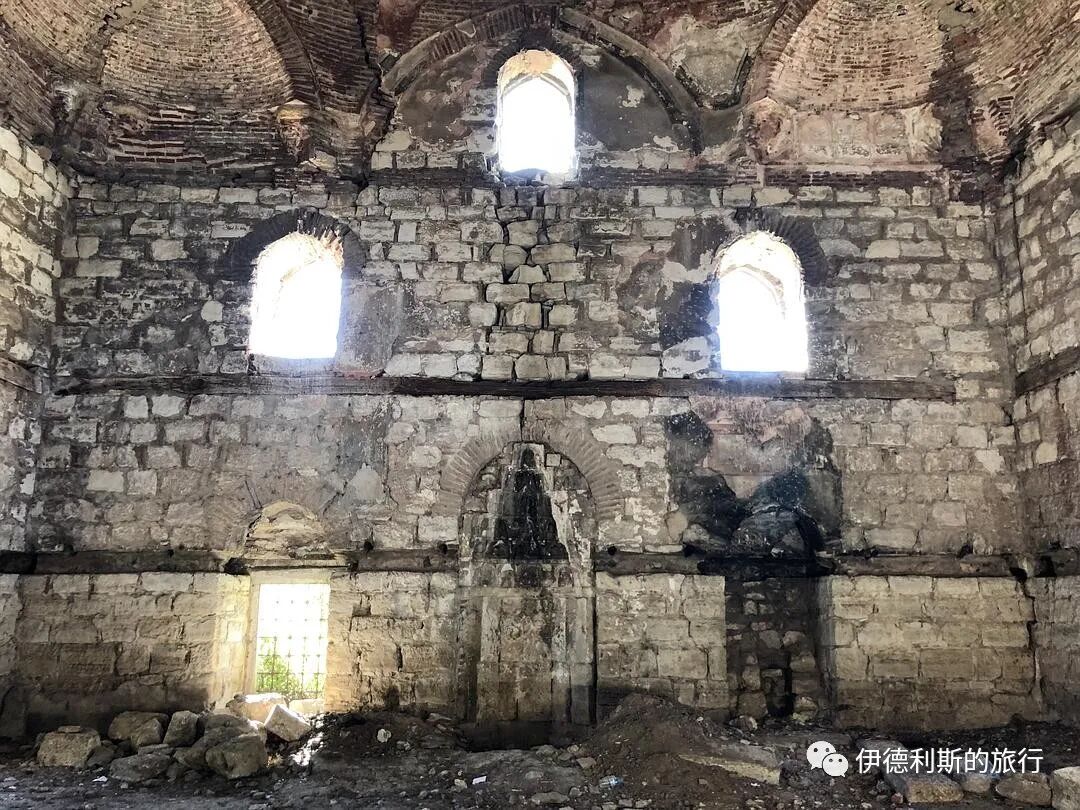
Mihrab
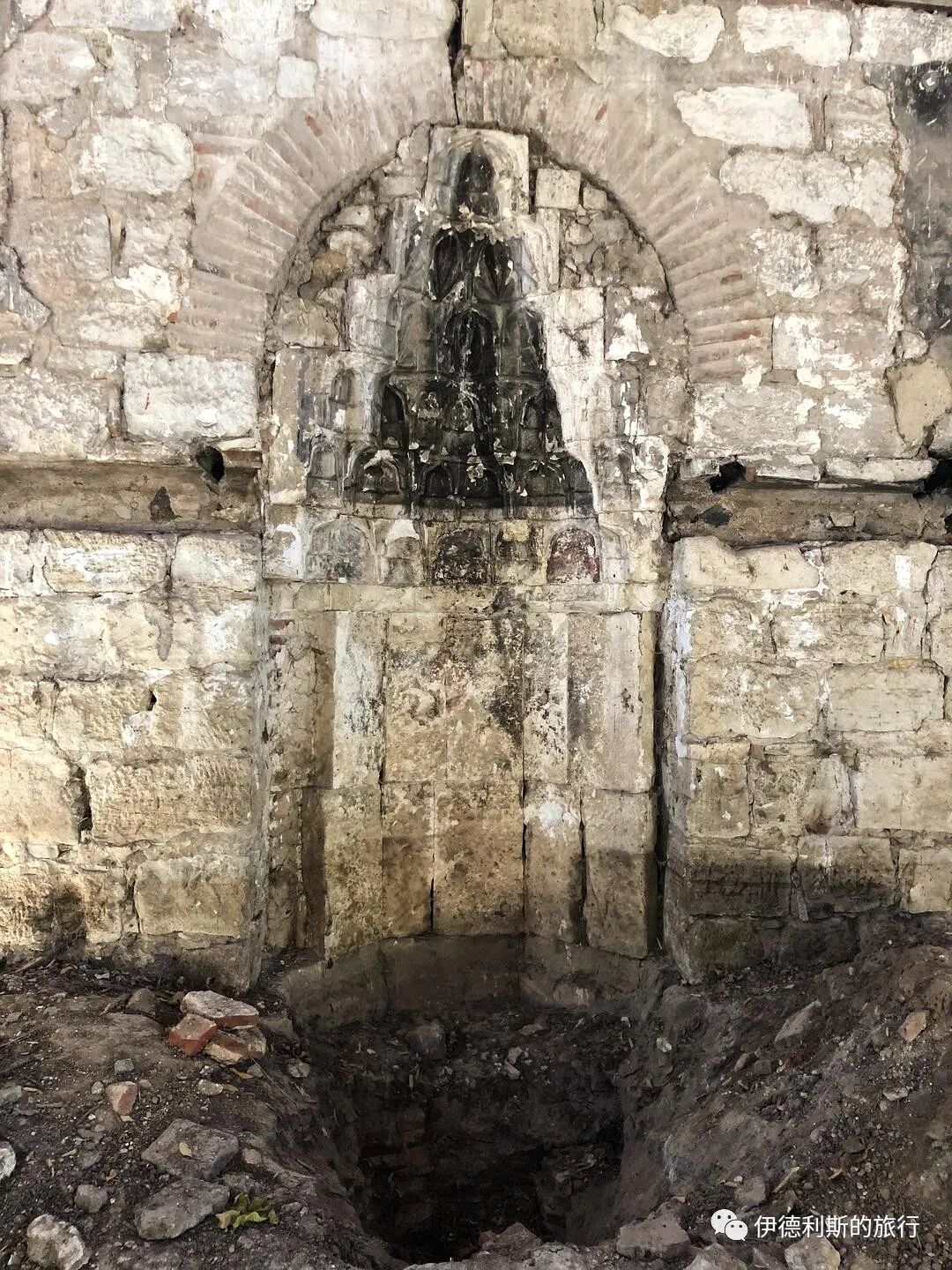
Mihrab
Architectural pieces scattered on the ground.
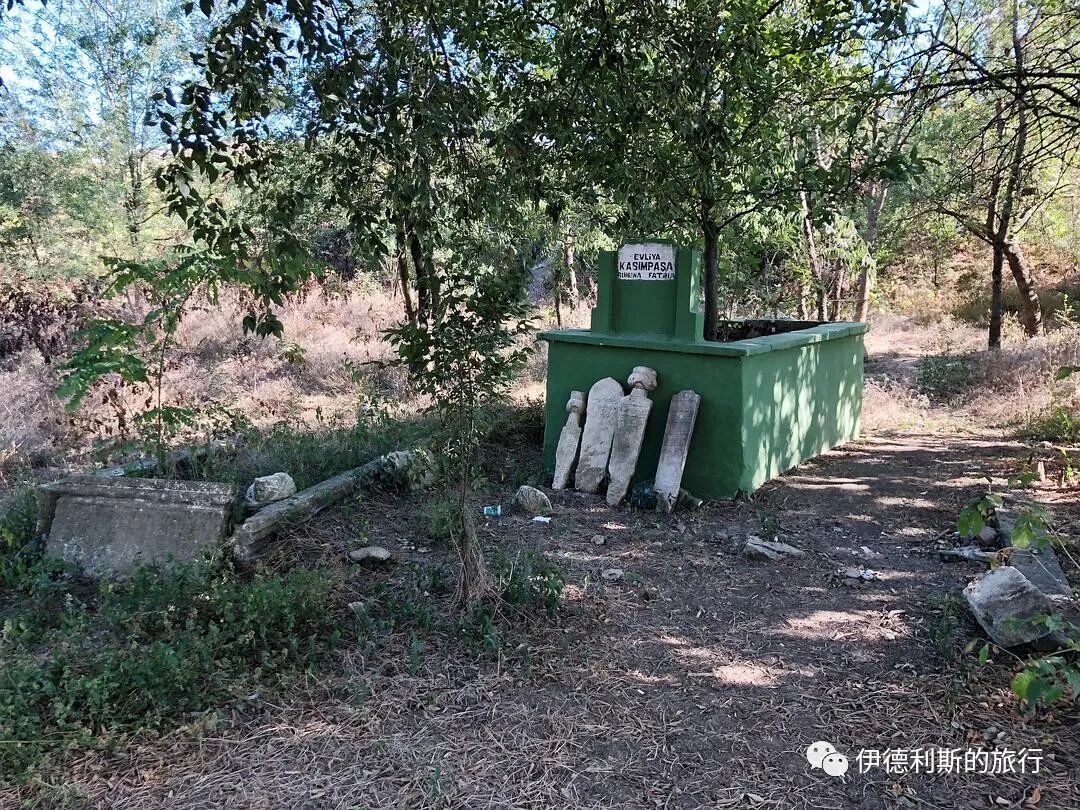
The tomb of Kasim Pasha.
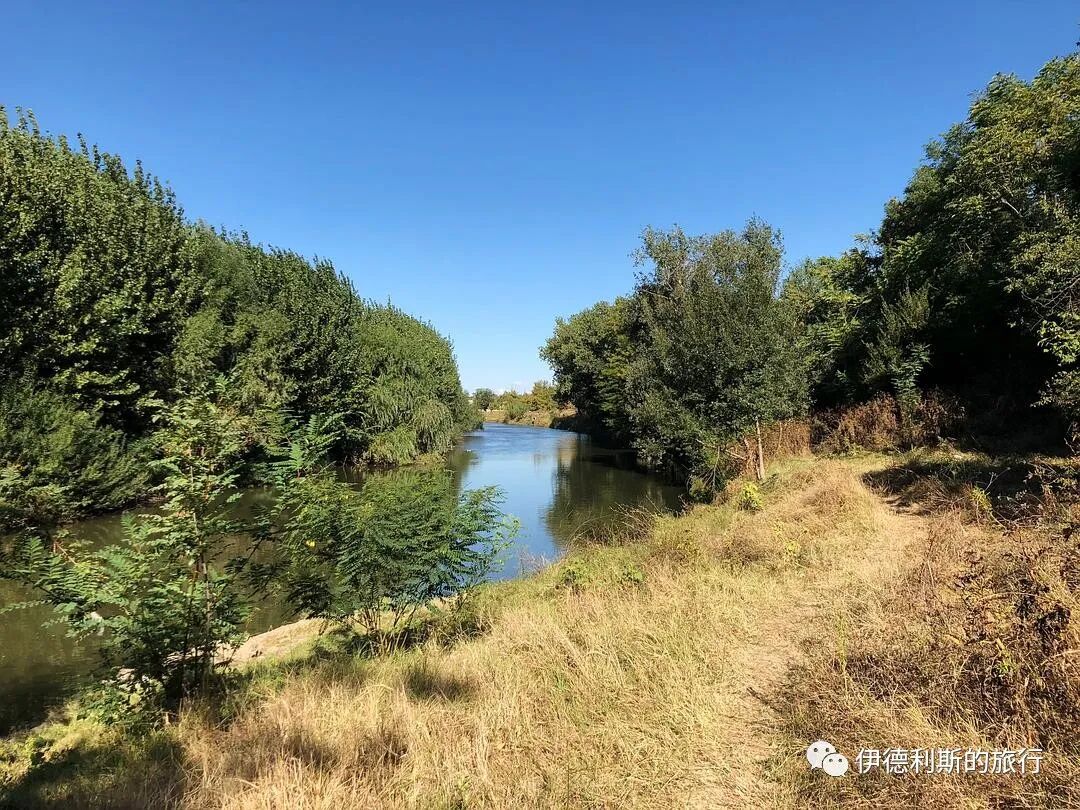
The road leading to the mosque.
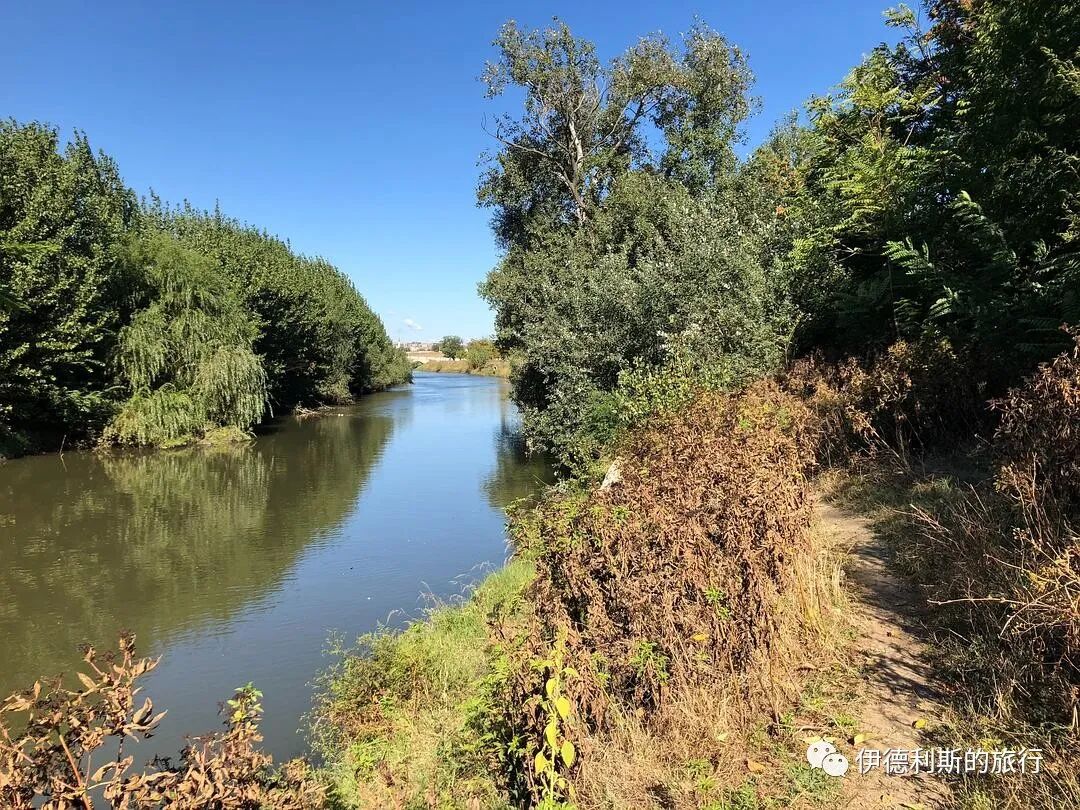
The road leading to the mosque.
6. Sultan Bayezid II complex: 1488
The Sultan Bayezid II Complex (Sultan II Bayezid Külliyesi) sits on the north bank of the Tunca River in the northwest suburbs of Edirne. It was built by order of the eighth Ottoman Sultan, Bayezid II, who reigned from 1481 to 1512. Bayezid II was the son of Mehmed the Conqueror and was known as 'the Just'. During his reign, he worked to maintain government affairs at home and defeated the Republic of Venice abroad, leading the Ottoman Empire into a prosperous era.
The entire complex includes many buildings such as a mosque, a medical school (Medrese-i Etibba), a public kitchen (imaret), a hospital (darüşşifa), a bathhouse (hamam), and warehouses.
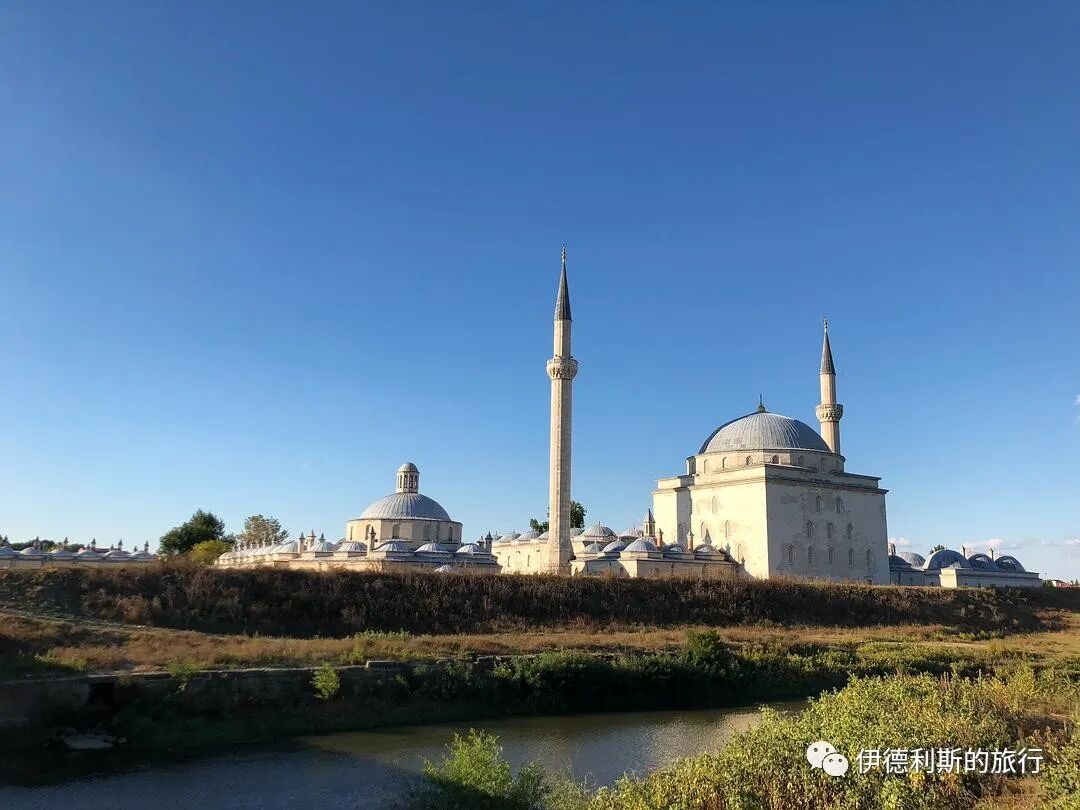
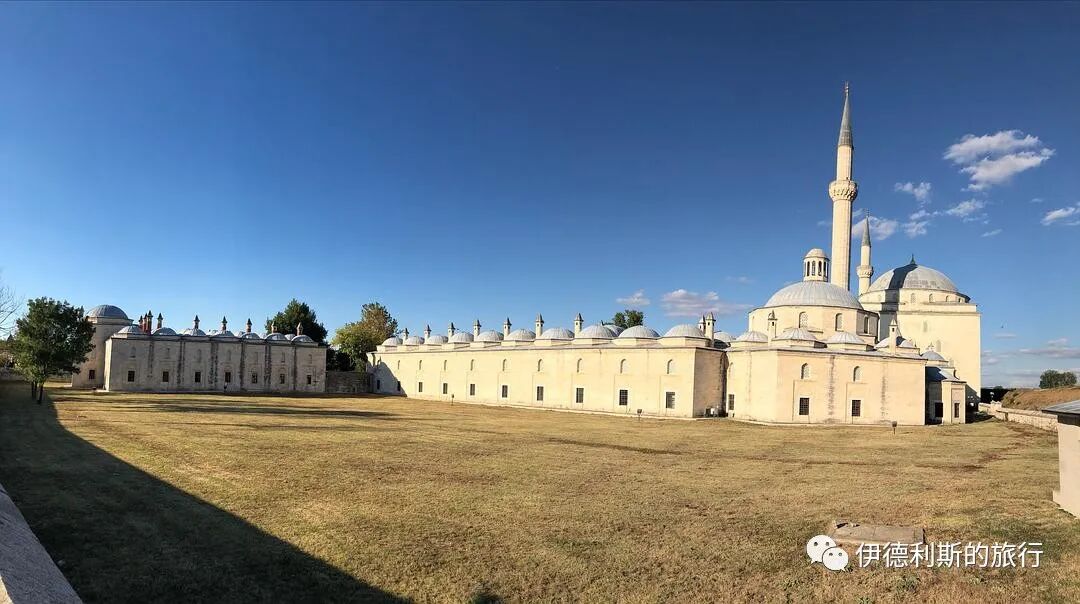
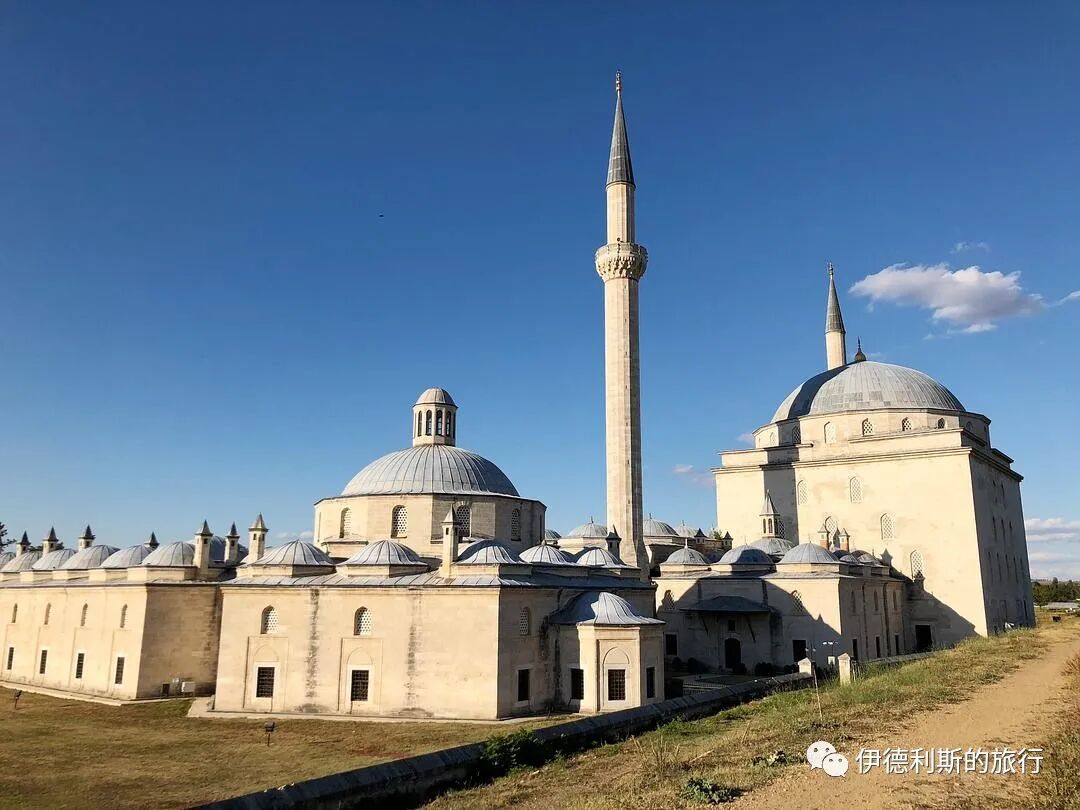
1. Mosque
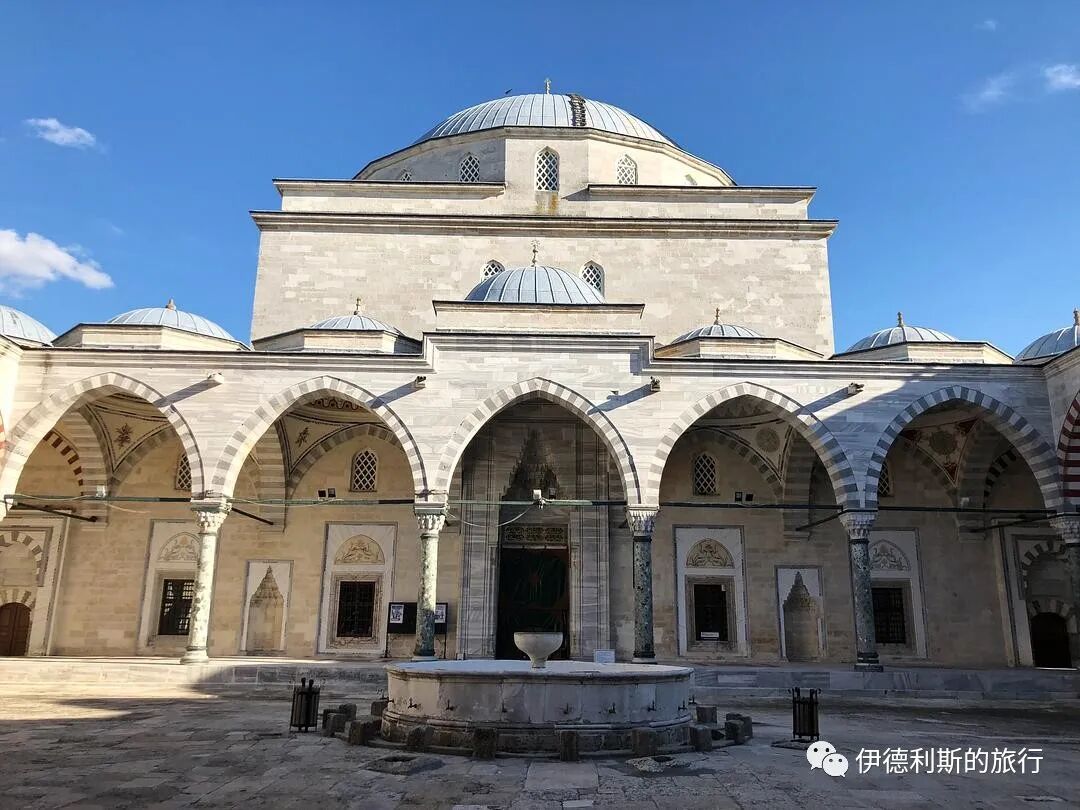
View of the main hall from the portico
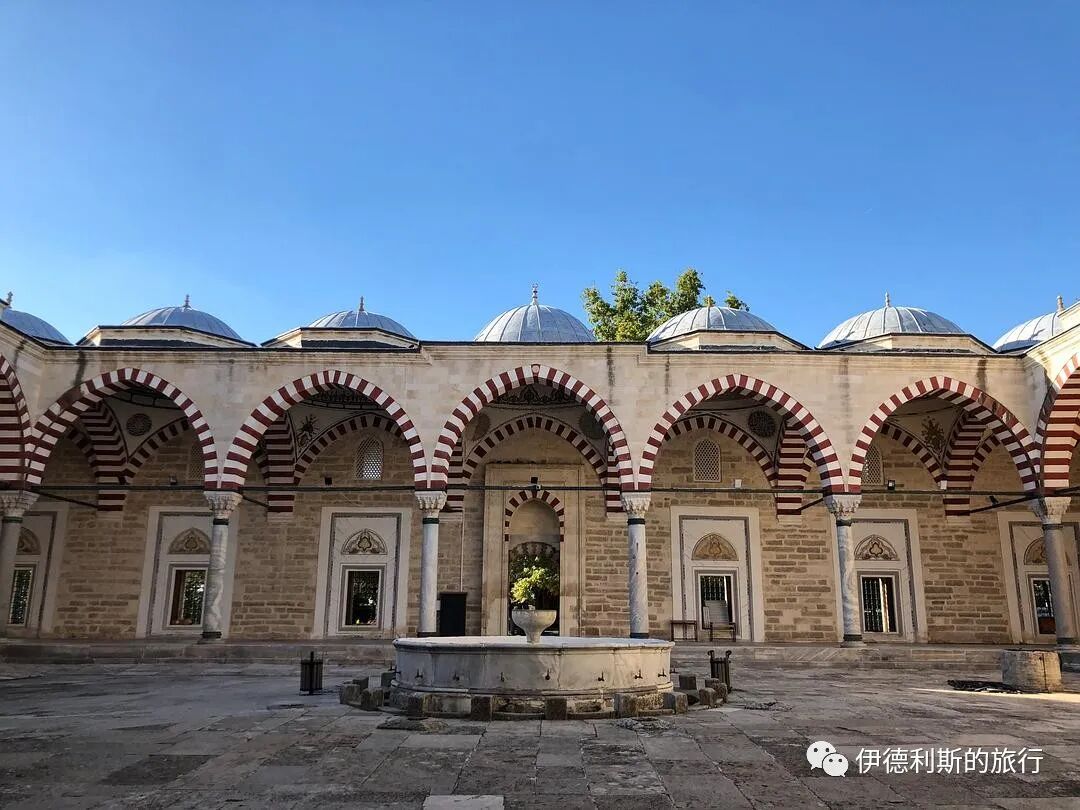
Looking at the front porch from the main hall.
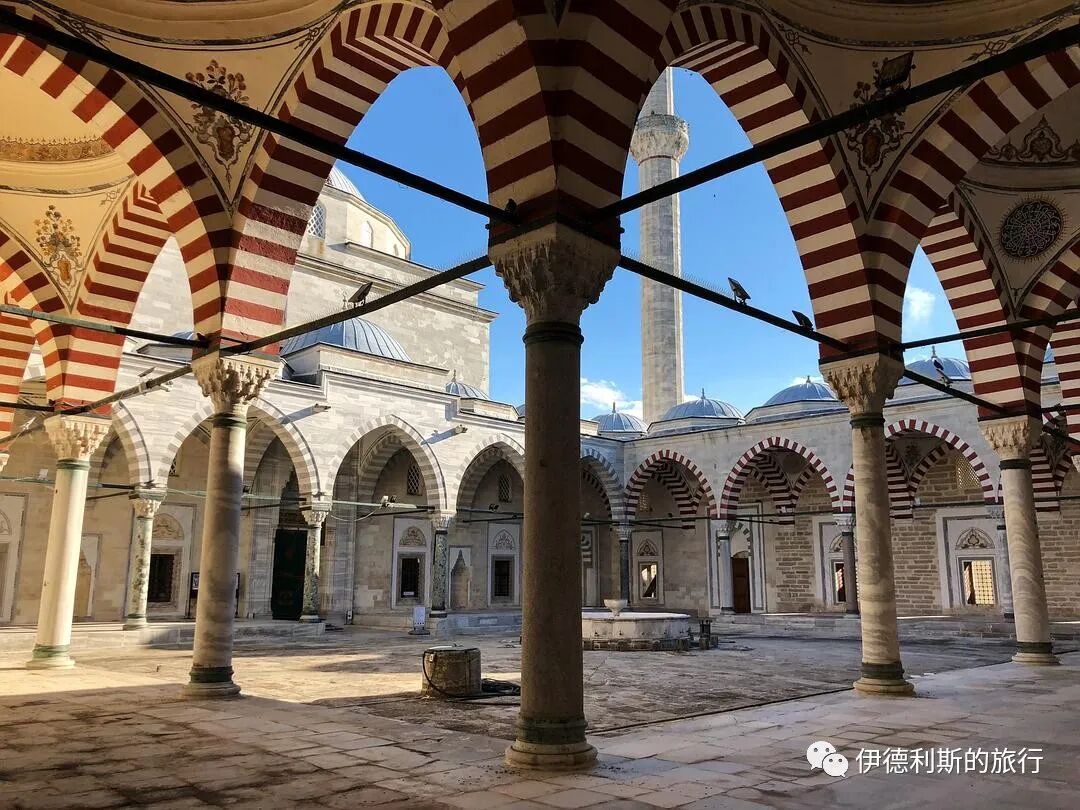
Portico
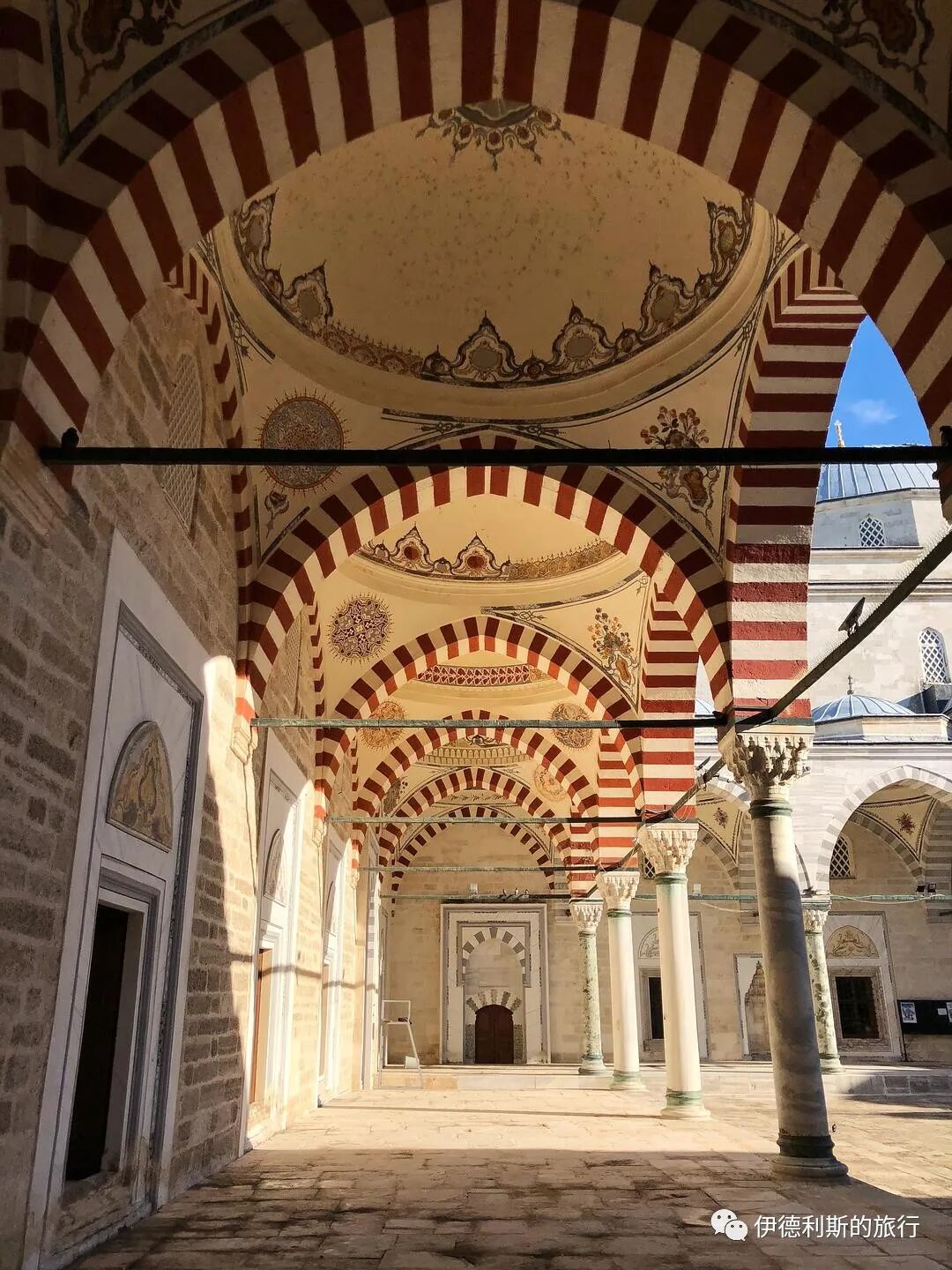
Portico
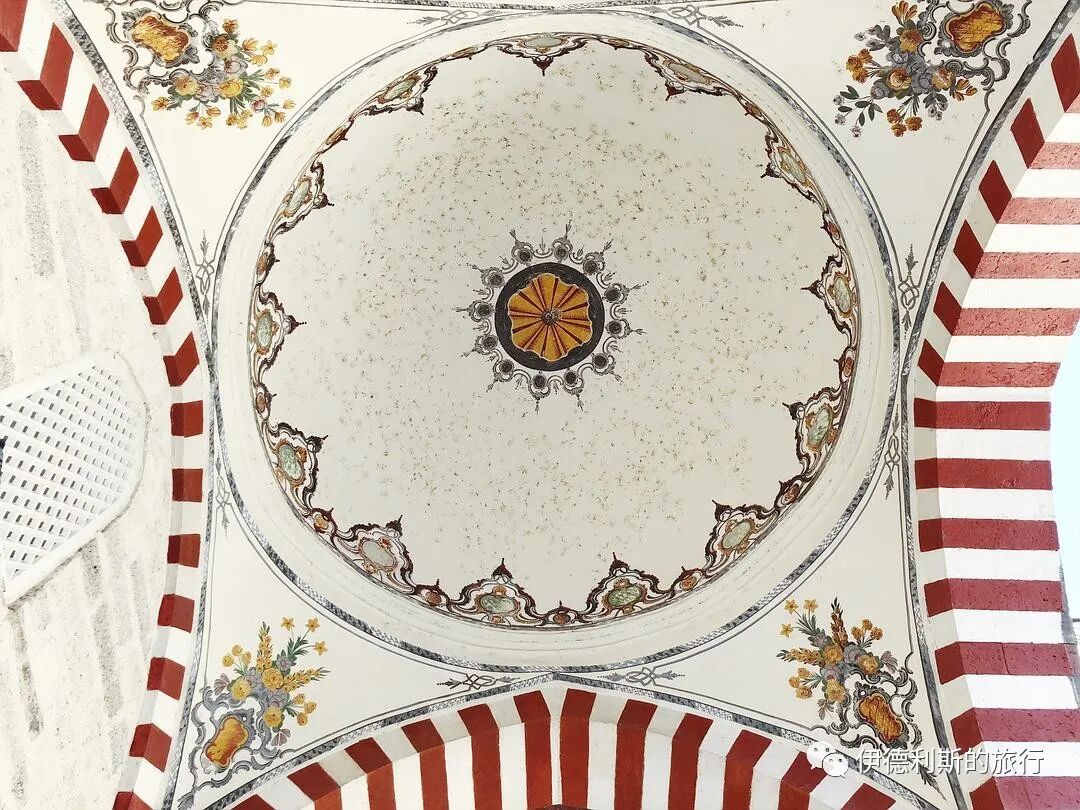
Portico dome
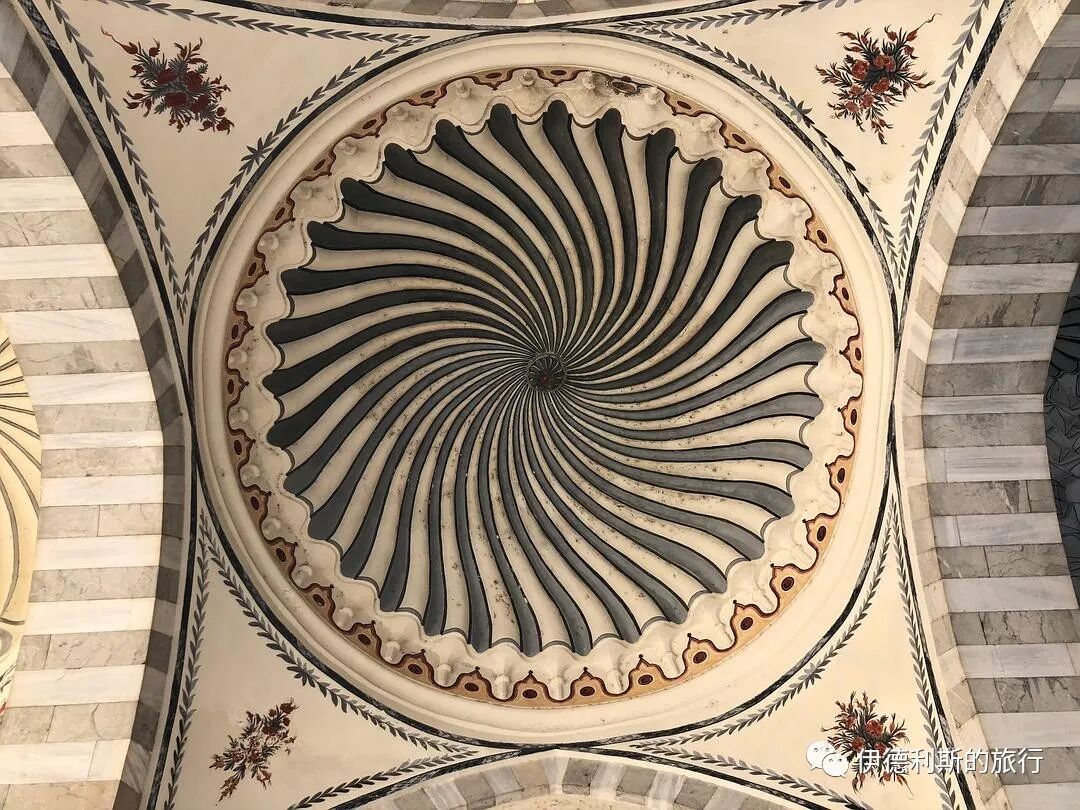
Portico dome
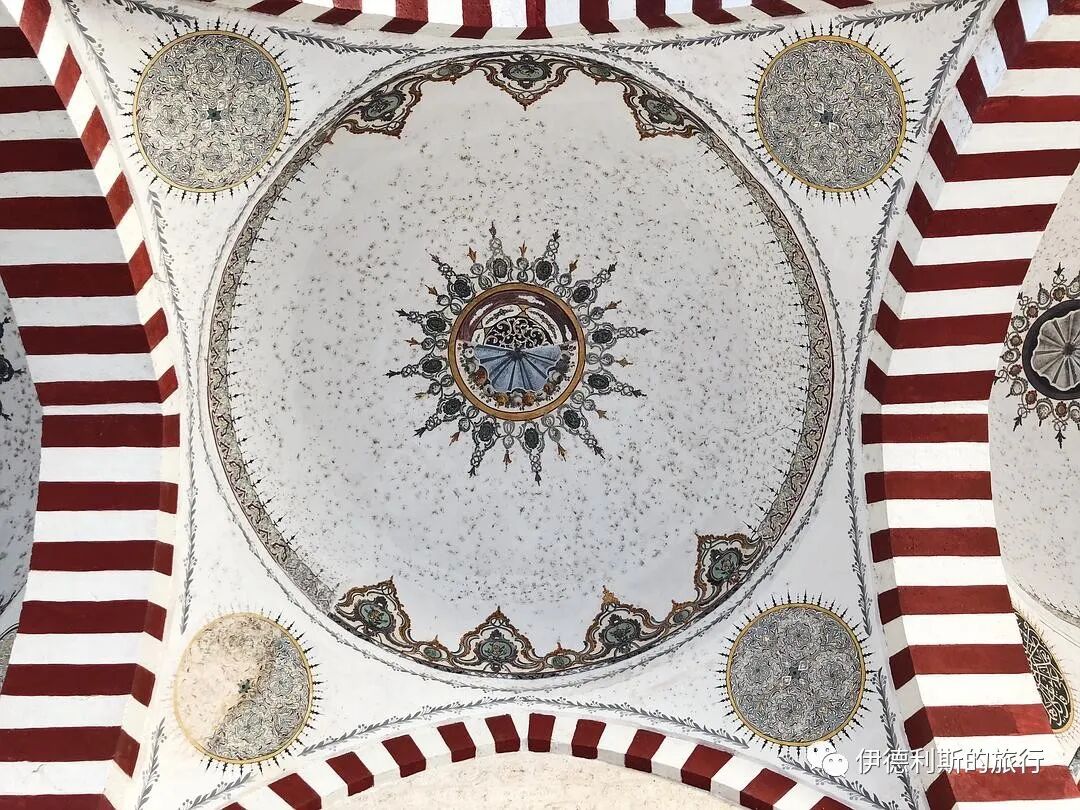
Portico dome
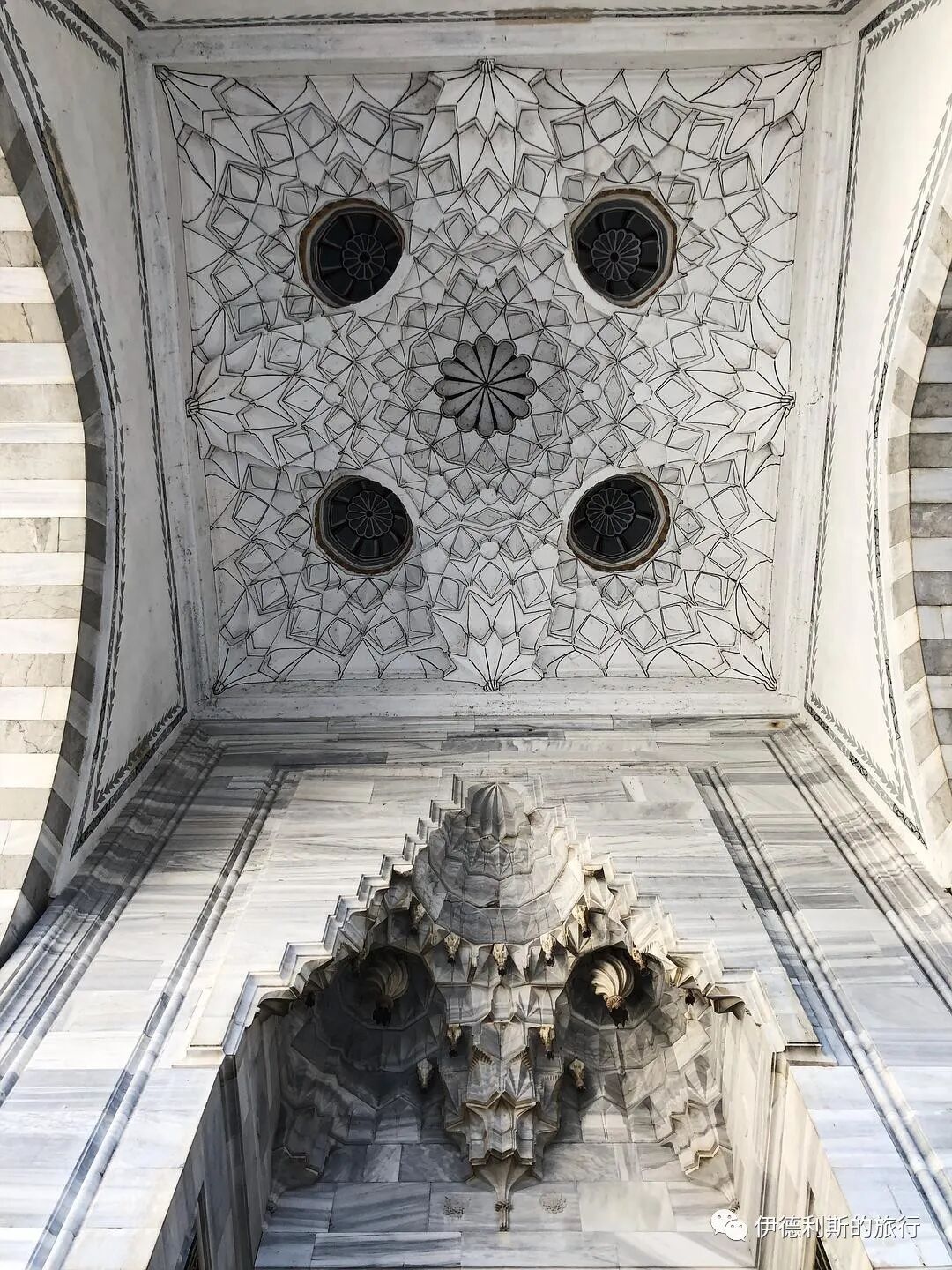
The main gate of the hall.
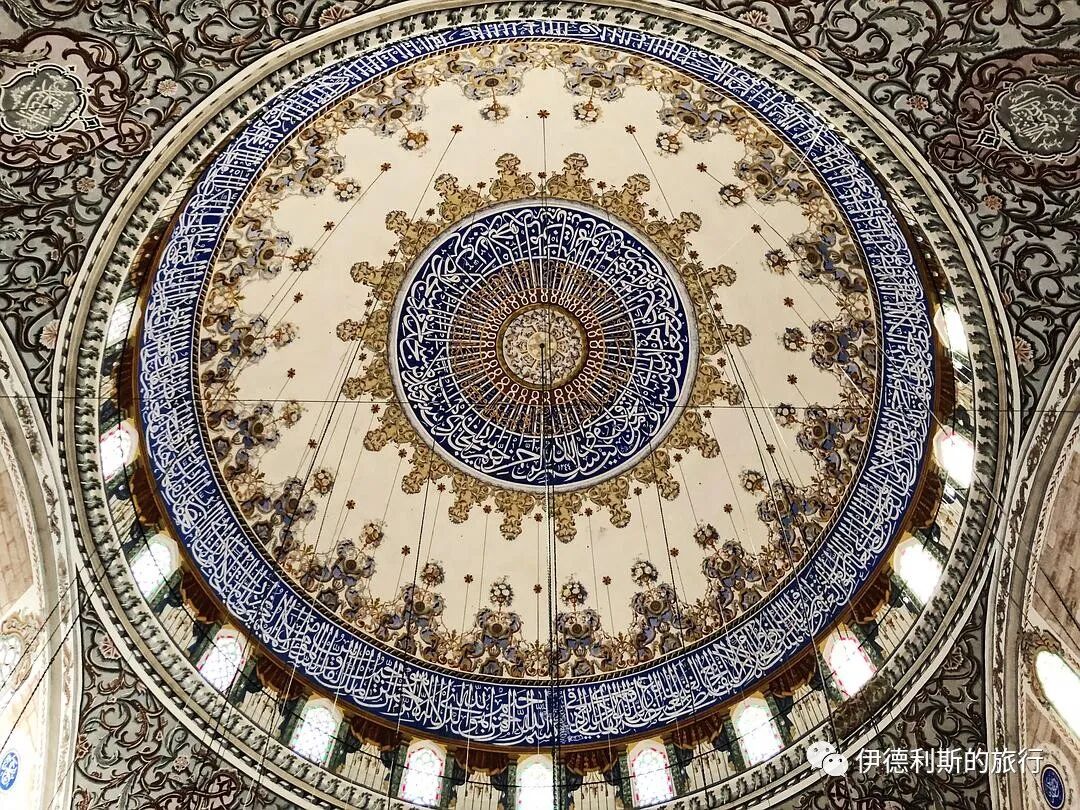
The dome of the main hall.
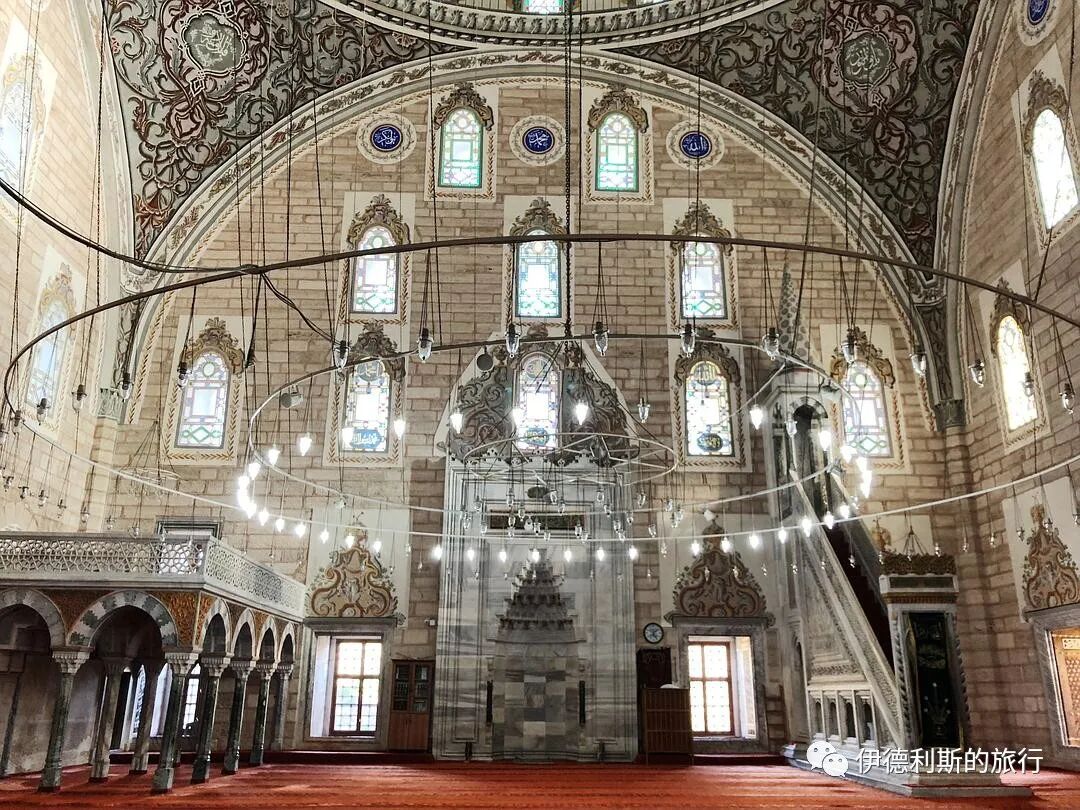
Main hall
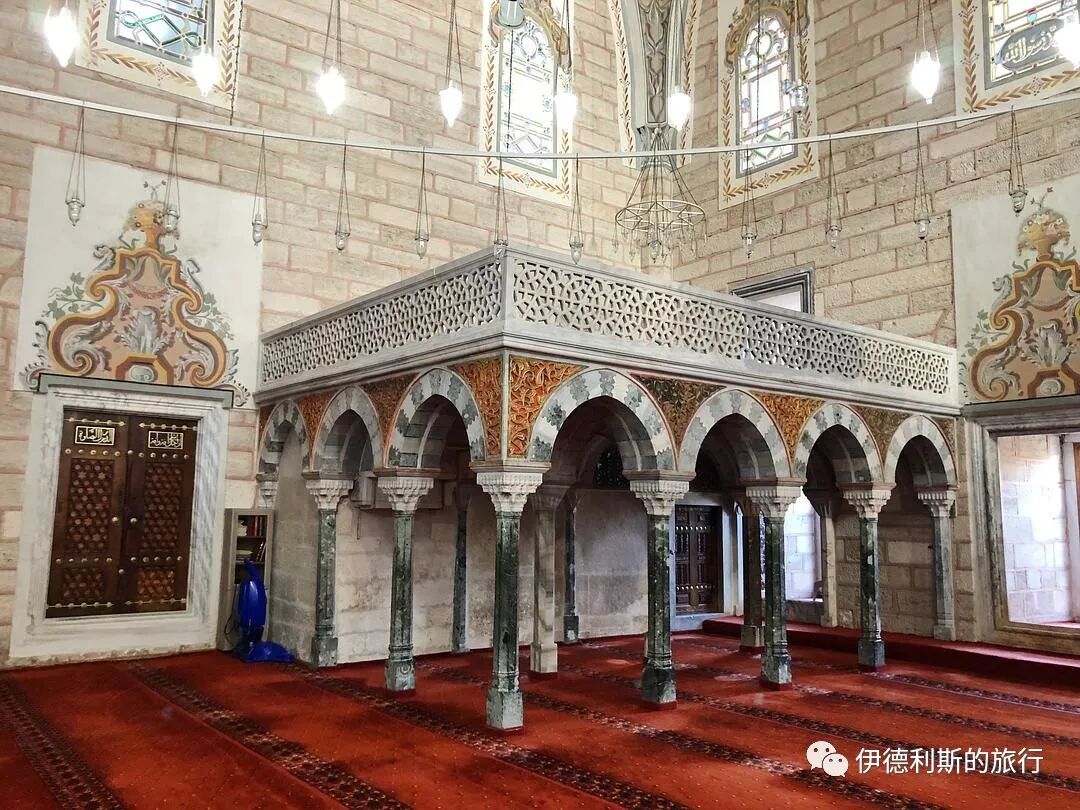
Main hall
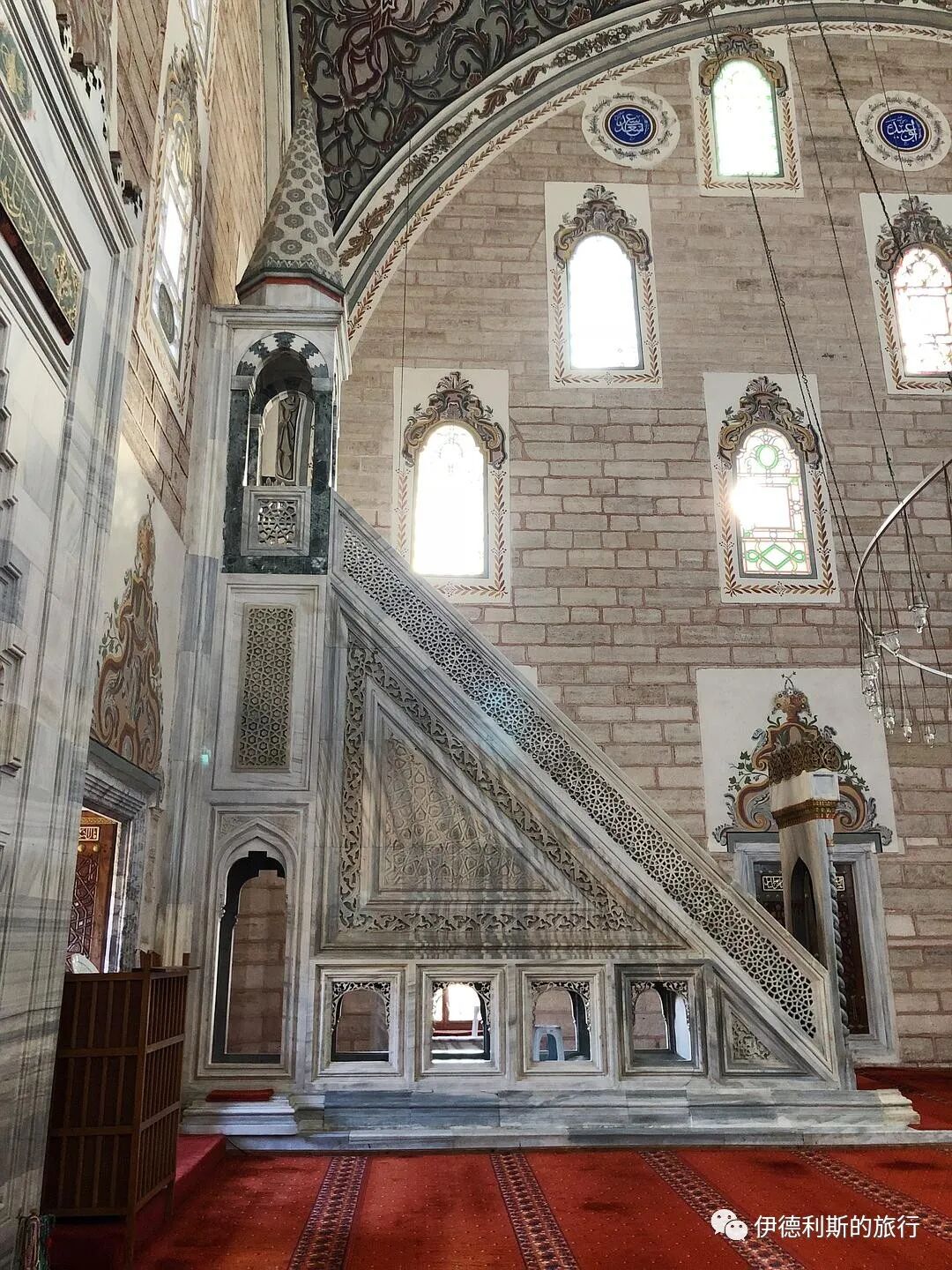
Minbar
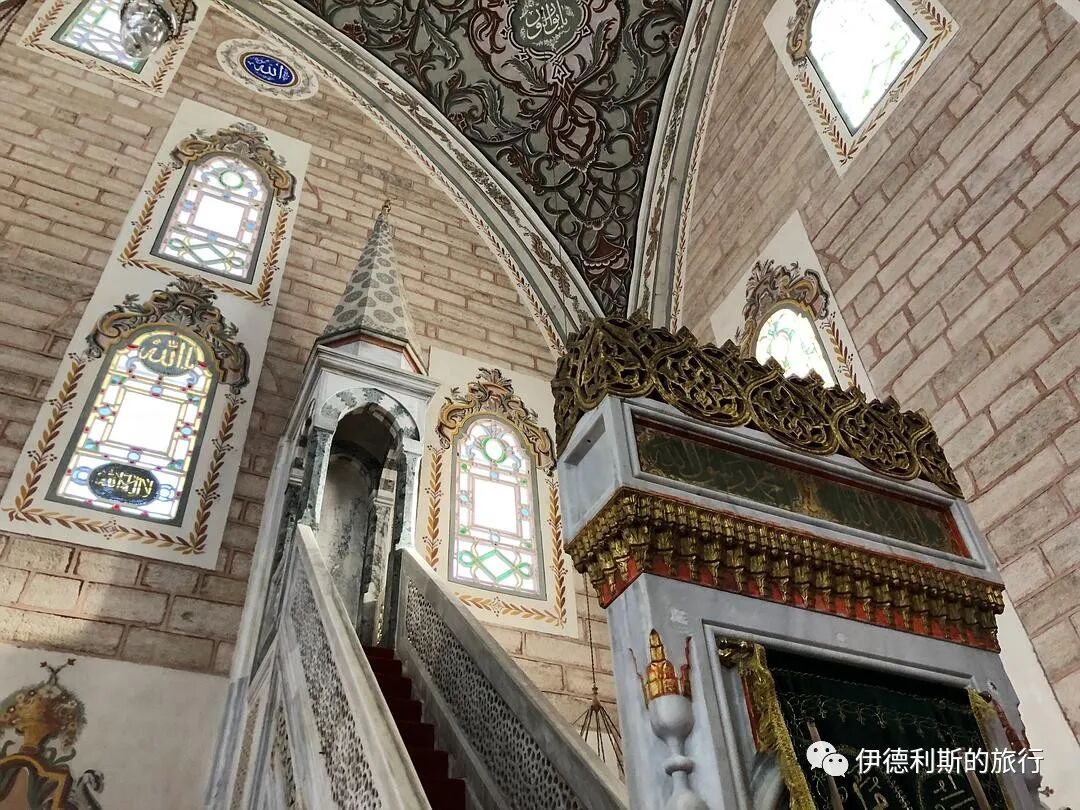
Minbar
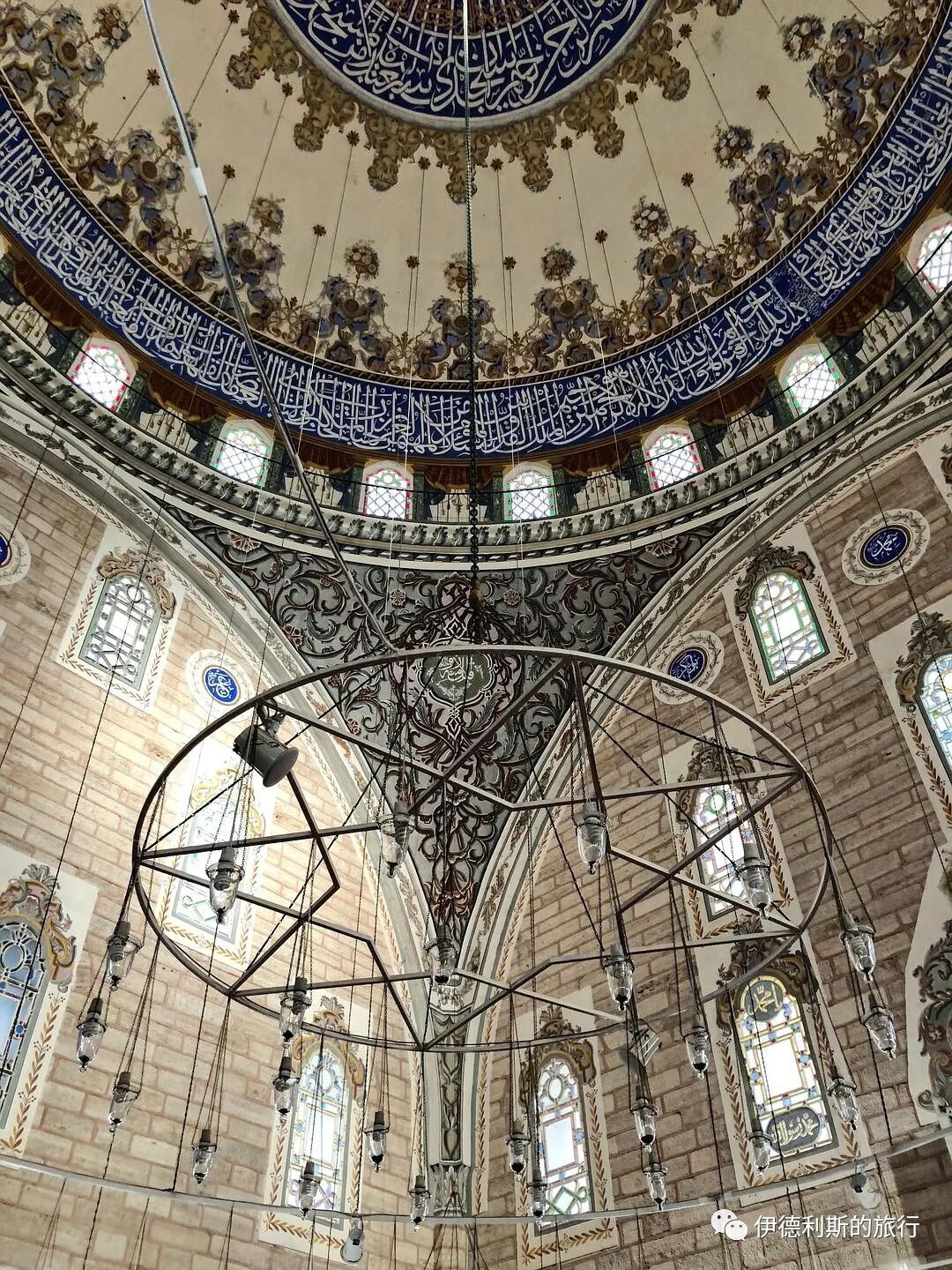
Main hall
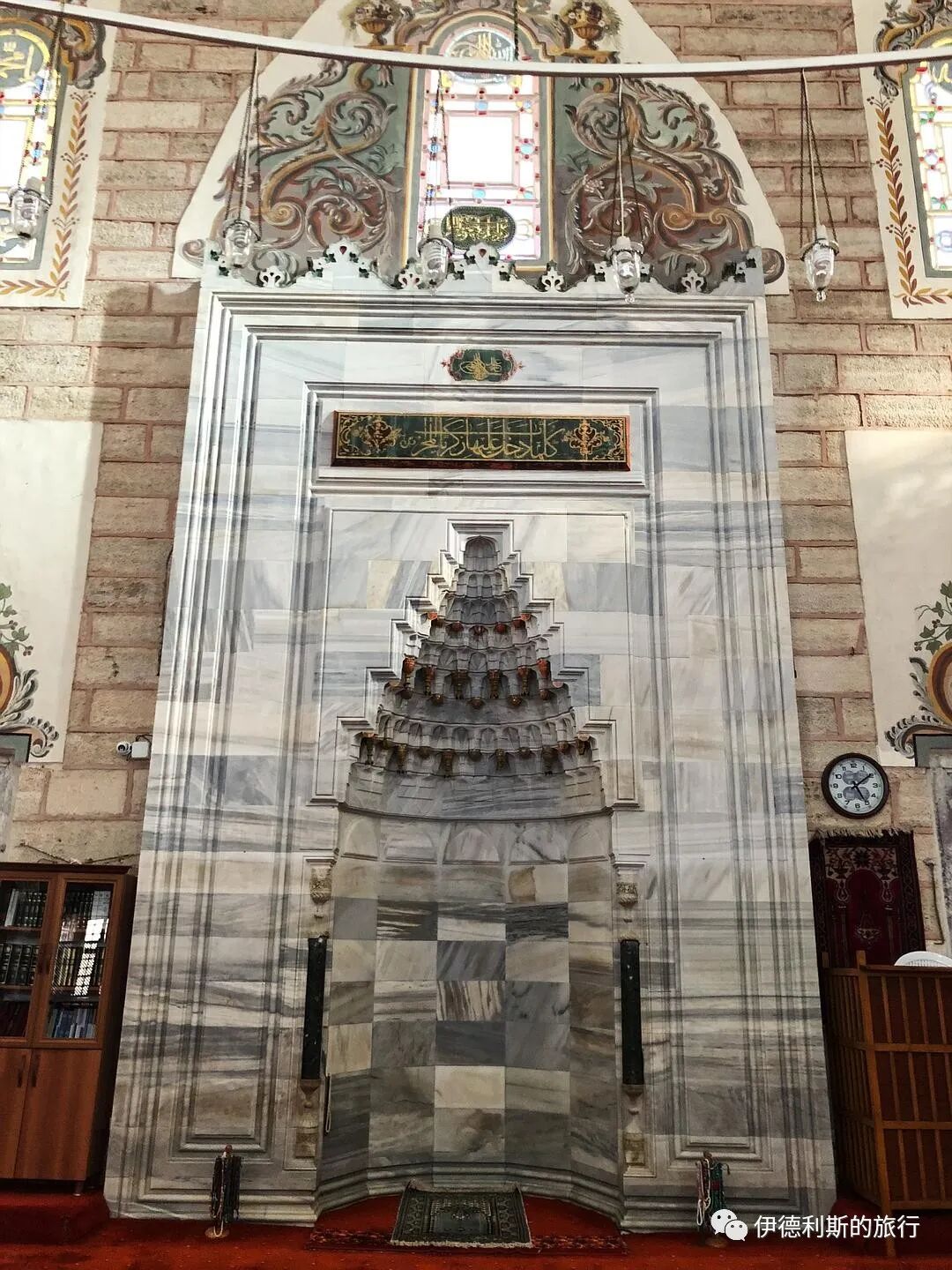
Mihrab
2. Medical school
The Sultan Bayezid II Medical School (Sultan II Bayezid Medrese-i Etibba) was known as one of the best medical schools in the Ottoman Empire, consisting of 18 classrooms and a large lecture hall. The famous 17th-century Ottoman traveler Evliya Çelebi mentioned in his writings that this medical school studied the works of various ancient Greek philosophers, scientists, and physicians, including Plato, Socrates, Aristotle, Galen, and Pythagoras. Every doctor was an expert in a different field, and they tried to find the best treatments by studying various medical texts.
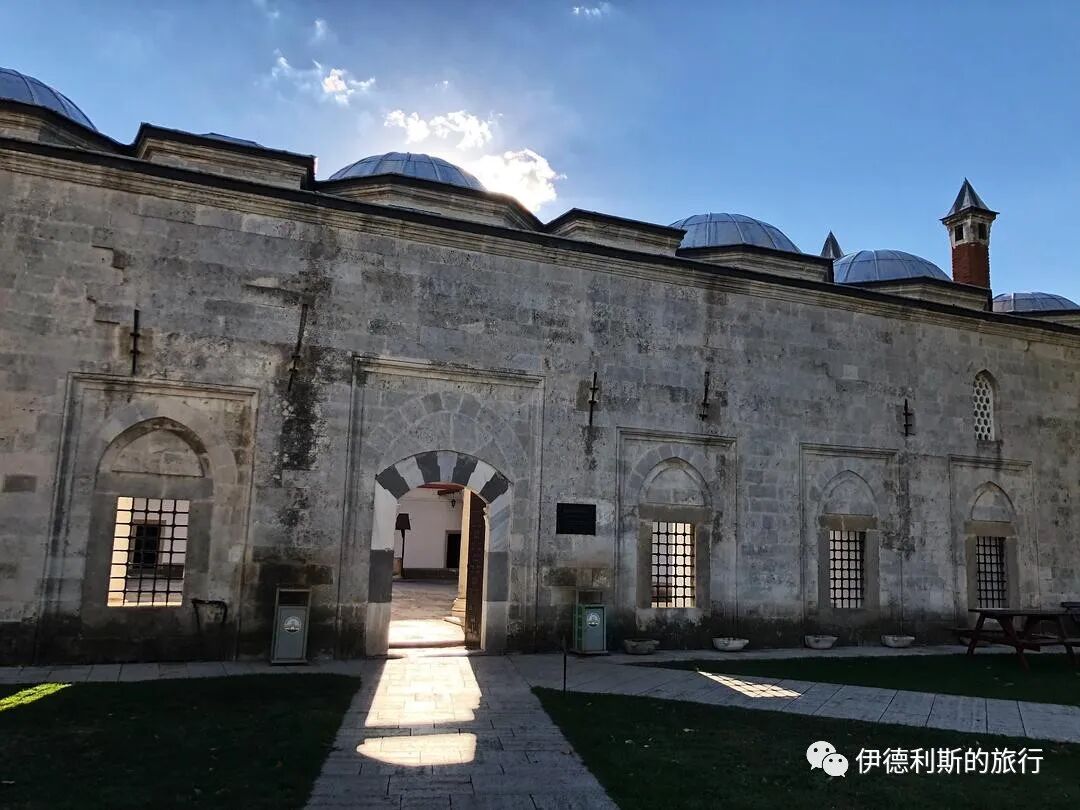
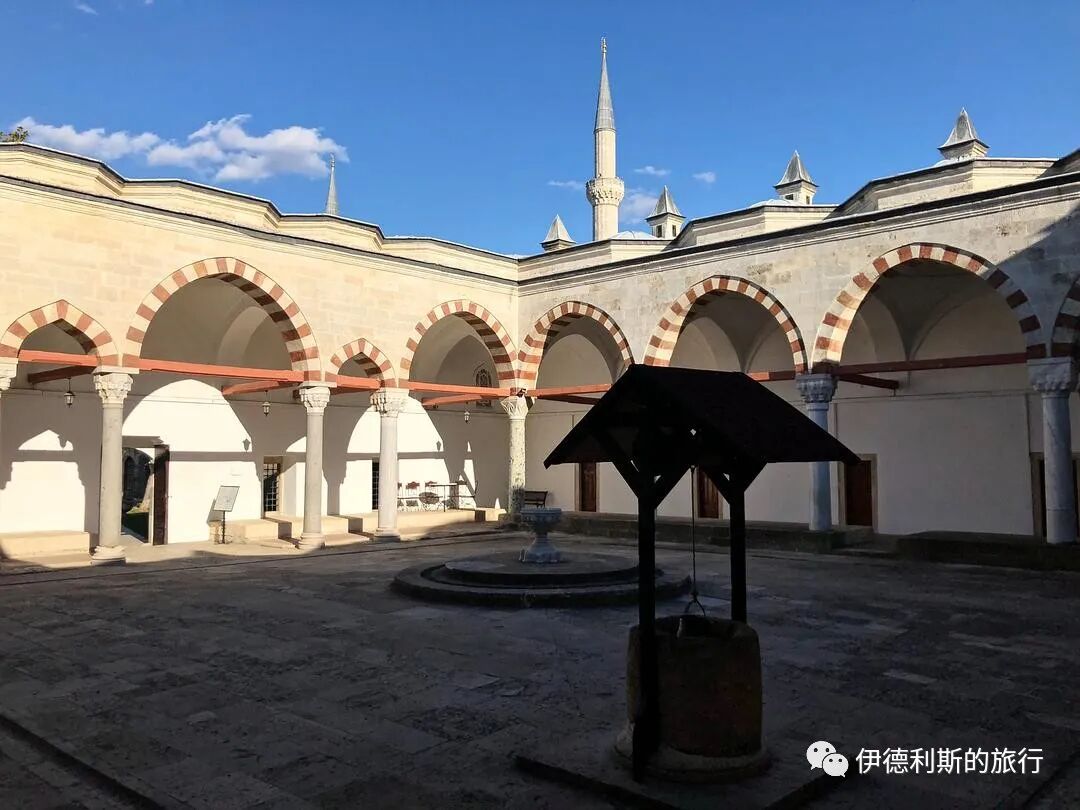
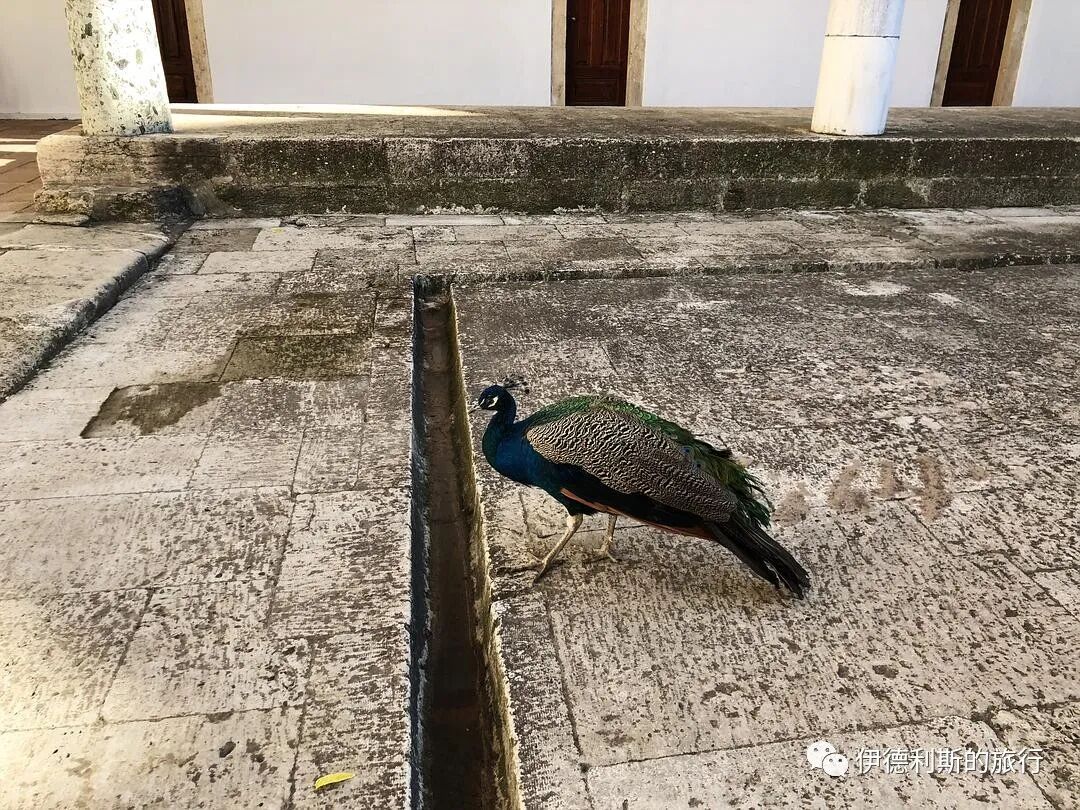
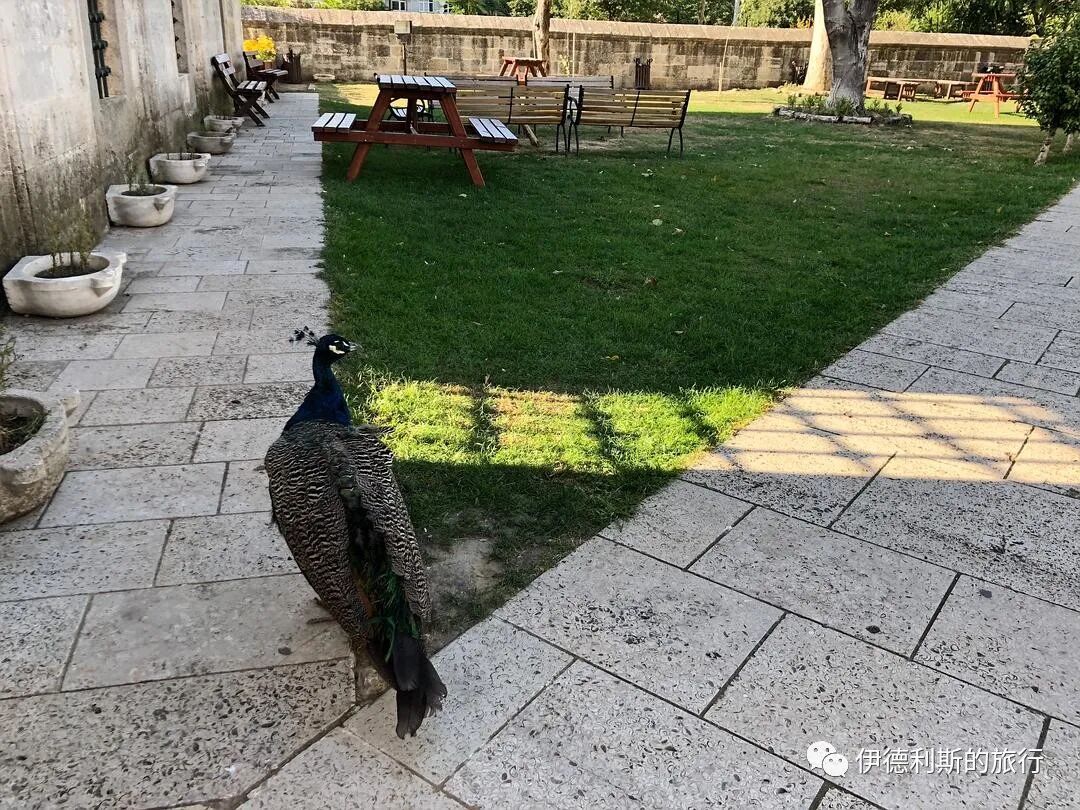
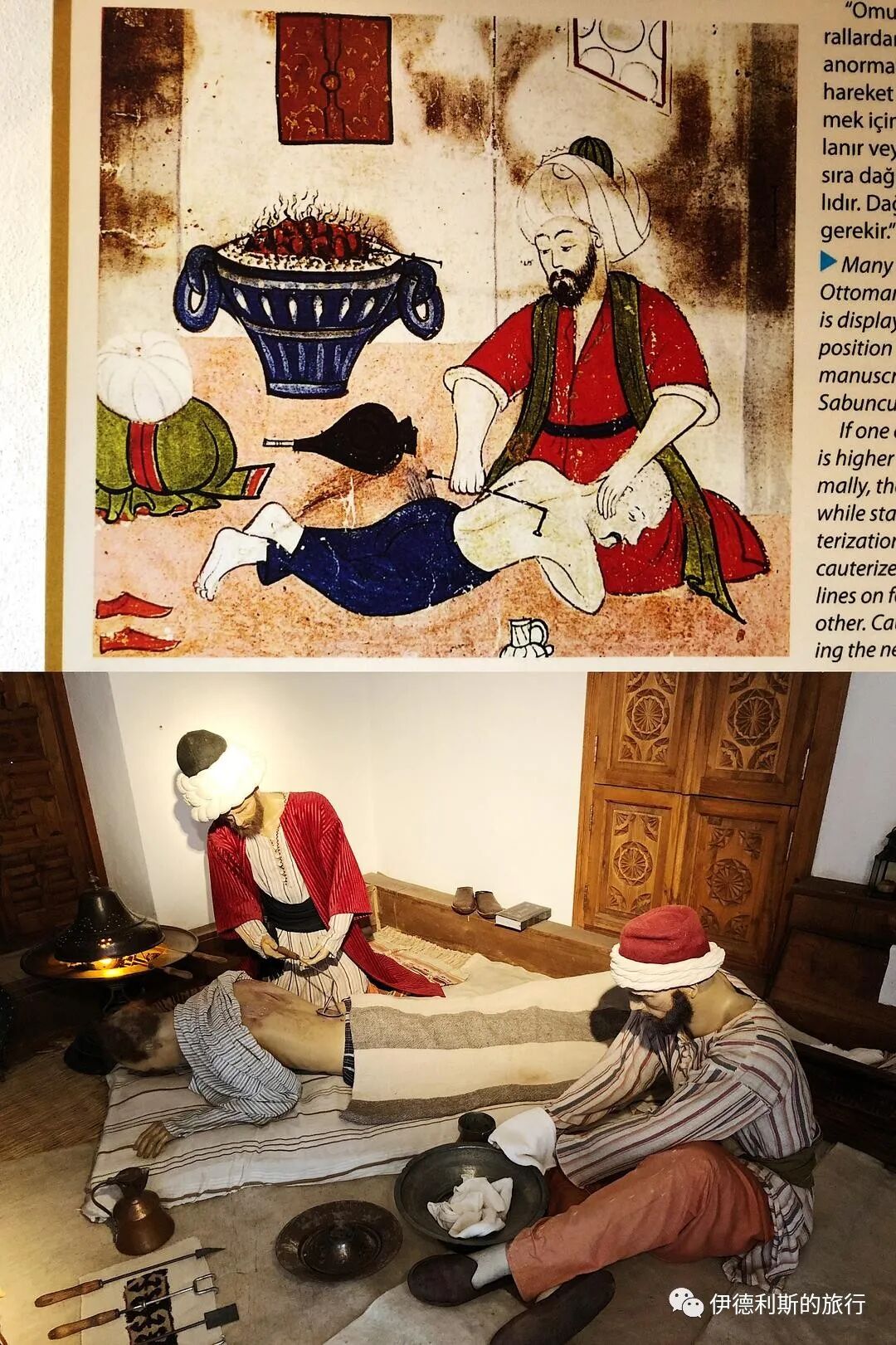
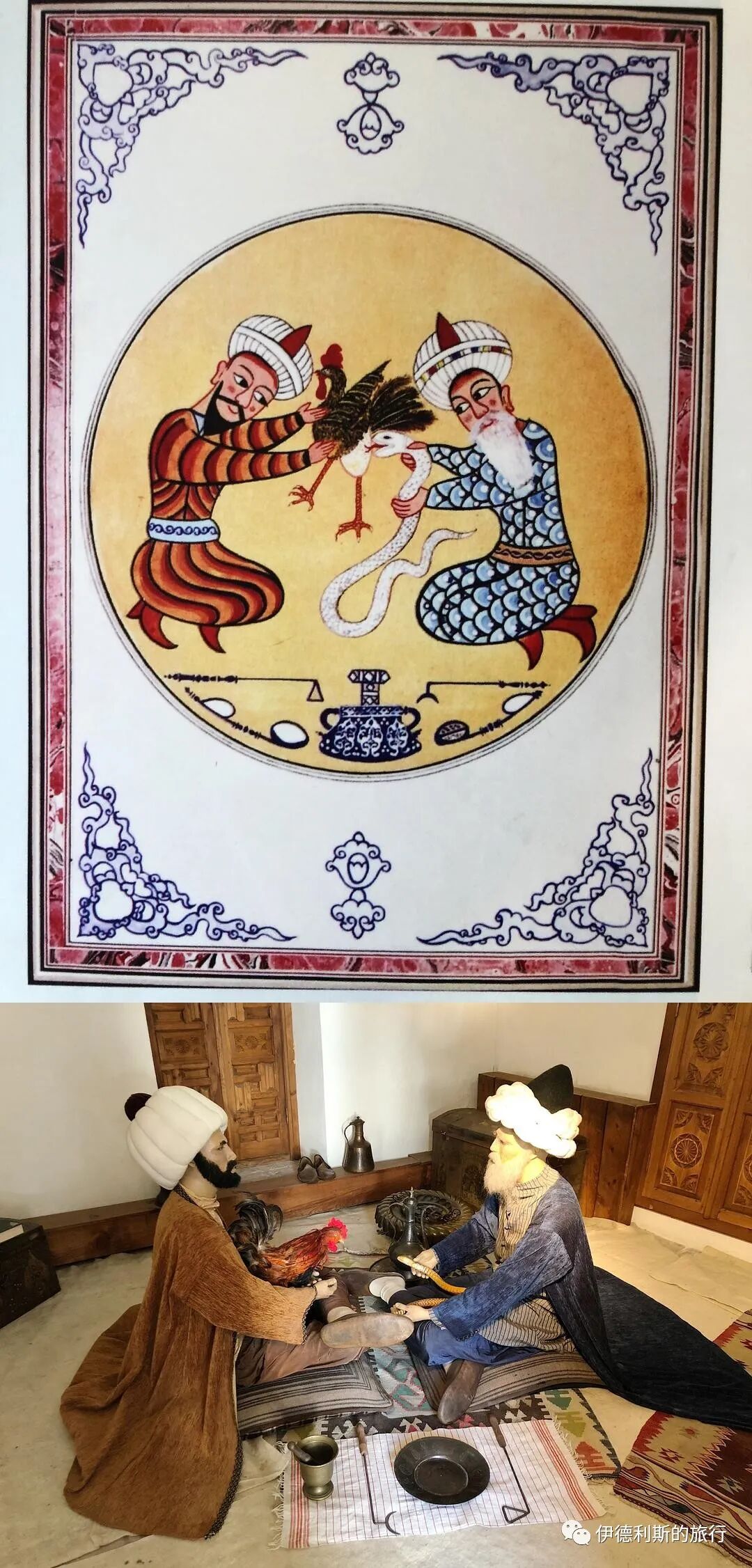
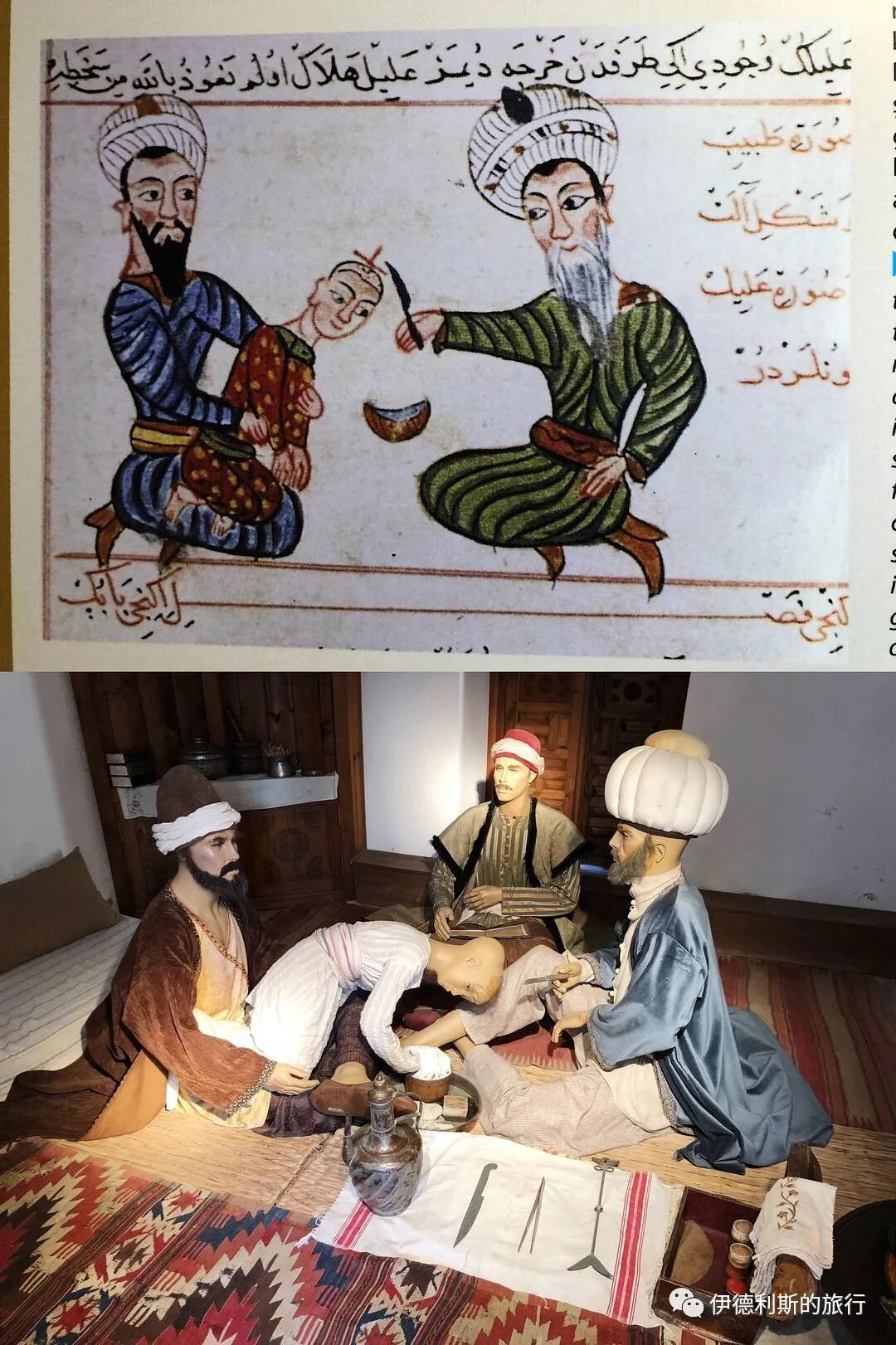
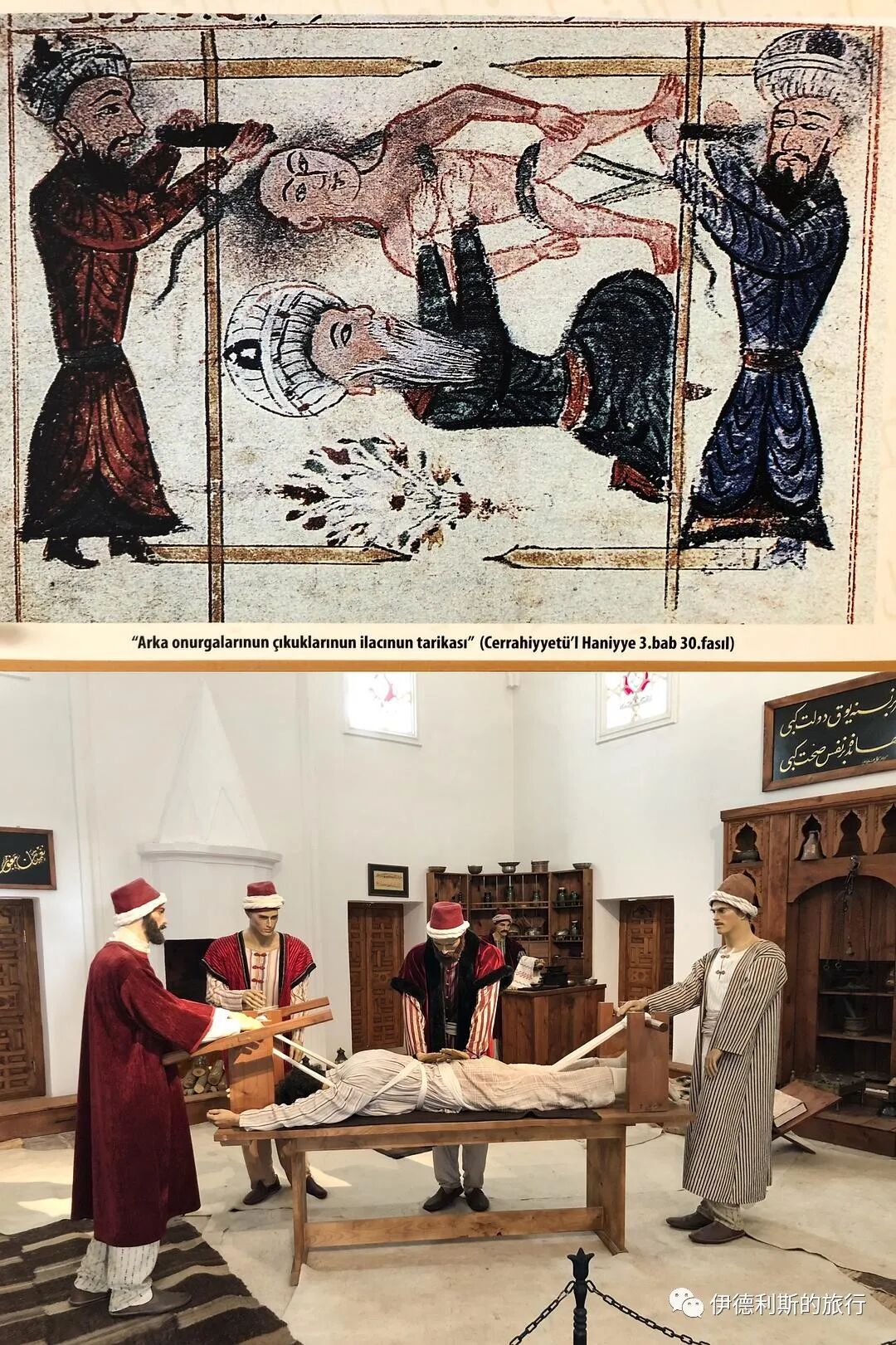
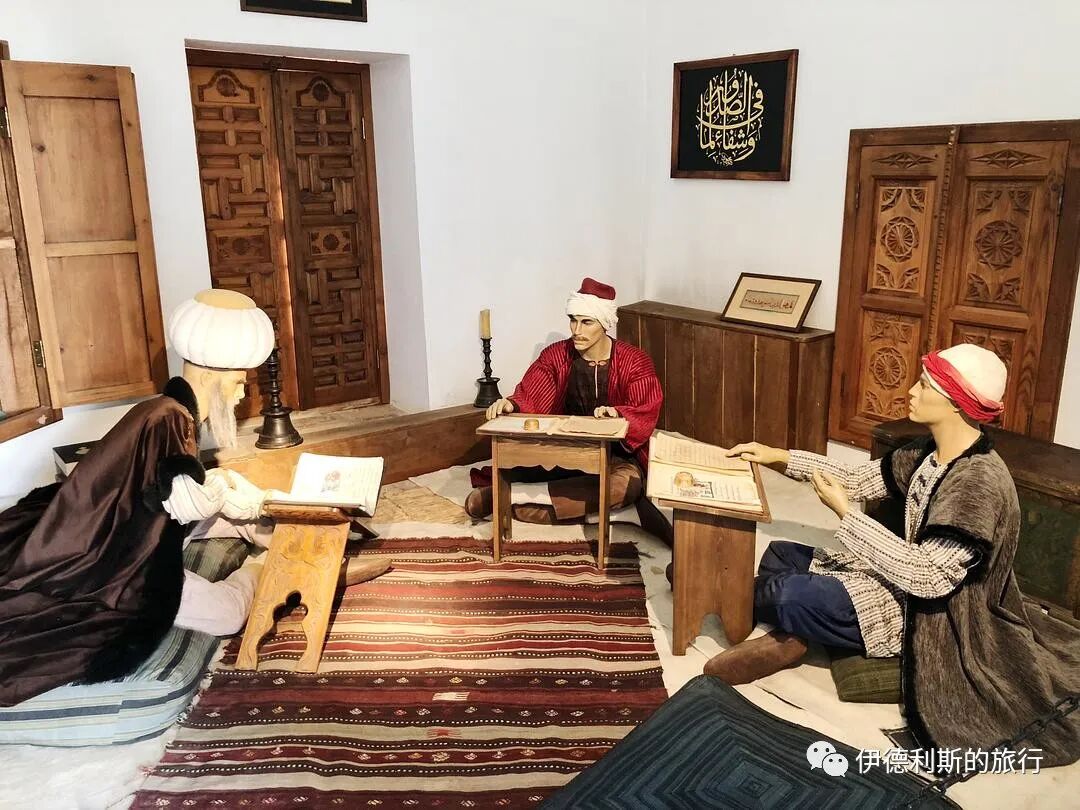
3. Hospital
The Sultan Bayezid II Hospital (Sultan II Bayezid Darüşşifa) is the most important part of the entire complex. From its completion in 1488 until the Russo-Turkish War in 1877, this hospital provided continuous treatment to patients and was especially famous for using sound and scent for mental health therapy. Today, it has become part of a health museum.
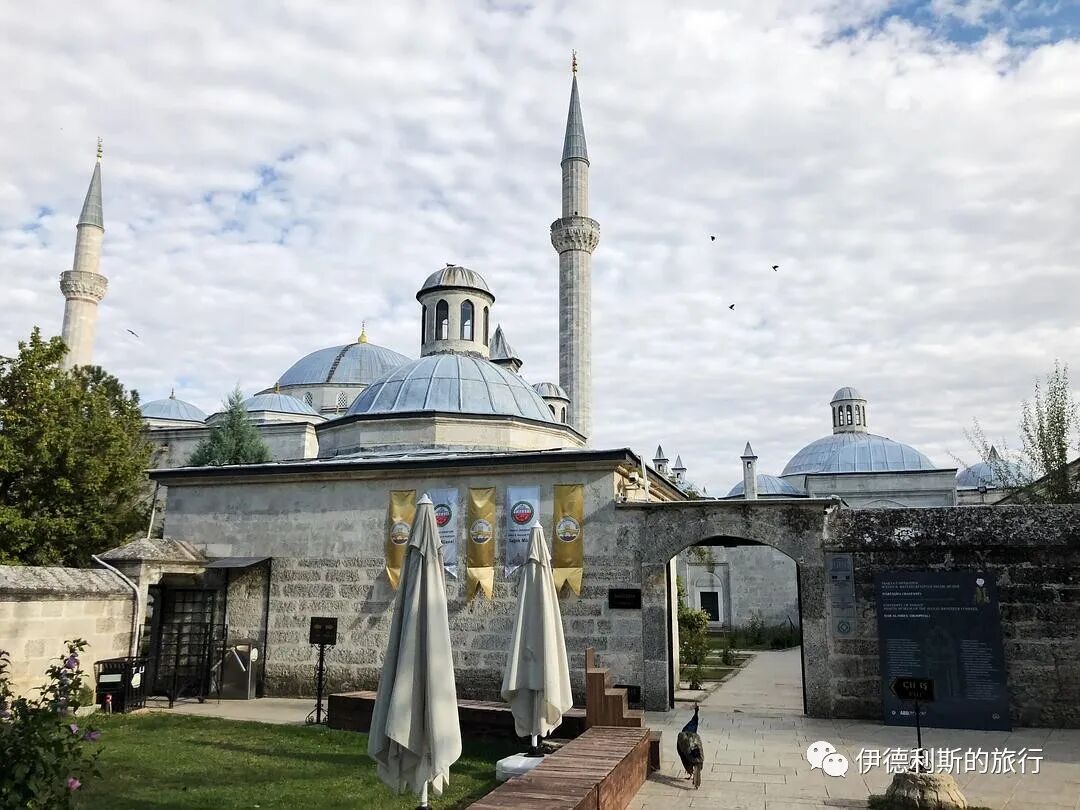
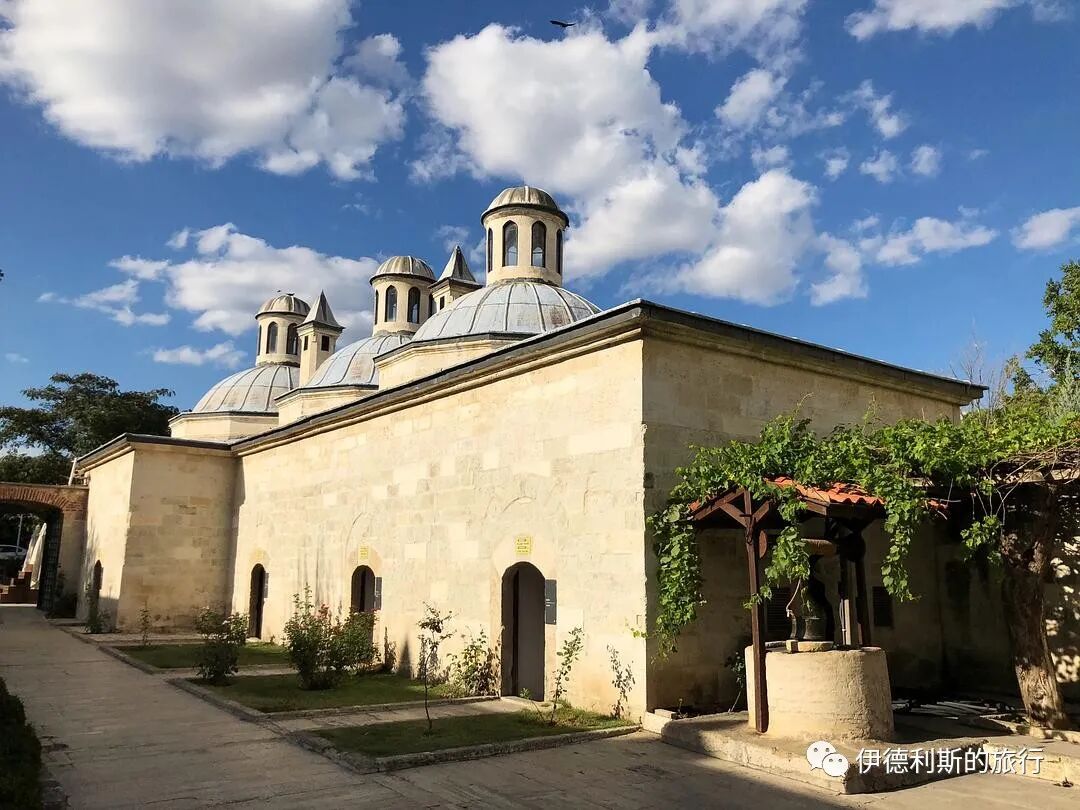
Selimiye Mosque in Edirne: Ottoman Architecture, Islamic History and Halal Travel
Articles • ali2007fr posted the article • 0 comments • 162 views • 2026-05-17 07:37
Summary: This travel note introduces Selimiye Mosque in Edirne: Ottoman Architecture, Islamic History and Halal Travel. The Selimiye Mosque (Selimiye Camii) in Edirne was commissioned by Ottoman Sultan Selim II (reigned 1566-1574) and built by the imperial chief architect Mimar Sinan between 1567 and 1575. It is useful for readers interested in Selimiye Mosque, Ottoman Architecture, Turkey Travel.
The Selimiye Mosque (Selimiye Camii) in Edirne was commissioned by Ottoman Sultan Selim II (reigned 1566-1574) and built by the imperial chief architect Mimar Sinan between 1567 and 1575. It is hailed as a supreme achievement in the history of Ottoman architecture, a masterpiece of 16th-century Ottoman Islamic art, and the undisputed representative work of Mimar Sinan. It was inscribed on the UNESCO World Heritage List in 2011.
On June 22, 1567, Selim II traveled from Istanbul to Edirne to sign a peace treaty with Austria; it is said that the order to build the mosque was given at this time.
The entire complex (Külliye) consists of 9 parts: the mosque, a courtyard with a fountain, the Dar’ül-Kurra Quran School (Foundation Museum), the Dar'ül-Hadis Hadith School (Museum of Turkish and Islamic Art), the Arasta Bazaar, a primary school, a clock tower (Muvakkithane), the outer courtyard of the mosque, and a library. It is the most prominent building complex in the old city of Edirne.
The mosque, the Quran school, and the Hadith school are located within a 190-meter by 130-meter wall, with the mosque in the center and the schools to the southwest and southeast, respectively. The clock tower is to the northwest, and the bazaar and primary school are to the west.
From UNESCO World Heritage Centre documents.
Exterior of the mosque.
The area where the mosque stands was originally the site of the first palace built in Edirne by the fourth Ottoman Sultan, Bayezid I (reigned 1389-1402). After the Ottoman Empire moved its capital from Edirne to Istanbul in 1453, the old palace gradually became a military headquarters and later a square.
In 1567, soldiers were sent to Edirne to participate in the construction of the mosque. In 1568, timber merchants around Edirne began to supply the mosque construction at full capacity. Meanwhile, large quantities of marble were transported to Edirne by warships from Marmara Island and the Kavala quarries in northern Greece, a process that continued until 1572.
By 1572, the eight supporting arches of the mosque were completed, and the construction of the dome officially began. To highlight the centralization of the Ottoman Empire, Mimar Sinan wanted the Selimiye Mosque to appear as a unified whole from both inside and outside, unlike earlier Ottoman mosques composed of many small domes or semi-domes. Therefore, he decided to build a massive central dome that would surpass the Hagia Sophia. The dome was officially completed in 1575, standing 42.3 meters high with a diameter of 31.5 meters and weighing 20 tons.
At the same time, Mimar Sinan abandoned the traditional Ottoman mosque design of minarets of varying heights, instead building four minarets in the front courtyard, each 71 meters tall. These four vertically symmetrical minarets shoot toward the sky like rockets from the corners of the courtyard, setting off the massive dome rising from the center. They dominate the city's skyline and give the entire mosque a sense of immense majesty.
Overall, the decoration of the mosque's facade is relatively simple, lacking the intricate carvings found in Seljuk and other Iranian architecture. Instead, the layout of the facade is determined by the structure itself, which is a hallmark of Mimar Sinan's architecture and is considered by later generations to be the classical aesthetic of Ottoman architecture of this period.
From UNESCO World Heritage Centre documents.
The main gate of the mosque's prayer hall features a Muqarnas structure. Muqarnas, also known as Ahoopāy in Iranian architecture, is a form of decorative vaulting in Islamic architecture. Muqarnas is sometimes called a "honeycomb vault" or "stalactite vault." It first appeared in Iran and entered Turkey with the Seljuk Empire in the 11th century. The purpose of this structure is to create a relatively smooth and decorative transition area in the exposed structural space between walls and ceilings.
Courtyard.
The courtyard in front of the mosque's prayer hall covers 2,475 square meters, surrounded by a cloister of 18 domes, with a fountain for wudu (ablution) in the center. The marble columns in the courtyard were brought from ruins in Cyprus, Aydincik near the Kapıdağ Peninsula, and Syria. Mimar Sinan designed the front porch near the courtyard gate to be relatively narrow and low to emphasize the grandeur of the mosque's prayer hall.
Mimar Sinan made a bold innovation with the fountain; in this sixteen-sided marble fountain, we can see compositions and very interesting details never before seen in Ottoman fountains of that time.
This is the largest ablution fountain Mimar Sinan ever built, and its decoration is very different from traditional ones. Each marble slab has a wide and deep contour band on the lower part, with a pointed-arch mirror stone in the middle, and openwork geometric carvings on the upper part. Above that is a crown-shaped stone slab with "Rumi patterns" (a style of stylized floral/leaf motifs). Sinan designed special supports for the bottom edge of the fountain based on the lines of each faucet.
According to historical records, in 1572, Mimar Sinan ordered water to be supplied to the fountain from Kayalar village.
Interior of the mosque.
In the Selimiye Mosque, Mimar Sinan utilized an octagonal support system, with 8 columns supporting the massive central dome. During the Bulgarian siege of Edirne in 1913, the mosque's dome was hit by Bulgarian artillery. Because the dome was extremely sturdy, it suffered only minor damage. Later, Atatürk ordered that the traces of the shelling be preserved as a warning to future generations.
The mihrab (prayer niche) is located in a rear apse that protrudes from the prayer hall, providing enough depth for sunlight to enter from three sides of the windows. The white marble-carved mihrab is a spectacular work of its time. Unfortunately, the original 16th-century calligraphy on the semi-dome above the mihrab did not survive; what we see today is a 1985 restoration in the Baroque style.
The tiles around the mihrab were specially ordered by Mimar Sinan from Iznik between 1572 and 1575 and were the highest quality tiles in the Ottoman Empire at the time. The calligraphy on the tiles was created by Karahisari Molla Hasan, a student and adopted son of the famous 16th-century Ottoman calligrapher Ahmed Karahisari.
The use of Iznik tiles made Mimar Sinan not only an outstanding architect but also an excellent artist. In the interior design, Mimar Sinan tried to avoid overwhelming the architecture with decoration, so the tiles were distributed in specific areas as a finishing touch. Dominated by blue and white, the Iznik tiles accented with coral red are typical of the second half of the 16th century. These tiles are extremely rich in content; there are 101 different types of tulip patterns alone, and they were the best in the 16th century in terms of both glaze and quality.
The minbar (pulpit) of the Selimiye Mosque occupies a very important place among classical Ottoman artworks. The minbar is carved from a single block of white marble and has 25 steps, with an extremely elegant design. The beauty produced by the fusion of these geometric shapes is the artistic crystallization that Mimar Sinan pursued throughout his life.
Directly opposite the mihrab is the stone platform where the muezzin stands to call the adhan (call to prayer), supported by 12 white marble columns. The thick columns to the southwest of the platform are composed of vertical, slender rectangular panels, which contain the stairs for the muezzin to climb. The platform has walnut railings, and the underside is decorated with gold-leaf Chinese-style cloud knots, an important example of decoration from the classical Ottoman period. The dark blue background is covered with naturalistic dagger-shaped leaves, chrysanthemums, and Chinese-style clouds. The passion flower pattern on the blue background was brought to Anatolia by Central Asian Turkic people in the 8th-9th centuries and symbolizes eternity.
There is a fountain on the first level of the platform, with an inverted tulip pattern on the top. The tulip holds great significance in Turkish and Islamic art as well as in Islamic faith. Because the sum of the numerical values of the letters in the words "tulip" and "Allah" is 66, people believe that the tulip can symbolize the uniqueness and beauty of Allah; sometimes people even write the word "Allah" in the shape of a tulip.
Quran School (Museum).
The Selimiye Quran School is quite unique among Sinan's works. It features a dual-school layout with the Dar'ül-Kurra Quran School and the Dar'ül-Hadis Hadith School, which are symmetrical to the main mosque. Furthermore, it is the only Quran school built by Sinan that features a honeycomb Muqarnas gate.
The school consists of a large classroom, a series of small student rooms, and a water room surrounding a rectangular courtyard. The main mosque can be seen from both courtyards.
The Hadith school was built between 1567 and 1574, and the first lecturer (Muderris) was appointed in 1570-71 with a daily salary of 60 dirhams. In addition, there was 1 assistant lecturer (Muid) with a daily salary of 9 dirhams, 15 students with a daily salary of 4 dirhams, and 1 doorman (Bevvab), 1 administrator (Ferraş), and 1 cleaner, each with a daily salary of 3 dirhams.
The Quran school had 1 sheikh with a daily salary of 40 dirhams, 10 Hafiz (those who have memorized the Quran) with a daily salary of 2 dirhams, and 1 doorman, 1 administrator, and 1 cleaner, each with a daily salary of 2 dirhams.
In 1925, Atatürk ordered the Hadith school to be converted into the Museum of Turkish and Islamic Art, and the Quran school later became the Foundation Museum, which operates to this day.
In the large classroom of the Quran school, teachers taught students the rules and methods of Quran recitation and listened to and corrected the students' mistakes. Students attended 5 classes a day, 4 days a week. After completing all courses, they would earn the title of Hafiz, becoming someone who could recite the Quran proficiently.
Students studying in a room at the Quran school. In the Ottoman education system, one could enroll in a Quran school after graduating from primary school. The school's curriculum focused mainly on repetitive recitation and discussion. In addition, students learned marble carving and the art of calligraphy, with all funding provided by the Ottoman Sultan's foundation.
Iznik ceramics used in the Selimiye Mosque.
The ancient city of Iznik is located on the shores of Lake Iznik, 90 kilometers southeast of Istanbul. In the late 15th century, it became the center of ceramic production for the Ottoman Empire.
The earliest visible Iznik ceramics were found in the imperial kitchens of the Topkapi Palace in Istanbul in 1489. Due to the Ottoman rulers' love for Chinese blue-and-white porcelain, Iznik ceramics combined traditional Ottoman arabesque patterns with Chinese elements. The style of early Iznik ceramics is known as "Rumi-Hatayi," where "Rumi" represents Ottoman arabesque patterns and "Hatayi" represents Chinese floral patterns.
Early Iznik ceramics were only cobalt blue; after the 16th century, gray-green and lavender were gradually introduced as soft tones. In the late 16th century, Mimar Sinan used Iznik tiles extensively in his architecture, replacing gray-green with bright green and lavender with bright red. The first building with red Iznik tiles was the Süleymaniye Mosque, built by Mimar Sinan in Istanbul in 1557.
In 1557, Kara Mehmed Çelebi became the chief painter of the Ottoman court. He introduced a floral style consisting of tulips, carnations, roses, and hyacinths into Iznik ceramics, making the patterns on the ceramics more natural.
The wooden windows of the Bayezid II Mosque in Edirne (1484-1488) use a Turkish geometric woodworking art called "kundekari," which also features Thuluth calligraphy.
Kundekari uses small pieces of wood that are interlocked and fixed together through special joints, without the use of nails or glue. The wood used is usually sturdy apple, pear, walnut, or cedar, and is often inlaid with pearls, tortoiseshell, ivory, or metals like gold and silver. Kundekari is heat-resistant and moisture-proof, protecting wooden panels from warping due to temperature and humidity changes, so it is mainly used for doors, windows, cabinets, and mosque cupboards.
The Sultan Bayezid II Complex (Sultan II Bayezid Külliyesi) is located on the north bank of the Tunca River in the northwestern suburbs of Edirne and was commissioned by the eighth Ottoman Sultan, Bayezid II (reigned 1481-1512). Bayezid II was the son of Mehmed the Conqueror and was known as "the Just." During his reign, he worked hard to maintain internal government affairs and defeated the Republic of Venice externally, leading the Ottoman Empire into a prosperous phase.
18th-century Hilye (calligraphic description of the Prophet) calligraphy in a glass bottle at the Old Mosque (Eski Cami) in Edirne. Built in 1414, the Old Mosque is the oldest mosque in Edirne and one of the last multi-domed mosques to use the early Ottoman Seljuk style, marking a farewell to early Ottoman architectural styles.
Thuluth calligraphy written by Mustafa Rasim in 1787 at the Old Mosque in Edirne, featuring verses praising the mosque by the local Edirne poet Akif (the son of the calligrapher).
18th-century brass door handle with a palm tree design at the Üç Şerefeli Mosque (Three-Balcony Mosque) in Edirne. The Üç Şerefeli Mosque was built between 1438 and 1447 and was the first central-domed mosque and the first mosque with a portico in Ottoman history, providing great inspiration to Mimar Sinan. The Üç Şerefeli Mosque suffered from fire and earthquakes in the mid-18th century and was subsequently restored.
1478 Thuluth calligraphy stone tablet at the Evliya Kasım Paşa Mosque in Edirne. It records that Kasım Paşa built this mosque in the year 883 of the Hijri calendar. Kasım Paşa was a famous Ottoman general who served as the commander of the European part of the Ottoman Empire. Between 1443 and 1444, he commanded the Ottoman army against the multinational crusader forces of Poland, Hungary, and others in Serbia and Bulgaria. The mosque was closed after 1950 due to the construction of a dam. Since then, it has been continuously damaged by floods and is now abandoned.
19th-century certificates from the Great Mosque of Kütahya; the first was written by Mustafa Sukru, and the second by Ahmed Hamdi. The Great Mosque of Kütahya was built between 1381 and 1410 and is the most important mosque in Kütahya.
1845 Naskh-script Quran from the Lal Huseyin Pasha Mosque in Kütahya, written by Hafiz Mustafa Sabri.
18th-19th century Naskh-script Quran from the Sari Mosque in Edirne.
15th-century tiles from the Şah Melek Mosque in Edirne. The Şah Melek Mosque was commissioned by the blind Şah Melek Pasha in 1429 and is famous for the tiles laid inside. Şah Melek Pasha played an important role in the succession war between the princes of Ottoman Sultan Bayezid I and later became an important figure in the courts of Sultan Mehmed I and Murad II.
15th-century tiles from the Muradiye Mosque in Edirne. The Muradiye Mosque was commissioned by the sixth Ottoman Sultan, Murad II (reigned 1421-1444), in 1436. This site was originally part of a Sufi Mevlevi order complex and was later converted into a mosque.
The interior of the mosque is famous for its beautiful tiles. Before being stolen in 2001, there were 479 tiles in the prayer hall with 54 different designs, 15 of which appeared only once, showing the strong influence of Yuan dynasty blue-and-white porcelain. The blue-and-white hexagonal tiles are the earliest examples of Ottoman underglaze tiles. Because the arrangement of some tiles lacks coherence, some scholars believe that some of them were moved from the Ottoman palace in Edirne in the north.
A beautiful inlaid wooden table.
18th-century pearl and ivory inlaid Quran stand from the Yıldız Hamidiye Mosque in Istanbul.
1882 stone tablet from the Selcuk Hatun Mosque in Edirne.
Stone carvings in the Selimiye Quran School Museum.
Arasta Bazaar.
The Arasta Bazaar is 225 meters long, runs parallel to the southwest wall of the mosque, and generates income for the mosque by renting out 124 shops. The bazaar has three large gates, one of which connects to the mosque courtyard via stairs.
Some believe the Arasta Bazaar was built by Davud Aga, Mimar Sinan's successor as imperial chief architect, while others believe it was designed by Mimar Sinan to cover the retaining wall supporting the mosque on the southwest slope and was eventually completed by Davud Aga. This is because Mimar Sinan was very skilled at designing and building structures adapted to sloping terrain.
Between 1863 and 1868, Bahá'u'lláh, the founder of the Bahá'í Faith, was exiled to Edirne by the Ottoman Empire with his family and lived near the Selimiye Mosque. During this period, he wrote numerous works, proclaimed the Bahá'í Faith to countries around the world, and formally broke with another leader, Mirza Yahya, which was a major event in Bahá'í history.
At the bazaar in Edirne, I bought the local specialty, crescent-shaped almond cookies called Kavala kurabiyesi. Kavala is now an important seaport in northern Greece, which was ruled by the Ottoman Empire from 1371 to 1913. During the population exchange between Turkey and Greece in 1922, tens of thousands of Turks left Kavala to settle in Edirne, bringing this cookie with them to Edirne. view all
Summary: This travel note introduces Selimiye Mosque in Edirne: Ottoman Architecture, Islamic History and Halal Travel. The Selimiye Mosque (Selimiye Camii) in Edirne was commissioned by Ottoman Sultan Selim II (reigned 1566-1574) and built by the imperial chief architect Mimar Sinan between 1567 and 1575. It is useful for readers interested in Selimiye Mosque, Ottoman Architecture, Turkey Travel.
The Selimiye Mosque (Selimiye Camii) in Edirne was commissioned by Ottoman Sultan Selim II (reigned 1566-1574) and built by the imperial chief architect Mimar Sinan between 1567 and 1575. It is hailed as a supreme achievement in the history of Ottoman architecture, a masterpiece of 16th-century Ottoman Islamic art, and the undisputed representative work of Mimar Sinan. It was inscribed on the UNESCO World Heritage List in 2011.
On June 22, 1567, Selim II traveled from Istanbul to Edirne to sign a peace treaty with Austria; it is said that the order to build the mosque was given at this time.
The entire complex (Külliye) consists of 9 parts: the mosque, a courtyard with a fountain, the Dar’ül-Kurra Quran School (Foundation Museum), the Dar'ül-Hadis Hadith School (Museum of Turkish and Islamic Art), the Arasta Bazaar, a primary school, a clock tower (Muvakkithane), the outer courtyard of the mosque, and a library. It is the most prominent building complex in the old city of Edirne.
The mosque, the Quran school, and the Hadith school are located within a 190-meter by 130-meter wall, with the mosque in the center and the schools to the southwest and southeast, respectively. The clock tower is to the northwest, and the bazaar and primary school are to the west.
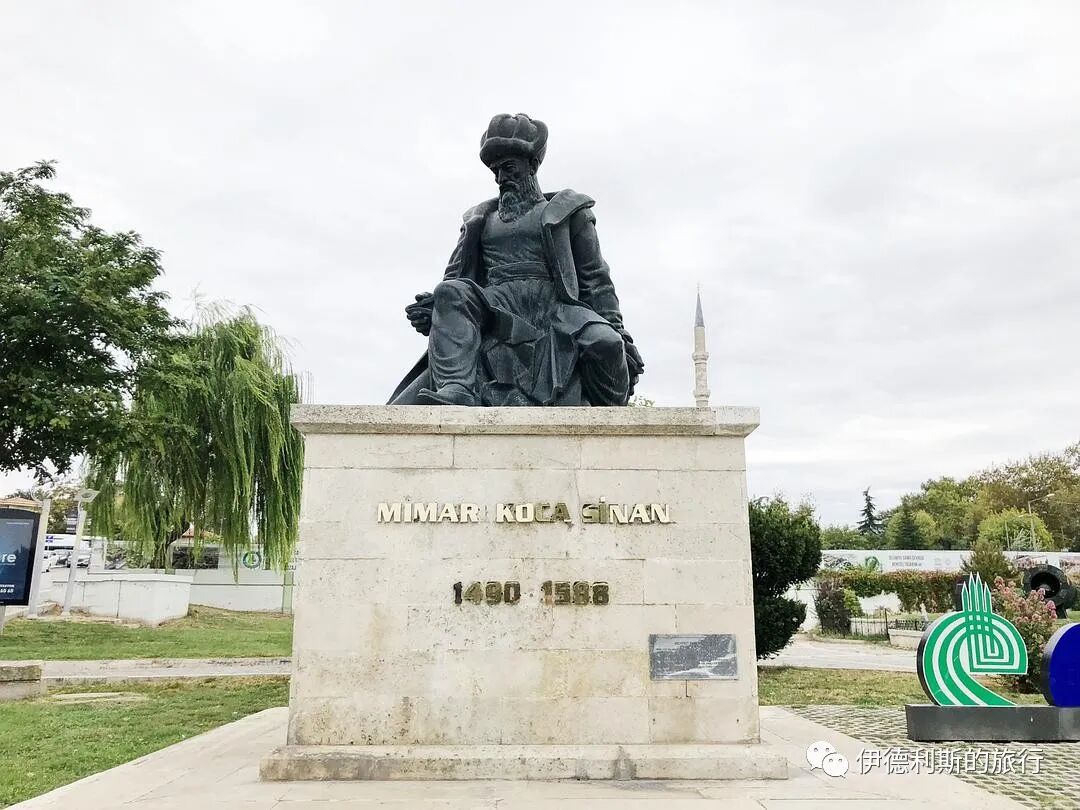
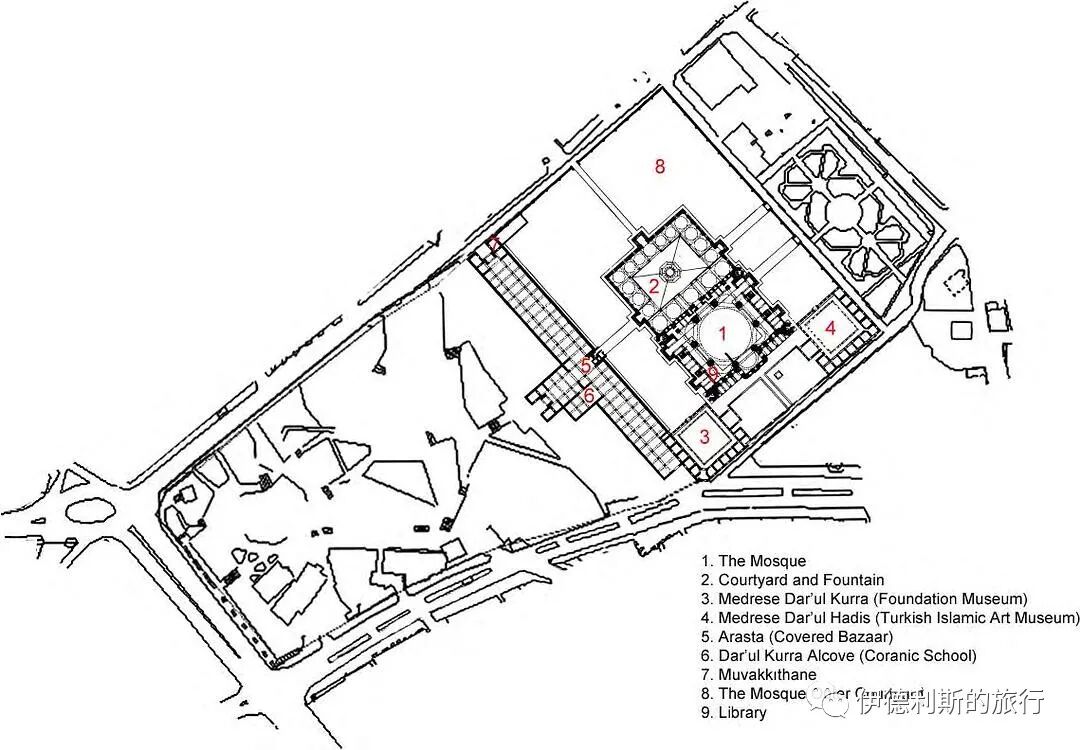
From UNESCO World Heritage Centre documents.
Exterior of the mosque.
The area where the mosque stands was originally the site of the first palace built in Edirne by the fourth Ottoman Sultan, Bayezid I (reigned 1389-1402). After the Ottoman Empire moved its capital from Edirne to Istanbul in 1453, the old palace gradually became a military headquarters and later a square.
In 1567, soldiers were sent to Edirne to participate in the construction of the mosque. In 1568, timber merchants around Edirne began to supply the mosque construction at full capacity. Meanwhile, large quantities of marble were transported to Edirne by warships from Marmara Island and the Kavala quarries in northern Greece, a process that continued until 1572.
By 1572, the eight supporting arches of the mosque were completed, and the construction of the dome officially began. To highlight the centralization of the Ottoman Empire, Mimar Sinan wanted the Selimiye Mosque to appear as a unified whole from both inside and outside, unlike earlier Ottoman mosques composed of many small domes or semi-domes. Therefore, he decided to build a massive central dome that would surpass the Hagia Sophia. The dome was officially completed in 1575, standing 42.3 meters high with a diameter of 31.5 meters and weighing 20 tons.
At the same time, Mimar Sinan abandoned the traditional Ottoman mosque design of minarets of varying heights, instead building four minarets in the front courtyard, each 71 meters tall. These four vertically symmetrical minarets shoot toward the sky like rockets from the corners of the courtyard, setting off the massive dome rising from the center. They dominate the city's skyline and give the entire mosque a sense of immense majesty.
Overall, the decoration of the mosque's facade is relatively simple, lacking the intricate carvings found in Seljuk and other Iranian architecture. Instead, the layout of the facade is determined by the structure itself, which is a hallmark of Mimar Sinan's architecture and is considered by later generations to be the classical aesthetic of Ottoman architecture of this period.
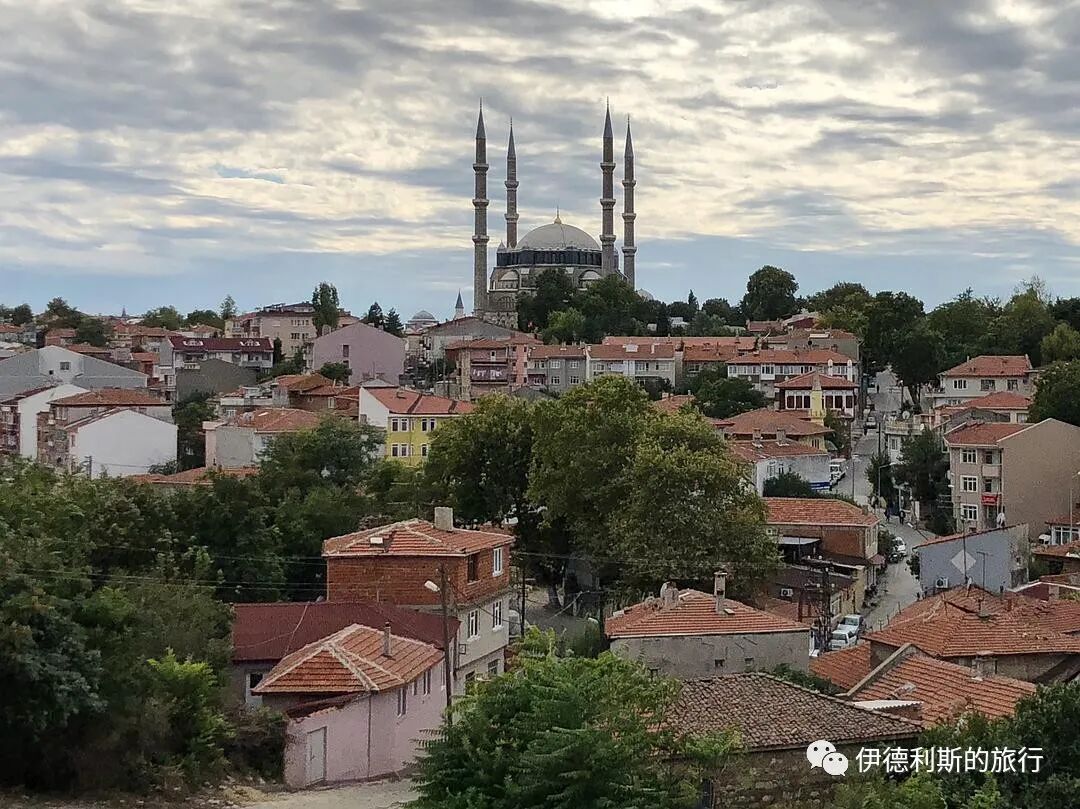
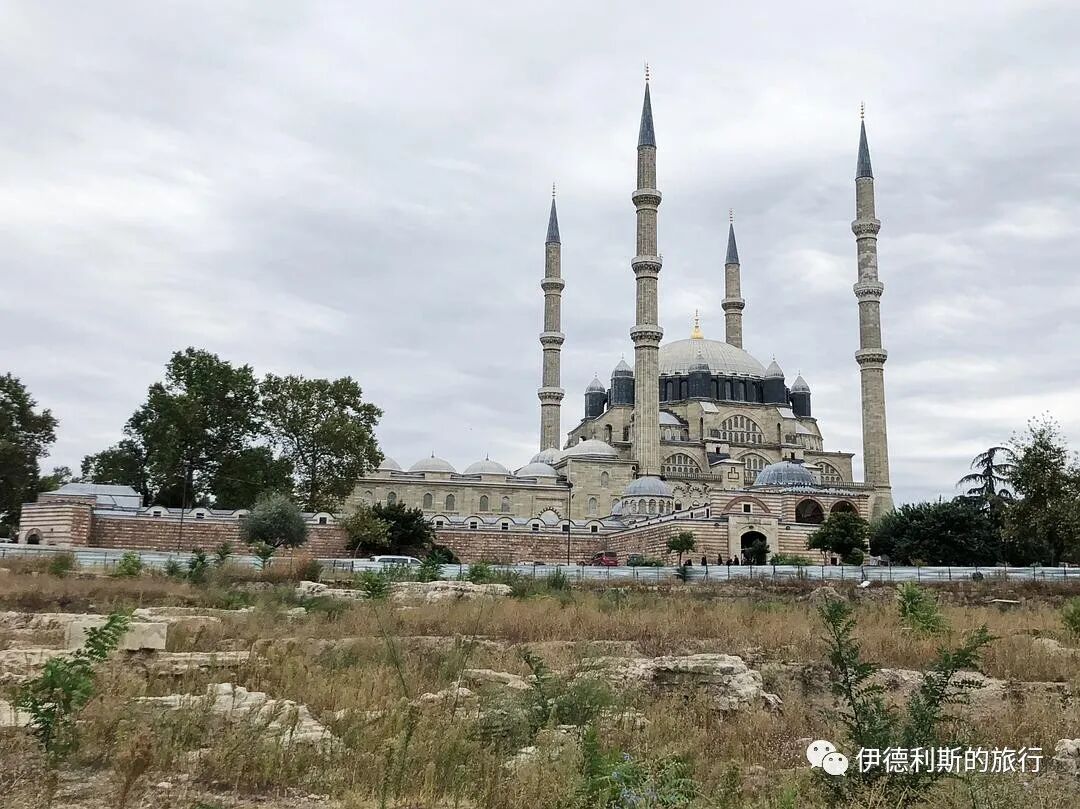
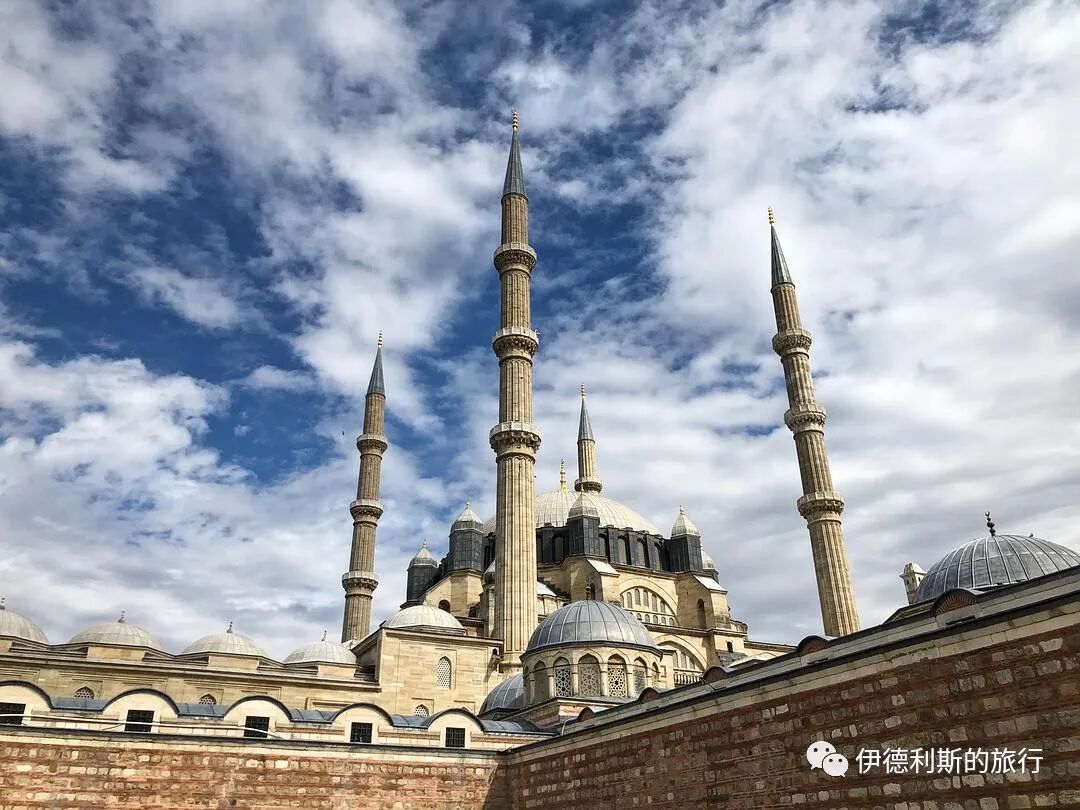
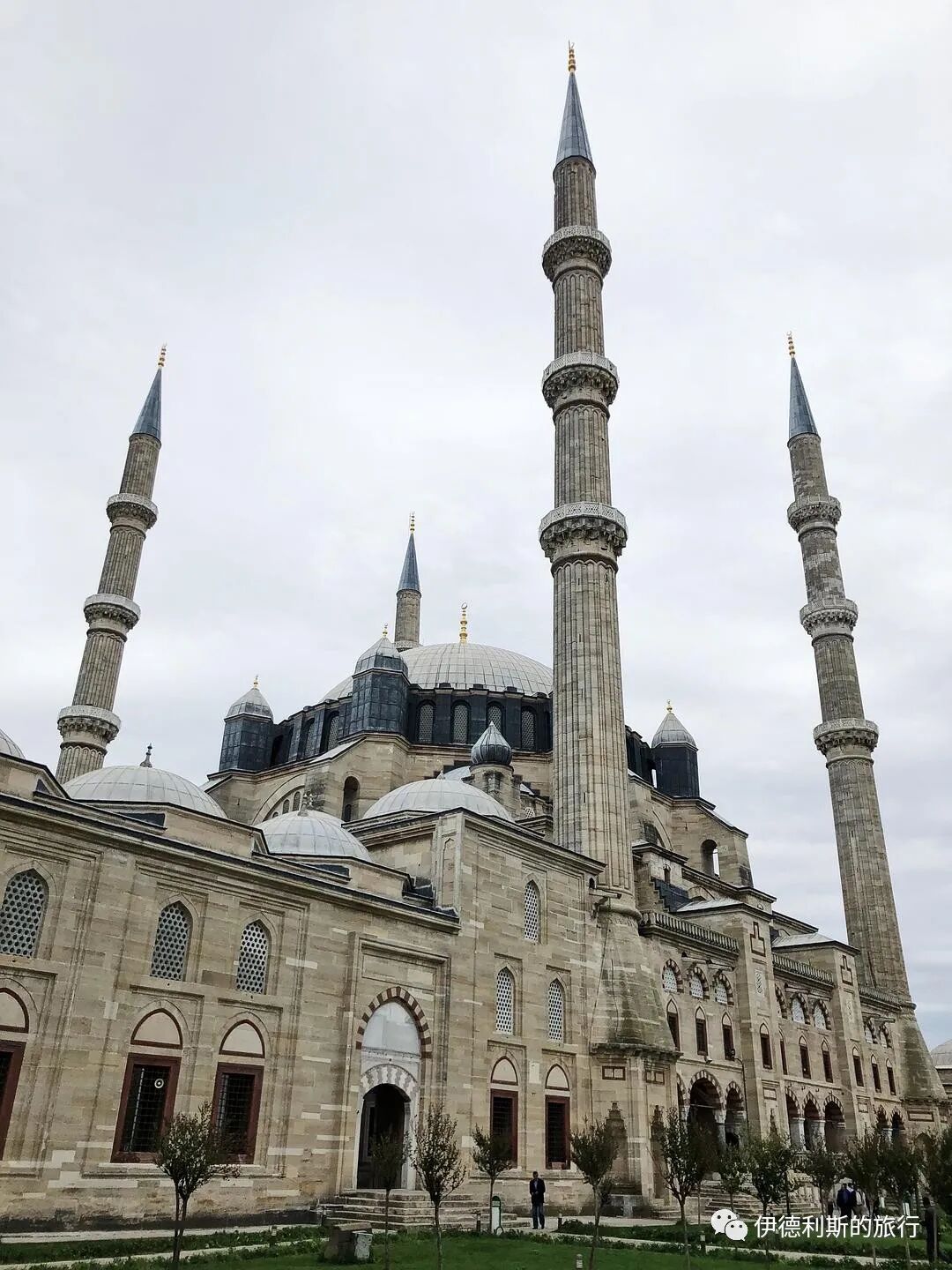
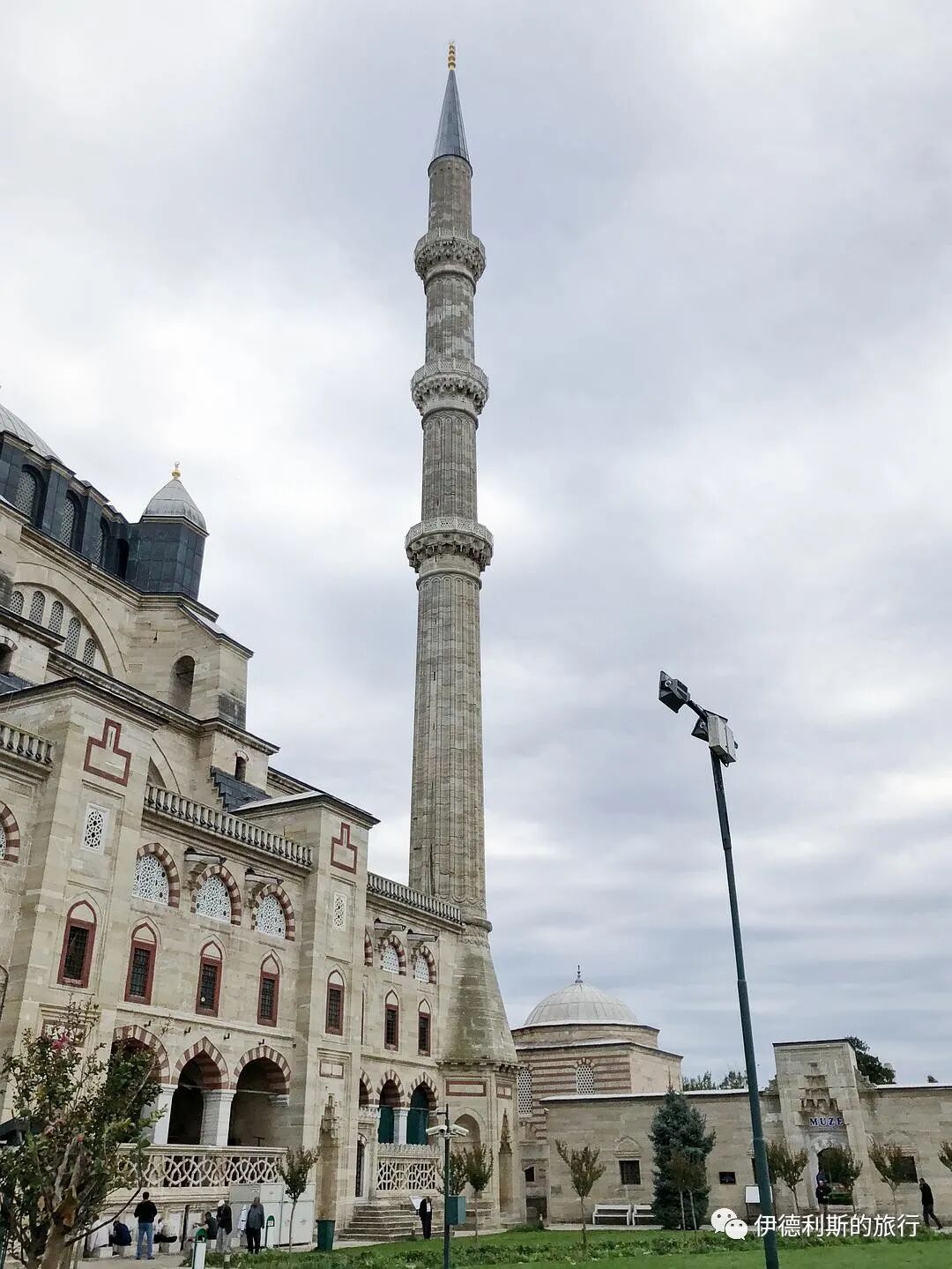
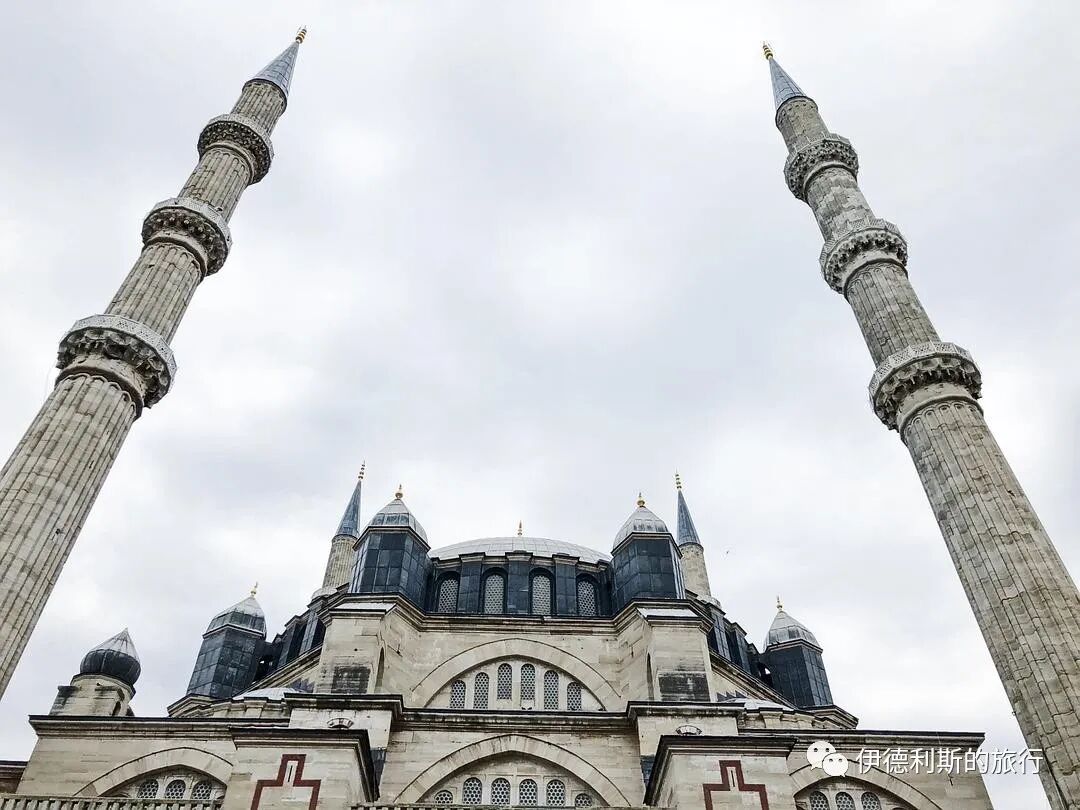
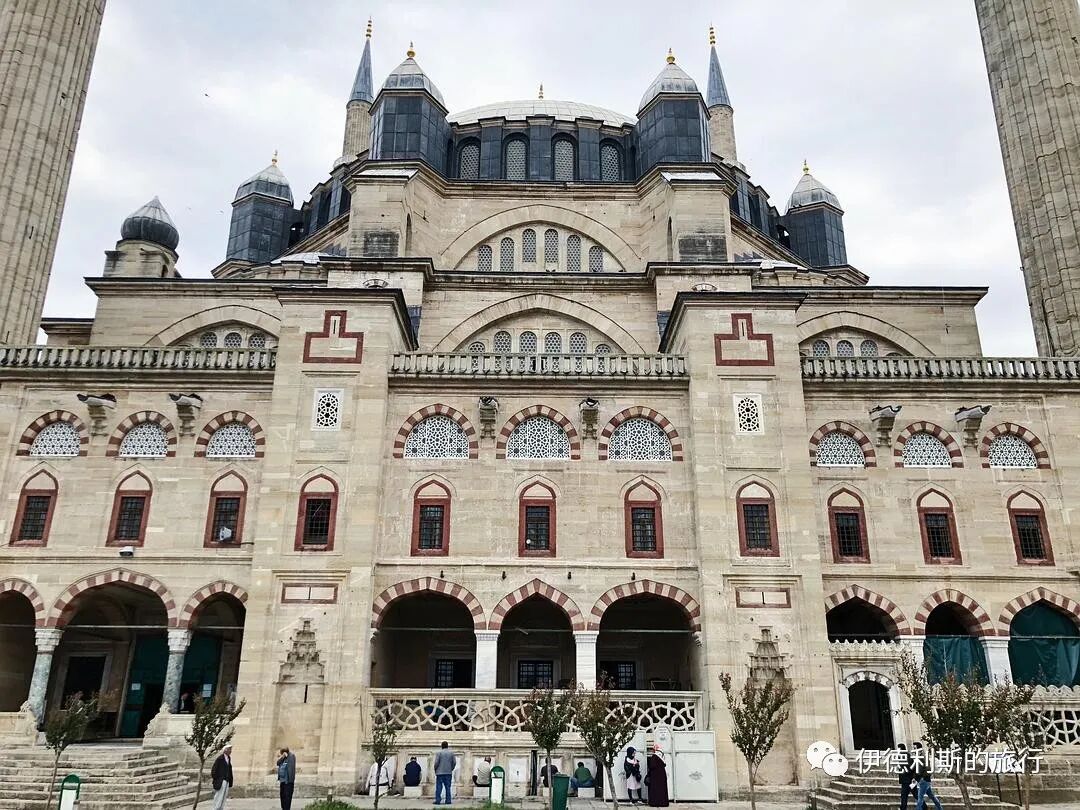
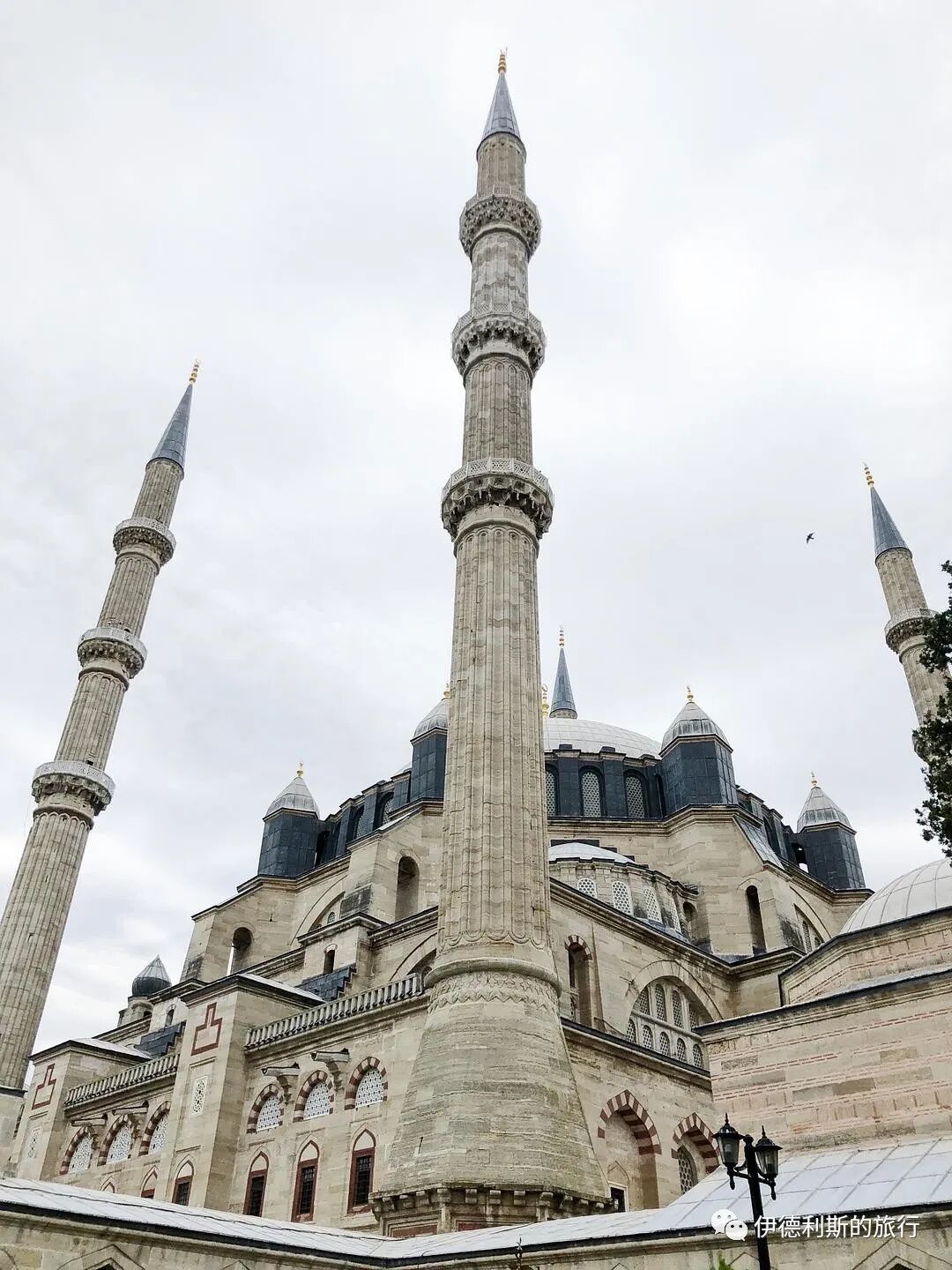
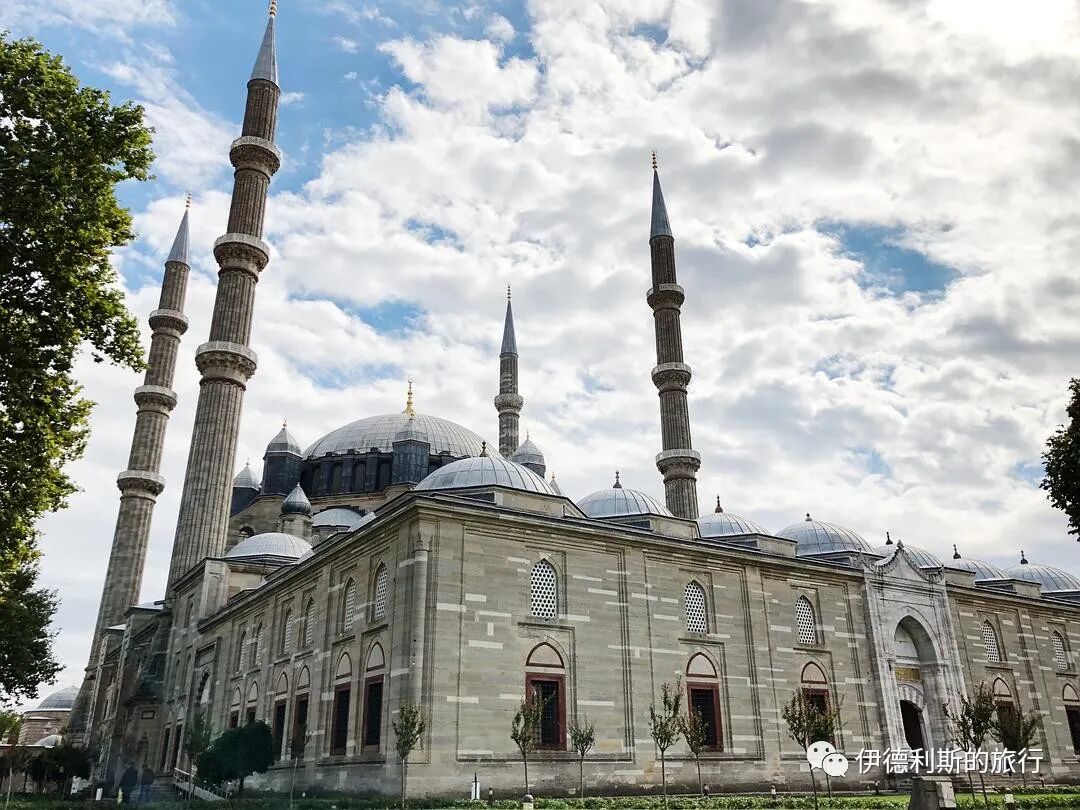
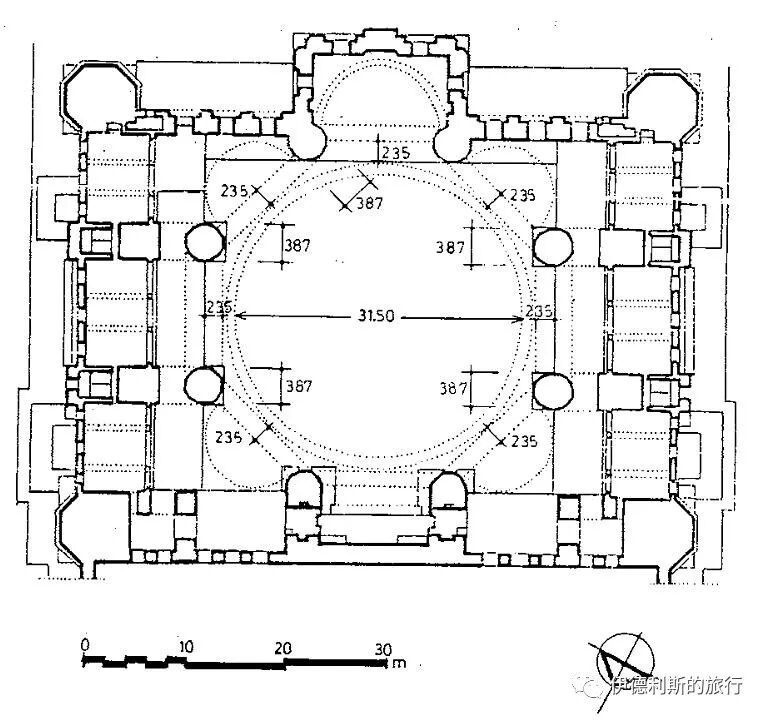
From UNESCO World Heritage Centre documents.
The main gate of the mosque's prayer hall features a Muqarnas structure. Muqarnas, also known as Ahoopāy in Iranian architecture, is a form of decorative vaulting in Islamic architecture. Muqarnas is sometimes called a "honeycomb vault" or "stalactite vault." It first appeared in Iran and entered Turkey with the Seljuk Empire in the 11th century. The purpose of this structure is to create a relatively smooth and decorative transition area in the exposed structural space between walls and ceilings.
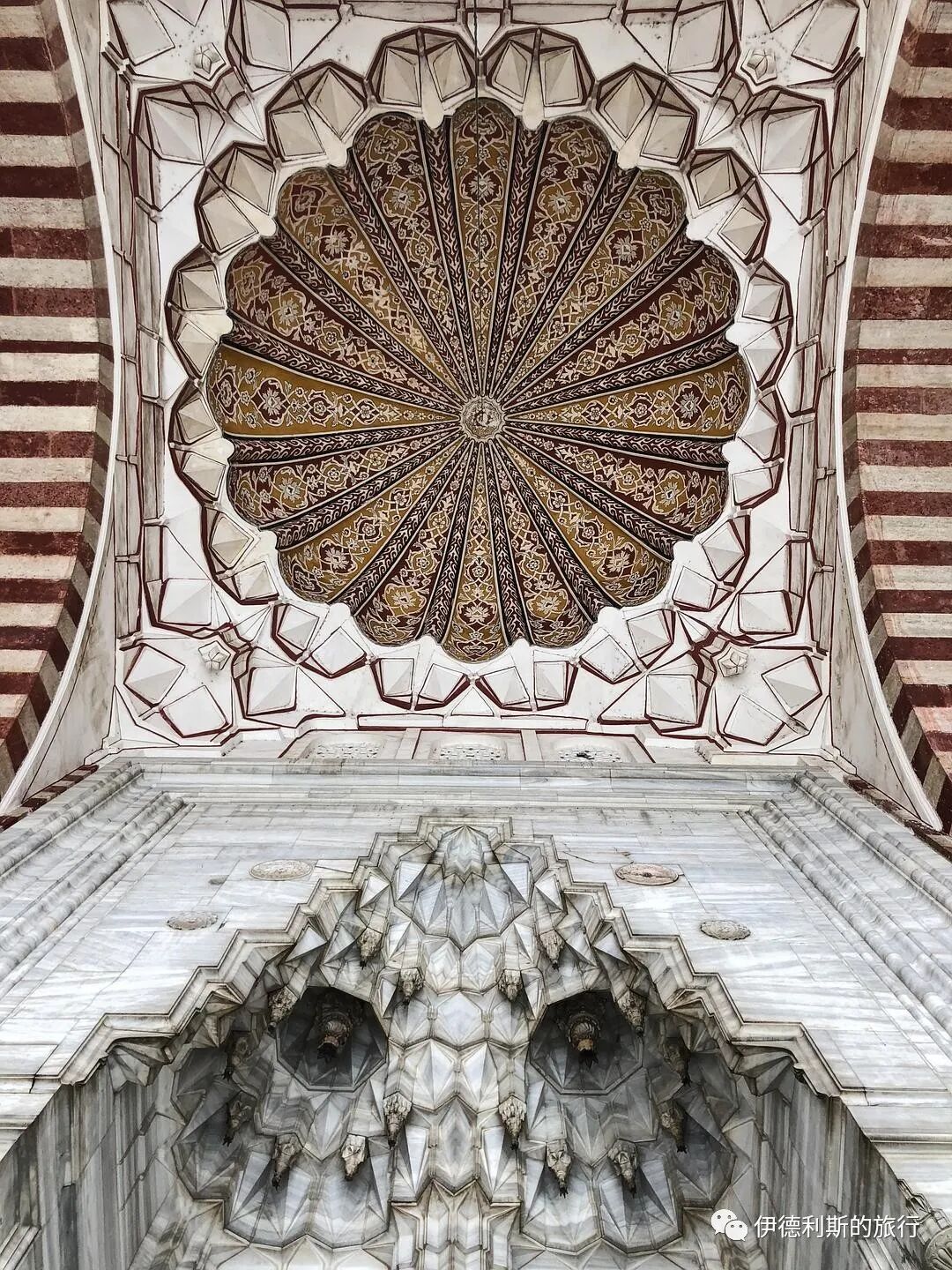
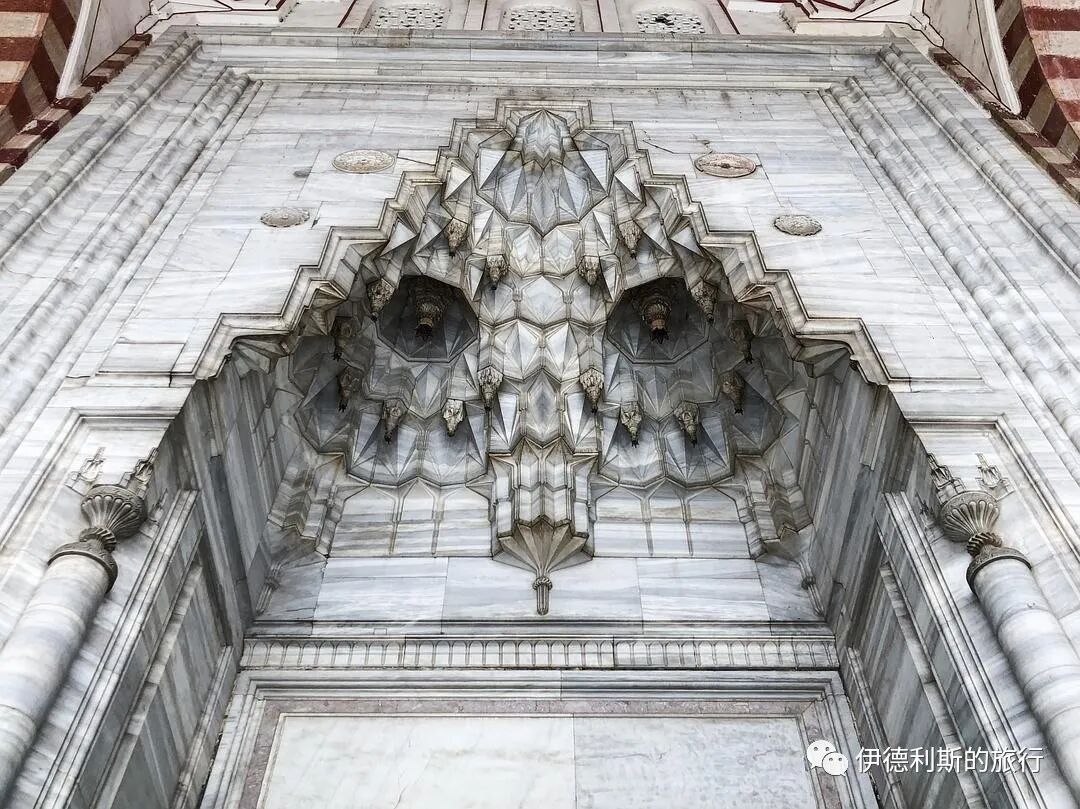
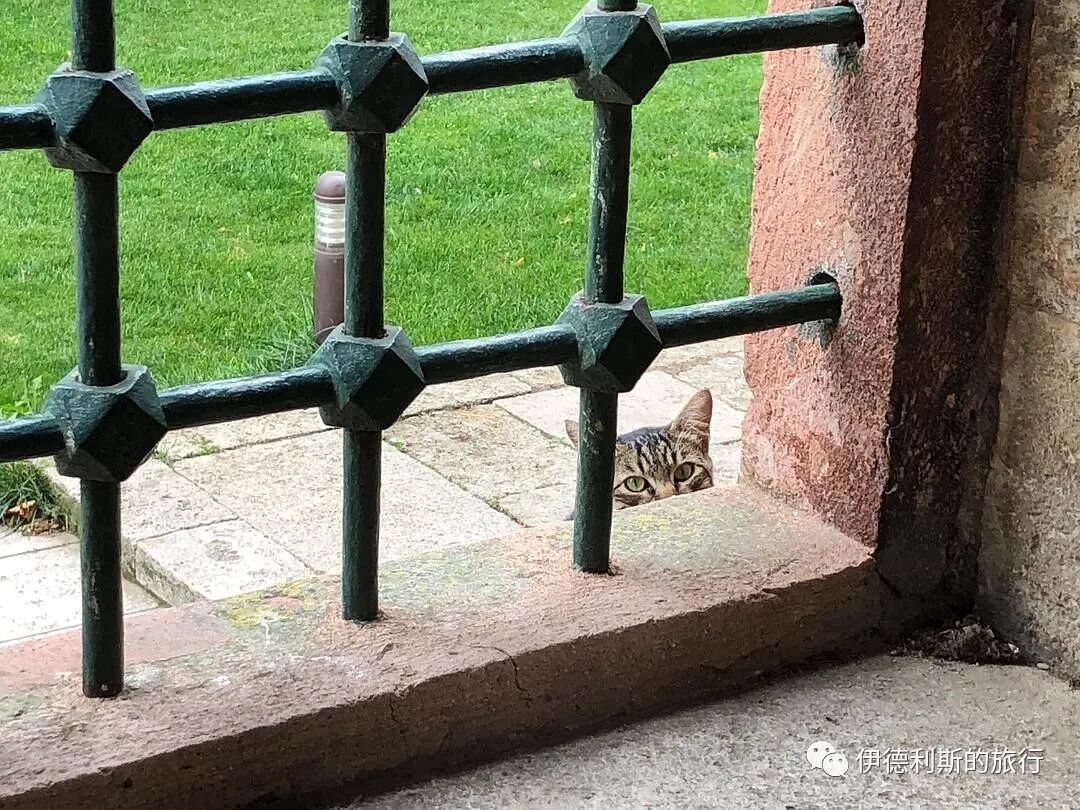
Courtyard.
The courtyard in front of the mosque's prayer hall covers 2,475 square meters, surrounded by a cloister of 18 domes, with a fountain for wudu (ablution) in the center. The marble columns in the courtyard were brought from ruins in Cyprus, Aydincik near the Kapıdağ Peninsula, and Syria. Mimar Sinan designed the front porch near the courtyard gate to be relatively narrow and low to emphasize the grandeur of the mosque's prayer hall.
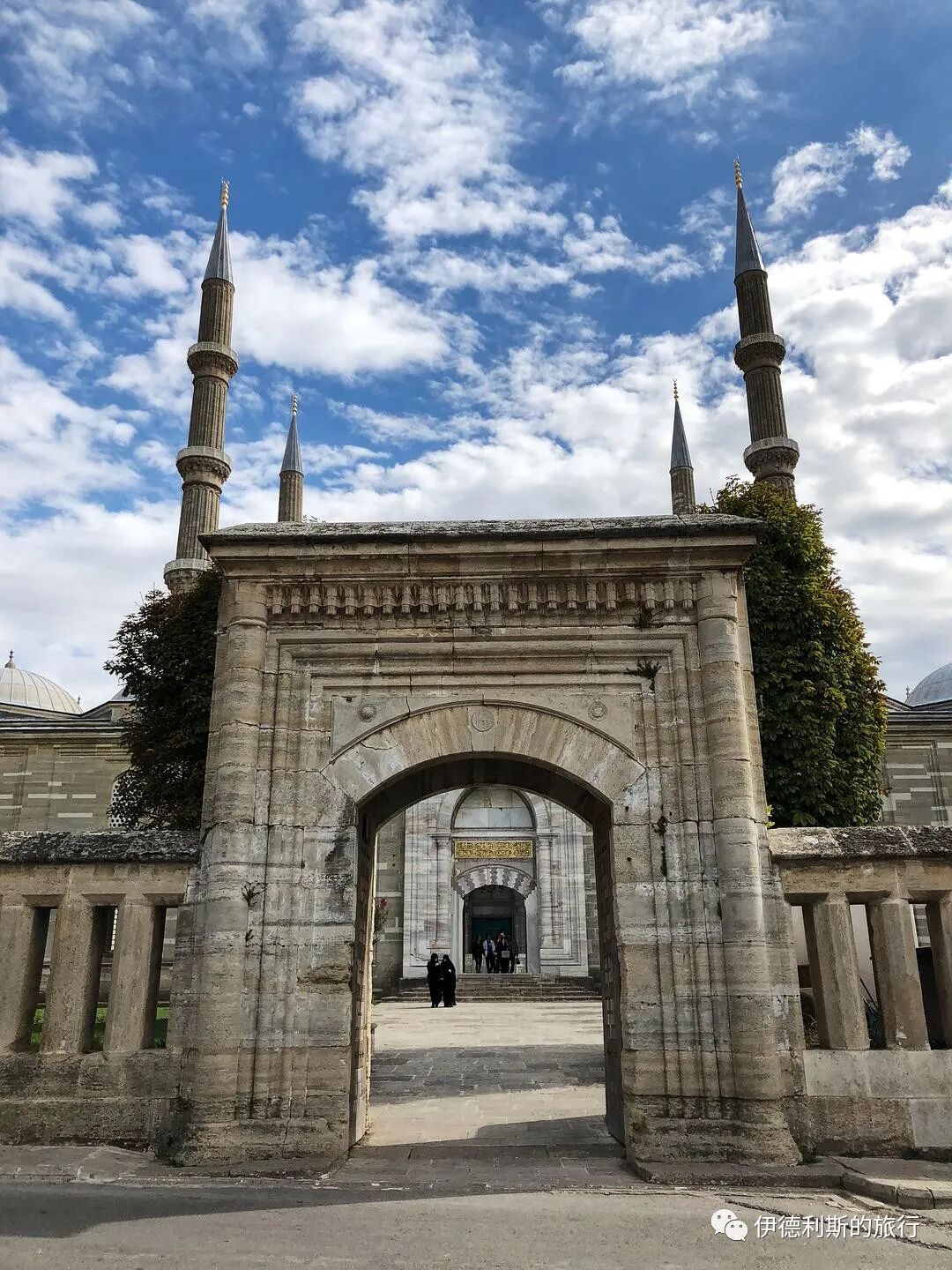
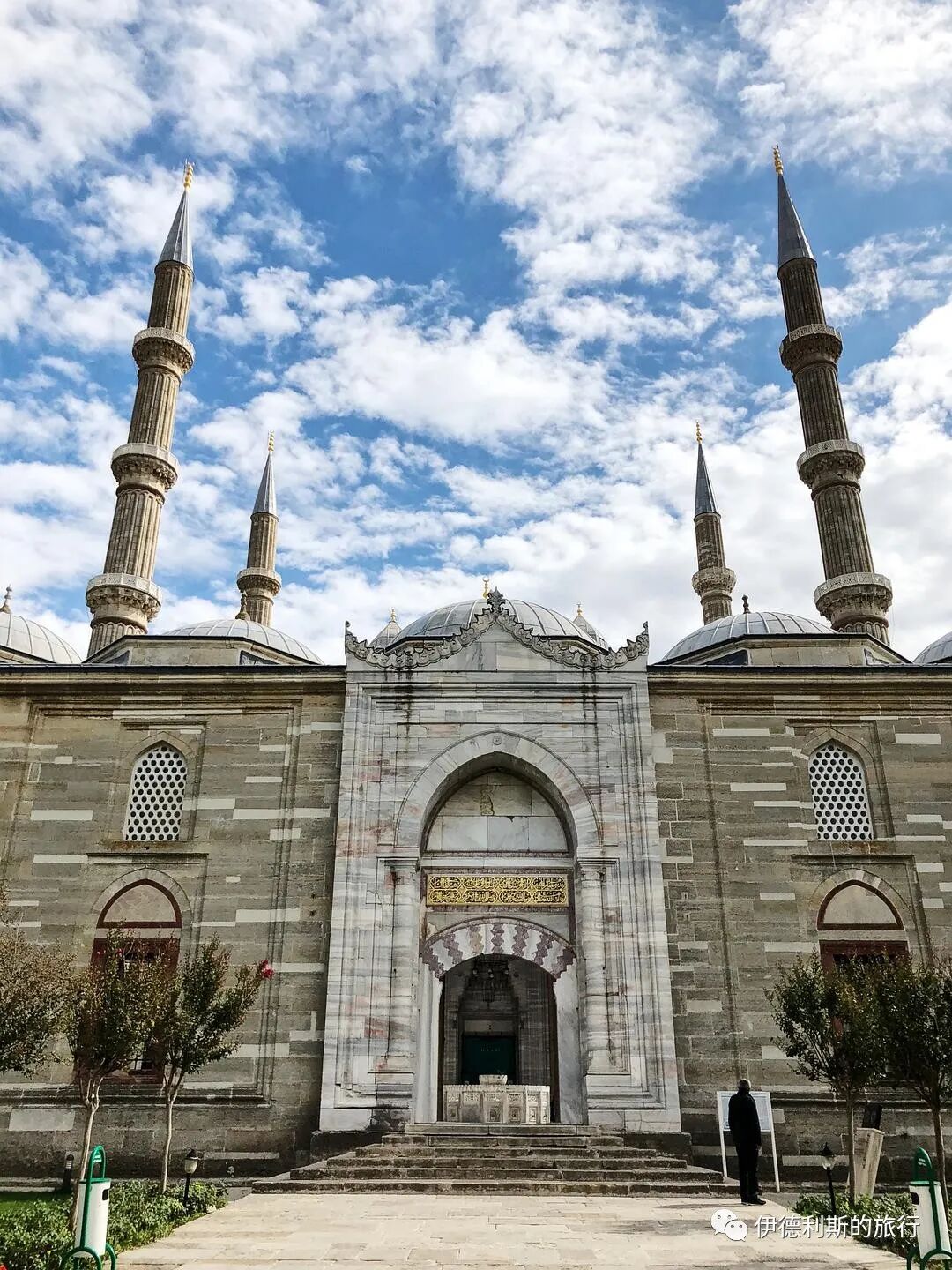
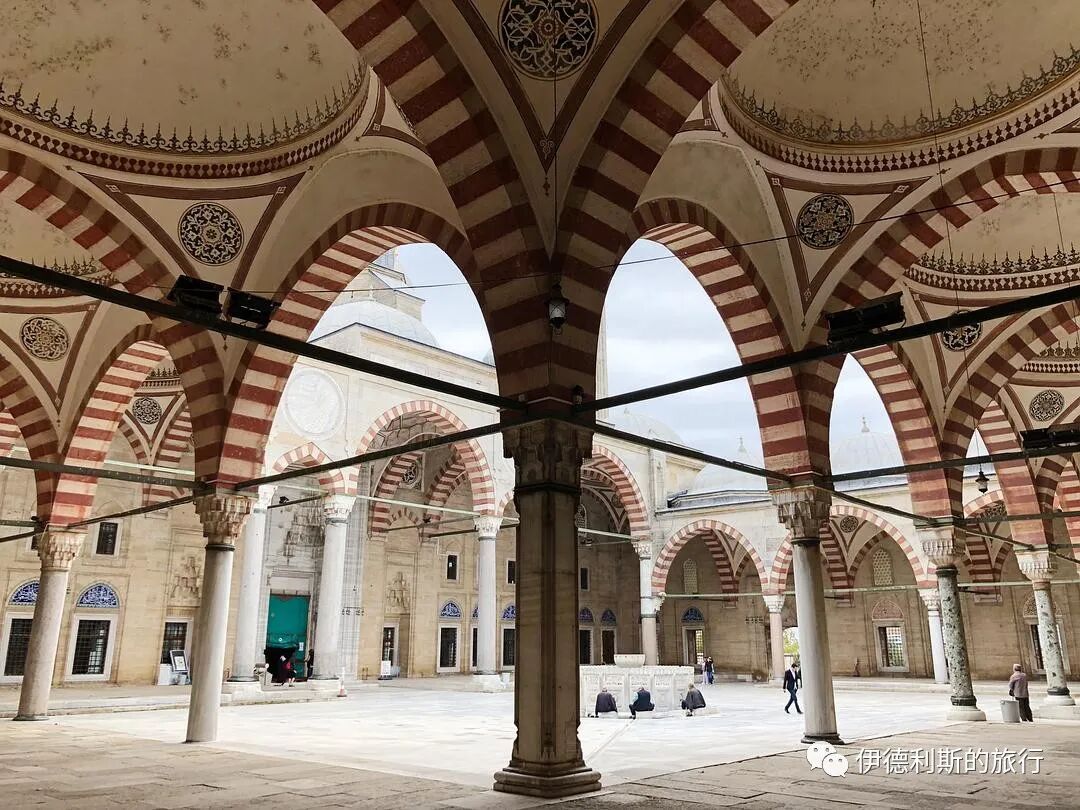
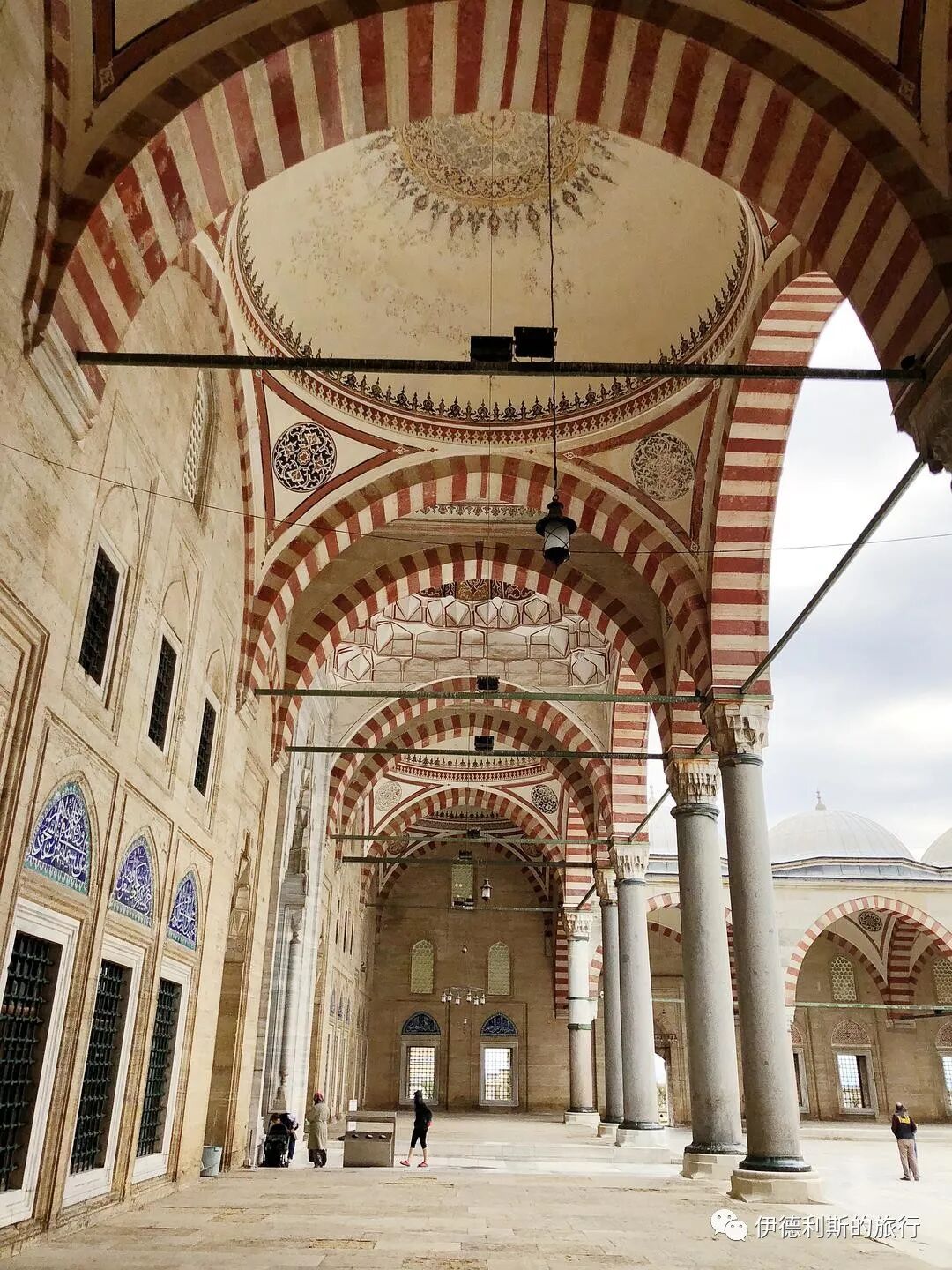
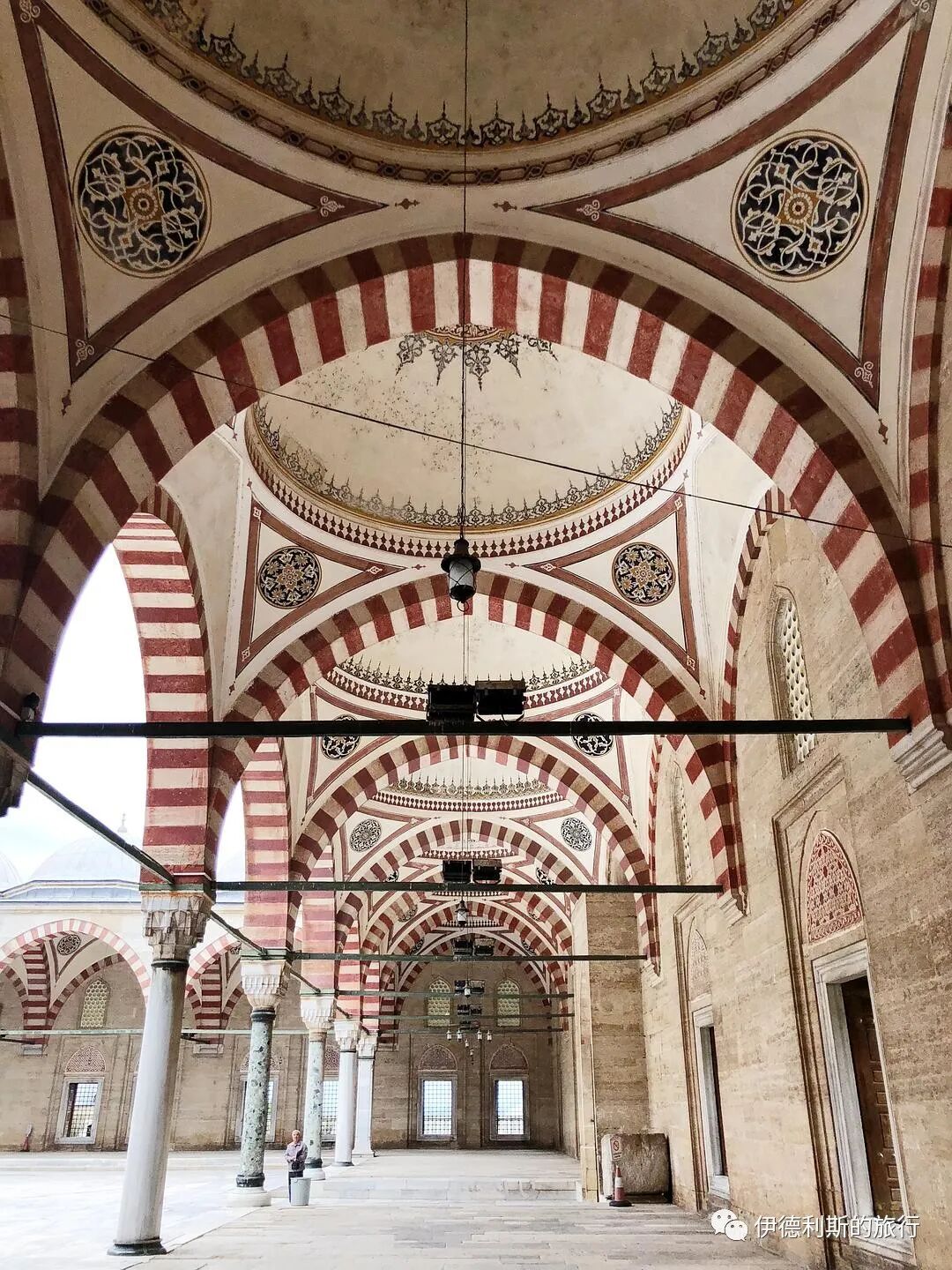
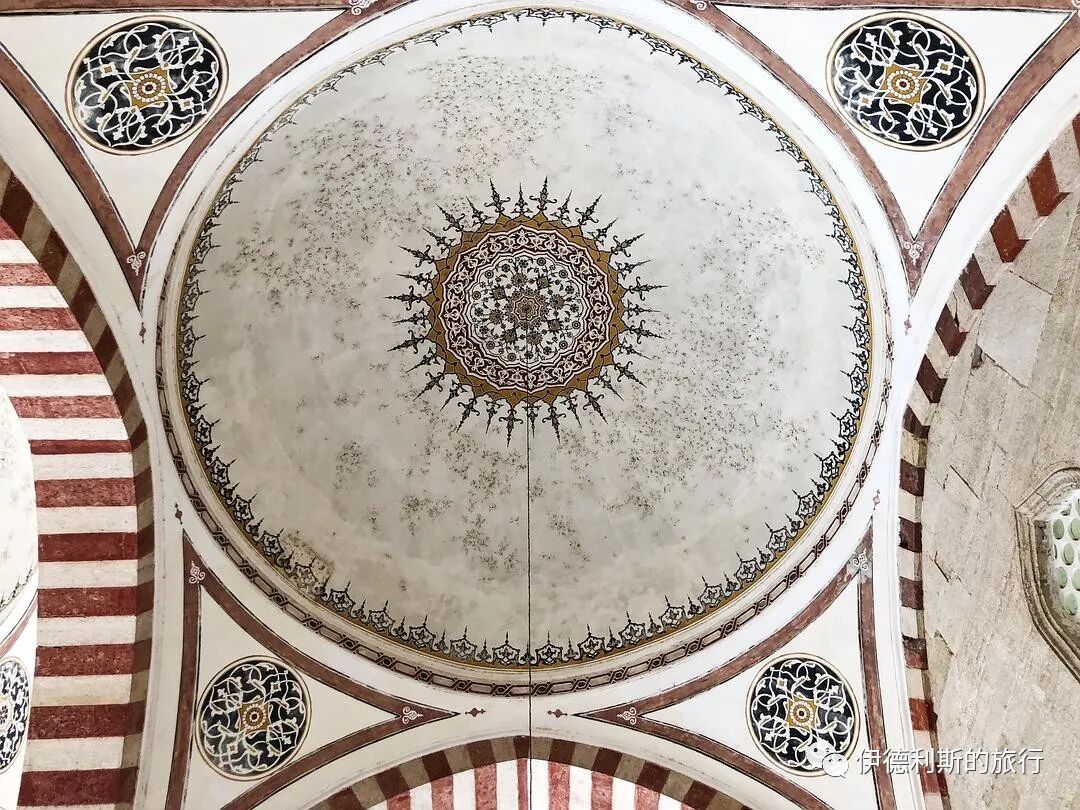
Mimar Sinan made a bold innovation with the fountain; in this sixteen-sided marble fountain, we can see compositions and very interesting details never before seen in Ottoman fountains of that time.
This is the largest ablution fountain Mimar Sinan ever built, and its decoration is very different from traditional ones. Each marble slab has a wide and deep contour band on the lower part, with a pointed-arch mirror stone in the middle, and openwork geometric carvings on the upper part. Above that is a crown-shaped stone slab with "Rumi patterns" (a style of stylized floral/leaf motifs). Sinan designed special supports for the bottom edge of the fountain based on the lines of each faucet.
According to historical records, in 1572, Mimar Sinan ordered water to be supplied to the fountain from Kayalar village.
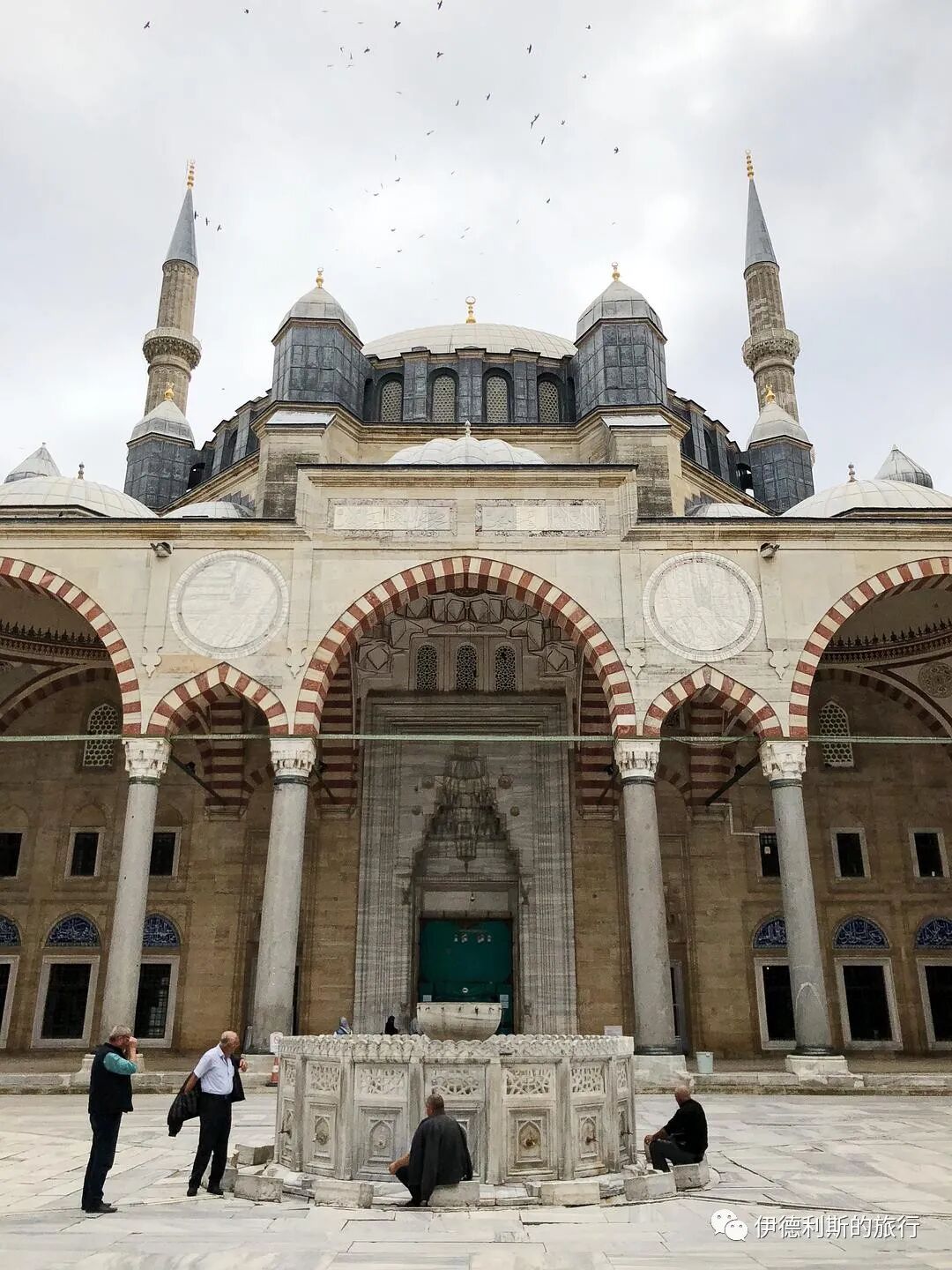
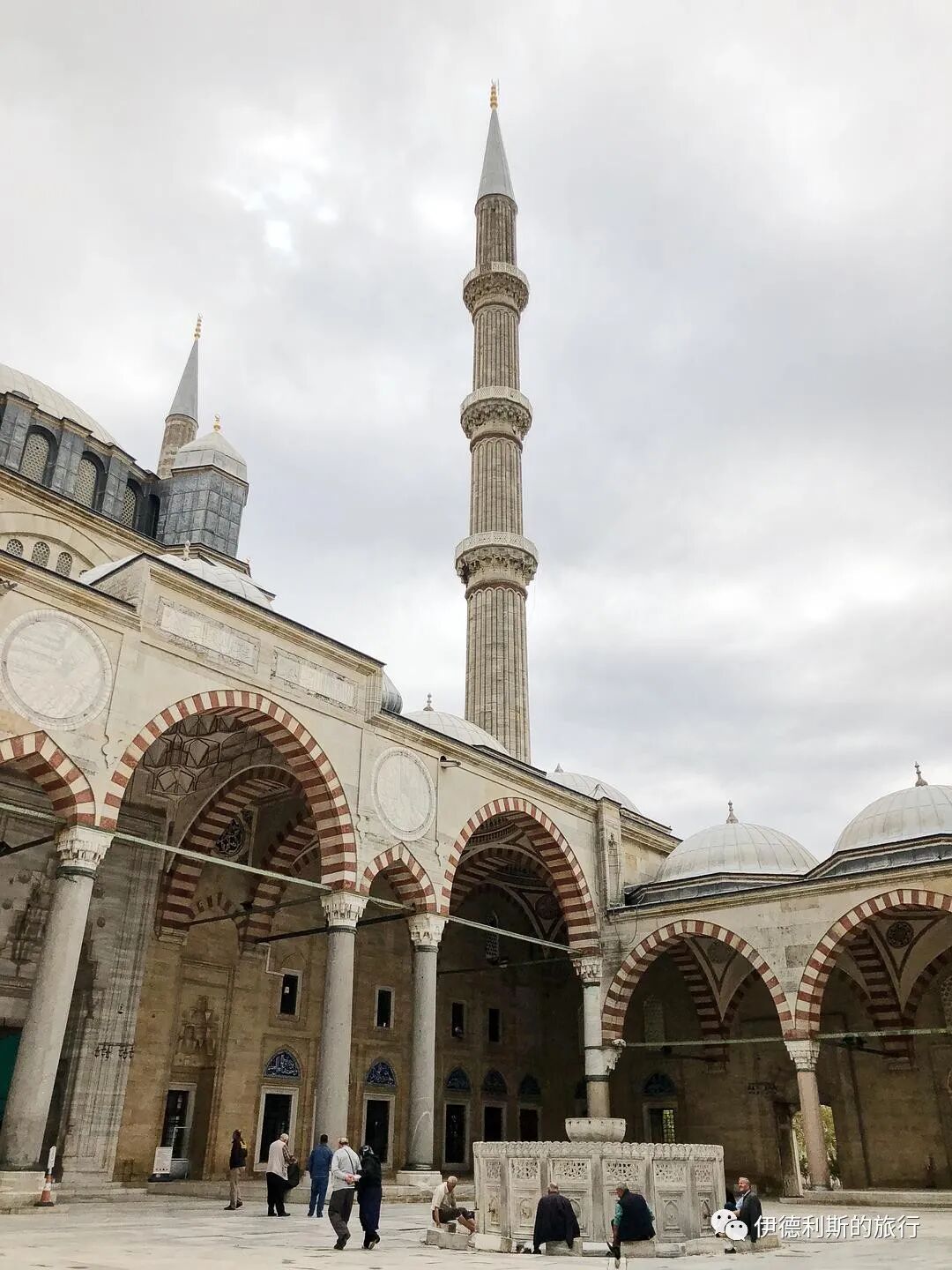
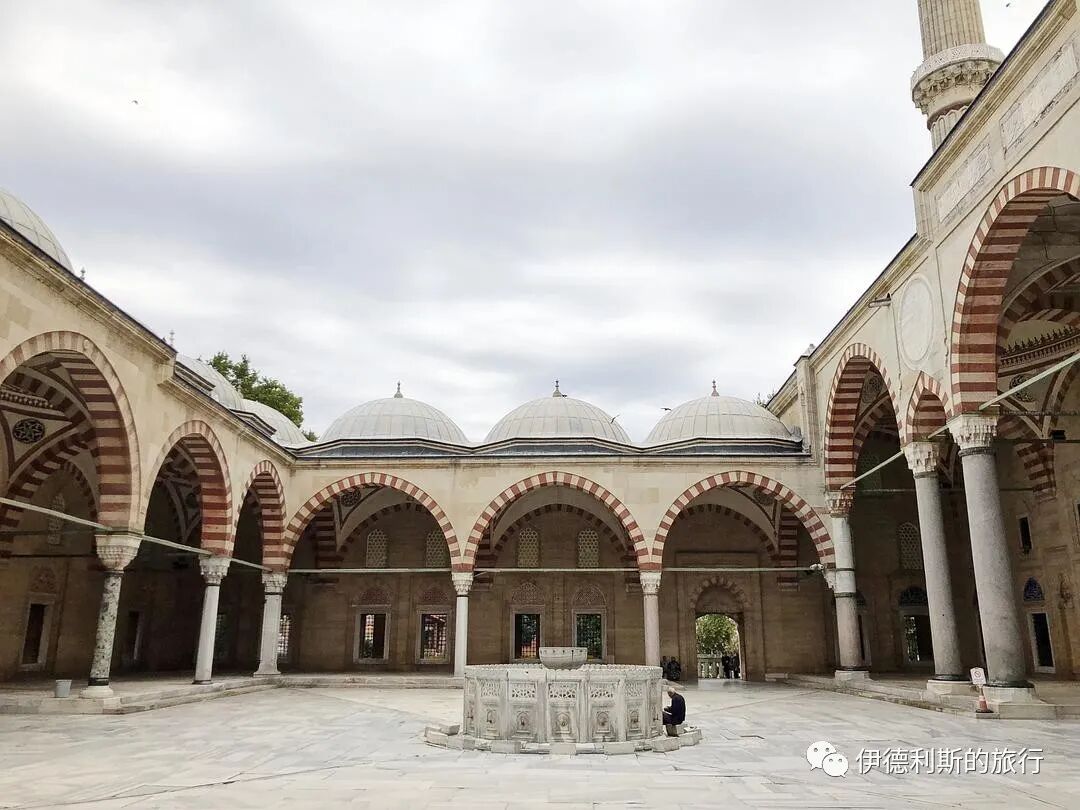
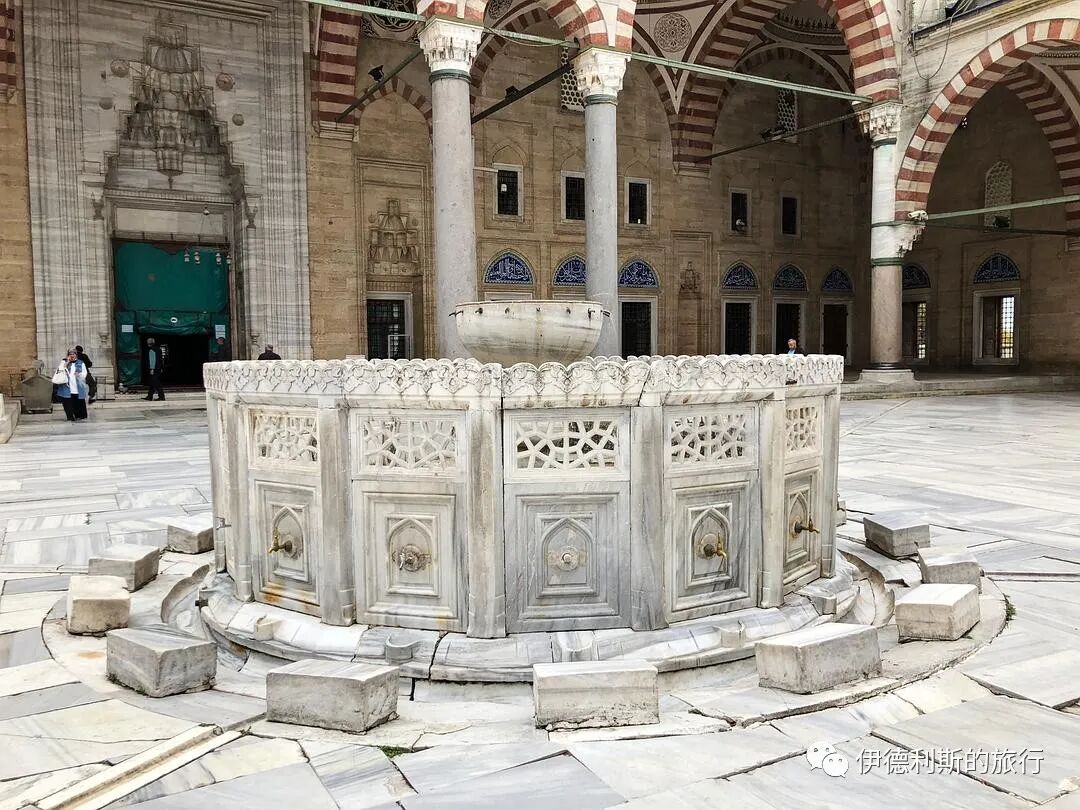
Interior of the mosque.
In the Selimiye Mosque, Mimar Sinan utilized an octagonal support system, with 8 columns supporting the massive central dome. During the Bulgarian siege of Edirne in 1913, the mosque's dome was hit by Bulgarian artillery. Because the dome was extremely sturdy, it suffered only minor damage. Later, Atatürk ordered that the traces of the shelling be preserved as a warning to future generations.
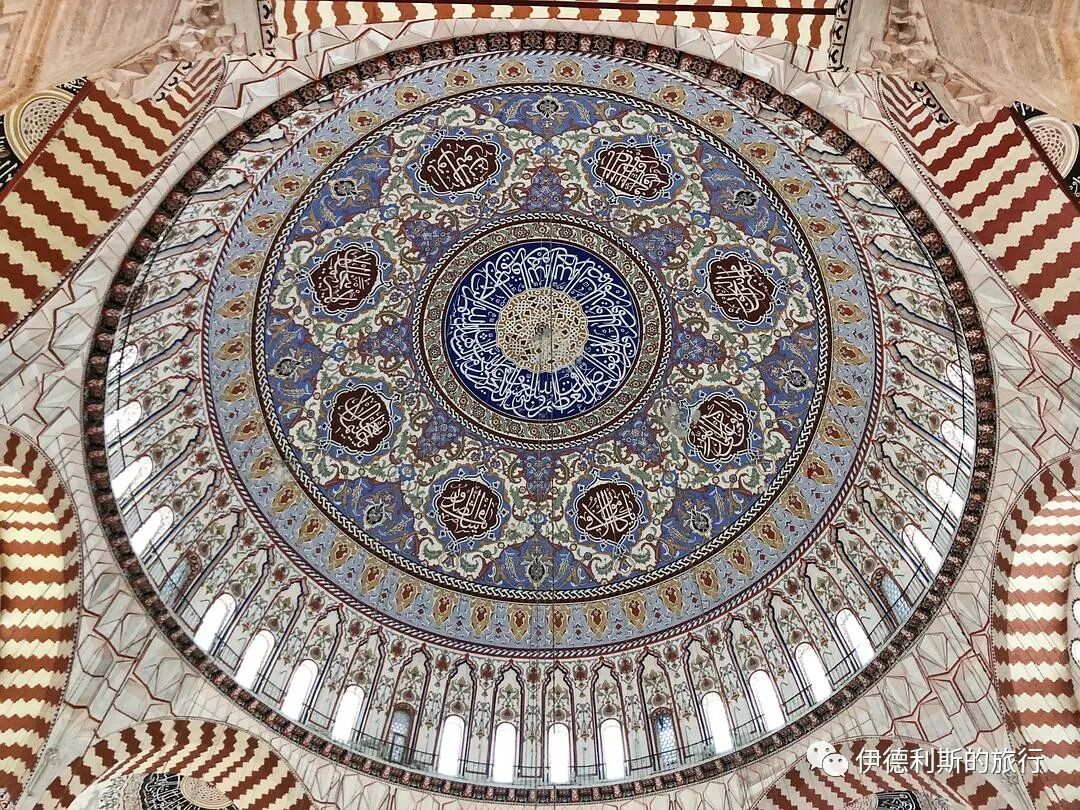
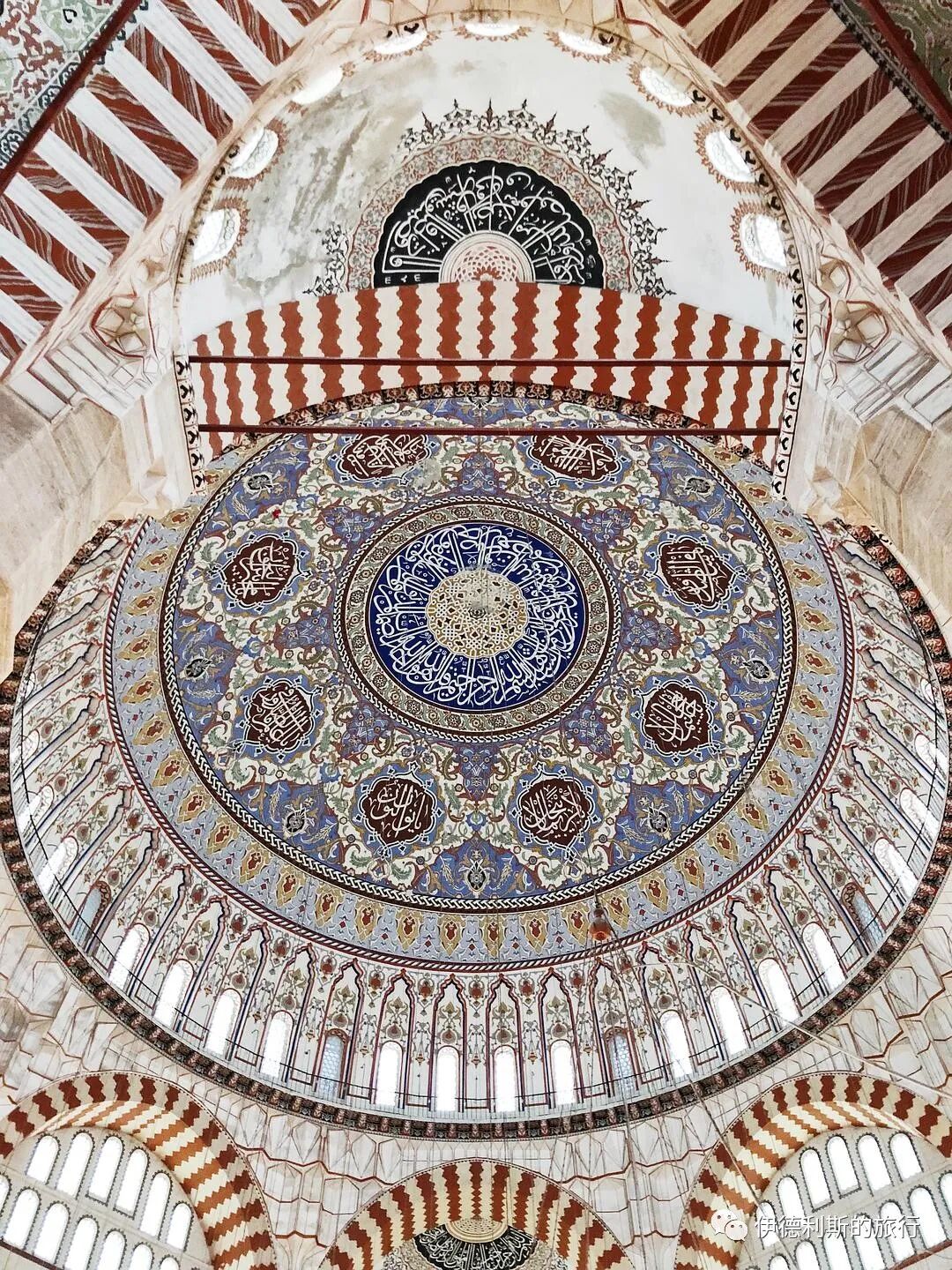
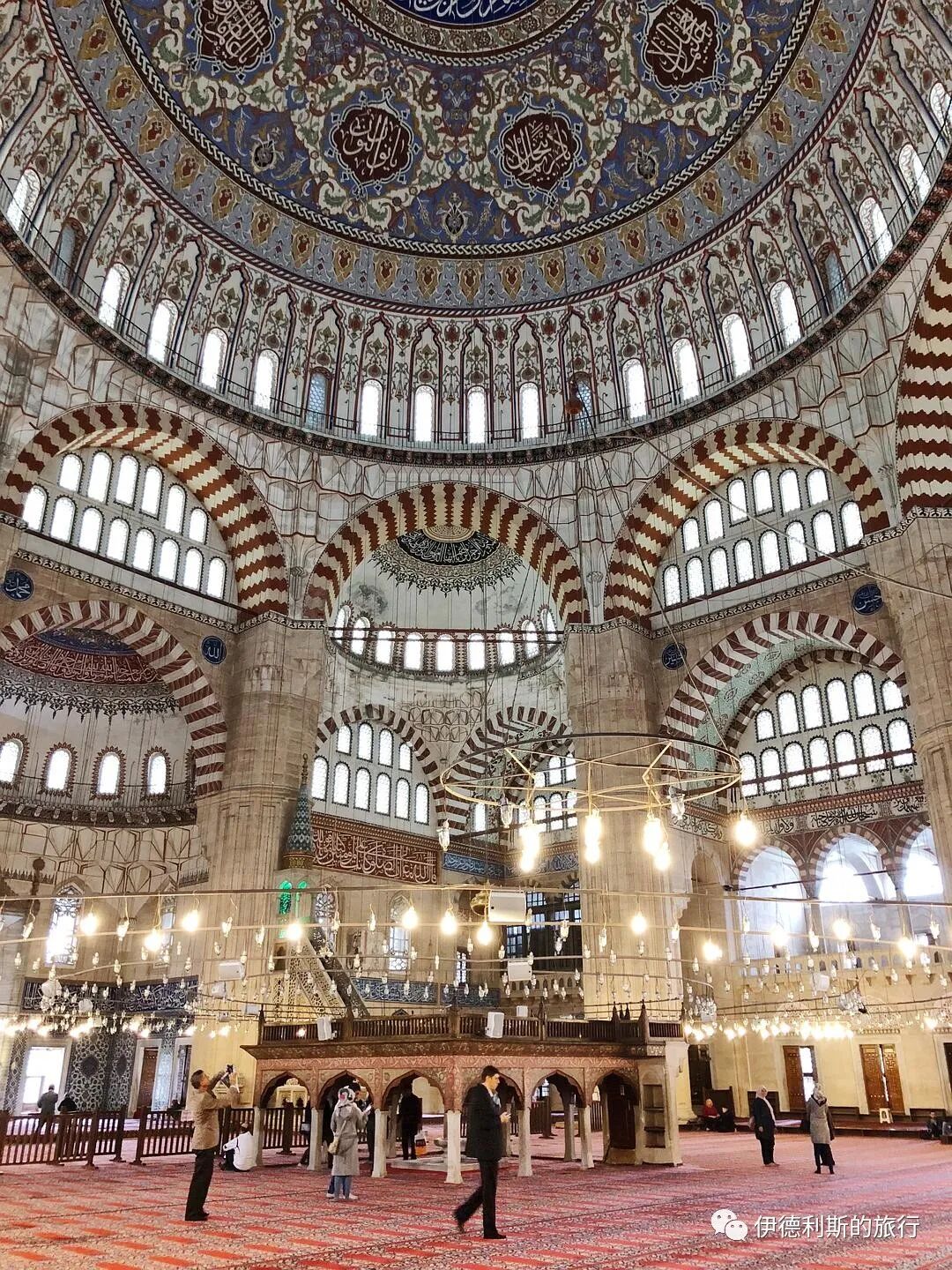
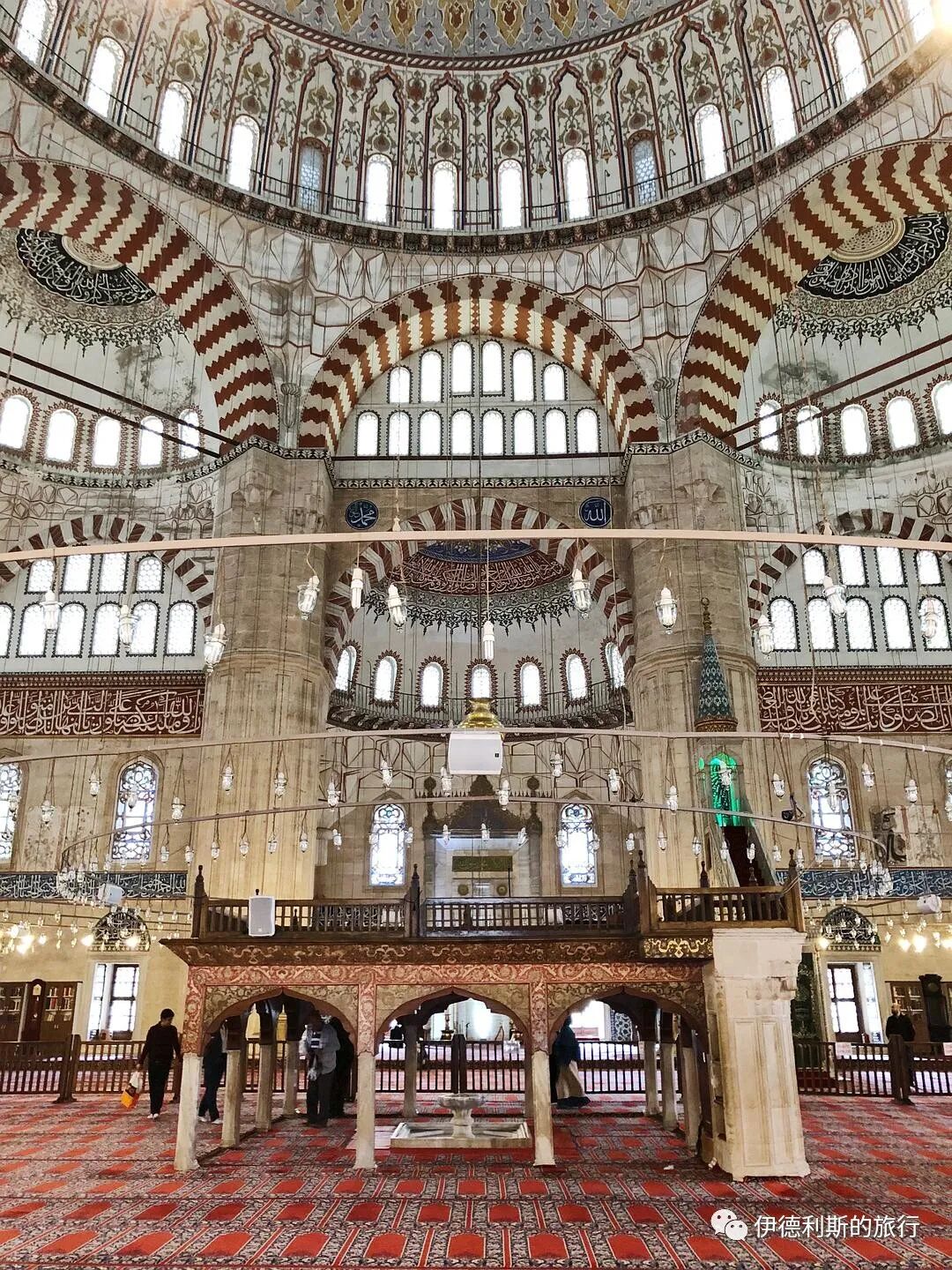
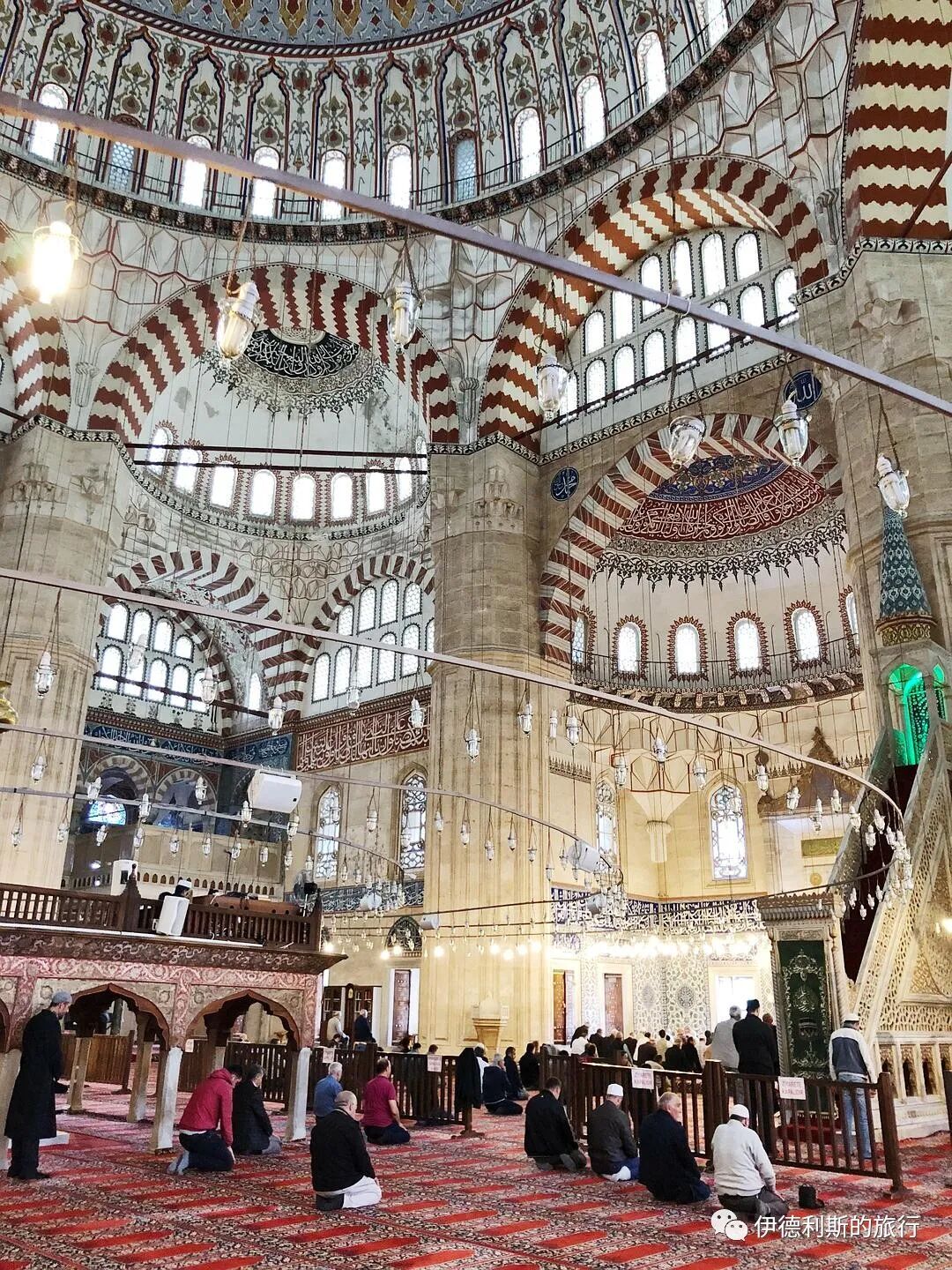
The mihrab (prayer niche) is located in a rear apse that protrudes from the prayer hall, providing enough depth for sunlight to enter from three sides of the windows. The white marble-carved mihrab is a spectacular work of its time. Unfortunately, the original 16th-century calligraphy on the semi-dome above the mihrab did not survive; what we see today is a 1985 restoration in the Baroque style.
The tiles around the mihrab were specially ordered by Mimar Sinan from Iznik between 1572 and 1575 and were the highest quality tiles in the Ottoman Empire at the time. The calligraphy on the tiles was created by Karahisari Molla Hasan, a student and adopted son of the famous 16th-century Ottoman calligrapher Ahmed Karahisari.
The use of Iznik tiles made Mimar Sinan not only an outstanding architect but also an excellent artist. In the interior design, Mimar Sinan tried to avoid overwhelming the architecture with decoration, so the tiles were distributed in specific areas as a finishing touch. Dominated by blue and white, the Iznik tiles accented with coral red are typical of the second half of the 16th century. These tiles are extremely rich in content; there are 101 different types of tulip patterns alone, and they were the best in the 16th century in terms of both glaze and quality.
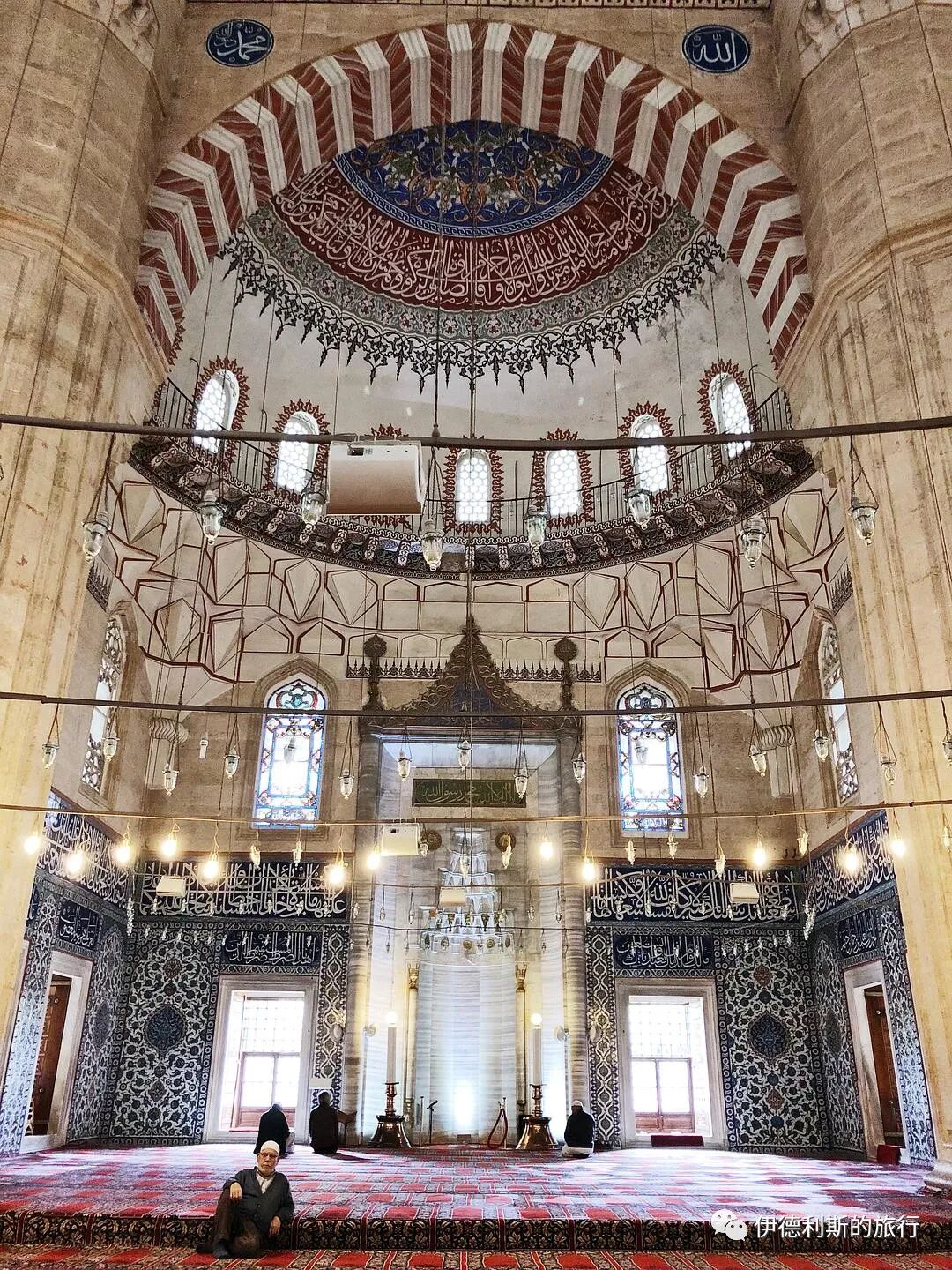
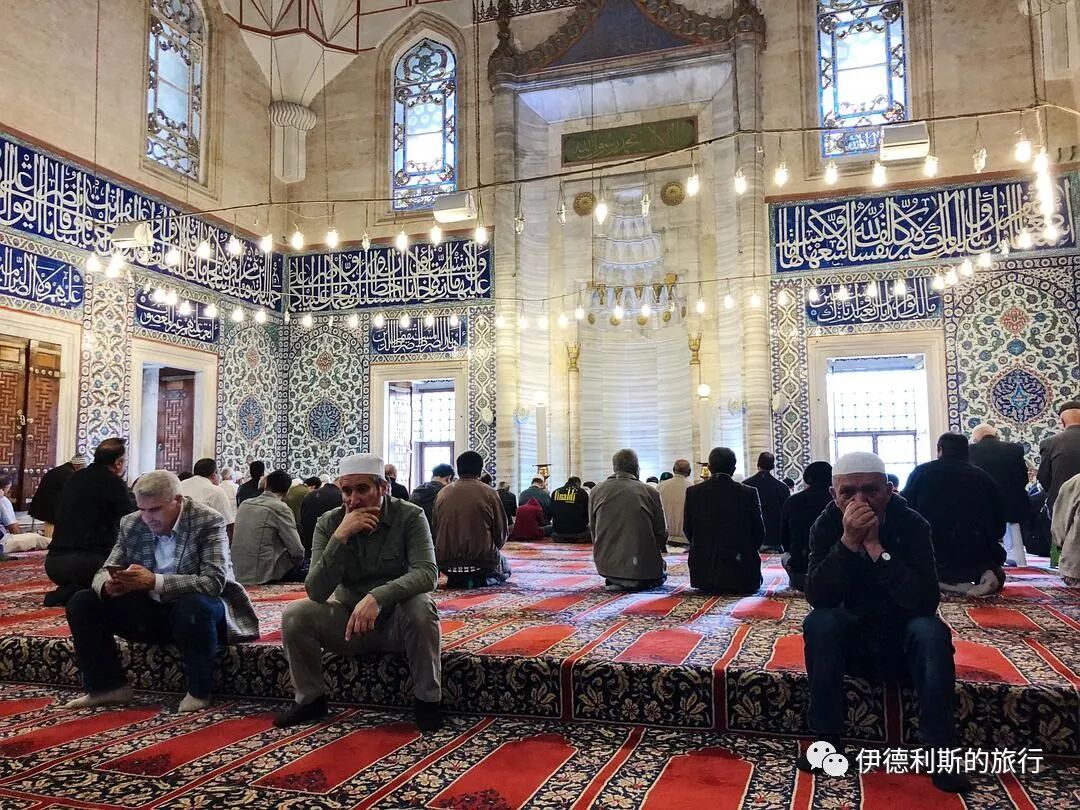
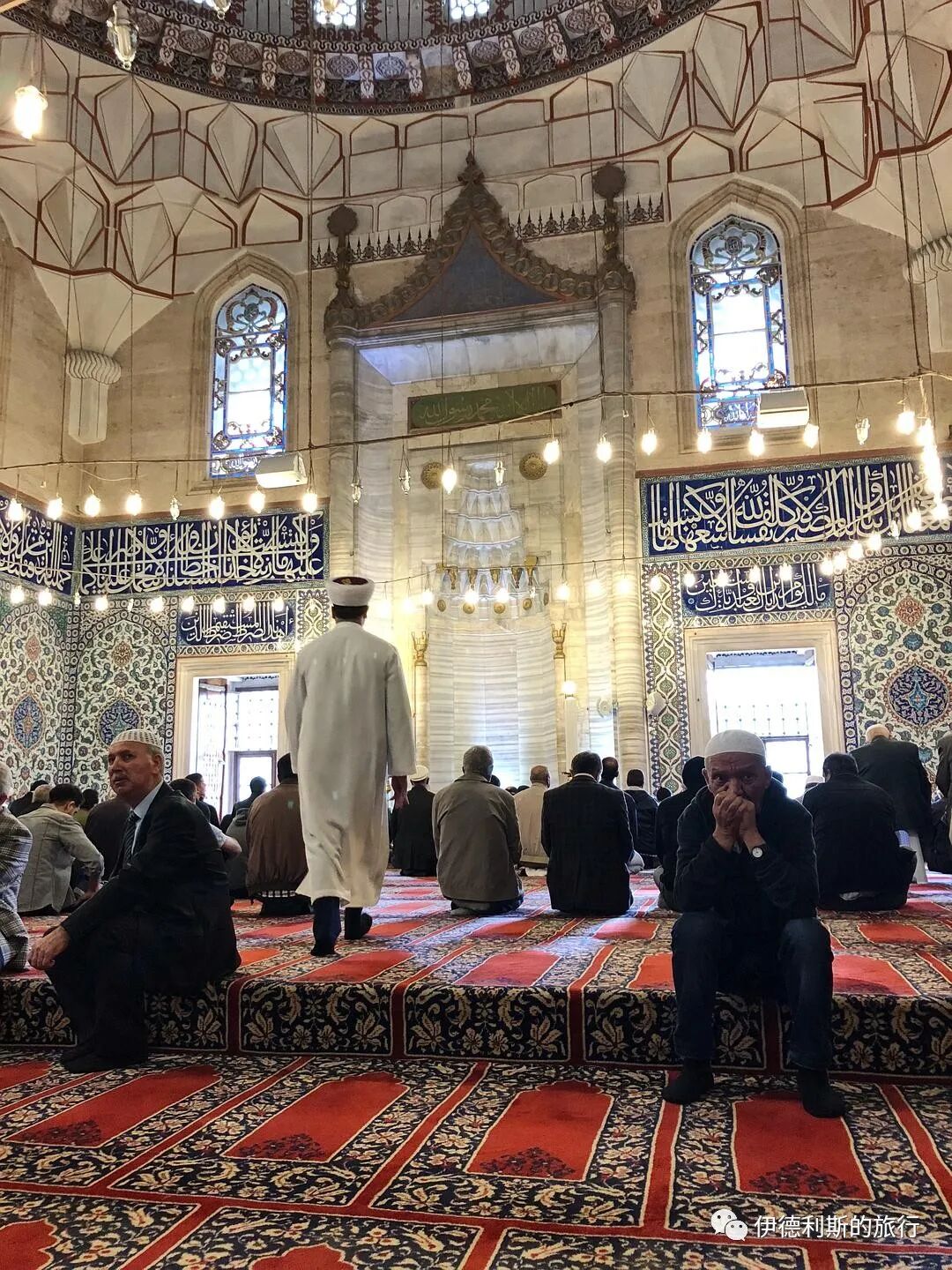
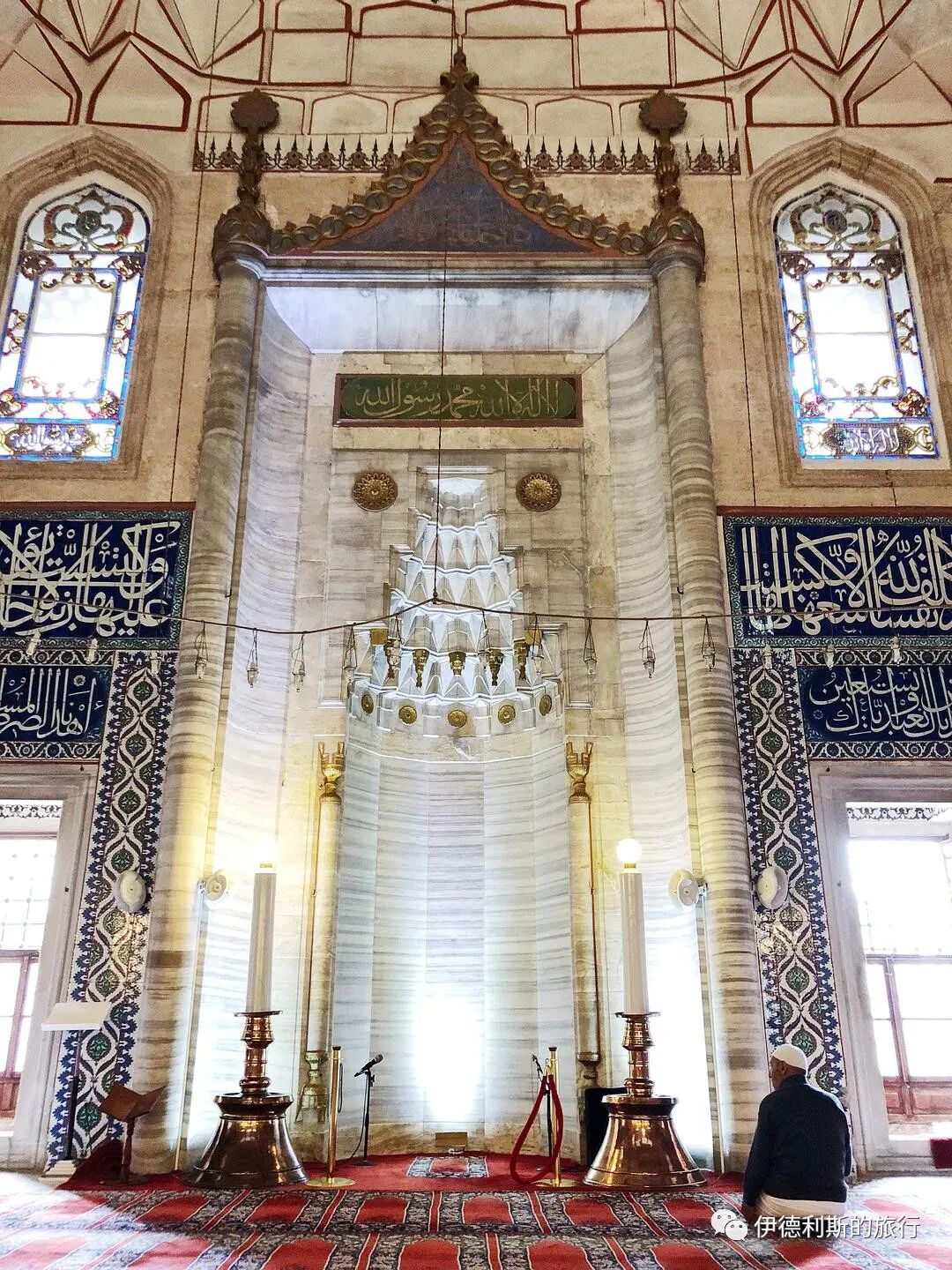
The minbar (pulpit) of the Selimiye Mosque occupies a very important place among classical Ottoman artworks. The minbar is carved from a single block of white marble and has 25 steps, with an extremely elegant design. The beauty produced by the fusion of these geometric shapes is the artistic crystallization that Mimar Sinan pursued throughout his life.
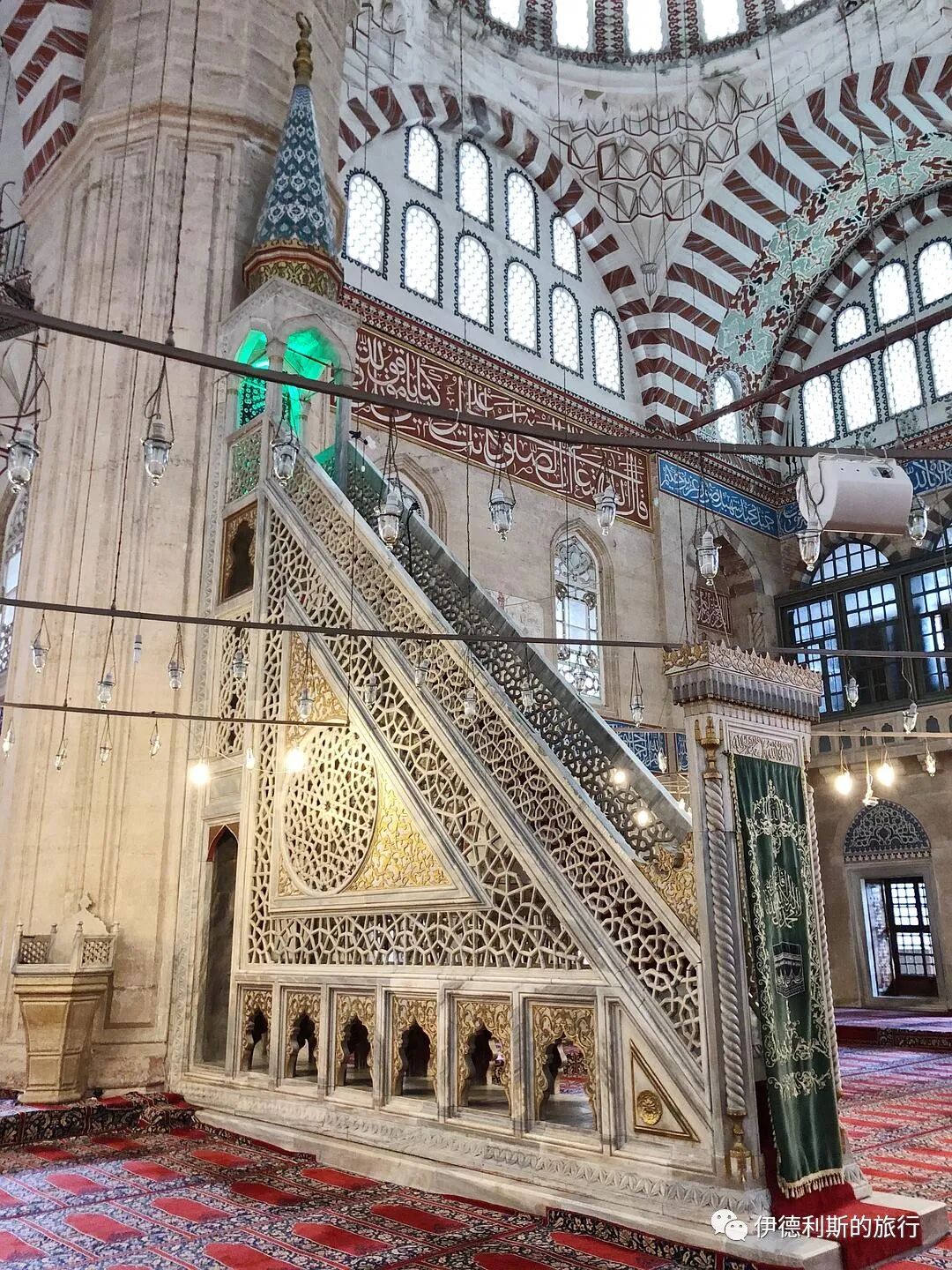
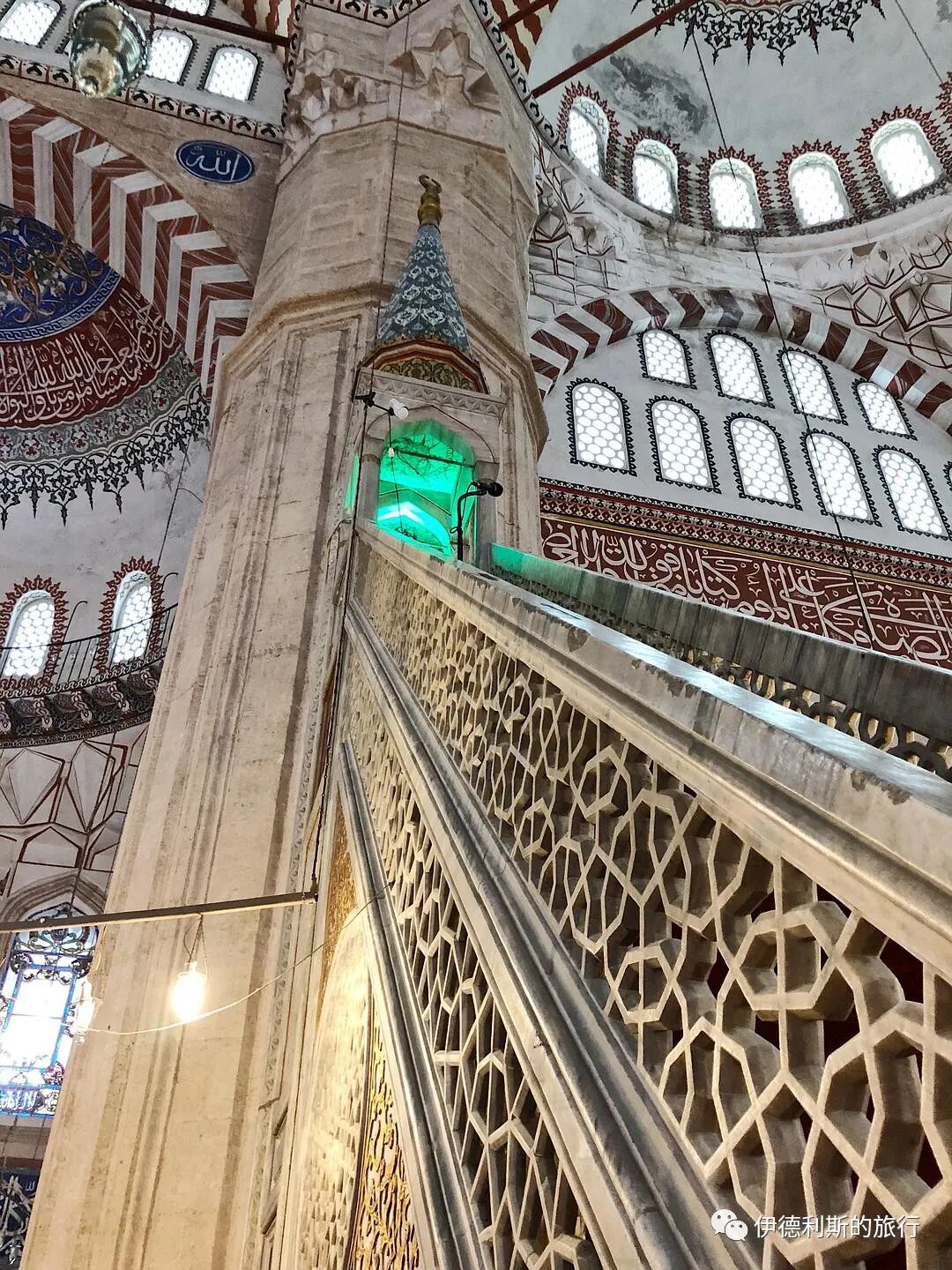
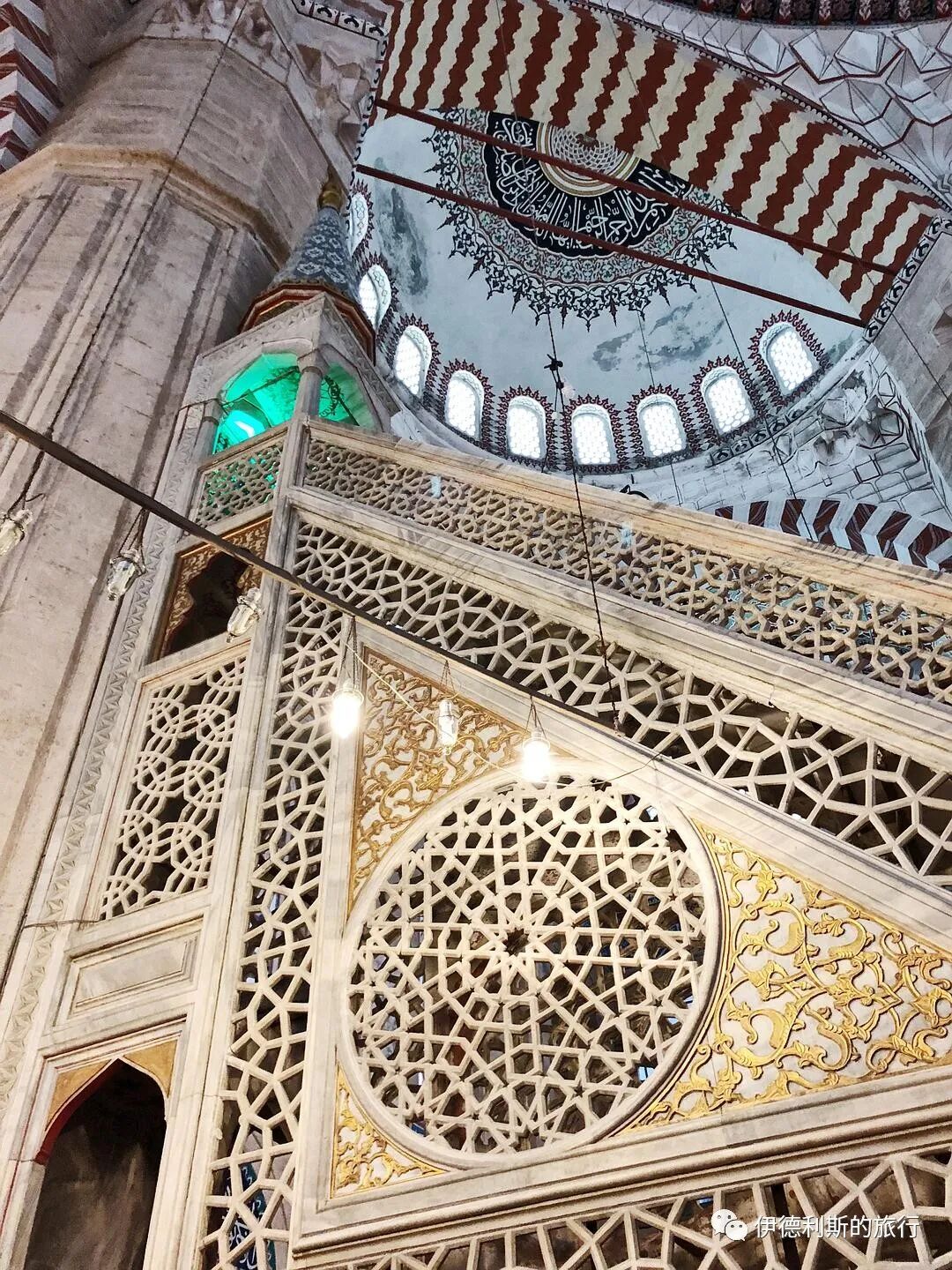
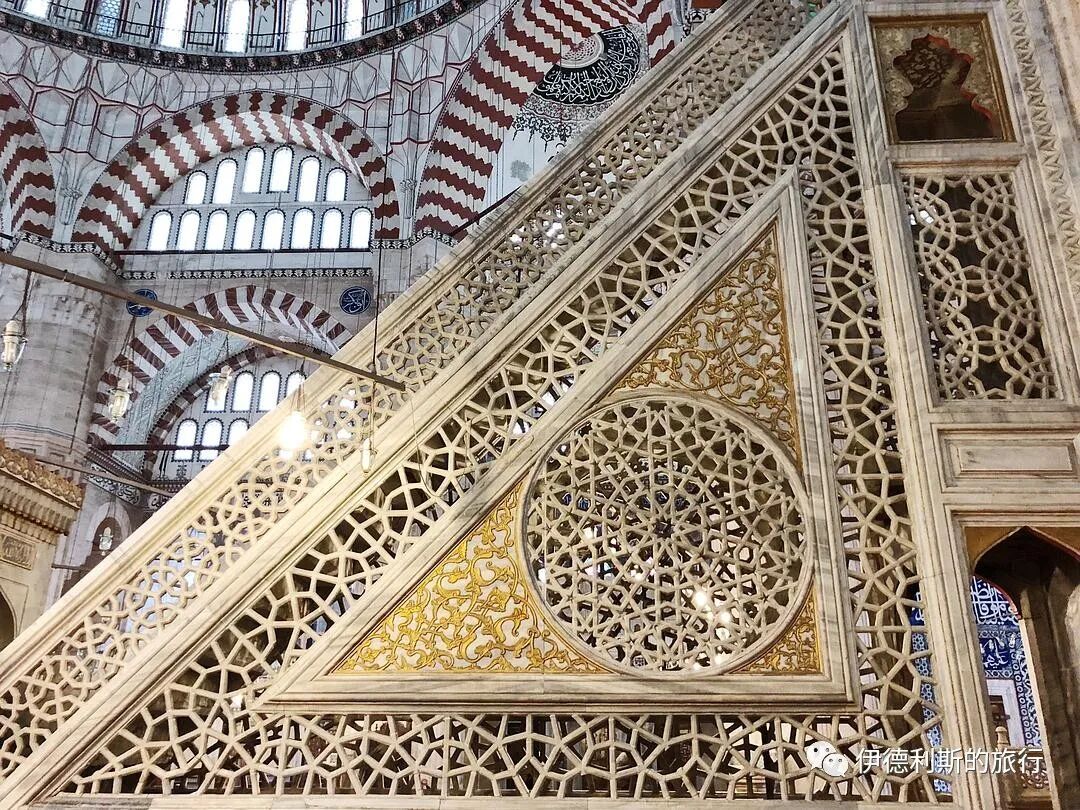
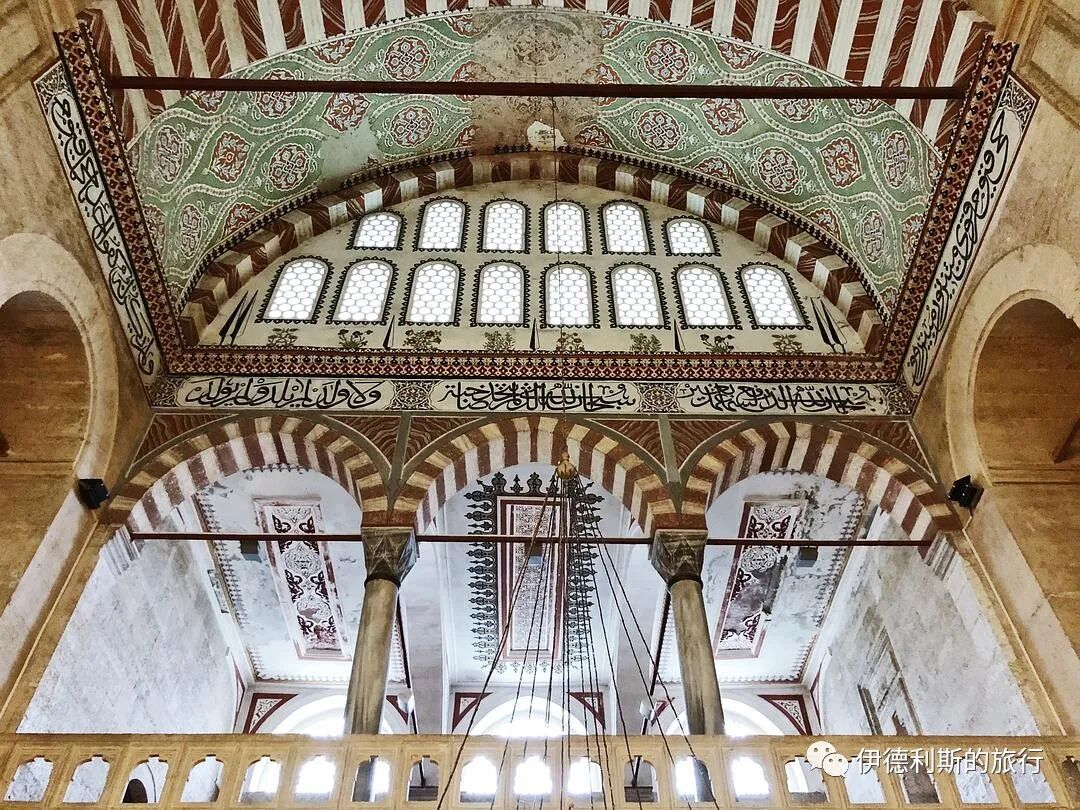
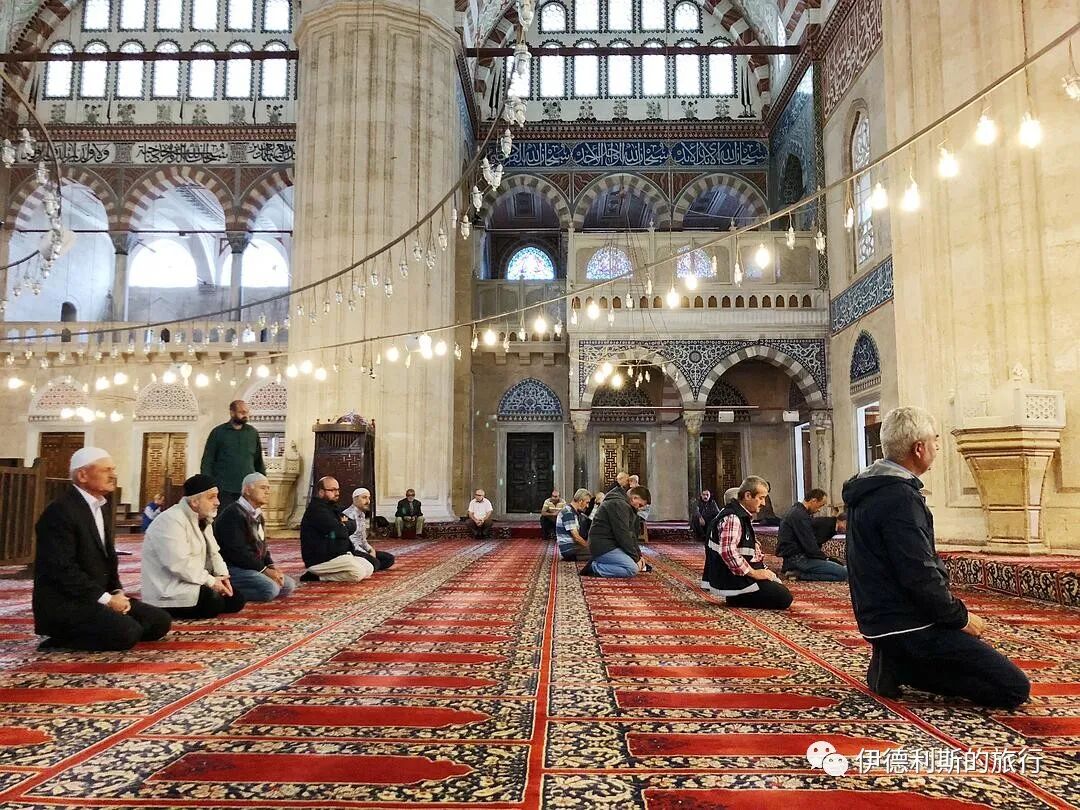
Directly opposite the mihrab is the stone platform where the muezzin stands to call the adhan (call to prayer), supported by 12 white marble columns. The thick columns to the southwest of the platform are composed of vertical, slender rectangular panels, which contain the stairs for the muezzin to climb. The platform has walnut railings, and the underside is decorated with gold-leaf Chinese-style cloud knots, an important example of decoration from the classical Ottoman period. The dark blue background is covered with naturalistic dagger-shaped leaves, chrysanthemums, and Chinese-style clouds. The passion flower pattern on the blue background was brought to Anatolia by Central Asian Turkic people in the 8th-9th centuries and symbolizes eternity.
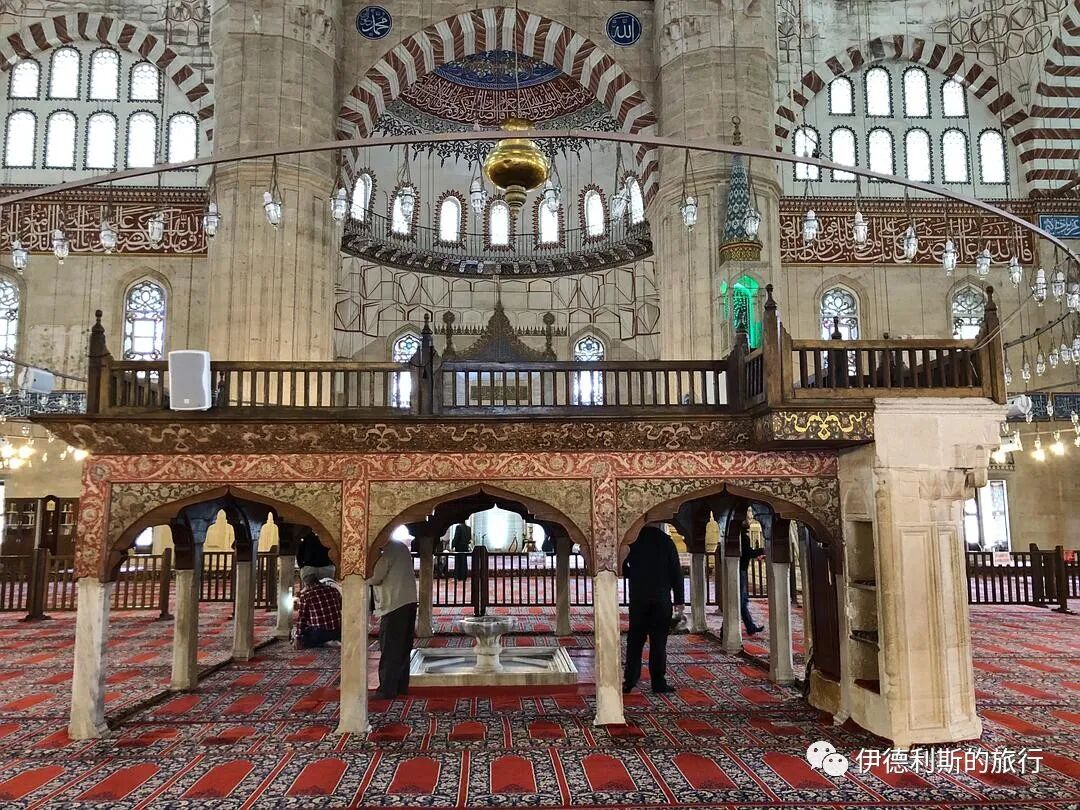
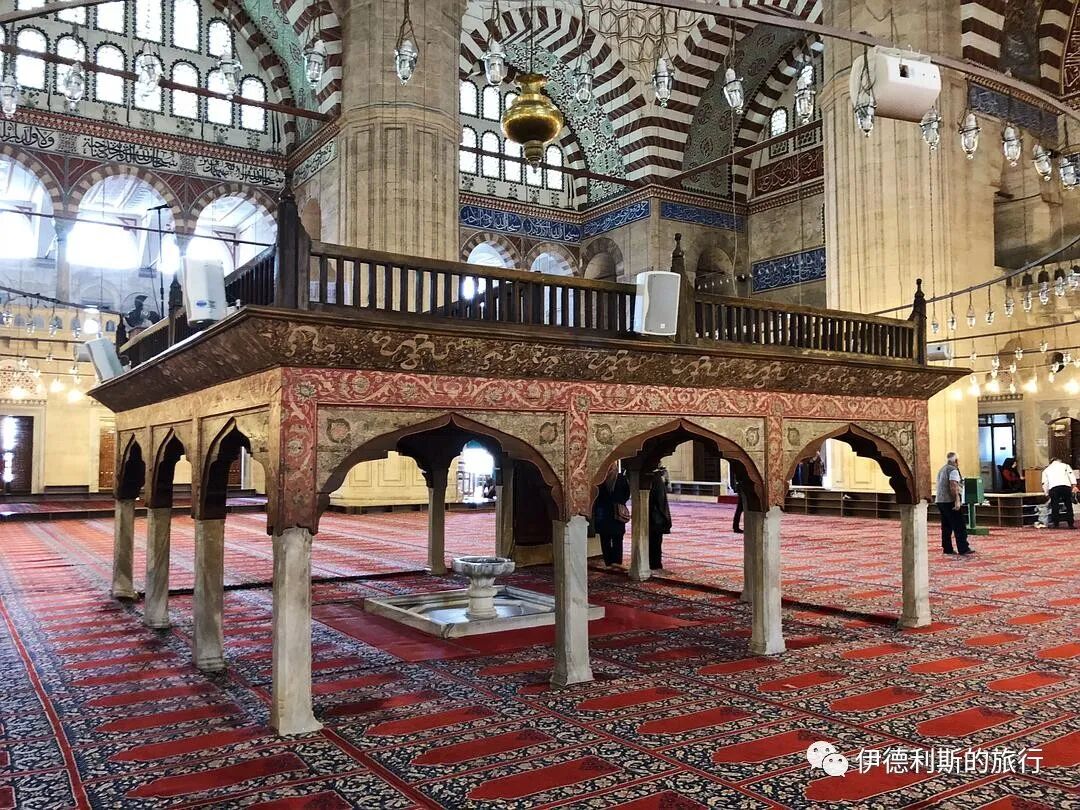
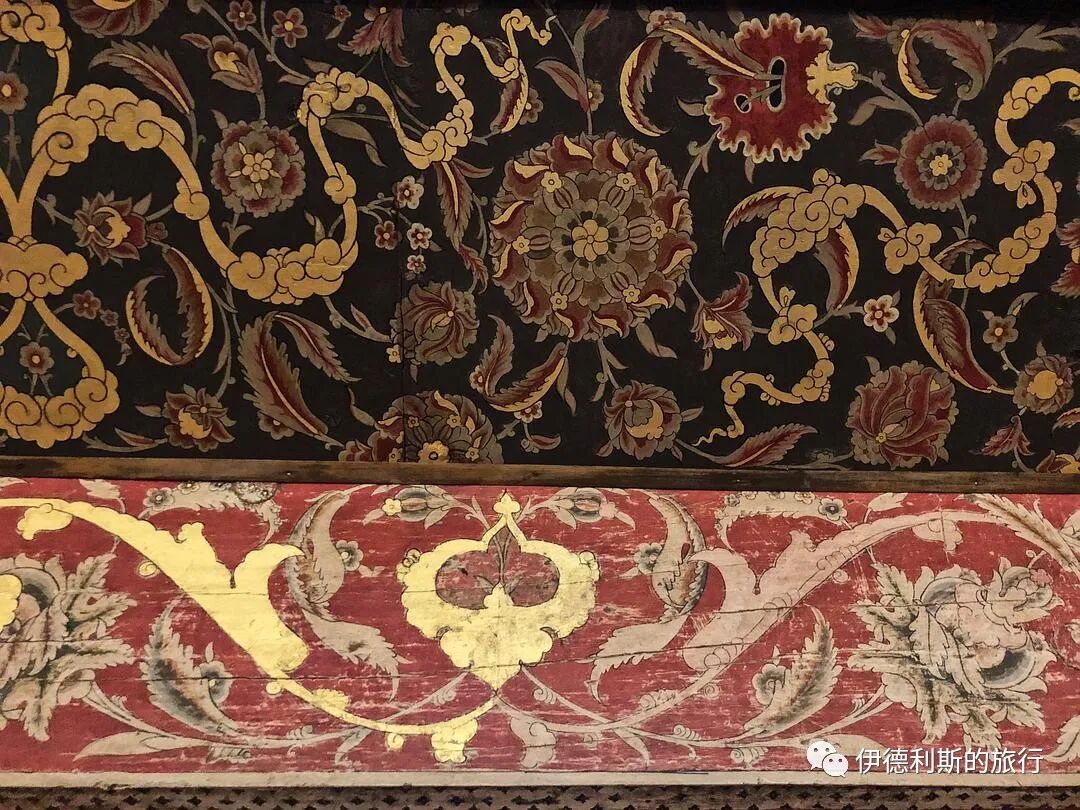
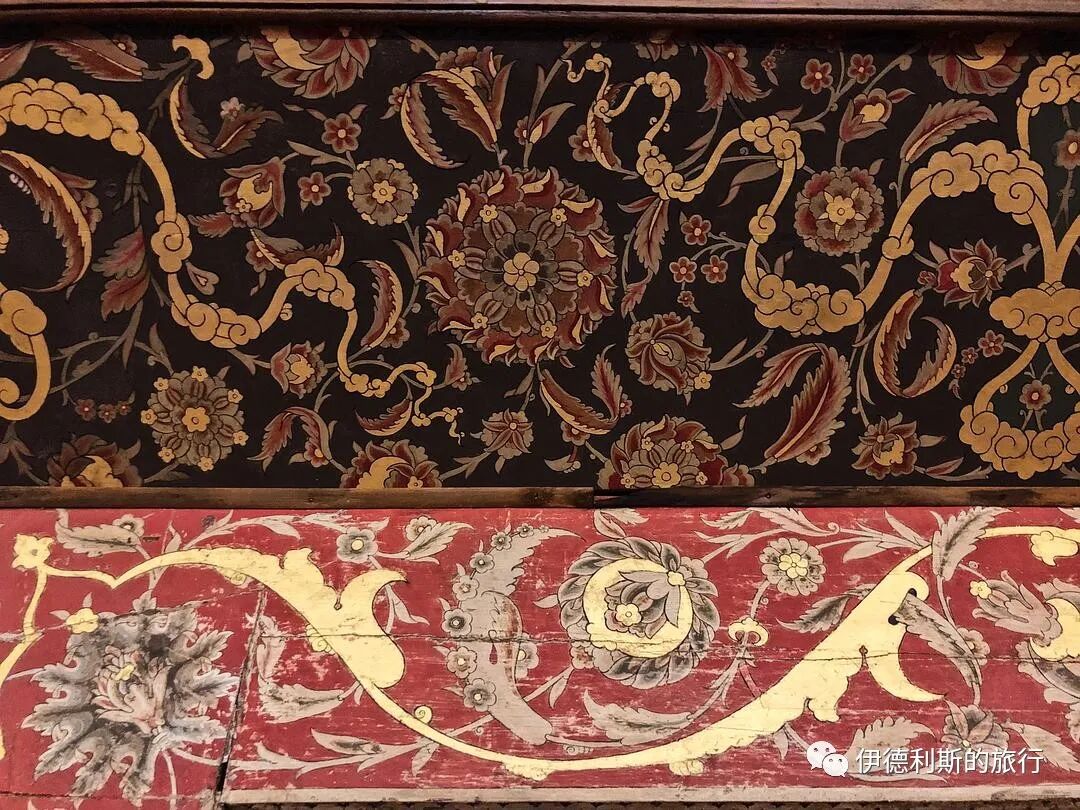
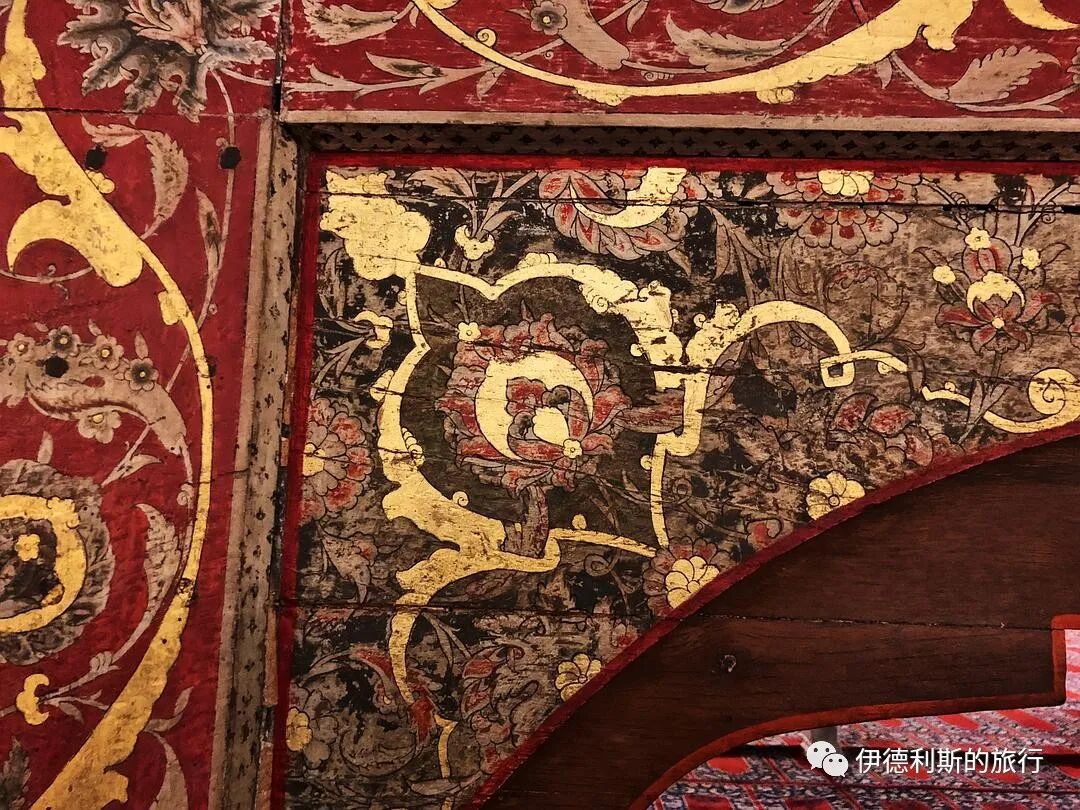
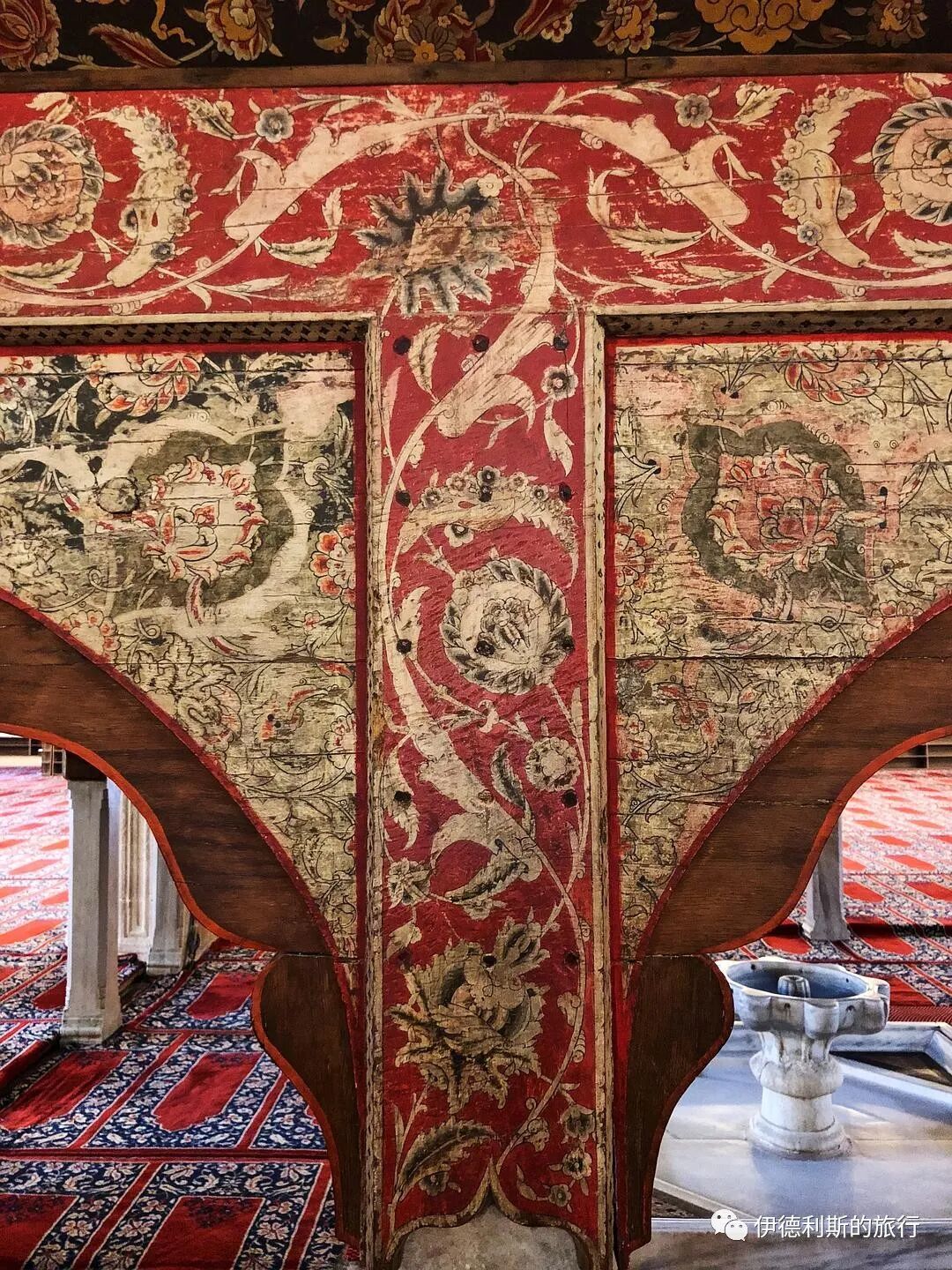
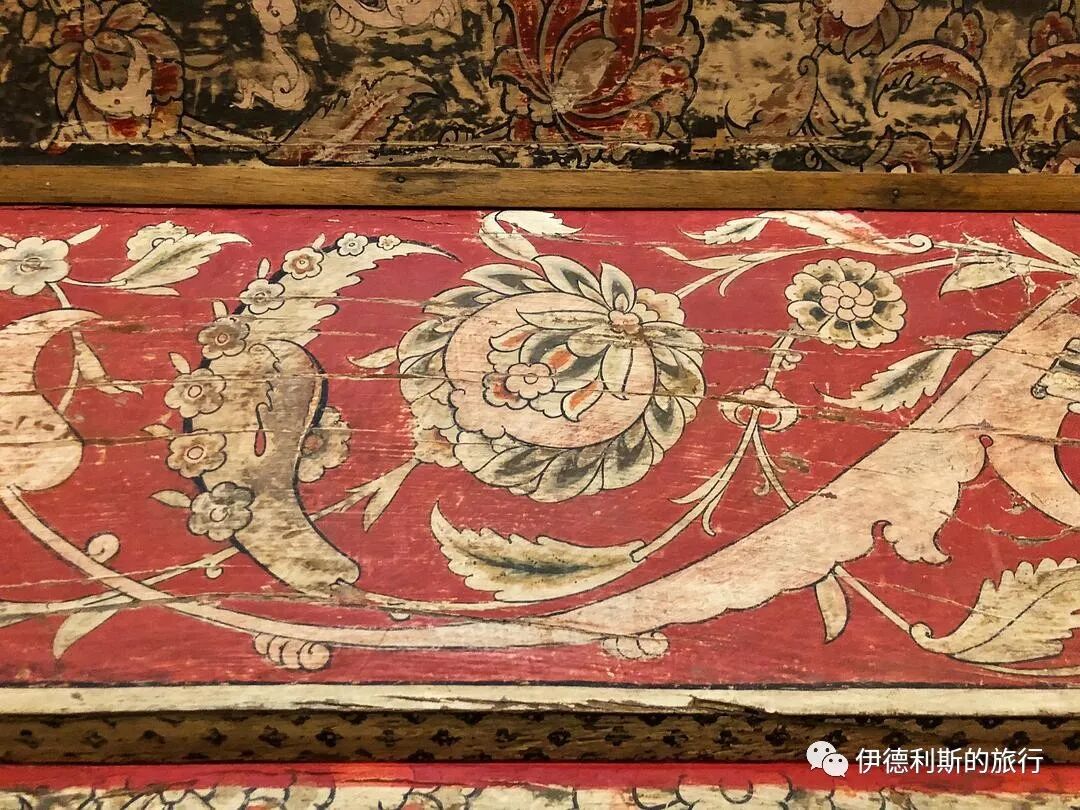
There is a fountain on the first level of the platform, with an inverted tulip pattern on the top. The tulip holds great significance in Turkish and Islamic art as well as in Islamic faith. Because the sum of the numerical values of the letters in the words "tulip" and "Allah" is 66, people believe that the tulip can symbolize the uniqueness and beauty of Allah; sometimes people even write the word "Allah" in the shape of a tulip.
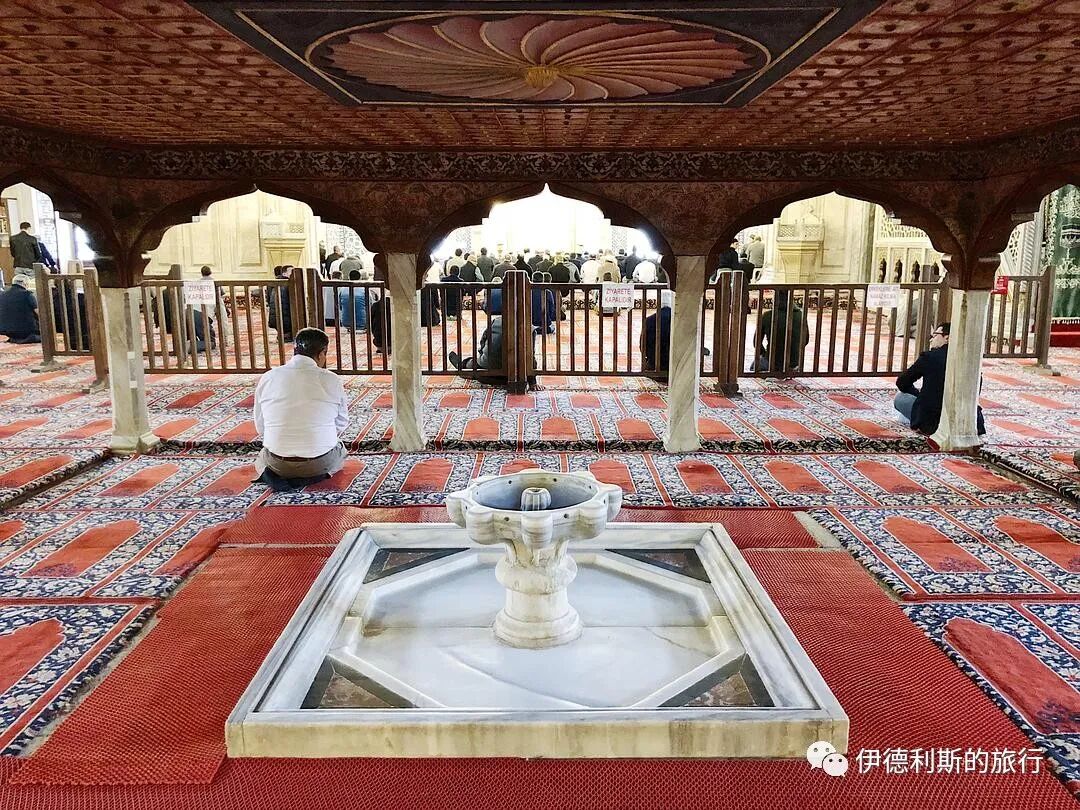
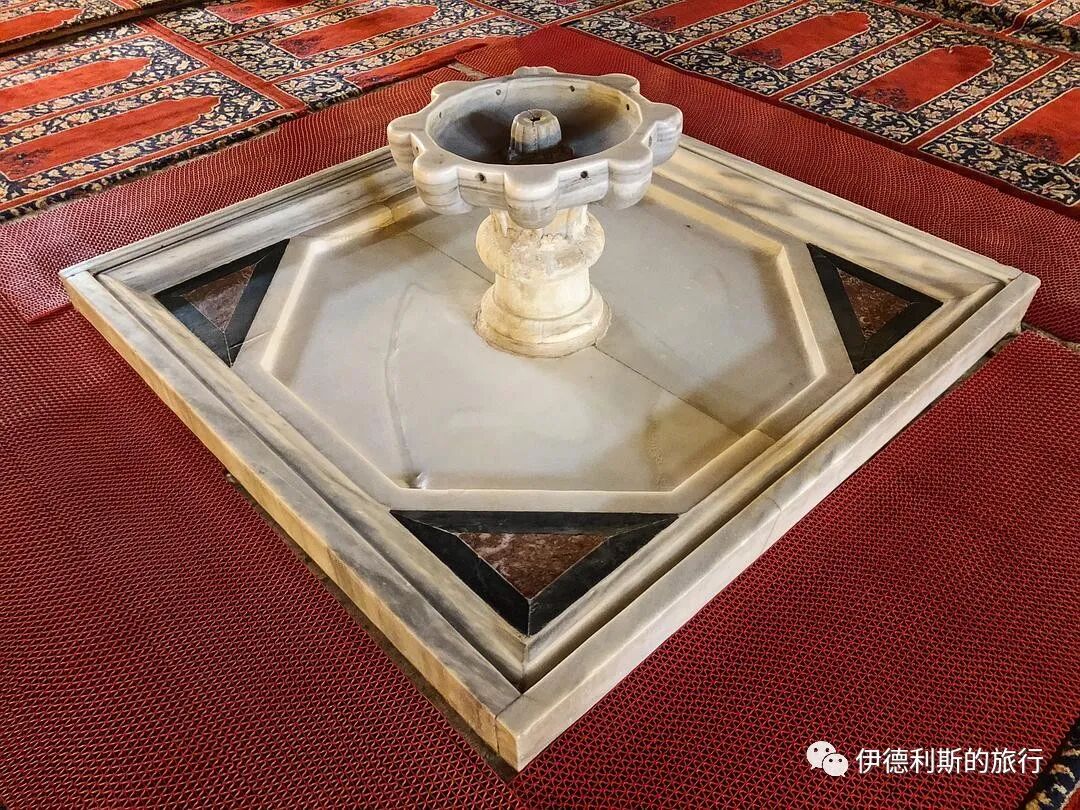
Quran School (Museum).
The Selimiye Quran School is quite unique among Sinan's works. It features a dual-school layout with the Dar'ül-Kurra Quran School and the Dar'ül-Hadis Hadith School, which are symmetrical to the main mosque. Furthermore, it is the only Quran school built by Sinan that features a honeycomb Muqarnas gate.
The school consists of a large classroom, a series of small student rooms, and a water room surrounding a rectangular courtyard. The main mosque can be seen from both courtyards.
The Hadith school was built between 1567 and 1574, and the first lecturer (Muderris) was appointed in 1570-71 with a daily salary of 60 dirhams. In addition, there was 1 assistant lecturer (Muid) with a daily salary of 9 dirhams, 15 students with a daily salary of 4 dirhams, and 1 doorman (Bevvab), 1 administrator (Ferraş), and 1 cleaner, each with a daily salary of 3 dirhams.
The Quran school had 1 sheikh with a daily salary of 40 dirhams, 10 Hafiz (those who have memorized the Quran) with a daily salary of 2 dirhams, and 1 doorman, 1 administrator, and 1 cleaner, each with a daily salary of 2 dirhams.
In 1925, Atatürk ordered the Hadith school to be converted into the Museum of Turkish and Islamic Art, and the Quran school later became the Foundation Museum, which operates to this day.
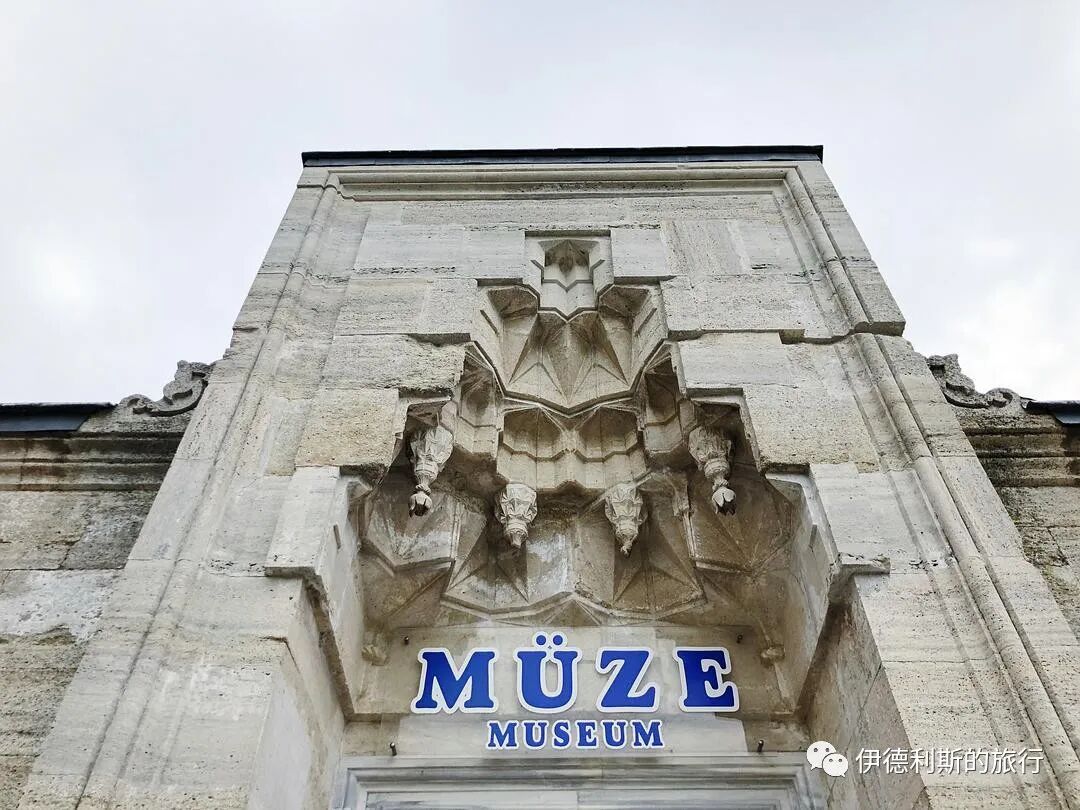
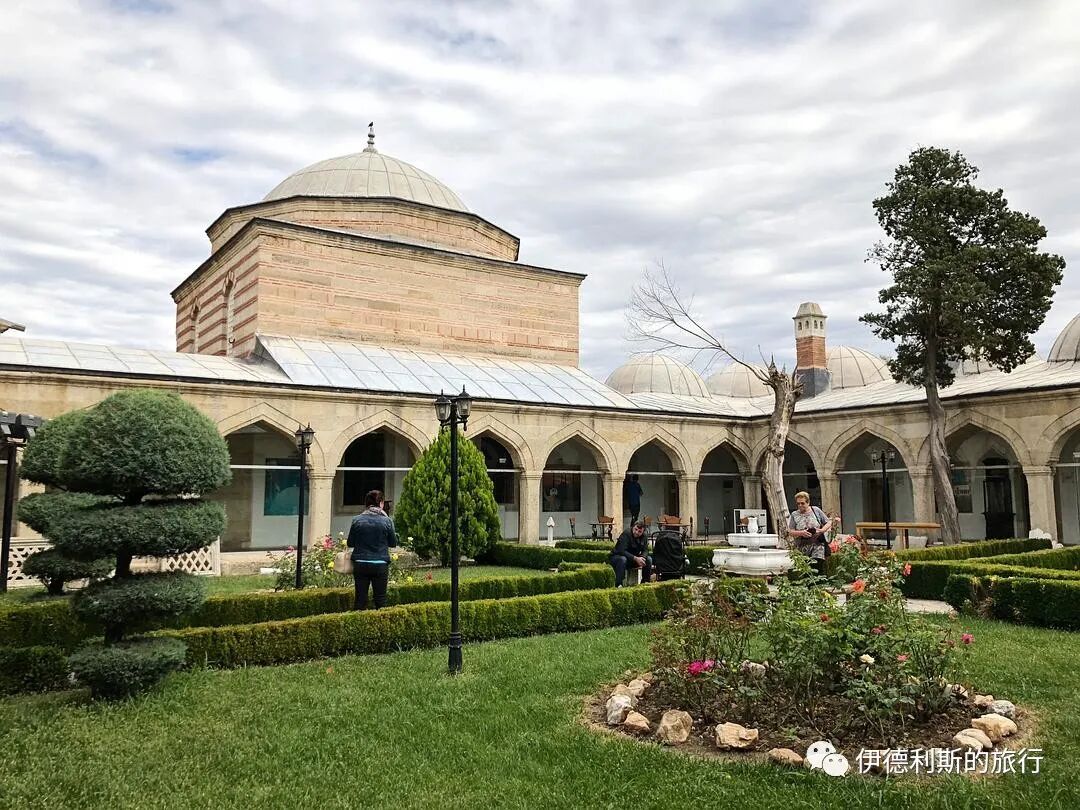
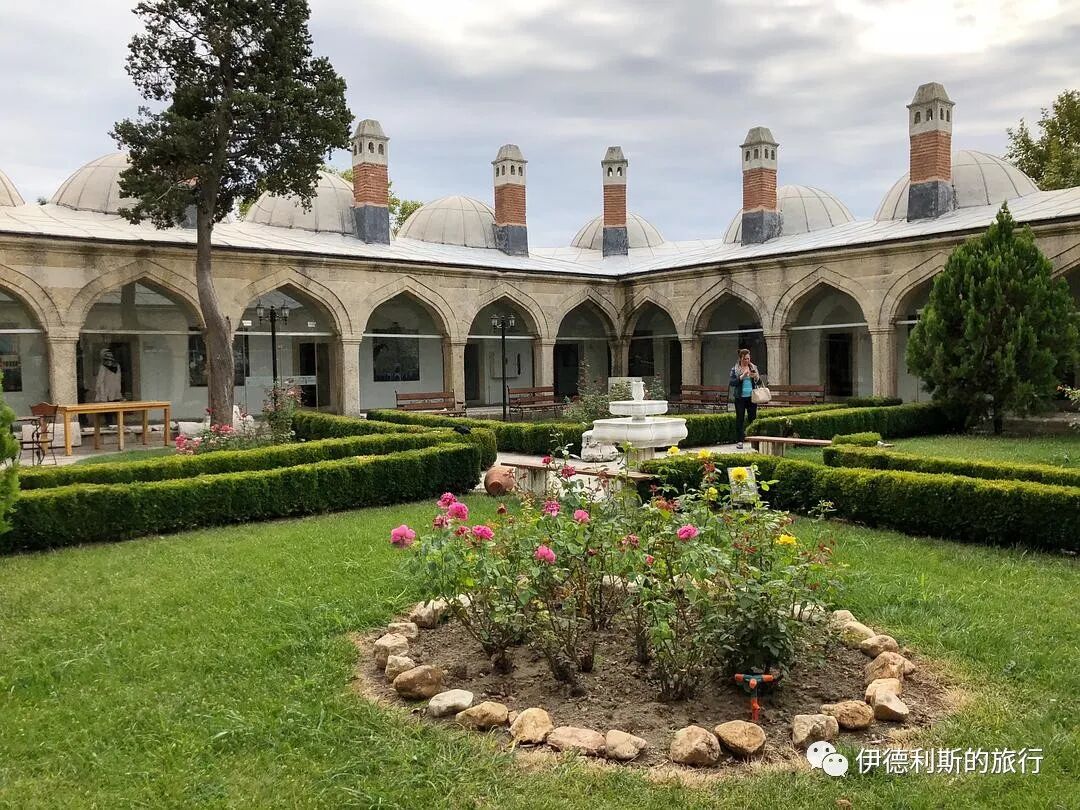
In the large classroom of the Quran school, teachers taught students the rules and methods of Quran recitation and listened to and corrected the students' mistakes. Students attended 5 classes a day, 4 days a week. After completing all courses, they would earn the title of Hafiz, becoming someone who could recite the Quran proficiently.
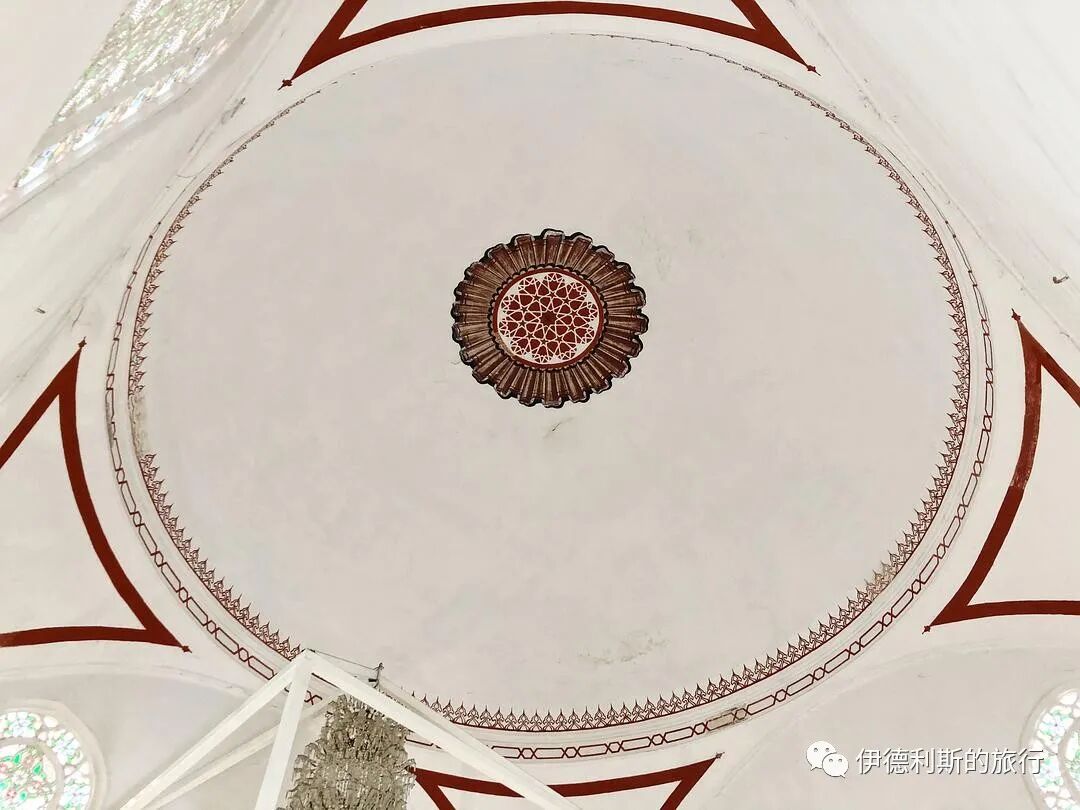
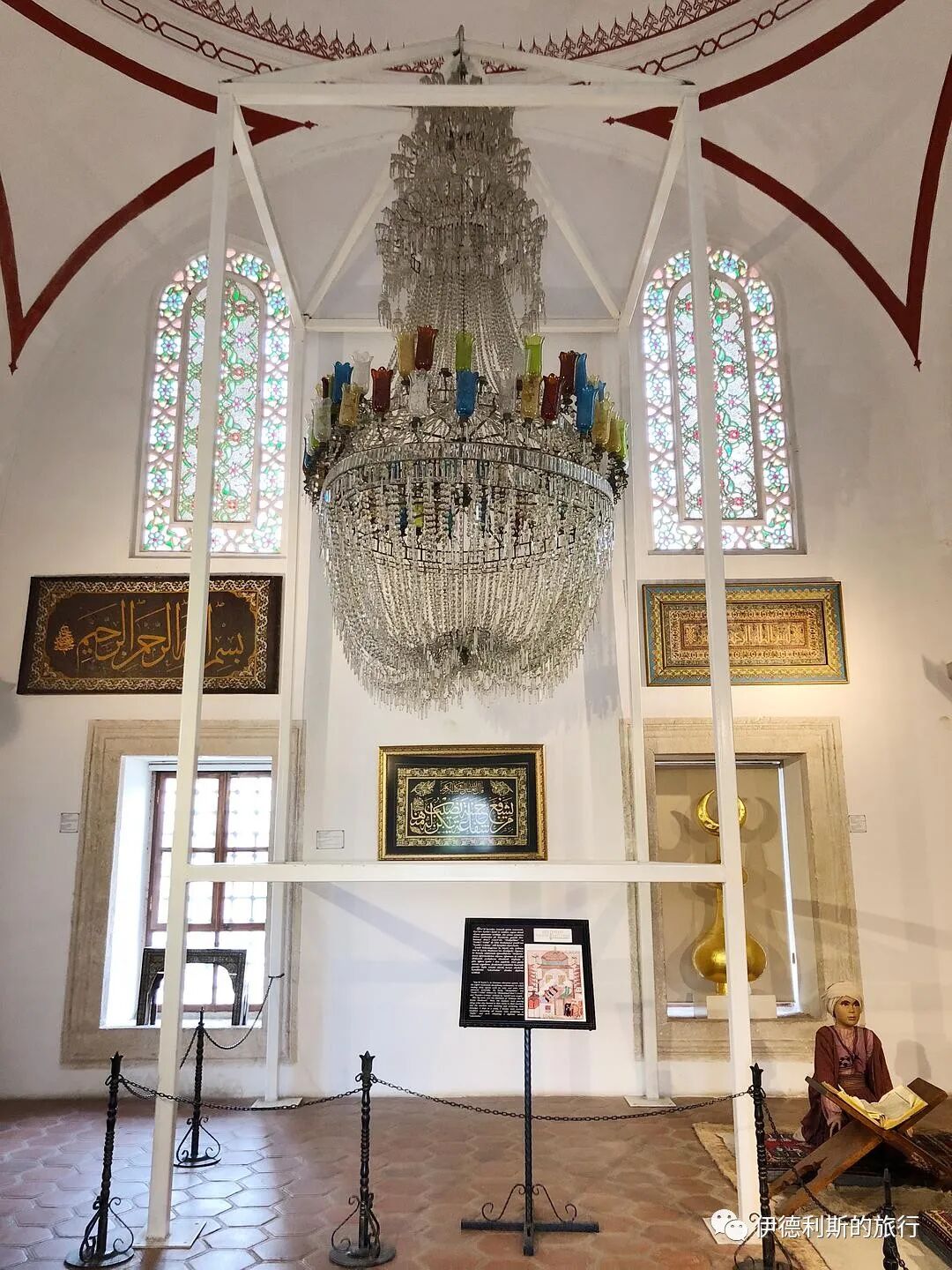
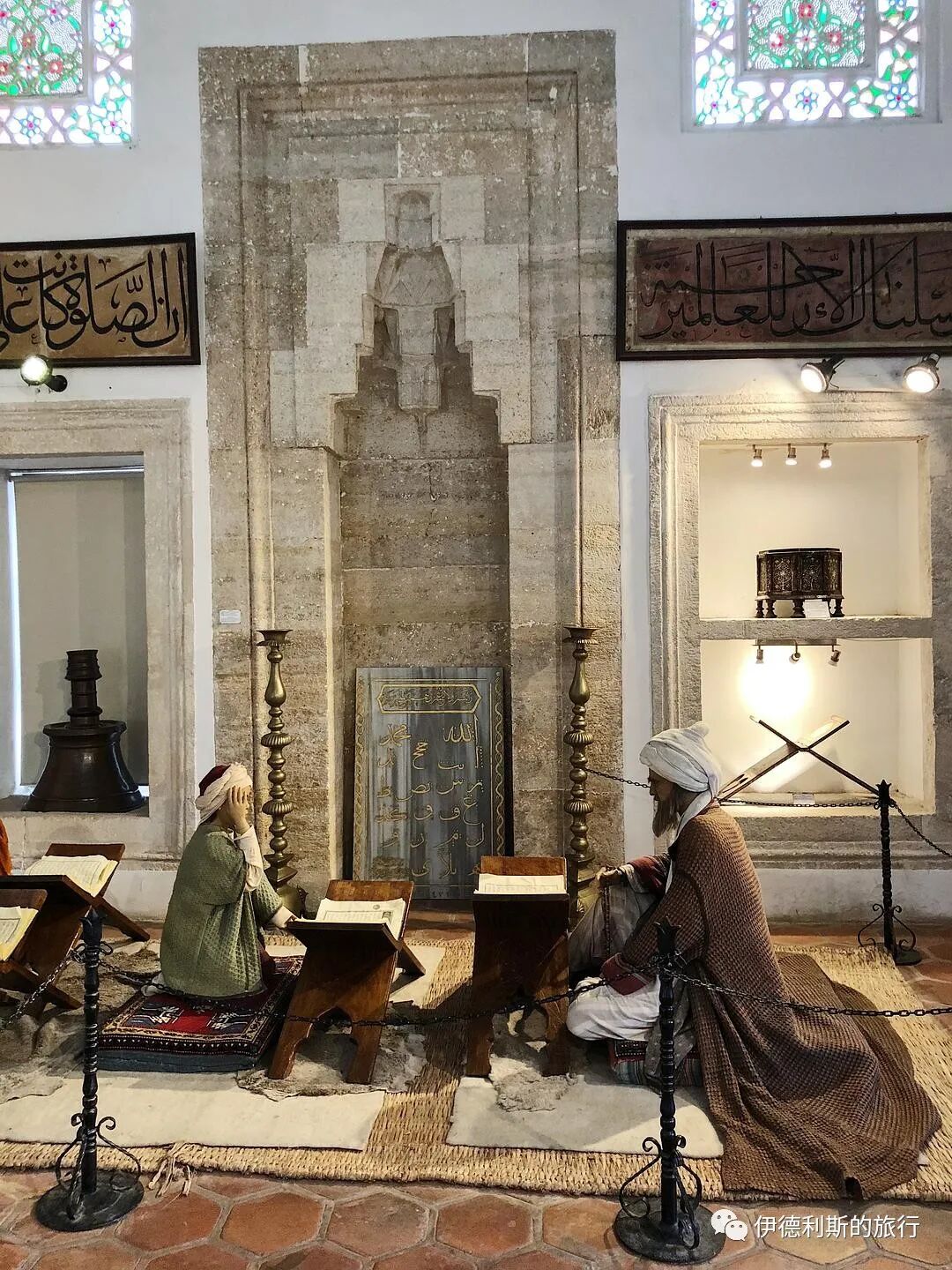
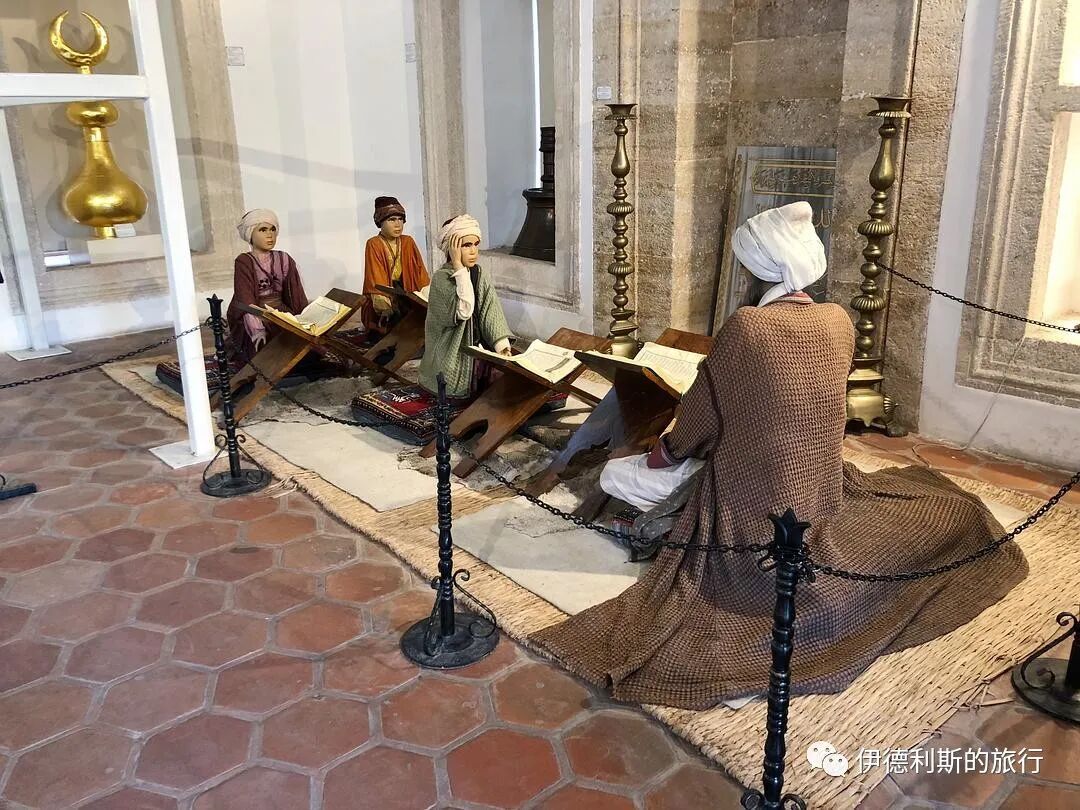
Students studying in a room at the Quran school. In the Ottoman education system, one could enroll in a Quran school after graduating from primary school. The school's curriculum focused mainly on repetitive recitation and discussion. In addition, students learned marble carving and the art of calligraphy, with all funding provided by the Ottoman Sultan's foundation.
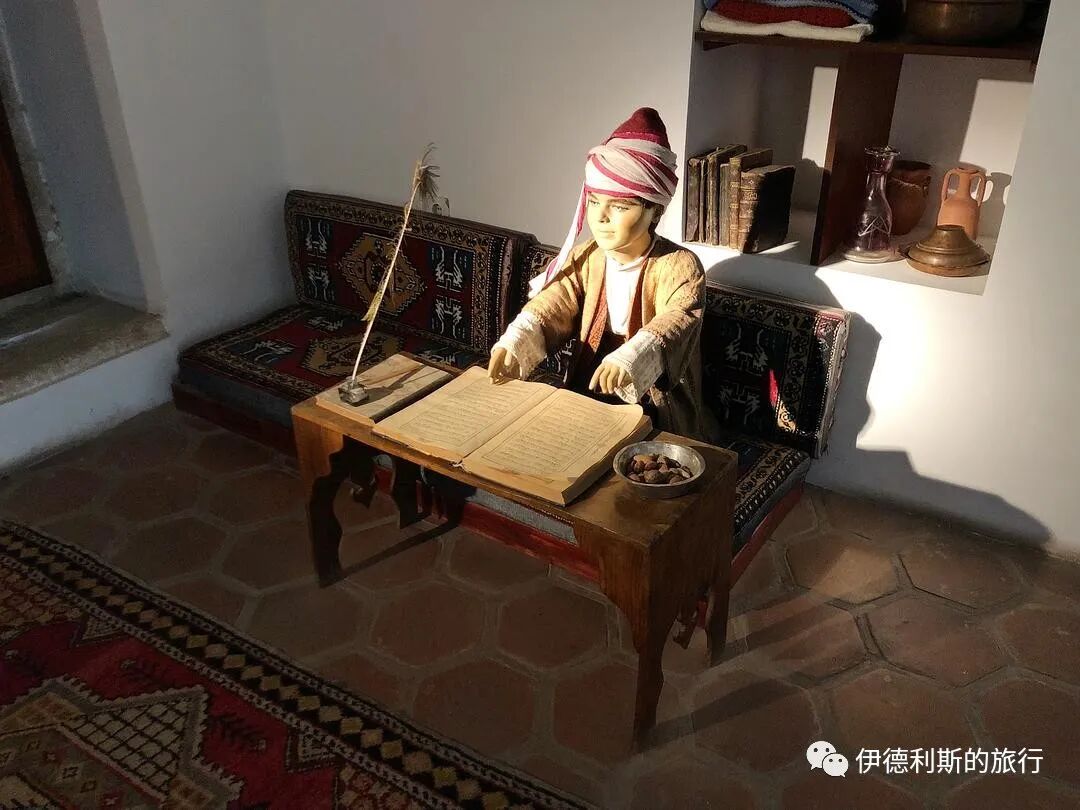
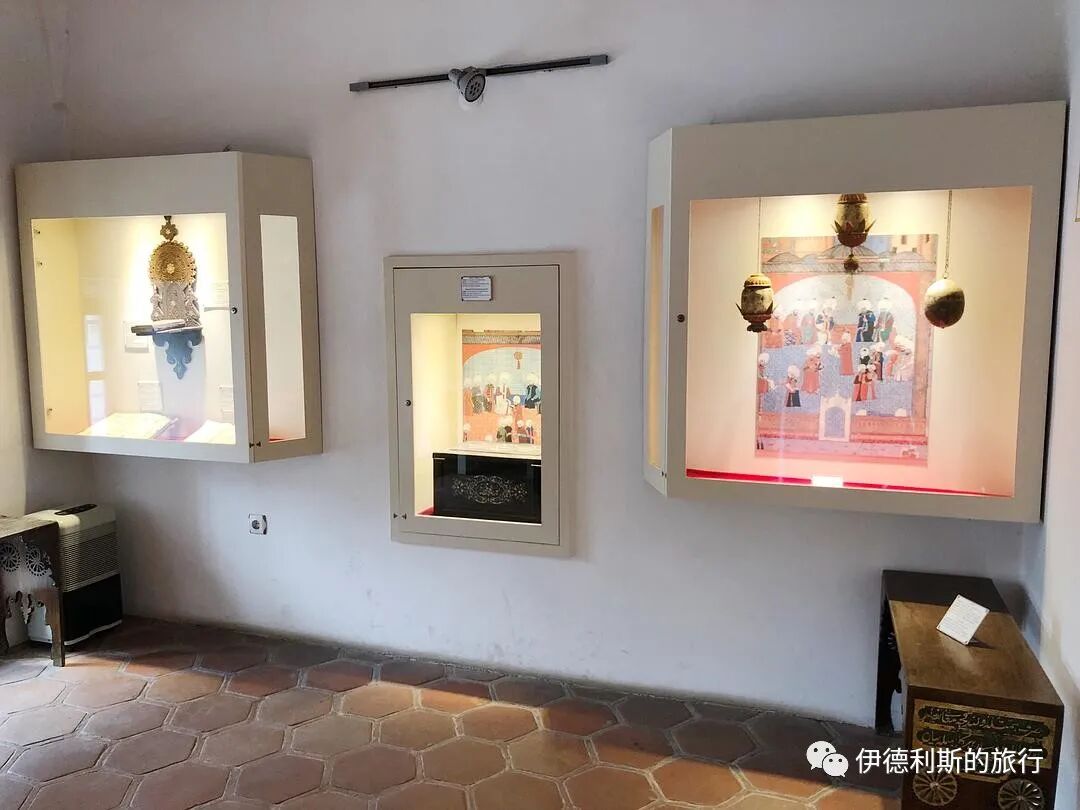
Iznik ceramics used in the Selimiye Mosque.
The ancient city of Iznik is located on the shores of Lake Iznik, 90 kilometers southeast of Istanbul. In the late 15th century, it became the center of ceramic production for the Ottoman Empire.
The earliest visible Iznik ceramics were found in the imperial kitchens of the Topkapi Palace in Istanbul in 1489. Due to the Ottoman rulers' love for Chinese blue-and-white porcelain, Iznik ceramics combined traditional Ottoman arabesque patterns with Chinese elements. The style of early Iznik ceramics is known as "Rumi-Hatayi," where "Rumi" represents Ottoman arabesque patterns and "Hatayi" represents Chinese floral patterns.
Early Iznik ceramics were only cobalt blue; after the 16th century, gray-green and lavender were gradually introduced as soft tones. In the late 16th century, Mimar Sinan used Iznik tiles extensively in his architecture, replacing gray-green with bright green and lavender with bright red. The first building with red Iznik tiles was the Süleymaniye Mosque, built by Mimar Sinan in Istanbul in 1557.
In 1557, Kara Mehmed Çelebi became the chief painter of the Ottoman court. He introduced a floral style consisting of tulips, carnations, roses, and hyacinths into Iznik ceramics, making the patterns on the ceramics more natural.
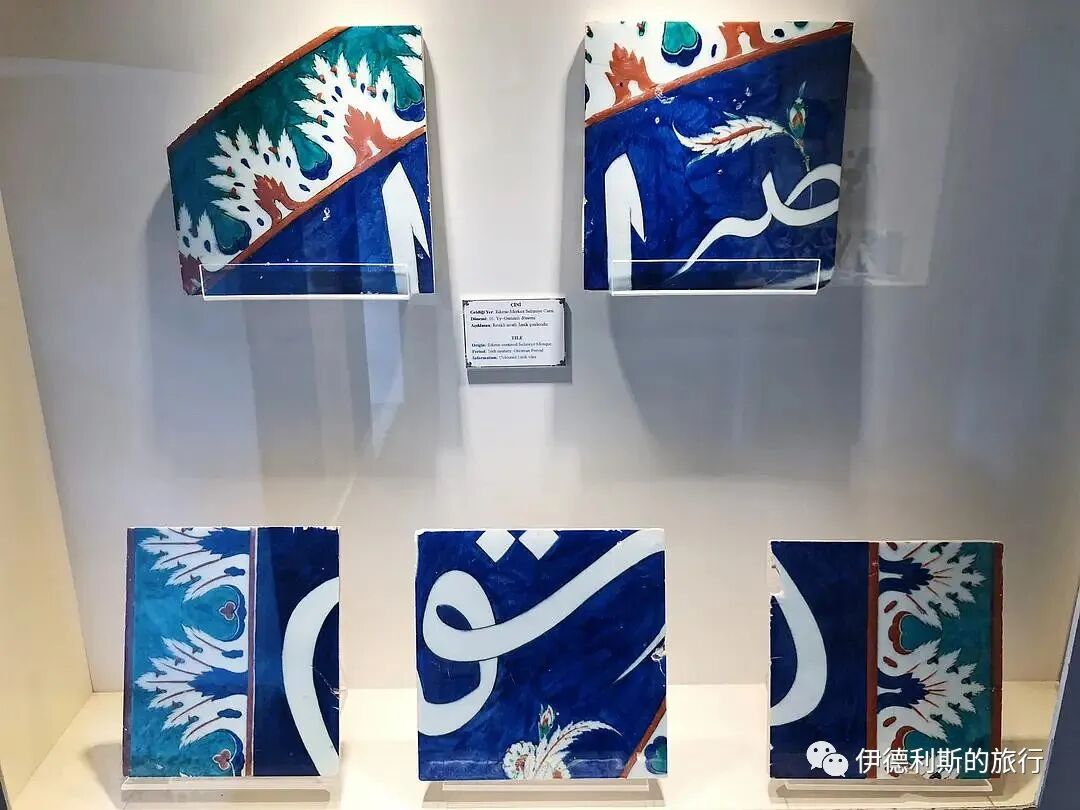
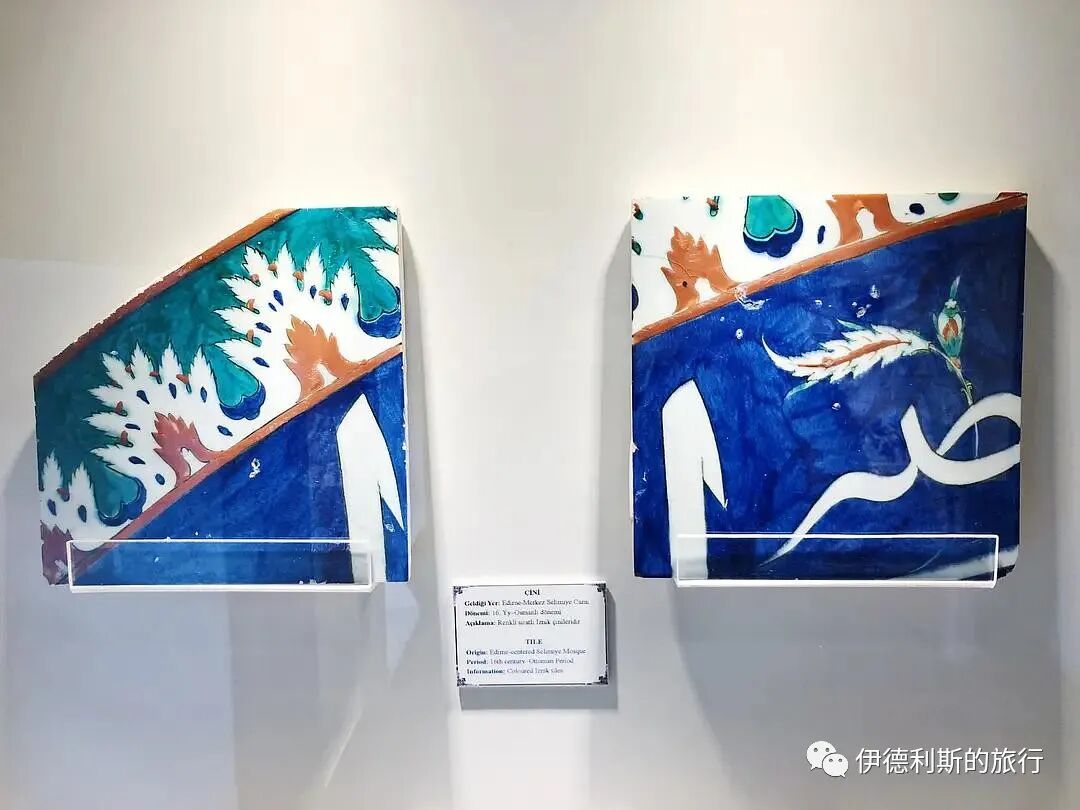
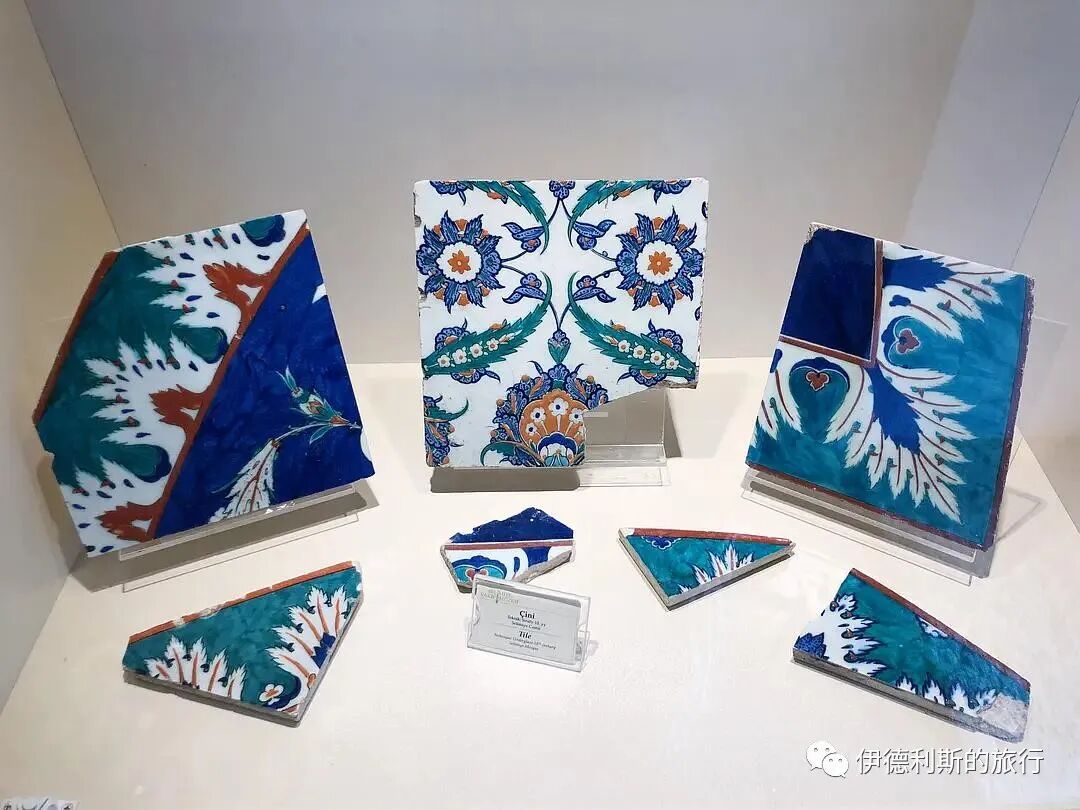
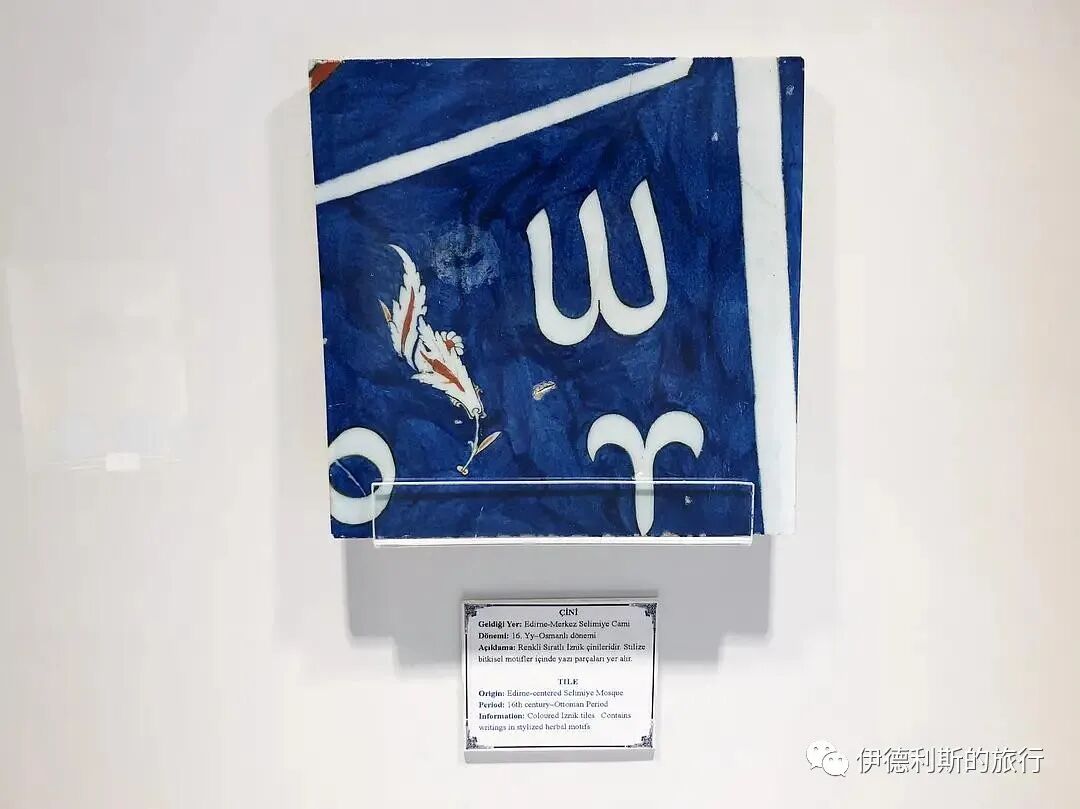
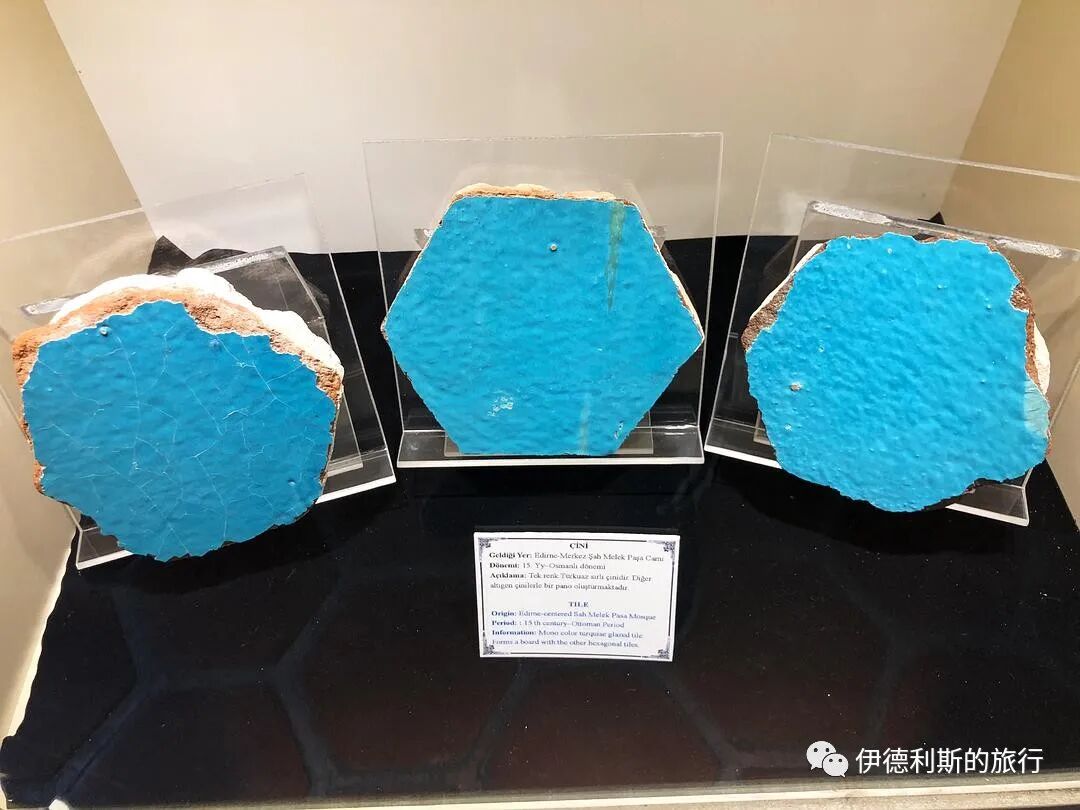
The wooden windows of the Bayezid II Mosque in Edirne (1484-1488) use a Turkish geometric woodworking art called "kundekari," which also features Thuluth calligraphy.
Kundekari uses small pieces of wood that are interlocked and fixed together through special joints, without the use of nails or glue. The wood used is usually sturdy apple, pear, walnut, or cedar, and is often inlaid with pearls, tortoiseshell, ivory, or metals like gold and silver. Kundekari is heat-resistant and moisture-proof, protecting wooden panels from warping due to temperature and humidity changes, so it is mainly used for doors, windows, cabinets, and mosque cupboards.
The Sultan Bayezid II Complex (Sultan II Bayezid Külliyesi) is located on the north bank of the Tunca River in the northwestern suburbs of Edirne and was commissioned by the eighth Ottoman Sultan, Bayezid II (reigned 1481-1512). Bayezid II was the son of Mehmed the Conqueror and was known as "the Just." During his reign, he worked hard to maintain internal government affairs and defeated the Republic of Venice externally, leading the Ottoman Empire into a prosperous phase.
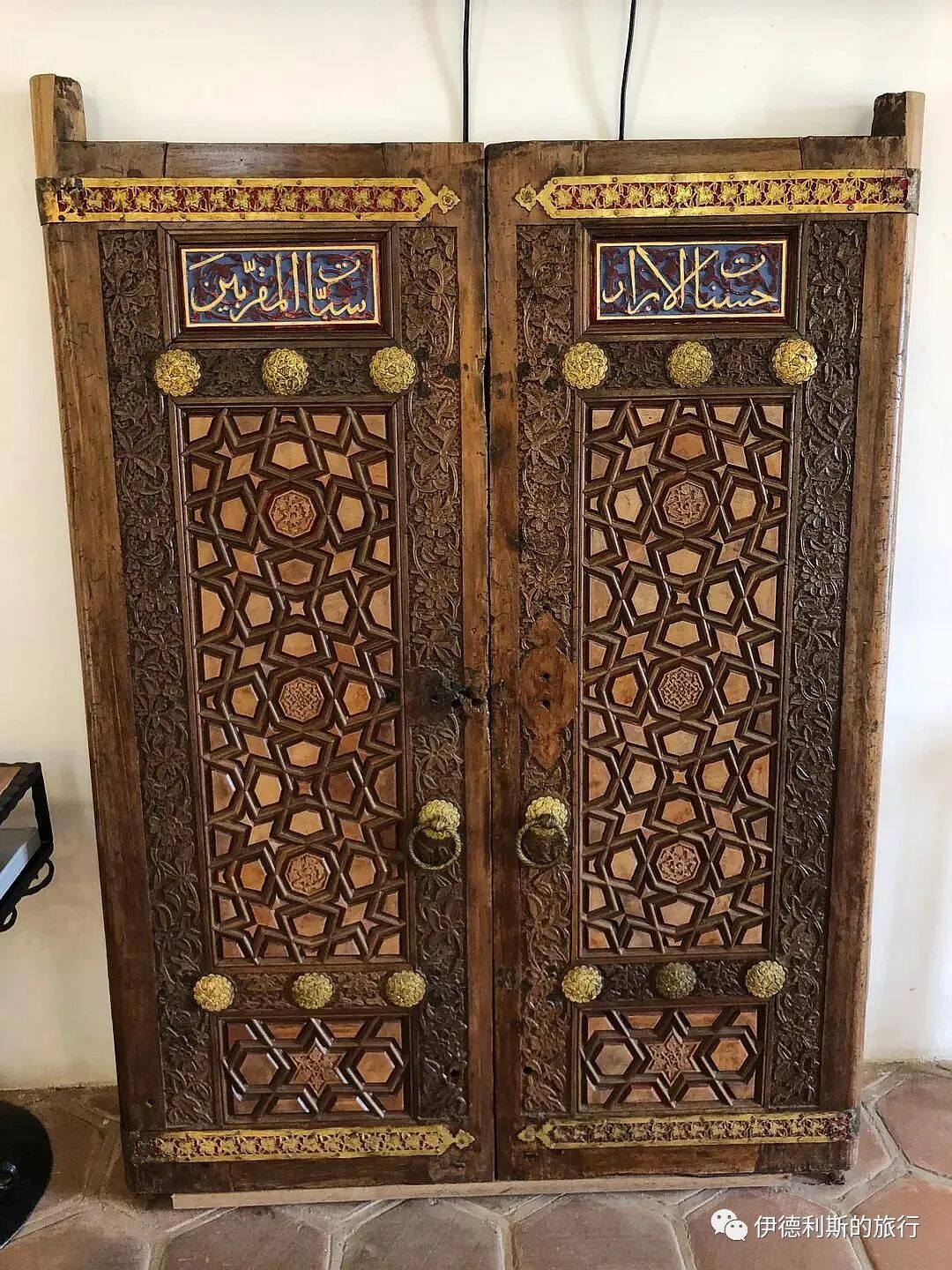
18th-century Hilye (calligraphic description of the Prophet) calligraphy in a glass bottle at the Old Mosque (Eski Cami) in Edirne. Built in 1414, the Old Mosque is the oldest mosque in Edirne and one of the last multi-domed mosques to use the early Ottoman Seljuk style, marking a farewell to early Ottoman architectural styles.
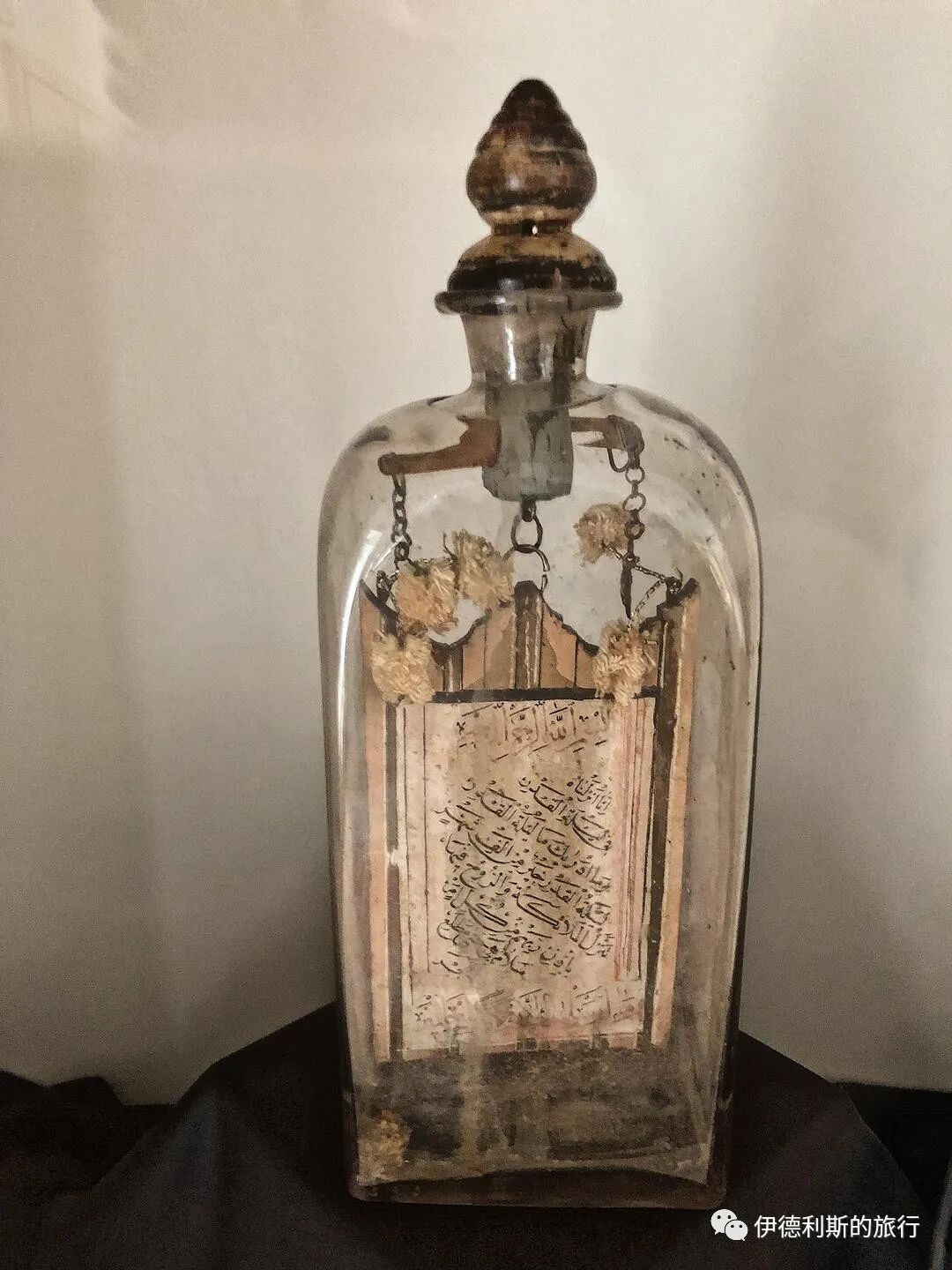
Thuluth calligraphy written by Mustafa Rasim in 1787 at the Old Mosque in Edirne, featuring verses praising the mosque by the local Edirne poet Akif (the son of the calligrapher).
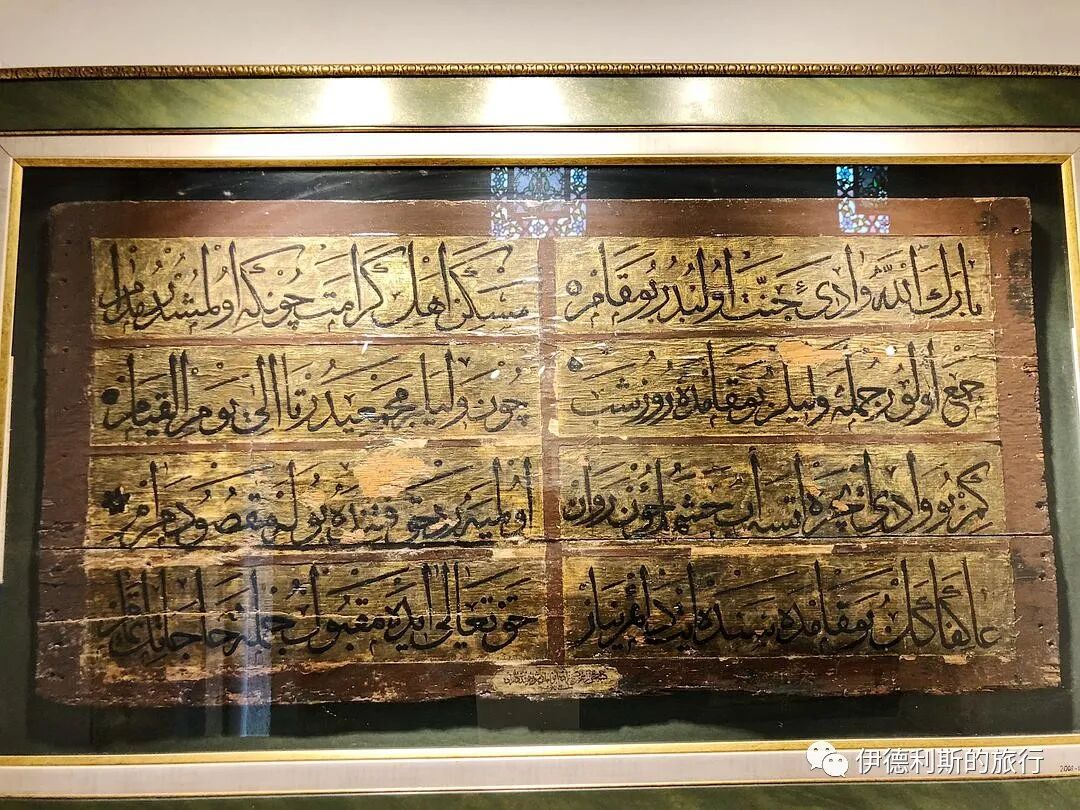
18th-century brass door handle with a palm tree design at the Üç Şerefeli Mosque (Three-Balcony Mosque) in Edirne. The Üç Şerefeli Mosque was built between 1438 and 1447 and was the first central-domed mosque and the first mosque with a portico in Ottoman history, providing great inspiration to Mimar Sinan. The Üç Şerefeli Mosque suffered from fire and earthquakes in the mid-18th century and was subsequently restored.
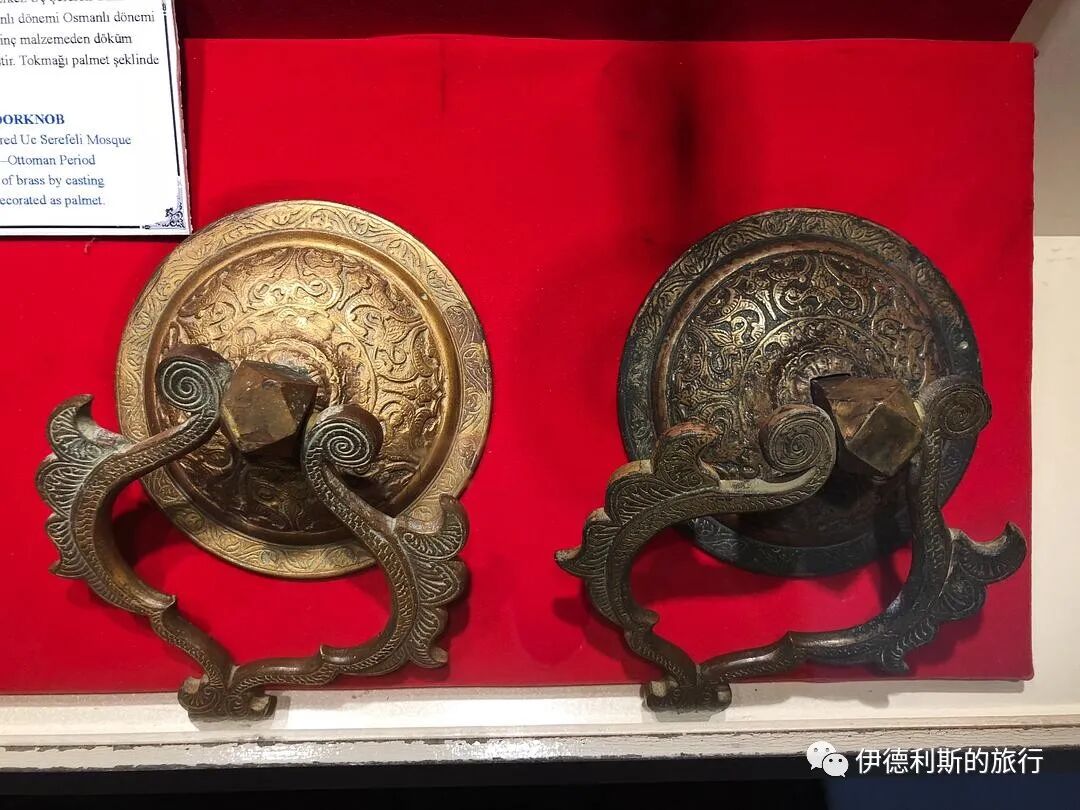
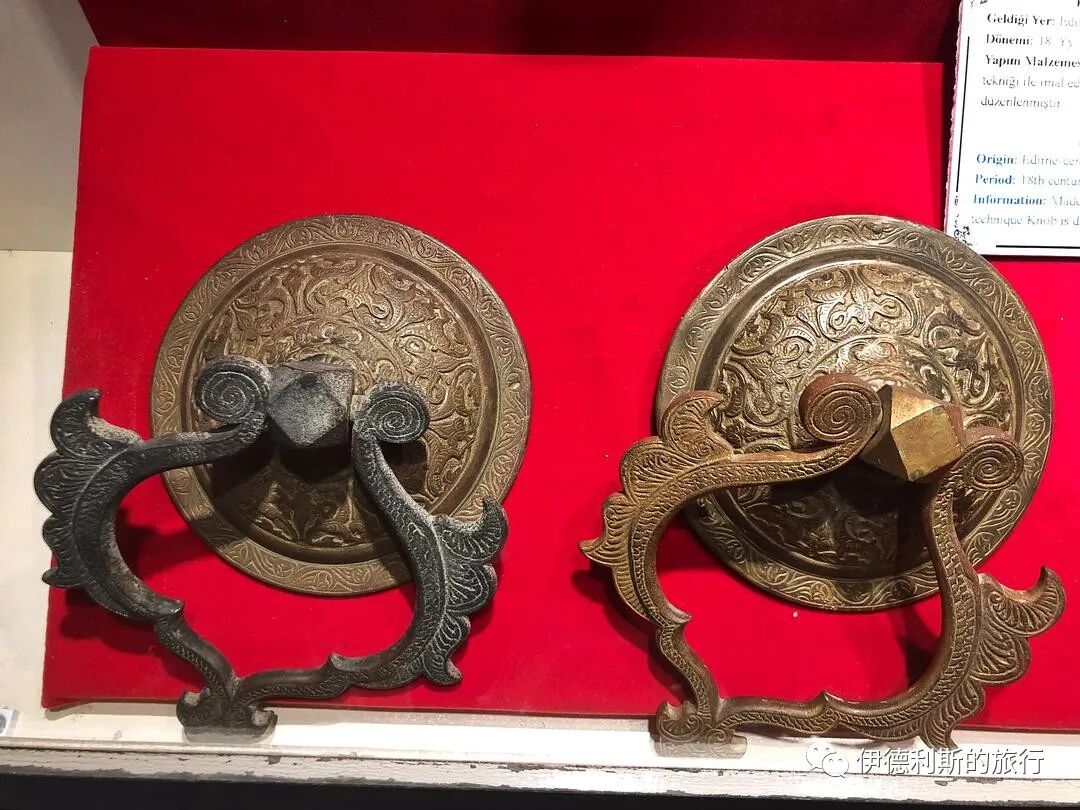
1478 Thuluth calligraphy stone tablet at the Evliya Kasım Paşa Mosque in Edirne. It records that Kasım Paşa built this mosque in the year 883 of the Hijri calendar. Kasım Paşa was a famous Ottoman general who served as the commander of the European part of the Ottoman Empire. Between 1443 and 1444, he commanded the Ottoman army against the multinational crusader forces of Poland, Hungary, and others in Serbia and Bulgaria. The mosque was closed after 1950 due to the construction of a dam. Since then, it has been continuously damaged by floods and is now abandoned.
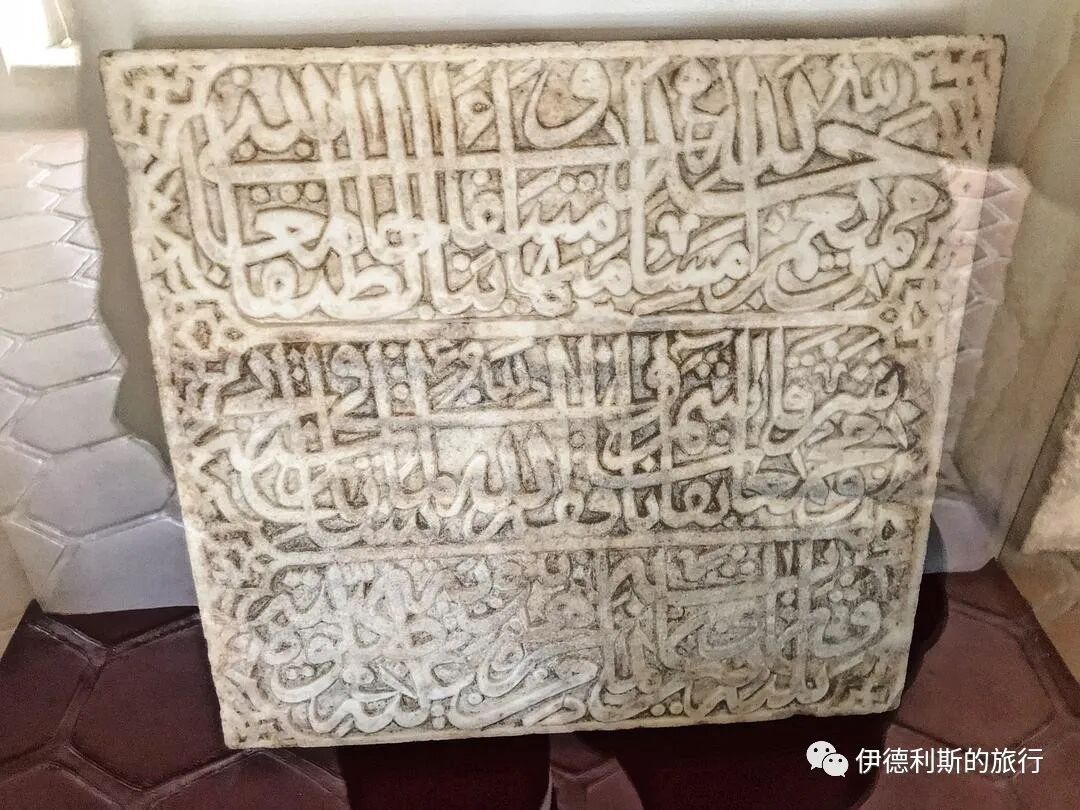
19th-century certificates from the Great Mosque of Kütahya; the first was written by Mustafa Sukru, and the second by Ahmed Hamdi. The Great Mosque of Kütahya was built between 1381 and 1410 and is the most important mosque in Kütahya.
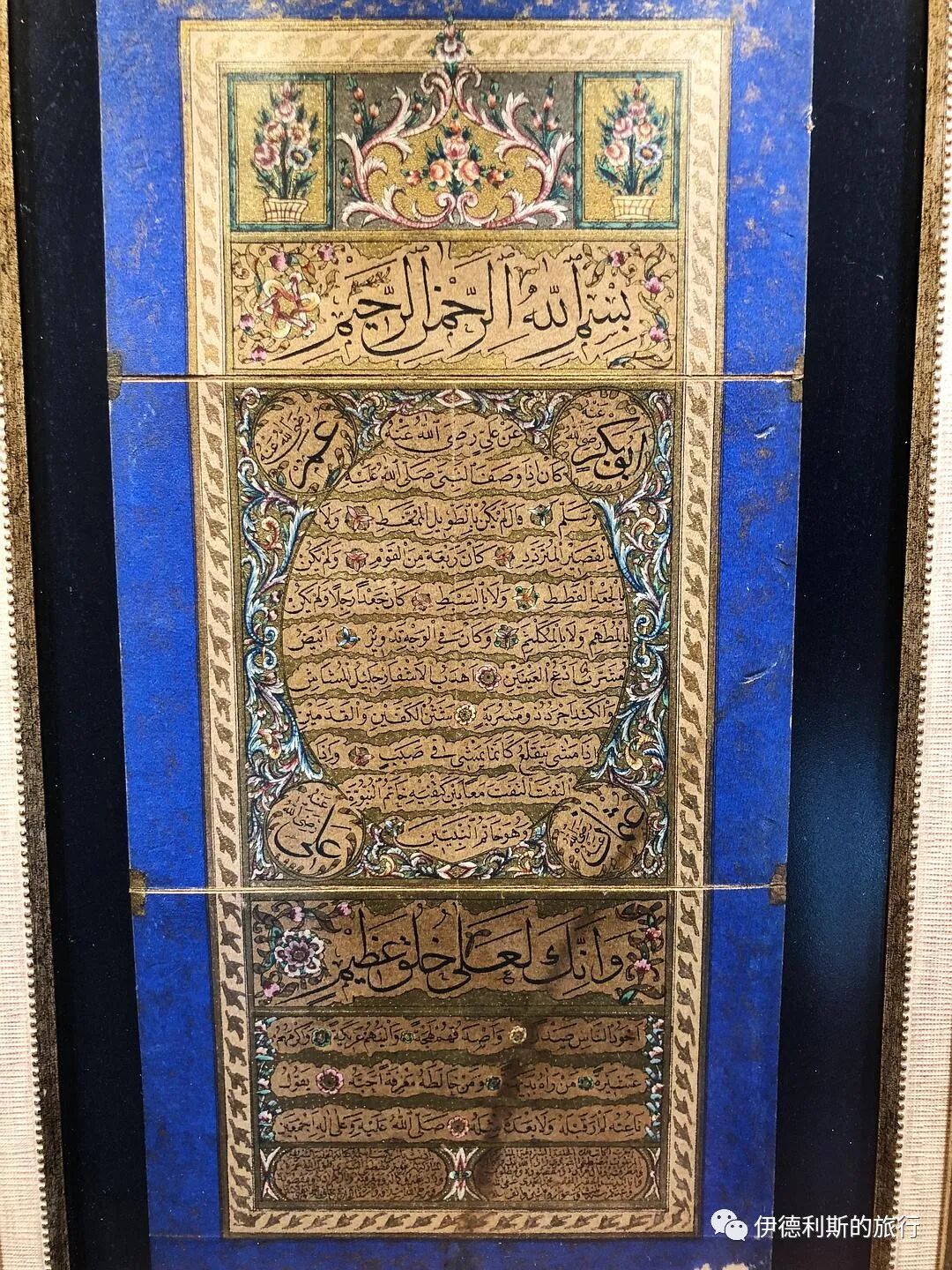
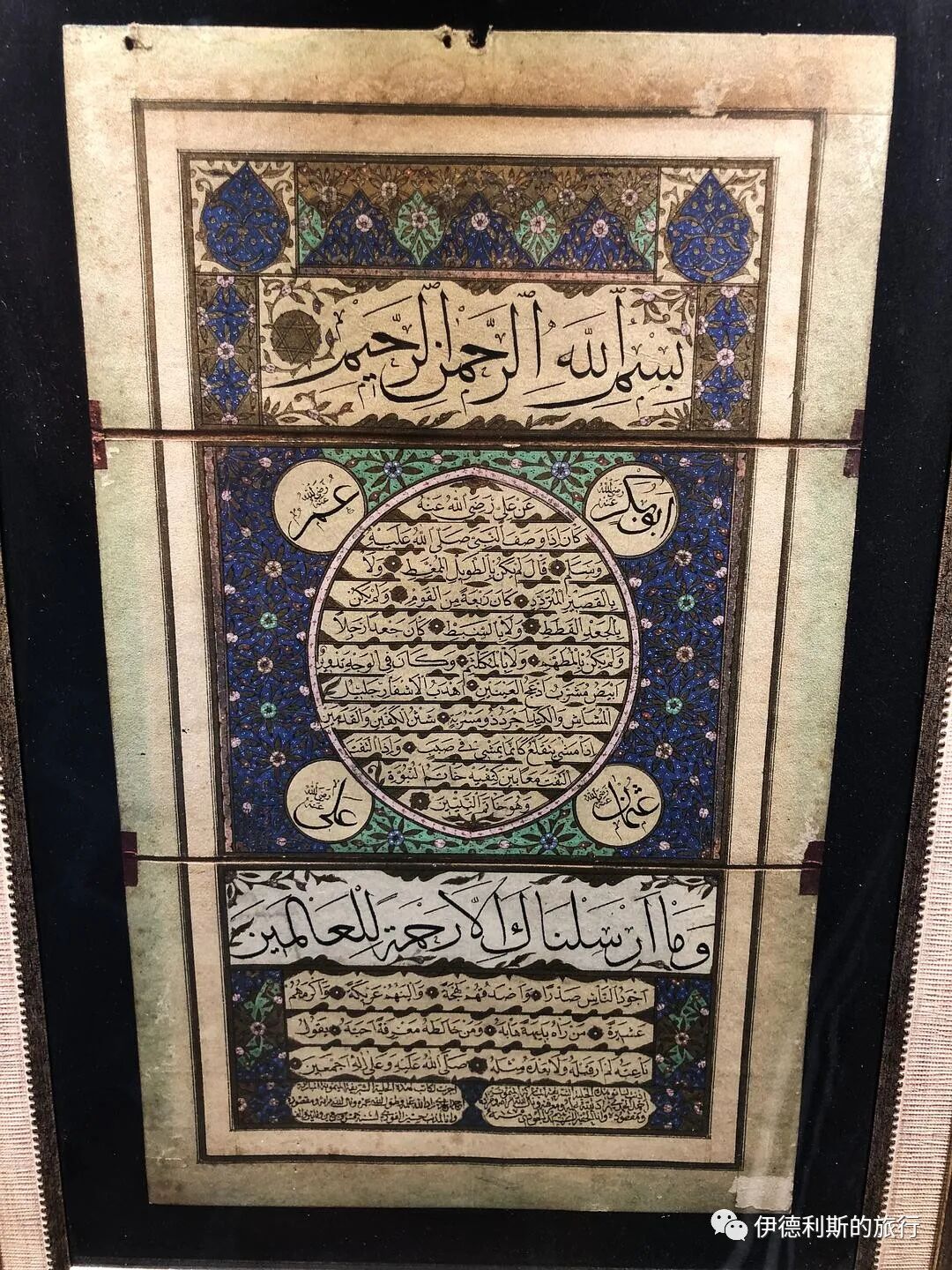
1845 Naskh-script Quran from the Lal Huseyin Pasha Mosque in Kütahya, written by Hafiz Mustafa Sabri.
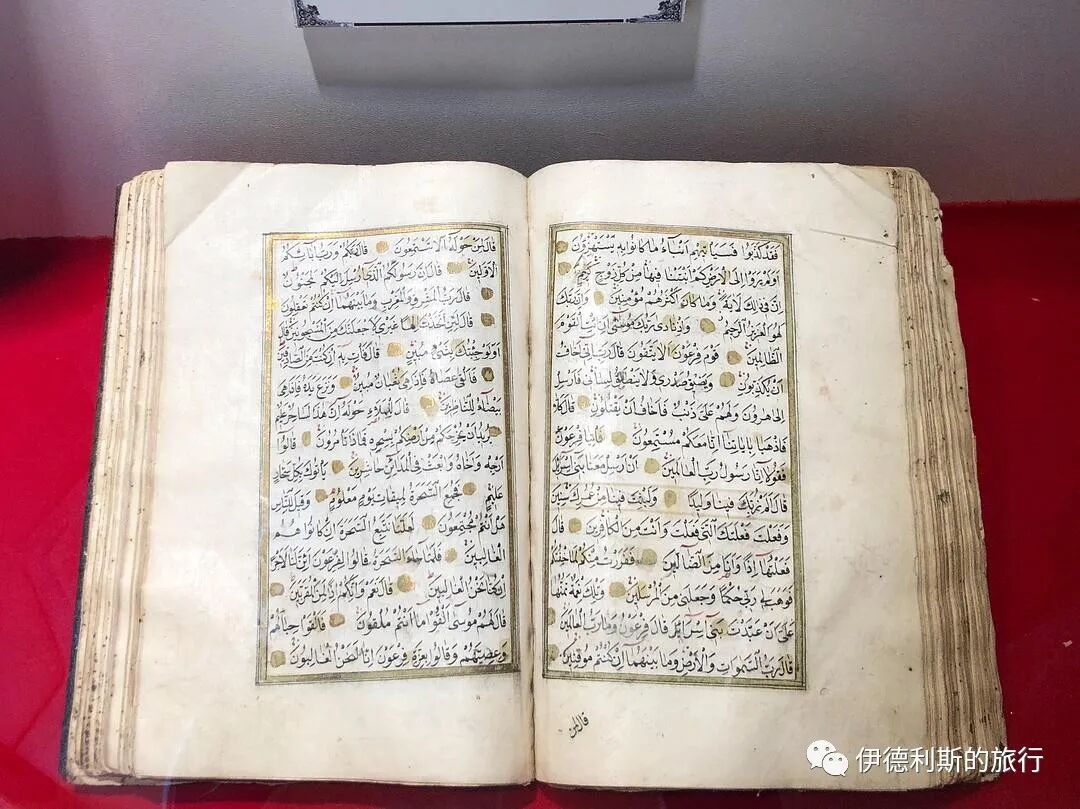
18th-19th century Naskh-script Quran from the Sari Mosque in Edirne.
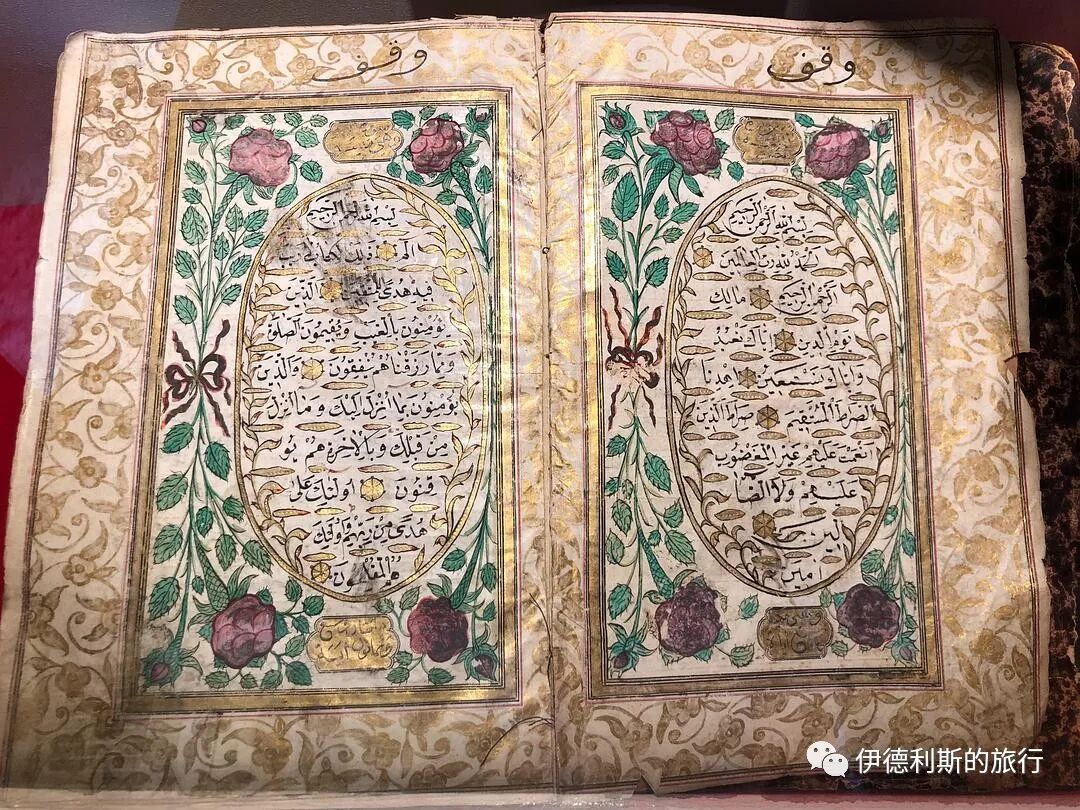
15th-century tiles from the Şah Melek Mosque in Edirne. The Şah Melek Mosque was commissioned by the blind Şah Melek Pasha in 1429 and is famous for the tiles laid inside. Şah Melek Pasha played an important role in the succession war between the princes of Ottoman Sultan Bayezid I and later became an important figure in the courts of Sultan Mehmed I and Murad II.
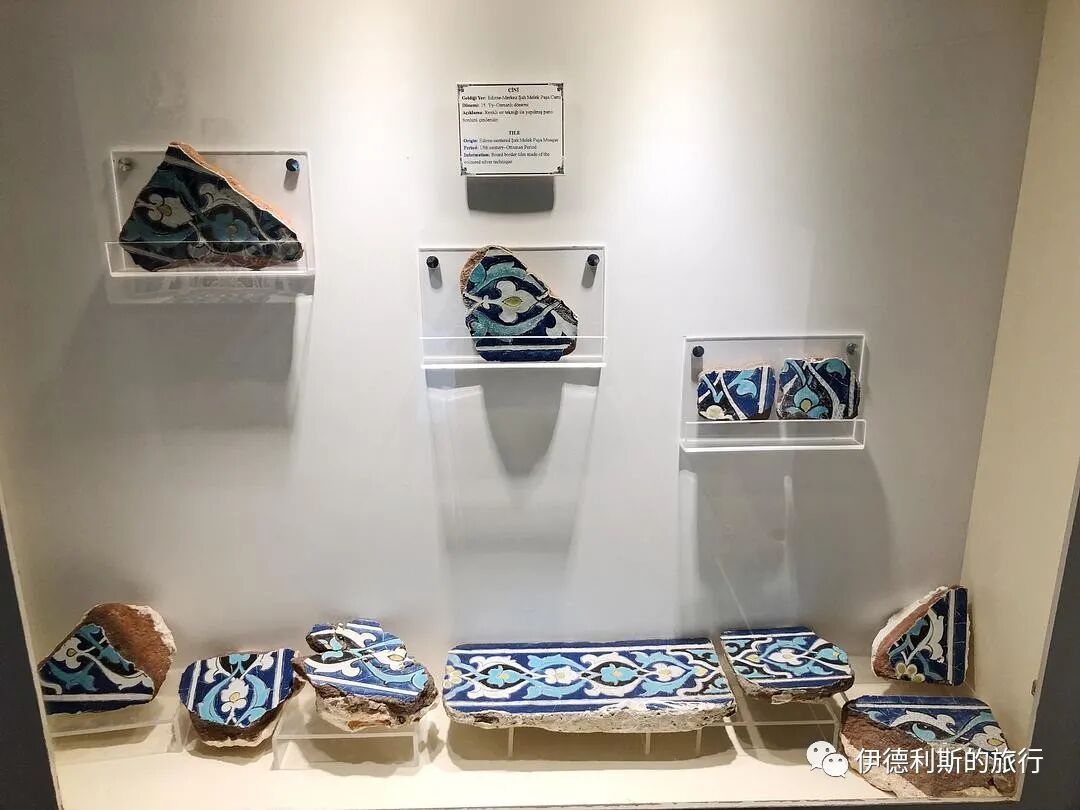
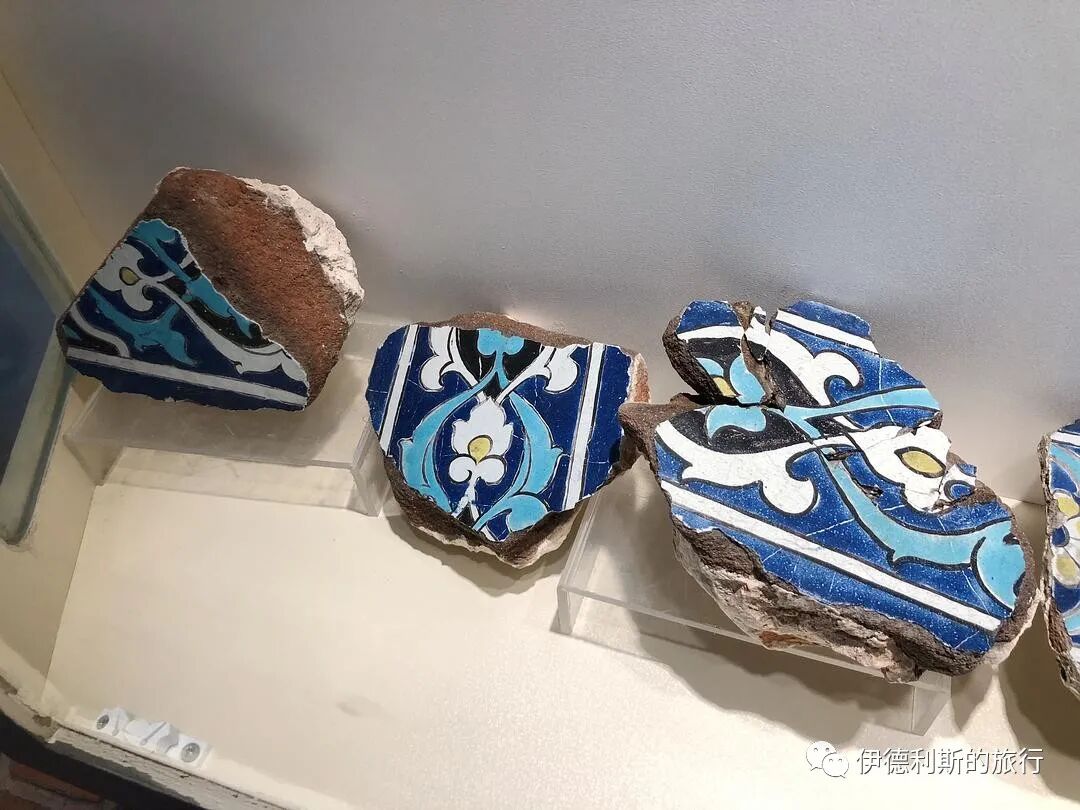
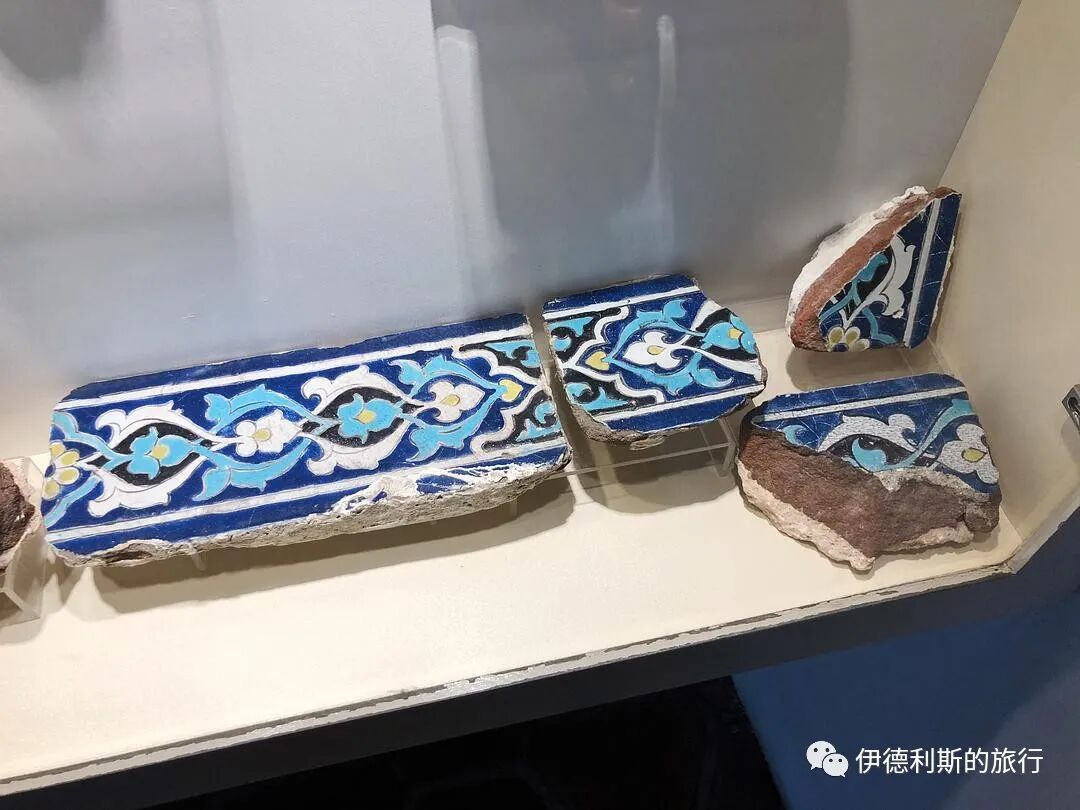
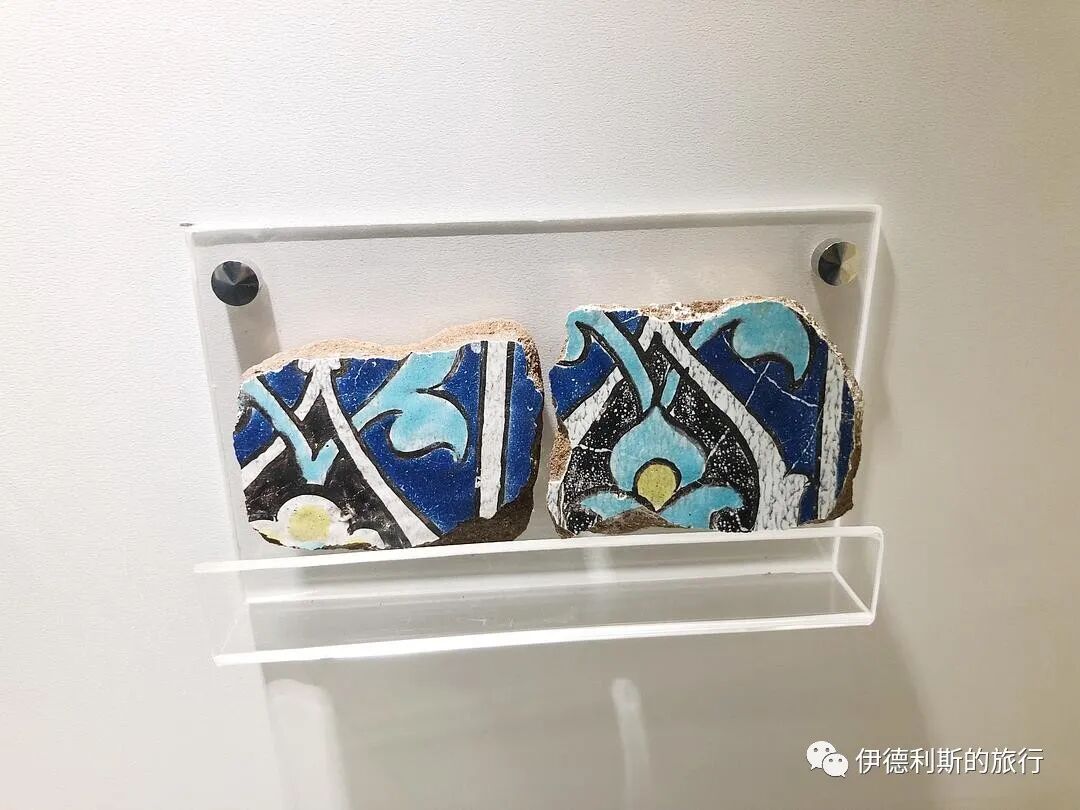
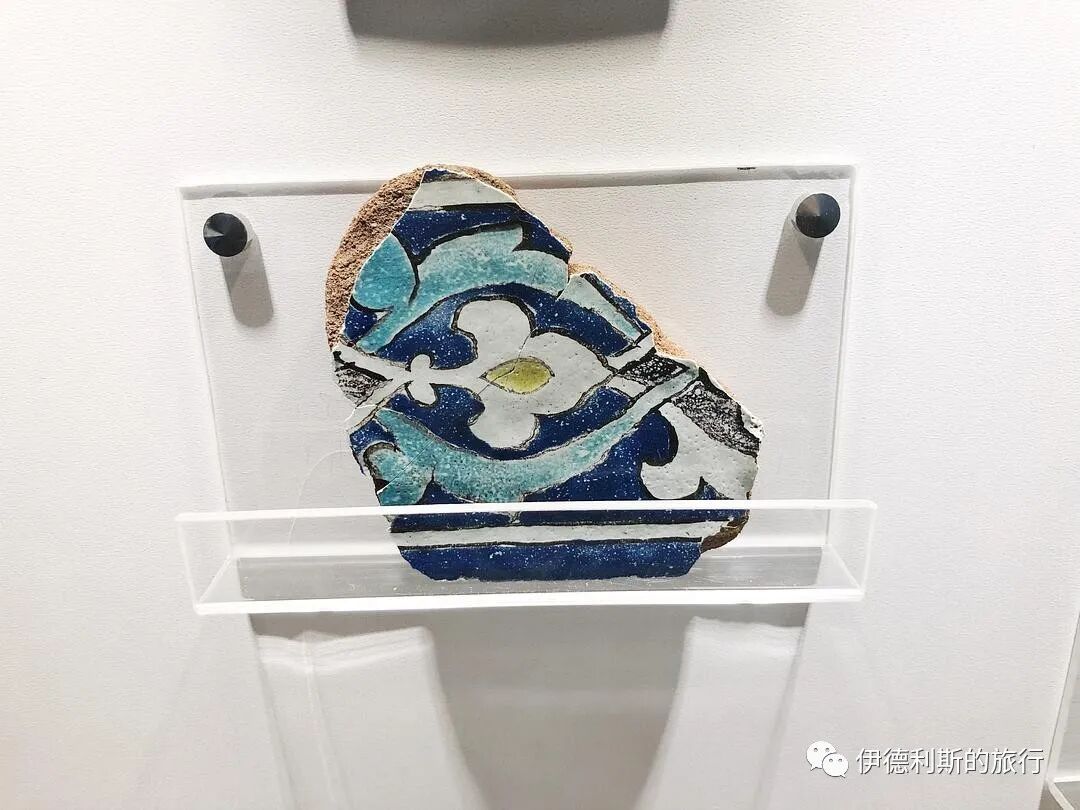
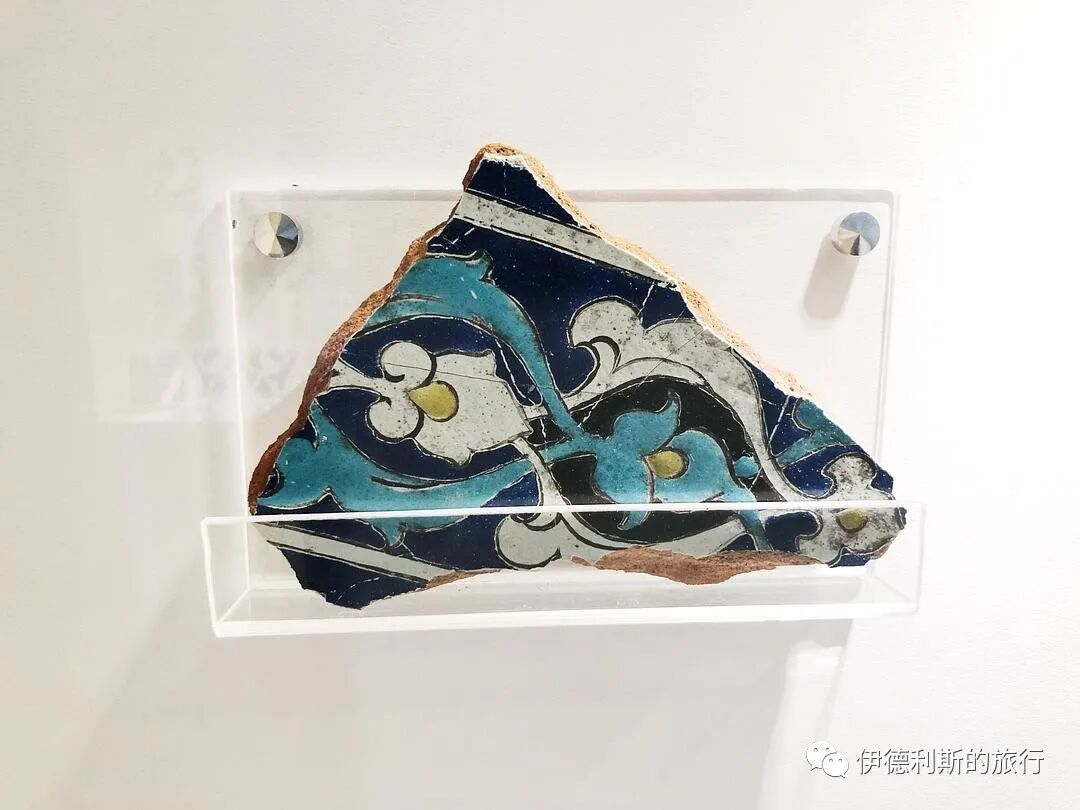
15th-century tiles from the Muradiye Mosque in Edirne. The Muradiye Mosque was commissioned by the sixth Ottoman Sultan, Murad II (reigned 1421-1444), in 1436. This site was originally part of a Sufi Mevlevi order complex and was later converted into a mosque.
The interior of the mosque is famous for its beautiful tiles. Before being stolen in 2001, there were 479 tiles in the prayer hall with 54 different designs, 15 of which appeared only once, showing the strong influence of Yuan dynasty blue-and-white porcelain. The blue-and-white hexagonal tiles are the earliest examples of Ottoman underglaze tiles. Because the arrangement of some tiles lacks coherence, some scholars believe that some of them were moved from the Ottoman palace in Edirne in the north.
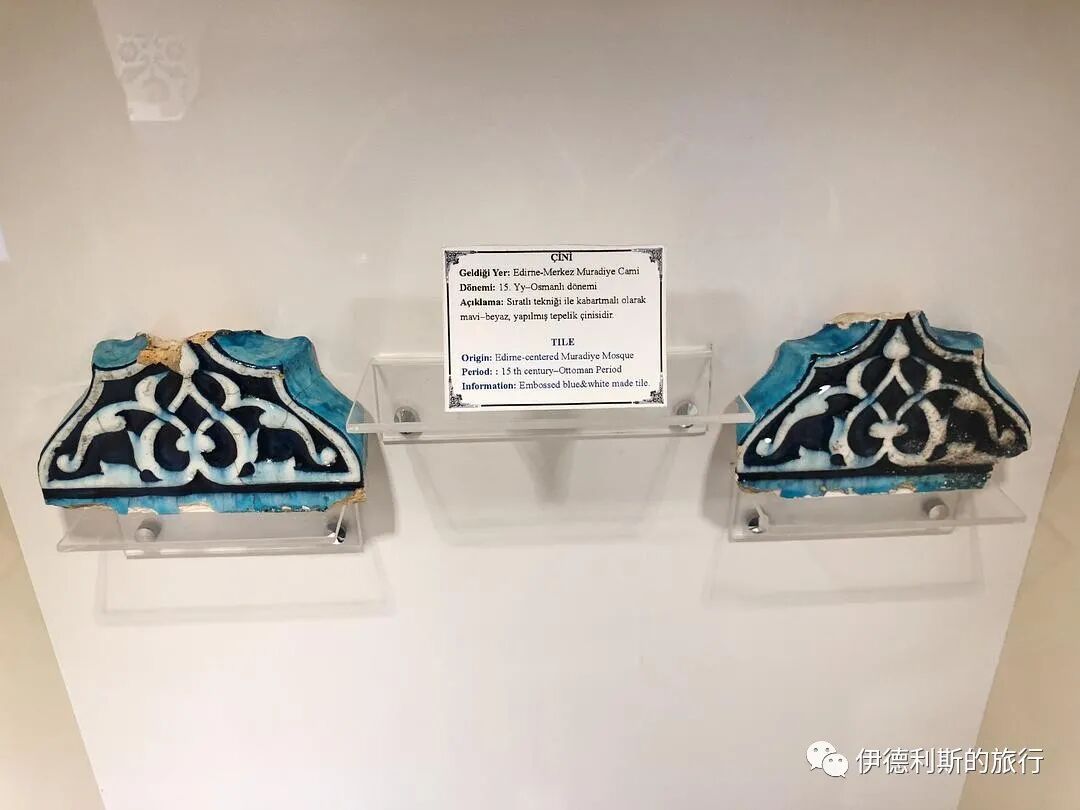
A beautiful inlaid wooden table.
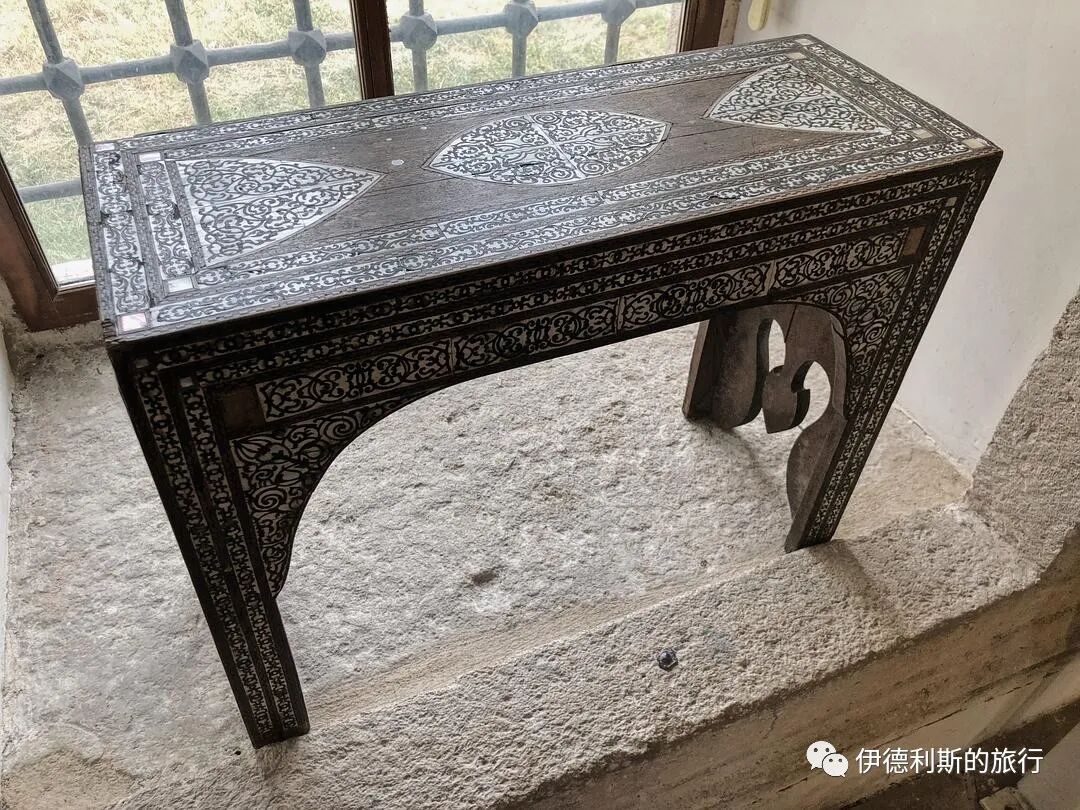
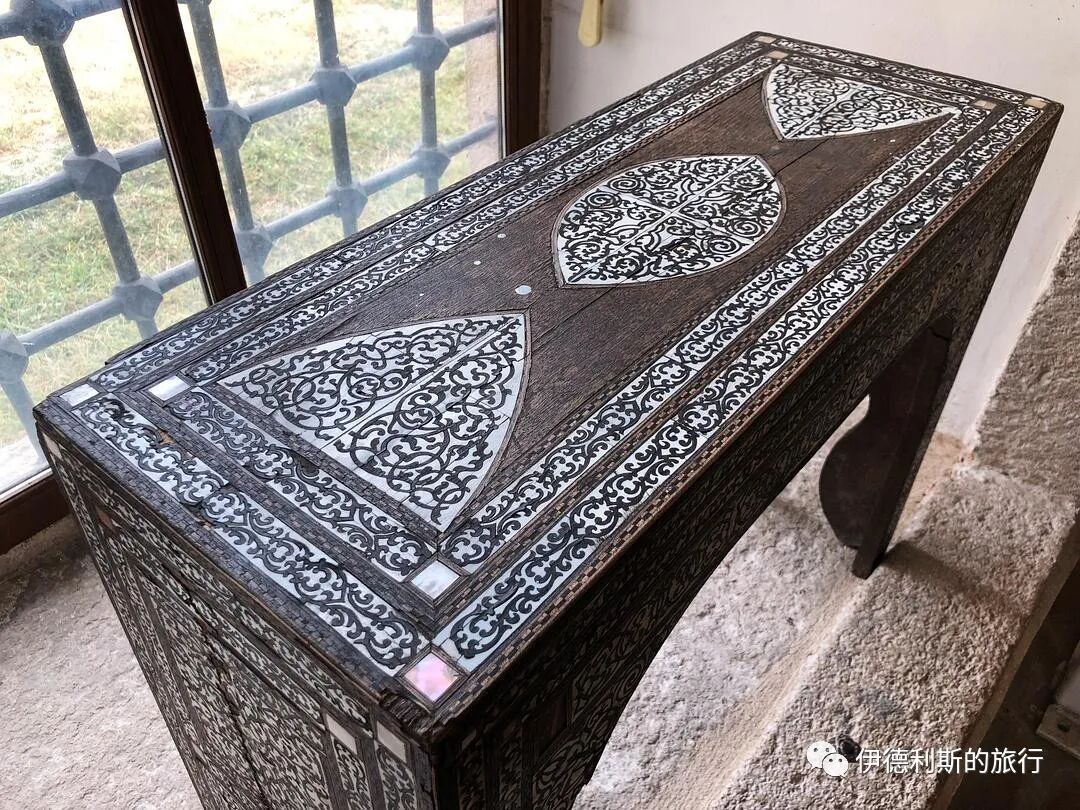
18th-century pearl and ivory inlaid Quran stand from the Yıldız Hamidiye Mosque in Istanbul.
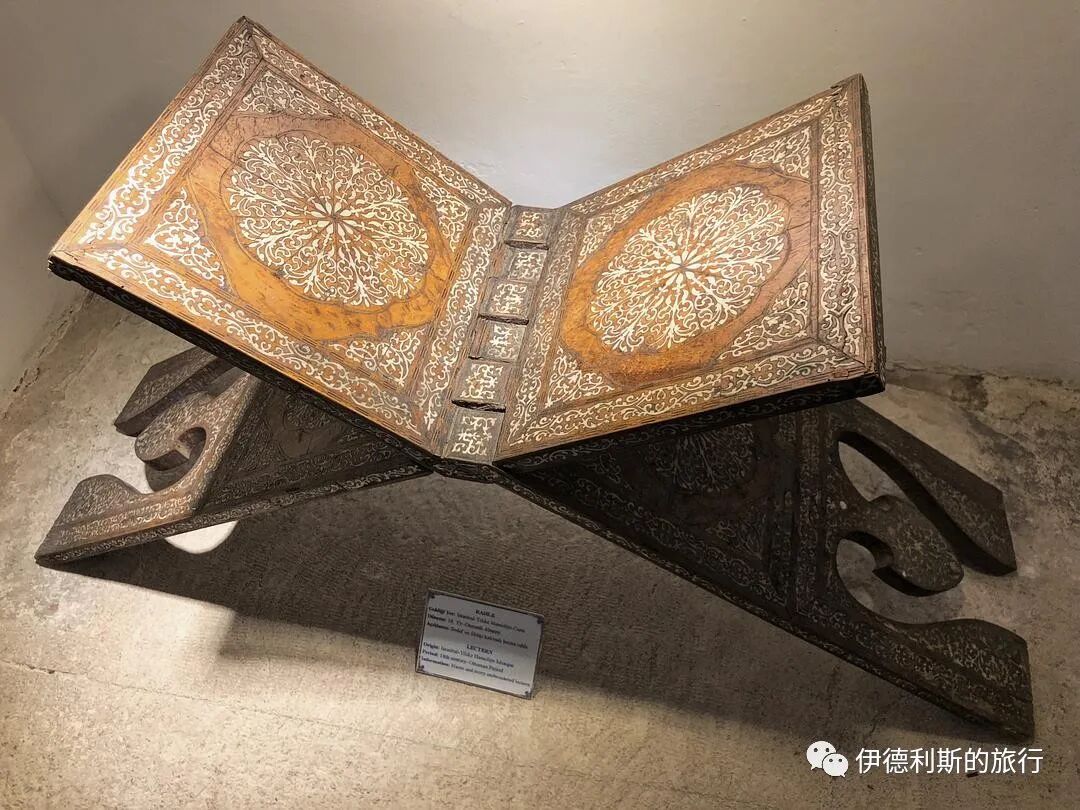
1882 stone tablet from the Selcuk Hatun Mosque in Edirne.
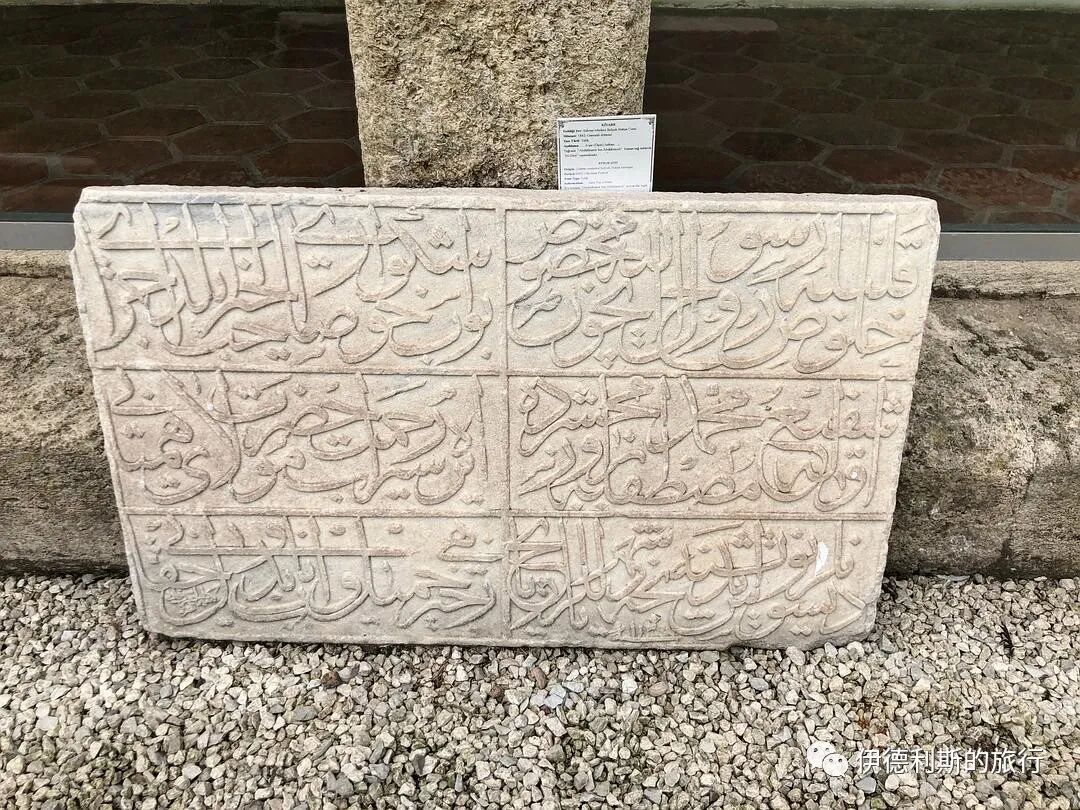
Stone carvings in the Selimiye Quran School Museum.
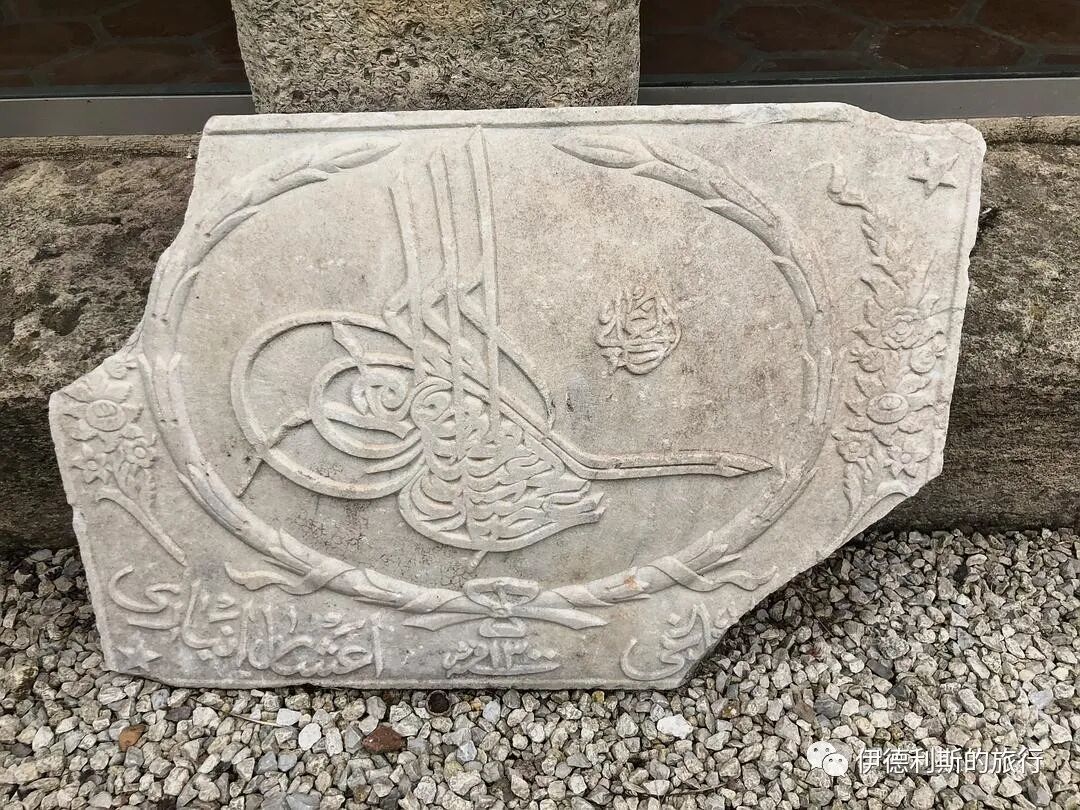
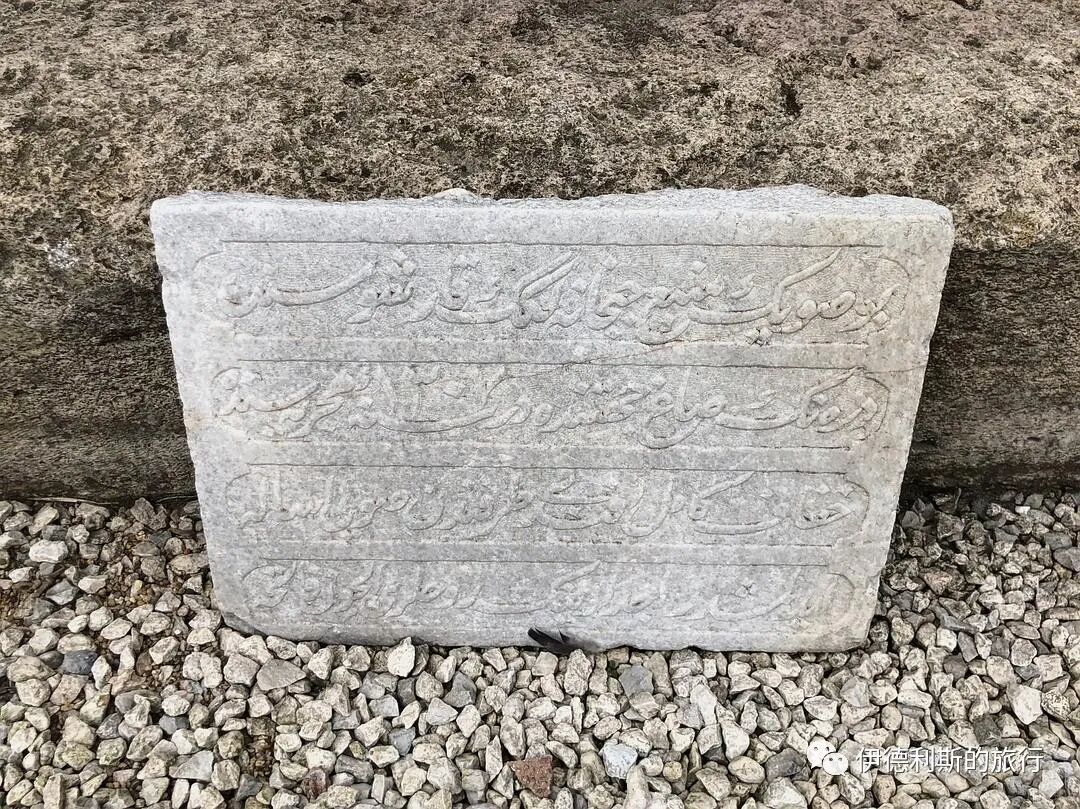
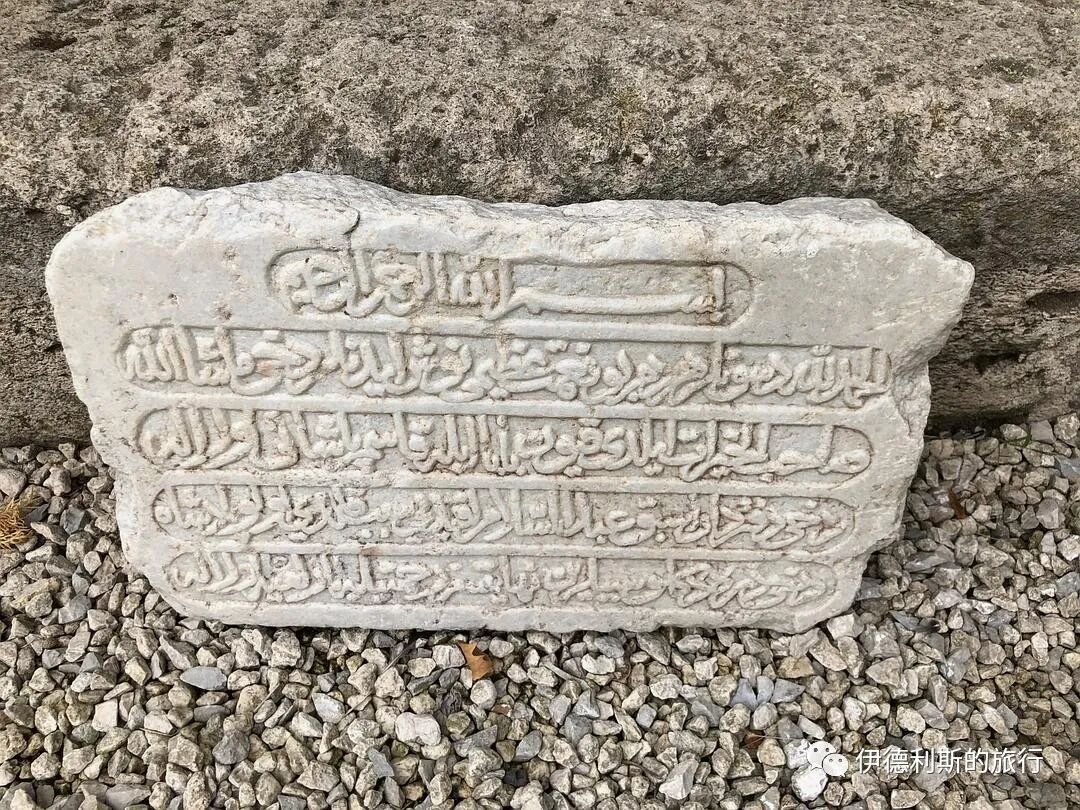
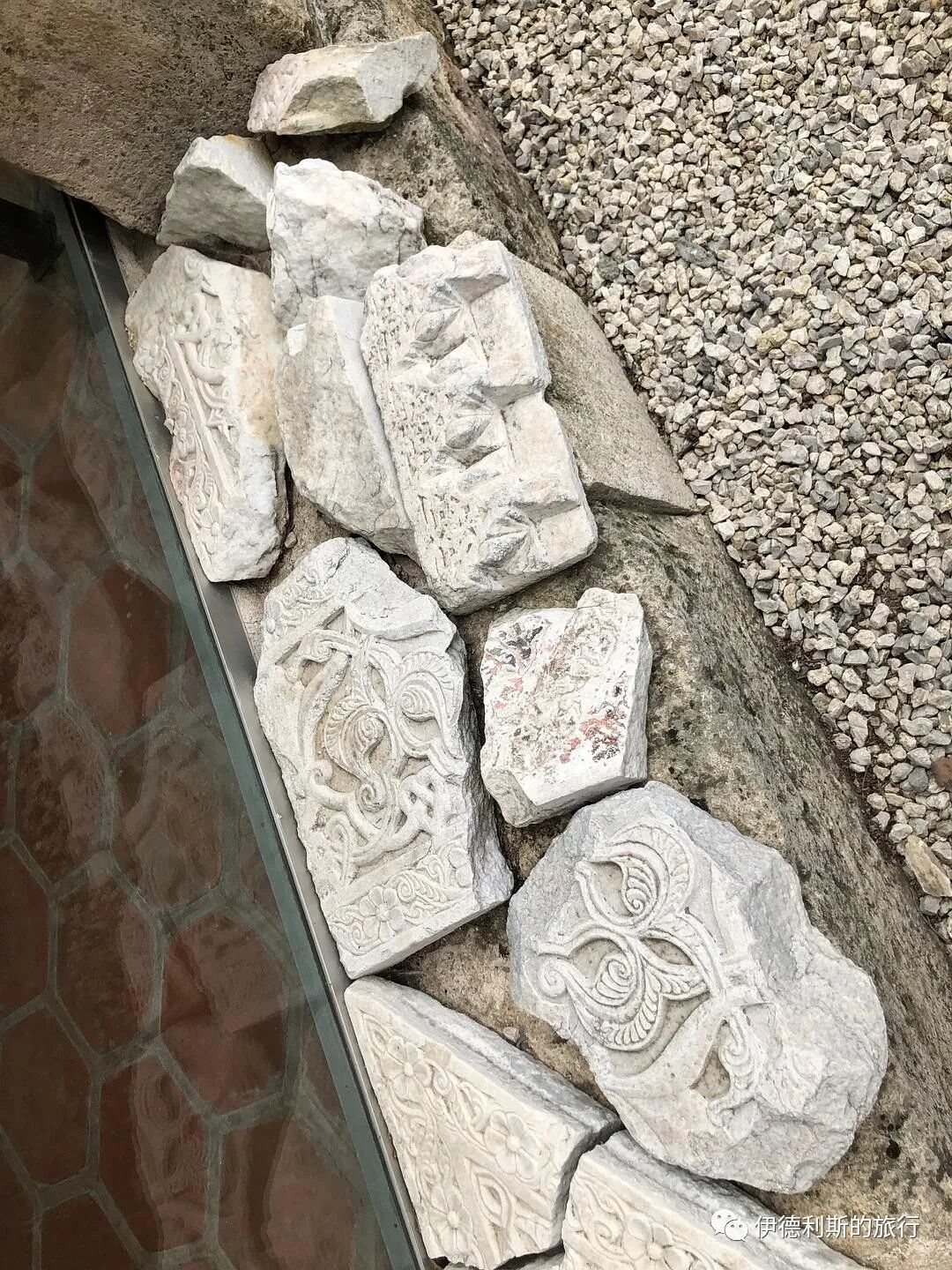
Arasta Bazaar.
The Arasta Bazaar is 225 meters long, runs parallel to the southwest wall of the mosque, and generates income for the mosque by renting out 124 shops. The bazaar has three large gates, one of which connects to the mosque courtyard via stairs.
Some believe the Arasta Bazaar was built by Davud Aga, Mimar Sinan's successor as imperial chief architect, while others believe it was designed by Mimar Sinan to cover the retaining wall supporting the mosque on the southwest slope and was eventually completed by Davud Aga. This is because Mimar Sinan was very skilled at designing and building structures adapted to sloping terrain.
Between 1863 and 1868, Bahá'u'lláh, the founder of the Bahá'í Faith, was exiled to Edirne by the Ottoman Empire with his family and lived near the Selimiye Mosque. During this period, he wrote numerous works, proclaimed the Bahá'í Faith to countries around the world, and formally broke with another leader, Mirza Yahya, which was a major event in Bahá'í history.
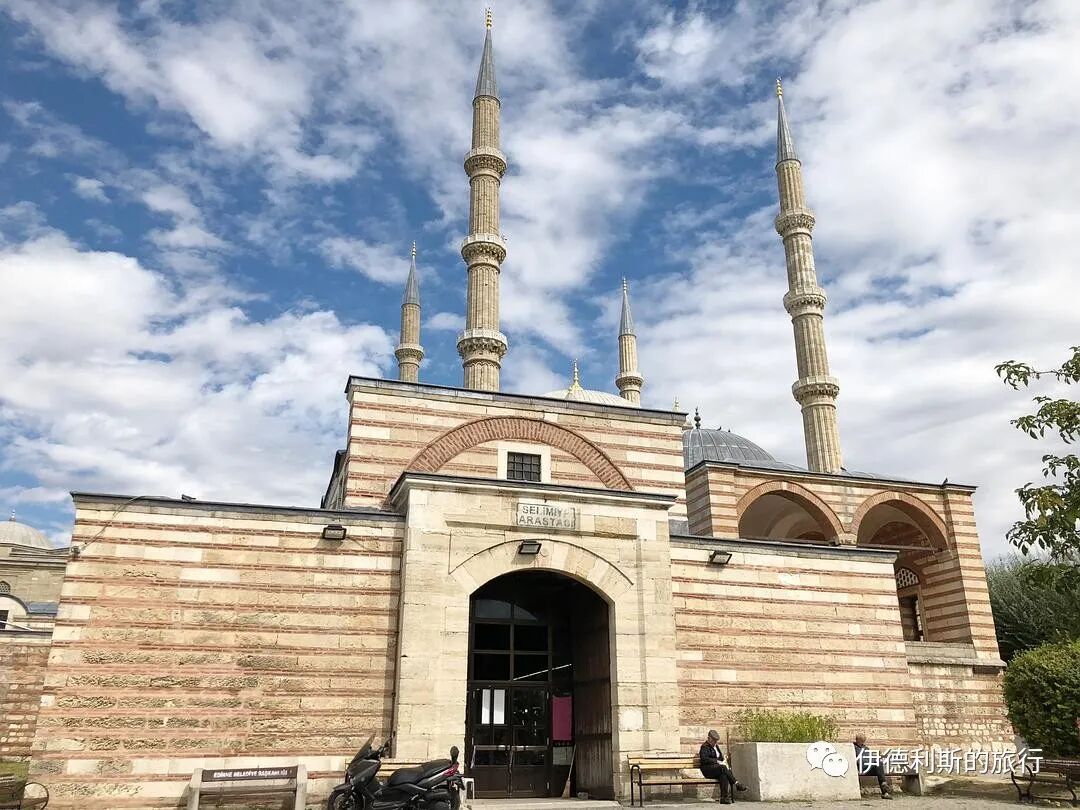
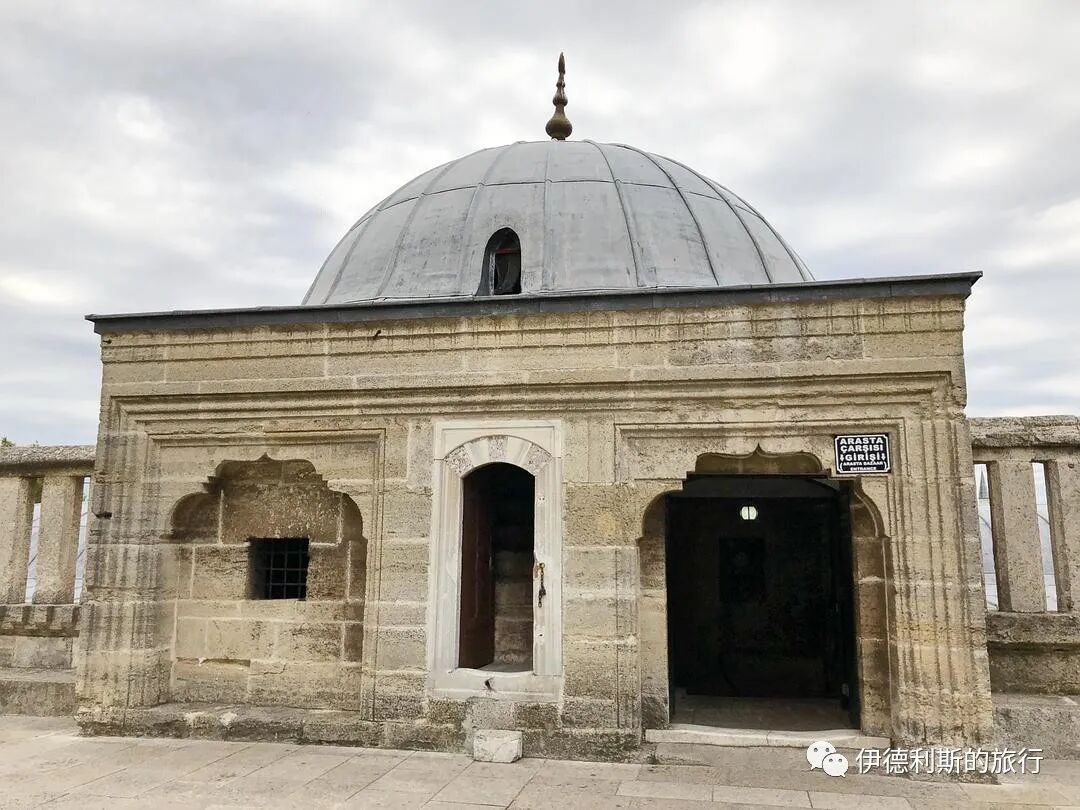
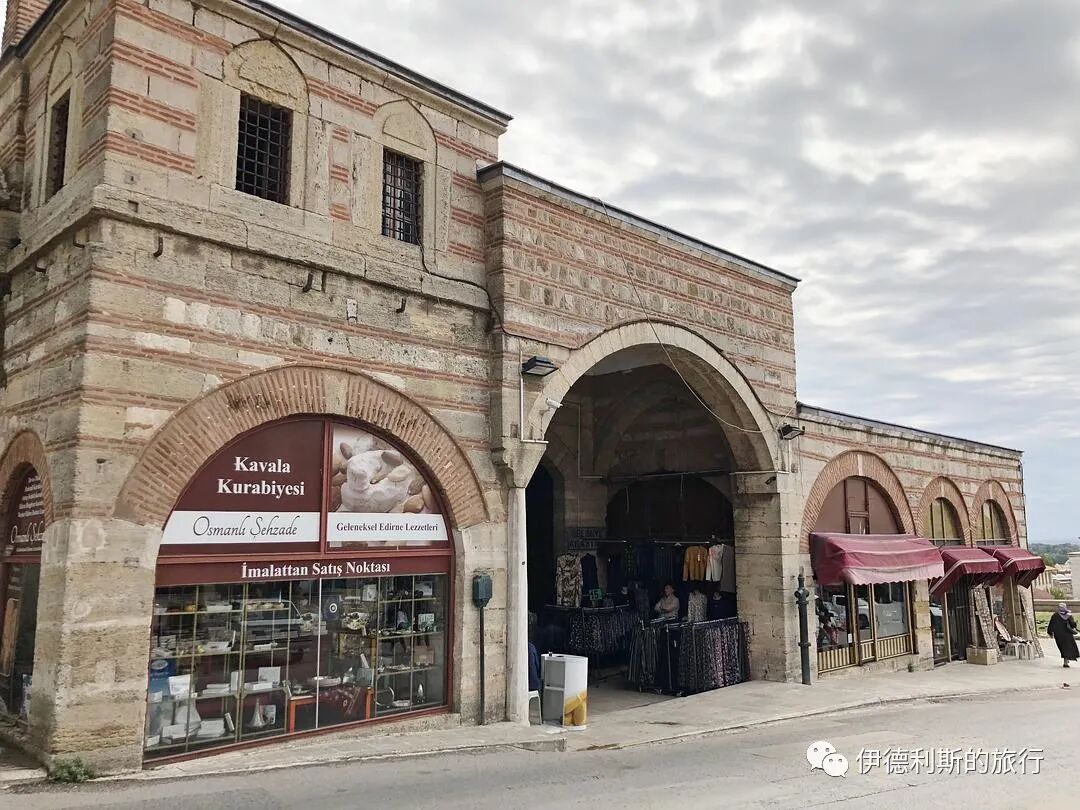
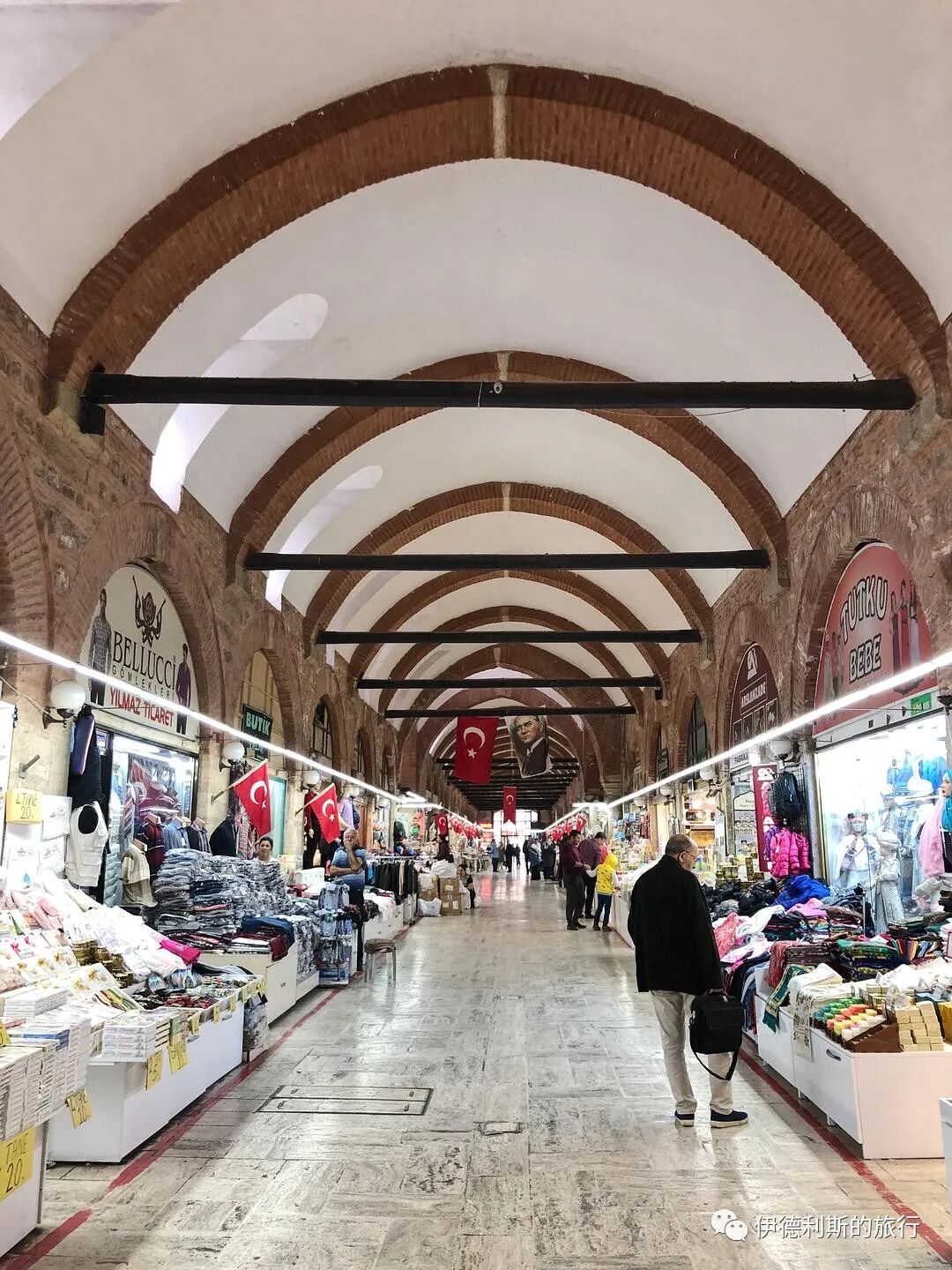
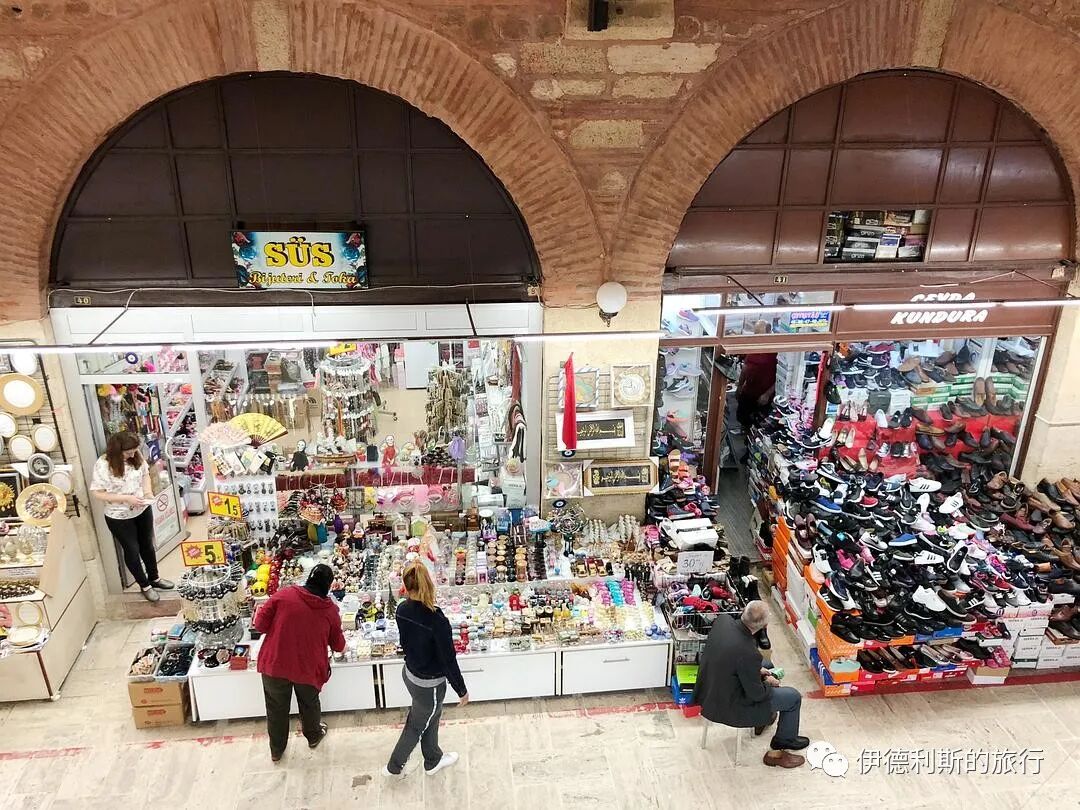
At the bazaar in Edirne, I bought the local specialty, crescent-shaped almond cookies called Kavala kurabiyesi. Kavala is now an important seaport in northern Greece, which was ruled by the Ottoman Empire from 1371 to 1913. During the population exchange between Turkey and Greece in 1922, tens of thousands of Turks left Kavala to settle in Edirne, bringing this cookie with them to Edirne.
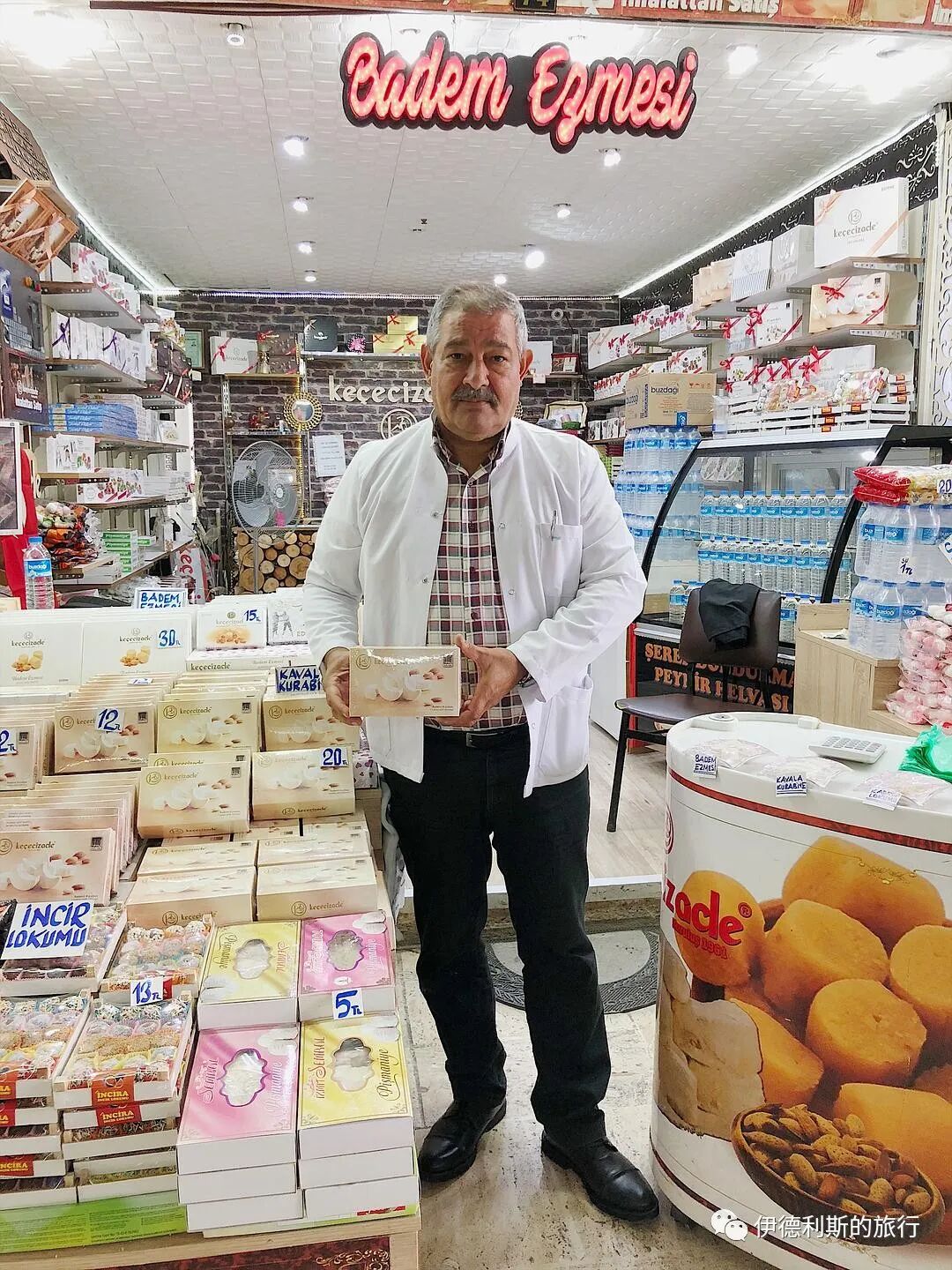
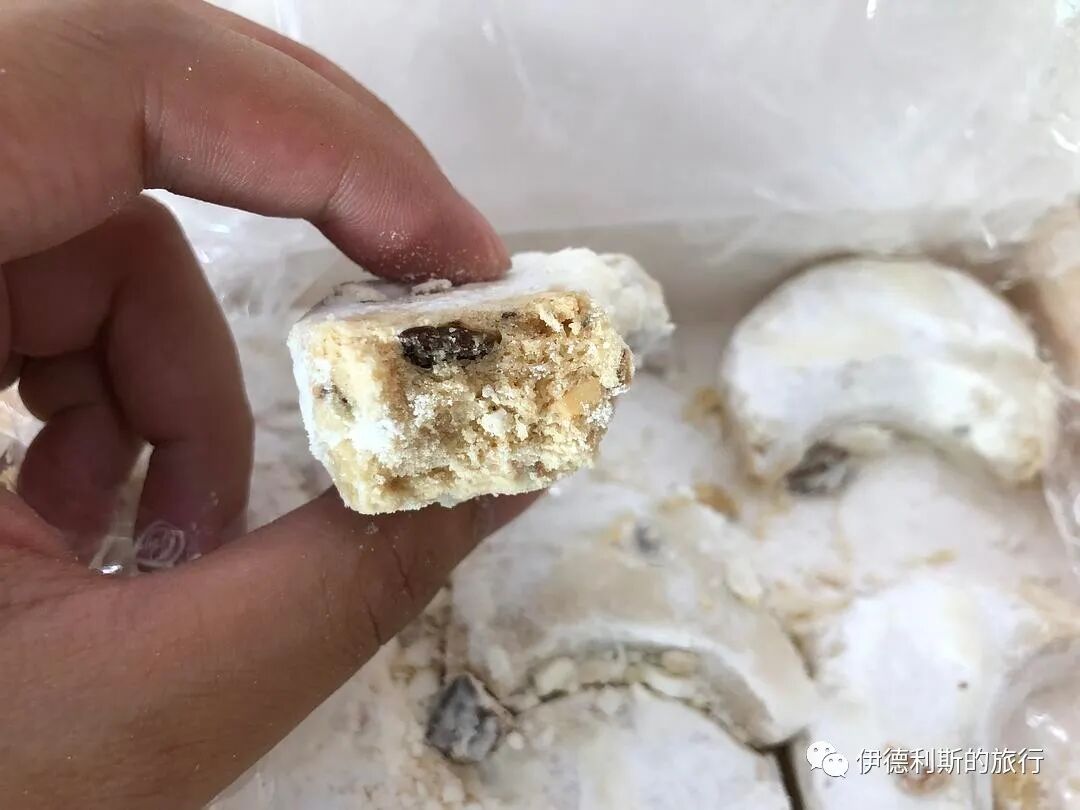
Museum of Turkish and Islamic Art
Articles • ali2007fr posted the article • 0 comments • 247 views • 2026-05-16 23:50
Summary: This travel note introduces Museum of Turkish and Islamic Art. The museum was founded in 1914, initially as an Islamic Foundation Museum (Vakıf-ı İslamiye Museum) within the Süleymaniye complex. It is useful for readers interested in Turkey Travel, Islamic Art, Museum Visit.
The museum was founded in 1914, initially as an Islamic Foundation Museum (Vakıf-ı İslamiye Museum) within the Süleymaniye complex. After the establishment of the Republic of Turkey in 1923, it was renamed the Museum of Turkish and Islamic Arts, and its exhibits shifted from Ottoman imperial culture to showcasing the culture and art of the Islamic world across various periods. In 1983, the museum moved to its current location, the Ibrahim Pasha Palace, and currently houses over 40,000 artifacts, including Islamic calligraphy, tiles, carpets, and other works of art.
Table of Contents
I. The Era of the Prophet
II. The Umayyad Caliphate: 661-750
III. The Abbasid Caliphate: 750-1258
IV. Artifacts from Konya, Capital of the Seljuk Sultanate of Rum
V. Ceramics of the Seljuk Empire: 1040-1157
VI. The Ayyubid Dynasty: 1171-1250
VII. The Mamluk Sultanate: 1250-1517
VIII. The Ilkhanate: 1256-1353
IX. The Timurid Empire: 1370-1507
X. The Safavid Dynasty: 1501-1722
XI. The Ottoman Dynasty: 1299-1923
I. The Era of the Prophet
The beard of the Prophet Muhammad (Lihye-i Saadet) and his footprint (Kadem-i Saadat).
II. The Umayyad Caliphate: 661-750
The Umayyad Caliphate was the first hereditary dynasty of the Arab Empire. It was established in 661 by Muawiyah, the former governor of Syria, after the era of the four Rightly Guided Caliphs ended. In Chinese historical records, it is known as the 'White-Robed Caliphate'.
A Quran manuscript from the early 8th century
A 7th-century stone inscription in Kufic Arabic calligraphy
III. The Abbasid Caliphate: 750-1258
In 750, the descendants of Abbas, the uncle of the Prophet Muhammad, overthrew the Umayyad family and established the Abbasid Caliphate. In Chinese historical records, it is known as the 'Black-Robed Caliphate'. In 762, the Abbasid Caliphate moved its capital to Baghdad. The early period of the Abbasid Caliphate (750-842) was the peak of the Arab Empire, and its major cultural and artistic achievements continued until the mid-10th century.
Although the capital of the Abbasid Caliphate was in Baghdad, its monuments stretched from Kairouan in Tunisia to the west, to the ancient Central Asian city of Bukhara to the east. Many cities founded by the Abbasid Caliphate saw further development later on. In the early Abbasid period, the hypostyle mosque with a flat roof, inherited from the residence of the Prophet Muhammad in Medina, was further developed. Artisans from Persia introduced the Sassanid four-iwan courtyard and the iwan (vaulted hall) into Abbasid architecture. In the late 8th century, with the influx of Khorasanians and the introduction of Sassanid court etiquette into the Abbasid court, the influence of Persian culture expanded further within the Abbasid Caliphate.
A tombstone from 859
A 9th-century marble carving
Fragments of a 9th-century mural
A 10th-century Quran
9th-century column capitals and paving fragments excavated from Samarra.
Samarra is located 125 kilometers northwest of Baghdad. It became the capital of the Abbasid Caliphate in 836 until the capital was moved back to Baghdad in 892. Because Samarra was abandoned after the 10th century and the population returned to Baghdad, a large number of ruins were left behind. It is hailed as the only metropolis of the late ancient world that can be fully excavated, and it was listed as a UNESCO World Heritage site in 2007.
The Abbasid Caliphate built several palaces, barracks, markets, two grand mosques, and countless gardens and private residences in Samarra. The Great Mosque of Samarra was enormous, measuring 240 by 156 meters, and featured a hypostyle structure. Judging from the surviving mosaics and the wooden panels surrounding the mihrab, the decoration was once very magnificent. The Caliph's private residence was decorated with marble slabs, stucco sculptures, paintings, and gilded teak wood.
IV. Artifacts from Konya, Capital of the Seljuk Sultanate of Rum
The Seljuks were a branch of the Oghuz Turkic tribes. They established the Seljuk Empire in Khorasan in 1037, defeated the Byzantines in the 1070s to occupy Asia Minor, and established the Seljuk Sultanate of Rum in 1077. The rapid expansion of the Seljuk Empire caused panic among Christian nations, directly triggering the First Crusade. In 1097, after the capital Nicaea was captured by the Crusaders, the Sultanate of Rum moved its capital eastward to Konya.
In the early 13th century, after the Mongol invasion of Central Asia and Persia, a large number of Turks and Persians came to Konya for refuge. In the 1220s, Konya was filled with refugees from the Khwarezmid Empire. Many were educated intellectuals or skilled artisans, the most famous of whom was the Sufi scholar and great Persian poet Rumi. In 1243, the Seljuk Sultanate of Rum was defeated by the Mongol Empire and became a vassal state, but Konya remained the capital of the Sultanate. People lived in stability, and many existing Seljuk buildings were constructed during this period.
Stone lions in front of the Alâeddin Pavilion (Alâeddin Köşkü). The Alâeddin Pavilion is the only remaining tower site of the Konya city walls. Located on the north side of Alâeddin Hill, it was originally a brick tower of the inner city wall of Konya. The Seljuk Sultan of Rum, Kilij Arslan II (reigned 1156-1192), built a palace adjacent to the city wall and turned this tower into part of the palace.
The Alâeddin Pavilion I photographed.
Warrior stone carving. As the capital of the Seljuk Sultanate of Rum, Konya was the final 'Turko-Persian' cultural center of the Seljuks after the fall of the Seljuk Empire. Seljuk culture is a very distinctive branch of 'Turko-Persian' culture, most famous for its tiles and stone carvings featuring human and animal motifs.
Griffin stone carving. The griffin is a common theme in Iranian mythology, possessing the body of a lion and the beak and wings of an eagle, and is considered a symbol of power.
Sphinx. The sphinx has a human head and an animal body, originating from ancient Egypt and later spreading to Iran and the Anatolian region.
A 13th-century carpet from Konya. These carpets from the Seljuk Sultanate of Rum period are among the most important collections in the Museum of Turkish and Islamic Arts, and are the most unique and precious among Seljuk artifacts.
A 13th-century Quran calligraphy tile
An early 14th-century wooden window
A 1251 tabut (coffin) box and wooden stele
A 13th-century Quran
V. Ceramics of the Seljuk Empire: 1040-1157
12th-13th century, Iran
VI. The Ayyubid Dynasty: 1171-1250
The Ayyubid dynasty was established in 1171 by the Kurdish general Saladin. It was an important dynasty during the Crusades, with its capitals successively in Damascus and Cairo. In 1260, the Mongol army captured Damascus, and the Ayyubid dynasty existed in name only.
13th-century wood carving from Damascus.
12th-13th century ceramic bowl.
A 1205 Hajj certificate
VII. The Mamluk Sultanate: 1250-1517
The Mamluk Sultanate was a state that ruled Egypt, the Levant, and the Hejaz region from the 13th to the 16th century. Most Mamluks were Kipchak Turks from Central Asia. They were brought to Western Asia as slave mercenaries and became an important force in the military during the Ayyubid dynasty. In 1260, they overthrew the Ayyubid dynasty to rule Egypt and Syria, and subsequently prevented the invasion of the Ilkhanate. In 1517, the Mamluk Sultanate was destroyed by the Ottoman Empire.
A late 14th-century Quran manuscript (Juz').
A 1380 Quran manuscript.
A 14th-century ceramic vase.
A 1282 astrolabe.
VIII. The Ilkhanate: 1256-1353
In 1256, Hulagu, the grandson of Genghis Khan, was enfeoffed as the Ilkhan, establishing the Ilkhanate. In 1260, Kublai Khan sent an envoy to issue an edict, placing the lands west of the Amu Darya up to the Egyptian border, including present-day Iran and Afghanistan, under Ilkhan rule.
A 1333-4 Quran manuscript, copied by Muhammed el-Hac Devletshah esh-Shirazi.
A 1338-9 Quran manuscript, copied by Yahya el-Sufi.
A 1318 Quran manuscript, copied by Ahmed b. al-Suhreverdi.
A 1323-4 Quran manuscript, copied by Huseyin bin Ali bin Camii.
A 1320-21 Quran manuscript, copied by Argun bin Abdullah Kamili.
Two Quran manuscript volumes (Juz') copied by Ali ibn-i Mehmed in 1306-7 and 1310-11.
A 1286-87 Quran manuscript, copied by Yakut el-Musta'simi.
IX. The Timurid Empire: 1370-1507
The Timurid dynasty was established in Samarkand in 1370 by the Chagatai Mongol noble, Timur the Great. Timur began his western campaigns in 1380, successively occupying Afghanistan and Iran. After Timur's death in 1405, his successors continued to rule Iran, and the Timurid dynasty was deeply influenced by Persian culture.
Under the rule of the Timurid dynasty, the ancient Afghan city of Herat flourished. The Timurid prince Sultan Husayn Bayqara, who ruled Herat from 1469 to 1506, strongly supported the development of Persian poetry and literature. His minister, Mir Ali-Shir Nava'i, was a famous Persian poet. Herat at that time was also famous for its architecture, miniatures, and music. The ancient Iranian city of Shiraz also became a center of art and literature during this period, hailed as the 'House of Knowledge' and the 'Athens of Iran'. Shiraz's miniatures are also world-famous.
A 15th-century book from the city of Shiraz, Iran.
1445 and 1482 books of the 'Masnavi' from Herat, Afghanistan; this is a long poem collection by the famous Persian poet Rumi.
A 15th-century book from Herat, Afghanistan.
A 1398 book from Shiraz, Iran.
X. The Safavid Dynasty: 1501-1722
The Safavid dynasty originated from the Sufi Safaviyya order, and its rulers were Kurds living in northwestern Iran. The Safavid family itself spoke Turkic and composed poetry in Turkic, but they also strongly supported Persian poetry, literature, and various forms of Persian culture and art. For over 200 years, the Safavid dynasty ruled parts of Iran, the Caucasus, Iraq, Turkey, and Afghanistan. It is considered the first native Iranian dynasty since the Sassanid Persian Empire and is also considered the beginning of modern Iran.
An early 17th-century Kashkul, a bowl used by Sufi dervishes for begging. Sufi dervishes would generally chant praises to Allah and the Prophet along the streets, then use the Kashkul to collect donated money and food. The Kashkul actually used were mostly made of coconut shells, brass, wood, or clay. They were boat-shaped and hung from the shoulder with metal chains, with a relatively simple design. This is because true Sufi dervishes had abandoned the desire for worldly wealth and devoted themselves entirely to Allah. In addition, many beautifully crafted Kashkuls were used by the wealthy as decorative items, most of which have Quranic inscriptions.
A 17th-century Quran from Shiraz.
Delete
A 1591 Quran from Shiraz.
A 17th-century Quran volume (Juz') cover.
A 1549 Quran from Shiraz.
A 1580/1 Quran from Shiraz.
XI. The Ottoman Dynasty: 1299-1923
A late 15th-early 16th-century scripture box
14th-15th-century tiles
The book 'Zubdet'ut Tevarih (Faith, Islam, and Ottoman History)', produced in 1583 by the calligrapher Seyyid Lokman Ashuri for Sultan Murad III
A Quran written by the calligrapher Seyh Hamdullah in 1494
Chapter 6 of the Quran, 'The Cattle', written by the calligrapher Ahmed Karahisari in 1443
A Quran written by the calligrapher Hafiz Osman between 1540 and 1550
A 1612 endowment deed of Sultan Ahmed I
A 1738 Ottoman Qiblanuma (qibla compass), which is the most famous of all Ottoman qibla compasses.
An early 15th-century wooden door from the Karaman dynasty view all
Summary: This travel note introduces Museum of Turkish and Islamic Art. The museum was founded in 1914, initially as an Islamic Foundation Museum (Vakıf-ı İslamiye Museum) within the Süleymaniye complex. It is useful for readers interested in Turkey Travel, Islamic Art, Museum Visit.
The museum was founded in 1914, initially as an Islamic Foundation Museum (Vakıf-ı İslamiye Museum) within the Süleymaniye complex. After the establishment of the Republic of Turkey in 1923, it was renamed the Museum of Turkish and Islamic Arts, and its exhibits shifted from Ottoman imperial culture to showcasing the culture and art of the Islamic world across various periods. In 1983, the museum moved to its current location, the Ibrahim Pasha Palace, and currently houses over 40,000 artifacts, including Islamic calligraphy, tiles, carpets, and other works of art.
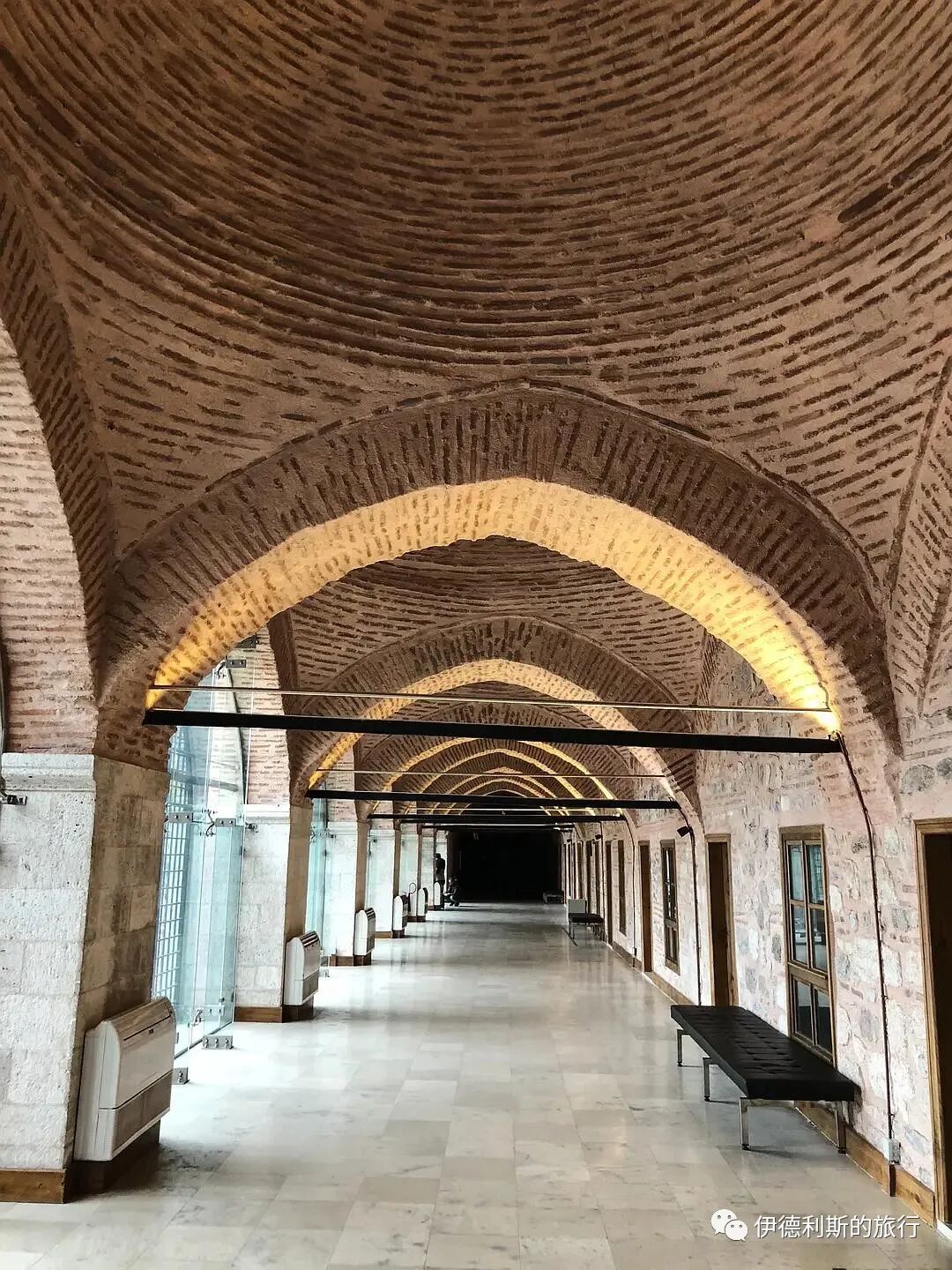
Table of Contents
I. The Era of the Prophet
II. The Umayyad Caliphate: 661-750
III. The Abbasid Caliphate: 750-1258
IV. Artifacts from Konya, Capital of the Seljuk Sultanate of Rum
V. Ceramics of the Seljuk Empire: 1040-1157
VI. The Ayyubid Dynasty: 1171-1250
VII. The Mamluk Sultanate: 1250-1517
VIII. The Ilkhanate: 1256-1353
IX. The Timurid Empire: 1370-1507
X. The Safavid Dynasty: 1501-1722
XI. The Ottoman Dynasty: 1299-1923
I. The Era of the Prophet
The beard of the Prophet Muhammad (Lihye-i Saadet) and his footprint (Kadem-i Saadat).
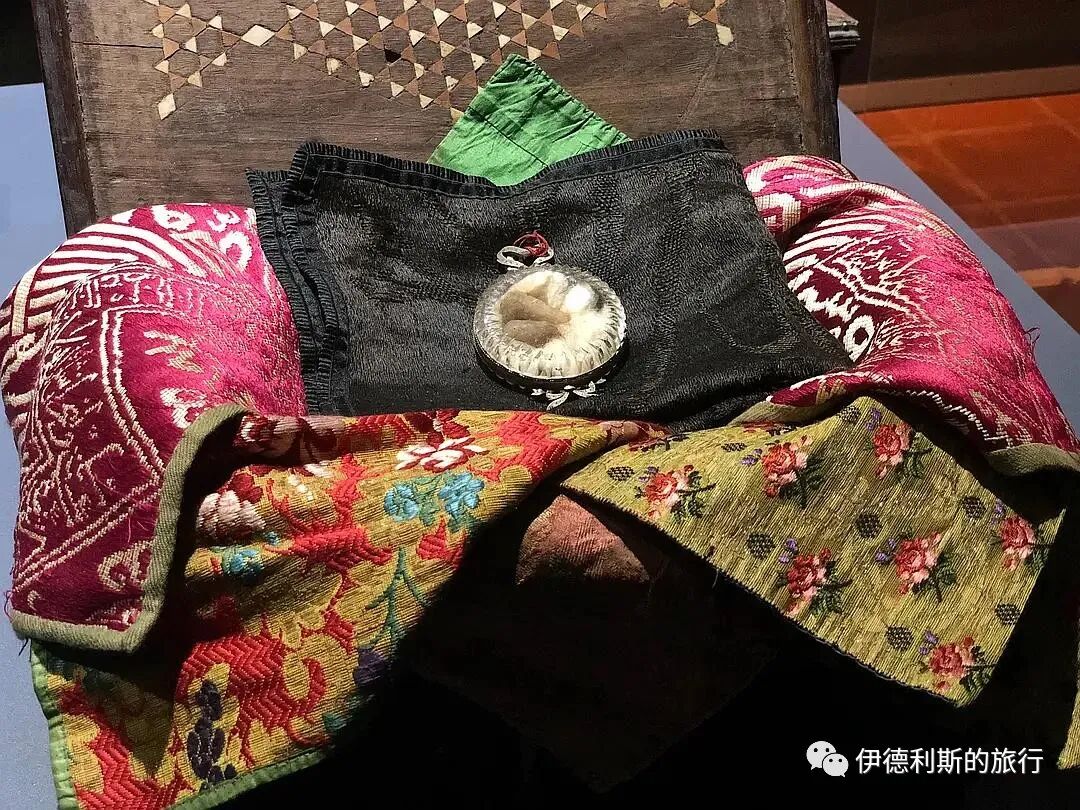
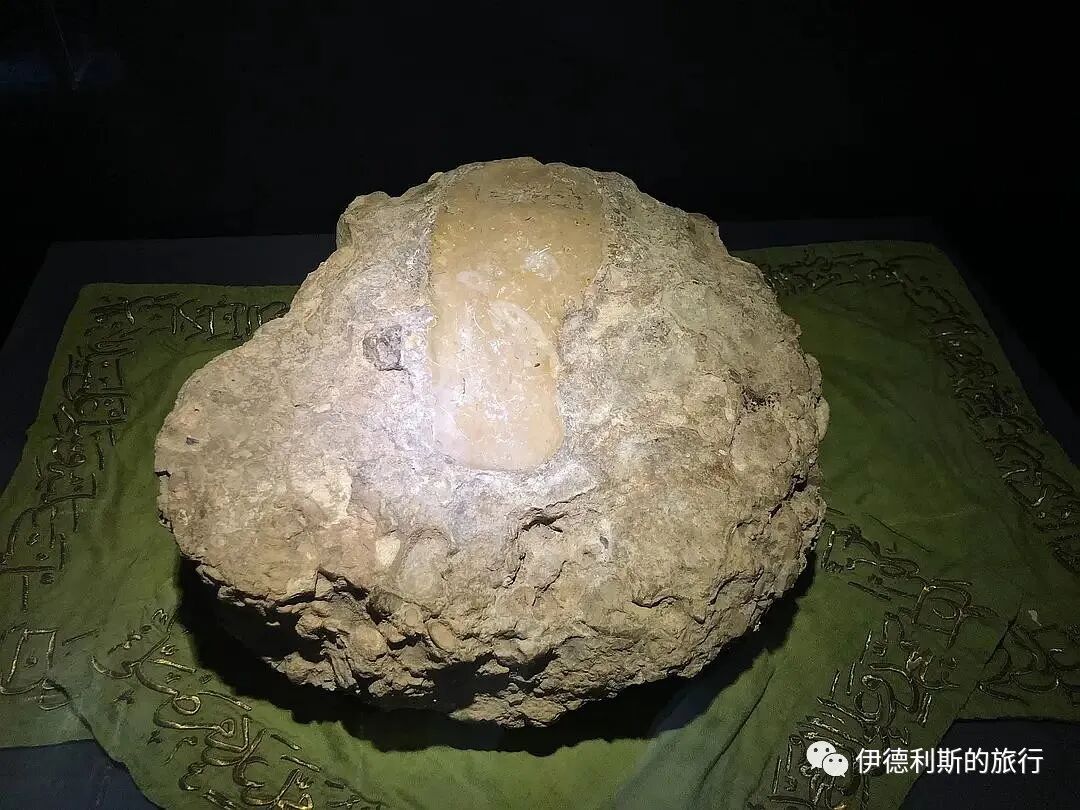
II. The Umayyad Caliphate: 661-750
The Umayyad Caliphate was the first hereditary dynasty of the Arab Empire. It was established in 661 by Muawiyah, the former governor of Syria, after the era of the four Rightly Guided Caliphs ended. In Chinese historical records, it is known as the 'White-Robed Caliphate'.
A Quran manuscript from the early 8th century
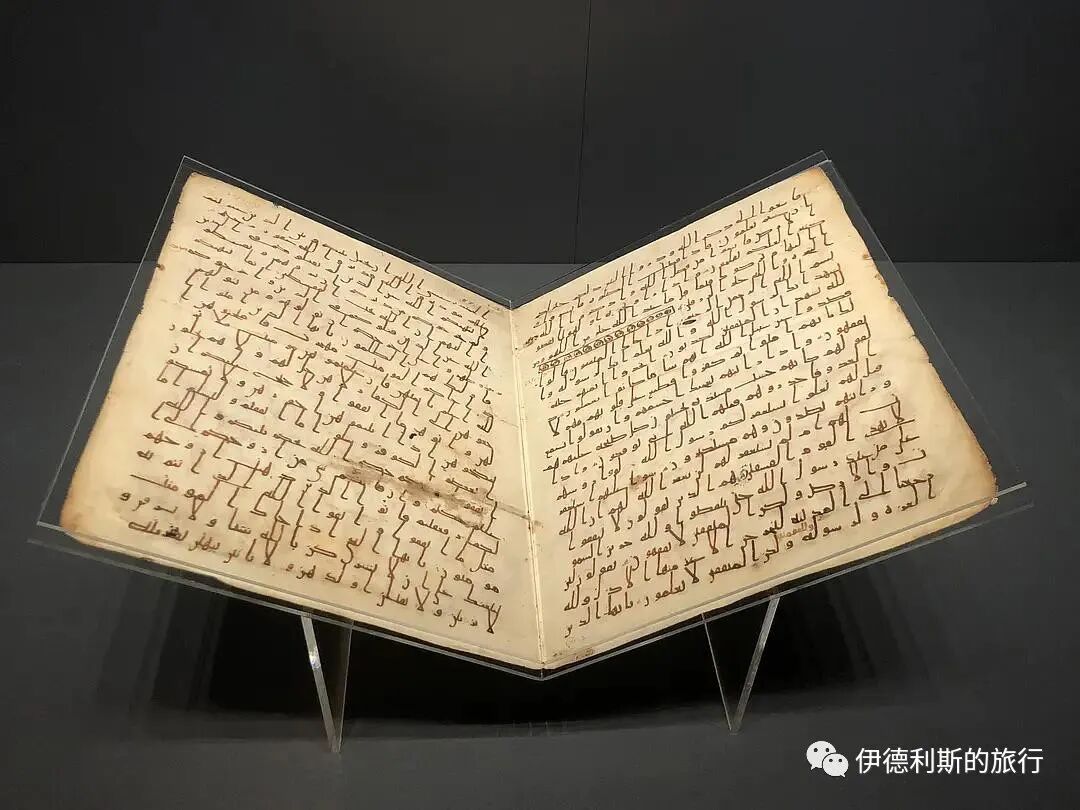
A 7th-century stone inscription in Kufic Arabic calligraphy
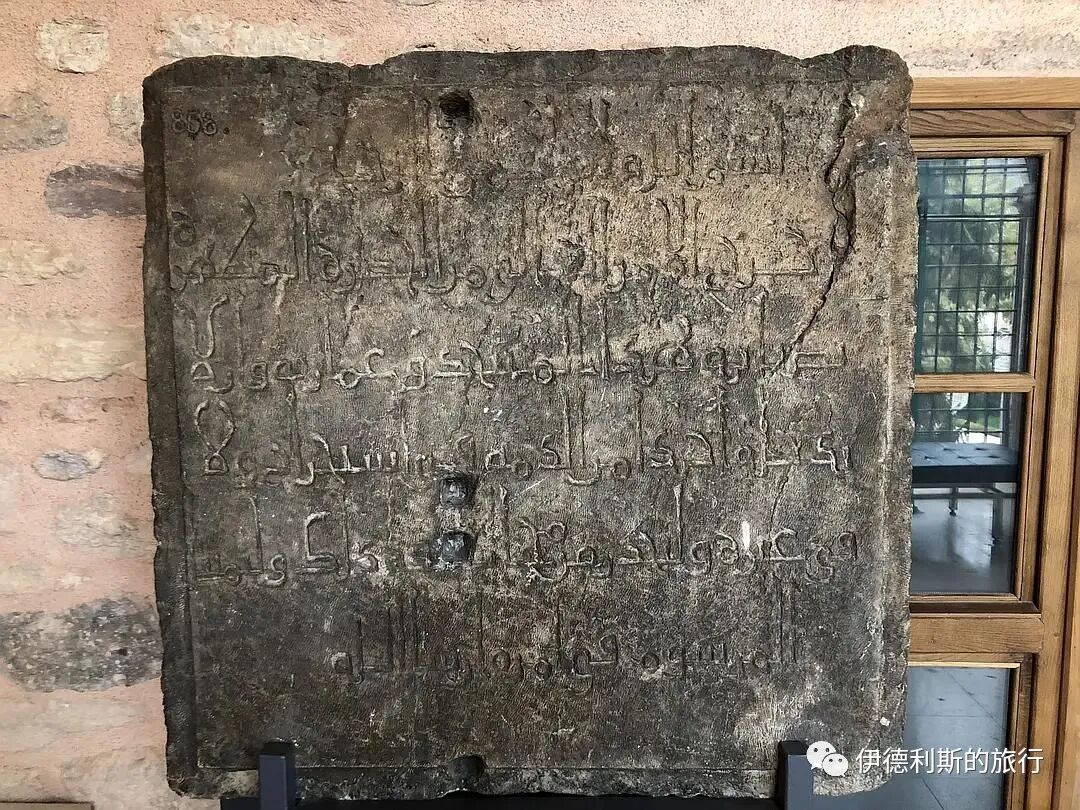
III. The Abbasid Caliphate: 750-1258
In 750, the descendants of Abbas, the uncle of the Prophet Muhammad, overthrew the Umayyad family and established the Abbasid Caliphate. In Chinese historical records, it is known as the 'Black-Robed Caliphate'. In 762, the Abbasid Caliphate moved its capital to Baghdad. The early period of the Abbasid Caliphate (750-842) was the peak of the Arab Empire, and its major cultural and artistic achievements continued until the mid-10th century.
Although the capital of the Abbasid Caliphate was in Baghdad, its monuments stretched from Kairouan in Tunisia to the west, to the ancient Central Asian city of Bukhara to the east. Many cities founded by the Abbasid Caliphate saw further development later on. In the early Abbasid period, the hypostyle mosque with a flat roof, inherited from the residence of the Prophet Muhammad in Medina, was further developed. Artisans from Persia introduced the Sassanid four-iwan courtyard and the iwan (vaulted hall) into Abbasid architecture. In the late 8th century, with the influx of Khorasanians and the introduction of Sassanid court etiquette into the Abbasid court, the influence of Persian culture expanded further within the Abbasid Caliphate.
A tombstone from 859
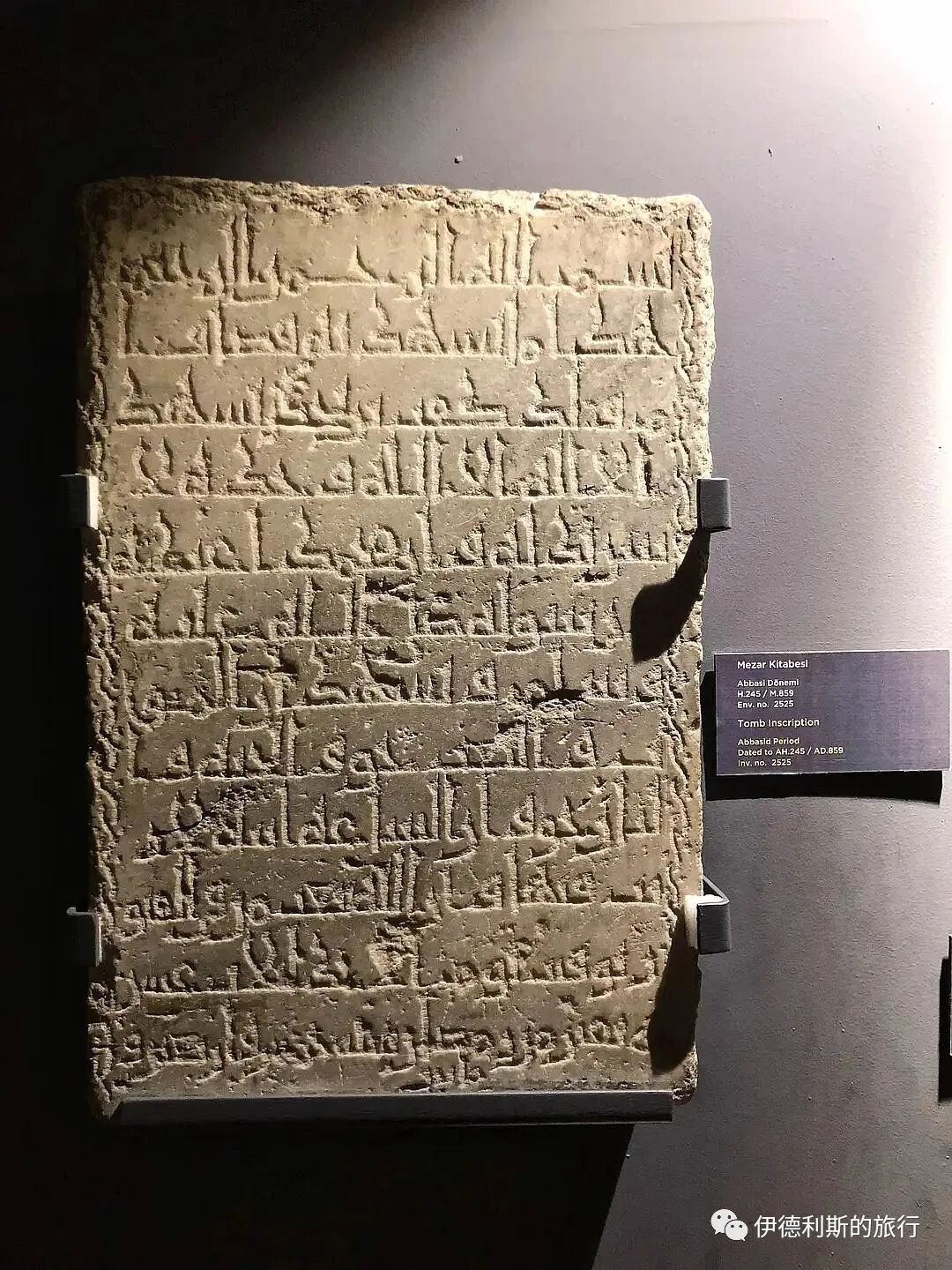
A 9th-century marble carving
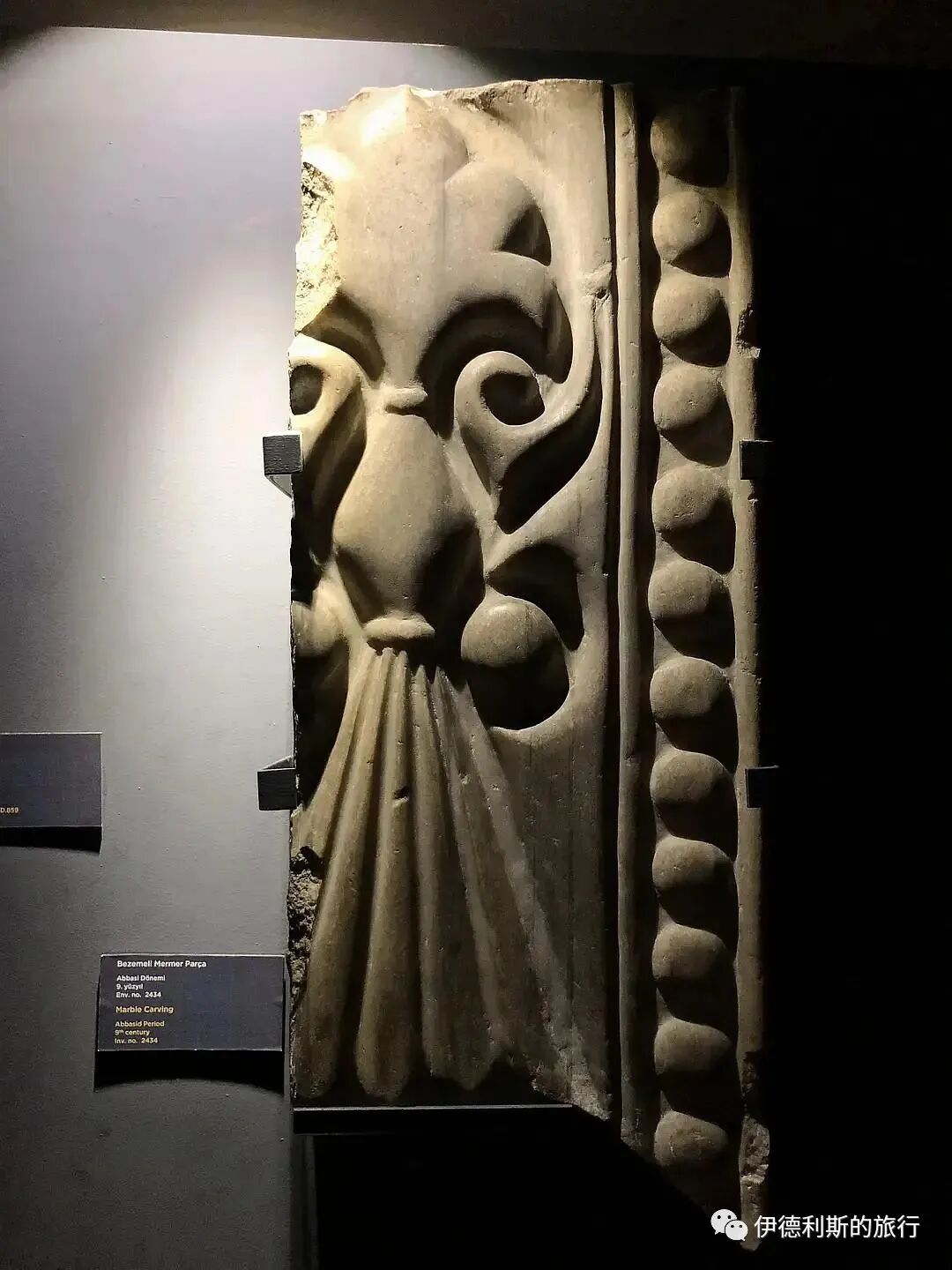
Fragments of a 9th-century mural
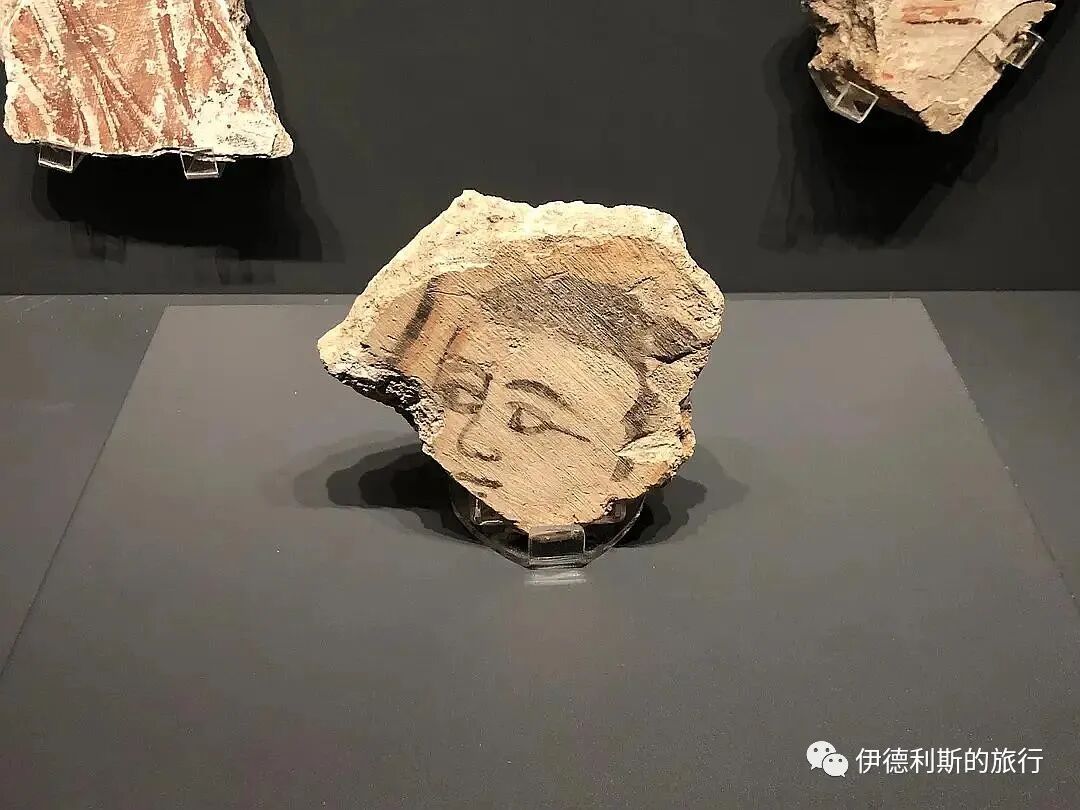
A 10th-century Quran
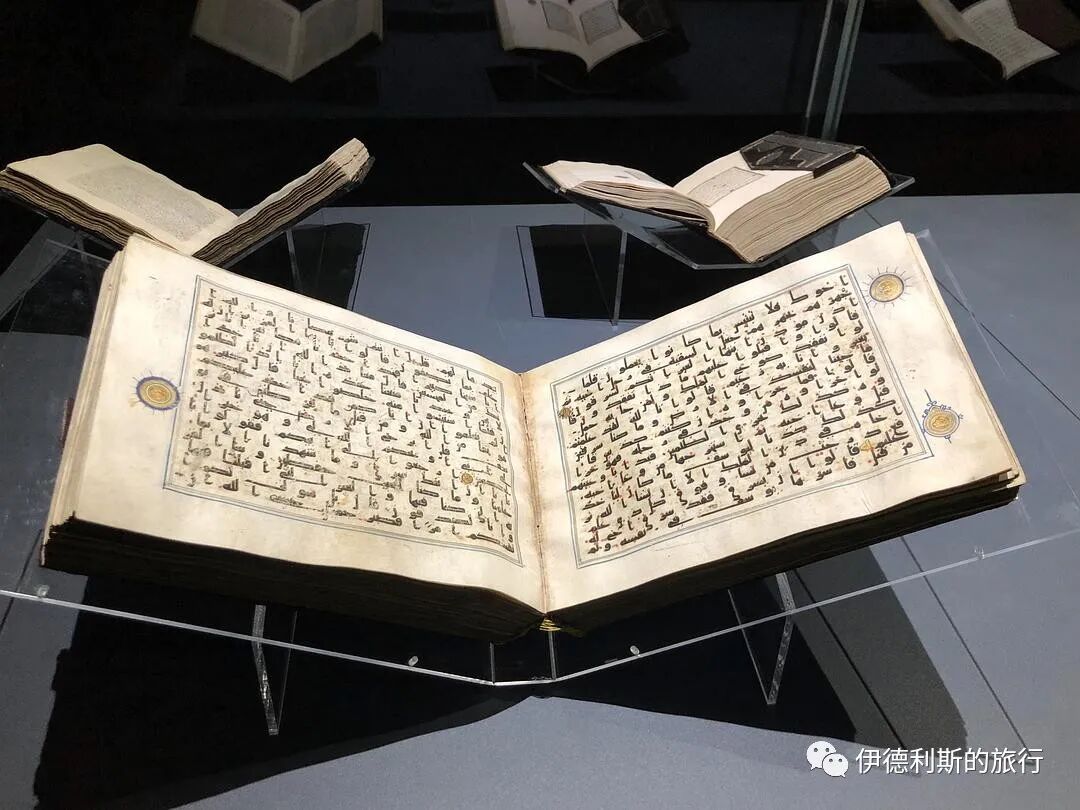
9th-century column capitals and paving fragments excavated from Samarra.
Samarra is located 125 kilometers northwest of Baghdad. It became the capital of the Abbasid Caliphate in 836 until the capital was moved back to Baghdad in 892. Because Samarra was abandoned after the 10th century and the population returned to Baghdad, a large number of ruins were left behind. It is hailed as the only metropolis of the late ancient world that can be fully excavated, and it was listed as a UNESCO World Heritage site in 2007.
The Abbasid Caliphate built several palaces, barracks, markets, two grand mosques, and countless gardens and private residences in Samarra. The Great Mosque of Samarra was enormous, measuring 240 by 156 meters, and featured a hypostyle structure. Judging from the surviving mosaics and the wooden panels surrounding the mihrab, the decoration was once very magnificent. The Caliph's private residence was decorated with marble slabs, stucco sculptures, paintings, and gilded teak wood.
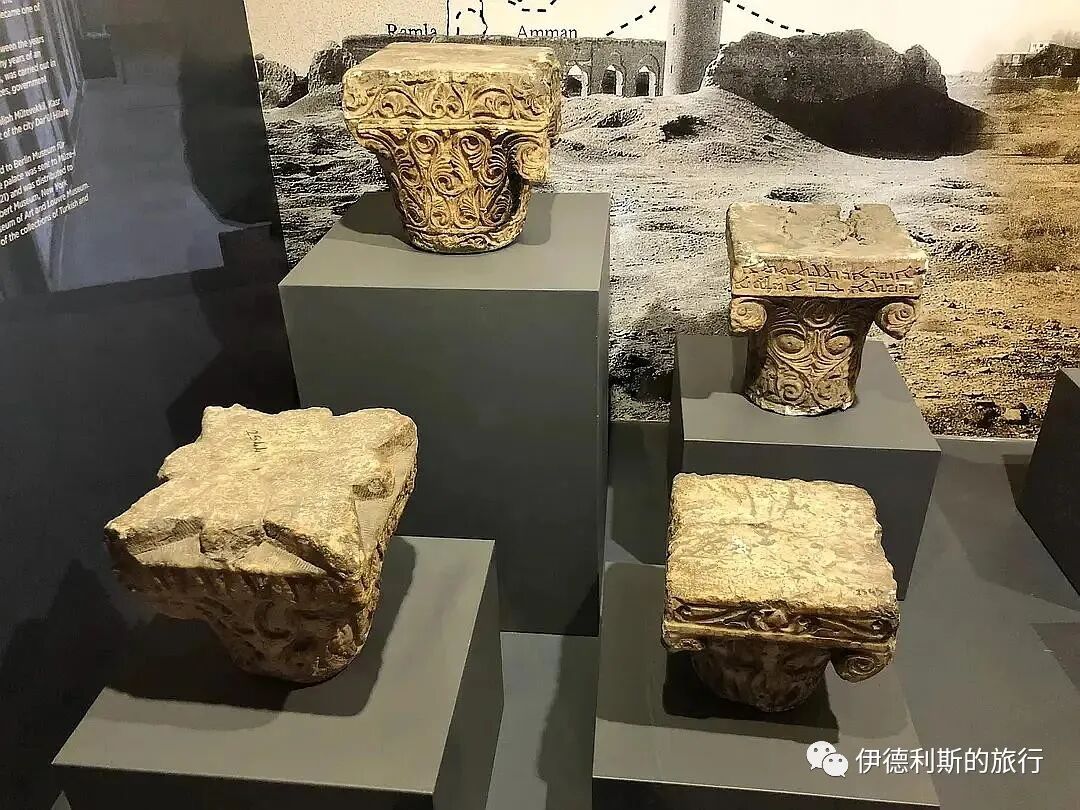
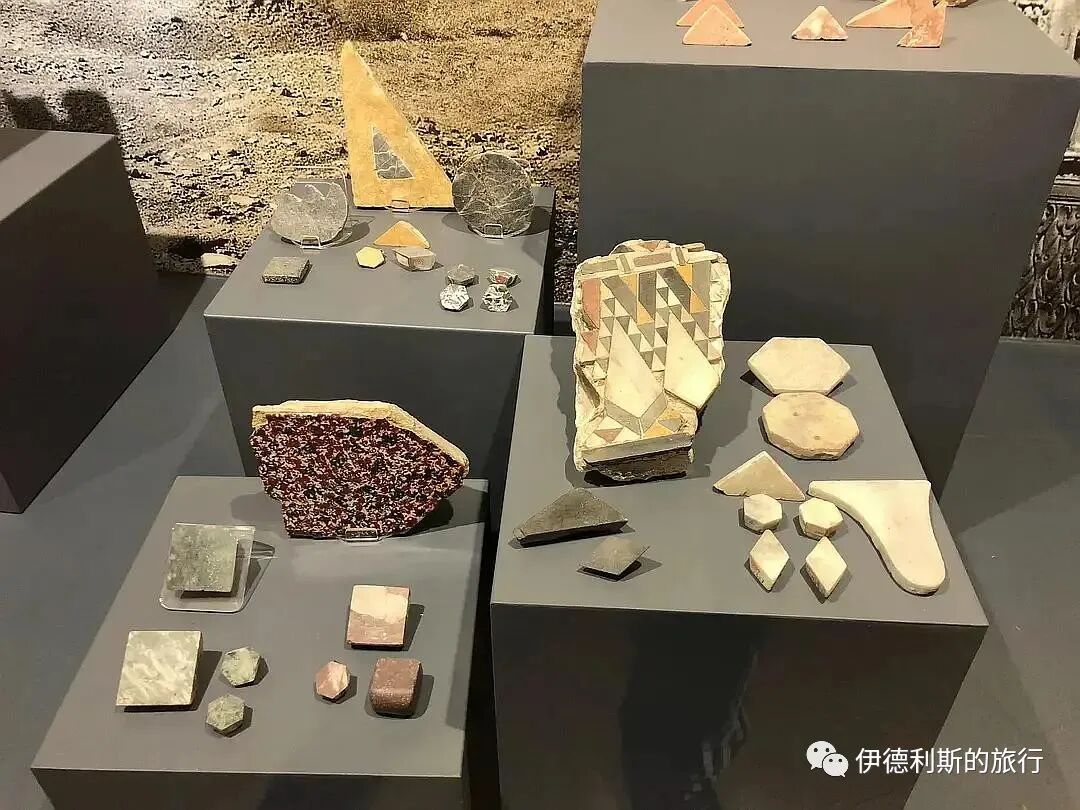
IV. Artifacts from Konya, Capital of the Seljuk Sultanate of Rum
The Seljuks were a branch of the Oghuz Turkic tribes. They established the Seljuk Empire in Khorasan in 1037, defeated the Byzantines in the 1070s to occupy Asia Minor, and established the Seljuk Sultanate of Rum in 1077. The rapid expansion of the Seljuk Empire caused panic among Christian nations, directly triggering the First Crusade. In 1097, after the capital Nicaea was captured by the Crusaders, the Sultanate of Rum moved its capital eastward to Konya.
In the early 13th century, after the Mongol invasion of Central Asia and Persia, a large number of Turks and Persians came to Konya for refuge. In the 1220s, Konya was filled with refugees from the Khwarezmid Empire. Many were educated intellectuals or skilled artisans, the most famous of whom was the Sufi scholar and great Persian poet Rumi. In 1243, the Seljuk Sultanate of Rum was defeated by the Mongol Empire and became a vassal state, but Konya remained the capital of the Sultanate. People lived in stability, and many existing Seljuk buildings were constructed during this period.
Stone lions in front of the Alâeddin Pavilion (Alâeddin Köşkü). The Alâeddin Pavilion is the only remaining tower site of the Konya city walls. Located on the north side of Alâeddin Hill, it was originally a brick tower of the inner city wall of Konya. The Seljuk Sultan of Rum, Kilij Arslan II (reigned 1156-1192), built a palace adjacent to the city wall and turned this tower into part of the palace.
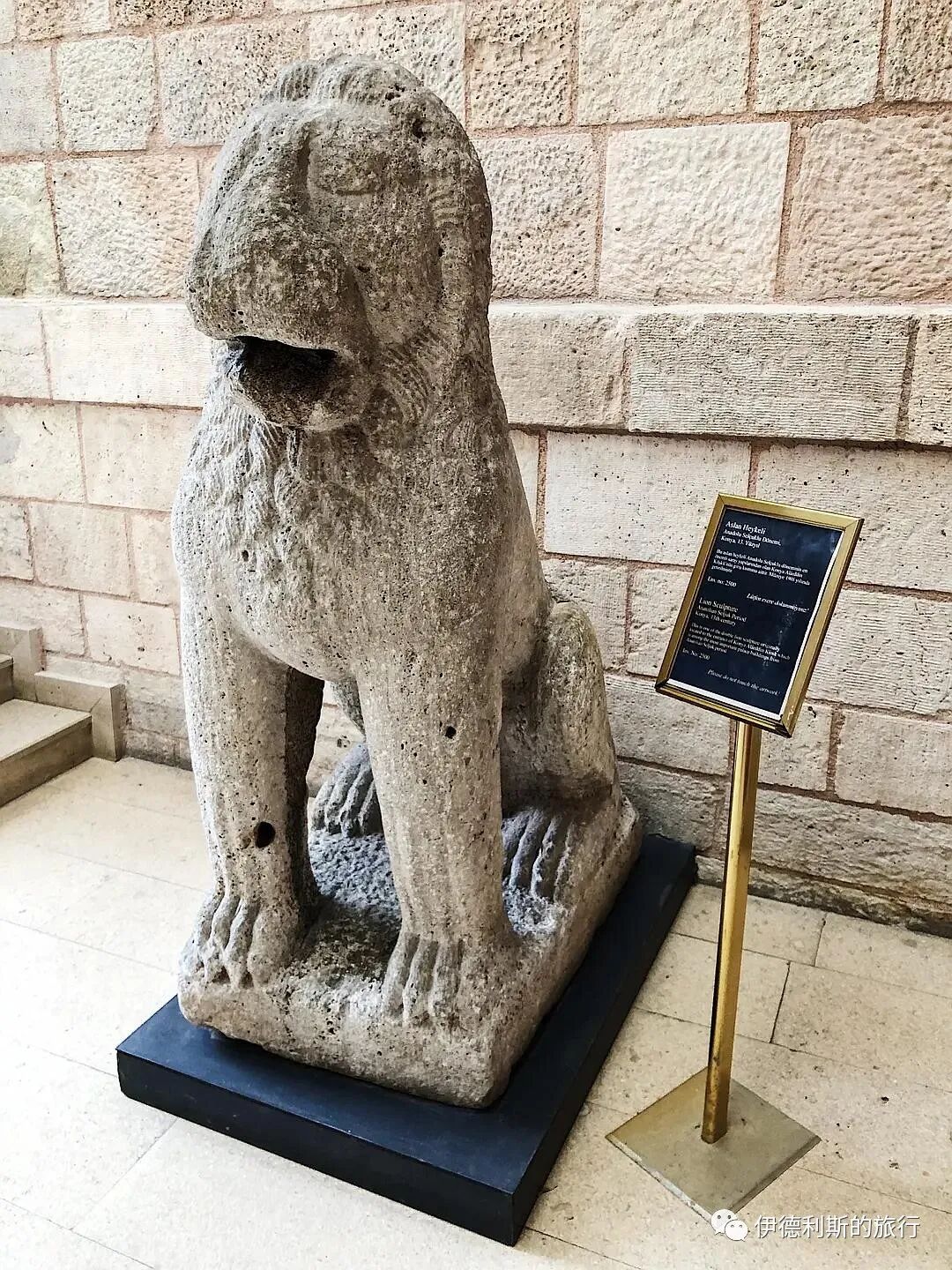
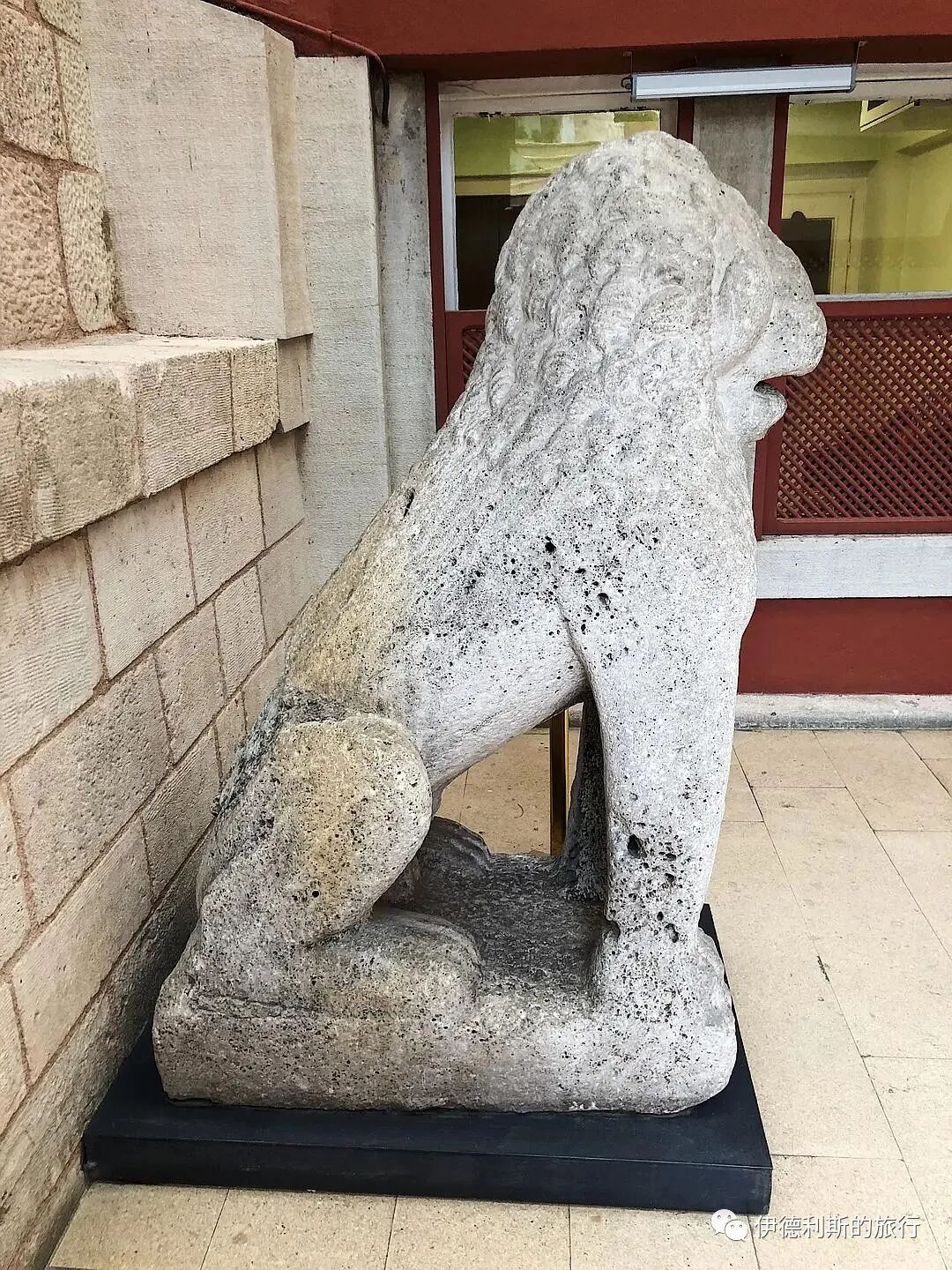
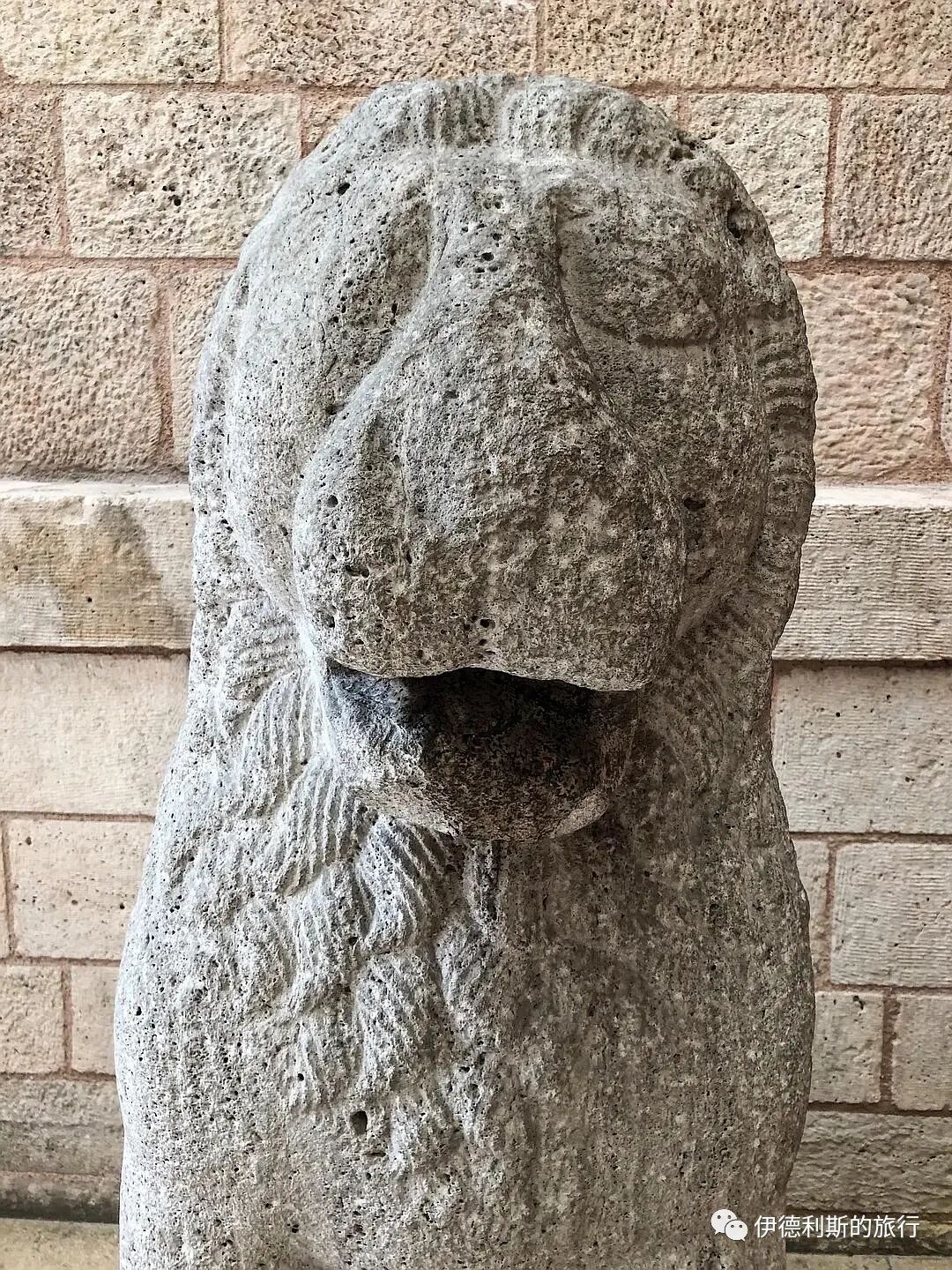
The Alâeddin Pavilion I photographed.
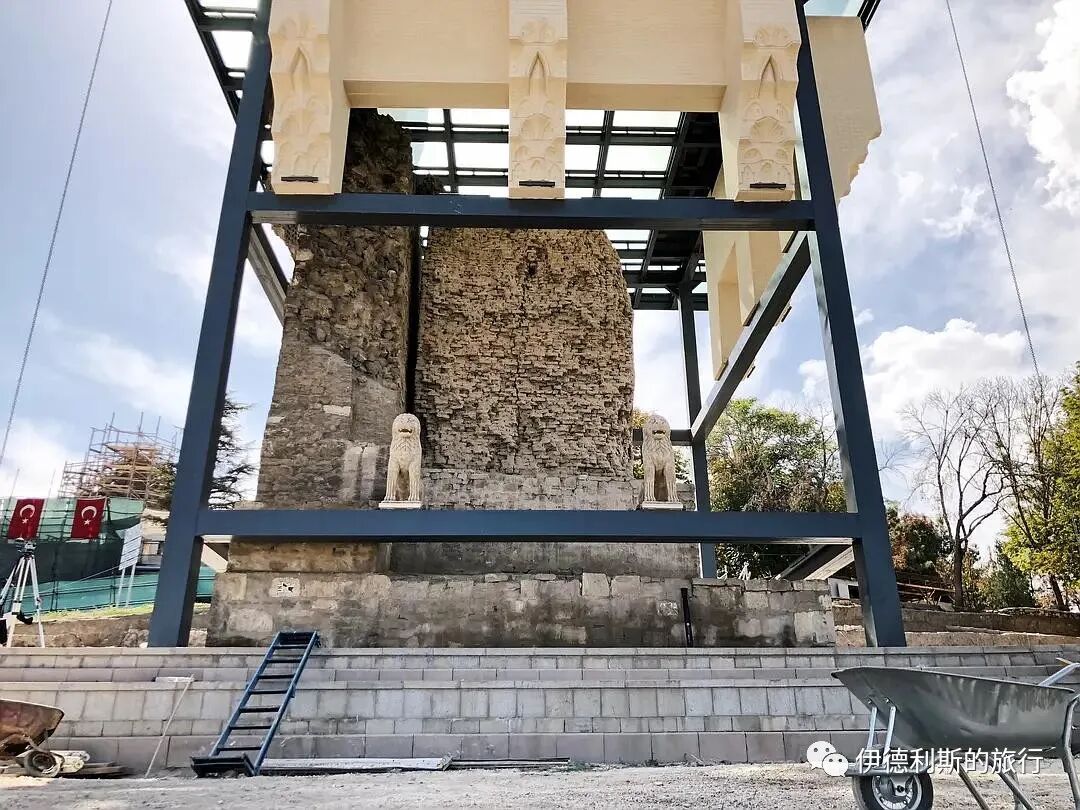
Warrior stone carving. As the capital of the Seljuk Sultanate of Rum, Konya was the final 'Turko-Persian' cultural center of the Seljuks after the fall of the Seljuk Empire. Seljuk culture is a very distinctive branch of 'Turko-Persian' culture, most famous for its tiles and stone carvings featuring human and animal motifs.
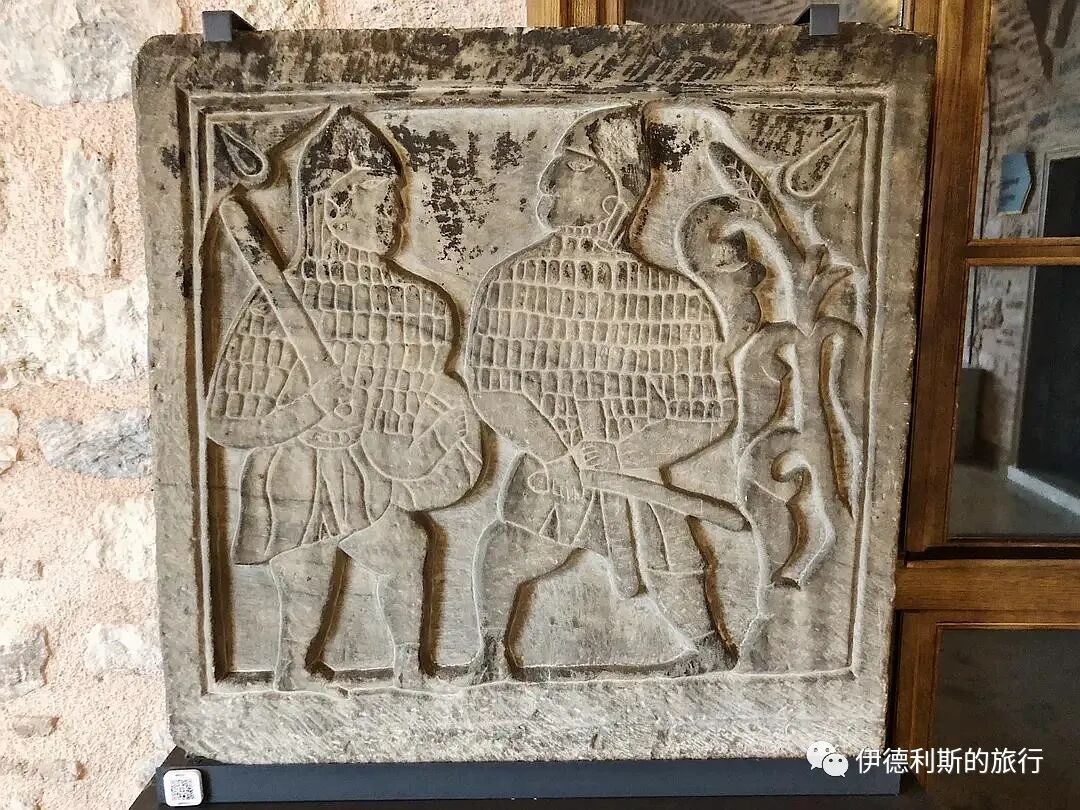
Griffin stone carving. The griffin is a common theme in Iranian mythology, possessing the body of a lion and the beak and wings of an eagle, and is considered a symbol of power.
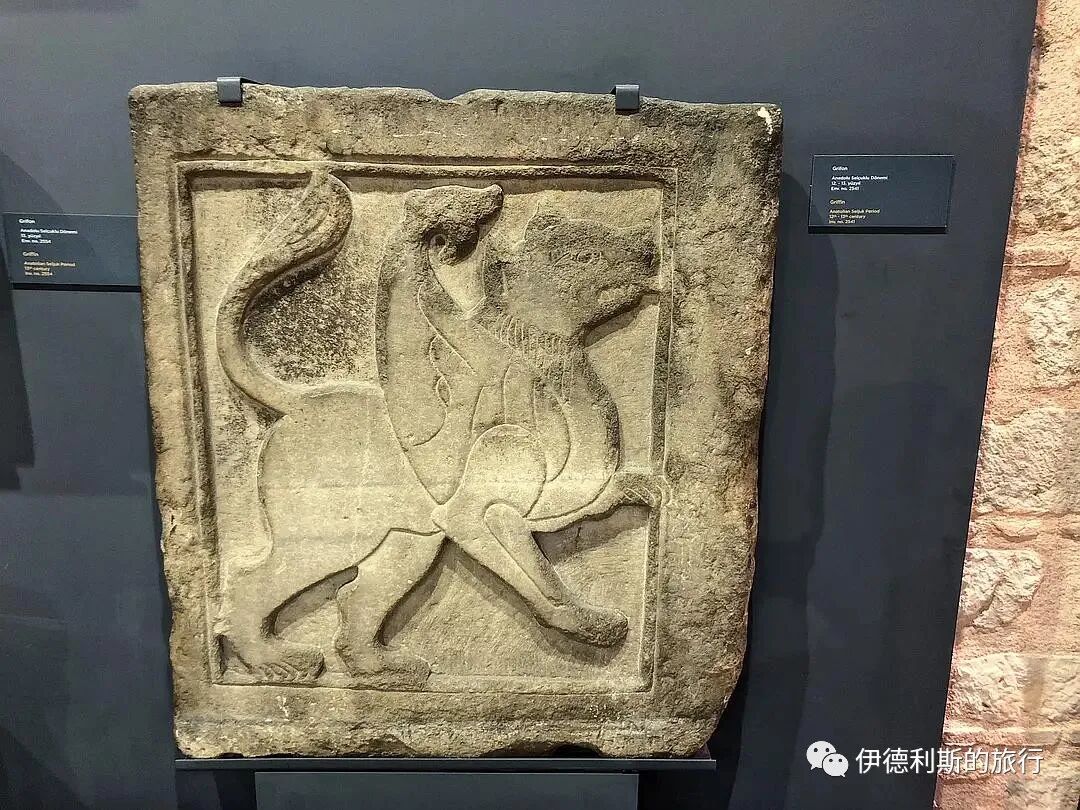
Sphinx. The sphinx has a human head and an animal body, originating from ancient Egypt and later spreading to Iran and the Anatolian region.
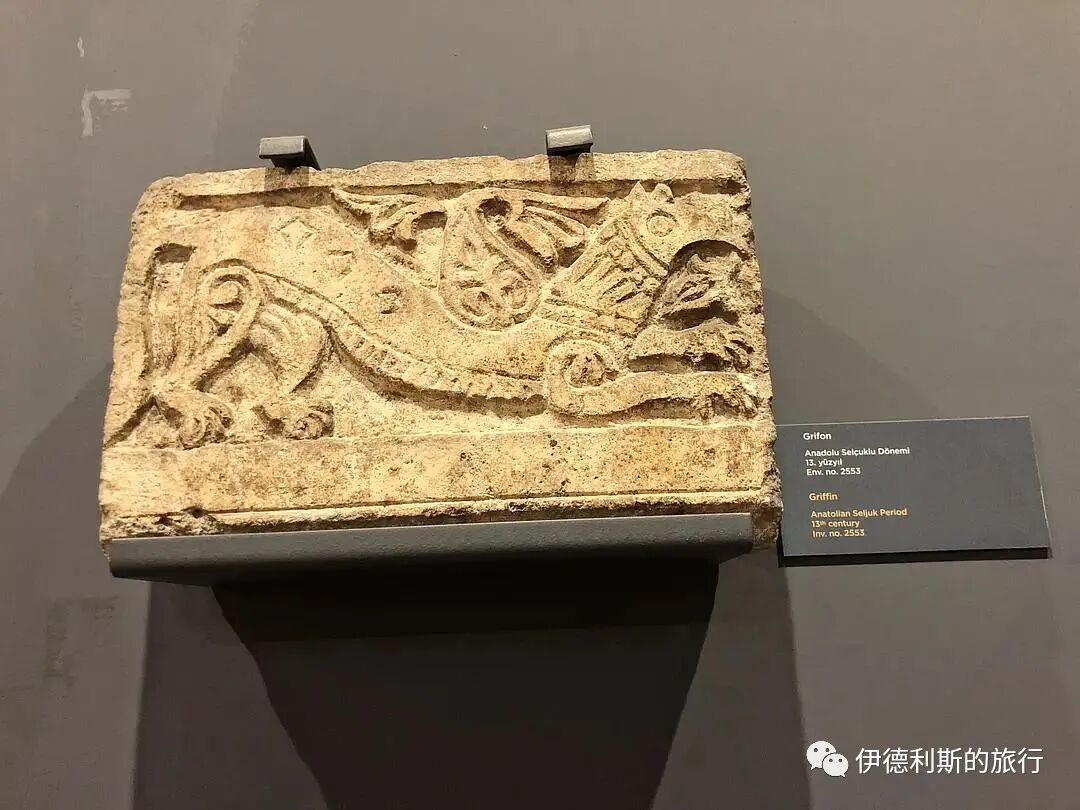
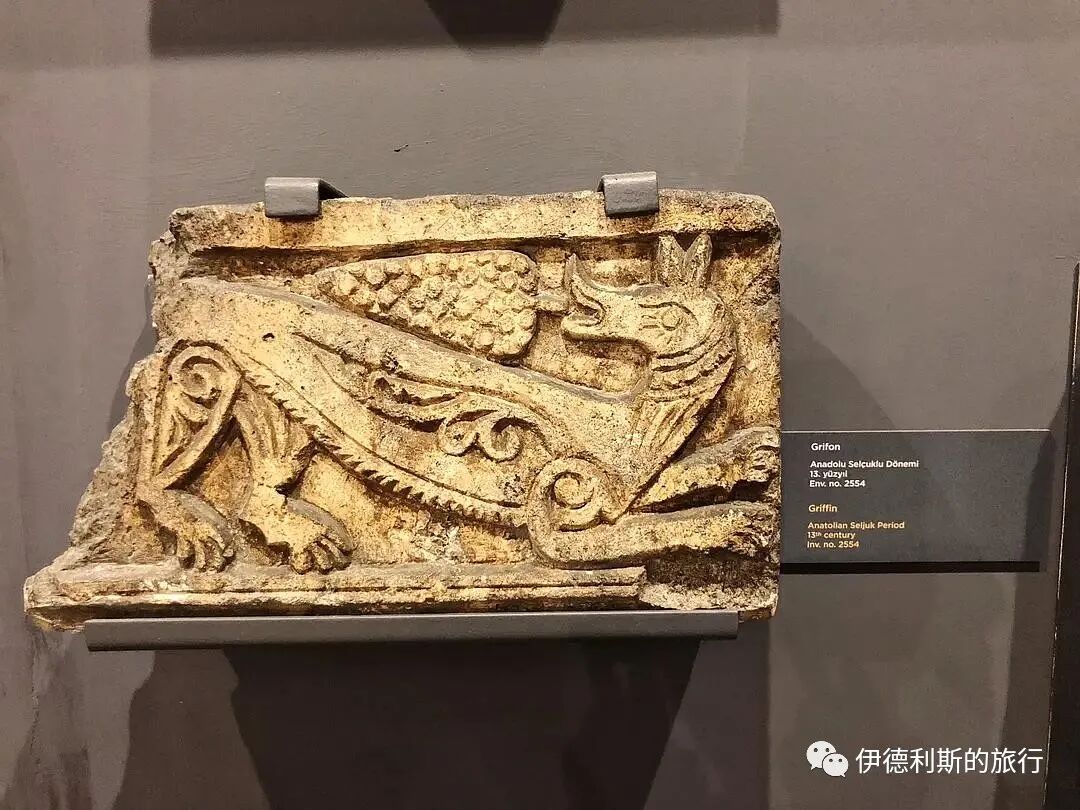
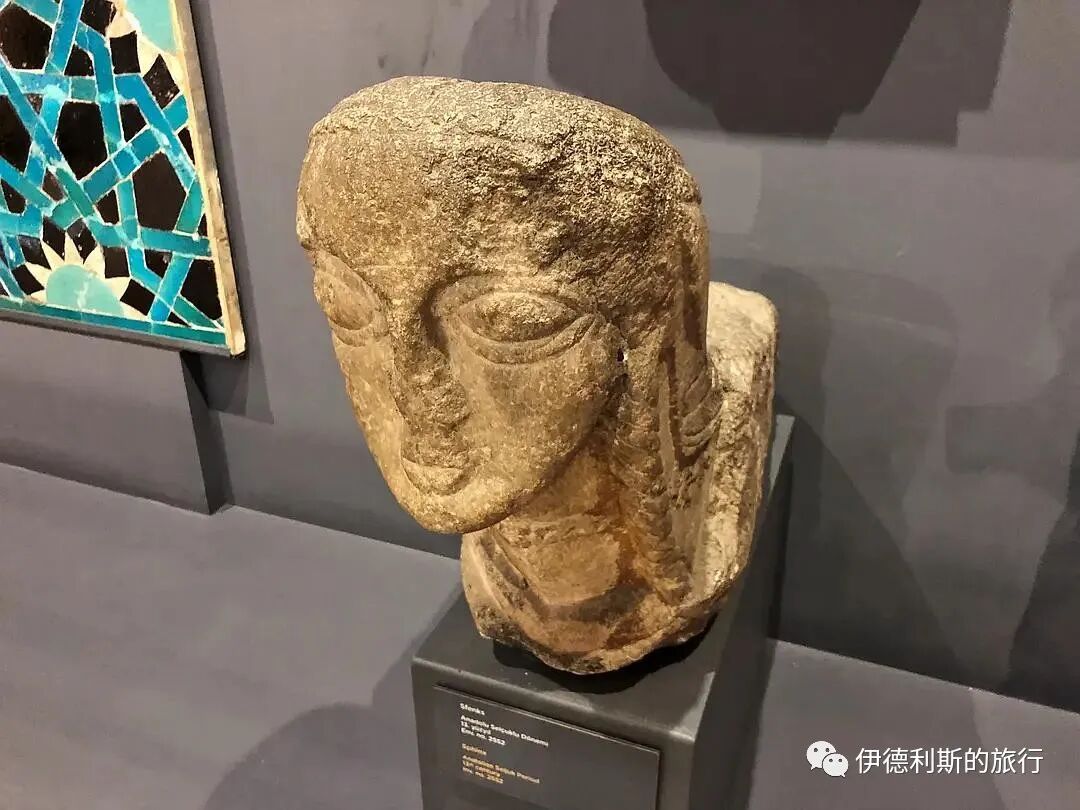
A 13th-century carpet from Konya. These carpets from the Seljuk Sultanate of Rum period are among the most important collections in the Museum of Turkish and Islamic Arts, and are the most unique and precious among Seljuk artifacts.
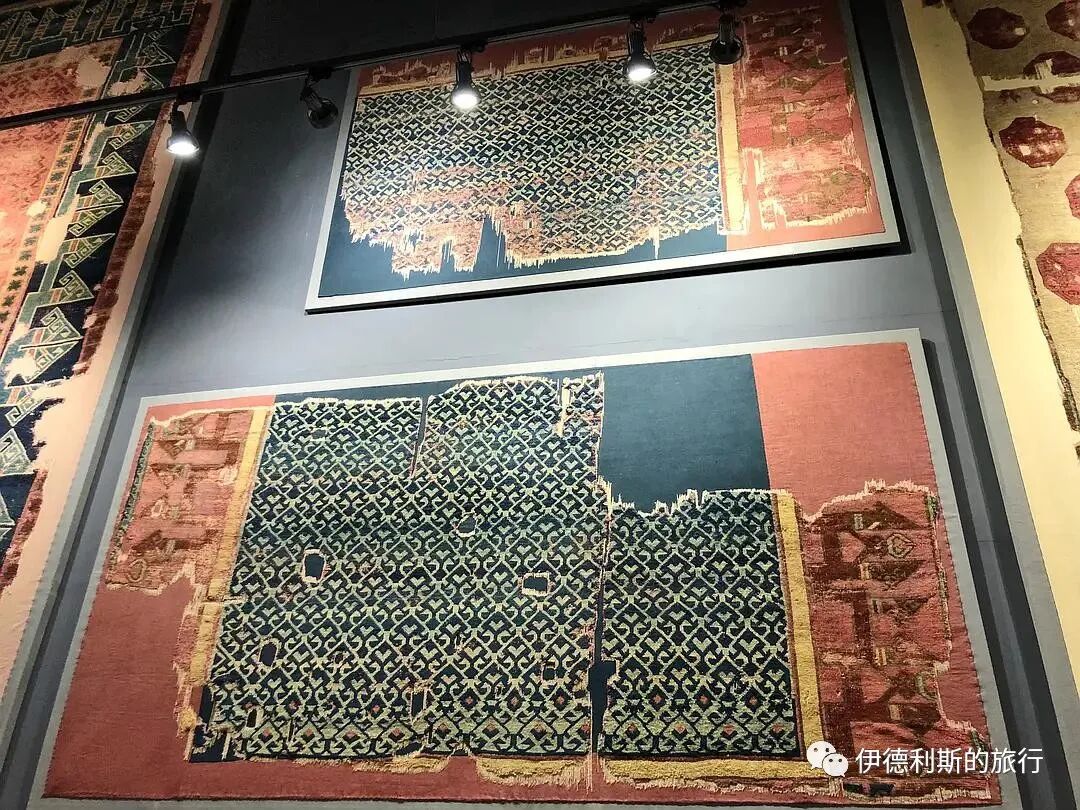
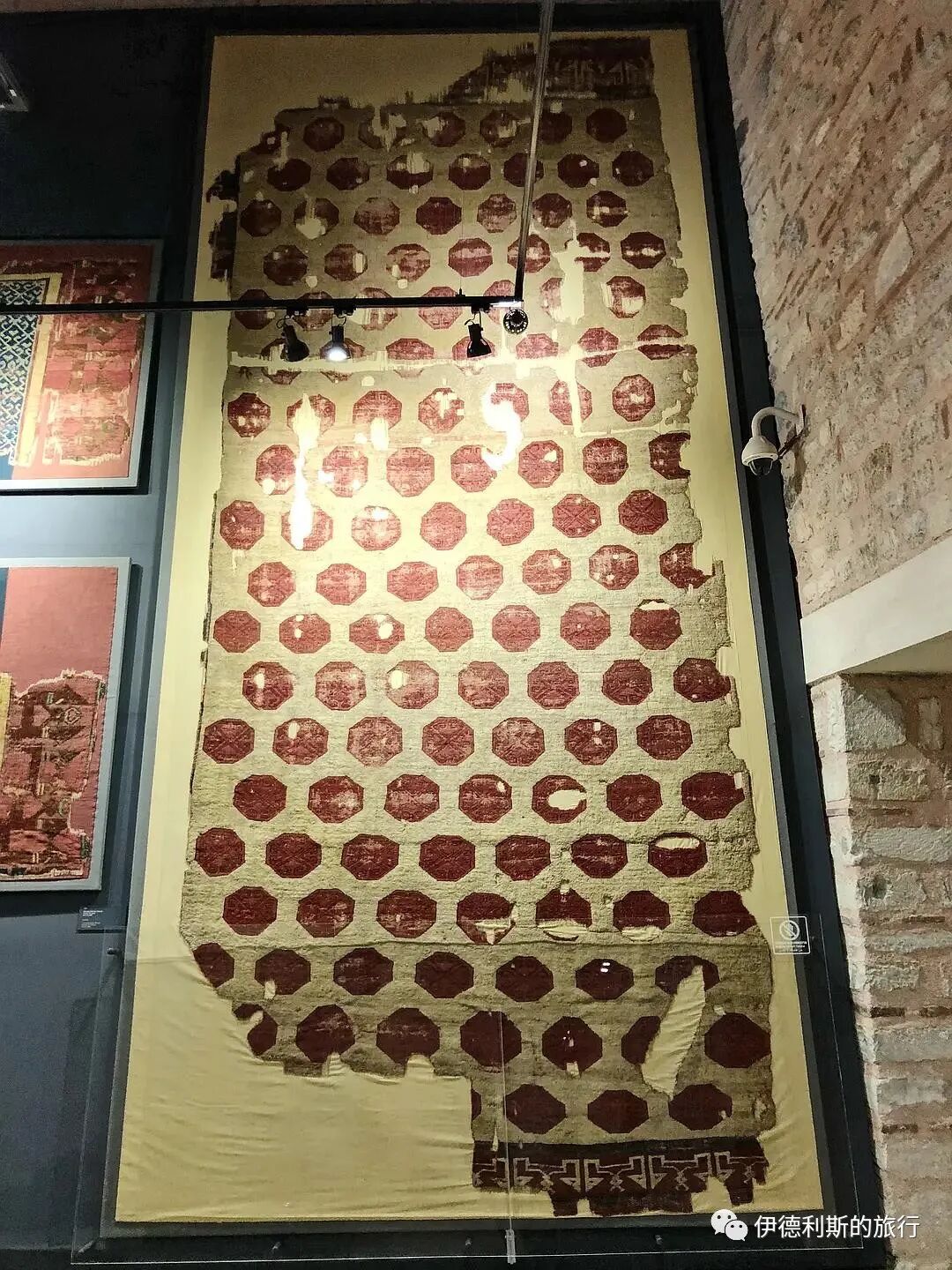
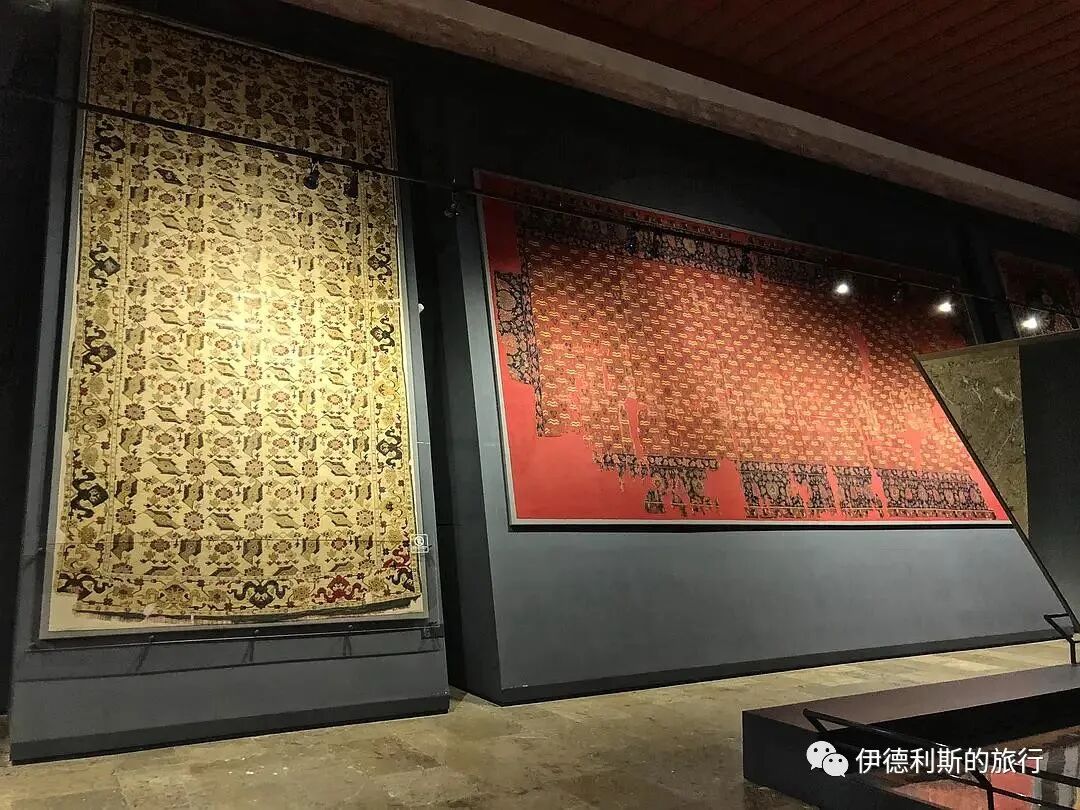
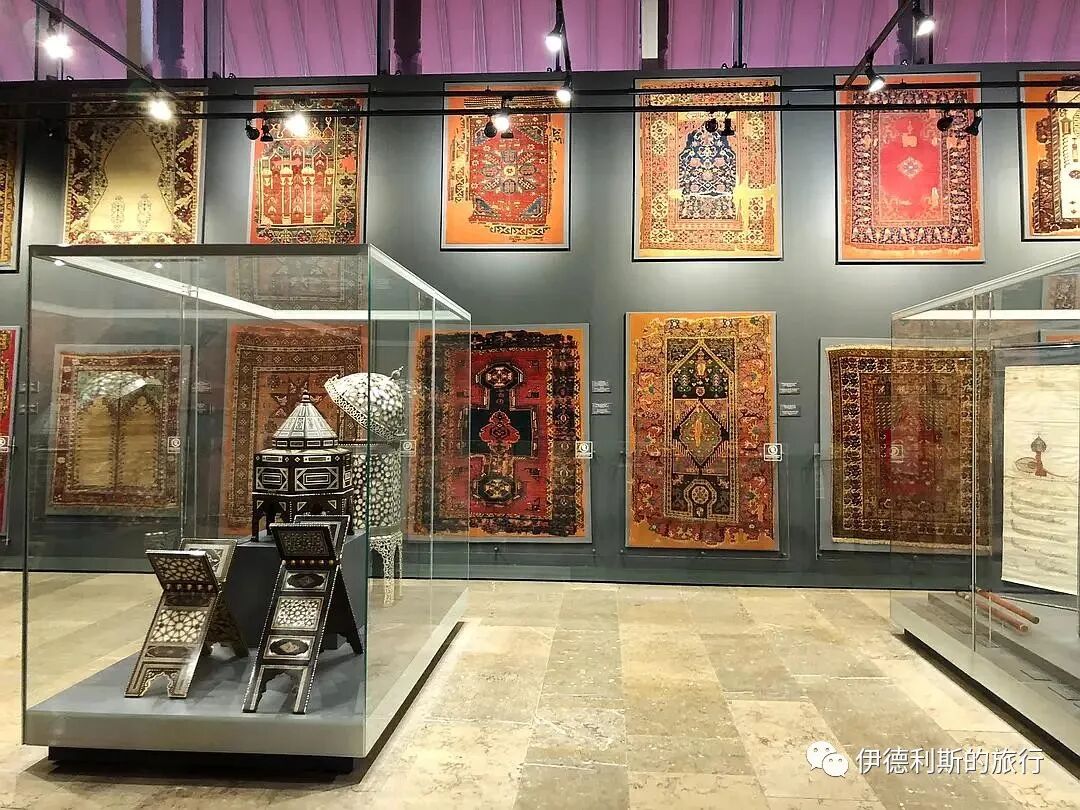
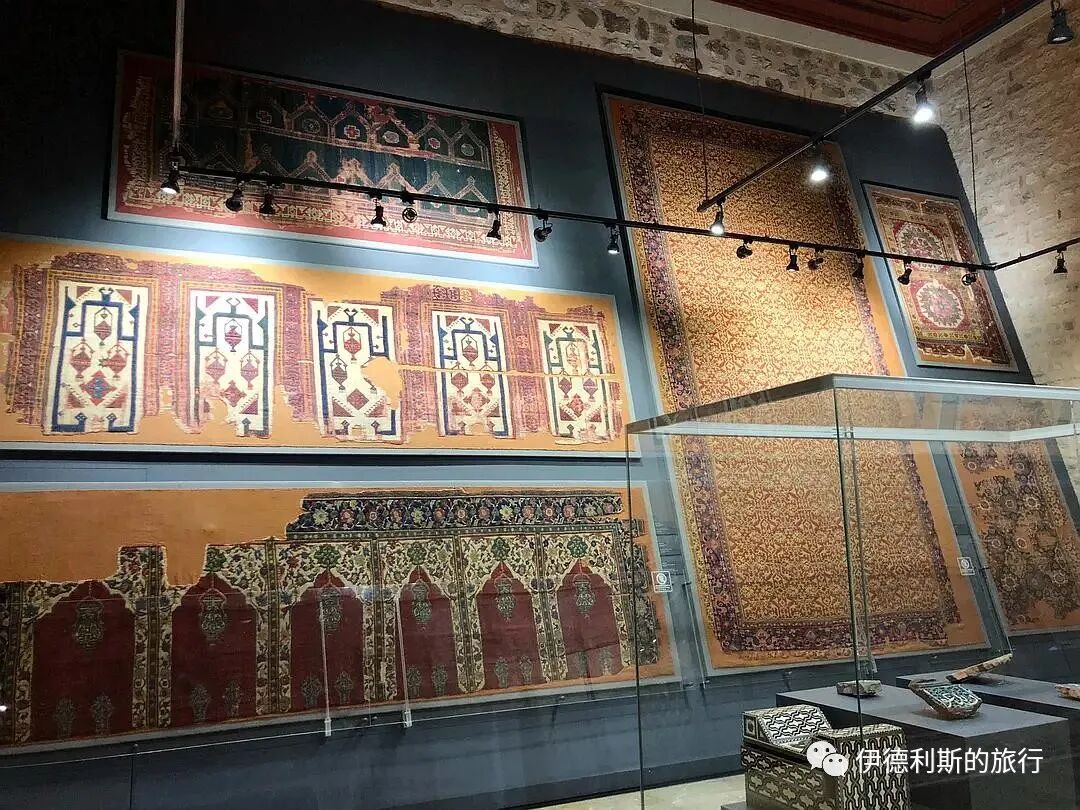
A 13th-century Quran calligraphy tile
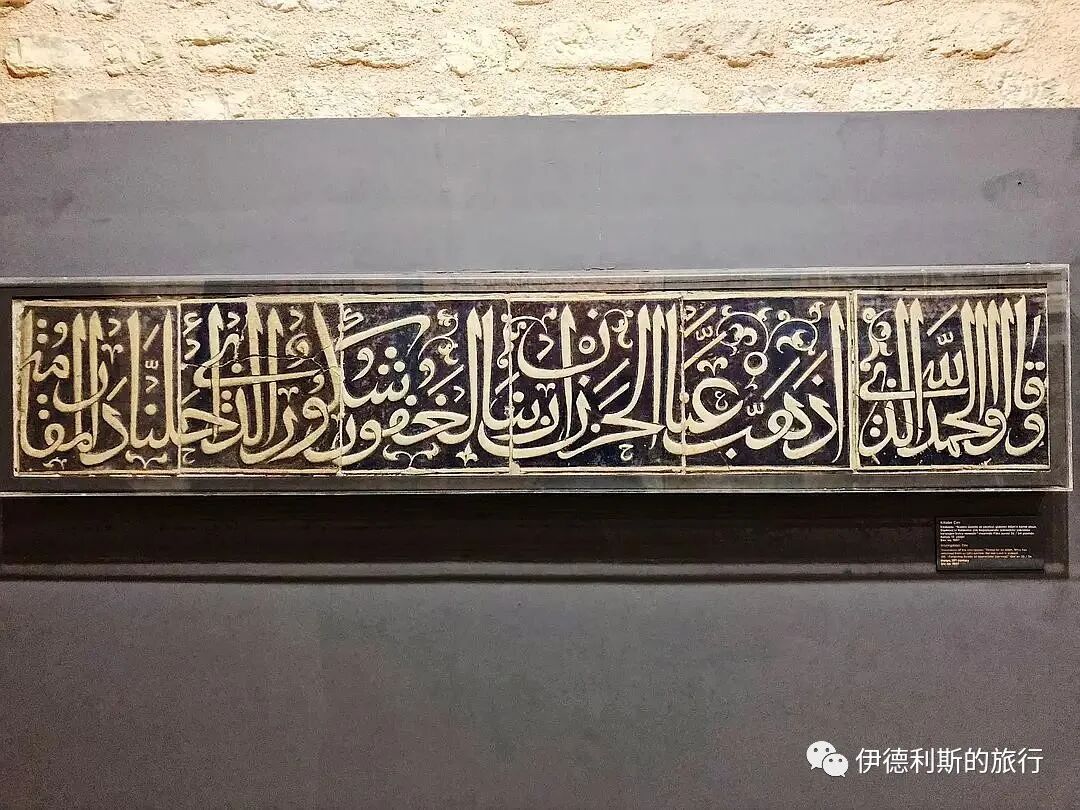
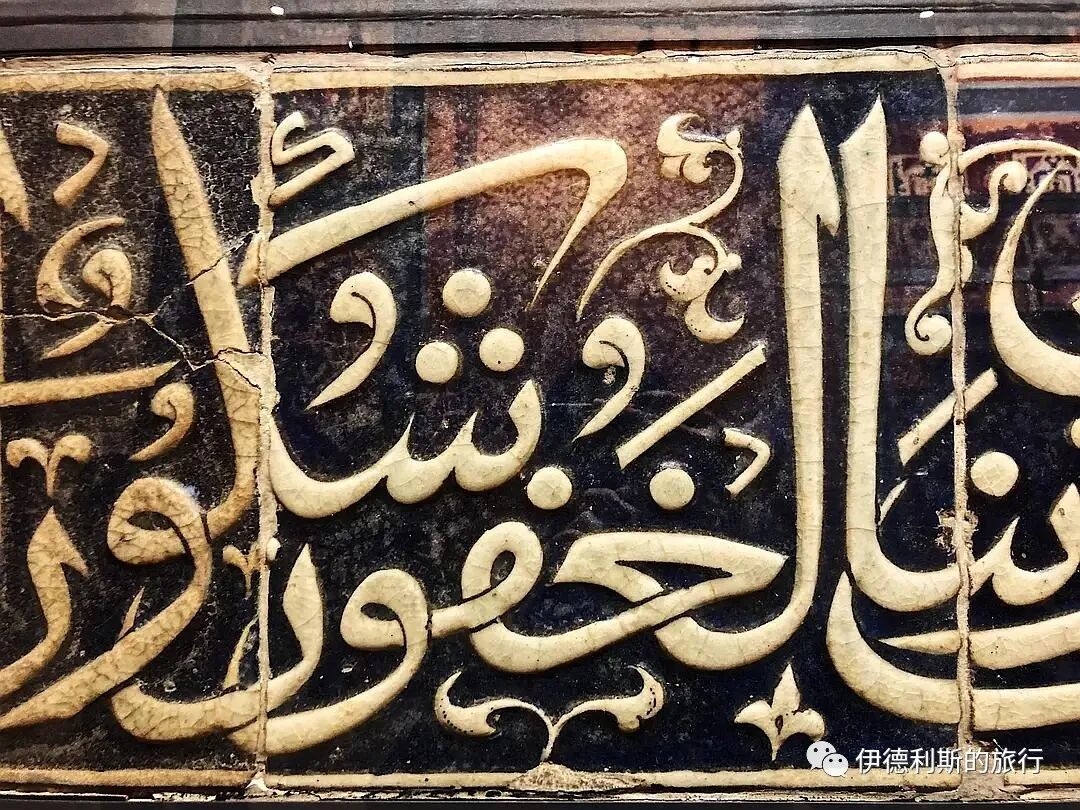
An early 14th-century wooden window
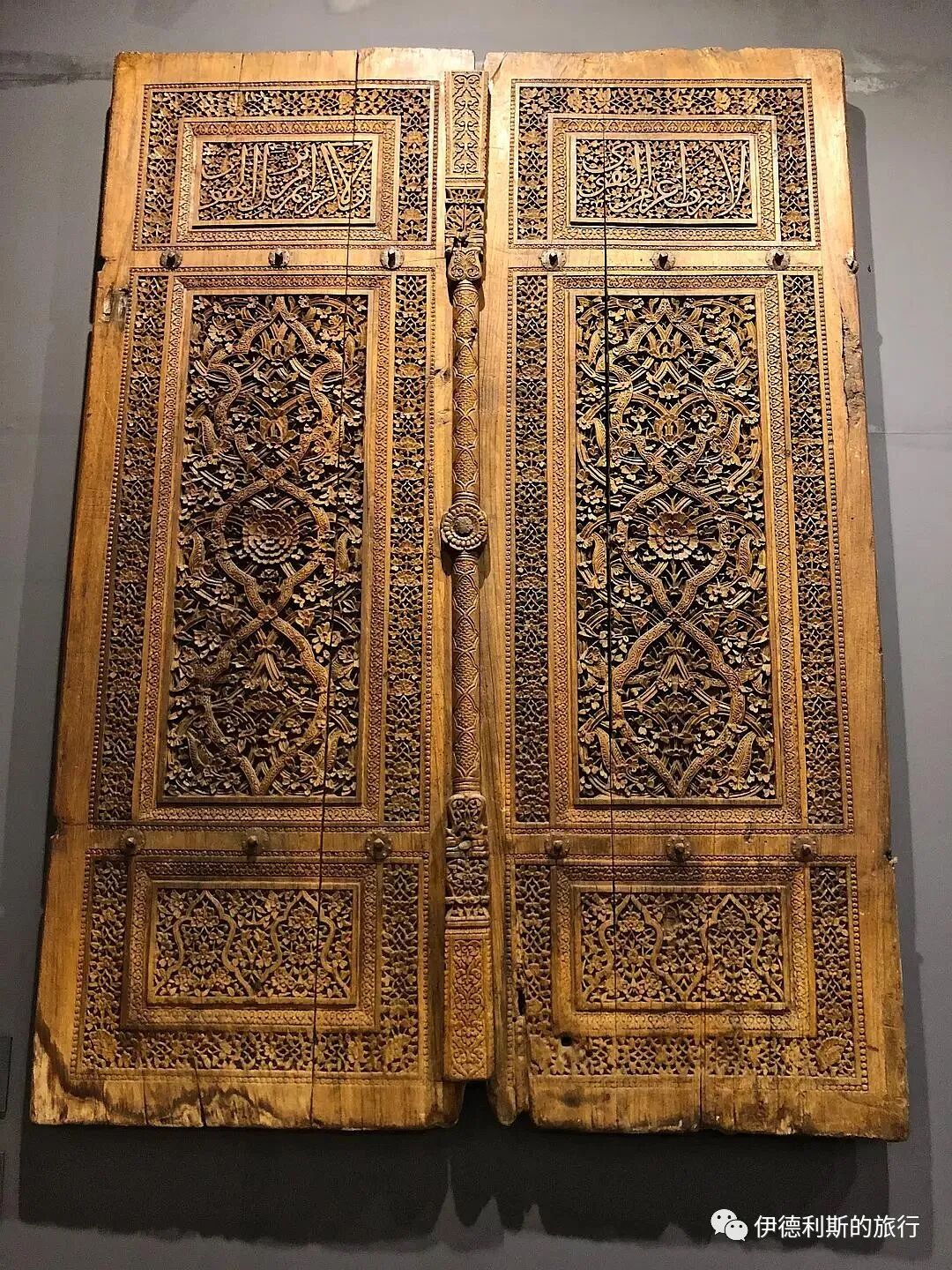
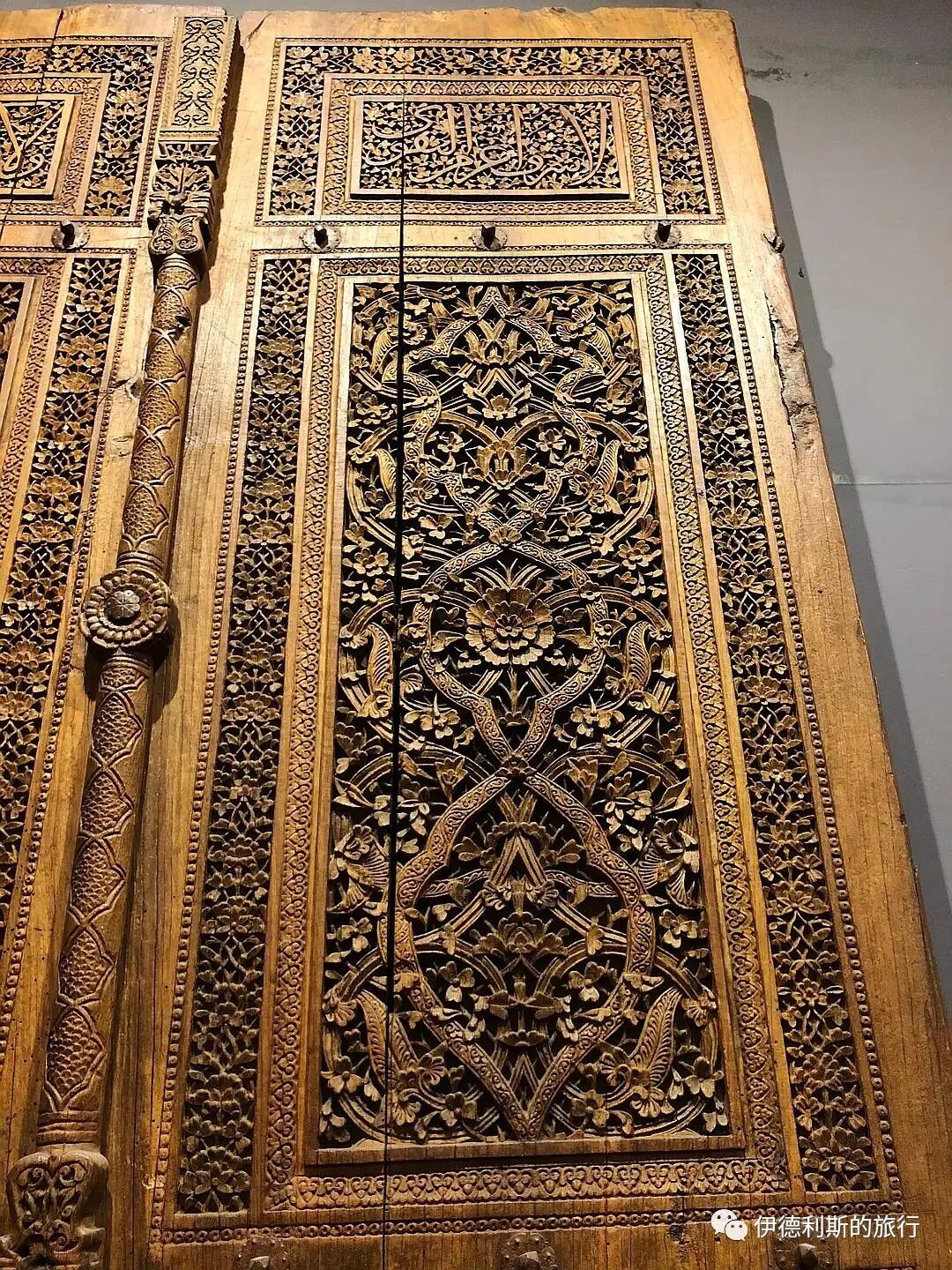
A 1251 tabut (coffin) box and wooden stele
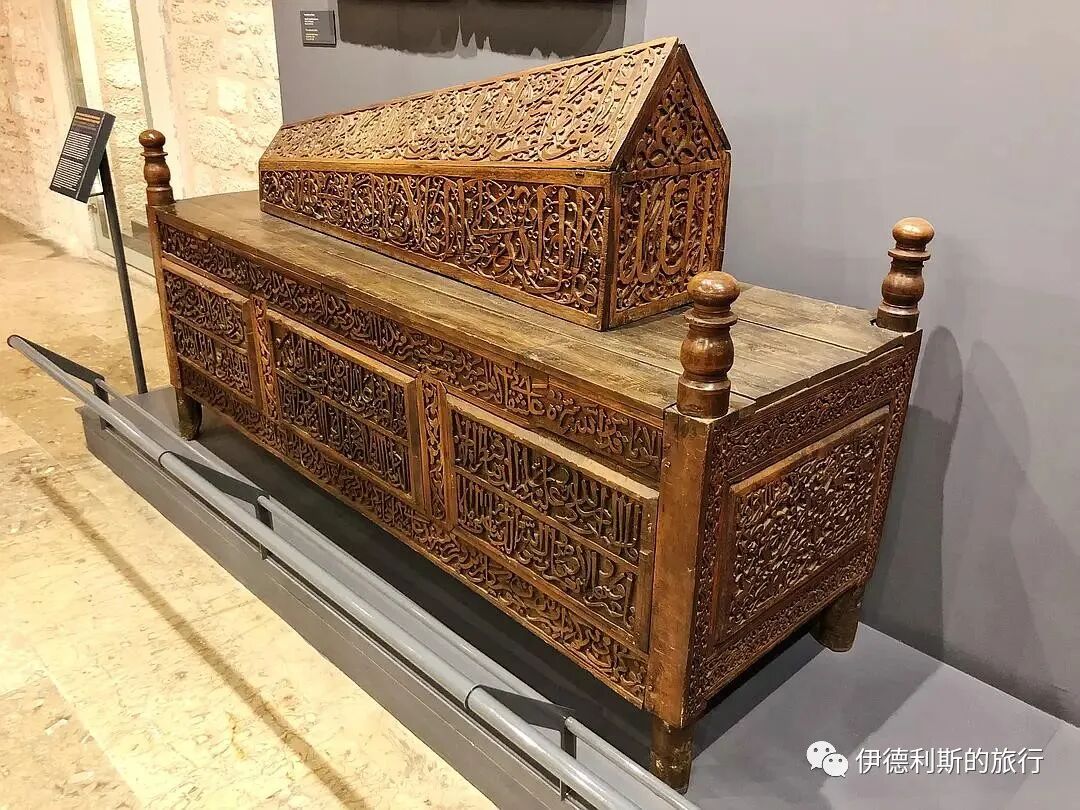
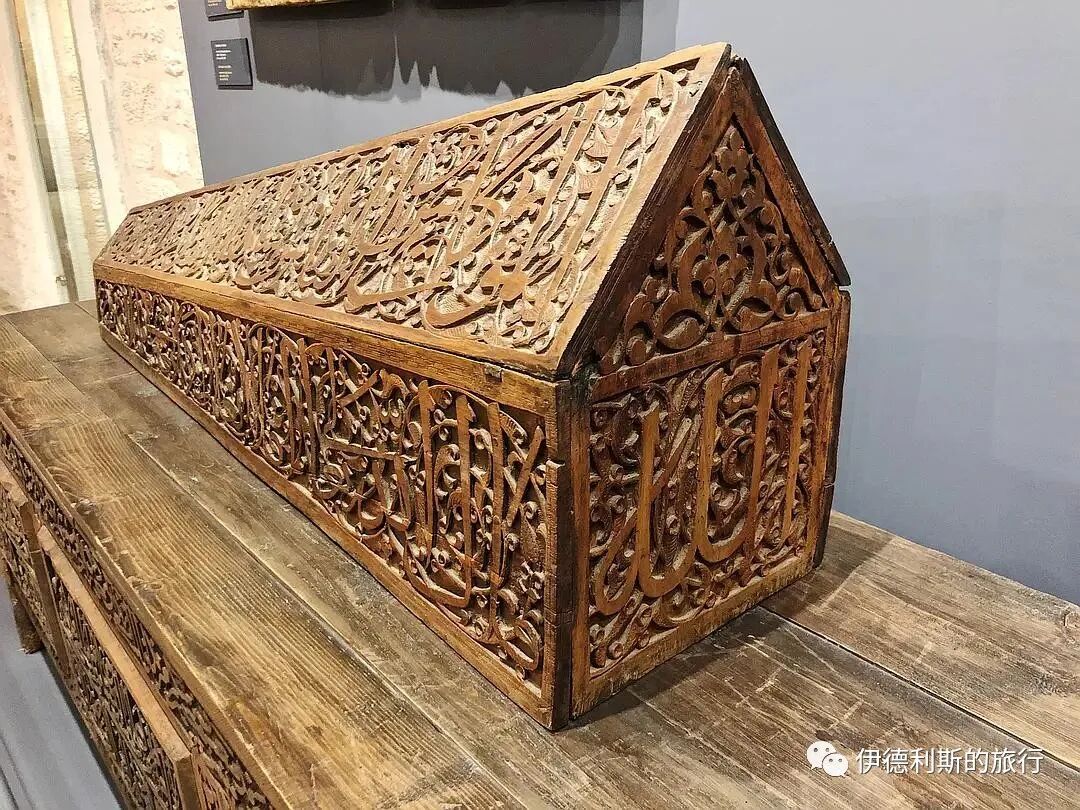
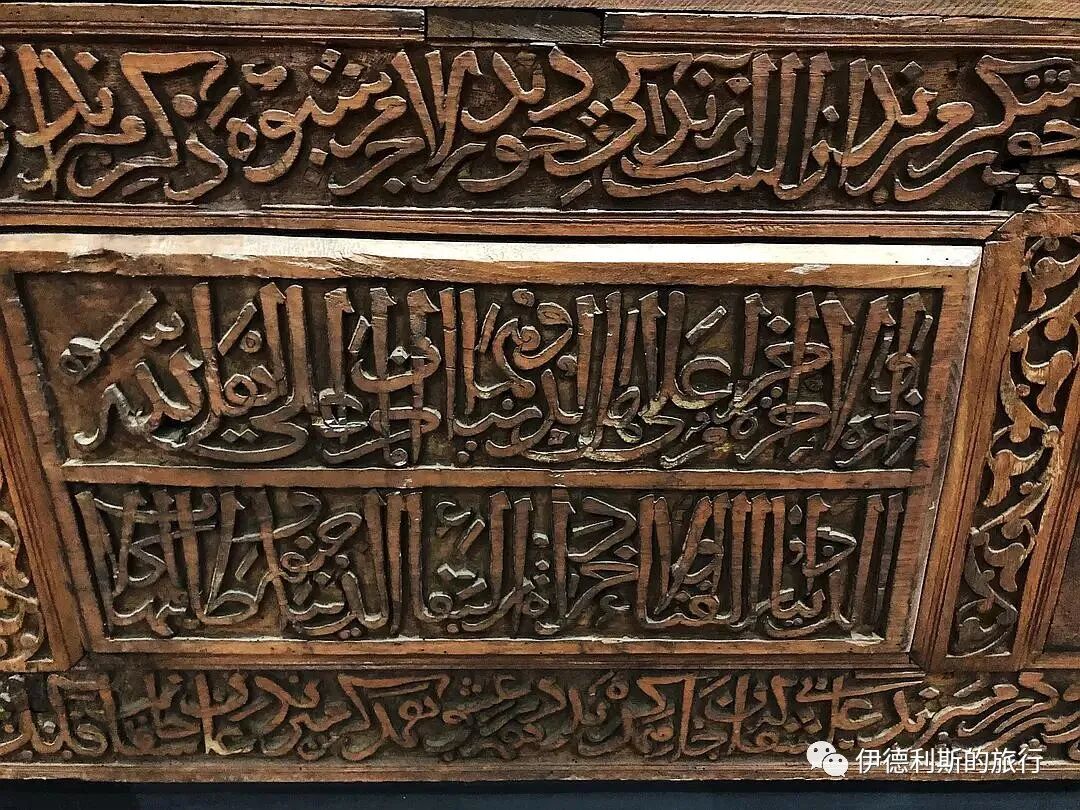
A 13th-century Quran
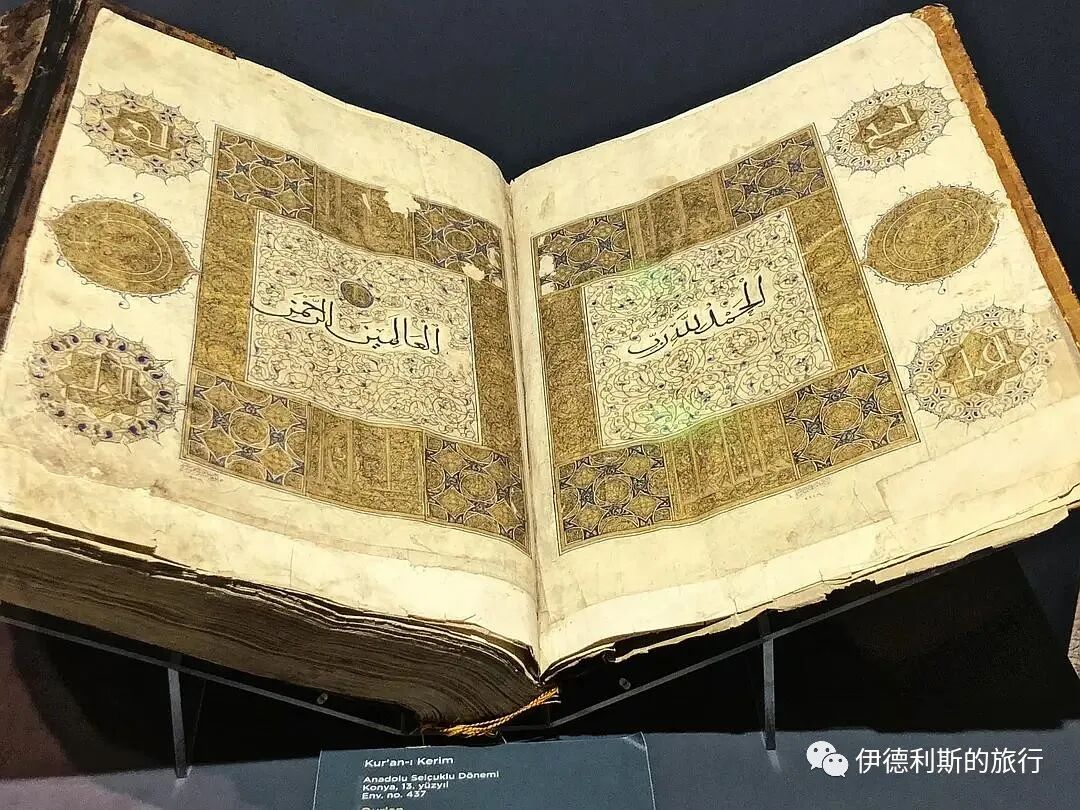
V. Ceramics of the Seljuk Empire: 1040-1157
12th-13th century, Iran
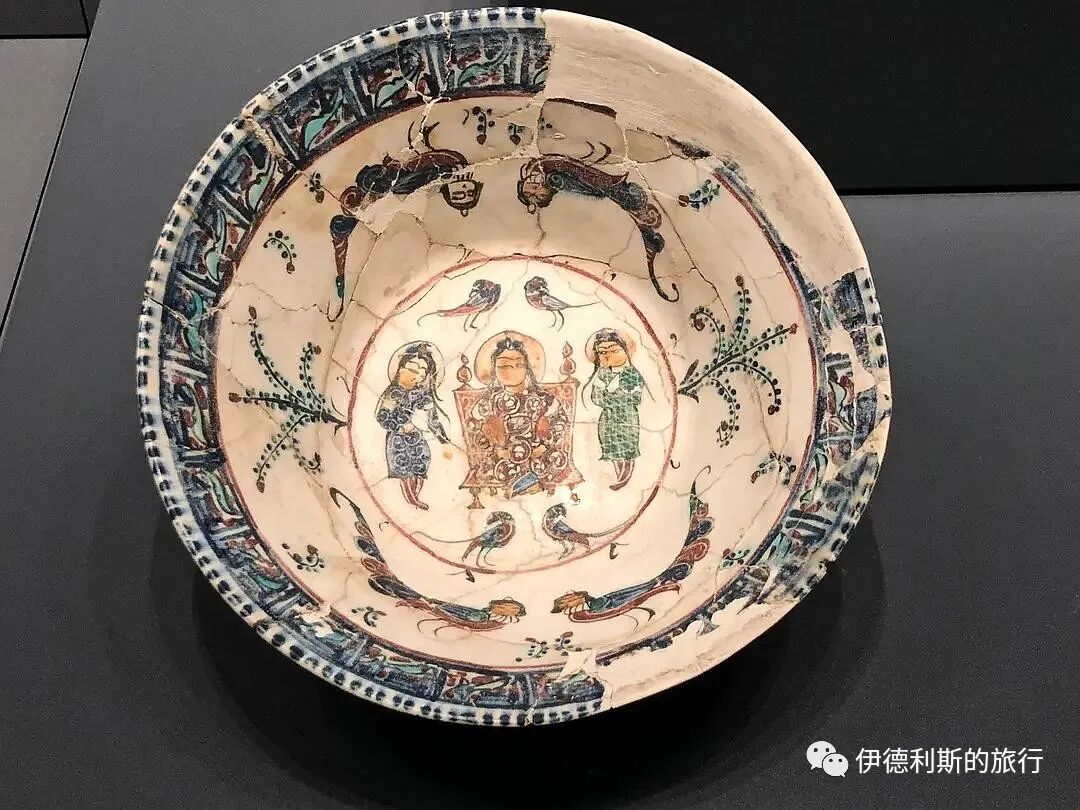
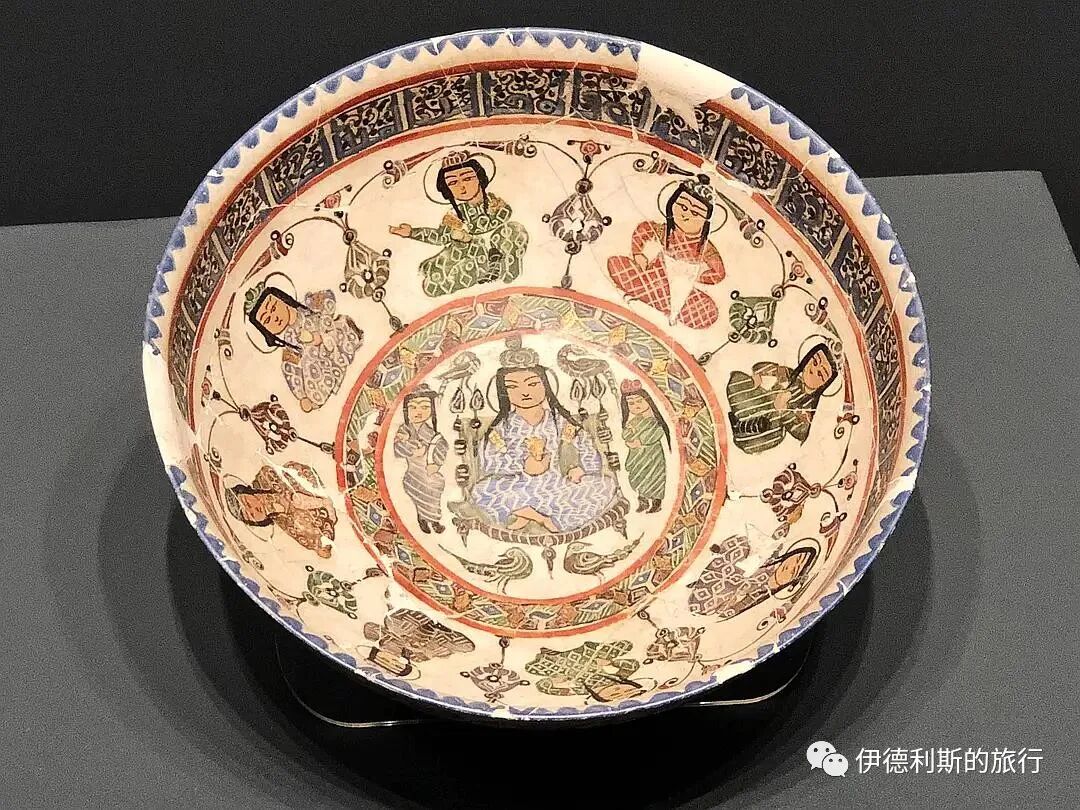
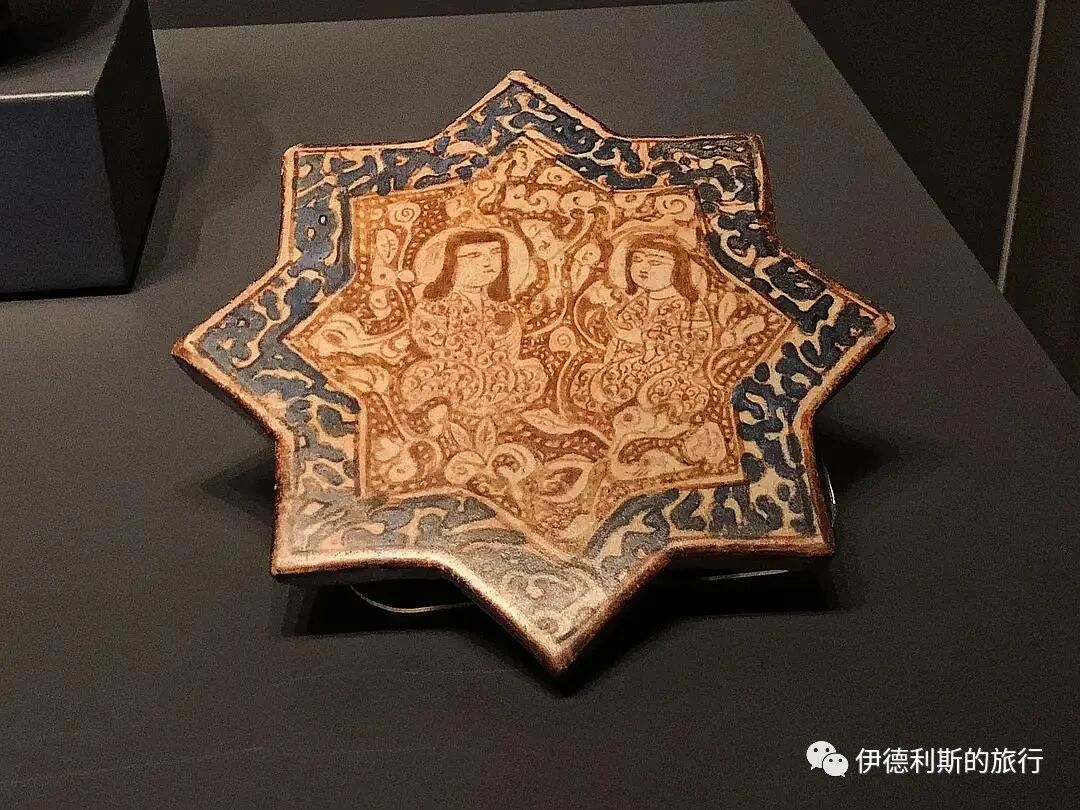
VI. The Ayyubid Dynasty: 1171-1250
The Ayyubid dynasty was established in 1171 by the Kurdish general Saladin. It was an important dynasty during the Crusades, with its capitals successively in Damascus and Cairo. In 1260, the Mongol army captured Damascus, and the Ayyubid dynasty existed in name only.
13th-century wood carving from Damascus.
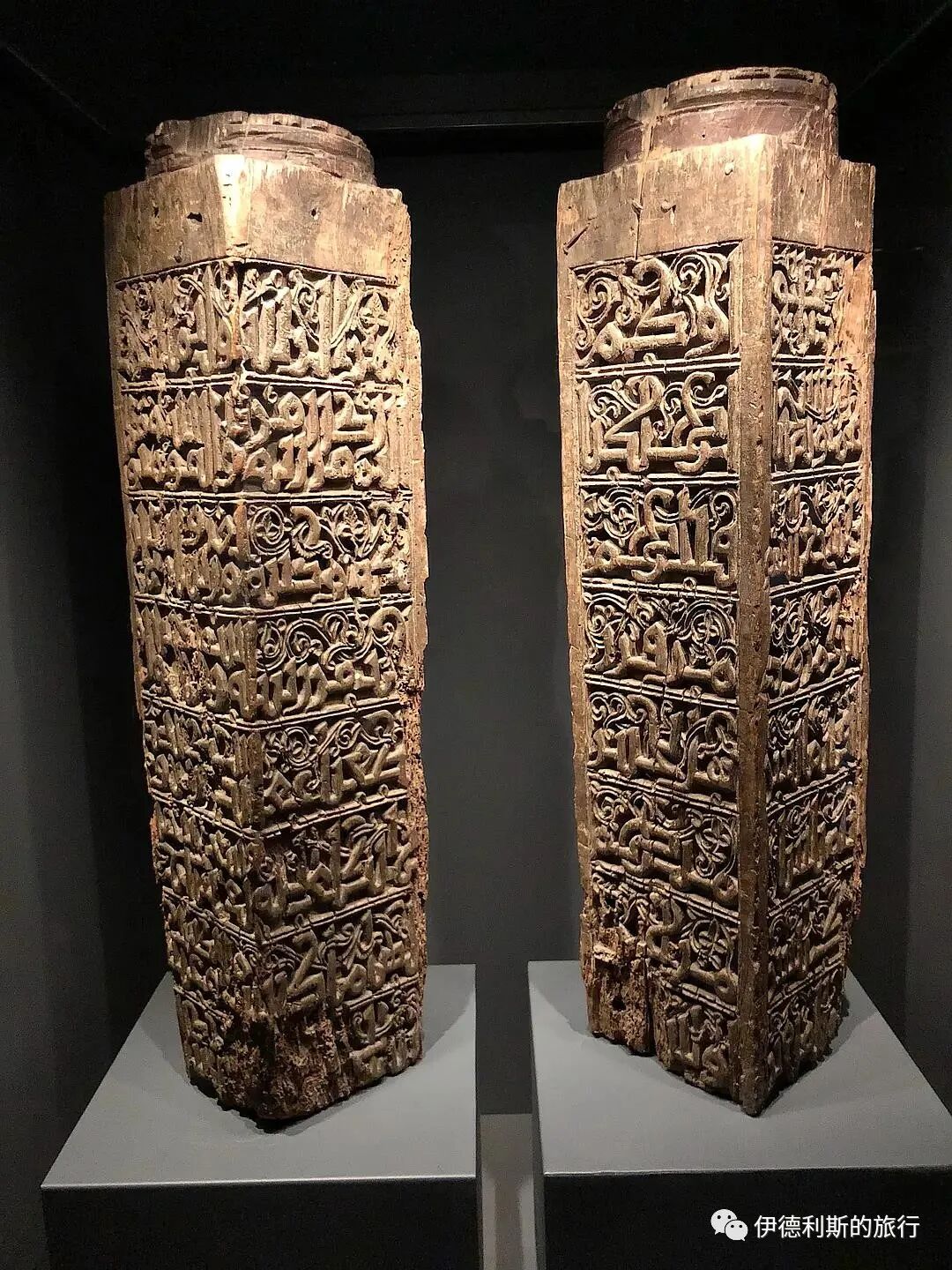
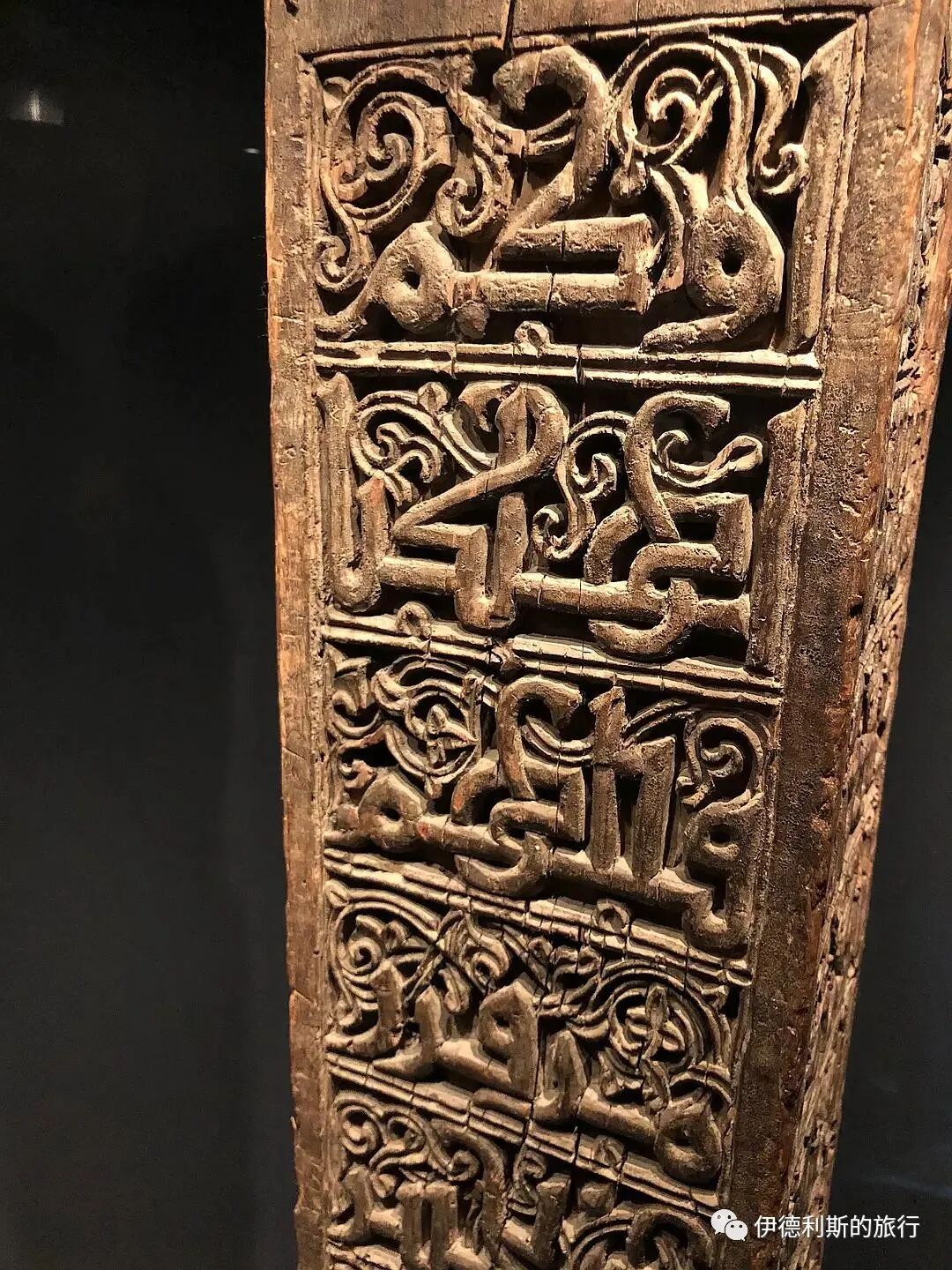
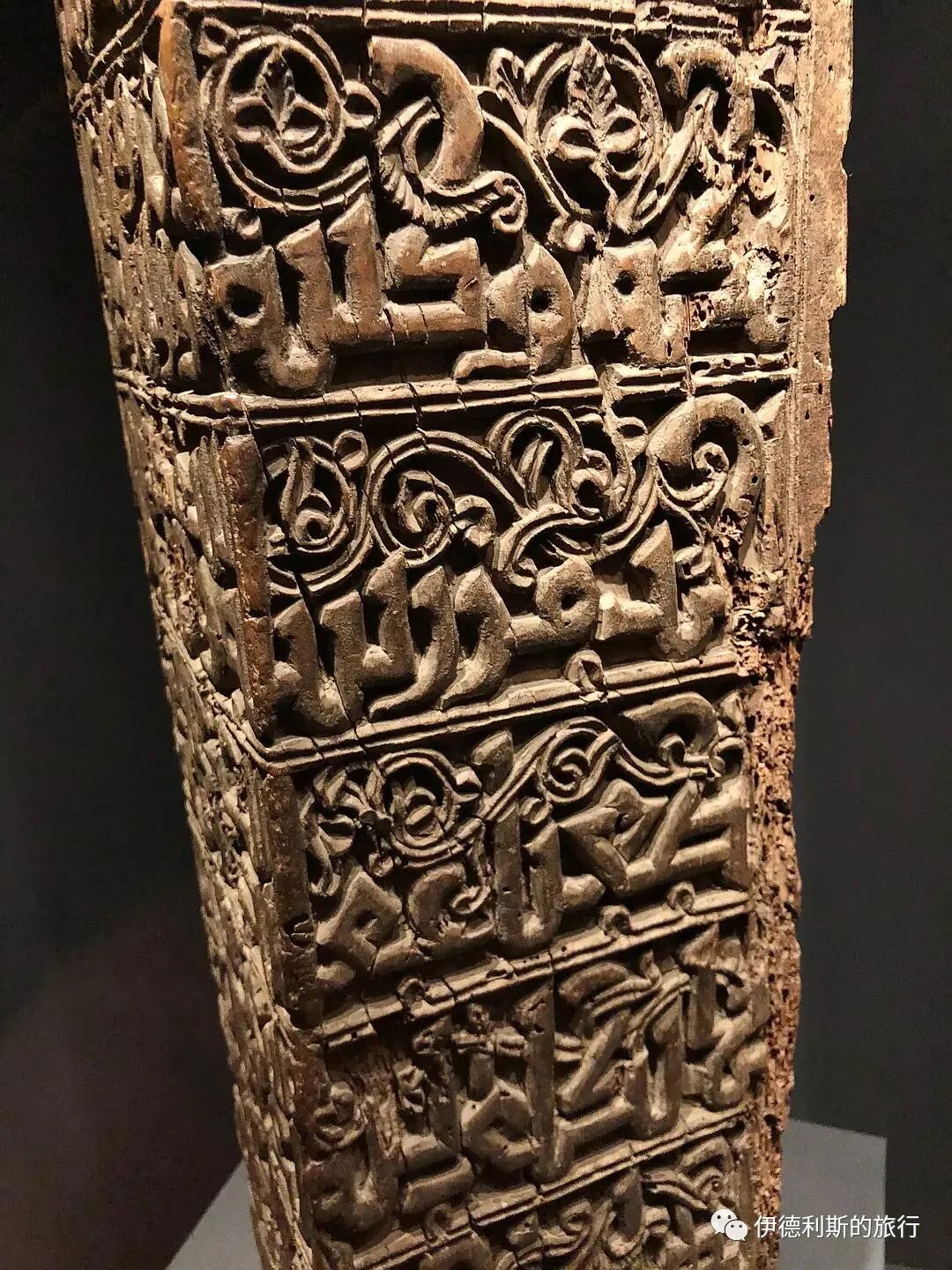
12th-13th century ceramic bowl.
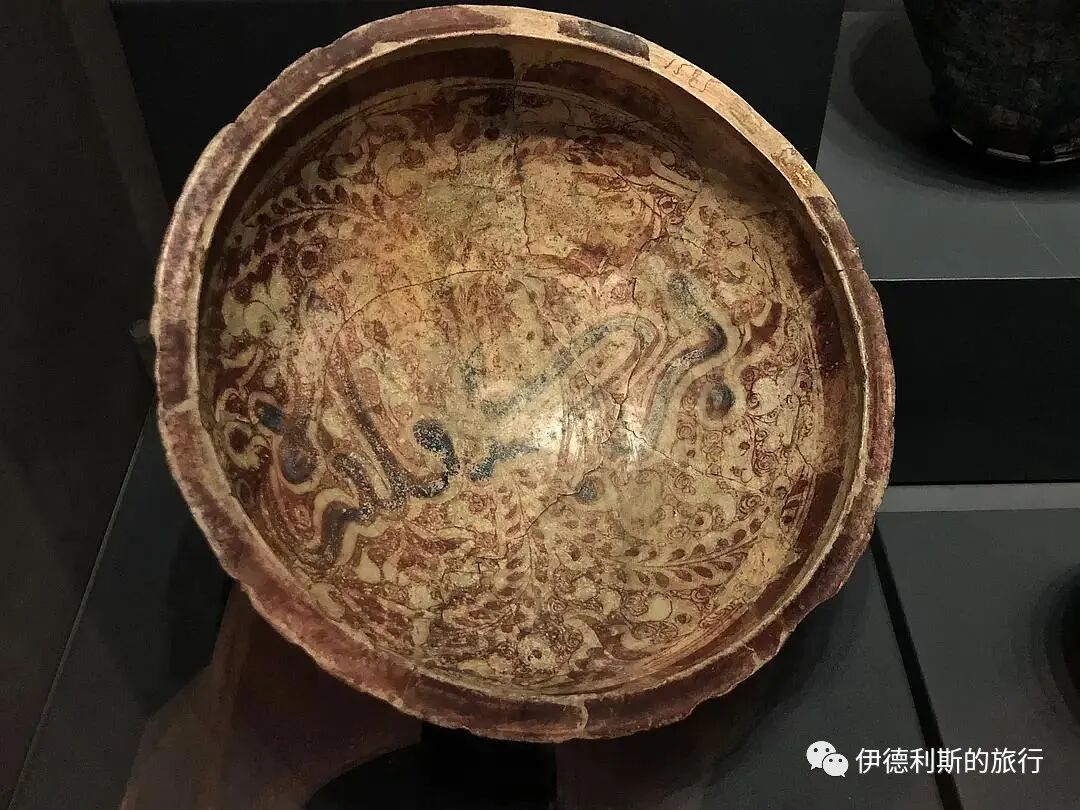
A 1205 Hajj certificate
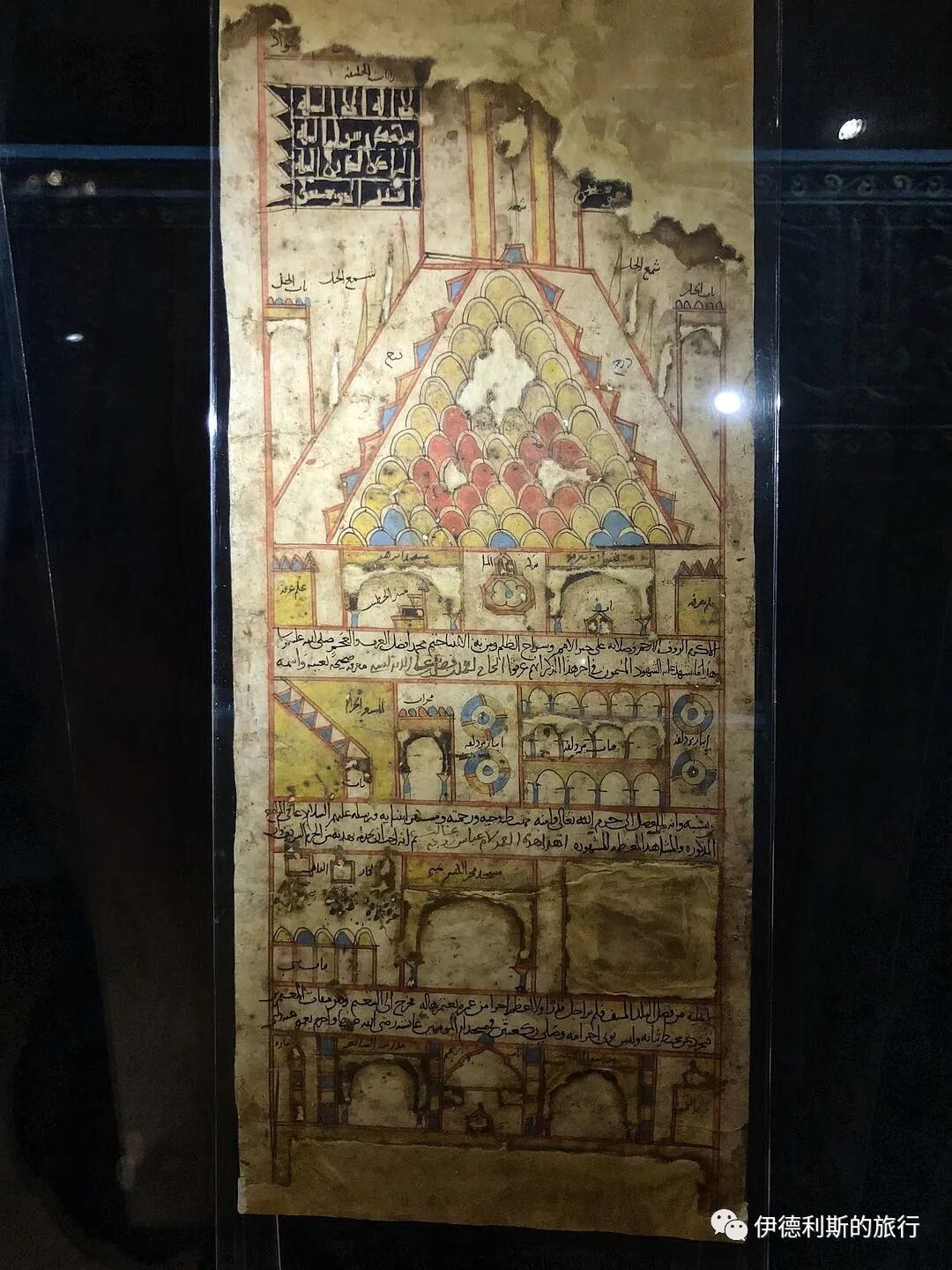
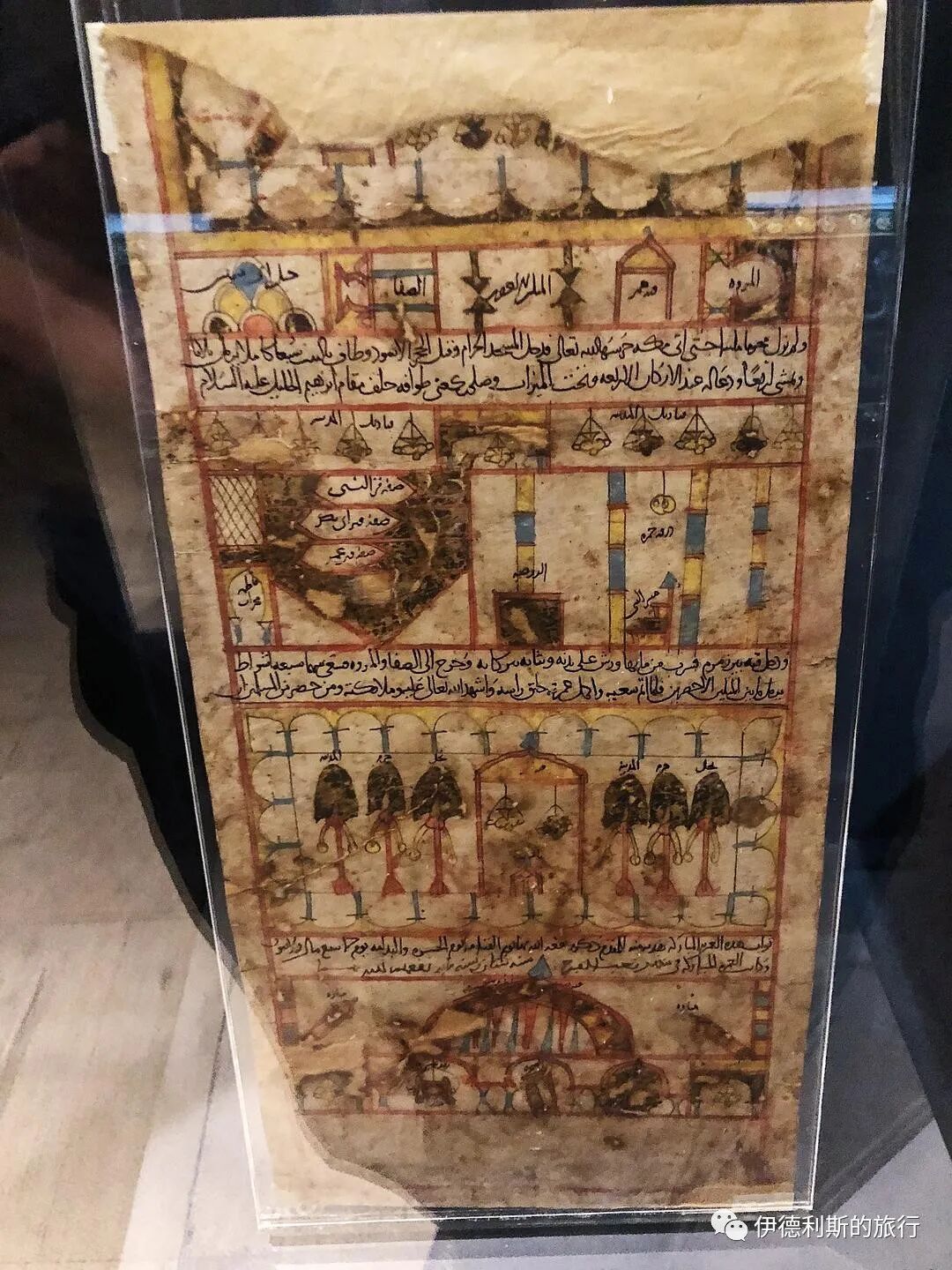
VII. The Mamluk Sultanate: 1250-1517
The Mamluk Sultanate was a state that ruled Egypt, the Levant, and the Hejaz region from the 13th to the 16th century. Most Mamluks were Kipchak Turks from Central Asia. They were brought to Western Asia as slave mercenaries and became an important force in the military during the Ayyubid dynasty. In 1260, they overthrew the Ayyubid dynasty to rule Egypt and Syria, and subsequently prevented the invasion of the Ilkhanate. In 1517, the Mamluk Sultanate was destroyed by the Ottoman Empire.
A late 14th-century Quran manuscript (Juz').
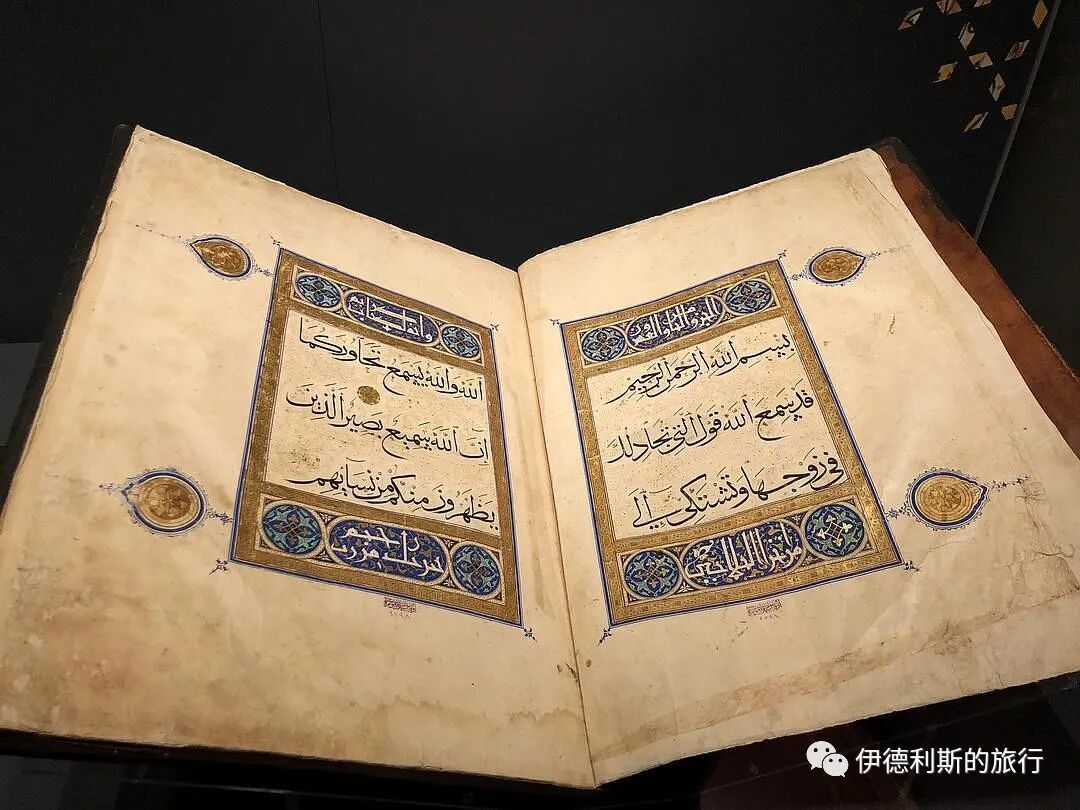
A 1380 Quran manuscript.
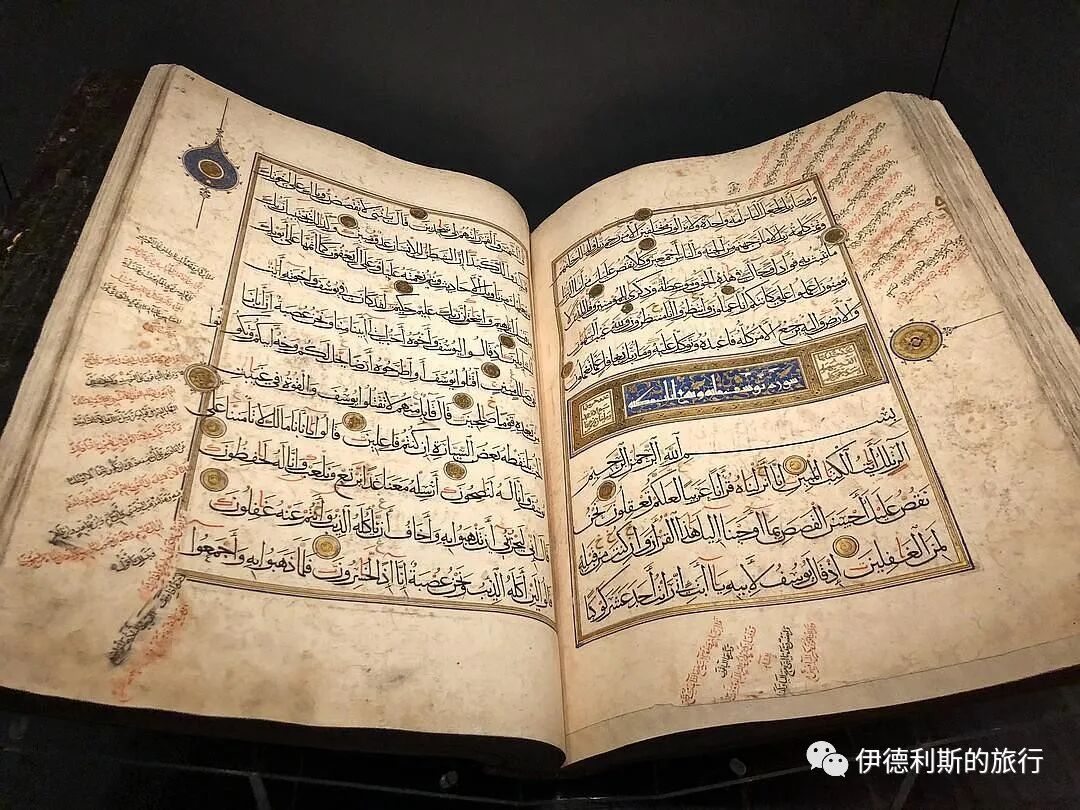
A 14th-century ceramic vase.
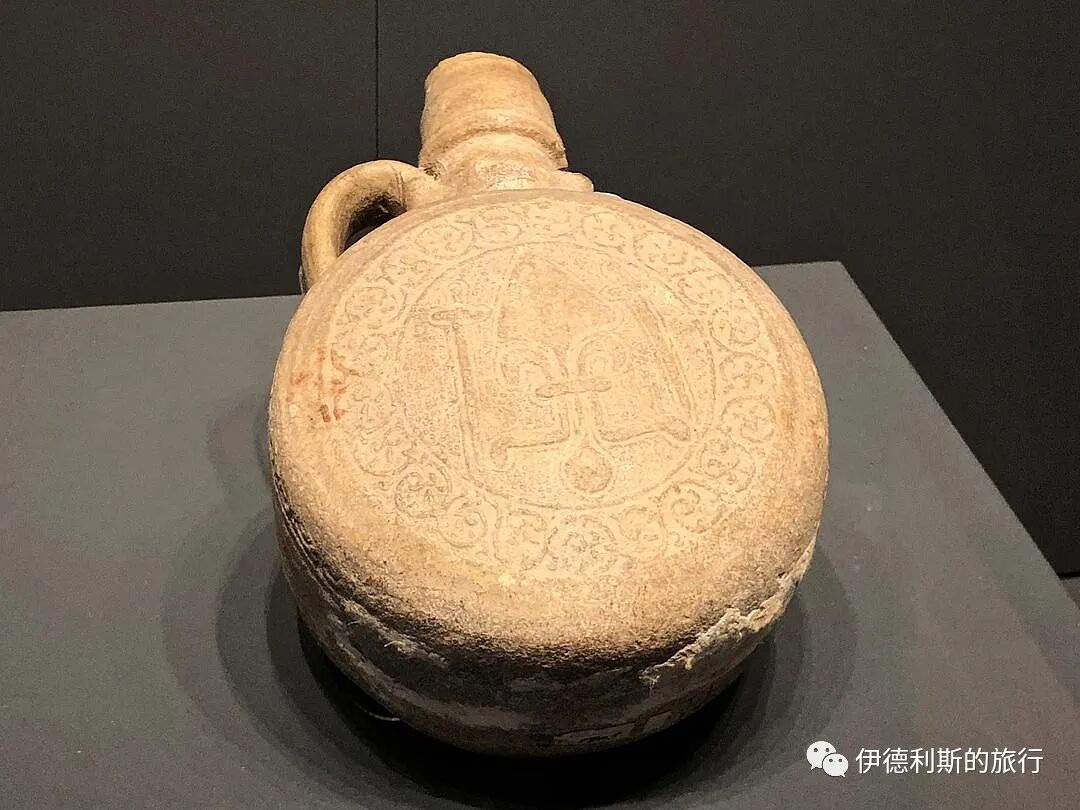
A 1282 astrolabe.
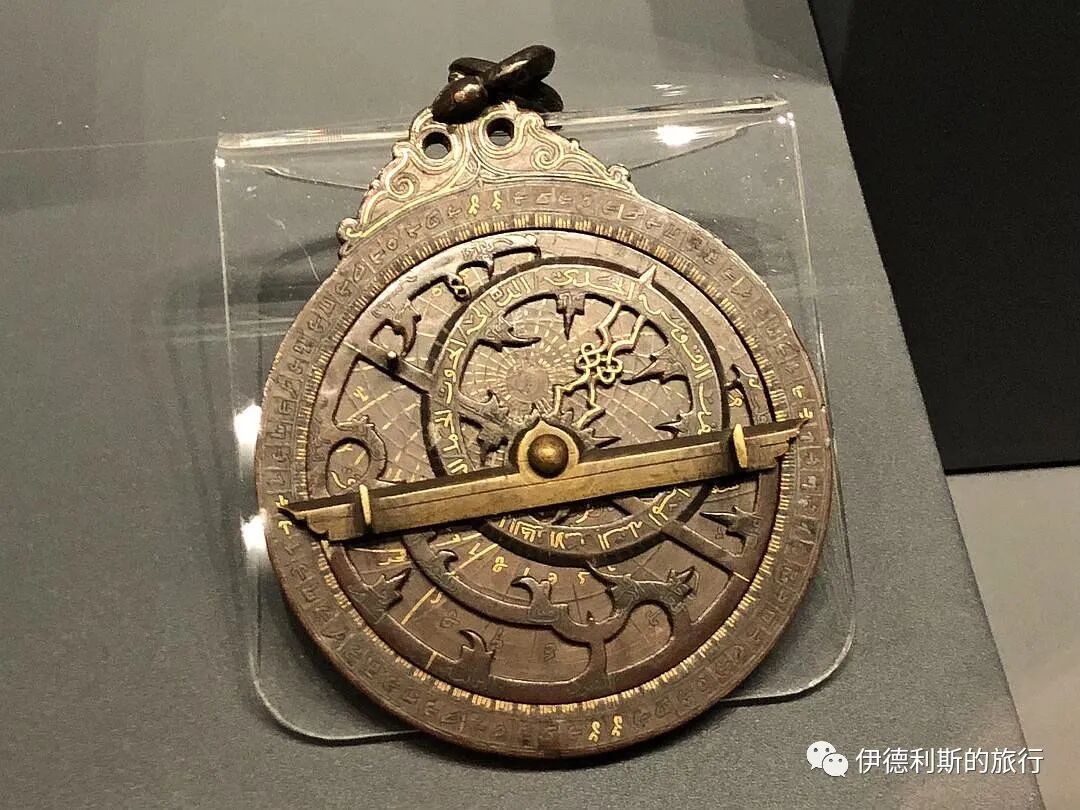
VIII. The Ilkhanate: 1256-1353
In 1256, Hulagu, the grandson of Genghis Khan, was enfeoffed as the Ilkhan, establishing the Ilkhanate. In 1260, Kublai Khan sent an envoy to issue an edict, placing the lands west of the Amu Darya up to the Egyptian border, including present-day Iran and Afghanistan, under Ilkhan rule.
A 1333-4 Quran manuscript, copied by Muhammed el-Hac Devletshah esh-Shirazi.
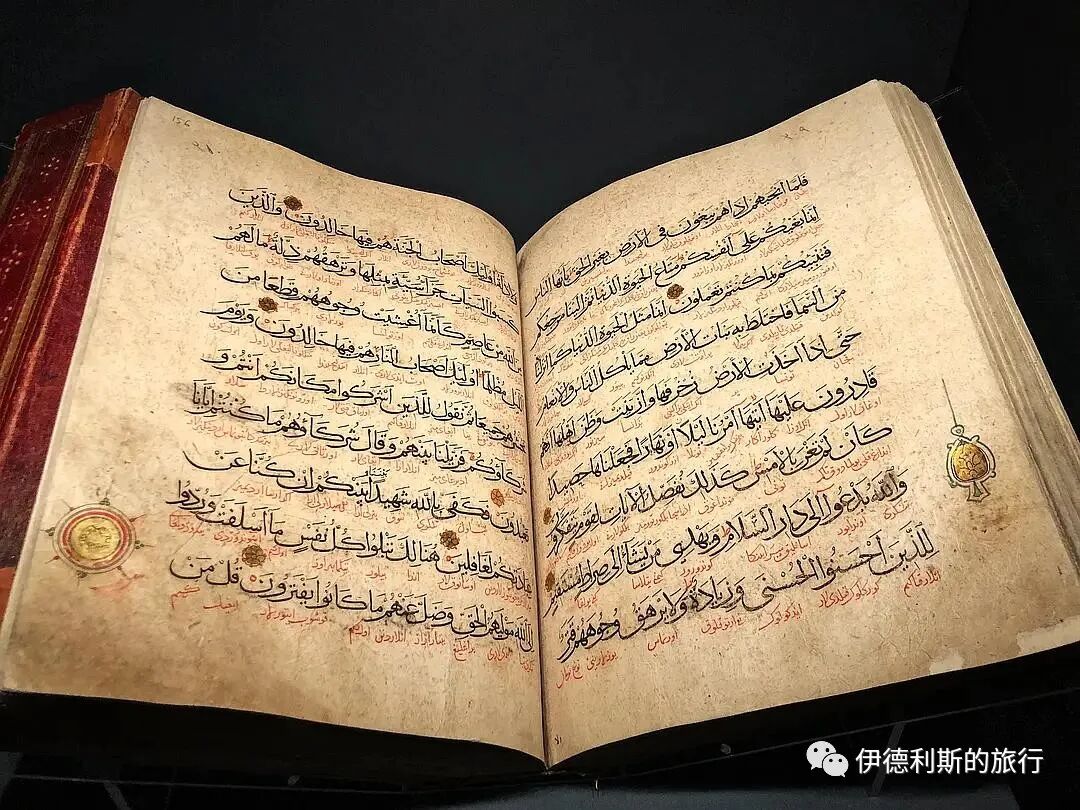
A 1338-9 Quran manuscript, copied by Yahya el-Sufi.
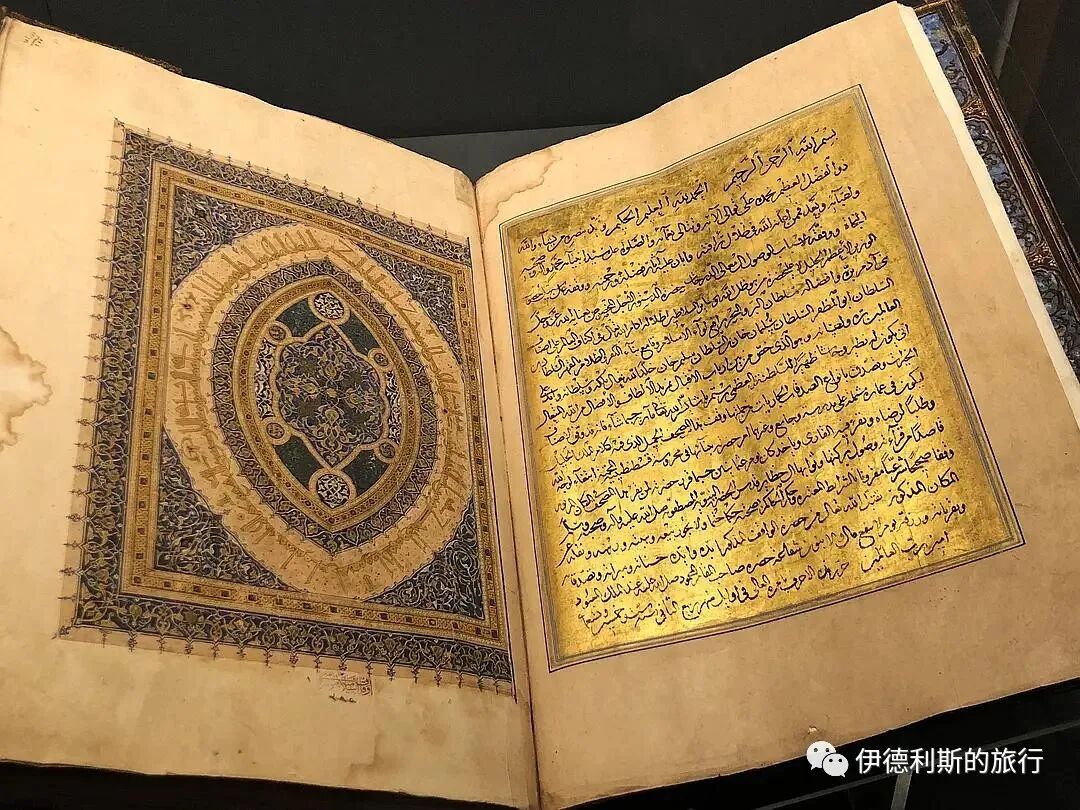
A 1318 Quran manuscript, copied by Ahmed b. al-Suhreverdi.
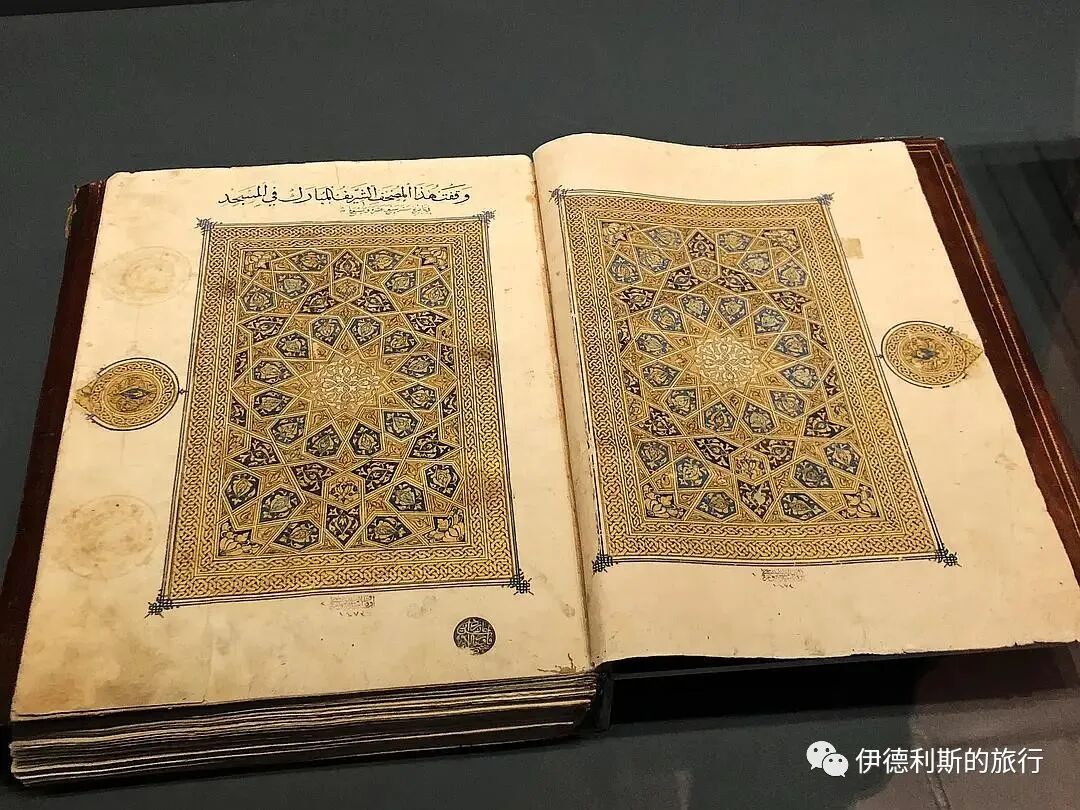
A 1323-4 Quran manuscript, copied by Huseyin bin Ali bin Camii.
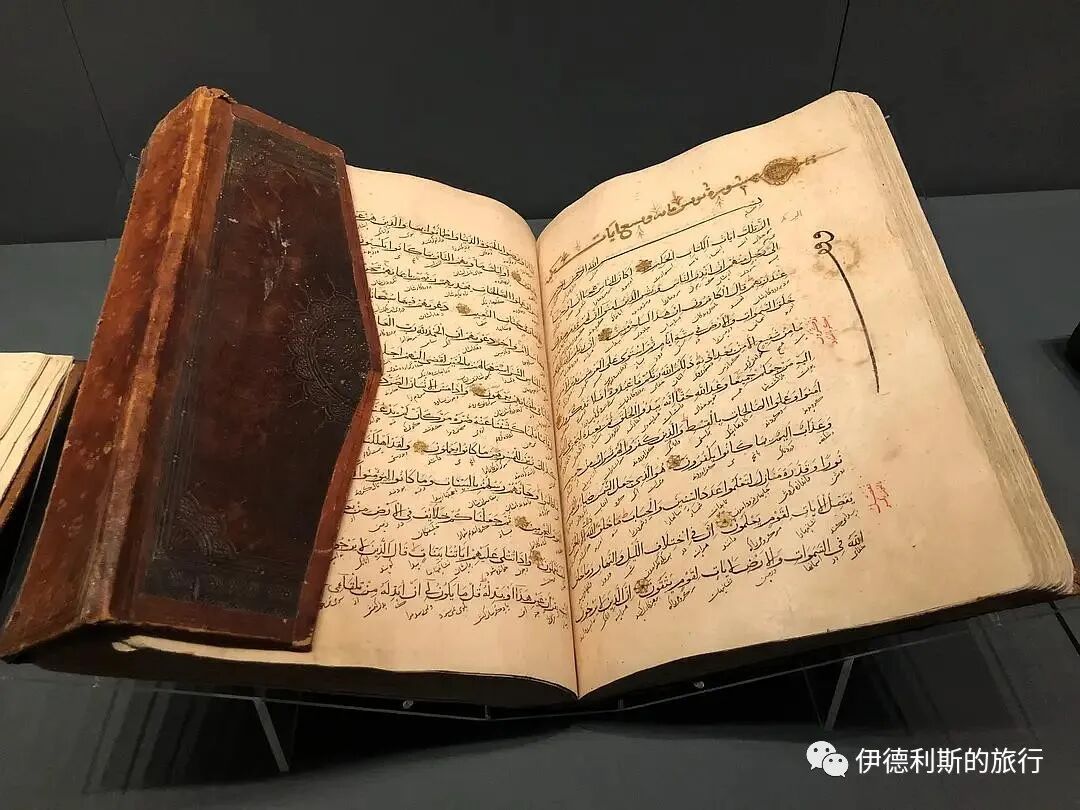
A 1320-21 Quran manuscript, copied by Argun bin Abdullah Kamili.
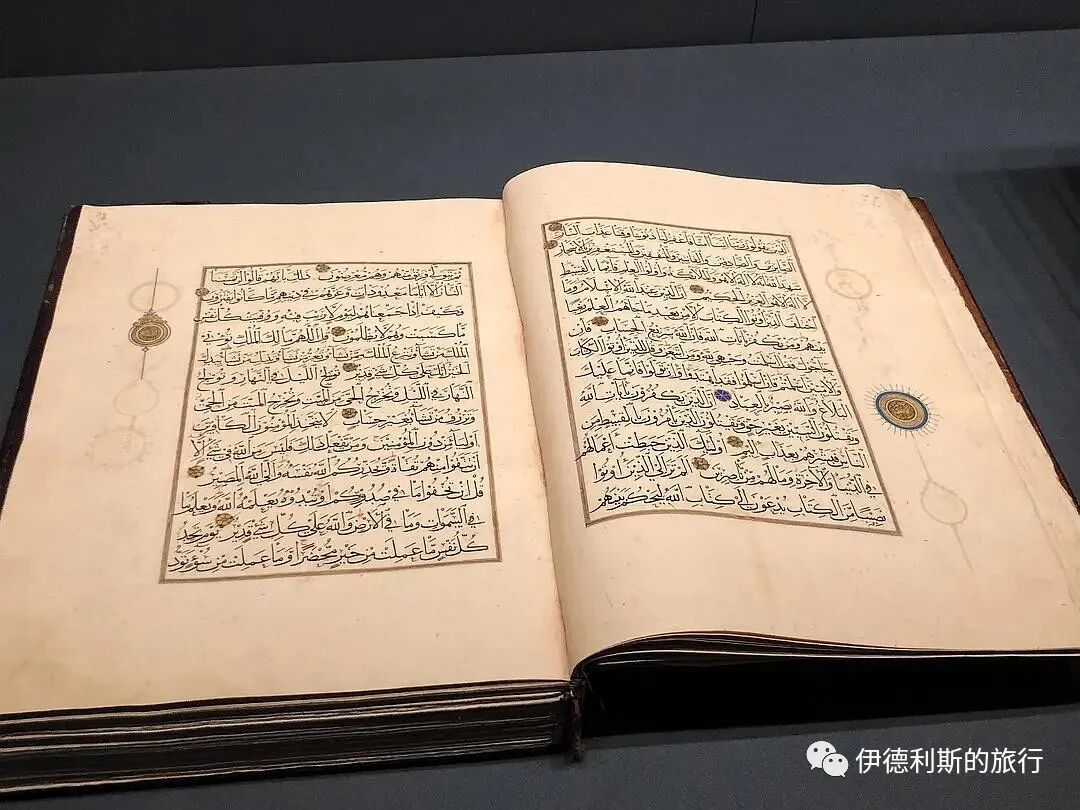
Two Quran manuscript volumes (Juz') copied by Ali ibn-i Mehmed in 1306-7 and 1310-11.
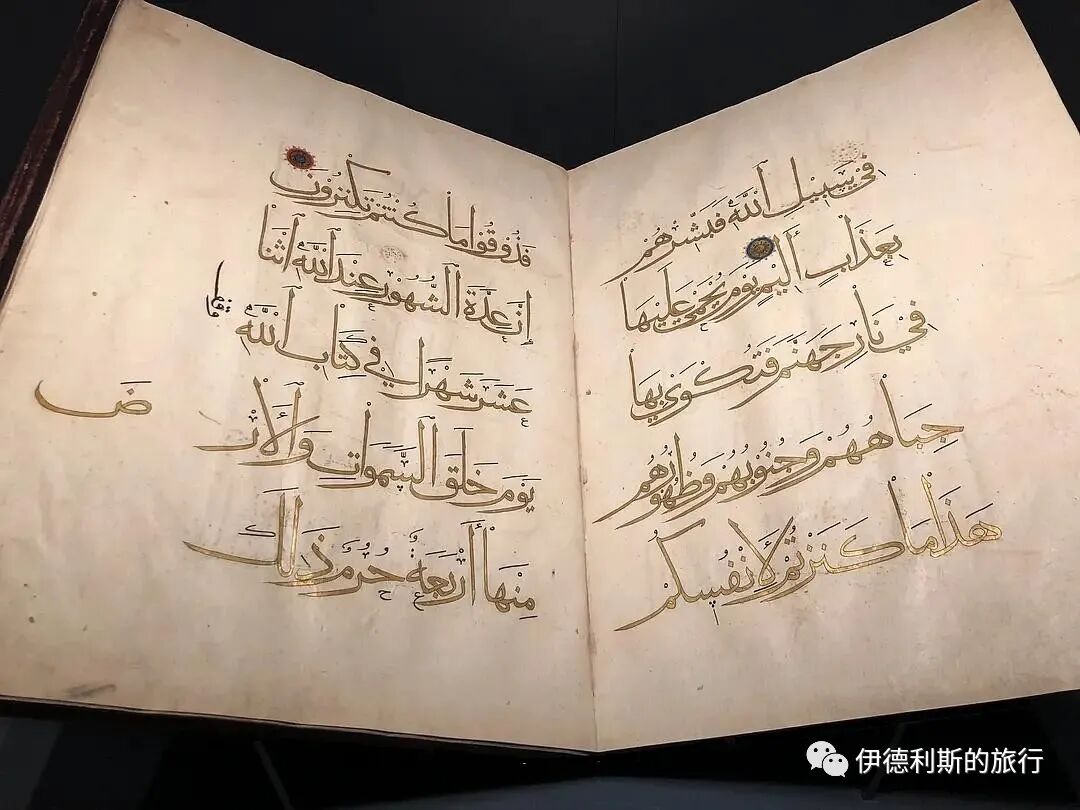
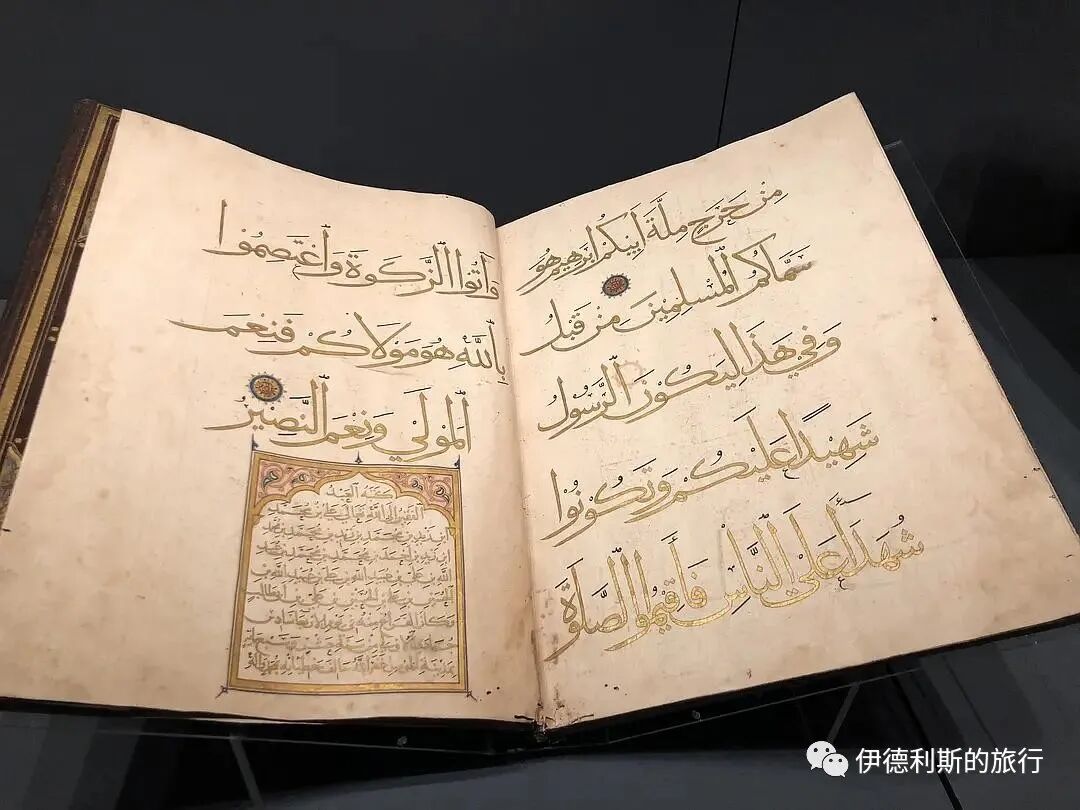
A 1286-87 Quran manuscript, copied by Yakut el-Musta'simi.
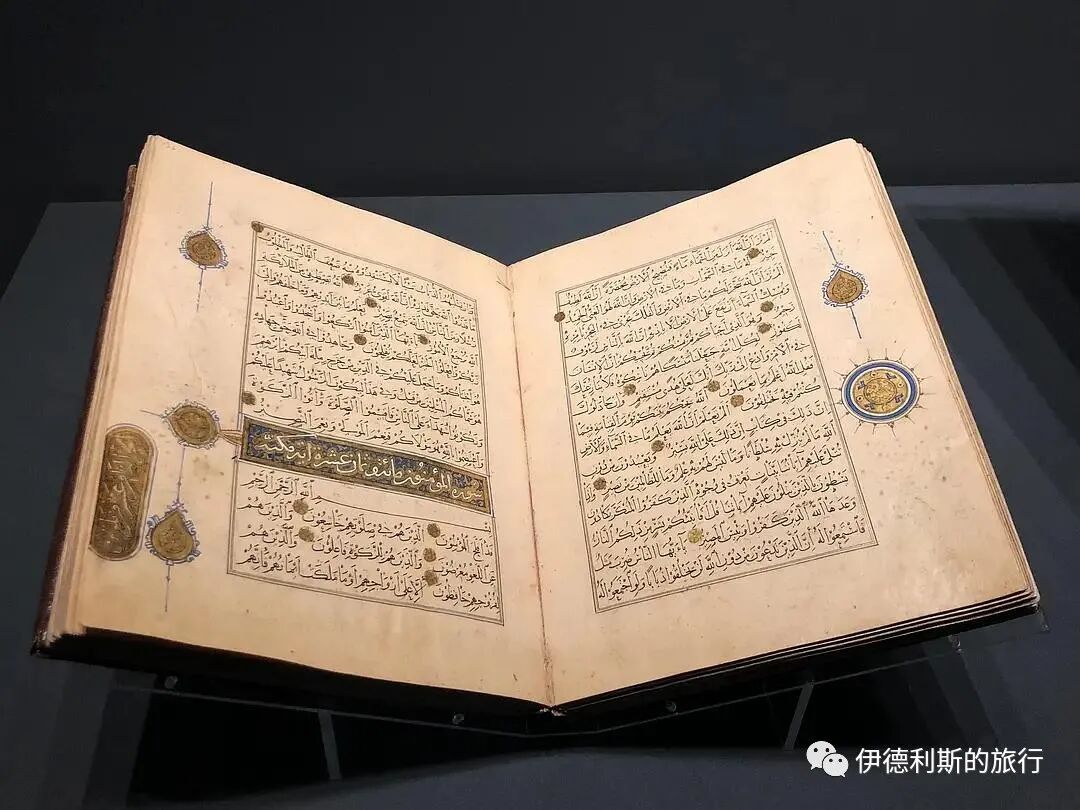
IX. The Timurid Empire: 1370-1507
The Timurid dynasty was established in Samarkand in 1370 by the Chagatai Mongol noble, Timur the Great. Timur began his western campaigns in 1380, successively occupying Afghanistan and Iran. After Timur's death in 1405, his successors continued to rule Iran, and the Timurid dynasty was deeply influenced by Persian culture.
Under the rule of the Timurid dynasty, the ancient Afghan city of Herat flourished. The Timurid prince Sultan Husayn Bayqara, who ruled Herat from 1469 to 1506, strongly supported the development of Persian poetry and literature. His minister, Mir Ali-Shir Nava'i, was a famous Persian poet. Herat at that time was also famous for its architecture, miniatures, and music. The ancient Iranian city of Shiraz also became a center of art and literature during this period, hailed as the 'House of Knowledge' and the 'Athens of Iran'. Shiraz's miniatures are also world-famous.
A 15th-century book from the city of Shiraz, Iran.
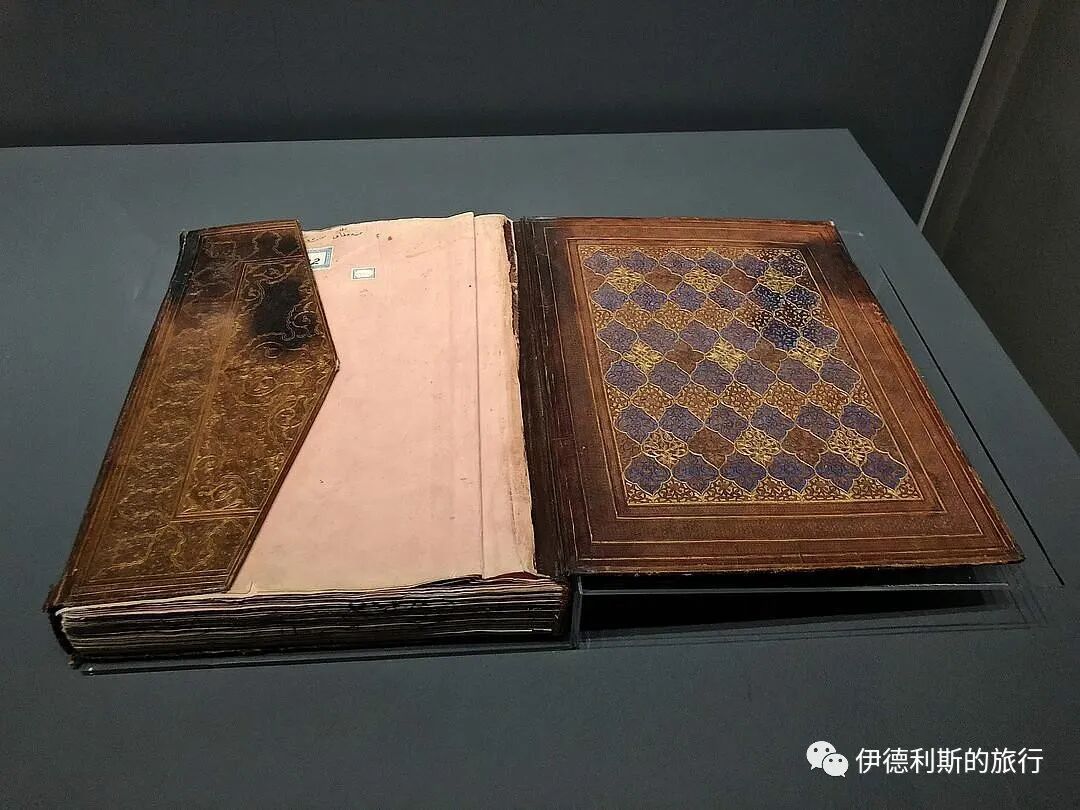
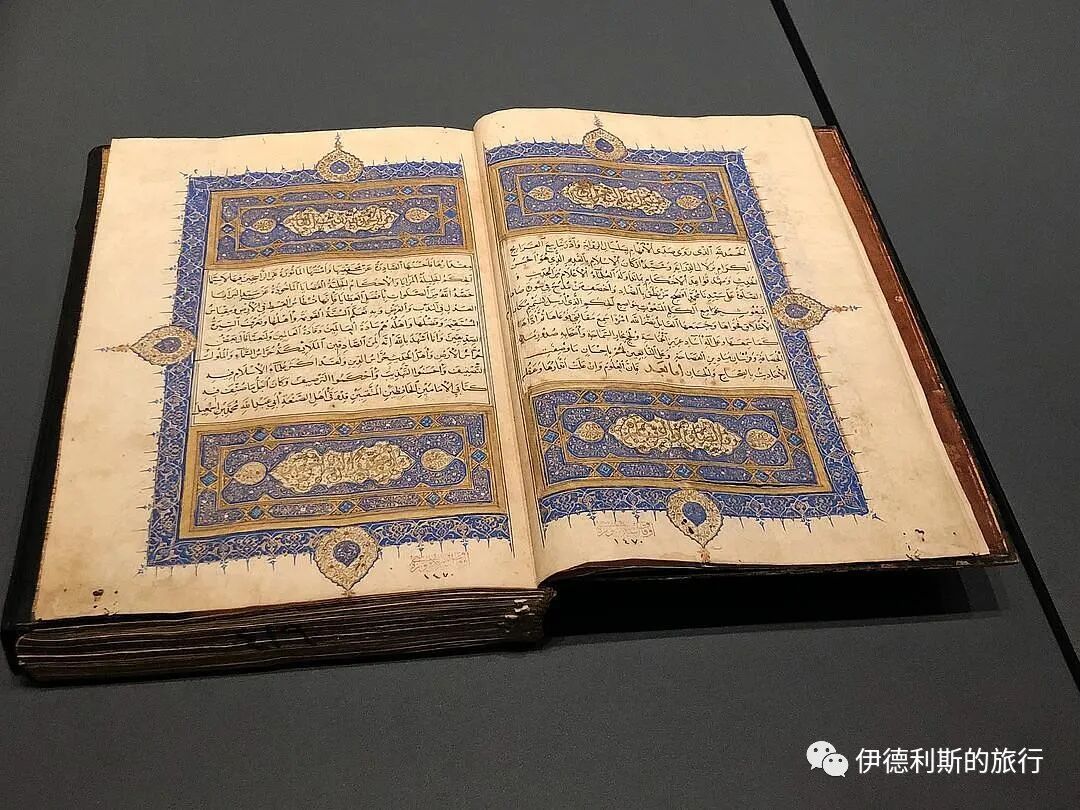
1445 and 1482 books of the 'Masnavi' from Herat, Afghanistan; this is a long poem collection by the famous Persian poet Rumi.
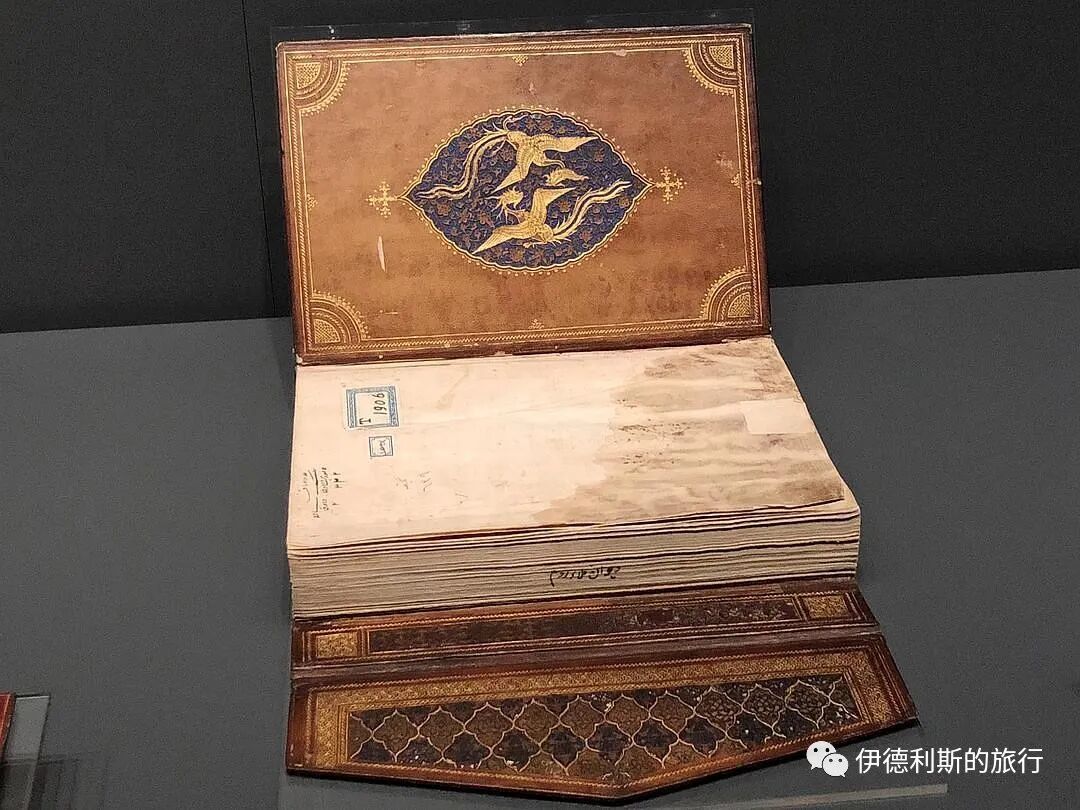
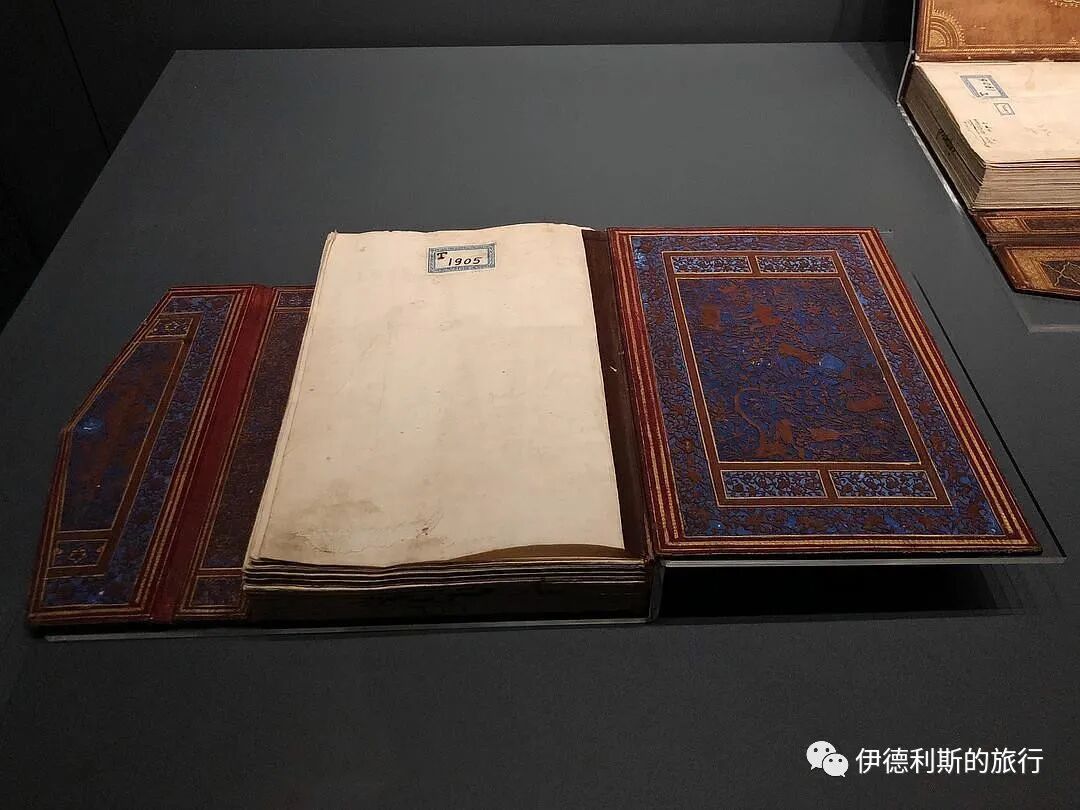
A 15th-century book from Herat, Afghanistan.
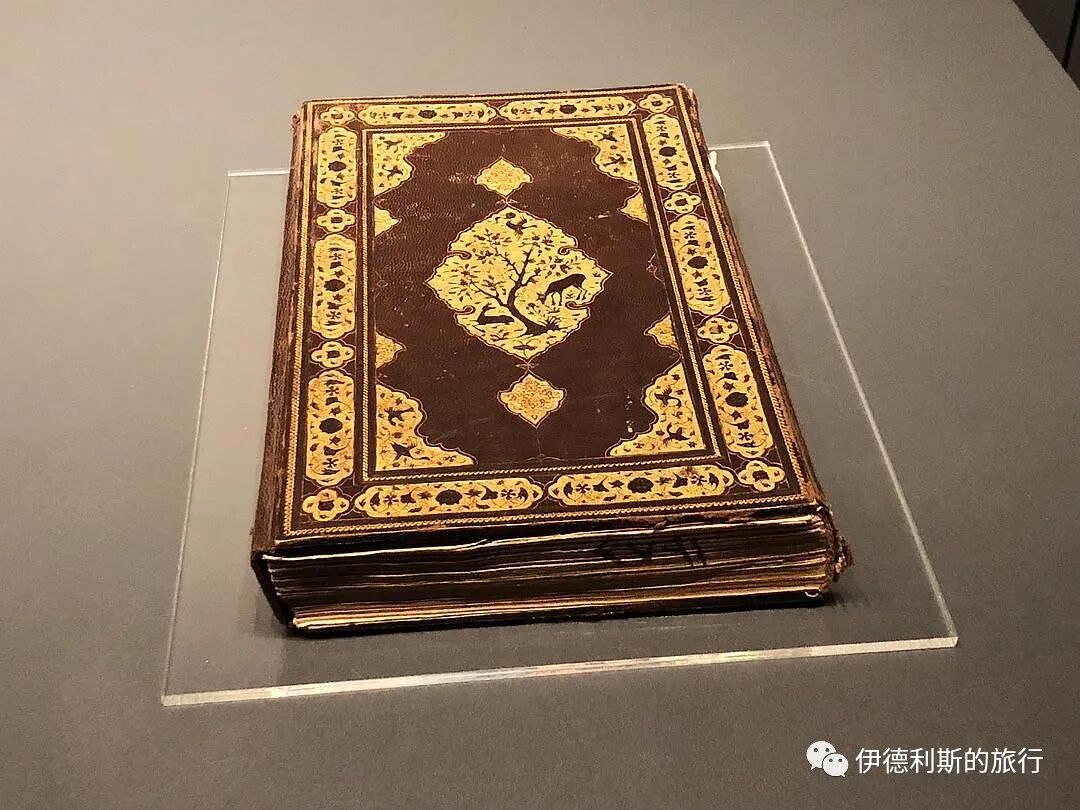
A 1398 book from Shiraz, Iran.
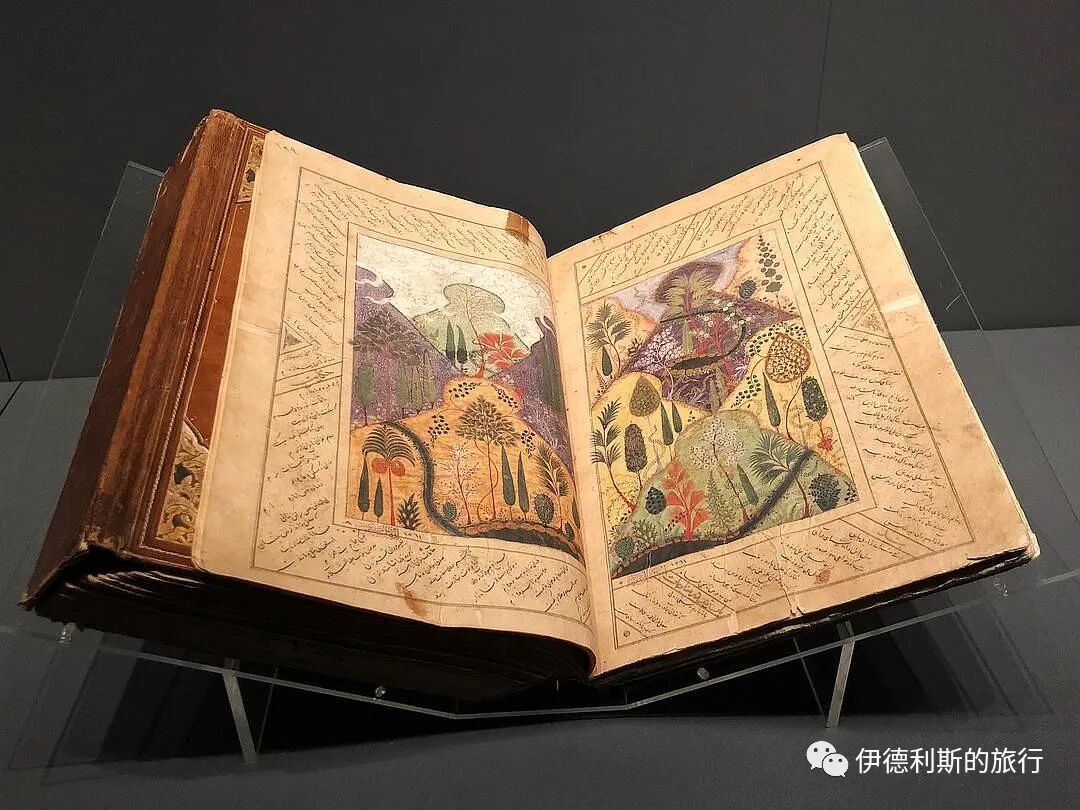
X. The Safavid Dynasty: 1501-1722
The Safavid dynasty originated from the Sufi Safaviyya order, and its rulers were Kurds living in northwestern Iran. The Safavid family itself spoke Turkic and composed poetry in Turkic, but they also strongly supported Persian poetry, literature, and various forms of Persian culture and art. For over 200 years, the Safavid dynasty ruled parts of Iran, the Caucasus, Iraq, Turkey, and Afghanistan. It is considered the first native Iranian dynasty since the Sassanid Persian Empire and is also considered the beginning of modern Iran.
An early 17th-century Kashkul, a bowl used by Sufi dervishes for begging. Sufi dervishes would generally chant praises to Allah and the Prophet along the streets, then use the Kashkul to collect donated money and food. The Kashkul actually used were mostly made of coconut shells, brass, wood, or clay. They were boat-shaped and hung from the shoulder with metal chains, with a relatively simple design. This is because true Sufi dervishes had abandoned the desire for worldly wealth and devoted themselves entirely to Allah. In addition, many beautifully crafted Kashkuls were used by the wealthy as decorative items, most of which have Quranic inscriptions.
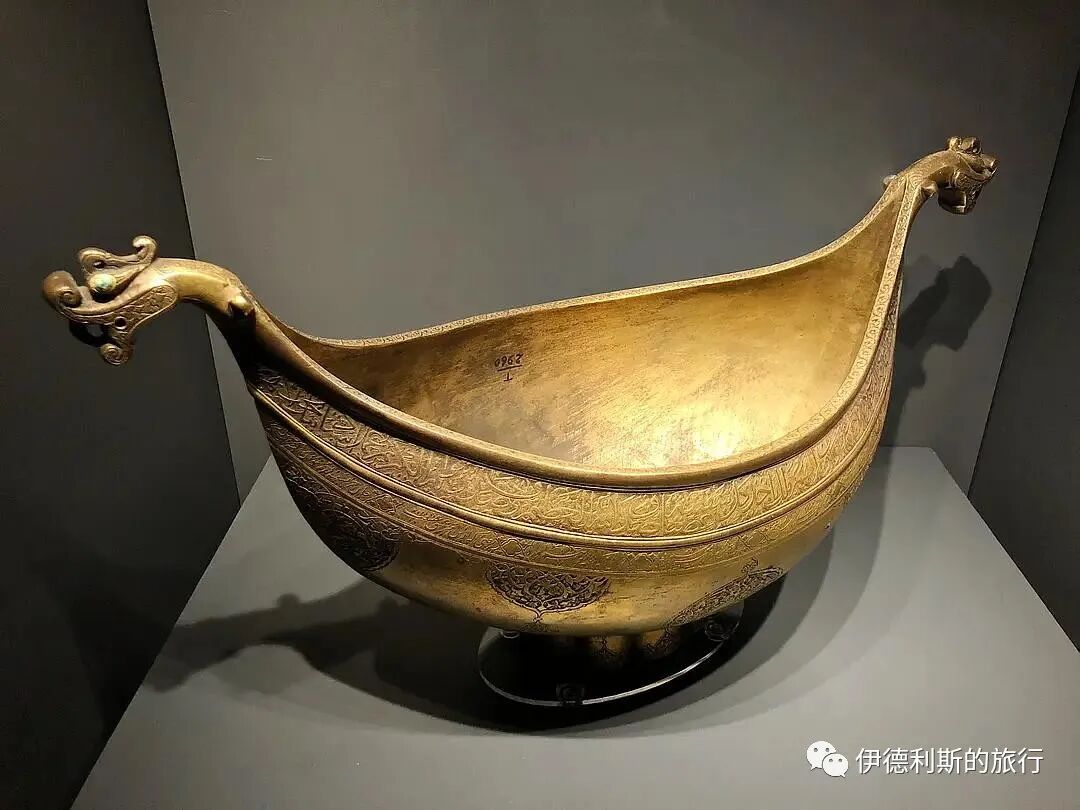
A 17th-century Quran from Shiraz.
Delete
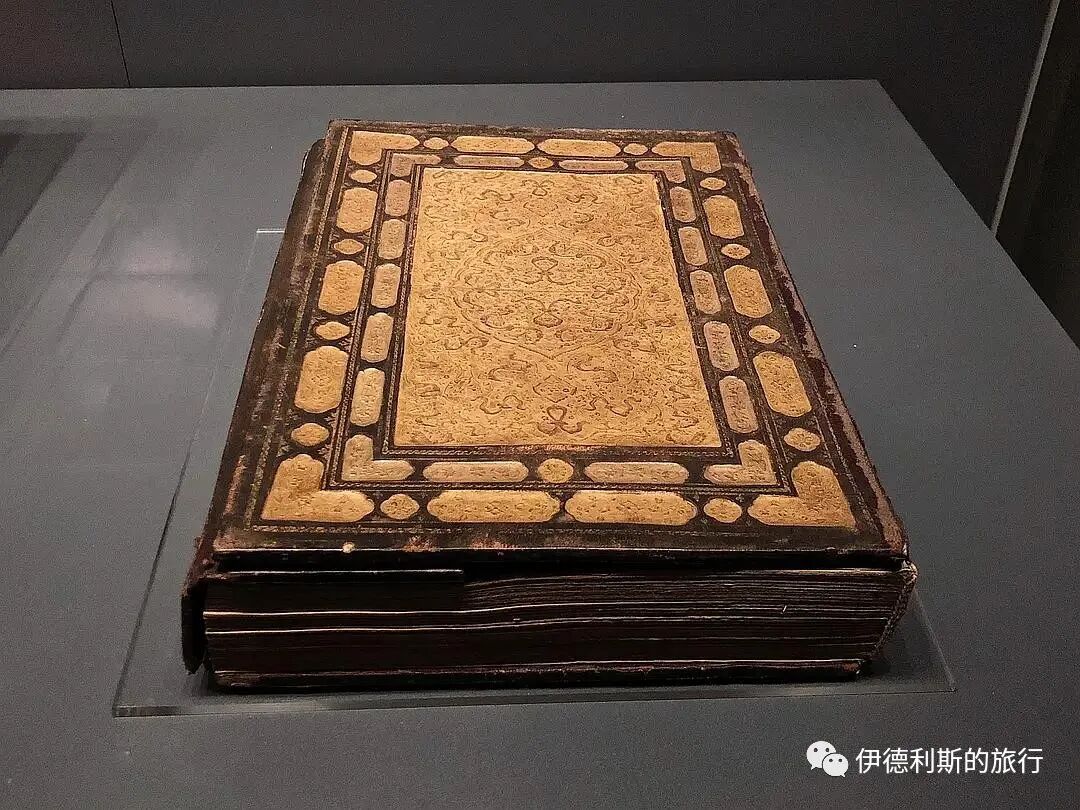
A 1591 Quran from Shiraz.
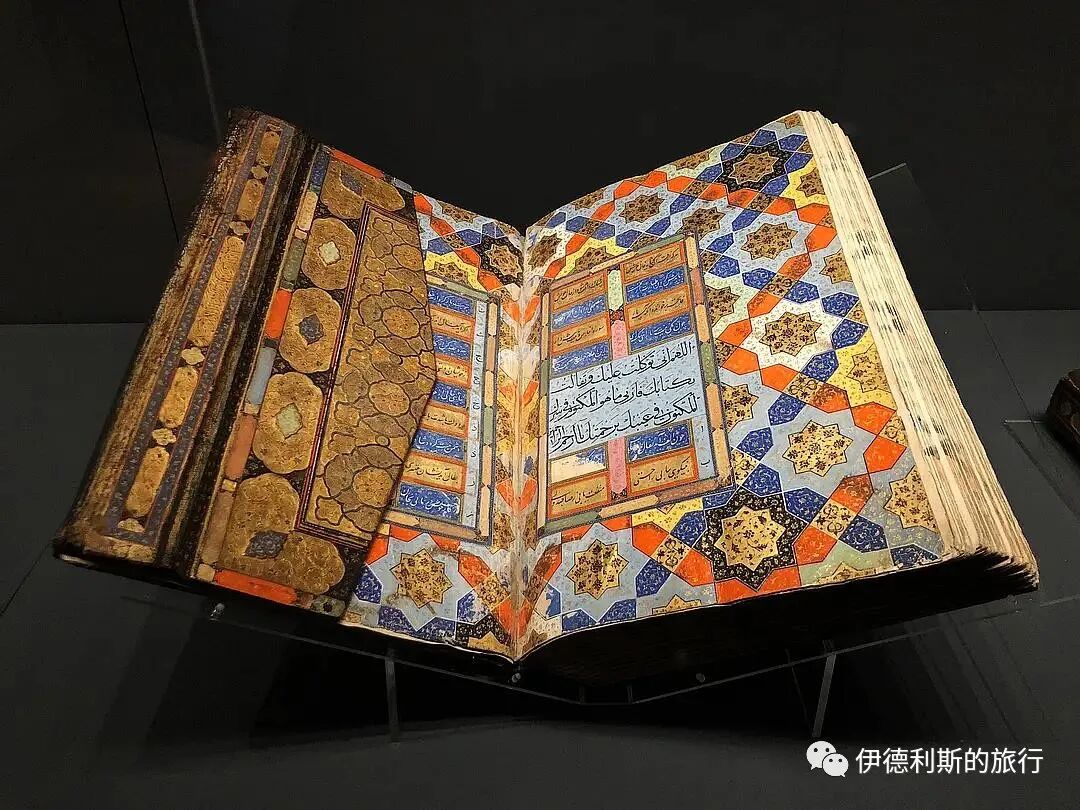
A 17th-century Quran volume (Juz') cover.
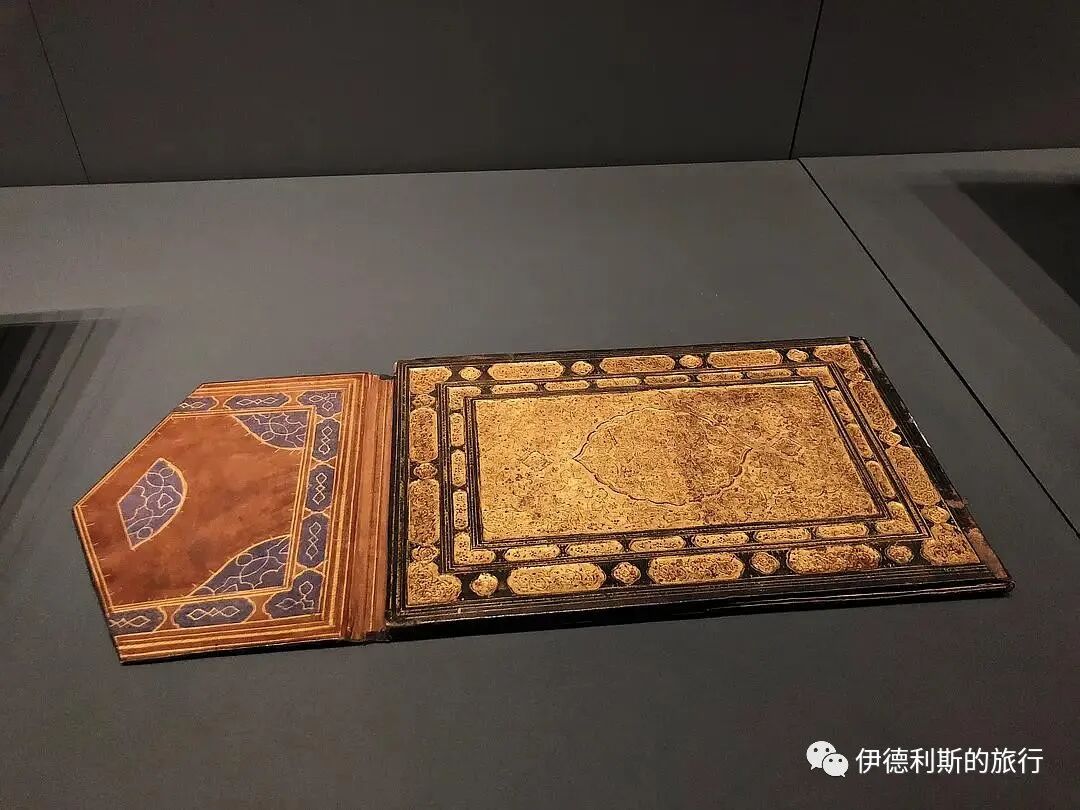
A 1549 Quran from Shiraz.
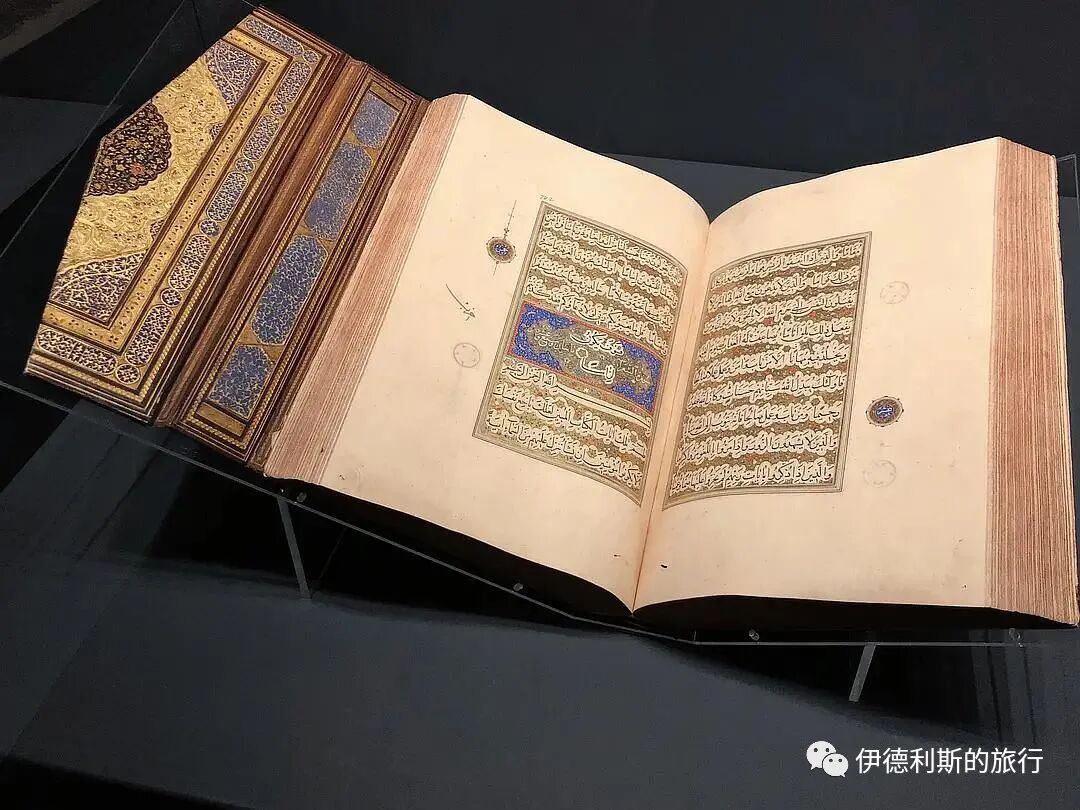
A 1580/1 Quran from Shiraz.
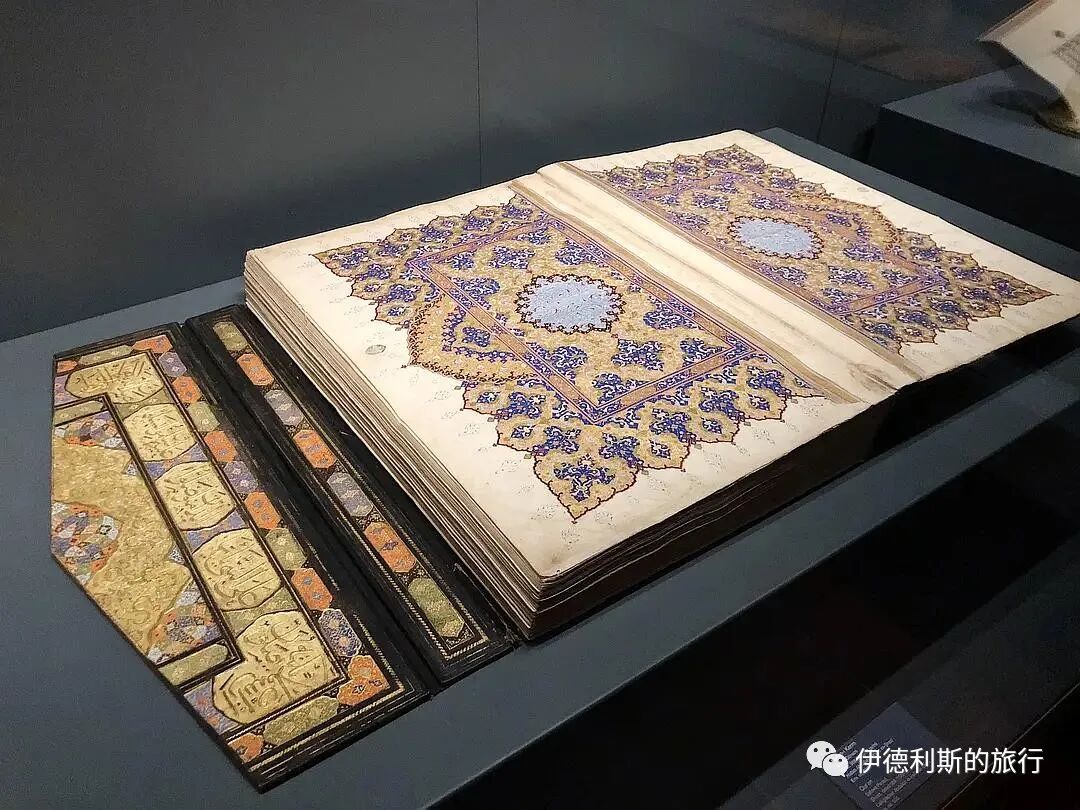
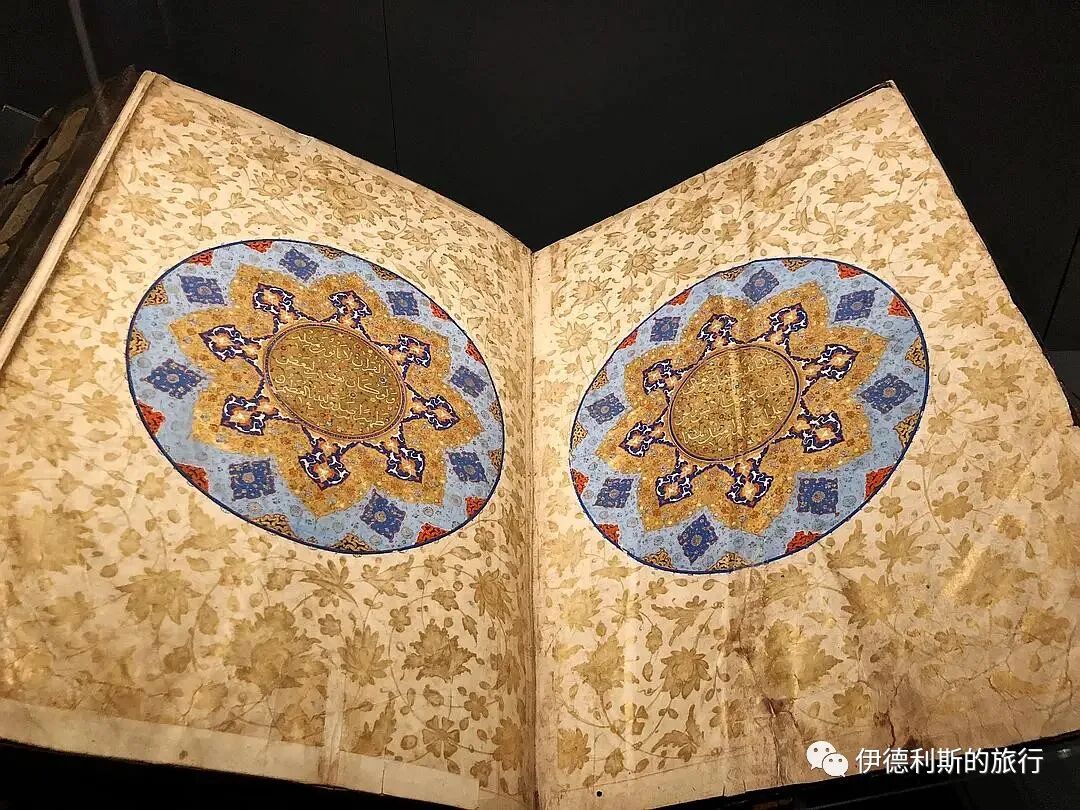
XI. The Ottoman Dynasty: 1299-1923
A late 15th-early 16th-century scripture box
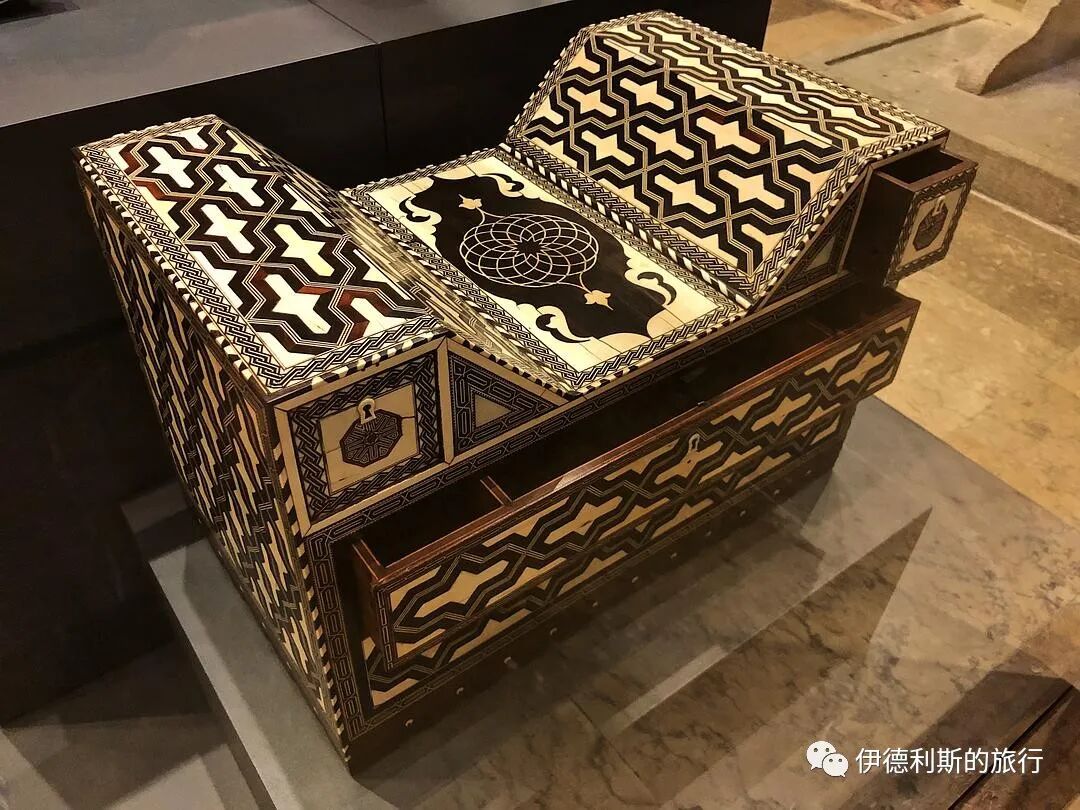
14th-15th-century tiles
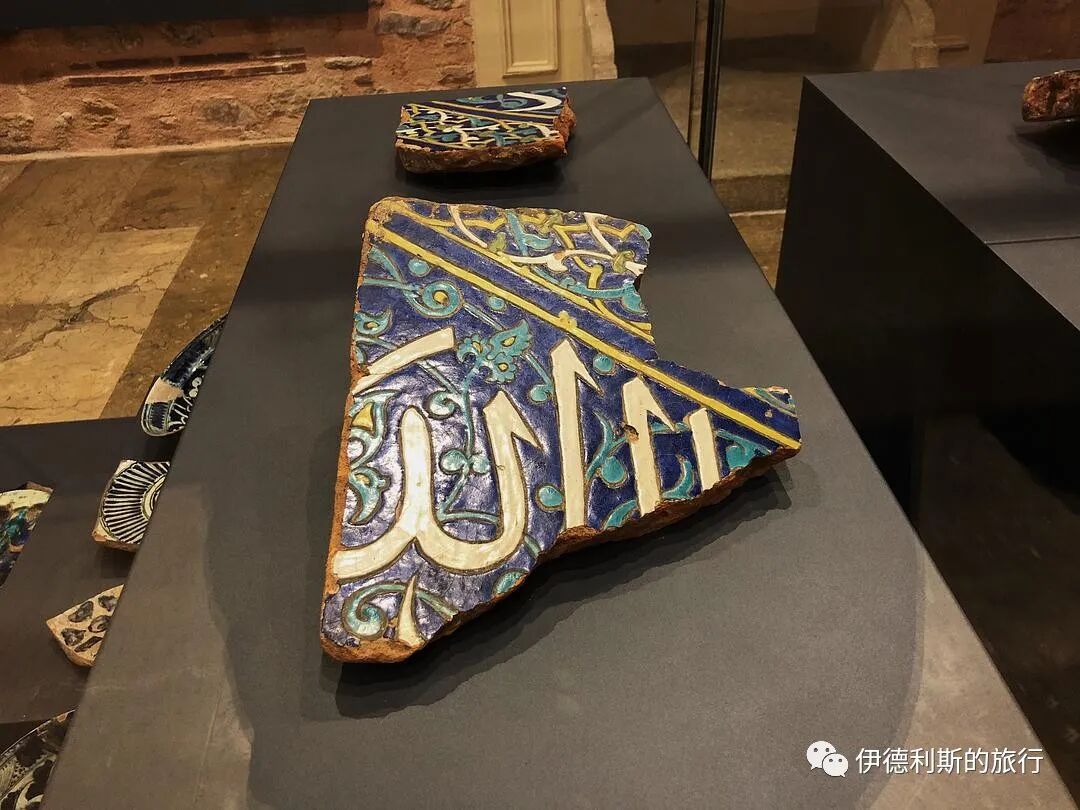
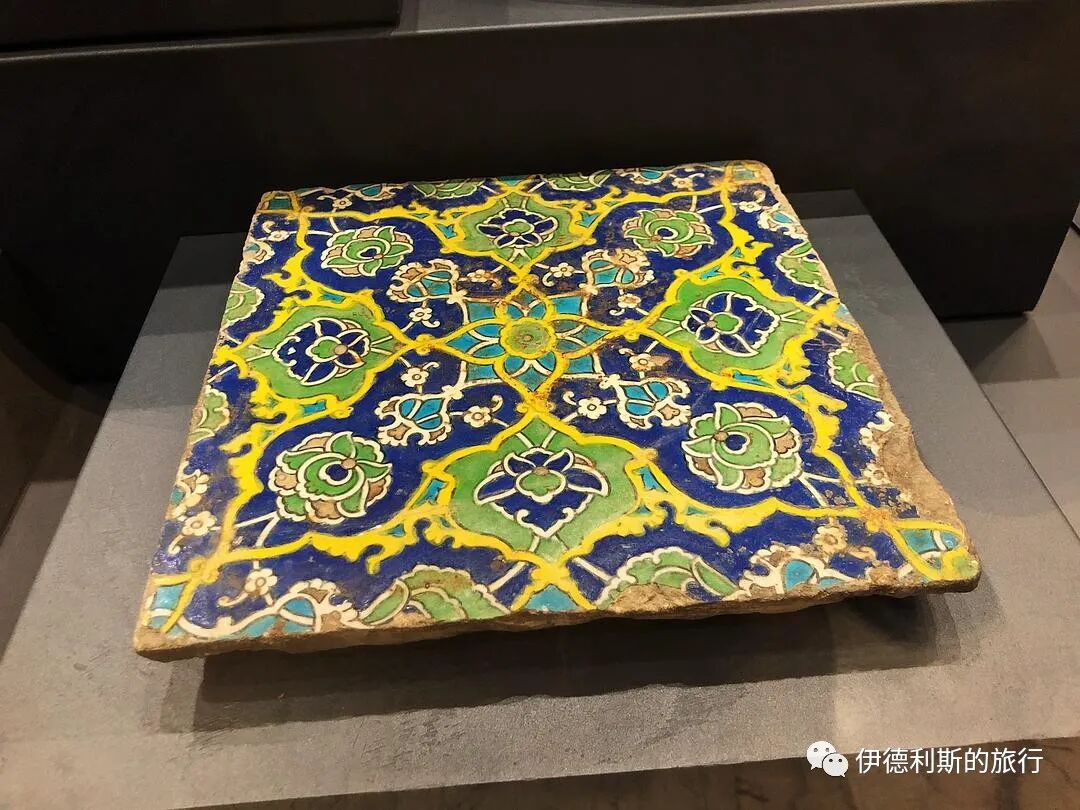
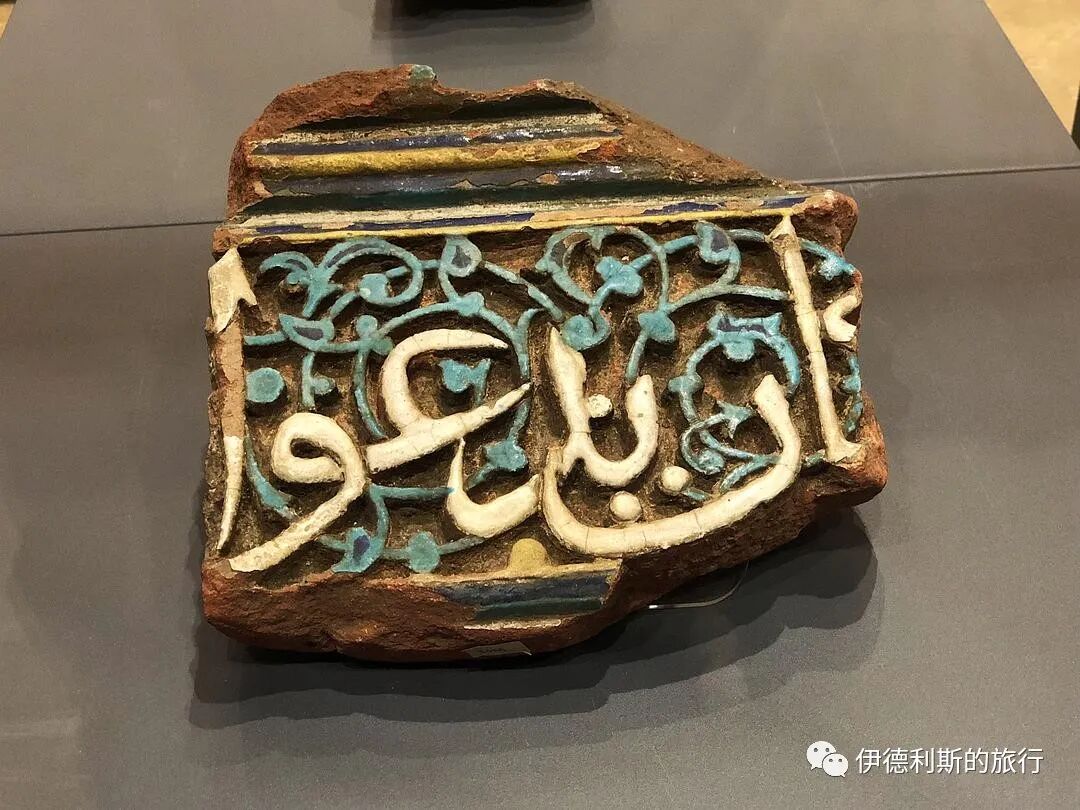
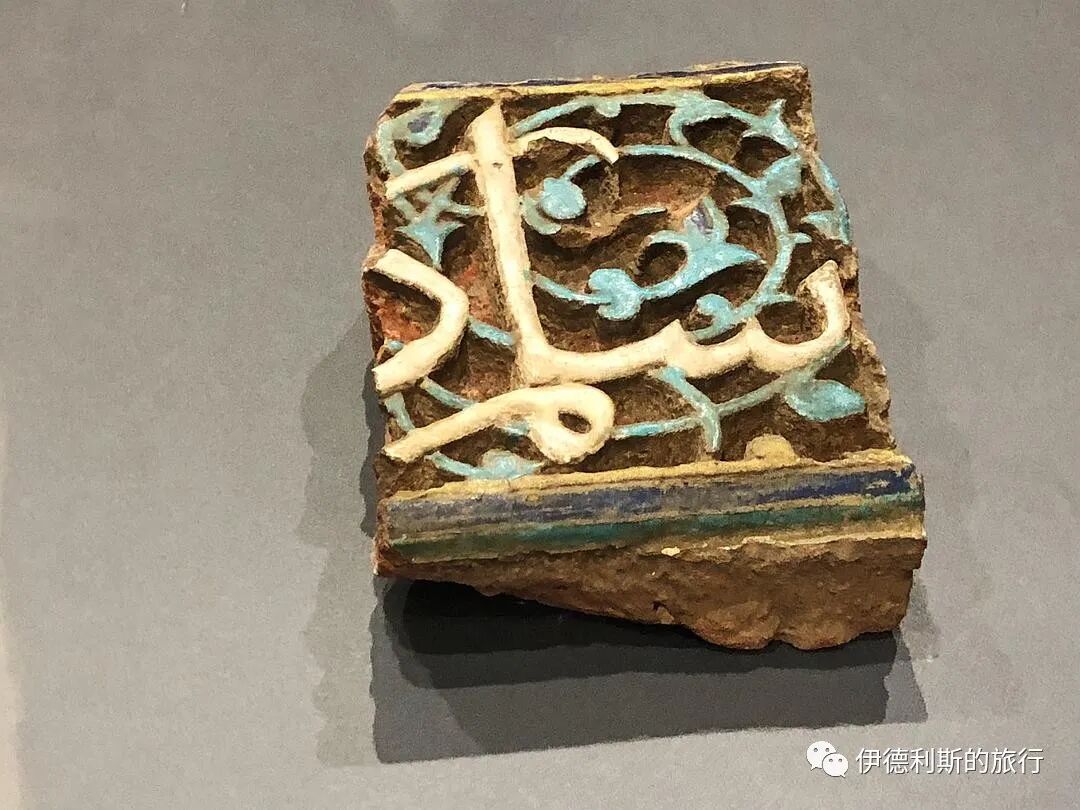
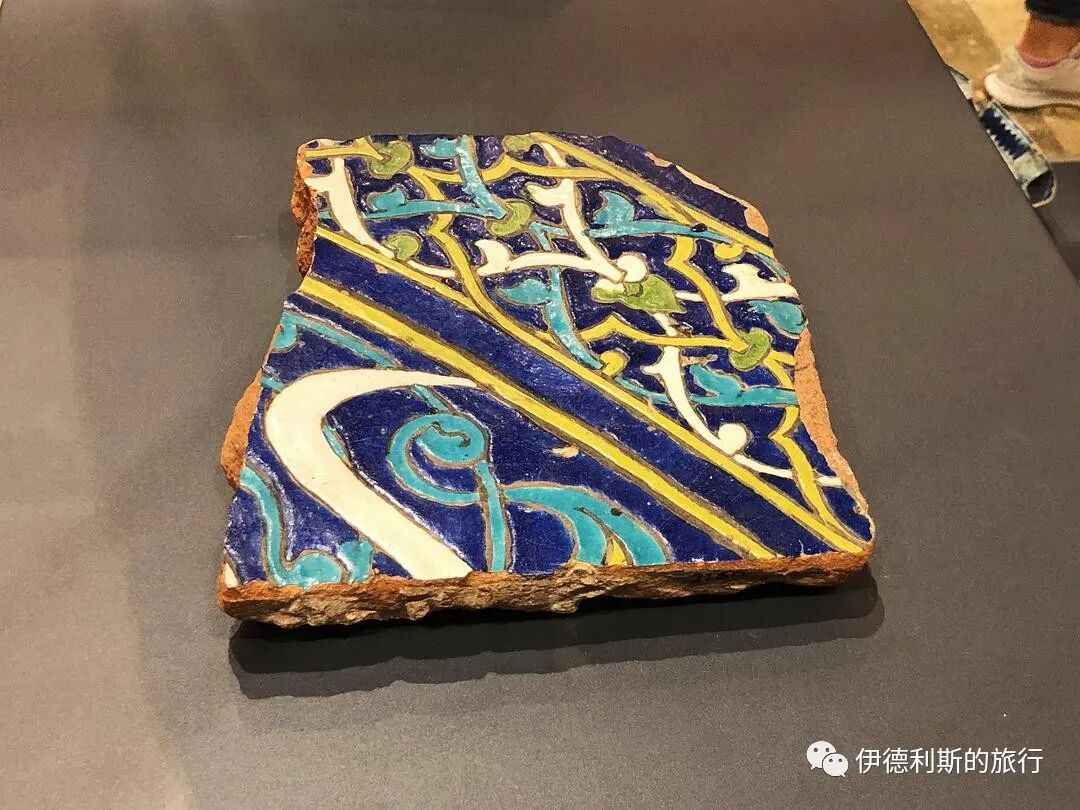
The book 'Zubdet'ut Tevarih (Faith, Islam, and Ottoman History)', produced in 1583 by the calligrapher Seyyid Lokman Ashuri for Sultan Murad III
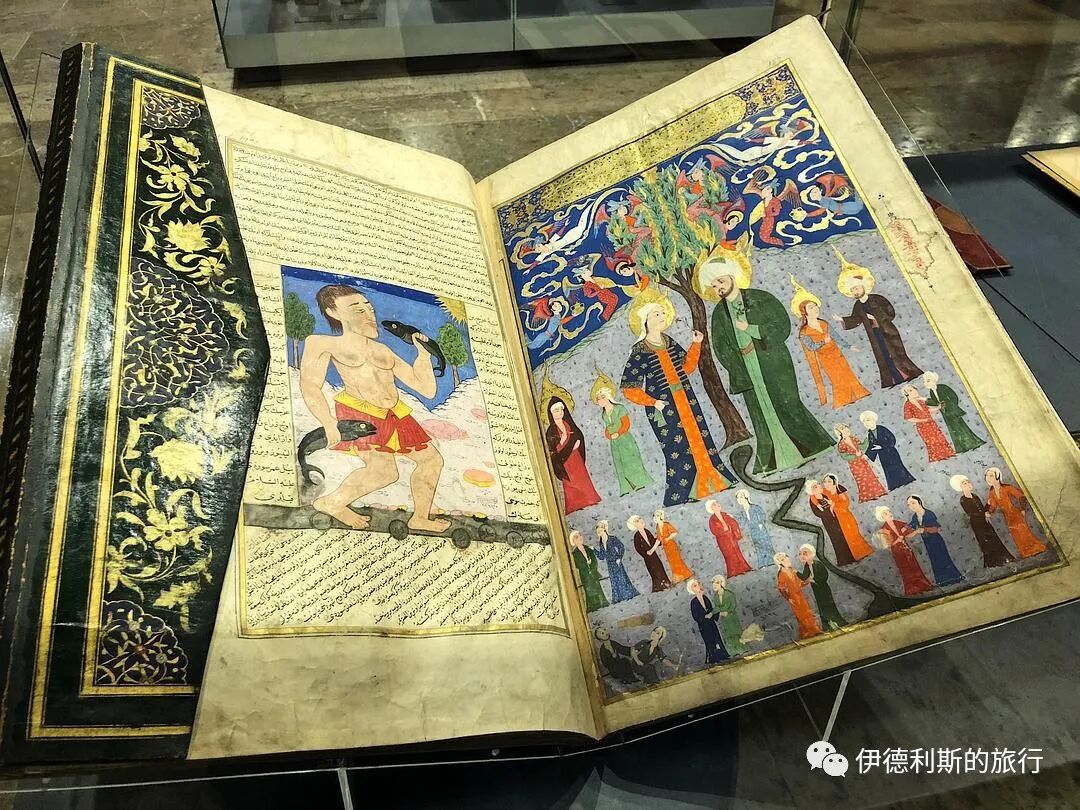
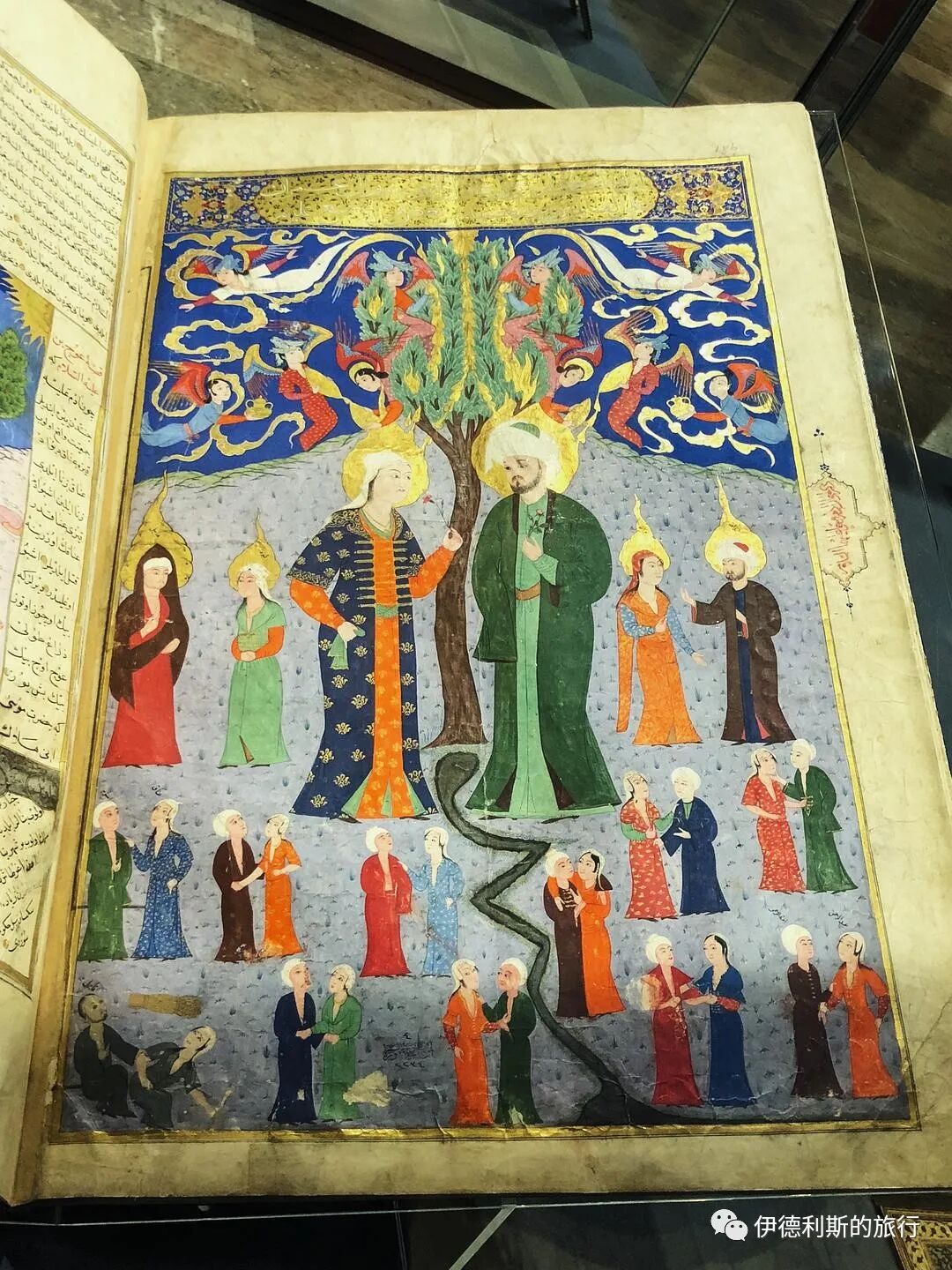
A Quran written by the calligrapher Seyh Hamdullah in 1494
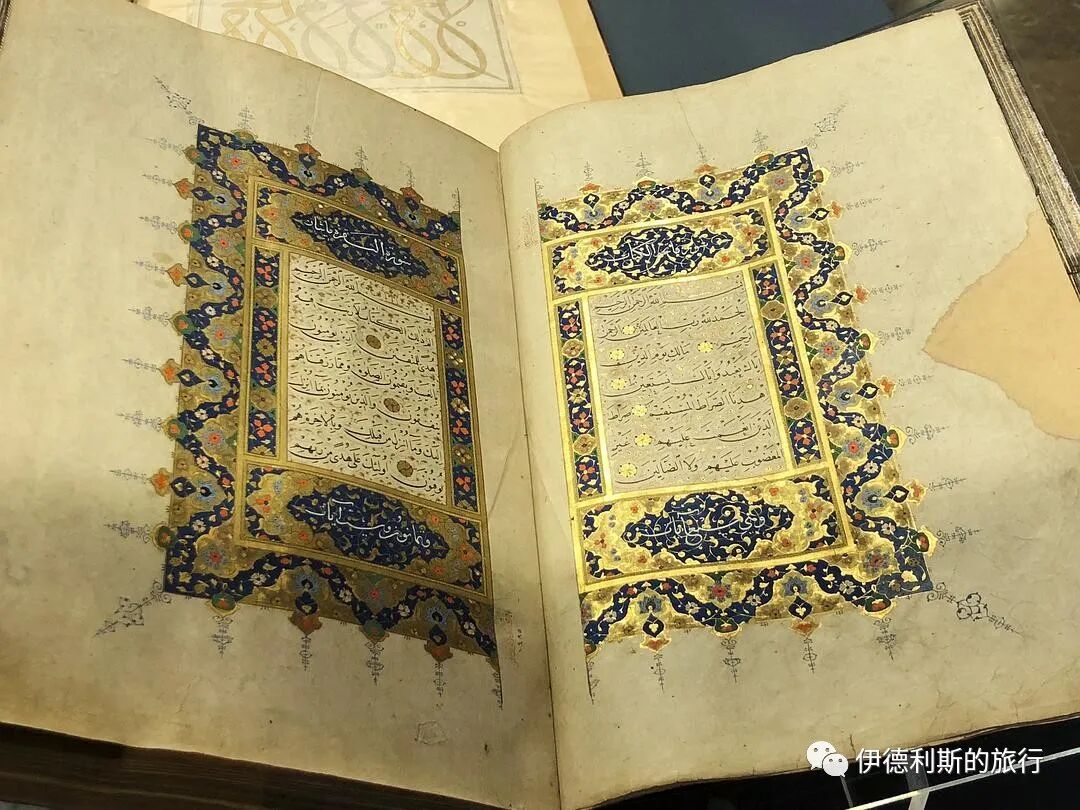
Chapter 6 of the Quran, 'The Cattle', written by the calligrapher Ahmed Karahisari in 1443
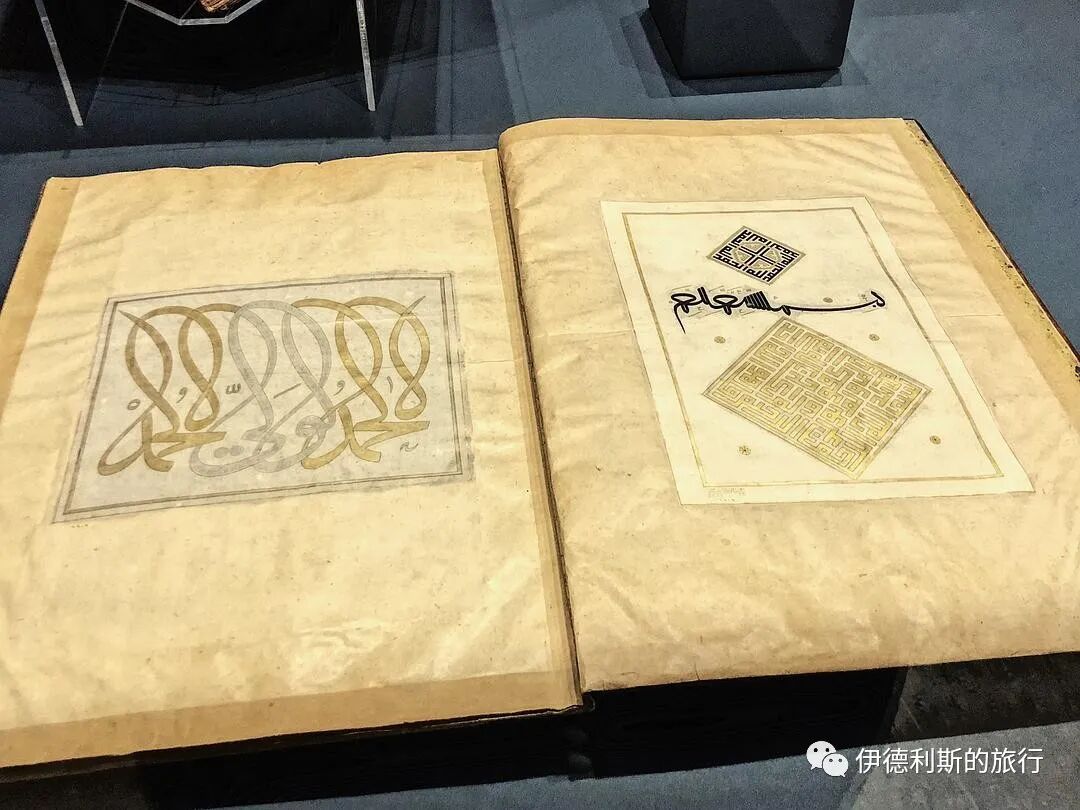
A Quran written by the calligrapher Hafiz Osman between 1540 and 1550
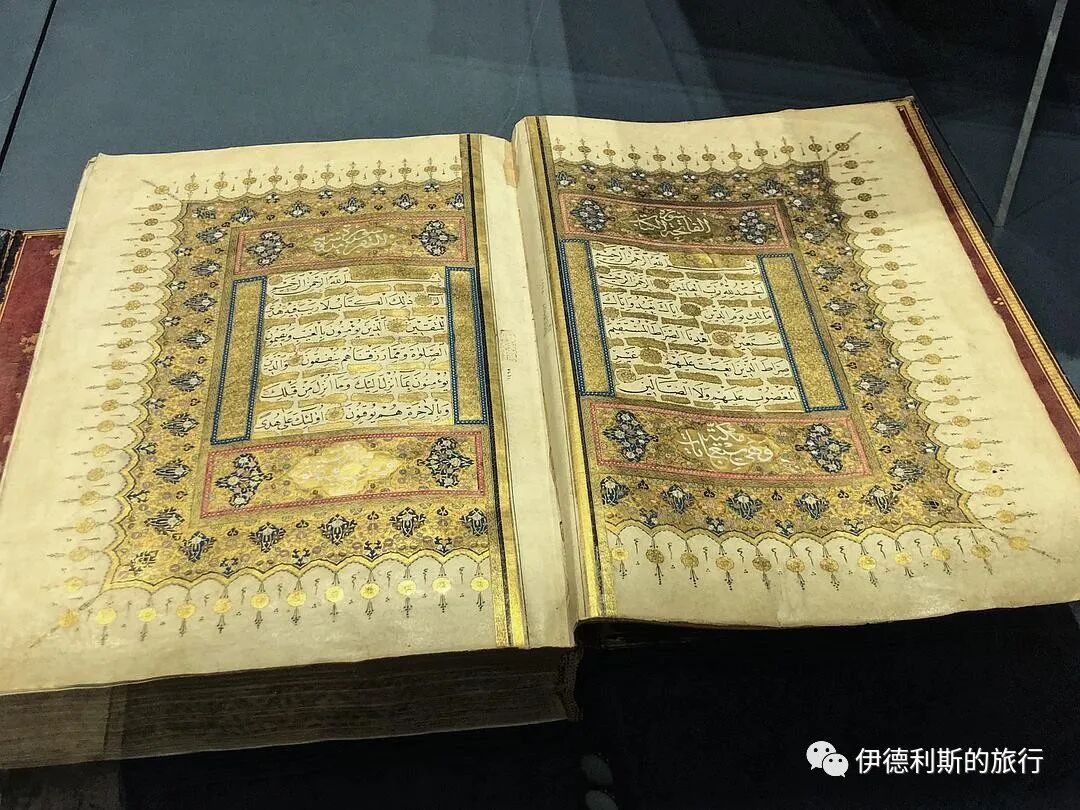
A 1612 endowment deed of Sultan Ahmed I
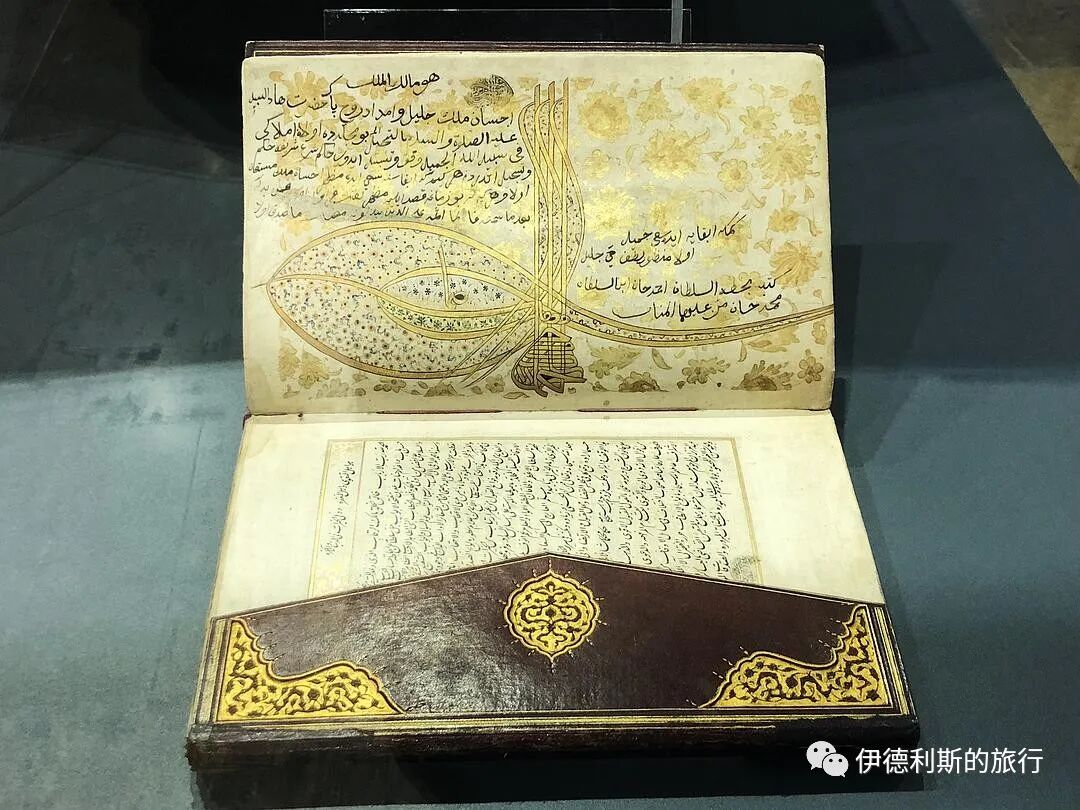
A 1738 Ottoman Qiblanuma (qibla compass), which is the most famous of all Ottoman qibla compasses.
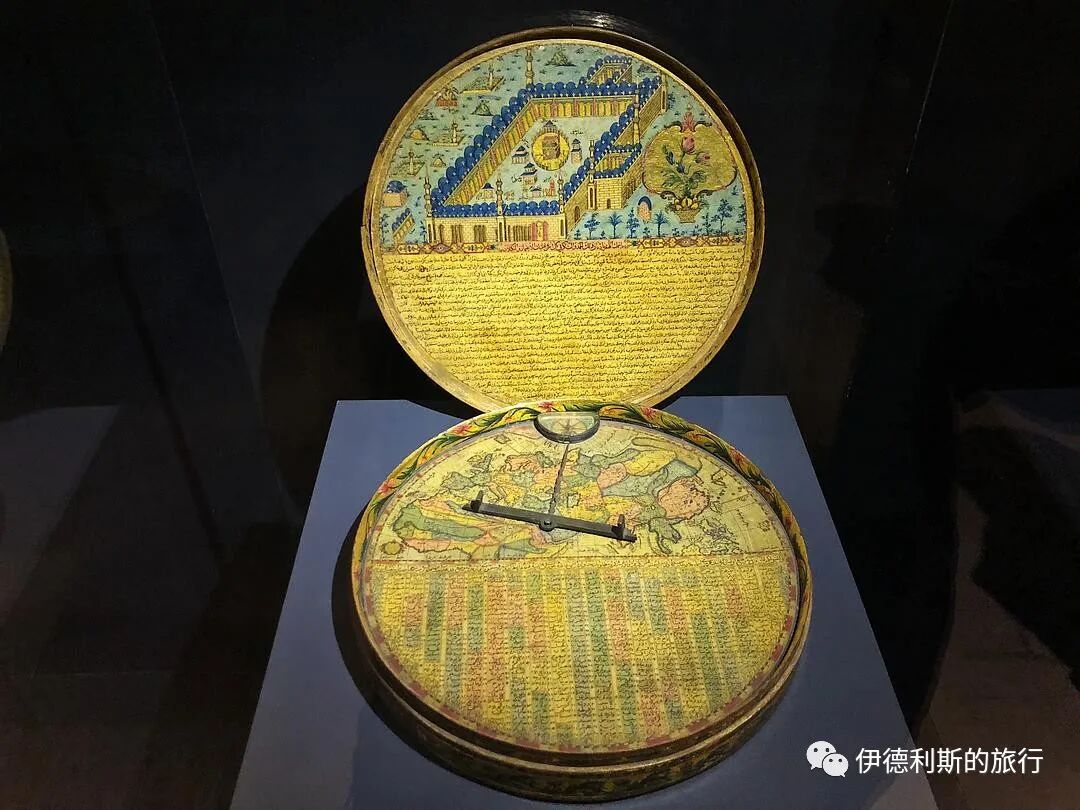
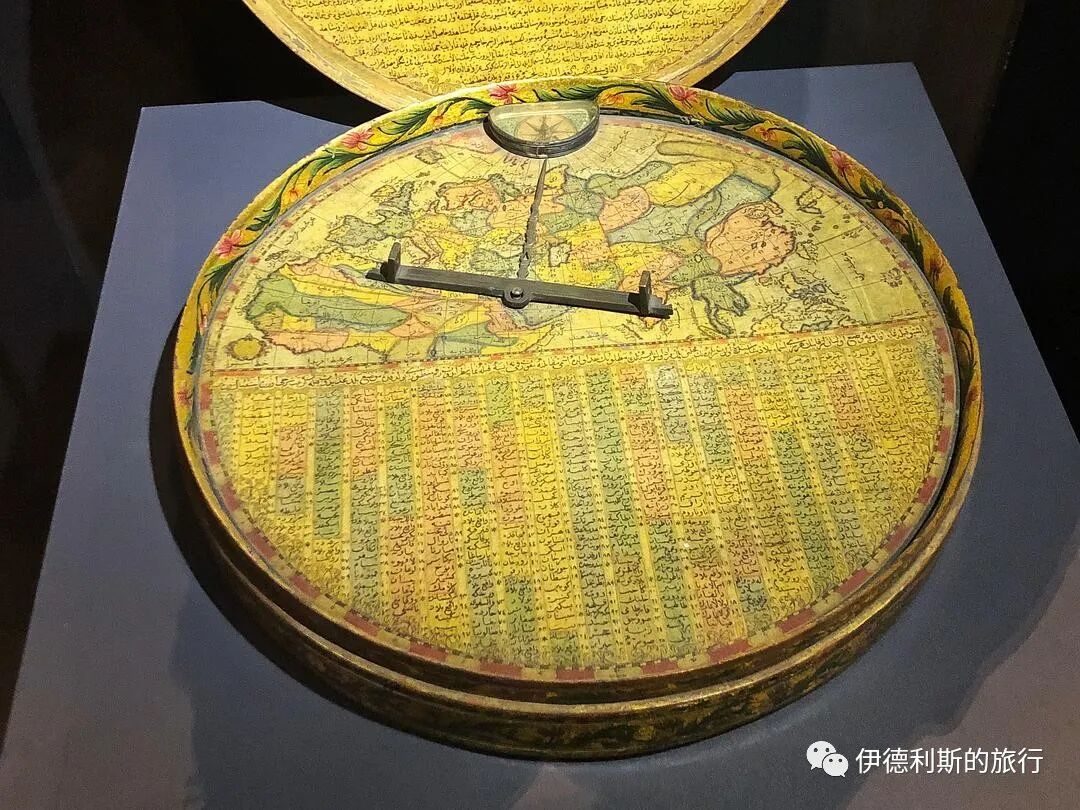
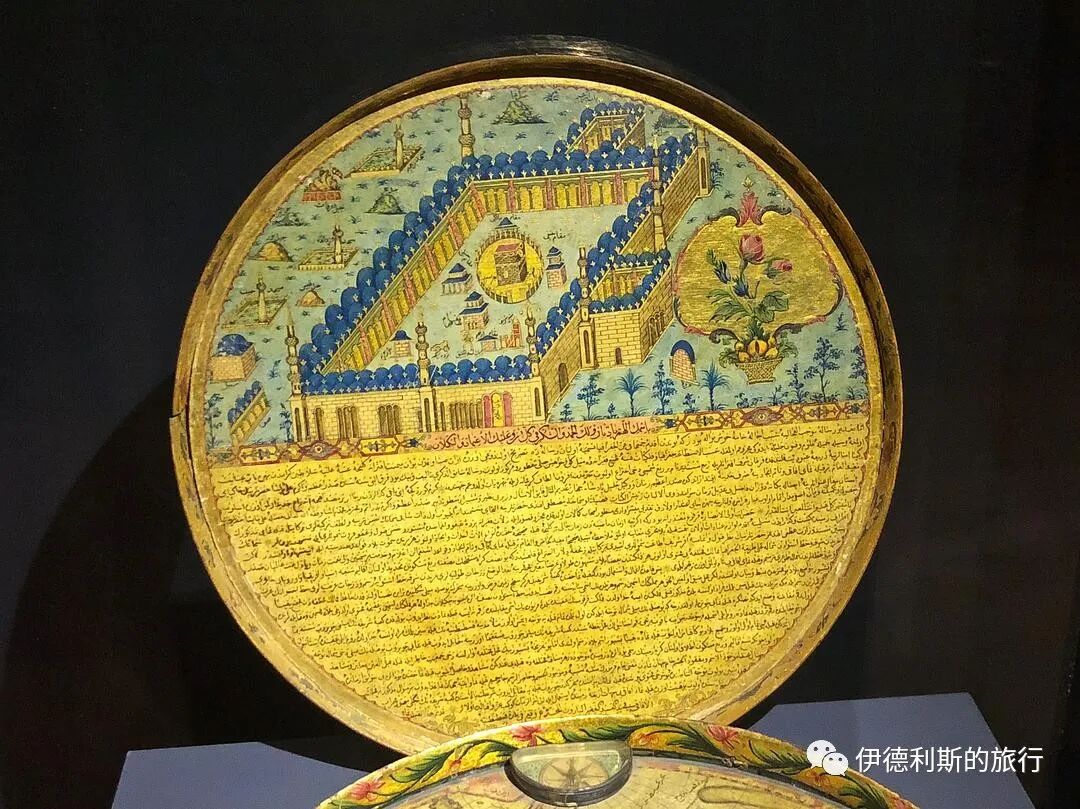
An early 15th-century wooden door from the Karaman dynasty
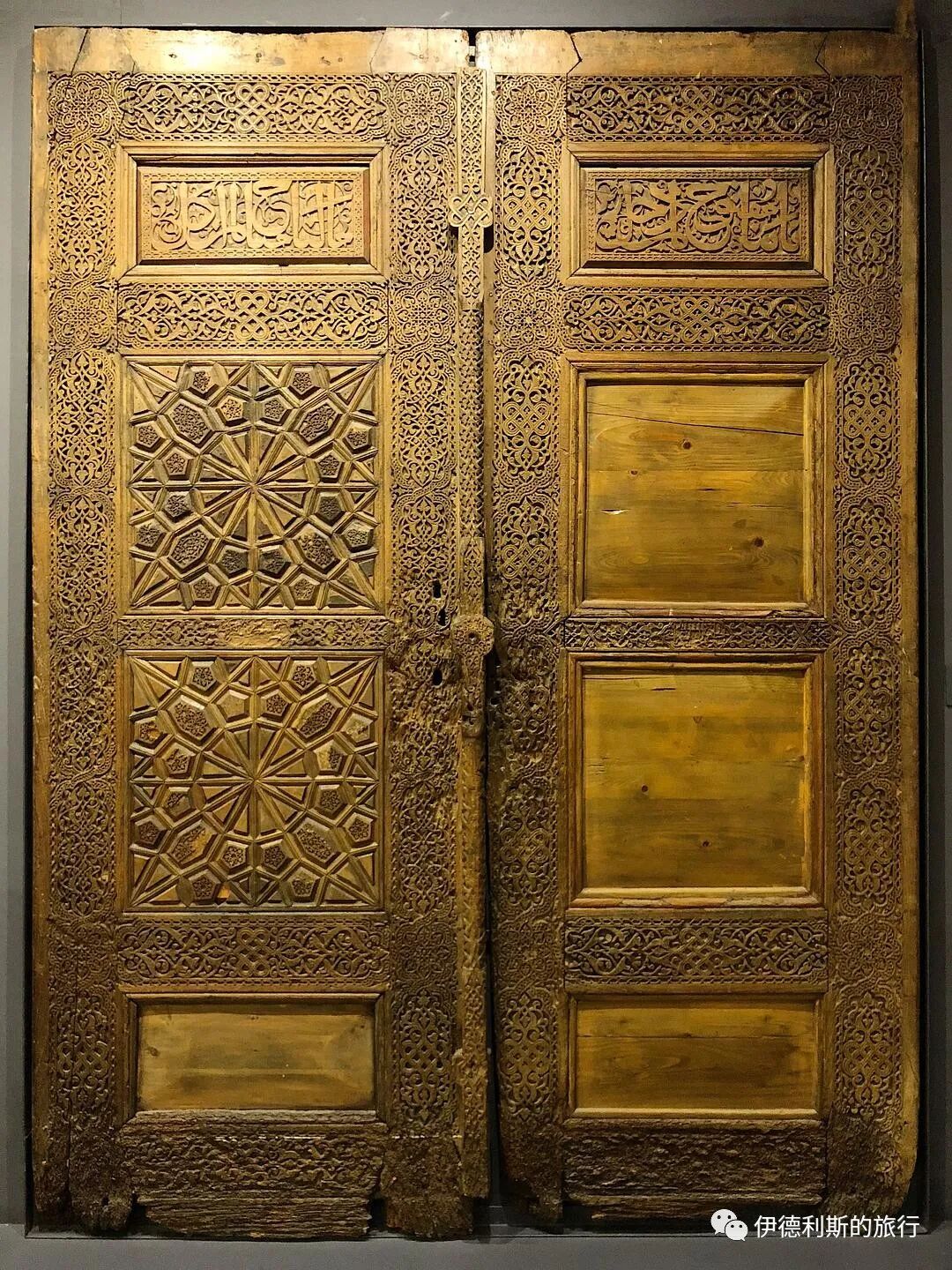
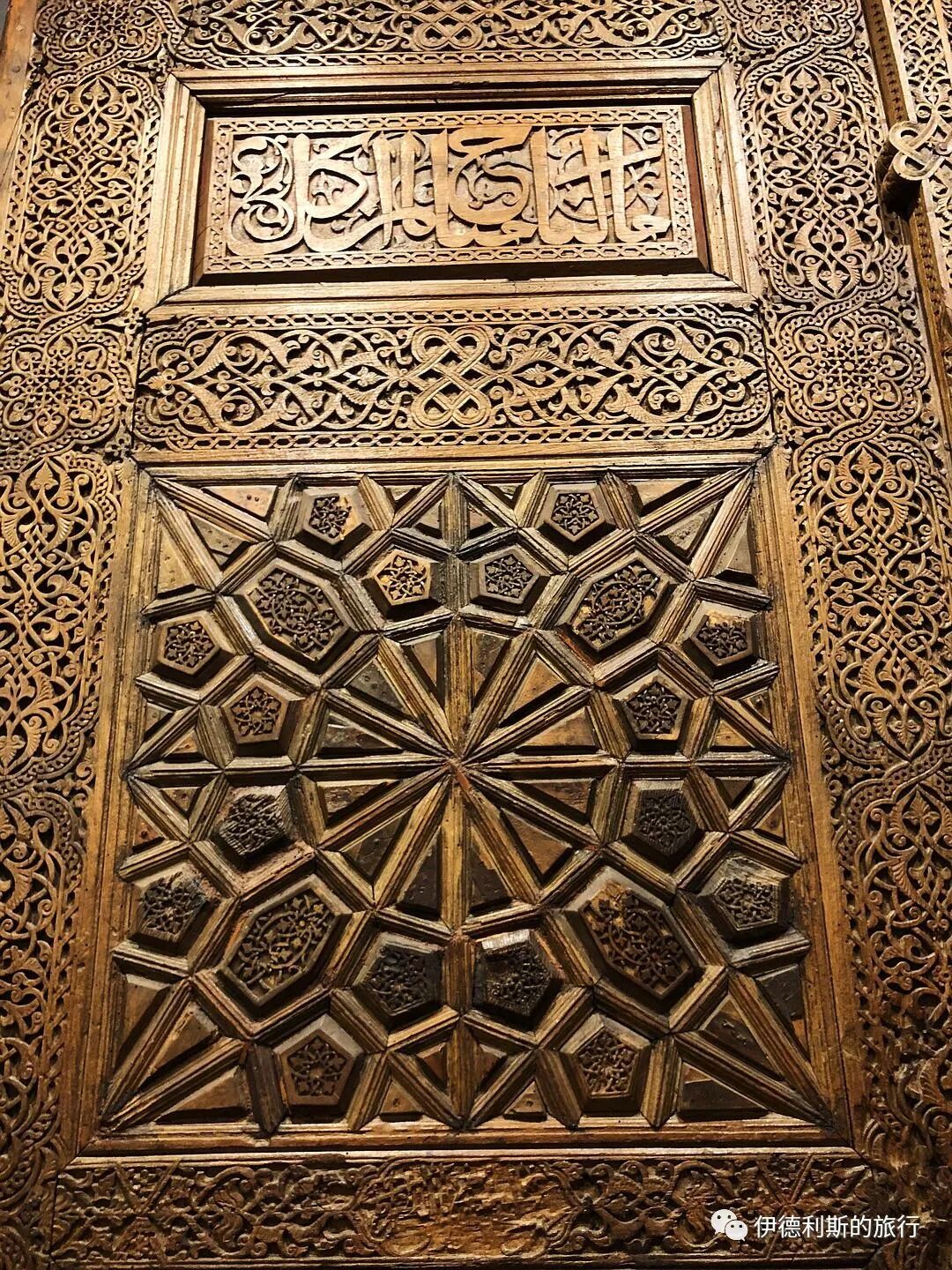
Halal Travel Guide: Bursa, Turkey - Ottoman Mosques and Muslim Heritage
Articles • ali2007fr posted the article • 0 comments • 224 views • 2026-05-20 08:48
Summary: Bursa was an early Ottoman capital and is covered through its mosques, tombs, markets, baths, madrasahs, and old neighborhoods. This account keeps the original place names, dates, architectural details, food notes, and photographs from the trip.
After the Sultanate of Rum was defeated by the Mongol Empire and became a vassal state in 1243, many small states called beylics (beyliks) broke away from it. The Ottoman state was one of them. Around 1281, Osman became the bey and gradually expanded his territory by constantly attacking the Byzantine Empire. After Osman died in 1324, his son Orhan Gazi continued the attacks against the Byzantines.
In 1326, Orhan captured Bursa, the most important city on the southern shore of the Sea of Marmara, and made it his official capital. From then on, the Ottomans used Bursa as a base. Over the next hundred years, they grew into the massive Ottoman Empire. Bursa stands as the best witness to the birth of the Ottoman Empire.
In 2014, UNESCO named the ancient city of Bursa a World Heritage site. Its full name is Bursa and Cumalıkızık: the Birth of the Ottoman Empire.
Five of these heritage sites are located within Bursa. These five building complexes (külliye) were built by the second, third, fourth, fifth, and sixth rulers of the Ottoman dynasty: Orhan (reigned 1324-1362), Murad I (reigned 1362-1389), Bayezid I (reigned 1389-1402), Mehmed I (reigned 1413-1421), and Murad II (reigned 1421-1444). They cover the entire history of the Ottomans from the founding of the state to the conquest of Istanbul.
The Inn District—Orhan
The Inn District (Khans Area), also called the Orhan complex (Orhan Külliye), was built by the second Ottoman ruler Orhan (reigned 1324-1362) and several later sultans. It is the first building complex (külliye) in Ottoman history and is known as an important symbol of the Ottoman growth into an empire.
As the first capital of the Ottoman dynasty, Orhan and his successors created a new style of city planning in Bursa. They were the first to build a building complex (külliye) in the commercial area outside the city walls. Besides a mosque, a religious school (madrasa), a public kitchen, and a bathhouse, the complex included many inns (khan), a covered market (bedesten), and a bazaar (bazaar). This style of city planning, known as the Bursa Model, served as an important reference for later Ottoman city construction and can be called a model for the empire.
The Orhan Mosque is the first mosque in Bursa. It was built in 1339 by the second Ottoman ruler Orhan (reigned 1324-1362). It was burned by the Karamanids in 1413, rebuilt by Sultan Mehmed I (reigned 1379-1421) in 1417, and repaired again after being damaged by an earthquake in 1855.
The Orhan Mosque is also the first T-shaped mosque in Ottoman history. The T-shaped mosque is a representative form of early Ottoman mosque architecture. to the main prayer hall, this design includes a room on each side of the entrance.
The Orhan Bathhouse is a double-domed Turkish bath (hammam) built by Orhan in 1339. Together with the Orhan Mosque, it forms part of the Orhan complex. This was also the first Turkish bath (hammam) in Ottoman history built outside the city walls to serve the bazaar commercial district.
The Great Mosque of Bursa (Bursa Ulu Cami) is the largest mosque in Bursa and the largest example of the Ottoman multi-domed mosque style. This mosque has 20 domes and two minarets, and it is known as a masterpiece of early Ottoman architecture.
The Great Mosque of Bursa was built between 1396 and 1399 by the fourth Ottoman Sultan, Bayezid I (reigned 1389-1402), to celebrate the famous Battle of Nicopolis. The architect is said to be Ali Neccar.
The covered market (Yıldırım Bedesten) was built by the fourth Ottoman Sultan, Bayezid I, and served as the trade and financial center of Bursa at that time. Its relatively enclosed structure allowed domestic and foreign merchants to sell and store their most precious goods. The covered market is also the heart of the entire Bursa commercial district, with various inns and shops built around it. Today, it is a jewelry market and remains the area for the most valuable goods in the entire commercial district.
The Court Madrasah (Vaiziye Madrasah) sits right next to the west side of the Great Mosque. It was built by Amcazade Hüseyin Çelebi during the reign of Sultan Bayezid I (reigned 1389-1402) as a complex combining a religious school and a bazaar. The madrasah was destroyed in an earthquake in 1855. In 1957, archaeological excavations uncovered the foundation, and it was later rebuilt.
The Şengül Turkish bath (Şengül Hamamı) was built during the reign of Sultan Bayezid I (reigned 1389-1402) and is located right next to the north side of the Great Mosque. In the 16th century, the price here was 16 to 25 coins per day. The cold room was later destroyed by fire, but the octagonal main room covered by a dome still stands today.
The Silk Inn (İpek Khan) was built by order of the fifth Ottoman Sultan, Mehmed I (reigned 1413-1421), so it is also called the Sultan's Inn. The architect was the famous early 15th-century Ottoman architect İvaz Pasha, whose representative work is the famous Mehmed I complex in Bursa. The inn consists of a square courtyard with 38 rooms on both the upper and lower floors, and a fountain for cleaning in the middle. The east gate of the Silk Inn was once damaged due to road construction, but it was rebuilt in 1958.
Ivaz Pasha Bazaar is one of the inns and bazaars built around the covered market (Bedesten) during the reign of Sultan Mehmed I (reigned 1413-1421). The architect was Ivaz Pasha, a famous Ottoman architect from the early 15th century.
Geyve Khan was built by the famous Ottoman architect Ivaz Pasha, just like the Silk Inn. It was a gift to Sultan Mehmed I (reigned 1413-1421), so it is also called Ivaz Pasha Inn. The government fully renovated this place in 2006.
Meyhaneli Turkish bath was built in 1426 by the sixth Ottoman Sultan, Murad II (reigned 1421-1444). Meyhaneli means tavern, because this place was once used as a winery. Meyhaneli bath is also called Chicken Market (Tavuk Pazarı) bath, which was the former name of the location where the bath stands.
The sections for men's and women's cold showers were torn down for road construction, but other parts were renovated recently.
Rice Inn (Pirinç Khan) was built between 1490 and 1508 by order of the eighth Ottoman Sultan, Bayezid II (reigned 1481-1512). The architect was Yakup Shah.
The inn is a square courtyard made of 97 rooms, with 50 rooms on the upper floor and 47 on the lower floor. The eastern porch of the inn burned down in 1519 and was renovated afterward. The inn was severely damaged in an earthquake in 1855. Between 1903 and 1906, the northeastern part of the inn was torn down for road construction. Restoration of the inn began in 1983 and was finally completed in 2004.
Fidan Khan was built by order of Mahmud Pasha, the Grand Vizier of the seventh Ottoman Sultan, Mehmed II the Conqueror (reigned 1444-1446, 1451-1488). Because of this, it is also called Mahmud Pasha Inn. Fidan Khan is one of the largest inns in Bursa. It consists of 98 rooms forming a huge square courtyard, with a washing fountain and a small mosque in the center. The 48 rooms on the first floor were used as warehouses, and the 50 rooms on the second floor were used as shops.
The Koza Inn (Khan) was built between 1489 and 1491 by order of Sultan Bayezid II (reigned 1481-1512), and the architect was Abdul-ula bin Pulad Shah. After it was finished, the Koza Inn was also called the New Inn (Yeni Han).
The inn is a square courtyard made of 101 rooms, with 50 rooms on the first floor and 51 on the second. In the middle of the courtyard stands a small octagonal mosque, with a pool for wudu on the first floor and a prayer hall on the second.
Since the 15th century, the Koza Inn has been the trade center of Bursa and the busiest inn for foreign trade.
The Tuz Inn (Khan) is a small inn built by Umur Bey in 1454. It has 43 rooms surrounding a square courtyard, with 23 rooms upstairs and 20 rooms downstairs. There is a washing fountain in the middle of the courtyard, but no mosque.
The inn was badly damaged in an earthquake in 1855 and became even more run-down after a fire in 1901. The inn reopened in 2007 after being restored.
The Kütahya Inn (Khan) was built with funds donated by Buharalı Emir Efendi during the reign of Sultan Murad II (reigned 1421-1444, 1446-1451). It was once used as a shoe factory and warehouse, but the city government recently restored it to its original appearance.
The Perşembe Turkish bath (hammam) was built by Hacı Hasanzade Kazasker Mustafa Efendi during the reign of the seventh Ottoman Sultan, Mehmed the Conqueror (Mehmed II, reigned 1444-1446, 1451-1481).
The Perşembe bath is a small, single-unit bathhouse. Its changing room was torn down during road construction between 1903 and 1906.
Hüdavendigar Complex—Murad I
The Hüdavendigâr Complex (külliye) was built by the third Ottoman Sultan, Murad I (reigned 1362-1389), between 1363 and 1366. Murad I was known as "Hüdavendigâr," which translates literally from Persian as "Protector of Allah."
The Hüdavendigâr Complex is located on a hillside 5 kilometers west of the Bursa city center and includes a mosque, a madrasa, a public kitchen, a bathhouse, and a tomb.
Murad I was the son of Orhan I, the second ruler of the Ottoman Empire. Under his rule, the Ottomans captured most of the Balkans and made Edirne, located northwest of Constantinople, their new capital in 1363. Although Bursa lost its status as the capital, it remained the most important political and commercial center for the Ottoman territories in Asia.
In 1383, Murad I officially declared himself Sultan, marking the transition of the Ottoman state from a principality independent of the Seljuk Sultanate of Rum into a powerful sultanate.
The Hüdavendigar Mosque, also known as the Murad I Mosque, was built by Sultan Murad I between 1363 and 1366. It is a classic early Ottoman mosque with a T-shaped floor plan, and its most unique feature is that the madrasa is located on the floor above the main prayer hall. Because many Byzantine craftsmen helped build it, the mosque features Byzantine-style brickwork and column capitals. It is also the only Ottoman mosque that has two porticos.
The Hüdavendigar public kitchen (imaret), also called the Murad I public kitchen, was built by Sultan Murad I between 1367 and 1385. The kitchen was badly damaged in an earthquake in 1855 and was renovated in 1906 by Sultan Abdul Hamid II, who reigned from 1876 to 1909.
During the Ottoman era, everyone visiting the Hüdavendigar complex could eat and stay here for free for three days.
Today, it serves as a cultural center and still provides free food to anyone in need.
The Girçık Turkish bath (hammam) was built by Sultan Murad I between 1365 and 1366, and it has been in continuous use since it was restored in 1990.
The Old Bath (Eski Kaplıca) was built in 1385, and some of its columns, stone statues by the pool, and water spouts in the hot pool are original items from the Byzantine era. Since 1988, it has reopened as part of a hotel, with separate sections for men and women.
The Thunderbolt Complex—Bayezid I
The Thunderbolt Complex (Yıldırım Külliye), also known as the Bayezid I Complex (Bayezid I Külliye), was built in 1390 by the fourth Ottoman Sultan, Bayezid I, who was known as "The Thunderbolt" and reigned from 1389 to 1402, in the easternmost part of Bursa.
In the late 14th century, Bayezid the Thunderbolt (Yıldırım Bayezid) was known as the most powerful ruler in the Islamic world, commanding its finest army. Under his rule, the Ottoman Empire expanded steadily. In Europe, it included Thrace outside of Constantinople, Macedonia, Bulgaria, and parts of Serbia. In Asia, it reached the Taurus Mountains in southern Anatolia.
In 1402, Bayezid the Thunderbolt fought a decisive battle against the famous Timur the Great in Ankara. Bayezid was defeated and captured, and he died shortly after in Timur's military camp. After Bayezid the Thunderbolt died, his sons started the largest civil war in early Ottoman history, known as the Ottoman Interregnum.
The Thunderbolt (Yıldırım) Mosque, also called the Bayezid the Thunderbolt (Yıldırım Bayezid) Mosque, was built by order of Sultan Bayezid I between 1390 and 1395. It underwent major repairs after an earthquake in 1855, and a new minaret was added in 1963.
The Thunderbolt Mosque is the only early Ottoman mosque in Bursa built entirely of stone, without using any bricks. Additionally, the Thunderbolt Mosque is the first mosque to feature the Bursa arch structure. This flat arch sits between the main hall and the entrance, supporting two large domes.
The Thunderbolt Madrasah (Yıldırım Madrasah) is located northwest of the mosque. It was built by order of Sultan Bayezid I between 1390 and 1395 and was the first early Ottoman madrasah to have high walls. After the madrasah closed, it became a pharmacy in 1948.
The Bayezid the Thunderbolt (Yıldırım Bayezid) tomb was built in 1406 by Bayezid I's son, Süleyman Çelebi. The architect's name was Ali. In 1402, Bayezid the Thunderbolt fought a decisive battle against Timur the Lame in Ankara. He was defeated and captured, died shortly after in Timur's camp, and his body was later brought back to Bursa for burial.
The Mollayegan Madrasah was built in the late 14th century by Kara Eyne Bey, a commander under Bayezid the Thunderbolt, so it was originally called the Kara Eyne Bey Madrasah. Molla Yegan was a scientist during the reign of Sultan Murad II (reigned 1421-1444). He taught here for a long time in the early 15th century, and the madrasah was later named after him.
The madrasah underwent a major renovation in 1723 and was repaired again in 2006. It is now open to the public as a cafeteria, exhibition space, and handicraft center.
The Green Complex—Mehmed I
The Green Complex (Yesil Külliye), also called the Mehmed I Complex (Mehmed I Külliye), is the fourth complex built in Bursa. It was constructed by the fifth Ottoman Sultan, Mehmed I, who reigned from 1413 to 1421.
Mehmed was the fourth son of the fourth Sultan, Bayezid the Thunderbolt. In 1402, Bayezid I the Thunderbolt was captured by the great Tamerlane and died in a military camp shortly after. Mehmed, who was fighting alongside his father, was rescued on the battlefield by Bayezid Pasha and taken to the pasha's hometown of Amasya.
At that time, Bayezid I's eldest son had passed away and his second son was imprisoned by Tamerlane. The remaining four adult princes—Mehmed, Suleiman, Isa, and Musa—began to fight for the throne. This civil war is known as the Ottoman Interregnum.
Mehmed eventually reunified the Ottoman state and was officially crowned as Mehmed I in Edirne in 1413. Because he reunited the Ottoman Empire after its division, he is honored as the restorer of the Ottomans.
During the reign of Mehmed I, Edirne became more important than Bursa as the primary city among the two capitals, but after his death, he was still buried in the complex he built in Bursa.
The Green Mosque (Yeşil Mosque), also called the Mehmed I Mosque, was built by Sultan Mehmed I between 1414 and 1419. It is a masterpiece by the famous early 15th-century Ottoman architect İvaz Pasha. The Silk Inn (Koza Han), Geyve Inn (Geyve Han), and İvaz Pasha Bazaar in Bursa's inn district are also his works. the artists responsible for the painted decorations were Ali bin Ilyas and Mehmed el Mecnun.
The Green Mosque is a typical early Ottoman T-shaped mosque, and the main hall has two domes. The stone carvings on the mosque's main gate are considered the pinnacle of early Ottoman architecture. Due to the death of Mehmed I, the mosque's front porch (narthex) was never finished.
The Green Tomb (Yeşil Türbe) is the mausoleum for Mehmed I and his family. It was also ordered by Mehmed I and built by İvaz Pasha between 1414 and 1421. This tomb gets its name from the blue-green Iznik tiles, and the entire complex is named the Green Complex because of it.
The artists who painted the murals were Ali bin İlyas Ali, Mehmed el Mecnun, and Ali bin Hacı Ahmed Tebrizi, and their names appear on the walls of the tomb.
After the 1855 earthquake, this place was covered in blue Kutahya tiles, and the original tiles inside are considered a masterpiece of early Ottoman tile art.
The Green Madrasah (Yeşil Madrasah) was commissioned by Sultan Mehmed in 1414, but it was not finished on time because the Sultan died in 1421, and it finally opened in 1424.
The Green Public Kitchen (Yeşil İmaret) was also commissioned by Sultan Mehmed between 1414 and 1421, and it still gives out free food to the public today. When I visited, I happened to see a family picking up food at the kitchen.
Muradiye Complex—Murad II
The Muradiye Complex (Muradiye Külliyesi), also called the Murad II Complex (Murad II Külliyesi), was built in 1426 by the sixth Ottoman Sultan, Murad II (reigned 1421–1444 and 1446–1451).
Murad II was the last Sultan to rule from Bursa before the Ottomans conquered Constantinople. Besides standard buildings like the mosque, madrasah, and bathhouse, the complex is most famous for being the first to include a royal cemetery (hazire) for Ottoman family members. This style of cemetery later became common in Istanbul.
The Muradiye Mosque, also known as the Murad II Mosque, was built by Sultan Murad II between 1425 and 1426.
The Muradiye Mosque is an early Ottoman "T-shaped" mosque, with two domes over the main hall and a smaller dome on each side. The interior of the mosque is decorated with blue-green and dark blue hexagonal tiles.
The Muradiye (Murad II) Madrasah and the Muradiye Mosque were both built by order of Sultan Murad II in 1426. The madrasah has 14 student rooms surrounding a courtyard, with a large classroom covered by a dome in the center.
After 1951, the madrasah became a tuberculosis clinic, and since 2005, it has served as the Döne Ocak Early Cancer Diagnosis Center.
The Muradiye (Murad II) Public Kitchen was built by order of Sultan Murad II between 1425 and 1426, and it became a restaurant after 1995.
The Muradiye (Murad II) Turkish bath (hammam) was built in 1425 by order of Sultan Murad II. Later traffic planning separated it from the courtyard where the Muradiye Mosque and the madrasa are located.
This building was once used as a foundry before it was restored to a Turkish bath. Between 2008 and 2010, the city government took over the site and restored it. After the work was finished, it was given to the Bursa Disabled People's Committee to become a center for disabled development.
The Muradiye Cemetery, founded in 1449, is the first royal cemetery in Ottoman history. Its 12 tombs hold dozens of wives, sons, and daughters of Ottoman sultans, making it the most important cemetery from the early Ottoman period. Construction of the tombs in the cemetery continued until the 16th century. This shows that even though Istanbul was the capital by then, Bursa still held a high place in the hearts of the Ottoman royal family.
The 10 tombs with clear records are as follows:
(1) Tomb of Sultan Murad II: 1451—the sixth sultan.
(2) Tomb of Hüma Hatun: 1449—wife of the sixth sultan.
(3) Tomb of Sultan Cem: 1479—son of the seventh sultan.
(4) Tomb of Gülşah Hatun: 1487—wife of the seventh sultan.
(5) Tomb of Gülruh Hatun: 1527—wife of the eighth sultan.
(6) Tomb of Şirin Hatun: early 16th century—wife of the eighth sultan.
(7) Tomb of Prince Ahmed: 1513—son of the eighth sultan.
(8) Tomb of Prince Mahmud: 1507—son of the eighth sultan.
(9) Tomb of Mükrime Hatun: 1517—daughter-in-law of the eighth sultan.
(10) Tomb of Prince Mustafa: 1573—son of the tenth sultan.
Food
You have to try the Bursa kebab (Bursa kebap) when you visit Bursa. It is made by adding yogurt and tomato sauce to the meat. This was the first food I had in Turkey that I could not fully get used to. But their fermented grape juice (şıra) is super delicious!
I had breakfast at the hotel, right across from the beautiful Grand Mosque (Ulu Cami) in Bursa.
The next day, I had a dish similar to the Bursa kebab called meatball flatbread (Pideli köfte), which just swaps the meat slices for meatballs.
I had Turkish pizza (pide) for dinner. I really liked it because they were generous with the toppings.
In front of a mosque in Bursa, an old man was selling pastries for one lira each. They are called Damascus sweets (Şam Tatlısı) and are said to have a very long history. view all
Summary: Bursa was an early Ottoman capital and is covered through its mosques, tombs, markets, baths, madrasahs, and old neighborhoods. This account keeps the original place names, dates, architectural details, food notes, and photographs from the trip.
After the Sultanate of Rum was defeated by the Mongol Empire and became a vassal state in 1243, many small states called beylics (beyliks) broke away from it. The Ottoman state was one of them. Around 1281, Osman became the bey and gradually expanded his territory by constantly attacking the Byzantine Empire. After Osman died in 1324, his son Orhan Gazi continued the attacks against the Byzantines.
In 1326, Orhan captured Bursa, the most important city on the southern shore of the Sea of Marmara, and made it his official capital. From then on, the Ottomans used Bursa as a base. Over the next hundred years, they grew into the massive Ottoman Empire. Bursa stands as the best witness to the birth of the Ottoman Empire.
In 2014, UNESCO named the ancient city of Bursa a World Heritage site. Its full name is Bursa and Cumalıkızık: the Birth of the Ottoman Empire.
Five of these heritage sites are located within Bursa. These five building complexes (külliye) were built by the second, third, fourth, fifth, and sixth rulers of the Ottoman dynasty: Orhan (reigned 1324-1362), Murad I (reigned 1362-1389), Bayezid I (reigned 1389-1402), Mehmed I (reigned 1413-1421), and Murad II (reigned 1421-1444). They cover the entire history of the Ottomans from the founding of the state to the conquest of Istanbul.
The Inn District—Orhan
The Inn District (Khans Area), also called the Orhan complex (Orhan Külliye), was built by the second Ottoman ruler Orhan (reigned 1324-1362) and several later sultans. It is the first building complex (külliye) in Ottoman history and is known as an important symbol of the Ottoman growth into an empire.
As the first capital of the Ottoman dynasty, Orhan and his successors created a new style of city planning in Bursa. They were the first to build a building complex (külliye) in the commercial area outside the city walls. Besides a mosque, a religious school (madrasa), a public kitchen, and a bathhouse, the complex included many inns (khan), a covered market (bedesten), and a bazaar (bazaar). This style of city planning, known as the Bursa Model, served as an important reference for later Ottoman city construction and can be called a model for the empire.
The Orhan Mosque is the first mosque in Bursa. It was built in 1339 by the second Ottoman ruler Orhan (reigned 1324-1362). It was burned by the Karamanids in 1413, rebuilt by Sultan Mehmed I (reigned 1379-1421) in 1417, and repaired again after being damaged by an earthquake in 1855.
The Orhan Mosque is also the first T-shaped mosque in Ottoman history. The T-shaped mosque is a representative form of early Ottoman mosque architecture. to the main prayer hall, this design includes a room on each side of the entrance.
The Orhan Bathhouse is a double-domed Turkish bath (hammam) built by Orhan in 1339. Together with the Orhan Mosque, it forms part of the Orhan complex. This was also the first Turkish bath (hammam) in Ottoman history built outside the city walls to serve the bazaar commercial district.
The Great Mosque of Bursa (Bursa Ulu Cami) is the largest mosque in Bursa and the largest example of the Ottoman multi-domed mosque style. This mosque has 20 domes and two minarets, and it is known as a masterpiece of early Ottoman architecture.
The Great Mosque of Bursa was built between 1396 and 1399 by the fourth Ottoman Sultan, Bayezid I (reigned 1389-1402), to celebrate the famous Battle of Nicopolis. The architect is said to be Ali Neccar.
The covered market (Yıldırım Bedesten) was built by the fourth Ottoman Sultan, Bayezid I, and served as the trade and financial center of Bursa at that time. Its relatively enclosed structure allowed domestic and foreign merchants to sell and store their most precious goods. The covered market is also the heart of the entire Bursa commercial district, with various inns and shops built around it. Today, it is a jewelry market and remains the area for the most valuable goods in the entire commercial district.
The Court Madrasah (Vaiziye Madrasah) sits right next to the west side of the Great Mosque. It was built by Amcazade Hüseyin Çelebi during the reign of Sultan Bayezid I (reigned 1389-1402) as a complex combining a religious school and a bazaar. The madrasah was destroyed in an earthquake in 1855. In 1957, archaeological excavations uncovered the foundation, and it was later rebuilt.
The Şengül Turkish bath (Şengül Hamamı) was built during the reign of Sultan Bayezid I (reigned 1389-1402) and is located right next to the north side of the Great Mosque. In the 16th century, the price here was 16 to 25 coins per day. The cold room was later destroyed by fire, but the octagonal main room covered by a dome still stands today.
The Silk Inn (İpek Khan) was built by order of the fifth Ottoman Sultan, Mehmed I (reigned 1413-1421), so it is also called the Sultan's Inn. The architect was the famous early 15th-century Ottoman architect İvaz Pasha, whose representative work is the famous Mehmed I complex in Bursa. The inn consists of a square courtyard with 38 rooms on both the upper and lower floors, and a fountain for cleaning in the middle. The east gate of the Silk Inn was once damaged due to road construction, but it was rebuilt in 1958.
Ivaz Pasha Bazaar is one of the inns and bazaars built around the covered market (Bedesten) during the reign of Sultan Mehmed I (reigned 1413-1421). The architect was Ivaz Pasha, a famous Ottoman architect from the early 15th century.
Geyve Khan was built by the famous Ottoman architect Ivaz Pasha, just like the Silk Inn. It was a gift to Sultan Mehmed I (reigned 1413-1421), so it is also called Ivaz Pasha Inn. The government fully renovated this place in 2006.
Meyhaneli Turkish bath was built in 1426 by the sixth Ottoman Sultan, Murad II (reigned 1421-1444). Meyhaneli means tavern, because this place was once used as a winery. Meyhaneli bath is also called Chicken Market (Tavuk Pazarı) bath, which was the former name of the location where the bath stands.
The sections for men's and women's cold showers were torn down for road construction, but other parts were renovated recently.
Rice Inn (Pirinç Khan) was built between 1490 and 1508 by order of the eighth Ottoman Sultan, Bayezid II (reigned 1481-1512). The architect was Yakup Shah.
The inn is a square courtyard made of 97 rooms, with 50 rooms on the upper floor and 47 on the lower floor. The eastern porch of the inn burned down in 1519 and was renovated afterward. The inn was severely damaged in an earthquake in 1855. Between 1903 and 1906, the northeastern part of the inn was torn down for road construction. Restoration of the inn began in 1983 and was finally completed in 2004.
Fidan Khan was built by order of Mahmud Pasha, the Grand Vizier of the seventh Ottoman Sultan, Mehmed II the Conqueror (reigned 1444-1446, 1451-1488). Because of this, it is also called Mahmud Pasha Inn. Fidan Khan is one of the largest inns in Bursa. It consists of 98 rooms forming a huge square courtyard, with a washing fountain and a small mosque in the center. The 48 rooms on the first floor were used as warehouses, and the 50 rooms on the second floor were used as shops.
The Koza Inn (Khan) was built between 1489 and 1491 by order of Sultan Bayezid II (reigned 1481-1512), and the architect was Abdul-ula bin Pulad Shah. After it was finished, the Koza Inn was also called the New Inn (Yeni Han).
The inn is a square courtyard made of 101 rooms, with 50 rooms on the first floor and 51 on the second. In the middle of the courtyard stands a small octagonal mosque, with a pool for wudu on the first floor and a prayer hall on the second.
Since the 15th century, the Koza Inn has been the trade center of Bursa and the busiest inn for foreign trade.
The Tuz Inn (Khan) is a small inn built by Umur Bey in 1454. It has 43 rooms surrounding a square courtyard, with 23 rooms upstairs and 20 rooms downstairs. There is a washing fountain in the middle of the courtyard, but no mosque.
The inn was badly damaged in an earthquake in 1855 and became even more run-down after a fire in 1901. The inn reopened in 2007 after being restored.
The Kütahya Inn (Khan) was built with funds donated by Buharalı Emir Efendi during the reign of Sultan Murad II (reigned 1421-1444, 1446-1451). It was once used as a shoe factory and warehouse, but the city government recently restored it to its original appearance.
The Perşembe Turkish bath (hammam) was built by Hacı Hasanzade Kazasker Mustafa Efendi during the reign of the seventh Ottoman Sultan, Mehmed the Conqueror (Mehmed II, reigned 1444-1446, 1451-1481).
The Perşembe bath is a small, single-unit bathhouse. Its changing room was torn down during road construction between 1903 and 1906.
Hüdavendigar Complex—Murad I
The Hüdavendigâr Complex (külliye) was built by the third Ottoman Sultan, Murad I (reigned 1362-1389), between 1363 and 1366. Murad I was known as "Hüdavendigâr," which translates literally from Persian as "Protector of Allah."
The Hüdavendigâr Complex is located on a hillside 5 kilometers west of the Bursa city center and includes a mosque, a madrasa, a public kitchen, a bathhouse, and a tomb.
Murad I was the son of Orhan I, the second ruler of the Ottoman Empire. Under his rule, the Ottomans captured most of the Balkans and made Edirne, located northwest of Constantinople, their new capital in 1363. Although Bursa lost its status as the capital, it remained the most important political and commercial center for the Ottoman territories in Asia.
In 1383, Murad I officially declared himself Sultan, marking the transition of the Ottoman state from a principality independent of the Seljuk Sultanate of Rum into a powerful sultanate.
The Hüdavendigar Mosque, also known as the Murad I Mosque, was built by Sultan Murad I between 1363 and 1366. It is a classic early Ottoman mosque with a T-shaped floor plan, and its most unique feature is that the madrasa is located on the floor above the main prayer hall. Because many Byzantine craftsmen helped build it, the mosque features Byzantine-style brickwork and column capitals. It is also the only Ottoman mosque that has two porticos.
The Hüdavendigar public kitchen (imaret), also called the Murad I public kitchen, was built by Sultan Murad I between 1367 and 1385. The kitchen was badly damaged in an earthquake in 1855 and was renovated in 1906 by Sultan Abdul Hamid II, who reigned from 1876 to 1909.
During the Ottoman era, everyone visiting the Hüdavendigar complex could eat and stay here for free for three days.
Today, it serves as a cultural center and still provides free food to anyone in need.
The Girçık Turkish bath (hammam) was built by Sultan Murad I between 1365 and 1366, and it has been in continuous use since it was restored in 1990.
The Old Bath (Eski Kaplıca) was built in 1385, and some of its columns, stone statues by the pool, and water spouts in the hot pool are original items from the Byzantine era. Since 1988, it has reopened as part of a hotel, with separate sections for men and women.
The Thunderbolt Complex—Bayezid I
The Thunderbolt Complex (Yıldırım Külliye), also known as the Bayezid I Complex (Bayezid I Külliye), was built in 1390 by the fourth Ottoman Sultan, Bayezid I, who was known as "The Thunderbolt" and reigned from 1389 to 1402, in the easternmost part of Bursa.
In the late 14th century, Bayezid the Thunderbolt (Yıldırım Bayezid) was known as the most powerful ruler in the Islamic world, commanding its finest army. Under his rule, the Ottoman Empire expanded steadily. In Europe, it included Thrace outside of Constantinople, Macedonia, Bulgaria, and parts of Serbia. In Asia, it reached the Taurus Mountains in southern Anatolia.
In 1402, Bayezid the Thunderbolt fought a decisive battle against the famous Timur the Great in Ankara. Bayezid was defeated and captured, and he died shortly after in Timur's military camp. After Bayezid the Thunderbolt died, his sons started the largest civil war in early Ottoman history, known as the Ottoman Interregnum.
The Thunderbolt (Yıldırım) Mosque, also called the Bayezid the Thunderbolt (Yıldırım Bayezid) Mosque, was built by order of Sultan Bayezid I between 1390 and 1395. It underwent major repairs after an earthquake in 1855, and a new minaret was added in 1963.
The Thunderbolt Mosque is the only early Ottoman mosque in Bursa built entirely of stone, without using any bricks. Additionally, the Thunderbolt Mosque is the first mosque to feature the Bursa arch structure. This flat arch sits between the main hall and the entrance, supporting two large domes.
The Thunderbolt Madrasah (Yıldırım Madrasah) is located northwest of the mosque. It was built by order of Sultan Bayezid I between 1390 and 1395 and was the first early Ottoman madrasah to have high walls. After the madrasah closed, it became a pharmacy in 1948.
The Bayezid the Thunderbolt (Yıldırım Bayezid) tomb was built in 1406 by Bayezid I's son, Süleyman Çelebi. The architect's name was Ali. In 1402, Bayezid the Thunderbolt fought a decisive battle against Timur the Lame in Ankara. He was defeated and captured, died shortly after in Timur's camp, and his body was later brought back to Bursa for burial.
The Mollayegan Madrasah was built in the late 14th century by Kara Eyne Bey, a commander under Bayezid the Thunderbolt, so it was originally called the Kara Eyne Bey Madrasah. Molla Yegan was a scientist during the reign of Sultan Murad II (reigned 1421-1444). He taught here for a long time in the early 15th century, and the madrasah was later named after him.
The madrasah underwent a major renovation in 1723 and was repaired again in 2006. It is now open to the public as a cafeteria, exhibition space, and handicraft center.
The Green Complex—Mehmed I
The Green Complex (Yesil Külliye), also called the Mehmed I Complex (Mehmed I Külliye), is the fourth complex built in Bursa. It was constructed by the fifth Ottoman Sultan, Mehmed I, who reigned from 1413 to 1421.
Mehmed was the fourth son of the fourth Sultan, Bayezid the Thunderbolt. In 1402, Bayezid I the Thunderbolt was captured by the great Tamerlane and died in a military camp shortly after. Mehmed, who was fighting alongside his father, was rescued on the battlefield by Bayezid Pasha and taken to the pasha's hometown of Amasya.
At that time, Bayezid I's eldest son had passed away and his second son was imprisoned by Tamerlane. The remaining four adult princes—Mehmed, Suleiman, Isa, and Musa—began to fight for the throne. This civil war is known as the Ottoman Interregnum.
Mehmed eventually reunified the Ottoman state and was officially crowned as Mehmed I in Edirne in 1413. Because he reunited the Ottoman Empire after its division, he is honored as the restorer of the Ottomans.
During the reign of Mehmed I, Edirne became more important than Bursa as the primary city among the two capitals, but after his death, he was still buried in the complex he built in Bursa.
The Green Mosque (Yeşil Mosque), also called the Mehmed I Mosque, was built by Sultan Mehmed I between 1414 and 1419. It is a masterpiece by the famous early 15th-century Ottoman architect İvaz Pasha. The Silk Inn (Koza Han), Geyve Inn (Geyve Han), and İvaz Pasha Bazaar in Bursa's inn district are also his works. the artists responsible for the painted decorations were Ali bin Ilyas and Mehmed el Mecnun.
The Green Mosque is a typical early Ottoman T-shaped mosque, and the main hall has two domes. The stone carvings on the mosque's main gate are considered the pinnacle of early Ottoman architecture. Due to the death of Mehmed I, the mosque's front porch (narthex) was never finished.
The Green Tomb (Yeşil Türbe) is the mausoleum for Mehmed I and his family. It was also ordered by Mehmed I and built by İvaz Pasha between 1414 and 1421. This tomb gets its name from the blue-green Iznik tiles, and the entire complex is named the Green Complex because of it.
The artists who painted the murals were Ali bin İlyas Ali, Mehmed el Mecnun, and Ali bin Hacı Ahmed Tebrizi, and their names appear on the walls of the tomb.
After the 1855 earthquake, this place was covered in blue Kutahya tiles, and the original tiles inside are considered a masterpiece of early Ottoman tile art.
The Green Madrasah (Yeşil Madrasah) was commissioned by Sultan Mehmed in 1414, but it was not finished on time because the Sultan died in 1421, and it finally opened in 1424.
The Green Public Kitchen (Yeşil İmaret) was also commissioned by Sultan Mehmed between 1414 and 1421, and it still gives out free food to the public today. When I visited, I happened to see a family picking up food at the kitchen.
Muradiye Complex—Murad II
The Muradiye Complex (Muradiye Külliyesi), also called the Murad II Complex (Murad II Külliyesi), was built in 1426 by the sixth Ottoman Sultan, Murad II (reigned 1421–1444 and 1446–1451).
Murad II was the last Sultan to rule from Bursa before the Ottomans conquered Constantinople. Besides standard buildings like the mosque, madrasah, and bathhouse, the complex is most famous for being the first to include a royal cemetery (hazire) for Ottoman family members. This style of cemetery later became common in Istanbul.
The Muradiye Mosque, also known as the Murad II Mosque, was built by Sultan Murad II between 1425 and 1426.
The Muradiye Mosque is an early Ottoman "T-shaped" mosque, with two domes over the main hall and a smaller dome on each side. The interior of the mosque is decorated with blue-green and dark blue hexagonal tiles.
The Muradiye (Murad II) Madrasah and the Muradiye Mosque were both built by order of Sultan Murad II in 1426. The madrasah has 14 student rooms surrounding a courtyard, with a large classroom covered by a dome in the center.
After 1951, the madrasah became a tuberculosis clinic, and since 2005, it has served as the Döne Ocak Early Cancer Diagnosis Center.
The Muradiye (Murad II) Public Kitchen was built by order of Sultan Murad II between 1425 and 1426, and it became a restaurant after 1995.
The Muradiye (Murad II) Turkish bath (hammam) was built in 1425 by order of Sultan Murad II. Later traffic planning separated it from the courtyard where the Muradiye Mosque and the madrasa are located.
This building was once used as a foundry before it was restored to a Turkish bath. Between 2008 and 2010, the city government took over the site and restored it. After the work was finished, it was given to the Bursa Disabled People's Committee to become a center for disabled development.
The Muradiye Cemetery, founded in 1449, is the first royal cemetery in Ottoman history. Its 12 tombs hold dozens of wives, sons, and daughters of Ottoman sultans, making it the most important cemetery from the early Ottoman period. Construction of the tombs in the cemetery continued until the 16th century. This shows that even though Istanbul was the capital by then, Bursa still held a high place in the hearts of the Ottoman royal family.
The 10 tombs with clear records are as follows:
(1) Tomb of Sultan Murad II: 1451—the sixth sultan.
(2) Tomb of Hüma Hatun: 1449—wife of the sixth sultan.
(3) Tomb of Sultan Cem: 1479—son of the seventh sultan.
(4) Tomb of Gülşah Hatun: 1487—wife of the seventh sultan.
(5) Tomb of Gülruh Hatun: 1527—wife of the eighth sultan.
(6) Tomb of Şirin Hatun: early 16th century—wife of the eighth sultan.
(7) Tomb of Prince Ahmed: 1513—son of the eighth sultan.
(8) Tomb of Prince Mahmud: 1507—son of the eighth sultan.
(9) Tomb of Mükrime Hatun: 1517—daughter-in-law of the eighth sultan.
(10) Tomb of Prince Mustafa: 1573—son of the tenth sultan.
Food
You have to try the Bursa kebab (Bursa kebap) when you visit Bursa. It is made by adding yogurt and tomato sauce to the meat. This was the first food I had in Turkey that I could not fully get used to. But their fermented grape juice (şıra) is super delicious!
I had breakfast at the hotel, right across from the beautiful Grand Mosque (Ulu Cami) in Bursa.
The next day, I had a dish similar to the Bursa kebab called meatball flatbread (Pideli köfte), which just swaps the meat slices for meatballs.
I had Turkish pizza (pide) for dinner. I really liked it because they were generous with the toppings.
In front of a mosque in Bursa, an old man was selling pastries for one lira each. They are called Damascus sweets (Şam Tatlısı) and are said to have a very long history.
Halal Travel Guide: Edirne, Turkey - Ottoman Mosques and Old Capital
Articles • ali2007fr posted the article • 0 comments • 227 views • 2026-05-20 08:48
Summary: Edirne in Turkey was once the Ottoman capital in Europe and is shown here through its mosques, markets, bridges, museums, and Ottoman urban history. This account keeps the original dates, site names, architectural notes, food details, and photographs.
In the mid-14th century, the Ottoman dynasty crossed into Europe and kept invading the Balkan Peninsula. They gradually marched toward Adrianople, the third-largest city of the Byzantine Empire, which ranked only behind Constantinople and Thessaloniki. In 1369, the third Ottoman Sultan, Murad I (reigned 1362-1389), captured Adrianople and renamed the city Edirne. After that, Edirne became the Ottoman center in Europe.
In 1402, the fourth Ottoman Sultan, Bayezid I (reigned 1389-1402), was defeated and captured by the great Timur in the Battle of Ankara, and he died shortly after. His four sons fought for the throne, triggering the Ottoman Interregnum, the largest civil war in early Ottoman history. Because of this war, Edirne suddenly became the capital.
In 1413, Prince Mehmed occupied Edirne and finally won the civil war. On June 5, 1413, Mehmed was officially crowned in Edirne as the fifth Ottoman Sultan, Mehmed I (reigned 1413-1421). The Ottoman capital officially moved from Bursa in Asia to Edirne in Europe, where it stayed until the fall of Constantinople in 1453.
While the capital was in Bursa, the Ottoman dynasty developed a new form of urban construction: building social complexes called Külliye in the commercial districts outside the city walls. After moving the capital to Edirne, the Ottomans continued to use this form. After Prince Suleyman made Edirne his capital in 1403, he immediately began building the first complex in the city—the Old Mosque complex—east of the Roman-era Hadrianopolis. During the reign of Sultan Murad II (reigned 1421-1444, 1446-1451), the second complex, the Muradiye complex, and the third, the Three Balcony Mosque complex, were built in Edirne, along with a royal palace in the north.
The Old Mosque complex
After the Ottoman Interregnum began in 1403, Prince Suleyman, who declared himself Emir in Edirne, started building the mosque. In 1413, Prince Mehmed was crowned Sultan Mehmed I in Edirne, and the mosque was officially completed the following year. This is the oldest surviving mosque in Edirne, so it is called the Old Mosque (Eski Cami).
The Old Mosque is one of the last multi-domed mosques to use the early Ottoman Seljuk style, featuring nine central domes. Compared to earlier Seljuk multi-domed mosques, the diameter of the domes in the Old Mosque has clearly increased, showing that the Ottomans were starting to move beyond their early phase of their early phase.
The coronation ceremonies for the 21st Ottoman Sultan Ahmed II (reigned 1691-1695) and the 22nd Sultan Mustafa II (reigned 1695-1703) both took place here. The old mosque suffered massive damage in an earthquake during the mid-18th century, and Sultan Mahmud I (reigned 1696-1754) later ordered its reconstruction. The old mosque was renovated again between 1924 and 1934.
The covered market (Bedesten) sits right next to the old mosque and was built in 1418 by the fifth Ottoman Sultan Mehmed I to help fund the mosque's operations.
This building is a classic example of an early Ottoman covered market and has been in use ever since. The building is a rectangle 78 meters long and 41 meters wide, topped with 14 domes and featuring 54 shops along its four sides.
The Rustem Pasha Caravanserai (Rüstem Paşa Kervansarayı) was built in 1561 by the famous architect Mimar Sinan under the orders of the Ottoman Grand Vizier Rustem Pasha (Rüstem Paşa).
The caravanserai has two floors, with 102 guest rooms inside and 21 shops on the outside. Today, the interior serves as a hotel, and the outside shops are still in business.
The Ali Pasha Bazaar (Ali Paşa Çarşısı) was built in 1569 by the famous architect Mimar Sinan under the orders of the Ottoman Grand Vizier Ali Pasha (Ali Paşa).
The bazaar includes 130 shops and 6 gates. The bazaar caught fire in 1991 and was later restored.
Muradiye Mosque
The Muradiye Mosque (Muradiye Camii) is a small T-shaped mosque on a hill in the northern part of Edirne, built in 1436 by order of the sixth Ottoman Sultan Murad II (reigned 1421-1444). It was originally part of a Sufi Mevlevi order complex before being converted into a mosque.
The Muradiye Mosque was once a complex that included a public kitchen (imaret) and a primary school (mekteb), but only the mosque remains today. This place was once badly damaged by an earthquake. The minaret has been rebuilt several times, and it currently looks the way it did after a major renovation in 1957.
The interior of the mosque is famous for its beautiful tiles. Before some were stolen in 2001, the main hall had 479 tiles in 54 different designs. 15 of these designs appeared only once, showing a strong influence from Yuan dynasty blue and white porcelain (Yuan qinghua). The blue and white hexagonal tiles among them are the earliest examples of Ottoman underglaze tiles. Because some tiles are arranged inconsistently, some scholars believe a portion of them were moved here from the Ottoman palace in Edirne in the north.
The mosque preserves a 15th-century mihrab covered in tiles, which bears the name of Sultan Murad II. The dry cord (Cuerda Seca) tile style of the mihrab is very similar to the Green (Yeşil) Mosque in Bursa, built in 1421, and was likely made by the same team of craftsmen. The mihrab of the Green Mosque in Bursa is said to have been designed by a master from Tabriz, Iran. Therefore, it is very likely that this master traveled to Edirne to design the mihrab for the Muradiye Mosque.
Three-Balcony Mosque (Üç Şerefeli Camii) complex
The Three-Balcony Mosque (Üç Şerefeli Camii) is known as an important landmark that started a new era in Ottoman architecture. It was the first mosque in Ottoman history to feature a central dome and the first to have a portico. The mosque was started in 1438 by the sixth Ottoman Sultan, Murad II (reigned 1421–1444), and was completed in 1447.
The Three-Balcony Mosque is located not far northwest of the Old Mosque, and it was the largest mosque in the Ottoman Empire when it was finished. This mosque is considered a pioneer of the classic Ottoman mosque style. It was among the first to shift from the Seljuk style of multiple small domes to a large central dome, featuring a central dome 24 meters in diameter.
The Three-Balcony Mosque gets its name from the three balconies on its minaret. At the time, this was the tallest minaret in the Ottoman Empire. It stands 76 meters high, has 203 steps, and you can reach the balconies using three different paths.
The underglaze tiles of the mosque are very similar in style to the Green Mosque (Yeşil Cami) in Bursa (1421) and the Muradiye Mosque in Edirne (1436), and they were likely designed by the person known as the Master of Tabriz.
The architectural design of the Three Balcony Mosque (Üç Şerefeli Cami) greatly inspired the great 16th-century Ottoman architect Mimar Sinan, who built upon this foundation to eventually create the most magnificent mosques of the Ottoman Empire.
The Saatli Madrasa is directly opposite the Three Balcony Mosque and was also completed in 1447.
The Peykler Madrasa is right next to the south side of the Saatli Madrasa and was built a few years later.
The Stone Inn (Taşhan Inn) is across the street to the west of the Three Balcony Mosque and was built in the 15th century.
The Sokullu Mehmet Paşa Bath (Sokullu Mehmet Paşa Hamamı) was commissioned in the second half of the 16th century by the Ottoman Grand Vizier Sokullu Mehmet Paşa (in office 1565-1579) and built by the great Ottoman architect Mimar Sinan.
The bath was built right next to the Stone Inn and consists of two sections for men and women, and it is considered one of the most important baths in the Ottoman Empire.
Edirne Palace
Edirne Palace (Edirne Sarayı) was commissioned by Sultan Murad II in 1450, but construction stopped the following year when the Sultan passed away. After a period of inactivity, it was finally completed in 1475 by his successor, Sultan Mehmed the Conqueror.
Afterward, the palace was continuously expanded between the 16th and 18th centuries. Most importantly, during the reign of Suleiman the Magnificent (reigned 1520-1566), the chief architect Mimar Sinan redesigned the palace and solved the water supply problem by building a canal. To protect the palace from flooding, the canal was built in an arc around the palace.
At its peak, the palace consisted of 72 buildings, including 117 rooms, 14 mansions, 18 baths, 9 mosques, 17 gates, and 13 cellars. At its busiest, 34,000 people lived inside.
The main building of the palace is called the Panorama Pavilion (Cihannüma Kasrı), also known as the Imperial Throne (Taht-ı Hümayun), and was built in 1450. The Panorama Pavilion is a seven-story building with an octagonal room at the top, which includes the Sultan's room, a room for flags, a library, and a mosque.
Initial archaeological excavations of the Panorama Pavilion (Cihannüma Kasrı) took place in 1956. In 2001, the National Palaces Administration sponsored archaeological and restoration work on the palace gate, the Gate of Felicity (Bab'üs Sa'ade), and the Panorama Pavilion (Cihannüma Kasrı) site, which was completed in 2004.
The Imperial Kitchen (Matbah-ı Amire) is on the southwest side of the palace and has eight domes. While the north facade is gone, most of the structure remains well-preserved.
The Court of Justice (Kasr-ı Adalet) sits on the south bank of the Tunca River. It was built in 1561 by order of Suleiman the Magnificent, who is also known as Suleiman the Lawgiver.
The Kanuni Bridge (Kanuni Köprüsü), also called the Palace Bridge, was built in 1554 by Mimar Sinan under the orders of Suleiman the Magnificent.
Kasim Pasha Mosque
The Kasim Pasha Mosque (Evliya Kasım Paşa Cami) is by the river in the southeast of Edirne city. It was built in 1479 by order of Kasim Pasha (Kasım Paşa). Kasim Pasha was a famous Ottoman Empire general who served as the commander of Rumelia, the European part of the Ottoman Empire. He commanded troops during the wars between 1443 and 1444 against the multinational crusader forces of Poland and Hungary, fighting in places like Serbia and Bulgaria.
The mosque closed in 1950 due to the construction of a dam. Since then, it has been repeatedly damaged by floods, making it the most wild and overgrown early Ottoman mosque in Edirne.
Sultan Bayezid II Complex
The Sultan Bayezid II Complex (Sultan II Bayezid Külliyesi) is located on the north bank of the Tunca River in the northwest suburbs of Edirne. It was built by order of the eighth Ottoman Sultan, Bayezid II (reigned 1481–1512). Bayezid II was the son of Mehmed the Conqueror and was known as the Just. During his reign, he worked to maintain government affairs internally and defeated the Republic of Venice externally, leading the Ottoman Empire into a prosperous era.
The entire complex includes many buildings such as a mosque, a medical school (Medrese-i Etibba), a public kitchen (imaret), a hospital (darüşşifa), a bathhouse (hamam), and warehouses.
The Sultan Bayezid II Medical School (Sultan II Bayezid Medrese-i Etibba) is considered one of the best medical schools in the Ottoman Empire and consists of 18 classrooms and a large lecture hall. The famous 17th-century Ottoman traveler Evliya Çelebi mentioned in his writings that this medical school studied the works of various ancient Greek philosophers, scientists, and physicians, including Plato, Socrates, Aristotle, Galen, and Pythagoras. Each doctor was an expert in a different field, and they tried to find the best treatments by studying various medical texts.
The Sultan Bayezid II Hospital (Sultan II Bayezid Darüşşifa) is the most important part of the entire complex. From its completion in 1488 until the Russo-Turkish War in 1877, this hospital provided continuous treatment to patients and was especially famous for using sound and scent for mental health therapy. Today, it has become part of a health museum.
Selimiye Mosque
The Selimiye Mosque (Selimiye Camii) in Edirne was commissioned by Ottoman Sultan Selim II (reigned 1566-1574) and built by the imperial chief architect Mimar Sinan between 1567 and 1575. It is hailed as a supreme achievement in Ottoman architecture, a masterpiece of 16th-century Ottoman Islamic art, and Mimar Sinan's well-deserved representative work. It was added to the UNESCO World Heritage list in 2011.
On June 22, 1567, Selim II traveled from Istanbul to Edirne to sign a peace treaty with Austria, and People say he ordered the construction of the mosque at this time.
The entire complex (Külliye) consists of nine parts: the mosque, a courtyard with a fountain, the Dar’ül-Kurra Quran school (Foundation Museum), the Dar'ül-Hadis Hadith school (Museum of Turkish and Islamic Art), the Arasta bazaar, a primary school, a clock tower (Muvakkithane), the outer courtyard of the mosque, and a library. It is the most prominent building complex in the old city of Edirne.
The area where the mosque stands was originally an Ottoman palace. After the Ottoman Empire moved its capital to Istanbul in 1453, the old palace gradually became a military headquarters and later a square.
To highlight the central authority of the Ottoman Empire, Mimar Sinan wanted the Selimiye Mosque to look like a single, unified whole from both the inside and outside, rather than being composed of many small domes or semi-domes like earlier Ottoman mosques. Therefore, he decided to build a massive central dome that would surpass the Hagia Sophia. The dome was officially completed in 1575, standing 42.3 meters high with a diameter of 31.5 meters and weighing 20 tons.
At the same time, Mimar Sinan abandoned the traditional Ottoman mosque design of minarets with varying heights, instead building four 71-meter-tall minarets in the front courtyard. These four vertically symmetrical minarets shoot toward the sky like rockets from the corners of the courtyard, setting off the massive dome rising from the center. They dominate the city's skyline and give the entire mosque a sense of immense majesty.
Overall, the decoration on the mosque's exterior is relatively simple. It lacks the complex carvings found in Seljuk and other Iranian architecture, as the structure itself determines the layout of the facade. This is a hallmark of Mimar Sinan's architecture and is considered by later generations to be the classical aesthetic of Ottoman architecture from this period.
The courtyard in front of the main hall of the mosque covers 2,475 square meters, surrounded by a cloister with 18 domes, and features a fountain for wudu in the center. The marble columns in the courtyard were brought from ruins in Cyprus, Aydincik near the Kapidag Peninsula, and Syria. Mimar Sinan designed the front porch near the courtyard gate to be relatively narrow and low to highlight the grandeur of the mosque's main hall.
Mimar Sinan made bold innovations to the fountain. In this sixteen-sided marble fountain, we can see compositions and interesting details never before seen in Ottoman fountains of that time.
This is the largest ablution fountain Mimar Sinan ever built, and its decoration is very different from traditional ones. Each marble slab has a wide, deep contour band at the bottom, a pointed-arch mirror stone in the middle, and geometric openwork carvings on the top slab. Above that is a crown-shaped stone slab featuring Rumi patterns. Sinan designed special supports for the bottom edge of the fountain based on the lines of each water tap.
Mimar Sinan used an octagonal support system in the Selimiye Mosque, with eight columns holding up the massive central dome. In 1913, during the Bulgarian siege of Edirne, the mosque's dome was hit by Bulgarian artillery. Because the dome was extremely sturdy, it only suffered minor damage. Later, Kemal ordered that the shell marks be kept as a warning to future generations.
The mihrab (prayer niche) is located in a rear apse that projects from the main hall, providing enough depth for sunlight to enter from windows on three sides. The white marble mihrab was a spectacular work for its time. Unfortunately, the original 16th-century calligraphy on the semi-dome above the mihrab did not survive; what you see now is a 1985 restoration in the Baroque style.
The tiles around the mihrab were specially ordered by Mimar Sinan from Iznik between 1572 and 1575 and were the highest quality tiles in the Ottoman Empire at the time. The calligraphy on the tiles was created by Karahisari Molla Hasan, the student and adopted son of the famous 16th-century Ottoman calligrapher Ahmed Karahisari.
The minbar (pulpit) of the Selimiye Mosque holds a very important place among classical Ottoman artworks. The minbar is carved from a single piece of white marble, has 25 steps, and features an extremely elegant design. The beauty created by these merging geometric shapes is the artistic crystallization that Mimar Sinan pursued throughout his life.
Directly facing the mihrab is the stone platform where the muezzin calls the adhan, supported by 12 white marble columns. The thick pillar to the southwest of the platform is made of vertical, slender rectangular slabs and contains the stairs the muezzin uses to climb up.
The platform has a walnut railing decorated underneath with gold-leaf Chinese-style cloud knots, an important example of decoration from the classical Ottoman period. The deep blue background is covered with naturalistic dagger-shaped leaves, chrysanthemums, and Chinese-style clouds. The passion flower patterns on the blue background were brought to the Anatolia region by Central Asian Turkic people from the East in the 8th and 9th centuries, symbolizing eternity.
The Selimiye Madrasa is very distinct among Sinan's works. It has a unique dual-academy layout with the Dar'ül-Kurra Quran school and the Dar'ül-Hadis Hadith school symmetrical to the main mosque. It is also the only Quran school built by Sinan that features a honeycomb-structured muqarnas gate.
The Arasta Bazaar is 225 meters long, runs parallel to the southwest wall of the mosque, and generates income for the mosque by renting out 124 shop spaces. The bazaar has three main gates, one of which connects to the mosque courtyard via a staircase.
Some believe the Arasta Bazaar was built by Mimar Sinan's successor, the imperial chief architect Davud Aga, while others think Sinan designed it to cover the retaining wall supporting the mosque on the southwest slope, and it was finally completed by Davud Aga. This is because Mimar Sinan was very skilled at designing and building structures that adapted to sloped terrain.
Between 1863 and 1868, Baha'u'llah, the founder of the Baha'i Faith, was exiled to Edirne by the Ottoman Empire with his family and lived near the Selimiye Mosque. During this time, he wrote many works, announced the Baha'i Faith to countries around the world, and officially broke away from another leader, Mirza Yahya, which was a major event in Baha'i history.
Food
When visiting Edirne, you must try the local specialty, fried liver (ciğercisi), which is very satisfying when served with yogurt and hot sauce.
For lunch in Edirne, I had grilled sausage meatballs (sucuk köfte) and lentil soup (mercimek çorbası). A cold wind was blowing across the entire Balkan Peninsula those days, so drinking hot lentil soup felt the best.
For dinner in Edirne, I had minced meat pie (kıymalı pide) and a rich soup made from sheep head and sheep trotters (kelle paça). The soup was especially delicious.
For breakfast the next morning in Edirne, I had a meat-filled pastry (börek). It cost 6 lira a plate and tasted great. I also had a breakfast set, which was a plate of very healthy food.
At the bazaar in Edirne, I bought a local specialty, the crescent-shaped almond pastry known as Kavala cookies (Kavala kurabiyesi). Kavala is now an important seaport in northern Greece. The Ottoman Empire ruled it from 1371 to 1913. During the 1922 population exchange between Turkey and Greece, tens of thousands of Turks left Kavala to settle in Edirne, bringing this cookie recipe with them. I have always been interested in the Greek-Turkish population exchange. It involves so many stories about leaving one's homeland forever and the relationship between nations and ethnic groups. view all
Summary: Edirne in Turkey was once the Ottoman capital in Europe and is shown here through its mosques, markets, bridges, museums, and Ottoman urban history. This account keeps the original dates, site names, architectural notes, food details, and photographs.
In the mid-14th century, the Ottoman dynasty crossed into Europe and kept invading the Balkan Peninsula. They gradually marched toward Adrianople, the third-largest city of the Byzantine Empire, which ranked only behind Constantinople and Thessaloniki. In 1369, the third Ottoman Sultan, Murad I (reigned 1362-1389), captured Adrianople and renamed the city Edirne. After that, Edirne became the Ottoman center in Europe.
In 1402, the fourth Ottoman Sultan, Bayezid I (reigned 1389-1402), was defeated and captured by the great Timur in the Battle of Ankara, and he died shortly after. His four sons fought for the throne, triggering the Ottoman Interregnum, the largest civil war in early Ottoman history. Because of this war, Edirne suddenly became the capital.
In 1413, Prince Mehmed occupied Edirne and finally won the civil war. On June 5, 1413, Mehmed was officially crowned in Edirne as the fifth Ottoman Sultan, Mehmed I (reigned 1413-1421). The Ottoman capital officially moved from Bursa in Asia to Edirne in Europe, where it stayed until the fall of Constantinople in 1453.
While the capital was in Bursa, the Ottoman dynasty developed a new form of urban construction: building social complexes called Külliye in the commercial districts outside the city walls. After moving the capital to Edirne, the Ottomans continued to use this form. After Prince Suleyman made Edirne his capital in 1403, he immediately began building the first complex in the city—the Old Mosque complex—east of the Roman-era Hadrianopolis. During the reign of Sultan Murad II (reigned 1421-1444, 1446-1451), the second complex, the Muradiye complex, and the third, the Three Balcony Mosque complex, were built in Edirne, along with a royal palace in the north.
The Old Mosque complex
After the Ottoman Interregnum began in 1403, Prince Suleyman, who declared himself Emir in Edirne, started building the mosque. In 1413, Prince Mehmed was crowned Sultan Mehmed I in Edirne, and the mosque was officially completed the following year. This is the oldest surviving mosque in Edirne, so it is called the Old Mosque (Eski Cami).
The Old Mosque is one of the last multi-domed mosques to use the early Ottoman Seljuk style, featuring nine central domes. Compared to earlier Seljuk multi-domed mosques, the diameter of the domes in the Old Mosque has clearly increased, showing that the Ottomans were starting to move beyond their early phase of their early phase.
The coronation ceremonies for the 21st Ottoman Sultan Ahmed II (reigned 1691-1695) and the 22nd Sultan Mustafa II (reigned 1695-1703) both took place here. The old mosque suffered massive damage in an earthquake during the mid-18th century, and Sultan Mahmud I (reigned 1696-1754) later ordered its reconstruction. The old mosque was renovated again between 1924 and 1934.
The covered market (Bedesten) sits right next to the old mosque and was built in 1418 by the fifth Ottoman Sultan Mehmed I to help fund the mosque's operations.
This building is a classic example of an early Ottoman covered market and has been in use ever since. The building is a rectangle 78 meters long and 41 meters wide, topped with 14 domes and featuring 54 shops along its four sides.
The Rustem Pasha Caravanserai (Rüstem Paşa Kervansarayı) was built in 1561 by the famous architect Mimar Sinan under the orders of the Ottoman Grand Vizier Rustem Pasha (Rüstem Paşa).
The caravanserai has two floors, with 102 guest rooms inside and 21 shops on the outside. Today, the interior serves as a hotel, and the outside shops are still in business.
The Ali Pasha Bazaar (Ali Paşa Çarşısı) was built in 1569 by the famous architect Mimar Sinan under the orders of the Ottoman Grand Vizier Ali Pasha (Ali Paşa).
The bazaar includes 130 shops and 6 gates. The bazaar caught fire in 1991 and was later restored.
Muradiye Mosque
The Muradiye Mosque (Muradiye Camii) is a small T-shaped mosque on a hill in the northern part of Edirne, built in 1436 by order of the sixth Ottoman Sultan Murad II (reigned 1421-1444). It was originally part of a Sufi Mevlevi order complex before being converted into a mosque.
The Muradiye Mosque was once a complex that included a public kitchen (imaret) and a primary school (mekteb), but only the mosque remains today. This place was once badly damaged by an earthquake. The minaret has been rebuilt several times, and it currently looks the way it did after a major renovation in 1957.
The interior of the mosque is famous for its beautiful tiles. Before some were stolen in 2001, the main hall had 479 tiles in 54 different designs. 15 of these designs appeared only once, showing a strong influence from Yuan dynasty blue and white porcelain (Yuan qinghua). The blue and white hexagonal tiles among them are the earliest examples of Ottoman underglaze tiles. Because some tiles are arranged inconsistently, some scholars believe a portion of them were moved here from the Ottoman palace in Edirne in the north.
The mosque preserves a 15th-century mihrab covered in tiles, which bears the name of Sultan Murad II. The dry cord (Cuerda Seca) tile style of the mihrab is very similar to the Green (Yeşil) Mosque in Bursa, built in 1421, and was likely made by the same team of craftsmen. The mihrab of the Green Mosque in Bursa is said to have been designed by a master from Tabriz, Iran. Therefore, it is very likely that this master traveled to Edirne to design the mihrab for the Muradiye Mosque.
Three-Balcony Mosque (Üç Şerefeli Camii) complex
The Three-Balcony Mosque (Üç Şerefeli Camii) is known as an important landmark that started a new era in Ottoman architecture. It was the first mosque in Ottoman history to feature a central dome and the first to have a portico. The mosque was started in 1438 by the sixth Ottoman Sultan, Murad II (reigned 1421–1444), and was completed in 1447.
The Three-Balcony Mosque is located not far northwest of the Old Mosque, and it was the largest mosque in the Ottoman Empire when it was finished. This mosque is considered a pioneer of the classic Ottoman mosque style. It was among the first to shift from the Seljuk style of multiple small domes to a large central dome, featuring a central dome 24 meters in diameter.
The Three-Balcony Mosque gets its name from the three balconies on its minaret. At the time, this was the tallest minaret in the Ottoman Empire. It stands 76 meters high, has 203 steps, and you can reach the balconies using three different paths.
The underglaze tiles of the mosque are very similar in style to the Green Mosque (Yeşil Cami) in Bursa (1421) and the Muradiye Mosque in Edirne (1436), and they were likely designed by the person known as the Master of Tabriz.
The architectural design of the Three Balcony Mosque (Üç Şerefeli Cami) greatly inspired the great 16th-century Ottoman architect Mimar Sinan, who built upon this foundation to eventually create the most magnificent mosques of the Ottoman Empire.
The Saatli Madrasa is directly opposite the Three Balcony Mosque and was also completed in 1447.
The Peykler Madrasa is right next to the south side of the Saatli Madrasa and was built a few years later.
The Stone Inn (Taşhan Inn) is across the street to the west of the Three Balcony Mosque and was built in the 15th century.
The Sokullu Mehmet Paşa Bath (Sokullu Mehmet Paşa Hamamı) was commissioned in the second half of the 16th century by the Ottoman Grand Vizier Sokullu Mehmet Paşa (in office 1565-1579) and built by the great Ottoman architect Mimar Sinan.
The bath was built right next to the Stone Inn and consists of two sections for men and women, and it is considered one of the most important baths in the Ottoman Empire.
Edirne Palace
Edirne Palace (Edirne Sarayı) was commissioned by Sultan Murad II in 1450, but construction stopped the following year when the Sultan passed away. After a period of inactivity, it was finally completed in 1475 by his successor, Sultan Mehmed the Conqueror.
Afterward, the palace was continuously expanded between the 16th and 18th centuries. Most importantly, during the reign of Suleiman the Magnificent (reigned 1520-1566), the chief architect Mimar Sinan redesigned the palace and solved the water supply problem by building a canal. To protect the palace from flooding, the canal was built in an arc around the palace.
At its peak, the palace consisted of 72 buildings, including 117 rooms, 14 mansions, 18 baths, 9 mosques, 17 gates, and 13 cellars. At its busiest, 34,000 people lived inside.
The main building of the palace is called the Panorama Pavilion (Cihannüma Kasrı), also known as the Imperial Throne (Taht-ı Hümayun), and was built in 1450. The Panorama Pavilion is a seven-story building with an octagonal room at the top, which includes the Sultan's room, a room for flags, a library, and a mosque.
Initial archaeological excavations of the Panorama Pavilion (Cihannüma Kasrı) took place in 1956. In 2001, the National Palaces Administration sponsored archaeological and restoration work on the palace gate, the Gate of Felicity (Bab'üs Sa'ade), and the Panorama Pavilion (Cihannüma Kasrı) site, which was completed in 2004.
The Imperial Kitchen (Matbah-ı Amire) is on the southwest side of the palace and has eight domes. While the north facade is gone, most of the structure remains well-preserved.
The Court of Justice (Kasr-ı Adalet) sits on the south bank of the Tunca River. It was built in 1561 by order of Suleiman the Magnificent, who is also known as Suleiman the Lawgiver.
The Kanuni Bridge (Kanuni Köprüsü), also called the Palace Bridge, was built in 1554 by Mimar Sinan under the orders of Suleiman the Magnificent.
Kasim Pasha Mosque
The Kasim Pasha Mosque (Evliya Kasım Paşa Cami) is by the river in the southeast of Edirne city. It was built in 1479 by order of Kasim Pasha (Kasım Paşa). Kasim Pasha was a famous Ottoman Empire general who served as the commander of Rumelia, the European part of the Ottoman Empire. He commanded troops during the wars between 1443 and 1444 against the multinational crusader forces of Poland and Hungary, fighting in places like Serbia and Bulgaria.
The mosque closed in 1950 due to the construction of a dam. Since then, it has been repeatedly damaged by floods, making it the most wild and overgrown early Ottoman mosque in Edirne.
Sultan Bayezid II Complex
The Sultan Bayezid II Complex (Sultan II Bayezid Külliyesi) is located on the north bank of the Tunca River in the northwest suburbs of Edirne. It was built by order of the eighth Ottoman Sultan, Bayezid II (reigned 1481–1512). Bayezid II was the son of Mehmed the Conqueror and was known as the Just. During his reign, he worked to maintain government affairs internally and defeated the Republic of Venice externally, leading the Ottoman Empire into a prosperous era.
The entire complex includes many buildings such as a mosque, a medical school (Medrese-i Etibba), a public kitchen (imaret), a hospital (darüşşifa), a bathhouse (hamam), and warehouses.
The Sultan Bayezid II Medical School (Sultan II Bayezid Medrese-i Etibba) is considered one of the best medical schools in the Ottoman Empire and consists of 18 classrooms and a large lecture hall. The famous 17th-century Ottoman traveler Evliya Çelebi mentioned in his writings that this medical school studied the works of various ancient Greek philosophers, scientists, and physicians, including Plato, Socrates, Aristotle, Galen, and Pythagoras. Each doctor was an expert in a different field, and they tried to find the best treatments by studying various medical texts.
The Sultan Bayezid II Hospital (Sultan II Bayezid Darüşşifa) is the most important part of the entire complex. From its completion in 1488 until the Russo-Turkish War in 1877, this hospital provided continuous treatment to patients and was especially famous for using sound and scent for mental health therapy. Today, it has become part of a health museum.
Selimiye Mosque
The Selimiye Mosque (Selimiye Camii) in Edirne was commissioned by Ottoman Sultan Selim II (reigned 1566-1574) and built by the imperial chief architect Mimar Sinan between 1567 and 1575. It is hailed as a supreme achievement in Ottoman architecture, a masterpiece of 16th-century Ottoman Islamic art, and Mimar Sinan's well-deserved representative work. It was added to the UNESCO World Heritage list in 2011.
On June 22, 1567, Selim II traveled from Istanbul to Edirne to sign a peace treaty with Austria, and People say he ordered the construction of the mosque at this time.
The entire complex (Külliye) consists of nine parts: the mosque, a courtyard with a fountain, the Dar’ül-Kurra Quran school (Foundation Museum), the Dar'ül-Hadis Hadith school (Museum of Turkish and Islamic Art), the Arasta bazaar, a primary school, a clock tower (Muvakkithane), the outer courtyard of the mosque, and a library. It is the most prominent building complex in the old city of Edirne.
The area where the mosque stands was originally an Ottoman palace. After the Ottoman Empire moved its capital to Istanbul in 1453, the old palace gradually became a military headquarters and later a square.
To highlight the central authority of the Ottoman Empire, Mimar Sinan wanted the Selimiye Mosque to look like a single, unified whole from both the inside and outside, rather than being composed of many small domes or semi-domes like earlier Ottoman mosques. Therefore, he decided to build a massive central dome that would surpass the Hagia Sophia. The dome was officially completed in 1575, standing 42.3 meters high with a diameter of 31.5 meters and weighing 20 tons.
At the same time, Mimar Sinan abandoned the traditional Ottoman mosque design of minarets with varying heights, instead building four 71-meter-tall minarets in the front courtyard. These four vertically symmetrical minarets shoot toward the sky like rockets from the corners of the courtyard, setting off the massive dome rising from the center. They dominate the city's skyline and give the entire mosque a sense of immense majesty.
Overall, the decoration on the mosque's exterior is relatively simple. It lacks the complex carvings found in Seljuk and other Iranian architecture, as the structure itself determines the layout of the facade. This is a hallmark of Mimar Sinan's architecture and is considered by later generations to be the classical aesthetic of Ottoman architecture from this period.
The courtyard in front of the main hall of the mosque covers 2,475 square meters, surrounded by a cloister with 18 domes, and features a fountain for wudu in the center. The marble columns in the courtyard were brought from ruins in Cyprus, Aydincik near the Kapidag Peninsula, and Syria. Mimar Sinan designed the front porch near the courtyard gate to be relatively narrow and low to highlight the grandeur of the mosque's main hall.
Mimar Sinan made bold innovations to the fountain. In this sixteen-sided marble fountain, we can see compositions and interesting details never before seen in Ottoman fountains of that time.
This is the largest ablution fountain Mimar Sinan ever built, and its decoration is very different from traditional ones. Each marble slab has a wide, deep contour band at the bottom, a pointed-arch mirror stone in the middle, and geometric openwork carvings on the top slab. Above that is a crown-shaped stone slab featuring Rumi patterns. Sinan designed special supports for the bottom edge of the fountain based on the lines of each water tap.
Mimar Sinan used an octagonal support system in the Selimiye Mosque, with eight columns holding up the massive central dome. In 1913, during the Bulgarian siege of Edirne, the mosque's dome was hit by Bulgarian artillery. Because the dome was extremely sturdy, it only suffered minor damage. Later, Kemal ordered that the shell marks be kept as a warning to future generations.
The mihrab (prayer niche) is located in a rear apse that projects from the main hall, providing enough depth for sunlight to enter from windows on three sides. The white marble mihrab was a spectacular work for its time. Unfortunately, the original 16th-century calligraphy on the semi-dome above the mihrab did not survive; what you see now is a 1985 restoration in the Baroque style.
The tiles around the mihrab were specially ordered by Mimar Sinan from Iznik between 1572 and 1575 and were the highest quality tiles in the Ottoman Empire at the time. The calligraphy on the tiles was created by Karahisari Molla Hasan, the student and adopted son of the famous 16th-century Ottoman calligrapher Ahmed Karahisari.
The minbar (pulpit) of the Selimiye Mosque holds a very important place among classical Ottoman artworks. The minbar is carved from a single piece of white marble, has 25 steps, and features an extremely elegant design. The beauty created by these merging geometric shapes is the artistic crystallization that Mimar Sinan pursued throughout his life.
Directly facing the mihrab is the stone platform where the muezzin calls the adhan, supported by 12 white marble columns. The thick pillar to the southwest of the platform is made of vertical, slender rectangular slabs and contains the stairs the muezzin uses to climb up.
The platform has a walnut railing decorated underneath with gold-leaf Chinese-style cloud knots, an important example of decoration from the classical Ottoman period. The deep blue background is covered with naturalistic dagger-shaped leaves, chrysanthemums, and Chinese-style clouds. The passion flower patterns on the blue background were brought to the Anatolia region by Central Asian Turkic people from the East in the 8th and 9th centuries, symbolizing eternity.
The Selimiye Madrasa is very distinct among Sinan's works. It has a unique dual-academy layout with the Dar'ül-Kurra Quran school and the Dar'ül-Hadis Hadith school symmetrical to the main mosque. It is also the only Quran school built by Sinan that features a honeycomb-structured muqarnas gate.
The Arasta Bazaar is 225 meters long, runs parallel to the southwest wall of the mosque, and generates income for the mosque by renting out 124 shop spaces. The bazaar has three main gates, one of which connects to the mosque courtyard via a staircase.
Some believe the Arasta Bazaar was built by Mimar Sinan's successor, the imperial chief architect Davud Aga, while others think Sinan designed it to cover the retaining wall supporting the mosque on the southwest slope, and it was finally completed by Davud Aga. This is because Mimar Sinan was very skilled at designing and building structures that adapted to sloped terrain.
Between 1863 and 1868, Baha'u'llah, the founder of the Baha'i Faith, was exiled to Edirne by the Ottoman Empire with his family and lived near the Selimiye Mosque. During this time, he wrote many works, announced the Baha'i Faith to countries around the world, and officially broke away from another leader, Mirza Yahya, which was a major event in Baha'i history.
Food
When visiting Edirne, you must try the local specialty, fried liver (ciğercisi), which is very satisfying when served with yogurt and hot sauce.
For lunch in Edirne, I had grilled sausage meatballs (sucuk köfte) and lentil soup (mercimek çorbası). A cold wind was blowing across the entire Balkan Peninsula those days, so drinking hot lentil soup felt the best.
For dinner in Edirne, I had minced meat pie (kıymalı pide) and a rich soup made from sheep head and sheep trotters (kelle paça). The soup was especially delicious.
For breakfast the next morning in Edirne, I had a meat-filled pastry (börek). It cost 6 lira a plate and tasted great. I also had a breakfast set, which was a plate of very healthy food.
At the bazaar in Edirne, I bought a local specialty, the crescent-shaped almond pastry known as Kavala cookies (Kavala kurabiyesi). Kavala is now an important seaport in northern Greece. The Ottoman Empire ruled it from 1371 to 1913. During the 1922 population exchange between Turkey and Greece, tens of thousands of Turks left Kavala to settle in Edirne, bringing this cookie recipe with them. I have always been interested in the Greek-Turkish population exchange. It involves so many stories about leaving one's homeland forever and the relationship between nations and ethnic groups.
Halal Travel Guide: Diyarbakir, Turkey — Kurdish City, Mosques and History
Articles • ali2007fr posted the article • 0 comments • 157 views • 2026-05-19 02:59
Summary: Diyarbakir in southeastern Turkey is a Kurdish city shaped by old walls, mosques, bazaars, and life along the Tigris River. This travel account introduces its streets, Muslim heritage, and local history while keeping the Chinese source details and photos in order.
We left Mardin in the morning and took a minibus to Diyarbakir, the largest Kurdish city in Turkey, which is also known as the unofficial capital of Turkish Kurdistan. We stayed in the heart of the old city of Diyarbakir, right next to a busy main road filled with all kinds of shops.
We first drank a local Turkish Kurdistan specialty, licorice root water (Meyan şerbeti). It is a classic Ramadan drink for the Kurds in Turkey. It tastes slightly bitter, and they describe it as a cure-all (Her Derde Deva). This drink is made from the roots of the licorice plant (guangguo gancao). Kurds drink it by soaking the roots in water, but it can also be refined and added to candies and cola.
Then we had a mix of pomegranate juice and orange juice, which had a very rich flavor.
The street had many fruit vendors, mostly selling mulberries and a small melon that tastes like a cucumber. Kurds cut this small melon open, sprinkle salt inside, and eat it for a very refreshing snack.
For lunch, we ate grilled lamb liver at a restaurant in the center of the old city. We had four large skewers of liver served with five side dishes and a plate of thin flatbread (bing). We wrapped the liver in the bread, making for a perfect balance of meat and vegetables. The restaurant had a great view, with the street scene of Diyarbakir right outside the window.
Among the side dishes, the most unique was the appetizer from southeastern Turkey called raw meatballs (Cig Kofte), which is loved by local Kurds, Armenians, and Turks alike. To make these meatballs, you knead crushed bulgur wheat and chopped onions with water until soft, then add tomato paste, pepper paste, various spices, fresh mint, green onions, and parsley.
The word Cig originally means raw, because traditional Cig Kofte requires adding very fine, lean raw lamb or beef. However, due to food safety regulations, all legitimate restaurants in Turkey no longer add raw meat to Cig Kofte, usually replacing it with crushed walnuts, hazelnuts, and potatoes.
Opposite the Great Mosque of Diyarbakir is the Hasan Pasha Caravanserai (Hasan Pasha Han), built in 1575. It is now home to many shops and cafes. We drank tea and pomegranate juice at one of them, and Zaynab bought a beautiful headscarf at a shop. The owner of the headscarf shop chatted with us for a while. He spoke fluent English and said we were the first Chinese guests he had ever hosted. He lived in Germany for a long time and has traveled to many countries. He has always wanted to visit China but has not gone yet because he is worried about finding halal food.
Many ancient cities in Turkey have turned Ottoman-era caravan inns (han) into shops, restaurants, and cafes. Sitting inside for a drink gives you a special sense of history.
In the evening, we ate at a canteen (lokantasi) next to the north gate of the ancient city of Diyarbakir. A lokantasi is a lot like a canteen back home. Various stews and mixed salads are prepared and laid out together, so you just point at what you want to eat. I think it is perfect for tourists. Besides stews, they have a grill area where they make various kebabs, flatbreads with toppings (pide), and meat flatbreads (lahmacun). The open kitchen looks very clean.
We ordered the stewed kidney bean dish (kuru fasulye), which is known as Turkey's national dish, lamb rice pilaf (pilav), and a stew of eggplant, green peppers, and meat. Everything tasted great. As usual, they served four large plates of free side dishes and baked flatbread (naan). Everything laid out together looked very hearty!
Kuru fasulye is made by stewing kidney beans with lean beef, olive oil, onions, and tomato paste. Turkish rice pilaf dates back to the Ottoman court in the 15th century. At that time, rice was very rare and was only used as a garnish in Ottoman royal meals. Until the 18th century, only the rich in Turkey could afford to eat rice pilaf. It only became popular later on.
When making Turkish rice pilaf, it is important that the grains stay separate and do not stick together. They also like to add a type of rice-shaped pasta (arpa sehriye), which is made from coarse flour shaped like rice grains.
Walking through the alleys of the old city of Diyarbakir, it is calm and peaceful now, but this place suffered a catastrophe in 2015. At that time, peace talks between Turkey and the Kurdistan Workers' Party (PKK) broke down. In May 2015, the Kurds declared autonomy in the Sur district of the old city of Diyarbakir, and Turkish police began a crackdown. To counter the Kurds, Turkey demolished a large number of buildings in the old city. Except for a few ancient structures, the residential areas in the eastern half of the old city were basically razed to the ground.
When we visited in 2023, the eastern part of the old city had still not recovered from the conflict. The surviving ancient buildings in the east are being restored, and we hope they can return to their former appearance.
On the streets of the old city of Diyarbakir, there are all kinds of desserts to sample and coffee to taste, and the quality is excellent! Zainab especially liked the coffee here. The entrance to the Great Mosque of Diyarbakır, built in 1091, is full of people drinking tea and chatting. It is very relaxed.
In the old city of Diyarbakır at night, Kurds love to sing and dance in the streets. As you walk along, you can feel the charm of Kurdish folk songs, the circle dance (Helperkê), the frame drum (Daf), and improvised singing (Teqsîm). Everyone warmly invited me to have tea and wanted to pull me in to dance with them. view all
Summary: Diyarbakir in southeastern Turkey is a Kurdish city shaped by old walls, mosques, bazaars, and life along the Tigris River. This travel account introduces its streets, Muslim heritage, and local history while keeping the Chinese source details and photos in order.
We left Mardin in the morning and took a minibus to Diyarbakir, the largest Kurdish city in Turkey, which is also known as the unofficial capital of Turkish Kurdistan. We stayed in the heart of the old city of Diyarbakir, right next to a busy main road filled with all kinds of shops.
We first drank a local Turkish Kurdistan specialty, licorice root water (Meyan şerbeti). It is a classic Ramadan drink for the Kurds in Turkey. It tastes slightly bitter, and they describe it as a cure-all (Her Derde Deva). This drink is made from the roots of the licorice plant (guangguo gancao). Kurds drink it by soaking the roots in water, but it can also be refined and added to candies and cola.
Then we had a mix of pomegranate juice and orange juice, which had a very rich flavor.
The street had many fruit vendors, mostly selling mulberries and a small melon that tastes like a cucumber. Kurds cut this small melon open, sprinkle salt inside, and eat it for a very refreshing snack.
For lunch, we ate grilled lamb liver at a restaurant in the center of the old city. We had four large skewers of liver served with five side dishes and a plate of thin flatbread (bing). We wrapped the liver in the bread, making for a perfect balance of meat and vegetables. The restaurant had a great view, with the street scene of Diyarbakir right outside the window.
Among the side dishes, the most unique was the appetizer from southeastern Turkey called raw meatballs (Cig Kofte), which is loved by local Kurds, Armenians, and Turks alike. To make these meatballs, you knead crushed bulgur wheat and chopped onions with water until soft, then add tomato paste, pepper paste, various spices, fresh mint, green onions, and parsley.
The word Cig originally means raw, because traditional Cig Kofte requires adding very fine, lean raw lamb or beef. However, due to food safety regulations, all legitimate restaurants in Turkey no longer add raw meat to Cig Kofte, usually replacing it with crushed walnuts, hazelnuts, and potatoes.
Opposite the Great Mosque of Diyarbakir is the Hasan Pasha Caravanserai (Hasan Pasha Han), built in 1575. It is now home to many shops and cafes. We drank tea and pomegranate juice at one of them, and Zaynab bought a beautiful headscarf at a shop. The owner of the headscarf shop chatted with us for a while. He spoke fluent English and said we were the first Chinese guests he had ever hosted. He lived in Germany for a long time and has traveled to many countries. He has always wanted to visit China but has not gone yet because he is worried about finding halal food.
Many ancient cities in Turkey have turned Ottoman-era caravan inns (han) into shops, restaurants, and cafes. Sitting inside for a drink gives you a special sense of history.
In the evening, we ate at a canteen (lokantasi) next to the north gate of the ancient city of Diyarbakir. A lokantasi is a lot like a canteen back home. Various stews and mixed salads are prepared and laid out together, so you just point at what you want to eat. I think it is perfect for tourists. Besides stews, they have a grill area where they make various kebabs, flatbreads with toppings (pide), and meat flatbreads (lahmacun). The open kitchen looks very clean.
We ordered the stewed kidney bean dish (kuru fasulye), which is known as Turkey's national dish, lamb rice pilaf (pilav), and a stew of eggplant, green peppers, and meat. Everything tasted great. As usual, they served four large plates of free side dishes and baked flatbread (naan). Everything laid out together looked very hearty!
Kuru fasulye is made by stewing kidney beans with lean beef, olive oil, onions, and tomato paste. Turkish rice pilaf dates back to the Ottoman court in the 15th century. At that time, rice was very rare and was only used as a garnish in Ottoman royal meals. Until the 18th century, only the rich in Turkey could afford to eat rice pilaf. It only became popular later on.
When making Turkish rice pilaf, it is important that the grains stay separate and do not stick together. They also like to add a type of rice-shaped pasta (arpa sehriye), which is made from coarse flour shaped like rice grains.
Walking through the alleys of the old city of Diyarbakir, it is calm and peaceful now, but this place suffered a catastrophe in 2015. At that time, peace talks between Turkey and the Kurdistan Workers' Party (PKK) broke down. In May 2015, the Kurds declared autonomy in the Sur district of the old city of Diyarbakir, and Turkish police began a crackdown. To counter the Kurds, Turkey demolished a large number of buildings in the old city. Except for a few ancient structures, the residential areas in the eastern half of the old city were basically razed to the ground.
When we visited in 2023, the eastern part of the old city had still not recovered from the conflict. The surviving ancient buildings in the east are being restored, and we hope they can return to their former appearance.
On the streets of the old city of Diyarbakir, there are all kinds of desserts to sample and coffee to taste, and the quality is excellent! Zainab especially liked the coffee here. The entrance to the Great Mosque of Diyarbakır, built in 1091, is full of people drinking tea and chatting. It is very relaxed.
In the old city of Diyarbakır at night, Kurds love to sing and dance in the streets. As you walk along, you can feel the charm of Kurdish folk songs, the circle dance (Helperkê), the frame drum (Daf), and improvised singing (Teqsîm). Everyone warmly invited me to have tea and wanted to pull me in to dance with them.
Halal Travel Guide: Konya — Seljuk History and Muslim Heritage (Part 1)
Articles • ali2007fr posted the article • 0 comments • 150 views • 2026-05-17 11:03
Summary: Konya — Seljuk History and Muslim Heritage is presented here as a firsthand travel account in clear English, beginning with this scene: The Seljuqs were a Sunni Muslim group from the Oghuz Turkic tribal confederation in the Central Asian steppes. The account keeps its focus on Konya Travel, Seljuk History, Turkey Travel while preserving the names, places, food, and historical details from the Chinese source.
The Seljuqs were a Sunni Muslim group from the Oghuz Turkic tribal confederation in the Central Asian steppes. They were deeply influenced by Persian culture. Between the 11th and 12th centuries, they built a vast Seljuq Empire that stretched across West and Central Asia. The Sultanate of Rum was a state founded by the Seljuqs in Asia Minor. After the Seljuq Empire collapsed, it continued to exist for over a hundred years with Konya as its capital. After the Mongol invasion, the Sultanate of Rum broke into many smaller states called beyliks. One of these beyliks eventually grew into the Ottoman Empire.
Between the 9th and 10th centuries, a unique "Turco-Persian" culture emerged in the Khorasan and Transoxiana regions. This culture formed when Turkic peoples, living in Central Asia and Iran, blended Turkic and Persian cultures. These Turkic peoples were deeply influenced by Persian culture. From the 11th to the 13th centuries, "Turco-Persian" culture spread quickly. As the Seljuq Dynasty and the Delhi Sultanate expanded, this culture reached from the Mediterranean Sea all the way to the mouth of the Ganges River. Later, "Turco-Persian" culture gradually took root in West and South Asia with the rise of the Ottoman Empire and the Mughal Dynasty. For several centuries, it became the main culture for the ruling and elite classes.
Konya, as the capital of the Seljuq Sultanate of Rum, was the last Seljuq "Turco-Persian" cultural center after the Seljuq Empire fell. Seljuq culture is a very unique part of "Turco-Persian" culture. It is most famous for its tiles and stone carvings. On this trip to Konya, I visited all the Seljuq-era historical sites in the city. Sadly, some were under repair and I couldn't go inside. I will share the Seljuq sites I saw on this trip.
Contents
1. Historical Introduction
1. The Founding of the Seljuq Sultanate of Rum
2. Making Konya the Capital
2. Rumi's Tomb: 1274
1. Rumi in Konya
2. Rumi's Tomb
3. Iplikci Mosque: 1201
4. Karatay Madrasa: 1251
5. Tiles of Kubadabad Palace: 1236
6. Slender Minaret Madrasa (Ince Minareli Medrese): 1268
7. Konya City Walls: 12th-13th Centuries
8. Alaeddin Kiosk: Late 12th Century
9. Alaeddin Mosque: 12th Century - 1235
Ten. Glass Madrasa (Sırçalı Medrese): 1242.
Eleven. Sahib Ata Mosque: 1258.
Twelve. Sahib Ata Madrasa: 1258.
Thirteen. Artifacts in the Turkish and Islamic Arts Museum.
1. Historical Introduction
1. The Founding of the Seljuq Sultanate of Rum
The Seljuqs were a branch of the Oghuz Turkic tribe. They originally lived as nomads on the Kazakh steppes, north of the Syr Darya River in Central Asia. Their leader, Seljuk Beig, converted to Islam around 985. He then separated from the Oghuz tribal confederation and moved to the Transoxiana region, south of the Syr Darya River.
In 1035, their relationship with the Karakhanid Dynasty got worse. The Seljuqs were forced to move south into the Khorasan region of Persia. They then unexpectedly defeated the large army of the Ghaznavid Dynasty. Soon after, they fully controlled all of Khorasan.
In 1037, Tughril (who ruled from 1037-1063) officially founded the Seljuq Dynasty in Khorasan. They then kept expanding. In 1051, they moved their capital to Isfahan, which was then the most important city in Persia.
Starting in 1040, the Seljuq Dynasty repeatedly attacked Asia Minor, which was under Byzantine rule. They finally defeated the Byzantines completely in the Battle of Manzikert in 1071. After the war, Seljuq Sultan Alp Arslan (who ruled from 1063-1072) sent his distant cousin, Suleiman ibn Qutulmish (who ruled from 1077-1086), to go deeper into Asia Minor. Suleiman moved west all the way, reaching the city of Nicaea on the Sea of Marmara.
In 1077, Suleiman officially founded the Seljuq Sultanate of Rum, with Nicaea as its capital. "Rum" meant "Rome" at that time, and people used it to refer to Asia Minor under Eastern Roman (Byzantine) rule.
The Seljuq Dynasty in 1092, from Wikipedia
2. Making Konya the Capital
The rapid expansion of the Seljuq Dynasty caused panic among Christian states. This directly led to the First Crusade. In 1097, Nicaea, the capital of the Sultanate of Rum, finally fell after a long siege by the Crusaders, forcing the Sultanate to move its capital east to Konya.
Konya was very wealthy in the second half of the 12th century. At that time, the Sultanate of Rum controlled almost all of eastern Anatolia, several port towns on the Mediterranean and Black Seas, and even held a foothold in Crimea for a time, bringing vast trade wealth into Konya.
After the Mongols invaded Central Asia and Persia in the early 13th century, many Turkic and Persian people came to Konya for refuge. In the 1220s, Konya was full of refugees from the Khwarezmid Empire. Many were educated intellectuals or skilled craftsmen, the most famous being the Sufi scholar and great Persian poet Rumi.
In 1243, the Seljuk Sultanate of Rum was defeated by the Mongol Empire and became a vassal state, but Konya remained the capital. People lived in stability, and many existing Seljuk buildings date from this period.
In the late 13th century, the Seljuks split into many small principalities, including the early Ottoman Empire. These small states nominally recognized the status of the Sultanate of Rum, but the Sultanate could only actually control the limited territory around Konya. At this time, the Karamanids dynasty began continuous attacks on the Seljuk Sultanate of Rum, but they eventually failed due to the intervention of the Ilkhanate.
At the end of the 13th century, the Sultanate of Rum fell into a series of internal struggles, and the last Sultan, Mesud II, was killed in 1308. In 1328, Konya was occupied by the Karamanids dynasty, and Seljuk culture finally exited the historical stage. After this, the Ottomans rose on the legacy of the Seljuk Sultanate of Rum, and Konya would eventually enter its next era.
The Sultanate of Rum in the 12th and 13th centuries, by author DragonTiger23.
2. Rumi's Tomb: 1274
Rumi (1207-1273) was a famous 13th-century Sufi scholar and Persian poet, honored in Turkey as Mevlâna. Rumi died in Konya in 1273 and was buried next to his father's tomb. His successor, Hüsamettin Çelebi, decided to build a mausoleum for Rumi, and the tomb, led by architect Badr al-Din Tabrizi, was officially completed in 1274.
The entire complex includes the tombs of Rumi and his followers, a mosque, a Sufi practice space, and living areas for the practitioners. During the Ottoman era, this place was always the center of activity for the Mevlevi Sufi order.
In 1925, the Republic of Turkey announced the closure of all Sufi practice spaces and the dissolution of Sufi orders. In 1927, the Rumi mausoleum was converted into the Konya History Museum and opened to the public, and it was renamed the Mevlâna Museum in 1954. Today, it is a famous Sufi holy site in Turkey, and people from all over the world come here to visit and make pilgrimages every day.
1. Rumi in Konya
Rumi was born in 1207 into a Persian-speaking family in the Balkh region on the border of Afghanistan and Tajikistan. His father, Baha'ud-Din, was an Islamic scholar and a Sufi mentor.
Between 1215 and 1220, the Mongols invaded Central Asia, and Rumi moved west with his family, eventually arriving in Anatolia after much traveling. In 1228, the Seljuk Sultan of Rum, Kayqubad I (reigned 1220-1237), invited Baha'ud-Din to the capital, Konya, so Rumi's family finally settled there.
In Konya, Baha'ud-Din served as the head of a religious school and taught Rumi various Islamic knowledge and Sufi practices. After Baha'ud-Din died in 1232, Rumi continued his training under one of his father's students, Burhan ud-Din. In 1240 (or 1241), Burhan ud-Din died, and Rumi officially became an Islamic legal scholar and teacher, beginning to preach and teach students at the mosque.
In 1244, Rumi met the Sufi master Shams Tabrizi, which completely changed his life. He honored Shams as his spiritual mentor, transforming from an Islamic scholar into a Sufi practitioner.
In 1248, Shams suddenly left. Rumi was deeply saddened and went to Damascus himself to look for him, but he found nothing. To express his longing for Shams, Rumi wrote a large number of lyrical poems. At this time, he met a goldsmith named Salaḥud-Din-e Zarkub, who understood Rumi's heart very well, and the two became close friends. Zarkub helped Rumi organize 2,500 lyrical poems into the Divan-e Shams-e Tabrizi.
After Zarkub died in 1259, Rumi's scribe and favorite student, Hussam-e Chalabi, became Rumi's confidant. One day, Rumi showed Hussam a short piece of narrative poetry he had written, the Masnavi, and Hussam was pleasantly surprised and begged Rumi to continue writing it. So, starting in 1260, Rumi began writing his masterpiece, the Masnavi. During the writing process, Rumi would recite, Hussam would record, and then Rumi would confirm it. This work continued until the very last moments of Rumi's life.
2. Rumi's Tomb
The site of Rumi's tomb was originally a rose garden gifted by the Seljuk Sultan of Rum, Kayqubad I, to Rumi's father, Bahauddin. After Bahauddin passed away in 1232, he was buried here, and the site officially became Rumi's tomb in 1274. Later, Rumi's descendants and disciples founded the Mevlevi Order, and this place became the headquarters for the Mevlevi Order.
The main gate of Rumi's tomb (Devisan Kapısı) is located in the northwest corner and currently serves as the museum exit. After entering the main gate, you find a marble-paved courtyard, where the most important buildings are the tomb of Rumi and the mosque on the east side.
The tomb gate (Türbe Kapisi) dates back to 1492.
Inside the tomb gate is a room called 'Tilavet,' which in Arabic means 'reading the Quran with a beautiful voice and correct rhythm.' Before it became a museum, this room was used for the continuous chanting of the Quran, and today it houses various precious calligraphic works.
Walking further inside, you will find the sarcophagi of Rumi, his family, and the leaders of the Mevlevi Order. Rumi's sarcophagus sits under a green spire, covered in brocade embroidered with Quranic verses in gold thread. The sarcophagi of Rumi and his father, along with the surrounding wood carvings, date back to the Seljuk Sultanate of Rum, while the outer silver lattice was built in 1579. Unfortunately, this section is currently under renovation and cannot be seen.
Moving forward is the ceremonial hall (Semahane), built during the era of the Ottoman Sultan Suleiman I (reigned 1520-1566). Before 1926, this was where the Mevlevi Order performed the Sama ceremony, commonly known as the whirling dance.
Today, the ceremonial hall displays many precious artifacts. These include Rumi's own shoulder strap, cloak, and felt hat.
The Masnavi, written in 1278 by the calligrapher Mehmed bin Abdullah Konevi.
The 1366 collection of Rumi's poetry.
A 13th-century bookshelf featuring Seljuk lion patterns.
A 9th-century Quran written in Kufic script.
A Quran written in 1296 by the calligrapher Yakutu'l-Mustasimi.
A Quran from 1314.
Next to the ceremonial hall is a mosque also built during the era of the Ottoman Sultan Suleiman I (reigned 1520-1566).
In the center of the courtyard is a fountain for wudu (ṣadirvan), built in 1512 by order of the Ottoman Sultan Selim I (reigned 1512-1520).
On the west side of the courtyard is a row of 17 small rooms with domes and chimneys, built in 1584 by order of the Ottoman Sultan Murad III (reigned 1574-1595), which served as living quarters for Sufi practitioners.
Inside, there are many introductions to the Mevlevi Order and some precious artifacts, such as this 13th-century Seljuk-style incense burner with lion patterns.
There is also this copy of the Masnavi, written in 1372 by the calligrapher Hasan bin Osman el-Mevlevi for the Seljuk minister (vazir) Şherefüddin Emir Satı.
On the south side of the courtyard is the kitchen (Matbah), built in 1548 by order of the Ottoman Sultan Suleiman I (reigned 1520-1566), which provided food for Sufi practitioners until 1926. This was also a place where Sufi masters taught knowledge and the Sama ceremony.
The courtyard also contains the tombs of several Sufi masters of the Mevlevi Order.
The earliest of these is the site of the tomb of Ahmed Eflâkî Dede. Ahmed Eflâkî Dede wrote the important work on Rumi titled 'Menâkibü'l-Ârifîn' and traveled with Rumi's grandson, Ulu Ârif Çelebi, working to expand the influence of the Mevlevi Order throughout Anatolia.
Today, only two curtain walls remain of the tomb's above-ground structure. Research suggests the west wall is likely connected to early 13th-century Mevlevi architecture, while the date on the tombstone is 1360. Additionally, archaeological excavations at the museum have uncovered basements on both sides of the south facade.
3. Iplikci Mosque: 1201
The Iplikci Mosque was built in 1201 by order of the Seljuk minister (vizier) Shams al-Din Altun Aba, with the architect Abu al-Fazi Abd al-Jabbar from Tabriz, Iran; this is important evidence of Persian craftsmen directly influencing Seljuk architecture. This building underwent a series of renovations during the Karaman dynasty, the Ottoman Empire, and modern times. Today, the original mosaic tiles on the mihrab inside the hall have been replaced by marble, but the parts at the bottom covered by carpets are still the original Seljuk-era pieces.
4. Karatay Madrasa: 1251
The Karatay Madrasa was built in 1251 under the direction of Emir Celaleddin Karatay of the Seljuk Sultanate of Rum; the madrasa is named after him, and teaching activities continued there until the end of the 19th century.
This building holds a very important place among surviving Seljuk structures featuring mosaic tiles, so it opened to the public as the Tile Museum in 1955. Archaeological excavations and restoration work took place here between 2006 and 2008.
The main gate of the madrasa (religious school) is on the east side. Made of sky-blue and white marble, it is a masterpiece of Seljuk craftsmanship, carved with excerpts from the Quran and information about the school's construction.
The main hall is covered in turquoise, indigo, and black tiles, along with calligraphy of verses, the names of prophets, and the four Rashidun Caliphs.
Inside the domed building to the left of the main hall is the tomb of Celaleddin Karatay, who passed away in 1254. Celaleddin Karatay began serving in the court of the Sultanate of Rum in 1212. He was promoted to Minister of Finance in 1243 and received the noble title of Atabeg in 1249, remaining a key official of the Sultanate until his death in 1254. Celaleddin Karatay served four sultans during his life. He was known for his humility, piety, and simple lifestyle, and he was dedicated to developing science and art. He oversaw many projects, including the Kayseri-Elbistan road, with the Karatay Madrasa being his most famous.
5. Tiles of Kubadabad Palace: 1236
Kubadabad Palace was the summer palace of the Sultanate of Rum. It is located on the shore of Lake Beyşehir, 100 kilometers west of Konya, and was built in 1236 by the Seljuk Sultan Kayqubad I (reigned 1220-1237).
In 1949, Zeki Oral, the director of the Konya Museum, first discovered the ruins of Kubadabad Palace and conducted archaeological excavations in 1952. German archaeologist Katharina Ottodorn conducted further excavations in 1965, followed by Turkish archaeologist Mehmet Önder in 1967. In 1980, Professor Rüçhan Arık led a team from Ankara University to conduct a systematic survey and excavation of the site.
Kubadabad Palace is very different from the Seljuk palaces in Konya and Kayseri. It is far from towns and lacks high city walls; protection for the palace seems to have been provided by a fortress complex on a nearby island.
Sixteen buildings have been excavated at Kubadabad Palace. The main structure is a large 50x35 meter palace where many ornate underglaze tiles were found. Some of these tiles are now on display at the Karatay Tile Museum.
Additionally, the Tiled Kiosk at the Istanbul Archaeology Museums also houses tiles from Kubadabad Palace.
6. Slender Minaret Madrasa (Ince Minareli Medrese): 1268
The Ince Minaret Medrese (Slender Minaret Madrasa) was built by Sahib Ata Fahreddin Ali between 1263 and 1268. Sahib Ata was an important official in the Seljuk Rum Sultanate court from the 1250s until his death in 1288. After 1277, he even held great power in the Sultanate. This madrasa remained active until the end of the 19th century. After restoration in 1956, it opened to the public as the Museum of Stone and Wood Carvings.
The madrasa once had a slender, towering minaret, which is where the school gets its name. Unfortunately, lightning destroyed the minaret in 1901. Today, only the bottom section remains, where you can see typical Seljuk sky-blue tiles.
The gate of the madrasa is considered one of the best examples of a Seljuk architectural entrance.
The interior of the main hall also features Seljuk sky-blue tiles.
Seljuk stone carvings collected in the museum.
From Alaaddin Hill.
7. Konya City Walls: 12th-13th Centuries
Research shows that the earliest Konya city walls (Konya Kalesi) were located on Alaaddin Hill and were built by the descendants of Alexander the Great during the Hellenistic period. The Konya city walls were rebuilt four times in history. In 1221, the Seljuk Sultan Kayqubad I (reigned 1220-1237) built new outer walls beyond the inner walls on Alaaddin Hill. At that time, the Konya city walls were 30 meters high and had 12 gates.
An illustration of the Konya city walls, address https://islamansiklopedisi.org.tr/konya
According to the 17th-century Ottoman traveler Evliya Çelebi, the Konya city walls were still intact in the 17th century. However, as time passed, the walls began to gradually deteriorate during the late Ottoman period. The inner walls on Alaaddin Hill were the first to be demolished, and the outer walls were also dismantled in the late 19th century. The government buildings of that time were built using stones from the walls.
Today, most of the ruins of the Konya city walls have not been preserved. Fortunately, some stone carvings are currently kept in the Konya Museum of Stone and Wood Carvings, including winged angels and double-headed eagles, which are fine examples of Seljuk stone carving.
8. Alaeddin Kiosk: Late 12th Century
The Alaaddin Pavilion (Alâeddin Köşkü) is the only remaining tower ruin of the Konya city walls. Located on the north side of Alaaddin Hill, it was originally a brick tower of the inner city wall. The Seljuk Sultan Kilij Arslan II (reigned 1156-1192) built his estate right next to the wall and turned this tower into part of the estate, which is why it has been preserved to this day.
When I visited, the Alaaddin Pavilion and the ruins of the Kilij Arslan II estate were under renovation and could not be entered.
The Alaaddin Pavilion in an old photograph, from https://islamansiklopedisi.org.tr/konya
Manor ruins.
The original stone lions from the Alaeddin Pavilion are now kept at the Museum of Turkish and Islamic Arts in Istanbul.
9. Alaeddin Mosque: 12th Century - 1235
Alaeddin Mosque is located on the east side of Alaeddin Hill in the center of Konya. It was once the royal mosque for the Seljuk Sultanate of Rum and houses the tombs of past sultans.
Records show the first Alaeddin Mosque was rebuilt on top of a Christian church shortly after the Seljuks captured Konya in the late 11th century. Many parts of the building were taken directly from nearby Byzantine structures.
The oldest existing inscription in the mosque dates back to the reign of the Seljuk Sultan of Rum, Mesud I (reigned 1116–1156). The mosque's ebony pulpit (minbar) features an inscription from 1155, and the prayer niche (mihrab) and the tiles on the vaulted ceiling were likely built during the same period.
In 1219, the Seljuk Sultan of Rum, Kaykaus I (reigned 1211–1220), began rebuilding the Alaeddin Mosque. He moved the main entrance from the west side to the north and added a massive structure on the north side overlooking the city and facing the sultan's palace. The final building plans were never finished because the sultan died the following year.
In 1235, Sultan Kayqubad I (reigned 1220–1237) added a large hall made of forty-two stone columns to the east of the prayer niche (mihrab). The mosque's current east gate and minaret were built during the Ottoman period.
Unfortunately, the Alaeddin Mosque was under renovation when I visited. Only the east hall built in 1235 was open, so I could not see the west hall or the tomb section.
Alaeddin Mosque, address https://islamansiklopedisi.org.tr/konya view all
Summary: Konya — Seljuk History and Muslim Heritage is presented here as a firsthand travel account in clear English, beginning with this scene: The Seljuqs were a Sunni Muslim group from the Oghuz Turkic tribal confederation in the Central Asian steppes. The account keeps its focus on Konya Travel, Seljuk History, Turkey Travel while preserving the names, places, food, and historical details from the Chinese source.
The Seljuqs were a Sunni Muslim group from the Oghuz Turkic tribal confederation in the Central Asian steppes. They were deeply influenced by Persian culture. Between the 11th and 12th centuries, they built a vast Seljuq Empire that stretched across West and Central Asia. The Sultanate of Rum was a state founded by the Seljuqs in Asia Minor. After the Seljuq Empire collapsed, it continued to exist for over a hundred years with Konya as its capital. After the Mongol invasion, the Sultanate of Rum broke into many smaller states called beyliks. One of these beyliks eventually grew into the Ottoman Empire.
Between the 9th and 10th centuries, a unique "Turco-Persian" culture emerged in the Khorasan and Transoxiana regions. This culture formed when Turkic peoples, living in Central Asia and Iran, blended Turkic and Persian cultures. These Turkic peoples were deeply influenced by Persian culture. From the 11th to the 13th centuries, "Turco-Persian" culture spread quickly. As the Seljuq Dynasty and the Delhi Sultanate expanded, this culture reached from the Mediterranean Sea all the way to the mouth of the Ganges River. Later, "Turco-Persian" culture gradually took root in West and South Asia with the rise of the Ottoman Empire and the Mughal Dynasty. For several centuries, it became the main culture for the ruling and elite classes.
Konya, as the capital of the Seljuq Sultanate of Rum, was the last Seljuq "Turco-Persian" cultural center after the Seljuq Empire fell. Seljuq culture is a very unique part of "Turco-Persian" culture. It is most famous for its tiles and stone carvings. On this trip to Konya, I visited all the Seljuq-era historical sites in the city. Sadly, some were under repair and I couldn't go inside. I will share the Seljuq sites I saw on this trip.
Contents
1. Historical Introduction
1. The Founding of the Seljuq Sultanate of Rum
2. Making Konya the Capital
2. Rumi's Tomb: 1274
1. Rumi in Konya
2. Rumi's Tomb
3. Iplikci Mosque: 1201
4. Karatay Madrasa: 1251
5. Tiles of Kubadabad Palace: 1236
6. Slender Minaret Madrasa (Ince Minareli Medrese): 1268
7. Konya City Walls: 12th-13th Centuries
8. Alaeddin Kiosk: Late 12th Century
9. Alaeddin Mosque: 12th Century - 1235
Ten. Glass Madrasa (Sırçalı Medrese): 1242.
Eleven. Sahib Ata Mosque: 1258.
Twelve. Sahib Ata Madrasa: 1258.
Thirteen. Artifacts in the Turkish and Islamic Arts Museum.
1. Historical Introduction
1. The Founding of the Seljuq Sultanate of Rum
The Seljuqs were a branch of the Oghuz Turkic tribe. They originally lived as nomads on the Kazakh steppes, north of the Syr Darya River in Central Asia. Their leader, Seljuk Beig, converted to Islam around 985. He then separated from the Oghuz tribal confederation and moved to the Transoxiana region, south of the Syr Darya River.
In 1035, their relationship with the Karakhanid Dynasty got worse. The Seljuqs were forced to move south into the Khorasan region of Persia. They then unexpectedly defeated the large army of the Ghaznavid Dynasty. Soon after, they fully controlled all of Khorasan.
In 1037, Tughril (who ruled from 1037-1063) officially founded the Seljuq Dynasty in Khorasan. They then kept expanding. In 1051, they moved their capital to Isfahan, which was then the most important city in Persia.
Starting in 1040, the Seljuq Dynasty repeatedly attacked Asia Minor, which was under Byzantine rule. They finally defeated the Byzantines completely in the Battle of Manzikert in 1071. After the war, Seljuq Sultan Alp Arslan (who ruled from 1063-1072) sent his distant cousin, Suleiman ibn Qutulmish (who ruled from 1077-1086), to go deeper into Asia Minor. Suleiman moved west all the way, reaching the city of Nicaea on the Sea of Marmara.
In 1077, Suleiman officially founded the Seljuq Sultanate of Rum, with Nicaea as its capital. "Rum" meant "Rome" at that time, and people used it to refer to Asia Minor under Eastern Roman (Byzantine) rule.
The Seljuq Dynasty in 1092, from Wikipedia
2. Making Konya the Capital
The rapid expansion of the Seljuq Dynasty caused panic among Christian states. This directly led to the First Crusade. In 1097, Nicaea, the capital of the Sultanate of Rum, finally fell after a long siege by the Crusaders, forcing the Sultanate to move its capital east to Konya.
Konya was very wealthy in the second half of the 12th century. At that time, the Sultanate of Rum controlled almost all of eastern Anatolia, several port towns on the Mediterranean and Black Seas, and even held a foothold in Crimea for a time, bringing vast trade wealth into Konya.
After the Mongols invaded Central Asia and Persia in the early 13th century, many Turkic and Persian people came to Konya for refuge. In the 1220s, Konya was full of refugees from the Khwarezmid Empire. Many were educated intellectuals or skilled craftsmen, the most famous being the Sufi scholar and great Persian poet Rumi.
In 1243, the Seljuk Sultanate of Rum was defeated by the Mongol Empire and became a vassal state, but Konya remained the capital. People lived in stability, and many existing Seljuk buildings date from this period.
In the late 13th century, the Seljuks split into many small principalities, including the early Ottoman Empire. These small states nominally recognized the status of the Sultanate of Rum, but the Sultanate could only actually control the limited territory around Konya. At this time, the Karamanids dynasty began continuous attacks on the Seljuk Sultanate of Rum, but they eventually failed due to the intervention of the Ilkhanate.
At the end of the 13th century, the Sultanate of Rum fell into a series of internal struggles, and the last Sultan, Mesud II, was killed in 1308. In 1328, Konya was occupied by the Karamanids dynasty, and Seljuk culture finally exited the historical stage. After this, the Ottomans rose on the legacy of the Seljuk Sultanate of Rum, and Konya would eventually enter its next era.
The Sultanate of Rum in the 12th and 13th centuries, by author DragonTiger23.
2. Rumi's Tomb: 1274
Rumi (1207-1273) was a famous 13th-century Sufi scholar and Persian poet, honored in Turkey as Mevlâna. Rumi died in Konya in 1273 and was buried next to his father's tomb. His successor, Hüsamettin Çelebi, decided to build a mausoleum for Rumi, and the tomb, led by architect Badr al-Din Tabrizi, was officially completed in 1274.
The entire complex includes the tombs of Rumi and his followers, a mosque, a Sufi practice space, and living areas for the practitioners. During the Ottoman era, this place was always the center of activity for the Mevlevi Sufi order.
In 1925, the Republic of Turkey announced the closure of all Sufi practice spaces and the dissolution of Sufi orders. In 1927, the Rumi mausoleum was converted into the Konya History Museum and opened to the public, and it was renamed the Mevlâna Museum in 1954. Today, it is a famous Sufi holy site in Turkey, and people from all over the world come here to visit and make pilgrimages every day.
1. Rumi in Konya
Rumi was born in 1207 into a Persian-speaking family in the Balkh region on the border of Afghanistan and Tajikistan. His father, Baha'ud-Din, was an Islamic scholar and a Sufi mentor.
Between 1215 and 1220, the Mongols invaded Central Asia, and Rumi moved west with his family, eventually arriving in Anatolia after much traveling. In 1228, the Seljuk Sultan of Rum, Kayqubad I (reigned 1220-1237), invited Baha'ud-Din to the capital, Konya, so Rumi's family finally settled there.
In Konya, Baha'ud-Din served as the head of a religious school and taught Rumi various Islamic knowledge and Sufi practices. After Baha'ud-Din died in 1232, Rumi continued his training under one of his father's students, Burhan ud-Din. In 1240 (or 1241), Burhan ud-Din died, and Rumi officially became an Islamic legal scholar and teacher, beginning to preach and teach students at the mosque.
In 1244, Rumi met the Sufi master Shams Tabrizi, which completely changed his life. He honored Shams as his spiritual mentor, transforming from an Islamic scholar into a Sufi practitioner.
In 1248, Shams suddenly left. Rumi was deeply saddened and went to Damascus himself to look for him, but he found nothing. To express his longing for Shams, Rumi wrote a large number of lyrical poems. At this time, he met a goldsmith named Salaḥud-Din-e Zarkub, who understood Rumi's heart very well, and the two became close friends. Zarkub helped Rumi organize 2,500 lyrical poems into the Divan-e Shams-e Tabrizi.
After Zarkub died in 1259, Rumi's scribe and favorite student, Hussam-e Chalabi, became Rumi's confidant. One day, Rumi showed Hussam a short piece of narrative poetry he had written, the Masnavi, and Hussam was pleasantly surprised and begged Rumi to continue writing it. So, starting in 1260, Rumi began writing his masterpiece, the Masnavi. During the writing process, Rumi would recite, Hussam would record, and then Rumi would confirm it. This work continued until the very last moments of Rumi's life.
2. Rumi's Tomb
The site of Rumi's tomb was originally a rose garden gifted by the Seljuk Sultan of Rum, Kayqubad I, to Rumi's father, Bahauddin. After Bahauddin passed away in 1232, he was buried here, and the site officially became Rumi's tomb in 1274. Later, Rumi's descendants and disciples founded the Mevlevi Order, and this place became the headquarters for the Mevlevi Order.
The main gate of Rumi's tomb (Devisan Kapısı) is located in the northwest corner and currently serves as the museum exit. After entering the main gate, you find a marble-paved courtyard, where the most important buildings are the tomb of Rumi and the mosque on the east side.
The tomb gate (Türbe Kapisi) dates back to 1492.
Inside the tomb gate is a room called 'Tilavet,' which in Arabic means 'reading the Quran with a beautiful voice and correct rhythm.' Before it became a museum, this room was used for the continuous chanting of the Quran, and today it houses various precious calligraphic works.
Walking further inside, you will find the sarcophagi of Rumi, his family, and the leaders of the Mevlevi Order. Rumi's sarcophagus sits under a green spire, covered in brocade embroidered with Quranic verses in gold thread. The sarcophagi of Rumi and his father, along with the surrounding wood carvings, date back to the Seljuk Sultanate of Rum, while the outer silver lattice was built in 1579. Unfortunately, this section is currently under renovation and cannot be seen.
Moving forward is the ceremonial hall (Semahane), built during the era of the Ottoman Sultan Suleiman I (reigned 1520-1566). Before 1926, this was where the Mevlevi Order performed the Sama ceremony, commonly known as the whirling dance.
Today, the ceremonial hall displays many precious artifacts. These include Rumi's own shoulder strap, cloak, and felt hat.
The Masnavi, written in 1278 by the calligrapher Mehmed bin Abdullah Konevi.
The 1366 collection of Rumi's poetry.
A 13th-century bookshelf featuring Seljuk lion patterns.
A 9th-century Quran written in Kufic script.
A Quran written in 1296 by the calligrapher Yakutu'l-Mustasimi.
A Quran from 1314.
Next to the ceremonial hall is a mosque also built during the era of the Ottoman Sultan Suleiman I (reigned 1520-1566).
In the center of the courtyard is a fountain for wudu (ṣadirvan), built in 1512 by order of the Ottoman Sultan Selim I (reigned 1512-1520).
On the west side of the courtyard is a row of 17 small rooms with domes and chimneys, built in 1584 by order of the Ottoman Sultan Murad III (reigned 1574-1595), which served as living quarters for Sufi practitioners.
Inside, there are many introductions to the Mevlevi Order and some precious artifacts, such as this 13th-century Seljuk-style incense burner with lion patterns.
There is also this copy of the Masnavi, written in 1372 by the calligrapher Hasan bin Osman el-Mevlevi for the Seljuk minister (vazir) Şherefüddin Emir Satı.
On the south side of the courtyard is the kitchen (Matbah), built in 1548 by order of the Ottoman Sultan Suleiman I (reigned 1520-1566), which provided food for Sufi practitioners until 1926. This was also a place where Sufi masters taught knowledge and the Sama ceremony.
The courtyard also contains the tombs of several Sufi masters of the Mevlevi Order.
The earliest of these is the site of the tomb of Ahmed Eflâkî Dede. Ahmed Eflâkî Dede wrote the important work on Rumi titled 'Menâkibü'l-Ârifîn' and traveled with Rumi's grandson, Ulu Ârif Çelebi, working to expand the influence of the Mevlevi Order throughout Anatolia.
Today, only two curtain walls remain of the tomb's above-ground structure. Research suggests the west wall is likely connected to early 13th-century Mevlevi architecture, while the date on the tombstone is 1360. Additionally, archaeological excavations at the museum have uncovered basements on both sides of the south facade.
3. Iplikci Mosque: 1201
The Iplikci Mosque was built in 1201 by order of the Seljuk minister (vizier) Shams al-Din Altun Aba, with the architect Abu al-Fazi Abd al-Jabbar from Tabriz, Iran; this is important evidence of Persian craftsmen directly influencing Seljuk architecture. This building underwent a series of renovations during the Karaman dynasty, the Ottoman Empire, and modern times. Today, the original mosaic tiles on the mihrab inside the hall have been replaced by marble, but the parts at the bottom covered by carpets are still the original Seljuk-era pieces.
4. Karatay Madrasa: 1251
The Karatay Madrasa was built in 1251 under the direction of Emir Celaleddin Karatay of the Seljuk Sultanate of Rum; the madrasa is named after him, and teaching activities continued there until the end of the 19th century.
This building holds a very important place among surviving Seljuk structures featuring mosaic tiles, so it opened to the public as the Tile Museum in 1955. Archaeological excavations and restoration work took place here between 2006 and 2008.
The main gate of the madrasa (religious school) is on the east side. Made of sky-blue and white marble, it is a masterpiece of Seljuk craftsmanship, carved with excerpts from the Quran and information about the school's construction.
The main hall is covered in turquoise, indigo, and black tiles, along with calligraphy of verses, the names of prophets, and the four Rashidun Caliphs.
Inside the domed building to the left of the main hall is the tomb of Celaleddin Karatay, who passed away in 1254. Celaleddin Karatay began serving in the court of the Sultanate of Rum in 1212. He was promoted to Minister of Finance in 1243 and received the noble title of Atabeg in 1249, remaining a key official of the Sultanate until his death in 1254. Celaleddin Karatay served four sultans during his life. He was known for his humility, piety, and simple lifestyle, and he was dedicated to developing science and art. He oversaw many projects, including the Kayseri-Elbistan road, with the Karatay Madrasa being his most famous.
5. Tiles of Kubadabad Palace: 1236
Kubadabad Palace was the summer palace of the Sultanate of Rum. It is located on the shore of Lake Beyşehir, 100 kilometers west of Konya, and was built in 1236 by the Seljuk Sultan Kayqubad I (reigned 1220-1237).
In 1949, Zeki Oral, the director of the Konya Museum, first discovered the ruins of Kubadabad Palace and conducted archaeological excavations in 1952. German archaeologist Katharina Ottodorn conducted further excavations in 1965, followed by Turkish archaeologist Mehmet Önder in 1967. In 1980, Professor Rüçhan Arık led a team from Ankara University to conduct a systematic survey and excavation of the site.
Kubadabad Palace is very different from the Seljuk palaces in Konya and Kayseri. It is far from towns and lacks high city walls; protection for the palace seems to have been provided by a fortress complex on a nearby island.
Sixteen buildings have been excavated at Kubadabad Palace. The main structure is a large 50x35 meter palace where many ornate underglaze tiles were found. Some of these tiles are now on display at the Karatay Tile Museum.
Additionally, the Tiled Kiosk at the Istanbul Archaeology Museums also houses tiles from Kubadabad Palace.
6. Slender Minaret Madrasa (Ince Minareli Medrese): 1268
The Ince Minaret Medrese (Slender Minaret Madrasa) was built by Sahib Ata Fahreddin Ali between 1263 and 1268. Sahib Ata was an important official in the Seljuk Rum Sultanate court from the 1250s until his death in 1288. After 1277, he even held great power in the Sultanate. This madrasa remained active until the end of the 19th century. After restoration in 1956, it opened to the public as the Museum of Stone and Wood Carvings.
The madrasa once had a slender, towering minaret, which is where the school gets its name. Unfortunately, lightning destroyed the minaret in 1901. Today, only the bottom section remains, where you can see typical Seljuk sky-blue tiles.
The gate of the madrasa is considered one of the best examples of a Seljuk architectural entrance.
The interior of the main hall also features Seljuk sky-blue tiles.
Seljuk stone carvings collected in the museum.
From Alaaddin Hill.
7. Konya City Walls: 12th-13th Centuries
Research shows that the earliest Konya city walls (Konya Kalesi) were located on Alaaddin Hill and were built by the descendants of Alexander the Great during the Hellenistic period. The Konya city walls were rebuilt four times in history. In 1221, the Seljuk Sultan Kayqubad I (reigned 1220-1237) built new outer walls beyond the inner walls on Alaaddin Hill. At that time, the Konya city walls were 30 meters high and had 12 gates.
An illustration of the Konya city walls, address https://islamansiklopedisi.org.tr/konya
According to the 17th-century Ottoman traveler Evliya Çelebi, the Konya city walls were still intact in the 17th century. However, as time passed, the walls began to gradually deteriorate during the late Ottoman period. The inner walls on Alaaddin Hill were the first to be demolished, and the outer walls were also dismantled in the late 19th century. The government buildings of that time were built using stones from the walls.
Today, most of the ruins of the Konya city walls have not been preserved. Fortunately, some stone carvings are currently kept in the Konya Museum of Stone and Wood Carvings, including winged angels and double-headed eagles, which are fine examples of Seljuk stone carving.
8. Alaeddin Kiosk: Late 12th Century
The Alaaddin Pavilion (Alâeddin Köşkü) is the only remaining tower ruin of the Konya city walls. Located on the north side of Alaaddin Hill, it was originally a brick tower of the inner city wall. The Seljuk Sultan Kilij Arslan II (reigned 1156-1192) built his estate right next to the wall and turned this tower into part of the estate, which is why it has been preserved to this day.
When I visited, the Alaaddin Pavilion and the ruins of the Kilij Arslan II estate were under renovation and could not be entered.
The Alaaddin Pavilion in an old photograph, from https://islamansiklopedisi.org.tr/konya
Manor ruins.
The original stone lions from the Alaeddin Pavilion are now kept at the Museum of Turkish and Islamic Arts in Istanbul.
9. Alaeddin Mosque: 12th Century - 1235
Alaeddin Mosque is located on the east side of Alaeddin Hill in the center of Konya. It was once the royal mosque for the Seljuk Sultanate of Rum and houses the tombs of past sultans.
Records show the first Alaeddin Mosque was rebuilt on top of a Christian church shortly after the Seljuks captured Konya in the late 11th century. Many parts of the building were taken directly from nearby Byzantine structures.
The oldest existing inscription in the mosque dates back to the reign of the Seljuk Sultan of Rum, Mesud I (reigned 1116–1156). The mosque's ebony pulpit (minbar) features an inscription from 1155, and the prayer niche (mihrab) and the tiles on the vaulted ceiling were likely built during the same period.
In 1219, the Seljuk Sultan of Rum, Kaykaus I (reigned 1211–1220), began rebuilding the Alaeddin Mosque. He moved the main entrance from the west side to the north and added a massive structure on the north side overlooking the city and facing the sultan's palace. The final building plans were never finished because the sultan died the following year.
In 1235, Sultan Kayqubad I (reigned 1220–1237) added a large hall made of forty-two stone columns to the east of the prayer niche (mihrab). The mosque's current east gate and minaret were built during the Ottoman period.
Unfortunately, the Alaeddin Mosque was under renovation when I visited. Only the east hall built in 1235 was open, so I could not see the west hall or the tomb section.
Alaeddin Mosque, address https://islamansiklopedisi.org.tr/konya
Halal Travel Guide: Konya — Seljuk History and Muslim Heritage (Part 1)
Articles • ali2007fr posted the article • 0 comments • 159 views • 2026-05-17 11:03
Summary: Konya — Seljuk History and Muslim Heritage is presented here as a firsthand travel account in clear English, beginning with this scene: The Seljuqs were a Sunni Muslim group from the Oghuz Turkic tribal confederation in the Central Asian steppes. The account keeps its focus on Konya Travel, Seljuk History, Turkey Travel while preserving the names, places, food, and historical details from the Chinese source.
The Seljuqs were a Sunni Muslim group from the Oghuz Turkic tribal confederation in the Central Asian steppes. They were deeply influenced by Persian culture. Between the 11th and 12th centuries, they built a vast Seljuq Empire that stretched across West and Central Asia. The Sultanate of Rum was a state founded by the Seljuqs in Asia Minor. After the Seljuq Empire collapsed, it continued to exist for over a hundred years with Konya as its capital. After the Mongol invasion, the Sultanate of Rum broke into many smaller states called beyliks. One of these beyliks eventually grew into the Ottoman Empire.
Between the 9th and 10th centuries, a unique "Turco-Persian" culture emerged in the Khorasan and Transoxiana regions. This culture formed when Turkic peoples, living in Central Asia and Iran, blended Turkic and Persian cultures. These Turkic peoples were deeply influenced by Persian culture. From the 11th to the 13th centuries, "Turco-Persian" culture spread quickly. As the Seljuq Dynasty and the Delhi Sultanate expanded, this culture reached from the Mediterranean Sea all the way to the mouth of the Ganges River. Later, "Turco-Persian" culture gradually took root in West and South Asia with the rise of the Ottoman Empire and the Mughal Dynasty. For several centuries, it became the main culture for the ruling and elite classes.
Konya, as the capital of the Seljuq Sultanate of Rum, was the last Seljuq "Turco-Persian" cultural center after the Seljuq Empire fell. Seljuq culture is a very unique part of "Turco-Persian" culture. It is most famous for its tiles and stone carvings. On this trip to Konya, I visited all the Seljuq-era historical sites in the city. Sadly, some were under repair and I couldn't go inside. I will share the Seljuq sites I saw on this trip.
Contents
1. Historical Introduction
1. The Founding of the Seljuq Sultanate of Rum
2. Making Konya the Capital
2. Rumi's Tomb: 1274
1. Rumi in Konya
2. Rumi's Tomb
3. Iplikci Mosque: 1201
4. Karatay Madrasa: 1251
5. Tiles of Kubadabad Palace: 1236
6. Slender Minaret Madrasa (Ince Minareli Medrese): 1268
7. Konya City Walls: 12th-13th Centuries
8. Alaeddin Kiosk: Late 12th Century
9. Alaeddin Mosque: 12th Century - 1235
Ten. Glass Madrasa (Sırçalı Medrese): 1242.
Eleven. Sahib Ata Mosque: 1258.
Twelve. Sahib Ata Madrasa: 1258.
Thirteen. Artifacts in the Turkish and Islamic Arts Museum.
1. Historical Introduction
1. The Founding of the Seljuq Sultanate of Rum
The Seljuqs were a branch of the Oghuz Turkic tribe. They originally lived as nomads on the Kazakh steppes, north of the Syr Darya River in Central Asia. Their leader, Seljuk Beig, converted to Islam around 985. He then separated from the Oghuz tribal confederation and moved to the Transoxiana region, south of the Syr Darya River.
In 1035, their relationship with the Karakhanid Dynasty got worse. The Seljuqs were forced to move south into the Khorasan region of Persia. They then unexpectedly defeated the large army of the Ghaznavid Dynasty. Soon after, they fully controlled all of Khorasan.
In 1037, Tughril (who ruled from 1037-1063) officially founded the Seljuq Dynasty in Khorasan. They then kept expanding. In 1051, they moved their capital to Isfahan, which was then the most important city in Persia.
Starting in 1040, the Seljuq Dynasty repeatedly attacked Asia Minor, which was under Byzantine rule. They finally defeated the Byzantines completely in the Battle of Manzikert in 1071. After the war, Seljuq Sultan Alp Arslan (who ruled from 1063-1072) sent his distant cousin, Suleiman ibn Qutulmish (who ruled from 1077-1086), to go deeper into Asia Minor. Suleiman moved west all the way, reaching the city of Nicaea on the Sea of Marmara.
In 1077, Suleiman officially founded the Seljuq Sultanate of Rum, with Nicaea as its capital. "Rum" meant "Rome" at that time, and people used it to refer to Asia Minor under Eastern Roman (Byzantine) rule.
The Seljuq Dynasty in 1092, from Wikipedia
2. Making Konya the Capital
The rapid expansion of the Seljuq Dynasty caused panic among Christian states. This directly led to the First Crusade. In 1097, Nicaea, the capital of the Sultanate of Rum, finally fell after a long siege by the Crusaders, forcing the Sultanate to move its capital east to Konya.
Konya was very wealthy in the second half of the 12th century. At that time, the Sultanate of Rum controlled almost all of eastern Anatolia, several port towns on the Mediterranean and Black Seas, and even held a foothold in Crimea for a time, bringing vast trade wealth into Konya.
After the Mongols invaded Central Asia and Persia in the early 13th century, many Turkic and Persian people came to Konya for refuge. In the 1220s, Konya was full of refugees from the Khwarezmid Empire. Many were educated intellectuals or skilled craftsmen, the most famous being the Sufi scholar and great Persian poet Rumi.
In 1243, the Seljuk Sultanate of Rum was defeated by the Mongol Empire and became a vassal state, but Konya remained the capital. People lived in stability, and many existing Seljuk buildings date from this period.
In the late 13th century, the Seljuks split into many small principalities, including the early Ottoman Empire. These small states nominally recognized the status of the Sultanate of Rum, but the Sultanate could only actually control the limited territory around Konya. At this time, the Karamanids dynasty began continuous attacks on the Seljuk Sultanate of Rum, but they eventually failed due to the intervention of the Ilkhanate.
At the end of the 13th century, the Sultanate of Rum fell into a series of internal struggles, and the last Sultan, Mesud II, was killed in 1308. In 1328, Konya was occupied by the Karamanids dynasty, and Seljuk culture finally exited the historical stage. After this, the Ottomans rose on the legacy of the Seljuk Sultanate of Rum, and Konya would eventually enter its next era.
The Sultanate of Rum in the 12th and 13th centuries, by author DragonTiger23.
2. Rumi's Tomb: 1274
Rumi (1207-1273) was a famous 13th-century Sufi scholar and Persian poet, honored in Turkey as Mevlâna. Rumi died in Konya in 1273 and was buried next to his father's tomb. His successor, Hüsamettin Çelebi, decided to build a mausoleum for Rumi, and the tomb, led by architect Badr al-Din Tabrizi, was officially completed in 1274.
The entire complex includes the tombs of Rumi and his followers, a mosque, a Sufi practice space, and living areas for the practitioners. During the Ottoman era, this place was always the center of activity for the Mevlevi Sufi order.
In 1925, the Republic of Turkey announced the closure of all Sufi practice spaces and the dissolution of Sufi orders. In 1927, the Rumi mausoleum was converted into the Konya History Museum and opened to the public, and it was renamed the Mevlâna Museum in 1954. Today, it is a famous Sufi holy site in Turkey, and people from all over the world come here to visit and make pilgrimages every day.
1. Rumi in Konya
Rumi was born in 1207 into a Persian-speaking family in the Balkh region on the border of Afghanistan and Tajikistan. His father, Baha'ud-Din, was an Islamic scholar and a Sufi mentor.
Between 1215 and 1220, the Mongols invaded Central Asia, and Rumi moved west with his family, eventually arriving in Anatolia after much traveling. In 1228, the Seljuk Sultan of Rum, Kayqubad I (reigned 1220-1237), invited Baha'ud-Din to the capital, Konya, so Rumi's family finally settled there.
In Konya, Baha'ud-Din served as the head of a religious school and taught Rumi various Islamic knowledge and Sufi practices. After Baha'ud-Din died in 1232, Rumi continued his training under one of his father's students, Burhan ud-Din. In 1240 (or 1241), Burhan ud-Din died, and Rumi officially became an Islamic legal scholar and teacher, beginning to preach and teach students at the mosque.
In 1244, Rumi met the Sufi master Shams Tabrizi, which completely changed his life. He honored Shams as his spiritual mentor, transforming from an Islamic scholar into a Sufi practitioner.
In 1248, Shams suddenly left. Rumi was deeply saddened and went to Damascus himself to look for him, but he found nothing. To express his longing for Shams, Rumi wrote a large number of lyrical poems. At this time, he met a goldsmith named Salaḥud-Din-e Zarkub, who understood Rumi's heart very well, and the two became close friends. Zarkub helped Rumi organize 2,500 lyrical poems into the Divan-e Shams-e Tabrizi.
After Zarkub died in 1259, Rumi's scribe and favorite student, Hussam-e Chalabi, became Rumi's confidant. One day, Rumi showed Hussam a short piece of narrative poetry he had written, the Masnavi, and Hussam was pleasantly surprised and begged Rumi to continue writing it. So, starting in 1260, Rumi began writing his masterpiece, the Masnavi. During the writing process, Rumi would recite, Hussam would record, and then Rumi would confirm it. This work continued until the very last moments of Rumi's life.
2. Rumi's Tomb
The site of Rumi's tomb was originally a rose garden gifted by the Seljuk Sultan of Rum, Kayqubad I, to Rumi's father, Bahauddin. After Bahauddin passed away in 1232, he was buried here, and the site officially became Rumi's tomb in 1274. Later, Rumi's descendants and disciples founded the Mevlevi Order, and this place became the headquarters for the Mevlevi Order.
The main gate of Rumi's tomb (Devisan Kapısı) is located in the northwest corner and currently serves as the museum exit. After entering the main gate, you find a marble-paved courtyard, where the most important buildings are the tomb of Rumi and the mosque on the east side.
The tomb gate (Türbe Kapisi) dates back to 1492.
Inside the tomb gate is a room called 'Tilavet,' which in Arabic means 'reading the Quran with a beautiful voice and correct rhythm.' Before it became a museum, this room was used for the continuous chanting of the Quran, and today it houses various precious calligraphic works.
Walking further inside, you will find the sarcophagi of Rumi, his family, and the leaders of the Mevlevi Order. Rumi's sarcophagus sits under a green spire, covered in brocade embroidered with Quranic verses in gold thread. The sarcophagi of Rumi and his father, along with the surrounding wood carvings, date back to the Seljuk Sultanate of Rum, while the outer silver lattice was built in 1579. Unfortunately, this section is currently under renovation and cannot be seen.
Moving forward is the ceremonial hall (Semahane), built during the era of the Ottoman Sultan Suleiman I (reigned 1520-1566). Before 1926, this was where the Mevlevi Order performed the Sama ceremony, commonly known as the whirling dance.
Today, the ceremonial hall displays many precious artifacts. These include Rumi's own shoulder strap, cloak, and felt hat.
The Masnavi, written in 1278 by the calligrapher Mehmed bin Abdullah Konevi.
The 1366 collection of Rumi's poetry.
A 13th-century bookshelf featuring Seljuk lion patterns.
A 9th-century Quran written in Kufic script.
A Quran written in 1296 by the calligrapher Yakutu'l-Mustasimi.
A Quran from 1314.
Next to the ceremonial hall is a mosque also built during the era of the Ottoman Sultan Suleiman I (reigned 1520-1566).
In the center of the courtyard is a fountain for wudu (ṣadirvan), built in 1512 by order of the Ottoman Sultan Selim I (reigned 1512-1520).
On the west side of the courtyard is a row of 17 small rooms with domes and chimneys, built in 1584 by order of the Ottoman Sultan Murad III (reigned 1574-1595), which served as living quarters for Sufi practitioners.
Inside, there are many introductions to the Mevlevi Order and some precious artifacts, such as this 13th-century Seljuk-style incense burner with lion patterns.
There is also this copy of the Masnavi, written in 1372 by the calligrapher Hasan bin Osman el-Mevlevi for the Seljuk minister (vazir) Şherefüddin Emir Satı.
On the south side of the courtyard is the kitchen (Matbah), built in 1548 by order of the Ottoman Sultan Suleiman I (reigned 1520-1566), which provided food for Sufi practitioners until 1926. This was also a place where Sufi masters taught knowledge and the Sama ceremony.
The courtyard also contains the tombs of several Sufi masters of the Mevlevi Order.
The earliest of these is the site of the tomb of Ahmed Eflâkî Dede. Ahmed Eflâkî Dede wrote the important work on Rumi titled 'Menâkibü'l-Ârifîn' and traveled with Rumi's grandson, Ulu Ârif Çelebi, working to expand the influence of the Mevlevi Order throughout Anatolia.
Today, only two curtain walls remain of the tomb's above-ground structure. Research suggests the west wall is likely connected to early 13th-century Mevlevi architecture, while the date on the tombstone is 1360. Additionally, archaeological excavations at the museum have uncovered basements on both sides of the south facade.
3. Iplikci Mosque: 1201
The Iplikci Mosque was built in 1201 by order of the Seljuk minister (vizier) Shams al-Din Altun Aba, with the architect Abu al-Fazi Abd al-Jabbar from Tabriz, Iran; this is important evidence of Persian craftsmen directly influencing Seljuk architecture. This building underwent a series of renovations during the Karaman dynasty, the Ottoman Empire, and modern times. Today, the original mosaic tiles on the mihrab inside the hall have been replaced by marble, but the parts at the bottom covered by carpets are still the original Seljuk-era pieces.
4. Karatay Madrasa: 1251
The Karatay Madrasa was built in 1251 under the direction of Emir Celaleddin Karatay of the Seljuk Sultanate of Rum; the madrasa is named after him, and teaching activities continued there until the end of the 19th century.
This building holds a very important place among surviving Seljuk structures featuring mosaic tiles, so it opened to the public as the Tile Museum in 1955. Archaeological excavations and restoration work took place here between 2006 and 2008.
The main gate of the madrasa (religious school) is on the east side. Made of sky-blue and white marble, it is a masterpiece of Seljuk craftsmanship, carved with excerpts from the Quran and information about the school's construction.
The main hall is covered in turquoise, indigo, and black tiles, along with calligraphy of verses, the names of prophets, and the four Rashidun Caliphs.
Inside the domed building to the left of the main hall is the tomb of Celaleddin Karatay, who passed away in 1254. Celaleddin Karatay began serving in the court of the Sultanate of Rum in 1212. He was promoted to Minister of Finance in 1243 and received the noble title of Atabeg in 1249, remaining a key official of the Sultanate until his death in 1254. Celaleddin Karatay served four sultans during his life. He was known for his humility, piety, and simple lifestyle, and he was dedicated to developing science and art. He oversaw many projects, including the Kayseri-Elbistan road, with the Karatay Madrasa being his most famous.
5. Tiles of Kubadabad Palace: 1236
Kubadabad Palace was the summer palace of the Sultanate of Rum. It is located on the shore of Lake Beyşehir, 100 kilometers west of Konya, and was built in 1236 by the Seljuk Sultan Kayqubad I (reigned 1220-1237).
In 1949, Zeki Oral, the director of the Konya Museum, first discovered the ruins of Kubadabad Palace and conducted archaeological excavations in 1952. German archaeologist Katharina Ottodorn conducted further excavations in 1965, followed by Turkish archaeologist Mehmet Önder in 1967. In 1980, Professor Rüçhan Arık led a team from Ankara University to conduct a systematic survey and excavation of the site.
Kubadabad Palace is very different from the Seljuk palaces in Konya and Kayseri. It is far from towns and lacks high city walls; protection for the palace seems to have been provided by a fortress complex on a nearby island.
Sixteen buildings have been excavated at Kubadabad Palace. The main structure is a large 50x35 meter palace where many ornate underglaze tiles were found. Some of these tiles are now on display at the Karatay Tile Museum.
Additionally, the Tiled Kiosk at the Istanbul Archaeology Museums also houses tiles from Kubadabad Palace.
6. Slender Minaret Madrasa (Ince Minareli Medrese): 1268
The Ince Minaret Medrese (Slender Minaret Madrasa) was built by Sahib Ata Fahreddin Ali between 1263 and 1268. Sahib Ata was an important official in the Seljuk Rum Sultanate court from the 1250s until his death in 1288. After 1277, he even held great power in the Sultanate. This madrasa remained active until the end of the 19th century. After restoration in 1956, it opened to the public as the Museum of Stone and Wood Carvings.
The madrasa once had a slender, towering minaret, which is where the school gets its name. Unfortunately, lightning destroyed the minaret in 1901. Today, only the bottom section remains, where you can see typical Seljuk sky-blue tiles.
The gate of the madrasa is considered one of the best examples of a Seljuk architectural entrance.
The interior of the main hall also features Seljuk sky-blue tiles.
Seljuk stone carvings collected in the museum.
From Alaaddin Hill.
7. Konya City Walls: 12th-13th Centuries
Research shows that the earliest Konya city walls (Konya Kalesi) were located on Alaaddin Hill and were built by the descendants of Alexander the Great during the Hellenistic period. The Konya city walls were rebuilt four times in history. In 1221, the Seljuk Sultan Kayqubad I (reigned 1220-1237) built new outer walls beyond the inner walls on Alaaddin Hill. At that time, the Konya city walls were 30 meters high and had 12 gates.
An illustration of the Konya city walls, address https://islamansiklopedisi.org.tr/konya
According to the 17th-century Ottoman traveler Evliya Çelebi, the Konya city walls were still intact in the 17th century. However, as time passed, the walls began to gradually deteriorate during the late Ottoman period. The inner walls on Alaaddin Hill were the first to be demolished, and the outer walls were also dismantled in the late 19th century. The government buildings of that time were built using stones from the walls.
Today, most of the ruins of the Konya city walls have not been preserved. Fortunately, some stone carvings are currently kept in the Konya Museum of Stone and Wood Carvings, including winged angels and double-headed eagles, which are fine examples of Seljuk stone carving.
8. Alaeddin Kiosk: Late 12th Century
The Alaaddin Pavilion (Alâeddin Köşkü) is the only remaining tower ruin of the Konya city walls. Located on the north side of Alaaddin Hill, it was originally a brick tower of the inner city wall. The Seljuk Sultan Kilij Arslan II (reigned 1156-1192) built his estate right next to the wall and turned this tower into part of the estate, which is why it has been preserved to this day.
When I visited, the Alaaddin Pavilion and the ruins of the Kilij Arslan II estate were under renovation and could not be entered.
The Alaaddin Pavilion in an old photograph, from https://islamansiklopedisi.org.tr/konya
Manor ruins.
The original stone lions from the Alaeddin Pavilion are now kept at the Museum of Turkish and Islamic Arts in Istanbul.
9. Alaeddin Mosque: 12th Century - 1235
Alaeddin Mosque is located on the east side of Alaeddin Hill in the center of Konya. It was once the royal mosque for the Seljuk Sultanate of Rum and houses the tombs of past sultans.
Records show the first Alaeddin Mosque was rebuilt on top of a Christian church shortly after the Seljuks captured Konya in the late 11th century. Many parts of the building were taken directly from nearby Byzantine structures.
The oldest existing inscription in the mosque dates back to the reign of the Seljuk Sultan of Rum, Mesud I (reigned 1116–1156). The mosque's ebony pulpit (minbar) features an inscription from 1155, and the prayer niche (mihrab) and the tiles on the vaulted ceiling were likely built during the same period.
In 1219, the Seljuk Sultan of Rum, Kaykaus I (reigned 1211–1220), began rebuilding the Alaeddin Mosque. He moved the main entrance from the west side to the north and added a massive structure on the north side overlooking the city and facing the sultan's palace. The final building plans were never finished because the sultan died the following year.
In 1235, Sultan Kayqubad I (reigned 1220–1237) added a large hall made of forty-two stone columns to the east of the prayer niche (mihrab). The mosque's current east gate and minaret were built during the Ottoman period.
Unfortunately, the Alaeddin Mosque was under renovation when I visited. Only the east hall built in 1235 was open, so I could not see the west hall or the tomb section.
Alaeddin Mosque, address https://islamansiklopedisi.org.tr/konya view all
Summary: Konya — Seljuk History and Muslim Heritage is presented here as a firsthand travel account in clear English, beginning with this scene: The Seljuqs were a Sunni Muslim group from the Oghuz Turkic tribal confederation in the Central Asian steppes. The account keeps its focus on Konya Travel, Seljuk History, Turkey Travel while preserving the names, places, food, and historical details from the Chinese source.
The Seljuqs were a Sunni Muslim group from the Oghuz Turkic tribal confederation in the Central Asian steppes. They were deeply influenced by Persian culture. Between the 11th and 12th centuries, they built a vast Seljuq Empire that stretched across West and Central Asia. The Sultanate of Rum was a state founded by the Seljuqs in Asia Minor. After the Seljuq Empire collapsed, it continued to exist for over a hundred years with Konya as its capital. After the Mongol invasion, the Sultanate of Rum broke into many smaller states called beyliks. One of these beyliks eventually grew into the Ottoman Empire.
Between the 9th and 10th centuries, a unique "Turco-Persian" culture emerged in the Khorasan and Transoxiana regions. This culture formed when Turkic peoples, living in Central Asia and Iran, blended Turkic and Persian cultures. These Turkic peoples were deeply influenced by Persian culture. From the 11th to the 13th centuries, "Turco-Persian" culture spread quickly. As the Seljuq Dynasty and the Delhi Sultanate expanded, this culture reached from the Mediterranean Sea all the way to the mouth of the Ganges River. Later, "Turco-Persian" culture gradually took root in West and South Asia with the rise of the Ottoman Empire and the Mughal Dynasty. For several centuries, it became the main culture for the ruling and elite classes.
Konya, as the capital of the Seljuq Sultanate of Rum, was the last Seljuq "Turco-Persian" cultural center after the Seljuq Empire fell. Seljuq culture is a very unique part of "Turco-Persian" culture. It is most famous for its tiles and stone carvings. On this trip to Konya, I visited all the Seljuq-era historical sites in the city. Sadly, some were under repair and I couldn't go inside. I will share the Seljuq sites I saw on this trip.
Contents
1. Historical Introduction
1. The Founding of the Seljuq Sultanate of Rum
2. Making Konya the Capital
2. Rumi's Tomb: 1274
1. Rumi in Konya
2. Rumi's Tomb
3. Iplikci Mosque: 1201
4. Karatay Madrasa: 1251
5. Tiles of Kubadabad Palace: 1236
6. Slender Minaret Madrasa (Ince Minareli Medrese): 1268
7. Konya City Walls: 12th-13th Centuries
8. Alaeddin Kiosk: Late 12th Century
9. Alaeddin Mosque: 12th Century - 1235
Ten. Glass Madrasa (Sırçalı Medrese): 1242.
Eleven. Sahib Ata Mosque: 1258.
Twelve. Sahib Ata Madrasa: 1258.
Thirteen. Artifacts in the Turkish and Islamic Arts Museum.
1. Historical Introduction
1. The Founding of the Seljuq Sultanate of Rum
The Seljuqs were a branch of the Oghuz Turkic tribe. They originally lived as nomads on the Kazakh steppes, north of the Syr Darya River in Central Asia. Their leader, Seljuk Beig, converted to Islam around 985. He then separated from the Oghuz tribal confederation and moved to the Transoxiana region, south of the Syr Darya River.
In 1035, their relationship with the Karakhanid Dynasty got worse. The Seljuqs were forced to move south into the Khorasan region of Persia. They then unexpectedly defeated the large army of the Ghaznavid Dynasty. Soon after, they fully controlled all of Khorasan.
In 1037, Tughril (who ruled from 1037-1063) officially founded the Seljuq Dynasty in Khorasan. They then kept expanding. In 1051, they moved their capital to Isfahan, which was then the most important city in Persia.
Starting in 1040, the Seljuq Dynasty repeatedly attacked Asia Minor, which was under Byzantine rule. They finally defeated the Byzantines completely in the Battle of Manzikert in 1071. After the war, Seljuq Sultan Alp Arslan (who ruled from 1063-1072) sent his distant cousin, Suleiman ibn Qutulmish (who ruled from 1077-1086), to go deeper into Asia Minor. Suleiman moved west all the way, reaching the city of Nicaea on the Sea of Marmara.
In 1077, Suleiman officially founded the Seljuq Sultanate of Rum, with Nicaea as its capital. "Rum" meant "Rome" at that time, and people used it to refer to Asia Minor under Eastern Roman (Byzantine) rule.
The Seljuq Dynasty in 1092, from Wikipedia
2. Making Konya the Capital
The rapid expansion of the Seljuq Dynasty caused panic among Christian states. This directly led to the First Crusade. In 1097, Nicaea, the capital of the Sultanate of Rum, finally fell after a long siege by the Crusaders, forcing the Sultanate to move its capital east to Konya.
Konya was very wealthy in the second half of the 12th century. At that time, the Sultanate of Rum controlled almost all of eastern Anatolia, several port towns on the Mediterranean and Black Seas, and even held a foothold in Crimea for a time, bringing vast trade wealth into Konya.
After the Mongols invaded Central Asia and Persia in the early 13th century, many Turkic and Persian people came to Konya for refuge. In the 1220s, Konya was full of refugees from the Khwarezmid Empire. Many were educated intellectuals or skilled craftsmen, the most famous being the Sufi scholar and great Persian poet Rumi.
In 1243, the Seljuk Sultanate of Rum was defeated by the Mongol Empire and became a vassal state, but Konya remained the capital. People lived in stability, and many existing Seljuk buildings date from this period.
In the late 13th century, the Seljuks split into many small principalities, including the early Ottoman Empire. These small states nominally recognized the status of the Sultanate of Rum, but the Sultanate could only actually control the limited territory around Konya. At this time, the Karamanids dynasty began continuous attacks on the Seljuk Sultanate of Rum, but they eventually failed due to the intervention of the Ilkhanate.
At the end of the 13th century, the Sultanate of Rum fell into a series of internal struggles, and the last Sultan, Mesud II, was killed in 1308. In 1328, Konya was occupied by the Karamanids dynasty, and Seljuk culture finally exited the historical stage. After this, the Ottomans rose on the legacy of the Seljuk Sultanate of Rum, and Konya would eventually enter its next era.
The Sultanate of Rum in the 12th and 13th centuries, by author DragonTiger23.
2. Rumi's Tomb: 1274
Rumi (1207-1273) was a famous 13th-century Sufi scholar and Persian poet, honored in Turkey as Mevlâna. Rumi died in Konya in 1273 and was buried next to his father's tomb. His successor, Hüsamettin Çelebi, decided to build a mausoleum for Rumi, and the tomb, led by architect Badr al-Din Tabrizi, was officially completed in 1274.
The entire complex includes the tombs of Rumi and his followers, a mosque, a Sufi practice space, and living areas for the practitioners. During the Ottoman era, this place was always the center of activity for the Mevlevi Sufi order.
In 1925, the Republic of Turkey announced the closure of all Sufi practice spaces and the dissolution of Sufi orders. In 1927, the Rumi mausoleum was converted into the Konya History Museum and opened to the public, and it was renamed the Mevlâna Museum in 1954. Today, it is a famous Sufi holy site in Turkey, and people from all over the world come here to visit and make pilgrimages every day.
1. Rumi in Konya
Rumi was born in 1207 into a Persian-speaking family in the Balkh region on the border of Afghanistan and Tajikistan. His father, Baha'ud-Din, was an Islamic scholar and a Sufi mentor.
Between 1215 and 1220, the Mongols invaded Central Asia, and Rumi moved west with his family, eventually arriving in Anatolia after much traveling. In 1228, the Seljuk Sultan of Rum, Kayqubad I (reigned 1220-1237), invited Baha'ud-Din to the capital, Konya, so Rumi's family finally settled there.
In Konya, Baha'ud-Din served as the head of a religious school and taught Rumi various Islamic knowledge and Sufi practices. After Baha'ud-Din died in 1232, Rumi continued his training under one of his father's students, Burhan ud-Din. In 1240 (or 1241), Burhan ud-Din died, and Rumi officially became an Islamic legal scholar and teacher, beginning to preach and teach students at the mosque.
In 1244, Rumi met the Sufi master Shams Tabrizi, which completely changed his life. He honored Shams as his spiritual mentor, transforming from an Islamic scholar into a Sufi practitioner.
In 1248, Shams suddenly left. Rumi was deeply saddened and went to Damascus himself to look for him, but he found nothing. To express his longing for Shams, Rumi wrote a large number of lyrical poems. At this time, he met a goldsmith named Salaḥud-Din-e Zarkub, who understood Rumi's heart very well, and the two became close friends. Zarkub helped Rumi organize 2,500 lyrical poems into the Divan-e Shams-e Tabrizi.
After Zarkub died in 1259, Rumi's scribe and favorite student, Hussam-e Chalabi, became Rumi's confidant. One day, Rumi showed Hussam a short piece of narrative poetry he had written, the Masnavi, and Hussam was pleasantly surprised and begged Rumi to continue writing it. So, starting in 1260, Rumi began writing his masterpiece, the Masnavi. During the writing process, Rumi would recite, Hussam would record, and then Rumi would confirm it. This work continued until the very last moments of Rumi's life.
2. Rumi's Tomb
The site of Rumi's tomb was originally a rose garden gifted by the Seljuk Sultan of Rum, Kayqubad I, to Rumi's father, Bahauddin. After Bahauddin passed away in 1232, he was buried here, and the site officially became Rumi's tomb in 1274. Later, Rumi's descendants and disciples founded the Mevlevi Order, and this place became the headquarters for the Mevlevi Order.
The main gate of Rumi's tomb (Devisan Kapısı) is located in the northwest corner and currently serves as the museum exit. After entering the main gate, you find a marble-paved courtyard, where the most important buildings are the tomb of Rumi and the mosque on the east side.
The tomb gate (Türbe Kapisi) dates back to 1492.
Inside the tomb gate is a room called 'Tilavet,' which in Arabic means 'reading the Quran with a beautiful voice and correct rhythm.' Before it became a museum, this room was used for the continuous chanting of the Quran, and today it houses various precious calligraphic works.
Walking further inside, you will find the sarcophagi of Rumi, his family, and the leaders of the Mevlevi Order. Rumi's sarcophagus sits under a green spire, covered in brocade embroidered with Quranic verses in gold thread. The sarcophagi of Rumi and his father, along with the surrounding wood carvings, date back to the Seljuk Sultanate of Rum, while the outer silver lattice was built in 1579. Unfortunately, this section is currently under renovation and cannot be seen.
Moving forward is the ceremonial hall (Semahane), built during the era of the Ottoman Sultan Suleiman I (reigned 1520-1566). Before 1926, this was where the Mevlevi Order performed the Sama ceremony, commonly known as the whirling dance.
Today, the ceremonial hall displays many precious artifacts. These include Rumi's own shoulder strap, cloak, and felt hat.
The Masnavi, written in 1278 by the calligrapher Mehmed bin Abdullah Konevi.
The 1366 collection of Rumi's poetry.
A 13th-century bookshelf featuring Seljuk lion patterns.
A 9th-century Quran written in Kufic script.
A Quran written in 1296 by the calligrapher Yakutu'l-Mustasimi.
A Quran from 1314.
Next to the ceremonial hall is a mosque also built during the era of the Ottoman Sultan Suleiman I (reigned 1520-1566).
In the center of the courtyard is a fountain for wudu (ṣadirvan), built in 1512 by order of the Ottoman Sultan Selim I (reigned 1512-1520).
On the west side of the courtyard is a row of 17 small rooms with domes and chimneys, built in 1584 by order of the Ottoman Sultan Murad III (reigned 1574-1595), which served as living quarters for Sufi practitioners.
Inside, there are many introductions to the Mevlevi Order and some precious artifacts, such as this 13th-century Seljuk-style incense burner with lion patterns.
There is also this copy of the Masnavi, written in 1372 by the calligrapher Hasan bin Osman el-Mevlevi for the Seljuk minister (vazir) Şherefüddin Emir Satı.
On the south side of the courtyard is the kitchen (Matbah), built in 1548 by order of the Ottoman Sultan Suleiman I (reigned 1520-1566), which provided food for Sufi practitioners until 1926. This was also a place where Sufi masters taught knowledge and the Sama ceremony.
The courtyard also contains the tombs of several Sufi masters of the Mevlevi Order.
The earliest of these is the site of the tomb of Ahmed Eflâkî Dede. Ahmed Eflâkî Dede wrote the important work on Rumi titled 'Menâkibü'l-Ârifîn' and traveled with Rumi's grandson, Ulu Ârif Çelebi, working to expand the influence of the Mevlevi Order throughout Anatolia.
Today, only two curtain walls remain of the tomb's above-ground structure. Research suggests the west wall is likely connected to early 13th-century Mevlevi architecture, while the date on the tombstone is 1360. Additionally, archaeological excavations at the museum have uncovered basements on both sides of the south facade.
3. Iplikci Mosque: 1201
The Iplikci Mosque was built in 1201 by order of the Seljuk minister (vizier) Shams al-Din Altun Aba, with the architect Abu al-Fazi Abd al-Jabbar from Tabriz, Iran; this is important evidence of Persian craftsmen directly influencing Seljuk architecture. This building underwent a series of renovations during the Karaman dynasty, the Ottoman Empire, and modern times. Today, the original mosaic tiles on the mihrab inside the hall have been replaced by marble, but the parts at the bottom covered by carpets are still the original Seljuk-era pieces.
4. Karatay Madrasa: 1251
The Karatay Madrasa was built in 1251 under the direction of Emir Celaleddin Karatay of the Seljuk Sultanate of Rum; the madrasa is named after him, and teaching activities continued there until the end of the 19th century.
This building holds a very important place among surviving Seljuk structures featuring mosaic tiles, so it opened to the public as the Tile Museum in 1955. Archaeological excavations and restoration work took place here between 2006 and 2008.
The main gate of the madrasa (religious school) is on the east side. Made of sky-blue and white marble, it is a masterpiece of Seljuk craftsmanship, carved with excerpts from the Quran and information about the school's construction.
The main hall is covered in turquoise, indigo, and black tiles, along with calligraphy of verses, the names of prophets, and the four Rashidun Caliphs.
Inside the domed building to the left of the main hall is the tomb of Celaleddin Karatay, who passed away in 1254. Celaleddin Karatay began serving in the court of the Sultanate of Rum in 1212. He was promoted to Minister of Finance in 1243 and received the noble title of Atabeg in 1249, remaining a key official of the Sultanate until his death in 1254. Celaleddin Karatay served four sultans during his life. He was known for his humility, piety, and simple lifestyle, and he was dedicated to developing science and art. He oversaw many projects, including the Kayseri-Elbistan road, with the Karatay Madrasa being his most famous.
5. Tiles of Kubadabad Palace: 1236
Kubadabad Palace was the summer palace of the Sultanate of Rum. It is located on the shore of Lake Beyşehir, 100 kilometers west of Konya, and was built in 1236 by the Seljuk Sultan Kayqubad I (reigned 1220-1237).
In 1949, Zeki Oral, the director of the Konya Museum, first discovered the ruins of Kubadabad Palace and conducted archaeological excavations in 1952. German archaeologist Katharina Ottodorn conducted further excavations in 1965, followed by Turkish archaeologist Mehmet Önder in 1967. In 1980, Professor Rüçhan Arık led a team from Ankara University to conduct a systematic survey and excavation of the site.
Kubadabad Palace is very different from the Seljuk palaces in Konya and Kayseri. It is far from towns and lacks high city walls; protection for the palace seems to have been provided by a fortress complex on a nearby island.
Sixteen buildings have been excavated at Kubadabad Palace. The main structure is a large 50x35 meter palace where many ornate underglaze tiles were found. Some of these tiles are now on display at the Karatay Tile Museum.
Additionally, the Tiled Kiosk at the Istanbul Archaeology Museums also houses tiles from Kubadabad Palace.
6. Slender Minaret Madrasa (Ince Minareli Medrese): 1268
The Ince Minaret Medrese (Slender Minaret Madrasa) was built by Sahib Ata Fahreddin Ali between 1263 and 1268. Sahib Ata was an important official in the Seljuk Rum Sultanate court from the 1250s until his death in 1288. After 1277, he even held great power in the Sultanate. This madrasa remained active until the end of the 19th century. After restoration in 1956, it opened to the public as the Museum of Stone and Wood Carvings.
The madrasa once had a slender, towering minaret, which is where the school gets its name. Unfortunately, lightning destroyed the minaret in 1901. Today, only the bottom section remains, where you can see typical Seljuk sky-blue tiles.
The gate of the madrasa is considered one of the best examples of a Seljuk architectural entrance.
The interior of the main hall also features Seljuk sky-blue tiles.
Seljuk stone carvings collected in the museum.
From Alaaddin Hill.
7. Konya City Walls: 12th-13th Centuries
Research shows that the earliest Konya city walls (Konya Kalesi) were located on Alaaddin Hill and were built by the descendants of Alexander the Great during the Hellenistic period. The Konya city walls were rebuilt four times in history. In 1221, the Seljuk Sultan Kayqubad I (reigned 1220-1237) built new outer walls beyond the inner walls on Alaaddin Hill. At that time, the Konya city walls were 30 meters high and had 12 gates.
An illustration of the Konya city walls, address https://islamansiklopedisi.org.tr/konya
According to the 17th-century Ottoman traveler Evliya Çelebi, the Konya city walls were still intact in the 17th century. However, as time passed, the walls began to gradually deteriorate during the late Ottoman period. The inner walls on Alaaddin Hill were the first to be demolished, and the outer walls were also dismantled in the late 19th century. The government buildings of that time were built using stones from the walls.
Today, most of the ruins of the Konya city walls have not been preserved. Fortunately, some stone carvings are currently kept in the Konya Museum of Stone and Wood Carvings, including winged angels and double-headed eagles, which are fine examples of Seljuk stone carving.
8. Alaeddin Kiosk: Late 12th Century
The Alaaddin Pavilion (Alâeddin Köşkü) is the only remaining tower ruin of the Konya city walls. Located on the north side of Alaaddin Hill, it was originally a brick tower of the inner city wall. The Seljuk Sultan Kilij Arslan II (reigned 1156-1192) built his estate right next to the wall and turned this tower into part of the estate, which is why it has been preserved to this day.
When I visited, the Alaaddin Pavilion and the ruins of the Kilij Arslan II estate were under renovation and could not be entered.
The Alaaddin Pavilion in an old photograph, from https://islamansiklopedisi.org.tr/konya
Manor ruins.
The original stone lions from the Alaeddin Pavilion are now kept at the Museum of Turkish and Islamic Arts in Istanbul.
9. Alaeddin Mosque: 12th Century - 1235
Alaeddin Mosque is located on the east side of Alaeddin Hill in the center of Konya. It was once the royal mosque for the Seljuk Sultanate of Rum and houses the tombs of past sultans.
Records show the first Alaeddin Mosque was rebuilt on top of a Christian church shortly after the Seljuks captured Konya in the late 11th century. Many parts of the building were taken directly from nearby Byzantine structures.
The oldest existing inscription in the mosque dates back to the reign of the Seljuk Sultan of Rum, Mesud I (reigned 1116–1156). The mosque's ebony pulpit (minbar) features an inscription from 1155, and the prayer niche (mihrab) and the tiles on the vaulted ceiling were likely built during the same period.
In 1219, the Seljuk Sultan of Rum, Kaykaus I (reigned 1211–1220), began rebuilding the Alaeddin Mosque. He moved the main entrance from the west side to the north and added a massive structure on the north side overlooking the city and facing the sultan's palace. The final building plans were never finished because the sultan died the following year.
In 1235, Sultan Kayqubad I (reigned 1220–1237) added a large hall made of forty-two stone columns to the east of the prayer niche (mihrab). The mosque's current east gate and minaret were built during the Ottoman period.
Unfortunately, the Alaeddin Mosque was under renovation when I visited. Only the east hall built in 1235 was open, so I could not see the west hall or the tomb section.
Alaeddin Mosque, address https://islamansiklopedisi.org.tr/konya
Halal Travel Guide: Edirne — Ottoman Mosques and Muslim Heritage (Part 1)
Articles • ali2007fr posted the article • 0 comments • 136 views • 2026-05-17 10:56
Summary: Edirne — Ottoman Mosques and Muslim Heritage is presented here as a firsthand travel account in clear English, beginning with this scene: This is the third part of my journey through the ancient capitals of Turkey. In the first part, "Konya: The Last Capital of the Seljuk Dynasty," I introduced how the Seljuk Turks, deeply influenced by Persian culture. The account keeps its focus on Edirne Travel, Ottoman History, Turkey Travel while preserving the names, places, food, and historical details from the Chinese source.
This is the third part of my journey through the ancient capitals of Turkey. In the first part, "Konya: The Last Capital of the Seljuk Dynasty," I introduced how the Seljuk Turks, deeply influenced by Persian culture, established the Sultanate of Rum with Konya as their capital between the 11th and 13th centuries. In the second part, "Bursa: The Birth of the Ottoman Empire," I explained how the Ottomans broke away from the Sultanate of Rum at the end of the 13th century and officially made Bursa their capital in 1326. In this part, the Ottomans turn their eyes toward Europe and officially move toward becoming an empire.
Edirne is located in the far northwest of Turkey.
Moving the capital to Europe
In the mid-14th century, the Ottomans crossed the straits to invade the southern Balkan Peninsula, gradually advancing toward Adrianople, the third-largest city of the Byzantine Empire, ranking only behind Constantinople and Thessaloniki. In 1369, the third Ottoman Sultan, Murad I (reigned 1362–1389), captured Adrianople and renamed the city Edirne. From then on, Edirne became the Ottoman center in Europe.
In 1402, the fourth Ottoman Sultan, Bayezid I (reigned 1389–1402), was defeated and captured by the great conqueror Timur in the Battle of Ankara and died shortly after. His four sons fought for the throne, triggering the Ottoman Interregnum, the largest civil war in early Ottoman history, and Edirne rose to become the capital during this conflict.
In 1403, Prince Süleyman Çelebi declared himself Emir in Edirne and controlled Rumeli, the European part of the Ottoman lands. The following year, he crossed the straits to occupy Bursa and Ankara in the Asian part, becoming the most powerful prince at the time. However, after taking power, Süleyman became increasingly extravagant and indifferent to state affairs. In 1411, abandoned by his followers, Süleyman was defeated by Prince Musa in Edirne and executed, and Edirne became Prince Musa's capital.
In 1413, Prince Mehmed defeated Musa, occupied Edirne, and finally won the civil war. On June 5, 1413, Mehmed was officially crowned in Edirne as the fifth Ottoman Sultan, Mehmed I (reigned 1413–1421). The capital of the Ottoman dynasty officially moved from Bursa in Asia to Edirne in Europe, where it remained until the fall of Constantinople in 1453.
City construction
During the period when Bursa was the capital, the Ottoman dynasty developed a new form of urban construction: building social complexes known as Külliye in the commercial districts outside the city walls. After moving the capital to Edirne, the Ottomans continued to use this form. After Prince Süleyman made Edirne his capital in 1403, he immediately began building the first complex in Edirne, the Old Mosque (Eski Cami) complex, east of the Roman-era Hadrianopolis fortress. During the reign of Sultan Murad II (reigned 1421–1444, 1446–1451), the second complex, the Muradiye complex, and the third, the Three-Balcony (Üç Şerefeli) complex, were built in Edirne, along with a royal palace in the north.
Contents
1. Old Mosque complex: construction started in 1403
1. Old Mosque (Eski Cami): 1414
2. Covered market (Bedesten): 1418
3. Rüstem Pasha Caravanserai (Rüstem Paşa Kervansarayı): 1561
4. Ali Pasha Bazaar (Ali Paşa Çarşısı): 1569
2. Muradiye Mosque: 1436
3. Three-Balcony Mosque (Üç Şerefeli Cami) complex: construction started in 1438
1. Three-Balcony Mosque (Üç Şerefeli Cami): 1447
2. Saatli Madrasa (Saatli Medresesi): 1447
3. Peykler Madrasa (Peykler Medresesi): 1450s
4. Taş Han Caravanserai: 15th century
5. Sokollu Mehmed Pasha Bath (Sokollu Mehmed Paşa Hamamı): second half of the 16th century
4. Edirne Palace: construction started in 1450
1. Rise and fall of the palace
2. Palace composition
5. Kasım Pasha Mosque (Kasım Paşa Camii): 1479
6. Sultan Bayezid II complex: 1488
1. Mosque
2. Medical school
3. Hospital
1. Old Mosque complex: construction started in 1403
1. Old Mosque (Eski Cami): 1414
After the Ottoman Interregnum began in 1403, Prince Suleiman, who declared himself Emir in Edirne, started building his own mosque. However, the mosque was still unfinished when Suleiman died in 1411.
In 1413, Prince Mehmed was crowned Sultan Mehmed I in Edirne, and he officially completed the construction of the mosque the following year. This mosque is the oldest surviving one in Edirne, so it is called the Old Mosque (Eski Cami).
The Old Mosque is among the last of the multi-domed mosques to use the early Ottoman Seljuk style, featuring a total of nine central domes. Compared to earlier Seljuk multi-domed mosques, the dome diameters of the Old Mosque are noticeably larger, showing that the Ottomans were beginning to move past their early architectural phase.
The coronation ceremonies for the 21st Ottoman Sultan, Ahmed II (reigned 1691-1695), and the 22nd Sultan, Mustafa II (reigned 1695-1703), were both held here. The Old Mosque suffered massive damage in an earthquake in the mid-18th century, and was later ordered to be rebuilt by Mahmud I (reigned 1696-1754). The Old Mosque was renovated again between 1924 and 1934.
Inside the main hall
Dome
Old murals
Mihrab
Minbar
When I visited, I happened to catch a group of aunties listening to the imam's chanting in the mosque, so I sat down and listened for a while too. As soon as I sat down, aunties kept handing out pastries and candies to everyone. Other aunties were busy squeezing hand sanitizer and passing out napkins, so I received all kinds of pastries and candies while listening to the melodic chanting. Even though we could not speak the same language, I felt very warm inside.
2. Covered market (Bedesten): 1418
The covered market (Bedesten) is right next to the Old Mosque. It was built in 1418 by the fifth Ottoman Sultan, Mehmed I, primarily to support the operations of the Old Mosque.
This building is a classic example of an early Ottoman covered market and has been in use ever since. The building is a rectangle 78 meters long and 41 meters wide, with 14 domes on top and 54 shops along the four sides. It underwent a major renovation in 2007.
3. Rüstem Pasha Caravanserai (Rüstem Paşa Kervansarayı): 1561
The Rustem Pasha Caravanserai (Rüstem Paşa Kervansarayı) was ordered to be built in 1561 by the Ottoman Grand Vizier Rustem Pasha (Rüstem Paşa) and designed by the famous architect Mimar Sinan.
The caravanserai has two floors, with 102 guest rooms inside and 21 shops on the outside. Today, the interior is a hotel, and the shops on the outside are still operating.
4. Ali Pasha Bazaar (Ali Paşa Çarşısı): 1569
The Ali Pasha Bazaar (Ali Paşa Çarşısı) was ordered to be built in 1569 by the Ottoman Grand Vizier Ali Pasha (Ali Paşa) and designed by the famous architect Mimar Sinan.
The bazaar includes 130 shops and 6 gates. The bazaar caught fire in 1991 and was later rebuilt.
2. Muradiye Mosque: 1436
The Muradiye Mosque (Muradiye Camii) is a small T-shaped mosque on a hill in the north of Edirne, ordered to be built in 1436 by the sixth Ottoman Sultan, Murad II (reigned 1421-1444). It was originally part of a Sufi Mevlevi order complex before being converted into a mosque.
The Muradiye Mosque was once a complex that included a public kitchen (imaret) and a primary school (mekteb), but today only the mosque remains. It was severely damaged by earthquakes, and the minaret has been rebuilt several times; its current appearance dates from a major renovation in 1957.
The interior of the mosque is famous for its beautiful tiles. Before they were stolen in 2001, there were 479 tiles in the main hall with 54 different designs, 15 of which appeared only once, showing a strong influence from Yuan dynasty blue and white porcelain. The blue and white hexagonal tiles are the earliest examples of underglaze tiles in the Ottoman period. Because some tiles are arranged inconsistently, some scholars believe part of them were moved here from the Ottoman palace in Edirne in the north.
The mosque preserves a 15th-century mihrab covered in tiles, which bears the name of Sultan Murad II. The Cuerda Seca style of the mihrab tiles is very similar to the Green Mosque (Yeşil Camii) in Bursa, built in 1421, and was likely made by the same team of craftsmen. The mihrab of the Green Mosque in Bursa was reportedly designed by a master from Tabriz, Iran. Therefore, this master likely traveled to Edirne to design the mihrab for the Muradiye Mosque.
3. Three-Balcony Mosque (Üç Şerefeli Cami) complex: construction started in 1438
1. Three-Balcony Mosque (Üç Şerefeli Cami): 1447
The Three-Balcony Mosque (Üç Şerefeli Camii) is known as a major landmark that started a new era of Ottoman architecture, serving as the first mosque in Ottoman history with a central dome and a portico. The mosque was commissioned by the sixth Ottoman Sultan, Murad II (reigned 1421–1444), in 1438 and completed in 1447.
The Three-Balcony Mosque is located not far northwest of the Old Mosque and was the largest mosque in the Ottoman Empire when it was finished. This mosque is considered a pioneer of the classic Ottoman mosque style, being among the first to transition from the Seljuk multi-dome design to a central large dome, featuring a central dome 24 meters in diameter.
The Three-Balcony Mosque gets its name from the three balconies on its minaret. This was the tallest minaret in the Ottoman Empire at the time, standing 76 meters high with 203 steps, and it can be climbed to the balconies using three different paths.
The underglaze tiles of the mosque are very similar in style to those of the Green Mosque in Bursa (1421) and the Muradiye Mosque in Edirne (1436), and were likely all designed by the person known as the Master of Tabriz.
The architectural design of the Three-Balcony Mosque greatly inspired the great 16th-century Ottoman architect Mimar Sinan, who built upon this foundation to eventually create the most magnificent mosques of the Ottoman Empire.
The Three-Balcony Mosque suffered from fire and an earthquake in the mid-18th century and was later restored.
Minaret
Minaret
Portico entrance
Side of the portico
View of the main hall from the portico
Portico
Portico
Portico dome
Portico dome
Dome above the main hall door
Central large dome
Main hall
Main hall
Mihrab
Mihrab
2. Saatli Madrasa (Saatli Medresesi): 1447
Saatli Madrasa is directly opposite the Three-Balcony Mosque and was also completed in 1447.
3. Peykler Madrasa (Peykler Medresesi): 1450s
Peykler Madrasa is right next to the south side of Saatli Madrasa and was built a few years later.
4. Taş Han Caravanserai: 15th century
The Stone Inn (Taşhan Inn) is across the street to the west of the Three-Balcony Mosque and was built in the 15th century.
5. Sokollu Mehmed Pasha Bath (Sokollu Mehmed Paşa Hamamı): second half of the 16th century
The Sokullu Mehmet Pasha Bath (Sokullu Mehmet Paşa Hamamı) was commissioned in the second half of the 16th century by the Ottoman Grand Vizier Sokullu Mehmet Pasha (in office 1565–1579) and built by the great Ottoman architect Mimar Sinan.
The bathhouse was built right next to the Tash Khan inn. It consists of a men's section and a women's section and is known as one of the most important bathhouses in the Ottoman Empire.
4. Edirne Palace: construction started in 1450
1. Rise and fall of the palace
Edirne Palace (Edirne Sarayı) was ordered to be built by Sultan Murad II in 1450, but construction stopped the following year when the Sultan passed away. After a period of inactivity, it was finally completed in 1475 by his successor, Sultan Mehmed the Conqueror.
The palace was expanded continuously between the 16th and 18th centuries. The most important period was during the reign of Suleiman the Magnificent (1520–1566), when the chief architect Mimar Sinan redesigned the palace and solved the water supply issue by building canals. To protect the palace from flooding, the canals were built in an arc shape around it.
The palace stopped being used after Ahmed III moved to Istanbul in 1718. It did not return to use until Mustafa III (reigned 1757–1774) returned to Edirne in 1768. During those fifty years, the palace gradually fell into disrepair and suffered through an earthquake in 1752 and a fire in 1776.
Mahmud II (reigned 1808–1839) carried out small-scale repairs in 1825, but the palace was severely damaged and occupied as a military barracks after the Russian army captured Edirne in 1829.
Between 1868 and 1873, some parts of the palace were repaired by the mayor at the time. During the Russo-Turkish War in 1877, the governor of Edirne feared the Russian army would take the city and intentionally blew up an ammunition depot near the palace. This caused severe damage, and building materials from the palace were later continuously stripped away for use elsewhere.
2. Palace composition
At its peak, the palace consisted of 72 buildings, including 117 rooms, 14 mansions, 18 bathhouses, 9 mosques, 17 gates, and 13 cellars. At its busiest, 34,000 people lived inside.
The main building of the palace is called the Panorama Pavilion (Cihannüma Kasrı), also known as the Imperial Throne (Taht-ı Hümayun), built in 1450. The Panorama Pavilion is a seven-story building with an octagonal room at the top. It includes the Sultan's room, a room for flags, a library, and a mosque.
Initial archaeological excavations of the Panorama Pavilion took place in 1956. In 2001, sponsored by the National Palaces Administration, archaeological and restoration work began on the palace gate, the Gate of Felicity (Bab'üs Sa'ade), and the Panorama Pavilion (Cihannüma Kasrı) site, which was completed in 2004.
The Sand Pavilion Bathhouse (Kum Kasrı Hamamı) was built by Sultan Mehmed the Conqueror. It is another palace ruin that survives today, and it was excavated in 2000.
The Imperial Kitchen (Matbah-ı Amire) is located on the southwest side of the palace. It has eight domes, and while the north facade is gone, most of it remains well-preserved.
The Court of Justice (Kasr-ı Adalet) is on the south bank of the Tunca River. It was ordered to be built in 1561 by Suleiman the Magnificent, who is also known as Suleiman the Lawgiver.
The Conqueror's Bridge (Fatih Köprüsü) is next to the Court of Justice and was built by Mehmed the Conqueror in 1452.
The Kanuni Bridge (Kanuni Köprüsü), also called the Palace Bridge, was built in 1554 by Mimar Sinan under the orders of Suleiman the Magnificent.
Because Edirne Palace is currently under renovation and closed to the public, I could only look at it from the outside.
On the left is the Panorama Pavilion, and on the right is the Sand Pavilion Bathhouse.
An old photo of the Panorama Pavilion before it was destroyed.
On the left are the Gate of Felicity and the Panorama Pavilion; on the right is the Imperial Kitchen.
The Court of Justice.
The Kanuni Bridge.
5. Kasım Pasha Mosque (Kasım Paşa Camii): 1479
The Kasım Pasha Mosque (Evliya Kasım Paşa Cami) is located by the river in the southeast of Edirne. It was ordered to be built by Kasım Pasha in 1479. Kasım Pasha was a famous Ottoman general who served as the commander of Rumelia, the European part of the Ottoman Empire. He commanded troops during the wars between the Ottoman Empire and the multinational crusader forces of Poland and Hungary between 1443 and 1444, fighting in places like Serbia and Bulgaria.
The mosque closed after 1950 due to the construction of a dam. Since then, it has been continuously damaged by floods, making it the most wild, early Ottoman mosque in Edirne.
The mihrab on the outer wall.
The entrance to the bunker tower.
The steps of the bunker tower.
Dome
Main hall
Mihrab
Mihrab
Architectural pieces scattered on the ground.
The tomb of Kasim Pasha.
The road leading to the mosque.
The road leading to the mosque.
6. Sultan Bayezid II complex: 1488
The Sultan Bayezid II Complex (Sultan II Bayezid Külliyesi) sits on the north bank of the Tunca River in the northwest suburbs of Edirne. It was built by order of the eighth Ottoman Sultan, Bayezid II, who reigned from 1481 to 1512. Bayezid II was the son of Mehmed the Conqueror and was known as 'the Just'. During his reign, he worked to maintain government affairs at home and defeated the Republic of Venice abroad, leading the Ottoman Empire into a prosperous era.
The entire complex includes many buildings such as a mosque, a medical school (Medrese-i Etibba), a public kitchen (imaret), a hospital (darüşşifa), a bathhouse (hamam), and warehouses.
1. Mosque
View of the main hall from the portico
Looking at the front porch from the main hall.
Portico
Portico
Portico dome
Portico dome
Portico dome
The main gate of the hall.
The dome of the main hall.
Main hall
Main hall
Minbar
Minbar
Main hall
Mihrab
2. Medical school
The Sultan Bayezid II Medical School (Sultan II Bayezid Medrese-i Etibba) was known as one of the best medical schools in the Ottoman Empire, consisting of 18 classrooms and a large lecture hall. The famous 17th-century Ottoman traveler Evliya Çelebi mentioned in his writings that this medical school studied the works of various ancient Greek philosophers, scientists, and physicians, including Plato, Socrates, Aristotle, Galen, and Pythagoras. Every doctor was an expert in a different field, and they tried to find the best treatments by studying various medical texts.
3. Hospital
The Sultan Bayezid II Hospital (Sultan II Bayezid Darüşşifa) is the most important part of the entire complex. From its completion in 1488 until the Russo-Turkish War in 1877, this hospital provided continuous treatment to patients and was especially famous for using sound and scent for mental health therapy. Today, it has become part of a health museum. view all
Summary: Edirne — Ottoman Mosques and Muslim Heritage is presented here as a firsthand travel account in clear English, beginning with this scene: This is the third part of my journey through the ancient capitals of Turkey. In the first part, "Konya: The Last Capital of the Seljuk Dynasty," I introduced how the Seljuk Turks, deeply influenced by Persian culture. The account keeps its focus on Edirne Travel, Ottoman History, Turkey Travel while preserving the names, places, food, and historical details from the Chinese source.
This is the third part of my journey through the ancient capitals of Turkey. In the first part, "Konya: The Last Capital of the Seljuk Dynasty," I introduced how the Seljuk Turks, deeply influenced by Persian culture, established the Sultanate of Rum with Konya as their capital between the 11th and 13th centuries. In the second part, "Bursa: The Birth of the Ottoman Empire," I explained how the Ottomans broke away from the Sultanate of Rum at the end of the 13th century and officially made Bursa their capital in 1326. In this part, the Ottomans turn their eyes toward Europe and officially move toward becoming an empire.
Edirne is located in the far northwest of Turkey.
Moving the capital to Europe
In the mid-14th century, the Ottomans crossed the straits to invade the southern Balkan Peninsula, gradually advancing toward Adrianople, the third-largest city of the Byzantine Empire, ranking only behind Constantinople and Thessaloniki. In 1369, the third Ottoman Sultan, Murad I (reigned 1362–1389), captured Adrianople and renamed the city Edirne. From then on, Edirne became the Ottoman center in Europe.
In 1402, the fourth Ottoman Sultan, Bayezid I (reigned 1389–1402), was defeated and captured by the great conqueror Timur in the Battle of Ankara and died shortly after. His four sons fought for the throne, triggering the Ottoman Interregnum, the largest civil war in early Ottoman history, and Edirne rose to become the capital during this conflict.
In 1403, Prince Süleyman Çelebi declared himself Emir in Edirne and controlled Rumeli, the European part of the Ottoman lands. The following year, he crossed the straits to occupy Bursa and Ankara in the Asian part, becoming the most powerful prince at the time. However, after taking power, Süleyman became increasingly extravagant and indifferent to state affairs. In 1411, abandoned by his followers, Süleyman was defeated by Prince Musa in Edirne and executed, and Edirne became Prince Musa's capital.
In 1413, Prince Mehmed defeated Musa, occupied Edirne, and finally won the civil war. On June 5, 1413, Mehmed was officially crowned in Edirne as the fifth Ottoman Sultan, Mehmed I (reigned 1413–1421). The capital of the Ottoman dynasty officially moved from Bursa in Asia to Edirne in Europe, where it remained until the fall of Constantinople in 1453.
City construction
During the period when Bursa was the capital, the Ottoman dynasty developed a new form of urban construction: building social complexes known as Külliye in the commercial districts outside the city walls. After moving the capital to Edirne, the Ottomans continued to use this form. After Prince Süleyman made Edirne his capital in 1403, he immediately began building the first complex in Edirne, the Old Mosque (Eski Cami) complex, east of the Roman-era Hadrianopolis fortress. During the reign of Sultan Murad II (reigned 1421–1444, 1446–1451), the second complex, the Muradiye complex, and the third, the Three-Balcony (Üç Şerefeli) complex, were built in Edirne, along with a royal palace in the north.
Contents
1. Old Mosque complex: construction started in 1403
1. Old Mosque (Eski Cami): 1414
2. Covered market (Bedesten): 1418
3. Rüstem Pasha Caravanserai (Rüstem Paşa Kervansarayı): 1561
4. Ali Pasha Bazaar (Ali Paşa Çarşısı): 1569
2. Muradiye Mosque: 1436
3. Three-Balcony Mosque (Üç Şerefeli Cami) complex: construction started in 1438
1. Three-Balcony Mosque (Üç Şerefeli Cami): 1447
2. Saatli Madrasa (Saatli Medresesi): 1447
3. Peykler Madrasa (Peykler Medresesi): 1450s
4. Taş Han Caravanserai: 15th century
5. Sokollu Mehmed Pasha Bath (Sokollu Mehmed Paşa Hamamı): second half of the 16th century
4. Edirne Palace: construction started in 1450
1. Rise and fall of the palace
2. Palace composition
5. Kasım Pasha Mosque (Kasım Paşa Camii): 1479
6. Sultan Bayezid II complex: 1488
1. Mosque
2. Medical school
3. Hospital
1. Old Mosque complex: construction started in 1403
1. Old Mosque (Eski Cami): 1414
After the Ottoman Interregnum began in 1403, Prince Suleiman, who declared himself Emir in Edirne, started building his own mosque. However, the mosque was still unfinished when Suleiman died in 1411.
In 1413, Prince Mehmed was crowned Sultan Mehmed I in Edirne, and he officially completed the construction of the mosque the following year. This mosque is the oldest surviving one in Edirne, so it is called the Old Mosque (Eski Cami).
The Old Mosque is among the last of the multi-domed mosques to use the early Ottoman Seljuk style, featuring a total of nine central domes. Compared to earlier Seljuk multi-domed mosques, the dome diameters of the Old Mosque are noticeably larger, showing that the Ottomans were beginning to move past their early architectural phase.
The coronation ceremonies for the 21st Ottoman Sultan, Ahmed II (reigned 1691-1695), and the 22nd Sultan, Mustafa II (reigned 1695-1703), were both held here. The Old Mosque suffered massive damage in an earthquake in the mid-18th century, and was later ordered to be rebuilt by Mahmud I (reigned 1696-1754). The Old Mosque was renovated again between 1924 and 1934.
Inside the main hall
Dome
Old murals
Mihrab
Minbar
When I visited, I happened to catch a group of aunties listening to the imam's chanting in the mosque, so I sat down and listened for a while too. As soon as I sat down, aunties kept handing out pastries and candies to everyone. Other aunties were busy squeezing hand sanitizer and passing out napkins, so I received all kinds of pastries and candies while listening to the melodic chanting. Even though we could not speak the same language, I felt very warm inside.
2. Covered market (Bedesten): 1418
The covered market (Bedesten) is right next to the Old Mosque. It was built in 1418 by the fifth Ottoman Sultan, Mehmed I, primarily to support the operations of the Old Mosque.
This building is a classic example of an early Ottoman covered market and has been in use ever since. The building is a rectangle 78 meters long and 41 meters wide, with 14 domes on top and 54 shops along the four sides. It underwent a major renovation in 2007.
3. Rüstem Pasha Caravanserai (Rüstem Paşa Kervansarayı): 1561
The Rustem Pasha Caravanserai (Rüstem Paşa Kervansarayı) was ordered to be built in 1561 by the Ottoman Grand Vizier Rustem Pasha (Rüstem Paşa) and designed by the famous architect Mimar Sinan.
The caravanserai has two floors, with 102 guest rooms inside and 21 shops on the outside. Today, the interior is a hotel, and the shops on the outside are still operating.
4. Ali Pasha Bazaar (Ali Paşa Çarşısı): 1569
The Ali Pasha Bazaar (Ali Paşa Çarşısı) was ordered to be built in 1569 by the Ottoman Grand Vizier Ali Pasha (Ali Paşa) and designed by the famous architect Mimar Sinan.
The bazaar includes 130 shops and 6 gates. The bazaar caught fire in 1991 and was later rebuilt.
2. Muradiye Mosque: 1436
The Muradiye Mosque (Muradiye Camii) is a small T-shaped mosque on a hill in the north of Edirne, ordered to be built in 1436 by the sixth Ottoman Sultan, Murad II (reigned 1421-1444). It was originally part of a Sufi Mevlevi order complex before being converted into a mosque.
The Muradiye Mosque was once a complex that included a public kitchen (imaret) and a primary school (mekteb), but today only the mosque remains. It was severely damaged by earthquakes, and the minaret has been rebuilt several times; its current appearance dates from a major renovation in 1957.
The interior of the mosque is famous for its beautiful tiles. Before they were stolen in 2001, there were 479 tiles in the main hall with 54 different designs, 15 of which appeared only once, showing a strong influence from Yuan dynasty blue and white porcelain. The blue and white hexagonal tiles are the earliest examples of underglaze tiles in the Ottoman period. Because some tiles are arranged inconsistently, some scholars believe part of them were moved here from the Ottoman palace in Edirne in the north.
The mosque preserves a 15th-century mihrab covered in tiles, which bears the name of Sultan Murad II. The Cuerda Seca style of the mihrab tiles is very similar to the Green Mosque (Yeşil Camii) in Bursa, built in 1421, and was likely made by the same team of craftsmen. The mihrab of the Green Mosque in Bursa was reportedly designed by a master from Tabriz, Iran. Therefore, this master likely traveled to Edirne to design the mihrab for the Muradiye Mosque.
3. Three-Balcony Mosque (Üç Şerefeli Cami) complex: construction started in 1438
1. Three-Balcony Mosque (Üç Şerefeli Cami): 1447
The Three-Balcony Mosque (Üç Şerefeli Camii) is known as a major landmark that started a new era of Ottoman architecture, serving as the first mosque in Ottoman history with a central dome and a portico. The mosque was commissioned by the sixth Ottoman Sultan, Murad II (reigned 1421–1444), in 1438 and completed in 1447.
The Three-Balcony Mosque is located not far northwest of the Old Mosque and was the largest mosque in the Ottoman Empire when it was finished. This mosque is considered a pioneer of the classic Ottoman mosque style, being among the first to transition from the Seljuk multi-dome design to a central large dome, featuring a central dome 24 meters in diameter.
The Three-Balcony Mosque gets its name from the three balconies on its minaret. This was the tallest minaret in the Ottoman Empire at the time, standing 76 meters high with 203 steps, and it can be climbed to the balconies using three different paths.
The underglaze tiles of the mosque are very similar in style to those of the Green Mosque in Bursa (1421) and the Muradiye Mosque in Edirne (1436), and were likely all designed by the person known as the Master of Tabriz.
The architectural design of the Three-Balcony Mosque greatly inspired the great 16th-century Ottoman architect Mimar Sinan, who built upon this foundation to eventually create the most magnificent mosques of the Ottoman Empire.
The Three-Balcony Mosque suffered from fire and an earthquake in the mid-18th century and was later restored.
Minaret
Minaret
Portico entrance
Side of the portico
View of the main hall from the portico
Portico
Portico
Portico dome
Portico dome
Dome above the main hall door
Central large dome
Main hall
Main hall
Mihrab
Mihrab
2. Saatli Madrasa (Saatli Medresesi): 1447
Saatli Madrasa is directly opposite the Three-Balcony Mosque and was also completed in 1447.
3. Peykler Madrasa (Peykler Medresesi): 1450s
Peykler Madrasa is right next to the south side of Saatli Madrasa and was built a few years later.
4. Taş Han Caravanserai: 15th century
The Stone Inn (Taşhan Inn) is across the street to the west of the Three-Balcony Mosque and was built in the 15th century.
5. Sokollu Mehmed Pasha Bath (Sokollu Mehmed Paşa Hamamı): second half of the 16th century
The Sokullu Mehmet Pasha Bath (Sokullu Mehmet Paşa Hamamı) was commissioned in the second half of the 16th century by the Ottoman Grand Vizier Sokullu Mehmet Pasha (in office 1565–1579) and built by the great Ottoman architect Mimar Sinan.
The bathhouse was built right next to the Tash Khan inn. It consists of a men's section and a women's section and is known as one of the most important bathhouses in the Ottoman Empire.
4. Edirne Palace: construction started in 1450
1. Rise and fall of the palace
Edirne Palace (Edirne Sarayı) was ordered to be built by Sultan Murad II in 1450, but construction stopped the following year when the Sultan passed away. After a period of inactivity, it was finally completed in 1475 by his successor, Sultan Mehmed the Conqueror.
The palace was expanded continuously between the 16th and 18th centuries. The most important period was during the reign of Suleiman the Magnificent (1520–1566), when the chief architect Mimar Sinan redesigned the palace and solved the water supply issue by building canals. To protect the palace from flooding, the canals were built in an arc shape around it.
The palace stopped being used after Ahmed III moved to Istanbul in 1718. It did not return to use until Mustafa III (reigned 1757–1774) returned to Edirne in 1768. During those fifty years, the palace gradually fell into disrepair and suffered through an earthquake in 1752 and a fire in 1776.
Mahmud II (reigned 1808–1839) carried out small-scale repairs in 1825, but the palace was severely damaged and occupied as a military barracks after the Russian army captured Edirne in 1829.
Between 1868 and 1873, some parts of the palace were repaired by the mayor at the time. During the Russo-Turkish War in 1877, the governor of Edirne feared the Russian army would take the city and intentionally blew up an ammunition depot near the palace. This caused severe damage, and building materials from the palace were later continuously stripped away for use elsewhere.
2. Palace composition
At its peak, the palace consisted of 72 buildings, including 117 rooms, 14 mansions, 18 bathhouses, 9 mosques, 17 gates, and 13 cellars. At its busiest, 34,000 people lived inside.
The main building of the palace is called the Panorama Pavilion (Cihannüma Kasrı), also known as the Imperial Throne (Taht-ı Hümayun), built in 1450. The Panorama Pavilion is a seven-story building with an octagonal room at the top. It includes the Sultan's room, a room for flags, a library, and a mosque.
Initial archaeological excavations of the Panorama Pavilion took place in 1956. In 2001, sponsored by the National Palaces Administration, archaeological and restoration work began on the palace gate, the Gate of Felicity (Bab'üs Sa'ade), and the Panorama Pavilion (Cihannüma Kasrı) site, which was completed in 2004.
The Sand Pavilion Bathhouse (Kum Kasrı Hamamı) was built by Sultan Mehmed the Conqueror. It is another palace ruin that survives today, and it was excavated in 2000.
The Imperial Kitchen (Matbah-ı Amire) is located on the southwest side of the palace. It has eight domes, and while the north facade is gone, most of it remains well-preserved.
The Court of Justice (Kasr-ı Adalet) is on the south bank of the Tunca River. It was ordered to be built in 1561 by Suleiman the Magnificent, who is also known as Suleiman the Lawgiver.
The Conqueror's Bridge (Fatih Köprüsü) is next to the Court of Justice and was built by Mehmed the Conqueror in 1452.
The Kanuni Bridge (Kanuni Köprüsü), also called the Palace Bridge, was built in 1554 by Mimar Sinan under the orders of Suleiman the Magnificent.
Because Edirne Palace is currently under renovation and closed to the public, I could only look at it from the outside.
On the left is the Panorama Pavilion, and on the right is the Sand Pavilion Bathhouse.
An old photo of the Panorama Pavilion before it was destroyed.
On the left are the Gate of Felicity and the Panorama Pavilion; on the right is the Imperial Kitchen.
The Court of Justice.
The Kanuni Bridge.
5. Kasım Pasha Mosque (Kasım Paşa Camii): 1479
The Kasım Pasha Mosque (Evliya Kasım Paşa Cami) is located by the river in the southeast of Edirne. It was ordered to be built by Kasım Pasha in 1479. Kasım Pasha was a famous Ottoman general who served as the commander of Rumelia, the European part of the Ottoman Empire. He commanded troops during the wars between the Ottoman Empire and the multinational crusader forces of Poland and Hungary between 1443 and 1444, fighting in places like Serbia and Bulgaria.
The mosque closed after 1950 due to the construction of a dam. Since then, it has been continuously damaged by floods, making it the most wild, early Ottoman mosque in Edirne.
The mihrab on the outer wall.
The entrance to the bunker tower.
The steps of the bunker tower.
Dome
Main hall
Mihrab
Mihrab
Architectural pieces scattered on the ground.
The tomb of Kasim Pasha.
The road leading to the mosque.
The road leading to the mosque.
6. Sultan Bayezid II complex: 1488
The Sultan Bayezid II Complex (Sultan II Bayezid Külliyesi) sits on the north bank of the Tunca River in the northwest suburbs of Edirne. It was built by order of the eighth Ottoman Sultan, Bayezid II, who reigned from 1481 to 1512. Bayezid II was the son of Mehmed the Conqueror and was known as 'the Just'. During his reign, he worked to maintain government affairs at home and defeated the Republic of Venice abroad, leading the Ottoman Empire into a prosperous era.
The entire complex includes many buildings such as a mosque, a medical school (Medrese-i Etibba), a public kitchen (imaret), a hospital (darüşşifa), a bathhouse (hamam), and warehouses.
1. Mosque
View of the main hall from the portico
Looking at the front porch from the main hall.
Portico
Portico
Portico dome
Portico dome
Portico dome
The main gate of the hall.
The dome of the main hall.
Main hall
Main hall
Minbar
Minbar
Main hall
Mihrab
2. Medical school
The Sultan Bayezid II Medical School (Sultan II Bayezid Medrese-i Etibba) was known as one of the best medical schools in the Ottoman Empire, consisting of 18 classrooms and a large lecture hall. The famous 17th-century Ottoman traveler Evliya Çelebi mentioned in his writings that this medical school studied the works of various ancient Greek philosophers, scientists, and physicians, including Plato, Socrates, Aristotle, Galen, and Pythagoras. Every doctor was an expert in a different field, and they tried to find the best treatments by studying various medical texts.
3. Hospital
The Sultan Bayezid II Hospital (Sultan II Bayezid Darüşşifa) is the most important part of the entire complex. From its completion in 1488 until the Russo-Turkish War in 1877, this hospital provided continuous treatment to patients and was especially famous for using sound and scent for mental health therapy. Today, it has become part of a health museum.
Selimiye Mosque in Edirne: Ottoman Architecture, Islamic History and Halal Travel
Articles • ali2007fr posted the article • 0 comments • 162 views • 2026-05-17 07:37
Summary: This travel note introduces Selimiye Mosque in Edirne: Ottoman Architecture, Islamic History and Halal Travel. The Selimiye Mosque (Selimiye Camii) in Edirne was commissioned by Ottoman Sultan Selim II (reigned 1566-1574) and built by the imperial chief architect Mimar Sinan between 1567 and 1575. It is useful for readers interested in Selimiye Mosque, Ottoman Architecture, Turkey Travel.
The Selimiye Mosque (Selimiye Camii) in Edirne was commissioned by Ottoman Sultan Selim II (reigned 1566-1574) and built by the imperial chief architect Mimar Sinan between 1567 and 1575. It is hailed as a supreme achievement in the history of Ottoman architecture, a masterpiece of 16th-century Ottoman Islamic art, and the undisputed representative work of Mimar Sinan. It was inscribed on the UNESCO World Heritage List in 2011.
On June 22, 1567, Selim II traveled from Istanbul to Edirne to sign a peace treaty with Austria; it is said that the order to build the mosque was given at this time.
The entire complex (Külliye) consists of 9 parts: the mosque, a courtyard with a fountain, the Dar’ül-Kurra Quran School (Foundation Museum), the Dar'ül-Hadis Hadith School (Museum of Turkish and Islamic Art), the Arasta Bazaar, a primary school, a clock tower (Muvakkithane), the outer courtyard of the mosque, and a library. It is the most prominent building complex in the old city of Edirne.
The mosque, the Quran school, and the Hadith school are located within a 190-meter by 130-meter wall, with the mosque in the center and the schools to the southwest and southeast, respectively. The clock tower is to the northwest, and the bazaar and primary school are to the west.
From UNESCO World Heritage Centre documents.
Exterior of the mosque.
The area where the mosque stands was originally the site of the first palace built in Edirne by the fourth Ottoman Sultan, Bayezid I (reigned 1389-1402). After the Ottoman Empire moved its capital from Edirne to Istanbul in 1453, the old palace gradually became a military headquarters and later a square.
In 1567, soldiers were sent to Edirne to participate in the construction of the mosque. In 1568, timber merchants around Edirne began to supply the mosque construction at full capacity. Meanwhile, large quantities of marble were transported to Edirne by warships from Marmara Island and the Kavala quarries in northern Greece, a process that continued until 1572.
By 1572, the eight supporting arches of the mosque were completed, and the construction of the dome officially began. To highlight the centralization of the Ottoman Empire, Mimar Sinan wanted the Selimiye Mosque to appear as a unified whole from both inside and outside, unlike earlier Ottoman mosques composed of many small domes or semi-domes. Therefore, he decided to build a massive central dome that would surpass the Hagia Sophia. The dome was officially completed in 1575, standing 42.3 meters high with a diameter of 31.5 meters and weighing 20 tons.
At the same time, Mimar Sinan abandoned the traditional Ottoman mosque design of minarets of varying heights, instead building four minarets in the front courtyard, each 71 meters tall. These four vertically symmetrical minarets shoot toward the sky like rockets from the corners of the courtyard, setting off the massive dome rising from the center. They dominate the city's skyline and give the entire mosque a sense of immense majesty.
Overall, the decoration of the mosque's facade is relatively simple, lacking the intricate carvings found in Seljuk and other Iranian architecture. Instead, the layout of the facade is determined by the structure itself, which is a hallmark of Mimar Sinan's architecture and is considered by later generations to be the classical aesthetic of Ottoman architecture of this period.
From UNESCO World Heritage Centre documents.
The main gate of the mosque's prayer hall features a Muqarnas structure. Muqarnas, also known as Ahoopāy in Iranian architecture, is a form of decorative vaulting in Islamic architecture. Muqarnas is sometimes called a "honeycomb vault" or "stalactite vault." It first appeared in Iran and entered Turkey with the Seljuk Empire in the 11th century. The purpose of this structure is to create a relatively smooth and decorative transition area in the exposed structural space between walls and ceilings.
Courtyard.
The courtyard in front of the mosque's prayer hall covers 2,475 square meters, surrounded by a cloister of 18 domes, with a fountain for wudu (ablution) in the center. The marble columns in the courtyard were brought from ruins in Cyprus, Aydincik near the Kapıdağ Peninsula, and Syria. Mimar Sinan designed the front porch near the courtyard gate to be relatively narrow and low to emphasize the grandeur of the mosque's prayer hall.
Mimar Sinan made a bold innovation with the fountain; in this sixteen-sided marble fountain, we can see compositions and very interesting details never before seen in Ottoman fountains of that time.
This is the largest ablution fountain Mimar Sinan ever built, and its decoration is very different from traditional ones. Each marble slab has a wide and deep contour band on the lower part, with a pointed-arch mirror stone in the middle, and openwork geometric carvings on the upper part. Above that is a crown-shaped stone slab with "Rumi patterns" (a style of stylized floral/leaf motifs). Sinan designed special supports for the bottom edge of the fountain based on the lines of each faucet.
According to historical records, in 1572, Mimar Sinan ordered water to be supplied to the fountain from Kayalar village.
Interior of the mosque.
In the Selimiye Mosque, Mimar Sinan utilized an octagonal support system, with 8 columns supporting the massive central dome. During the Bulgarian siege of Edirne in 1913, the mosque's dome was hit by Bulgarian artillery. Because the dome was extremely sturdy, it suffered only minor damage. Later, Atatürk ordered that the traces of the shelling be preserved as a warning to future generations.
The mihrab (prayer niche) is located in a rear apse that protrudes from the prayer hall, providing enough depth for sunlight to enter from three sides of the windows. The white marble-carved mihrab is a spectacular work of its time. Unfortunately, the original 16th-century calligraphy on the semi-dome above the mihrab did not survive; what we see today is a 1985 restoration in the Baroque style.
The tiles around the mihrab were specially ordered by Mimar Sinan from Iznik between 1572 and 1575 and were the highest quality tiles in the Ottoman Empire at the time. The calligraphy on the tiles was created by Karahisari Molla Hasan, a student and adopted son of the famous 16th-century Ottoman calligrapher Ahmed Karahisari.
The use of Iznik tiles made Mimar Sinan not only an outstanding architect but also an excellent artist. In the interior design, Mimar Sinan tried to avoid overwhelming the architecture with decoration, so the tiles were distributed in specific areas as a finishing touch. Dominated by blue and white, the Iznik tiles accented with coral red are typical of the second half of the 16th century. These tiles are extremely rich in content; there are 101 different types of tulip patterns alone, and they were the best in the 16th century in terms of both glaze and quality.
The minbar (pulpit) of the Selimiye Mosque occupies a very important place among classical Ottoman artworks. The minbar is carved from a single block of white marble and has 25 steps, with an extremely elegant design. The beauty produced by the fusion of these geometric shapes is the artistic crystallization that Mimar Sinan pursued throughout his life.
Directly opposite the mihrab is the stone platform where the muezzin stands to call the adhan (call to prayer), supported by 12 white marble columns. The thick columns to the southwest of the platform are composed of vertical, slender rectangular panels, which contain the stairs for the muezzin to climb. The platform has walnut railings, and the underside is decorated with gold-leaf Chinese-style cloud knots, an important example of decoration from the classical Ottoman period. The dark blue background is covered with naturalistic dagger-shaped leaves, chrysanthemums, and Chinese-style clouds. The passion flower pattern on the blue background was brought to Anatolia by Central Asian Turkic people in the 8th-9th centuries and symbolizes eternity.
There is a fountain on the first level of the platform, with an inverted tulip pattern on the top. The tulip holds great significance in Turkish and Islamic art as well as in Islamic faith. Because the sum of the numerical values of the letters in the words "tulip" and "Allah" is 66, people believe that the tulip can symbolize the uniqueness and beauty of Allah; sometimes people even write the word "Allah" in the shape of a tulip.
Quran School (Museum).
The Selimiye Quran School is quite unique among Sinan's works. It features a dual-school layout with the Dar'ül-Kurra Quran School and the Dar'ül-Hadis Hadith School, which are symmetrical to the main mosque. Furthermore, it is the only Quran school built by Sinan that features a honeycomb Muqarnas gate.
The school consists of a large classroom, a series of small student rooms, and a water room surrounding a rectangular courtyard. The main mosque can be seen from both courtyards.
The Hadith school was built between 1567 and 1574, and the first lecturer (Muderris) was appointed in 1570-71 with a daily salary of 60 dirhams. In addition, there was 1 assistant lecturer (Muid) with a daily salary of 9 dirhams, 15 students with a daily salary of 4 dirhams, and 1 doorman (Bevvab), 1 administrator (Ferraş), and 1 cleaner, each with a daily salary of 3 dirhams.
The Quran school had 1 sheikh with a daily salary of 40 dirhams, 10 Hafiz (those who have memorized the Quran) with a daily salary of 2 dirhams, and 1 doorman, 1 administrator, and 1 cleaner, each with a daily salary of 2 dirhams.
In 1925, Atatürk ordered the Hadith school to be converted into the Museum of Turkish and Islamic Art, and the Quran school later became the Foundation Museum, which operates to this day.
In the large classroom of the Quran school, teachers taught students the rules and methods of Quran recitation and listened to and corrected the students' mistakes. Students attended 5 classes a day, 4 days a week. After completing all courses, they would earn the title of Hafiz, becoming someone who could recite the Quran proficiently.
Students studying in a room at the Quran school. In the Ottoman education system, one could enroll in a Quran school after graduating from primary school. The school's curriculum focused mainly on repetitive recitation and discussion. In addition, students learned marble carving and the art of calligraphy, with all funding provided by the Ottoman Sultan's foundation.
Iznik ceramics used in the Selimiye Mosque.
The ancient city of Iznik is located on the shores of Lake Iznik, 90 kilometers southeast of Istanbul. In the late 15th century, it became the center of ceramic production for the Ottoman Empire.
The earliest visible Iznik ceramics were found in the imperial kitchens of the Topkapi Palace in Istanbul in 1489. Due to the Ottoman rulers' love for Chinese blue-and-white porcelain, Iznik ceramics combined traditional Ottoman arabesque patterns with Chinese elements. The style of early Iznik ceramics is known as "Rumi-Hatayi," where "Rumi" represents Ottoman arabesque patterns and "Hatayi" represents Chinese floral patterns.
Early Iznik ceramics were only cobalt blue; after the 16th century, gray-green and lavender were gradually introduced as soft tones. In the late 16th century, Mimar Sinan used Iznik tiles extensively in his architecture, replacing gray-green with bright green and lavender with bright red. The first building with red Iznik tiles was the Süleymaniye Mosque, built by Mimar Sinan in Istanbul in 1557.
In 1557, Kara Mehmed Çelebi became the chief painter of the Ottoman court. He introduced a floral style consisting of tulips, carnations, roses, and hyacinths into Iznik ceramics, making the patterns on the ceramics more natural.
The wooden windows of the Bayezid II Mosque in Edirne (1484-1488) use a Turkish geometric woodworking art called "kundekari," which also features Thuluth calligraphy.
Kundekari uses small pieces of wood that are interlocked and fixed together through special joints, without the use of nails or glue. The wood used is usually sturdy apple, pear, walnut, or cedar, and is often inlaid with pearls, tortoiseshell, ivory, or metals like gold and silver. Kundekari is heat-resistant and moisture-proof, protecting wooden panels from warping due to temperature and humidity changes, so it is mainly used for doors, windows, cabinets, and mosque cupboards.
The Sultan Bayezid II Complex (Sultan II Bayezid Külliyesi) is located on the north bank of the Tunca River in the northwestern suburbs of Edirne and was commissioned by the eighth Ottoman Sultan, Bayezid II (reigned 1481-1512). Bayezid II was the son of Mehmed the Conqueror and was known as "the Just." During his reign, he worked hard to maintain internal government affairs and defeated the Republic of Venice externally, leading the Ottoman Empire into a prosperous phase.
18th-century Hilye (calligraphic description of the Prophet) calligraphy in a glass bottle at the Old Mosque (Eski Cami) in Edirne. Built in 1414, the Old Mosque is the oldest mosque in Edirne and one of the last multi-domed mosques to use the early Ottoman Seljuk style, marking a farewell to early Ottoman architectural styles.
Thuluth calligraphy written by Mustafa Rasim in 1787 at the Old Mosque in Edirne, featuring verses praising the mosque by the local Edirne poet Akif (the son of the calligrapher).
18th-century brass door handle with a palm tree design at the Üç Şerefeli Mosque (Three-Balcony Mosque) in Edirne. The Üç Şerefeli Mosque was built between 1438 and 1447 and was the first central-domed mosque and the first mosque with a portico in Ottoman history, providing great inspiration to Mimar Sinan. The Üç Şerefeli Mosque suffered from fire and earthquakes in the mid-18th century and was subsequently restored.
1478 Thuluth calligraphy stone tablet at the Evliya Kasım Paşa Mosque in Edirne. It records that Kasım Paşa built this mosque in the year 883 of the Hijri calendar. Kasım Paşa was a famous Ottoman general who served as the commander of the European part of the Ottoman Empire. Between 1443 and 1444, he commanded the Ottoman army against the multinational crusader forces of Poland, Hungary, and others in Serbia and Bulgaria. The mosque was closed after 1950 due to the construction of a dam. Since then, it has been continuously damaged by floods and is now abandoned.
19th-century certificates from the Great Mosque of Kütahya; the first was written by Mustafa Sukru, and the second by Ahmed Hamdi. The Great Mosque of Kütahya was built between 1381 and 1410 and is the most important mosque in Kütahya.
1845 Naskh-script Quran from the Lal Huseyin Pasha Mosque in Kütahya, written by Hafiz Mustafa Sabri.
18th-19th century Naskh-script Quran from the Sari Mosque in Edirne.
15th-century tiles from the Şah Melek Mosque in Edirne. The Şah Melek Mosque was commissioned by the blind Şah Melek Pasha in 1429 and is famous for the tiles laid inside. Şah Melek Pasha played an important role in the succession war between the princes of Ottoman Sultan Bayezid I and later became an important figure in the courts of Sultan Mehmed I and Murad II.
15th-century tiles from the Muradiye Mosque in Edirne. The Muradiye Mosque was commissioned by the sixth Ottoman Sultan, Murad II (reigned 1421-1444), in 1436. This site was originally part of a Sufi Mevlevi order complex and was later converted into a mosque.
The interior of the mosque is famous for its beautiful tiles. Before being stolen in 2001, there were 479 tiles in the prayer hall with 54 different designs, 15 of which appeared only once, showing the strong influence of Yuan dynasty blue-and-white porcelain. The blue-and-white hexagonal tiles are the earliest examples of Ottoman underglaze tiles. Because the arrangement of some tiles lacks coherence, some scholars believe that some of them were moved from the Ottoman palace in Edirne in the north.
A beautiful inlaid wooden table.
18th-century pearl and ivory inlaid Quran stand from the Yıldız Hamidiye Mosque in Istanbul.
1882 stone tablet from the Selcuk Hatun Mosque in Edirne.
Stone carvings in the Selimiye Quran School Museum.
Arasta Bazaar.
The Arasta Bazaar is 225 meters long, runs parallel to the southwest wall of the mosque, and generates income for the mosque by renting out 124 shops. The bazaar has three large gates, one of which connects to the mosque courtyard via stairs.
Some believe the Arasta Bazaar was built by Davud Aga, Mimar Sinan's successor as imperial chief architect, while others believe it was designed by Mimar Sinan to cover the retaining wall supporting the mosque on the southwest slope and was eventually completed by Davud Aga. This is because Mimar Sinan was very skilled at designing and building structures adapted to sloping terrain.
Between 1863 and 1868, Bahá'u'lláh, the founder of the Bahá'í Faith, was exiled to Edirne by the Ottoman Empire with his family and lived near the Selimiye Mosque. During this period, he wrote numerous works, proclaimed the Bahá'í Faith to countries around the world, and formally broke with another leader, Mirza Yahya, which was a major event in Bahá'í history.
At the bazaar in Edirne, I bought the local specialty, crescent-shaped almond cookies called Kavala kurabiyesi. Kavala is now an important seaport in northern Greece, which was ruled by the Ottoman Empire from 1371 to 1913. During the population exchange between Turkey and Greece in 1922, tens of thousands of Turks left Kavala to settle in Edirne, bringing this cookie with them to Edirne. view all
Summary: This travel note introduces Selimiye Mosque in Edirne: Ottoman Architecture, Islamic History and Halal Travel. The Selimiye Mosque (Selimiye Camii) in Edirne was commissioned by Ottoman Sultan Selim II (reigned 1566-1574) and built by the imperial chief architect Mimar Sinan between 1567 and 1575. It is useful for readers interested in Selimiye Mosque, Ottoman Architecture, Turkey Travel.
The Selimiye Mosque (Selimiye Camii) in Edirne was commissioned by Ottoman Sultan Selim II (reigned 1566-1574) and built by the imperial chief architect Mimar Sinan between 1567 and 1575. It is hailed as a supreme achievement in the history of Ottoman architecture, a masterpiece of 16th-century Ottoman Islamic art, and the undisputed representative work of Mimar Sinan. It was inscribed on the UNESCO World Heritage List in 2011.
On June 22, 1567, Selim II traveled from Istanbul to Edirne to sign a peace treaty with Austria; it is said that the order to build the mosque was given at this time.
The entire complex (Külliye) consists of 9 parts: the mosque, a courtyard with a fountain, the Dar’ül-Kurra Quran School (Foundation Museum), the Dar'ül-Hadis Hadith School (Museum of Turkish and Islamic Art), the Arasta Bazaar, a primary school, a clock tower (Muvakkithane), the outer courtyard of the mosque, and a library. It is the most prominent building complex in the old city of Edirne.
The mosque, the Quran school, and the Hadith school are located within a 190-meter by 130-meter wall, with the mosque in the center and the schools to the southwest and southeast, respectively. The clock tower is to the northwest, and the bazaar and primary school are to the west.
From UNESCO World Heritage Centre documents.
Exterior of the mosque.
The area where the mosque stands was originally the site of the first palace built in Edirne by the fourth Ottoman Sultan, Bayezid I (reigned 1389-1402). After the Ottoman Empire moved its capital from Edirne to Istanbul in 1453, the old palace gradually became a military headquarters and later a square.
In 1567, soldiers were sent to Edirne to participate in the construction of the mosque. In 1568, timber merchants around Edirne began to supply the mosque construction at full capacity. Meanwhile, large quantities of marble were transported to Edirne by warships from Marmara Island and the Kavala quarries in northern Greece, a process that continued until 1572.
By 1572, the eight supporting arches of the mosque were completed, and the construction of the dome officially began. To highlight the centralization of the Ottoman Empire, Mimar Sinan wanted the Selimiye Mosque to appear as a unified whole from both inside and outside, unlike earlier Ottoman mosques composed of many small domes or semi-domes. Therefore, he decided to build a massive central dome that would surpass the Hagia Sophia. The dome was officially completed in 1575, standing 42.3 meters high with a diameter of 31.5 meters and weighing 20 tons.
At the same time, Mimar Sinan abandoned the traditional Ottoman mosque design of minarets of varying heights, instead building four minarets in the front courtyard, each 71 meters tall. These four vertically symmetrical minarets shoot toward the sky like rockets from the corners of the courtyard, setting off the massive dome rising from the center. They dominate the city's skyline and give the entire mosque a sense of immense majesty.
Overall, the decoration of the mosque's facade is relatively simple, lacking the intricate carvings found in Seljuk and other Iranian architecture. Instead, the layout of the facade is determined by the structure itself, which is a hallmark of Mimar Sinan's architecture and is considered by later generations to be the classical aesthetic of Ottoman architecture of this period.
From UNESCO World Heritage Centre documents.
The main gate of the mosque's prayer hall features a Muqarnas structure. Muqarnas, also known as Ahoopāy in Iranian architecture, is a form of decorative vaulting in Islamic architecture. Muqarnas is sometimes called a "honeycomb vault" or "stalactite vault." It first appeared in Iran and entered Turkey with the Seljuk Empire in the 11th century. The purpose of this structure is to create a relatively smooth and decorative transition area in the exposed structural space between walls and ceilings.
Courtyard.
The courtyard in front of the mosque's prayer hall covers 2,475 square meters, surrounded by a cloister of 18 domes, with a fountain for wudu (ablution) in the center. The marble columns in the courtyard were brought from ruins in Cyprus, Aydincik near the Kapıdağ Peninsula, and Syria. Mimar Sinan designed the front porch near the courtyard gate to be relatively narrow and low to emphasize the grandeur of the mosque's prayer hall.
Mimar Sinan made a bold innovation with the fountain; in this sixteen-sided marble fountain, we can see compositions and very interesting details never before seen in Ottoman fountains of that time.
This is the largest ablution fountain Mimar Sinan ever built, and its decoration is very different from traditional ones. Each marble slab has a wide and deep contour band on the lower part, with a pointed-arch mirror stone in the middle, and openwork geometric carvings on the upper part. Above that is a crown-shaped stone slab with "Rumi patterns" (a style of stylized floral/leaf motifs). Sinan designed special supports for the bottom edge of the fountain based on the lines of each faucet.
According to historical records, in 1572, Mimar Sinan ordered water to be supplied to the fountain from Kayalar village.
Interior of the mosque.
In the Selimiye Mosque, Mimar Sinan utilized an octagonal support system, with 8 columns supporting the massive central dome. During the Bulgarian siege of Edirne in 1913, the mosque's dome was hit by Bulgarian artillery. Because the dome was extremely sturdy, it suffered only minor damage. Later, Atatürk ordered that the traces of the shelling be preserved as a warning to future generations.
The mihrab (prayer niche) is located in a rear apse that protrudes from the prayer hall, providing enough depth for sunlight to enter from three sides of the windows. The white marble-carved mihrab is a spectacular work of its time. Unfortunately, the original 16th-century calligraphy on the semi-dome above the mihrab did not survive; what we see today is a 1985 restoration in the Baroque style.
The tiles around the mihrab were specially ordered by Mimar Sinan from Iznik between 1572 and 1575 and were the highest quality tiles in the Ottoman Empire at the time. The calligraphy on the tiles was created by Karahisari Molla Hasan, a student and adopted son of the famous 16th-century Ottoman calligrapher Ahmed Karahisari.
The use of Iznik tiles made Mimar Sinan not only an outstanding architect but also an excellent artist. In the interior design, Mimar Sinan tried to avoid overwhelming the architecture with decoration, so the tiles were distributed in specific areas as a finishing touch. Dominated by blue and white, the Iznik tiles accented with coral red are typical of the second half of the 16th century. These tiles are extremely rich in content; there are 101 different types of tulip patterns alone, and they were the best in the 16th century in terms of both glaze and quality.
The minbar (pulpit) of the Selimiye Mosque occupies a very important place among classical Ottoman artworks. The minbar is carved from a single block of white marble and has 25 steps, with an extremely elegant design. The beauty produced by the fusion of these geometric shapes is the artistic crystallization that Mimar Sinan pursued throughout his life.
Directly opposite the mihrab is the stone platform where the muezzin stands to call the adhan (call to prayer), supported by 12 white marble columns. The thick columns to the southwest of the platform are composed of vertical, slender rectangular panels, which contain the stairs for the muezzin to climb. The platform has walnut railings, and the underside is decorated with gold-leaf Chinese-style cloud knots, an important example of decoration from the classical Ottoman period. The dark blue background is covered with naturalistic dagger-shaped leaves, chrysanthemums, and Chinese-style clouds. The passion flower pattern on the blue background was brought to Anatolia by Central Asian Turkic people in the 8th-9th centuries and symbolizes eternity.
There is a fountain on the first level of the platform, with an inverted tulip pattern on the top. The tulip holds great significance in Turkish and Islamic art as well as in Islamic faith. Because the sum of the numerical values of the letters in the words "tulip" and "Allah" is 66, people believe that the tulip can symbolize the uniqueness and beauty of Allah; sometimes people even write the word "Allah" in the shape of a tulip.
Quran School (Museum).
The Selimiye Quran School is quite unique among Sinan's works. It features a dual-school layout with the Dar'ül-Kurra Quran School and the Dar'ül-Hadis Hadith School, which are symmetrical to the main mosque. Furthermore, it is the only Quran school built by Sinan that features a honeycomb Muqarnas gate.
The school consists of a large classroom, a series of small student rooms, and a water room surrounding a rectangular courtyard. The main mosque can be seen from both courtyards.
The Hadith school was built between 1567 and 1574, and the first lecturer (Muderris) was appointed in 1570-71 with a daily salary of 60 dirhams. In addition, there was 1 assistant lecturer (Muid) with a daily salary of 9 dirhams, 15 students with a daily salary of 4 dirhams, and 1 doorman (Bevvab), 1 administrator (Ferraş), and 1 cleaner, each with a daily salary of 3 dirhams.
The Quran school had 1 sheikh with a daily salary of 40 dirhams, 10 Hafiz (those who have memorized the Quran) with a daily salary of 2 dirhams, and 1 doorman, 1 administrator, and 1 cleaner, each with a daily salary of 2 dirhams.
In 1925, Atatürk ordered the Hadith school to be converted into the Museum of Turkish and Islamic Art, and the Quran school later became the Foundation Museum, which operates to this day.
In the large classroom of the Quran school, teachers taught students the rules and methods of Quran recitation and listened to and corrected the students' mistakes. Students attended 5 classes a day, 4 days a week. After completing all courses, they would earn the title of Hafiz, becoming someone who could recite the Quran proficiently.
Students studying in a room at the Quran school. In the Ottoman education system, one could enroll in a Quran school after graduating from primary school. The school's curriculum focused mainly on repetitive recitation and discussion. In addition, students learned marble carving and the art of calligraphy, with all funding provided by the Ottoman Sultan's foundation.
Iznik ceramics used in the Selimiye Mosque.
The ancient city of Iznik is located on the shores of Lake Iznik, 90 kilometers southeast of Istanbul. In the late 15th century, it became the center of ceramic production for the Ottoman Empire.
The earliest visible Iznik ceramics were found in the imperial kitchens of the Topkapi Palace in Istanbul in 1489. Due to the Ottoman rulers' love for Chinese blue-and-white porcelain, Iznik ceramics combined traditional Ottoman arabesque patterns with Chinese elements. The style of early Iznik ceramics is known as "Rumi-Hatayi," where "Rumi" represents Ottoman arabesque patterns and "Hatayi" represents Chinese floral patterns.
Early Iznik ceramics were only cobalt blue; after the 16th century, gray-green and lavender were gradually introduced as soft tones. In the late 16th century, Mimar Sinan used Iznik tiles extensively in his architecture, replacing gray-green with bright green and lavender with bright red. The first building with red Iznik tiles was the Süleymaniye Mosque, built by Mimar Sinan in Istanbul in 1557.
In 1557, Kara Mehmed Çelebi became the chief painter of the Ottoman court. He introduced a floral style consisting of tulips, carnations, roses, and hyacinths into Iznik ceramics, making the patterns on the ceramics more natural.
The wooden windows of the Bayezid II Mosque in Edirne (1484-1488) use a Turkish geometric woodworking art called "kundekari," which also features Thuluth calligraphy.
Kundekari uses small pieces of wood that are interlocked and fixed together through special joints, without the use of nails or glue. The wood used is usually sturdy apple, pear, walnut, or cedar, and is often inlaid with pearls, tortoiseshell, ivory, or metals like gold and silver. Kundekari is heat-resistant and moisture-proof, protecting wooden panels from warping due to temperature and humidity changes, so it is mainly used for doors, windows, cabinets, and mosque cupboards.
The Sultan Bayezid II Complex (Sultan II Bayezid Külliyesi) is located on the north bank of the Tunca River in the northwestern suburbs of Edirne and was commissioned by the eighth Ottoman Sultan, Bayezid II (reigned 1481-1512). Bayezid II was the son of Mehmed the Conqueror and was known as "the Just." During his reign, he worked hard to maintain internal government affairs and defeated the Republic of Venice externally, leading the Ottoman Empire into a prosperous phase.
18th-century Hilye (calligraphic description of the Prophet) calligraphy in a glass bottle at the Old Mosque (Eski Cami) in Edirne. Built in 1414, the Old Mosque is the oldest mosque in Edirne and one of the last multi-domed mosques to use the early Ottoman Seljuk style, marking a farewell to early Ottoman architectural styles.
Thuluth calligraphy written by Mustafa Rasim in 1787 at the Old Mosque in Edirne, featuring verses praising the mosque by the local Edirne poet Akif (the son of the calligrapher).
18th-century brass door handle with a palm tree design at the Üç Şerefeli Mosque (Three-Balcony Mosque) in Edirne. The Üç Şerefeli Mosque was built between 1438 and 1447 and was the first central-domed mosque and the first mosque with a portico in Ottoman history, providing great inspiration to Mimar Sinan. The Üç Şerefeli Mosque suffered from fire and earthquakes in the mid-18th century and was subsequently restored.
1478 Thuluth calligraphy stone tablet at the Evliya Kasım Paşa Mosque in Edirne. It records that Kasım Paşa built this mosque in the year 883 of the Hijri calendar. Kasım Paşa was a famous Ottoman general who served as the commander of the European part of the Ottoman Empire. Between 1443 and 1444, he commanded the Ottoman army against the multinational crusader forces of Poland, Hungary, and others in Serbia and Bulgaria. The mosque was closed after 1950 due to the construction of a dam. Since then, it has been continuously damaged by floods and is now abandoned.
19th-century certificates from the Great Mosque of Kütahya; the first was written by Mustafa Sukru, and the second by Ahmed Hamdi. The Great Mosque of Kütahya was built between 1381 and 1410 and is the most important mosque in Kütahya.
1845 Naskh-script Quran from the Lal Huseyin Pasha Mosque in Kütahya, written by Hafiz Mustafa Sabri.
18th-19th century Naskh-script Quran from the Sari Mosque in Edirne.
15th-century tiles from the Şah Melek Mosque in Edirne. The Şah Melek Mosque was commissioned by the blind Şah Melek Pasha in 1429 and is famous for the tiles laid inside. Şah Melek Pasha played an important role in the succession war between the princes of Ottoman Sultan Bayezid I and later became an important figure in the courts of Sultan Mehmed I and Murad II.
15th-century tiles from the Muradiye Mosque in Edirne. The Muradiye Mosque was commissioned by the sixth Ottoman Sultan, Murad II (reigned 1421-1444), in 1436. This site was originally part of a Sufi Mevlevi order complex and was later converted into a mosque.
The interior of the mosque is famous for its beautiful tiles. Before being stolen in 2001, there were 479 tiles in the prayer hall with 54 different designs, 15 of which appeared only once, showing the strong influence of Yuan dynasty blue-and-white porcelain. The blue-and-white hexagonal tiles are the earliest examples of Ottoman underglaze tiles. Because the arrangement of some tiles lacks coherence, some scholars believe that some of them were moved from the Ottoman palace in Edirne in the north.
A beautiful inlaid wooden table.
18th-century pearl and ivory inlaid Quran stand from the Yıldız Hamidiye Mosque in Istanbul.
1882 stone tablet from the Selcuk Hatun Mosque in Edirne.
Stone carvings in the Selimiye Quran School Museum.
Arasta Bazaar.
The Arasta Bazaar is 225 meters long, runs parallel to the southwest wall of the mosque, and generates income for the mosque by renting out 124 shops. The bazaar has three large gates, one of which connects to the mosque courtyard via stairs.
Some believe the Arasta Bazaar was built by Davud Aga, Mimar Sinan's successor as imperial chief architect, while others believe it was designed by Mimar Sinan to cover the retaining wall supporting the mosque on the southwest slope and was eventually completed by Davud Aga. This is because Mimar Sinan was very skilled at designing and building structures adapted to sloping terrain.
Between 1863 and 1868, Bahá'u'lláh, the founder of the Bahá'í Faith, was exiled to Edirne by the Ottoman Empire with his family and lived near the Selimiye Mosque. During this period, he wrote numerous works, proclaimed the Bahá'í Faith to countries around the world, and formally broke with another leader, Mirza Yahya, which was a major event in Bahá'í history.
At the bazaar in Edirne, I bought the local specialty, crescent-shaped almond cookies called Kavala kurabiyesi. Kavala is now an important seaport in northern Greece, which was ruled by the Ottoman Empire from 1371 to 1913. During the population exchange between Turkey and Greece in 1922, tens of thousands of Turks left Kavala to settle in Edirne, bringing this cookie with them to Edirne.
Museum of Turkish and Islamic Art
Articles • ali2007fr posted the article • 0 comments • 247 views • 2026-05-16 23:50
Summary: This travel note introduces Museum of Turkish and Islamic Art. The museum was founded in 1914, initially as an Islamic Foundation Museum (Vakıf-ı İslamiye Museum) within the Süleymaniye complex. It is useful for readers interested in Turkey Travel, Islamic Art, Museum Visit.
The museum was founded in 1914, initially as an Islamic Foundation Museum (Vakıf-ı İslamiye Museum) within the Süleymaniye complex. After the establishment of the Republic of Turkey in 1923, it was renamed the Museum of Turkish and Islamic Arts, and its exhibits shifted from Ottoman imperial culture to showcasing the culture and art of the Islamic world across various periods. In 1983, the museum moved to its current location, the Ibrahim Pasha Palace, and currently houses over 40,000 artifacts, including Islamic calligraphy, tiles, carpets, and other works of art.
Table of Contents
I. The Era of the Prophet
II. The Umayyad Caliphate: 661-750
III. The Abbasid Caliphate: 750-1258
IV. Artifacts from Konya, Capital of the Seljuk Sultanate of Rum
V. Ceramics of the Seljuk Empire: 1040-1157
VI. The Ayyubid Dynasty: 1171-1250
VII. The Mamluk Sultanate: 1250-1517
VIII. The Ilkhanate: 1256-1353
IX. The Timurid Empire: 1370-1507
X. The Safavid Dynasty: 1501-1722
XI. The Ottoman Dynasty: 1299-1923
I. The Era of the Prophet
The beard of the Prophet Muhammad (Lihye-i Saadet) and his footprint (Kadem-i Saadat).
II. The Umayyad Caliphate: 661-750
The Umayyad Caliphate was the first hereditary dynasty of the Arab Empire. It was established in 661 by Muawiyah, the former governor of Syria, after the era of the four Rightly Guided Caliphs ended. In Chinese historical records, it is known as the 'White-Robed Caliphate'.
A Quran manuscript from the early 8th century
A 7th-century stone inscription in Kufic Arabic calligraphy
III. The Abbasid Caliphate: 750-1258
In 750, the descendants of Abbas, the uncle of the Prophet Muhammad, overthrew the Umayyad family and established the Abbasid Caliphate. In Chinese historical records, it is known as the 'Black-Robed Caliphate'. In 762, the Abbasid Caliphate moved its capital to Baghdad. The early period of the Abbasid Caliphate (750-842) was the peak of the Arab Empire, and its major cultural and artistic achievements continued until the mid-10th century.
Although the capital of the Abbasid Caliphate was in Baghdad, its monuments stretched from Kairouan in Tunisia to the west, to the ancient Central Asian city of Bukhara to the east. Many cities founded by the Abbasid Caliphate saw further development later on. In the early Abbasid period, the hypostyle mosque with a flat roof, inherited from the residence of the Prophet Muhammad in Medina, was further developed. Artisans from Persia introduced the Sassanid four-iwan courtyard and the iwan (vaulted hall) into Abbasid architecture. In the late 8th century, with the influx of Khorasanians and the introduction of Sassanid court etiquette into the Abbasid court, the influence of Persian culture expanded further within the Abbasid Caliphate.
A tombstone from 859
A 9th-century marble carving
Fragments of a 9th-century mural
A 10th-century Quran
9th-century column capitals and paving fragments excavated from Samarra.
Samarra is located 125 kilometers northwest of Baghdad. It became the capital of the Abbasid Caliphate in 836 until the capital was moved back to Baghdad in 892. Because Samarra was abandoned after the 10th century and the population returned to Baghdad, a large number of ruins were left behind. It is hailed as the only metropolis of the late ancient world that can be fully excavated, and it was listed as a UNESCO World Heritage site in 2007.
The Abbasid Caliphate built several palaces, barracks, markets, two grand mosques, and countless gardens and private residences in Samarra. The Great Mosque of Samarra was enormous, measuring 240 by 156 meters, and featured a hypostyle structure. Judging from the surviving mosaics and the wooden panels surrounding the mihrab, the decoration was once very magnificent. The Caliph's private residence was decorated with marble slabs, stucco sculptures, paintings, and gilded teak wood.
IV. Artifacts from Konya, Capital of the Seljuk Sultanate of Rum
The Seljuks were a branch of the Oghuz Turkic tribes. They established the Seljuk Empire in Khorasan in 1037, defeated the Byzantines in the 1070s to occupy Asia Minor, and established the Seljuk Sultanate of Rum in 1077. The rapid expansion of the Seljuk Empire caused panic among Christian nations, directly triggering the First Crusade. In 1097, after the capital Nicaea was captured by the Crusaders, the Sultanate of Rum moved its capital eastward to Konya.
In the early 13th century, after the Mongol invasion of Central Asia and Persia, a large number of Turks and Persians came to Konya for refuge. In the 1220s, Konya was filled with refugees from the Khwarezmid Empire. Many were educated intellectuals or skilled artisans, the most famous of whom was the Sufi scholar and great Persian poet Rumi. In 1243, the Seljuk Sultanate of Rum was defeated by the Mongol Empire and became a vassal state, but Konya remained the capital of the Sultanate. People lived in stability, and many existing Seljuk buildings were constructed during this period.
Stone lions in front of the Alâeddin Pavilion (Alâeddin Köşkü). The Alâeddin Pavilion is the only remaining tower site of the Konya city walls. Located on the north side of Alâeddin Hill, it was originally a brick tower of the inner city wall of Konya. The Seljuk Sultan of Rum, Kilij Arslan II (reigned 1156-1192), built a palace adjacent to the city wall and turned this tower into part of the palace.
The Alâeddin Pavilion I photographed.
Warrior stone carving. As the capital of the Seljuk Sultanate of Rum, Konya was the final 'Turko-Persian' cultural center of the Seljuks after the fall of the Seljuk Empire. Seljuk culture is a very distinctive branch of 'Turko-Persian' culture, most famous for its tiles and stone carvings featuring human and animal motifs.
Griffin stone carving. The griffin is a common theme in Iranian mythology, possessing the body of a lion and the beak and wings of an eagle, and is considered a symbol of power.
Sphinx. The sphinx has a human head and an animal body, originating from ancient Egypt and later spreading to Iran and the Anatolian region.
A 13th-century carpet from Konya. These carpets from the Seljuk Sultanate of Rum period are among the most important collections in the Museum of Turkish and Islamic Arts, and are the most unique and precious among Seljuk artifacts.
A 13th-century Quran calligraphy tile
An early 14th-century wooden window
A 1251 tabut (coffin) box and wooden stele
A 13th-century Quran
V. Ceramics of the Seljuk Empire: 1040-1157
12th-13th century, Iran
VI. The Ayyubid Dynasty: 1171-1250
The Ayyubid dynasty was established in 1171 by the Kurdish general Saladin. It was an important dynasty during the Crusades, with its capitals successively in Damascus and Cairo. In 1260, the Mongol army captured Damascus, and the Ayyubid dynasty existed in name only.
13th-century wood carving from Damascus.
12th-13th century ceramic bowl.
A 1205 Hajj certificate
VII. The Mamluk Sultanate: 1250-1517
The Mamluk Sultanate was a state that ruled Egypt, the Levant, and the Hejaz region from the 13th to the 16th century. Most Mamluks were Kipchak Turks from Central Asia. They were brought to Western Asia as slave mercenaries and became an important force in the military during the Ayyubid dynasty. In 1260, they overthrew the Ayyubid dynasty to rule Egypt and Syria, and subsequently prevented the invasion of the Ilkhanate. In 1517, the Mamluk Sultanate was destroyed by the Ottoman Empire.
A late 14th-century Quran manuscript (Juz').
A 1380 Quran manuscript.
A 14th-century ceramic vase.
A 1282 astrolabe.
VIII. The Ilkhanate: 1256-1353
In 1256, Hulagu, the grandson of Genghis Khan, was enfeoffed as the Ilkhan, establishing the Ilkhanate. In 1260, Kublai Khan sent an envoy to issue an edict, placing the lands west of the Amu Darya up to the Egyptian border, including present-day Iran and Afghanistan, under Ilkhan rule.
A 1333-4 Quran manuscript, copied by Muhammed el-Hac Devletshah esh-Shirazi.
A 1338-9 Quran manuscript, copied by Yahya el-Sufi.
A 1318 Quran manuscript, copied by Ahmed b. al-Suhreverdi.
A 1323-4 Quran manuscript, copied by Huseyin bin Ali bin Camii.
A 1320-21 Quran manuscript, copied by Argun bin Abdullah Kamili.
Two Quran manuscript volumes (Juz') copied by Ali ibn-i Mehmed in 1306-7 and 1310-11.
A 1286-87 Quran manuscript, copied by Yakut el-Musta'simi.
IX. The Timurid Empire: 1370-1507
The Timurid dynasty was established in Samarkand in 1370 by the Chagatai Mongol noble, Timur the Great. Timur began his western campaigns in 1380, successively occupying Afghanistan and Iran. After Timur's death in 1405, his successors continued to rule Iran, and the Timurid dynasty was deeply influenced by Persian culture.
Under the rule of the Timurid dynasty, the ancient Afghan city of Herat flourished. The Timurid prince Sultan Husayn Bayqara, who ruled Herat from 1469 to 1506, strongly supported the development of Persian poetry and literature. His minister, Mir Ali-Shir Nava'i, was a famous Persian poet. Herat at that time was also famous for its architecture, miniatures, and music. The ancient Iranian city of Shiraz also became a center of art and literature during this period, hailed as the 'House of Knowledge' and the 'Athens of Iran'. Shiraz's miniatures are also world-famous.
A 15th-century book from the city of Shiraz, Iran.
1445 and 1482 books of the 'Masnavi' from Herat, Afghanistan; this is a long poem collection by the famous Persian poet Rumi.
A 15th-century book from Herat, Afghanistan.
A 1398 book from Shiraz, Iran.
X. The Safavid Dynasty: 1501-1722
The Safavid dynasty originated from the Sufi Safaviyya order, and its rulers were Kurds living in northwestern Iran. The Safavid family itself spoke Turkic and composed poetry in Turkic, but they also strongly supported Persian poetry, literature, and various forms of Persian culture and art. For over 200 years, the Safavid dynasty ruled parts of Iran, the Caucasus, Iraq, Turkey, and Afghanistan. It is considered the first native Iranian dynasty since the Sassanid Persian Empire and is also considered the beginning of modern Iran.
An early 17th-century Kashkul, a bowl used by Sufi dervishes for begging. Sufi dervishes would generally chant praises to Allah and the Prophet along the streets, then use the Kashkul to collect donated money and food. The Kashkul actually used were mostly made of coconut shells, brass, wood, or clay. They were boat-shaped and hung from the shoulder with metal chains, with a relatively simple design. This is because true Sufi dervishes had abandoned the desire for worldly wealth and devoted themselves entirely to Allah. In addition, many beautifully crafted Kashkuls were used by the wealthy as decorative items, most of which have Quranic inscriptions.
A 17th-century Quran from Shiraz.
Delete
A 1591 Quran from Shiraz.
A 17th-century Quran volume (Juz') cover.
A 1549 Quran from Shiraz.
A 1580/1 Quran from Shiraz.
XI. The Ottoman Dynasty: 1299-1923
A late 15th-early 16th-century scripture box
14th-15th-century tiles
The book 'Zubdet'ut Tevarih (Faith, Islam, and Ottoman History)', produced in 1583 by the calligrapher Seyyid Lokman Ashuri for Sultan Murad III
A Quran written by the calligrapher Seyh Hamdullah in 1494
Chapter 6 of the Quran, 'The Cattle', written by the calligrapher Ahmed Karahisari in 1443
A Quran written by the calligrapher Hafiz Osman between 1540 and 1550
A 1612 endowment deed of Sultan Ahmed I
A 1738 Ottoman Qiblanuma (qibla compass), which is the most famous of all Ottoman qibla compasses.
An early 15th-century wooden door from the Karaman dynasty view all
Summary: This travel note introduces Museum of Turkish and Islamic Art. The museum was founded in 1914, initially as an Islamic Foundation Museum (Vakıf-ı İslamiye Museum) within the Süleymaniye complex. It is useful for readers interested in Turkey Travel, Islamic Art, Museum Visit.
The museum was founded in 1914, initially as an Islamic Foundation Museum (Vakıf-ı İslamiye Museum) within the Süleymaniye complex. After the establishment of the Republic of Turkey in 1923, it was renamed the Museum of Turkish and Islamic Arts, and its exhibits shifted from Ottoman imperial culture to showcasing the culture and art of the Islamic world across various periods. In 1983, the museum moved to its current location, the Ibrahim Pasha Palace, and currently houses over 40,000 artifacts, including Islamic calligraphy, tiles, carpets, and other works of art.
Table of Contents
I. The Era of the Prophet
II. The Umayyad Caliphate: 661-750
III. The Abbasid Caliphate: 750-1258
IV. Artifacts from Konya, Capital of the Seljuk Sultanate of Rum
V. Ceramics of the Seljuk Empire: 1040-1157
VI. The Ayyubid Dynasty: 1171-1250
VII. The Mamluk Sultanate: 1250-1517
VIII. The Ilkhanate: 1256-1353
IX. The Timurid Empire: 1370-1507
X. The Safavid Dynasty: 1501-1722
XI. The Ottoman Dynasty: 1299-1923
I. The Era of the Prophet
The beard of the Prophet Muhammad (Lihye-i Saadet) and his footprint (Kadem-i Saadat).
II. The Umayyad Caliphate: 661-750
The Umayyad Caliphate was the first hereditary dynasty of the Arab Empire. It was established in 661 by Muawiyah, the former governor of Syria, after the era of the four Rightly Guided Caliphs ended. In Chinese historical records, it is known as the 'White-Robed Caliphate'.
A Quran manuscript from the early 8th century
A 7th-century stone inscription in Kufic Arabic calligraphy
III. The Abbasid Caliphate: 750-1258
In 750, the descendants of Abbas, the uncle of the Prophet Muhammad, overthrew the Umayyad family and established the Abbasid Caliphate. In Chinese historical records, it is known as the 'Black-Robed Caliphate'. In 762, the Abbasid Caliphate moved its capital to Baghdad. The early period of the Abbasid Caliphate (750-842) was the peak of the Arab Empire, and its major cultural and artistic achievements continued until the mid-10th century.
Although the capital of the Abbasid Caliphate was in Baghdad, its monuments stretched from Kairouan in Tunisia to the west, to the ancient Central Asian city of Bukhara to the east. Many cities founded by the Abbasid Caliphate saw further development later on. In the early Abbasid period, the hypostyle mosque with a flat roof, inherited from the residence of the Prophet Muhammad in Medina, was further developed. Artisans from Persia introduced the Sassanid four-iwan courtyard and the iwan (vaulted hall) into Abbasid architecture. In the late 8th century, with the influx of Khorasanians and the introduction of Sassanid court etiquette into the Abbasid court, the influence of Persian culture expanded further within the Abbasid Caliphate.
A tombstone from 859
A 9th-century marble carving
Fragments of a 9th-century mural
A 10th-century Quran
9th-century column capitals and paving fragments excavated from Samarra.
Samarra is located 125 kilometers northwest of Baghdad. It became the capital of the Abbasid Caliphate in 836 until the capital was moved back to Baghdad in 892. Because Samarra was abandoned after the 10th century and the population returned to Baghdad, a large number of ruins were left behind. It is hailed as the only metropolis of the late ancient world that can be fully excavated, and it was listed as a UNESCO World Heritage site in 2007.
The Abbasid Caliphate built several palaces, barracks, markets, two grand mosques, and countless gardens and private residences in Samarra. The Great Mosque of Samarra was enormous, measuring 240 by 156 meters, and featured a hypostyle structure. Judging from the surviving mosaics and the wooden panels surrounding the mihrab, the decoration was once very magnificent. The Caliph's private residence was decorated with marble slabs, stucco sculptures, paintings, and gilded teak wood.
IV. Artifacts from Konya, Capital of the Seljuk Sultanate of Rum
The Seljuks were a branch of the Oghuz Turkic tribes. They established the Seljuk Empire in Khorasan in 1037, defeated the Byzantines in the 1070s to occupy Asia Minor, and established the Seljuk Sultanate of Rum in 1077. The rapid expansion of the Seljuk Empire caused panic among Christian nations, directly triggering the First Crusade. In 1097, after the capital Nicaea was captured by the Crusaders, the Sultanate of Rum moved its capital eastward to Konya.
In the early 13th century, after the Mongol invasion of Central Asia and Persia, a large number of Turks and Persians came to Konya for refuge. In the 1220s, Konya was filled with refugees from the Khwarezmid Empire. Many were educated intellectuals or skilled artisans, the most famous of whom was the Sufi scholar and great Persian poet Rumi. In 1243, the Seljuk Sultanate of Rum was defeated by the Mongol Empire and became a vassal state, but Konya remained the capital of the Sultanate. People lived in stability, and many existing Seljuk buildings were constructed during this period.
Stone lions in front of the Alâeddin Pavilion (Alâeddin Köşkü). The Alâeddin Pavilion is the only remaining tower site of the Konya city walls. Located on the north side of Alâeddin Hill, it was originally a brick tower of the inner city wall of Konya. The Seljuk Sultan of Rum, Kilij Arslan II (reigned 1156-1192), built a palace adjacent to the city wall and turned this tower into part of the palace.
The Alâeddin Pavilion I photographed.
Warrior stone carving. As the capital of the Seljuk Sultanate of Rum, Konya was the final 'Turko-Persian' cultural center of the Seljuks after the fall of the Seljuk Empire. Seljuk culture is a very distinctive branch of 'Turko-Persian' culture, most famous for its tiles and stone carvings featuring human and animal motifs.
Griffin stone carving. The griffin is a common theme in Iranian mythology, possessing the body of a lion and the beak and wings of an eagle, and is considered a symbol of power.
Sphinx. The sphinx has a human head and an animal body, originating from ancient Egypt and later spreading to Iran and the Anatolian region.
A 13th-century carpet from Konya. These carpets from the Seljuk Sultanate of Rum period are among the most important collections in the Museum of Turkish and Islamic Arts, and are the most unique and precious among Seljuk artifacts.
A 13th-century Quran calligraphy tile
An early 14th-century wooden window
A 1251 tabut (coffin) box and wooden stele
A 13th-century Quran
V. Ceramics of the Seljuk Empire: 1040-1157
12th-13th century, Iran
VI. The Ayyubid Dynasty: 1171-1250
The Ayyubid dynasty was established in 1171 by the Kurdish general Saladin. It was an important dynasty during the Crusades, with its capitals successively in Damascus and Cairo. In 1260, the Mongol army captured Damascus, and the Ayyubid dynasty existed in name only.
13th-century wood carving from Damascus.
12th-13th century ceramic bowl.
A 1205 Hajj certificate
VII. The Mamluk Sultanate: 1250-1517
The Mamluk Sultanate was a state that ruled Egypt, the Levant, and the Hejaz region from the 13th to the 16th century. Most Mamluks were Kipchak Turks from Central Asia. They were brought to Western Asia as slave mercenaries and became an important force in the military during the Ayyubid dynasty. In 1260, they overthrew the Ayyubid dynasty to rule Egypt and Syria, and subsequently prevented the invasion of the Ilkhanate. In 1517, the Mamluk Sultanate was destroyed by the Ottoman Empire.
A late 14th-century Quran manuscript (Juz').
A 1380 Quran manuscript.
A 14th-century ceramic vase.
A 1282 astrolabe.
VIII. The Ilkhanate: 1256-1353
In 1256, Hulagu, the grandson of Genghis Khan, was enfeoffed as the Ilkhan, establishing the Ilkhanate. In 1260, Kublai Khan sent an envoy to issue an edict, placing the lands west of the Amu Darya up to the Egyptian border, including present-day Iran and Afghanistan, under Ilkhan rule.
A 1333-4 Quran manuscript, copied by Muhammed el-Hac Devletshah esh-Shirazi.
A 1338-9 Quran manuscript, copied by Yahya el-Sufi.
A 1318 Quran manuscript, copied by Ahmed b. al-Suhreverdi.
A 1323-4 Quran manuscript, copied by Huseyin bin Ali bin Camii.
A 1320-21 Quran manuscript, copied by Argun bin Abdullah Kamili.
Two Quran manuscript volumes (Juz') copied by Ali ibn-i Mehmed in 1306-7 and 1310-11.
A 1286-87 Quran manuscript, copied by Yakut el-Musta'simi.
IX. The Timurid Empire: 1370-1507
The Timurid dynasty was established in Samarkand in 1370 by the Chagatai Mongol noble, Timur the Great. Timur began his western campaigns in 1380, successively occupying Afghanistan and Iran. After Timur's death in 1405, his successors continued to rule Iran, and the Timurid dynasty was deeply influenced by Persian culture.
Under the rule of the Timurid dynasty, the ancient Afghan city of Herat flourished. The Timurid prince Sultan Husayn Bayqara, who ruled Herat from 1469 to 1506, strongly supported the development of Persian poetry and literature. His minister, Mir Ali-Shir Nava'i, was a famous Persian poet. Herat at that time was also famous for its architecture, miniatures, and music. The ancient Iranian city of Shiraz also became a center of art and literature during this period, hailed as the 'House of Knowledge' and the 'Athens of Iran'. Shiraz's miniatures are also world-famous.
A 15th-century book from the city of Shiraz, Iran.
1445 and 1482 books of the 'Masnavi' from Herat, Afghanistan; this is a long poem collection by the famous Persian poet Rumi.
A 15th-century book from Herat, Afghanistan.
A 1398 book from Shiraz, Iran.
X. The Safavid Dynasty: 1501-1722
The Safavid dynasty originated from the Sufi Safaviyya order, and its rulers were Kurds living in northwestern Iran. The Safavid family itself spoke Turkic and composed poetry in Turkic, but they also strongly supported Persian poetry, literature, and various forms of Persian culture and art. For over 200 years, the Safavid dynasty ruled parts of Iran, the Caucasus, Iraq, Turkey, and Afghanistan. It is considered the first native Iranian dynasty since the Sassanid Persian Empire and is also considered the beginning of modern Iran.
An early 17th-century Kashkul, a bowl used by Sufi dervishes for begging. Sufi dervishes would generally chant praises to Allah and the Prophet along the streets, then use the Kashkul to collect donated money and food. The Kashkul actually used were mostly made of coconut shells, brass, wood, or clay. They were boat-shaped and hung from the shoulder with metal chains, with a relatively simple design. This is because true Sufi dervishes had abandoned the desire for worldly wealth and devoted themselves entirely to Allah. In addition, many beautifully crafted Kashkuls were used by the wealthy as decorative items, most of which have Quranic inscriptions.
A 17th-century Quran from Shiraz.
Delete
A 1591 Quran from Shiraz.
A 17th-century Quran volume (Juz') cover.
A 1549 Quran from Shiraz.
A 1580/1 Quran from Shiraz.
XI. The Ottoman Dynasty: 1299-1923
A late 15th-early 16th-century scripture box
14th-15th-century tiles
The book 'Zubdet'ut Tevarih (Faith, Islam, and Ottoman History)', produced in 1583 by the calligrapher Seyyid Lokman Ashuri for Sultan Murad III
A Quran written by the calligrapher Seyh Hamdullah in 1494
Chapter 6 of the Quran, 'The Cattle', written by the calligrapher Ahmed Karahisari in 1443
A Quran written by the calligrapher Hafiz Osman between 1540 and 1550
A 1612 endowment deed of Sultan Ahmed I
A 1738 Ottoman Qiblanuma (qibla compass), which is the most famous of all Ottoman qibla compasses.
An early 15th-century wooden door from the Karaman dynasty