
Museum of Turkish and Islamic Art
Reposted from the web
Summary: This travel note introduces Museum of Turkish and Islamic Art. The museum was founded in 1914, initially as an Islamic Foundation Museum (Vakıf-ı İslamiye Museum) within the Süleymaniye complex. It is useful for readers interested in Turkey Travel, Islamic Art, Museum Visit.
The museum was founded in 1914, initially as an Islamic Foundation Museum (Vakıf-ı İslamiye Museum) within the Süleymaniye complex. After the establishment of the Republic of Turkey in 1923, it was renamed the Museum of Turkish and Islamic Arts, and its exhibits shifted from Ottoman imperial culture to showcasing the culture and art of the Islamic world across various periods. In 1983, the museum moved to its current location, the Ibrahim Pasha Palace, and currently houses over 40,000 artifacts, including Islamic calligraphy, tiles, carpets, and other works of art.
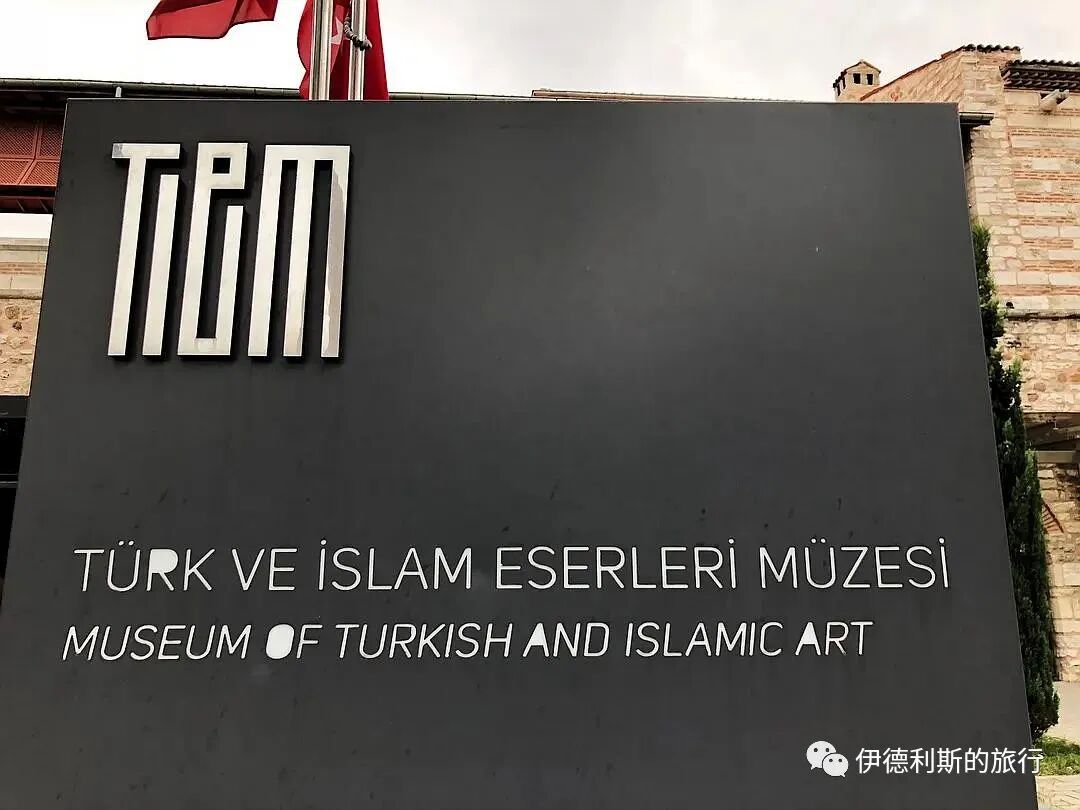
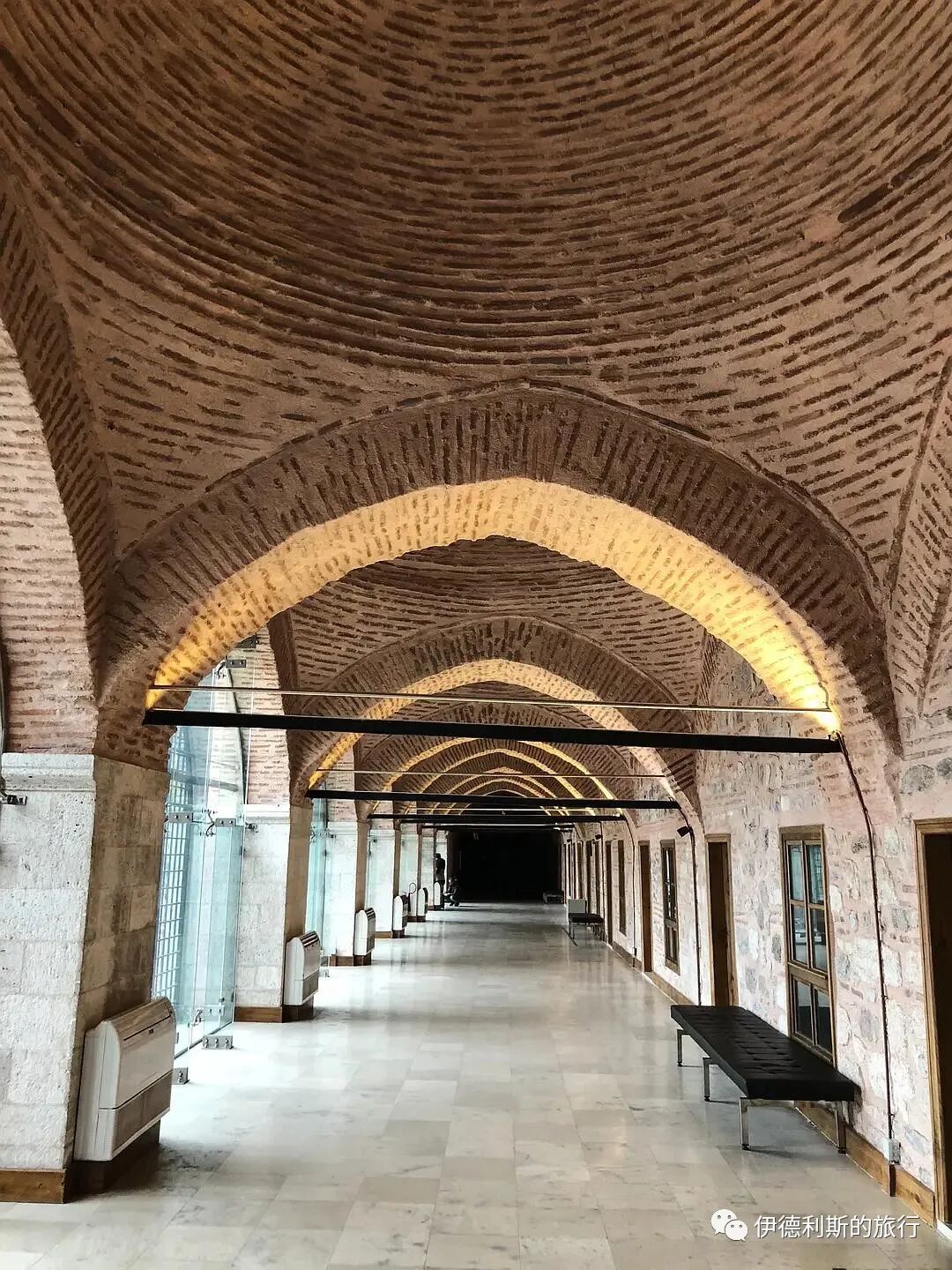
Table of Contents
I. The Era of the Prophet
II. The Umayyad Caliphate: 661-750
III. The Abbasid Caliphate: 750-1258
IV. Artifacts from Konya, Capital of the Seljuk Sultanate of Rum
V. Ceramics of the Seljuk Empire: 1040-1157
VI. The Ayyubid Dynasty: 1171-1250
VII. The Mamluk Sultanate: 1250-1517
VIII. The Ilkhanate: 1256-1353
IX. The Timurid Empire: 1370-1507
X. The Safavid Dynasty: 1501-1722
XI. The Ottoman Dynasty: 1299-1923
I. The Era of the Prophet
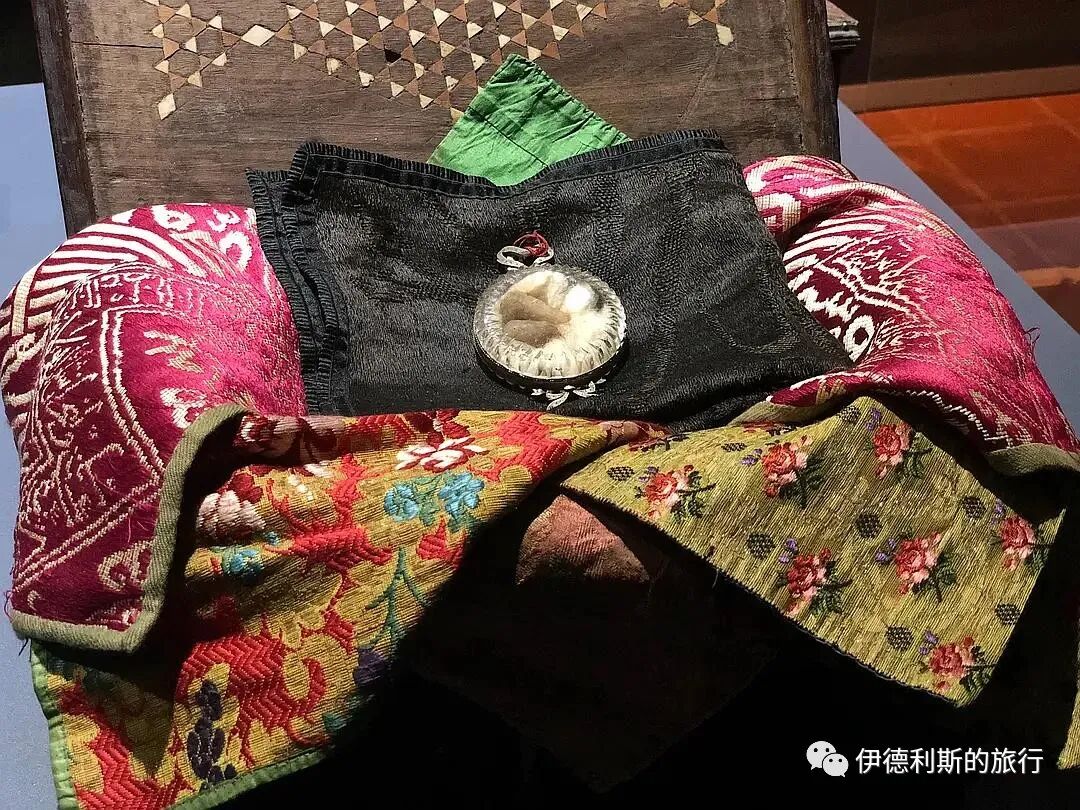
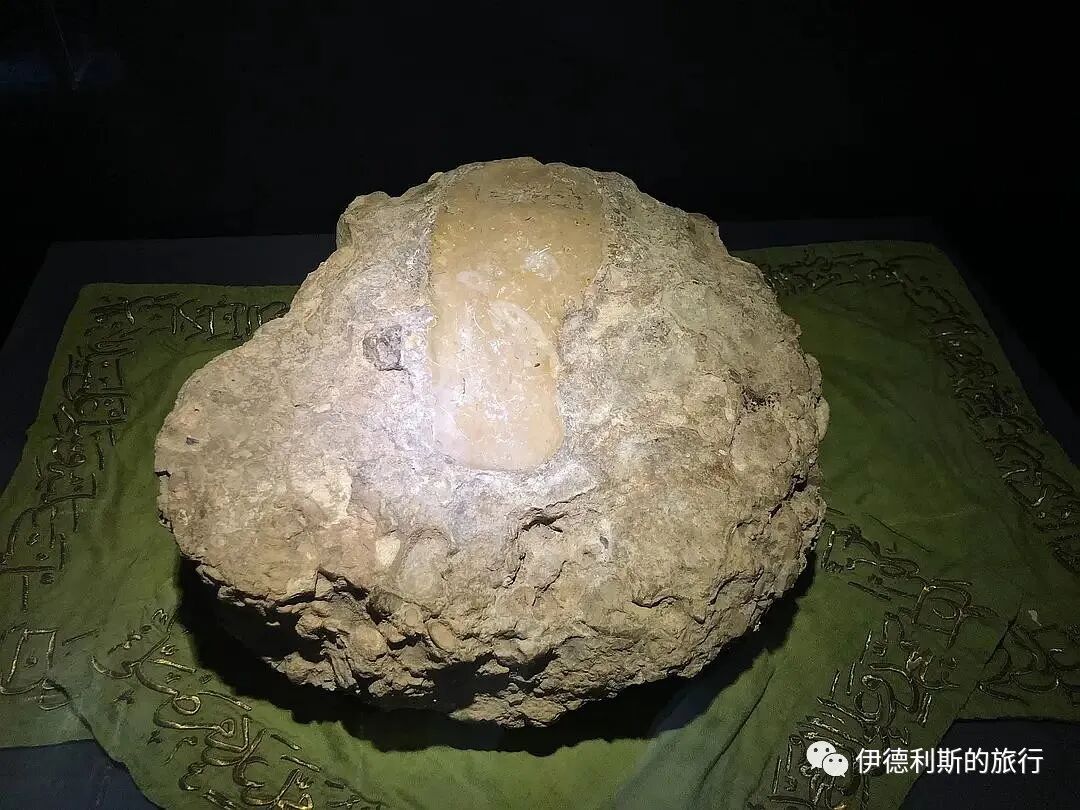
The beard of the Prophet Muhammad (Lihye-i Saadet) and his footprint (Kadem-i Saadat).
II. The Umayyad Caliphate: 661-750
The Umayyad Caliphate was the first hereditary dynasty of the Arab Empire. It was established in 661 by Muawiyah, the former governor of Syria, after the era of the four Rightly Guided Caliphs ended. In Chinese historical records, it is known as the 'White-Robed Caliphate'.
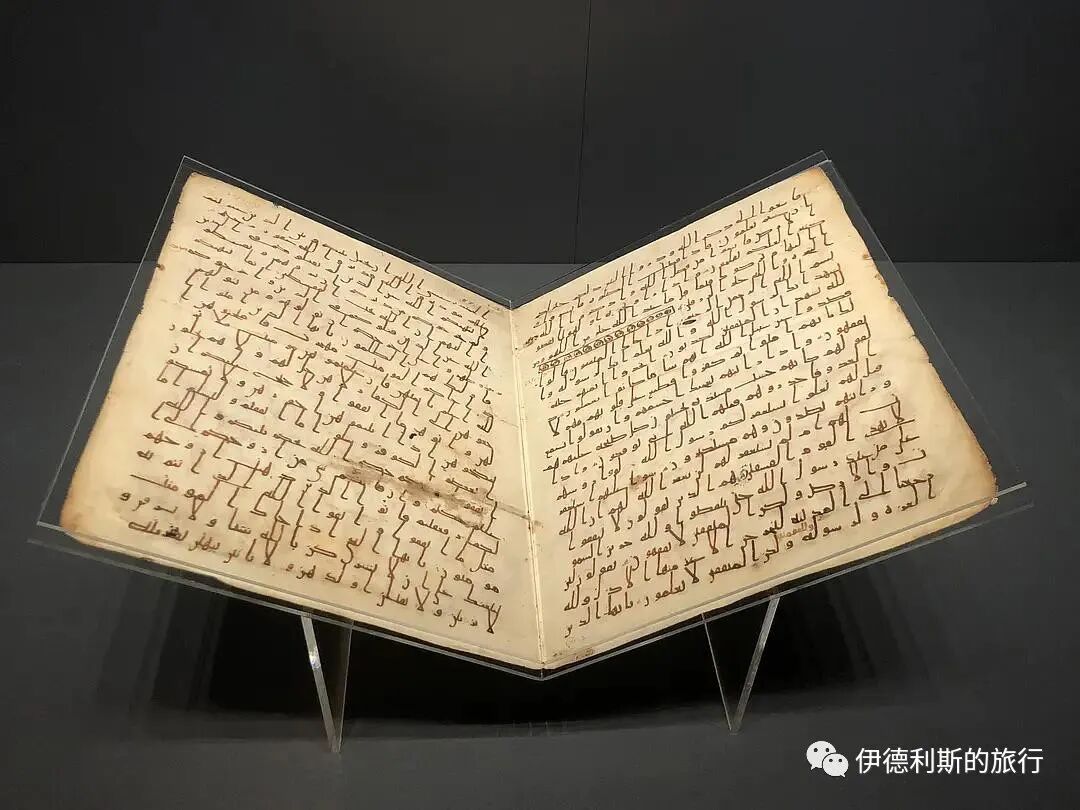
A Quran manuscript from the early 8th century
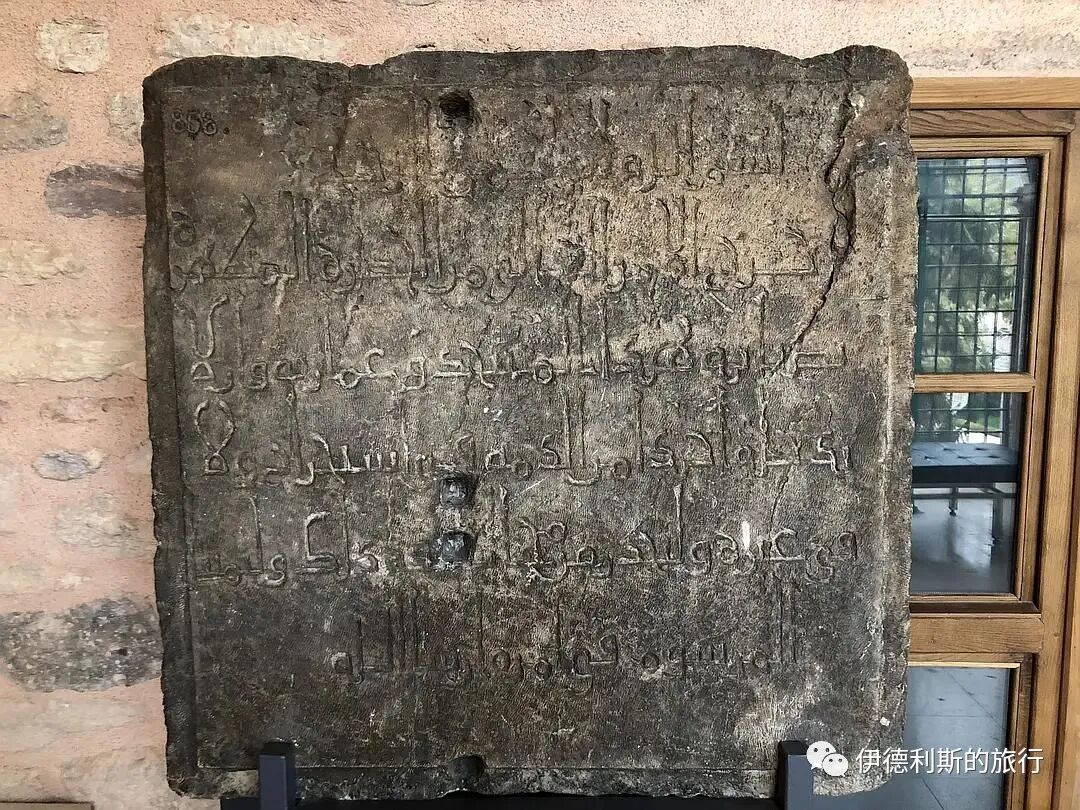
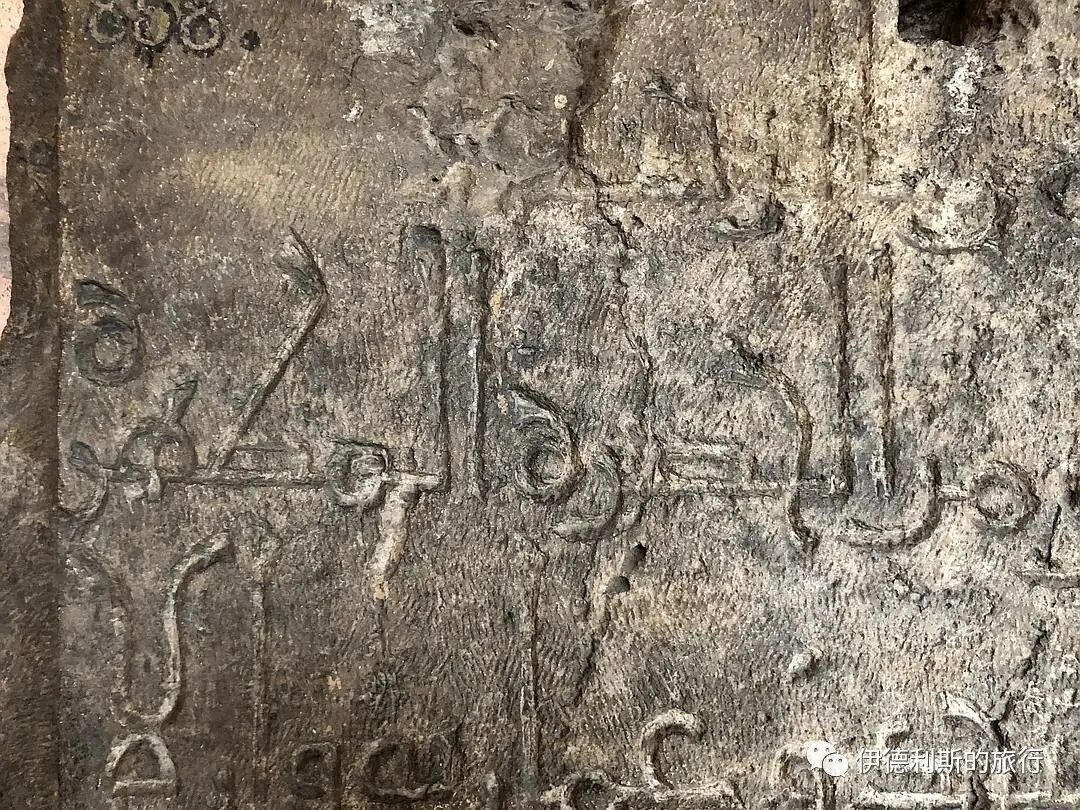
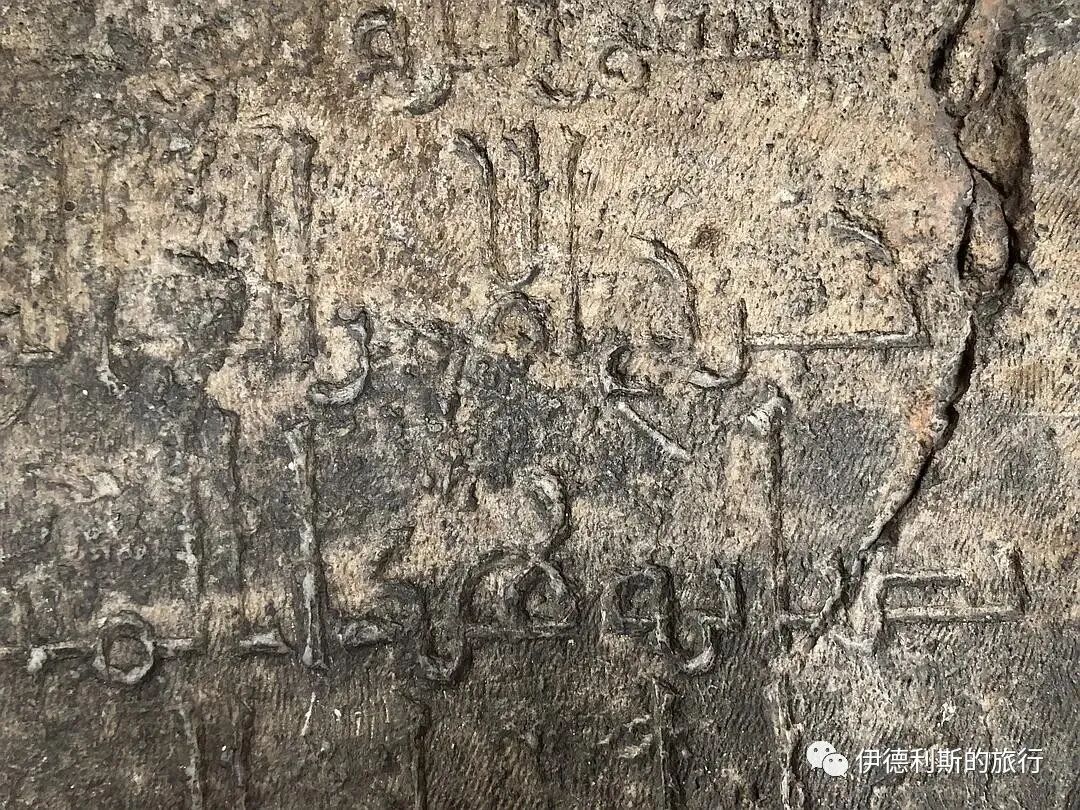
A 7th-century stone inscription in Kufic Arabic calligraphy
III. The Abbasid Caliphate: 750-1258
In 750, the descendants of Abbas, the uncle of the Prophet Muhammad, overthrew the Umayyad family and established the Abbasid Caliphate. In Chinese historical records, it is known as the 'Black-Robed Caliphate'. In 762, the Abbasid Caliphate moved its capital to Baghdad. The early period of the Abbasid Caliphate (750-842) was the peak of the Arab Empire, and its major cultural and artistic achievements continued until the mid-10th century.
Although the capital of the Abbasid Caliphate was in Baghdad, its monuments stretched from Kairouan in Tunisia to the west, to the ancient Central Asian city of Bukhara to the east. Many cities founded by the Abbasid Caliphate saw further development later on. In the early Abbasid period, the hypostyle mosque with a flat roof, inherited from the residence of the Prophet Muhammad in Medina, was further developed. Artisans from Persia introduced the Sassanid four-iwan courtyard and the iwan (vaulted hall) into Abbasid architecture. In the late 8th century, with the influx of Khorasanians and the introduction of Sassanid court etiquette into the Abbasid court, the influence of Persian culture expanded further within the Abbasid Caliphate.
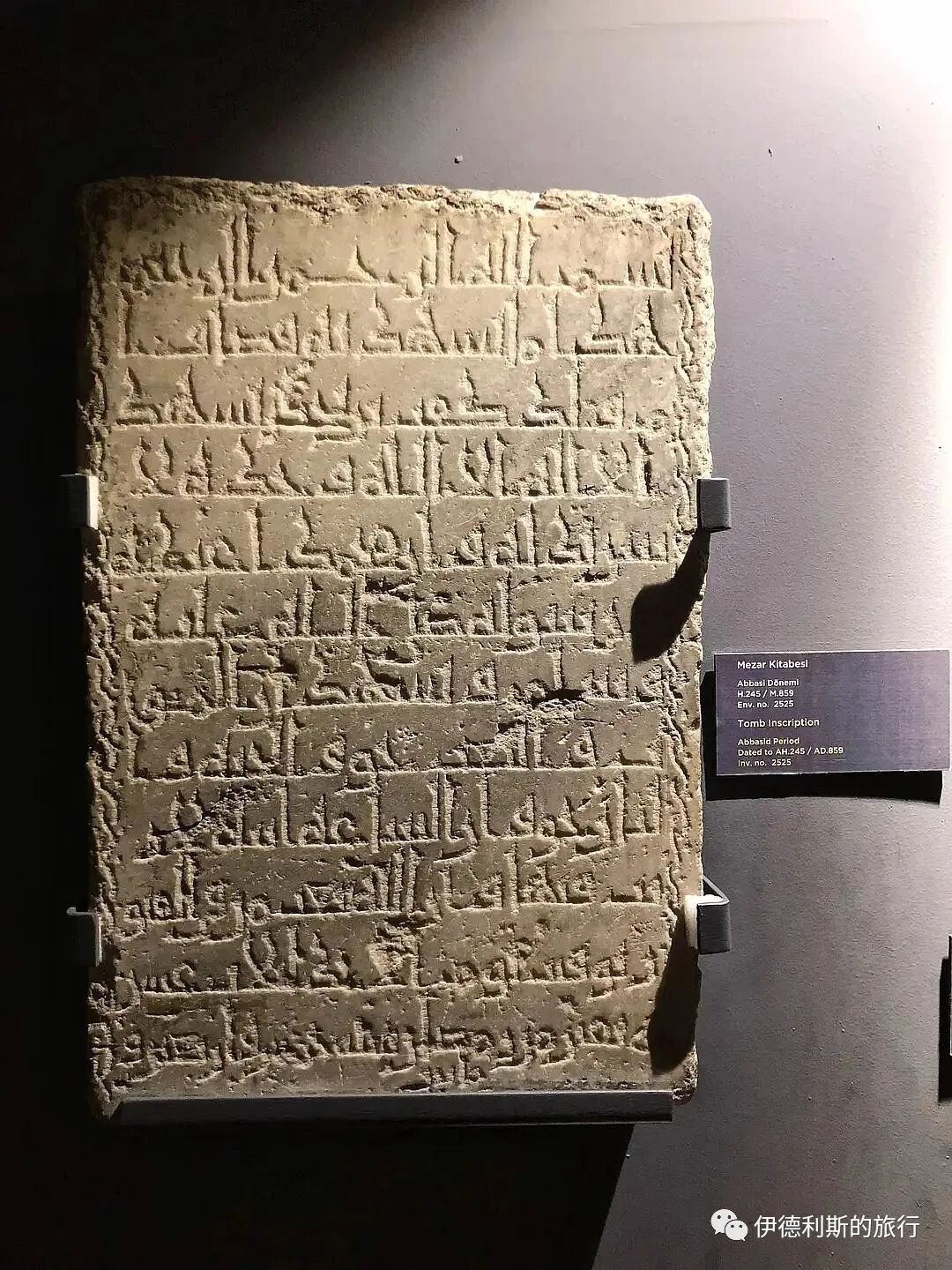
A tombstone from 859
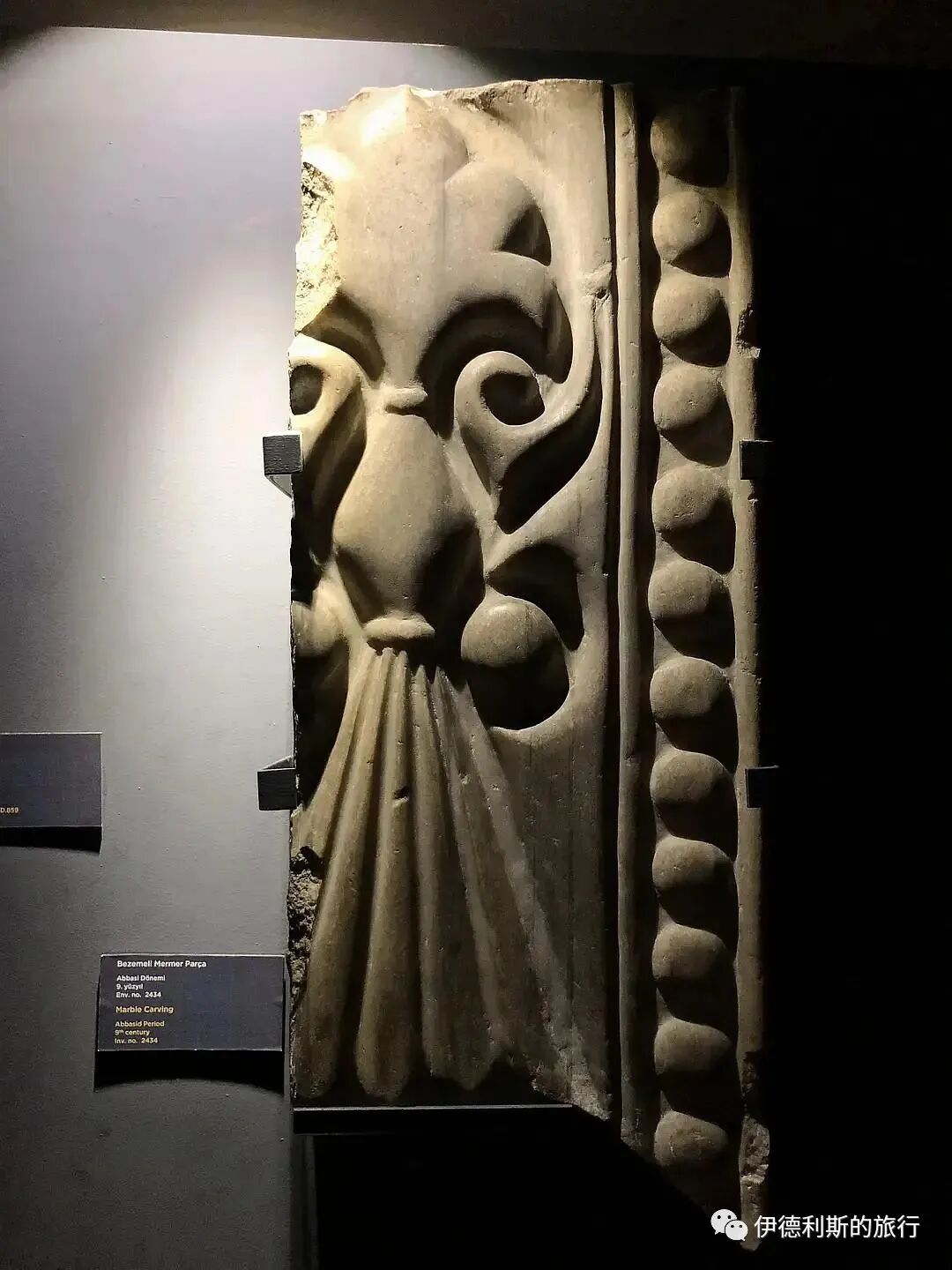
A 9th-century marble carving
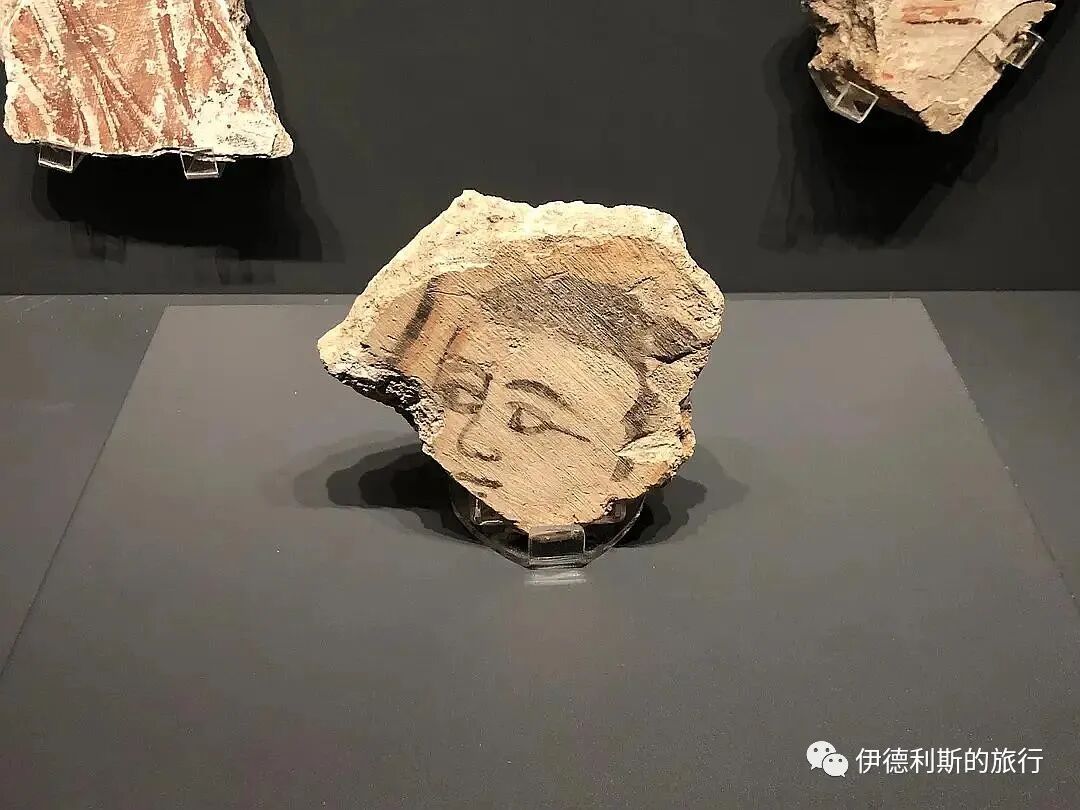
Fragments of a 9th-century mural
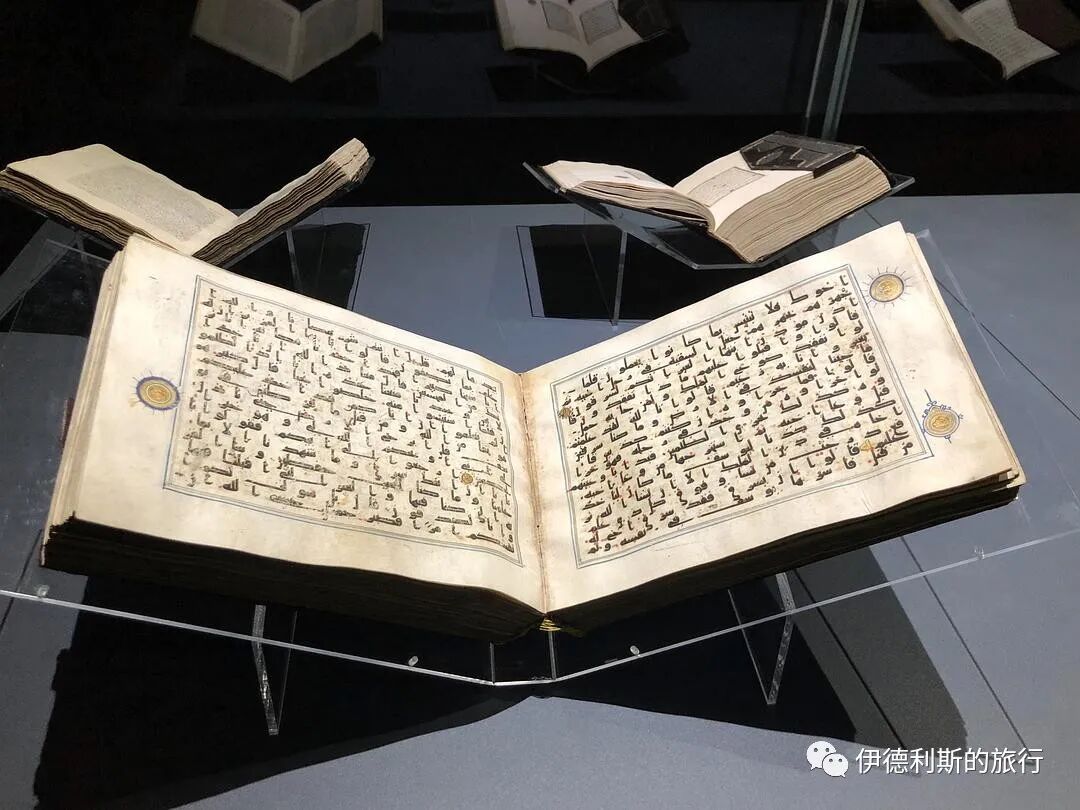
A 10th-century Quran
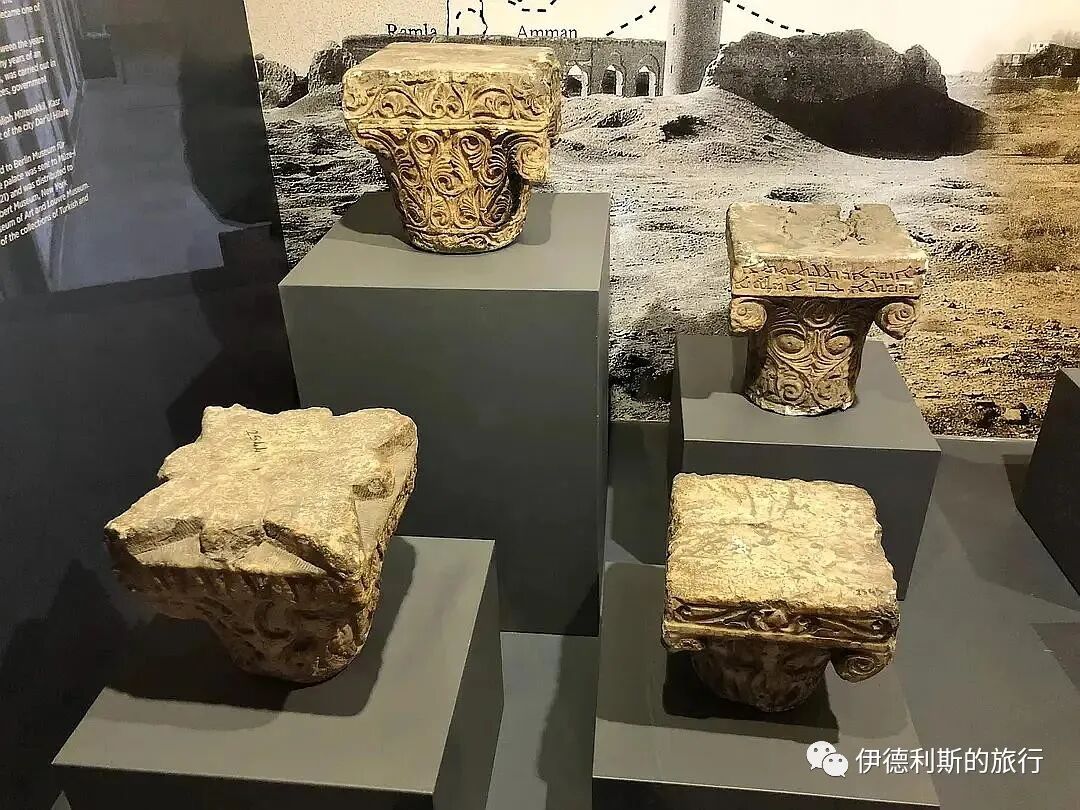
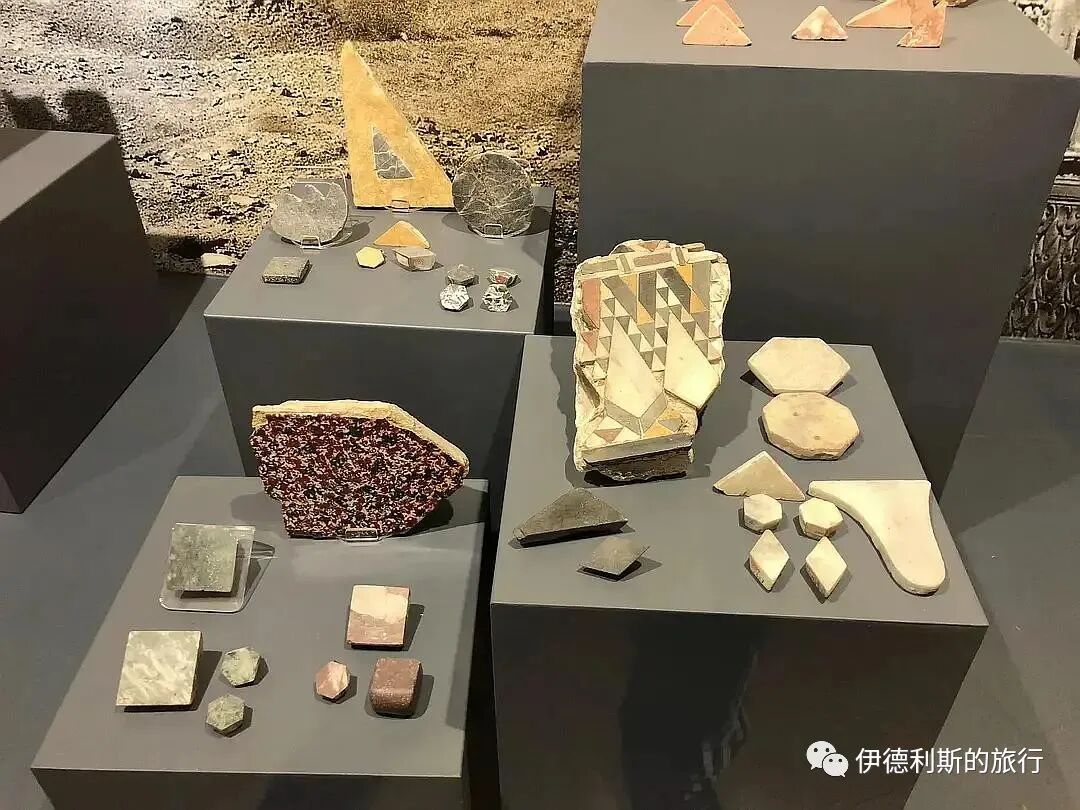
9th-century column capitals and paving fragments excavated from Samarra.
Samarra is located 125 kilometers northwest of Baghdad. It became the capital of the Abbasid Caliphate in 836 until the capital was moved back to Baghdad in 892. Because Samarra was abandoned after the 10th century and the population returned to Baghdad, a large number of ruins were left behind. It is hailed as the only metropolis of the late ancient world that can be fully excavated, and it was listed as a UNESCO World Heritage site in 2007.
The Abbasid Caliphate built several palaces, barracks, markets, two grand mosques, and countless gardens and private residences in Samarra. The Great Mosque of Samarra was enormous, measuring 240 by 156 meters, and featured a hypostyle structure. Judging from the surviving mosaics and the wooden panels surrounding the mihrab, the decoration was once very magnificent. The Caliph's private residence was decorated with marble slabs, stucco sculptures, paintings, and gilded teak wood.
IV. Artifacts from Konya, Capital of the Seljuk Sultanate of Rum
The Seljuks were a branch of the Oghuz Turkic tribes. They established the Seljuk Empire in Khorasan in 1037, defeated the Byzantines in the 1070s to occupy Asia Minor, and established the Seljuk Sultanate of Rum in 1077. The rapid expansion of the Seljuk Empire caused panic among Christian nations, directly triggering the First Crusade. In 1097, after the capital Nicaea was captured by the Crusaders, the Sultanate of Rum moved its capital eastward to Konya.
In the early 13th century, after the Mongol invasion of Central Asia and Persia, a large number of Turks and Persians came to Konya for refuge. In the 1220s, Konya was filled with refugees from the Khwarezmid Empire. Many were educated intellectuals or skilled artisans, the most famous of whom was the Sufi scholar and great Persian poet Rumi. In 1243, the Seljuk Sultanate of Rum was defeated by the Mongol Empire and became a vassal state, but Konya remained the capital of the Sultanate. People lived in stability, and many existing Seljuk buildings were constructed during this period.
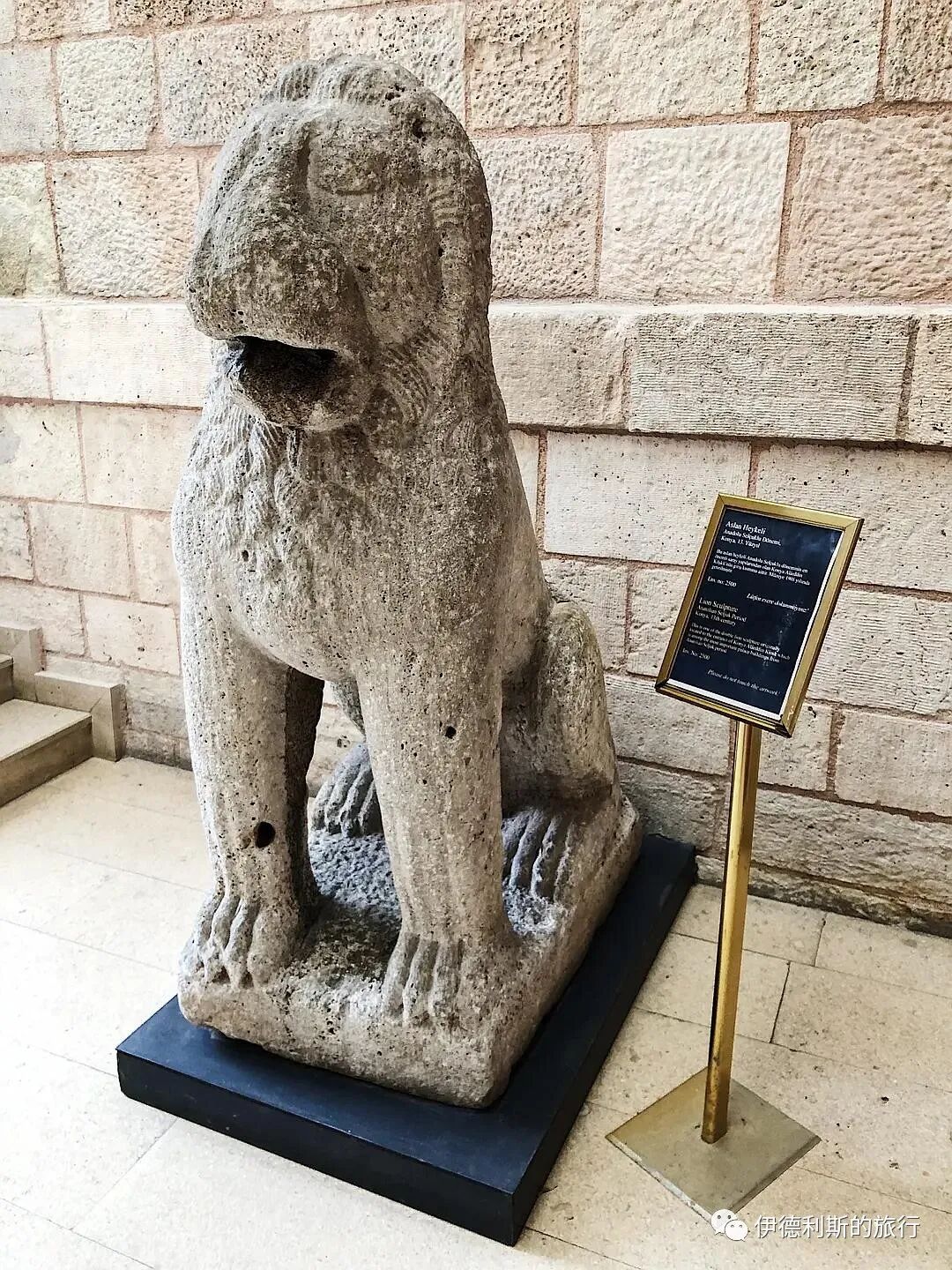
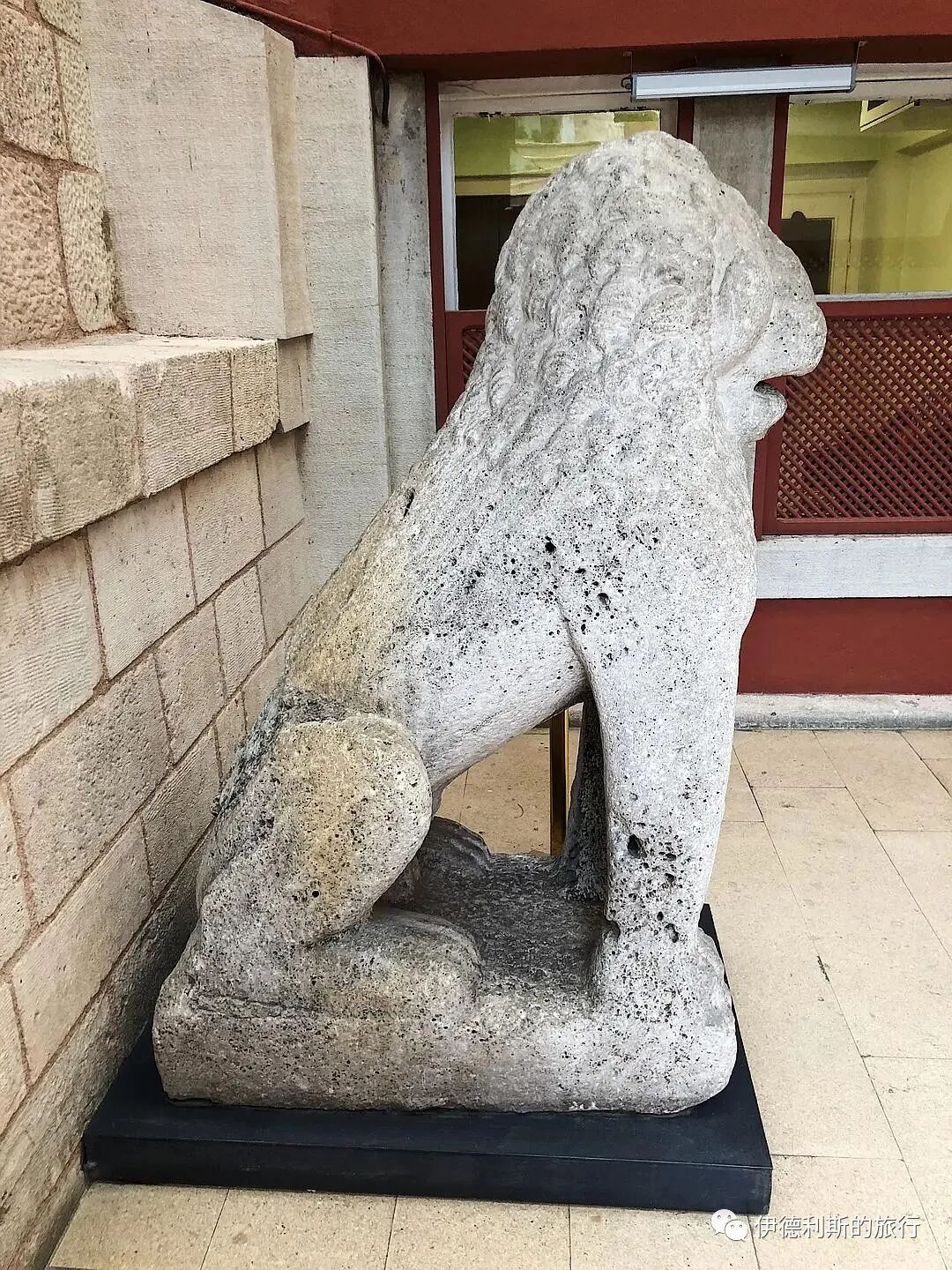
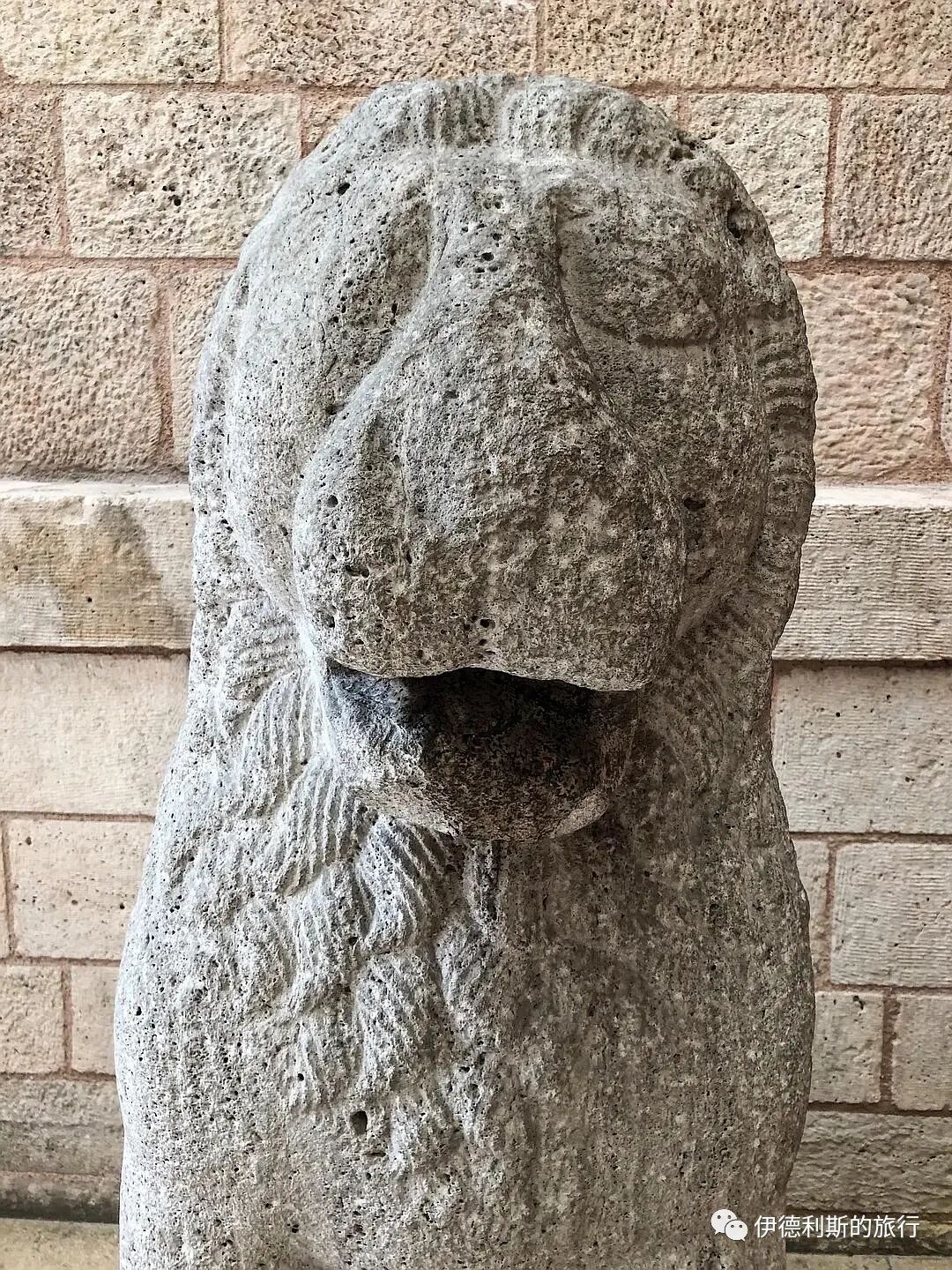
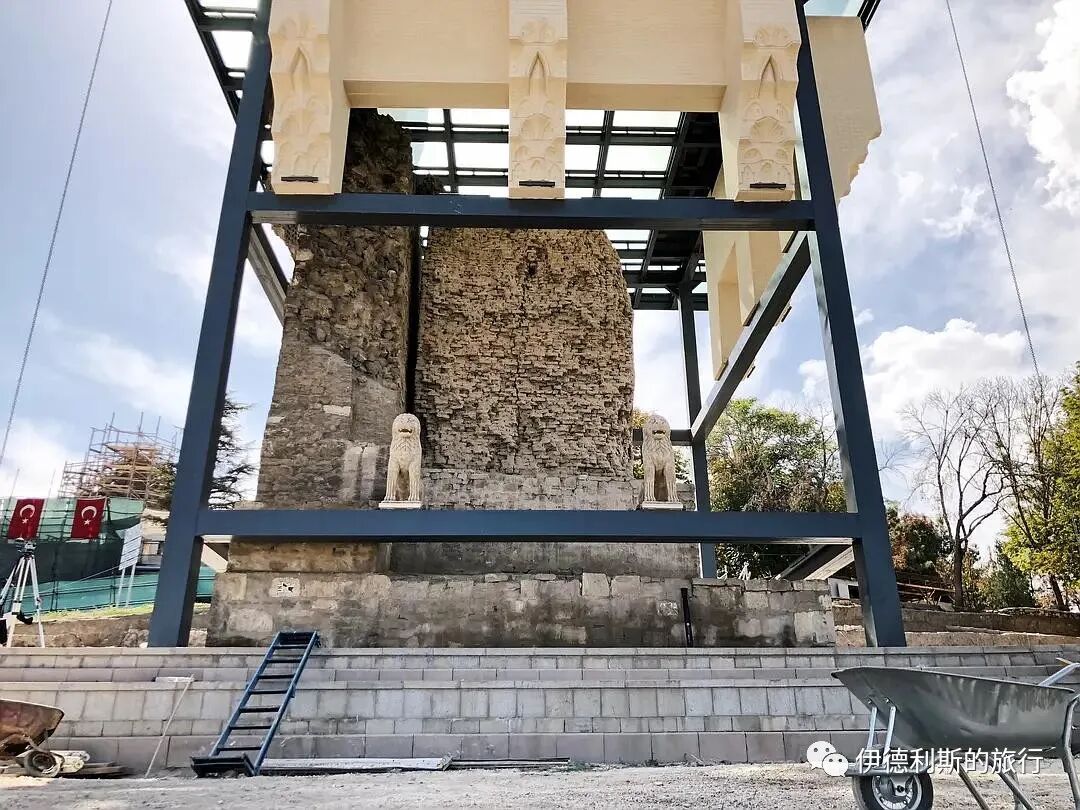
Stone lions in front of the Alâeddin Pavilion (Alâeddin Köşkü). The Alâeddin Pavilion is the only remaining tower site of the Konya city walls. Located on the north side of Alâeddin Hill, it was originally a brick tower of the inner city wall of Konya. The Seljuk Sultan of Rum, Kilij Arslan II (reigned 1156-1192), built a palace adjacent to the city wall and turned this tower into part of the palace.
The Alâeddin Pavilion I photographed.
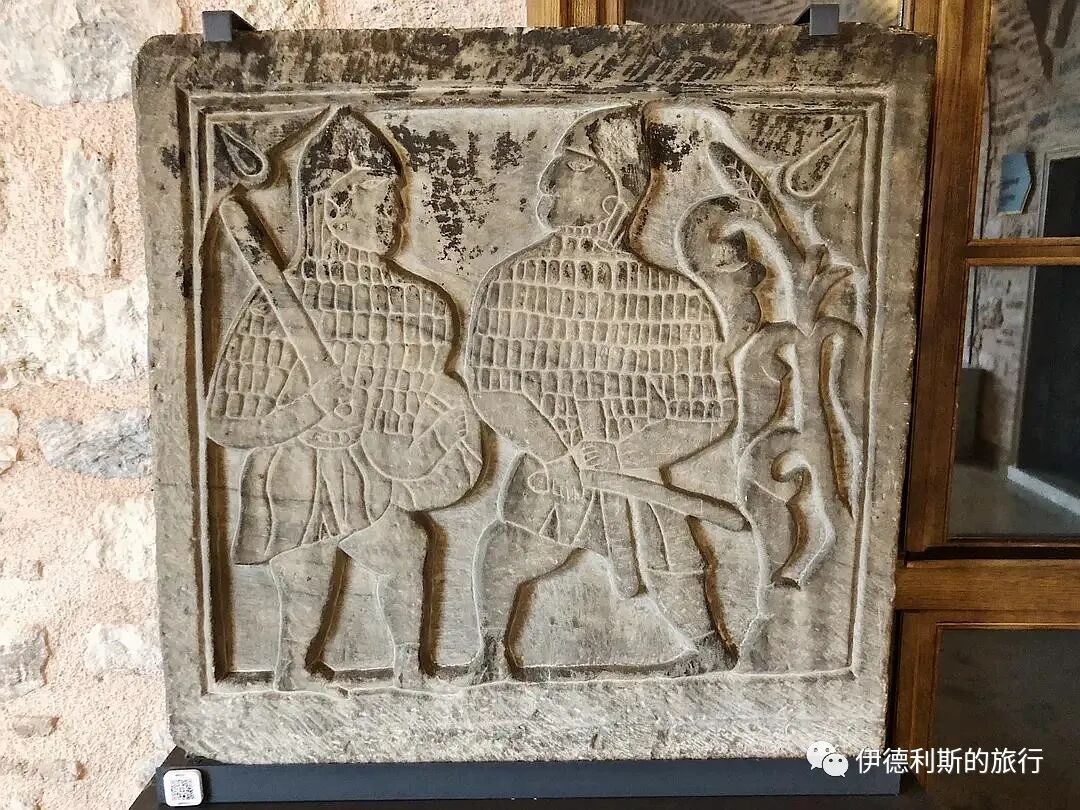
Warrior stone carving. As the capital of the Seljuk Sultanate of Rum, Konya was the final 'Turko-Persian' cultural center of the Seljuks after the fall of the Seljuk Empire. Seljuk culture is a very distinctive branch of 'Turko-Persian' culture, most famous for its tiles and stone carvings featuring human and animal motifs.
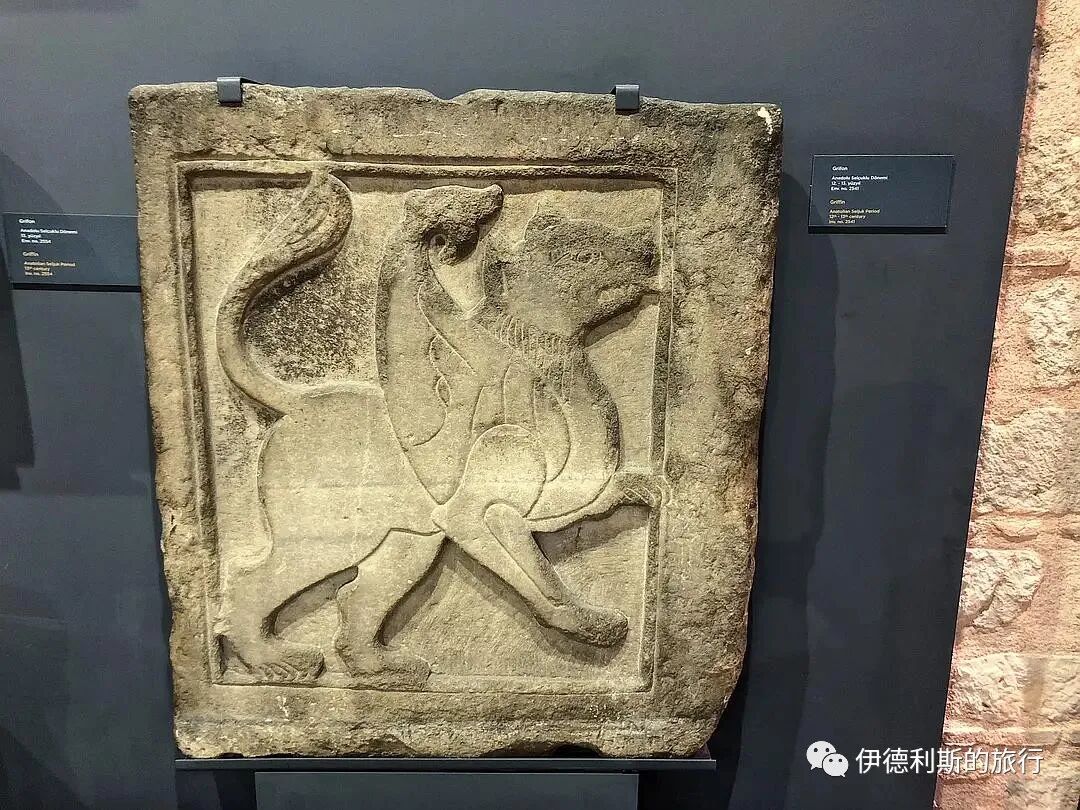
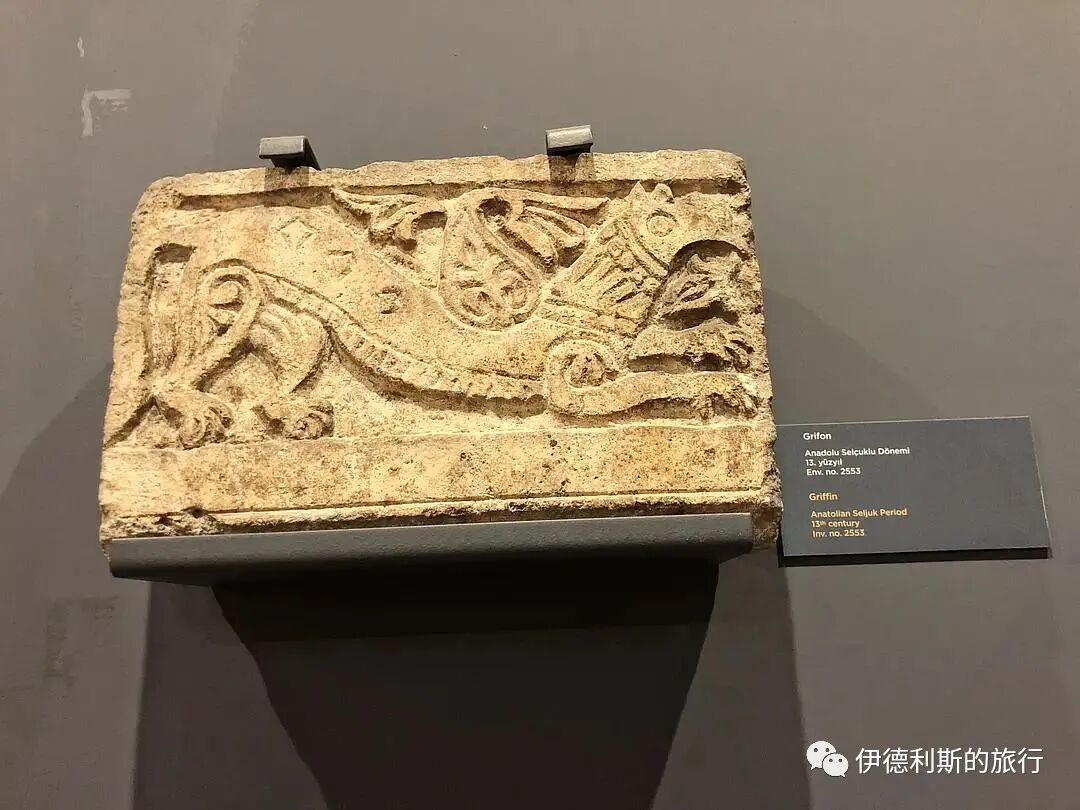
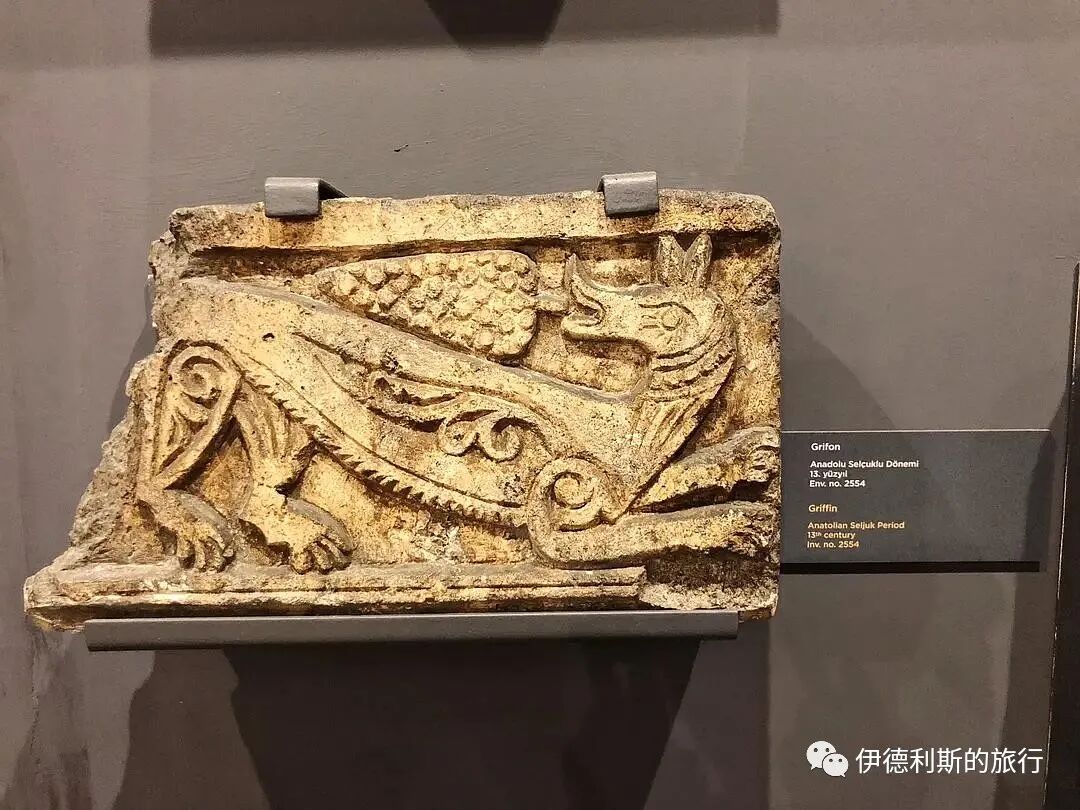
Griffin stone carving. The griffin is a common theme in Iranian mythology, possessing the body of a lion and the beak and wings of an eagle, and is considered a symbol of power.
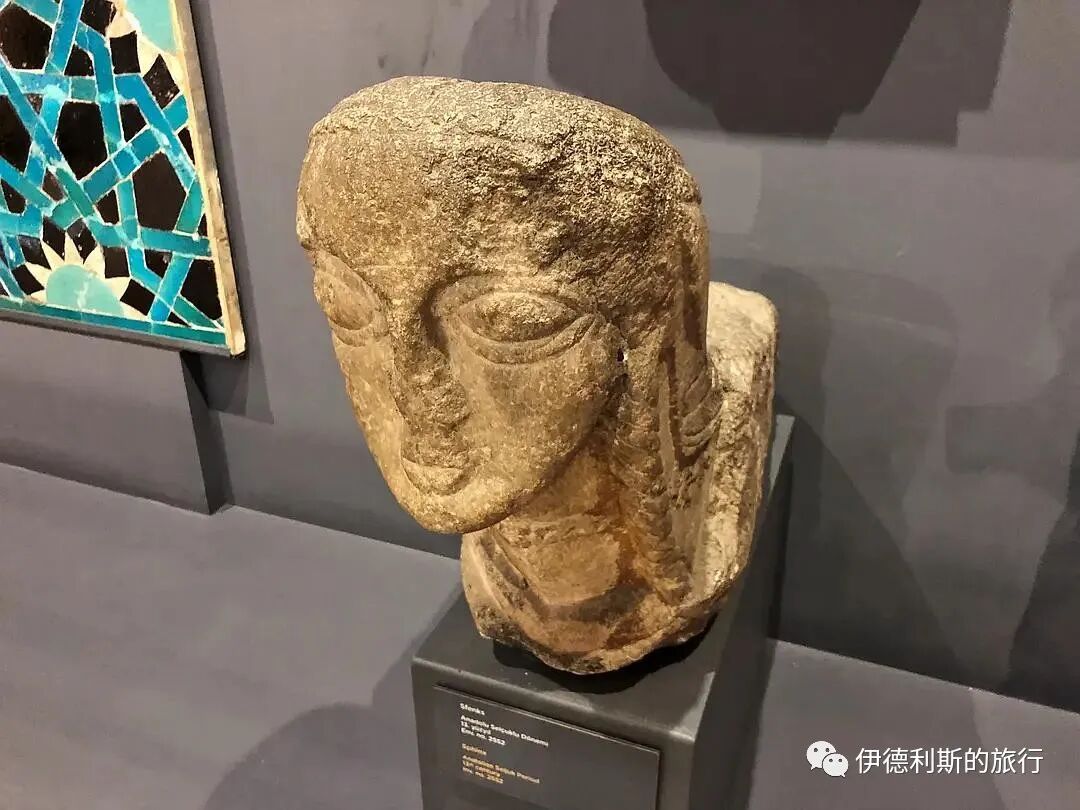
Sphinx. The sphinx has a human head and an animal body, originating from ancient Egypt and later spreading to Iran and the Anatolian region.
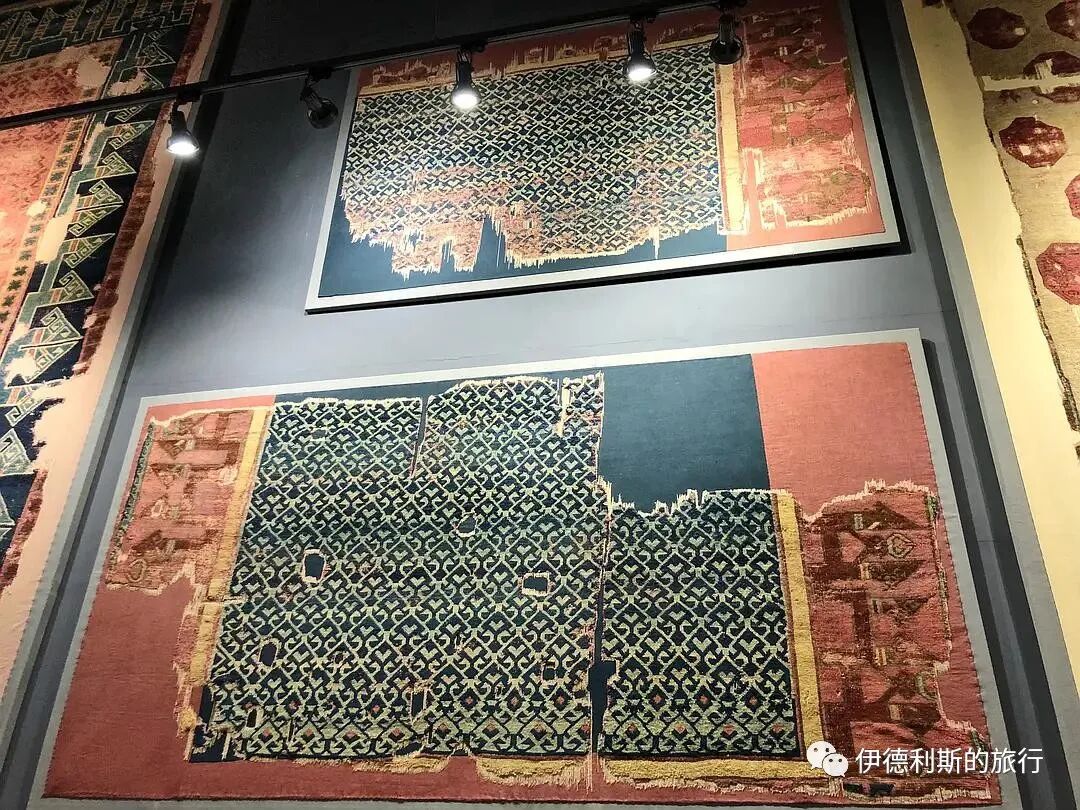
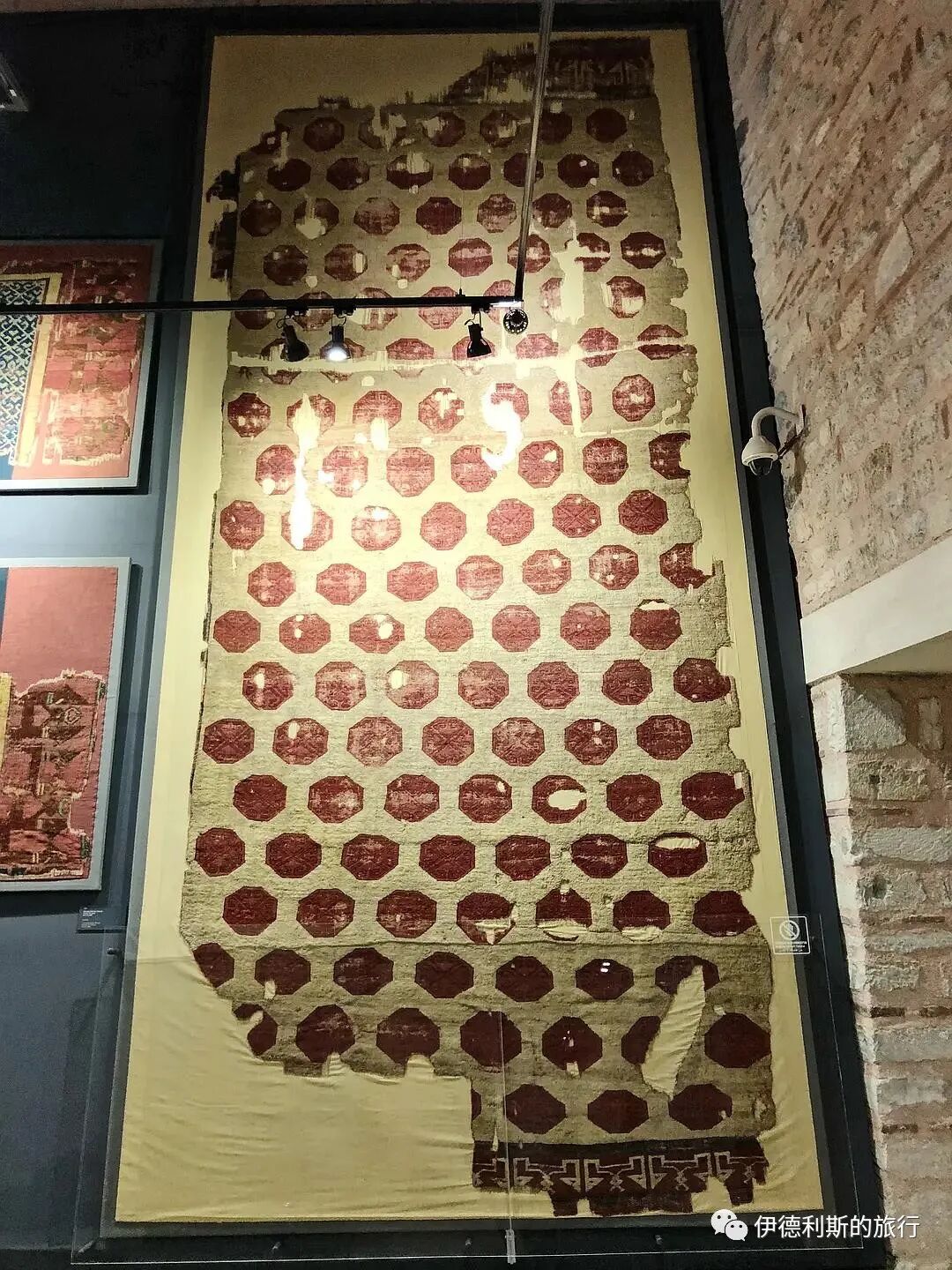
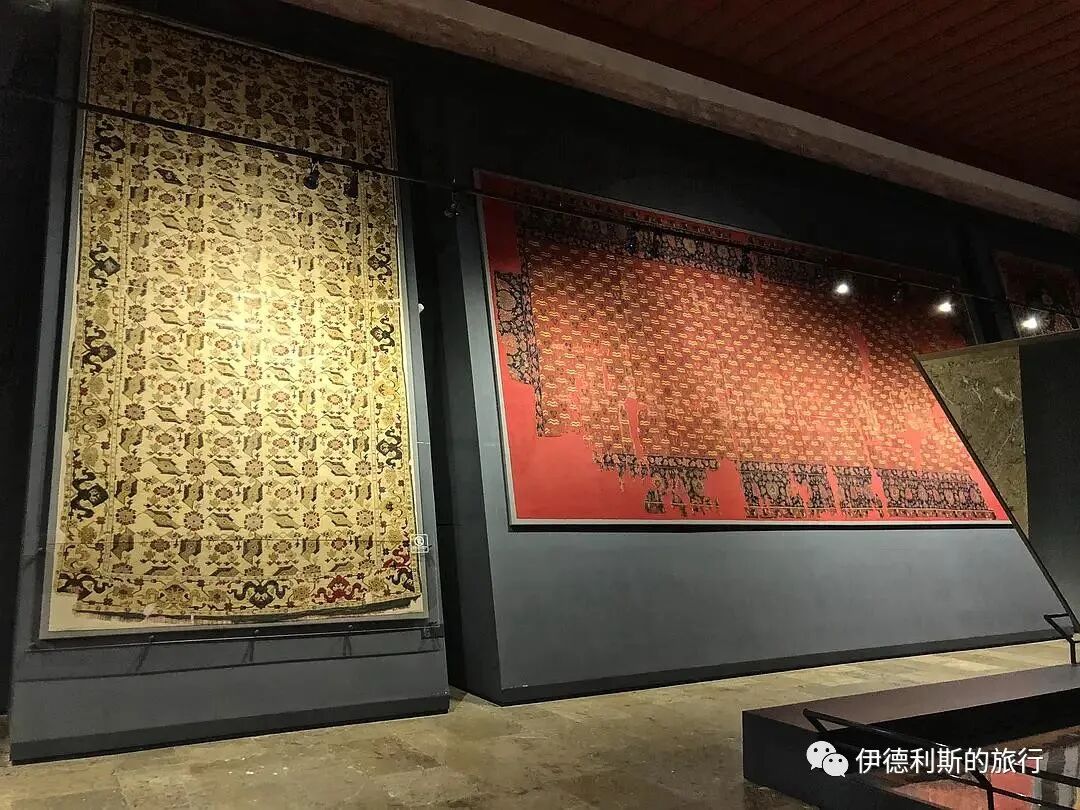
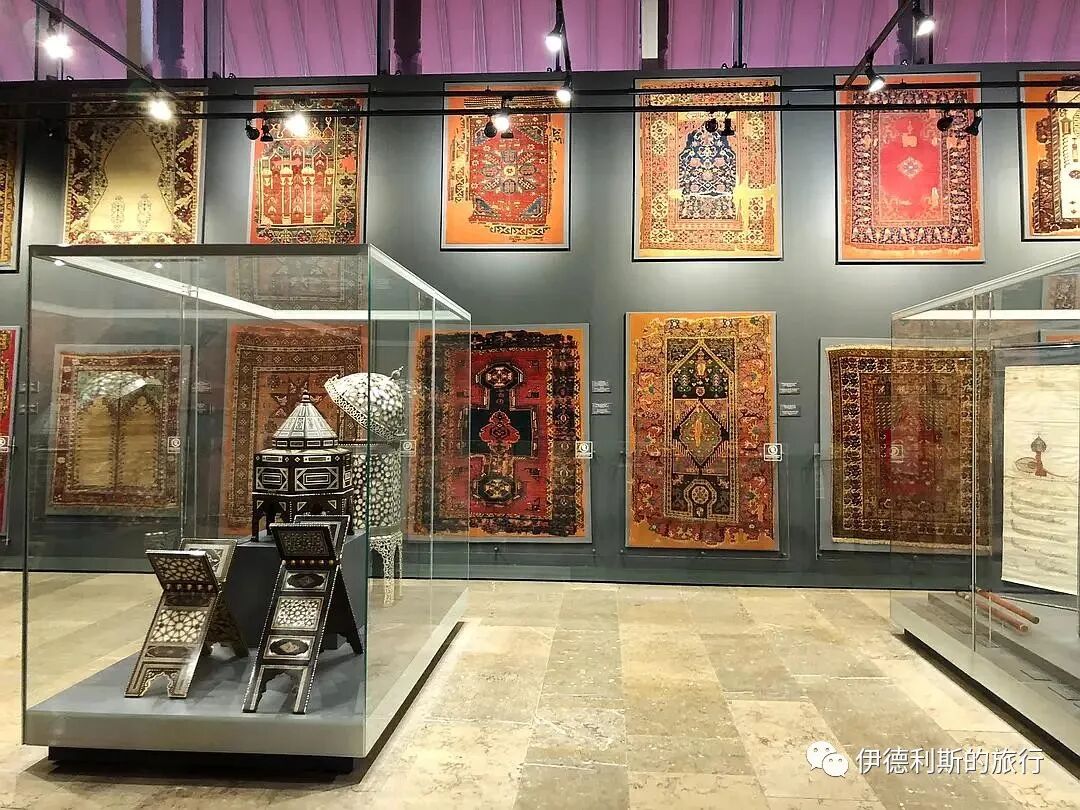
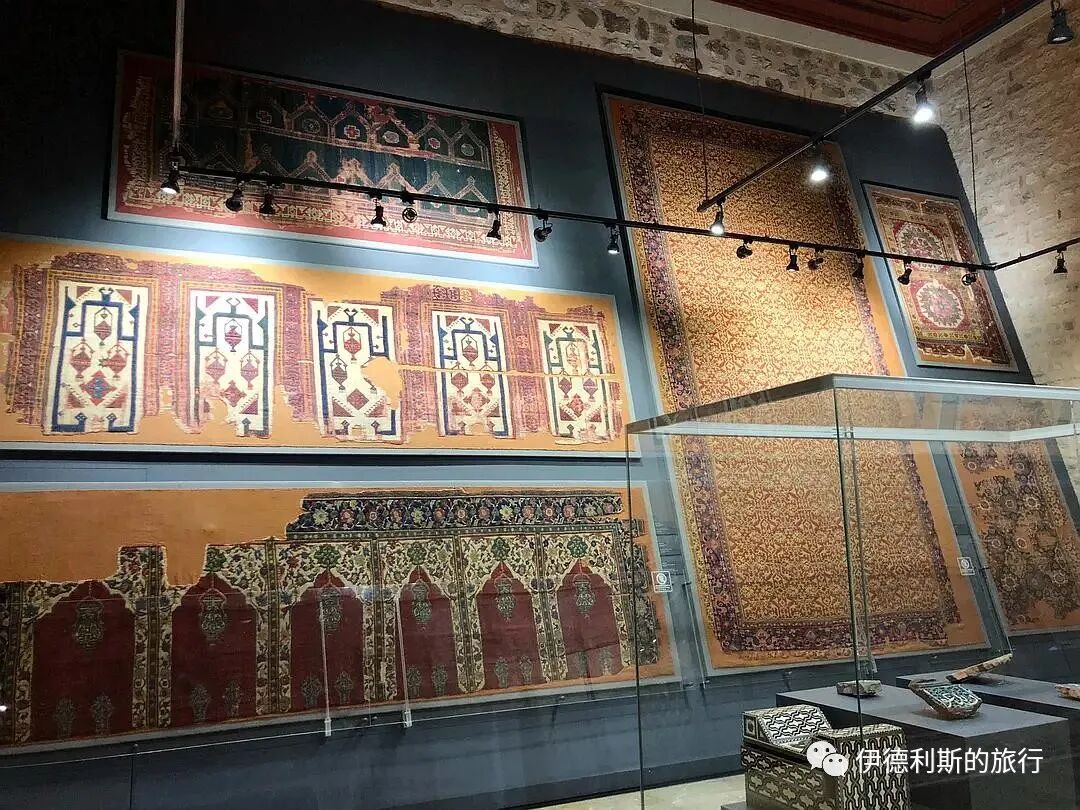
A 13th-century carpet from Konya. These carpets from the Seljuk Sultanate of Rum period are among the most important collections in the Museum of Turkish and Islamic Arts, and are the most unique and precious among Seljuk artifacts.
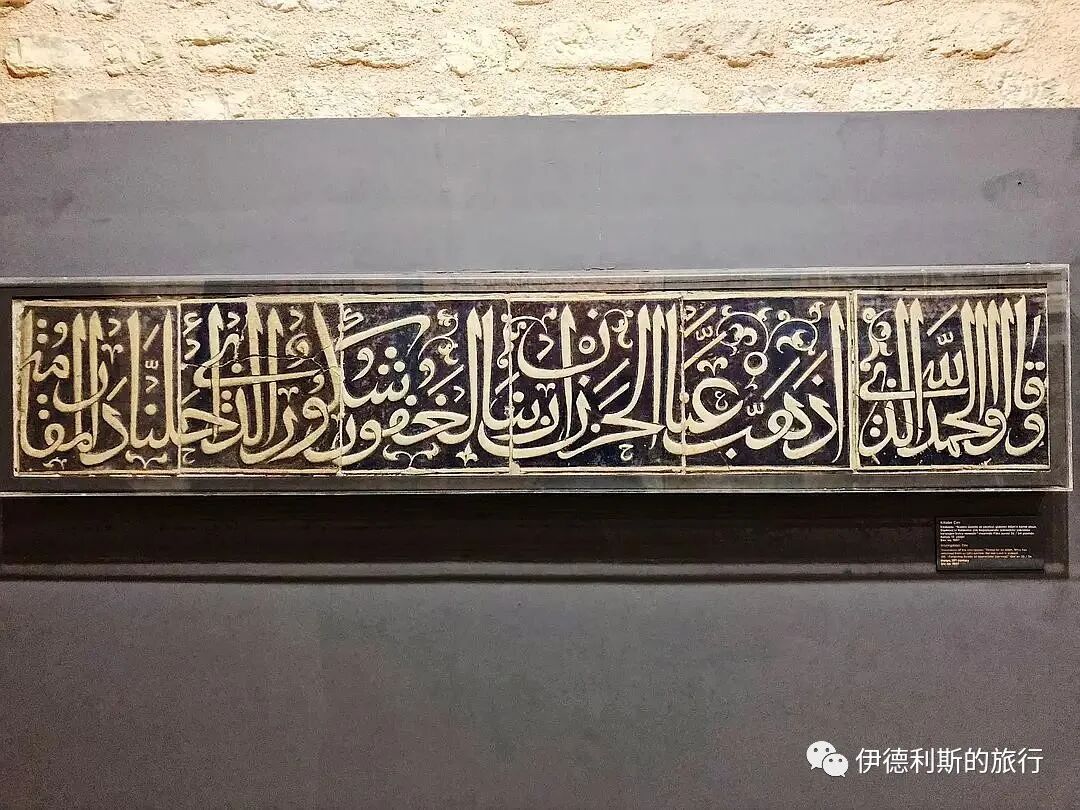
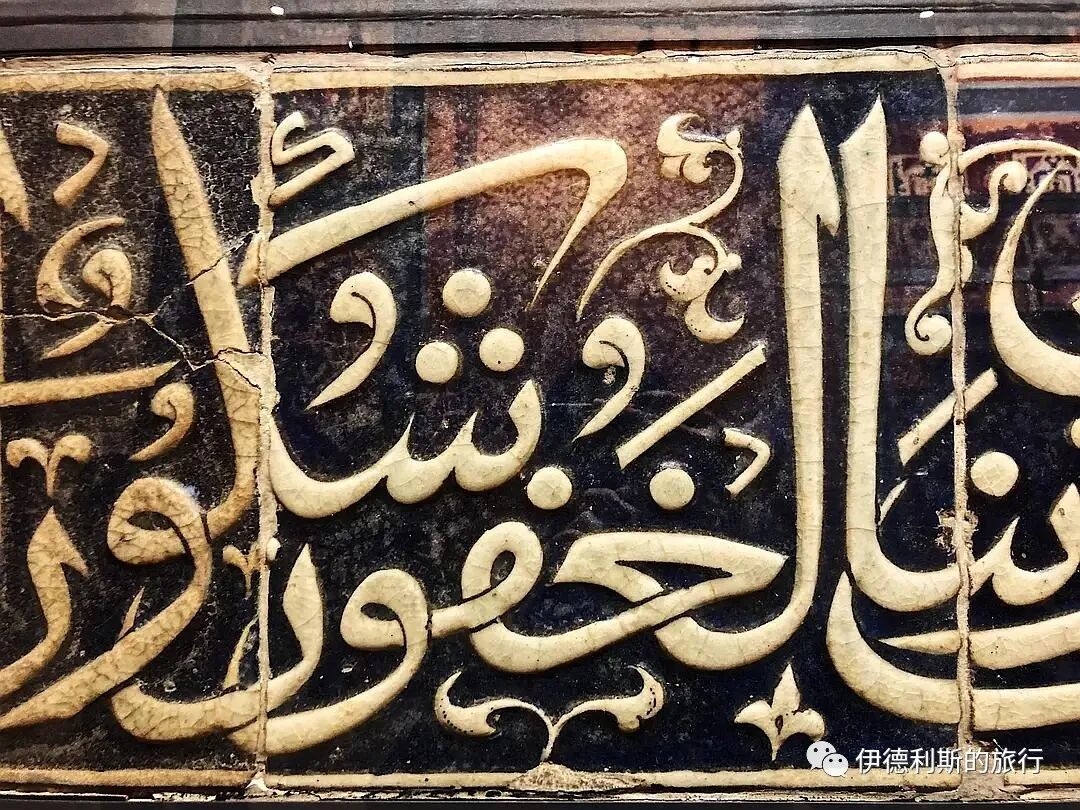
A 13th-century Quran calligraphy tile
An early 14th-century wooden window
A 1251 tabut (coffin) box and wooden stele
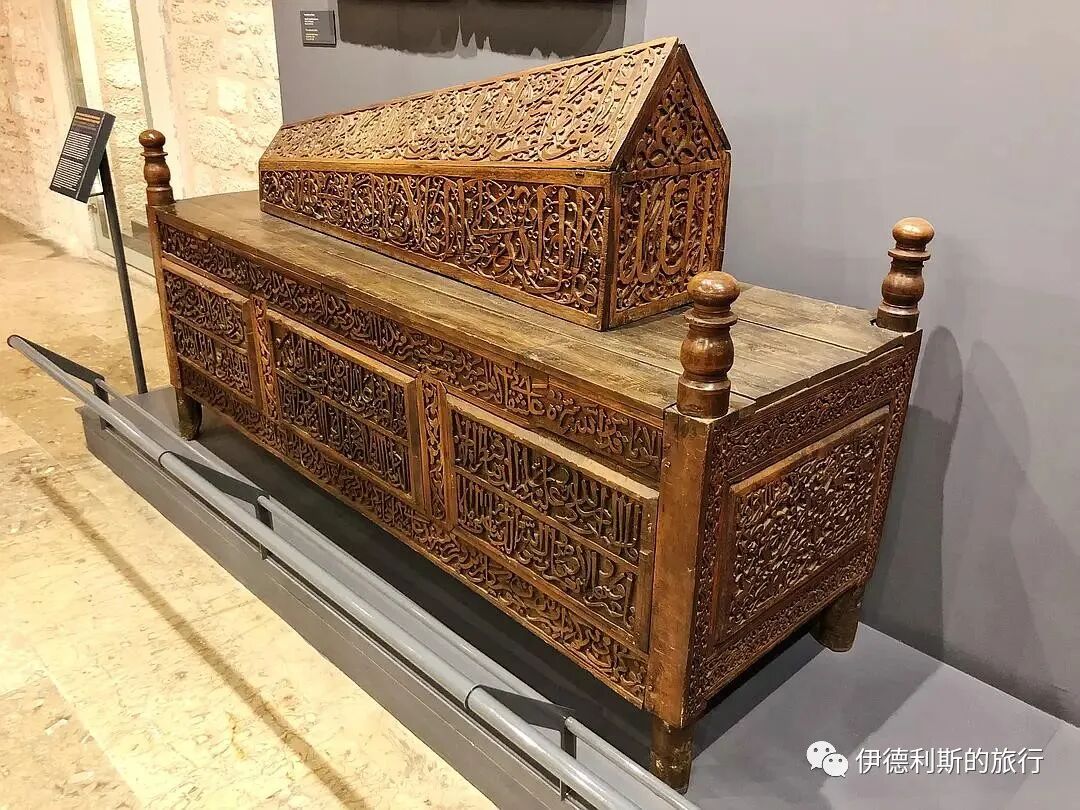
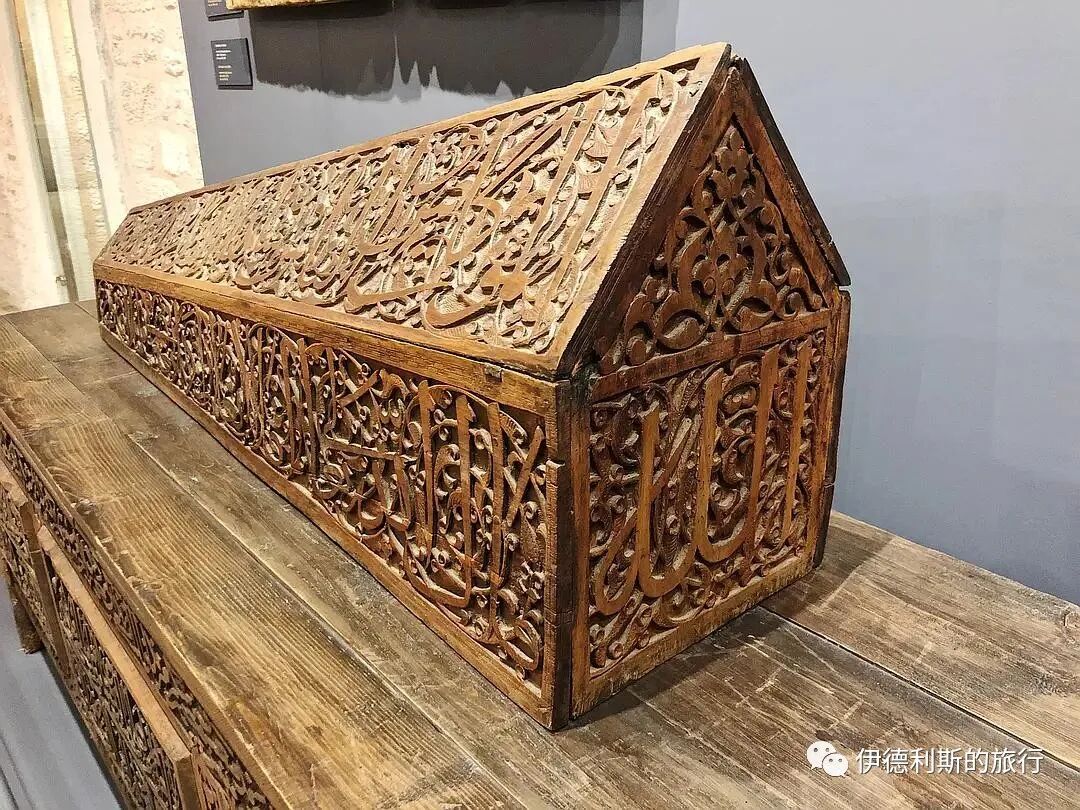
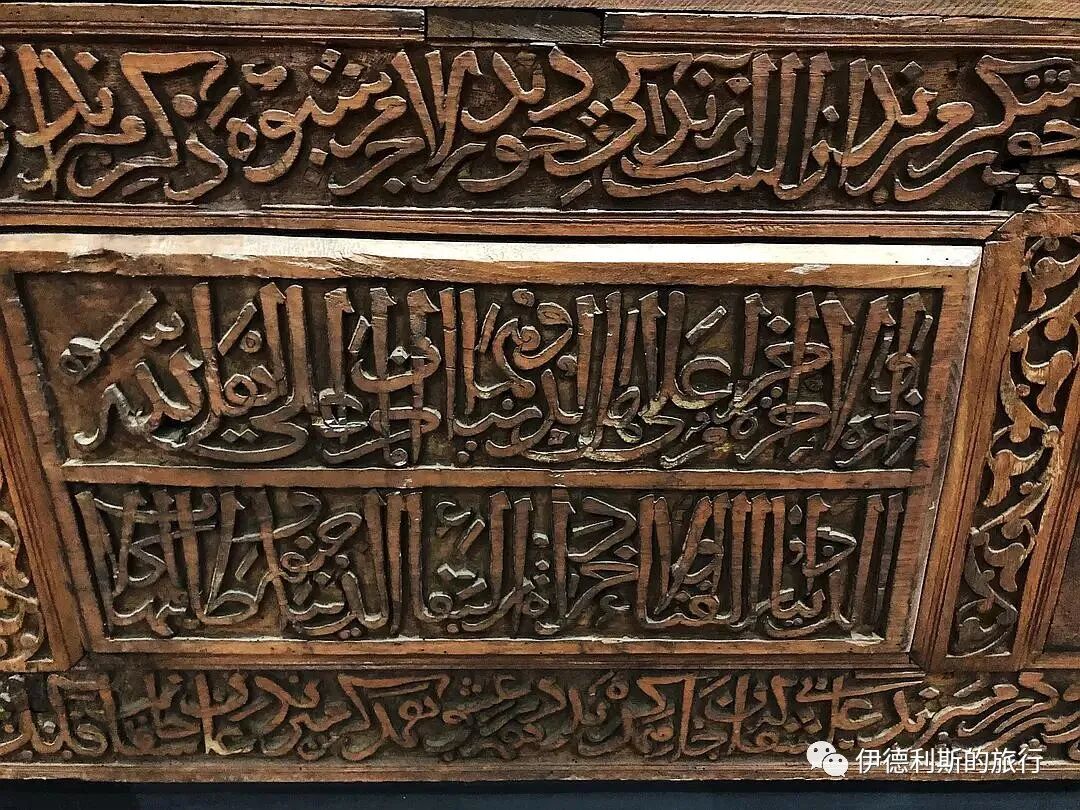
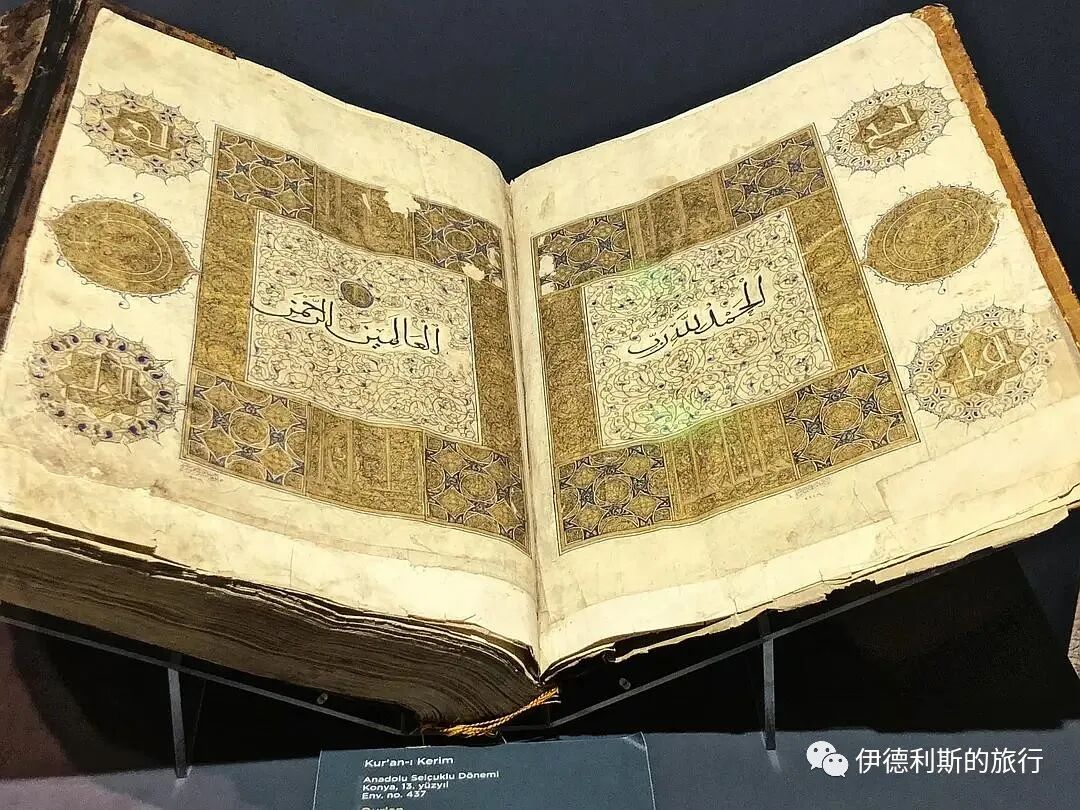
A 13th-century Quran
V. Ceramics of the Seljuk Empire: 1040-1157
12th-13th century, Iran
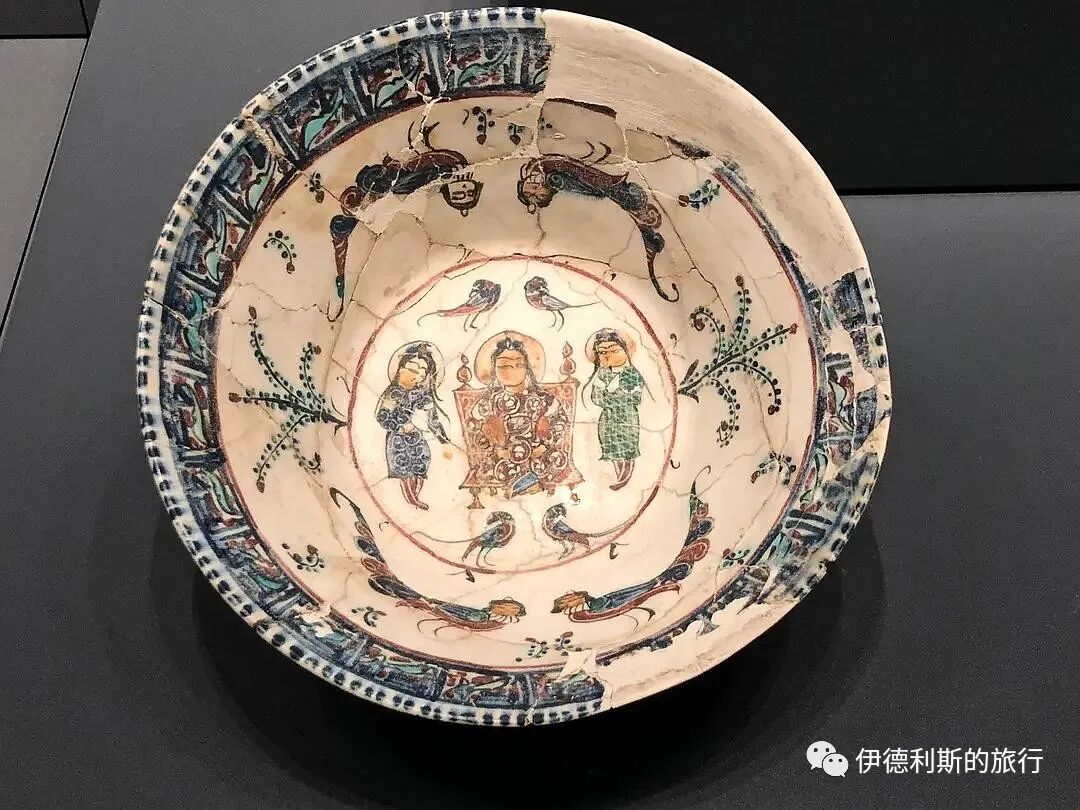
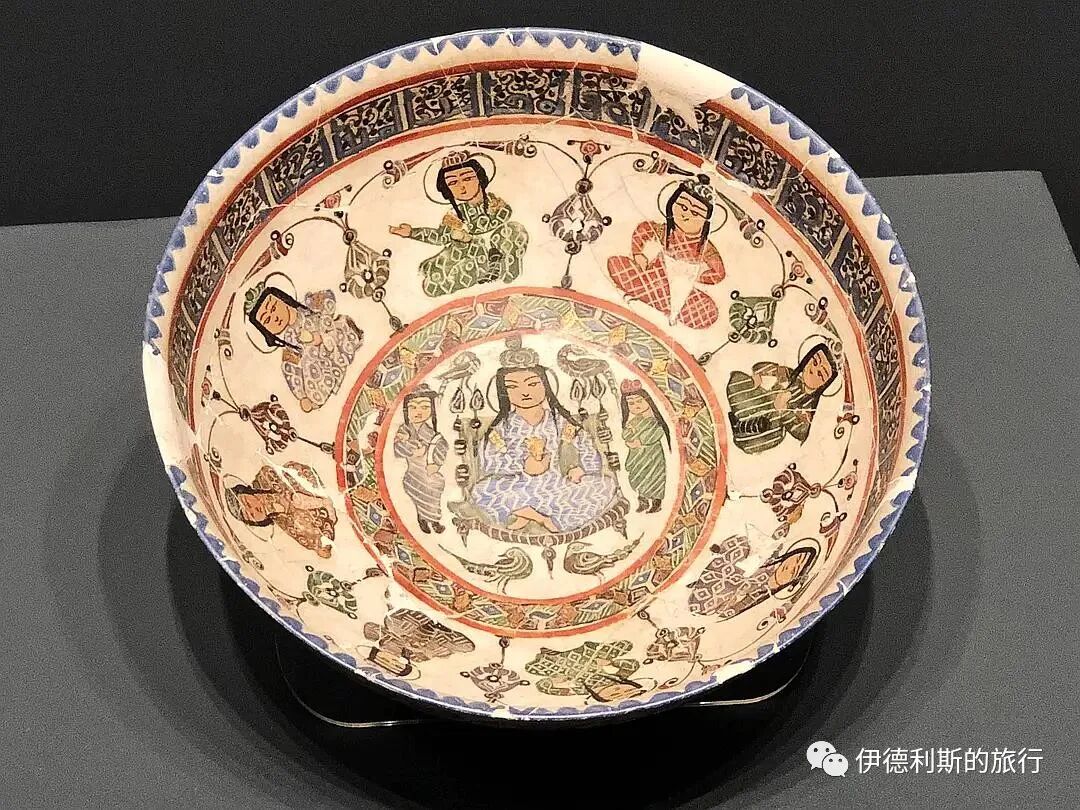
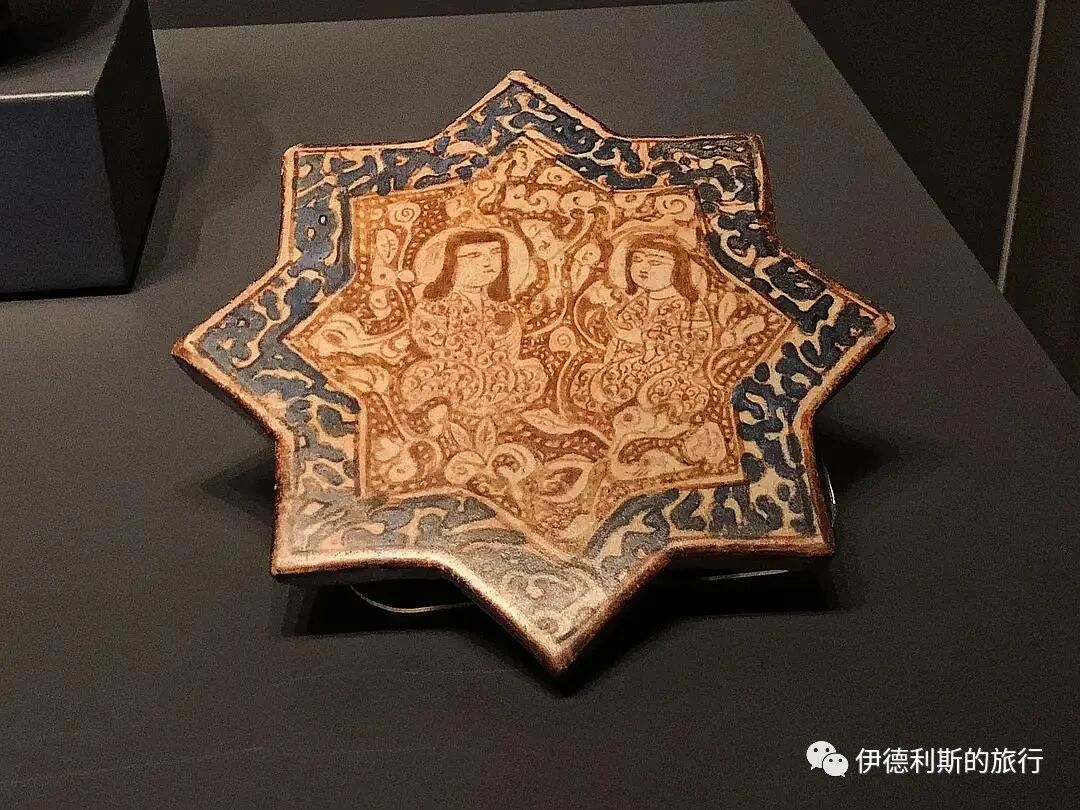
VI. The Ayyubid Dynasty: 1171-1250
The Ayyubid dynasty was established in 1171 by the Kurdish general Saladin. It was an important dynasty during the Crusades, with its capitals successively in Damascus and Cairo. In 1260, the Mongol army captured Damascus, and the Ayyubid dynasty existed in name only.
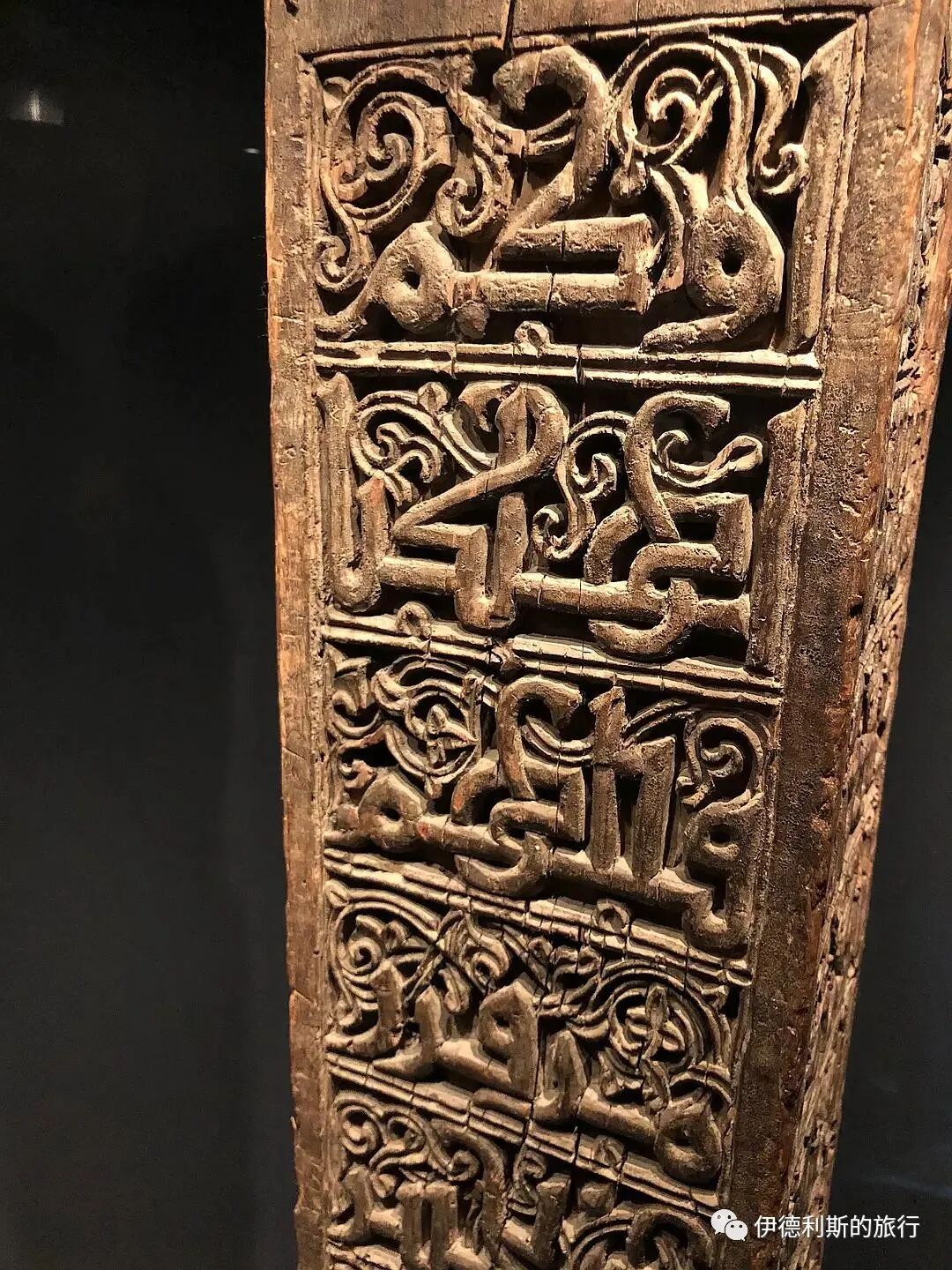
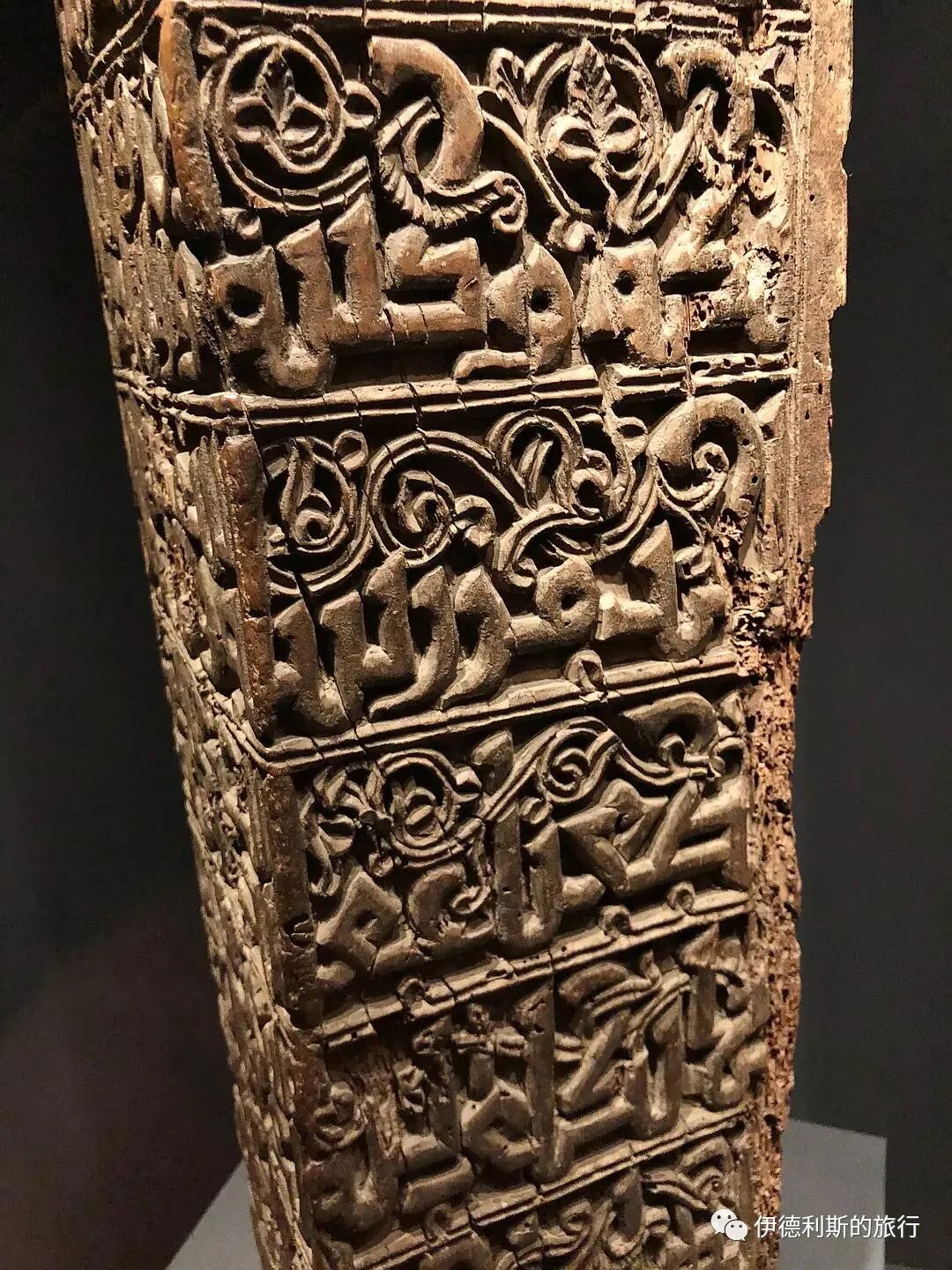
13th-century wood carving from Damascus.
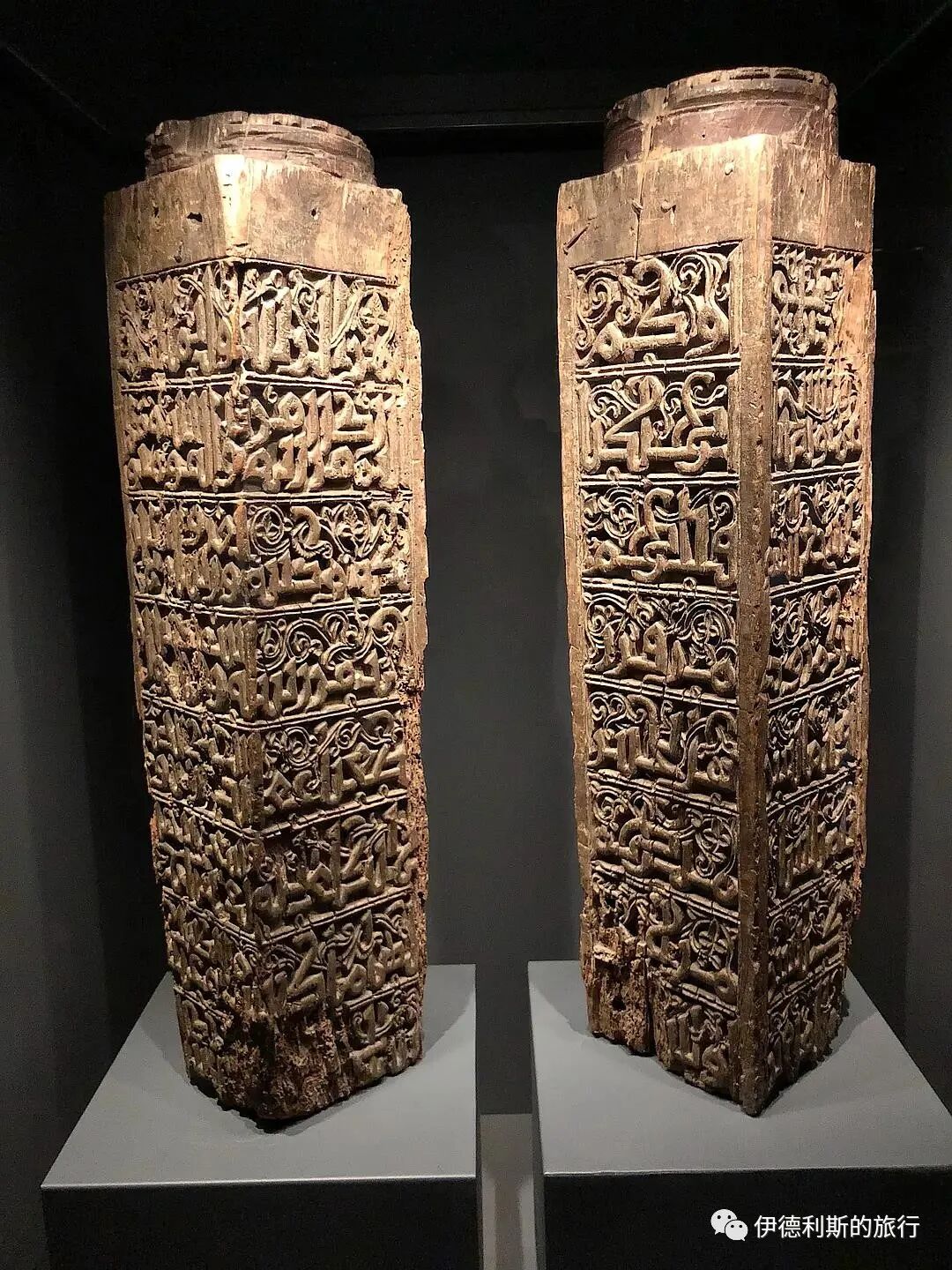
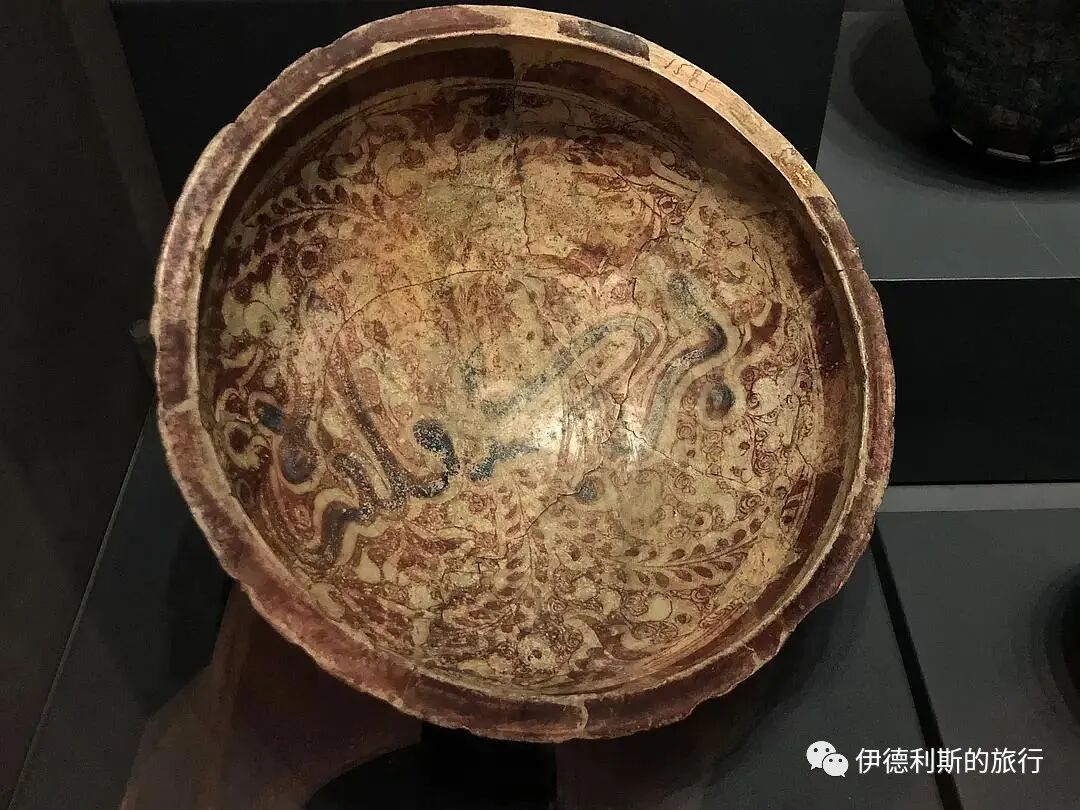
12th-13th century ceramic bowl.
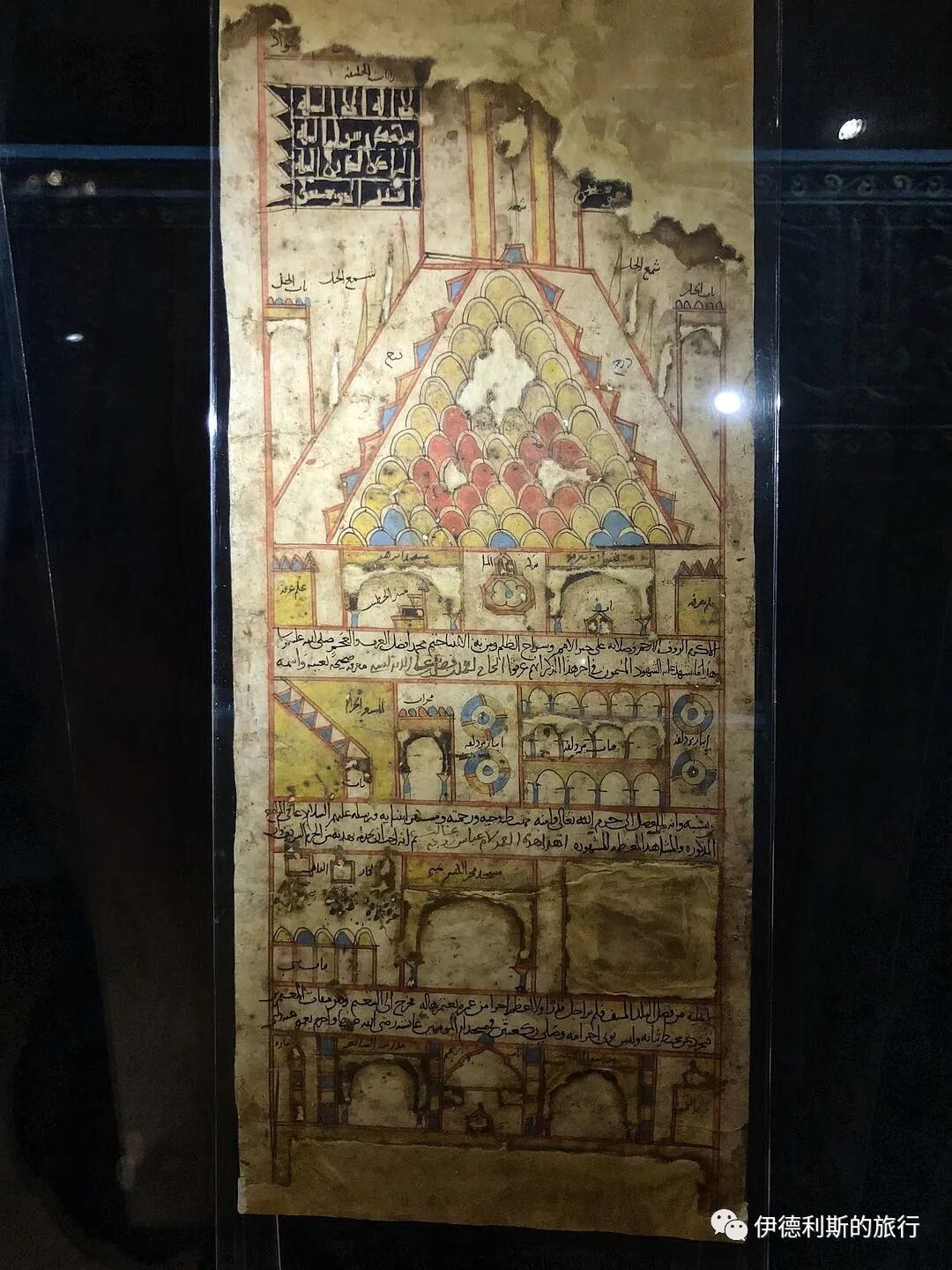
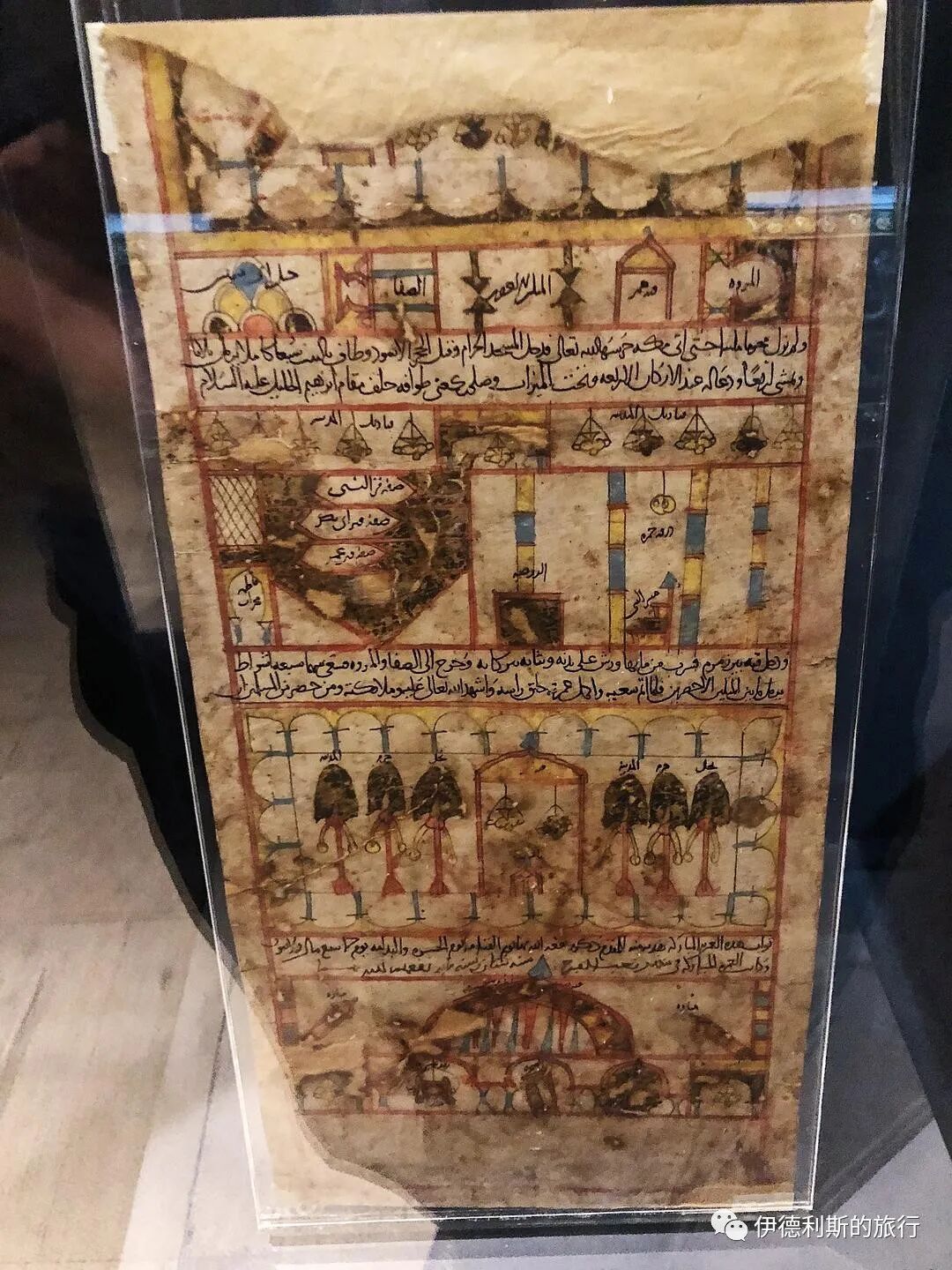
A 1205 Hajj certificate
VII. The Mamluk Sultanate: 1250-1517
The Mamluk Sultanate was a state that ruled Egypt, the Levant, and the Hejaz region from the 13th to the 16th century. Most Mamluks were Kipchak Turks from Central Asia. They were brought to Western Asia as slave mercenaries and became an important force in the military during the Ayyubid dynasty. In 1260, they overthrew the Ayyubid dynasty to rule Egypt and Syria, and subsequently prevented the invasion of the Ilkhanate. In 1517, the Mamluk Sultanate was destroyed by the Ottoman Empire.
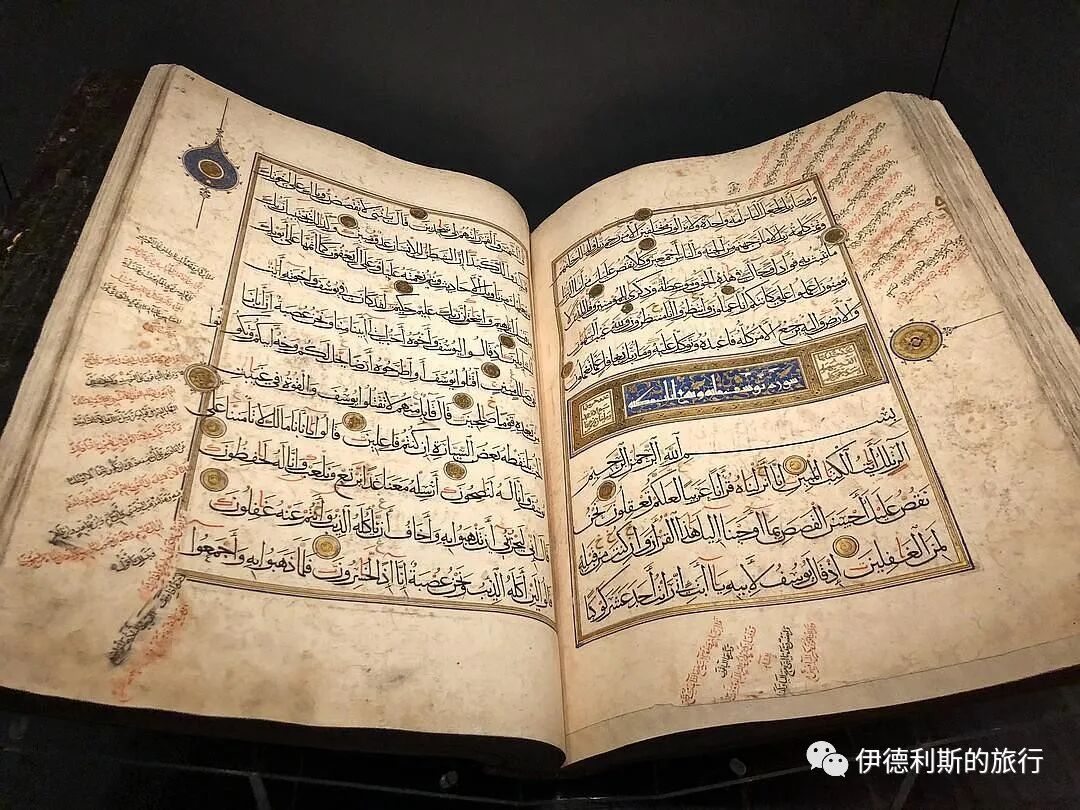
A late 14th-century Quran manuscript (Juz').
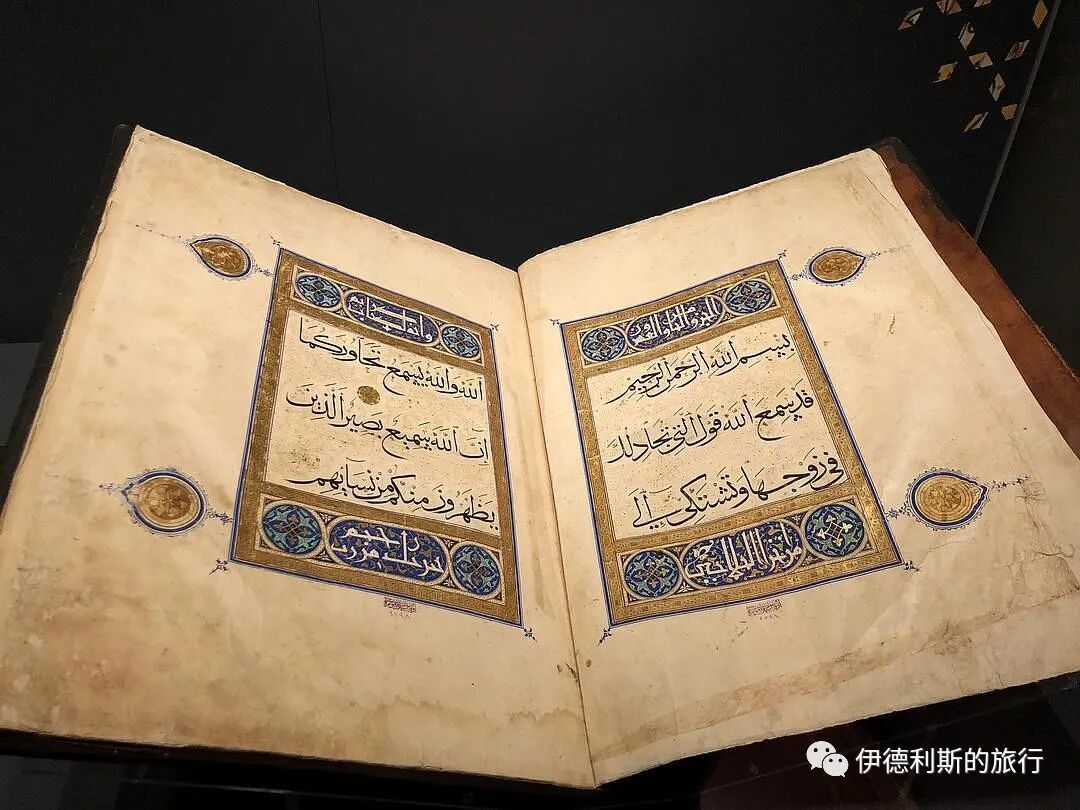
A 1380 Quran manuscript.
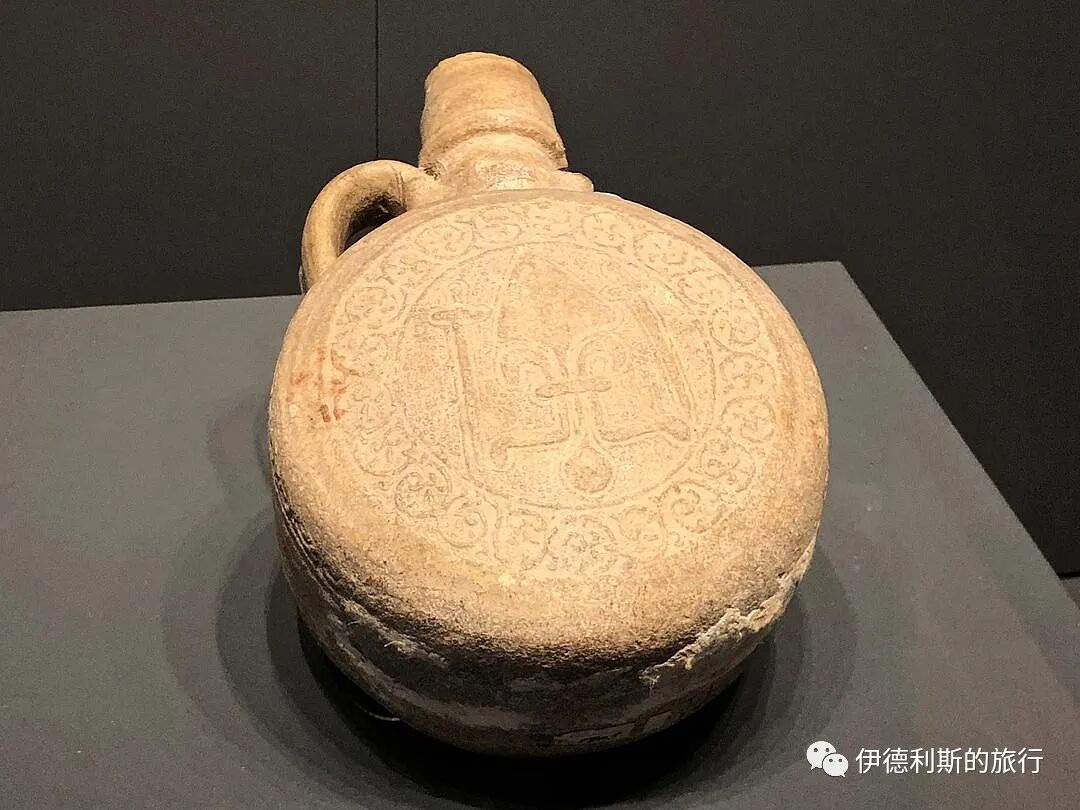
A 14th-century ceramic vase.
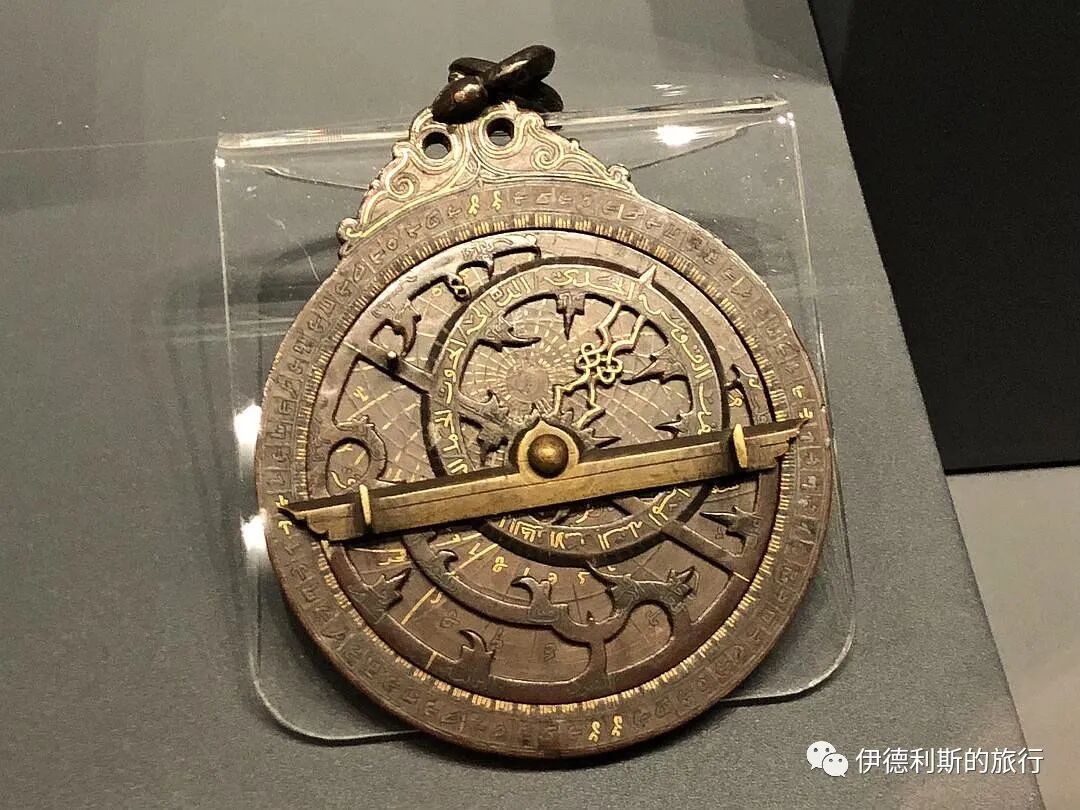
A 1282 astrolabe.
VIII. The Ilkhanate: 1256-1353
In 1256, Hulagu, the grandson of Genghis Khan, was enfeoffed as the Ilkhan, establishing the Ilkhanate. In 1260, Kublai Khan sent an envoy to issue an edict, placing the lands west of the Amu Darya up to the Egyptian border, including present-day Iran and Afghanistan, under Ilkhan rule.
A 1333-4 Quran manuscript, copied by Muhammed el-Hac Devletshah esh-Shirazi.
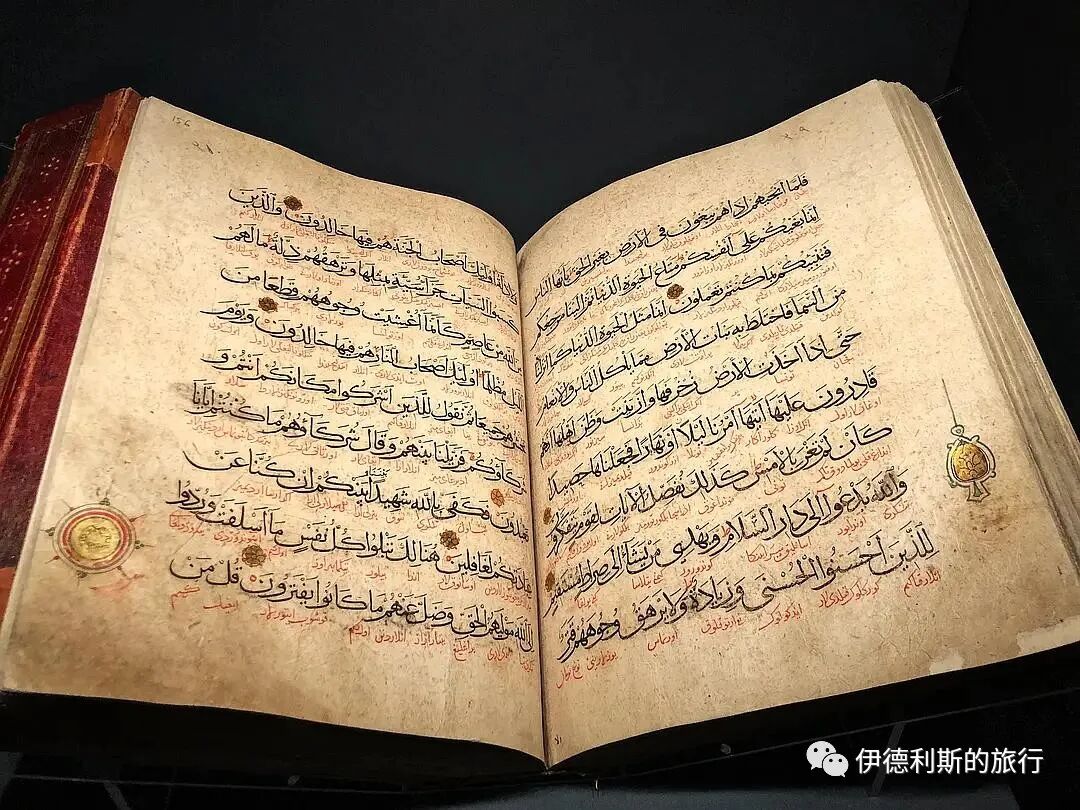
A 1338-9 Quran manuscript, copied by Yahya el-Sufi.
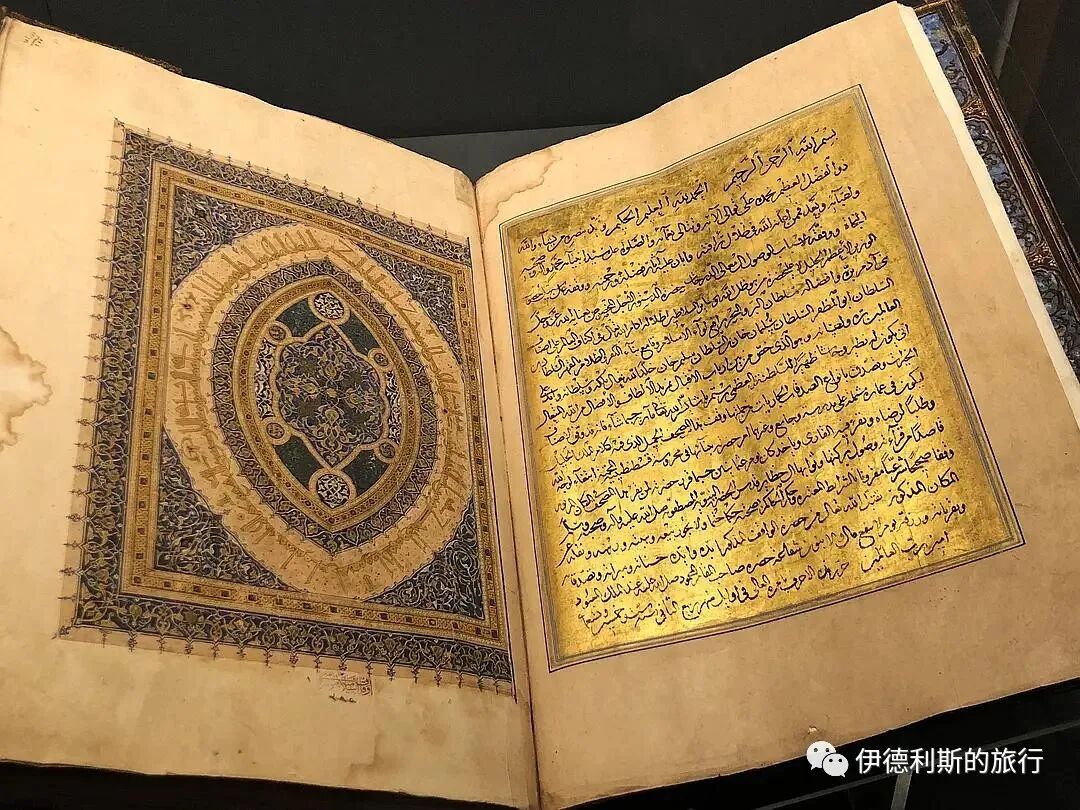
A 1318 Quran manuscript, copied by Ahmed b. al-Suhreverdi.
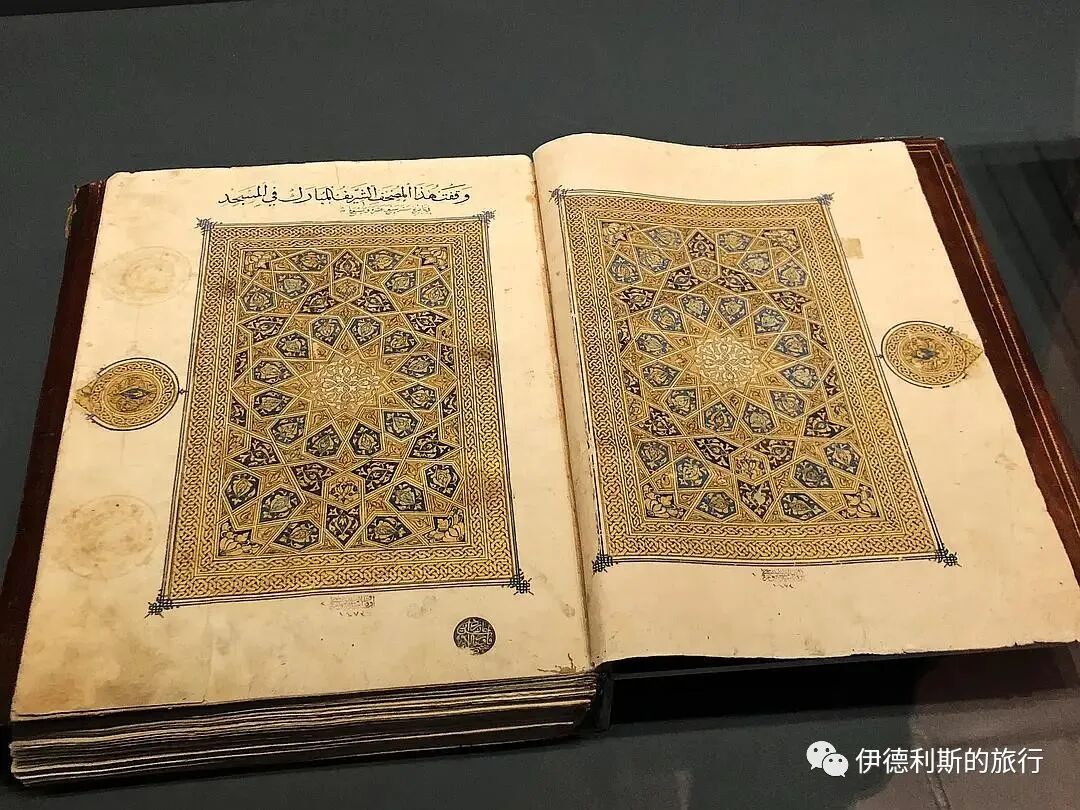
A 1323-4 Quran manuscript, copied by Huseyin bin Ali bin Camii.
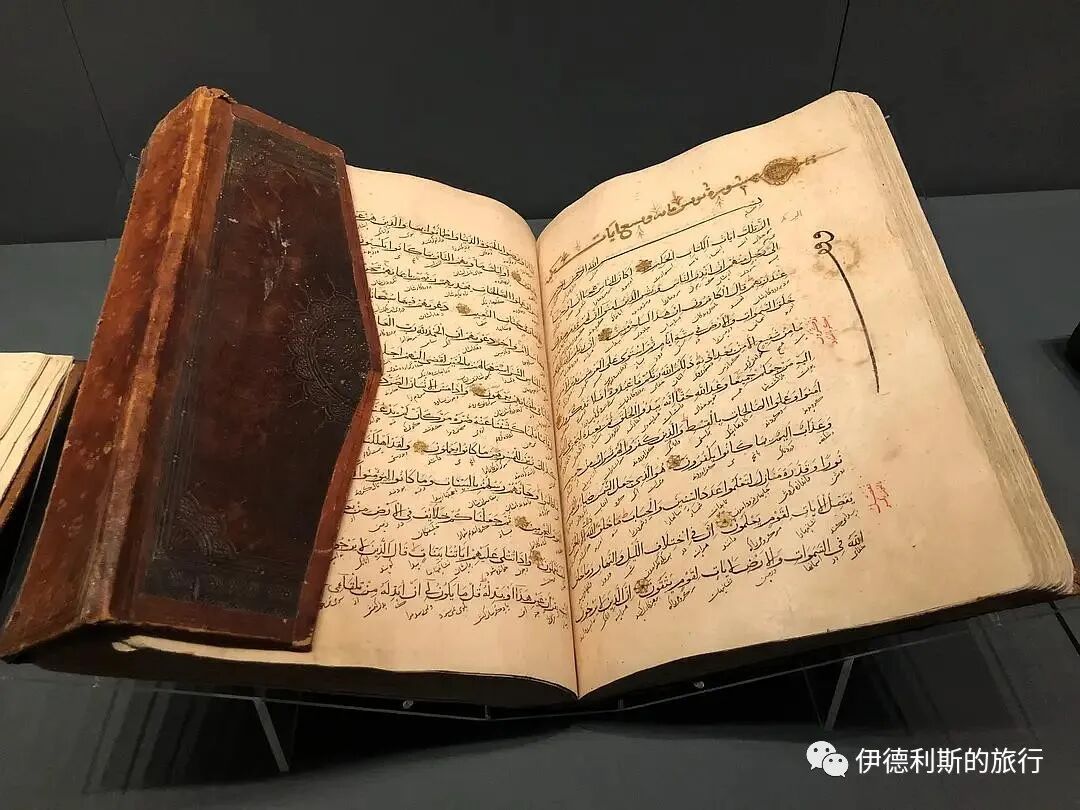
A 1320-21 Quran manuscript, copied by Argun bin Abdullah Kamili.
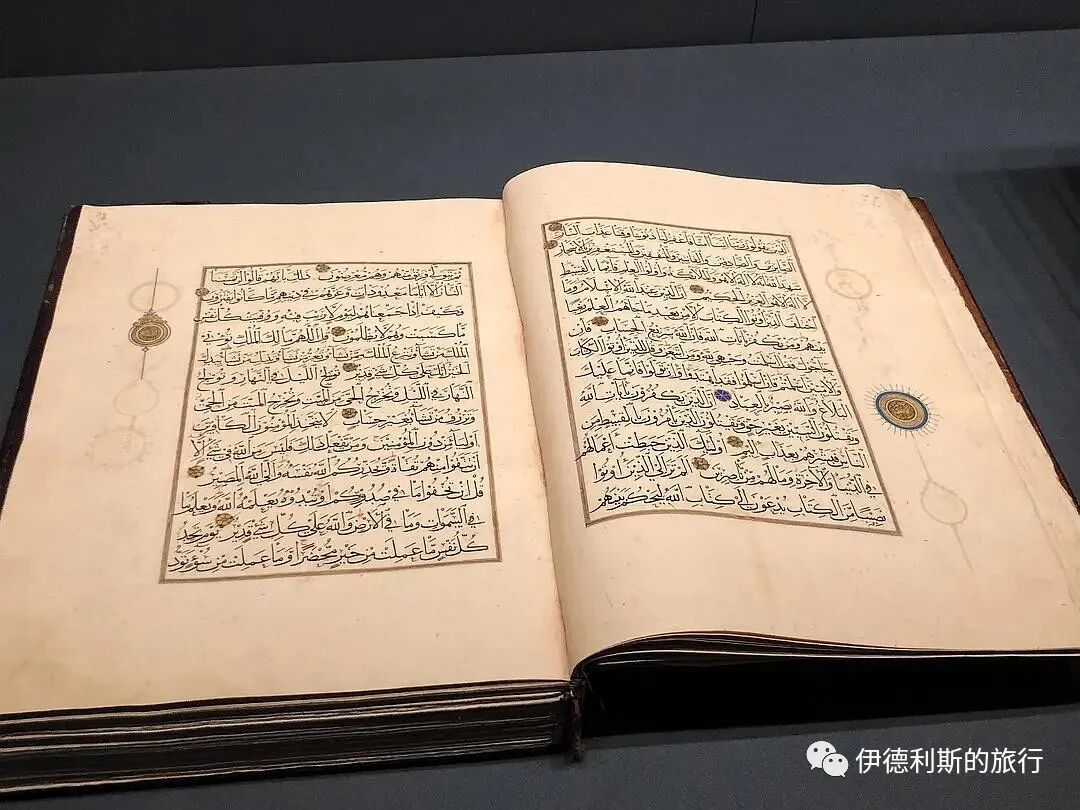
Two Quran manuscript volumes (Juz') copied by Ali ibn-i Mehmed in 1306-7 and 1310-11.
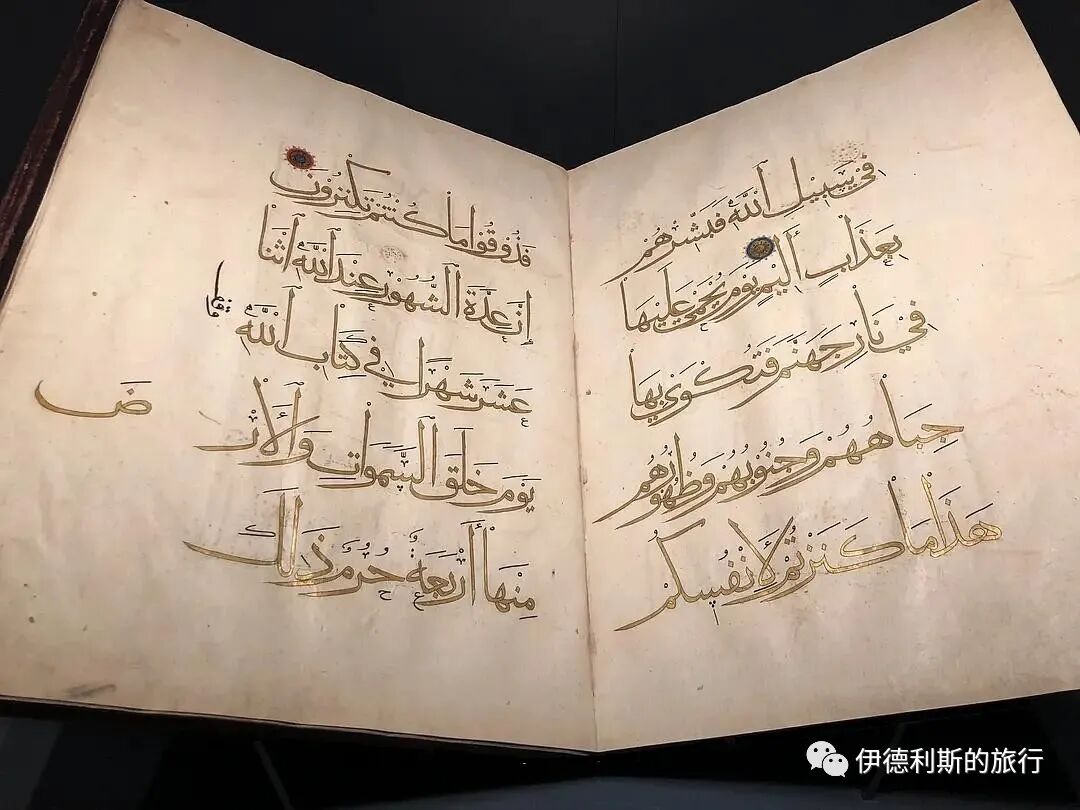
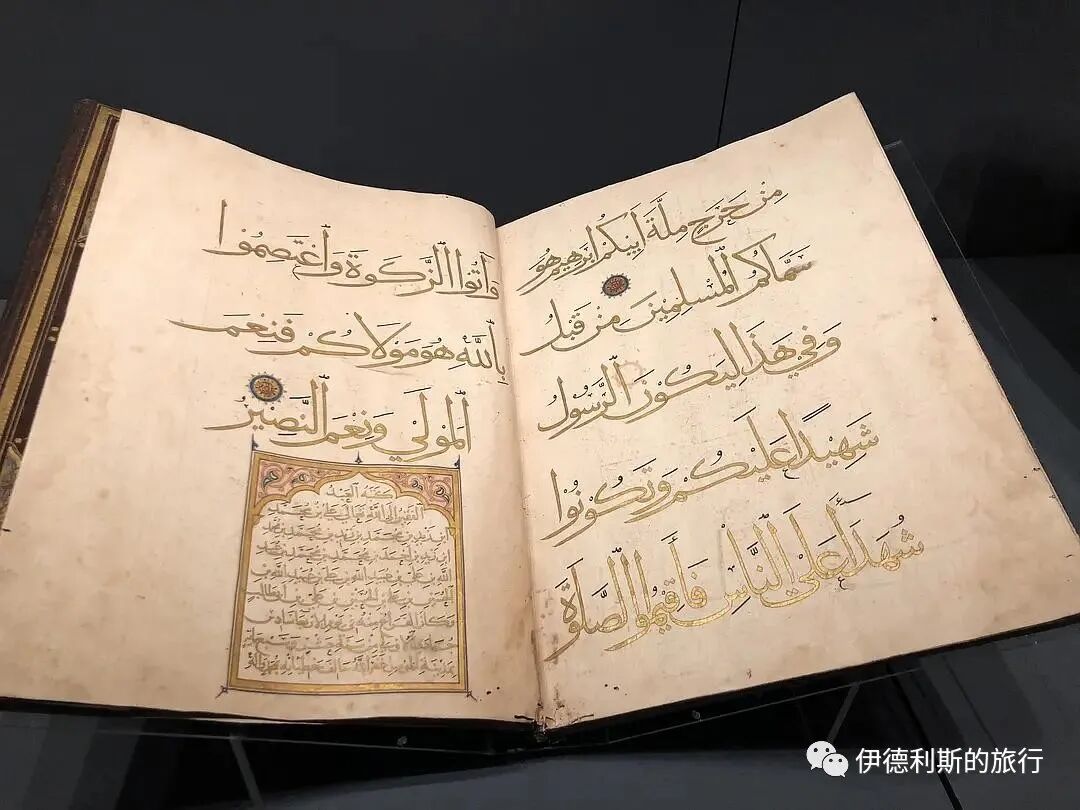
A 1286-87 Quran manuscript, copied by Yakut el-Musta'simi.
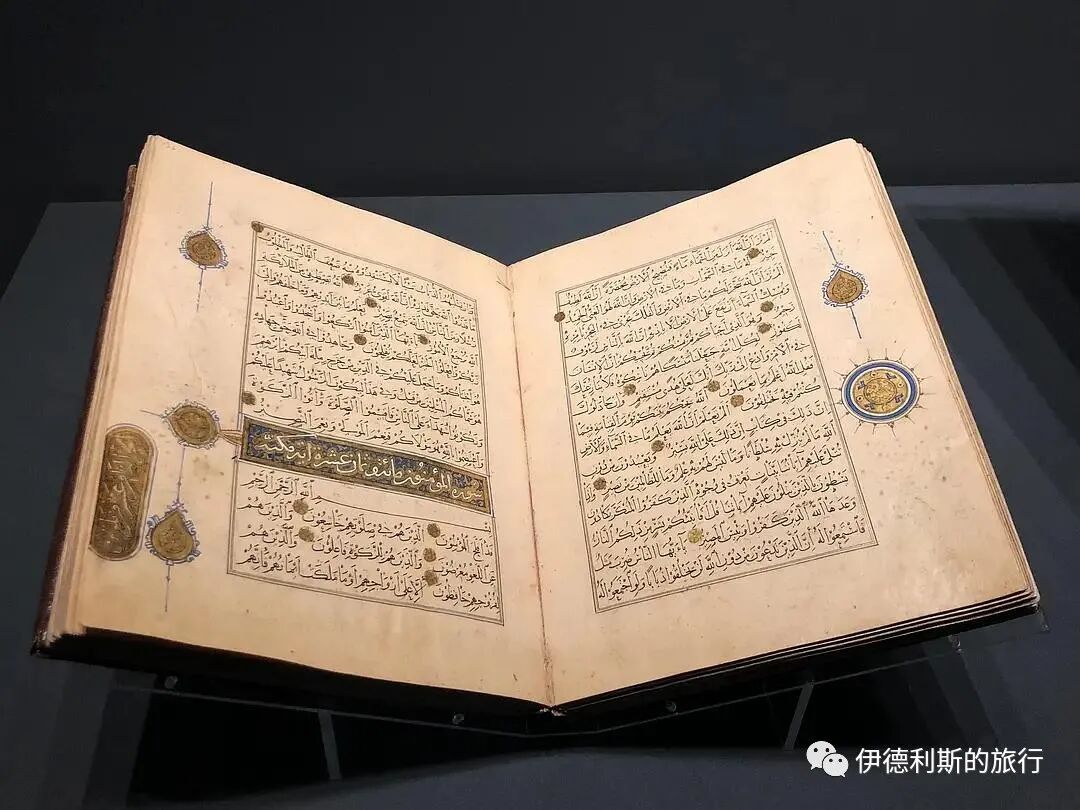
IX. The Timurid Empire: 1370-1507
The Timurid dynasty was established in Samarkand in 1370 by the Chagatai Mongol noble, Timur the Great. Timur began his western campaigns in 1380, successively occupying Afghanistan and Iran. After Timur's death in 1405, his successors continued to rule Iran, and the Timurid dynasty was deeply influenced by Persian culture.
Under the rule of the Timurid dynasty, the ancient Afghan city of Herat flourished. The Timurid prince Sultan Husayn Bayqara, who ruled Herat from 1469 to 1506, strongly supported the development of Persian poetry and literature. His minister, Mir Ali-Shir Nava'i, was a famous Persian poet. Herat at that time was also famous for its architecture, miniatures, and music. The ancient Iranian city of Shiraz also became a center of art and literature during this period, hailed as the 'House of Knowledge' and the 'Athens of Iran'. Shiraz's miniatures are also world-famous.
A 15th-century book from the city of Shiraz, Iran.
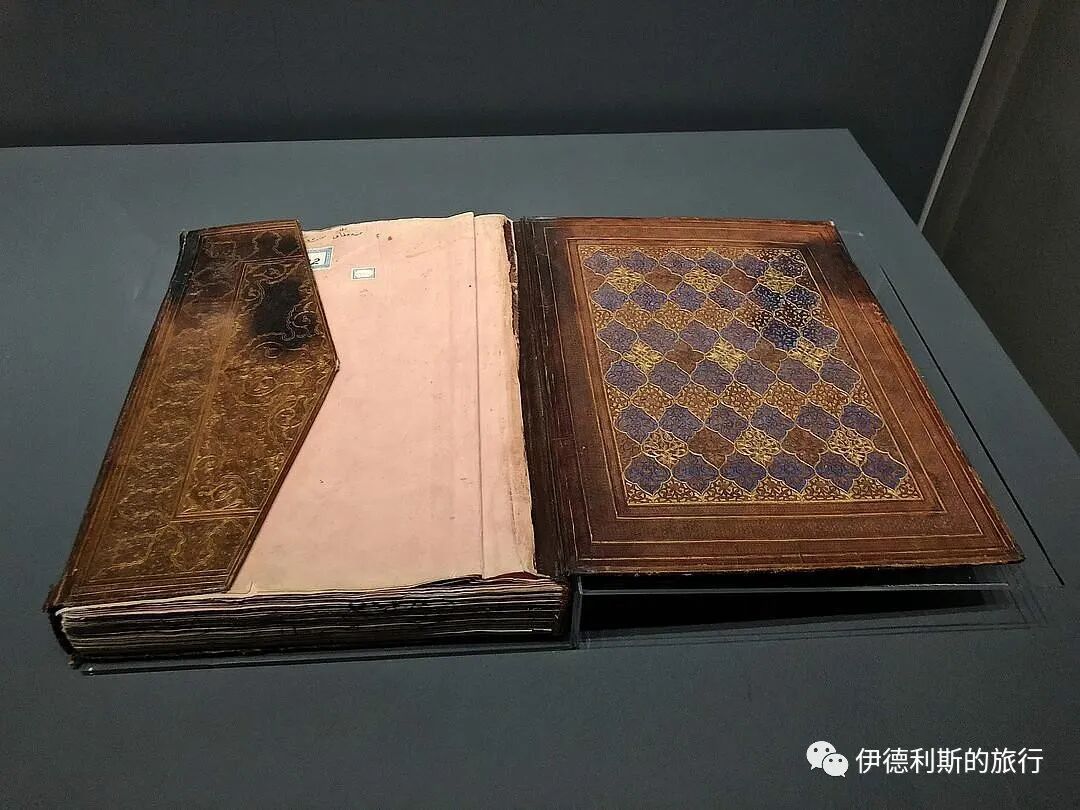
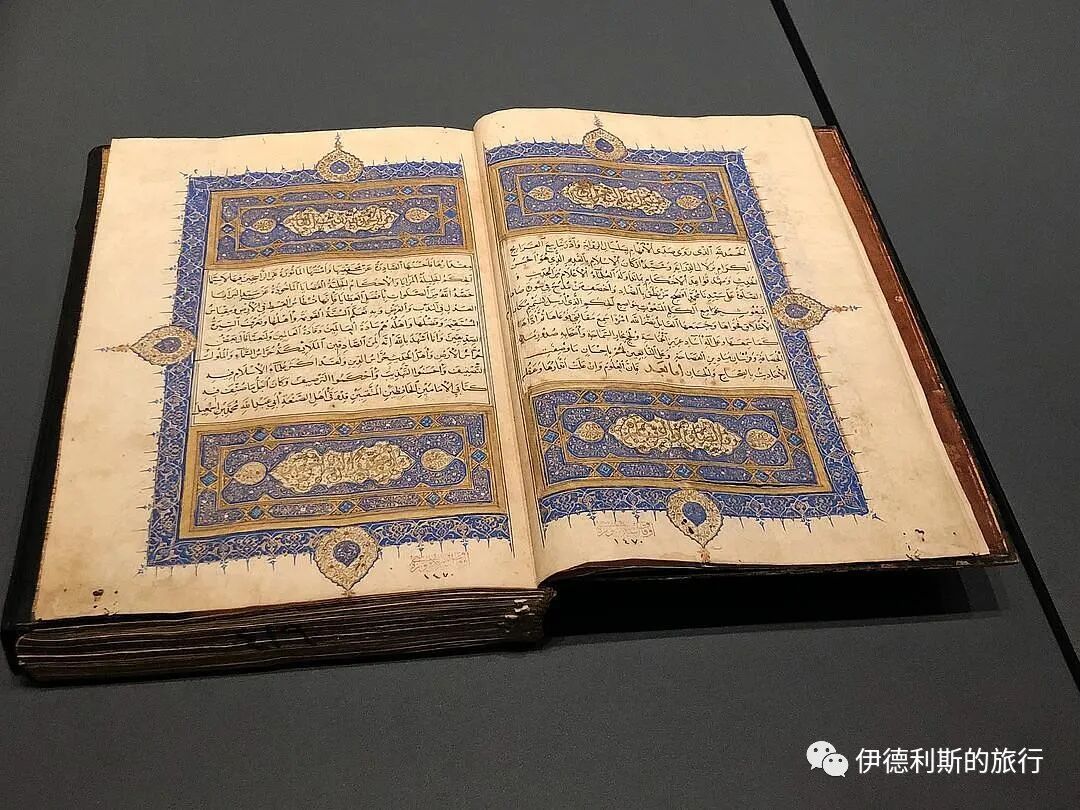
1445 and 1482 books of the 'Masnavi' from Herat, Afghanistan; this is a long poem collection by the famous Persian poet Rumi.
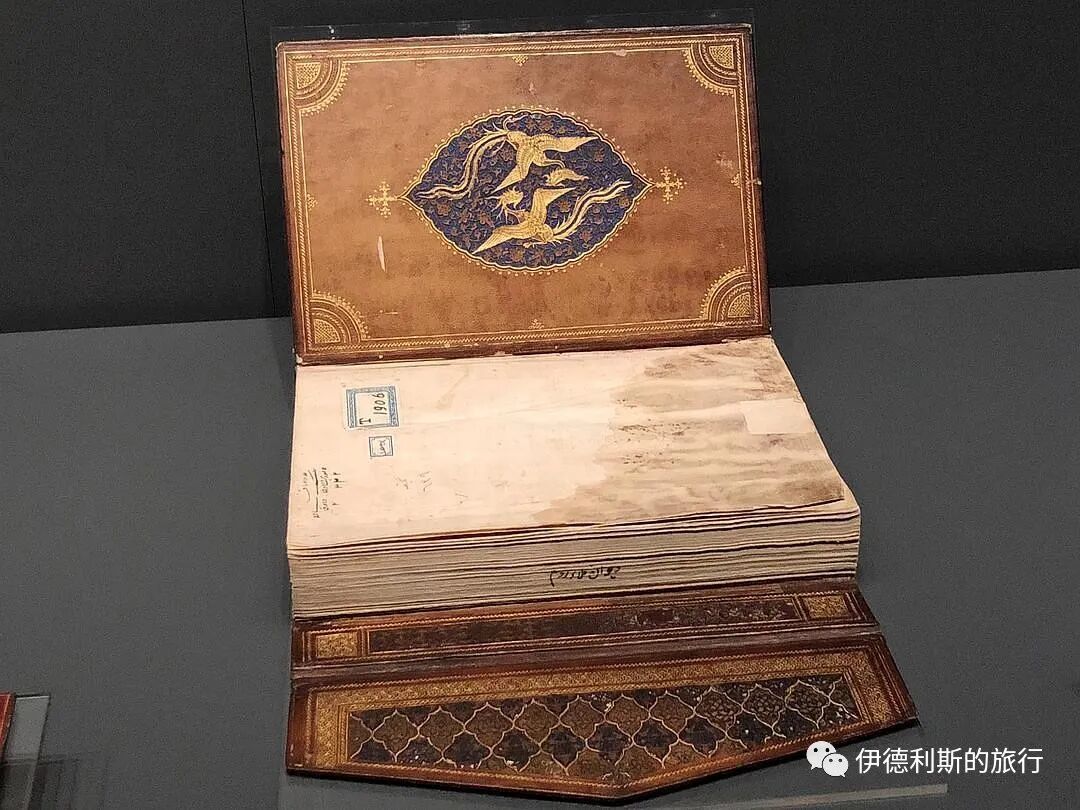
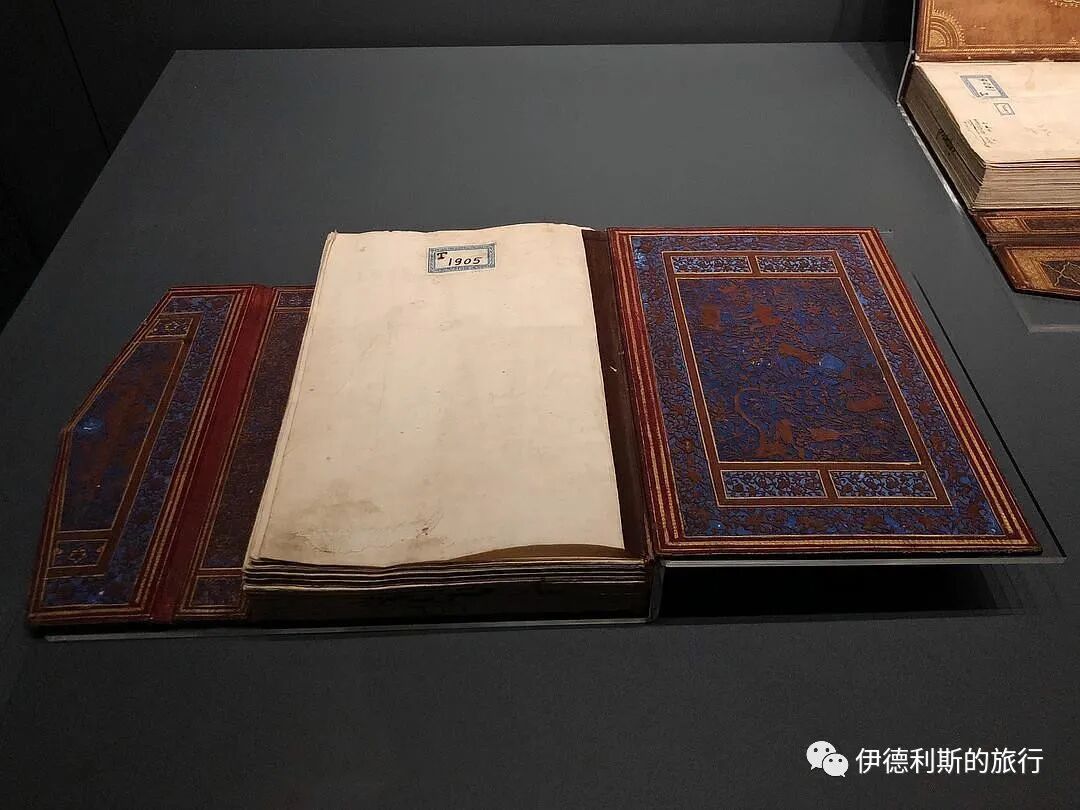
A 15th-century book from Herat, Afghanistan.
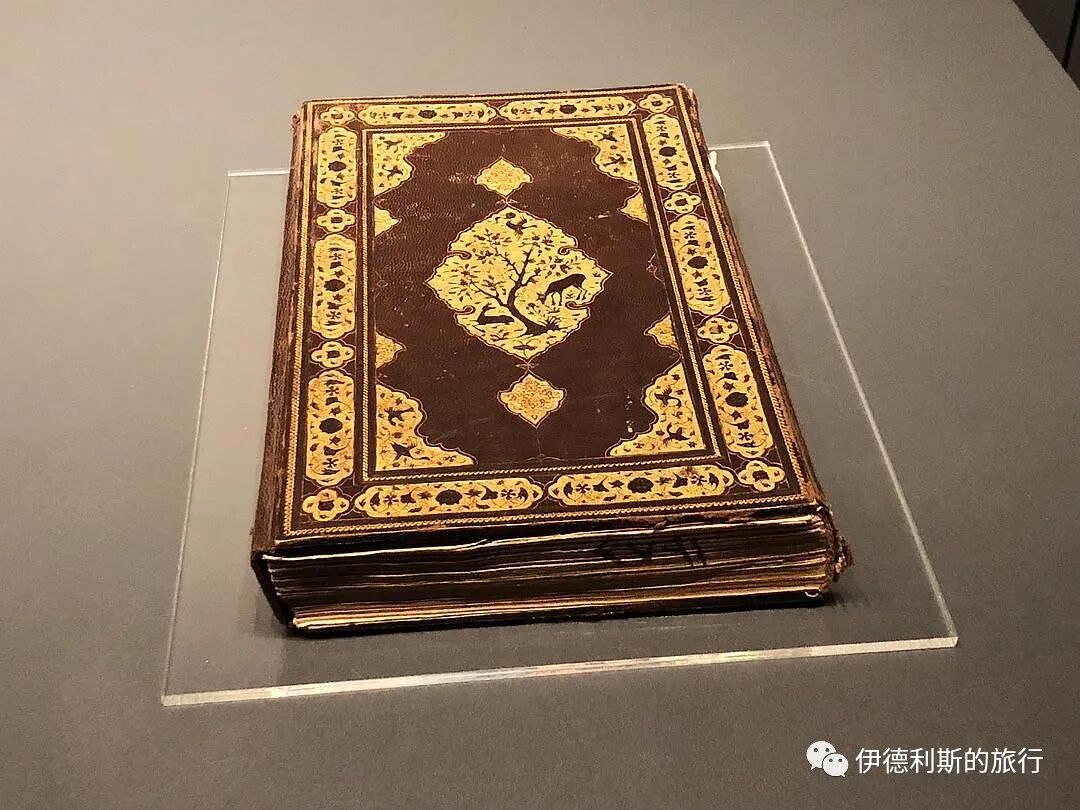
A 1398 book from Shiraz, Iran.
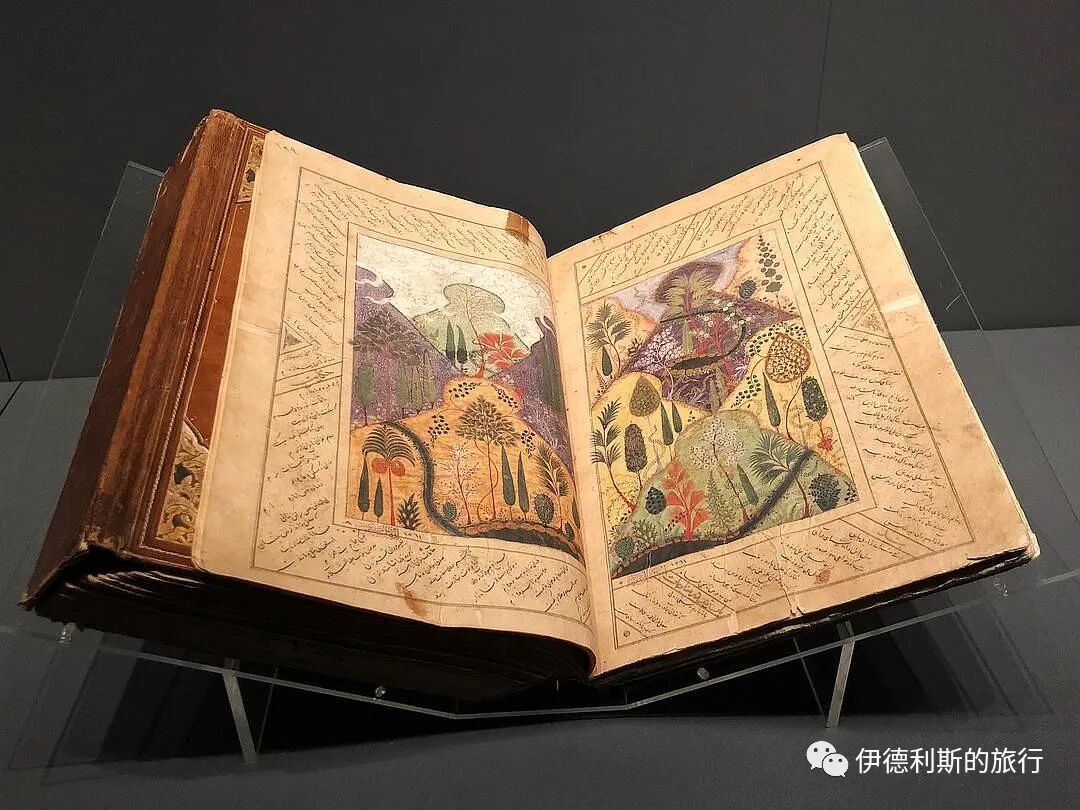
X. The Safavid Dynasty: 1501-1722
The Safavid dynasty originated from the Sufi Safaviyya order, and its rulers were Kurds living in northwestern Iran. The Safavid family itself spoke Turkic and composed poetry in Turkic, but they also strongly supported Persian poetry, literature, and various forms of Persian culture and art. For over 200 years, the Safavid dynasty ruled parts of Iran, the Caucasus, Iraq, Turkey, and Afghanistan. It is considered the first native Iranian dynasty since the Sassanid Persian Empire and is also considered the beginning of modern Iran.
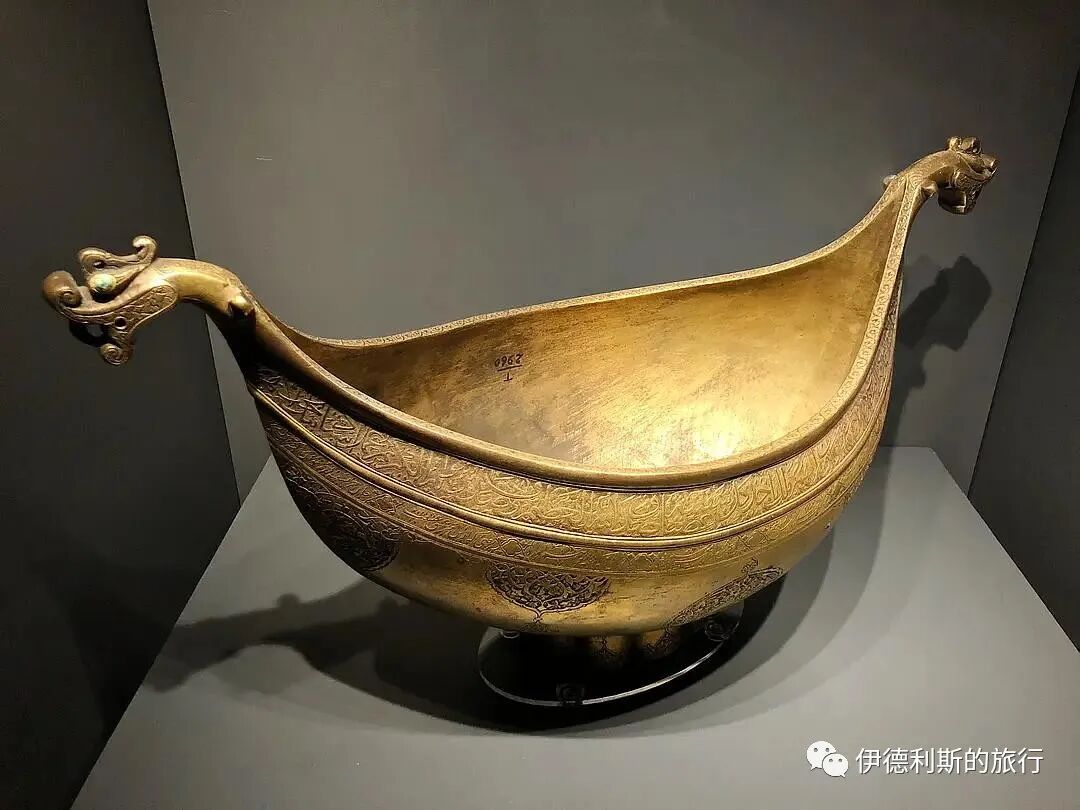
An early 17th-century Kashkul, a bowl used by Sufi dervishes for begging. Sufi dervishes would generally chant praises to Allah and the Prophet along the streets, then use the Kashkul to collect donated money and food. The Kashkul actually used were mostly made of coconut shells, brass, wood, or clay. They were boat-shaped and hung from the shoulder with metal chains, with a relatively simple design. This is because true Sufi dervishes had abandoned the desire for worldly wealth and devoted themselves entirely to Allah. In addition, many beautifully crafted Kashkuls were used by the wealthy as decorative items, most of which have Quranic inscriptions.
A 17th-century Quran from Shiraz.
Delete
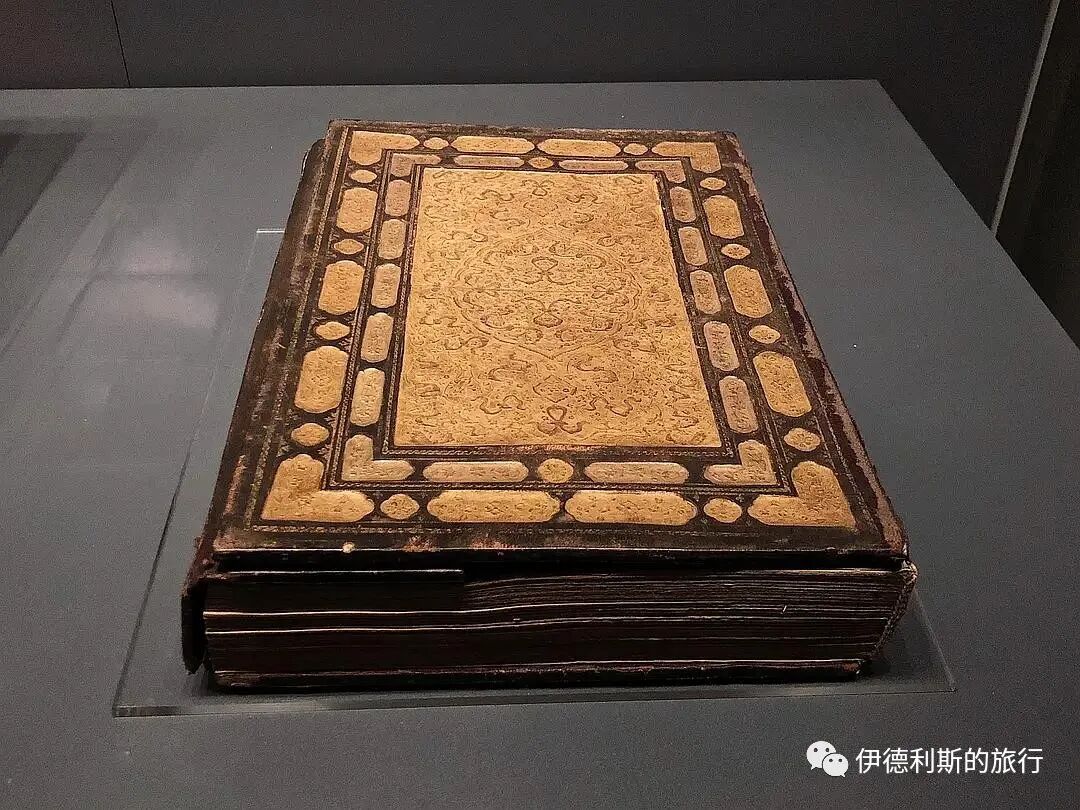
A 1591 Quran from Shiraz.
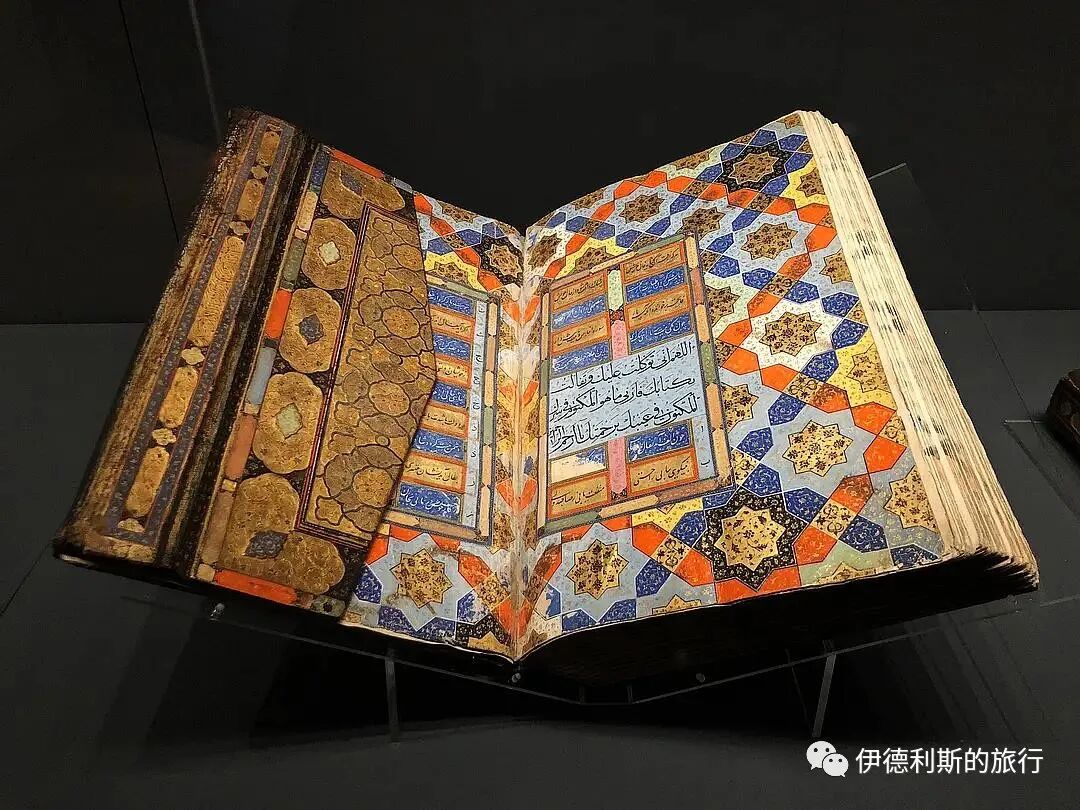
A 17th-century Quran volume (Juz') cover.
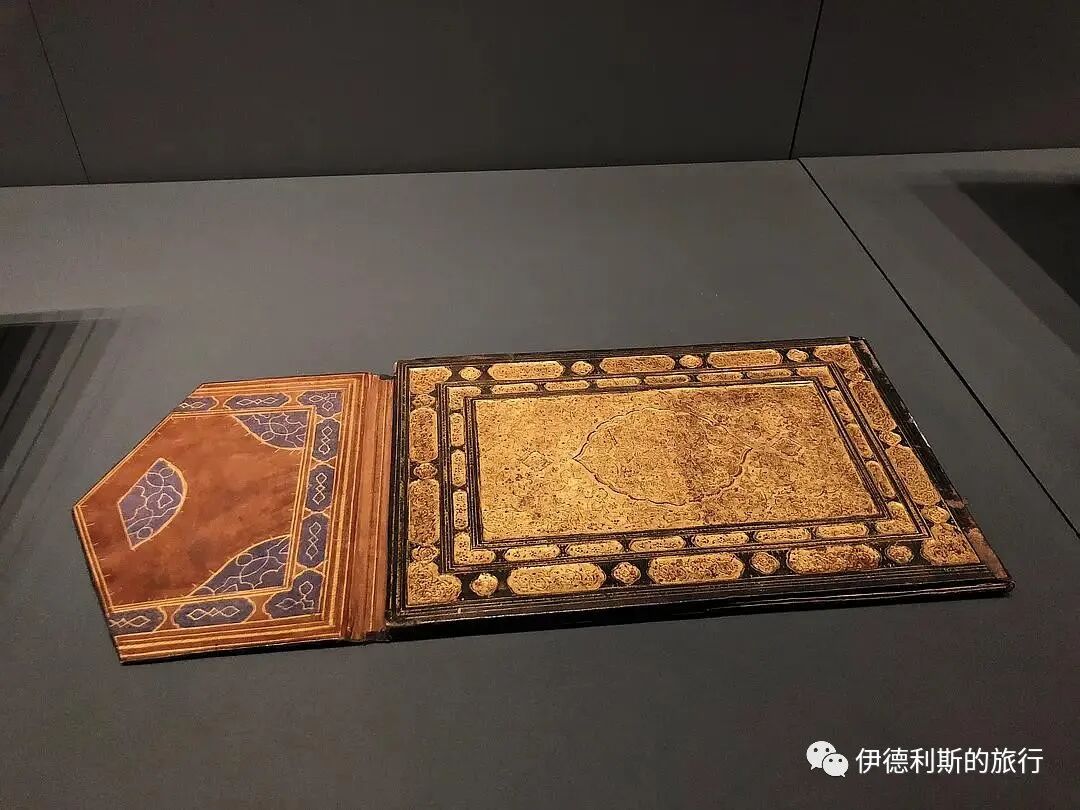
A 1549 Quran from Shiraz.
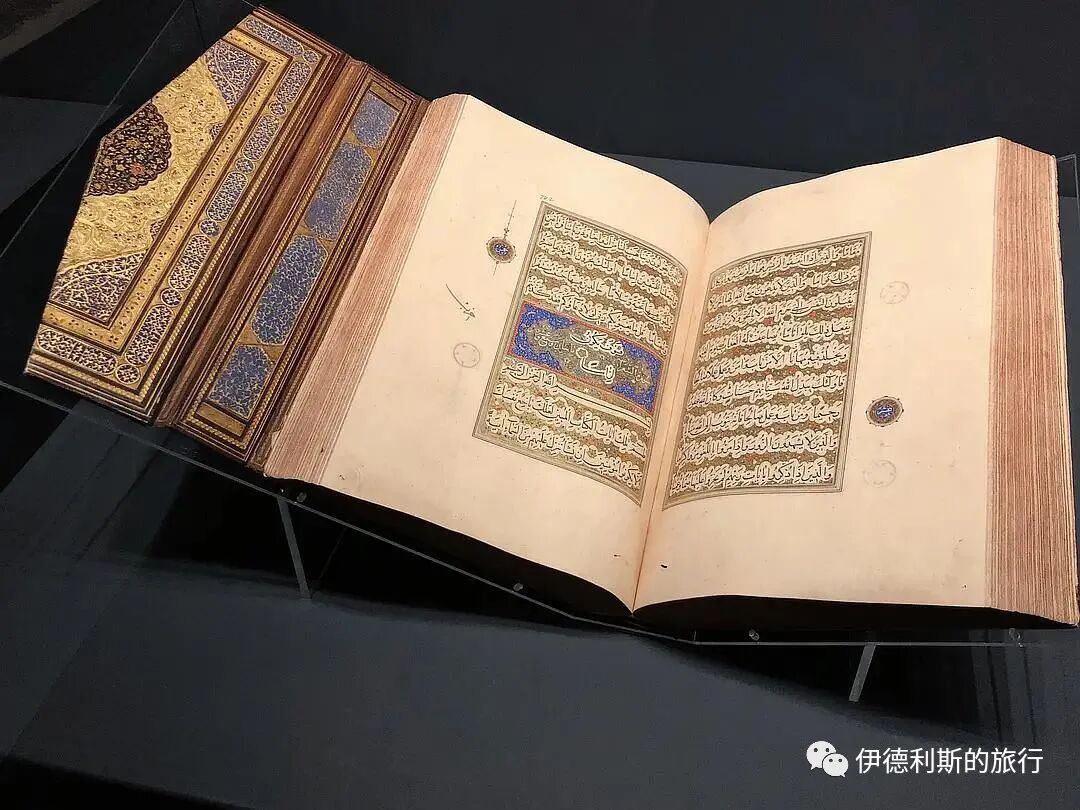
A 1580/1 Quran from Shiraz.
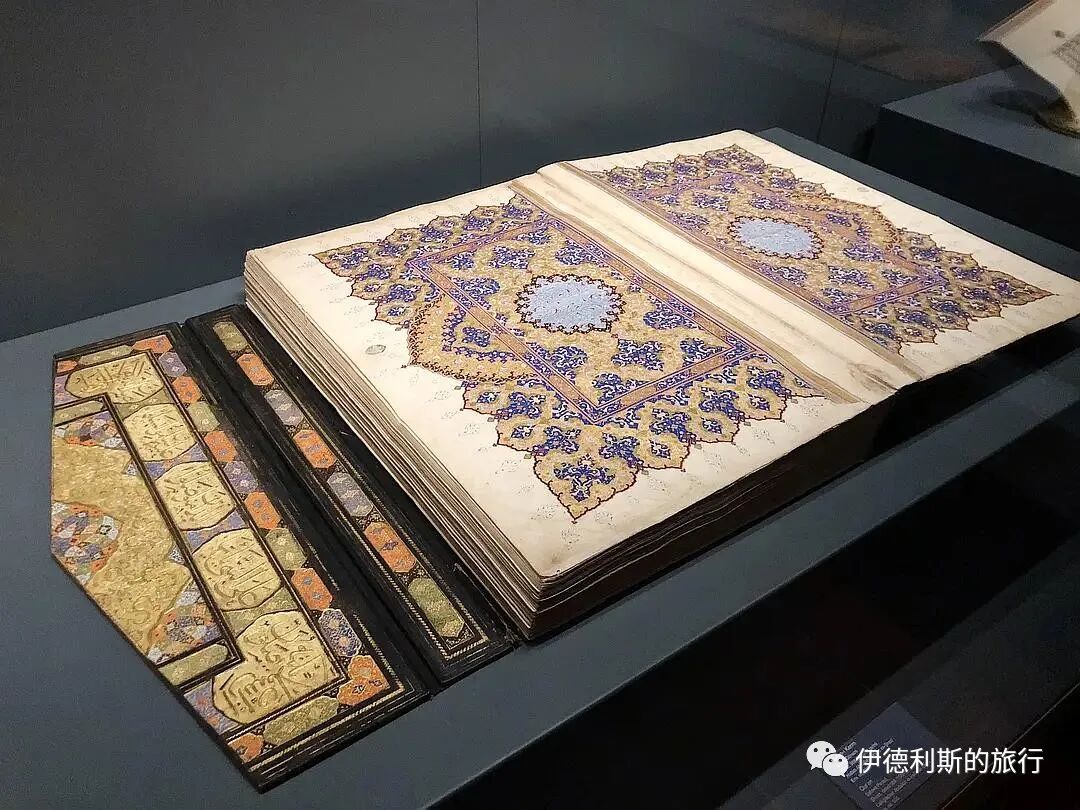
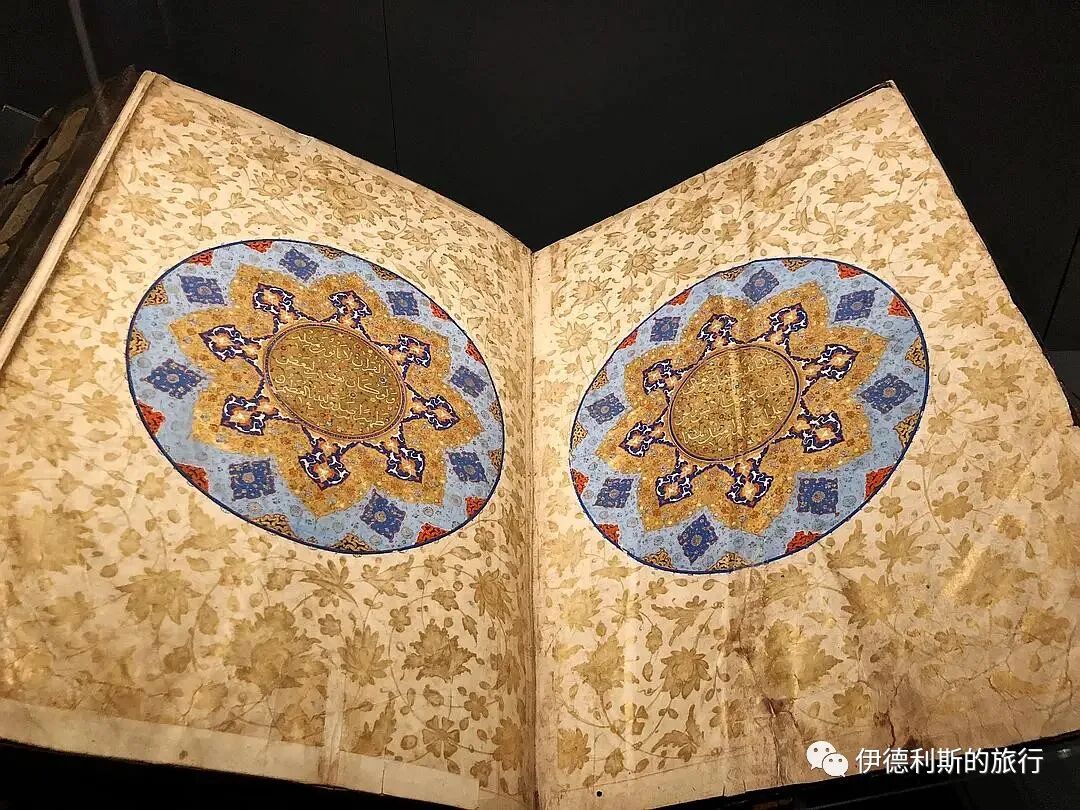
XI. The Ottoman Dynasty: 1299-1923
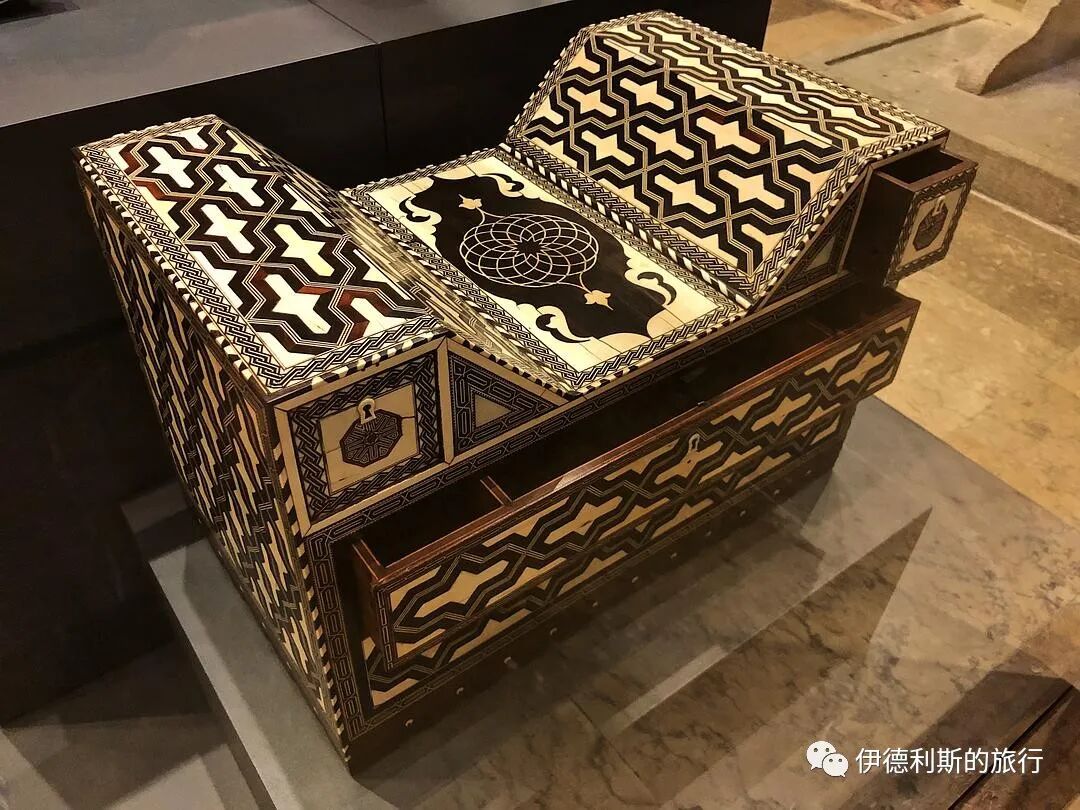
A late 15th-early 16th-century scripture box
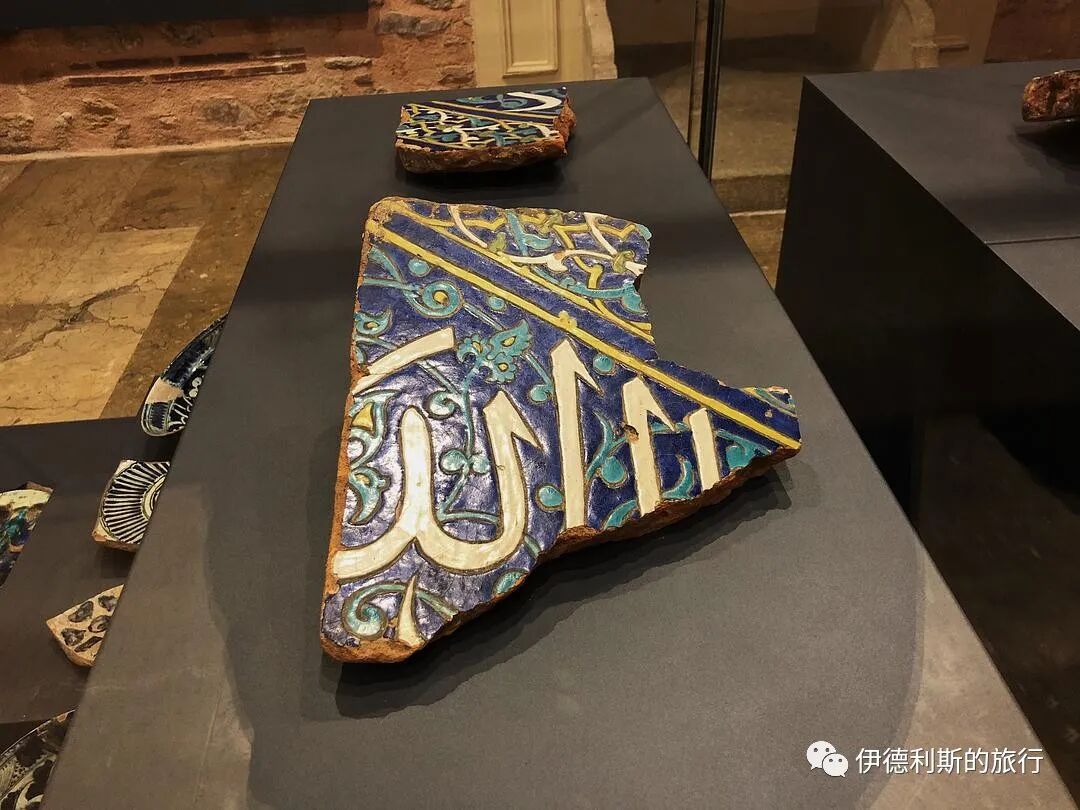
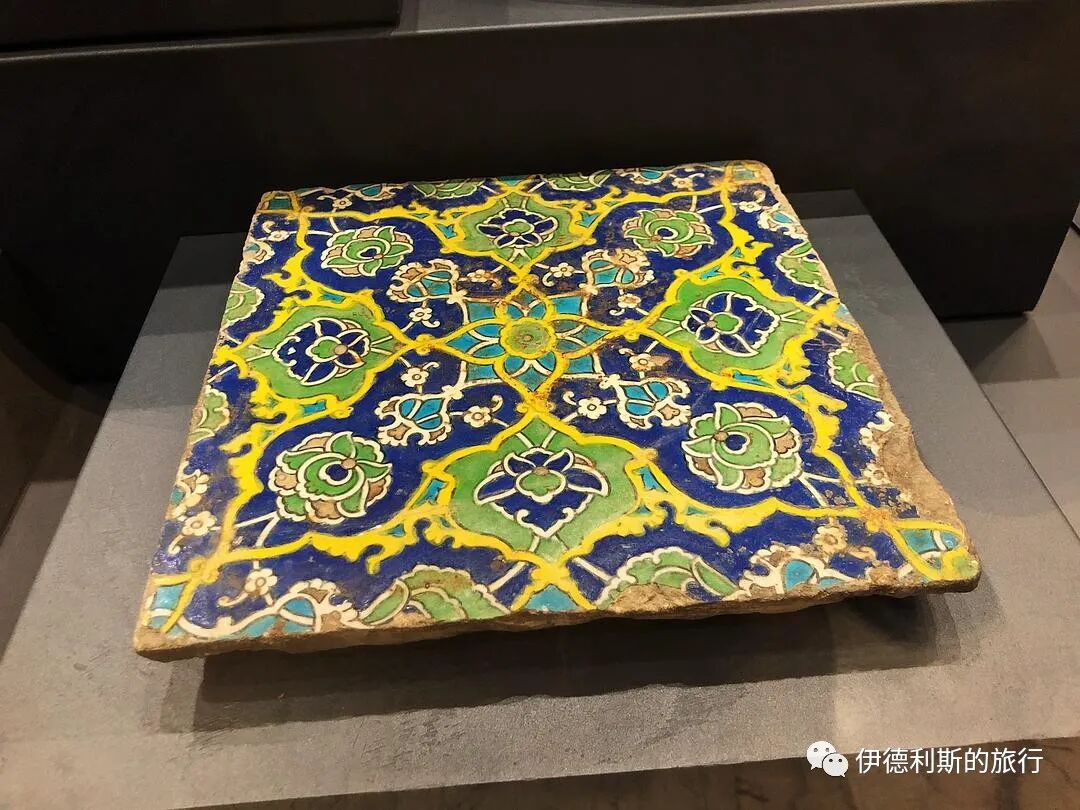
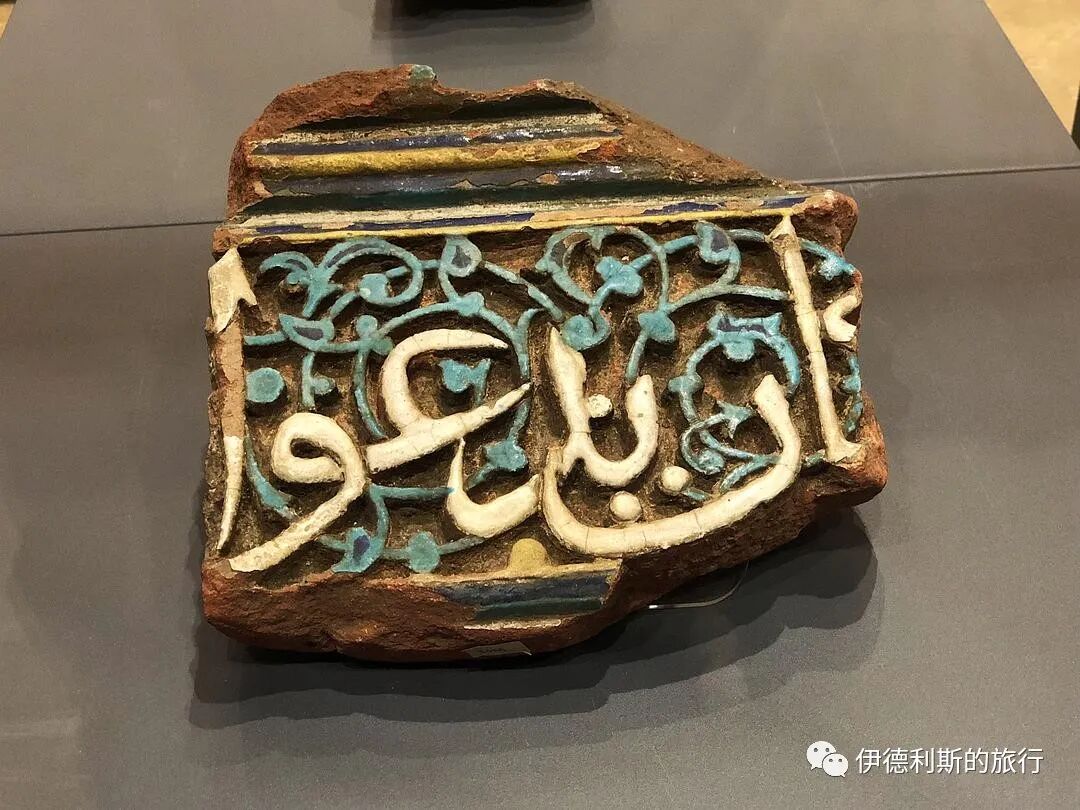
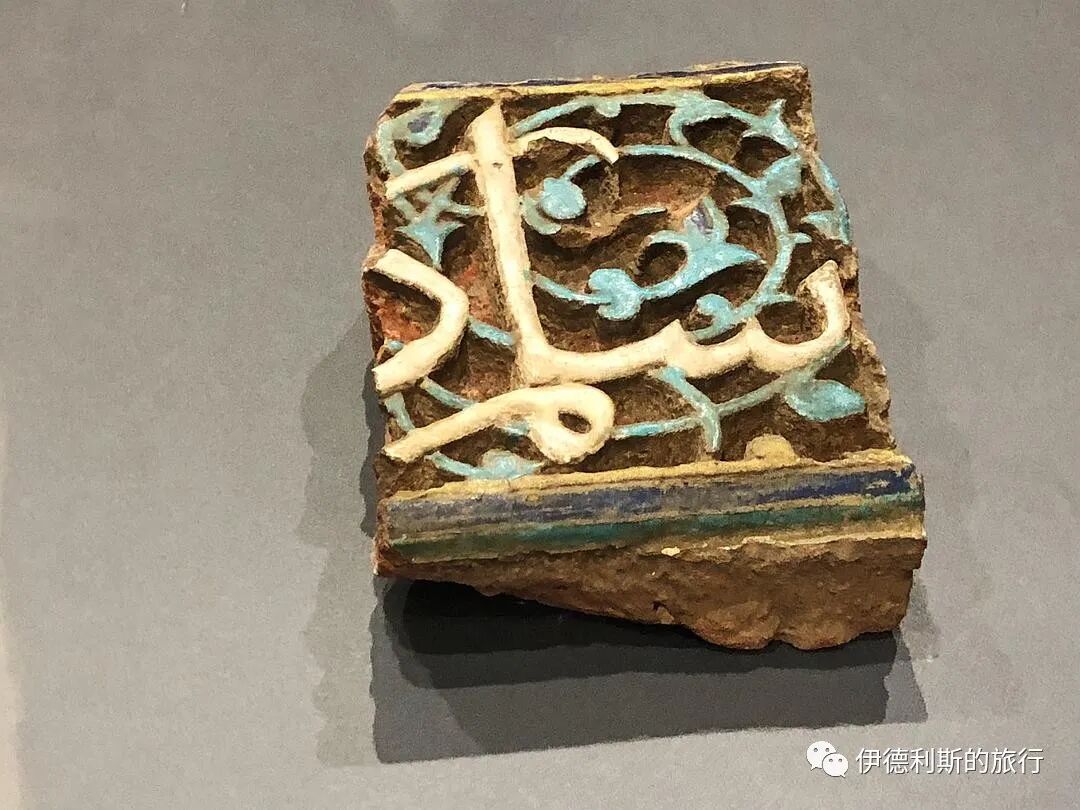
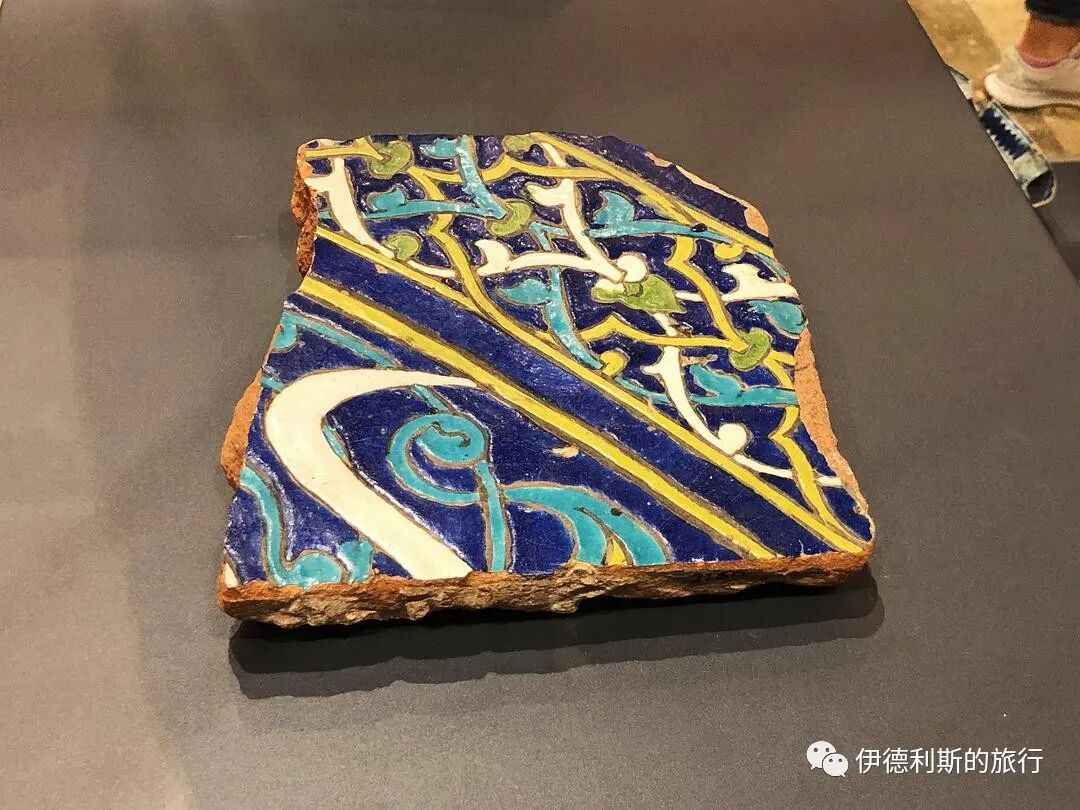
14th-15th-century tiles
The book 'Zubdet'ut Tevarih (Faith, Islam, and Ottoman History)', produced in 1583 by the calligrapher Seyyid Lokman Ashuri for Sultan Murad III
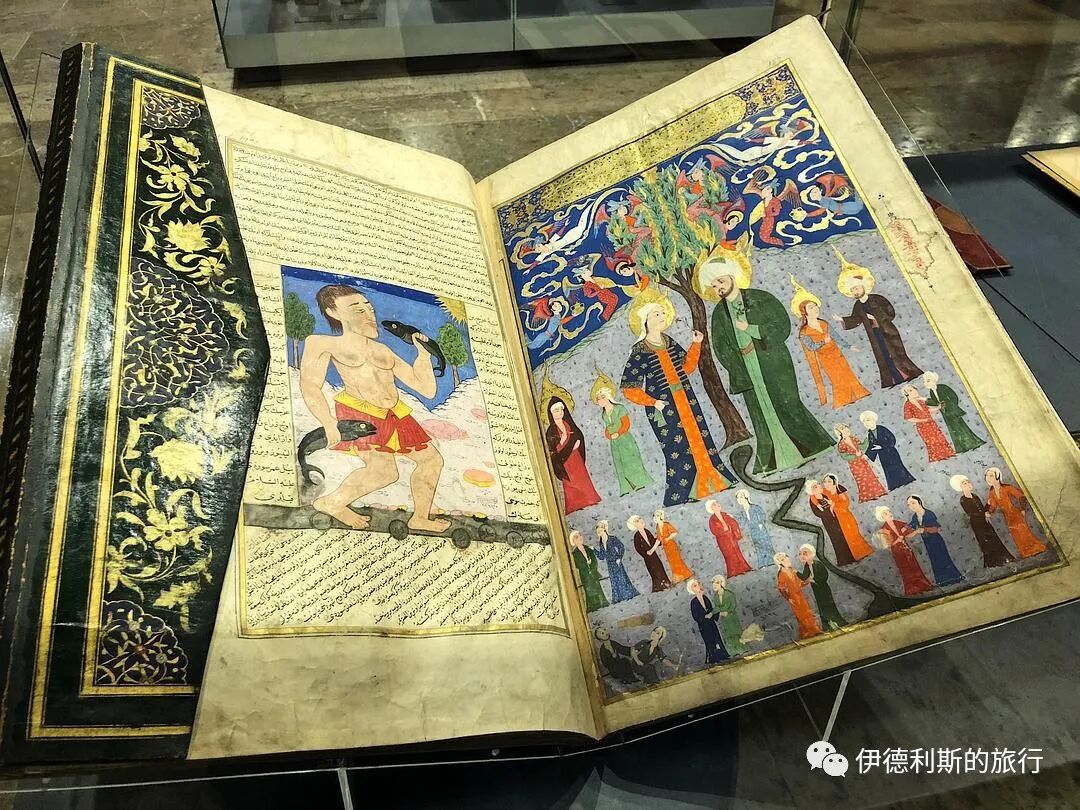
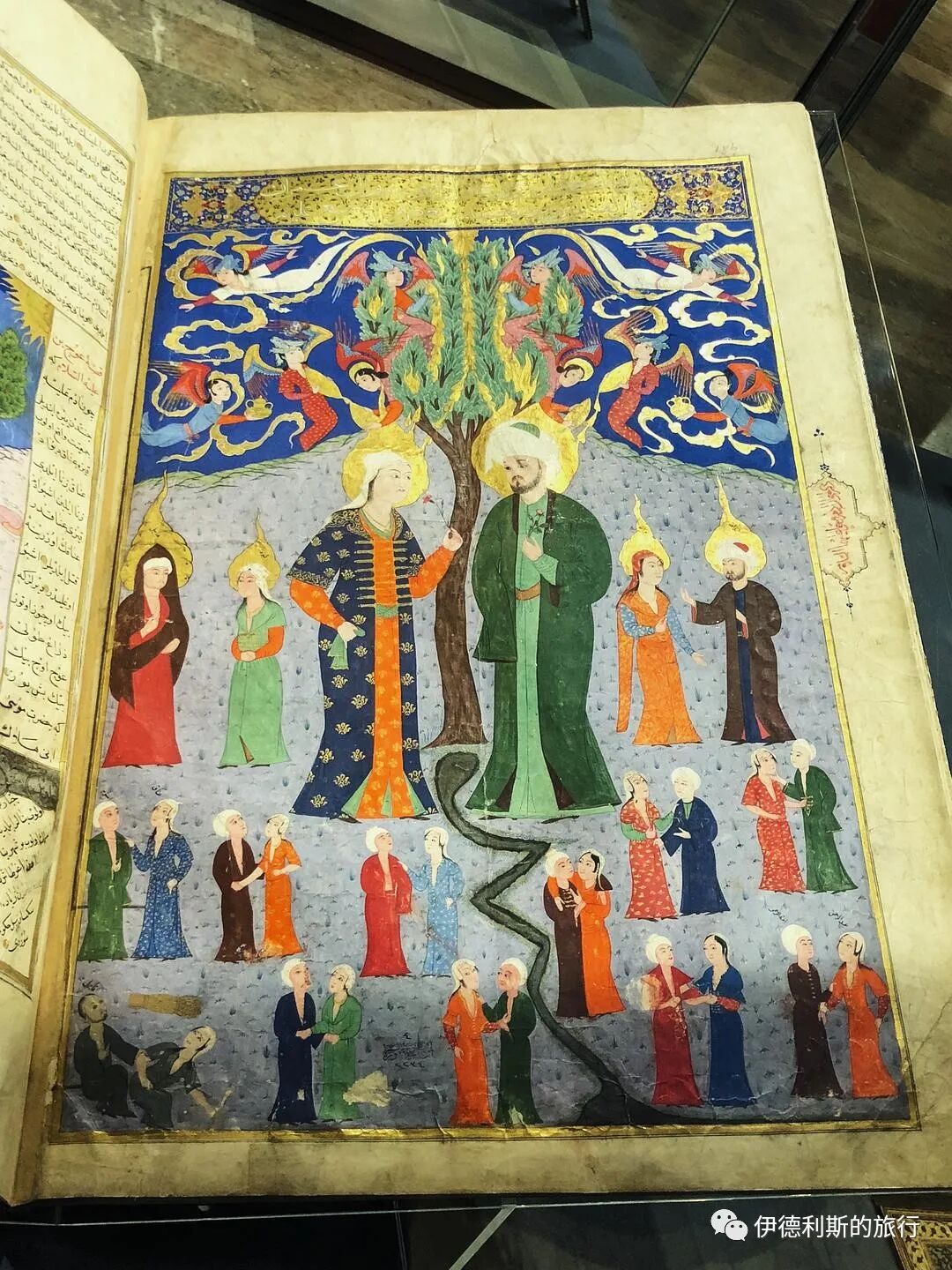
A Quran written by the calligrapher Seyh Hamdullah in 1494
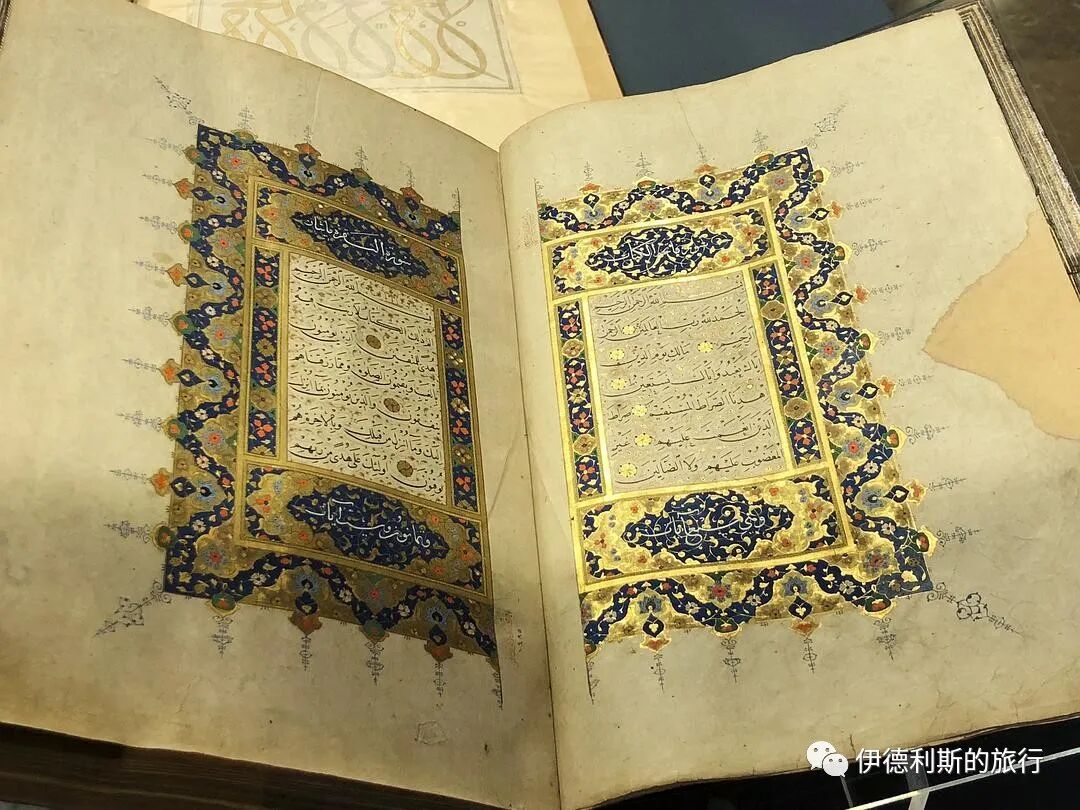
Chapter 6 of the Quran, 'The Cattle', written by the calligrapher Ahmed Karahisari in 1443
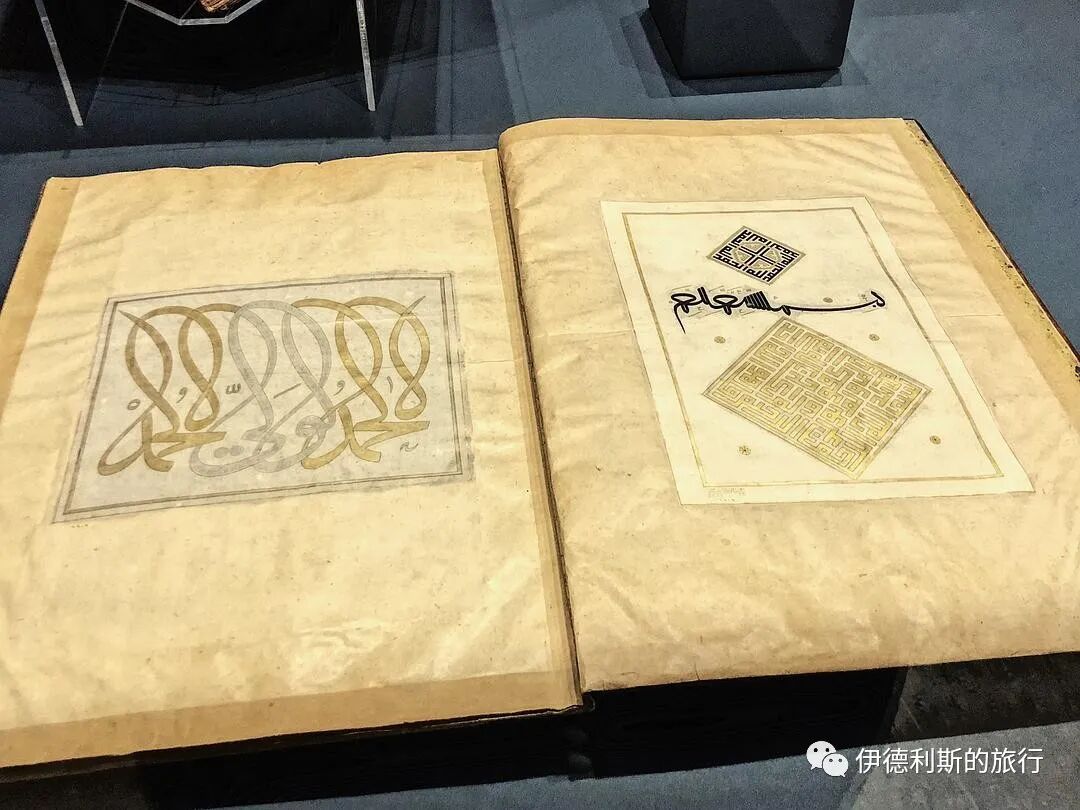
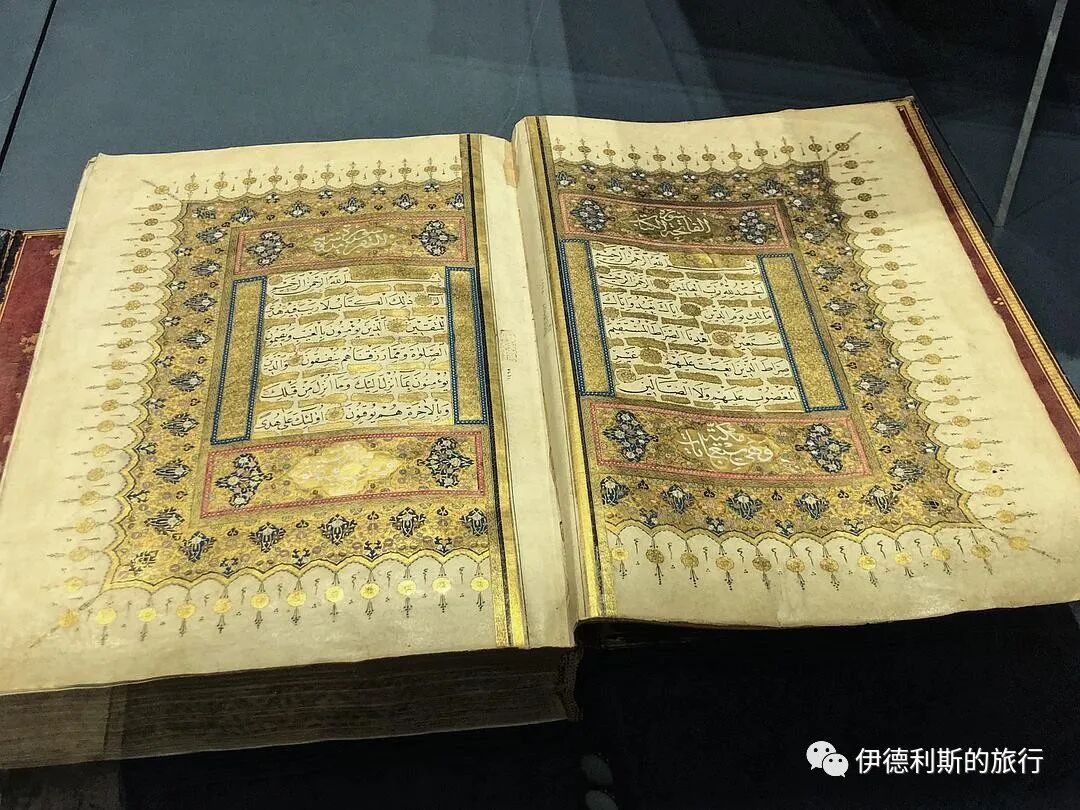
A Quran written by the calligrapher Hafiz Osman between 1540 and 1550
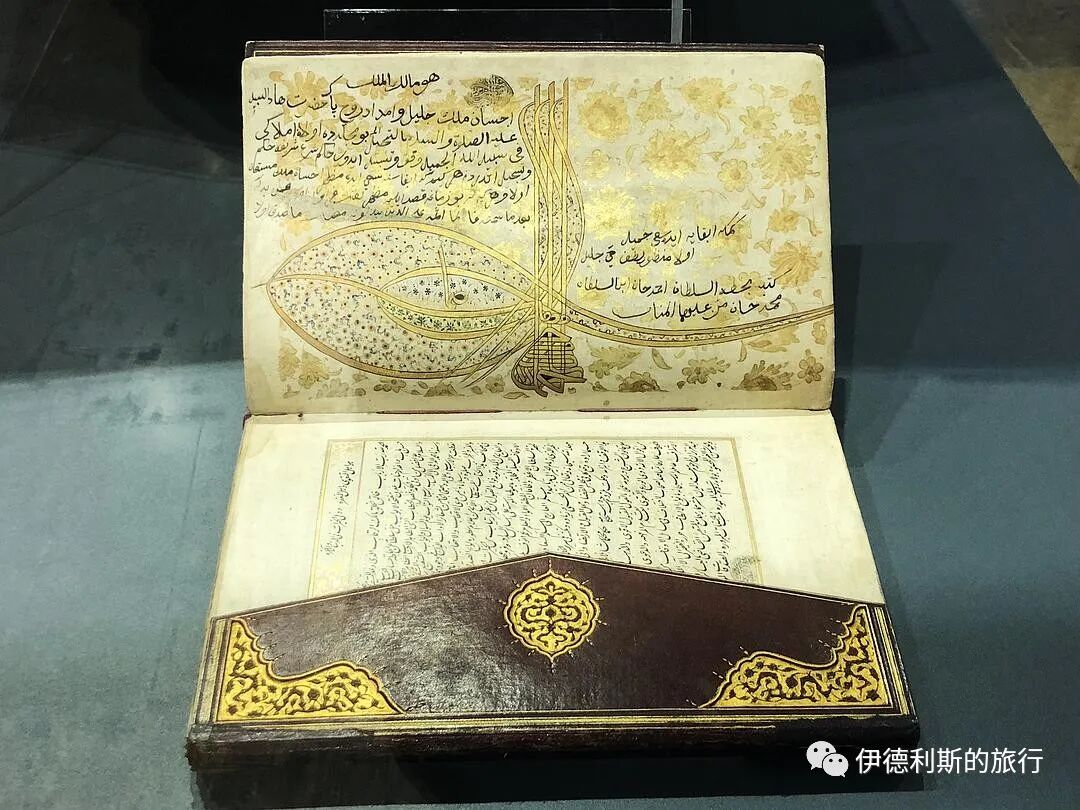
A 1612 endowment deed of Sultan Ahmed I
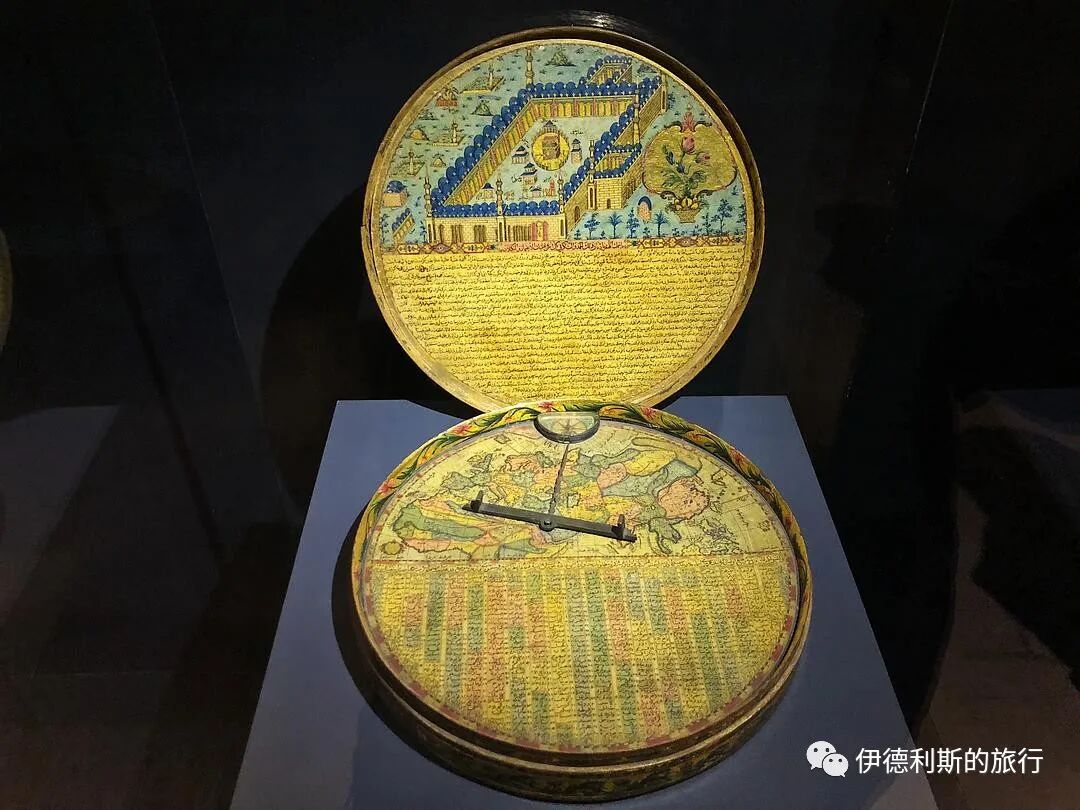
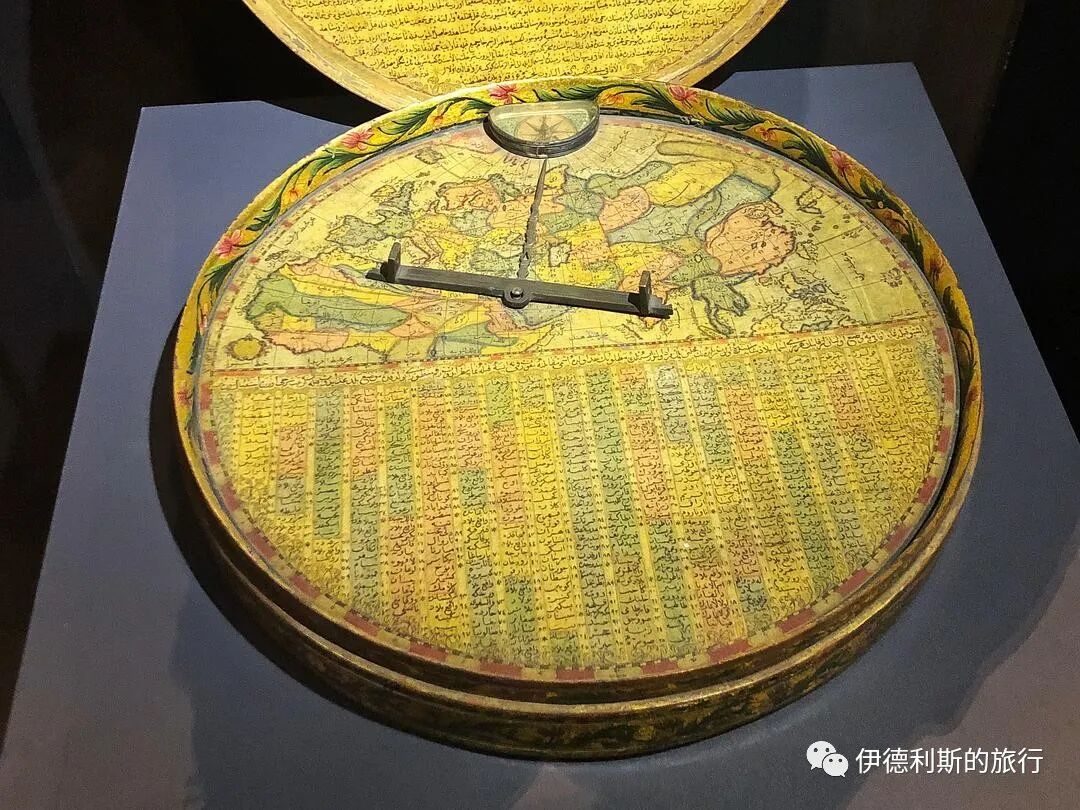
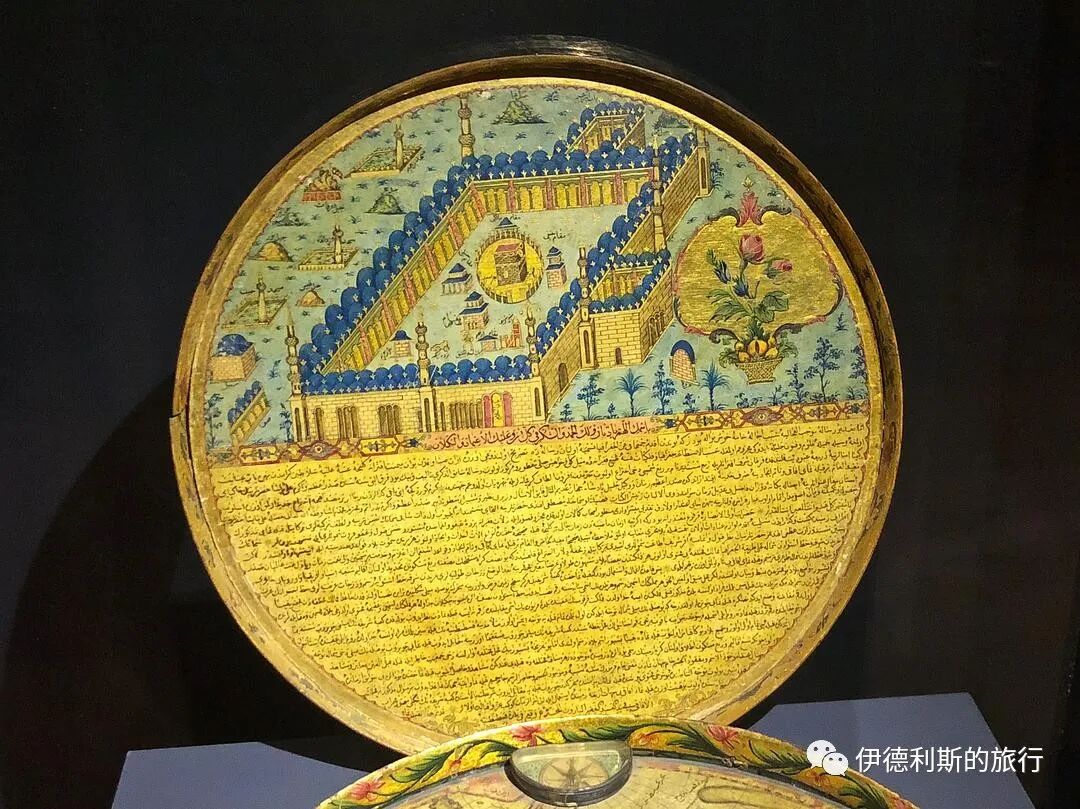
A 1738 Ottoman Qiblanuma (qibla compass), which is the most famous of all Ottoman qibla compasses.
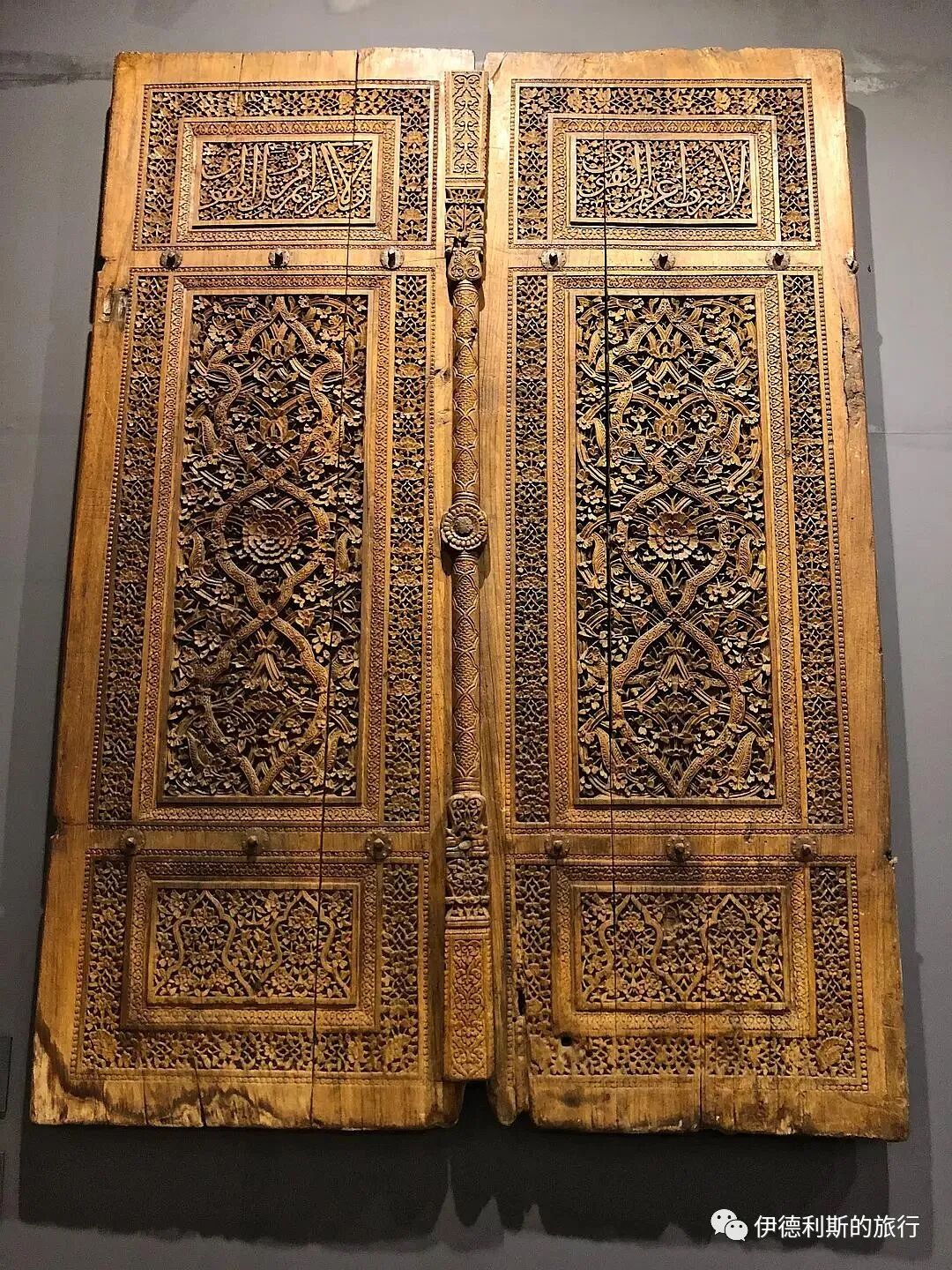
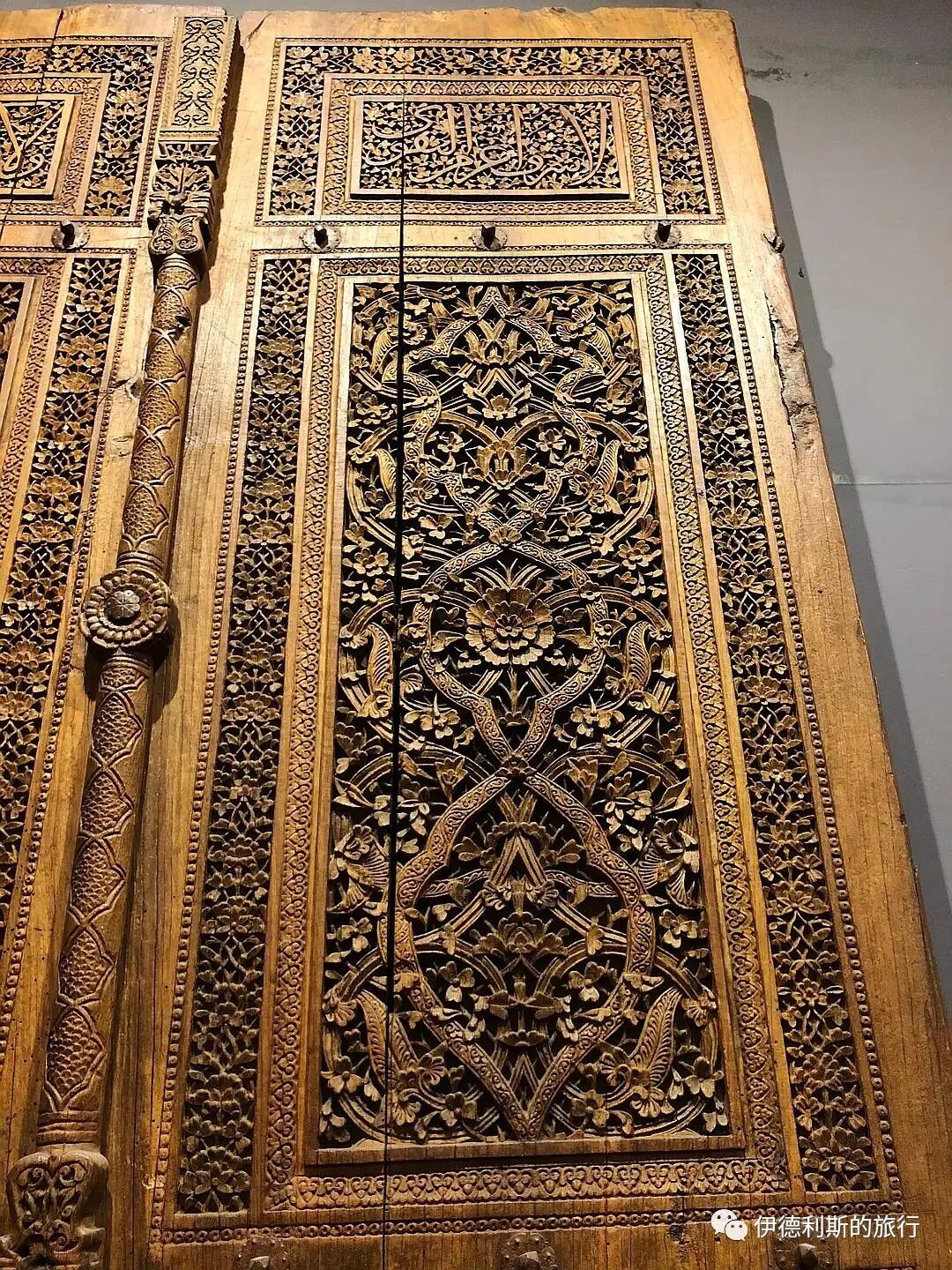
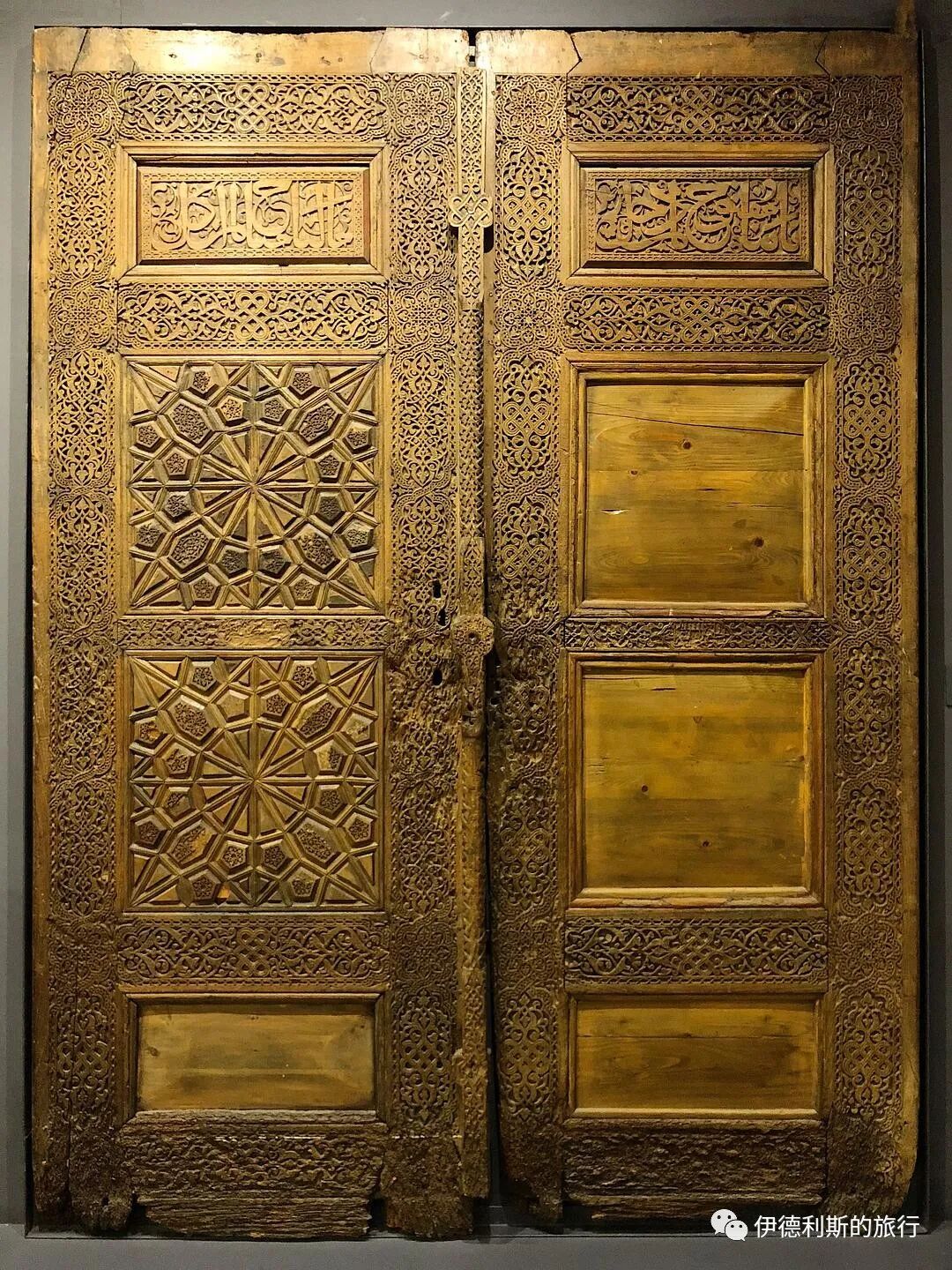
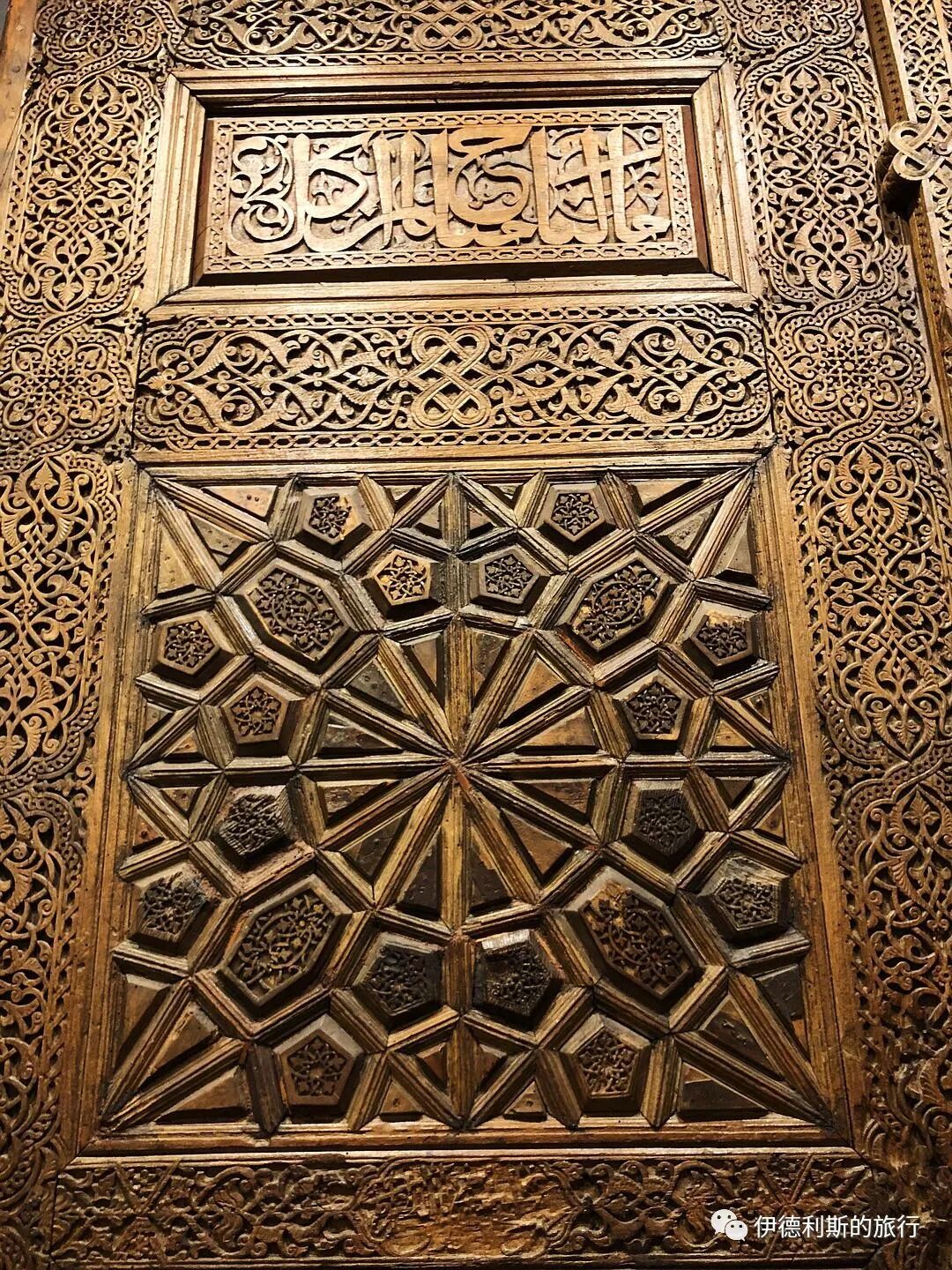
An early 15th-century wooden door from the Karaman dynasty
Summary: This travel note introduces Museum of Turkish and Islamic Art. The museum was founded in 1914, initially as an Islamic Foundation Museum (Vakıf-ı İslamiye Museum) within the Süleymaniye complex. It is useful for readers interested in Turkey Travel, Islamic Art, Museum Visit.
The museum was founded in 1914, initially as an Islamic Foundation Museum (Vakıf-ı İslamiye Museum) within the Süleymaniye complex. After the establishment of the Republic of Turkey in 1923, it was renamed the Museum of Turkish and Islamic Arts, and its exhibits shifted from Ottoman imperial culture to showcasing the culture and art of the Islamic world across various periods. In 1983, the museum moved to its current location, the Ibrahim Pasha Palace, and currently houses over 40,000 artifacts, including Islamic calligraphy, tiles, carpets, and other works of art.
Table of Contents
I. The Era of the Prophet
II. The Umayyad Caliphate: 661-750
III. The Abbasid Caliphate: 750-1258
IV. Artifacts from Konya, Capital of the Seljuk Sultanate of Rum
V. Ceramics of the Seljuk Empire: 1040-1157
VI. The Ayyubid Dynasty: 1171-1250
VII. The Mamluk Sultanate: 1250-1517
VIII. The Ilkhanate: 1256-1353
IX. The Timurid Empire: 1370-1507
X. The Safavid Dynasty: 1501-1722
XI. The Ottoman Dynasty: 1299-1923
I. The Era of the Prophet
The beard of the Prophet Muhammad (Lihye-i Saadet) and his footprint (Kadem-i Saadat).
II. The Umayyad Caliphate: 661-750
The Umayyad Caliphate was the first hereditary dynasty of the Arab Empire. It was established in 661 by Muawiyah, the former governor of Syria, after the era of the four Rightly Guided Caliphs ended. In Chinese historical records, it is known as the 'White-Robed Caliphate'.
A Quran manuscript from the early 8th century
A 7th-century stone inscription in Kufic Arabic calligraphy
III. The Abbasid Caliphate: 750-1258
In 750, the descendants of Abbas, the uncle of the Prophet Muhammad, overthrew the Umayyad family and established the Abbasid Caliphate. In Chinese historical records, it is known as the 'Black-Robed Caliphate'. In 762, the Abbasid Caliphate moved its capital to Baghdad. The early period of the Abbasid Caliphate (750-842) was the peak of the Arab Empire, and its major cultural and artistic achievements continued until the mid-10th century.
Although the capital of the Abbasid Caliphate was in Baghdad, its monuments stretched from Kairouan in Tunisia to the west, to the ancient Central Asian city of Bukhara to the east. Many cities founded by the Abbasid Caliphate saw further development later on. In the early Abbasid period, the hypostyle mosque with a flat roof, inherited from the residence of the Prophet Muhammad in Medina, was further developed. Artisans from Persia introduced the Sassanid four-iwan courtyard and the iwan (vaulted hall) into Abbasid architecture. In the late 8th century, with the influx of Khorasanians and the introduction of Sassanid court etiquette into the Abbasid court, the influence of Persian culture expanded further within the Abbasid Caliphate.
A tombstone from 859
A 9th-century marble carving
Fragments of a 9th-century mural
A 10th-century Quran
9th-century column capitals and paving fragments excavated from Samarra.
Samarra is located 125 kilometers northwest of Baghdad. It became the capital of the Abbasid Caliphate in 836 until the capital was moved back to Baghdad in 892. Because Samarra was abandoned after the 10th century and the population returned to Baghdad, a large number of ruins were left behind. It is hailed as the only metropolis of the late ancient world that can be fully excavated, and it was listed as a UNESCO World Heritage site in 2007.
The Abbasid Caliphate built several palaces, barracks, markets, two grand mosques, and countless gardens and private residences in Samarra. The Great Mosque of Samarra was enormous, measuring 240 by 156 meters, and featured a hypostyle structure. Judging from the surviving mosaics and the wooden panels surrounding the mihrab, the decoration was once very magnificent. The Caliph's private residence was decorated with marble slabs, stucco sculptures, paintings, and gilded teak wood.
IV. Artifacts from Konya, Capital of the Seljuk Sultanate of Rum
The Seljuks were a branch of the Oghuz Turkic tribes. They established the Seljuk Empire in Khorasan in 1037, defeated the Byzantines in the 1070s to occupy Asia Minor, and established the Seljuk Sultanate of Rum in 1077. The rapid expansion of the Seljuk Empire caused panic among Christian nations, directly triggering the First Crusade. In 1097, after the capital Nicaea was captured by the Crusaders, the Sultanate of Rum moved its capital eastward to Konya.
In the early 13th century, after the Mongol invasion of Central Asia and Persia, a large number of Turks and Persians came to Konya for refuge. In the 1220s, Konya was filled with refugees from the Khwarezmid Empire. Many were educated intellectuals or skilled artisans, the most famous of whom was the Sufi scholar and great Persian poet Rumi. In 1243, the Seljuk Sultanate of Rum was defeated by the Mongol Empire and became a vassal state, but Konya remained the capital of the Sultanate. People lived in stability, and many existing Seljuk buildings were constructed during this period.
Stone lions in front of the Alâeddin Pavilion (Alâeddin Köşkü). The Alâeddin Pavilion is the only remaining tower site of the Konya city walls. Located on the north side of Alâeddin Hill, it was originally a brick tower of the inner city wall of Konya. The Seljuk Sultan of Rum, Kilij Arslan II (reigned 1156-1192), built a palace adjacent to the city wall and turned this tower into part of the palace.
The Alâeddin Pavilion I photographed.
Warrior stone carving. As the capital of the Seljuk Sultanate of Rum, Konya was the final 'Turko-Persian' cultural center of the Seljuks after the fall of the Seljuk Empire. Seljuk culture is a very distinctive branch of 'Turko-Persian' culture, most famous for its tiles and stone carvings featuring human and animal motifs.
Griffin stone carving. The griffin is a common theme in Iranian mythology, possessing the body of a lion and the beak and wings of an eagle, and is considered a symbol of power.
Sphinx. The sphinx has a human head and an animal body, originating from ancient Egypt and later spreading to Iran and the Anatolian region.
A 13th-century carpet from Konya. These carpets from the Seljuk Sultanate of Rum period are among the most important collections in the Museum of Turkish and Islamic Arts, and are the most unique and precious among Seljuk artifacts.
A 13th-century Quran calligraphy tile
An early 14th-century wooden window
A 1251 tabut (coffin) box and wooden stele
A 13th-century Quran
V. Ceramics of the Seljuk Empire: 1040-1157
12th-13th century, Iran
VI. The Ayyubid Dynasty: 1171-1250
The Ayyubid dynasty was established in 1171 by the Kurdish general Saladin. It was an important dynasty during the Crusades, with its capitals successively in Damascus and Cairo. In 1260, the Mongol army captured Damascus, and the Ayyubid dynasty existed in name only.
13th-century wood carving from Damascus.
12th-13th century ceramic bowl.
A 1205 Hajj certificate
VII. The Mamluk Sultanate: 1250-1517
The Mamluk Sultanate was a state that ruled Egypt, the Levant, and the Hejaz region from the 13th to the 16th century. Most Mamluks were Kipchak Turks from Central Asia. They were brought to Western Asia as slave mercenaries and became an important force in the military during the Ayyubid dynasty. In 1260, they overthrew the Ayyubid dynasty to rule Egypt and Syria, and subsequently prevented the invasion of the Ilkhanate. In 1517, the Mamluk Sultanate was destroyed by the Ottoman Empire.
A late 14th-century Quran manuscript (Juz').
A 1380 Quran manuscript.
A 14th-century ceramic vase.
A 1282 astrolabe.
VIII. The Ilkhanate: 1256-1353
In 1256, Hulagu, the grandson of Genghis Khan, was enfeoffed as the Ilkhan, establishing the Ilkhanate. In 1260, Kublai Khan sent an envoy to issue an edict, placing the lands west of the Amu Darya up to the Egyptian border, including present-day Iran and Afghanistan, under Ilkhan rule.
A 1333-4 Quran manuscript, copied by Muhammed el-Hac Devletshah esh-Shirazi.
A 1338-9 Quran manuscript, copied by Yahya el-Sufi.
A 1318 Quran manuscript, copied by Ahmed b. al-Suhreverdi.
A 1323-4 Quran manuscript, copied by Huseyin bin Ali bin Camii.
A 1320-21 Quran manuscript, copied by Argun bin Abdullah Kamili.
Two Quran manuscript volumes (Juz') copied by Ali ibn-i Mehmed in 1306-7 and 1310-11.
A 1286-87 Quran manuscript, copied by Yakut el-Musta'simi.
IX. The Timurid Empire: 1370-1507
The Timurid dynasty was established in Samarkand in 1370 by the Chagatai Mongol noble, Timur the Great. Timur began his western campaigns in 1380, successively occupying Afghanistan and Iran. After Timur's death in 1405, his successors continued to rule Iran, and the Timurid dynasty was deeply influenced by Persian culture.
Under the rule of the Timurid dynasty, the ancient Afghan city of Herat flourished. The Timurid prince Sultan Husayn Bayqara, who ruled Herat from 1469 to 1506, strongly supported the development of Persian poetry and literature. His minister, Mir Ali-Shir Nava'i, was a famous Persian poet. Herat at that time was also famous for its architecture, miniatures, and music. The ancient Iranian city of Shiraz also became a center of art and literature during this period, hailed as the 'House of Knowledge' and the 'Athens of Iran'. Shiraz's miniatures are also world-famous.
A 15th-century book from the city of Shiraz, Iran.
1445 and 1482 books of the 'Masnavi' from Herat, Afghanistan; this is a long poem collection by the famous Persian poet Rumi.
A 15th-century book from Herat, Afghanistan.
A 1398 book from Shiraz, Iran.
X. The Safavid Dynasty: 1501-1722
The Safavid dynasty originated from the Sufi Safaviyya order, and its rulers were Kurds living in northwestern Iran. The Safavid family itself spoke Turkic and composed poetry in Turkic, but they also strongly supported Persian poetry, literature, and various forms of Persian culture and art. For over 200 years, the Safavid dynasty ruled parts of Iran, the Caucasus, Iraq, Turkey, and Afghanistan. It is considered the first native Iranian dynasty since the Sassanid Persian Empire and is also considered the beginning of modern Iran.
An early 17th-century Kashkul, a bowl used by Sufi dervishes for begging. Sufi dervishes would generally chant praises to Allah and the Prophet along the streets, then use the Kashkul to collect donated money and food. The Kashkul actually used were mostly made of coconut shells, brass, wood, or clay. They were boat-shaped and hung from the shoulder with metal chains, with a relatively simple design. This is because true Sufi dervishes had abandoned the desire for worldly wealth and devoted themselves entirely to Allah. In addition, many beautifully crafted Kashkuls were used by the wealthy as decorative items, most of which have Quranic inscriptions.
A 17th-century Quran from Shiraz.
Delete
A 1591 Quran from Shiraz.
A 17th-century Quran volume (Juz') cover.
A 1549 Quran from Shiraz.
A 1580/1 Quran from Shiraz.
XI. The Ottoman Dynasty: 1299-1923
A late 15th-early 16th-century scripture box
14th-15th-century tiles
The book 'Zubdet'ut Tevarih (Faith, Islam, and Ottoman History)', produced in 1583 by the calligrapher Seyyid Lokman Ashuri for Sultan Murad III
A Quran written by the calligrapher Seyh Hamdullah in 1494
Chapter 6 of the Quran, 'The Cattle', written by the calligrapher Ahmed Karahisari in 1443
A Quran written by the calligrapher Hafiz Osman between 1540 and 1550
A 1612 endowment deed of Sultan Ahmed I
A 1738 Ottoman Qiblanuma (qibla compass), which is the most famous of all Ottoman qibla compasses.
An early 15th-century wooden door from the Karaman dynasty
