

Xinjiang Cuisine
Ultimate Guide to Shanghai's Best Halal Xinjiang Restaurants: Hand-Grabbed Rice, BBQ Lamb & Kazakh Brunch
Articles • Hasan09 posted the article • 0 comments • 11 views • 1 days ago
[Internet Repost]
The Ultimate Shanghai Xinjiang Halal Food Tour: A Feast of Shouzhuafan, Grilled Lamb Chops, and Artisanal Yogurt
Summary:
We've rounded up eight of the most authentic Xinjiang halal spots in Shanghai to bring you a Silk Road feast without leaving the city. From steaming plates of shouzhuafan (Lanzhou hand-grabbed lamb with rice) to sizzling charcoal-grilled lamb chops, Kashgar-style baked buns, and rich, authentic yogurt, this guide covers the absolute best of Western China's halal culinary traditions.
No need to book a flight thousands of miles out to Xinjiang!
Right here in Shanghai, you can hit up everything from
nomadic brunch, authentic pilaf, old-school street skewers, to specialty sweets
.....
Xinjiang food lovers, bookmark this guide right now.
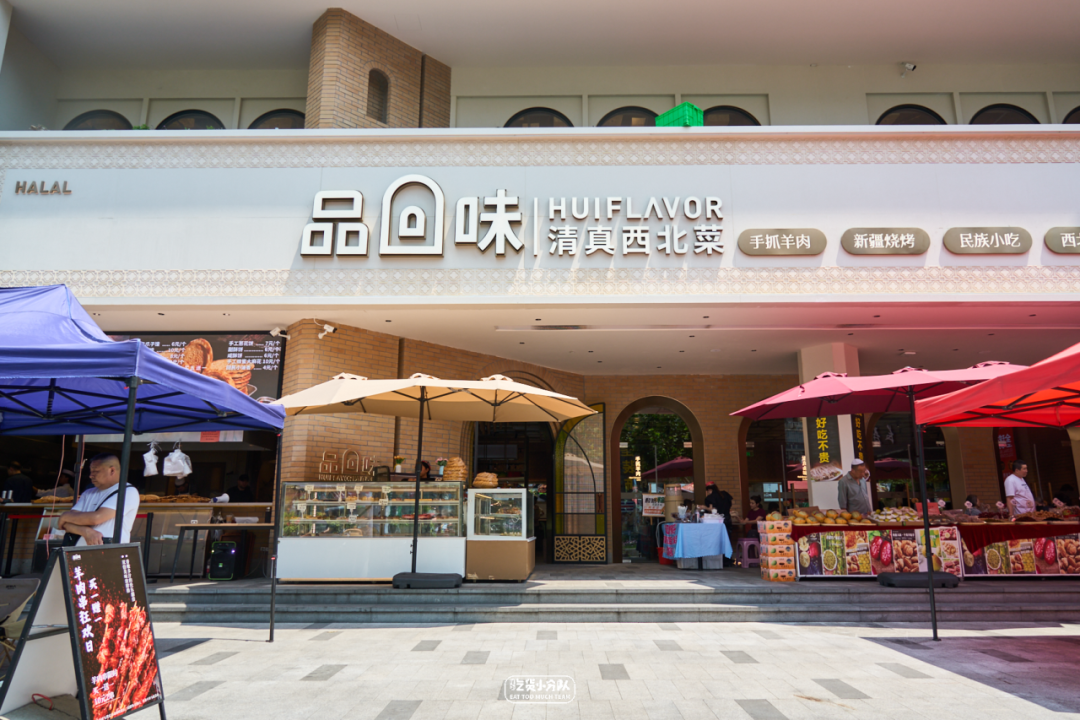
If you’ve been missing the old Macau Road halal market, your prayers have been answered. The ultimate massive indoor market version is finally here! Spanning two floors, the first floor focuses on budget-friendly halal street food and quick bites. The air is always thick with the fragrant cloud of spices thrown by the chefs, buzzing with mouth-watering meat aromas and the happy chatter of hungry diners. It's an absolute vibe.
Street Eats: Hui-style braised noodle soup, signature beef noodles, sheep's offal soup, curry beef vermicelli soup, curry beef bone soup, shouzhuafan (Lanzhou hand-grabbed lamb with rice), guotie (crispy beef potstickers), and Lanzhou liangpi (cold skin noodles).
Halal Braised Meats: shouzhua yangrou (Lanzhou hand-grabbed lamb), braised sheep heads, spicy and numbing sheep trotters, belly-wrapped meat, and braised beef trotters.
Northwestern Pastries: Hui-style youxiang (fried unleavened flatbread), savory/sweet flaky pastries, scallion pancakes, twisted sesame dough sticks (mahua), Hezhou buns, and desert chive beef buns.
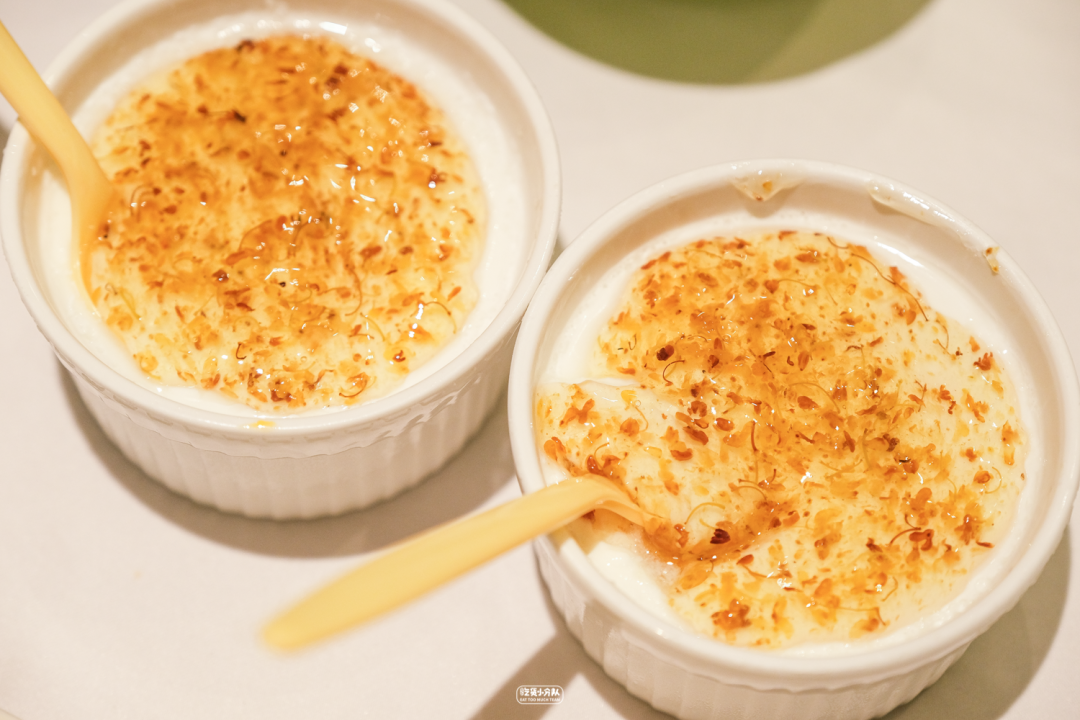
Specialty Sweets & Drinks: Kazakh milk tea, tianpeizi (fermented sweet oats), hand-made yogurt, and milk jiangzao (sweet fermented rice milk soup)...
Listing all these dishes feels like showing off, but trust us, whatever you're craving is on this menu. Even though text can't do these photos justice, we're already drooling just thinking about it.
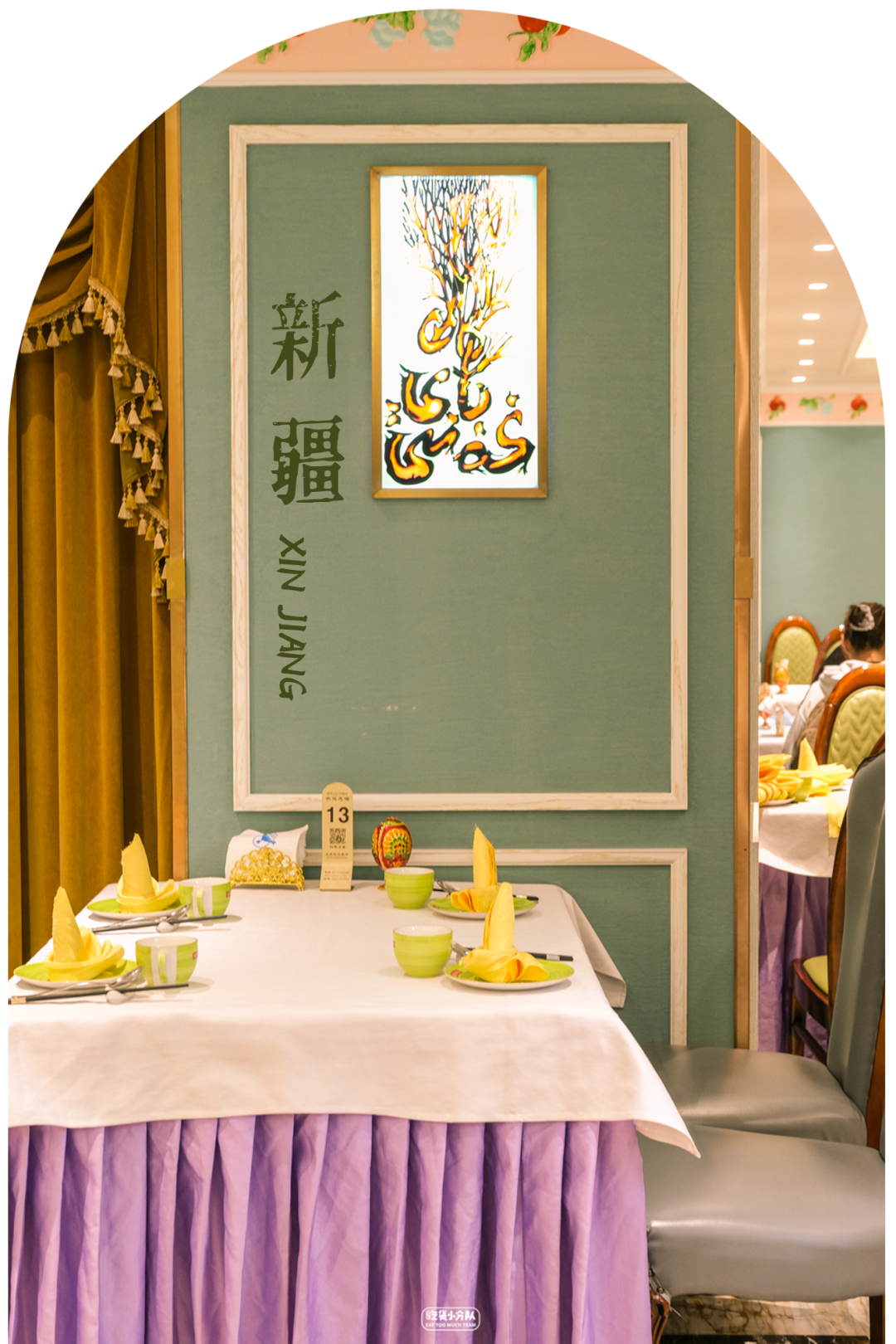
Take the elevator up to the second floor and the vibe completely shifts into an exotic, elegant dining space. The tables in the main dining hall are spaced out nicely, with soft lighting casting a warm glow over intricately patterned tablecloths and vintage wooden furniture. The largest Hexi Hall can comfortably seat up to 500 people.
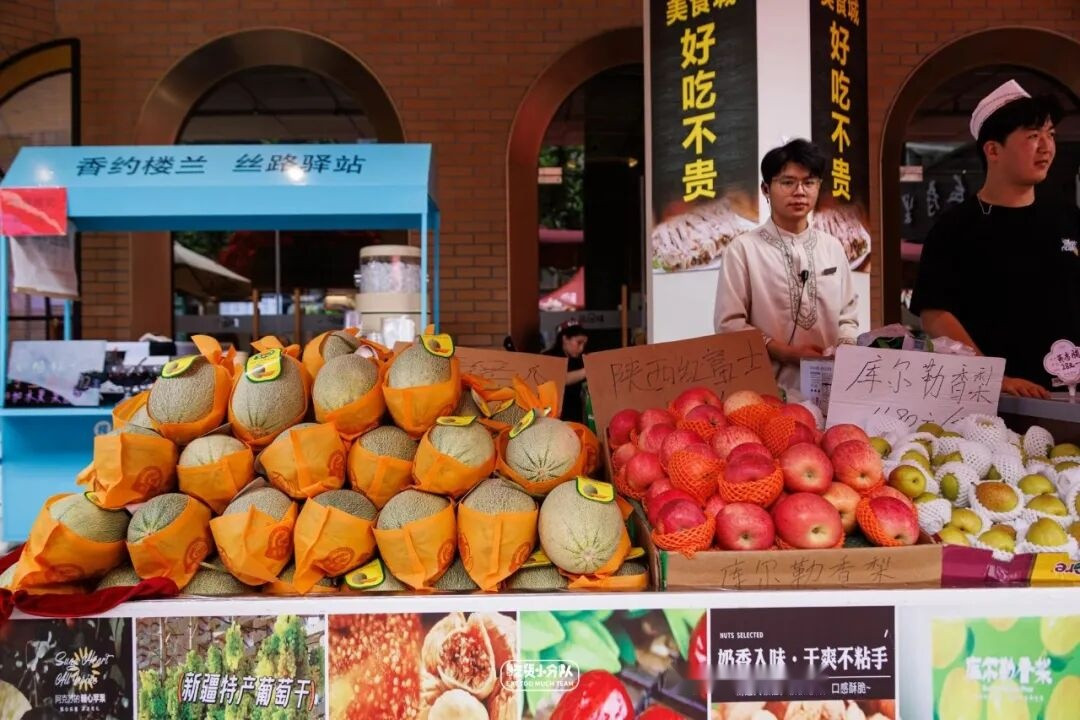
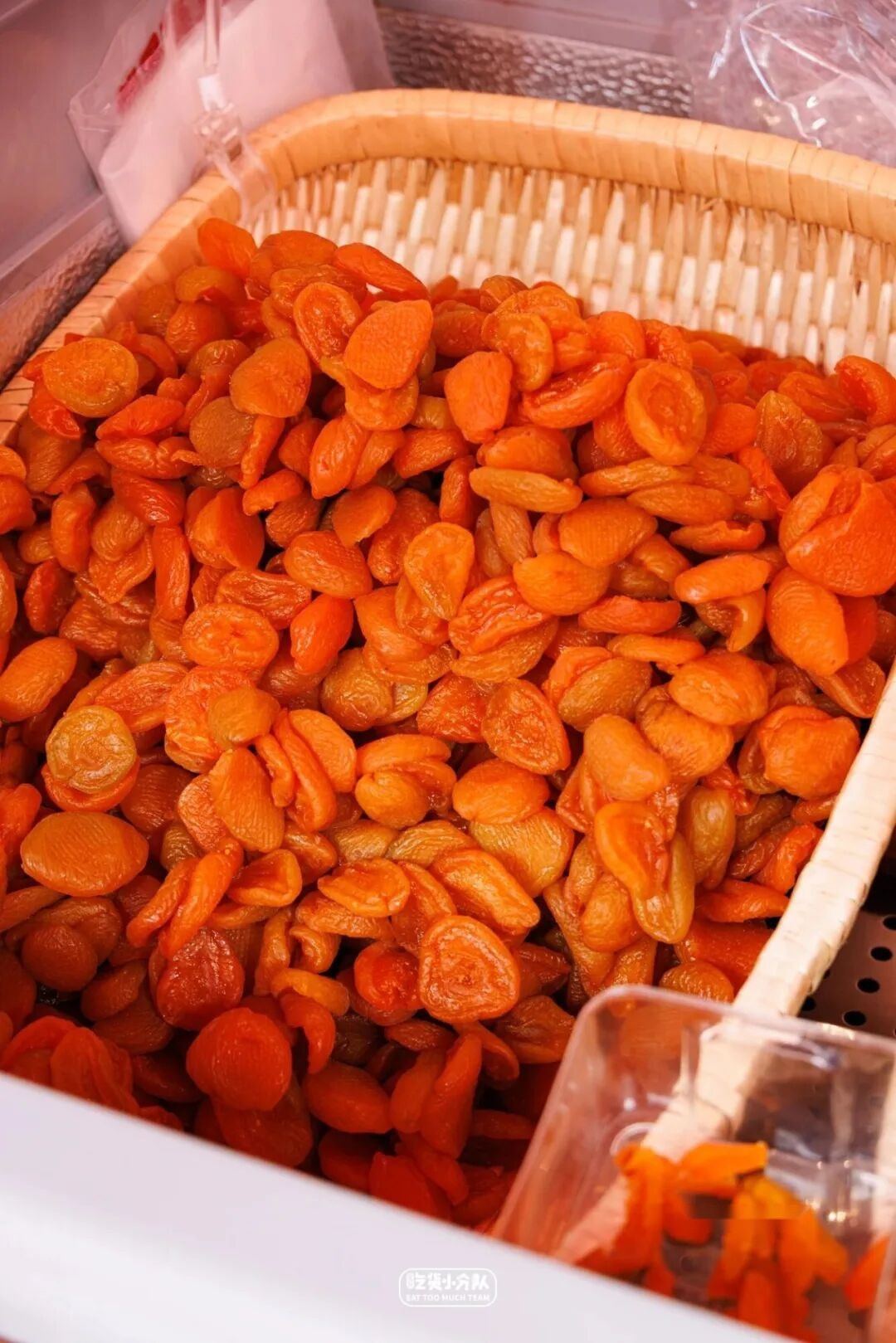
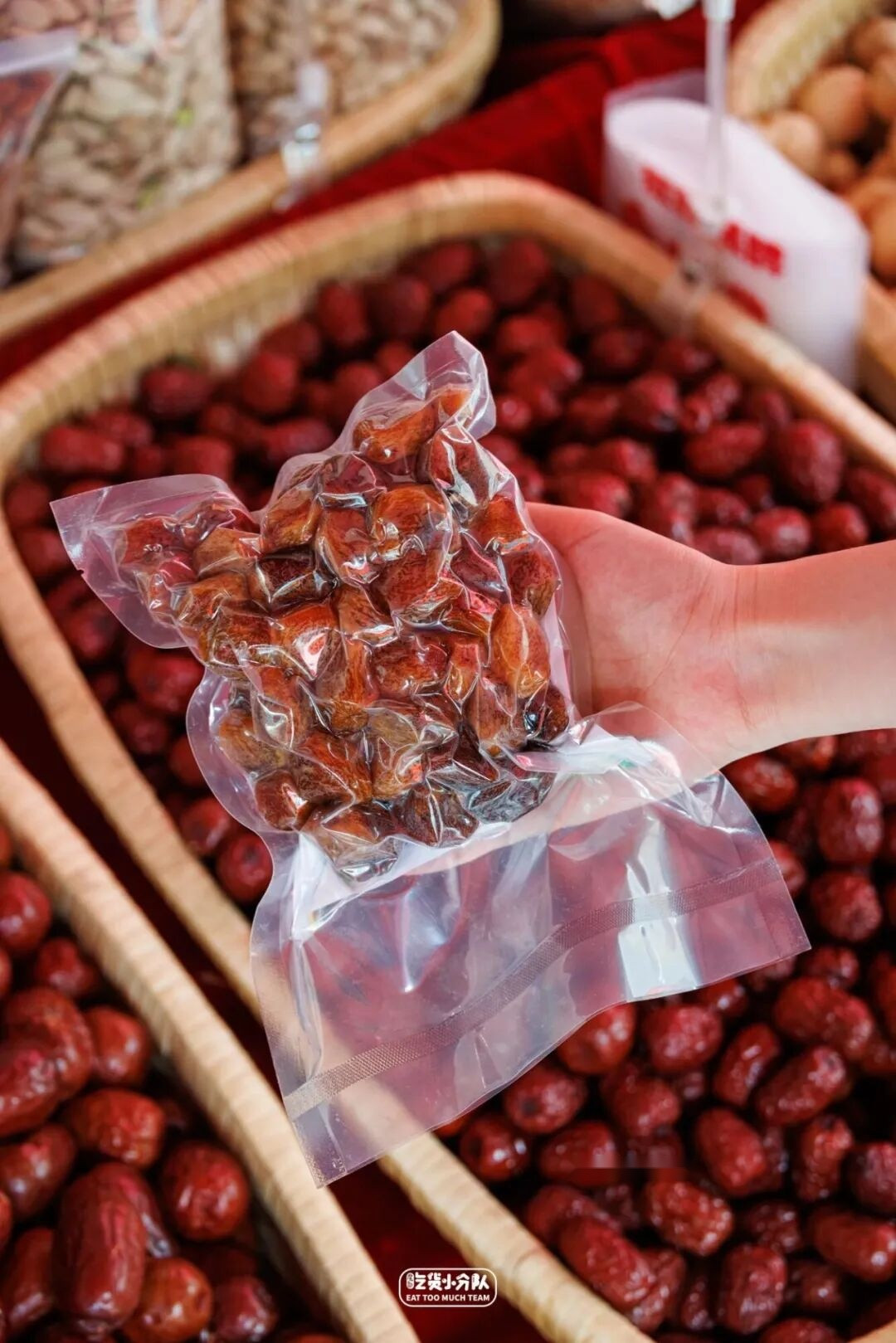
Meet the Hermès of dried apricots—diaoxinggan (hanging dried apricots). As royalty among naturally tree-dried fruits, they boast a deeper color and thinner skin than regular dried apricots, with a flavor that hits you with sweet notes and just a hint of tartness. Fresh apples, pears, and muskmelons here completely put imported fruits to shame; the baskets holding them look like they're about to snap under the weight. Whenever Xinjiang locals flex by saying, "Even the melons we feed our sheep are sweeter than what you buy at the supermarket," you can't help but feel a little jealous.
Experience Hui Wei Northwest Cuisine
-Address-
Multiple locations across the city
-Hours-
10:30 AM - Midnight
-Average Spend-
85 RMB
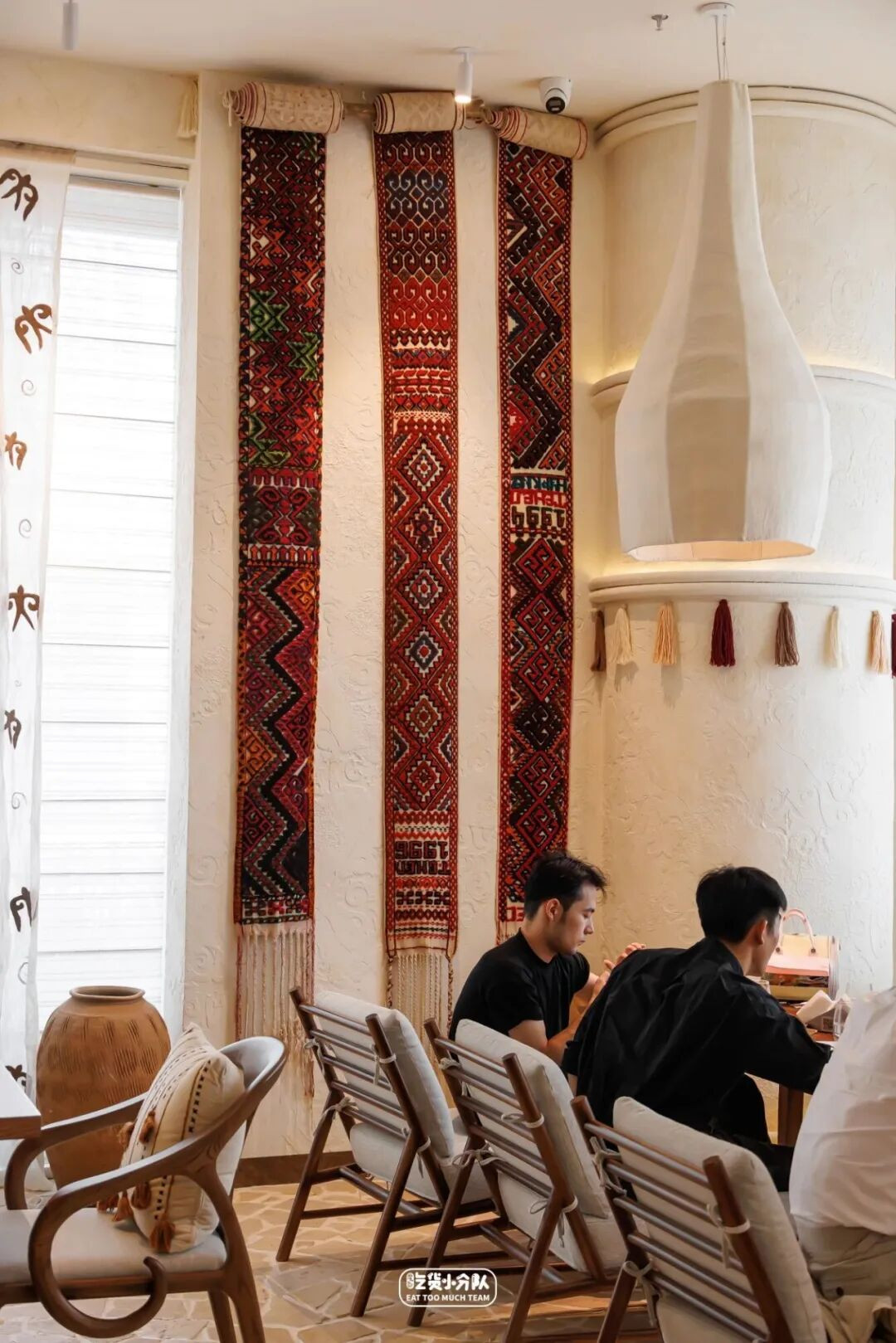
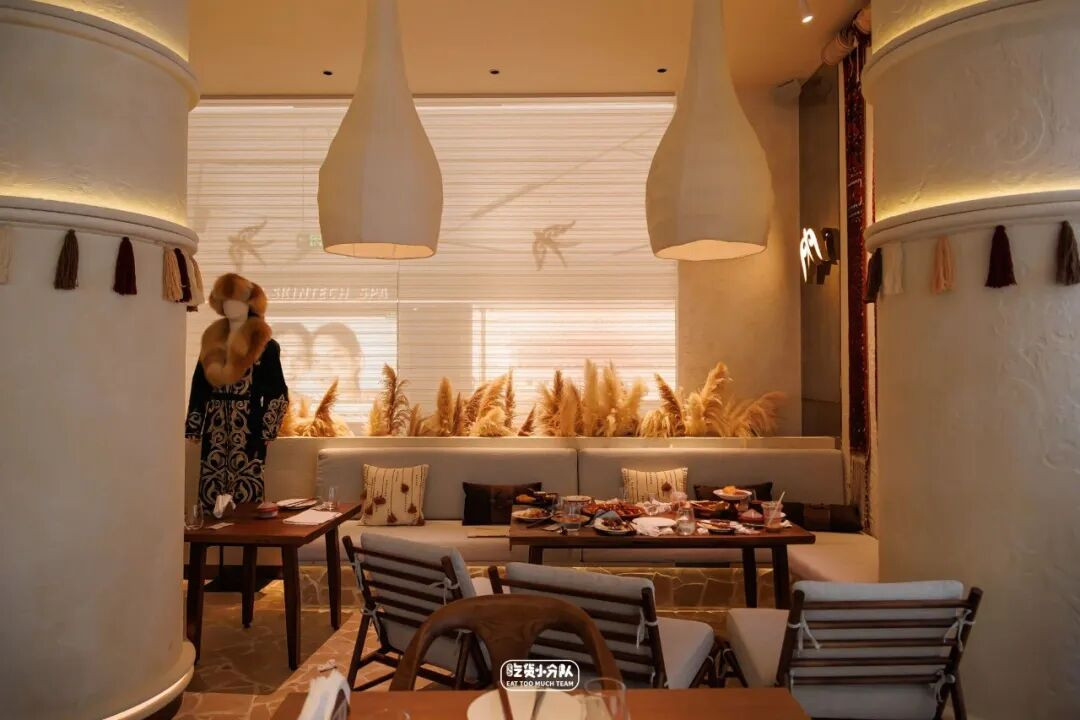
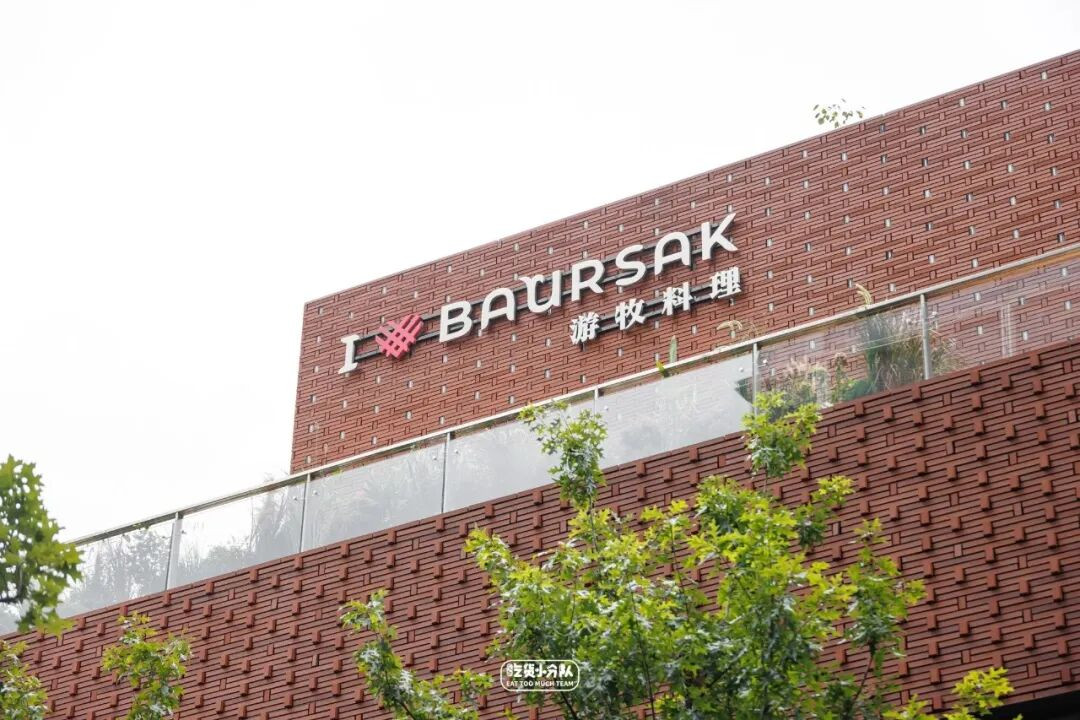
Step through the doors of IBAURSAK, and you're instantly transported to a breezy, wide-open yurt on the grasslands, complete with wood-tone tables, embroidered tapestries, and creamy white walls.
In Urumqi and Yining, this spot is a local breakfast staple where hour-long lines during peak hours are totally normal. Because of the two-hour time difference with Xinjiang, their lunch rush (12:00 PM - 3:00 PM) hits right at our prime brunch hour. Who says you can't take a weekday trip to Xinjiang? This nomadic-style prairie brunch is pure soul food.
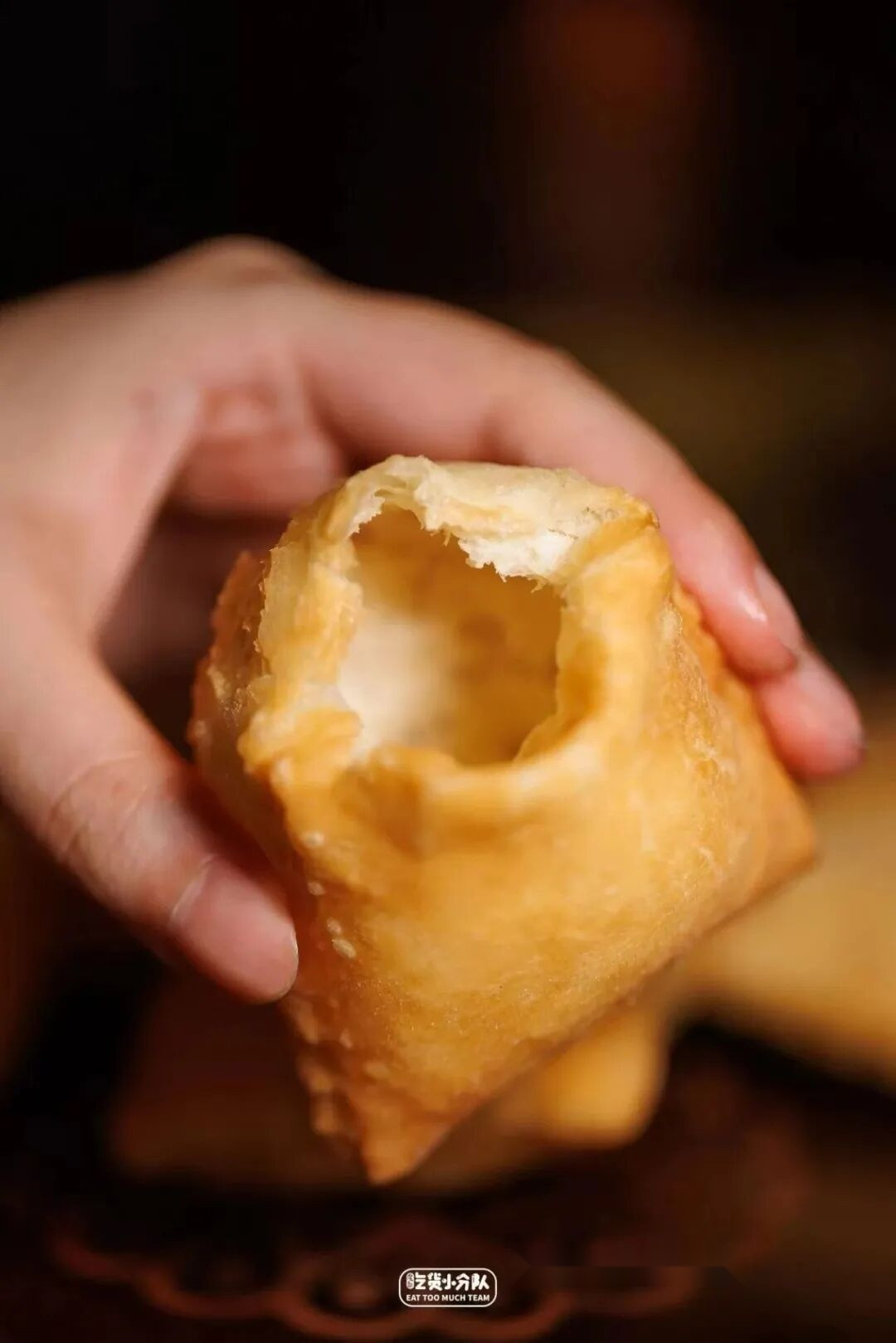
The ultimate ritual when you arrive is ordering a plate of hot, golden baursak. In Kazakh culture, it holds the same holy grail status as our fried dough sticks—it's both a breakfast carb and a welcoming treat for guests. These fluffy dough pillows are deep-fried until their outer crust puffs up while the inside stays pillow-soft.
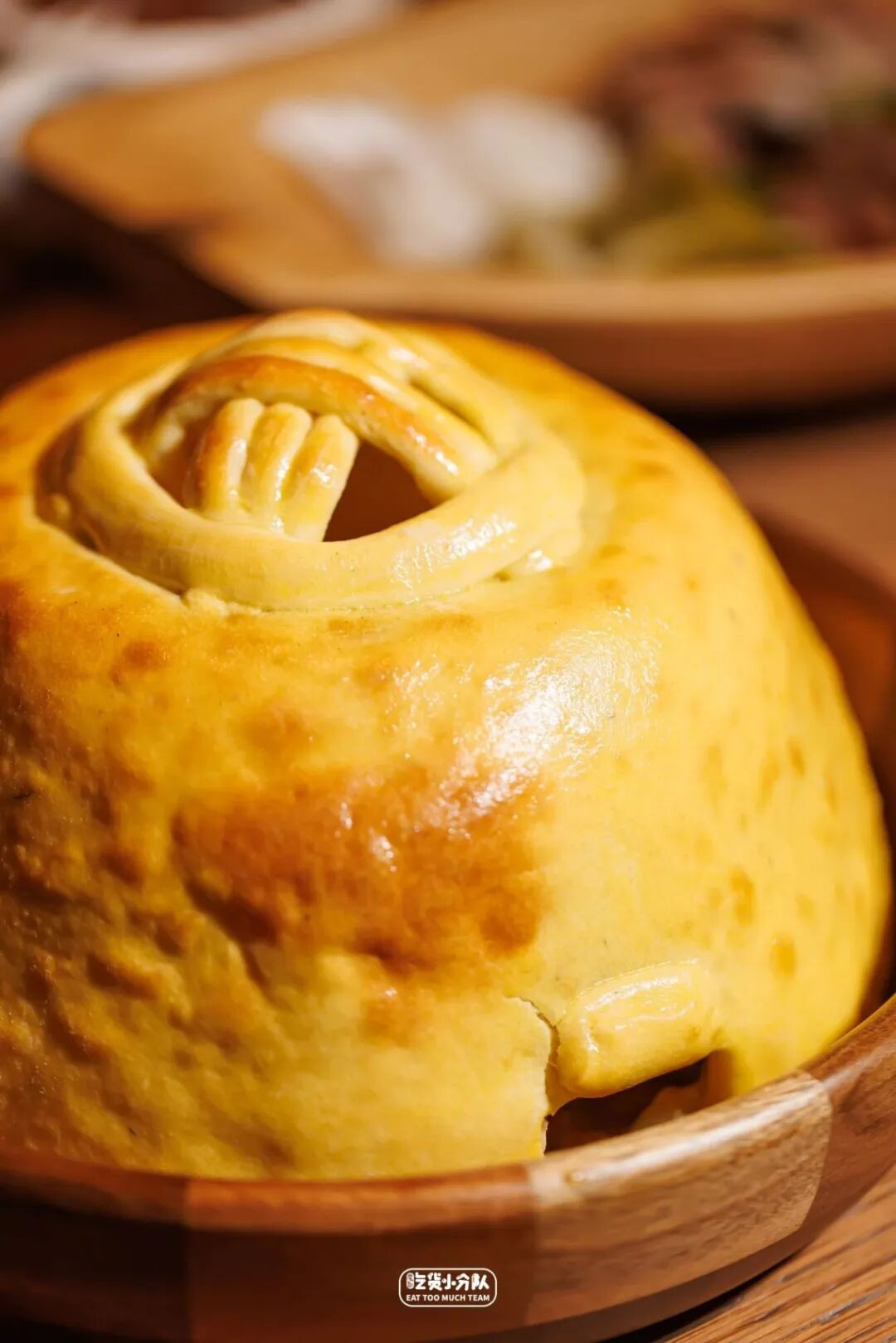
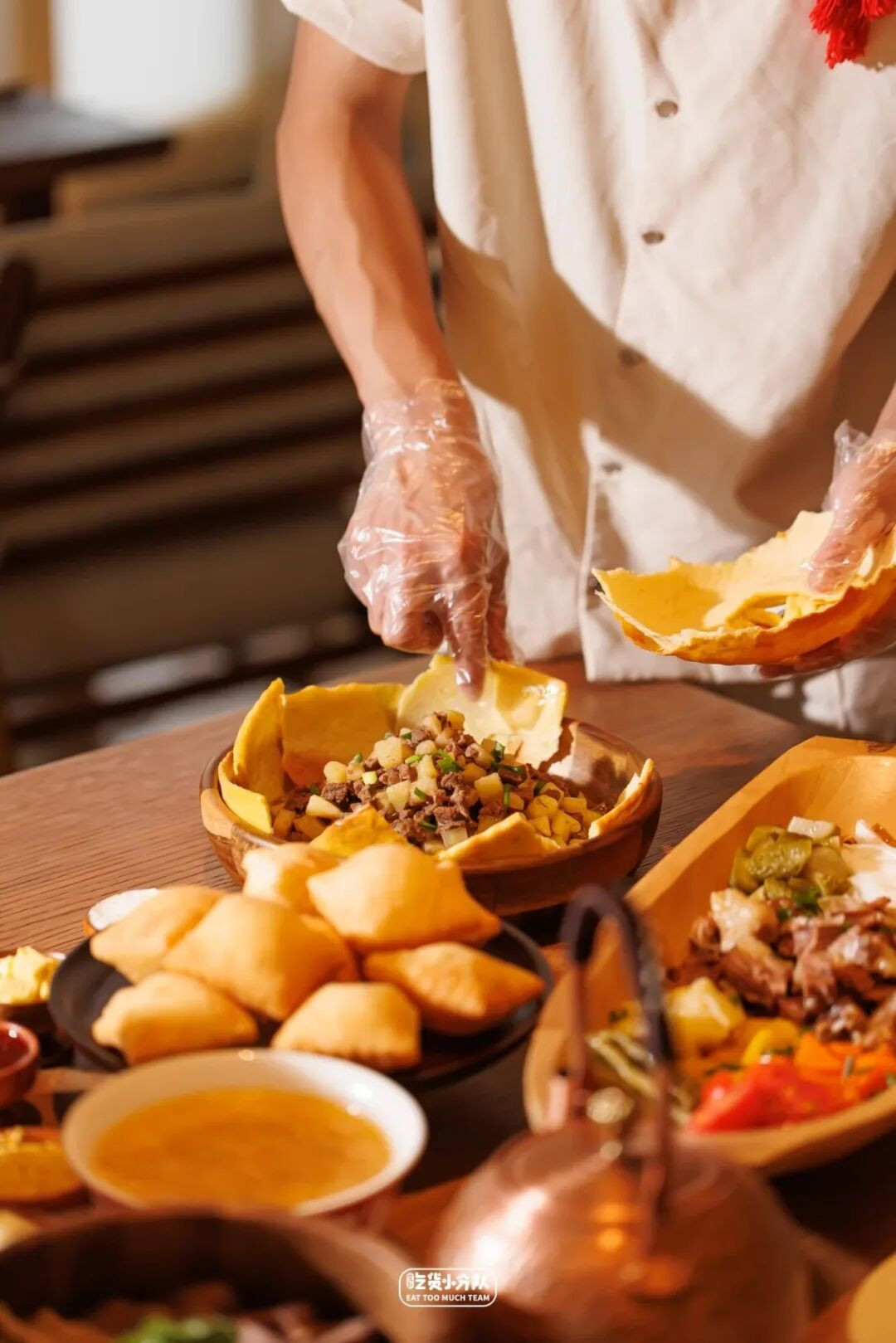
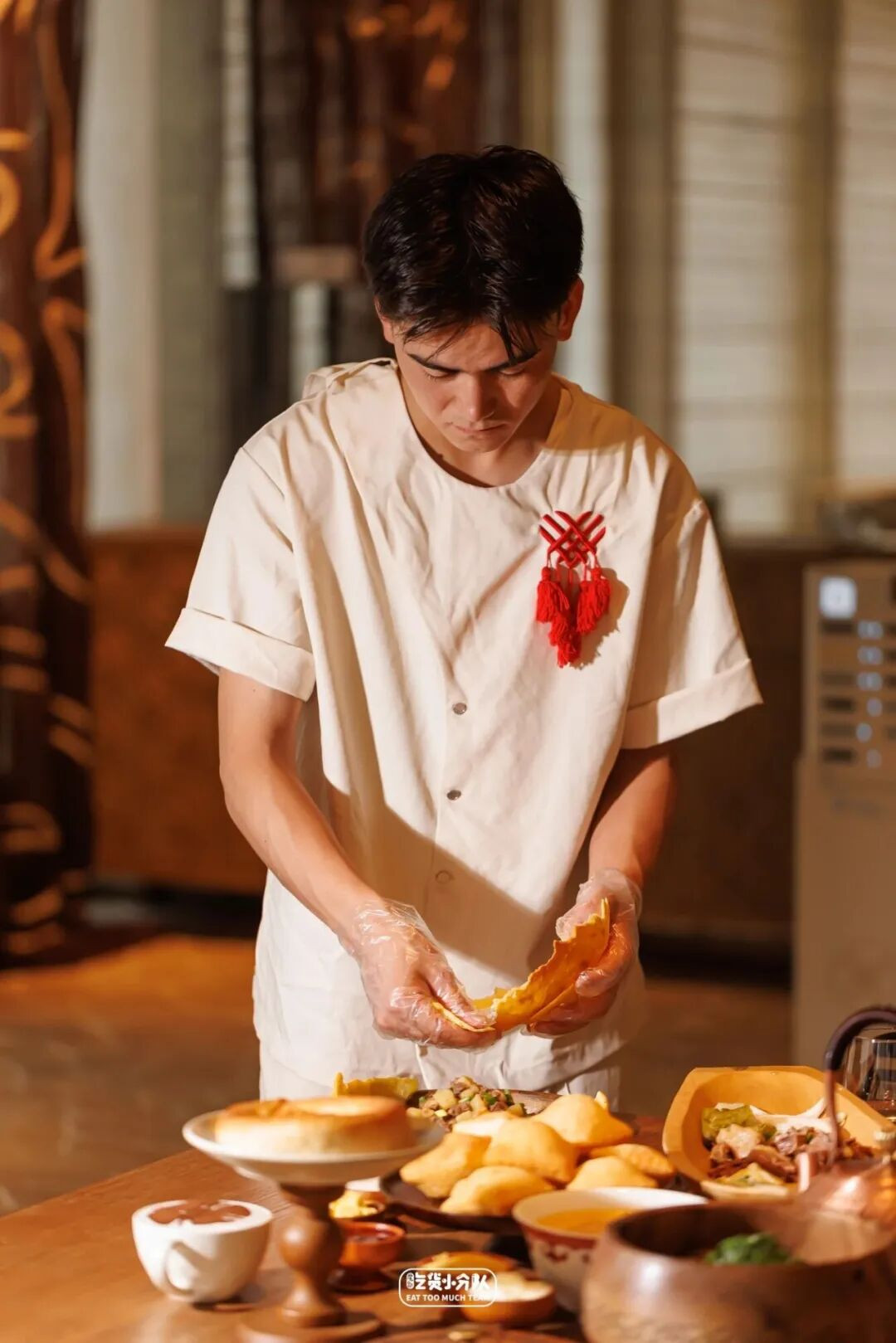
When it hits the table, you'll finally understand why it's called "Hurdak in a Yurt"—it's essentially a miniature yurt crafted out of a pastry crust. Once you're done snapping photos, the server will gladly help you tear the yurt into bite-sized pieces so they can soak up all those savory, delicious meat juices. The quality of nomadic beef and mutton here is out of this world; the slow-sautéed beef is so tender, and the potatoes are so melt-in-your-mouth soft.
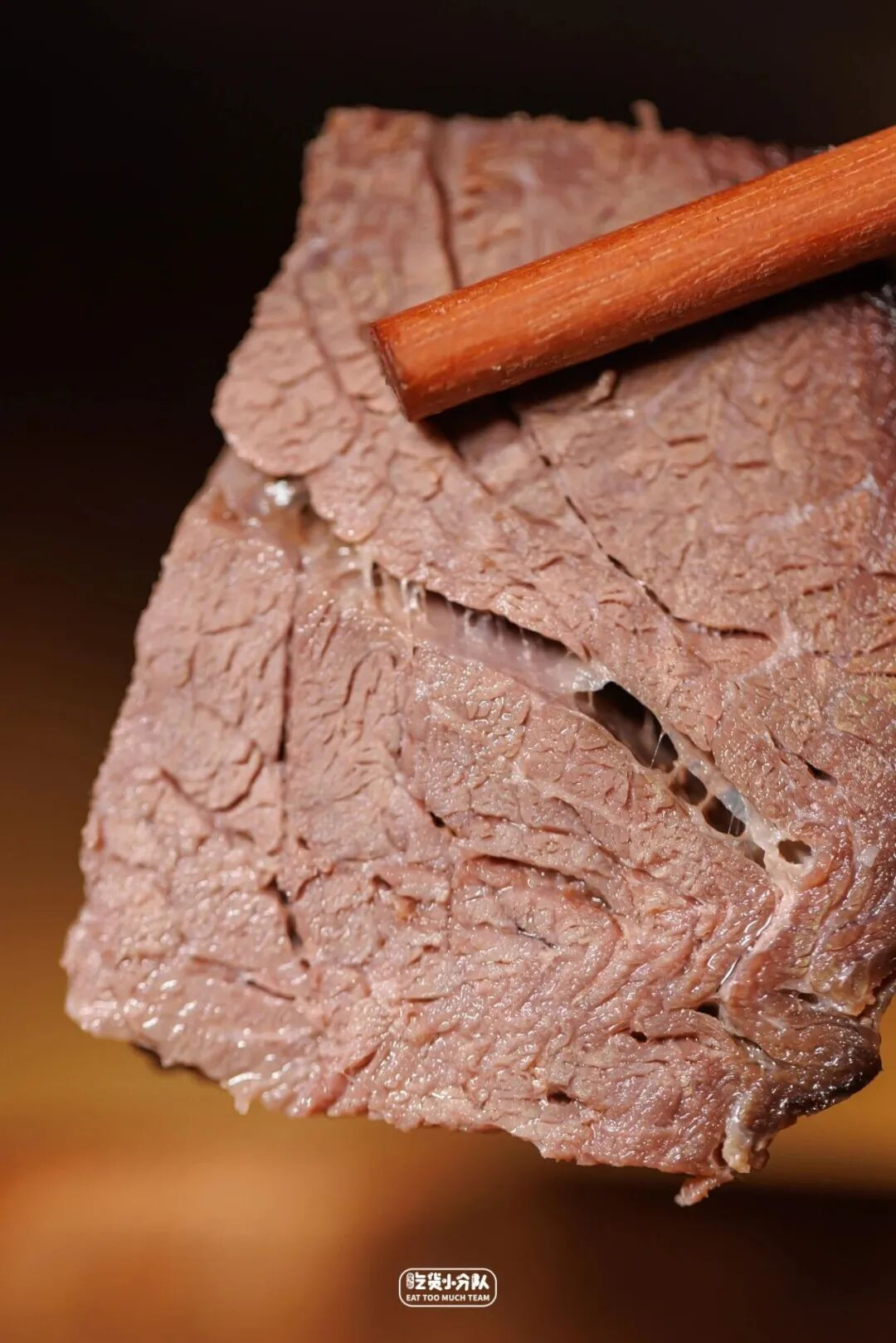
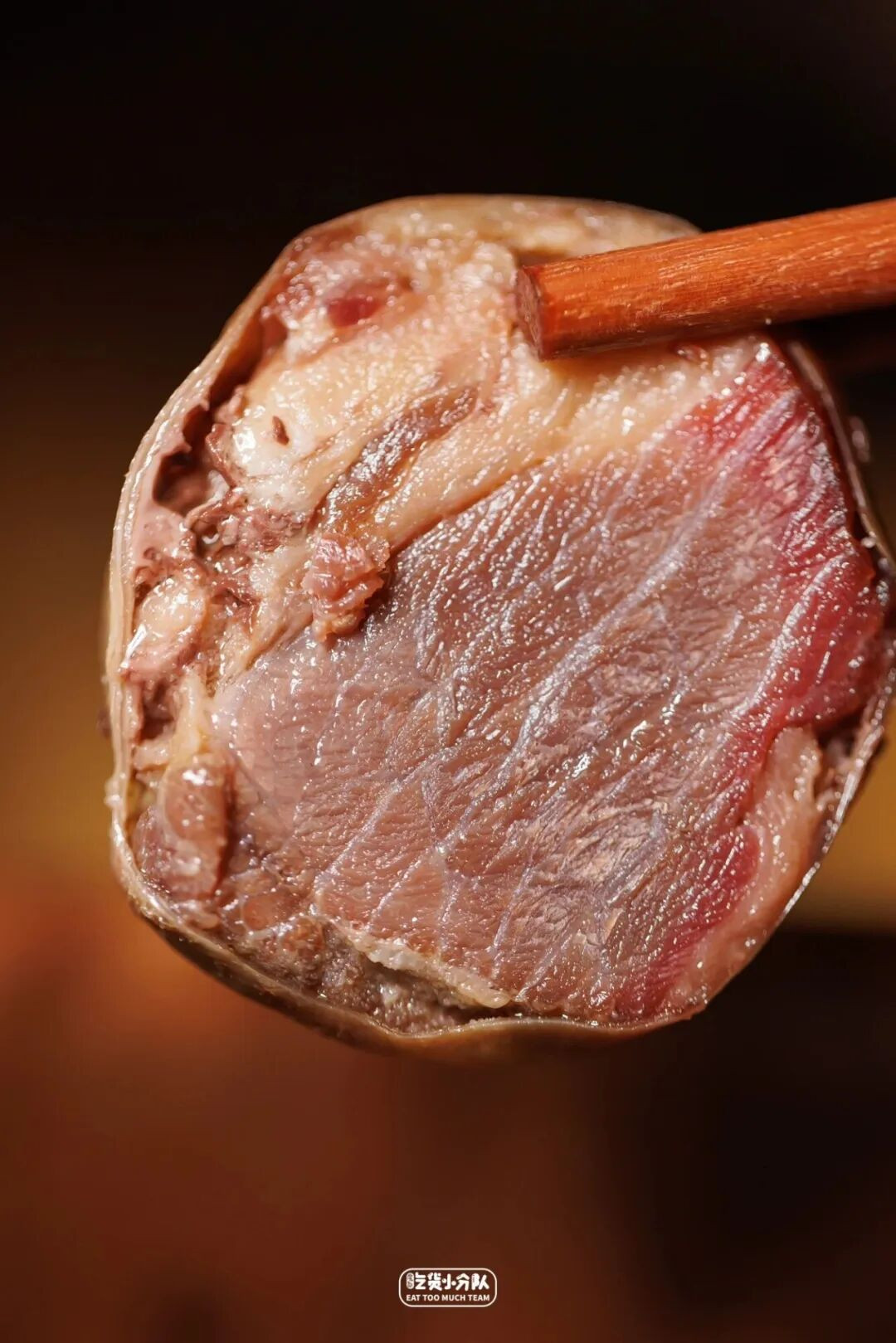
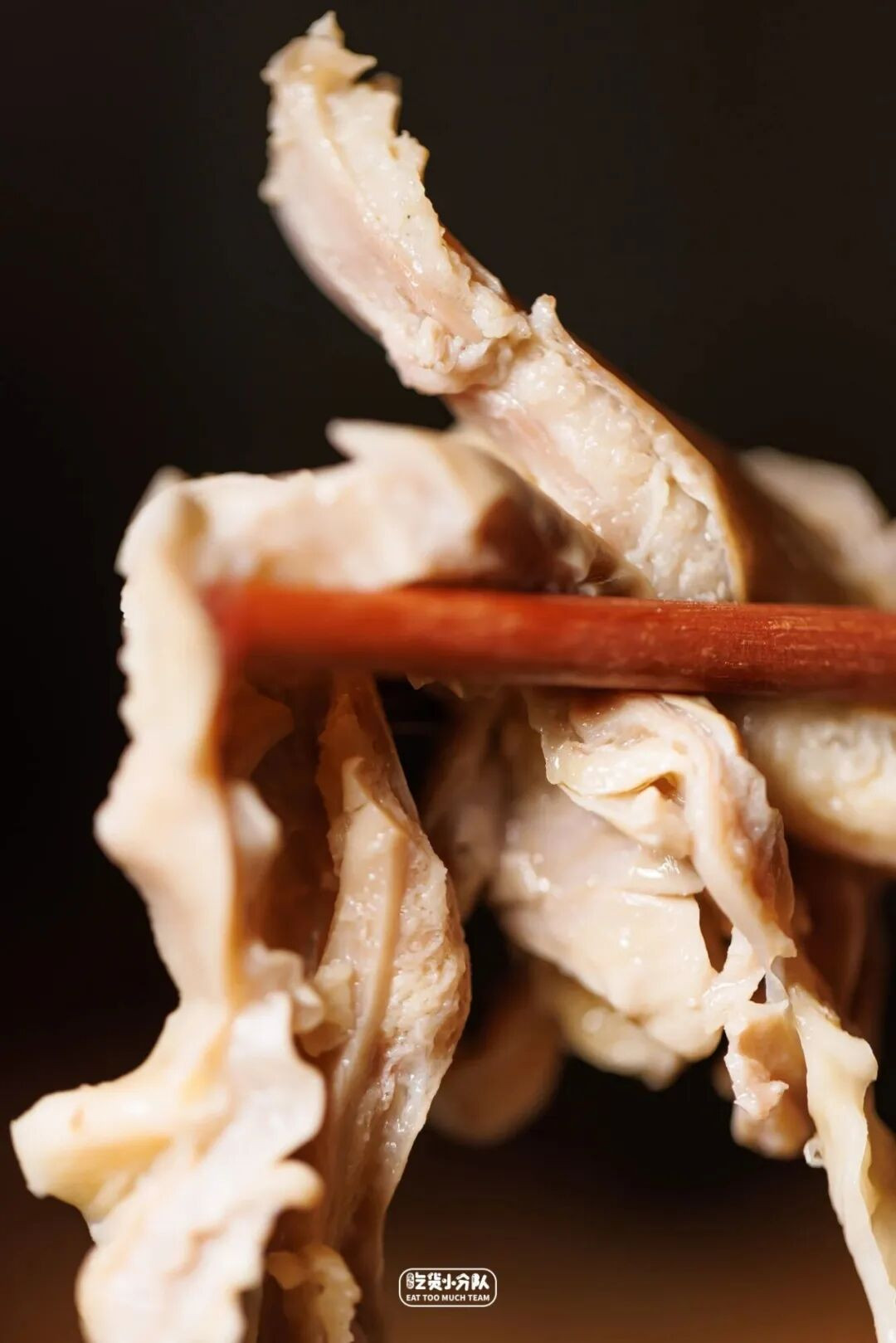
You can actually get smoked horsemeat right here in Shanghai! Sourced from Changji Prefecture in Xinjiang, the horsemeat has a rich, smoky flavor profile similar to beef. It's super lean, incredibly firm, and completely devoid of any gamey taste. The horse sausage is a bestseller for a reason: the casing is super thin, packed with loose, pinkish-red meat that falls apart with every chew. The horse stomach has just a tiny hint of gamey funk, which is wherepiyazi (onions) swoop in like a lifesaver. Not only do they serve a trio of horsemeat platters, but you can also sip on authentic mare's milk and camel's milk.
Aside from the raw ingredients being flown straight in from Xinjiang, the staff are too—complete with a melodic lilt and rolled rs in their speech. All the signature drinks are hand-crafted right by the owner, and you can sit right at the counter to watch the magic happen.
IBAURSAK Bistro
-Address-
Shop 06, 3rd Floor, PAC Shopping Center, 688 Changde Road
-Hours-
11:30 AM - 3:30 PM
5:30 PM - 10:30 PM
-Average Spend-
138 RMB
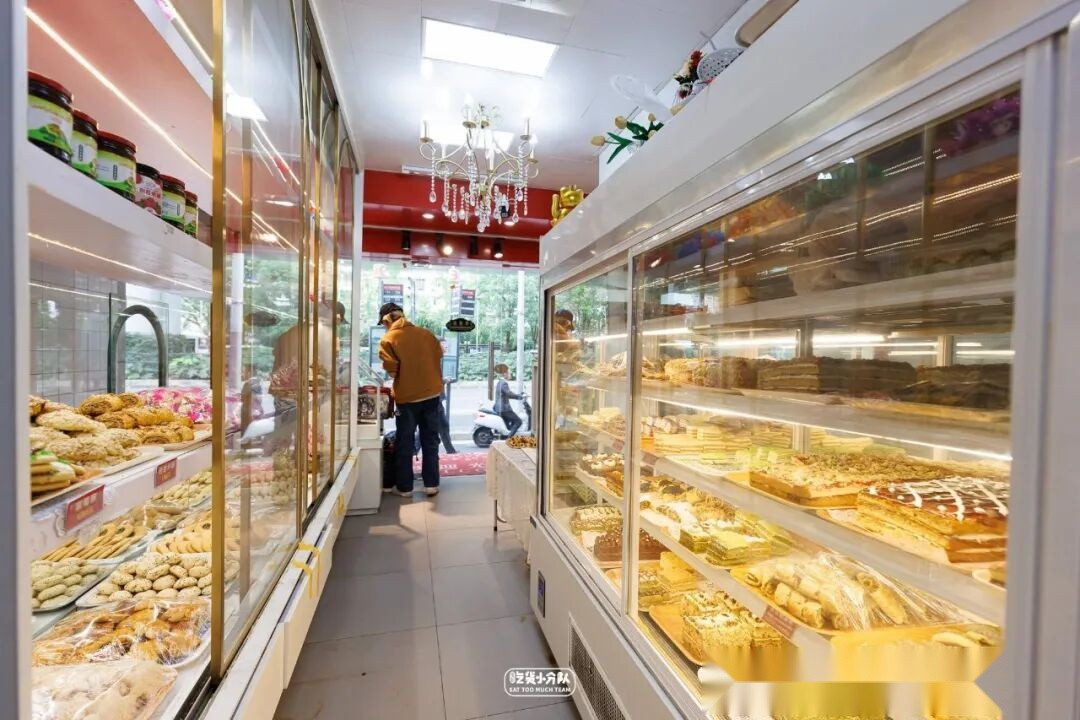
Tucked away in a quiet residential neighborhood near Dabashu in Hongkou District sits an unassuming little dessert shop. The storefront is tiny, but the display cases inside are absolutely crammed with over a dozen kinds of sweets! There's no flashy overhead neon sign—just two simple words on either side of the doorway: "Makarena Xinjiang Desserts."
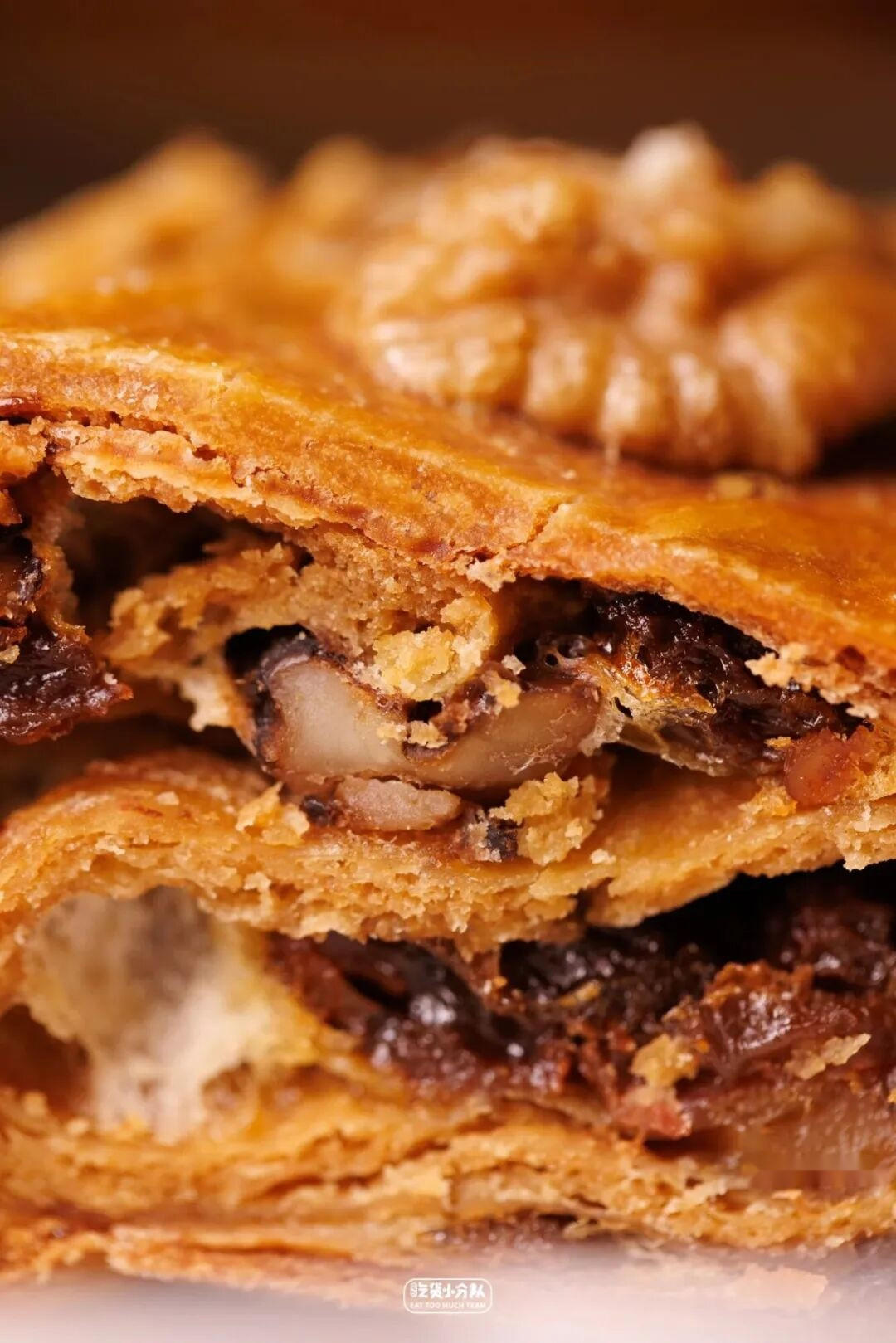
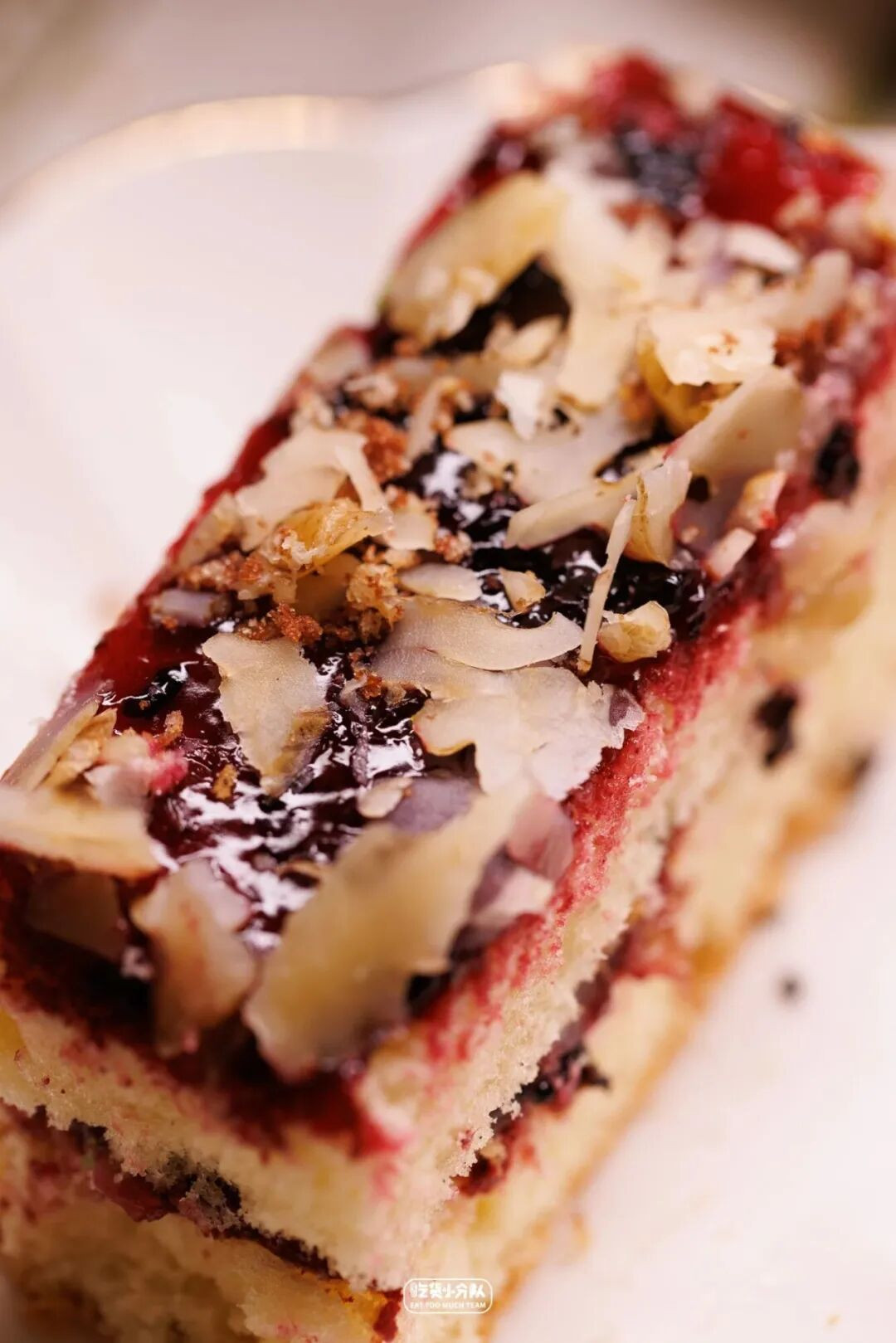
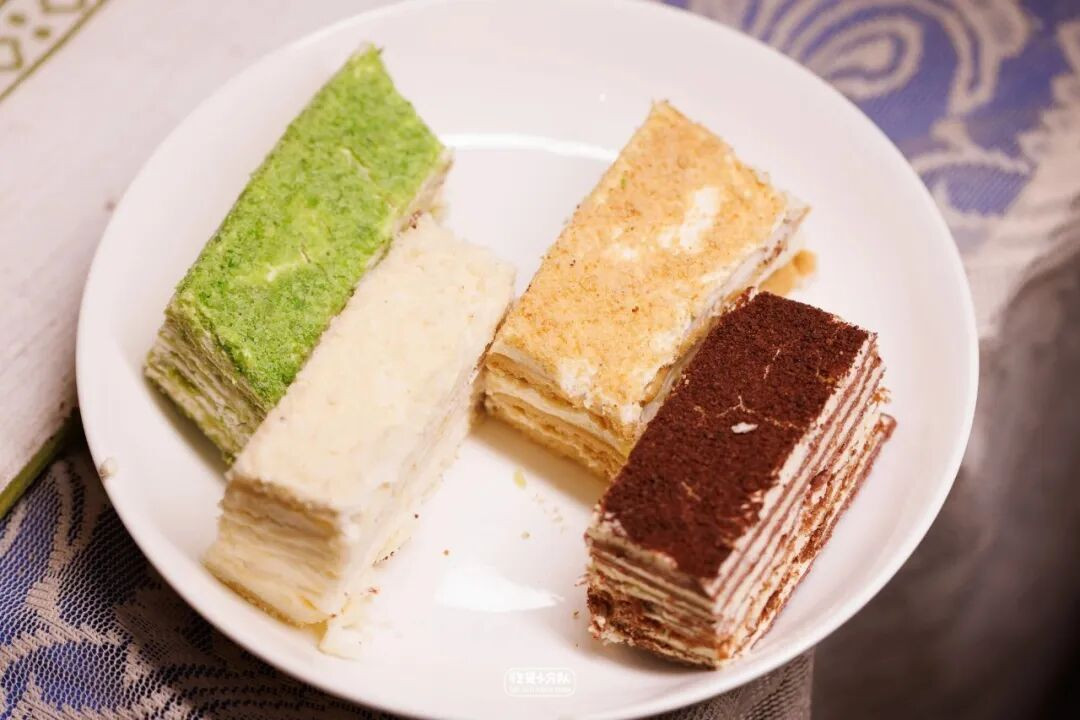
The shop is packed with an eye-popping variety of treats that feel downright luxurious: breads, jam cakes, pastries, cookies, and candies. Walking in feels like stepping straight into a sweet-toothed Baroque palace.
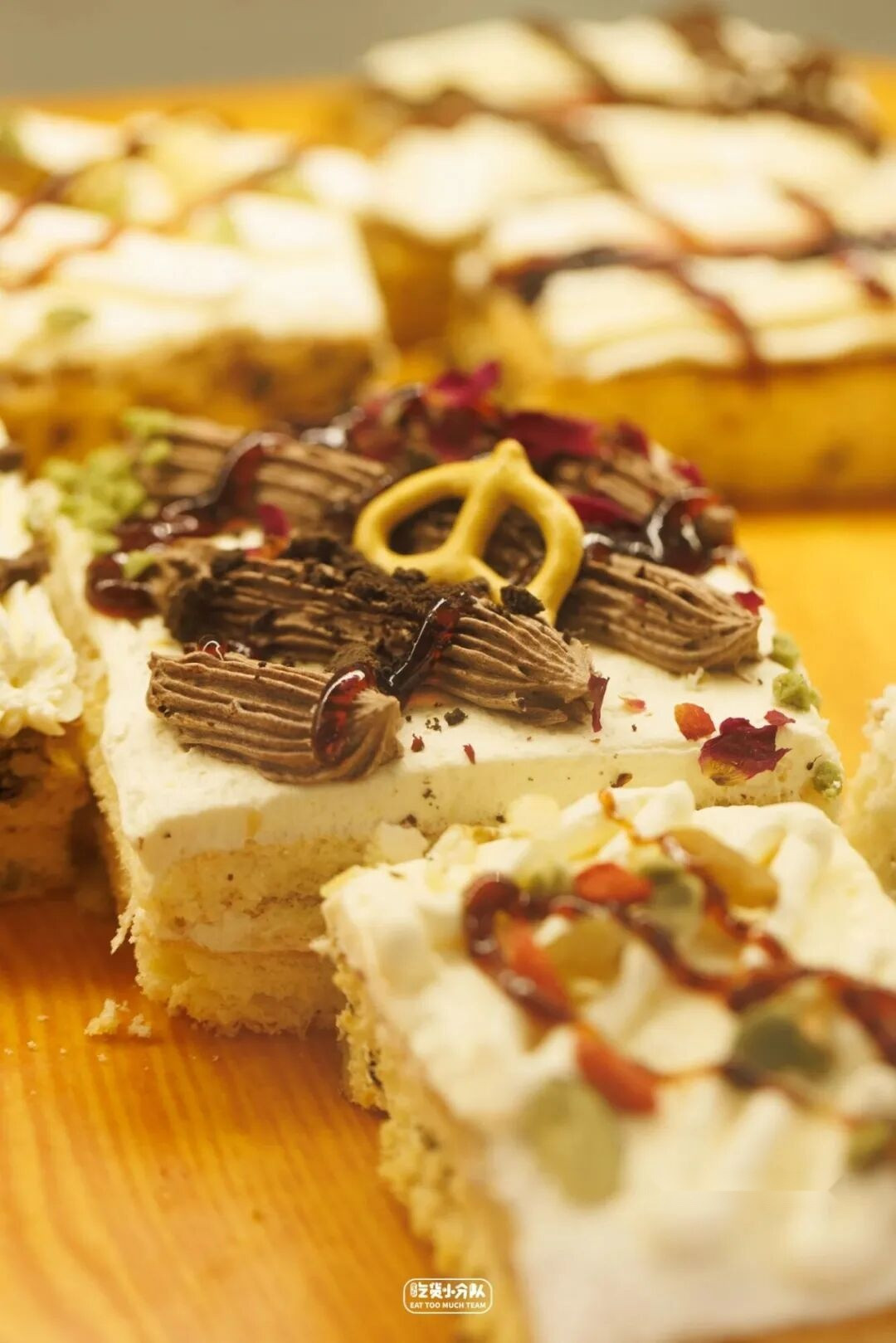
From Napalyong (the legendary Xinjiang milk-layered mille-feuille you usually only find in sit-down restaurants) and Bahali (a spiced fruitcake that looks like date bread) to traditional Middle Eastern baklava, heart-shaped strawberry pastries, and nut-stuffed cheese buns, you can get it all right here—and at insanely affordable prices! A slice loaded with dried fruits, nuts, jam, and fresh cream costs just single-digit RMB. It’s totally outside standard Shanghai pricing!
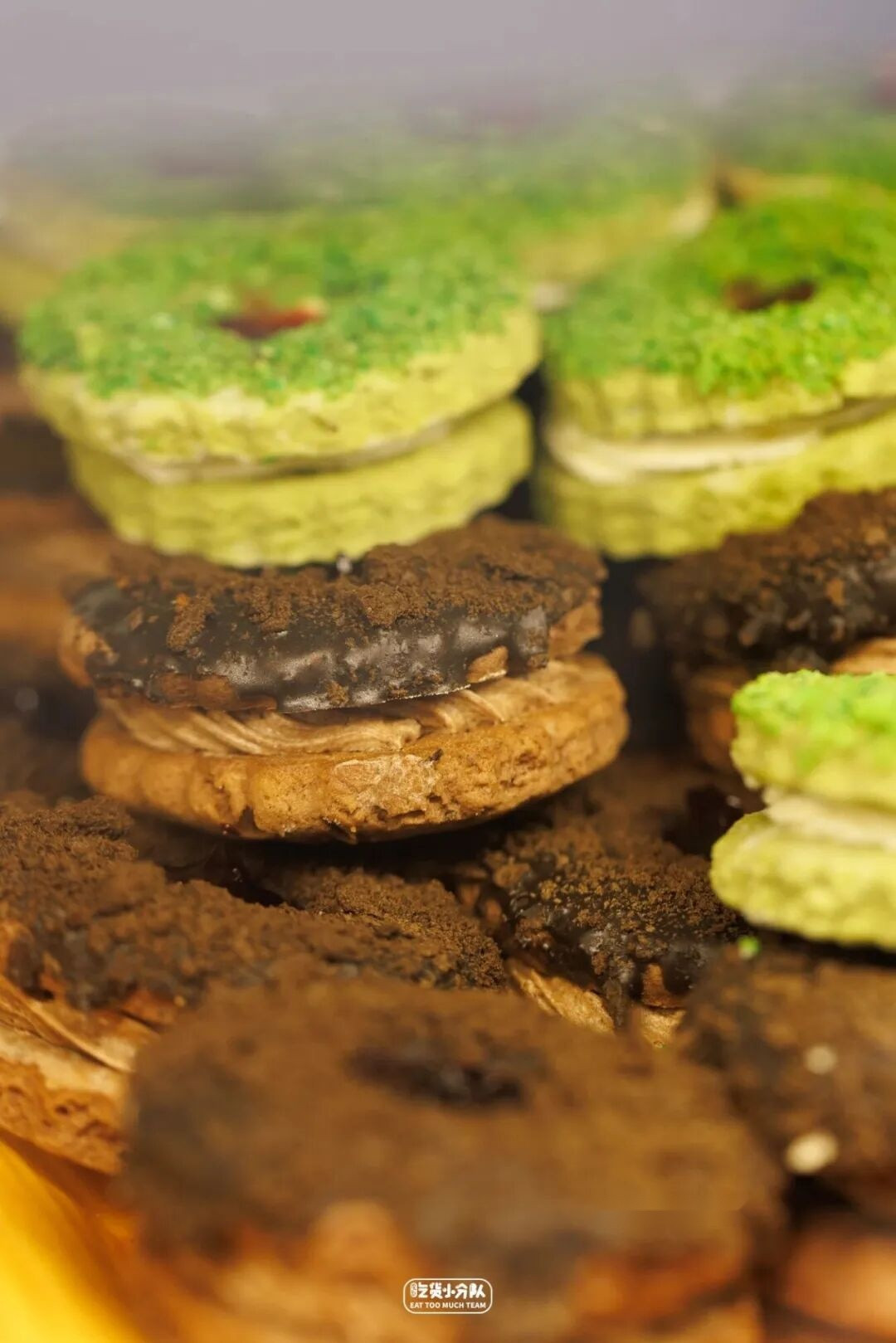
Here, Middle Eastern faces are even more common than the halal meat lovers. You'll see customers sitting together, nodding as they eat, as if saying, "Now this flavor is out of this world!" Imagine sitting right among them, listening to them chat away in their hometown dialects—how is this any different from traveling abroad?
Makarena Xinjiang Desserts
-Address-
512 Wenshui East Road
-Hours-
8:30 AM - 11:00 PM
-Average Spend-
44 RMB
Late at night on the streets of Hongkou, you used to be able to spot a legendary sight: a massive crowd swarming a single motorbike, the faint crackle of charcoal popping in the air, and the irresistible aroma of roasting lamb skewers wafting down the block.
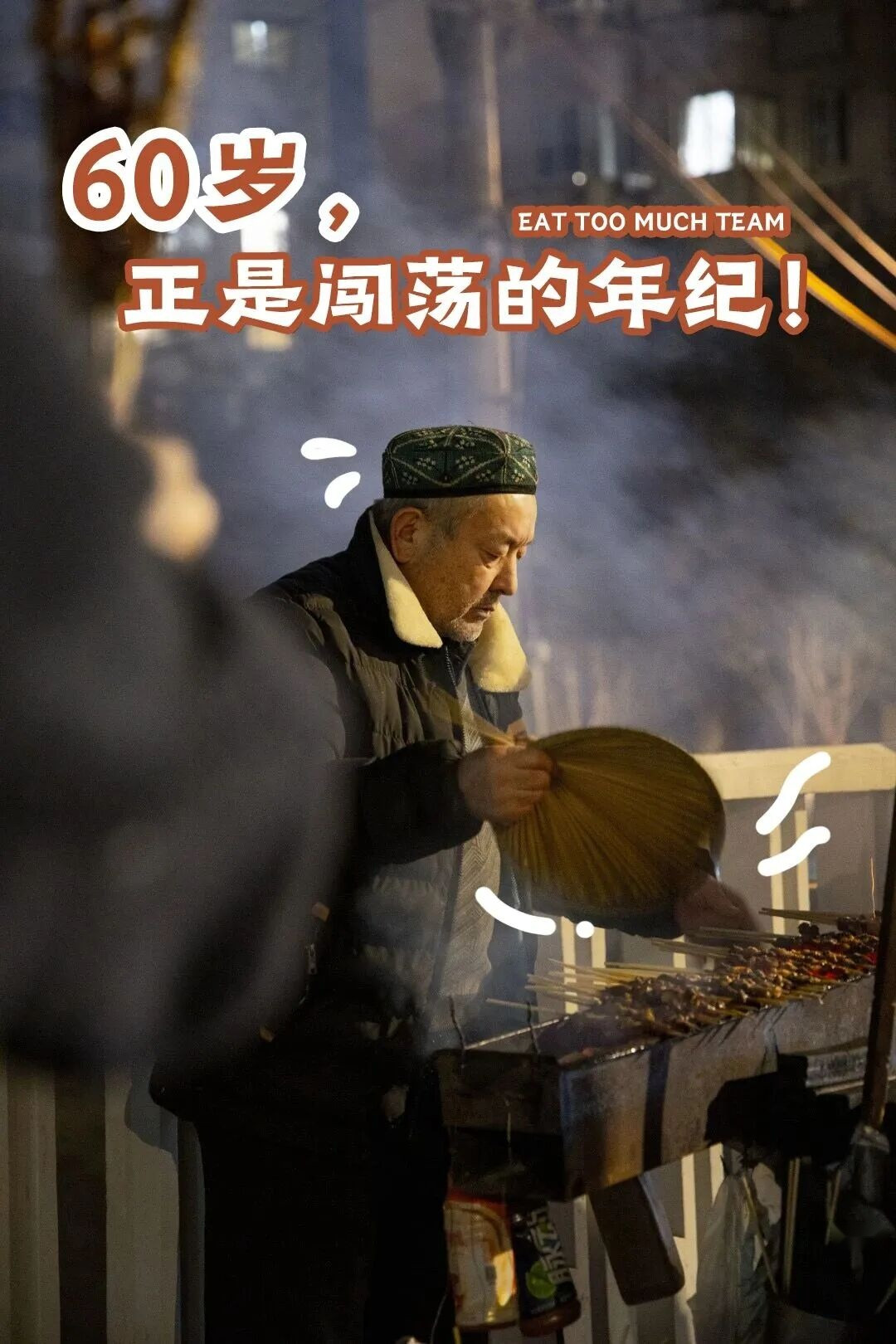
Right in the middle of the crowd stood a quiet Xinjiang uncle, furiously fanning his skewers while nervously glancing around. Though he's no pop star, he boasts dozens of fan chat groups online. They call him the legendary "Hongkou Roasting Uncle."
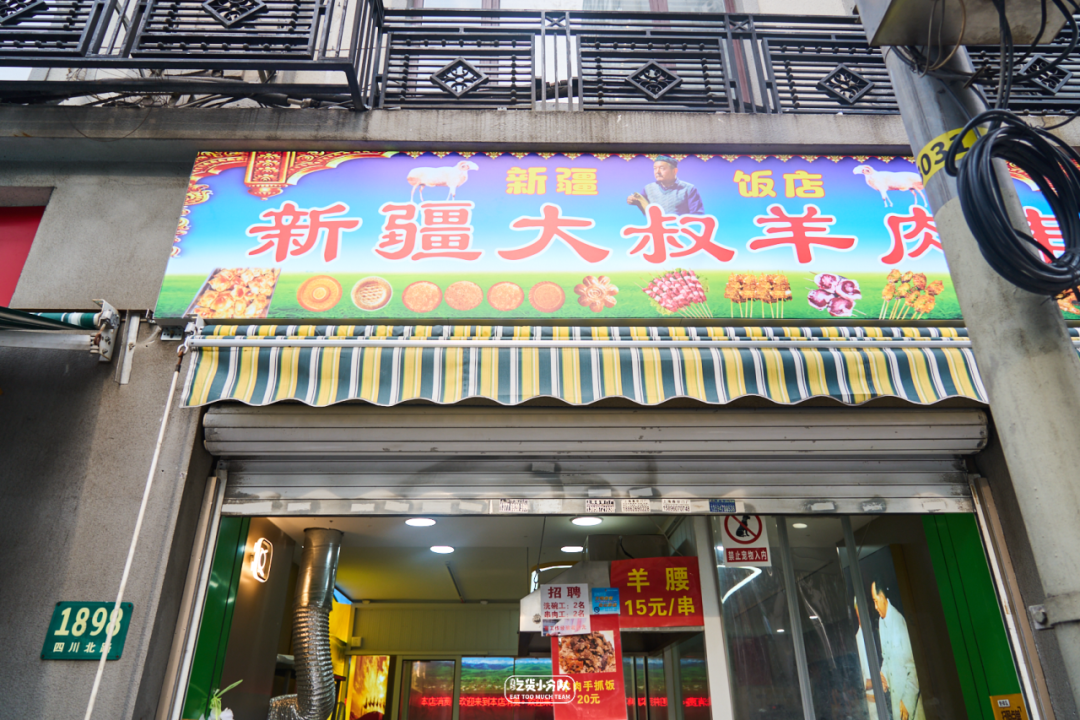
Well, that street-side chase is finally over because the uncle has officially set up shop on Sichuan North Road! The little joint drew flocks of foodies and die-hard fans the moment it opened. As one regular put it: "Back in the day we used to chase the uncle all over the streets, now we just wait in line at his doorstep!"
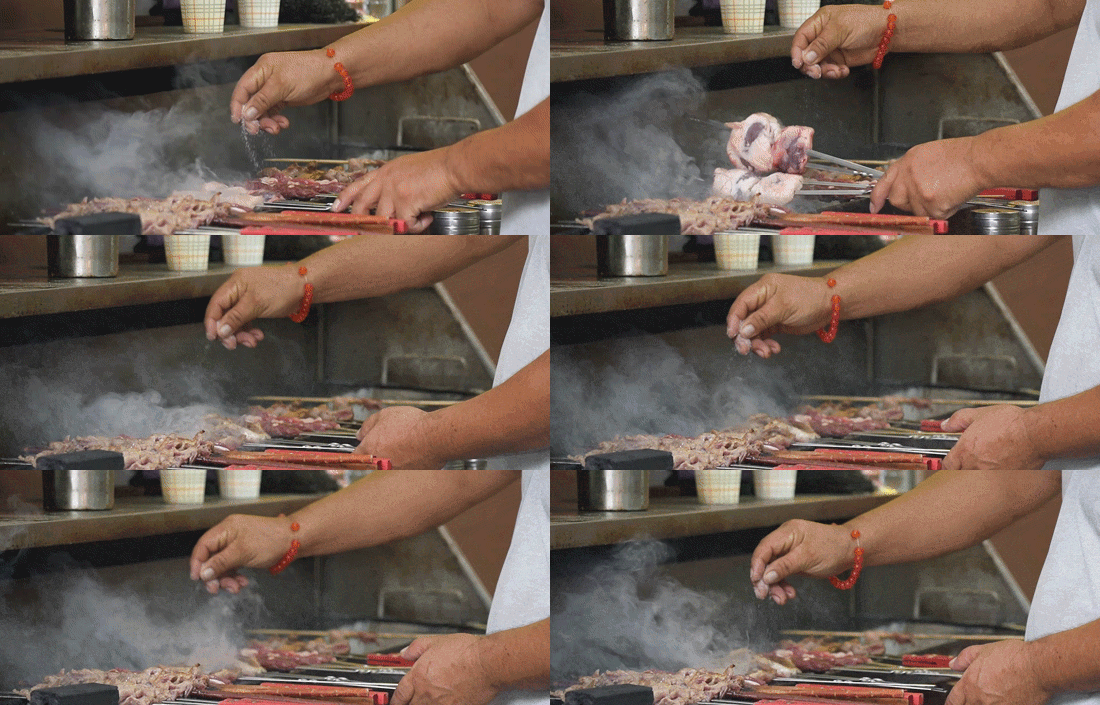
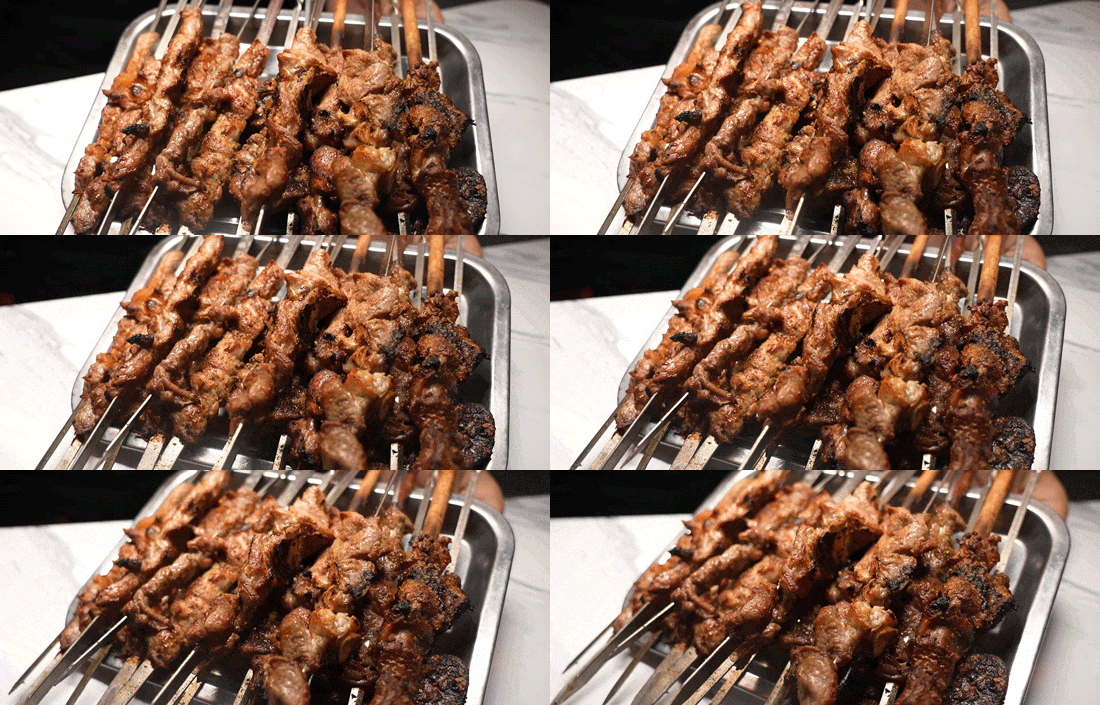
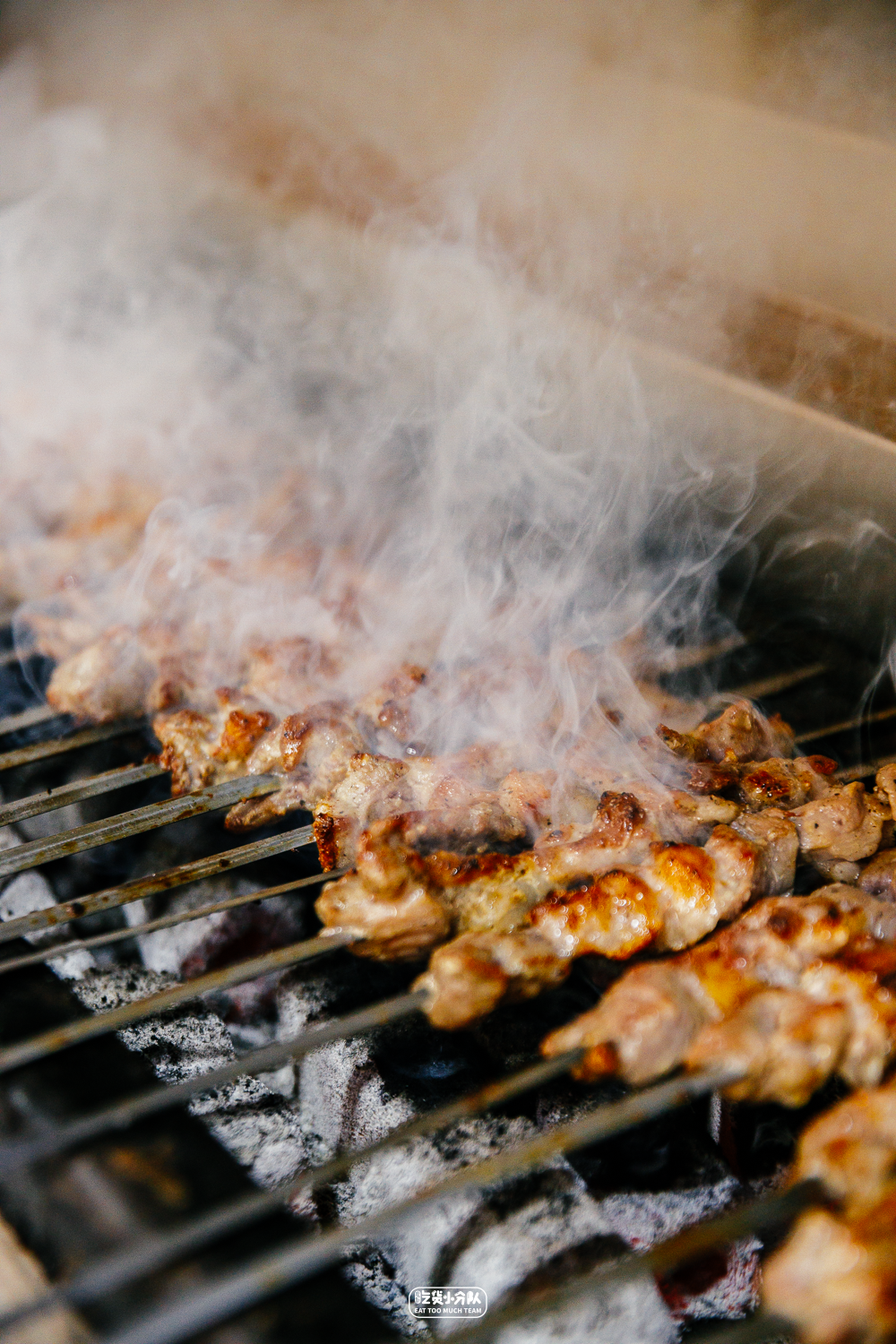
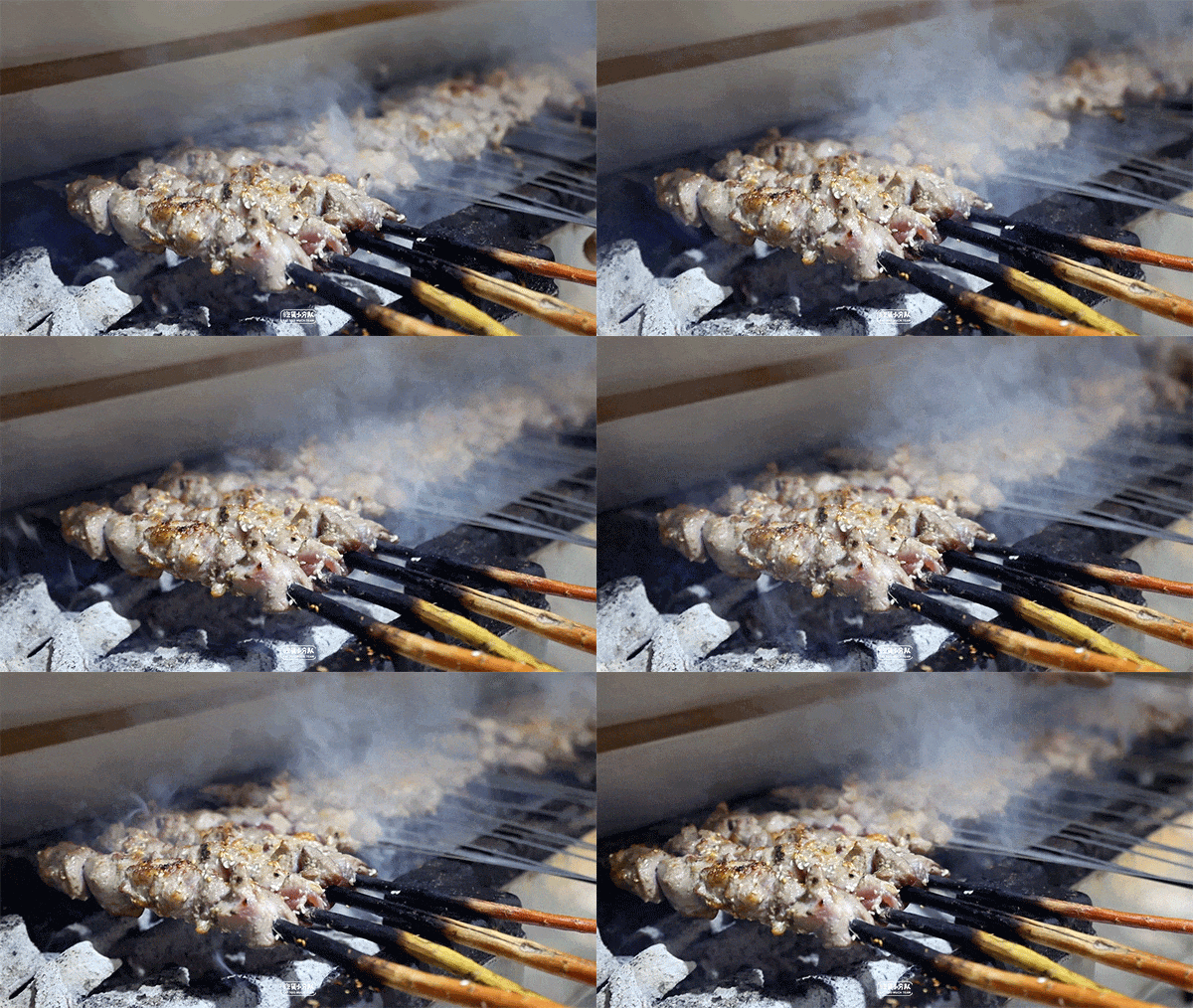
In the uncle's hands, the lamb skewers look like a conductor's baton dancing to music. The charcoal heat renders the lamb fat until it sizzles, locking all those rich juices inside the tender meat. Take a bite, and you get a crispy, slightly charred outer crust giving way to a juicy, tender center, flooding your palate with rich lamb flavor, cumin, and spicy chili flakes.
They’ve also launched massive 10-RMB skewers, and there's a real art to the fat-to-lean ratio: the smaller skewers have more fat for maximum flavor, while the big skewers lean heavier on the meat for an ultra-satisfying bite.
They specifically brought in a master noodle maker all the way from Xinjiang. Their signature milky baked nang (Xinjiang flatbread) mixes milk, eggs, sesame, soybean oil, and sugar straight into the dough, coming out of the oven smelling like toasted wheat and charcoal smoke. The edges are crisp and golden while the center is thick, chewy, and bursting with milky aroma with every single chew.
Xinjiang Uncle Lamb Skewers
-Address-
1898 Sichuan North Road
-Hours-
11:00 AM - 4:00 AM
-Average Spend-
50 RMB
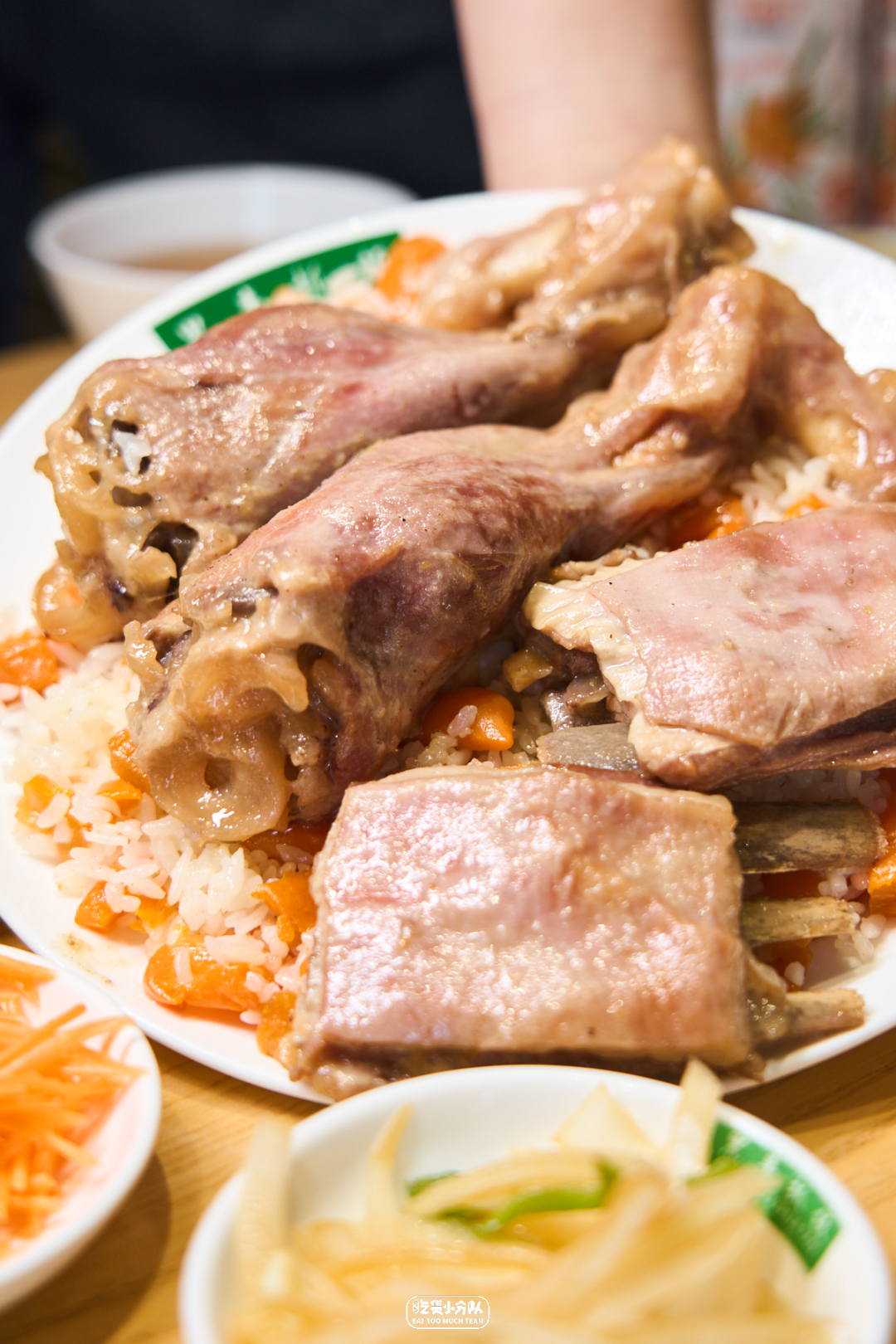
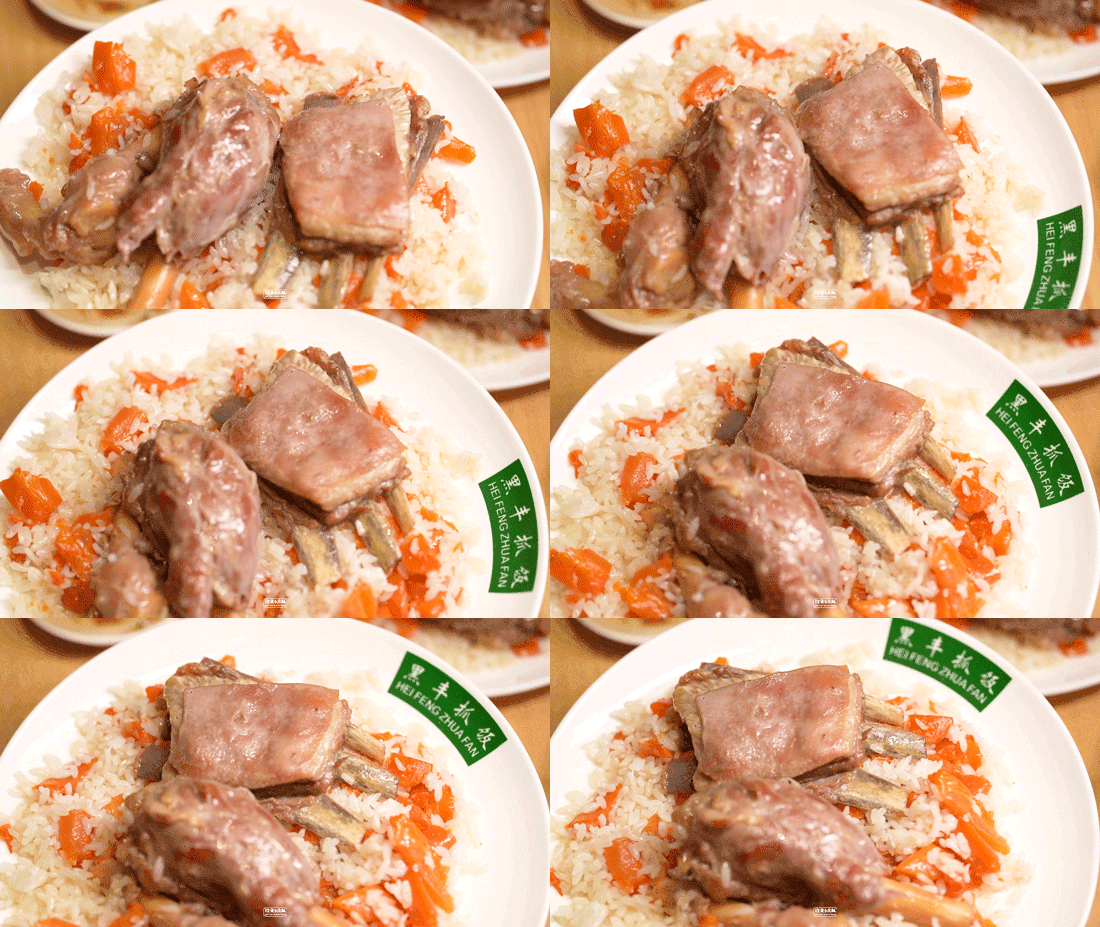
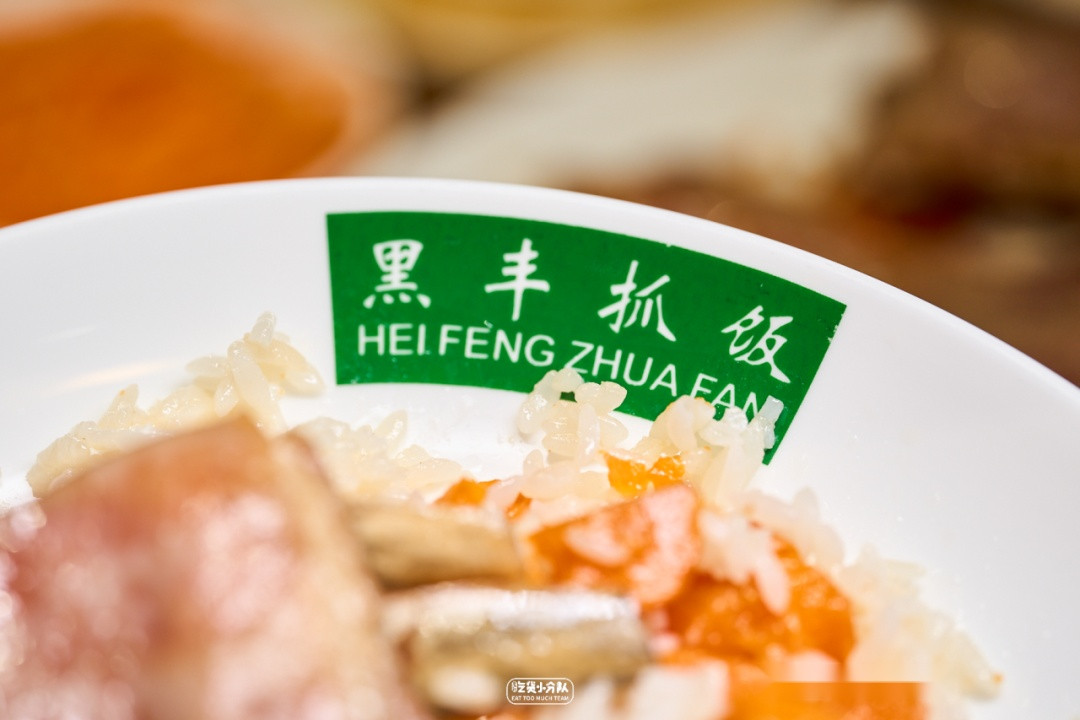
If you had to pick one dish to represent all of Xinjiang cuisine, the answer is hands down shouzhua fan (Lanzhou hand-grabbed lamb with rice). Hidden away in Wujiaochang, Heifeng Shouzhua Fan is basically a local legend in Yangpu District—locals call eating here "the highest honor of visiting Yangpu." Xinjiang friends have been known to "eat here two months straight" and say that "once you go, you can't ever stop." Backed solely by their killer pilaf, they've dominated the Yangpu Xinjiang food charts as an obsession for foodies everywhere. They've even opened a second location now.
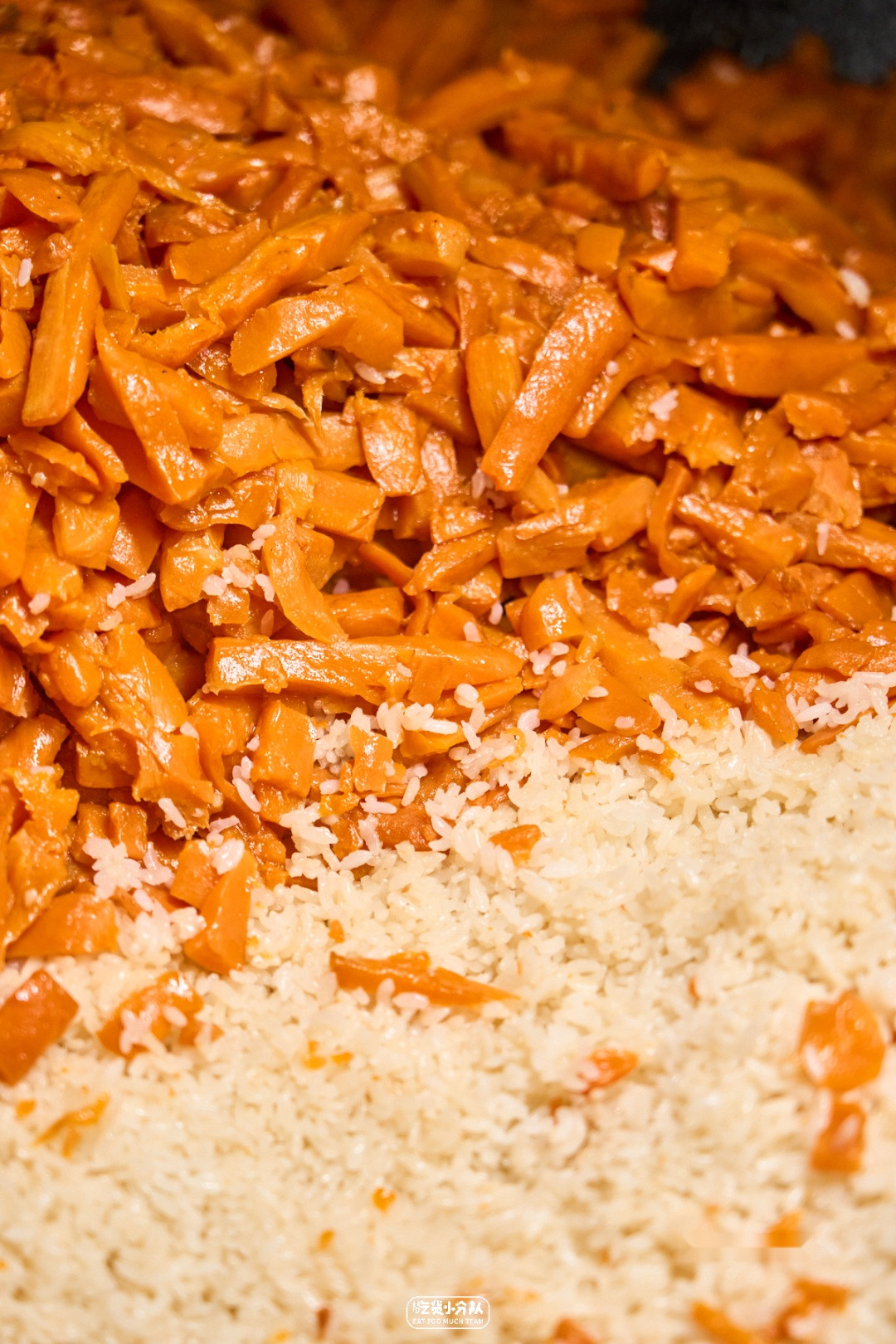
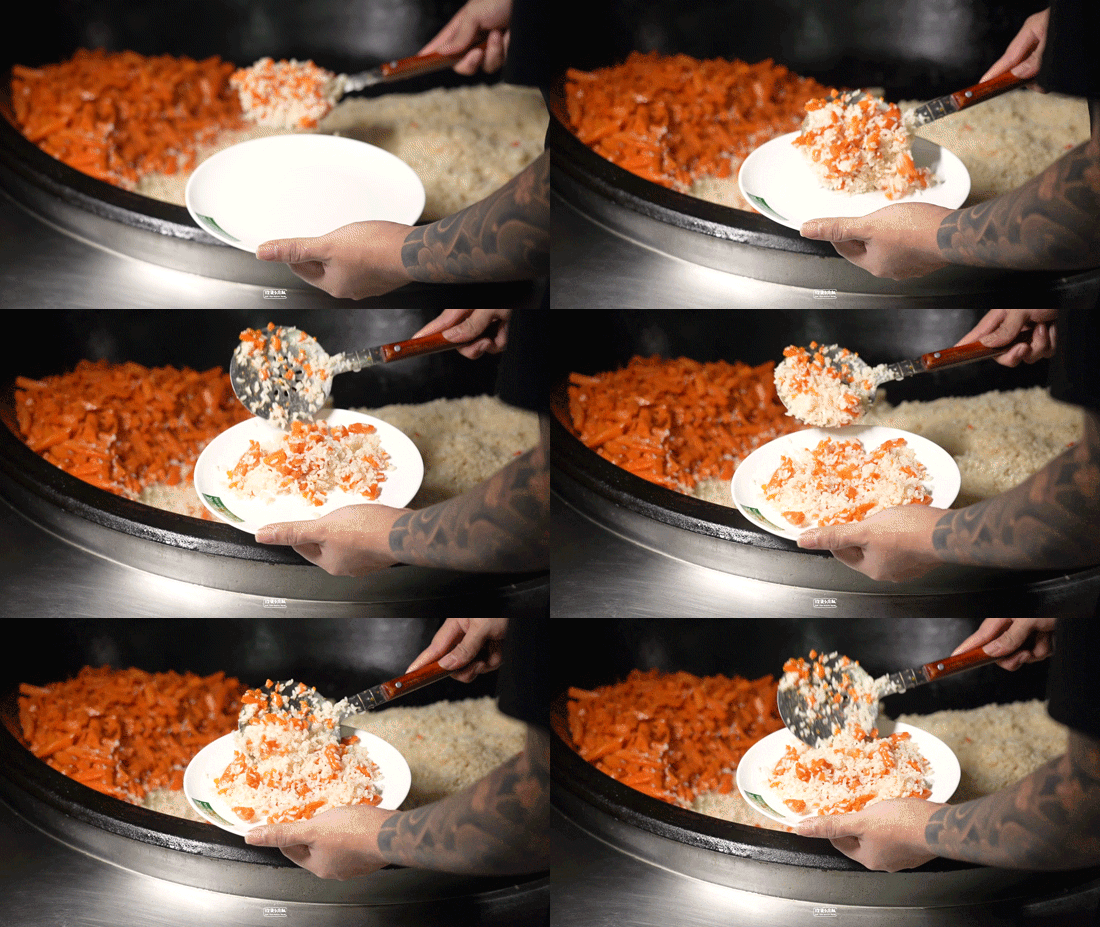
Pilaf is literally the only item on the menu. When Xinjiang locals hear that, they find it mind-blowing, saying, "A restaurant like this should only exist in Xinjiang." Chatting with the manager reveals just how much deep craft goes into making this rice. They cook it in massive one-meter-wide pots—one batch in the morning, one batch in the afternoon.
Pulling off a batch takes four to five hours of non-stop pan-frying, sautéing, boiling, braising, and steaming starting well before 6:00 AM every single day. They burn through 50 pounds of rice, 200 to 300 lamb chops, and over 100 lamb legs every single day. No shortcuts here—just hardcore, authentic execution.
Heifeng Shouzhua Fan
-Address-
Shop 30-15, Guoji Road (Wujiaochang Branch)
Room 102A, Building 17, Linkong SOHO, 968 Jinzhong Road (Linkong SOHO Branch)
-Hours-
10:30 AM - 9:30 PM (Wujiaochang Branch)
11:00 AM - 2:00 PM, 4:30 PM - 8:00 PM (Linkong SOHO Branch)
-Average Spend-
48 RMB
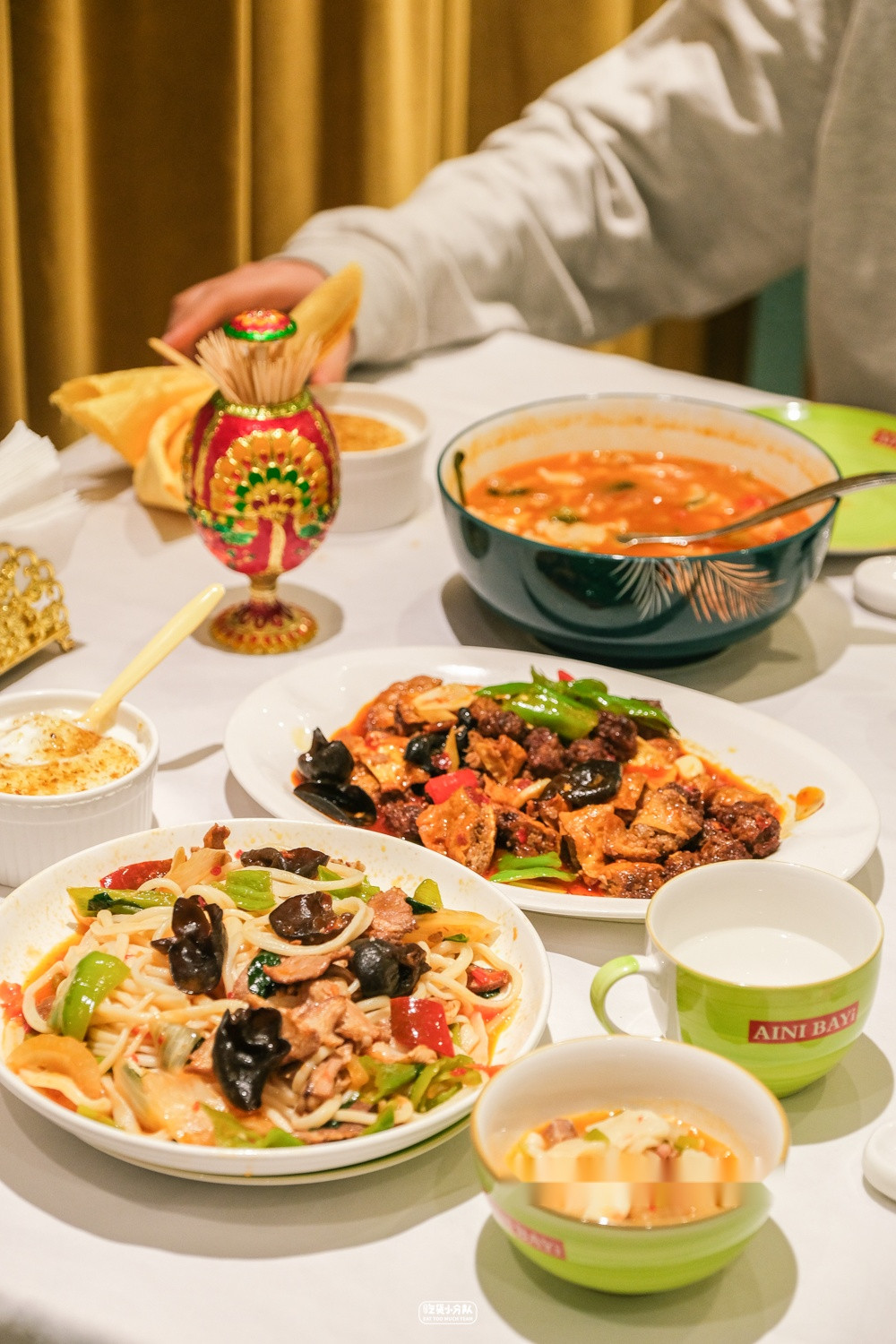
If a government office doesn't have its own cafeteria, you can bet there's an unofficial "extracurricular cafeteria" right next door—like Aini Bayi, located right beside the Xinjiang Government Office. It's not only been featured in the documentary *I Came From Xinjiang*, but even famous Xinjiang rappers have dropped by.
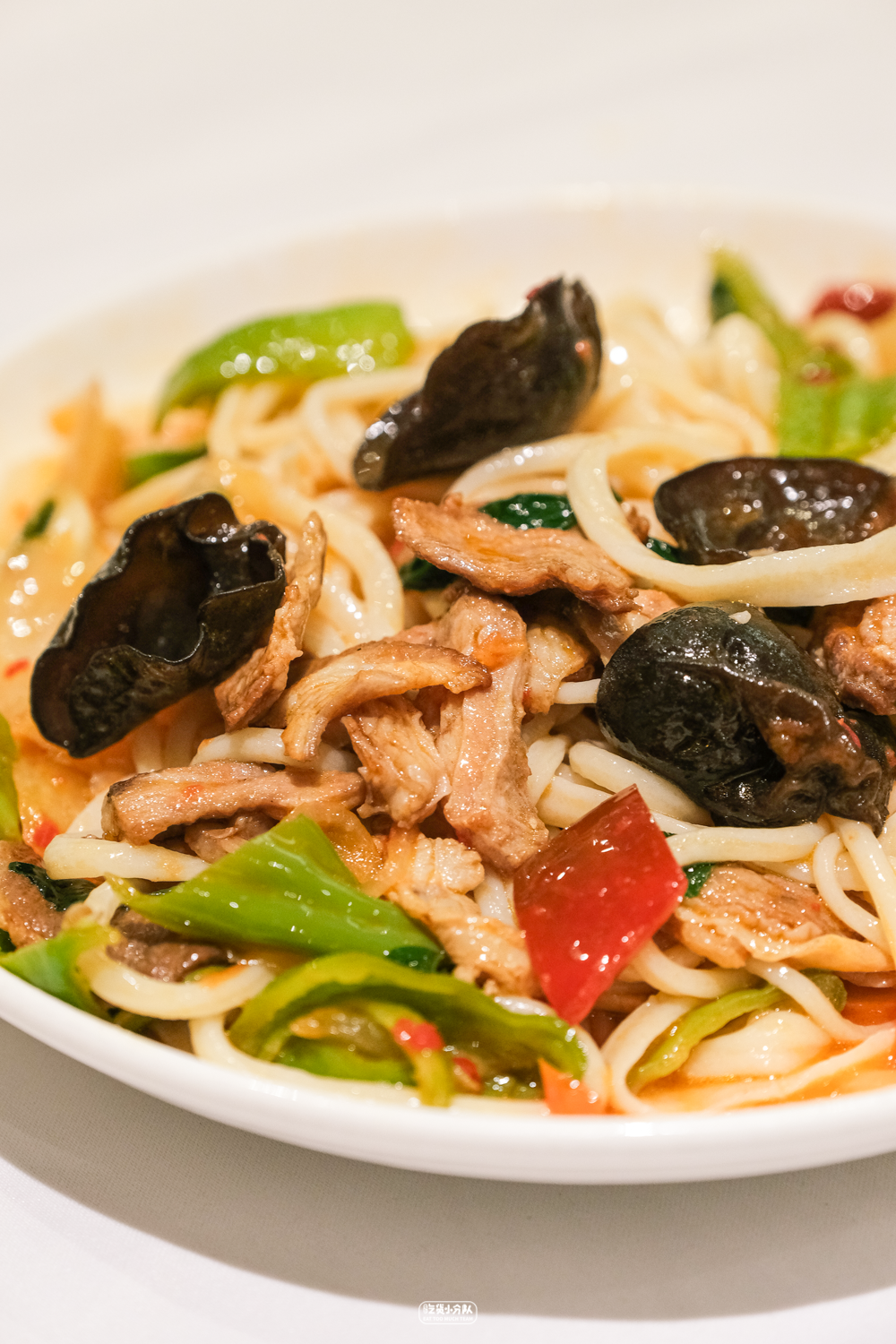
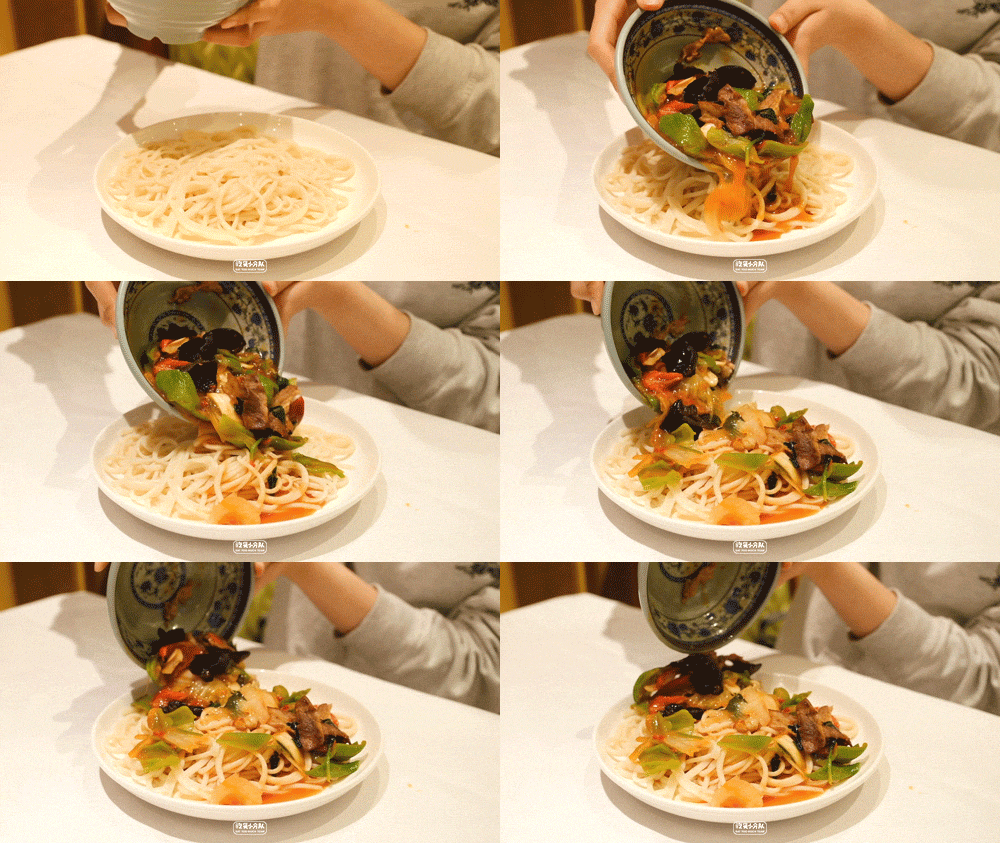
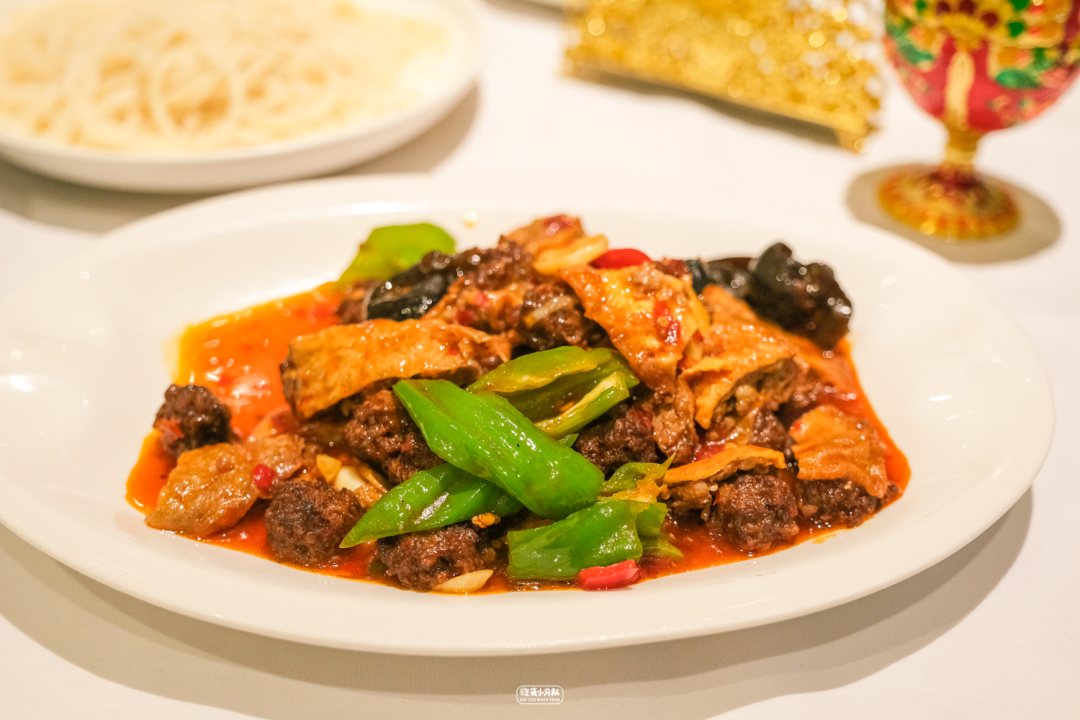
Then there's their legendary ghost meat mixed noodles. The secret to this dish is lamb that gets wok-fried twice with tomatoes, green peppers, wood ear mushrooms, and onions, resulting in a tangy, spicy sauce that clings to exceptionally tender meat.
Next is red-braised jiasha meat. As one of the classic dishes from Xinjiang's traditional "Nine Bowls and Three Rows" banquet spread, thin egg crepe wraps around seasoned minced meat, sliced into neat diamond shapes, and braised until the savory red sauce permeates every layer with an amazing, chewy bite.
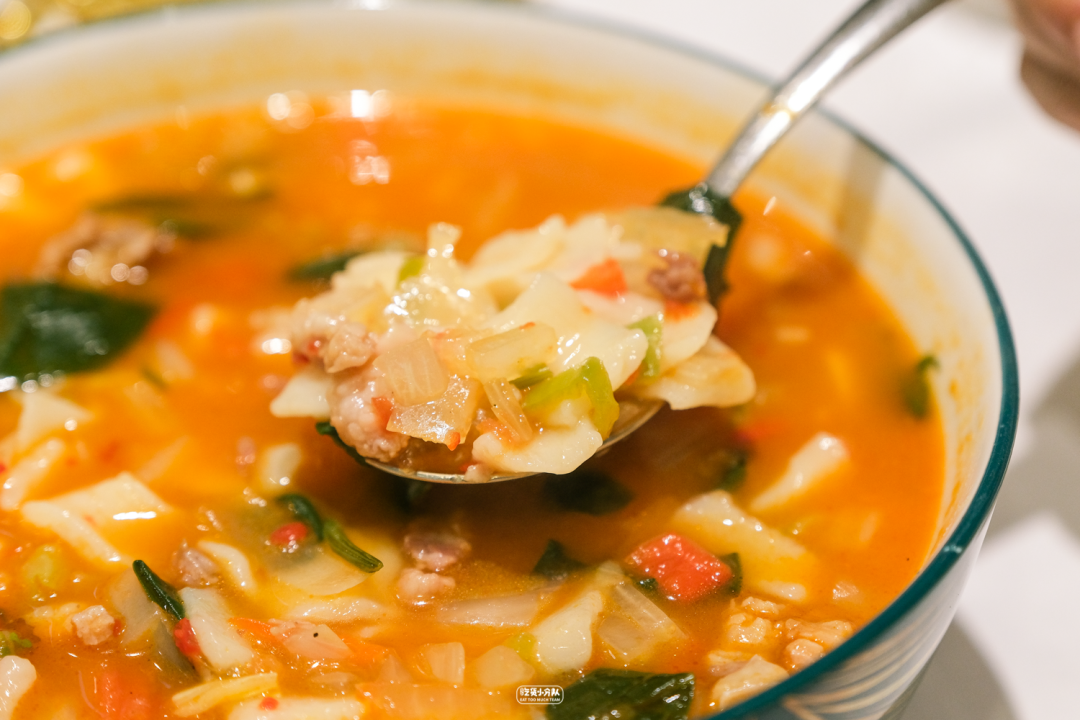
Xinjiang tangfan (soup noodles), a daily staple in Xinjiang, goes by the adorable nickname "acid soup pinch-noodles." Tiny hand-pulled noodle bits swim in a vibrant, tangy tomato broth that instantly wakes up your appetite and leaves you begging for seconds.
The owner is a master chef hailing from Kashgar, Xinjiang. Having kept the restaurant running strong for over 30 years—starting back when there were barely any Xinjiang spots in Shanghai—his culinary skills are the real anchor keeping this place packed.
Aini Bayi Restaurant
-Address-
739 Quyang Road
-Hours-
10:00 AM - 2:00 AM
-Average Spend-
94 RMB
"You only ever eat here zero times or a million times!" This authentic Xinjiang spot sits right on the corner, and neighborhood locals roll in every few days to satisfy their cravings. Regulars have watched lamb skewers go from 2 RMB to 7 RMB over the years. "I've gotta come eat a few skewers every single week, otherwise something just feels off," says Uncle Zhao, a loyal fan who loves kicking back for street-side skewers.
"All our lamb is flown in fresh from Xinjiang—and so are we!" At this joint, not only do you get pure Xinjiang flavor, but you can also trade banter with genuine Xinjiang guys, hearing them chat and crack jokes in broken Mandarin with regulars.
The one thing every customer remembers about their red willow lamb skewers is simple: they are massive! Big chunks of lamb and fat are skewered onto half-meter-long red willow branches. Over charcoal, the red willow wood releases natural fruitwood aromas into the meat while driving away any gaminess. Take a bite while it's hot: the fat is rich and crispy, the lean meat is springy, and it’s deeply savory without ever feeling greasy.
Yini Xinjiang Flavored Restaurant
-Address-
98 Dongjiangwan Road, Sichuan North Road Street
-Hours-
11:00 AM - 2:00 AM
-Average Spend-
71 RMB
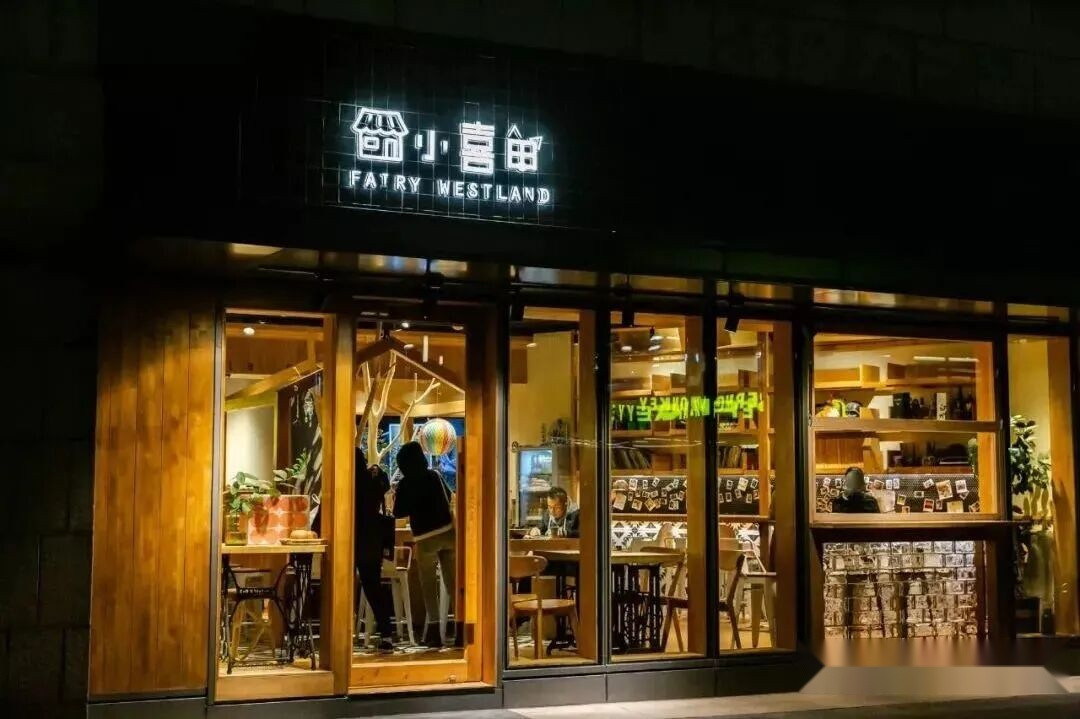
Home to Shanghai's very first Xinjiang stir-fried rice noodle joint, named after the owner's dog Xitian. Moving from Daxu Road to InnoSpace, old regulars followed every step of the way while new fans keep piling in. The vibe is artsy and refined, featuring tables made from upcycled vintage sewing machines that you can actually pedal while you eat—super fun touch.
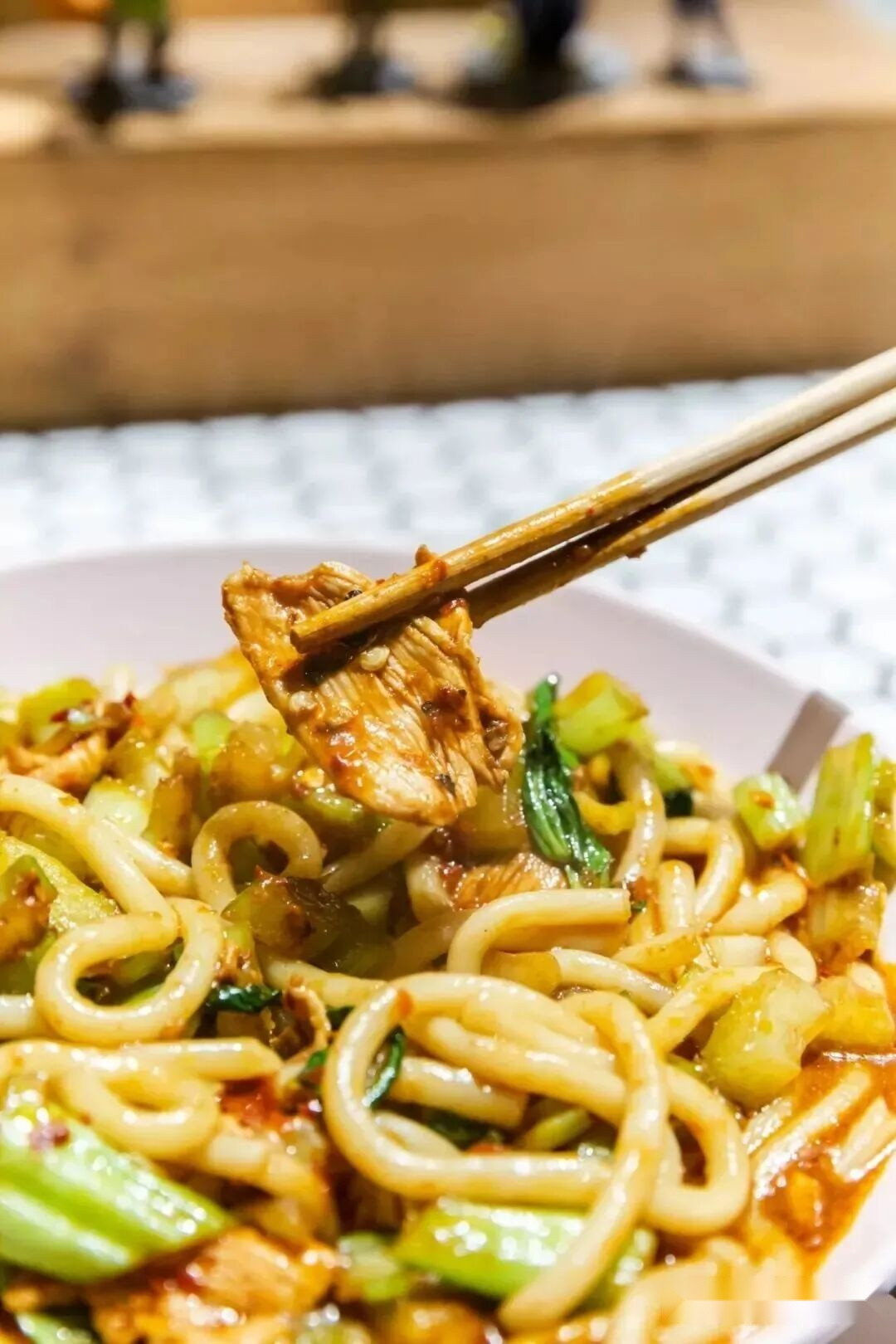
They offer six levels of spice and two types of rice noodles. Alongside celery, you can add pickled mustard greens and mushrooms to turn up the umami.
Xiaoxitian (InnoSpace Branch)
-Address-
Room 04, Sunken Plaza, 290 Songhu Road
-Hours-
10:30 AM - 2:30 PM, 4:30 PM - 8:30 PM
-Average Spend-
50 RMB
Let's chat!
Got any hidden-gem Xinjiang spots of your own?
Drop them in the comments below~
#ShanghaiFood #ShanghaiEats #XinjiangCuisine #ShanghaiXinjiangFood view all
The Ultimate Shanghai Xinjiang Halal Food Tour: A Feast of Shouzhuafan, Grilled Lamb Chops, and Artisanal Yogurt
Summary:
We've rounded up eight of the most authentic Xinjiang halal spots in Shanghai to bring you a Silk Road feast without leaving the city. From steaming plates of shouzhuafan (Lanzhou hand-grabbed lamb with rice) to sizzling charcoal-grilled lamb chops, Kashgar-style baked buns, and rich, authentic yogurt, this guide covers the absolute best of Western China's halal culinary traditions.
No need to book a flight thousands of miles out to Xinjiang!
Right here in Shanghai, you can hit up everything from
nomadic brunch, authentic pilaf, old-school street skewers, to specialty sweets
.....
Xinjiang food lovers, bookmark this guide right now.
If you’ve been missing the old Macau Road halal market, your prayers have been answered. The ultimate massive indoor market version is finally here! Spanning two floors, the first floor focuses on budget-friendly halal street food and quick bites. The air is always thick with the fragrant cloud of spices thrown by the chefs, buzzing with mouth-watering meat aromas and the happy chatter of hungry diners. It's an absolute vibe.
Street Eats: Hui-style braised noodle soup, signature beef noodles, sheep's offal soup, curry beef vermicelli soup, curry beef bone soup, shouzhuafan (Lanzhou hand-grabbed lamb with rice), guotie (crispy beef potstickers), and Lanzhou liangpi (cold skin noodles).
Halal Braised Meats: shouzhua yangrou (Lanzhou hand-grabbed lamb), braised sheep heads, spicy and numbing sheep trotters, belly-wrapped meat, and braised beef trotters.
Northwestern Pastries: Hui-style youxiang (fried unleavened flatbread), savory/sweet flaky pastries, scallion pancakes, twisted sesame dough sticks (mahua), Hezhou buns, and desert chive beef buns.
Specialty Sweets & Drinks: Kazakh milk tea, tianpeizi (fermented sweet oats), hand-made yogurt, and milk jiangzao (sweet fermented rice milk soup)...
Listing all these dishes feels like showing off, but trust us, whatever you're craving is on this menu. Even though text can't do these photos justice, we're already drooling just thinking about it.
Take the elevator up to the second floor and the vibe completely shifts into an exotic, elegant dining space. The tables in the main dining hall are spaced out nicely, with soft lighting casting a warm glow over intricately patterned tablecloths and vintage wooden furniture. The largest Hexi Hall can comfortably seat up to 500 people.
Meet the Hermès of dried apricots—diaoxinggan (hanging dried apricots). As royalty among naturally tree-dried fruits, they boast a deeper color and thinner skin than regular dried apricots, with a flavor that hits you with sweet notes and just a hint of tartness. Fresh apples, pears, and muskmelons here completely put imported fruits to shame; the baskets holding them look like they're about to snap under the weight. Whenever Xinjiang locals flex by saying, "Even the melons we feed our sheep are sweeter than what you buy at the supermarket," you can't help but feel a little jealous.
Experience Hui Wei Northwest Cuisine
-Address-
Multiple locations across the city
-Hours-
10:30 AM - Midnight
-Average Spend-
85 RMB
Step through the doors of IBAURSAK, and you're instantly transported to a breezy, wide-open yurt on the grasslands, complete with wood-tone tables, embroidered tapestries, and creamy white walls.
In Urumqi and Yining, this spot is a local breakfast staple where hour-long lines during peak hours are totally normal. Because of the two-hour time difference with Xinjiang, their lunch rush (12:00 PM - 3:00 PM) hits right at our prime brunch hour. Who says you can't take a weekday trip to Xinjiang? This nomadic-style prairie brunch is pure soul food.
The ultimate ritual when you arrive is ordering a plate of hot, golden baursak. In Kazakh culture, it holds the same holy grail status as our fried dough sticks—it's both a breakfast carb and a welcoming treat for guests. These fluffy dough pillows are deep-fried until their outer crust puffs up while the inside stays pillow-soft.
When it hits the table, you'll finally understand why it's called "Hurdak in a Yurt"—it's essentially a miniature yurt crafted out of a pastry crust. Once you're done snapping photos, the server will gladly help you tear the yurt into bite-sized pieces so they can soak up all those savory, delicious meat juices. The quality of nomadic beef and mutton here is out of this world; the slow-sautéed beef is so tender, and the potatoes are so melt-in-your-mouth soft.
You can actually get smoked horsemeat right here in Shanghai! Sourced from Changji Prefecture in Xinjiang, the horsemeat has a rich, smoky flavor profile similar to beef. It's super lean, incredibly firm, and completely devoid of any gamey taste. The horse sausage is a bestseller for a reason: the casing is super thin, packed with loose, pinkish-red meat that falls apart with every chew. The horse stomach has just a tiny hint of gamey funk, which is wherepiyazi (onions) swoop in like a lifesaver. Not only do they serve a trio of horsemeat platters, but you can also sip on authentic mare's milk and camel's milk.
Aside from the raw ingredients being flown straight in from Xinjiang, the staff are too—complete with a melodic lilt and rolled rs in their speech. All the signature drinks are hand-crafted right by the owner, and you can sit right at the counter to watch the magic happen.
IBAURSAK Bistro
-Address-
Shop 06, 3rd Floor, PAC Shopping Center, 688 Changde Road
-Hours-
11:30 AM - 3:30 PM
5:30 PM - 10:30 PM
-Average Spend-
138 RMB
Tucked away in a quiet residential neighborhood near Dabashu in Hongkou District sits an unassuming little dessert shop. The storefront is tiny, but the display cases inside are absolutely crammed with over a dozen kinds of sweets! There's no flashy overhead neon sign—just two simple words on either side of the doorway: "Makarena Xinjiang Desserts."
The shop is packed with an eye-popping variety of treats that feel downright luxurious: breads, jam cakes, pastries, cookies, and candies. Walking in feels like stepping straight into a sweet-toothed Baroque palace.
From Napalyong (the legendary Xinjiang milk-layered mille-feuille you usually only find in sit-down restaurants) and Bahali (a spiced fruitcake that looks like date bread) to traditional Middle Eastern baklava, heart-shaped strawberry pastries, and nut-stuffed cheese buns, you can get it all right here—and at insanely affordable prices! A slice loaded with dried fruits, nuts, jam, and fresh cream costs just single-digit RMB. It’s totally outside standard Shanghai pricing!
Here, Middle Eastern faces are even more common than the halal meat lovers. You'll see customers sitting together, nodding as they eat, as if saying, "Now this flavor is out of this world!" Imagine sitting right among them, listening to them chat away in their hometown dialects—how is this any different from traveling abroad?
Makarena Xinjiang Desserts
-Address-
512 Wenshui East Road
-Hours-
8:30 AM - 11:00 PM
-Average Spend-
44 RMB
Late at night on the streets of Hongkou, you used to be able to spot a legendary sight: a massive crowd swarming a single motorbike, the faint crackle of charcoal popping in the air, and the irresistible aroma of roasting lamb skewers wafting down the block.
Right in the middle of the crowd stood a quiet Xinjiang uncle, furiously fanning his skewers while nervously glancing around. Though he's no pop star, he boasts dozens of fan chat groups online. They call him the legendary "Hongkou Roasting Uncle."
Well, that street-side chase is finally over because the uncle has officially set up shop on Sichuan North Road! The little joint drew flocks of foodies and die-hard fans the moment it opened. As one regular put it: "Back in the day we used to chase the uncle all over the streets, now we just wait in line at his doorstep!"
In the uncle's hands, the lamb skewers look like a conductor's baton dancing to music. The charcoal heat renders the lamb fat until it sizzles, locking all those rich juices inside the tender meat. Take a bite, and you get a crispy, slightly charred outer crust giving way to a juicy, tender center, flooding your palate with rich lamb flavor, cumin, and spicy chili flakes.
They’ve also launched massive 10-RMB skewers, and there's a real art to the fat-to-lean ratio: the smaller skewers have more fat for maximum flavor, while the big skewers lean heavier on the meat for an ultra-satisfying bite.
They specifically brought in a master noodle maker all the way from Xinjiang. Their signature milky baked nang (Xinjiang flatbread) mixes milk, eggs, sesame, soybean oil, and sugar straight into the dough, coming out of the oven smelling like toasted wheat and charcoal smoke. The edges are crisp and golden while the center is thick, chewy, and bursting with milky aroma with every single chew.
Xinjiang Uncle Lamb Skewers
-Address-
1898 Sichuan North Road
-Hours-
11:00 AM - 4:00 AM
-Average Spend-
50 RMB
If you had to pick one dish to represent all of Xinjiang cuisine, the answer is hands down shouzhua fan (Lanzhou hand-grabbed lamb with rice). Hidden away in Wujiaochang, Heifeng Shouzhua Fan is basically a local legend in Yangpu District—locals call eating here "the highest honor of visiting Yangpu." Xinjiang friends have been known to "eat here two months straight" and say that "once you go, you can't ever stop." Backed solely by their killer pilaf, they've dominated the Yangpu Xinjiang food charts as an obsession for foodies everywhere. They've even opened a second location now.
Pilaf is literally the only item on the menu. When Xinjiang locals hear that, they find it mind-blowing, saying, "A restaurant like this should only exist in Xinjiang." Chatting with the manager reveals just how much deep craft goes into making this rice. They cook it in massive one-meter-wide pots—one batch in the morning, one batch in the afternoon.
Pulling off a batch takes four to five hours of non-stop pan-frying, sautéing, boiling, braising, and steaming starting well before 6:00 AM every single day. They burn through 50 pounds of rice, 200 to 300 lamb chops, and over 100 lamb legs every single day. No shortcuts here—just hardcore, authentic execution.
Heifeng Shouzhua Fan
-Address-
Shop 30-15, Guoji Road (Wujiaochang Branch)
Room 102A, Building 17, Linkong SOHO, 968 Jinzhong Road (Linkong SOHO Branch)
-Hours-
10:30 AM - 9:30 PM (Wujiaochang Branch)
11:00 AM - 2:00 PM, 4:30 PM - 8:00 PM (Linkong SOHO Branch)
-Average Spend-
48 RMB
If a government office doesn't have its own cafeteria, you can bet there's an unofficial "extracurricular cafeteria" right next door—like Aini Bayi, located right beside the Xinjiang Government Office. It's not only been featured in the documentary *I Came From Xinjiang*, but even famous Xinjiang rappers have dropped by.
Then there's their legendary ghost meat mixed noodles. The secret to this dish is lamb that gets wok-fried twice with tomatoes, green peppers, wood ear mushrooms, and onions, resulting in a tangy, spicy sauce that clings to exceptionally tender meat.
Next is red-braised jiasha meat. As one of the classic dishes from Xinjiang's traditional "Nine Bowls and Three Rows" banquet spread, thin egg crepe wraps around seasoned minced meat, sliced into neat diamond shapes, and braised until the savory red sauce permeates every layer with an amazing, chewy bite.
Xinjiang tangfan (soup noodles), a daily staple in Xinjiang, goes by the adorable nickname "acid soup pinch-noodles." Tiny hand-pulled noodle bits swim in a vibrant, tangy tomato broth that instantly wakes up your appetite and leaves you begging for seconds.
The owner is a master chef hailing from Kashgar, Xinjiang. Having kept the restaurant running strong for over 30 years—starting back when there were barely any Xinjiang spots in Shanghai—his culinary skills are the real anchor keeping this place packed.
Aini Bayi Restaurant
-Address-
739 Quyang Road
-Hours-
10:00 AM - 2:00 AM
-Average Spend-
94 RMB
"You only ever eat here zero times or a million times!" This authentic Xinjiang spot sits right on the corner, and neighborhood locals roll in every few days to satisfy their cravings. Regulars have watched lamb skewers go from 2 RMB to 7 RMB over the years. "I've gotta come eat a few skewers every single week, otherwise something just feels off," says Uncle Zhao, a loyal fan who loves kicking back for street-side skewers.
"All our lamb is flown in fresh from Xinjiang—and so are we!" At this joint, not only do you get pure Xinjiang flavor, but you can also trade banter with genuine Xinjiang guys, hearing them chat and crack jokes in broken Mandarin with regulars.
The one thing every customer remembers about their red willow lamb skewers is simple: they are massive! Big chunks of lamb and fat are skewered onto half-meter-long red willow branches. Over charcoal, the red willow wood releases natural fruitwood aromas into the meat while driving away any gaminess. Take a bite while it's hot: the fat is rich and crispy, the lean meat is springy, and it’s deeply savory without ever feeling greasy.
Yini Xinjiang Flavored Restaurant
-Address-
98 Dongjiangwan Road, Sichuan North Road Street
-Hours-
11:00 AM - 2:00 AM
-Average Spend-
71 RMB
Home to Shanghai's very first Xinjiang stir-fried rice noodle joint, named after the owner's dog Xitian. Moving from Daxu Road to InnoSpace, old regulars followed every step of the way while new fans keep piling in. The vibe is artsy and refined, featuring tables made from upcycled vintage sewing machines that you can actually pedal while you eat—super fun touch.
They offer six levels of spice and two types of rice noodles. Alongside celery, you can add pickled mustard greens and mushrooms to turn up the umami.
Xiaoxitian (InnoSpace Branch)
-Address-
Room 04, Sunken Plaza, 290 Songhu Road
-Hours-
10:30 AM - 2:30 PM, 4:30 PM - 8:30 PM
-Average Spend-
50 RMB
Let's chat!
Got any hidden-gem Xinjiang spots of your own?
Drop them in the comments below~
#ShanghaiFood #ShanghaiEats #XinjiangCuisine #ShanghaiXinjiangFood view all
[Internet Repost]
The Ultimate Shanghai Xinjiang Halal Food Tour: A Feast of Shouzhuafan, Grilled Lamb Chops, and Artisanal Yogurt

Summary:
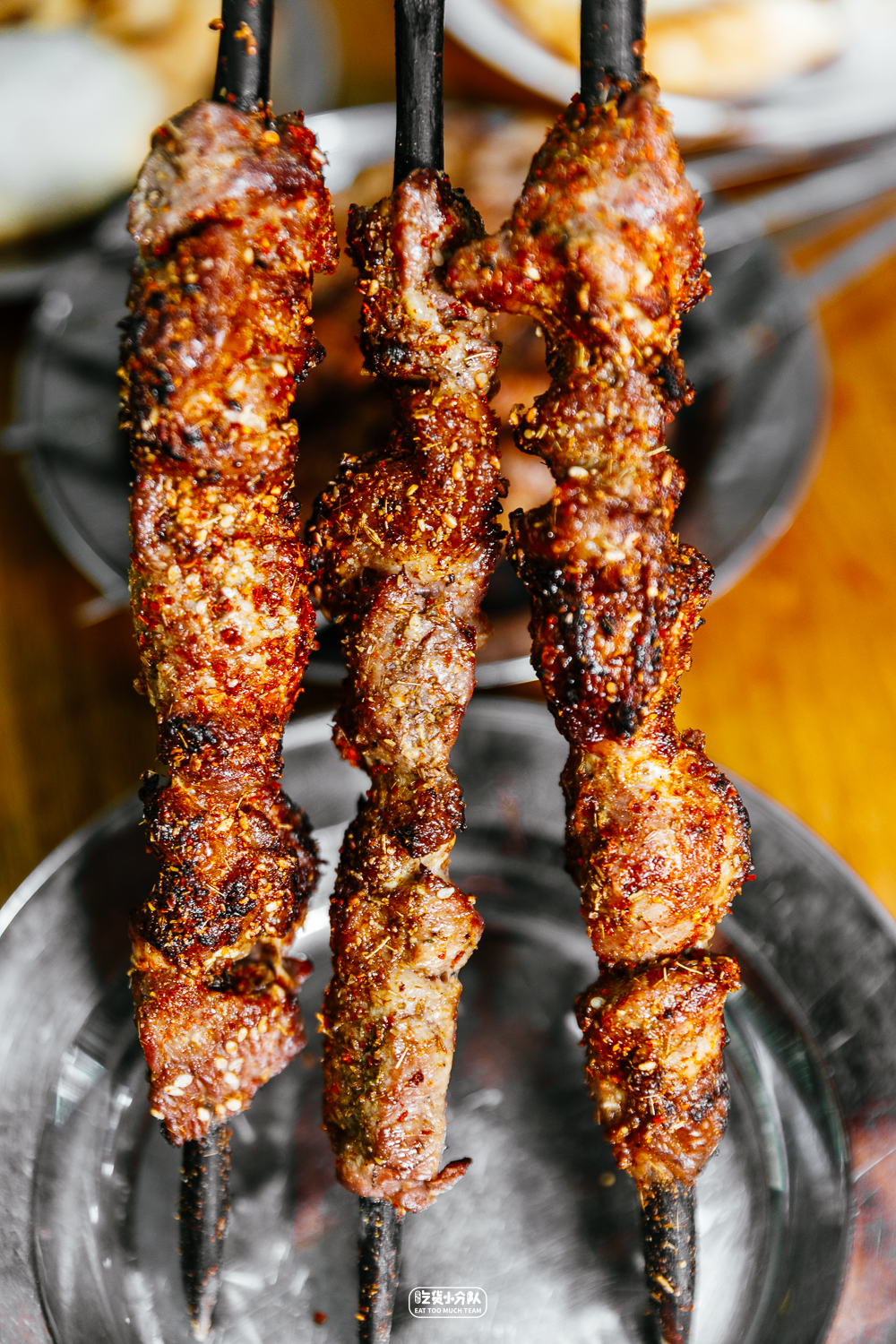
We've rounded up eight of the most authentic Xinjiang halal spots in Shanghai to bring you a Silk Road feast without leaving the city. From steaming plates of shouzhuafan (Lanzhou hand-grabbed lamb with rice) to sizzling charcoal-grilled lamb chops, Kashgar-style baked buns, and rich, authentic yogurt, this guide covers the absolute best of Western China's halal culinary traditions.
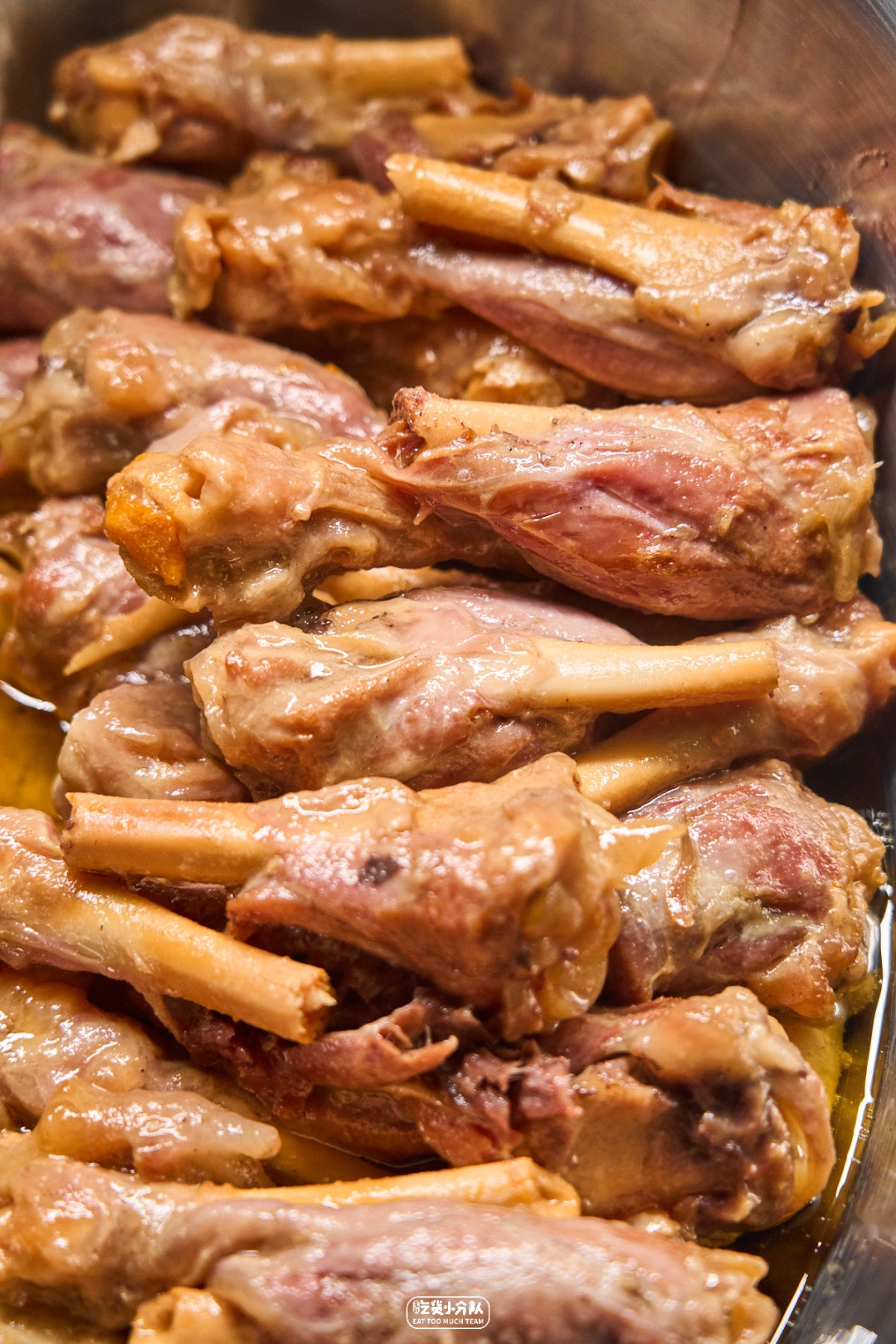
No need to book a flight thousands of miles out to Xinjiang!
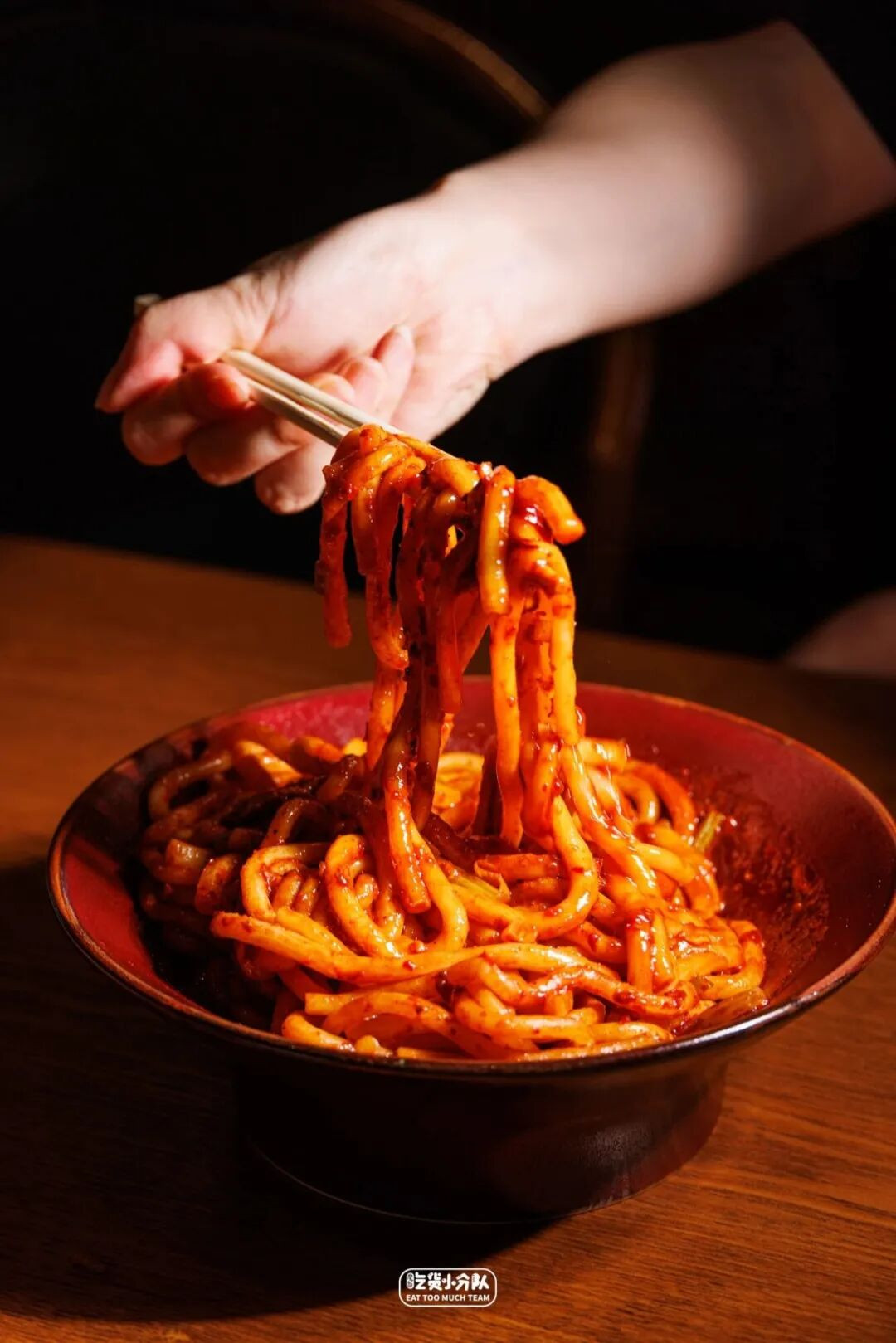
Right here in Shanghai, you can hit up everything from
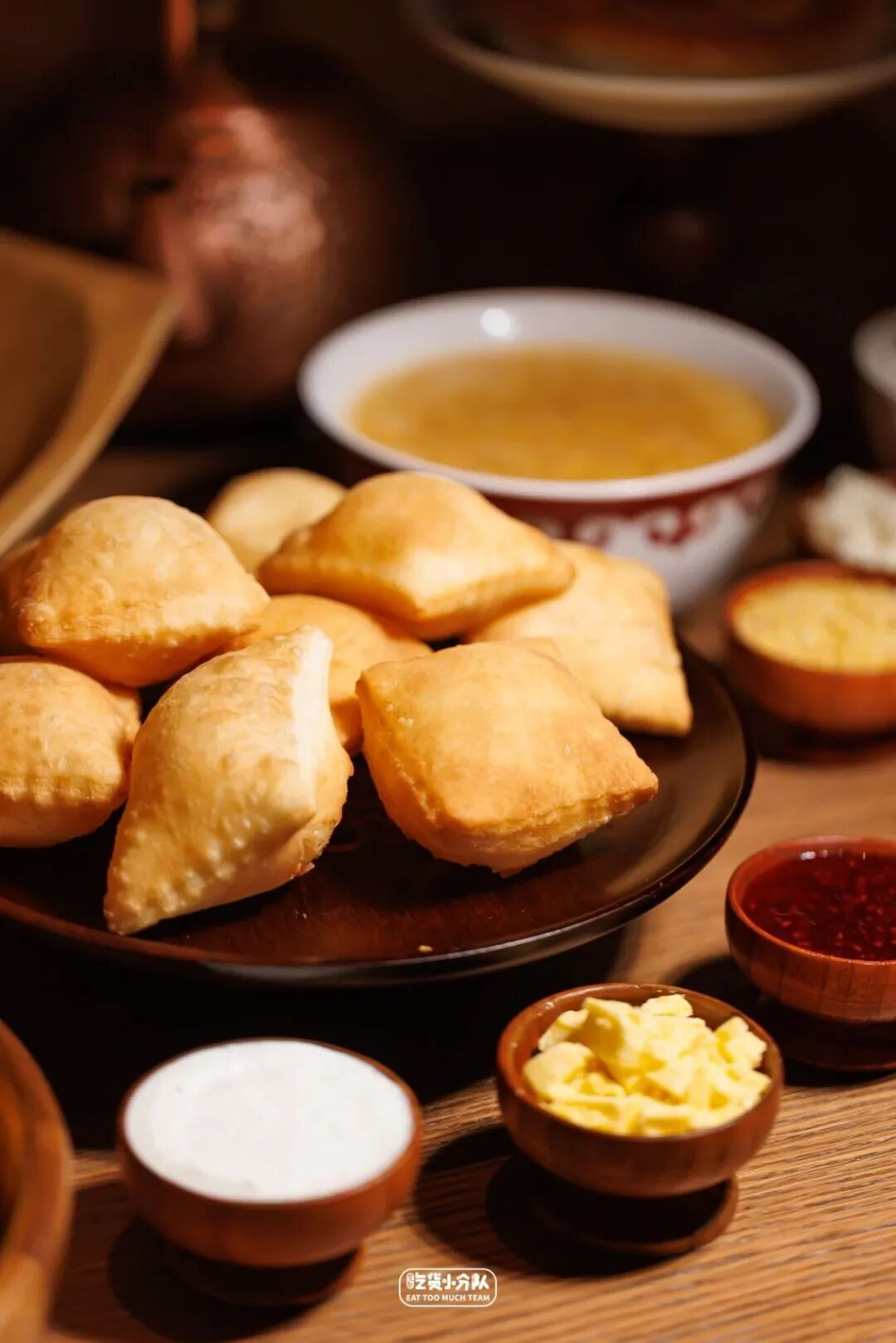
nomadic brunch, authentic pilaf, old-school street skewers, to specialty sweets
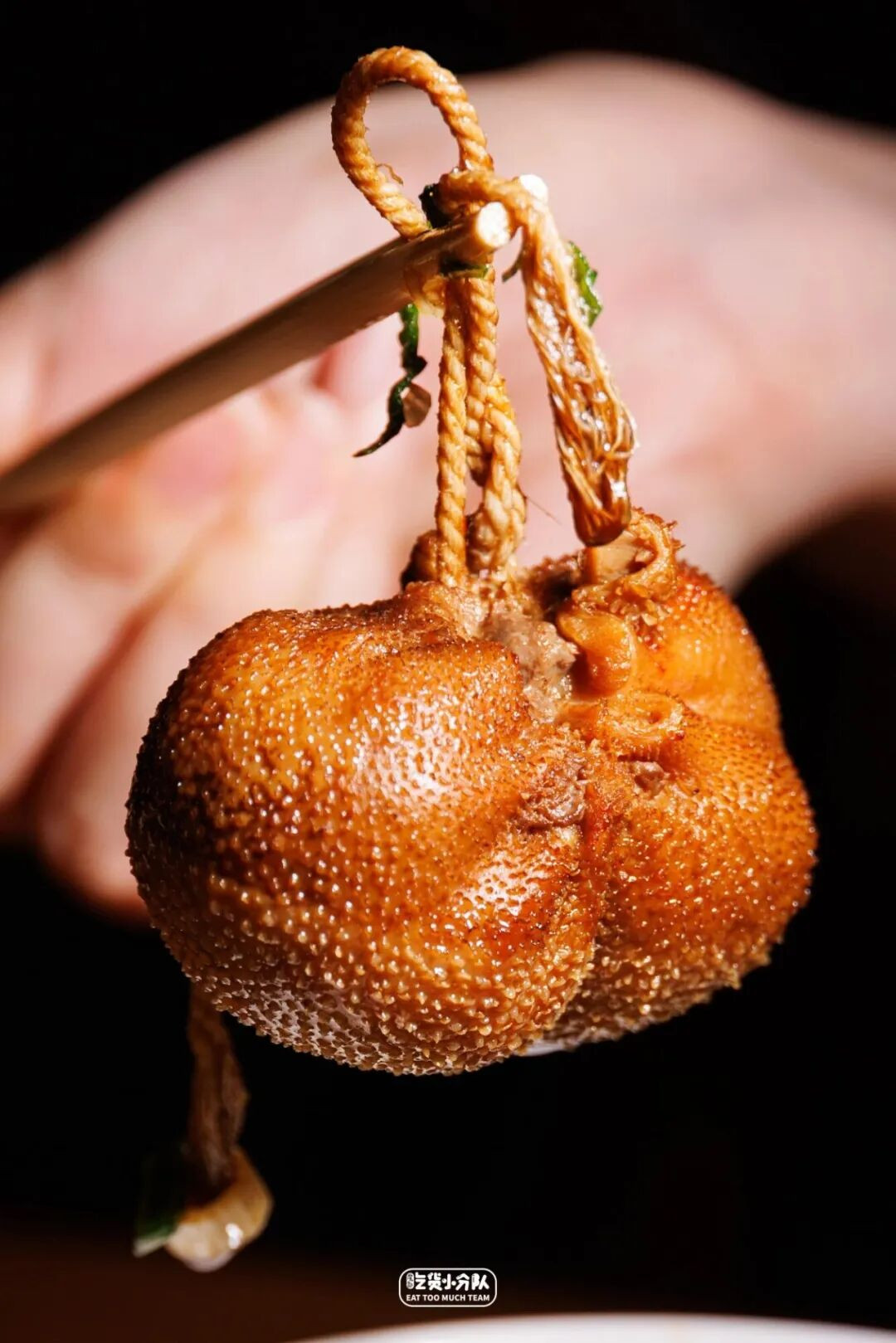
.....
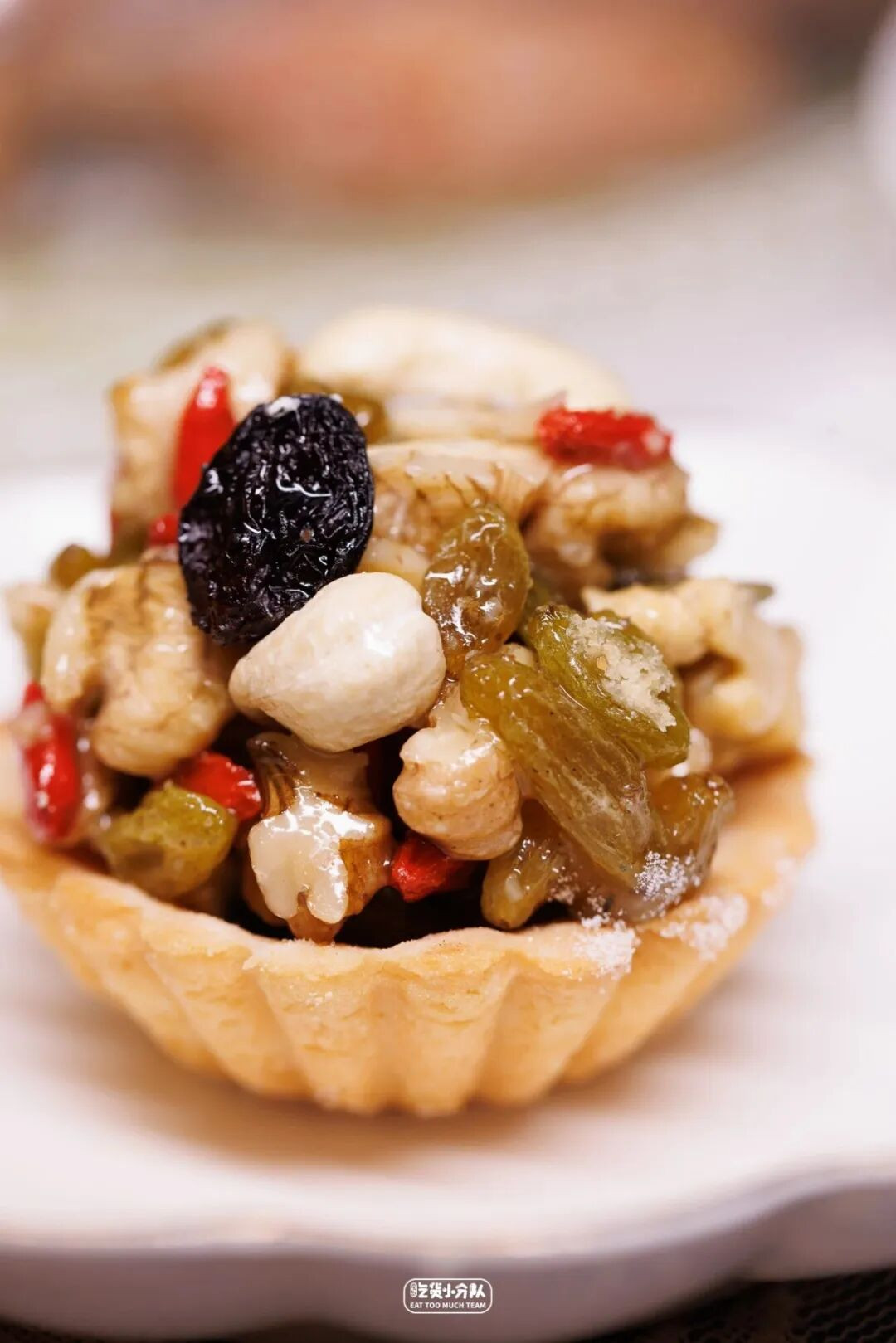
Xinjiang food lovers, bookmark this guide right now.
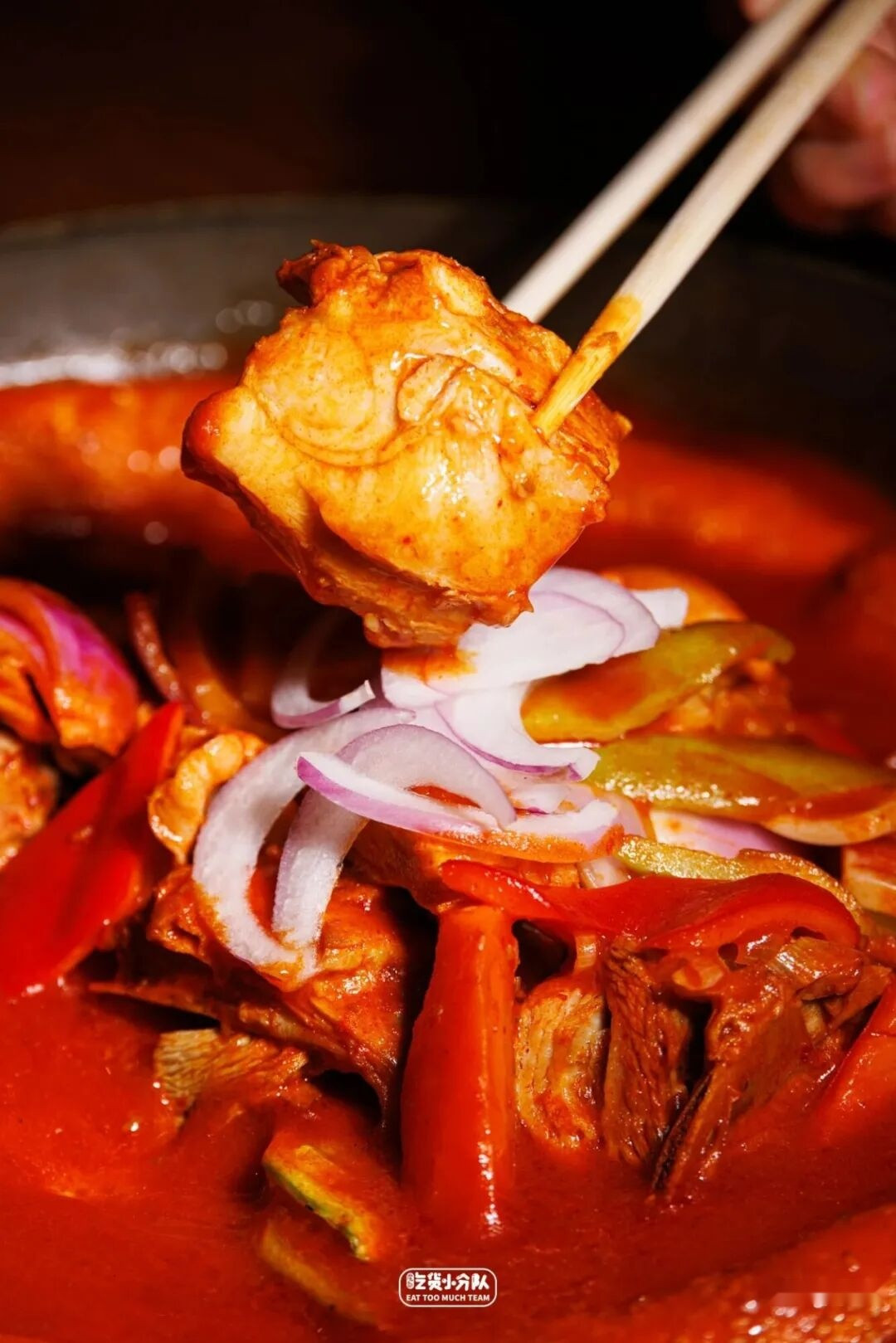
If you’ve been missing the old Macau Road halal market, your prayers have been answered. The ultimate massive indoor market version is finally here! Spanning two floors, the first floor focuses on budget-friendly halal street food and quick bites. The air is always thick with the fragrant cloud of spices thrown by the chefs, buzzing with mouth-watering meat aromas and the happy chatter of hungry diners. It's an absolute vibe.
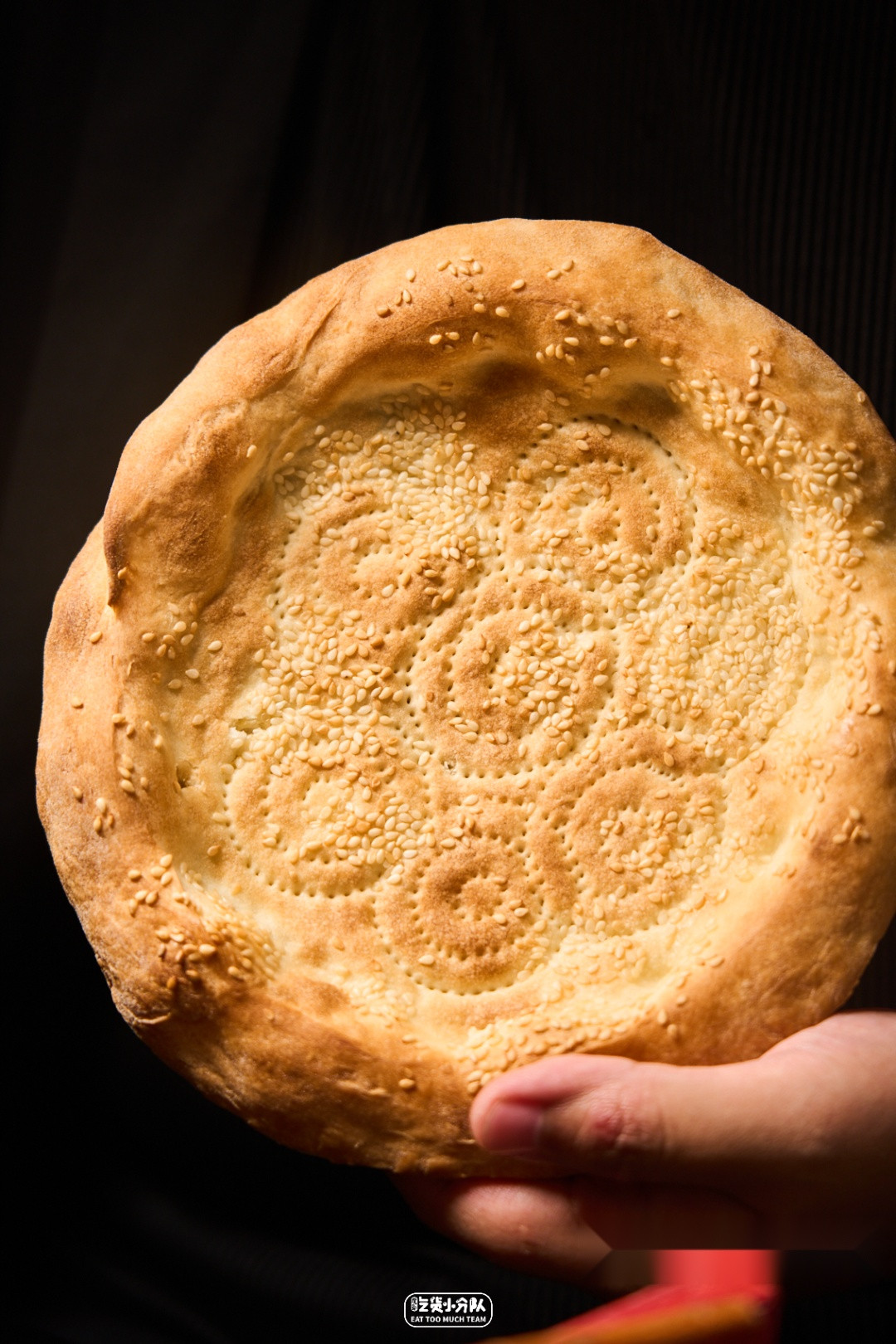
Street Eats: Hui-style braised noodle soup, signature beef noodles, sheep's offal soup, curry beef vermicelli soup, curry beef bone soup, shouzhuafan (Lanzhou hand-grabbed lamb with rice), guotie (crispy beef potstickers), and Lanzhou liangpi (cold skin noodles).
Halal Braised Meats: shouzhua yangrou (Lanzhou hand-grabbed lamb), braised sheep heads, spicy and numbing sheep trotters, belly-wrapped meat, and braised beef trotters.
Northwestern Pastries: Hui-style youxiang (fried unleavened flatbread), savory/sweet flaky pastries, scallion pancakes, twisted sesame dough sticks (mahua), Hezhou buns, and desert chive beef buns.

Specialty Sweets & Drinks: Kazakh milk tea, tianpeizi (fermented sweet oats), hand-made yogurt, and milk jiangzao (sweet fermented rice milk soup)...
Listing all these dishes feels like showing off, but trust us, whatever you're craving is on this menu. Even though text can't do these photos justice, we're already drooling just thinking about it.
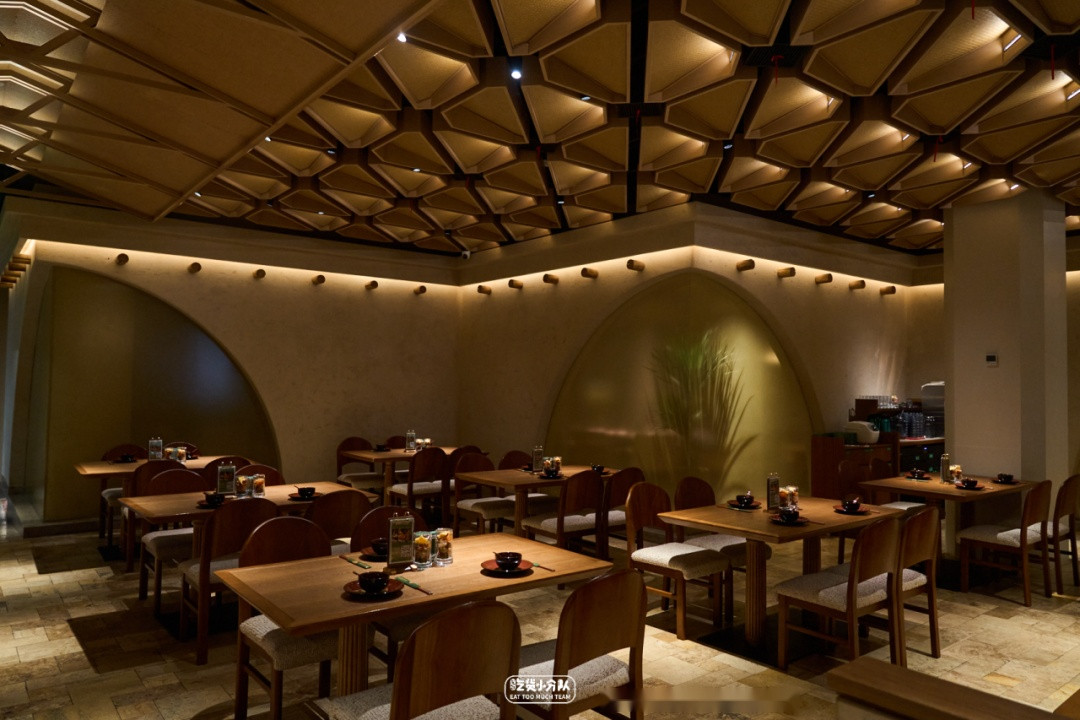
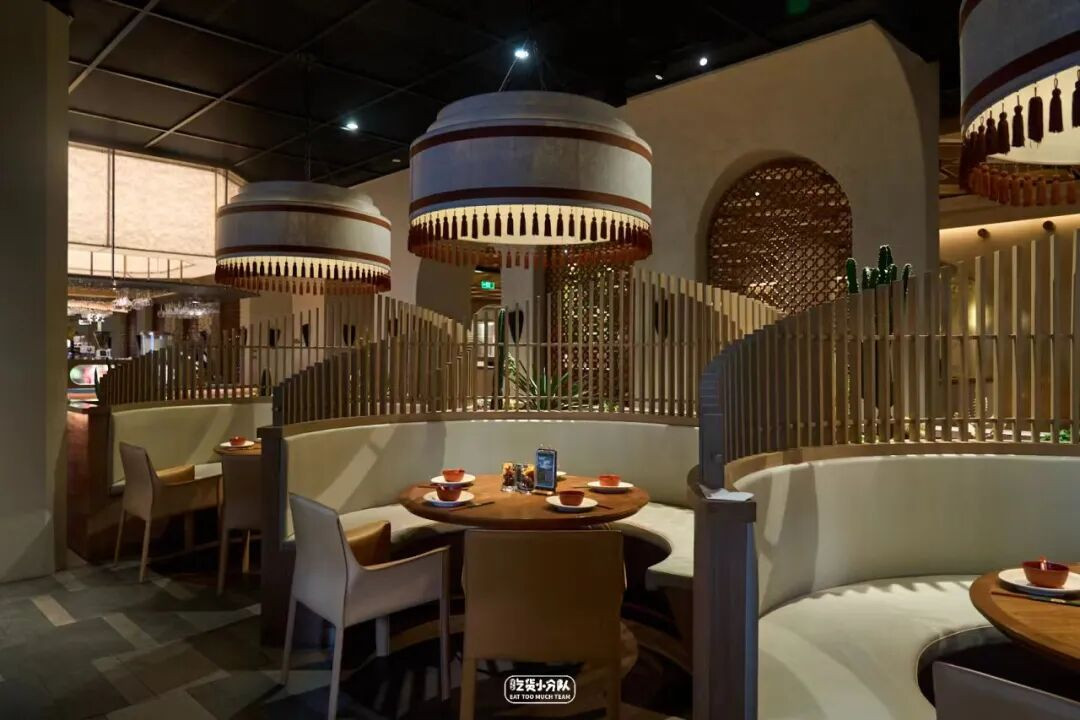
Take the elevator up to the second floor and the vibe completely shifts into an exotic, elegant dining space. The tables in the main dining hall are spaced out nicely, with soft lighting casting a warm glow over intricately patterned tablecloths and vintage wooden furniture. The largest Hexi Hall can comfortably seat up to 500 people.
Meet the Hermès of dried apricots—diaoxinggan (hanging dried apricots). As royalty among naturally tree-dried fruits, they boast a deeper color and thinner skin than regular dried apricots, with a flavor that hits you with sweet notes and just a hint of tartness. Fresh apples, pears, and muskmelons here completely put imported fruits to shame; the baskets holding them look like they're about to snap under the weight. Whenever Xinjiang locals flex by saying, "Even the melons we feed our sheep are sweeter than what you buy at the supermarket," you can't help but feel a little jealous.
Experience Hui Wei Northwest Cuisine
-Address-
Multiple locations across the city
-Hours-
10:30 AM - Midnight
-Average Spend-
85 RMB
Step through the doors of IBAURSAK, and you're instantly transported to a breezy, wide-open yurt on the grasslands, complete with wood-tone tables, embroidered tapestries, and creamy white walls.
In Urumqi and Yining, this spot is a local breakfast staple where hour-long lines during peak hours are totally normal. Because of the two-hour time difference with Xinjiang, their lunch rush (12:00 PM - 3:00 PM) hits right at our prime brunch hour. Who says you can't take a weekday trip to Xinjiang? This nomadic-style prairie brunch is pure soul food.
The ultimate ritual when you arrive is ordering a plate of hot, golden baursak. In Kazakh culture, it holds the same holy grail status as our fried dough sticks—it's both a breakfast carb and a welcoming treat for guests. These fluffy dough pillows are deep-fried until their outer crust puffs up while the inside stays pillow-soft.
When it hits the table, you'll finally understand why it's called "Hurdak in a Yurt"—it's essentially a miniature yurt crafted out of a pastry crust. Once you're done snapping photos, the server will gladly help you tear the yurt into bite-sized pieces so they can soak up all those savory, delicious meat juices. The quality of nomadic beef and mutton here is out of this world; the slow-sautéed beef is so tender, and the potatoes are so melt-in-your-mouth soft.
You can actually get smoked horsemeat right here in Shanghai! Sourced from Changji Prefecture in Xinjiang, the horsemeat has a rich, smoky flavor profile similar to beef. It's super lean, incredibly firm, and completely devoid of any gamey taste. The horse sausage is a bestseller for a reason: the casing is super thin, packed with loose, pinkish-red meat that falls apart with every chew. The horse stomach has just a tiny hint of gamey funk, which is wherepiyazi (onions) swoop in like a lifesaver. Not only do they serve a trio of horsemeat platters, but you can also sip on authentic mare's milk and camel's milk.
Aside from the raw ingredients being flown straight in from Xinjiang, the staff are too—complete with a melodic lilt and rolled rs in their speech. All the signature drinks are hand-crafted right by the owner, and you can sit right at the counter to watch the magic happen.
IBAURSAK Bistro
-Address-
Shop 06, 3rd Floor, PAC Shopping Center, 688 Changde Road
-Hours-
11:30 AM - 3:30 PM
5:30 PM - 10:30 PM
-Average Spend-
138 RMB
Tucked away in a quiet residential neighborhood near Dabashu in Hongkou District sits an unassuming little dessert shop. The storefront is tiny, but the display cases inside are absolutely crammed with over a dozen kinds of sweets! There's no flashy overhead neon sign—just two simple words on either side of the doorway: "Makarena Xinjiang Desserts."
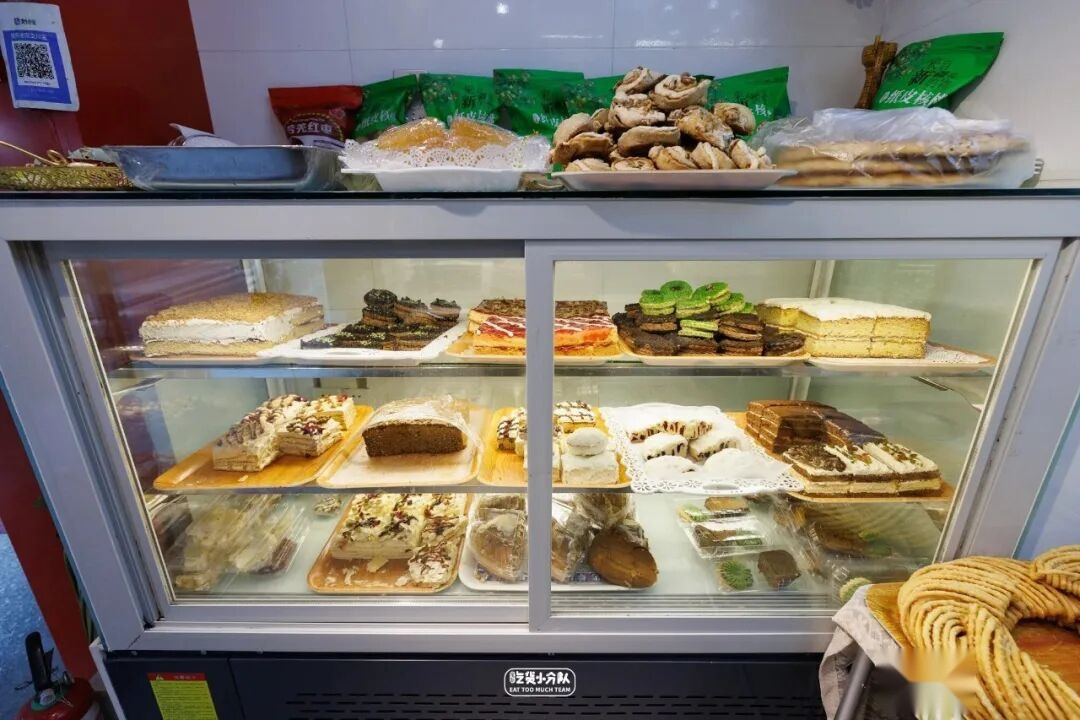
The shop is packed with an eye-popping variety of treats that feel downright luxurious: breads, jam cakes, pastries, cookies, and candies. Walking in feels like stepping straight into a sweet-toothed Baroque palace.
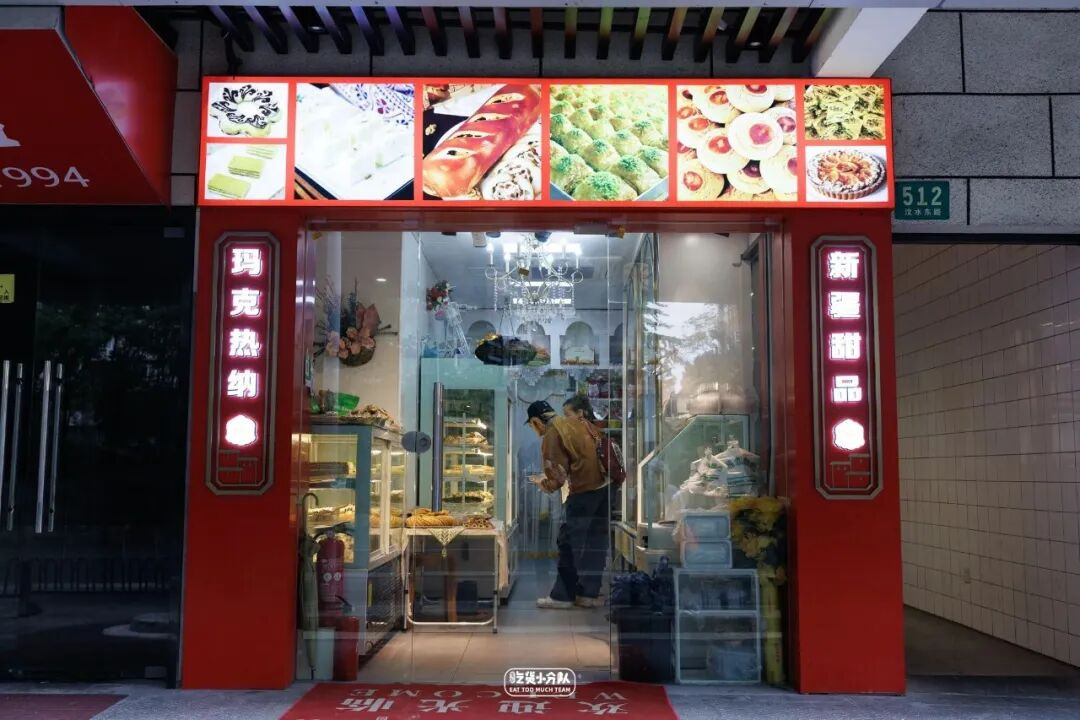
From Napalyong (the legendary Xinjiang milk-layered mille-feuille you usually only find in sit-down restaurants) and Bahali (a spiced fruitcake that looks like date bread) to traditional Middle Eastern baklava, heart-shaped strawberry pastries, and nut-stuffed cheese buns, you can get it all right here—and at insanely affordable prices! A slice loaded with dried fruits, nuts, jam, and fresh cream costs just single-digit RMB. It’s totally outside standard Shanghai pricing!
Here, Middle Eastern faces are even more common than the halal meat lovers. You'll see customers sitting together, nodding as they eat, as if saying, "Now this flavor is out of this world!" Imagine sitting right among them, listening to them chat away in their hometown dialects—how is this any different from traveling abroad?
Makarena Xinjiang Desserts
-Address-
512 Wenshui East Road
-Hours-
8:30 AM - 11:00 PM
-Average Spend-
44 RMB
Late at night on the streets of Hongkou, you used to be able to spot a legendary sight: a massive crowd swarming a single motorbike, the faint crackle of charcoal popping in the air, and the irresistible aroma of roasting lamb skewers wafting down the block.
Right in the middle of the crowd stood a quiet Xinjiang uncle, furiously fanning his skewers while nervously glancing around. Though he's no pop star, he boasts dozens of fan chat groups online. They call him the legendary "Hongkou Roasting Uncle."
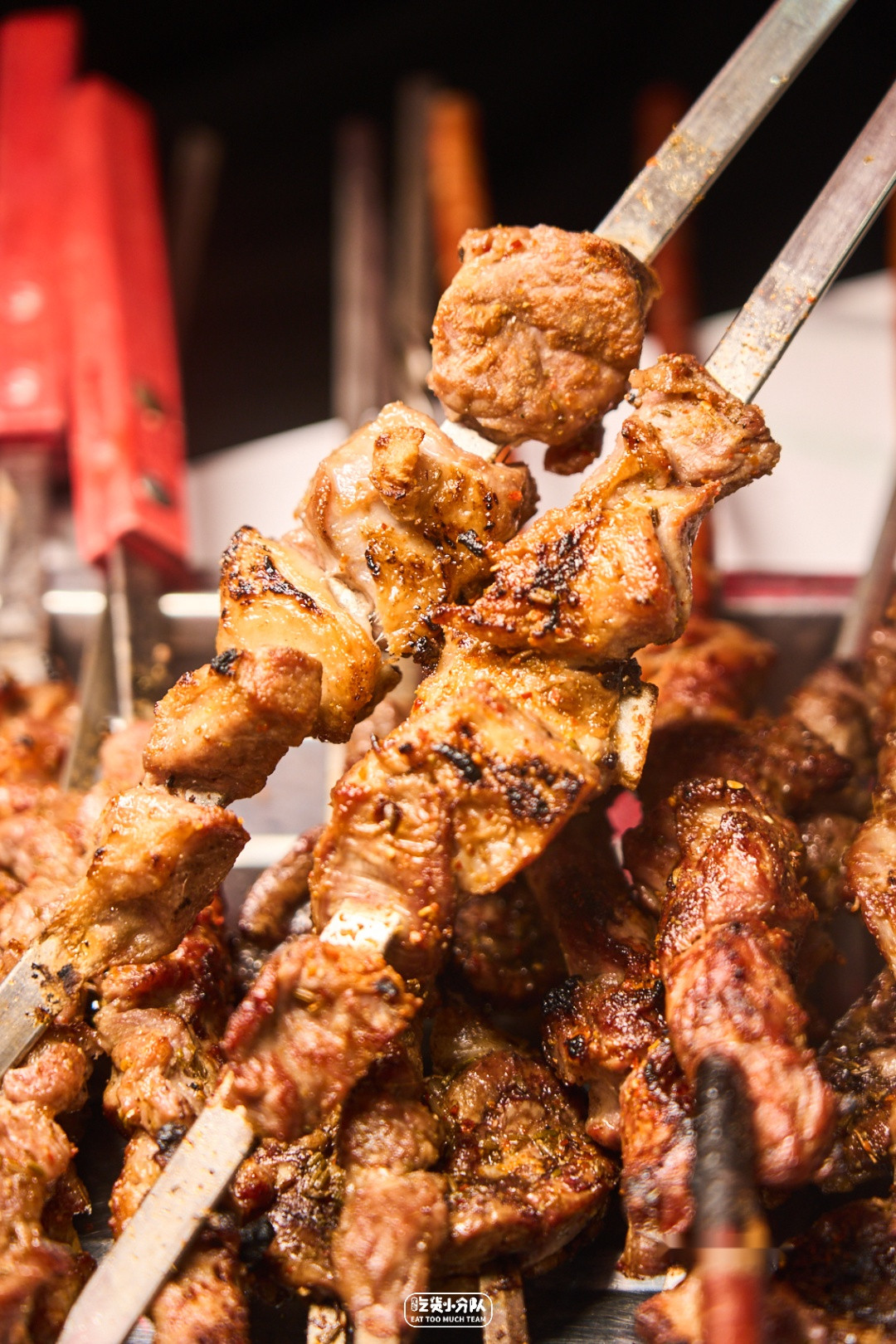
Well, that street-side chase is finally over because the uncle has officially set up shop on Sichuan North Road! The little joint drew flocks of foodies and die-hard fans the moment it opened. As one regular put it: "Back in the day we used to chase the uncle all over the streets, now we just wait in line at his doorstep!"
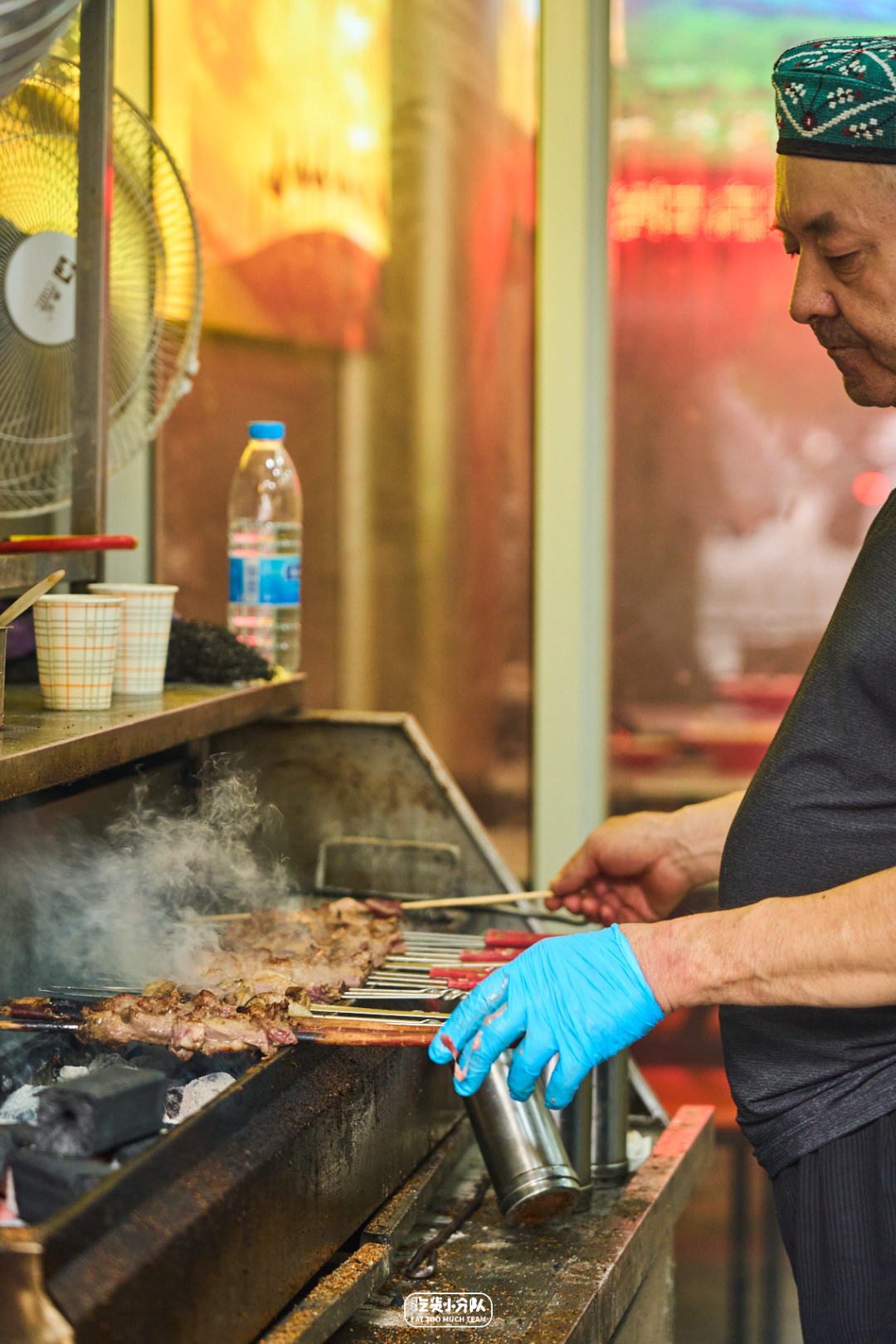
In the uncle's hands, the lamb skewers look like a conductor's baton dancing to music. The charcoal heat renders the lamb fat until it sizzles, locking all those rich juices inside the tender meat. Take a bite, and you get a crispy, slightly charred outer crust giving way to a juicy, tender center, flooding your palate with rich lamb flavor, cumin, and spicy chili flakes.
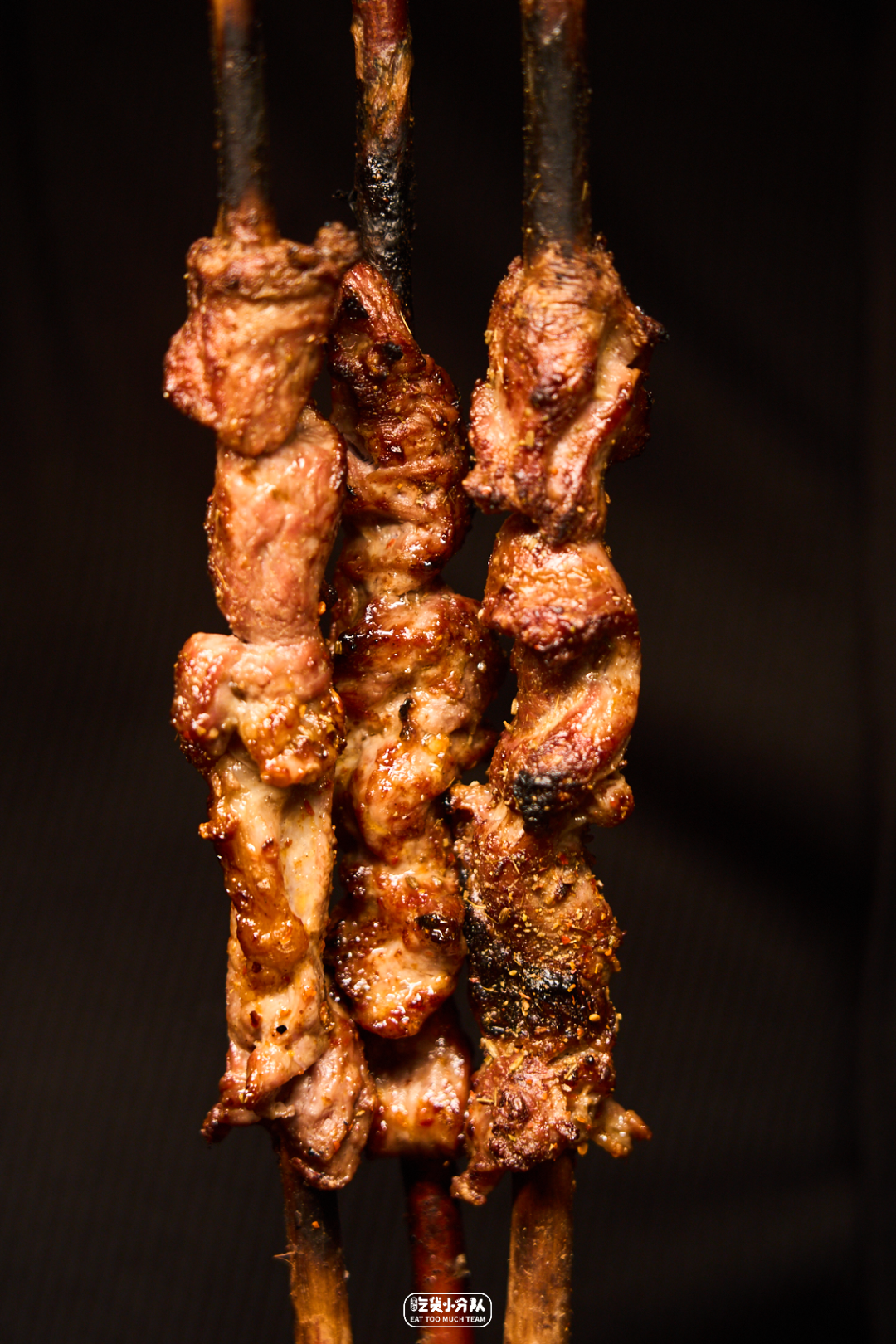
They’ve also launched massive 10-RMB skewers, and there's a real art to the fat-to-lean ratio: the smaller skewers have more fat for maximum flavor, while the big skewers lean heavier on the meat for an ultra-satisfying bite.
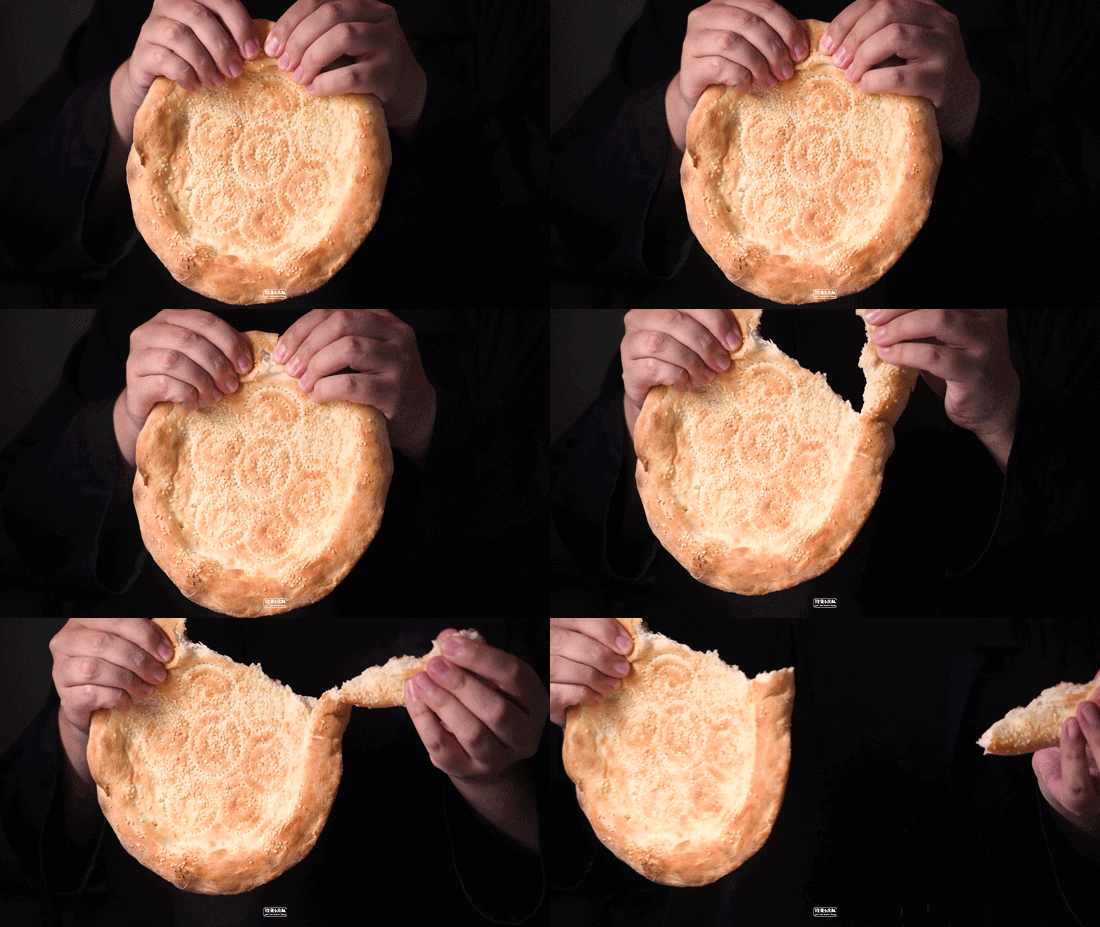
They specifically brought in a master noodle maker all the way from Xinjiang. Their signature milky baked nang (Xinjiang flatbread) mixes milk, eggs, sesame, soybean oil, and sugar straight into the dough, coming out of the oven smelling like toasted wheat and charcoal smoke. The edges are crisp and golden while the center is thick, chewy, and bursting with milky aroma with every single chew.
Xinjiang Uncle Lamb Skewers
-Address-
1898 Sichuan North Road
-Hours-
11:00 AM - 4:00 AM
-Average Spend-
50 RMB
If you had to pick one dish to represent all of Xinjiang cuisine, the answer is hands down shouzhua fan (Lanzhou hand-grabbed lamb with rice). Hidden away in Wujiaochang, Heifeng Shouzhua Fan is basically a local legend in Yangpu District—locals call eating here "the highest honor of visiting Yangpu." Xinjiang friends have been known to "eat here two months straight" and say that "once you go, you can't ever stop." Backed solely by their killer pilaf, they've dominated the Yangpu Xinjiang food charts as an obsession for foodies everywhere. They've even opened a second location now.
Pilaf is literally the only item on the menu. When Xinjiang locals hear that, they find it mind-blowing, saying, "A restaurant like this should only exist in Xinjiang." Chatting with the manager reveals just how much deep craft goes into making this rice. They cook it in massive one-meter-wide pots—one batch in the morning, one batch in the afternoon.
Pulling off a batch takes four to five hours of non-stop pan-frying, sautéing, boiling, braising, and steaming starting well before 6:00 AM every single day. They burn through 50 pounds of rice, 200 to 300 lamb chops, and over 100 lamb legs every single day. No shortcuts here—just hardcore, authentic execution.
Heifeng Shouzhua Fan
-Address-
Shop 30-15, Guoji Road (Wujiaochang Branch)
Room 102A, Building 17, Linkong SOHO, 968 Jinzhong Road (Linkong SOHO Branch)
-Hours-
10:30 AM - 9:30 PM (Wujiaochang Branch)
11:00 AM - 2:00 PM, 4:30 PM - 8:00 PM (Linkong SOHO Branch)
-Average Spend-
48 RMB
If a government office doesn't have its own cafeteria, you can bet there's an unofficial "extracurricular cafeteria" right next door—like Aini Bayi, located right beside the Xinjiang Government Office. It's not only been featured in the documentary *I Came From Xinjiang*, but even famous Xinjiang rappers have dropped by.
Then there's their legendary ghost meat mixed noodles. The secret to this dish is lamb that gets wok-fried twice with tomatoes, green peppers, wood ear mushrooms, and onions, resulting in a tangy, spicy sauce that clings to exceptionally tender meat.
Next is red-braised jiasha meat. As one of the classic dishes from Xinjiang's traditional "Nine Bowls and Three Rows" banquet spread, thin egg crepe wraps around seasoned minced meat, sliced into neat diamond shapes, and braised until the savory red sauce permeates every layer with an amazing, chewy bite.
Xinjiang tangfan (soup noodles), a daily staple in Xinjiang, goes by the adorable nickname "acid soup pinch-noodles." Tiny hand-pulled noodle bits swim in a vibrant, tangy tomato broth that instantly wakes up your appetite and leaves you begging for seconds.
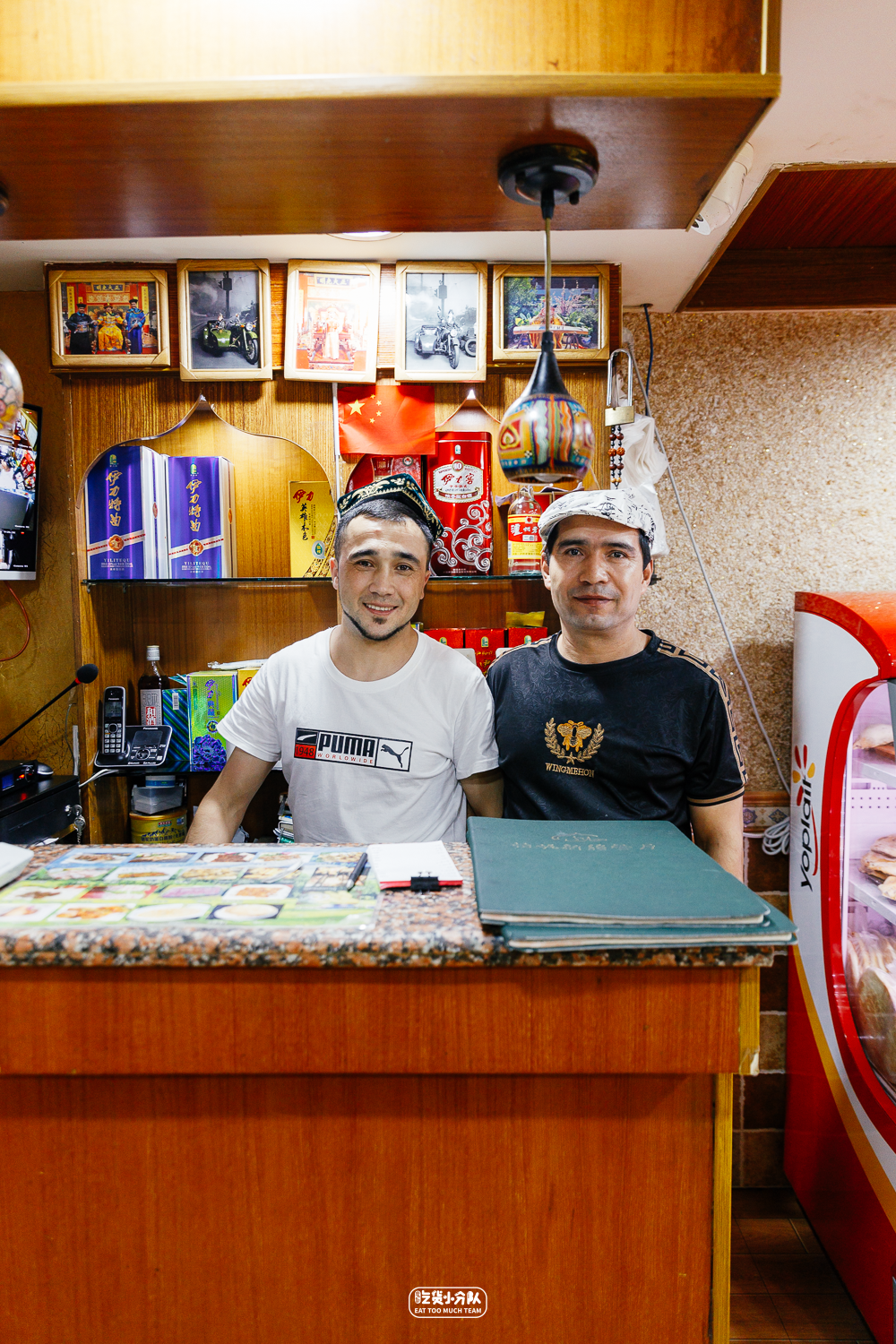
The owner is a master chef hailing from Kashgar, Xinjiang. Having kept the restaurant running strong for over 30 years—starting back when there were barely any Xinjiang spots in Shanghai—his culinary skills are the real anchor keeping this place packed.
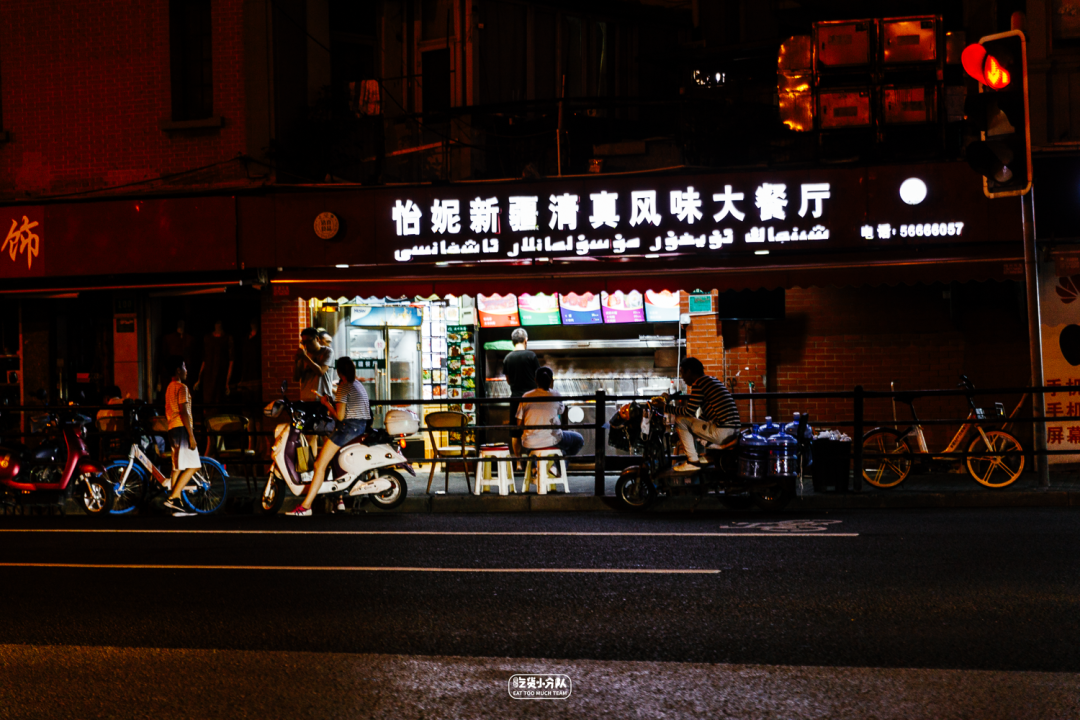
Aini Bayi Restaurant
-Address-
739 Quyang Road
-Hours-
10:00 AM - 2:00 AM
-Average Spend-
94 RMB
"You only ever eat here zero times or a million times!" This authentic Xinjiang spot sits right on the corner, and neighborhood locals roll in every few days to satisfy their cravings. Regulars have watched lamb skewers go from 2 RMB to 7 RMB over the years. "I've gotta come eat a few skewers every single week, otherwise something just feels off," says Uncle Zhao, a loyal fan who loves kicking back for street-side skewers.
"All our lamb is flown in fresh from Xinjiang—and so are we!" At this joint, not only do you get pure Xinjiang flavor, but you can also trade banter with genuine Xinjiang guys, hearing them chat and crack jokes in broken Mandarin with regulars.
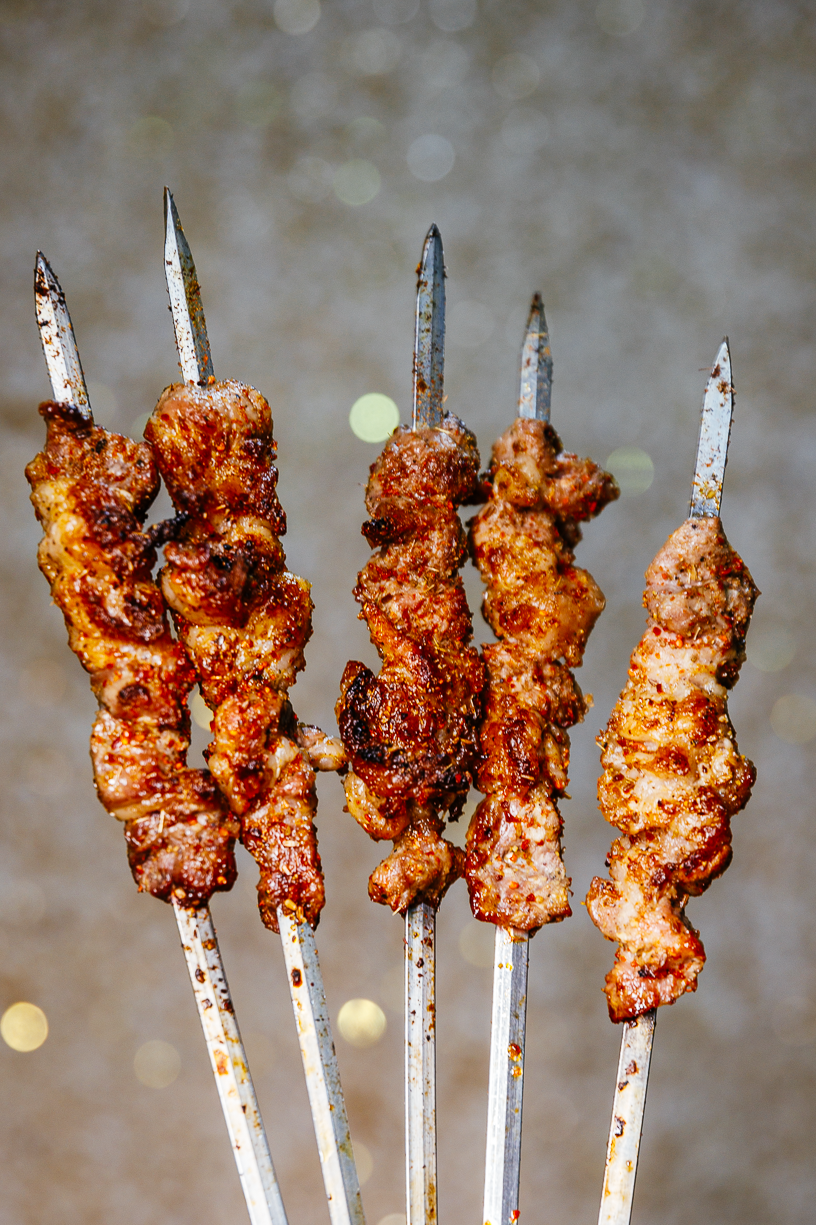
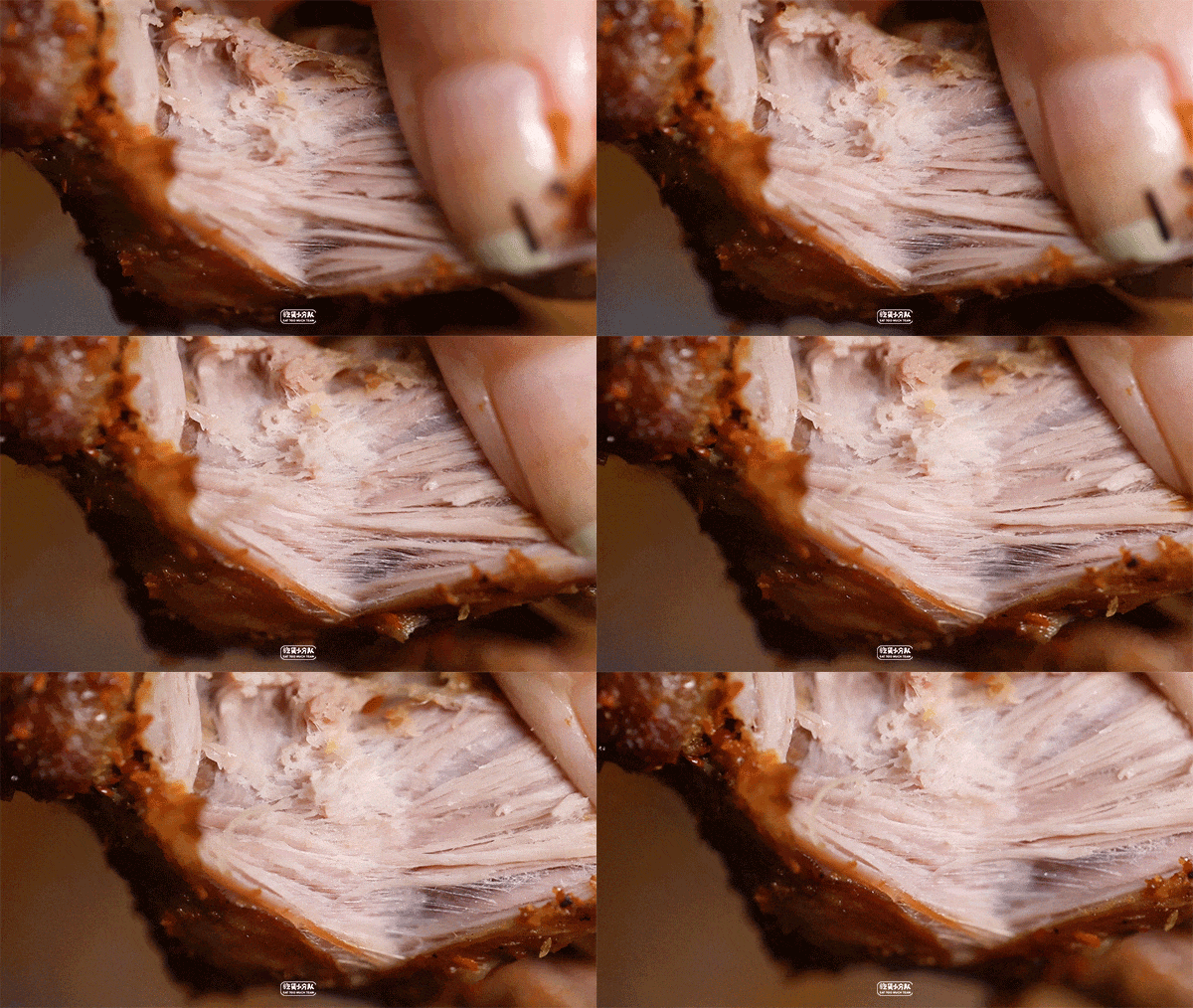
The one thing every customer remembers about their red willow lamb skewers is simple: they are massive! Big chunks of lamb and fat are skewered onto half-meter-long red willow branches. Over charcoal, the red willow wood releases natural fruitwood aromas into the meat while driving away any gaminess. Take a bite while it's hot: the fat is rich and crispy, the lean meat is springy, and it’s deeply savory without ever feeling greasy.
Yini Xinjiang Flavored Restaurant
-Address-
98 Dongjiangwan Road, Sichuan North Road Street
-Hours-
11:00 AM - 2:00 AM
-Average Spend-
71 RMB
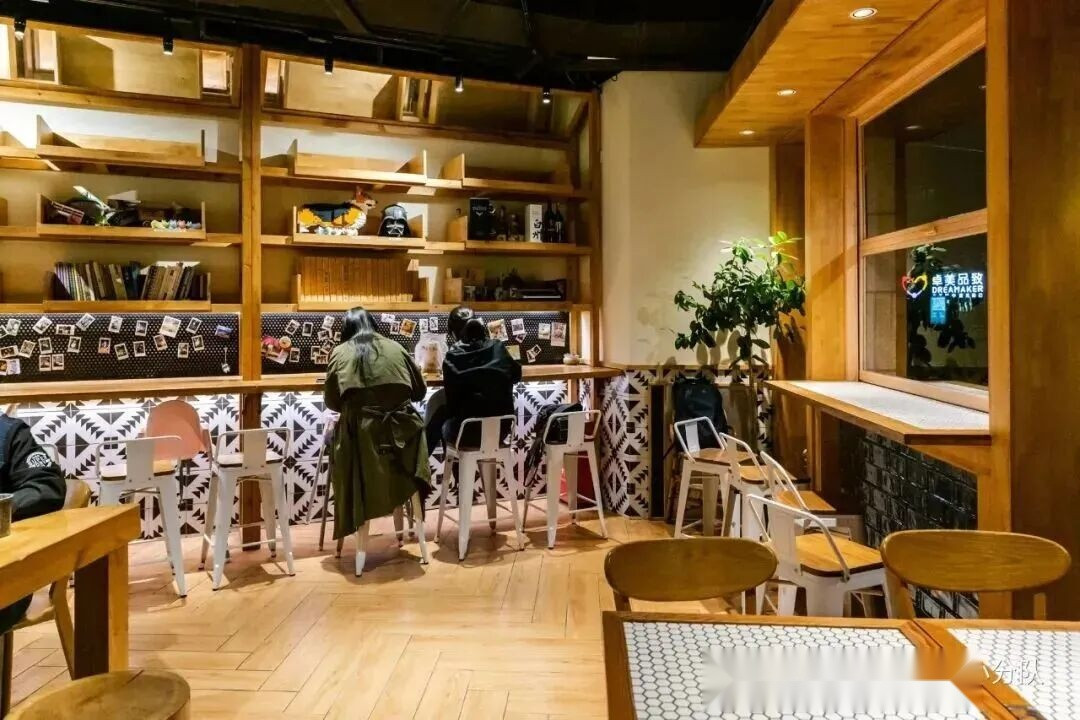
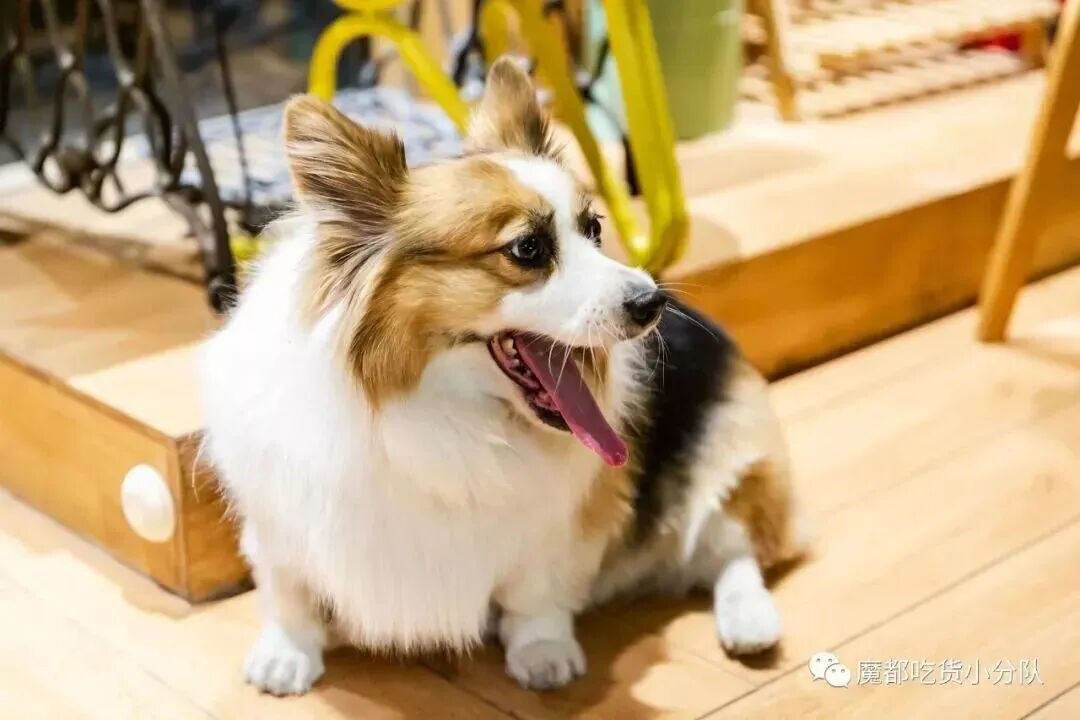
Home to Shanghai's very first Xinjiang stir-fried rice noodle joint, named after the owner's dog Xitian. Moving from Daxu Road to InnoSpace, old regulars followed every step of the way while new fans keep piling in. The vibe is artsy and refined, featuring tables made from upcycled vintage sewing machines that you can actually pedal while you eat—super fun touch.
They offer six levels of spice and two types of rice noodles. Alongside celery, you can add pickled mustard greens and mushrooms to turn up the umami.
Xiaoxitian (InnoSpace Branch)
-Address-
Room 04, Sunken Plaza, 290 Songhu Road
-Hours-
10:30 AM - 2:30 PM, 4:30 PM - 8:30 PM
-Average Spend-
50 RMB
Let's chat!
Got any hidden-gem Xinjiang spots of your own?
Drop them in the comments below~
#ShanghaiFood #ShanghaiEats #XinjiangCuisine #ShanghaiXinjiangFood
The Ultimate Shanghai Xinjiang Halal Food Tour: A Feast of Shouzhuafan, Grilled Lamb Chops, and Artisanal Yogurt
Summary:
We've rounded up eight of the most authentic Xinjiang halal spots in Shanghai to bring you a Silk Road feast without leaving the city. From steaming plates of shouzhuafan (Lanzhou hand-grabbed lamb with rice) to sizzling charcoal-grilled lamb chops, Kashgar-style baked buns, and rich, authentic yogurt, this guide covers the absolute best of Western China's halal culinary traditions.
No need to book a flight thousands of miles out to Xinjiang!
Right here in Shanghai, you can hit up everything from
nomadic brunch, authentic pilaf, old-school street skewers, to specialty sweets
.....
Xinjiang food lovers, bookmark this guide right now.
If you’ve been missing the old Macau Road halal market, your prayers have been answered. The ultimate massive indoor market version is finally here! Spanning two floors, the first floor focuses on budget-friendly halal street food and quick bites. The air is always thick with the fragrant cloud of spices thrown by the chefs, buzzing with mouth-watering meat aromas and the happy chatter of hungry diners. It's an absolute vibe.
Street Eats: Hui-style braised noodle soup, signature beef noodles, sheep's offal soup, curry beef vermicelli soup, curry beef bone soup, shouzhuafan (Lanzhou hand-grabbed lamb with rice), guotie (crispy beef potstickers), and Lanzhou liangpi (cold skin noodles).
Halal Braised Meats: shouzhua yangrou (Lanzhou hand-grabbed lamb), braised sheep heads, spicy and numbing sheep trotters, belly-wrapped meat, and braised beef trotters.
Northwestern Pastries: Hui-style youxiang (fried unleavened flatbread), savory/sweet flaky pastries, scallion pancakes, twisted sesame dough sticks (mahua), Hezhou buns, and desert chive beef buns.
Specialty Sweets & Drinks: Kazakh milk tea, tianpeizi (fermented sweet oats), hand-made yogurt, and milk jiangzao (sweet fermented rice milk soup)...
Listing all these dishes feels like showing off, but trust us, whatever you're craving is on this menu. Even though text can't do these photos justice, we're already drooling just thinking about it.
Take the elevator up to the second floor and the vibe completely shifts into an exotic, elegant dining space. The tables in the main dining hall are spaced out nicely, with soft lighting casting a warm glow over intricately patterned tablecloths and vintage wooden furniture. The largest Hexi Hall can comfortably seat up to 500 people.
Meet the Hermès of dried apricots—diaoxinggan (hanging dried apricots). As royalty among naturally tree-dried fruits, they boast a deeper color and thinner skin than regular dried apricots, with a flavor that hits you with sweet notes and just a hint of tartness. Fresh apples, pears, and muskmelons here completely put imported fruits to shame; the baskets holding them look like they're about to snap under the weight. Whenever Xinjiang locals flex by saying, "Even the melons we feed our sheep are sweeter than what you buy at the supermarket," you can't help but feel a little jealous.
Experience Hui Wei Northwest Cuisine
-Address-
Multiple locations across the city
-Hours-
10:30 AM - Midnight
-Average Spend-
85 RMB
Step through the doors of IBAURSAK, and you're instantly transported to a breezy, wide-open yurt on the grasslands, complete with wood-tone tables, embroidered tapestries, and creamy white walls.
In Urumqi and Yining, this spot is a local breakfast staple where hour-long lines during peak hours are totally normal. Because of the two-hour time difference with Xinjiang, their lunch rush (12:00 PM - 3:00 PM) hits right at our prime brunch hour. Who says you can't take a weekday trip to Xinjiang? This nomadic-style prairie brunch is pure soul food.
The ultimate ritual when you arrive is ordering a plate of hot, golden baursak. In Kazakh culture, it holds the same holy grail status as our fried dough sticks—it's both a breakfast carb and a welcoming treat for guests. These fluffy dough pillows are deep-fried until their outer crust puffs up while the inside stays pillow-soft.
When it hits the table, you'll finally understand why it's called "Hurdak in a Yurt"—it's essentially a miniature yurt crafted out of a pastry crust. Once you're done snapping photos, the server will gladly help you tear the yurt into bite-sized pieces so they can soak up all those savory, delicious meat juices. The quality of nomadic beef and mutton here is out of this world; the slow-sautéed beef is so tender, and the potatoes are so melt-in-your-mouth soft.
You can actually get smoked horsemeat right here in Shanghai! Sourced from Changji Prefecture in Xinjiang, the horsemeat has a rich, smoky flavor profile similar to beef. It's super lean, incredibly firm, and completely devoid of any gamey taste. The horse sausage is a bestseller for a reason: the casing is super thin, packed with loose, pinkish-red meat that falls apart with every chew. The horse stomach has just a tiny hint of gamey funk, which is wherepiyazi (onions) swoop in like a lifesaver. Not only do they serve a trio of horsemeat platters, but you can also sip on authentic mare's milk and camel's milk.
Aside from the raw ingredients being flown straight in from Xinjiang, the staff are too—complete with a melodic lilt and rolled rs in their speech. All the signature drinks are hand-crafted right by the owner, and you can sit right at the counter to watch the magic happen.
IBAURSAK Bistro
-Address-
Shop 06, 3rd Floor, PAC Shopping Center, 688 Changde Road
-Hours-
11:30 AM - 3:30 PM
5:30 PM - 10:30 PM
-Average Spend-
138 RMB
Tucked away in a quiet residential neighborhood near Dabashu in Hongkou District sits an unassuming little dessert shop. The storefront is tiny, but the display cases inside are absolutely crammed with over a dozen kinds of sweets! There's no flashy overhead neon sign—just two simple words on either side of the doorway: "Makarena Xinjiang Desserts."
The shop is packed with an eye-popping variety of treats that feel downright luxurious: breads, jam cakes, pastries, cookies, and candies. Walking in feels like stepping straight into a sweet-toothed Baroque palace.
From Napalyong (the legendary Xinjiang milk-layered mille-feuille you usually only find in sit-down restaurants) and Bahali (a spiced fruitcake that looks like date bread) to traditional Middle Eastern baklava, heart-shaped strawberry pastries, and nut-stuffed cheese buns, you can get it all right here—and at insanely affordable prices! A slice loaded with dried fruits, nuts, jam, and fresh cream costs just single-digit RMB. It’s totally outside standard Shanghai pricing!
Here, Middle Eastern faces are even more common than the halal meat lovers. You'll see customers sitting together, nodding as they eat, as if saying, "Now this flavor is out of this world!" Imagine sitting right among them, listening to them chat away in their hometown dialects—how is this any different from traveling abroad?
Makarena Xinjiang Desserts
-Address-
512 Wenshui East Road
-Hours-
8:30 AM - 11:00 PM
-Average Spend-
44 RMB
Late at night on the streets of Hongkou, you used to be able to spot a legendary sight: a massive crowd swarming a single motorbike, the faint crackle of charcoal popping in the air, and the irresistible aroma of roasting lamb skewers wafting down the block.
Right in the middle of the crowd stood a quiet Xinjiang uncle, furiously fanning his skewers while nervously glancing around. Though he's no pop star, he boasts dozens of fan chat groups online. They call him the legendary "Hongkou Roasting Uncle."
Well, that street-side chase is finally over because the uncle has officially set up shop on Sichuan North Road! The little joint drew flocks of foodies and die-hard fans the moment it opened. As one regular put it: "Back in the day we used to chase the uncle all over the streets, now we just wait in line at his doorstep!"
In the uncle's hands, the lamb skewers look like a conductor's baton dancing to music. The charcoal heat renders the lamb fat until it sizzles, locking all those rich juices inside the tender meat. Take a bite, and you get a crispy, slightly charred outer crust giving way to a juicy, tender center, flooding your palate with rich lamb flavor, cumin, and spicy chili flakes.
They’ve also launched massive 10-RMB skewers, and there's a real art to the fat-to-lean ratio: the smaller skewers have more fat for maximum flavor, while the big skewers lean heavier on the meat for an ultra-satisfying bite.
They specifically brought in a master noodle maker all the way from Xinjiang. Their signature milky baked nang (Xinjiang flatbread) mixes milk, eggs, sesame, soybean oil, and sugar straight into the dough, coming out of the oven smelling like toasted wheat and charcoal smoke. The edges are crisp and golden while the center is thick, chewy, and bursting with milky aroma with every single chew.
Xinjiang Uncle Lamb Skewers
-Address-
1898 Sichuan North Road
-Hours-
11:00 AM - 4:00 AM
-Average Spend-
50 RMB
If you had to pick one dish to represent all of Xinjiang cuisine, the answer is hands down shouzhua fan (Lanzhou hand-grabbed lamb with rice). Hidden away in Wujiaochang, Heifeng Shouzhua Fan is basically a local legend in Yangpu District—locals call eating here "the highest honor of visiting Yangpu." Xinjiang friends have been known to "eat here two months straight" and say that "once you go, you can't ever stop." Backed solely by their killer pilaf, they've dominated the Yangpu Xinjiang food charts as an obsession for foodies everywhere. They've even opened a second location now.
Pilaf is literally the only item on the menu. When Xinjiang locals hear that, they find it mind-blowing, saying, "A restaurant like this should only exist in Xinjiang." Chatting with the manager reveals just how much deep craft goes into making this rice. They cook it in massive one-meter-wide pots—one batch in the morning, one batch in the afternoon.
Pulling off a batch takes four to five hours of non-stop pan-frying, sautéing, boiling, braising, and steaming starting well before 6:00 AM every single day. They burn through 50 pounds of rice, 200 to 300 lamb chops, and over 100 lamb legs every single day. No shortcuts here—just hardcore, authentic execution.
Heifeng Shouzhua Fan
-Address-
Shop 30-15, Guoji Road (Wujiaochang Branch)
Room 102A, Building 17, Linkong SOHO, 968 Jinzhong Road (Linkong SOHO Branch)
-Hours-
10:30 AM - 9:30 PM (Wujiaochang Branch)
11:00 AM - 2:00 PM, 4:30 PM - 8:00 PM (Linkong SOHO Branch)
-Average Spend-
48 RMB
If a government office doesn't have its own cafeteria, you can bet there's an unofficial "extracurricular cafeteria" right next door—like Aini Bayi, located right beside the Xinjiang Government Office. It's not only been featured in the documentary *I Came From Xinjiang*, but even famous Xinjiang rappers have dropped by.
Then there's their legendary ghost meat mixed noodles. The secret to this dish is lamb that gets wok-fried twice with tomatoes, green peppers, wood ear mushrooms, and onions, resulting in a tangy, spicy sauce that clings to exceptionally tender meat.
Next is red-braised jiasha meat. As one of the classic dishes from Xinjiang's traditional "Nine Bowls and Three Rows" banquet spread, thin egg crepe wraps around seasoned minced meat, sliced into neat diamond shapes, and braised until the savory red sauce permeates every layer with an amazing, chewy bite.
Xinjiang tangfan (soup noodles), a daily staple in Xinjiang, goes by the adorable nickname "acid soup pinch-noodles." Tiny hand-pulled noodle bits swim in a vibrant, tangy tomato broth that instantly wakes up your appetite and leaves you begging for seconds.
The owner is a master chef hailing from Kashgar, Xinjiang. Having kept the restaurant running strong for over 30 years—starting back when there were barely any Xinjiang spots in Shanghai—his culinary skills are the real anchor keeping this place packed.
Aini Bayi Restaurant
-Address-
739 Quyang Road
-Hours-
10:00 AM - 2:00 AM
-Average Spend-
94 RMB
"You only ever eat here zero times or a million times!" This authentic Xinjiang spot sits right on the corner, and neighborhood locals roll in every few days to satisfy their cravings. Regulars have watched lamb skewers go from 2 RMB to 7 RMB over the years. "I've gotta come eat a few skewers every single week, otherwise something just feels off," says Uncle Zhao, a loyal fan who loves kicking back for street-side skewers.
"All our lamb is flown in fresh from Xinjiang—and so are we!" At this joint, not only do you get pure Xinjiang flavor, but you can also trade banter with genuine Xinjiang guys, hearing them chat and crack jokes in broken Mandarin with regulars.
The one thing every customer remembers about their red willow lamb skewers is simple: they are massive! Big chunks of lamb and fat are skewered onto half-meter-long red willow branches. Over charcoal, the red willow wood releases natural fruitwood aromas into the meat while driving away any gaminess. Take a bite while it's hot: the fat is rich and crispy, the lean meat is springy, and it’s deeply savory without ever feeling greasy.
Yini Xinjiang Flavored Restaurant
-Address-
98 Dongjiangwan Road, Sichuan North Road Street
-Hours-
11:00 AM - 2:00 AM
-Average Spend-
71 RMB
Home to Shanghai's very first Xinjiang stir-fried rice noodle joint, named after the owner's dog Xitian. Moving from Daxu Road to InnoSpace, old regulars followed every step of the way while new fans keep piling in. The vibe is artsy and refined, featuring tables made from upcycled vintage sewing machines that you can actually pedal while you eat—super fun touch.
They offer six levels of spice and two types of rice noodles. Alongside celery, you can add pickled mustard greens and mushrooms to turn up the umami.
Xiaoxitian (InnoSpace Branch)
-Address-
Room 04, Sunken Plaza, 290 Songhu Road
-Hours-
10:30 AM - 2:30 PM, 4:30 PM - 8:30 PM
-Average Spend-
50 RMB
Let's chat!
Got any hidden-gem Xinjiang spots of your own?
Drop them in the comments below~
#ShanghaiFood #ShanghaiEats #XinjiangCuisine #ShanghaiXinjiangFood
Best Halal Food Beijing: Japanese BBQ Buffet, Xinjiang Cuisine and Lanzhou Muslim Snacks
Articles • yusuf908 posted the article • 0 comments • 137 views • 2026-05-22 21:33
Reposted from the web
Summary: This Beijing halal food guide maps issue 37 of the restaurant series, featuring a Japanese barbecue buffet, Xinjiang cuisine, Heluo noodles, lamb soup, hot pot, sour soup, Lanzhou dishes, and practical notes for Muslim diners.
Beijing Halal Food Map (37) is presented here as a firsthand travel account in clear English, beginning with this scene: It has been just two months since my last Beijing halal food map (36), and I have already found eight new halal restaurants worth visiting. The account keeps its focus on Beijing Halal Food, Muslim Travel, Middle Eastern Food while preserving the names, places, food, and historical details from the Chinese source.
It has been just two months since my last Beijing halal food map (36), and I have already found eight new halal restaurants worth visiting. I still have a long list of places saved that I have not tried yet. I stick to my rule of only writing original content based on my own experiences, so I will take my time to visit these spots one by one. Here is the list of restaurants for this issue:
1. Shixiang Japanese BBQ Buffet & Jiangguoer Xinjiang Cuisine
2. Xihan Meatball Soup
3. Yixiangyuan Restaurant
4. Niuwanfeng Heluo Noodles
5. Laohui Lamb Soup
6. Big Head Hot Pot (Danaodai Shuanrou)
7. Xiangshui Sour Soup Hot Pot
8. Lan 931
1. Shixiang Japanese BBQ Buffet & Jiangguoer Xinjiang Cuisine
This new Japanese BBQ buffet is right by the Guangqumen subway station. The owner used to run the Musefeilin Xinjiang Restaurant and the Yinmadeng Skewer Hot Pot. He also worked at the Xinjiang Office in Beijing for many years. After closing his previous two shops, he opened this new place. The buffet costs 188, 238, or 298 yuan per person, and the 298 yuan option includes all-you-can-eat fresh durian.
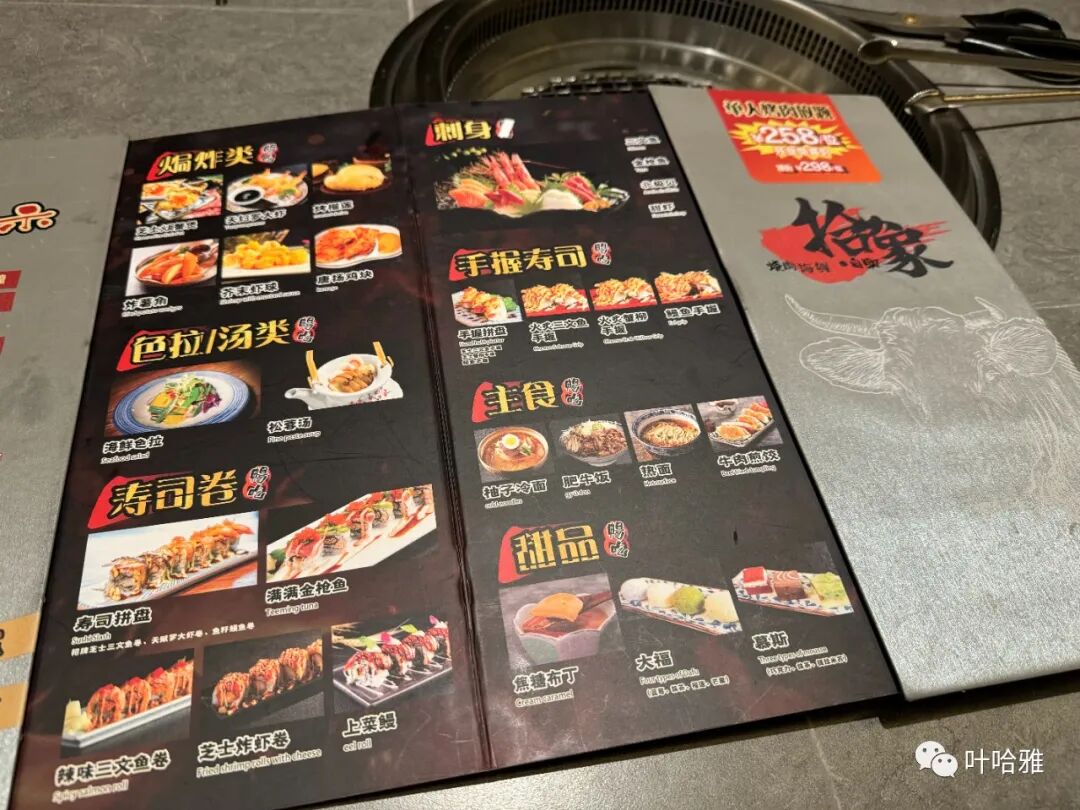
This is the menu. Once you sit down, just tell the server what you want to eat and wait for your food. You can help yourself to the fruit and drinks.
They have a full range of Japanese snacks like sushi, mixed rice (bibimbap), and cold noodles (lengmian).
They serve steamed seafood, and it arrives at the table alive. One crab even crawled out of the pot.
The server felt a bit embarrassed about the runaway crab, but I told them it was fine because it showed the food was fresh. The restaurant buys crabs in bulk without tying their legs with string. It is hard to tell if a tied crab is alive, and the string just adds extra weight anyway.
I think the best thing about this place is how fresh the ingredients are. The abalone also comes to the table alive, and you have to grill it on an iron plate before eating.
There is unlimited sushi.
They have beef rice bowls and ice cream. The ice cream is the Mengniu brand.
There is a four-part platter of marbled beef. The beef on top is my favorite; it is fragrant and tender once grilled.
Baked crab casserole with cheese.
Roasted durian.
Grilled oysters.
Cold noodles (lengmian).
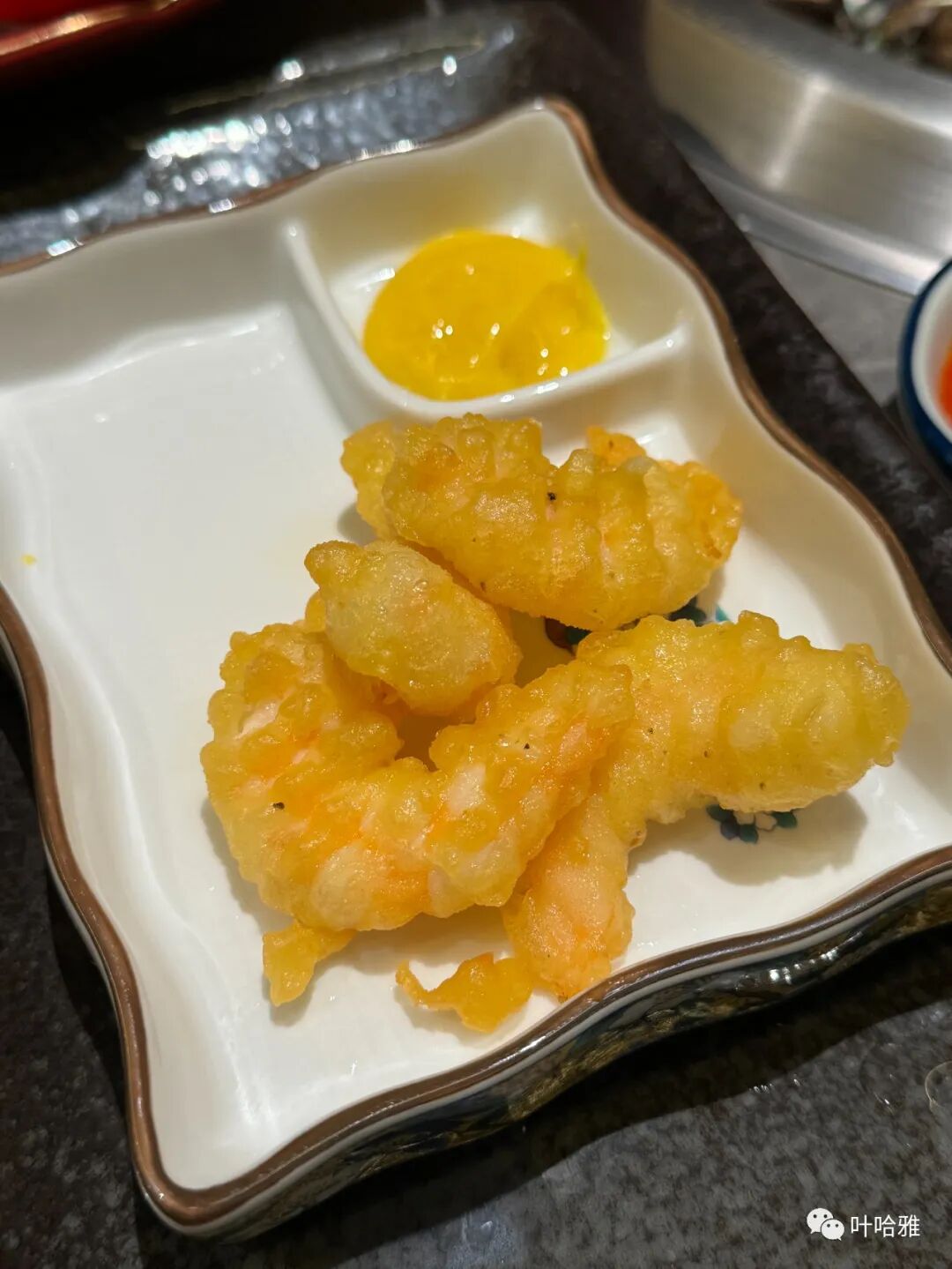
Mustard shrimp balls
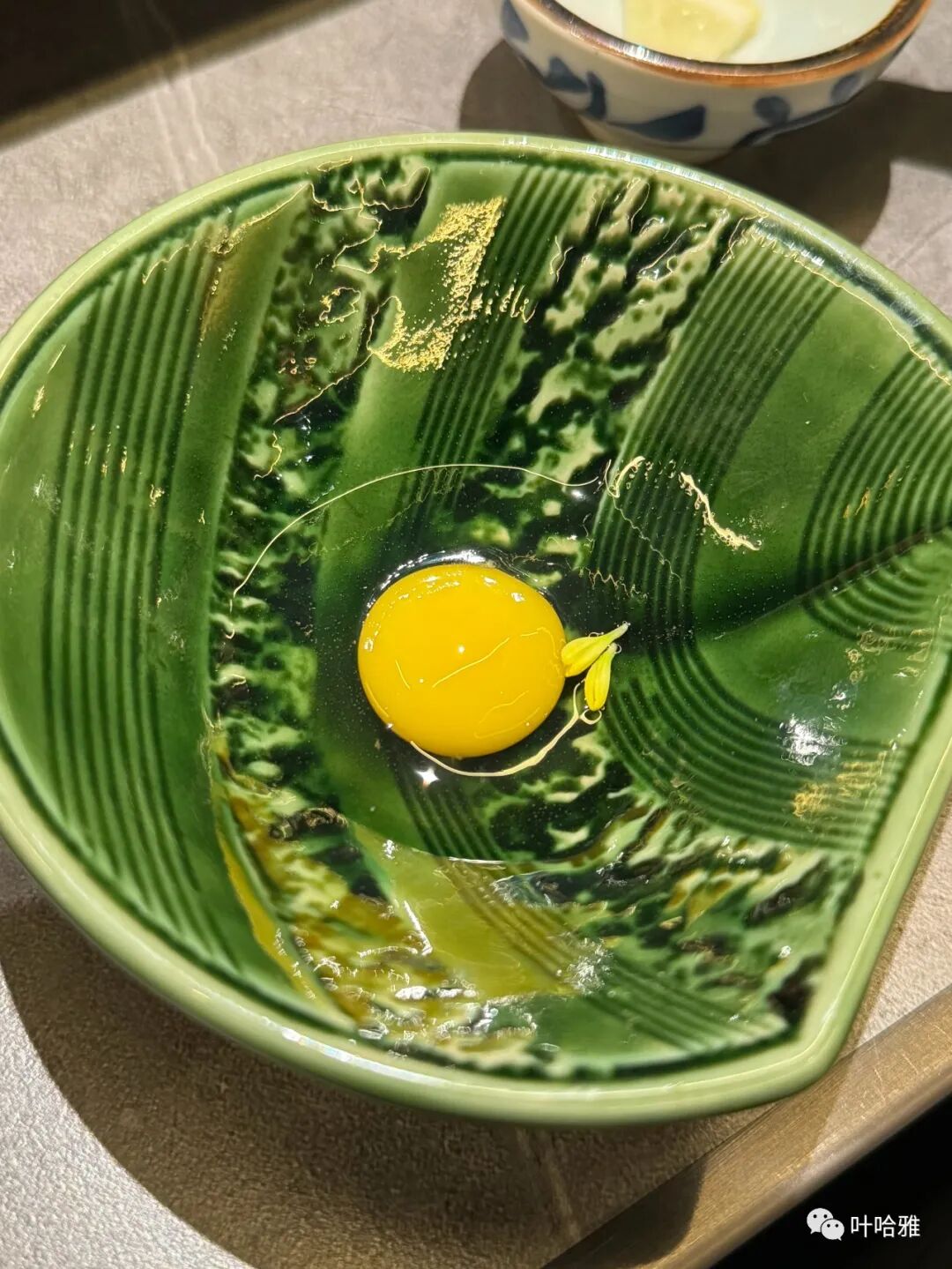
Pasteurized egg, a very small one, used for dipping sauce.
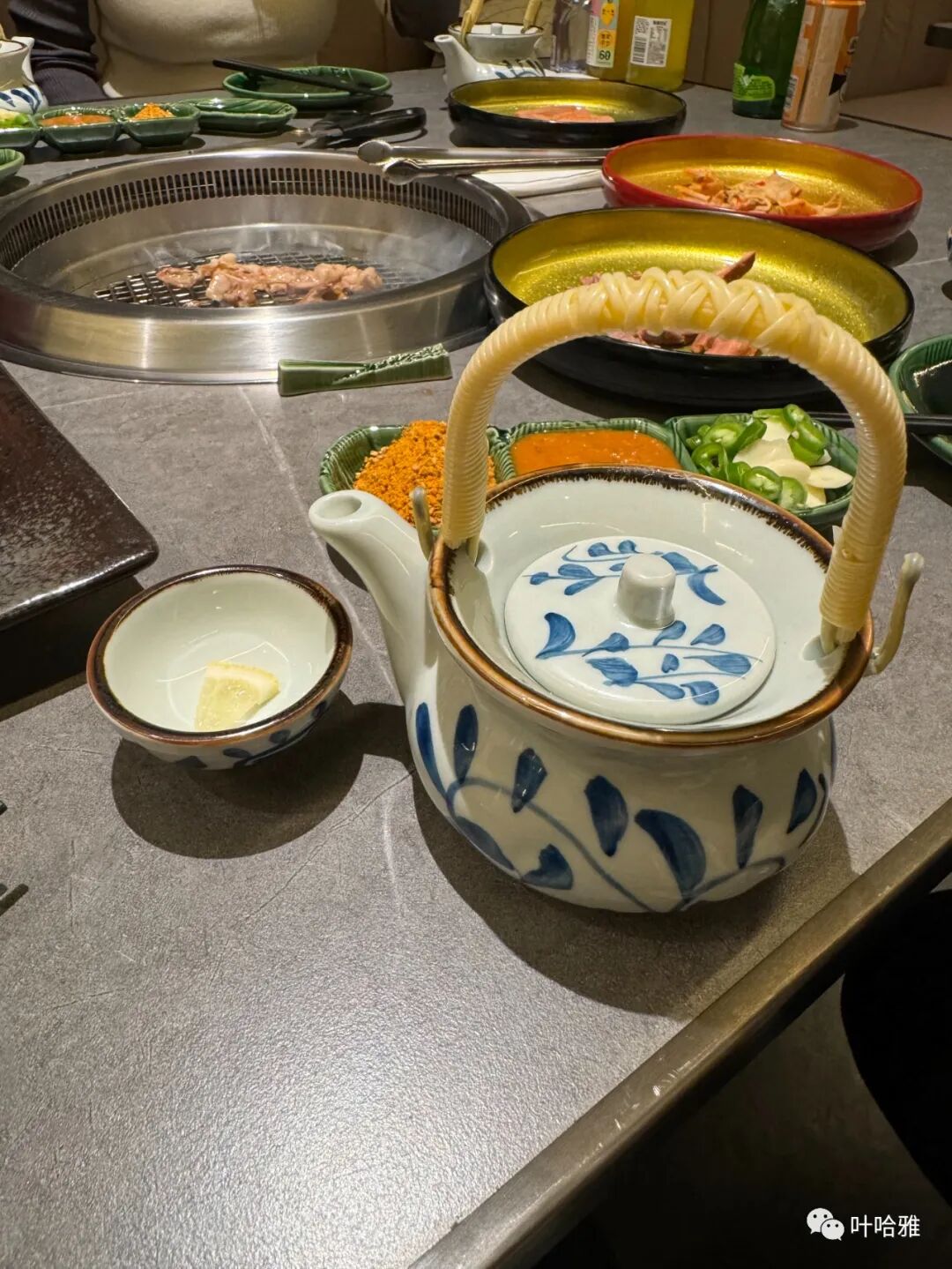
Matsutake mushroom soup
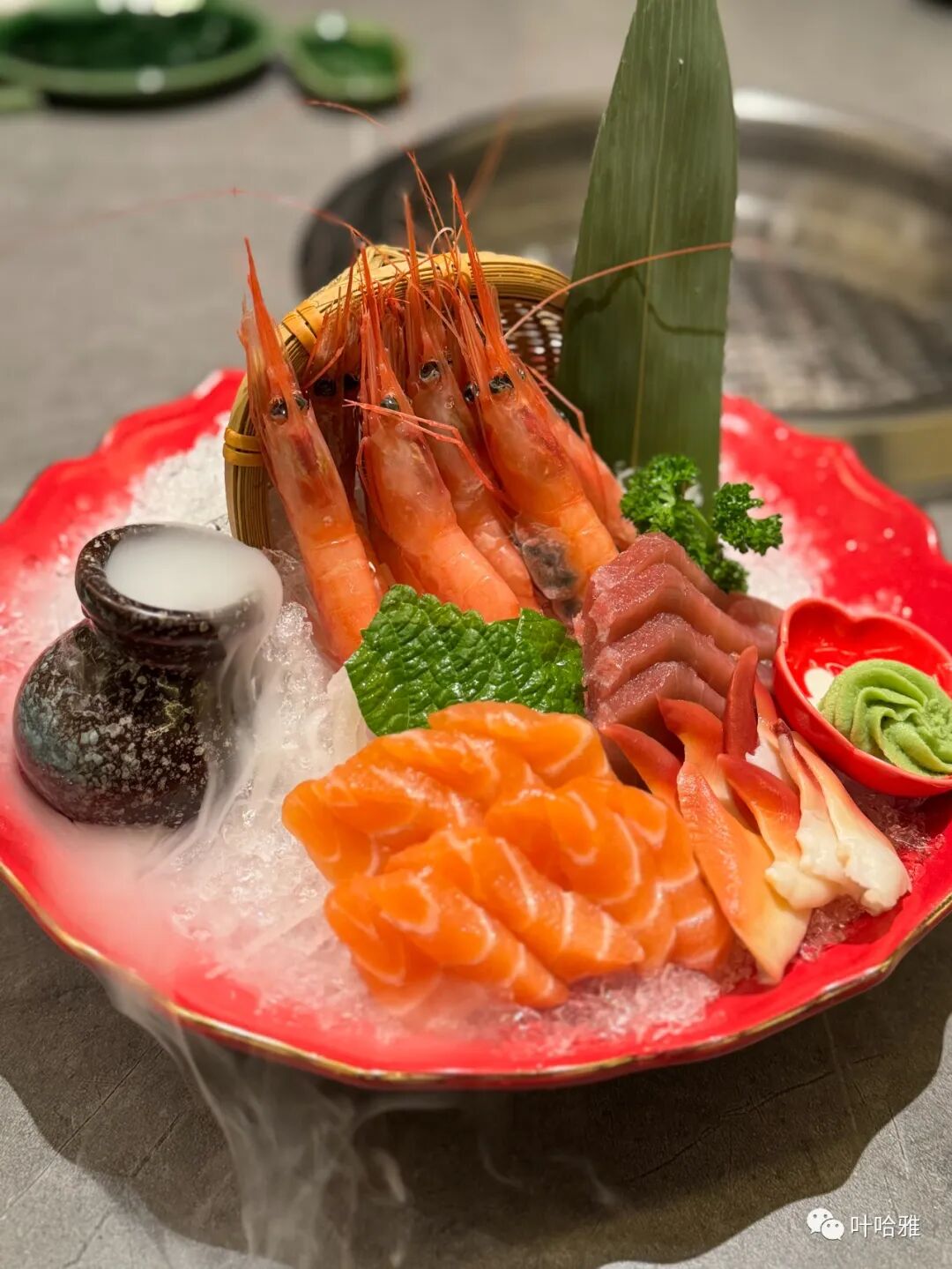
Sashimi platter
Unlimited drinks of all kinds
Mention Dosti to eat at Shixiang buffet, and friends of Tiyehaya can get 20 yuan off the set meal. You can get 15% off at Jiangguo Xinjiang Restaurant. This is a secret between us, so don't tell anyone else.
2. Xihan Xinjiang meatball soup
A Xinjiang meatball soup shop on the first floor of Jianwai SOHO East District, decorated in a fresh and artistic style.
The main color is Ili blue. They specialize in meatball soup and also serve various Xinjiang snacks.
Meatball soup
Meatball soup served with steamed flower rolls (huajuan), absolutely delicious.
Steamed flower rolls (huajuan)
Deep-fried cake (youzhagao)
Ili smoked horse sausage (yili xunmachang)
Jabir ibn Abdullah (may Allah be pleased with him and his father) reported that on the day of the Battle of Khaybar, the Prophet (peace and blessings of Allah be upon him) forbade eating donkey meat but allowed eating horse meat. (Sahih al-Bukhari)
Asma bint Abu Bakr reported: During the time of the Prophet, we slaughtered a horse and ate its meat (Sahih Muslim).
3. Yixiangyuan Restaurant
There is a Yufa Town mosque (Yufa Zhen Qingzhensi) near Daxing Airport. After visiting the Yufa mosque, I went to the nearby Dongwenggezhuang Village for a quick meal.
This is the closest restaurant to the Yufa mosque. I ordered the stir-fried beef with chestnuts, and it tasted pretty good.
4. Niuwanfeng Heluo Noodles
A new Jia County noodle shop (hela mian) from Henan opened in Fengtai. I have been there twice, and the taste is quite authentic.
Jia County noodle soup is made with lamb broth. They use plenty of high-quality lamb, and the soup is good enough to drink on its own.
They fry their chili in lamb fat, so the flavor is very strong.
Besides the buckwheat noodles (heluo mian), their spiced beef (jiang niurou) is also quite good. The kitchen staff are all cousins from Henan.
Lamb liver
Spiced beef (jiang niurou)
5. Laohui Lamb Soup
Pingquan is a county in Chengde, Hebei, famous for its lamb soup (yangtang). This shop, Lao Hui, is a lamb soup restaurant opened by people from Pingquan.
You can get free refills on the lamb soup (yangtang). This shop really boils it from scratch, and you have to eat it with a sesame flatbread (shaobing).
A bowl of lamb soup (yangtang) on a cold day warms you right up. The shop also offers charity meal sets for people in specific professions.
6. Big Head Hot Pot (Danaodai Shuanrou)
A Beijing-style hot pot restaurant opened not far from the North Square of the West Railway Station. Now I have another option if I am not in a rush when visiting the station.
Fennel mini fried dough sticks (huixiang xiao youtiao)
Overall, the place feels quite affordable. They have copper charcoal pots and individual small pots, costing about 100 per person.
7. Xiangshui Sour Soup Hot Pot
The sour soup hot pot restaurant at the entrance of Nanxiapo Mosque uses property owned by the mosque, so they do not sell alcohol.
I recommend the yellow lantern chili and red tomato soup split pot, so you can try both flavors.
The signature Zhongjiang large fried dough sticks (youtiao) are delicious, especially when soaked in the soup.
Their hand-crushed lemon black tea and green tea are both great, and they are better to drink than alcohol.
8. Lan 931
This is a high-end Lanzhou specialty restaurant located quite far away in the Tongzhou National Defense Art District.
They have a full range of Lanzhou snacks and dishes, with an average cost of about 150 per person.
Cold starch noodles (niangpi)
Sweet pea soup (huidouzi)
Hand-grabbed lamb (shouzhu)
Cold sliced beef (niurou liangpian)
Fermented vegetable starch noodles (jiangshui yu)
Stir-fried meat with chili (lazi chaorou)
Spicy hot pot bowl (maocai)
Lily bulb (baihe)
Jingyuan lamb (Jingyuan yanggaorou)
Traditional Lanzhou mixed vegetable stew (lao Lanzhou huicai)
Hui Muslim meat-stuffed egg rolls (Hui min jiasha)
Hezhou steamed buns (Hezhou baozi)
Dongxiang potato slices (Dongxiang tudoupian)
Lamb bone broth (yangtang)
Except for the beef noodles, we tried all the signature Lanzhou dishes at the restaurant. Overall, it was just average. Unless you are staying nearby, there is no need to travel far to eat here. For snacks, it is better to visit smaller shops for more authentic flavor. view all
Summary: This Beijing halal food guide maps issue 37 of the restaurant series, featuring a Japanese barbecue buffet, Xinjiang cuisine, Heluo noodles, lamb soup, hot pot, sour soup, Lanzhou dishes, and practical notes for Muslim diners.
Beijing Halal Food Map (37) is presented here as a firsthand travel account in clear English, beginning with this scene: It has been just two months since my last Beijing halal food map (36), and I have already found eight new halal restaurants worth visiting. The account keeps its focus on Beijing Halal Food, Muslim Travel, Middle Eastern Food while preserving the names, places, food, and historical details from the Chinese source.
It has been just two months since my last Beijing halal food map (36), and I have already found eight new halal restaurants worth visiting. I still have a long list of places saved that I have not tried yet. I stick to my rule of only writing original content based on my own experiences, so I will take my time to visit these spots one by one. Here is the list of restaurants for this issue:
1. Shixiang Japanese BBQ Buffet & Jiangguoer Xinjiang Cuisine
2. Xihan Meatball Soup
3. Yixiangyuan Restaurant
4. Niuwanfeng Heluo Noodles
5. Laohui Lamb Soup
6. Big Head Hot Pot (Danaodai Shuanrou)
7. Xiangshui Sour Soup Hot Pot
8. Lan 931
1. Shixiang Japanese BBQ Buffet & Jiangguoer Xinjiang Cuisine
This new Japanese BBQ buffet is right by the Guangqumen subway station. The owner used to run the Musefeilin Xinjiang Restaurant and the Yinmadeng Skewer Hot Pot. He also worked at the Xinjiang Office in Beijing for many years. After closing his previous two shops, he opened this new place. The buffet costs 188, 238, or 298 yuan per person, and the 298 yuan option includes all-you-can-eat fresh durian.
This is the menu. Once you sit down, just tell the server what you want to eat and wait for your food. You can help yourself to the fruit and drinks.
They have a full range of Japanese snacks like sushi, mixed rice (bibimbap), and cold noodles (lengmian).
They serve steamed seafood, and it arrives at the table alive. One crab even crawled out of the pot.
The server felt a bit embarrassed about the runaway crab, but I told them it was fine because it showed the food was fresh. The restaurant buys crabs in bulk without tying their legs with string. It is hard to tell if a tied crab is alive, and the string just adds extra weight anyway.
I think the best thing about this place is how fresh the ingredients are. The abalone also comes to the table alive, and you have to grill it on an iron plate before eating.
There is unlimited sushi.
They have beef rice bowls and ice cream. The ice cream is the Mengniu brand.
There is a four-part platter of marbled beef. The beef on top is my favorite; it is fragrant and tender once grilled.
Baked crab casserole with cheese.
Roasted durian.
Grilled oysters.
Cold noodles (lengmian).
Mustard shrimp balls
Pasteurized egg, a very small one, used for dipping sauce.
Matsutake mushroom soup
Sashimi platter
Unlimited drinks of all kinds
Mention Dosti to eat at Shixiang buffet, and friends of Tiyehaya can get 20 yuan off the set meal. You can get 15% off at Jiangguo Xinjiang Restaurant. This is a secret between us, so don't tell anyone else.
2. Xihan Xinjiang meatball soup
A Xinjiang meatball soup shop on the first floor of Jianwai SOHO East District, decorated in a fresh and artistic style.
The main color is Ili blue. They specialize in meatball soup and also serve various Xinjiang snacks.
Meatball soup
Meatball soup served with steamed flower rolls (huajuan), absolutely delicious.
Steamed flower rolls (huajuan)
Deep-fried cake (youzhagao)
Ili smoked horse sausage (yili xunmachang)
Jabir ibn Abdullah (may Allah be pleased with him and his father) reported that on the day of the Battle of Khaybar, the Prophet (peace and blessings of Allah be upon him) forbade eating donkey meat but allowed eating horse meat. (Sahih al-Bukhari)
Asma bint Abu Bakr reported: During the time of the Prophet, we slaughtered a horse and ate its meat (Sahih Muslim).
3. Yixiangyuan Restaurant
There is a Yufa Town mosque (Yufa Zhen Qingzhensi) near Daxing Airport. After visiting the Yufa mosque, I went to the nearby Dongwenggezhuang Village for a quick meal.
This is the closest restaurant to the Yufa mosque. I ordered the stir-fried beef with chestnuts, and it tasted pretty good.
4. Niuwanfeng Heluo Noodles
A new Jia County noodle shop (hela mian) from Henan opened in Fengtai. I have been there twice, and the taste is quite authentic.
Jia County noodle soup is made with lamb broth. They use plenty of high-quality lamb, and the soup is good enough to drink on its own.
They fry their chili in lamb fat, so the flavor is very strong.
Besides the buckwheat noodles (heluo mian), their spiced beef (jiang niurou) is also quite good. The kitchen staff are all cousins from Henan.
Lamb liver
Spiced beef (jiang niurou)
5. Laohui Lamb Soup
Pingquan is a county in Chengde, Hebei, famous for its lamb soup (yangtang). This shop, Lao Hui, is a lamb soup restaurant opened by people from Pingquan.
You can get free refills on the lamb soup (yangtang). This shop really boils it from scratch, and you have to eat it with a sesame flatbread (shaobing).
A bowl of lamb soup (yangtang) on a cold day warms you right up. The shop also offers charity meal sets for people in specific professions.
6. Big Head Hot Pot (Danaodai Shuanrou)
A Beijing-style hot pot restaurant opened not far from the North Square of the West Railway Station. Now I have another option if I am not in a rush when visiting the station.
Fennel mini fried dough sticks (huixiang xiao youtiao)
Overall, the place feels quite affordable. They have copper charcoal pots and individual small pots, costing about 100 per person.
7. Xiangshui Sour Soup Hot Pot
The sour soup hot pot restaurant at the entrance of Nanxiapo Mosque uses property owned by the mosque, so they do not sell alcohol.
I recommend the yellow lantern chili and red tomato soup split pot, so you can try both flavors.
The signature Zhongjiang large fried dough sticks (youtiao) are delicious, especially when soaked in the soup.
Their hand-crushed lemon black tea and green tea are both great, and they are better to drink than alcohol.
8. Lan 931
This is a high-end Lanzhou specialty restaurant located quite far away in the Tongzhou National Defense Art District.
They have a full range of Lanzhou snacks and dishes, with an average cost of about 150 per person.
Cold starch noodles (niangpi)
Sweet pea soup (huidouzi)
Hand-grabbed lamb (shouzhu)
Cold sliced beef (niurou liangpian)
Fermented vegetable starch noodles (jiangshui yu)
Stir-fried meat with chili (lazi chaorou)
Spicy hot pot bowl (maocai)
Lily bulb (baihe)
Jingyuan lamb (Jingyuan yanggaorou)
Traditional Lanzhou mixed vegetable stew (lao Lanzhou huicai)
Hui Muslim meat-stuffed egg rolls (Hui min jiasha)
Hezhou steamed buns (Hezhou baozi)
Dongxiang potato slices (Dongxiang tudoupian)
Lamb bone broth (yangtang)
Except for the beef noodles, we tried all the signature Lanzhou dishes at the restaurant. Overall, it was just average. Unless you are staying nearby, there is no need to travel far to eat here. For snacks, it is better to visit smaller shops for more authentic flavor. view all
Reposted from the web
Summary: This Beijing halal food guide maps issue 37 of the restaurant series, featuring a Japanese barbecue buffet, Xinjiang cuisine, Heluo noodles, lamb soup, hot pot, sour soup, Lanzhou dishes, and practical notes for Muslim diners.
Beijing Halal Food Map (37) is presented here as a firsthand travel account in clear English, beginning with this scene: It has been just two months since my last Beijing halal food map (36), and I have already found eight new halal restaurants worth visiting. The account keeps its focus on Beijing Halal Food, Muslim Travel, Middle Eastern Food while preserving the names, places, food, and historical details from the Chinese source.
It has been just two months since my last Beijing halal food map (36), and I have already found eight new halal restaurants worth visiting. I still have a long list of places saved that I have not tried yet. I stick to my rule of only writing original content based on my own experiences, so I will take my time to visit these spots one by one. Here is the list of restaurants for this issue:
1. Shixiang Japanese BBQ Buffet & Jiangguoer Xinjiang Cuisine
2. Xihan Meatball Soup
3. Yixiangyuan Restaurant
4. Niuwanfeng Heluo Noodles
5. Laohui Lamb Soup
6. Big Head Hot Pot (Danaodai Shuanrou)
7. Xiangshui Sour Soup Hot Pot
8. Lan 931
1. Shixiang Japanese BBQ Buffet & Jiangguoer Xinjiang Cuisine
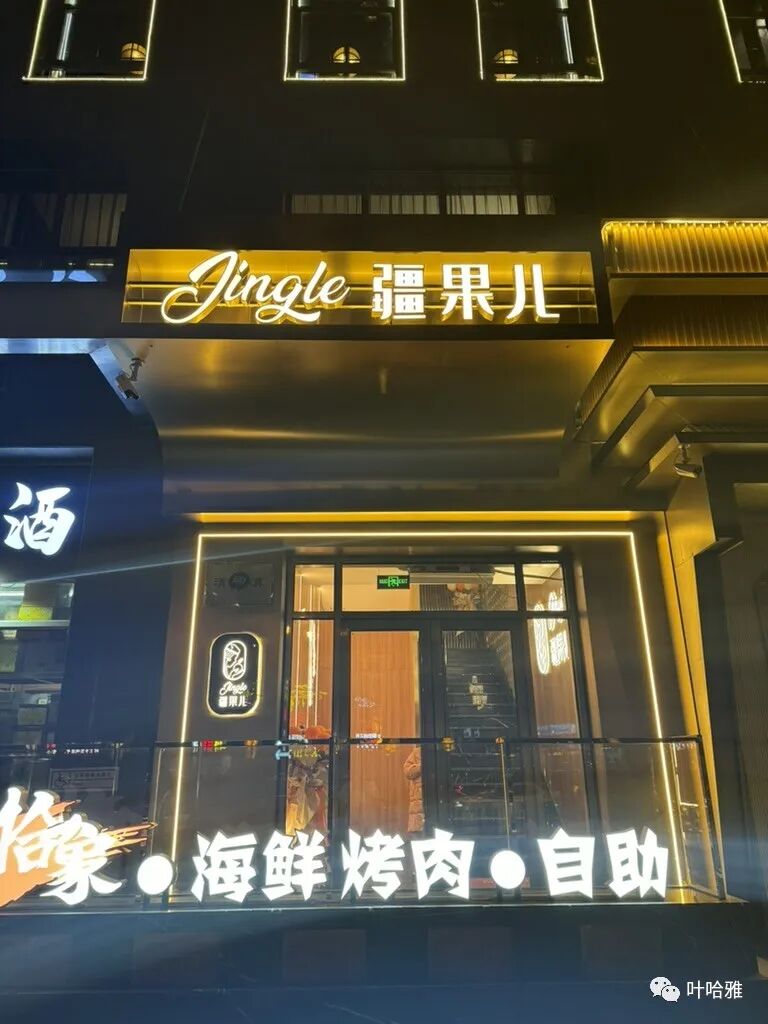
This new Japanese BBQ buffet is right by the Guangqumen subway station. The owner used to run the Musefeilin Xinjiang Restaurant and the Yinmadeng Skewer Hot Pot. He also worked at the Xinjiang Office in Beijing for many years. After closing his previous two shops, he opened this new place. The buffet costs 188, 238, or 298 yuan per person, and the 298 yuan option includes all-you-can-eat fresh durian.
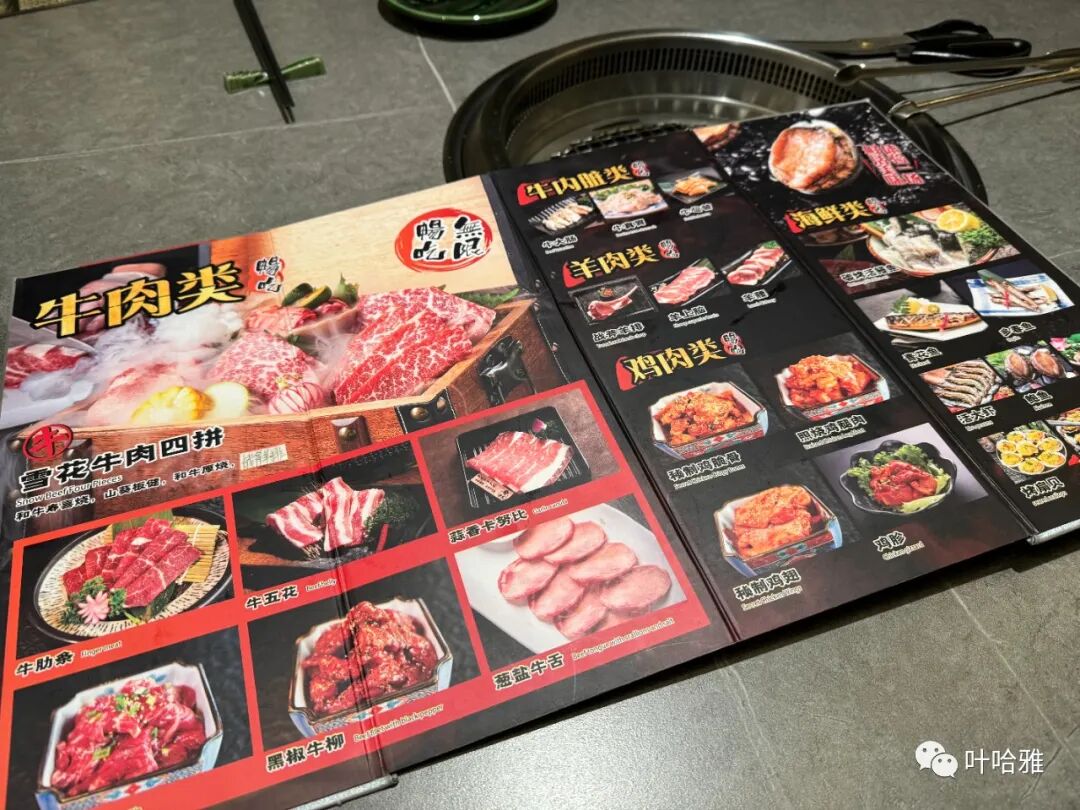
This is the menu. Once you sit down, just tell the server what you want to eat and wait for your food. You can help yourself to the fruit and drinks.
They have a full range of Japanese snacks like sushi, mixed rice (bibimbap), and cold noodles (lengmian).
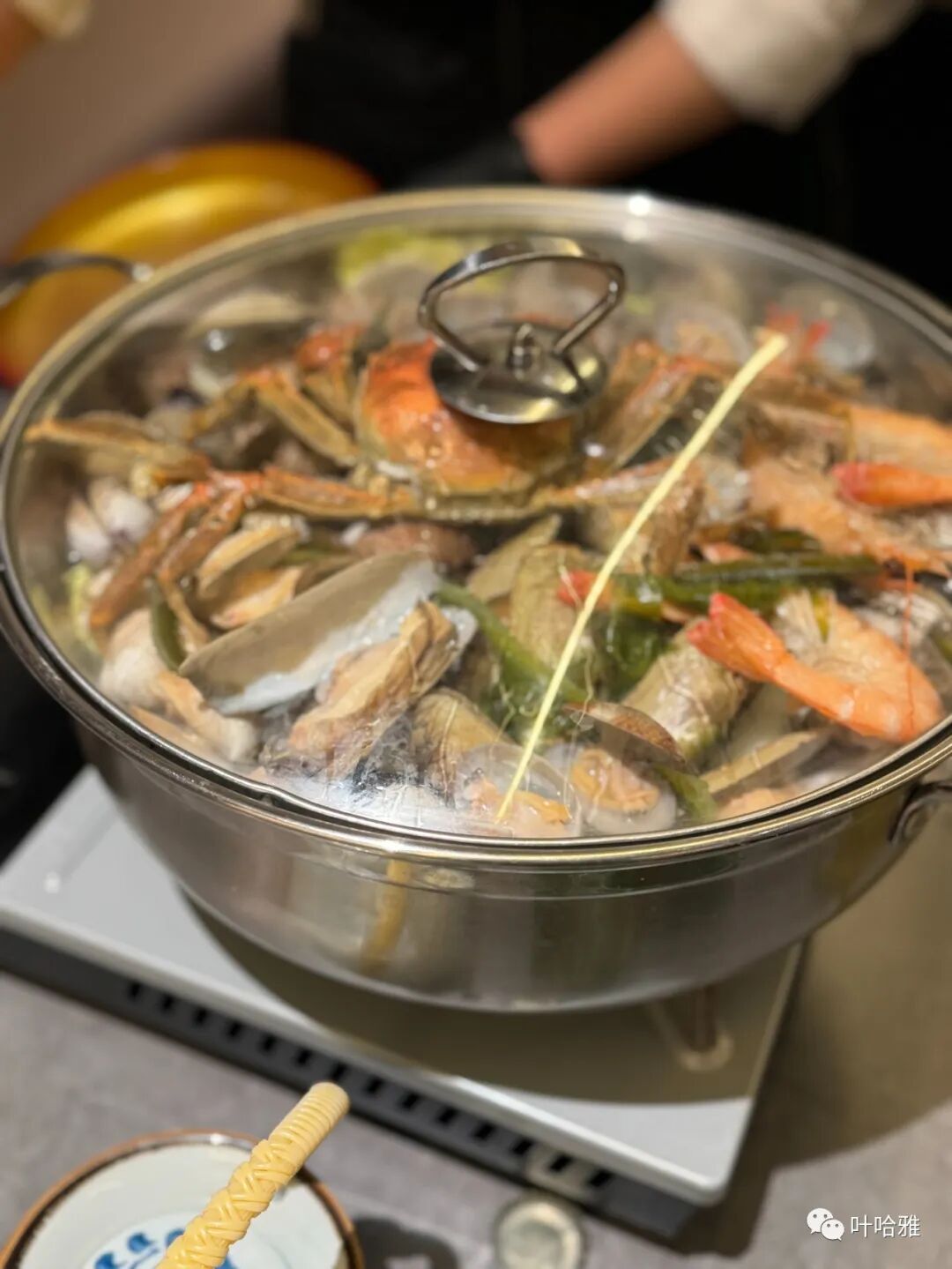
They serve steamed seafood, and it arrives at the table alive. One crab even crawled out of the pot.
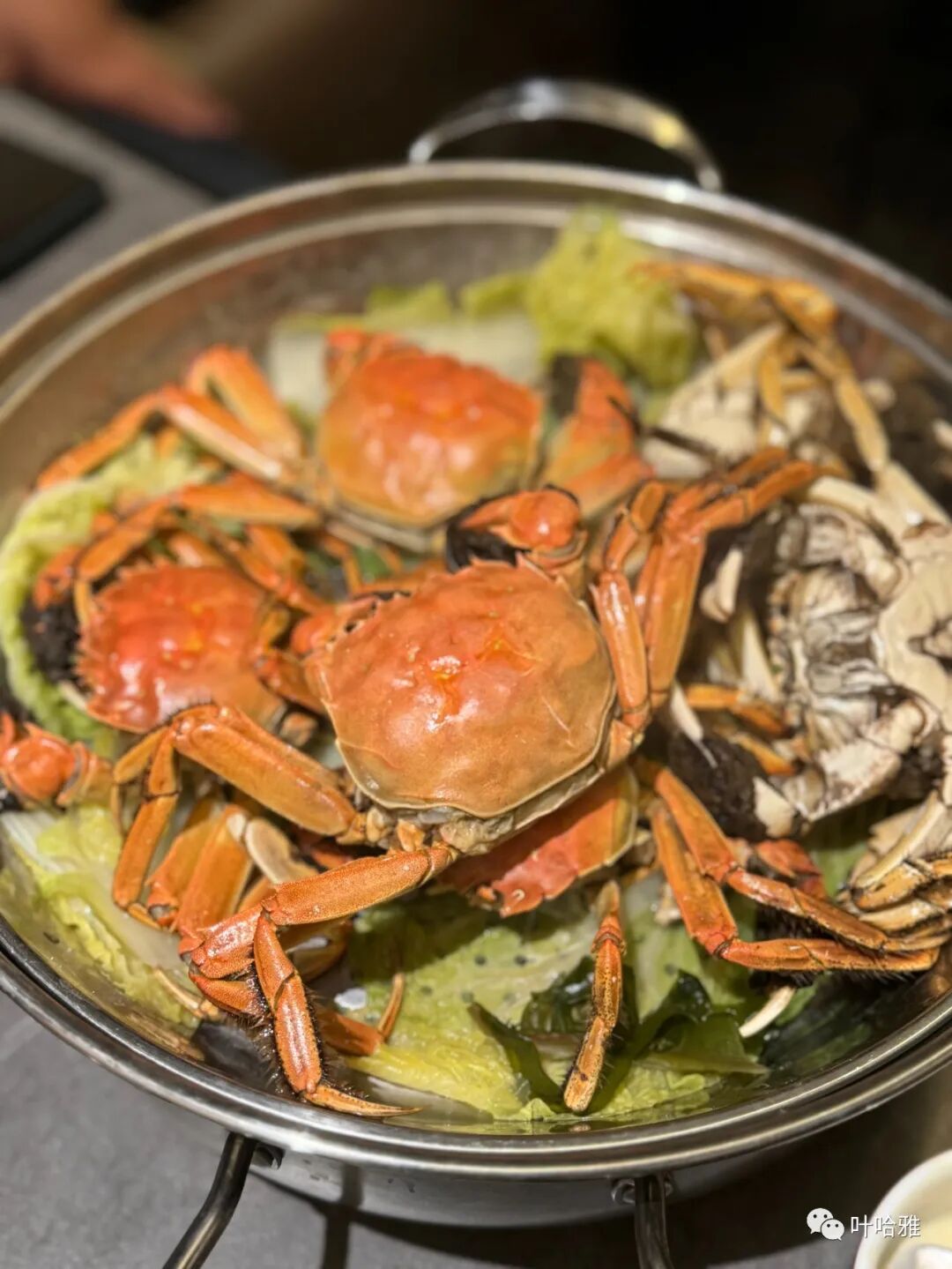
The server felt a bit embarrassed about the runaway crab, but I told them it was fine because it showed the food was fresh. The restaurant buys crabs in bulk without tying their legs with string. It is hard to tell if a tied crab is alive, and the string just adds extra weight anyway.
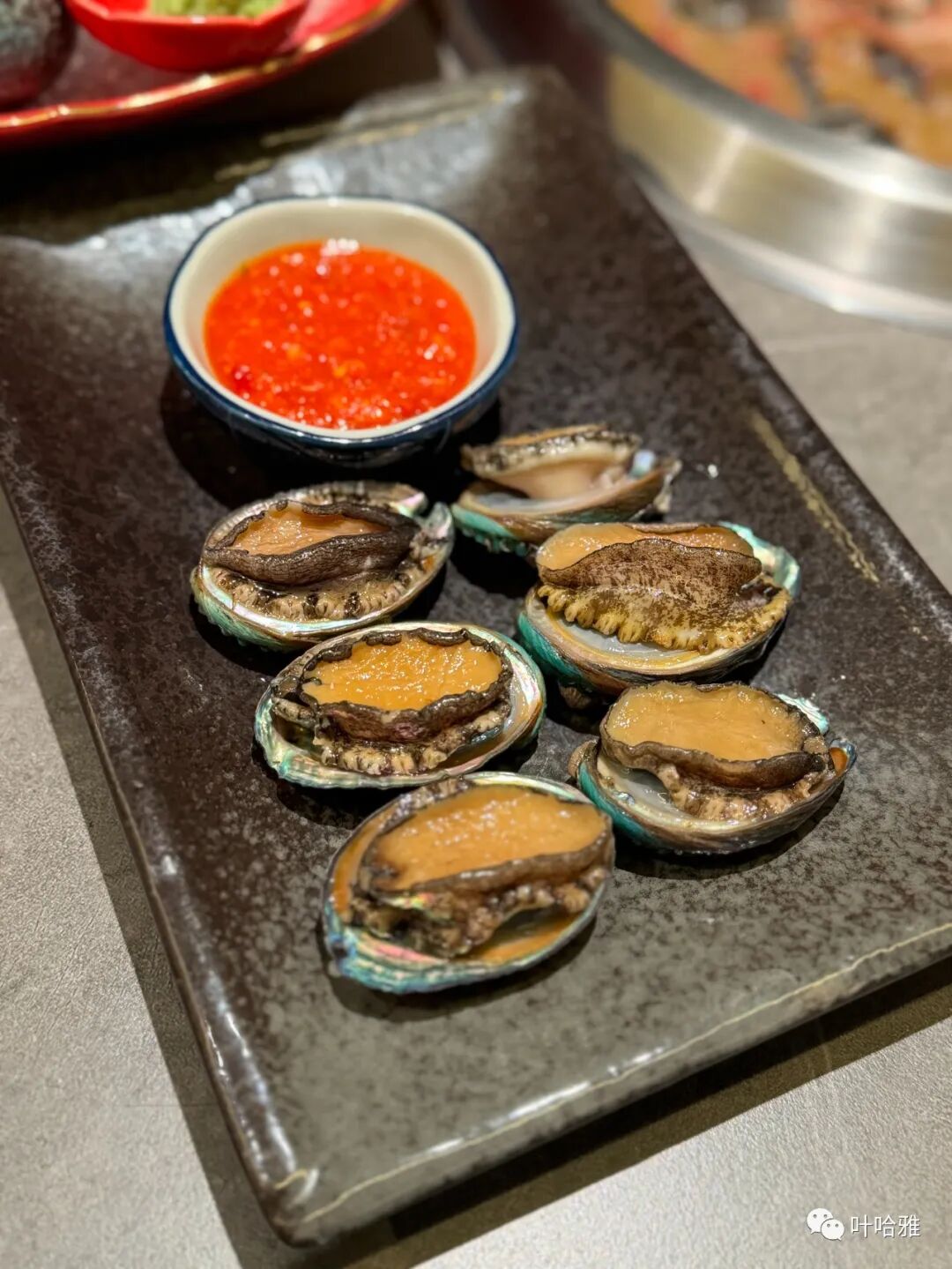
I think the best thing about this place is how fresh the ingredients are. The abalone also comes to the table alive, and you have to grill it on an iron plate before eating.
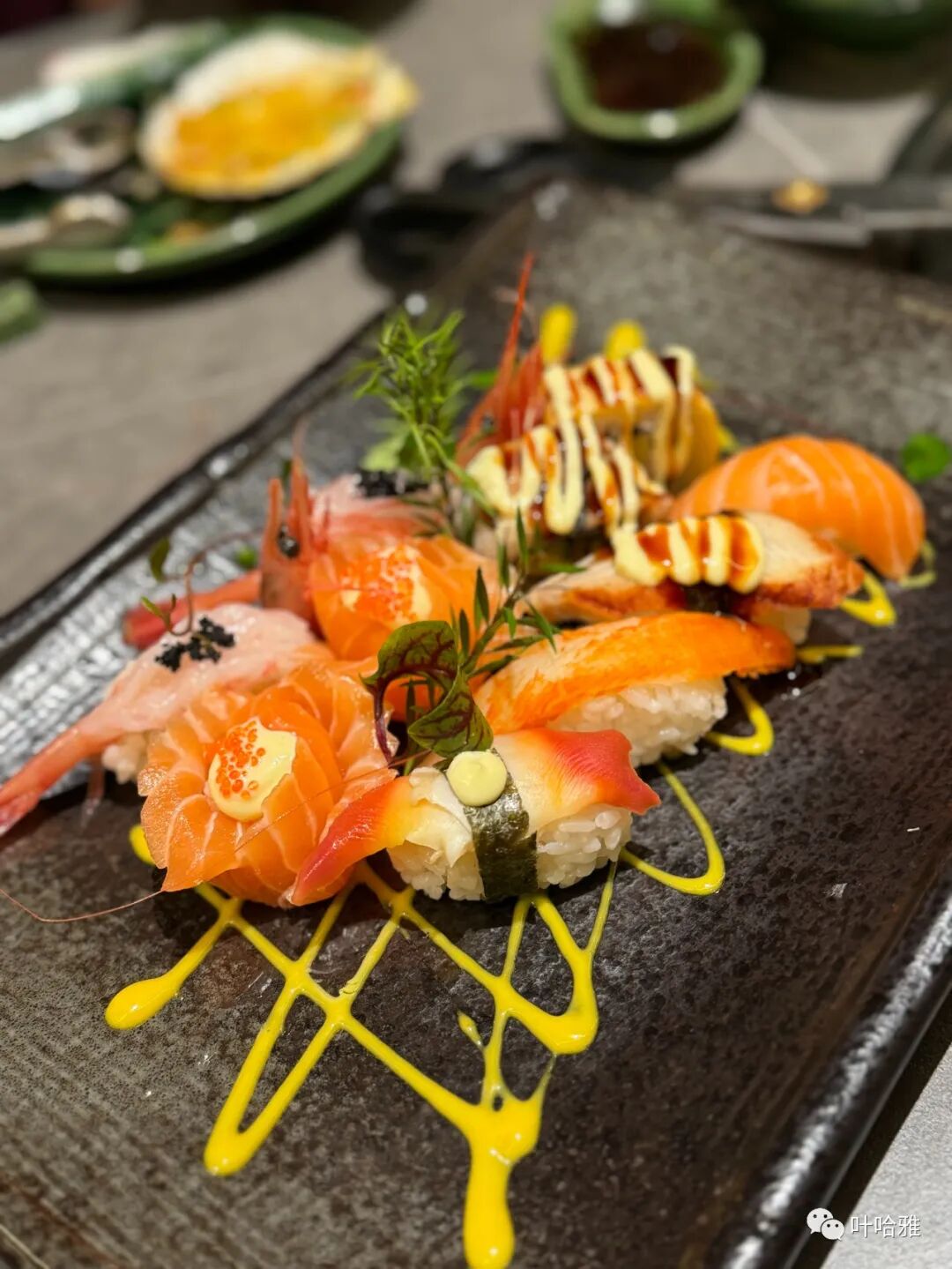
There is unlimited sushi.
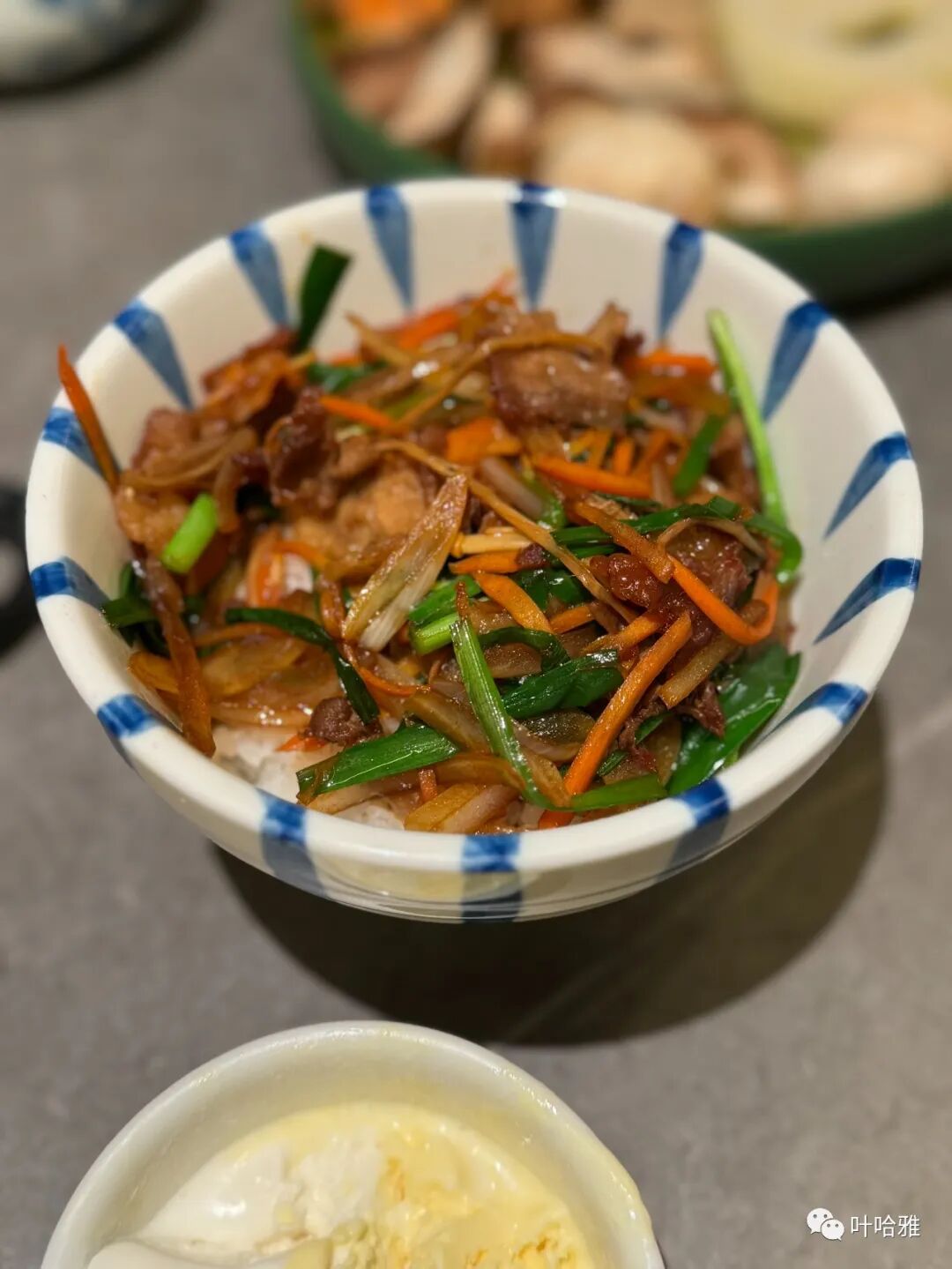
They have beef rice bowls and ice cream. The ice cream is the Mengniu brand.
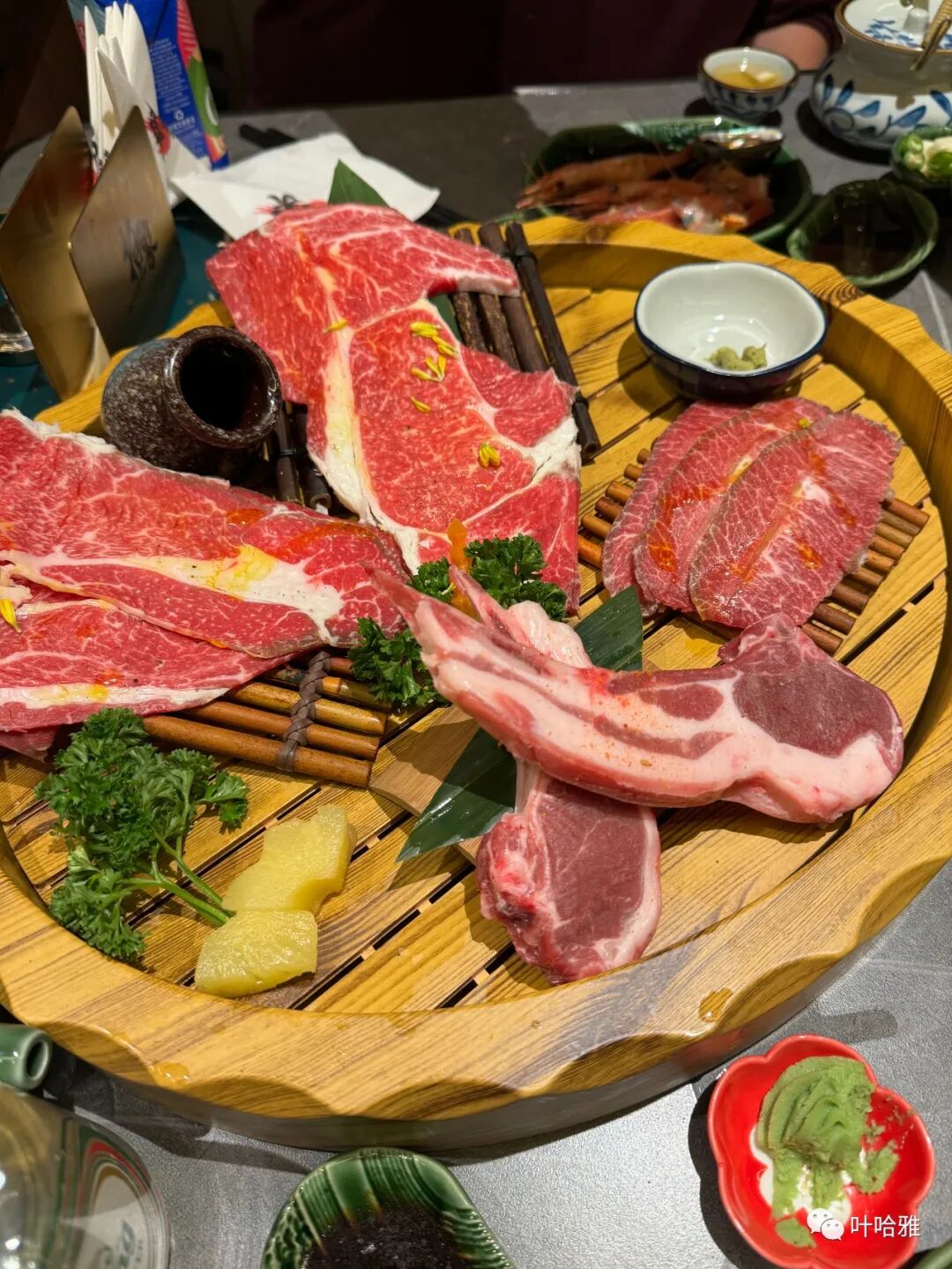
There is a four-part platter of marbled beef. The beef on top is my favorite; it is fragrant and tender once grilled.
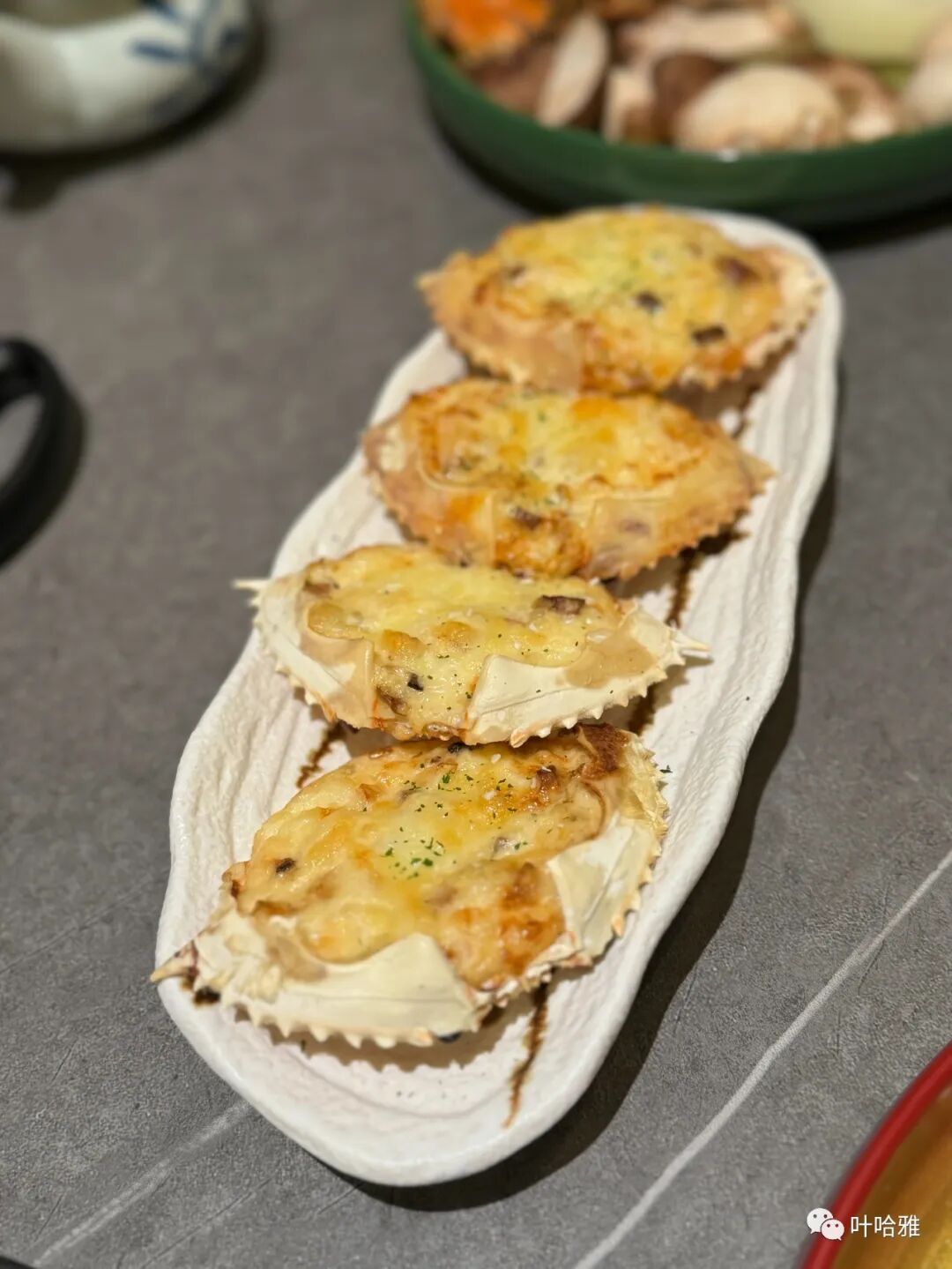
Baked crab casserole with cheese.
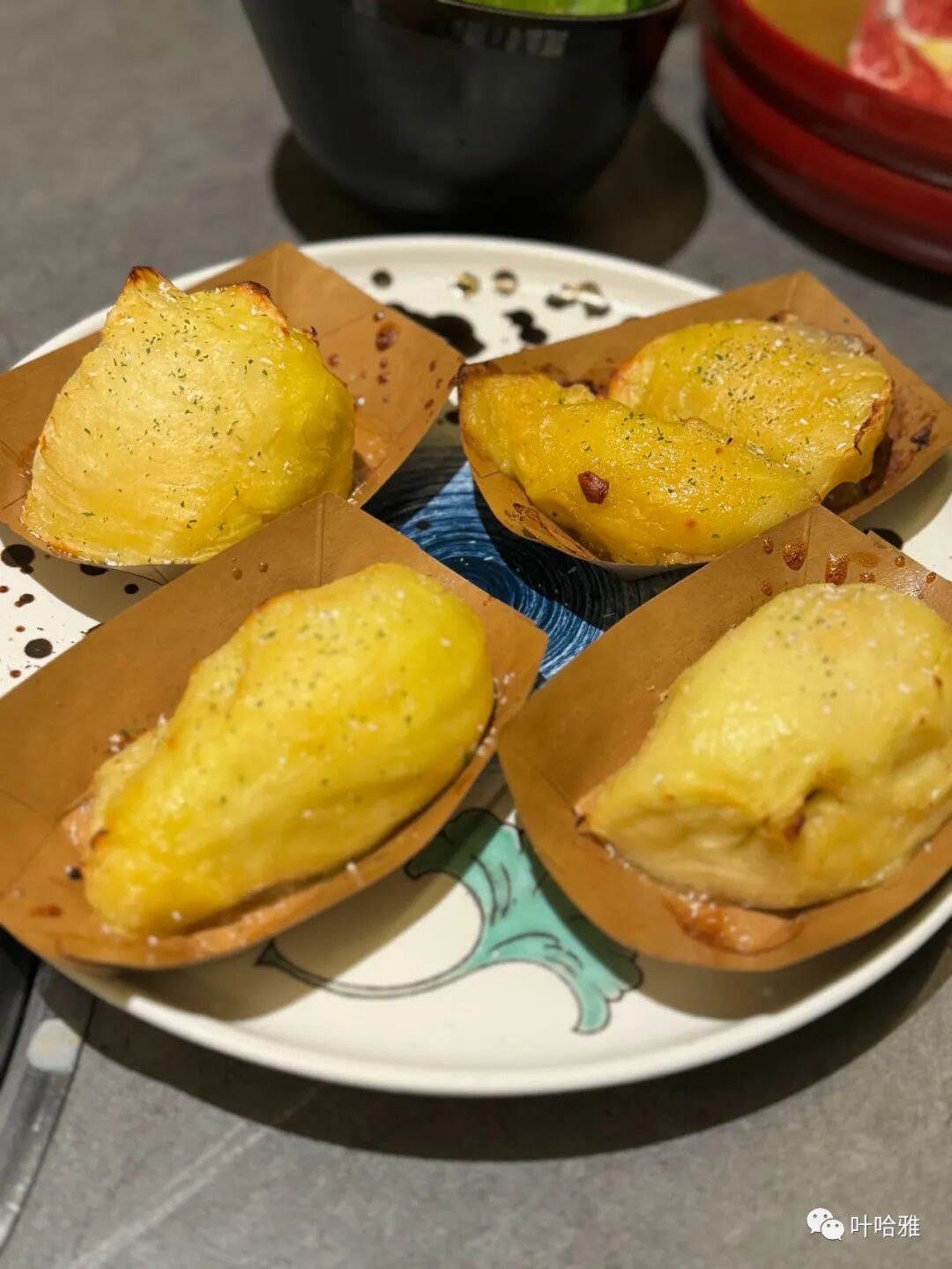
Roasted durian.
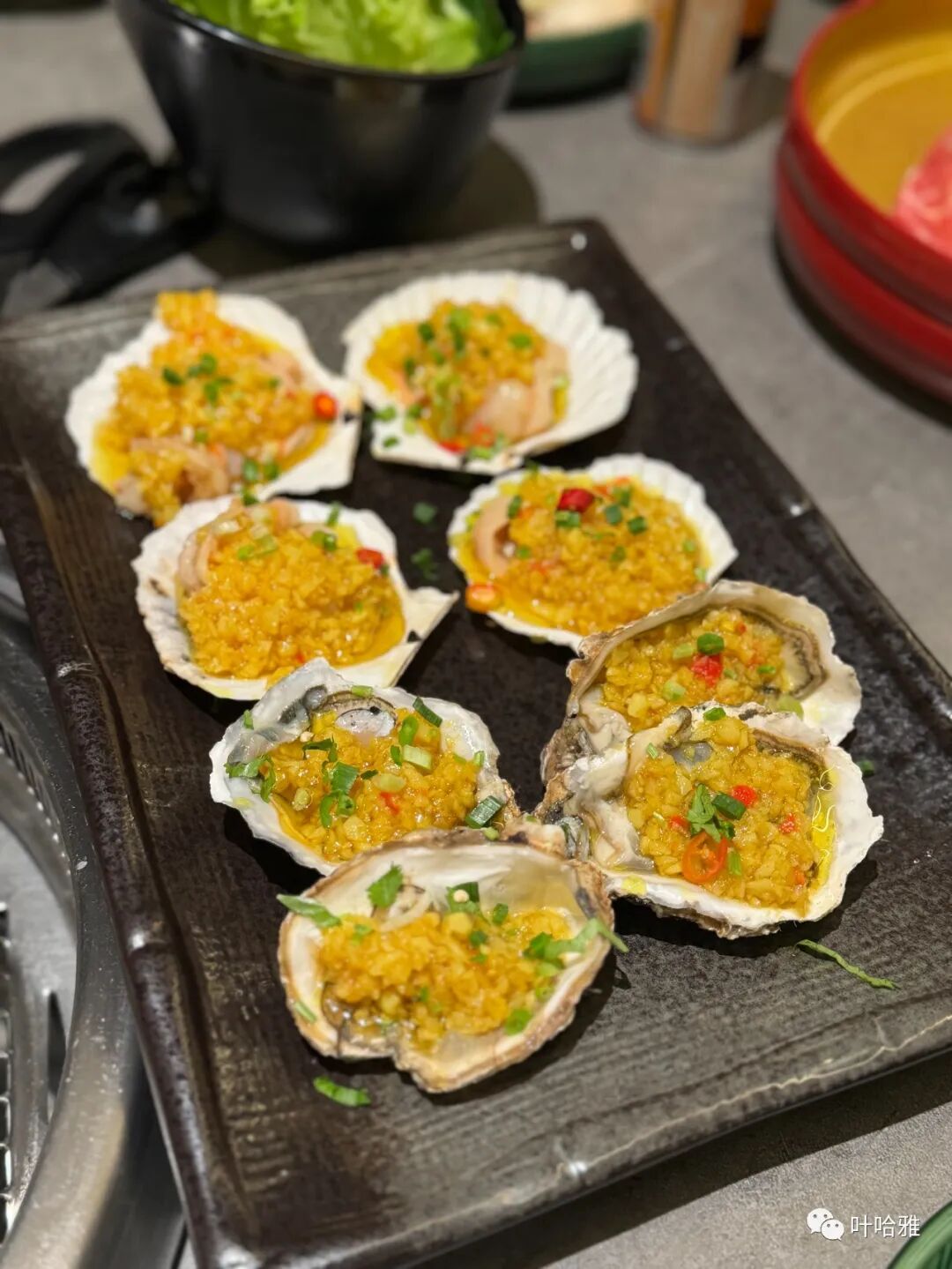
Grilled oysters.
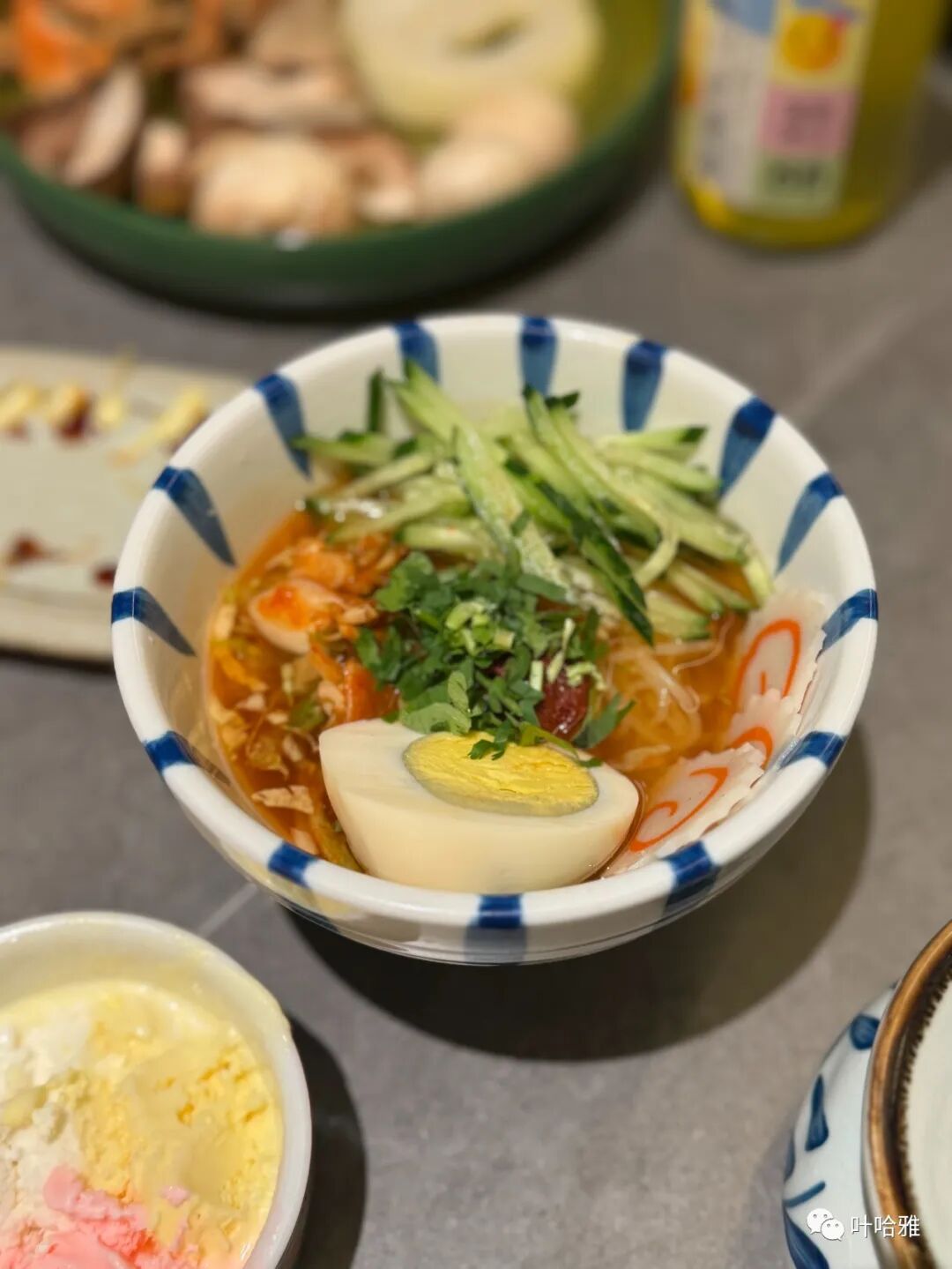
Cold noodles (lengmian).
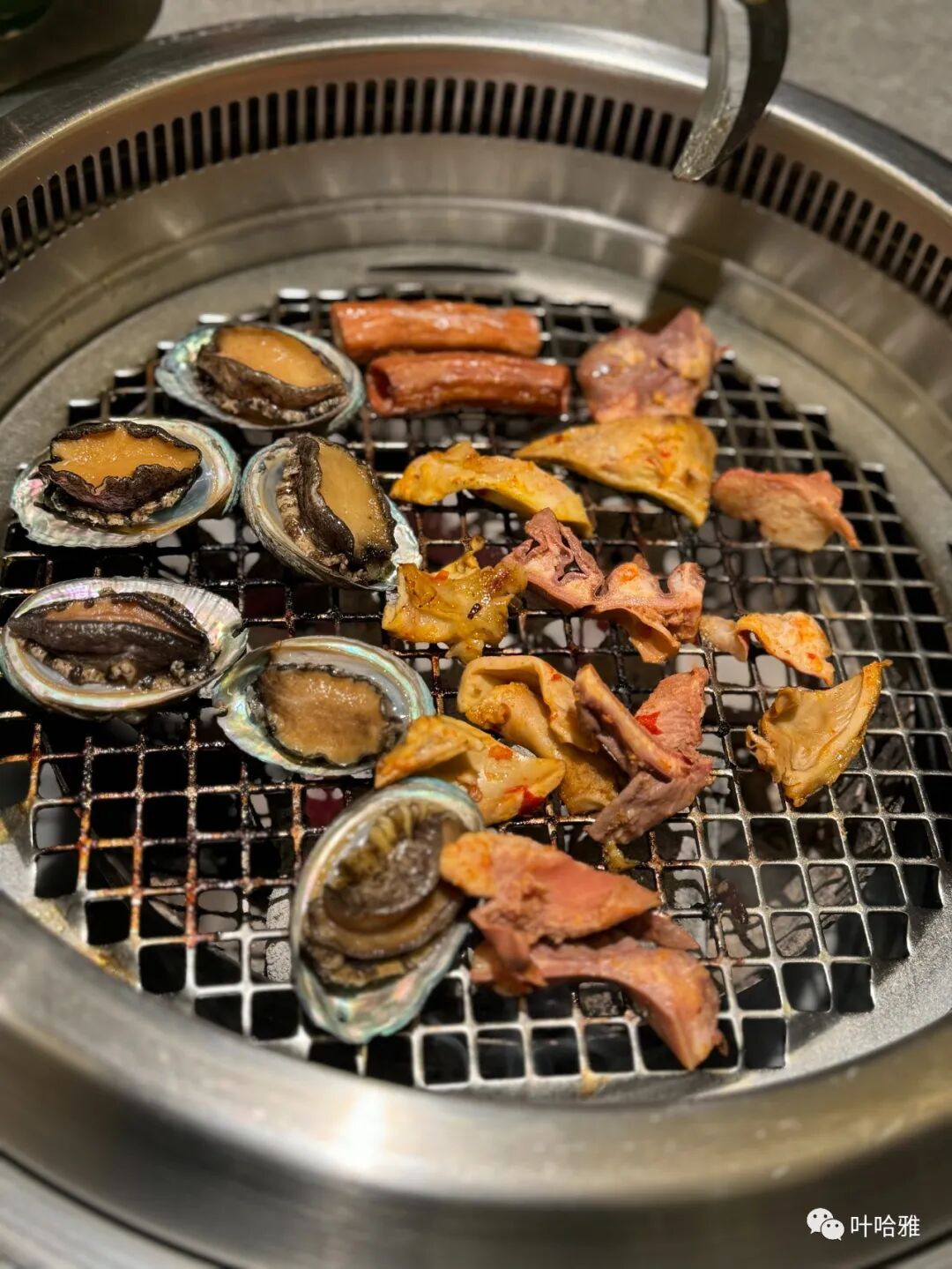
Mustard shrimp balls
Pasteurized egg, a very small one, used for dipping sauce.
Matsutake mushroom soup
Sashimi platter
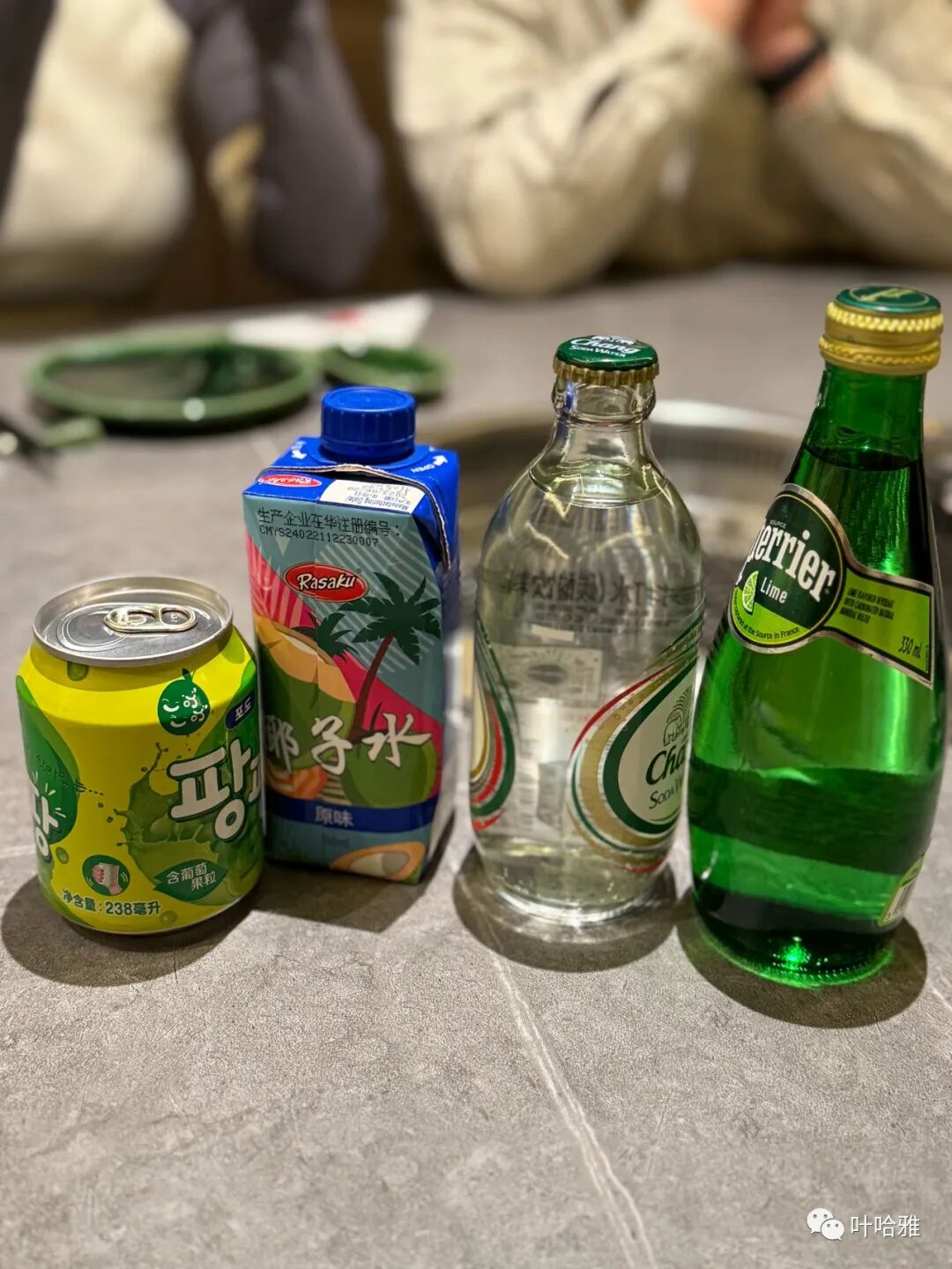
Unlimited drinks of all kinds
Mention Dosti to eat at Shixiang buffet, and friends of Tiyehaya can get 20 yuan off the set meal. You can get 15% off at Jiangguo Xinjiang Restaurant. This is a secret between us, so don't tell anyone else.
2. Xihan Xinjiang meatball soup
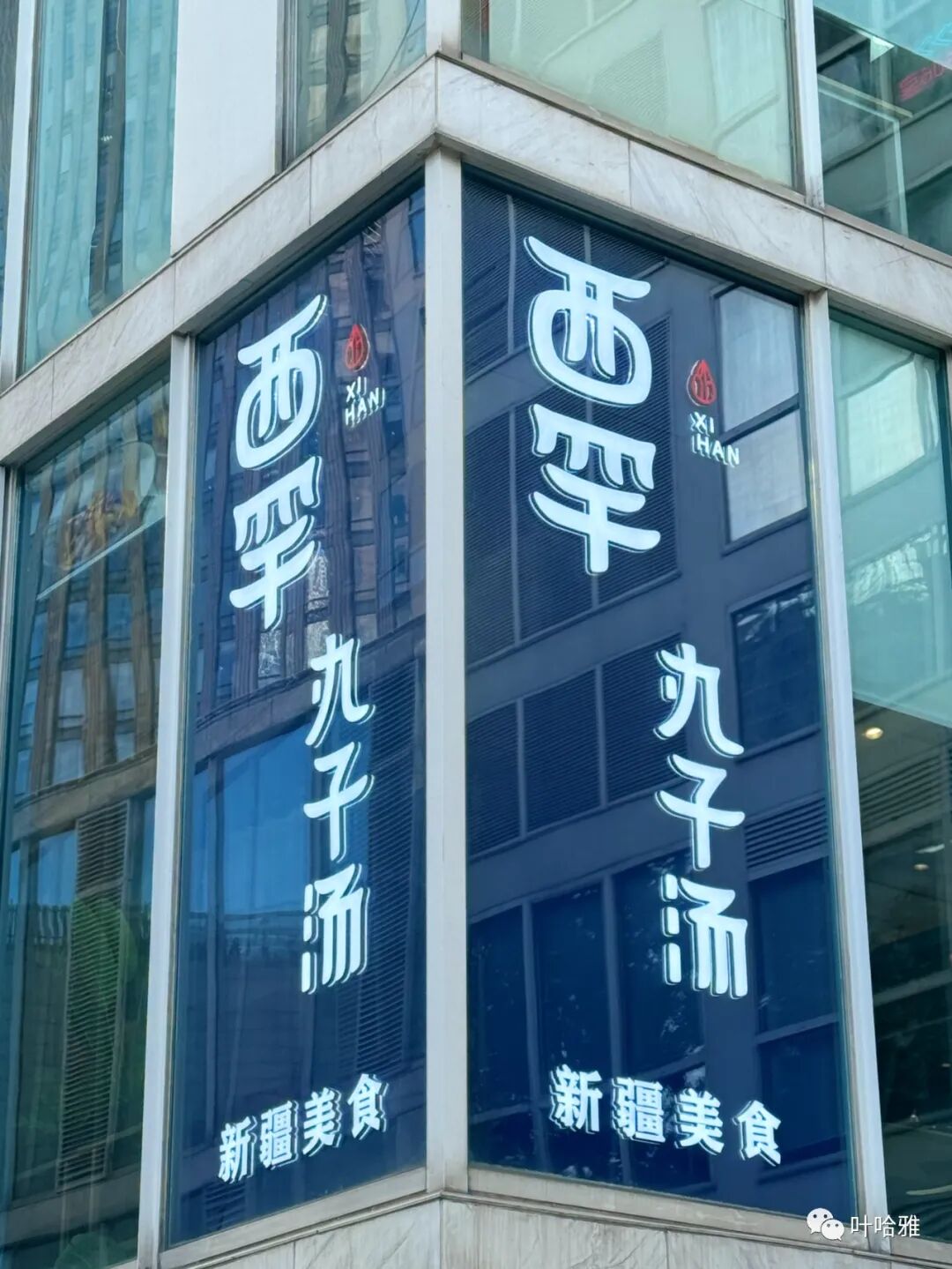
A Xinjiang meatball soup shop on the first floor of Jianwai SOHO East District, decorated in a fresh and artistic style.
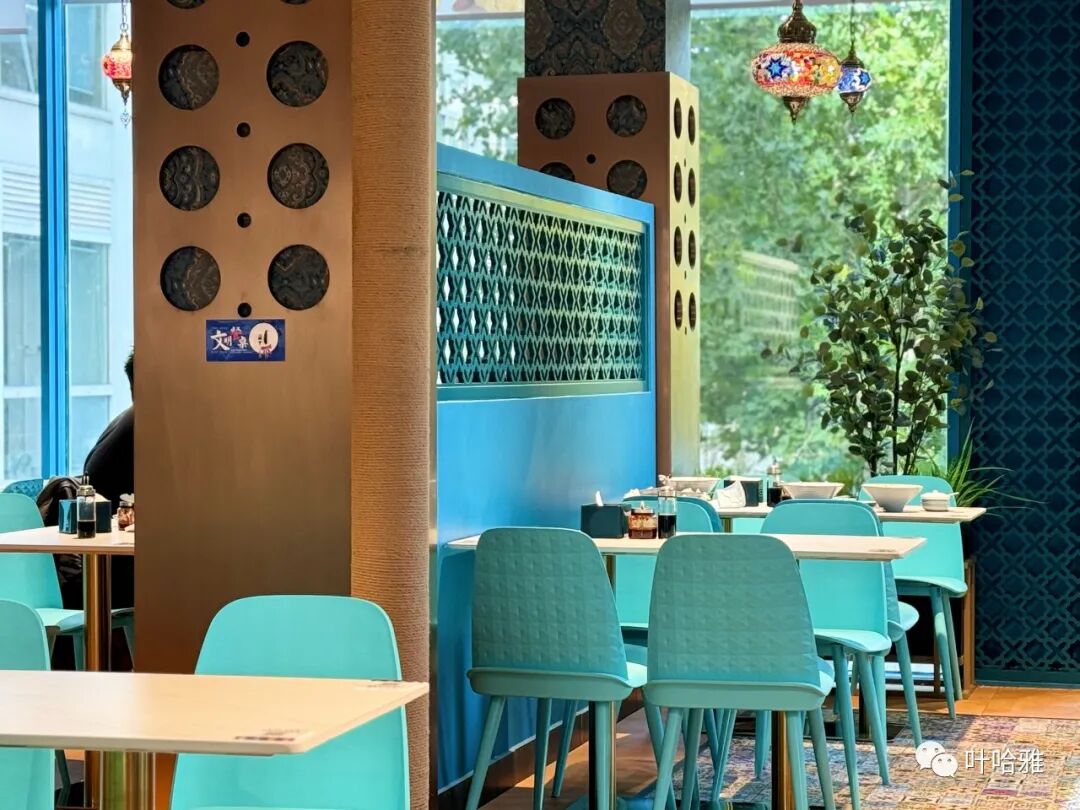
The main color is Ili blue. They specialize in meatball soup and also serve various Xinjiang snacks.
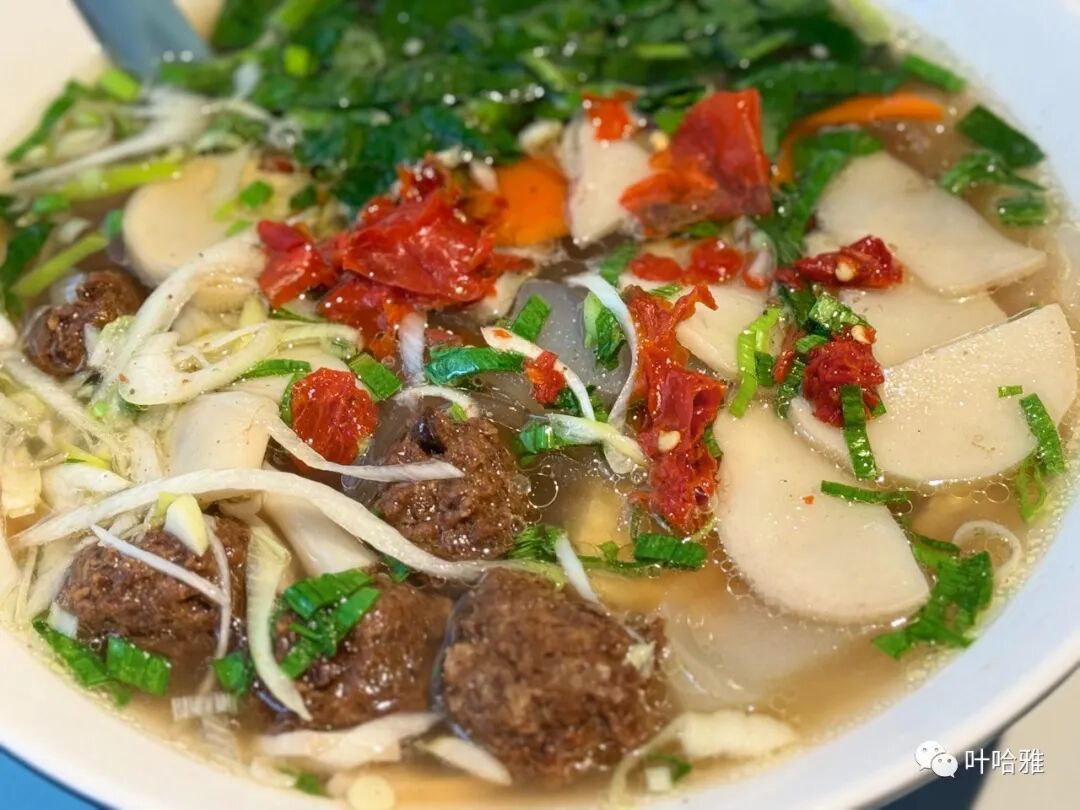
Meatball soup
Meatball soup served with steamed flower rolls (huajuan), absolutely delicious.
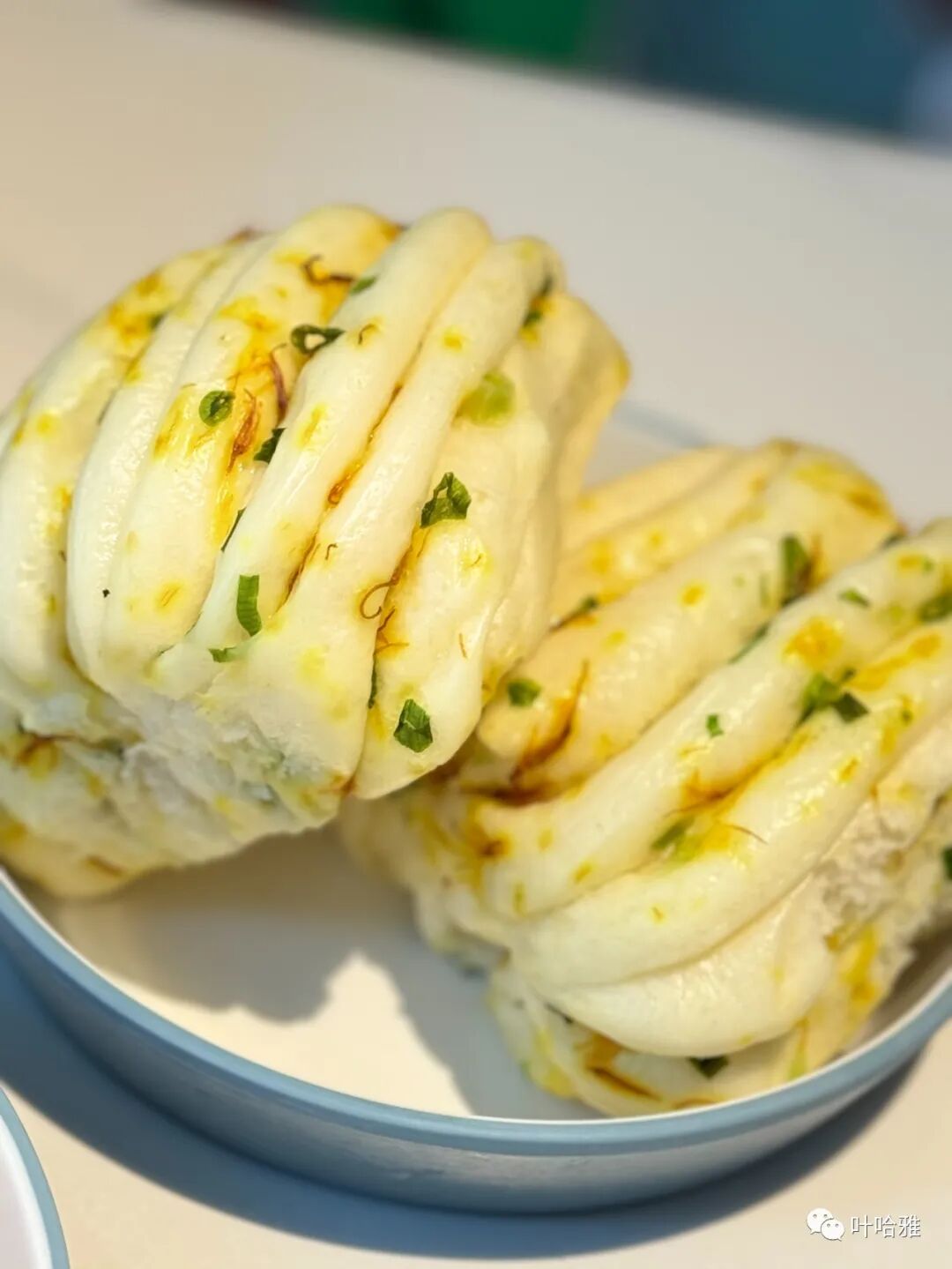
Steamed flower rolls (huajuan)
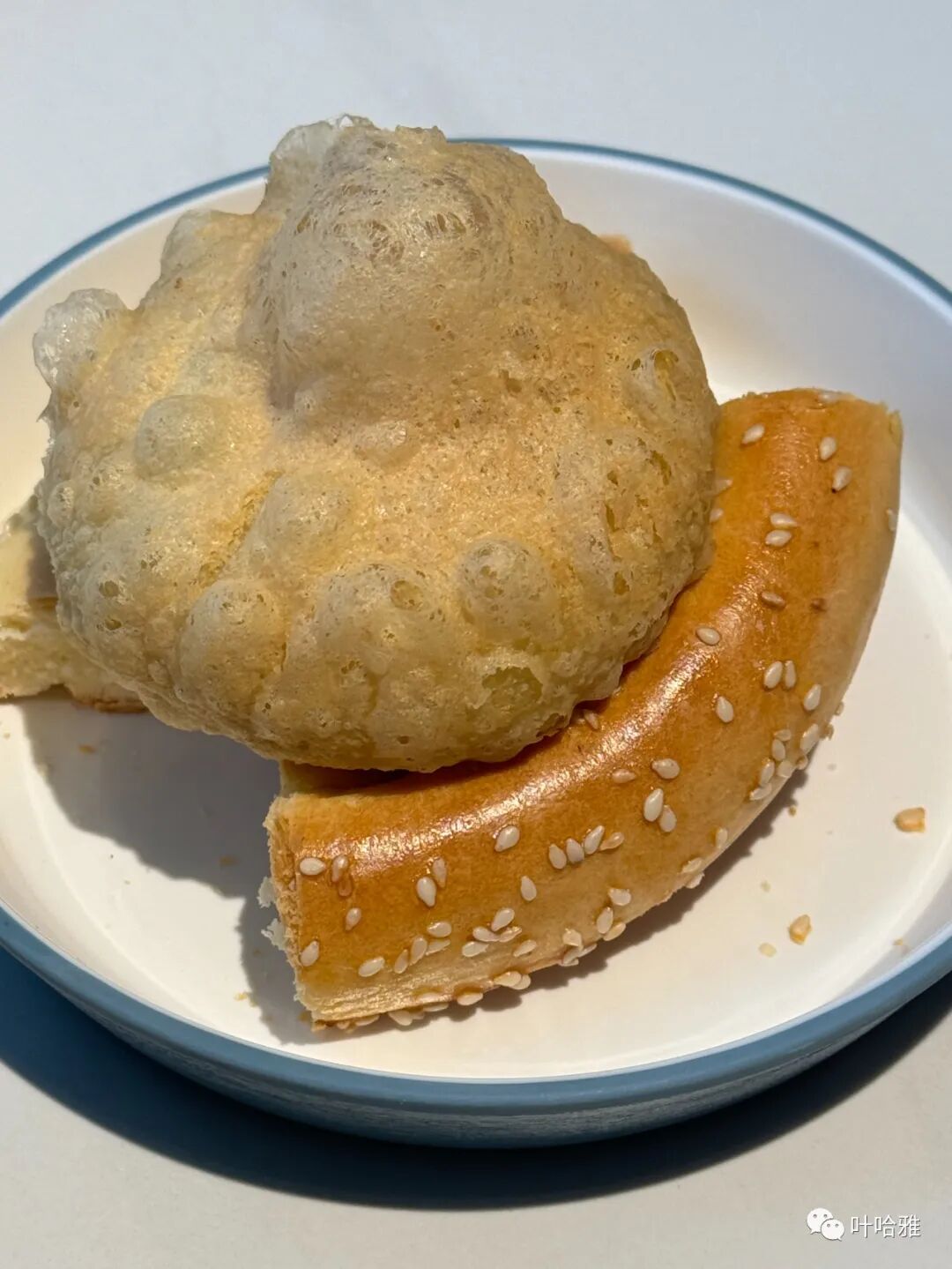
Deep-fried cake (youzhagao)
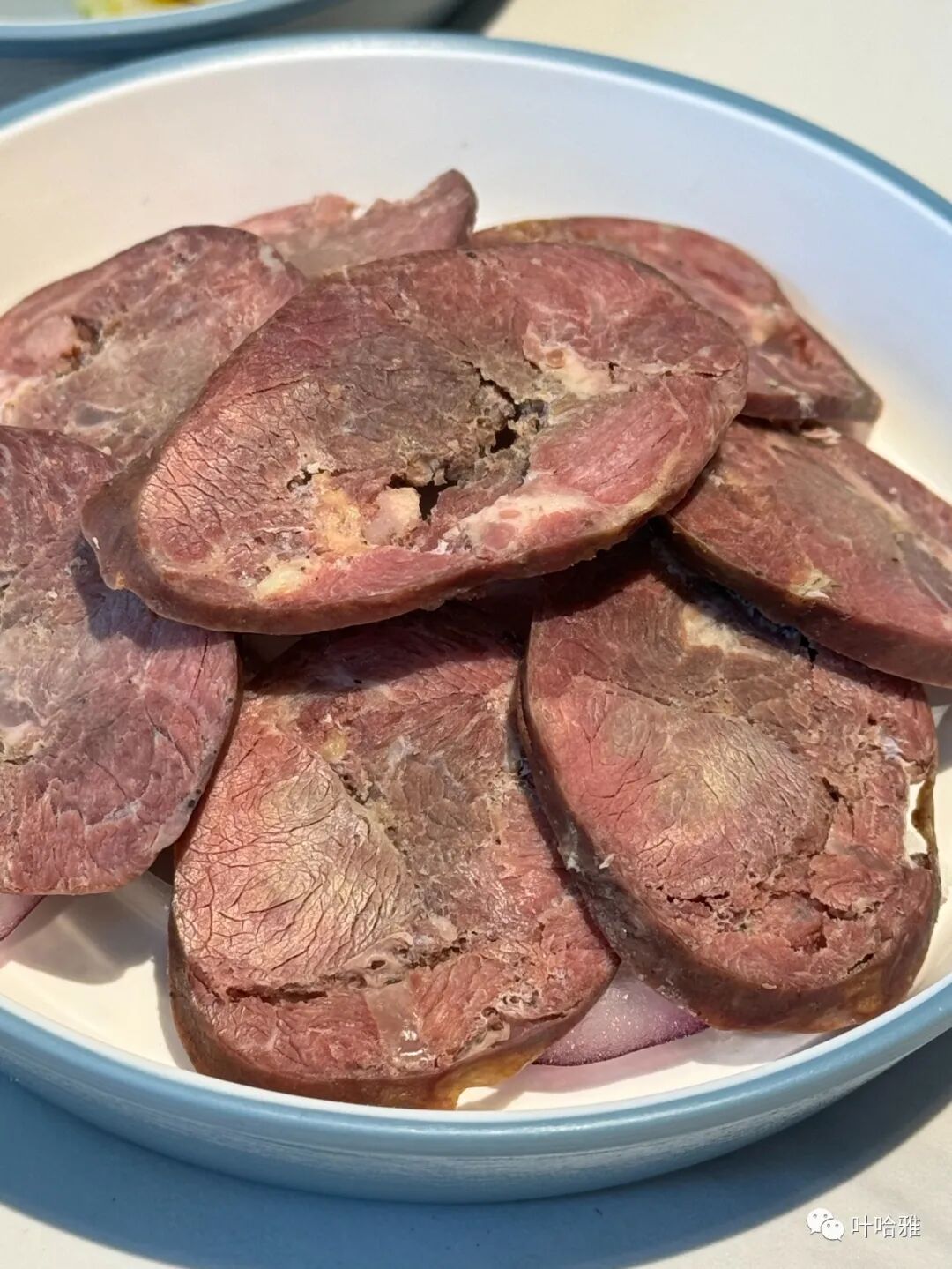
Ili smoked horse sausage (yili xunmachang)
Jabir ibn Abdullah (may Allah be pleased with him and his father) reported that on the day of the Battle of Khaybar, the Prophet (peace and blessings of Allah be upon him) forbade eating donkey meat but allowed eating horse meat. (Sahih al-Bukhari)
Asma bint Abu Bakr reported: During the time of the Prophet, we slaughtered a horse and ate its meat (Sahih Muslim).
3. Yixiangyuan Restaurant
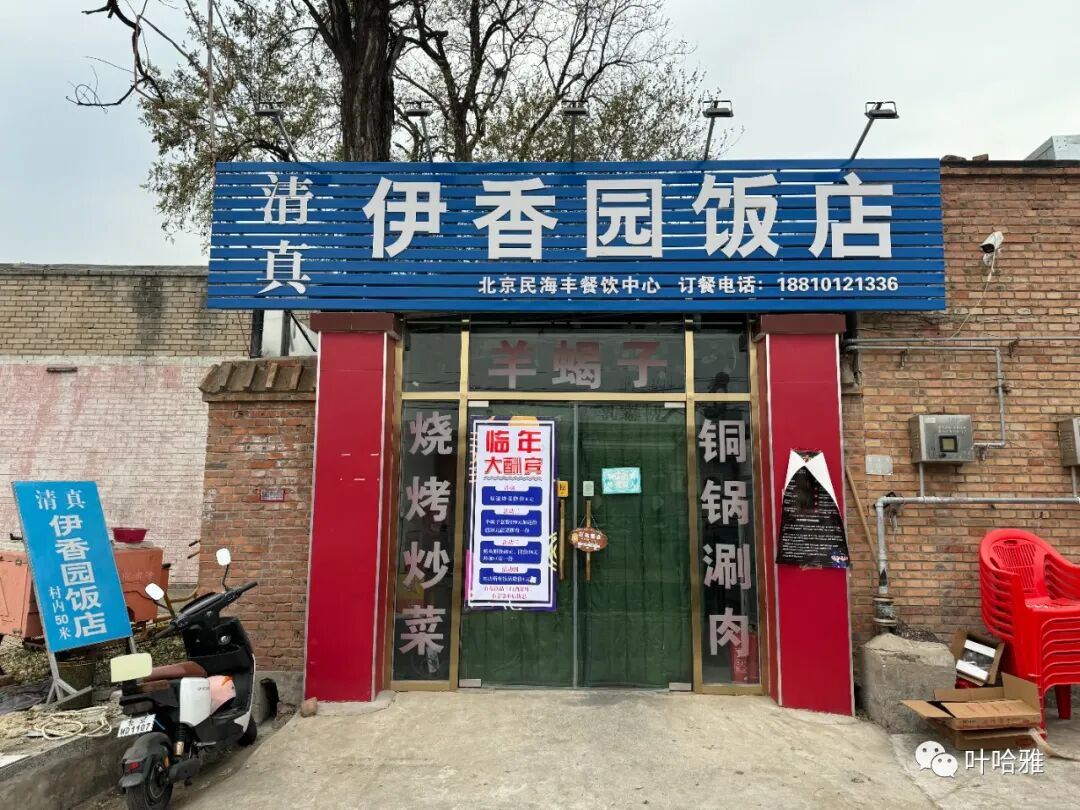
There is a Yufa Town mosque (Yufa Zhen Qingzhensi) near Daxing Airport. After visiting the Yufa mosque, I went to the nearby Dongwenggezhuang Village for a quick meal.
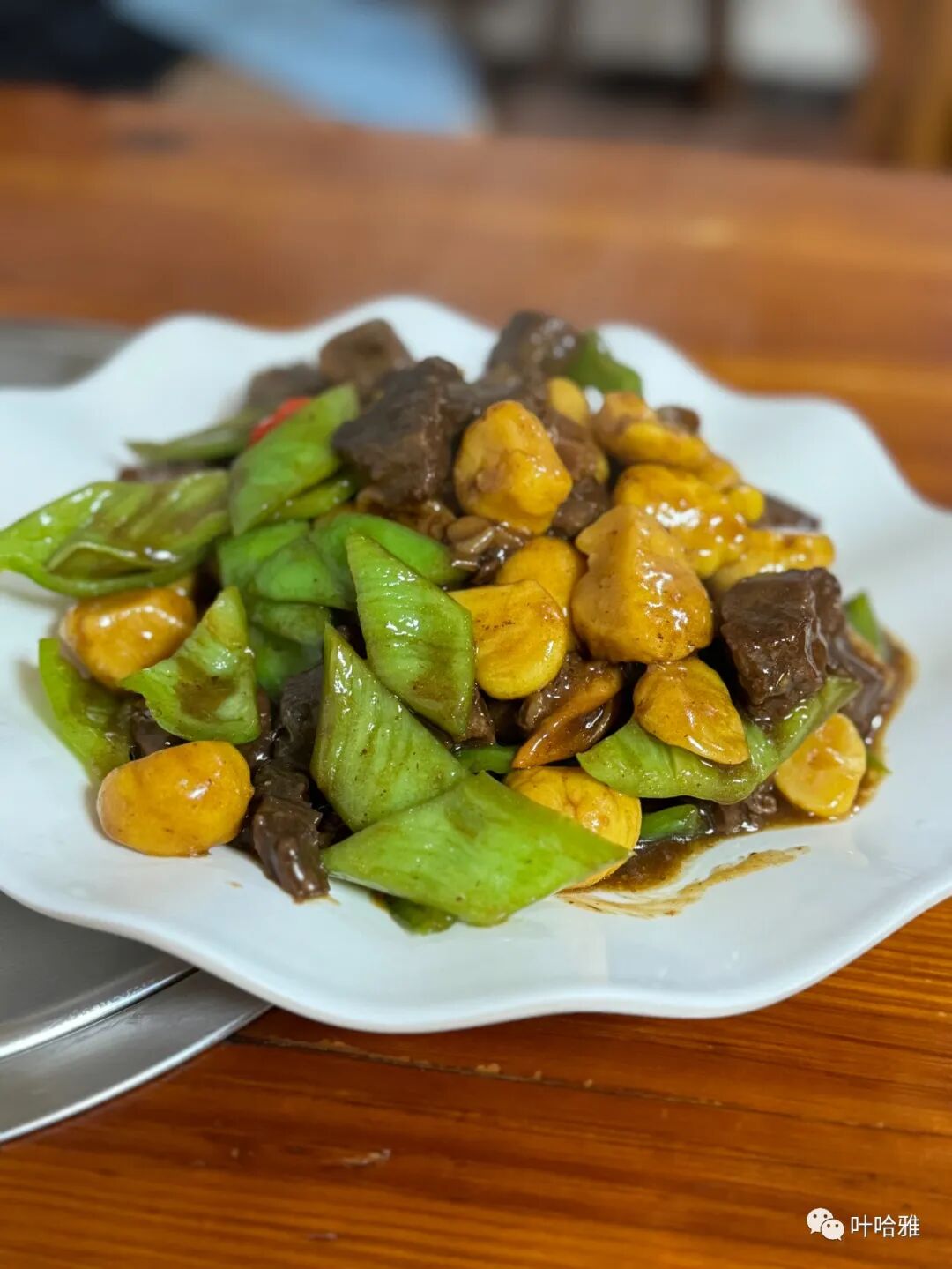
This is the closest restaurant to the Yufa mosque. I ordered the stir-fried beef with chestnuts, and it tasted pretty good.
4. Niuwanfeng Heluo Noodles
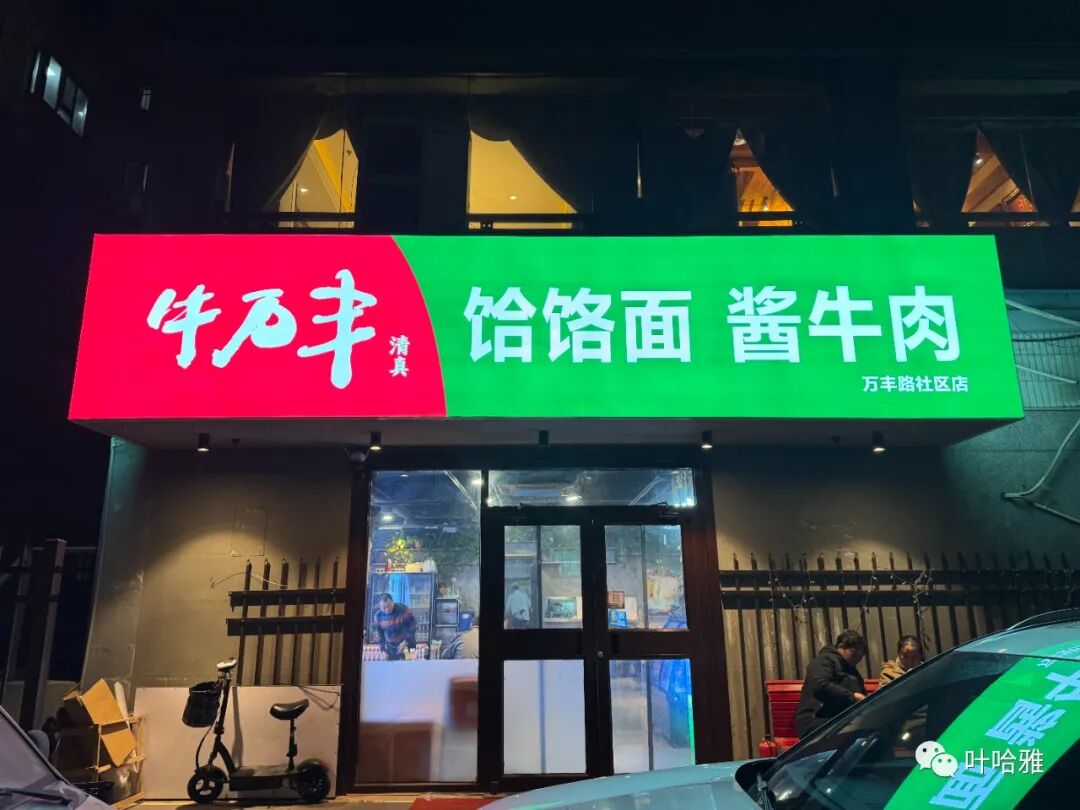
A new Jia County noodle shop (hela mian) from Henan opened in Fengtai. I have been there twice, and the taste is quite authentic.
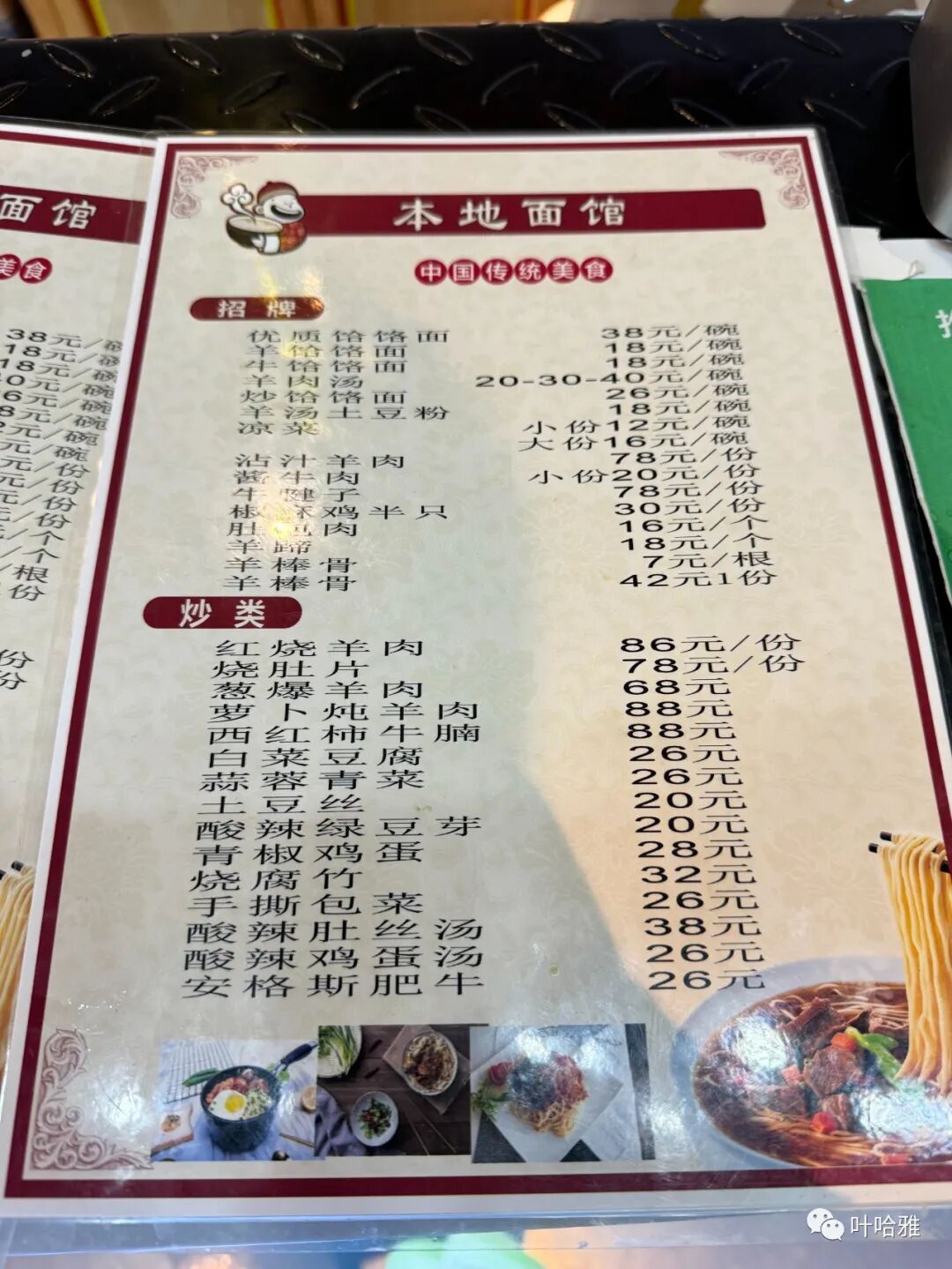
Jia County noodle soup is made with lamb broth. They use plenty of high-quality lamb, and the soup is good enough to drink on its own.
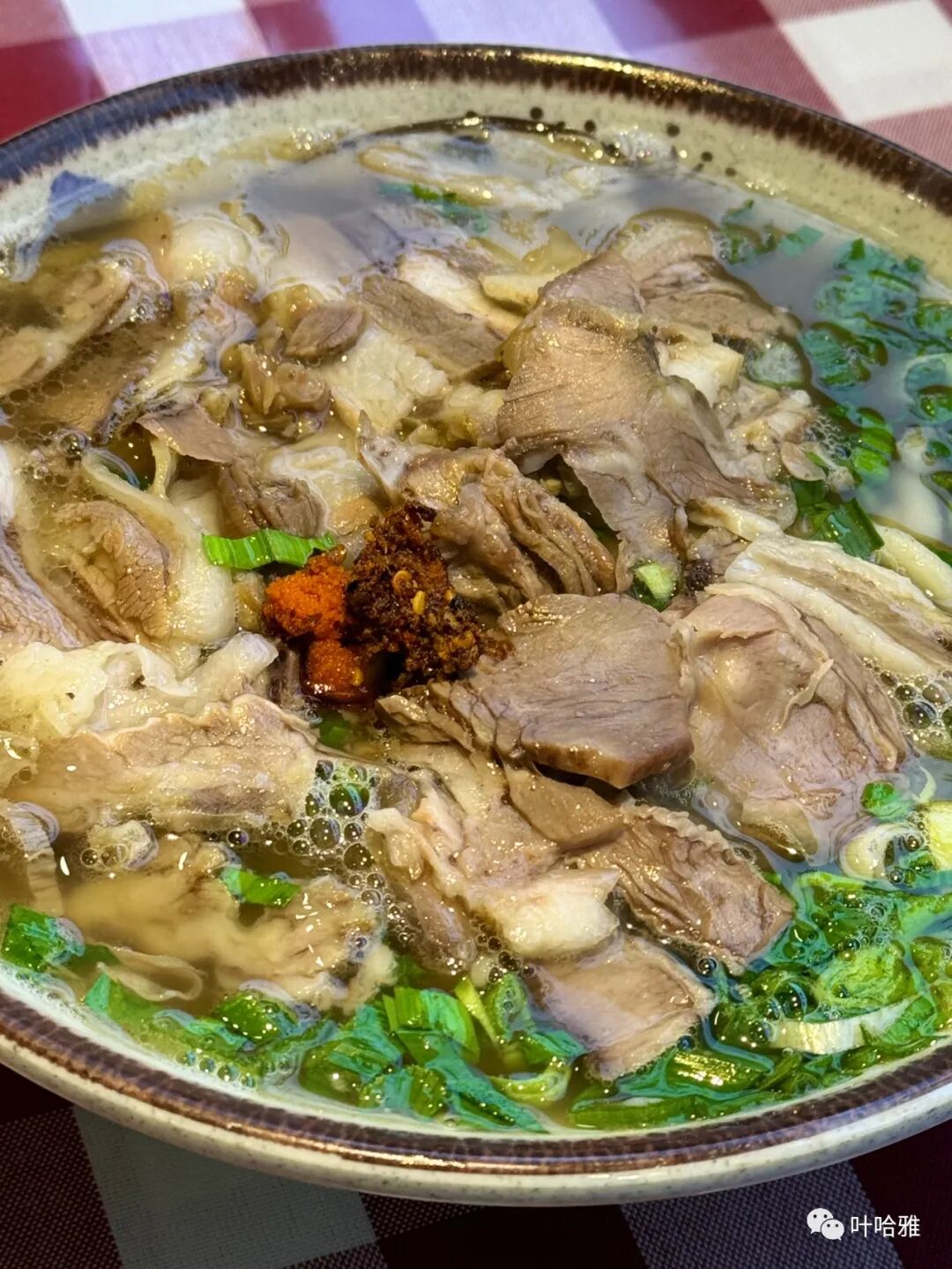
They fry their chili in lamb fat, so the flavor is very strong.
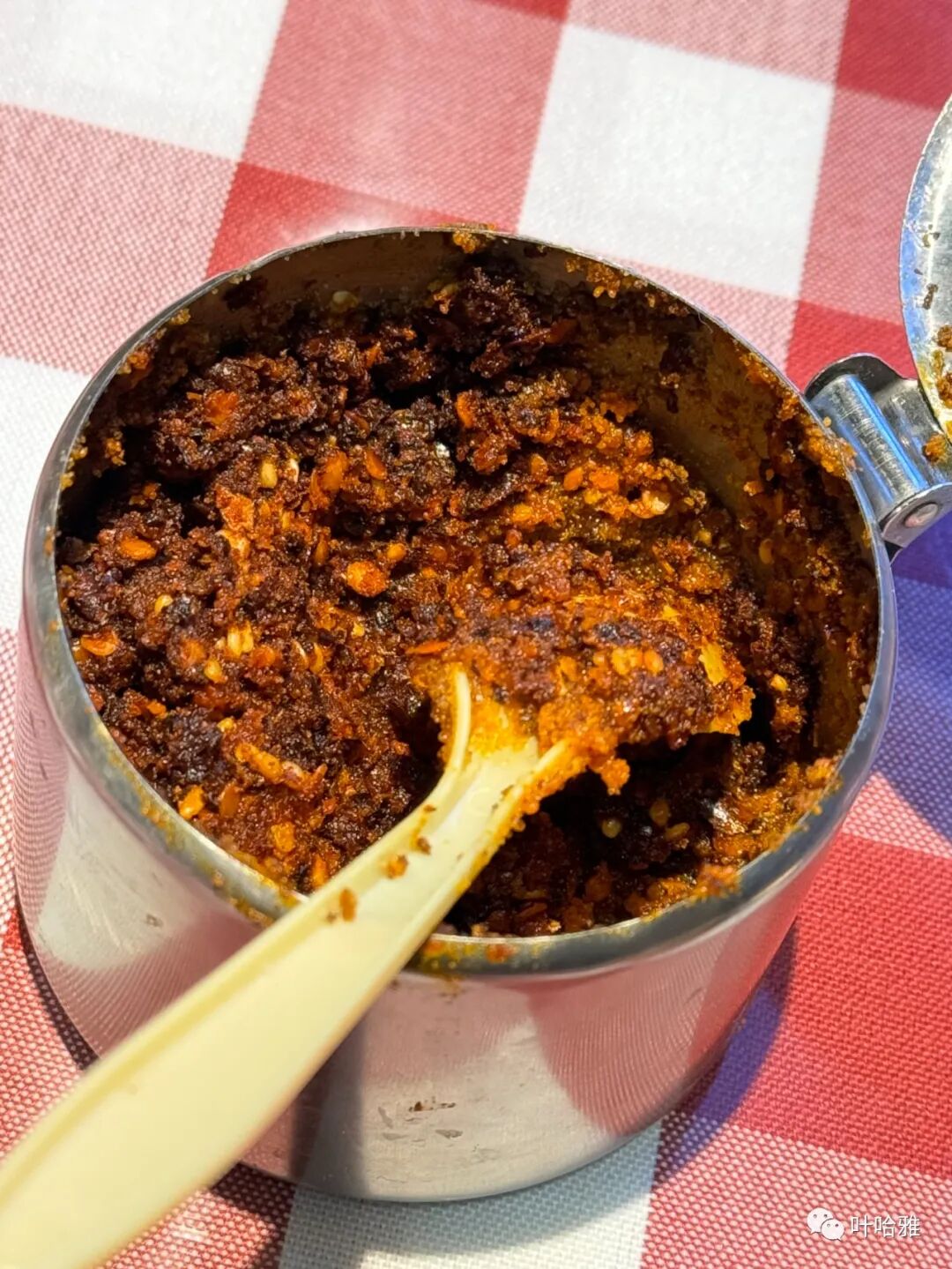
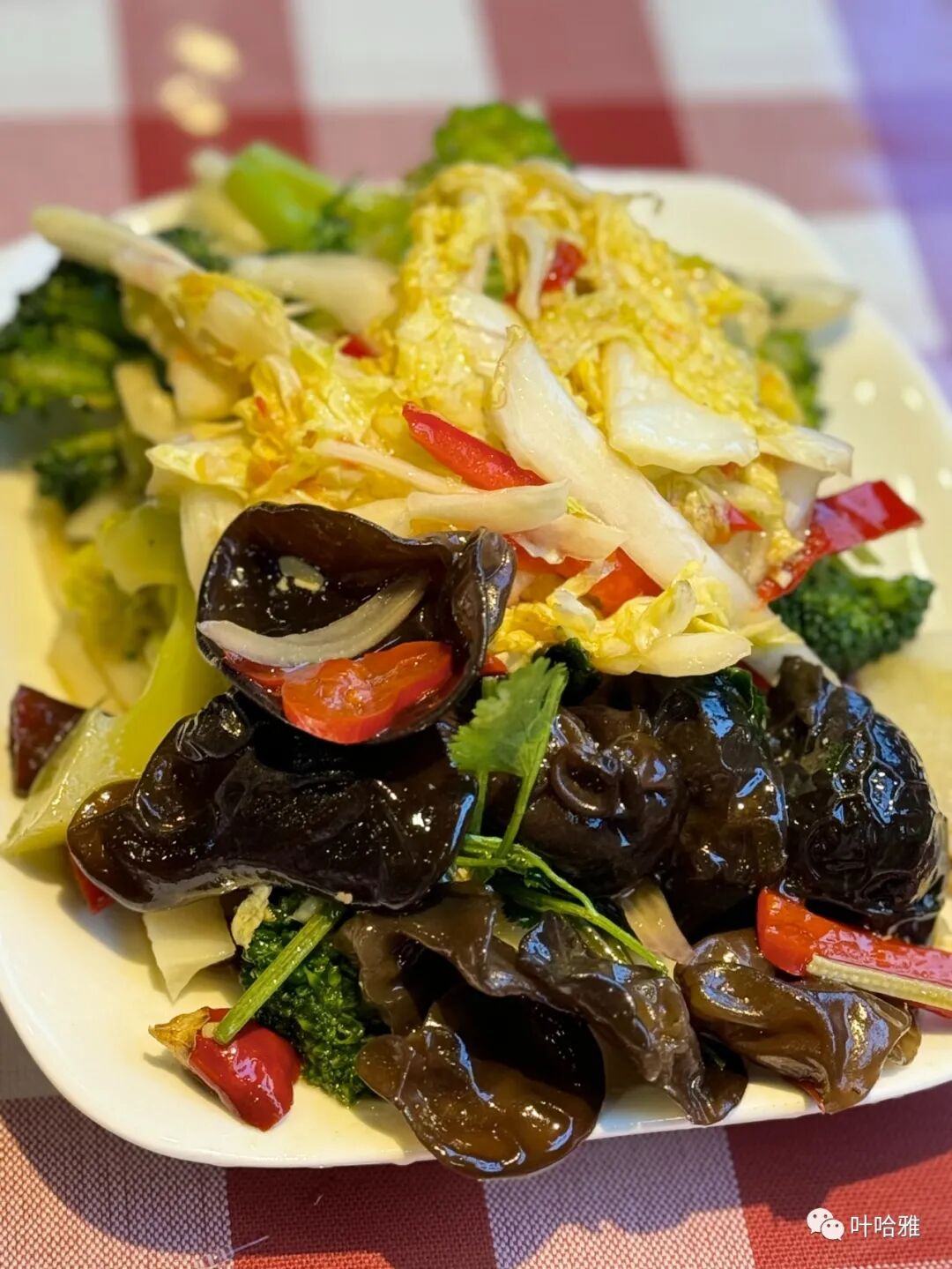
Besides the buckwheat noodles (heluo mian), their spiced beef (jiang niurou) is also quite good. The kitchen staff are all cousins from Henan.
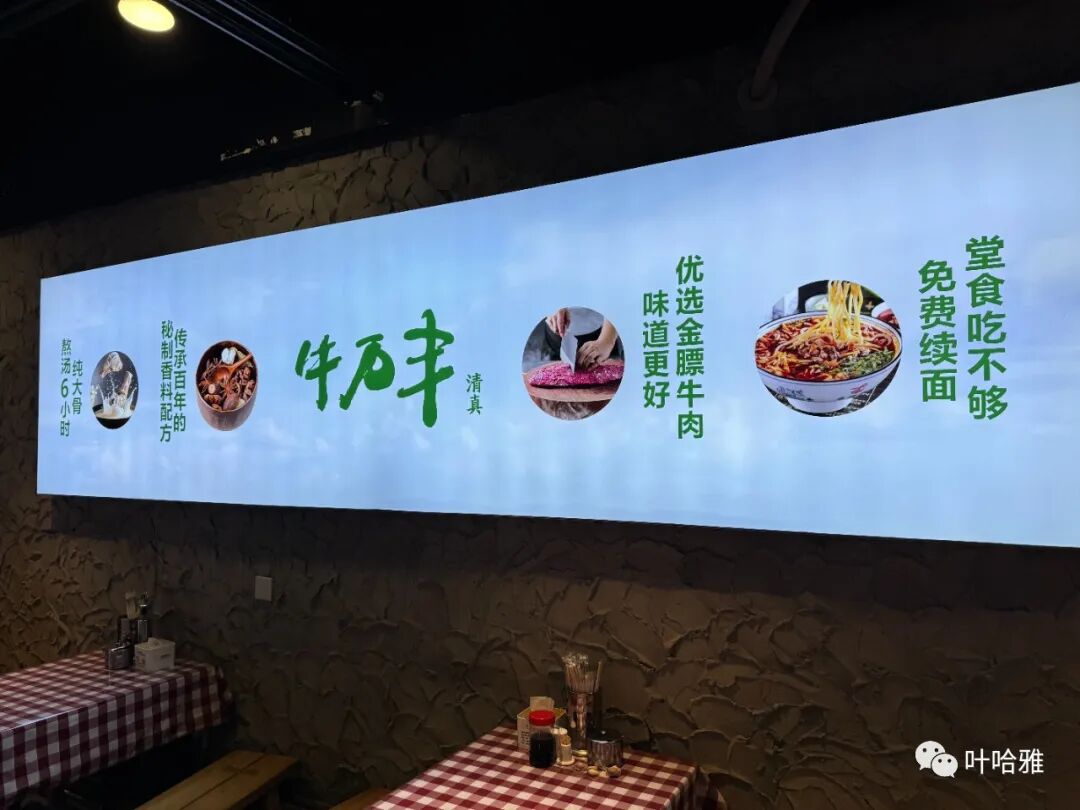
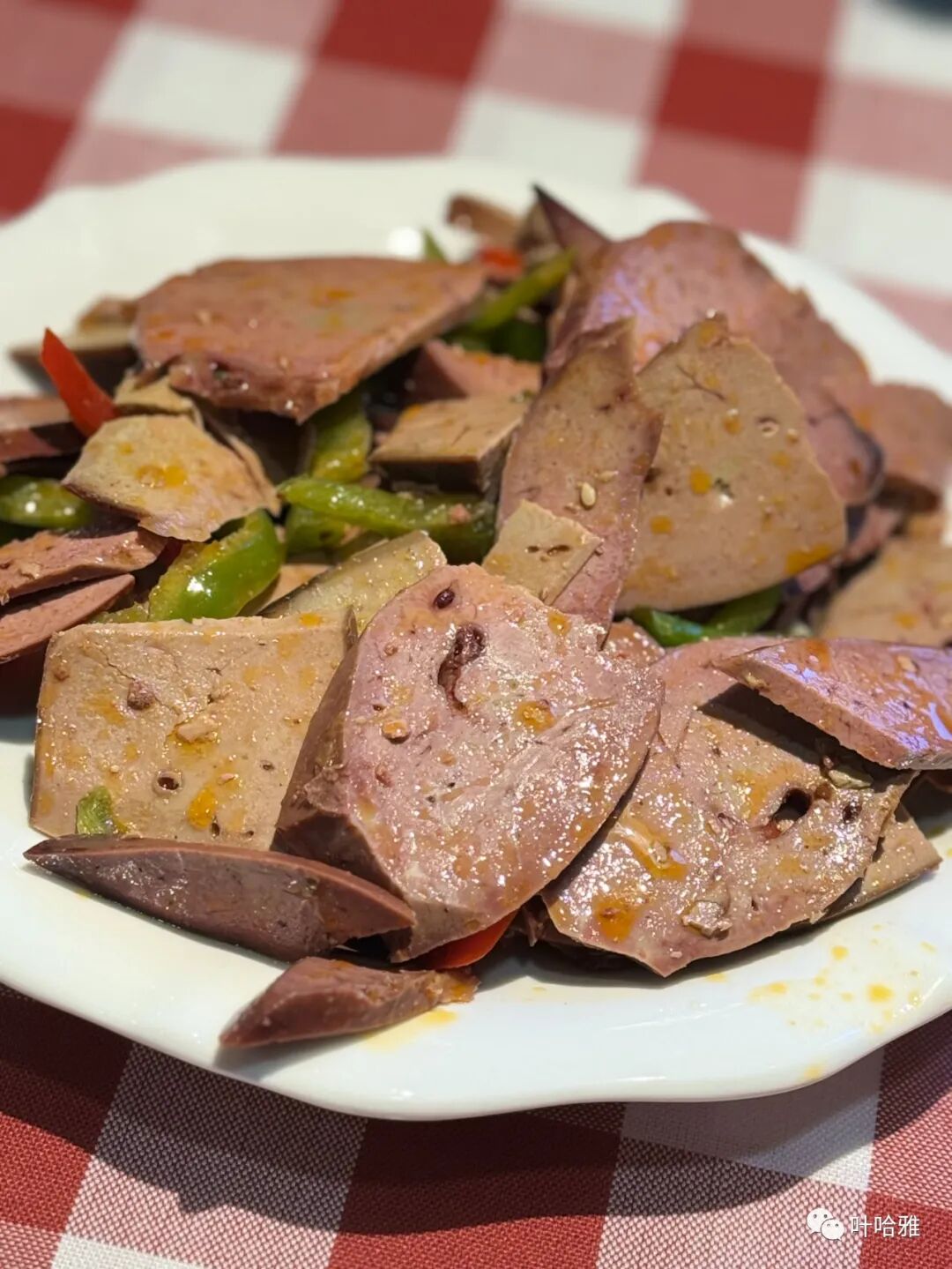
Lamb liver
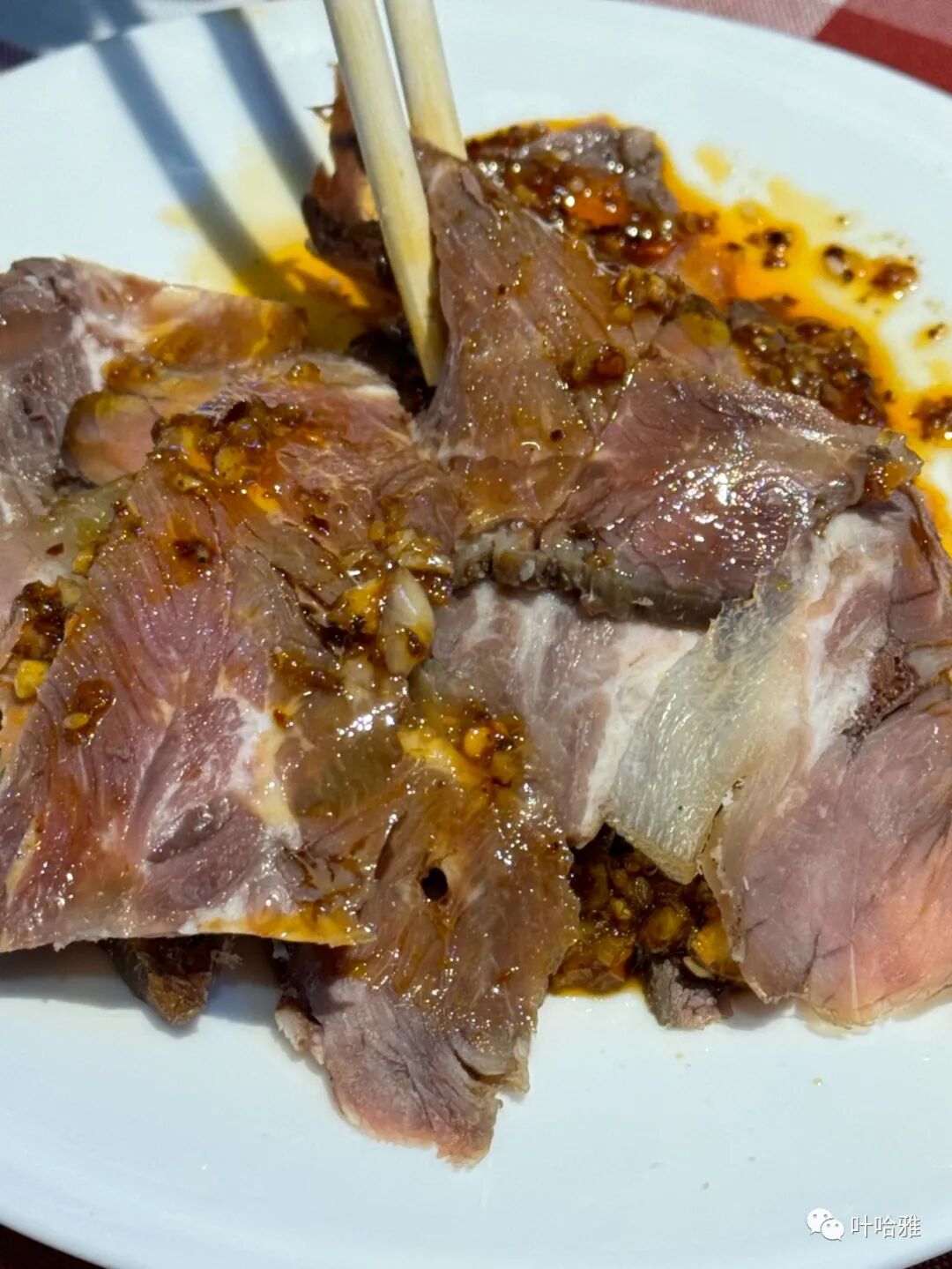
Spiced beef (jiang niurou)
5. Laohui Lamb Soup
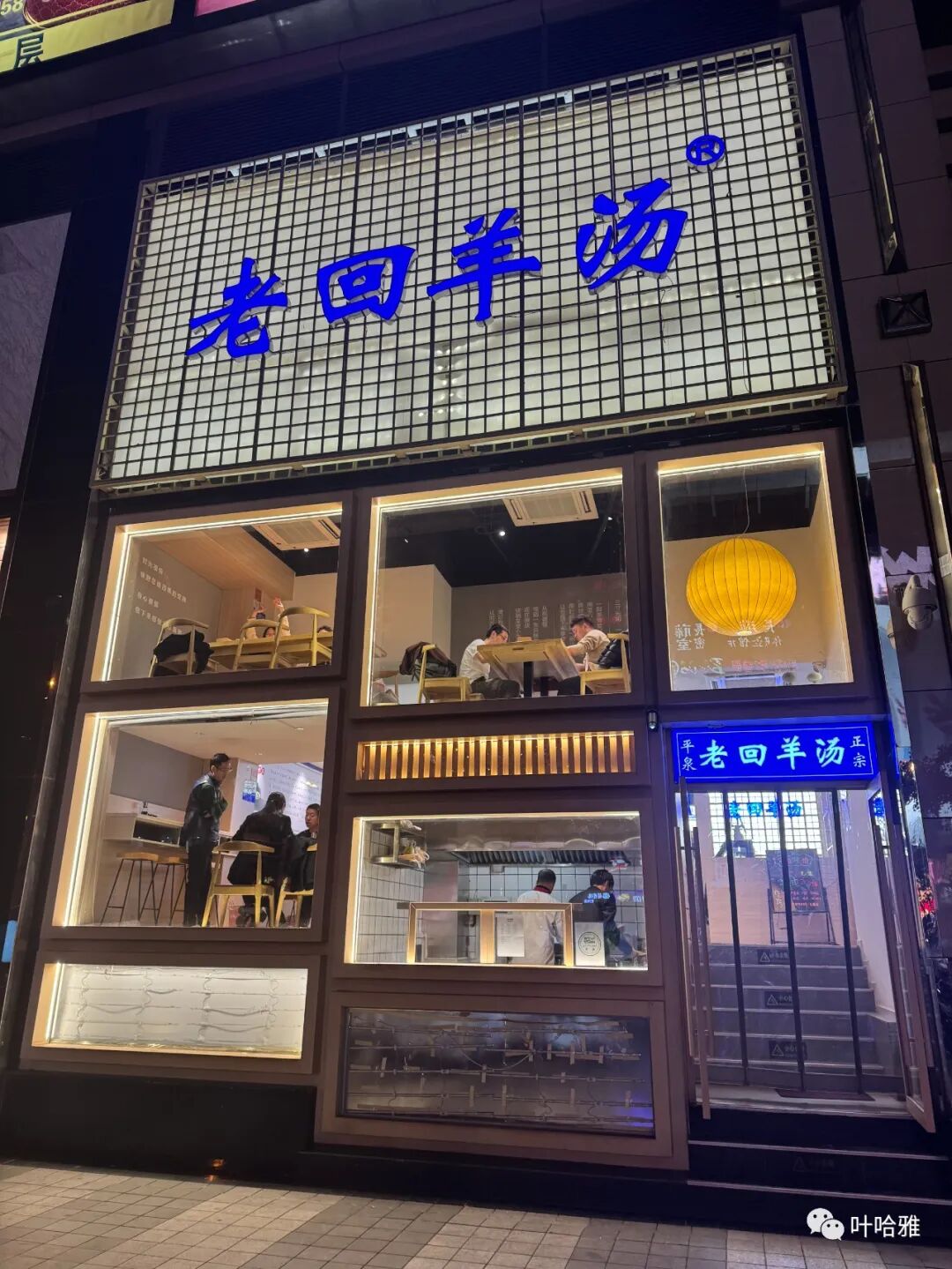
Pingquan is a county in Chengde, Hebei, famous for its lamb soup (yangtang). This shop, Lao Hui, is a lamb soup restaurant opened by people from Pingquan.
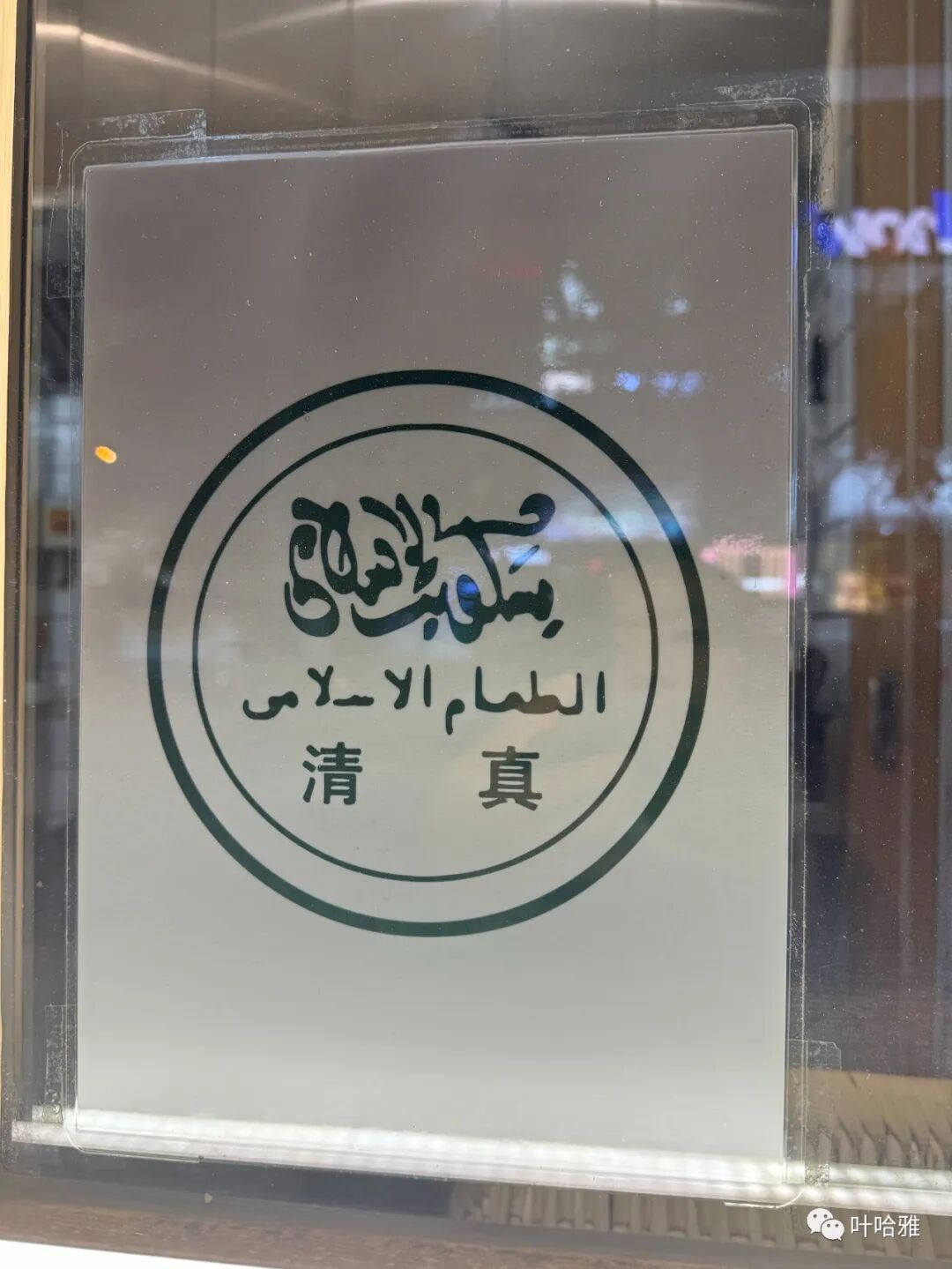
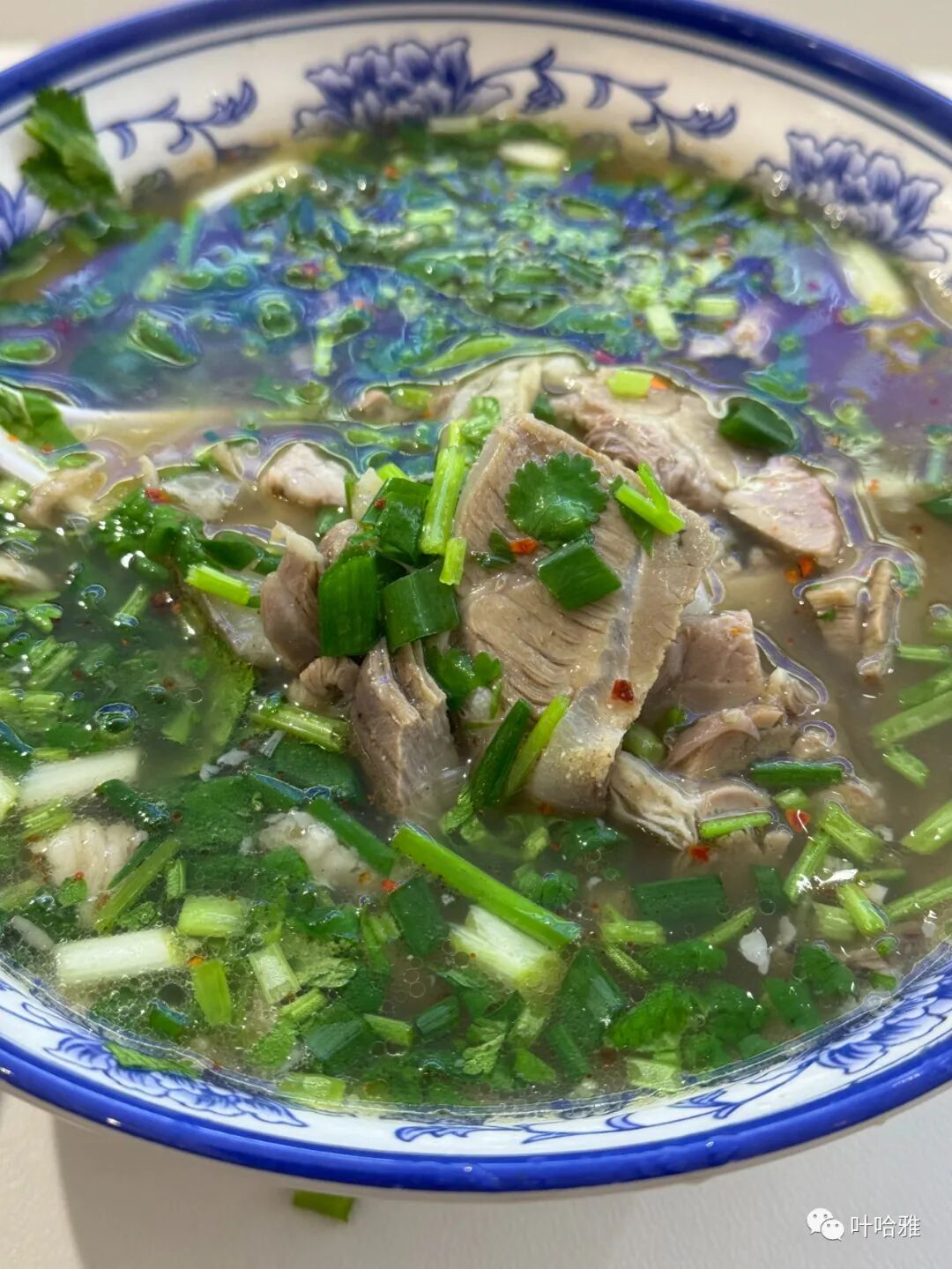
You can get free refills on the lamb soup (yangtang). This shop really boils it from scratch, and you have to eat it with a sesame flatbread (shaobing).
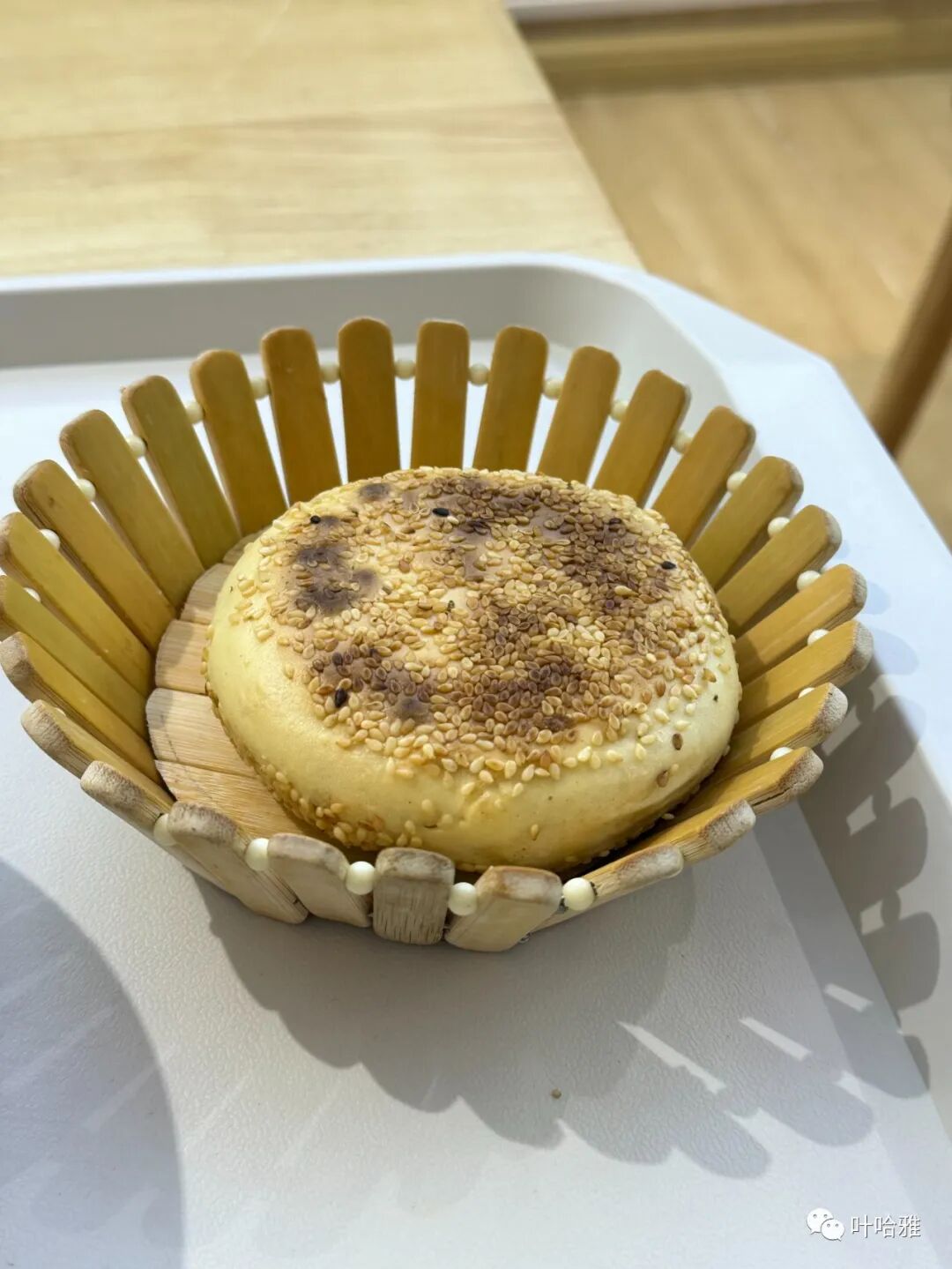
A bowl of lamb soup (yangtang) on a cold day warms you right up. The shop also offers charity meal sets for people in specific professions.
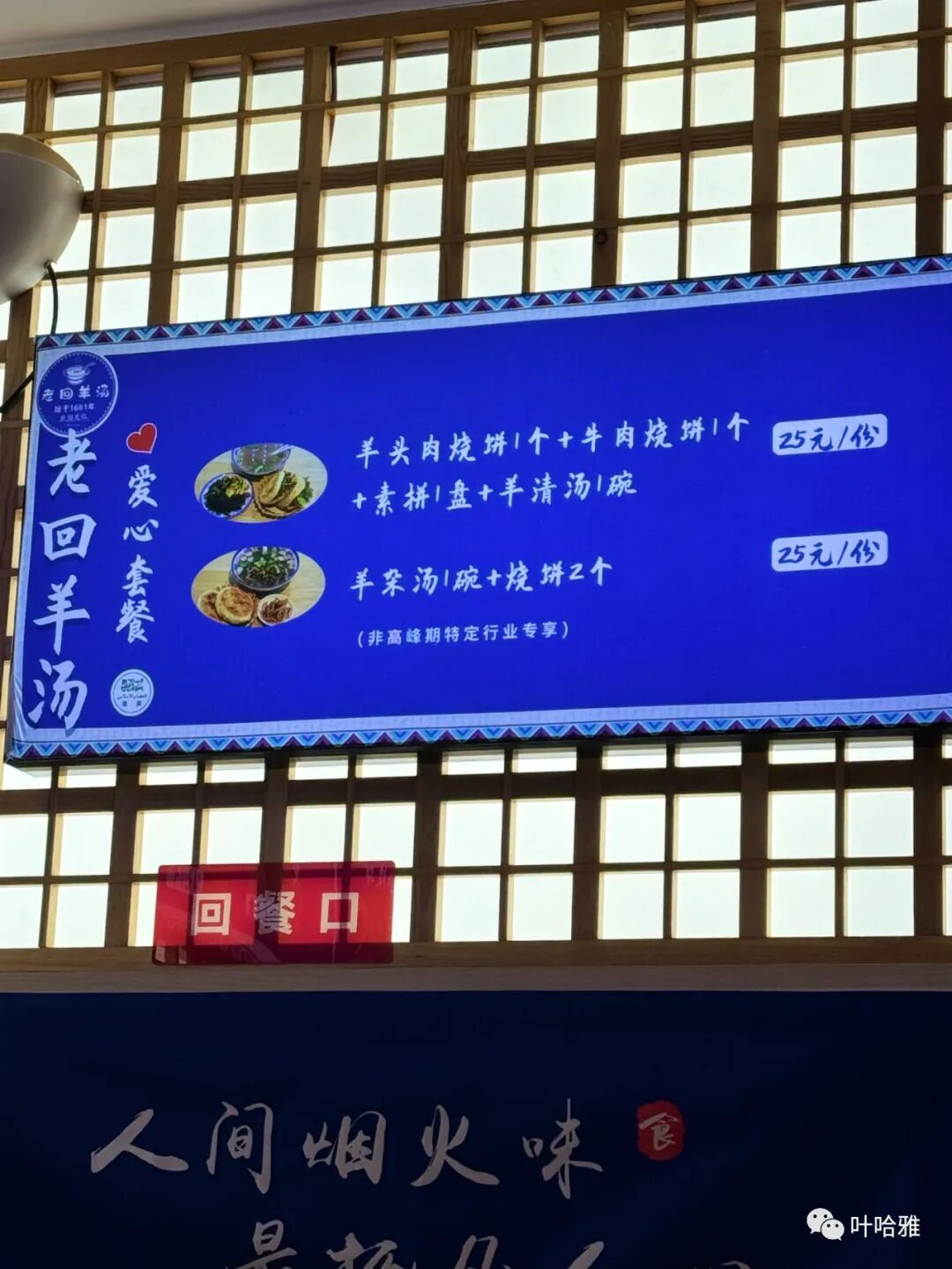
6. Big Head Hot Pot (Danaodai Shuanrou)
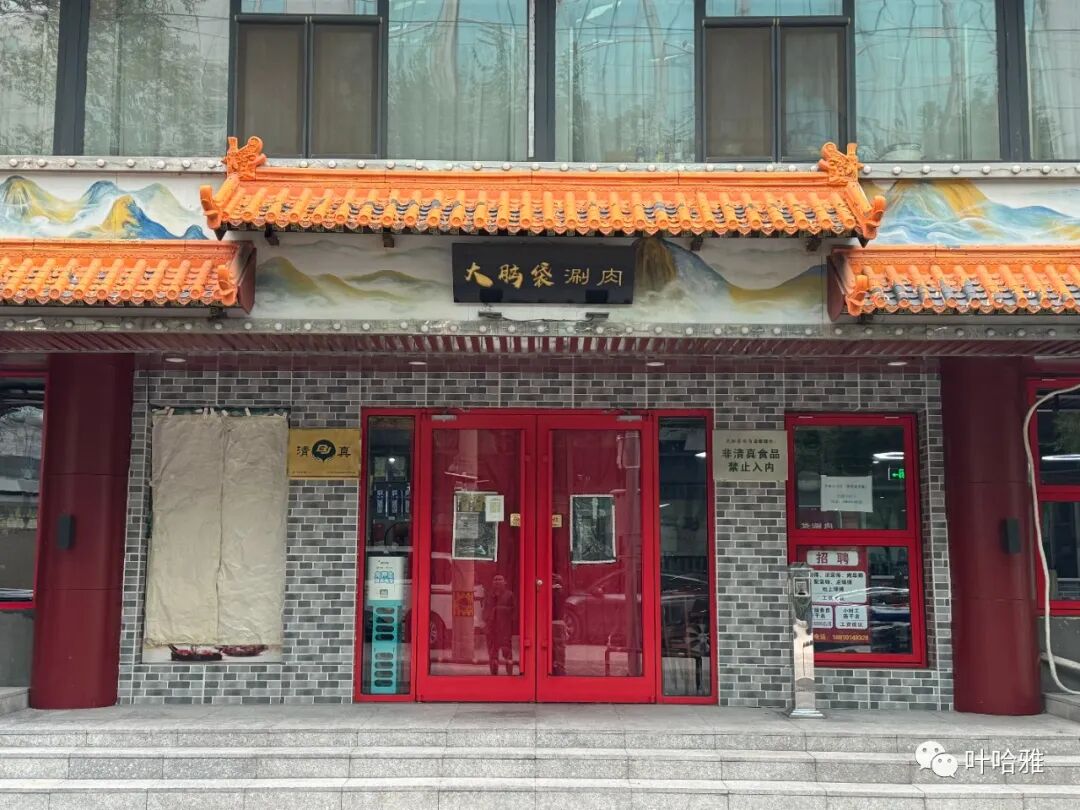
A Beijing-style hot pot restaurant opened not far from the North Square of the West Railway Station. Now I have another option if I am not in a rush when visiting the station.
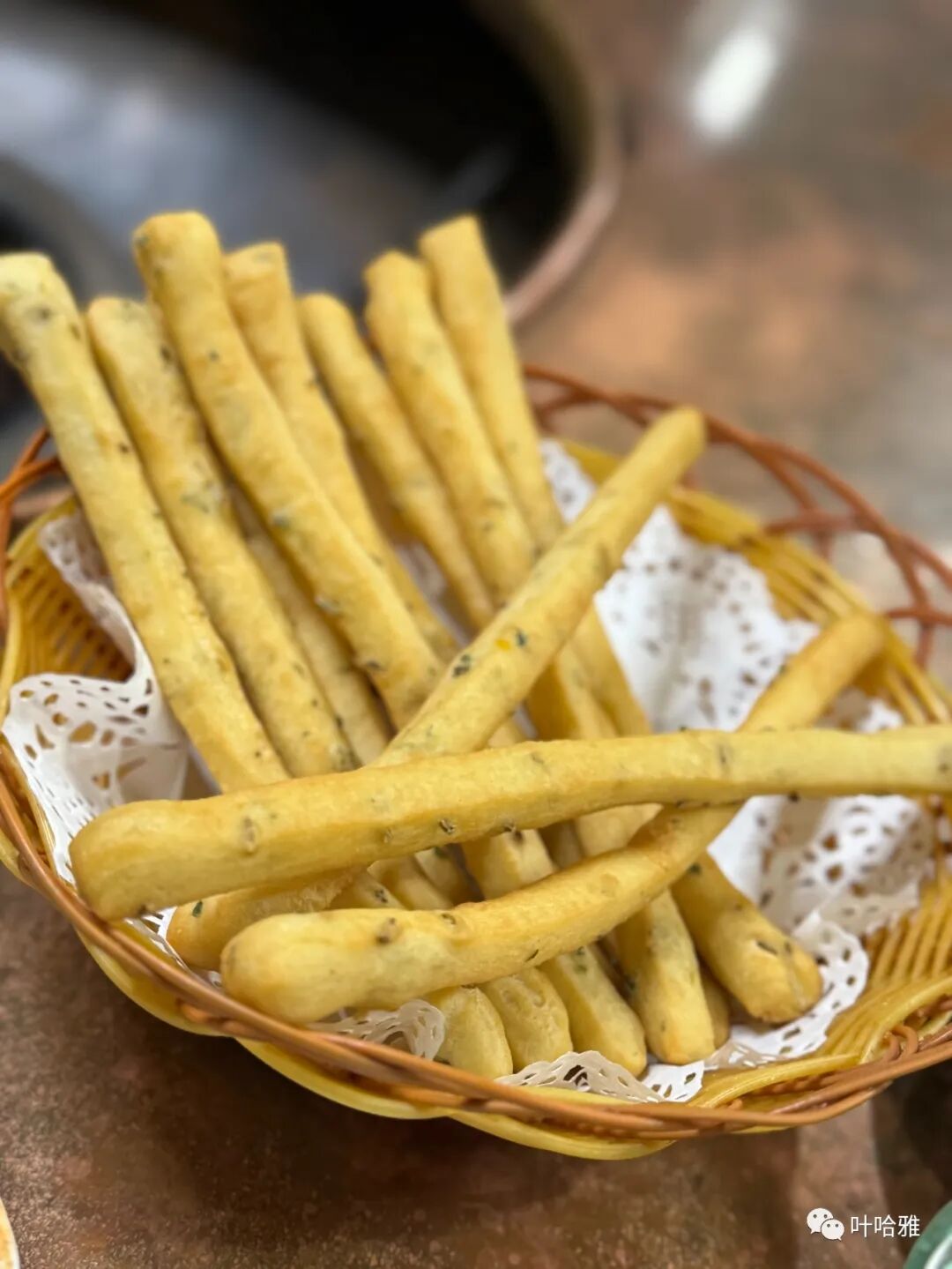
Fennel mini fried dough sticks (huixiang xiao youtiao)
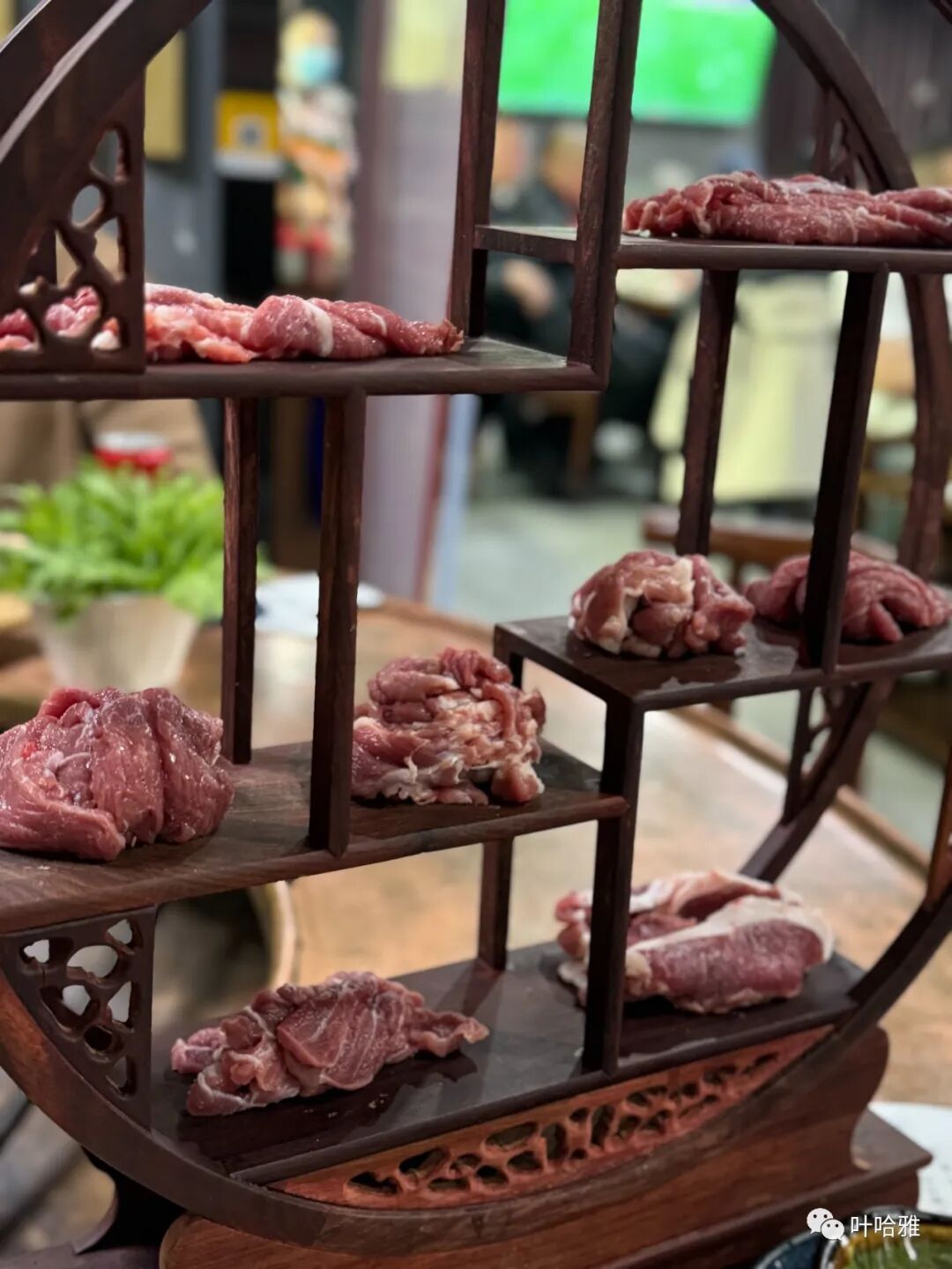
Overall, the place feels quite affordable. They have copper charcoal pots and individual small pots, costing about 100 per person.
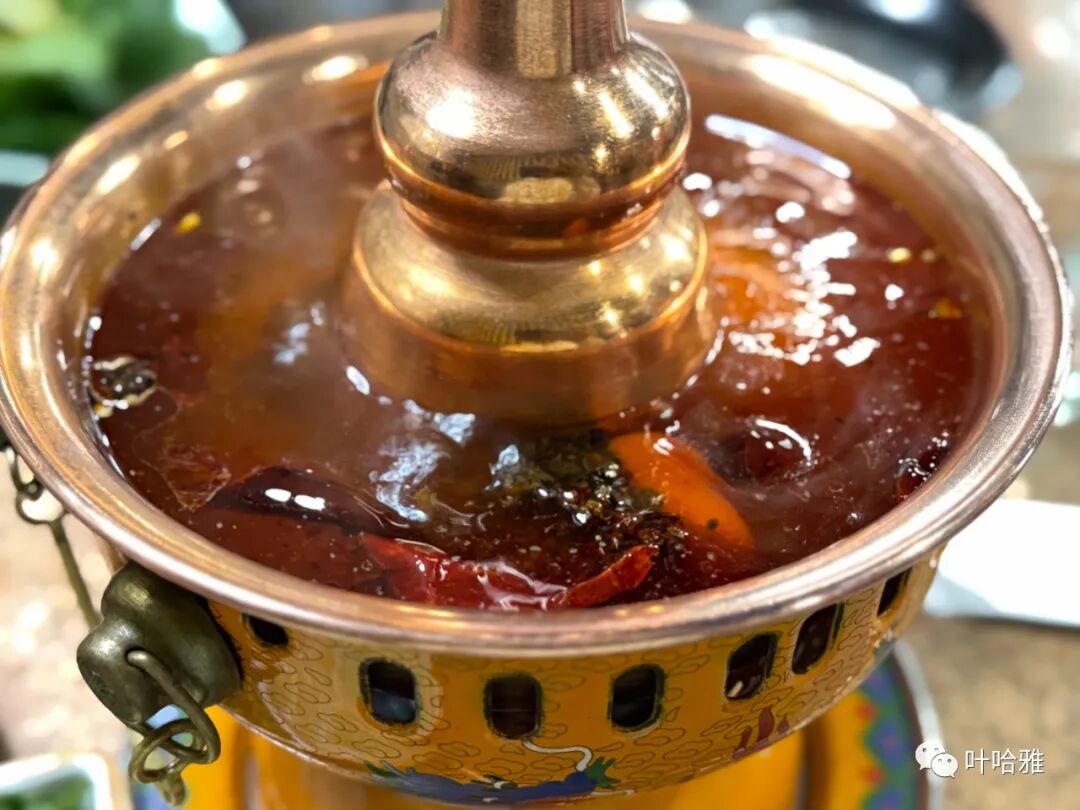
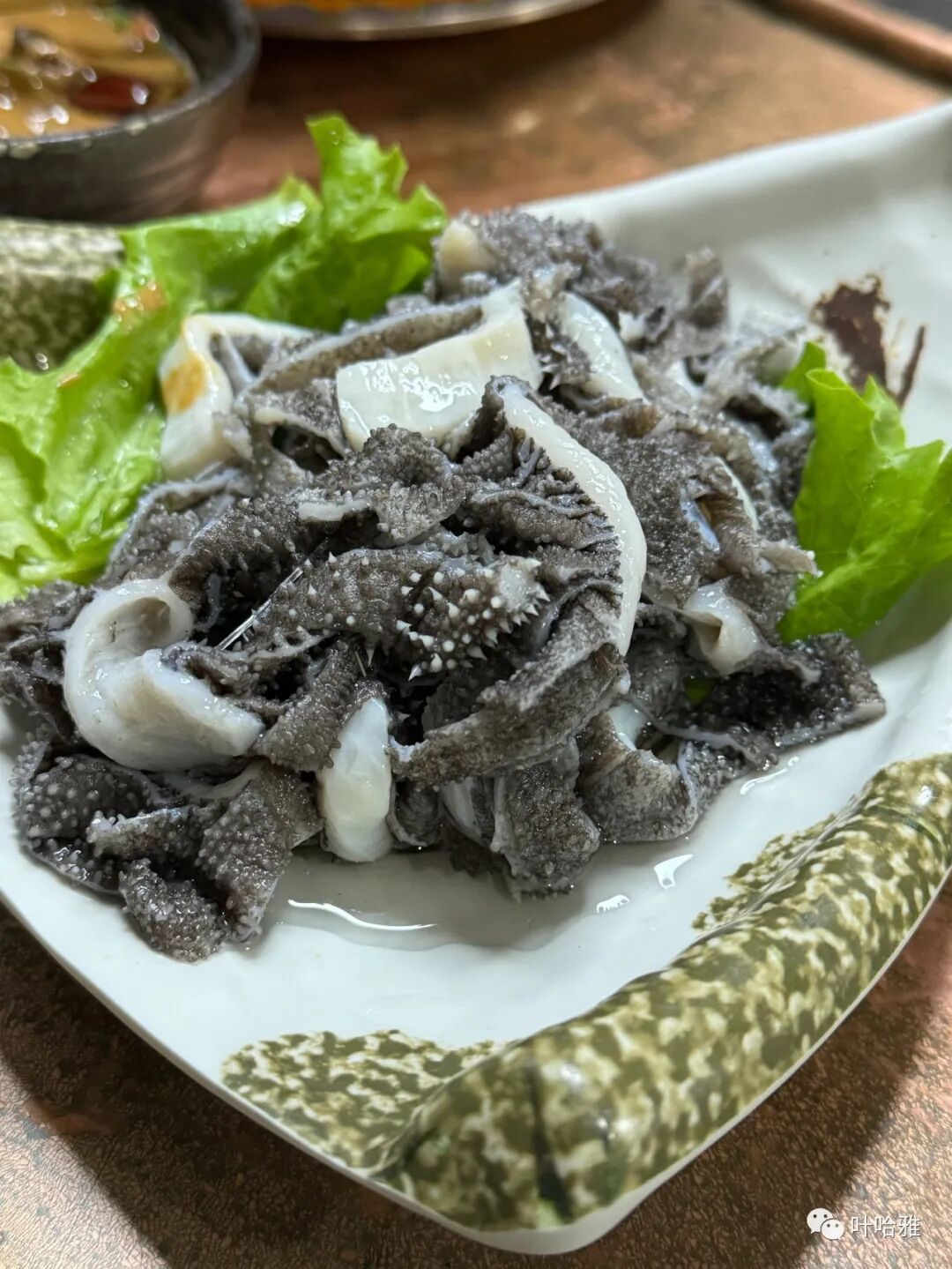
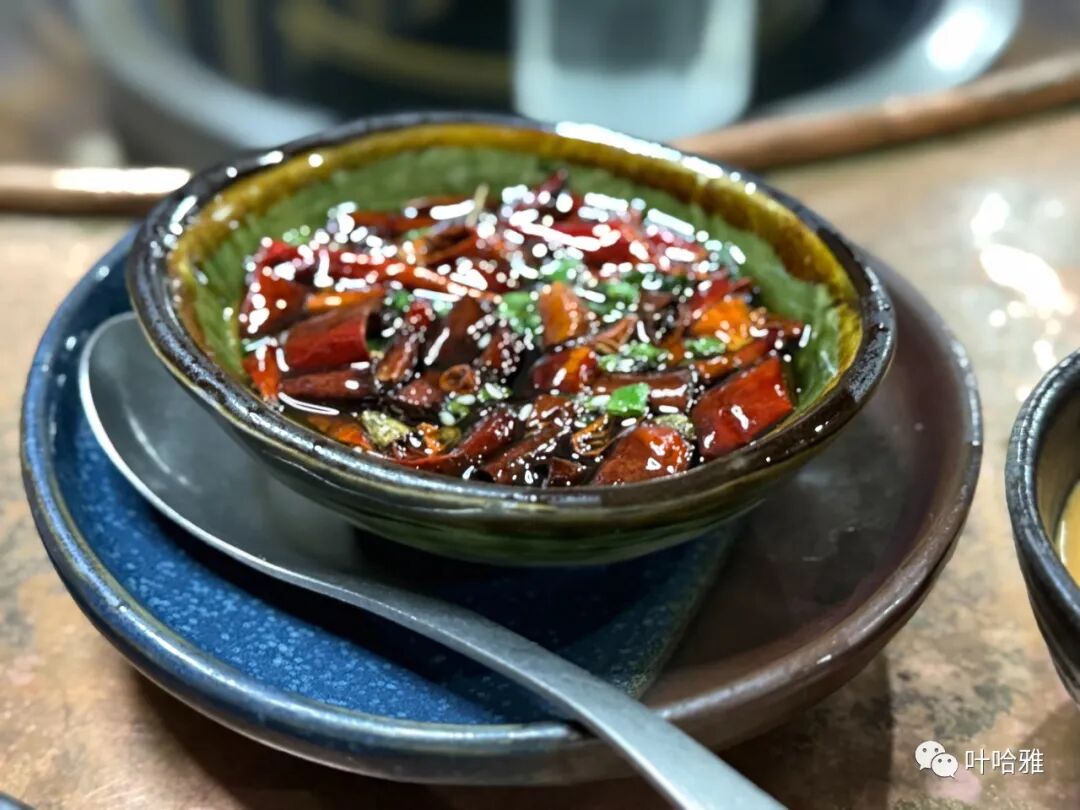
7. Xiangshui Sour Soup Hot Pot
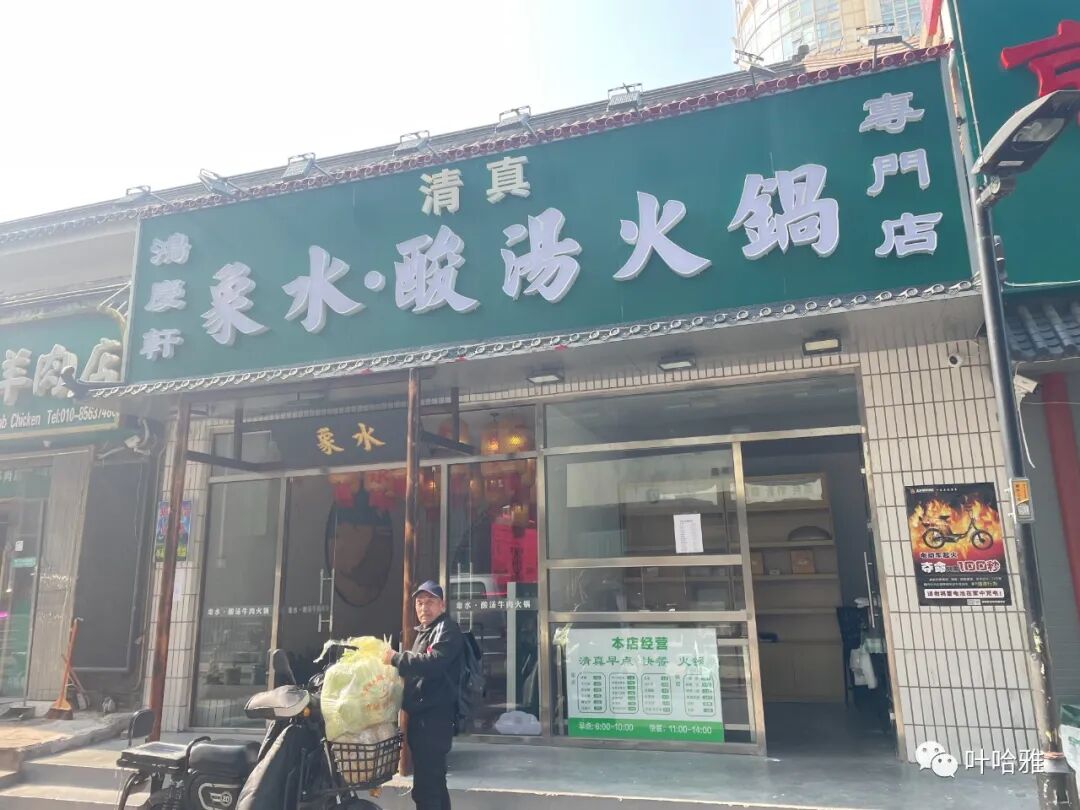
The sour soup hot pot restaurant at the entrance of Nanxiapo Mosque uses property owned by the mosque, so they do not sell alcohol.
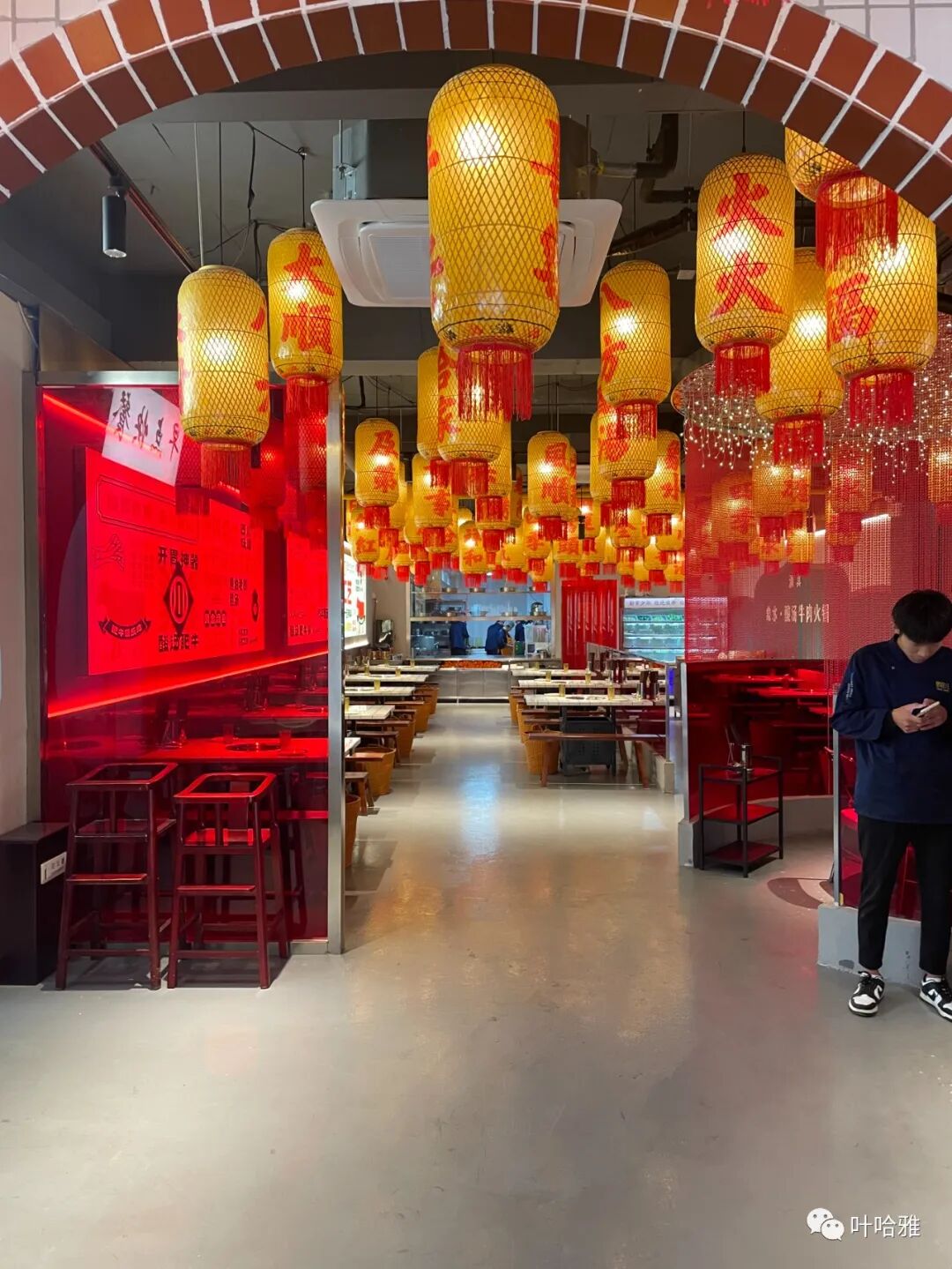
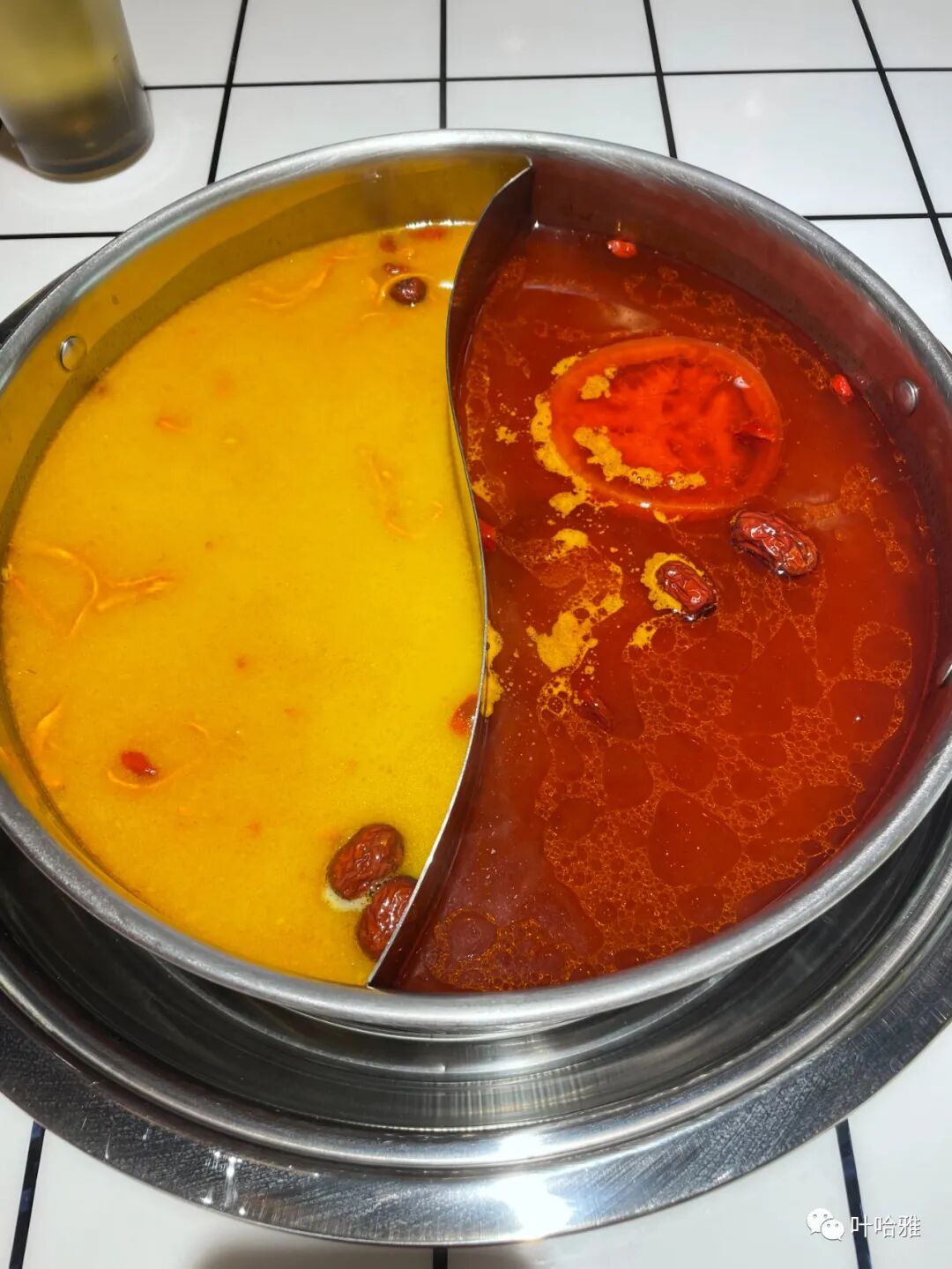
I recommend the yellow lantern chili and red tomato soup split pot, so you can try both flavors.
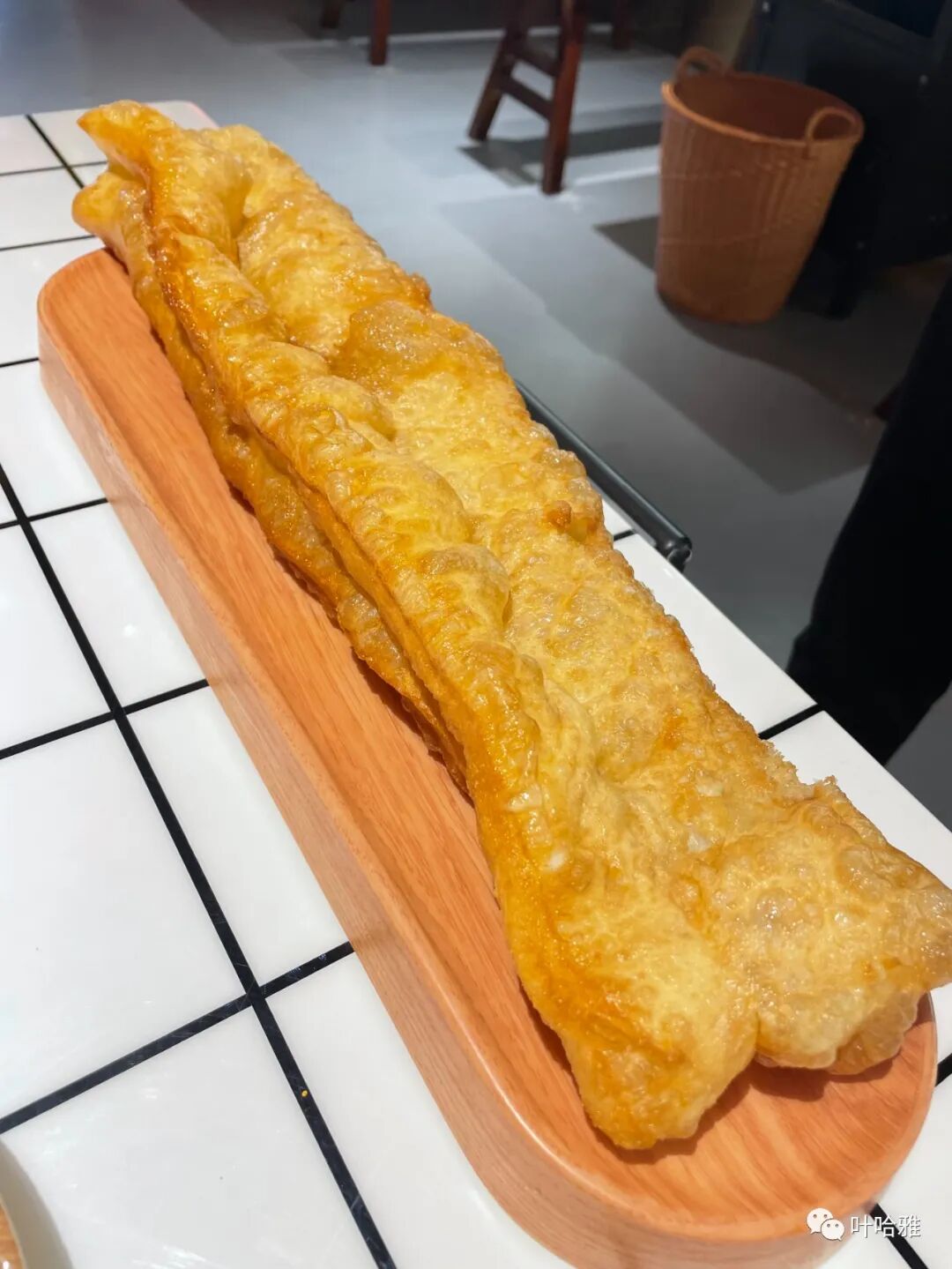
The signature Zhongjiang large fried dough sticks (youtiao) are delicious, especially when soaked in the soup.
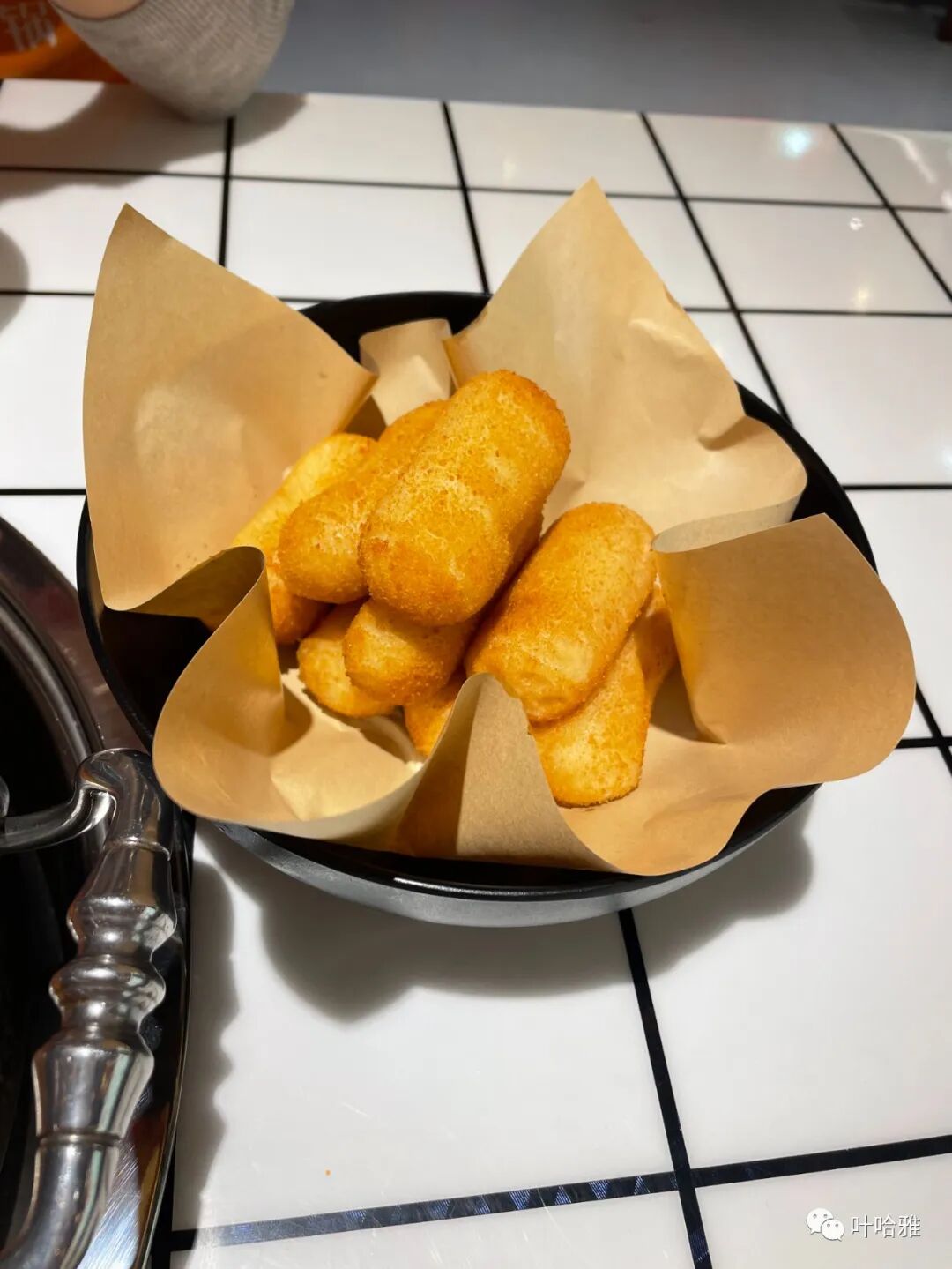
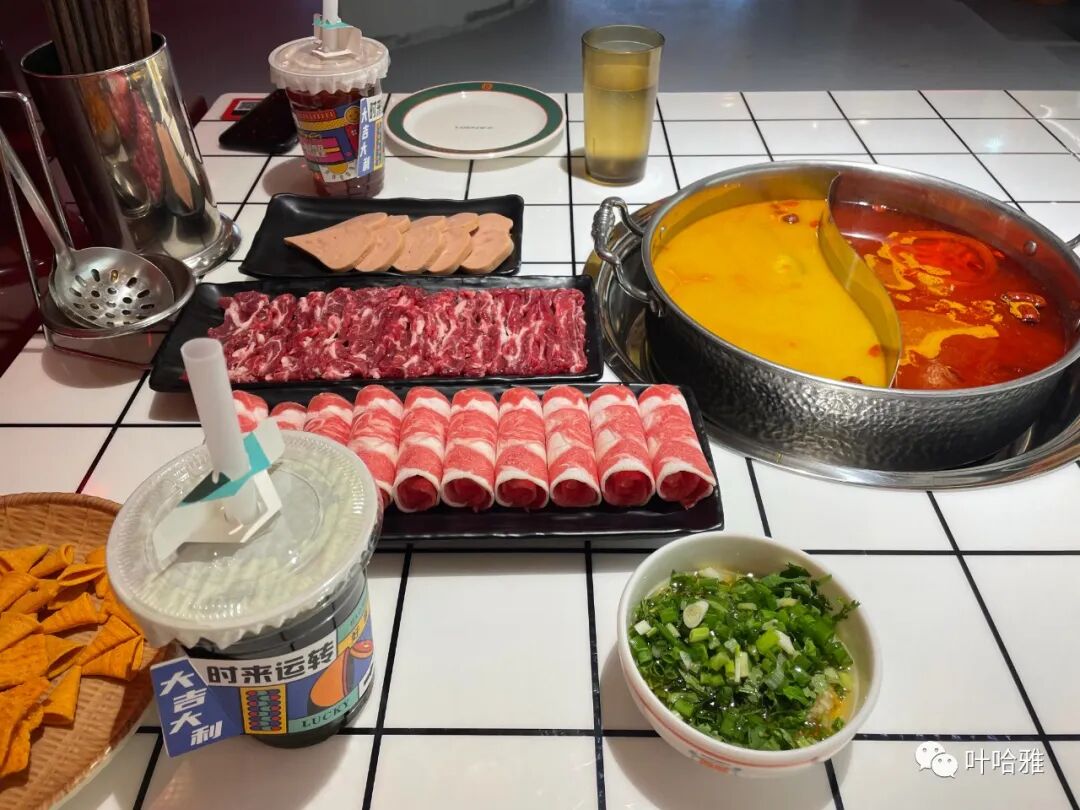
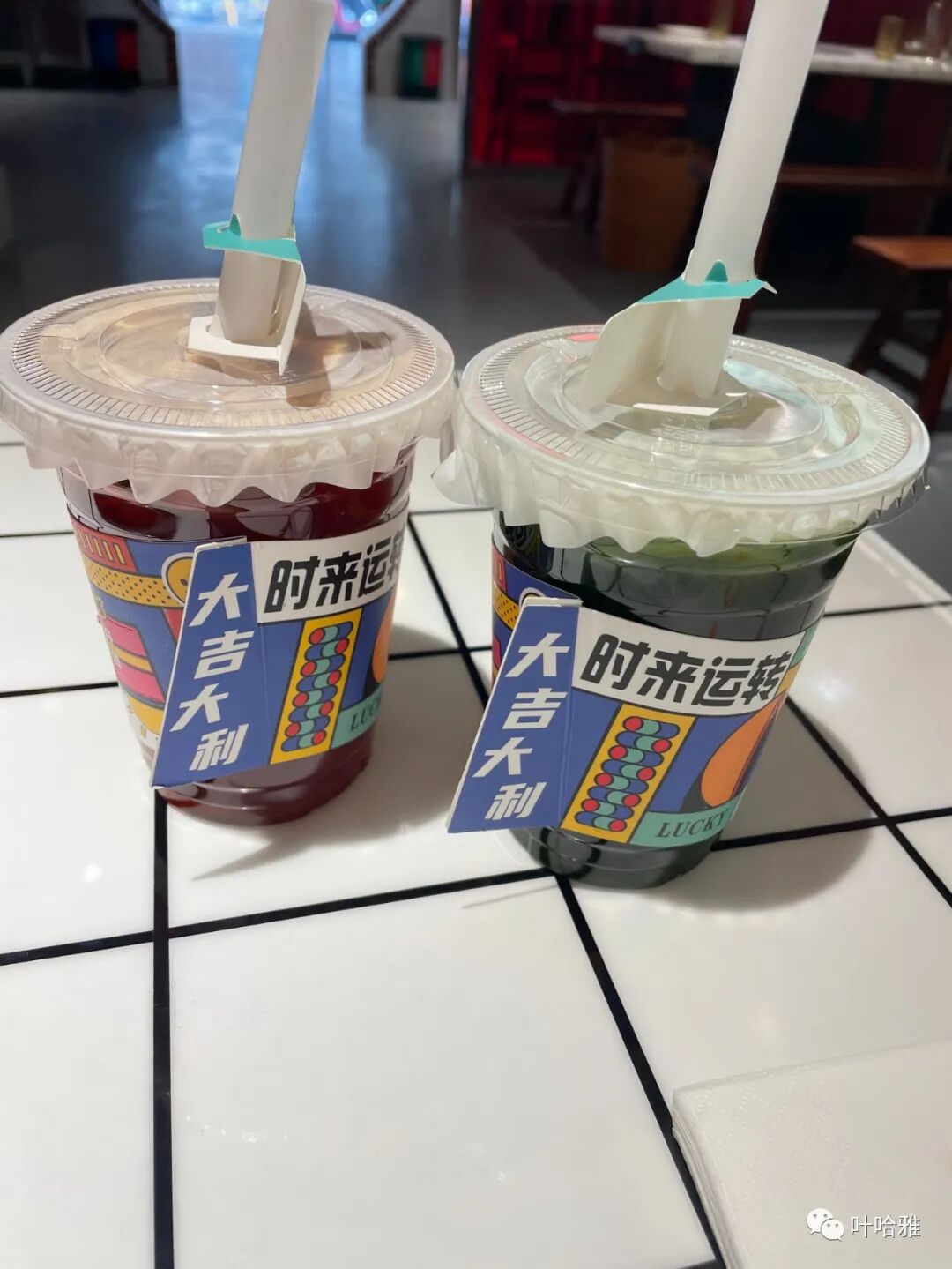
Their hand-crushed lemon black tea and green tea are both great, and they are better to drink than alcohol.
8. Lan 931
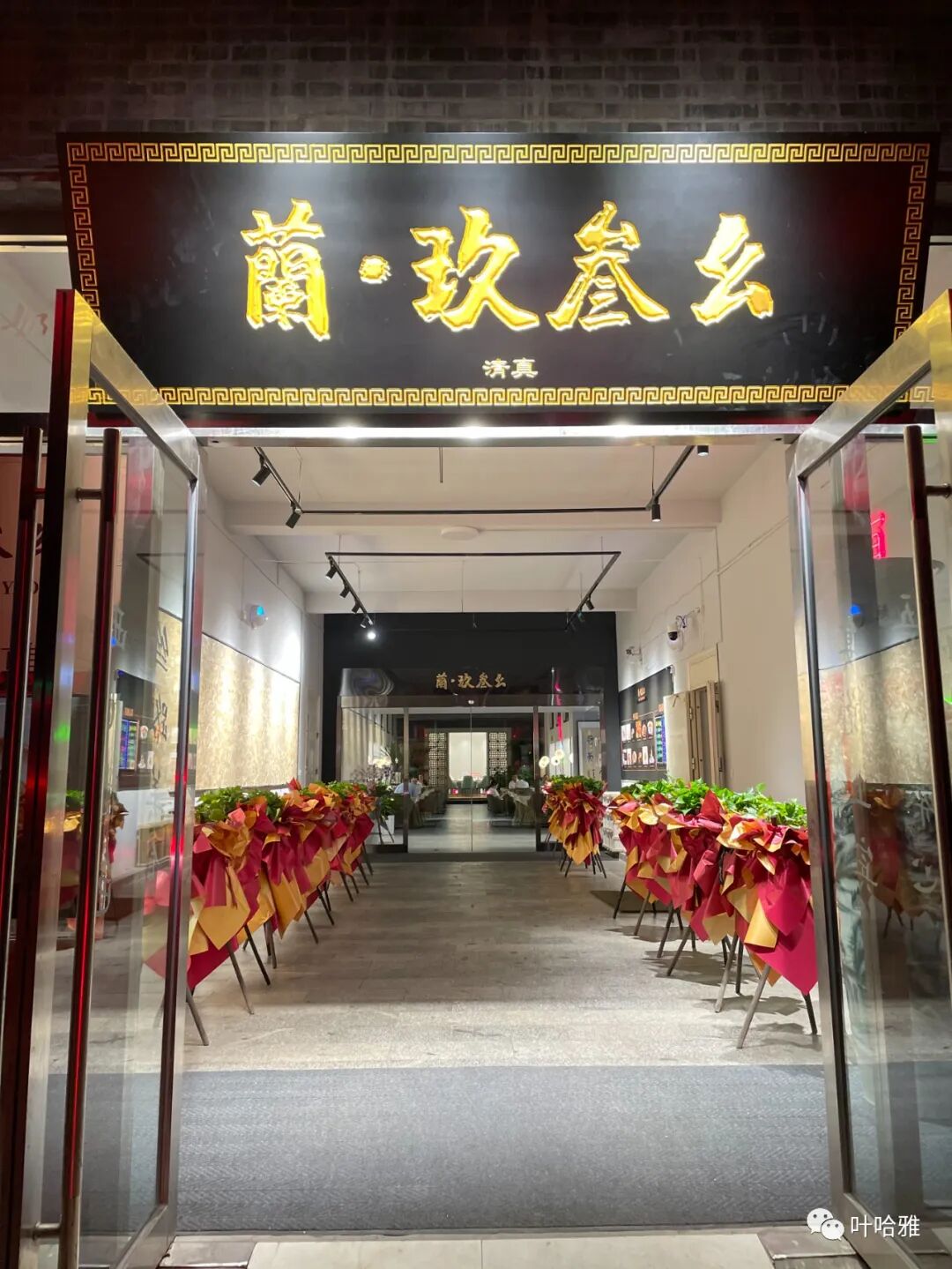
This is a high-end Lanzhou specialty restaurant located quite far away in the Tongzhou National Defense Art District.
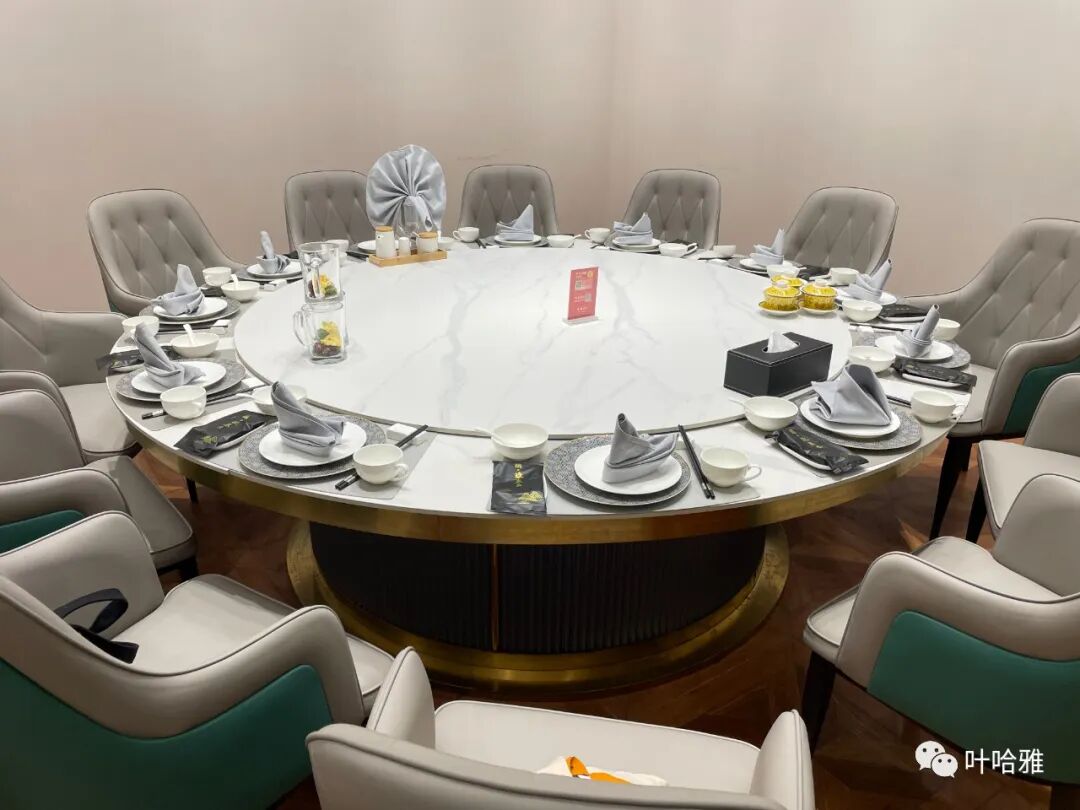
They have a full range of Lanzhou snacks and dishes, with an average cost of about 150 per person.
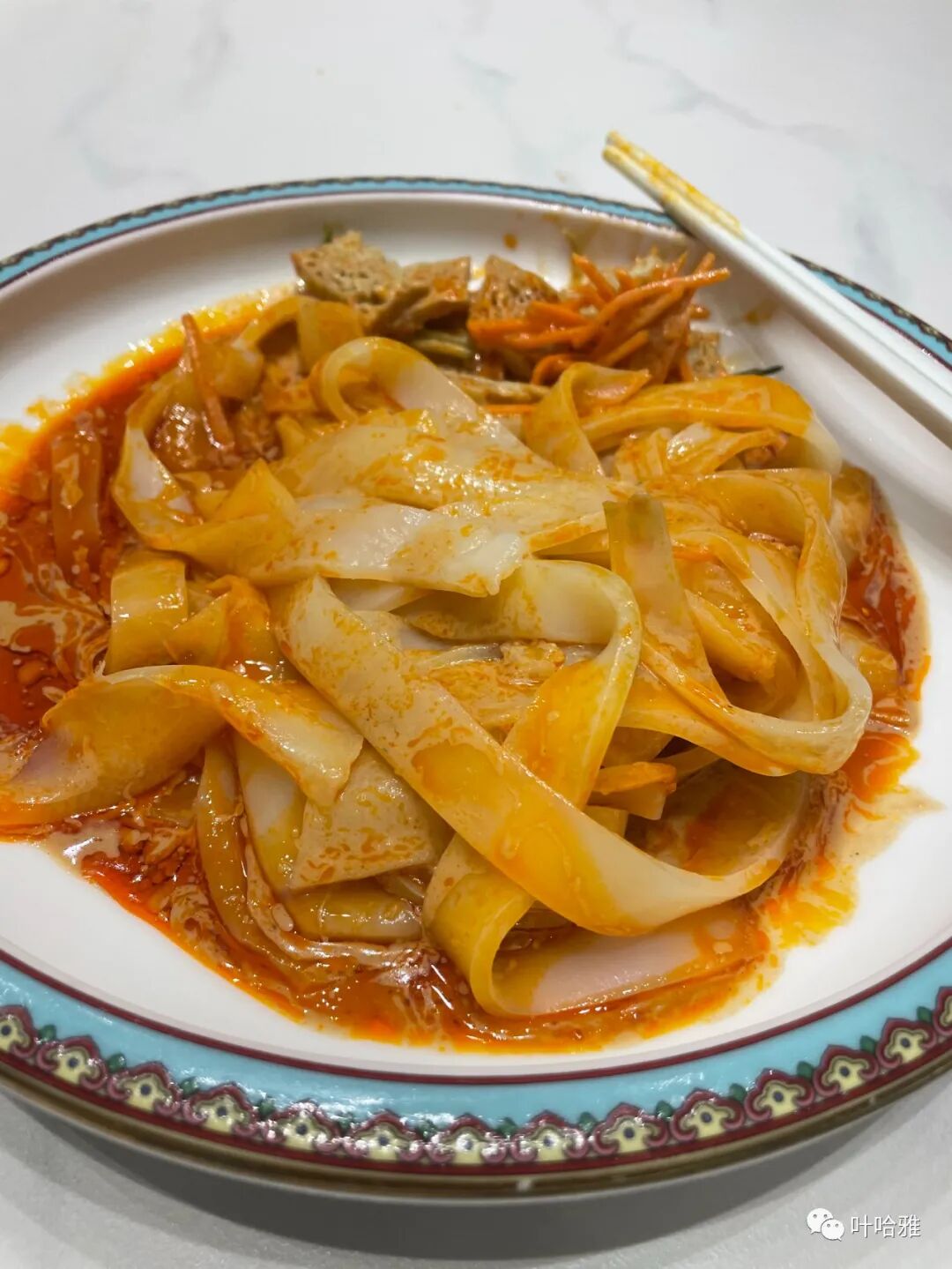
Cold starch noodles (niangpi)
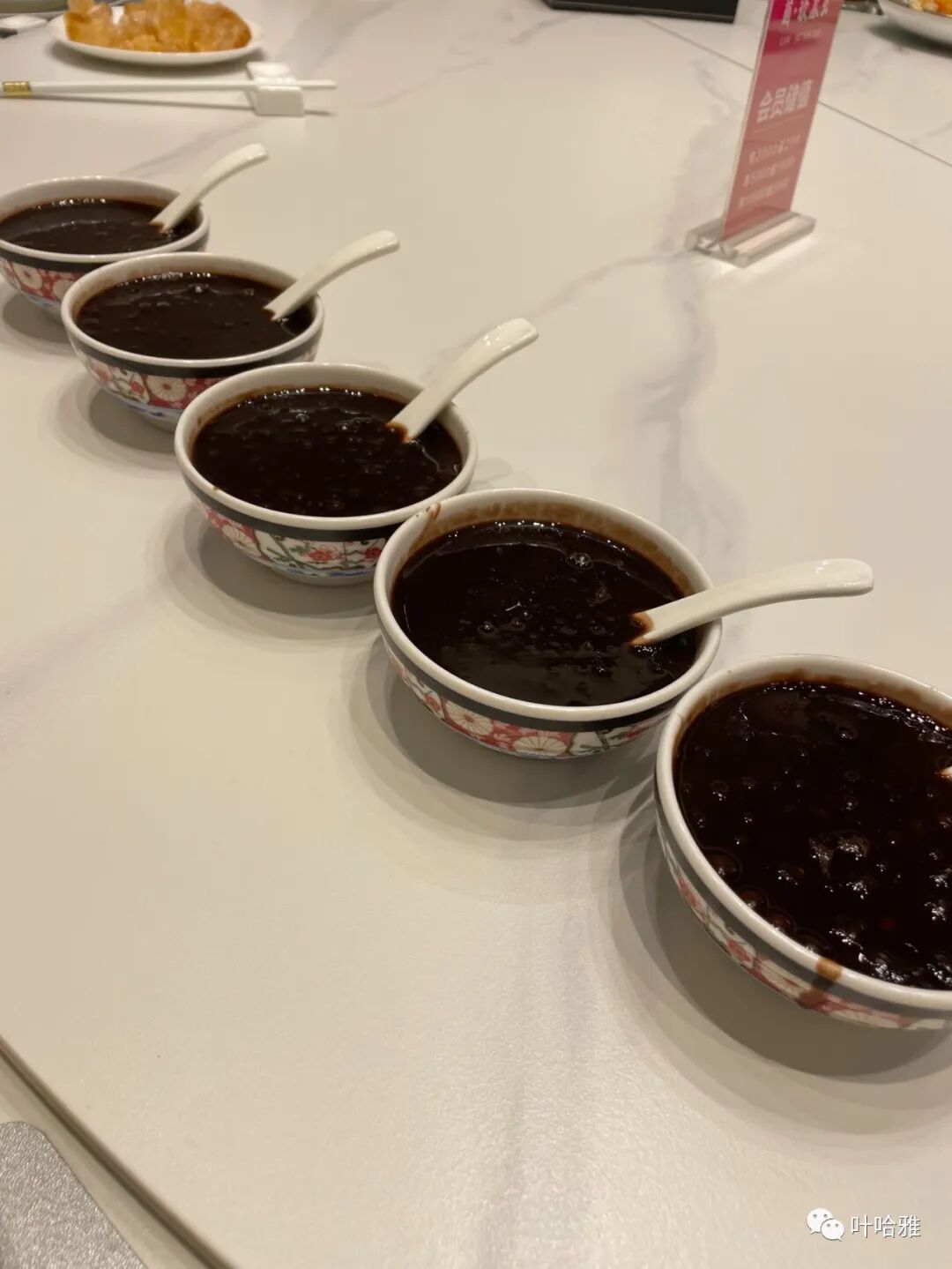
Sweet pea soup (huidouzi)
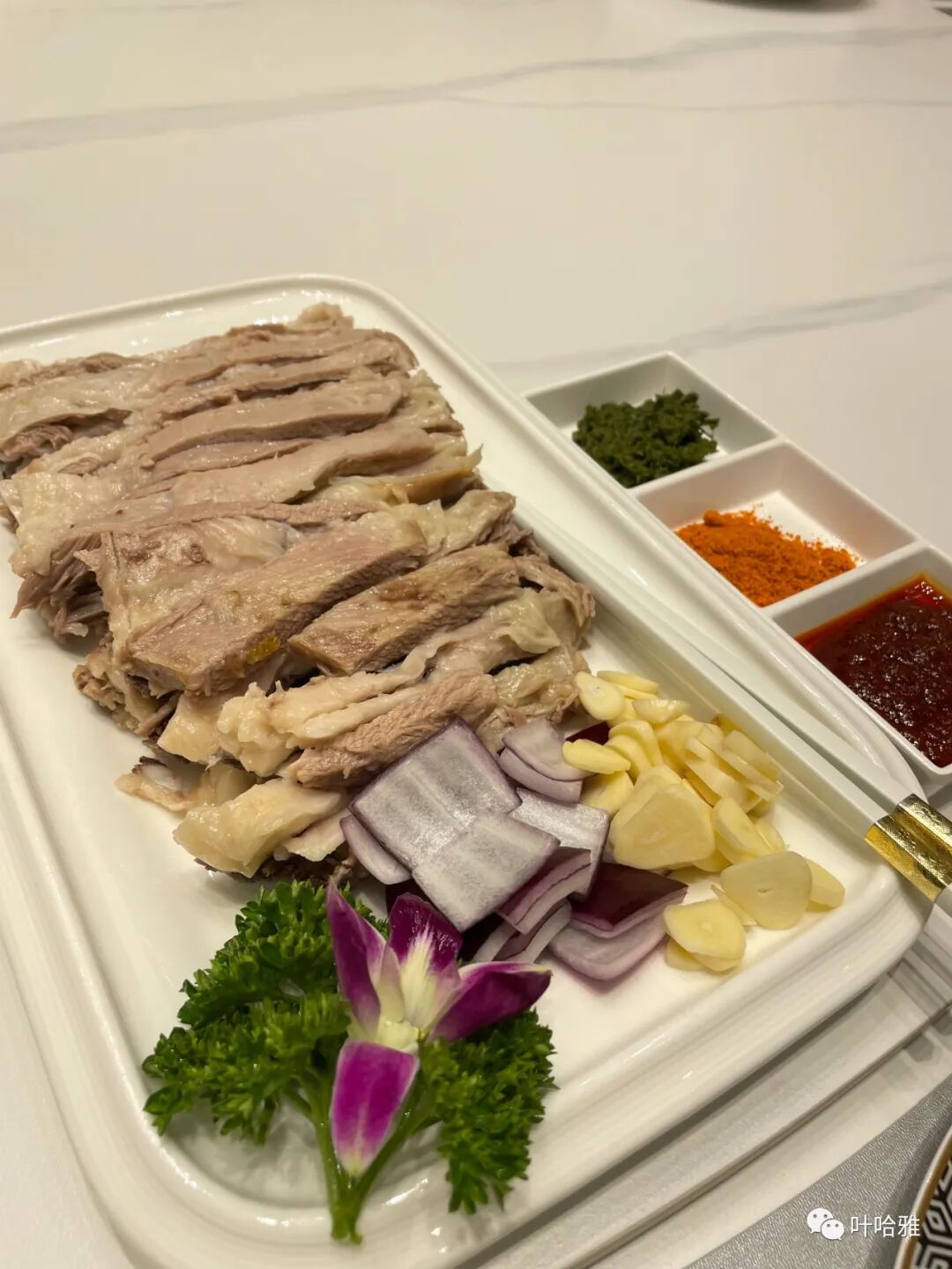
Hand-grabbed lamb (shouzhu)
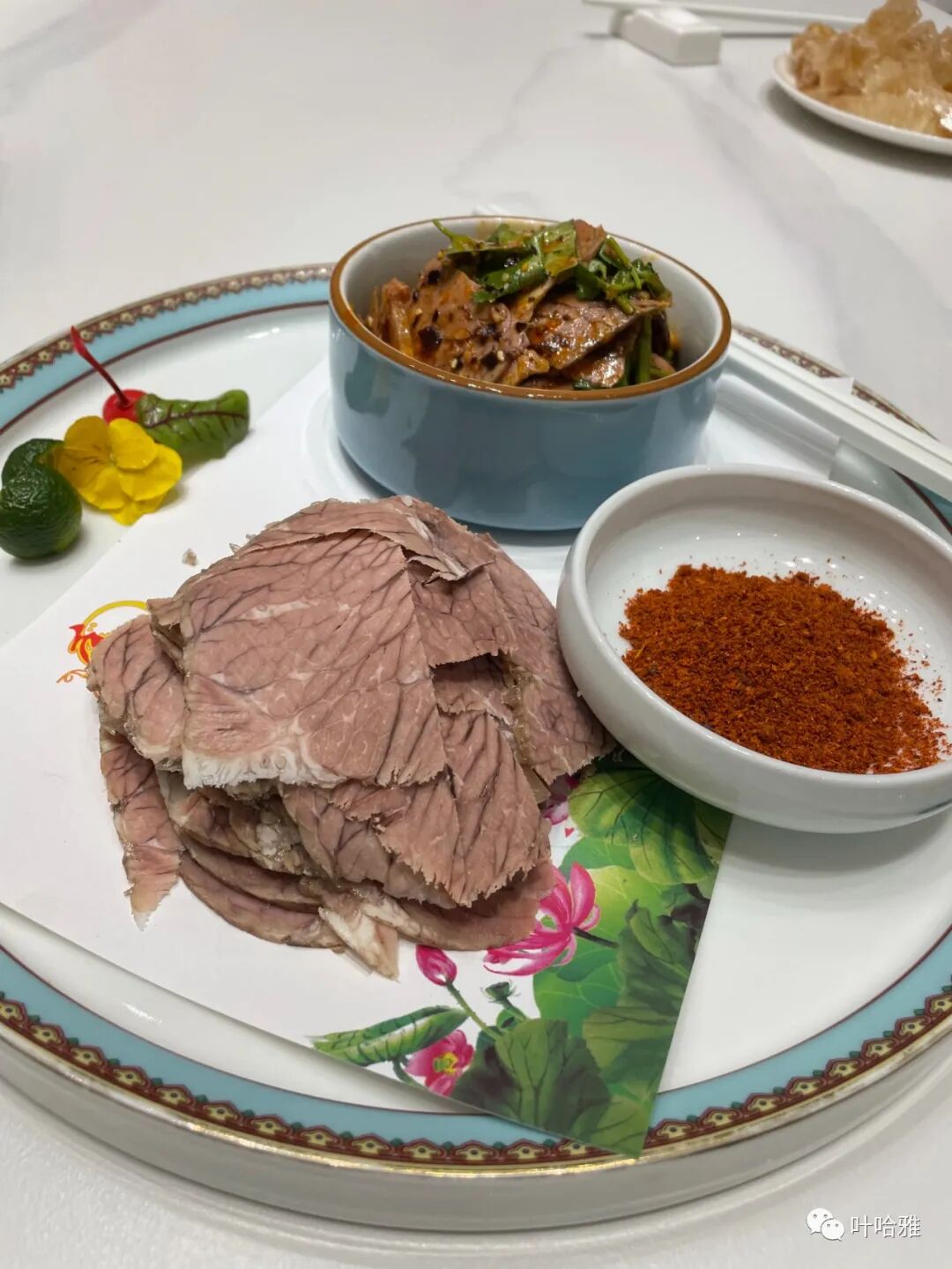
Cold sliced beef (niurou liangpian)
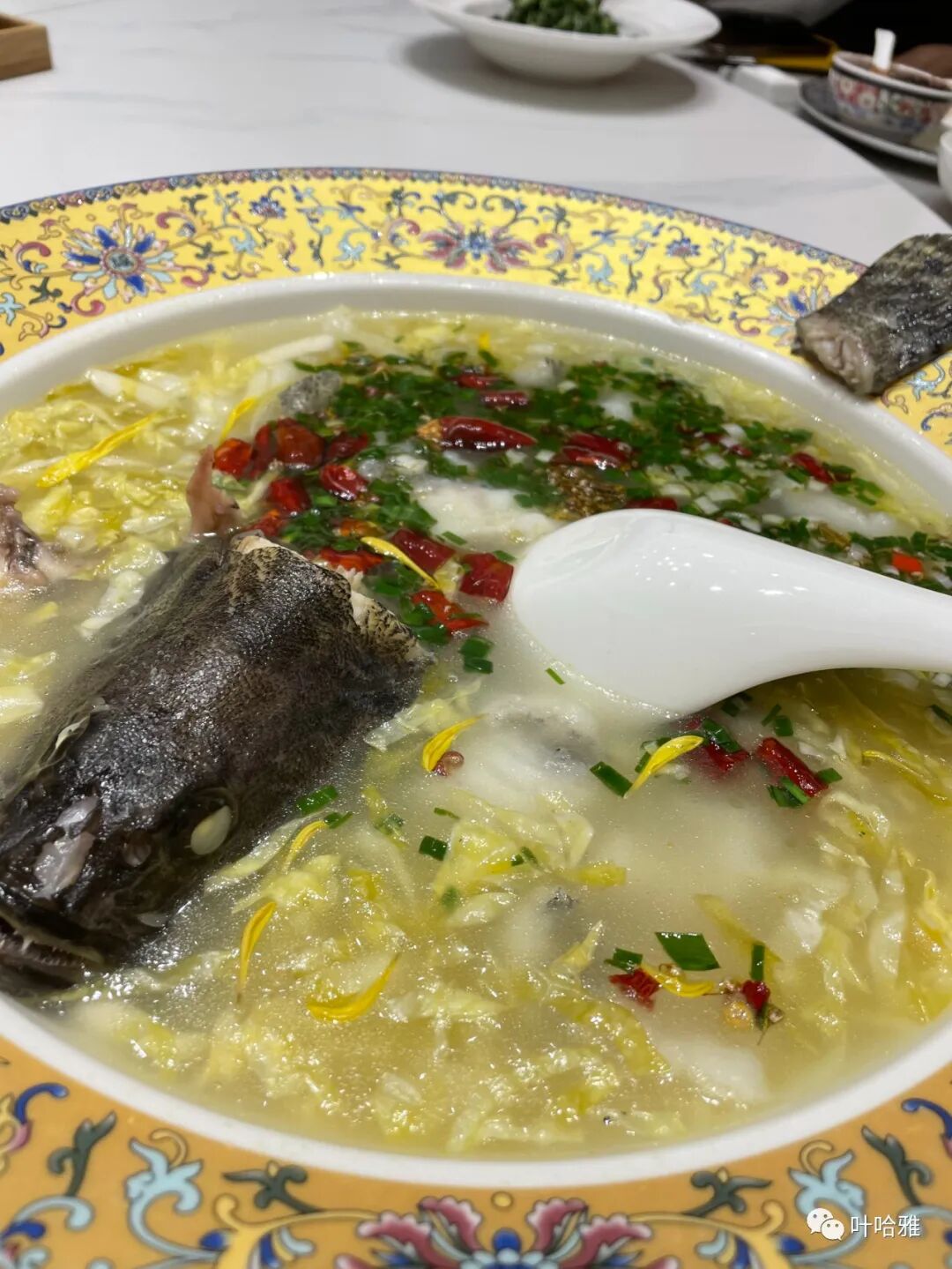
Fermented vegetable starch noodles (jiangshui yu)
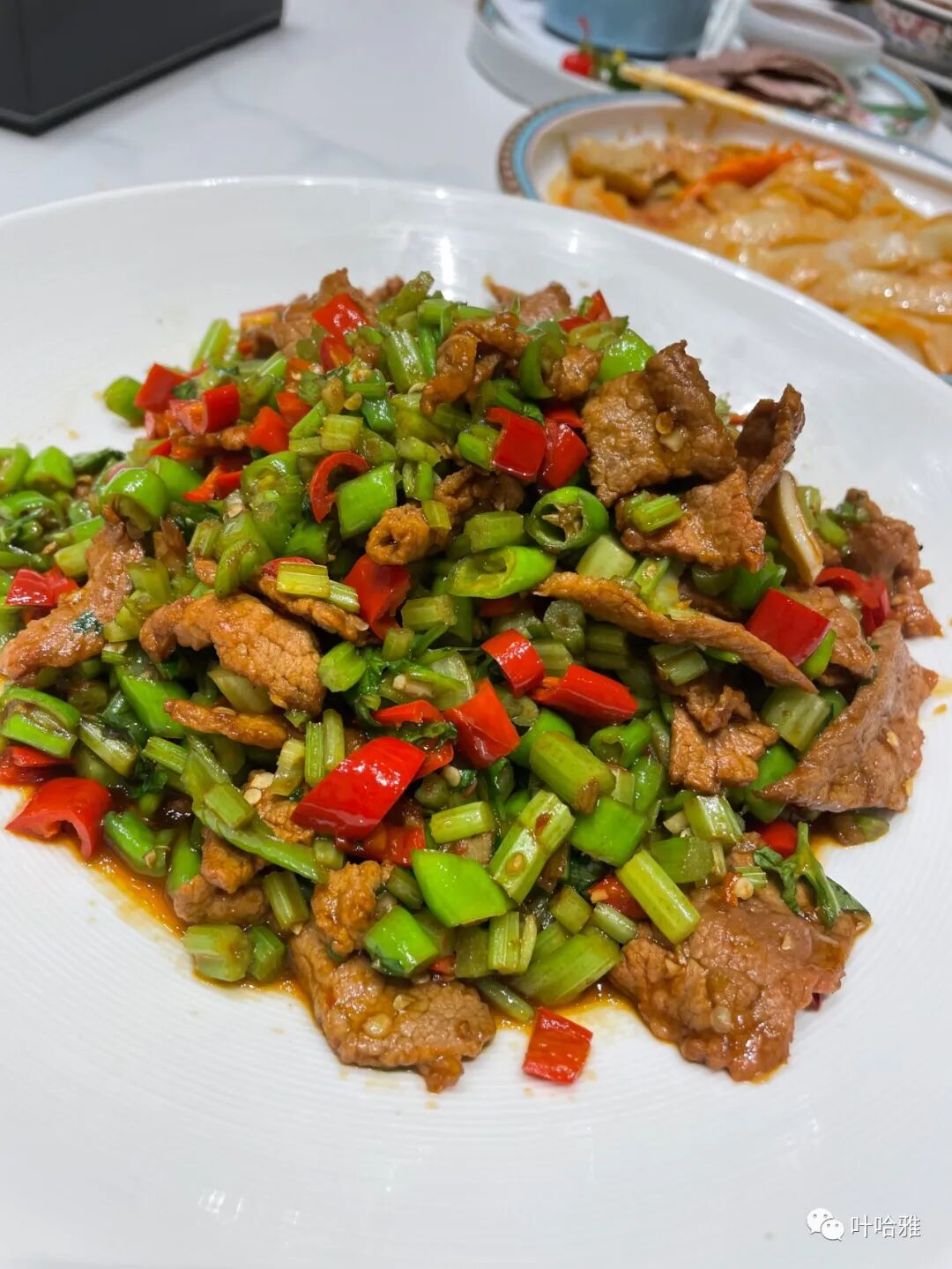
Stir-fried meat with chili (lazi chaorou)
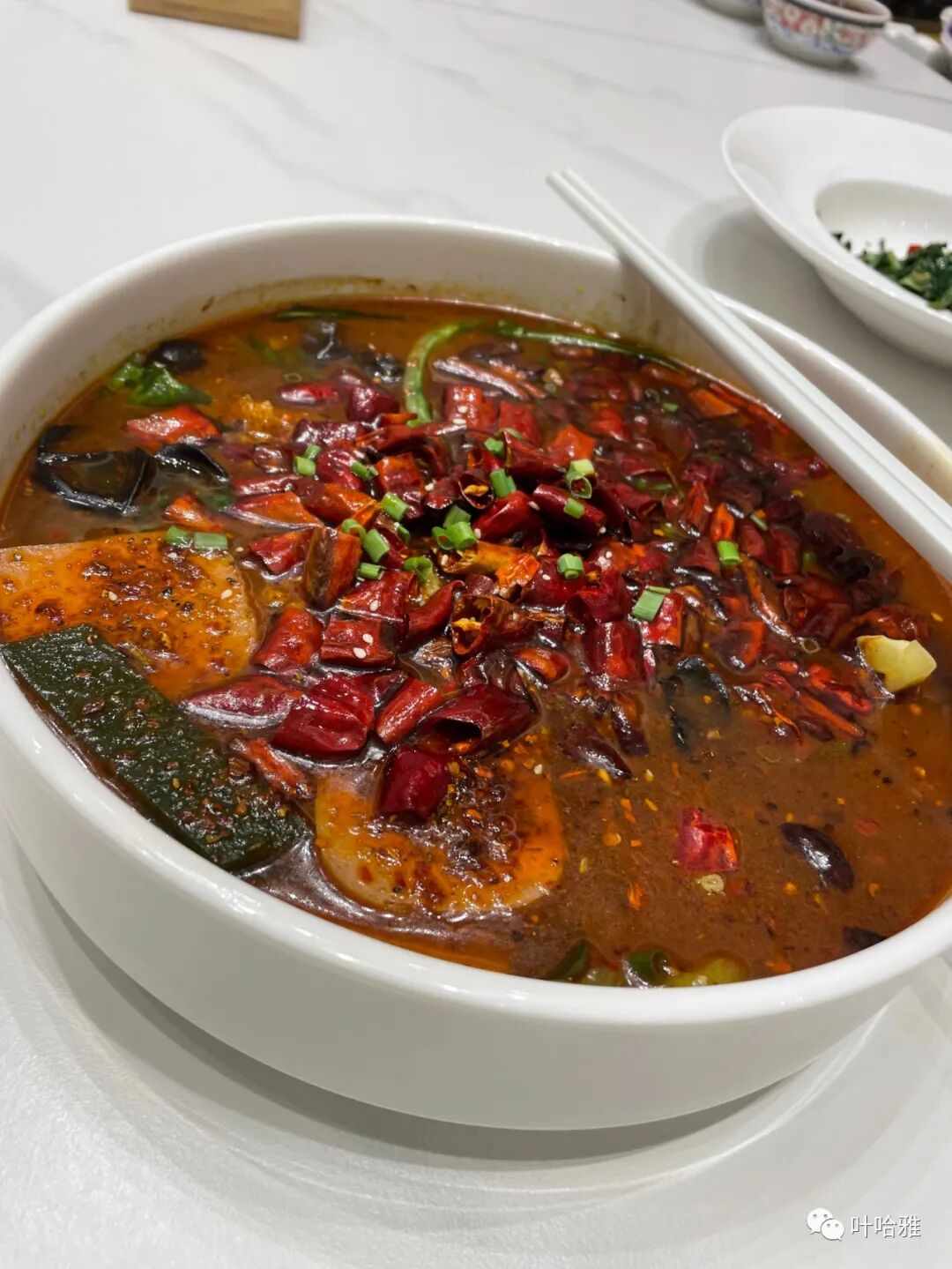
Spicy hot pot bowl (maocai)
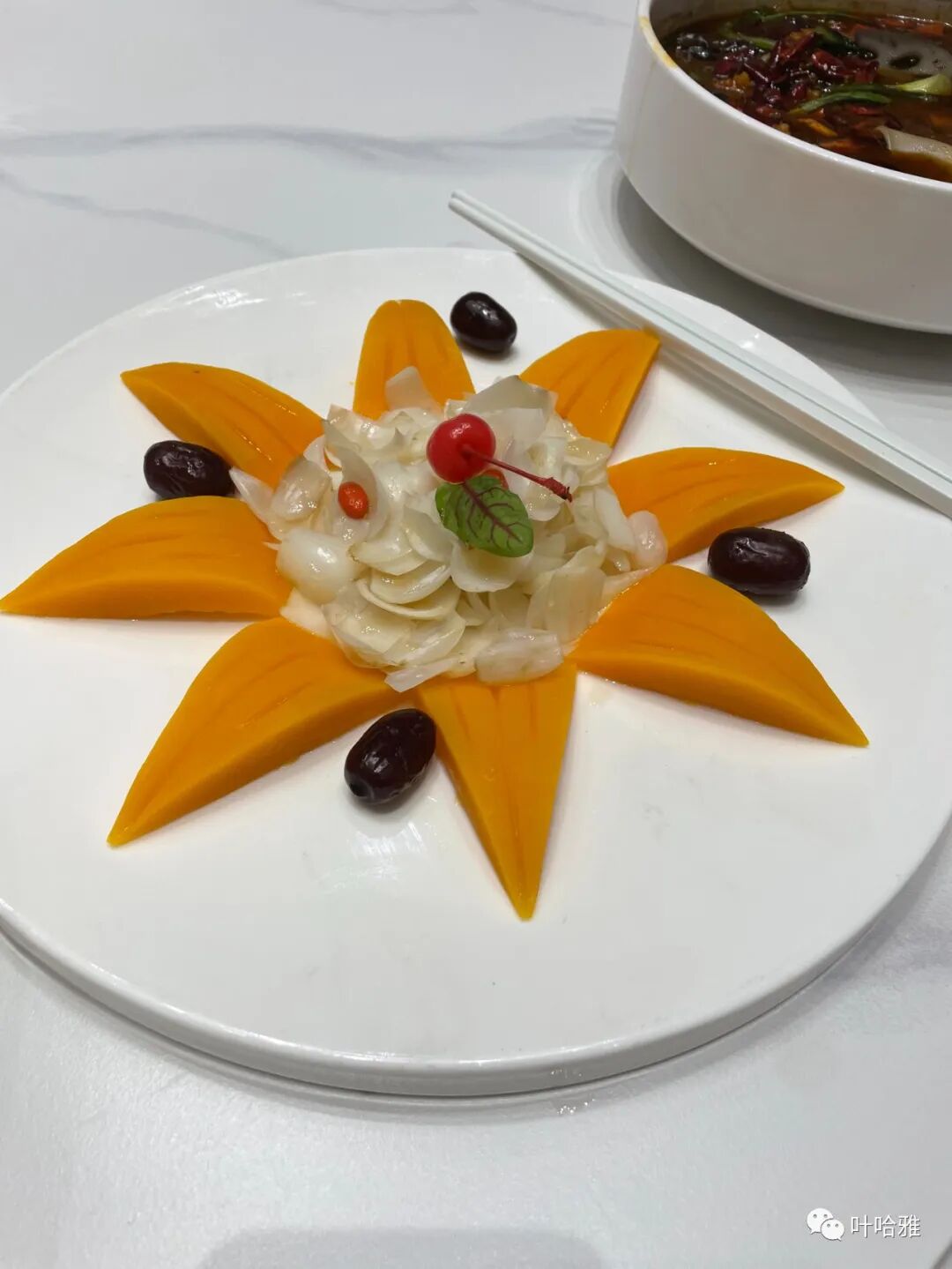
Lily bulb (baihe)
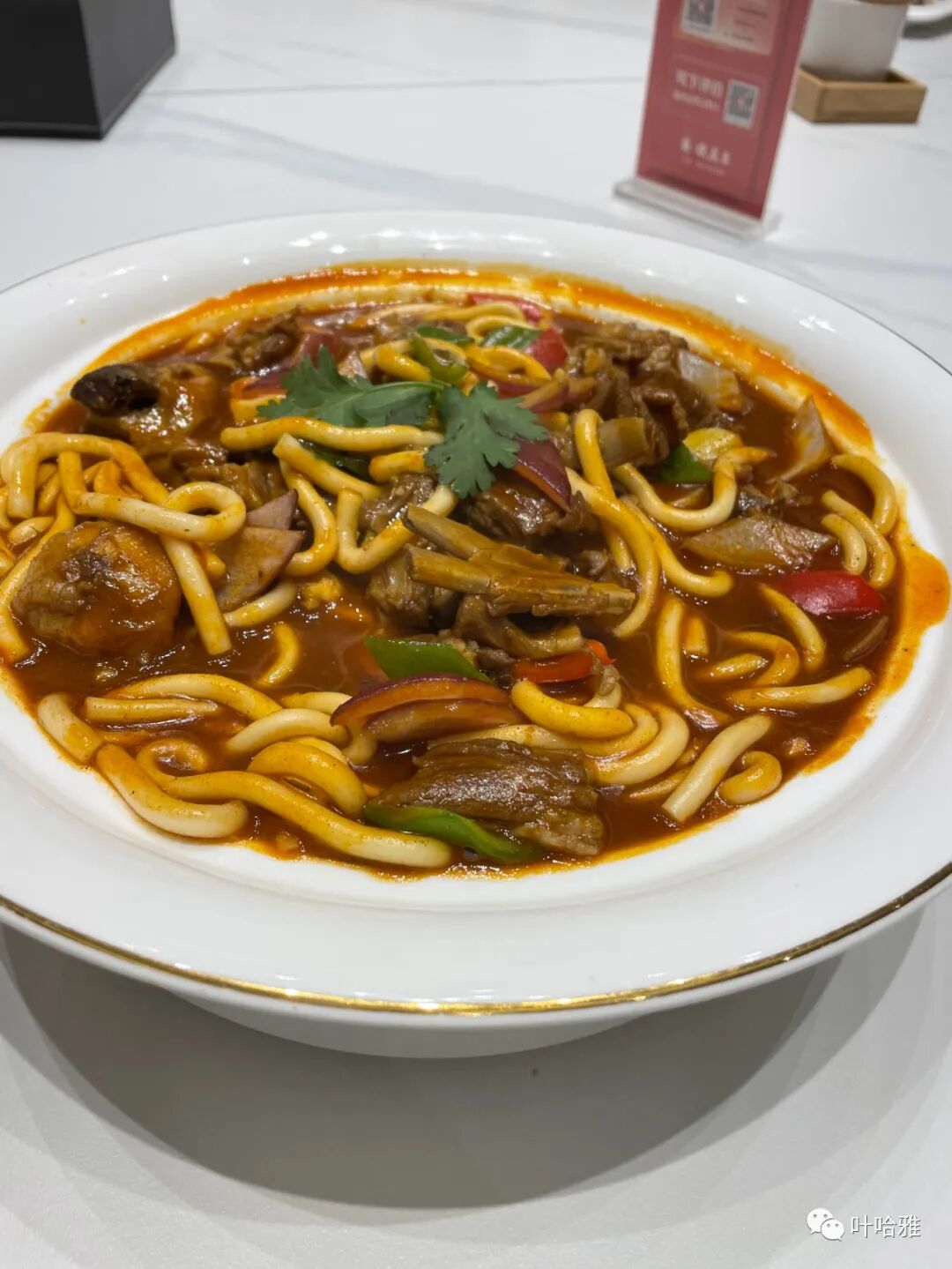
Jingyuan lamb (Jingyuan yanggaorou)
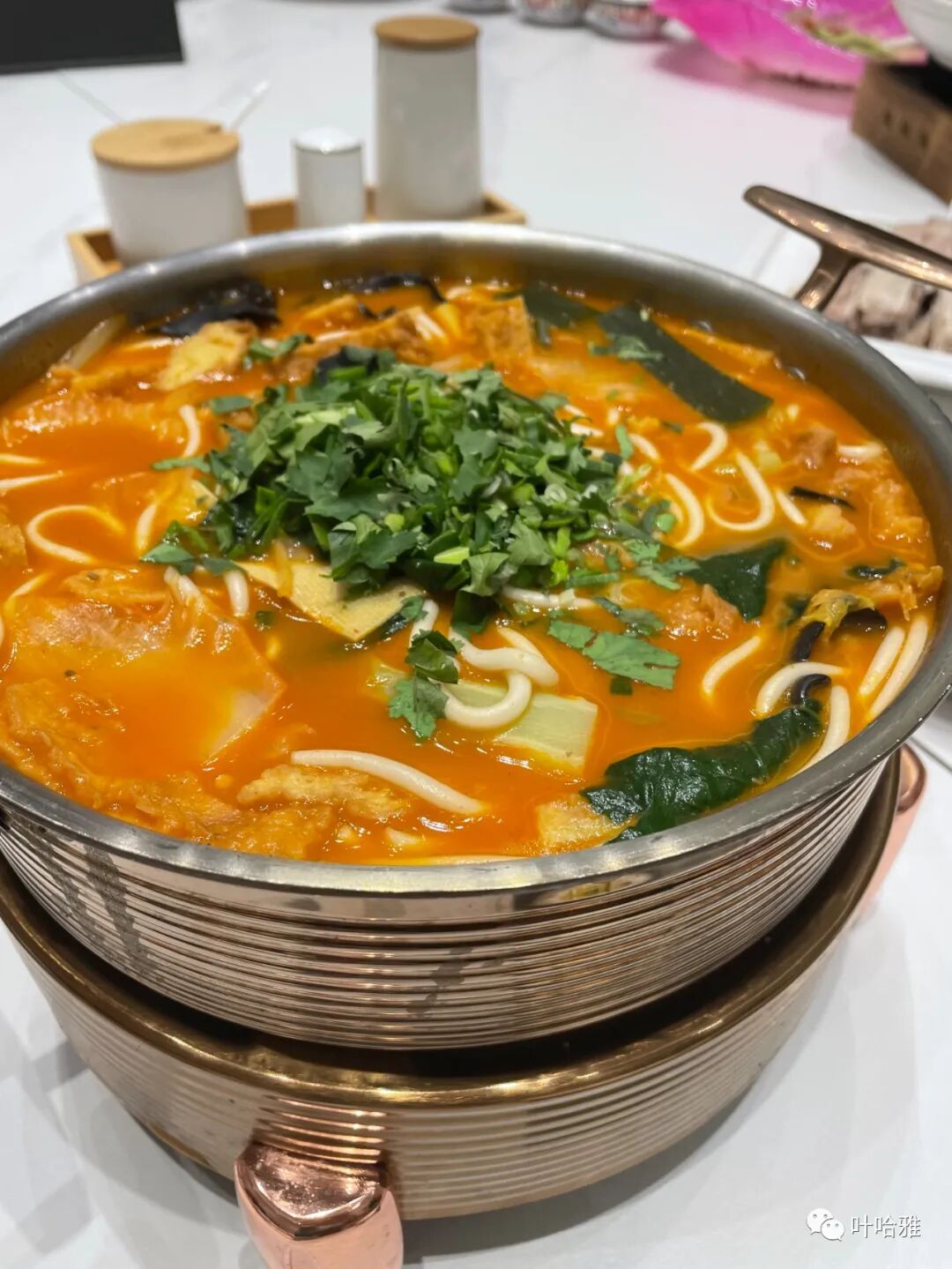
Traditional Lanzhou mixed vegetable stew (lao Lanzhou huicai)
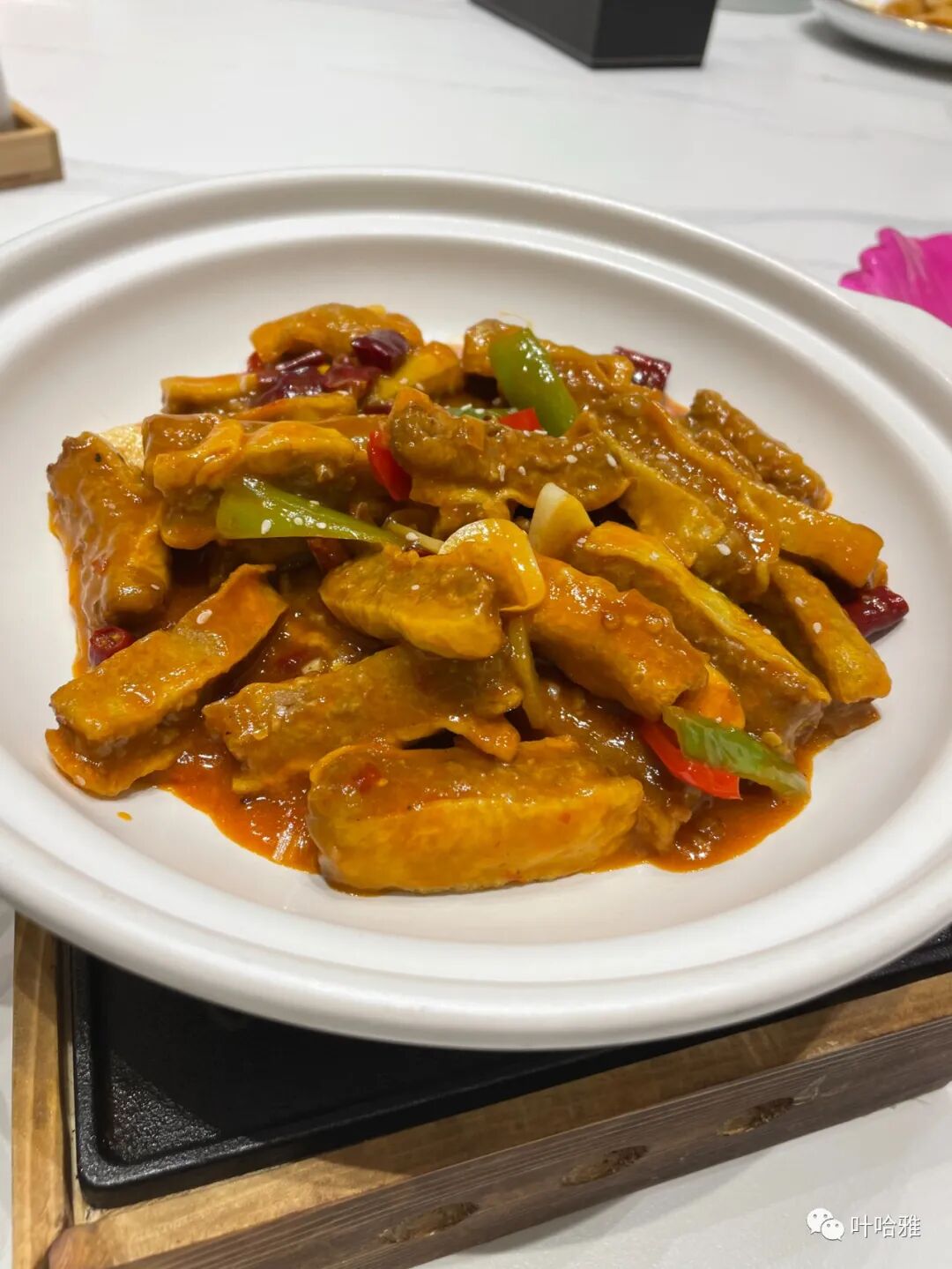
Hui Muslim meat-stuffed egg rolls (Hui min jiasha)
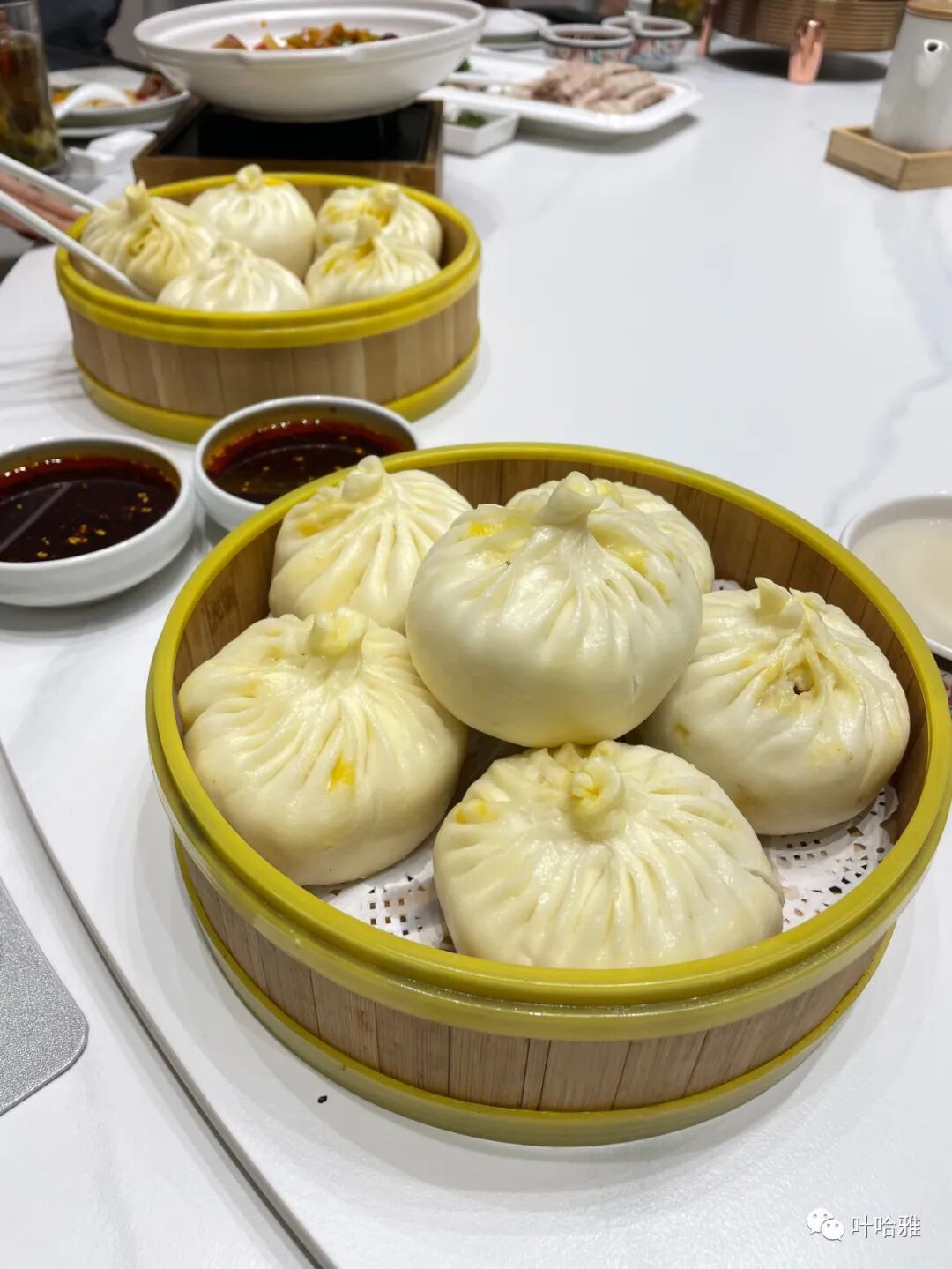
Hezhou steamed buns (Hezhou baozi)
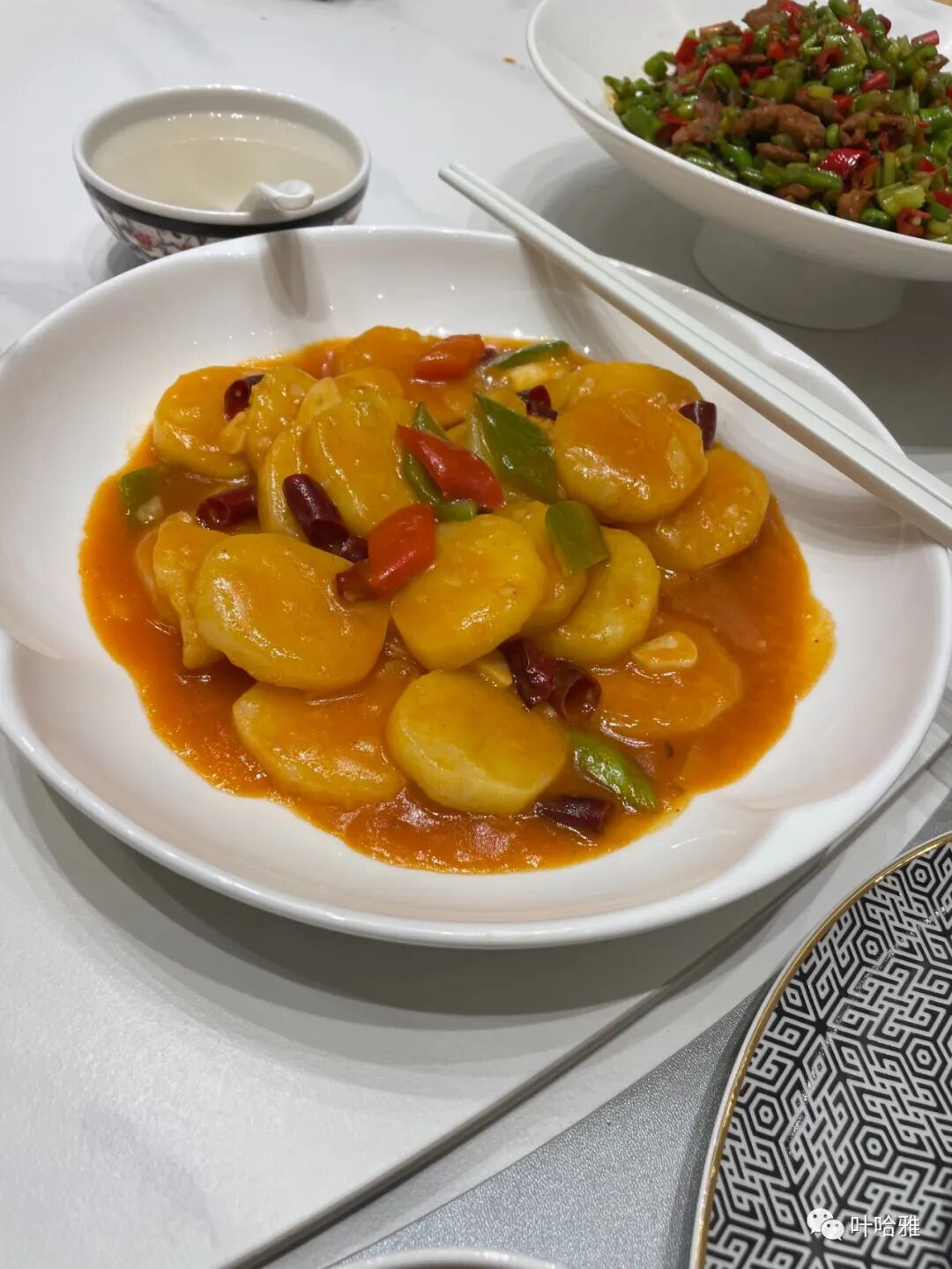
Dongxiang potato slices (Dongxiang tudoupian)
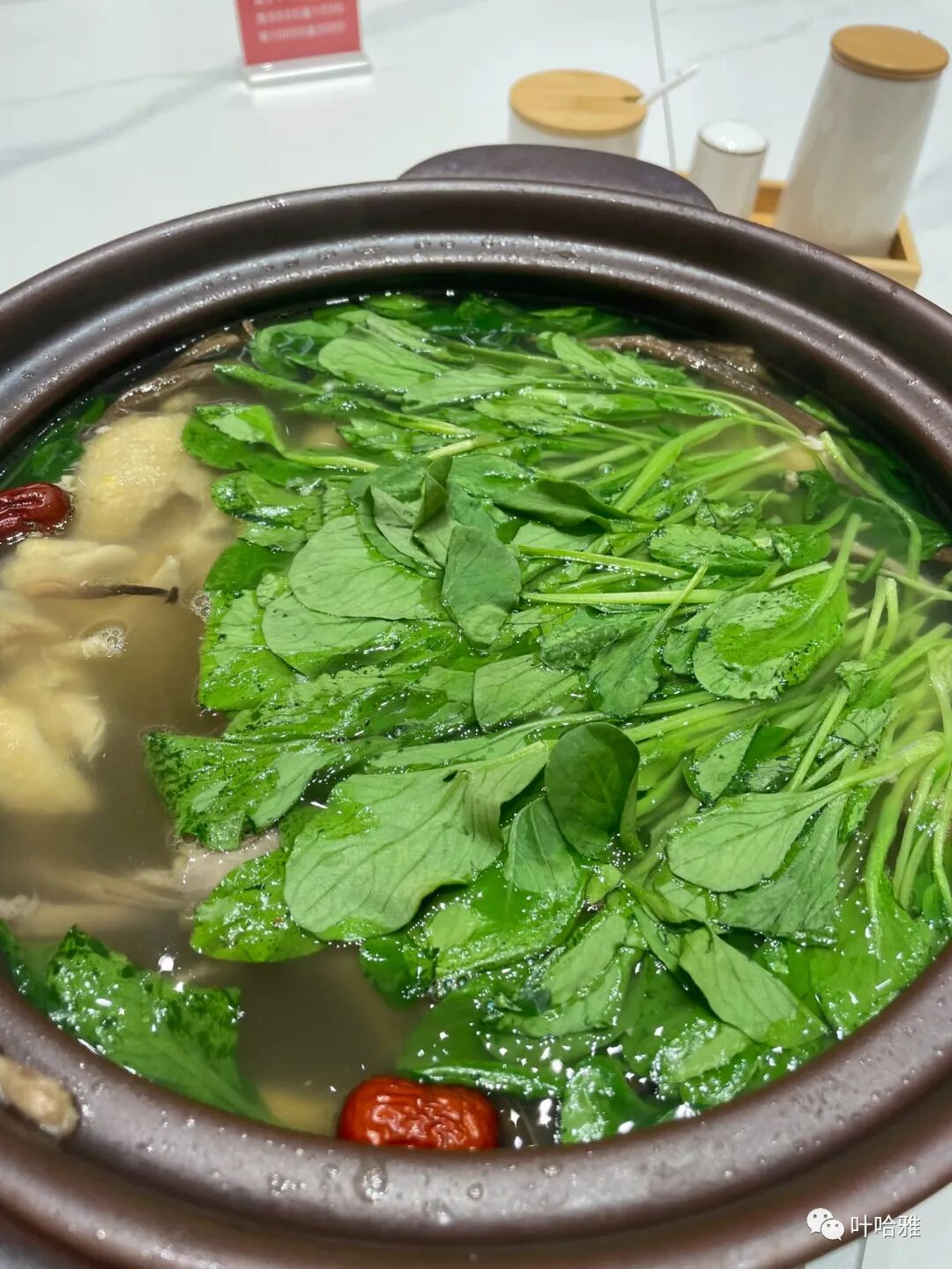
Lamb bone broth (yangtang)
Except for the beef noodles, we tried all the signature Lanzhou dishes at the restaurant. Overall, it was just average. Unless you are staying nearby, there is no need to travel far to eat here. For snacks, it is better to visit smaller shops for more authentic flavor.
Summary: This Beijing halal food guide maps issue 37 of the restaurant series, featuring a Japanese barbecue buffet, Xinjiang cuisine, Heluo noodles, lamb soup, hot pot, sour soup, Lanzhou dishes, and practical notes for Muslim diners.
Beijing Halal Food Map (37) is presented here as a firsthand travel account in clear English, beginning with this scene: It has been just two months since my last Beijing halal food map (36), and I have already found eight new halal restaurants worth visiting. The account keeps its focus on Beijing Halal Food, Muslim Travel, Middle Eastern Food while preserving the names, places, food, and historical details from the Chinese source.
It has been just two months since my last Beijing halal food map (36), and I have already found eight new halal restaurants worth visiting. I still have a long list of places saved that I have not tried yet. I stick to my rule of only writing original content based on my own experiences, so I will take my time to visit these spots one by one. Here is the list of restaurants for this issue:
1. Shixiang Japanese BBQ Buffet & Jiangguoer Xinjiang Cuisine
2. Xihan Meatball Soup
3. Yixiangyuan Restaurant
4. Niuwanfeng Heluo Noodles
5. Laohui Lamb Soup
6. Big Head Hot Pot (Danaodai Shuanrou)
7. Xiangshui Sour Soup Hot Pot
8. Lan 931
1. Shixiang Japanese BBQ Buffet & Jiangguoer Xinjiang Cuisine
This new Japanese BBQ buffet is right by the Guangqumen subway station. The owner used to run the Musefeilin Xinjiang Restaurant and the Yinmadeng Skewer Hot Pot. He also worked at the Xinjiang Office in Beijing for many years. After closing his previous two shops, he opened this new place. The buffet costs 188, 238, or 298 yuan per person, and the 298 yuan option includes all-you-can-eat fresh durian.
This is the menu. Once you sit down, just tell the server what you want to eat and wait for your food. You can help yourself to the fruit and drinks.
They have a full range of Japanese snacks like sushi, mixed rice (bibimbap), and cold noodles (lengmian).
They serve steamed seafood, and it arrives at the table alive. One crab even crawled out of the pot.
The server felt a bit embarrassed about the runaway crab, but I told them it was fine because it showed the food was fresh. The restaurant buys crabs in bulk without tying their legs with string. It is hard to tell if a tied crab is alive, and the string just adds extra weight anyway.
I think the best thing about this place is how fresh the ingredients are. The abalone also comes to the table alive, and you have to grill it on an iron plate before eating.
There is unlimited sushi.
They have beef rice bowls and ice cream. The ice cream is the Mengniu brand.
There is a four-part platter of marbled beef. The beef on top is my favorite; it is fragrant and tender once grilled.
Baked crab casserole with cheese.
Roasted durian.
Grilled oysters.
Cold noodles (lengmian).
Mustard shrimp balls
Pasteurized egg, a very small one, used for dipping sauce.
Matsutake mushroom soup
Sashimi platter
Unlimited drinks of all kinds
Mention Dosti to eat at Shixiang buffet, and friends of Tiyehaya can get 20 yuan off the set meal. You can get 15% off at Jiangguo Xinjiang Restaurant. This is a secret between us, so don't tell anyone else.
2. Xihan Xinjiang meatball soup
A Xinjiang meatball soup shop on the first floor of Jianwai SOHO East District, decorated in a fresh and artistic style.
The main color is Ili blue. They specialize in meatball soup and also serve various Xinjiang snacks.
Meatball soup
Meatball soup served with steamed flower rolls (huajuan), absolutely delicious.
Steamed flower rolls (huajuan)
Deep-fried cake (youzhagao)
Ili smoked horse sausage (yili xunmachang)
Jabir ibn Abdullah (may Allah be pleased with him and his father) reported that on the day of the Battle of Khaybar, the Prophet (peace and blessings of Allah be upon him) forbade eating donkey meat but allowed eating horse meat. (Sahih al-Bukhari)
Asma bint Abu Bakr reported: During the time of the Prophet, we slaughtered a horse and ate its meat (Sahih Muslim).
3. Yixiangyuan Restaurant
There is a Yufa Town mosque (Yufa Zhen Qingzhensi) near Daxing Airport. After visiting the Yufa mosque, I went to the nearby Dongwenggezhuang Village for a quick meal.
This is the closest restaurant to the Yufa mosque. I ordered the stir-fried beef with chestnuts, and it tasted pretty good.
4. Niuwanfeng Heluo Noodles
A new Jia County noodle shop (hela mian) from Henan opened in Fengtai. I have been there twice, and the taste is quite authentic.
Jia County noodle soup is made with lamb broth. They use plenty of high-quality lamb, and the soup is good enough to drink on its own.
They fry their chili in lamb fat, so the flavor is very strong.
Besides the buckwheat noodles (heluo mian), their spiced beef (jiang niurou) is also quite good. The kitchen staff are all cousins from Henan.
Lamb liver
Spiced beef (jiang niurou)
5. Laohui Lamb Soup
Pingquan is a county in Chengde, Hebei, famous for its lamb soup (yangtang). This shop, Lao Hui, is a lamb soup restaurant opened by people from Pingquan.
You can get free refills on the lamb soup (yangtang). This shop really boils it from scratch, and you have to eat it with a sesame flatbread (shaobing).
A bowl of lamb soup (yangtang) on a cold day warms you right up. The shop also offers charity meal sets for people in specific professions.
6. Big Head Hot Pot (Danaodai Shuanrou)
A Beijing-style hot pot restaurant opened not far from the North Square of the West Railway Station. Now I have another option if I am not in a rush when visiting the station.
Fennel mini fried dough sticks (huixiang xiao youtiao)
Overall, the place feels quite affordable. They have copper charcoal pots and individual small pots, costing about 100 per person.
7. Xiangshui Sour Soup Hot Pot
The sour soup hot pot restaurant at the entrance of Nanxiapo Mosque uses property owned by the mosque, so they do not sell alcohol.
I recommend the yellow lantern chili and red tomato soup split pot, so you can try both flavors.
The signature Zhongjiang large fried dough sticks (youtiao) are delicious, especially when soaked in the soup.
Their hand-crushed lemon black tea and green tea are both great, and they are better to drink than alcohol.
8. Lan 931
This is a high-end Lanzhou specialty restaurant located quite far away in the Tongzhou National Defense Art District.
They have a full range of Lanzhou snacks and dishes, with an average cost of about 150 per person.
Cold starch noodles (niangpi)
Sweet pea soup (huidouzi)
Hand-grabbed lamb (shouzhu)
Cold sliced beef (niurou liangpian)
Fermented vegetable starch noodles (jiangshui yu)
Stir-fried meat with chili (lazi chaorou)
Spicy hot pot bowl (maocai)
Lily bulb (baihe)
Jingyuan lamb (Jingyuan yanggaorou)
Traditional Lanzhou mixed vegetable stew (lao Lanzhou huicai)
Hui Muslim meat-stuffed egg rolls (Hui min jiasha)
Hezhou steamed buns (Hezhou baozi)
Dongxiang potato slices (Dongxiang tudoupian)
Lamb bone broth (yangtang)
Except for the beef noodles, we tried all the signature Lanzhou dishes at the restaurant. Overall, it was just average. Unless you are staying nearby, there is no need to travel far to eat here. For snacks, it is better to visit smaller shops for more authentic flavor.
Halal Street Food China: Beijing Wudaokou Xinjiang Lamb Ribs, Naan Ding & Qinghai Noodles
Articles • ali2007fr posted the article • 0 comments • 183 views • 2026-05-21 10:01
Reposted from the web
Summary: A Beijing halal street food and restaurant guide featuring Wudaokou Xinjiang food, crispy lamb ribs, naan ding (diced naan with grilled meat), Qinghai noodles, and other dishes from the original source.
140. Halime Kitchen
Open for one month, it is already the third most popular Xinjiang restaurant in Wudaokou.
The decor is stylish with elegant seating, and it can host group dinners for over twenty people.
Barbecue is a specialty here. They use high-quality lamb. You can choose between large or small skewers of red willow grilled meat (hongliu kaorou), and the chicken wings come in secret recipe or spicy flavors.
Crispy lamb chops (xiangsu yangpai)
Qinghai-style summer flavor mixed noodles (xiawei banmian)
Choose between Shawan big plate chicken (dapanji) or diced naan bread with grilled meat (nangding kaorou). They are half-price until the end of the month, and the big plate chicken comes with a free serving of white noodles.
Diced naan bread with grilled meat (nangding kaorou)
Golden soup sole fish (jintang longliyu) is a popular recommendation. The pickled vegetable soup is tasty, and the fish is tender with few bones.
Dongxiang potato slices (dongxiang tudoupian) are a popular recommendation. The potatoes are soft and full of flavor.
Secret recipe lamb spine (yangxiezi) comes in large or small portions, and you can add hot pot sides.
Salar handmade noodle pieces (shougong mianpian) are cooked by the owner herself. They are the best noodle pieces I have ever eaten.
Qinghai little liver (xiaoxingan) is made from lamb intestines and is also highly praised.
Peppery chicken (jiaomaji) is numbing and spicy, and very satisfying.
Address: 3rd Floor, Wudaokou International Food Plaza.
141. Meisi Cafe
This cafe opened recently. It is a casual spot serving Western food and only non-alcoholic drinks in a spacious setting.
The shop displays the Shahada, confirming it is a halal cafe. Coffee drinking was first invented by Muslims in Damascus, Syria, and it took another hundred years for the first European cafe to open in France.
Niujie has been missing a quiet, elegant place for dates. Now that this cafe is here, there is finally a place to go.
I ordered a beef burger. It had many thick layers, and people with small mouths cannot even take a full bite.
The Australian steak was served with dried vegetables on the side. I am not used to eating raw meat, so I asked for it well-done.
Pan-fried salmon is fresh and delicious.
The pasta tastes very authentic.
I took a picture of the menu, which includes pizza. I will come back to try it next time.
Address: 100 meters south of the main gate of the Niujie Mosque.
142. Tongshunzhai Restaurant.
I came here for the ox head feast, but once I arrived, I learned that it takes 10 people to finish one ox head.
The courtyard is large and spacious, and all the seating is in private rooms.
I looked at the menu and saw only heavy meat dishes. The waiter said that for three grown men, one oxtail would be enough.
So I ordered two cold dishes, shredded vegetables in sauce (bansansi).
And tofu with scallions (xiao cong ban doufu).
When the oxtail arrived, I was shocked. It was a full half-meter long and stewed until very tender.
The lamb strips (yangrou tiao) seemed a bit extra; we really couldn't eat any more.
Address: South entrance of Doudian Village, Fangshan District, Beijing.
143. 36 Degrees North Latitude Hot Pot.
A very refined Qinghai-style hot pot restaurant that opened recently.
The environment is beautiful, it is not crowded, and the service is warm.
The beef and lamb all come from Qinghai.
We had the split pot (yuanyang guo), and the spicy side was not particularly hot.
Freshly sliced secret-recipe beef tenderloin.
Marbled beef (xuehua fu niurou).
Highland barley flatbread (qingke bing).
Address: B1, Huacai Commercial Center, Wangjing.
144. Yi Dai Yi Lu Xinjiang Cuisine.
This shop used to be called Tajike Spring Water Lamb Restaurant. They recently changed the name, but the menu is basically the same.
There is a Quran hanging on the wall.
Baked buns (kao baozi).
Address: 4F-4C12, Jiayi Youth Hub, Qingnian Road, Chaoyang District.
145. Jinghummen Hot Pot
A newly opened traditional Beijing copper pot hot pot (shuanrou) restaurant next to Guangqumen Subway Station.
The beef ball platter is unique, and the meatballs are delicious.
The environment is spacious.
There is a Northwest-style restaurant next door, and People say both shops share the same landlord.
Address: Second floor of Hongdu Building, Guangqumen Subway Station.
146. Ailifu Lamb Hot Pot
Ailifu Lamb Hot Pot on Chaoyang North Road in Fangshan District is a long-standing shop that has been operating for over ten years.
Address: Chaoyang North Road, Fangshan District.
147.
Ganges Indian Restaurant
Pan-fried salmon.
Indian milk tea.
Address: Sixth floor of Wudaokou Shopping Center.
148. Yilao Baiwei Dipping Sauce Hot Pot
A newly opened modern-style hot pot restaurant in Changying.
The signature dipping sauces come in a wide variety and are beautifully presented.
Silky fowl meat rolls.
High-calcium lamb.
The staff recommends the hand-beaten beef, a Chaoshan specialty; you can watch the chef beat the beef on-site.
Durian pastry, which smells fragrant and has a strong durian flavor.
The average cost is about 130 yuan per person, and you can buy group-purchase vouchers.
Address: No. 13 Changying Guanzhuang Road.
149. Alan Restaurant
This old Beijing halal restaurant has been open for years near Temple of Heaven Park. The owner has photos with many celebrities on the wall. Because it is close to the General Administration of Sport of China, many athletes come here to eat.
Sesame lamb (zhima yangrou)
Small bowl beef (xiaowan niurou)
Address: West of Building 2, Tiantan Dongli South District, Dongcheng District (1 Yongdingmen East Street)
150. Ashan Diadili Restaurant
This shop has been operating on Gongti North Road for 7 years. Whenever there is a game, this place is packed.
At night, it is full of sports fans eating skewers.
Grilled fish (kaoyu)
Salar family dish made with potatoes and beef. The owner cooks it himself, so you need some luck to get a taste.
Sour soup beef (suantang feiniu)
Cumin lamb (ziran yangrou)
Address: Gongti North Road view all
Summary: A Beijing halal street food and restaurant guide featuring Wudaokou Xinjiang food, crispy lamb ribs, naan ding (diced naan with grilled meat), Qinghai noodles, and other dishes from the original source.
140. Halime Kitchen
Open for one month, it is already the third most popular Xinjiang restaurant in Wudaokou.
The decor is stylish with elegant seating, and it can host group dinners for over twenty people.
Barbecue is a specialty here. They use high-quality lamb. You can choose between large or small skewers of red willow grilled meat (hongliu kaorou), and the chicken wings come in secret recipe or spicy flavors.
Crispy lamb chops (xiangsu yangpai)
Qinghai-style summer flavor mixed noodles (xiawei banmian)
Choose between Shawan big plate chicken (dapanji) or diced naan bread with grilled meat (nangding kaorou). They are half-price until the end of the month, and the big plate chicken comes with a free serving of white noodles.
Diced naan bread with grilled meat (nangding kaorou)
Golden soup sole fish (jintang longliyu) is a popular recommendation. The pickled vegetable soup is tasty, and the fish is tender with few bones.
Dongxiang potato slices (dongxiang tudoupian) are a popular recommendation. The potatoes are soft and full of flavor.
Secret recipe lamb spine (yangxiezi) comes in large or small portions, and you can add hot pot sides.
Salar handmade noodle pieces (shougong mianpian) are cooked by the owner herself. They are the best noodle pieces I have ever eaten.
Qinghai little liver (xiaoxingan) is made from lamb intestines and is also highly praised.
Peppery chicken (jiaomaji) is numbing and spicy, and very satisfying.
Address: 3rd Floor, Wudaokou International Food Plaza.
141. Meisi Cafe
This cafe opened recently. It is a casual spot serving Western food and only non-alcoholic drinks in a spacious setting.
The shop displays the Shahada, confirming it is a halal cafe. Coffee drinking was first invented by Muslims in Damascus, Syria, and it took another hundred years for the first European cafe to open in France.
Niujie has been missing a quiet, elegant place for dates. Now that this cafe is here, there is finally a place to go.
I ordered a beef burger. It had many thick layers, and people with small mouths cannot even take a full bite.
The Australian steak was served with dried vegetables on the side. I am not used to eating raw meat, so I asked for it well-done.
Pan-fried salmon is fresh and delicious.
The pasta tastes very authentic.
I took a picture of the menu, which includes pizza. I will come back to try it next time.
Address: 100 meters south of the main gate of the Niujie Mosque.
142. Tongshunzhai Restaurant.
I came here for the ox head feast, but once I arrived, I learned that it takes 10 people to finish one ox head.
The courtyard is large and spacious, and all the seating is in private rooms.
I looked at the menu and saw only heavy meat dishes. The waiter said that for three grown men, one oxtail would be enough.
So I ordered two cold dishes, shredded vegetables in sauce (bansansi).
And tofu with scallions (xiao cong ban doufu).
When the oxtail arrived, I was shocked. It was a full half-meter long and stewed until very tender.
The lamb strips (yangrou tiao) seemed a bit extra; we really couldn't eat any more.
Address: South entrance of Doudian Village, Fangshan District, Beijing.
143. 36 Degrees North Latitude Hot Pot.
A very refined Qinghai-style hot pot restaurant that opened recently.
The environment is beautiful, it is not crowded, and the service is warm.
The beef and lamb all come from Qinghai.
We had the split pot (yuanyang guo), and the spicy side was not particularly hot.
Freshly sliced secret-recipe beef tenderloin.
Marbled beef (xuehua fu niurou).
Highland barley flatbread (qingke bing).
Address: B1, Huacai Commercial Center, Wangjing.
144. Yi Dai Yi Lu Xinjiang Cuisine.
This shop used to be called Tajike Spring Water Lamb Restaurant. They recently changed the name, but the menu is basically the same.
There is a Quran hanging on the wall.
Baked buns (kao baozi).
Address: 4F-4C12, Jiayi Youth Hub, Qingnian Road, Chaoyang District.
145. Jinghummen Hot Pot
A newly opened traditional Beijing copper pot hot pot (shuanrou) restaurant next to Guangqumen Subway Station.
The beef ball platter is unique, and the meatballs are delicious.
The environment is spacious.
There is a Northwest-style restaurant next door, and People say both shops share the same landlord.
Address: Second floor of Hongdu Building, Guangqumen Subway Station.
146. Ailifu Lamb Hot Pot
Ailifu Lamb Hot Pot on Chaoyang North Road in Fangshan District is a long-standing shop that has been operating for over ten years.
Address: Chaoyang North Road, Fangshan District.
147.
Ganges Indian Restaurant
Pan-fried salmon.
Indian milk tea.
Address: Sixth floor of Wudaokou Shopping Center.
148. Yilao Baiwei Dipping Sauce Hot Pot
A newly opened modern-style hot pot restaurant in Changying.
The signature dipping sauces come in a wide variety and are beautifully presented.
Silky fowl meat rolls.
High-calcium lamb.
The staff recommends the hand-beaten beef, a Chaoshan specialty; you can watch the chef beat the beef on-site.
Durian pastry, which smells fragrant and has a strong durian flavor.
The average cost is about 130 yuan per person, and you can buy group-purchase vouchers.
Address: No. 13 Changying Guanzhuang Road.
149. Alan Restaurant
This old Beijing halal restaurant has been open for years near Temple of Heaven Park. The owner has photos with many celebrities on the wall. Because it is close to the General Administration of Sport of China, many athletes come here to eat.
Sesame lamb (zhima yangrou)
Small bowl beef (xiaowan niurou)
Address: West of Building 2, Tiantan Dongli South District, Dongcheng District (1 Yongdingmen East Street)
150. Ashan Diadili Restaurant
This shop has been operating on Gongti North Road for 7 years. Whenever there is a game, this place is packed.
At night, it is full of sports fans eating skewers.
Grilled fish (kaoyu)
Salar family dish made with potatoes and beef. The owner cooks it himself, so you need some luck to get a taste.
Sour soup beef (suantang feiniu)
Cumin lamb (ziran yangrou)
Address: Gongti North Road view all
Reposted from the web
Summary: A Beijing halal street food and restaurant guide featuring Wudaokou Xinjiang food, crispy lamb ribs, naan ding (diced naan with grilled meat), Qinghai noodles, and other dishes from the original source.
140. Halime Kitchen
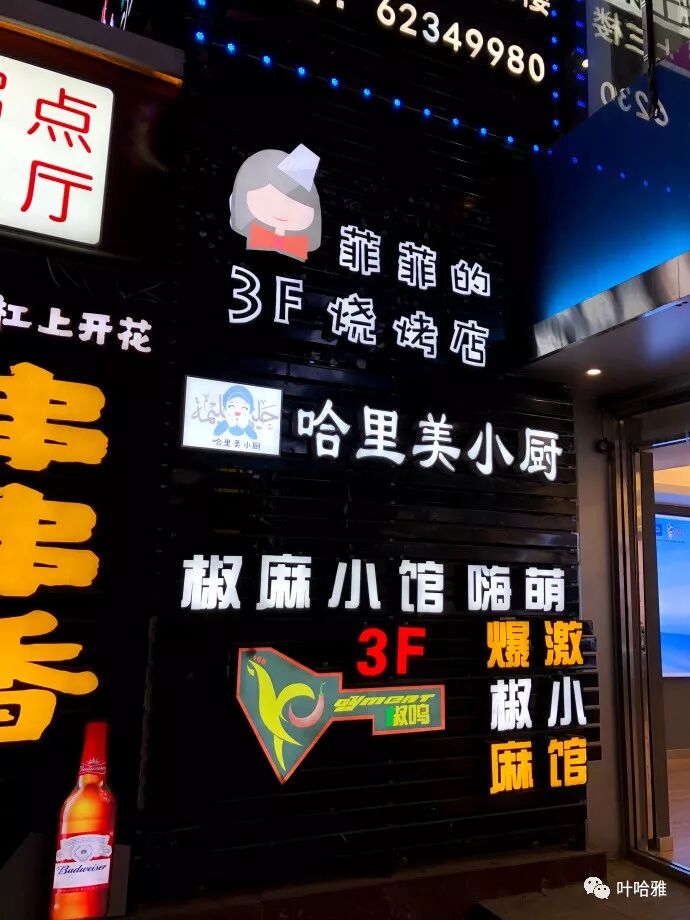
Open for one month, it is already the third most popular Xinjiang restaurant in Wudaokou.
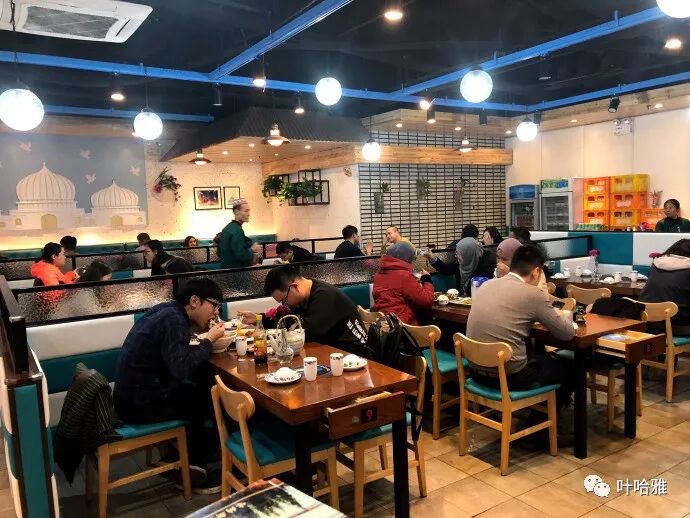
The decor is stylish with elegant seating, and it can host group dinners for over twenty people.
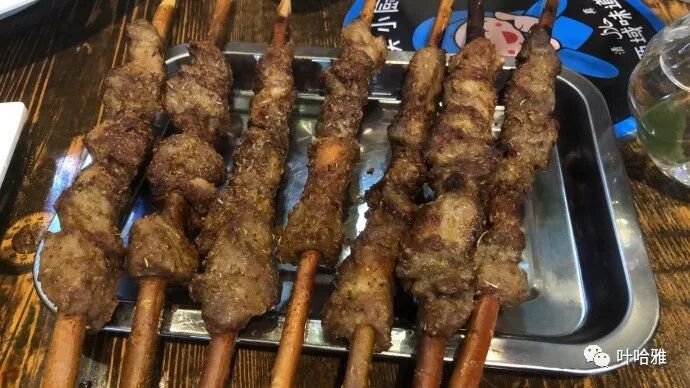
Barbecue is a specialty here. They use high-quality lamb. You can choose between large or small skewers of red willow grilled meat (hongliu kaorou), and the chicken wings come in secret recipe or spicy flavors.
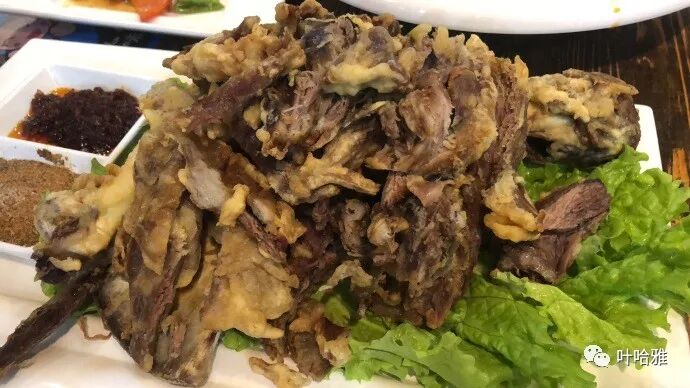
Crispy lamb chops (xiangsu yangpai)
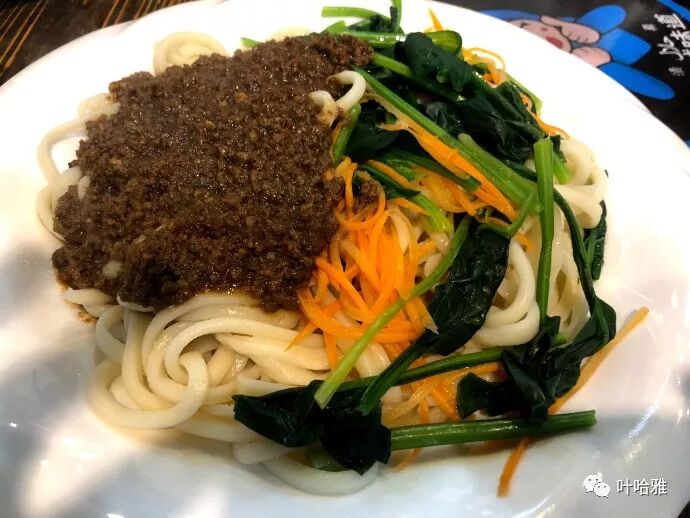
Qinghai-style summer flavor mixed noodles (xiawei banmian)
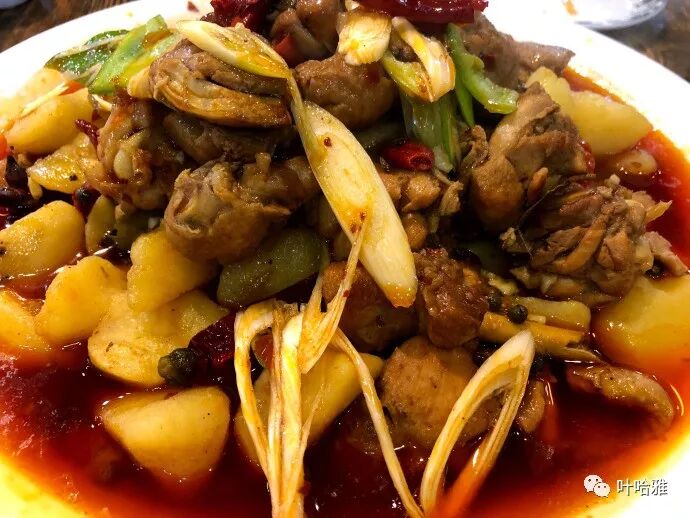
Choose between Shawan big plate chicken (dapanji) or diced naan bread with grilled meat (nangding kaorou). They are half-price until the end of the month, and the big plate chicken comes with a free serving of white noodles.
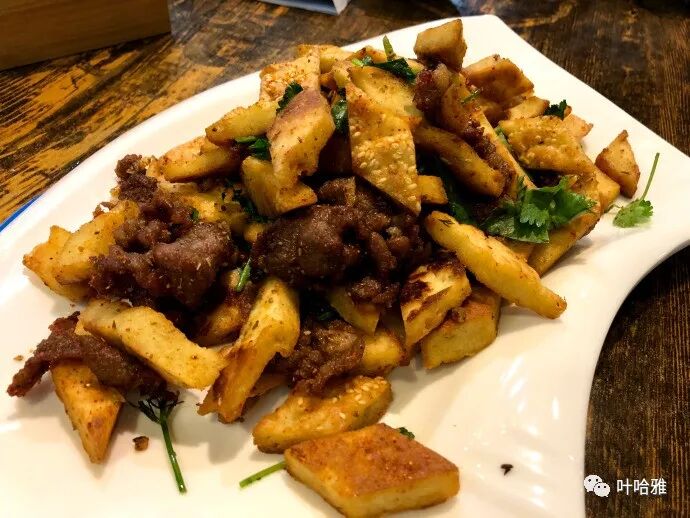
Diced naan bread with grilled meat (nangding kaorou)
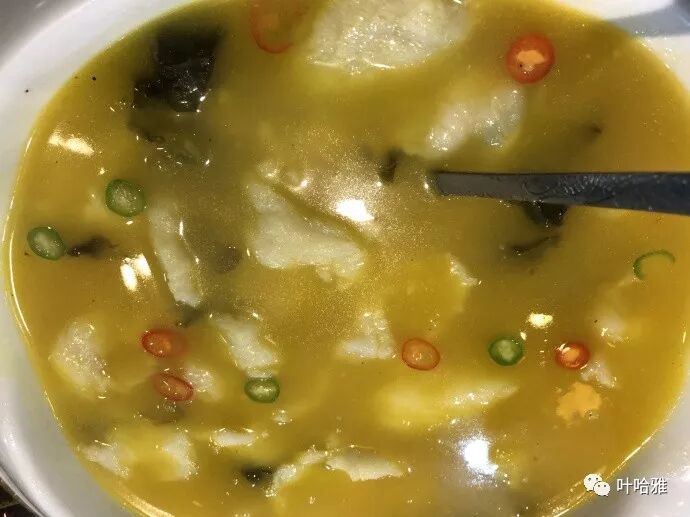
Golden soup sole fish (jintang longliyu) is a popular recommendation. The pickled vegetable soup is tasty, and the fish is tender with few bones.
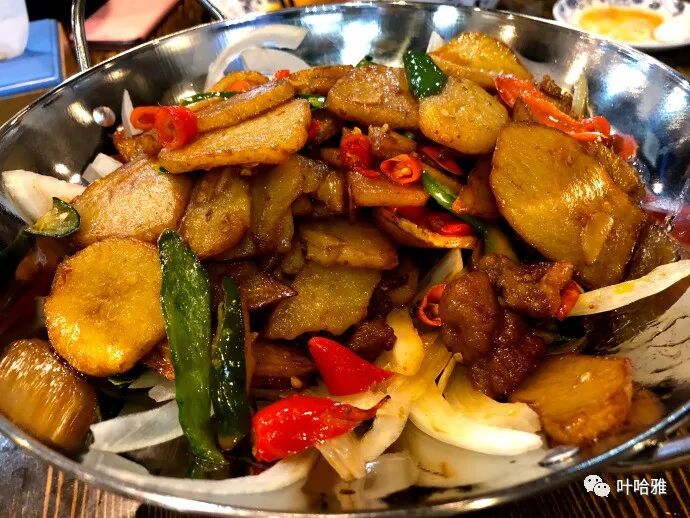
Dongxiang potato slices (dongxiang tudoupian) are a popular recommendation. The potatoes are soft and full of flavor.
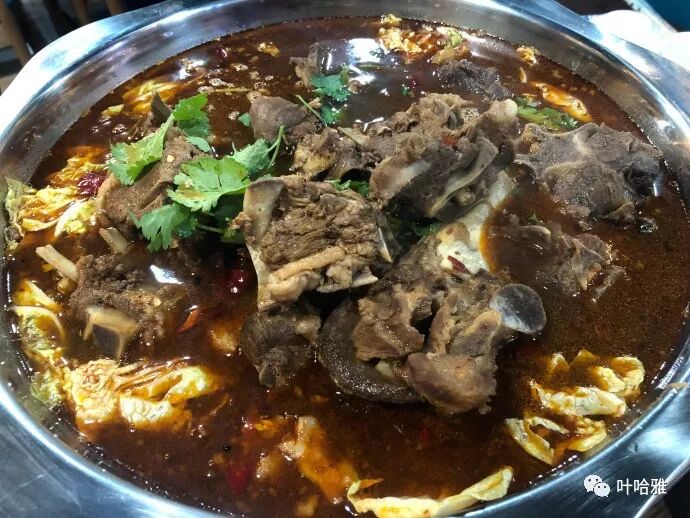
Secret recipe lamb spine (yangxiezi) comes in large or small portions, and you can add hot pot sides.
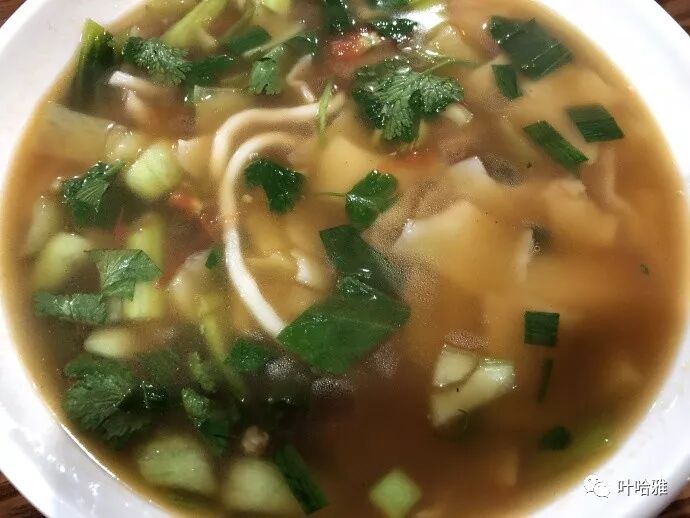
Salar handmade noodle pieces (shougong mianpian) are cooked by the owner herself. They are the best noodle pieces I have ever eaten.
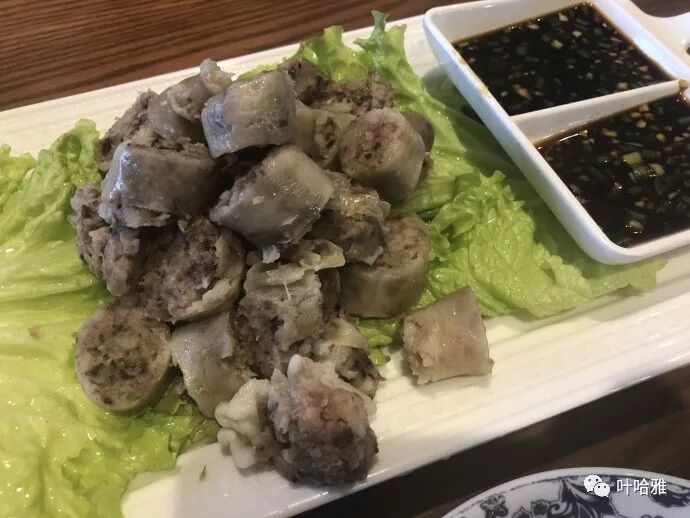
Qinghai little liver (xiaoxingan) is made from lamb intestines and is also highly praised.
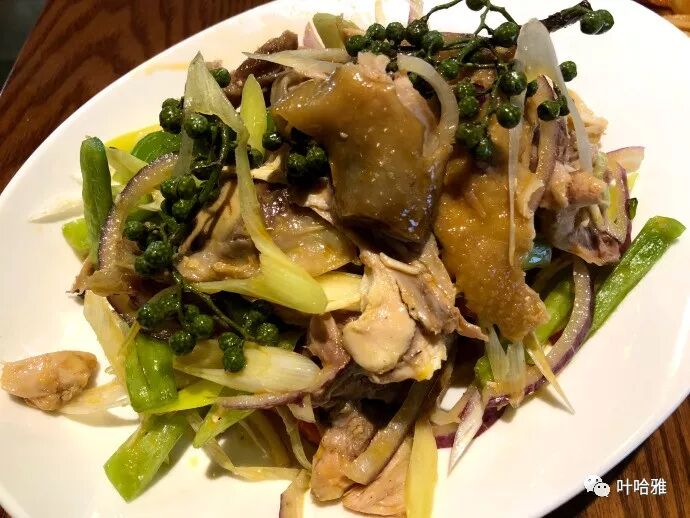
Peppery chicken (jiaomaji) is numbing and spicy, and very satisfying.
Address: 3rd Floor, Wudaokou International Food Plaza.
141. Meisi Cafe
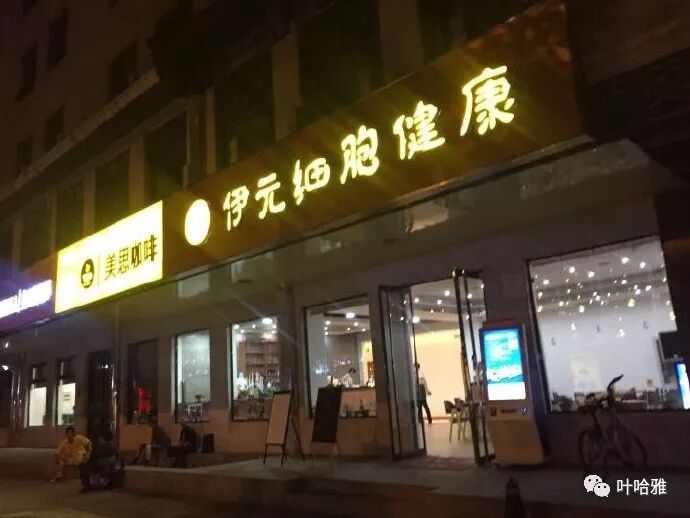
This cafe opened recently. It is a casual spot serving Western food and only non-alcoholic drinks in a spacious setting.
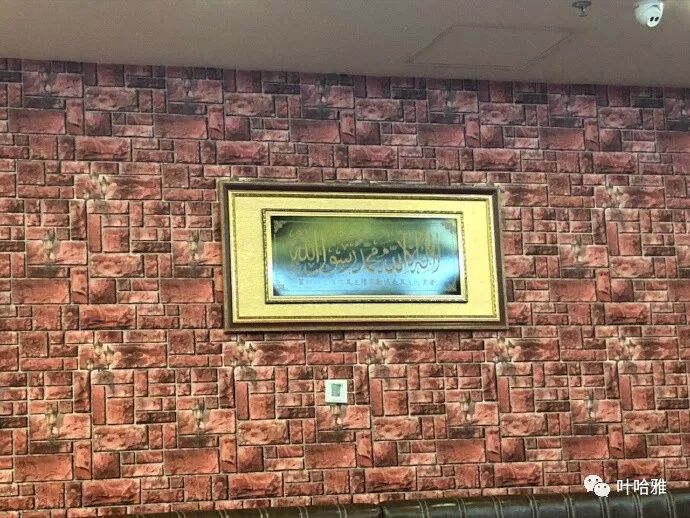
The shop displays the Shahada, confirming it is a halal cafe. Coffee drinking was first invented by Muslims in Damascus, Syria, and it took another hundred years for the first European cafe to open in France.
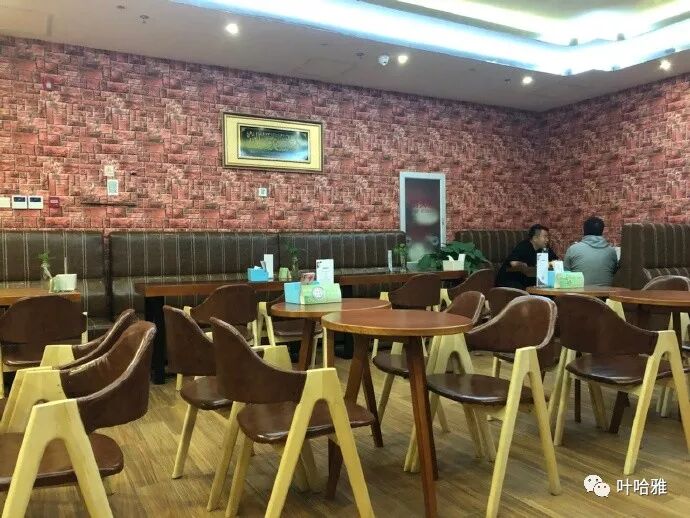
Niujie has been missing a quiet, elegant place for dates. Now that this cafe is here, there is finally a place to go.
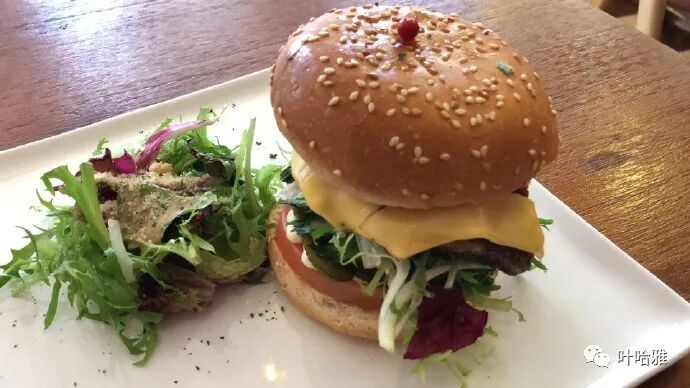
I ordered a beef burger. It had many thick layers, and people with small mouths cannot even take a full bite.
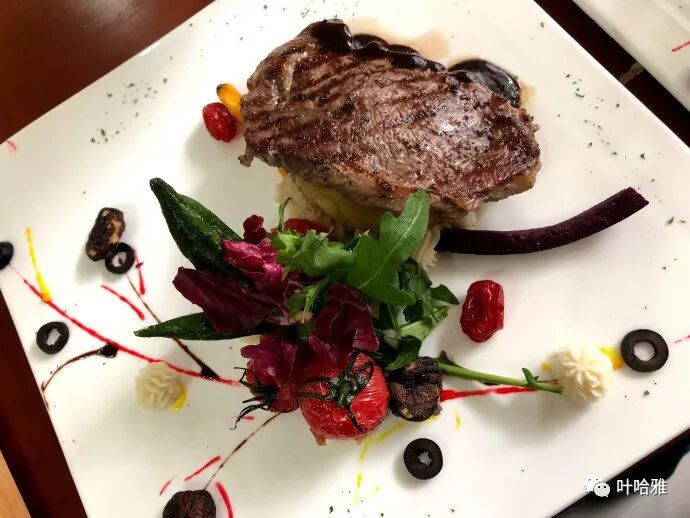
The Australian steak was served with dried vegetables on the side. I am not used to eating raw meat, so I asked for it well-done.
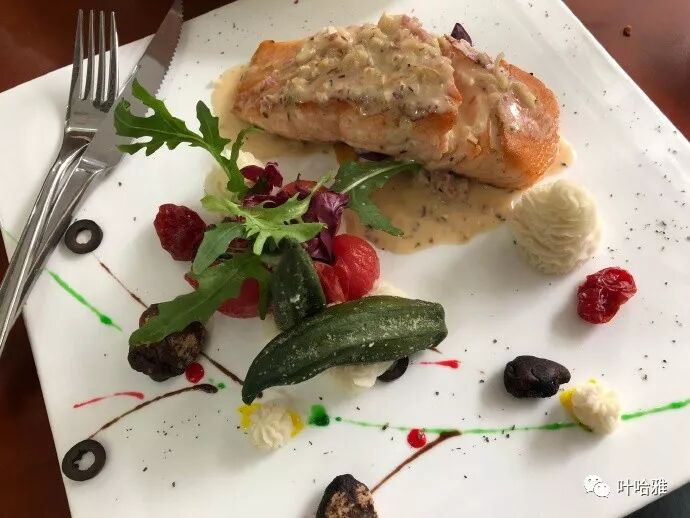
Pan-fried salmon is fresh and delicious.
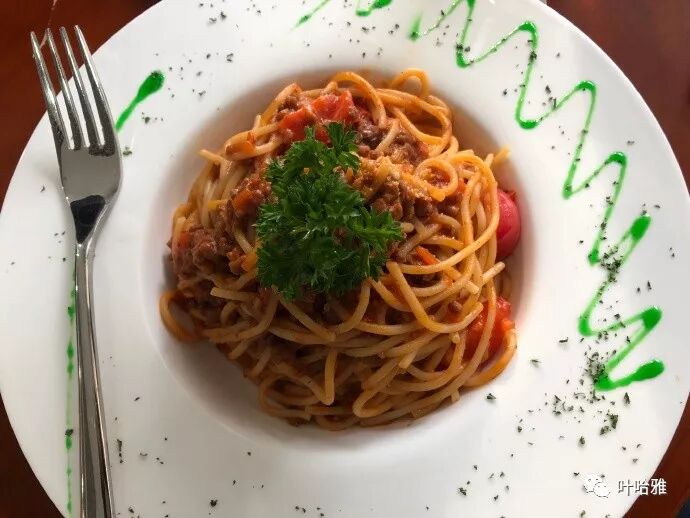
The pasta tastes very authentic.
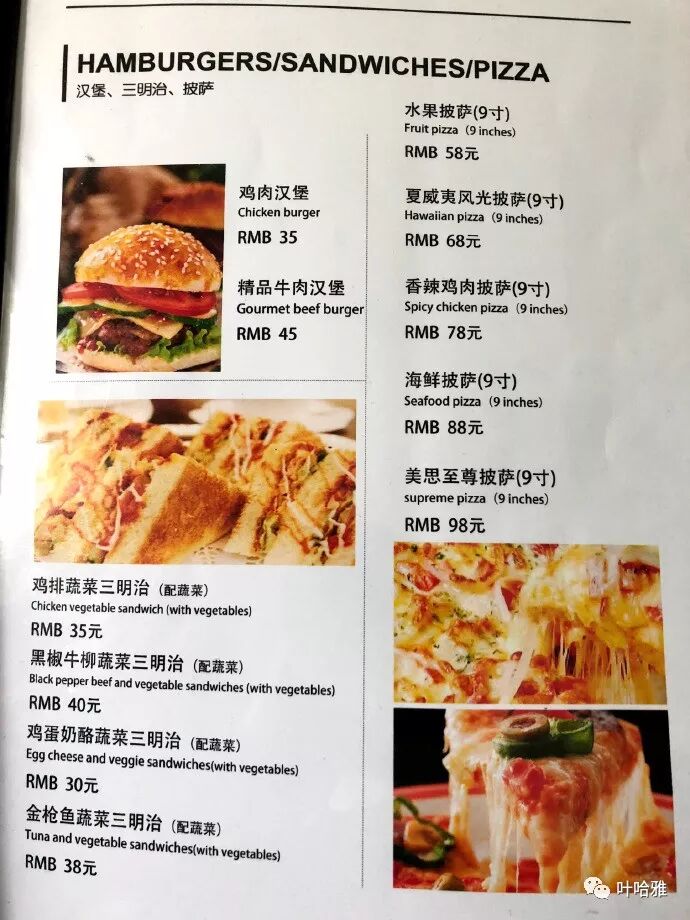
I took a picture of the menu, which includes pizza. I will come back to try it next time.
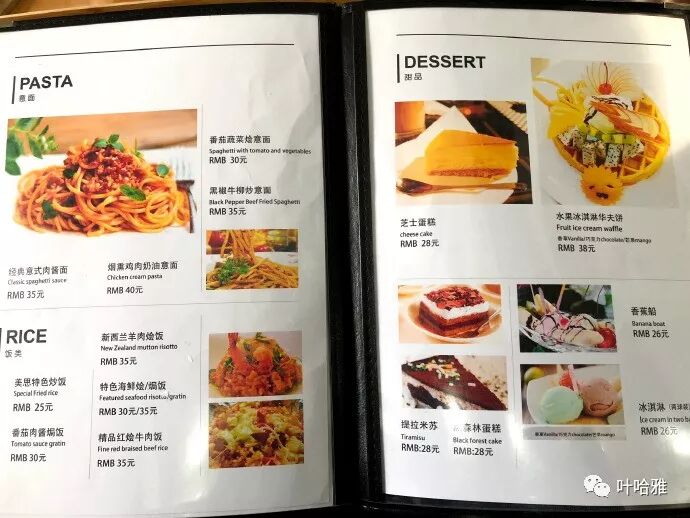
Address: 100 meters south of the main gate of the Niujie Mosque.
142. Tongshunzhai Restaurant.
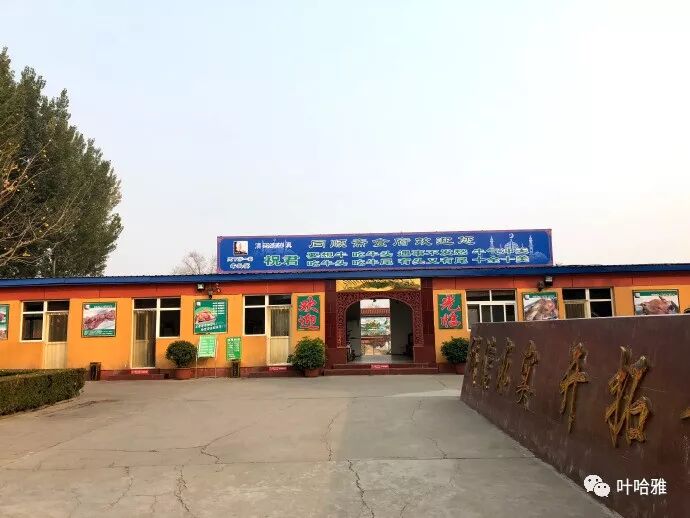
I came here for the ox head feast, but once I arrived, I learned that it takes 10 people to finish one ox head.
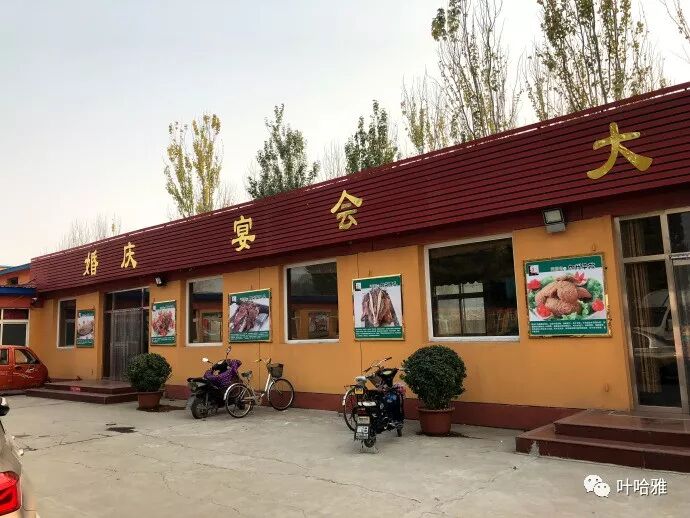
The courtyard is large and spacious, and all the seating is in private rooms.
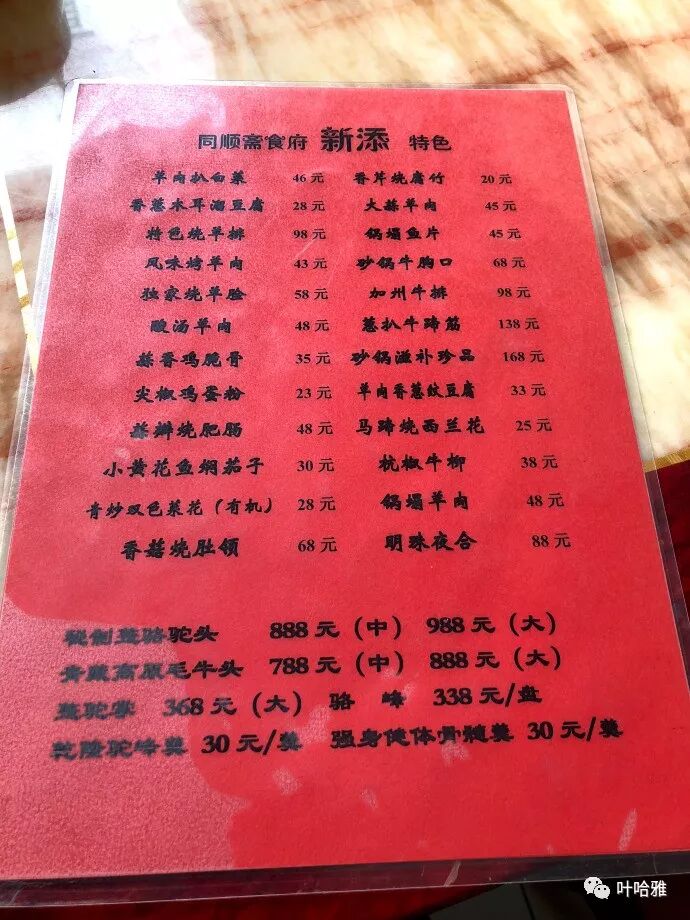
I looked at the menu and saw only heavy meat dishes. The waiter said that for three grown men, one oxtail would be enough.
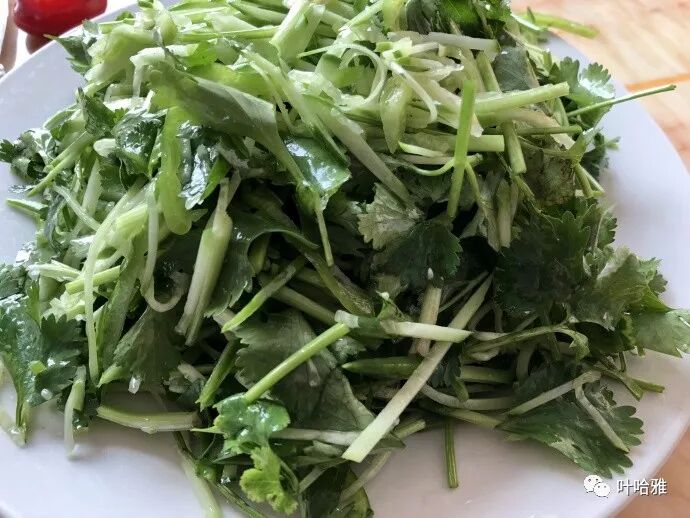
So I ordered two cold dishes, shredded vegetables in sauce (bansansi).
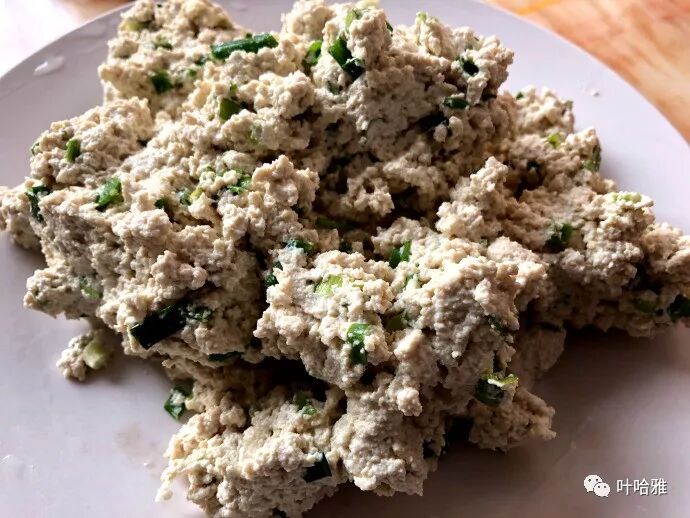
And tofu with scallions (xiao cong ban doufu).
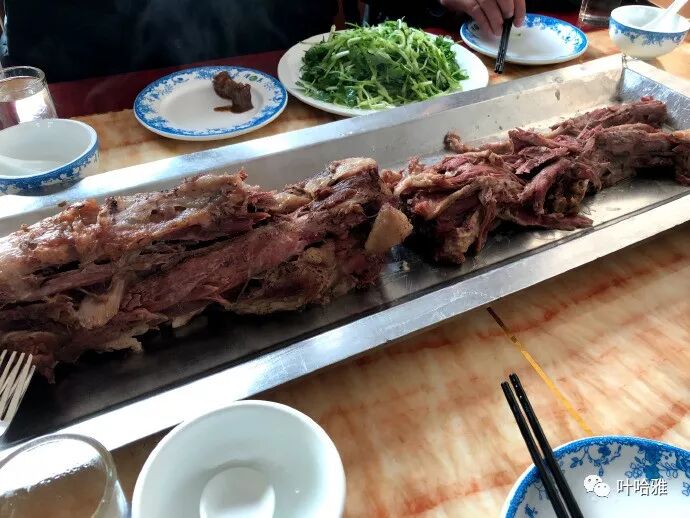
When the oxtail arrived, I was shocked. It was a full half-meter long and stewed until very tender.
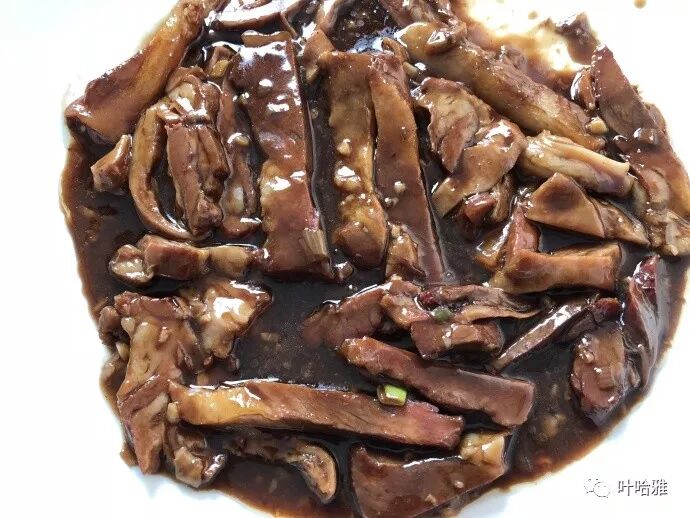
The lamb strips (yangrou tiao) seemed a bit extra; we really couldn't eat any more.
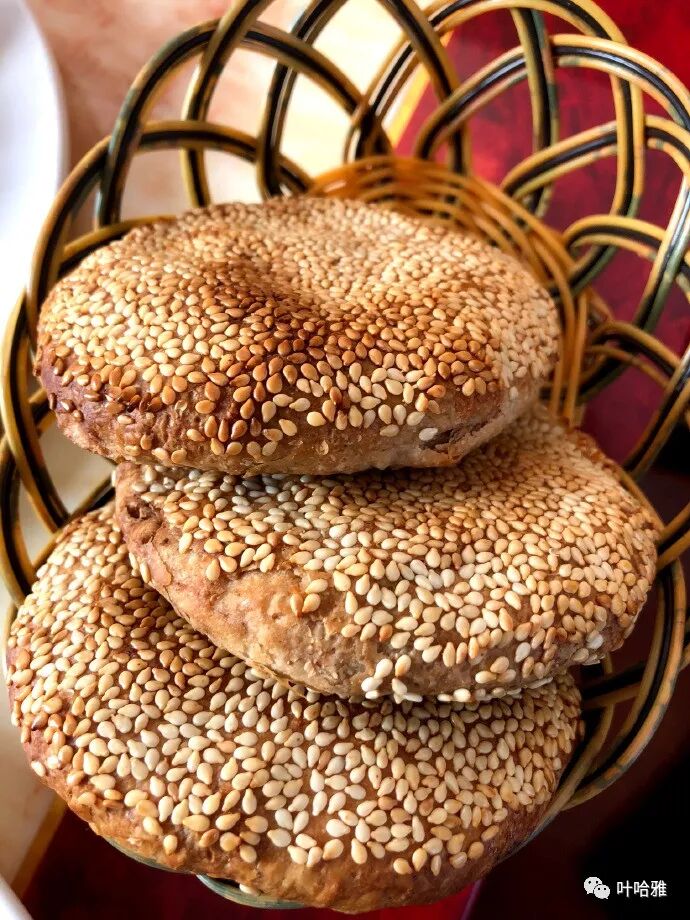
Address: South entrance of Doudian Village, Fangshan District, Beijing.
143. 36 Degrees North Latitude Hot Pot.
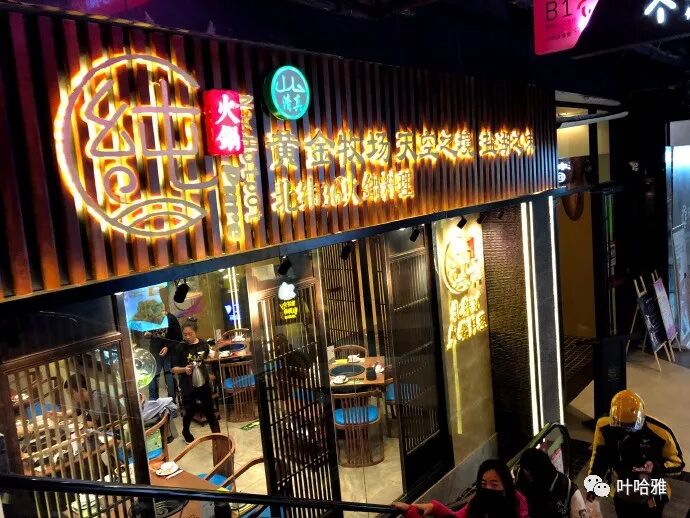
A very refined Qinghai-style hot pot restaurant that opened recently.
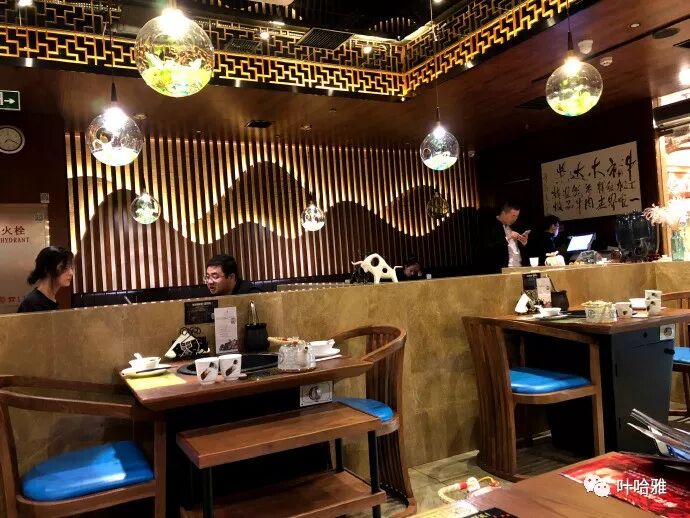
The environment is beautiful, it is not crowded, and the service is warm.
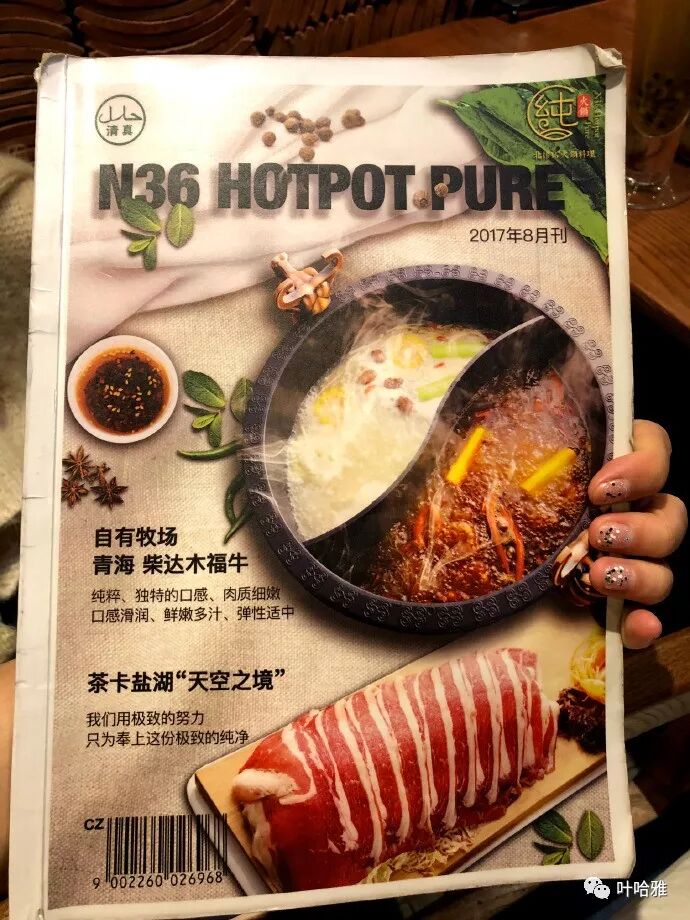
The beef and lamb all come from Qinghai.
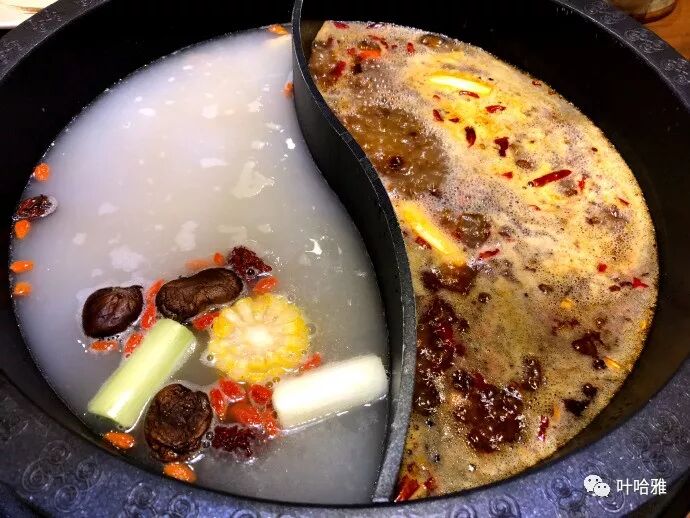
We had the split pot (yuanyang guo), and the spicy side was not particularly hot.
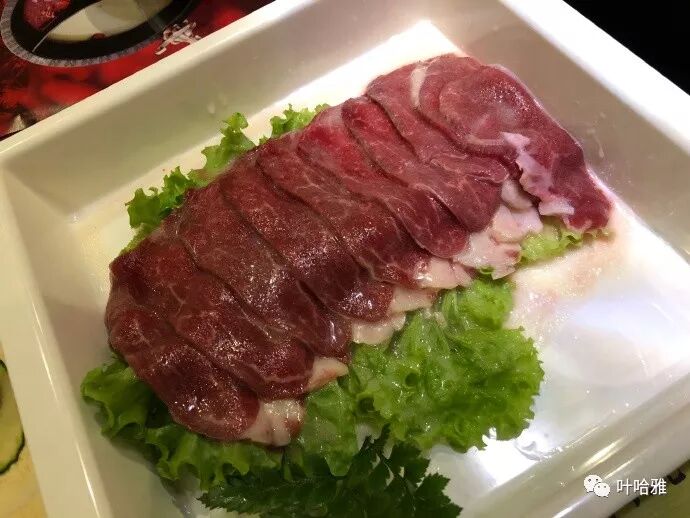
Freshly sliced secret-recipe beef tenderloin.
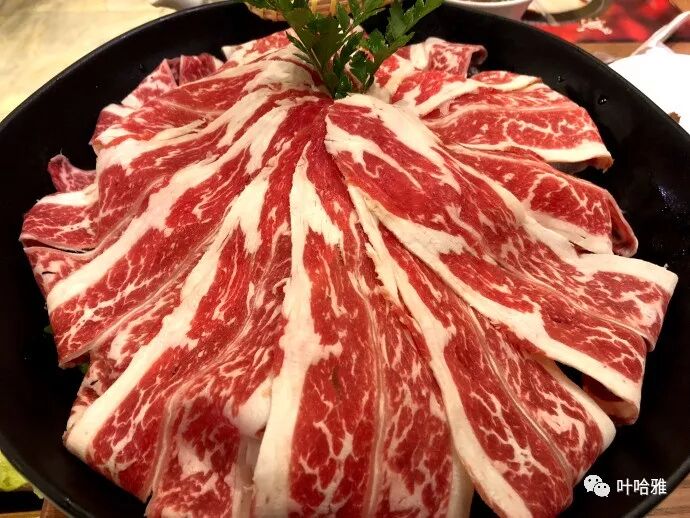
Marbled beef (xuehua fu niurou).
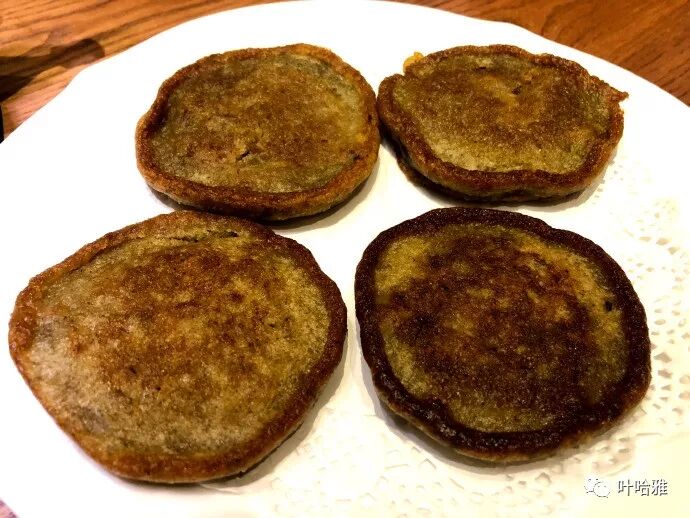
Highland barley flatbread (qingke bing).
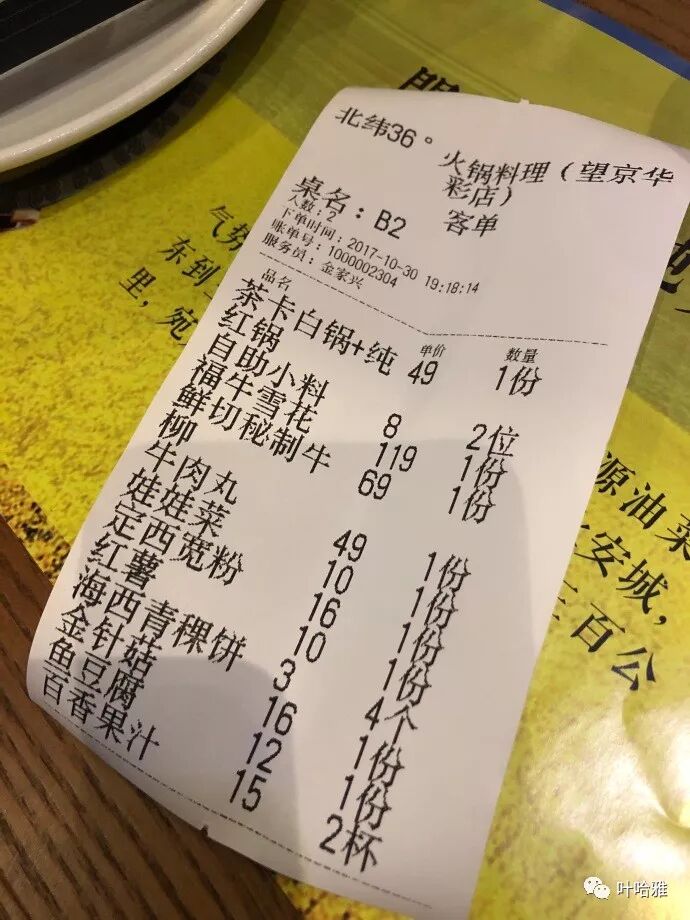
Address: B1, Huacai Commercial Center, Wangjing.
144. Yi Dai Yi Lu Xinjiang Cuisine.
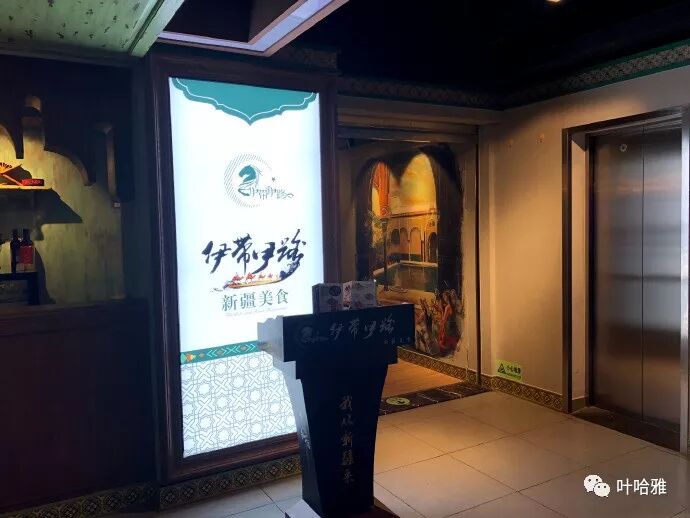
This shop used to be called Tajike Spring Water Lamb Restaurant. They recently changed the name, but the menu is basically the same.
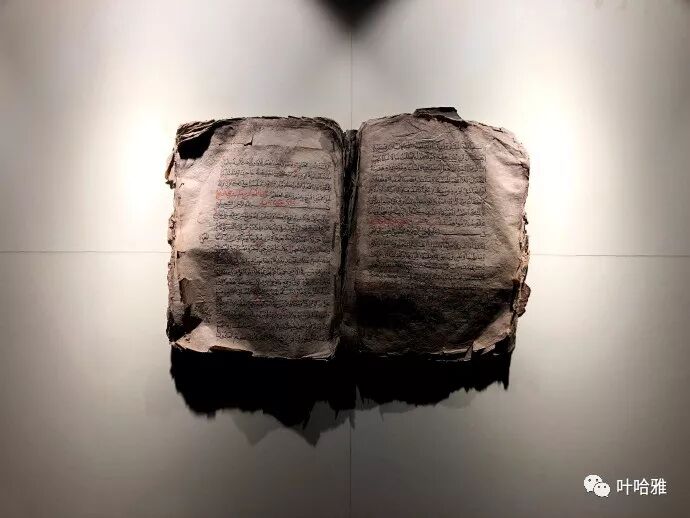
There is a Quran hanging on the wall.
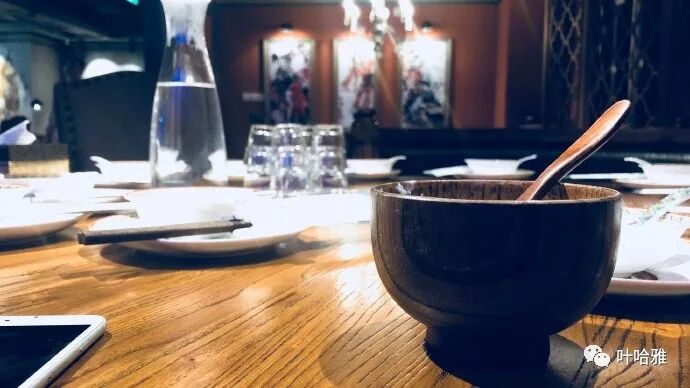
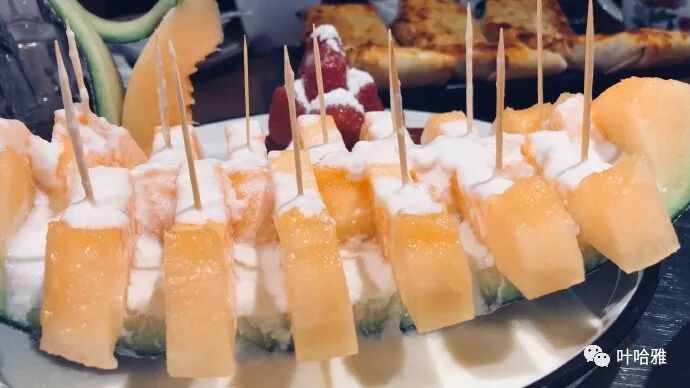
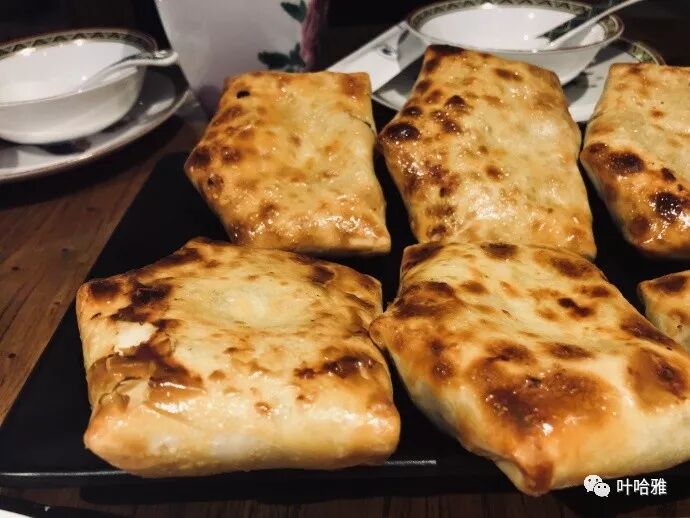
Baked buns (kao baozi).
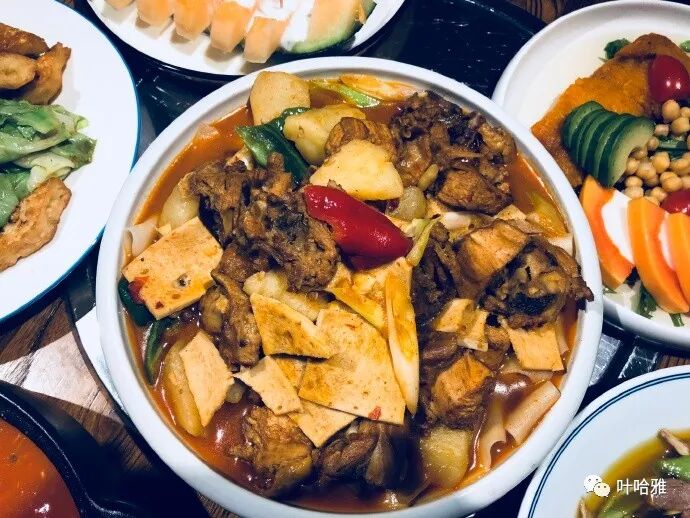
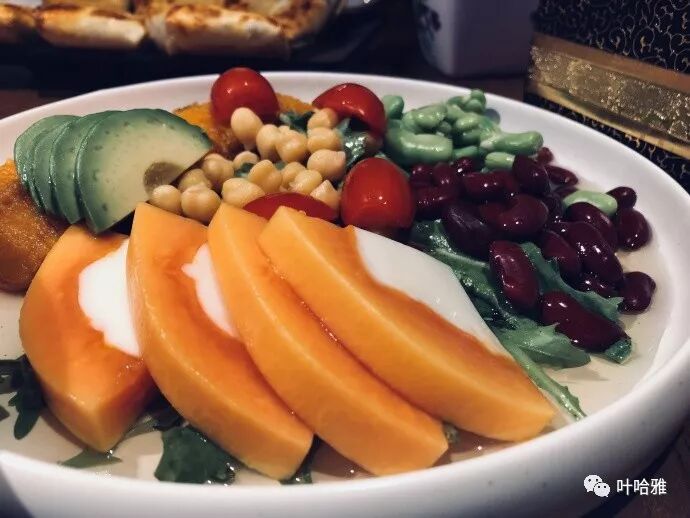
Address: 4F-4C12, Jiayi Youth Hub, Qingnian Road, Chaoyang District.
145. Jinghummen Hot Pot
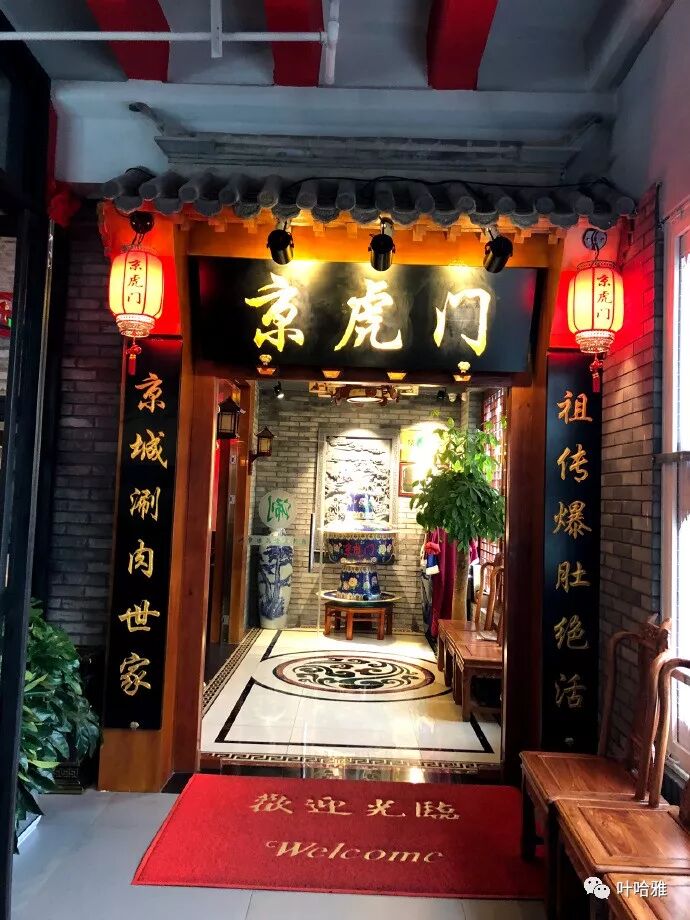
A newly opened traditional Beijing copper pot hot pot (shuanrou) restaurant next to Guangqumen Subway Station.
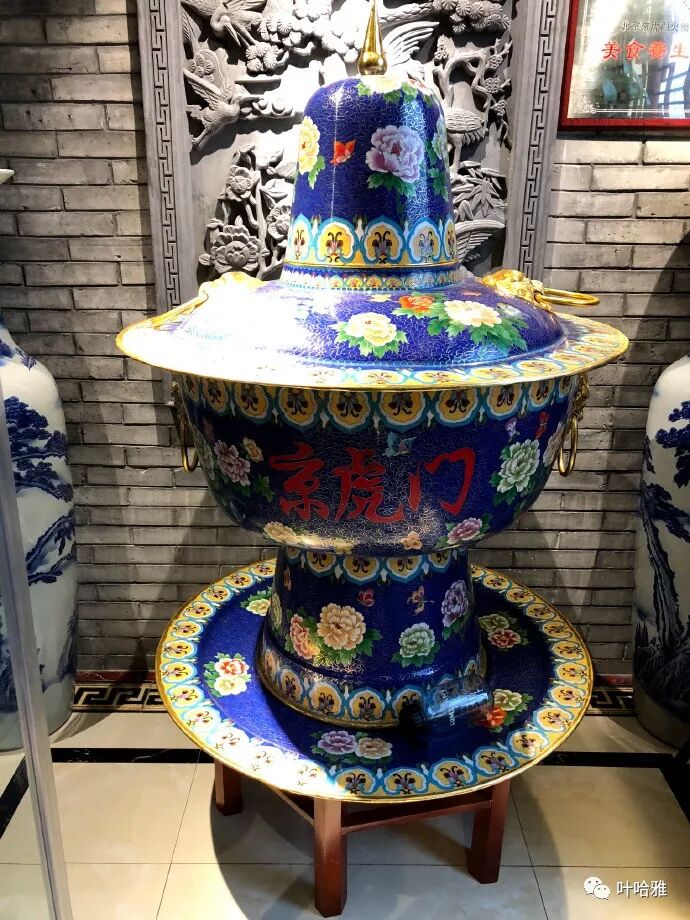
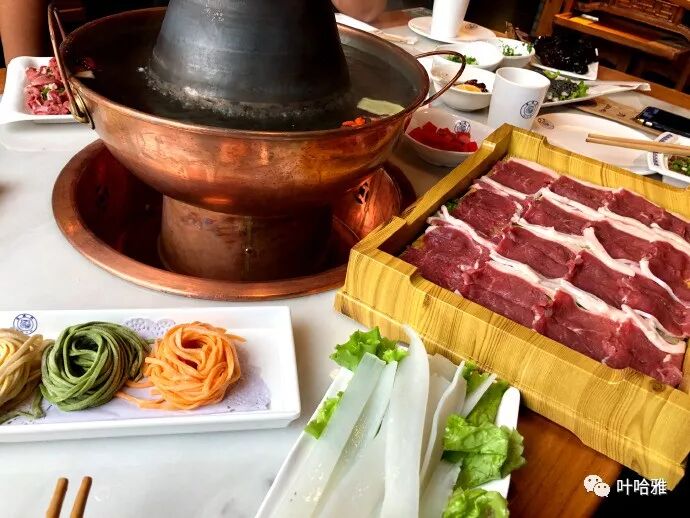
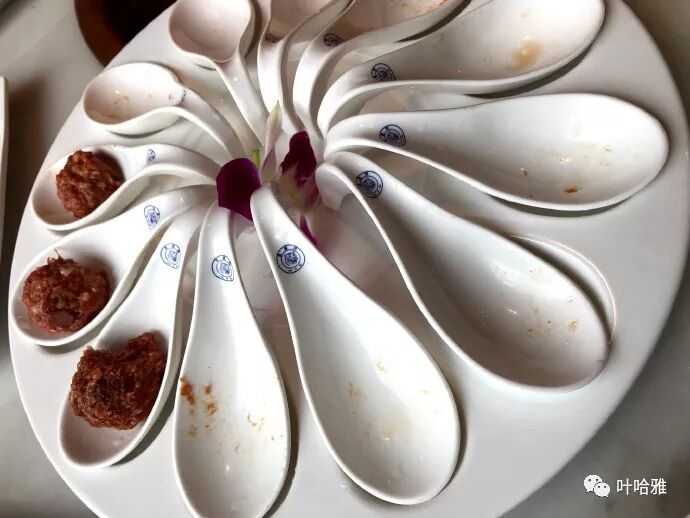
The beef ball platter is unique, and the meatballs are delicious.
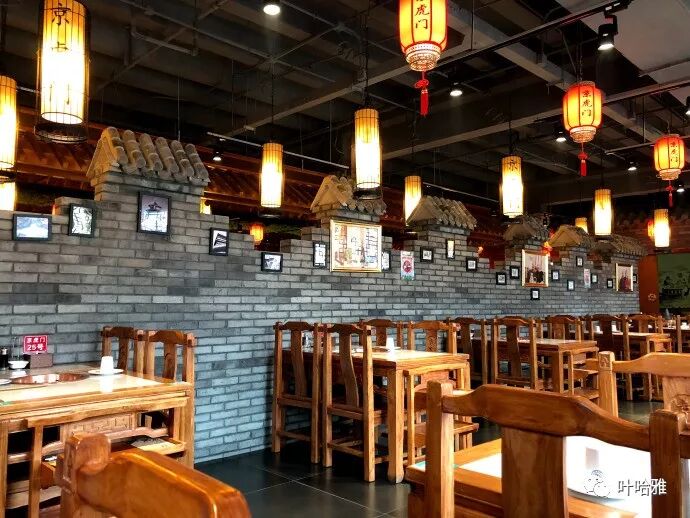
The environment is spacious.
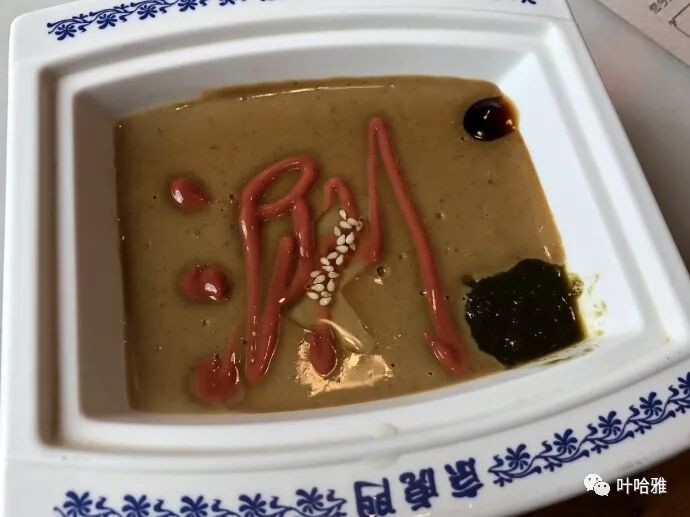
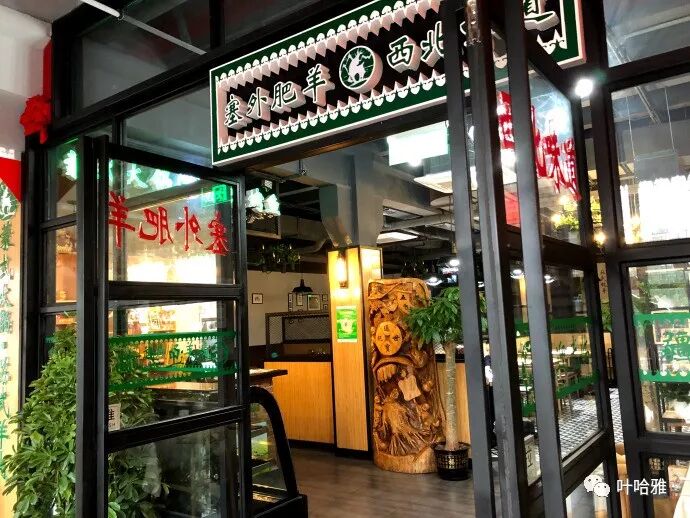
There is a Northwest-style restaurant next door, and People say both shops share the same landlord.
Address: Second floor of Hongdu Building, Guangqumen Subway Station.
146. Ailifu Lamb Hot Pot
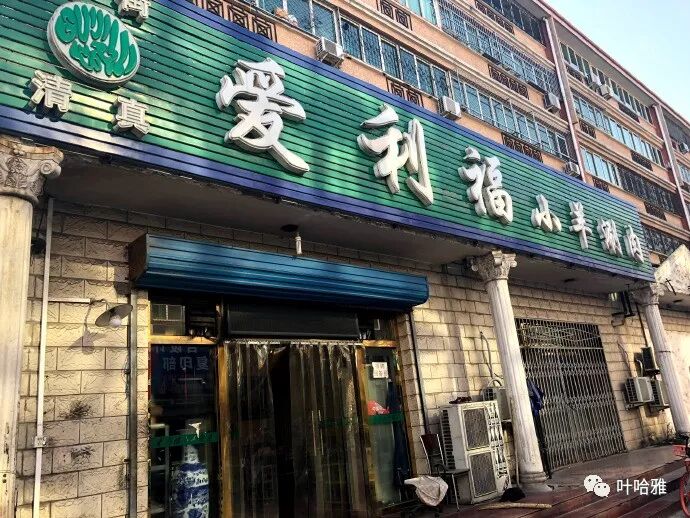
Ailifu Lamb Hot Pot on Chaoyang North Road in Fangshan District is a long-standing shop that has been operating for over ten years.
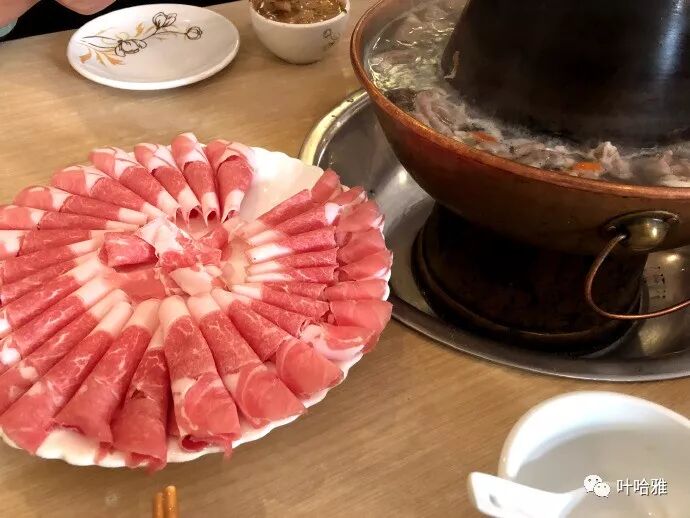
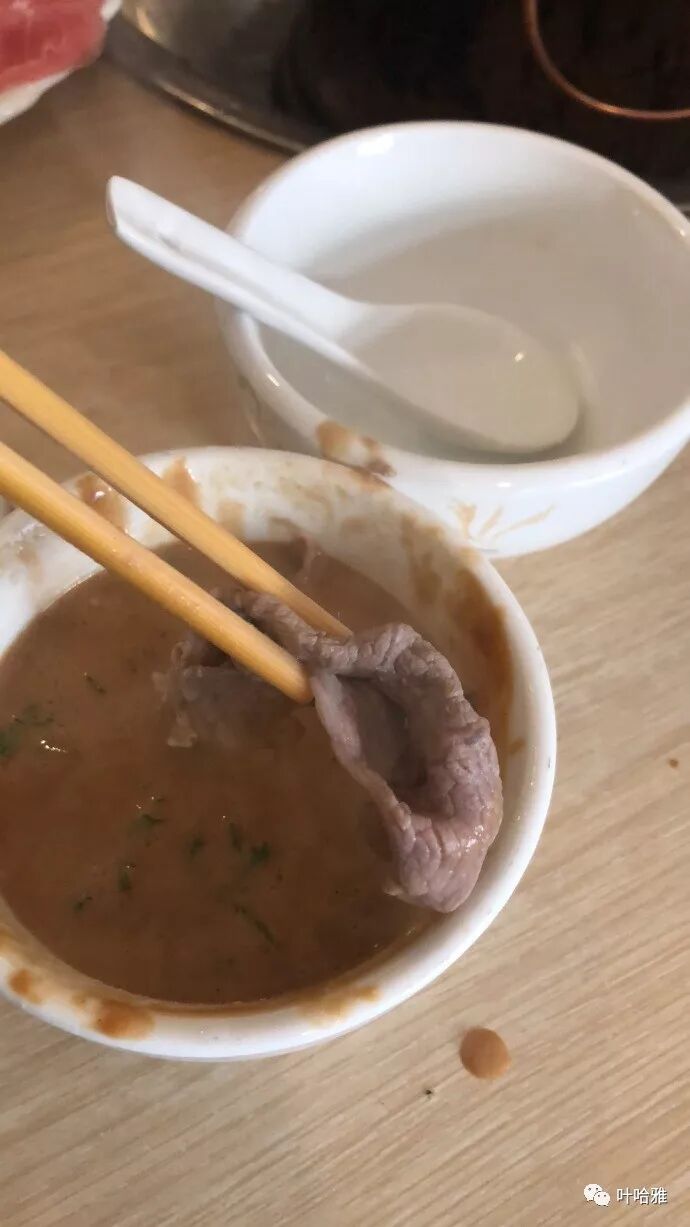
Address: Chaoyang North Road, Fangshan District.
147.
Ganges Indian Restaurant
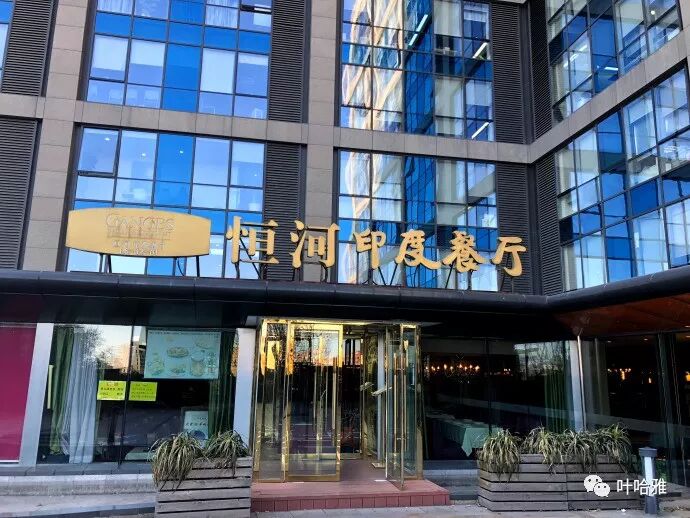
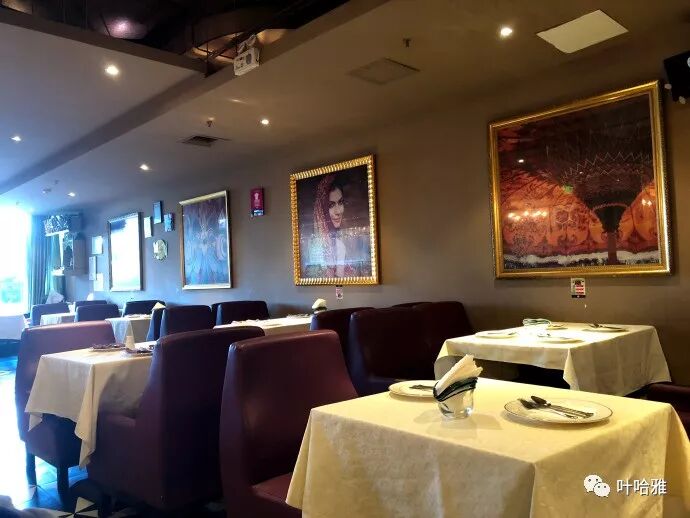
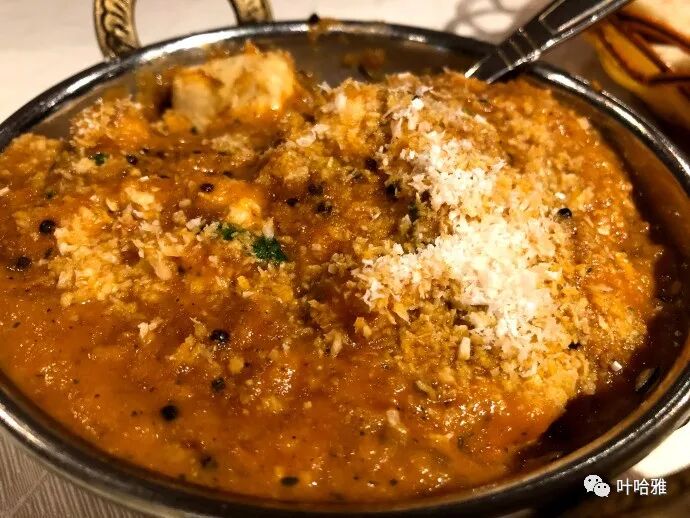
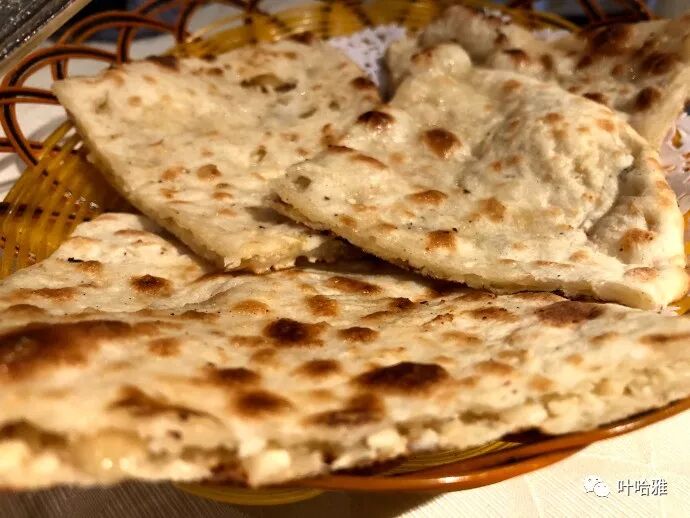
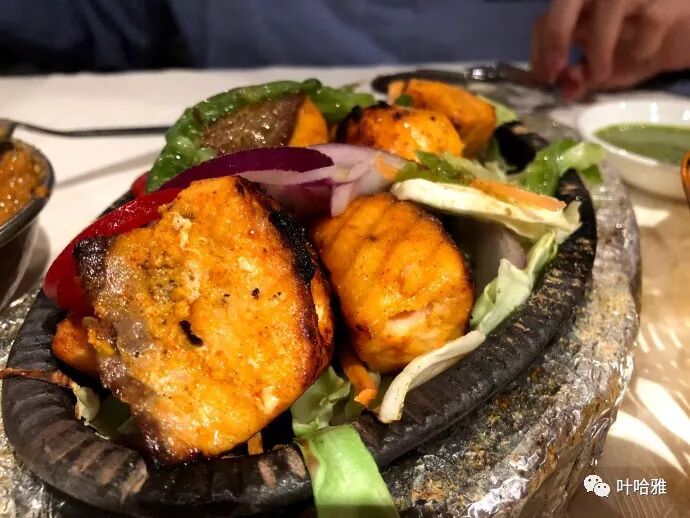
Pan-fried salmon.
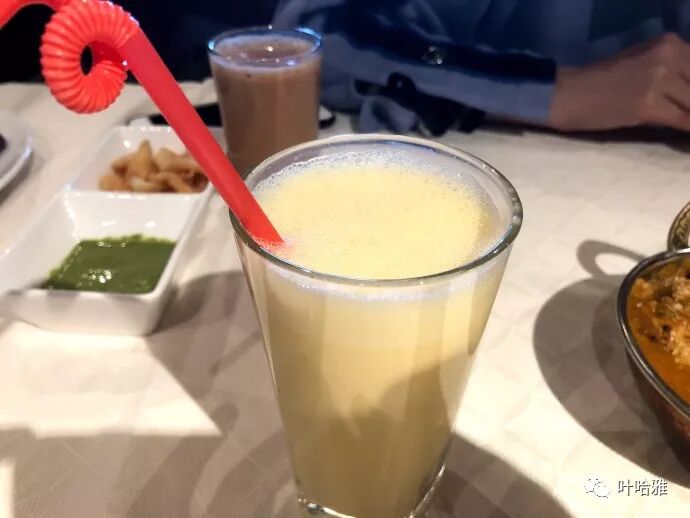
Indian milk tea.
Address: Sixth floor of Wudaokou Shopping Center.
148. Yilao Baiwei Dipping Sauce Hot Pot
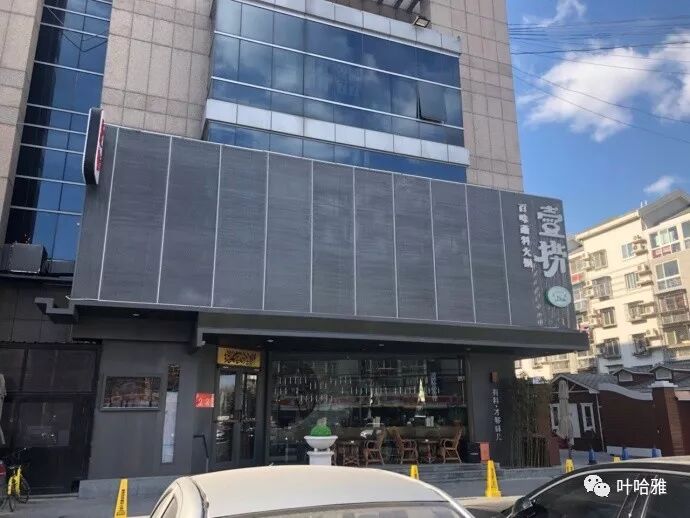
A newly opened modern-style hot pot restaurant in Changying.
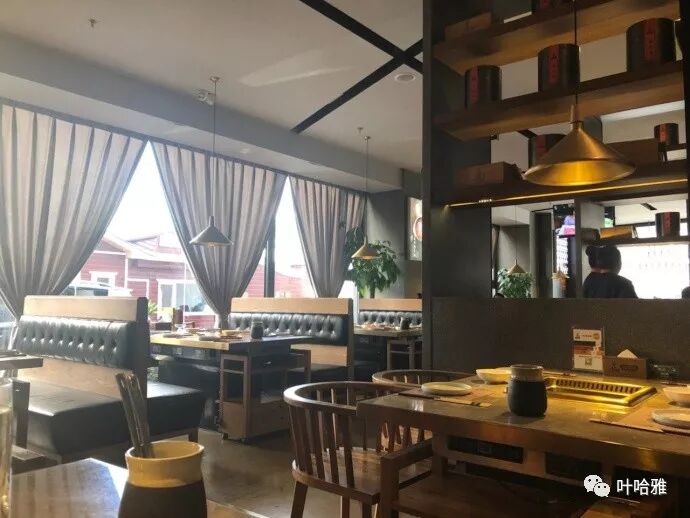
The signature dipping sauces come in a wide variety and are beautifully presented.
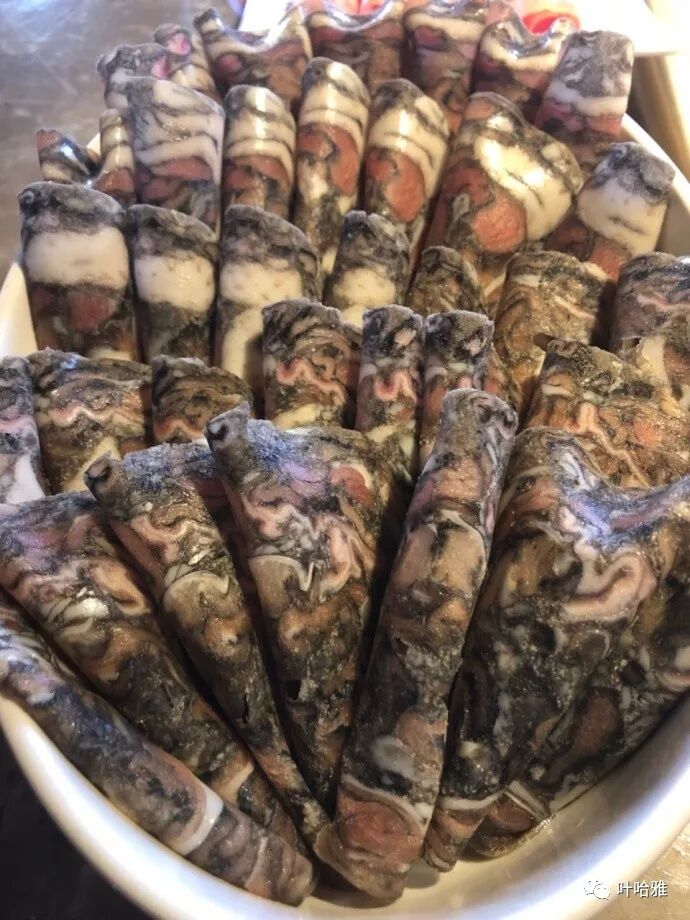
Silky fowl meat rolls.
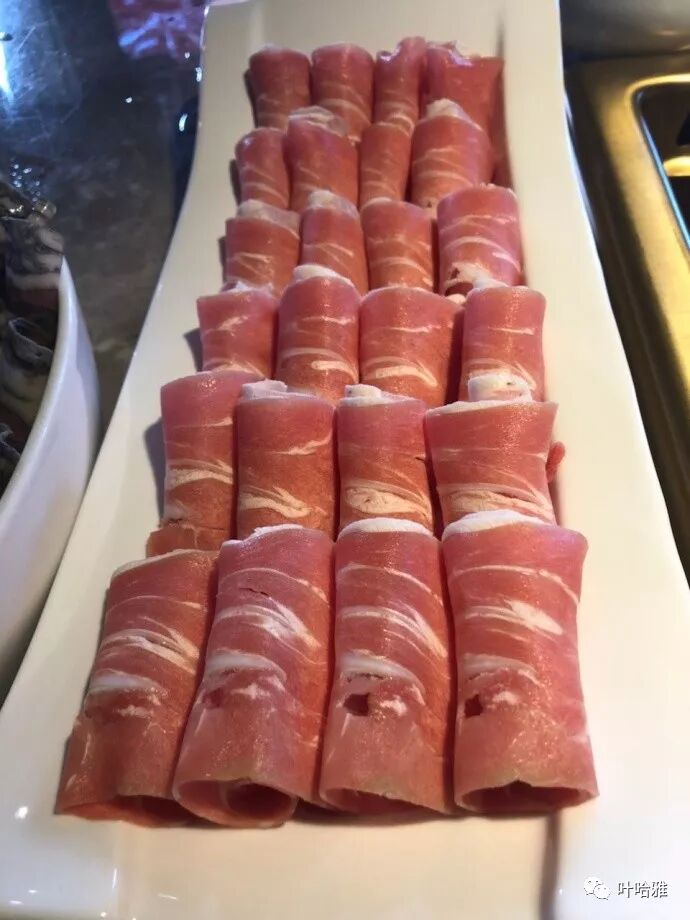
High-calcium lamb.
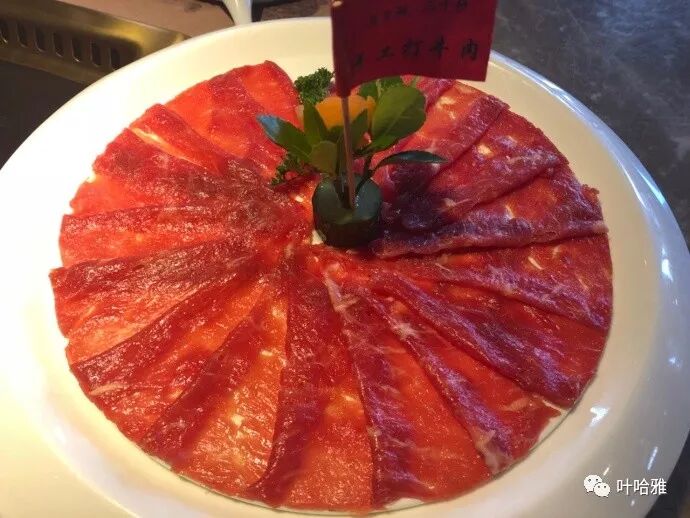
The staff recommends the hand-beaten beef, a Chaoshan specialty; you can watch the chef beat the beef on-site.
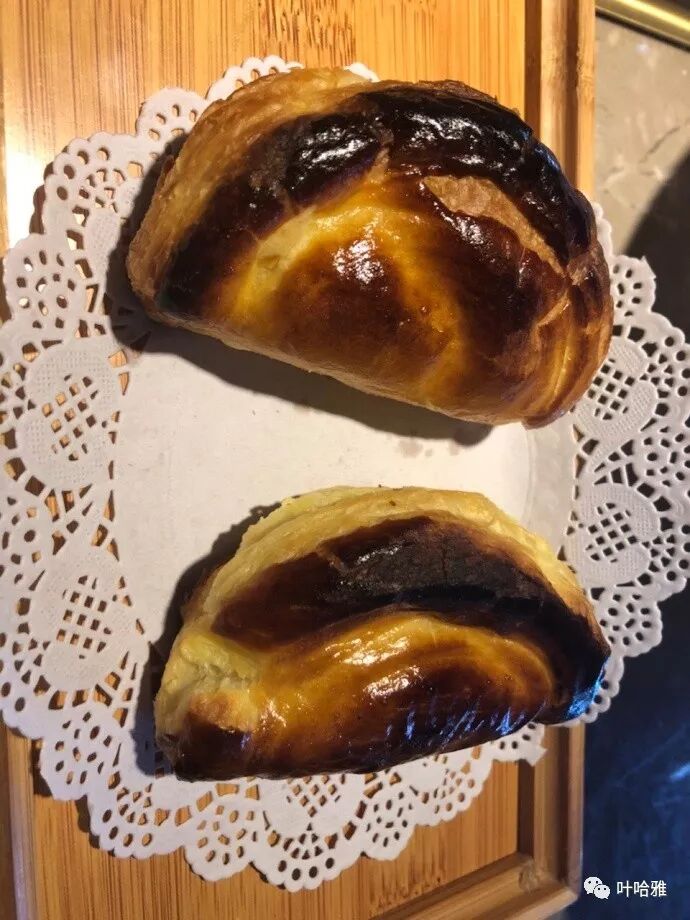
Durian pastry, which smells fragrant and has a strong durian flavor.
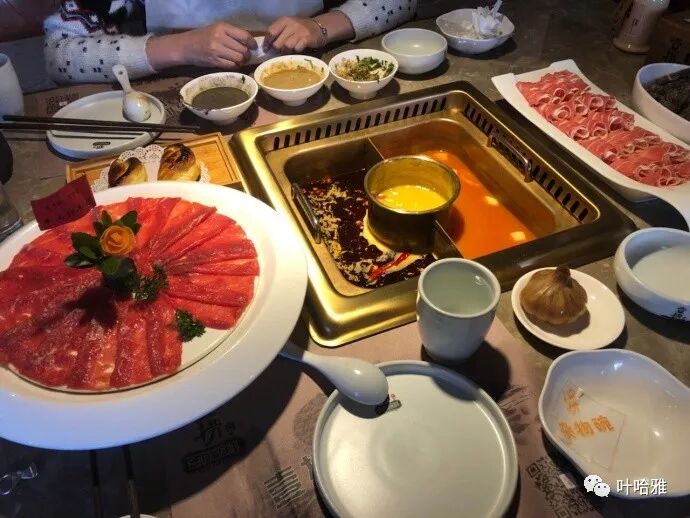
The average cost is about 130 yuan per person, and you can buy group-purchase vouchers.
Address: No. 13 Changying Guanzhuang Road.
149. Alan Restaurant
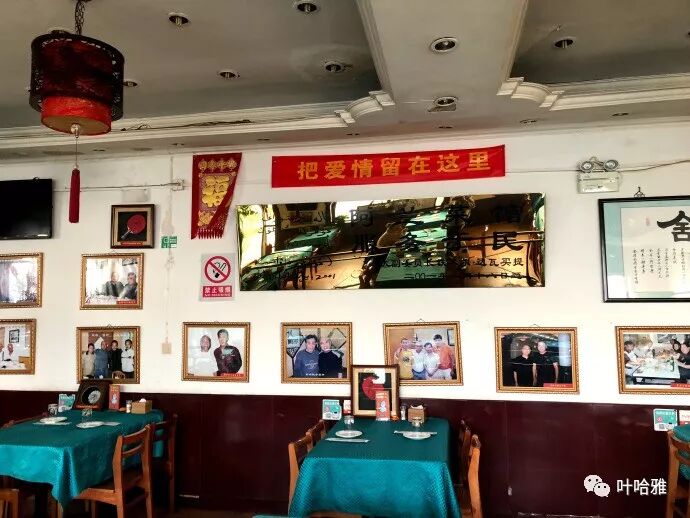
This old Beijing halal restaurant has been open for years near Temple of Heaven Park. The owner has photos with many celebrities on the wall. Because it is close to the General Administration of Sport of China, many athletes come here to eat.
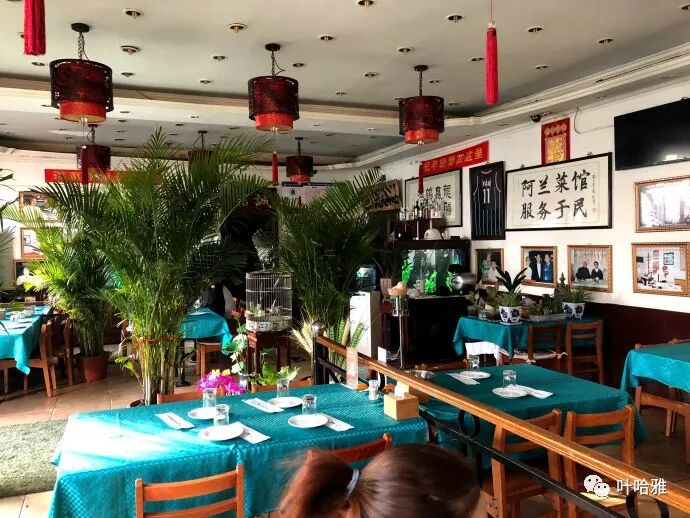
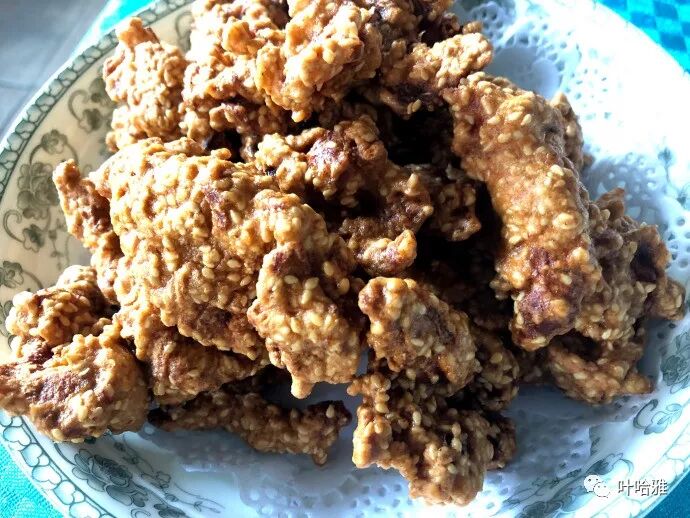
Sesame lamb (zhima yangrou)
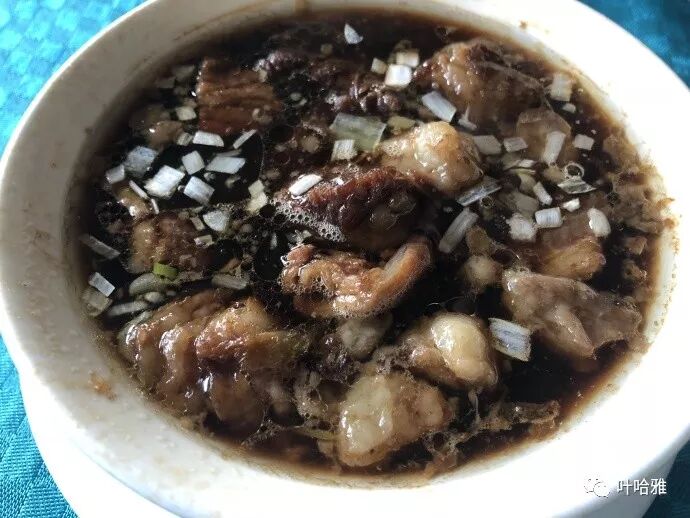
Small bowl beef (xiaowan niurou)
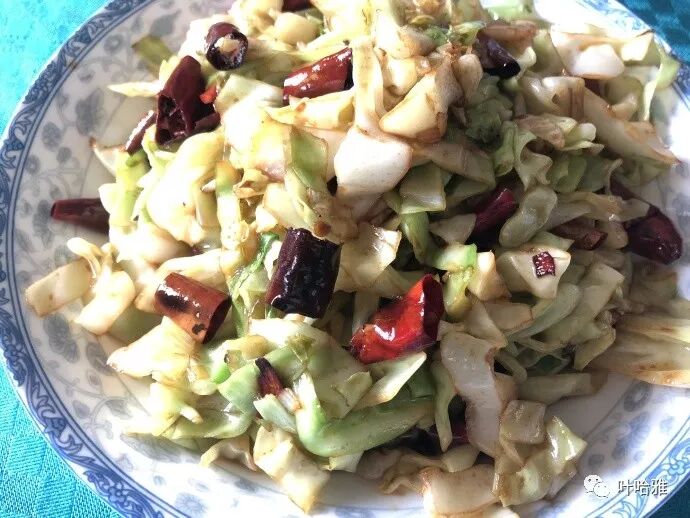
Address: West of Building 2, Tiantan Dongli South District, Dongcheng District (1 Yongdingmen East Street)
150. Ashan Diadili Restaurant
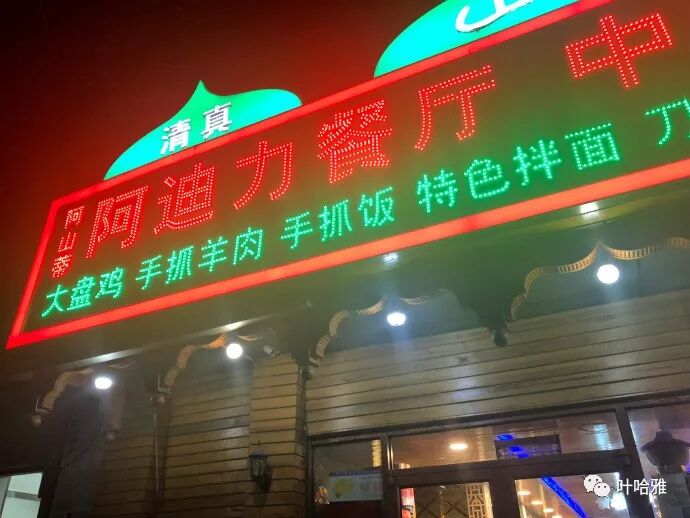
This shop has been operating on Gongti North Road for 7 years. Whenever there is a game, this place is packed.
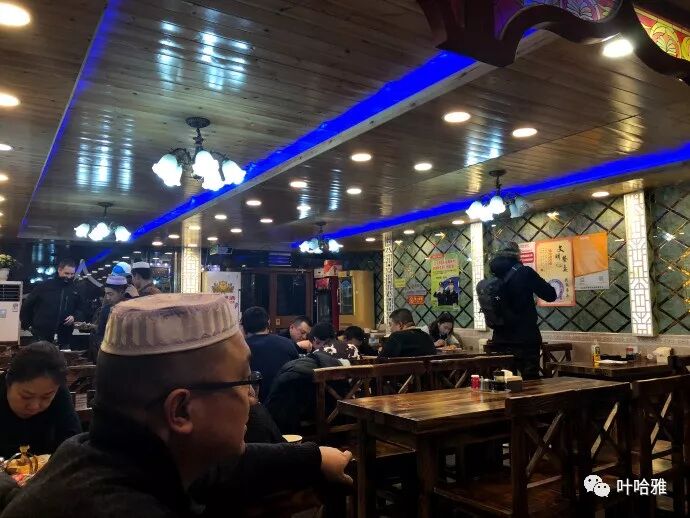
At night, it is full of sports fans eating skewers.
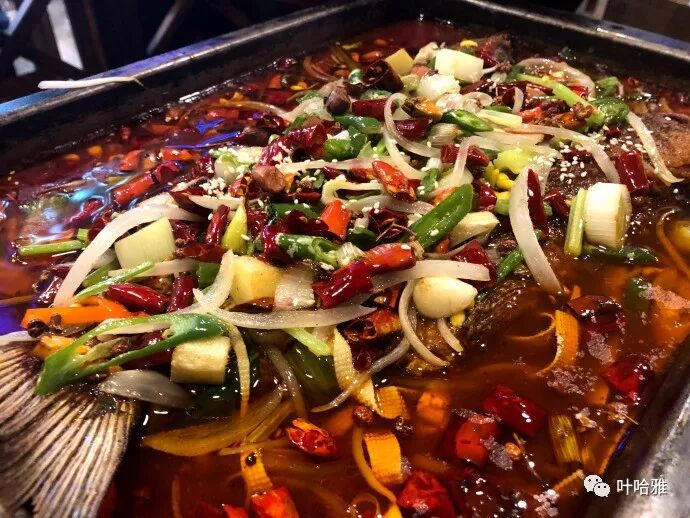
Grilled fish (kaoyu)
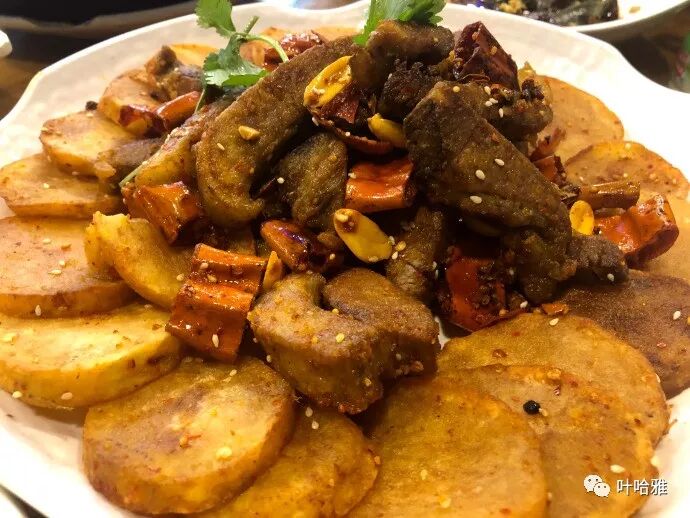
Salar family dish made with potatoes and beef. The owner cooks it himself, so you need some luck to get a taste.
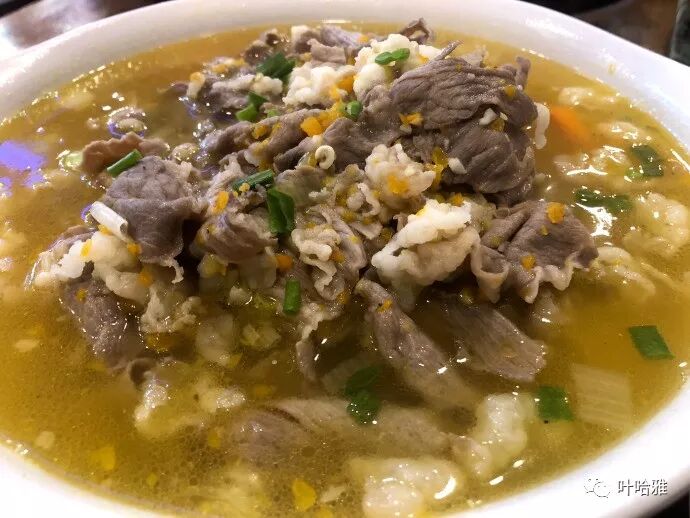
Sour soup beef (suantang feiniu)
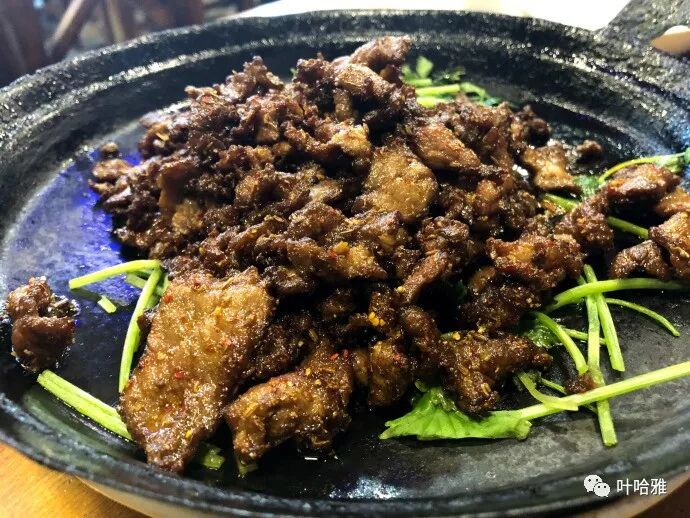
Cumin lamb (ziran yangrou)
Address: Gongti North Road
Summary: A Beijing halal street food and restaurant guide featuring Wudaokou Xinjiang food, crispy lamb ribs, naan ding (diced naan with grilled meat), Qinghai noodles, and other dishes from the original source.
140. Halime Kitchen
Open for one month, it is already the third most popular Xinjiang restaurant in Wudaokou.
The decor is stylish with elegant seating, and it can host group dinners for over twenty people.
Barbecue is a specialty here. They use high-quality lamb. You can choose between large or small skewers of red willow grilled meat (hongliu kaorou), and the chicken wings come in secret recipe or spicy flavors.
Crispy lamb chops (xiangsu yangpai)
Qinghai-style summer flavor mixed noodles (xiawei banmian)
Choose between Shawan big plate chicken (dapanji) or diced naan bread with grilled meat (nangding kaorou). They are half-price until the end of the month, and the big plate chicken comes with a free serving of white noodles.
Diced naan bread with grilled meat (nangding kaorou)
Golden soup sole fish (jintang longliyu) is a popular recommendation. The pickled vegetable soup is tasty, and the fish is tender with few bones.
Dongxiang potato slices (dongxiang tudoupian) are a popular recommendation. The potatoes are soft and full of flavor.
Secret recipe lamb spine (yangxiezi) comes in large or small portions, and you can add hot pot sides.
Salar handmade noodle pieces (shougong mianpian) are cooked by the owner herself. They are the best noodle pieces I have ever eaten.
Qinghai little liver (xiaoxingan) is made from lamb intestines and is also highly praised.
Peppery chicken (jiaomaji) is numbing and spicy, and very satisfying.
Address: 3rd Floor, Wudaokou International Food Plaza.
141. Meisi Cafe
This cafe opened recently. It is a casual spot serving Western food and only non-alcoholic drinks in a spacious setting.
The shop displays the Shahada, confirming it is a halal cafe. Coffee drinking was first invented by Muslims in Damascus, Syria, and it took another hundred years for the first European cafe to open in France.
Niujie has been missing a quiet, elegant place for dates. Now that this cafe is here, there is finally a place to go.
I ordered a beef burger. It had many thick layers, and people with small mouths cannot even take a full bite.
The Australian steak was served with dried vegetables on the side. I am not used to eating raw meat, so I asked for it well-done.
Pan-fried salmon is fresh and delicious.
The pasta tastes very authentic.
I took a picture of the menu, which includes pizza. I will come back to try it next time.
Address: 100 meters south of the main gate of the Niujie Mosque.
142. Tongshunzhai Restaurant.
I came here for the ox head feast, but once I arrived, I learned that it takes 10 people to finish one ox head.
The courtyard is large and spacious, and all the seating is in private rooms.
I looked at the menu and saw only heavy meat dishes. The waiter said that for three grown men, one oxtail would be enough.
So I ordered two cold dishes, shredded vegetables in sauce (bansansi).
And tofu with scallions (xiao cong ban doufu).
When the oxtail arrived, I was shocked. It was a full half-meter long and stewed until very tender.
The lamb strips (yangrou tiao) seemed a bit extra; we really couldn't eat any more.
Address: South entrance of Doudian Village, Fangshan District, Beijing.
143. 36 Degrees North Latitude Hot Pot.
A very refined Qinghai-style hot pot restaurant that opened recently.
The environment is beautiful, it is not crowded, and the service is warm.
The beef and lamb all come from Qinghai.
We had the split pot (yuanyang guo), and the spicy side was not particularly hot.
Freshly sliced secret-recipe beef tenderloin.
Marbled beef (xuehua fu niurou).
Highland barley flatbread (qingke bing).
Address: B1, Huacai Commercial Center, Wangjing.
144. Yi Dai Yi Lu Xinjiang Cuisine.
This shop used to be called Tajike Spring Water Lamb Restaurant. They recently changed the name, but the menu is basically the same.
There is a Quran hanging on the wall.
Baked buns (kao baozi).
Address: 4F-4C12, Jiayi Youth Hub, Qingnian Road, Chaoyang District.
145. Jinghummen Hot Pot
A newly opened traditional Beijing copper pot hot pot (shuanrou) restaurant next to Guangqumen Subway Station.
The beef ball platter is unique, and the meatballs are delicious.
The environment is spacious.
There is a Northwest-style restaurant next door, and People say both shops share the same landlord.
Address: Second floor of Hongdu Building, Guangqumen Subway Station.
146. Ailifu Lamb Hot Pot
Ailifu Lamb Hot Pot on Chaoyang North Road in Fangshan District is a long-standing shop that has been operating for over ten years.
Address: Chaoyang North Road, Fangshan District.
147.
Ganges Indian Restaurant
Pan-fried salmon.
Indian milk tea.
Address: Sixth floor of Wudaokou Shopping Center.
148. Yilao Baiwei Dipping Sauce Hot Pot
A newly opened modern-style hot pot restaurant in Changying.
The signature dipping sauces come in a wide variety and are beautifully presented.
Silky fowl meat rolls.
High-calcium lamb.
The staff recommends the hand-beaten beef, a Chaoshan specialty; you can watch the chef beat the beef on-site.
Durian pastry, which smells fragrant and has a strong durian flavor.
The average cost is about 130 yuan per person, and you can buy group-purchase vouchers.
Address: No. 13 Changying Guanzhuang Road.
149. Alan Restaurant
This old Beijing halal restaurant has been open for years near Temple of Heaven Park. The owner has photos with many celebrities on the wall. Because it is close to the General Administration of Sport of China, many athletes come here to eat.
Sesame lamb (zhima yangrou)
Small bowl beef (xiaowan niurou)
Address: West of Building 2, Tiantan Dongli South District, Dongcheng District (1 Yongdingmen East Street)
150. Ashan Diadili Restaurant
This shop has been operating on Gongti North Road for 7 years. Whenever there is a game, this place is packed.
At night, it is full of sports fans eating skewers.
Grilled fish (kaoyu)
Salar family dish made with potatoes and beef. The owner cooks it himself, so you need some luck to get a taste.
Sour soup beef (suantang feiniu)
Cumin lamb (ziran yangrou)
Address: Gongti North Road
Ultimate Guide to Shanghai's Best Halal Xinjiang Restaurants: Hand-Grabbed Rice, BBQ Lamb & Kazakh Brunch
Articles • Hasan09 posted the article • 0 comments • 11 views • 1 days ago
[Internet Repost]
The Ultimate Shanghai Xinjiang Halal Food Tour: A Feast of Shouzhuafan, Grilled Lamb Chops, and Artisanal Yogurt
Summary:
We've rounded up eight of the most authentic Xinjiang halal spots in Shanghai to bring you a Silk Road feast without leaving the city. From steaming plates of shouzhuafan (Lanzhou hand-grabbed lamb with rice) to sizzling charcoal-grilled lamb chops, Kashgar-style baked buns, and rich, authentic yogurt, this guide covers the absolute best of Western China's halal culinary traditions.
No need to book a flight thousands of miles out to Xinjiang!
Right here in Shanghai, you can hit up everything from
nomadic brunch, authentic pilaf, old-school street skewers, to specialty sweets
.....
Xinjiang food lovers, bookmark this guide right now.
If you’ve been missing the old Macau Road halal market, your prayers have been answered. The ultimate massive indoor market version is finally here! Spanning two floors, the first floor focuses on budget-friendly halal street food and quick bites. The air is always thick with the fragrant cloud of spices thrown by the chefs, buzzing with mouth-watering meat aromas and the happy chatter of hungry diners. It's an absolute vibe.
Street Eats: Hui-style braised noodle soup, signature beef noodles, sheep's offal soup, curry beef vermicelli soup, curry beef bone soup, shouzhuafan (Lanzhou hand-grabbed lamb with rice), guotie (crispy beef potstickers), and Lanzhou liangpi (cold skin noodles).
Halal Braised Meats: shouzhua yangrou (Lanzhou hand-grabbed lamb), braised sheep heads, spicy and numbing sheep trotters, belly-wrapped meat, and braised beef trotters.
Northwestern Pastries: Hui-style youxiang (fried unleavened flatbread), savory/sweet flaky pastries, scallion pancakes, twisted sesame dough sticks (mahua), Hezhou buns, and desert chive beef buns.
Specialty Sweets & Drinks: Kazakh milk tea, tianpeizi (fermented sweet oats), hand-made yogurt, and milk jiangzao (sweet fermented rice milk soup)...
Listing all these dishes feels like showing off, but trust us, whatever you're craving is on this menu. Even though text can't do these photos justice, we're already drooling just thinking about it.
Take the elevator up to the second floor and the vibe completely shifts into an exotic, elegant dining space. The tables in the main dining hall are spaced out nicely, with soft lighting casting a warm glow over intricately patterned tablecloths and vintage wooden furniture. The largest Hexi Hall can comfortably seat up to 500 people.
Meet the Hermès of dried apricots—diaoxinggan (hanging dried apricots). As royalty among naturally tree-dried fruits, they boast a deeper color and thinner skin than regular dried apricots, with a flavor that hits you with sweet notes and just a hint of tartness. Fresh apples, pears, and muskmelons here completely put imported fruits to shame; the baskets holding them look like they're about to snap under the weight. Whenever Xinjiang locals flex by saying, "Even the melons we feed our sheep are sweeter than what you buy at the supermarket," you can't help but feel a little jealous.
Experience Hui Wei Northwest Cuisine
-Address-
Multiple locations across the city
-Hours-
10:30 AM - Midnight
-Average Spend-
85 RMB
Step through the doors of IBAURSAK, and you're instantly transported to a breezy, wide-open yurt on the grasslands, complete with wood-tone tables, embroidered tapestries, and creamy white walls.
In Urumqi and Yining, this spot is a local breakfast staple where hour-long lines during peak hours are totally normal. Because of the two-hour time difference with Xinjiang, their lunch rush (12:00 PM - 3:00 PM) hits right at our prime brunch hour. Who says you can't take a weekday trip to Xinjiang? This nomadic-style prairie brunch is pure soul food.
The ultimate ritual when you arrive is ordering a plate of hot, golden baursak. In Kazakh culture, it holds the same holy grail status as our fried dough sticks—it's both a breakfast carb and a welcoming treat for guests. These fluffy dough pillows are deep-fried until their outer crust puffs up while the inside stays pillow-soft.
When it hits the table, you'll finally understand why it's called "Hurdak in a Yurt"—it's essentially a miniature yurt crafted out of a pastry crust. Once you're done snapping photos, the server will gladly help you tear the yurt into bite-sized pieces so they can soak up all those savory, delicious meat juices. The quality of nomadic beef and mutton here is out of this world; the slow-sautéed beef is so tender, and the potatoes are so melt-in-your-mouth soft.
You can actually get smoked horsemeat right here in Shanghai! Sourced from Changji Prefecture in Xinjiang, the horsemeat has a rich, smoky flavor profile similar to beef. It's super lean, incredibly firm, and completely devoid of any gamey taste. The horse sausage is a bestseller for a reason: the casing is super thin, packed with loose, pinkish-red meat that falls apart with every chew. The horse stomach has just a tiny hint of gamey funk, which is wherepiyazi (onions) swoop in like a lifesaver. Not only do they serve a trio of horsemeat platters, but you can also sip on authentic mare's milk and camel's milk.
Aside from the raw ingredients being flown straight in from Xinjiang, the staff are too—complete with a melodic lilt and rolled rs in their speech. All the signature drinks are hand-crafted right by the owner, and you can sit right at the counter to watch the magic happen.
IBAURSAK Bistro
-Address-
Shop 06, 3rd Floor, PAC Shopping Center, 688 Changde Road
-Hours-
11:30 AM - 3:30 PM
5:30 PM - 10:30 PM
-Average Spend-
138 RMB
Tucked away in a quiet residential neighborhood near Dabashu in Hongkou District sits an unassuming little dessert shop. The storefront is tiny, but the display cases inside are absolutely crammed with over a dozen kinds of sweets! There's no flashy overhead neon sign—just two simple words on either side of the doorway: "Makarena Xinjiang Desserts."
The shop is packed with an eye-popping variety of treats that feel downright luxurious: breads, jam cakes, pastries, cookies, and candies. Walking in feels like stepping straight into a sweet-toothed Baroque palace.
From Napalyong (the legendary Xinjiang milk-layered mille-feuille you usually only find in sit-down restaurants) and Bahali (a spiced fruitcake that looks like date bread) to traditional Middle Eastern baklava, heart-shaped strawberry pastries, and nut-stuffed cheese buns, you can get it all right here—and at insanely affordable prices! A slice loaded with dried fruits, nuts, jam, and fresh cream costs just single-digit RMB. It’s totally outside standard Shanghai pricing!
Here, Middle Eastern faces are even more common than the halal meat lovers. You'll see customers sitting together, nodding as they eat, as if saying, "Now this flavor is out of this world!" Imagine sitting right among them, listening to them chat away in their hometown dialects—how is this any different from traveling abroad?
Makarena Xinjiang Desserts
-Address-
512 Wenshui East Road
-Hours-
8:30 AM - 11:00 PM
-Average Spend-
44 RMB
Late at night on the streets of Hongkou, you used to be able to spot a legendary sight: a massive crowd swarming a single motorbike, the faint crackle of charcoal popping in the air, and the irresistible aroma of roasting lamb skewers wafting down the block.
Right in the middle of the crowd stood a quiet Xinjiang uncle, furiously fanning his skewers while nervously glancing around. Though he's no pop star, he boasts dozens of fan chat groups online. They call him the legendary "Hongkou Roasting Uncle."
Well, that street-side chase is finally over because the uncle has officially set up shop on Sichuan North Road! The little joint drew flocks of foodies and die-hard fans the moment it opened. As one regular put it: "Back in the day we used to chase the uncle all over the streets, now we just wait in line at his doorstep!"
In the uncle's hands, the lamb skewers look like a conductor's baton dancing to music. The charcoal heat renders the lamb fat until it sizzles, locking all those rich juices inside the tender meat. Take a bite, and you get a crispy, slightly charred outer crust giving way to a juicy, tender center, flooding your palate with rich lamb flavor, cumin, and spicy chili flakes.
They’ve also launched massive 10-RMB skewers, and there's a real art to the fat-to-lean ratio: the smaller skewers have more fat for maximum flavor, while the big skewers lean heavier on the meat for an ultra-satisfying bite.
They specifically brought in a master noodle maker all the way from Xinjiang. Their signature milky baked nang (Xinjiang flatbread) mixes milk, eggs, sesame, soybean oil, and sugar straight into the dough, coming out of the oven smelling like toasted wheat and charcoal smoke. The edges are crisp and golden while the center is thick, chewy, and bursting with milky aroma with every single chew.
Xinjiang Uncle Lamb Skewers
-Address-
1898 Sichuan North Road
-Hours-
11:00 AM - 4:00 AM
-Average Spend-
50 RMB
If you had to pick one dish to represent all of Xinjiang cuisine, the answer is hands down shouzhua fan (Lanzhou hand-grabbed lamb with rice). Hidden away in Wujiaochang, Heifeng Shouzhua Fan is basically a local legend in Yangpu District—locals call eating here "the highest honor of visiting Yangpu." Xinjiang friends have been known to "eat here two months straight" and say that "once you go, you can't ever stop." Backed solely by their killer pilaf, they've dominated the Yangpu Xinjiang food charts as an obsession for foodies everywhere. They've even opened a second location now.
Pilaf is literally the only item on the menu. When Xinjiang locals hear that, they find it mind-blowing, saying, "A restaurant like this should only exist in Xinjiang." Chatting with the manager reveals just how much deep craft goes into making this rice. They cook it in massive one-meter-wide pots—one batch in the morning, one batch in the afternoon.
Pulling off a batch takes four to five hours of non-stop pan-frying, sautéing, boiling, braising, and steaming starting well before 6:00 AM every single day. They burn through 50 pounds of rice, 200 to 300 lamb chops, and over 100 lamb legs every single day. No shortcuts here—just hardcore, authentic execution.
Heifeng Shouzhua Fan
-Address-
Shop 30-15, Guoji Road (Wujiaochang Branch)
Room 102A, Building 17, Linkong SOHO, 968 Jinzhong Road (Linkong SOHO Branch)
-Hours-
10:30 AM - 9:30 PM (Wujiaochang Branch)
11:00 AM - 2:00 PM, 4:30 PM - 8:00 PM (Linkong SOHO Branch)
-Average Spend-
48 RMB
If a government office doesn't have its own cafeteria, you can bet there's an unofficial "extracurricular cafeteria" right next door—like Aini Bayi, located right beside the Xinjiang Government Office. It's not only been featured in the documentary *I Came From Xinjiang*, but even famous Xinjiang rappers have dropped by.
Then there's their legendary ghost meat mixed noodles. The secret to this dish is lamb that gets wok-fried twice with tomatoes, green peppers, wood ear mushrooms, and onions, resulting in a tangy, spicy sauce that clings to exceptionally tender meat.
Next is red-braised jiasha meat. As one of the classic dishes from Xinjiang's traditional "Nine Bowls and Three Rows" banquet spread, thin egg crepe wraps around seasoned minced meat, sliced into neat diamond shapes, and braised until the savory red sauce permeates every layer with an amazing, chewy bite.
Xinjiang tangfan (soup noodles), a daily staple in Xinjiang, goes by the adorable nickname "acid soup pinch-noodles." Tiny hand-pulled noodle bits swim in a vibrant, tangy tomato broth that instantly wakes up your appetite and leaves you begging for seconds.
The owner is a master chef hailing from Kashgar, Xinjiang. Having kept the restaurant running strong for over 30 years—starting back when there were barely any Xinjiang spots in Shanghai—his culinary skills are the real anchor keeping this place packed.
Aini Bayi Restaurant
-Address-
739 Quyang Road
-Hours-
10:00 AM - 2:00 AM
-Average Spend-
94 RMB
"You only ever eat here zero times or a million times!" This authentic Xinjiang spot sits right on the corner, and neighborhood locals roll in every few days to satisfy their cravings. Regulars have watched lamb skewers go from 2 RMB to 7 RMB over the years. "I've gotta come eat a few skewers every single week, otherwise something just feels off," says Uncle Zhao, a loyal fan who loves kicking back for street-side skewers.
"All our lamb is flown in fresh from Xinjiang—and so are we!" At this joint, not only do you get pure Xinjiang flavor, but you can also trade banter with genuine Xinjiang guys, hearing them chat and crack jokes in broken Mandarin with regulars.
The one thing every customer remembers about their red willow lamb skewers is simple: they are massive! Big chunks of lamb and fat are skewered onto half-meter-long red willow branches. Over charcoal, the red willow wood releases natural fruitwood aromas into the meat while driving away any gaminess. Take a bite while it's hot: the fat is rich and crispy, the lean meat is springy, and it’s deeply savory without ever feeling greasy.
Yini Xinjiang Flavored Restaurant
-Address-
98 Dongjiangwan Road, Sichuan North Road Street
-Hours-
11:00 AM - 2:00 AM
-Average Spend-
71 RMB
Home to Shanghai's very first Xinjiang stir-fried rice noodle joint, named after the owner's dog Xitian. Moving from Daxu Road to InnoSpace, old regulars followed every step of the way while new fans keep piling in. The vibe is artsy and refined, featuring tables made from upcycled vintage sewing machines that you can actually pedal while you eat—super fun touch.
They offer six levels of spice and two types of rice noodles. Alongside celery, you can add pickled mustard greens and mushrooms to turn up the umami.
Xiaoxitian (InnoSpace Branch)
-Address-
Room 04, Sunken Plaza, 290 Songhu Road
-Hours-
10:30 AM - 2:30 PM, 4:30 PM - 8:30 PM
-Average Spend-
50 RMB
Let's chat!
Got any hidden-gem Xinjiang spots of your own?
Drop them in the comments below~
#ShanghaiFood #ShanghaiEats #XinjiangCuisine #ShanghaiXinjiangFood view all
The Ultimate Shanghai Xinjiang Halal Food Tour: A Feast of Shouzhuafan, Grilled Lamb Chops, and Artisanal Yogurt
Summary:
We've rounded up eight of the most authentic Xinjiang halal spots in Shanghai to bring you a Silk Road feast without leaving the city. From steaming plates of shouzhuafan (Lanzhou hand-grabbed lamb with rice) to sizzling charcoal-grilled lamb chops, Kashgar-style baked buns, and rich, authentic yogurt, this guide covers the absolute best of Western China's halal culinary traditions.
No need to book a flight thousands of miles out to Xinjiang!
Right here in Shanghai, you can hit up everything from
nomadic brunch, authentic pilaf, old-school street skewers, to specialty sweets
.....
Xinjiang food lovers, bookmark this guide right now.
If you’ve been missing the old Macau Road halal market, your prayers have been answered. The ultimate massive indoor market version is finally here! Spanning two floors, the first floor focuses on budget-friendly halal street food and quick bites. The air is always thick with the fragrant cloud of spices thrown by the chefs, buzzing with mouth-watering meat aromas and the happy chatter of hungry diners. It's an absolute vibe.
Street Eats: Hui-style braised noodle soup, signature beef noodles, sheep's offal soup, curry beef vermicelli soup, curry beef bone soup, shouzhuafan (Lanzhou hand-grabbed lamb with rice), guotie (crispy beef potstickers), and Lanzhou liangpi (cold skin noodles).
Halal Braised Meats: shouzhua yangrou (Lanzhou hand-grabbed lamb), braised sheep heads, spicy and numbing sheep trotters, belly-wrapped meat, and braised beef trotters.
Northwestern Pastries: Hui-style youxiang (fried unleavened flatbread), savory/sweet flaky pastries, scallion pancakes, twisted sesame dough sticks (mahua), Hezhou buns, and desert chive beef buns.
Specialty Sweets & Drinks: Kazakh milk tea, tianpeizi (fermented sweet oats), hand-made yogurt, and milk jiangzao (sweet fermented rice milk soup)...
Listing all these dishes feels like showing off, but trust us, whatever you're craving is on this menu. Even though text can't do these photos justice, we're already drooling just thinking about it.
Take the elevator up to the second floor and the vibe completely shifts into an exotic, elegant dining space. The tables in the main dining hall are spaced out nicely, with soft lighting casting a warm glow over intricately patterned tablecloths and vintage wooden furniture. The largest Hexi Hall can comfortably seat up to 500 people.
Meet the Hermès of dried apricots—diaoxinggan (hanging dried apricots). As royalty among naturally tree-dried fruits, they boast a deeper color and thinner skin than regular dried apricots, with a flavor that hits you with sweet notes and just a hint of tartness. Fresh apples, pears, and muskmelons here completely put imported fruits to shame; the baskets holding them look like they're about to snap under the weight. Whenever Xinjiang locals flex by saying, "Even the melons we feed our sheep are sweeter than what you buy at the supermarket," you can't help but feel a little jealous.
Experience Hui Wei Northwest Cuisine
-Address-
Multiple locations across the city
-Hours-
10:30 AM - Midnight
-Average Spend-
85 RMB
Step through the doors of IBAURSAK, and you're instantly transported to a breezy, wide-open yurt on the grasslands, complete with wood-tone tables, embroidered tapestries, and creamy white walls.
In Urumqi and Yining, this spot is a local breakfast staple where hour-long lines during peak hours are totally normal. Because of the two-hour time difference with Xinjiang, their lunch rush (12:00 PM - 3:00 PM) hits right at our prime brunch hour. Who says you can't take a weekday trip to Xinjiang? This nomadic-style prairie brunch is pure soul food.
The ultimate ritual when you arrive is ordering a plate of hot, golden baursak. In Kazakh culture, it holds the same holy grail status as our fried dough sticks—it's both a breakfast carb and a welcoming treat for guests. These fluffy dough pillows are deep-fried until their outer crust puffs up while the inside stays pillow-soft.
When it hits the table, you'll finally understand why it's called "Hurdak in a Yurt"—it's essentially a miniature yurt crafted out of a pastry crust. Once you're done snapping photos, the server will gladly help you tear the yurt into bite-sized pieces so they can soak up all those savory, delicious meat juices. The quality of nomadic beef and mutton here is out of this world; the slow-sautéed beef is so tender, and the potatoes are so melt-in-your-mouth soft.
You can actually get smoked horsemeat right here in Shanghai! Sourced from Changji Prefecture in Xinjiang, the horsemeat has a rich, smoky flavor profile similar to beef. It's super lean, incredibly firm, and completely devoid of any gamey taste. The horse sausage is a bestseller for a reason: the casing is super thin, packed with loose, pinkish-red meat that falls apart with every chew. The horse stomach has just a tiny hint of gamey funk, which is wherepiyazi (onions) swoop in like a lifesaver. Not only do they serve a trio of horsemeat platters, but you can also sip on authentic mare's milk and camel's milk.
Aside from the raw ingredients being flown straight in from Xinjiang, the staff are too—complete with a melodic lilt and rolled rs in their speech. All the signature drinks are hand-crafted right by the owner, and you can sit right at the counter to watch the magic happen.
IBAURSAK Bistro
-Address-
Shop 06, 3rd Floor, PAC Shopping Center, 688 Changde Road
-Hours-
11:30 AM - 3:30 PM
5:30 PM - 10:30 PM
-Average Spend-
138 RMB
Tucked away in a quiet residential neighborhood near Dabashu in Hongkou District sits an unassuming little dessert shop. The storefront is tiny, but the display cases inside are absolutely crammed with over a dozen kinds of sweets! There's no flashy overhead neon sign—just two simple words on either side of the doorway: "Makarena Xinjiang Desserts."
The shop is packed with an eye-popping variety of treats that feel downright luxurious: breads, jam cakes, pastries, cookies, and candies. Walking in feels like stepping straight into a sweet-toothed Baroque palace.
From Napalyong (the legendary Xinjiang milk-layered mille-feuille you usually only find in sit-down restaurants) and Bahali (a spiced fruitcake that looks like date bread) to traditional Middle Eastern baklava, heart-shaped strawberry pastries, and nut-stuffed cheese buns, you can get it all right here—and at insanely affordable prices! A slice loaded with dried fruits, nuts, jam, and fresh cream costs just single-digit RMB. It’s totally outside standard Shanghai pricing!
Here, Middle Eastern faces are even more common than the halal meat lovers. You'll see customers sitting together, nodding as they eat, as if saying, "Now this flavor is out of this world!" Imagine sitting right among them, listening to them chat away in their hometown dialects—how is this any different from traveling abroad?
Makarena Xinjiang Desserts
-Address-
512 Wenshui East Road
-Hours-
8:30 AM - 11:00 PM
-Average Spend-
44 RMB
Late at night on the streets of Hongkou, you used to be able to spot a legendary sight: a massive crowd swarming a single motorbike, the faint crackle of charcoal popping in the air, and the irresistible aroma of roasting lamb skewers wafting down the block.
Right in the middle of the crowd stood a quiet Xinjiang uncle, furiously fanning his skewers while nervously glancing around. Though he's no pop star, he boasts dozens of fan chat groups online. They call him the legendary "Hongkou Roasting Uncle."
Well, that street-side chase is finally over because the uncle has officially set up shop on Sichuan North Road! The little joint drew flocks of foodies and die-hard fans the moment it opened. As one regular put it: "Back in the day we used to chase the uncle all over the streets, now we just wait in line at his doorstep!"
In the uncle's hands, the lamb skewers look like a conductor's baton dancing to music. The charcoal heat renders the lamb fat until it sizzles, locking all those rich juices inside the tender meat. Take a bite, and you get a crispy, slightly charred outer crust giving way to a juicy, tender center, flooding your palate with rich lamb flavor, cumin, and spicy chili flakes.
They’ve also launched massive 10-RMB skewers, and there's a real art to the fat-to-lean ratio: the smaller skewers have more fat for maximum flavor, while the big skewers lean heavier on the meat for an ultra-satisfying bite.
They specifically brought in a master noodle maker all the way from Xinjiang. Their signature milky baked nang (Xinjiang flatbread) mixes milk, eggs, sesame, soybean oil, and sugar straight into the dough, coming out of the oven smelling like toasted wheat and charcoal smoke. The edges are crisp and golden while the center is thick, chewy, and bursting with milky aroma with every single chew.
Xinjiang Uncle Lamb Skewers
-Address-
1898 Sichuan North Road
-Hours-
11:00 AM - 4:00 AM
-Average Spend-
50 RMB
If you had to pick one dish to represent all of Xinjiang cuisine, the answer is hands down shouzhua fan (Lanzhou hand-grabbed lamb with rice). Hidden away in Wujiaochang, Heifeng Shouzhua Fan is basically a local legend in Yangpu District—locals call eating here "the highest honor of visiting Yangpu." Xinjiang friends have been known to "eat here two months straight" and say that "once you go, you can't ever stop." Backed solely by their killer pilaf, they've dominated the Yangpu Xinjiang food charts as an obsession for foodies everywhere. They've even opened a second location now.
Pilaf is literally the only item on the menu. When Xinjiang locals hear that, they find it mind-blowing, saying, "A restaurant like this should only exist in Xinjiang." Chatting with the manager reveals just how much deep craft goes into making this rice. They cook it in massive one-meter-wide pots—one batch in the morning, one batch in the afternoon.
Pulling off a batch takes four to five hours of non-stop pan-frying, sautéing, boiling, braising, and steaming starting well before 6:00 AM every single day. They burn through 50 pounds of rice, 200 to 300 lamb chops, and over 100 lamb legs every single day. No shortcuts here—just hardcore, authentic execution.
Heifeng Shouzhua Fan
-Address-
Shop 30-15, Guoji Road (Wujiaochang Branch)
Room 102A, Building 17, Linkong SOHO, 968 Jinzhong Road (Linkong SOHO Branch)
-Hours-
10:30 AM - 9:30 PM (Wujiaochang Branch)
11:00 AM - 2:00 PM, 4:30 PM - 8:00 PM (Linkong SOHO Branch)
-Average Spend-
48 RMB
If a government office doesn't have its own cafeteria, you can bet there's an unofficial "extracurricular cafeteria" right next door—like Aini Bayi, located right beside the Xinjiang Government Office. It's not only been featured in the documentary *I Came From Xinjiang*, but even famous Xinjiang rappers have dropped by.
Then there's their legendary ghost meat mixed noodles. The secret to this dish is lamb that gets wok-fried twice with tomatoes, green peppers, wood ear mushrooms, and onions, resulting in a tangy, spicy sauce that clings to exceptionally tender meat.
Next is red-braised jiasha meat. As one of the classic dishes from Xinjiang's traditional "Nine Bowls and Three Rows" banquet spread, thin egg crepe wraps around seasoned minced meat, sliced into neat diamond shapes, and braised until the savory red sauce permeates every layer with an amazing, chewy bite.
Xinjiang tangfan (soup noodles), a daily staple in Xinjiang, goes by the adorable nickname "acid soup pinch-noodles." Tiny hand-pulled noodle bits swim in a vibrant, tangy tomato broth that instantly wakes up your appetite and leaves you begging for seconds.
The owner is a master chef hailing from Kashgar, Xinjiang. Having kept the restaurant running strong for over 30 years—starting back when there were barely any Xinjiang spots in Shanghai—his culinary skills are the real anchor keeping this place packed.
Aini Bayi Restaurant
-Address-
739 Quyang Road
-Hours-
10:00 AM - 2:00 AM
-Average Spend-
94 RMB
"You only ever eat here zero times or a million times!" This authentic Xinjiang spot sits right on the corner, and neighborhood locals roll in every few days to satisfy their cravings. Regulars have watched lamb skewers go from 2 RMB to 7 RMB over the years. "I've gotta come eat a few skewers every single week, otherwise something just feels off," says Uncle Zhao, a loyal fan who loves kicking back for street-side skewers.
"All our lamb is flown in fresh from Xinjiang—and so are we!" At this joint, not only do you get pure Xinjiang flavor, but you can also trade banter with genuine Xinjiang guys, hearing them chat and crack jokes in broken Mandarin with regulars.
The one thing every customer remembers about their red willow lamb skewers is simple: they are massive! Big chunks of lamb and fat are skewered onto half-meter-long red willow branches. Over charcoal, the red willow wood releases natural fruitwood aromas into the meat while driving away any gaminess. Take a bite while it's hot: the fat is rich and crispy, the lean meat is springy, and it’s deeply savory without ever feeling greasy.
Yini Xinjiang Flavored Restaurant
-Address-
98 Dongjiangwan Road, Sichuan North Road Street
-Hours-
11:00 AM - 2:00 AM
-Average Spend-
71 RMB
Home to Shanghai's very first Xinjiang stir-fried rice noodle joint, named after the owner's dog Xitian. Moving from Daxu Road to InnoSpace, old regulars followed every step of the way while new fans keep piling in. The vibe is artsy and refined, featuring tables made from upcycled vintage sewing machines that you can actually pedal while you eat—super fun touch.
They offer six levels of spice and two types of rice noodles. Alongside celery, you can add pickled mustard greens and mushrooms to turn up the umami.
Xiaoxitian (InnoSpace Branch)
-Address-
Room 04, Sunken Plaza, 290 Songhu Road
-Hours-
10:30 AM - 2:30 PM, 4:30 PM - 8:30 PM
-Average Spend-
50 RMB
Let's chat!
Got any hidden-gem Xinjiang spots of your own?
Drop them in the comments below~
#ShanghaiFood #ShanghaiEats #XinjiangCuisine #ShanghaiXinjiangFood view all
[Internet Repost]
The Ultimate Shanghai Xinjiang Halal Food Tour: A Feast of Shouzhuafan, Grilled Lamb Chops, and Artisanal Yogurt
Summary:
We've rounded up eight of the most authentic Xinjiang halal spots in Shanghai to bring you a Silk Road feast without leaving the city. From steaming plates of shouzhuafan (Lanzhou hand-grabbed lamb with rice) to sizzling charcoal-grilled lamb chops, Kashgar-style baked buns, and rich, authentic yogurt, this guide covers the absolute best of Western China's halal culinary traditions.
No need to book a flight thousands of miles out to Xinjiang!
Right here in Shanghai, you can hit up everything from
nomadic brunch, authentic pilaf, old-school street skewers, to specialty sweets
.....
Xinjiang food lovers, bookmark this guide right now.
If you’ve been missing the old Macau Road halal market, your prayers have been answered. The ultimate massive indoor market version is finally here! Spanning two floors, the first floor focuses on budget-friendly halal street food and quick bites. The air is always thick with the fragrant cloud of spices thrown by the chefs, buzzing with mouth-watering meat aromas and the happy chatter of hungry diners. It's an absolute vibe.
Street Eats: Hui-style braised noodle soup, signature beef noodles, sheep's offal soup, curry beef vermicelli soup, curry beef bone soup, shouzhuafan (Lanzhou hand-grabbed lamb with rice), guotie (crispy beef potstickers), and Lanzhou liangpi (cold skin noodles).
Halal Braised Meats: shouzhua yangrou (Lanzhou hand-grabbed lamb), braised sheep heads, spicy and numbing sheep trotters, belly-wrapped meat, and braised beef trotters.
Northwestern Pastries: Hui-style youxiang (fried unleavened flatbread), savory/sweet flaky pastries, scallion pancakes, twisted sesame dough sticks (mahua), Hezhou buns, and desert chive beef buns.
Specialty Sweets & Drinks: Kazakh milk tea, tianpeizi (fermented sweet oats), hand-made yogurt, and milk jiangzao (sweet fermented rice milk soup)...
Listing all these dishes feels like showing off, but trust us, whatever you're craving is on this menu. Even though text can't do these photos justice, we're already drooling just thinking about it.
Take the elevator up to the second floor and the vibe completely shifts into an exotic, elegant dining space. The tables in the main dining hall are spaced out nicely, with soft lighting casting a warm glow over intricately patterned tablecloths and vintage wooden furniture. The largest Hexi Hall can comfortably seat up to 500 people.
Meet the Hermès of dried apricots—diaoxinggan (hanging dried apricots). As royalty among naturally tree-dried fruits, they boast a deeper color and thinner skin than regular dried apricots, with a flavor that hits you with sweet notes and just a hint of tartness. Fresh apples, pears, and muskmelons here completely put imported fruits to shame; the baskets holding them look like they're about to snap under the weight. Whenever Xinjiang locals flex by saying, "Even the melons we feed our sheep are sweeter than what you buy at the supermarket," you can't help but feel a little jealous.
Experience Hui Wei Northwest Cuisine
-Address-
Multiple locations across the city
-Hours-
10:30 AM - Midnight
-Average Spend-
85 RMB
Step through the doors of IBAURSAK, and you're instantly transported to a breezy, wide-open yurt on the grasslands, complete with wood-tone tables, embroidered tapestries, and creamy white walls.
In Urumqi and Yining, this spot is a local breakfast staple where hour-long lines during peak hours are totally normal. Because of the two-hour time difference with Xinjiang, their lunch rush (12:00 PM - 3:00 PM) hits right at our prime brunch hour. Who says you can't take a weekday trip to Xinjiang? This nomadic-style prairie brunch is pure soul food.
The ultimate ritual when you arrive is ordering a plate of hot, golden baursak. In Kazakh culture, it holds the same holy grail status as our fried dough sticks—it's both a breakfast carb and a welcoming treat for guests. These fluffy dough pillows are deep-fried until their outer crust puffs up while the inside stays pillow-soft.
When it hits the table, you'll finally understand why it's called "Hurdak in a Yurt"—it's essentially a miniature yurt crafted out of a pastry crust. Once you're done snapping photos, the server will gladly help you tear the yurt into bite-sized pieces so they can soak up all those savory, delicious meat juices. The quality of nomadic beef and mutton here is out of this world; the slow-sautéed beef is so tender, and the potatoes are so melt-in-your-mouth soft.
You can actually get smoked horsemeat right here in Shanghai! Sourced from Changji Prefecture in Xinjiang, the horsemeat has a rich, smoky flavor profile similar to beef. It's super lean, incredibly firm, and completely devoid of any gamey taste. The horse sausage is a bestseller for a reason: the casing is super thin, packed with loose, pinkish-red meat that falls apart with every chew. The horse stomach has just a tiny hint of gamey funk, which is wherepiyazi (onions) swoop in like a lifesaver. Not only do they serve a trio of horsemeat platters, but you can also sip on authentic mare's milk and camel's milk.
Aside from the raw ingredients being flown straight in from Xinjiang, the staff are too—complete with a melodic lilt and rolled rs in their speech. All the signature drinks are hand-crafted right by the owner, and you can sit right at the counter to watch the magic happen.
IBAURSAK Bistro
-Address-
Shop 06, 3rd Floor, PAC Shopping Center, 688 Changde Road
-Hours-
11:30 AM - 3:30 PM
5:30 PM - 10:30 PM
-Average Spend-
138 RMB
Tucked away in a quiet residential neighborhood near Dabashu in Hongkou District sits an unassuming little dessert shop. The storefront is tiny, but the display cases inside are absolutely crammed with over a dozen kinds of sweets! There's no flashy overhead neon sign—just two simple words on either side of the doorway: "Makarena Xinjiang Desserts."
The shop is packed with an eye-popping variety of treats that feel downright luxurious: breads, jam cakes, pastries, cookies, and candies. Walking in feels like stepping straight into a sweet-toothed Baroque palace.
From Napalyong (the legendary Xinjiang milk-layered mille-feuille you usually only find in sit-down restaurants) and Bahali (a spiced fruitcake that looks like date bread) to traditional Middle Eastern baklava, heart-shaped strawberry pastries, and nut-stuffed cheese buns, you can get it all right here—and at insanely affordable prices! A slice loaded with dried fruits, nuts, jam, and fresh cream costs just single-digit RMB. It’s totally outside standard Shanghai pricing!
Here, Middle Eastern faces are even more common than the halal meat lovers. You'll see customers sitting together, nodding as they eat, as if saying, "Now this flavor is out of this world!" Imagine sitting right among them, listening to them chat away in their hometown dialects—how is this any different from traveling abroad?
Makarena Xinjiang Desserts
-Address-
512 Wenshui East Road
-Hours-
8:30 AM - 11:00 PM
-Average Spend-
44 RMB
Late at night on the streets of Hongkou, you used to be able to spot a legendary sight: a massive crowd swarming a single motorbike, the faint crackle of charcoal popping in the air, and the irresistible aroma of roasting lamb skewers wafting down the block.
Right in the middle of the crowd stood a quiet Xinjiang uncle, furiously fanning his skewers while nervously glancing around. Though he's no pop star, he boasts dozens of fan chat groups online. They call him the legendary "Hongkou Roasting Uncle."
Well, that street-side chase is finally over because the uncle has officially set up shop on Sichuan North Road! The little joint drew flocks of foodies and die-hard fans the moment it opened. As one regular put it: "Back in the day we used to chase the uncle all over the streets, now we just wait in line at his doorstep!"
In the uncle's hands, the lamb skewers look like a conductor's baton dancing to music. The charcoal heat renders the lamb fat until it sizzles, locking all those rich juices inside the tender meat. Take a bite, and you get a crispy, slightly charred outer crust giving way to a juicy, tender center, flooding your palate with rich lamb flavor, cumin, and spicy chili flakes.
They’ve also launched massive 10-RMB skewers, and there's a real art to the fat-to-lean ratio: the smaller skewers have more fat for maximum flavor, while the big skewers lean heavier on the meat for an ultra-satisfying bite.
They specifically brought in a master noodle maker all the way from Xinjiang. Their signature milky baked nang (Xinjiang flatbread) mixes milk, eggs, sesame, soybean oil, and sugar straight into the dough, coming out of the oven smelling like toasted wheat and charcoal smoke. The edges are crisp and golden while the center is thick, chewy, and bursting with milky aroma with every single chew.
Xinjiang Uncle Lamb Skewers
-Address-
1898 Sichuan North Road
-Hours-
11:00 AM - 4:00 AM
-Average Spend-
50 RMB
If you had to pick one dish to represent all of Xinjiang cuisine, the answer is hands down shouzhua fan (Lanzhou hand-grabbed lamb with rice). Hidden away in Wujiaochang, Heifeng Shouzhua Fan is basically a local legend in Yangpu District—locals call eating here "the highest honor of visiting Yangpu." Xinjiang friends have been known to "eat here two months straight" and say that "once you go, you can't ever stop." Backed solely by their killer pilaf, they've dominated the Yangpu Xinjiang food charts as an obsession for foodies everywhere. They've even opened a second location now.
Pilaf is literally the only item on the menu. When Xinjiang locals hear that, they find it mind-blowing, saying, "A restaurant like this should only exist in Xinjiang." Chatting with the manager reveals just how much deep craft goes into making this rice. They cook it in massive one-meter-wide pots—one batch in the morning, one batch in the afternoon.
Pulling off a batch takes four to five hours of non-stop pan-frying, sautéing, boiling, braising, and steaming starting well before 6:00 AM every single day. They burn through 50 pounds of rice, 200 to 300 lamb chops, and over 100 lamb legs every single day. No shortcuts here—just hardcore, authentic execution.
Heifeng Shouzhua Fan
-Address-
Shop 30-15, Guoji Road (Wujiaochang Branch)
Room 102A, Building 17, Linkong SOHO, 968 Jinzhong Road (Linkong SOHO Branch)
-Hours-
10:30 AM - 9:30 PM (Wujiaochang Branch)
11:00 AM - 2:00 PM, 4:30 PM - 8:00 PM (Linkong SOHO Branch)
-Average Spend-
48 RMB
If a government office doesn't have its own cafeteria, you can bet there's an unofficial "extracurricular cafeteria" right next door—like Aini Bayi, located right beside the Xinjiang Government Office. It's not only been featured in the documentary *I Came From Xinjiang*, but even famous Xinjiang rappers have dropped by.
Then there's their legendary ghost meat mixed noodles. The secret to this dish is lamb that gets wok-fried twice with tomatoes, green peppers, wood ear mushrooms, and onions, resulting in a tangy, spicy sauce that clings to exceptionally tender meat.
Next is red-braised jiasha meat. As one of the classic dishes from Xinjiang's traditional "Nine Bowls and Three Rows" banquet spread, thin egg crepe wraps around seasoned minced meat, sliced into neat diamond shapes, and braised until the savory red sauce permeates every layer with an amazing, chewy bite.
Xinjiang tangfan (soup noodles), a daily staple in Xinjiang, goes by the adorable nickname "acid soup pinch-noodles." Tiny hand-pulled noodle bits swim in a vibrant, tangy tomato broth that instantly wakes up your appetite and leaves you begging for seconds.
The owner is a master chef hailing from Kashgar, Xinjiang. Having kept the restaurant running strong for over 30 years—starting back when there were barely any Xinjiang spots in Shanghai—his culinary skills are the real anchor keeping this place packed.
Aini Bayi Restaurant
-Address-
739 Quyang Road
-Hours-
10:00 AM - 2:00 AM
-Average Spend-
94 RMB
"You only ever eat here zero times or a million times!" This authentic Xinjiang spot sits right on the corner, and neighborhood locals roll in every few days to satisfy their cravings. Regulars have watched lamb skewers go from 2 RMB to 7 RMB over the years. "I've gotta come eat a few skewers every single week, otherwise something just feels off," says Uncle Zhao, a loyal fan who loves kicking back for street-side skewers.
"All our lamb is flown in fresh from Xinjiang—and so are we!" At this joint, not only do you get pure Xinjiang flavor, but you can also trade banter with genuine Xinjiang guys, hearing them chat and crack jokes in broken Mandarin with regulars.
The one thing every customer remembers about their red willow lamb skewers is simple: they are massive! Big chunks of lamb and fat are skewered onto half-meter-long red willow branches. Over charcoal, the red willow wood releases natural fruitwood aromas into the meat while driving away any gaminess. Take a bite while it's hot: the fat is rich and crispy, the lean meat is springy, and it’s deeply savory without ever feeling greasy.
Yini Xinjiang Flavored Restaurant
-Address-
98 Dongjiangwan Road, Sichuan North Road Street
-Hours-
11:00 AM - 2:00 AM
-Average Spend-
71 RMB
Home to Shanghai's very first Xinjiang stir-fried rice noodle joint, named after the owner's dog Xitian. Moving from Daxu Road to InnoSpace, old regulars followed every step of the way while new fans keep piling in. The vibe is artsy and refined, featuring tables made from upcycled vintage sewing machines that you can actually pedal while you eat—super fun touch.
They offer six levels of spice and two types of rice noodles. Alongside celery, you can add pickled mustard greens and mushrooms to turn up the umami.
Xiaoxitian (InnoSpace Branch)
-Address-
Room 04, Sunken Plaza, 290 Songhu Road
-Hours-
10:30 AM - 2:30 PM, 4:30 PM - 8:30 PM
-Average Spend-
50 RMB
Let's chat!
Got any hidden-gem Xinjiang spots of your own?
Drop them in the comments below~
#ShanghaiFood #ShanghaiEats #XinjiangCuisine #ShanghaiXinjiangFood
The Ultimate Shanghai Xinjiang Halal Food Tour: A Feast of Shouzhuafan, Grilled Lamb Chops, and Artisanal Yogurt
Summary:
We've rounded up eight of the most authentic Xinjiang halal spots in Shanghai to bring you a Silk Road feast without leaving the city. From steaming plates of shouzhuafan (Lanzhou hand-grabbed lamb with rice) to sizzling charcoal-grilled lamb chops, Kashgar-style baked buns, and rich, authentic yogurt, this guide covers the absolute best of Western China's halal culinary traditions.
No need to book a flight thousands of miles out to Xinjiang!
Right here in Shanghai, you can hit up everything from
nomadic brunch, authentic pilaf, old-school street skewers, to specialty sweets
.....
Xinjiang food lovers, bookmark this guide right now.
If you’ve been missing the old Macau Road halal market, your prayers have been answered. The ultimate massive indoor market version is finally here! Spanning two floors, the first floor focuses on budget-friendly halal street food and quick bites. The air is always thick with the fragrant cloud of spices thrown by the chefs, buzzing with mouth-watering meat aromas and the happy chatter of hungry diners. It's an absolute vibe.
Street Eats: Hui-style braised noodle soup, signature beef noodles, sheep's offal soup, curry beef vermicelli soup, curry beef bone soup, shouzhuafan (Lanzhou hand-grabbed lamb with rice), guotie (crispy beef potstickers), and Lanzhou liangpi (cold skin noodles).
Halal Braised Meats: shouzhua yangrou (Lanzhou hand-grabbed lamb), braised sheep heads, spicy and numbing sheep trotters, belly-wrapped meat, and braised beef trotters.
Northwestern Pastries: Hui-style youxiang (fried unleavened flatbread), savory/sweet flaky pastries, scallion pancakes, twisted sesame dough sticks (mahua), Hezhou buns, and desert chive beef buns.
Specialty Sweets & Drinks: Kazakh milk tea, tianpeizi (fermented sweet oats), hand-made yogurt, and milk jiangzao (sweet fermented rice milk soup)...
Listing all these dishes feels like showing off, but trust us, whatever you're craving is on this menu. Even though text can't do these photos justice, we're already drooling just thinking about it.
Take the elevator up to the second floor and the vibe completely shifts into an exotic, elegant dining space. The tables in the main dining hall are spaced out nicely, with soft lighting casting a warm glow over intricately patterned tablecloths and vintage wooden furniture. The largest Hexi Hall can comfortably seat up to 500 people.
Meet the Hermès of dried apricots—diaoxinggan (hanging dried apricots). As royalty among naturally tree-dried fruits, they boast a deeper color and thinner skin than regular dried apricots, with a flavor that hits you with sweet notes and just a hint of tartness. Fresh apples, pears, and muskmelons here completely put imported fruits to shame; the baskets holding them look like they're about to snap under the weight. Whenever Xinjiang locals flex by saying, "Even the melons we feed our sheep are sweeter than what you buy at the supermarket," you can't help but feel a little jealous.
Experience Hui Wei Northwest Cuisine
-Address-
Multiple locations across the city
-Hours-
10:30 AM - Midnight
-Average Spend-
85 RMB
Step through the doors of IBAURSAK, and you're instantly transported to a breezy, wide-open yurt on the grasslands, complete with wood-tone tables, embroidered tapestries, and creamy white walls.
In Urumqi and Yining, this spot is a local breakfast staple where hour-long lines during peak hours are totally normal. Because of the two-hour time difference with Xinjiang, their lunch rush (12:00 PM - 3:00 PM) hits right at our prime brunch hour. Who says you can't take a weekday trip to Xinjiang? This nomadic-style prairie brunch is pure soul food.
The ultimate ritual when you arrive is ordering a plate of hot, golden baursak. In Kazakh culture, it holds the same holy grail status as our fried dough sticks—it's both a breakfast carb and a welcoming treat for guests. These fluffy dough pillows are deep-fried until their outer crust puffs up while the inside stays pillow-soft.
When it hits the table, you'll finally understand why it's called "Hurdak in a Yurt"—it's essentially a miniature yurt crafted out of a pastry crust. Once you're done snapping photos, the server will gladly help you tear the yurt into bite-sized pieces so they can soak up all those savory, delicious meat juices. The quality of nomadic beef and mutton here is out of this world; the slow-sautéed beef is so tender, and the potatoes are so melt-in-your-mouth soft.
You can actually get smoked horsemeat right here in Shanghai! Sourced from Changji Prefecture in Xinjiang, the horsemeat has a rich, smoky flavor profile similar to beef. It's super lean, incredibly firm, and completely devoid of any gamey taste. The horse sausage is a bestseller for a reason: the casing is super thin, packed with loose, pinkish-red meat that falls apart with every chew. The horse stomach has just a tiny hint of gamey funk, which is wherepiyazi (onions) swoop in like a lifesaver. Not only do they serve a trio of horsemeat platters, but you can also sip on authentic mare's milk and camel's milk.
Aside from the raw ingredients being flown straight in from Xinjiang, the staff are too—complete with a melodic lilt and rolled rs in their speech. All the signature drinks are hand-crafted right by the owner, and you can sit right at the counter to watch the magic happen.
IBAURSAK Bistro
-Address-
Shop 06, 3rd Floor, PAC Shopping Center, 688 Changde Road
-Hours-
11:30 AM - 3:30 PM
5:30 PM - 10:30 PM
-Average Spend-
138 RMB
Tucked away in a quiet residential neighborhood near Dabashu in Hongkou District sits an unassuming little dessert shop. The storefront is tiny, but the display cases inside are absolutely crammed with over a dozen kinds of sweets! There's no flashy overhead neon sign—just two simple words on either side of the doorway: "Makarena Xinjiang Desserts."
The shop is packed with an eye-popping variety of treats that feel downright luxurious: breads, jam cakes, pastries, cookies, and candies. Walking in feels like stepping straight into a sweet-toothed Baroque palace.
From Napalyong (the legendary Xinjiang milk-layered mille-feuille you usually only find in sit-down restaurants) and Bahali (a spiced fruitcake that looks like date bread) to traditional Middle Eastern baklava, heart-shaped strawberry pastries, and nut-stuffed cheese buns, you can get it all right here—and at insanely affordable prices! A slice loaded with dried fruits, nuts, jam, and fresh cream costs just single-digit RMB. It’s totally outside standard Shanghai pricing!
Here, Middle Eastern faces are even more common than the halal meat lovers. You'll see customers sitting together, nodding as they eat, as if saying, "Now this flavor is out of this world!" Imagine sitting right among them, listening to them chat away in their hometown dialects—how is this any different from traveling abroad?
Makarena Xinjiang Desserts
-Address-
512 Wenshui East Road
-Hours-
8:30 AM - 11:00 PM
-Average Spend-
44 RMB
Late at night on the streets of Hongkou, you used to be able to spot a legendary sight: a massive crowd swarming a single motorbike, the faint crackle of charcoal popping in the air, and the irresistible aroma of roasting lamb skewers wafting down the block.
Right in the middle of the crowd stood a quiet Xinjiang uncle, furiously fanning his skewers while nervously glancing around. Though he's no pop star, he boasts dozens of fan chat groups online. They call him the legendary "Hongkou Roasting Uncle."
Well, that street-side chase is finally over because the uncle has officially set up shop on Sichuan North Road! The little joint drew flocks of foodies and die-hard fans the moment it opened. As one regular put it: "Back in the day we used to chase the uncle all over the streets, now we just wait in line at his doorstep!"
In the uncle's hands, the lamb skewers look like a conductor's baton dancing to music. The charcoal heat renders the lamb fat until it sizzles, locking all those rich juices inside the tender meat. Take a bite, and you get a crispy, slightly charred outer crust giving way to a juicy, tender center, flooding your palate with rich lamb flavor, cumin, and spicy chili flakes.
They’ve also launched massive 10-RMB skewers, and there's a real art to the fat-to-lean ratio: the smaller skewers have more fat for maximum flavor, while the big skewers lean heavier on the meat for an ultra-satisfying bite.
They specifically brought in a master noodle maker all the way from Xinjiang. Their signature milky baked nang (Xinjiang flatbread) mixes milk, eggs, sesame, soybean oil, and sugar straight into the dough, coming out of the oven smelling like toasted wheat and charcoal smoke. The edges are crisp and golden while the center is thick, chewy, and bursting with milky aroma with every single chew.
Xinjiang Uncle Lamb Skewers
-Address-
1898 Sichuan North Road
-Hours-
11:00 AM - 4:00 AM
-Average Spend-
50 RMB
If you had to pick one dish to represent all of Xinjiang cuisine, the answer is hands down shouzhua fan (Lanzhou hand-grabbed lamb with rice). Hidden away in Wujiaochang, Heifeng Shouzhua Fan is basically a local legend in Yangpu District—locals call eating here "the highest honor of visiting Yangpu." Xinjiang friends have been known to "eat here two months straight" and say that "once you go, you can't ever stop." Backed solely by their killer pilaf, they've dominated the Yangpu Xinjiang food charts as an obsession for foodies everywhere. They've even opened a second location now.
Pilaf is literally the only item on the menu. When Xinjiang locals hear that, they find it mind-blowing, saying, "A restaurant like this should only exist in Xinjiang." Chatting with the manager reveals just how much deep craft goes into making this rice. They cook it in massive one-meter-wide pots—one batch in the morning, one batch in the afternoon.
Pulling off a batch takes four to five hours of non-stop pan-frying, sautéing, boiling, braising, and steaming starting well before 6:00 AM every single day. They burn through 50 pounds of rice, 200 to 300 lamb chops, and over 100 lamb legs every single day. No shortcuts here—just hardcore, authentic execution.
Heifeng Shouzhua Fan
-Address-
Shop 30-15, Guoji Road (Wujiaochang Branch)
Room 102A, Building 17, Linkong SOHO, 968 Jinzhong Road (Linkong SOHO Branch)
-Hours-
10:30 AM - 9:30 PM (Wujiaochang Branch)
11:00 AM - 2:00 PM, 4:30 PM - 8:00 PM (Linkong SOHO Branch)
-Average Spend-
48 RMB
If a government office doesn't have its own cafeteria, you can bet there's an unofficial "extracurricular cafeteria" right next door—like Aini Bayi, located right beside the Xinjiang Government Office. It's not only been featured in the documentary *I Came From Xinjiang*, but even famous Xinjiang rappers have dropped by.
Then there's their legendary ghost meat mixed noodles. The secret to this dish is lamb that gets wok-fried twice with tomatoes, green peppers, wood ear mushrooms, and onions, resulting in a tangy, spicy sauce that clings to exceptionally tender meat.
Next is red-braised jiasha meat. As one of the classic dishes from Xinjiang's traditional "Nine Bowls and Three Rows" banquet spread, thin egg crepe wraps around seasoned minced meat, sliced into neat diamond shapes, and braised until the savory red sauce permeates every layer with an amazing, chewy bite.
Xinjiang tangfan (soup noodles), a daily staple in Xinjiang, goes by the adorable nickname "acid soup pinch-noodles." Tiny hand-pulled noodle bits swim in a vibrant, tangy tomato broth that instantly wakes up your appetite and leaves you begging for seconds.
The owner is a master chef hailing from Kashgar, Xinjiang. Having kept the restaurant running strong for over 30 years—starting back when there were barely any Xinjiang spots in Shanghai—his culinary skills are the real anchor keeping this place packed.
Aini Bayi Restaurant
-Address-
739 Quyang Road
-Hours-
10:00 AM - 2:00 AM
-Average Spend-
94 RMB
"You only ever eat here zero times or a million times!" This authentic Xinjiang spot sits right on the corner, and neighborhood locals roll in every few days to satisfy their cravings. Regulars have watched lamb skewers go from 2 RMB to 7 RMB over the years. "I've gotta come eat a few skewers every single week, otherwise something just feels off," says Uncle Zhao, a loyal fan who loves kicking back for street-side skewers.
"All our lamb is flown in fresh from Xinjiang—and so are we!" At this joint, not only do you get pure Xinjiang flavor, but you can also trade banter with genuine Xinjiang guys, hearing them chat and crack jokes in broken Mandarin with regulars.
The one thing every customer remembers about their red willow lamb skewers is simple: they are massive! Big chunks of lamb and fat are skewered onto half-meter-long red willow branches. Over charcoal, the red willow wood releases natural fruitwood aromas into the meat while driving away any gaminess. Take a bite while it's hot: the fat is rich and crispy, the lean meat is springy, and it’s deeply savory without ever feeling greasy.
Yini Xinjiang Flavored Restaurant
-Address-
98 Dongjiangwan Road, Sichuan North Road Street
-Hours-
11:00 AM - 2:00 AM
-Average Spend-
71 RMB
Home to Shanghai's very first Xinjiang stir-fried rice noodle joint, named after the owner's dog Xitian. Moving from Daxu Road to InnoSpace, old regulars followed every step of the way while new fans keep piling in. The vibe is artsy and refined, featuring tables made from upcycled vintage sewing machines that you can actually pedal while you eat—super fun touch.
They offer six levels of spice and two types of rice noodles. Alongside celery, you can add pickled mustard greens and mushrooms to turn up the umami.
Xiaoxitian (InnoSpace Branch)
-Address-
Room 04, Sunken Plaza, 290 Songhu Road
-Hours-
10:30 AM - 2:30 PM, 4:30 PM - 8:30 PM
-Average Spend-
50 RMB
Let's chat!
Got any hidden-gem Xinjiang spots of your own?
Drop them in the comments below~
#ShanghaiFood #ShanghaiEats #XinjiangCuisine #ShanghaiXinjiangFood
Best Halal Food Beijing: Japanese BBQ Buffet, Xinjiang Cuisine and Lanzhou Muslim Snacks
Articles • yusuf908 posted the article • 0 comments • 137 views • 2026-05-22 21:33
Reposted from the web
Summary: This Beijing halal food guide maps issue 37 of the restaurant series, featuring a Japanese barbecue buffet, Xinjiang cuisine, Heluo noodles, lamb soup, hot pot, sour soup, Lanzhou dishes, and practical notes for Muslim diners.
Beijing Halal Food Map (37) is presented here as a firsthand travel account in clear English, beginning with this scene: It has been just two months since my last Beijing halal food map (36), and I have already found eight new halal restaurants worth visiting. The account keeps its focus on Beijing Halal Food, Muslim Travel, Middle Eastern Food while preserving the names, places, food, and historical details from the Chinese source.
It has been just two months since my last Beijing halal food map (36), and I have already found eight new halal restaurants worth visiting. I still have a long list of places saved that I have not tried yet. I stick to my rule of only writing original content based on my own experiences, so I will take my time to visit these spots one by one. Here is the list of restaurants for this issue:
1. Shixiang Japanese BBQ Buffet & Jiangguoer Xinjiang Cuisine
2. Xihan Meatball Soup
3. Yixiangyuan Restaurant
4. Niuwanfeng Heluo Noodles
5. Laohui Lamb Soup
6. Big Head Hot Pot (Danaodai Shuanrou)
7. Xiangshui Sour Soup Hot Pot
8. Lan 931
1. Shixiang Japanese BBQ Buffet & Jiangguoer Xinjiang Cuisine
This new Japanese BBQ buffet is right by the Guangqumen subway station. The owner used to run the Musefeilin Xinjiang Restaurant and the Yinmadeng Skewer Hot Pot. He also worked at the Xinjiang Office in Beijing for many years. After closing his previous two shops, he opened this new place. The buffet costs 188, 238, or 298 yuan per person, and the 298 yuan option includes all-you-can-eat fresh durian.
This is the menu. Once you sit down, just tell the server what you want to eat and wait for your food. You can help yourself to the fruit and drinks.
They have a full range of Japanese snacks like sushi, mixed rice (bibimbap), and cold noodles (lengmian).
They serve steamed seafood, and it arrives at the table alive. One crab even crawled out of the pot.
The server felt a bit embarrassed about the runaway crab, but I told them it was fine because it showed the food was fresh. The restaurant buys crabs in bulk without tying their legs with string. It is hard to tell if a tied crab is alive, and the string just adds extra weight anyway.
I think the best thing about this place is how fresh the ingredients are. The abalone also comes to the table alive, and you have to grill it on an iron plate before eating.
There is unlimited sushi.
They have beef rice bowls and ice cream. The ice cream is the Mengniu brand.
There is a four-part platter of marbled beef. The beef on top is my favorite; it is fragrant and tender once grilled.
Baked crab casserole with cheese.
Roasted durian.
Grilled oysters.
Cold noodles (lengmian).
Mustard shrimp balls
Pasteurized egg, a very small one, used for dipping sauce.
Matsutake mushroom soup
Sashimi platter
Unlimited drinks of all kinds
Mention Dosti to eat at Shixiang buffet, and friends of Tiyehaya can get 20 yuan off the set meal. You can get 15% off at Jiangguo Xinjiang Restaurant. This is a secret between us, so don't tell anyone else.
2. Xihan Xinjiang meatball soup
A Xinjiang meatball soup shop on the first floor of Jianwai SOHO East District, decorated in a fresh and artistic style.
The main color is Ili blue. They specialize in meatball soup and also serve various Xinjiang snacks.
Meatball soup
Meatball soup served with steamed flower rolls (huajuan), absolutely delicious.
Steamed flower rolls (huajuan)
Deep-fried cake (youzhagao)
Ili smoked horse sausage (yili xunmachang)
Jabir ibn Abdullah (may Allah be pleased with him and his father) reported that on the day of the Battle of Khaybar, the Prophet (peace and blessings of Allah be upon him) forbade eating donkey meat but allowed eating horse meat. (Sahih al-Bukhari)
Asma bint Abu Bakr reported: During the time of the Prophet, we slaughtered a horse and ate its meat (Sahih Muslim).
3. Yixiangyuan Restaurant
There is a Yufa Town mosque (Yufa Zhen Qingzhensi) near Daxing Airport. After visiting the Yufa mosque, I went to the nearby Dongwenggezhuang Village for a quick meal.
This is the closest restaurant to the Yufa mosque. I ordered the stir-fried beef with chestnuts, and it tasted pretty good.
4. Niuwanfeng Heluo Noodles
A new Jia County noodle shop (hela mian) from Henan opened in Fengtai. I have been there twice, and the taste is quite authentic.
Jia County noodle soup is made with lamb broth. They use plenty of high-quality lamb, and the soup is good enough to drink on its own.
They fry their chili in lamb fat, so the flavor is very strong.
Besides the buckwheat noodles (heluo mian), their spiced beef (jiang niurou) is also quite good. The kitchen staff are all cousins from Henan.
Lamb liver
Spiced beef (jiang niurou)
5. Laohui Lamb Soup
Pingquan is a county in Chengde, Hebei, famous for its lamb soup (yangtang). This shop, Lao Hui, is a lamb soup restaurant opened by people from Pingquan.
You can get free refills on the lamb soup (yangtang). This shop really boils it from scratch, and you have to eat it with a sesame flatbread (shaobing).
A bowl of lamb soup (yangtang) on a cold day warms you right up. The shop also offers charity meal sets for people in specific professions.
6. Big Head Hot Pot (Danaodai Shuanrou)
A Beijing-style hot pot restaurant opened not far from the North Square of the West Railway Station. Now I have another option if I am not in a rush when visiting the station.
Fennel mini fried dough sticks (huixiang xiao youtiao)
Overall, the place feels quite affordable. They have copper charcoal pots and individual small pots, costing about 100 per person.
7. Xiangshui Sour Soup Hot Pot
The sour soup hot pot restaurant at the entrance of Nanxiapo Mosque uses property owned by the mosque, so they do not sell alcohol.
I recommend the yellow lantern chili and red tomato soup split pot, so you can try both flavors.
The signature Zhongjiang large fried dough sticks (youtiao) are delicious, especially when soaked in the soup.
Their hand-crushed lemon black tea and green tea are both great, and they are better to drink than alcohol.
8. Lan 931
This is a high-end Lanzhou specialty restaurant located quite far away in the Tongzhou National Defense Art District.
They have a full range of Lanzhou snacks and dishes, with an average cost of about 150 per person.
Cold starch noodles (niangpi)
Sweet pea soup (huidouzi)
Hand-grabbed lamb (shouzhu)
Cold sliced beef (niurou liangpian)
Fermented vegetable starch noodles (jiangshui yu)
Stir-fried meat with chili (lazi chaorou)
Spicy hot pot bowl (maocai)
Lily bulb (baihe)
Jingyuan lamb (Jingyuan yanggaorou)
Traditional Lanzhou mixed vegetable stew (lao Lanzhou huicai)
Hui Muslim meat-stuffed egg rolls (Hui min jiasha)
Hezhou steamed buns (Hezhou baozi)
Dongxiang potato slices (Dongxiang tudoupian)
Lamb bone broth (yangtang)
Except for the beef noodles, we tried all the signature Lanzhou dishes at the restaurant. Overall, it was just average. Unless you are staying nearby, there is no need to travel far to eat here. For snacks, it is better to visit smaller shops for more authentic flavor. view all
Summary: This Beijing halal food guide maps issue 37 of the restaurant series, featuring a Japanese barbecue buffet, Xinjiang cuisine, Heluo noodles, lamb soup, hot pot, sour soup, Lanzhou dishes, and practical notes for Muslim diners.
Beijing Halal Food Map (37) is presented here as a firsthand travel account in clear English, beginning with this scene: It has been just two months since my last Beijing halal food map (36), and I have already found eight new halal restaurants worth visiting. The account keeps its focus on Beijing Halal Food, Muslim Travel, Middle Eastern Food while preserving the names, places, food, and historical details from the Chinese source.
It has been just two months since my last Beijing halal food map (36), and I have already found eight new halal restaurants worth visiting. I still have a long list of places saved that I have not tried yet. I stick to my rule of only writing original content based on my own experiences, so I will take my time to visit these spots one by one. Here is the list of restaurants for this issue:
1. Shixiang Japanese BBQ Buffet & Jiangguoer Xinjiang Cuisine
2. Xihan Meatball Soup
3. Yixiangyuan Restaurant
4. Niuwanfeng Heluo Noodles
5. Laohui Lamb Soup
6. Big Head Hot Pot (Danaodai Shuanrou)
7. Xiangshui Sour Soup Hot Pot
8. Lan 931
1. Shixiang Japanese BBQ Buffet & Jiangguoer Xinjiang Cuisine
This new Japanese BBQ buffet is right by the Guangqumen subway station. The owner used to run the Musefeilin Xinjiang Restaurant and the Yinmadeng Skewer Hot Pot. He also worked at the Xinjiang Office in Beijing for many years. After closing his previous two shops, he opened this new place. The buffet costs 188, 238, or 298 yuan per person, and the 298 yuan option includes all-you-can-eat fresh durian.
This is the menu. Once you sit down, just tell the server what you want to eat and wait for your food. You can help yourself to the fruit and drinks.
They have a full range of Japanese snacks like sushi, mixed rice (bibimbap), and cold noodles (lengmian).
They serve steamed seafood, and it arrives at the table alive. One crab even crawled out of the pot.
The server felt a bit embarrassed about the runaway crab, but I told them it was fine because it showed the food was fresh. The restaurant buys crabs in bulk without tying their legs with string. It is hard to tell if a tied crab is alive, and the string just adds extra weight anyway.
I think the best thing about this place is how fresh the ingredients are. The abalone also comes to the table alive, and you have to grill it on an iron plate before eating.
There is unlimited sushi.
They have beef rice bowls and ice cream. The ice cream is the Mengniu brand.
There is a four-part platter of marbled beef. The beef on top is my favorite; it is fragrant and tender once grilled.
Baked crab casserole with cheese.
Roasted durian.
Grilled oysters.
Cold noodles (lengmian).
Mustard shrimp balls
Pasteurized egg, a very small one, used for dipping sauce.
Matsutake mushroom soup
Sashimi platter
Unlimited drinks of all kinds
Mention Dosti to eat at Shixiang buffet, and friends of Tiyehaya can get 20 yuan off the set meal. You can get 15% off at Jiangguo Xinjiang Restaurant. This is a secret between us, so don't tell anyone else.
2. Xihan Xinjiang meatball soup
A Xinjiang meatball soup shop on the first floor of Jianwai SOHO East District, decorated in a fresh and artistic style.
The main color is Ili blue. They specialize in meatball soup and also serve various Xinjiang snacks.
Meatball soup
Meatball soup served with steamed flower rolls (huajuan), absolutely delicious.
Steamed flower rolls (huajuan)
Deep-fried cake (youzhagao)
Ili smoked horse sausage (yili xunmachang)
Jabir ibn Abdullah (may Allah be pleased with him and his father) reported that on the day of the Battle of Khaybar, the Prophet (peace and blessings of Allah be upon him) forbade eating donkey meat but allowed eating horse meat. (Sahih al-Bukhari)
Asma bint Abu Bakr reported: During the time of the Prophet, we slaughtered a horse and ate its meat (Sahih Muslim).
3. Yixiangyuan Restaurant
There is a Yufa Town mosque (Yufa Zhen Qingzhensi) near Daxing Airport. After visiting the Yufa mosque, I went to the nearby Dongwenggezhuang Village for a quick meal.
This is the closest restaurant to the Yufa mosque. I ordered the stir-fried beef with chestnuts, and it tasted pretty good.
4. Niuwanfeng Heluo Noodles
A new Jia County noodle shop (hela mian) from Henan opened in Fengtai. I have been there twice, and the taste is quite authentic.
Jia County noodle soup is made with lamb broth. They use plenty of high-quality lamb, and the soup is good enough to drink on its own.
They fry their chili in lamb fat, so the flavor is very strong.
Besides the buckwheat noodles (heluo mian), their spiced beef (jiang niurou) is also quite good. The kitchen staff are all cousins from Henan.
Lamb liver
Spiced beef (jiang niurou)
5. Laohui Lamb Soup
Pingquan is a county in Chengde, Hebei, famous for its lamb soup (yangtang). This shop, Lao Hui, is a lamb soup restaurant opened by people from Pingquan.
You can get free refills on the lamb soup (yangtang). This shop really boils it from scratch, and you have to eat it with a sesame flatbread (shaobing).
A bowl of lamb soup (yangtang) on a cold day warms you right up. The shop also offers charity meal sets for people in specific professions.
6. Big Head Hot Pot (Danaodai Shuanrou)
A Beijing-style hot pot restaurant opened not far from the North Square of the West Railway Station. Now I have another option if I am not in a rush when visiting the station.
Fennel mini fried dough sticks (huixiang xiao youtiao)
Overall, the place feels quite affordable. They have copper charcoal pots and individual small pots, costing about 100 per person.
7. Xiangshui Sour Soup Hot Pot
The sour soup hot pot restaurant at the entrance of Nanxiapo Mosque uses property owned by the mosque, so they do not sell alcohol.
I recommend the yellow lantern chili and red tomato soup split pot, so you can try both flavors.
The signature Zhongjiang large fried dough sticks (youtiao) are delicious, especially when soaked in the soup.
Their hand-crushed lemon black tea and green tea are both great, and they are better to drink than alcohol.
8. Lan 931
This is a high-end Lanzhou specialty restaurant located quite far away in the Tongzhou National Defense Art District.
They have a full range of Lanzhou snacks and dishes, with an average cost of about 150 per person.
Cold starch noodles (niangpi)
Sweet pea soup (huidouzi)
Hand-grabbed lamb (shouzhu)
Cold sliced beef (niurou liangpian)
Fermented vegetable starch noodles (jiangshui yu)
Stir-fried meat with chili (lazi chaorou)
Spicy hot pot bowl (maocai)
Lily bulb (baihe)
Jingyuan lamb (Jingyuan yanggaorou)
Traditional Lanzhou mixed vegetable stew (lao Lanzhou huicai)
Hui Muslim meat-stuffed egg rolls (Hui min jiasha)
Hezhou steamed buns (Hezhou baozi)
Dongxiang potato slices (Dongxiang tudoupian)
Lamb bone broth (yangtang)
Except for the beef noodles, we tried all the signature Lanzhou dishes at the restaurant. Overall, it was just average. Unless you are staying nearby, there is no need to travel far to eat here. For snacks, it is better to visit smaller shops for more authentic flavor. view all
Reposted from the web
Summary: This Beijing halal food guide maps issue 37 of the restaurant series, featuring a Japanese barbecue buffet, Xinjiang cuisine, Heluo noodles, lamb soup, hot pot, sour soup, Lanzhou dishes, and practical notes for Muslim diners.
Beijing Halal Food Map (37) is presented here as a firsthand travel account in clear English, beginning with this scene: It has been just two months since my last Beijing halal food map (36), and I have already found eight new halal restaurants worth visiting. The account keeps its focus on Beijing Halal Food, Muslim Travel, Middle Eastern Food while preserving the names, places, food, and historical details from the Chinese source.
It has been just two months since my last Beijing halal food map (36), and I have already found eight new halal restaurants worth visiting. I still have a long list of places saved that I have not tried yet. I stick to my rule of only writing original content based on my own experiences, so I will take my time to visit these spots one by one. Here is the list of restaurants for this issue:
1. Shixiang Japanese BBQ Buffet & Jiangguoer Xinjiang Cuisine
2. Xihan Meatball Soup
3. Yixiangyuan Restaurant
4. Niuwanfeng Heluo Noodles
5. Laohui Lamb Soup
6. Big Head Hot Pot (Danaodai Shuanrou)
7. Xiangshui Sour Soup Hot Pot
8. Lan 931
1. Shixiang Japanese BBQ Buffet & Jiangguoer Xinjiang Cuisine
This new Japanese BBQ buffet is right by the Guangqumen subway station. The owner used to run the Musefeilin Xinjiang Restaurant and the Yinmadeng Skewer Hot Pot. He also worked at the Xinjiang Office in Beijing for many years. After closing his previous two shops, he opened this new place. The buffet costs 188, 238, or 298 yuan per person, and the 298 yuan option includes all-you-can-eat fresh durian.
This is the menu. Once you sit down, just tell the server what you want to eat and wait for your food. You can help yourself to the fruit and drinks.
They have a full range of Japanese snacks like sushi, mixed rice (bibimbap), and cold noodles (lengmian).
They serve steamed seafood, and it arrives at the table alive. One crab even crawled out of the pot.
The server felt a bit embarrassed about the runaway crab, but I told them it was fine because it showed the food was fresh. The restaurant buys crabs in bulk without tying their legs with string. It is hard to tell if a tied crab is alive, and the string just adds extra weight anyway.
I think the best thing about this place is how fresh the ingredients are. The abalone also comes to the table alive, and you have to grill it on an iron plate before eating.
There is unlimited sushi.
They have beef rice bowls and ice cream. The ice cream is the Mengniu brand.
There is a four-part platter of marbled beef. The beef on top is my favorite; it is fragrant and tender once grilled.
Baked crab casserole with cheese.
Roasted durian.
Grilled oysters.
Cold noodles (lengmian).
Mustard shrimp balls
Pasteurized egg, a very small one, used for dipping sauce.
Matsutake mushroom soup
Sashimi platter
Unlimited drinks of all kinds
Mention Dosti to eat at Shixiang buffet, and friends of Tiyehaya can get 20 yuan off the set meal. You can get 15% off at Jiangguo Xinjiang Restaurant. This is a secret between us, so don't tell anyone else.
2. Xihan Xinjiang meatball soup
A Xinjiang meatball soup shop on the first floor of Jianwai SOHO East District, decorated in a fresh and artistic style.
The main color is Ili blue. They specialize in meatball soup and also serve various Xinjiang snacks.
Meatball soup
Meatball soup served with steamed flower rolls (huajuan), absolutely delicious.
Steamed flower rolls (huajuan)
Deep-fried cake (youzhagao)
Ili smoked horse sausage (yili xunmachang)
Jabir ibn Abdullah (may Allah be pleased with him and his father) reported that on the day of the Battle of Khaybar, the Prophet (peace and blessings of Allah be upon him) forbade eating donkey meat but allowed eating horse meat. (Sahih al-Bukhari)
Asma bint Abu Bakr reported: During the time of the Prophet, we slaughtered a horse and ate its meat (Sahih Muslim).
3. Yixiangyuan Restaurant
There is a Yufa Town mosque (Yufa Zhen Qingzhensi) near Daxing Airport. After visiting the Yufa mosque, I went to the nearby Dongwenggezhuang Village for a quick meal.
This is the closest restaurant to the Yufa mosque. I ordered the stir-fried beef with chestnuts, and it tasted pretty good.
4. Niuwanfeng Heluo Noodles
A new Jia County noodle shop (hela mian) from Henan opened in Fengtai. I have been there twice, and the taste is quite authentic.
Jia County noodle soup is made with lamb broth. They use plenty of high-quality lamb, and the soup is good enough to drink on its own.
They fry their chili in lamb fat, so the flavor is very strong.
Besides the buckwheat noodles (heluo mian), their spiced beef (jiang niurou) is also quite good. The kitchen staff are all cousins from Henan.
Lamb liver
Spiced beef (jiang niurou)
5. Laohui Lamb Soup
Pingquan is a county in Chengde, Hebei, famous for its lamb soup (yangtang). This shop, Lao Hui, is a lamb soup restaurant opened by people from Pingquan.
You can get free refills on the lamb soup (yangtang). This shop really boils it from scratch, and you have to eat it with a sesame flatbread (shaobing).
A bowl of lamb soup (yangtang) on a cold day warms you right up. The shop also offers charity meal sets for people in specific professions.
6. Big Head Hot Pot (Danaodai Shuanrou)
A Beijing-style hot pot restaurant opened not far from the North Square of the West Railway Station. Now I have another option if I am not in a rush when visiting the station.
Fennel mini fried dough sticks (huixiang xiao youtiao)
Overall, the place feels quite affordable. They have copper charcoal pots and individual small pots, costing about 100 per person.
7. Xiangshui Sour Soup Hot Pot
The sour soup hot pot restaurant at the entrance of Nanxiapo Mosque uses property owned by the mosque, so they do not sell alcohol.
I recommend the yellow lantern chili and red tomato soup split pot, so you can try both flavors.
The signature Zhongjiang large fried dough sticks (youtiao) are delicious, especially when soaked in the soup.
Their hand-crushed lemon black tea and green tea are both great, and they are better to drink than alcohol.
8. Lan 931
This is a high-end Lanzhou specialty restaurant located quite far away in the Tongzhou National Defense Art District.
They have a full range of Lanzhou snacks and dishes, with an average cost of about 150 per person.
Cold starch noodles (niangpi)
Sweet pea soup (huidouzi)
Hand-grabbed lamb (shouzhu)
Cold sliced beef (niurou liangpian)
Fermented vegetable starch noodles (jiangshui yu)
Stir-fried meat with chili (lazi chaorou)
Spicy hot pot bowl (maocai)
Lily bulb (baihe)
Jingyuan lamb (Jingyuan yanggaorou)
Traditional Lanzhou mixed vegetable stew (lao Lanzhou huicai)
Hui Muslim meat-stuffed egg rolls (Hui min jiasha)
Hezhou steamed buns (Hezhou baozi)
Dongxiang potato slices (Dongxiang tudoupian)
Lamb bone broth (yangtang)
Except for the beef noodles, we tried all the signature Lanzhou dishes at the restaurant. Overall, it was just average. Unless you are staying nearby, there is no need to travel far to eat here. For snacks, it is better to visit smaller shops for more authentic flavor.
Summary: This Beijing halal food guide maps issue 37 of the restaurant series, featuring a Japanese barbecue buffet, Xinjiang cuisine, Heluo noodles, lamb soup, hot pot, sour soup, Lanzhou dishes, and practical notes for Muslim diners.
Beijing Halal Food Map (37) is presented here as a firsthand travel account in clear English, beginning with this scene: It has been just two months since my last Beijing halal food map (36), and I have already found eight new halal restaurants worth visiting. The account keeps its focus on Beijing Halal Food, Muslim Travel, Middle Eastern Food while preserving the names, places, food, and historical details from the Chinese source.
It has been just two months since my last Beijing halal food map (36), and I have already found eight new halal restaurants worth visiting. I still have a long list of places saved that I have not tried yet. I stick to my rule of only writing original content based on my own experiences, so I will take my time to visit these spots one by one. Here is the list of restaurants for this issue:
1. Shixiang Japanese BBQ Buffet & Jiangguoer Xinjiang Cuisine
2. Xihan Meatball Soup
3. Yixiangyuan Restaurant
4. Niuwanfeng Heluo Noodles
5. Laohui Lamb Soup
6. Big Head Hot Pot (Danaodai Shuanrou)
7. Xiangshui Sour Soup Hot Pot
8. Lan 931
1. Shixiang Japanese BBQ Buffet & Jiangguoer Xinjiang Cuisine
This new Japanese BBQ buffet is right by the Guangqumen subway station. The owner used to run the Musefeilin Xinjiang Restaurant and the Yinmadeng Skewer Hot Pot. He also worked at the Xinjiang Office in Beijing for many years. After closing his previous two shops, he opened this new place. The buffet costs 188, 238, or 298 yuan per person, and the 298 yuan option includes all-you-can-eat fresh durian.
This is the menu. Once you sit down, just tell the server what you want to eat and wait for your food. You can help yourself to the fruit and drinks.
They have a full range of Japanese snacks like sushi, mixed rice (bibimbap), and cold noodles (lengmian).
They serve steamed seafood, and it arrives at the table alive. One crab even crawled out of the pot.
The server felt a bit embarrassed about the runaway crab, but I told them it was fine because it showed the food was fresh. The restaurant buys crabs in bulk without tying their legs with string. It is hard to tell if a tied crab is alive, and the string just adds extra weight anyway.
I think the best thing about this place is how fresh the ingredients are. The abalone also comes to the table alive, and you have to grill it on an iron plate before eating.
There is unlimited sushi.
They have beef rice bowls and ice cream. The ice cream is the Mengniu brand.
There is a four-part platter of marbled beef. The beef on top is my favorite; it is fragrant and tender once grilled.
Baked crab casserole with cheese.
Roasted durian.
Grilled oysters.
Cold noodles (lengmian).
Mustard shrimp balls
Pasteurized egg, a very small one, used for dipping sauce.
Matsutake mushroom soup
Sashimi platter
Unlimited drinks of all kinds
Mention Dosti to eat at Shixiang buffet, and friends of Tiyehaya can get 20 yuan off the set meal. You can get 15% off at Jiangguo Xinjiang Restaurant. This is a secret between us, so don't tell anyone else.
2. Xihan Xinjiang meatball soup
A Xinjiang meatball soup shop on the first floor of Jianwai SOHO East District, decorated in a fresh and artistic style.
The main color is Ili blue. They specialize in meatball soup and also serve various Xinjiang snacks.
Meatball soup
Meatball soup served with steamed flower rolls (huajuan), absolutely delicious.
Steamed flower rolls (huajuan)
Deep-fried cake (youzhagao)
Ili smoked horse sausage (yili xunmachang)
Jabir ibn Abdullah (may Allah be pleased with him and his father) reported that on the day of the Battle of Khaybar, the Prophet (peace and blessings of Allah be upon him) forbade eating donkey meat but allowed eating horse meat. (Sahih al-Bukhari)
Asma bint Abu Bakr reported: During the time of the Prophet, we slaughtered a horse and ate its meat (Sahih Muslim).
3. Yixiangyuan Restaurant
There is a Yufa Town mosque (Yufa Zhen Qingzhensi) near Daxing Airport. After visiting the Yufa mosque, I went to the nearby Dongwenggezhuang Village for a quick meal.
This is the closest restaurant to the Yufa mosque. I ordered the stir-fried beef with chestnuts, and it tasted pretty good.
4. Niuwanfeng Heluo Noodles
A new Jia County noodle shop (hela mian) from Henan opened in Fengtai. I have been there twice, and the taste is quite authentic.
Jia County noodle soup is made with lamb broth. They use plenty of high-quality lamb, and the soup is good enough to drink on its own.
They fry their chili in lamb fat, so the flavor is very strong.
Besides the buckwheat noodles (heluo mian), their spiced beef (jiang niurou) is also quite good. The kitchen staff are all cousins from Henan.
Lamb liver
Spiced beef (jiang niurou)
5. Laohui Lamb Soup
Pingquan is a county in Chengde, Hebei, famous for its lamb soup (yangtang). This shop, Lao Hui, is a lamb soup restaurant opened by people from Pingquan.
You can get free refills on the lamb soup (yangtang). This shop really boils it from scratch, and you have to eat it with a sesame flatbread (shaobing).
A bowl of lamb soup (yangtang) on a cold day warms you right up. The shop also offers charity meal sets for people in specific professions.
6. Big Head Hot Pot (Danaodai Shuanrou)
A Beijing-style hot pot restaurant opened not far from the North Square of the West Railway Station. Now I have another option if I am not in a rush when visiting the station.
Fennel mini fried dough sticks (huixiang xiao youtiao)
Overall, the place feels quite affordable. They have copper charcoal pots and individual small pots, costing about 100 per person.
7. Xiangshui Sour Soup Hot Pot
The sour soup hot pot restaurant at the entrance of Nanxiapo Mosque uses property owned by the mosque, so they do not sell alcohol.
I recommend the yellow lantern chili and red tomato soup split pot, so you can try both flavors.
The signature Zhongjiang large fried dough sticks (youtiao) are delicious, especially when soaked in the soup.
Their hand-crushed lemon black tea and green tea are both great, and they are better to drink than alcohol.
8. Lan 931
This is a high-end Lanzhou specialty restaurant located quite far away in the Tongzhou National Defense Art District.
They have a full range of Lanzhou snacks and dishes, with an average cost of about 150 per person.
Cold starch noodles (niangpi)
Sweet pea soup (huidouzi)
Hand-grabbed lamb (shouzhu)
Cold sliced beef (niurou liangpian)
Fermented vegetable starch noodles (jiangshui yu)
Stir-fried meat with chili (lazi chaorou)
Spicy hot pot bowl (maocai)
Lily bulb (baihe)
Jingyuan lamb (Jingyuan yanggaorou)
Traditional Lanzhou mixed vegetable stew (lao Lanzhou huicai)
Hui Muslim meat-stuffed egg rolls (Hui min jiasha)
Hezhou steamed buns (Hezhou baozi)
Dongxiang potato slices (Dongxiang tudoupian)
Lamb bone broth (yangtang)
Except for the beef noodles, we tried all the signature Lanzhou dishes at the restaurant. Overall, it was just average. Unless you are staying nearby, there is no need to travel far to eat here. For snacks, it is better to visit smaller shops for more authentic flavor.
Halal Street Food China: Beijing Wudaokou Xinjiang Lamb Ribs, Naan Ding & Qinghai Noodles
Articles • ali2007fr posted the article • 0 comments • 183 views • 2026-05-21 10:01
Reposted from the web
Summary: A Beijing halal street food and restaurant guide featuring Wudaokou Xinjiang food, crispy lamb ribs, naan ding (diced naan with grilled meat), Qinghai noodles, and other dishes from the original source.
140. Halime Kitchen
Open for one month, it is already the third most popular Xinjiang restaurant in Wudaokou.
The decor is stylish with elegant seating, and it can host group dinners for over twenty people.
Barbecue is a specialty here. They use high-quality lamb. You can choose between large or small skewers of red willow grilled meat (hongliu kaorou), and the chicken wings come in secret recipe or spicy flavors.
Crispy lamb chops (xiangsu yangpai)
Qinghai-style summer flavor mixed noodles (xiawei banmian)
Choose between Shawan big plate chicken (dapanji) or diced naan bread with grilled meat (nangding kaorou). They are half-price until the end of the month, and the big plate chicken comes with a free serving of white noodles.
Diced naan bread with grilled meat (nangding kaorou)
Golden soup sole fish (jintang longliyu) is a popular recommendation. The pickled vegetable soup is tasty, and the fish is tender with few bones.
Dongxiang potato slices (dongxiang tudoupian) are a popular recommendation. The potatoes are soft and full of flavor.
Secret recipe lamb spine (yangxiezi) comes in large or small portions, and you can add hot pot sides.
Salar handmade noodle pieces (shougong mianpian) are cooked by the owner herself. They are the best noodle pieces I have ever eaten.
Qinghai little liver (xiaoxingan) is made from lamb intestines and is also highly praised.
Peppery chicken (jiaomaji) is numbing and spicy, and very satisfying.
Address: 3rd Floor, Wudaokou International Food Plaza.
141. Meisi Cafe
This cafe opened recently. It is a casual spot serving Western food and only non-alcoholic drinks in a spacious setting.
The shop displays the Shahada, confirming it is a halal cafe. Coffee drinking was first invented by Muslims in Damascus, Syria, and it took another hundred years for the first European cafe to open in France.
Niujie has been missing a quiet, elegant place for dates. Now that this cafe is here, there is finally a place to go.
I ordered a beef burger. It had many thick layers, and people with small mouths cannot even take a full bite.
The Australian steak was served with dried vegetables on the side. I am not used to eating raw meat, so I asked for it well-done.
Pan-fried salmon is fresh and delicious.
The pasta tastes very authentic.
I took a picture of the menu, which includes pizza. I will come back to try it next time.
Address: 100 meters south of the main gate of the Niujie Mosque.
142. Tongshunzhai Restaurant.
I came here for the ox head feast, but once I arrived, I learned that it takes 10 people to finish one ox head.
The courtyard is large and spacious, and all the seating is in private rooms.
I looked at the menu and saw only heavy meat dishes. The waiter said that for three grown men, one oxtail would be enough.
So I ordered two cold dishes, shredded vegetables in sauce (bansansi).
And tofu with scallions (xiao cong ban doufu).
When the oxtail arrived, I was shocked. It was a full half-meter long and stewed until very tender.
The lamb strips (yangrou tiao) seemed a bit extra; we really couldn't eat any more.
Address: South entrance of Doudian Village, Fangshan District, Beijing.
143. 36 Degrees North Latitude Hot Pot.
A very refined Qinghai-style hot pot restaurant that opened recently.
The environment is beautiful, it is not crowded, and the service is warm.
The beef and lamb all come from Qinghai.
We had the split pot (yuanyang guo), and the spicy side was not particularly hot.
Freshly sliced secret-recipe beef tenderloin.
Marbled beef (xuehua fu niurou).
Highland barley flatbread (qingke bing).
Address: B1, Huacai Commercial Center, Wangjing.
144. Yi Dai Yi Lu Xinjiang Cuisine.
This shop used to be called Tajike Spring Water Lamb Restaurant. They recently changed the name, but the menu is basically the same.
There is a Quran hanging on the wall.
Baked buns (kao baozi).
Address: 4F-4C12, Jiayi Youth Hub, Qingnian Road, Chaoyang District.
145. Jinghummen Hot Pot
A newly opened traditional Beijing copper pot hot pot (shuanrou) restaurant next to Guangqumen Subway Station.
The beef ball platter is unique, and the meatballs are delicious.
The environment is spacious.
There is a Northwest-style restaurant next door, and People say both shops share the same landlord.
Address: Second floor of Hongdu Building, Guangqumen Subway Station.
146. Ailifu Lamb Hot Pot
Ailifu Lamb Hot Pot on Chaoyang North Road in Fangshan District is a long-standing shop that has been operating for over ten years.
Address: Chaoyang North Road, Fangshan District.
147.
Ganges Indian Restaurant
Pan-fried salmon.
Indian milk tea.
Address: Sixth floor of Wudaokou Shopping Center.
148. Yilao Baiwei Dipping Sauce Hot Pot
A newly opened modern-style hot pot restaurant in Changying.
The signature dipping sauces come in a wide variety and are beautifully presented.
Silky fowl meat rolls.
High-calcium lamb.
The staff recommends the hand-beaten beef, a Chaoshan specialty; you can watch the chef beat the beef on-site.
Durian pastry, which smells fragrant and has a strong durian flavor.
The average cost is about 130 yuan per person, and you can buy group-purchase vouchers.
Address: No. 13 Changying Guanzhuang Road.
149. Alan Restaurant
This old Beijing halal restaurant has been open for years near Temple of Heaven Park. The owner has photos with many celebrities on the wall. Because it is close to the General Administration of Sport of China, many athletes come here to eat.
Sesame lamb (zhima yangrou)
Small bowl beef (xiaowan niurou)
Address: West of Building 2, Tiantan Dongli South District, Dongcheng District (1 Yongdingmen East Street)
150. Ashan Diadili Restaurant
This shop has been operating on Gongti North Road for 7 years. Whenever there is a game, this place is packed.
At night, it is full of sports fans eating skewers.
Grilled fish (kaoyu)
Salar family dish made with potatoes and beef. The owner cooks it himself, so you need some luck to get a taste.
Sour soup beef (suantang feiniu)
Cumin lamb (ziran yangrou)
Address: Gongti North Road view all
Summary: A Beijing halal street food and restaurant guide featuring Wudaokou Xinjiang food, crispy lamb ribs, naan ding (diced naan with grilled meat), Qinghai noodles, and other dishes from the original source.
140. Halime Kitchen
Open for one month, it is already the third most popular Xinjiang restaurant in Wudaokou.
The decor is stylish with elegant seating, and it can host group dinners for over twenty people.
Barbecue is a specialty here. They use high-quality lamb. You can choose between large or small skewers of red willow grilled meat (hongliu kaorou), and the chicken wings come in secret recipe or spicy flavors.
Crispy lamb chops (xiangsu yangpai)
Qinghai-style summer flavor mixed noodles (xiawei banmian)
Choose between Shawan big plate chicken (dapanji) or diced naan bread with grilled meat (nangding kaorou). They are half-price until the end of the month, and the big plate chicken comes with a free serving of white noodles.
Diced naan bread with grilled meat (nangding kaorou)
Golden soup sole fish (jintang longliyu) is a popular recommendation. The pickled vegetable soup is tasty, and the fish is tender with few bones.
Dongxiang potato slices (dongxiang tudoupian) are a popular recommendation. The potatoes are soft and full of flavor.
Secret recipe lamb spine (yangxiezi) comes in large or small portions, and you can add hot pot sides.
Salar handmade noodle pieces (shougong mianpian) are cooked by the owner herself. They are the best noodle pieces I have ever eaten.
Qinghai little liver (xiaoxingan) is made from lamb intestines and is also highly praised.
Peppery chicken (jiaomaji) is numbing and spicy, and very satisfying.
Address: 3rd Floor, Wudaokou International Food Plaza.
141. Meisi Cafe
This cafe opened recently. It is a casual spot serving Western food and only non-alcoholic drinks in a spacious setting.
The shop displays the Shahada, confirming it is a halal cafe. Coffee drinking was first invented by Muslims in Damascus, Syria, and it took another hundred years for the first European cafe to open in France.
Niujie has been missing a quiet, elegant place for dates. Now that this cafe is here, there is finally a place to go.
I ordered a beef burger. It had many thick layers, and people with small mouths cannot even take a full bite.
The Australian steak was served with dried vegetables on the side. I am not used to eating raw meat, so I asked for it well-done.
Pan-fried salmon is fresh and delicious.
The pasta tastes very authentic.
I took a picture of the menu, which includes pizza. I will come back to try it next time.
Address: 100 meters south of the main gate of the Niujie Mosque.
142. Tongshunzhai Restaurant.
I came here for the ox head feast, but once I arrived, I learned that it takes 10 people to finish one ox head.
The courtyard is large and spacious, and all the seating is in private rooms.
I looked at the menu and saw only heavy meat dishes. The waiter said that for three grown men, one oxtail would be enough.
So I ordered two cold dishes, shredded vegetables in sauce (bansansi).
And tofu with scallions (xiao cong ban doufu).
When the oxtail arrived, I was shocked. It was a full half-meter long and stewed until very tender.
The lamb strips (yangrou tiao) seemed a bit extra; we really couldn't eat any more.
Address: South entrance of Doudian Village, Fangshan District, Beijing.
143. 36 Degrees North Latitude Hot Pot.
A very refined Qinghai-style hot pot restaurant that opened recently.
The environment is beautiful, it is not crowded, and the service is warm.
The beef and lamb all come from Qinghai.
We had the split pot (yuanyang guo), and the spicy side was not particularly hot.
Freshly sliced secret-recipe beef tenderloin.
Marbled beef (xuehua fu niurou).
Highland barley flatbread (qingke bing).
Address: B1, Huacai Commercial Center, Wangjing.
144. Yi Dai Yi Lu Xinjiang Cuisine.
This shop used to be called Tajike Spring Water Lamb Restaurant. They recently changed the name, but the menu is basically the same.
There is a Quran hanging on the wall.
Baked buns (kao baozi).
Address: 4F-4C12, Jiayi Youth Hub, Qingnian Road, Chaoyang District.
145. Jinghummen Hot Pot
A newly opened traditional Beijing copper pot hot pot (shuanrou) restaurant next to Guangqumen Subway Station.
The beef ball platter is unique, and the meatballs are delicious.
The environment is spacious.
There is a Northwest-style restaurant next door, and People say both shops share the same landlord.
Address: Second floor of Hongdu Building, Guangqumen Subway Station.
146. Ailifu Lamb Hot Pot
Ailifu Lamb Hot Pot on Chaoyang North Road in Fangshan District is a long-standing shop that has been operating for over ten years.
Address: Chaoyang North Road, Fangshan District.
147.
Ganges Indian Restaurant
Pan-fried salmon.
Indian milk tea.
Address: Sixth floor of Wudaokou Shopping Center.
148. Yilao Baiwei Dipping Sauce Hot Pot
A newly opened modern-style hot pot restaurant in Changying.
The signature dipping sauces come in a wide variety and are beautifully presented.
Silky fowl meat rolls.
High-calcium lamb.
The staff recommends the hand-beaten beef, a Chaoshan specialty; you can watch the chef beat the beef on-site.
Durian pastry, which smells fragrant and has a strong durian flavor.
The average cost is about 130 yuan per person, and you can buy group-purchase vouchers.
Address: No. 13 Changying Guanzhuang Road.
149. Alan Restaurant
This old Beijing halal restaurant has been open for years near Temple of Heaven Park. The owner has photos with many celebrities on the wall. Because it is close to the General Administration of Sport of China, many athletes come here to eat.
Sesame lamb (zhima yangrou)
Small bowl beef (xiaowan niurou)
Address: West of Building 2, Tiantan Dongli South District, Dongcheng District (1 Yongdingmen East Street)
150. Ashan Diadili Restaurant
This shop has been operating on Gongti North Road for 7 years. Whenever there is a game, this place is packed.
At night, it is full of sports fans eating skewers.
Grilled fish (kaoyu)
Salar family dish made with potatoes and beef. The owner cooks it himself, so you need some luck to get a taste.
Sour soup beef (suantang feiniu)
Cumin lamb (ziran yangrou)
Address: Gongti North Road view all
Reposted from the web
Summary: A Beijing halal street food and restaurant guide featuring Wudaokou Xinjiang food, crispy lamb ribs, naan ding (diced naan with grilled meat), Qinghai noodles, and other dishes from the original source.
140. Halime Kitchen
Open for one month, it is already the third most popular Xinjiang restaurant in Wudaokou.
The decor is stylish with elegant seating, and it can host group dinners for over twenty people.
Barbecue is a specialty here. They use high-quality lamb. You can choose between large or small skewers of red willow grilled meat (hongliu kaorou), and the chicken wings come in secret recipe or spicy flavors.
Crispy lamb chops (xiangsu yangpai)
Qinghai-style summer flavor mixed noodles (xiawei banmian)
Choose between Shawan big plate chicken (dapanji) or diced naan bread with grilled meat (nangding kaorou). They are half-price until the end of the month, and the big plate chicken comes with a free serving of white noodles.
Diced naan bread with grilled meat (nangding kaorou)
Golden soup sole fish (jintang longliyu) is a popular recommendation. The pickled vegetable soup is tasty, and the fish is tender with few bones.
Dongxiang potato slices (dongxiang tudoupian) are a popular recommendation. The potatoes are soft and full of flavor.
Secret recipe lamb spine (yangxiezi) comes in large or small portions, and you can add hot pot sides.
Salar handmade noodle pieces (shougong mianpian) are cooked by the owner herself. They are the best noodle pieces I have ever eaten.
Qinghai little liver (xiaoxingan) is made from lamb intestines and is also highly praised.
Peppery chicken (jiaomaji) is numbing and spicy, and very satisfying.
Address: 3rd Floor, Wudaokou International Food Plaza.
141. Meisi Cafe
This cafe opened recently. It is a casual spot serving Western food and only non-alcoholic drinks in a spacious setting.
The shop displays the Shahada, confirming it is a halal cafe. Coffee drinking was first invented by Muslims in Damascus, Syria, and it took another hundred years for the first European cafe to open in France.
Niujie has been missing a quiet, elegant place for dates. Now that this cafe is here, there is finally a place to go.
I ordered a beef burger. It had many thick layers, and people with small mouths cannot even take a full bite.
The Australian steak was served with dried vegetables on the side. I am not used to eating raw meat, so I asked for it well-done.
Pan-fried salmon is fresh and delicious.
The pasta tastes very authentic.
I took a picture of the menu, which includes pizza. I will come back to try it next time.
Address: 100 meters south of the main gate of the Niujie Mosque.
142. Tongshunzhai Restaurant.
I came here for the ox head feast, but once I arrived, I learned that it takes 10 people to finish one ox head.
The courtyard is large and spacious, and all the seating is in private rooms.
I looked at the menu and saw only heavy meat dishes. The waiter said that for three grown men, one oxtail would be enough.
So I ordered two cold dishes, shredded vegetables in sauce (bansansi).
And tofu with scallions (xiao cong ban doufu).
When the oxtail arrived, I was shocked. It was a full half-meter long and stewed until very tender.
The lamb strips (yangrou tiao) seemed a bit extra; we really couldn't eat any more.
Address: South entrance of Doudian Village, Fangshan District, Beijing.
143. 36 Degrees North Latitude Hot Pot.
A very refined Qinghai-style hot pot restaurant that opened recently.
The environment is beautiful, it is not crowded, and the service is warm.
The beef and lamb all come from Qinghai.
We had the split pot (yuanyang guo), and the spicy side was not particularly hot.
Freshly sliced secret-recipe beef tenderloin.
Marbled beef (xuehua fu niurou).
Highland barley flatbread (qingke bing).
Address: B1, Huacai Commercial Center, Wangjing.
144. Yi Dai Yi Lu Xinjiang Cuisine.
This shop used to be called Tajike Spring Water Lamb Restaurant. They recently changed the name, but the menu is basically the same.
There is a Quran hanging on the wall.
Baked buns (kao baozi).
Address: 4F-4C12, Jiayi Youth Hub, Qingnian Road, Chaoyang District.
145. Jinghummen Hot Pot
A newly opened traditional Beijing copper pot hot pot (shuanrou) restaurant next to Guangqumen Subway Station.
The beef ball platter is unique, and the meatballs are delicious.
The environment is spacious.
There is a Northwest-style restaurant next door, and People say both shops share the same landlord.
Address: Second floor of Hongdu Building, Guangqumen Subway Station.
146. Ailifu Lamb Hot Pot
Ailifu Lamb Hot Pot on Chaoyang North Road in Fangshan District is a long-standing shop that has been operating for over ten years.
Address: Chaoyang North Road, Fangshan District.
147.
Ganges Indian Restaurant
Pan-fried salmon.
Indian milk tea.
Address: Sixth floor of Wudaokou Shopping Center.
148. Yilao Baiwei Dipping Sauce Hot Pot
A newly opened modern-style hot pot restaurant in Changying.
The signature dipping sauces come in a wide variety and are beautifully presented.
Silky fowl meat rolls.
High-calcium lamb.
The staff recommends the hand-beaten beef, a Chaoshan specialty; you can watch the chef beat the beef on-site.
Durian pastry, which smells fragrant and has a strong durian flavor.
The average cost is about 130 yuan per person, and you can buy group-purchase vouchers.
Address: No. 13 Changying Guanzhuang Road.
149. Alan Restaurant
This old Beijing halal restaurant has been open for years near Temple of Heaven Park. The owner has photos with many celebrities on the wall. Because it is close to the General Administration of Sport of China, many athletes come here to eat.
Sesame lamb (zhima yangrou)
Small bowl beef (xiaowan niurou)
Address: West of Building 2, Tiantan Dongli South District, Dongcheng District (1 Yongdingmen East Street)
150. Ashan Diadili Restaurant
This shop has been operating on Gongti North Road for 7 years. Whenever there is a game, this place is packed.
At night, it is full of sports fans eating skewers.
Grilled fish (kaoyu)
Salar family dish made with potatoes and beef. The owner cooks it himself, so you need some luck to get a taste.
Sour soup beef (suantang feiniu)
Cumin lamb (ziran yangrou)
Address: Gongti North Road
Summary: A Beijing halal street food and restaurant guide featuring Wudaokou Xinjiang food, crispy lamb ribs, naan ding (diced naan with grilled meat), Qinghai noodles, and other dishes from the original source.
140. Halime Kitchen
Open for one month, it is already the third most popular Xinjiang restaurant in Wudaokou.
The decor is stylish with elegant seating, and it can host group dinners for over twenty people.
Barbecue is a specialty here. They use high-quality lamb. You can choose between large or small skewers of red willow grilled meat (hongliu kaorou), and the chicken wings come in secret recipe or spicy flavors.
Crispy lamb chops (xiangsu yangpai)
Qinghai-style summer flavor mixed noodles (xiawei banmian)
Choose between Shawan big plate chicken (dapanji) or diced naan bread with grilled meat (nangding kaorou). They are half-price until the end of the month, and the big plate chicken comes with a free serving of white noodles.
Diced naan bread with grilled meat (nangding kaorou)
Golden soup sole fish (jintang longliyu) is a popular recommendation. The pickled vegetable soup is tasty, and the fish is tender with few bones.
Dongxiang potato slices (dongxiang tudoupian) are a popular recommendation. The potatoes are soft and full of flavor.
Secret recipe lamb spine (yangxiezi) comes in large or small portions, and you can add hot pot sides.
Salar handmade noodle pieces (shougong mianpian) are cooked by the owner herself. They are the best noodle pieces I have ever eaten.
Qinghai little liver (xiaoxingan) is made from lamb intestines and is also highly praised.
Peppery chicken (jiaomaji) is numbing and spicy, and very satisfying.
Address: 3rd Floor, Wudaokou International Food Plaza.
141. Meisi Cafe
This cafe opened recently. It is a casual spot serving Western food and only non-alcoholic drinks in a spacious setting.
The shop displays the Shahada, confirming it is a halal cafe. Coffee drinking was first invented by Muslims in Damascus, Syria, and it took another hundred years for the first European cafe to open in France.
Niujie has been missing a quiet, elegant place for dates. Now that this cafe is here, there is finally a place to go.
I ordered a beef burger. It had many thick layers, and people with small mouths cannot even take a full bite.
The Australian steak was served with dried vegetables on the side. I am not used to eating raw meat, so I asked for it well-done.
Pan-fried salmon is fresh and delicious.
The pasta tastes very authentic.
I took a picture of the menu, which includes pizza. I will come back to try it next time.
Address: 100 meters south of the main gate of the Niujie Mosque.
142. Tongshunzhai Restaurant.
I came here for the ox head feast, but once I arrived, I learned that it takes 10 people to finish one ox head.
The courtyard is large and spacious, and all the seating is in private rooms.
I looked at the menu and saw only heavy meat dishes. The waiter said that for three grown men, one oxtail would be enough.
So I ordered two cold dishes, shredded vegetables in sauce (bansansi).
And tofu with scallions (xiao cong ban doufu).
When the oxtail arrived, I was shocked. It was a full half-meter long and stewed until very tender.
The lamb strips (yangrou tiao) seemed a bit extra; we really couldn't eat any more.
Address: South entrance of Doudian Village, Fangshan District, Beijing.
143. 36 Degrees North Latitude Hot Pot.
A very refined Qinghai-style hot pot restaurant that opened recently.
The environment is beautiful, it is not crowded, and the service is warm.
The beef and lamb all come from Qinghai.
We had the split pot (yuanyang guo), and the spicy side was not particularly hot.
Freshly sliced secret-recipe beef tenderloin.
Marbled beef (xuehua fu niurou).
Highland barley flatbread (qingke bing).
Address: B1, Huacai Commercial Center, Wangjing.
144. Yi Dai Yi Lu Xinjiang Cuisine.
This shop used to be called Tajike Spring Water Lamb Restaurant. They recently changed the name, but the menu is basically the same.
There is a Quran hanging on the wall.
Baked buns (kao baozi).
Address: 4F-4C12, Jiayi Youth Hub, Qingnian Road, Chaoyang District.
145. Jinghummen Hot Pot
A newly opened traditional Beijing copper pot hot pot (shuanrou) restaurant next to Guangqumen Subway Station.
The beef ball platter is unique, and the meatballs are delicious.
The environment is spacious.
There is a Northwest-style restaurant next door, and People say both shops share the same landlord.
Address: Second floor of Hongdu Building, Guangqumen Subway Station.
146. Ailifu Lamb Hot Pot
Ailifu Lamb Hot Pot on Chaoyang North Road in Fangshan District is a long-standing shop that has been operating for over ten years.
Address: Chaoyang North Road, Fangshan District.
147.
Ganges Indian Restaurant
Pan-fried salmon.
Indian milk tea.
Address: Sixth floor of Wudaokou Shopping Center.
148. Yilao Baiwei Dipping Sauce Hot Pot
A newly opened modern-style hot pot restaurant in Changying.
The signature dipping sauces come in a wide variety and are beautifully presented.
Silky fowl meat rolls.
High-calcium lamb.
The staff recommends the hand-beaten beef, a Chaoshan specialty; you can watch the chef beat the beef on-site.
Durian pastry, which smells fragrant and has a strong durian flavor.
The average cost is about 130 yuan per person, and you can buy group-purchase vouchers.
Address: No. 13 Changying Guanzhuang Road.
149. Alan Restaurant
This old Beijing halal restaurant has been open for years near Temple of Heaven Park. The owner has photos with many celebrities on the wall. Because it is close to the General Administration of Sport of China, many athletes come here to eat.
Sesame lamb (zhima yangrou)
Small bowl beef (xiaowan niurou)
Address: West of Building 2, Tiantan Dongli South District, Dongcheng District (1 Yongdingmen East Street)
150. Ashan Diadili Restaurant
This shop has been operating on Gongti North Road for 7 years. Whenever there is a game, this place is packed.
At night, it is full of sports fans eating skewers.
Grilled fish (kaoyu)
Salar family dish made with potatoes and beef. The owner cooks it himself, so you need some luck to get a taste.
Sour soup beef (suantang feiniu)
Cumin lamb (ziran yangrou)
Address: Gongti North Road