

Yunnan Travel
Muslim Travel Guide China 2026: Yuxi Fuxian Lake, Najiaying Mosque and Yunnan Halal Food
Articles • ali2007fr posted the article • 0 comments • 269 views • 2026-05-21 12:47
Summary: Muslim Travel Guide China 2026: Yuxi Fuxian Lake, Najiaying Mosque and Yunnan Halal Food is presented here as a clear English travel account for Muslim readers, beginning with this scene: Mosques in Beijing have been closed since the outbreak of the epidemic. I have not participated in collective gatherings for a long time. I miss going to the mosque to pray. Then I learned from my friends in. The article keeps the original place names, food details, photographs, and cultural context while focusing on Yunnan Travel, Najiaying Mosque, Halal Food.
Mosques in Beijing have been closed since the outbreak of the epidemic. I have not participated in collective gatherings for a long time. I miss going to the mosque to pray. Then I learned from my friends in Yunnan that the mosques in Yunnan have been opened normally, so I booked a flight ticket in only five minutes and decided to fly to Yunnan, hoping to attend a prayer in Yunnan.
I have been to Yunnan three times, including Kunming, Dali, Shangri-La and Xishuangbanna. Please see the Yunnan Halal Food Map for a guide. There are more important destinations to visit during this trip to Yunnan. One is the Memorial Hall of Ma Fuchu and Ma Lianyuan, the other is the Shadian Grand Mosque, and the last one is the Burmese Rohingya Muslim Quarter in Ruili.
My itinerary: Beijing → Kunming → Yuxi → Mengzi → Shadian → Kunming → Ruili → Beijing.
During the epidemic, domestic air tickets were as low as cabbage prices. The round-trip air ticket from Beijing to Kunming only cost 550 yuan. My trip to Yunnan lasted for 6 days and cost less than 2,000 yuan in total. This was unimaginable in the past, because June is the peak tourist season in Yunnan, and all consumer prices will rise.
It takes about three hours to fly from Beijing to Kunming. Because Yunnan is mountainous, transportation between places is not very convenient. Kunming is often used as a transfer station before setting off for the destination. My first destination is Yuxi, because Yuxi is close to Kunming. Yuxi has a very beautiful Fuxian Lake, which is the largest water storage lake and the largest plateau deep-water lake in my country. It is known as the back garden of Kunming.
Fuxian Lake Guanglong Wetland Park
Fuxian Lake is only more than 50 kilometers away from Kunming. Learning from the past, I recommend renting a car and driving around Yunnan after arriving in Kunming. This can save a lot of time on the road. Take the bus to Kunming South Railway Station, which costs 25 yuan per person and takes about an hour.
Fuxian Lake is very huge and has many scenic spots. When visiting for the first time, I recommend staying near Moon Bay Wetland Park to enjoy the natural scenery and to eat conveniently. There is the only halal restaurant here, Mulan Pavilion.
, is a local flavor restaurant opened by Yuxi Hui Muslims.
Muslim Mulan Pavilion Hotel
The owners of Mulange are all local Hui Muslims in Yuxi. They also have a halal restaurant called Xiyuan Restaurant in Chengjiang City, Yuxi.
, has been in business for more than 20 years. There were originally three halal restaurants near Moon Bay Wetland Park. The other two have closed down. Now this one is the only one left because the house was bought by the owner himself. Although the epidemic has had a great impact on the tourism industry, this restaurant can still persist.
Select dishes
The rules of restaurants in Yunnan are to order based on the ingredients. Which ingredients you want to eat can be cooked by the kitchen. You can also choose the method. The ingredients look fresh and you can eat with confidence. Now is the season for fungi in Yunnan. The lady boss specifically told me that these fungi are wild fungi picked from the mountains and recommended that I eat a kind of mushroom called Gushu mushroom.
The main fish of Fuxian Lake is Kanglang fish
One of Fuxian Lake's specialty delicacies is stone pot fish. You must choose the fish before eating. This fish is called mandarin fish, which is a specialty of Fuxian Lake. The fish is relatively large and I can't finish it by myself. The boss lady very thoughtfully suggested that I divide one fish into two portions. She cooked it for me. Half of it will be made as stone pot fish and the other half will be braised in braise tomorrow. I think this suggestion is great.
Stone pot that can spray steam
First, I watched the waiter open the steam stone pot, and steam came out of the pot. Then he put half of the fish in the pot and started cooking it. He closed the lid and the fish was cooked in less than ten minutes.
After eating the fish, put Guzhu mushrooms in the pot
The boss lady was afraid that I wouldn't understand, so she wrote the name of the mushroom on the note. She said that the mushroom must be boiled for five minutes longer, otherwise it will be poisonous. She suggested not to add water for dipping when eating, just eat it in vain, and you can taste the fragrance of the mushroom.
Braised potato rice in copper pot
Another specialty food of Fuxian Lake, braised potato rice in a copper pot, is like fried rice, but with much richer ingredients. When the copper pot is served, be careful not to touch it with your hands, as you may get burned.
After eating and drinking, the landlady asked me where I planned to go. I had no idea where to go. She suggested that I go to Guanglong Wetland Park, which is about 8 kilometers away from Moon Bay. It is a newly developed niche attraction. She showed me a video of the beautiful scenery on Douyin. I immediately decided to go. The landlady also lent me her husband’s mountain bike. It was really convenient to ride along Fuxian Lake to enjoy the beautiful scenery.
There are several wetland parks in Fuxian Lake. Guanglong National Wetland Park is a government-developed project and is free to the public. The entire park is simply a sea of flowers.
As soon as you enter the park entrance, you see a large field of lavender, and you can smell the fragrance of flowers everywhere.
Fuxian Lake is really big. Standing on the shore, you feel like you are facing the sea.
During the epidemic, there were few tourists. I saw few tourists in the entire park. I only saw gardeners repairing flowers and plants.
Thank you very much to the proprietress for providing the information, which allows me to enjoy such beautiful and moving scenery for free.
The scenery of Moon Bay Wetland Park is not as beautiful as Guanglong Wetland Park. Moon Bay is a park supporting the hotel. You need to pay an admission fee of 30 yuan to enter the park, but you can use the ticket to consume goods of equivalent value in the park, which is considered free of charge.
Artificial beach at Moon Bay Wetland Park
After visiting Fuxian Lake, you can take a bus to Chengjiang City to go to Yuxi City. The boss of Mulange just wanted to deliver meals to the children who were studying in Chengjiang, so he drove me to Chengjiang Passenger Terminal and asked me to take a bus to Yuxi City in one hour. The reason I want to go to Yuxi is to visit the grave of Baba Ma Fuchu in Daying Village in Yuxi, and then go to Najiaying.
The next day, the boss lady braised my other half of the mandarin fish and gave me a bowl of soup. The braised mandarin fish was also very fragrant.
Arrive at Yuxi Station in the evening
Leaving Fuxian Lake, it takes about 2 hours to take a bus from Chengjiang Passenger Terminal to Yuxi City.
Yuxi City Mosque
The Yuxi City Mosque was first built in the late Qing Dynasty and the early Republic of China. After several expansions, it was moved here in 2000 and reached its current scale.
During the Hui uprising in the Qing Dynasty, there was a mosque in Yuxi that was later destroyed due to the failure of the uprising.
After praying at the mosque in the city, I saw a halal Japanese restaurant 300 meters away. Since there are no halal Japanese restaurants in Beijing now, and the original Hefengzhiyan also changed its owner, I decided to try it in Yuxi.
Muxuewu Japanese Food Store
The environment of the restaurant is very beautiful, the waiter wears a headscarf and looks very young.
After asking, I learned that the clerk was a Hui from Daying, Yuxi. I was going to Daying Mosque the next day.
I chose three sushi combinations, which cost 27 yuan in total. This price would have to be doubled to get it in Beijing.
I ordered another bowl of Japanese ramen at the bottom. The last time I had halal Japanese ramen was during the halal trip in Hokkaido, Japan.
Daying Mosque
Starting from Yuxi City, you can take a taxi to Daying Village in about half an hour, or you can take a bus for about an hour.
Daying Village is a Hui village, and Daying Mosque is also an Arabic school. When I arrived, students were in class.
Daying Mosque was built during the Daoguang period of the Qing Dynasty (1821-1850). It was the center of Islamic scripture education in Yunnan in the late Qing Dynasty. Ma Fuchu and Ma Lianyuan both set up their offices here.
The purpose of my trip to Daying Mosque is to visit the Memorial Hall of Ma Fuchu and Ma Lianyuan. I have collected a copy of "Montserge" co-authored by the two sages.
"Montserge"
"Montsergue" is a work co-authored by the sages Ma Fuchu and Ma Lianyuan. The original work was written in Arabic and is a grammar and morphology textbook for Arabic language learning in Jingtang. Professor Lin Zhongming once brought this book to Egypt. Professors from Al-Azhar University admired the book very much when they saw it. They admired the Chinese Muslim scholars for their profound knowledge of Arabic. Professor Ma Jian also used this book as a main reference when editing Arabic grammar textbooks at Peking University.
The memorial hall is usually not open. I went to the principal's office to see Principal Suo and explained my purpose. The principal opened the door of the memorial hall specially for me.
Ma Dexin (1794-1874), named Fuchu, was born in Dali, Yunnan. He studied Arabic with his father since he was a child, and then went to Xi'an to study Confucian classics under Zhou Liangjun, who was the fourth disciple of Hu Dengzhou. In 1841 He went on pilgrimage to Mecca and visited Cairo, Alexandria, Jerusalem, Cyprus, Istanbul, Rhode Island, Aden, Singapore and other places. He returned to China eight years later and set up tents in Jianshui, Huilong, Yuxi Camp and other places.
Ma Fuchu was the successor and promoter of the Sinicization of Islam. He supplemented the academic theories of Wang Daiyu, Liu Zhi and other predecessors, and combined Islamic philosophy with traditional Confucianism.
Ma Dexin, together with Wang Daiyu, Liu Zhi, and Ma Zhu, is known as China's "four major classics scholars and translators and annotators".
Ma Lianyuan, courtesy name Zhiben, was born in Daying, Yuxi, Yunnan, in the 21st year of Daoguang (1841). His ancestors were Bukhara people in Central Asia, descendants of Sai Dianchi and Fansi Ding. Ma Lianyuan also went to Mecca for pilgrimage. He was Ma Fuchu's successor and the most influential Confucian classics master in Yunnan. He and his descendants made outstanding contributions to the Confucian classics education in Yunnan. The Yunnan School was differentiated from the Shaanxi School and also belonged to the Hu Dengzhou teaching system. It had the characteristics of both the Shaanxi School and the Shandong School, and its scope of influence was limited to the Yunnan-Guizhou region.
In the twenty-sixth year of Guangxu (1900), Ma Lianyuan fled to India to avoid sectarian disputes. In the twenty-ninth year of Guangxu (1903), he returned to life in Kanpur, India, at the age of 63. The tombstone built for him by Muslims in India is still there today.
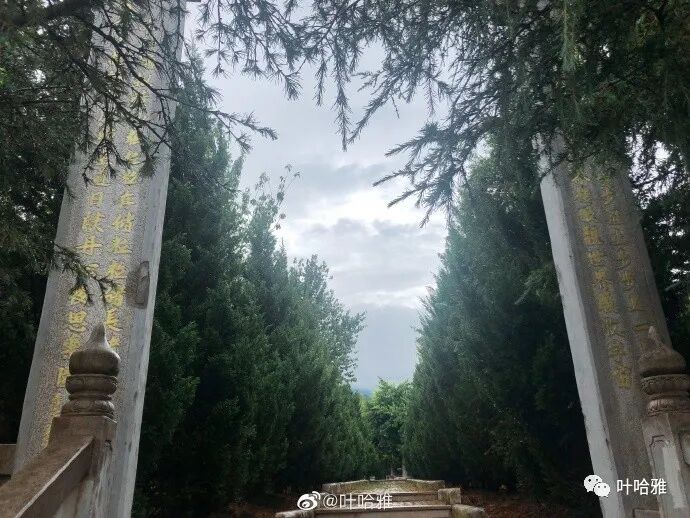
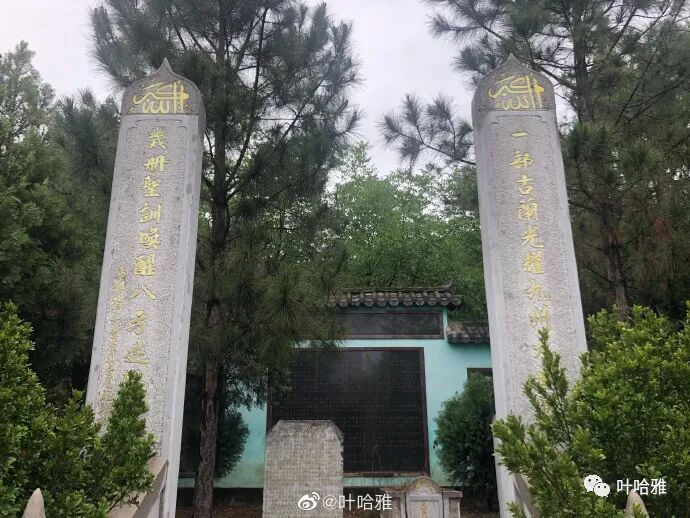
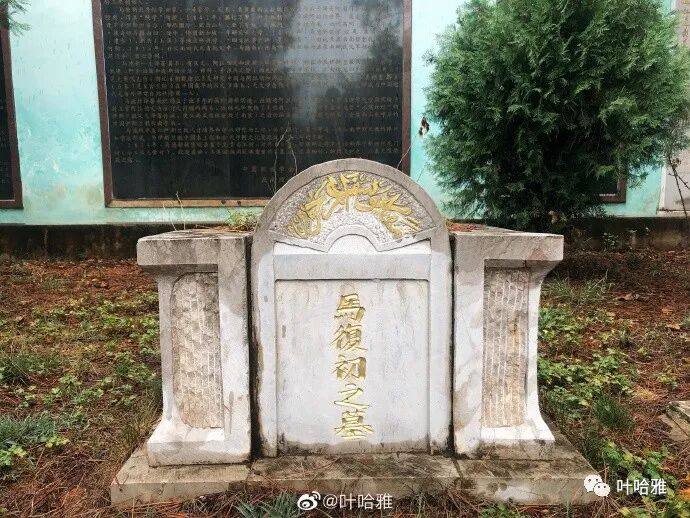
In the back hill of Daying Village is the Muslim Cemetery, which can be reached by tricycle in 10 minutes from the entrance of the village. The cemetery of Ma Fuchu is buried here.
Ma Fuchu's representative works include "Sidian Yaohui" and "Dahua Zonggui". The first five volumes of his translation of "Baoming Zhenjing Direct Interpretation" are the earliest translations of verses of the Quran in China.
"Zhenquan Yaolu", "Guide Yaoyan" and "Tianfang Xingli Annotation" are introductions and annotations to the ancestors Wang Daiyu, Liu Zhi and Ma Zhu.
Ma Fuchu once followed Ma Rulong to the Qing Dynasty and was named "Second Rank Burke" and "General Hui Tutor in Southern Yunnan" by the Qing court. However, after he decided to retreat to the mountains and concentrate on academics, he was brutally murdered by the Qing court in 1874 at the age of 80.
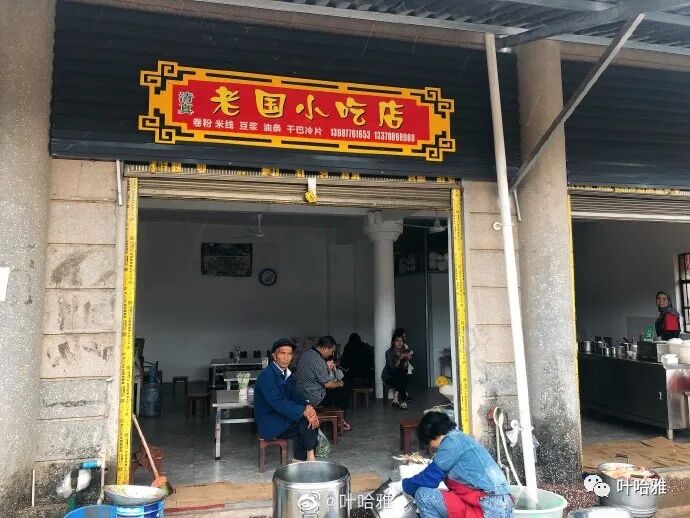
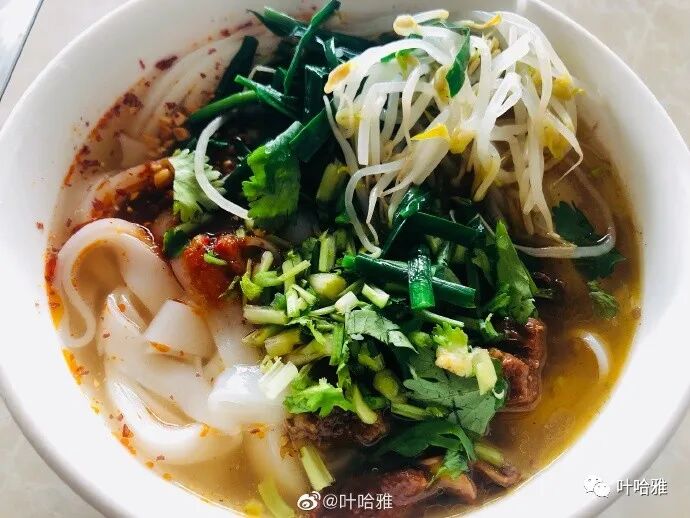
Coming back from the Muslim Cemetery, I found a snack bar at the entrance of Daying Village and had a bowl of rolled noodles before heading to my next destination, Najiaying.
Yunnan people eat a lot of various kinds of rice noodles for breakfast. This is the first time I tried this rolled rice noodle. It tastes good and costs 6 yuan a bowl.
Najiaying is also a Hui village under Yuxi City. You need to return to Yuxi City South Bus Terminal and take a bus for about two hours to arrive. If you drive by yourself, it only takes an hour to drive from Daying to Najiaying. This is why I think you should rent a car when traveling in Yunnan. Otherwise, you can only go back to the city and transfer.
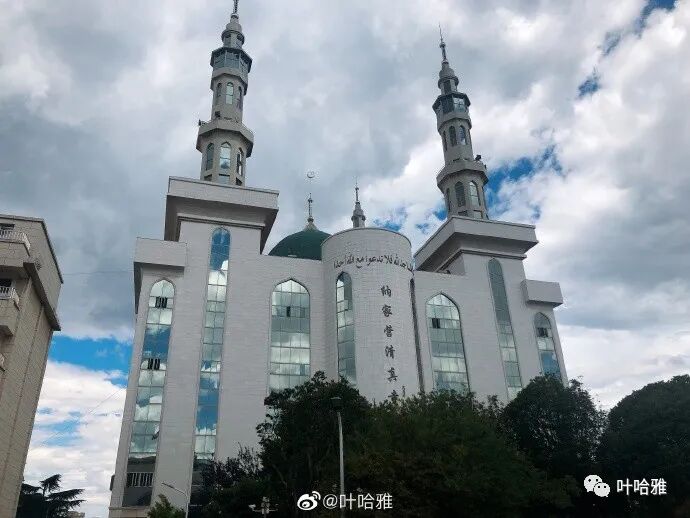
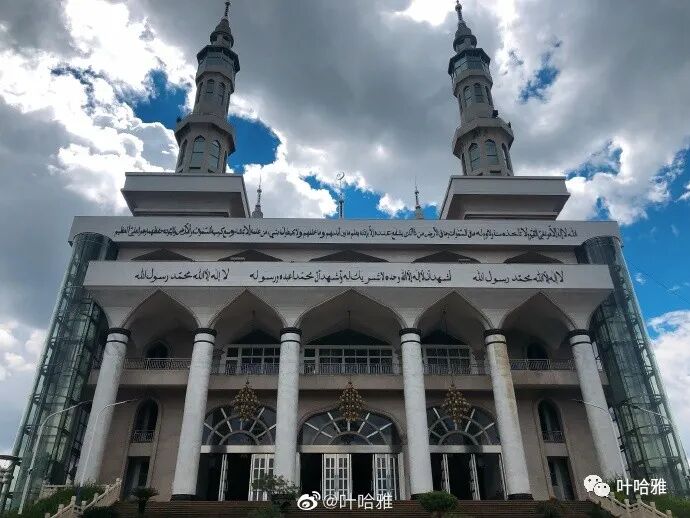
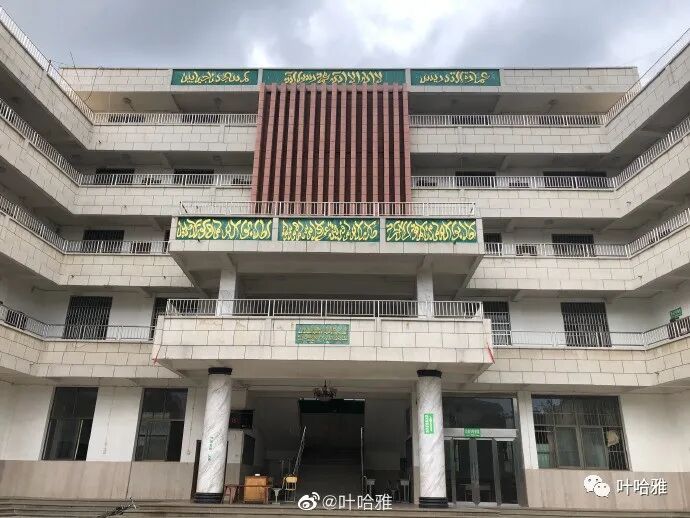
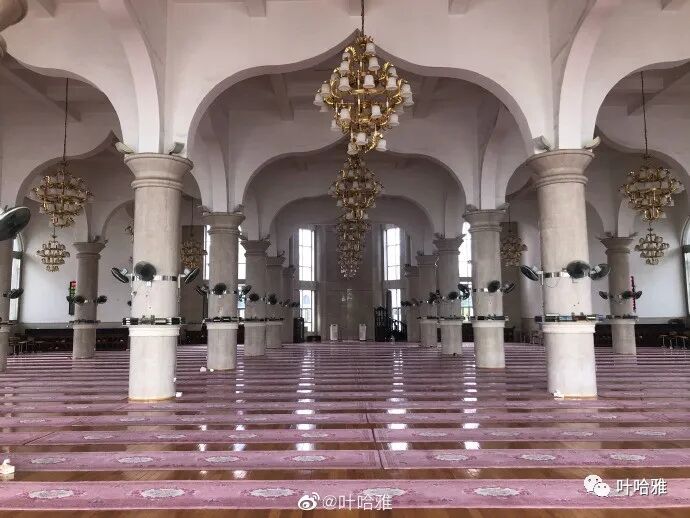
The Najiaying Mosque is very spectacular and one of the largest in Yunnan. This new-style mosque was built in 2004 and there is a women's mosque next to it.
The living conditions of the Hui Muslims in Najiaying look good. I saw that several houses have been equipped with elevators.
Najiaying has produced many famous scholars, such as Naxun (1911-1989), who went to Al-Azhar University for further study and translated the entire book "One Thousand and One Nights". In 1947, he returned to China and served as the editor-in-chief of "Islamic Duo Bao". In his later years, he was elected as a director of the Chinese Translators Association.
Nazhong (1910-2008) was a professor at Beijing Foreign Studies University and a famous translator. He presided over the translation of "History of Arab Islamic Culture" and "History of Islamic Academic Thought". He served as acting principal of Kunming Mingde Middle School and honorary president of Kunming Islamic College.
One kilometer away from the new mosque is the Ancient City Mosque, which retains the traditional architectural style.
The ancient city mosque was built around 1370 by Nasuru and his son. Najiaying has been a place for the production of guns and ammunition since ancient times. After the founding of the People's Republic of China, it was transformed and has now become a base for the production of knives. There are kitchen knife shops everywhere in the streets.
The ancient city mosque has a very simple appearance and is a traditional Chinese style architectural structure.
The window grilles above the main entrance of the main hall are very eye-catching. They are painted with various flowers, plants and buildings, but there are no animal images.
This is the same as the "Four Nothings" picture on the large screen wall in front of the Niujie Mosque.
There are many snack shops on both sides of the street in front of the Najiaying Mosque. They are all local specialties and the prices are cheap.
A cup of these fried potatoes only cost 1 yuan. The little girl in the headscarf looked at me and looked at me like I had never seen the world, so she kept snickering.
A cup of bayberry juice costs one yuan. There are six or seven big bayberries at the bottom of the cup. It is sour, sweet, and ice-cold.
Chadian milk, which costs one yuan a bag, is a local specialty dairy product recommended by my friends in Yunnan that I must try.
Quraysh ice cream costs two yuan a ball. The food in Najiaying can be said to be of high quality and low price. I heard that there is a morning market in the morning with more types of food. However, I have to continue the next journey, so I can only leave some regrets. My Yunnan halal journey has just begun. The next issue will continue to tell about my Shading halal journey. view all
Summary: Muslim Travel Guide China 2026: Yuxi Fuxian Lake, Najiaying Mosque and Yunnan Halal Food is presented here as a clear English travel account for Muslim readers, beginning with this scene: Mosques in Beijing have been closed since the outbreak of the epidemic. I have not participated in collective gatherings for a long time. I miss going to the mosque to pray. Then I learned from my friends in. The article keeps the original place names, food details, photographs, and cultural context while focusing on Yunnan Travel, Najiaying Mosque, Halal Food.
Mosques in Beijing have been closed since the outbreak of the epidemic. I have not participated in collective gatherings for a long time. I miss going to the mosque to pray. Then I learned from my friends in Yunnan that the mosques in Yunnan have been opened normally, so I booked a flight ticket in only five minutes and decided to fly to Yunnan, hoping to attend a prayer in Yunnan.
I have been to Yunnan three times, including Kunming, Dali, Shangri-La and Xishuangbanna. Please see the Yunnan Halal Food Map for a guide. There are more important destinations to visit during this trip to Yunnan. One is the Memorial Hall of Ma Fuchu and Ma Lianyuan, the other is the Shadian Grand Mosque, and the last one is the Burmese Rohingya Muslim Quarter in Ruili.
My itinerary: Beijing → Kunming → Yuxi → Mengzi → Shadian → Kunming → Ruili → Beijing.
During the epidemic, domestic air tickets were as low as cabbage prices. The round-trip air ticket from Beijing to Kunming only cost 550 yuan. My trip to Yunnan lasted for 6 days and cost less than 2,000 yuan in total. This was unimaginable in the past, because June is the peak tourist season in Yunnan, and all consumer prices will rise.
It takes about three hours to fly from Beijing to Kunming. Because Yunnan is mountainous, transportation between places is not very convenient. Kunming is often used as a transfer station before setting off for the destination. My first destination is Yuxi, because Yuxi is close to Kunming. Yuxi has a very beautiful Fuxian Lake, which is the largest water storage lake and the largest plateau deep-water lake in my country. It is known as the back garden of Kunming.
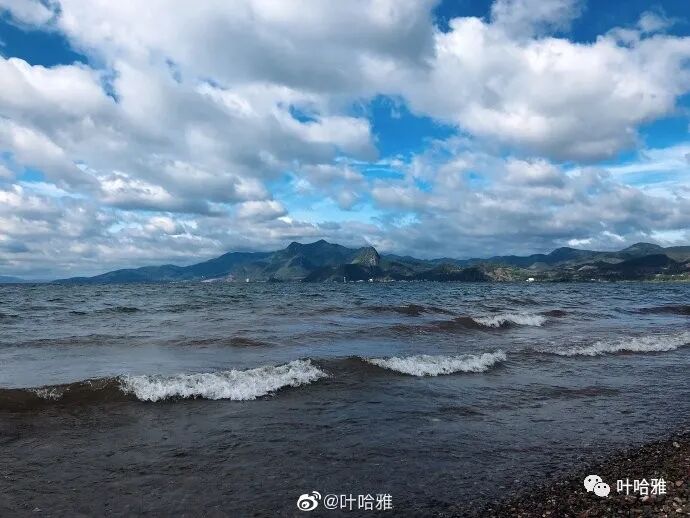
Fuxian Lake Guanglong Wetland Park
Fuxian Lake is only more than 50 kilometers away from Kunming. Learning from the past, I recommend renting a car and driving around Yunnan after arriving in Kunming. This can save a lot of time on the road. Take the bus to Kunming South Railway Station, which costs 25 yuan per person and takes about an hour.
Fuxian Lake is very huge and has many scenic spots. When visiting for the first time, I recommend staying near Moon Bay Wetland Park to enjoy the natural scenery and to eat conveniently. There is the only halal restaurant here, Mulan Pavilion.
, is a local flavor restaurant opened by Yuxi Hui Muslims.
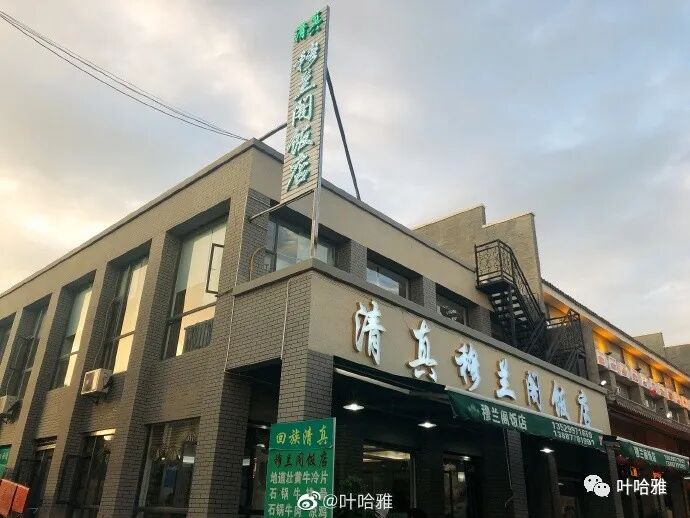
Muslim Mulan Pavilion Hotel
The owners of Mulange are all local Hui Muslims in Yuxi. They also have a halal restaurant called Xiyuan Restaurant in Chengjiang City, Yuxi.
, has been in business for more than 20 years. There were originally three halal restaurants near Moon Bay Wetland Park. The other two have closed down. Now this one is the only one left because the house was bought by the owner himself. Although the epidemic has had a great impact on the tourism industry, this restaurant can still persist.
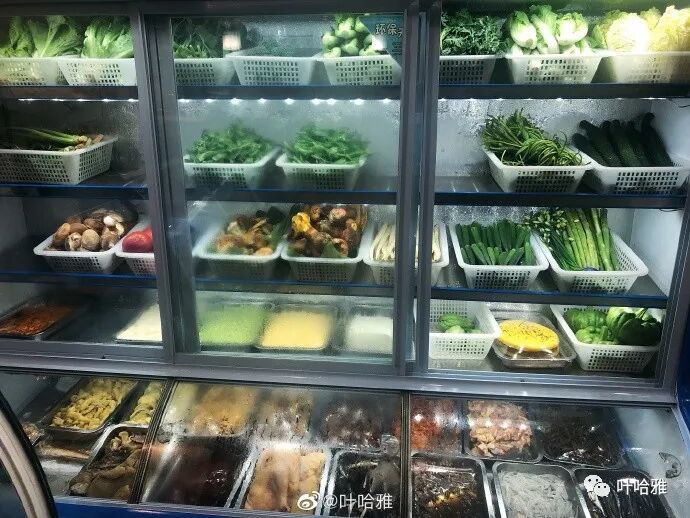
Select dishes
The rules of restaurants in Yunnan are to order based on the ingredients. Which ingredients you want to eat can be cooked by the kitchen. You can also choose the method. The ingredients look fresh and you can eat with confidence. Now is the season for fungi in Yunnan. The lady boss specifically told me that these fungi are wild fungi picked from the mountains and recommended that I eat a kind of mushroom called Gushu mushroom.
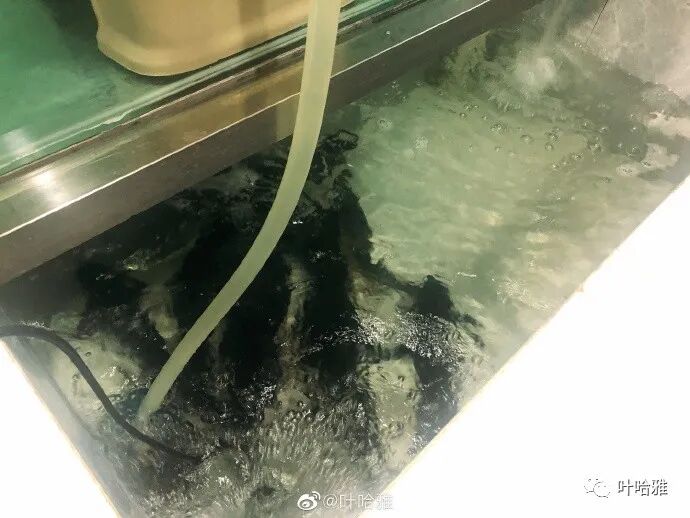
The main fish of Fuxian Lake is Kanglang fish
One of Fuxian Lake's specialty delicacies is stone pot fish. You must choose the fish before eating. This fish is called mandarin fish, which is a specialty of Fuxian Lake. The fish is relatively large and I can't finish it by myself. The boss lady very thoughtfully suggested that I divide one fish into two portions. She cooked it for me. Half of it will be made as stone pot fish and the other half will be braised in braise tomorrow. I think this suggestion is great.
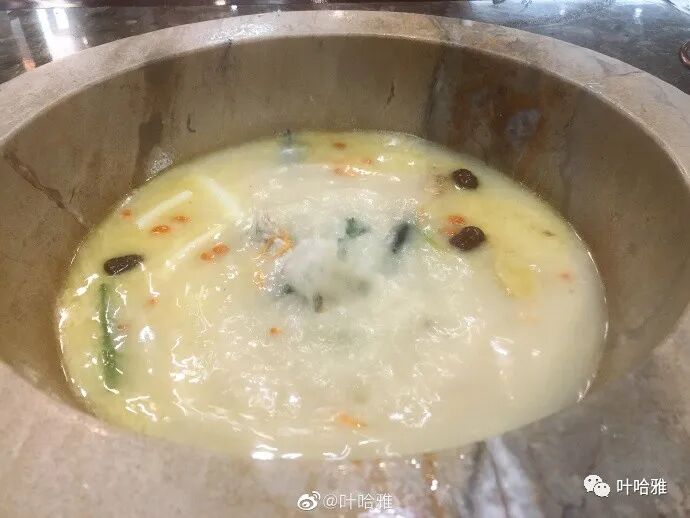
Stone pot that can spray steam
First, I watched the waiter open the steam stone pot, and steam came out of the pot. Then he put half of the fish in the pot and started cooking it. He closed the lid and the fish was cooked in less than ten minutes.
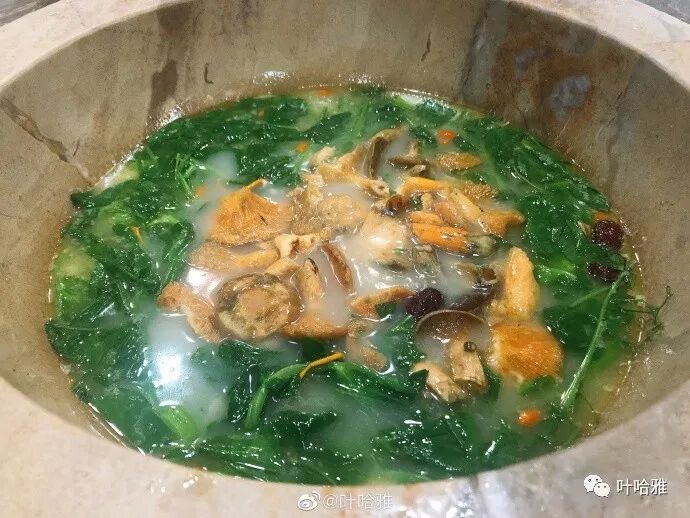
After eating the fish, put Guzhu mushrooms in the pot
The boss lady was afraid that I wouldn't understand, so she wrote the name of the mushroom on the note. She said that the mushroom must be boiled for five minutes longer, otherwise it will be poisonous. She suggested not to add water for dipping when eating, just eat it in vain, and you can taste the fragrance of the mushroom.
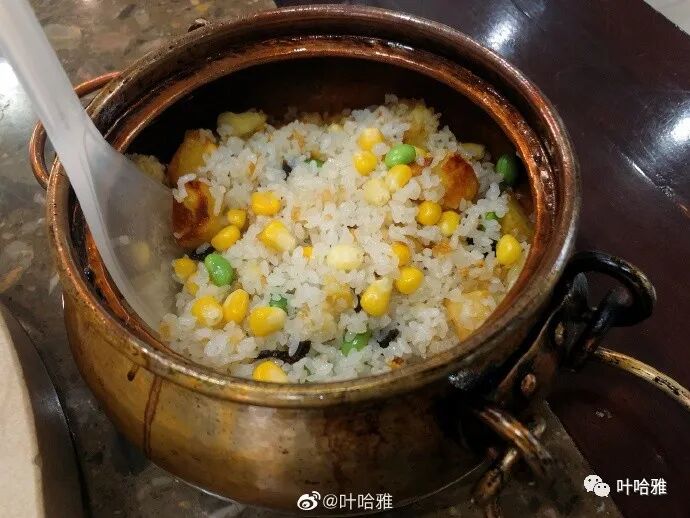
Braised potato rice in copper pot
Another specialty food of Fuxian Lake, braised potato rice in a copper pot, is like fried rice, but with much richer ingredients. When the copper pot is served, be careful not to touch it with your hands, as you may get burned.
After eating and drinking, the landlady asked me where I planned to go. I had no idea where to go. She suggested that I go to Guanglong Wetland Park, which is about 8 kilometers away from Moon Bay. It is a newly developed niche attraction. She showed me a video of the beautiful scenery on Douyin. I immediately decided to go. The landlady also lent me her husband’s mountain bike. It was really convenient to ride along Fuxian Lake to enjoy the beautiful scenery.
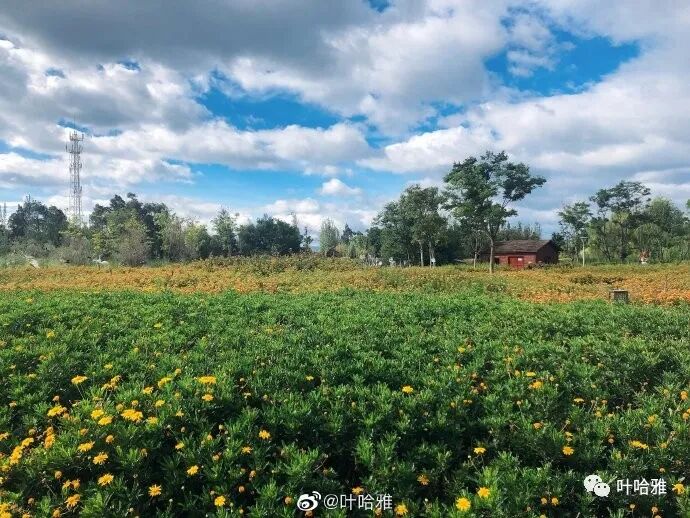
There are several wetland parks in Fuxian Lake. Guanglong National Wetland Park is a government-developed project and is free to the public. The entire park is simply a sea of flowers.
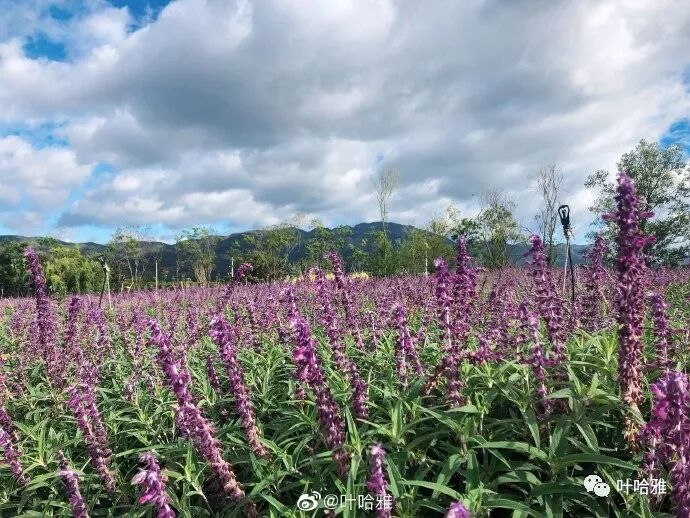
As soon as you enter the park entrance, you see a large field of lavender, and you can smell the fragrance of flowers everywhere.
Fuxian Lake is really big. Standing on the shore, you feel like you are facing the sea.
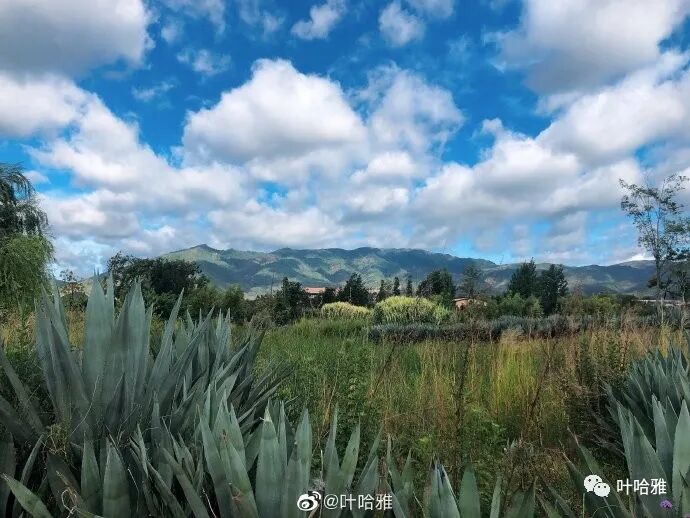
During the epidemic, there were few tourists. I saw few tourists in the entire park. I only saw gardeners repairing flowers and plants.
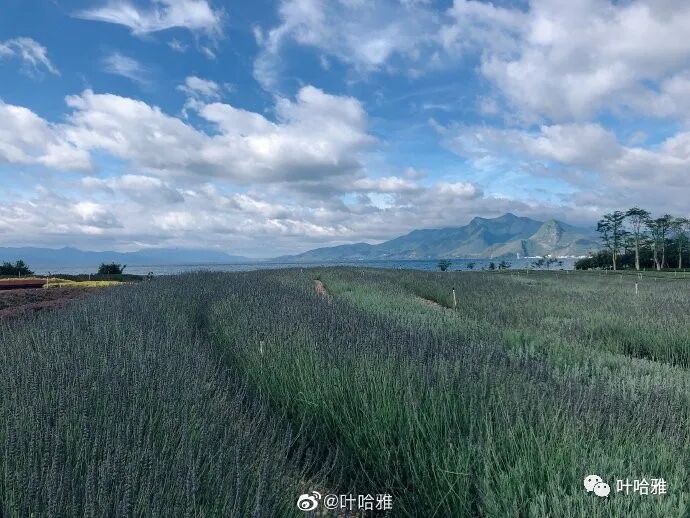
Thank you very much to the proprietress for providing the information, which allows me to enjoy such beautiful and moving scenery for free.
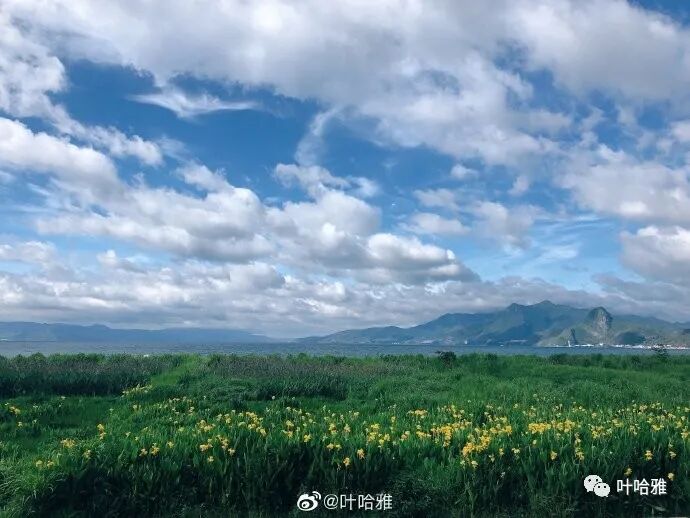
The scenery of Moon Bay Wetland Park is not as beautiful as Guanglong Wetland Park. Moon Bay is a park supporting the hotel. You need to pay an admission fee of 30 yuan to enter the park, but you can use the ticket to consume goods of equivalent value in the park, which is considered free of charge.
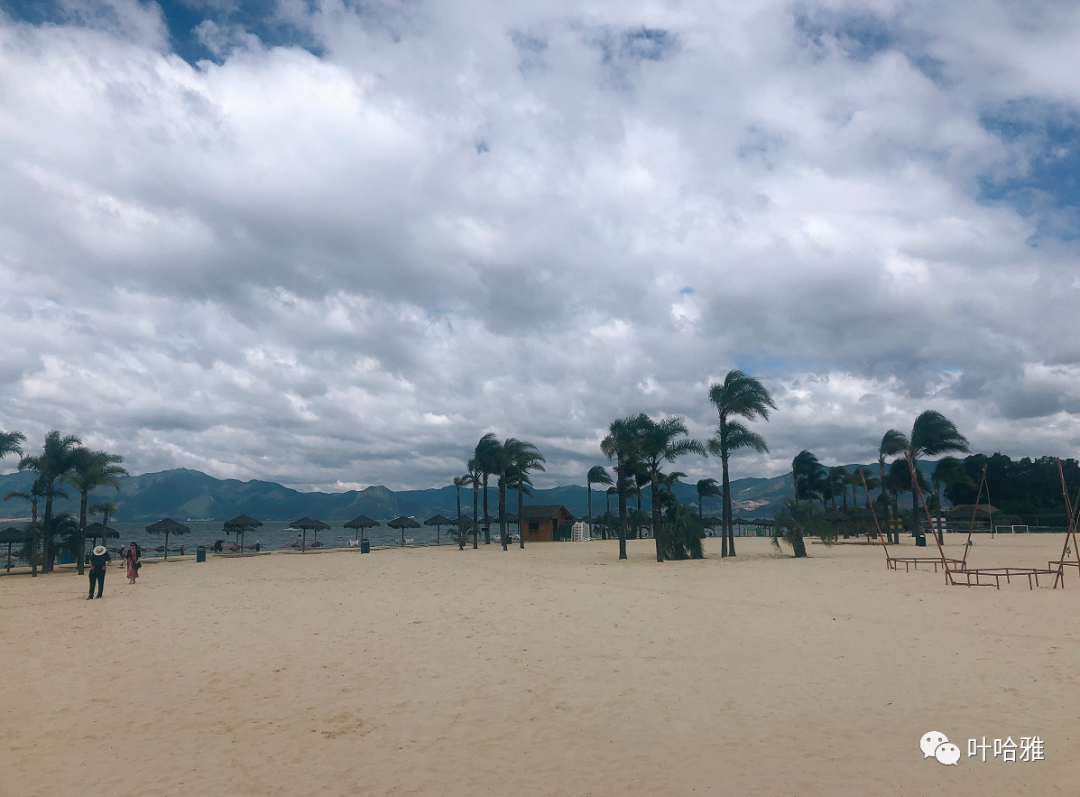
Artificial beach at Moon Bay Wetland Park
After visiting Fuxian Lake, you can take a bus to Chengjiang City to go to Yuxi City. The boss of Mulange just wanted to deliver meals to the children who were studying in Chengjiang, so he drove me to Chengjiang Passenger Terminal and asked me to take a bus to Yuxi City in one hour. The reason I want to go to Yuxi is to visit the grave of Baba Ma Fuchu in Daying Village in Yuxi, and then go to Najiaying.
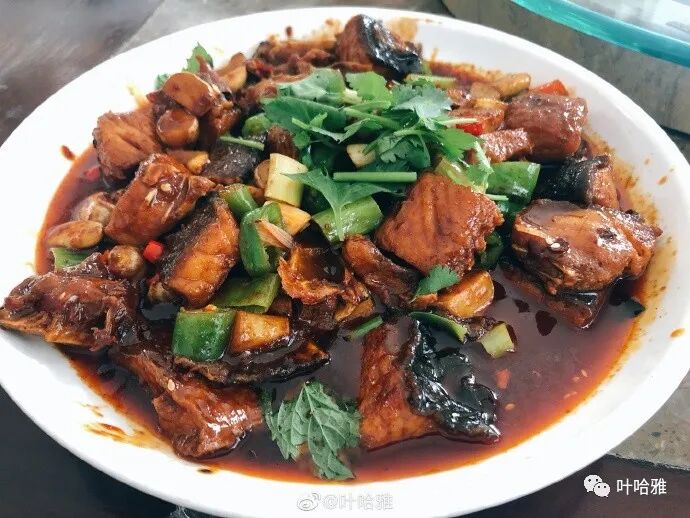
The next day, the boss lady braised my other half of the mandarin fish and gave me a bowl of soup. The braised mandarin fish was also very fragrant.
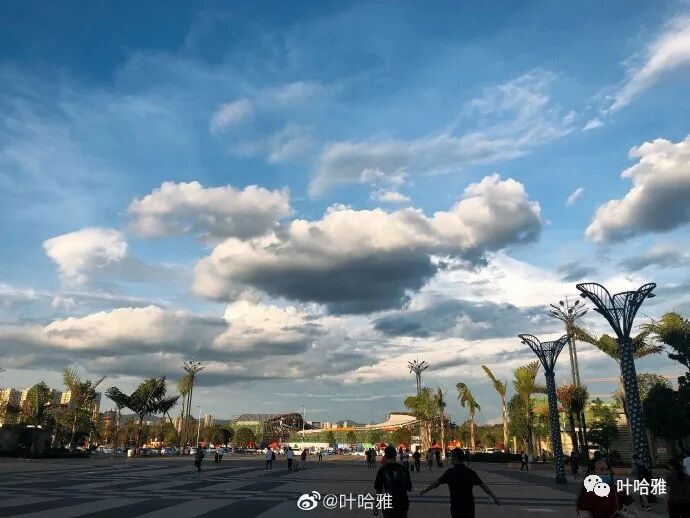
Arrive at Yuxi Station in the evening
Leaving Fuxian Lake, it takes about 2 hours to take a bus from Chengjiang Passenger Terminal to Yuxi City.
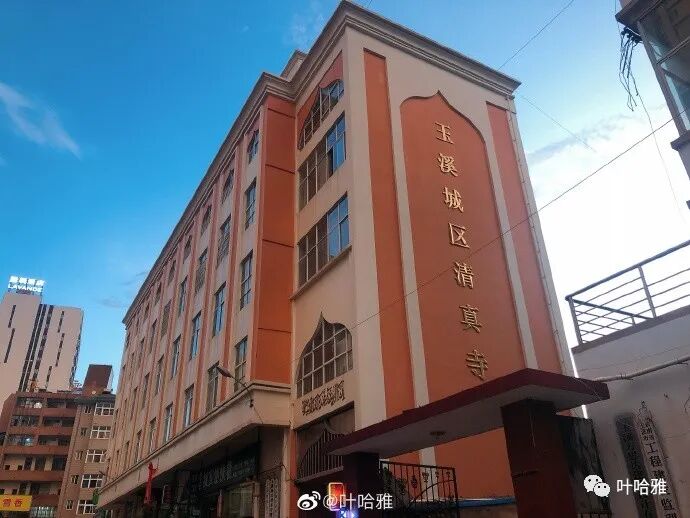
Yuxi City Mosque
The Yuxi City Mosque was first built in the late Qing Dynasty and the early Republic of China. After several expansions, it was moved here in 2000 and reached its current scale.
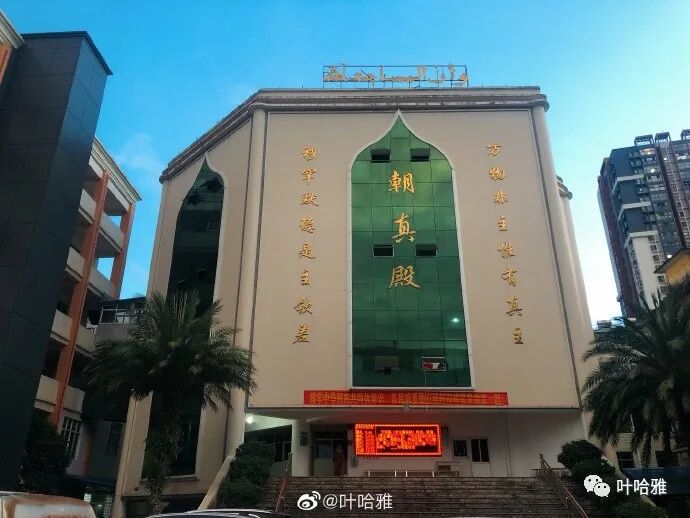
During the Hui uprising in the Qing Dynasty, there was a mosque in Yuxi that was later destroyed due to the failure of the uprising.
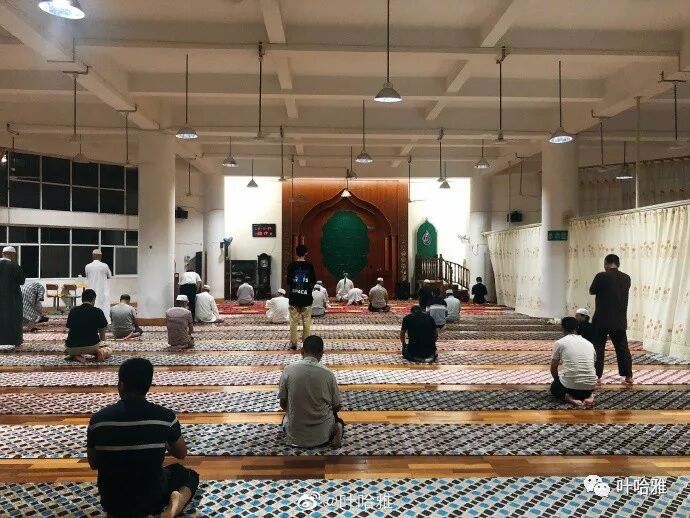
After praying at the mosque in the city, I saw a halal Japanese restaurant 300 meters away. Since there are no halal Japanese restaurants in Beijing now, and the original Hefengzhiyan also changed its owner, I decided to try it in Yuxi.
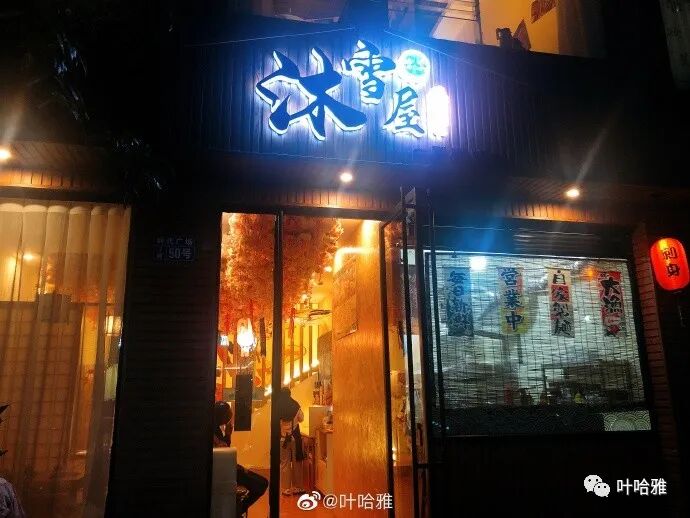
Muxuewu Japanese Food Store
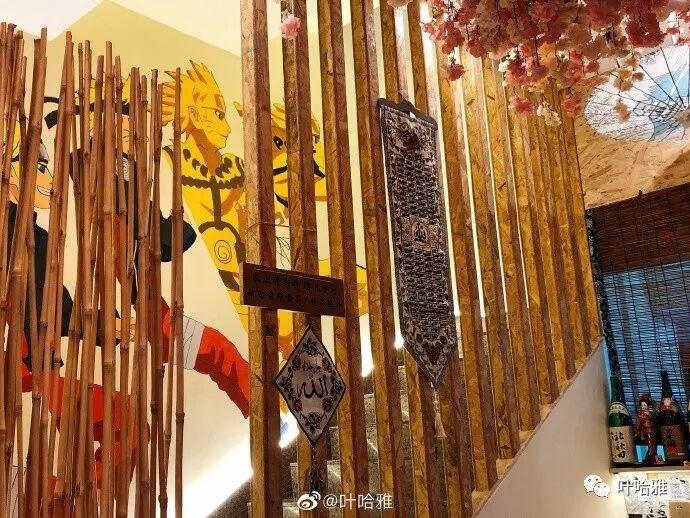
The environment of the restaurant is very beautiful, the waiter wears a headscarf and looks very young.
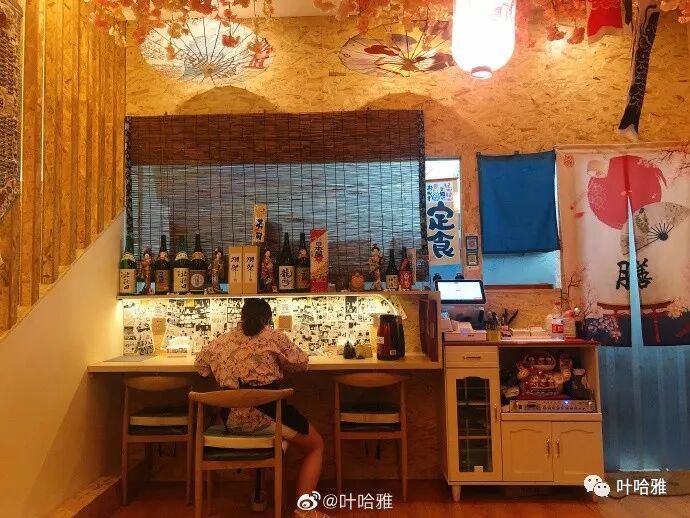
After asking, I learned that the clerk was a Hui from Daying, Yuxi. I was going to Daying Mosque the next day.
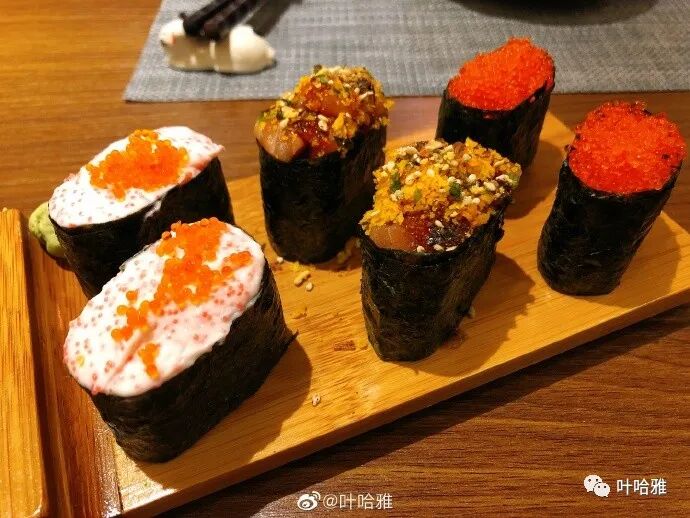
I chose three sushi combinations, which cost 27 yuan in total. This price would have to be doubled to get it in Beijing.
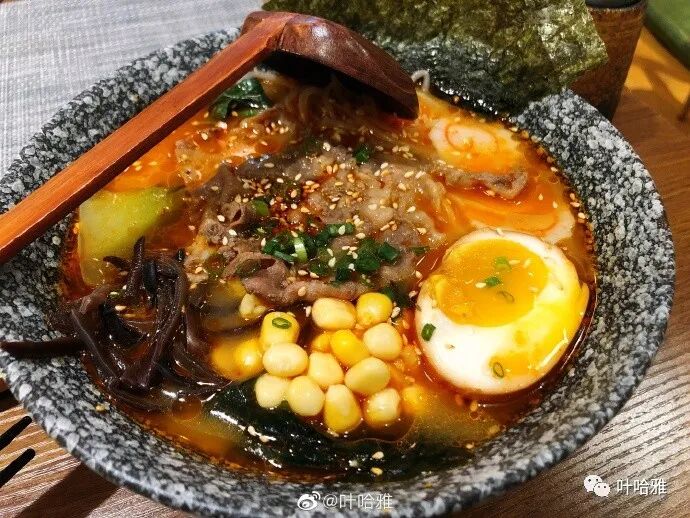
I ordered another bowl of Japanese ramen at the bottom. The last time I had halal Japanese ramen was during the halal trip in Hokkaido, Japan.
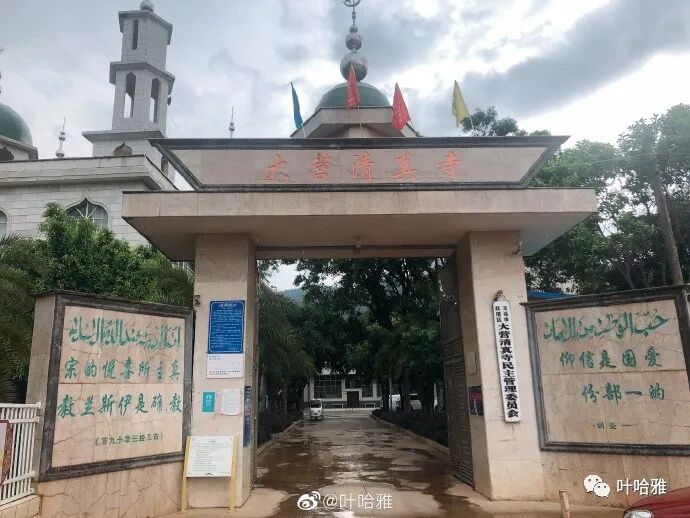
Daying Mosque
Starting from Yuxi City, you can take a taxi to Daying Village in about half an hour, or you can take a bus for about an hour.
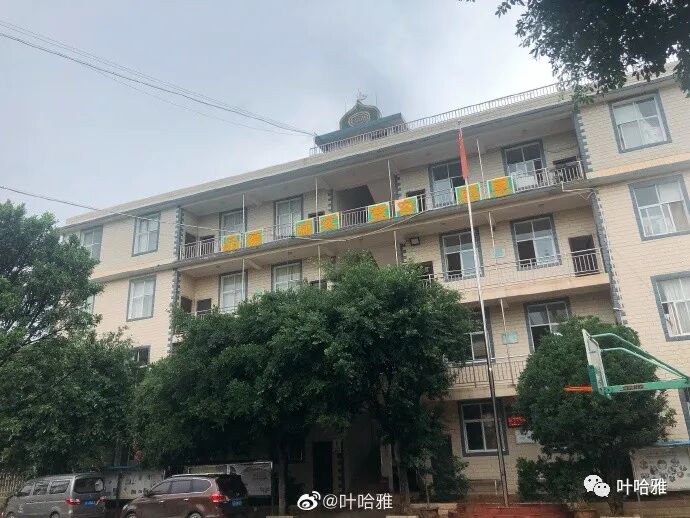
Daying Village is a Hui village, and Daying Mosque is also an Arabic school. When I arrived, students were in class.
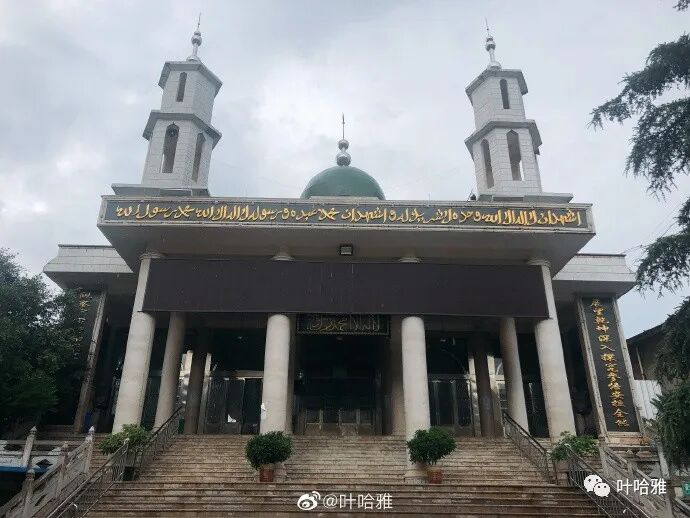
Daying Mosque was built during the Daoguang period of the Qing Dynasty (1821-1850). It was the center of Islamic scripture education in Yunnan in the late Qing Dynasty. Ma Fuchu and Ma Lianyuan both set up their offices here.
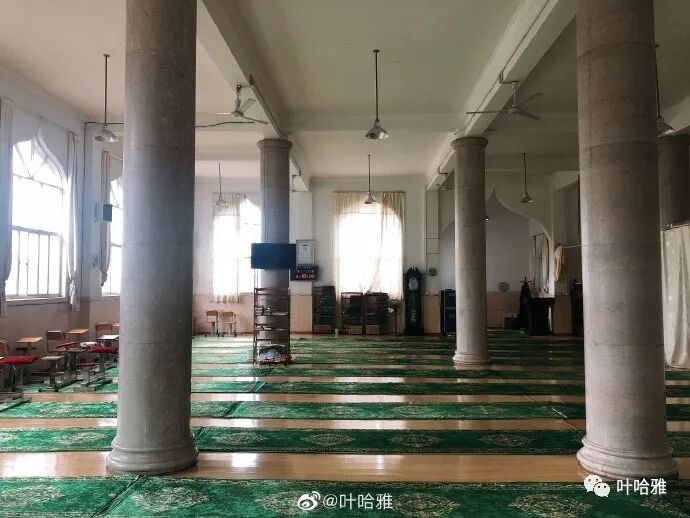
The purpose of my trip to Daying Mosque is to visit the Memorial Hall of Ma Fuchu and Ma Lianyuan. I have collected a copy of "Montserge" co-authored by the two sages.
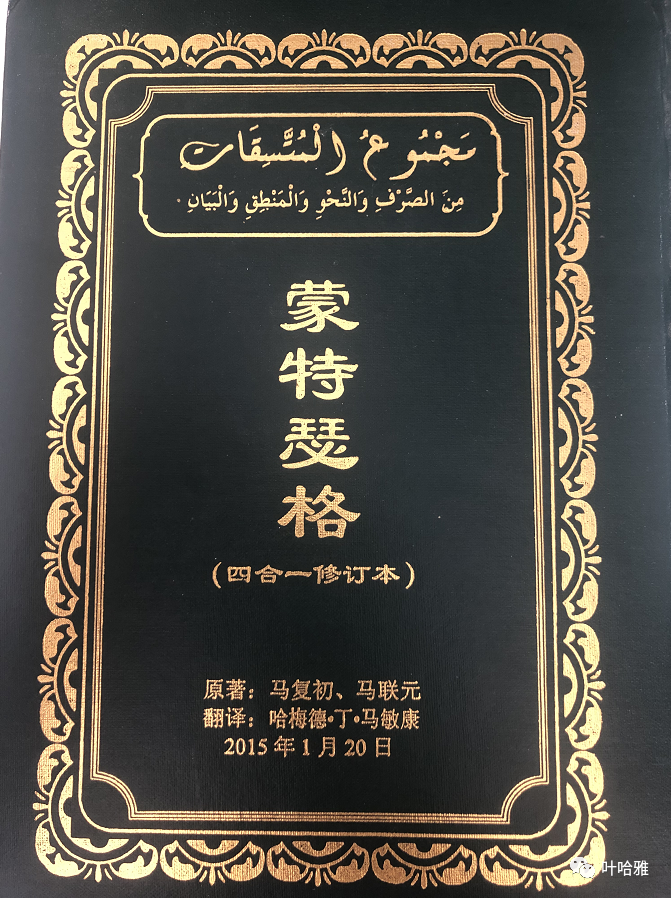
"Montserge"
"Montsergue" is a work co-authored by the sages Ma Fuchu and Ma Lianyuan. The original work was written in Arabic and is a grammar and morphology textbook for Arabic language learning in Jingtang. Professor Lin Zhongming once brought this book to Egypt. Professors from Al-Azhar University admired the book very much when they saw it. They admired the Chinese Muslim scholars for their profound knowledge of Arabic. Professor Ma Jian also used this book as a main reference when editing Arabic grammar textbooks at Peking University.
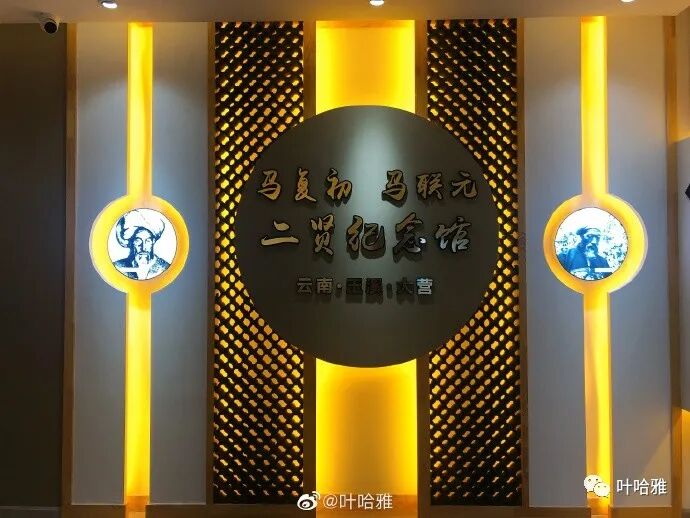
The memorial hall is usually not open. I went to the principal's office to see Principal Suo and explained my purpose. The principal opened the door of the memorial hall specially for me.
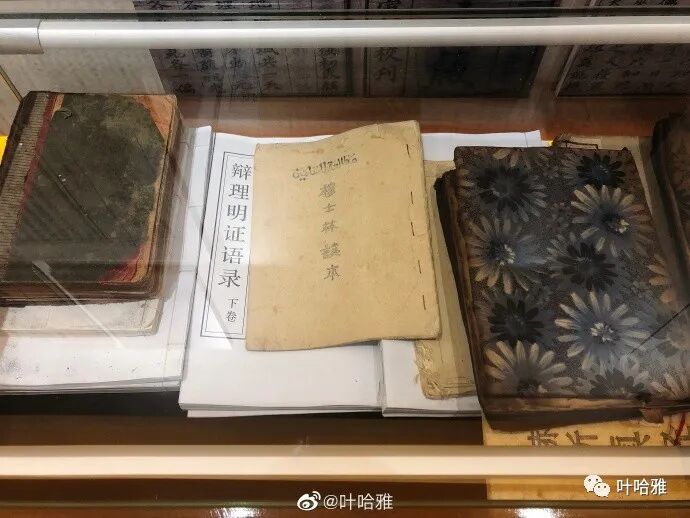
Ma Dexin (1794-1874), named Fuchu, was born in Dali, Yunnan. He studied Arabic with his father since he was a child, and then went to Xi'an to study Confucian classics under Zhou Liangjun, who was the fourth disciple of Hu Dengzhou. In 1841 He went on pilgrimage to Mecca and visited Cairo, Alexandria, Jerusalem, Cyprus, Istanbul, Rhode Island, Aden, Singapore and other places. He returned to China eight years later and set up tents in Jianshui, Huilong, Yuxi Camp and other places.
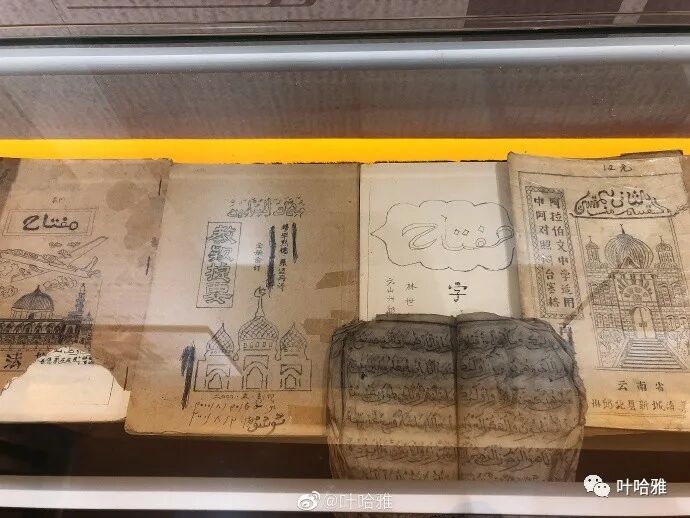
Ma Fuchu was the successor and promoter of the Sinicization of Islam. He supplemented the academic theories of Wang Daiyu, Liu Zhi and other predecessors, and combined Islamic philosophy with traditional Confucianism.
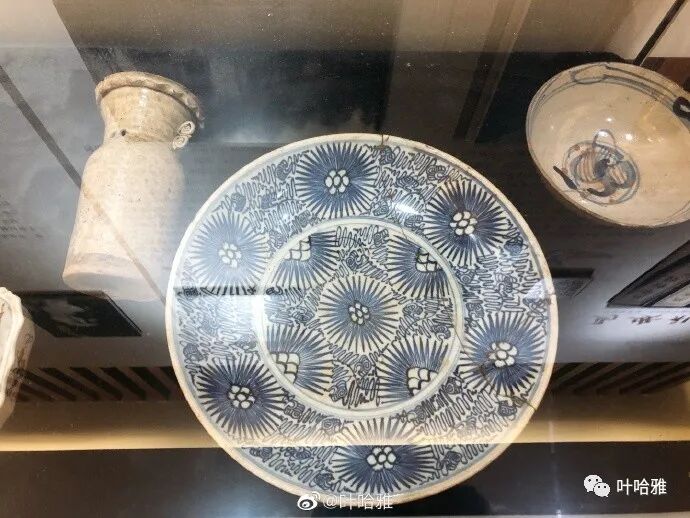
Ma Dexin, together with Wang Daiyu, Liu Zhi, and Ma Zhu, is known as China's "four major classics scholars and translators and annotators".
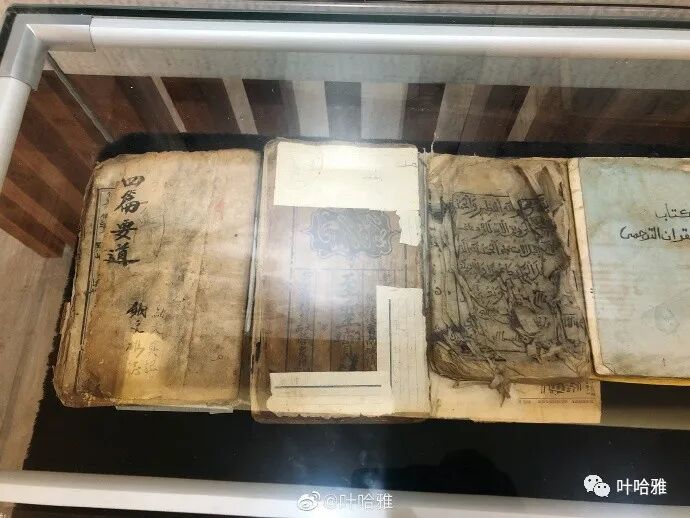
Ma Lianyuan, courtesy name Zhiben, was born in Daying, Yuxi, Yunnan, in the 21st year of Daoguang (1841). His ancestors were Bukhara people in Central Asia, descendants of Sai Dianchi and Fansi Ding. Ma Lianyuan also went to Mecca for pilgrimage. He was Ma Fuchu's successor and the most influential Confucian classics master in Yunnan. He and his descendants made outstanding contributions to the Confucian classics education in Yunnan. The Yunnan School was differentiated from the Shaanxi School and also belonged to the Hu Dengzhou teaching system. It had the characteristics of both the Shaanxi School and the Shandong School, and its scope of influence was limited to the Yunnan-Guizhou region.
In the twenty-sixth year of Guangxu (1900), Ma Lianyuan fled to India to avoid sectarian disputes. In the twenty-ninth year of Guangxu (1903), he returned to life in Kanpur, India, at the age of 63. The tombstone built for him by Muslims in India is still there today.
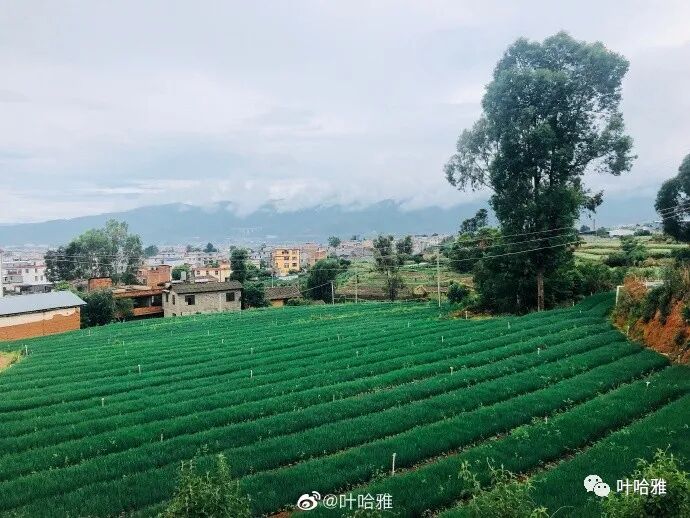
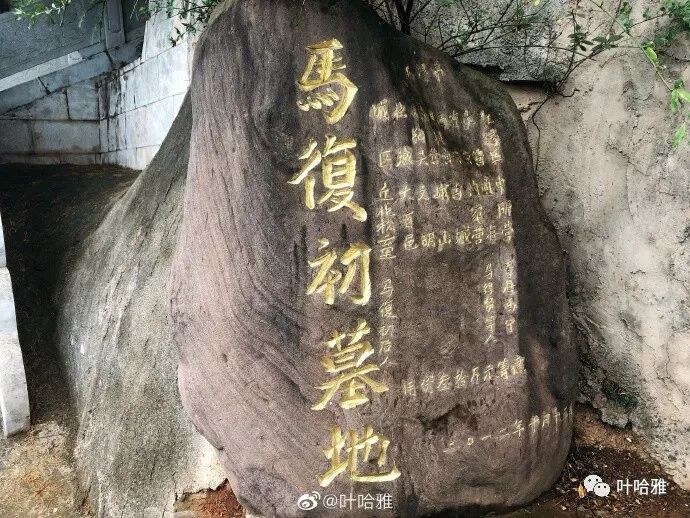
In the back hill of Daying Village is the Muslim Cemetery, which can be reached by tricycle in 10 minutes from the entrance of the village. The cemetery of Ma Fuchu is buried here.
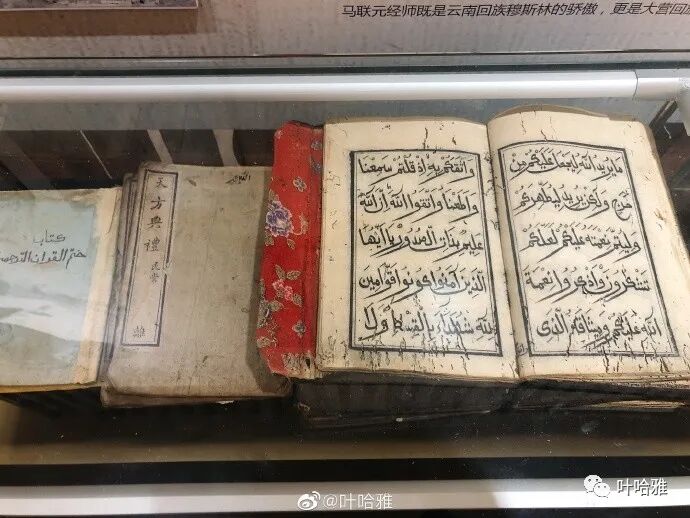
Ma Fuchu's representative works include "Sidian Yaohui" and "Dahua Zonggui". The first five volumes of his translation of "Baoming Zhenjing Direct Interpretation" are the earliest translations of verses of the Quran in China.
"Zhenquan Yaolu", "Guide Yaoyan" and "Tianfang Xingli Annotation" are introductions and annotations to the ancestors Wang Daiyu, Liu Zhi and Ma Zhu.
Ma Fuchu once followed Ma Rulong to the Qing Dynasty and was named "Second Rank Burke" and "General Hui Tutor in Southern Yunnan" by the Qing court. However, after he decided to retreat to the mountains and concentrate on academics, he was brutally murdered by the Qing court in 1874 at the age of 80.
Coming back from the Muslim Cemetery, I found a snack bar at the entrance of Daying Village and had a bowl of rolled noodles before heading to my next destination, Najiaying.
Yunnan people eat a lot of various kinds of rice noodles for breakfast. This is the first time I tried this rolled rice noodle. It tastes good and costs 6 yuan a bowl.
Najiaying is also a Hui village under Yuxi City. You need to return to Yuxi City South Bus Terminal and take a bus for about two hours to arrive. If you drive by yourself, it only takes an hour to drive from Daying to Najiaying. This is why I think you should rent a car when traveling in Yunnan. Otherwise, you can only go back to the city and transfer.
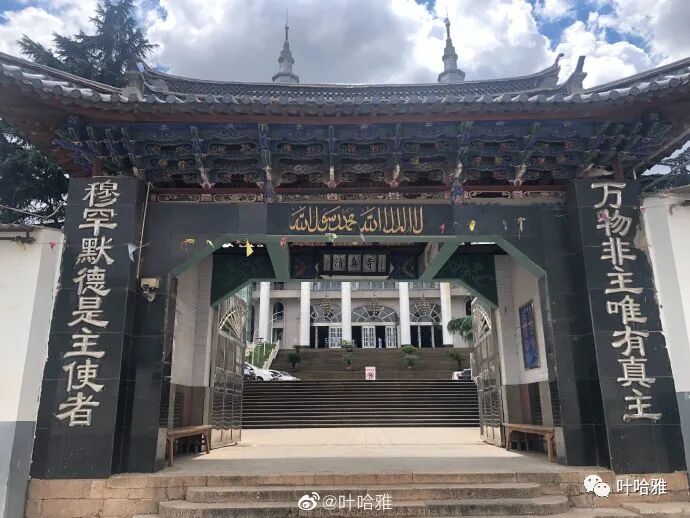
The Najiaying Mosque is very spectacular and one of the largest in Yunnan. This new-style mosque was built in 2004 and there is a women's mosque next to it.
The living conditions of the Hui Muslims in Najiaying look good. I saw that several houses have been equipped with elevators.
Najiaying has produced many famous scholars, such as Naxun (1911-1989), who went to Al-Azhar University for further study and translated the entire book "One Thousand and One Nights". In 1947, he returned to China and served as the editor-in-chief of "Islamic Duo Bao". In his later years, he was elected as a director of the Chinese Translators Association.
Nazhong (1910-2008) was a professor at Beijing Foreign Studies University and a famous translator. He presided over the translation of "History of Arab Islamic Culture" and "History of Islamic Academic Thought". He served as acting principal of Kunming Mingde Middle School and honorary president of Kunming Islamic College.
One kilometer away from the new mosque is the Ancient City Mosque, which retains the traditional architectural style.
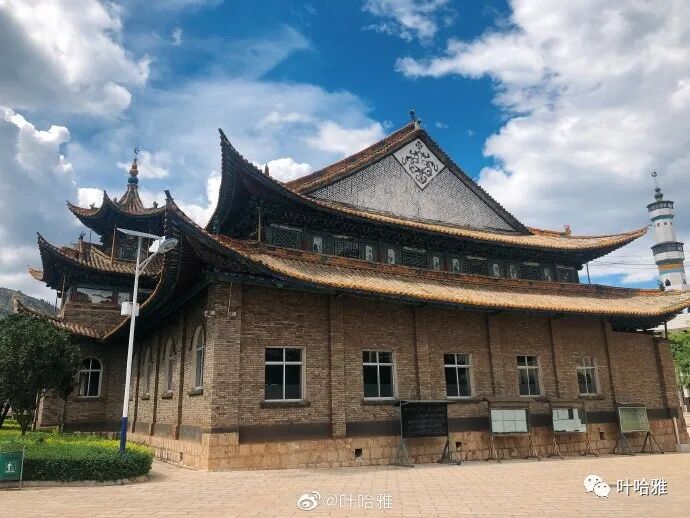
The ancient city mosque was built around 1370 by Nasuru and his son. Najiaying has been a place for the production of guns and ammunition since ancient times. After the founding of the People's Republic of China, it was transformed and has now become a base for the production of knives. There are kitchen knife shops everywhere in the streets.
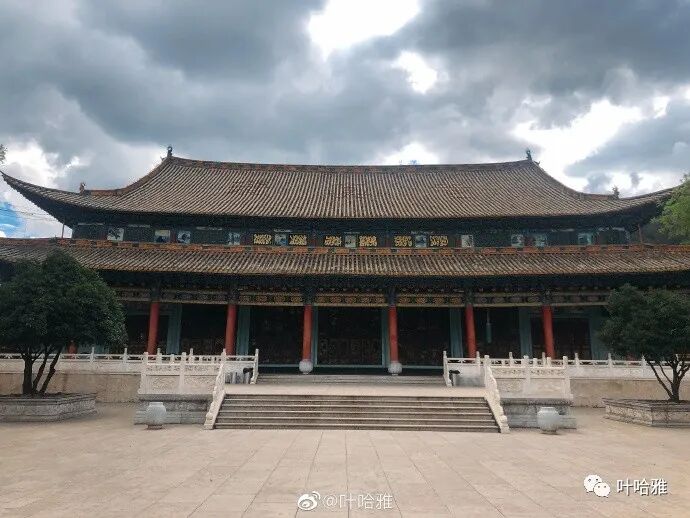
The ancient city mosque has a very simple appearance and is a traditional Chinese style architectural structure.
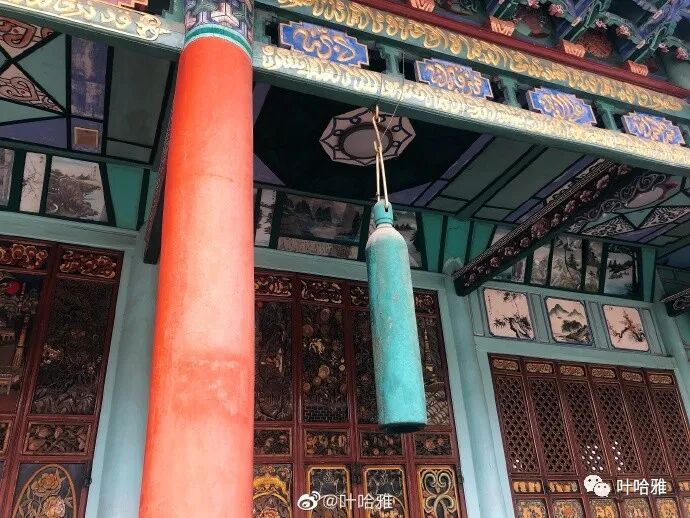
The window grilles above the main entrance of the main hall are very eye-catching. They are painted with various flowers, plants and buildings, but there are no animal images.
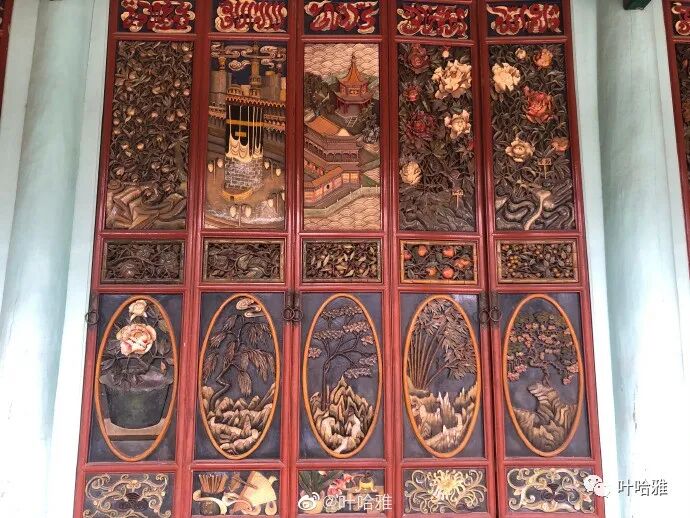
This is the same as the "Four Nothings" picture on the large screen wall in front of the Niujie Mosque.
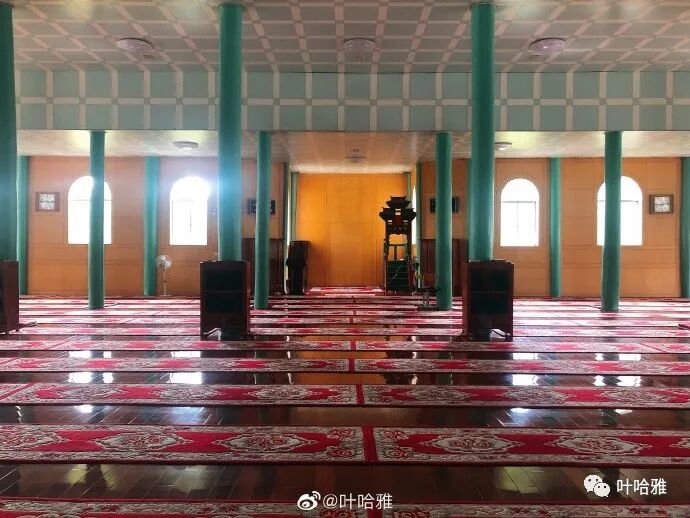
There are many snack shops on both sides of the street in front of the Najiaying Mosque. They are all local specialties and the prices are cheap.
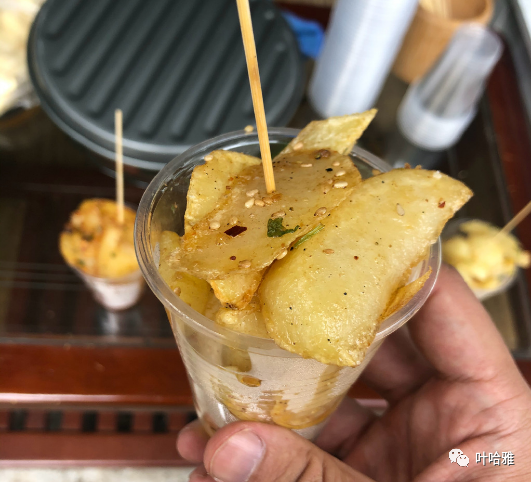
A cup of these fried potatoes only cost 1 yuan. The little girl in the headscarf looked at me and looked at me like I had never seen the world, so she kept snickering.
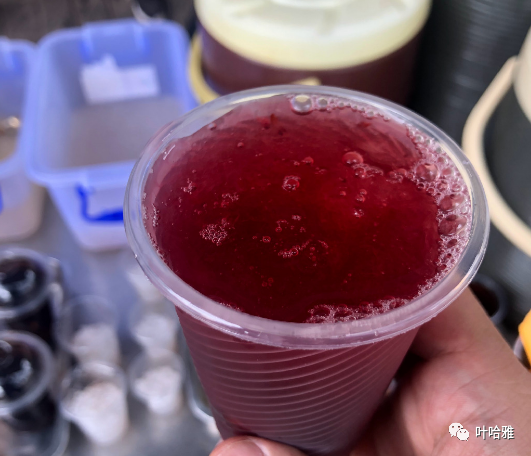
A cup of bayberry juice costs one yuan. There are six or seven big bayberries at the bottom of the cup. It is sour, sweet, and ice-cold.
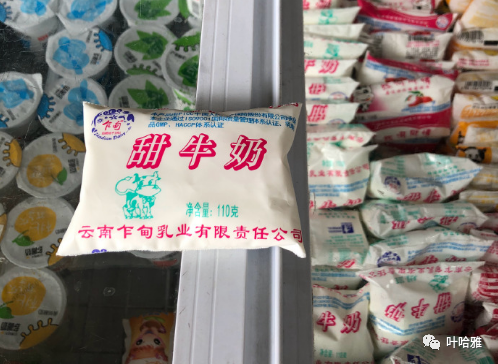
Chadian milk, which costs one yuan a bag, is a local specialty dairy product recommended by my friends in Yunnan that I must try.
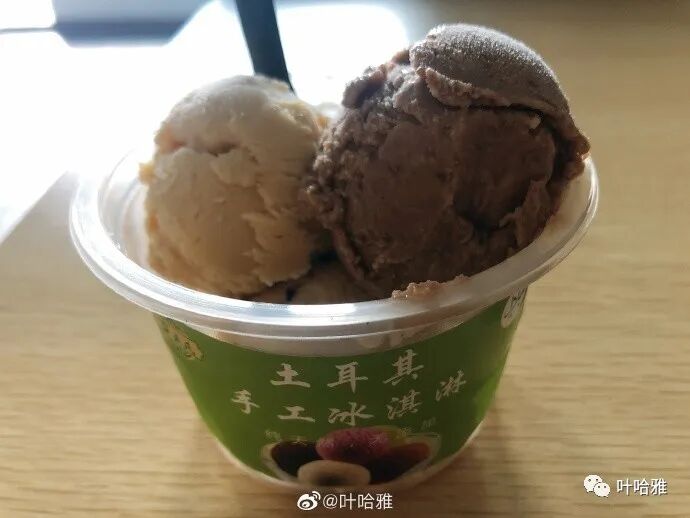
Quraysh ice cream costs two yuan a ball. The food in Najiaying can be said to be of high quality and low price. I heard that there is a morning market in the morning with more types of food. However, I have to continue the next journey, so I can only leave some regrets. My Yunnan halal journey has just begun. The next issue will continue to tell about my Shading halal journey.
Halal Travel Guide: Kaiyuan, Yunnan — Dazhuang Mosque and Hui Muslim Heritage
Articles • ali2007fr posted the article • 0 comments • 163 views • 2026-05-17 21:54
Summary: Kaiyuan, Yunnan — Dazhuang Mosque and Hui Muslim Heritage is presented here as a firsthand travel account in clear English, beginning with this scene: Author: Zainab. The account keeps its focus on Kaiyuan Mosque, Yunnan Travel, Hui Muslims while preserving the names, places, food, and historical details from the Chinese source.
Author: Zainab
I traveled from Shadian to Dazhuang in Kaiyuan to visit the Dazhuang Mosque, which is famous for being the best mosque in the region.
The Dazhuang Mosque moved to its current site and was rebuilt in 1812, then expanded during the Daoguang period (1821-1850).
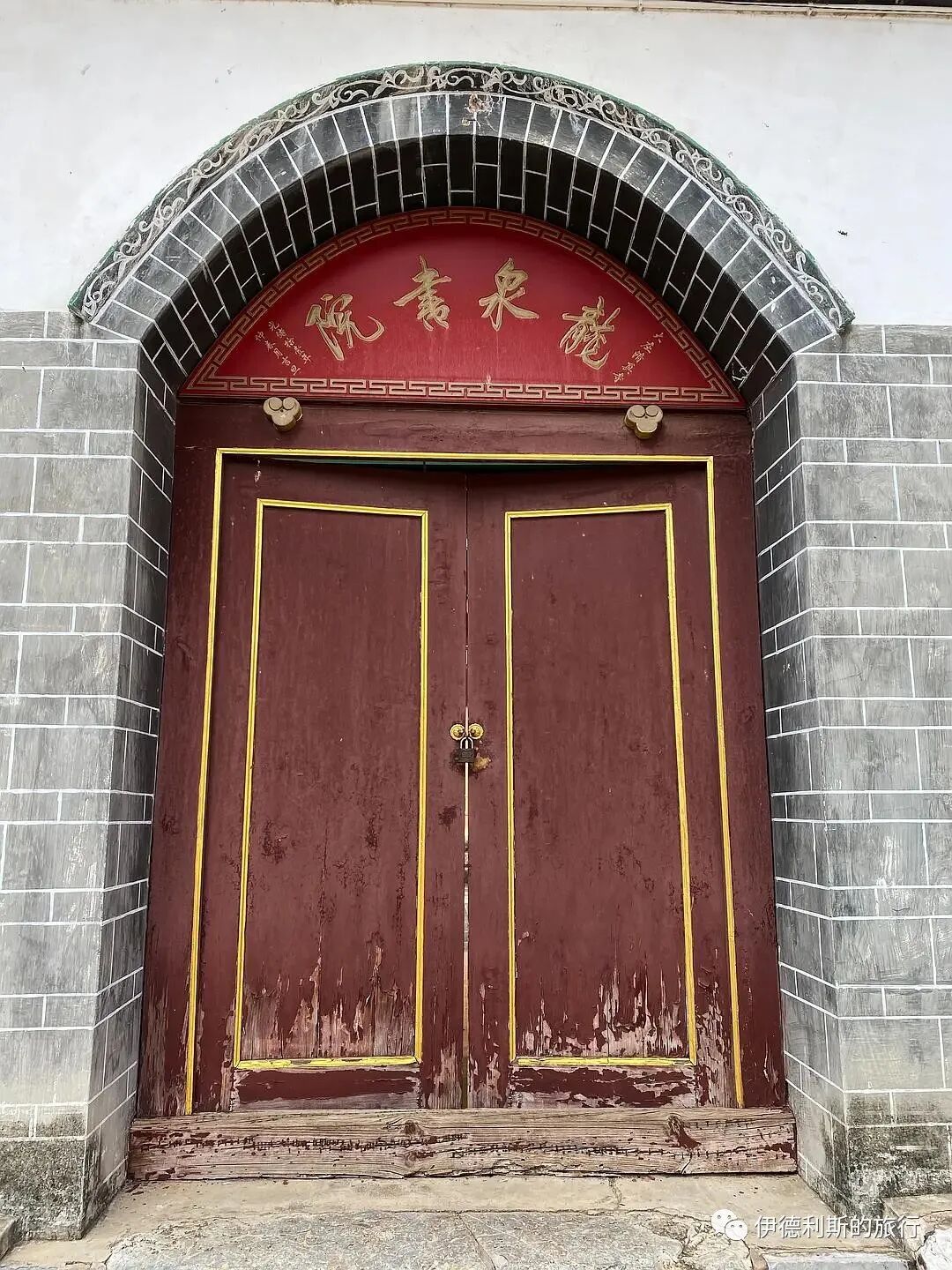
Let me first show you the archway-style gate of the mosque. When the mosque was first built, the gate faced east, but the Kaiyuan county magistrate at the time said the view was poor, so it was changed to face south.
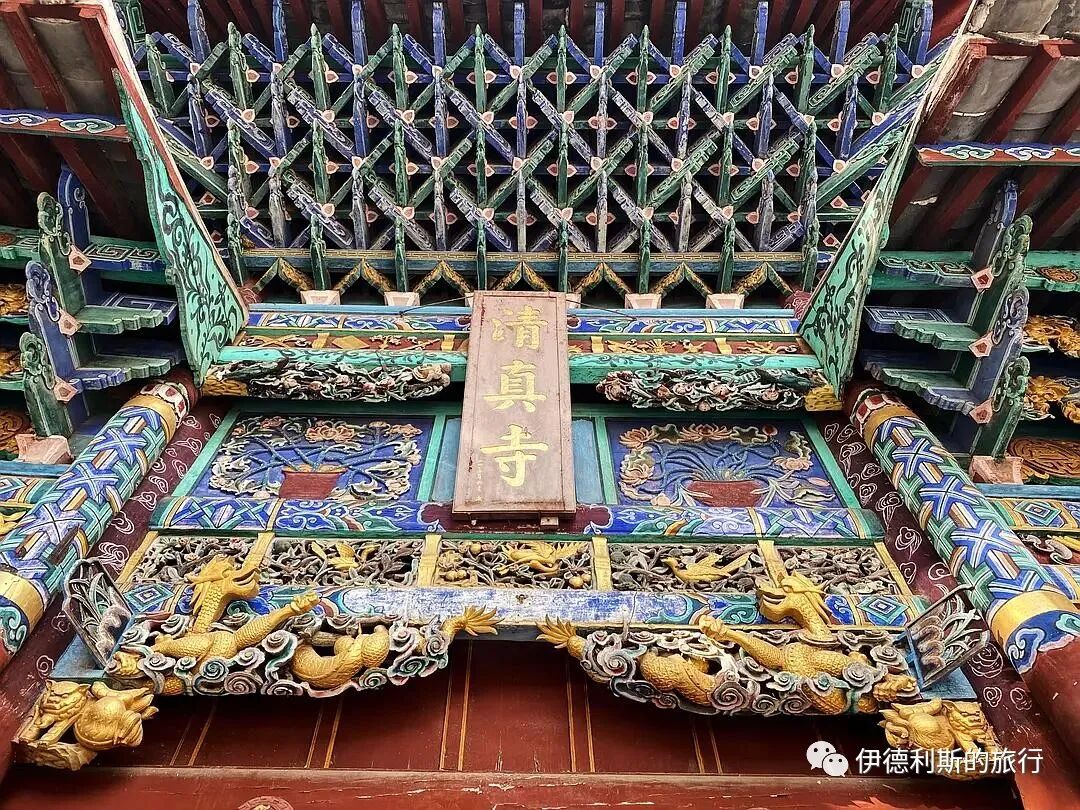
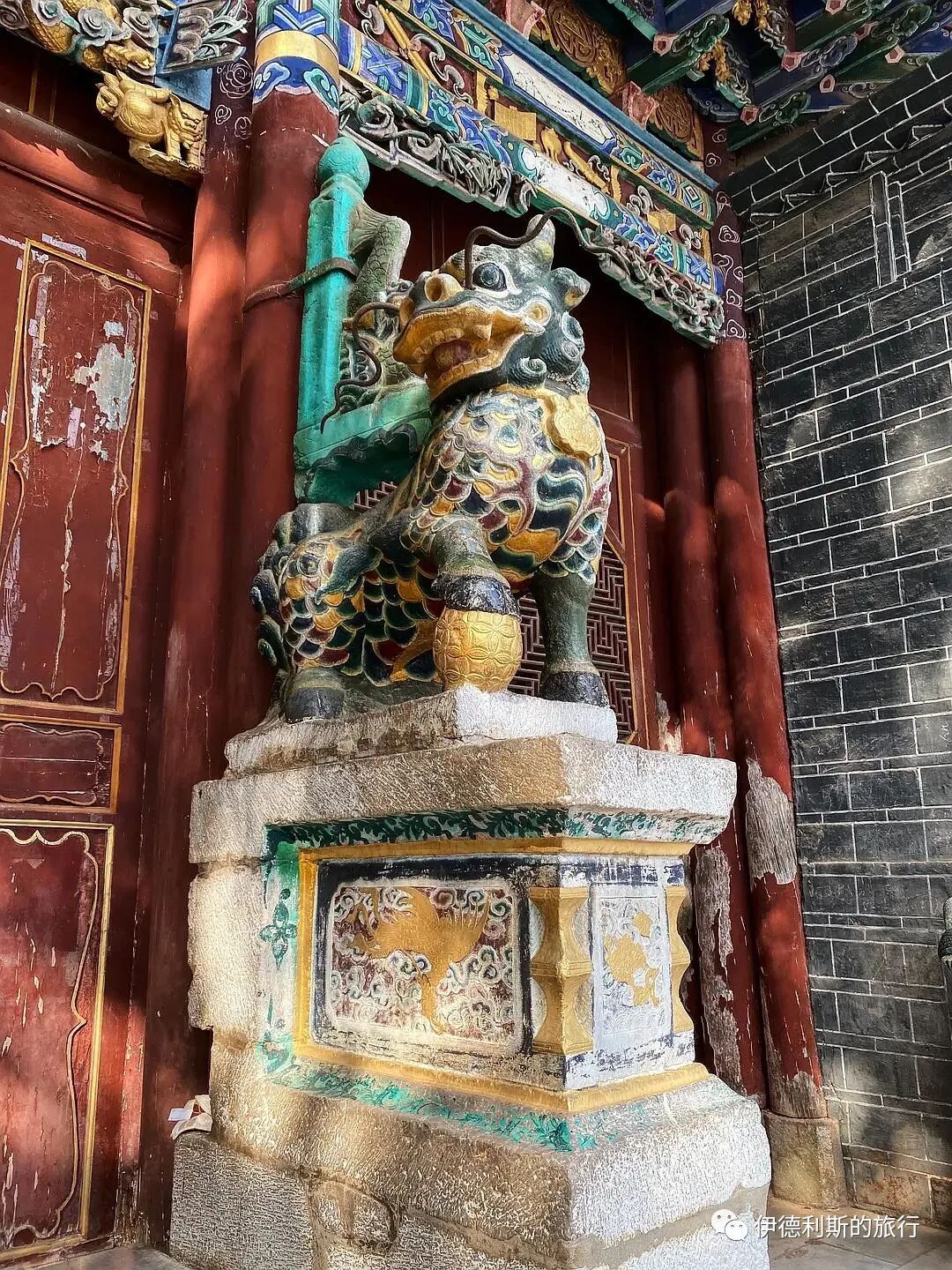
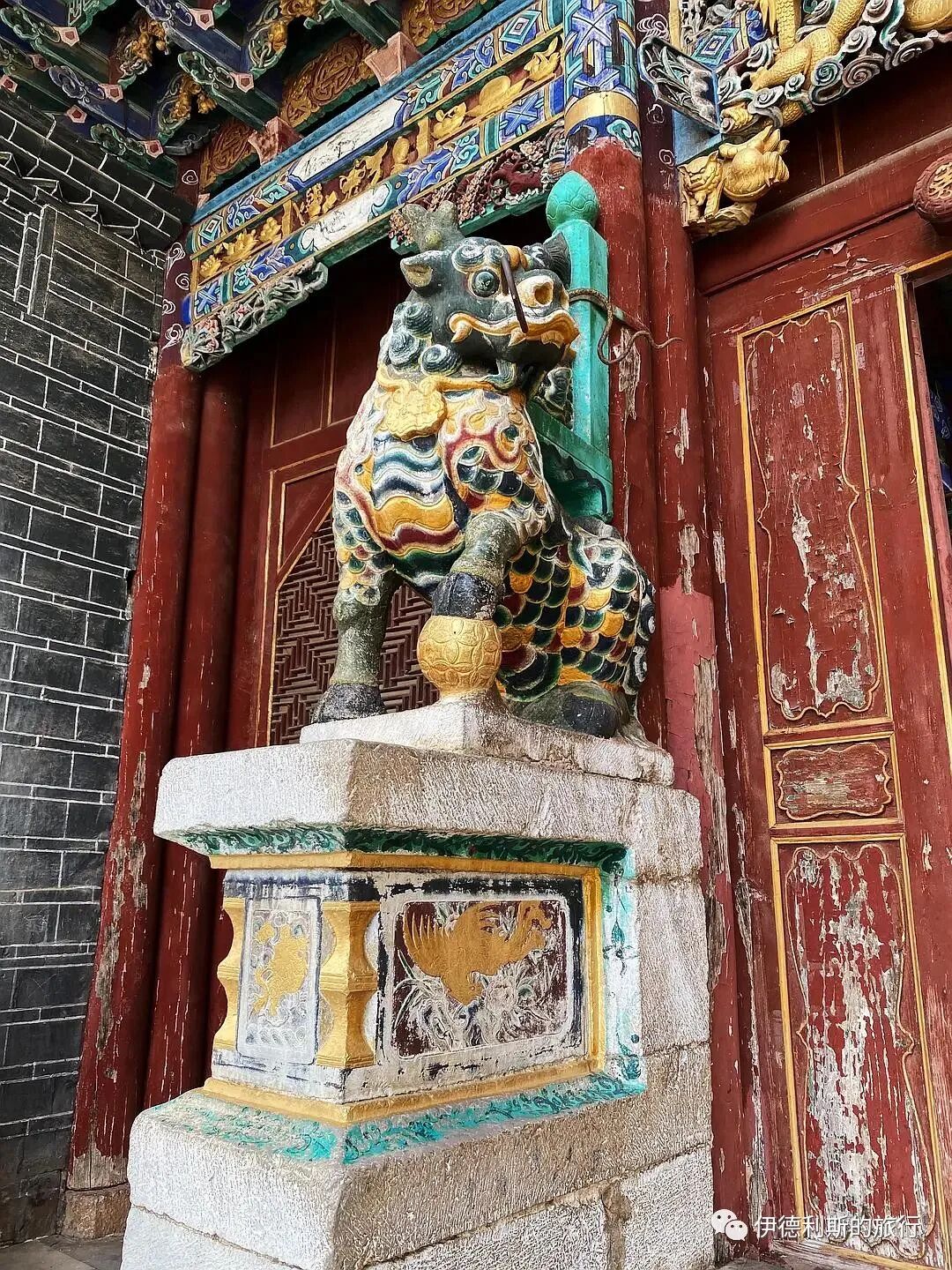
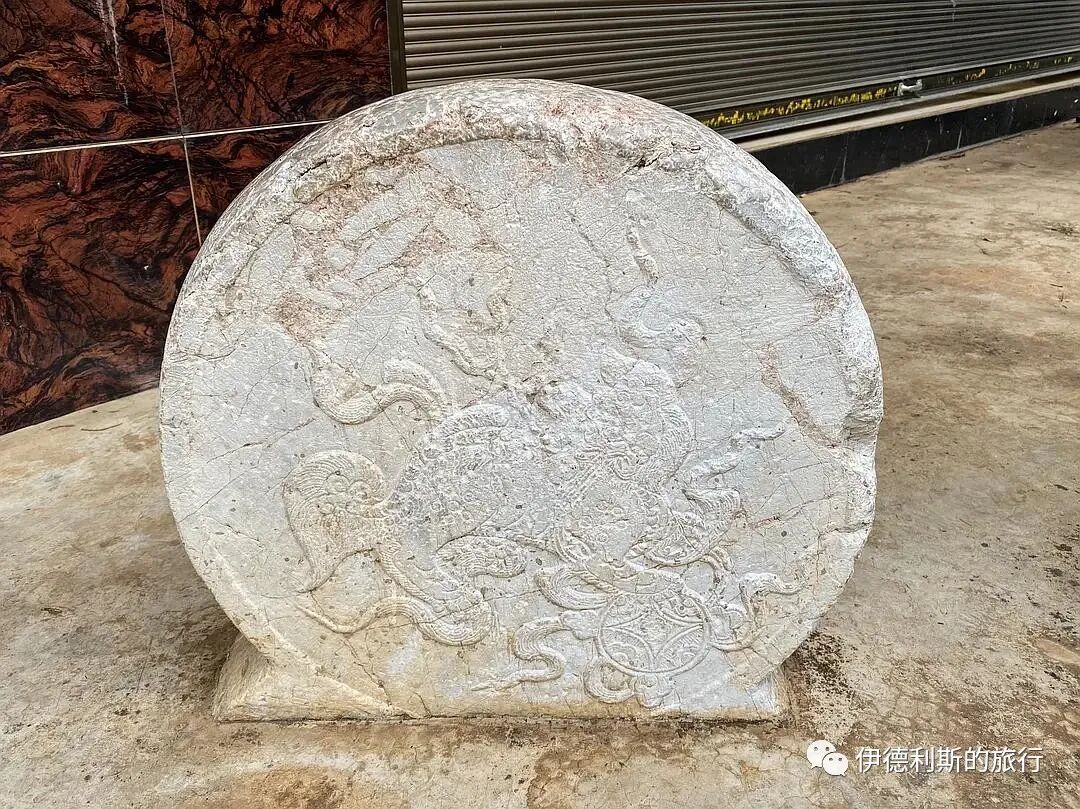
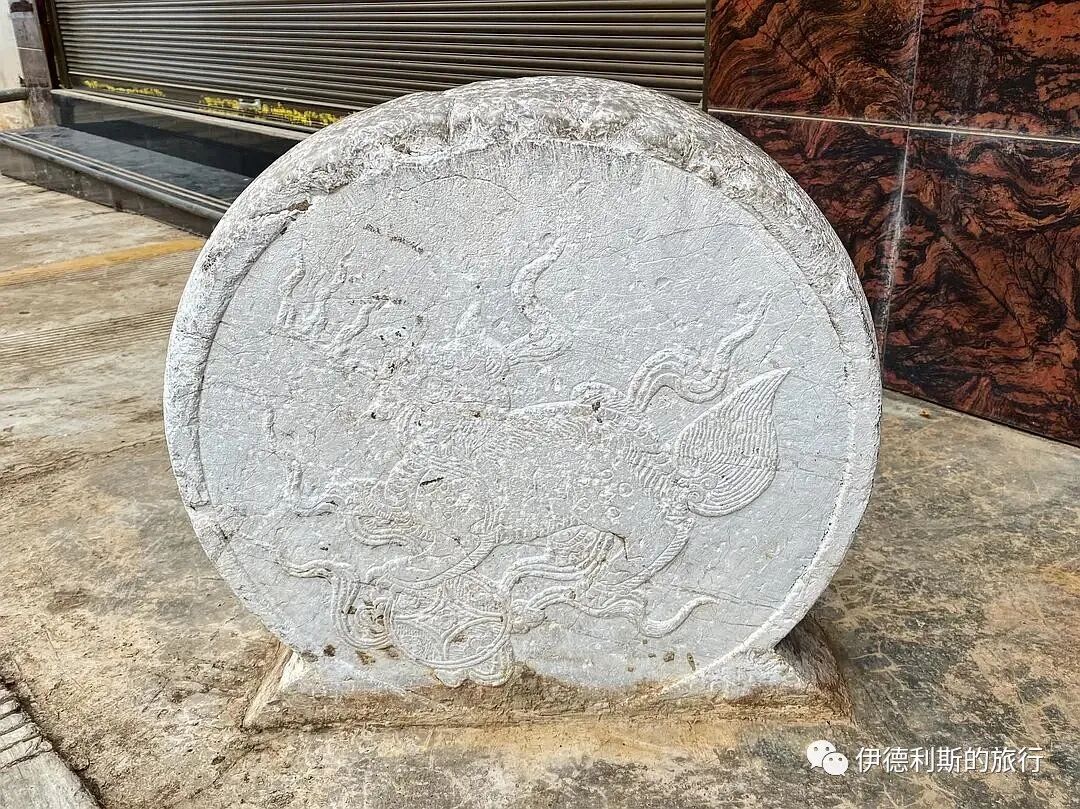
The main gate features bracket sets (dougong) and upturned eaves with intricate cloud, dragon, and bird carvings. A pair of mythical creatures (qilin) stand in front, which is very rare for a mosque.
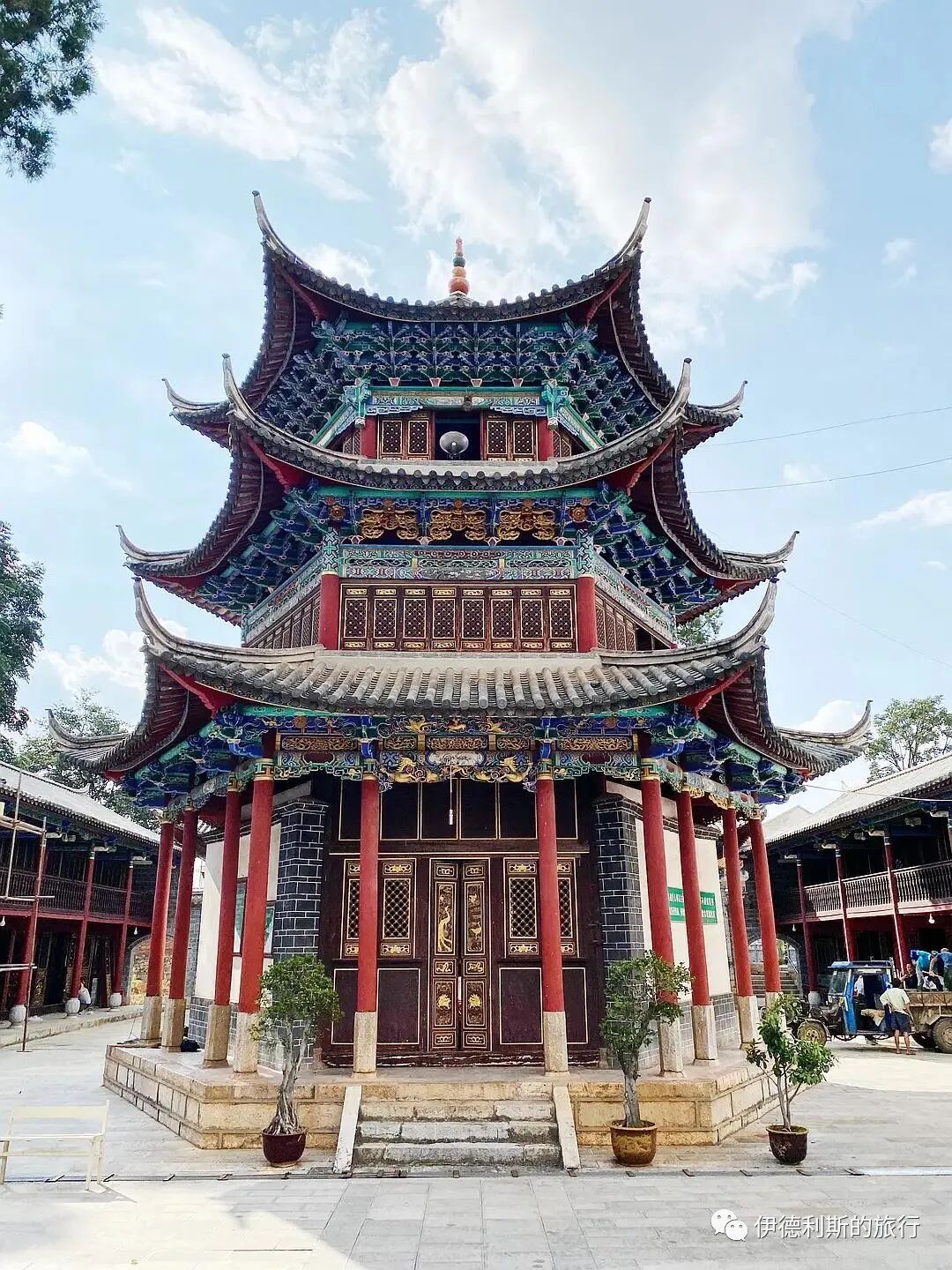
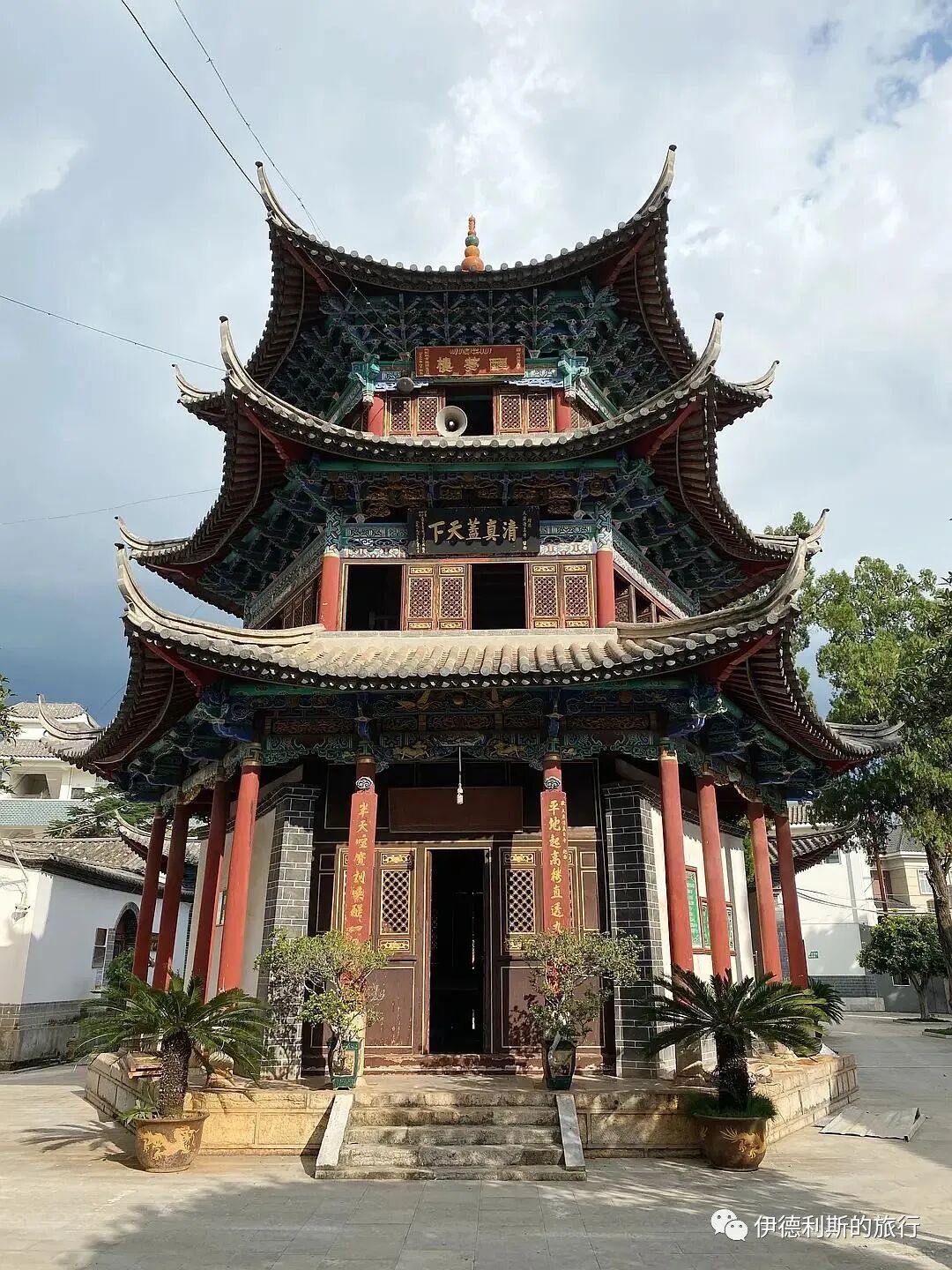
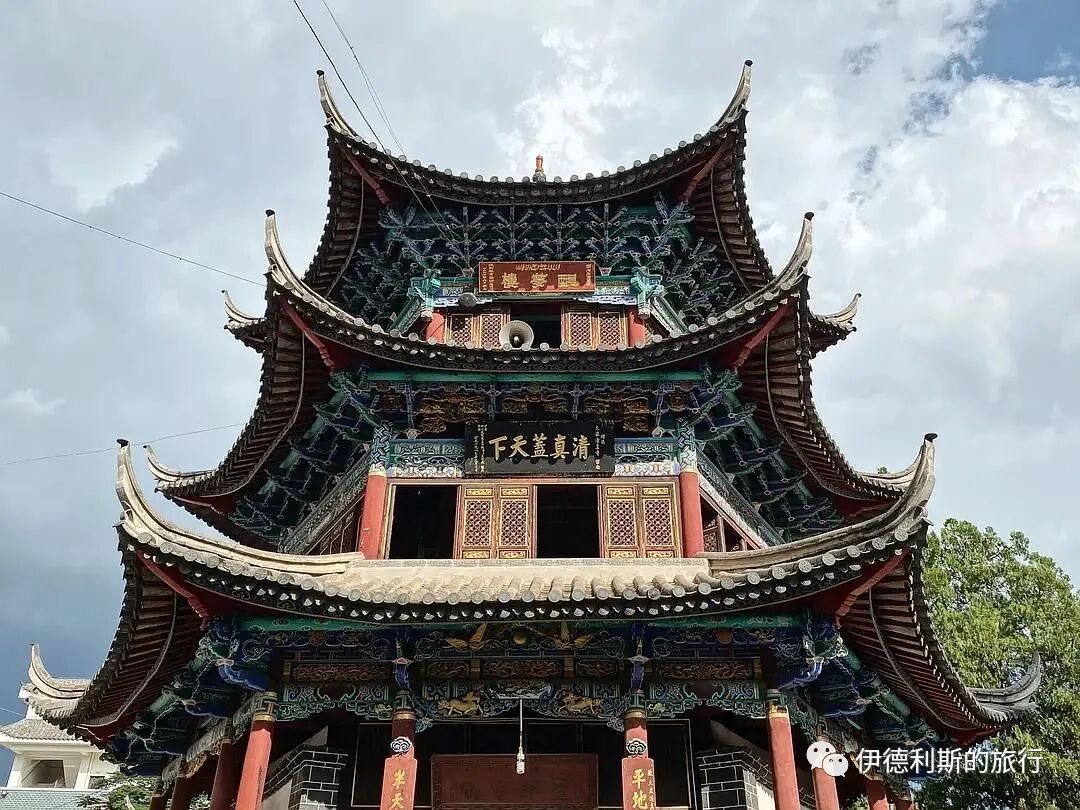
The mosque's Xingmeng Tower has a triple-eaved, hexagonal pointed roof topped with a glazed vase. It stands on 18 pillars and looks very grand and solid.
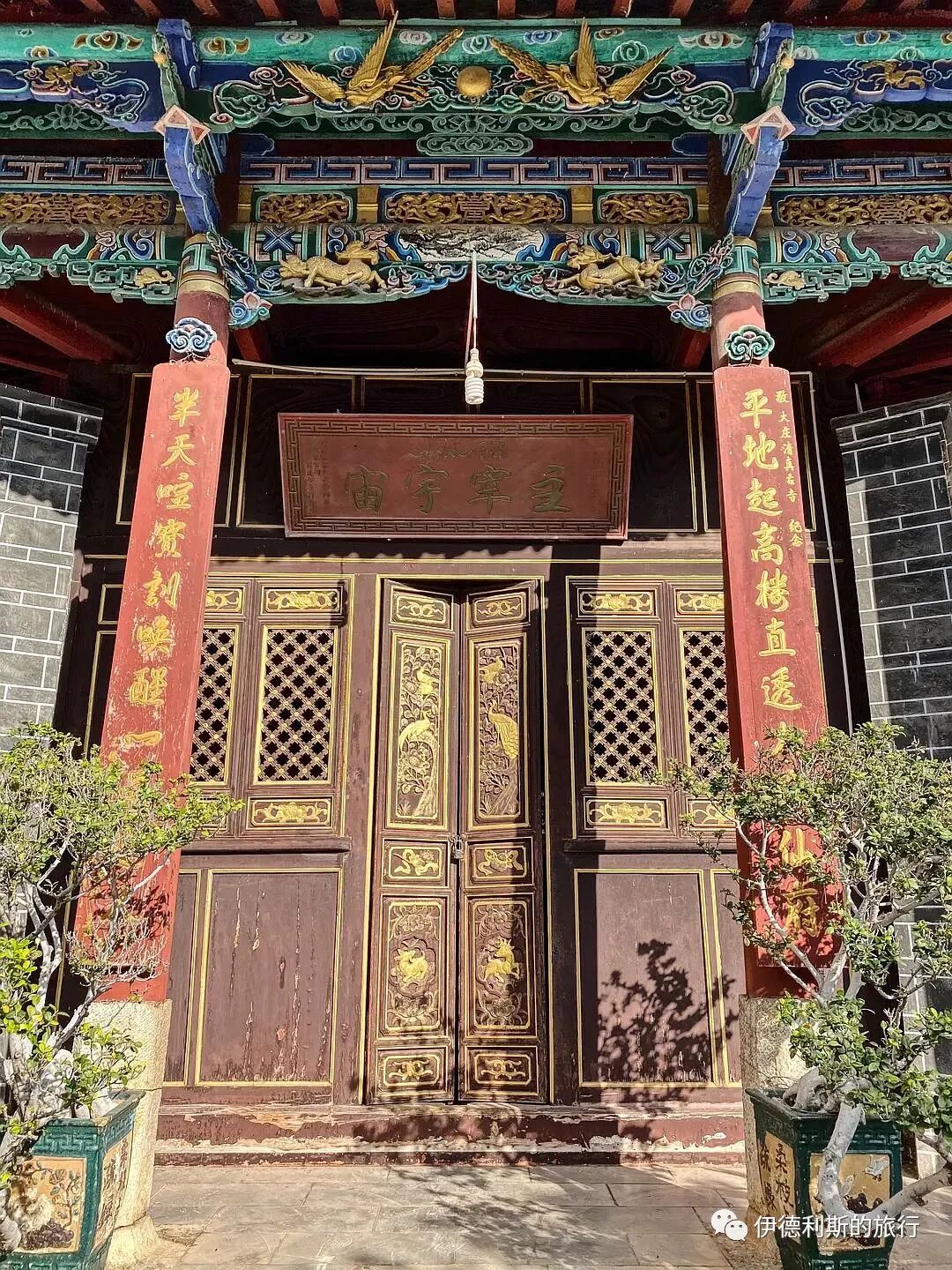
The Xingmeng Tower features a plaque that reads 'The Mosque Covers the World,' and I really like the couplet on both sides of the door:
A tall building rises from the flat ground, reaching straight to the nine heavens.
Precious teachings echo in the sky, waking the lost souls of the city.
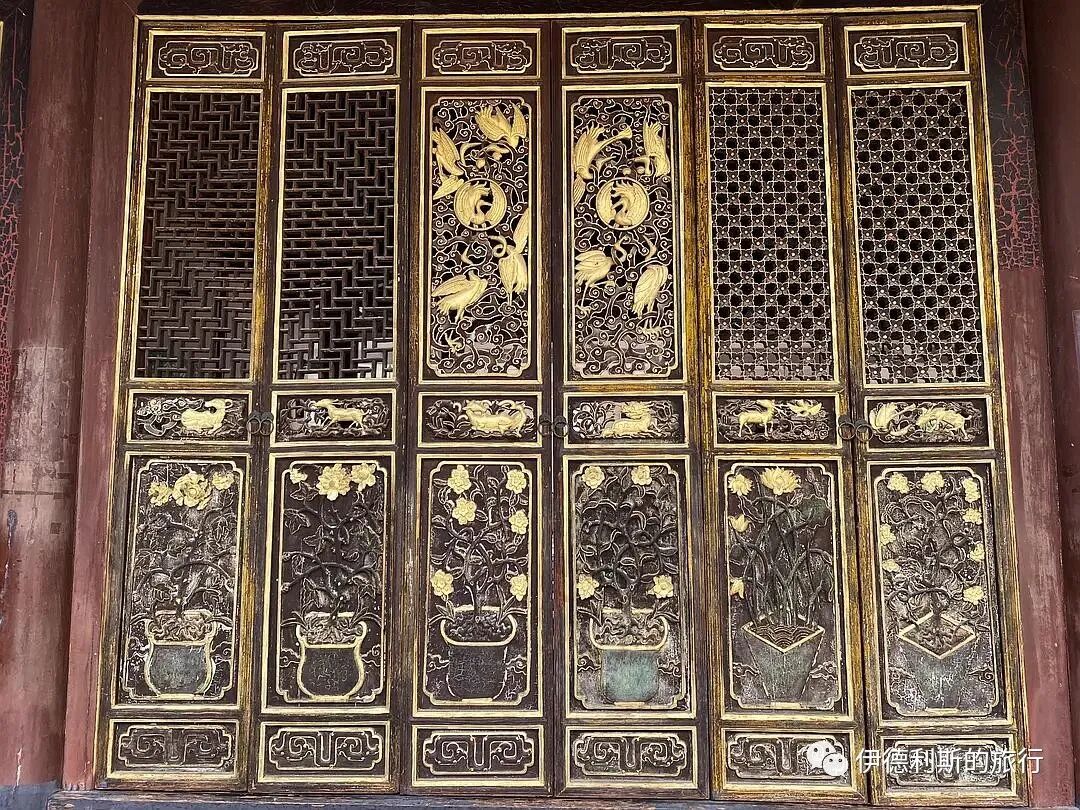
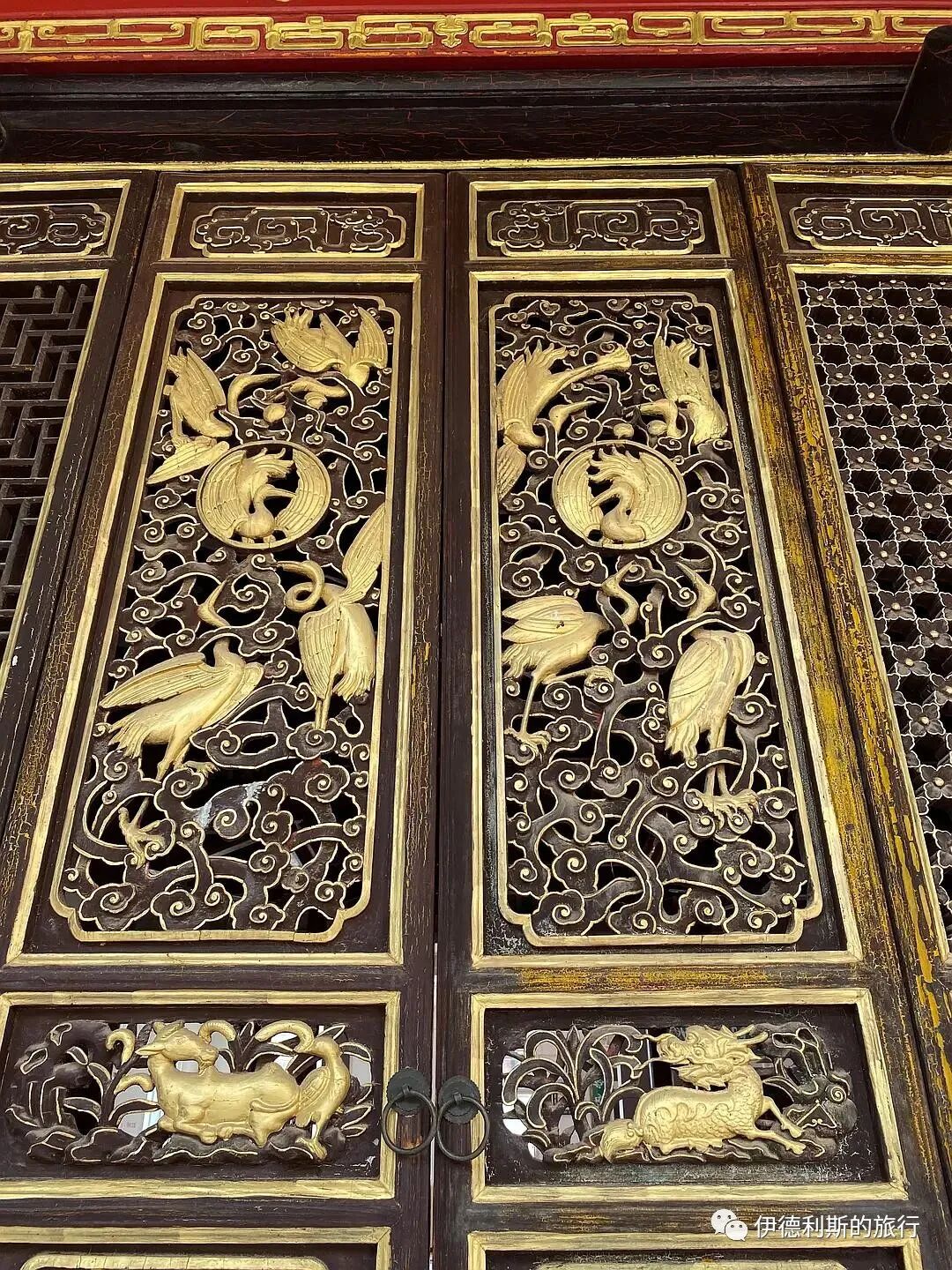
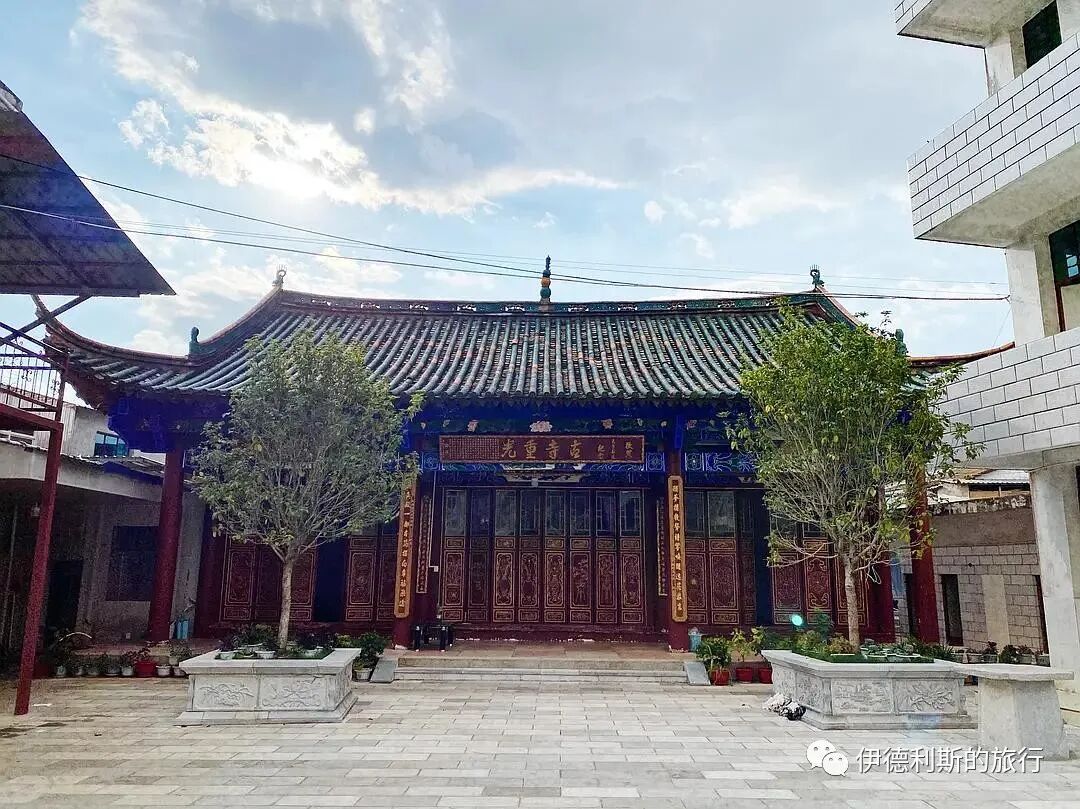
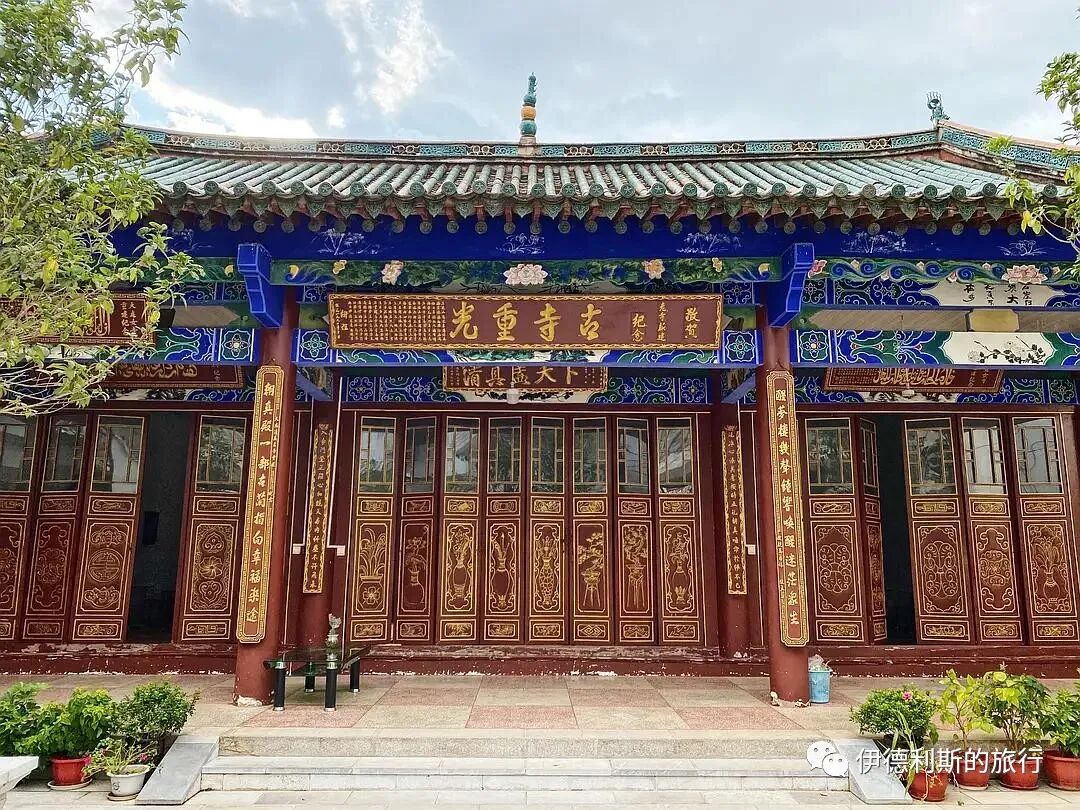
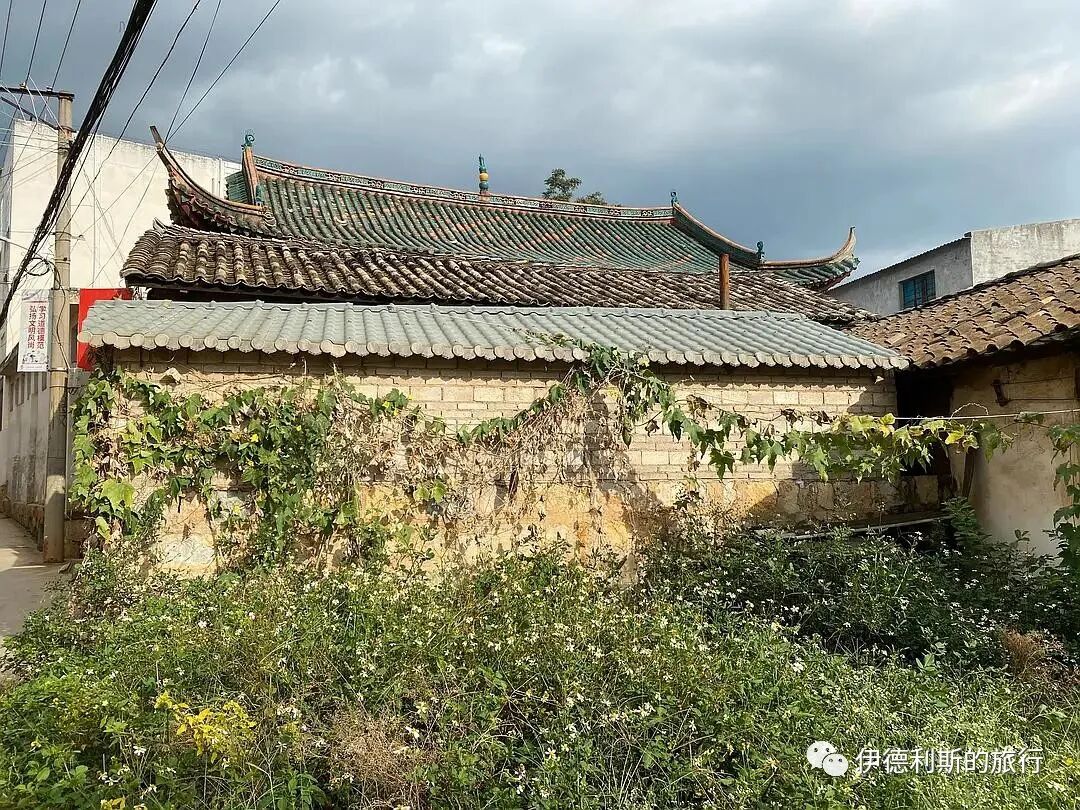
The main hall of the mosque features a single-eave hip-and-gable roof with bracket sets and upturned eaves. The front eave is deep, serving as a porch, and the architraves and brackets are decorated with intricate openwork carvings and paintings. The openwork carving on the 24 lattice doors of the main hall is considered the finest among traditional mosque architecture in Yunnan.
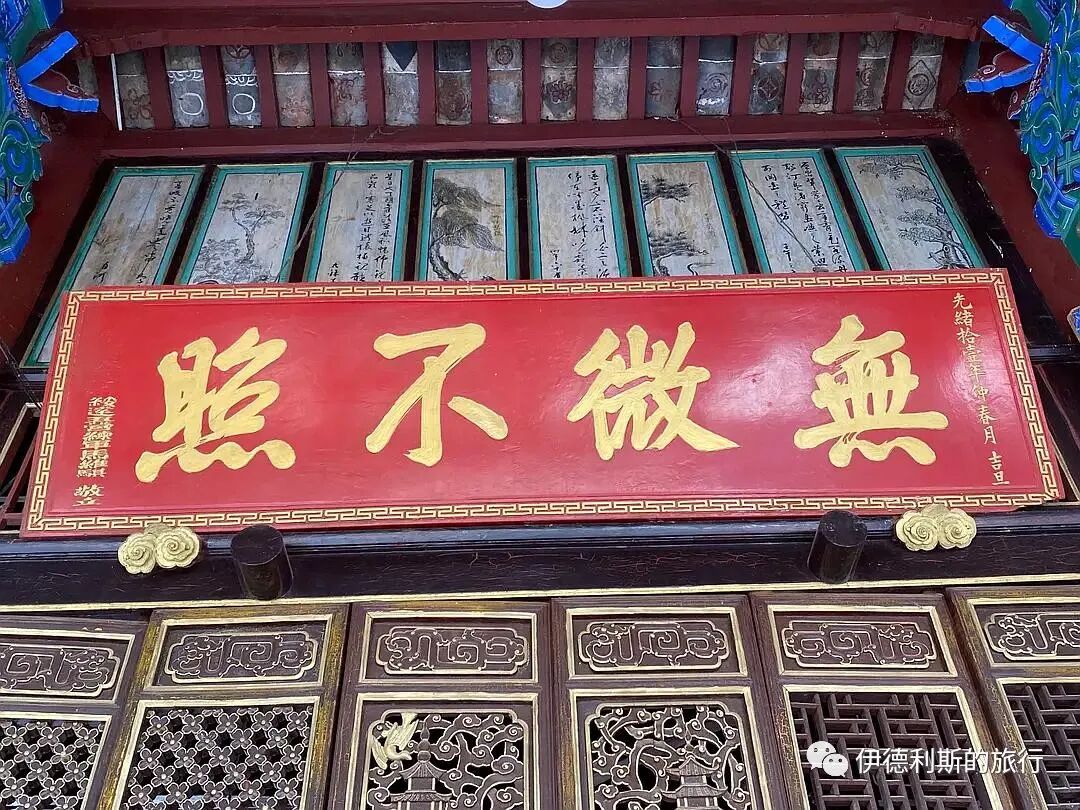
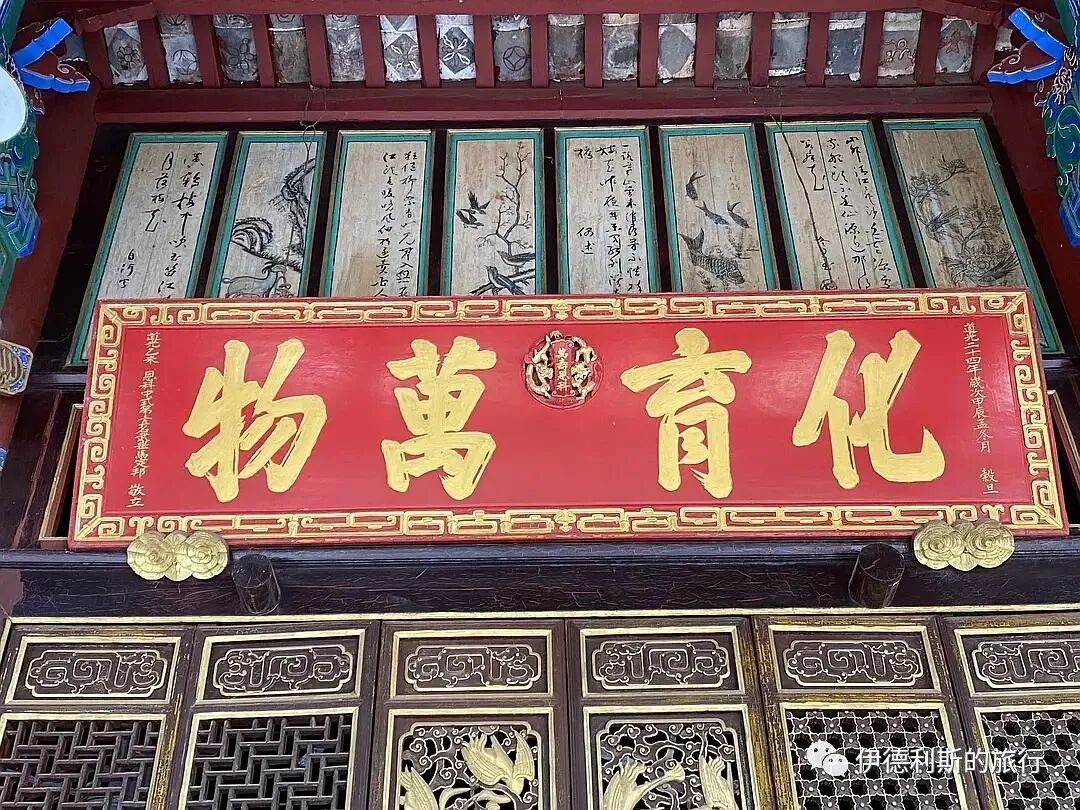
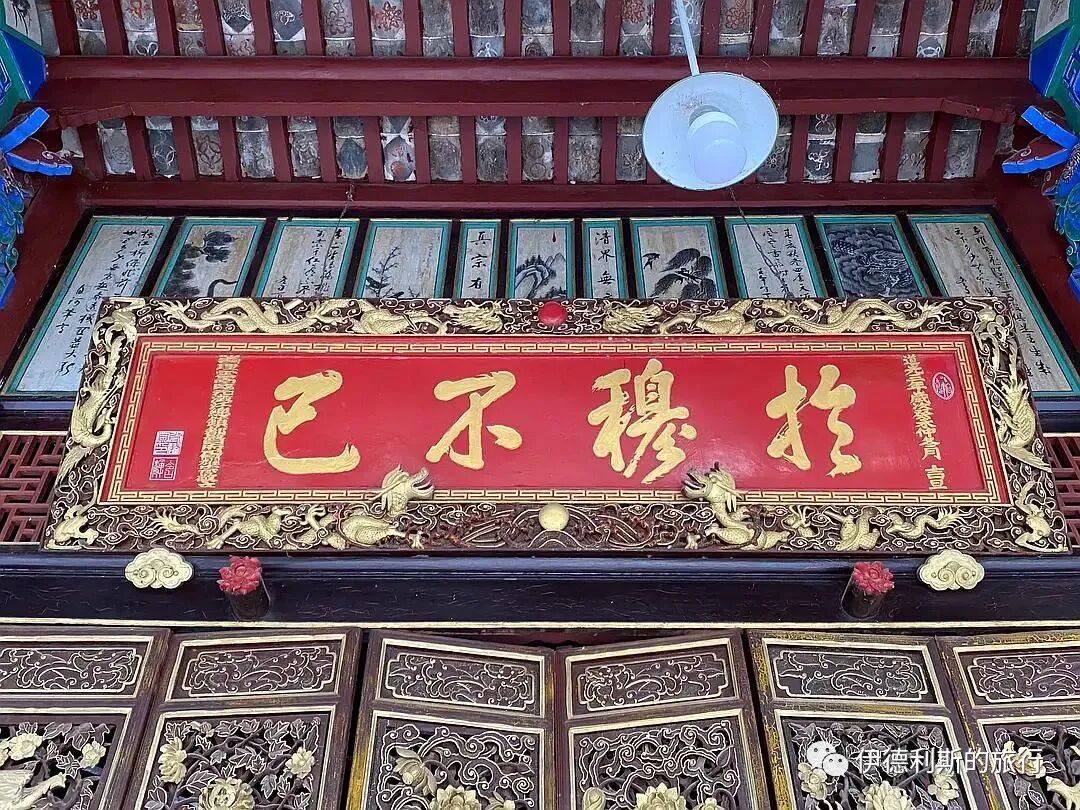
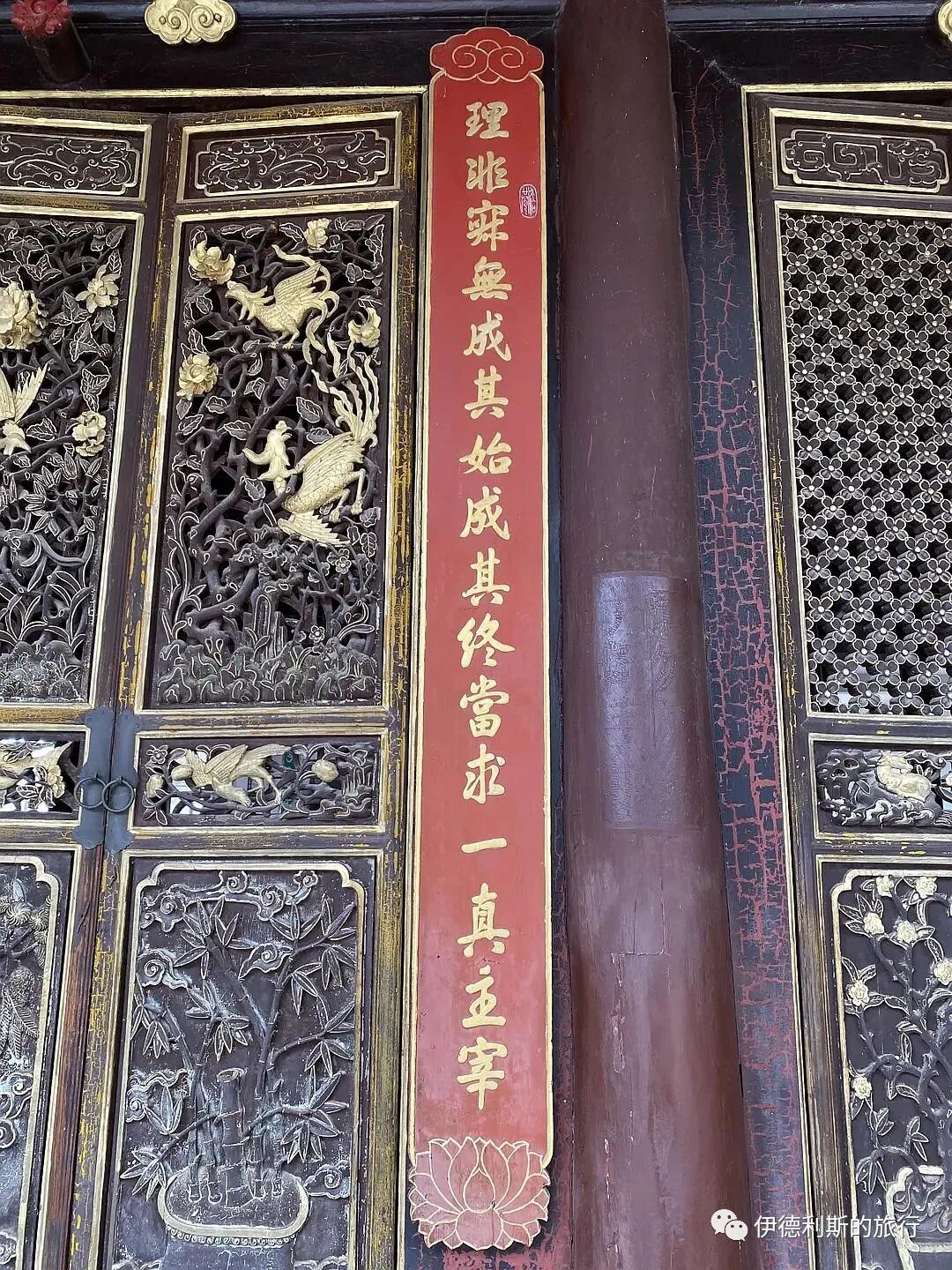
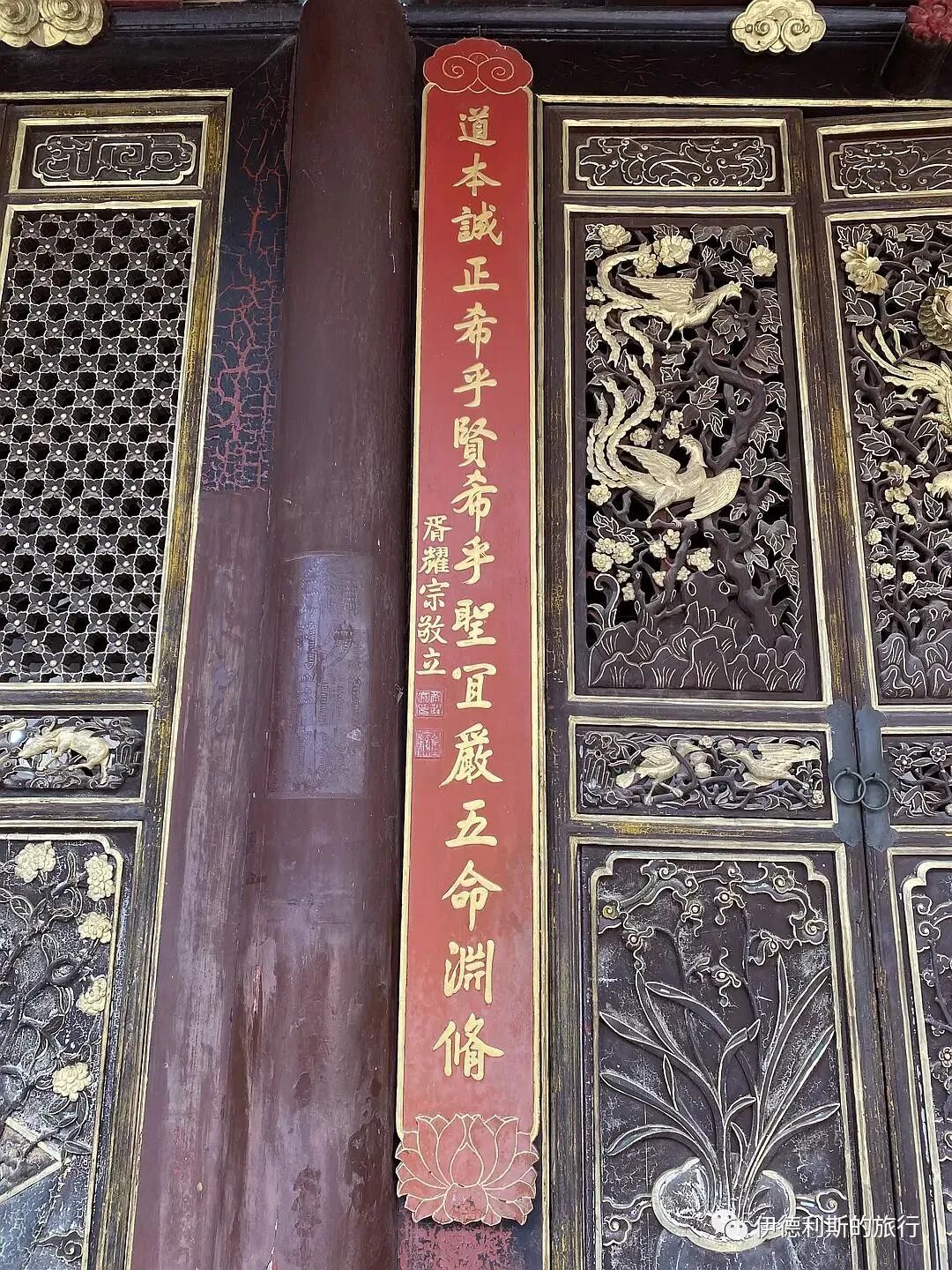
The main hall displays several plaques: one reading 'Yu Mu Bu Yi' presented in 1823 by Xu Yaozong, the commander of the Linyuan Chengjiang garrison; one reading 'Hua Yu Wan Wu' presented in 1844 by Ma Dingbang, the top-ranked military scholar of the imperial examinations; and one reading 'Wu Wei Bu Zhao' presented in 1885 by Ma Weiqi, a commander of the Suiyuan Left Battalion. There are also couplets presented by Xu Yaozong.
Ma Weiqi was the son of Ma Dingbang and a local from Dazhuang, Kaiyuan. A scholar-general of the late Qing Dynasty, he joined the army with his father at age 14. In 1883, he went to Vietnam to fight in the Sino-French War, where he led his own front and defeated the French army multiple times. Later, he served as the commander-in-chief in Sichuan for eight years.
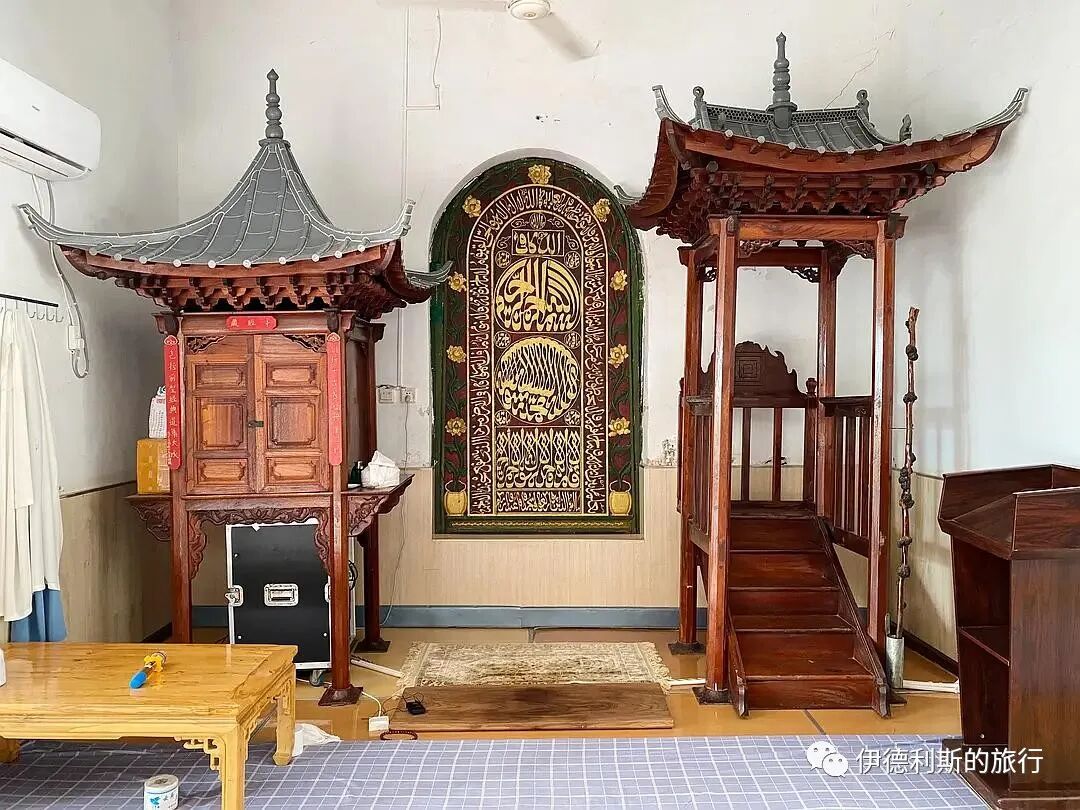
Inside the mosque is a traditional-style mihrab prayer niche. Next to it is a unique scripture pavilion (cangjingting), which features a couplet written by Ma Chuqing, a successful candidate in the imperial examinations during the Dingyou year of the Qing dynasty.
Beside the mosque is the Longquan Academy (Longquan Shuyuan), founded by Ma Weiqi in 1891. He once bought thousands of books and donated money to support education. In 1943, with the support of Kunming Mingde Middle School, the Dazhuang Branch of Kunming Mingde Middle School was established on the original site of the Longquan Academy. It is now the Dazhuang Mingde Middle School Exhibition Hall, but unfortunately, it was closed when I visited.
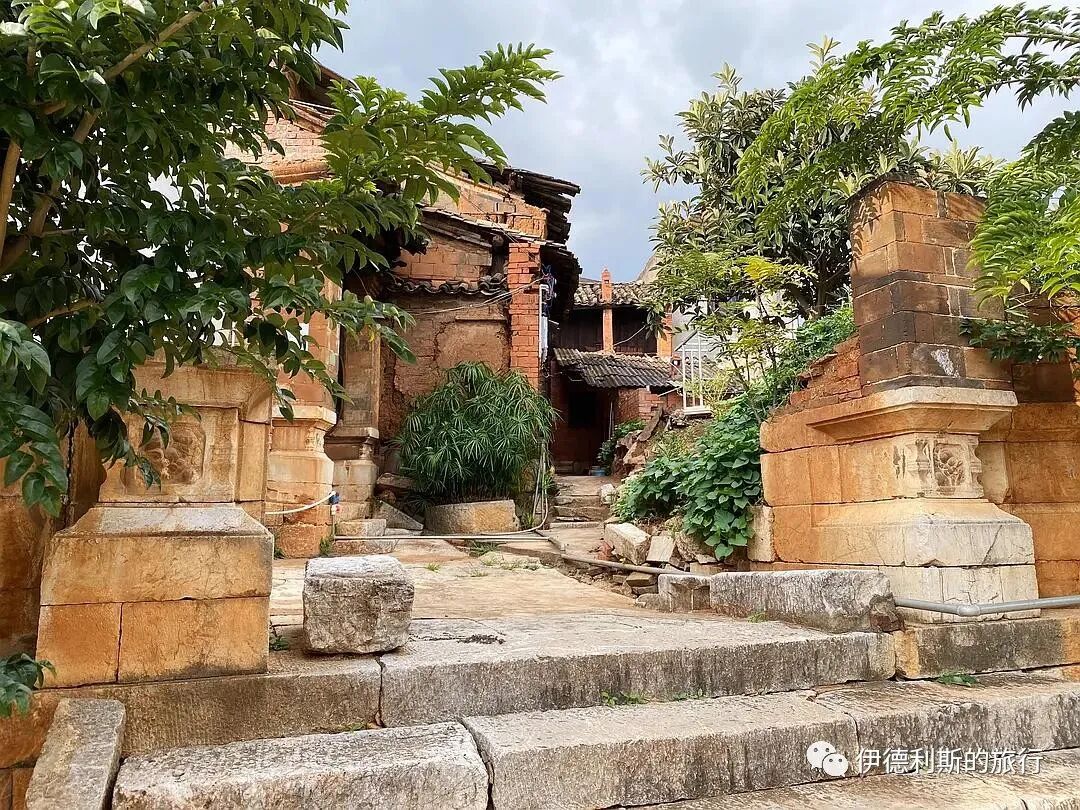
The original site of the Dazhuang Women's Mosque in Kaiyuan was the Dazhuang Old Mosque, first built during the Wanli period of the Ming dynasty. It was renamed the Old Mosque after the new mosque was built in Dazhuang in 1812. After the 20th century, several female teachers (shimu) were invited from Hexi and Najiaying in Yuxi to teach Islamic knowledge to young women at the Old Mosque. In the early 1930s, the Yude Girls' Chinese-Arabic School opened here, training many women with deep knowledge of the faith. The women's mosque was torn down in 1958. The current building is a reconstruction, and the only original items left are a pair of Qing dynasty drum-shaped stone door bases.
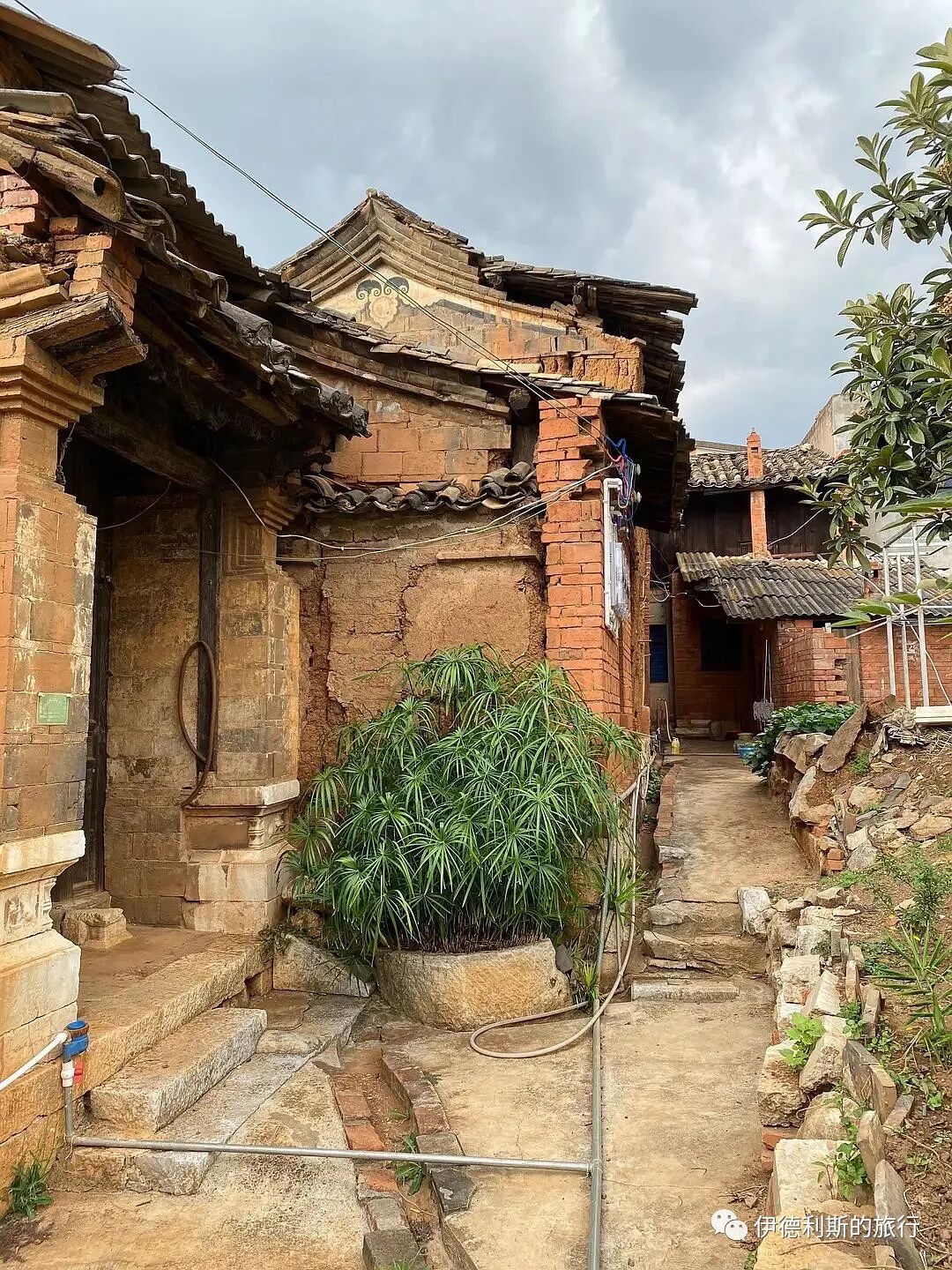
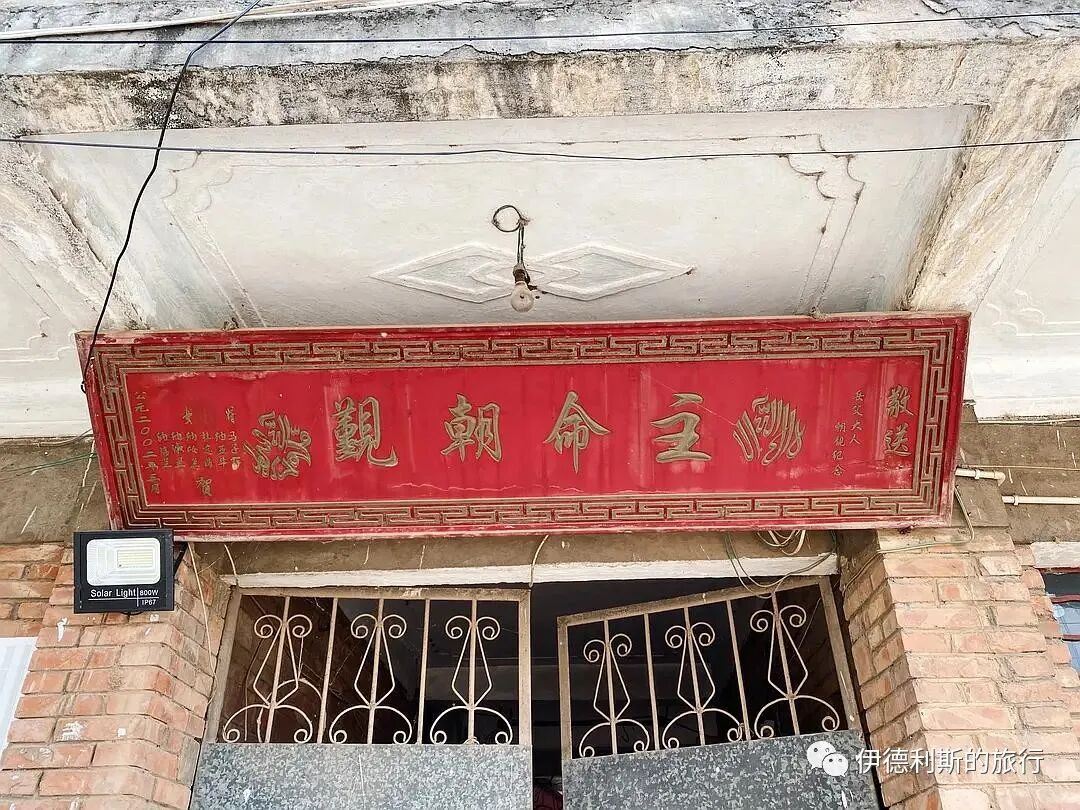
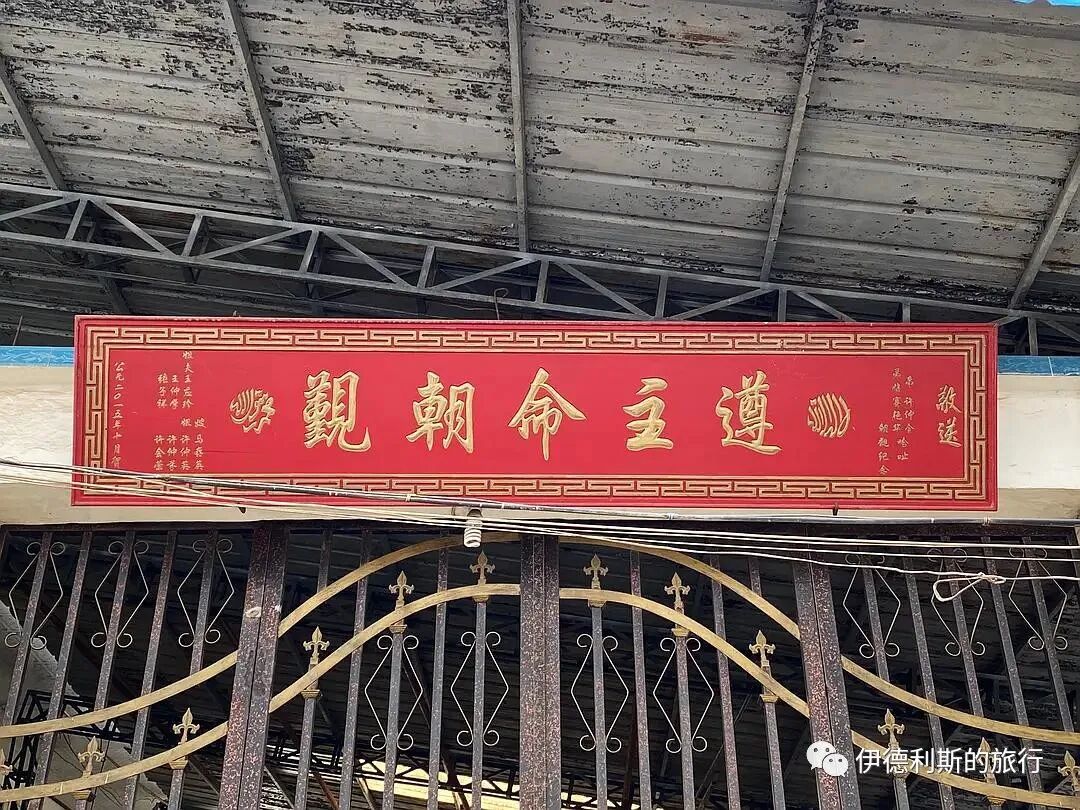
What shocked me most about Dazhuang Village in Kaiyuan was that almost every home had a Hajj plaque hanging by the door. It was my first time seeing so many Hajis in one village. view all
Summary: Kaiyuan, Yunnan — Dazhuang Mosque and Hui Muslim Heritage is presented here as a firsthand travel account in clear English, beginning with this scene: Author: Zainab. The account keeps its focus on Kaiyuan Mosque, Yunnan Travel, Hui Muslims while preserving the names, places, food, and historical details from the Chinese source.
Author: Zainab
I traveled from Shadian to Dazhuang in Kaiyuan to visit the Dazhuang Mosque, which is famous for being the best mosque in the region.
The Dazhuang Mosque moved to its current site and was rebuilt in 1812, then expanded during the Daoguang period (1821-1850).
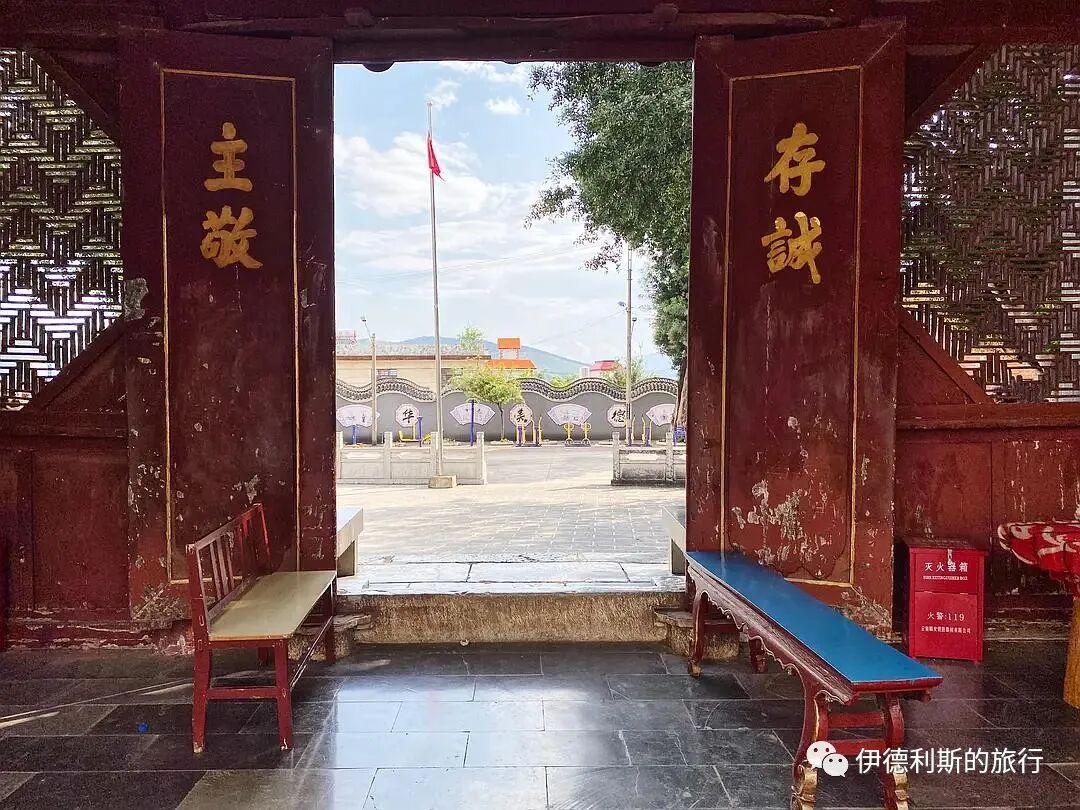
Let me first show you the archway-style gate of the mosque. When the mosque was first built, the gate faced east, but the Kaiyuan county magistrate at the time said the view was poor, so it was changed to face south.
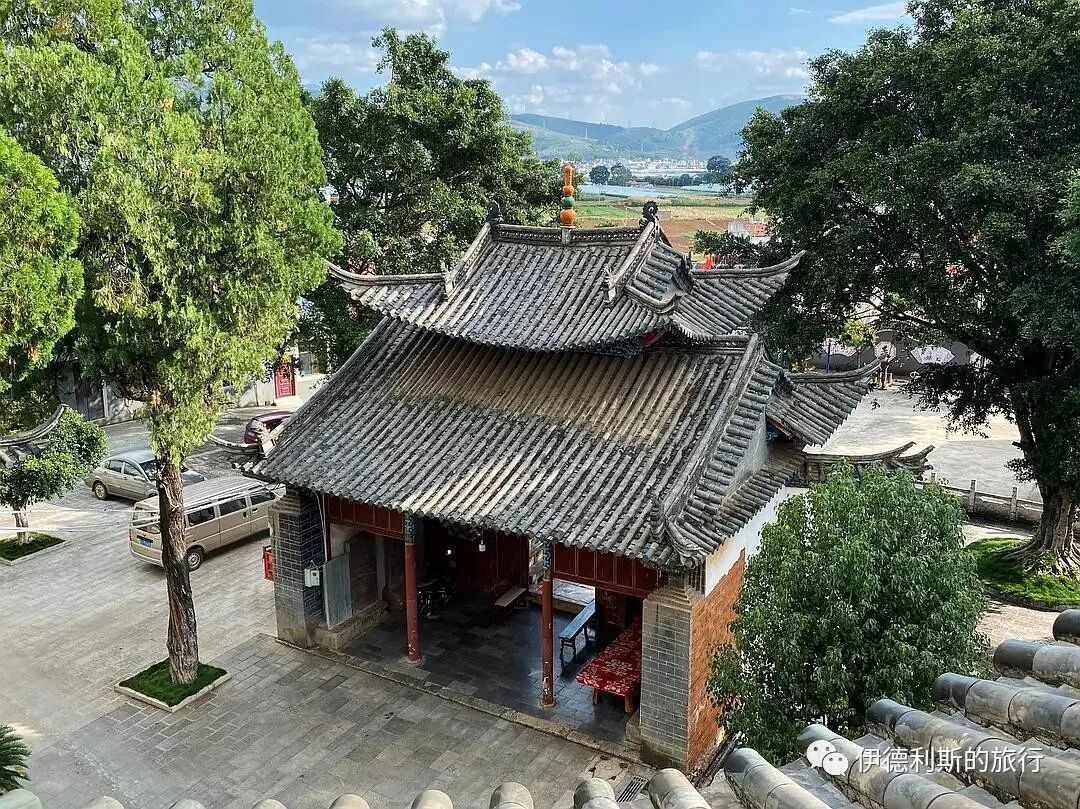
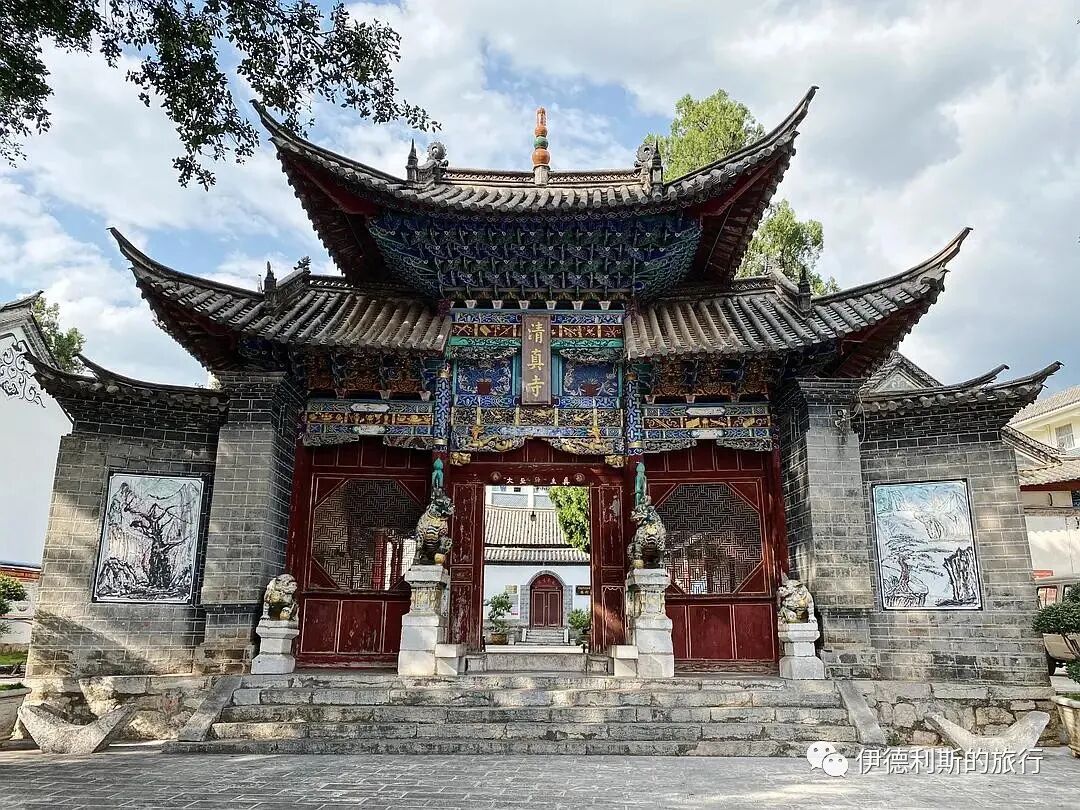
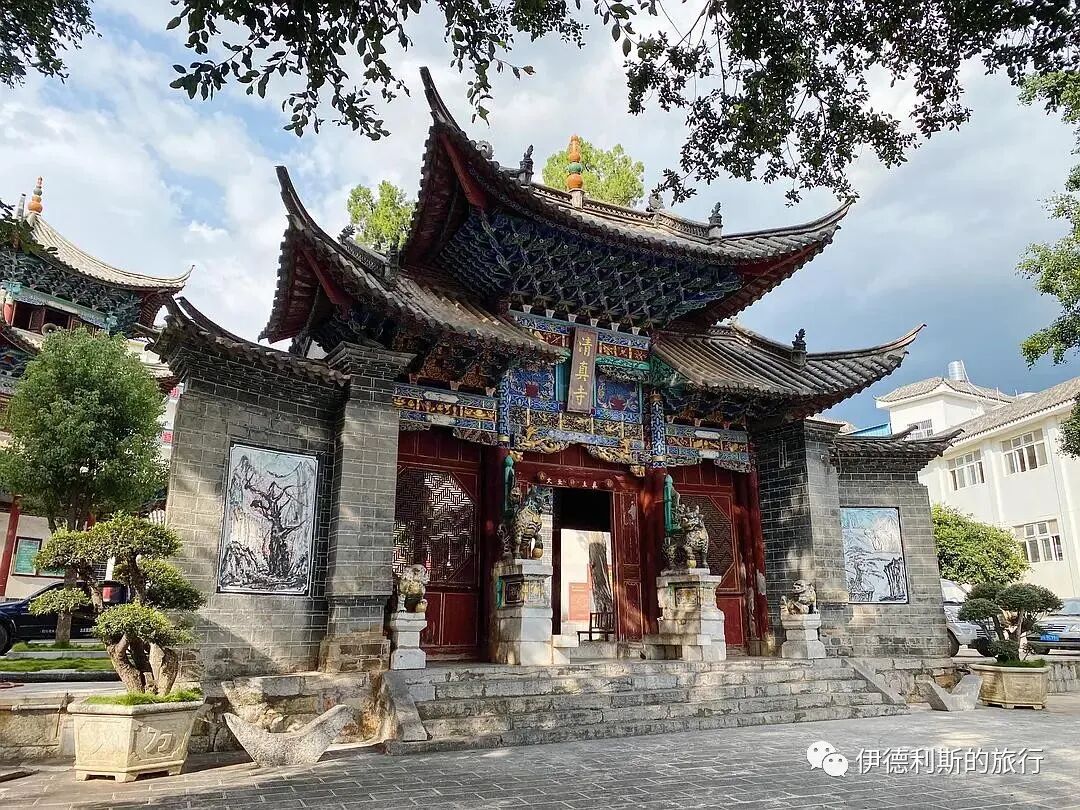
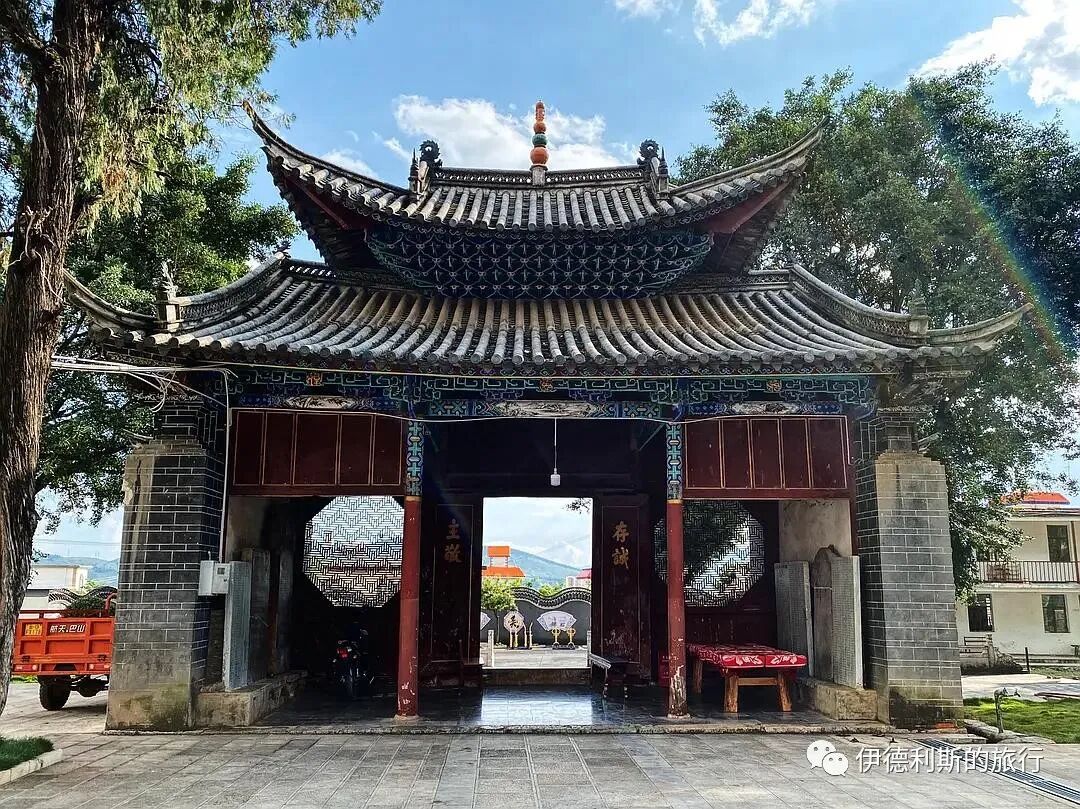
The main gate features bracket sets (dougong) and upturned eaves with intricate cloud, dragon, and bird carvings. A pair of mythical creatures (qilin) stand in front, which is very rare for a mosque.
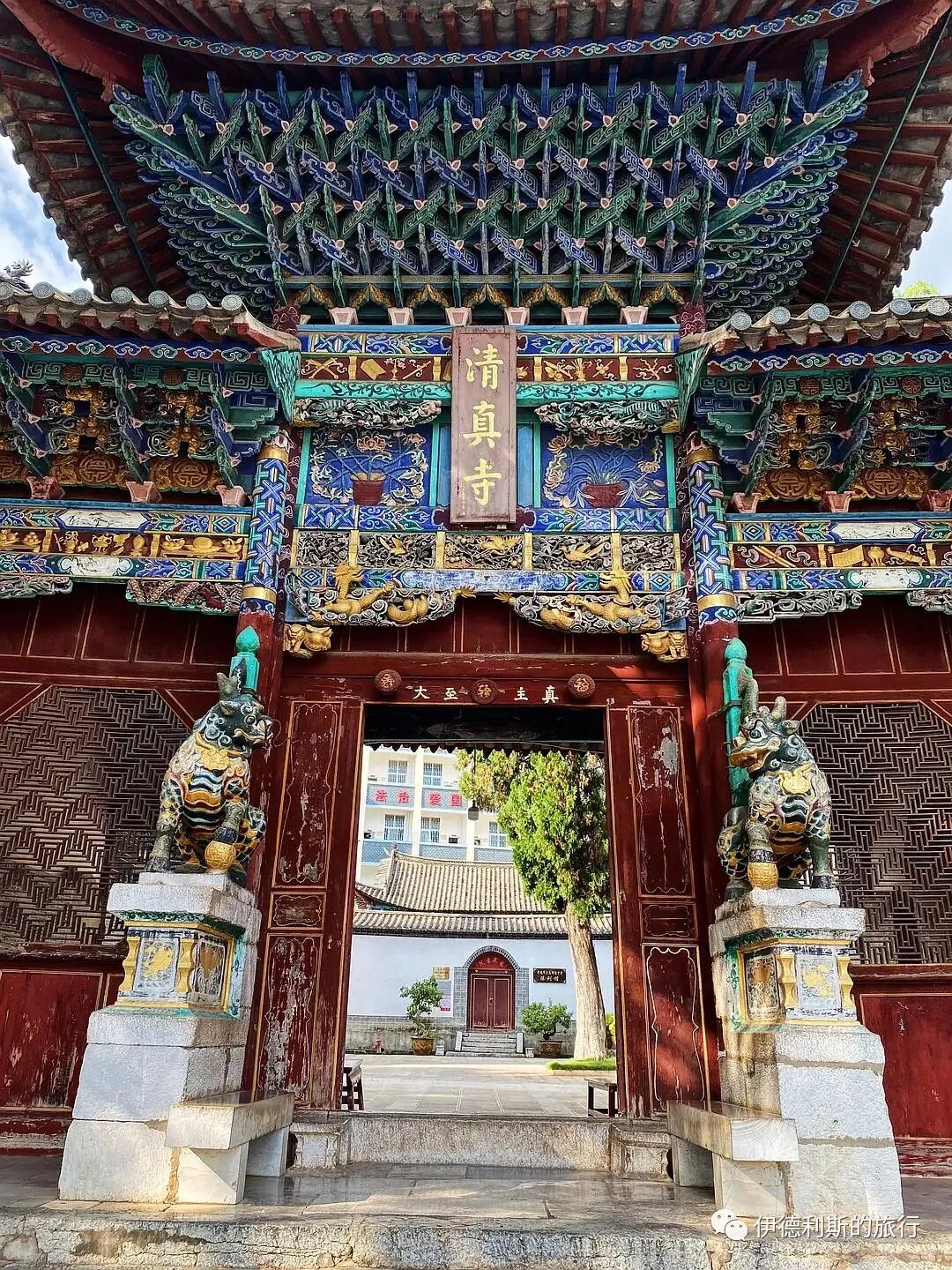
The mosque's Xingmeng Tower has a triple-eaved, hexagonal pointed roof topped with a glazed vase. It stands on 18 pillars and looks very grand and solid.
The Xingmeng Tower features a plaque that reads 'The Mosque Covers the World,' and I really like the couplet on both sides of the door:
A tall building rises from the flat ground, reaching straight to the nine heavens.
Precious teachings echo in the sky, waking the lost souls of the city.
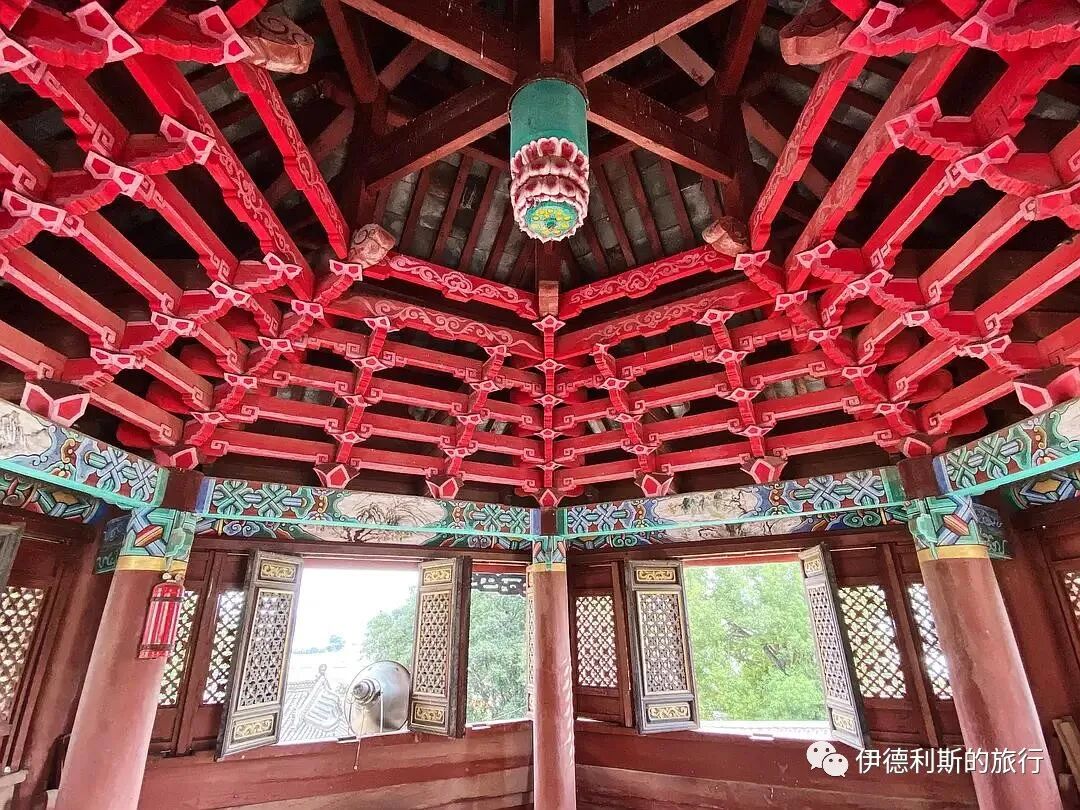
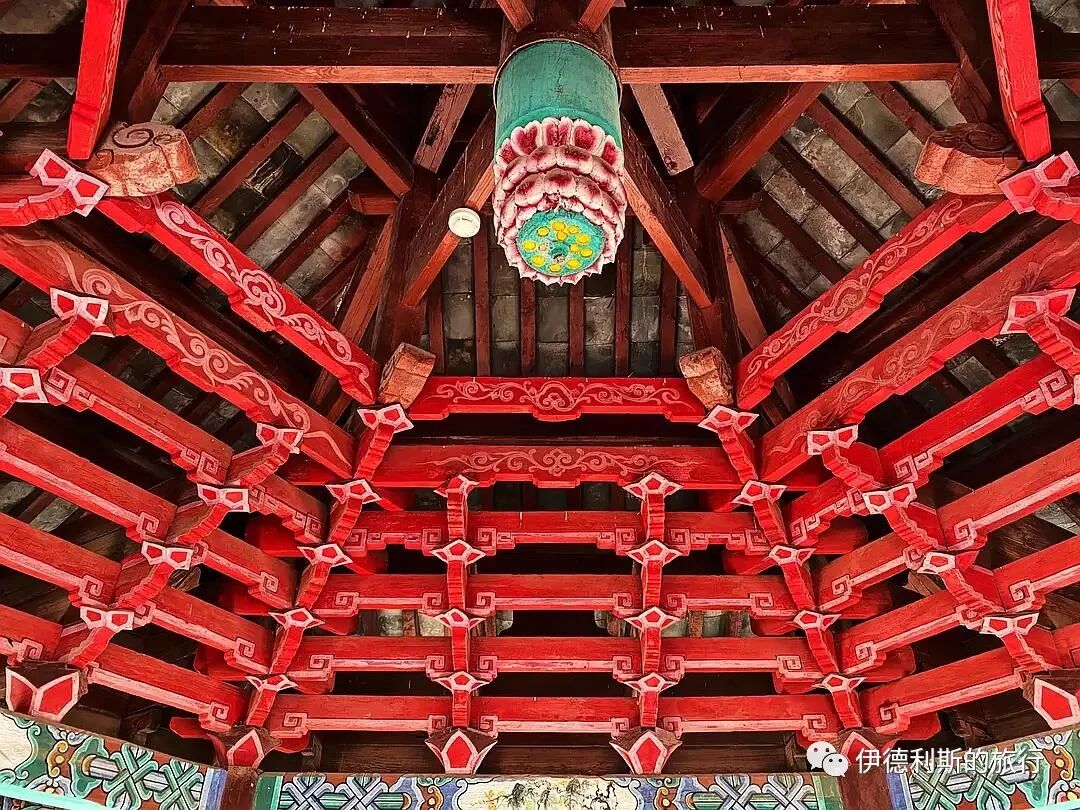
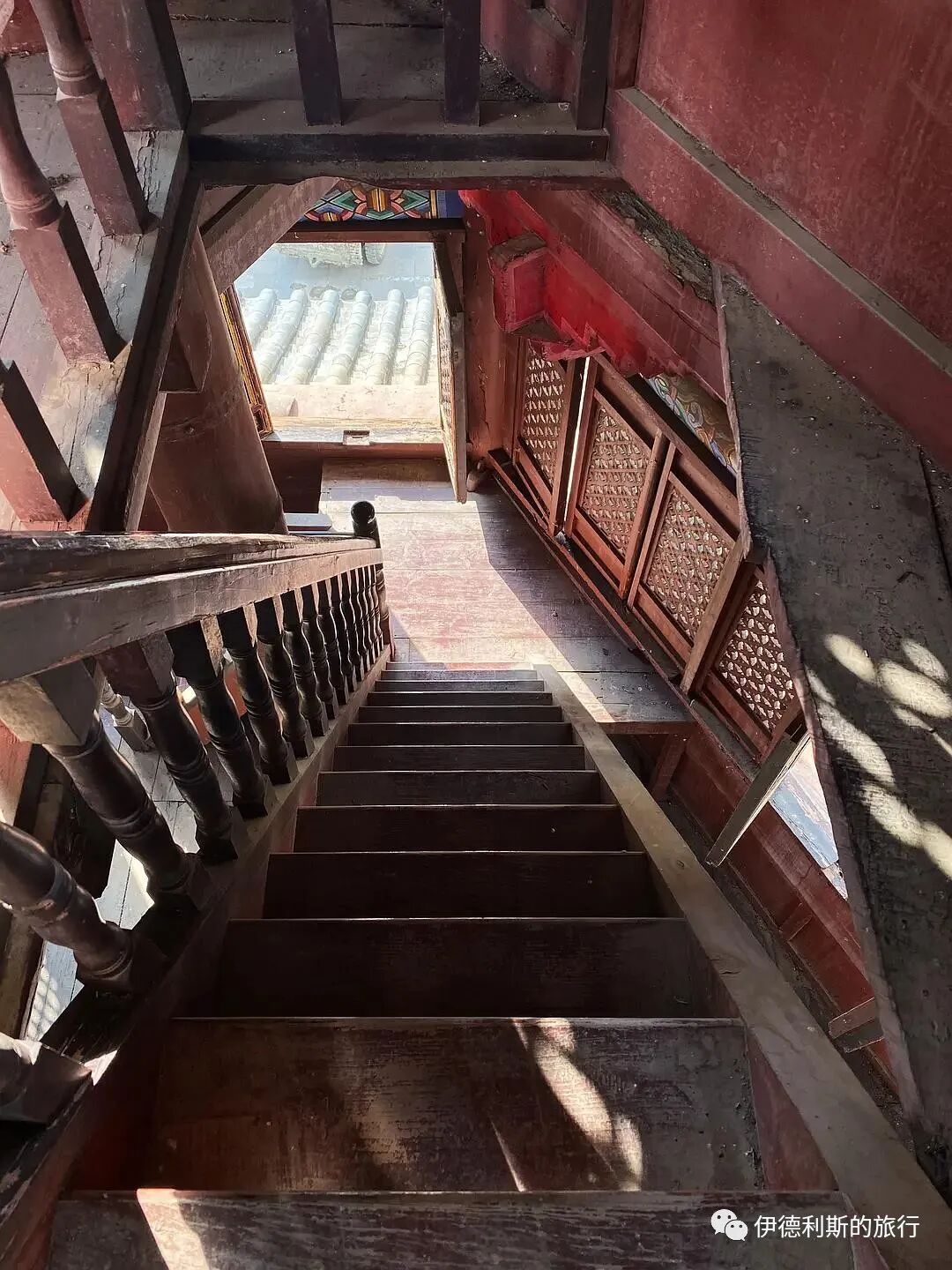
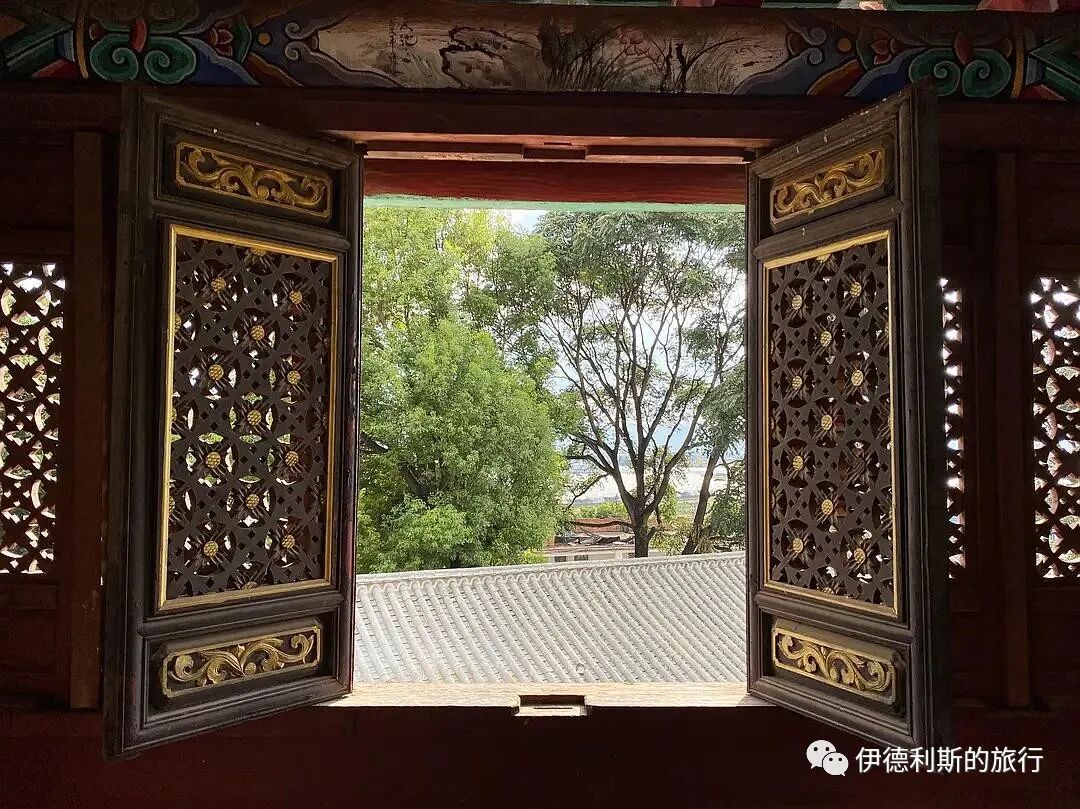
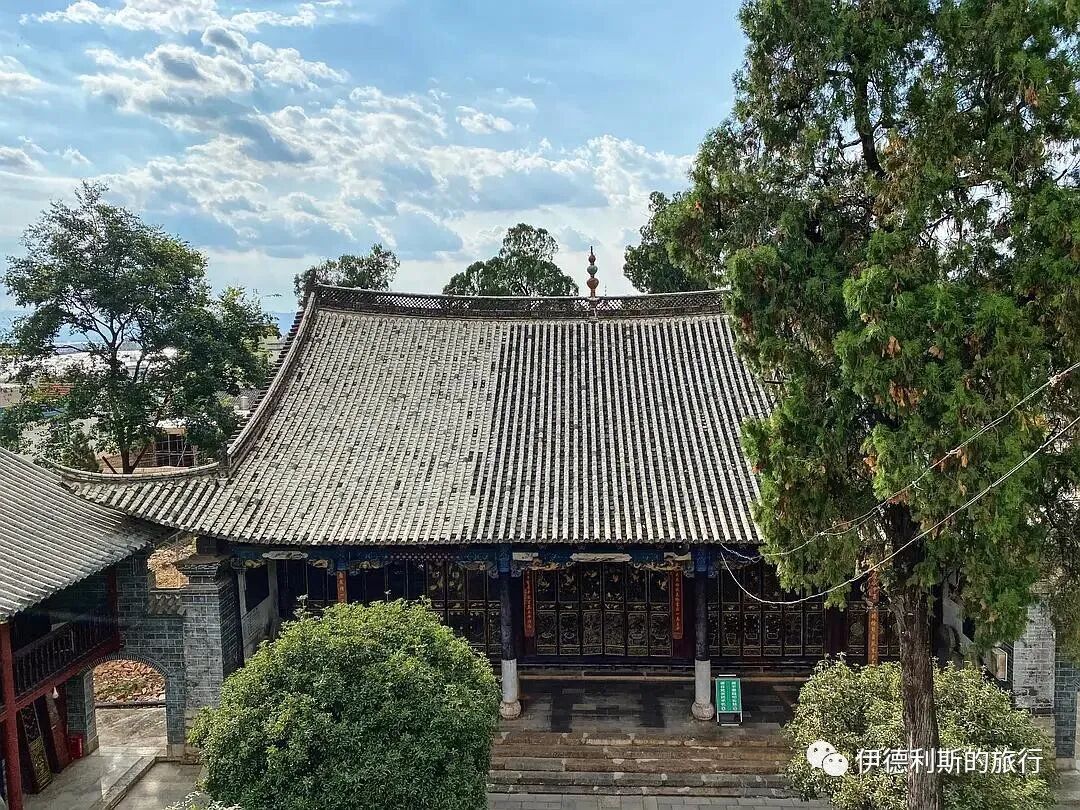
The main hall of the mosque features a single-eave hip-and-gable roof with bracket sets and upturned eaves. The front eave is deep, serving as a porch, and the architraves and brackets are decorated with intricate openwork carvings and paintings. The openwork carving on the 24 lattice doors of the main hall is considered the finest among traditional mosque architecture in Yunnan.
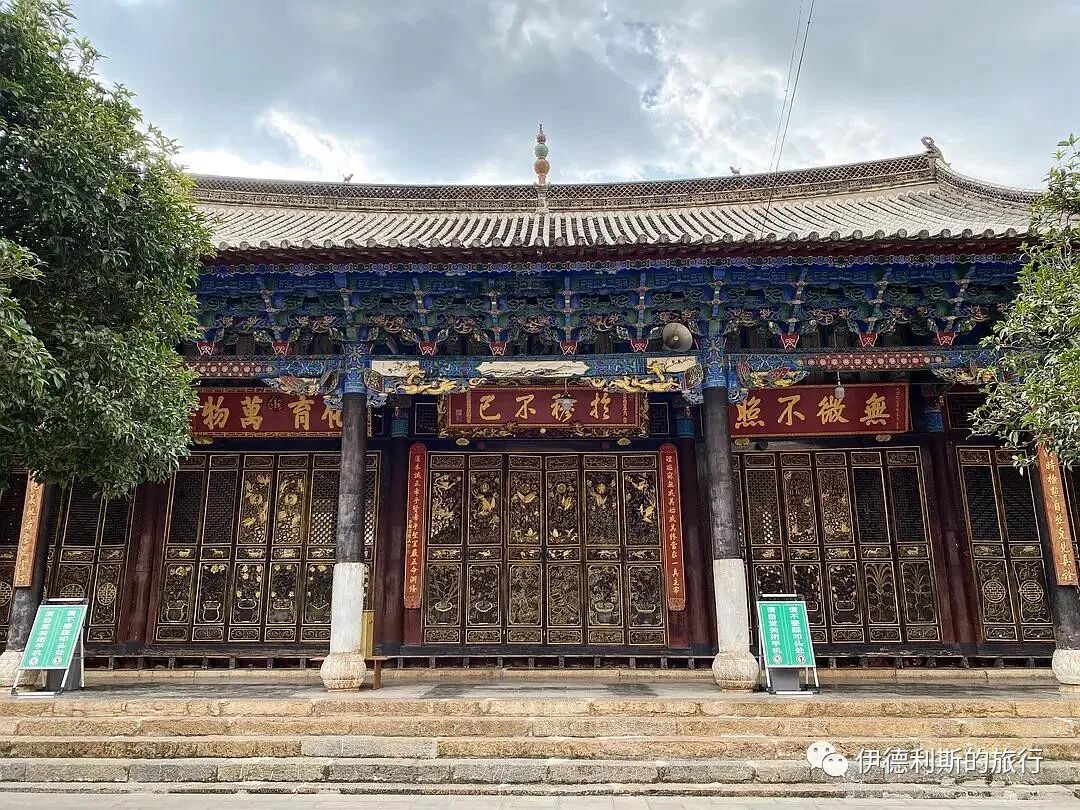
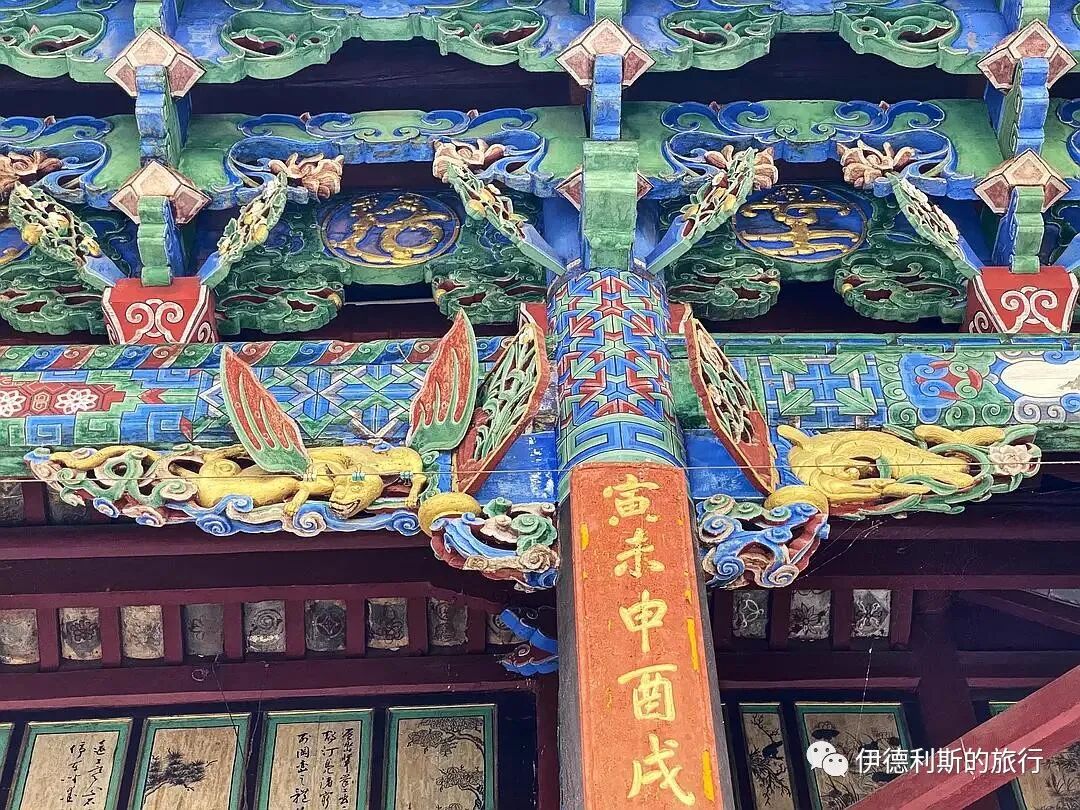
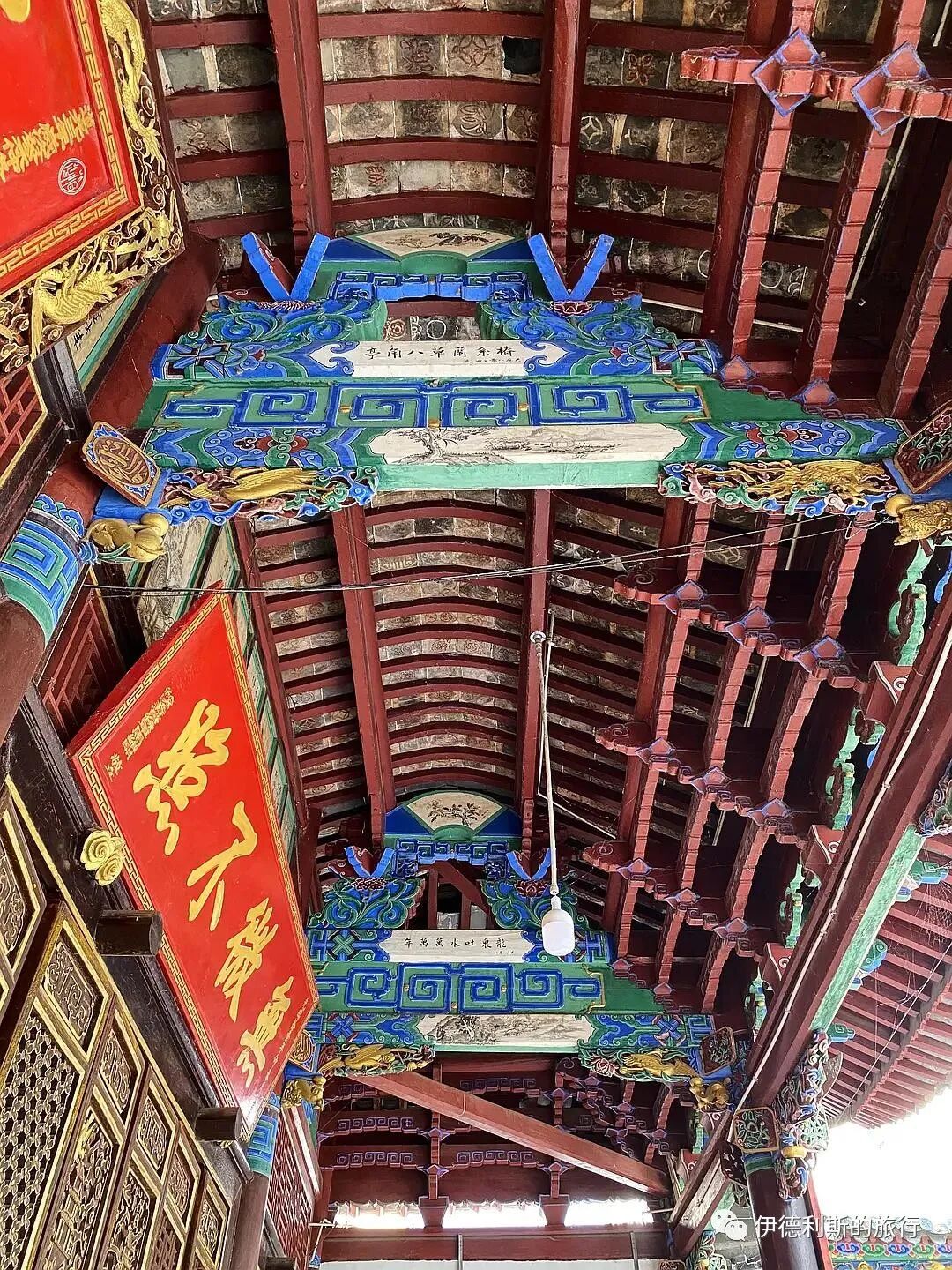
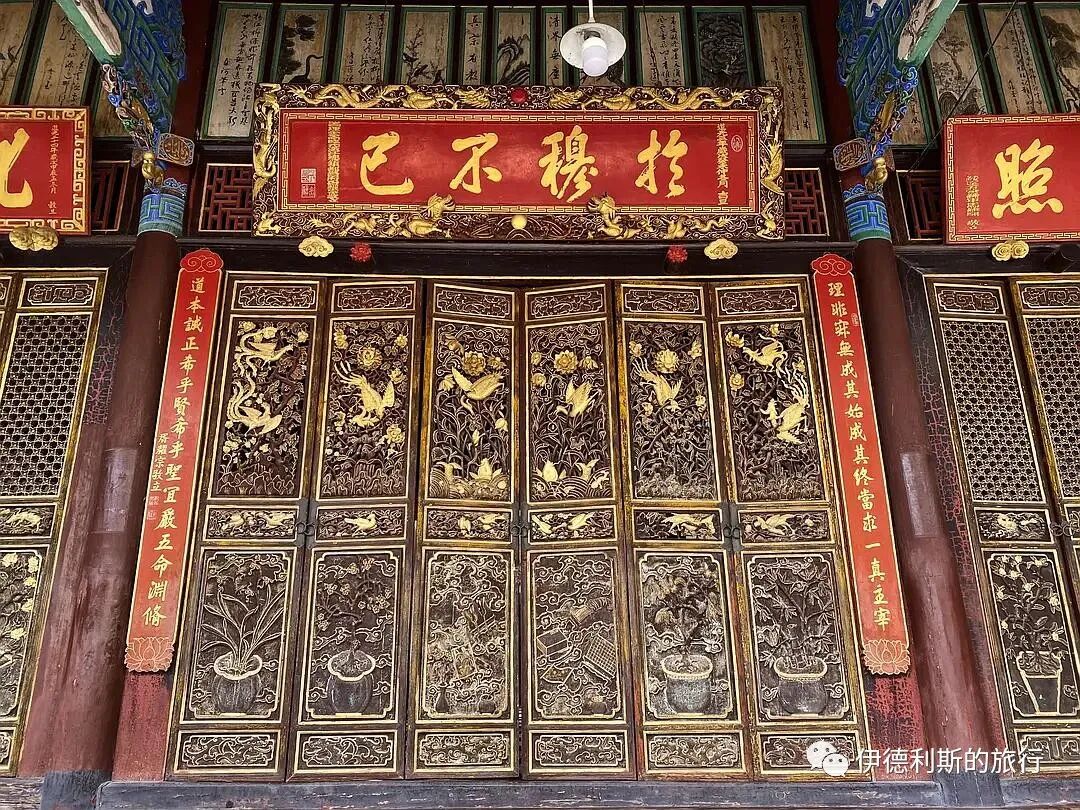
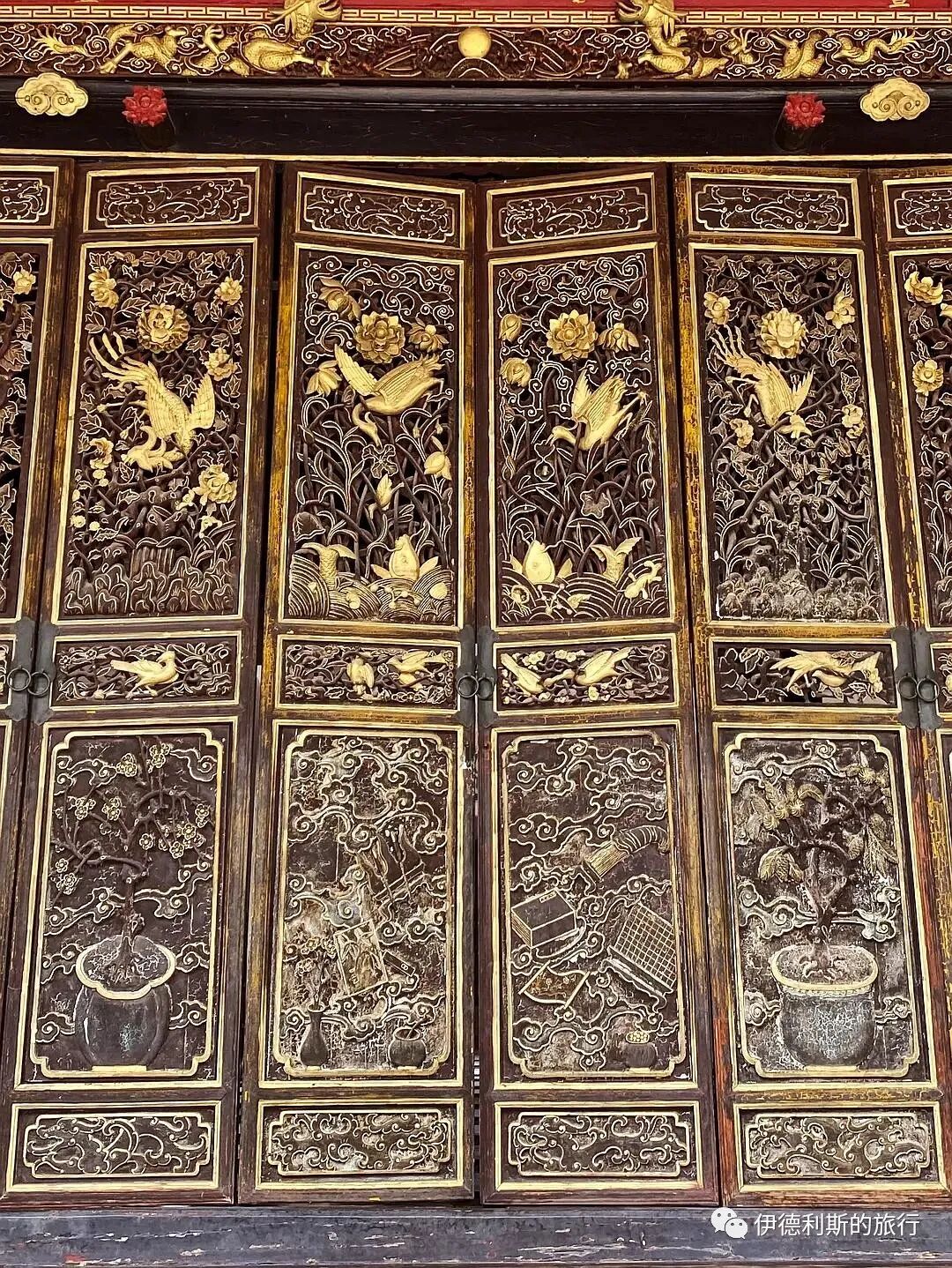
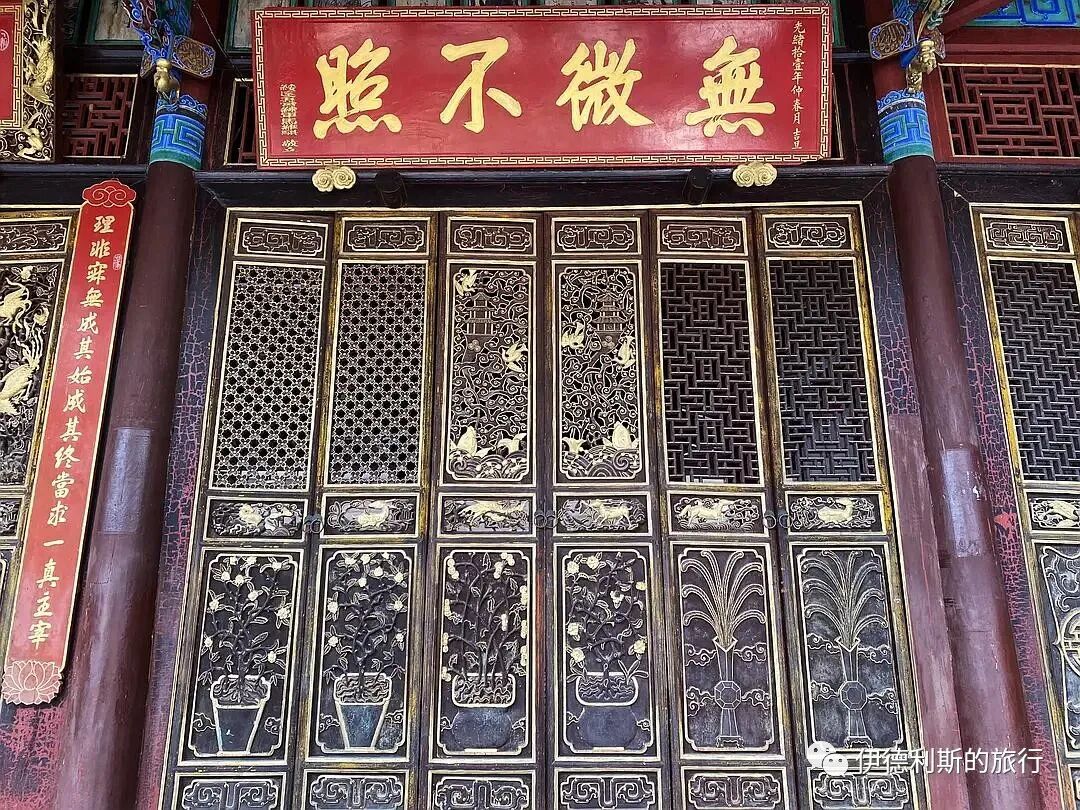
The main hall displays several plaques: one reading 'Yu Mu Bu Yi' presented in 1823 by Xu Yaozong, the commander of the Linyuan Chengjiang garrison; one reading 'Hua Yu Wan Wu' presented in 1844 by Ma Dingbang, the top-ranked military scholar of the imperial examinations; and one reading 'Wu Wei Bu Zhao' presented in 1885 by Ma Weiqi, a commander of the Suiyuan Left Battalion. There are also couplets presented by Xu Yaozong.
Ma Weiqi was the son of Ma Dingbang and a local from Dazhuang, Kaiyuan. A scholar-general of the late Qing Dynasty, he joined the army with his father at age 14. In 1883, he went to Vietnam to fight in the Sino-French War, where he led his own front and defeated the French army multiple times. Later, he served as the commander-in-chief in Sichuan for eight years.
Inside the mosque is a traditional-style mihrab prayer niche. Next to it is a unique scripture pavilion (cangjingting), which features a couplet written by Ma Chuqing, a successful candidate in the imperial examinations during the Dingyou year of the Qing dynasty.
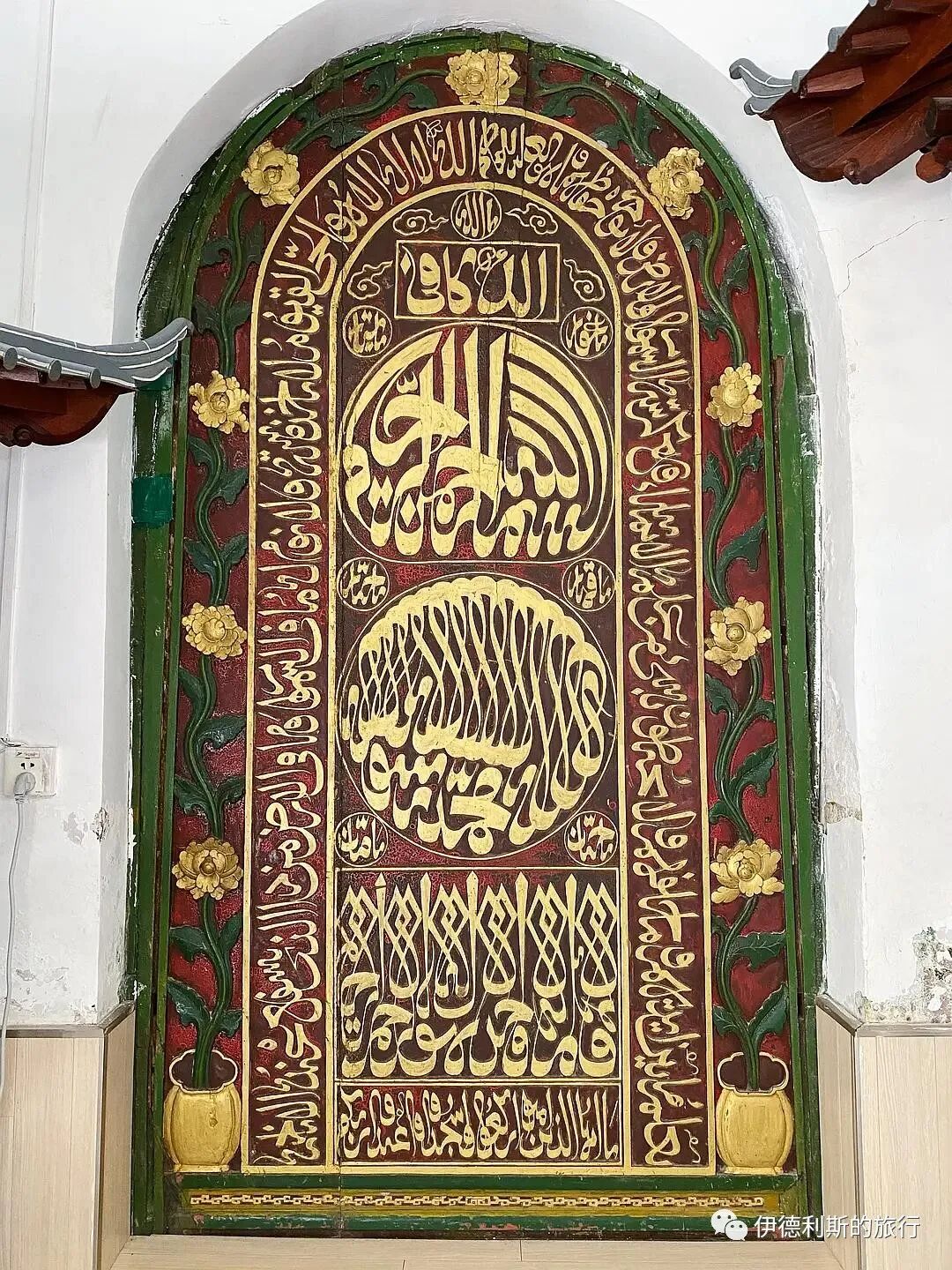
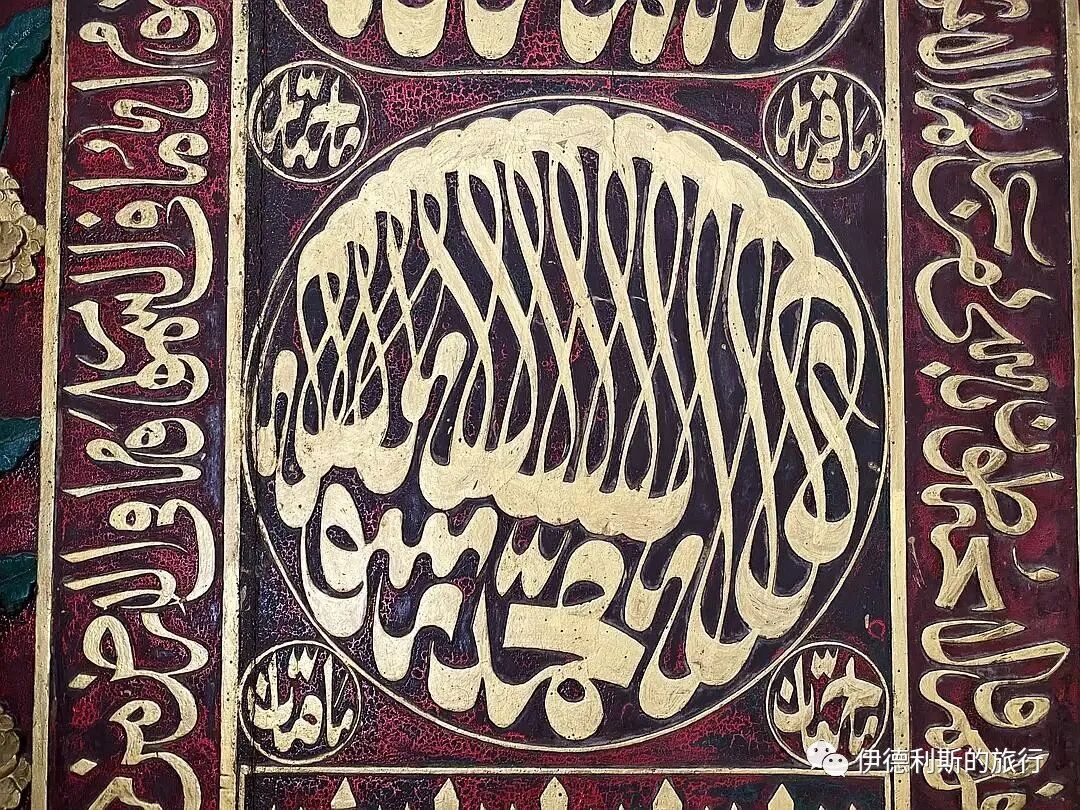
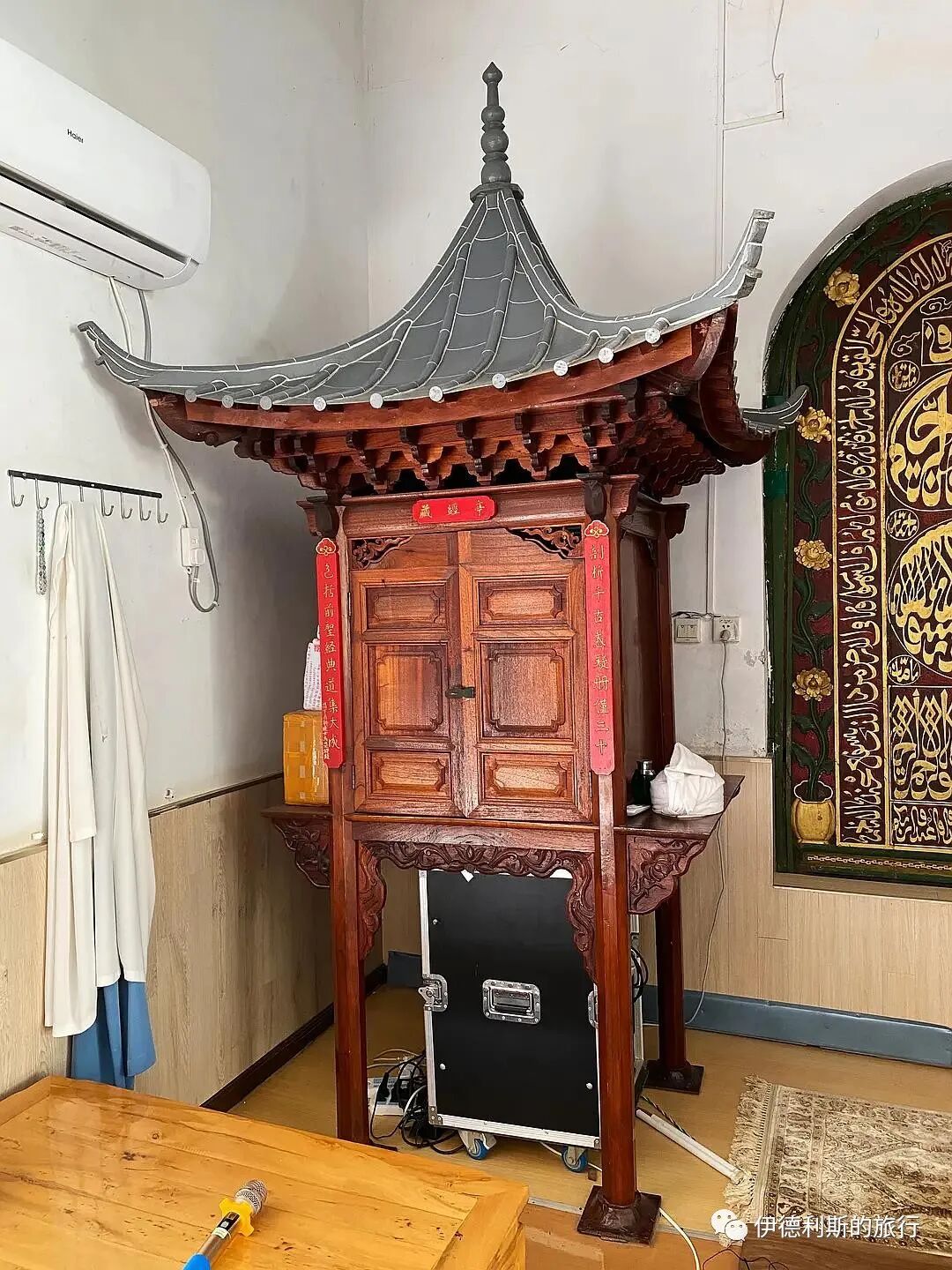
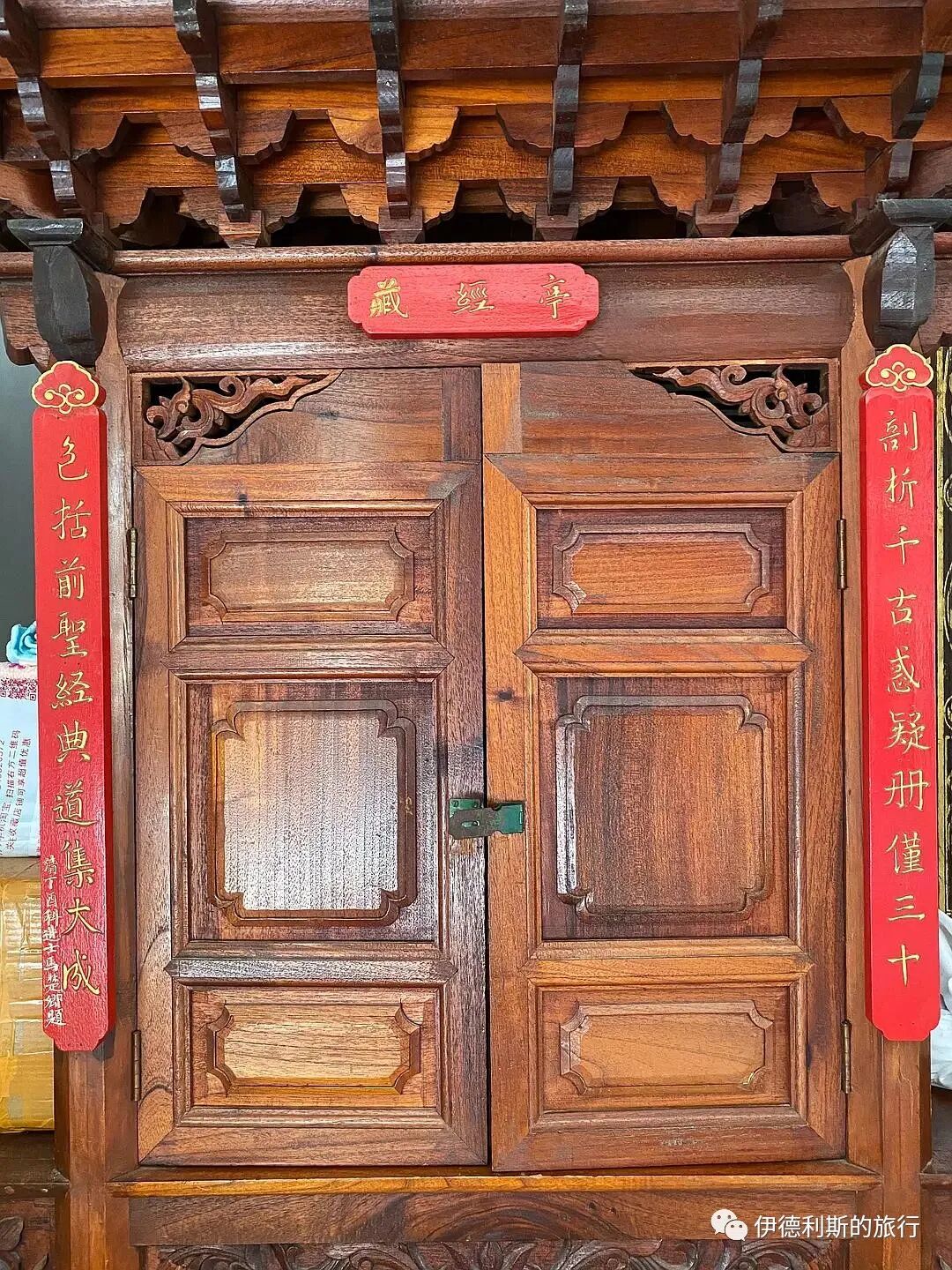
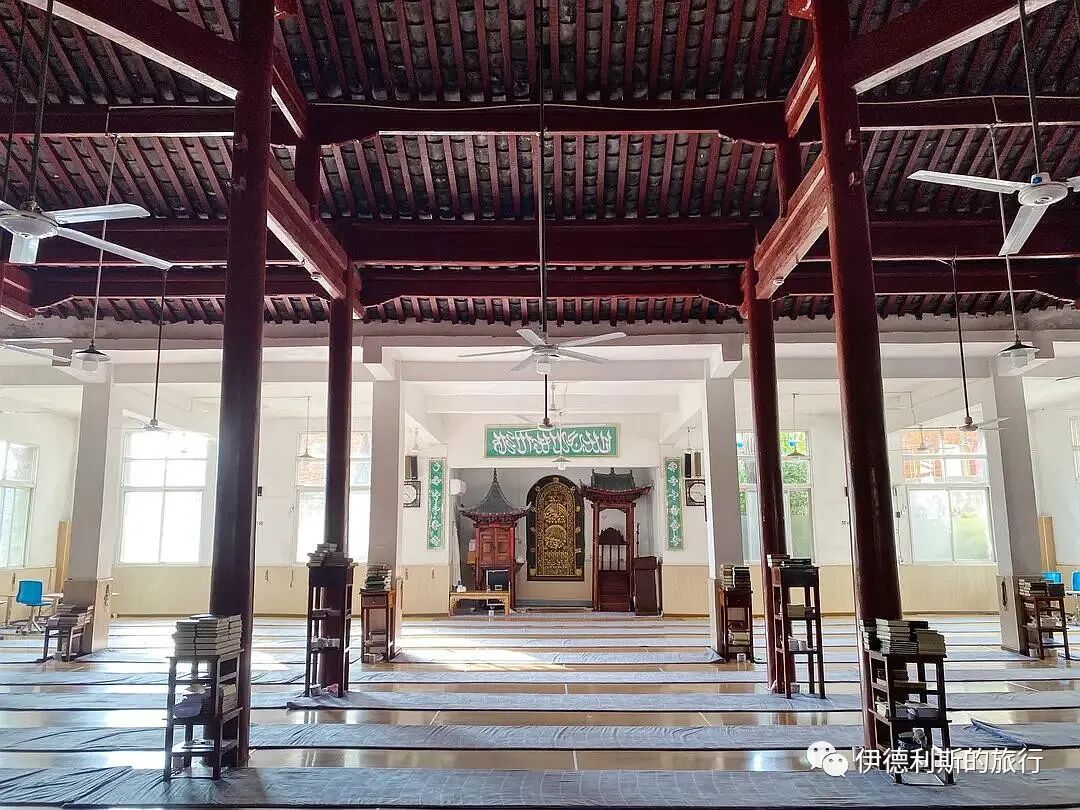
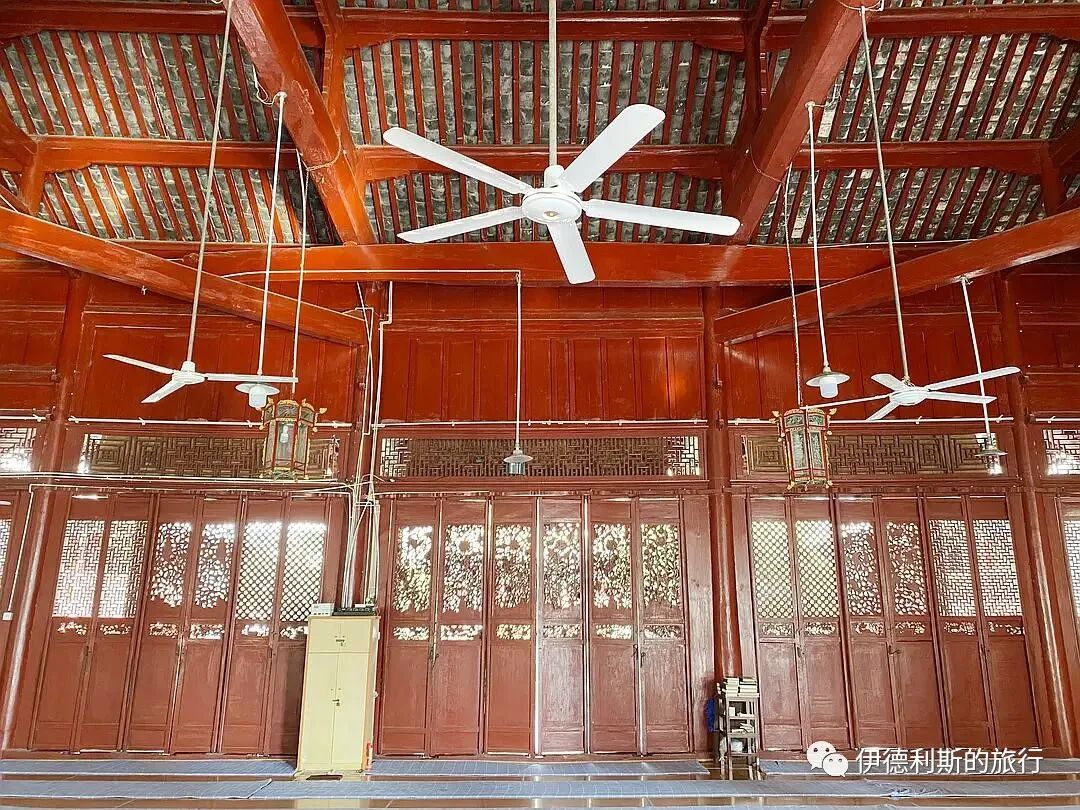
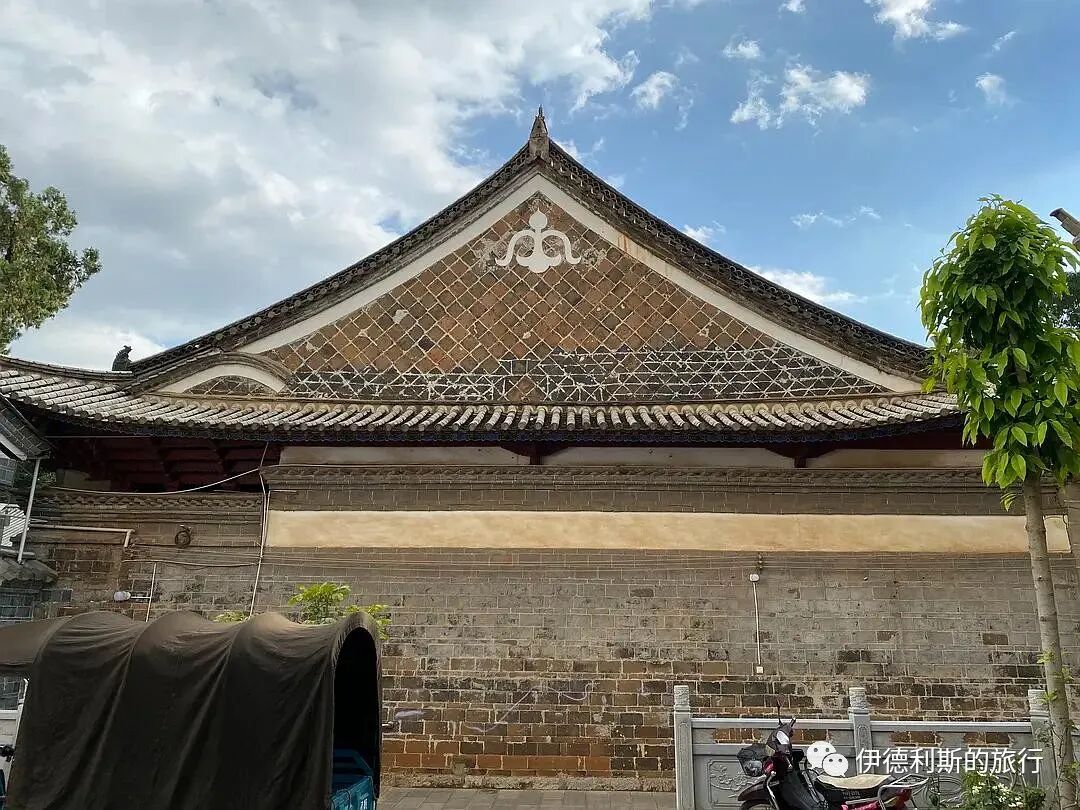
Beside the mosque is the Longquan Academy (Longquan Shuyuan), founded by Ma Weiqi in 1891. He once bought thousands of books and donated money to support education. In 1943, with the support of Kunming Mingde Middle School, the Dazhuang Branch of Kunming Mingde Middle School was established on the original site of the Longquan Academy. It is now the Dazhuang Mingde Middle School Exhibition Hall, but unfortunately, it was closed when I visited.
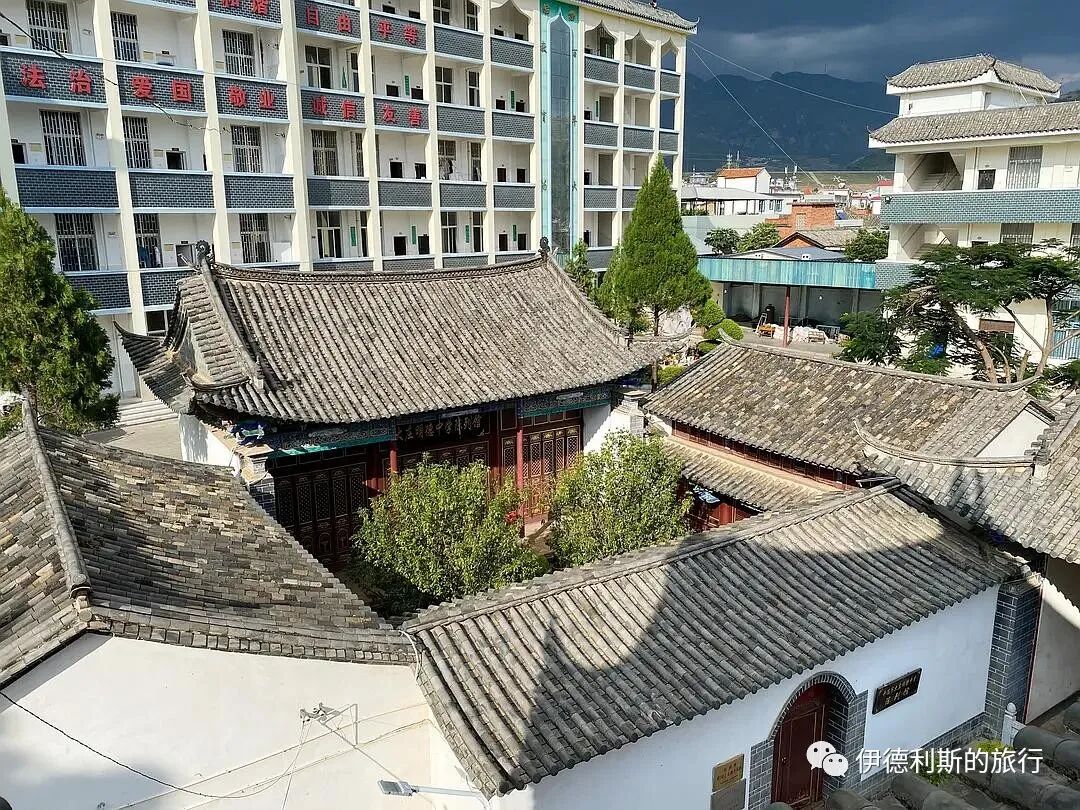
The original site of the Dazhuang Women's Mosque in Kaiyuan was the Dazhuang Old Mosque, first built during the Wanli period of the Ming dynasty. It was renamed the Old Mosque after the new mosque was built in Dazhuang in 1812. After the 20th century, several female teachers (shimu) were invited from Hexi and Najiaying in Yuxi to teach Islamic knowledge to young women at the Old Mosque. In the early 1930s, the Yude Girls' Chinese-Arabic School opened here, training many women with deep knowledge of the faith. The women's mosque was torn down in 1958. The current building is a reconstruction, and the only original items left are a pair of Qing dynasty drum-shaped stone door bases.
What shocked me most about Dazhuang Village in Kaiyuan was that almost every home had a Hajj plaque hanging by the door. It was my first time seeing so many Hajis in one village.
Halal Travel Guide: Jianshui Old City — Yunnan History, Mosques and Food
Articles • ali2007fr posted the article • 0 comments • 202 views • 2026-05-17 12:27
Summary: Jianshui Old City — Yunnan History, Mosques and Food is presented here as a firsthand travel account in clear English, beginning with this scene: Author: Zainab. The account keeps its focus on Jianshui Travel, Yunnan Travel, Muslim Heritage while preserving the names, places, food, and historical details from the Chinese source.
Author: Zainab
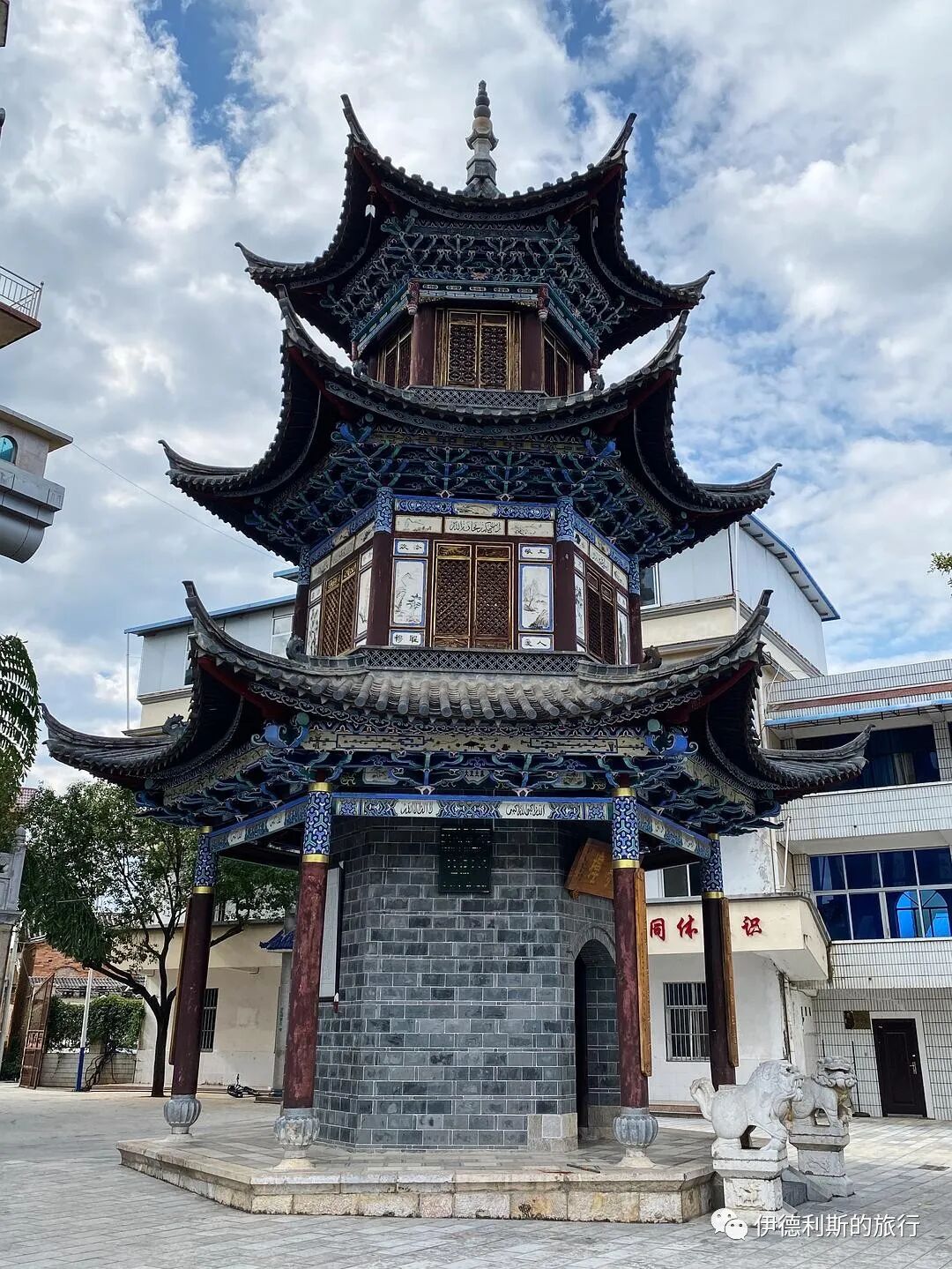
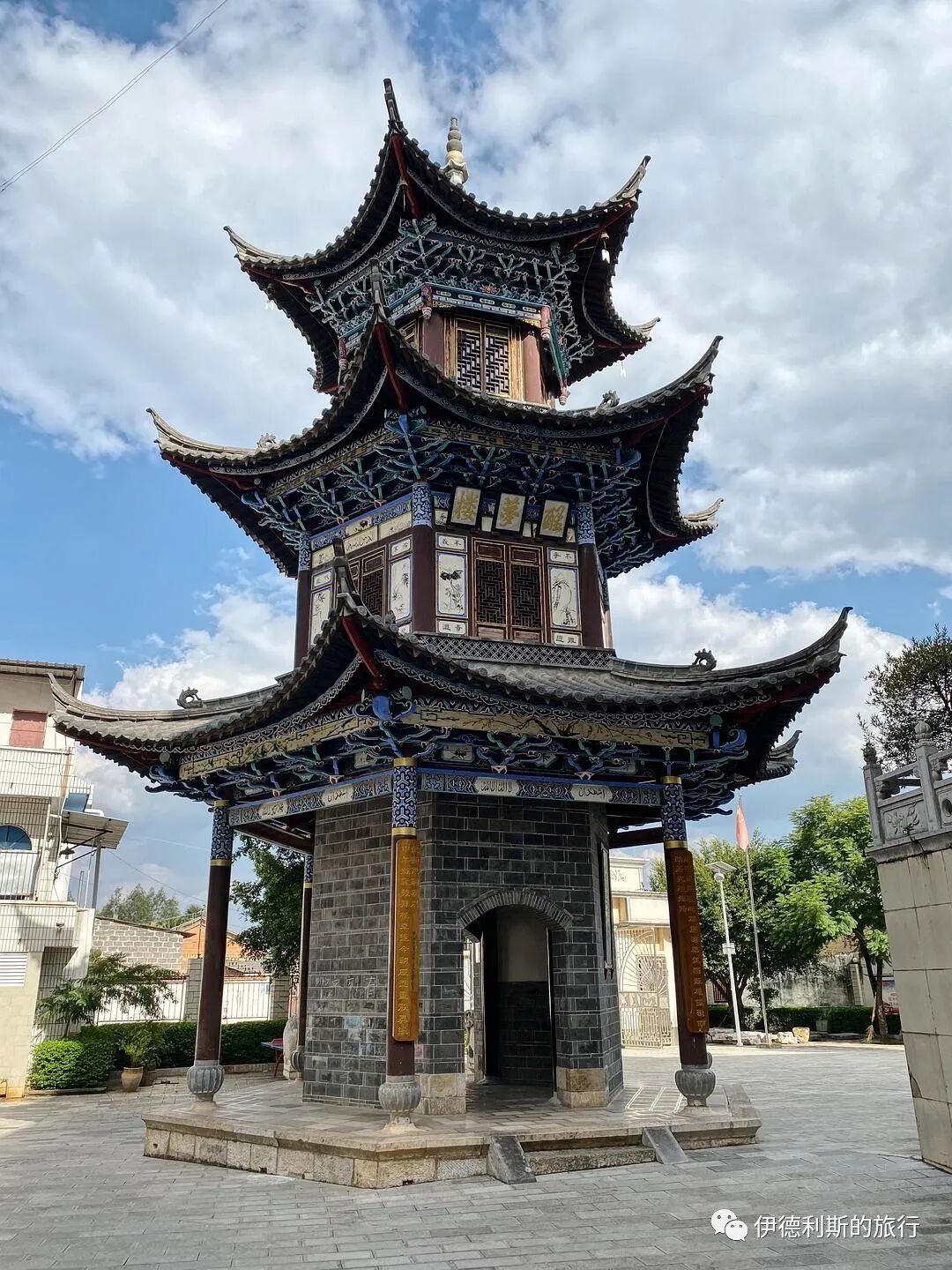
On October 5th at noon, we left Najiaying in Yuxi for Jianshui. We passed by the Guanyi Mosque in Qujiang, which houses the Awakening Dream Pavilion (Xingmeng Lou) built during the Qing Dynasty. The Awakening Dream Pavilion was first built in 1687 (the 26th year of the Kangxi reign) and was originally called the Awakening Heart Pavilion (Xingxin Lou). It was renamed the Prayer Pavilion (Bailou) after being rebuilt in 1752 (the 17th year of the Qianlong reign).
The mosque also keeps several stone lions in the local style, along with a plaque inscribed with the words "Vast, Refined, and Subtle" (Guangda Jingwei) erected in 1917 by Yunnan Army Major General Ma Wenzhong and Army Major Na Fuxing.
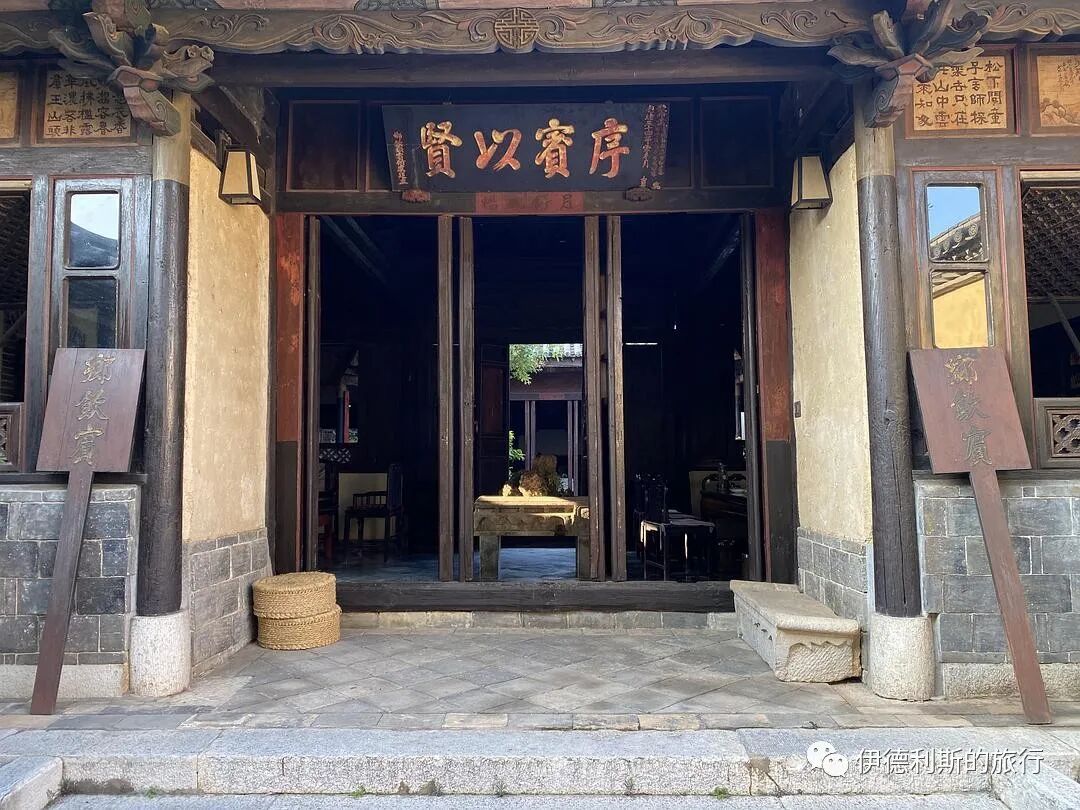
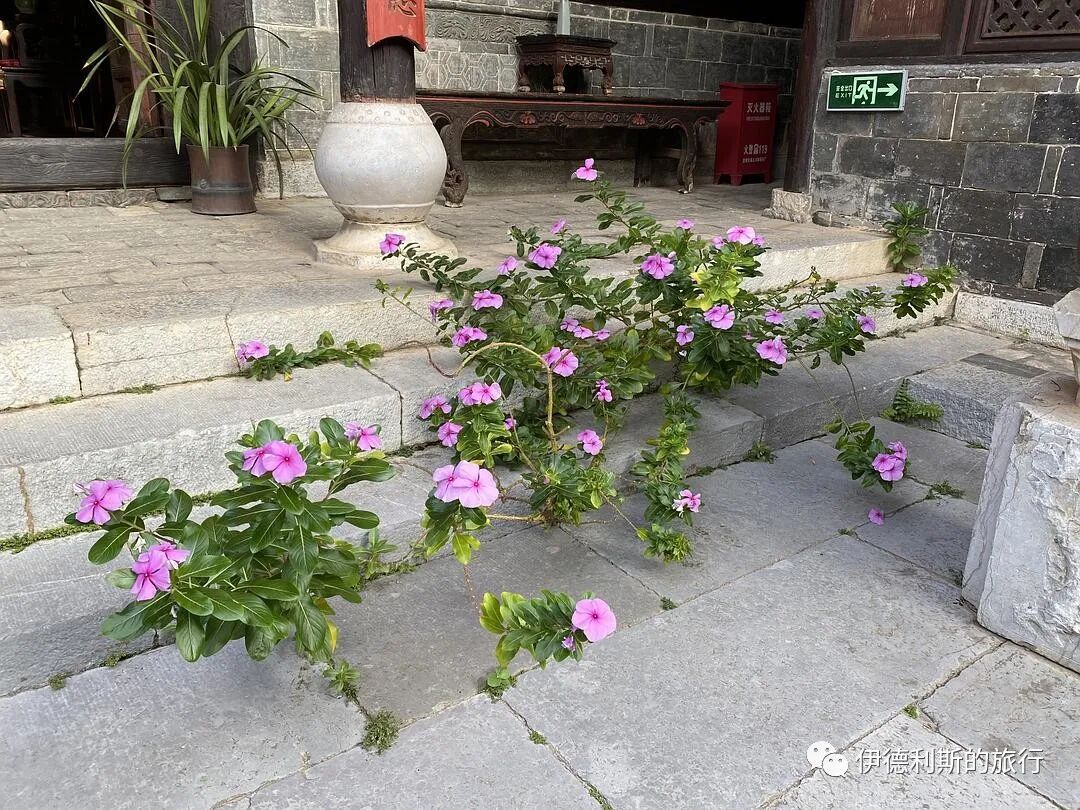
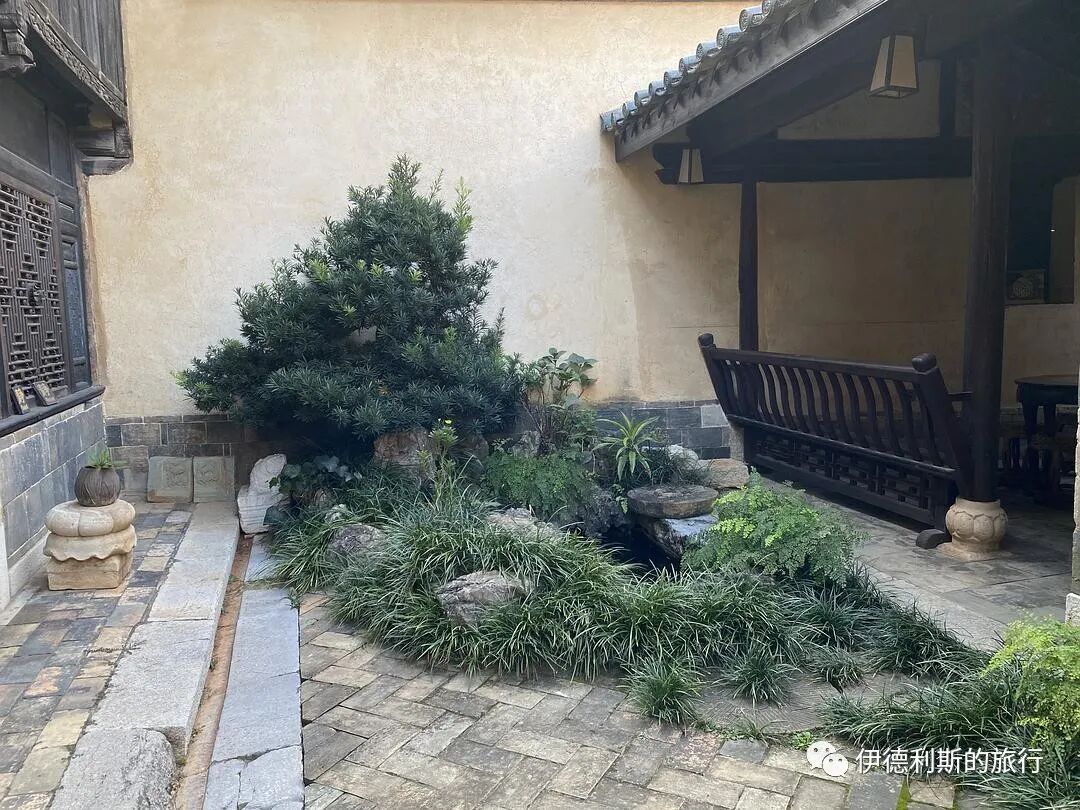
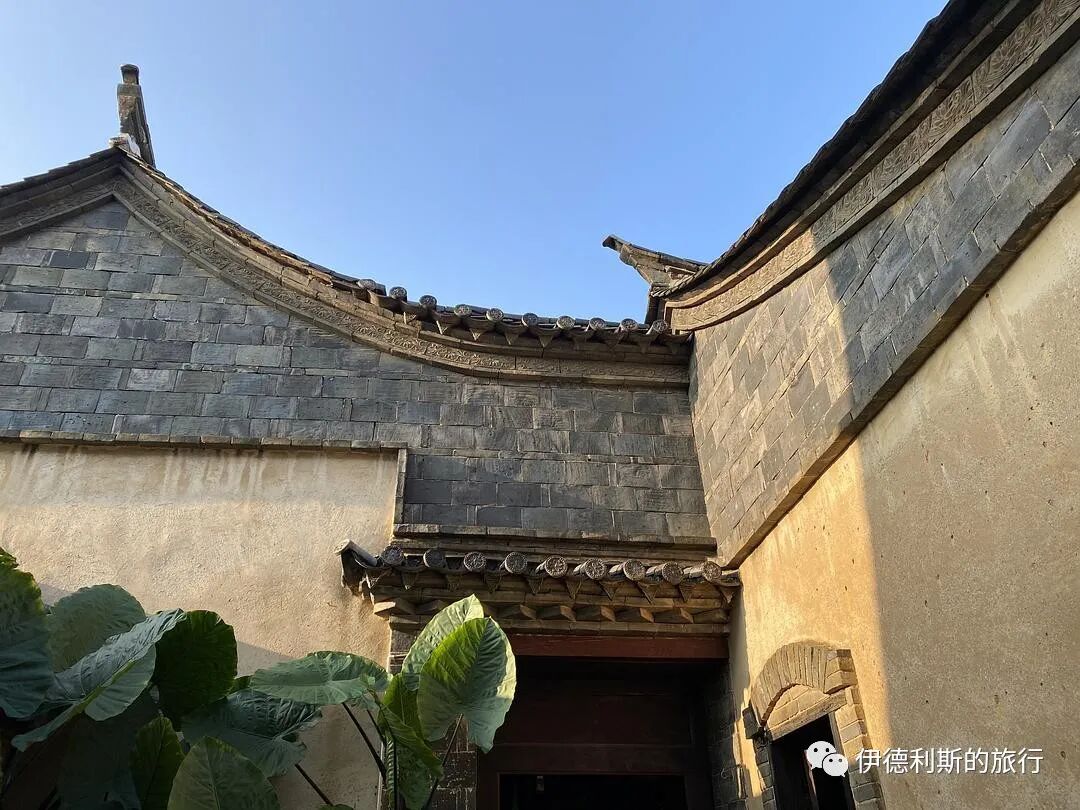
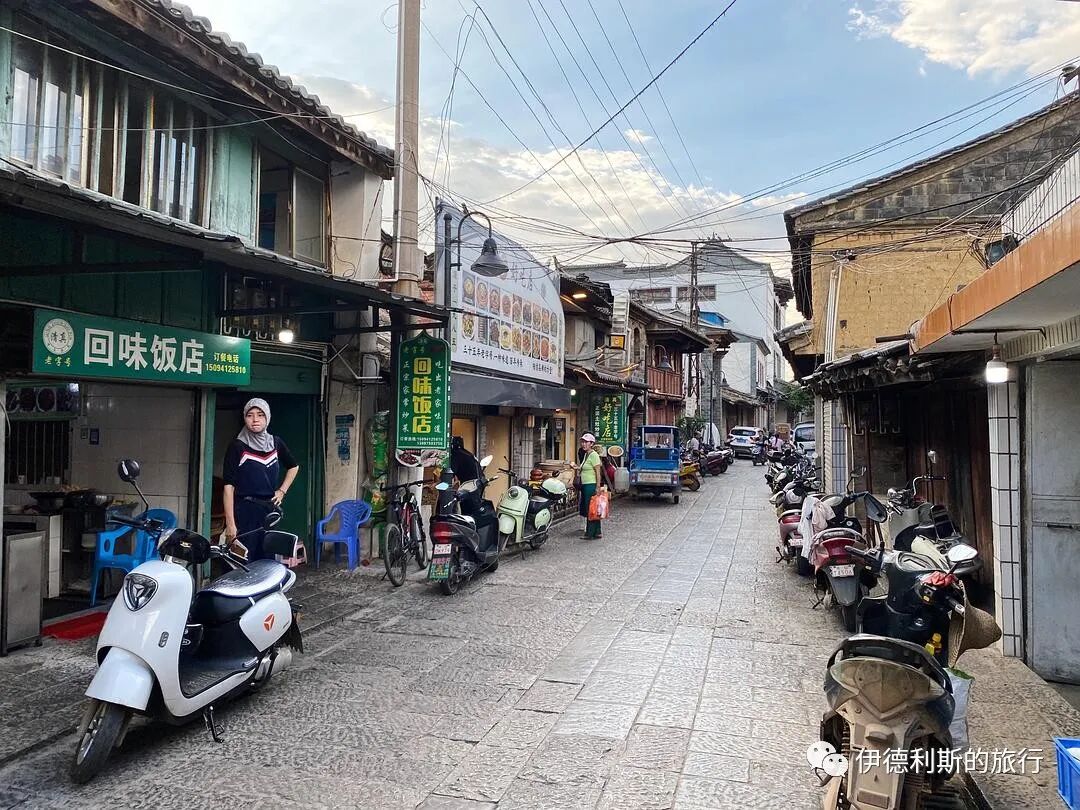
We traveled south from Guanyi to the Jianshui Ancient City and stayed at an old house inn called Xianting. It was very quiet and unique, and it had not been overdeveloped.
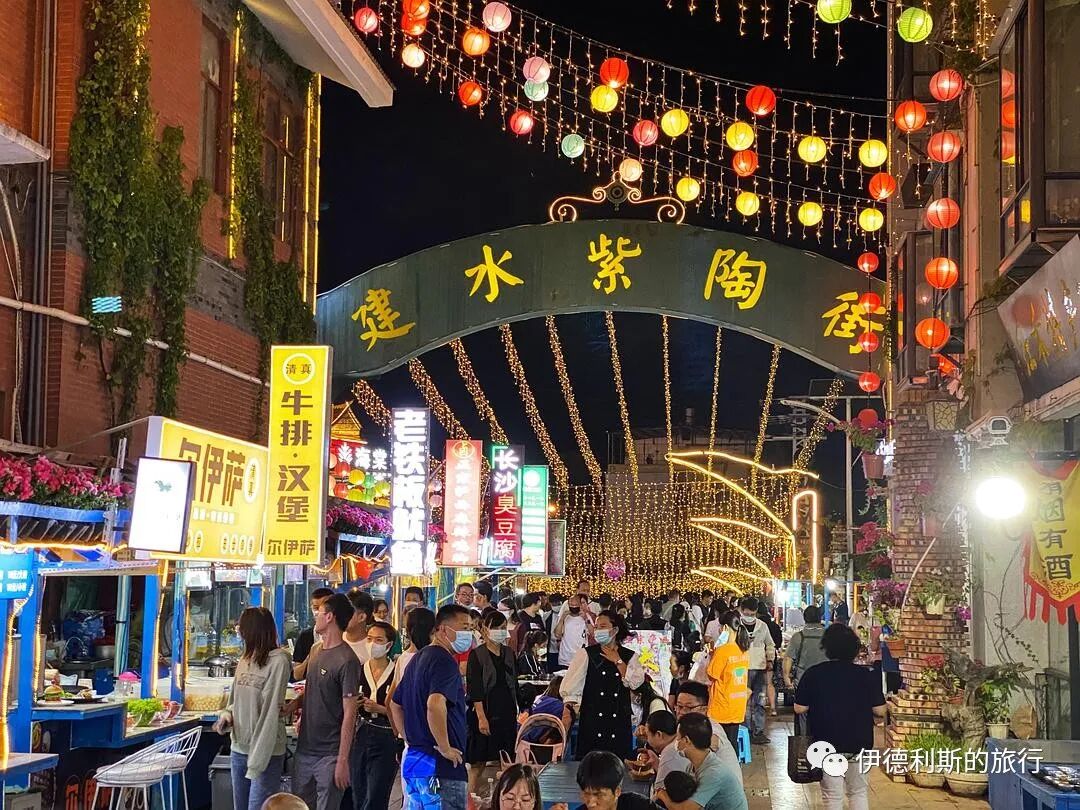
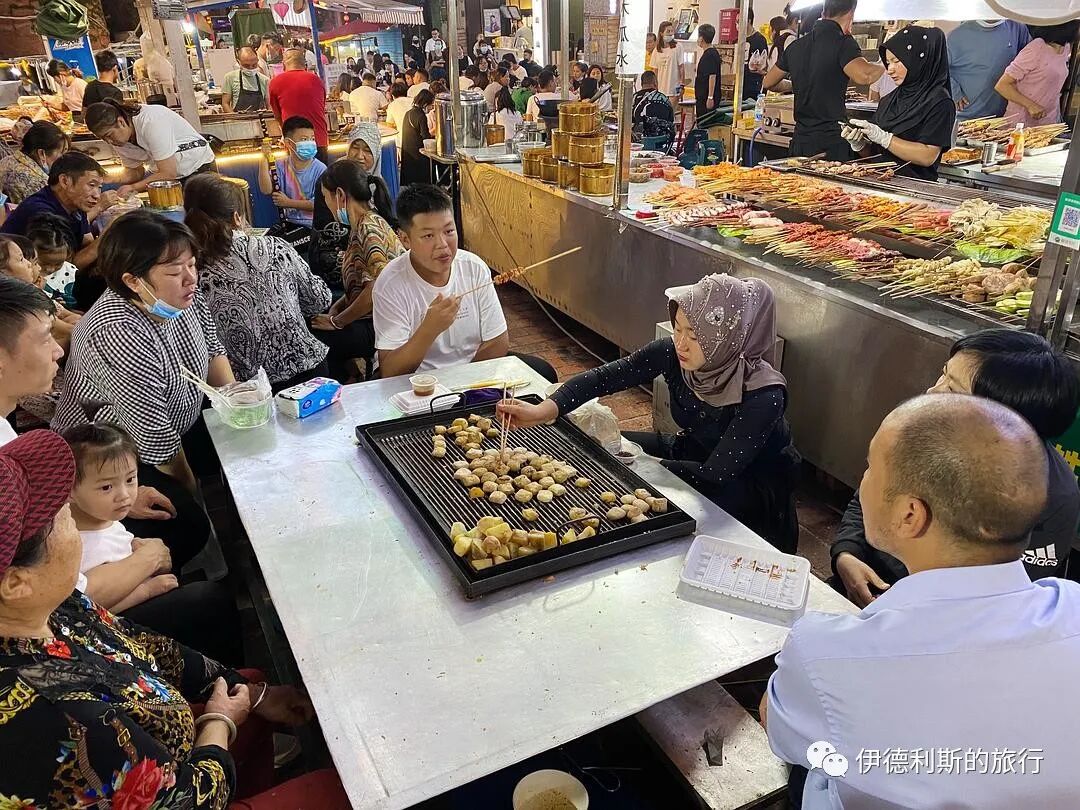
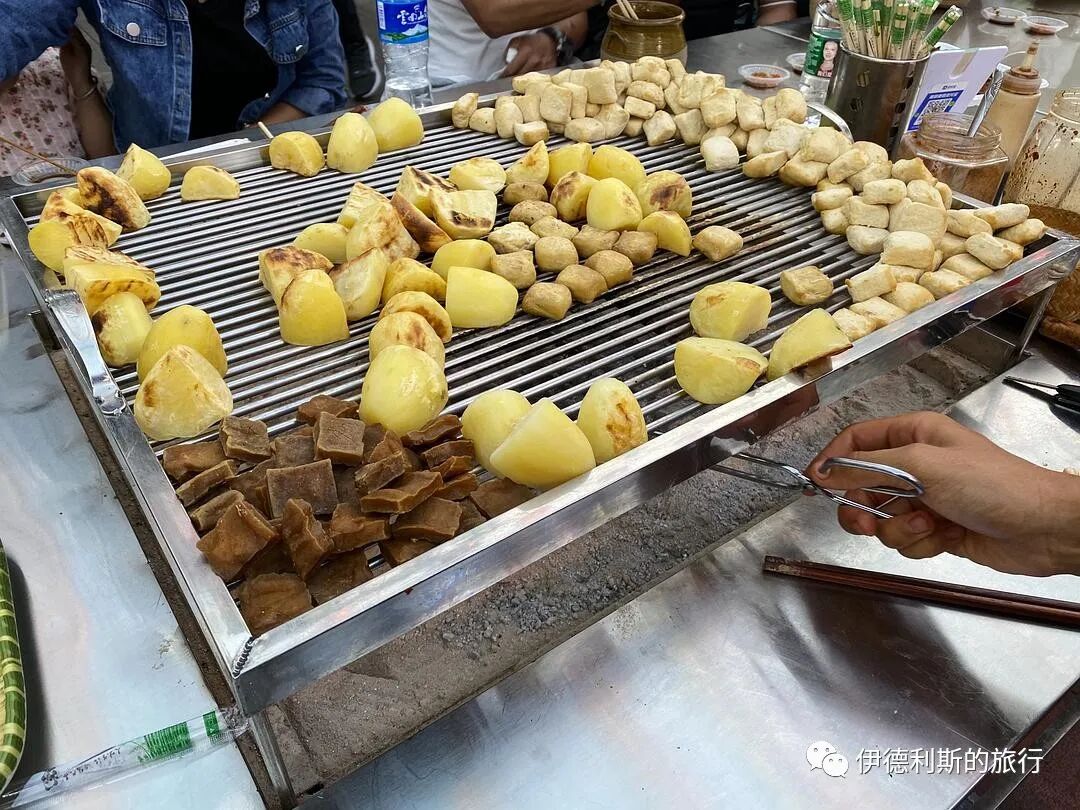
In the evening, we went to the famous Zitao Street for a late-night snack. There were so many halal stalls on Zitao Street! The main items were grilled tofu, grilled potatoes, and grilled meat skewers. Of course, there were also various types of cattail shoot rice noodles (caoya mixian), tilapia, and pounded chicken feet. There was just too much to eat! We started with a fruit bowl, then had grilled skewers, grilled tofu, and grilled potatoes. Having lived in Beijing for a long time, it had been ages since I visited such a lively night market.
Actually, the area around Xiaogui Lake outside the Chaoyang Tower in Jianshui Ancient City is also very lively at night, with many halal restaurants. If you stay near Chaoyang Tower, you don't really need to go all the way to Zitao Street to have a great night out.
At the Zitao Street night market, we drank pomegranate juice and ate local clay pot rice (guanguan fan) and corn cakes (yumi baba).
On the morning of October 6th, we ate the local specialty, cattail shoot bridge-crossing rice noodles, on Mashi Street near the Chaoyang Tower in the old city of Jianshui. We also bought beef jerky mooncakes (niu ganba yuebing) and purple rice lion cakes (zimi shizi gao) to eat on the road.
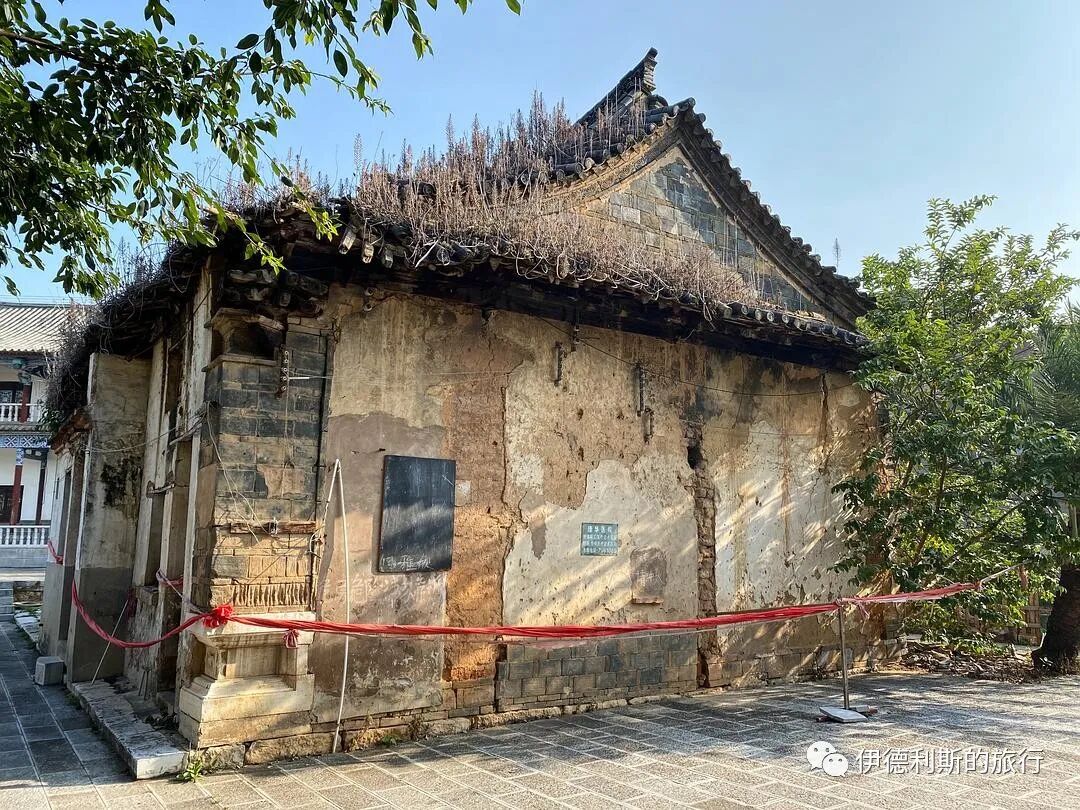
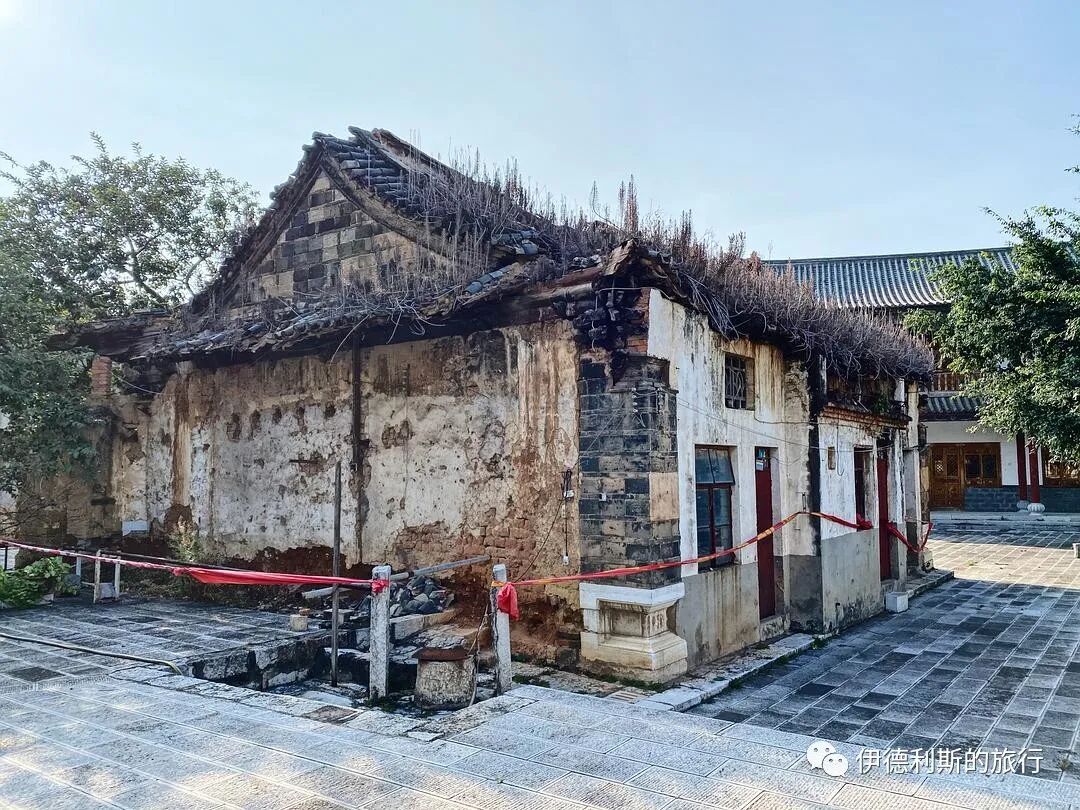
According to the inscriptions inside, the Jianshui Ancient City Mosque was first built during the Huangqing era of the Yuan Dynasty and is the oldest mosque in southern Yunnan. The existing main hall was rebuilt in 1730 (the 8th year of the Yongzheng reign) and features a simplified hip-and-gable roof typical of the Jianshui region.
The beam structure of the east-facing hall of the Jianshui Ancient City Mosque is simple and sturdy, and it is believed to be original woodwork from the Yuan Dynasty. view all
Summary: Jianshui Old City — Yunnan History, Mosques and Food is presented here as a firsthand travel account in clear English, beginning with this scene: Author: Zainab. The account keeps its focus on Jianshui Travel, Yunnan Travel, Muslim Heritage while preserving the names, places, food, and historical details from the Chinese source.
Author: Zainab
On October 5th at noon, we left Najiaying in Yuxi for Jianshui. We passed by the Guanyi Mosque in Qujiang, which houses the Awakening Dream Pavilion (Xingmeng Lou) built during the Qing Dynasty. The Awakening Dream Pavilion was first built in 1687 (the 26th year of the Kangxi reign) and was originally called the Awakening Heart Pavilion (Xingxin Lou). It was renamed the Prayer Pavilion (Bailou) after being rebuilt in 1752 (the 17th year of the Qianlong reign).
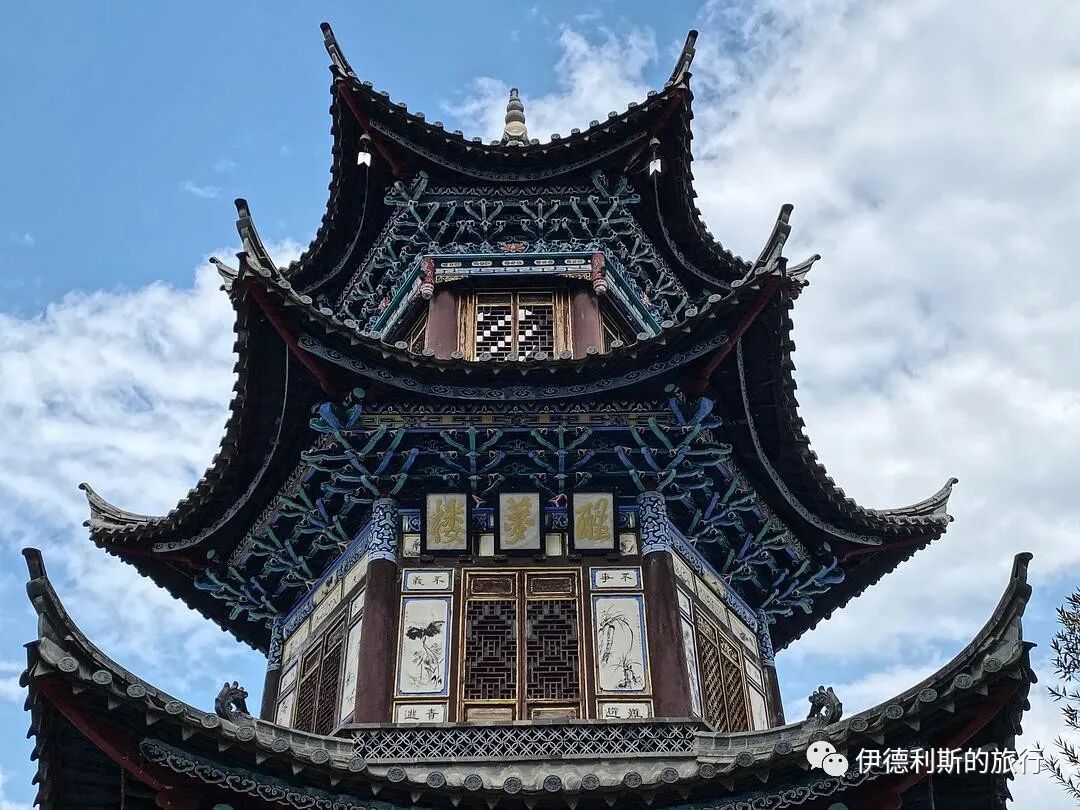
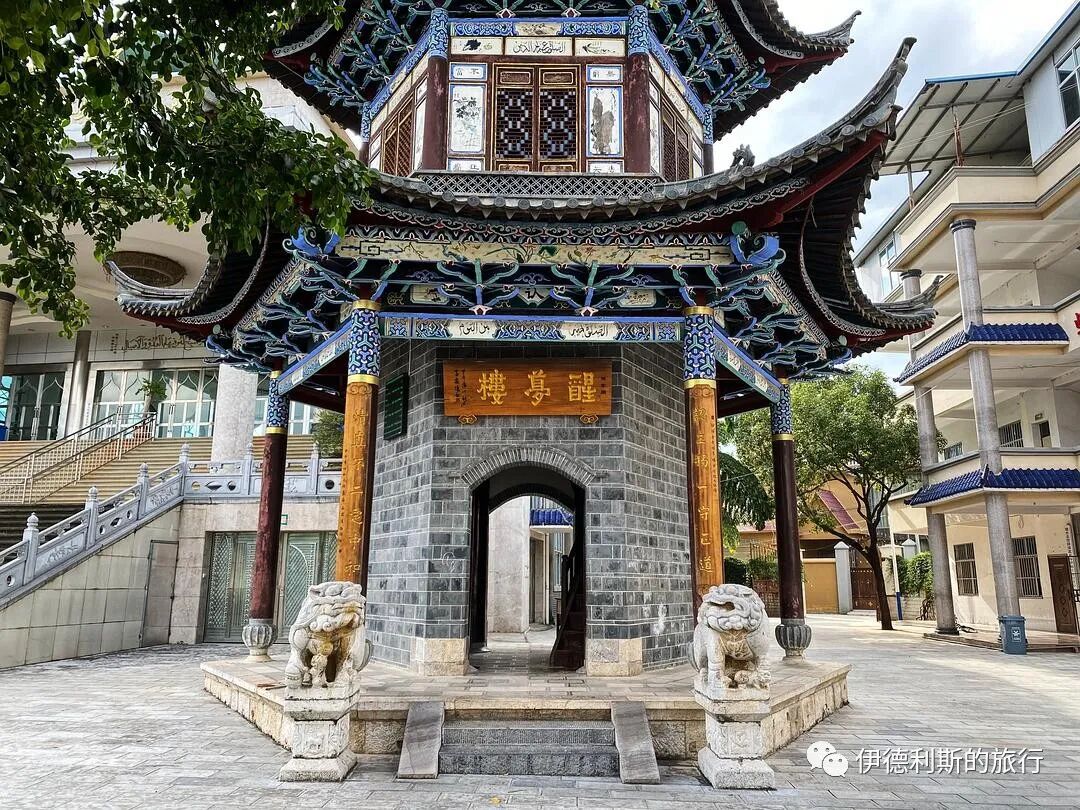
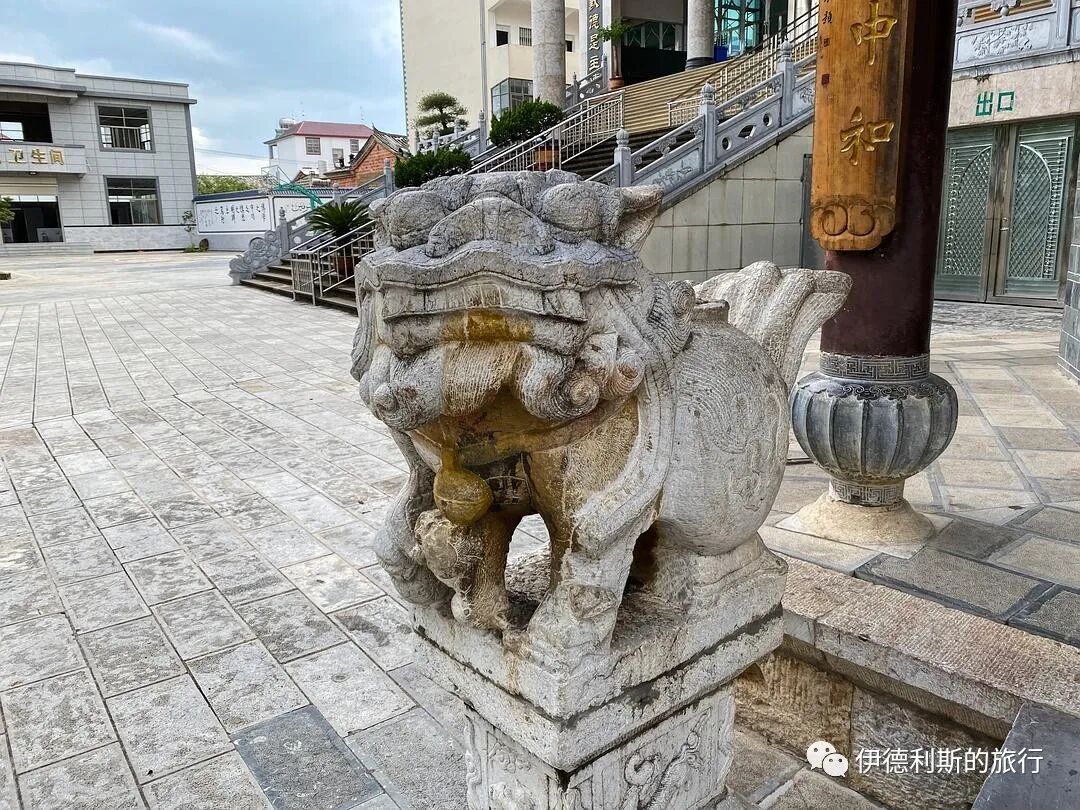
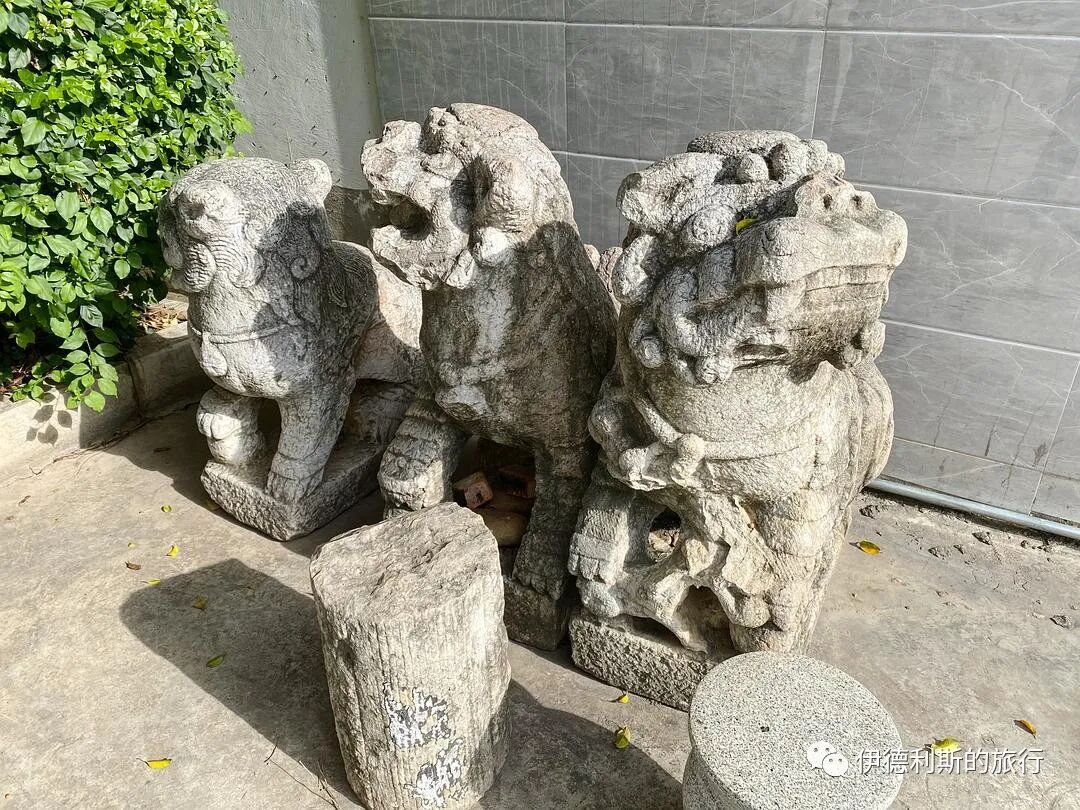
The mosque also keeps several stone lions in the local style, along with a plaque inscribed with the words "Vast, Refined, and Subtle" (Guangda Jingwei) erected in 1917 by Yunnan Army Major General Ma Wenzhong and Army Major Na Fuxing.
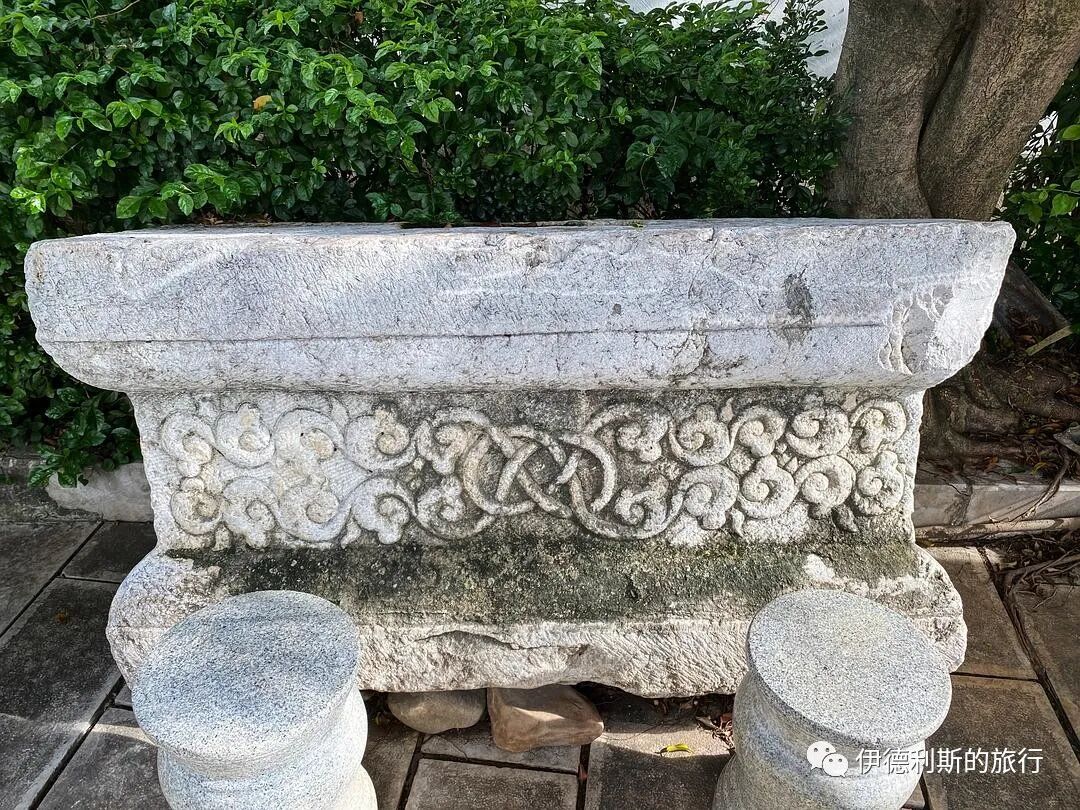
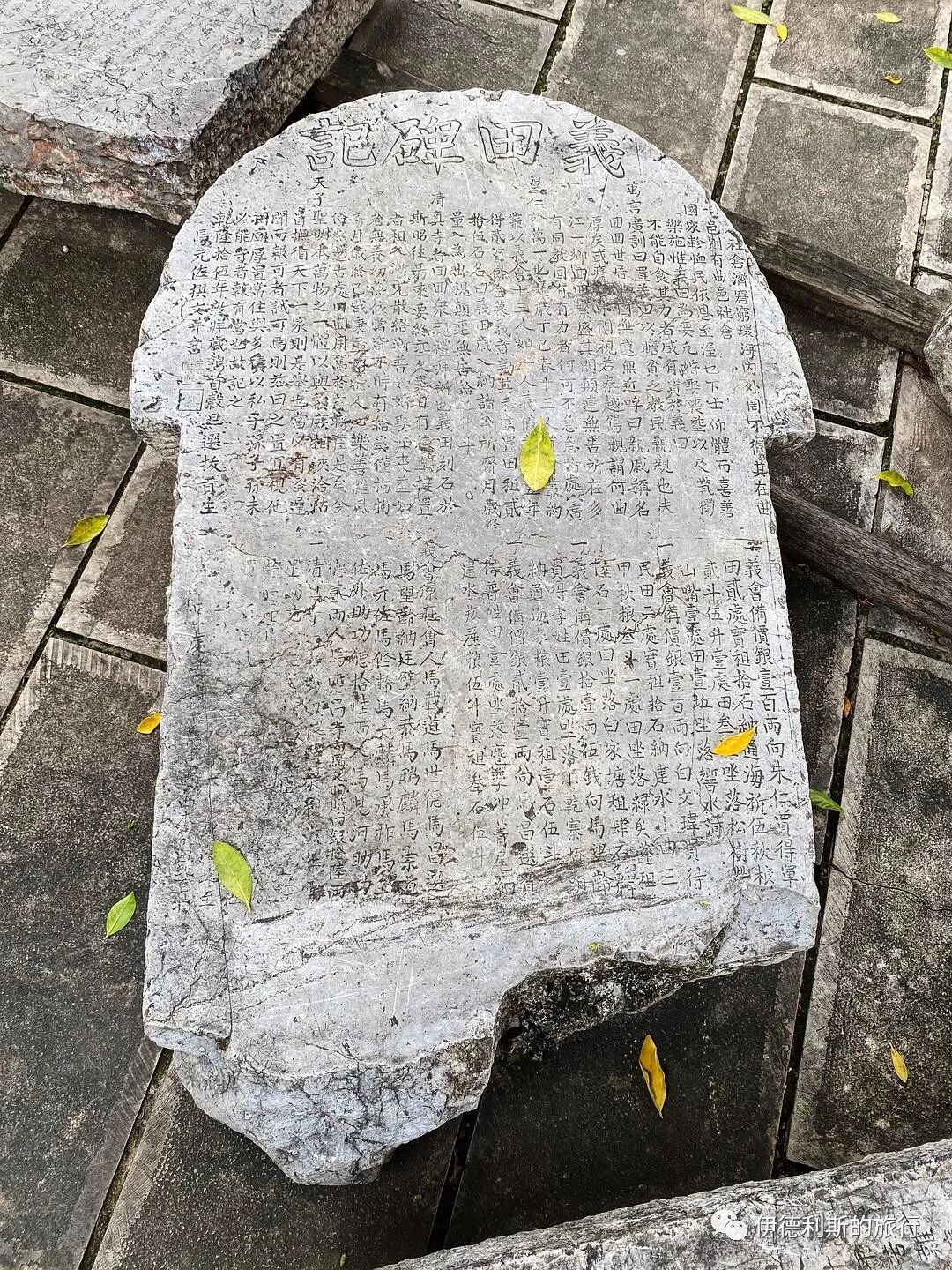
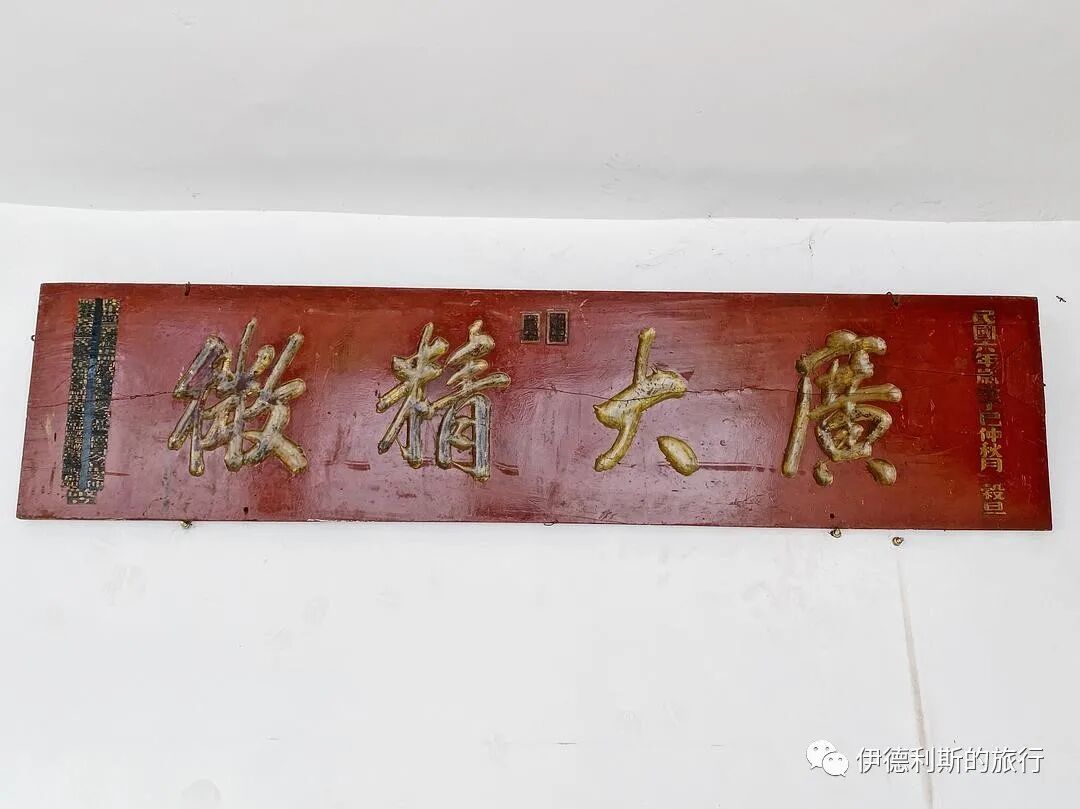
We traveled south from Guanyi to the Jianshui Ancient City and stayed at an old house inn called Xianting. It was very quiet and unique, and it had not been overdeveloped.
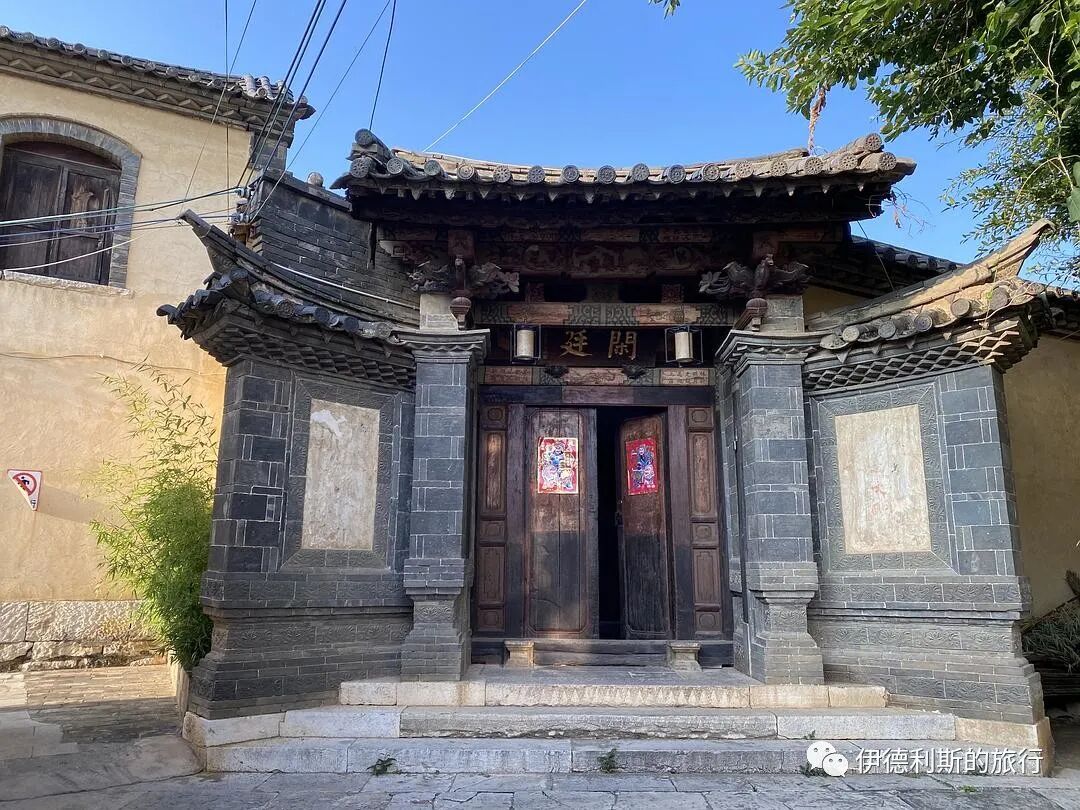
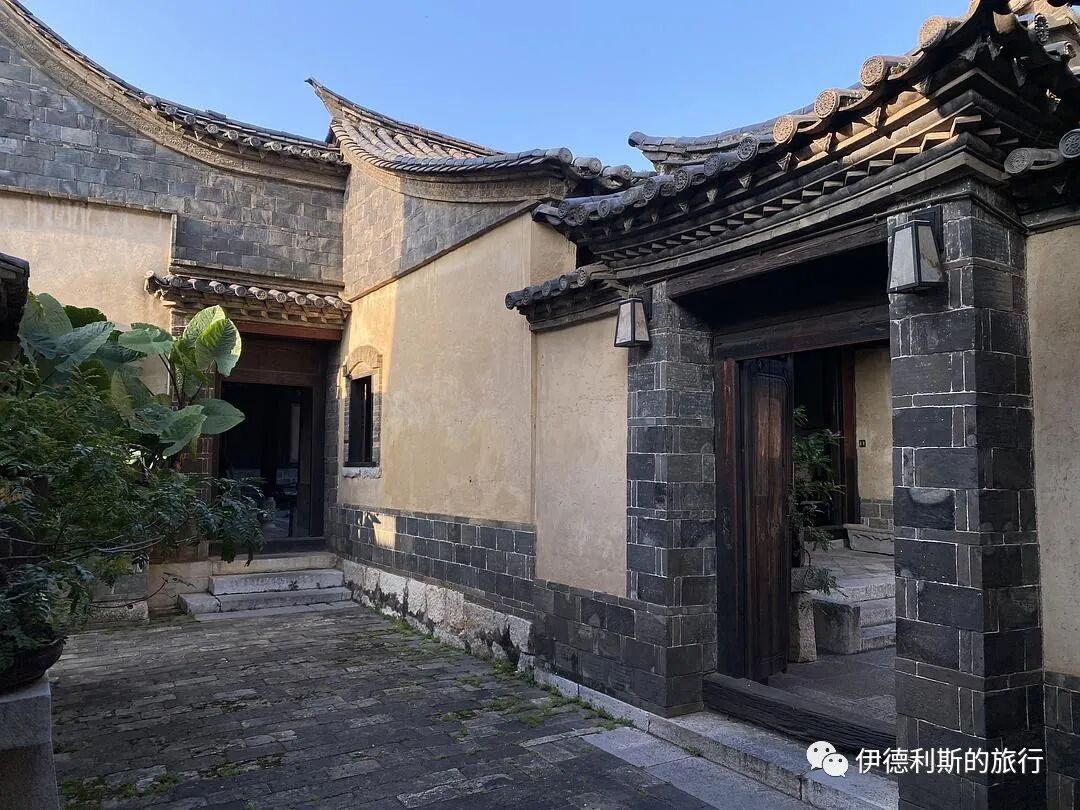
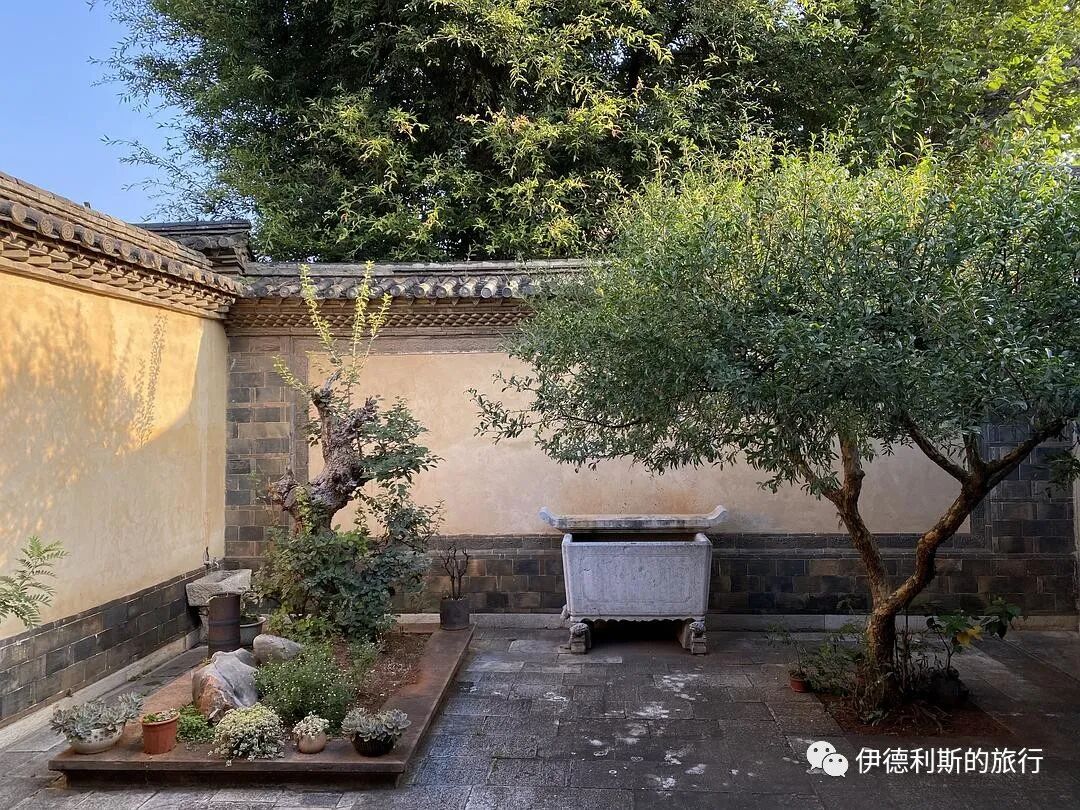
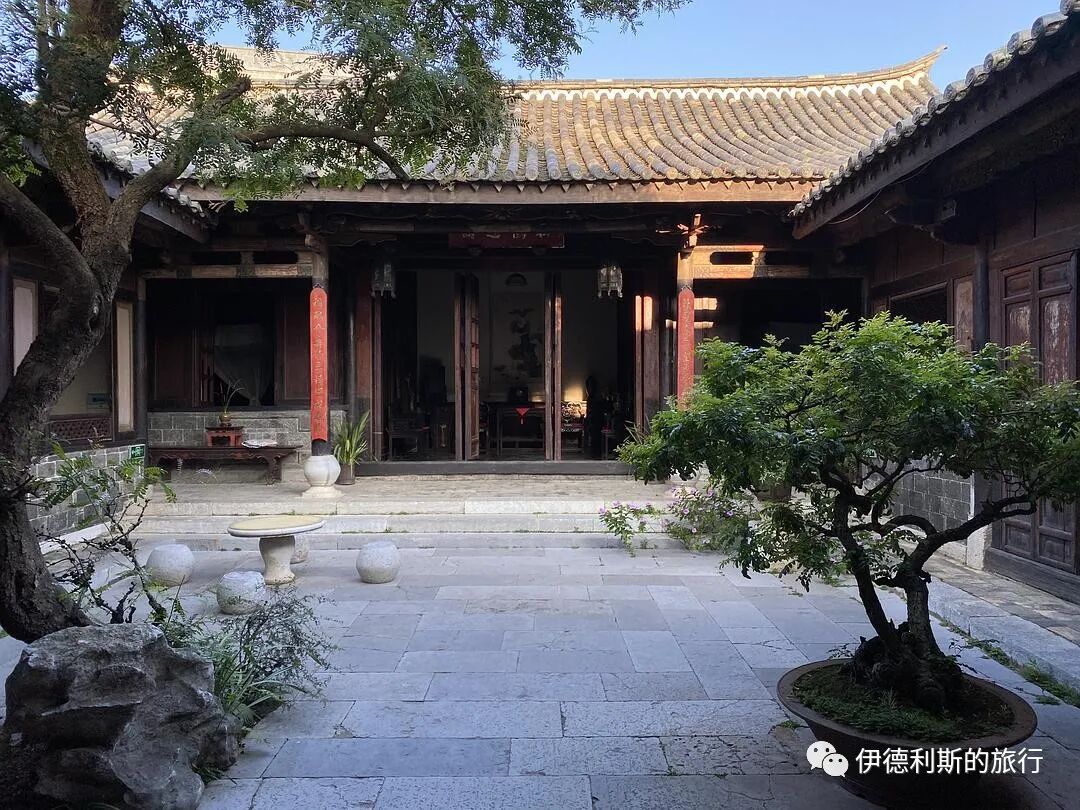
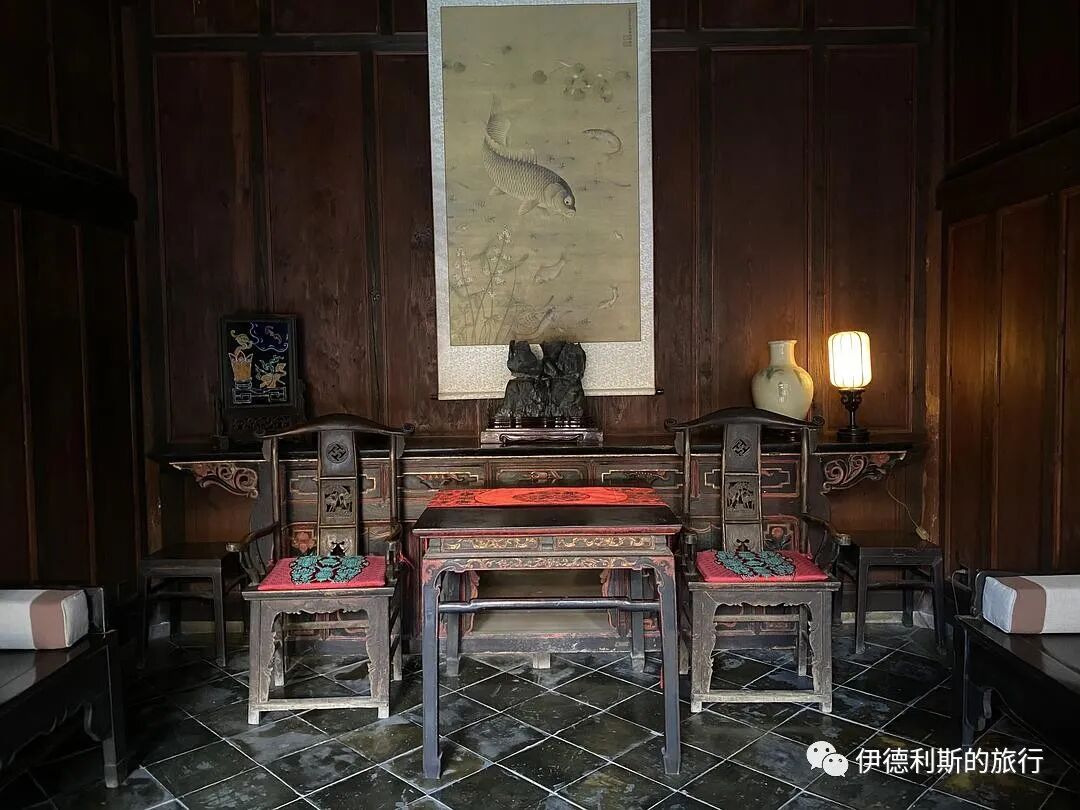
In the evening, we went to the famous Zitao Street for a late-night snack. There were so many halal stalls on Zitao Street! The main items were grilled tofu, grilled potatoes, and grilled meat skewers. Of course, there were also various types of cattail shoot rice noodles (caoya mixian), tilapia, and pounded chicken feet. There was just too much to eat! We started with a fruit bowl, then had grilled skewers, grilled tofu, and grilled potatoes. Having lived in Beijing for a long time, it had been ages since I visited such a lively night market.
Actually, the area around Xiaogui Lake outside the Chaoyang Tower in Jianshui Ancient City is also very lively at night, with many halal restaurants. If you stay near Chaoyang Tower, you don't really need to go all the way to Zitao Street to have a great night out.
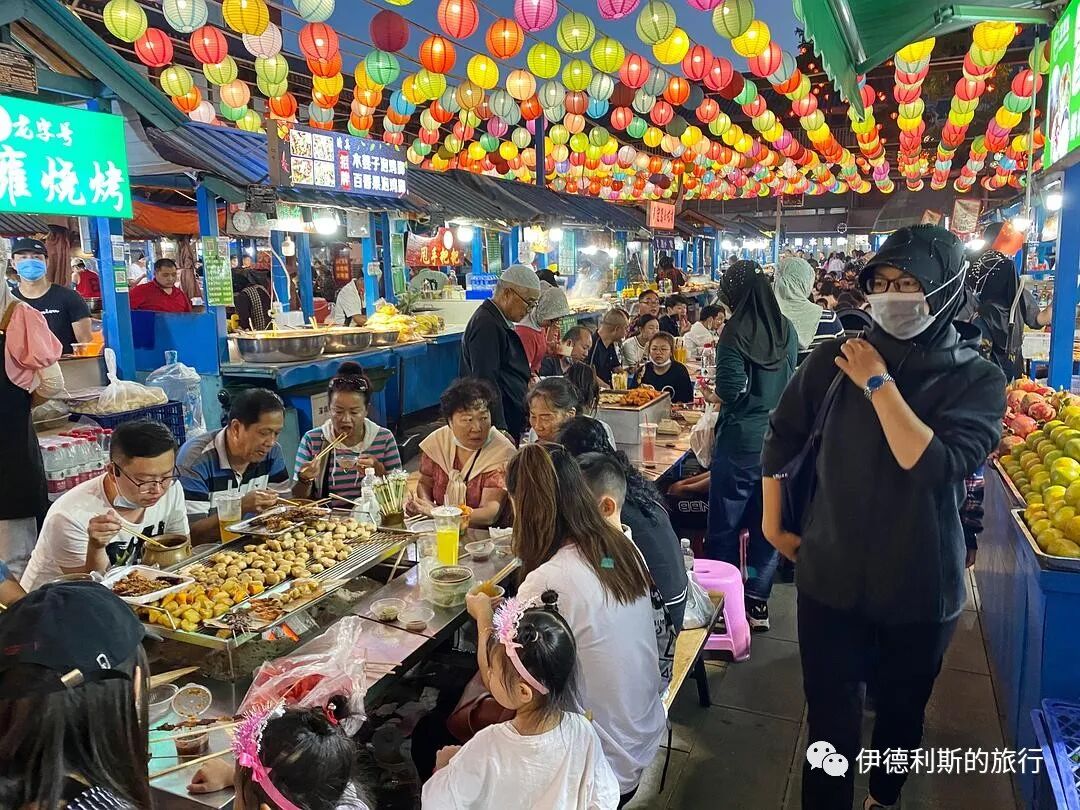
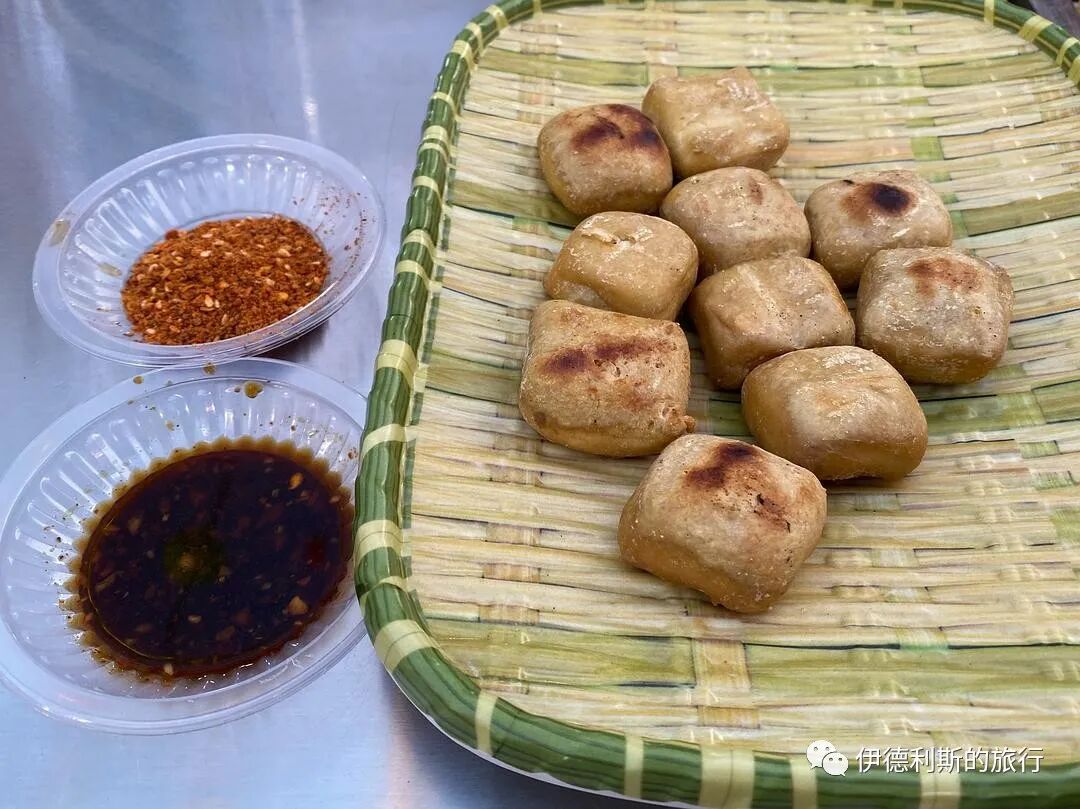
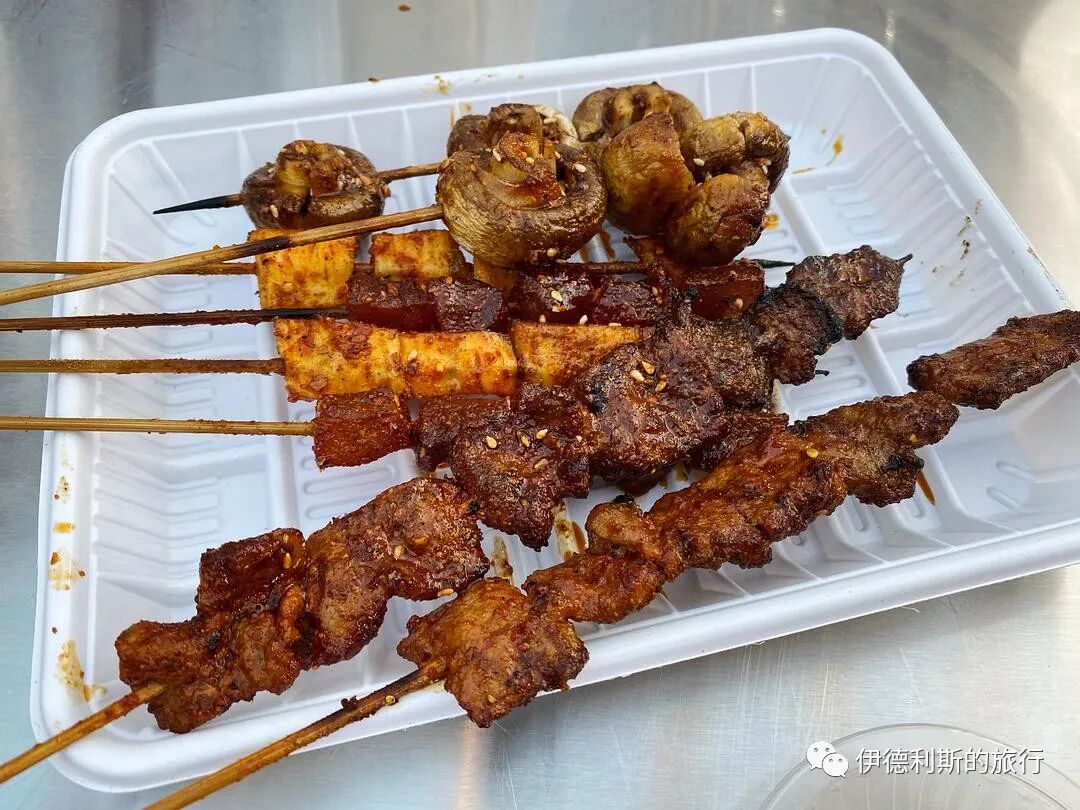
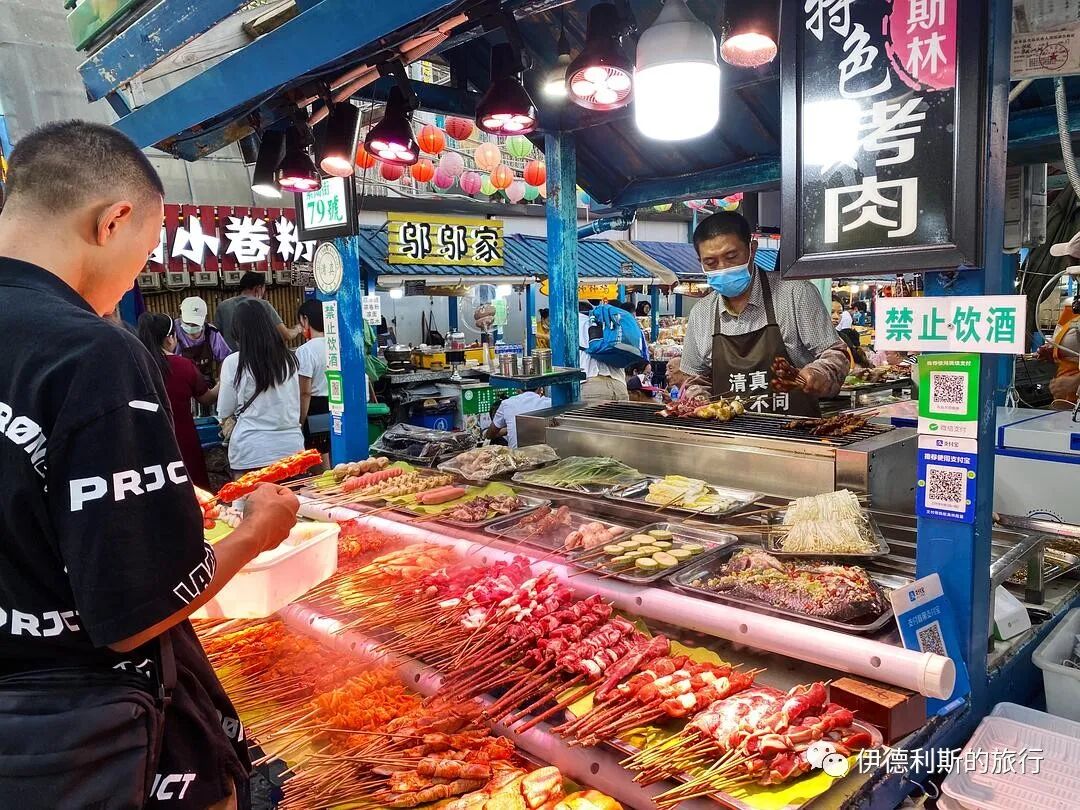
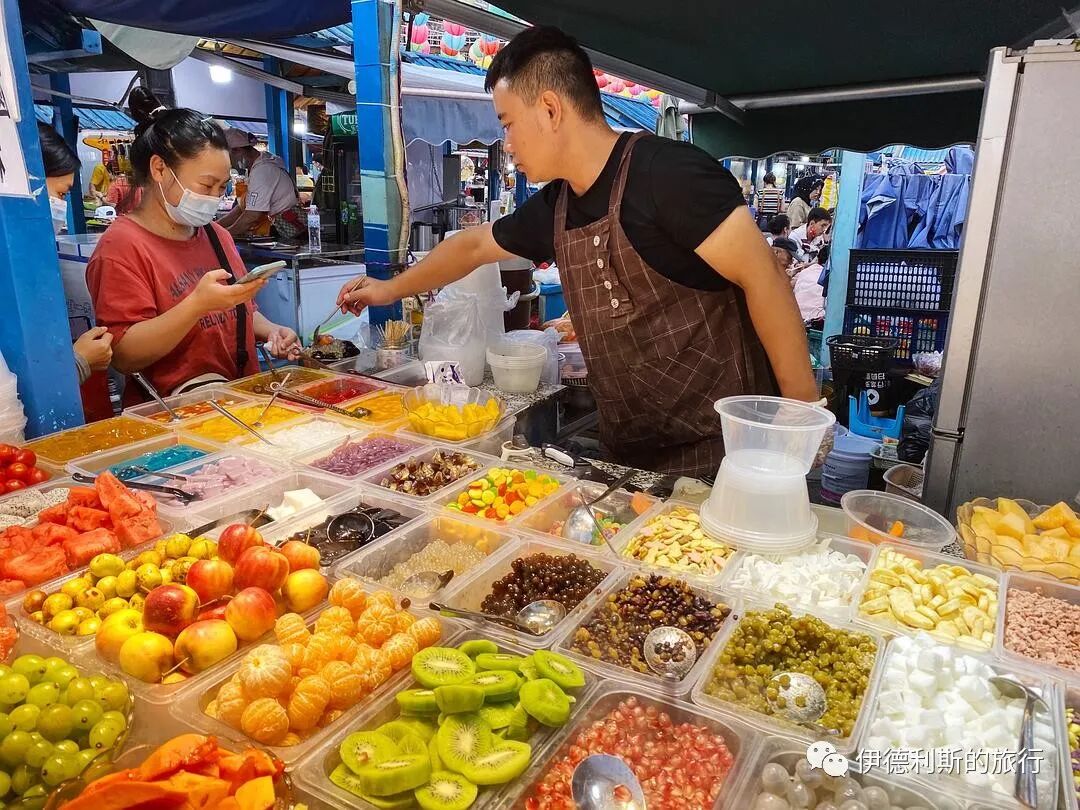
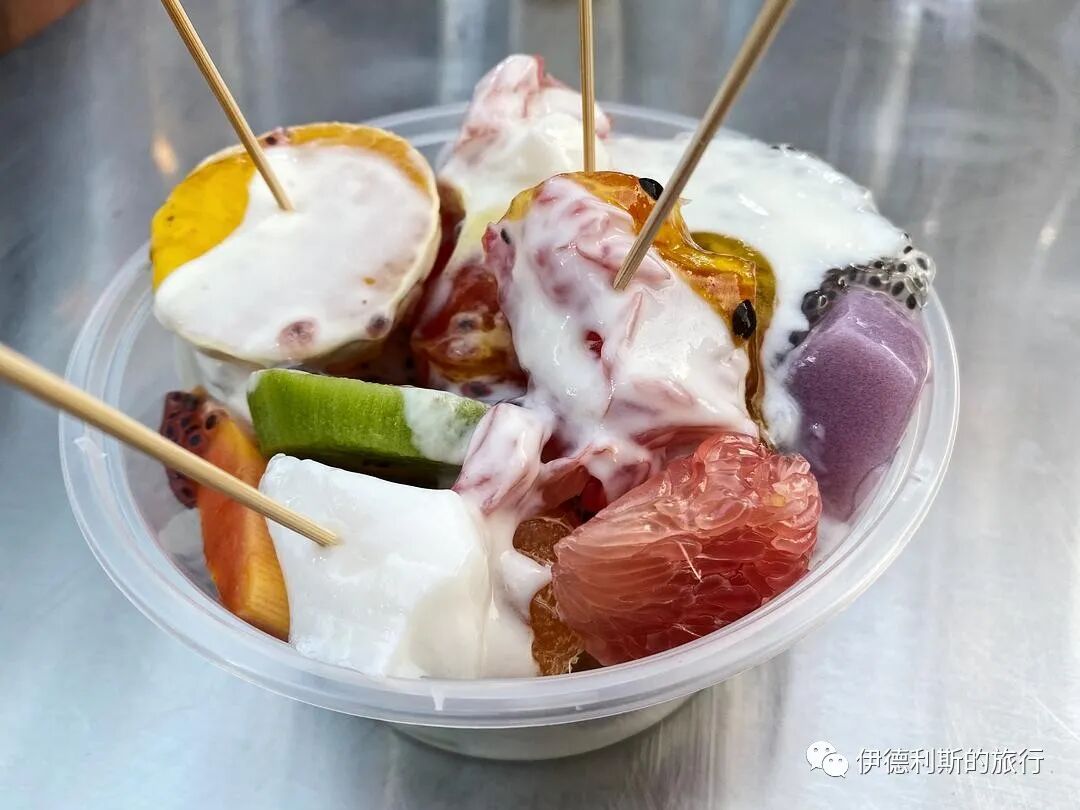
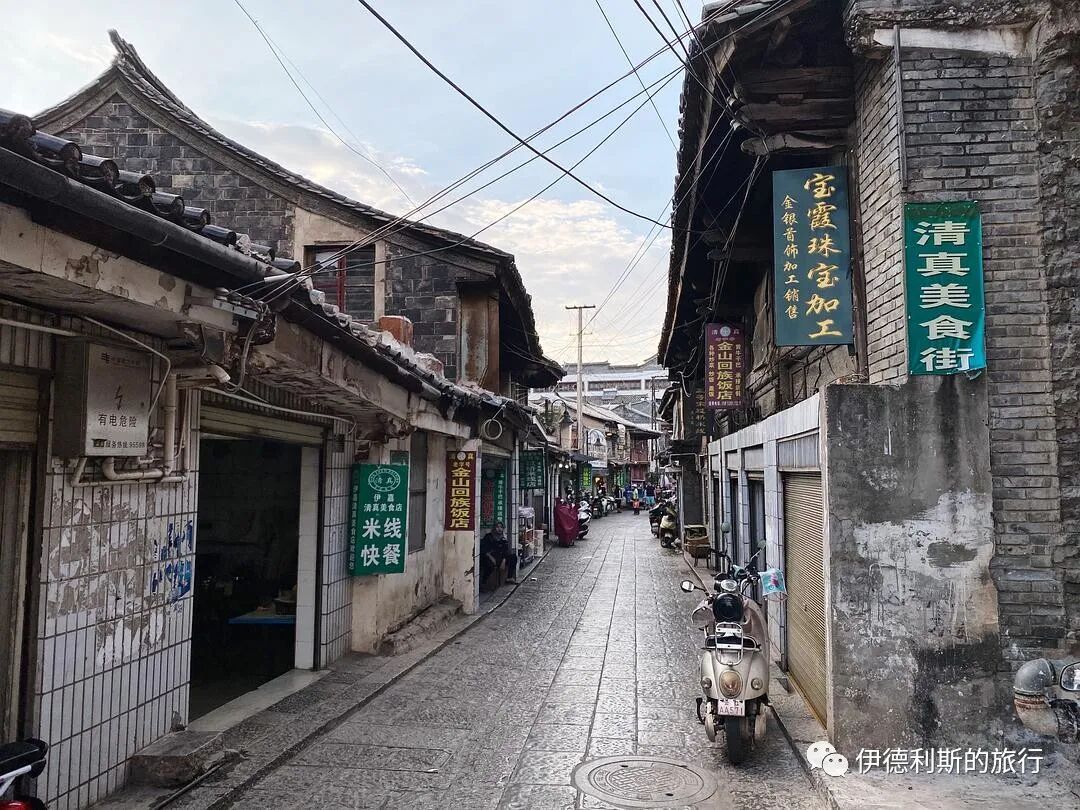
At the Zitao Street night market, we drank pomegranate juice and ate local clay pot rice (guanguan fan) and corn cakes (yumi baba).
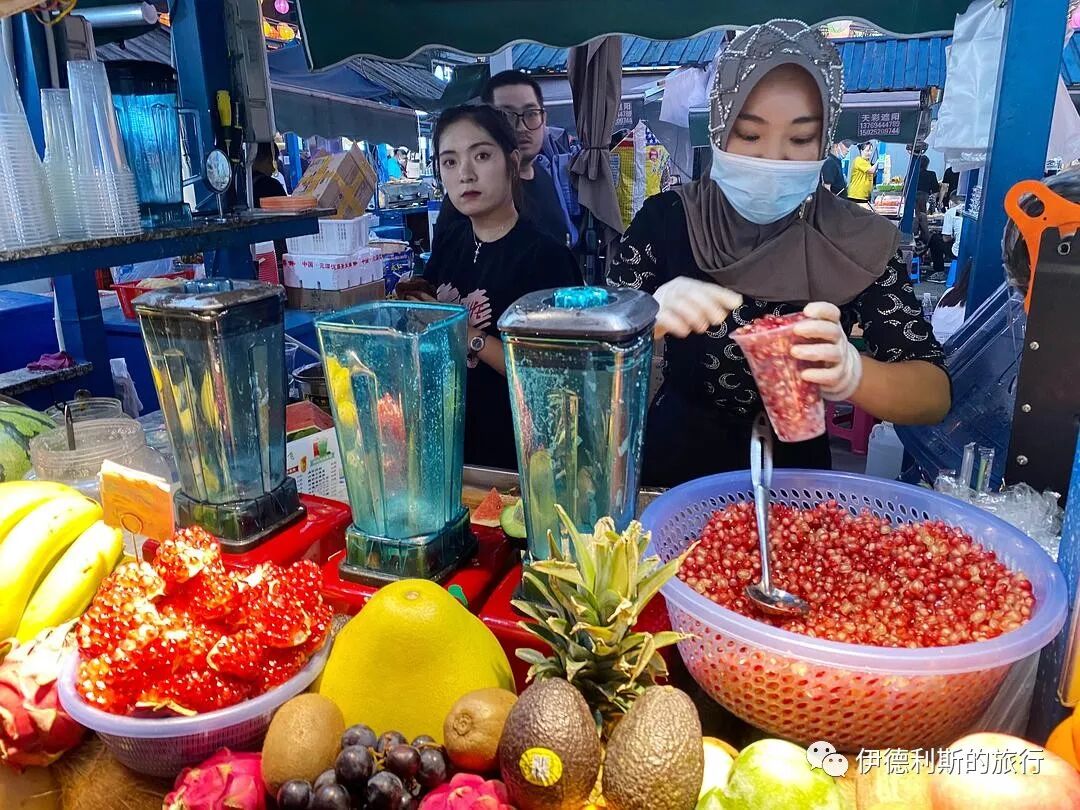
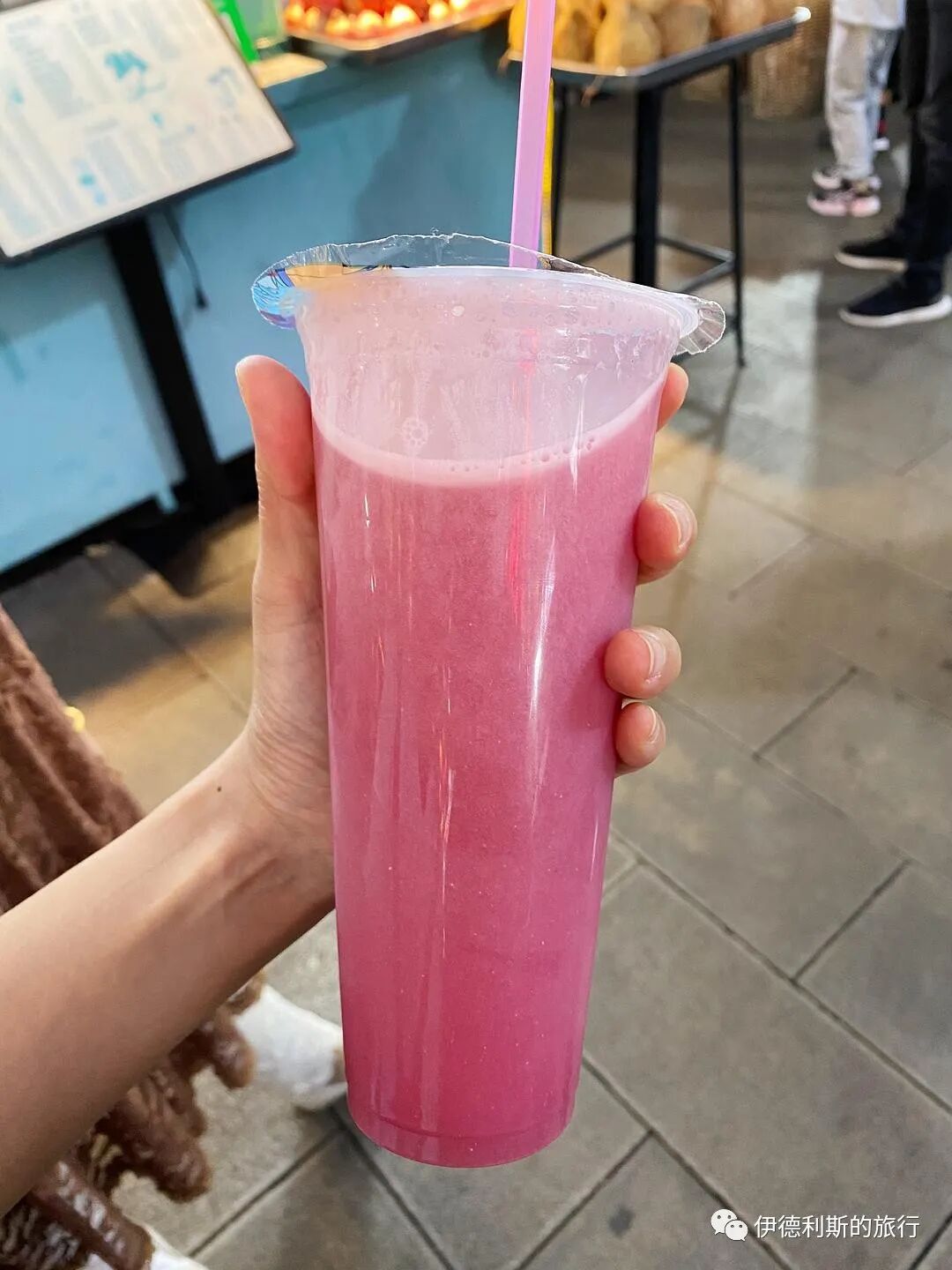
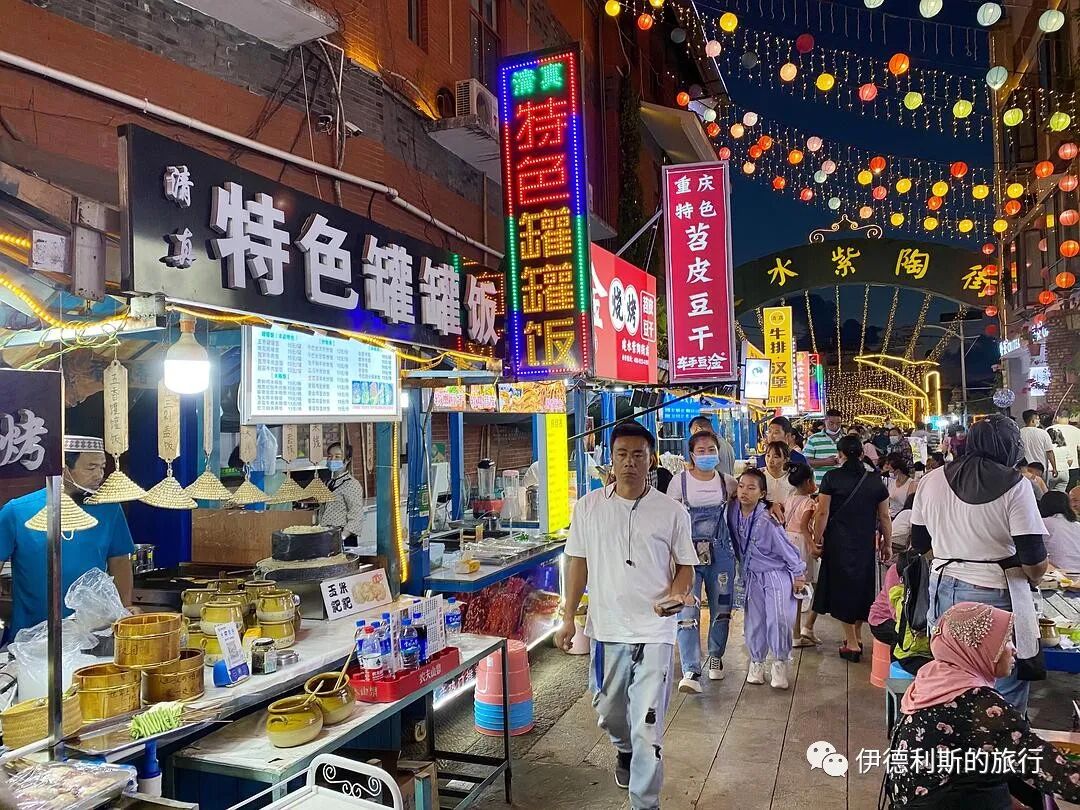
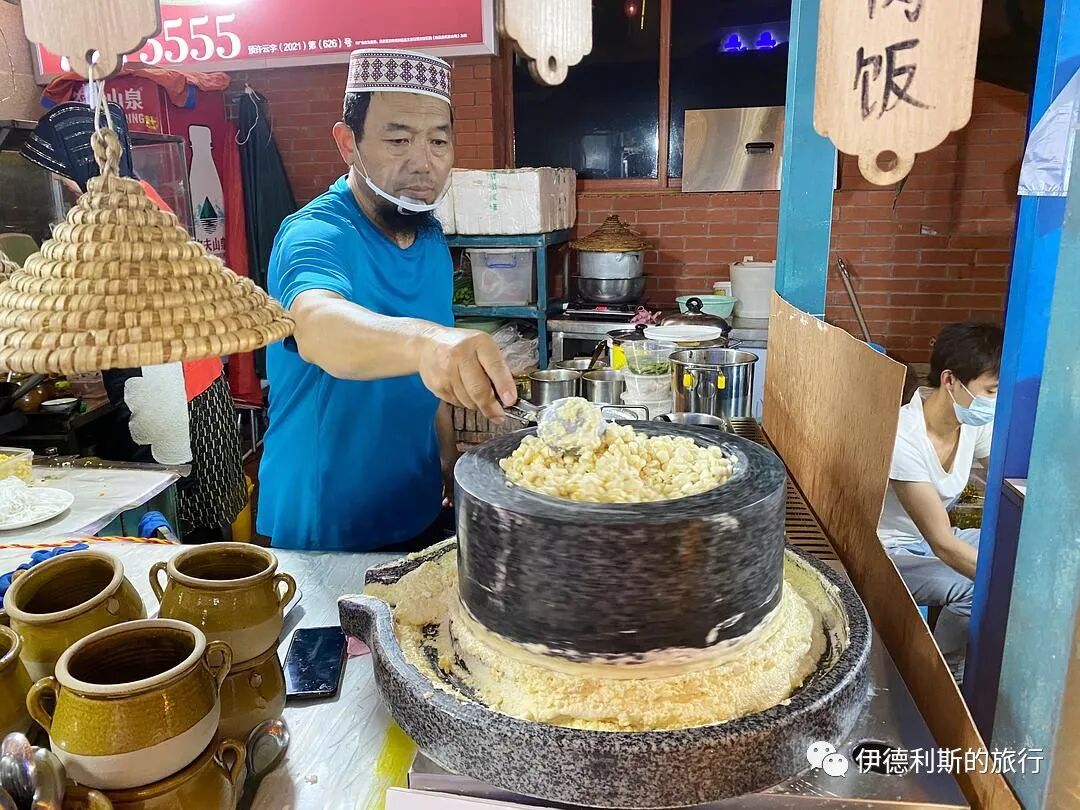
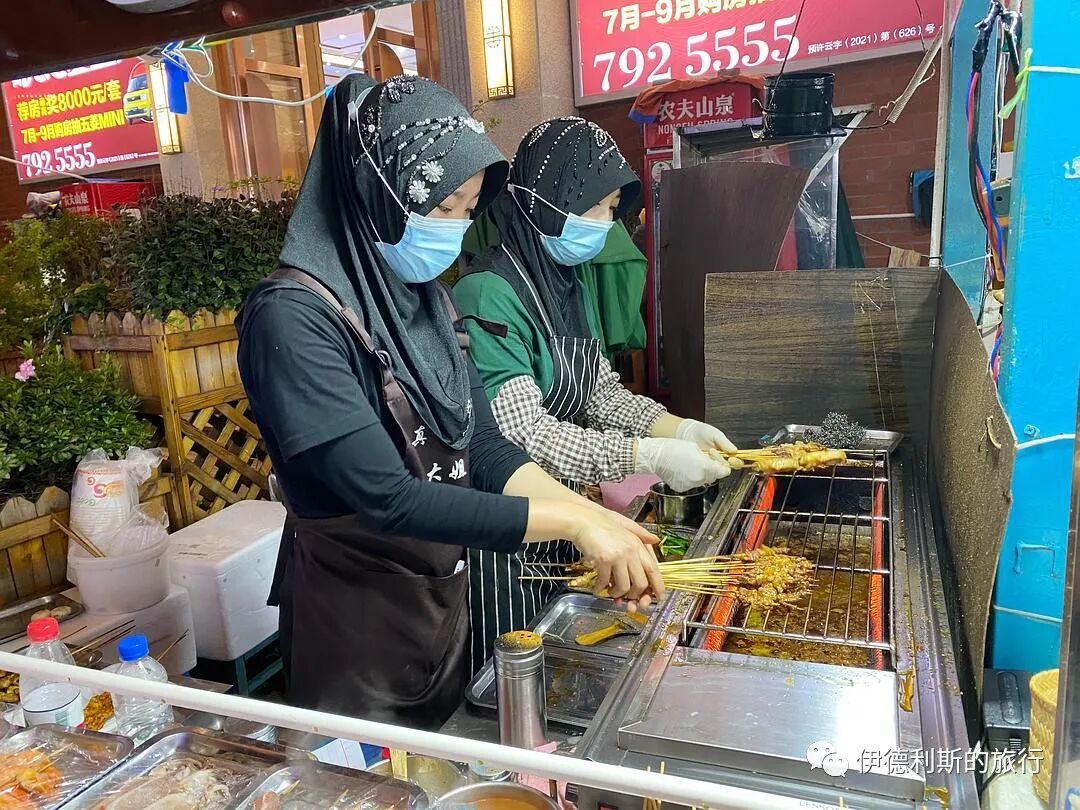
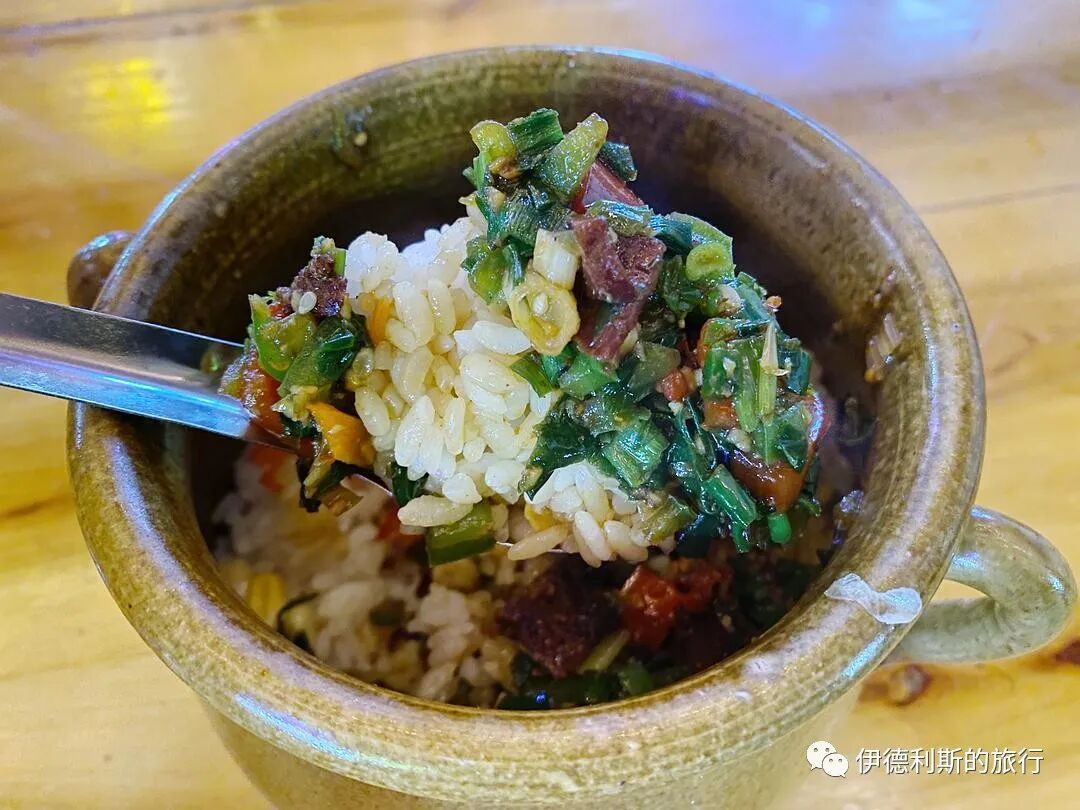
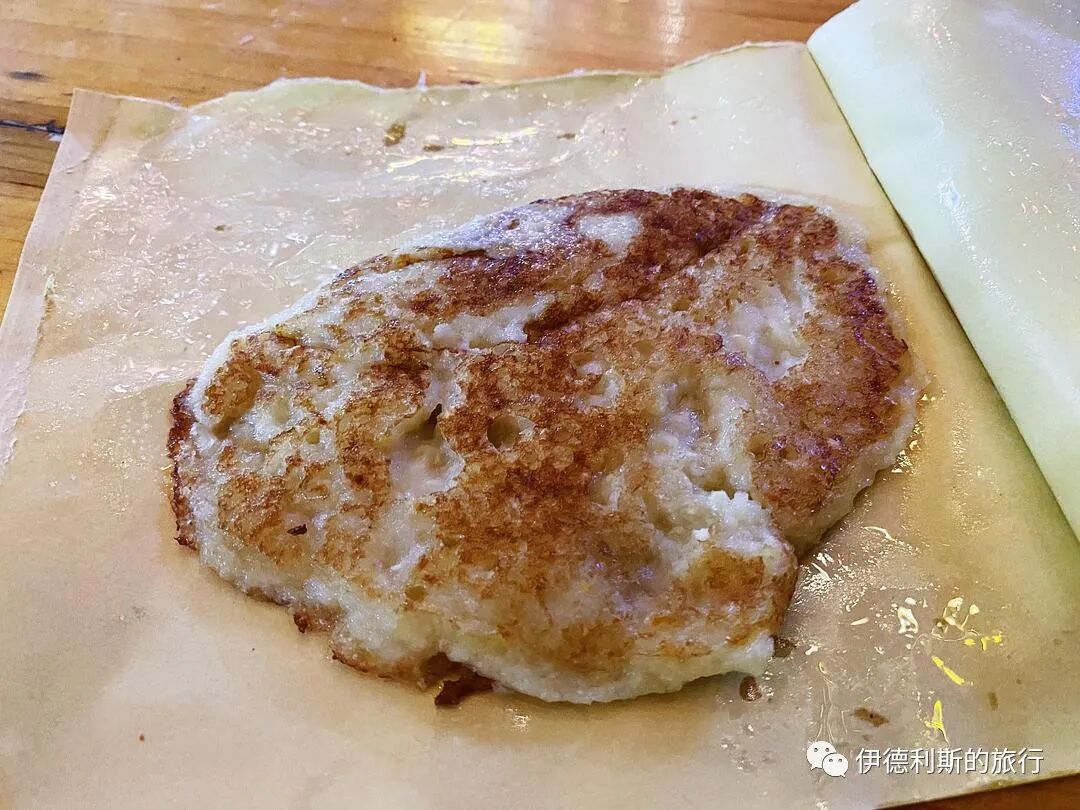
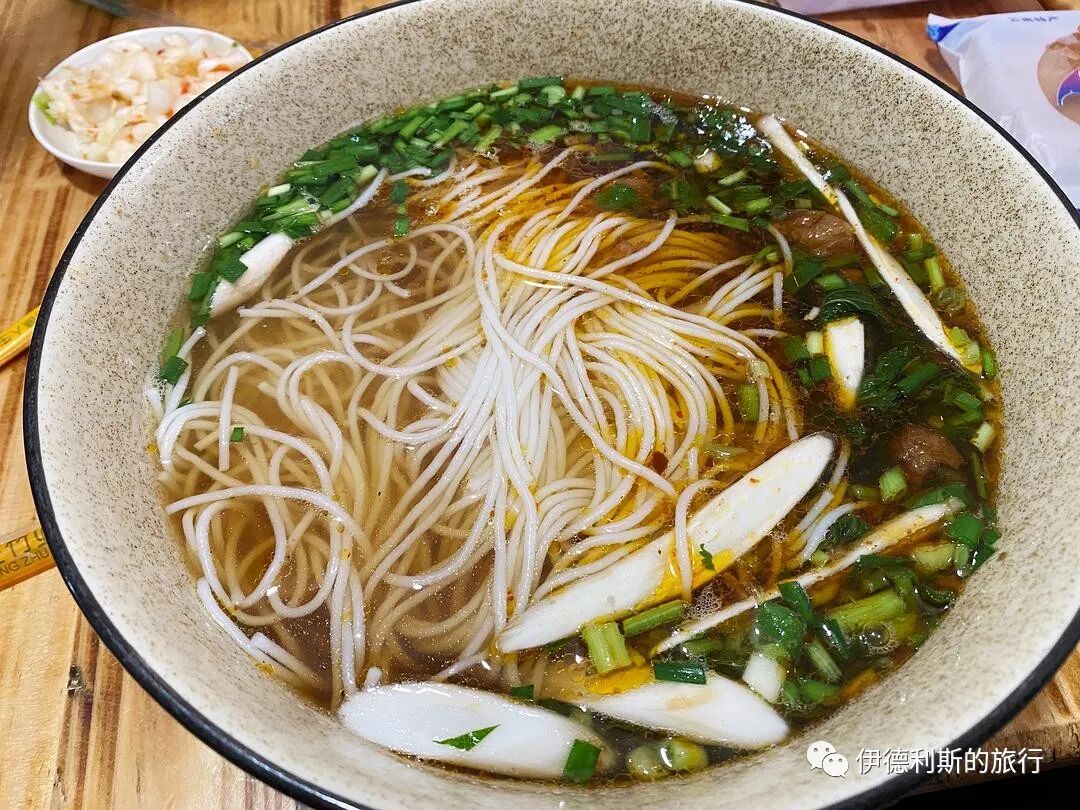
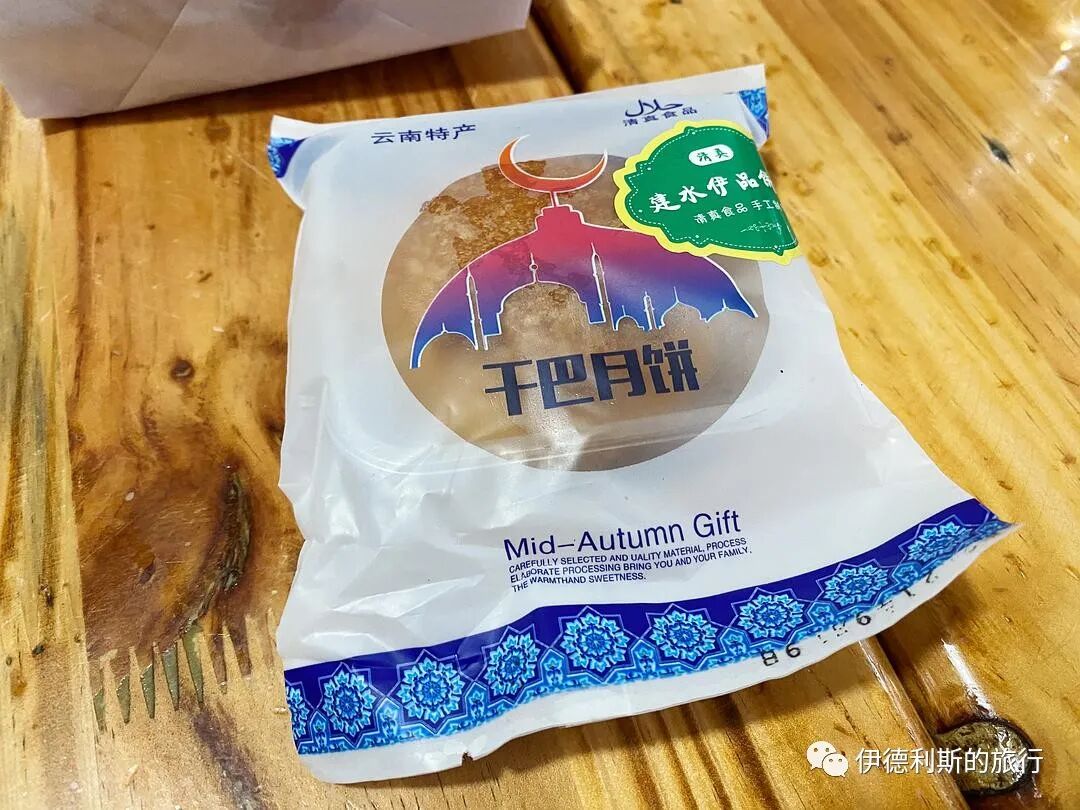
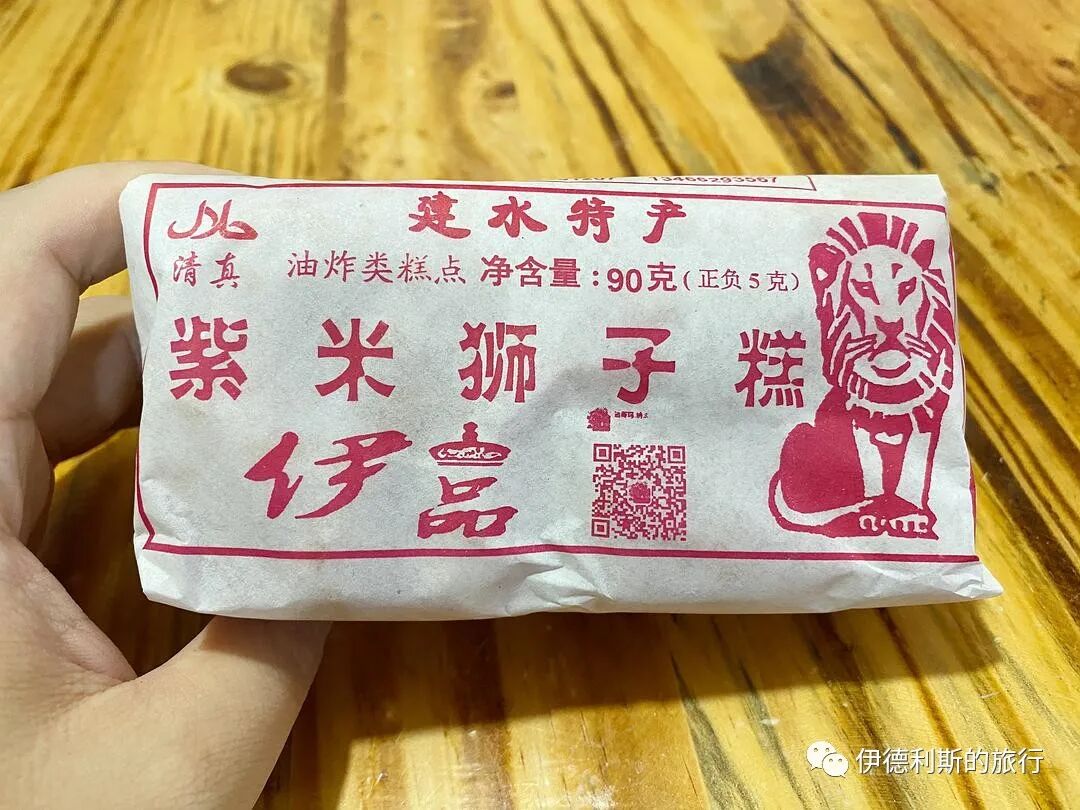
On the morning of October 6th, we ate the local specialty, cattail shoot bridge-crossing rice noodles, on Mashi Street near the Chaoyang Tower in the old city of Jianshui. We also bought beef jerky mooncakes (niu ganba yuebing) and purple rice lion cakes (zimi shizi gao) to eat on the road.
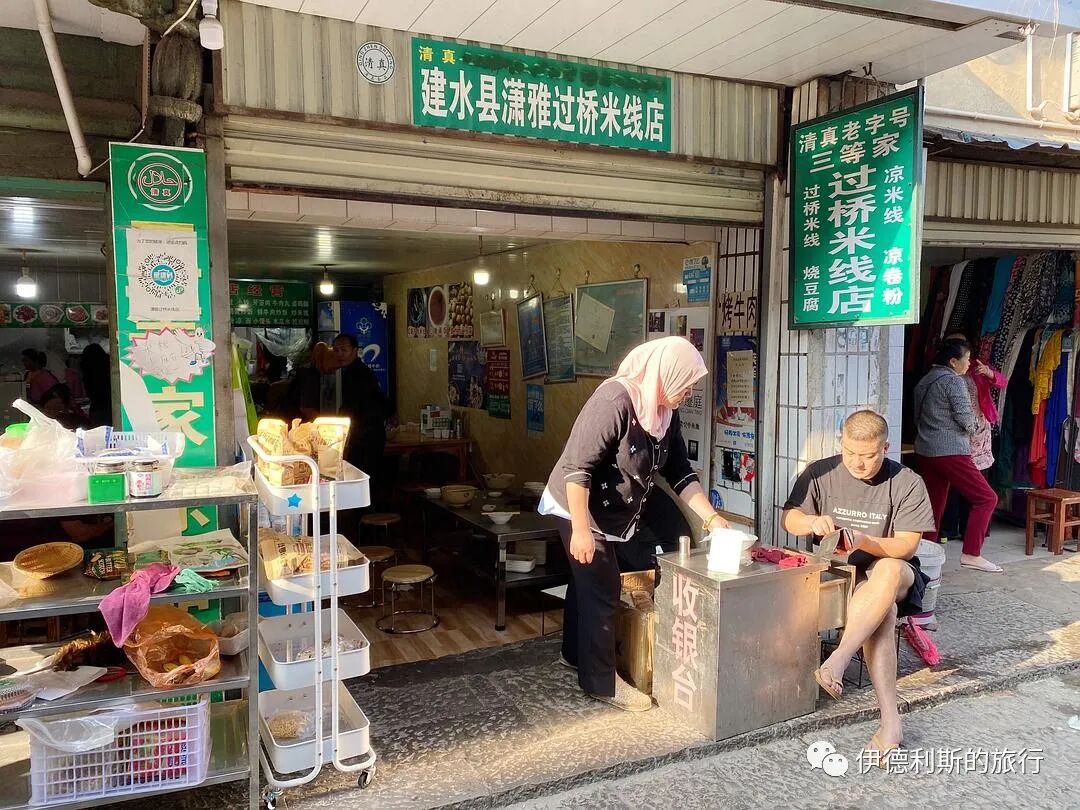
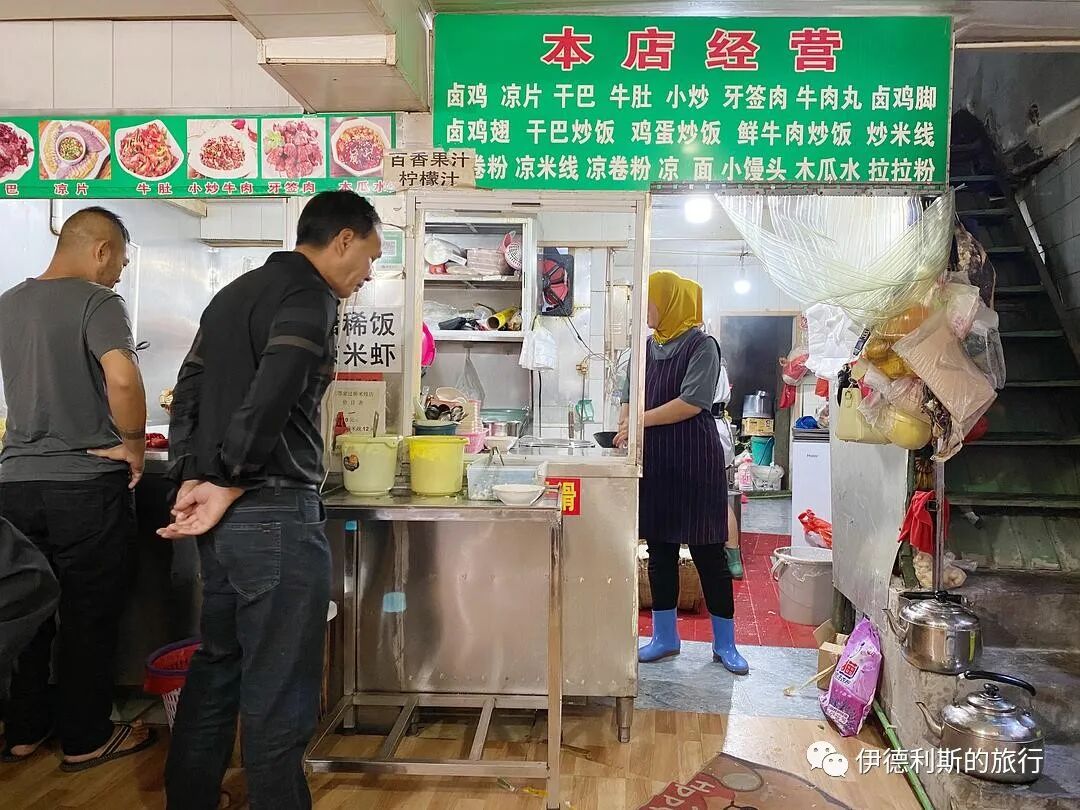
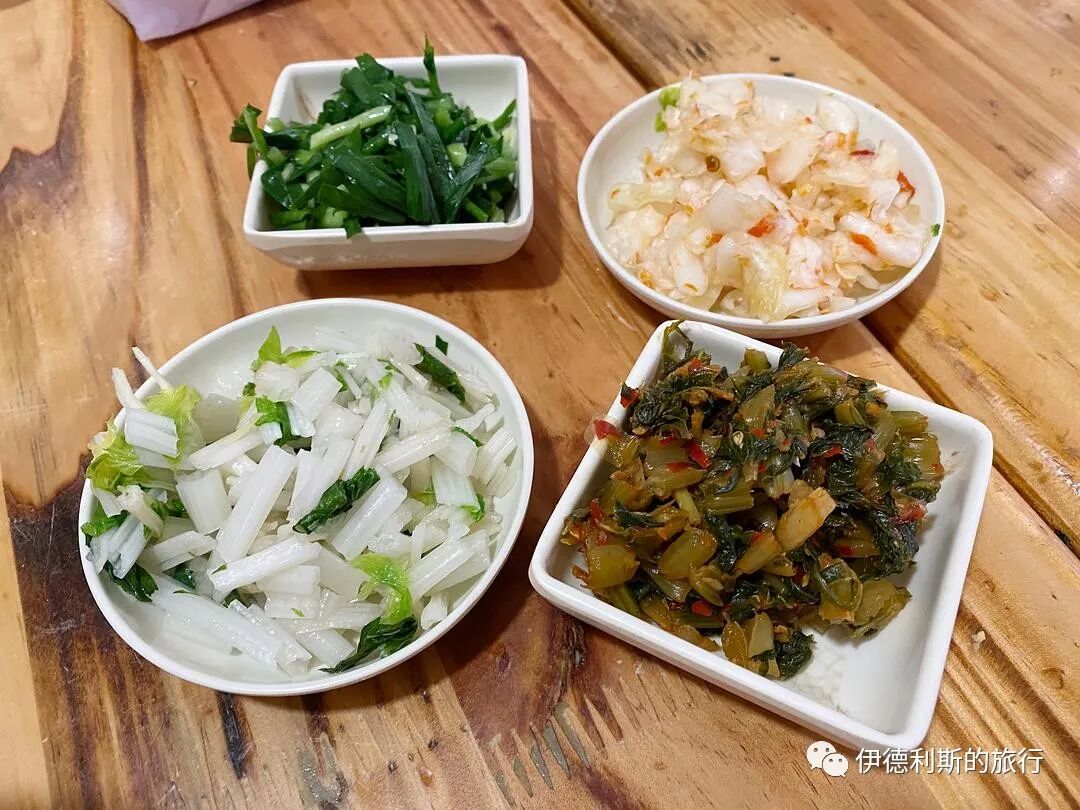
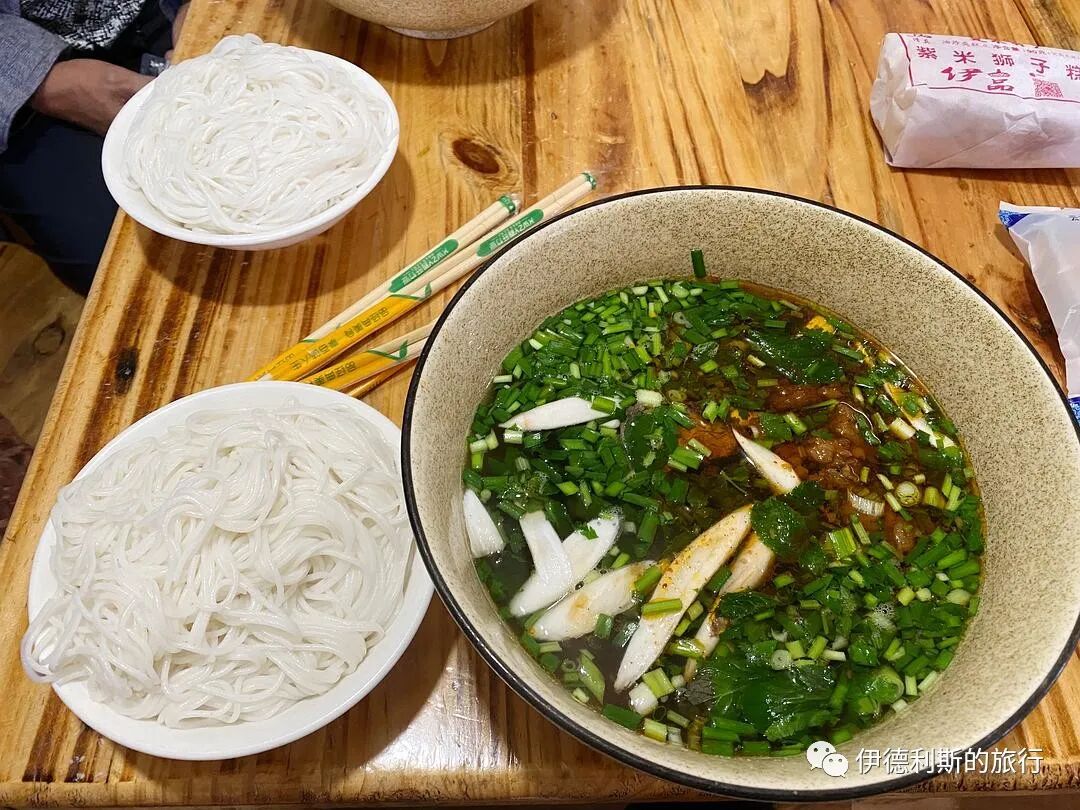
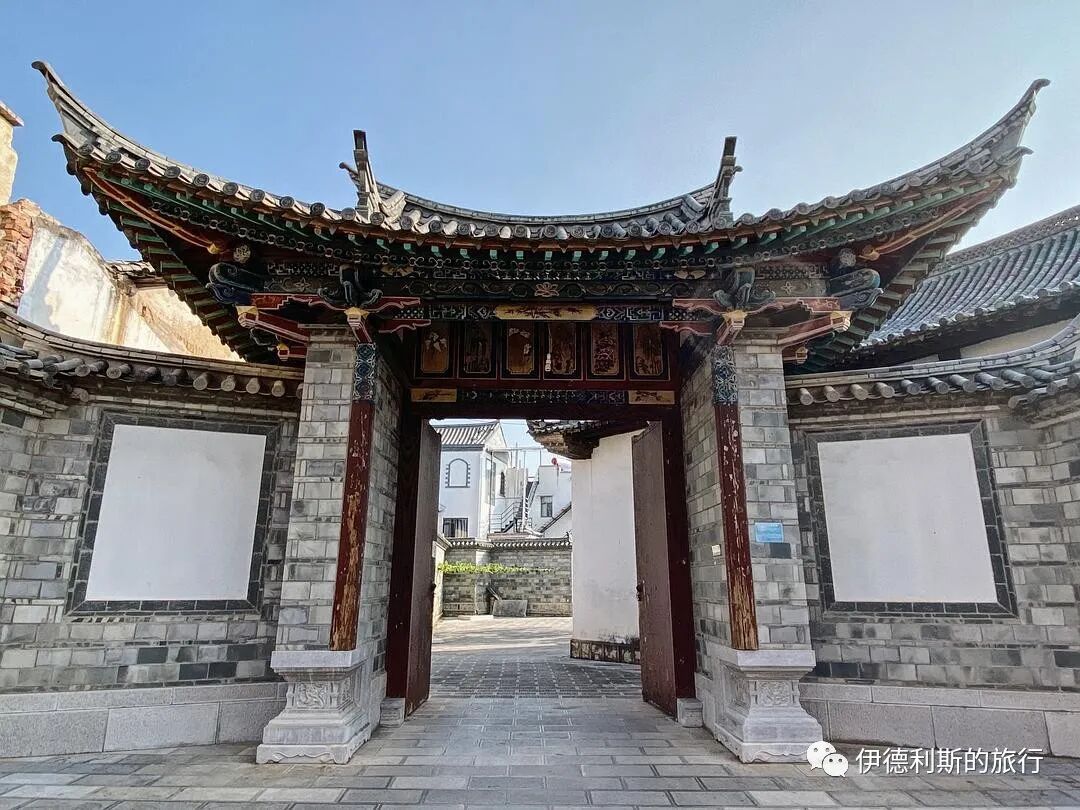
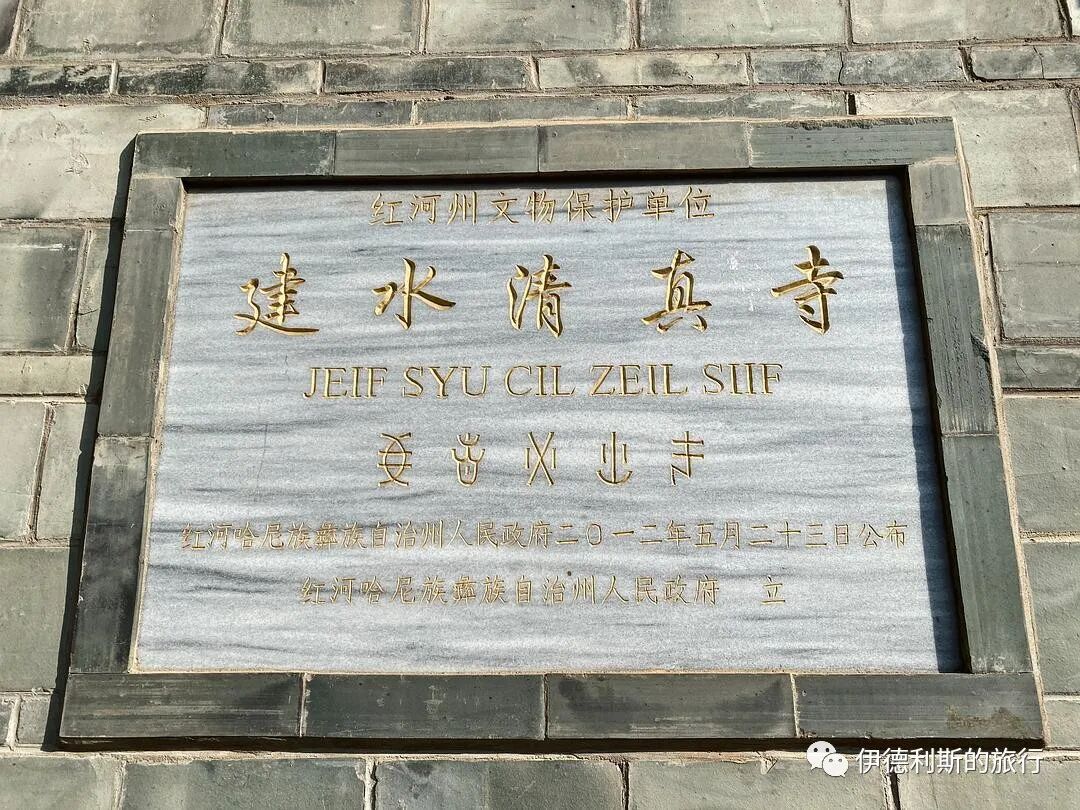
According to the inscriptions inside, the Jianshui Ancient City Mosque was first built during the Huangqing era of the Yuan Dynasty and is the oldest mosque in southern Yunnan. The existing main hall was rebuilt in 1730 (the 8th year of the Yongzheng reign) and features a simplified hip-and-gable roof typical of the Jianshui region.
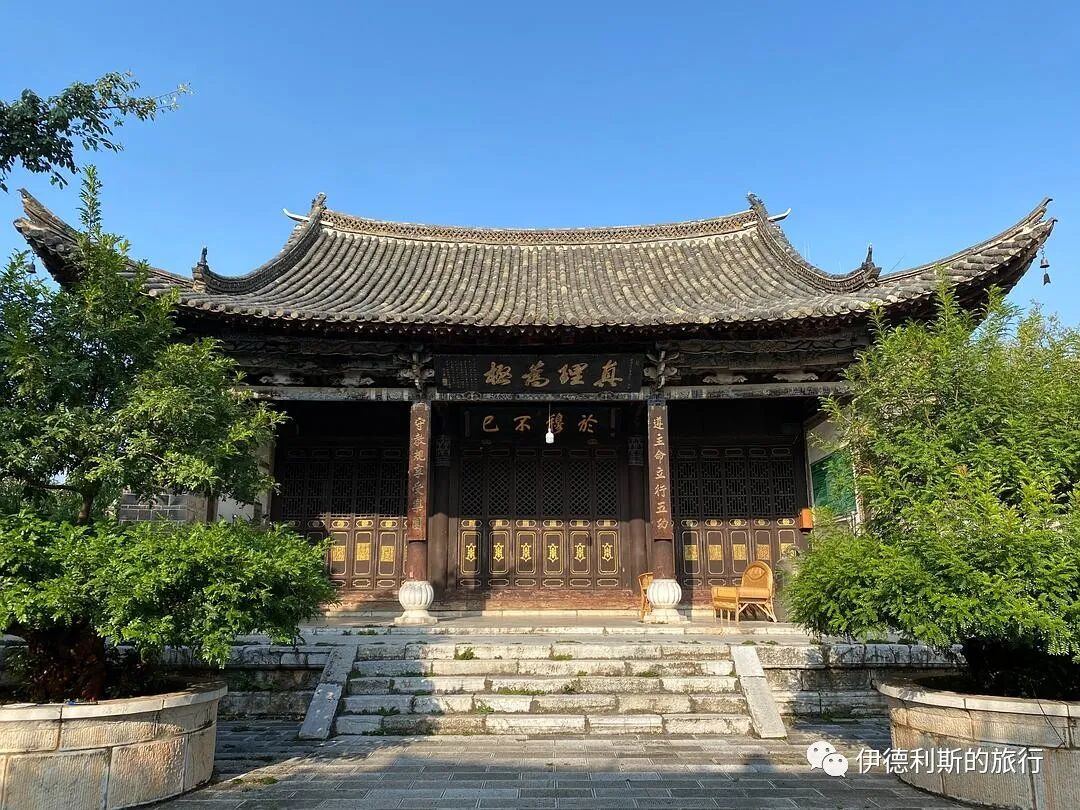
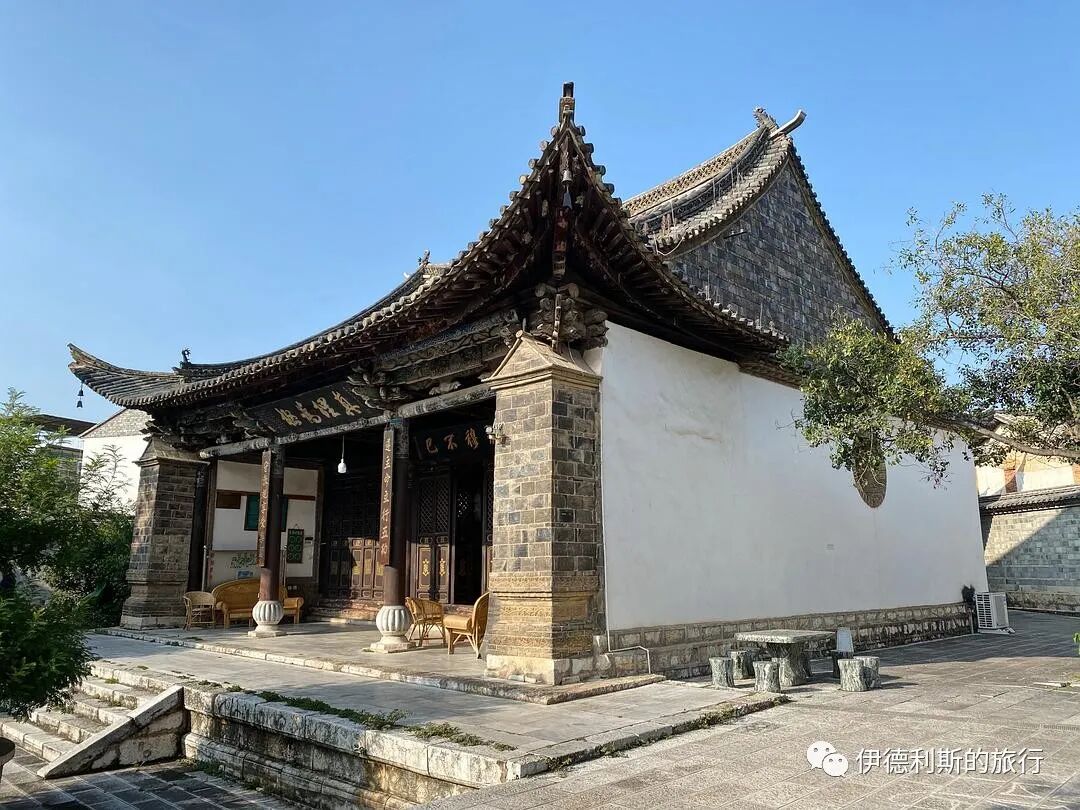
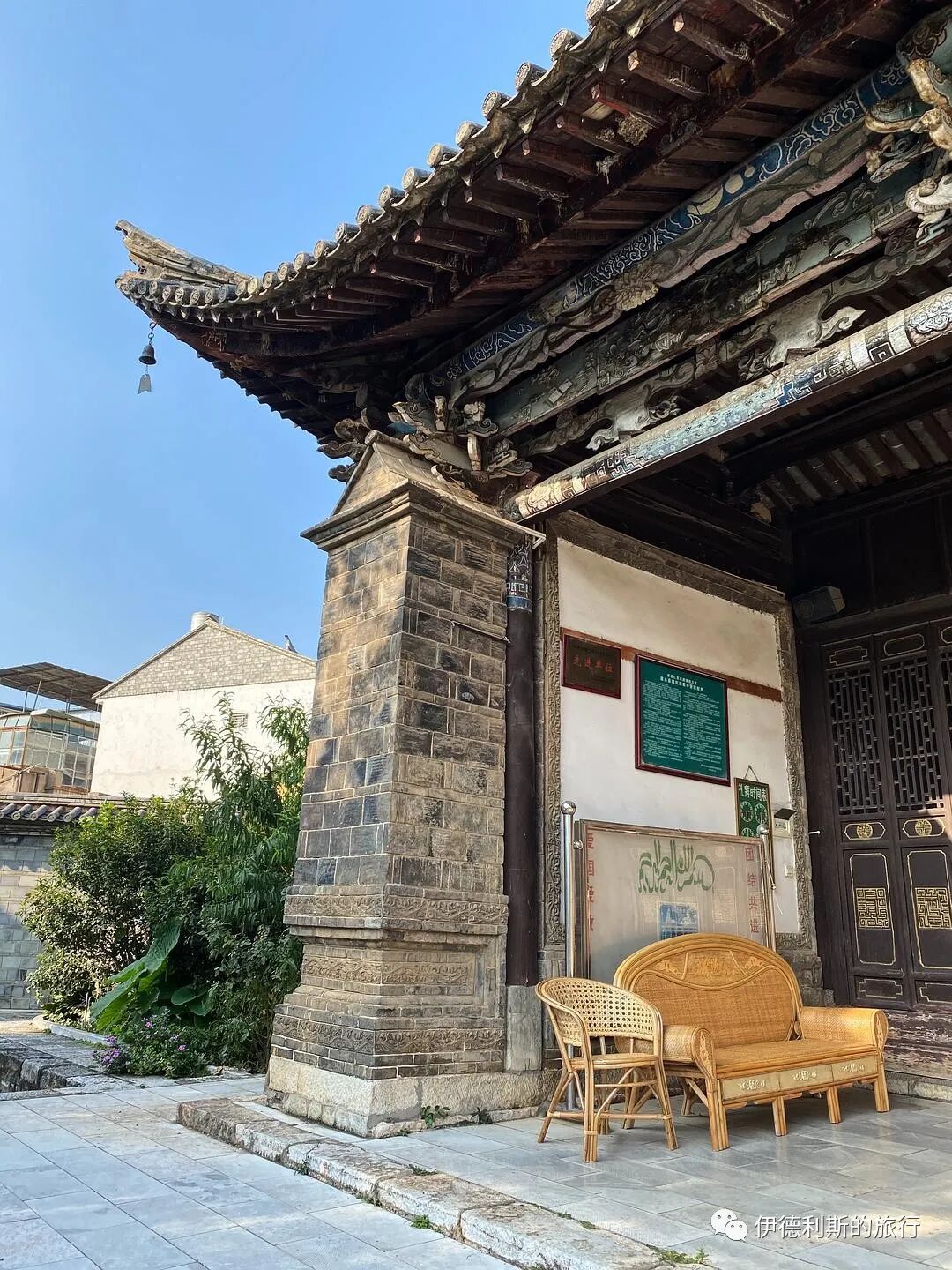
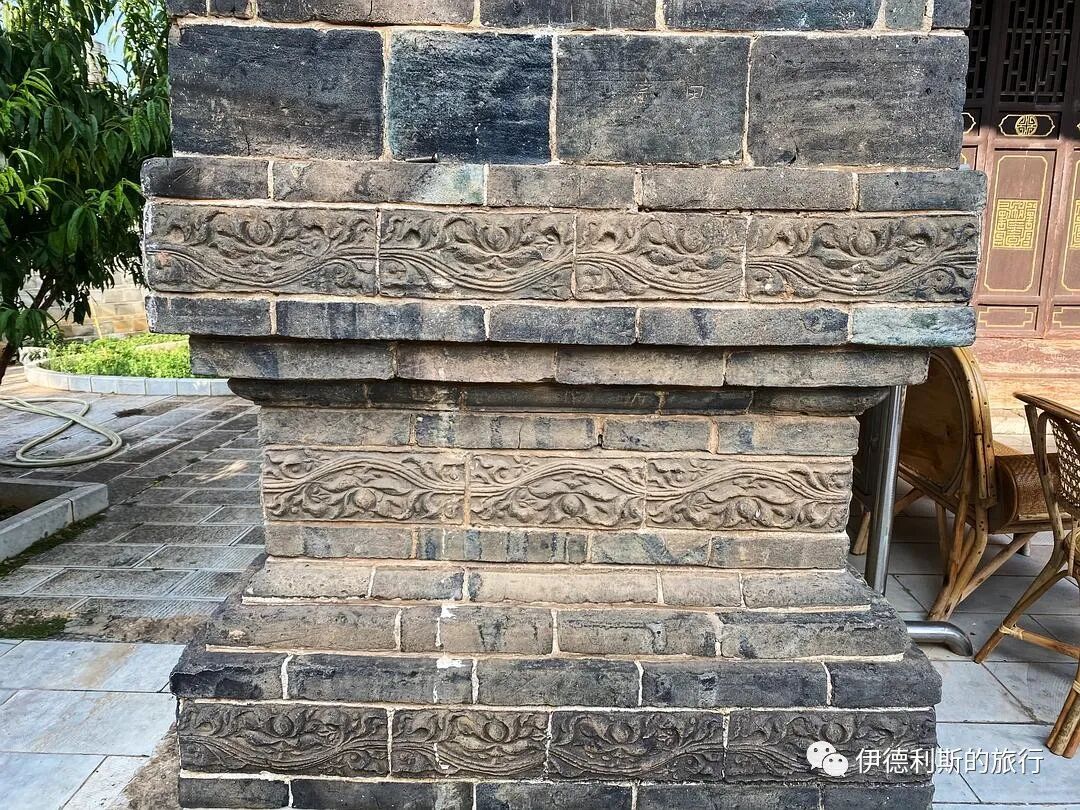
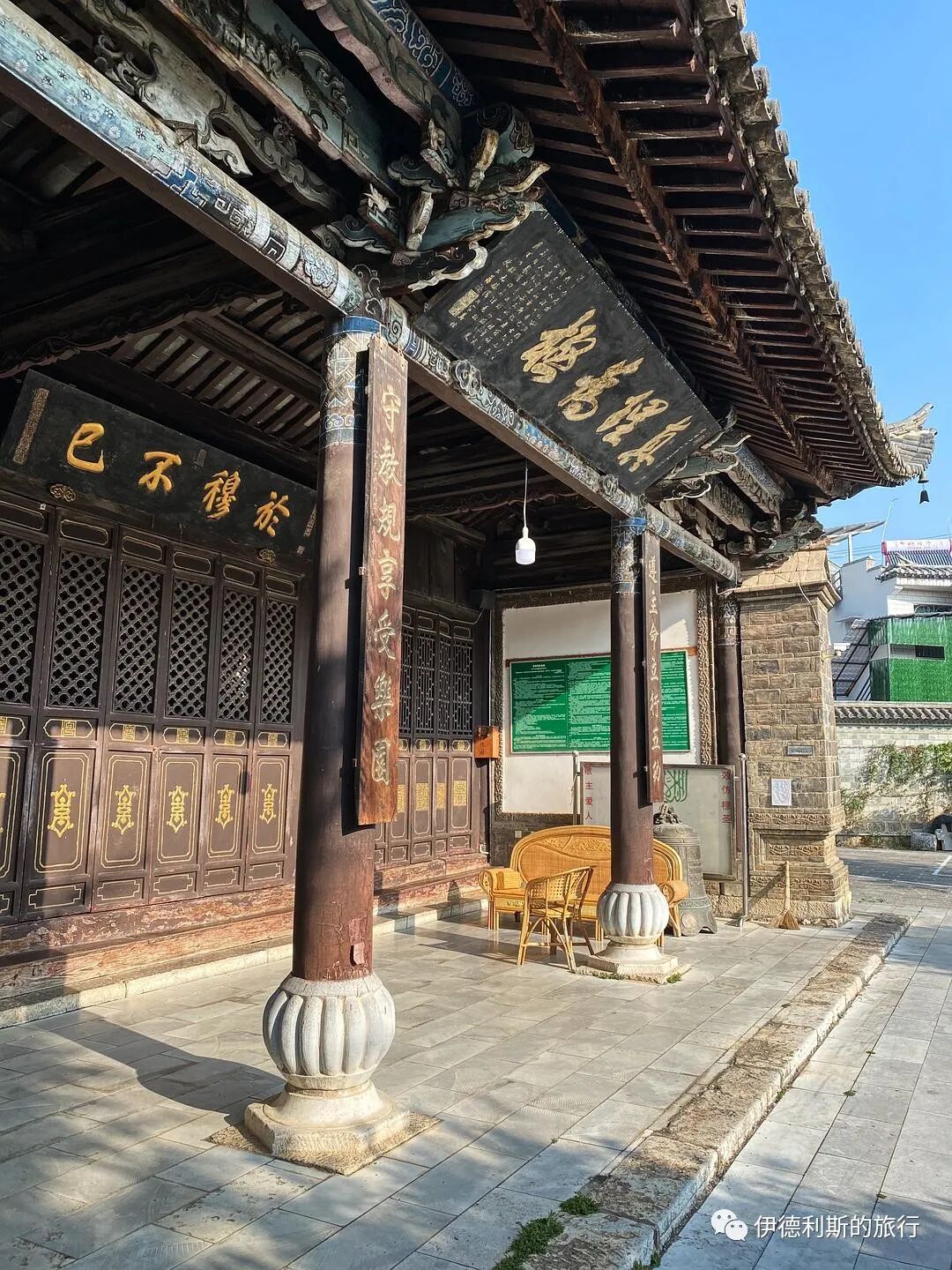
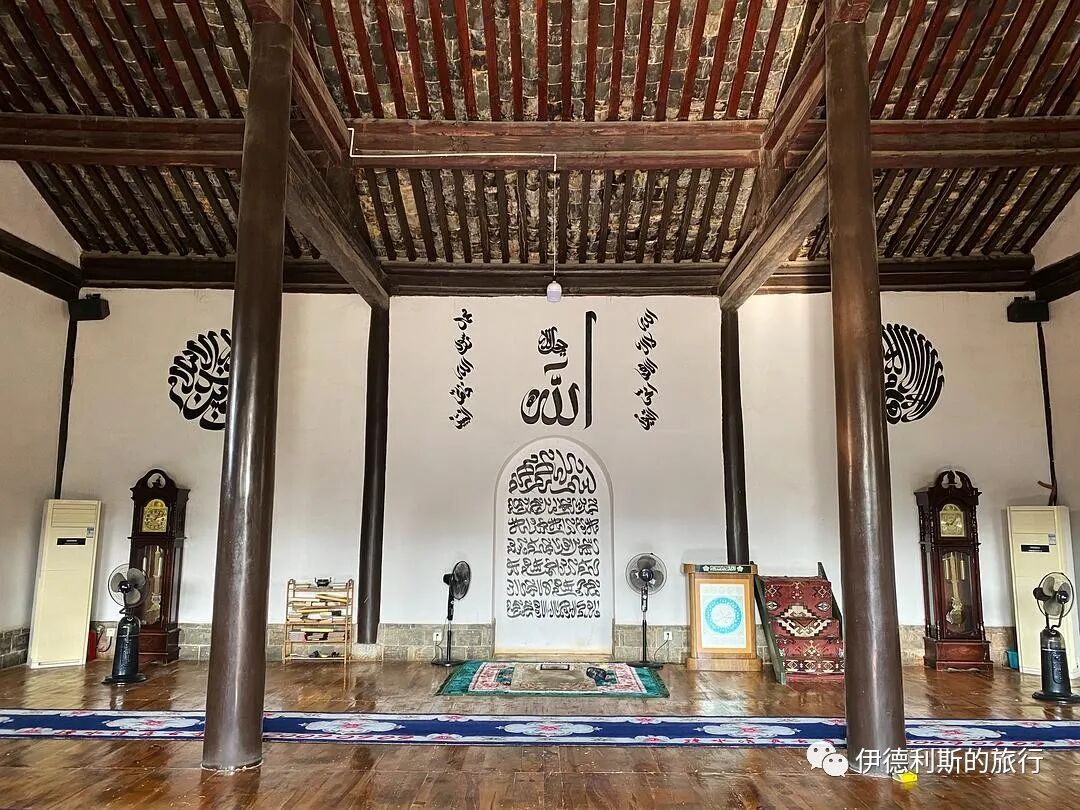
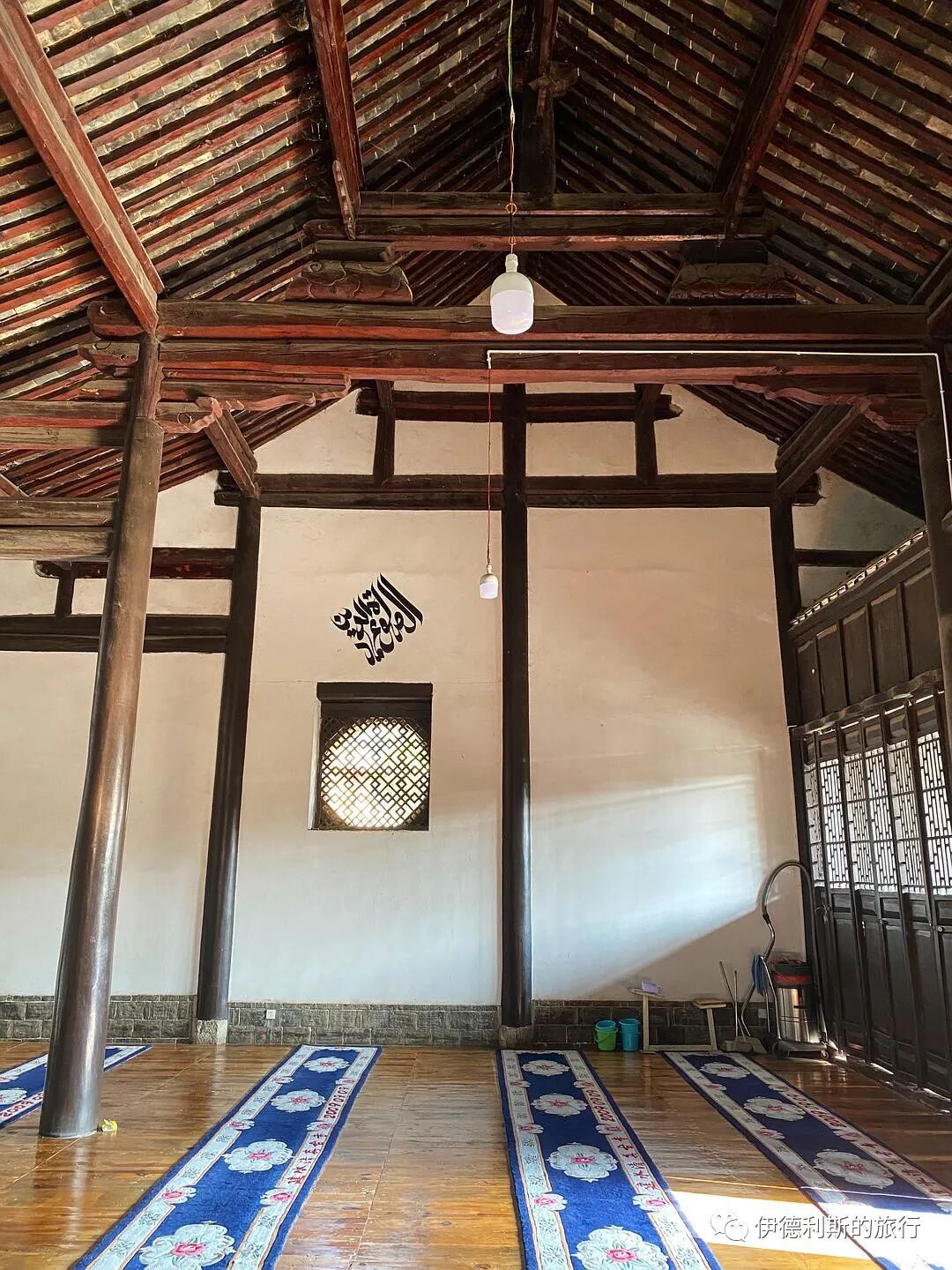
The beam structure of the east-facing hall of the Jianshui Ancient City Mosque is simple and sturdy, and it is believed to be original woodwork from the Yuan Dynasty.
Halal Travel Guide: Jianshui Old City — Yunnan History, Mosques and Food
Articles • ali2007fr posted the article • 0 comments • 205 views • 2026-05-17 12:26
Summary: Jianshui Old City — Yunnan History, Mosques and Food is presented here as a firsthand travel account in clear English, beginning with this scene: Author: Zainab. The account keeps its focus on Jianshui Travel, Yunnan Travel, Muslim Heritage while preserving the names, places, food, and historical details from the Chinese source.
Author: Zainab
On October 5th at noon, we left Najiaying in Yuxi for Jianshui. We passed by the Guanyi Mosque in Qujiang, which houses the Awakening Dream Pavilion (Xingmeng Lou) built during the Qing Dynasty. The Awakening Dream Pavilion was first built in 1687 (the 26th year of the Kangxi reign) and was originally called the Awakening Heart Pavilion (Xingxin Lou). It was renamed the Prayer Pavilion (Bailou) after being rebuilt in 1752 (the 17th year of the Qianlong reign).
The mosque also keeps several stone lions in the local style, along with a plaque inscribed with the words "Vast, Refined, and Subtle" (Guangda Jingwei) erected in 1917 by Yunnan Army Major General Ma Wenzhong and Army Major Na Fuxing.
We traveled south from Guanyi to the Jianshui Ancient City and stayed at an old house inn called Xianting. It was very quiet and unique, and it had not been overdeveloped.
In the evening, we went to the famous Zitao Street for a late-night snack. There were so many halal stalls on Zitao Street! The main items were grilled tofu, grilled potatoes, and grilled meat skewers. Of course, there were also various types of cattail shoot rice noodles (caoya mixian), tilapia, and pounded chicken feet. There was just too much to eat! We started with a fruit bowl, then had grilled skewers, grilled tofu, and grilled potatoes. Having lived in Beijing for a long time, it had been ages since I visited such a lively night market.
Actually, the area around Xiaogui Lake outside the Chaoyang Tower in Jianshui Ancient City is also very lively at night, with many halal restaurants. If you stay near Chaoyang Tower, you don't really need to go all the way to Zitao Street to have a great night out.
At the Zitao Street night market, we drank pomegranate juice and ate local clay pot rice (guanguan fan) and corn cakes (yumi baba).
On the morning of October 6th, we ate the local specialty, cattail shoot bridge-crossing rice noodles, on Mashi Street near the Chaoyang Tower in the old city of Jianshui. We also bought beef jerky mooncakes (niu ganba yuebing) and purple rice lion cakes (zimi shizi gao) to eat on the road.
According to the inscriptions inside, the Jianshui Ancient City Mosque was first built during the Huangqing era of the Yuan Dynasty and is the oldest mosque in southern Yunnan. The existing main hall was rebuilt in 1730 (the 8th year of the Yongzheng reign) and features a simplified hip-and-gable roof typical of the Jianshui region.
The beam structure of the east-facing hall of the Jianshui Ancient City Mosque is simple and sturdy, and it is believed to be original woodwork from the Yuan Dynasty. view all
Summary: Jianshui Old City — Yunnan History, Mosques and Food is presented here as a firsthand travel account in clear English, beginning with this scene: Author: Zainab. The account keeps its focus on Jianshui Travel, Yunnan Travel, Muslim Heritage while preserving the names, places, food, and historical details from the Chinese source.
Author: Zainab
On October 5th at noon, we left Najiaying in Yuxi for Jianshui. We passed by the Guanyi Mosque in Qujiang, which houses the Awakening Dream Pavilion (Xingmeng Lou) built during the Qing Dynasty. The Awakening Dream Pavilion was first built in 1687 (the 26th year of the Kangxi reign) and was originally called the Awakening Heart Pavilion (Xingxin Lou). It was renamed the Prayer Pavilion (Bailou) after being rebuilt in 1752 (the 17th year of the Qianlong reign).
The mosque also keeps several stone lions in the local style, along with a plaque inscribed with the words "Vast, Refined, and Subtle" (Guangda Jingwei) erected in 1917 by Yunnan Army Major General Ma Wenzhong and Army Major Na Fuxing.
We traveled south from Guanyi to the Jianshui Ancient City and stayed at an old house inn called Xianting. It was very quiet and unique, and it had not been overdeveloped.
In the evening, we went to the famous Zitao Street for a late-night snack. There were so many halal stalls on Zitao Street! The main items were grilled tofu, grilled potatoes, and grilled meat skewers. Of course, there were also various types of cattail shoot rice noodles (caoya mixian), tilapia, and pounded chicken feet. There was just too much to eat! We started with a fruit bowl, then had grilled skewers, grilled tofu, and grilled potatoes. Having lived in Beijing for a long time, it had been ages since I visited such a lively night market.
Actually, the area around Xiaogui Lake outside the Chaoyang Tower in Jianshui Ancient City is also very lively at night, with many halal restaurants. If you stay near Chaoyang Tower, you don't really need to go all the way to Zitao Street to have a great night out.
At the Zitao Street night market, we drank pomegranate juice and ate local clay pot rice (guanguan fan) and corn cakes (yumi baba).
On the morning of October 6th, we ate the local specialty, cattail shoot bridge-crossing rice noodles, on Mashi Street near the Chaoyang Tower in the old city of Jianshui. We also bought beef jerky mooncakes (niu ganba yuebing) and purple rice lion cakes (zimi shizi gao) to eat on the road.
According to the inscriptions inside, the Jianshui Ancient City Mosque was first built during the Huangqing era of the Yuan Dynasty and is the oldest mosque in southern Yunnan. The existing main hall was rebuilt in 1730 (the 8th year of the Yongzheng reign) and features a simplified hip-and-gable roof typical of the Jianshui region.
The beam structure of the east-facing hall of the Jianshui Ancient City Mosque is simple and sturdy, and it is believed to be original woodwork from the Yuan Dynasty.
Halal Travel Guide: Tonghai, Yunnan — Ma Family Courtyard and Hui Muslim History
Articles • ali2007fr posted the article • 0 comments • 307 views • 2026-05-17 12:22
Summary: Tonghai, Yunnan — Ma Family Courtyard and Hui Muslim History is presented here as a firsthand travel account in clear English, beginning with this scene: Author: Zainab. The account keeps its focus on Yunnan Travel, Hui Muslims, Ma Family Courtyard while preserving the names, places, food, and historical details from the Chinese source.
Author: Zainab
On October 4, we drove 33 kilometers east from Dabaiyi Village in Eshan, Yuxi, Yunnan, to reach Dahui Village in Tonghai County.
Dahui Village was originally called Hexi Dadonggou. It is home to over a thousand Hui Muslims, the most famous of whom are the Ma family of Tonghai. The Ma family’s ancestral home was Nanjing. They came to Tonghai to do business with the army in the early Ming Dynasty and settled there. In the early 20th century, the Ma family built up great wealth through horse caravans and international trade. They built three large courtyards in the village between the 1930s and 1940s, which were named Yunnan Provincial Cultural Relics Protection Units in 2018.
The Ma family courtyards were confiscated after the 1950s. In 1986, they were returned to the Ma family as private property belonging to overseas Chinese, and the family has lived there ever since. As the elders of the Ma family passed away and the younger generations moved to cities, the family handed over Courtyard No. 1 and Courtyard No. 2 to the village for safekeeping. They only return during holidays, while Courtyard No. 3 is still occupied by Ma family descendants. By asking helpful village elders, we were able to visit Courtyard No. 1 and Courtyard No. 2. We were very sorry we could not enter Courtyard No. 3 because the owners were not home.
Courtyard No. 1
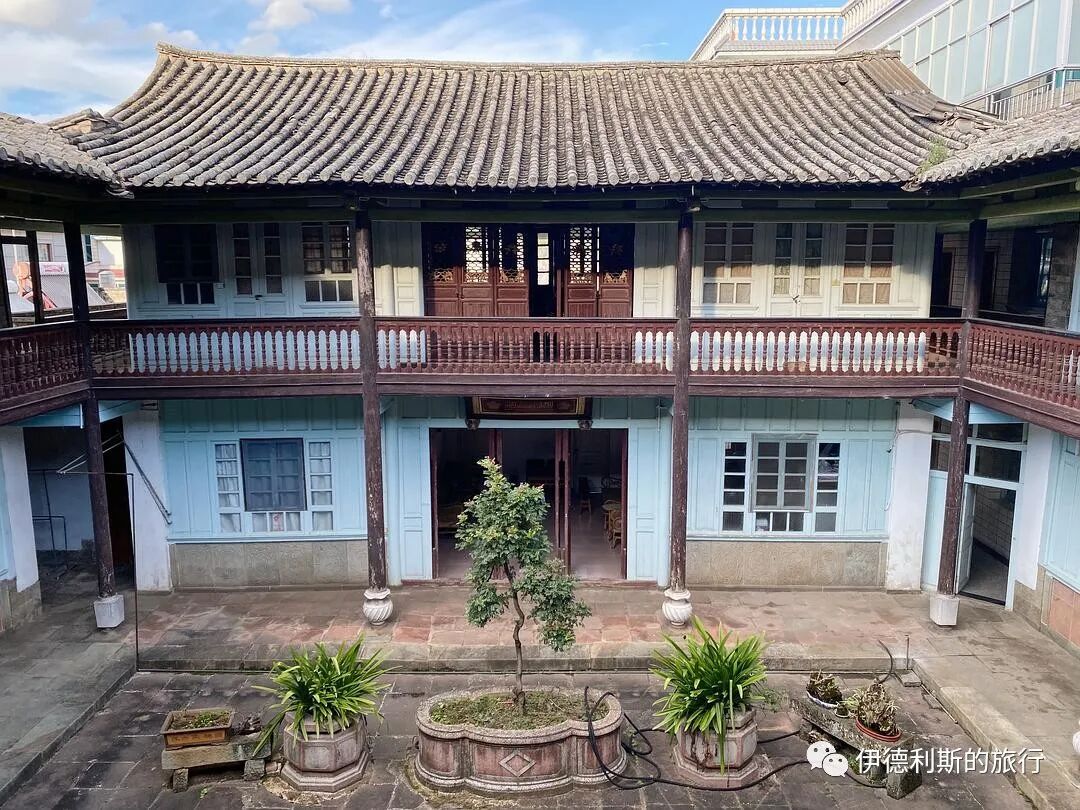
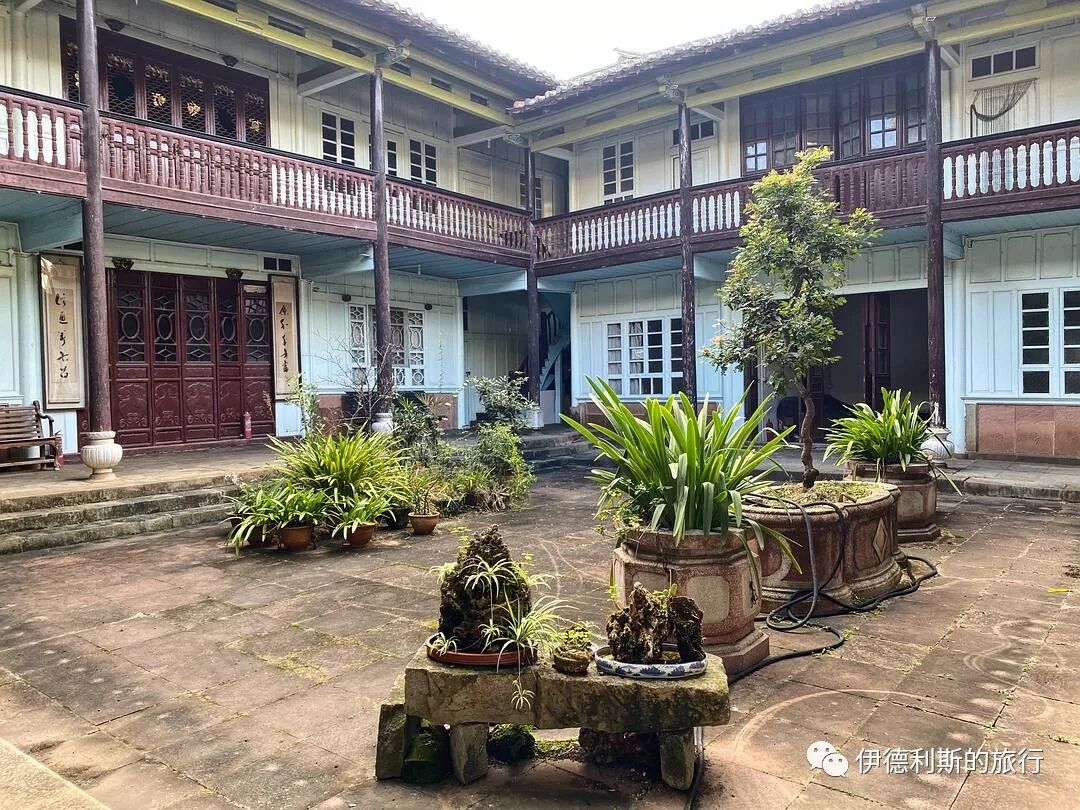
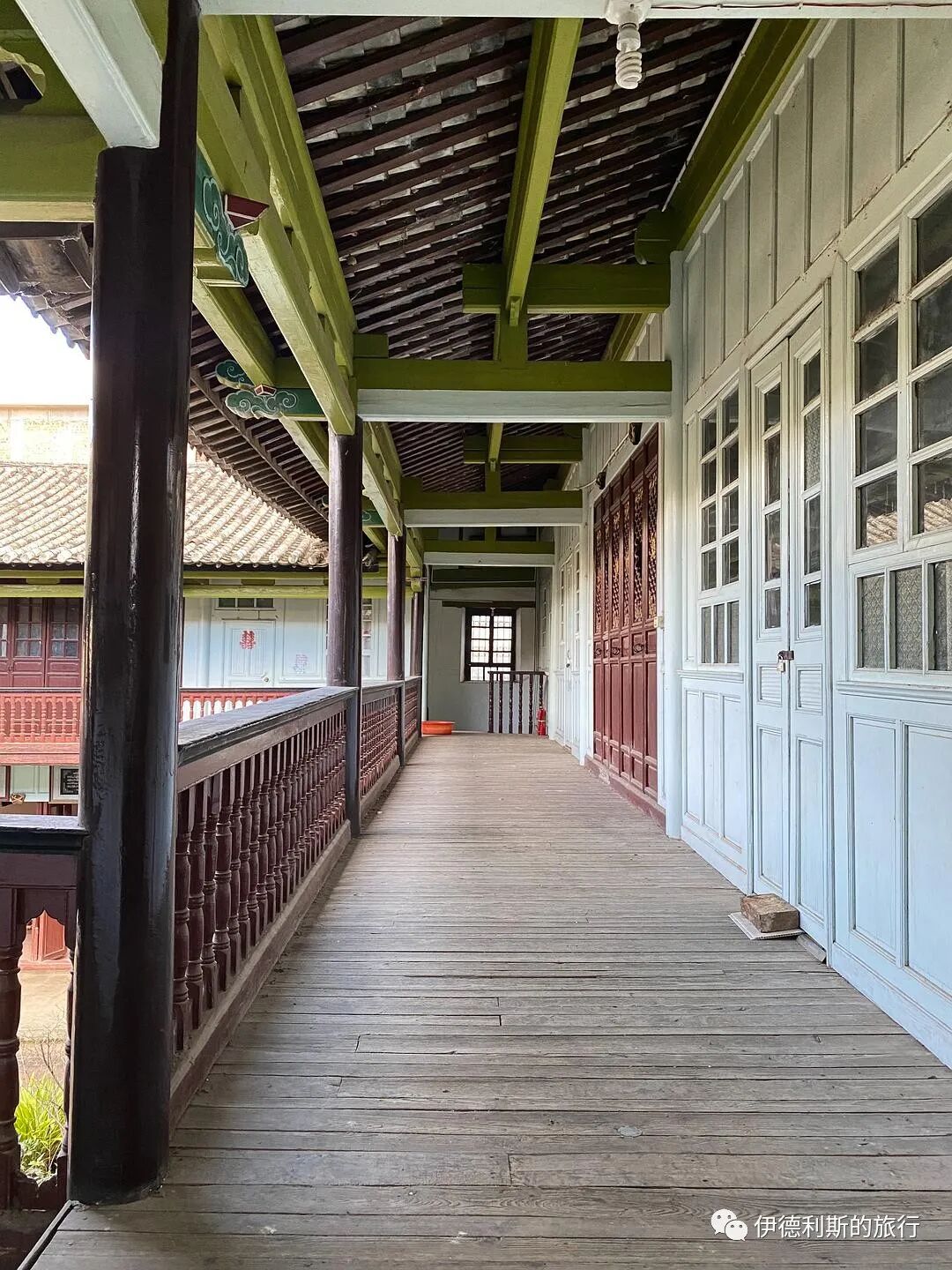
The first large courtyard is No. 102 in Dahui Village. Built between 1932 and 1933, it is a traditional Yunnan-style courtyard with a layout known as 'three bright and five dark' (ming san an wu) and a corner-turning corridor (zouma zhuanjiaolou). This means you have to walk a distance from the main gate before reaching the courtyard itself.
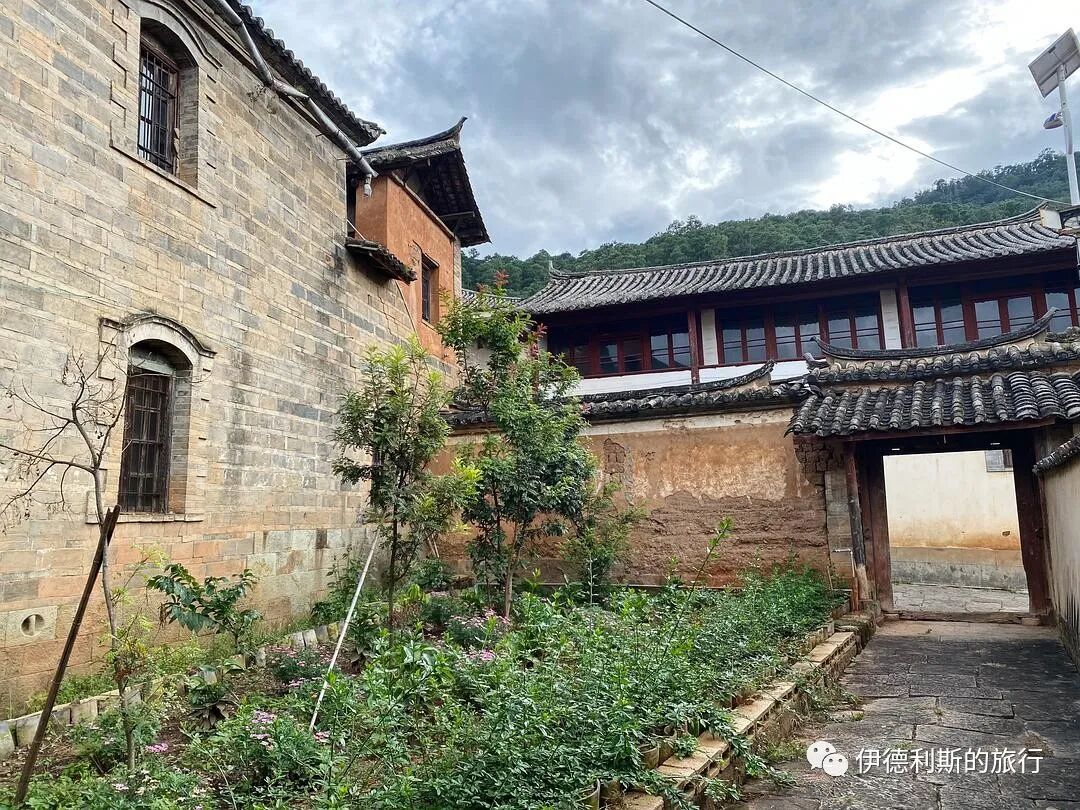
The outermost part is a traditional Yunnan-style gate with a ridged roof and upturned eaves. It is very interesting to see two sets of couplets from different eras layered on top of each other. The bottom layer is a traditional couplet: 'Han dynasty tile inscriptions bring long life, Zhou dynasty bronze plate inscriptions bring wealth and luck.' The yellow upper layer has a first line that reads, 'Study hard, Allah is the master, put effort into your writing.' I cannot fully identify the second line, only the words 'hardened' and 'hatred'.
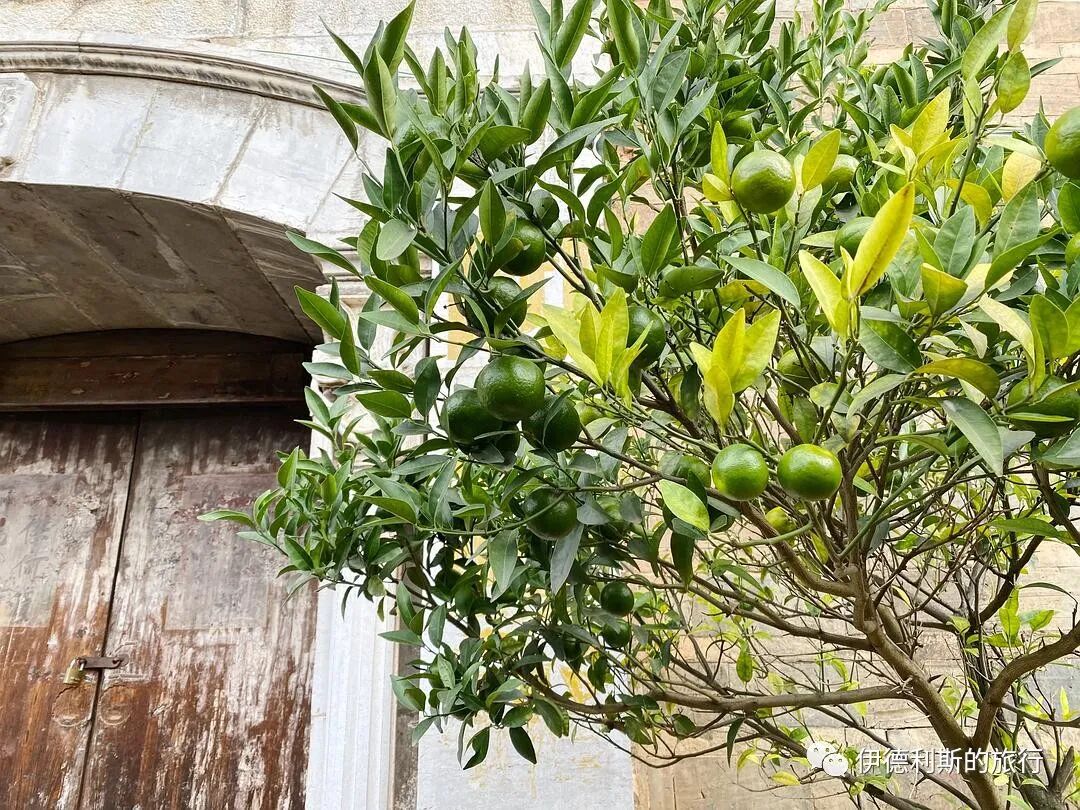
After entering the gate, there is a small courtyard filled with orange trees heavy with fruit.
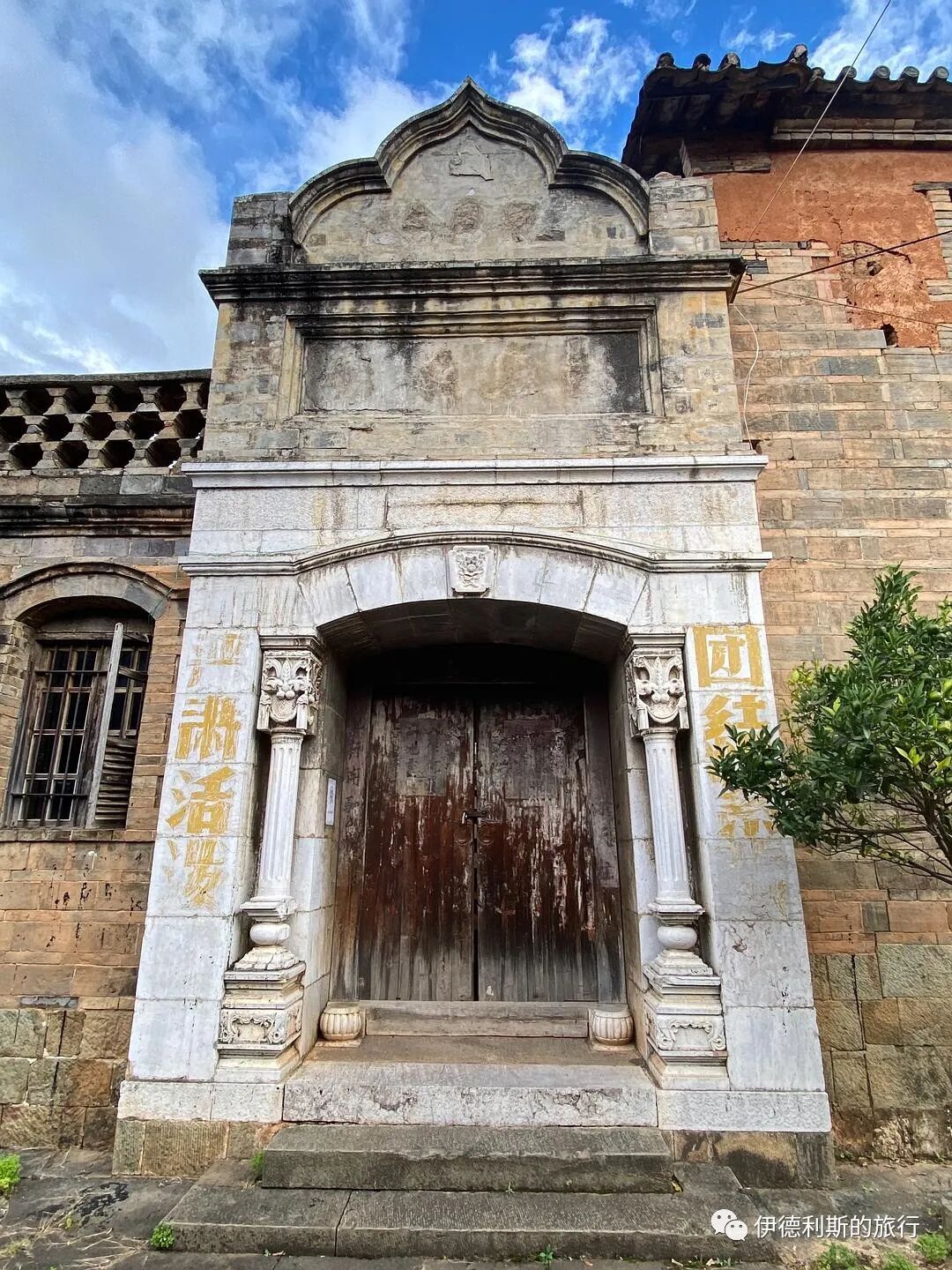
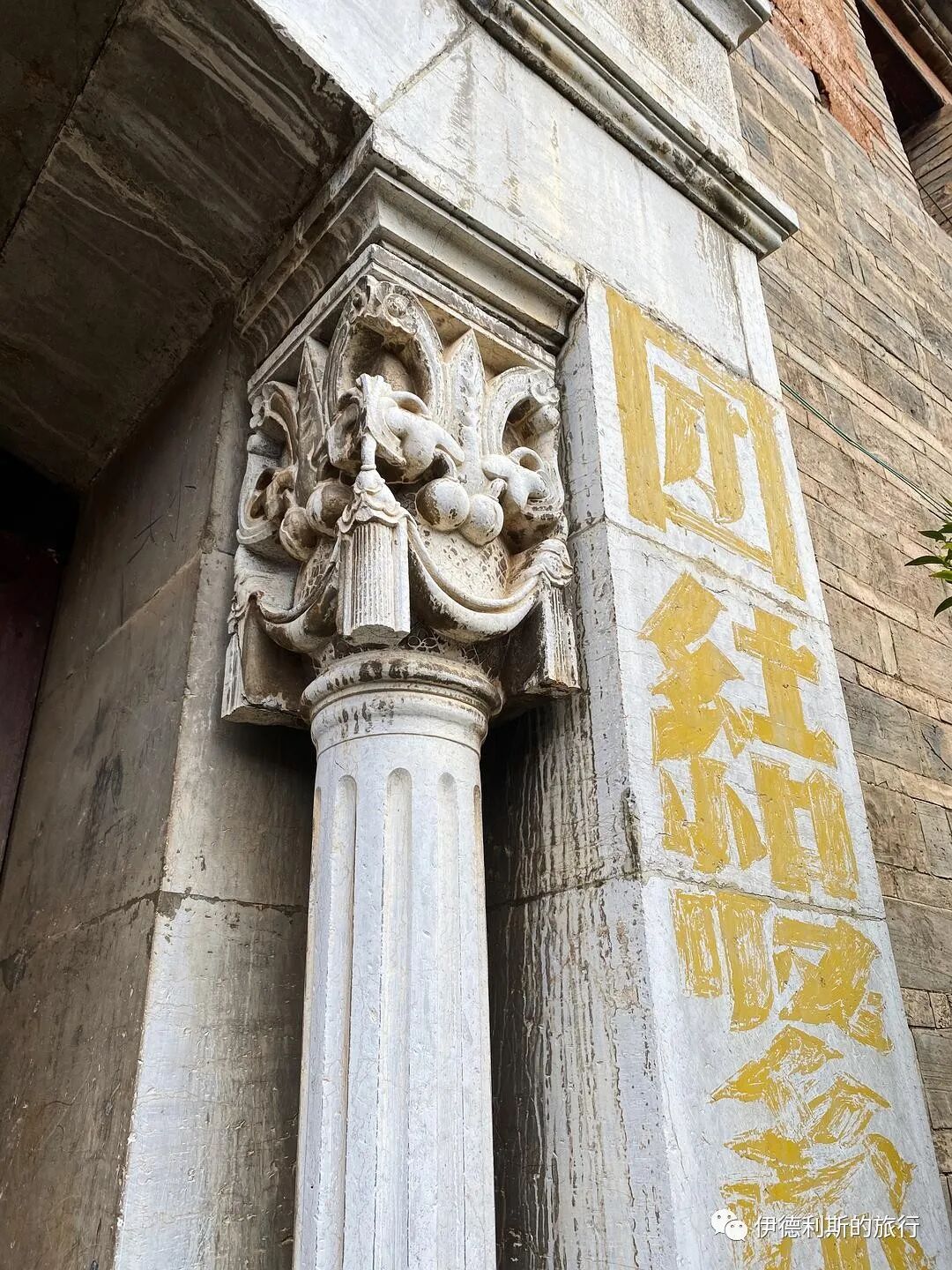
Entering the courtyard, there is a Western-style gate from the Republic of China era. Its Roman columns look very similar to the minaret (jiaobailou) of the Dabaiyi Mosque in Eshan, built in 1935. You can also see the slogan 'Be united, tense, serious, and lively' on the gate, as this place once served as the Dahui Village committee office.
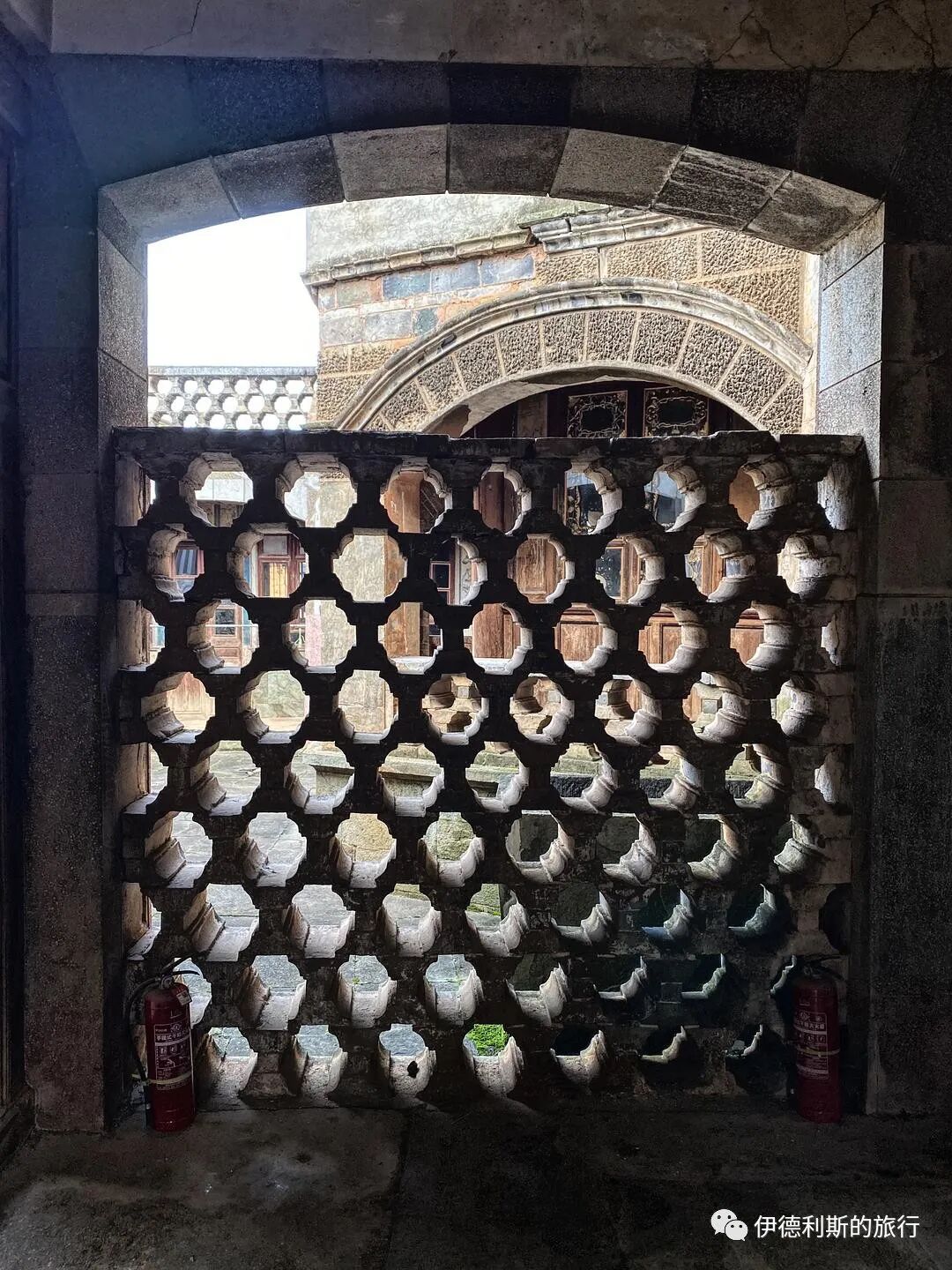
The hollowed-out partition wall inside the gate is very different from the traditional screen wall (zhaobi) or folding screen found in other courtyards.
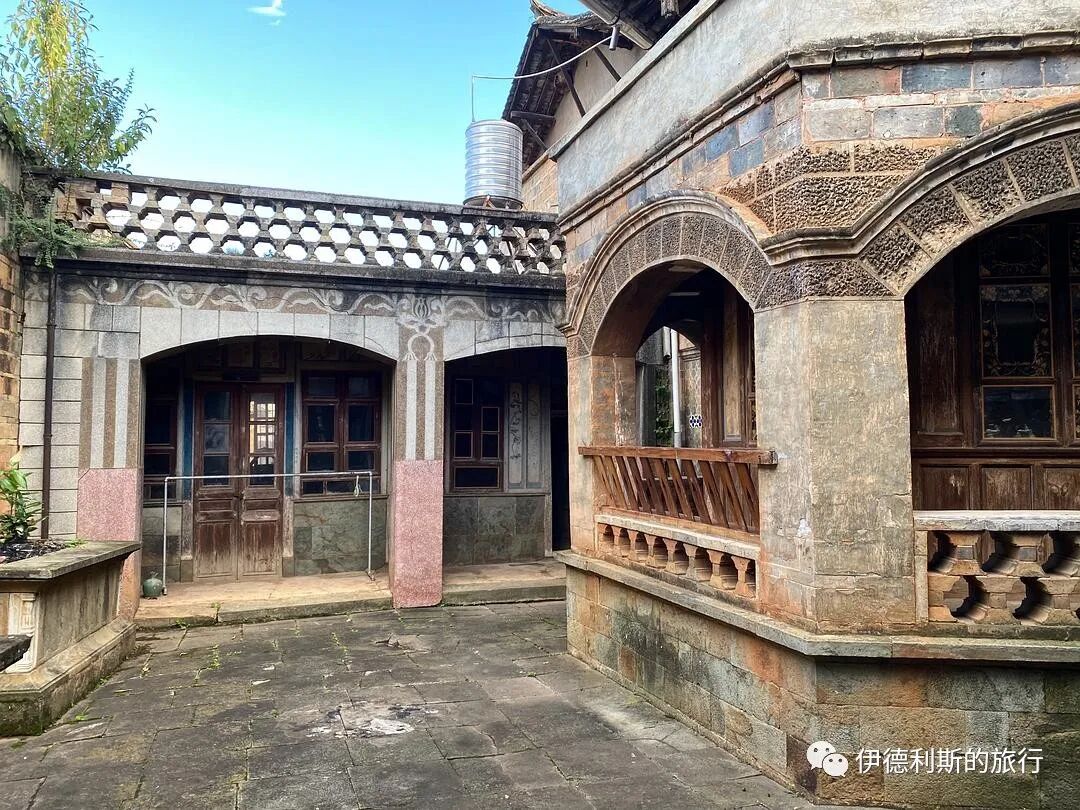
The first small section of the courtyard contains a small house built of cement. This cement was imported from Japan at the time and transported via Kunming.
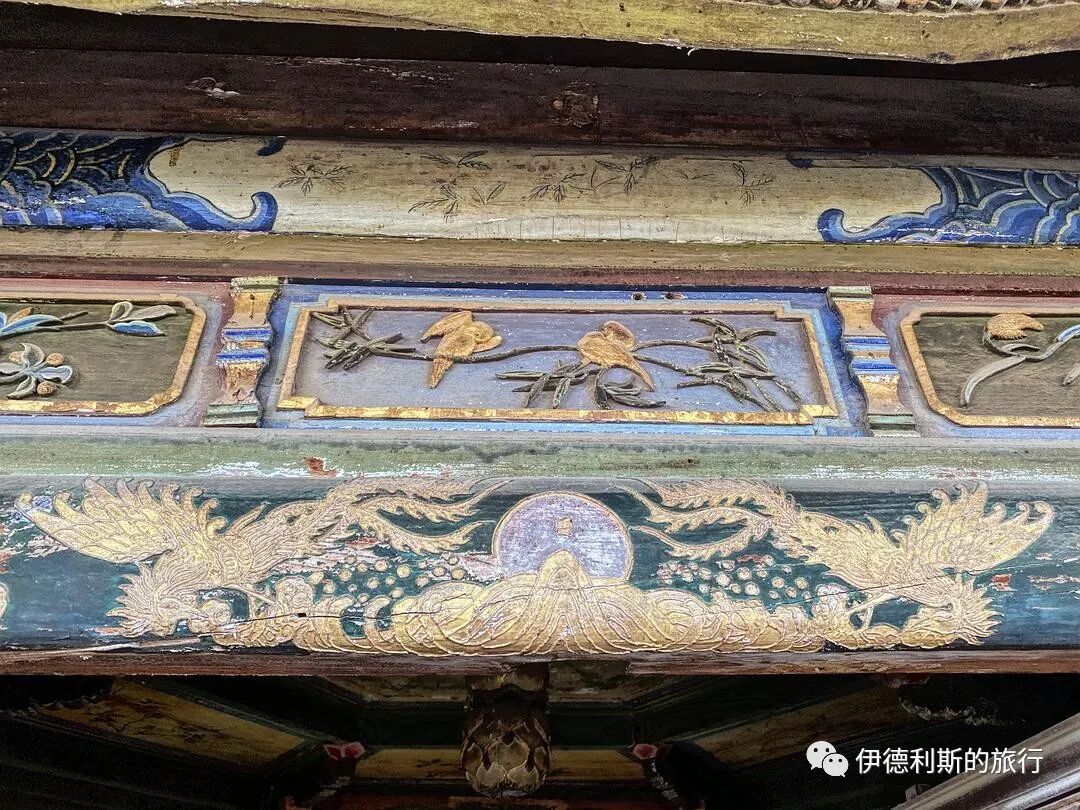
The front hall of the Ma family courtyard is unique, featuring a six-sided, multi-eaved, pointed-roof pavilion. It was used exclusively by the clan leader, Ma Yuanwu, for namaz, so it is also called the prayer pavilion (libaiting). It later became the village broadcast station. The pavilion has exquisite colorful paintings, wood carvings, and tiles imported from Japan.
Ma Yuanwu (1862-1955) originally made his living as a farmer. In the early 20th century, he sent his eldest son, Ma Tongzhu (1880-1958), to lead a horse caravan. At first, they carried salt to Xinping County to sell to people from Sichuan. After three or four trips, they saved some money, and then he sent his eldest grandson, Ma Bingzhong (1899-1972), to open a soy sauce workshop in Panxi Town, nearby Huaining County. At the same time, the Ma family used their horse caravans to transport brown sugar boiled in Panxi to Kunming for sale, then brought salt back to Panxi, gradually growing their business.
At the entrance to the first floor of the prayer pavilion, there is a couplet: 'Orchids and cassia in the pavilion spread fragrance far, the shade of the ailanthus and birch trees in the hall lasts long.' The ceiling inside features clouds, cranes, and the characters for 'blessing' (fu) and 'longevity' (shou). The second-floor ceiling has two lotus flowers, and the surrounding windows feature very fine wood carvings.
You can see the pastoral scenery from the balconies on both sides of the prayer pavilion.
The Ma family courtyard was built under the direction of Ma Tongkuan, the second son of clan leader Ma Yuanwu. During the early Republic of China, Ma Tongkuan lived in Mojiang County, east of Pu'er, managing various business dealings. Because he kept his word and managed things well, he became a very wealthy man in southern Yunnan. In the middle and late Republic of China, Ma Tongkuan returned to his hometown of Dahui Village and oversaw the construction of the three Ma family courtyards. In 1956, Ma Tongkuan served as deputy county magistrate of Qilu County. In 1957, he was labeled a rightist, and in 1968, he returned to Allah (gui zhen).
When building the Ma family courtyards, Ma Tongkuan hired craftsmen from Shanghai and Annam. It took about twenty years. They fired their own bricks and tiles, quarried stone, and selected and cut their own timber. The garden kept peacocks and even had an advanced boiler room.
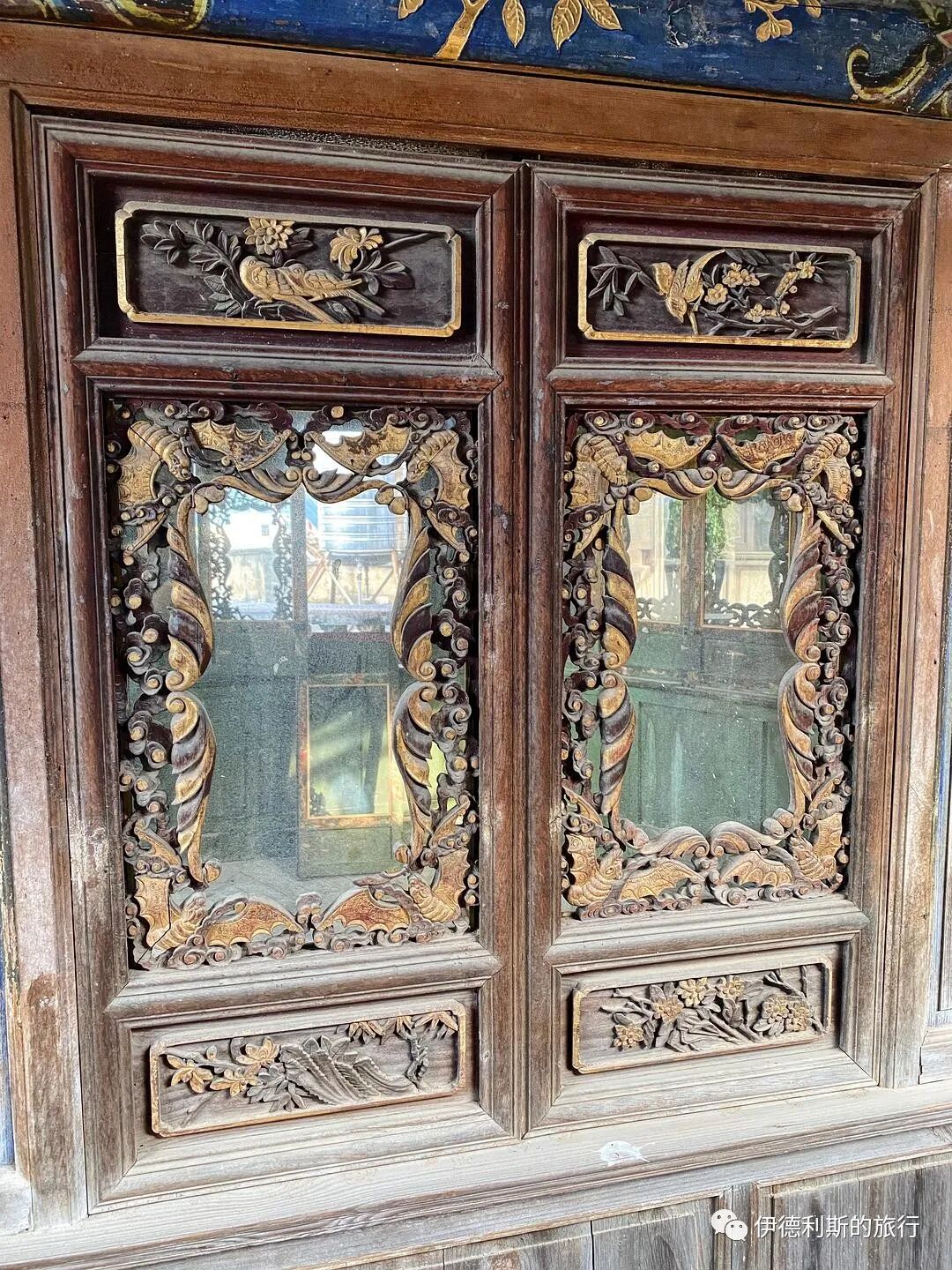
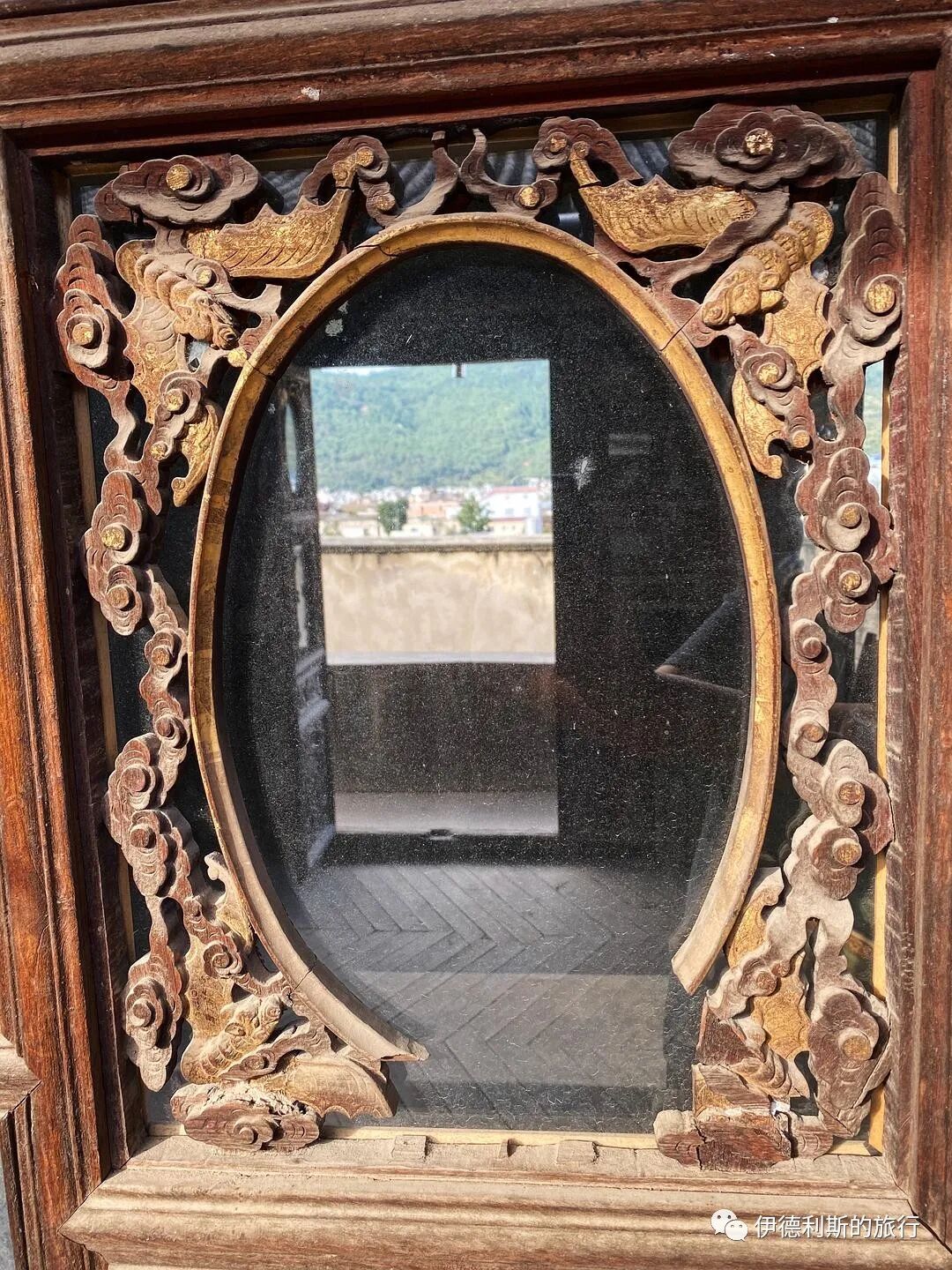
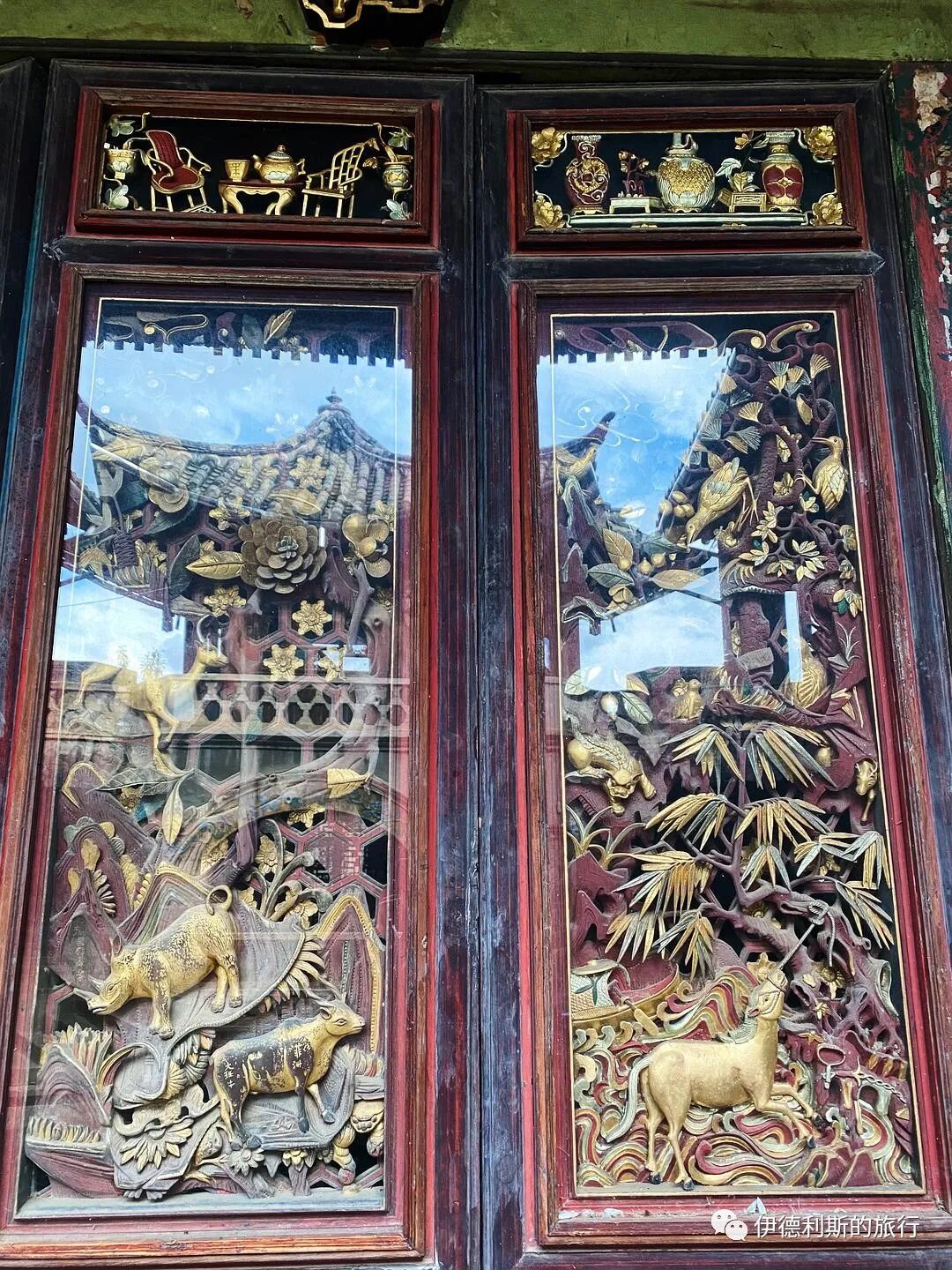
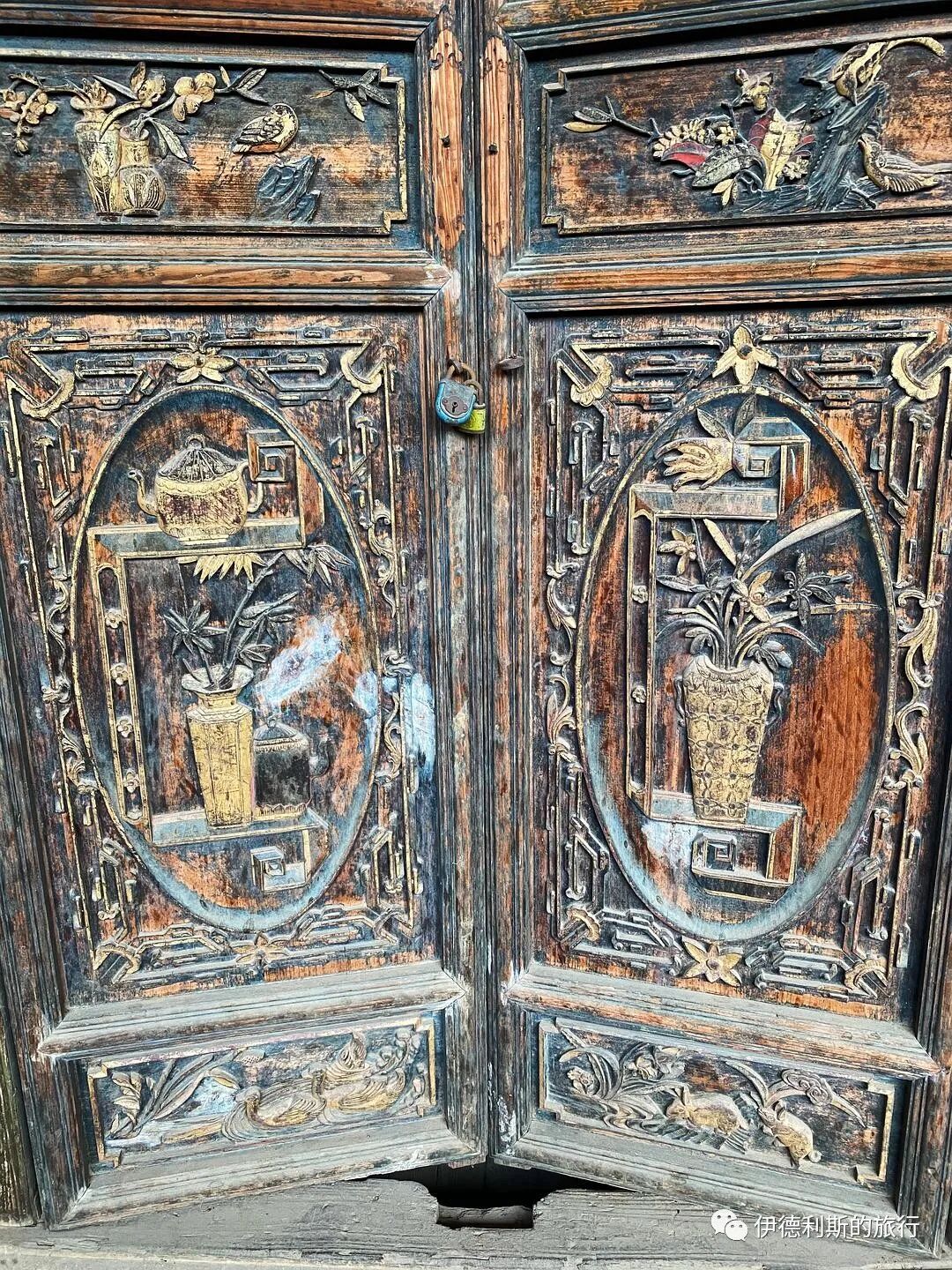
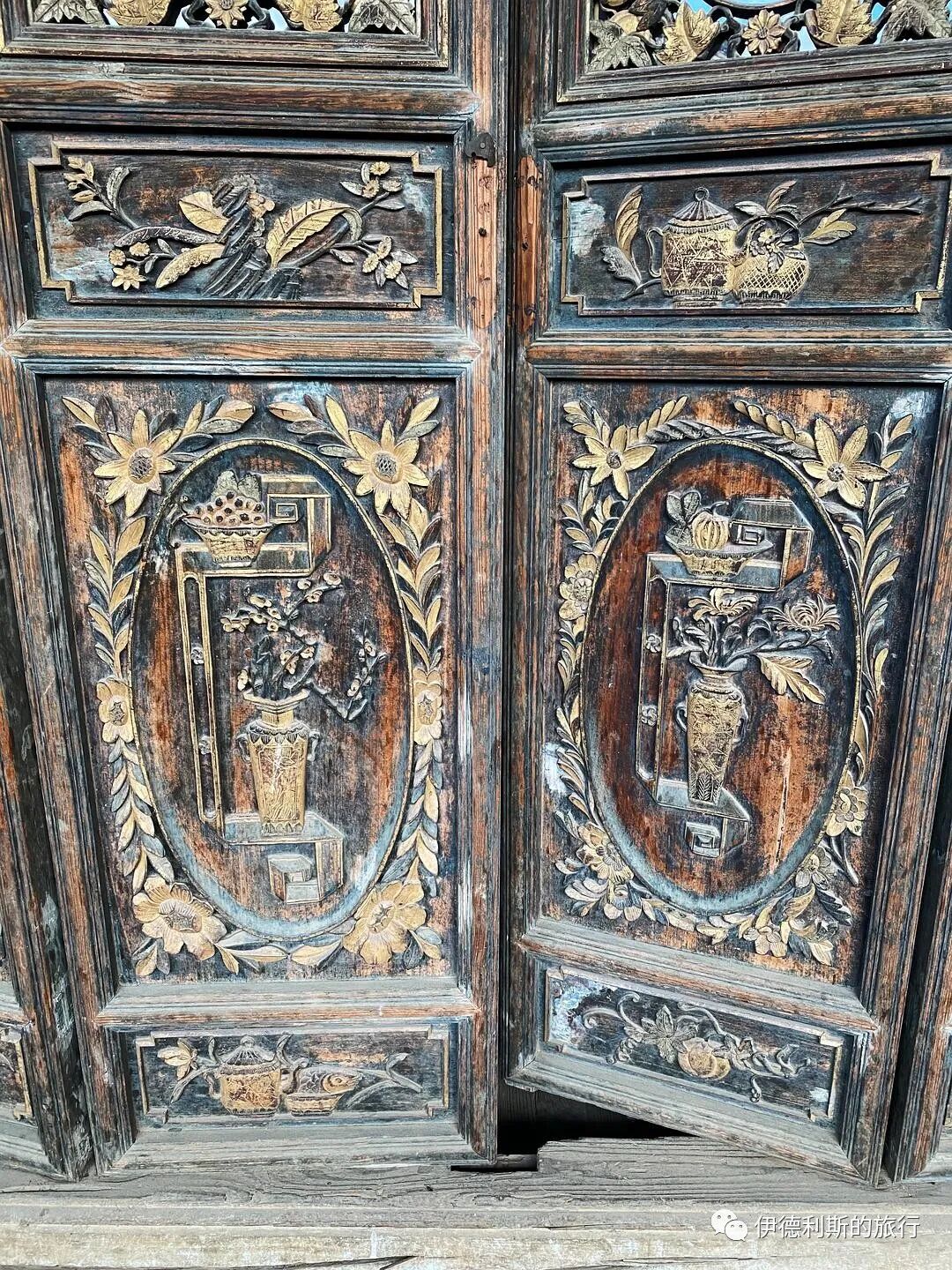
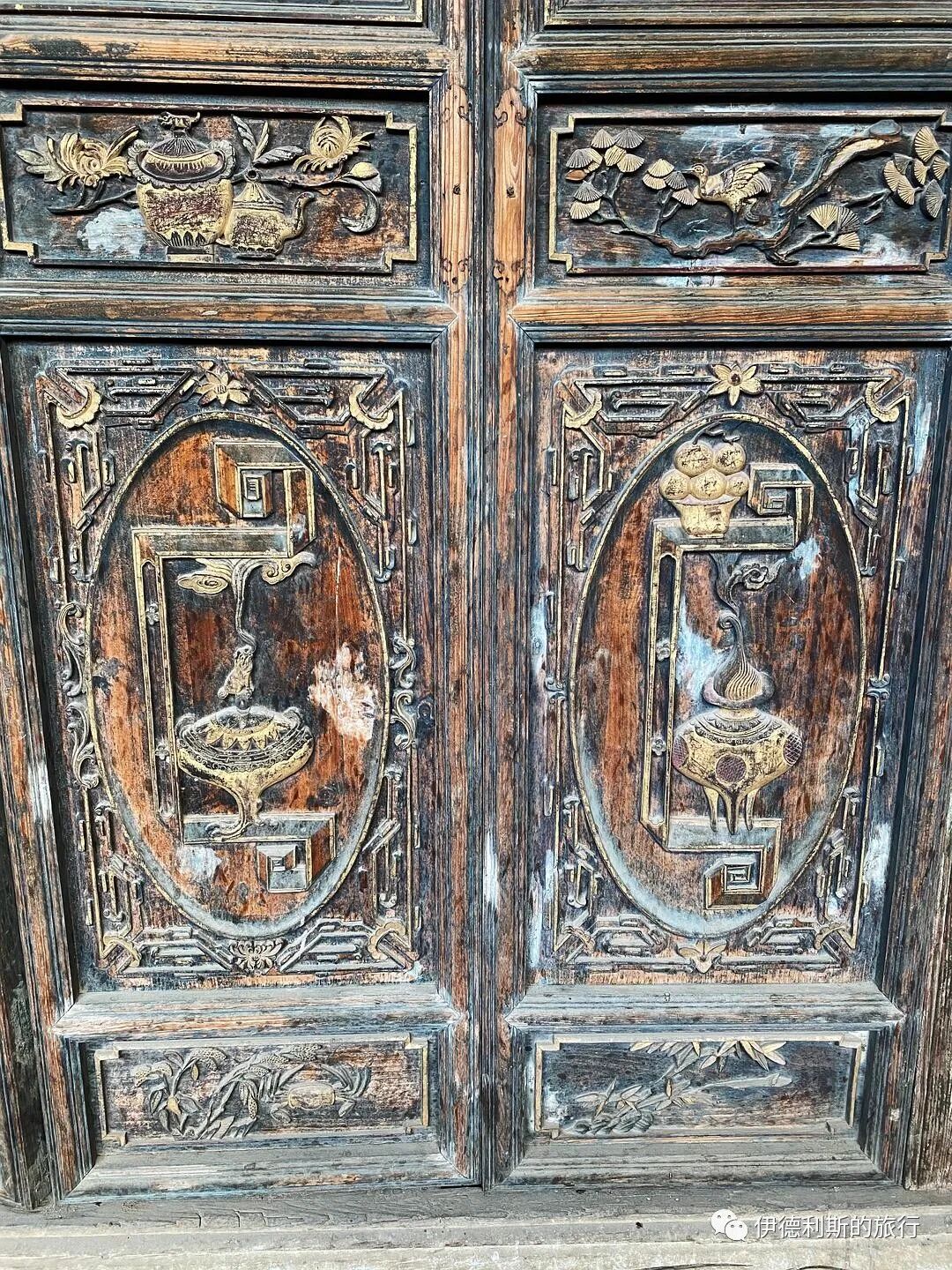
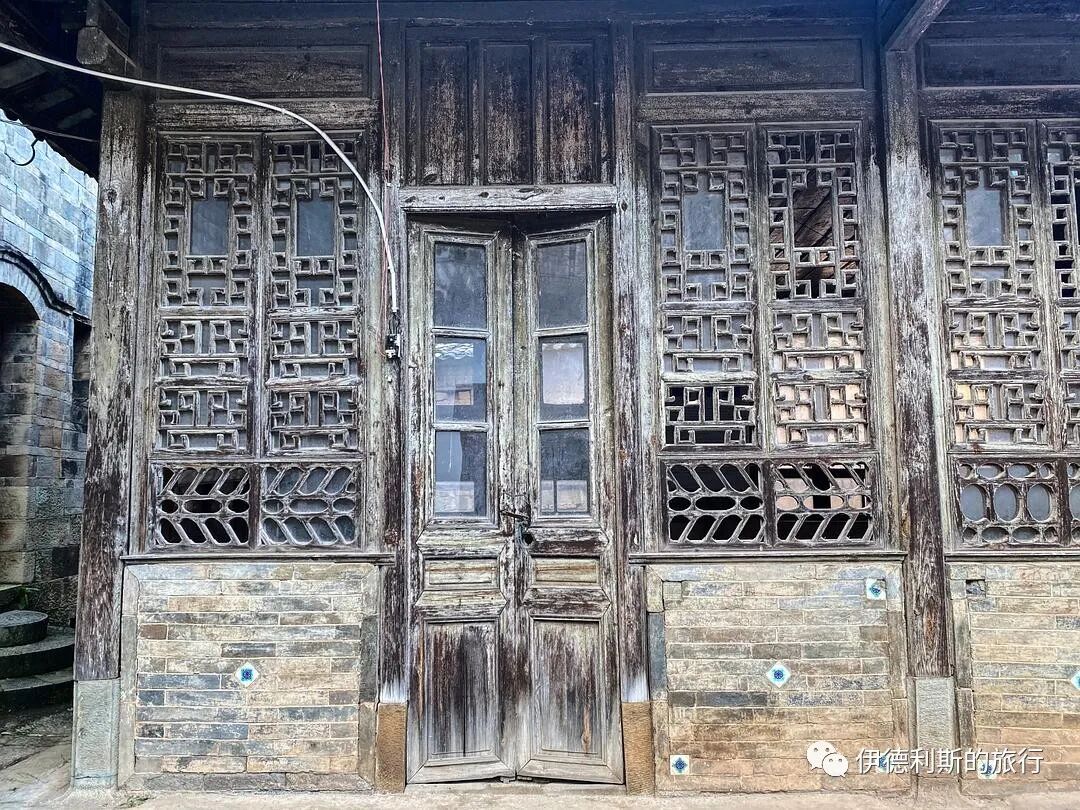
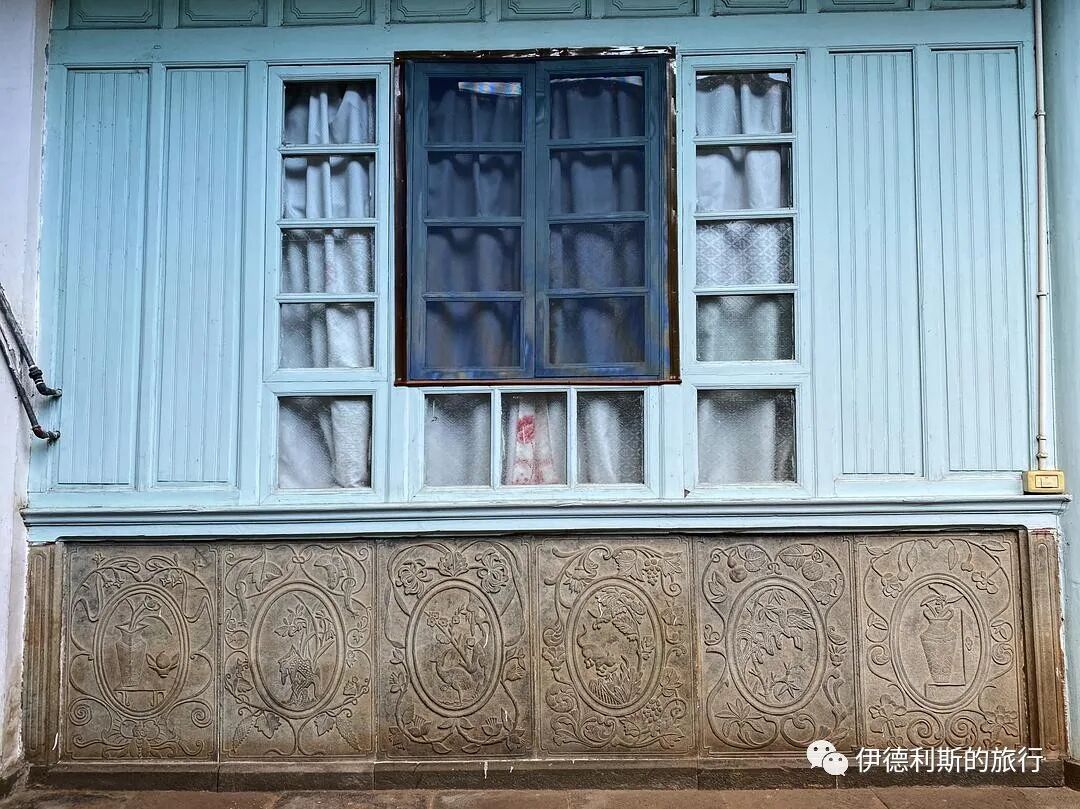
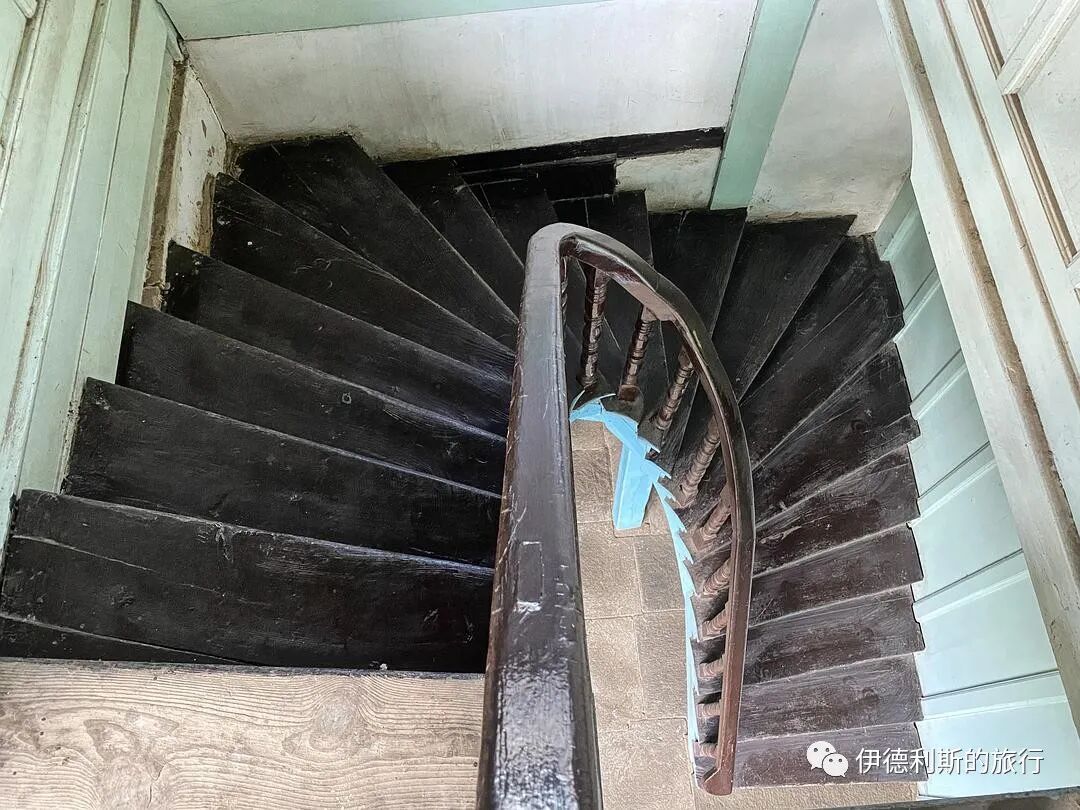
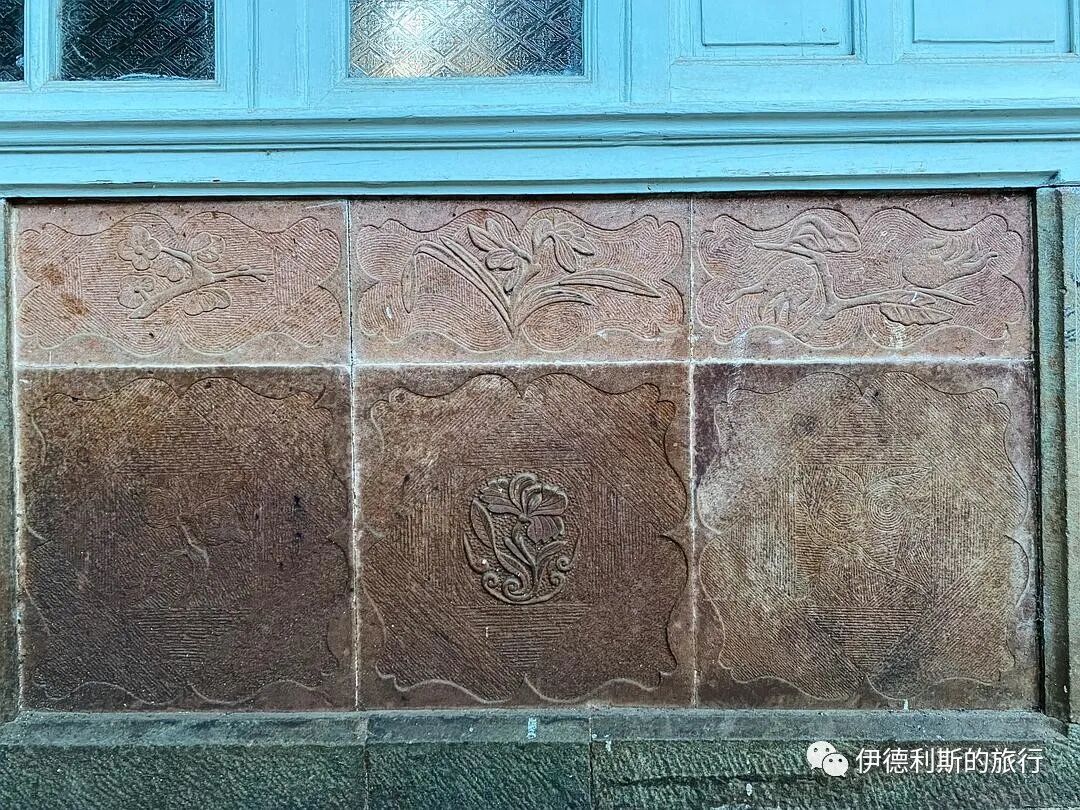
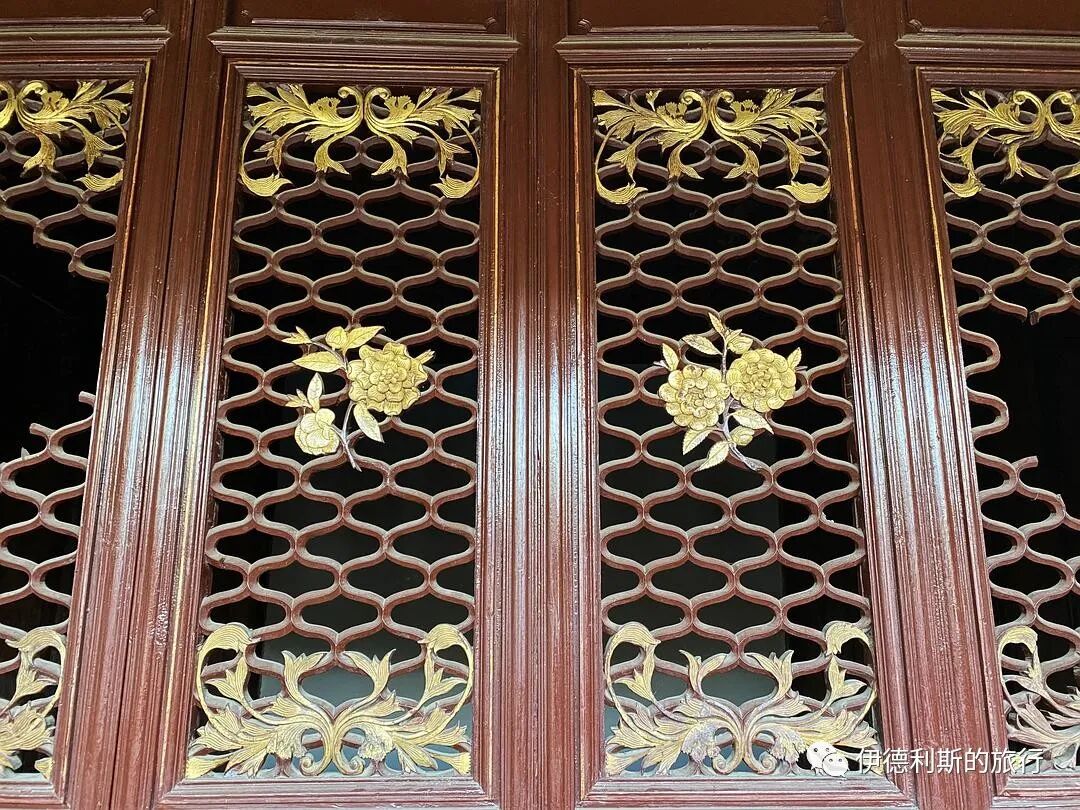
Tonghai has always been famous for its wood carving craftsmanship, and the exquisite wood-carved doors and windows of Courtyard No. 1 are proof of this. The doors and windows feature not only various flowers, plants, birds, and animals, but also pavilions, waterside structures, and Western-style architecture, showing the unique style of the era.
The Ma family courtyard once had twenty or thirty plaques, including 'Cultivating Virtue to Protect Descendants' inscribed by Chiang Kai-shek and 'Five Generations of Prosperity' inscribed by Long Yun, as well as plaques from Yu Youren, Bai Chongxi, Feng Yuxiang, and many others. However, they were all destroyed in the 1960s. All the beautiful couplets were replaced by slogans. Figure 1 shows the marks where the plaques used to hang above the door.
In 1918, the Ma family sold their soy sauce workshop and opened the Yuanxinzhai firm in Mojiang. They switched to trading cotton yarn, cloth, silk, and satin. At the same time, they bought mountain goods and medicinal materials like tea, purple stick (shellac), cowhide, deerskin, velvet antler, and ivory. Later, they also boiled deer glue, expanding their reach from domestic markets to Thailand and Myanmar.
In 1921, the Ma family changed the name of 'Yuanxinzhai' to 'Yuanxinchang' in Kunming. They mainly traded ivory, velvet antler, tiger bone, otter skin, tea, cloth, silk, and dyes. They also transported Chinese medicinal herbs like saffron, sweet flag (changpu), musk, and fritillaria to Thailand for sale. Later, the Ma family established the Jingchang Tea House in Jiangcheng and founded a tea factory to press seven-piece tea cakes (qizi bingcha), which were carried by horse to Laos and then to Vietnam and Hong Kong for sale.
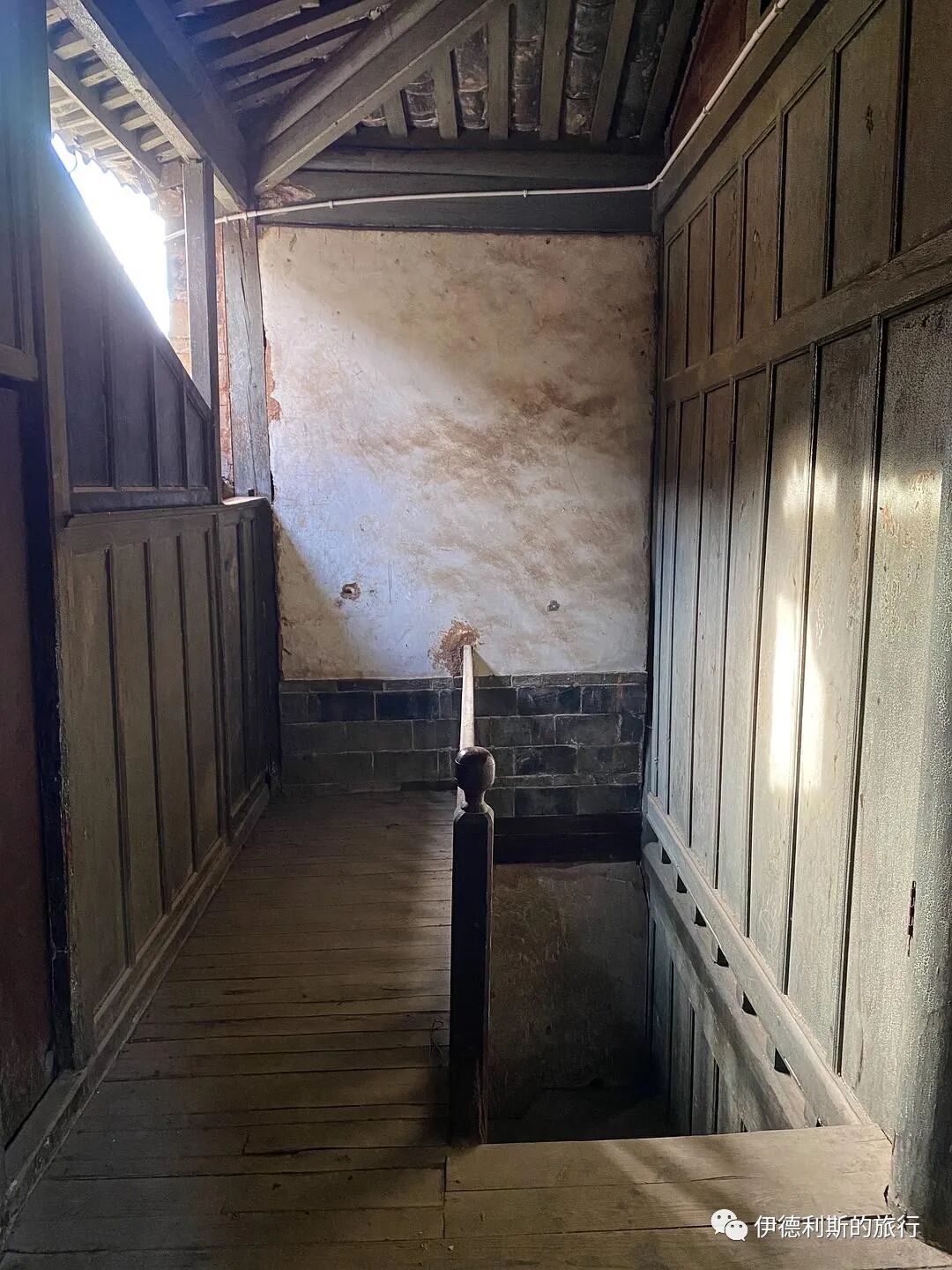
An empty room.
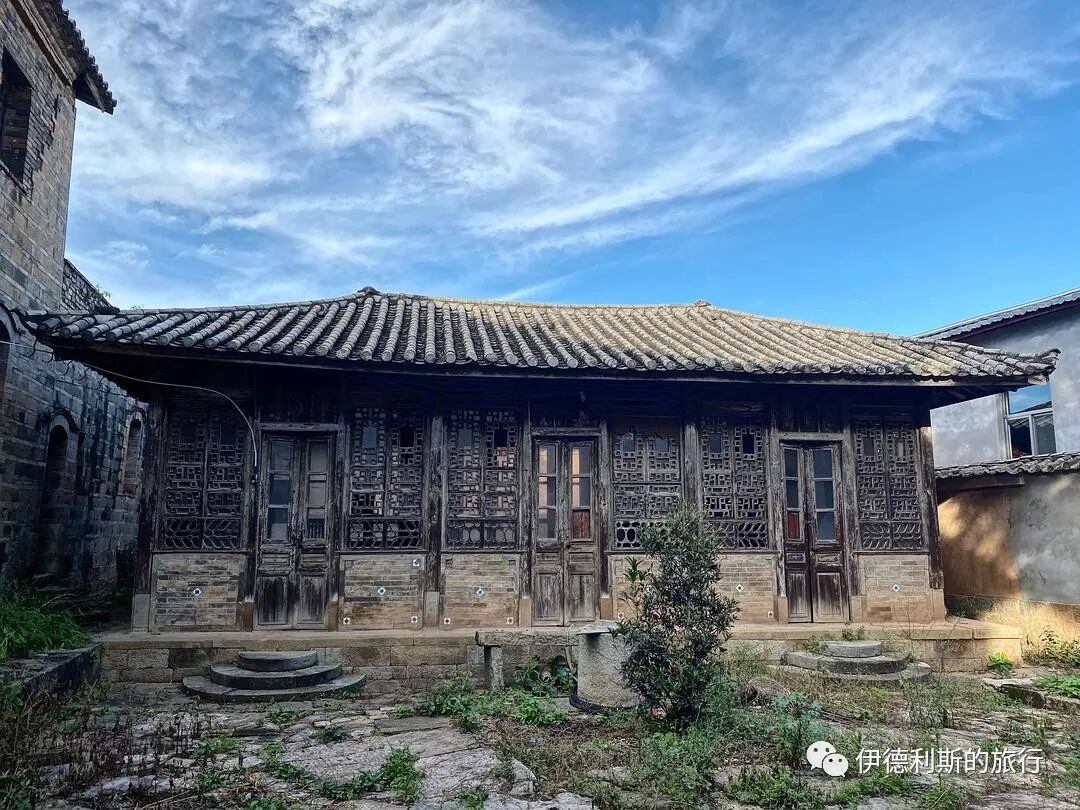
A small house in the backyard, which also has its own little courtyard.
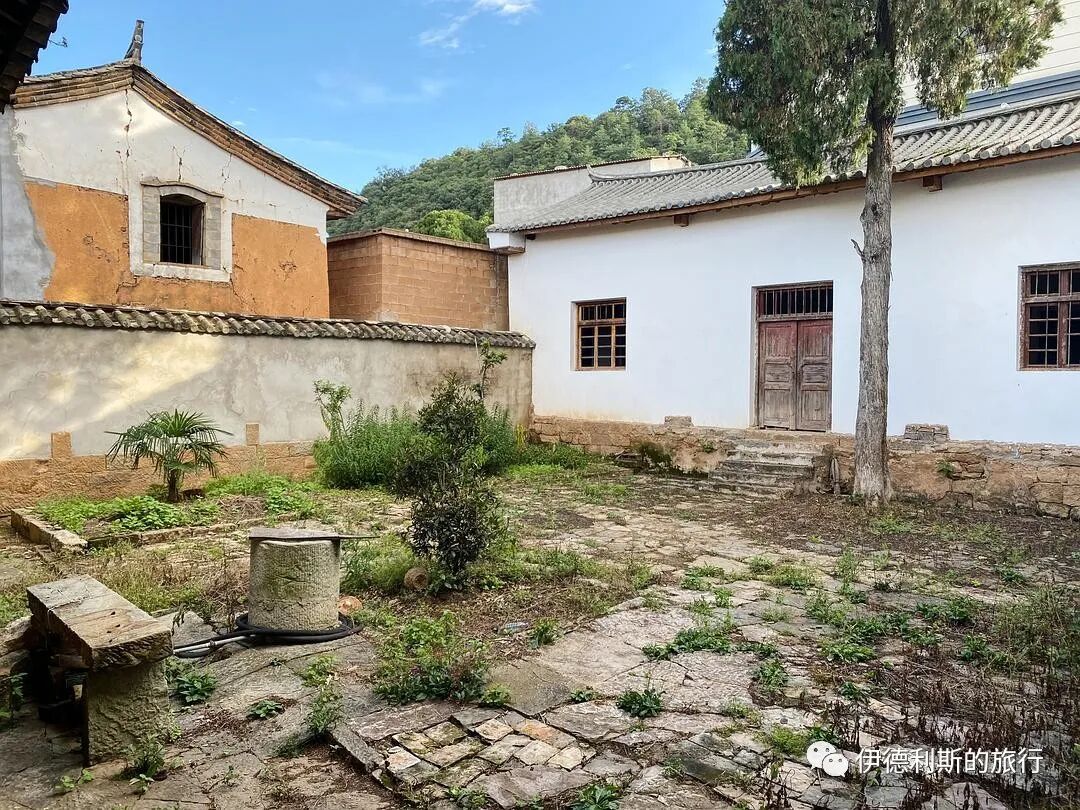
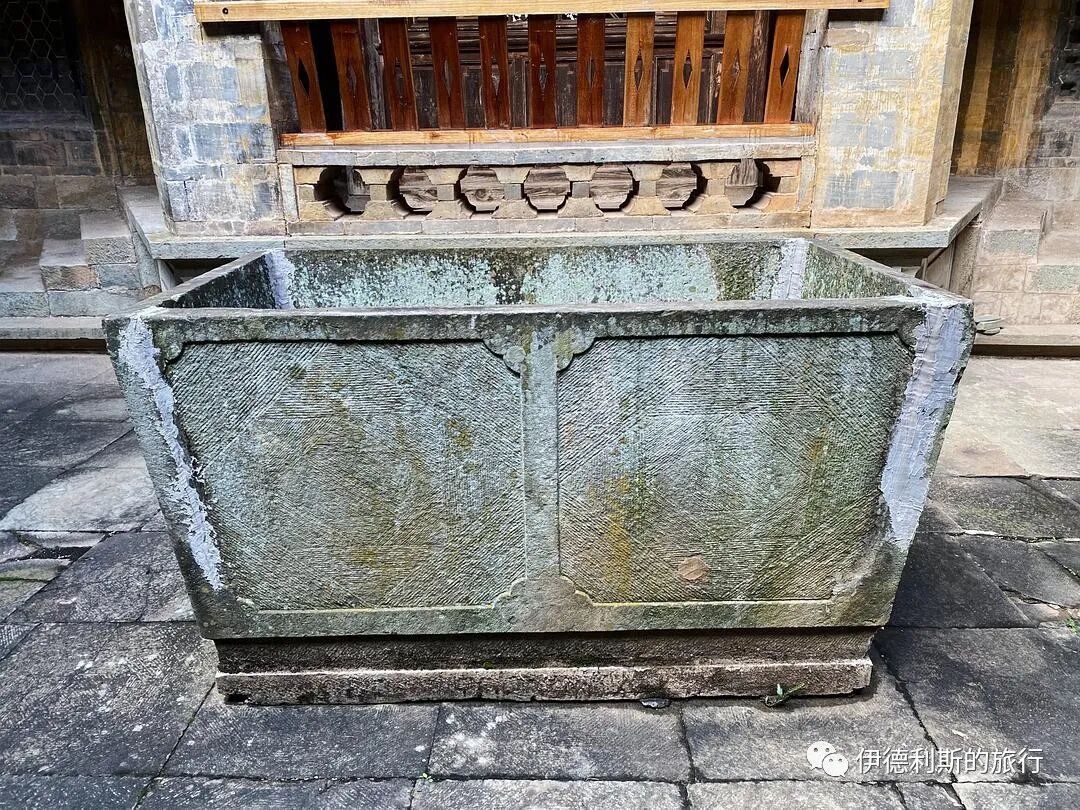
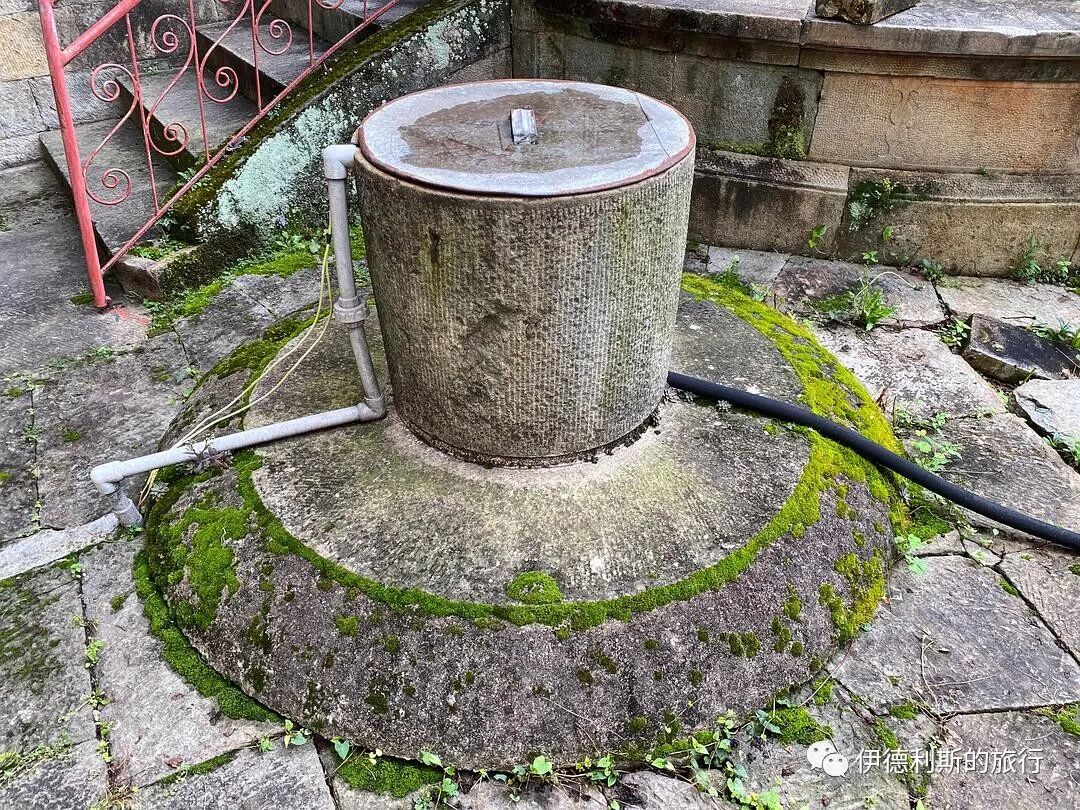
The water vat in the courtyard was likely used for fighting fires.
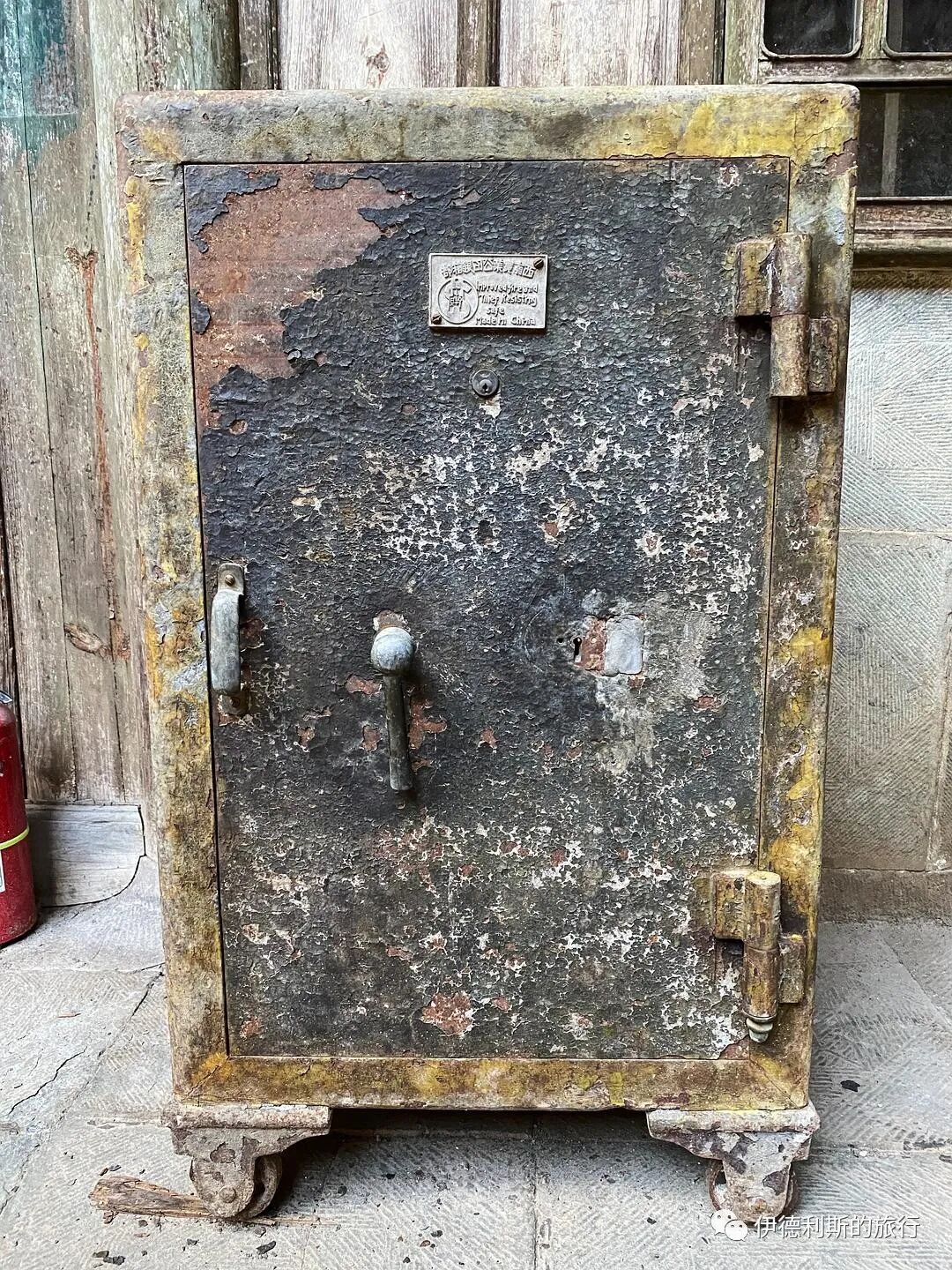
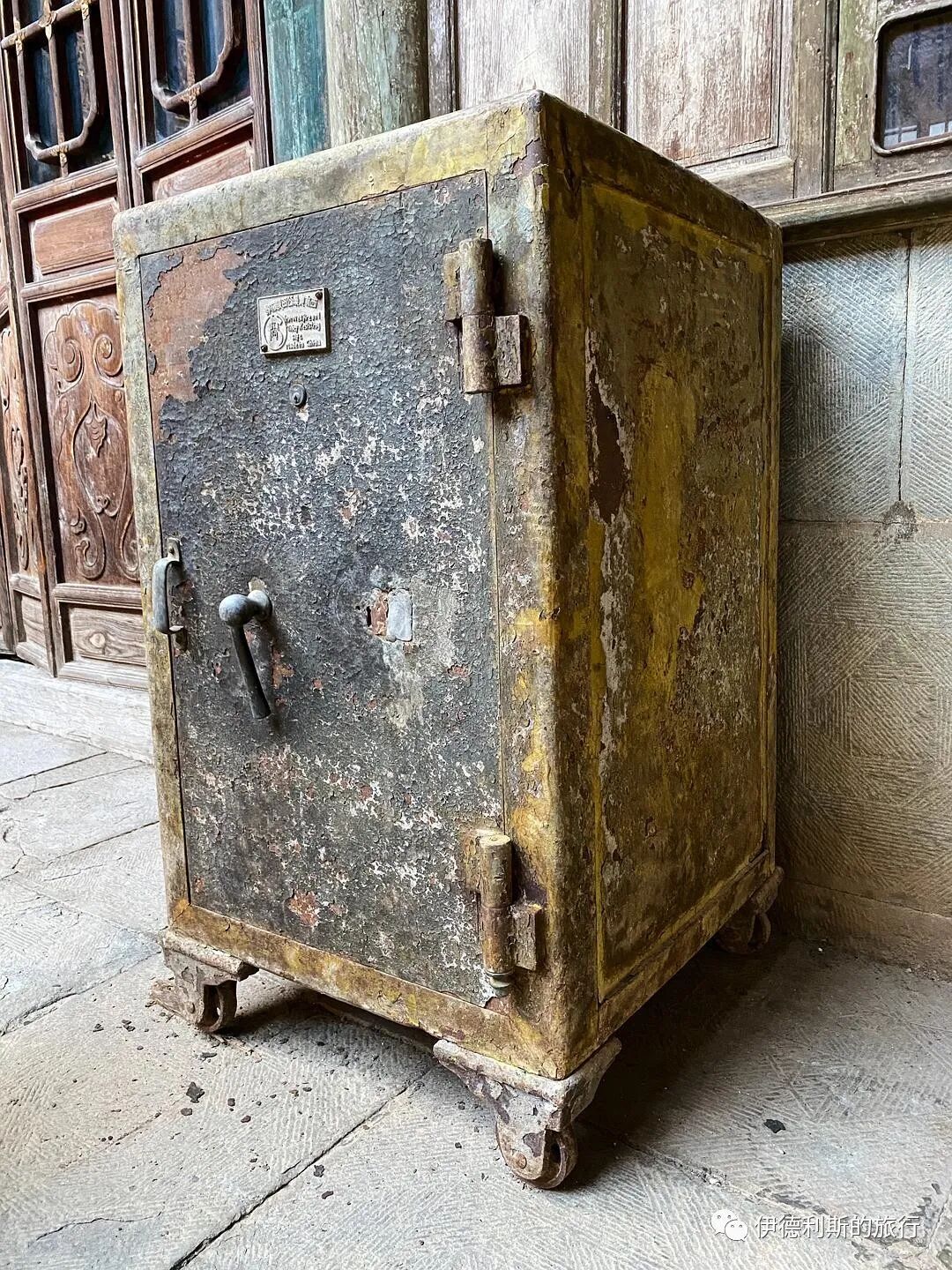
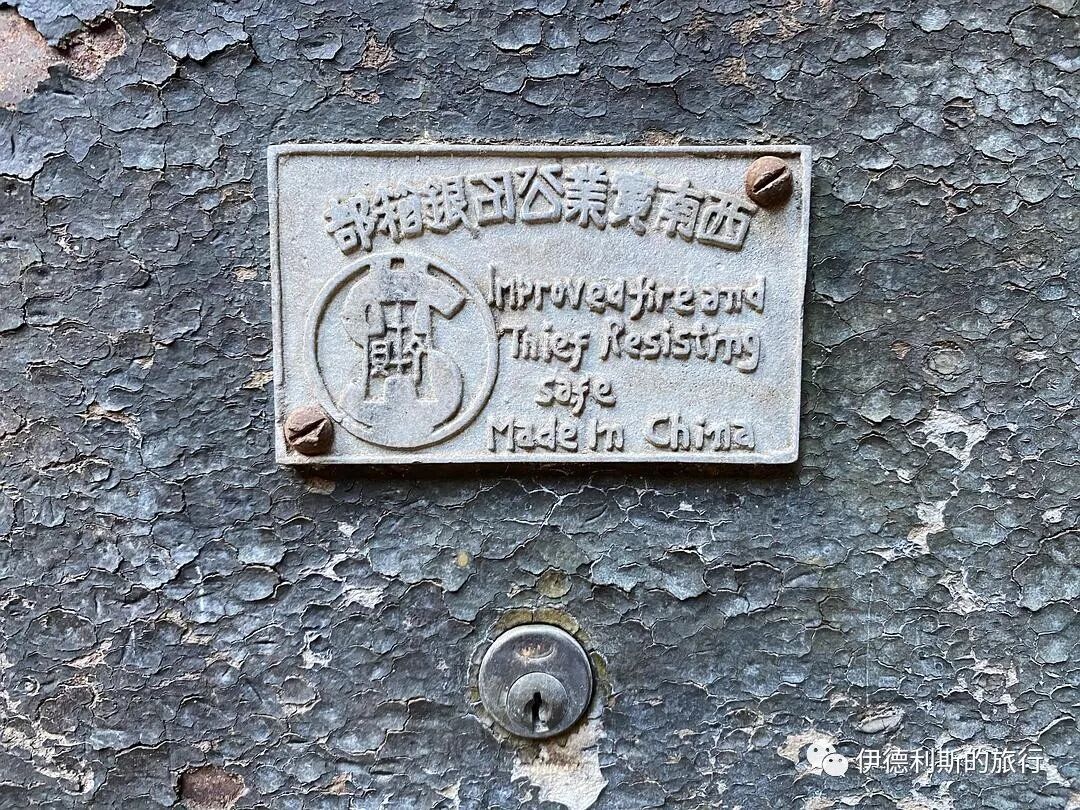
A safe from the Republic of China era sits in the courtyard. It is labeled 'Southwest Industrial Company Safe Department' and 'Improved fire and Thief Resisting safe Made in China'. "
In 1951, the Ma family deposited all the gold, silver, and silver dollars (yuan datou) buried under their compound into the Hexi County People's Bank. This included about 2,000 taels of gold bricks and bars. The largest gold brick weighed over 400 taels, making it too heavy for one person to carry easily, along with 2,000 to 3,000 silver dollars. This event was reported in the Yunnan Daily, and the Ma family was called 'enlightened landlords'. After the land reform movement (tu gai), this gold and silver was taken back to Dahui Village to be displayed as 'fruits of struggle' during public meetings, and then the three compounds and all the furniture were confiscated.
Courtyard No. 2.
Courtyard No. 2 of the Tonghai Ma Family Compound is located at No. 57 Dahui Village. Built in 1937, it is also a 'key-shaped' (ke yi yin) courtyard with corner towers, but it has a larger skylight, a spacious yard, and simpler decorations.
A plaque reading 'Five Generations Under One Roof' once hung over the gate of Courtyard No. 2. Today, you can still faintly see the words 'Dongqu Brigade' and 'School'. After it was returned to the Ma family in 1986, it was lived in by the family of Ma Zishang (1914-2007), the grandson of Ma Yuanwu. In recent years, the Ma descendants only return during holidays.
In the 1930s, besides running horse caravans for trade, the Ma family set up branches across central and southern Yunnan, as well as in Kengtung and Monghsat in Myanmar, and Lampang, Chiang Mai, and Bangkok in Thailand. During the War of Resistance, trade routes were cut off, and Pu'er tea began to pile up. Once the war ended and the routes reopened, the Ma family immediately hired ten large ten-wheeled trucks to transport over 40 tons of Pu'er tea to Guangdong for resale in Hong Kong. Because the Pu'er tea had been stored for years, it was fully fermented and aged, making it very fragrant and popular with buyers. On the return trip, they brought back flashlights and batteries, which were scarce in Yunnan and sold out quickly.
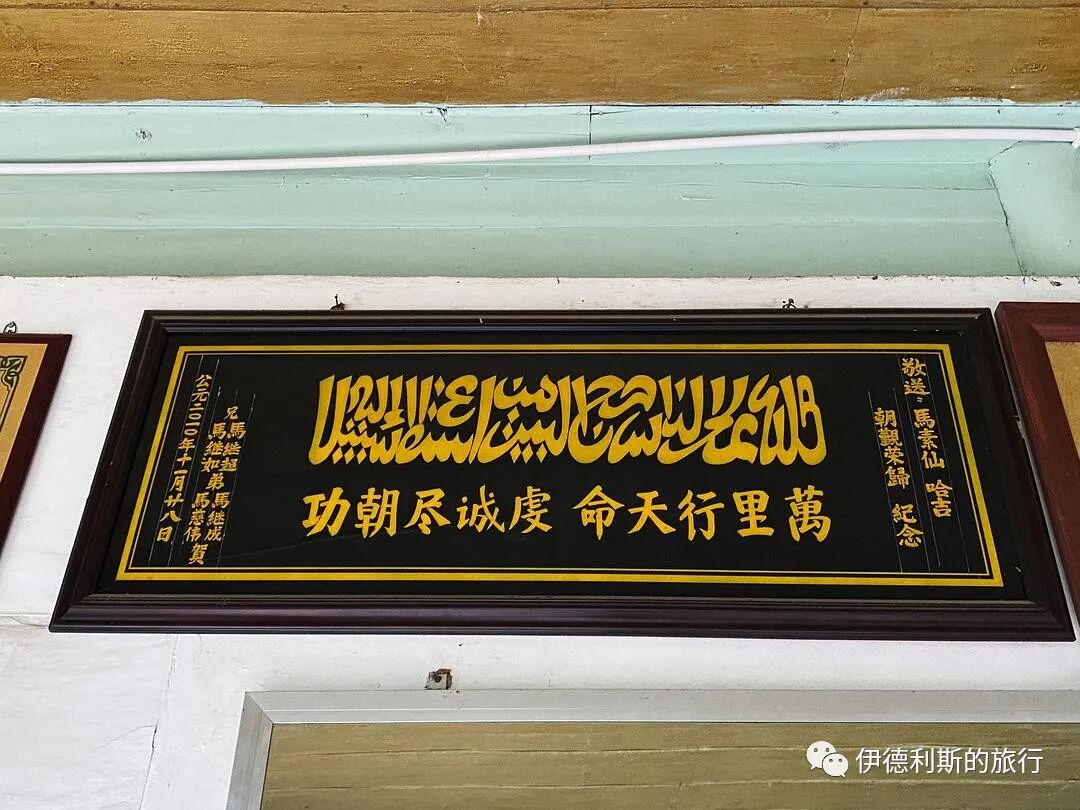
The Ma family was not only good at business but also very devout. I saw several plaques in the courtyard celebrating their successful Hajj pilgrimages.
Courtyard No. 3.
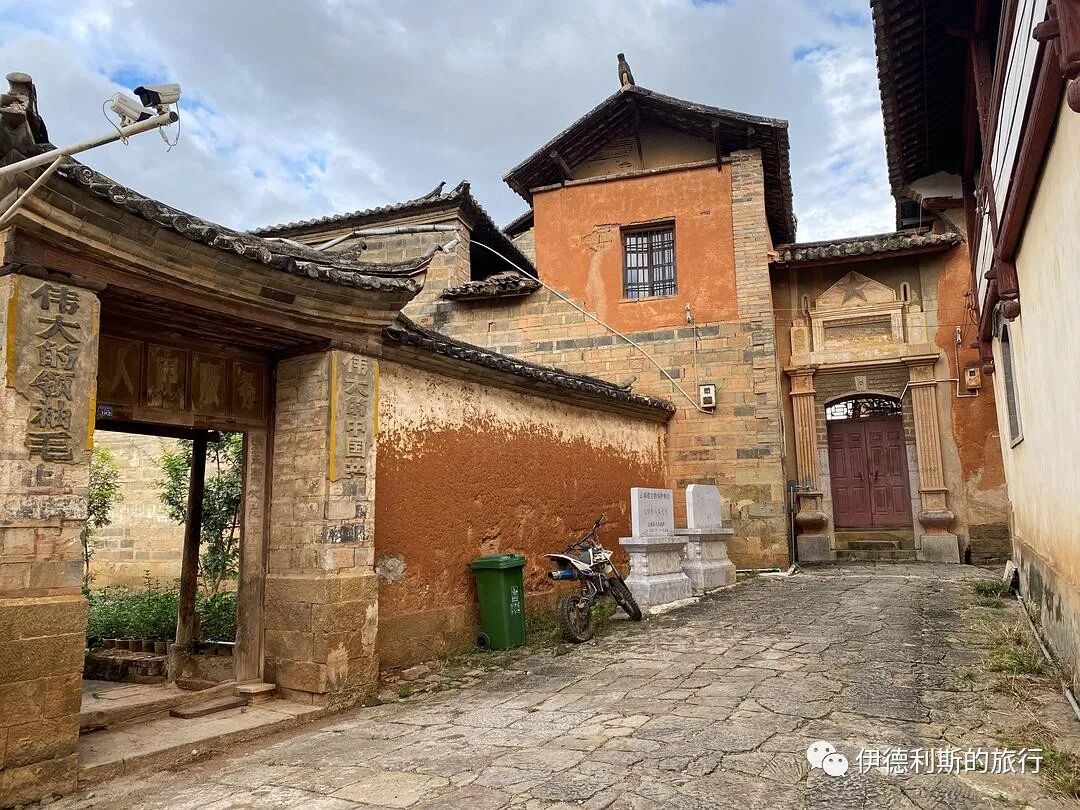
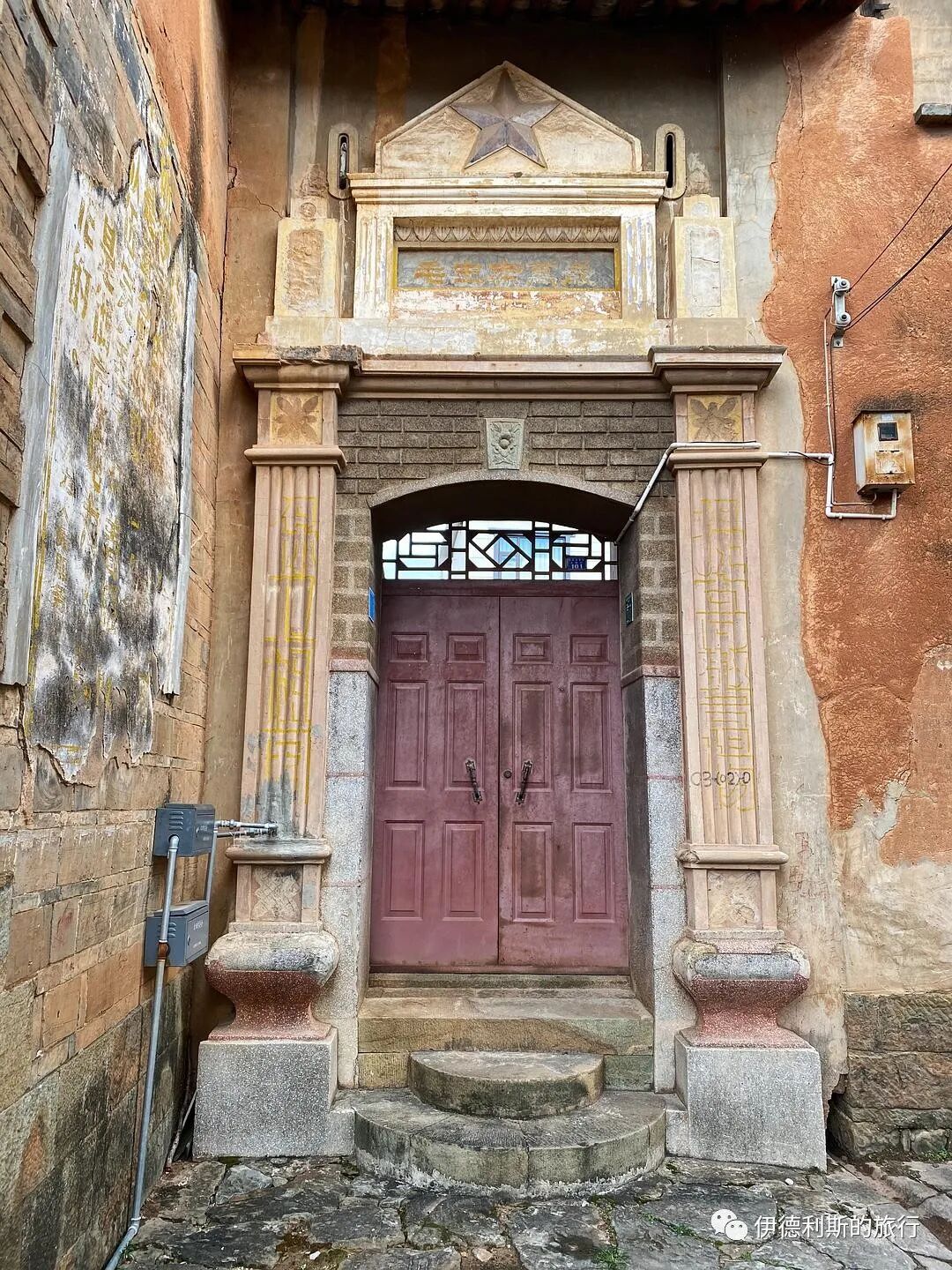
Courtyard No. 3 of the Tonghai Ma Family Compound is at No. 101 Dahui Village. Built between 1947 and 1948, it is the most modern of the three. The Ma family had not yet moved in when the liberation occurred, and after land reform, it became a warehouse for the production team. It is still occupied by Ma family descendants. We were disappointed that we could not visit because the owners were away when we arrived.
After 1945, cross-border trade from Simao to Thailand and Myanmar was gradually replaced by inland trade from Shanghai and Guangzhou to Yunnan. After careful consideration, the Ma family closed their trading businesses in Simao, Mojiang, and Jiangcheng after 1948. The Ma family planned to start trade between Yunnan and Chengdu, Chongqing, Shanghai, and Guangzhou, but new conflicts made this impossible. They finally decided to work together to open the Mingde Cotton Yarn Shop in Kunming. In 1950, the Ma family invested in the Mingde Textile Mill, starting with an investment of 2,000 bales of cotton yarn. After the public-private partnership reform in 1956, Ma Ziming continued to serve as the manager of the Mingde Textile Mill.
Dahui Village Mosque.
The Dahui Village Mosque in Tonghai was first built in the Ming Dynasty and rebuilt in 1829. The Tonghai Ma family led an expansion in 1946, and the main prayer hall was recently rebuilt as a modern structure.
Tonghai Dahui Village is a Jahriyya (a Sufi order) village. In 1781, Ma Shunqing (1770-1851), the eldest son of the Jahriyya founder Ma Mingxin, was exiled by the Qing government to Simao, Yunnan. He was later rescued by the imam Ma Yunguang from Gucheng and settled in Talang Village, Mojiang, where he became known as the 'Old Ancestor of Talang'. The third son of the Old Ancestor of Talang, Ma Shilin (1813-1871), moved from Talang to Dahui Village in Tonghai and became known as the 'Third Elder of Yunnan'. Ma Shilin ran a horse caravan business in Kunming and became a famous wealthy man, making Dahui Village in Tonghai a well-known Jahriyya village in Yunnan.
The 'Private Yuanwu Chinese-Arabic Primary School' next to the mosque was founded in 1947 by Ma Tongkuan, the second son of the Tonghai Ma family patriarch, Ma Yuanwu. At the time, the school had six classes and an attached kindergarten, with over 300 students from various villages in the northern plains of Hexi County. to the standard curriculum of public schools, they also added English and Arabic. The first class graduated in 1950. Among them, Ma Qichao became the deputy county magistrate of Tonghai, and Xiao Hanjie became the principal of the Tonghai County Teacher Training School.
Some old houses in Dahui Village.
The most detailed book about the Tonghai Ma family is the oral history 'Legendary Family on the Tea Horse Road', and some of the information in this article was compiled from that book. view all
Summary: Tonghai, Yunnan — Ma Family Courtyard and Hui Muslim History is presented here as a firsthand travel account in clear English, beginning with this scene: Author: Zainab. The account keeps its focus on Yunnan Travel, Hui Muslims, Ma Family Courtyard while preserving the names, places, food, and historical details from the Chinese source.
Author: Zainab
On October 4, we drove 33 kilometers east from Dabaiyi Village in Eshan, Yuxi, Yunnan, to reach Dahui Village in Tonghai County.
Dahui Village was originally called Hexi Dadonggou. It is home to over a thousand Hui Muslims, the most famous of whom are the Ma family of Tonghai. The Ma family’s ancestral home was Nanjing. They came to Tonghai to do business with the army in the early Ming Dynasty and settled there. In the early 20th century, the Ma family built up great wealth through horse caravans and international trade. They built three large courtyards in the village between the 1930s and 1940s, which were named Yunnan Provincial Cultural Relics Protection Units in 2018.
The Ma family courtyards were confiscated after the 1950s. In 1986, they were returned to the Ma family as private property belonging to overseas Chinese, and the family has lived there ever since. As the elders of the Ma family passed away and the younger generations moved to cities, the family handed over Courtyard No. 1 and Courtyard No. 2 to the village for safekeeping. They only return during holidays, while Courtyard No. 3 is still occupied by Ma family descendants. By asking helpful village elders, we were able to visit Courtyard No. 1 and Courtyard No. 2. We were very sorry we could not enter Courtyard No. 3 because the owners were not home.
Courtyard No. 1
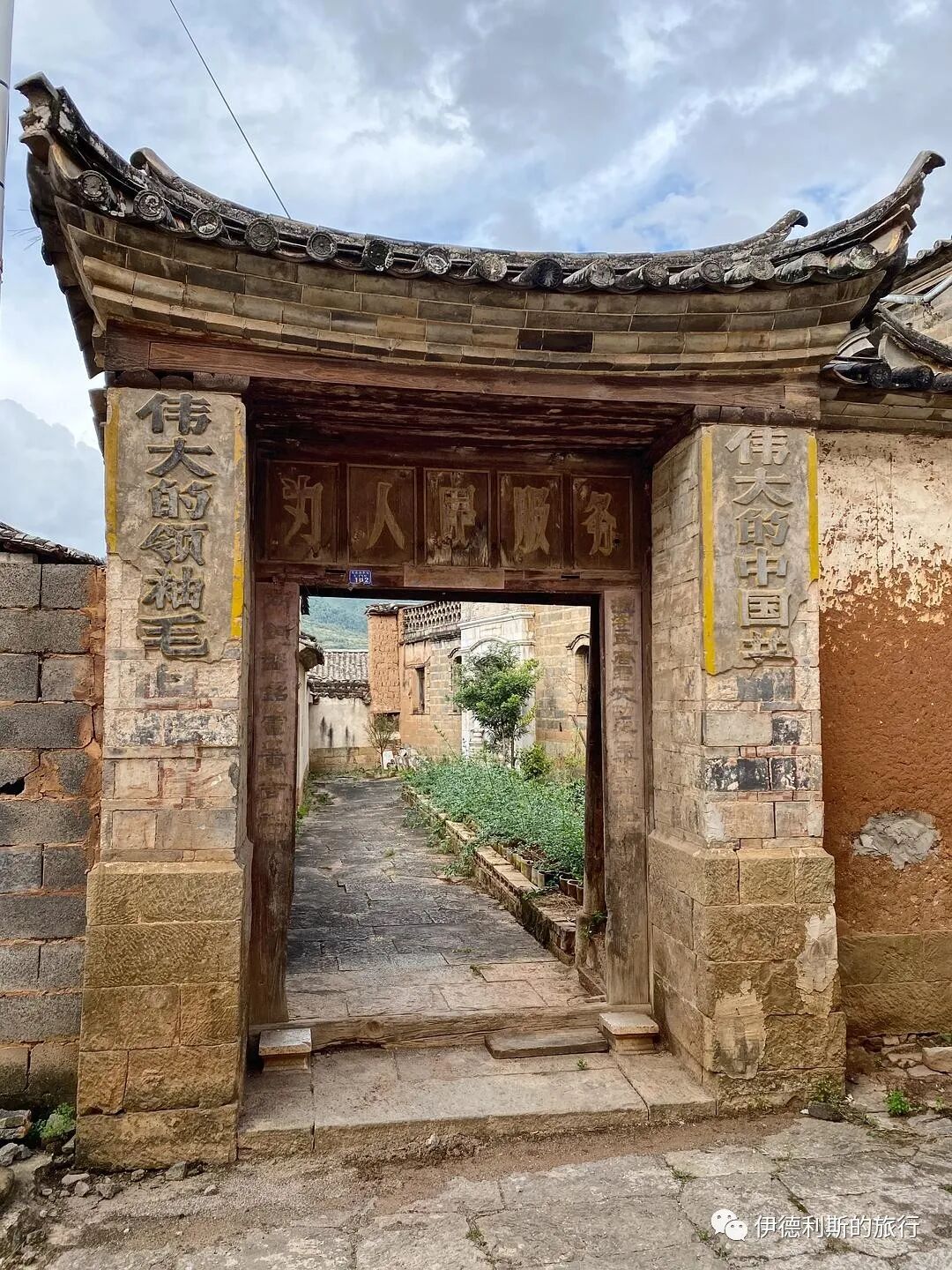
The first large courtyard is No. 102 in Dahui Village. Built between 1932 and 1933, it is a traditional Yunnan-style courtyard with a layout known as 'three bright and five dark' (ming san an wu) and a corner-turning corridor (zouma zhuanjiaolou). This means you have to walk a distance from the main gate before reaching the courtyard itself.
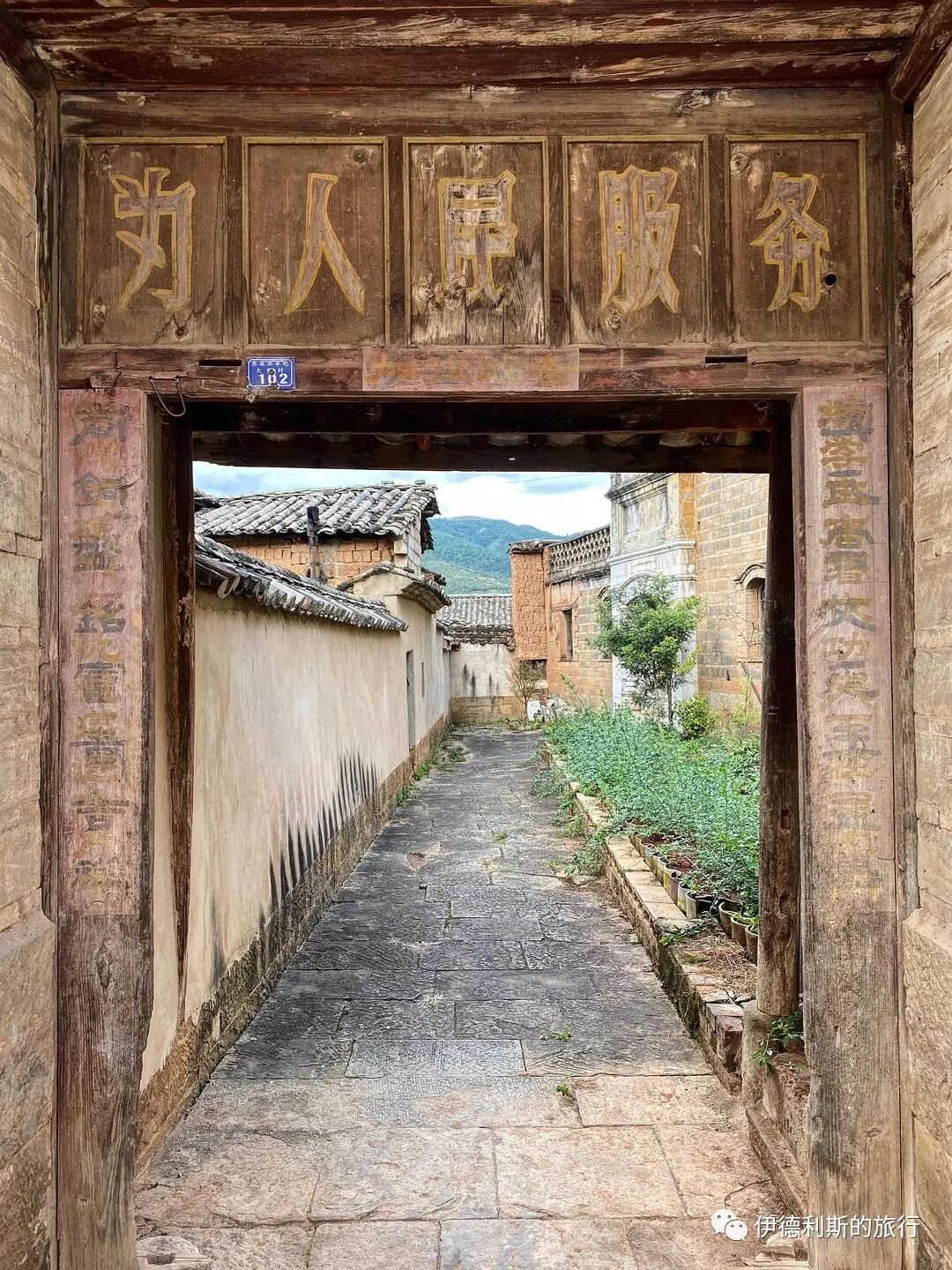
The outermost part is a traditional Yunnan-style gate with a ridged roof and upturned eaves. It is very interesting to see two sets of couplets from different eras layered on top of each other. The bottom layer is a traditional couplet: 'Han dynasty tile inscriptions bring long life, Zhou dynasty bronze plate inscriptions bring wealth and luck.' The yellow upper layer has a first line that reads, 'Study hard, Allah is the master, put effort into your writing.' I cannot fully identify the second line, only the words 'hardened' and 'hatred'.
After entering the gate, there is a small courtyard filled with orange trees heavy with fruit.
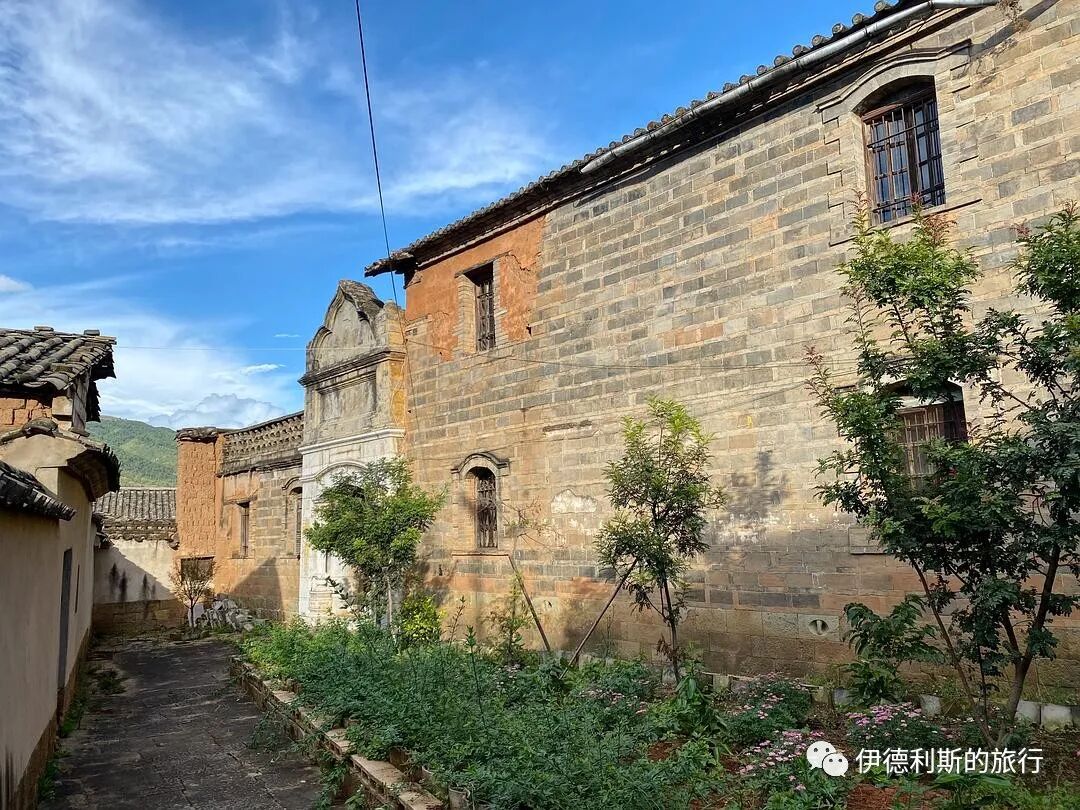
Entering the courtyard, there is a Western-style gate from the Republic of China era. Its Roman columns look very similar to the minaret (jiaobailou) of the Dabaiyi Mosque in Eshan, built in 1935. You can also see the slogan 'Be united, tense, serious, and lively' on the gate, as this place once served as the Dahui Village committee office.
The hollowed-out partition wall inside the gate is very different from the traditional screen wall (zhaobi) or folding screen found in other courtyards.
The first small section of the courtyard contains a small house built of cement. This cement was imported from Japan at the time and transported via Kunming.
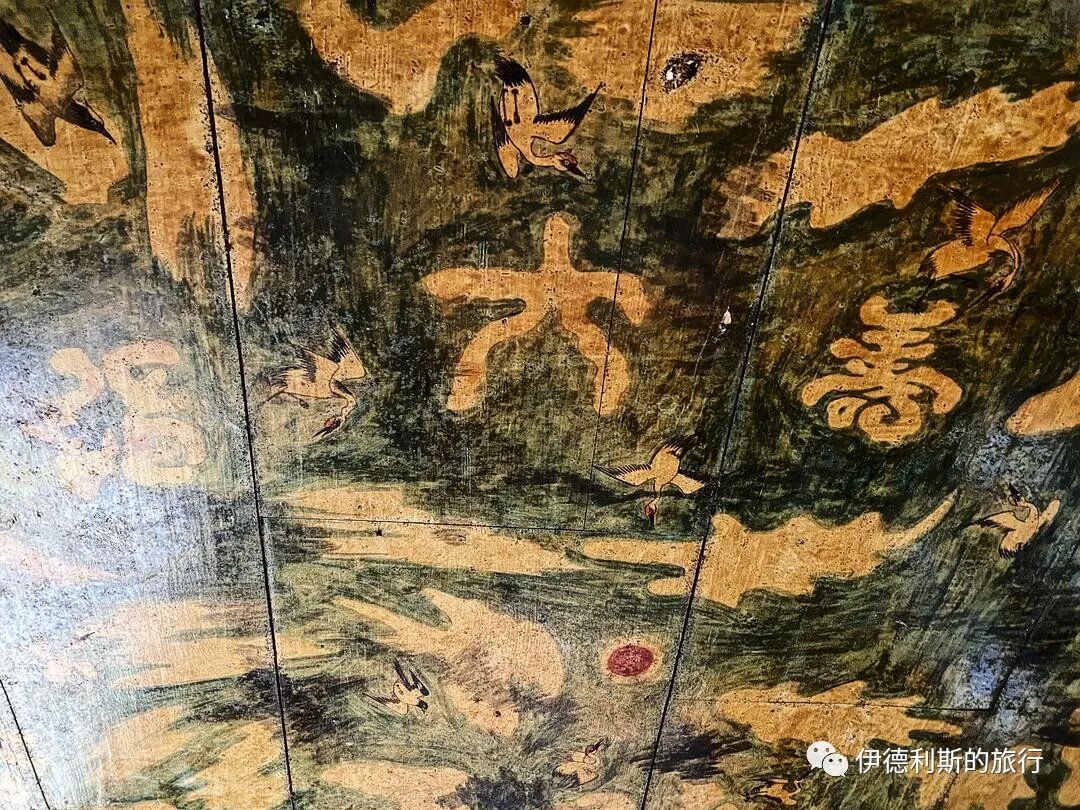
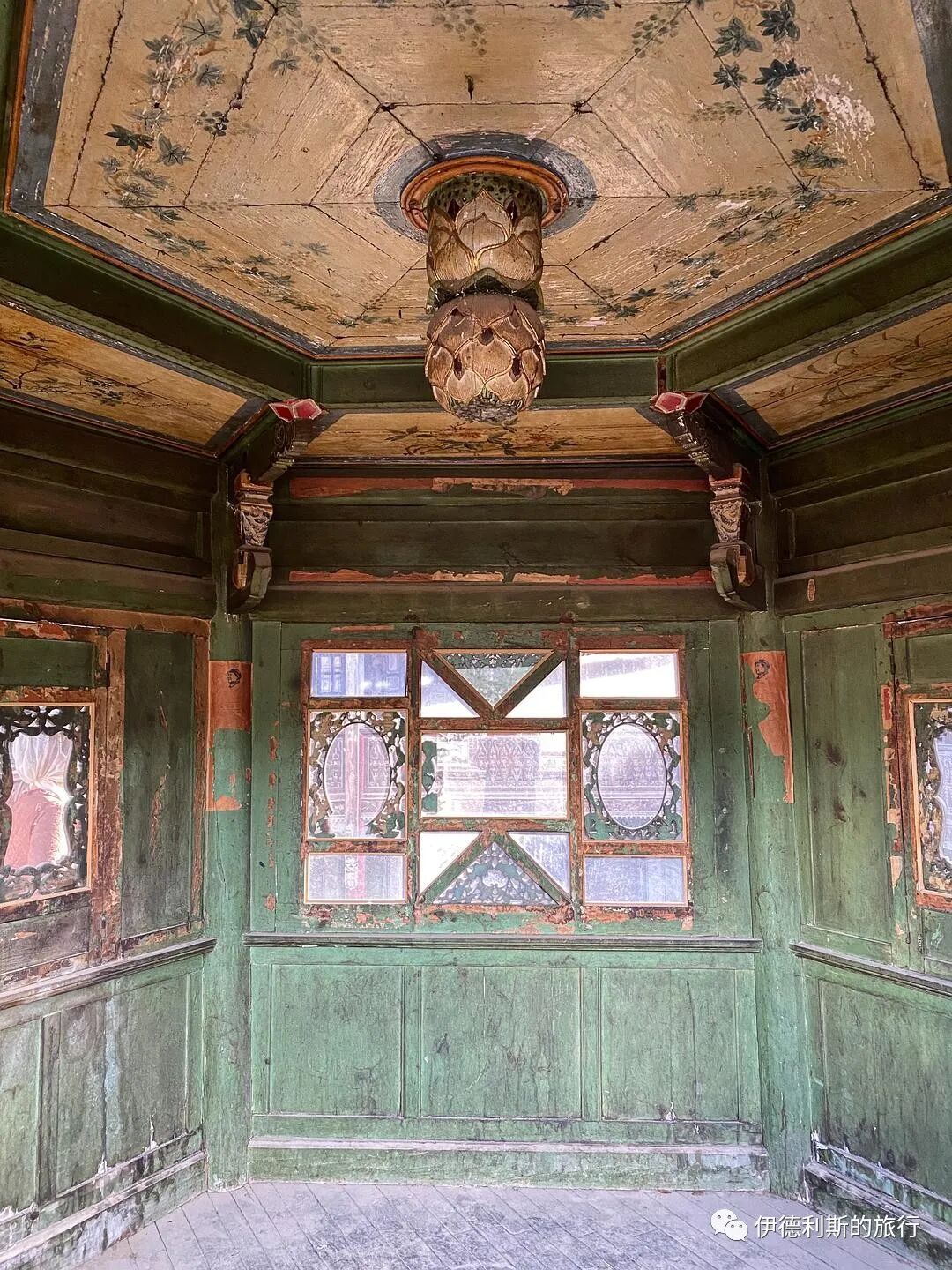
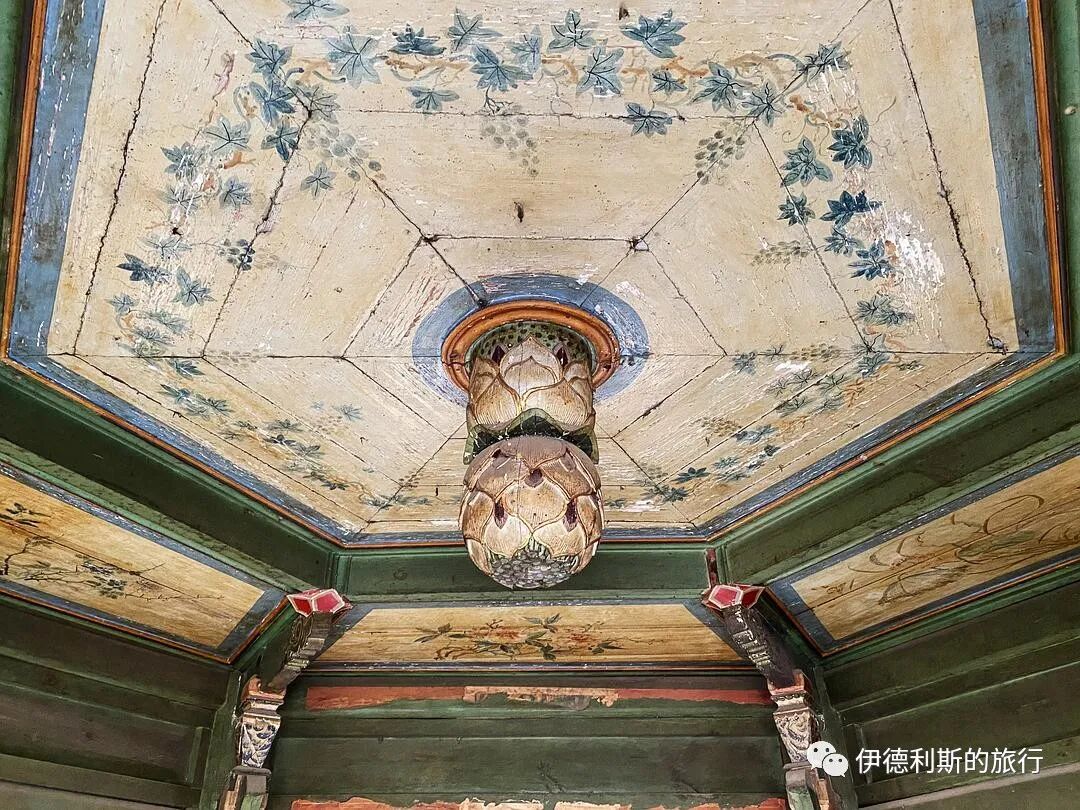
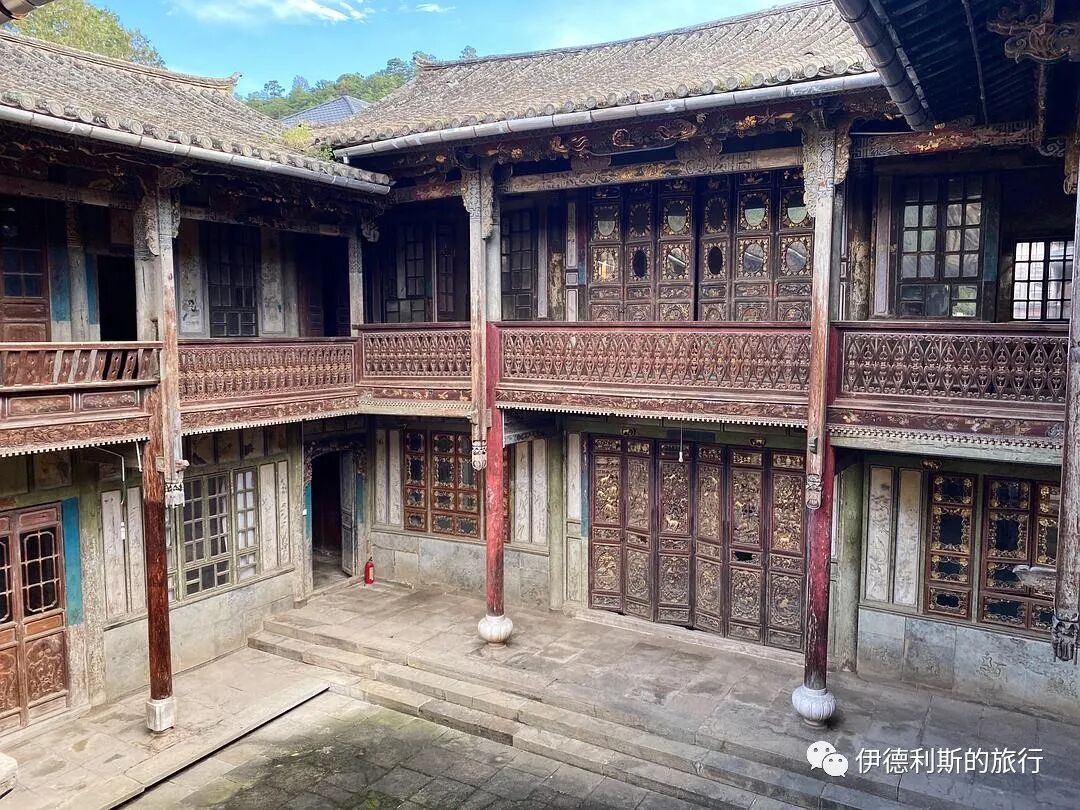
The front hall of the Ma family courtyard is unique, featuring a six-sided, multi-eaved, pointed-roof pavilion. It was used exclusively by the clan leader, Ma Yuanwu, for namaz, so it is also called the prayer pavilion (libaiting). It later became the village broadcast station. The pavilion has exquisite colorful paintings, wood carvings, and tiles imported from Japan.
Ma Yuanwu (1862-1955) originally made his living as a farmer. In the early 20th century, he sent his eldest son, Ma Tongzhu (1880-1958), to lead a horse caravan. At first, they carried salt to Xinping County to sell to people from Sichuan. After three or four trips, they saved some money, and then he sent his eldest grandson, Ma Bingzhong (1899-1972), to open a soy sauce workshop in Panxi Town, nearby Huaining County. At the same time, the Ma family used their horse caravans to transport brown sugar boiled in Panxi to Kunming for sale, then brought salt back to Panxi, gradually growing their business.
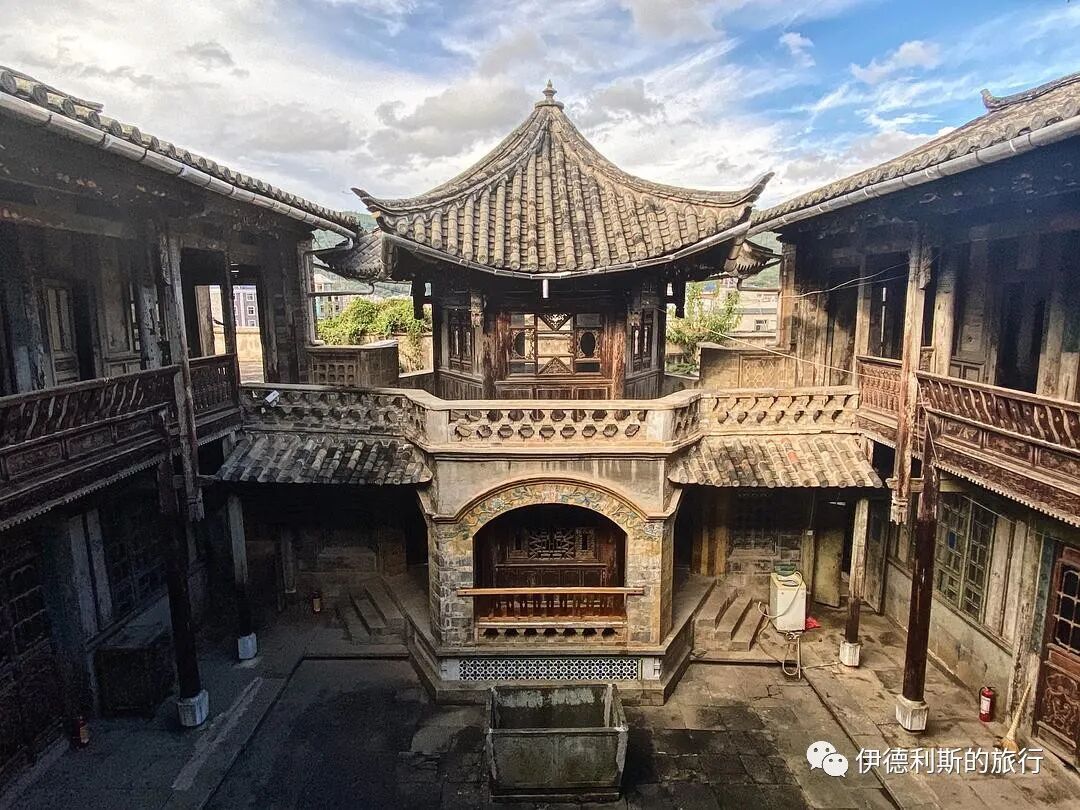
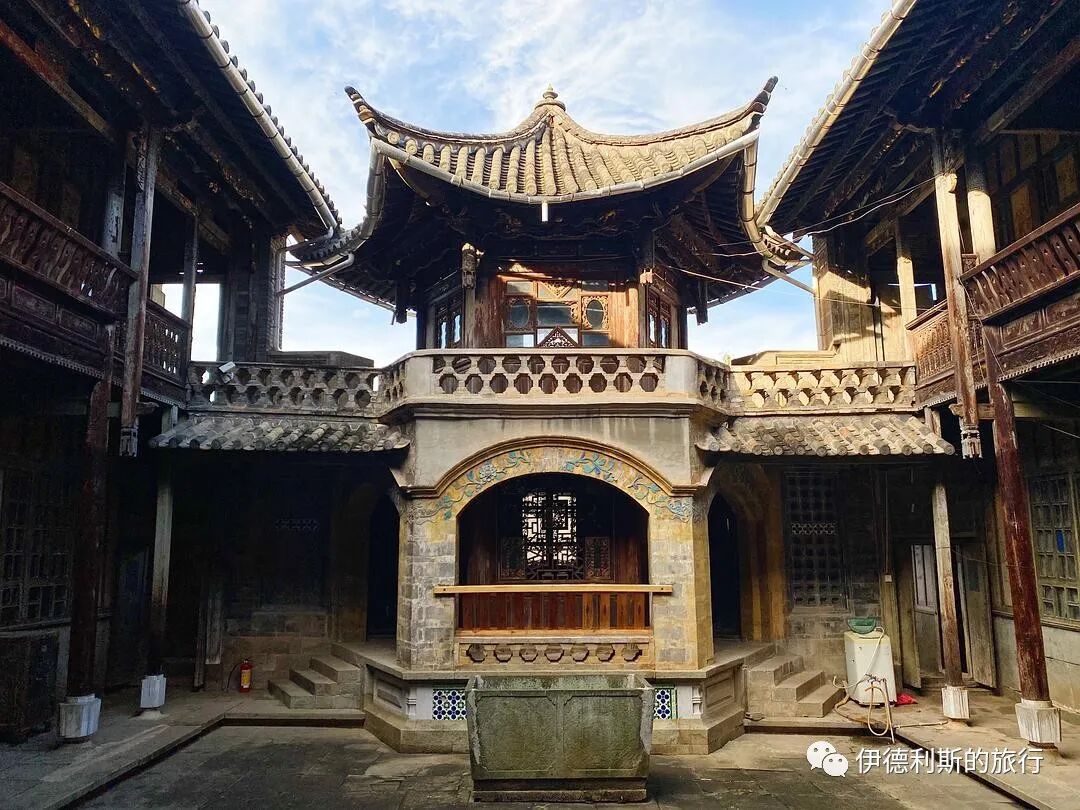
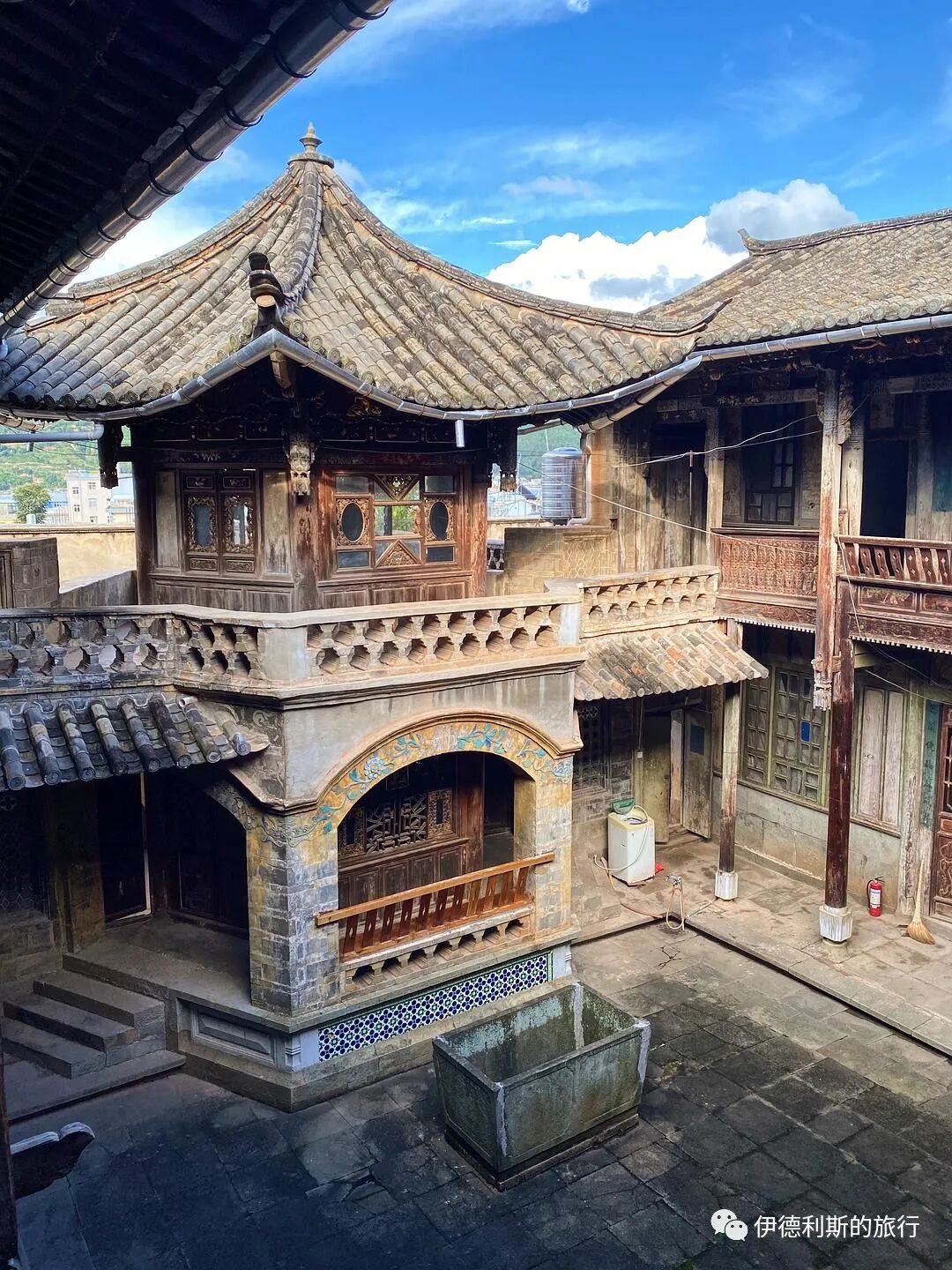
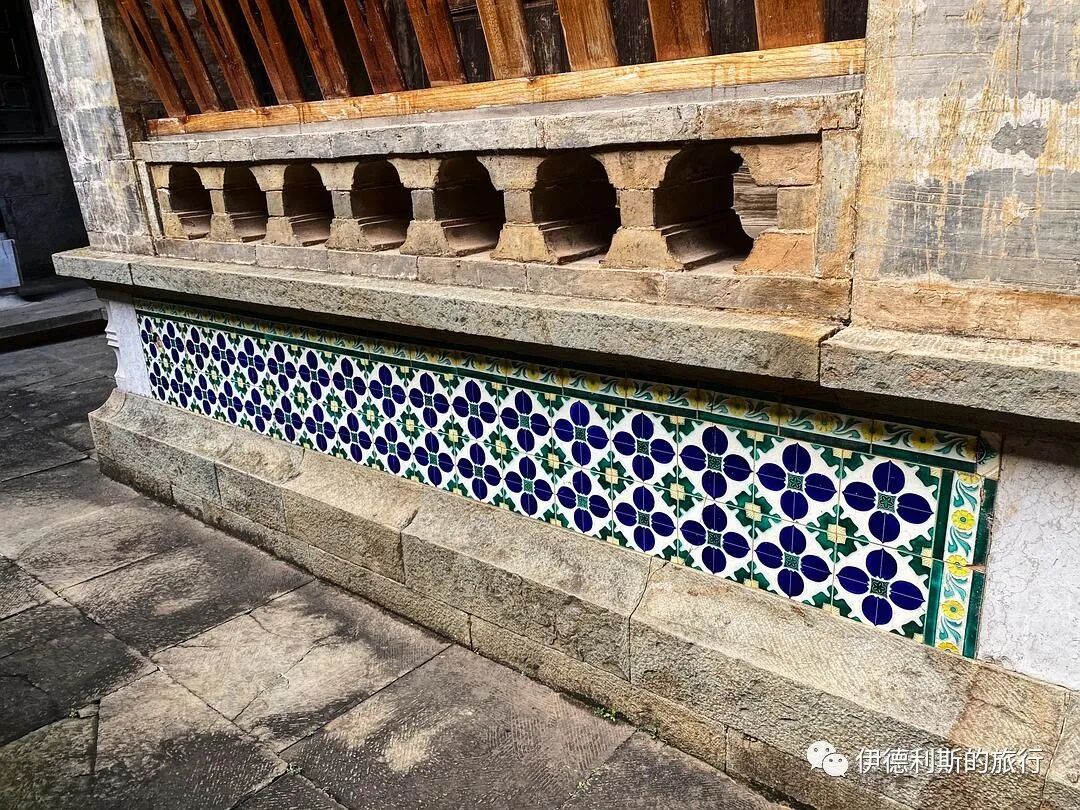
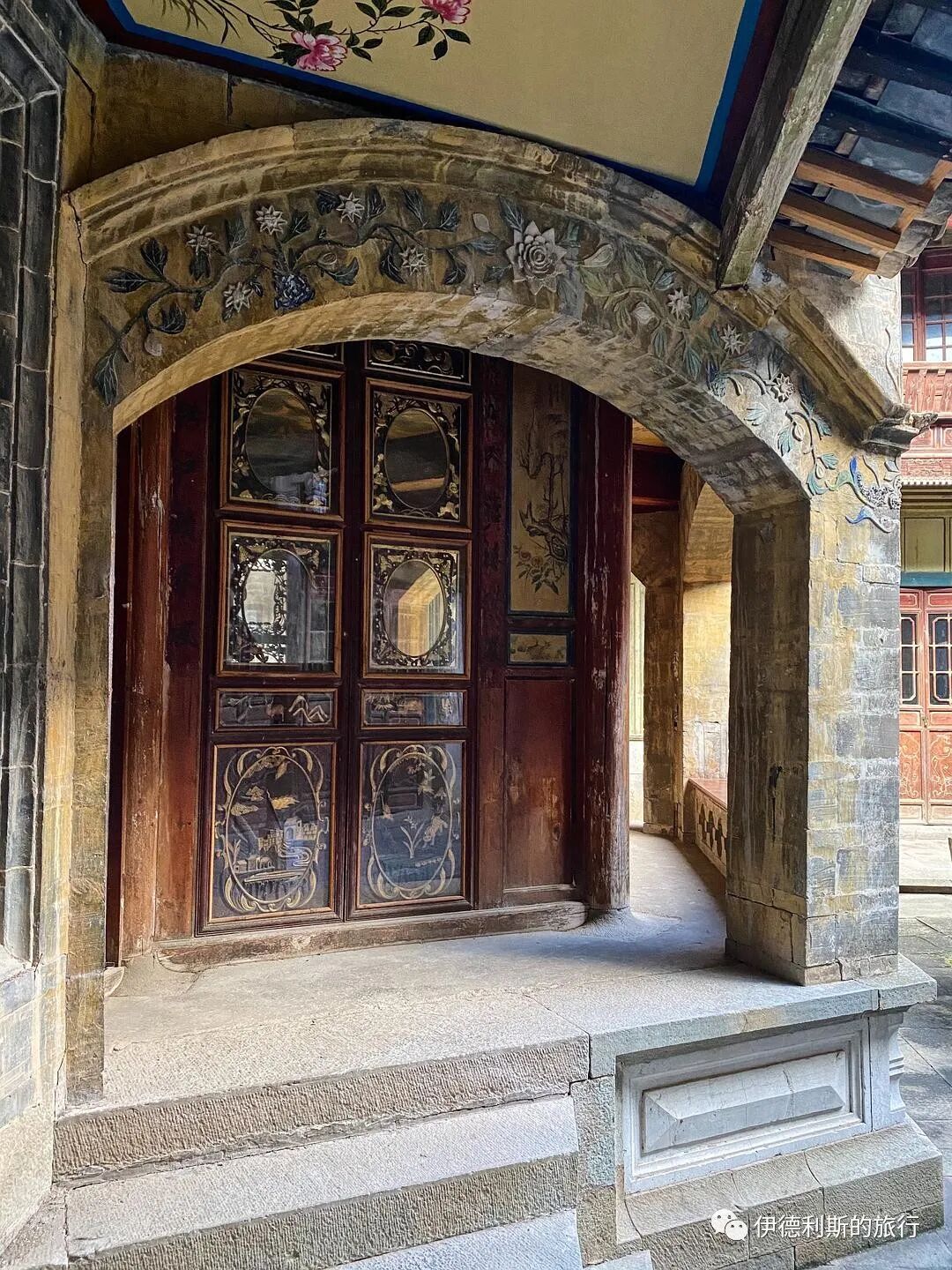
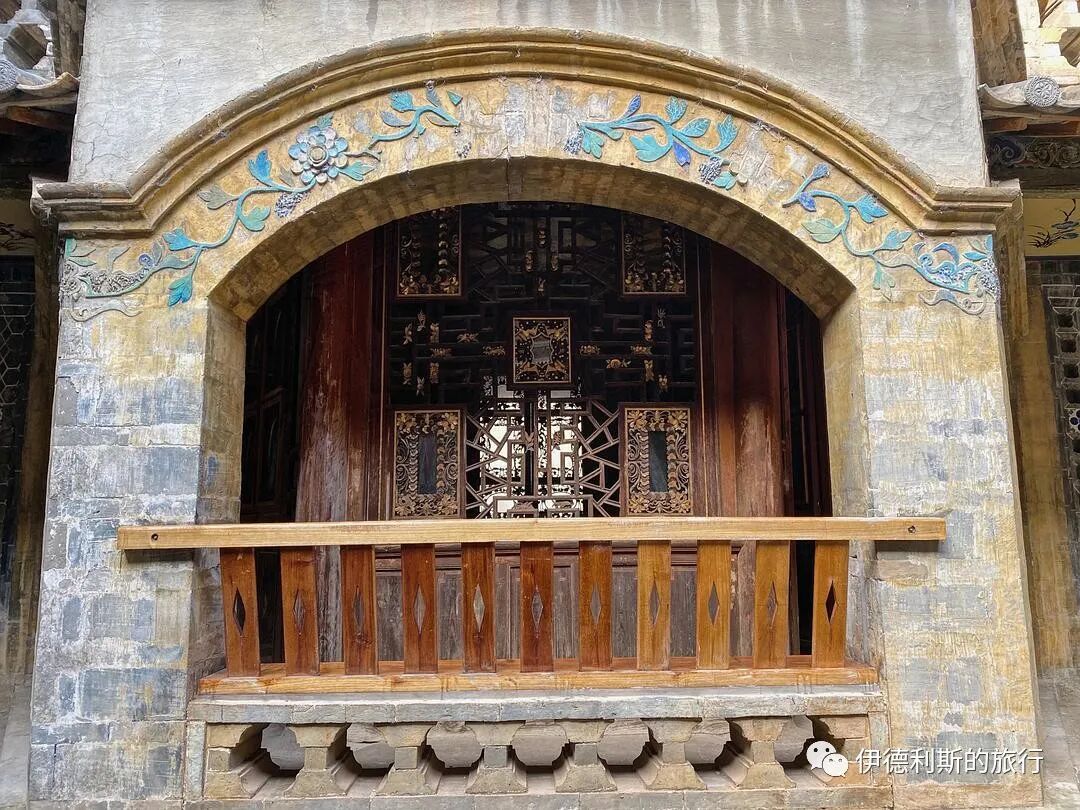
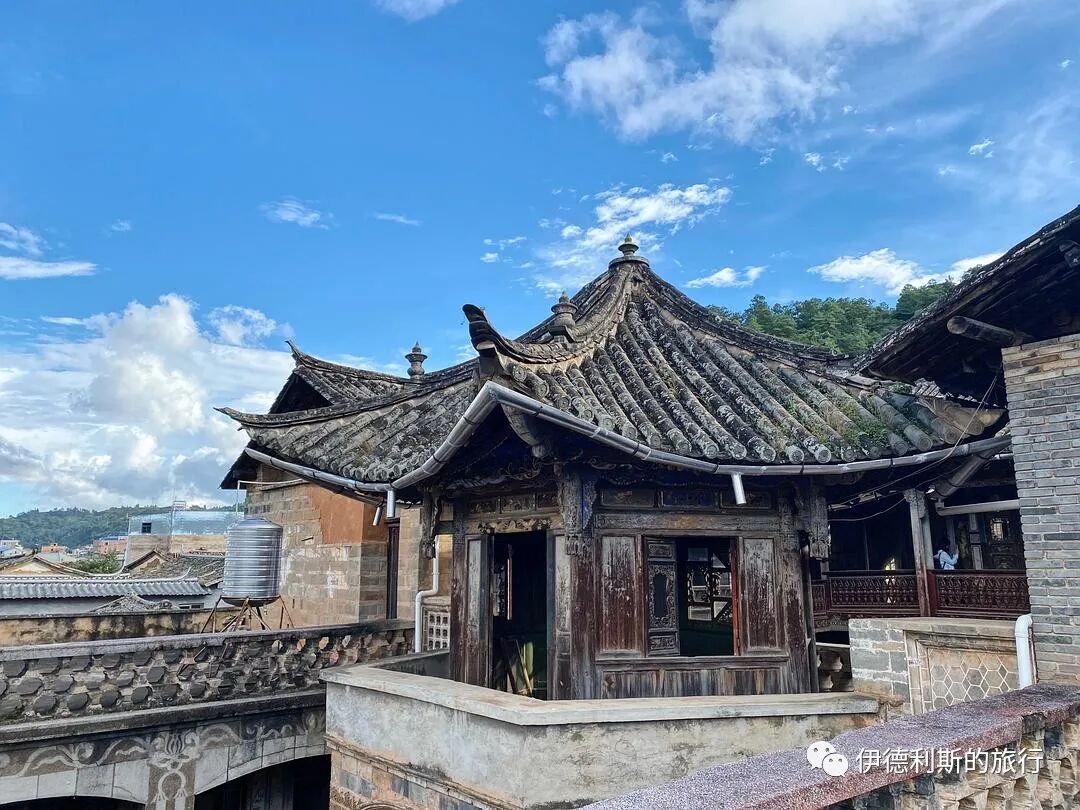
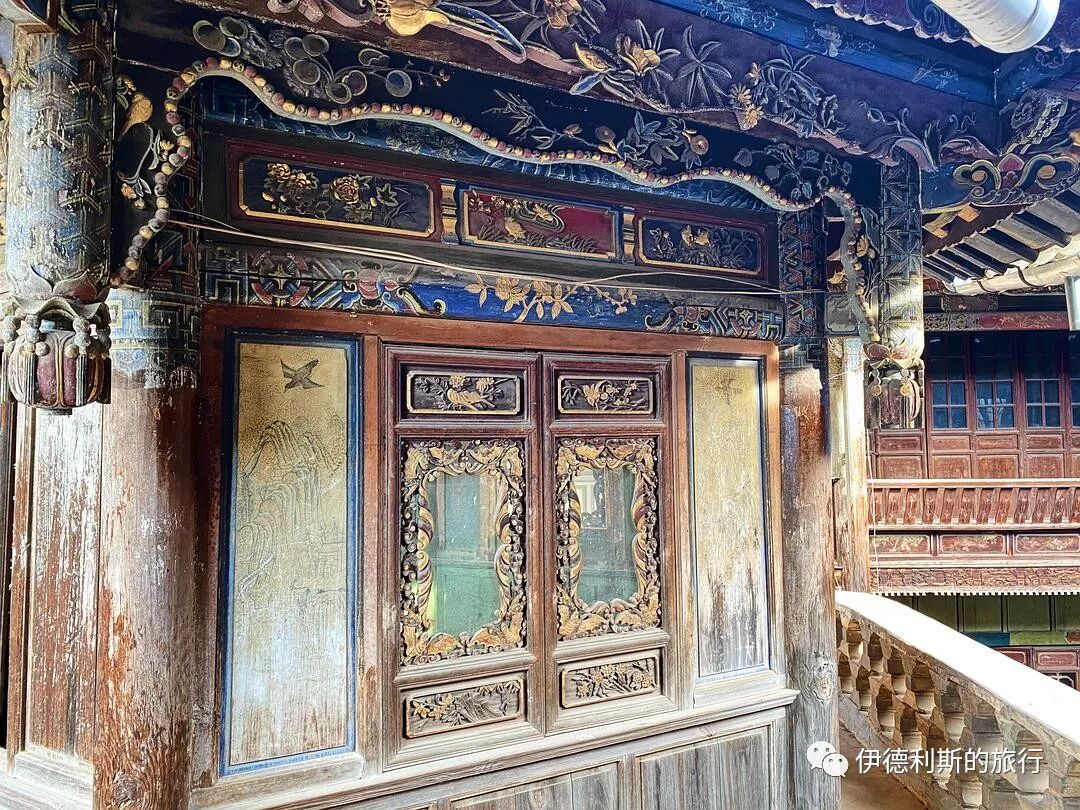
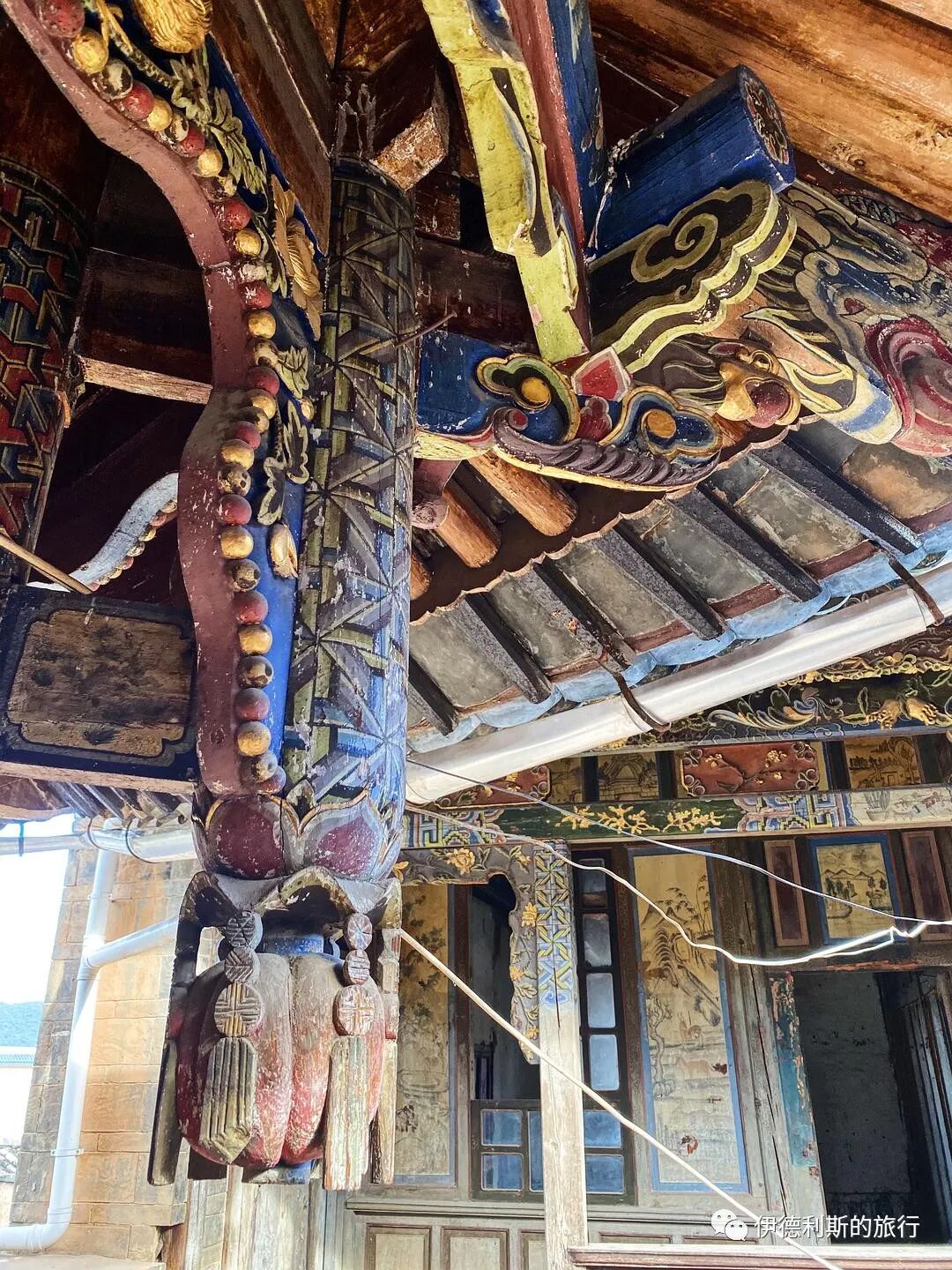
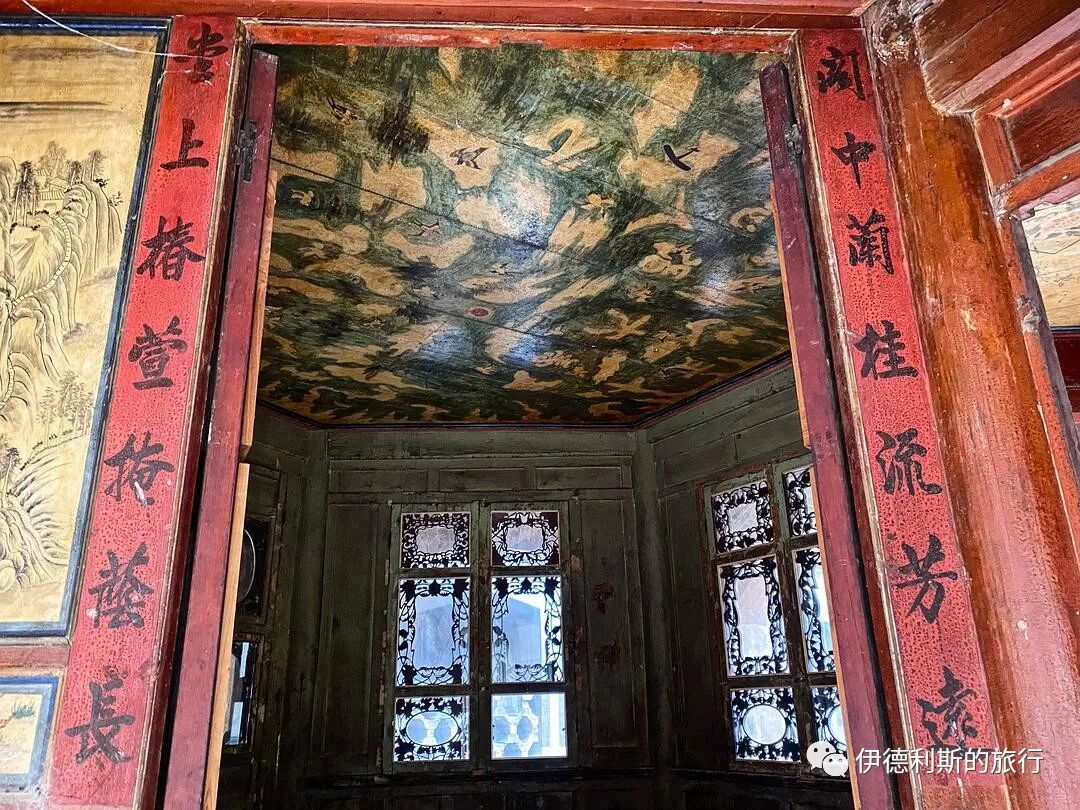
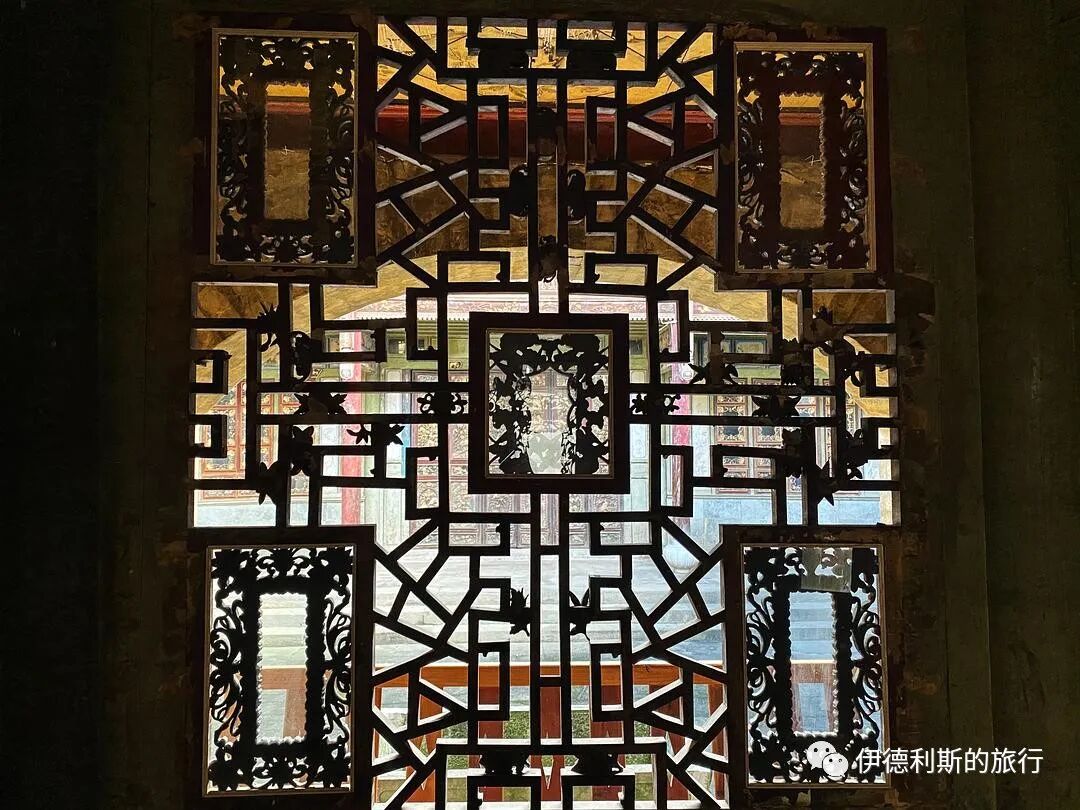
At the entrance to the first floor of the prayer pavilion, there is a couplet: 'Orchids and cassia in the pavilion spread fragrance far, the shade of the ailanthus and birch trees in the hall lasts long.' The ceiling inside features clouds, cranes, and the characters for 'blessing' (fu) and 'longevity' (shou). The second-floor ceiling has two lotus flowers, and the surrounding windows feature very fine wood carvings.
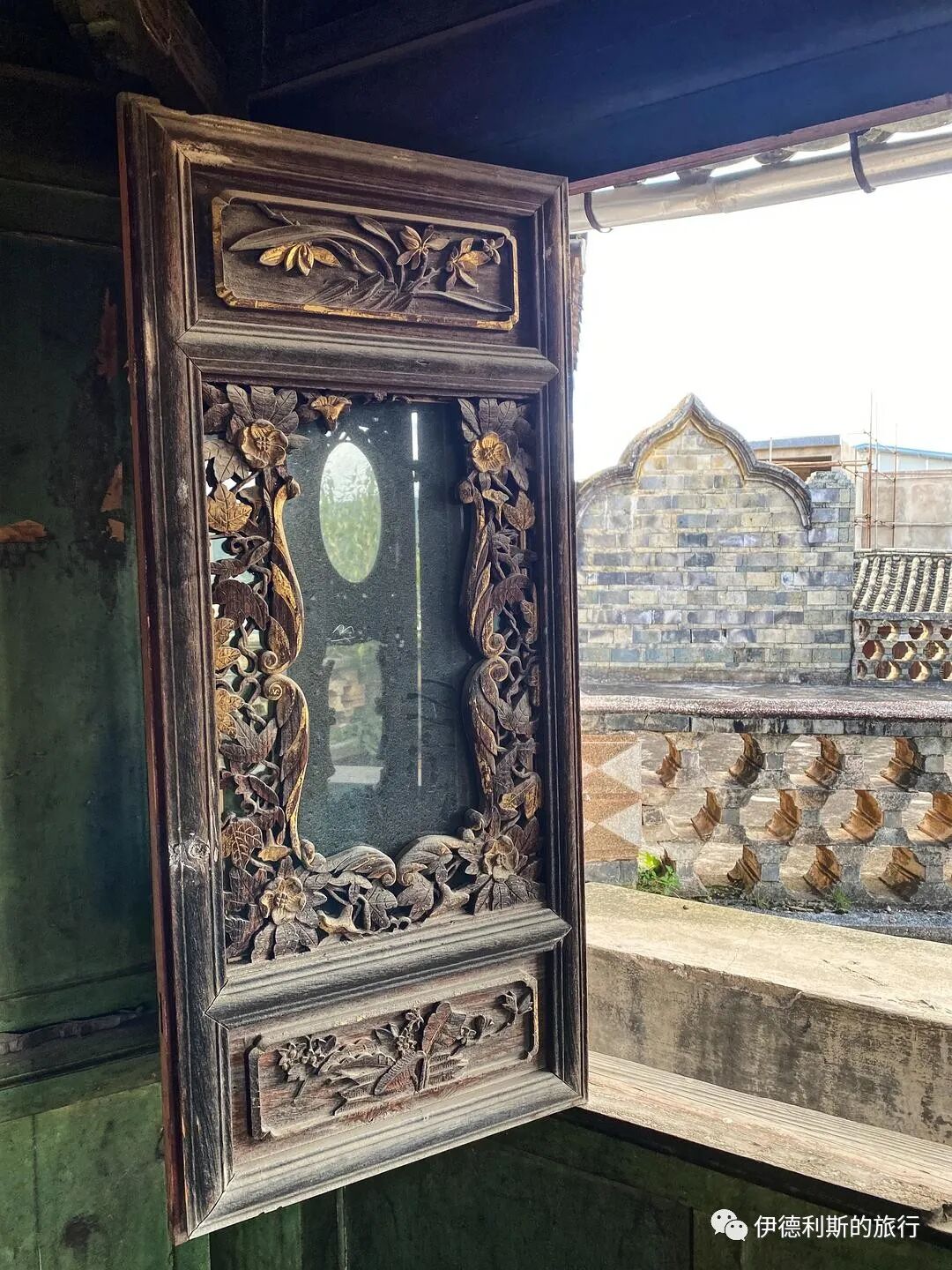
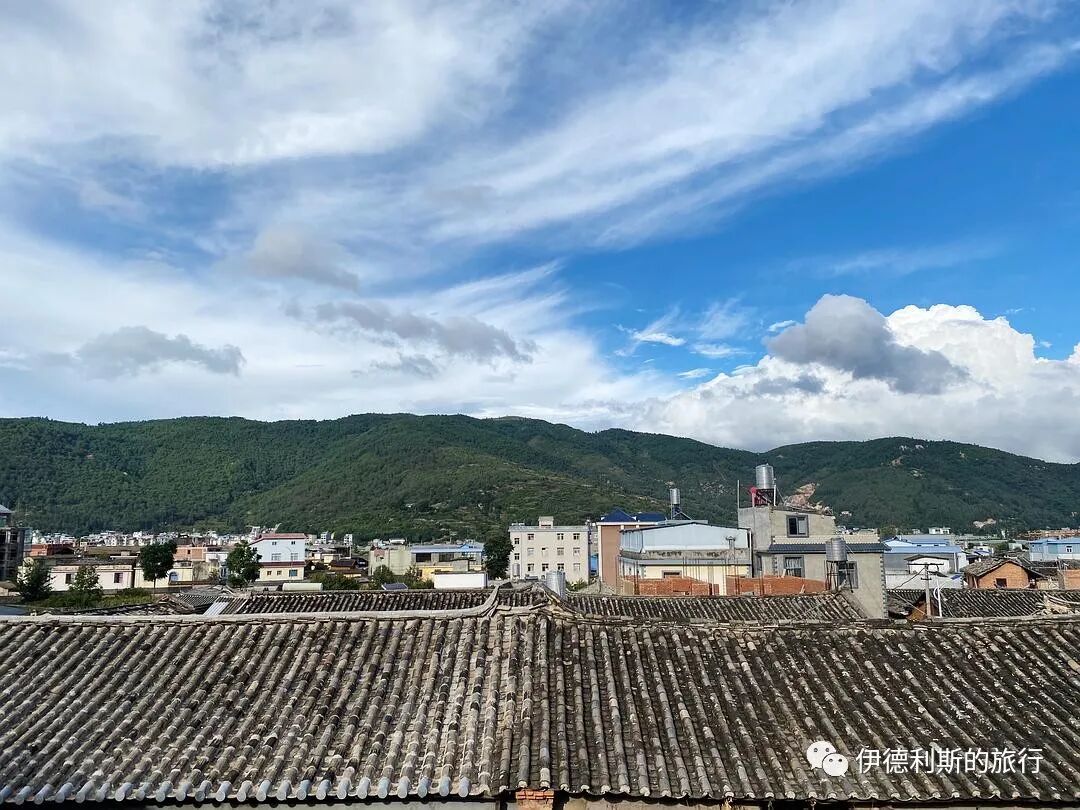
You can see the pastoral scenery from the balconies on both sides of the prayer pavilion.
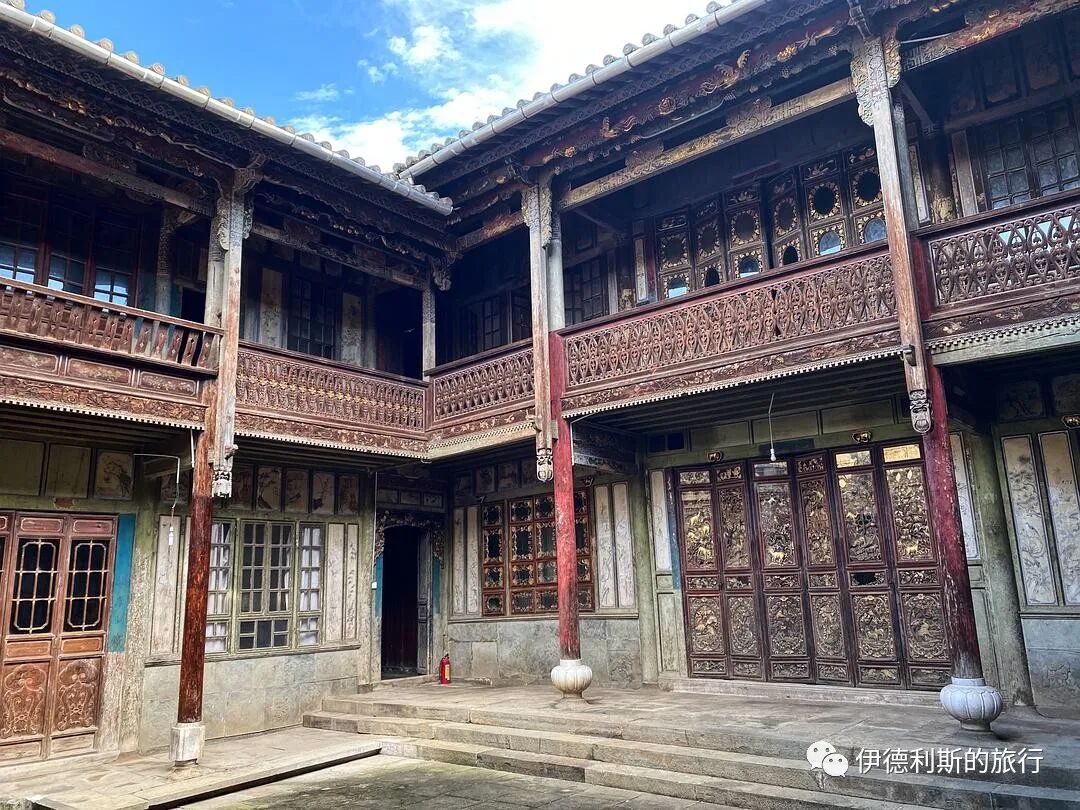
The Ma family courtyard was built under the direction of Ma Tongkuan, the second son of clan leader Ma Yuanwu. During the early Republic of China, Ma Tongkuan lived in Mojiang County, east of Pu'er, managing various business dealings. Because he kept his word and managed things well, he became a very wealthy man in southern Yunnan. In the middle and late Republic of China, Ma Tongkuan returned to his hometown of Dahui Village and oversaw the construction of the three Ma family courtyards. In 1956, Ma Tongkuan served as deputy county magistrate of Qilu County. In 1957, he was labeled a rightist, and in 1968, he returned to Allah (gui zhen).
When building the Ma family courtyards, Ma Tongkuan hired craftsmen from Shanghai and Annam. It took about twenty years. They fired their own bricks and tiles, quarried stone, and selected and cut their own timber. The garden kept peacocks and even had an advanced boiler room.
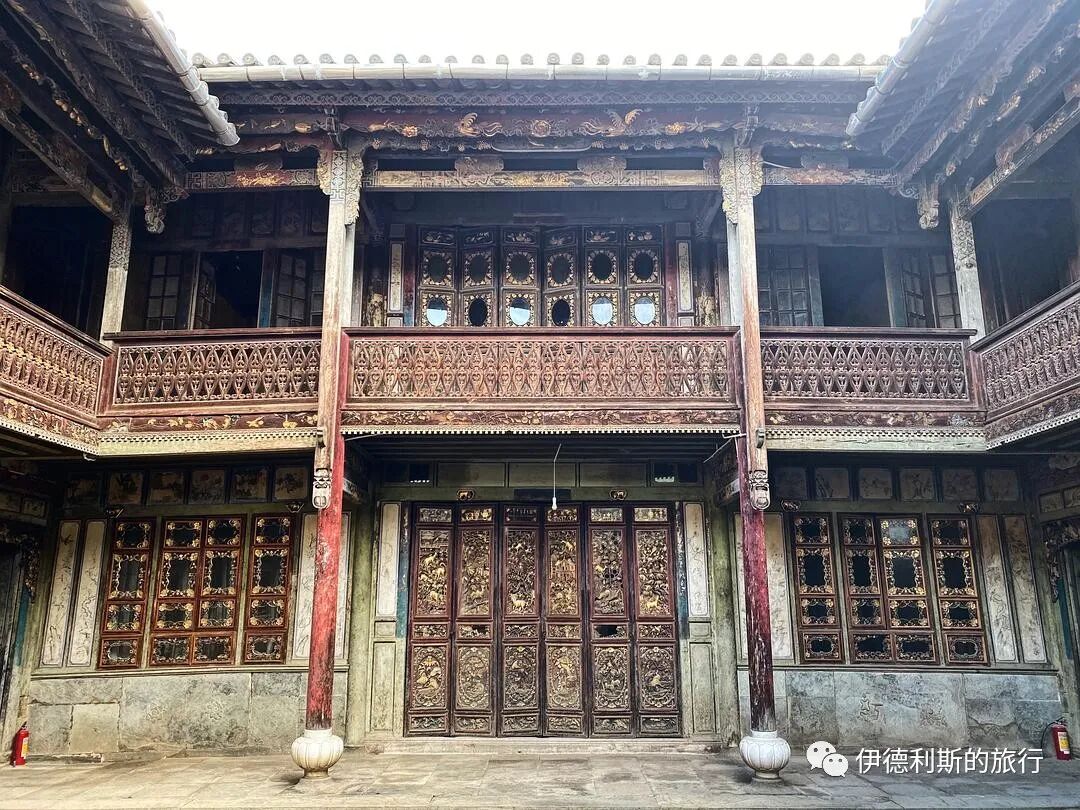
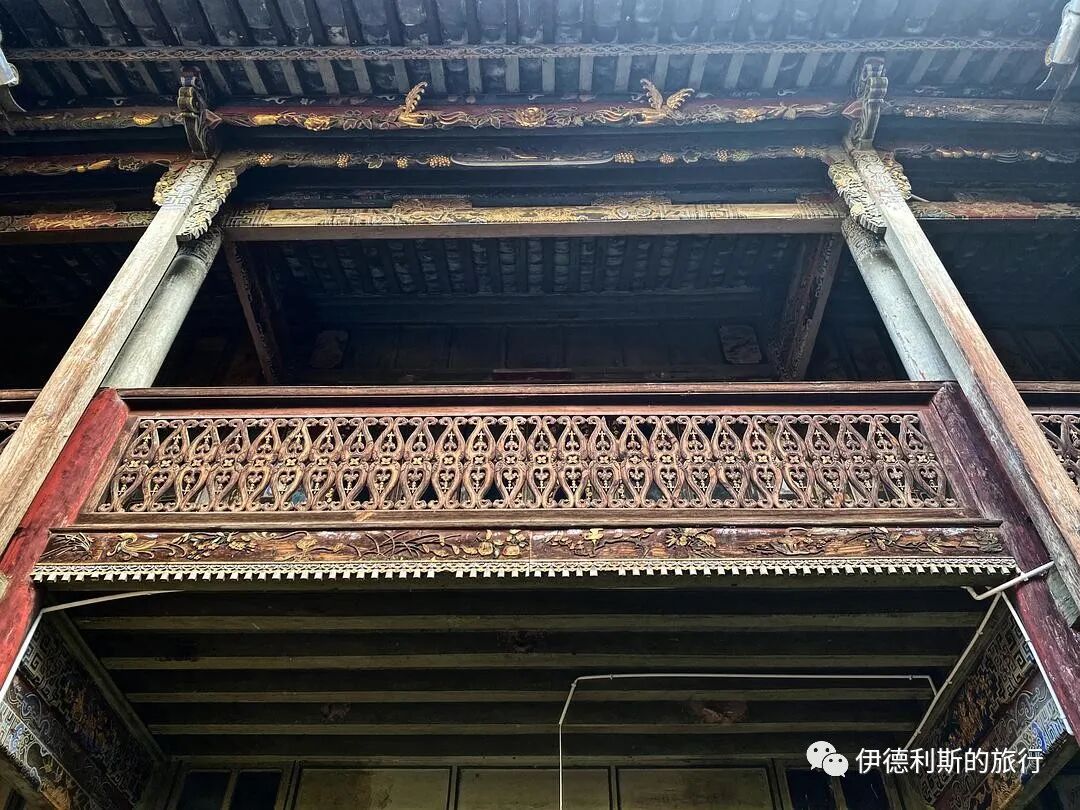
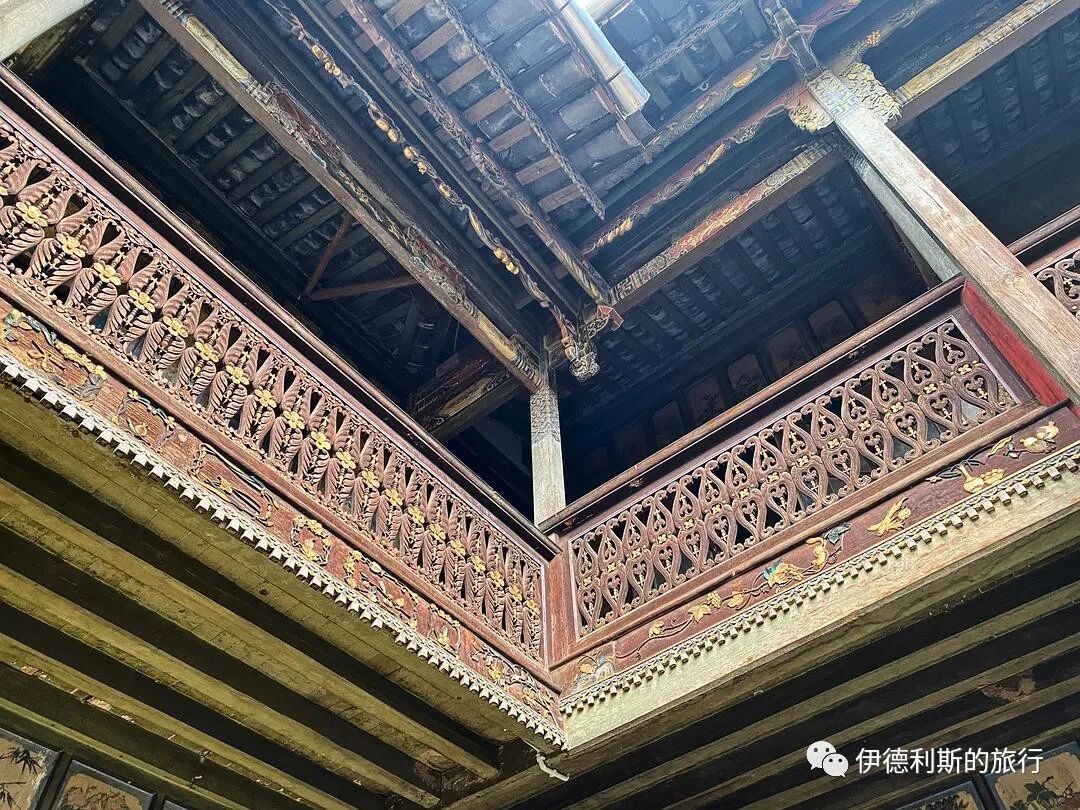
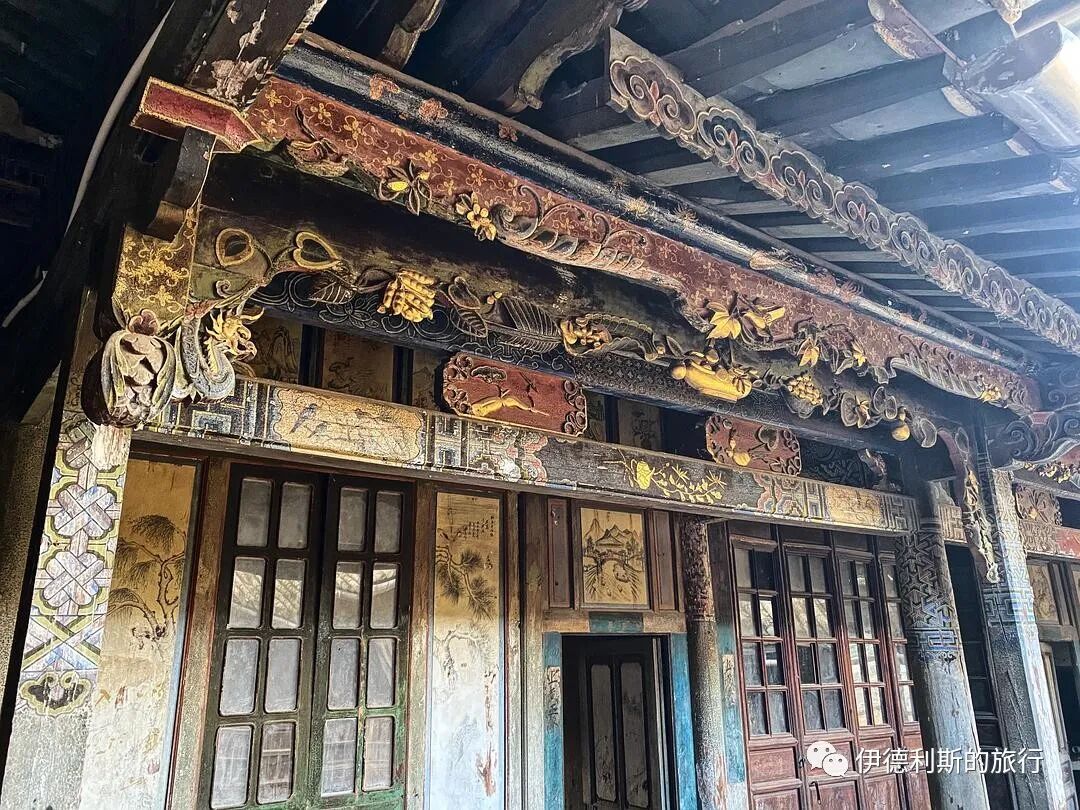
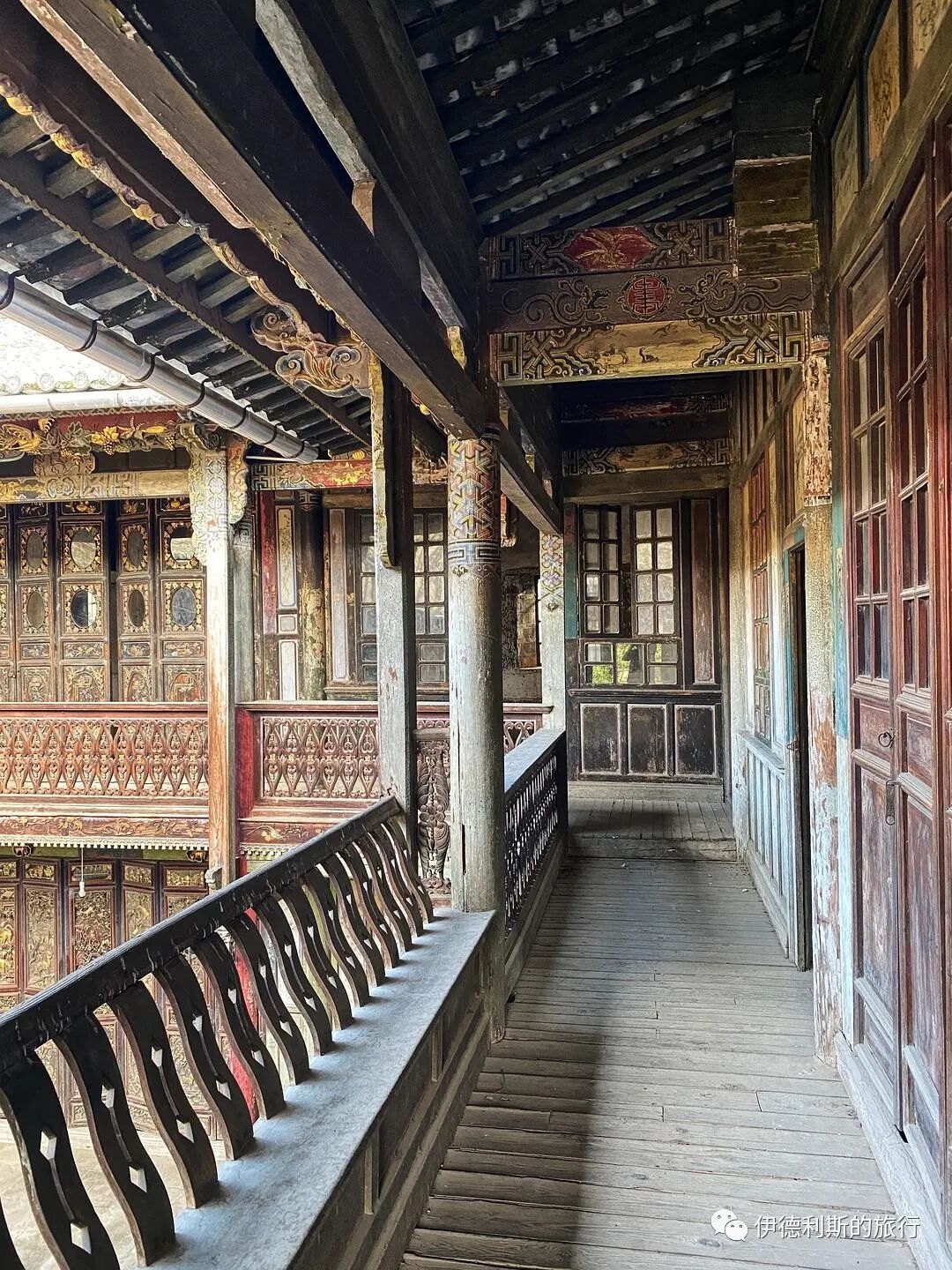
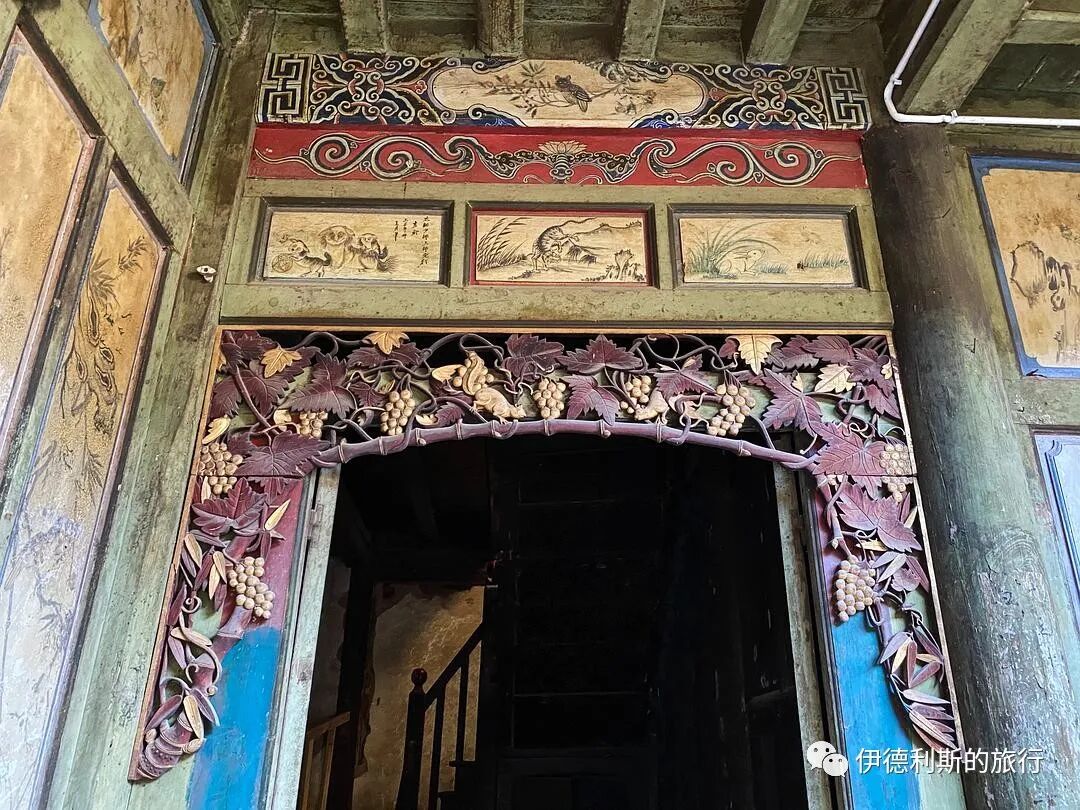
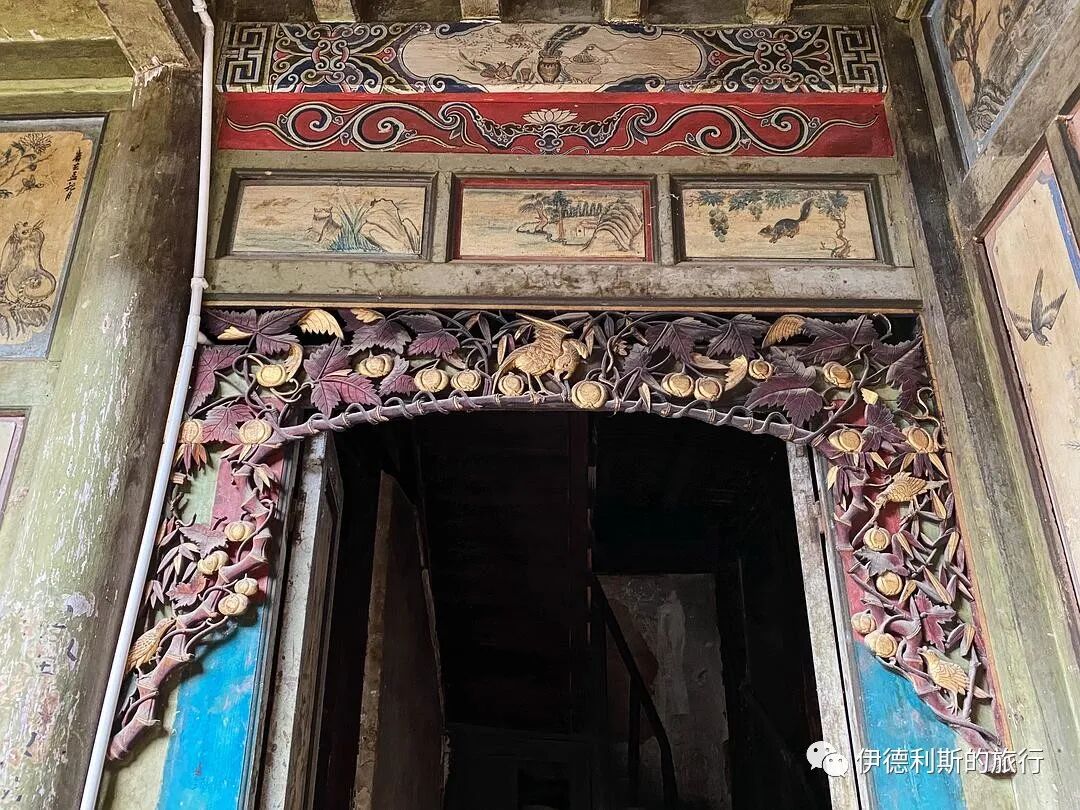
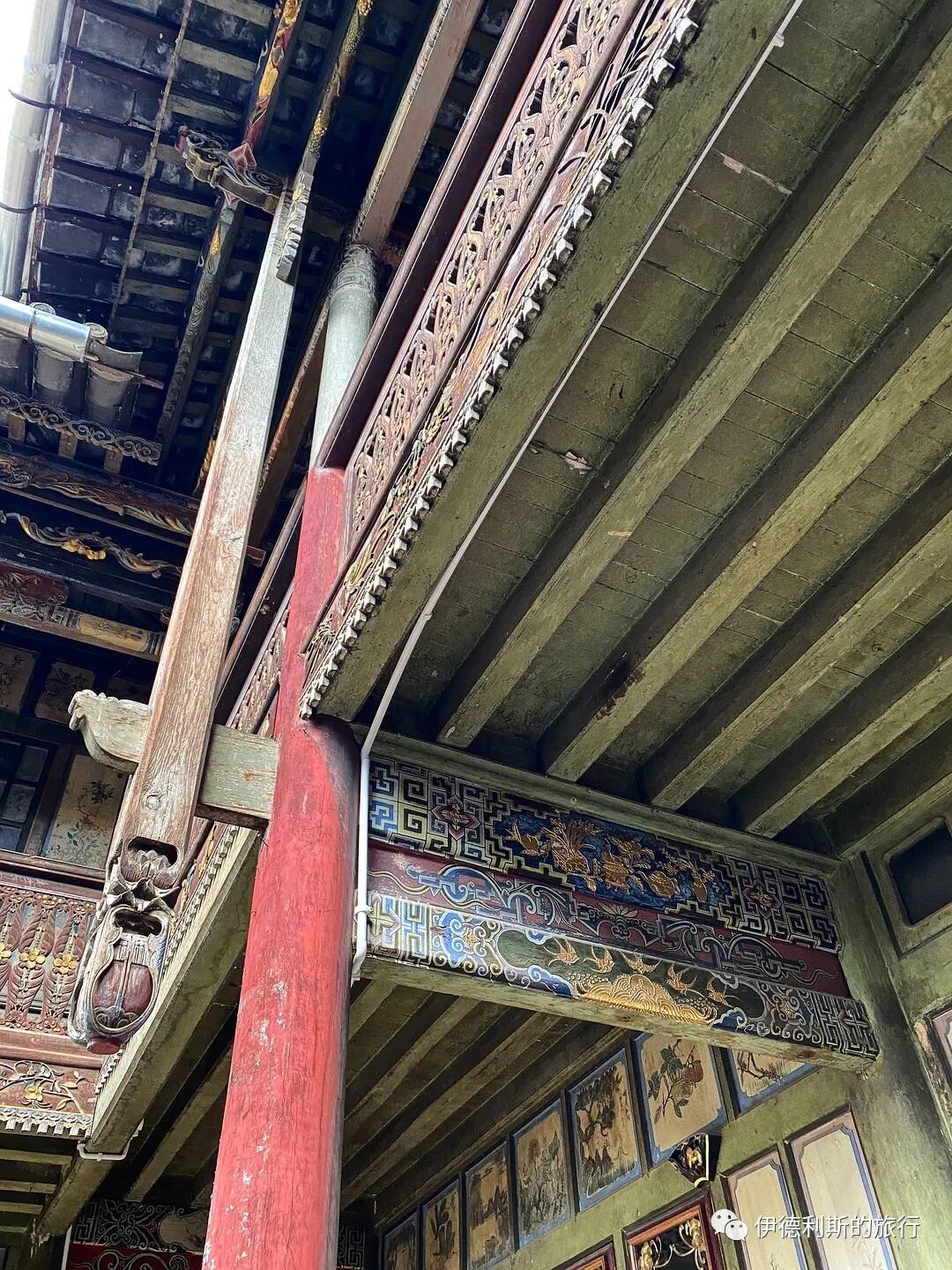
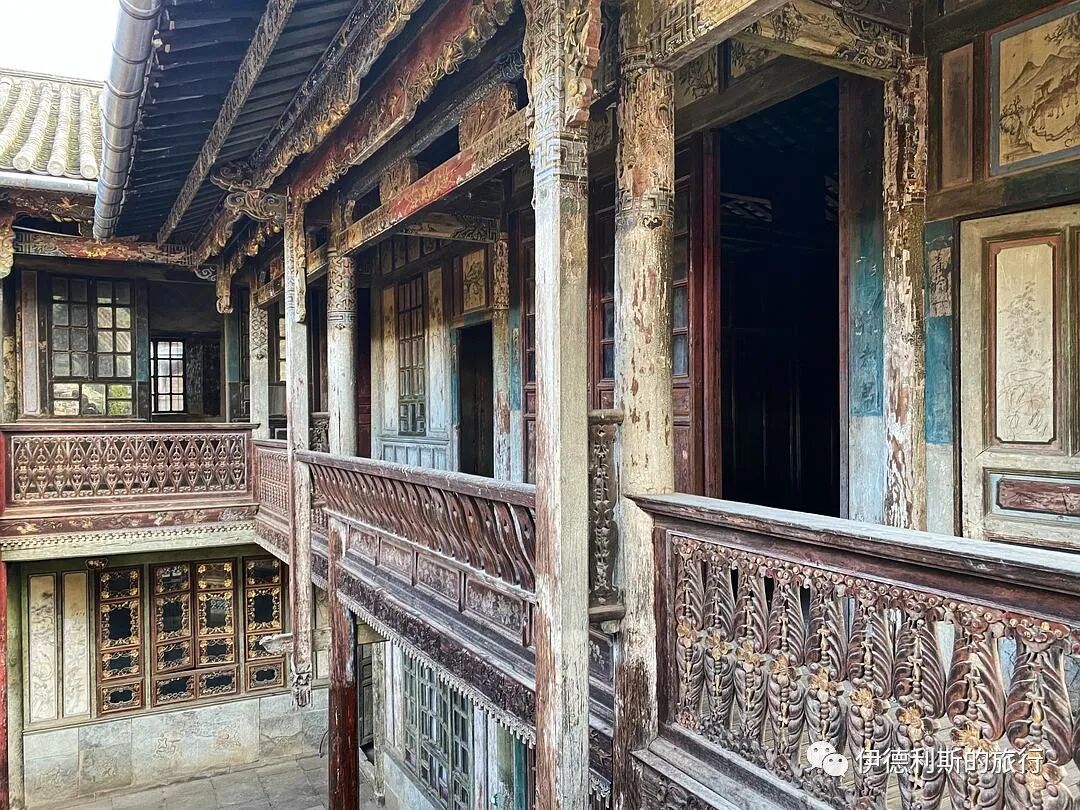
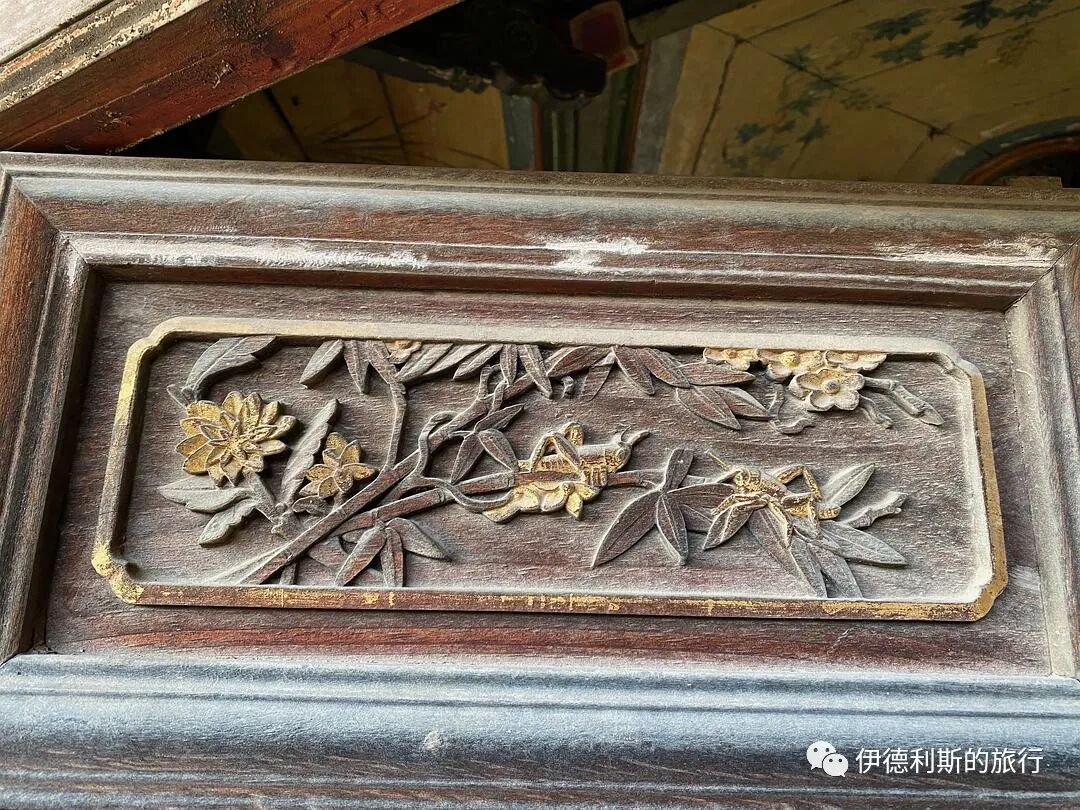
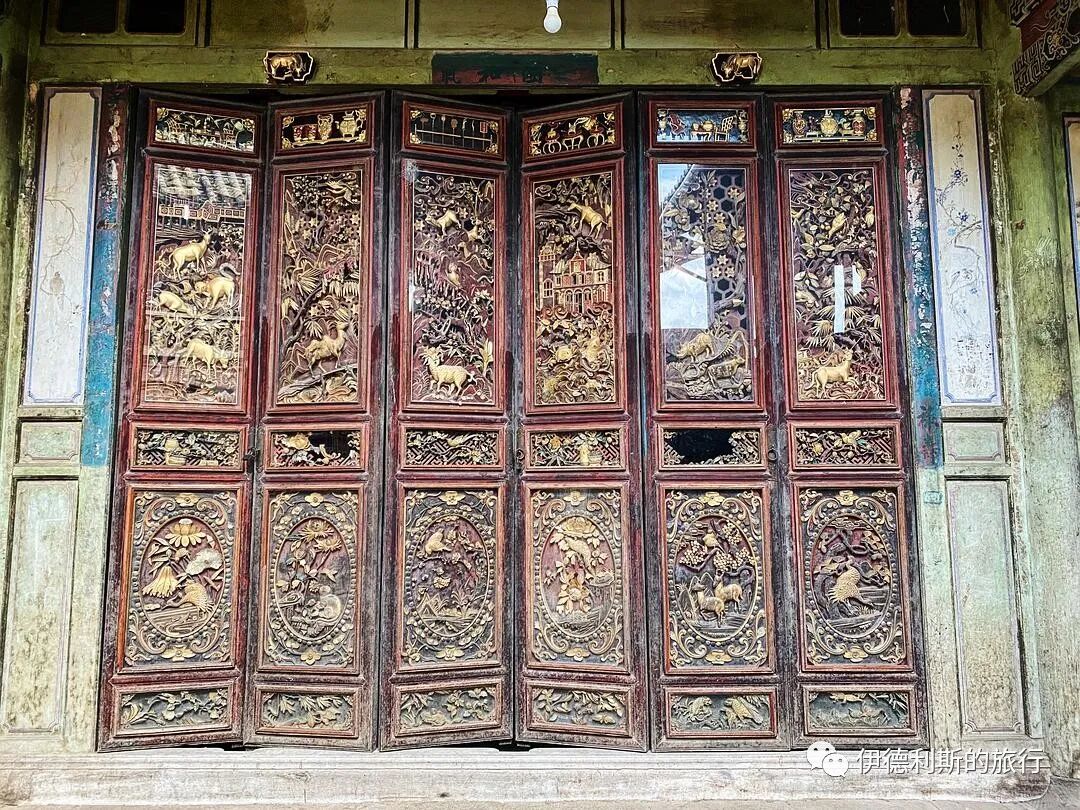
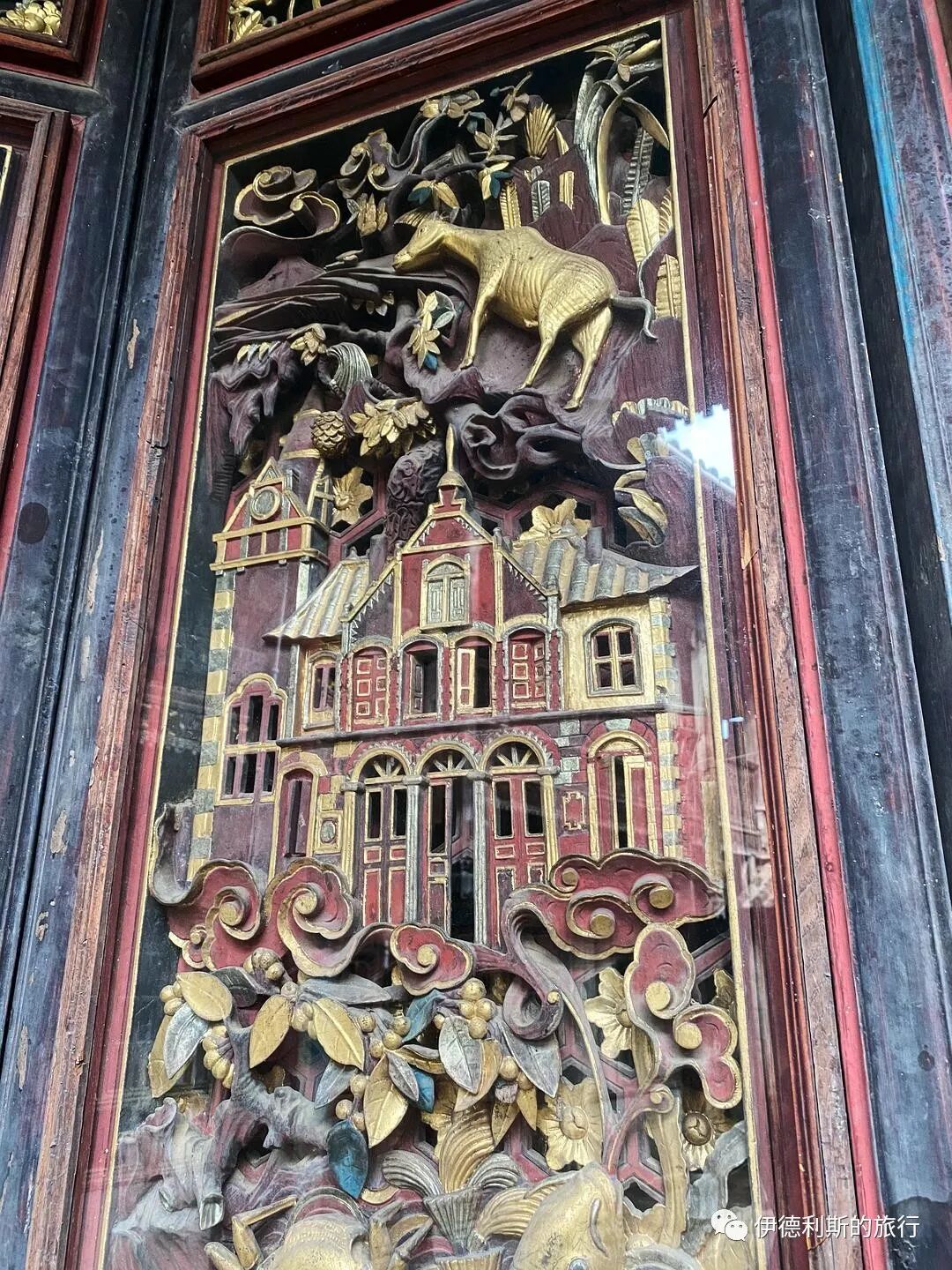
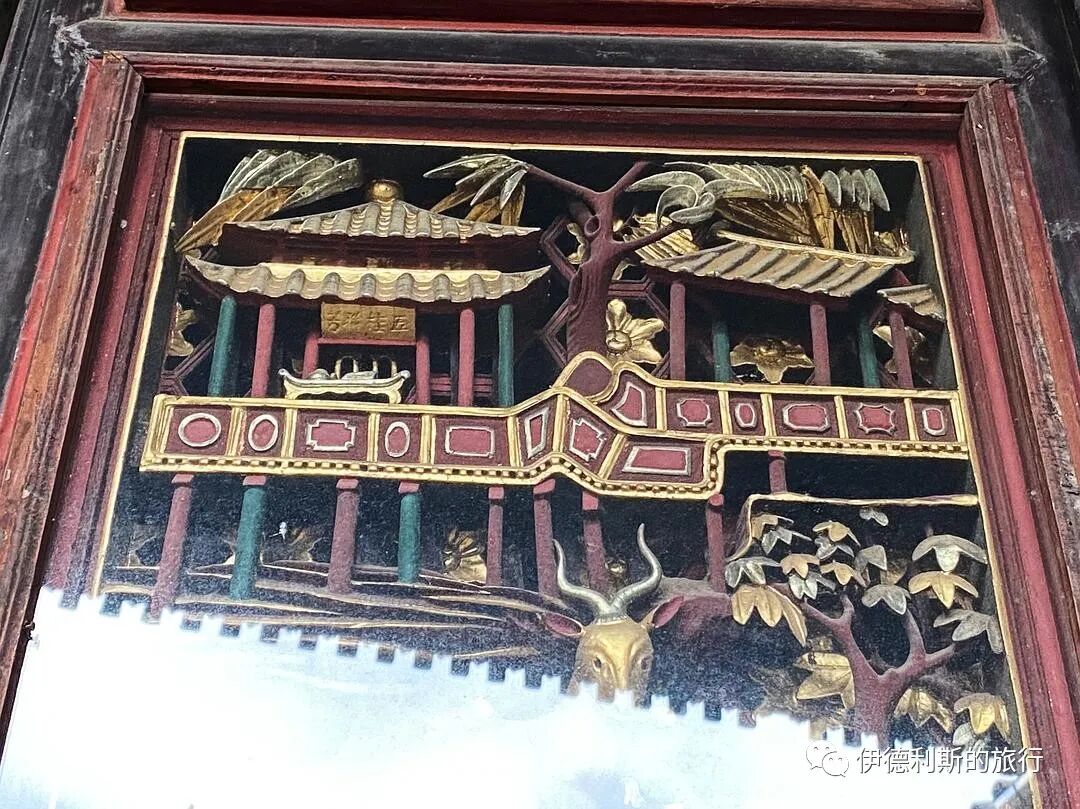
Tonghai has always been famous for its wood carving craftsmanship, and the exquisite wood-carved doors and windows of Courtyard No. 1 are proof of this. The doors and windows feature not only various flowers, plants, birds, and animals, but also pavilions, waterside structures, and Western-style architecture, showing the unique style of the era.
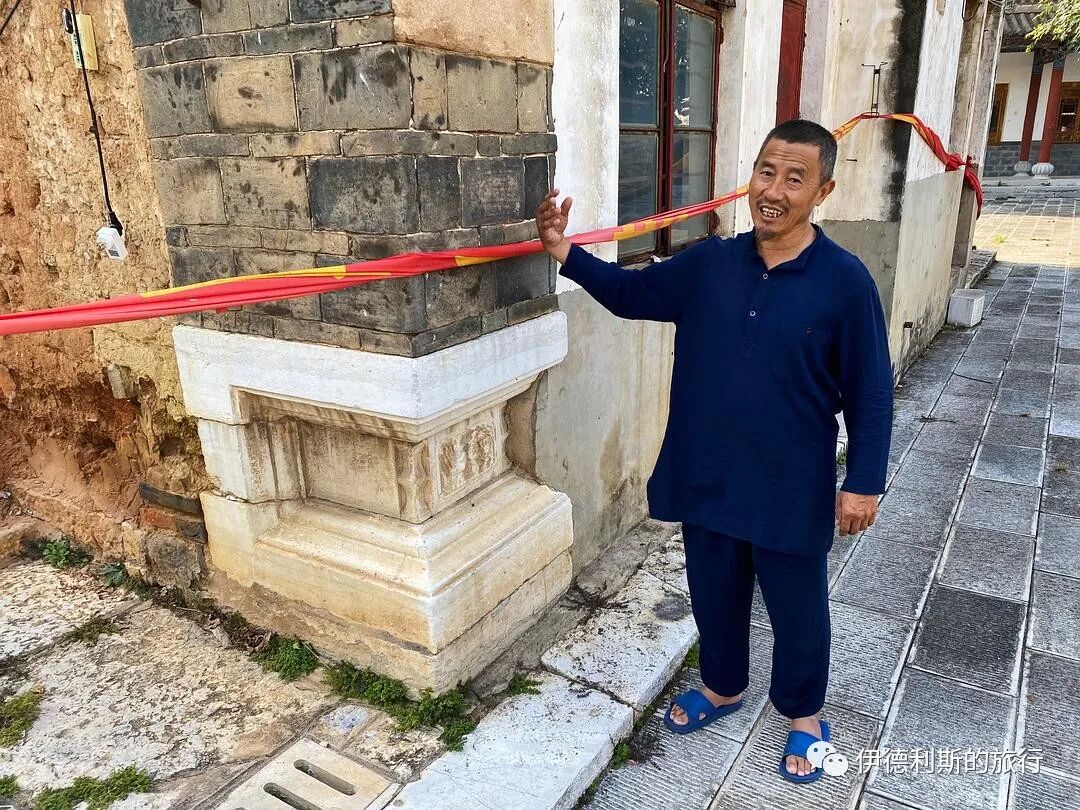
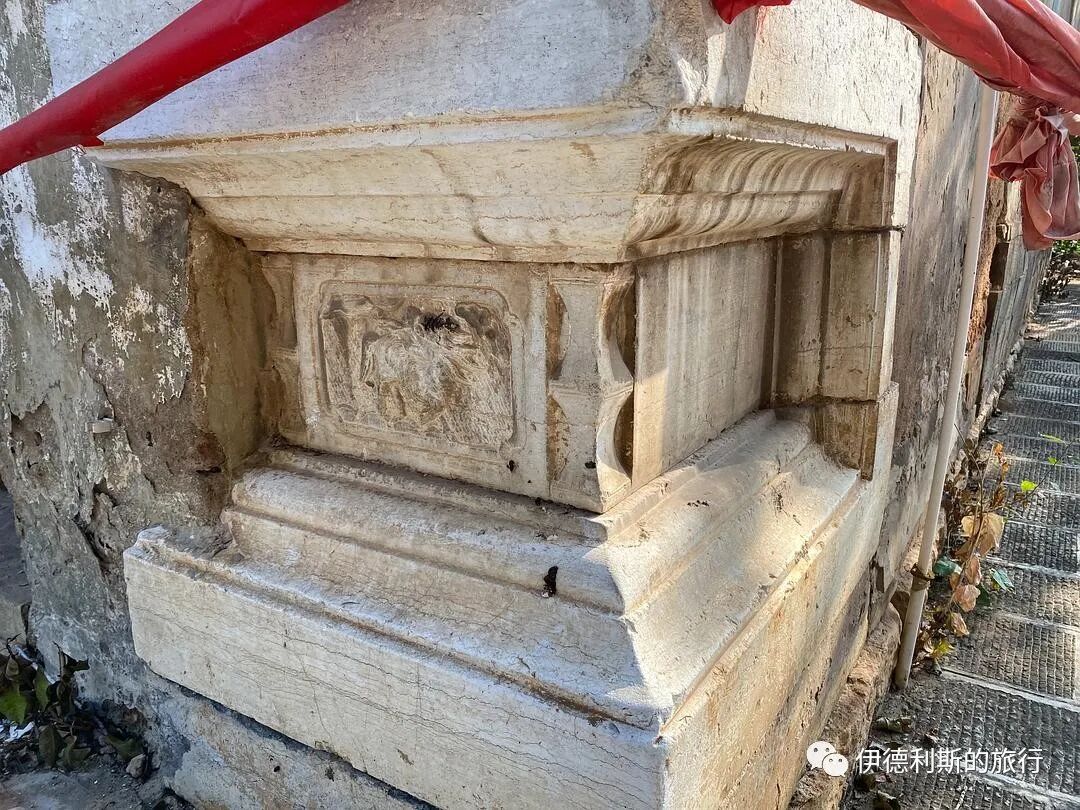
The Ma family courtyard once had twenty or thirty plaques, including 'Cultivating Virtue to Protect Descendants' inscribed by Chiang Kai-shek and 'Five Generations of Prosperity' inscribed by Long Yun, as well as plaques from Yu Youren, Bai Chongxi, Feng Yuxiang, and many others. However, they were all destroyed in the 1960s. All the beautiful couplets were replaced by slogans. Figure 1 shows the marks where the plaques used to hang above the door.
In 1918, the Ma family sold their soy sauce workshop and opened the Yuanxinzhai firm in Mojiang. They switched to trading cotton yarn, cloth, silk, and satin. At the same time, they bought mountain goods and medicinal materials like tea, purple stick (shellac), cowhide, deerskin, velvet antler, and ivory. Later, they also boiled deer glue, expanding their reach from domestic markets to Thailand and Myanmar.
In 1921, the Ma family changed the name of 'Yuanxinzhai' to 'Yuanxinchang' in Kunming. They mainly traded ivory, velvet antler, tiger bone, otter skin, tea, cloth, silk, and dyes. They also transported Chinese medicinal herbs like saffron, sweet flag (changpu), musk, and fritillaria to Thailand for sale. Later, the Ma family established the Jingchang Tea House in Jiangcheng and founded a tea factory to press seven-piece tea cakes (qizi bingcha), which were carried by horse to Laos and then to Vietnam and Hong Kong for sale.
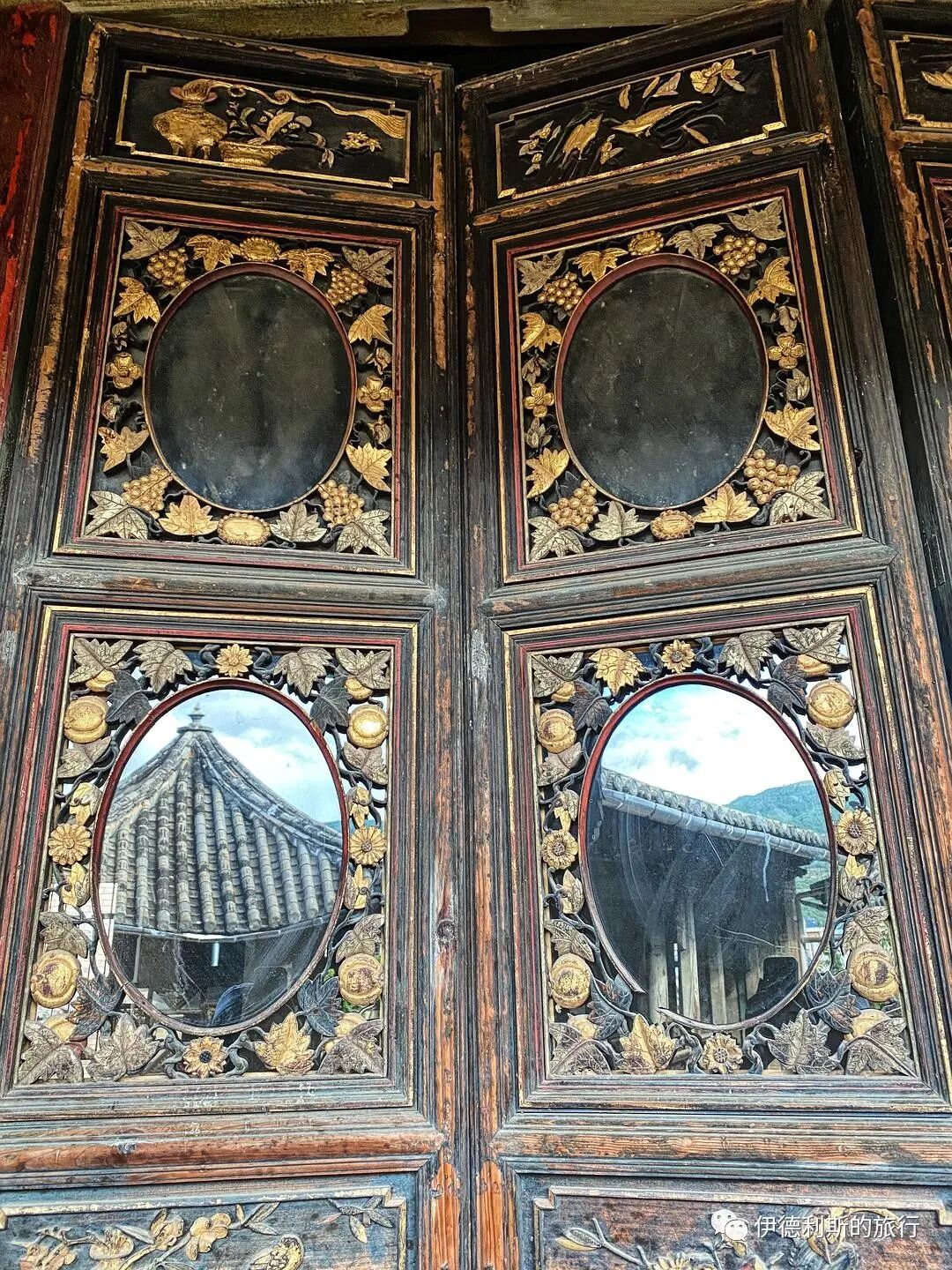
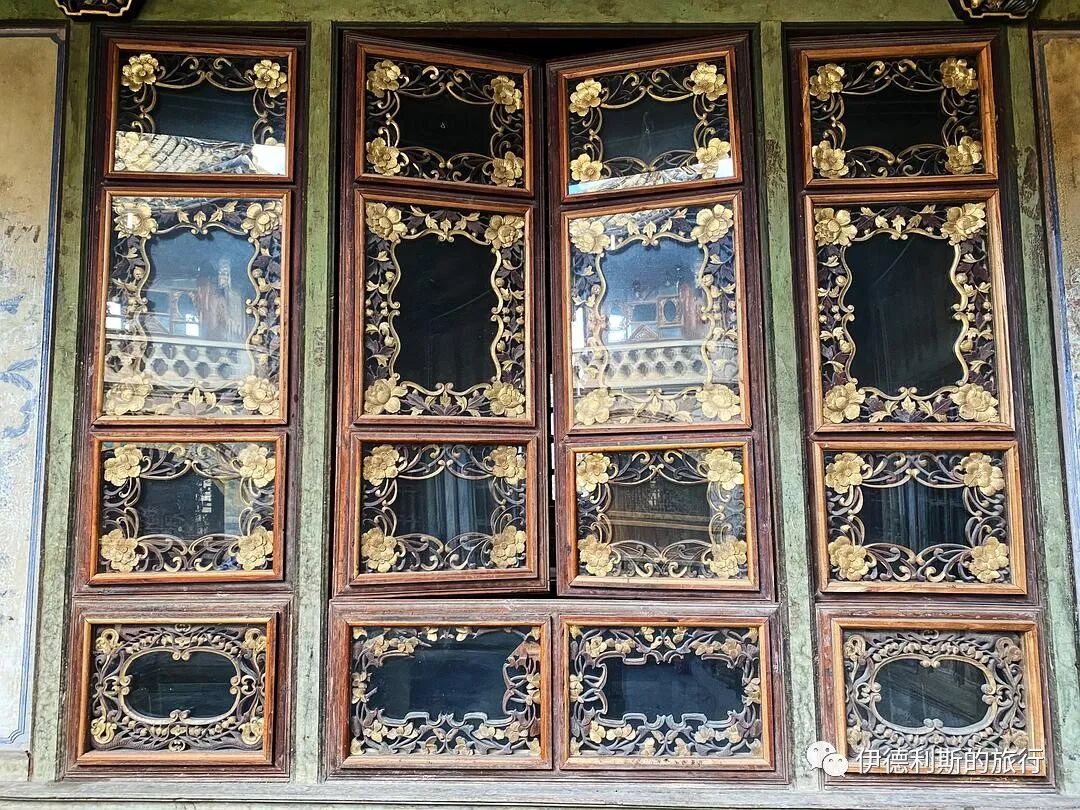
An empty room.
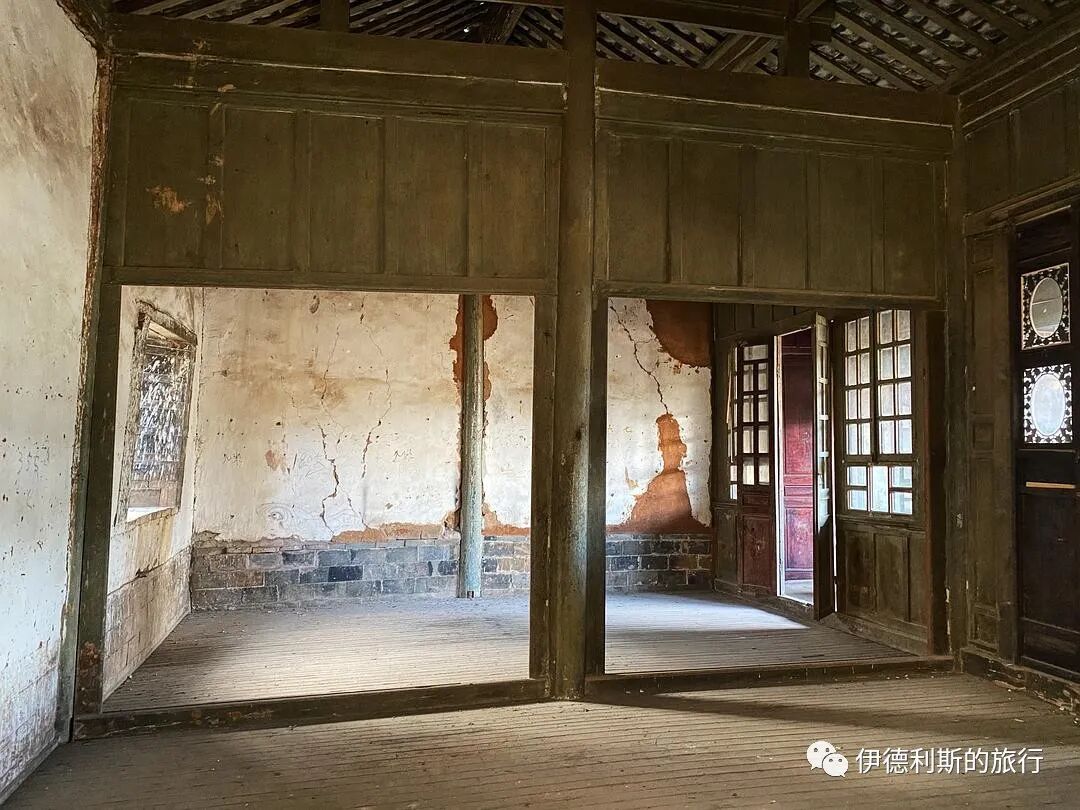
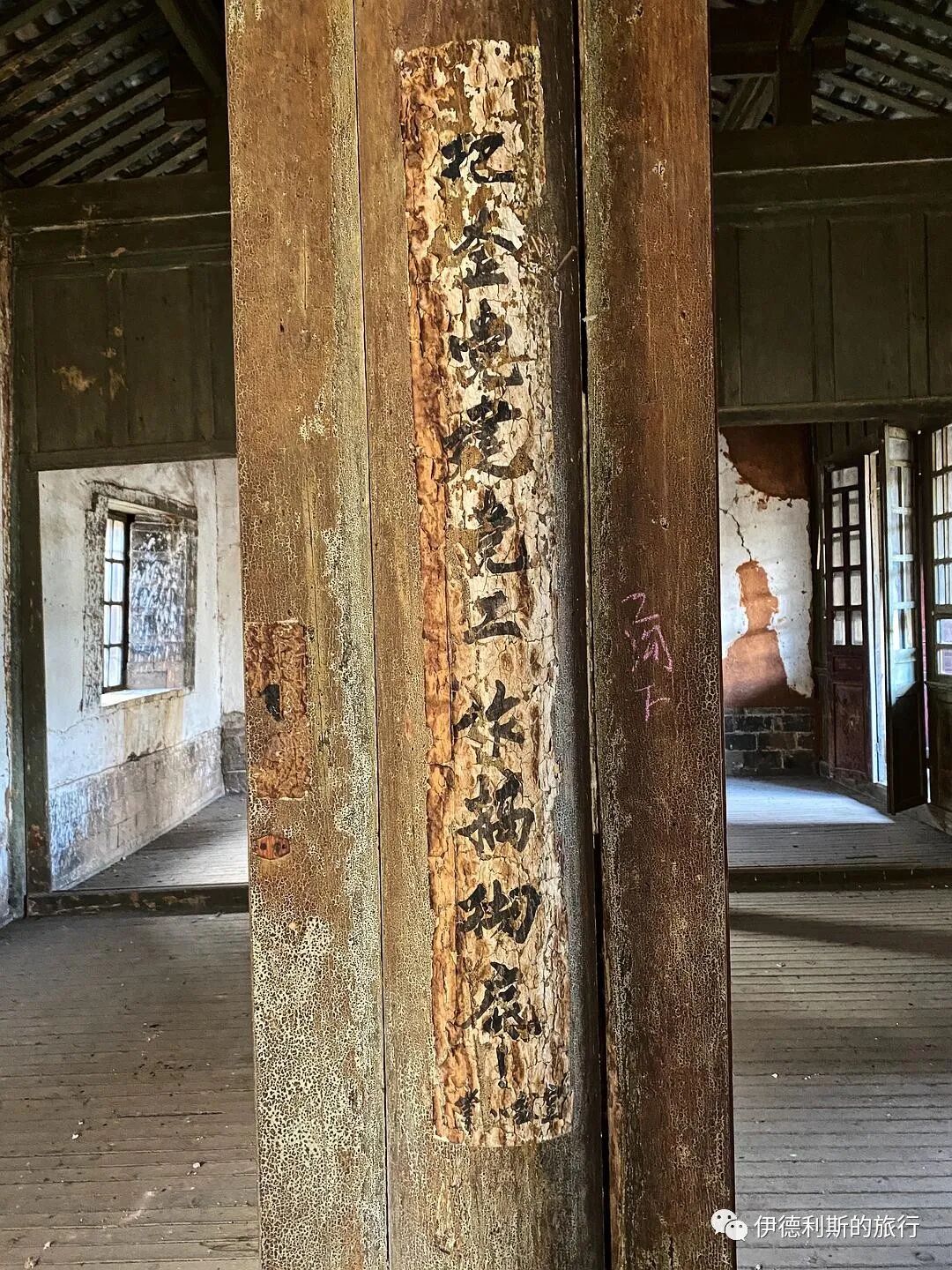
A small house in the backyard, which also has its own little courtyard.
The water vat in the courtyard was likely used for fighting fires.
A safe from the Republic of China era sits in the courtyard. It is labeled 'Southwest Industrial Company Safe Department' and 'Improved fire and Thief Resisting safe Made in China'. "
In 1951, the Ma family deposited all the gold, silver, and silver dollars (yuan datou) buried under their compound into the Hexi County People's Bank. This included about 2,000 taels of gold bricks and bars. The largest gold brick weighed over 400 taels, making it too heavy for one person to carry easily, along with 2,000 to 3,000 silver dollars. This event was reported in the Yunnan Daily, and the Ma family was called 'enlightened landlords'. After the land reform movement (tu gai), this gold and silver was taken back to Dahui Village to be displayed as 'fruits of struggle' during public meetings, and then the three compounds and all the furniture were confiscated.
Courtyard No. 2.
Courtyard No. 2 of the Tonghai Ma Family Compound is located at No. 57 Dahui Village. Built in 1937, it is also a 'key-shaped' (ke yi yin) courtyard with corner towers, but it has a larger skylight, a spacious yard, and simpler decorations.
A plaque reading 'Five Generations Under One Roof' once hung over the gate of Courtyard No. 2. Today, you can still faintly see the words 'Dongqu Brigade' and 'School'. After it was returned to the Ma family in 1986, it was lived in by the family of Ma Zishang (1914-2007), the grandson of Ma Yuanwu. In recent years, the Ma descendants only return during holidays.
In the 1930s, besides running horse caravans for trade, the Ma family set up branches across central and southern Yunnan, as well as in Kengtung and Monghsat in Myanmar, and Lampang, Chiang Mai, and Bangkok in Thailand. During the War of Resistance, trade routes were cut off, and Pu'er tea began to pile up. Once the war ended and the routes reopened, the Ma family immediately hired ten large ten-wheeled trucks to transport over 40 tons of Pu'er tea to Guangdong for resale in Hong Kong. Because the Pu'er tea had been stored for years, it was fully fermented and aged, making it very fragrant and popular with buyers. On the return trip, they brought back flashlights and batteries, which were scarce in Yunnan and sold out quickly.
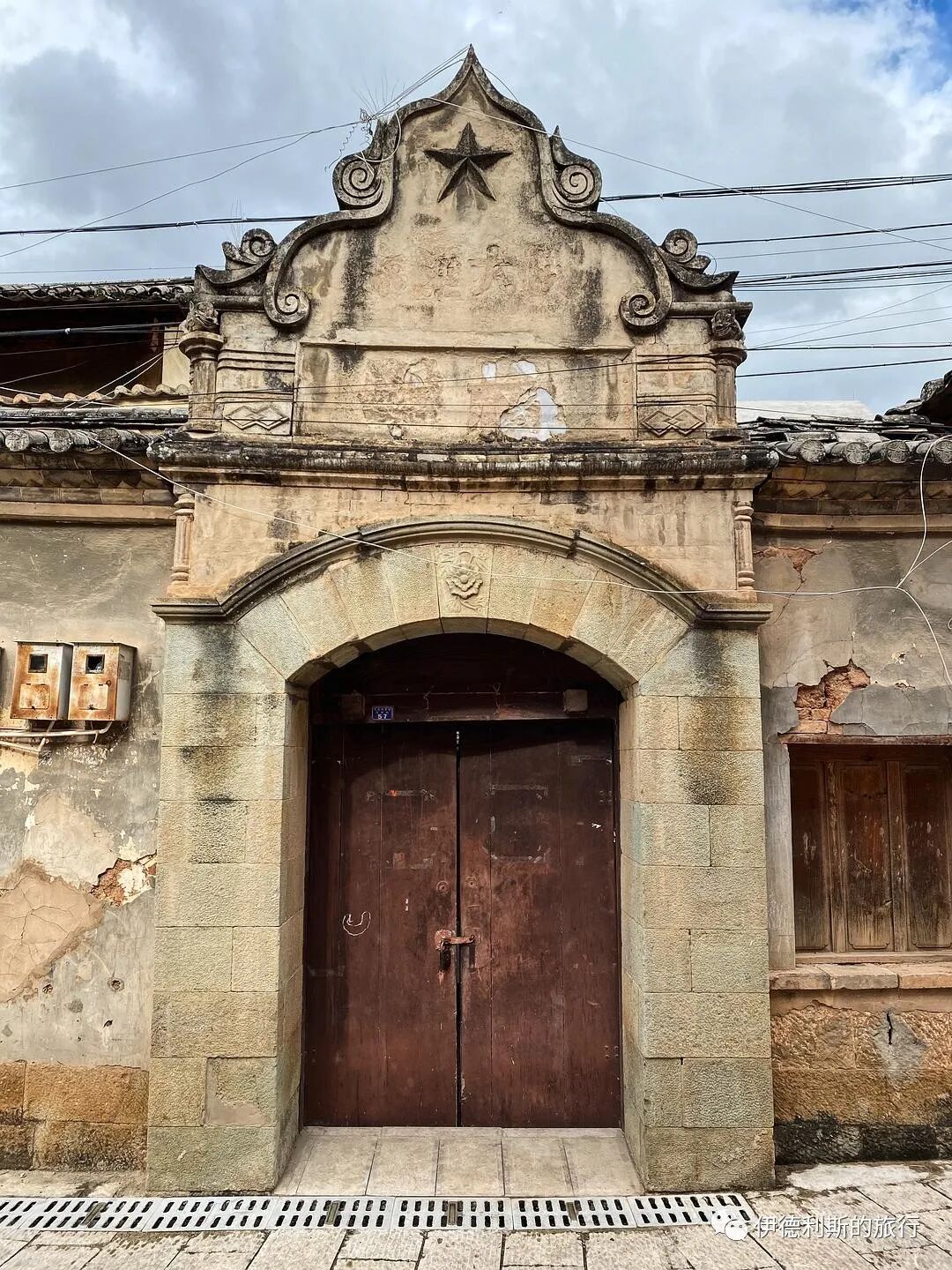
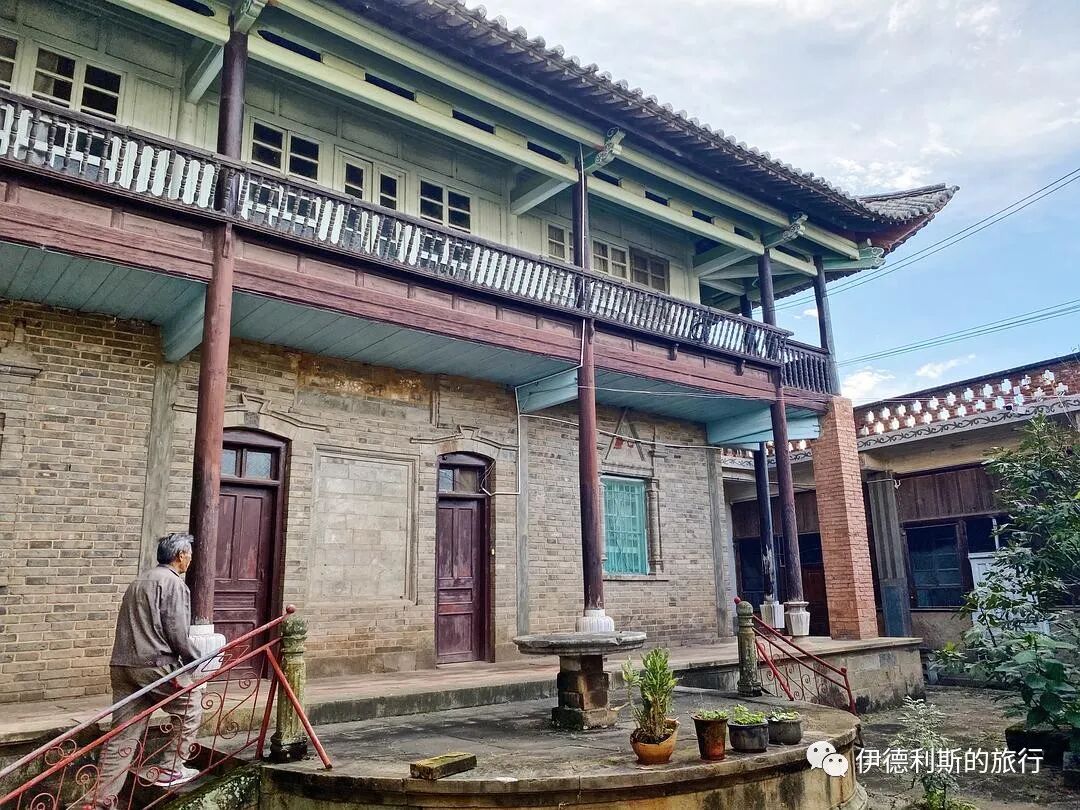
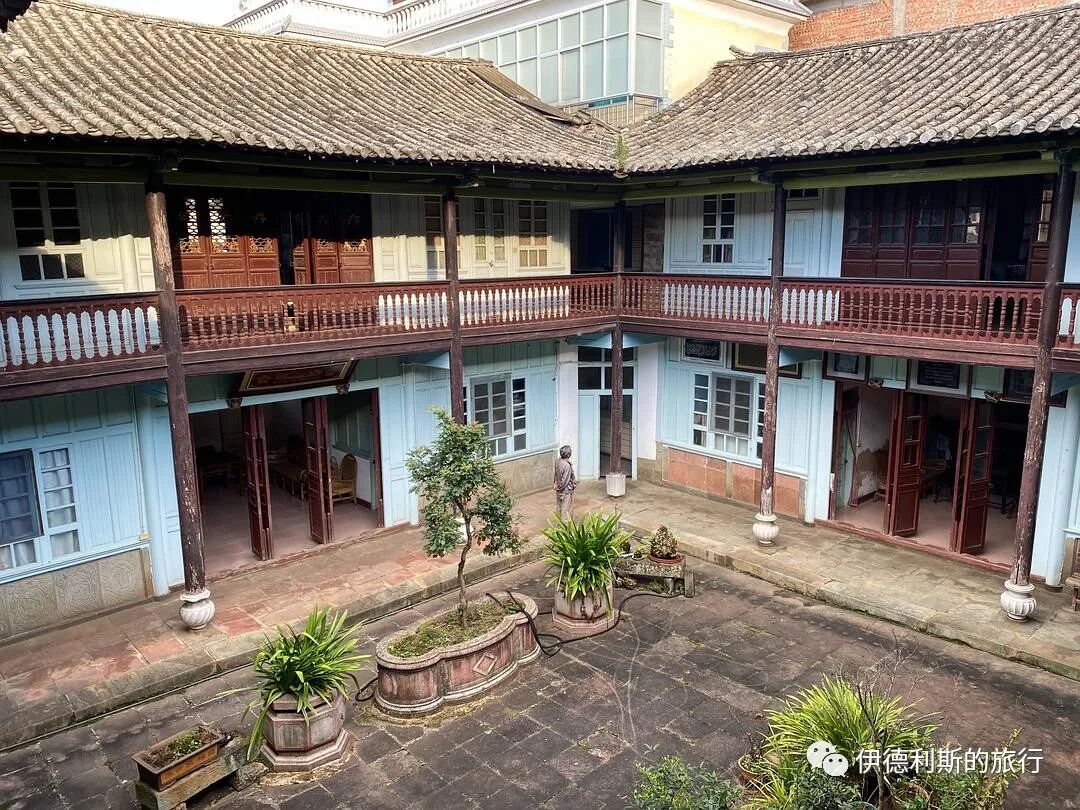
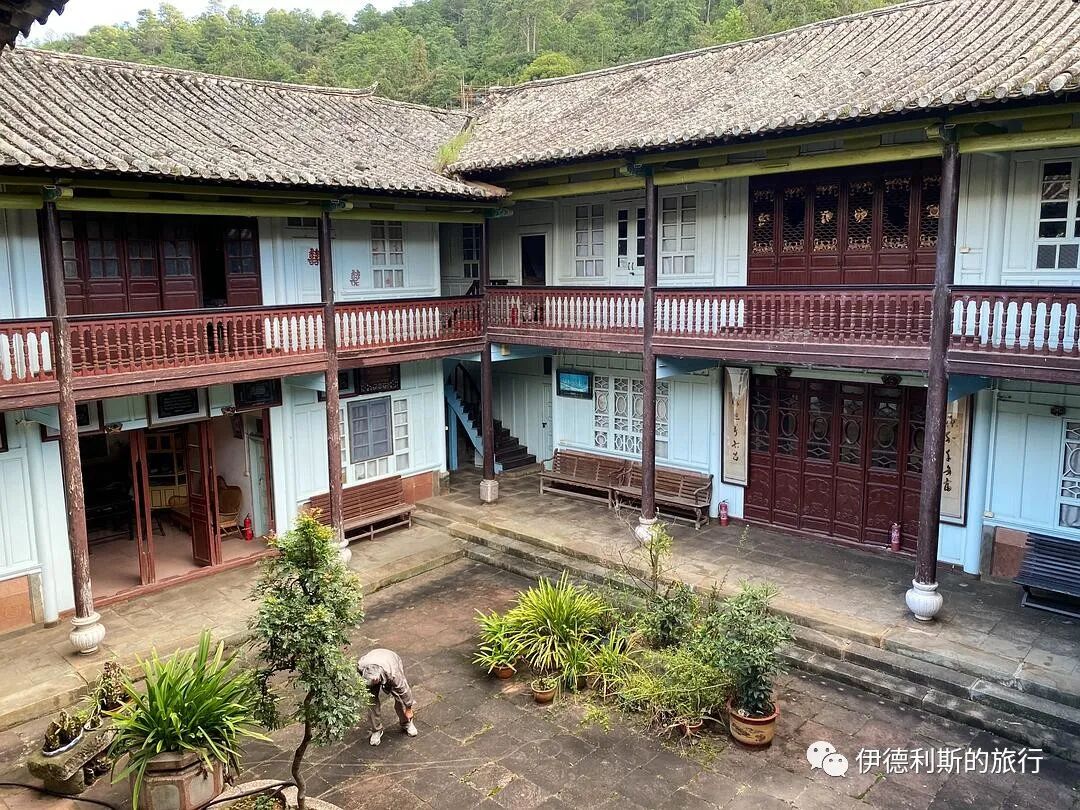
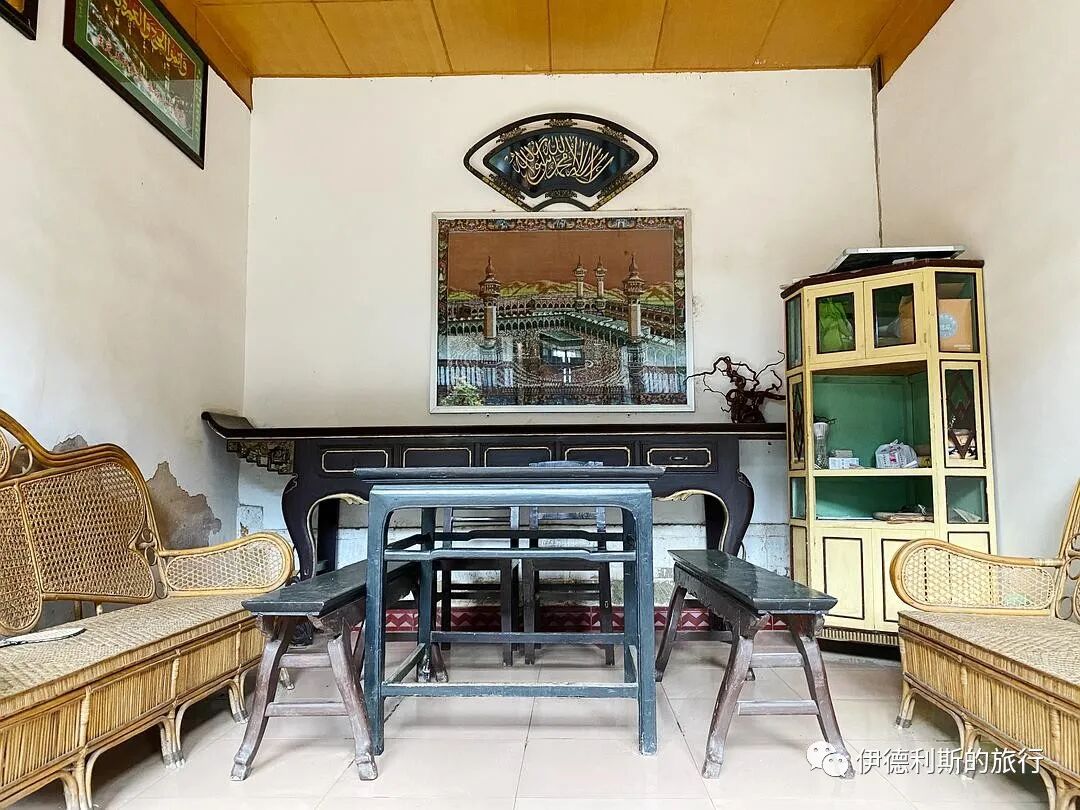
The Ma family was not only good at business but also very devout. I saw several plaques in the courtyard celebrating their successful Hajj pilgrimages.
Courtyard No. 3.
Courtyard No. 3 of the Tonghai Ma Family Compound is at No. 101 Dahui Village. Built between 1947 and 1948, it is the most modern of the three. The Ma family had not yet moved in when the liberation occurred, and after land reform, it became a warehouse for the production team. It is still occupied by Ma family descendants. We were disappointed that we could not visit because the owners were away when we arrived.
After 1945, cross-border trade from Simao to Thailand and Myanmar was gradually replaced by inland trade from Shanghai and Guangzhou to Yunnan. After careful consideration, the Ma family closed their trading businesses in Simao, Mojiang, and Jiangcheng after 1948. The Ma family planned to start trade between Yunnan and Chengdu, Chongqing, Shanghai, and Guangzhou, but new conflicts made this impossible. They finally decided to work together to open the Mingde Cotton Yarn Shop in Kunming. In 1950, the Ma family invested in the Mingde Textile Mill, starting with an investment of 2,000 bales of cotton yarn. After the public-private partnership reform in 1956, Ma Ziming continued to serve as the manager of the Mingde Textile Mill.
Dahui Village Mosque.
The Dahui Village Mosque in Tonghai was first built in the Ming Dynasty and rebuilt in 1829. The Tonghai Ma family led an expansion in 1946, and the main prayer hall was recently rebuilt as a modern structure.
Tonghai Dahui Village is a Jahriyya (a Sufi order) village. In 1781, Ma Shunqing (1770-1851), the eldest son of the Jahriyya founder Ma Mingxin, was exiled by the Qing government to Simao, Yunnan. He was later rescued by the imam Ma Yunguang from Gucheng and settled in Talang Village, Mojiang, where he became known as the 'Old Ancestor of Talang'. The third son of the Old Ancestor of Talang, Ma Shilin (1813-1871), moved from Talang to Dahui Village in Tonghai and became known as the 'Third Elder of Yunnan'. Ma Shilin ran a horse caravan business in Kunming and became a famous wealthy man, making Dahui Village in Tonghai a well-known Jahriyya village in Yunnan.
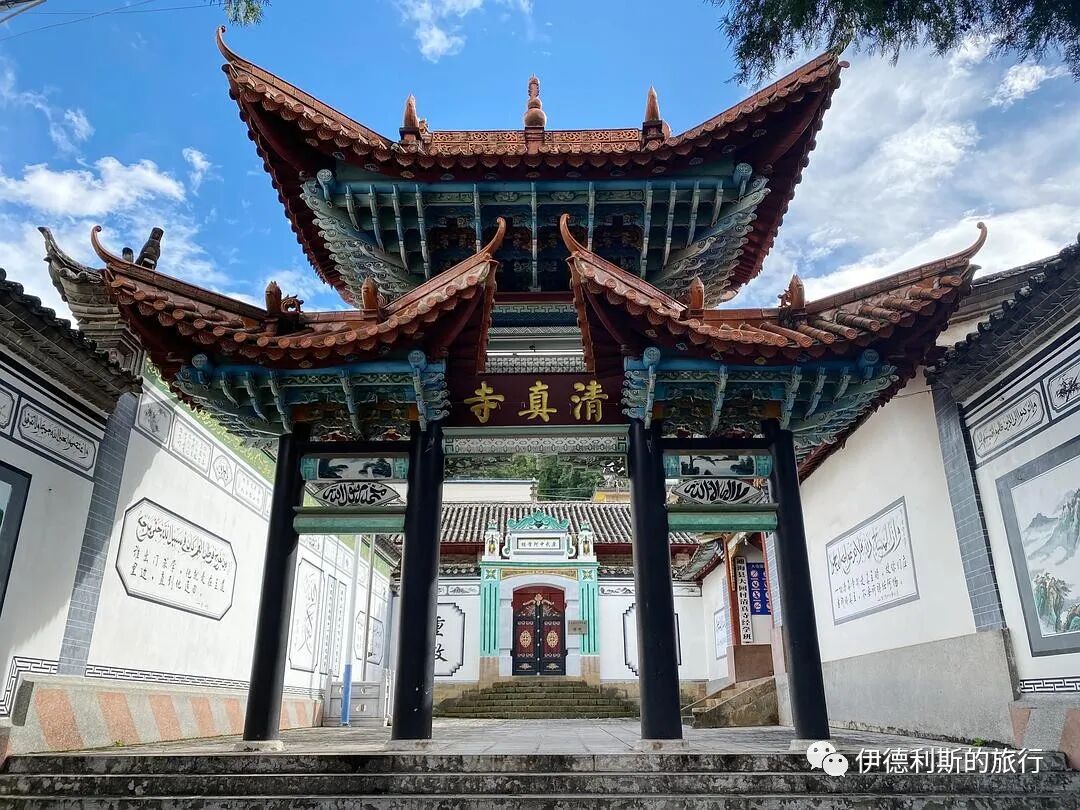
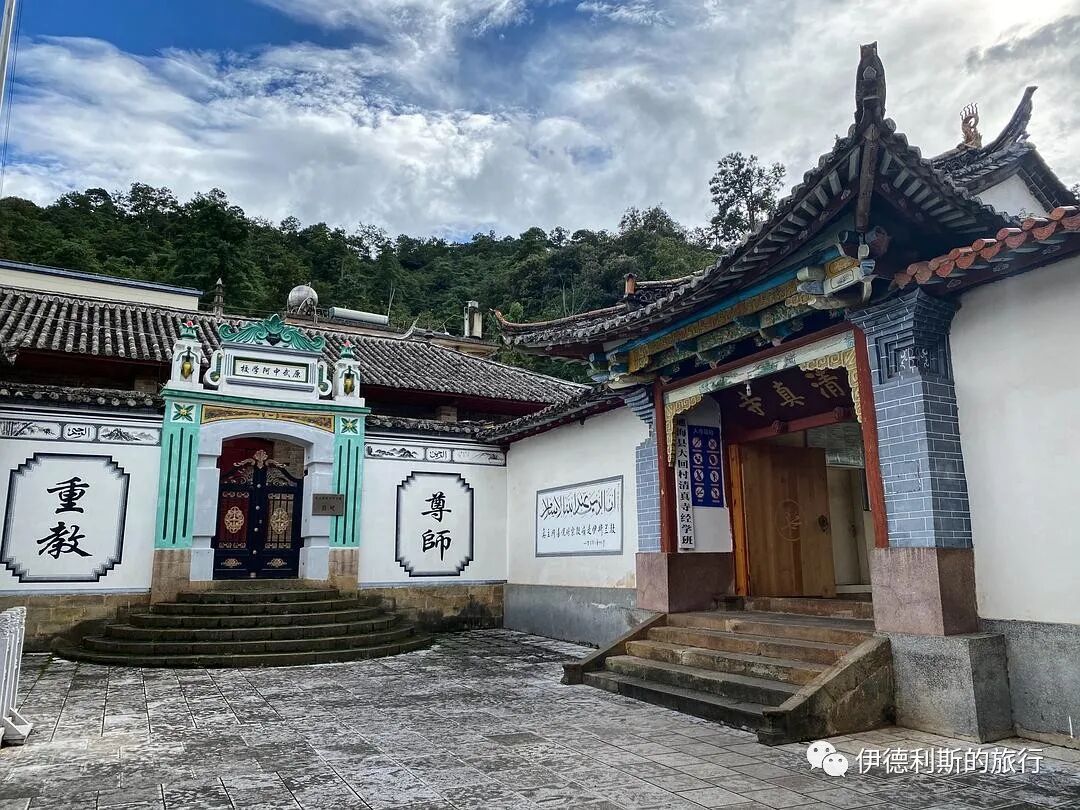
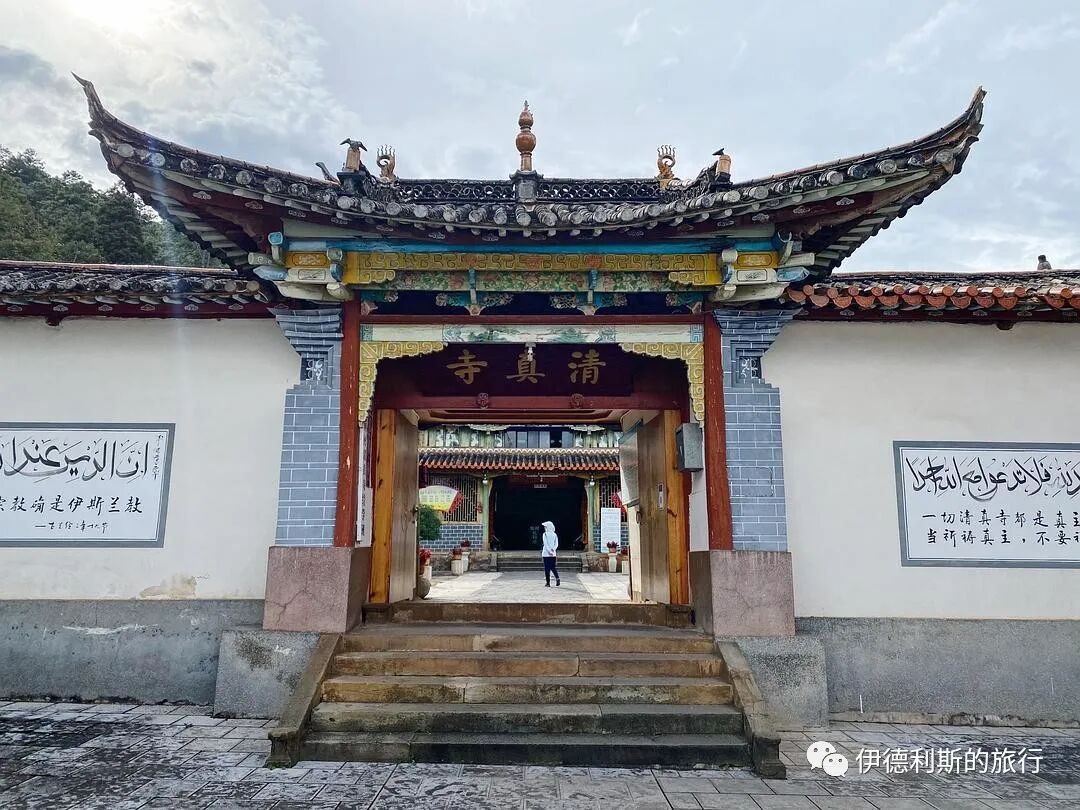
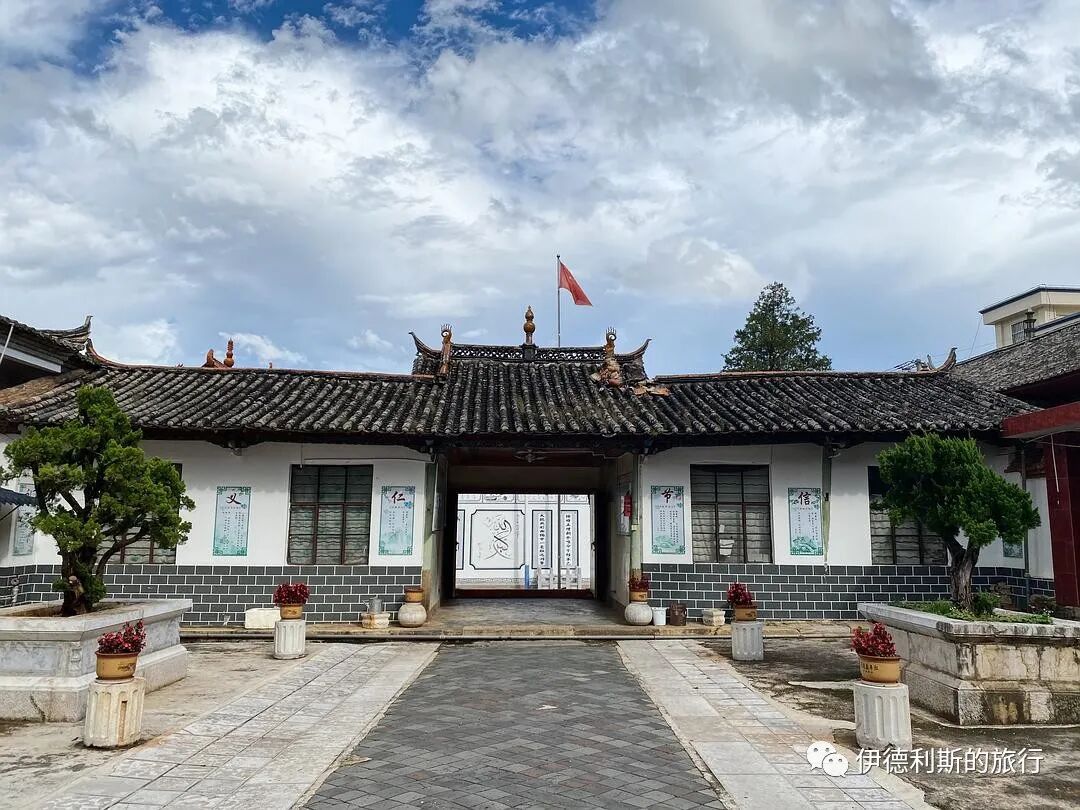
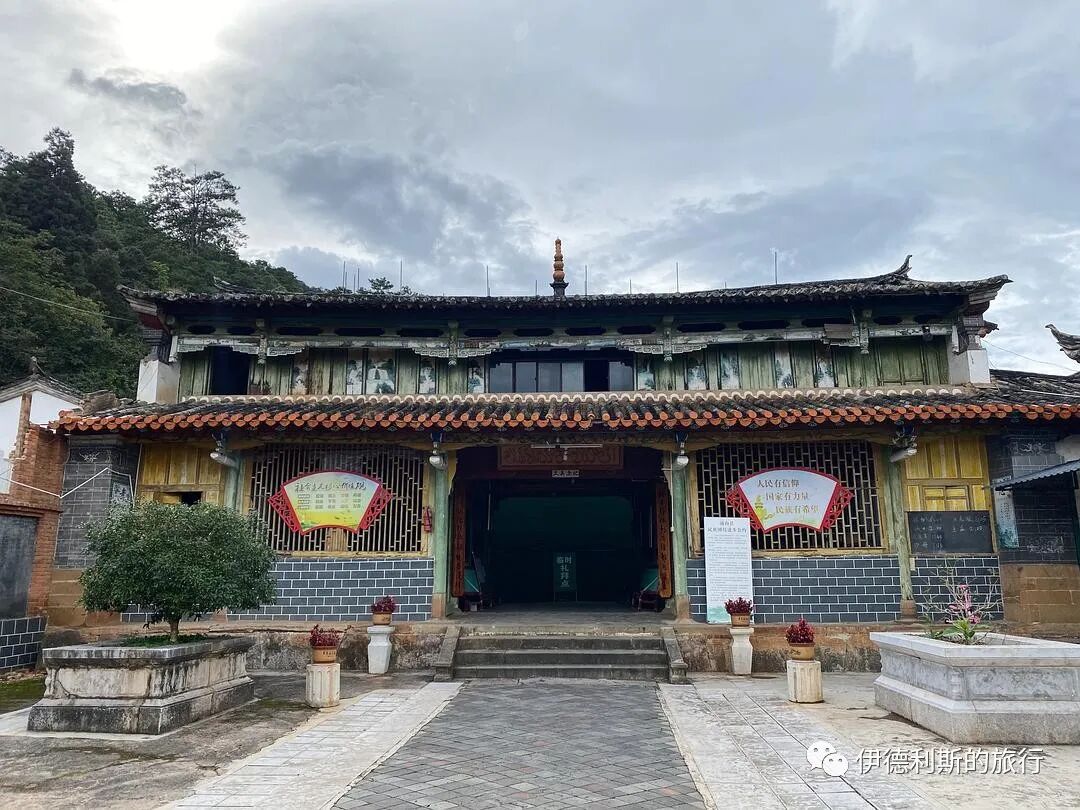
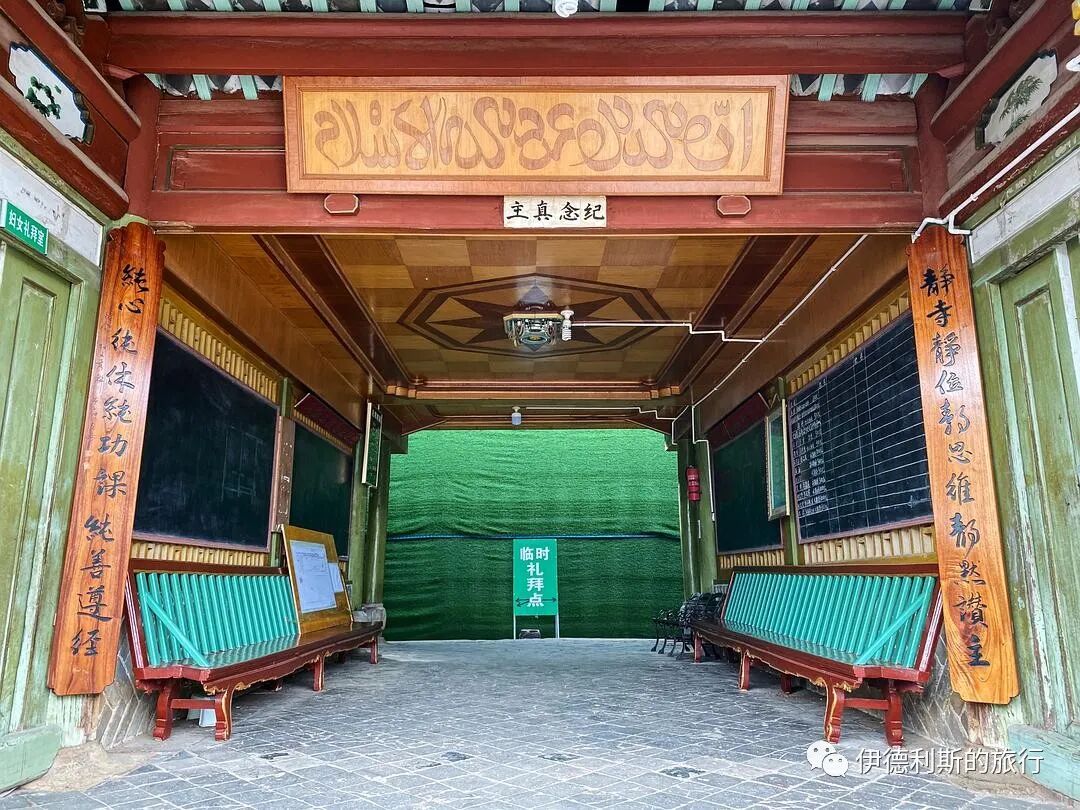
The 'Private Yuanwu Chinese-Arabic Primary School' next to the mosque was founded in 1947 by Ma Tongkuan, the second son of the Tonghai Ma family patriarch, Ma Yuanwu. At the time, the school had six classes and an attached kindergarten, with over 300 students from various villages in the northern plains of Hexi County. to the standard curriculum of public schools, they also added English and Arabic. The first class graduated in 1950. Among them, Ma Qichao became the deputy county magistrate of Tonghai, and Xiao Hanjie became the principal of the Tonghai County Teacher Training School.
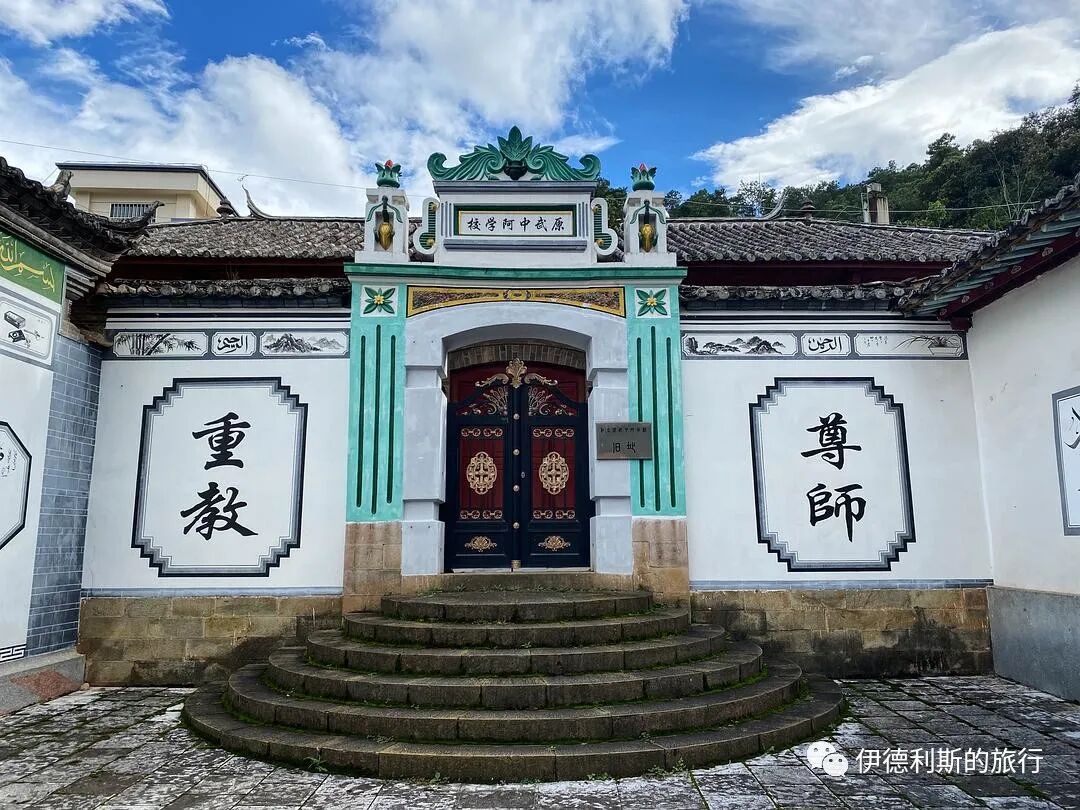
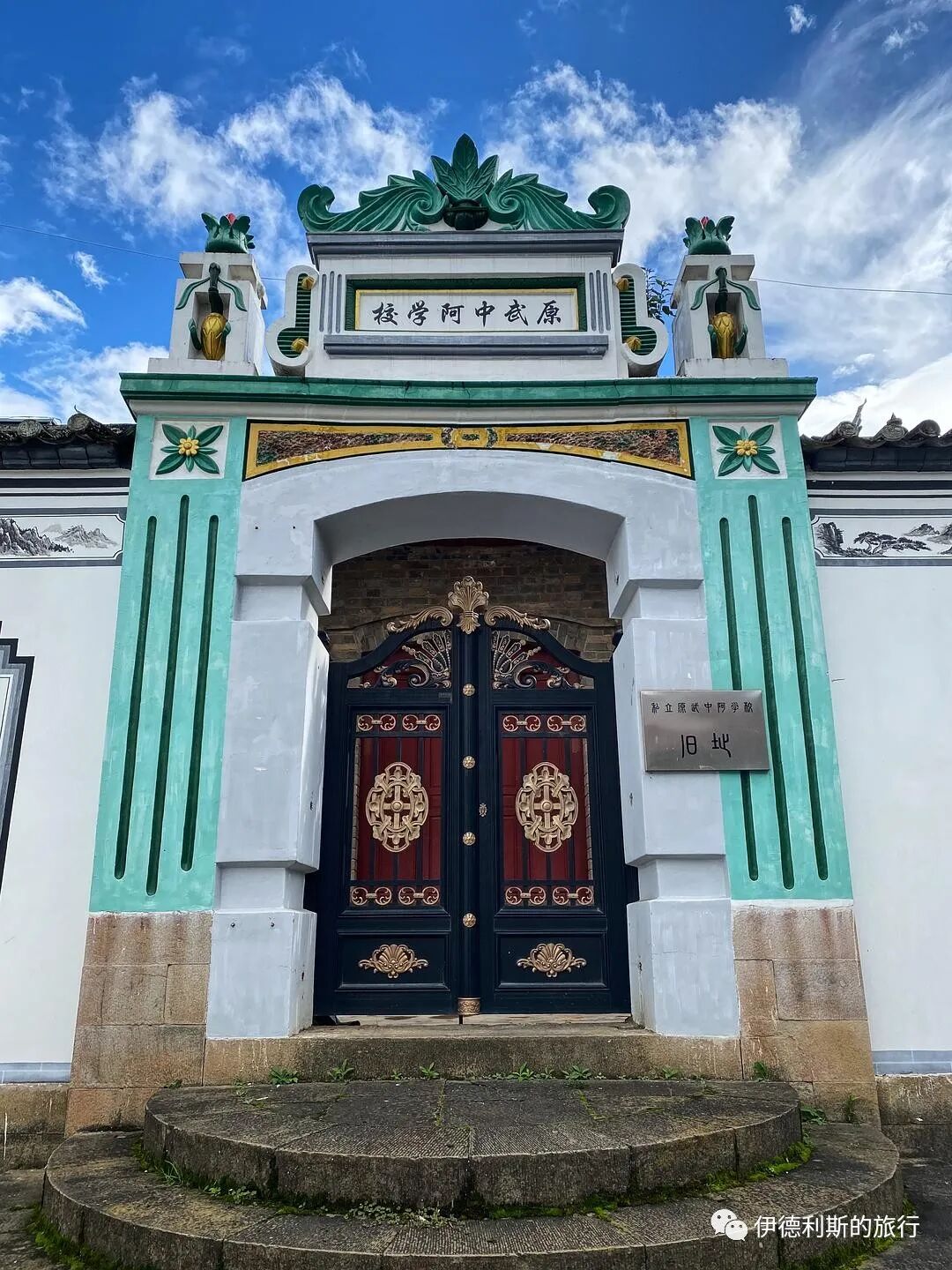
Some old houses in Dahui Village.
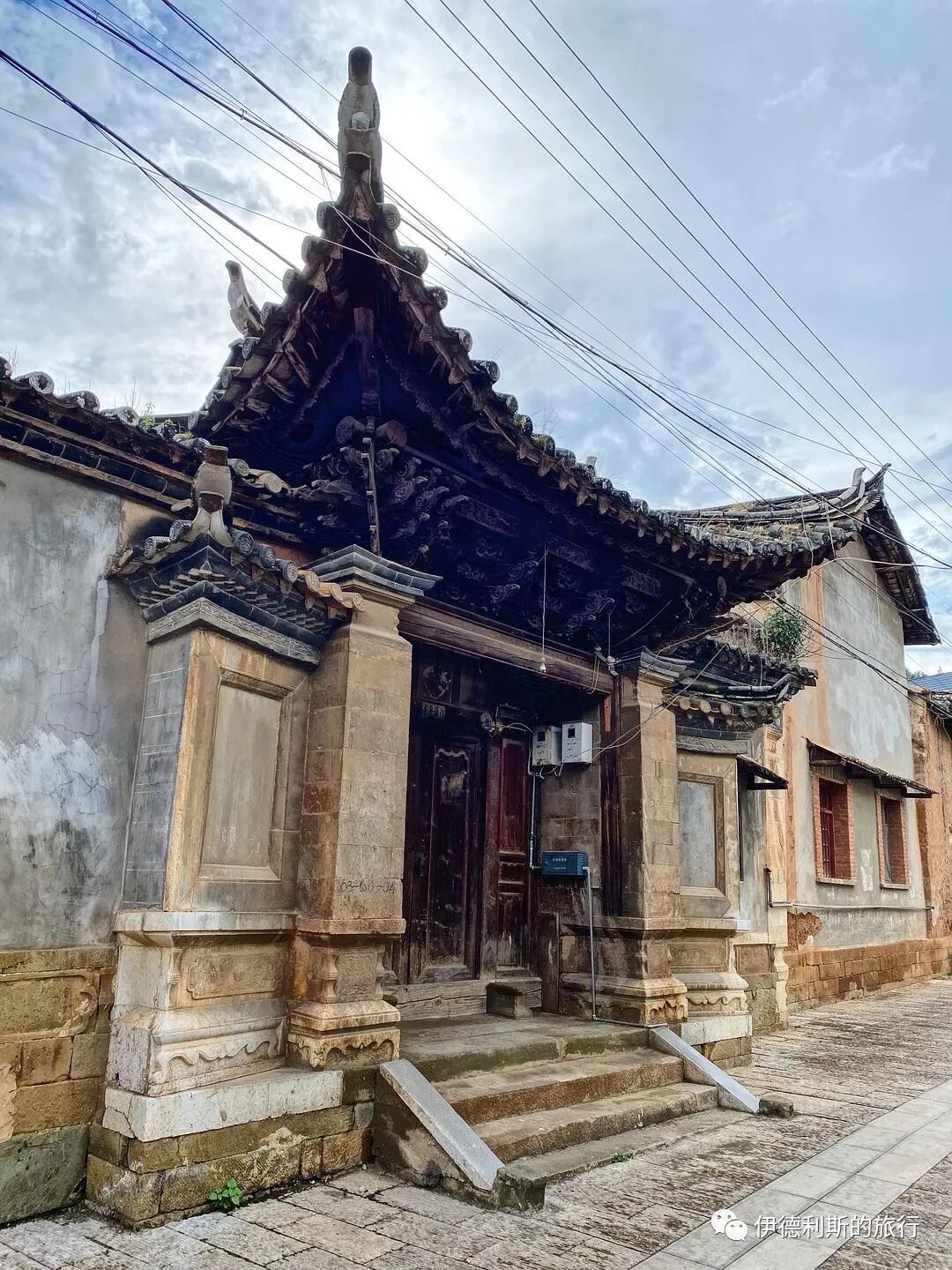
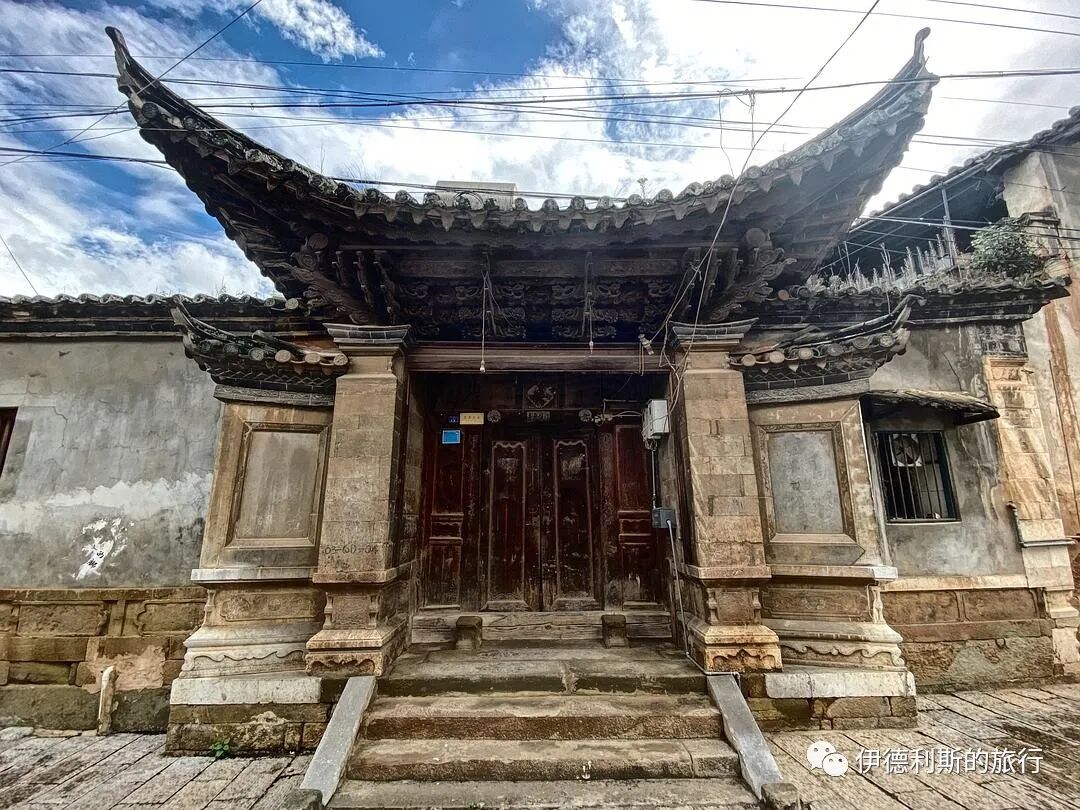
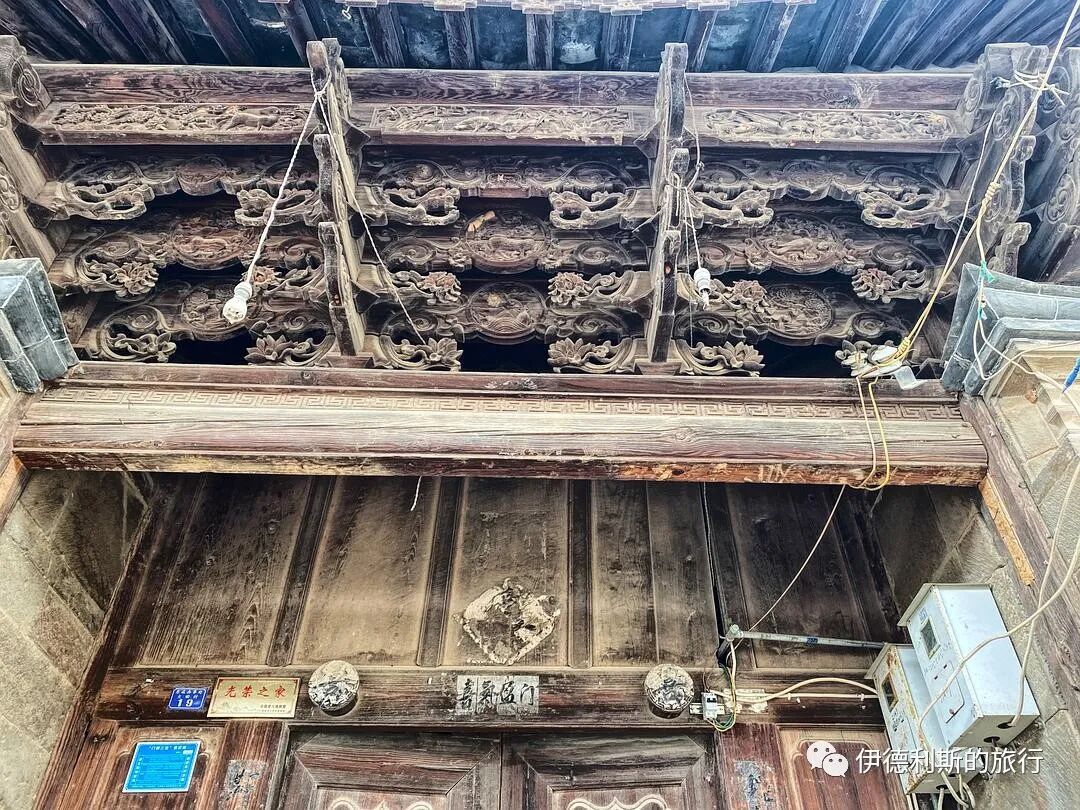
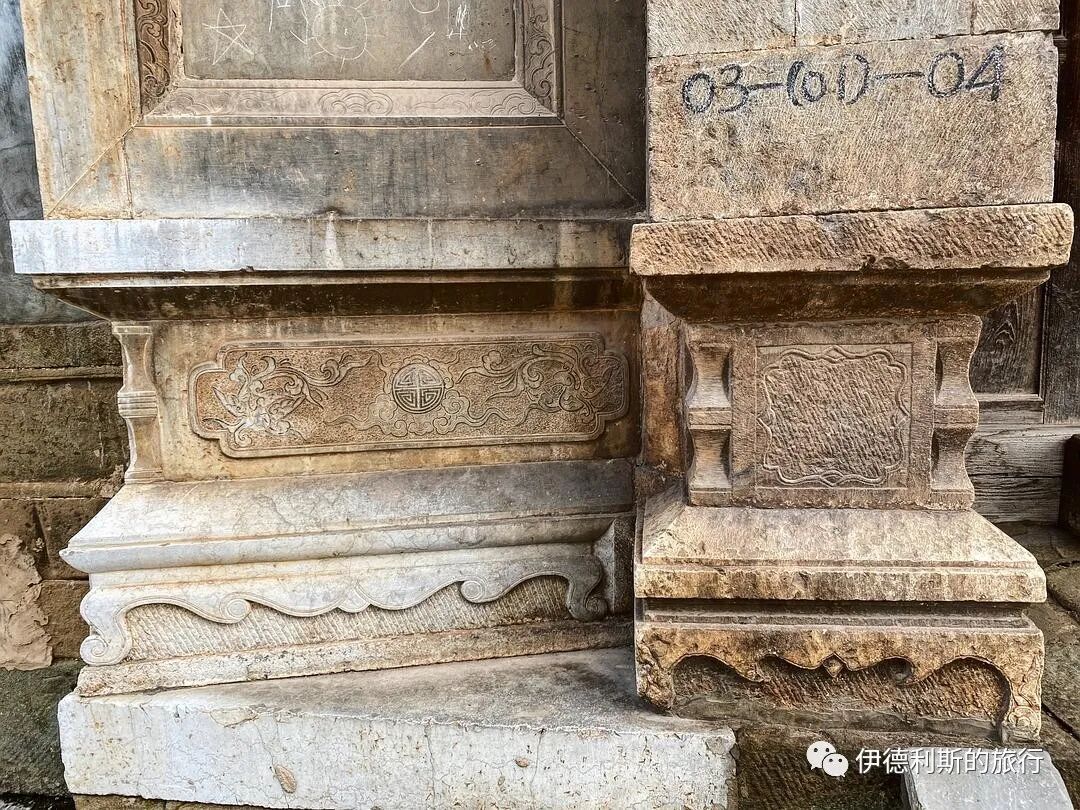
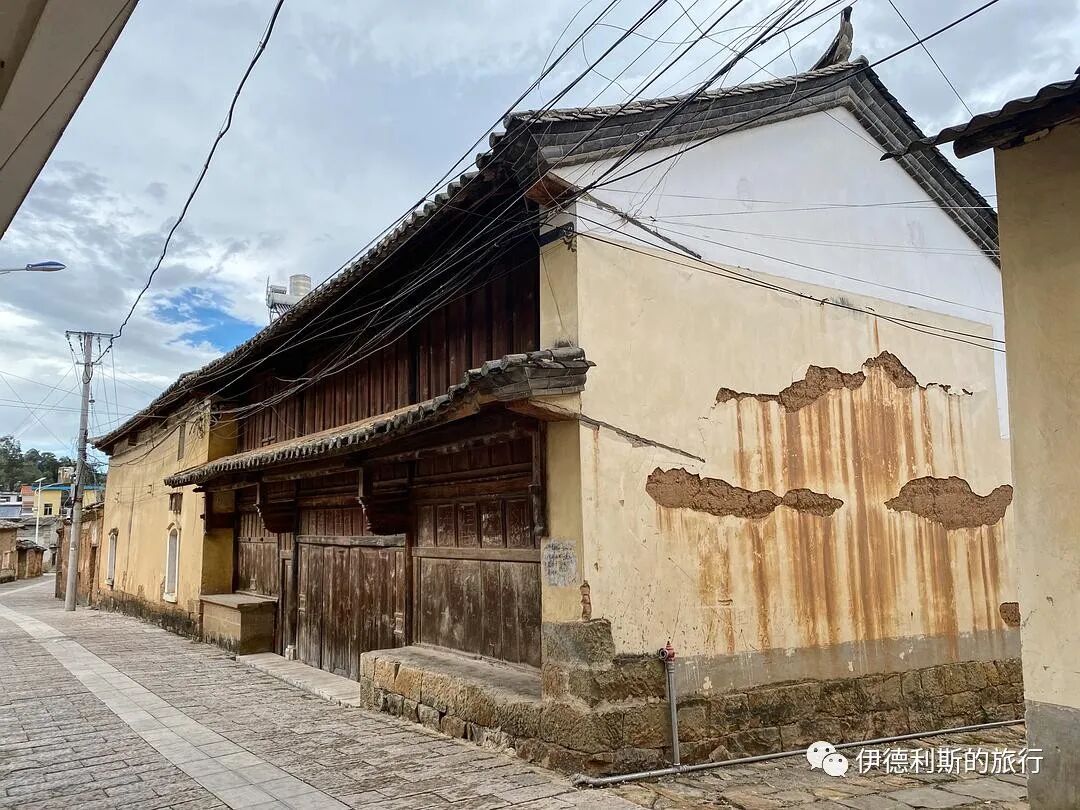
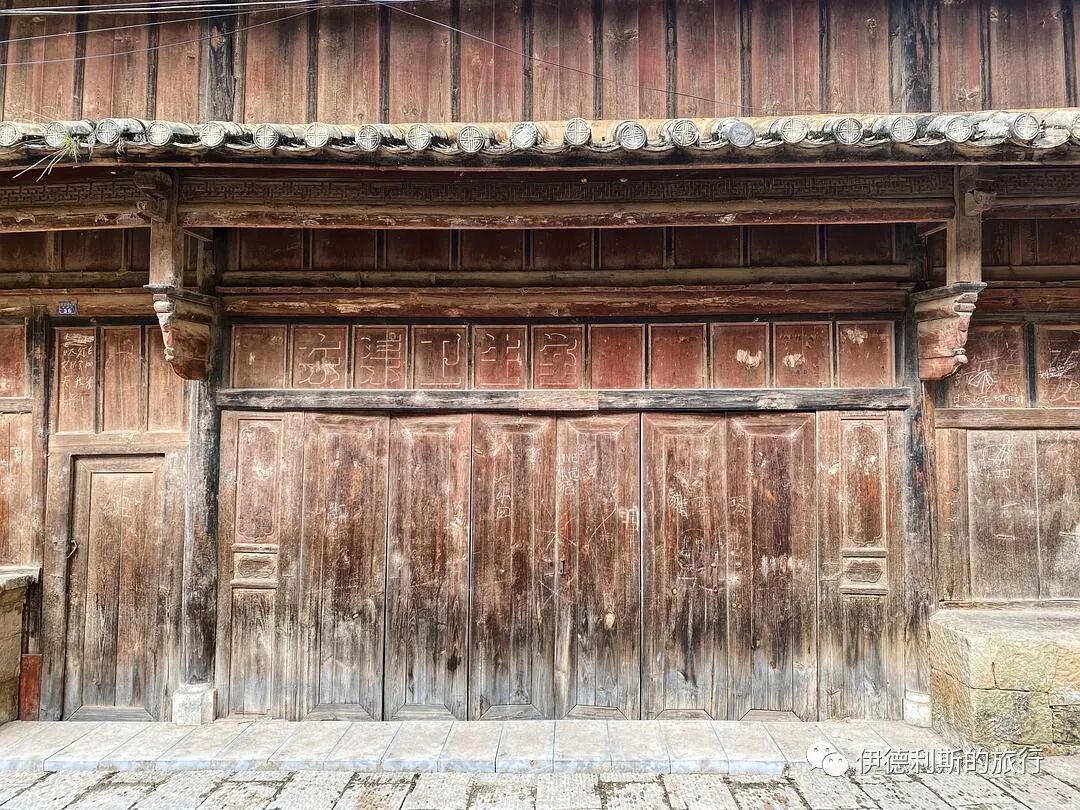
The most detailed book about the Tonghai Ma family is the oral history 'Legendary Family on the Tea Horse Road', and some of the information in this article was compiled from that book.
South of Kunming Halal Travel Guide: Liren, Yuxi Daying and Eshan Dabaiyi (Part 1)
Articles • ali2007fr posted the article • 0 comments • 182 views • 2026-05-17 07:35
Summary: This travel note introduces South of Kunming Halal Travel Guide: Liren, Yuxi Daying and Eshan Dabaiyi (Part 1). Author: Zainab. It is useful for readers interested in Yunnan Travel, Hui Muslims, China Mosques.
Author: Zainab
From October 4th to 6th, our family rented a car from Kunming to travel to Yuxi, Tonghai, Jianshui, Shadian, Kaiyuan, and Mengzi. This first article covers our departure from Kunming and our visits to three Hui Muslim villages: Liren in Xishan, Daying in Yuxi, and Dabaiyi in Eshan.
I. Departure from Kunming
We flew from Xishuangbanna to Kunming on the afternoon of October 3rd, took the airport subway line to the terminal station at Tangzixiang, and after walking a few steps, we arrived at Zhenghe Beef Restaurant. The owner was incredibly welcoming, and the food was so delicious that my parents, who have lived in Urumqi for fifty or sixty years, couldn't stop praising it and immediately fell in love with Kunming.
Some of their meat dishes were written on a board, but for vegetable dishes, we had to choose directly from the restaurant's classic display case. We ordered crispy red beans, stir-fried bitter greens, stir-fried piao mushrooms (a type of local fungus), mashed potatoes with mint (laonai yangyu), stir-fried meat with bean curd, and steamed beef with rice flour. The owner also gave us some meat broth on the house. It was the first time our whole family had eaten crispy red beans, and everyone loved them. The piao mushrooms had a texture like meat and were very fresh and delicious. Laonai yangyu is the Yunnan version of mashed potatoes; it tastes very savory. The bean curd is more tender than tofu and has a very mild flavor, so the meat mixed with it is seasoned relatively strongly. We all agreed that the best dish they made was the steamed beef with rice flour. They were very generous with the meat, unlike some shops that use so much starch you can't even taste the meat.
On the morning of October 4th, we ate Dali ersi (rice noodles) and papaya water with rose jam and chilled shrimp at the entrance of the Yixi Gong Mosque in Kunming, beginning our three-day trip to Kunming, Yuxi, and Honghe.
In the late 19th century, as the Hui Muslim caravans traveling through Kunming and Dali to Myanmar and Thailand flourished, Hui Muslims from western Yunnan, such as those from Weishan in Dali, began to settle in the Qingyun Street area of Kunming. In 1899 (the 25th year of the Guangxu reign), the Hui Muslims of western Yunnan in Kunming, together with the Xingshunhe firm established by Yuxi Hui Muslims, pooled their funds to build the Chongshan Gongsuo (Chongshan Public Office) at the east end of Qingyun Street. Afterward, Hui Muslims from Dali merged the Zhuiyuan Hall, Chengyi Hall, and Baozhen Hall with the Chongshan Gongsuo. In 1919, it was renamed Chongshan She (Chongshan Society) by order of Yunnan Provincial Governor Tang Jiyao, officially renamed Yixi Gong Mosque in 1942, and was known as the Kunming Overseas Chinese Mosque in 1951.
II. Kunming Haikou Liren Mosque
After picking up our car at Kunming Station, our first stop was the Haikou Liren Mosque in the Xishan District of Kunming, 46 kilometers away from the station.
Liren was originally called Heihuzhai, and it is said that Muslims have lived there since the Yuan Dynasty. Liren Mosque was first built in 1645 (the second year of the Shunzhi reign of the Qing Dynasty), destroyed in 1856 (the sixth year of the Xianfeng reign), rebuilt in 1872 (the second year of the Tongzhi reign), and expanded in 1896 (the 22nd year of the Guangxu reign) with funds raised by "Lady Yang the Third," a local heroine. It was newly designated as a cultural relic protection unit of Kunming in 2020.
The main gate of the mosque also serves as a minaret, designed in the traditional Yunnan style: the lower part is a single-eave gate tower with a hip-and-gable roof, and the upper part is a hexagonal pavilion with a pointed roof, inside which hangs a bronze bell used for the call to prayer.
Inside the main prayer hall, there is an exquisite mihrab (niche indicating the direction of Mecca) featuring traditional Yunnan-style calligraphy, as well as a traditional-style minbar (pulpit) built in 1945, inscribed with "Qingzhen Shengyu Tai" (Pure and True Holy Preaching Platform) and dated "the 34th year of the Republic of China," which is very rare.
The flower beds built in 1940 look very elegant.
According to records, Xu Xiake passed through Liren Village in 1638 (the 11th year of the Chongzhen reign of the Ming Dynasty), so there is a sign inside the mosque marking it as a "Xu Xiake Travel Route Landmark."
III. Yuxi Daying Village
Continuing 52 kilometers south from Haikou Liren Mosque, we arrived at the Daying Mosque in Yuxi.
The mosque's main gate was rebuilt in 1914 as a two-story gate tower with an inward-facing eight-character screen wall. The upper level has four corners, and the lower level has eight corners, featuring exquisite decorative dougong (bracket sets), carved beams, painted rafters, and upturned eaves. Entering the gate, one finds the Xingmeng Lou (Awakening Dream Tower/minaret), a three-eave, four-cornered, pointed-roof pavilion standing 30 meters tall.
The main hall of Daying Mosque has been expanded many times. The front hall was built in 1605 (the 33rd year of the Wanli reign of the Ming Dynasty) and completed in 1617 (the 46th year of the Wanli reign). The middle hall was expanded during the Guangxu reign of the Qing Dynasty, and the rear hall was expanded in 1985, with a total capacity of 2,000 people.
While visiting the market in Daying, we bought some local crispy roast duck at a 30-year-old shop. The lean duck is much better than Beijing roast duck, though the accompanying sauce is not as good as the one in Nanjing.
During the Qing Dynasty and the Republic of China, the Hui Muslims of Daying, Yuxi, were famous for their caravans "traveling abroad" to trade in Myanmar and Thailand. The most famous of these was Xingshunhe, founded by Ma Youling in 1846. Ma Youling initially bought yarn in Kunming, transported it to Yuxi to exchange for cloth, and then dyed the cloth with local indigo into blue or black fabric for sale. During the Guangxu reign, upon learning that Chiang Mai, Thailand, had foreign indigo that produced better dyeing results, Ma Youling began organizing caravans to Chiang Mai to purchase foreign indigo, which he then sold in Kunming after dyeing the cloth. In the late Guangxu period, Xingshunhe grew larger and larger, dealing in cloth, straw hats, foreign indigo, and Sichuan salt, and opened branches all over Yunnan. Later, to facilitate caravan transport, they switched to lighter goods such as deer antler, musk, tortoise-deer glue, tiger glue, and tiger bone, opening branches in major cities like Beijing, Tianjin, Shanghai, Hankou, Guangzhou, and Hong Kong.
Old Hui Muslim houses in Daying Village.
The front of the house is inscribed with "Yingchen Li," and on the right, it says "the Yihai Year of the Republic of China," which is 1935.
At the entrance of Daying Village stands a Qing Dynasty bluestone memorial archway, erected in 1896 (the 22nd year of the Guangxu reign) by order of the Guangxu Emperor to honor the highly respected Hui Muslim centenarian Ma Xuekuan and his wife, Madam Ma. It is a Yuxi municipal-level cultural relic protection unit.
The archway has three gates. The middle gate is inscribed with "Imperial Decree of Commendation," the front says "A Centenarian of Peace," and the back says "Gate of Chastity and Longevity." The inner sides of the pillars have a couplet: "Reaching the age of one hundred, competing to praise the supreme longevity; the imperial decree commends virtue and age, permitting the construction of this lofty arch." The side gates also have couplets: "Ten thousand miles of dragon light engrave the virtuous people, a hundred years of crane marks signify the extraordinary." And: "Life is not full, but you have fulfilled it; it is hard to meet in the world, yet I have encountered it." "
Two watchtowers were likely built in the past to defend against bandits.
IV. Eshan Dabaiyi Village
Continuing 42 kilometers south from Daying, Yuxi, we arrived at Dabaiyi Village in Eshan County.
The founding date of Dabaiyi Mosque is unknown. It was rebuilt many times during the Kangxi, Qianlong, and Tongzhi reigns, destroyed by an earthquake in 1913, rebuilt in 1915, and the call-to-prayer tower was rebuilt in 1935.
The call-to-prayer tower, also known as the Awakening Dream Tower, was built in 1935. The first floor's facade is in a Western gate tower style, while the second floor is a traditional Chinese hexagonal pavilion with a pointed roof. Currently, the first-floor gate tower has been renovated, with only the middle door frame remaining.
The front hall of the main prayer hall was built in 1915, and the rear hall was expanded in 1980. Very interestingly, the roof uses yellow glazed tiles to spell out the three characters for "Mosque" (Qingzhen Si).
Dabaiyi in Eshan is a famous hometown of overseas Chinese. From the donation list for the construction of the mosque's teaching building in 1996, it can be seen that the donating overseas Chinese came from many regions, including Chiang Mai, Mae Sai, Bangkok, Wang Yang, He Fei, Da Duan, Mae Salong, Man Tang, Su Ming, and Lampang in Thailand, as well as Tachileik and Kengtung in Myanmar.
The history of Dabaiyi Hui Muslim caravans "traveling abroad" to trade in Myanmar and Thailand is very long. During the Qing Dynasty and the Republic of China, Dabaiyi Hui Muslims would lead caravans every year, carrying local cloth, yellow tobacco, wool felt, and daily necessities through Simao and Pu'er to trade in Kengtung and Tachileik in Myanmar, and Chiang Mai and Chiang Rai in Thailand, bringing back goods such as indigo, deer antler, ivory, tiger bone, and cattle and sheep hides. Some Dabaiyi Hui Muslims settled down in Thailand and Myanmar, opening shops and marrying local women. Some stayed because of rampant bandits on the road, fearing their property would be looted.
At noon, we ate stir-fried cowpeas with meat, stewed squash, cold sliced meat, and stir-fried chayote at the Yipinxuan Restaurant at the entrance of Dabaiyi Village in Eshan. Their cold sliced meat was not very good. After eating, we entered the village and saw a private kitchen run in an old courtyard; the environment was so good that I regretted my choice!
Next to the Dabaiyi Mosque is a traditional courtyard with a Western-style gate tower at the entrance, inscribed with "Dingxingxiang," which I suspect might be the name of the caravan firm their family opened during the Qing Dynasty or the Republic of China. The environment inside the courtyard was very good and felt very refreshing. When we went, there was only a grandmother with her grandchildren, and the family seemed very happy. The traditional bluestone bricks had been replaced with terrazzo, giving a sense of overlapping eras. Corn was hanging in the courtyard, and walnuts and sunflower seeds were drying under the windows, giving it a very strong sense of daily life. view all
Summary: This travel note introduces South of Kunming Halal Travel Guide: Liren, Yuxi Daying and Eshan Dabaiyi (Part 1). Author: Zainab. It is useful for readers interested in Yunnan Travel, Hui Muslims, China Mosques.
Author: Zainab
From October 4th to 6th, our family rented a car from Kunming to travel to Yuxi, Tonghai, Jianshui, Shadian, Kaiyuan, and Mengzi. This first article covers our departure from Kunming and our visits to three Hui Muslim villages: Liren in Xishan, Daying in Yuxi, and Dabaiyi in Eshan.
I. Departure from Kunming
We flew from Xishuangbanna to Kunming on the afternoon of October 3rd, took the airport subway line to the terminal station at Tangzixiang, and after walking a few steps, we arrived at Zhenghe Beef Restaurant. The owner was incredibly welcoming, and the food was so delicious that my parents, who have lived in Urumqi for fifty or sixty years, couldn't stop praising it and immediately fell in love with Kunming.
Some of their meat dishes were written on a board, but for vegetable dishes, we had to choose directly from the restaurant's classic display case. We ordered crispy red beans, stir-fried bitter greens, stir-fried piao mushrooms (a type of local fungus), mashed potatoes with mint (laonai yangyu), stir-fried meat with bean curd, and steamed beef with rice flour. The owner also gave us some meat broth on the house. It was the first time our whole family had eaten crispy red beans, and everyone loved them. The piao mushrooms had a texture like meat and were very fresh and delicious. Laonai yangyu is the Yunnan version of mashed potatoes; it tastes very savory. The bean curd is more tender than tofu and has a very mild flavor, so the meat mixed with it is seasoned relatively strongly. We all agreed that the best dish they made was the steamed beef with rice flour. They were very generous with the meat, unlike some shops that use so much starch you can't even taste the meat.
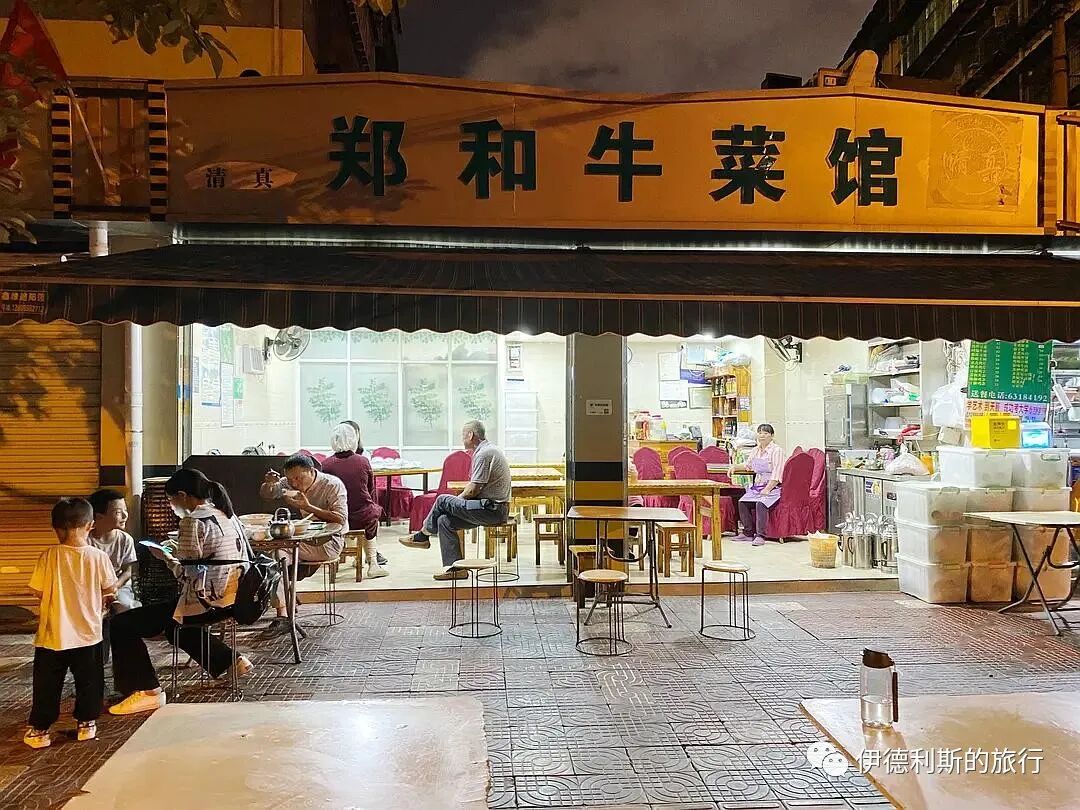
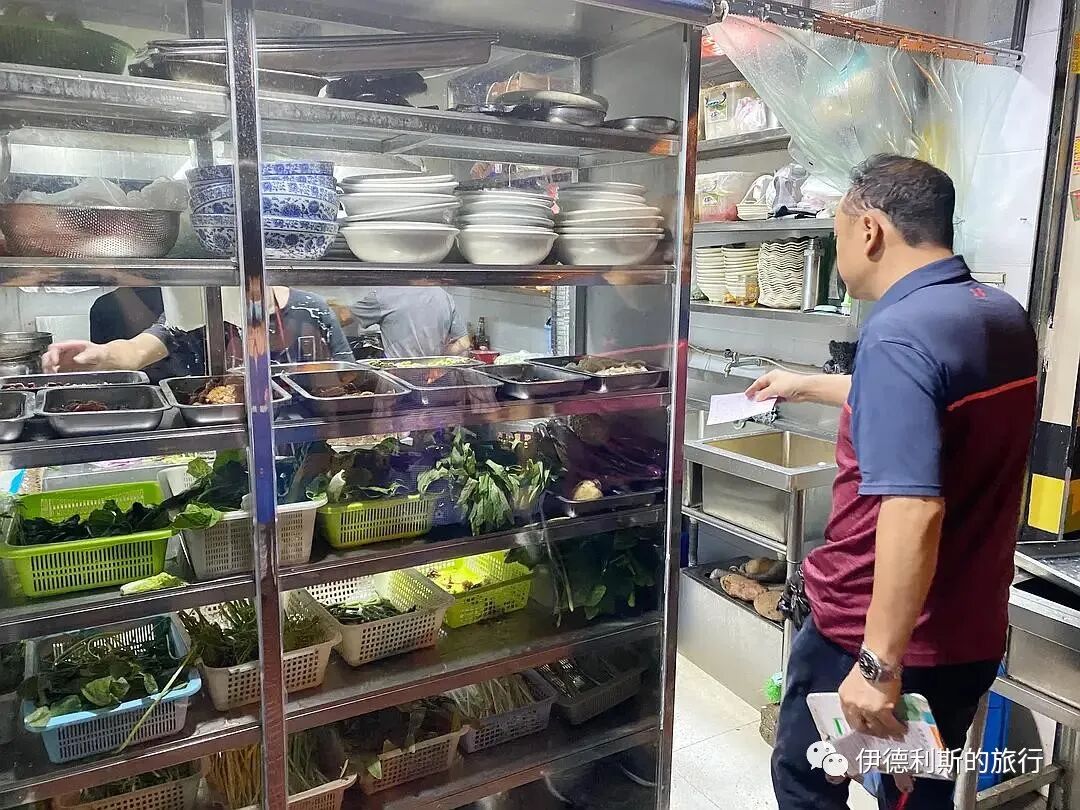
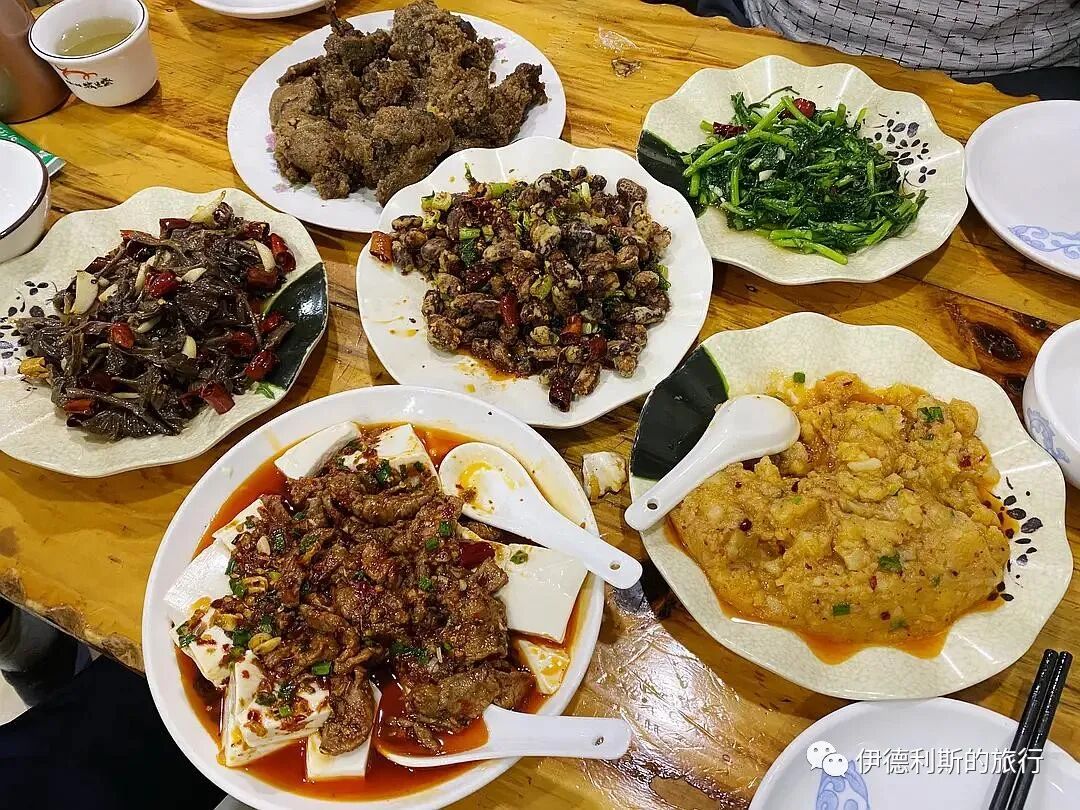
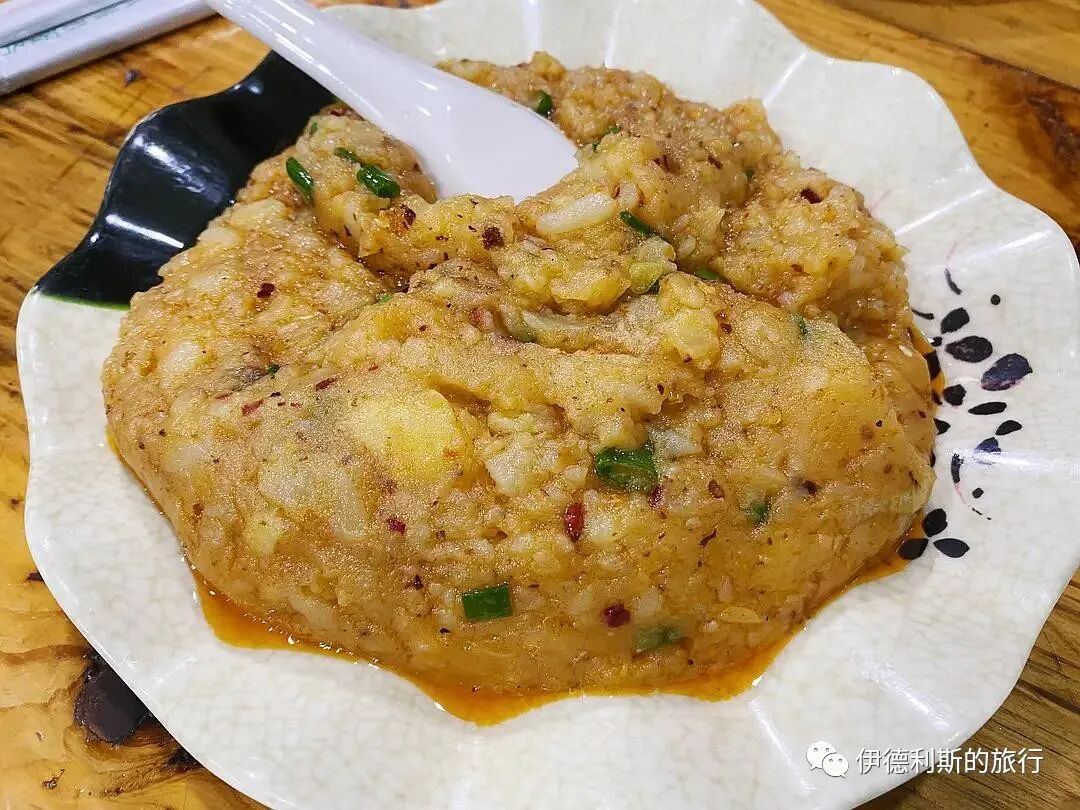
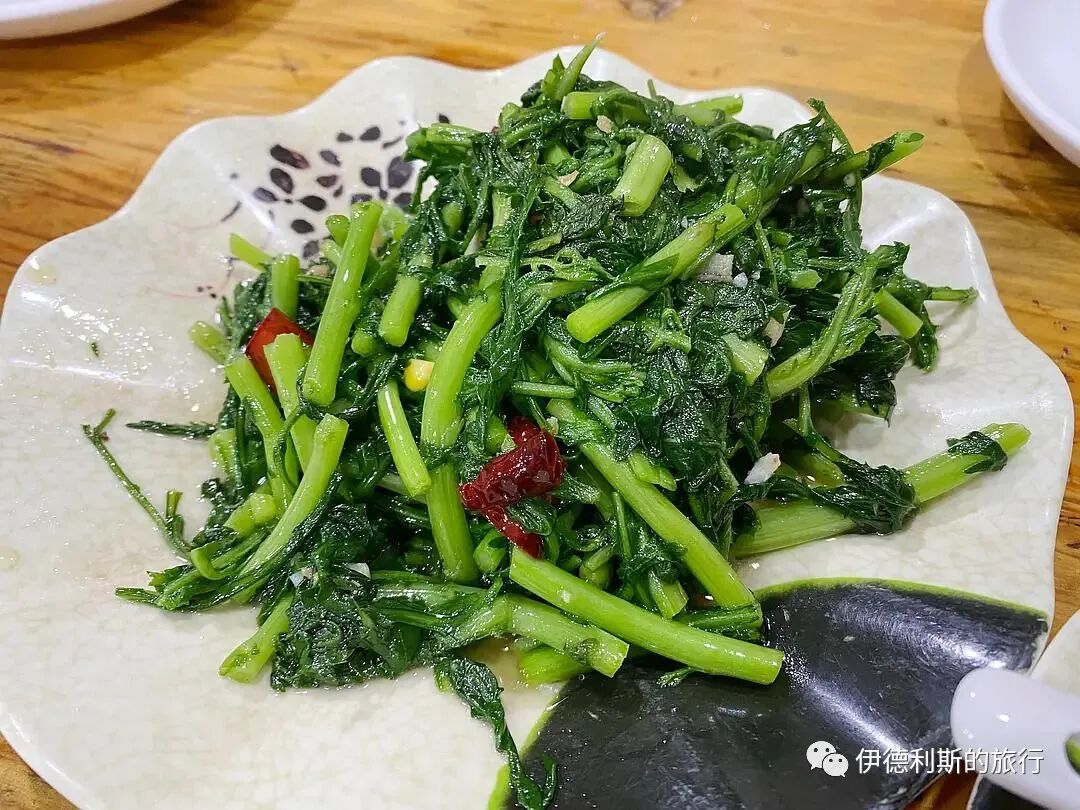
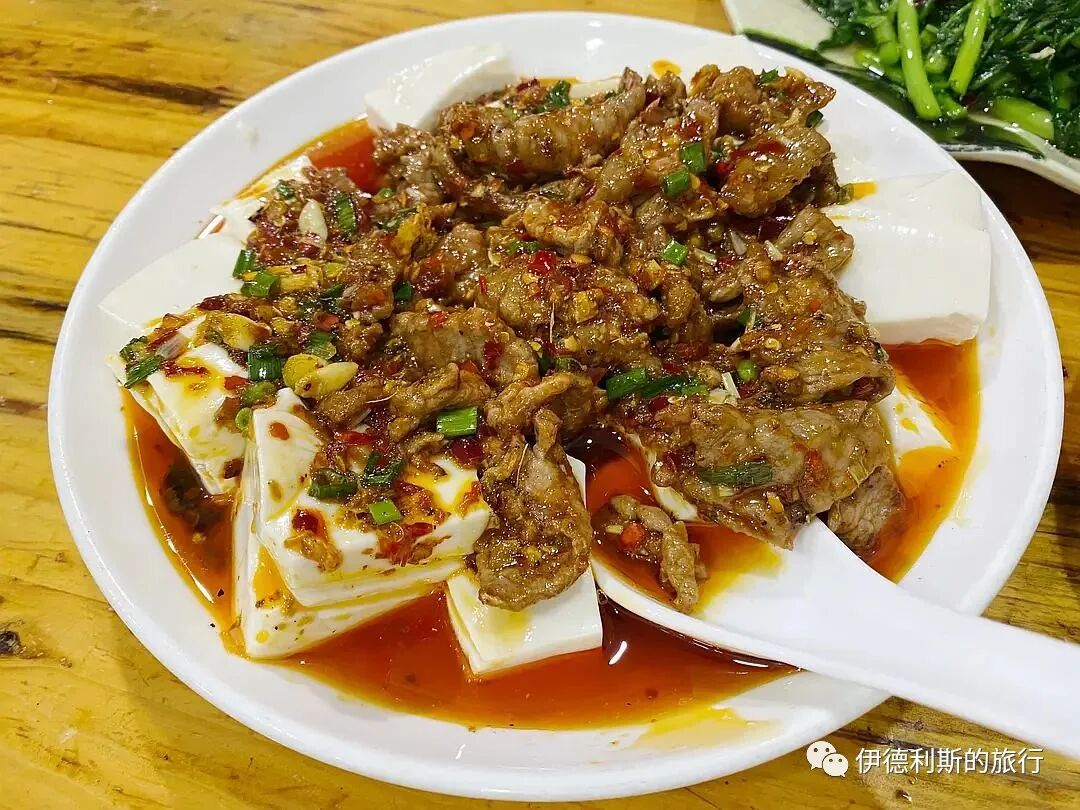
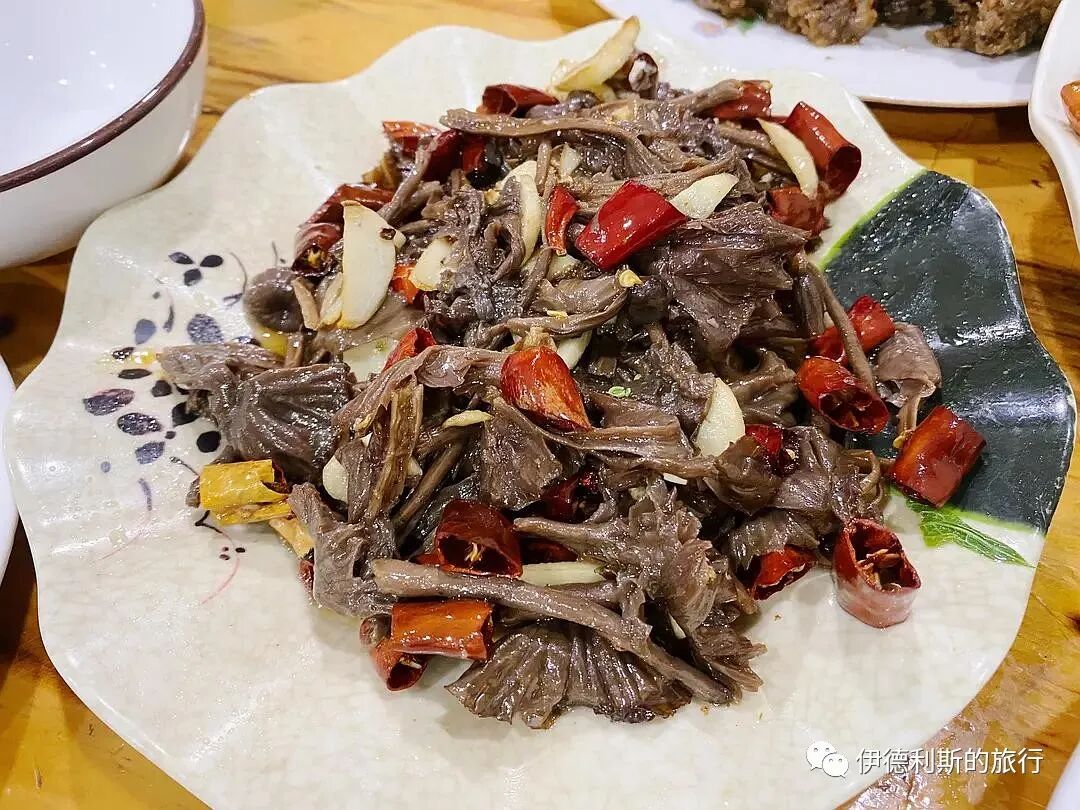
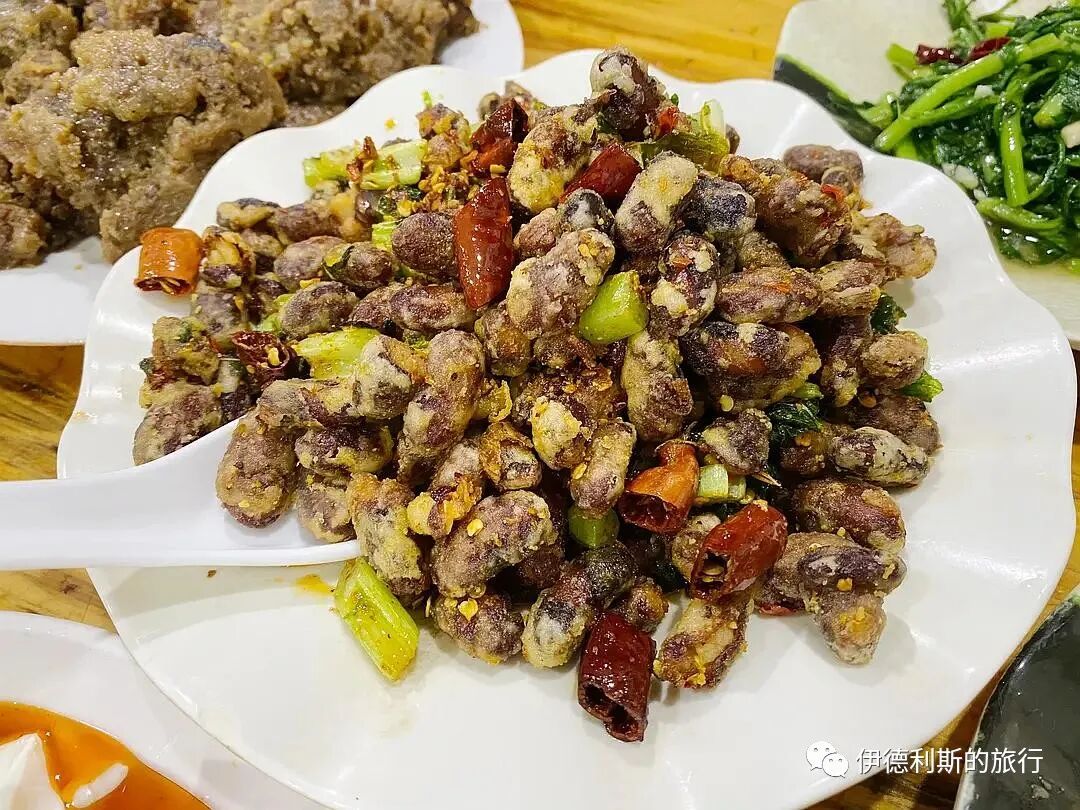
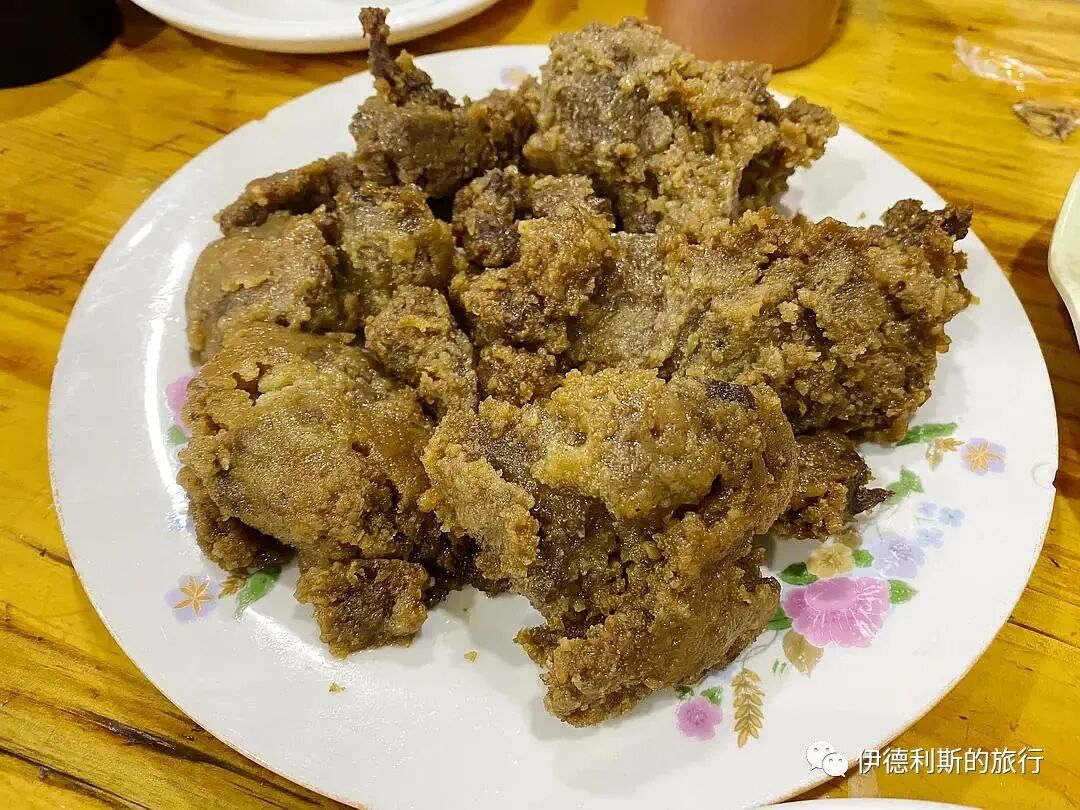
On the morning of October 4th, we ate Dali ersi (rice noodles) and papaya water with rose jam and chilled shrimp at the entrance of the Yixi Gong Mosque in Kunming, beginning our three-day trip to Kunming, Yuxi, and Honghe.
In the late 19th century, as the Hui Muslim caravans traveling through Kunming and Dali to Myanmar and Thailand flourished, Hui Muslims from western Yunnan, such as those from Weishan in Dali, began to settle in the Qingyun Street area of Kunming. In 1899 (the 25th year of the Guangxu reign), the Hui Muslims of western Yunnan in Kunming, together with the Xingshunhe firm established by Yuxi Hui Muslims, pooled their funds to build the Chongshan Gongsuo (Chongshan Public Office) at the east end of Qingyun Street. Afterward, Hui Muslims from Dali merged the Zhuiyuan Hall, Chengyi Hall, and Baozhen Hall with the Chongshan Gongsuo. In 1919, it was renamed Chongshan She (Chongshan Society) by order of Yunnan Provincial Governor Tang Jiyao, officially renamed Yixi Gong Mosque in 1942, and was known as the Kunming Overseas Chinese Mosque in 1951.
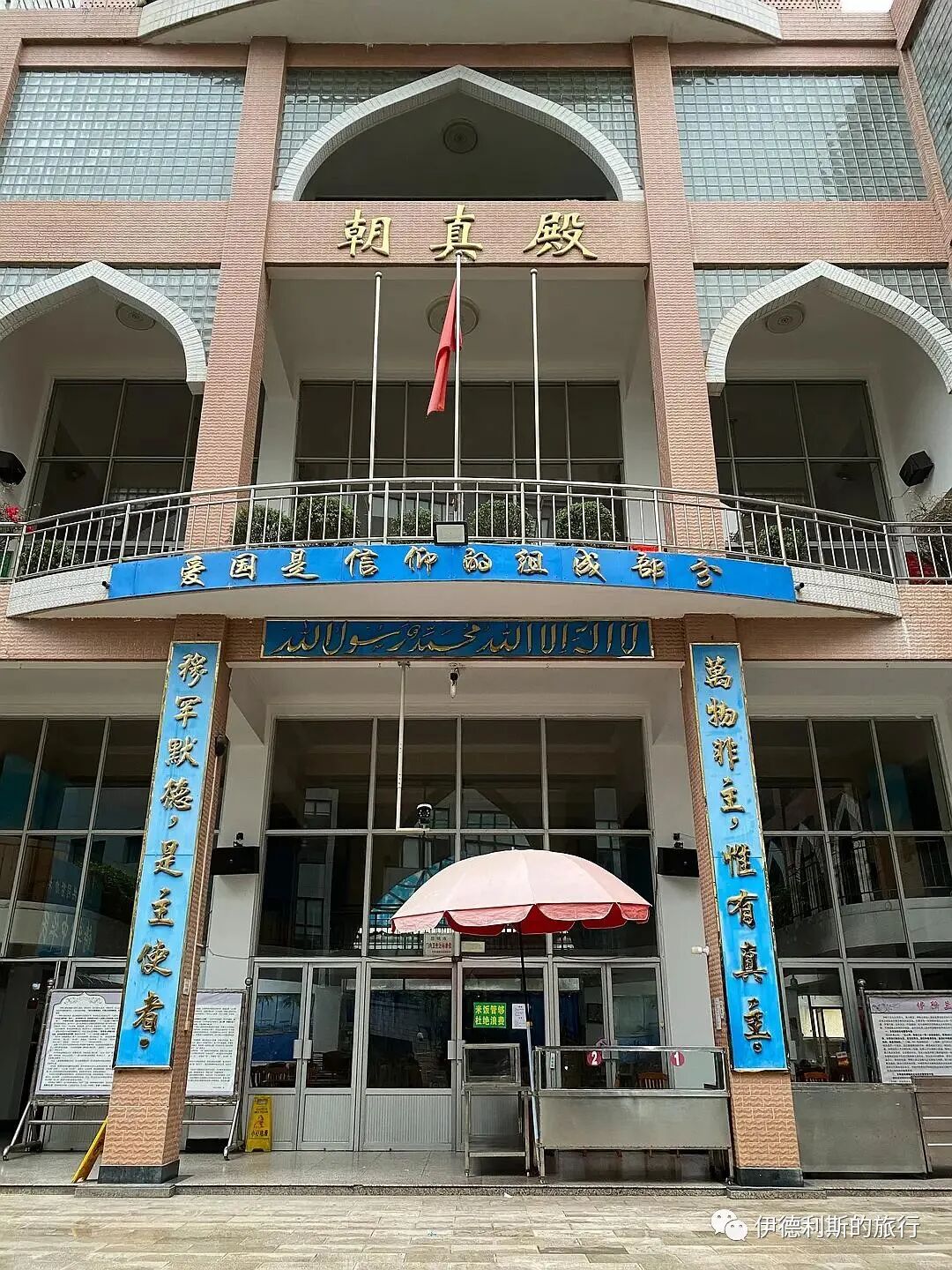
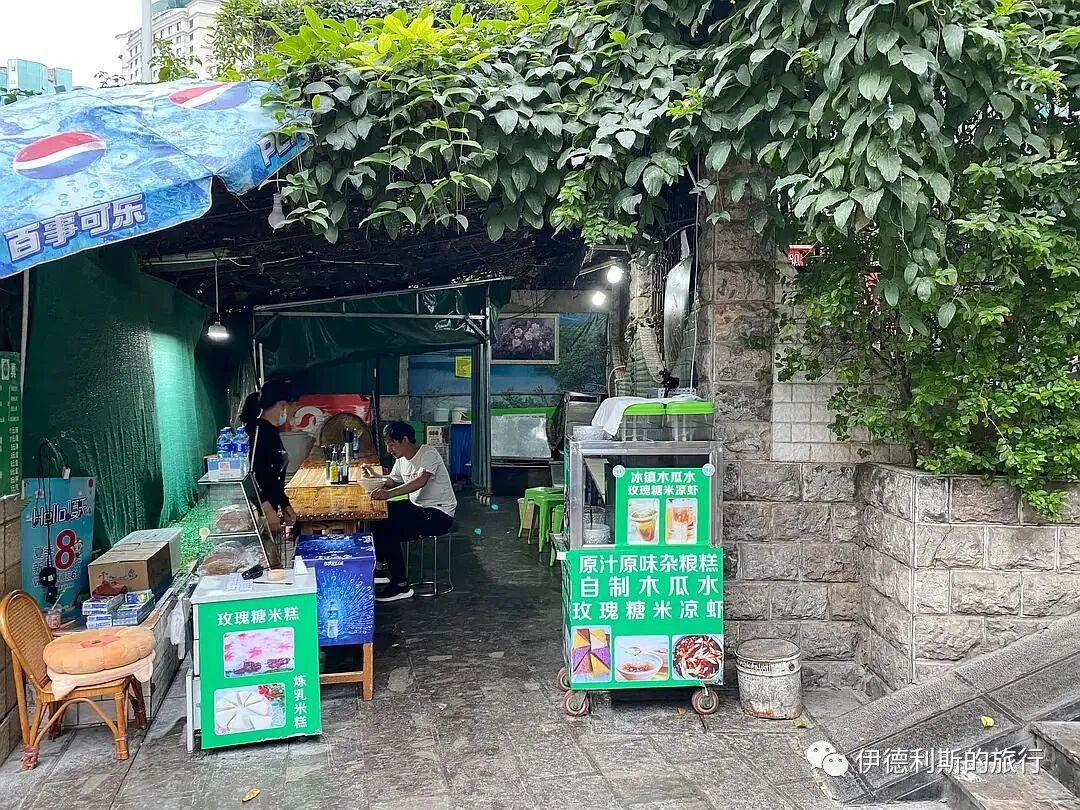
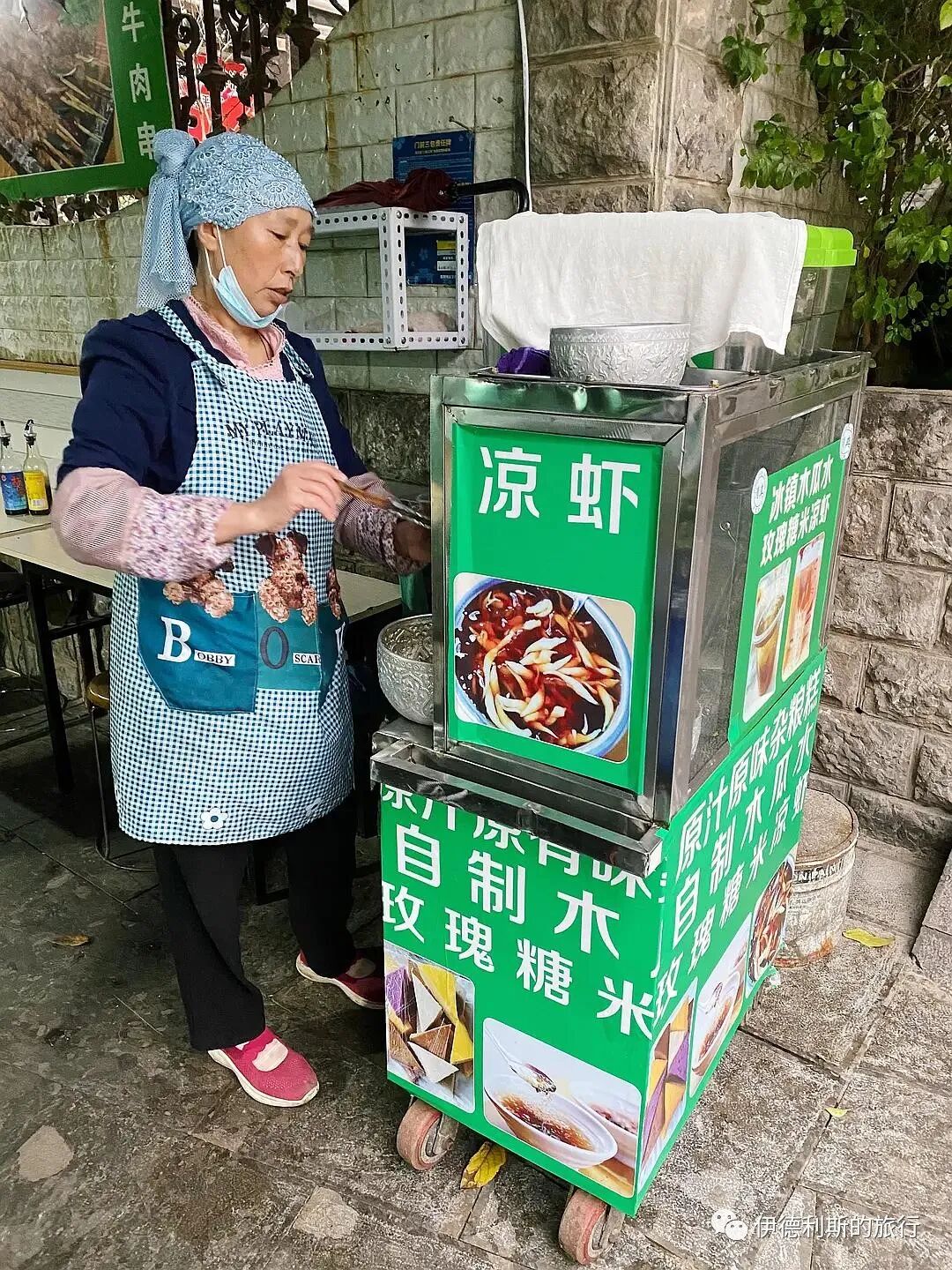
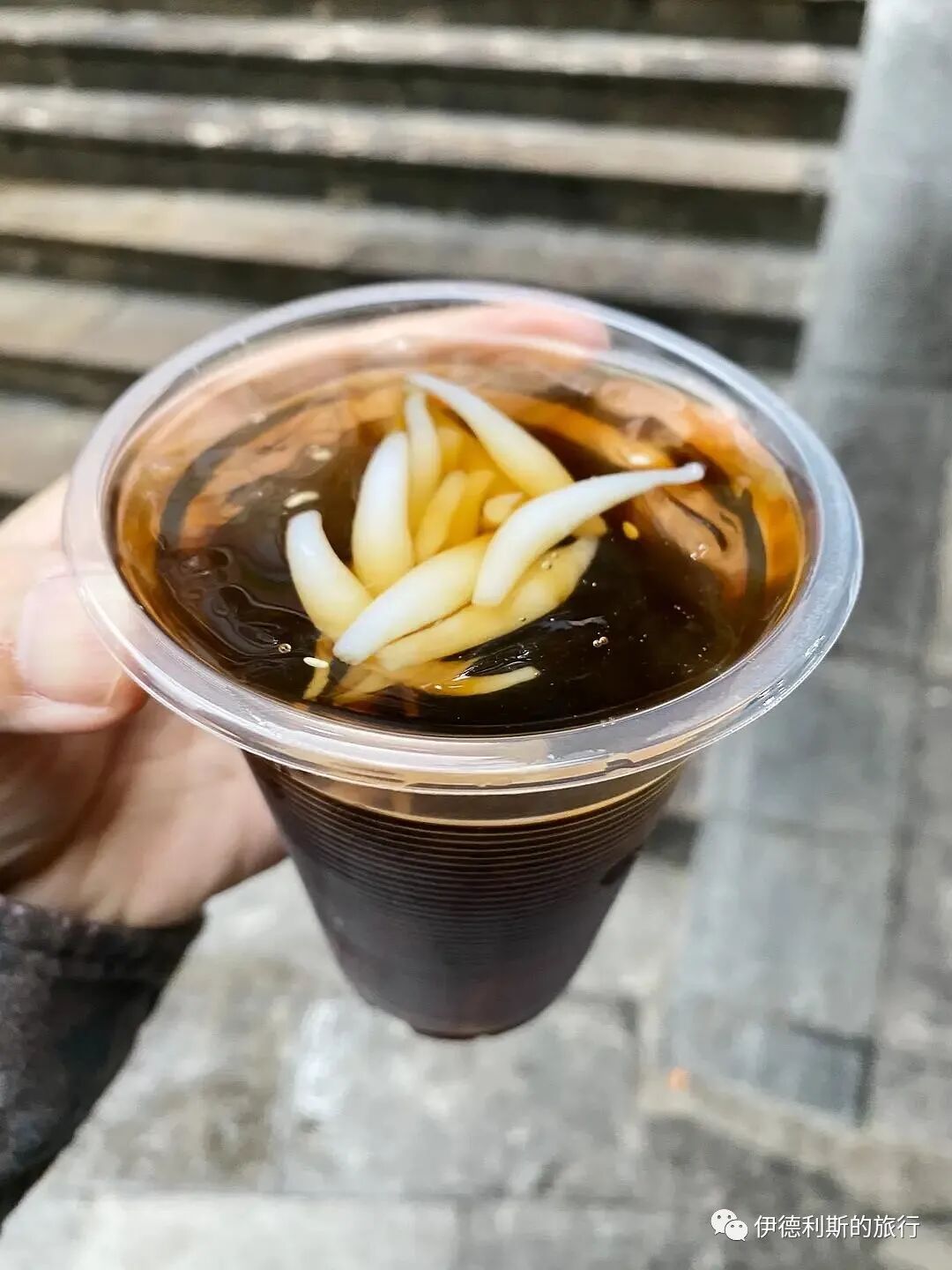
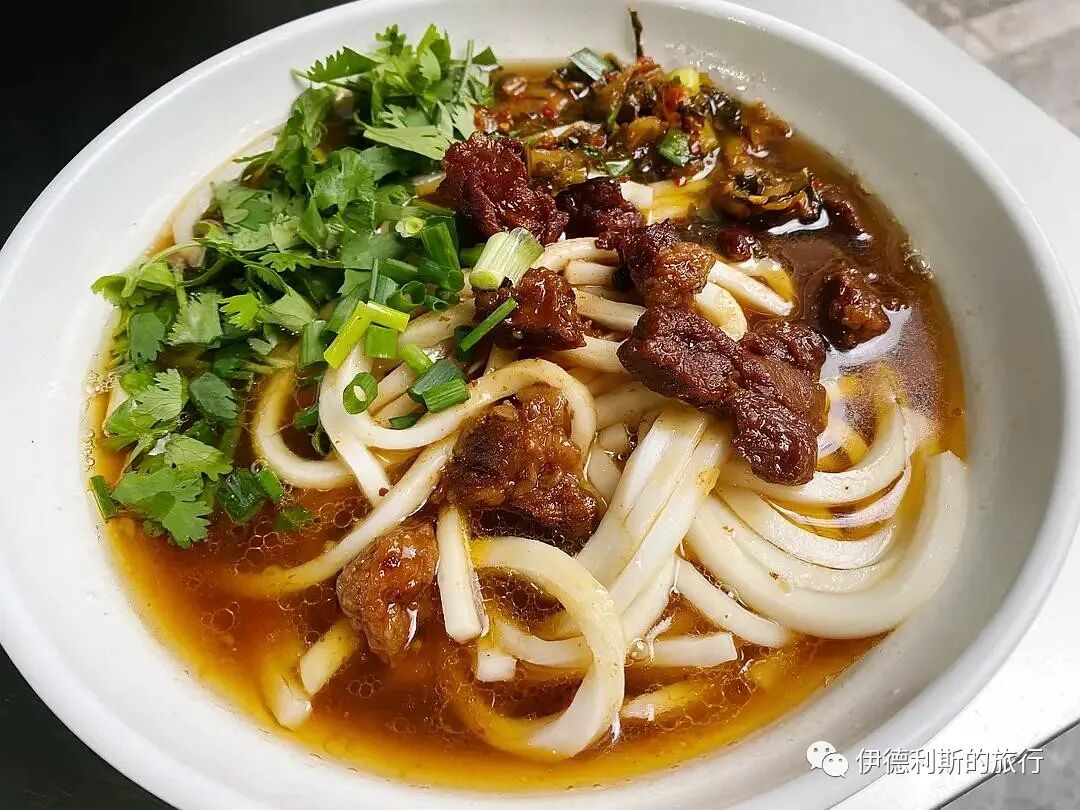
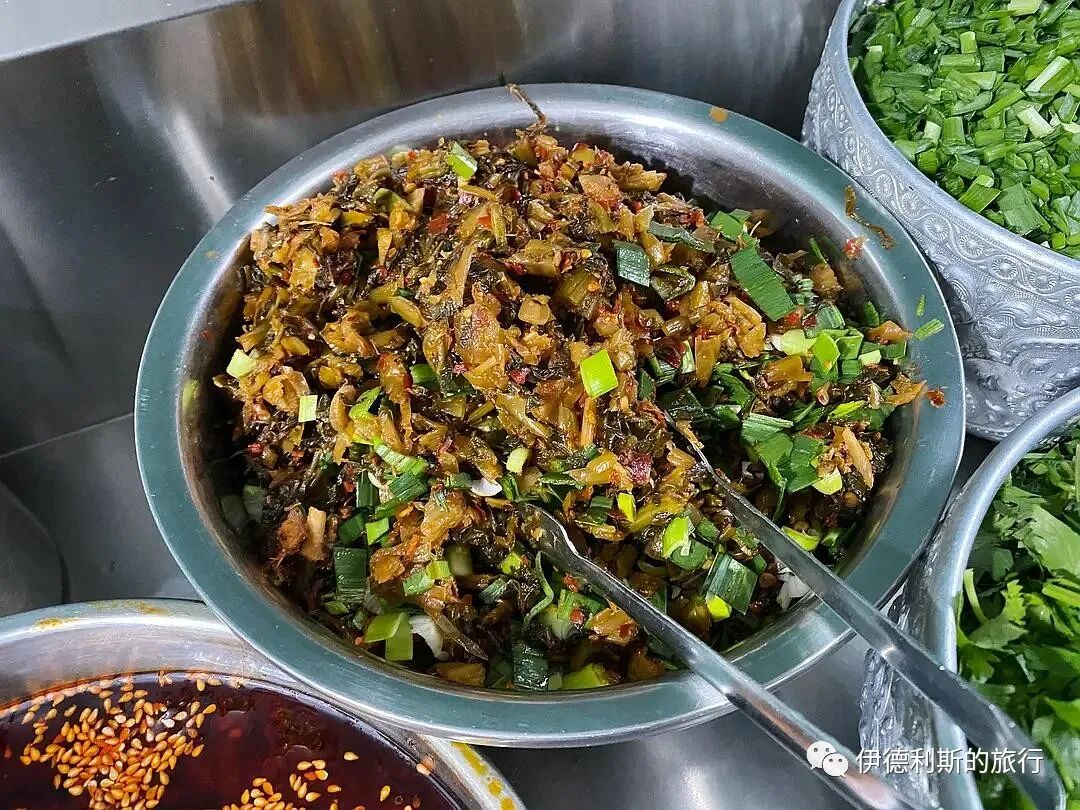
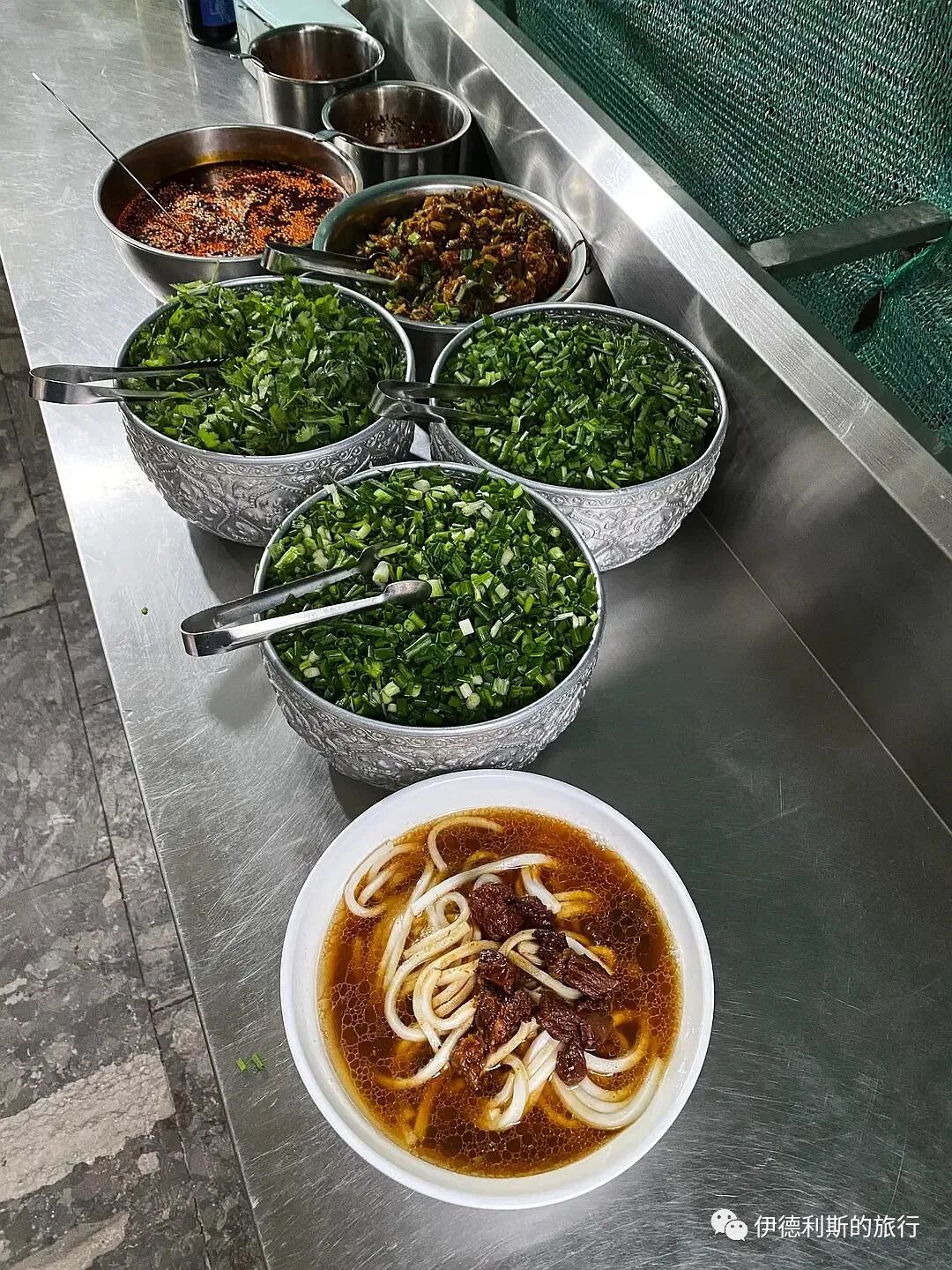
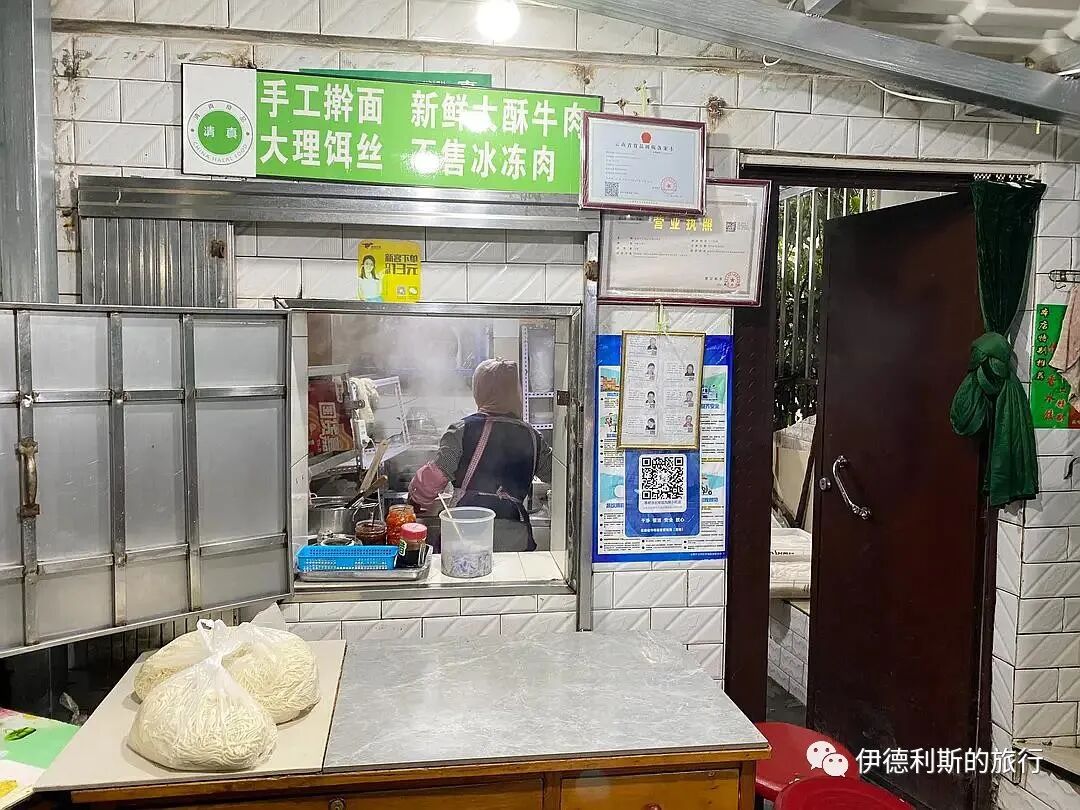
II. Kunming Haikou Liren Mosque
After picking up our car at Kunming Station, our first stop was the Haikou Liren Mosque in the Xishan District of Kunming, 46 kilometers away from the station.
Liren was originally called Heihuzhai, and it is said that Muslims have lived there since the Yuan Dynasty. Liren Mosque was first built in 1645 (the second year of the Shunzhi reign of the Qing Dynasty), destroyed in 1856 (the sixth year of the Xianfeng reign), rebuilt in 1872 (the second year of the Tongzhi reign), and expanded in 1896 (the 22nd year of the Guangxu reign) with funds raised by "Lady Yang the Third," a local heroine. It was newly designated as a cultural relic protection unit of Kunming in 2020.
The main gate of the mosque also serves as a minaret, designed in the traditional Yunnan style: the lower part is a single-eave gate tower with a hip-and-gable roof, and the upper part is a hexagonal pavilion with a pointed roof, inside which hangs a bronze bell used for the call to prayer.
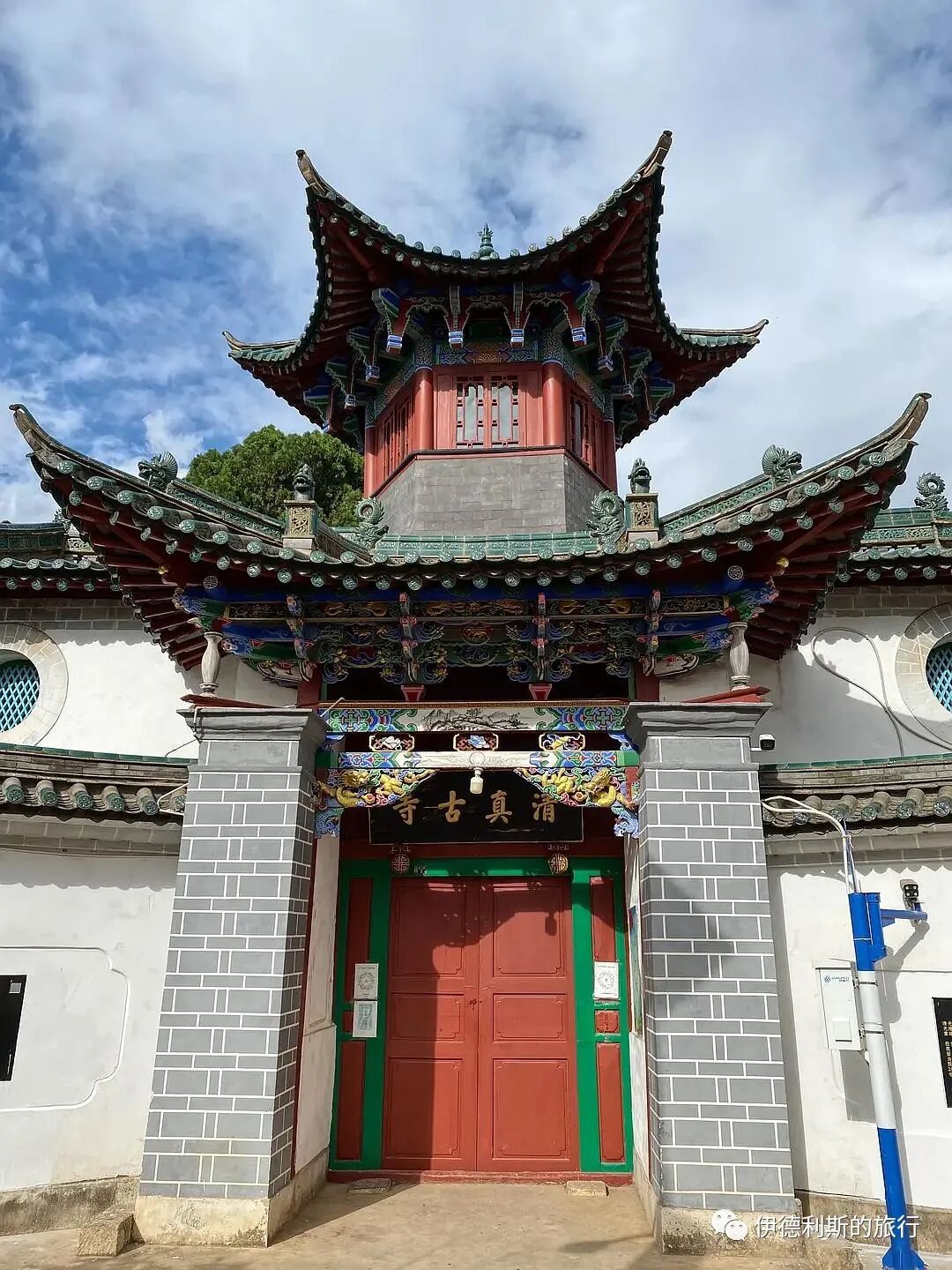
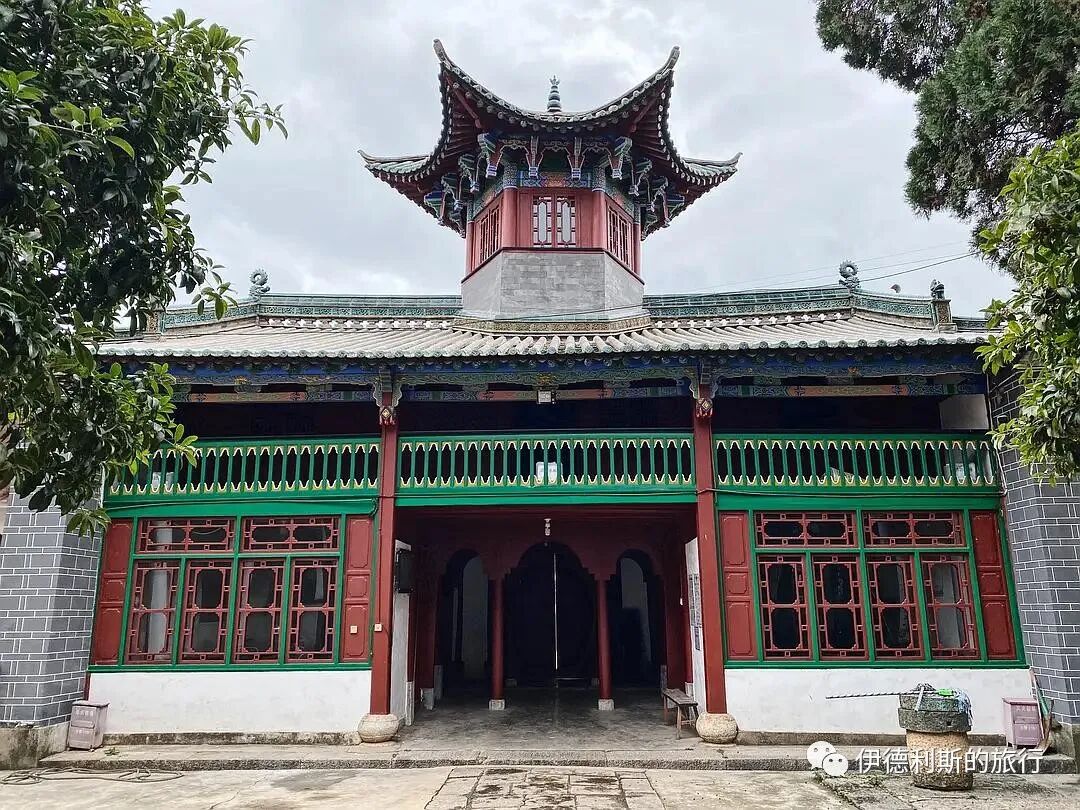
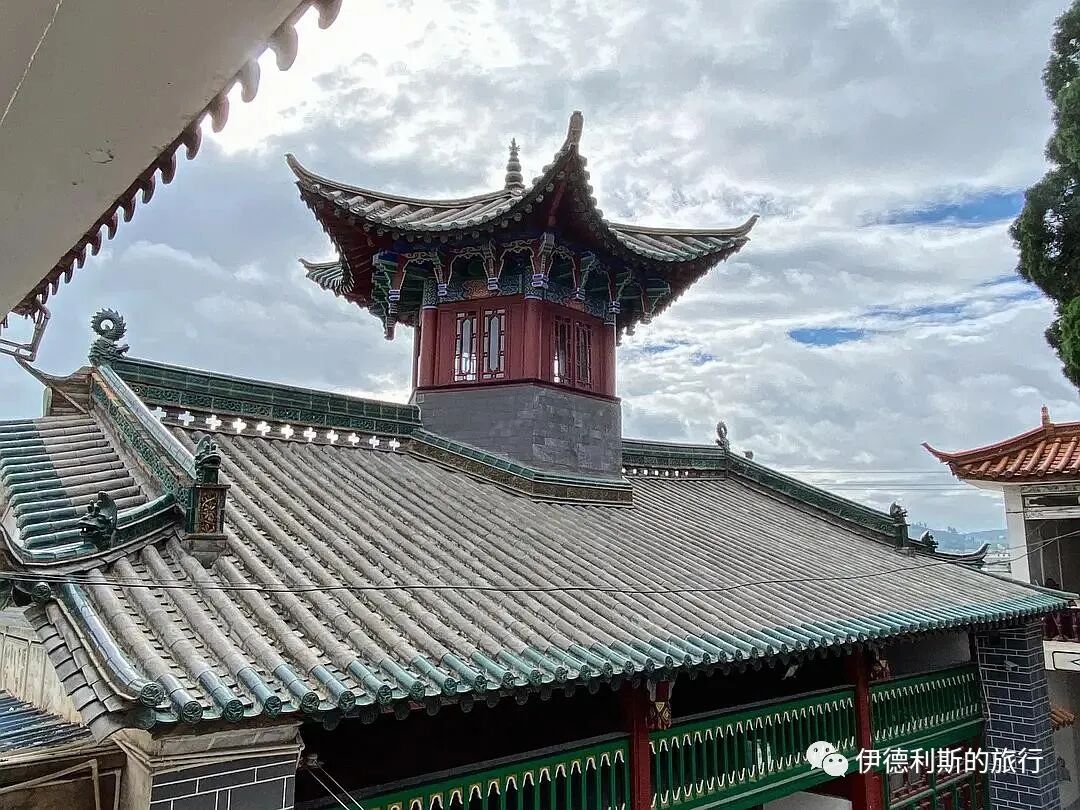
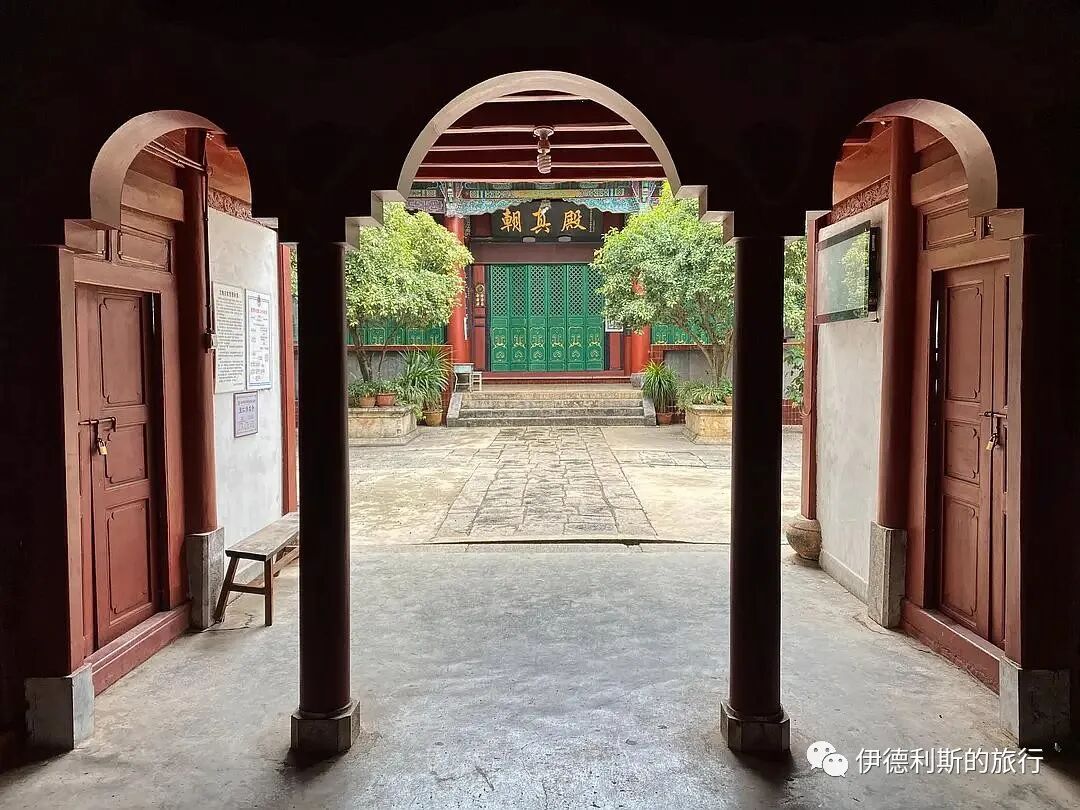
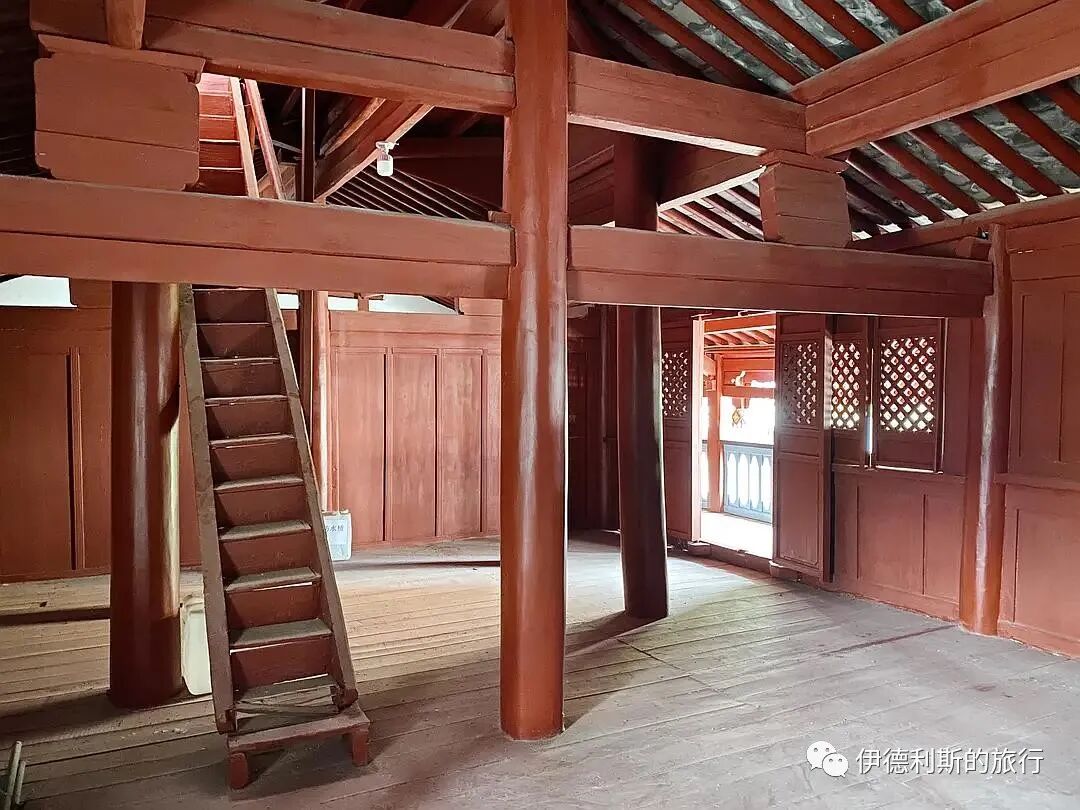
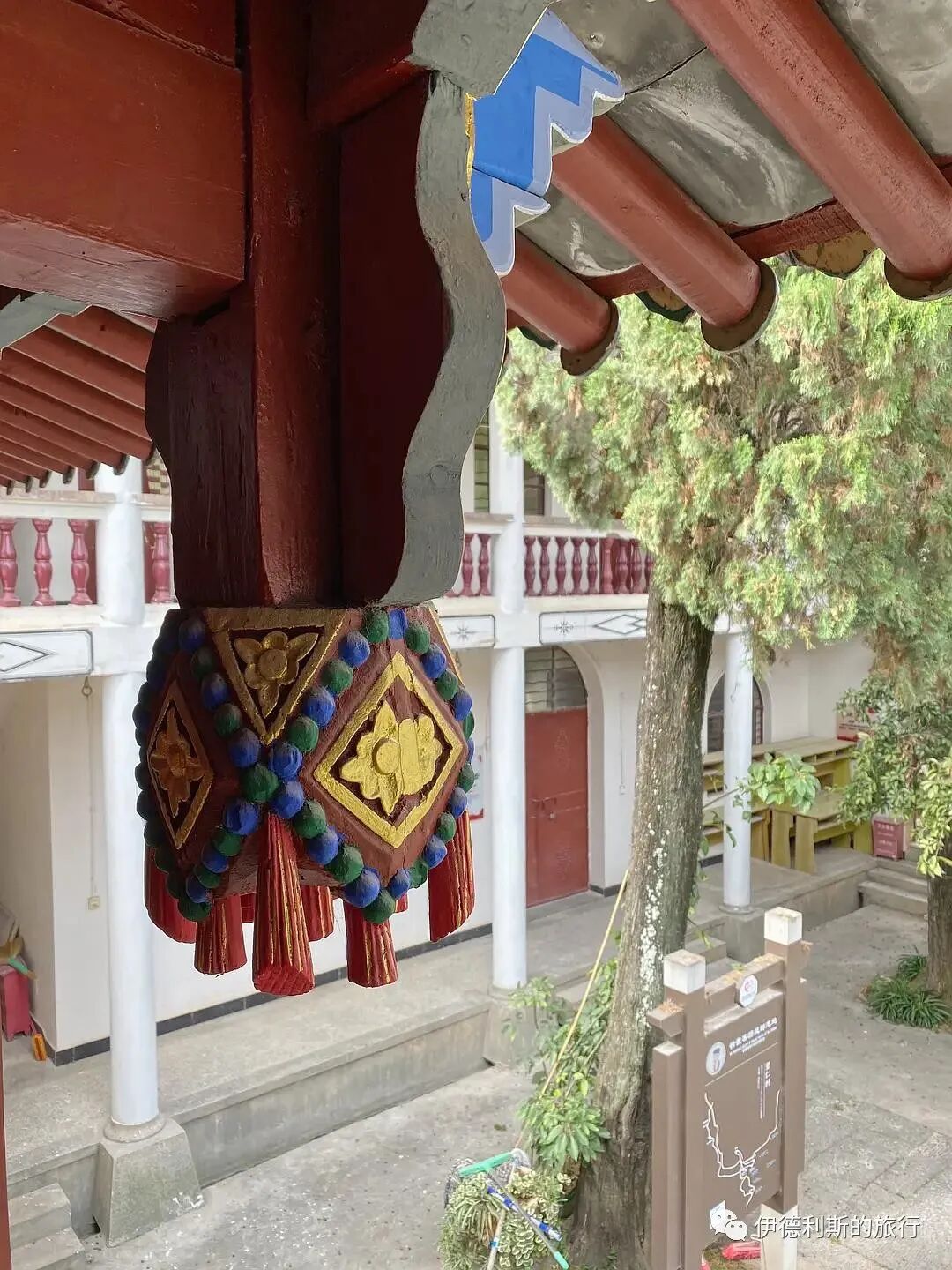
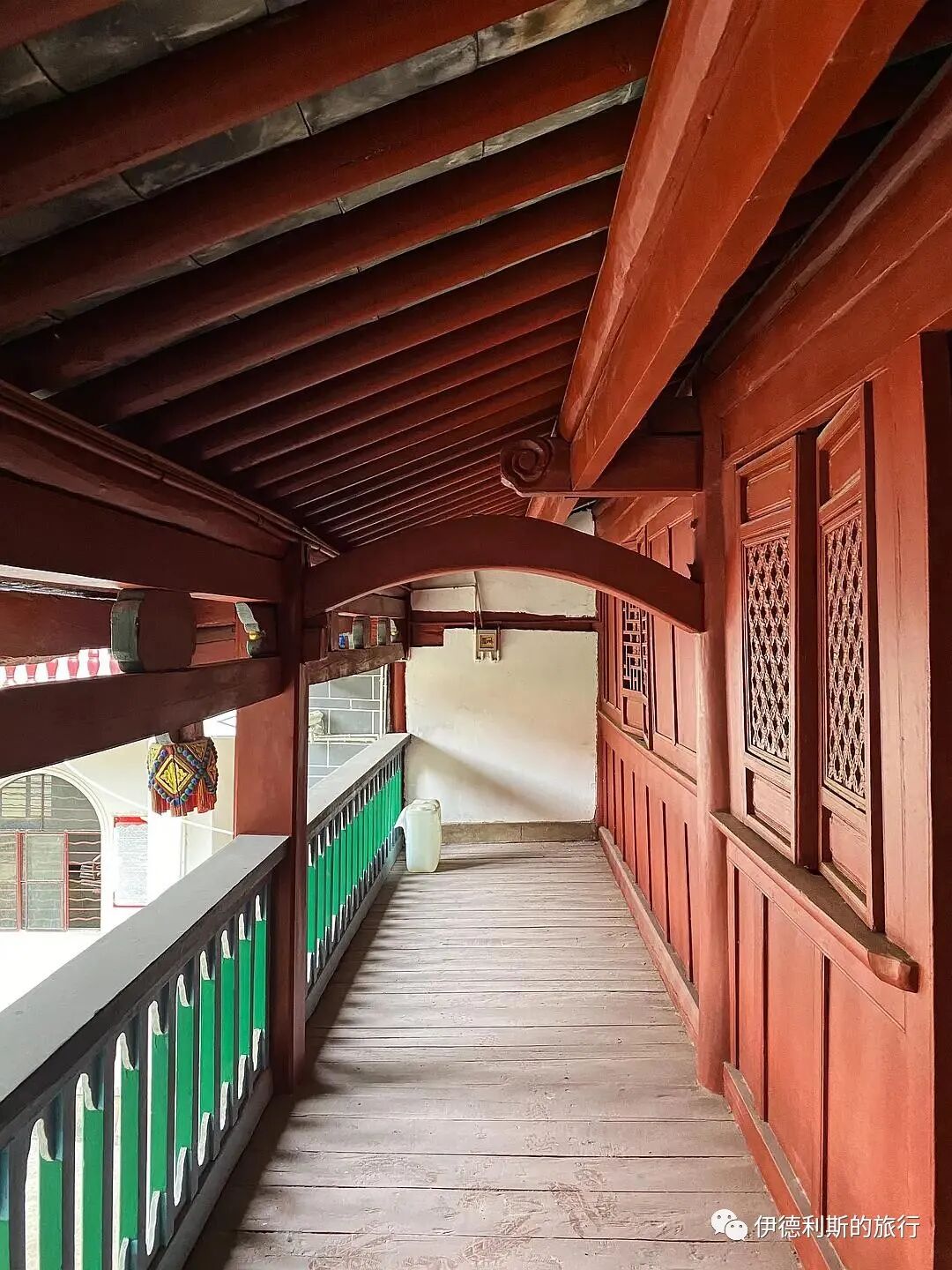
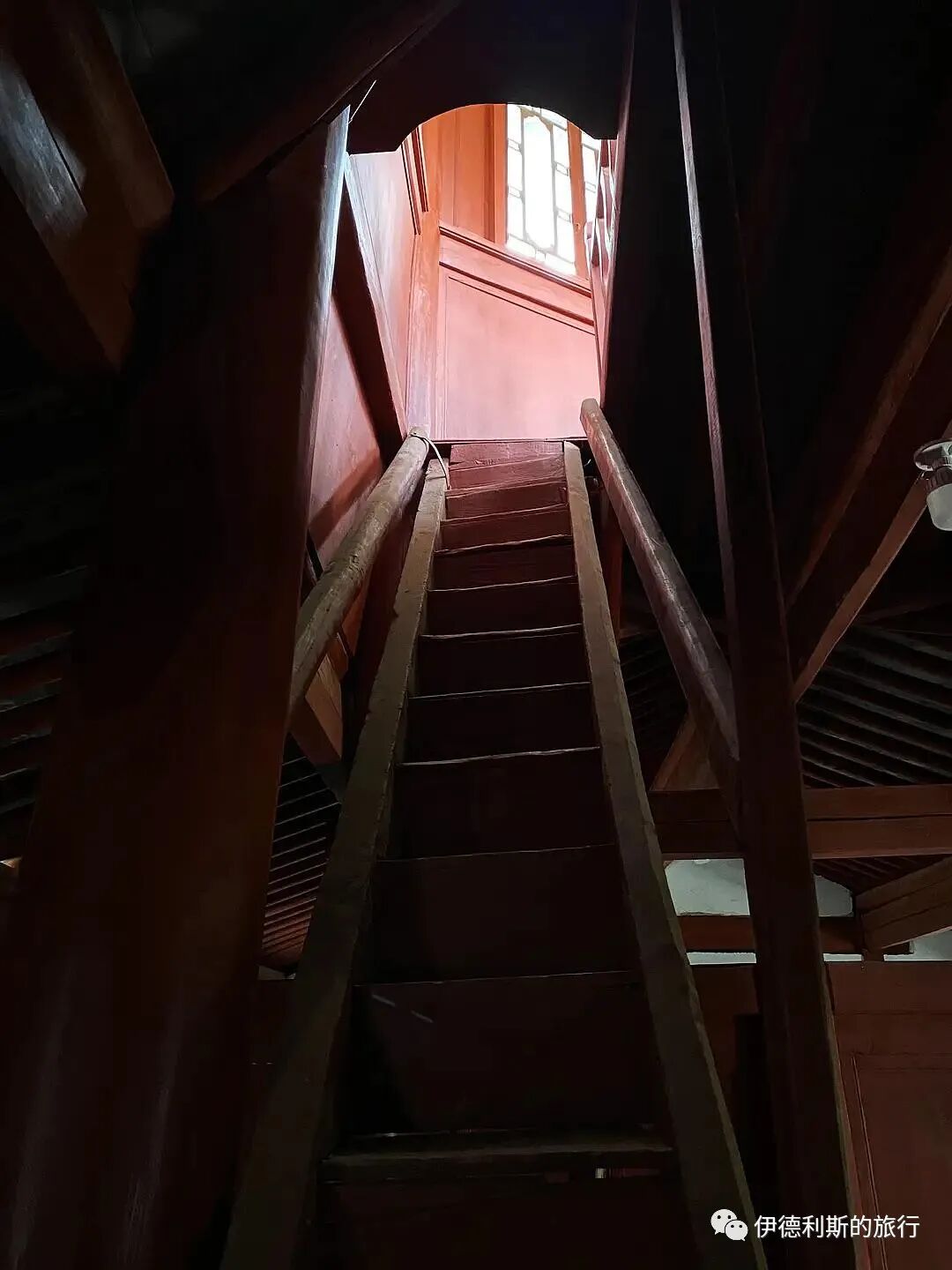
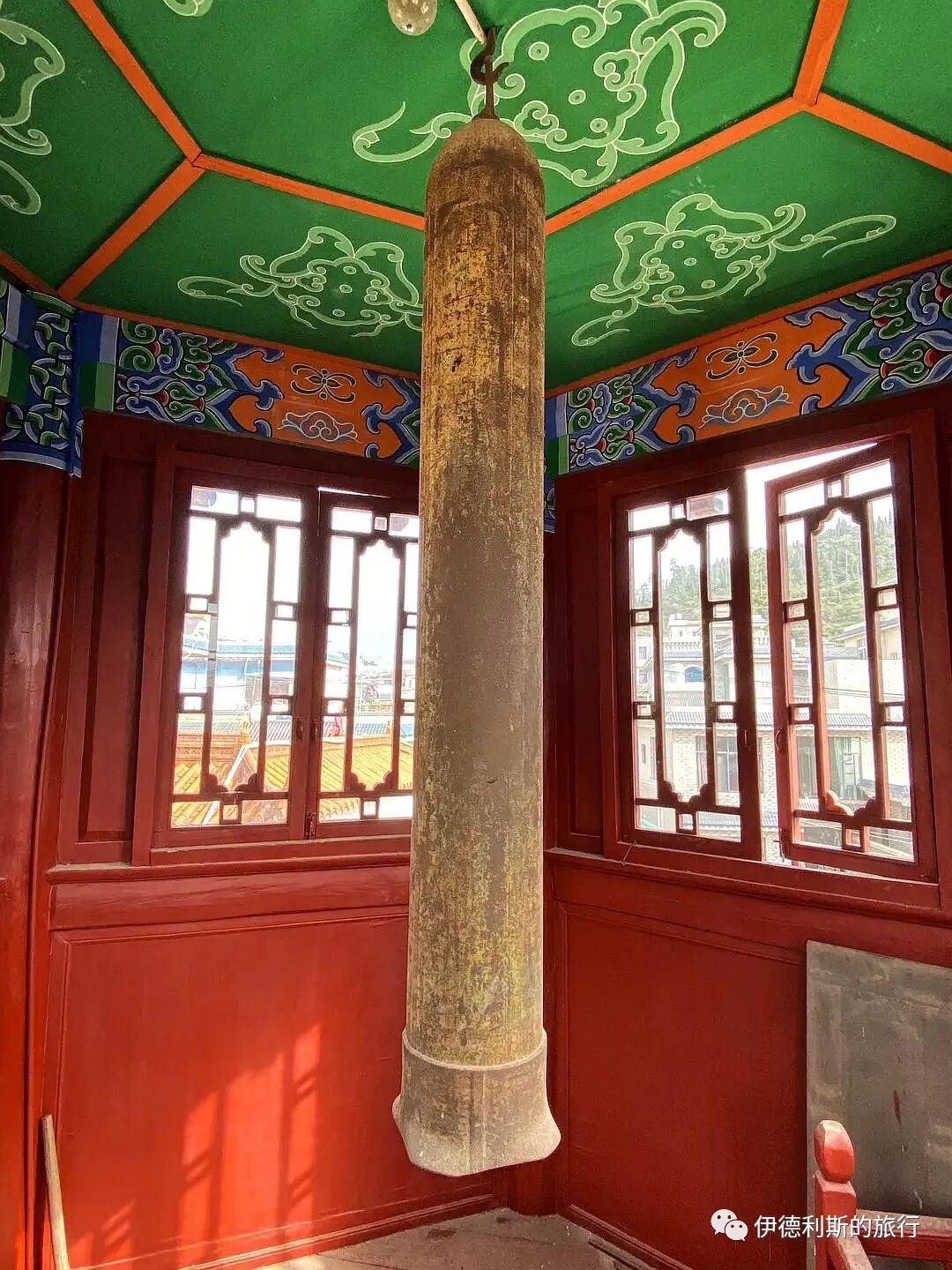
Inside the main prayer hall, there is an exquisite mihrab (niche indicating the direction of Mecca) featuring traditional Yunnan-style calligraphy, as well as a traditional-style minbar (pulpit) built in 1945, inscribed with "Qingzhen Shengyu Tai" (Pure and True Holy Preaching Platform) and dated "the 34th year of the Republic of China," which is very rare.
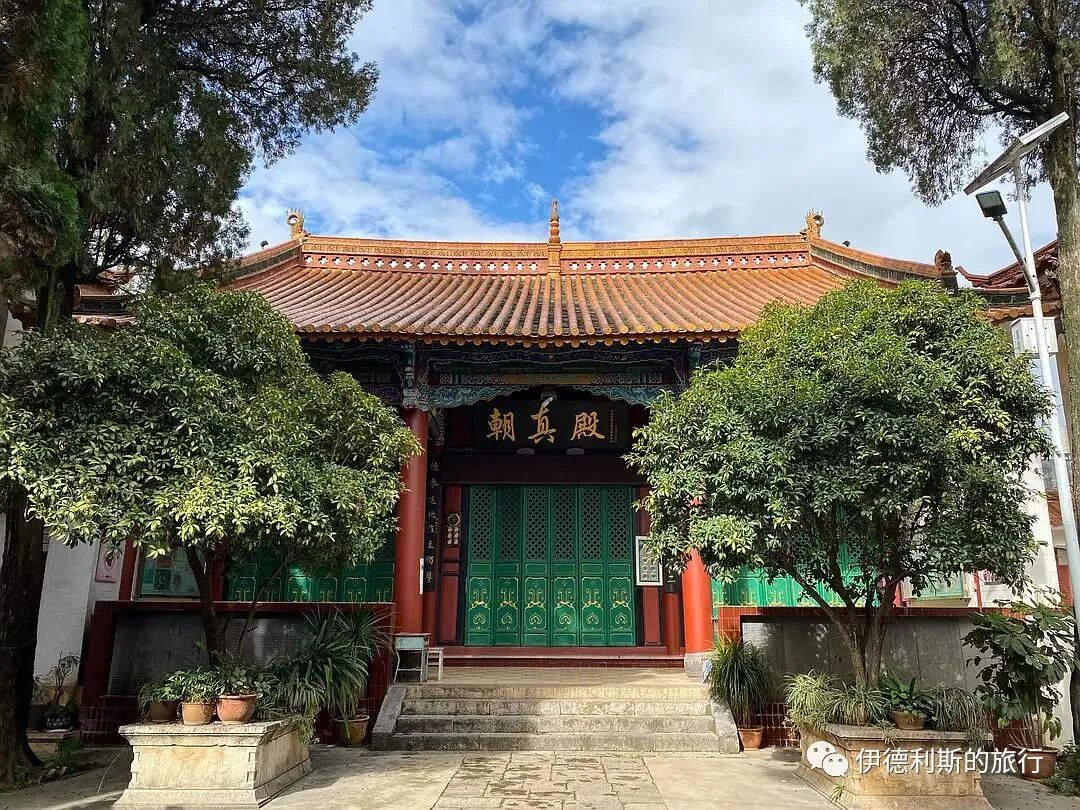
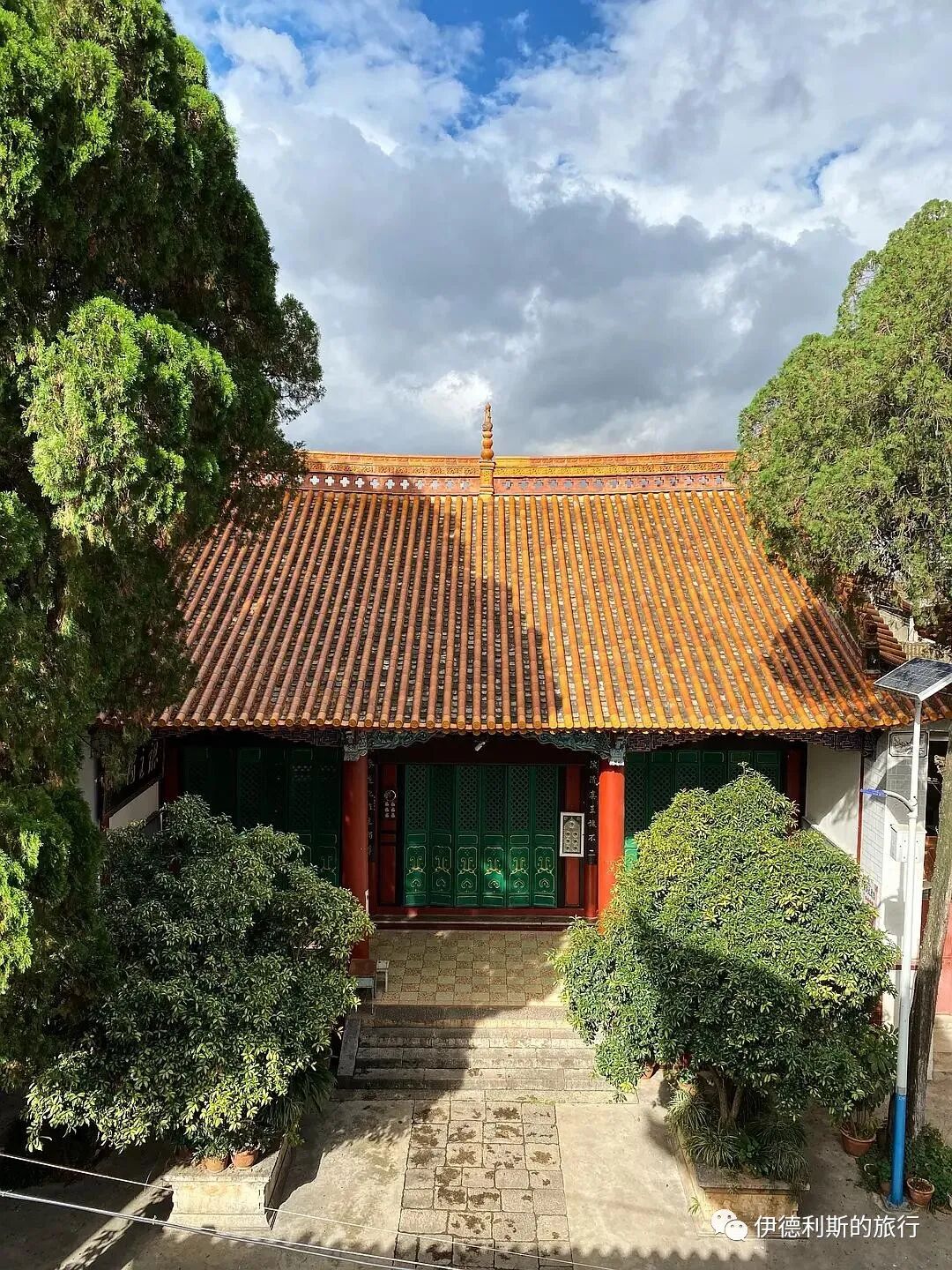
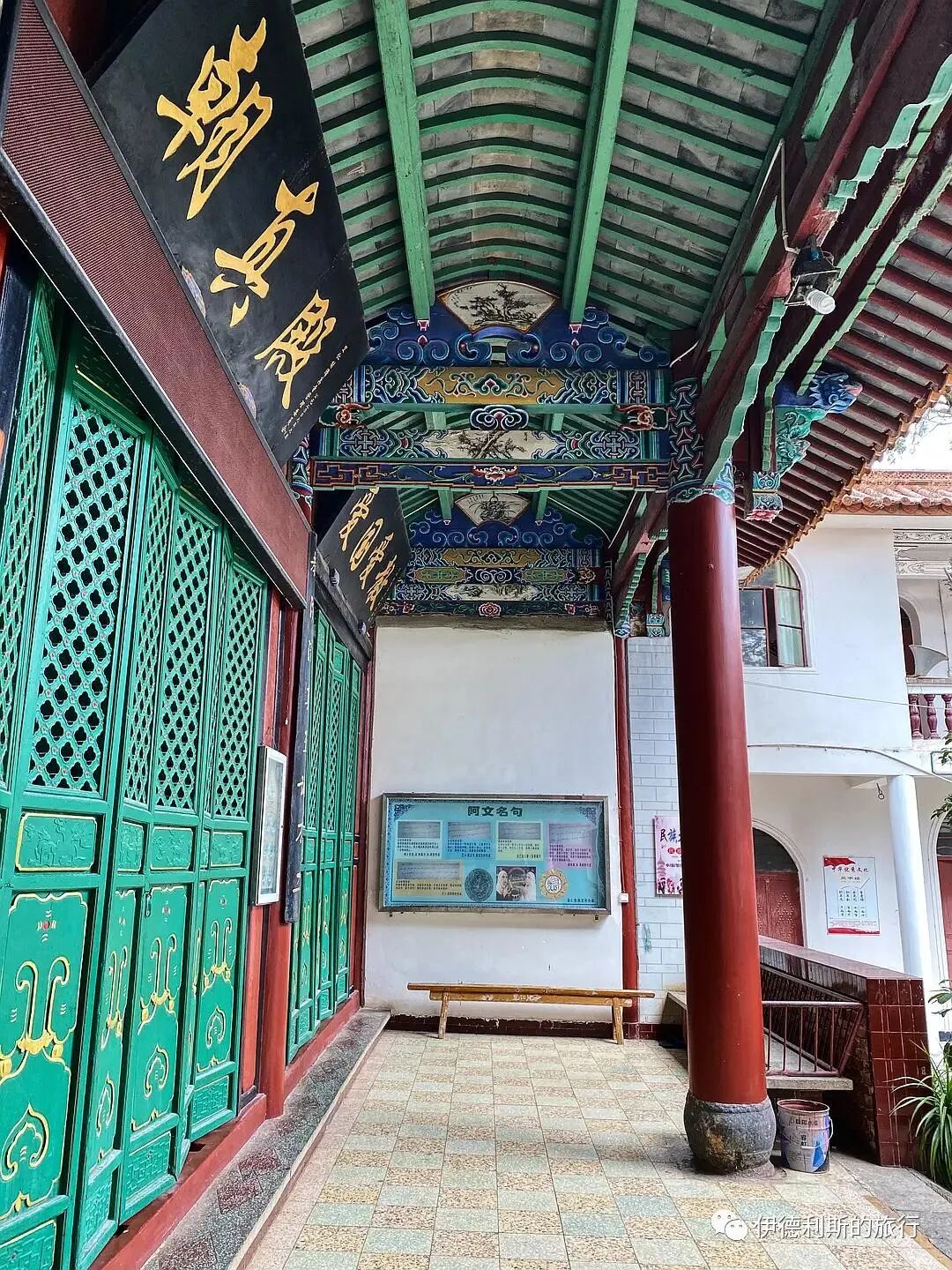
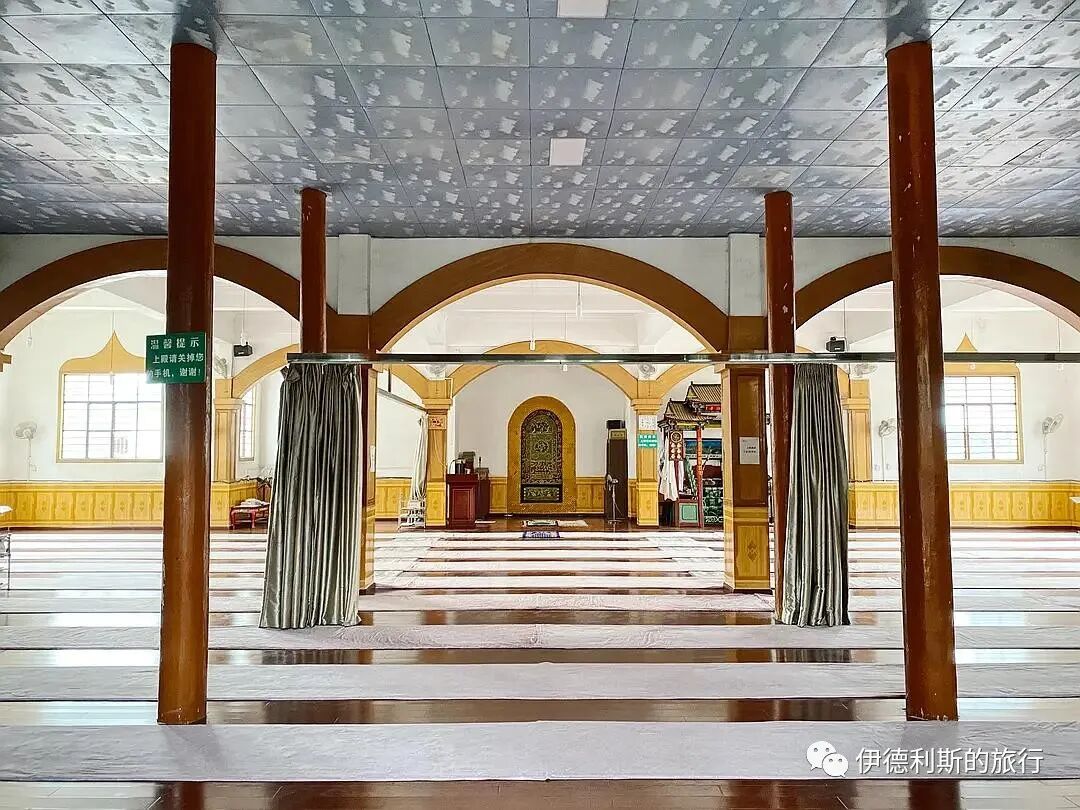
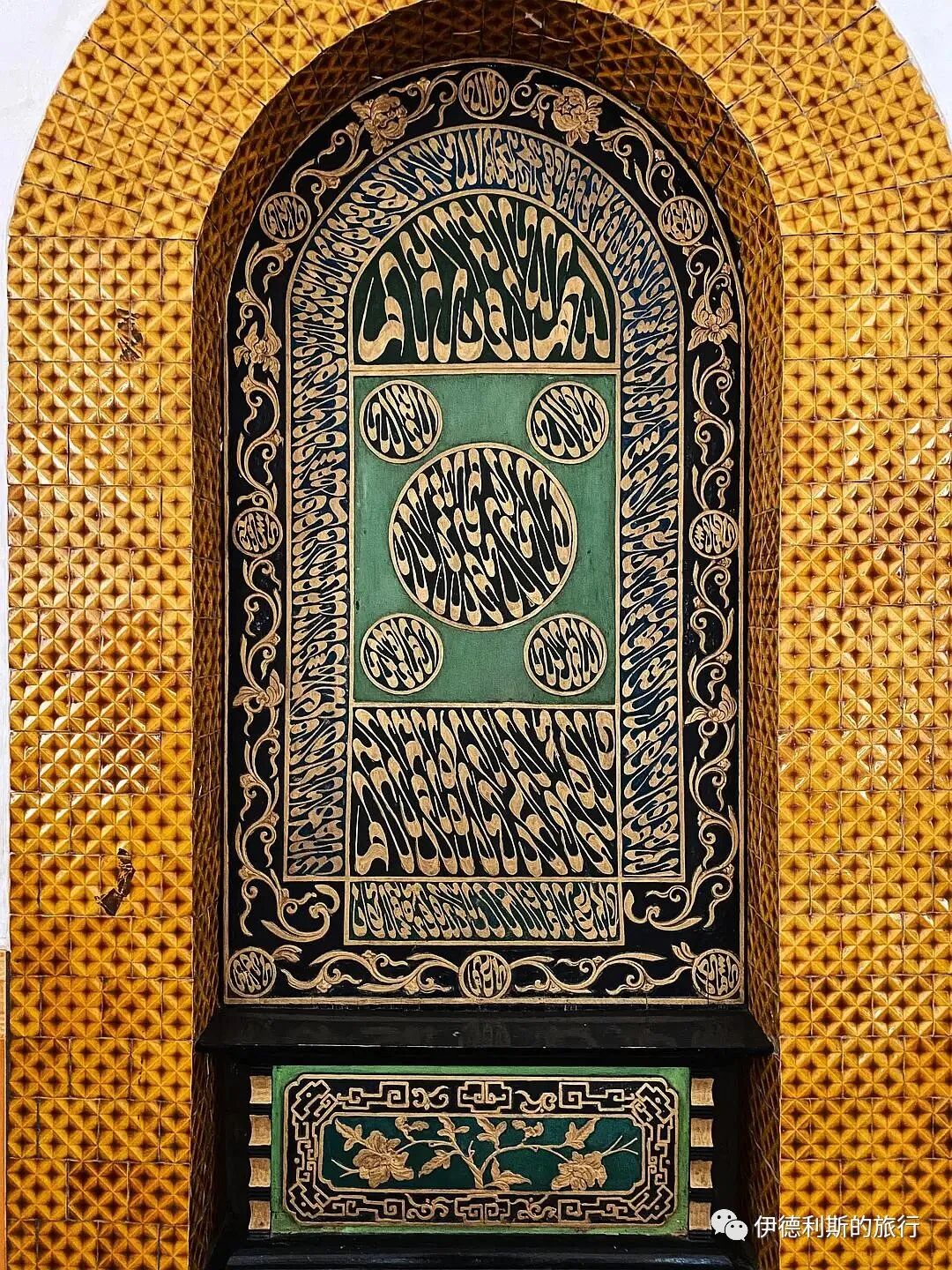
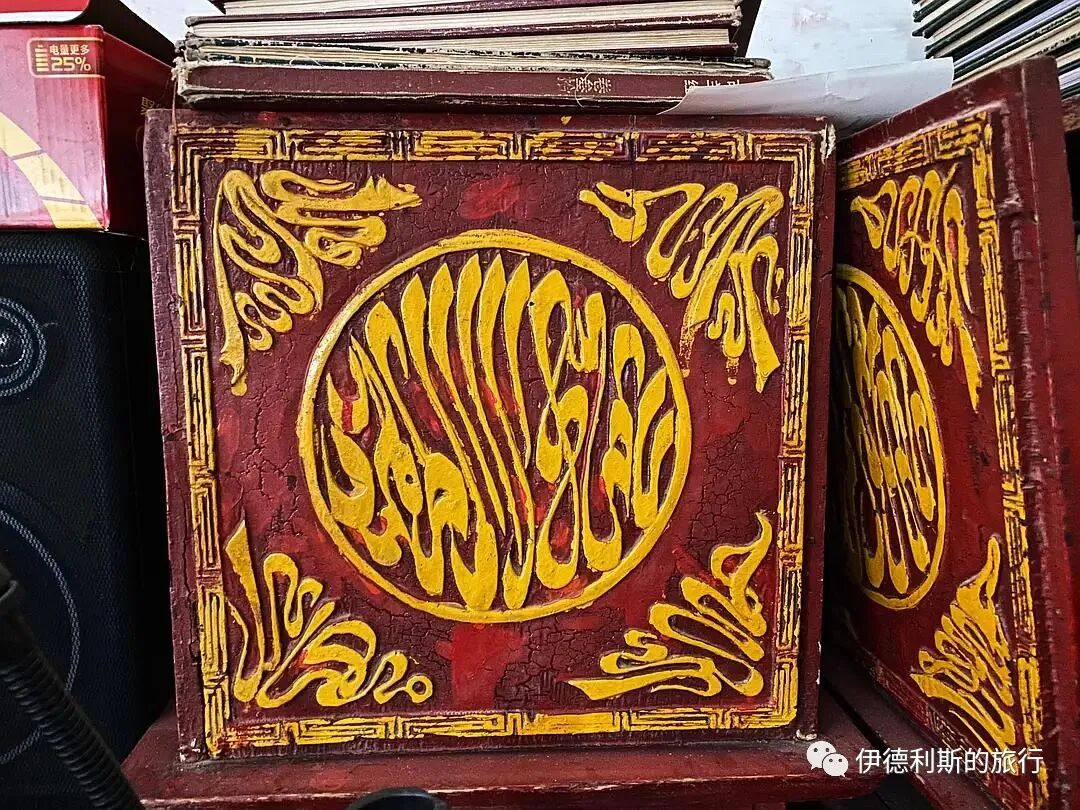
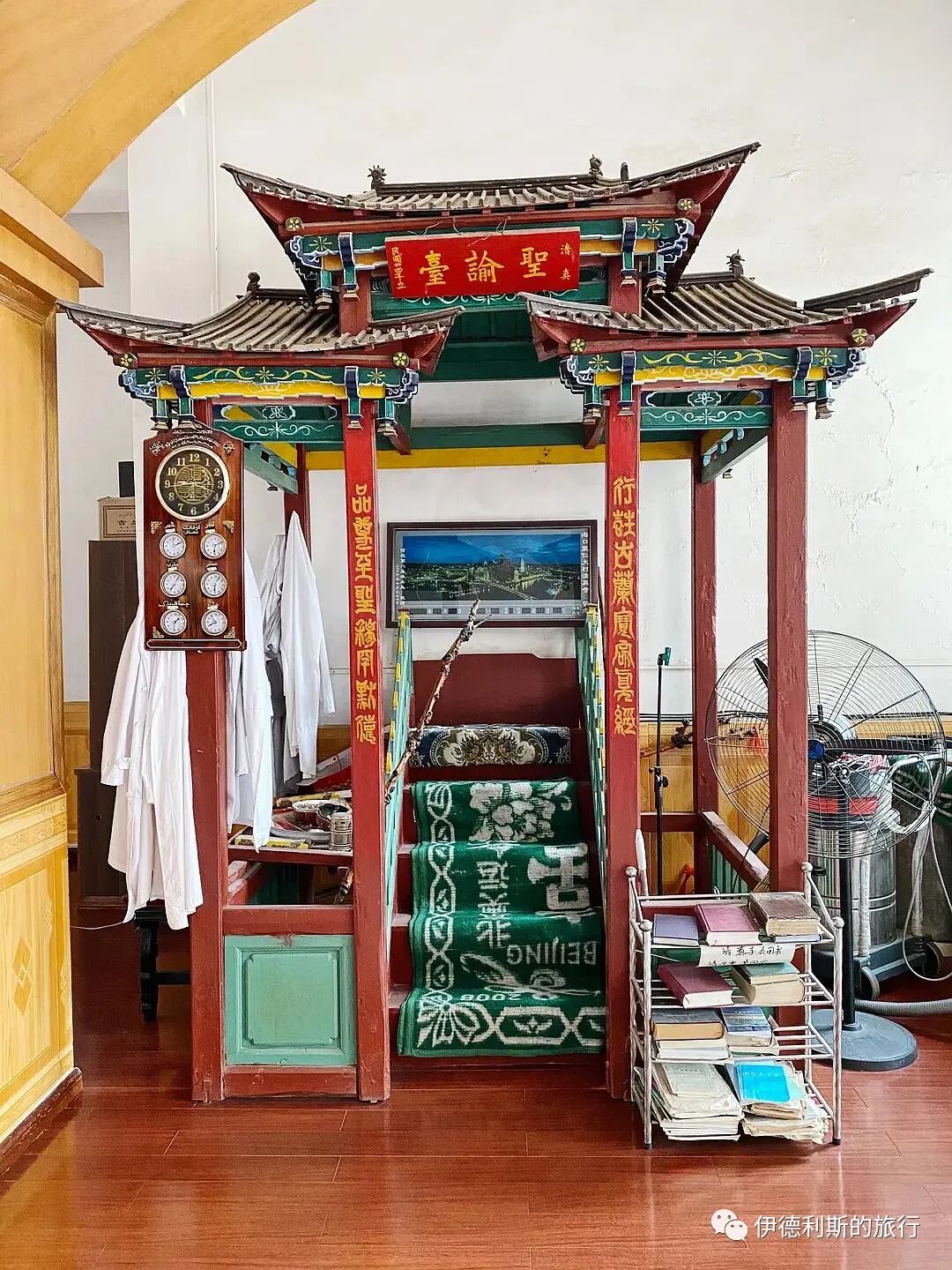
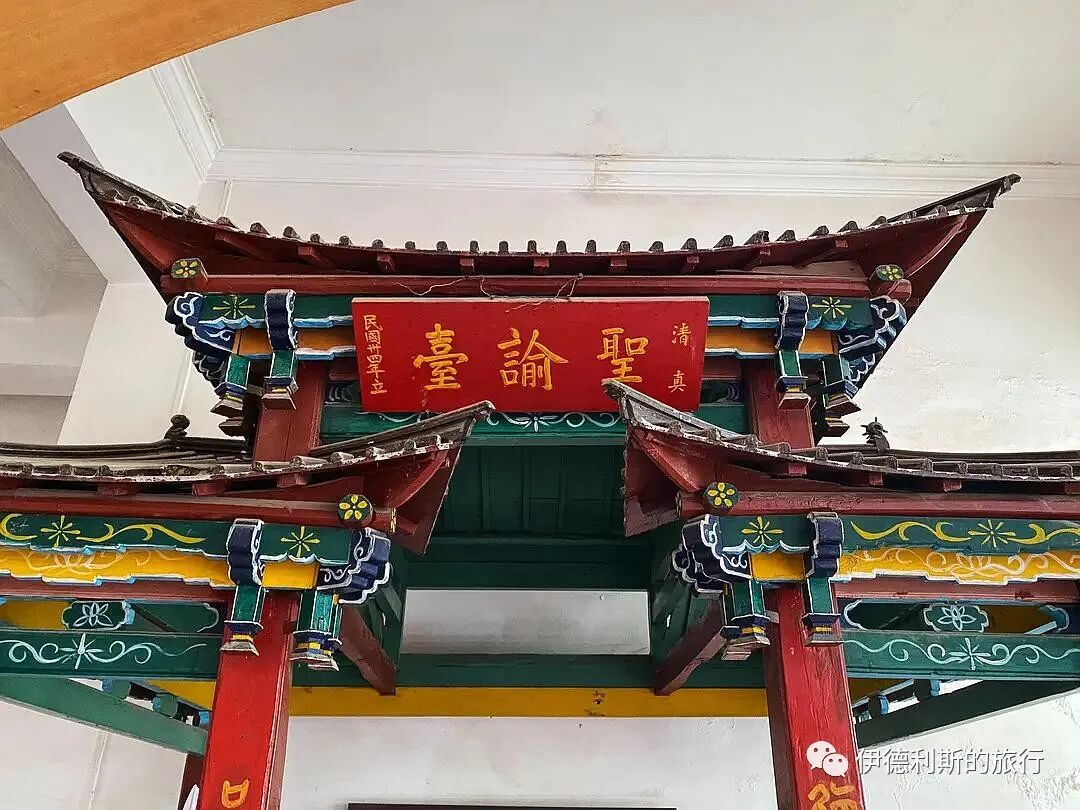
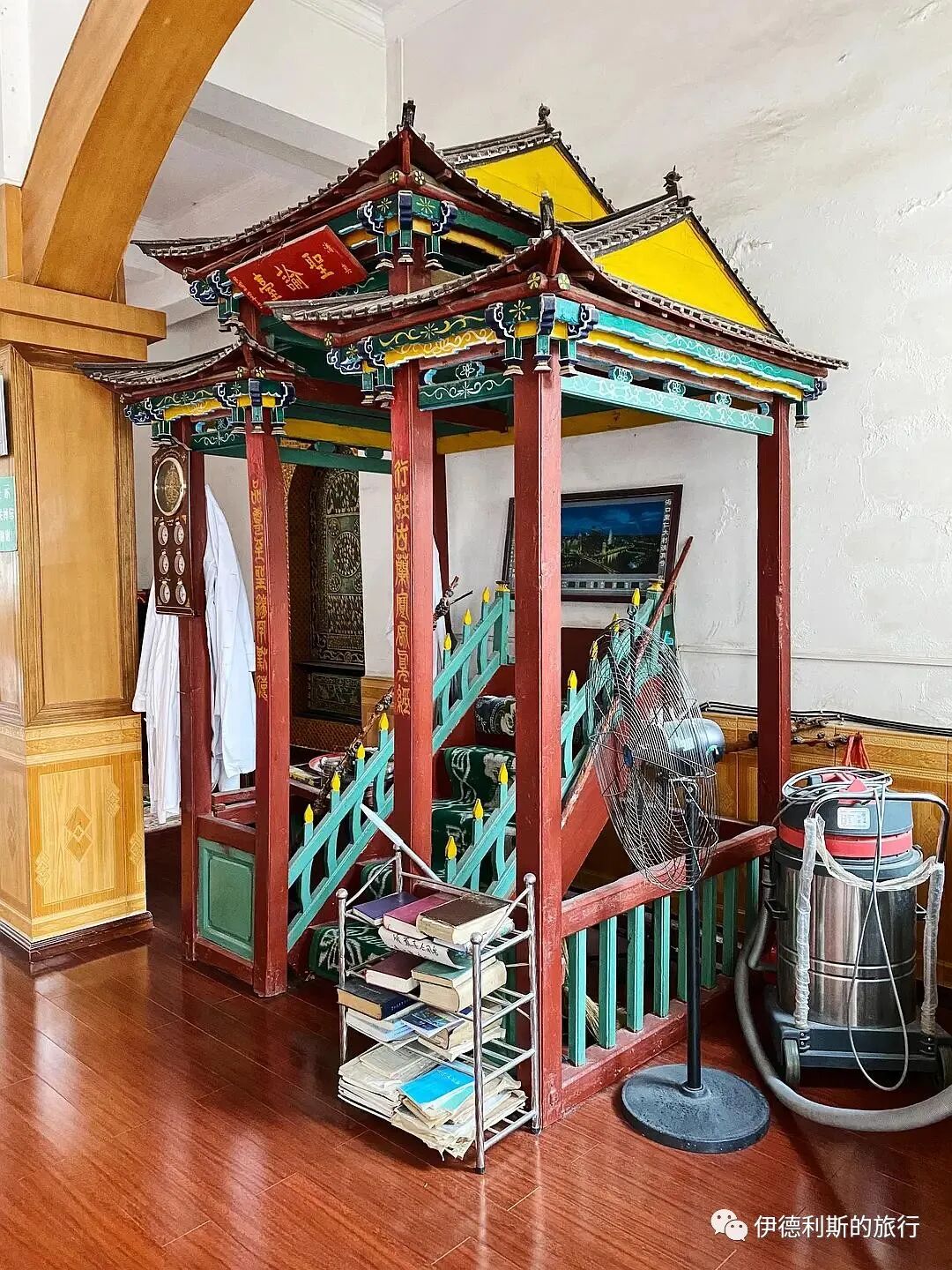
The flower beds built in 1940 look very elegant.
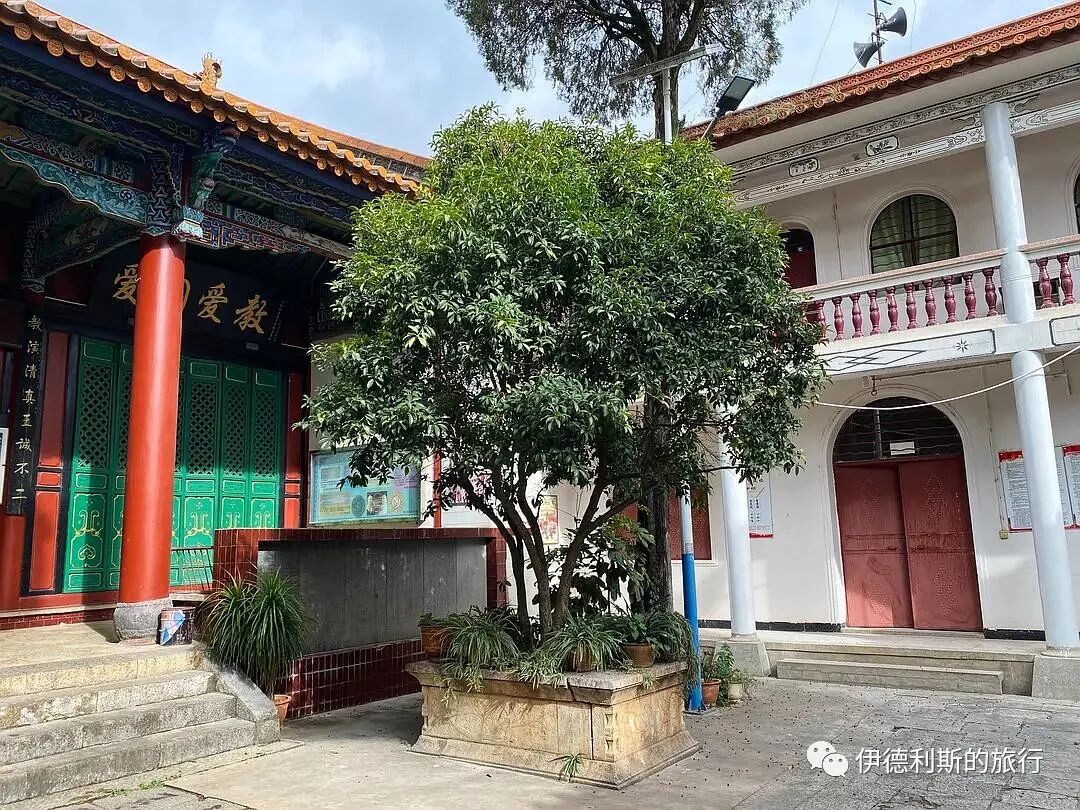
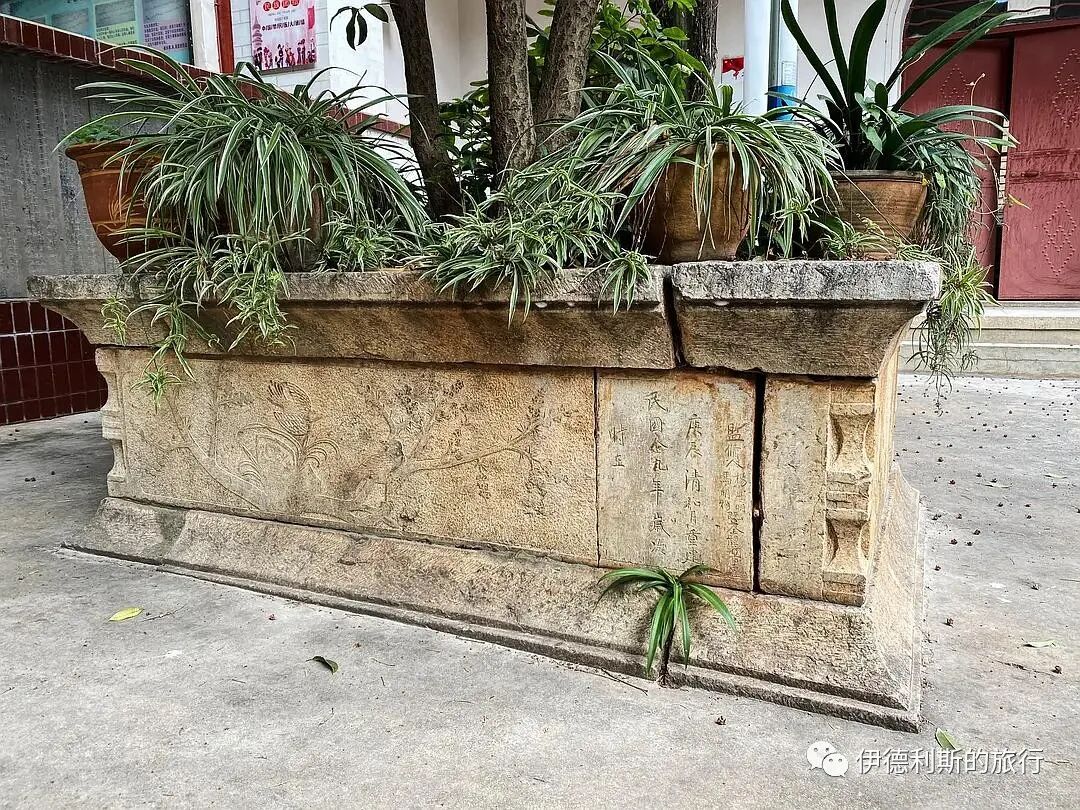
According to records, Xu Xiake passed through Liren Village in 1638 (the 11th year of the Chongzhen reign of the Ming Dynasty), so there is a sign inside the mosque marking it as a "Xu Xiake Travel Route Landmark."
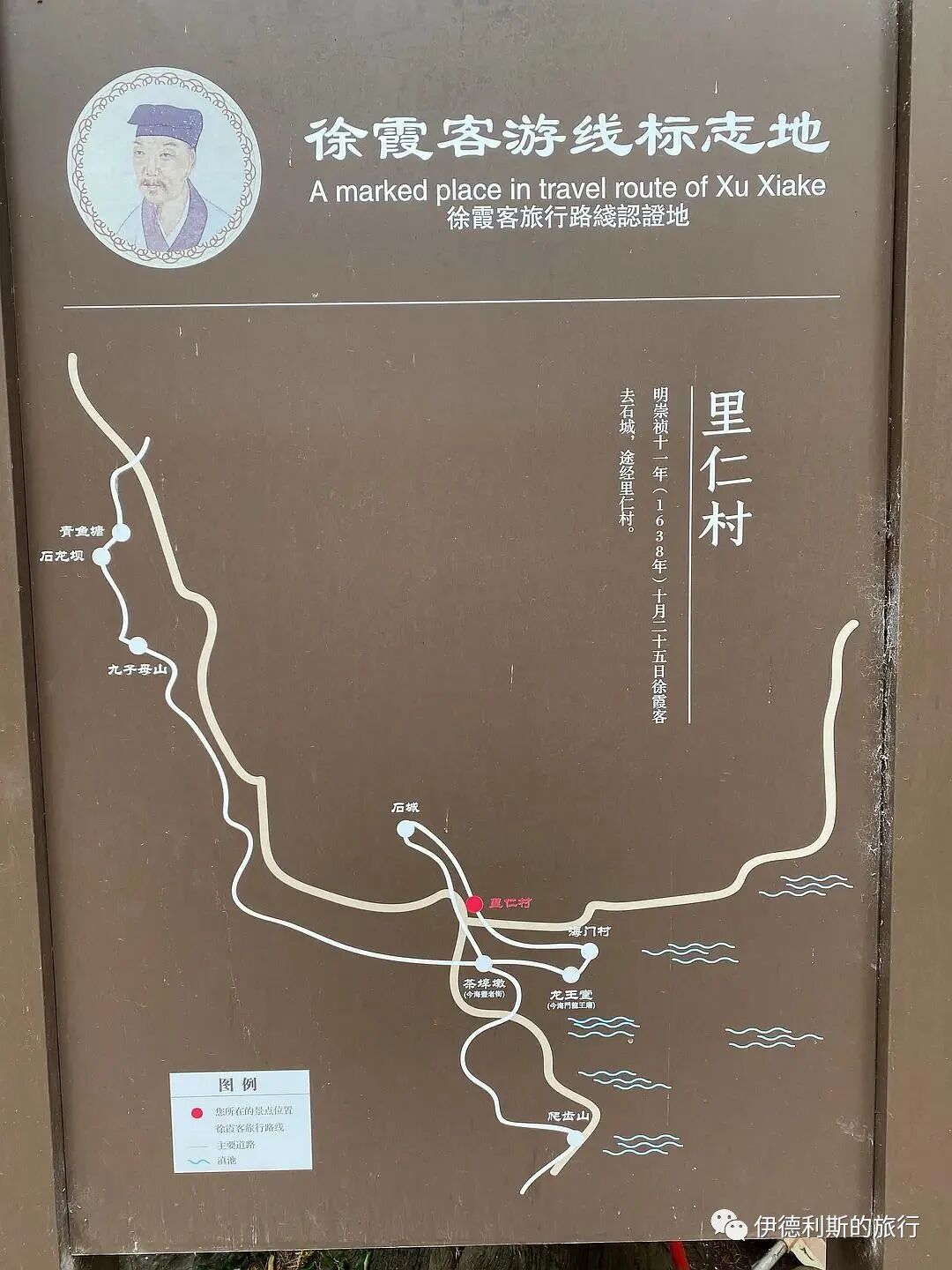
III. Yuxi Daying Village
Continuing 52 kilometers south from Haikou Liren Mosque, we arrived at the Daying Mosque in Yuxi.
The mosque's main gate was rebuilt in 1914 as a two-story gate tower with an inward-facing eight-character screen wall. The upper level has four corners, and the lower level has eight corners, featuring exquisite decorative dougong (bracket sets), carved beams, painted rafters, and upturned eaves. Entering the gate, one finds the Xingmeng Lou (Awakening Dream Tower/minaret), a three-eave, four-cornered, pointed-roof pavilion standing 30 meters tall.
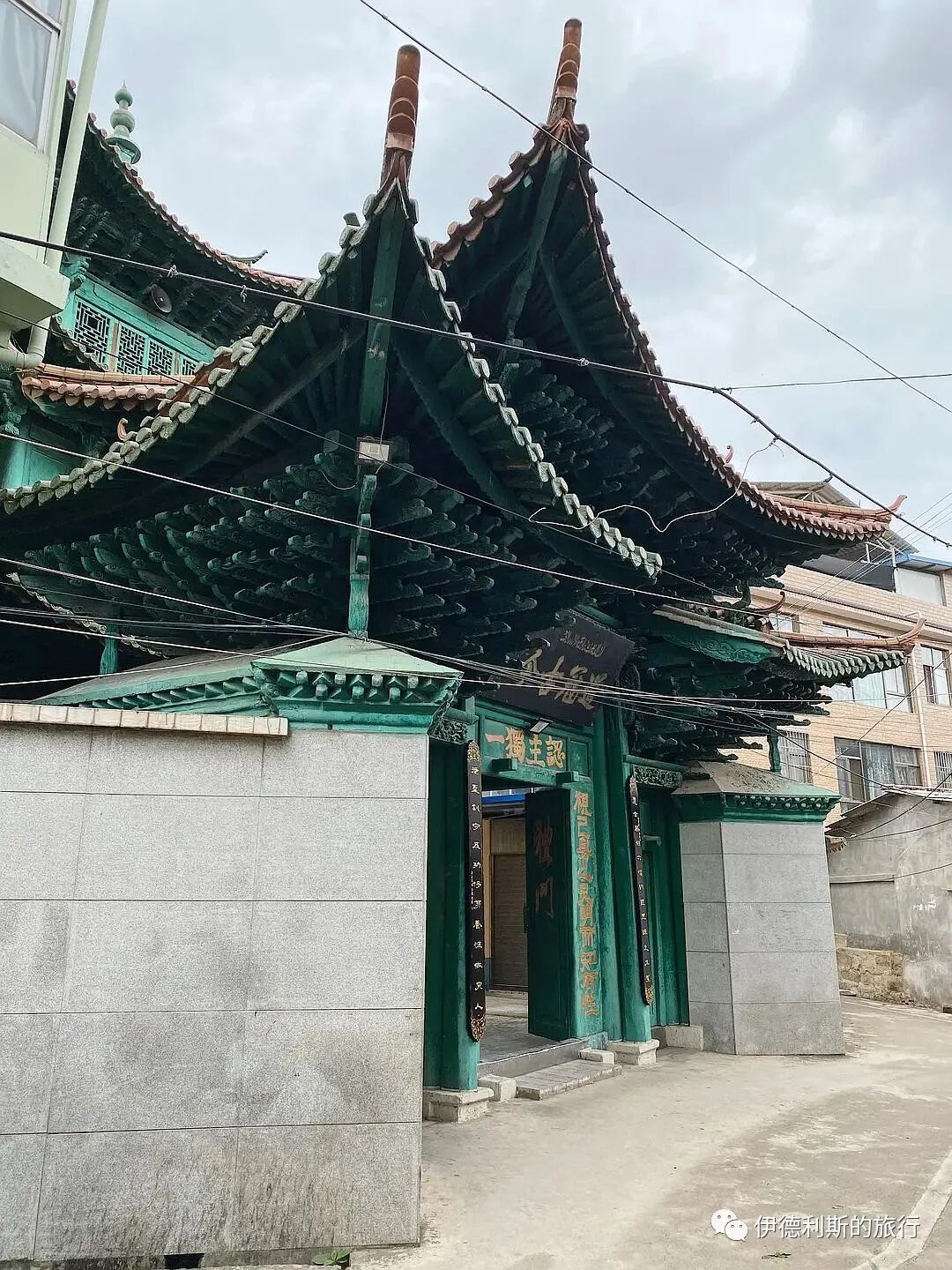
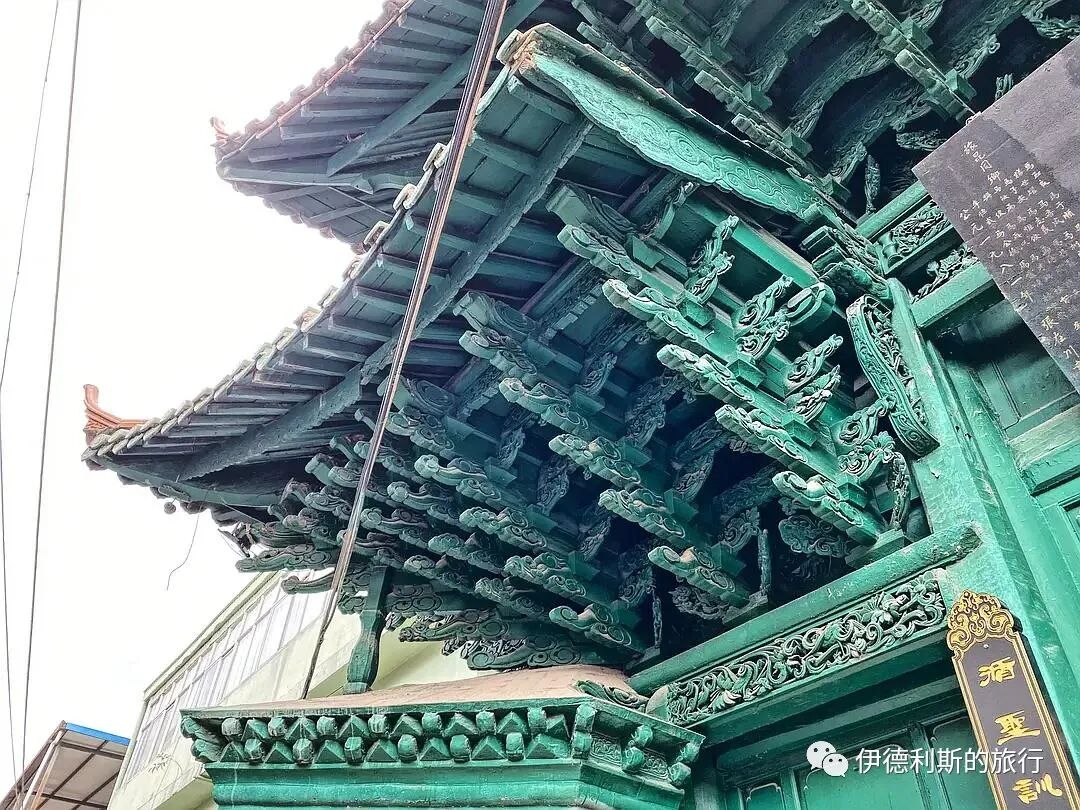
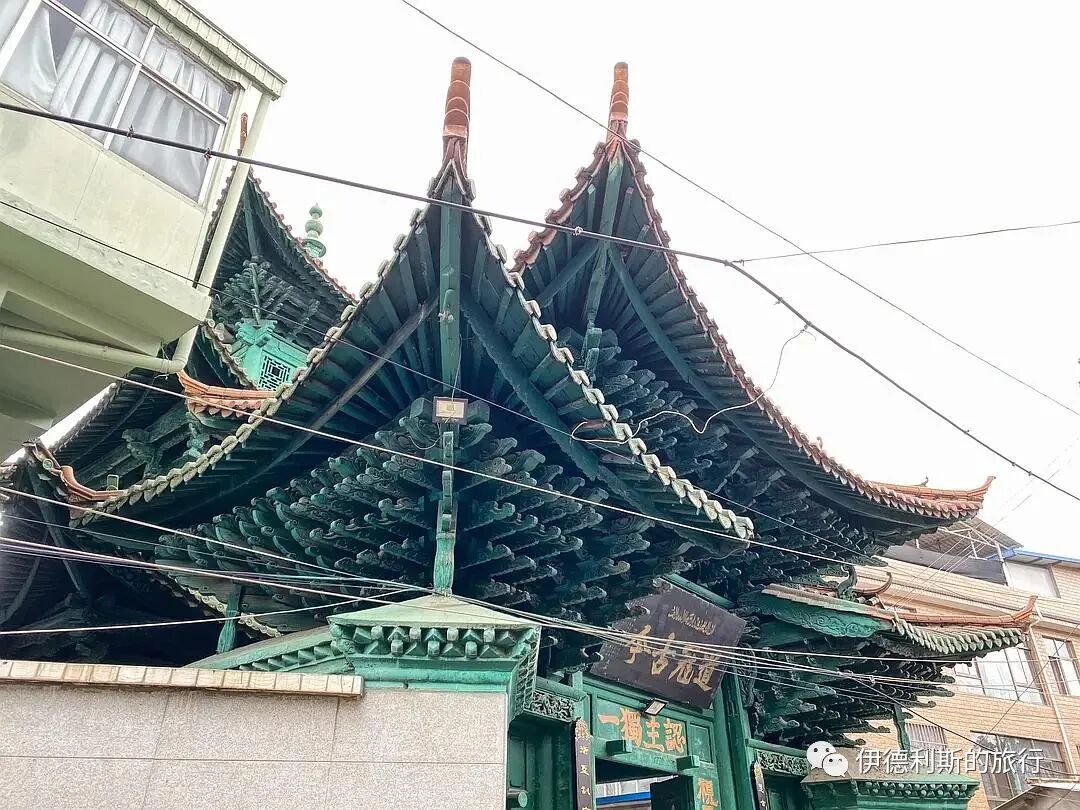
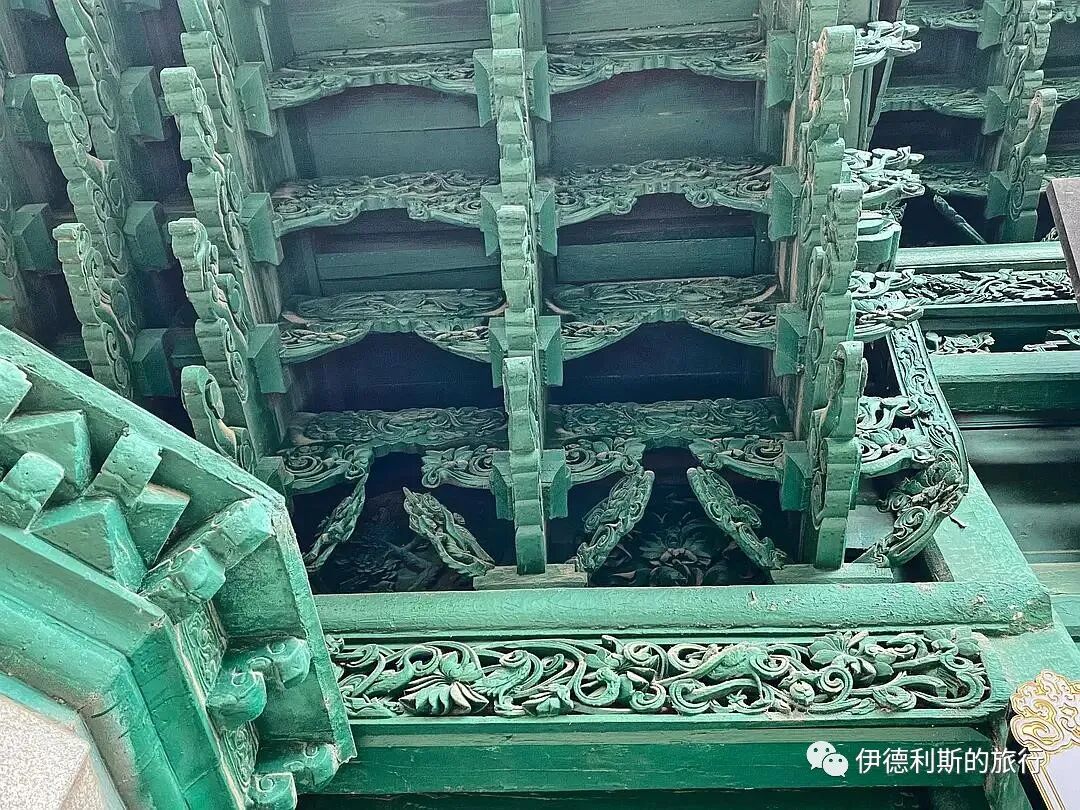
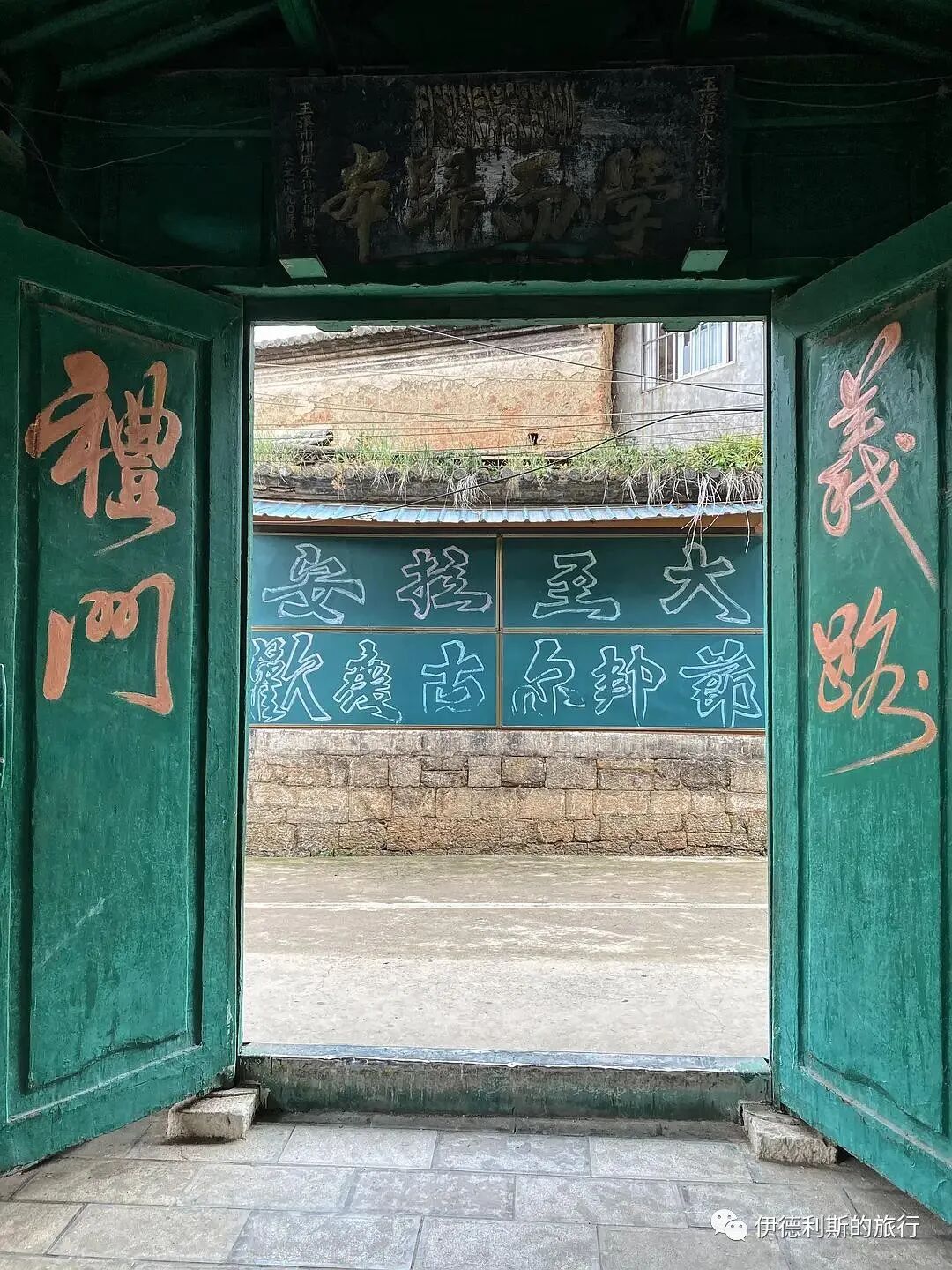
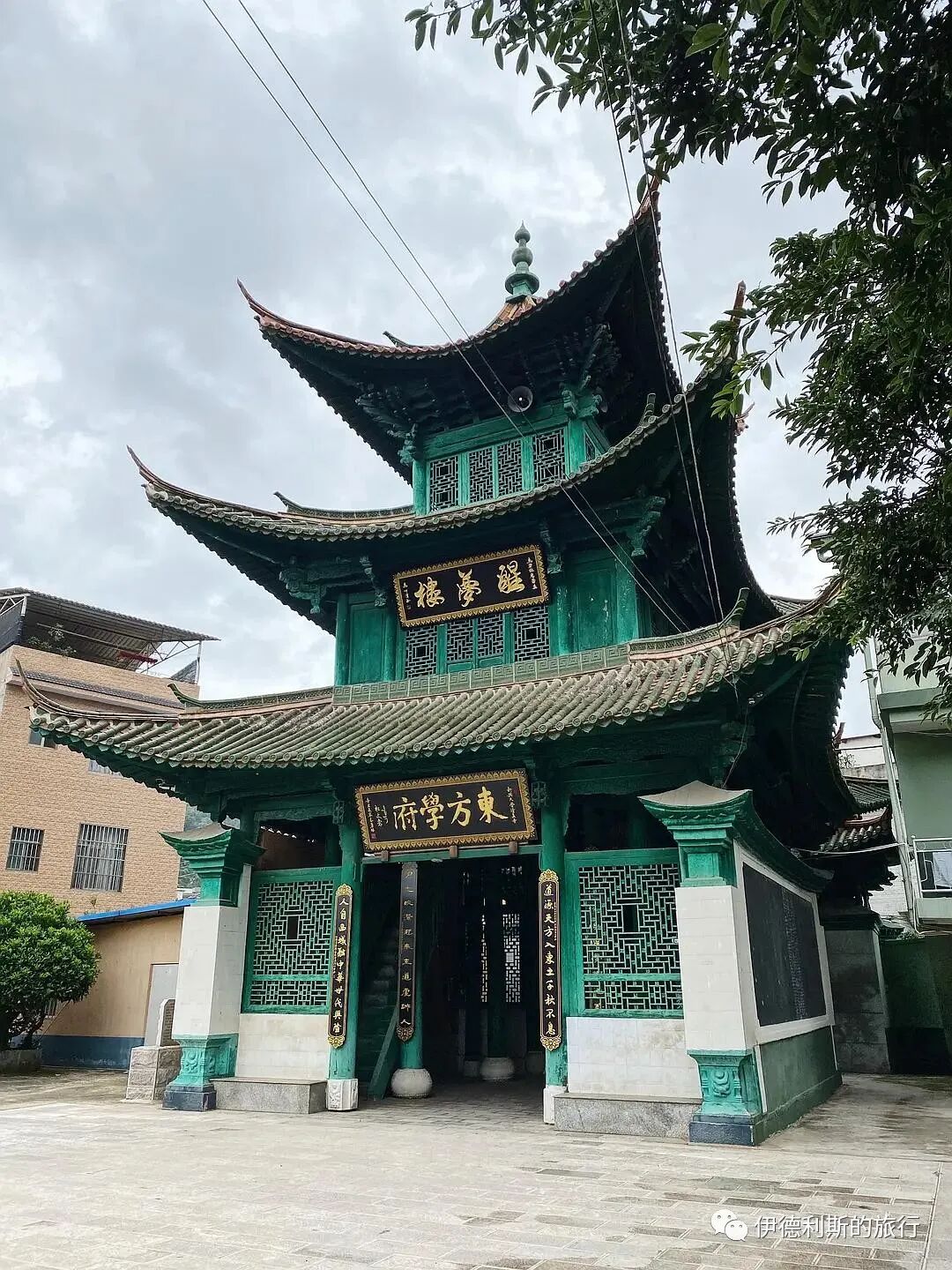
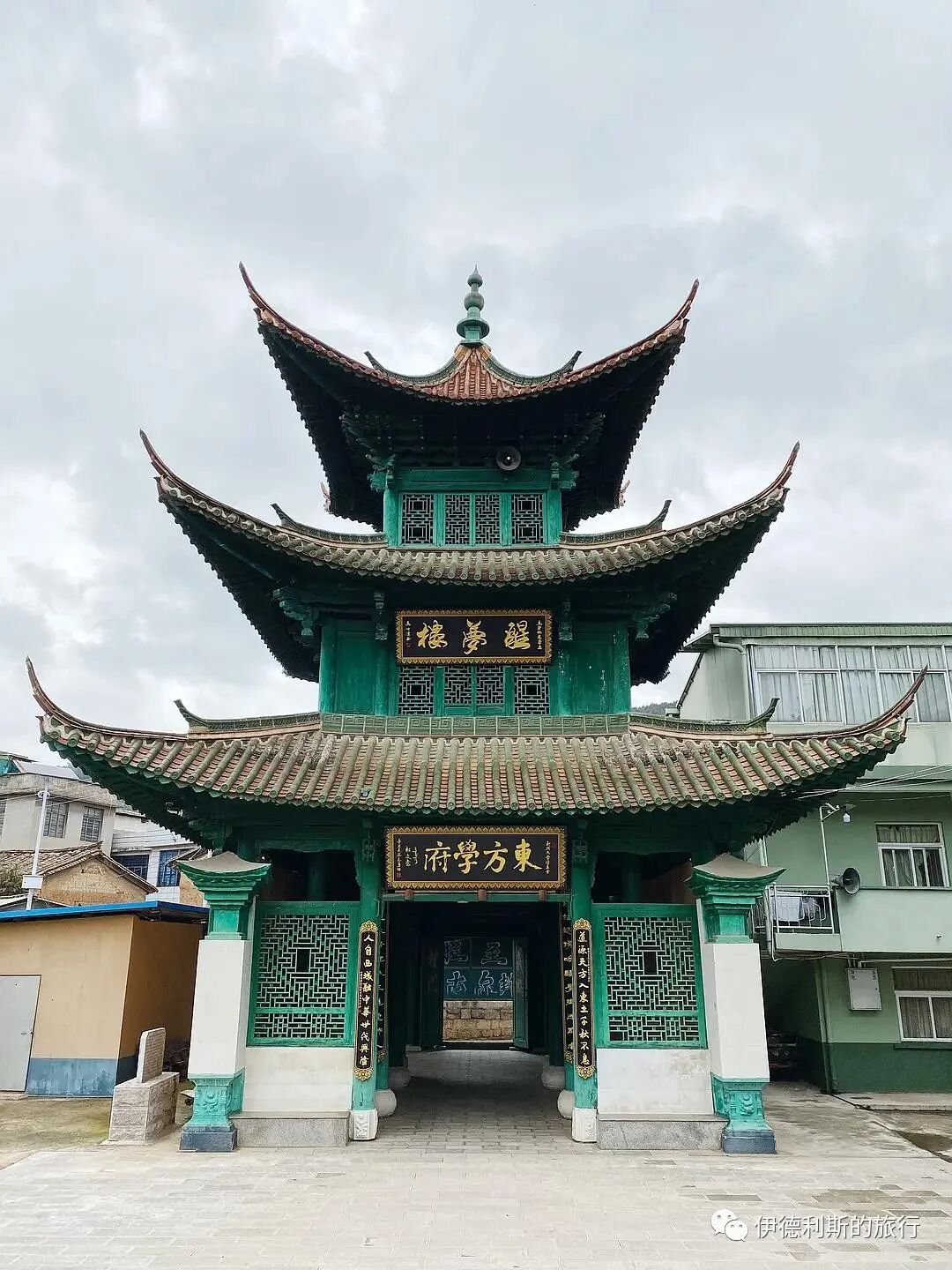
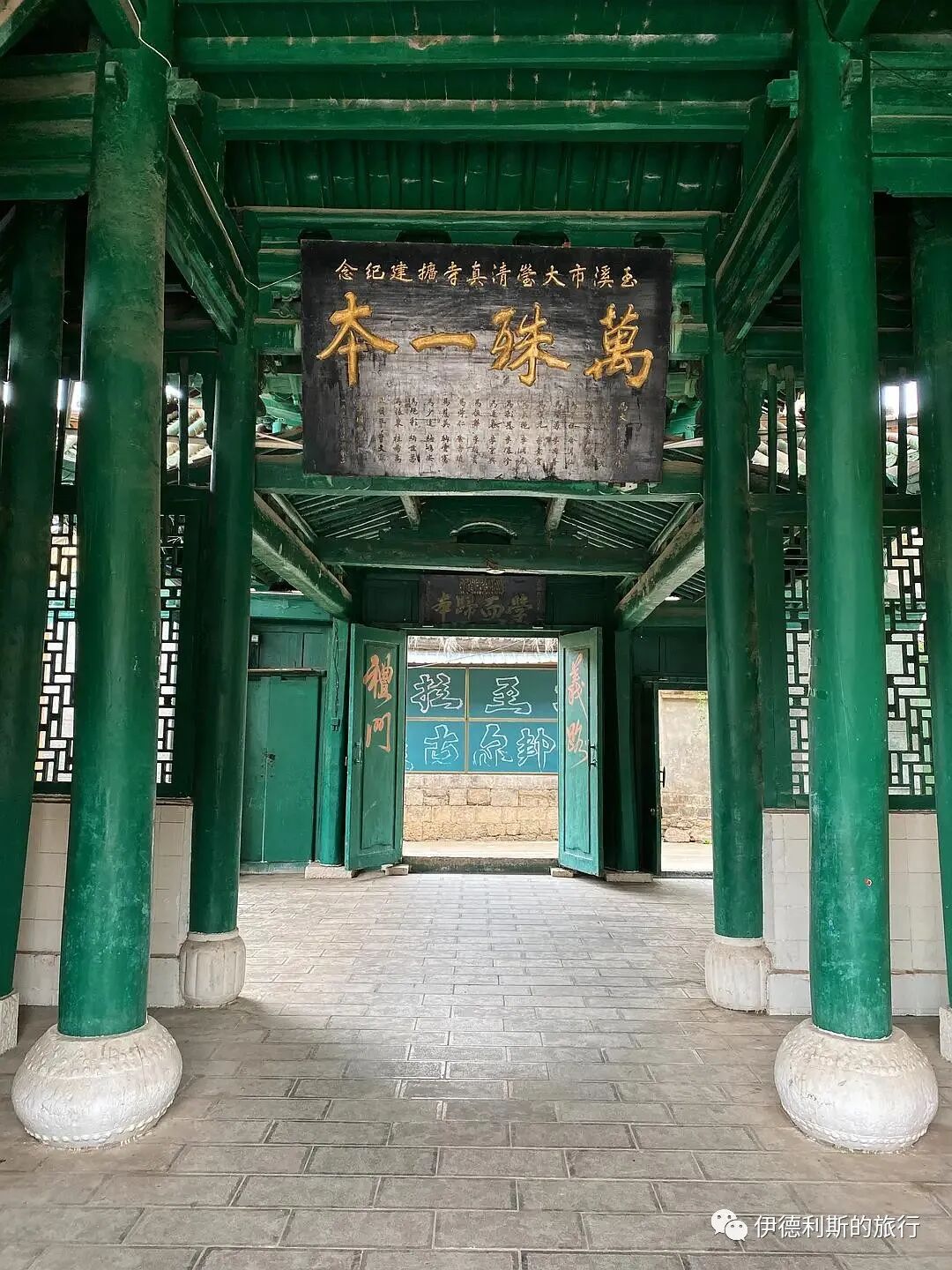
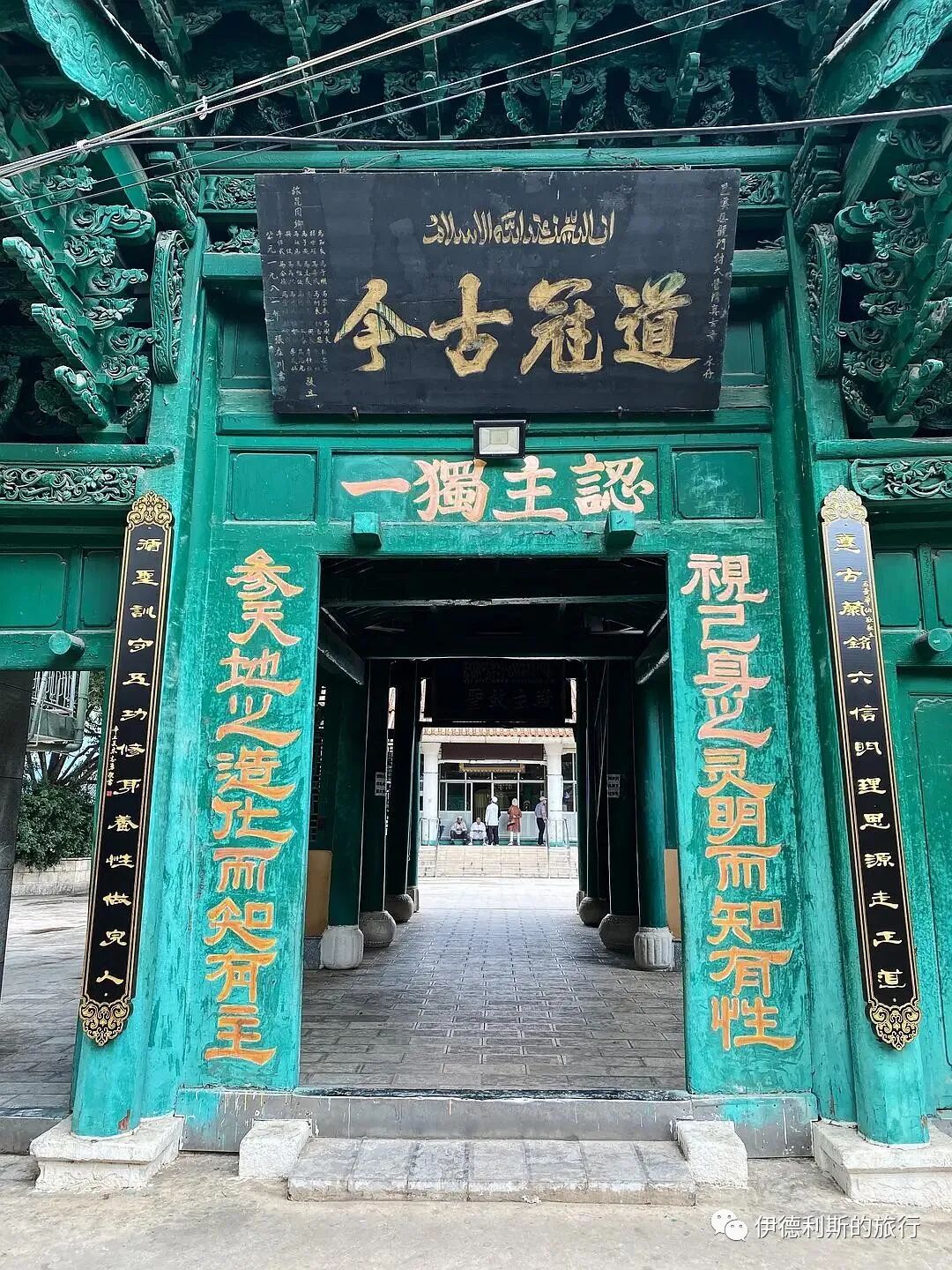
The main hall of Daying Mosque has been expanded many times. The front hall was built in 1605 (the 33rd year of the Wanli reign of the Ming Dynasty) and completed in 1617 (the 46th year of the Wanli reign). The middle hall was expanded during the Guangxu reign of the Qing Dynasty, and the rear hall was expanded in 1985, with a total capacity of 2,000 people.
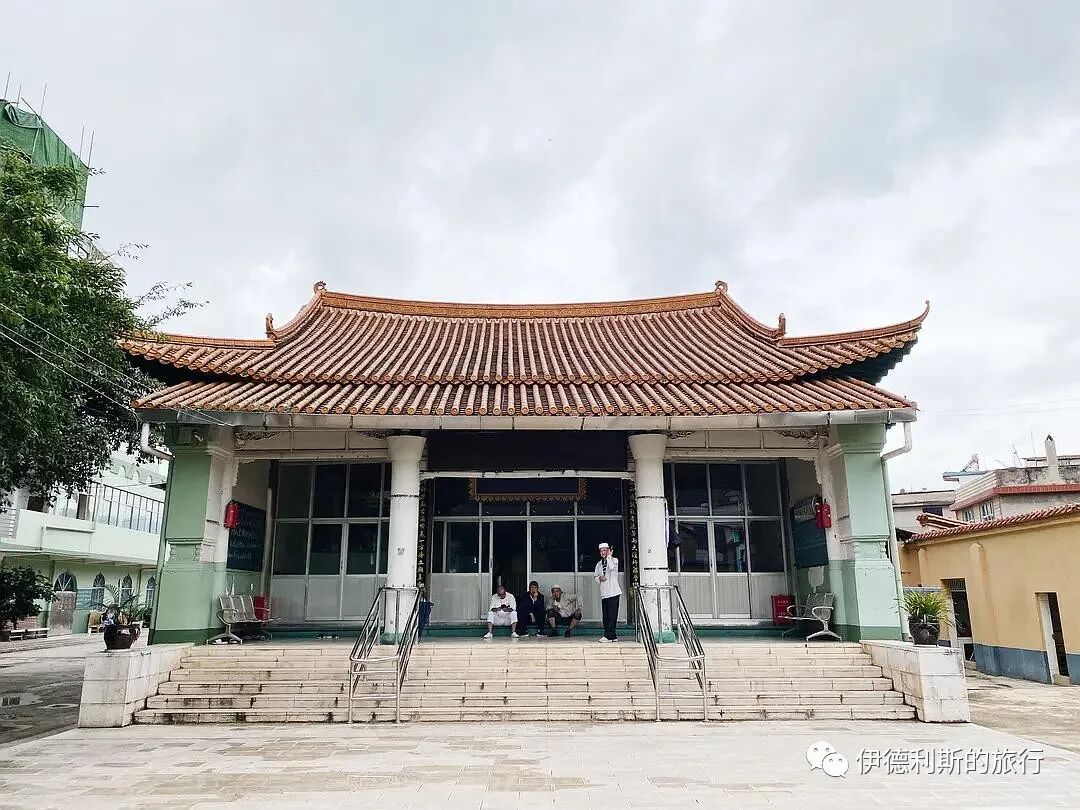
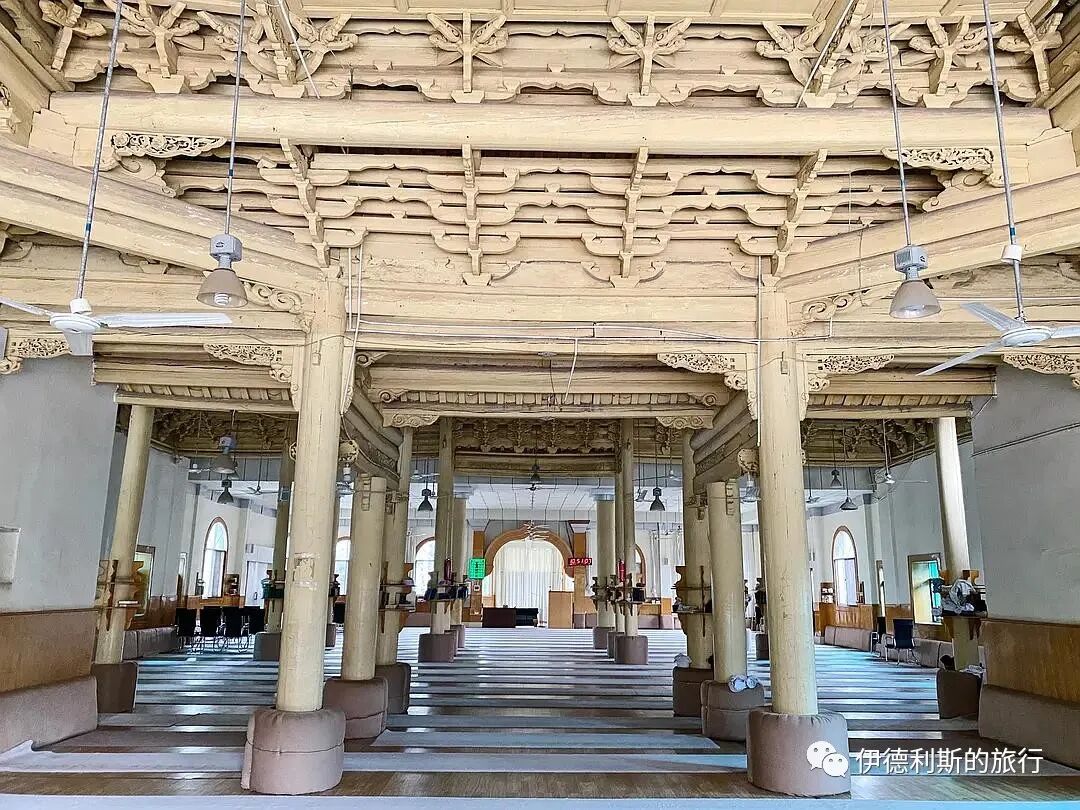
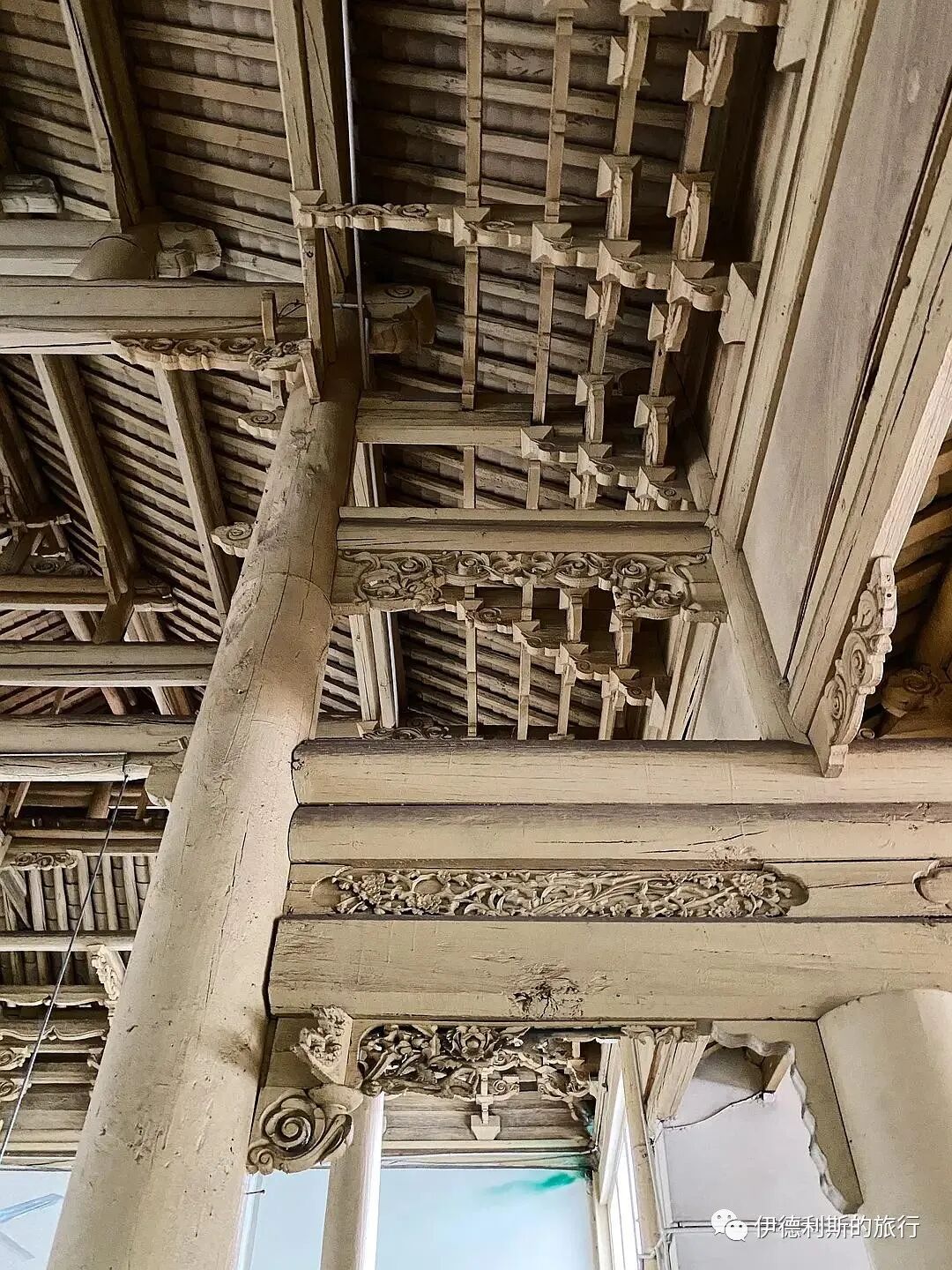
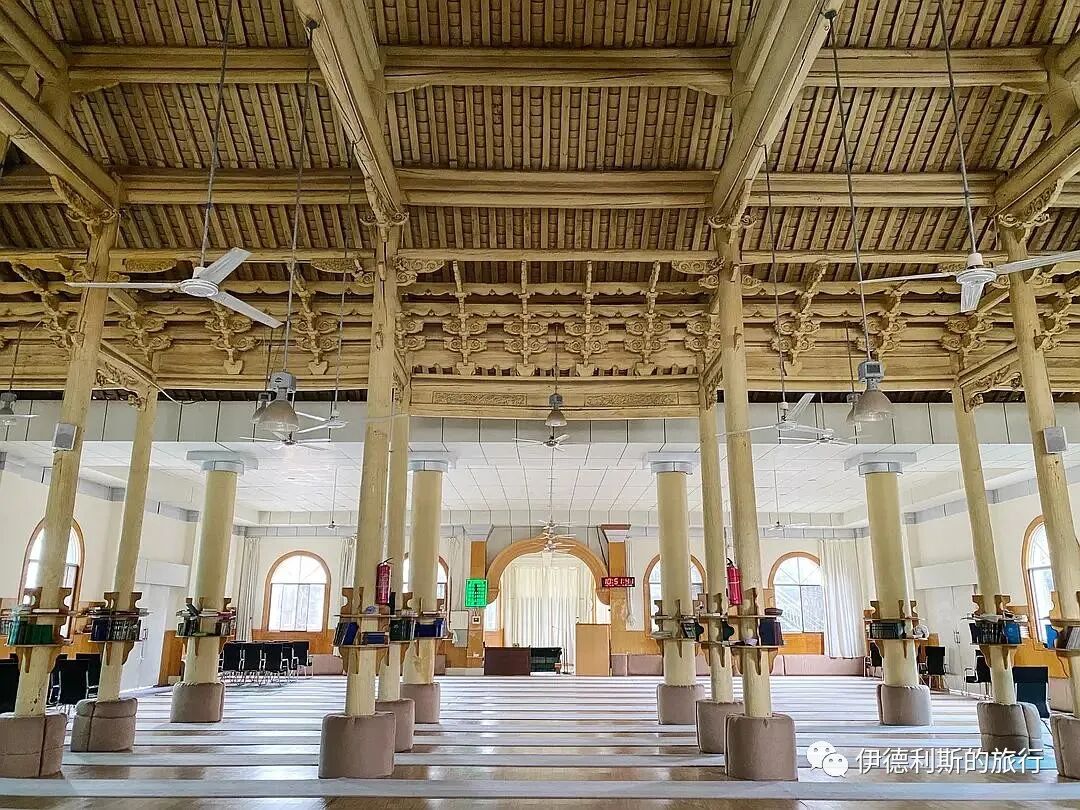
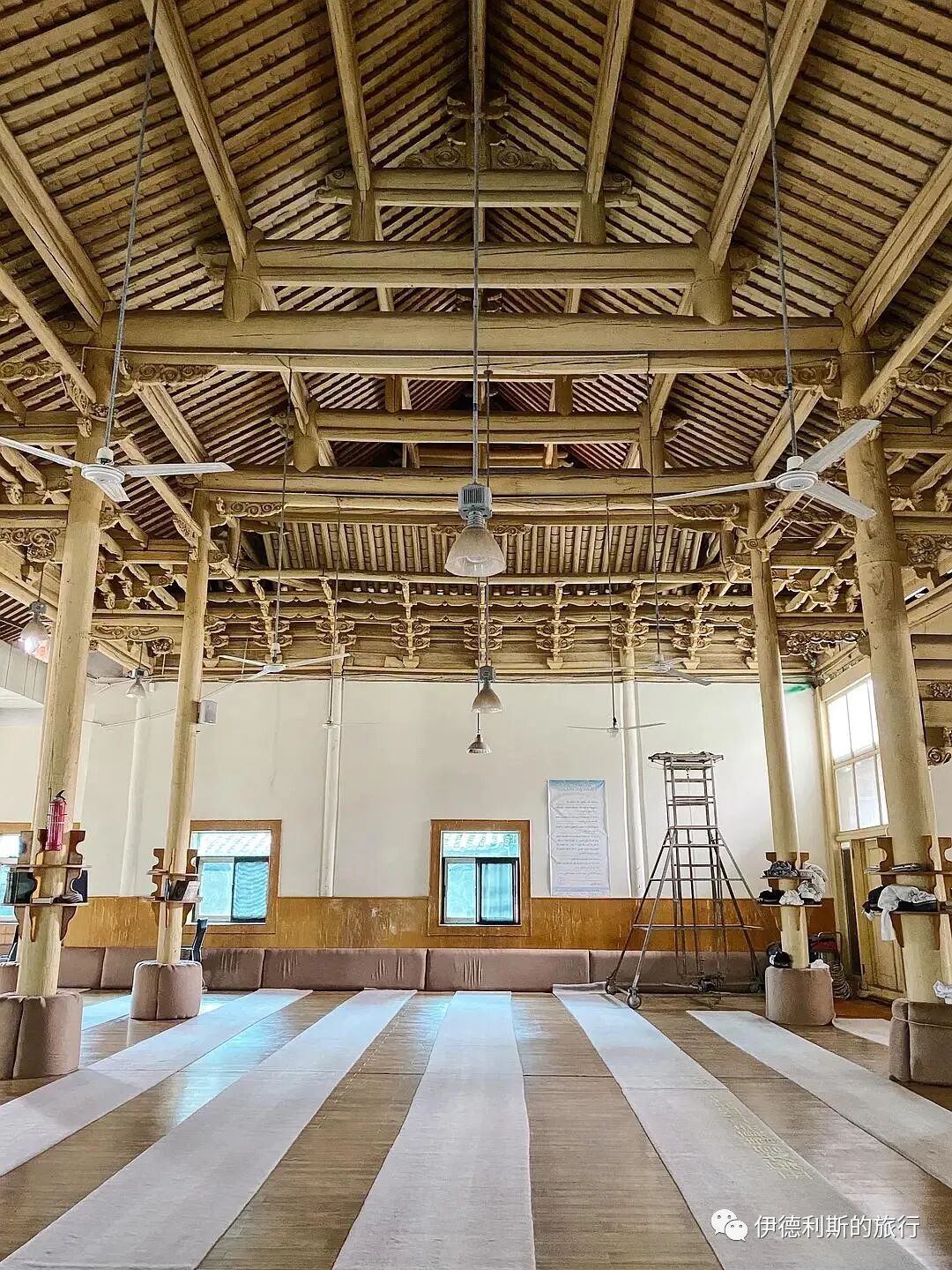
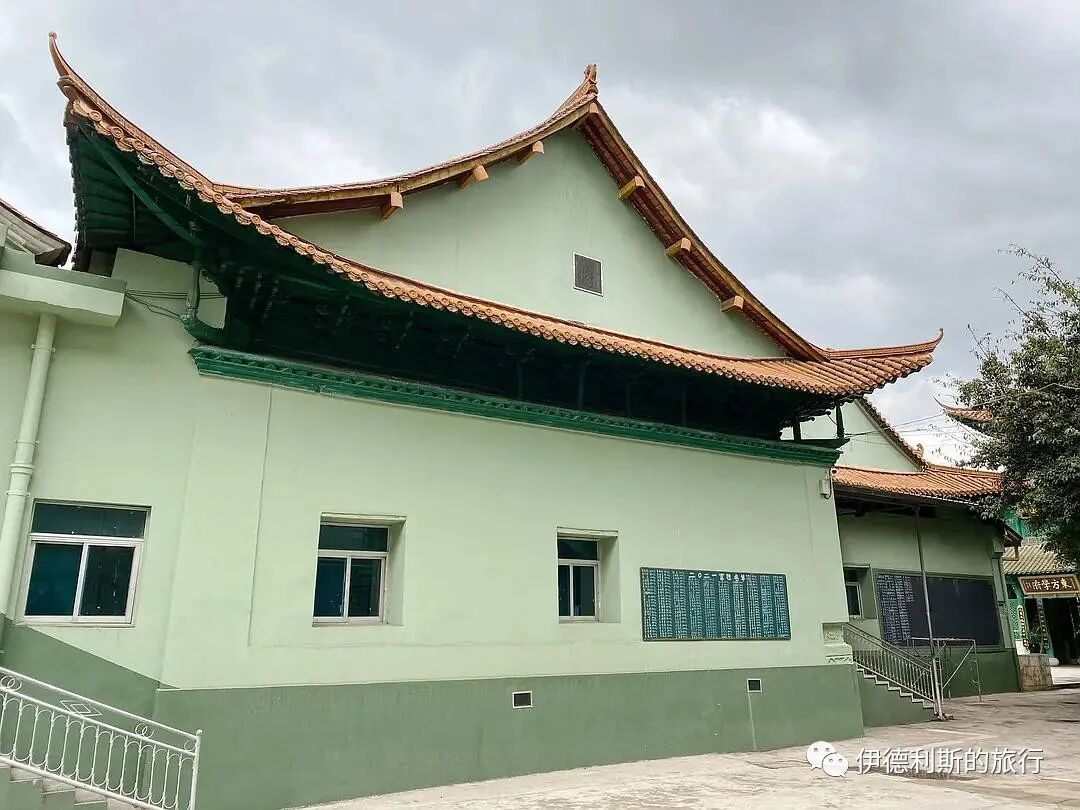
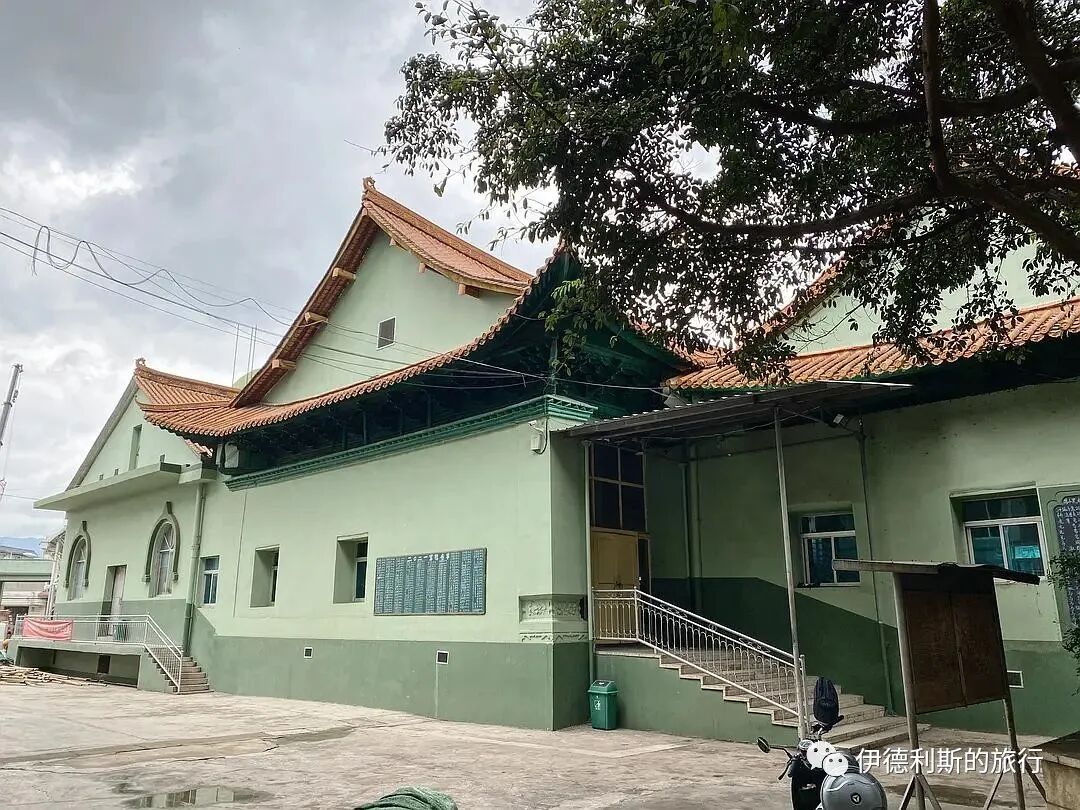
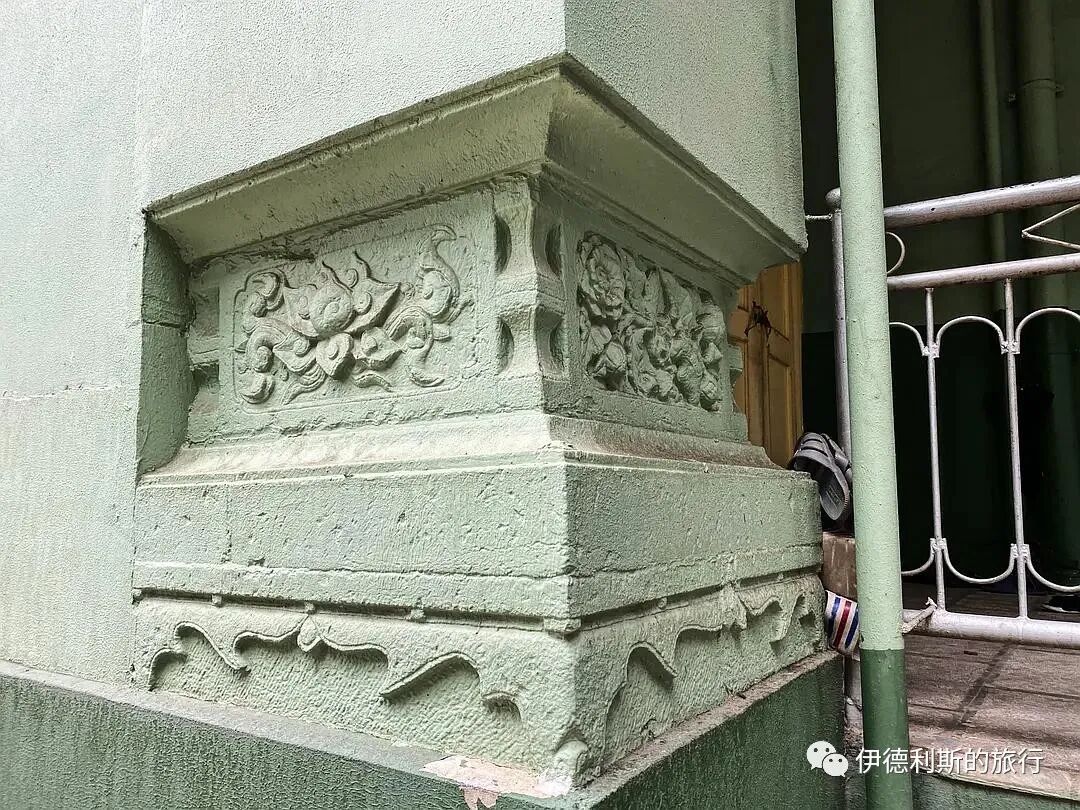
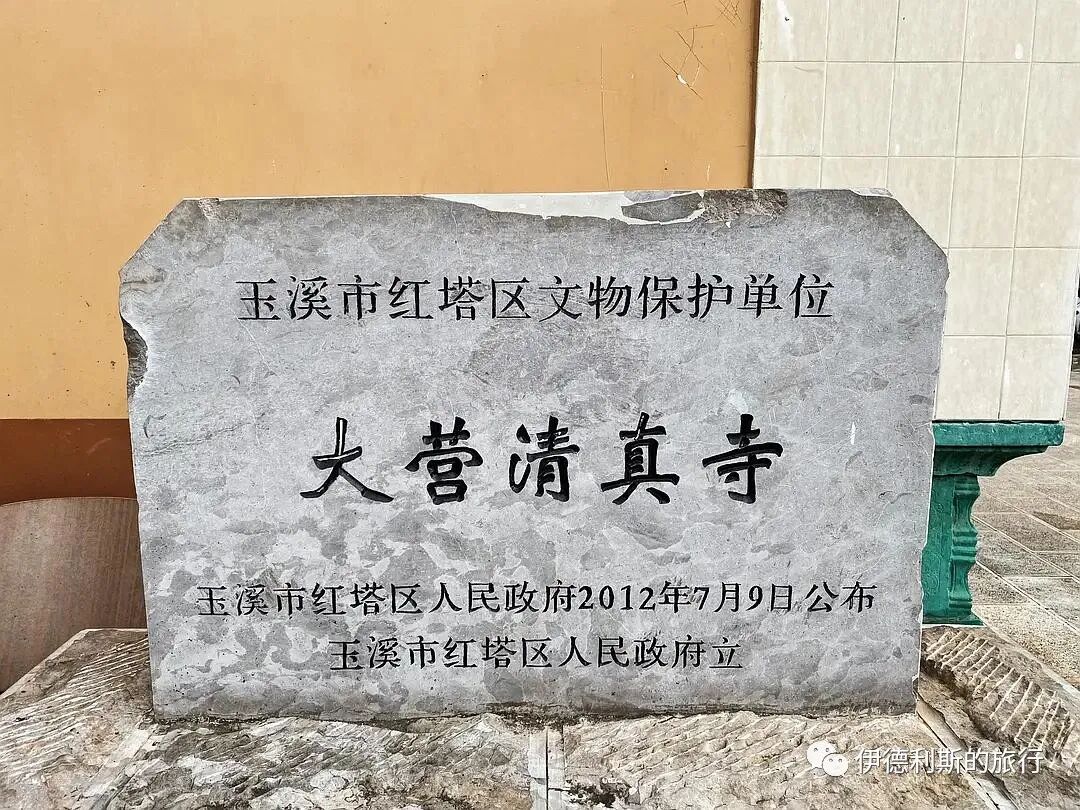
While visiting the market in Daying, we bought some local crispy roast duck at a 30-year-old shop. The lean duck is much better than Beijing roast duck, though the accompanying sauce is not as good as the one in Nanjing.
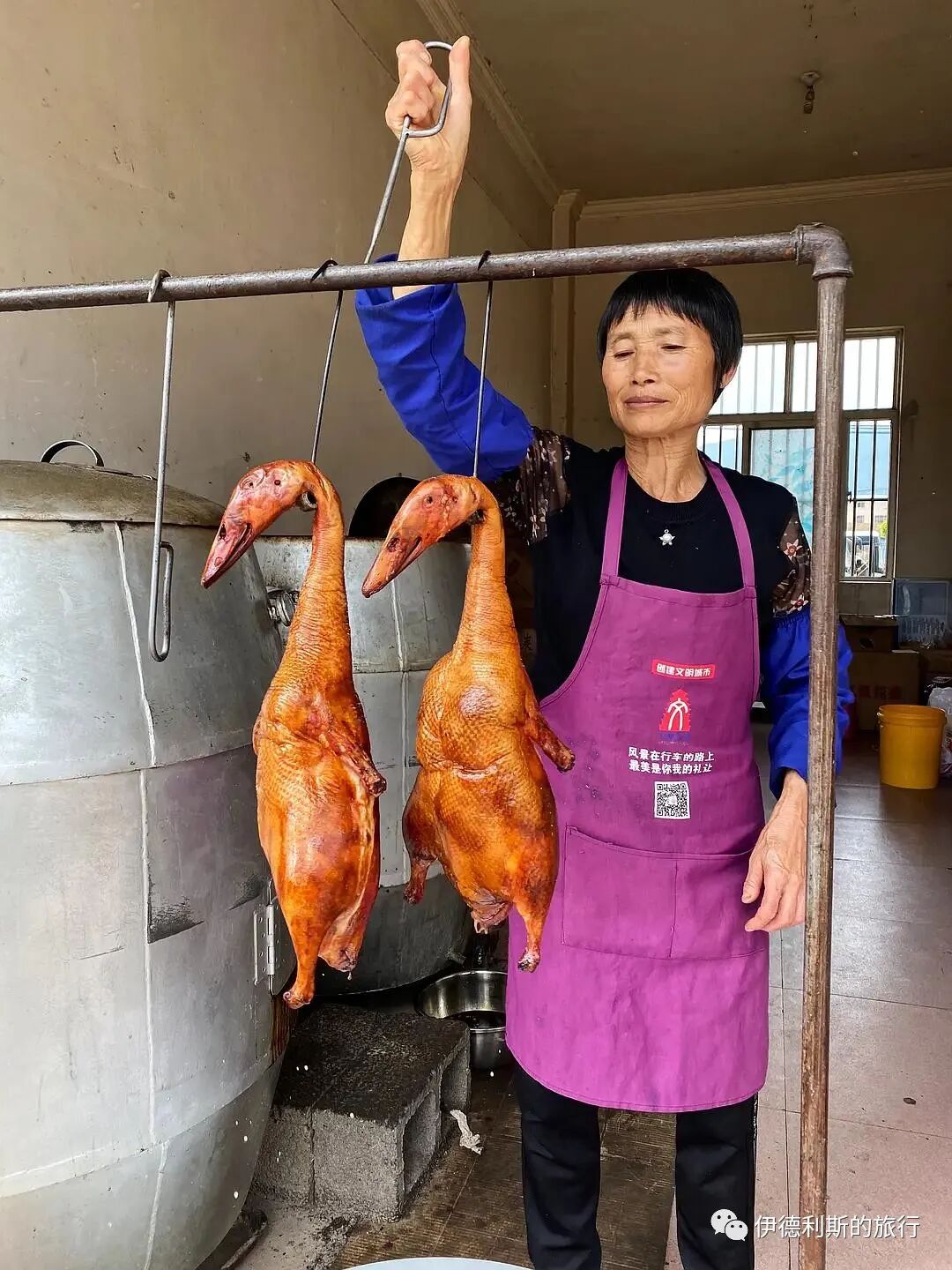
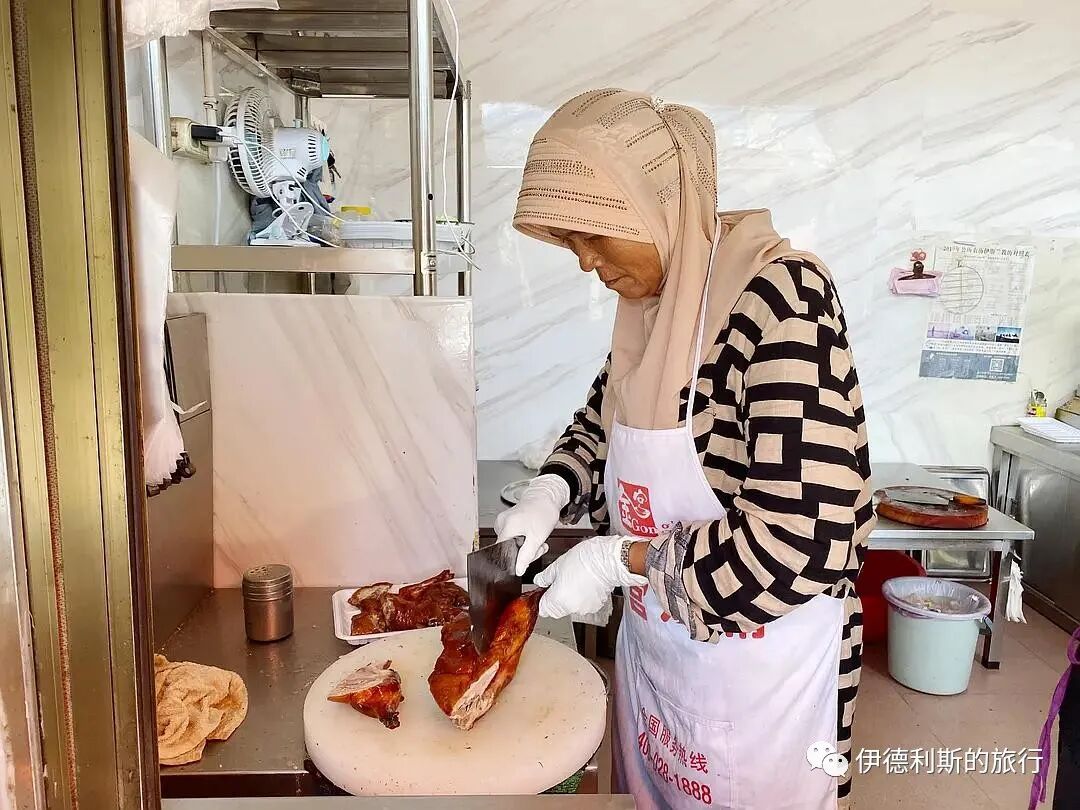
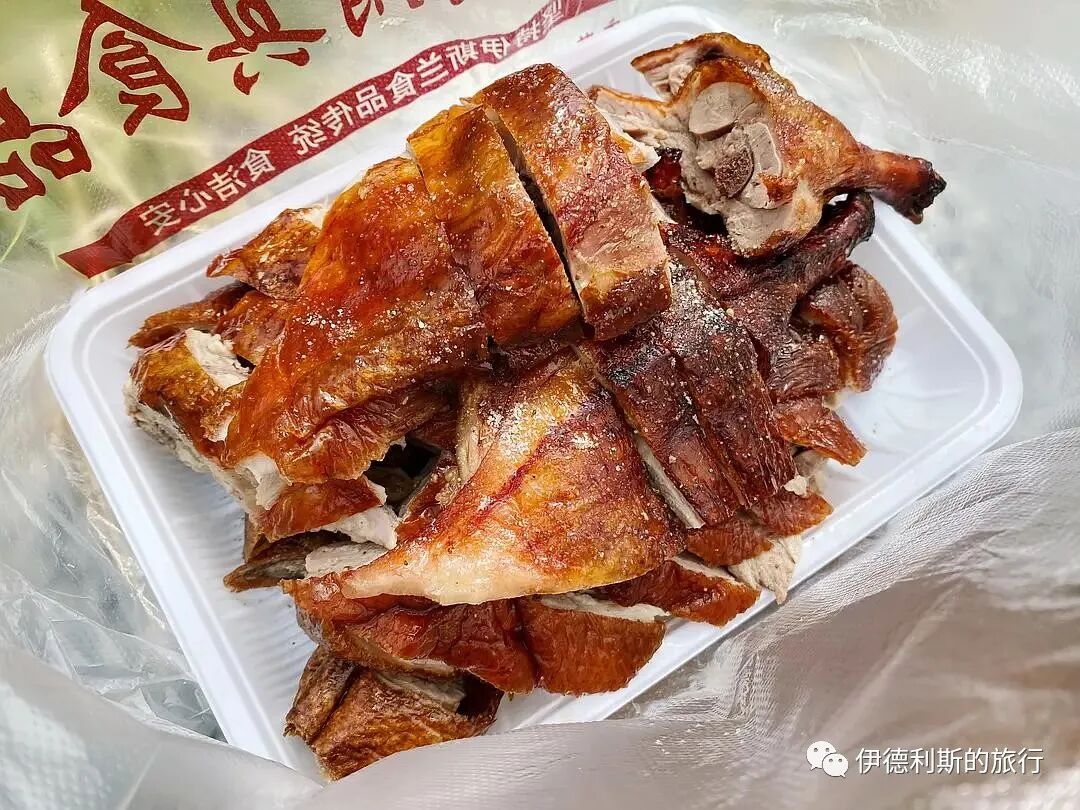
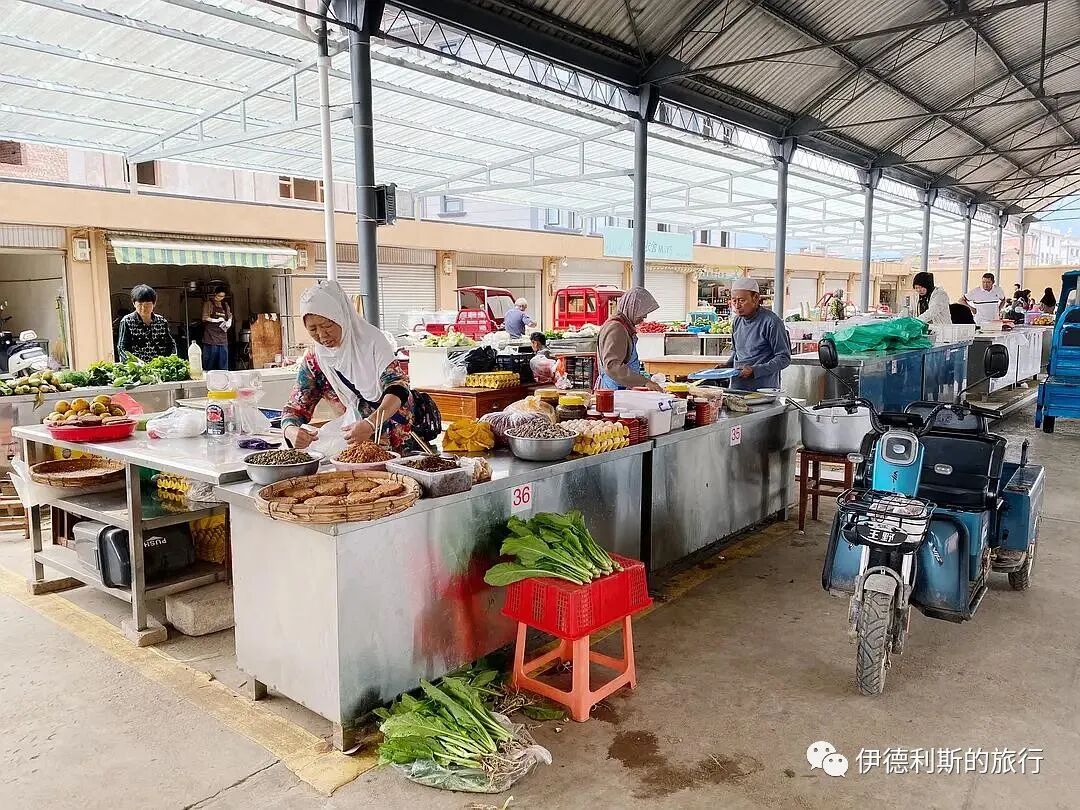
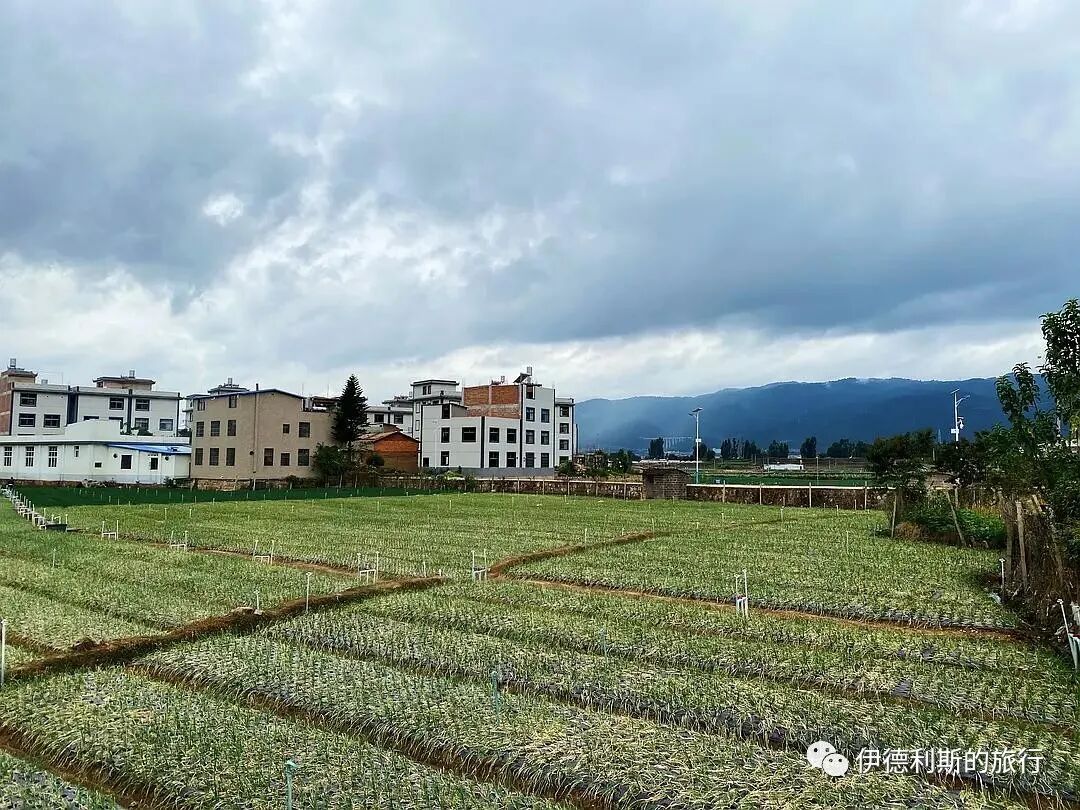
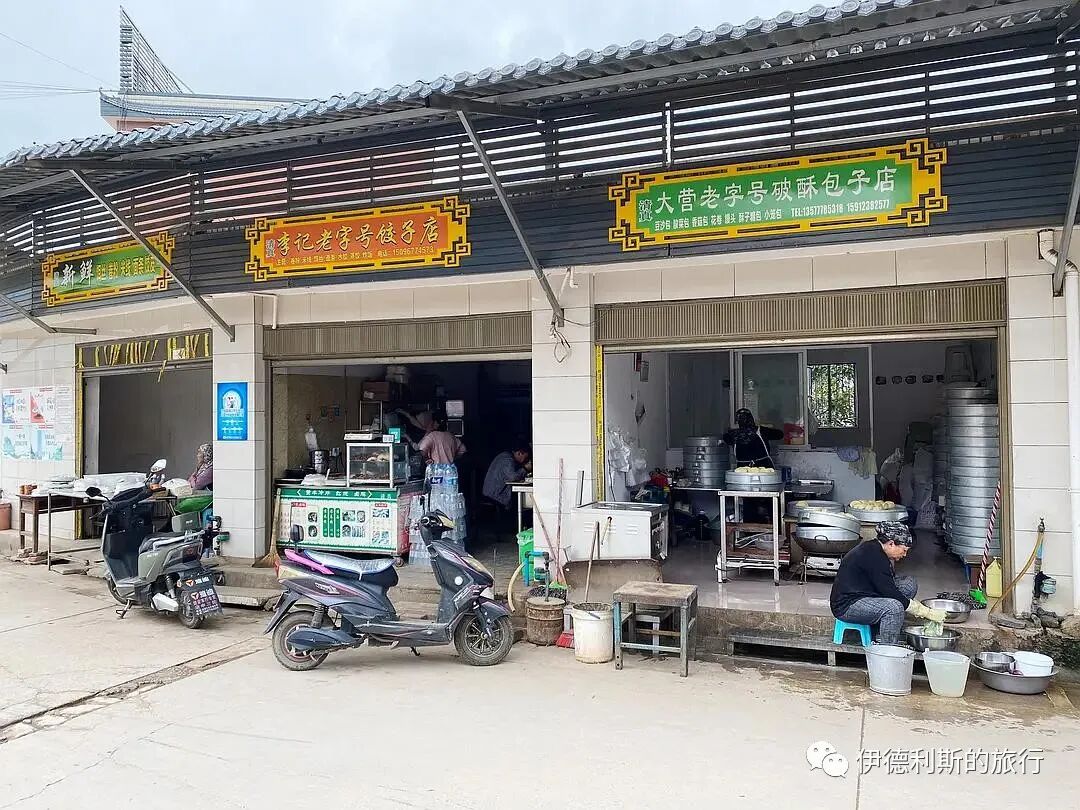
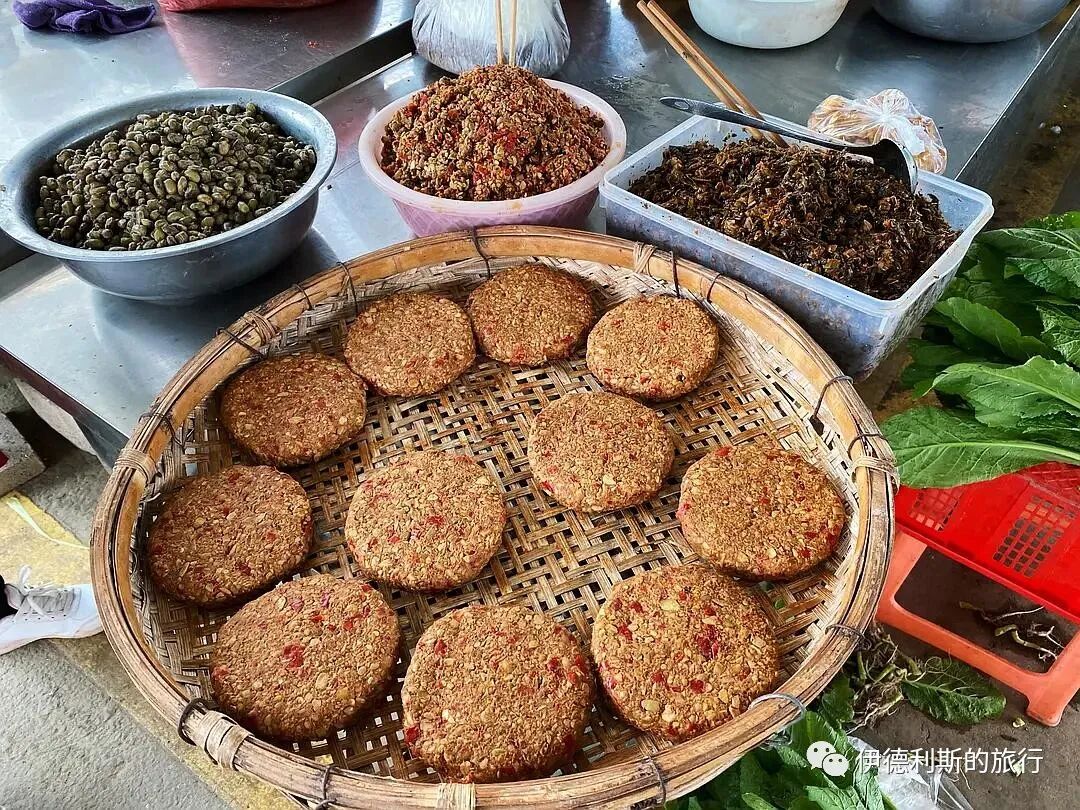
During the Qing Dynasty and the Republic of China, the Hui Muslims of Daying, Yuxi, were famous for their caravans "traveling abroad" to trade in Myanmar and Thailand. The most famous of these was Xingshunhe, founded by Ma Youling in 1846. Ma Youling initially bought yarn in Kunming, transported it to Yuxi to exchange for cloth, and then dyed the cloth with local indigo into blue or black fabric for sale. During the Guangxu reign, upon learning that Chiang Mai, Thailand, had foreign indigo that produced better dyeing results, Ma Youling began organizing caravans to Chiang Mai to purchase foreign indigo, which he then sold in Kunming after dyeing the cloth. In the late Guangxu period, Xingshunhe grew larger and larger, dealing in cloth, straw hats, foreign indigo, and Sichuan salt, and opened branches all over Yunnan. Later, to facilitate caravan transport, they switched to lighter goods such as deer antler, musk, tortoise-deer glue, tiger glue, and tiger bone, opening branches in major cities like Beijing, Tianjin, Shanghai, Hankou, Guangzhou, and Hong Kong.
Old Hui Muslim houses in Daying Village.
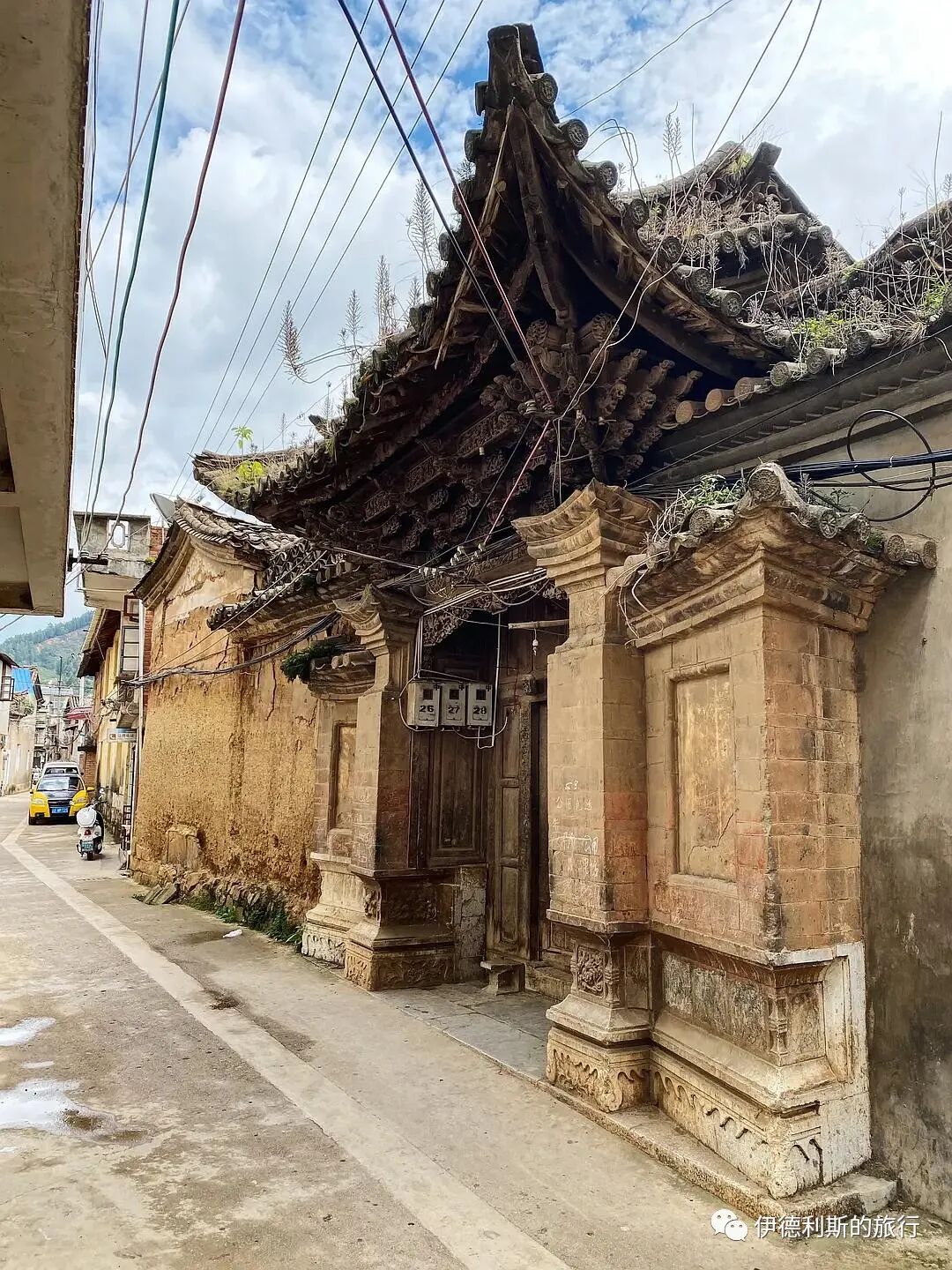
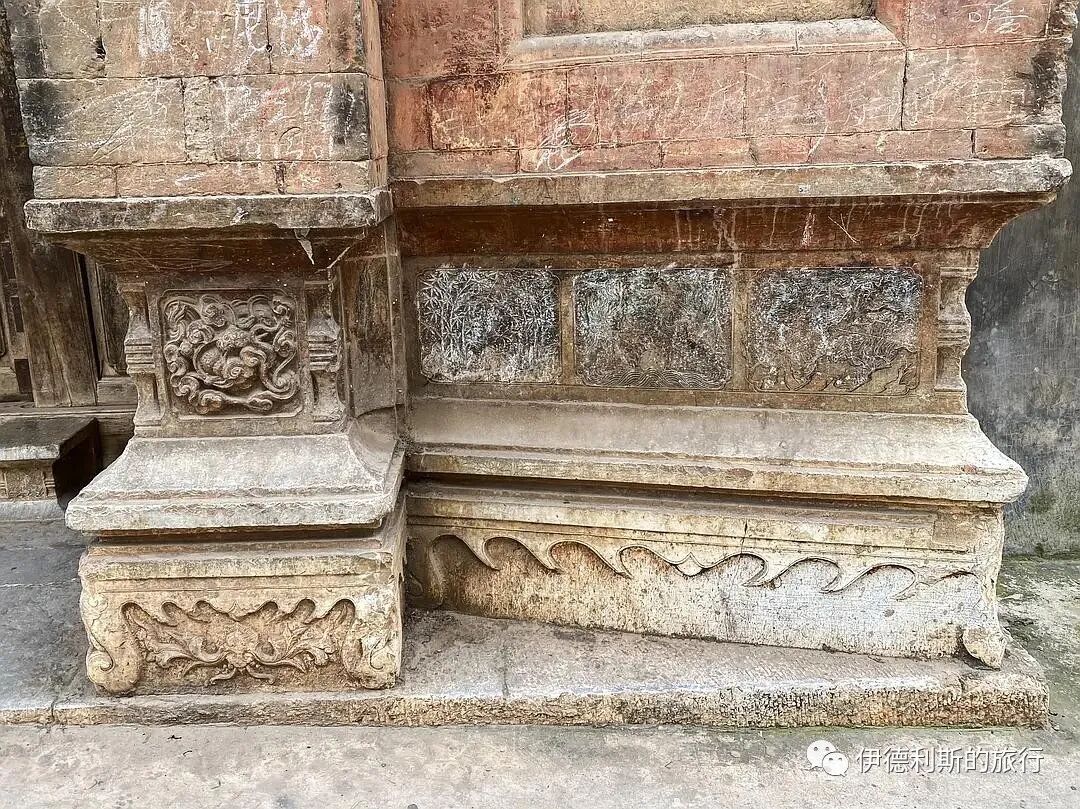
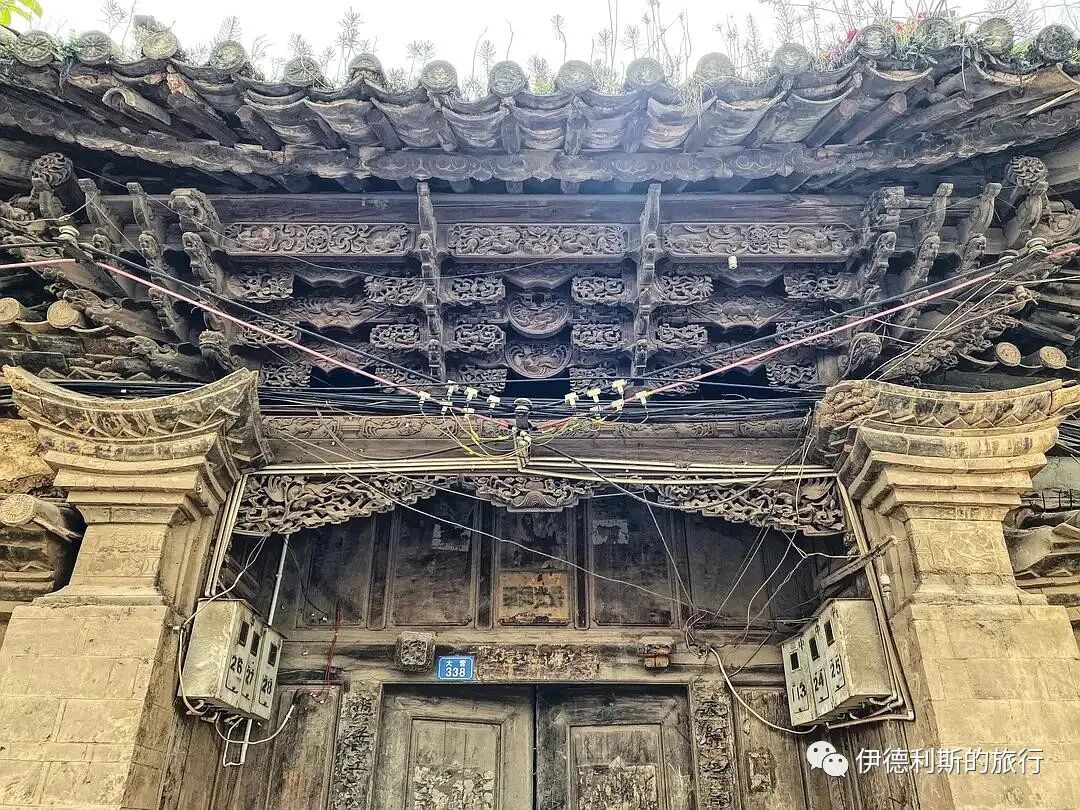
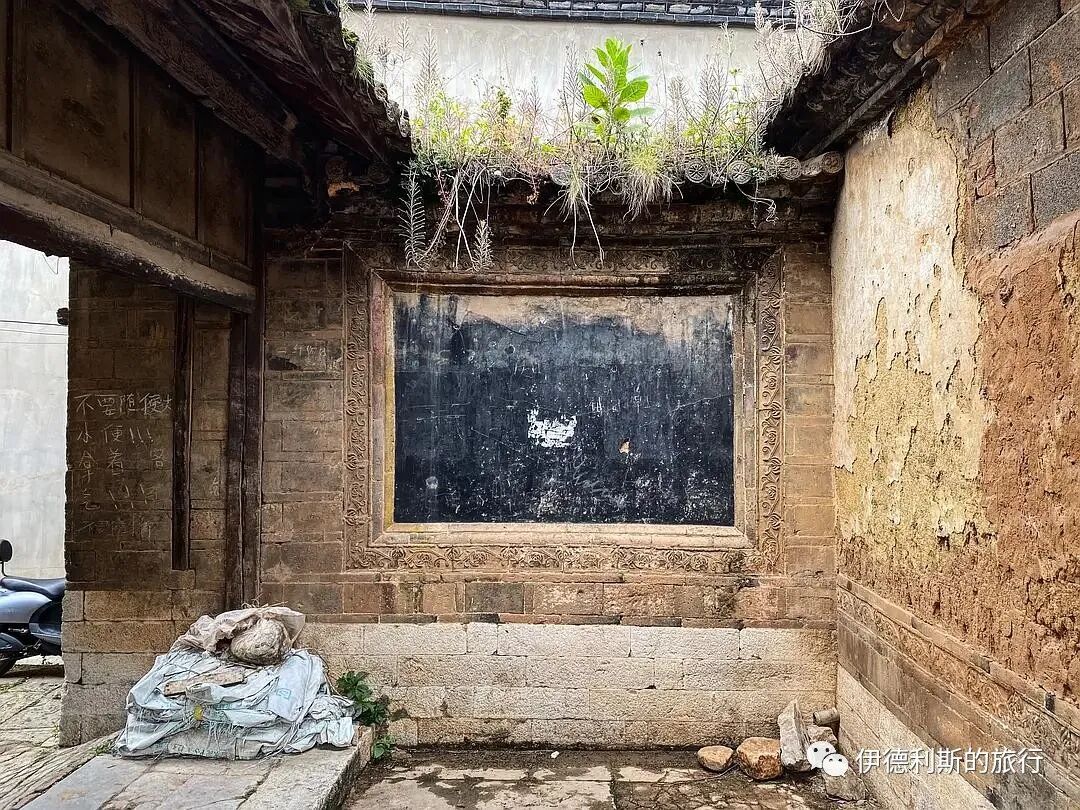
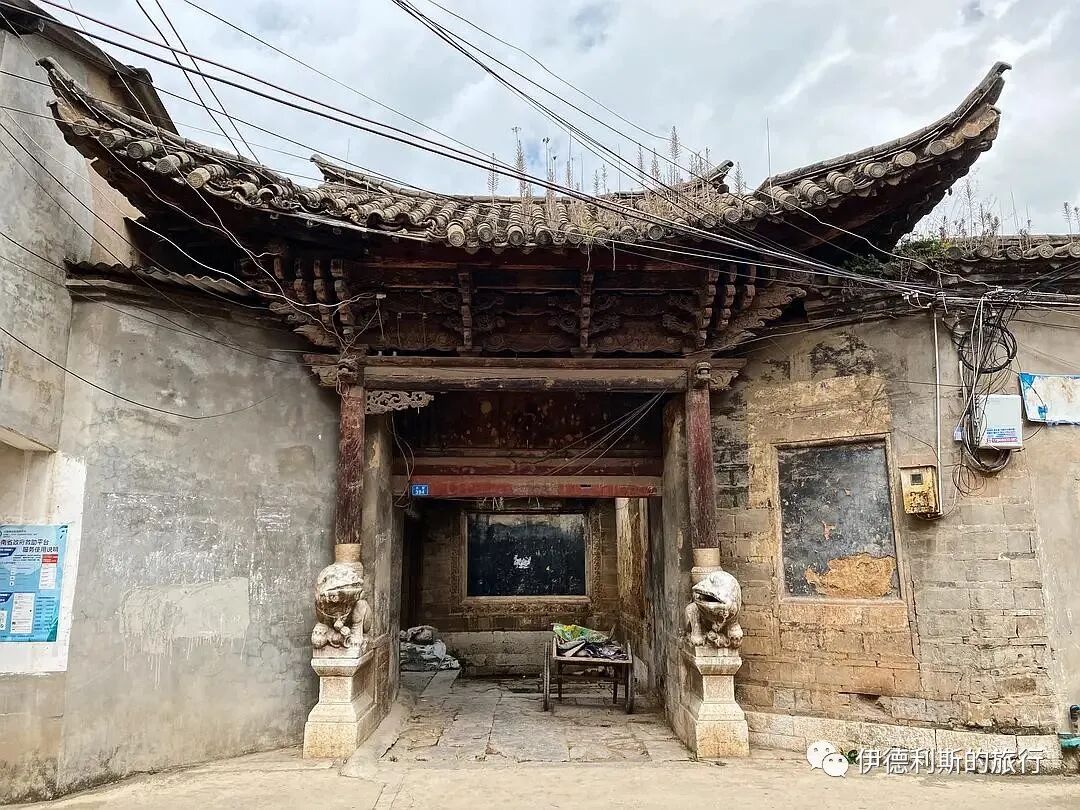
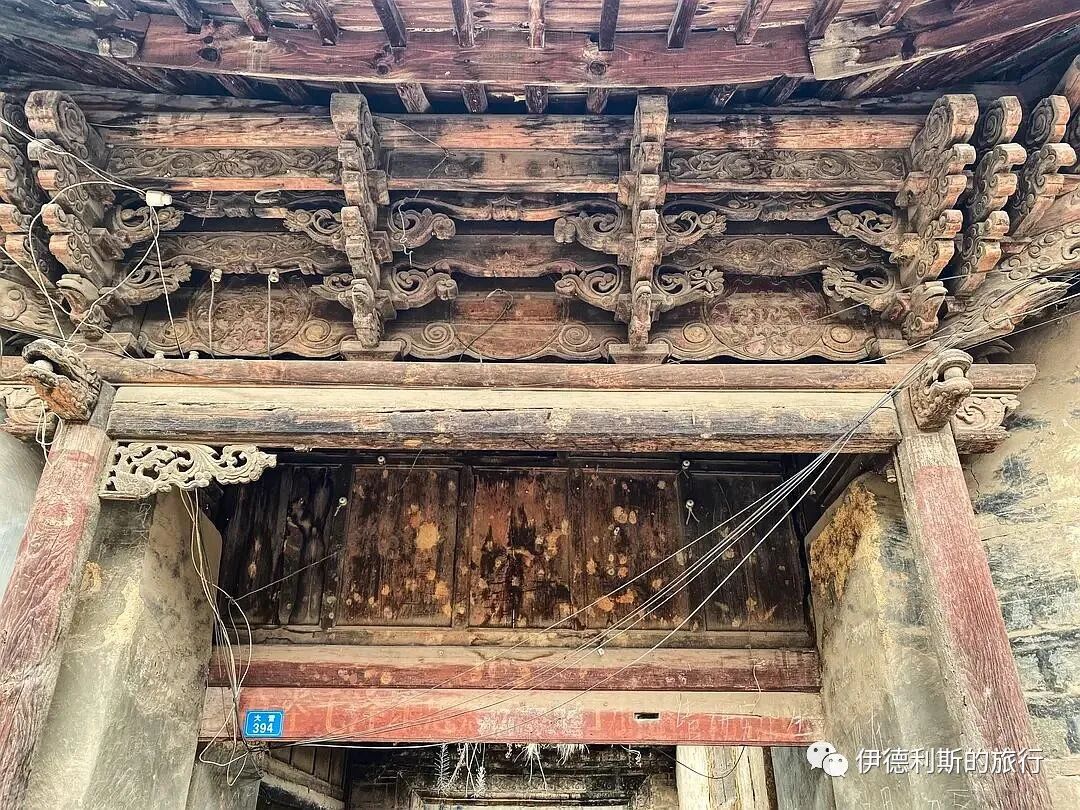
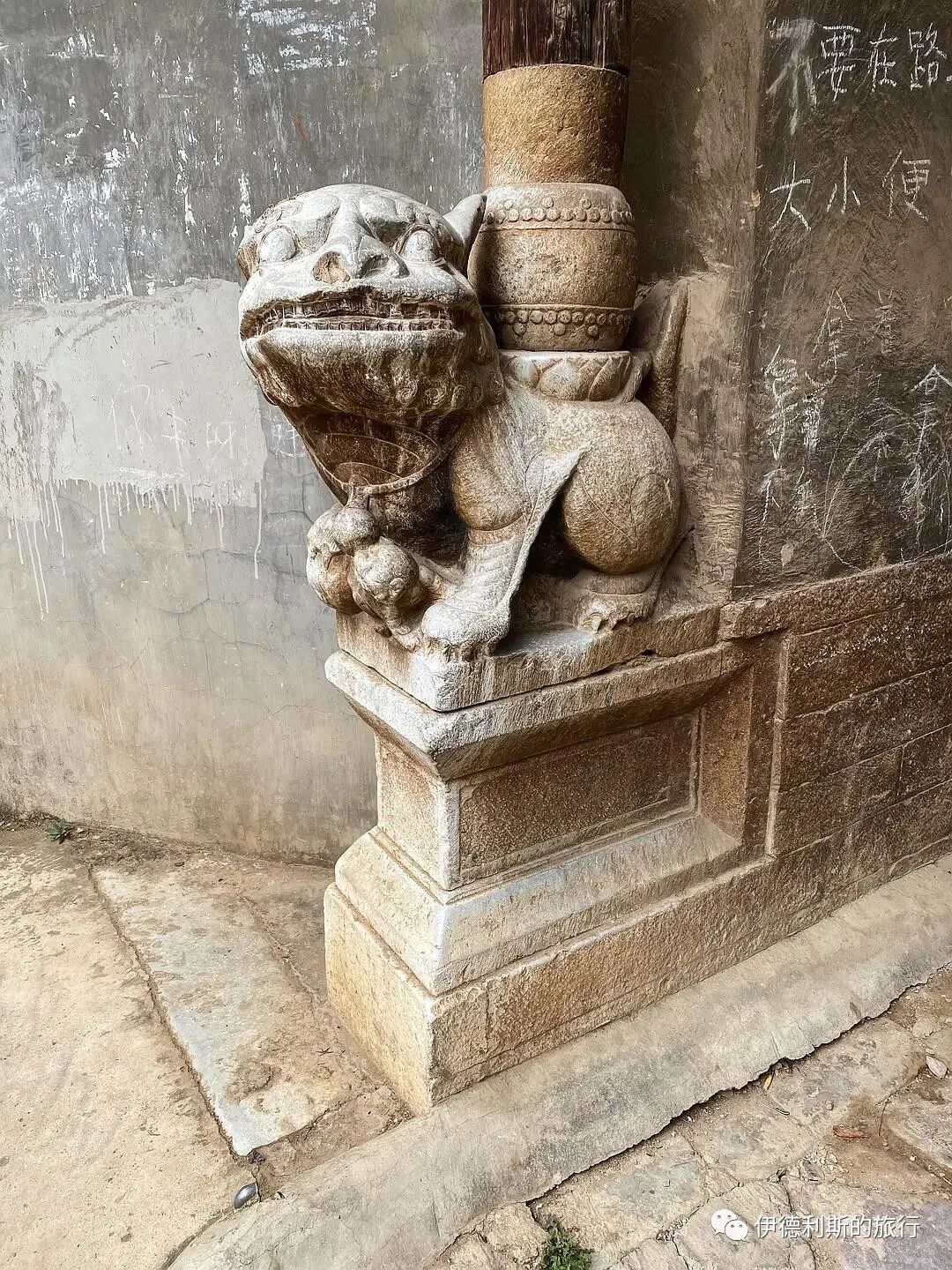
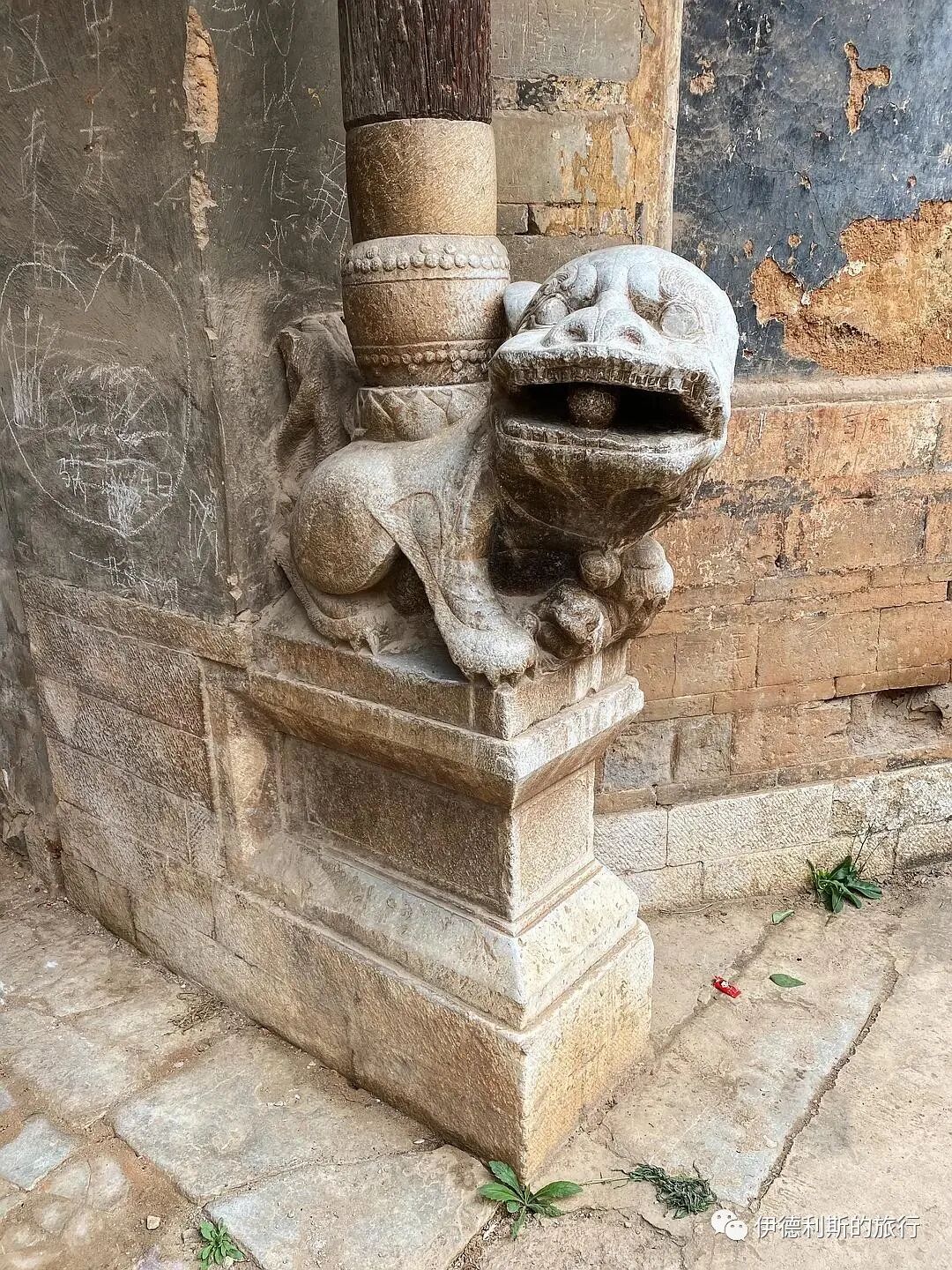
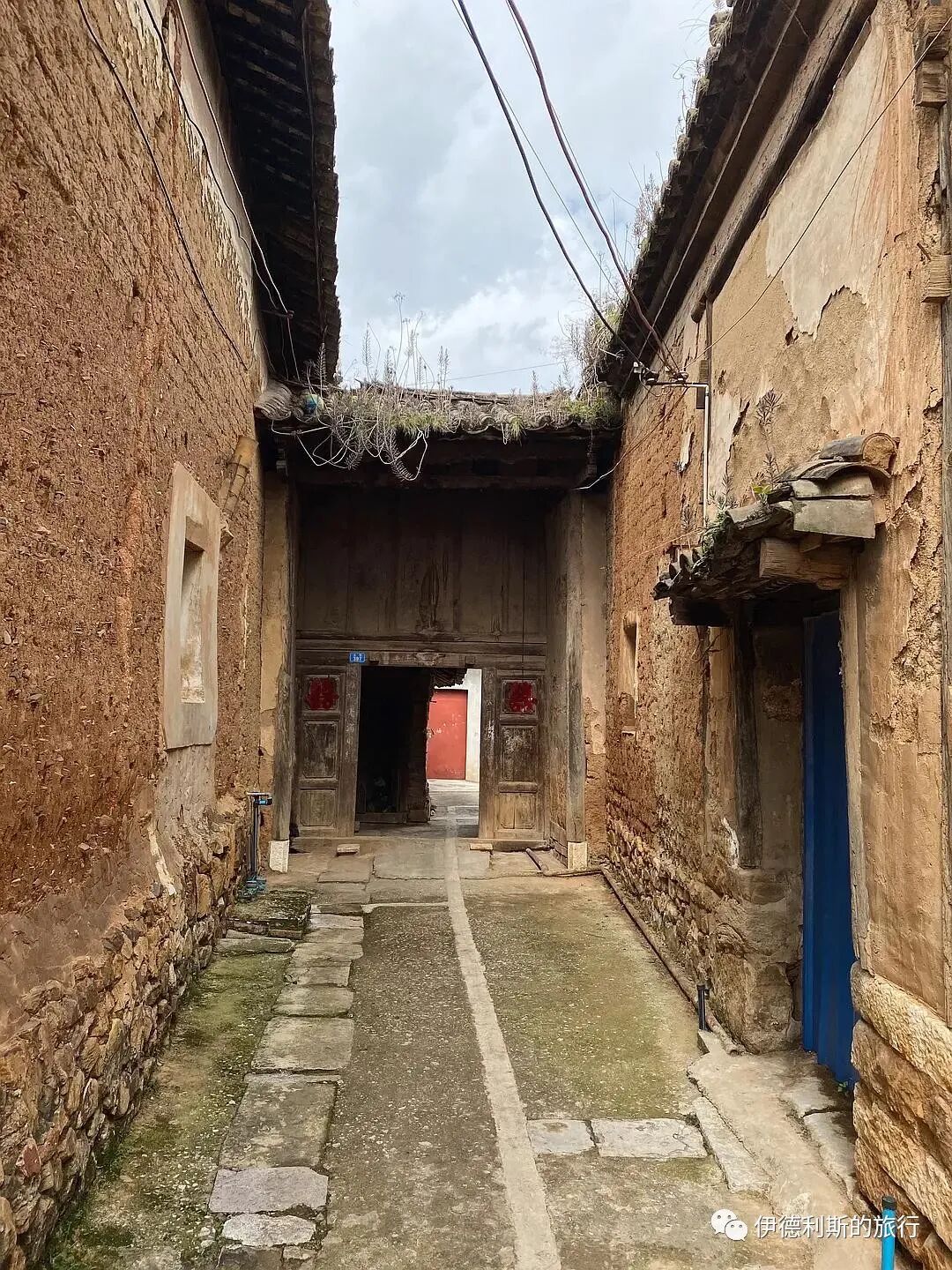
The front of the house is inscribed with "Yingchen Li," and on the right, it says "the Yihai Year of the Republic of China," which is 1935.
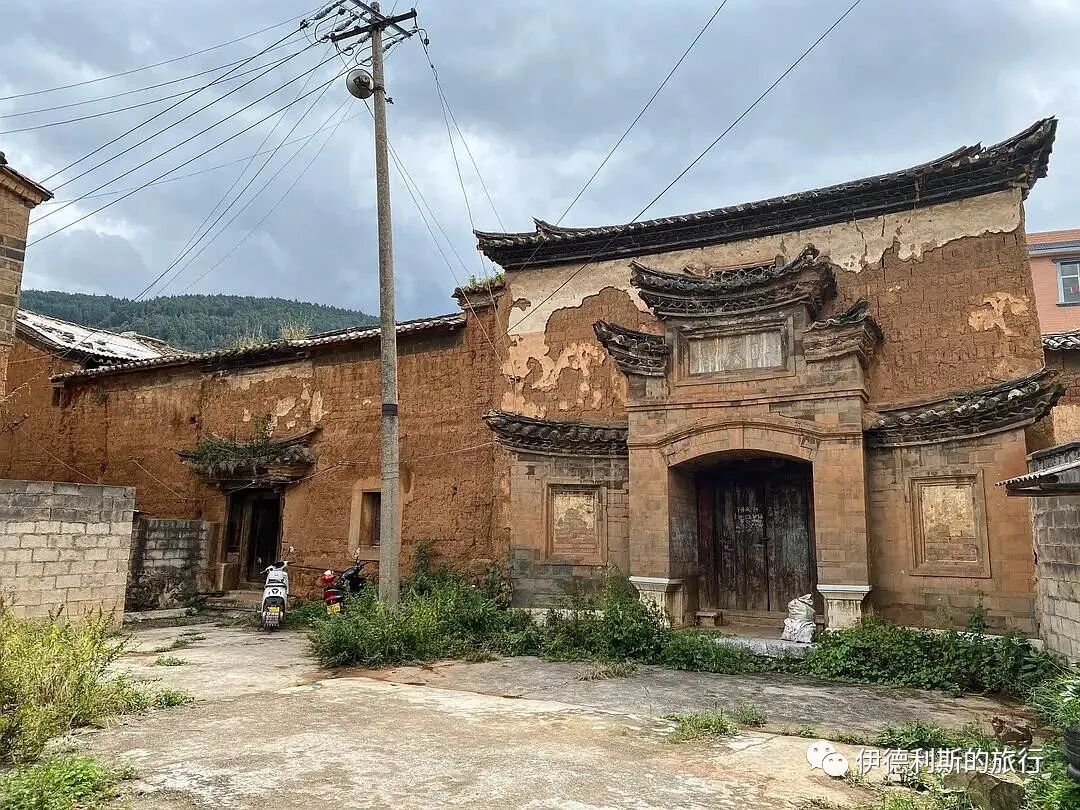
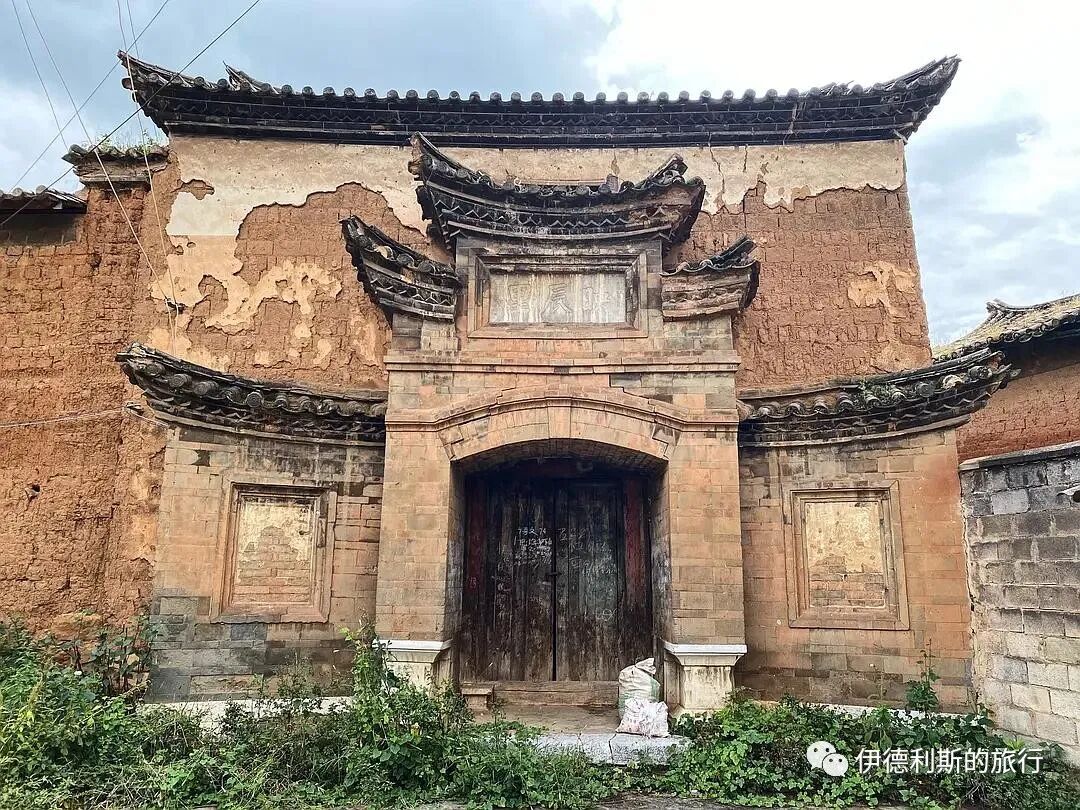
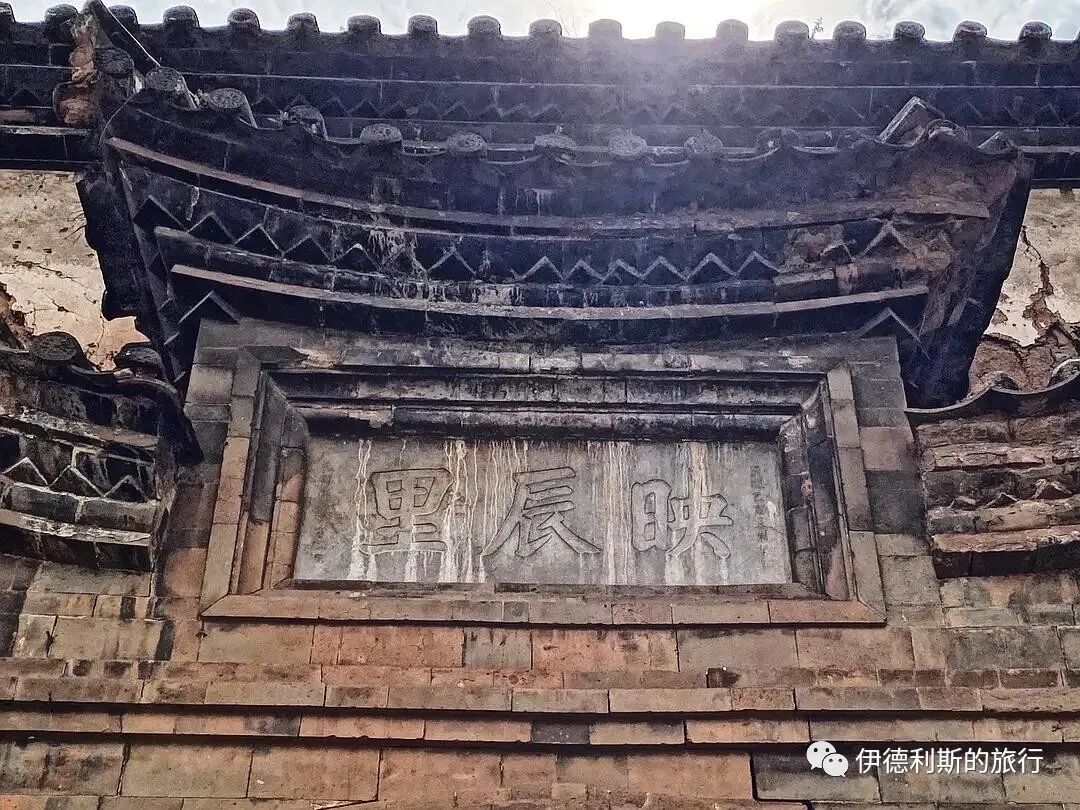
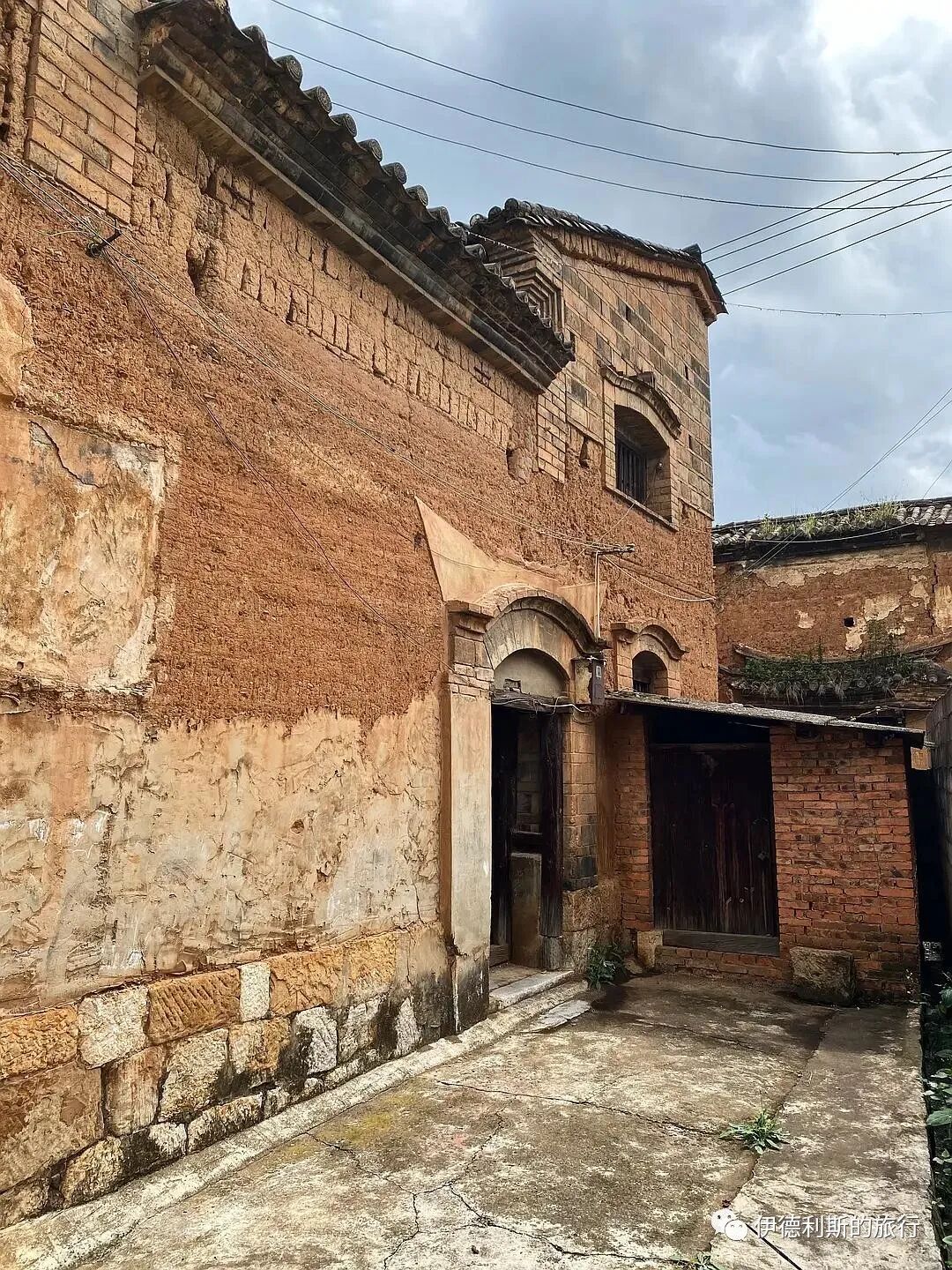
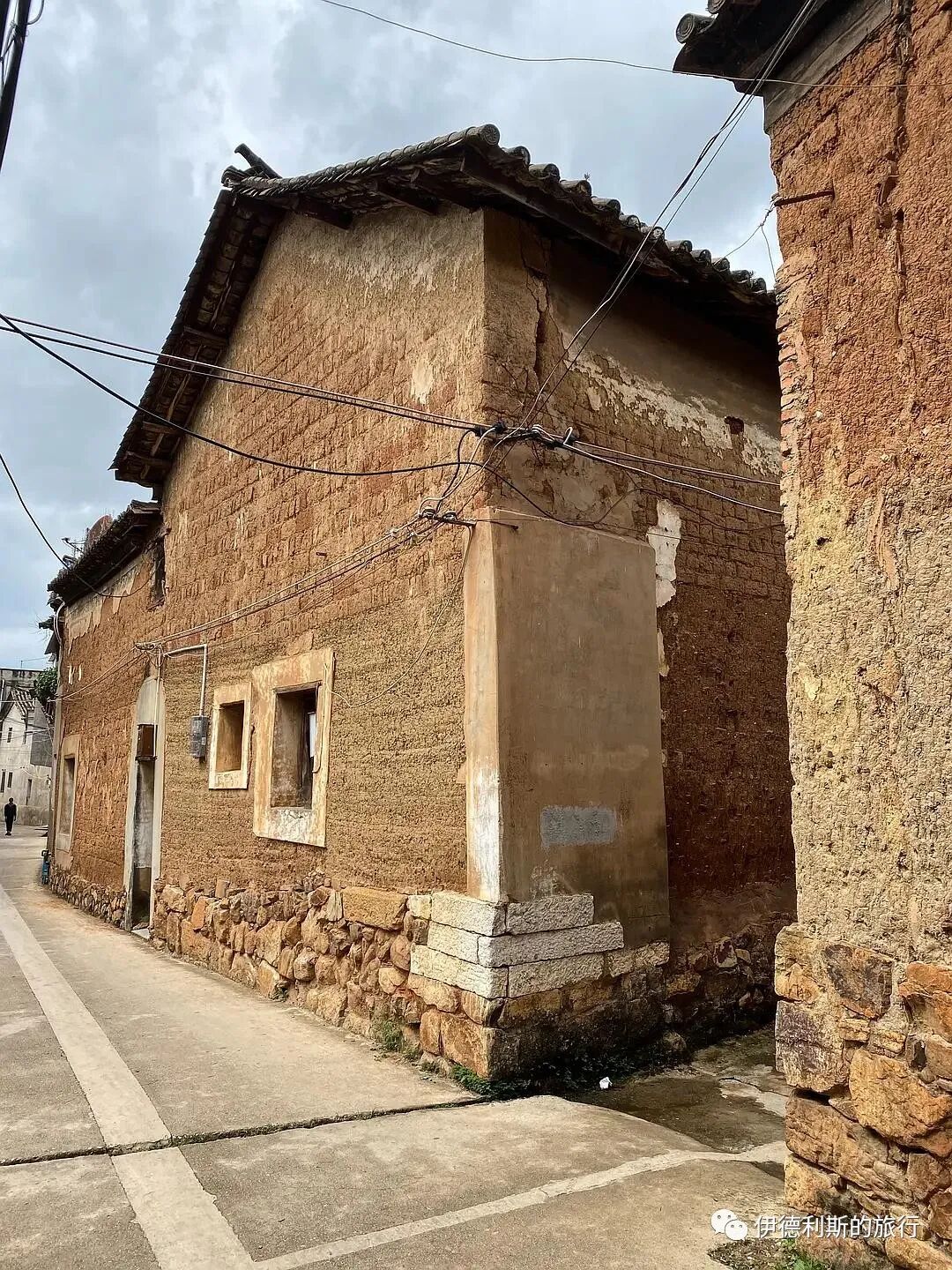
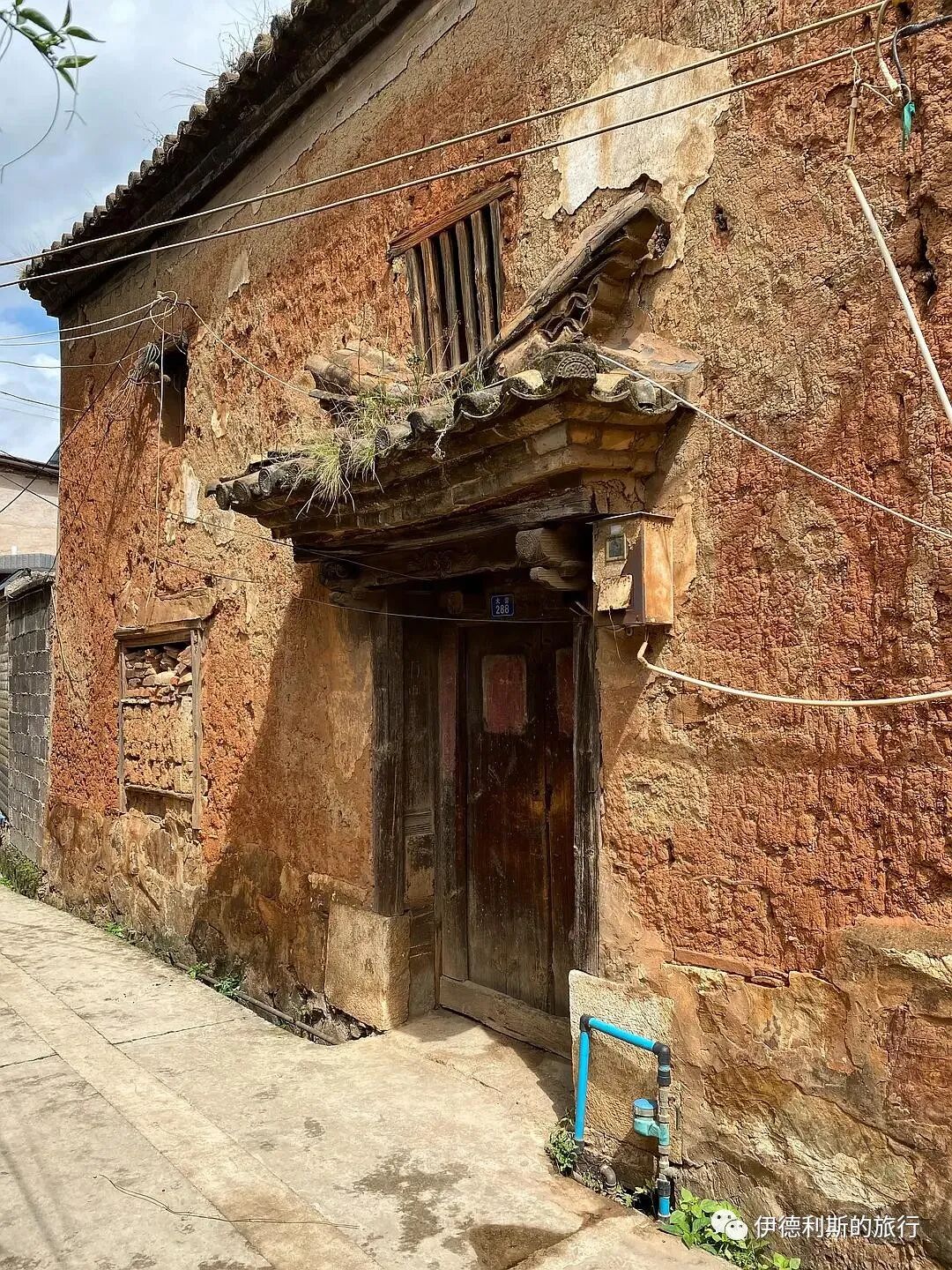
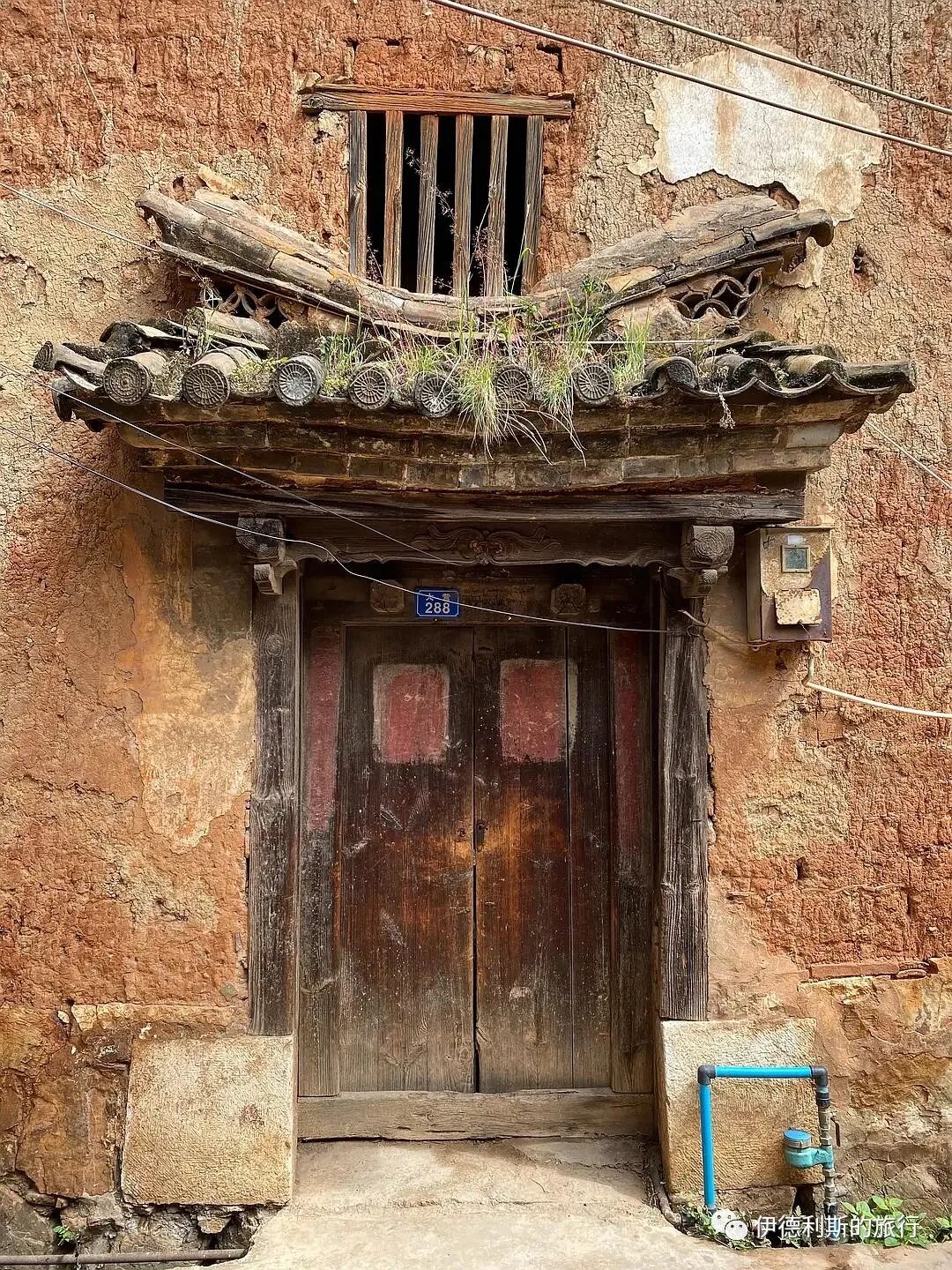
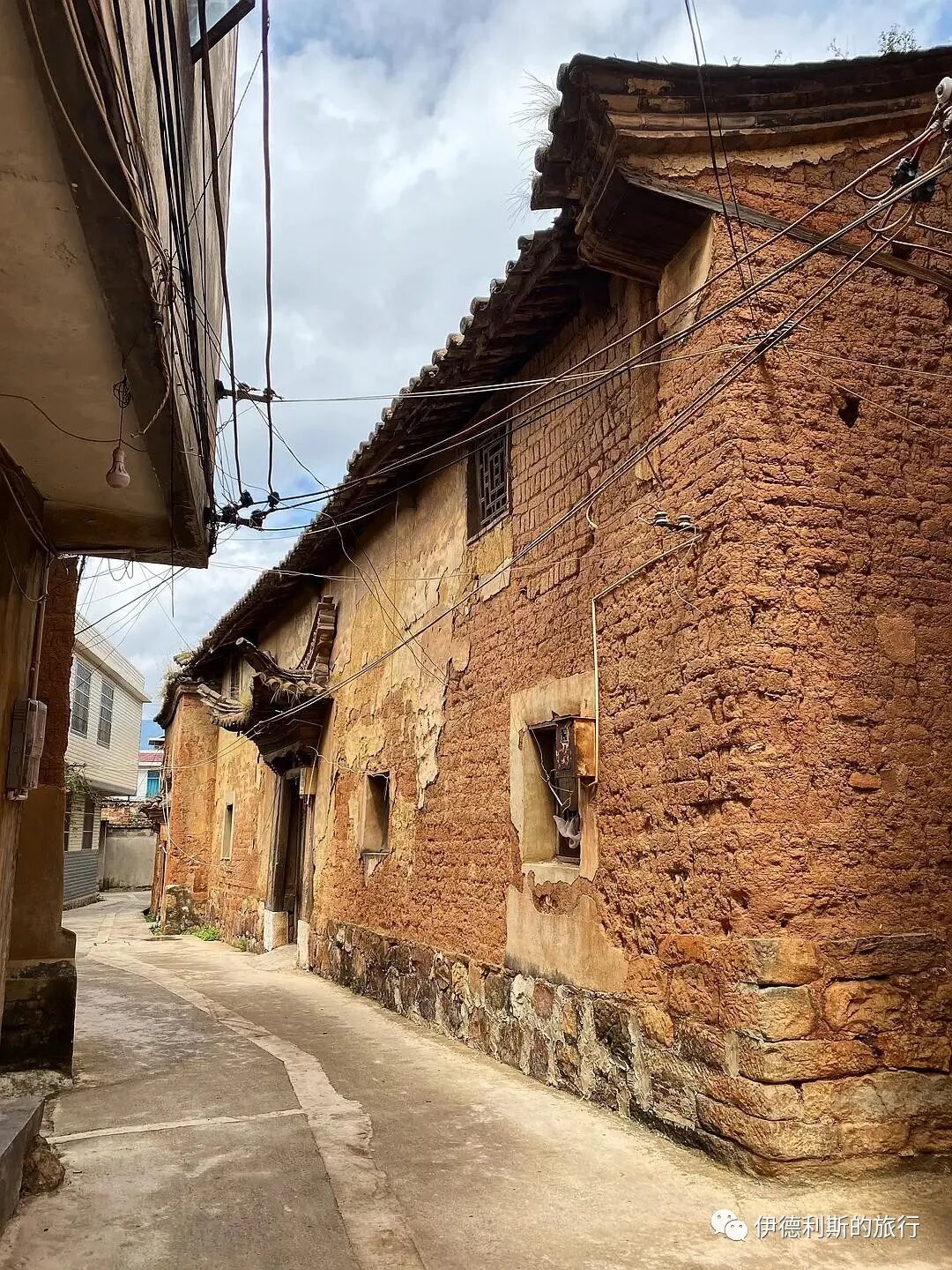
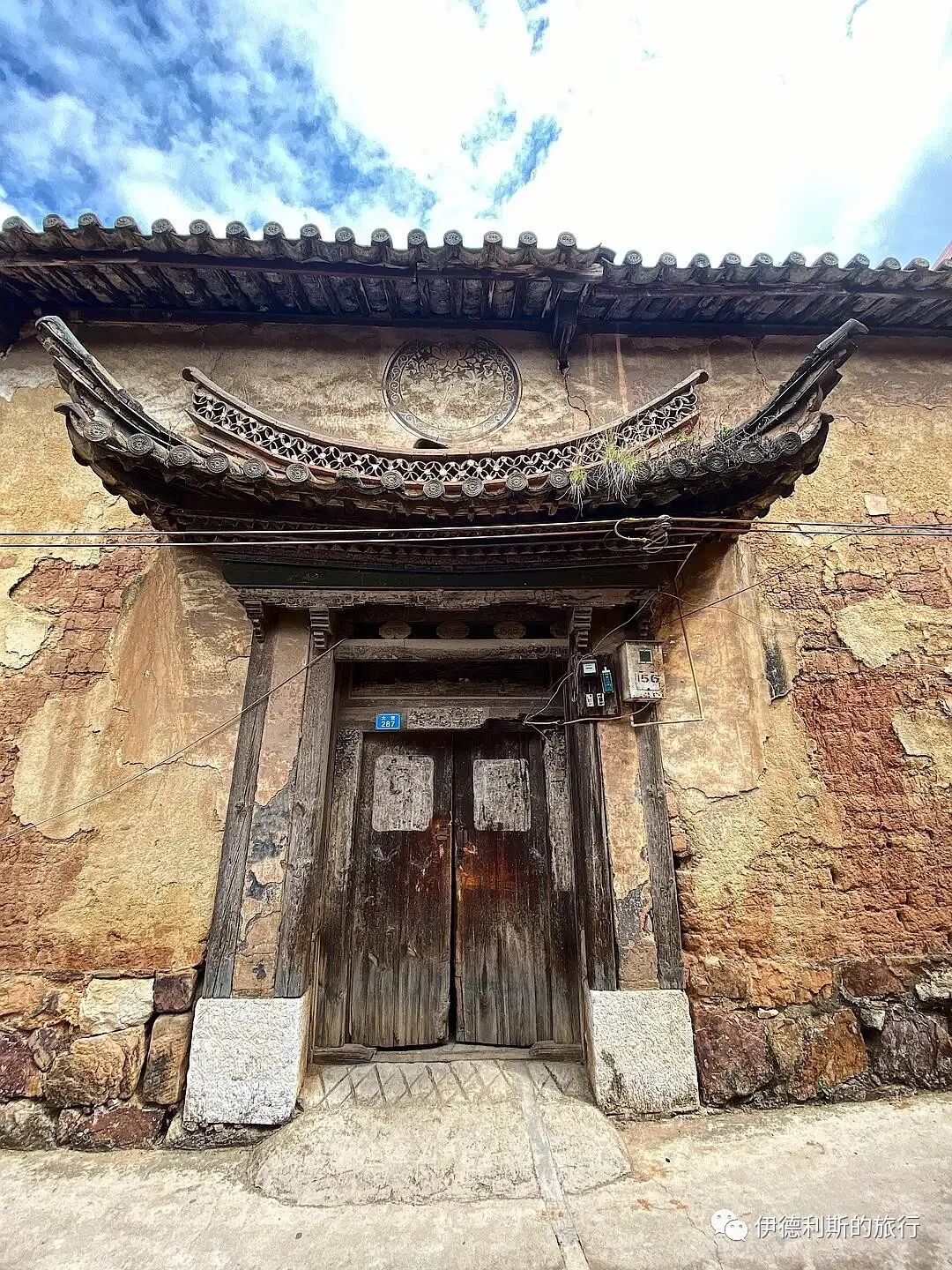
At the entrance of Daying Village stands a Qing Dynasty bluestone memorial archway, erected in 1896 (the 22nd year of the Guangxu reign) by order of the Guangxu Emperor to honor the highly respected Hui Muslim centenarian Ma Xuekuan and his wife, Madam Ma. It is a Yuxi municipal-level cultural relic protection unit.
The archway has three gates. The middle gate is inscribed with "Imperial Decree of Commendation," the front says "A Centenarian of Peace," and the back says "Gate of Chastity and Longevity." The inner sides of the pillars have a couplet: "Reaching the age of one hundred, competing to praise the supreme longevity; the imperial decree commends virtue and age, permitting the construction of this lofty arch." The side gates also have couplets: "Ten thousand miles of dragon light engrave the virtuous people, a hundred years of crane marks signify the extraordinary." And: "Life is not full, but you have fulfilled it; it is hard to meet in the world, yet I have encountered it." "
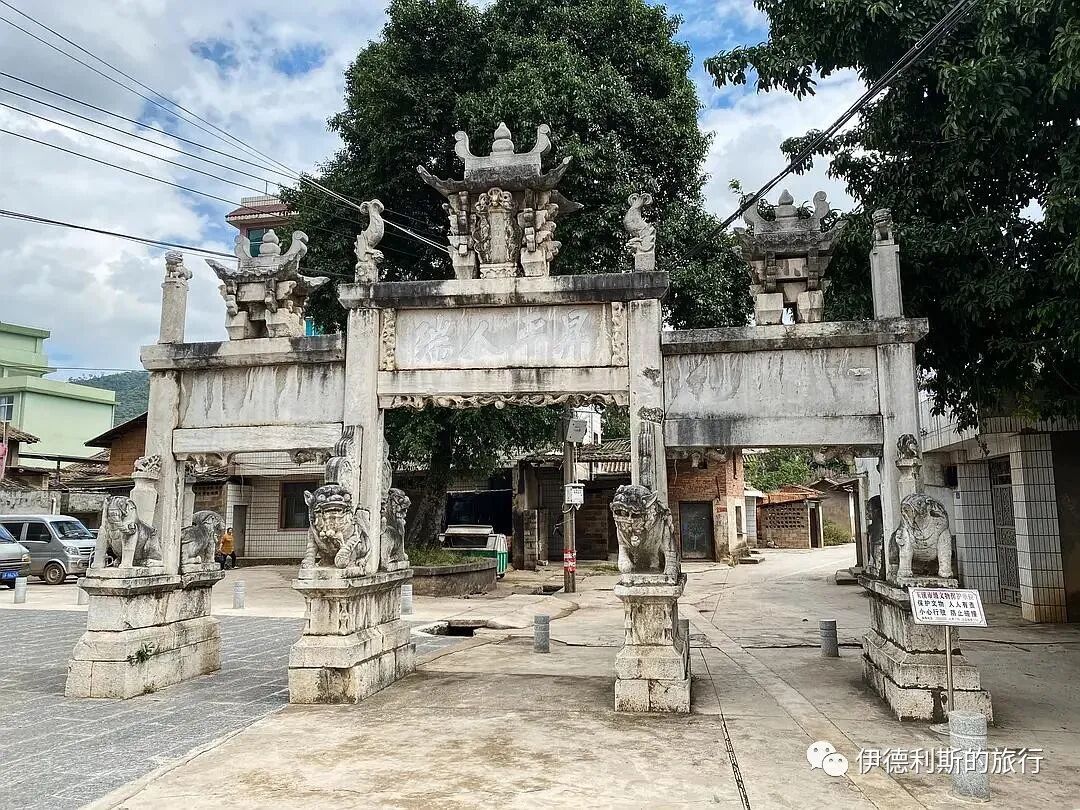
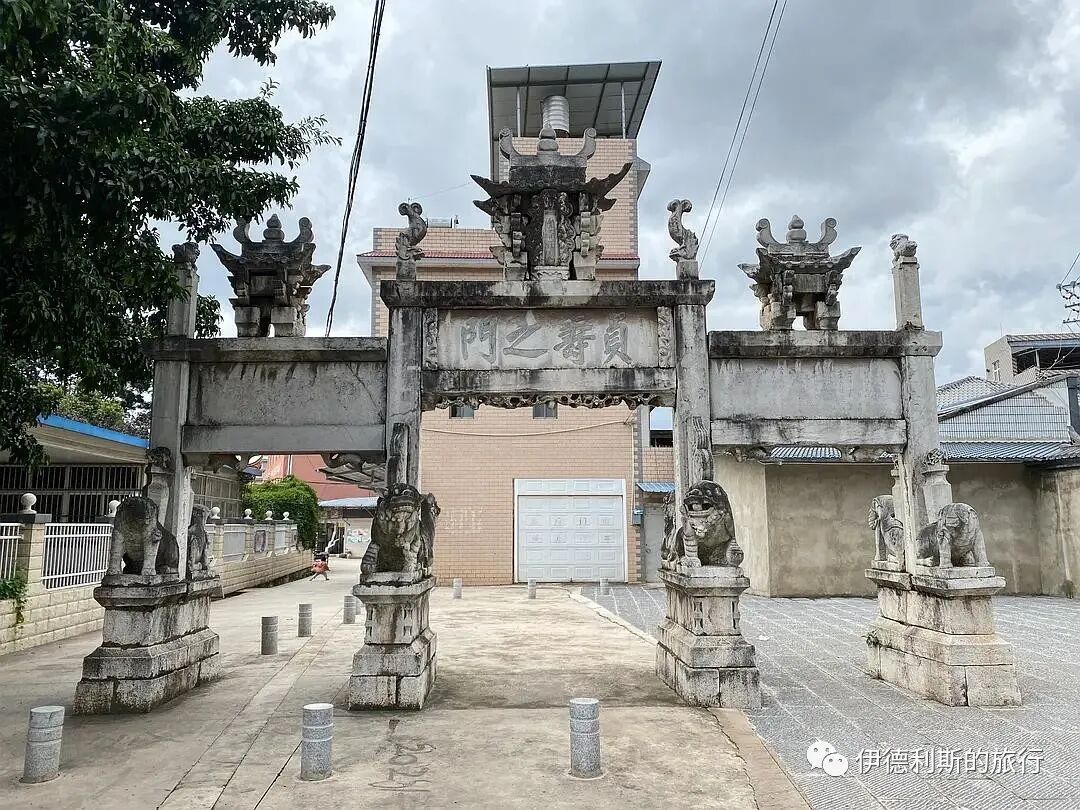
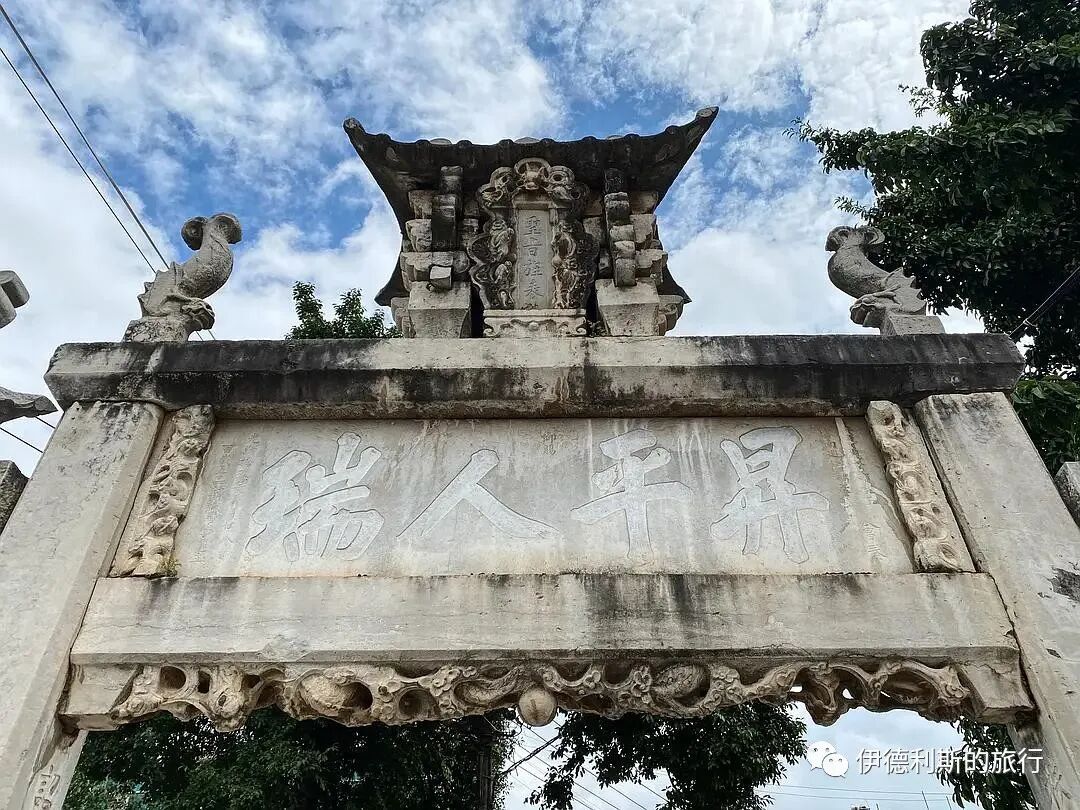
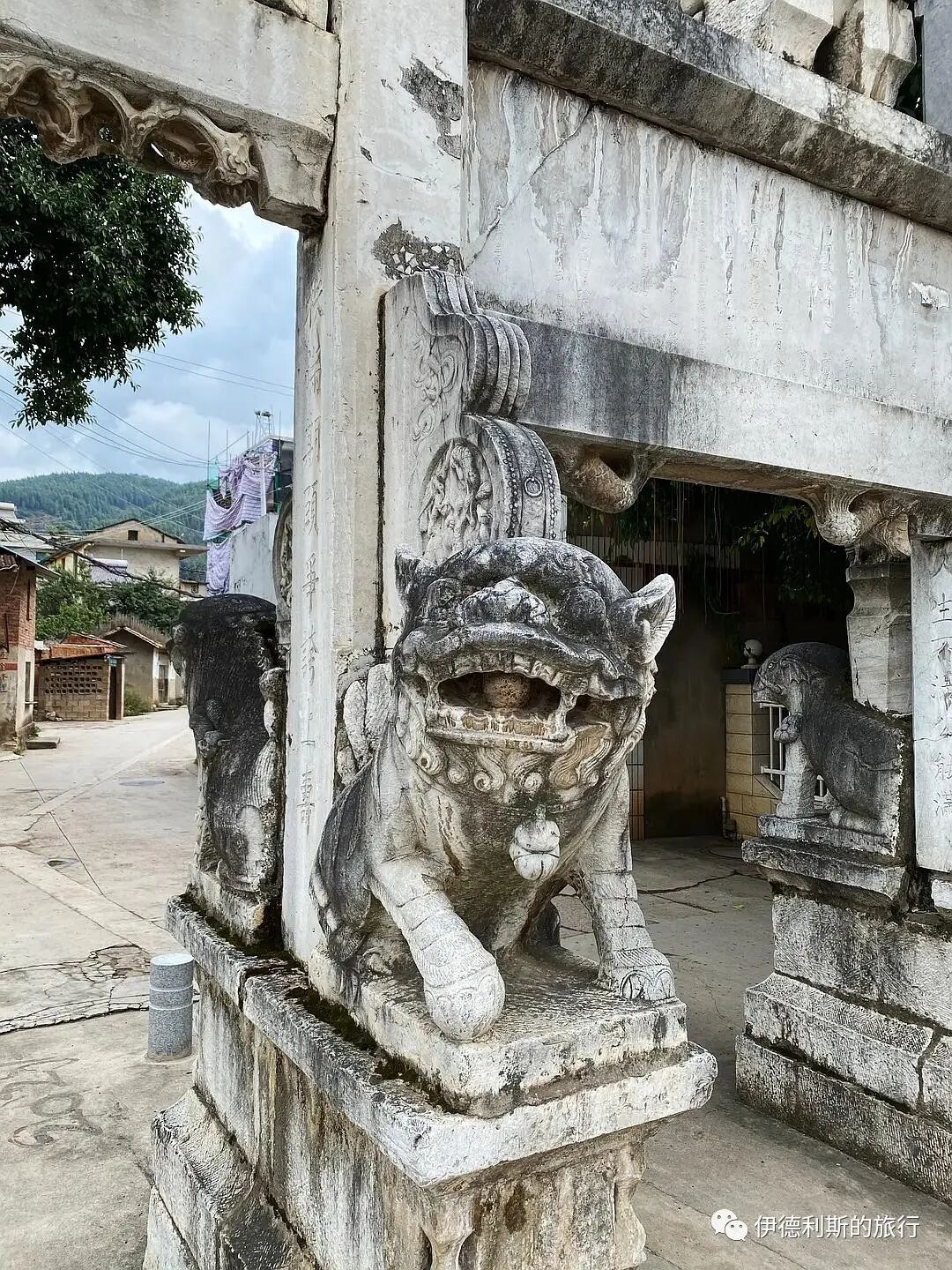
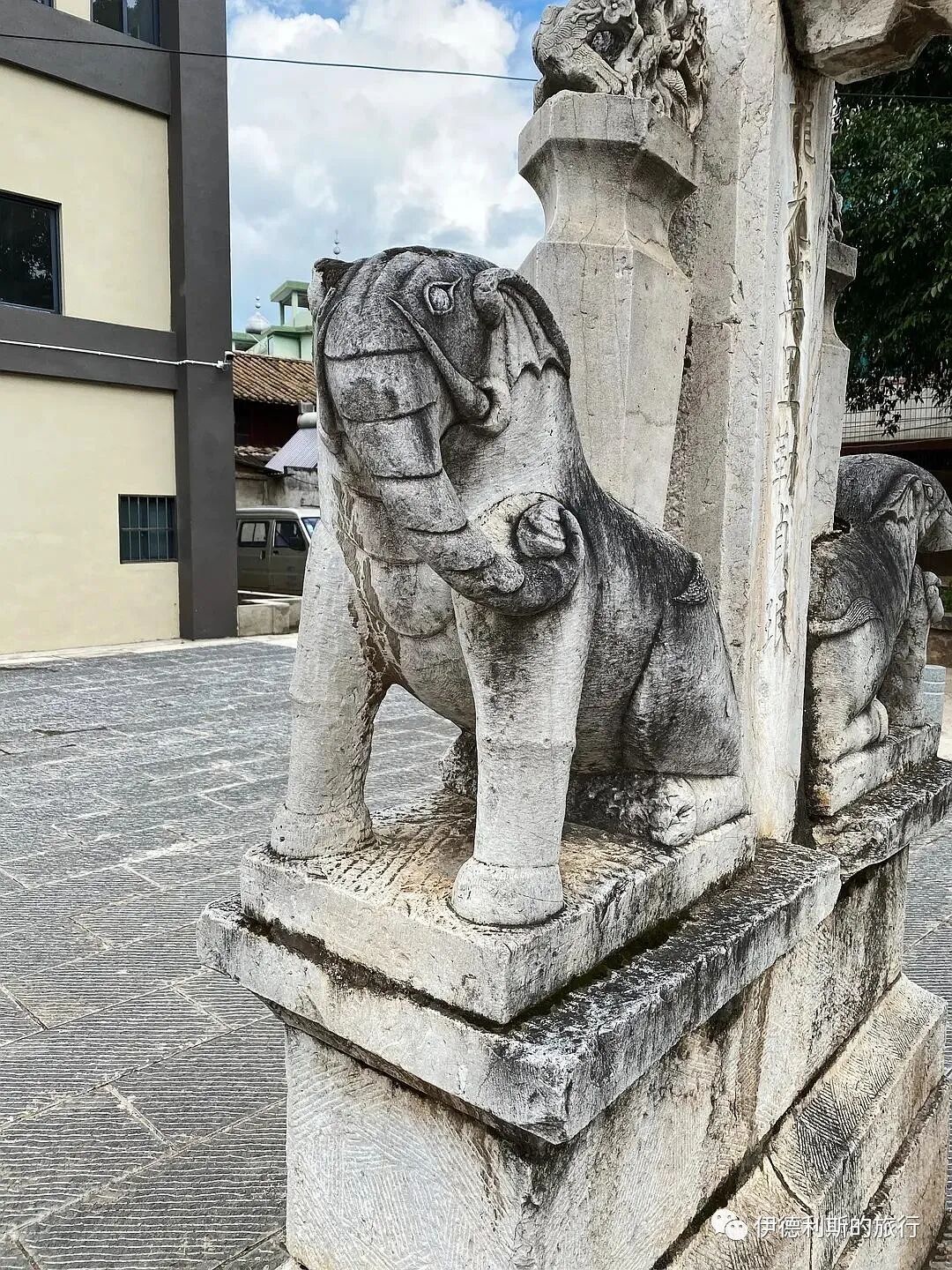
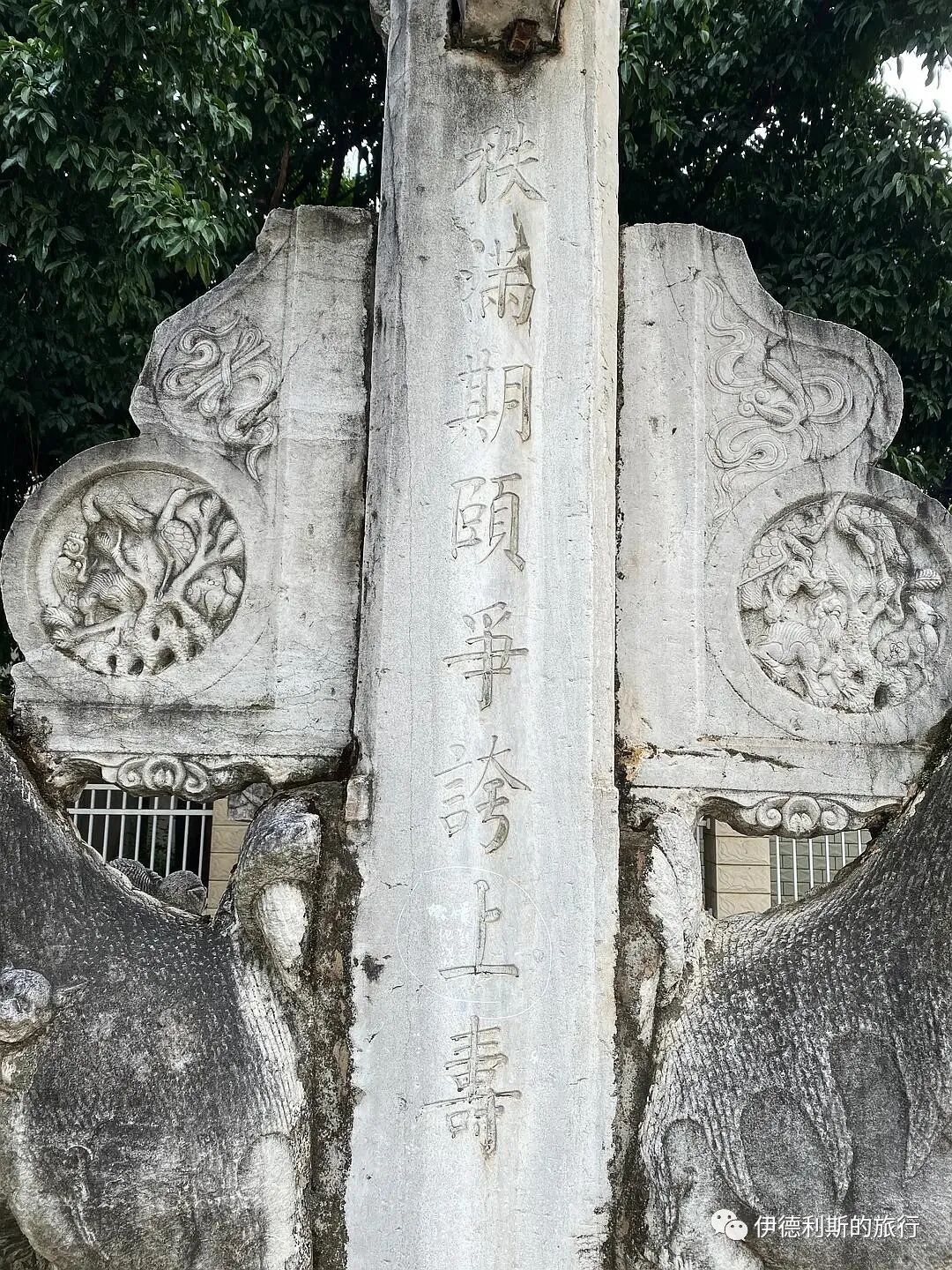
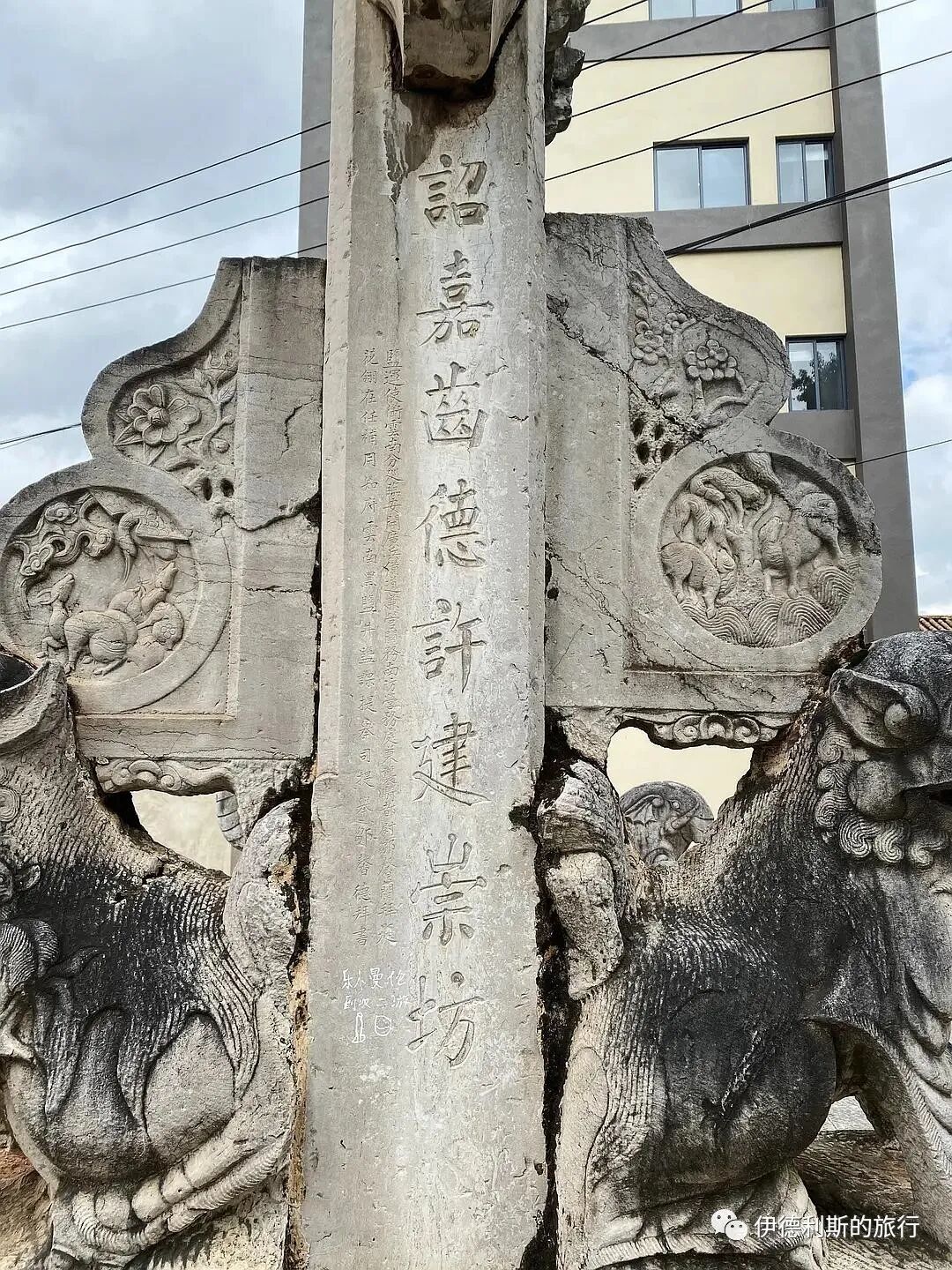
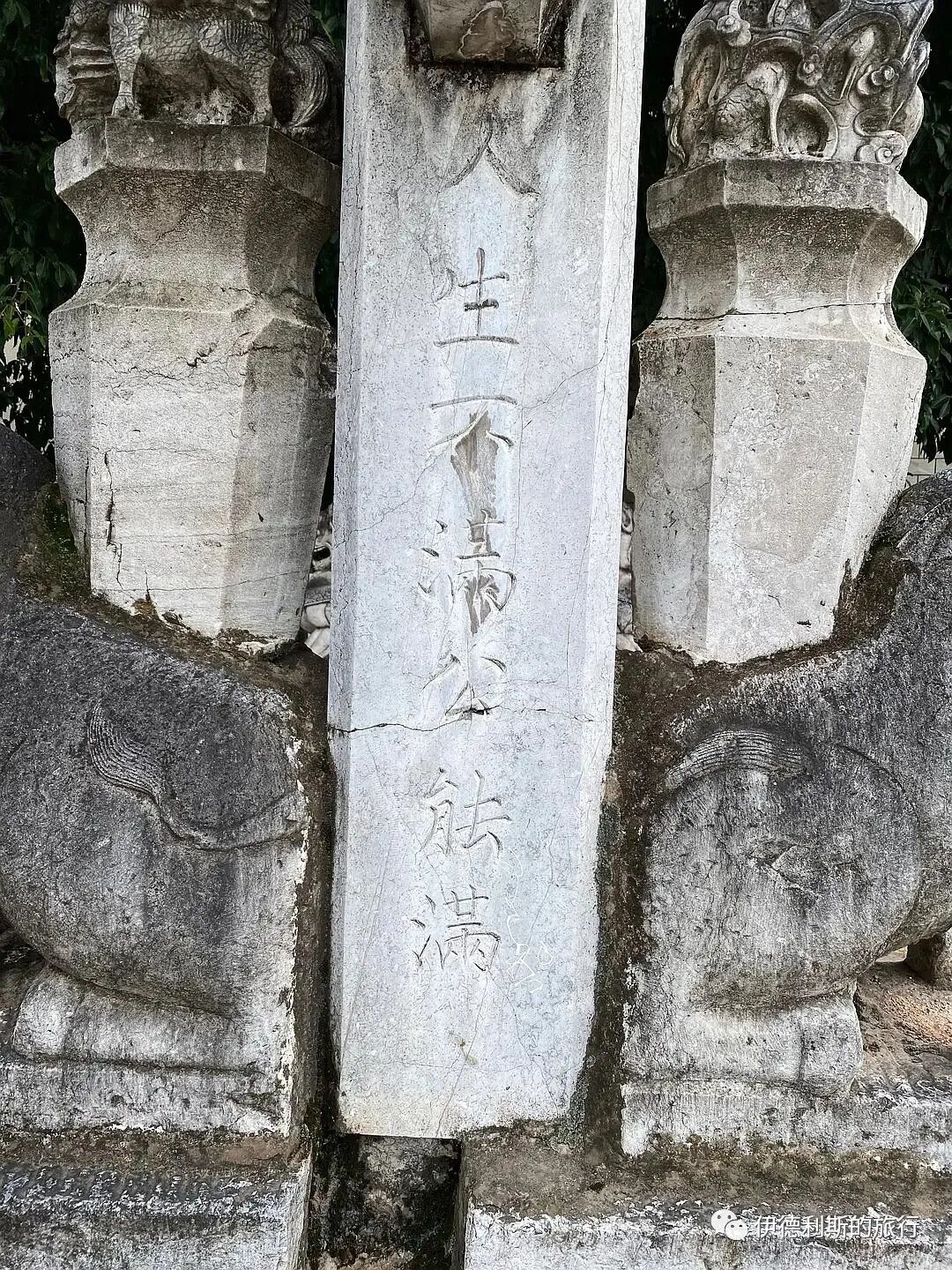
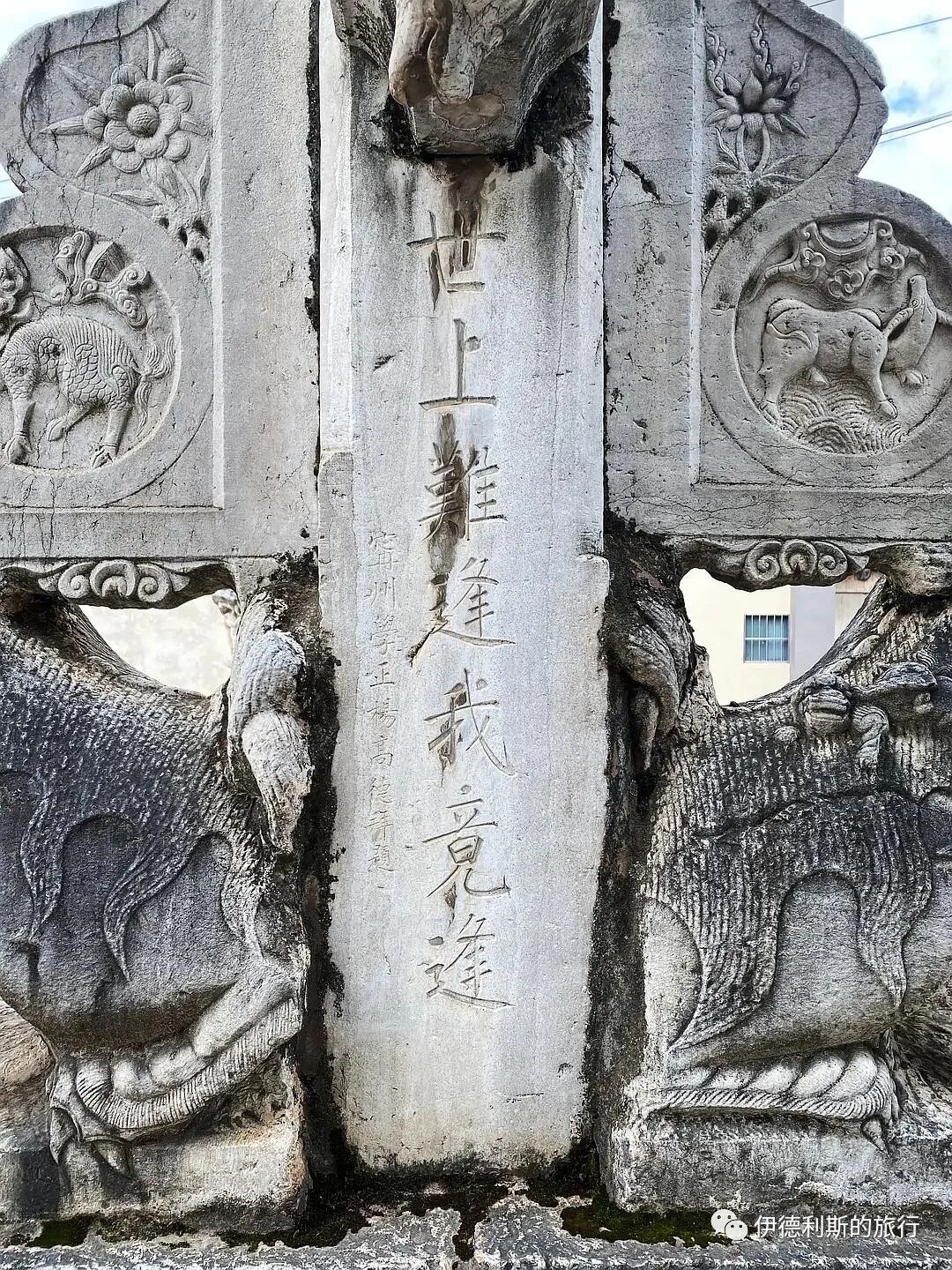
Two watchtowers were likely built in the past to defend against bandits.
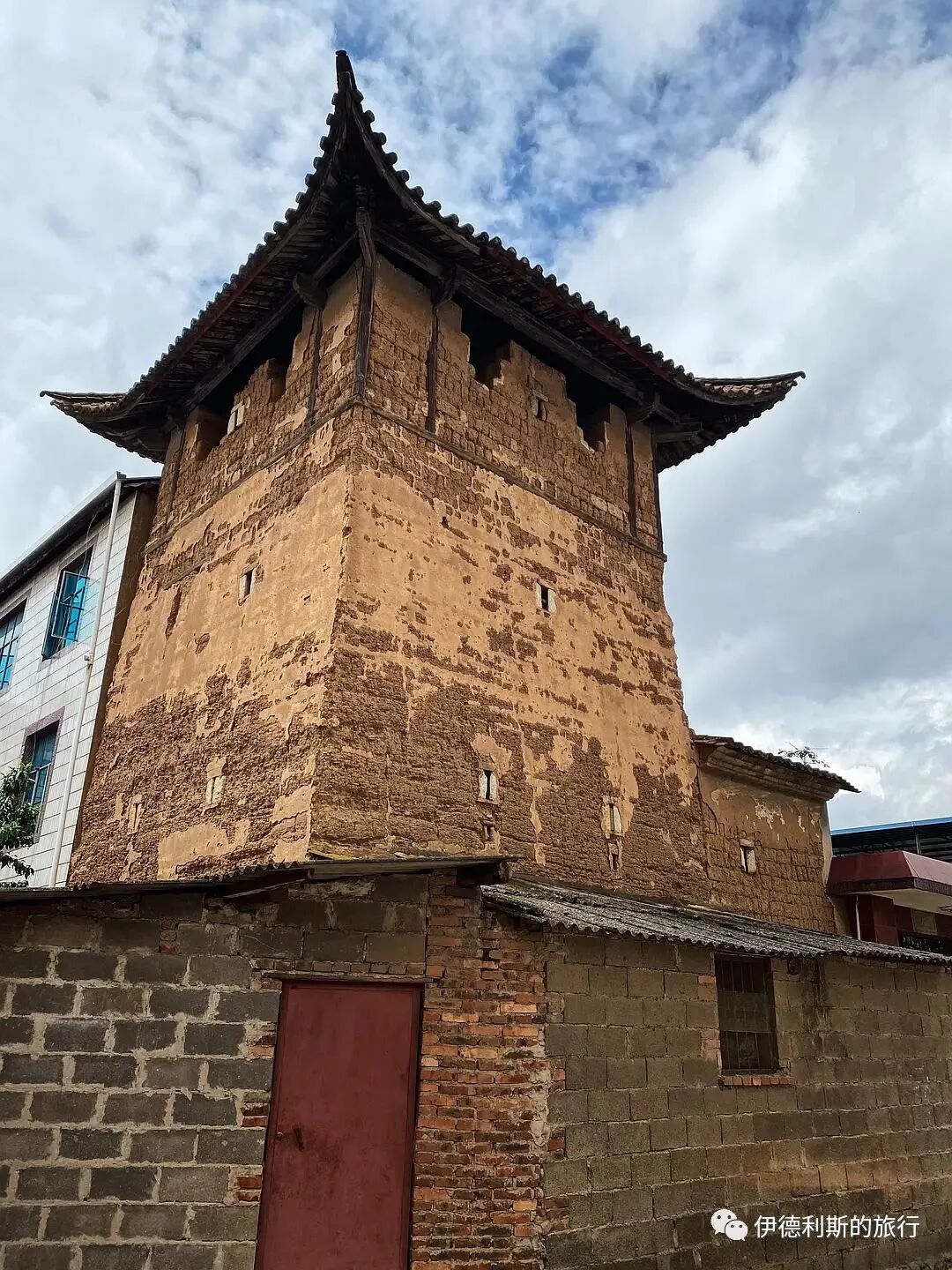
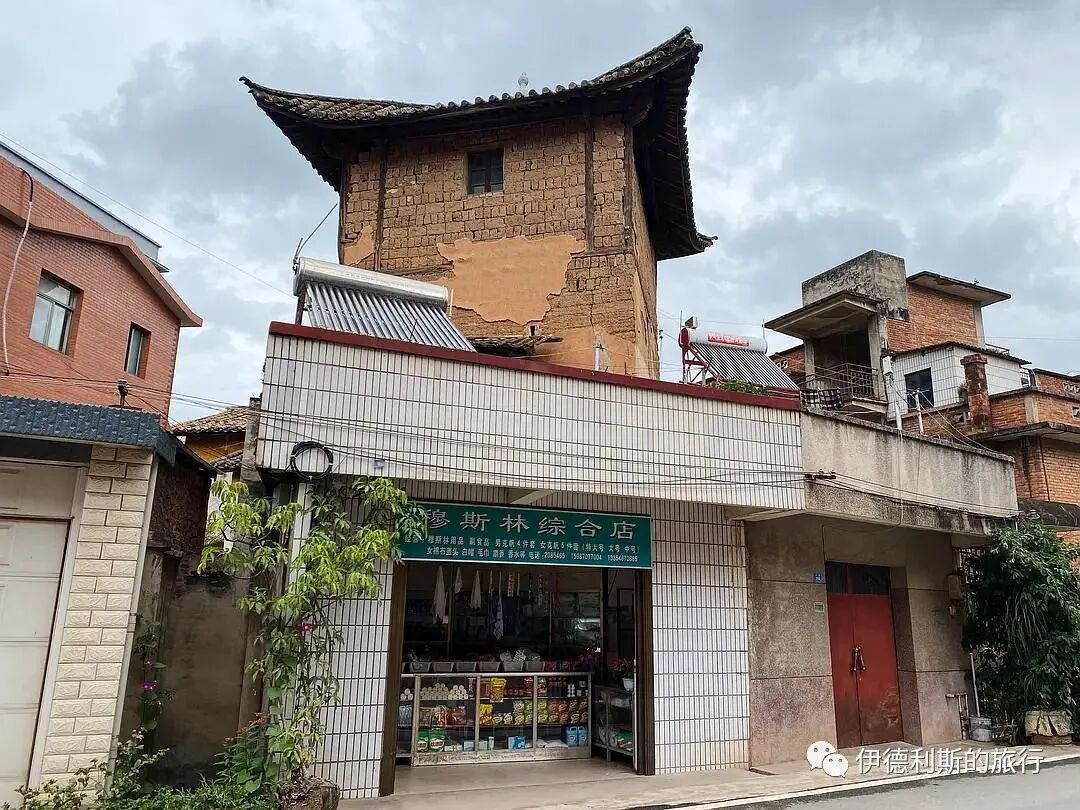
IV. Eshan Dabaiyi Village
Continuing 42 kilometers south from Daying, Yuxi, we arrived at Dabaiyi Village in Eshan County.
The founding date of Dabaiyi Mosque is unknown. It was rebuilt many times during the Kangxi, Qianlong, and Tongzhi reigns, destroyed by an earthquake in 1913, rebuilt in 1915, and the call-to-prayer tower was rebuilt in 1935.
The call-to-prayer tower, also known as the Awakening Dream Tower, was built in 1935. The first floor's facade is in a Western gate tower style, while the second floor is a traditional Chinese hexagonal pavilion with a pointed roof. Currently, the first-floor gate tower has been renovated, with only the middle door frame remaining.
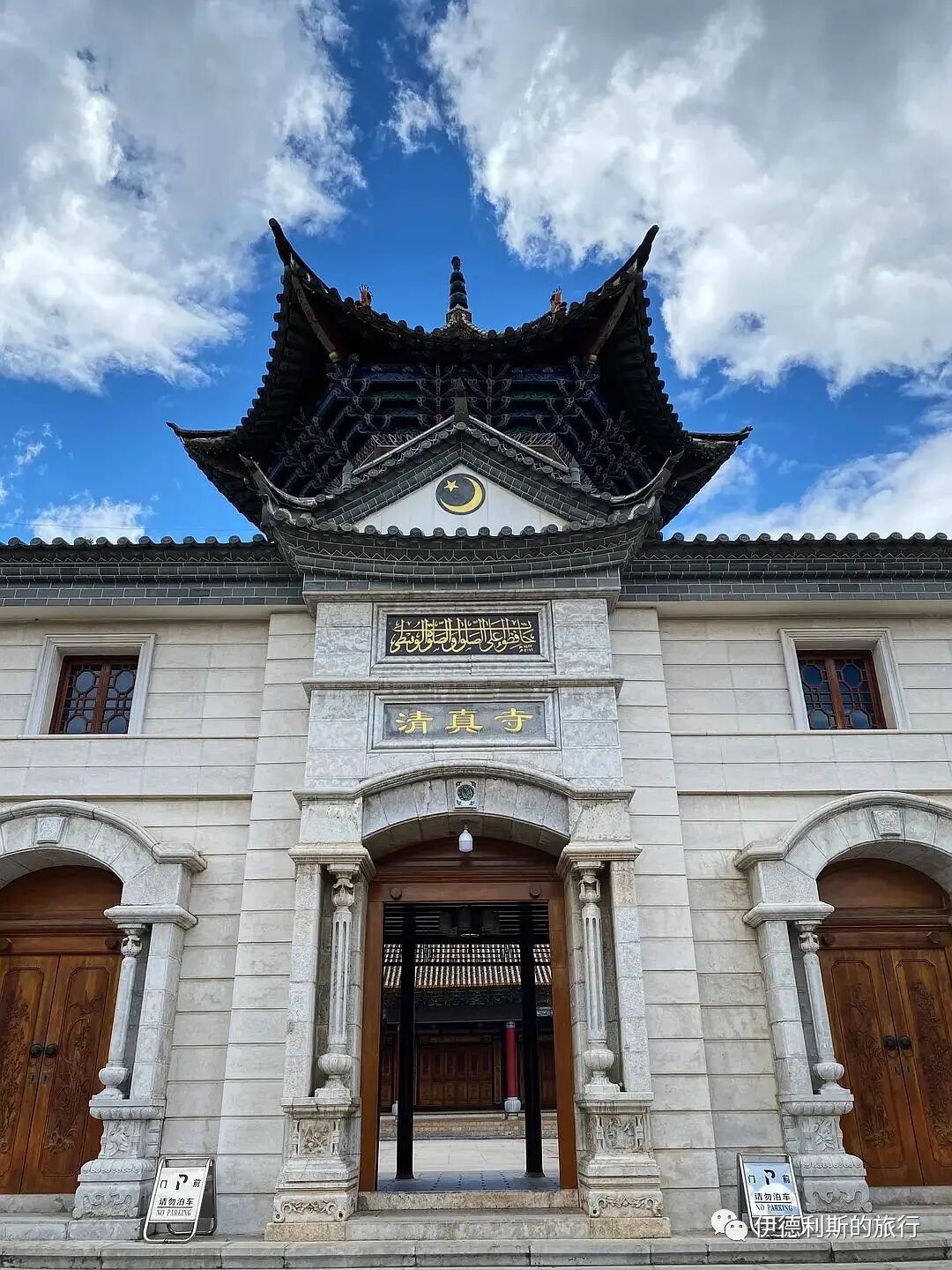
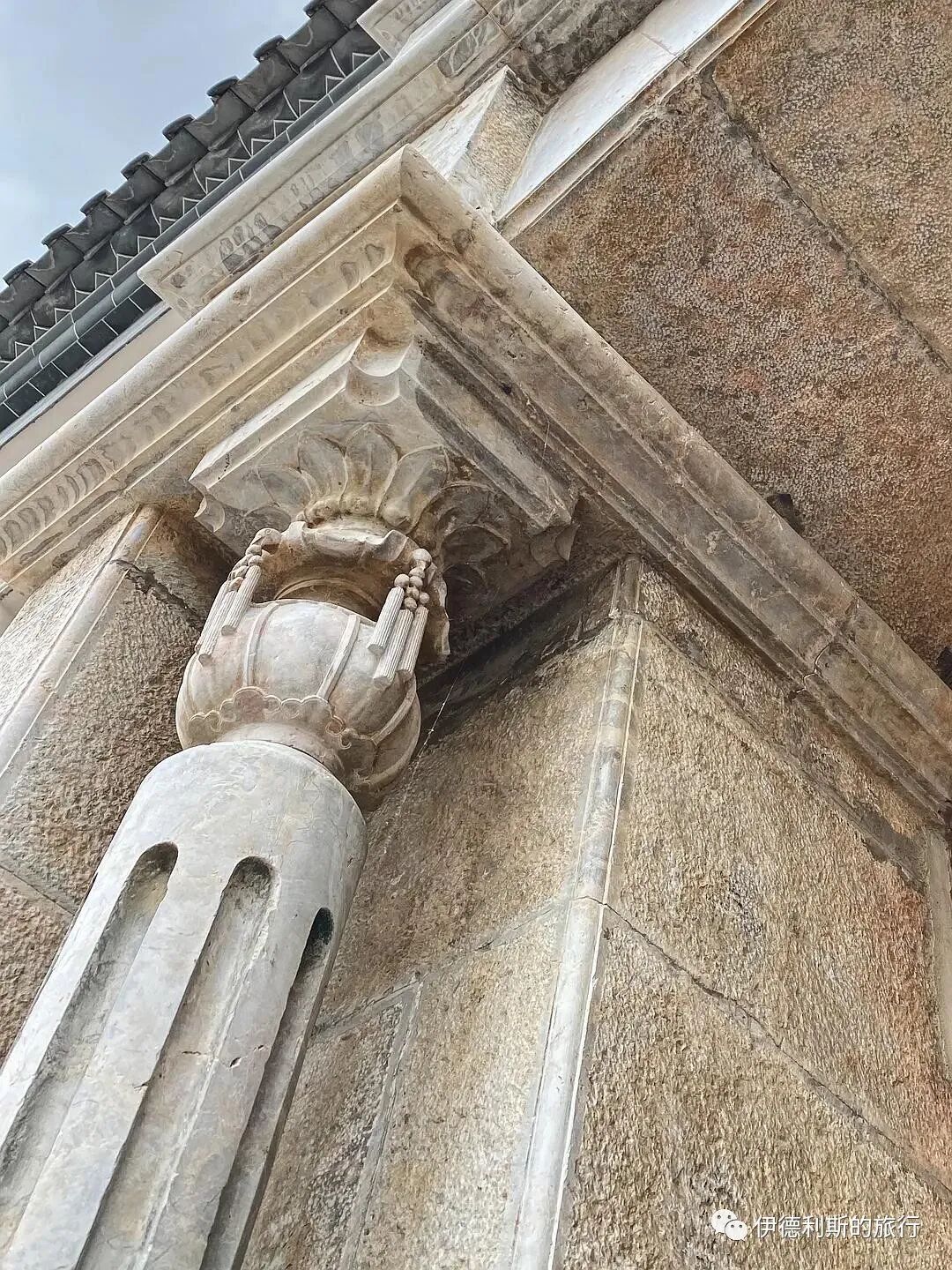
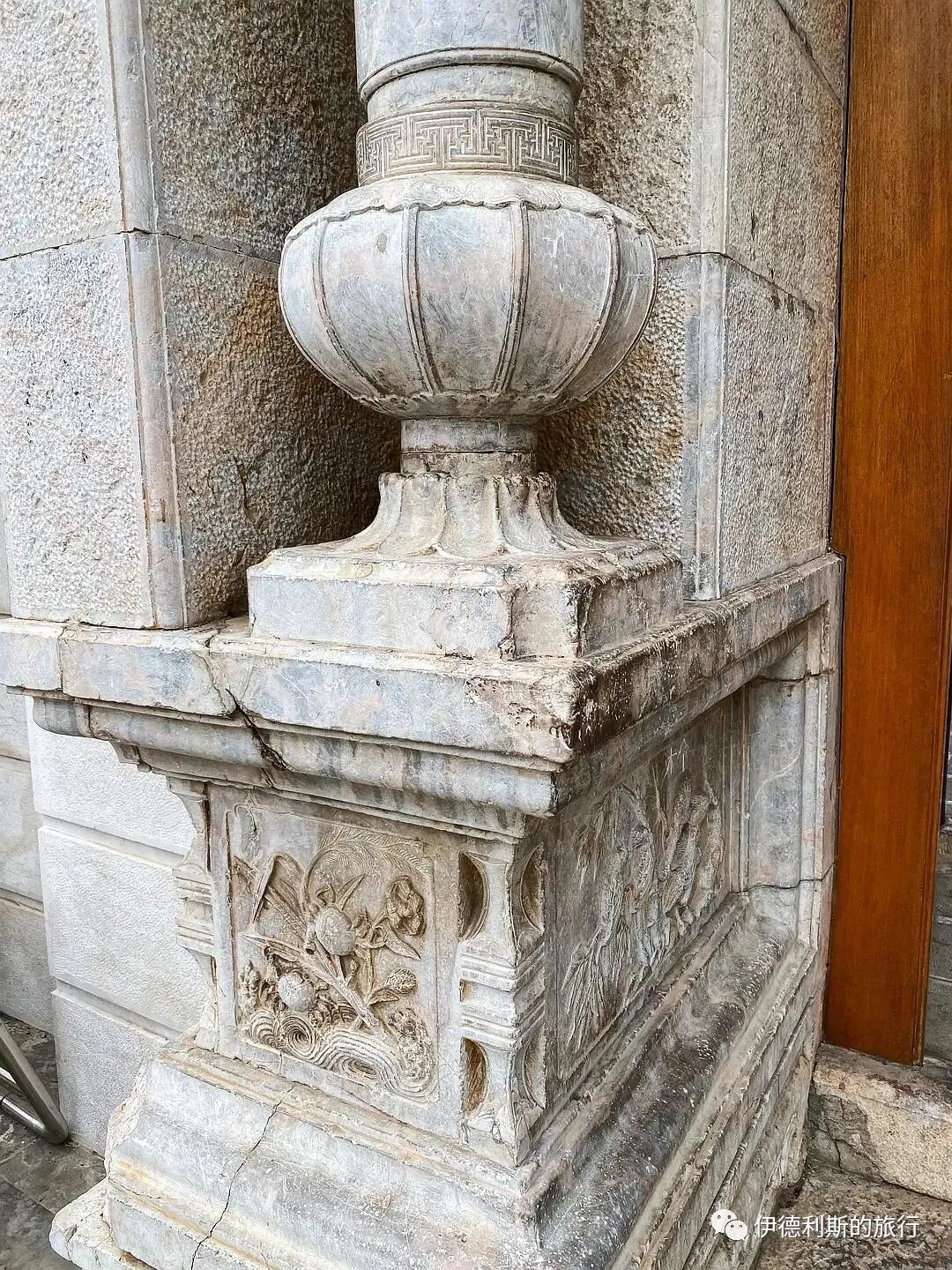
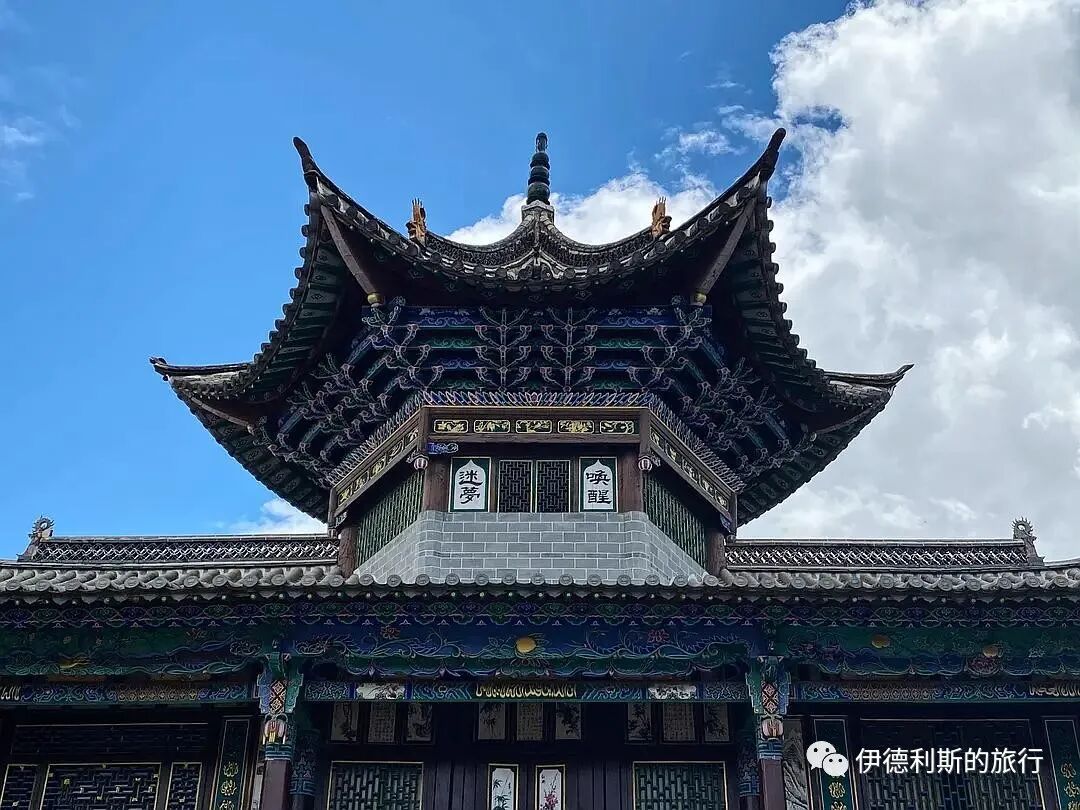
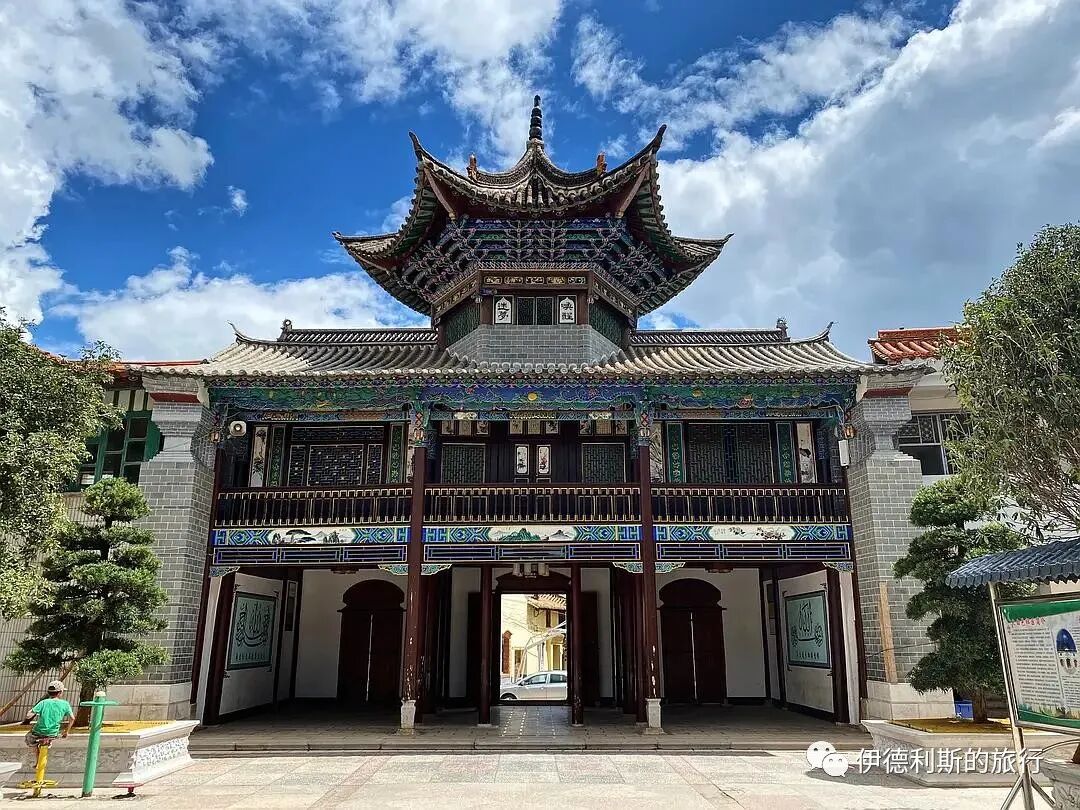
The front hall of the main prayer hall was built in 1915, and the rear hall was expanded in 1980. Very interestingly, the roof uses yellow glazed tiles to spell out the three characters for "Mosque" (Qingzhen Si).
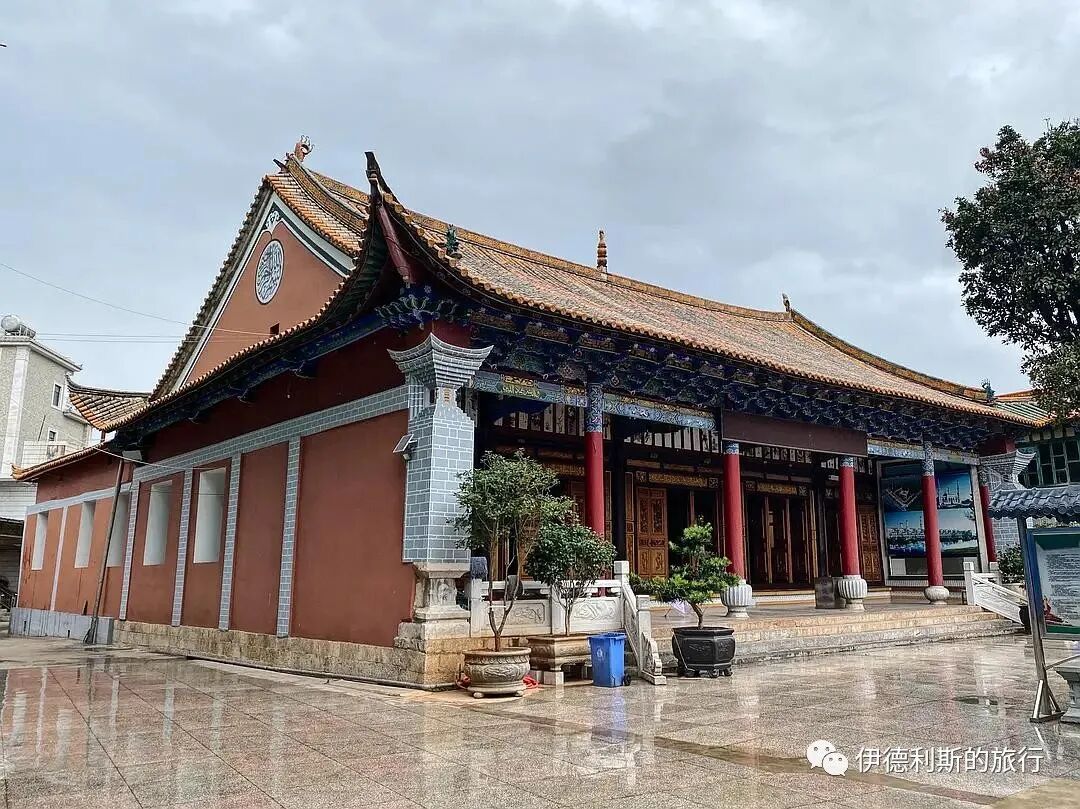
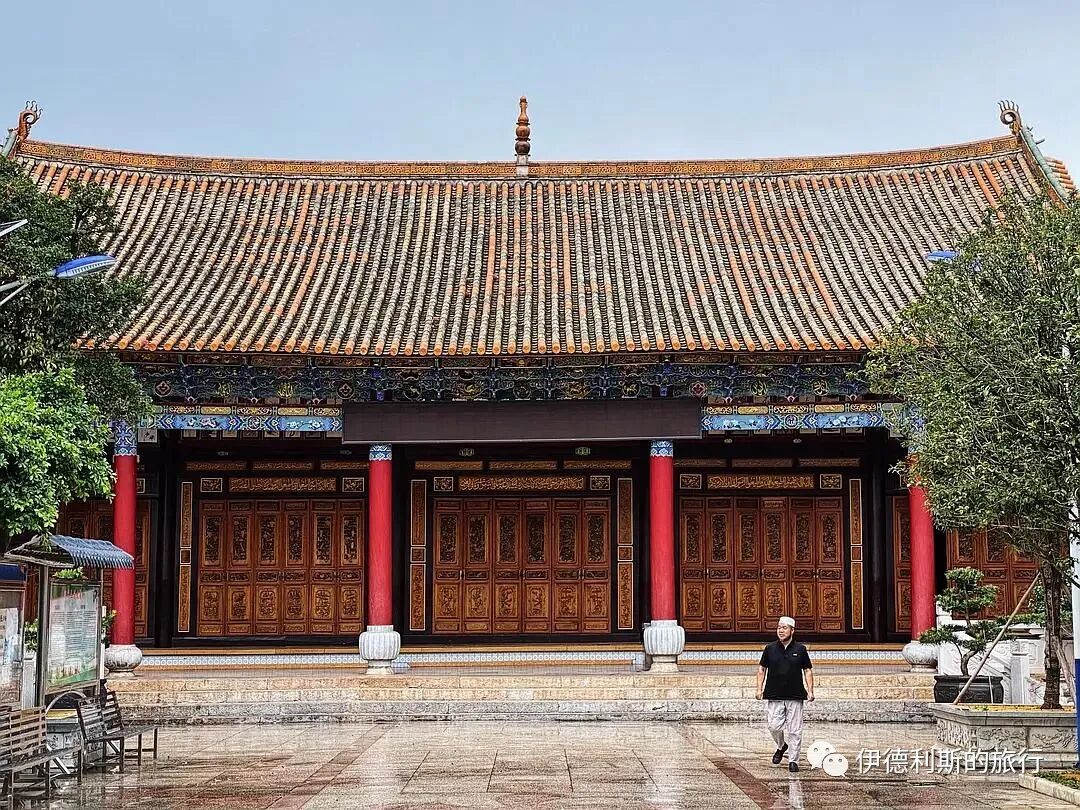
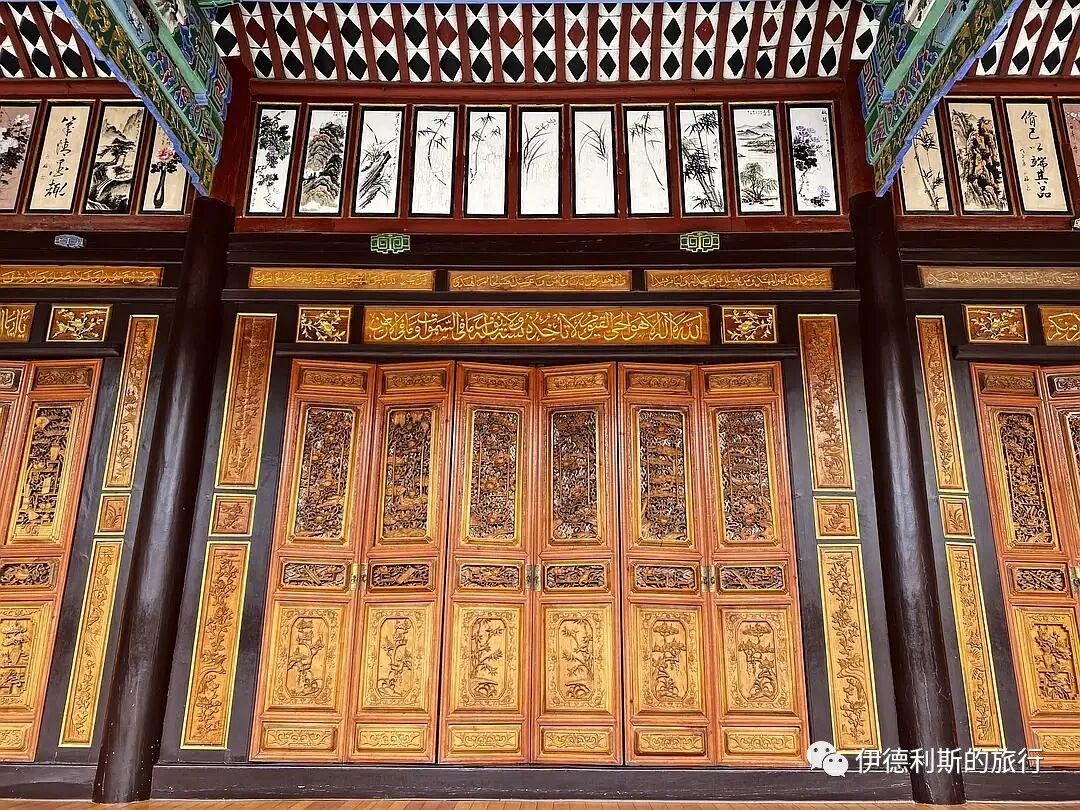
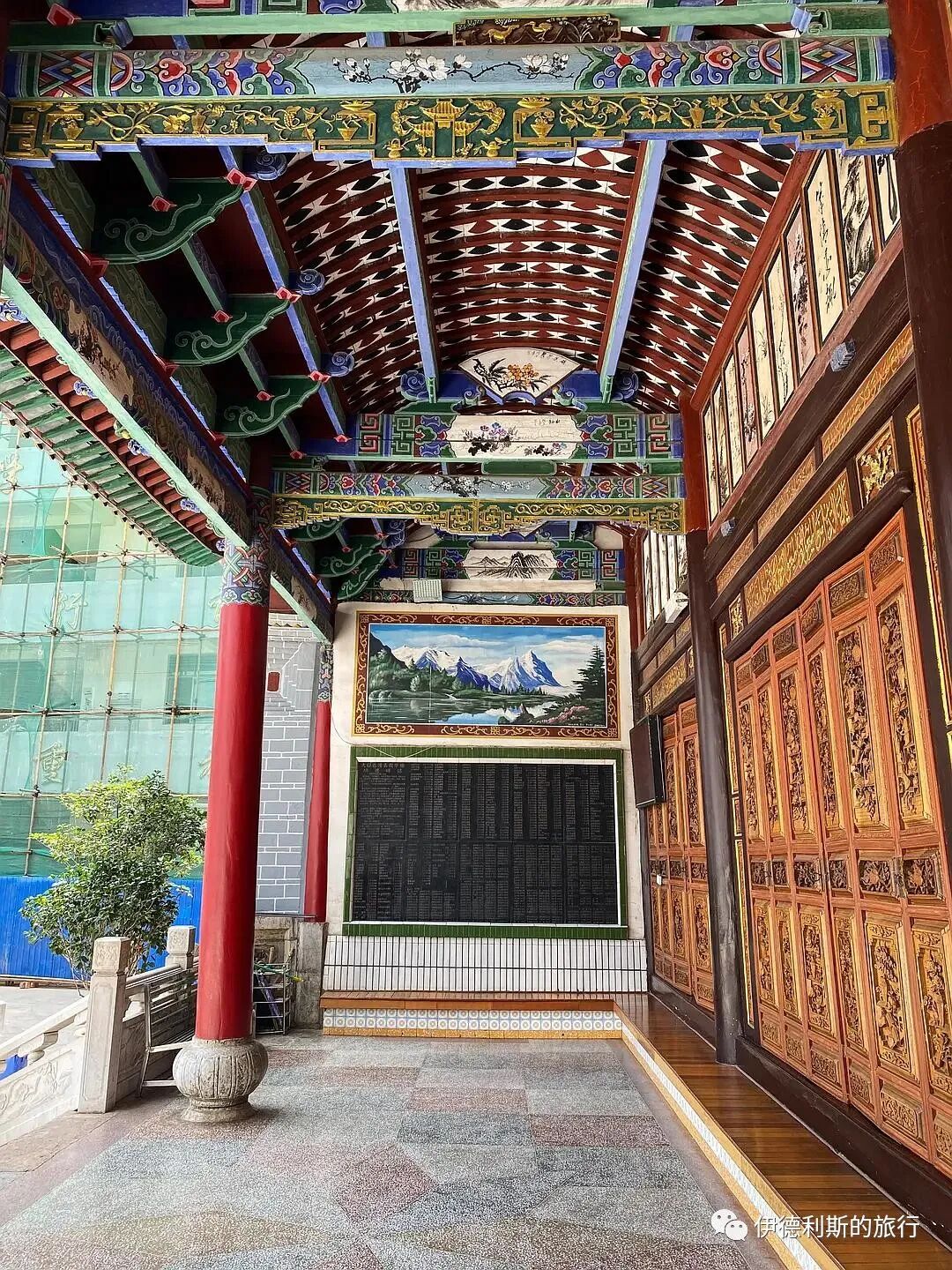
Dabaiyi in Eshan is a famous hometown of overseas Chinese. From the donation list for the construction of the mosque's teaching building in 1996, it can be seen that the donating overseas Chinese came from many regions, including Chiang Mai, Mae Sai, Bangkok, Wang Yang, He Fei, Da Duan, Mae Salong, Man Tang, Su Ming, and Lampang in Thailand, as well as Tachileik and Kengtung in Myanmar.
The history of Dabaiyi Hui Muslim caravans "traveling abroad" to trade in Myanmar and Thailand is very long. During the Qing Dynasty and the Republic of China, Dabaiyi Hui Muslims would lead caravans every year, carrying local cloth, yellow tobacco, wool felt, and daily necessities through Simao and Pu'er to trade in Kengtung and Tachileik in Myanmar, and Chiang Mai and Chiang Rai in Thailand, bringing back goods such as indigo, deer antler, ivory, tiger bone, and cattle and sheep hides. Some Dabaiyi Hui Muslims settled down in Thailand and Myanmar, opening shops and marrying local women. Some stayed because of rampant bandits on the road, fearing their property would be looted.
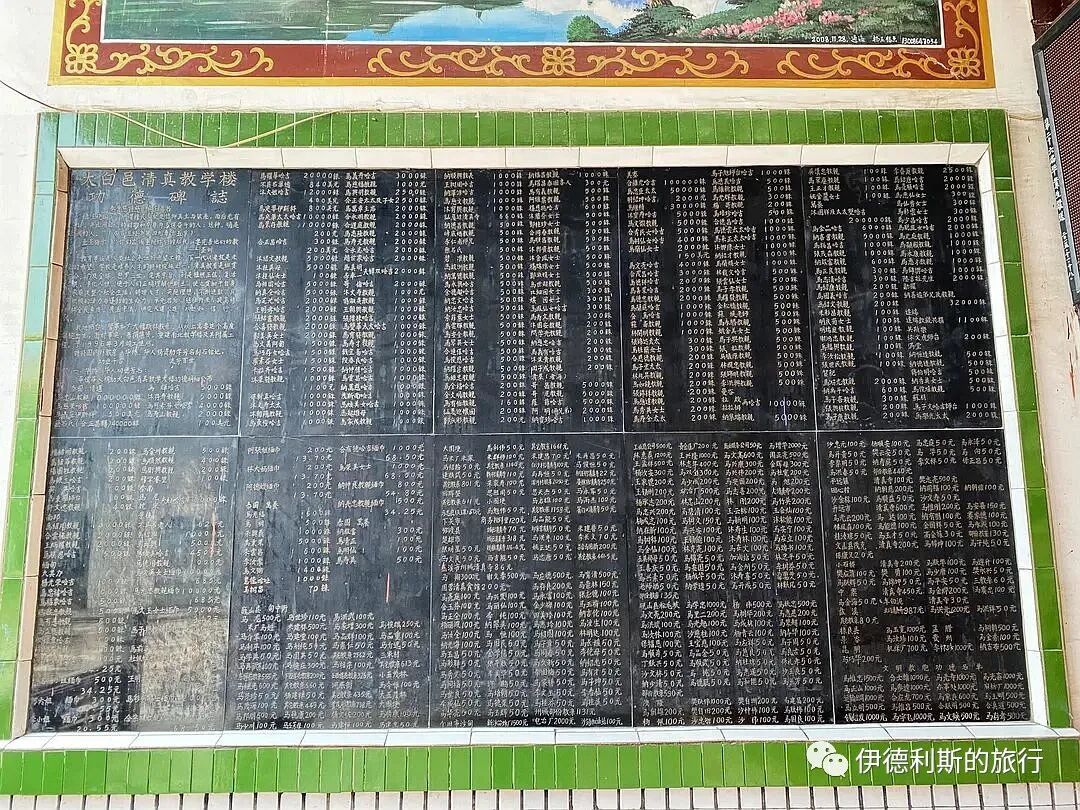
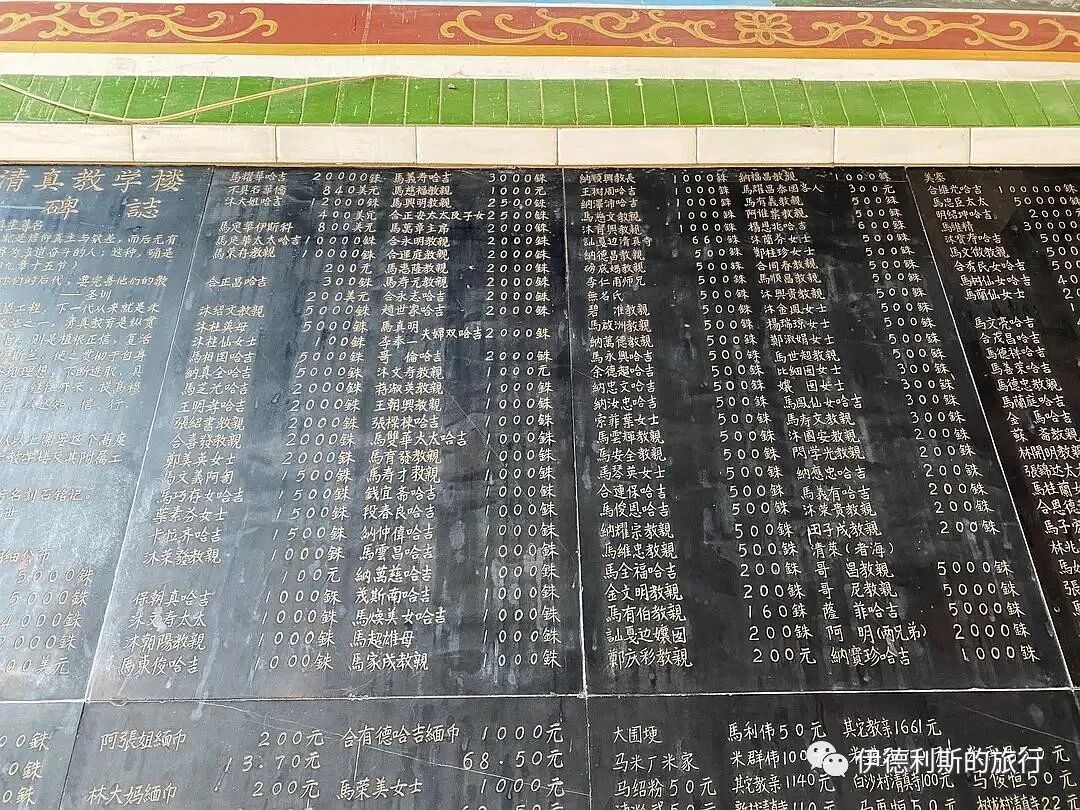
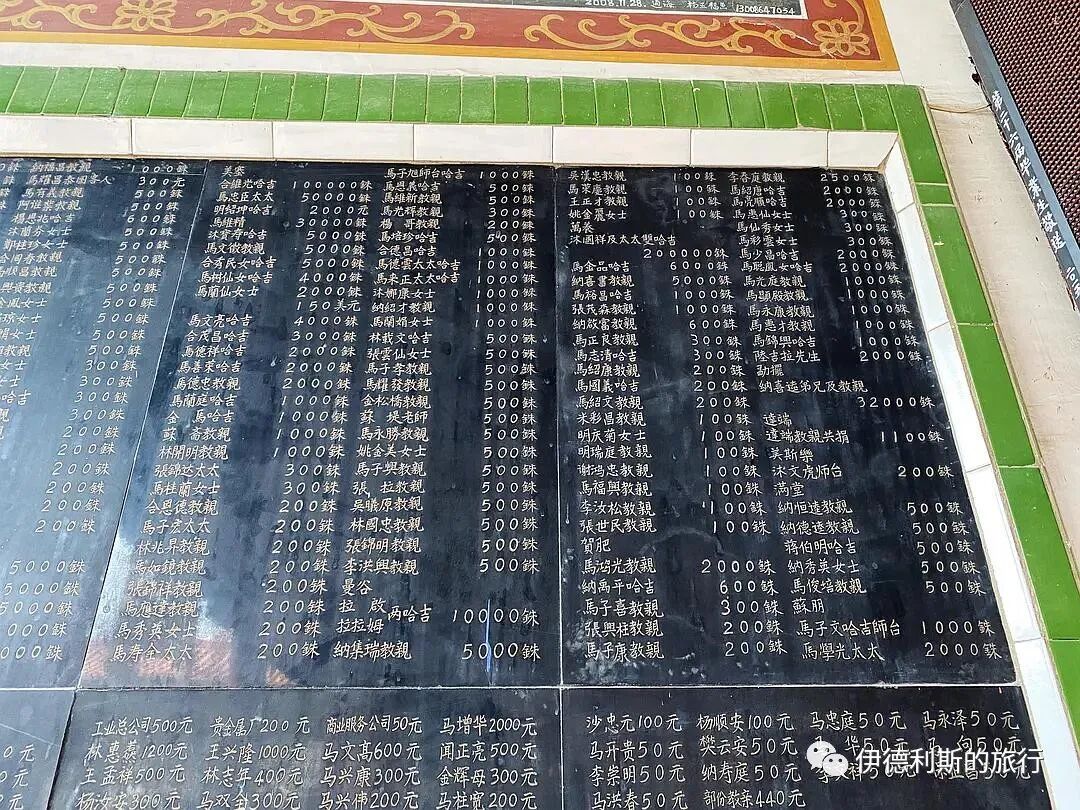
At noon, we ate stir-fried cowpeas with meat, stewed squash, cold sliced meat, and stir-fried chayote at the Yipinxuan Restaurant at the entrance of Dabaiyi Village in Eshan. Their cold sliced meat was not very good. After eating, we entered the village and saw a private kitchen run in an old courtyard; the environment was so good that I regretted my choice!
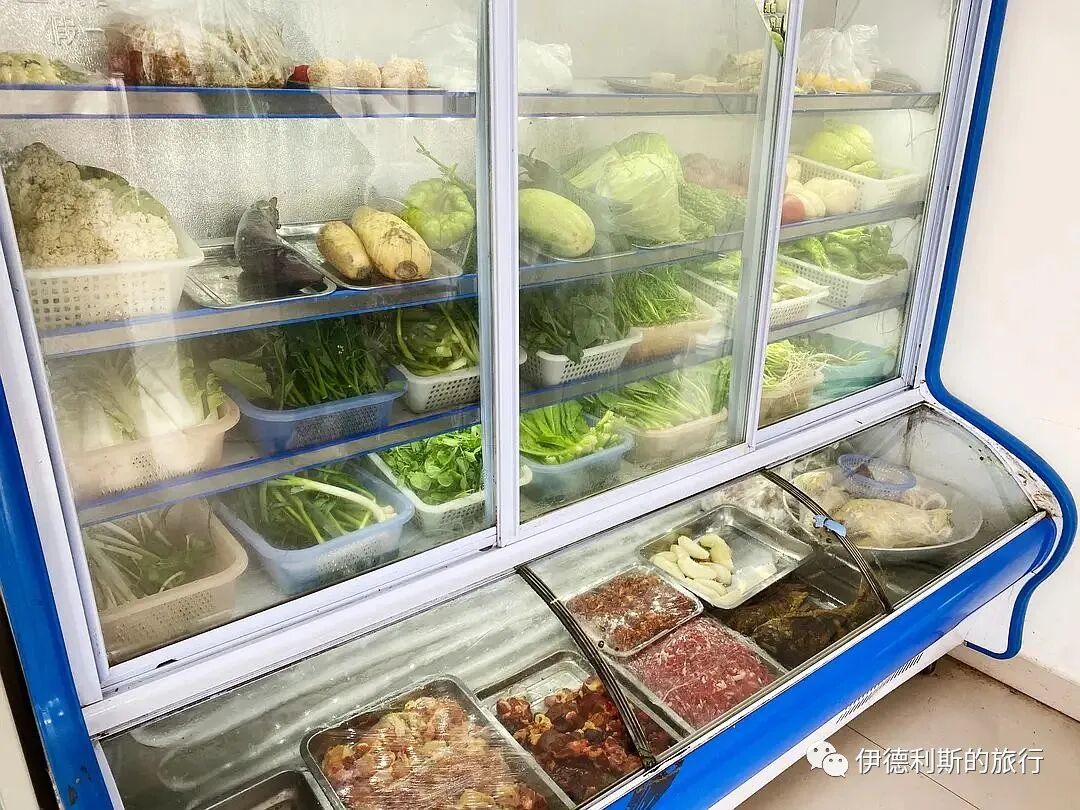
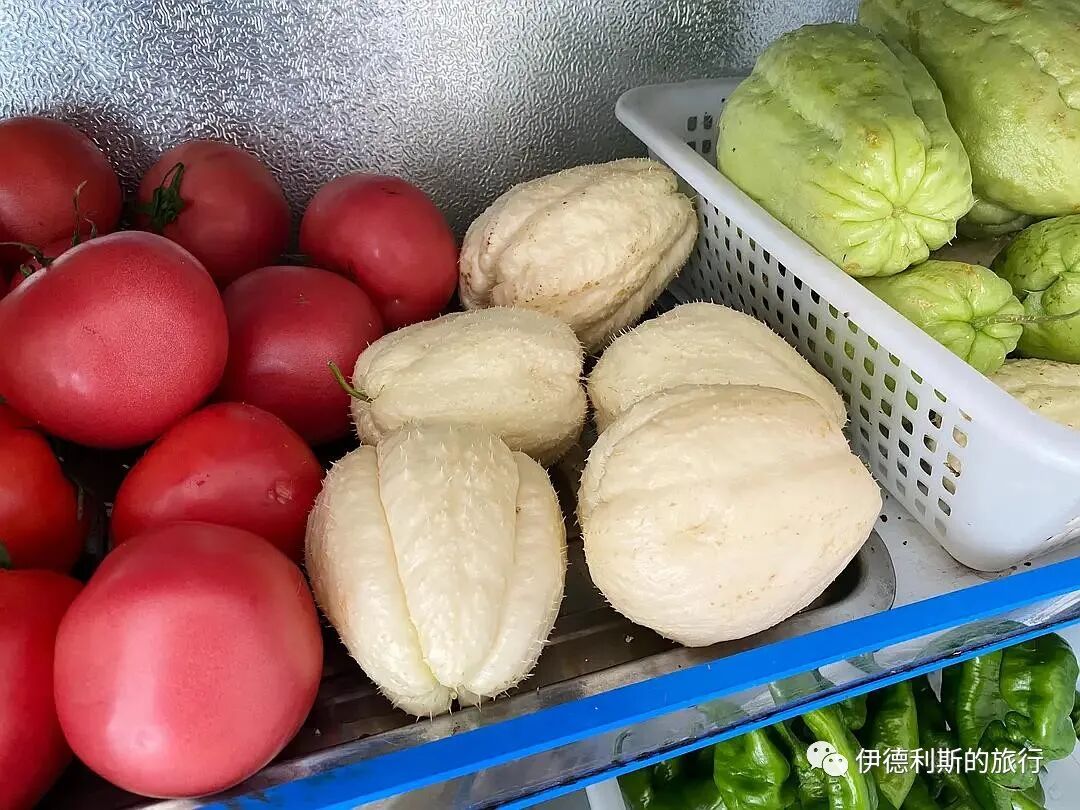
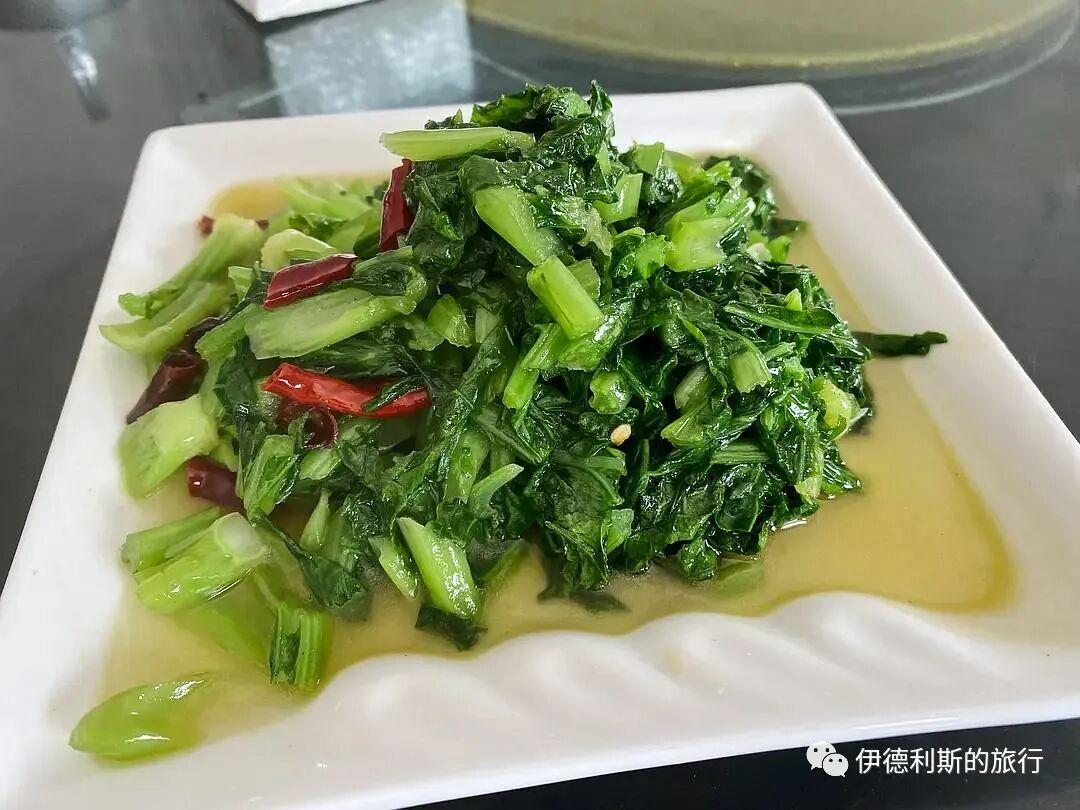
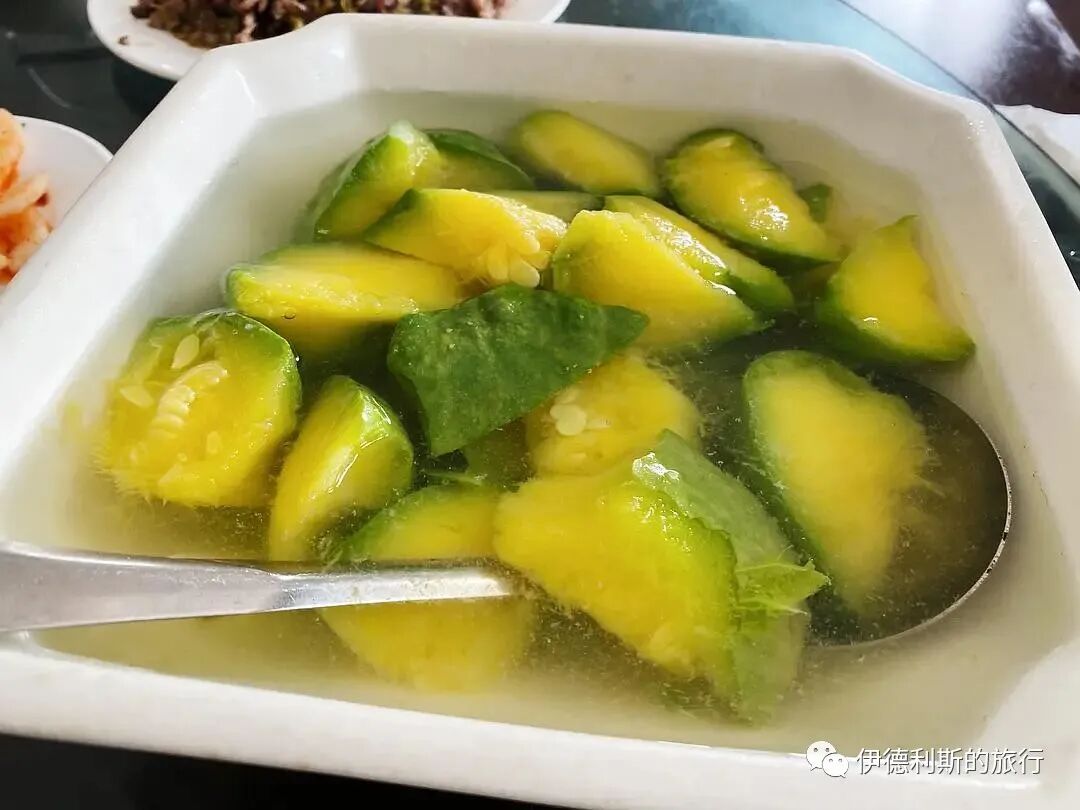
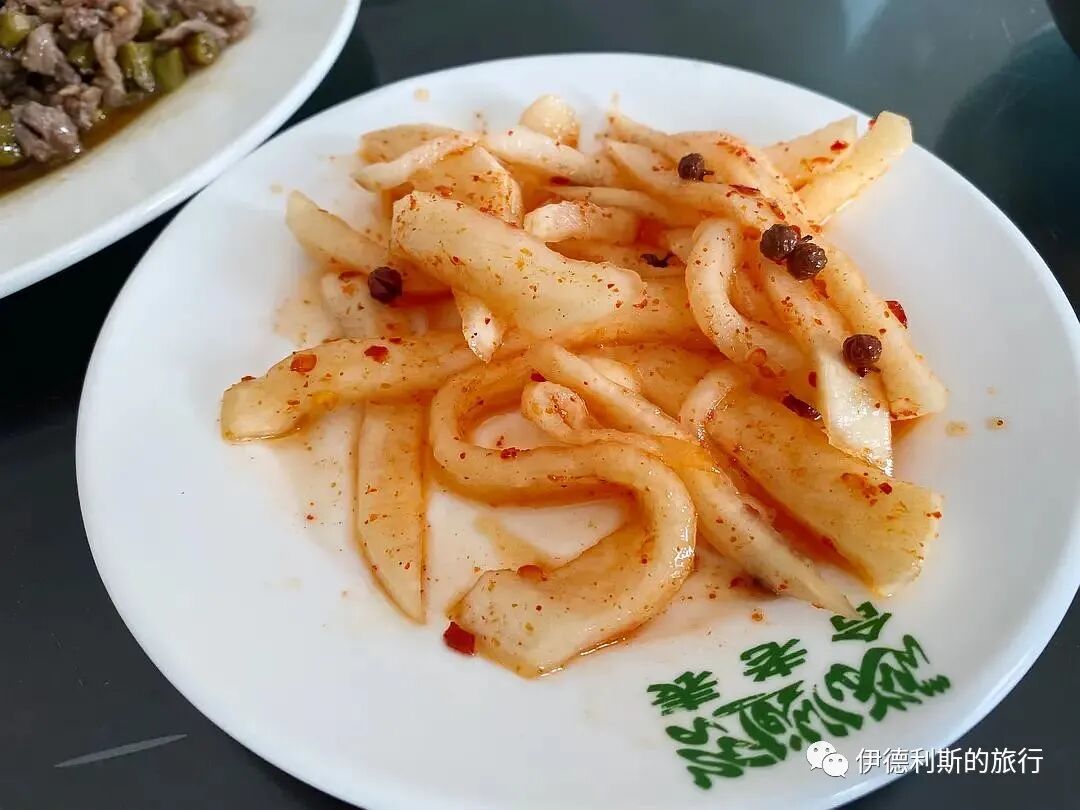
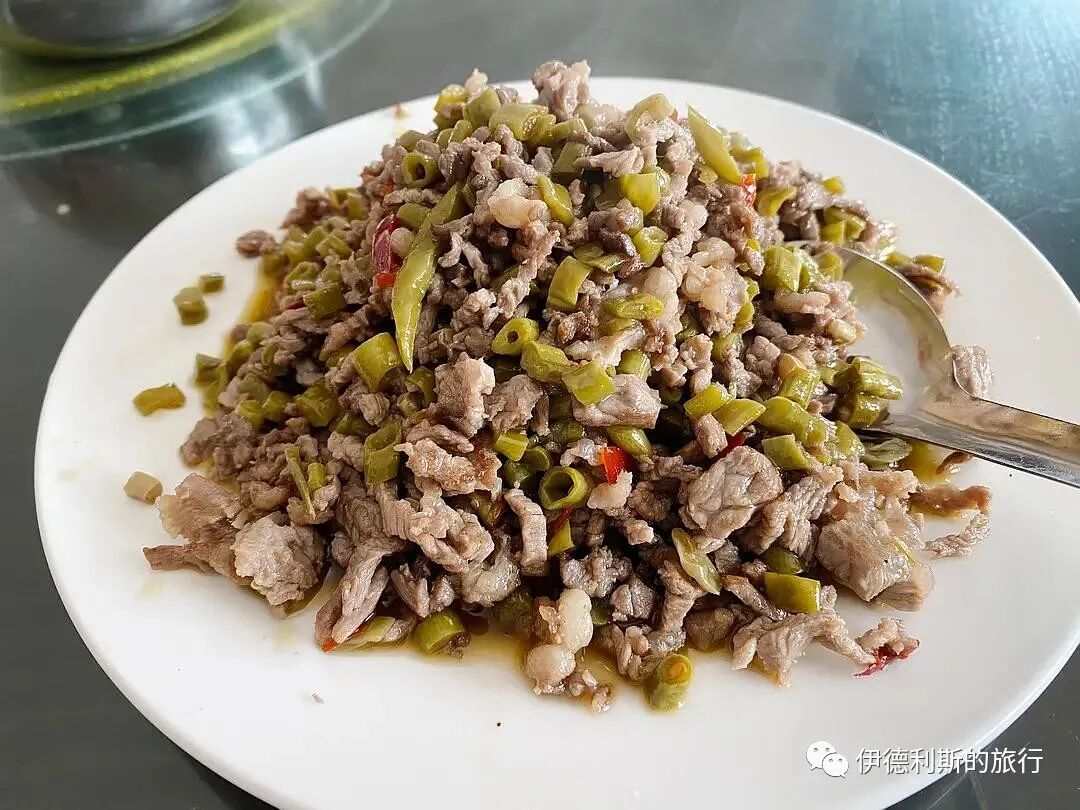
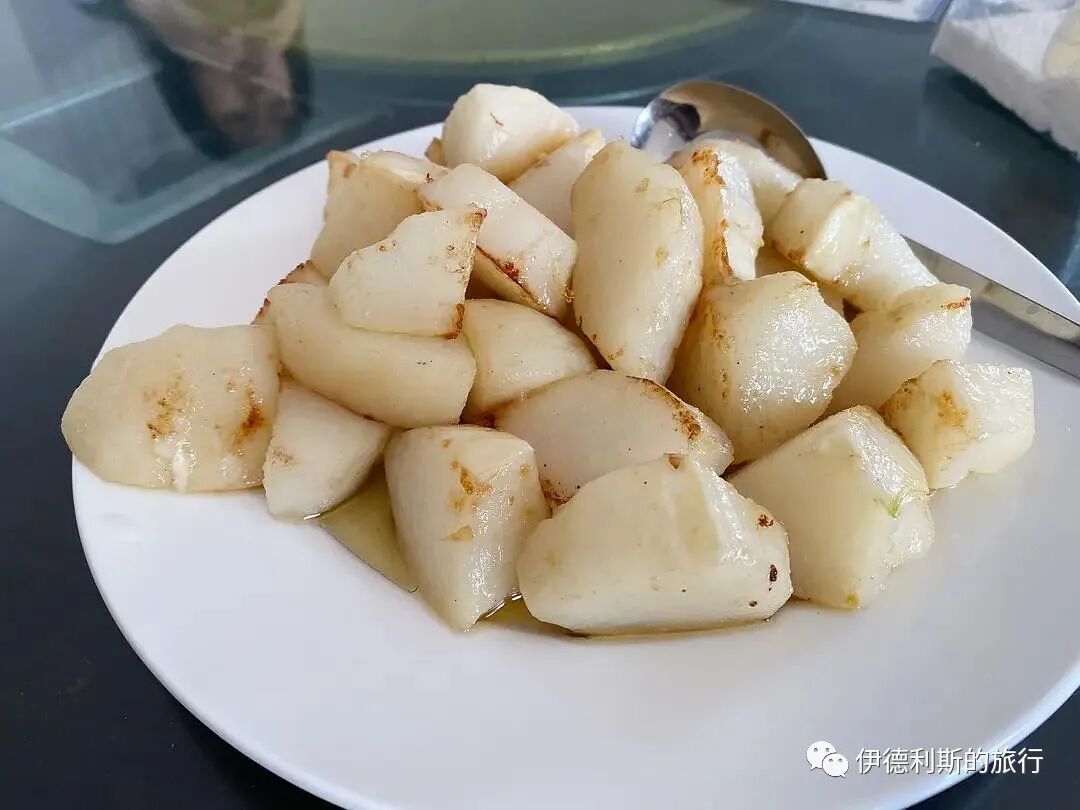
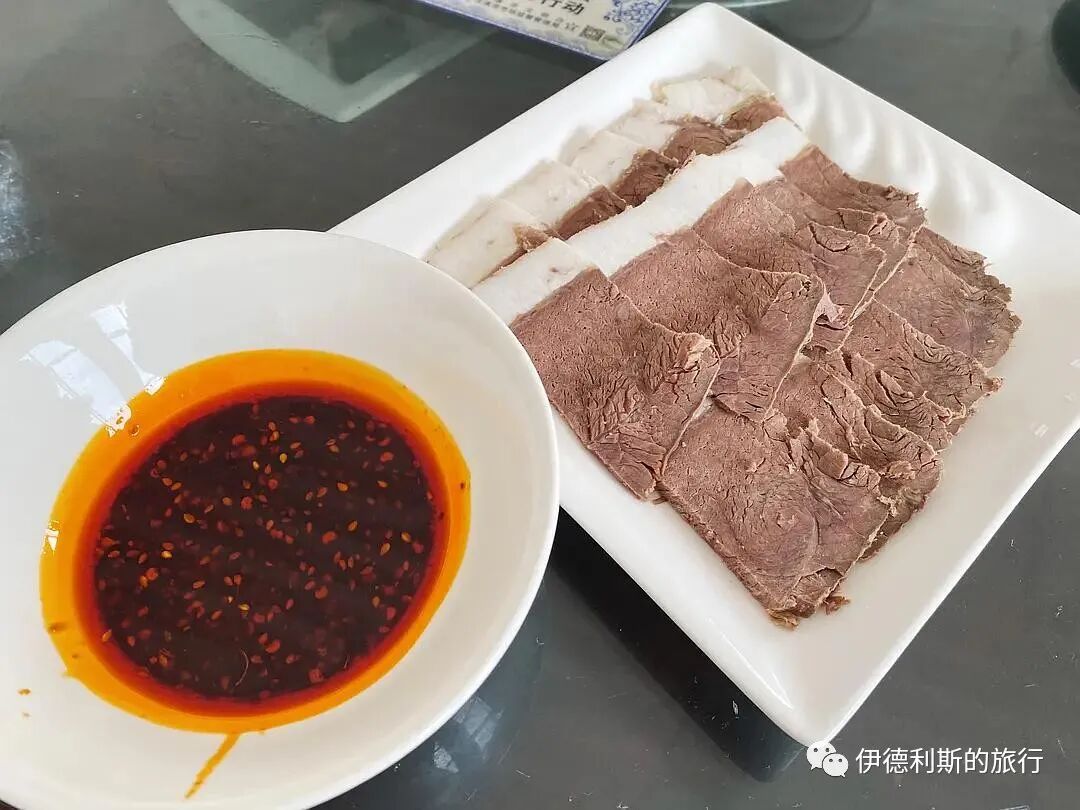
Next to the Dabaiyi Mosque is a traditional courtyard with a Western-style gate tower at the entrance, inscribed with "Dingxingxiang," which I suspect might be the name of the caravan firm their family opened during the Qing Dynasty or the Republic of China. The environment inside the courtyard was very good and felt very refreshing. When we went, there was only a grandmother with her grandchildren, and the family seemed very happy. The traditional bluestone bricks had been replaced with terrazzo, giving a sense of overlapping eras. Corn was hanging in the courtyard, and walnuts and sunflower seeds were drying under the windows, giving it a very strong sense of daily life.
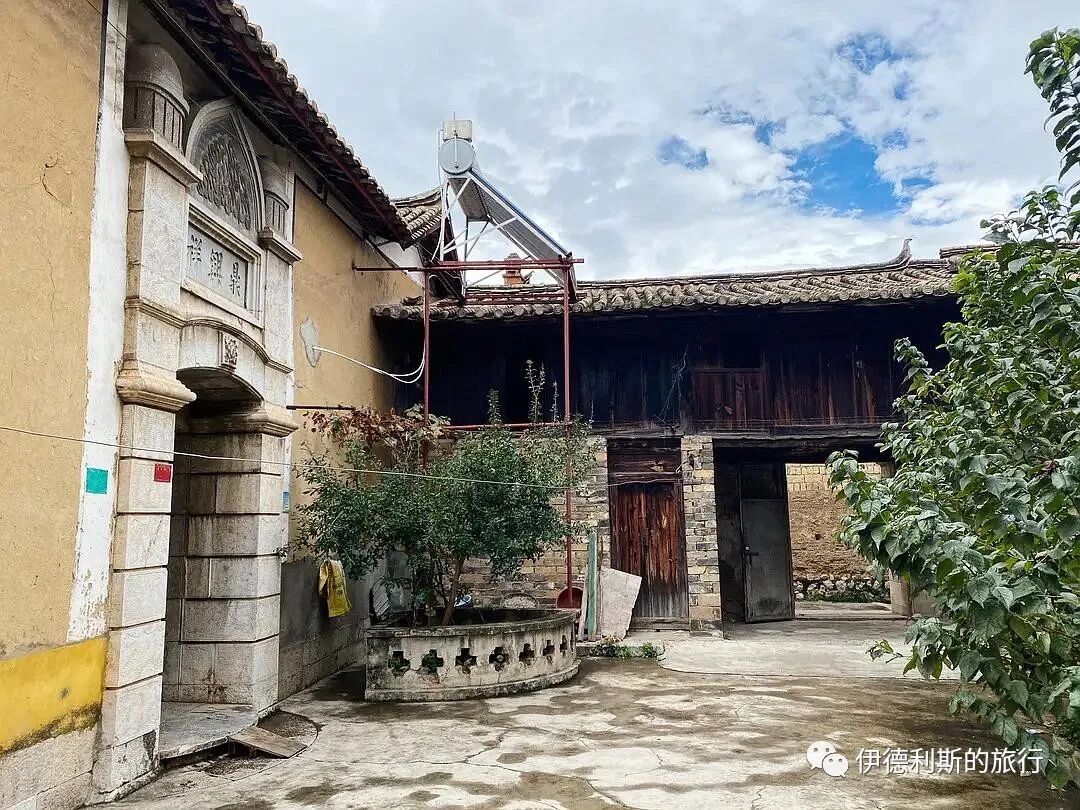
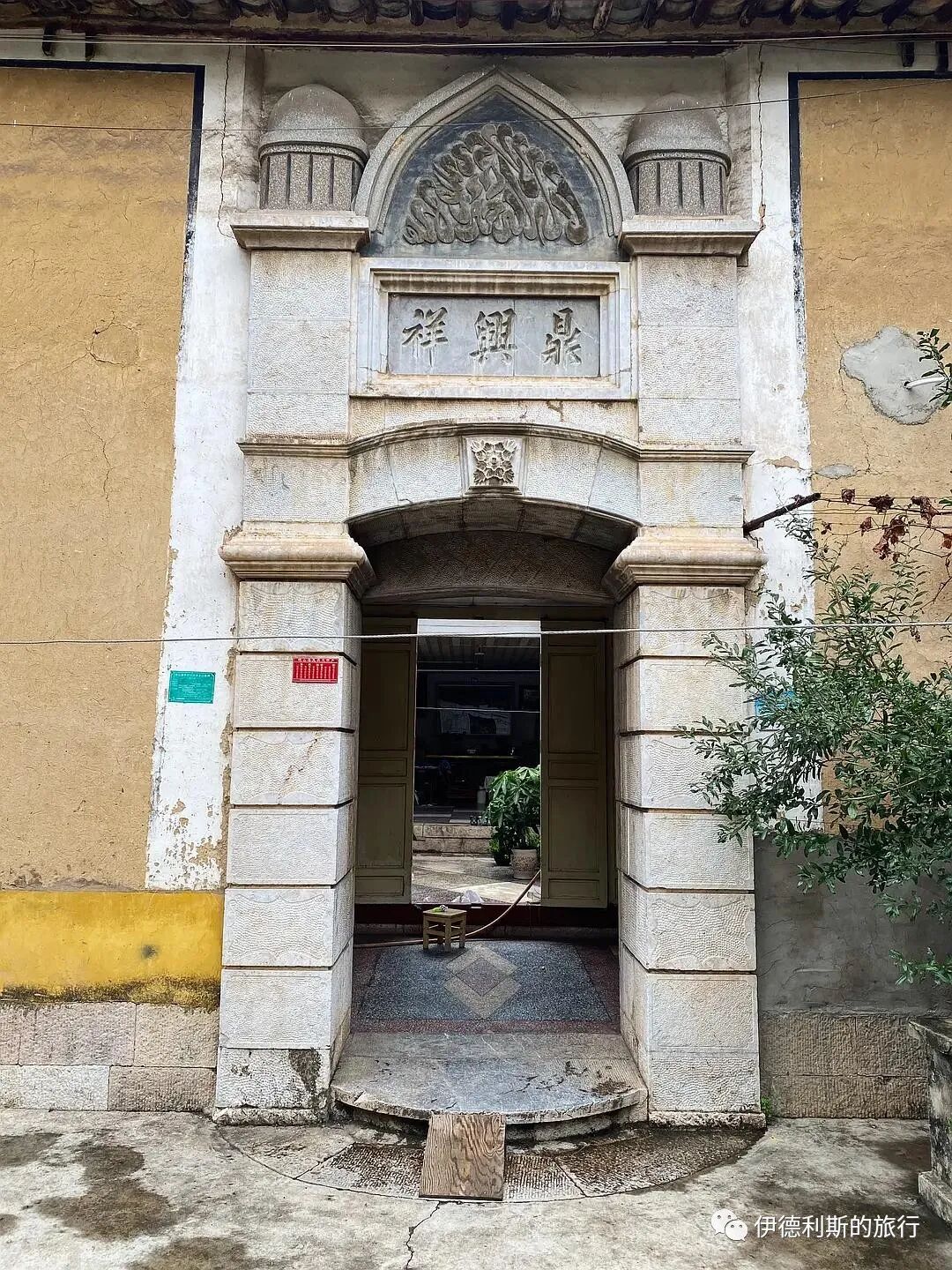
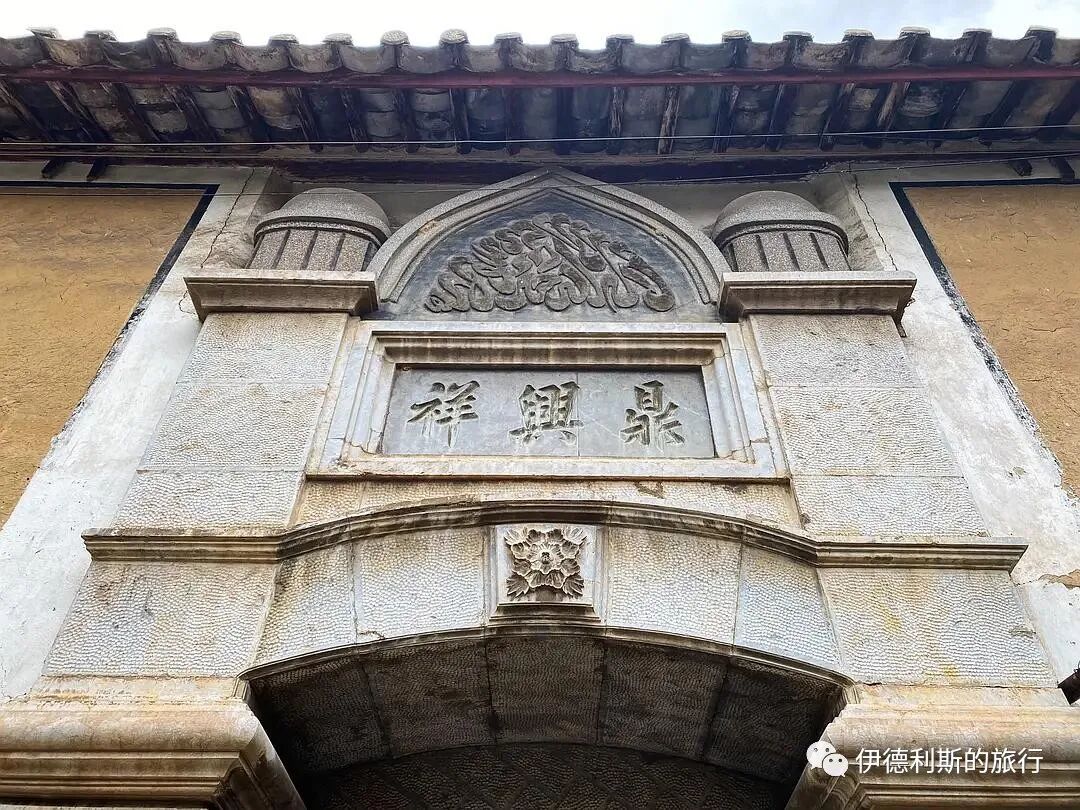
South of Kunming Halal Travel Guide: Liren, Yuxi Daying and Eshan Dabaiyi (Part 2)
Articles • ali2007fr posted the article • 0 comments • 141 views • 2026-05-17 07:35
Summary: This travel note introduces South of Kunming Halal Travel Guide: Liren, Yuxi Daying and Eshan Dabaiyi (Part 2). Another Republic of China-era gate next to the Dabaiyi Mosque, inscribed with 'Wobo Shanfang' (Mountain Villa of Resting Waves), featuring beautiful traditional Arabic calligraphy of a dua, with a pair of. It is useful for readers interested in Yunnan Travel, Hui Muslims, China Mosques.
Another Republic of China-era gate next to the Dabaiyi Mosque, inscribed with 'Wobo Shanfang' (Mountain Villa of Resting Waves), featuring beautiful traditional Arabic calligraphy of a dua, with a pair of horse-tethering stones on both sides of the gate, one with a lion and the other with an elephant.
Other old houses
Residential gate lintel view all
Summary: This travel note introduces South of Kunming Halal Travel Guide: Liren, Yuxi Daying and Eshan Dabaiyi (Part 2). Another Republic of China-era gate next to the Dabaiyi Mosque, inscribed with 'Wobo Shanfang' (Mountain Villa of Resting Waves), featuring beautiful traditional Arabic calligraphy of a dua, with a pair of. It is useful for readers interested in Yunnan Travel, Hui Muslims, China Mosques.
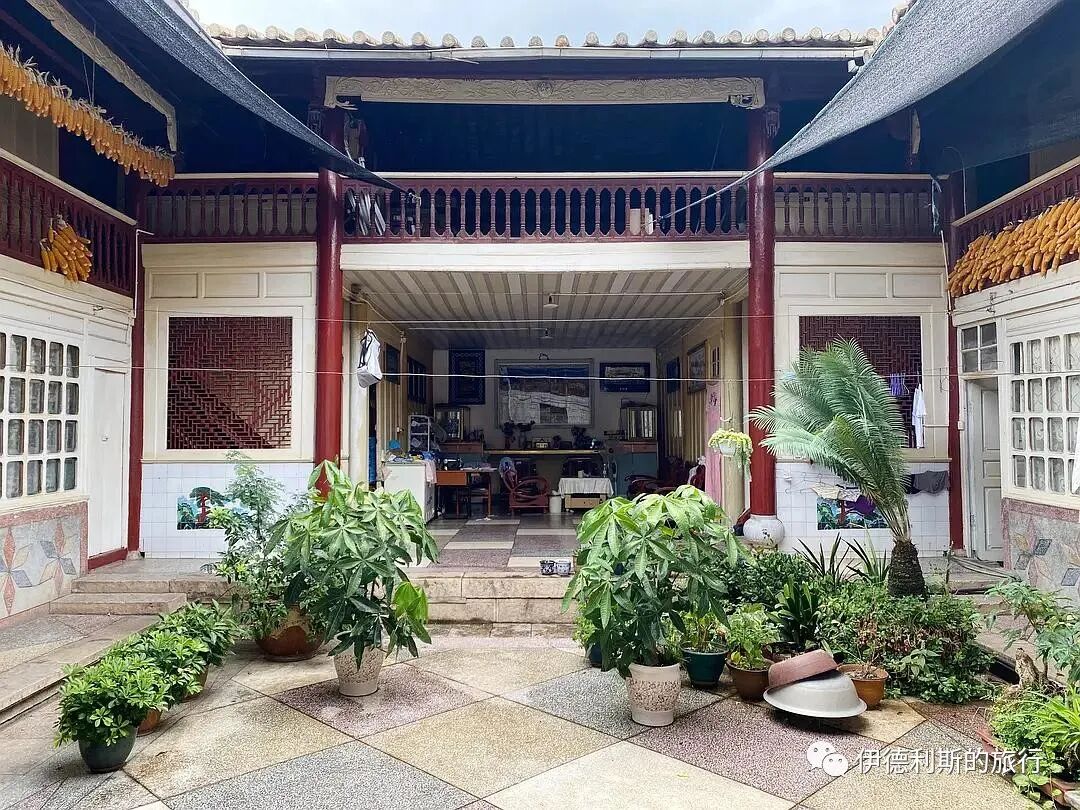
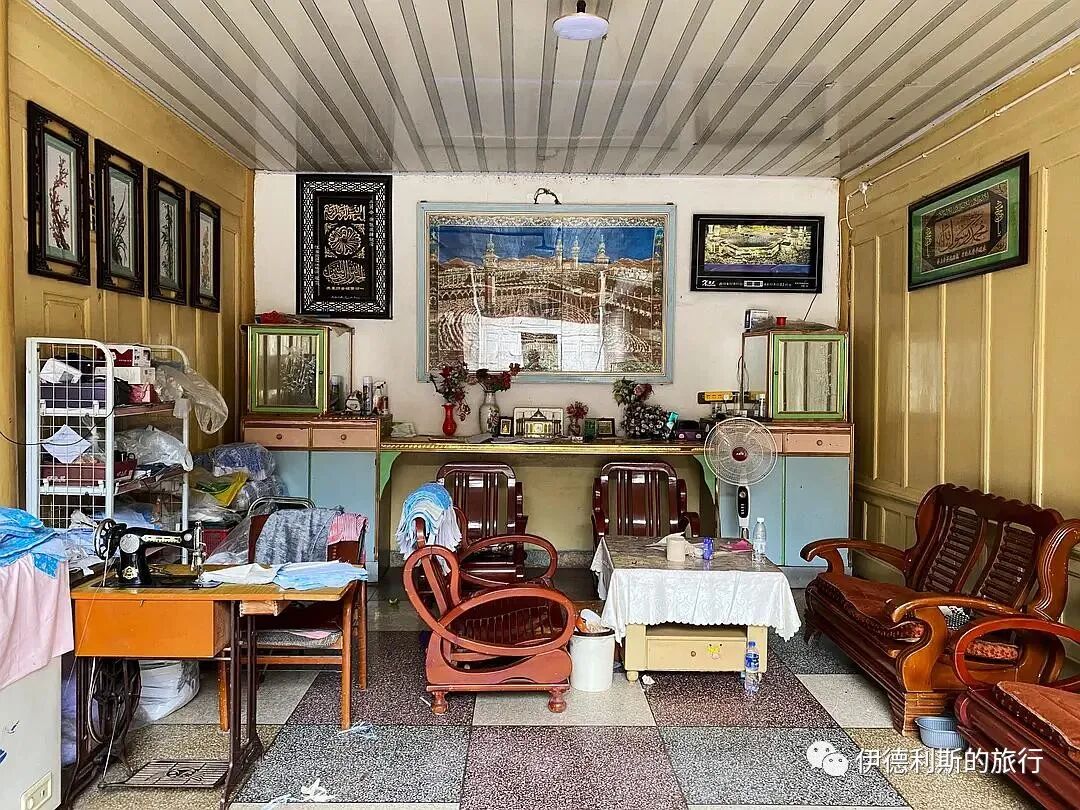
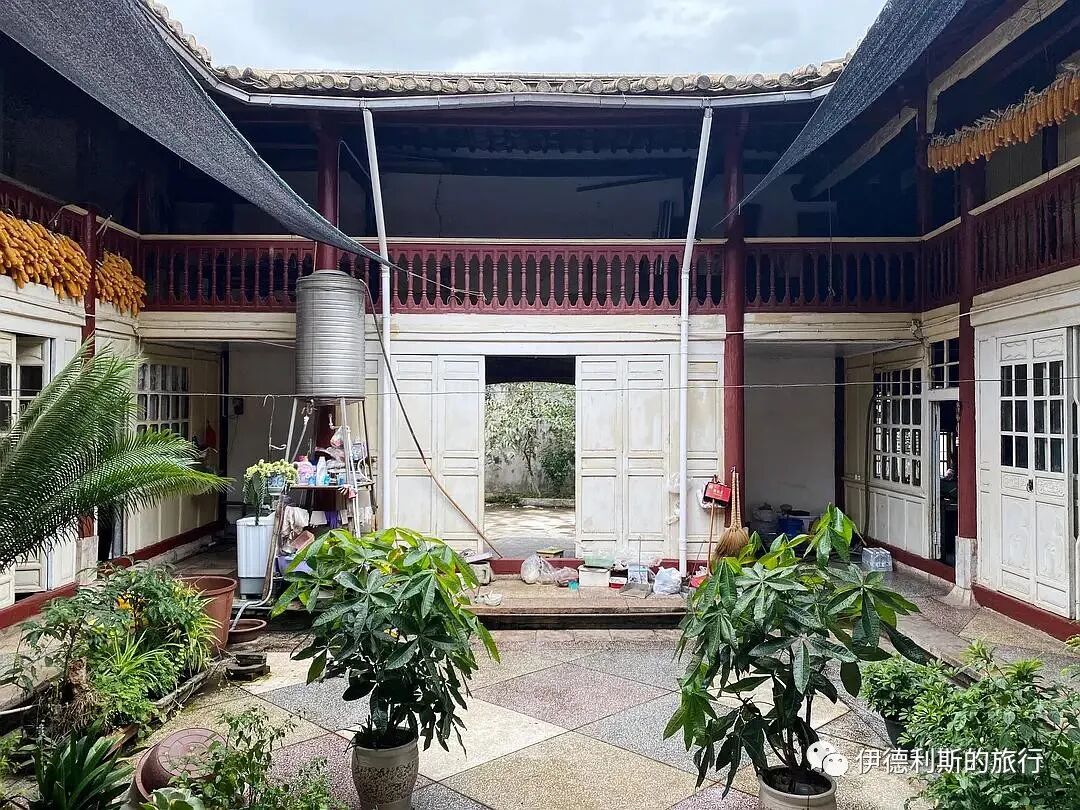
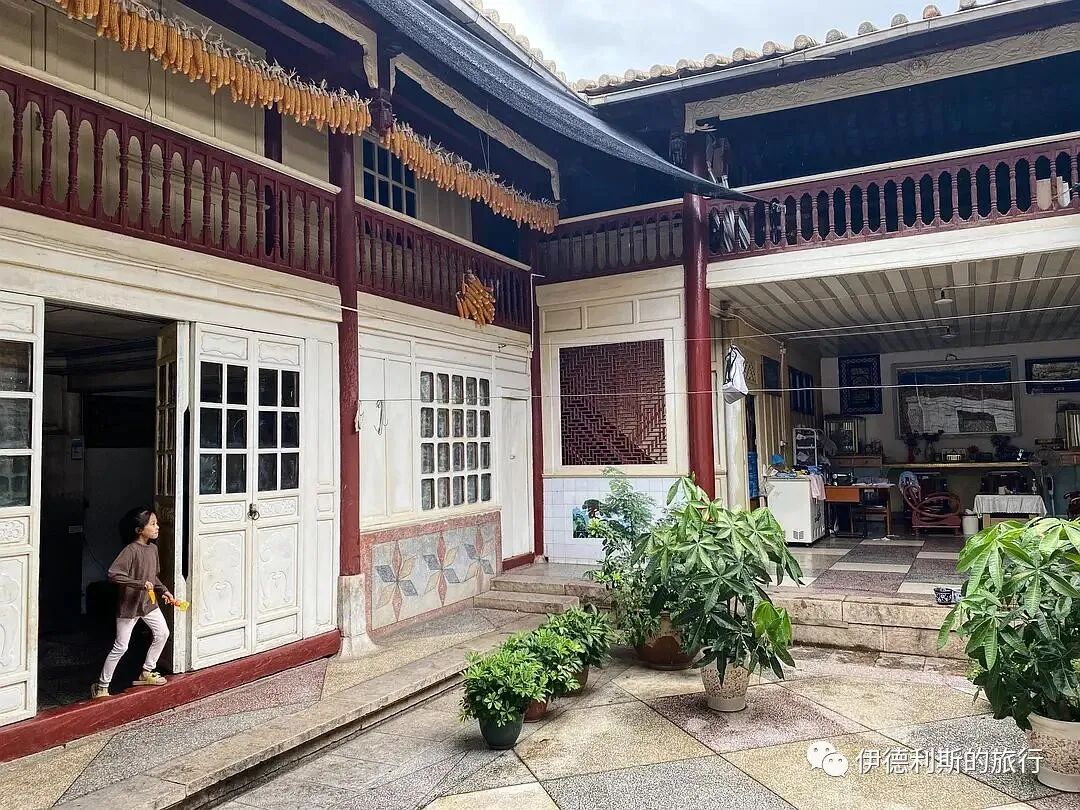
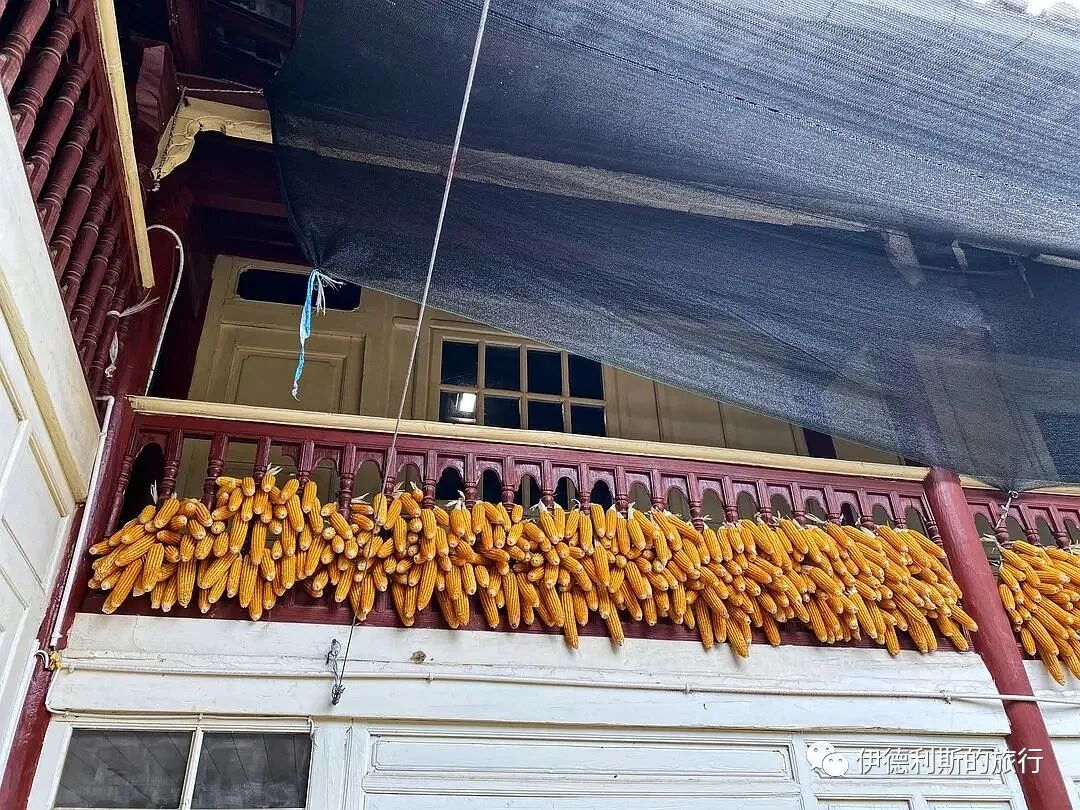
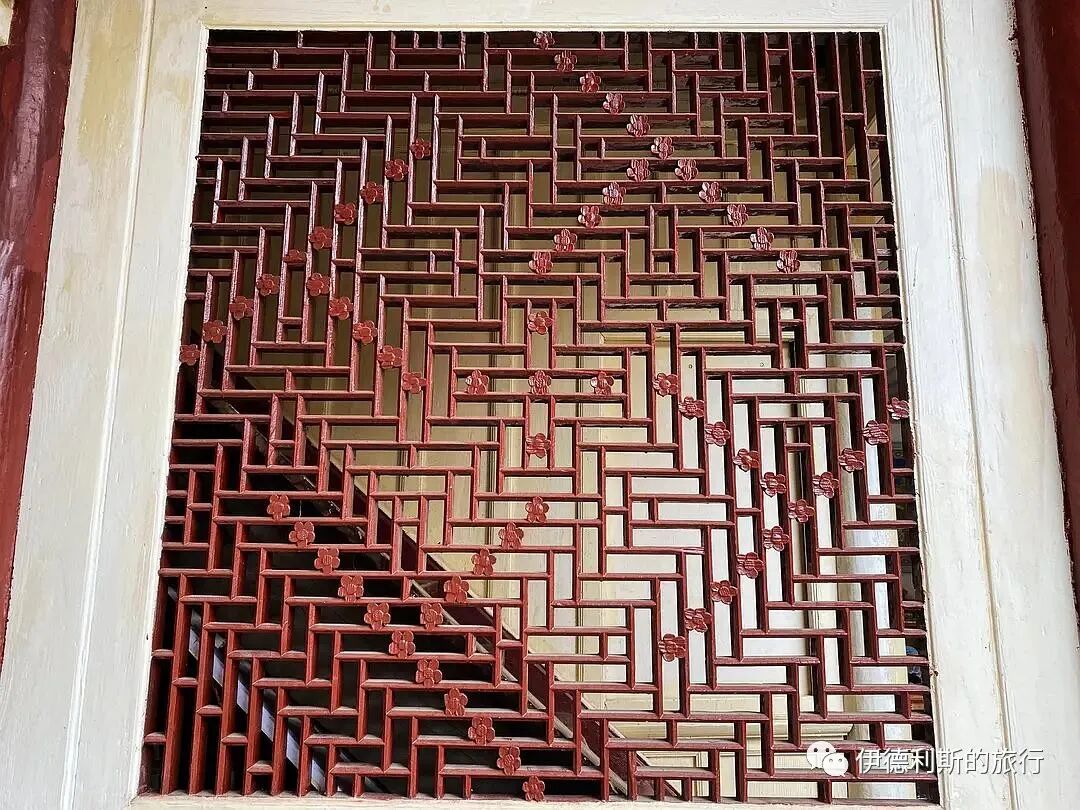
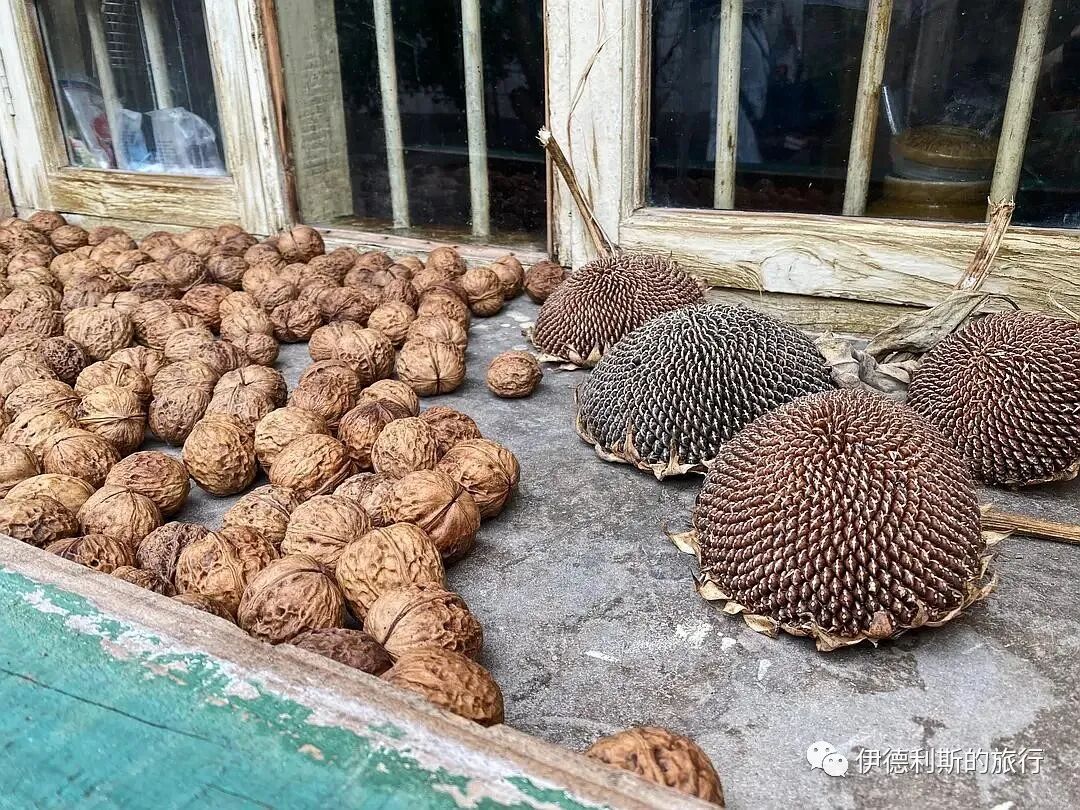
Another Republic of China-era gate next to the Dabaiyi Mosque, inscribed with 'Wobo Shanfang' (Mountain Villa of Resting Waves), featuring beautiful traditional Arabic calligraphy of a dua, with a pair of horse-tethering stones on both sides of the gate, one with a lion and the other with an elephant.
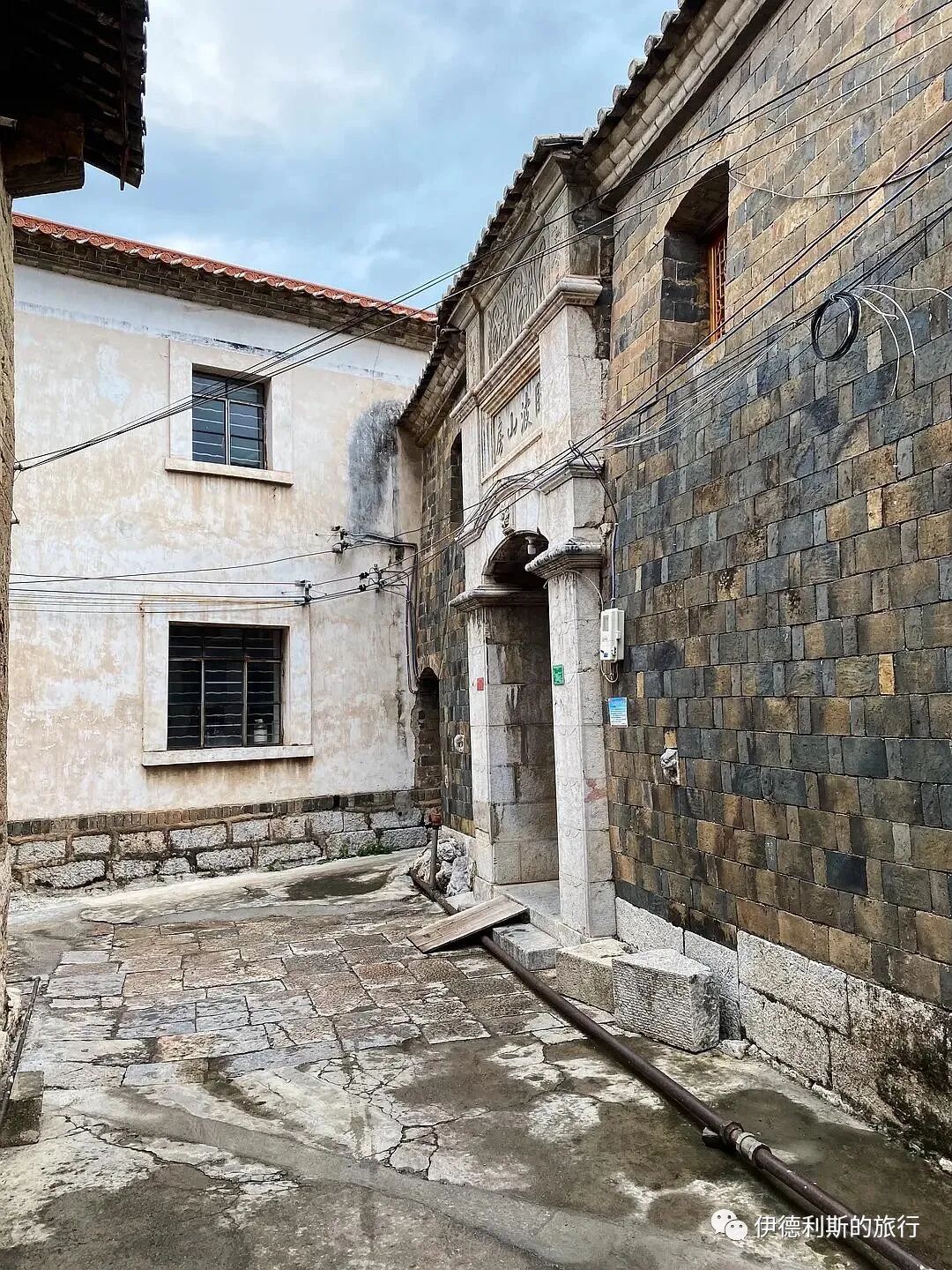
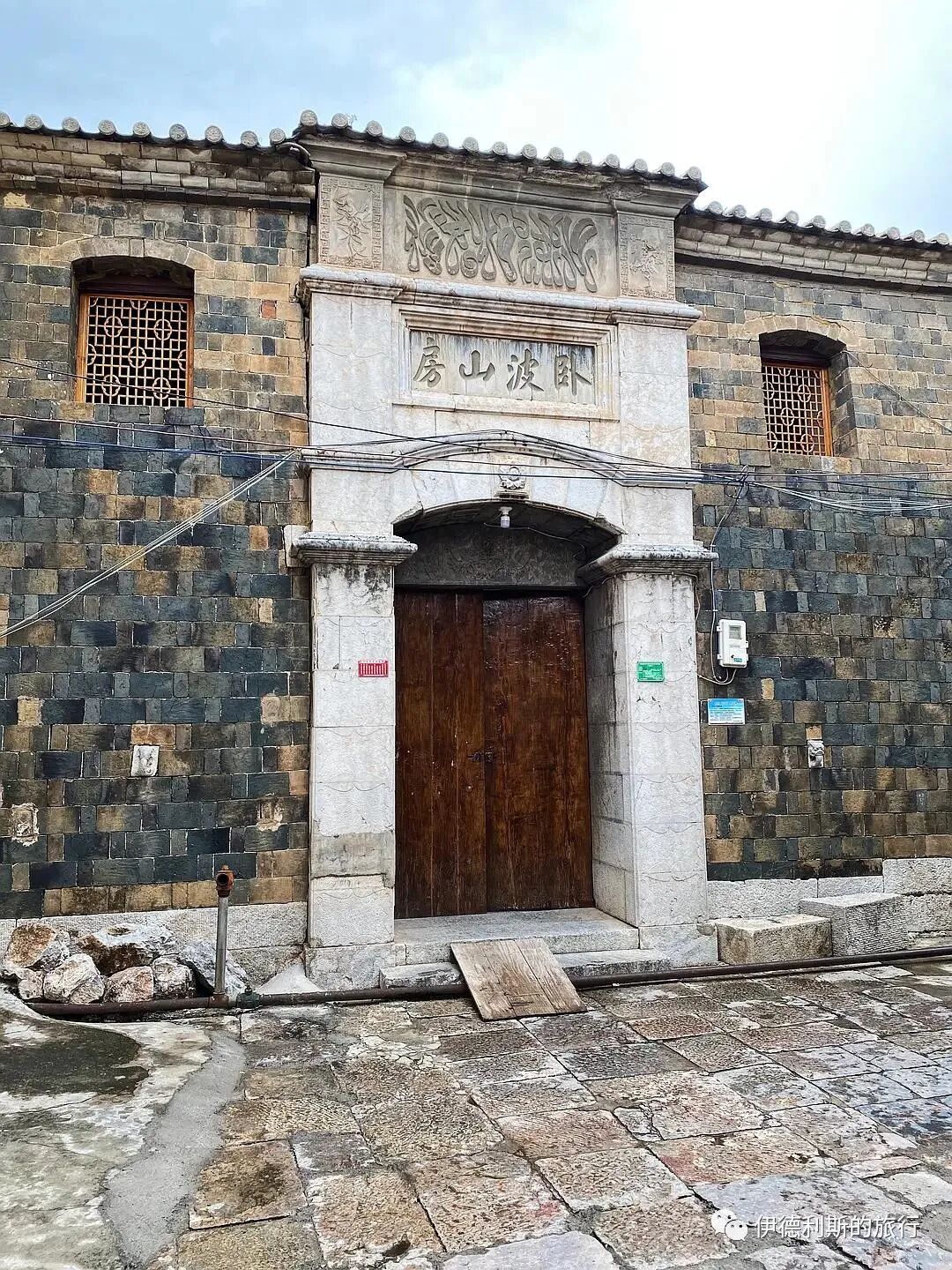
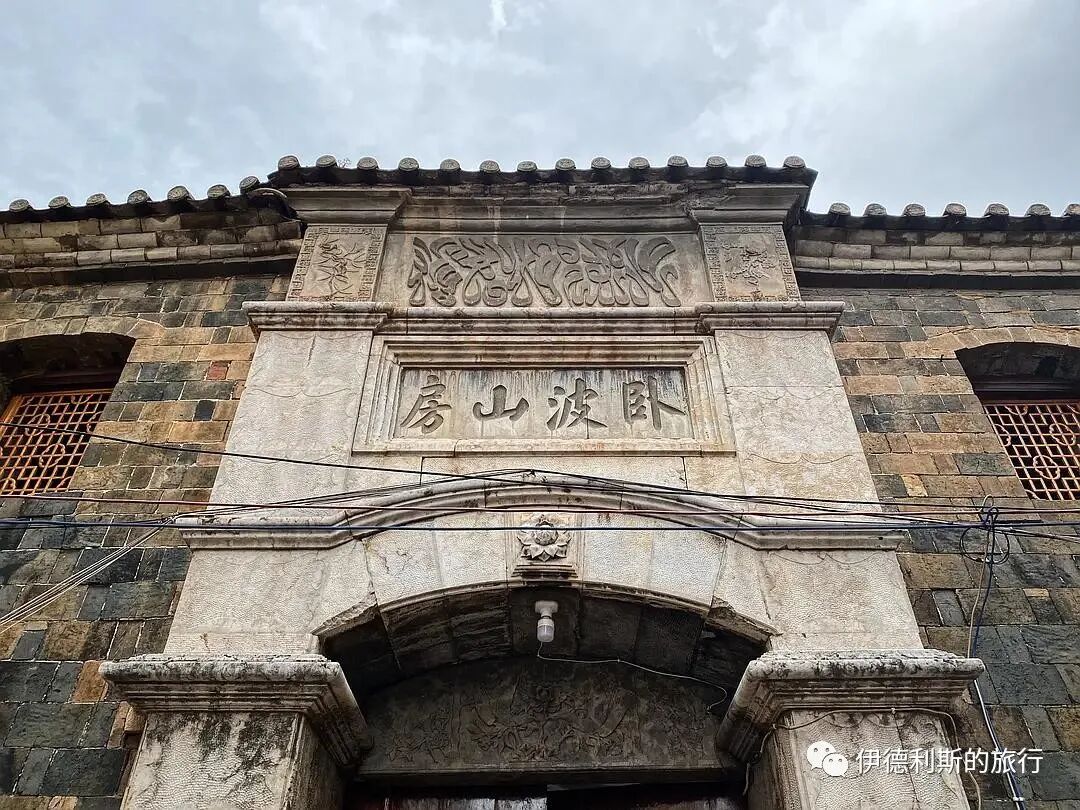
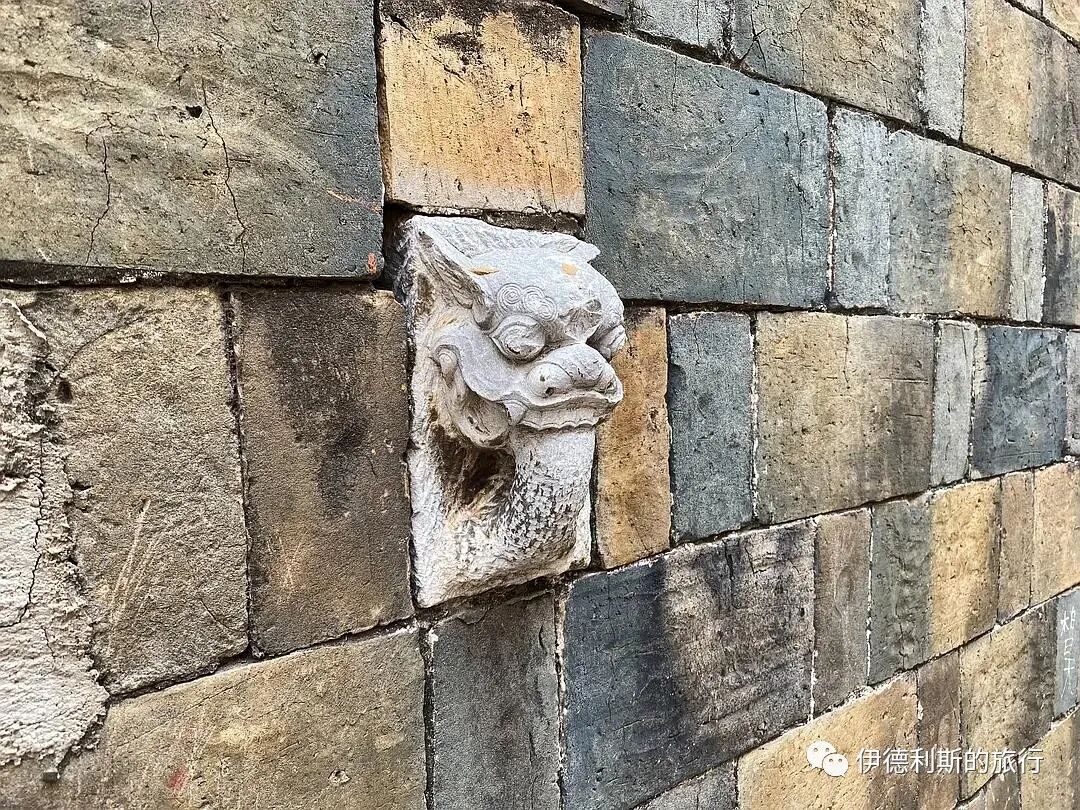
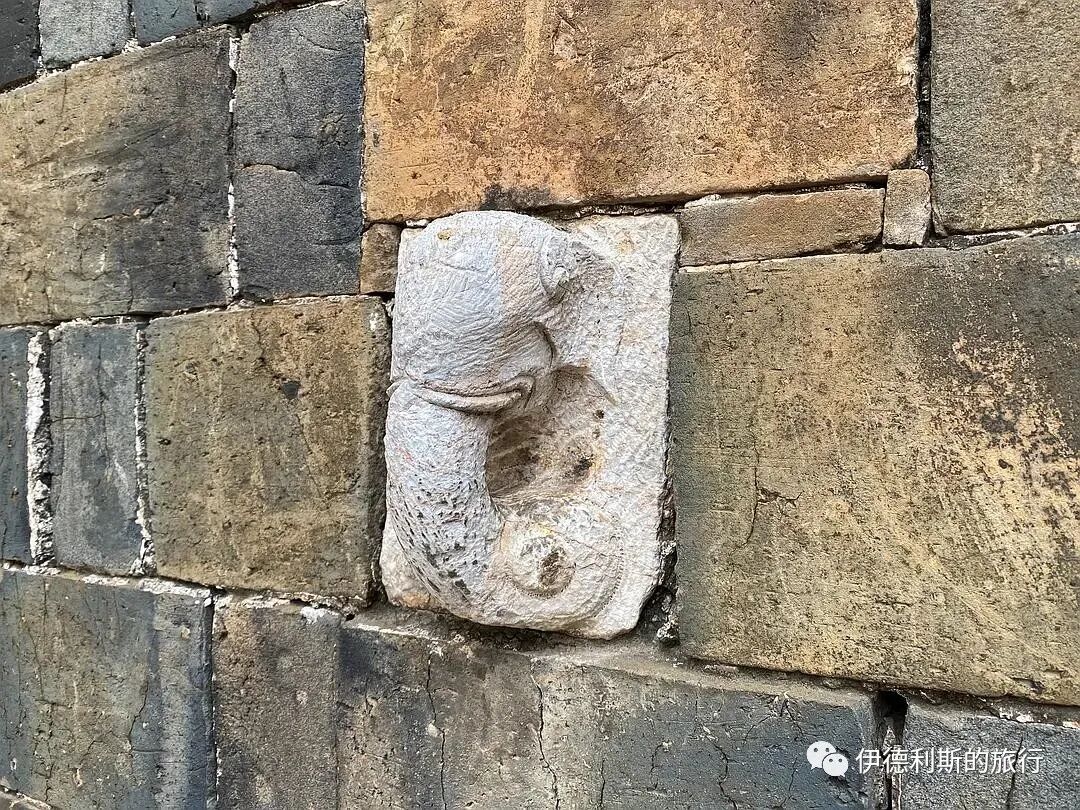
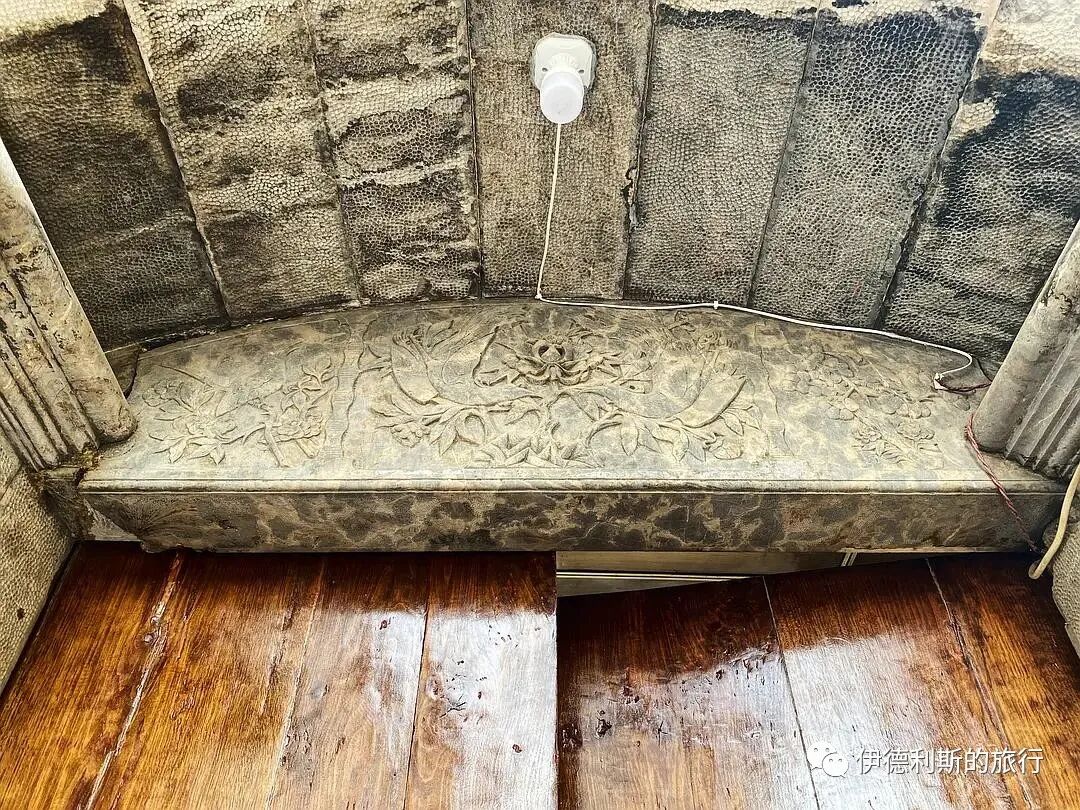
Other old houses
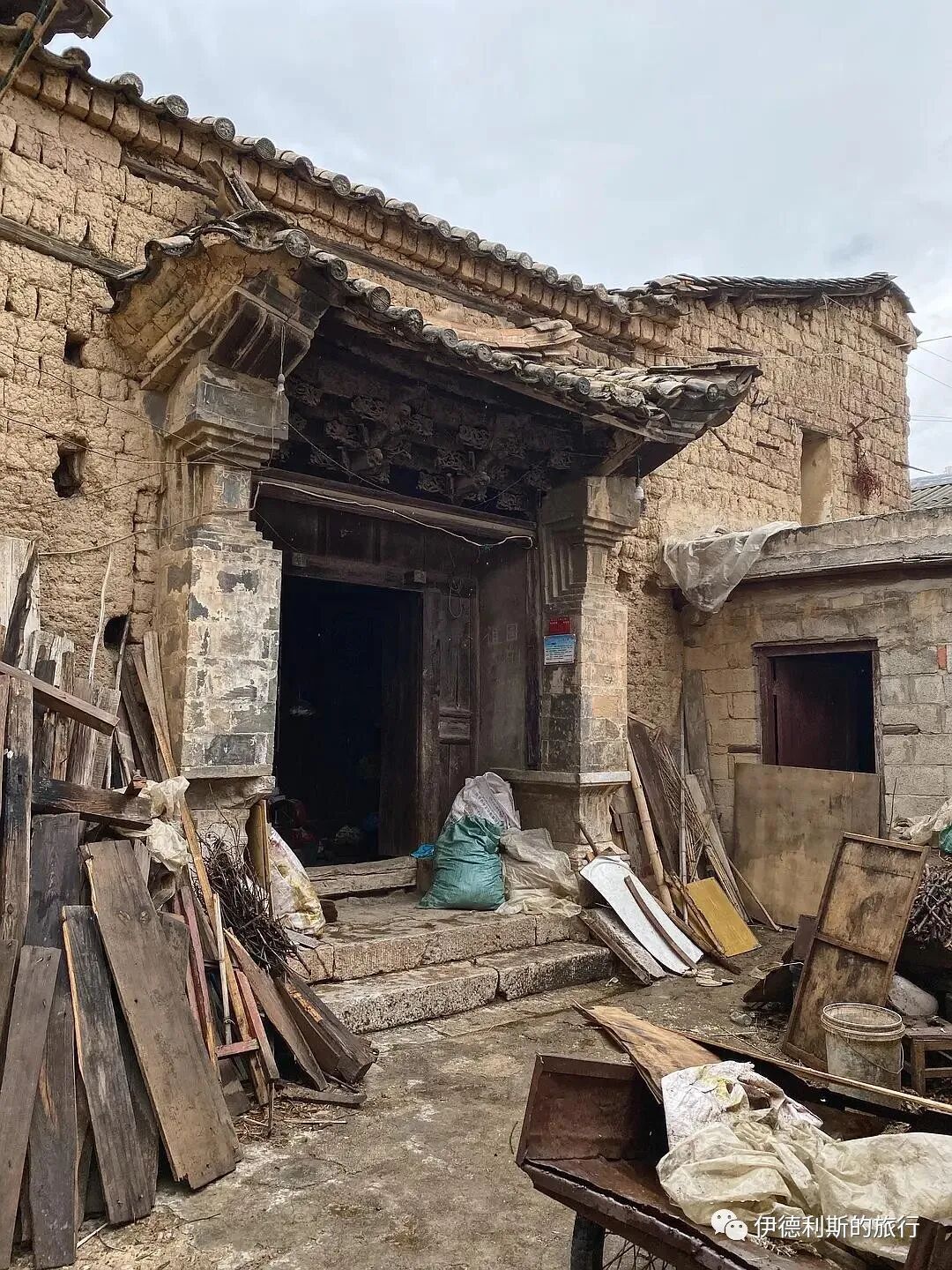
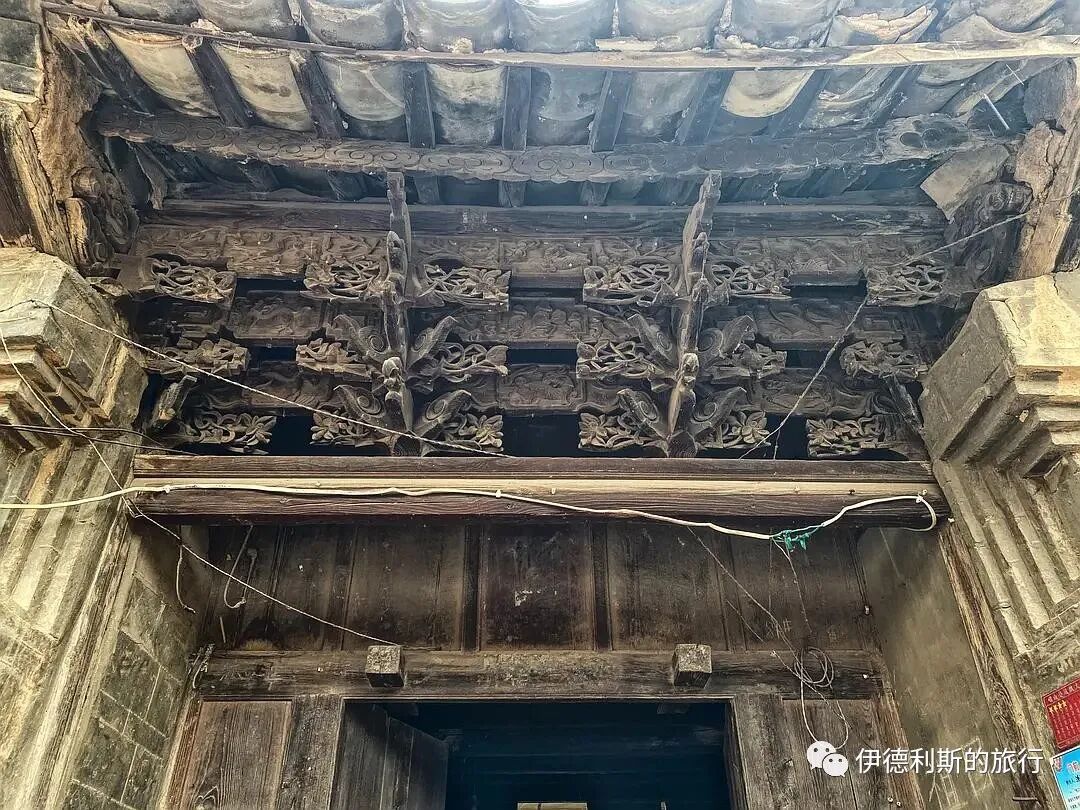
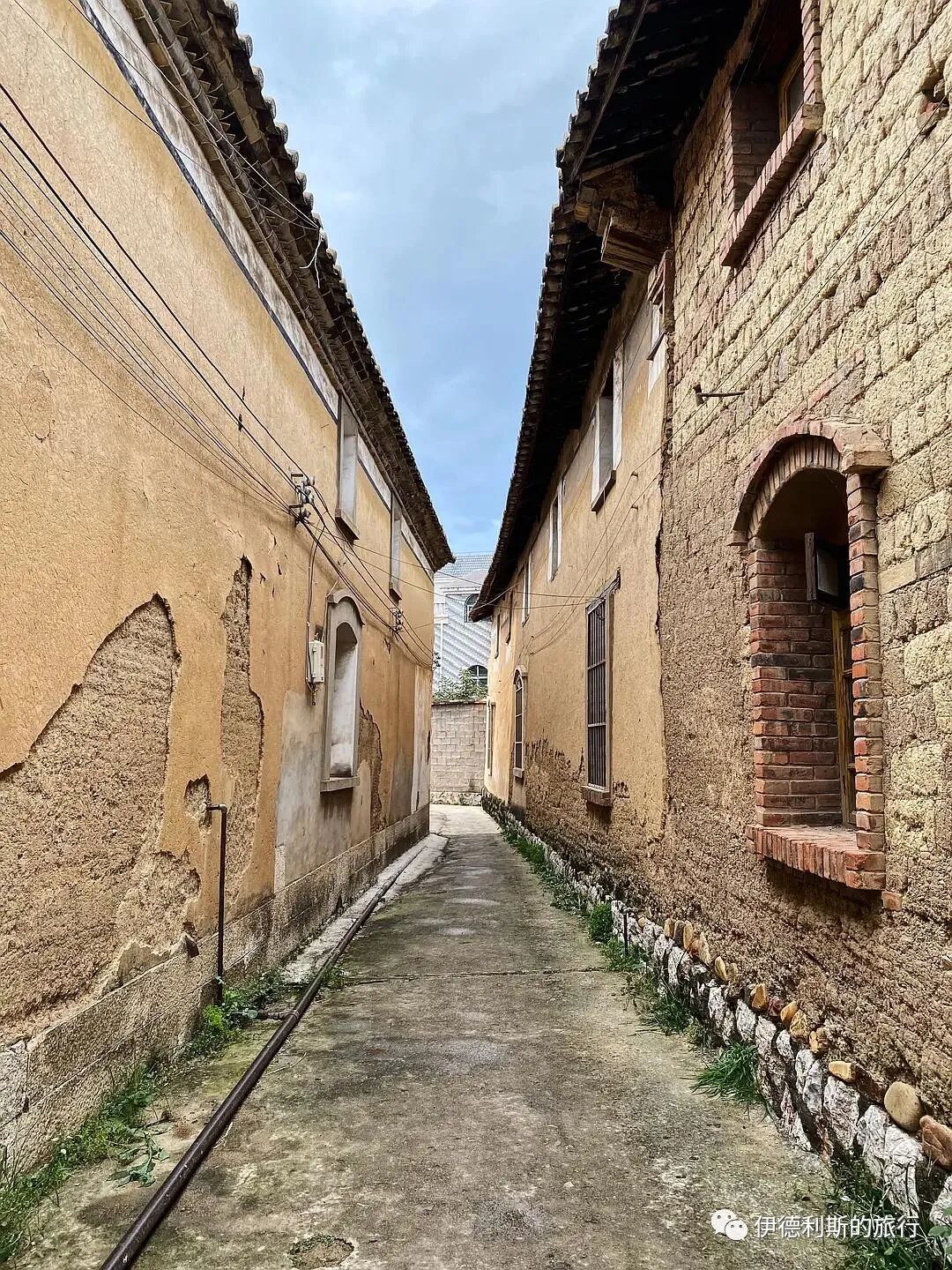
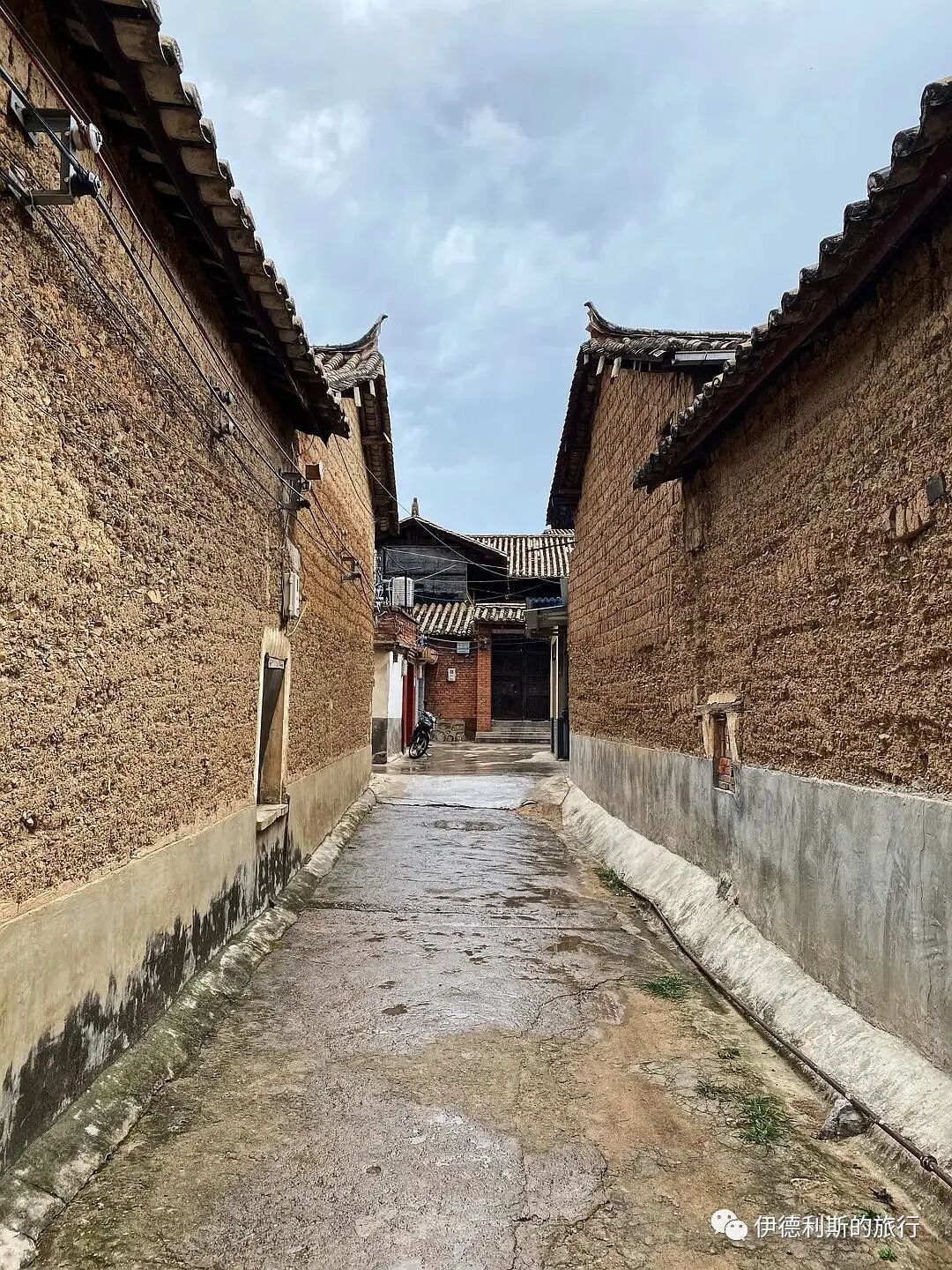
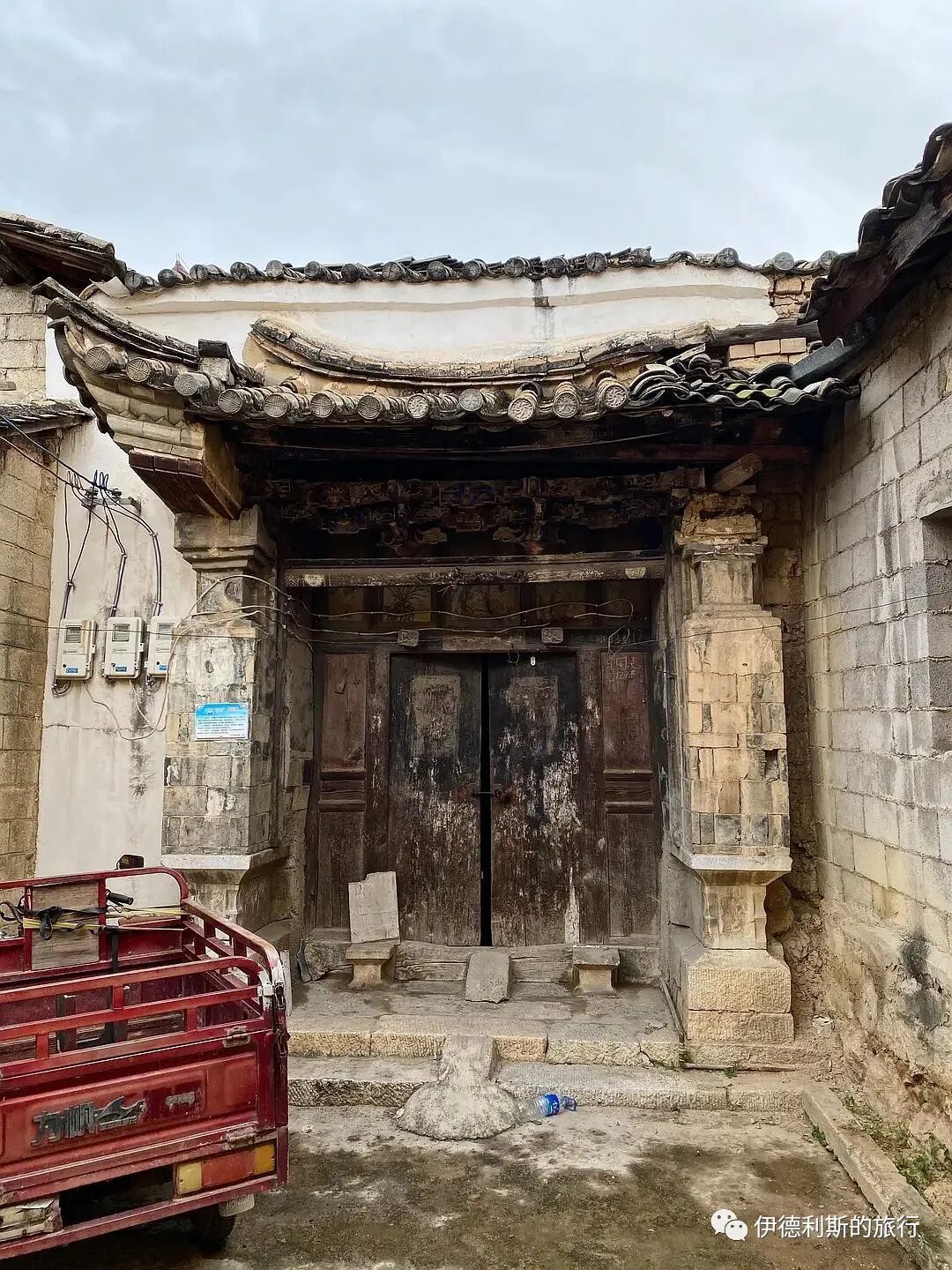
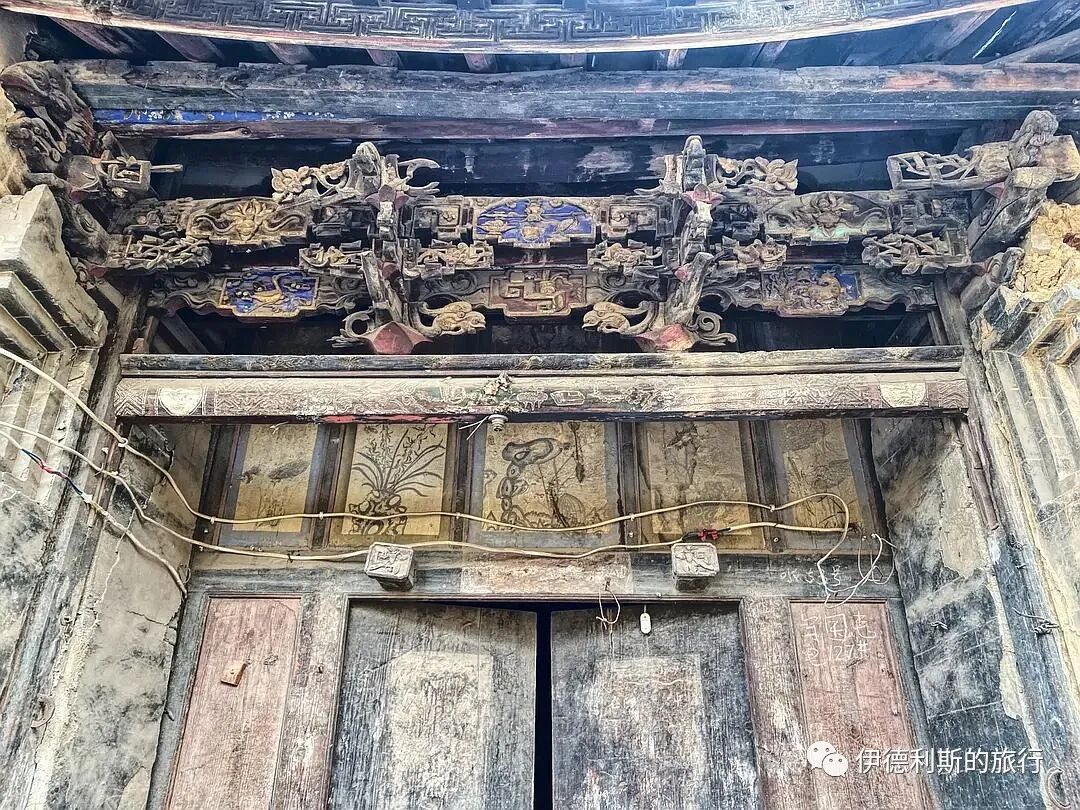
Residential gate lintel
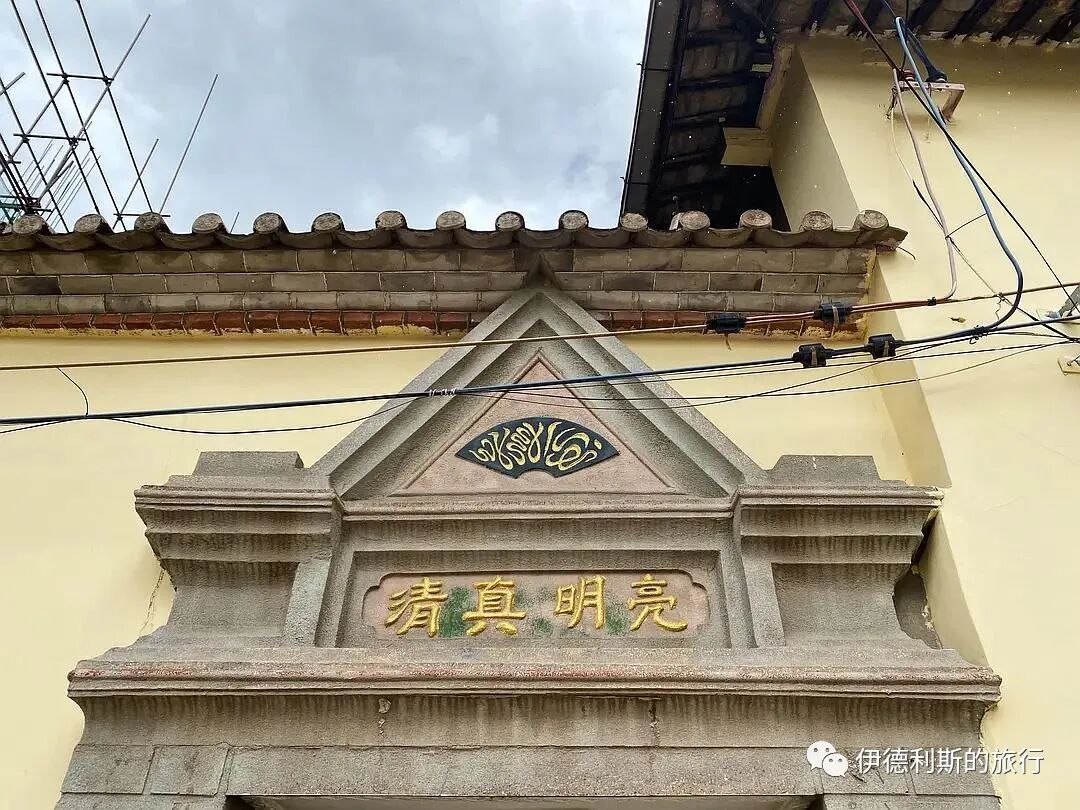
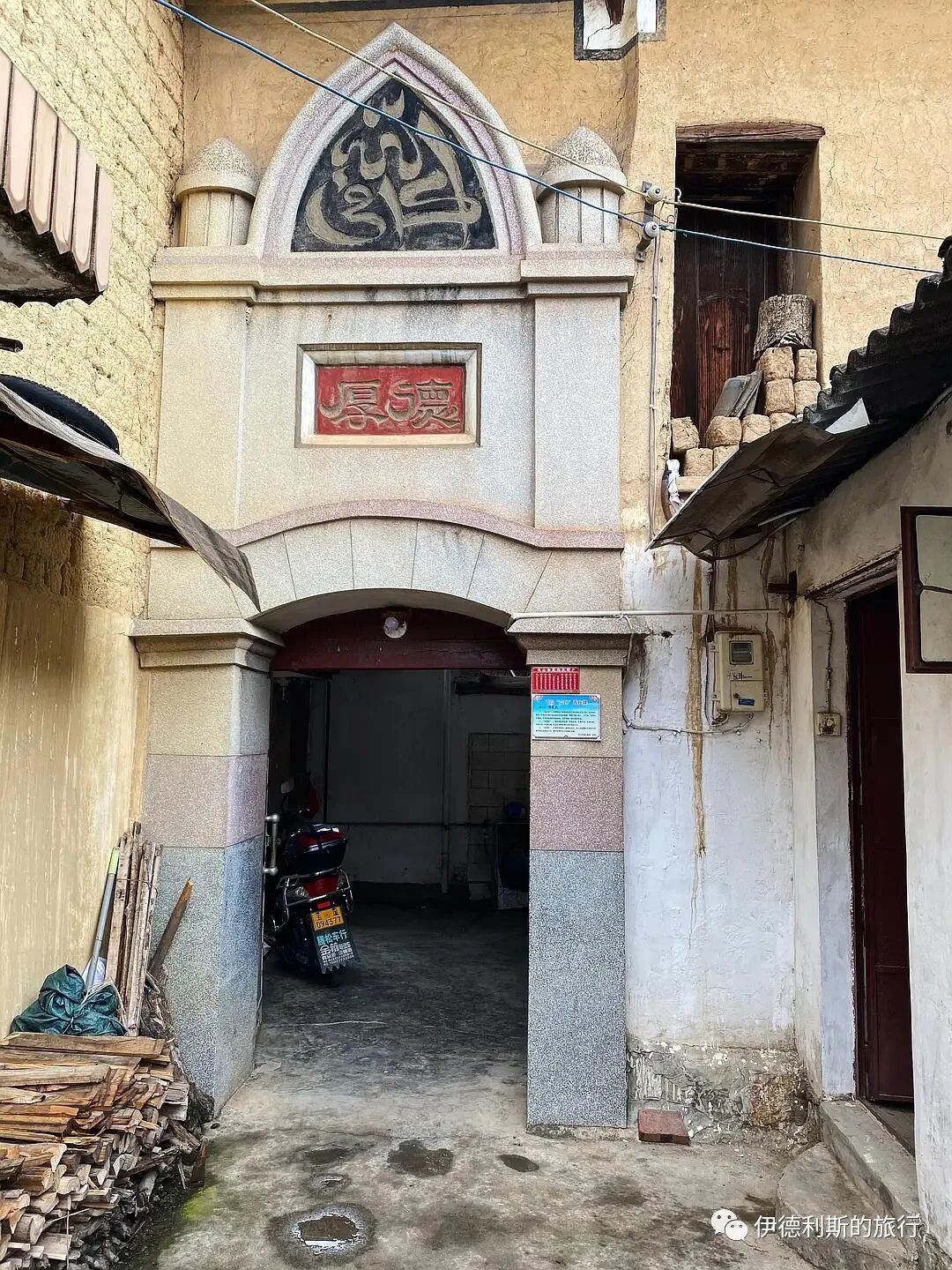
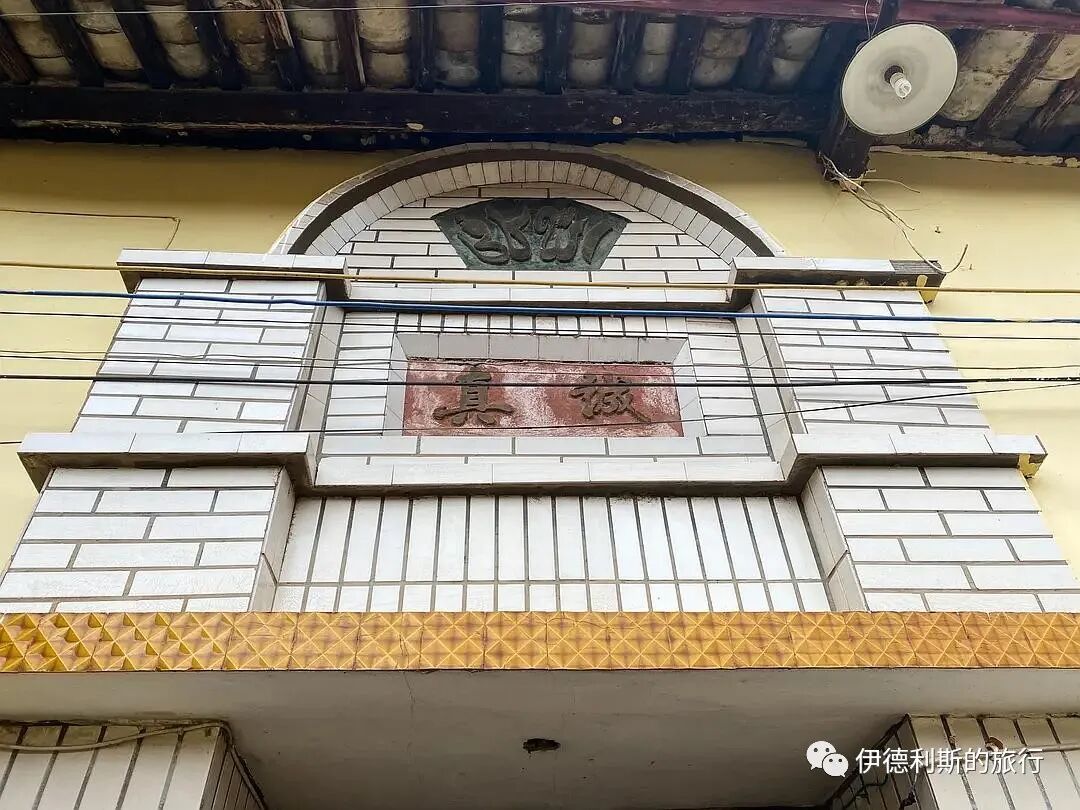
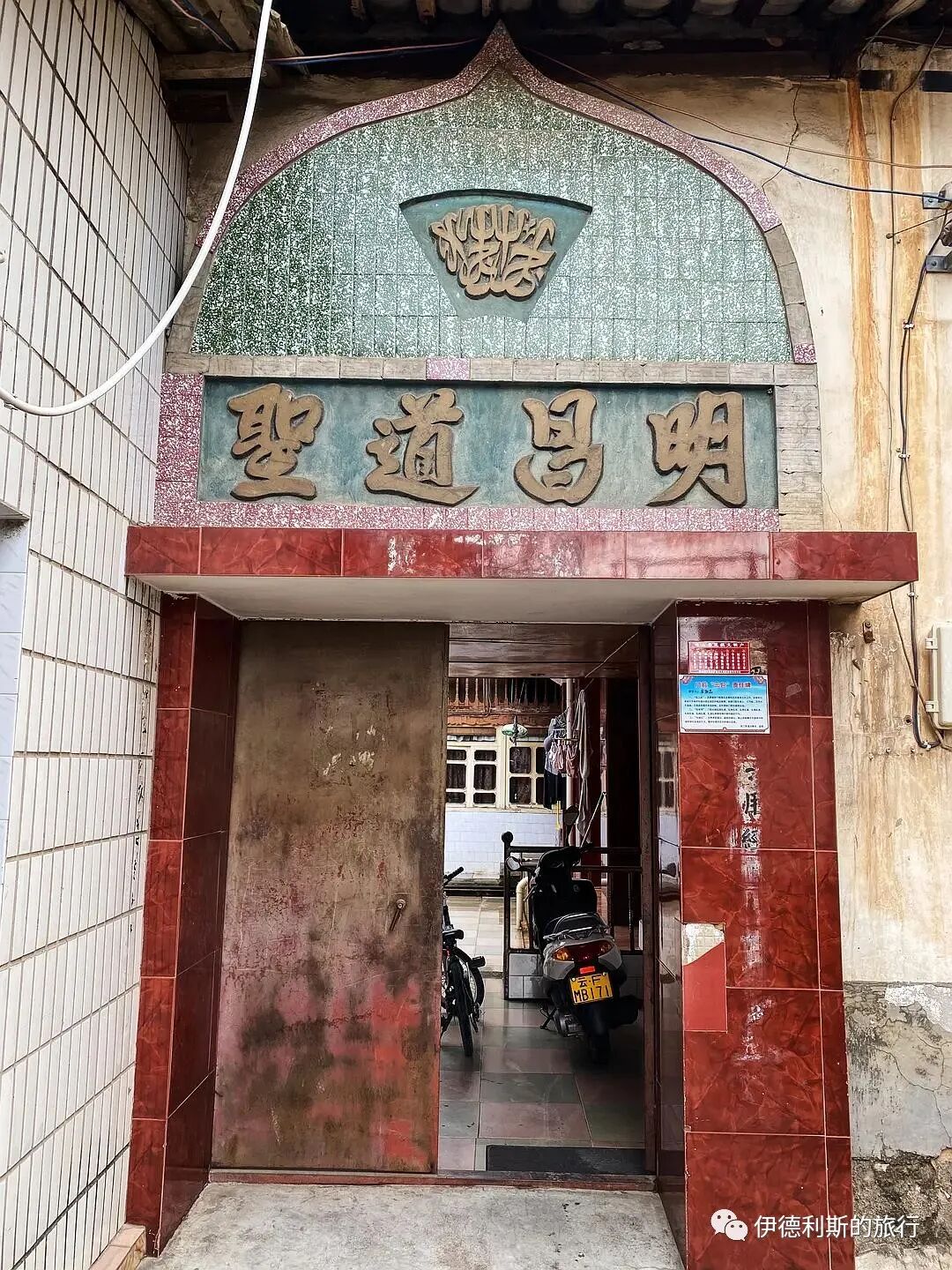
Muslim Travel Guide China 2026: Yuxi Fuxian Lake, Najiaying Mosque and Yunnan Halal Food
Articles • ali2007fr posted the article • 0 comments • 269 views • 2026-05-21 12:47
Summary: Muslim Travel Guide China 2026: Yuxi Fuxian Lake, Najiaying Mosque and Yunnan Halal Food is presented here as a clear English travel account for Muslim readers, beginning with this scene: Mosques in Beijing have been closed since the outbreak of the epidemic. I have not participated in collective gatherings for a long time. I miss going to the mosque to pray. Then I learned from my friends in. The article keeps the original place names, food details, photographs, and cultural context while focusing on Yunnan Travel, Najiaying Mosque, Halal Food.
Mosques in Beijing have been closed since the outbreak of the epidemic. I have not participated in collective gatherings for a long time. I miss going to the mosque to pray. Then I learned from my friends in Yunnan that the mosques in Yunnan have been opened normally, so I booked a flight ticket in only five minutes and decided to fly to Yunnan, hoping to attend a prayer in Yunnan.
I have been to Yunnan three times, including Kunming, Dali, Shangri-La and Xishuangbanna. Please see the Yunnan Halal Food Map for a guide. There are more important destinations to visit during this trip to Yunnan. One is the Memorial Hall of Ma Fuchu and Ma Lianyuan, the other is the Shadian Grand Mosque, and the last one is the Burmese Rohingya Muslim Quarter in Ruili.
My itinerary: Beijing → Kunming → Yuxi → Mengzi → Shadian → Kunming → Ruili → Beijing.
During the epidemic, domestic air tickets were as low as cabbage prices. The round-trip air ticket from Beijing to Kunming only cost 550 yuan. My trip to Yunnan lasted for 6 days and cost less than 2,000 yuan in total. This was unimaginable in the past, because June is the peak tourist season in Yunnan, and all consumer prices will rise.
It takes about three hours to fly from Beijing to Kunming. Because Yunnan is mountainous, transportation between places is not very convenient. Kunming is often used as a transfer station before setting off for the destination. My first destination is Yuxi, because Yuxi is close to Kunming. Yuxi has a very beautiful Fuxian Lake, which is the largest water storage lake and the largest plateau deep-water lake in my country. It is known as the back garden of Kunming.
Fuxian Lake Guanglong Wetland Park
Fuxian Lake is only more than 50 kilometers away from Kunming. Learning from the past, I recommend renting a car and driving around Yunnan after arriving in Kunming. This can save a lot of time on the road. Take the bus to Kunming South Railway Station, which costs 25 yuan per person and takes about an hour.
Fuxian Lake is very huge and has many scenic spots. When visiting for the first time, I recommend staying near Moon Bay Wetland Park to enjoy the natural scenery and to eat conveniently. There is the only halal restaurant here, Mulan Pavilion.
, is a local flavor restaurant opened by Yuxi Hui Muslims.
Muslim Mulan Pavilion Hotel
The owners of Mulange are all local Hui Muslims in Yuxi. They also have a halal restaurant called Xiyuan Restaurant in Chengjiang City, Yuxi.
, has been in business for more than 20 years. There were originally three halal restaurants near Moon Bay Wetland Park. The other two have closed down. Now this one is the only one left because the house was bought by the owner himself. Although the epidemic has had a great impact on the tourism industry, this restaurant can still persist.
Select dishes
The rules of restaurants in Yunnan are to order based on the ingredients. Which ingredients you want to eat can be cooked by the kitchen. You can also choose the method. The ingredients look fresh and you can eat with confidence. Now is the season for fungi in Yunnan. The lady boss specifically told me that these fungi are wild fungi picked from the mountains and recommended that I eat a kind of mushroom called Gushu mushroom.
The main fish of Fuxian Lake is Kanglang fish
One of Fuxian Lake's specialty delicacies is stone pot fish. You must choose the fish before eating. This fish is called mandarin fish, which is a specialty of Fuxian Lake. The fish is relatively large and I can't finish it by myself. The boss lady very thoughtfully suggested that I divide one fish into two portions. She cooked it for me. Half of it will be made as stone pot fish and the other half will be braised in braise tomorrow. I think this suggestion is great.
Stone pot that can spray steam
First, I watched the waiter open the steam stone pot, and steam came out of the pot. Then he put half of the fish in the pot and started cooking it. He closed the lid and the fish was cooked in less than ten minutes.
After eating the fish, put Guzhu mushrooms in the pot
The boss lady was afraid that I wouldn't understand, so she wrote the name of the mushroom on the note. She said that the mushroom must be boiled for five minutes longer, otherwise it will be poisonous. She suggested not to add water for dipping when eating, just eat it in vain, and you can taste the fragrance of the mushroom.
Braised potato rice in copper pot
Another specialty food of Fuxian Lake, braised potato rice in a copper pot, is like fried rice, but with much richer ingredients. When the copper pot is served, be careful not to touch it with your hands, as you may get burned.
After eating and drinking, the landlady asked me where I planned to go. I had no idea where to go. She suggested that I go to Guanglong Wetland Park, which is about 8 kilometers away from Moon Bay. It is a newly developed niche attraction. She showed me a video of the beautiful scenery on Douyin. I immediately decided to go. The landlady also lent me her husband’s mountain bike. It was really convenient to ride along Fuxian Lake to enjoy the beautiful scenery.
There are several wetland parks in Fuxian Lake. Guanglong National Wetland Park is a government-developed project and is free to the public. The entire park is simply a sea of flowers.
As soon as you enter the park entrance, you see a large field of lavender, and you can smell the fragrance of flowers everywhere.
Fuxian Lake is really big. Standing on the shore, you feel like you are facing the sea.
During the epidemic, there were few tourists. I saw few tourists in the entire park. I only saw gardeners repairing flowers and plants.
Thank you very much to the proprietress for providing the information, which allows me to enjoy such beautiful and moving scenery for free.
The scenery of Moon Bay Wetland Park is not as beautiful as Guanglong Wetland Park. Moon Bay is a park supporting the hotel. You need to pay an admission fee of 30 yuan to enter the park, but you can use the ticket to consume goods of equivalent value in the park, which is considered free of charge.
Artificial beach at Moon Bay Wetland Park
After visiting Fuxian Lake, you can take a bus to Chengjiang City to go to Yuxi City. The boss of Mulange just wanted to deliver meals to the children who were studying in Chengjiang, so he drove me to Chengjiang Passenger Terminal and asked me to take a bus to Yuxi City in one hour. The reason I want to go to Yuxi is to visit the grave of Baba Ma Fuchu in Daying Village in Yuxi, and then go to Najiaying.
The next day, the boss lady braised my other half of the mandarin fish and gave me a bowl of soup. The braised mandarin fish was also very fragrant.
Arrive at Yuxi Station in the evening
Leaving Fuxian Lake, it takes about 2 hours to take a bus from Chengjiang Passenger Terminal to Yuxi City.
Yuxi City Mosque
The Yuxi City Mosque was first built in the late Qing Dynasty and the early Republic of China. After several expansions, it was moved here in 2000 and reached its current scale.
During the Hui uprising in the Qing Dynasty, there was a mosque in Yuxi that was later destroyed due to the failure of the uprising.
After praying at the mosque in the city, I saw a halal Japanese restaurant 300 meters away. Since there are no halal Japanese restaurants in Beijing now, and the original Hefengzhiyan also changed its owner, I decided to try it in Yuxi.
Muxuewu Japanese Food Store
The environment of the restaurant is very beautiful, the waiter wears a headscarf and looks very young.
After asking, I learned that the clerk was a Hui from Daying, Yuxi. I was going to Daying Mosque the next day.
I chose three sushi combinations, which cost 27 yuan in total. This price would have to be doubled to get it in Beijing.
I ordered another bowl of Japanese ramen at the bottom. The last time I had halal Japanese ramen was during the halal trip in Hokkaido, Japan.
Daying Mosque
Starting from Yuxi City, you can take a taxi to Daying Village in about half an hour, or you can take a bus for about an hour.
Daying Village is a Hui village, and Daying Mosque is also an Arabic school. When I arrived, students were in class.
Daying Mosque was built during the Daoguang period of the Qing Dynasty (1821-1850). It was the center of Islamic scripture education in Yunnan in the late Qing Dynasty. Ma Fuchu and Ma Lianyuan both set up their offices here.
The purpose of my trip to Daying Mosque is to visit the Memorial Hall of Ma Fuchu and Ma Lianyuan. I have collected a copy of "Montserge" co-authored by the two sages.
"Montserge"
"Montsergue" is a work co-authored by the sages Ma Fuchu and Ma Lianyuan. The original work was written in Arabic and is a grammar and morphology textbook for Arabic language learning in Jingtang. Professor Lin Zhongming once brought this book to Egypt. Professors from Al-Azhar University admired the book very much when they saw it. They admired the Chinese Muslim scholars for their profound knowledge of Arabic. Professor Ma Jian also used this book as a main reference when editing Arabic grammar textbooks at Peking University.
The memorial hall is usually not open. I went to the principal's office to see Principal Suo and explained my purpose. The principal opened the door of the memorial hall specially for me.
Ma Dexin (1794-1874), named Fuchu, was born in Dali, Yunnan. He studied Arabic with his father since he was a child, and then went to Xi'an to study Confucian classics under Zhou Liangjun, who was the fourth disciple of Hu Dengzhou. In 1841 He went on pilgrimage to Mecca and visited Cairo, Alexandria, Jerusalem, Cyprus, Istanbul, Rhode Island, Aden, Singapore and other places. He returned to China eight years later and set up tents in Jianshui, Huilong, Yuxi Camp and other places.
Ma Fuchu was the successor and promoter of the Sinicization of Islam. He supplemented the academic theories of Wang Daiyu, Liu Zhi and other predecessors, and combined Islamic philosophy with traditional Confucianism.
Ma Dexin, together with Wang Daiyu, Liu Zhi, and Ma Zhu, is known as China's "four major classics scholars and translators and annotators".
Ma Lianyuan, courtesy name Zhiben, was born in Daying, Yuxi, Yunnan, in the 21st year of Daoguang (1841). His ancestors were Bukhara people in Central Asia, descendants of Sai Dianchi and Fansi Ding. Ma Lianyuan also went to Mecca for pilgrimage. He was Ma Fuchu's successor and the most influential Confucian classics master in Yunnan. He and his descendants made outstanding contributions to the Confucian classics education in Yunnan. The Yunnan School was differentiated from the Shaanxi School and also belonged to the Hu Dengzhou teaching system. It had the characteristics of both the Shaanxi School and the Shandong School, and its scope of influence was limited to the Yunnan-Guizhou region.
In the twenty-sixth year of Guangxu (1900), Ma Lianyuan fled to India to avoid sectarian disputes. In the twenty-ninth year of Guangxu (1903), he returned to life in Kanpur, India, at the age of 63. The tombstone built for him by Muslims in India is still there today.
In the back hill of Daying Village is the Muslim Cemetery, which can be reached by tricycle in 10 minutes from the entrance of the village. The cemetery of Ma Fuchu is buried here.
Ma Fuchu's representative works include "Sidian Yaohui" and "Dahua Zonggui". The first five volumes of his translation of "Baoming Zhenjing Direct Interpretation" are the earliest translations of verses of the Quran in China.
"Zhenquan Yaolu", "Guide Yaoyan" and "Tianfang Xingli Annotation" are introductions and annotations to the ancestors Wang Daiyu, Liu Zhi and Ma Zhu.
Ma Fuchu once followed Ma Rulong to the Qing Dynasty and was named "Second Rank Burke" and "General Hui Tutor in Southern Yunnan" by the Qing court. However, after he decided to retreat to the mountains and concentrate on academics, he was brutally murdered by the Qing court in 1874 at the age of 80.
Coming back from the Muslim Cemetery, I found a snack bar at the entrance of Daying Village and had a bowl of rolled noodles before heading to my next destination, Najiaying.
Yunnan people eat a lot of various kinds of rice noodles for breakfast. This is the first time I tried this rolled rice noodle. It tastes good and costs 6 yuan a bowl.
Najiaying is also a Hui village under Yuxi City. You need to return to Yuxi City South Bus Terminal and take a bus for about two hours to arrive. If you drive by yourself, it only takes an hour to drive from Daying to Najiaying. This is why I think you should rent a car when traveling in Yunnan. Otherwise, you can only go back to the city and transfer.
The Najiaying Mosque is very spectacular and one of the largest in Yunnan. This new-style mosque was built in 2004 and there is a women's mosque next to it.
The living conditions of the Hui Muslims in Najiaying look good. I saw that several houses have been equipped with elevators.
Najiaying has produced many famous scholars, such as Naxun (1911-1989), who went to Al-Azhar University for further study and translated the entire book "One Thousand and One Nights". In 1947, he returned to China and served as the editor-in-chief of "Islamic Duo Bao". In his later years, he was elected as a director of the Chinese Translators Association.
Nazhong (1910-2008) was a professor at Beijing Foreign Studies University and a famous translator. He presided over the translation of "History of Arab Islamic Culture" and "History of Islamic Academic Thought". He served as acting principal of Kunming Mingde Middle School and honorary president of Kunming Islamic College.
One kilometer away from the new mosque is the Ancient City Mosque, which retains the traditional architectural style.
The ancient city mosque was built around 1370 by Nasuru and his son. Najiaying has been a place for the production of guns and ammunition since ancient times. After the founding of the People's Republic of China, it was transformed and has now become a base for the production of knives. There are kitchen knife shops everywhere in the streets.
The ancient city mosque has a very simple appearance and is a traditional Chinese style architectural structure.
The window grilles above the main entrance of the main hall are very eye-catching. They are painted with various flowers, plants and buildings, but there are no animal images.
This is the same as the "Four Nothings" picture on the large screen wall in front of the Niujie Mosque.
There are many snack shops on both sides of the street in front of the Najiaying Mosque. They are all local specialties and the prices are cheap.
A cup of these fried potatoes only cost 1 yuan. The little girl in the headscarf looked at me and looked at me like I had never seen the world, so she kept snickering.
A cup of bayberry juice costs one yuan. There are six or seven big bayberries at the bottom of the cup. It is sour, sweet, and ice-cold.
Chadian milk, which costs one yuan a bag, is a local specialty dairy product recommended by my friends in Yunnan that I must try.
Quraysh ice cream costs two yuan a ball. The food in Najiaying can be said to be of high quality and low price. I heard that there is a morning market in the morning with more types of food. However, I have to continue the next journey, so I can only leave some regrets. My Yunnan halal journey has just begun. The next issue will continue to tell about my Shading halal journey. view all
Summary: Muslim Travel Guide China 2026: Yuxi Fuxian Lake, Najiaying Mosque and Yunnan Halal Food is presented here as a clear English travel account for Muslim readers, beginning with this scene: Mosques in Beijing have been closed since the outbreak of the epidemic. I have not participated in collective gatherings for a long time. I miss going to the mosque to pray. Then I learned from my friends in. The article keeps the original place names, food details, photographs, and cultural context while focusing on Yunnan Travel, Najiaying Mosque, Halal Food.
Mosques in Beijing have been closed since the outbreak of the epidemic. I have not participated in collective gatherings for a long time. I miss going to the mosque to pray. Then I learned from my friends in Yunnan that the mosques in Yunnan have been opened normally, so I booked a flight ticket in only five minutes and decided to fly to Yunnan, hoping to attend a prayer in Yunnan.
I have been to Yunnan three times, including Kunming, Dali, Shangri-La and Xishuangbanna. Please see the Yunnan Halal Food Map for a guide. There are more important destinations to visit during this trip to Yunnan. One is the Memorial Hall of Ma Fuchu and Ma Lianyuan, the other is the Shadian Grand Mosque, and the last one is the Burmese Rohingya Muslim Quarter in Ruili.
My itinerary: Beijing → Kunming → Yuxi → Mengzi → Shadian → Kunming → Ruili → Beijing.
During the epidemic, domestic air tickets were as low as cabbage prices. The round-trip air ticket from Beijing to Kunming only cost 550 yuan. My trip to Yunnan lasted for 6 days and cost less than 2,000 yuan in total. This was unimaginable in the past, because June is the peak tourist season in Yunnan, and all consumer prices will rise.
It takes about three hours to fly from Beijing to Kunming. Because Yunnan is mountainous, transportation between places is not very convenient. Kunming is often used as a transfer station before setting off for the destination. My first destination is Yuxi, because Yuxi is close to Kunming. Yuxi has a very beautiful Fuxian Lake, which is the largest water storage lake and the largest plateau deep-water lake in my country. It is known as the back garden of Kunming.
Fuxian Lake Guanglong Wetland Park
Fuxian Lake is only more than 50 kilometers away from Kunming. Learning from the past, I recommend renting a car and driving around Yunnan after arriving in Kunming. This can save a lot of time on the road. Take the bus to Kunming South Railway Station, which costs 25 yuan per person and takes about an hour.
Fuxian Lake is very huge and has many scenic spots. When visiting for the first time, I recommend staying near Moon Bay Wetland Park to enjoy the natural scenery and to eat conveniently. There is the only halal restaurant here, Mulan Pavilion.
, is a local flavor restaurant opened by Yuxi Hui Muslims.
Muslim Mulan Pavilion Hotel
The owners of Mulange are all local Hui Muslims in Yuxi. They also have a halal restaurant called Xiyuan Restaurant in Chengjiang City, Yuxi.
, has been in business for more than 20 years. There were originally three halal restaurants near Moon Bay Wetland Park. The other two have closed down. Now this one is the only one left because the house was bought by the owner himself. Although the epidemic has had a great impact on the tourism industry, this restaurant can still persist.
Select dishes
The rules of restaurants in Yunnan are to order based on the ingredients. Which ingredients you want to eat can be cooked by the kitchen. You can also choose the method. The ingredients look fresh and you can eat with confidence. Now is the season for fungi in Yunnan. The lady boss specifically told me that these fungi are wild fungi picked from the mountains and recommended that I eat a kind of mushroom called Gushu mushroom.
The main fish of Fuxian Lake is Kanglang fish
One of Fuxian Lake's specialty delicacies is stone pot fish. You must choose the fish before eating. This fish is called mandarin fish, which is a specialty of Fuxian Lake. The fish is relatively large and I can't finish it by myself. The boss lady very thoughtfully suggested that I divide one fish into two portions. She cooked it for me. Half of it will be made as stone pot fish and the other half will be braised in braise tomorrow. I think this suggestion is great.
Stone pot that can spray steam
First, I watched the waiter open the steam stone pot, and steam came out of the pot. Then he put half of the fish in the pot and started cooking it. He closed the lid and the fish was cooked in less than ten minutes.
After eating the fish, put Guzhu mushrooms in the pot
The boss lady was afraid that I wouldn't understand, so she wrote the name of the mushroom on the note. She said that the mushroom must be boiled for five minutes longer, otherwise it will be poisonous. She suggested not to add water for dipping when eating, just eat it in vain, and you can taste the fragrance of the mushroom.
Braised potato rice in copper pot
Another specialty food of Fuxian Lake, braised potato rice in a copper pot, is like fried rice, but with much richer ingredients. When the copper pot is served, be careful not to touch it with your hands, as you may get burned.
After eating and drinking, the landlady asked me where I planned to go. I had no idea where to go. She suggested that I go to Guanglong Wetland Park, which is about 8 kilometers away from Moon Bay. It is a newly developed niche attraction. She showed me a video of the beautiful scenery on Douyin. I immediately decided to go. The landlady also lent me her husband’s mountain bike. It was really convenient to ride along Fuxian Lake to enjoy the beautiful scenery.
There are several wetland parks in Fuxian Lake. Guanglong National Wetland Park is a government-developed project and is free to the public. The entire park is simply a sea of flowers.
As soon as you enter the park entrance, you see a large field of lavender, and you can smell the fragrance of flowers everywhere.
Fuxian Lake is really big. Standing on the shore, you feel like you are facing the sea.
During the epidemic, there were few tourists. I saw few tourists in the entire park. I only saw gardeners repairing flowers and plants.
Thank you very much to the proprietress for providing the information, which allows me to enjoy such beautiful and moving scenery for free.
The scenery of Moon Bay Wetland Park is not as beautiful as Guanglong Wetland Park. Moon Bay is a park supporting the hotel. You need to pay an admission fee of 30 yuan to enter the park, but you can use the ticket to consume goods of equivalent value in the park, which is considered free of charge.
Artificial beach at Moon Bay Wetland Park
After visiting Fuxian Lake, you can take a bus to Chengjiang City to go to Yuxi City. The boss of Mulange just wanted to deliver meals to the children who were studying in Chengjiang, so he drove me to Chengjiang Passenger Terminal and asked me to take a bus to Yuxi City in one hour. The reason I want to go to Yuxi is to visit the grave of Baba Ma Fuchu in Daying Village in Yuxi, and then go to Najiaying.
The next day, the boss lady braised my other half of the mandarin fish and gave me a bowl of soup. The braised mandarin fish was also very fragrant.
Arrive at Yuxi Station in the evening
Leaving Fuxian Lake, it takes about 2 hours to take a bus from Chengjiang Passenger Terminal to Yuxi City.
Yuxi City Mosque
The Yuxi City Mosque was first built in the late Qing Dynasty and the early Republic of China. After several expansions, it was moved here in 2000 and reached its current scale.
During the Hui uprising in the Qing Dynasty, there was a mosque in Yuxi that was later destroyed due to the failure of the uprising.
After praying at the mosque in the city, I saw a halal Japanese restaurant 300 meters away. Since there are no halal Japanese restaurants in Beijing now, and the original Hefengzhiyan also changed its owner, I decided to try it in Yuxi.
Muxuewu Japanese Food Store
The environment of the restaurant is very beautiful, the waiter wears a headscarf and looks very young.
After asking, I learned that the clerk was a Hui from Daying, Yuxi. I was going to Daying Mosque the next day.
I chose three sushi combinations, which cost 27 yuan in total. This price would have to be doubled to get it in Beijing.
I ordered another bowl of Japanese ramen at the bottom. The last time I had halal Japanese ramen was during the halal trip in Hokkaido, Japan.
Daying Mosque
Starting from Yuxi City, you can take a taxi to Daying Village in about half an hour, or you can take a bus for about an hour.
Daying Village is a Hui village, and Daying Mosque is also an Arabic school. When I arrived, students were in class.
Daying Mosque was built during the Daoguang period of the Qing Dynasty (1821-1850). It was the center of Islamic scripture education in Yunnan in the late Qing Dynasty. Ma Fuchu and Ma Lianyuan both set up their offices here.
The purpose of my trip to Daying Mosque is to visit the Memorial Hall of Ma Fuchu and Ma Lianyuan. I have collected a copy of "Montserge" co-authored by the two sages.
"Montserge"
"Montsergue" is a work co-authored by the sages Ma Fuchu and Ma Lianyuan. The original work was written in Arabic and is a grammar and morphology textbook for Arabic language learning in Jingtang. Professor Lin Zhongming once brought this book to Egypt. Professors from Al-Azhar University admired the book very much when they saw it. They admired the Chinese Muslim scholars for their profound knowledge of Arabic. Professor Ma Jian also used this book as a main reference when editing Arabic grammar textbooks at Peking University.
The memorial hall is usually not open. I went to the principal's office to see Principal Suo and explained my purpose. The principal opened the door of the memorial hall specially for me.
Ma Dexin (1794-1874), named Fuchu, was born in Dali, Yunnan. He studied Arabic with his father since he was a child, and then went to Xi'an to study Confucian classics under Zhou Liangjun, who was the fourth disciple of Hu Dengzhou. In 1841 He went on pilgrimage to Mecca and visited Cairo, Alexandria, Jerusalem, Cyprus, Istanbul, Rhode Island, Aden, Singapore and other places. He returned to China eight years later and set up tents in Jianshui, Huilong, Yuxi Camp and other places.
Ma Fuchu was the successor and promoter of the Sinicization of Islam. He supplemented the academic theories of Wang Daiyu, Liu Zhi and other predecessors, and combined Islamic philosophy with traditional Confucianism.
Ma Dexin, together with Wang Daiyu, Liu Zhi, and Ma Zhu, is known as China's "four major classics scholars and translators and annotators".
Ma Lianyuan, courtesy name Zhiben, was born in Daying, Yuxi, Yunnan, in the 21st year of Daoguang (1841). His ancestors were Bukhara people in Central Asia, descendants of Sai Dianchi and Fansi Ding. Ma Lianyuan also went to Mecca for pilgrimage. He was Ma Fuchu's successor and the most influential Confucian classics master in Yunnan. He and his descendants made outstanding contributions to the Confucian classics education in Yunnan. The Yunnan School was differentiated from the Shaanxi School and also belonged to the Hu Dengzhou teaching system. It had the characteristics of both the Shaanxi School and the Shandong School, and its scope of influence was limited to the Yunnan-Guizhou region.
In the twenty-sixth year of Guangxu (1900), Ma Lianyuan fled to India to avoid sectarian disputes. In the twenty-ninth year of Guangxu (1903), he returned to life in Kanpur, India, at the age of 63. The tombstone built for him by Muslims in India is still there today.
In the back hill of Daying Village is the Muslim Cemetery, which can be reached by tricycle in 10 minutes from the entrance of the village. The cemetery of Ma Fuchu is buried here.
Ma Fuchu's representative works include "Sidian Yaohui" and "Dahua Zonggui". The first five volumes of his translation of "Baoming Zhenjing Direct Interpretation" are the earliest translations of verses of the Quran in China.
"Zhenquan Yaolu", "Guide Yaoyan" and "Tianfang Xingli Annotation" are introductions and annotations to the ancestors Wang Daiyu, Liu Zhi and Ma Zhu.
Ma Fuchu once followed Ma Rulong to the Qing Dynasty and was named "Second Rank Burke" and "General Hui Tutor in Southern Yunnan" by the Qing court. However, after he decided to retreat to the mountains and concentrate on academics, he was brutally murdered by the Qing court in 1874 at the age of 80.
Coming back from the Muslim Cemetery, I found a snack bar at the entrance of Daying Village and had a bowl of rolled noodles before heading to my next destination, Najiaying.
Yunnan people eat a lot of various kinds of rice noodles for breakfast. This is the first time I tried this rolled rice noodle. It tastes good and costs 6 yuan a bowl.
Najiaying is also a Hui village under Yuxi City. You need to return to Yuxi City South Bus Terminal and take a bus for about two hours to arrive. If you drive by yourself, it only takes an hour to drive from Daying to Najiaying. This is why I think you should rent a car when traveling in Yunnan. Otherwise, you can only go back to the city and transfer.
The Najiaying Mosque is very spectacular and one of the largest in Yunnan. This new-style mosque was built in 2004 and there is a women's mosque next to it.
The living conditions of the Hui Muslims in Najiaying look good. I saw that several houses have been equipped with elevators.
Najiaying has produced many famous scholars, such as Naxun (1911-1989), who went to Al-Azhar University for further study and translated the entire book "One Thousand and One Nights". In 1947, he returned to China and served as the editor-in-chief of "Islamic Duo Bao". In his later years, he was elected as a director of the Chinese Translators Association.
Nazhong (1910-2008) was a professor at Beijing Foreign Studies University and a famous translator. He presided over the translation of "History of Arab Islamic Culture" and "History of Islamic Academic Thought". He served as acting principal of Kunming Mingde Middle School and honorary president of Kunming Islamic College.
One kilometer away from the new mosque is the Ancient City Mosque, which retains the traditional architectural style.
The ancient city mosque was built around 1370 by Nasuru and his son. Najiaying has been a place for the production of guns and ammunition since ancient times. After the founding of the People's Republic of China, it was transformed and has now become a base for the production of knives. There are kitchen knife shops everywhere in the streets.
The ancient city mosque has a very simple appearance and is a traditional Chinese style architectural structure.
The window grilles above the main entrance of the main hall are very eye-catching. They are painted with various flowers, plants and buildings, but there are no animal images.
This is the same as the "Four Nothings" picture on the large screen wall in front of the Niujie Mosque.
There are many snack shops on both sides of the street in front of the Najiaying Mosque. They are all local specialties and the prices are cheap.
A cup of these fried potatoes only cost 1 yuan. The little girl in the headscarf looked at me and looked at me like I had never seen the world, so she kept snickering.
A cup of bayberry juice costs one yuan. There are six or seven big bayberries at the bottom of the cup. It is sour, sweet, and ice-cold.
Chadian milk, which costs one yuan a bag, is a local specialty dairy product recommended by my friends in Yunnan that I must try.
Quraysh ice cream costs two yuan a ball. The food in Najiaying can be said to be of high quality and low price. I heard that there is a morning market in the morning with more types of food. However, I have to continue the next journey, so I can only leave some regrets. My Yunnan halal journey has just begun. The next issue will continue to tell about my Shading halal journey.
Halal Travel Guide: Kaiyuan, Yunnan — Dazhuang Mosque and Hui Muslim Heritage
Articles • ali2007fr posted the article • 0 comments • 163 views • 2026-05-17 21:54
Summary: Kaiyuan, Yunnan — Dazhuang Mosque and Hui Muslim Heritage is presented here as a firsthand travel account in clear English, beginning with this scene: Author: Zainab. The account keeps its focus on Kaiyuan Mosque, Yunnan Travel, Hui Muslims while preserving the names, places, food, and historical details from the Chinese source.
Author: Zainab
I traveled from Shadian to Dazhuang in Kaiyuan to visit the Dazhuang Mosque, which is famous for being the best mosque in the region.
The Dazhuang Mosque moved to its current site and was rebuilt in 1812, then expanded during the Daoguang period (1821-1850).
Let me first show you the archway-style gate of the mosque. When the mosque was first built, the gate faced east, but the Kaiyuan county magistrate at the time said the view was poor, so it was changed to face south.
The main gate features bracket sets (dougong) and upturned eaves with intricate cloud, dragon, and bird carvings. A pair of mythical creatures (qilin) stand in front, which is very rare for a mosque.
The mosque's Xingmeng Tower has a triple-eaved, hexagonal pointed roof topped with a glazed vase. It stands on 18 pillars and looks very grand and solid.
The Xingmeng Tower features a plaque that reads 'The Mosque Covers the World,' and I really like the couplet on both sides of the door:
A tall building rises from the flat ground, reaching straight to the nine heavens.
Precious teachings echo in the sky, waking the lost souls of the city.
The main hall of the mosque features a single-eave hip-and-gable roof with bracket sets and upturned eaves. The front eave is deep, serving as a porch, and the architraves and brackets are decorated with intricate openwork carvings and paintings. The openwork carving on the 24 lattice doors of the main hall is considered the finest among traditional mosque architecture in Yunnan.
The main hall displays several plaques: one reading 'Yu Mu Bu Yi' presented in 1823 by Xu Yaozong, the commander of the Linyuan Chengjiang garrison; one reading 'Hua Yu Wan Wu' presented in 1844 by Ma Dingbang, the top-ranked military scholar of the imperial examinations; and one reading 'Wu Wei Bu Zhao' presented in 1885 by Ma Weiqi, a commander of the Suiyuan Left Battalion. There are also couplets presented by Xu Yaozong.
Ma Weiqi was the son of Ma Dingbang and a local from Dazhuang, Kaiyuan. A scholar-general of the late Qing Dynasty, he joined the army with his father at age 14. In 1883, he went to Vietnam to fight in the Sino-French War, where he led his own front and defeated the French army multiple times. Later, he served as the commander-in-chief in Sichuan for eight years.
Inside the mosque is a traditional-style mihrab prayer niche. Next to it is a unique scripture pavilion (cangjingting), which features a couplet written by Ma Chuqing, a successful candidate in the imperial examinations during the Dingyou year of the Qing dynasty.
Beside the mosque is the Longquan Academy (Longquan Shuyuan), founded by Ma Weiqi in 1891. He once bought thousands of books and donated money to support education. In 1943, with the support of Kunming Mingde Middle School, the Dazhuang Branch of Kunming Mingde Middle School was established on the original site of the Longquan Academy. It is now the Dazhuang Mingde Middle School Exhibition Hall, but unfortunately, it was closed when I visited.
The original site of the Dazhuang Women's Mosque in Kaiyuan was the Dazhuang Old Mosque, first built during the Wanli period of the Ming dynasty. It was renamed the Old Mosque after the new mosque was built in Dazhuang in 1812. After the 20th century, several female teachers (shimu) were invited from Hexi and Najiaying in Yuxi to teach Islamic knowledge to young women at the Old Mosque. In the early 1930s, the Yude Girls' Chinese-Arabic School opened here, training many women with deep knowledge of the faith. The women's mosque was torn down in 1958. The current building is a reconstruction, and the only original items left are a pair of Qing dynasty drum-shaped stone door bases.
What shocked me most about Dazhuang Village in Kaiyuan was that almost every home had a Hajj plaque hanging by the door. It was my first time seeing so many Hajis in one village. view all
Summary: Kaiyuan, Yunnan — Dazhuang Mosque and Hui Muslim Heritage is presented here as a firsthand travel account in clear English, beginning with this scene: Author: Zainab. The account keeps its focus on Kaiyuan Mosque, Yunnan Travel, Hui Muslims while preserving the names, places, food, and historical details from the Chinese source.
Author: Zainab
I traveled from Shadian to Dazhuang in Kaiyuan to visit the Dazhuang Mosque, which is famous for being the best mosque in the region.
The Dazhuang Mosque moved to its current site and was rebuilt in 1812, then expanded during the Daoguang period (1821-1850).
Let me first show you the archway-style gate of the mosque. When the mosque was first built, the gate faced east, but the Kaiyuan county magistrate at the time said the view was poor, so it was changed to face south.
The main gate features bracket sets (dougong) and upturned eaves with intricate cloud, dragon, and bird carvings. A pair of mythical creatures (qilin) stand in front, which is very rare for a mosque.
The mosque's Xingmeng Tower has a triple-eaved, hexagonal pointed roof topped with a glazed vase. It stands on 18 pillars and looks very grand and solid.
The Xingmeng Tower features a plaque that reads 'The Mosque Covers the World,' and I really like the couplet on both sides of the door:
A tall building rises from the flat ground, reaching straight to the nine heavens.
Precious teachings echo in the sky, waking the lost souls of the city.
The main hall of the mosque features a single-eave hip-and-gable roof with bracket sets and upturned eaves. The front eave is deep, serving as a porch, and the architraves and brackets are decorated with intricate openwork carvings and paintings. The openwork carving on the 24 lattice doors of the main hall is considered the finest among traditional mosque architecture in Yunnan.
The main hall displays several plaques: one reading 'Yu Mu Bu Yi' presented in 1823 by Xu Yaozong, the commander of the Linyuan Chengjiang garrison; one reading 'Hua Yu Wan Wu' presented in 1844 by Ma Dingbang, the top-ranked military scholar of the imperial examinations; and one reading 'Wu Wei Bu Zhao' presented in 1885 by Ma Weiqi, a commander of the Suiyuan Left Battalion. There are also couplets presented by Xu Yaozong.
Ma Weiqi was the son of Ma Dingbang and a local from Dazhuang, Kaiyuan. A scholar-general of the late Qing Dynasty, he joined the army with his father at age 14. In 1883, he went to Vietnam to fight in the Sino-French War, where he led his own front and defeated the French army multiple times. Later, he served as the commander-in-chief in Sichuan for eight years.
Inside the mosque is a traditional-style mihrab prayer niche. Next to it is a unique scripture pavilion (cangjingting), which features a couplet written by Ma Chuqing, a successful candidate in the imperial examinations during the Dingyou year of the Qing dynasty.
Beside the mosque is the Longquan Academy (Longquan Shuyuan), founded by Ma Weiqi in 1891. He once bought thousands of books and donated money to support education. In 1943, with the support of Kunming Mingde Middle School, the Dazhuang Branch of Kunming Mingde Middle School was established on the original site of the Longquan Academy. It is now the Dazhuang Mingde Middle School Exhibition Hall, but unfortunately, it was closed when I visited.
The original site of the Dazhuang Women's Mosque in Kaiyuan was the Dazhuang Old Mosque, first built during the Wanli period of the Ming dynasty. It was renamed the Old Mosque after the new mosque was built in Dazhuang in 1812. After the 20th century, several female teachers (shimu) were invited from Hexi and Najiaying in Yuxi to teach Islamic knowledge to young women at the Old Mosque. In the early 1930s, the Yude Girls' Chinese-Arabic School opened here, training many women with deep knowledge of the faith. The women's mosque was torn down in 1958. The current building is a reconstruction, and the only original items left are a pair of Qing dynasty drum-shaped stone door bases.
What shocked me most about Dazhuang Village in Kaiyuan was that almost every home had a Hajj plaque hanging by the door. It was my first time seeing so many Hajis in one village.
Halal Travel Guide: Jianshui Old City — Yunnan History, Mosques and Food
Articles • ali2007fr posted the article • 0 comments • 202 views • 2026-05-17 12:27
Summary: Jianshui Old City — Yunnan History, Mosques and Food is presented here as a firsthand travel account in clear English, beginning with this scene: Author: Zainab. The account keeps its focus on Jianshui Travel, Yunnan Travel, Muslim Heritage while preserving the names, places, food, and historical details from the Chinese source.
Author: Zainab
On October 5th at noon, we left Najiaying in Yuxi for Jianshui. We passed by the Guanyi Mosque in Qujiang, which houses the Awakening Dream Pavilion (Xingmeng Lou) built during the Qing Dynasty. The Awakening Dream Pavilion was first built in 1687 (the 26th year of the Kangxi reign) and was originally called the Awakening Heart Pavilion (Xingxin Lou). It was renamed the Prayer Pavilion (Bailou) after being rebuilt in 1752 (the 17th year of the Qianlong reign).
The mosque also keeps several stone lions in the local style, along with a plaque inscribed with the words "Vast, Refined, and Subtle" (Guangda Jingwei) erected in 1917 by Yunnan Army Major General Ma Wenzhong and Army Major Na Fuxing.
We traveled south from Guanyi to the Jianshui Ancient City and stayed at an old house inn called Xianting. It was very quiet and unique, and it had not been overdeveloped.
In the evening, we went to the famous Zitao Street for a late-night snack. There were so many halal stalls on Zitao Street! The main items were grilled tofu, grilled potatoes, and grilled meat skewers. Of course, there were also various types of cattail shoot rice noodles (caoya mixian), tilapia, and pounded chicken feet. There was just too much to eat! We started with a fruit bowl, then had grilled skewers, grilled tofu, and grilled potatoes. Having lived in Beijing for a long time, it had been ages since I visited such a lively night market.
Actually, the area around Xiaogui Lake outside the Chaoyang Tower in Jianshui Ancient City is also very lively at night, with many halal restaurants. If you stay near Chaoyang Tower, you don't really need to go all the way to Zitao Street to have a great night out.
At the Zitao Street night market, we drank pomegranate juice and ate local clay pot rice (guanguan fan) and corn cakes (yumi baba).
On the morning of October 6th, we ate the local specialty, cattail shoot bridge-crossing rice noodles, on Mashi Street near the Chaoyang Tower in the old city of Jianshui. We also bought beef jerky mooncakes (niu ganba yuebing) and purple rice lion cakes (zimi shizi gao) to eat on the road.
According to the inscriptions inside, the Jianshui Ancient City Mosque was first built during the Huangqing era of the Yuan Dynasty and is the oldest mosque in southern Yunnan. The existing main hall was rebuilt in 1730 (the 8th year of the Yongzheng reign) and features a simplified hip-and-gable roof typical of the Jianshui region.
The beam structure of the east-facing hall of the Jianshui Ancient City Mosque is simple and sturdy, and it is believed to be original woodwork from the Yuan Dynasty. view all
Summary: Jianshui Old City — Yunnan History, Mosques and Food is presented here as a firsthand travel account in clear English, beginning with this scene: Author: Zainab. The account keeps its focus on Jianshui Travel, Yunnan Travel, Muslim Heritage while preserving the names, places, food, and historical details from the Chinese source.
Author: Zainab
On October 5th at noon, we left Najiaying in Yuxi for Jianshui. We passed by the Guanyi Mosque in Qujiang, which houses the Awakening Dream Pavilion (Xingmeng Lou) built during the Qing Dynasty. The Awakening Dream Pavilion was first built in 1687 (the 26th year of the Kangxi reign) and was originally called the Awakening Heart Pavilion (Xingxin Lou). It was renamed the Prayer Pavilion (Bailou) after being rebuilt in 1752 (the 17th year of the Qianlong reign).
The mosque also keeps several stone lions in the local style, along with a plaque inscribed with the words "Vast, Refined, and Subtle" (Guangda Jingwei) erected in 1917 by Yunnan Army Major General Ma Wenzhong and Army Major Na Fuxing.
We traveled south from Guanyi to the Jianshui Ancient City and stayed at an old house inn called Xianting. It was very quiet and unique, and it had not been overdeveloped.
In the evening, we went to the famous Zitao Street for a late-night snack. There were so many halal stalls on Zitao Street! The main items were grilled tofu, grilled potatoes, and grilled meat skewers. Of course, there were also various types of cattail shoot rice noodles (caoya mixian), tilapia, and pounded chicken feet. There was just too much to eat! We started with a fruit bowl, then had grilled skewers, grilled tofu, and grilled potatoes. Having lived in Beijing for a long time, it had been ages since I visited such a lively night market.
Actually, the area around Xiaogui Lake outside the Chaoyang Tower in Jianshui Ancient City is also very lively at night, with many halal restaurants. If you stay near Chaoyang Tower, you don't really need to go all the way to Zitao Street to have a great night out.
At the Zitao Street night market, we drank pomegranate juice and ate local clay pot rice (guanguan fan) and corn cakes (yumi baba).
On the morning of October 6th, we ate the local specialty, cattail shoot bridge-crossing rice noodles, on Mashi Street near the Chaoyang Tower in the old city of Jianshui. We also bought beef jerky mooncakes (niu ganba yuebing) and purple rice lion cakes (zimi shizi gao) to eat on the road.
According to the inscriptions inside, the Jianshui Ancient City Mosque was first built during the Huangqing era of the Yuan Dynasty and is the oldest mosque in southern Yunnan. The existing main hall was rebuilt in 1730 (the 8th year of the Yongzheng reign) and features a simplified hip-and-gable roof typical of the Jianshui region.
The beam structure of the east-facing hall of the Jianshui Ancient City Mosque is simple and sturdy, and it is believed to be original woodwork from the Yuan Dynasty.
Halal Travel Guide: Jianshui Old City — Yunnan History, Mosques and Food
Articles • ali2007fr posted the article • 0 comments • 205 views • 2026-05-17 12:26
Summary: Jianshui Old City — Yunnan History, Mosques and Food is presented here as a firsthand travel account in clear English, beginning with this scene: Author: Zainab. The account keeps its focus on Jianshui Travel, Yunnan Travel, Muslim Heritage while preserving the names, places, food, and historical details from the Chinese source.
Author: Zainab
On October 5th at noon, we left Najiaying in Yuxi for Jianshui. We passed by the Guanyi Mosque in Qujiang, which houses the Awakening Dream Pavilion (Xingmeng Lou) built during the Qing Dynasty. The Awakening Dream Pavilion was first built in 1687 (the 26th year of the Kangxi reign) and was originally called the Awakening Heart Pavilion (Xingxin Lou). It was renamed the Prayer Pavilion (Bailou) after being rebuilt in 1752 (the 17th year of the Qianlong reign).
The mosque also keeps several stone lions in the local style, along with a plaque inscribed with the words "Vast, Refined, and Subtle" (Guangda Jingwei) erected in 1917 by Yunnan Army Major General Ma Wenzhong and Army Major Na Fuxing.
We traveled south from Guanyi to the Jianshui Ancient City and stayed at an old house inn called Xianting. It was very quiet and unique, and it had not been overdeveloped.
In the evening, we went to the famous Zitao Street for a late-night snack. There were so many halal stalls on Zitao Street! The main items were grilled tofu, grilled potatoes, and grilled meat skewers. Of course, there were also various types of cattail shoot rice noodles (caoya mixian), tilapia, and pounded chicken feet. There was just too much to eat! We started with a fruit bowl, then had grilled skewers, grilled tofu, and grilled potatoes. Having lived in Beijing for a long time, it had been ages since I visited such a lively night market.
Actually, the area around Xiaogui Lake outside the Chaoyang Tower in Jianshui Ancient City is also very lively at night, with many halal restaurants. If you stay near Chaoyang Tower, you don't really need to go all the way to Zitao Street to have a great night out.
At the Zitao Street night market, we drank pomegranate juice and ate local clay pot rice (guanguan fan) and corn cakes (yumi baba).
On the morning of October 6th, we ate the local specialty, cattail shoot bridge-crossing rice noodles, on Mashi Street near the Chaoyang Tower in the old city of Jianshui. We also bought beef jerky mooncakes (niu ganba yuebing) and purple rice lion cakes (zimi shizi gao) to eat on the road.
According to the inscriptions inside, the Jianshui Ancient City Mosque was first built during the Huangqing era of the Yuan Dynasty and is the oldest mosque in southern Yunnan. The existing main hall was rebuilt in 1730 (the 8th year of the Yongzheng reign) and features a simplified hip-and-gable roof typical of the Jianshui region.
The beam structure of the east-facing hall of the Jianshui Ancient City Mosque is simple and sturdy, and it is believed to be original woodwork from the Yuan Dynasty. view all
Summary: Jianshui Old City — Yunnan History, Mosques and Food is presented here as a firsthand travel account in clear English, beginning with this scene: Author: Zainab. The account keeps its focus on Jianshui Travel, Yunnan Travel, Muslim Heritage while preserving the names, places, food, and historical details from the Chinese source.
Author: Zainab
On October 5th at noon, we left Najiaying in Yuxi for Jianshui. We passed by the Guanyi Mosque in Qujiang, which houses the Awakening Dream Pavilion (Xingmeng Lou) built during the Qing Dynasty. The Awakening Dream Pavilion was first built in 1687 (the 26th year of the Kangxi reign) and was originally called the Awakening Heart Pavilion (Xingxin Lou). It was renamed the Prayer Pavilion (Bailou) after being rebuilt in 1752 (the 17th year of the Qianlong reign).
The mosque also keeps several stone lions in the local style, along with a plaque inscribed with the words "Vast, Refined, and Subtle" (Guangda Jingwei) erected in 1917 by Yunnan Army Major General Ma Wenzhong and Army Major Na Fuxing.
We traveled south from Guanyi to the Jianshui Ancient City and stayed at an old house inn called Xianting. It was very quiet and unique, and it had not been overdeveloped.
In the evening, we went to the famous Zitao Street for a late-night snack. There were so many halal stalls on Zitao Street! The main items were grilled tofu, grilled potatoes, and grilled meat skewers. Of course, there were also various types of cattail shoot rice noodles (caoya mixian), tilapia, and pounded chicken feet. There was just too much to eat! We started with a fruit bowl, then had grilled skewers, grilled tofu, and grilled potatoes. Having lived in Beijing for a long time, it had been ages since I visited such a lively night market.
Actually, the area around Xiaogui Lake outside the Chaoyang Tower in Jianshui Ancient City is also very lively at night, with many halal restaurants. If you stay near Chaoyang Tower, you don't really need to go all the way to Zitao Street to have a great night out.
At the Zitao Street night market, we drank pomegranate juice and ate local clay pot rice (guanguan fan) and corn cakes (yumi baba).
On the morning of October 6th, we ate the local specialty, cattail shoot bridge-crossing rice noodles, on Mashi Street near the Chaoyang Tower in the old city of Jianshui. We also bought beef jerky mooncakes (niu ganba yuebing) and purple rice lion cakes (zimi shizi gao) to eat on the road.
According to the inscriptions inside, the Jianshui Ancient City Mosque was first built during the Huangqing era of the Yuan Dynasty and is the oldest mosque in southern Yunnan. The existing main hall was rebuilt in 1730 (the 8th year of the Yongzheng reign) and features a simplified hip-and-gable roof typical of the Jianshui region.
The beam structure of the east-facing hall of the Jianshui Ancient City Mosque is simple and sturdy, and it is believed to be original woodwork from the Yuan Dynasty.
Halal Travel Guide: Tonghai, Yunnan — Ma Family Courtyard and Hui Muslim History
Articles • ali2007fr posted the article • 0 comments • 307 views • 2026-05-17 12:22
Summary: Tonghai, Yunnan — Ma Family Courtyard and Hui Muslim History is presented here as a firsthand travel account in clear English, beginning with this scene: Author: Zainab. The account keeps its focus on Yunnan Travel, Hui Muslims, Ma Family Courtyard while preserving the names, places, food, and historical details from the Chinese source.
Author: Zainab
On October 4, we drove 33 kilometers east from Dabaiyi Village in Eshan, Yuxi, Yunnan, to reach Dahui Village in Tonghai County.
Dahui Village was originally called Hexi Dadonggou. It is home to over a thousand Hui Muslims, the most famous of whom are the Ma family of Tonghai. The Ma family’s ancestral home was Nanjing. They came to Tonghai to do business with the army in the early Ming Dynasty and settled there. In the early 20th century, the Ma family built up great wealth through horse caravans and international trade. They built three large courtyards in the village between the 1930s and 1940s, which were named Yunnan Provincial Cultural Relics Protection Units in 2018.
The Ma family courtyards were confiscated after the 1950s. In 1986, they were returned to the Ma family as private property belonging to overseas Chinese, and the family has lived there ever since. As the elders of the Ma family passed away and the younger generations moved to cities, the family handed over Courtyard No. 1 and Courtyard No. 2 to the village for safekeeping. They only return during holidays, while Courtyard No. 3 is still occupied by Ma family descendants. By asking helpful village elders, we were able to visit Courtyard No. 1 and Courtyard No. 2. We were very sorry we could not enter Courtyard No. 3 because the owners were not home.
Courtyard No. 1
The first large courtyard is No. 102 in Dahui Village. Built between 1932 and 1933, it is a traditional Yunnan-style courtyard with a layout known as 'three bright and five dark' (ming san an wu) and a corner-turning corridor (zouma zhuanjiaolou). This means you have to walk a distance from the main gate before reaching the courtyard itself.
The outermost part is a traditional Yunnan-style gate with a ridged roof and upturned eaves. It is very interesting to see two sets of couplets from different eras layered on top of each other. The bottom layer is a traditional couplet: 'Han dynasty tile inscriptions bring long life, Zhou dynasty bronze plate inscriptions bring wealth and luck.' The yellow upper layer has a first line that reads, 'Study hard, Allah is the master, put effort into your writing.' I cannot fully identify the second line, only the words 'hardened' and 'hatred'.
After entering the gate, there is a small courtyard filled with orange trees heavy with fruit.
Entering the courtyard, there is a Western-style gate from the Republic of China era. Its Roman columns look very similar to the minaret (jiaobailou) of the Dabaiyi Mosque in Eshan, built in 1935. You can also see the slogan 'Be united, tense, serious, and lively' on the gate, as this place once served as the Dahui Village committee office.
The hollowed-out partition wall inside the gate is very different from the traditional screen wall (zhaobi) or folding screen found in other courtyards.
The first small section of the courtyard contains a small house built of cement. This cement was imported from Japan at the time and transported via Kunming.
The front hall of the Ma family courtyard is unique, featuring a six-sided, multi-eaved, pointed-roof pavilion. It was used exclusively by the clan leader, Ma Yuanwu, for namaz, so it is also called the prayer pavilion (libaiting). It later became the village broadcast station. The pavilion has exquisite colorful paintings, wood carvings, and tiles imported from Japan.
Ma Yuanwu (1862-1955) originally made his living as a farmer. In the early 20th century, he sent his eldest son, Ma Tongzhu (1880-1958), to lead a horse caravan. At first, they carried salt to Xinping County to sell to people from Sichuan. After three or four trips, they saved some money, and then he sent his eldest grandson, Ma Bingzhong (1899-1972), to open a soy sauce workshop in Panxi Town, nearby Huaining County. At the same time, the Ma family used their horse caravans to transport brown sugar boiled in Panxi to Kunming for sale, then brought salt back to Panxi, gradually growing their business.
At the entrance to the first floor of the prayer pavilion, there is a couplet: 'Orchids and cassia in the pavilion spread fragrance far, the shade of the ailanthus and birch trees in the hall lasts long.' The ceiling inside features clouds, cranes, and the characters for 'blessing' (fu) and 'longevity' (shou). The second-floor ceiling has two lotus flowers, and the surrounding windows feature very fine wood carvings.
You can see the pastoral scenery from the balconies on both sides of the prayer pavilion.
The Ma family courtyard was built under the direction of Ma Tongkuan, the second son of clan leader Ma Yuanwu. During the early Republic of China, Ma Tongkuan lived in Mojiang County, east of Pu'er, managing various business dealings. Because he kept his word and managed things well, he became a very wealthy man in southern Yunnan. In the middle and late Republic of China, Ma Tongkuan returned to his hometown of Dahui Village and oversaw the construction of the three Ma family courtyards. In 1956, Ma Tongkuan served as deputy county magistrate of Qilu County. In 1957, he was labeled a rightist, and in 1968, he returned to Allah (gui zhen).
When building the Ma family courtyards, Ma Tongkuan hired craftsmen from Shanghai and Annam. It took about twenty years. They fired their own bricks and tiles, quarried stone, and selected and cut their own timber. The garden kept peacocks and even had an advanced boiler room.
Tonghai has always been famous for its wood carving craftsmanship, and the exquisite wood-carved doors and windows of Courtyard No. 1 are proof of this. The doors and windows feature not only various flowers, plants, birds, and animals, but also pavilions, waterside structures, and Western-style architecture, showing the unique style of the era.
The Ma family courtyard once had twenty or thirty plaques, including 'Cultivating Virtue to Protect Descendants' inscribed by Chiang Kai-shek and 'Five Generations of Prosperity' inscribed by Long Yun, as well as plaques from Yu Youren, Bai Chongxi, Feng Yuxiang, and many others. However, they were all destroyed in the 1960s. All the beautiful couplets were replaced by slogans. Figure 1 shows the marks where the plaques used to hang above the door.
In 1918, the Ma family sold their soy sauce workshop and opened the Yuanxinzhai firm in Mojiang. They switched to trading cotton yarn, cloth, silk, and satin. At the same time, they bought mountain goods and medicinal materials like tea, purple stick (shellac), cowhide, deerskin, velvet antler, and ivory. Later, they also boiled deer glue, expanding their reach from domestic markets to Thailand and Myanmar.
In 1921, the Ma family changed the name of 'Yuanxinzhai' to 'Yuanxinchang' in Kunming. They mainly traded ivory, velvet antler, tiger bone, otter skin, tea, cloth, silk, and dyes. They also transported Chinese medicinal herbs like saffron, sweet flag (changpu), musk, and fritillaria to Thailand for sale. Later, the Ma family established the Jingchang Tea House in Jiangcheng and founded a tea factory to press seven-piece tea cakes (qizi bingcha), which were carried by horse to Laos and then to Vietnam and Hong Kong for sale.
An empty room.
A small house in the backyard, which also has its own little courtyard.
The water vat in the courtyard was likely used for fighting fires.
A safe from the Republic of China era sits in the courtyard. It is labeled 'Southwest Industrial Company Safe Department' and 'Improved fire and Thief Resisting safe Made in China'. "
In 1951, the Ma family deposited all the gold, silver, and silver dollars (yuan datou) buried under their compound into the Hexi County People's Bank. This included about 2,000 taels of gold bricks and bars. The largest gold brick weighed over 400 taels, making it too heavy for one person to carry easily, along with 2,000 to 3,000 silver dollars. This event was reported in the Yunnan Daily, and the Ma family was called 'enlightened landlords'. After the land reform movement (tu gai), this gold and silver was taken back to Dahui Village to be displayed as 'fruits of struggle' during public meetings, and then the three compounds and all the furniture were confiscated.
Courtyard No. 2.
Courtyard No. 2 of the Tonghai Ma Family Compound is located at No. 57 Dahui Village. Built in 1937, it is also a 'key-shaped' (ke yi yin) courtyard with corner towers, but it has a larger skylight, a spacious yard, and simpler decorations.
A plaque reading 'Five Generations Under One Roof' once hung over the gate of Courtyard No. 2. Today, you can still faintly see the words 'Dongqu Brigade' and 'School'. After it was returned to the Ma family in 1986, it was lived in by the family of Ma Zishang (1914-2007), the grandson of Ma Yuanwu. In recent years, the Ma descendants only return during holidays.
In the 1930s, besides running horse caravans for trade, the Ma family set up branches across central and southern Yunnan, as well as in Kengtung and Monghsat in Myanmar, and Lampang, Chiang Mai, and Bangkok in Thailand. During the War of Resistance, trade routes were cut off, and Pu'er tea began to pile up. Once the war ended and the routes reopened, the Ma family immediately hired ten large ten-wheeled trucks to transport over 40 tons of Pu'er tea to Guangdong for resale in Hong Kong. Because the Pu'er tea had been stored for years, it was fully fermented and aged, making it very fragrant and popular with buyers. On the return trip, they brought back flashlights and batteries, which were scarce in Yunnan and sold out quickly.
The Ma family was not only good at business but also very devout. I saw several plaques in the courtyard celebrating their successful Hajj pilgrimages.
Courtyard No. 3.
Courtyard No. 3 of the Tonghai Ma Family Compound is at No. 101 Dahui Village. Built between 1947 and 1948, it is the most modern of the three. The Ma family had not yet moved in when the liberation occurred, and after land reform, it became a warehouse for the production team. It is still occupied by Ma family descendants. We were disappointed that we could not visit because the owners were away when we arrived.
After 1945, cross-border trade from Simao to Thailand and Myanmar was gradually replaced by inland trade from Shanghai and Guangzhou to Yunnan. After careful consideration, the Ma family closed their trading businesses in Simao, Mojiang, and Jiangcheng after 1948. The Ma family planned to start trade between Yunnan and Chengdu, Chongqing, Shanghai, and Guangzhou, but new conflicts made this impossible. They finally decided to work together to open the Mingde Cotton Yarn Shop in Kunming. In 1950, the Ma family invested in the Mingde Textile Mill, starting with an investment of 2,000 bales of cotton yarn. After the public-private partnership reform in 1956, Ma Ziming continued to serve as the manager of the Mingde Textile Mill.
Dahui Village Mosque.
The Dahui Village Mosque in Tonghai was first built in the Ming Dynasty and rebuilt in 1829. The Tonghai Ma family led an expansion in 1946, and the main prayer hall was recently rebuilt as a modern structure.
Tonghai Dahui Village is a Jahriyya (a Sufi order) village. In 1781, Ma Shunqing (1770-1851), the eldest son of the Jahriyya founder Ma Mingxin, was exiled by the Qing government to Simao, Yunnan. He was later rescued by the imam Ma Yunguang from Gucheng and settled in Talang Village, Mojiang, where he became known as the 'Old Ancestor of Talang'. The third son of the Old Ancestor of Talang, Ma Shilin (1813-1871), moved from Talang to Dahui Village in Tonghai and became known as the 'Third Elder of Yunnan'. Ma Shilin ran a horse caravan business in Kunming and became a famous wealthy man, making Dahui Village in Tonghai a well-known Jahriyya village in Yunnan.
The 'Private Yuanwu Chinese-Arabic Primary School' next to the mosque was founded in 1947 by Ma Tongkuan, the second son of the Tonghai Ma family patriarch, Ma Yuanwu. At the time, the school had six classes and an attached kindergarten, with over 300 students from various villages in the northern plains of Hexi County. to the standard curriculum of public schools, they also added English and Arabic. The first class graduated in 1950. Among them, Ma Qichao became the deputy county magistrate of Tonghai, and Xiao Hanjie became the principal of the Tonghai County Teacher Training School.
Some old houses in Dahui Village.
The most detailed book about the Tonghai Ma family is the oral history 'Legendary Family on the Tea Horse Road', and some of the information in this article was compiled from that book. view all
Summary: Tonghai, Yunnan — Ma Family Courtyard and Hui Muslim History is presented here as a firsthand travel account in clear English, beginning with this scene: Author: Zainab. The account keeps its focus on Yunnan Travel, Hui Muslims, Ma Family Courtyard while preserving the names, places, food, and historical details from the Chinese source.
Author: Zainab
On October 4, we drove 33 kilometers east from Dabaiyi Village in Eshan, Yuxi, Yunnan, to reach Dahui Village in Tonghai County.
Dahui Village was originally called Hexi Dadonggou. It is home to over a thousand Hui Muslims, the most famous of whom are the Ma family of Tonghai. The Ma family’s ancestral home was Nanjing. They came to Tonghai to do business with the army in the early Ming Dynasty and settled there. In the early 20th century, the Ma family built up great wealth through horse caravans and international trade. They built three large courtyards in the village between the 1930s and 1940s, which were named Yunnan Provincial Cultural Relics Protection Units in 2018.
The Ma family courtyards were confiscated after the 1950s. In 1986, they were returned to the Ma family as private property belonging to overseas Chinese, and the family has lived there ever since. As the elders of the Ma family passed away and the younger generations moved to cities, the family handed over Courtyard No. 1 and Courtyard No. 2 to the village for safekeeping. They only return during holidays, while Courtyard No. 3 is still occupied by Ma family descendants. By asking helpful village elders, we were able to visit Courtyard No. 1 and Courtyard No. 2. We were very sorry we could not enter Courtyard No. 3 because the owners were not home.
Courtyard No. 1
The first large courtyard is No. 102 in Dahui Village. Built between 1932 and 1933, it is a traditional Yunnan-style courtyard with a layout known as 'three bright and five dark' (ming san an wu) and a corner-turning corridor (zouma zhuanjiaolou). This means you have to walk a distance from the main gate before reaching the courtyard itself.
The outermost part is a traditional Yunnan-style gate with a ridged roof and upturned eaves. It is very interesting to see two sets of couplets from different eras layered on top of each other. The bottom layer is a traditional couplet: 'Han dynasty tile inscriptions bring long life, Zhou dynasty bronze plate inscriptions bring wealth and luck.' The yellow upper layer has a first line that reads, 'Study hard, Allah is the master, put effort into your writing.' I cannot fully identify the second line, only the words 'hardened' and 'hatred'.
After entering the gate, there is a small courtyard filled with orange trees heavy with fruit.
Entering the courtyard, there is a Western-style gate from the Republic of China era. Its Roman columns look very similar to the minaret (jiaobailou) of the Dabaiyi Mosque in Eshan, built in 1935. You can also see the slogan 'Be united, tense, serious, and lively' on the gate, as this place once served as the Dahui Village committee office.
The hollowed-out partition wall inside the gate is very different from the traditional screen wall (zhaobi) or folding screen found in other courtyards.
The first small section of the courtyard contains a small house built of cement. This cement was imported from Japan at the time and transported via Kunming.
The front hall of the Ma family courtyard is unique, featuring a six-sided, multi-eaved, pointed-roof pavilion. It was used exclusively by the clan leader, Ma Yuanwu, for namaz, so it is also called the prayer pavilion (libaiting). It later became the village broadcast station. The pavilion has exquisite colorful paintings, wood carvings, and tiles imported from Japan.
Ma Yuanwu (1862-1955) originally made his living as a farmer. In the early 20th century, he sent his eldest son, Ma Tongzhu (1880-1958), to lead a horse caravan. At first, they carried salt to Xinping County to sell to people from Sichuan. After three or four trips, they saved some money, and then he sent his eldest grandson, Ma Bingzhong (1899-1972), to open a soy sauce workshop in Panxi Town, nearby Huaining County. At the same time, the Ma family used their horse caravans to transport brown sugar boiled in Panxi to Kunming for sale, then brought salt back to Panxi, gradually growing their business.
At the entrance to the first floor of the prayer pavilion, there is a couplet: 'Orchids and cassia in the pavilion spread fragrance far, the shade of the ailanthus and birch trees in the hall lasts long.' The ceiling inside features clouds, cranes, and the characters for 'blessing' (fu) and 'longevity' (shou). The second-floor ceiling has two lotus flowers, and the surrounding windows feature very fine wood carvings.
You can see the pastoral scenery from the balconies on both sides of the prayer pavilion.
The Ma family courtyard was built under the direction of Ma Tongkuan, the second son of clan leader Ma Yuanwu. During the early Republic of China, Ma Tongkuan lived in Mojiang County, east of Pu'er, managing various business dealings. Because he kept his word and managed things well, he became a very wealthy man in southern Yunnan. In the middle and late Republic of China, Ma Tongkuan returned to his hometown of Dahui Village and oversaw the construction of the three Ma family courtyards. In 1956, Ma Tongkuan served as deputy county magistrate of Qilu County. In 1957, he was labeled a rightist, and in 1968, he returned to Allah (gui zhen).
When building the Ma family courtyards, Ma Tongkuan hired craftsmen from Shanghai and Annam. It took about twenty years. They fired their own bricks and tiles, quarried stone, and selected and cut their own timber. The garden kept peacocks and even had an advanced boiler room.
Tonghai has always been famous for its wood carving craftsmanship, and the exquisite wood-carved doors and windows of Courtyard No. 1 are proof of this. The doors and windows feature not only various flowers, plants, birds, and animals, but also pavilions, waterside structures, and Western-style architecture, showing the unique style of the era.
The Ma family courtyard once had twenty or thirty plaques, including 'Cultivating Virtue to Protect Descendants' inscribed by Chiang Kai-shek and 'Five Generations of Prosperity' inscribed by Long Yun, as well as plaques from Yu Youren, Bai Chongxi, Feng Yuxiang, and many others. However, they were all destroyed in the 1960s. All the beautiful couplets were replaced by slogans. Figure 1 shows the marks where the plaques used to hang above the door.
In 1918, the Ma family sold their soy sauce workshop and opened the Yuanxinzhai firm in Mojiang. They switched to trading cotton yarn, cloth, silk, and satin. At the same time, they bought mountain goods and medicinal materials like tea, purple stick (shellac), cowhide, deerskin, velvet antler, and ivory. Later, they also boiled deer glue, expanding their reach from domestic markets to Thailand and Myanmar.
In 1921, the Ma family changed the name of 'Yuanxinzhai' to 'Yuanxinchang' in Kunming. They mainly traded ivory, velvet antler, tiger bone, otter skin, tea, cloth, silk, and dyes. They also transported Chinese medicinal herbs like saffron, sweet flag (changpu), musk, and fritillaria to Thailand for sale. Later, the Ma family established the Jingchang Tea House in Jiangcheng and founded a tea factory to press seven-piece tea cakes (qizi bingcha), which were carried by horse to Laos and then to Vietnam and Hong Kong for sale.
An empty room.
A small house in the backyard, which also has its own little courtyard.
The water vat in the courtyard was likely used for fighting fires.
A safe from the Republic of China era sits in the courtyard. It is labeled 'Southwest Industrial Company Safe Department' and 'Improved fire and Thief Resisting safe Made in China'. "
In 1951, the Ma family deposited all the gold, silver, and silver dollars (yuan datou) buried under their compound into the Hexi County People's Bank. This included about 2,000 taels of gold bricks and bars. The largest gold brick weighed over 400 taels, making it too heavy for one person to carry easily, along with 2,000 to 3,000 silver dollars. This event was reported in the Yunnan Daily, and the Ma family was called 'enlightened landlords'. After the land reform movement (tu gai), this gold and silver was taken back to Dahui Village to be displayed as 'fruits of struggle' during public meetings, and then the three compounds and all the furniture were confiscated.
Courtyard No. 2.
Courtyard No. 2 of the Tonghai Ma Family Compound is located at No. 57 Dahui Village. Built in 1937, it is also a 'key-shaped' (ke yi yin) courtyard with corner towers, but it has a larger skylight, a spacious yard, and simpler decorations.
A plaque reading 'Five Generations Under One Roof' once hung over the gate of Courtyard No. 2. Today, you can still faintly see the words 'Dongqu Brigade' and 'School'. After it was returned to the Ma family in 1986, it was lived in by the family of Ma Zishang (1914-2007), the grandson of Ma Yuanwu. In recent years, the Ma descendants only return during holidays.
In the 1930s, besides running horse caravans for trade, the Ma family set up branches across central and southern Yunnan, as well as in Kengtung and Monghsat in Myanmar, and Lampang, Chiang Mai, and Bangkok in Thailand. During the War of Resistance, trade routes were cut off, and Pu'er tea began to pile up. Once the war ended and the routes reopened, the Ma family immediately hired ten large ten-wheeled trucks to transport over 40 tons of Pu'er tea to Guangdong for resale in Hong Kong. Because the Pu'er tea had been stored for years, it was fully fermented and aged, making it very fragrant and popular with buyers. On the return trip, they brought back flashlights and batteries, which were scarce in Yunnan and sold out quickly.
The Ma family was not only good at business but also very devout. I saw several plaques in the courtyard celebrating their successful Hajj pilgrimages.
Courtyard No. 3.
Courtyard No. 3 of the Tonghai Ma Family Compound is at No. 101 Dahui Village. Built between 1947 and 1948, it is the most modern of the three. The Ma family had not yet moved in when the liberation occurred, and after land reform, it became a warehouse for the production team. It is still occupied by Ma family descendants. We were disappointed that we could not visit because the owners were away when we arrived.
After 1945, cross-border trade from Simao to Thailand and Myanmar was gradually replaced by inland trade from Shanghai and Guangzhou to Yunnan. After careful consideration, the Ma family closed their trading businesses in Simao, Mojiang, and Jiangcheng after 1948. The Ma family planned to start trade between Yunnan and Chengdu, Chongqing, Shanghai, and Guangzhou, but new conflicts made this impossible. They finally decided to work together to open the Mingde Cotton Yarn Shop in Kunming. In 1950, the Ma family invested in the Mingde Textile Mill, starting with an investment of 2,000 bales of cotton yarn. After the public-private partnership reform in 1956, Ma Ziming continued to serve as the manager of the Mingde Textile Mill.
Dahui Village Mosque.
The Dahui Village Mosque in Tonghai was first built in the Ming Dynasty and rebuilt in 1829. The Tonghai Ma family led an expansion in 1946, and the main prayer hall was recently rebuilt as a modern structure.
Tonghai Dahui Village is a Jahriyya (a Sufi order) village. In 1781, Ma Shunqing (1770-1851), the eldest son of the Jahriyya founder Ma Mingxin, was exiled by the Qing government to Simao, Yunnan. He was later rescued by the imam Ma Yunguang from Gucheng and settled in Talang Village, Mojiang, where he became known as the 'Old Ancestor of Talang'. The third son of the Old Ancestor of Talang, Ma Shilin (1813-1871), moved from Talang to Dahui Village in Tonghai and became known as the 'Third Elder of Yunnan'. Ma Shilin ran a horse caravan business in Kunming and became a famous wealthy man, making Dahui Village in Tonghai a well-known Jahriyya village in Yunnan.
The 'Private Yuanwu Chinese-Arabic Primary School' next to the mosque was founded in 1947 by Ma Tongkuan, the second son of the Tonghai Ma family patriarch, Ma Yuanwu. At the time, the school had six classes and an attached kindergarten, with over 300 students from various villages in the northern plains of Hexi County. to the standard curriculum of public schools, they also added English and Arabic. The first class graduated in 1950. Among them, Ma Qichao became the deputy county magistrate of Tonghai, and Xiao Hanjie became the principal of the Tonghai County Teacher Training School.
Some old houses in Dahui Village.
The most detailed book about the Tonghai Ma family is the oral history 'Legendary Family on the Tea Horse Road', and some of the information in this article was compiled from that book.
South of Kunming Halal Travel Guide: Liren, Yuxi Daying and Eshan Dabaiyi (Part 1)
Articles • ali2007fr posted the article • 0 comments • 182 views • 2026-05-17 07:35
Summary: This travel note introduces South of Kunming Halal Travel Guide: Liren, Yuxi Daying and Eshan Dabaiyi (Part 1). Author: Zainab. It is useful for readers interested in Yunnan Travel, Hui Muslims, China Mosques.
Author: Zainab
From October 4th to 6th, our family rented a car from Kunming to travel to Yuxi, Tonghai, Jianshui, Shadian, Kaiyuan, and Mengzi. This first article covers our departure from Kunming and our visits to three Hui Muslim villages: Liren in Xishan, Daying in Yuxi, and Dabaiyi in Eshan.
I. Departure from Kunming
We flew from Xishuangbanna to Kunming on the afternoon of October 3rd, took the airport subway line to the terminal station at Tangzixiang, and after walking a few steps, we arrived at Zhenghe Beef Restaurant. The owner was incredibly welcoming, and the food was so delicious that my parents, who have lived in Urumqi for fifty or sixty years, couldn't stop praising it and immediately fell in love with Kunming.
Some of their meat dishes were written on a board, but for vegetable dishes, we had to choose directly from the restaurant's classic display case. We ordered crispy red beans, stir-fried bitter greens, stir-fried piao mushrooms (a type of local fungus), mashed potatoes with mint (laonai yangyu), stir-fried meat with bean curd, and steamed beef with rice flour. The owner also gave us some meat broth on the house. It was the first time our whole family had eaten crispy red beans, and everyone loved them. The piao mushrooms had a texture like meat and were very fresh and delicious. Laonai yangyu is the Yunnan version of mashed potatoes; it tastes very savory. The bean curd is more tender than tofu and has a very mild flavor, so the meat mixed with it is seasoned relatively strongly. We all agreed that the best dish they made was the steamed beef with rice flour. They were very generous with the meat, unlike some shops that use so much starch you can't even taste the meat.
On the morning of October 4th, we ate Dali ersi (rice noodles) and papaya water with rose jam and chilled shrimp at the entrance of the Yixi Gong Mosque in Kunming, beginning our three-day trip to Kunming, Yuxi, and Honghe.
In the late 19th century, as the Hui Muslim caravans traveling through Kunming and Dali to Myanmar and Thailand flourished, Hui Muslims from western Yunnan, such as those from Weishan in Dali, began to settle in the Qingyun Street area of Kunming. In 1899 (the 25th year of the Guangxu reign), the Hui Muslims of western Yunnan in Kunming, together with the Xingshunhe firm established by Yuxi Hui Muslims, pooled their funds to build the Chongshan Gongsuo (Chongshan Public Office) at the east end of Qingyun Street. Afterward, Hui Muslims from Dali merged the Zhuiyuan Hall, Chengyi Hall, and Baozhen Hall with the Chongshan Gongsuo. In 1919, it was renamed Chongshan She (Chongshan Society) by order of Yunnan Provincial Governor Tang Jiyao, officially renamed Yixi Gong Mosque in 1942, and was known as the Kunming Overseas Chinese Mosque in 1951.
II. Kunming Haikou Liren Mosque
After picking up our car at Kunming Station, our first stop was the Haikou Liren Mosque in the Xishan District of Kunming, 46 kilometers away from the station.
Liren was originally called Heihuzhai, and it is said that Muslims have lived there since the Yuan Dynasty. Liren Mosque was first built in 1645 (the second year of the Shunzhi reign of the Qing Dynasty), destroyed in 1856 (the sixth year of the Xianfeng reign), rebuilt in 1872 (the second year of the Tongzhi reign), and expanded in 1896 (the 22nd year of the Guangxu reign) with funds raised by "Lady Yang the Third," a local heroine. It was newly designated as a cultural relic protection unit of Kunming in 2020.
The main gate of the mosque also serves as a minaret, designed in the traditional Yunnan style: the lower part is a single-eave gate tower with a hip-and-gable roof, and the upper part is a hexagonal pavilion with a pointed roof, inside which hangs a bronze bell used for the call to prayer.
Inside the main prayer hall, there is an exquisite mihrab (niche indicating the direction of Mecca) featuring traditional Yunnan-style calligraphy, as well as a traditional-style minbar (pulpit) built in 1945, inscribed with "Qingzhen Shengyu Tai" (Pure and True Holy Preaching Platform) and dated "the 34th year of the Republic of China," which is very rare.
The flower beds built in 1940 look very elegant.
According to records, Xu Xiake passed through Liren Village in 1638 (the 11th year of the Chongzhen reign of the Ming Dynasty), so there is a sign inside the mosque marking it as a "Xu Xiake Travel Route Landmark."
III. Yuxi Daying Village
Continuing 52 kilometers south from Haikou Liren Mosque, we arrived at the Daying Mosque in Yuxi.
The mosque's main gate was rebuilt in 1914 as a two-story gate tower with an inward-facing eight-character screen wall. The upper level has four corners, and the lower level has eight corners, featuring exquisite decorative dougong (bracket sets), carved beams, painted rafters, and upturned eaves. Entering the gate, one finds the Xingmeng Lou (Awakening Dream Tower/minaret), a three-eave, four-cornered, pointed-roof pavilion standing 30 meters tall.
The main hall of Daying Mosque has been expanded many times. The front hall was built in 1605 (the 33rd year of the Wanli reign of the Ming Dynasty) and completed in 1617 (the 46th year of the Wanli reign). The middle hall was expanded during the Guangxu reign of the Qing Dynasty, and the rear hall was expanded in 1985, with a total capacity of 2,000 people.
While visiting the market in Daying, we bought some local crispy roast duck at a 30-year-old shop. The lean duck is much better than Beijing roast duck, though the accompanying sauce is not as good as the one in Nanjing.
During the Qing Dynasty and the Republic of China, the Hui Muslims of Daying, Yuxi, were famous for their caravans "traveling abroad" to trade in Myanmar and Thailand. The most famous of these was Xingshunhe, founded by Ma Youling in 1846. Ma Youling initially bought yarn in Kunming, transported it to Yuxi to exchange for cloth, and then dyed the cloth with local indigo into blue or black fabric for sale. During the Guangxu reign, upon learning that Chiang Mai, Thailand, had foreign indigo that produced better dyeing results, Ma Youling began organizing caravans to Chiang Mai to purchase foreign indigo, which he then sold in Kunming after dyeing the cloth. In the late Guangxu period, Xingshunhe grew larger and larger, dealing in cloth, straw hats, foreign indigo, and Sichuan salt, and opened branches all over Yunnan. Later, to facilitate caravan transport, they switched to lighter goods such as deer antler, musk, tortoise-deer glue, tiger glue, and tiger bone, opening branches in major cities like Beijing, Tianjin, Shanghai, Hankou, Guangzhou, and Hong Kong.
Old Hui Muslim houses in Daying Village.
The front of the house is inscribed with "Yingchen Li," and on the right, it says "the Yihai Year of the Republic of China," which is 1935.
At the entrance of Daying Village stands a Qing Dynasty bluestone memorial archway, erected in 1896 (the 22nd year of the Guangxu reign) by order of the Guangxu Emperor to honor the highly respected Hui Muslim centenarian Ma Xuekuan and his wife, Madam Ma. It is a Yuxi municipal-level cultural relic protection unit.
The archway has three gates. The middle gate is inscribed with "Imperial Decree of Commendation," the front says "A Centenarian of Peace," and the back says "Gate of Chastity and Longevity." The inner sides of the pillars have a couplet: "Reaching the age of one hundred, competing to praise the supreme longevity; the imperial decree commends virtue and age, permitting the construction of this lofty arch." The side gates also have couplets: "Ten thousand miles of dragon light engrave the virtuous people, a hundred years of crane marks signify the extraordinary." And: "Life is not full, but you have fulfilled it; it is hard to meet in the world, yet I have encountered it." "
Two watchtowers were likely built in the past to defend against bandits.
IV. Eshan Dabaiyi Village
Continuing 42 kilometers south from Daying, Yuxi, we arrived at Dabaiyi Village in Eshan County.
The founding date of Dabaiyi Mosque is unknown. It was rebuilt many times during the Kangxi, Qianlong, and Tongzhi reigns, destroyed by an earthquake in 1913, rebuilt in 1915, and the call-to-prayer tower was rebuilt in 1935.
The call-to-prayer tower, also known as the Awakening Dream Tower, was built in 1935. The first floor's facade is in a Western gate tower style, while the second floor is a traditional Chinese hexagonal pavilion with a pointed roof. Currently, the first-floor gate tower has been renovated, with only the middle door frame remaining.
The front hall of the main prayer hall was built in 1915, and the rear hall was expanded in 1980. Very interestingly, the roof uses yellow glazed tiles to spell out the three characters for "Mosque" (Qingzhen Si).
Dabaiyi in Eshan is a famous hometown of overseas Chinese. From the donation list for the construction of the mosque's teaching building in 1996, it can be seen that the donating overseas Chinese came from many regions, including Chiang Mai, Mae Sai, Bangkok, Wang Yang, He Fei, Da Duan, Mae Salong, Man Tang, Su Ming, and Lampang in Thailand, as well as Tachileik and Kengtung in Myanmar.
The history of Dabaiyi Hui Muslim caravans "traveling abroad" to trade in Myanmar and Thailand is very long. During the Qing Dynasty and the Republic of China, Dabaiyi Hui Muslims would lead caravans every year, carrying local cloth, yellow tobacco, wool felt, and daily necessities through Simao and Pu'er to trade in Kengtung and Tachileik in Myanmar, and Chiang Mai and Chiang Rai in Thailand, bringing back goods such as indigo, deer antler, ivory, tiger bone, and cattle and sheep hides. Some Dabaiyi Hui Muslims settled down in Thailand and Myanmar, opening shops and marrying local women. Some stayed because of rampant bandits on the road, fearing their property would be looted.
At noon, we ate stir-fried cowpeas with meat, stewed squash, cold sliced meat, and stir-fried chayote at the Yipinxuan Restaurant at the entrance of Dabaiyi Village in Eshan. Their cold sliced meat was not very good. After eating, we entered the village and saw a private kitchen run in an old courtyard; the environment was so good that I regretted my choice!
Next to the Dabaiyi Mosque is a traditional courtyard with a Western-style gate tower at the entrance, inscribed with "Dingxingxiang," which I suspect might be the name of the caravan firm their family opened during the Qing Dynasty or the Republic of China. The environment inside the courtyard was very good and felt very refreshing. When we went, there was only a grandmother with her grandchildren, and the family seemed very happy. The traditional bluestone bricks had been replaced with terrazzo, giving a sense of overlapping eras. Corn was hanging in the courtyard, and walnuts and sunflower seeds were drying under the windows, giving it a very strong sense of daily life. view all
Summary: This travel note introduces South of Kunming Halal Travel Guide: Liren, Yuxi Daying and Eshan Dabaiyi (Part 1). Author: Zainab. It is useful for readers interested in Yunnan Travel, Hui Muslims, China Mosques.
Author: Zainab
From October 4th to 6th, our family rented a car from Kunming to travel to Yuxi, Tonghai, Jianshui, Shadian, Kaiyuan, and Mengzi. This first article covers our departure from Kunming and our visits to three Hui Muslim villages: Liren in Xishan, Daying in Yuxi, and Dabaiyi in Eshan.
I. Departure from Kunming
We flew from Xishuangbanna to Kunming on the afternoon of October 3rd, took the airport subway line to the terminal station at Tangzixiang, and after walking a few steps, we arrived at Zhenghe Beef Restaurant. The owner was incredibly welcoming, and the food was so delicious that my parents, who have lived in Urumqi for fifty or sixty years, couldn't stop praising it and immediately fell in love with Kunming.
Some of their meat dishes were written on a board, but for vegetable dishes, we had to choose directly from the restaurant's classic display case. We ordered crispy red beans, stir-fried bitter greens, stir-fried piao mushrooms (a type of local fungus), mashed potatoes with mint (laonai yangyu), stir-fried meat with bean curd, and steamed beef with rice flour. The owner also gave us some meat broth on the house. It was the first time our whole family had eaten crispy red beans, and everyone loved them. The piao mushrooms had a texture like meat and were very fresh and delicious. Laonai yangyu is the Yunnan version of mashed potatoes; it tastes very savory. The bean curd is more tender than tofu and has a very mild flavor, so the meat mixed with it is seasoned relatively strongly. We all agreed that the best dish they made was the steamed beef with rice flour. They were very generous with the meat, unlike some shops that use so much starch you can't even taste the meat.
On the morning of October 4th, we ate Dali ersi (rice noodles) and papaya water with rose jam and chilled shrimp at the entrance of the Yixi Gong Mosque in Kunming, beginning our three-day trip to Kunming, Yuxi, and Honghe.
In the late 19th century, as the Hui Muslim caravans traveling through Kunming and Dali to Myanmar and Thailand flourished, Hui Muslims from western Yunnan, such as those from Weishan in Dali, began to settle in the Qingyun Street area of Kunming. In 1899 (the 25th year of the Guangxu reign), the Hui Muslims of western Yunnan in Kunming, together with the Xingshunhe firm established by Yuxi Hui Muslims, pooled their funds to build the Chongshan Gongsuo (Chongshan Public Office) at the east end of Qingyun Street. Afterward, Hui Muslims from Dali merged the Zhuiyuan Hall, Chengyi Hall, and Baozhen Hall with the Chongshan Gongsuo. In 1919, it was renamed Chongshan She (Chongshan Society) by order of Yunnan Provincial Governor Tang Jiyao, officially renamed Yixi Gong Mosque in 1942, and was known as the Kunming Overseas Chinese Mosque in 1951.
II. Kunming Haikou Liren Mosque
After picking up our car at Kunming Station, our first stop was the Haikou Liren Mosque in the Xishan District of Kunming, 46 kilometers away from the station.
Liren was originally called Heihuzhai, and it is said that Muslims have lived there since the Yuan Dynasty. Liren Mosque was first built in 1645 (the second year of the Shunzhi reign of the Qing Dynasty), destroyed in 1856 (the sixth year of the Xianfeng reign), rebuilt in 1872 (the second year of the Tongzhi reign), and expanded in 1896 (the 22nd year of the Guangxu reign) with funds raised by "Lady Yang the Third," a local heroine. It was newly designated as a cultural relic protection unit of Kunming in 2020.
The main gate of the mosque also serves as a minaret, designed in the traditional Yunnan style: the lower part is a single-eave gate tower with a hip-and-gable roof, and the upper part is a hexagonal pavilion with a pointed roof, inside which hangs a bronze bell used for the call to prayer.
Inside the main prayer hall, there is an exquisite mihrab (niche indicating the direction of Mecca) featuring traditional Yunnan-style calligraphy, as well as a traditional-style minbar (pulpit) built in 1945, inscribed with "Qingzhen Shengyu Tai" (Pure and True Holy Preaching Platform) and dated "the 34th year of the Republic of China," which is very rare.
The flower beds built in 1940 look very elegant.
According to records, Xu Xiake passed through Liren Village in 1638 (the 11th year of the Chongzhen reign of the Ming Dynasty), so there is a sign inside the mosque marking it as a "Xu Xiake Travel Route Landmark."
III. Yuxi Daying Village
Continuing 52 kilometers south from Haikou Liren Mosque, we arrived at the Daying Mosque in Yuxi.
The mosque's main gate was rebuilt in 1914 as a two-story gate tower with an inward-facing eight-character screen wall. The upper level has four corners, and the lower level has eight corners, featuring exquisite decorative dougong (bracket sets), carved beams, painted rafters, and upturned eaves. Entering the gate, one finds the Xingmeng Lou (Awakening Dream Tower/minaret), a three-eave, four-cornered, pointed-roof pavilion standing 30 meters tall.
The main hall of Daying Mosque has been expanded many times. The front hall was built in 1605 (the 33rd year of the Wanli reign of the Ming Dynasty) and completed in 1617 (the 46th year of the Wanli reign). The middle hall was expanded during the Guangxu reign of the Qing Dynasty, and the rear hall was expanded in 1985, with a total capacity of 2,000 people.
While visiting the market in Daying, we bought some local crispy roast duck at a 30-year-old shop. The lean duck is much better than Beijing roast duck, though the accompanying sauce is not as good as the one in Nanjing.
During the Qing Dynasty and the Republic of China, the Hui Muslims of Daying, Yuxi, were famous for their caravans "traveling abroad" to trade in Myanmar and Thailand. The most famous of these was Xingshunhe, founded by Ma Youling in 1846. Ma Youling initially bought yarn in Kunming, transported it to Yuxi to exchange for cloth, and then dyed the cloth with local indigo into blue or black fabric for sale. During the Guangxu reign, upon learning that Chiang Mai, Thailand, had foreign indigo that produced better dyeing results, Ma Youling began organizing caravans to Chiang Mai to purchase foreign indigo, which he then sold in Kunming after dyeing the cloth. In the late Guangxu period, Xingshunhe grew larger and larger, dealing in cloth, straw hats, foreign indigo, and Sichuan salt, and opened branches all over Yunnan. Later, to facilitate caravan transport, they switched to lighter goods such as deer antler, musk, tortoise-deer glue, tiger glue, and tiger bone, opening branches in major cities like Beijing, Tianjin, Shanghai, Hankou, Guangzhou, and Hong Kong.
Old Hui Muslim houses in Daying Village.
The front of the house is inscribed with "Yingchen Li," and on the right, it says "the Yihai Year of the Republic of China," which is 1935.
At the entrance of Daying Village stands a Qing Dynasty bluestone memorial archway, erected in 1896 (the 22nd year of the Guangxu reign) by order of the Guangxu Emperor to honor the highly respected Hui Muslim centenarian Ma Xuekuan and his wife, Madam Ma. It is a Yuxi municipal-level cultural relic protection unit.
The archway has three gates. The middle gate is inscribed with "Imperial Decree of Commendation," the front says "A Centenarian of Peace," and the back says "Gate of Chastity and Longevity." The inner sides of the pillars have a couplet: "Reaching the age of one hundred, competing to praise the supreme longevity; the imperial decree commends virtue and age, permitting the construction of this lofty arch." The side gates also have couplets: "Ten thousand miles of dragon light engrave the virtuous people, a hundred years of crane marks signify the extraordinary." And: "Life is not full, but you have fulfilled it; it is hard to meet in the world, yet I have encountered it." "
Two watchtowers were likely built in the past to defend against bandits.
IV. Eshan Dabaiyi Village
Continuing 42 kilometers south from Daying, Yuxi, we arrived at Dabaiyi Village in Eshan County.
The founding date of Dabaiyi Mosque is unknown. It was rebuilt many times during the Kangxi, Qianlong, and Tongzhi reigns, destroyed by an earthquake in 1913, rebuilt in 1915, and the call-to-prayer tower was rebuilt in 1935.
The call-to-prayer tower, also known as the Awakening Dream Tower, was built in 1935. The first floor's facade is in a Western gate tower style, while the second floor is a traditional Chinese hexagonal pavilion with a pointed roof. Currently, the first-floor gate tower has been renovated, with only the middle door frame remaining.
The front hall of the main prayer hall was built in 1915, and the rear hall was expanded in 1980. Very interestingly, the roof uses yellow glazed tiles to spell out the three characters for "Mosque" (Qingzhen Si).
Dabaiyi in Eshan is a famous hometown of overseas Chinese. From the donation list for the construction of the mosque's teaching building in 1996, it can be seen that the donating overseas Chinese came from many regions, including Chiang Mai, Mae Sai, Bangkok, Wang Yang, He Fei, Da Duan, Mae Salong, Man Tang, Su Ming, and Lampang in Thailand, as well as Tachileik and Kengtung in Myanmar.
The history of Dabaiyi Hui Muslim caravans "traveling abroad" to trade in Myanmar and Thailand is very long. During the Qing Dynasty and the Republic of China, Dabaiyi Hui Muslims would lead caravans every year, carrying local cloth, yellow tobacco, wool felt, and daily necessities through Simao and Pu'er to trade in Kengtung and Tachileik in Myanmar, and Chiang Mai and Chiang Rai in Thailand, bringing back goods such as indigo, deer antler, ivory, tiger bone, and cattle and sheep hides. Some Dabaiyi Hui Muslims settled down in Thailand and Myanmar, opening shops and marrying local women. Some stayed because of rampant bandits on the road, fearing their property would be looted.
At noon, we ate stir-fried cowpeas with meat, stewed squash, cold sliced meat, and stir-fried chayote at the Yipinxuan Restaurant at the entrance of Dabaiyi Village in Eshan. Their cold sliced meat was not very good. After eating, we entered the village and saw a private kitchen run in an old courtyard; the environment was so good that I regretted my choice!
Next to the Dabaiyi Mosque is a traditional courtyard with a Western-style gate tower at the entrance, inscribed with "Dingxingxiang," which I suspect might be the name of the caravan firm their family opened during the Qing Dynasty or the Republic of China. The environment inside the courtyard was very good and felt very refreshing. When we went, there was only a grandmother with her grandchildren, and the family seemed very happy. The traditional bluestone bricks had been replaced with terrazzo, giving a sense of overlapping eras. Corn was hanging in the courtyard, and walnuts and sunflower seeds were drying under the windows, giving it a very strong sense of daily life.
South of Kunming Halal Travel Guide: Liren, Yuxi Daying and Eshan Dabaiyi (Part 2)
Articles • ali2007fr posted the article • 0 comments • 141 views • 2026-05-17 07:35
Summary: This travel note introduces South of Kunming Halal Travel Guide: Liren, Yuxi Daying and Eshan Dabaiyi (Part 2). Another Republic of China-era gate next to the Dabaiyi Mosque, inscribed with 'Wobo Shanfang' (Mountain Villa of Resting Waves), featuring beautiful traditional Arabic calligraphy of a dua, with a pair of. It is useful for readers interested in Yunnan Travel, Hui Muslims, China Mosques.
Another Republic of China-era gate next to the Dabaiyi Mosque, inscribed with 'Wobo Shanfang' (Mountain Villa of Resting Waves), featuring beautiful traditional Arabic calligraphy of a dua, with a pair of horse-tethering stones on both sides of the gate, one with a lion and the other with an elephant.
Other old houses
Residential gate lintel view all
Summary: This travel note introduces South of Kunming Halal Travel Guide: Liren, Yuxi Daying and Eshan Dabaiyi (Part 2). Another Republic of China-era gate next to the Dabaiyi Mosque, inscribed with 'Wobo Shanfang' (Mountain Villa of Resting Waves), featuring beautiful traditional Arabic calligraphy of a dua, with a pair of. It is useful for readers interested in Yunnan Travel, Hui Muslims, China Mosques.
Another Republic of China-era gate next to the Dabaiyi Mosque, inscribed with 'Wobo Shanfang' (Mountain Villa of Resting Waves), featuring beautiful traditional Arabic calligraphy of a dua, with a pair of horse-tethering stones on both sides of the gate, one with a lion and the other with an elephant.
Other old houses
Residential gate lintel