
South of Kunming Halal Travel Guide: Liren, Yuxi Daying and Eshan Dabaiyi (Part 1)
Reposted from the web
Summary: This travel note introduces South of Kunming Halal Travel Guide: Liren, Yuxi Daying and Eshan Dabaiyi (Part 1). Author: Zainab. It is useful for readers interested in Yunnan Travel, Hui Muslims, China Mosques.
Author: Zainab
From October 4th to 6th, our family rented a car from Kunming to travel to Yuxi, Tonghai, Jianshui, Shadian, Kaiyuan, and Mengzi. This first article covers our departure from Kunming and our visits to three Hui Muslim villages: Liren in Xishan, Daying in Yuxi, and Dabaiyi in Eshan.
I. Departure from Kunming
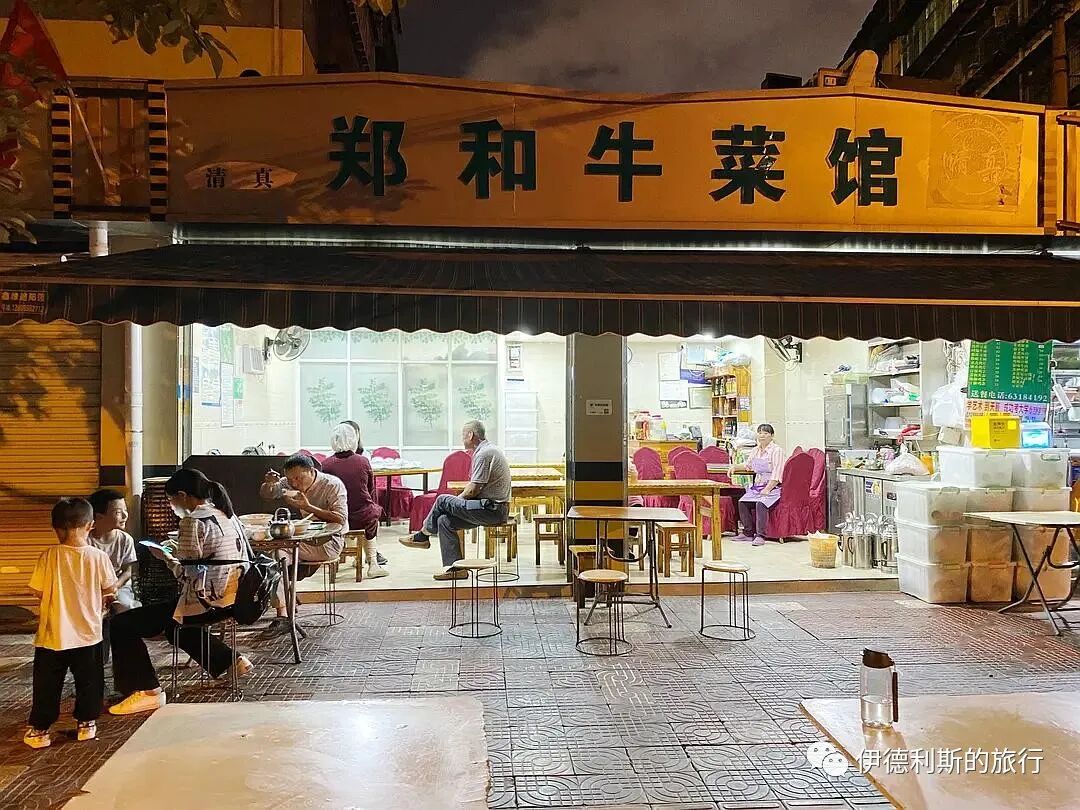
We flew from Xishuangbanna to Kunming on the afternoon of October 3rd, took the airport subway line to the terminal station at Tangzixiang, and after walking a few steps, we arrived at Zhenghe Beef Restaurant. The owner was incredibly welcoming, and the food was so delicious that my parents, who have lived in Urumqi for fifty or sixty years, couldn't stop praising it and immediately fell in love with Kunming.
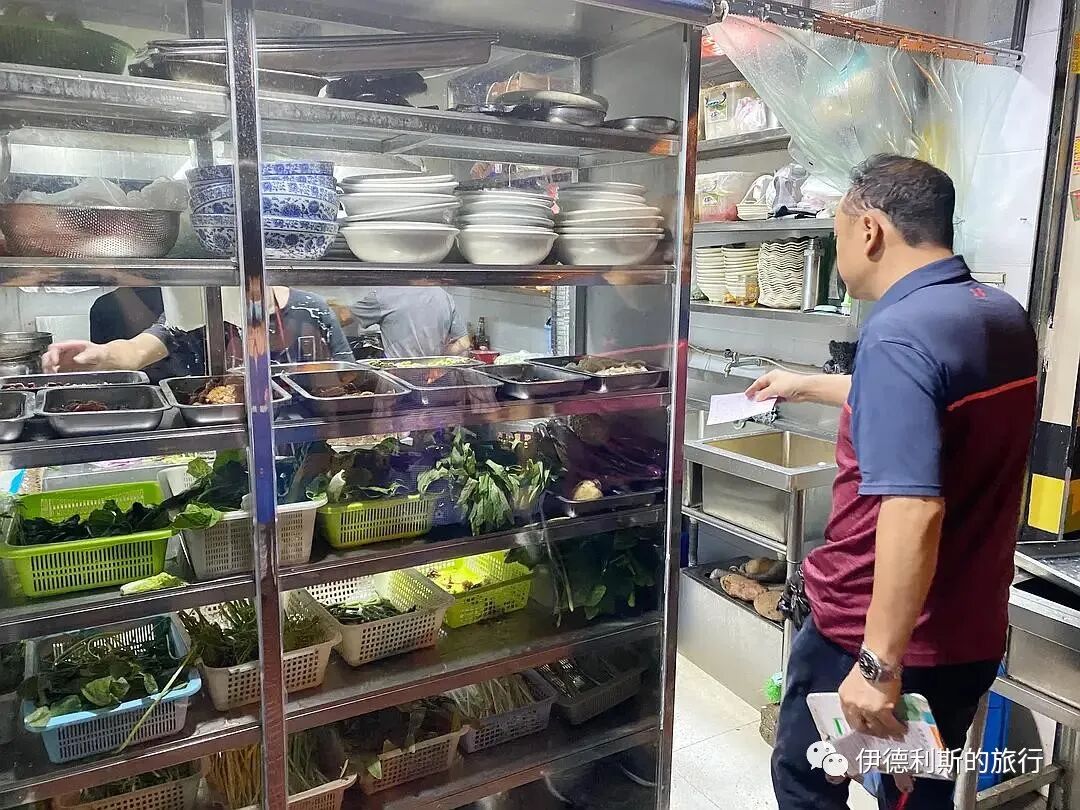
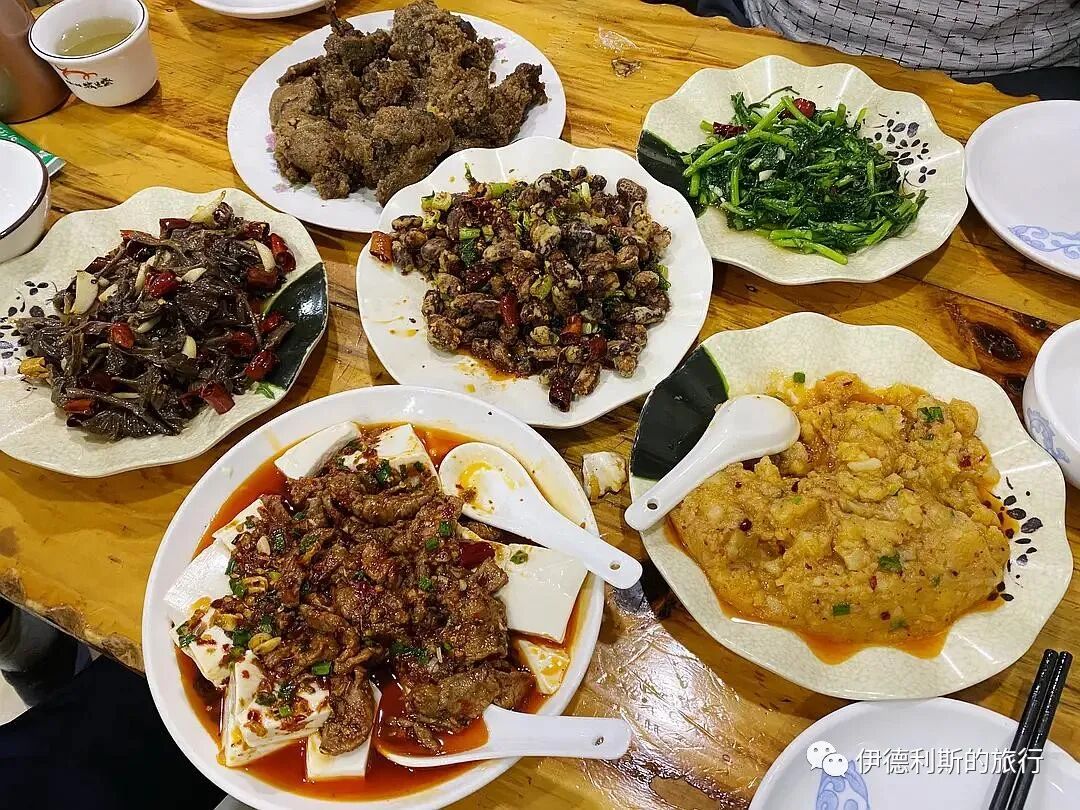
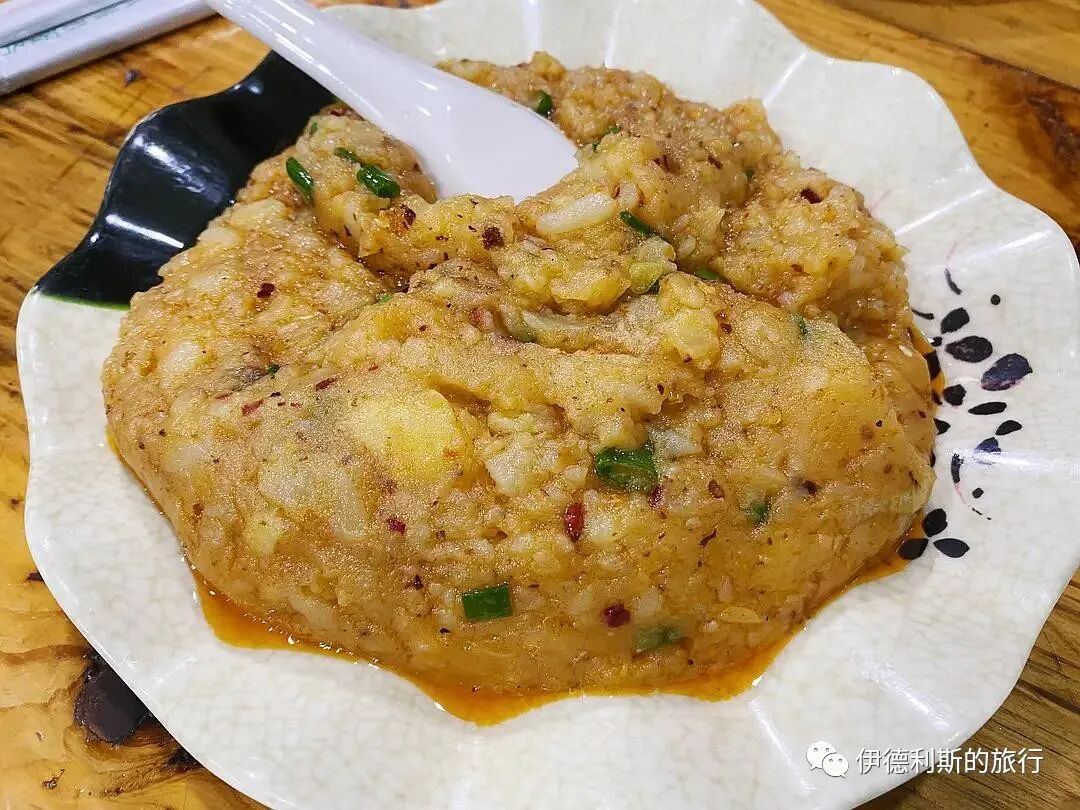
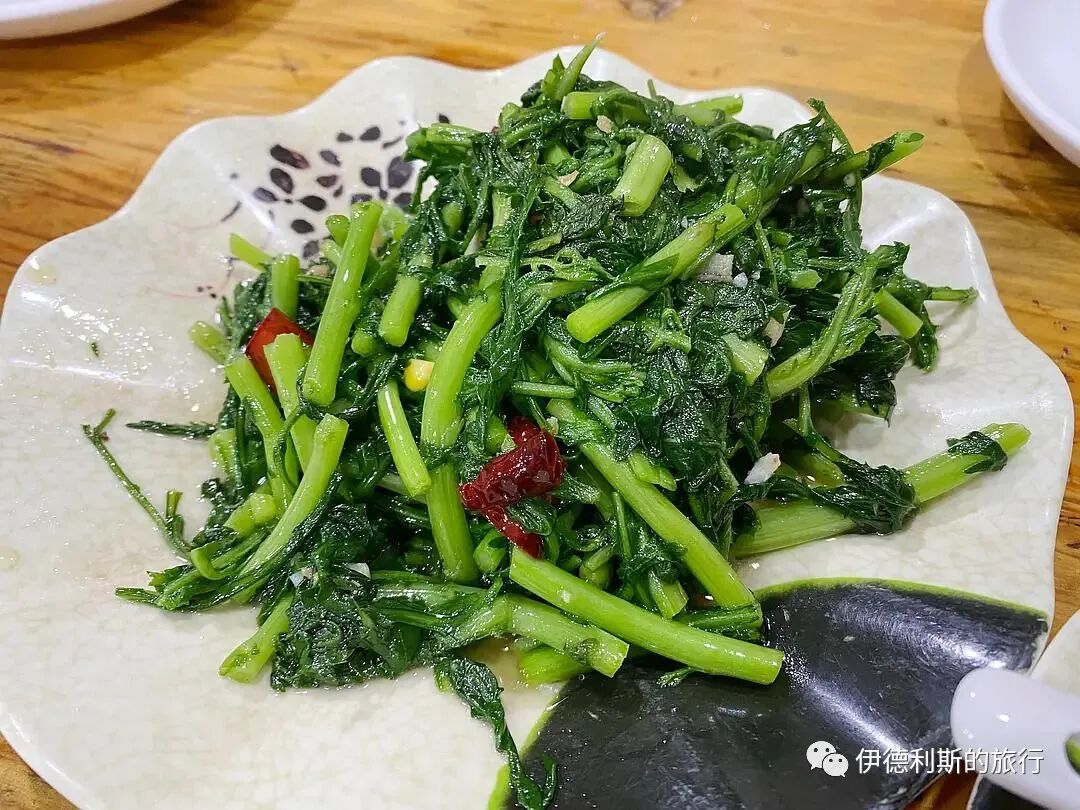
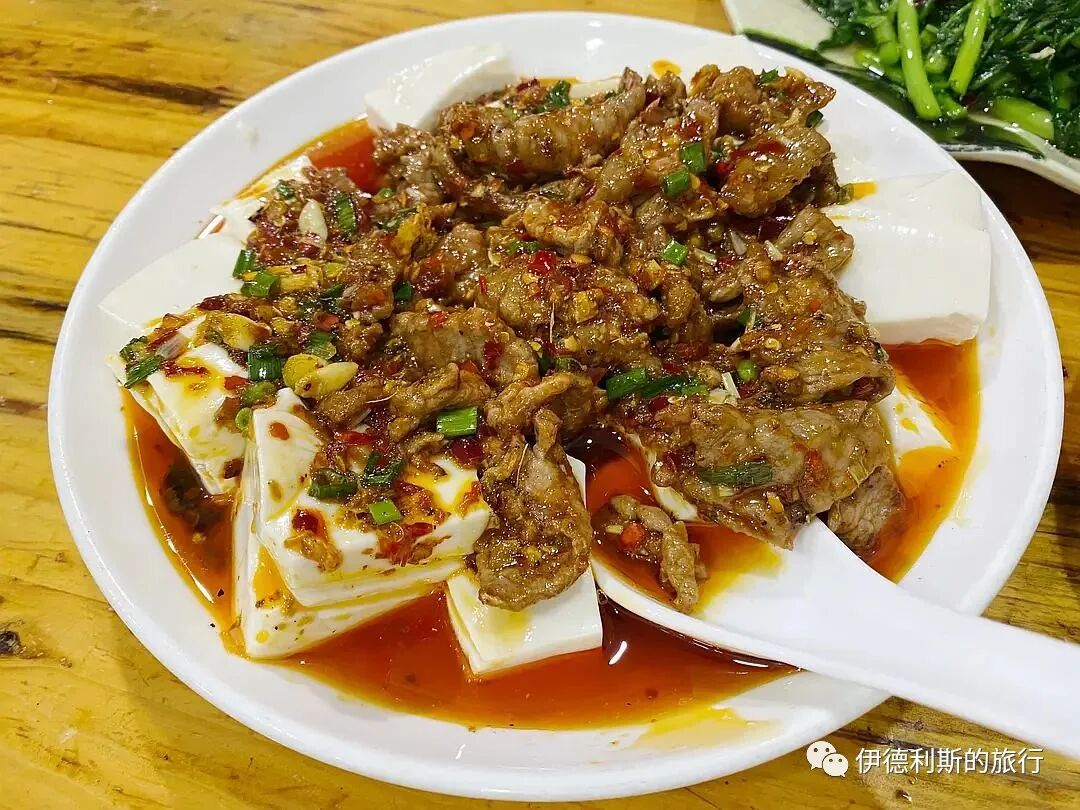
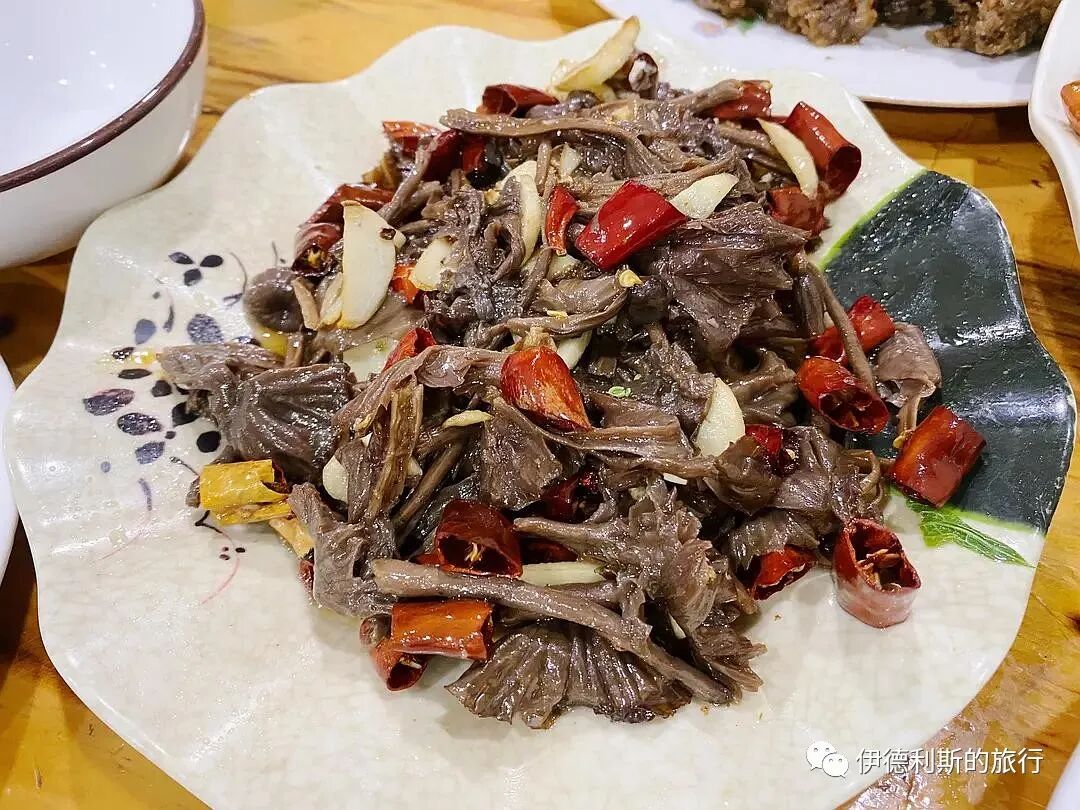
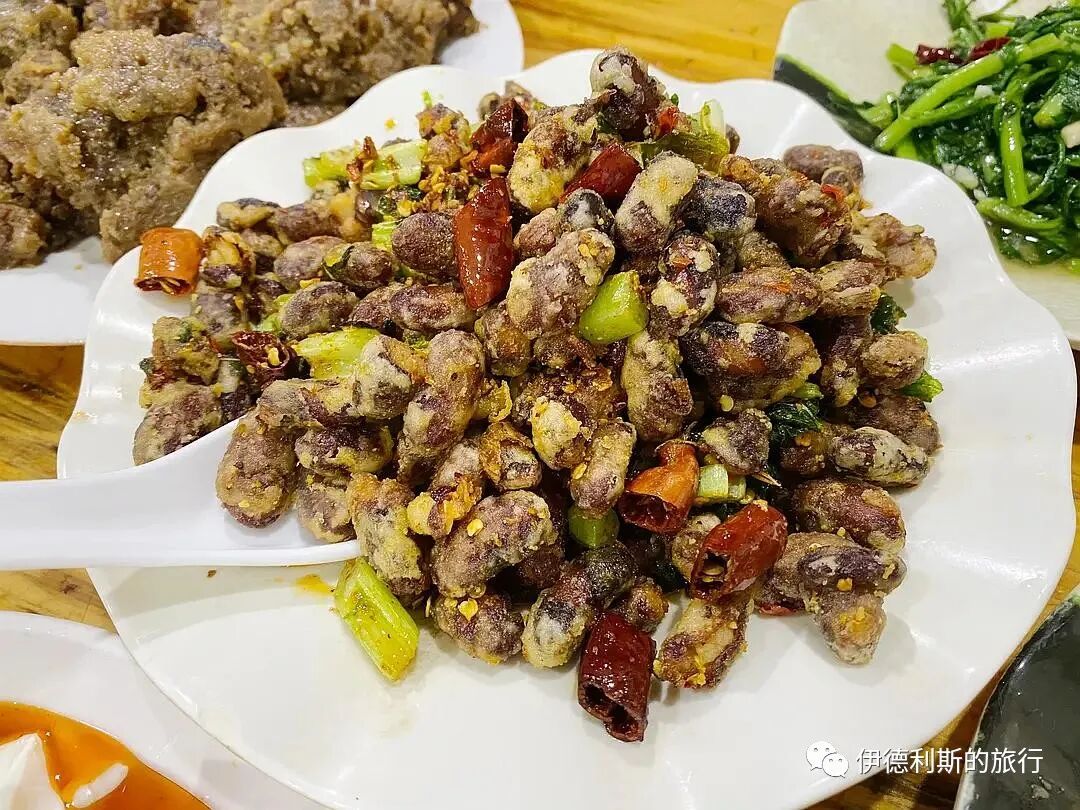
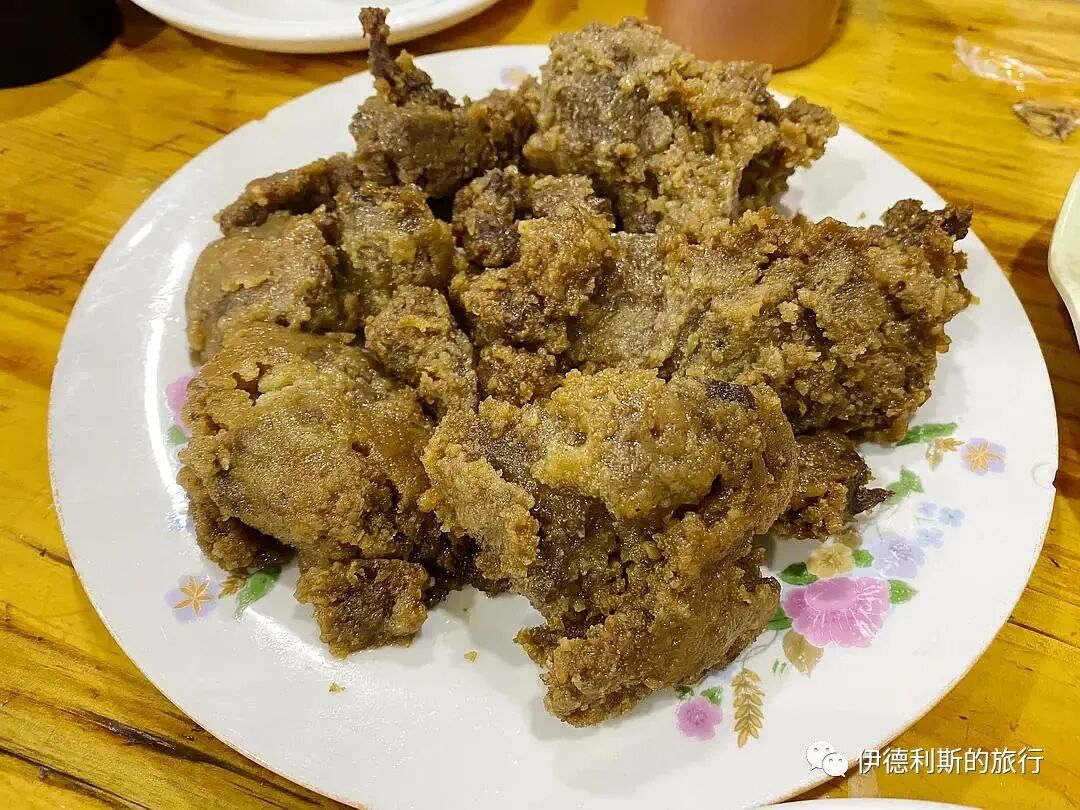
Some of their meat dishes were written on a board, but for vegetable dishes, we had to choose directly from the restaurant's classic display case. We ordered crispy red beans, stir-fried bitter greens, stir-fried piao mushrooms (a type of local fungus), mashed potatoes with mint (laonai yangyu), stir-fried meat with bean curd, and steamed beef with rice flour. The owner also gave us some meat broth on the house. It was the first time our whole family had eaten crispy red beans, and everyone loved them. The piao mushrooms had a texture like meat and were very fresh and delicious. Laonai yangyu is the Yunnan version of mashed potatoes; it tastes very savory. The bean curd is more tender than tofu and has a very mild flavor, so the meat mixed with it is seasoned relatively strongly. We all agreed that the best dish they made was the steamed beef with rice flour. They were very generous with the meat, unlike some shops that use so much starch you can't even taste the meat.
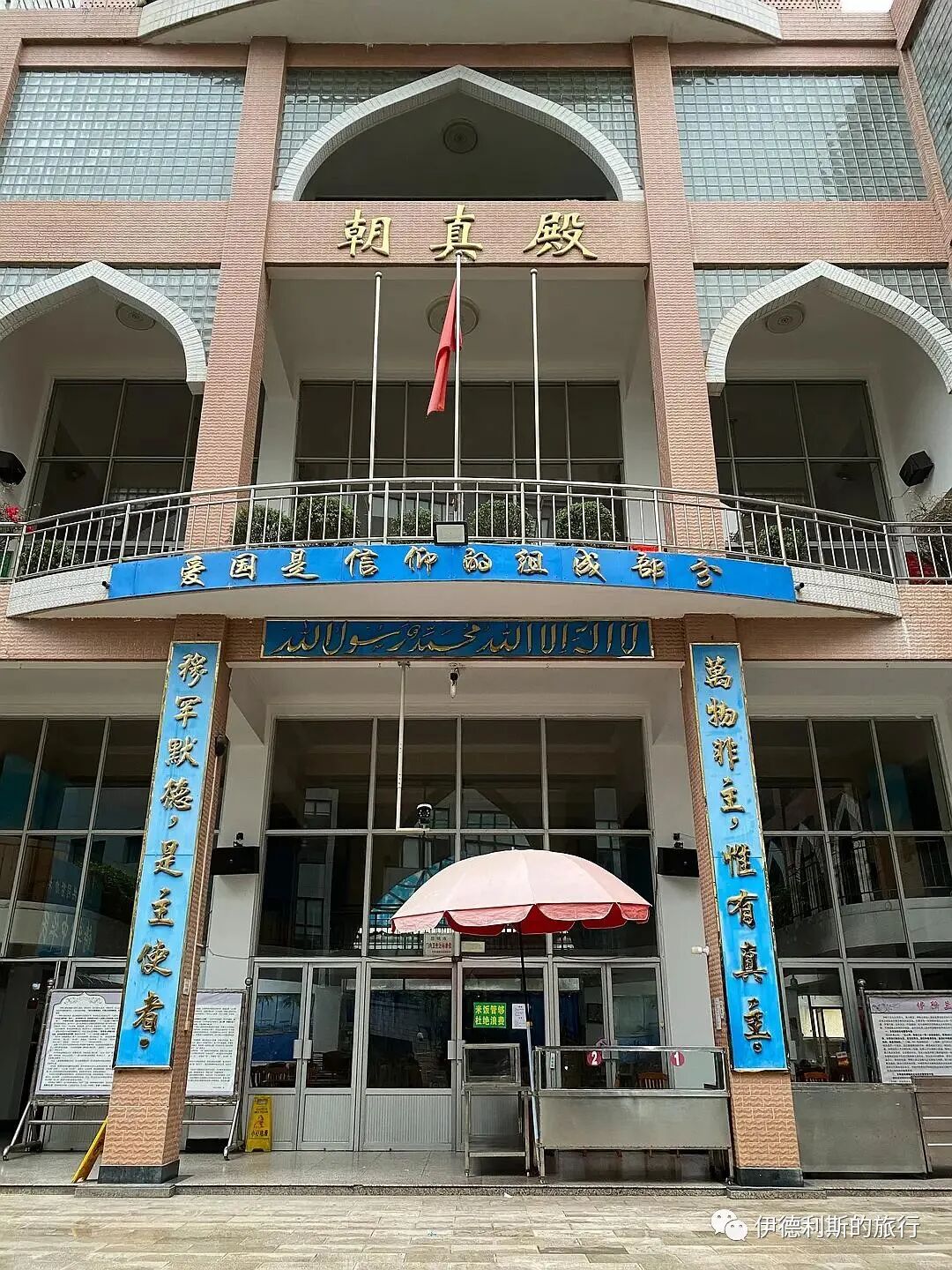
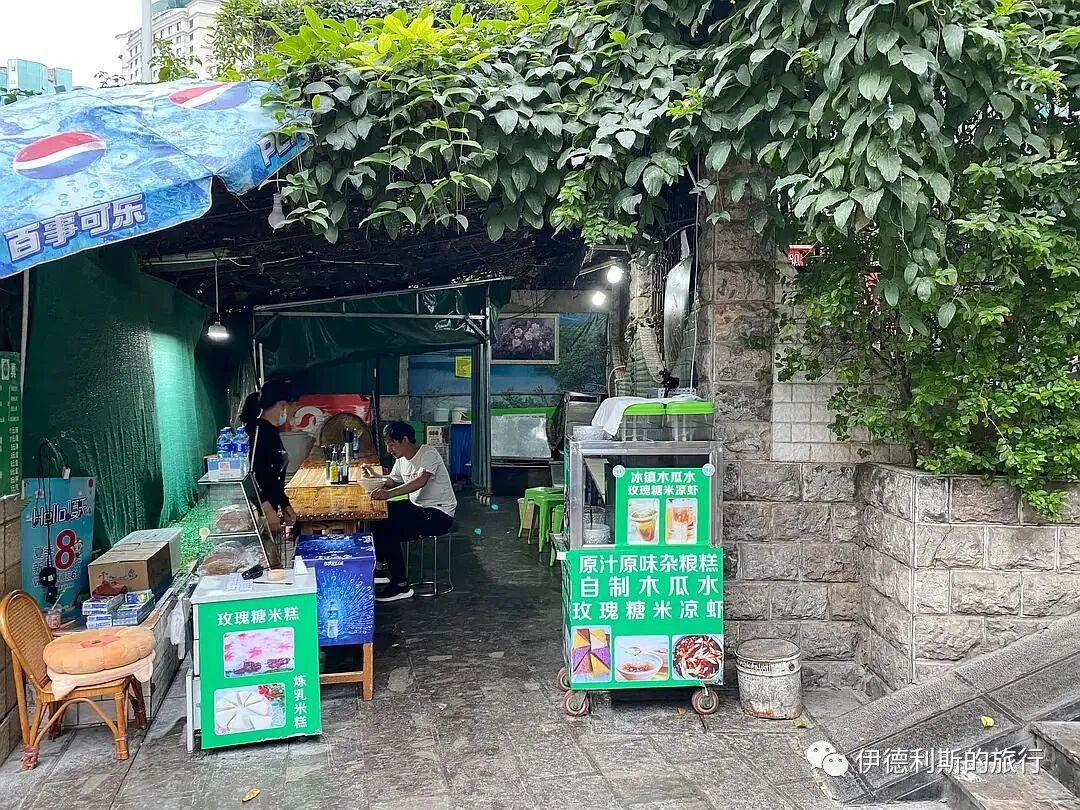
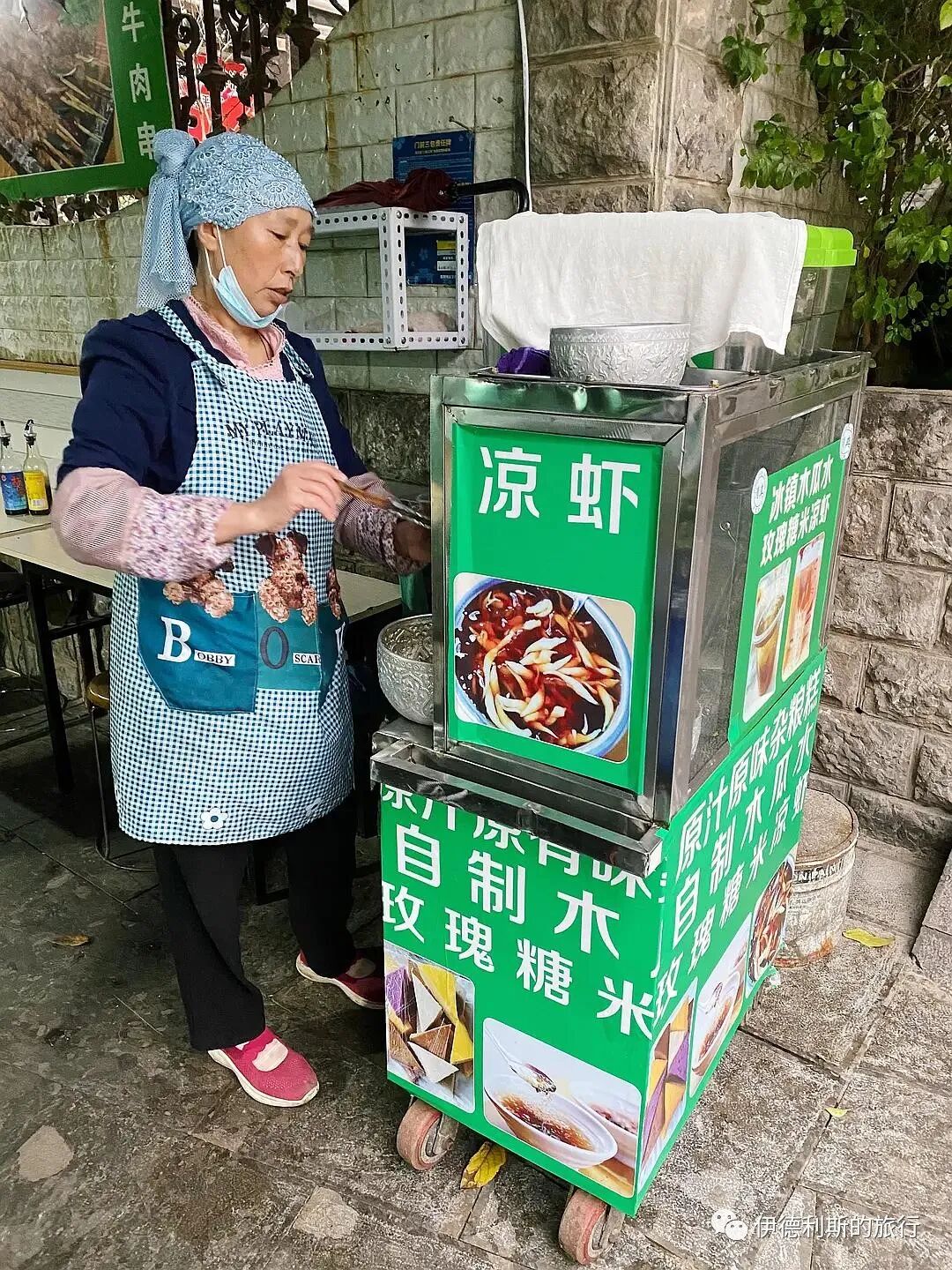
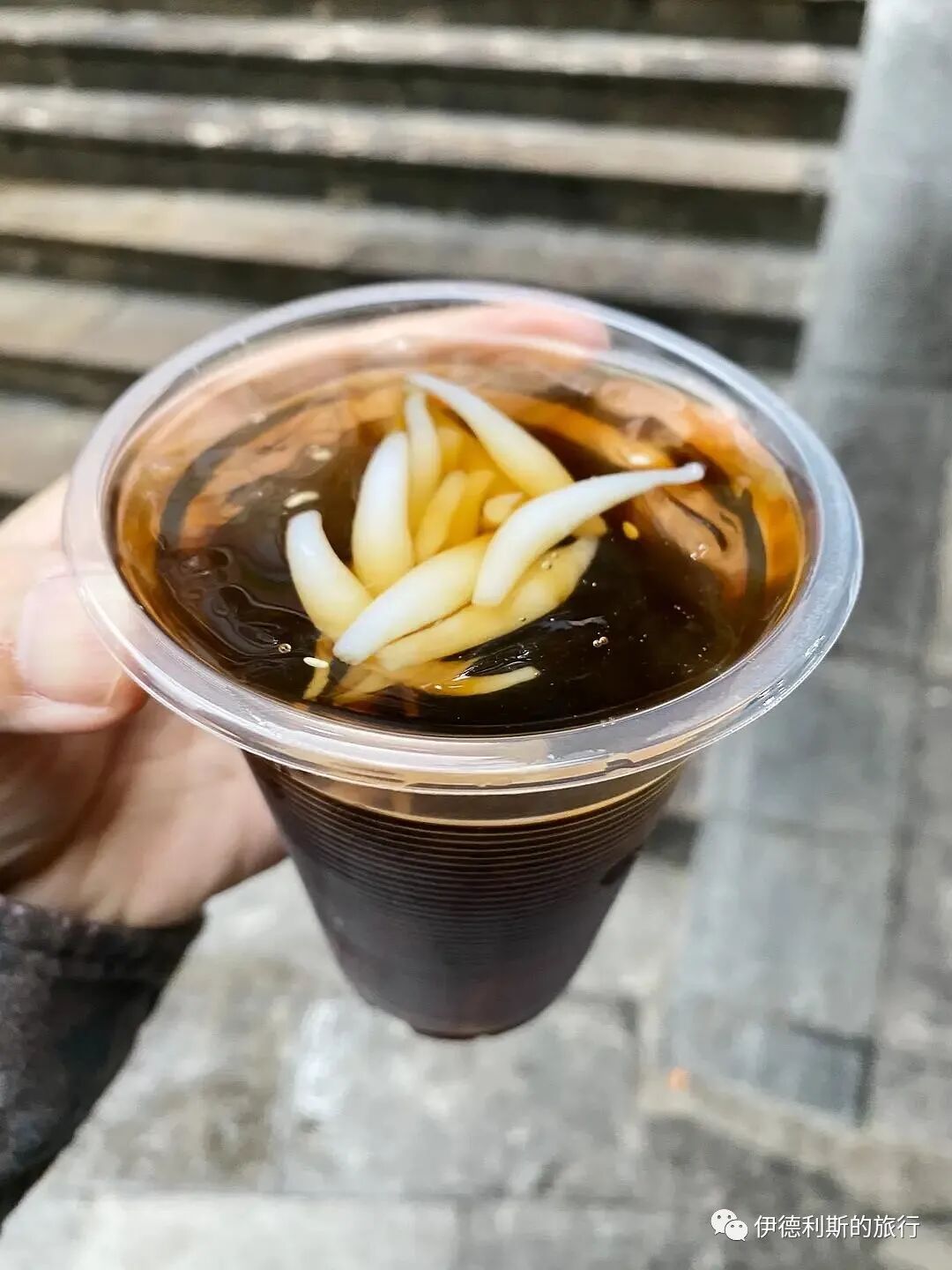
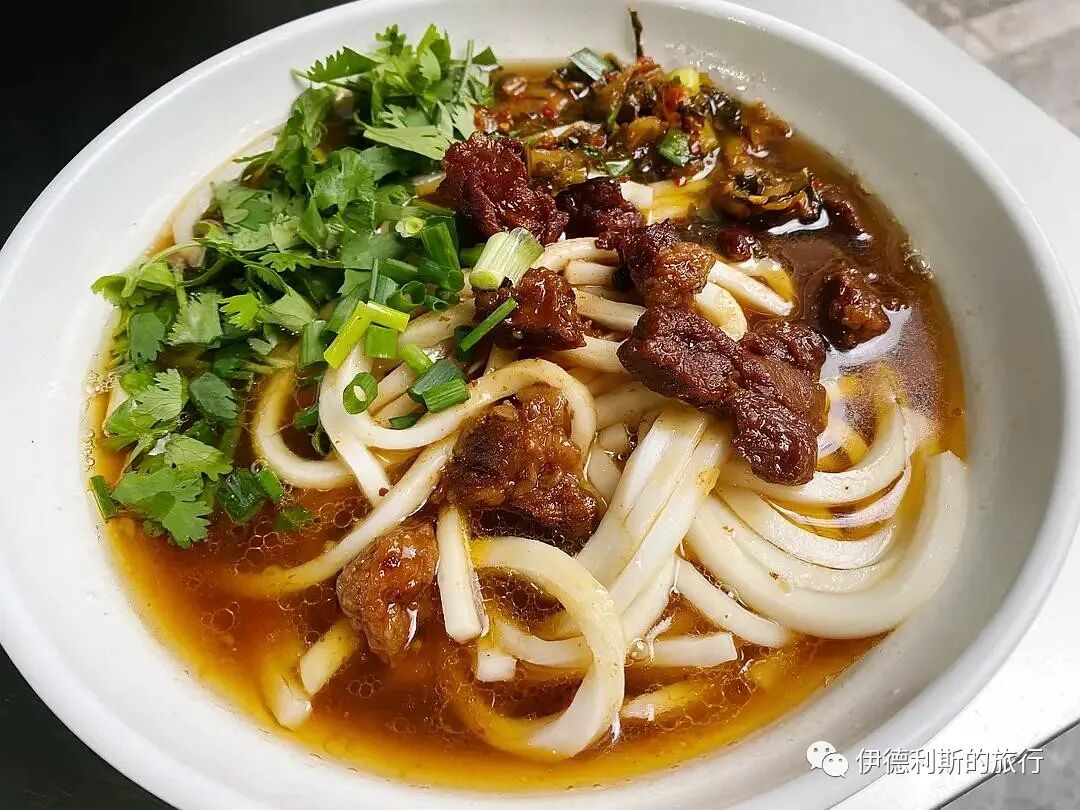
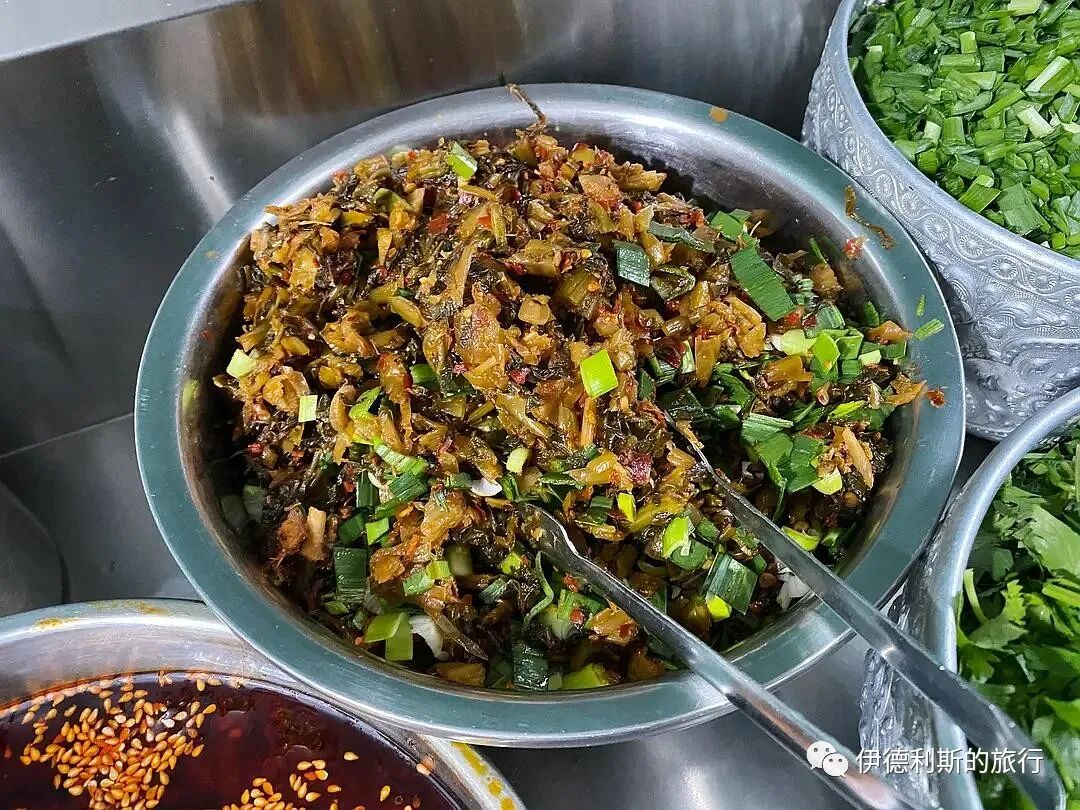
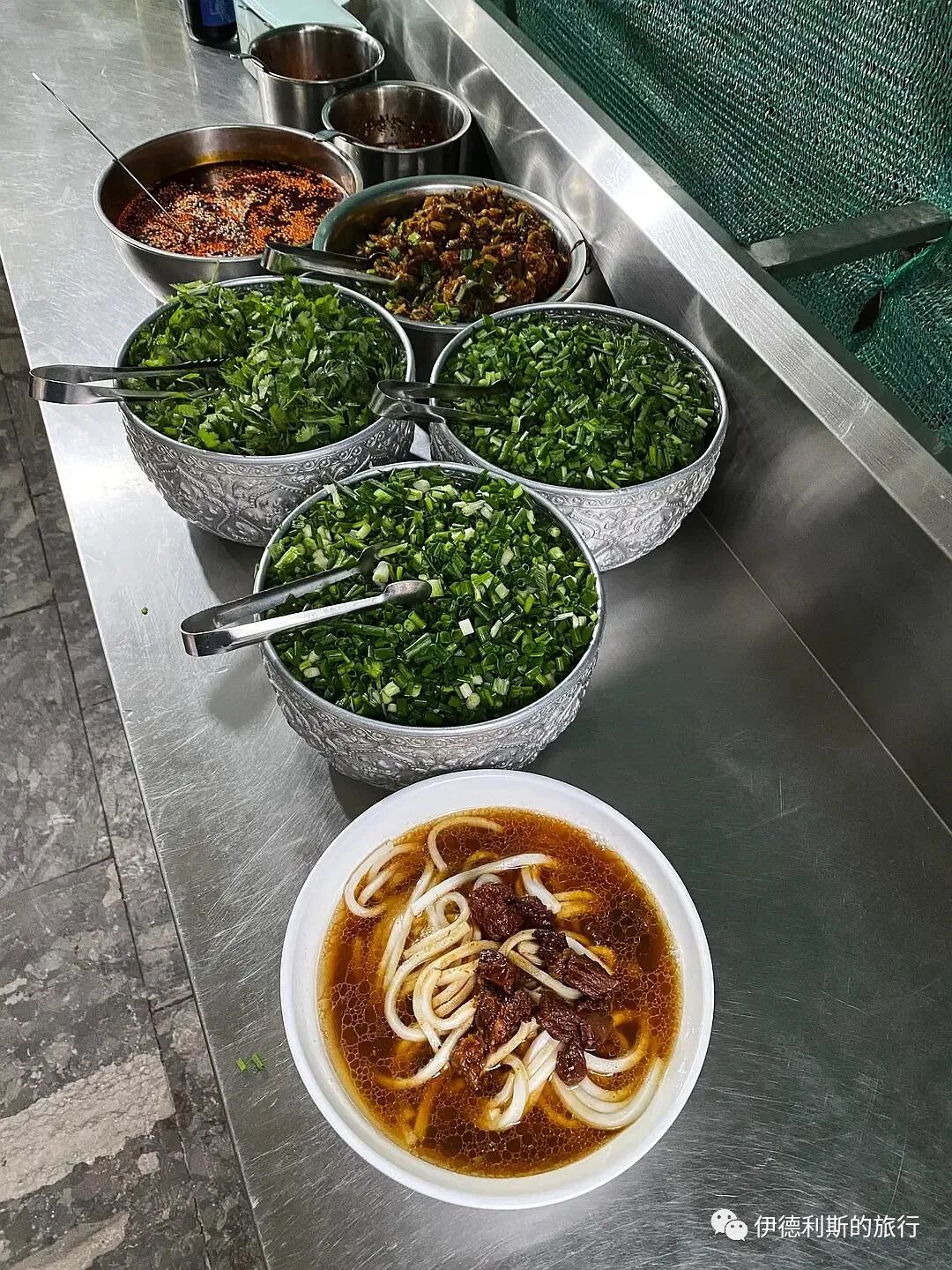
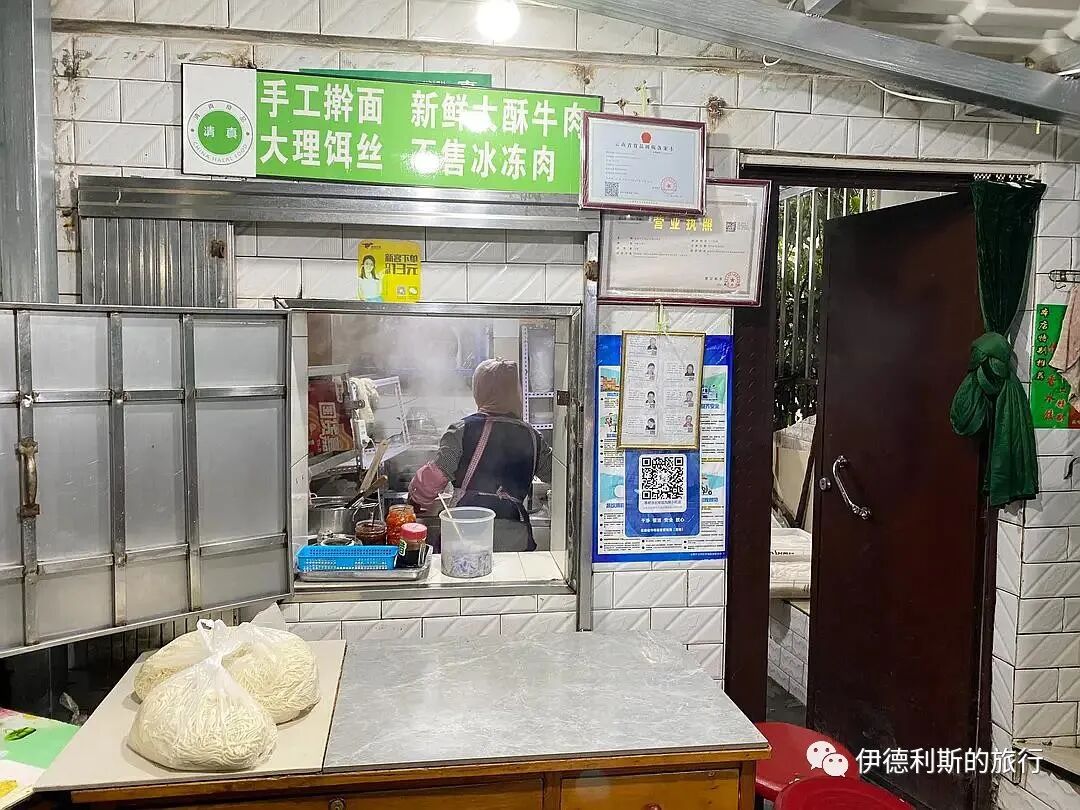
On the morning of October 4th, we ate Dali ersi (rice noodles) and papaya water with rose jam and chilled shrimp at the entrance of the Yixi Gong Mosque in Kunming, beginning our three-day trip to Kunming, Yuxi, and Honghe.
In the late 19th century, as the Hui Muslim caravans traveling through Kunming and Dali to Myanmar and Thailand flourished, Hui Muslims from western Yunnan, such as those from Weishan in Dali, began to settle in the Qingyun Street area of Kunming. In 1899 (the 25th year of the Guangxu reign), the Hui Muslims of western Yunnan in Kunming, together with the Xingshunhe firm established by Yuxi Hui Muslims, pooled their funds to build the Chongshan Gongsuo (Chongshan Public Office) at the east end of Qingyun Street. Afterward, Hui Muslims from Dali merged the Zhuiyuan Hall, Chengyi Hall, and Baozhen Hall with the Chongshan Gongsuo. In 1919, it was renamed Chongshan She (Chongshan Society) by order of Yunnan Provincial Governor Tang Jiyao, officially renamed Yixi Gong Mosque in 1942, and was known as the Kunming Overseas Chinese Mosque in 1951.
II. Kunming Haikou Liren Mosque
After picking up our car at Kunming Station, our first stop was the Haikou Liren Mosque in the Xishan District of Kunming, 46 kilometers away from the station.
Liren was originally called Heihuzhai, and it is said that Muslims have lived there since the Yuan Dynasty. Liren Mosque was first built in 1645 (the second year of the Shunzhi reign of the Qing Dynasty), destroyed in 1856 (the sixth year of the Xianfeng reign), rebuilt in 1872 (the second year of the Tongzhi reign), and expanded in 1896 (the 22nd year of the Guangxu reign) with funds raised by "Lady Yang the Third," a local heroine. It was newly designated as a cultural relic protection unit of Kunming in 2020.
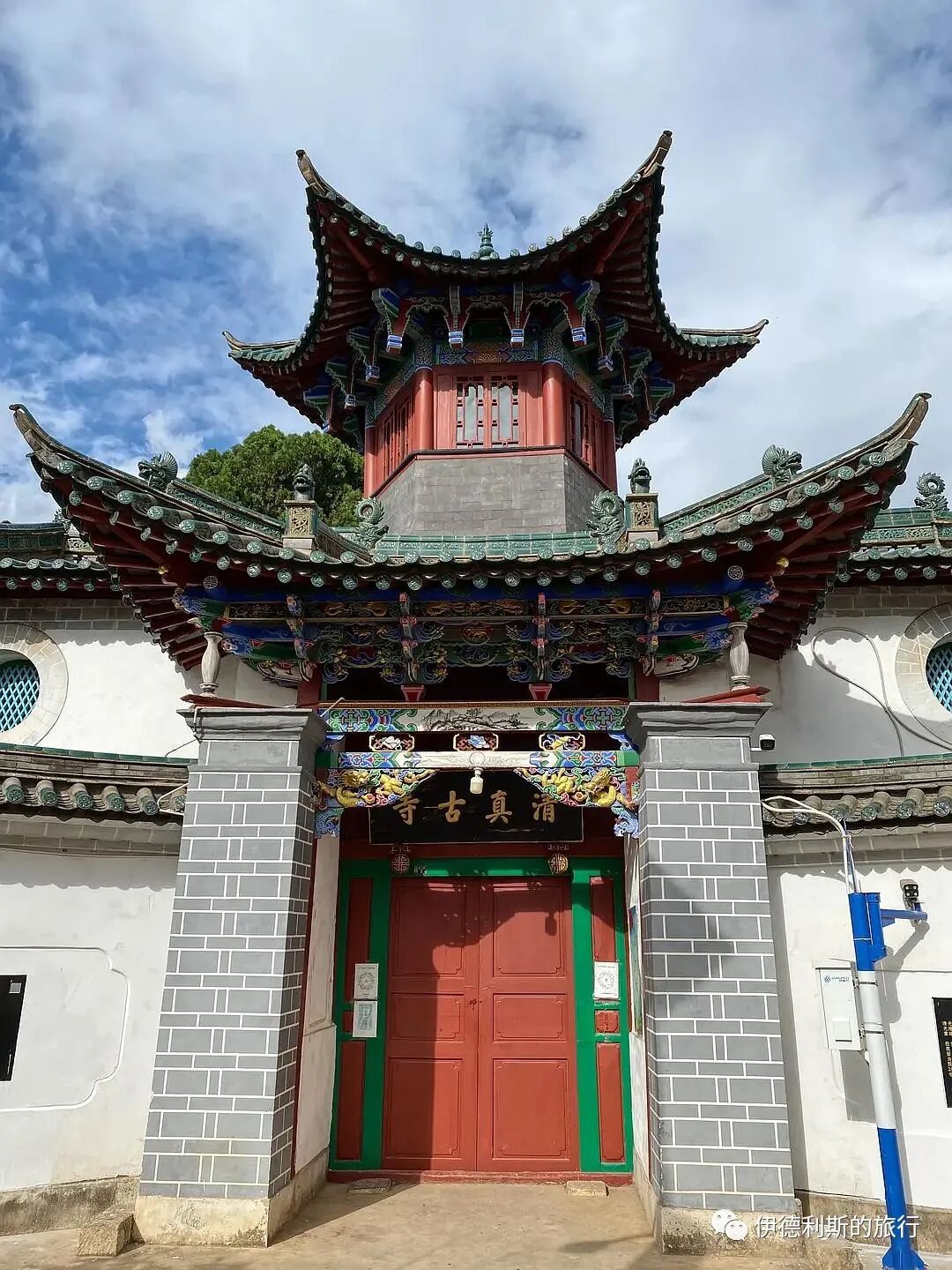
The main gate of the mosque also serves as a minaret, designed in the traditional Yunnan style: the lower part is a single-eave gate tower with a hip-and-gable roof, and the upper part is a hexagonal pavilion with a pointed roof, inside which hangs a bronze bell used for the call to prayer.
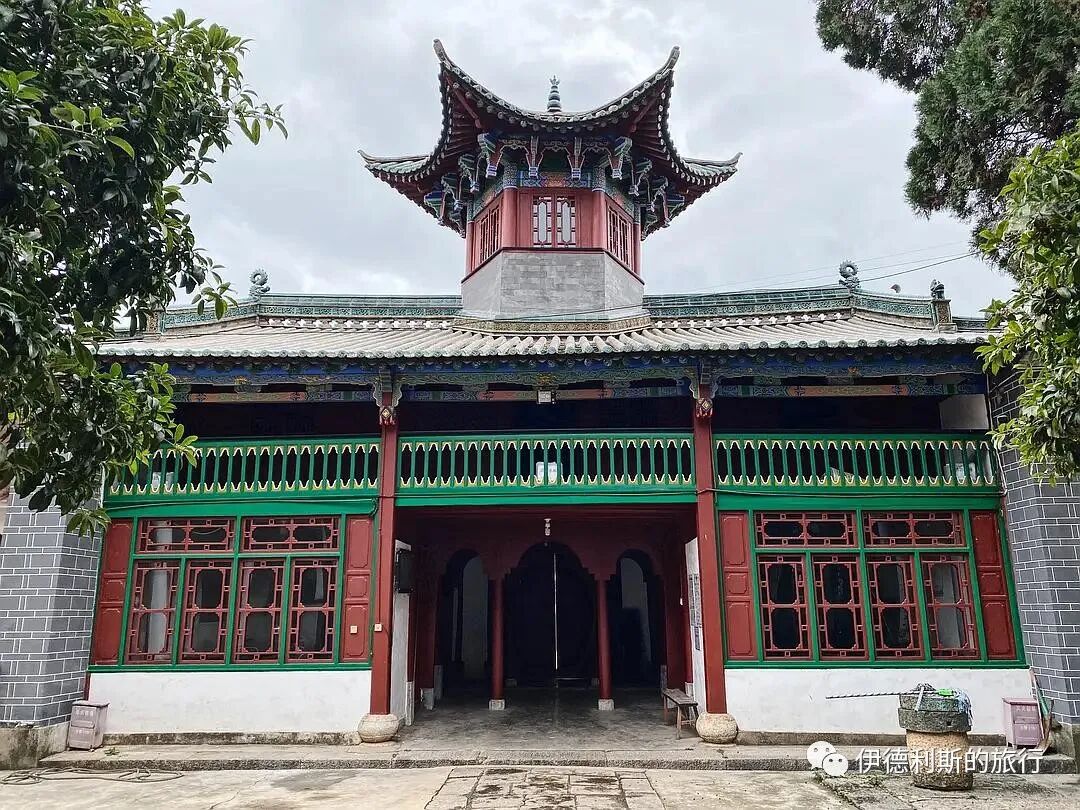
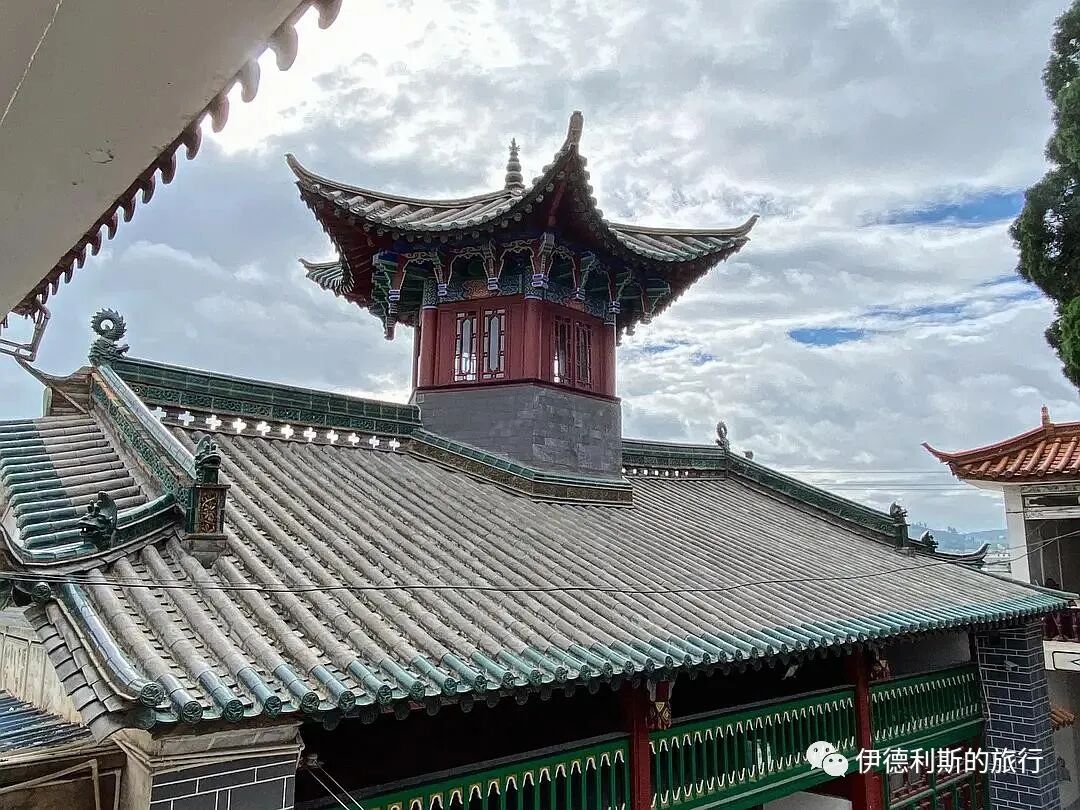
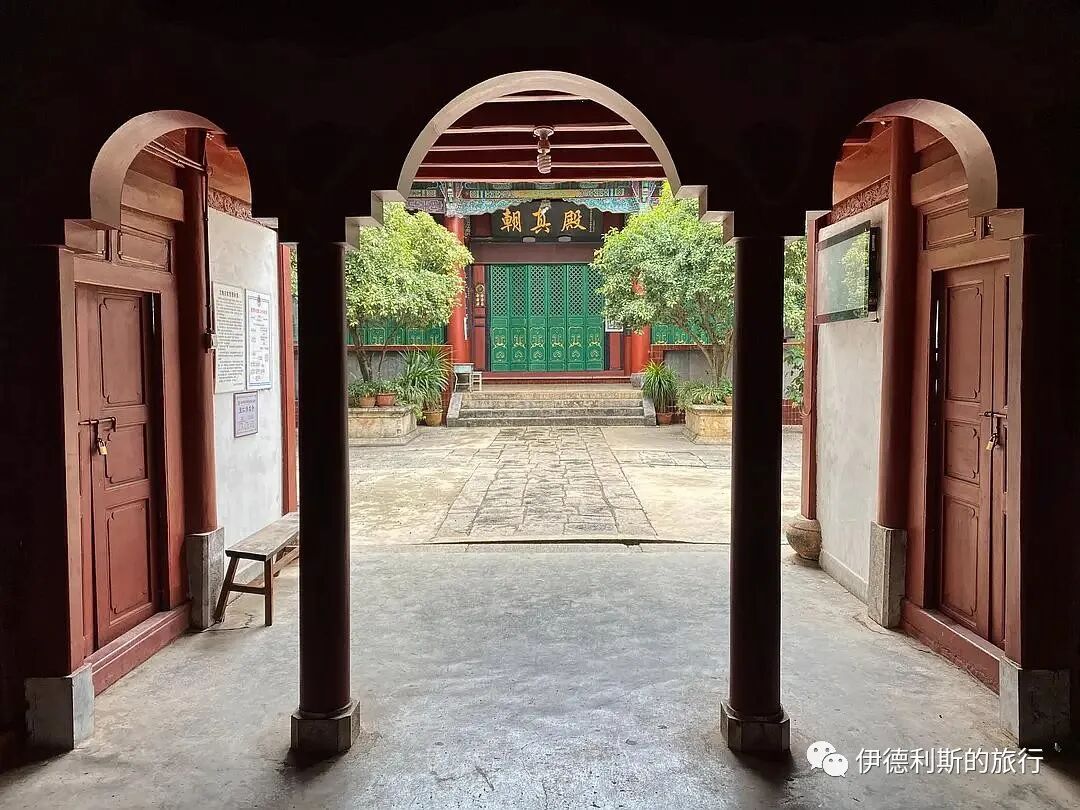
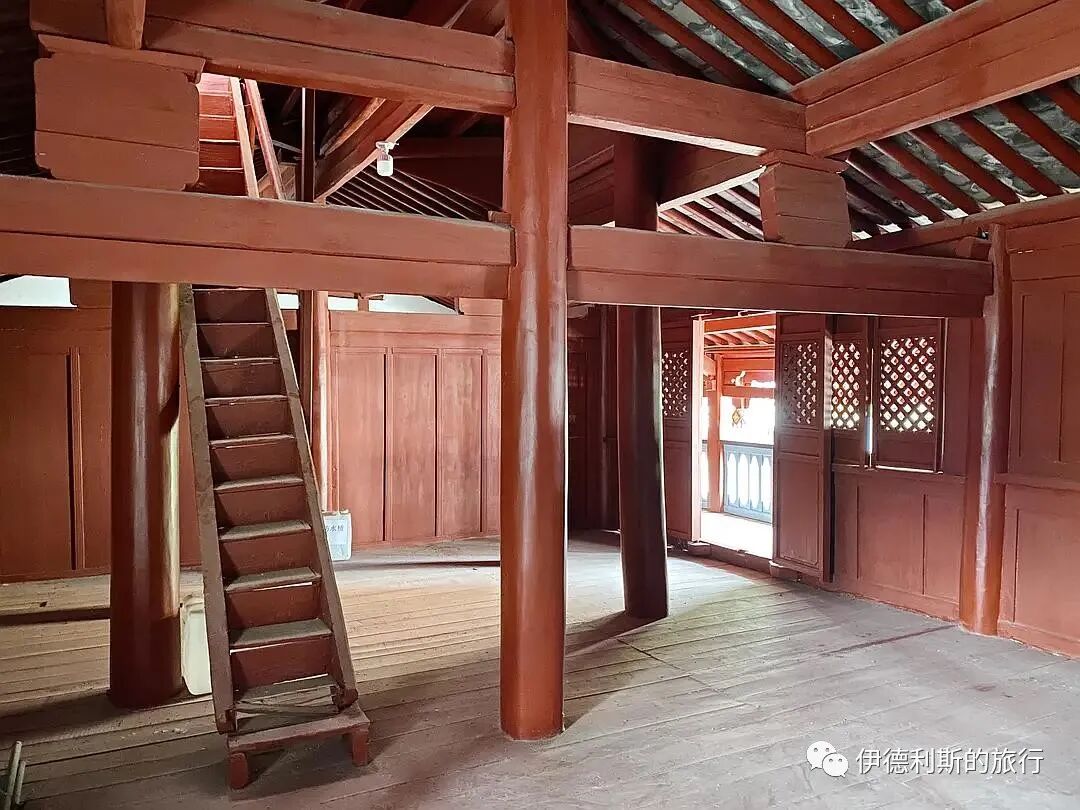
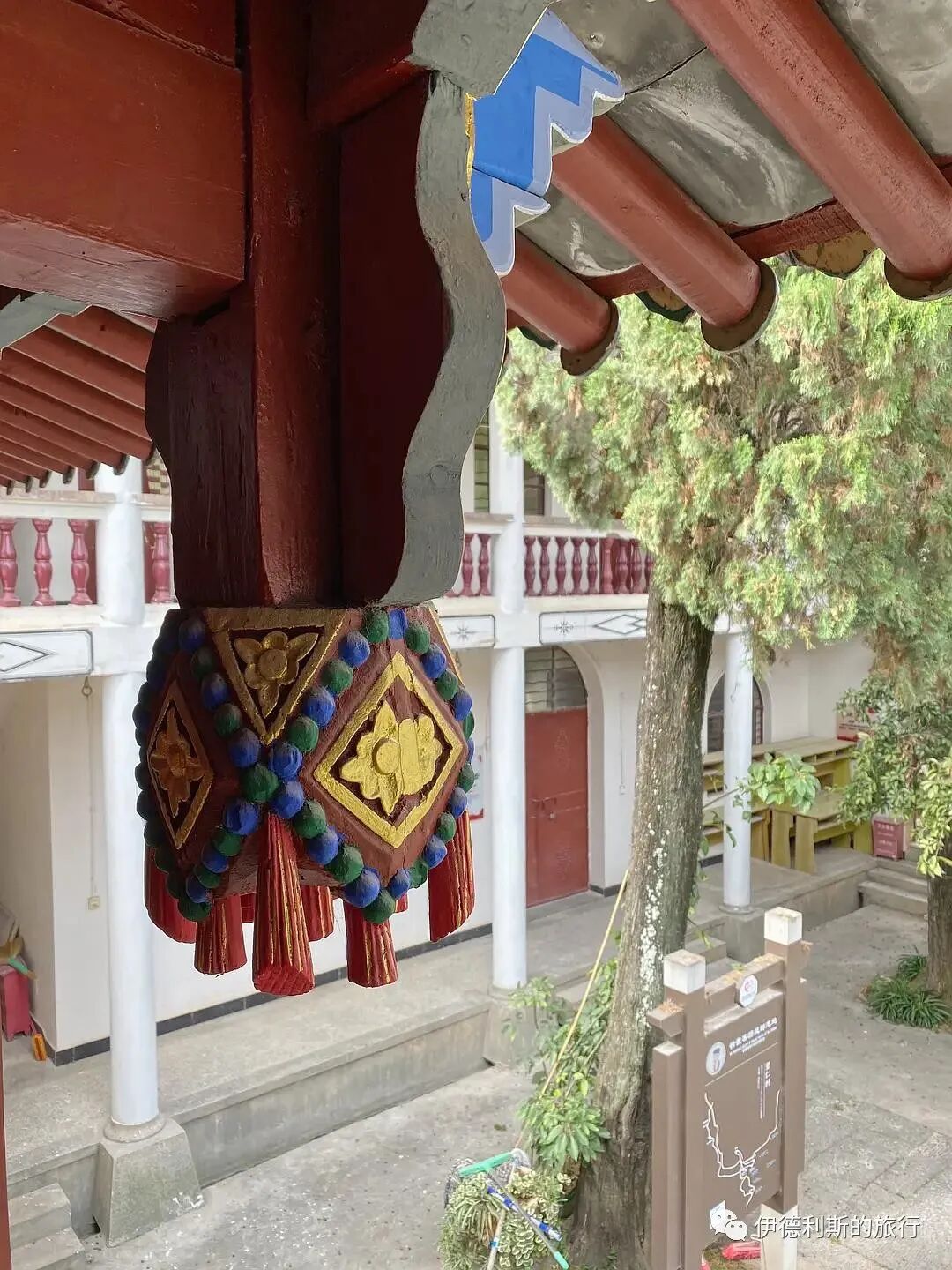
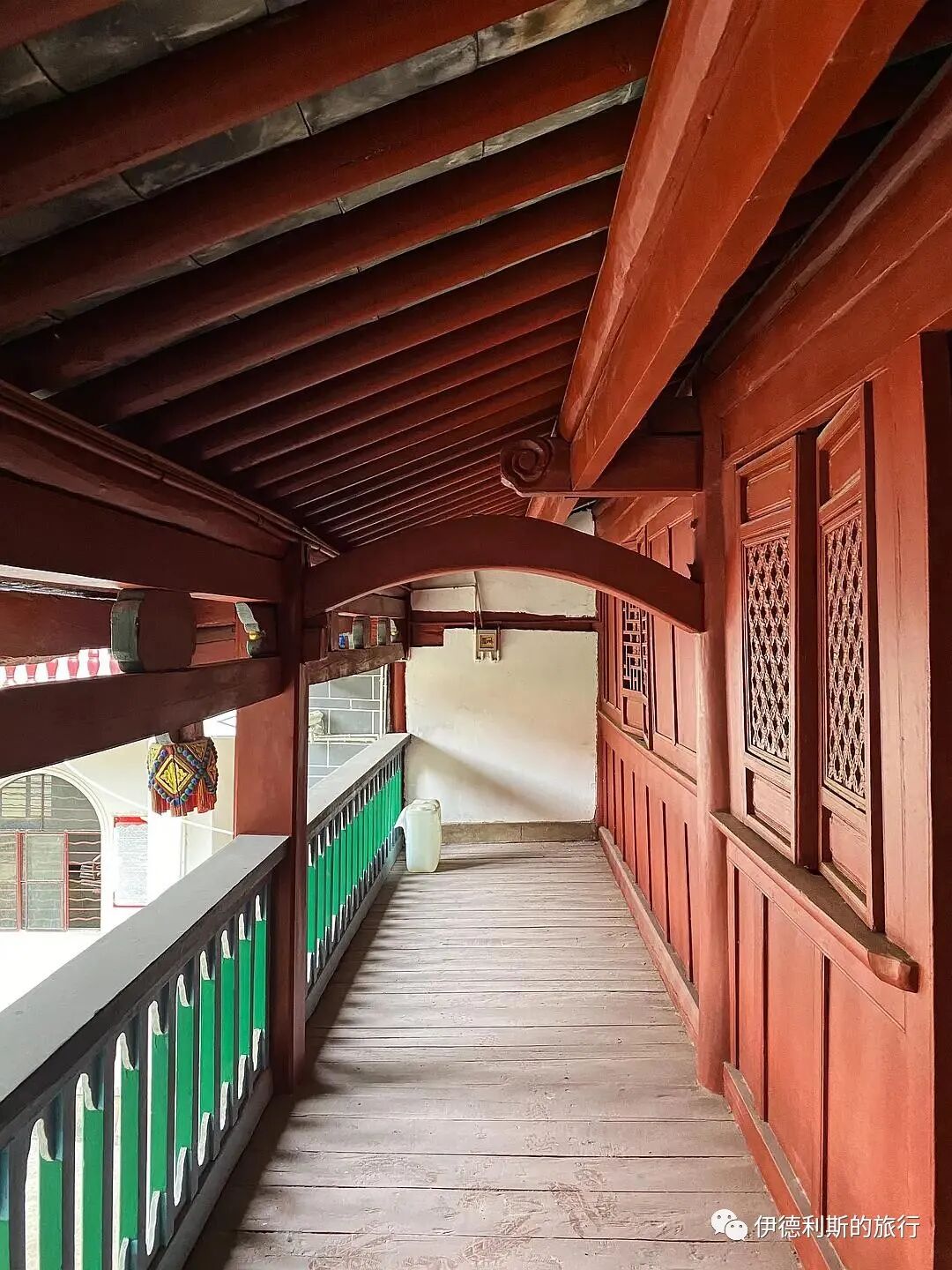
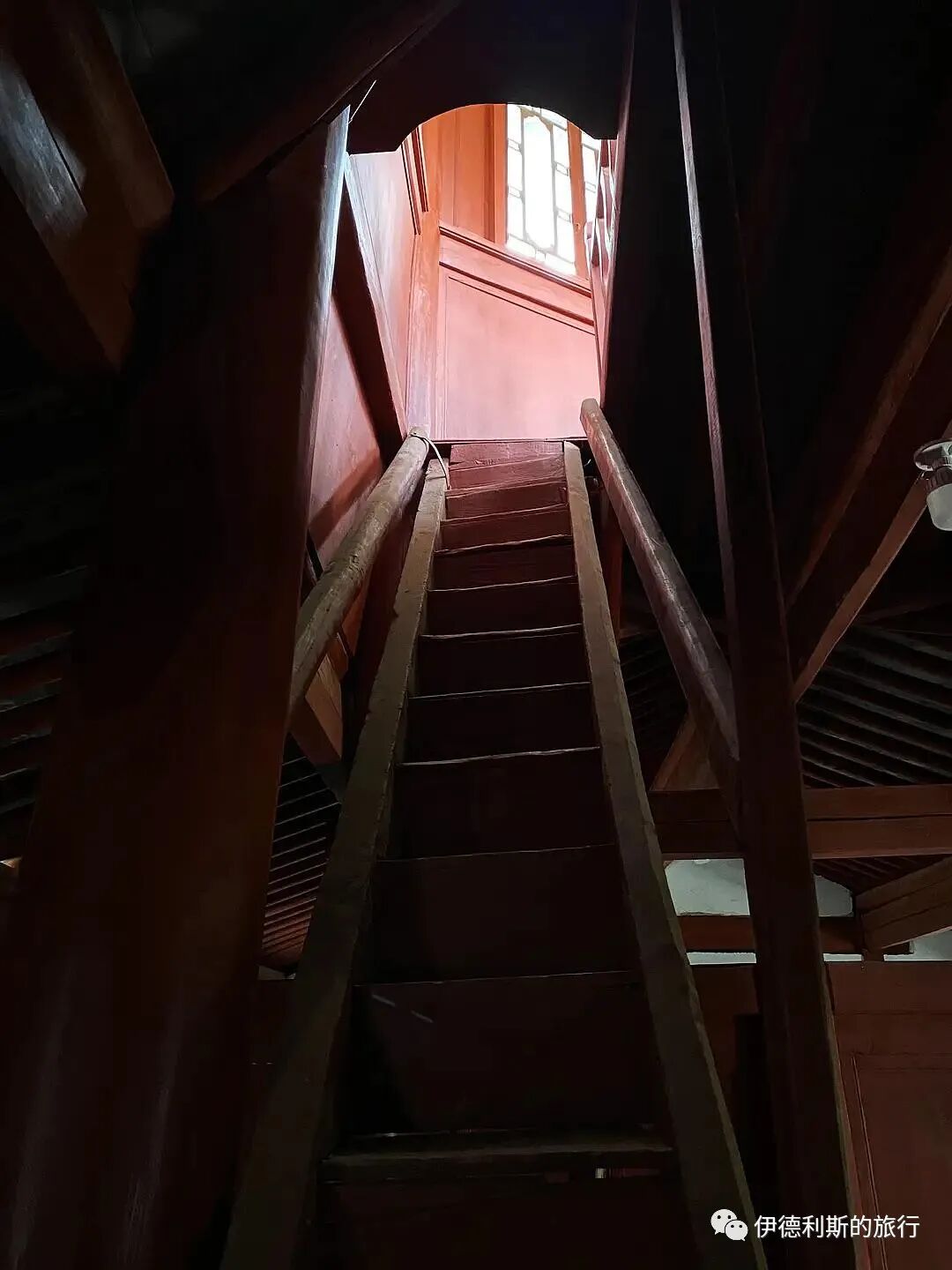
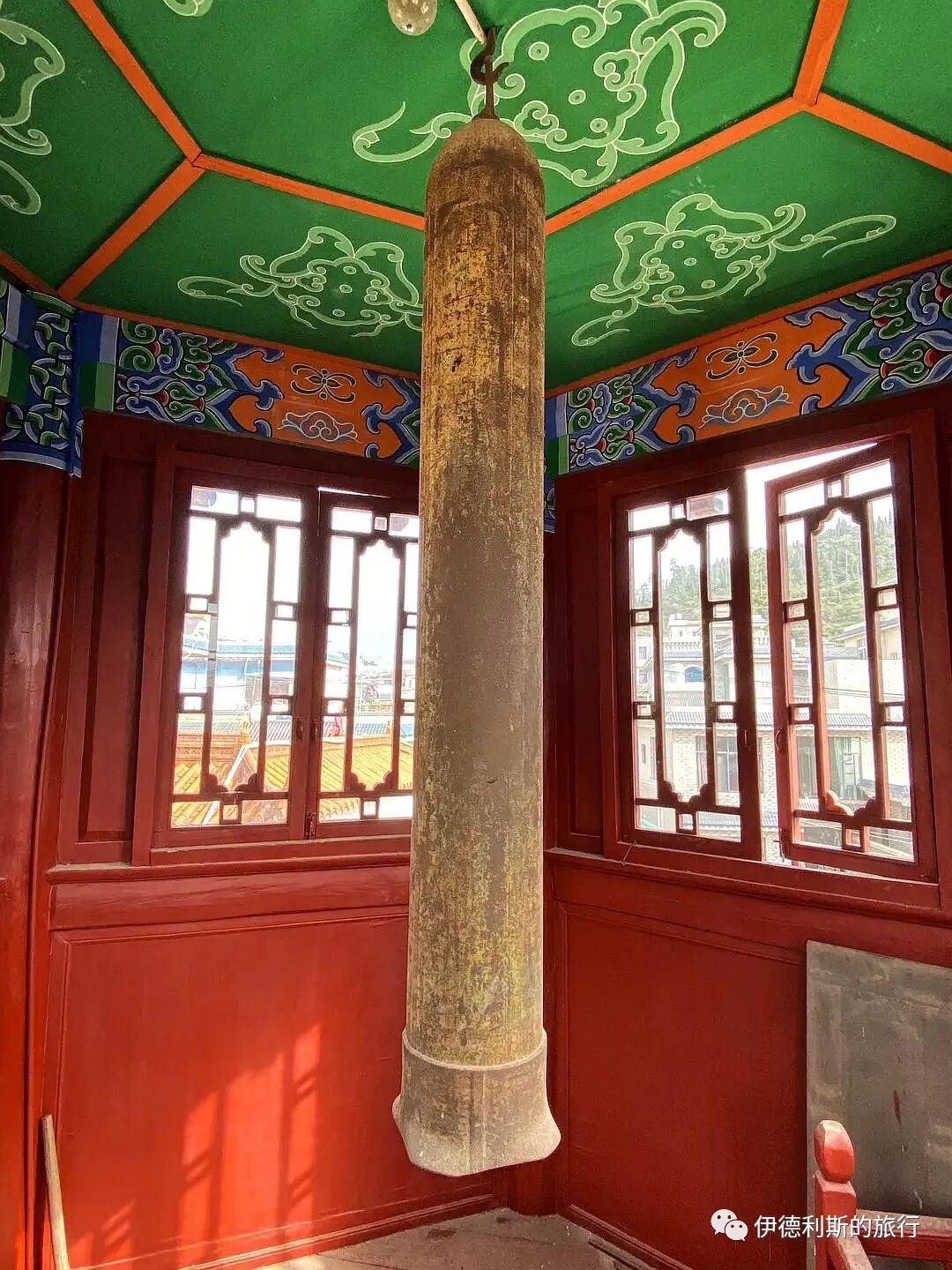
Inside the main prayer hall, there is an exquisite mihrab (niche indicating the direction of Mecca) featuring traditional Yunnan-style calligraphy, as well as a traditional-style minbar (pulpit) built in 1945, inscribed with "Qingzhen Shengyu Tai" (Pure and True Holy Preaching Platform) and dated "the 34th year of the Republic of China," which is very rare.
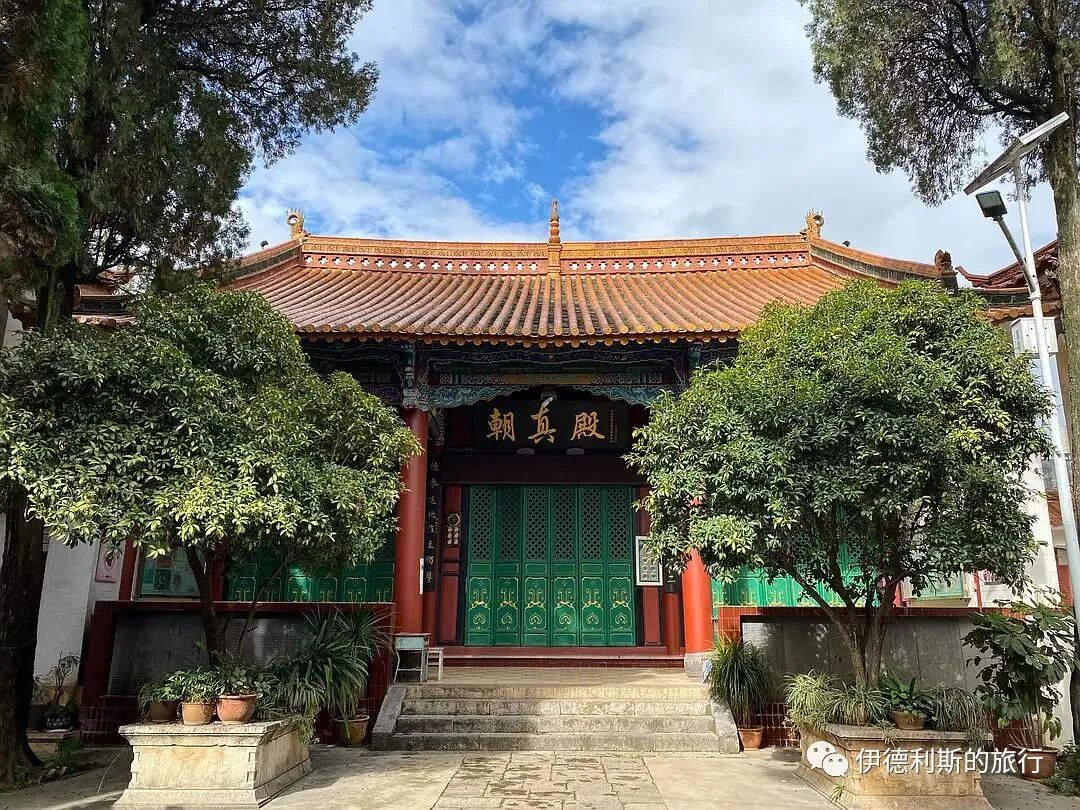
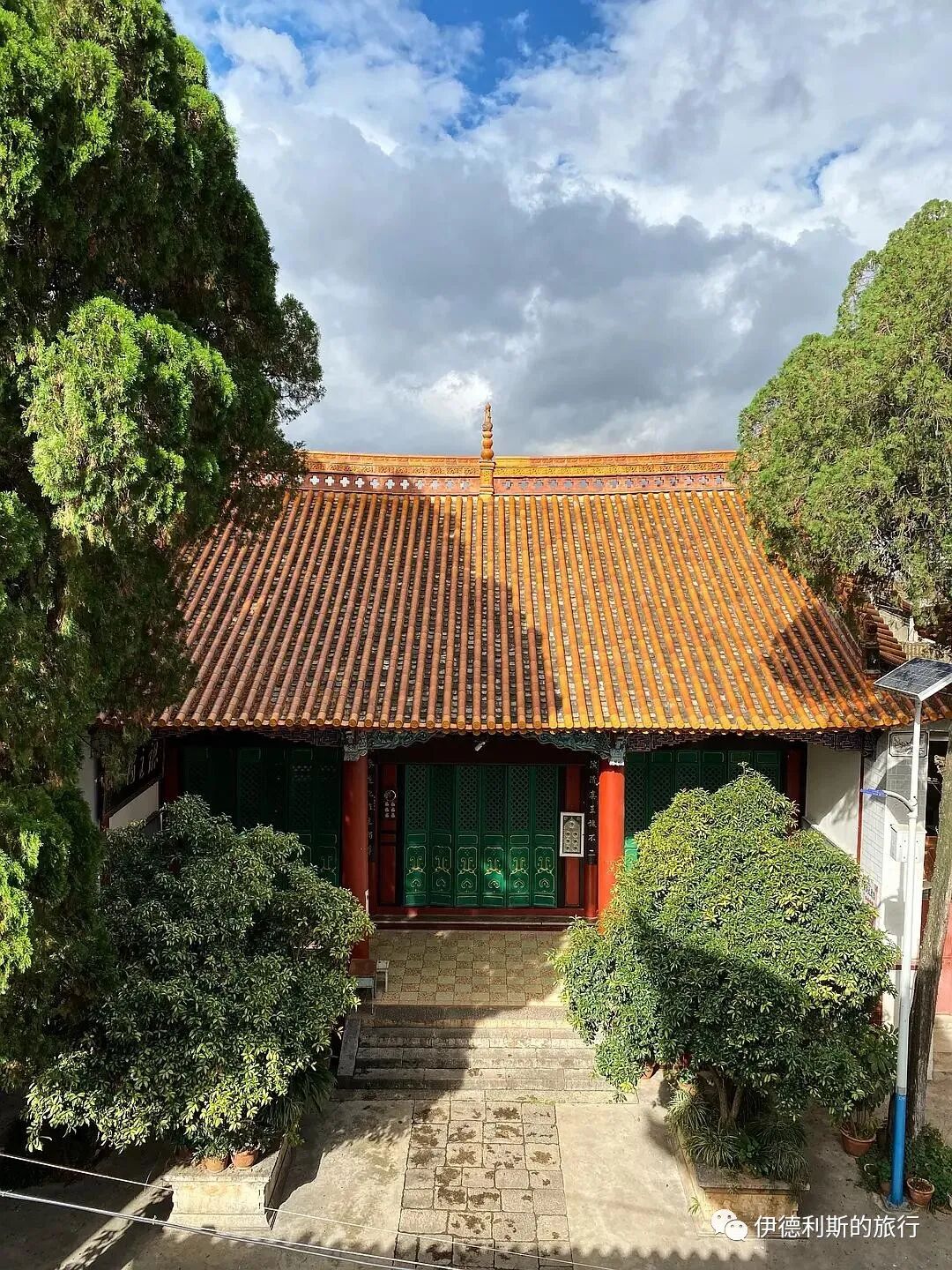
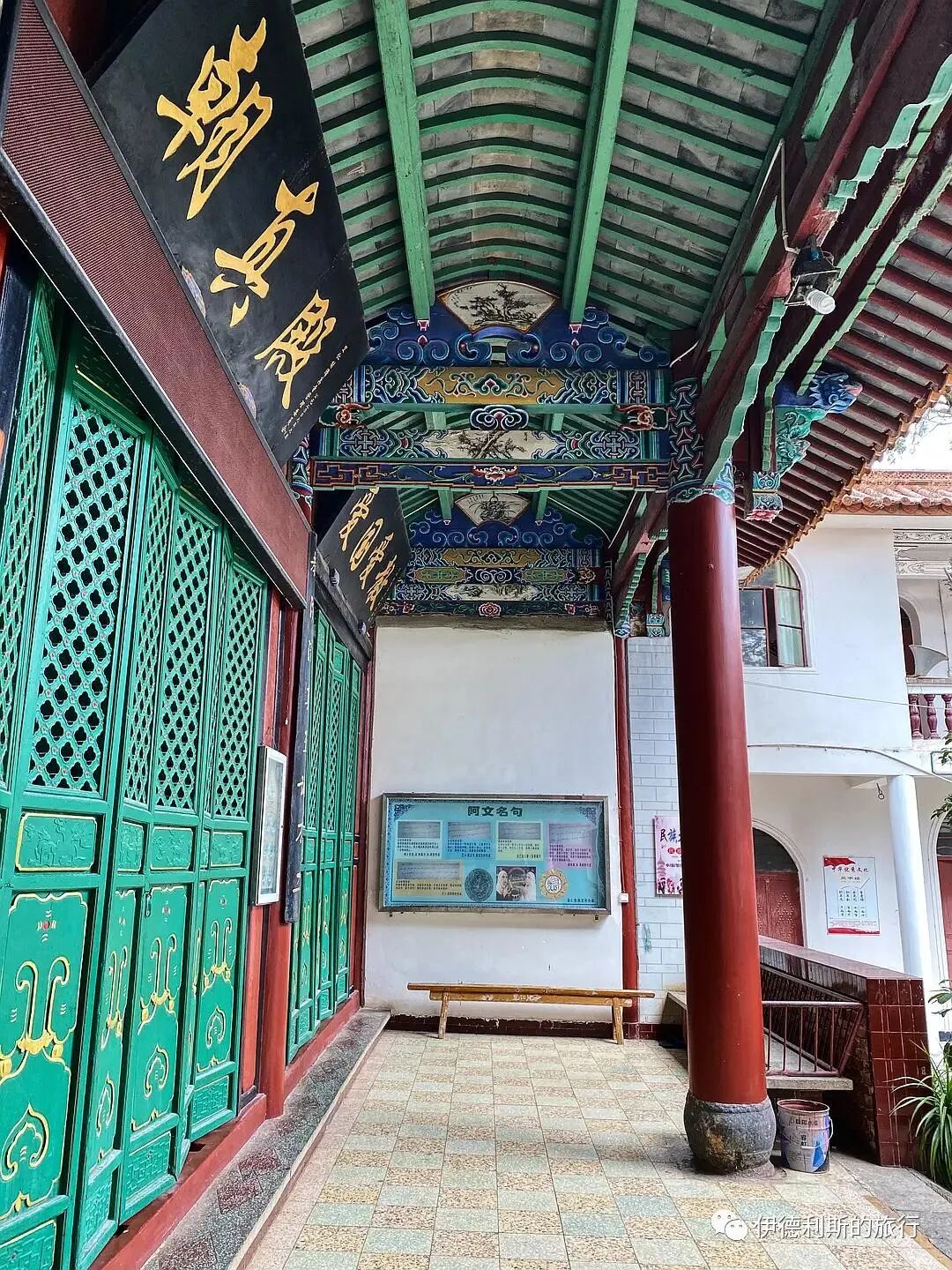
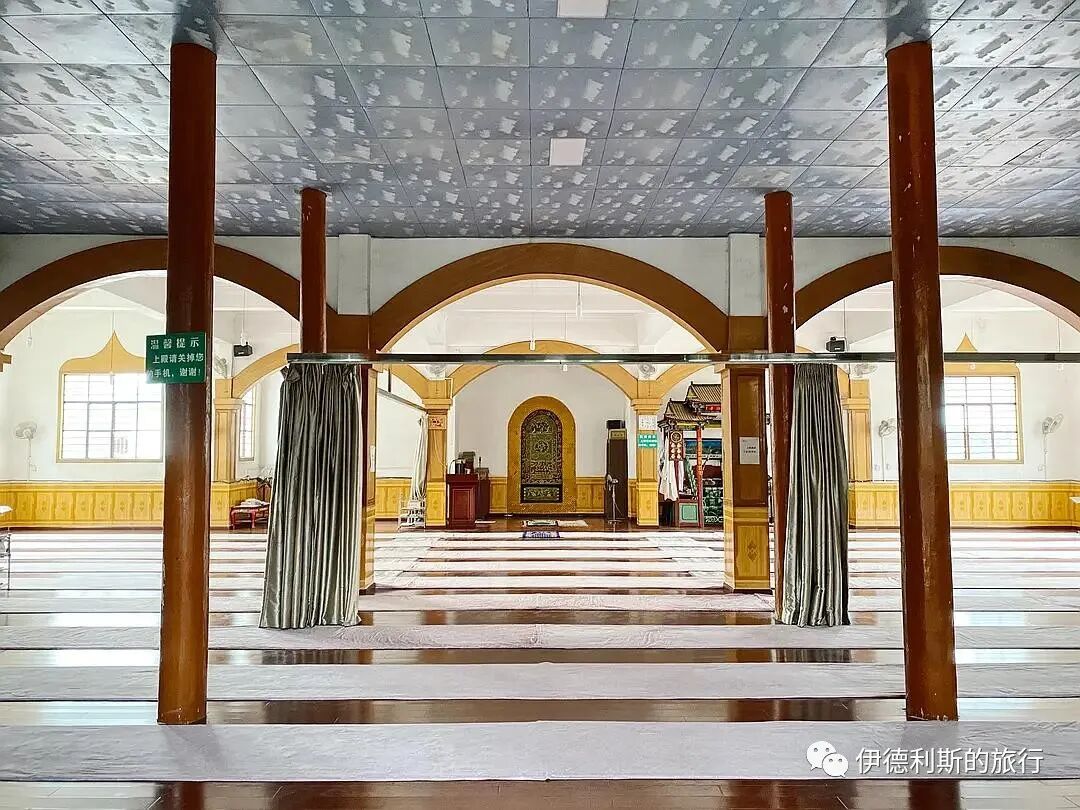
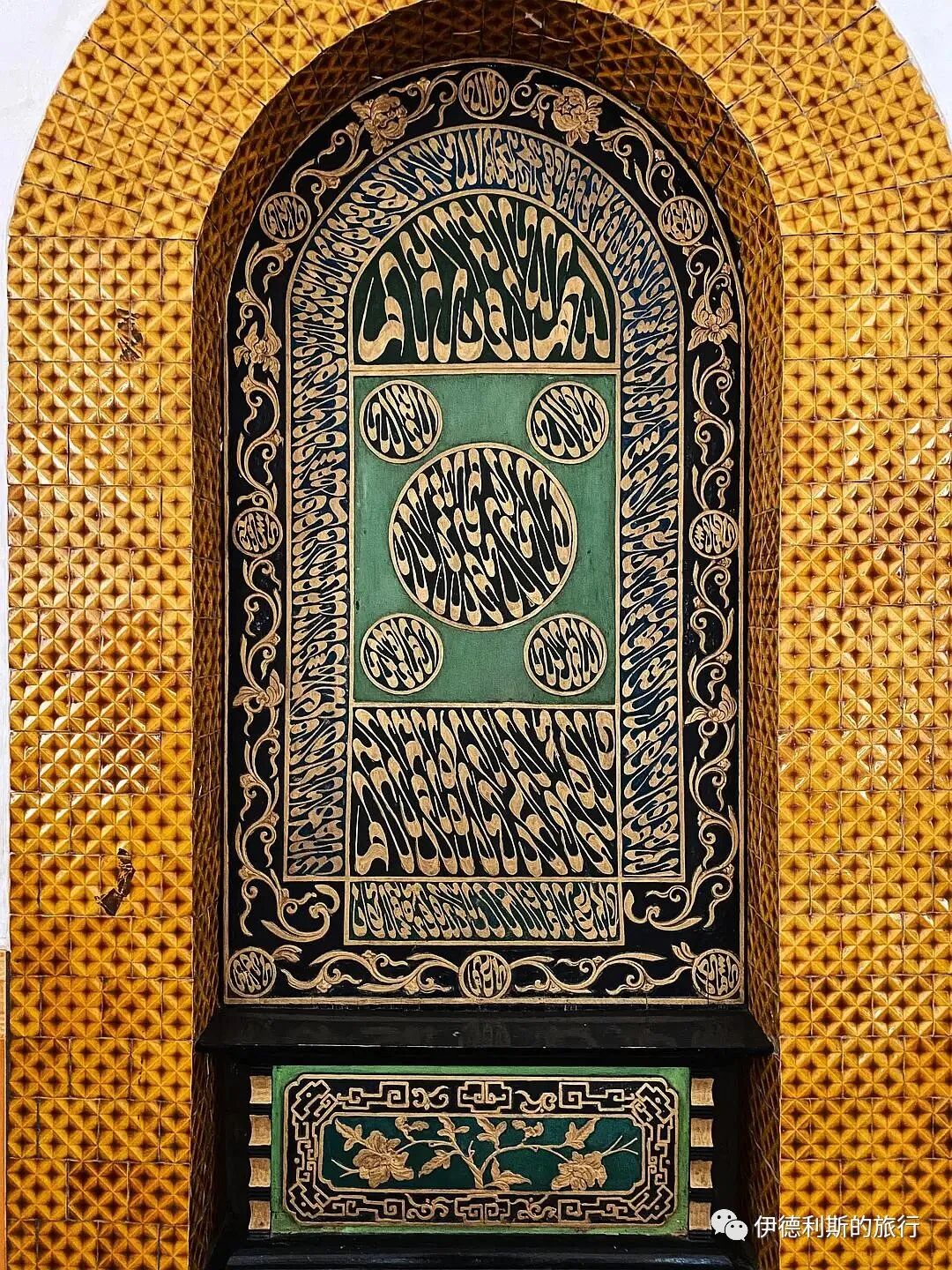
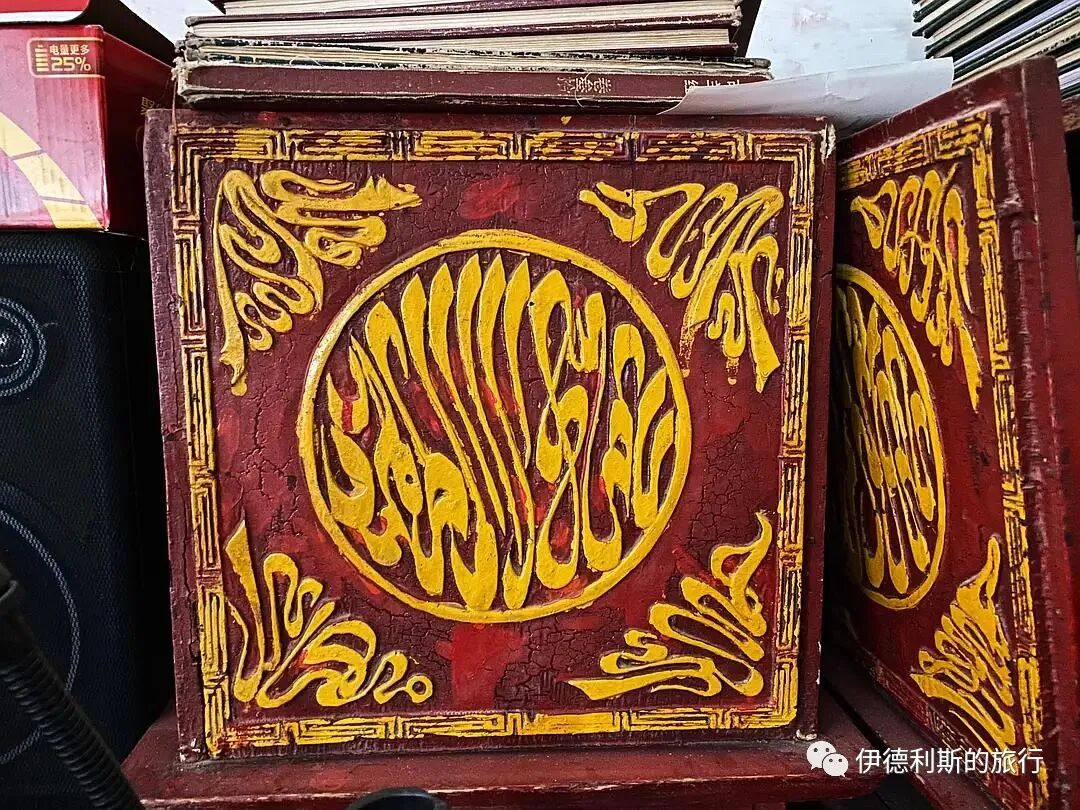
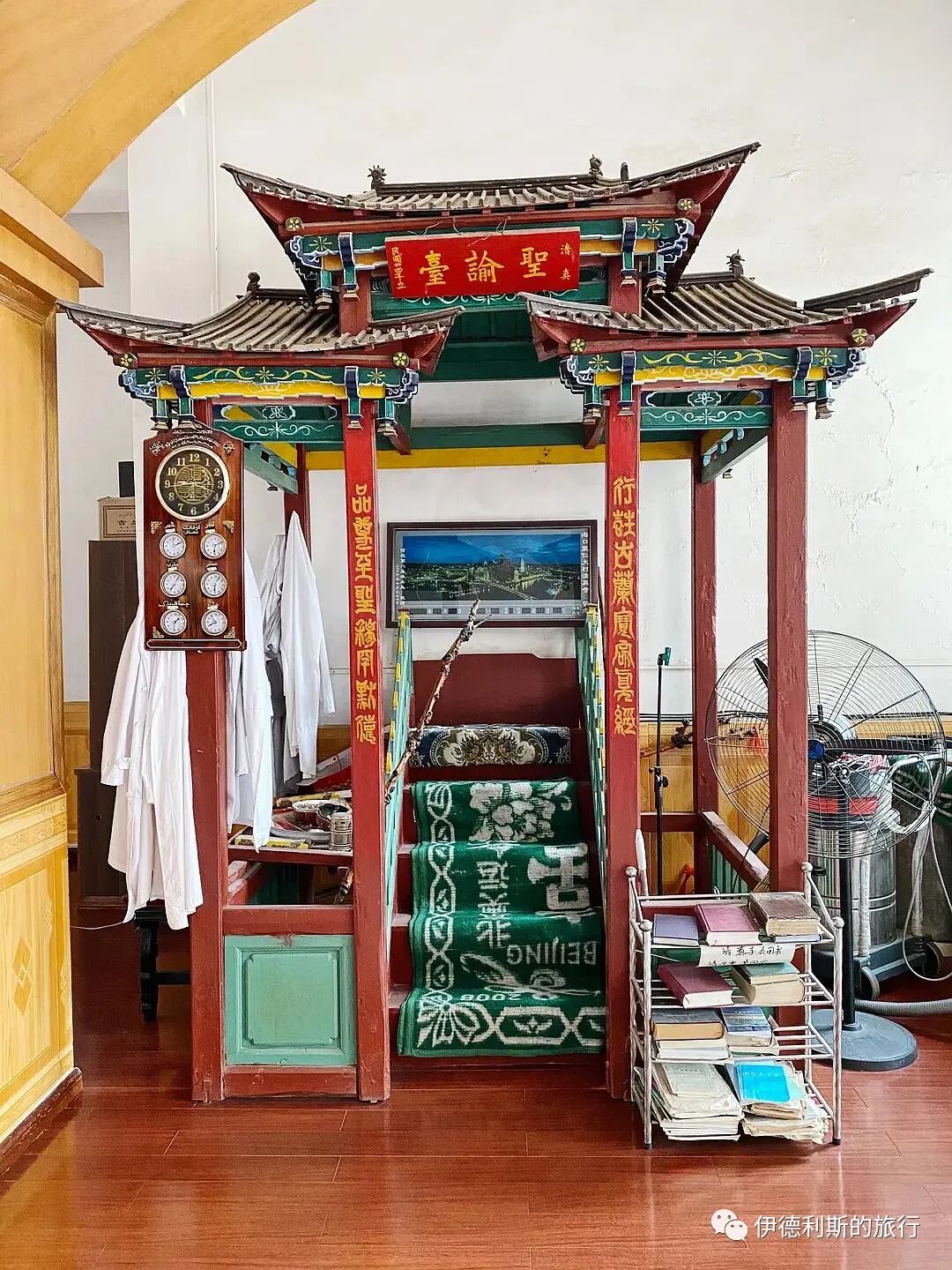
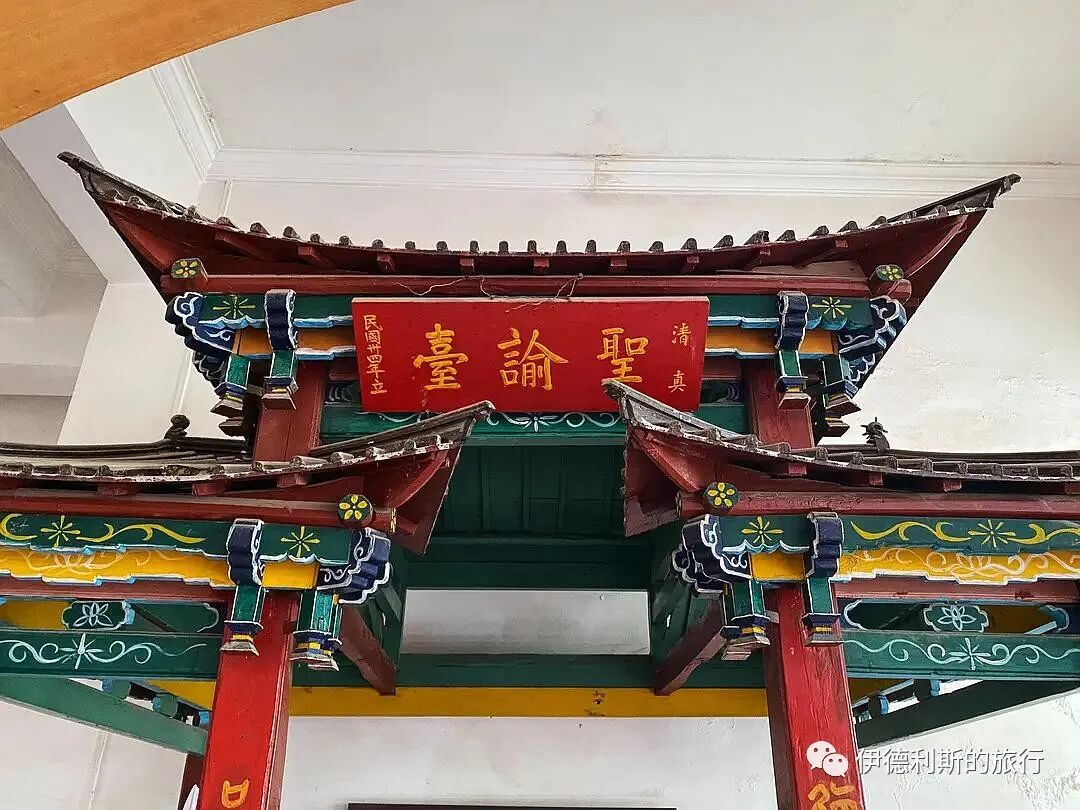
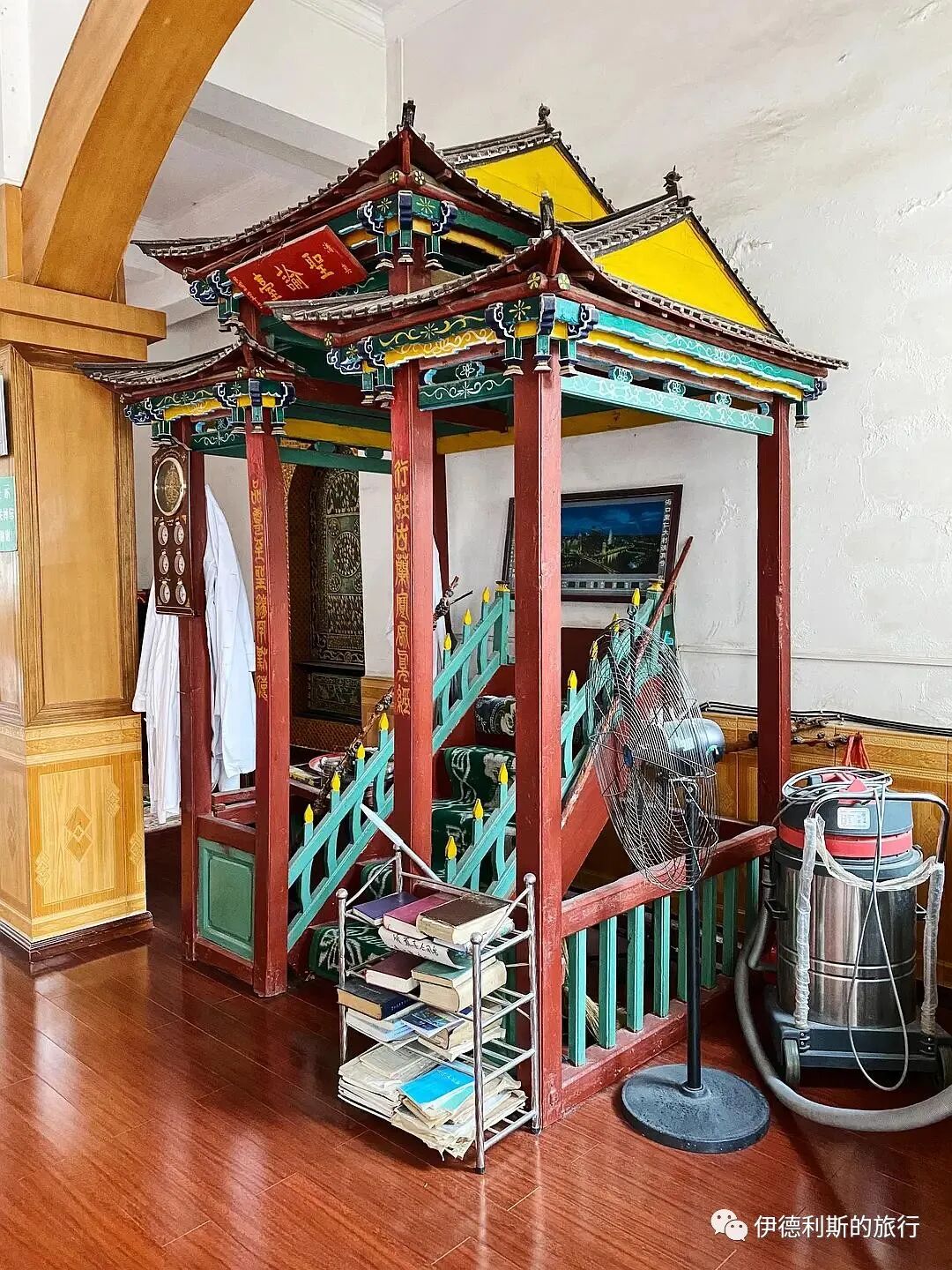
The flower beds built in 1940 look very elegant.
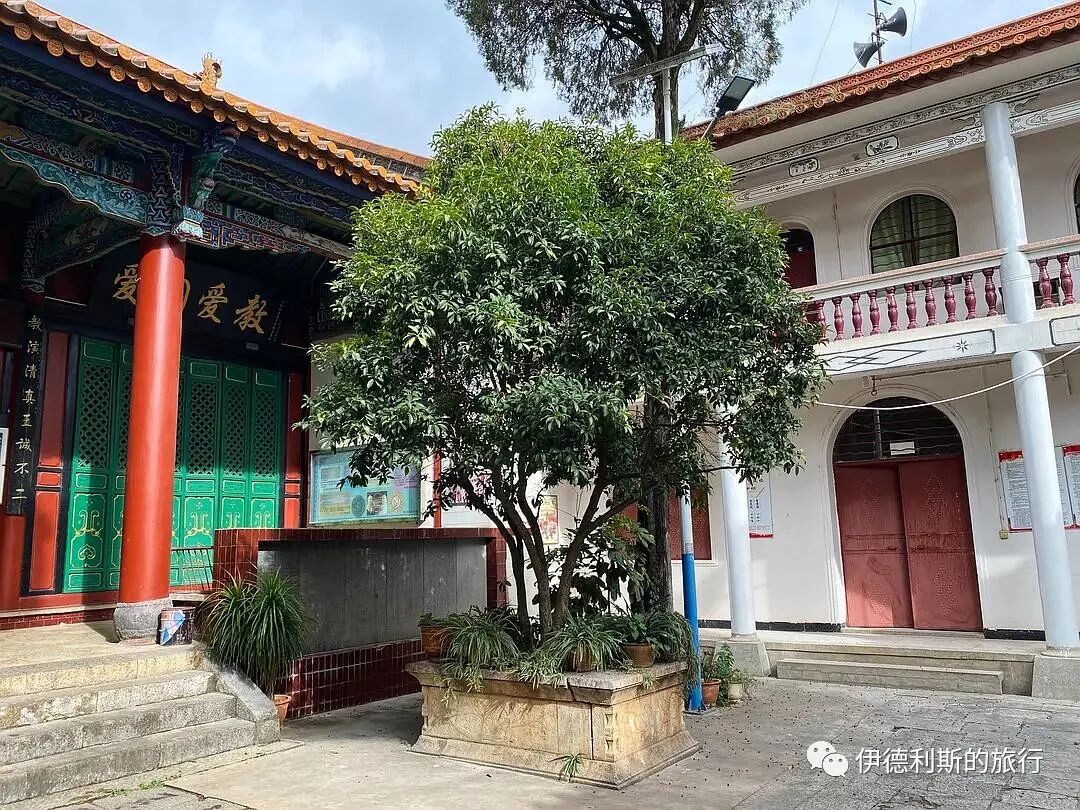
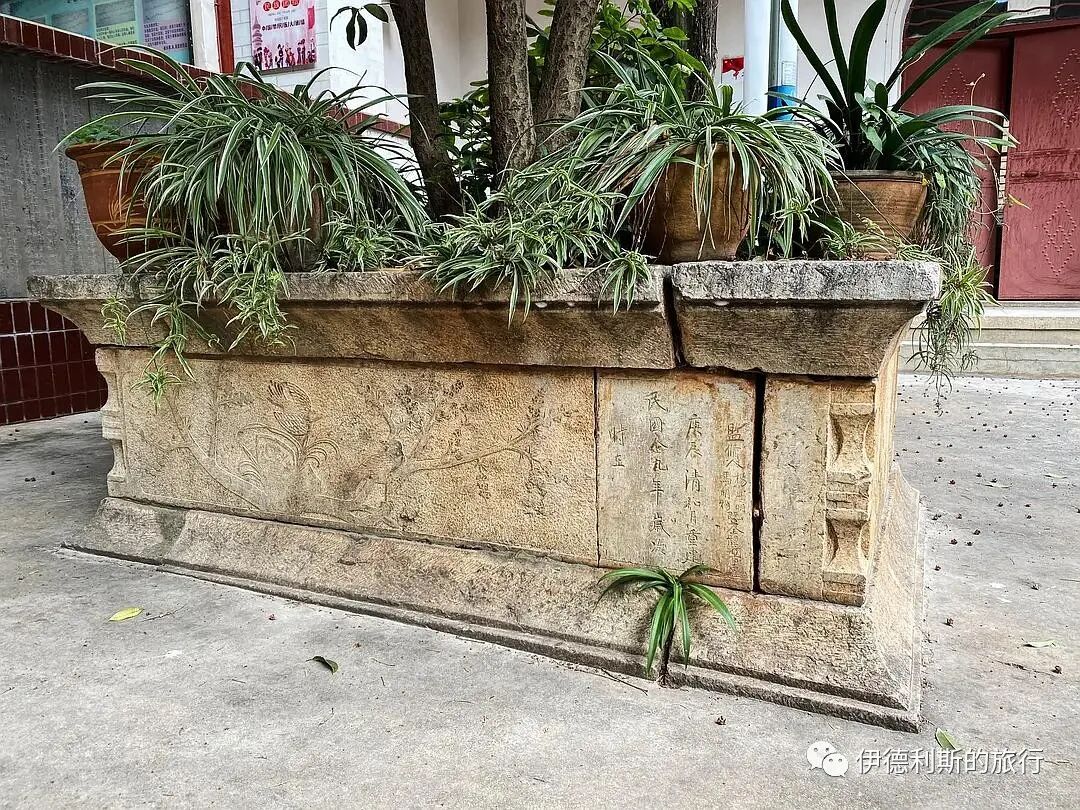
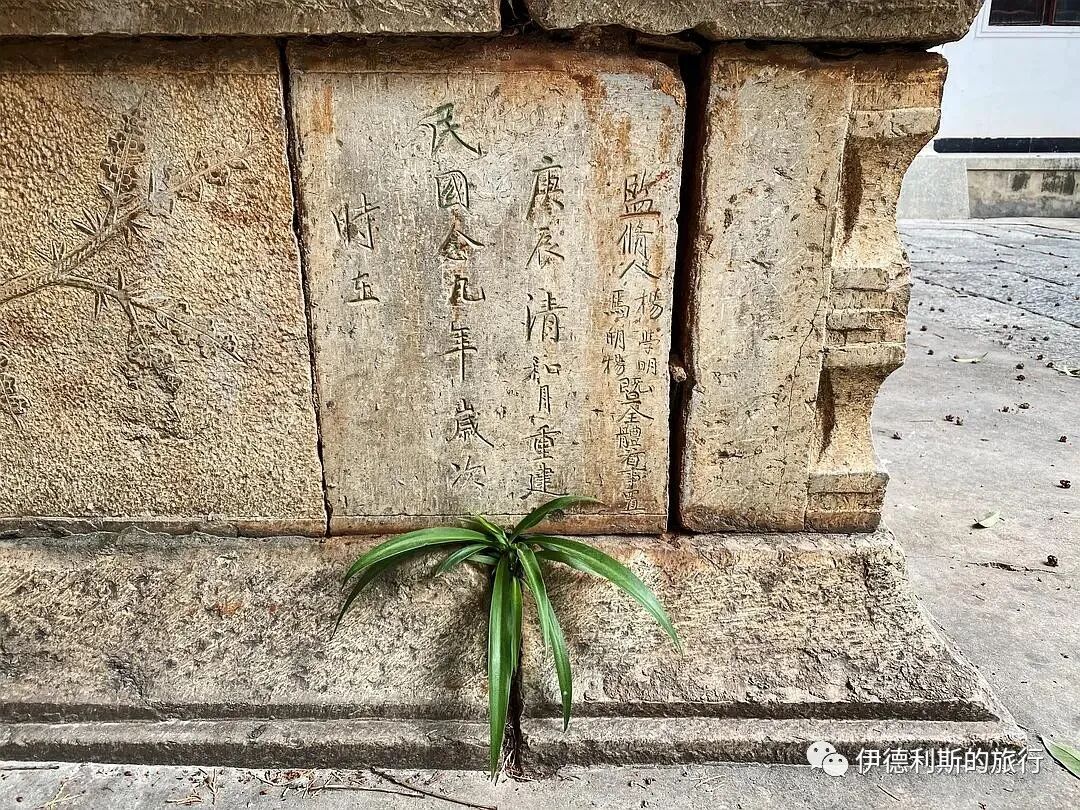
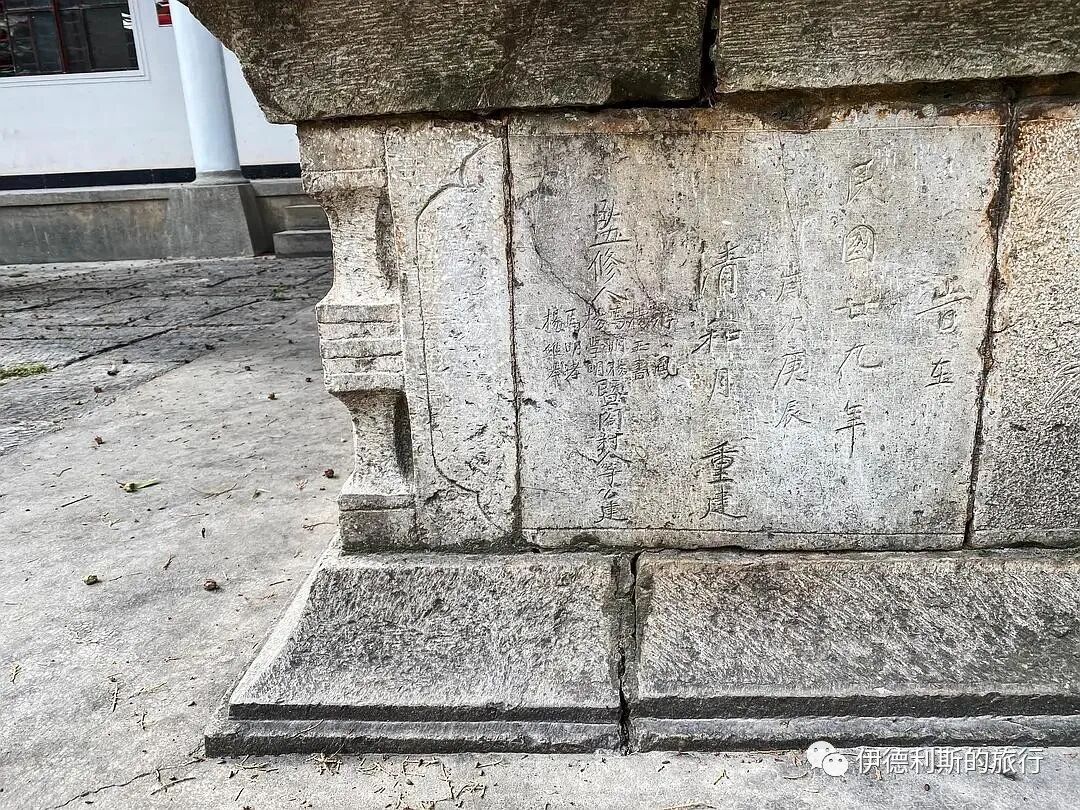
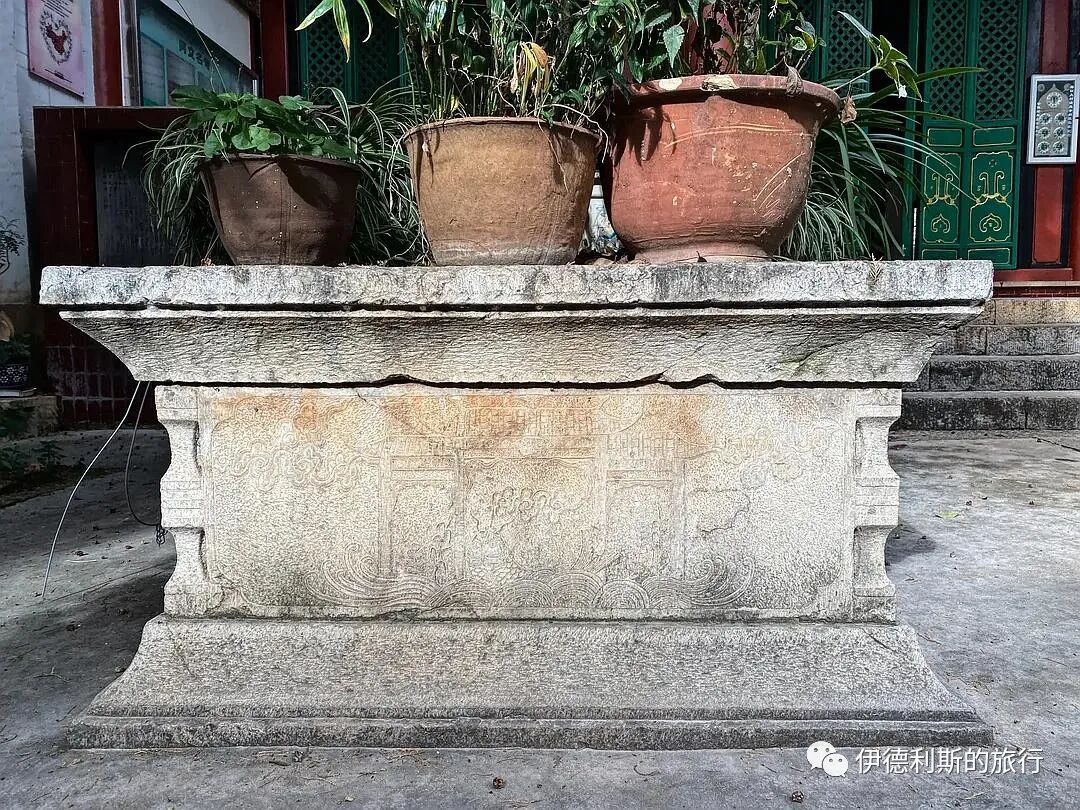
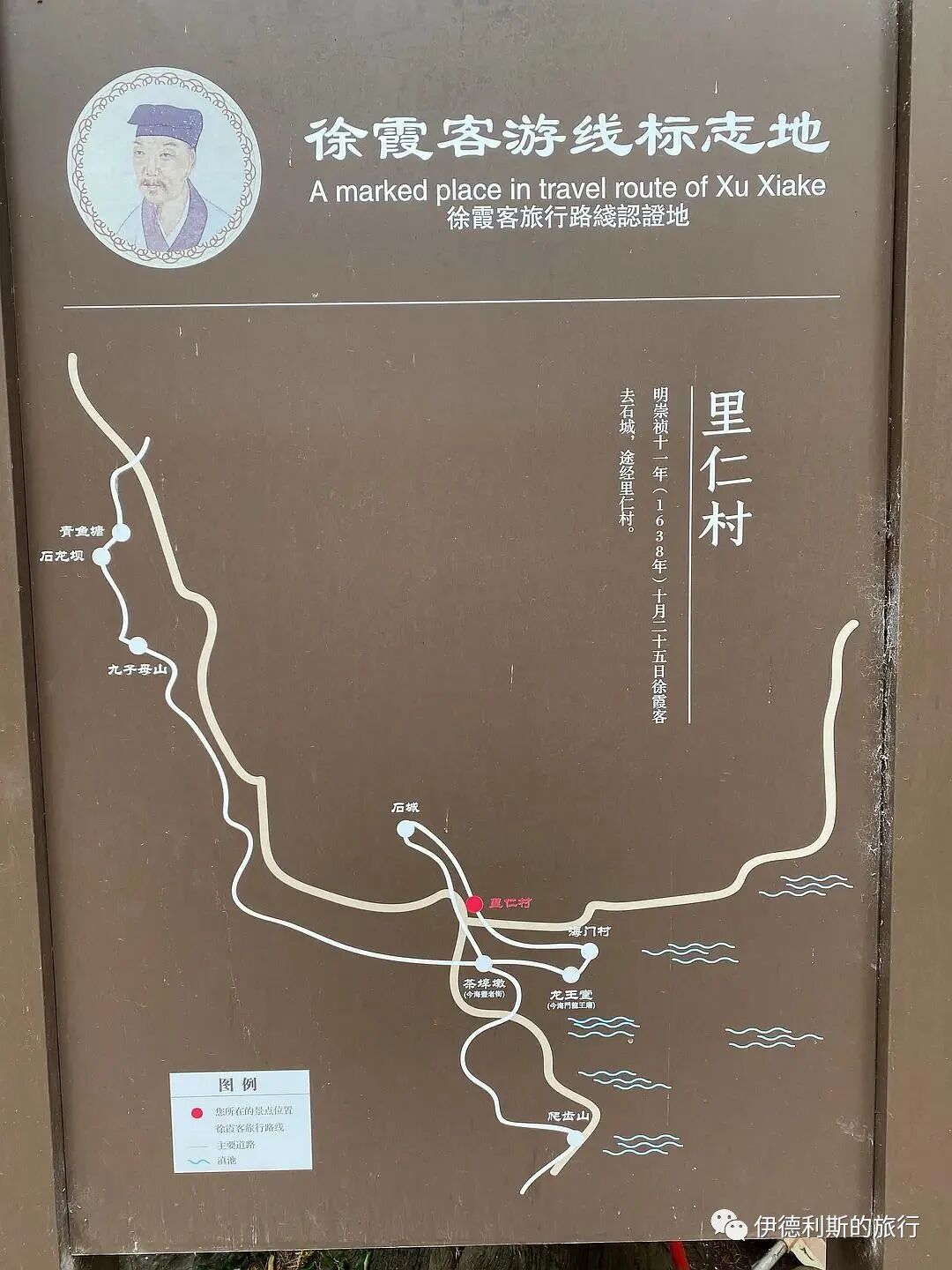
According to records, Xu Xiake passed through Liren Village in 1638 (the 11th year of the Chongzhen reign of the Ming Dynasty), so there is a sign inside the mosque marking it as a "Xu Xiake Travel Route Landmark."
III. Yuxi Daying Village
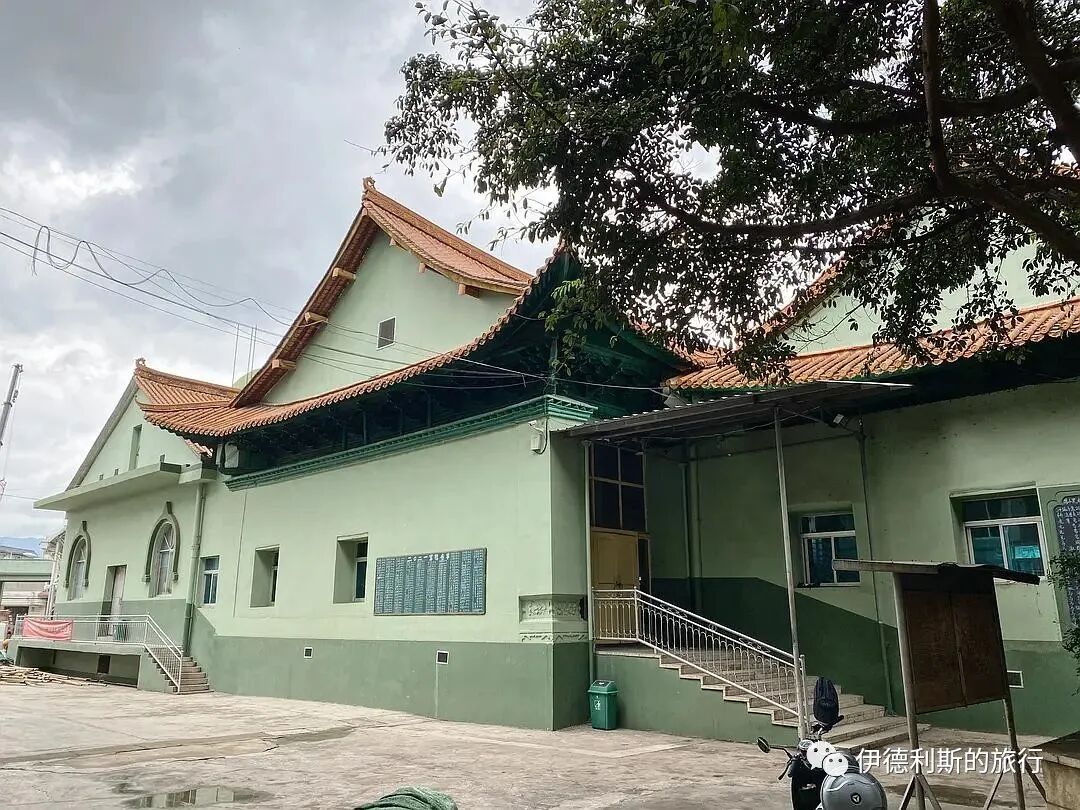
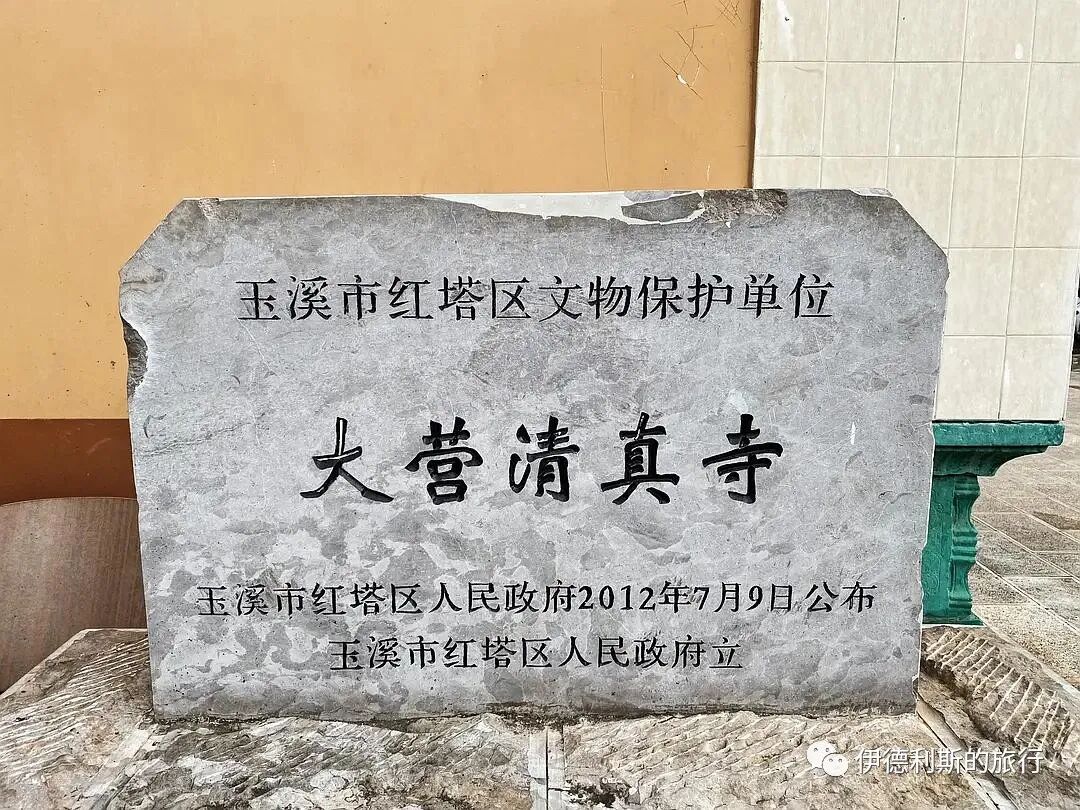
Continuing 52 kilometers south from Haikou Liren Mosque, we arrived at the Daying Mosque in Yuxi.
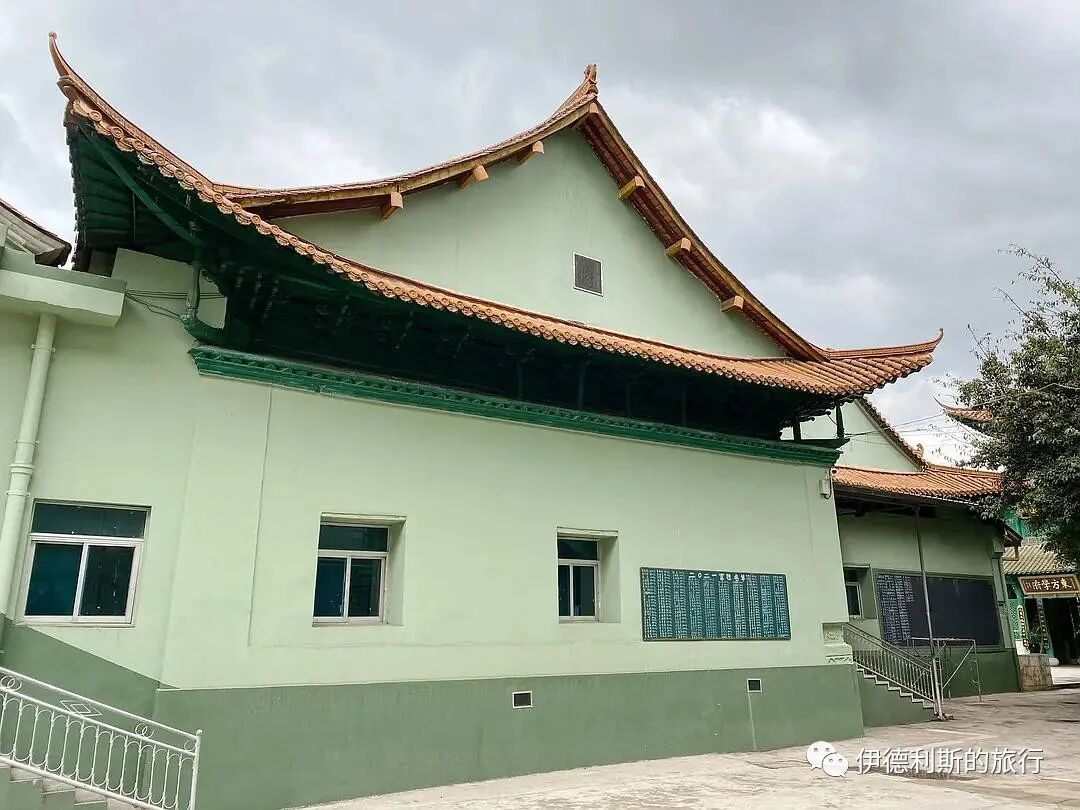
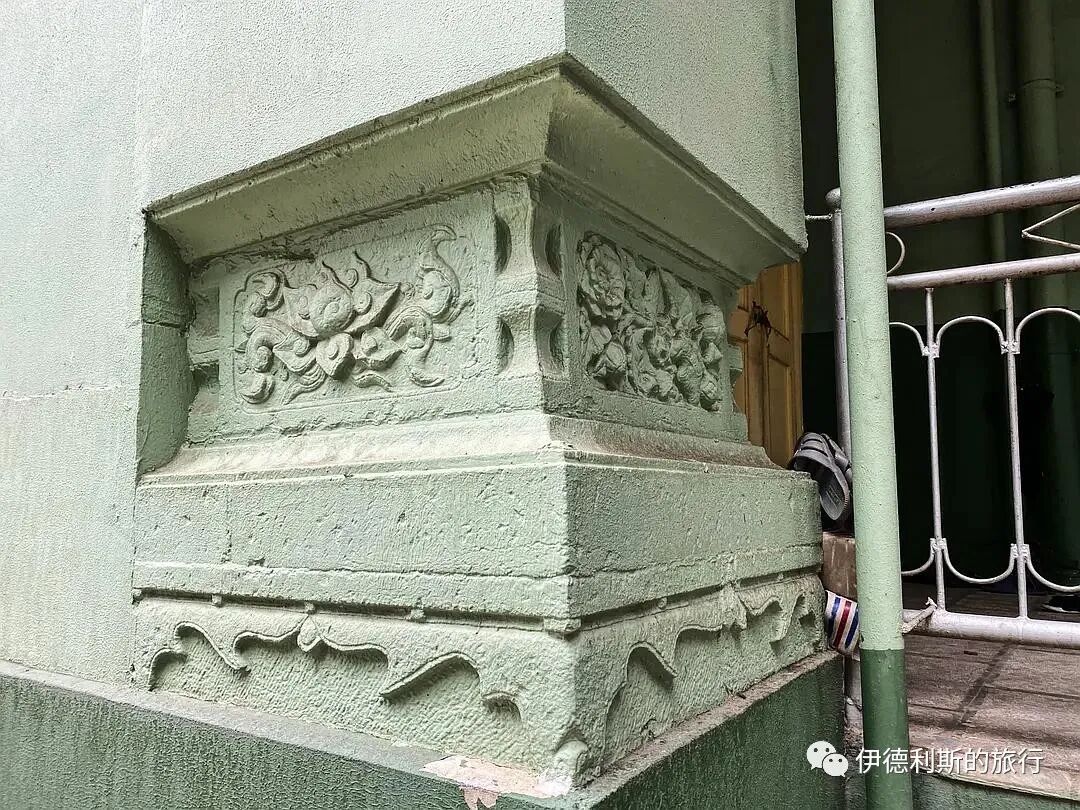
The mosque's main gate was rebuilt in 1914 as a two-story gate tower with an inward-facing eight-character screen wall. The upper level has four corners, and the lower level has eight corners, featuring exquisite decorative dougong (bracket sets), carved beams, painted rafters, and upturned eaves. Entering the gate, one finds the Xingmeng Lou (Awakening Dream Tower/minaret), a three-eave, four-cornered, pointed-roof pavilion standing 30 meters tall.
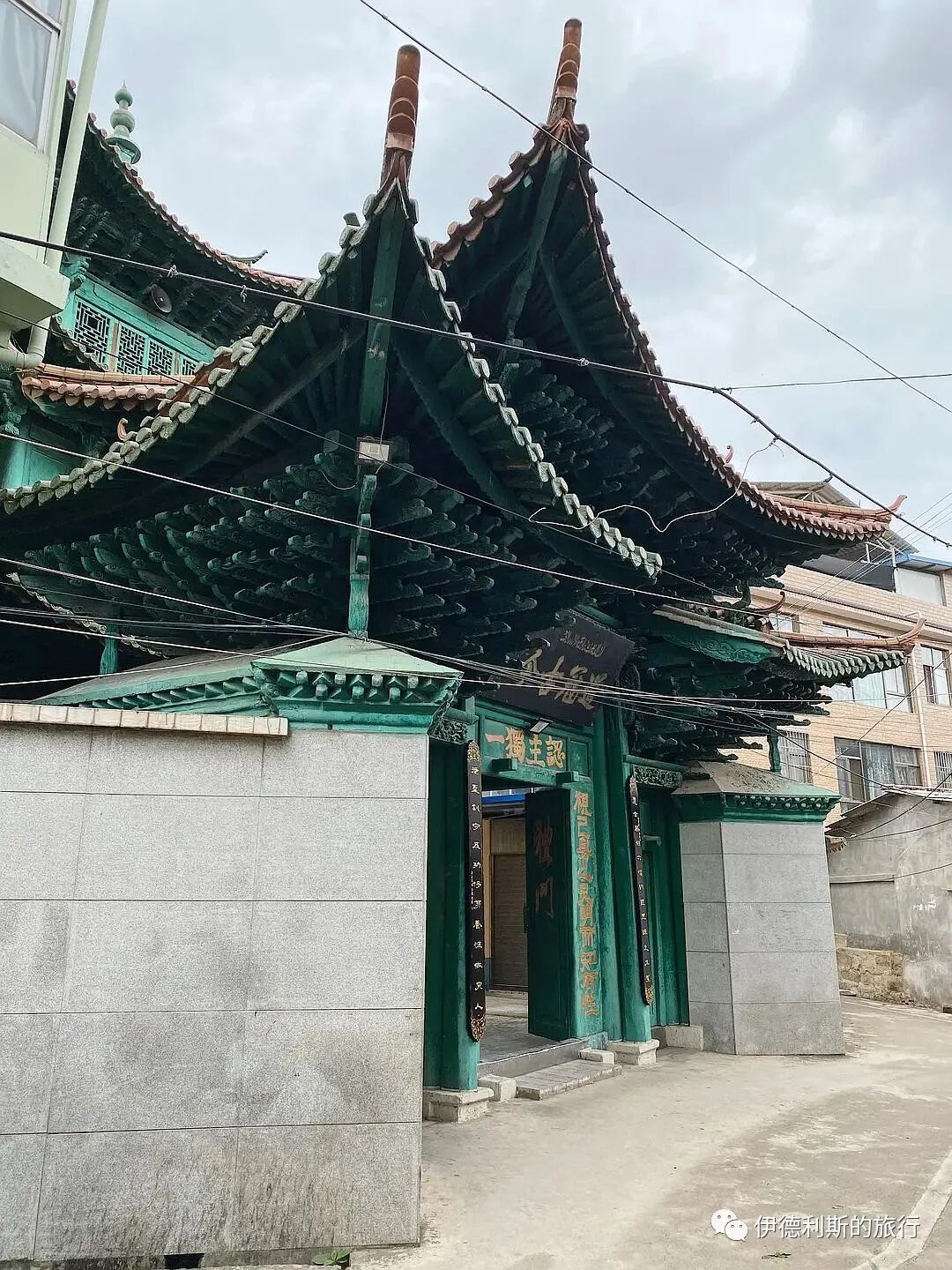
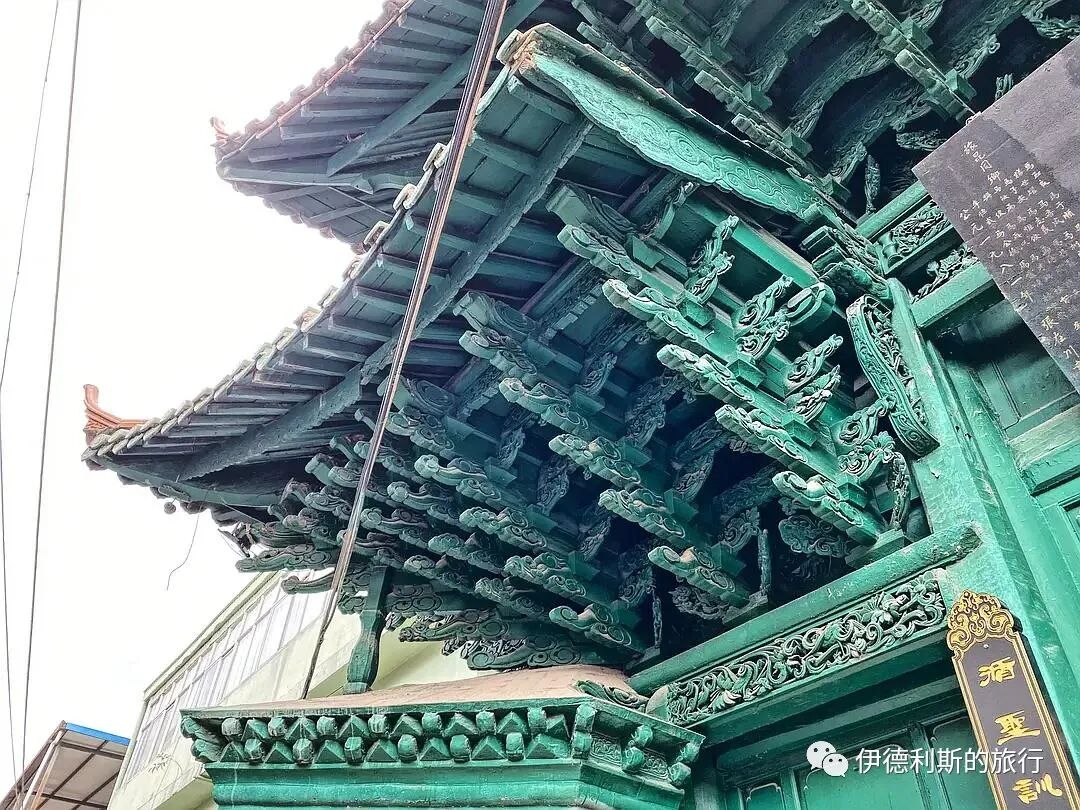
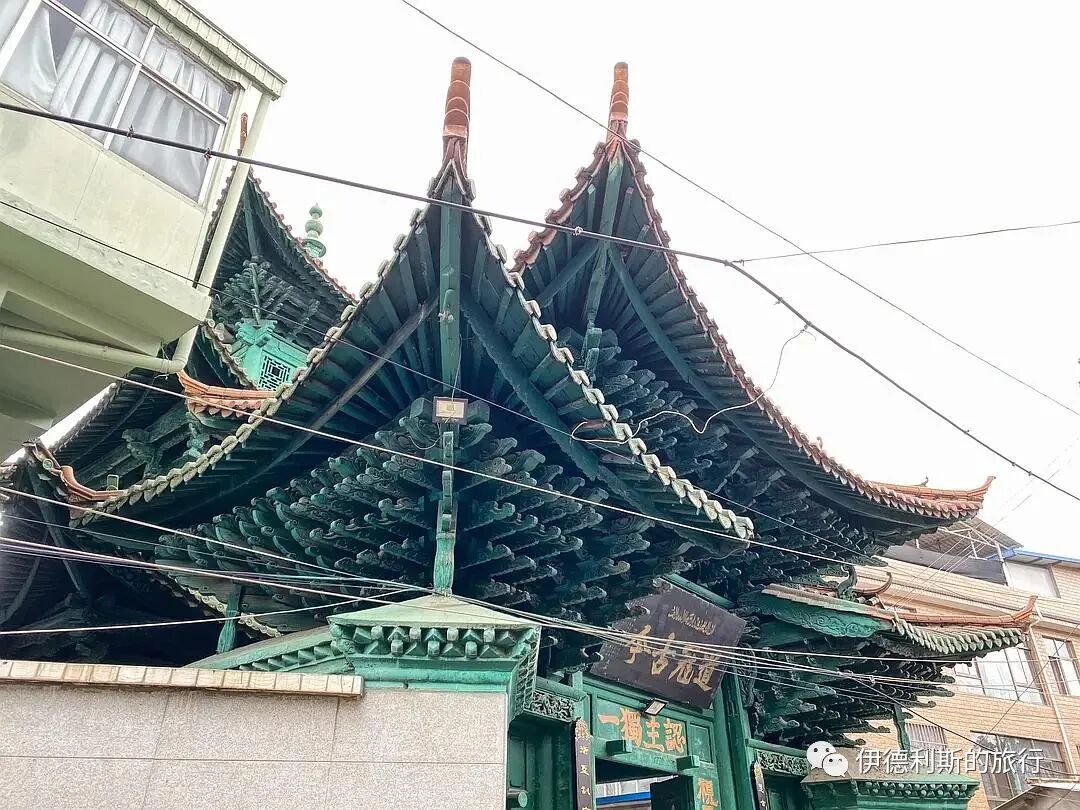
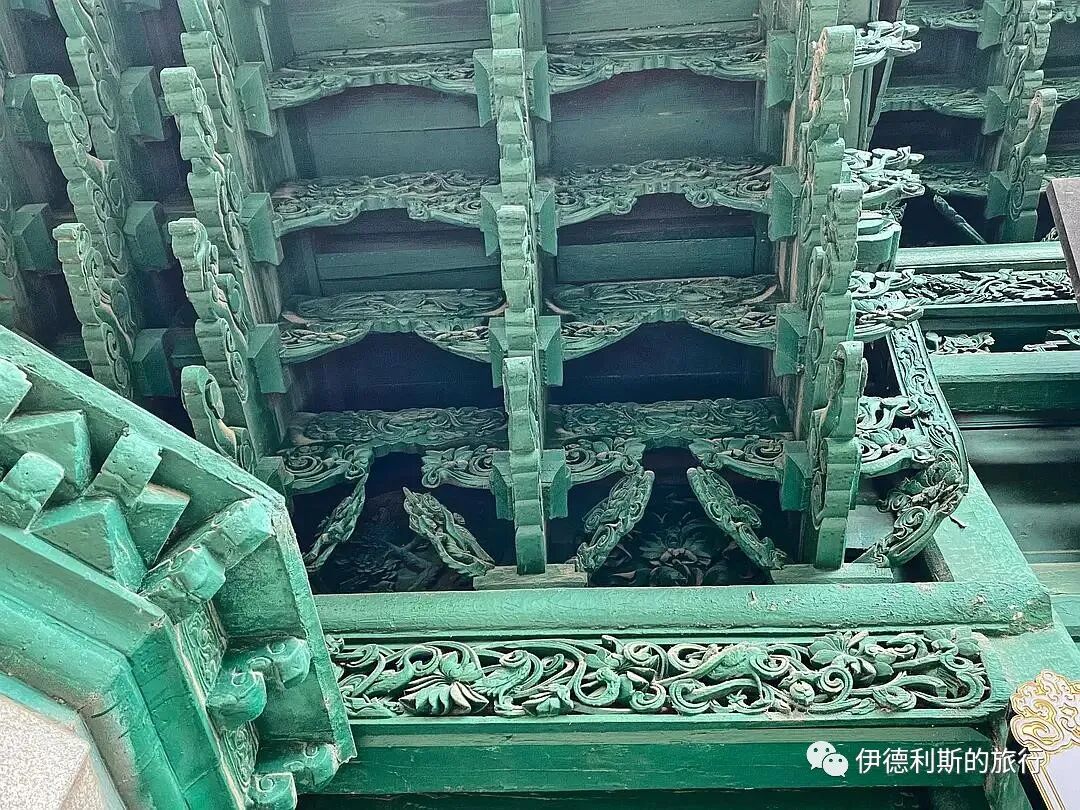
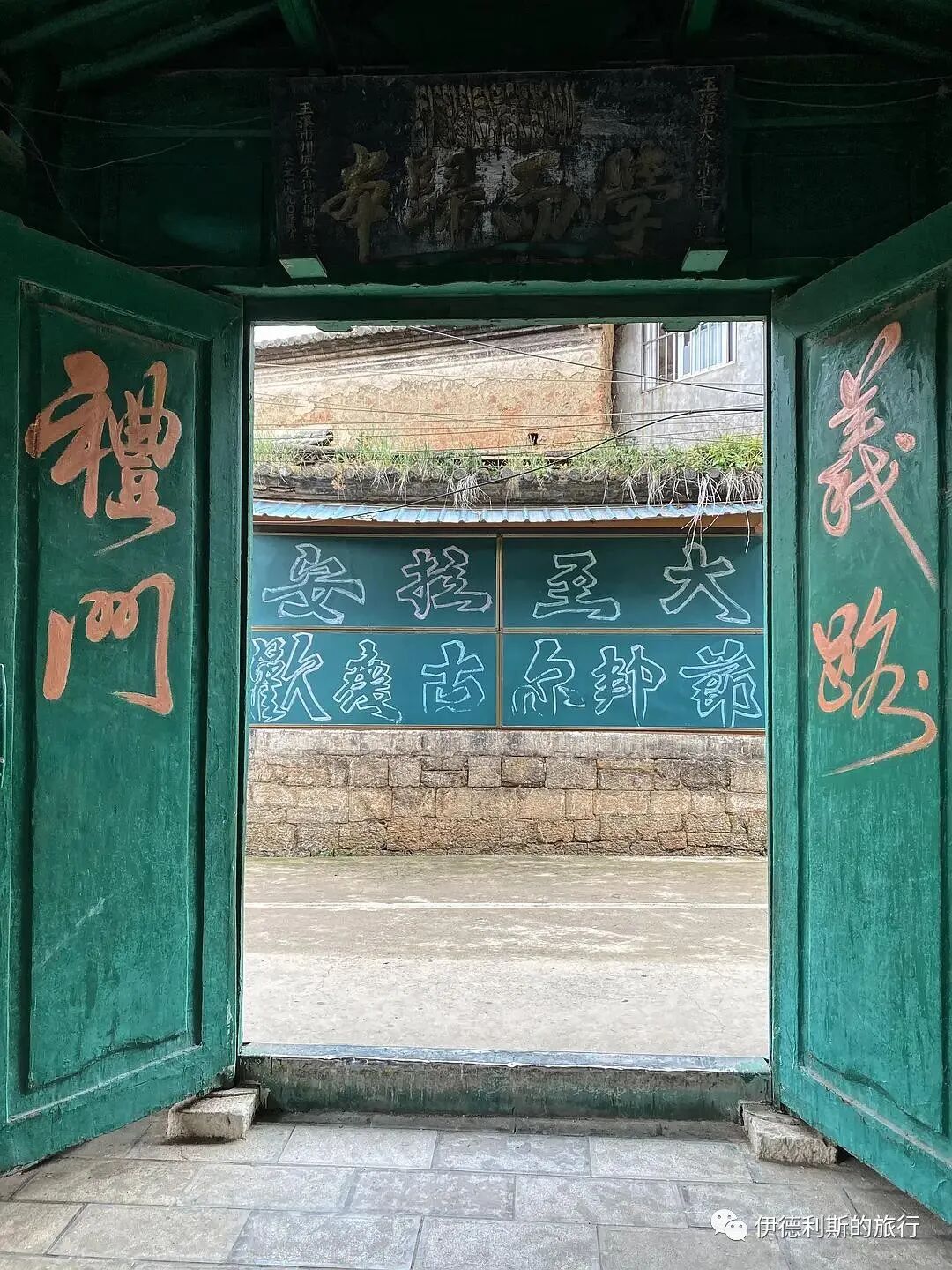
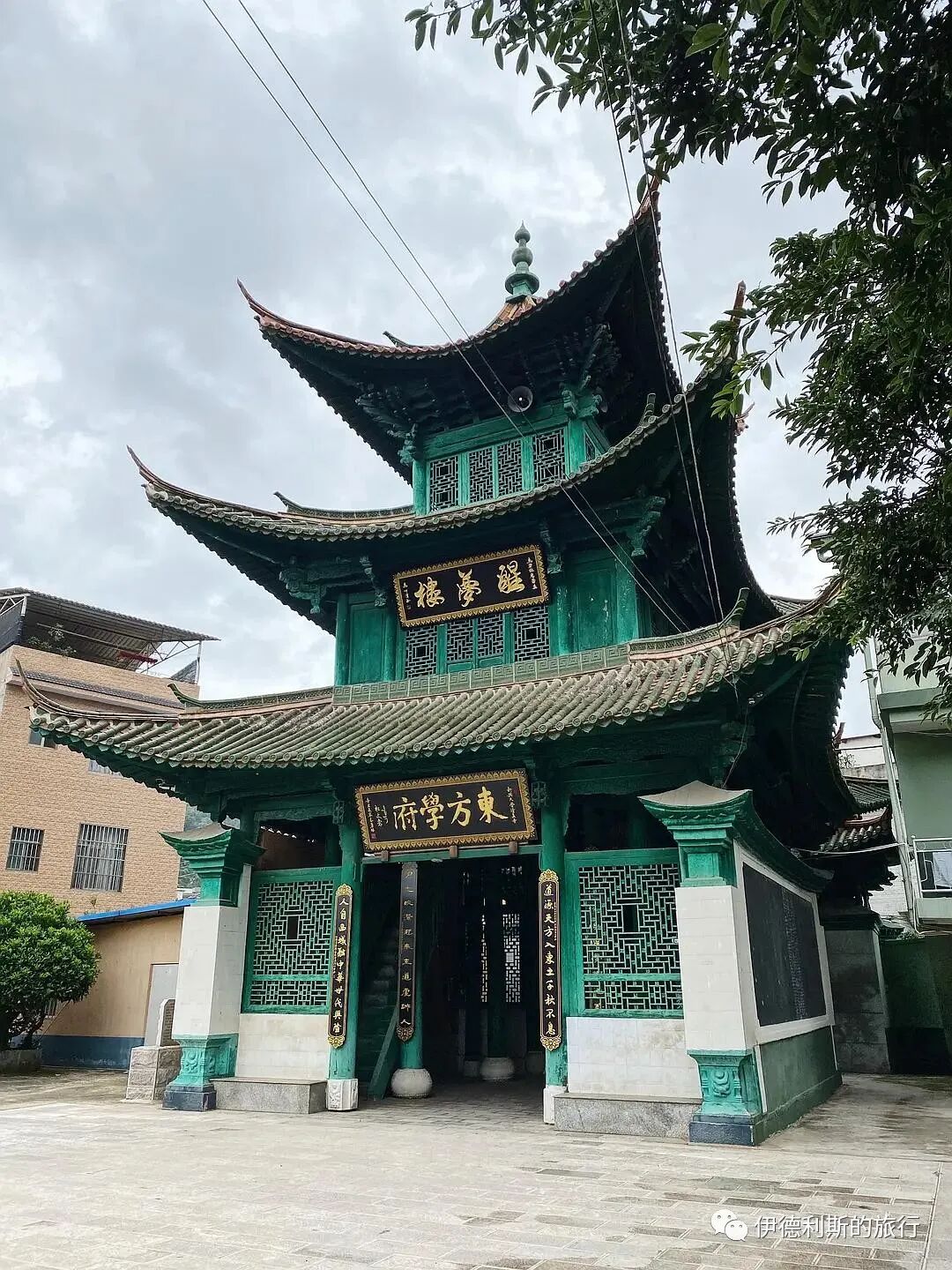
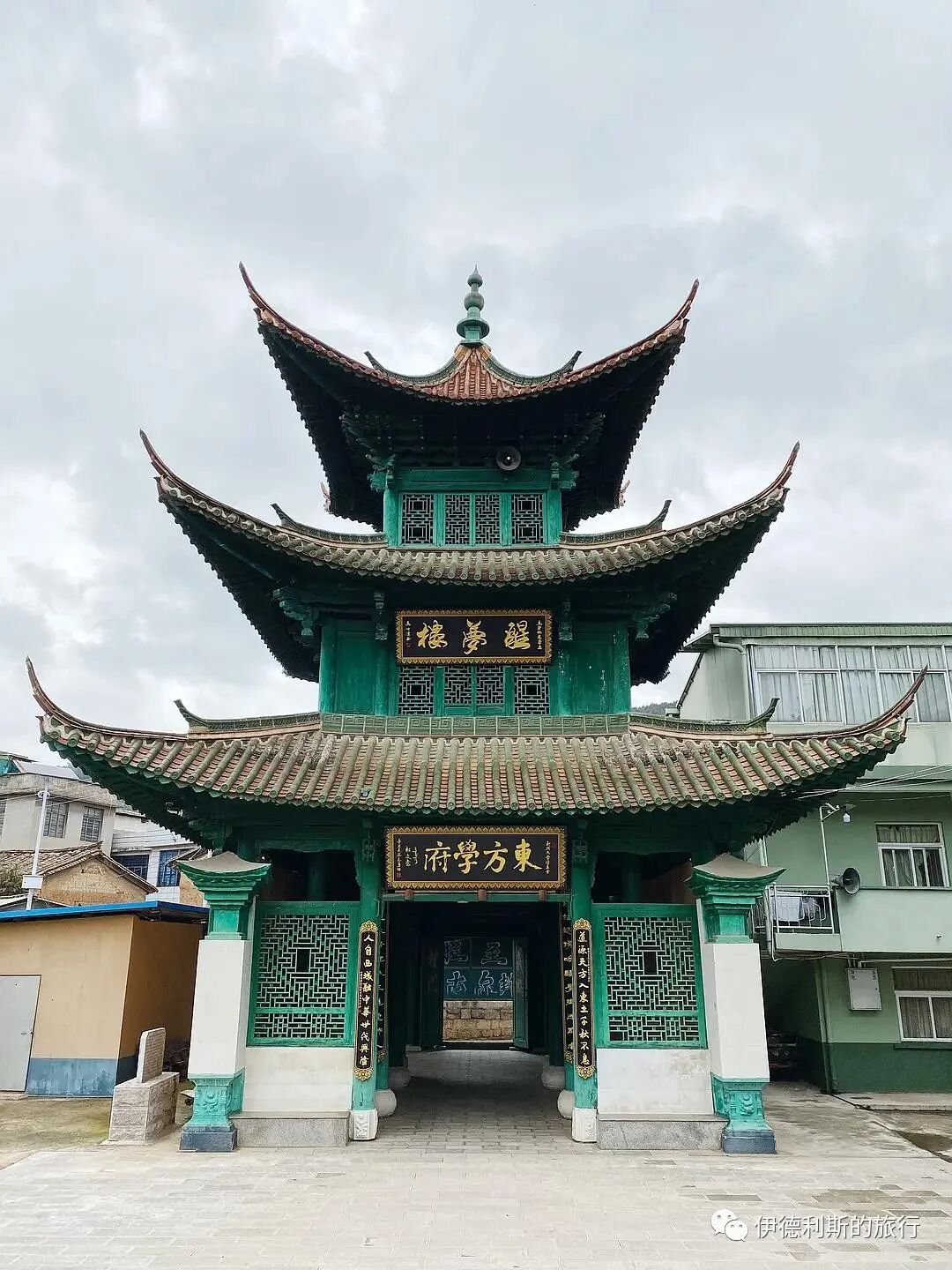
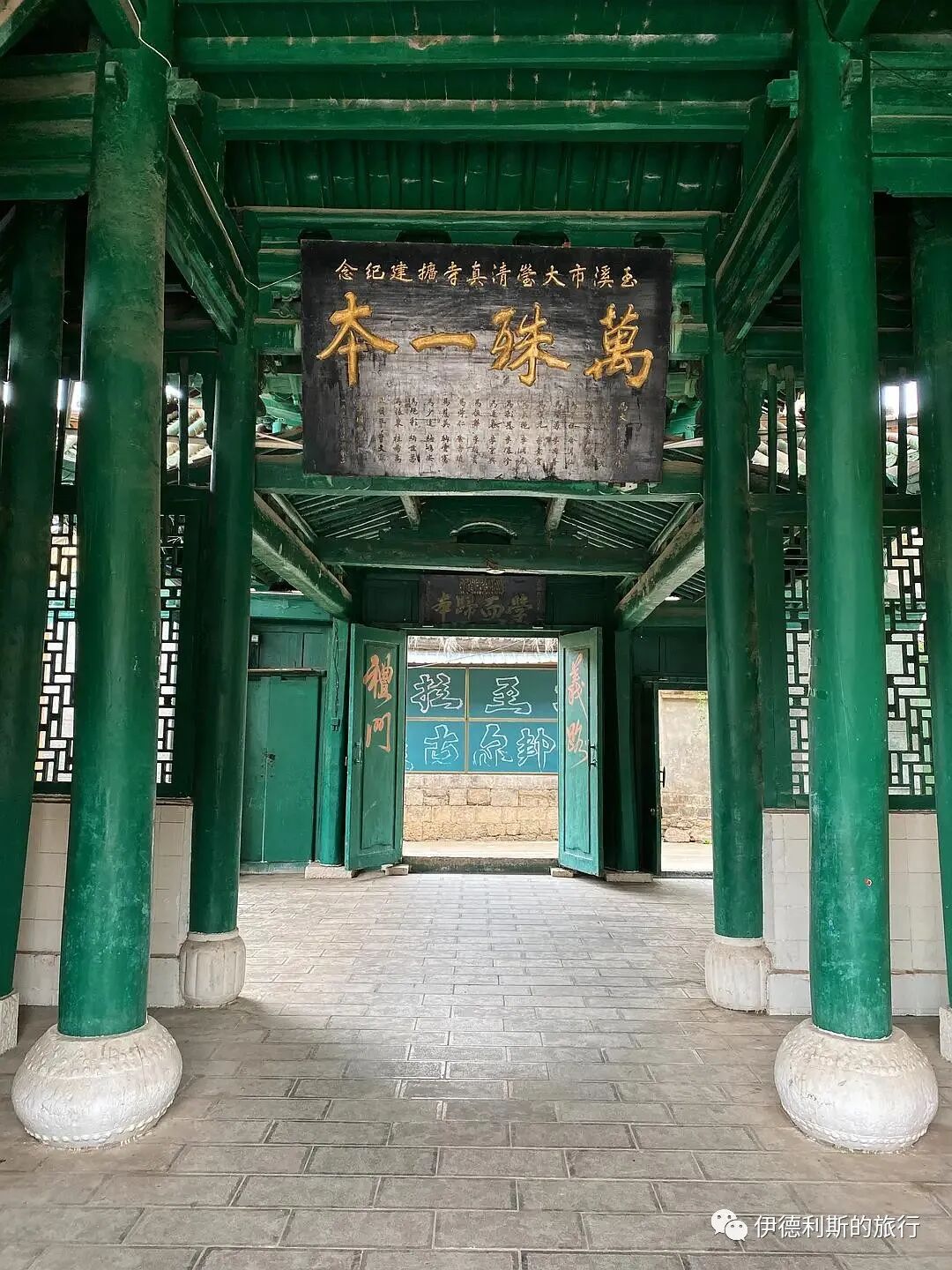
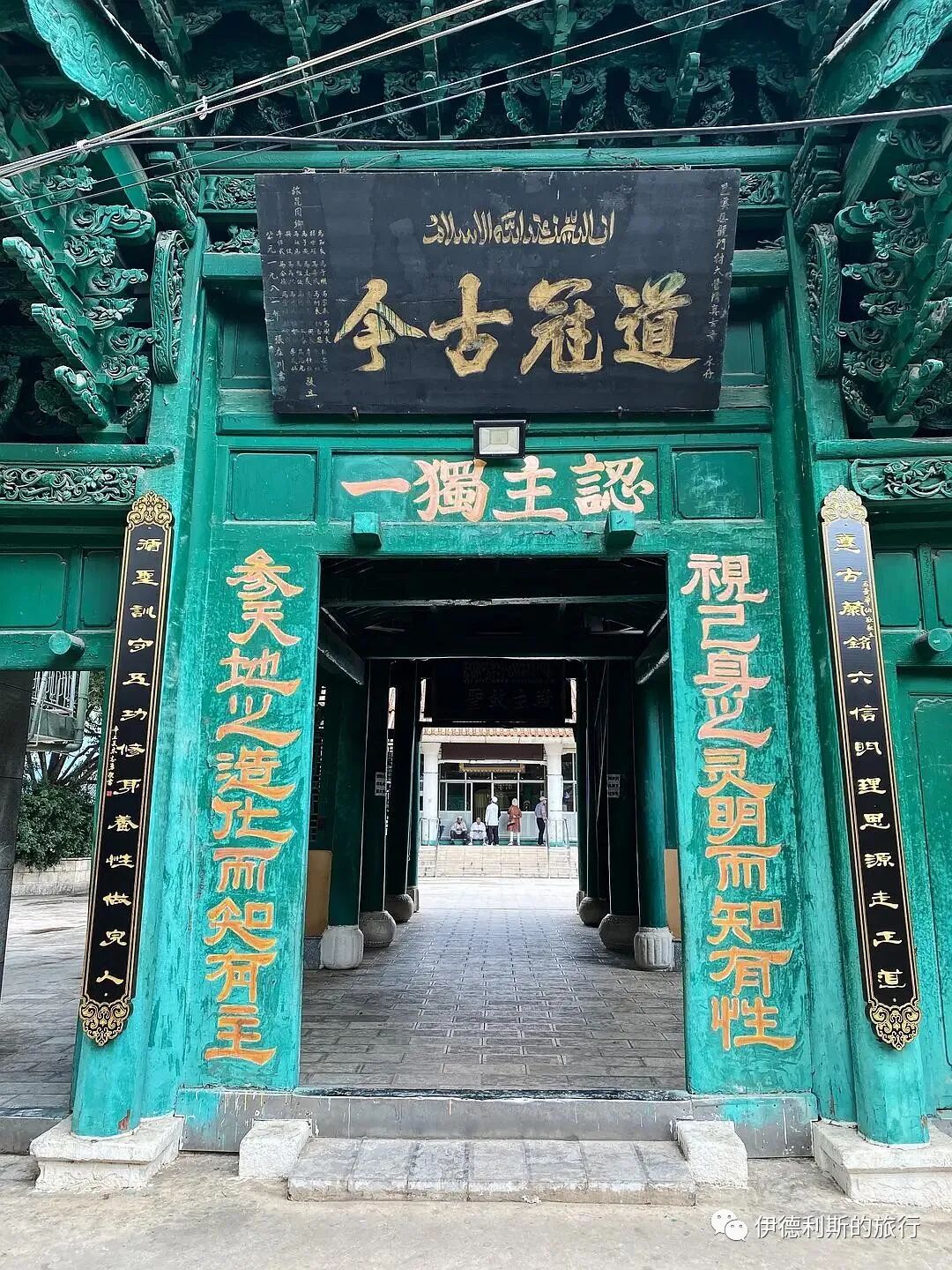
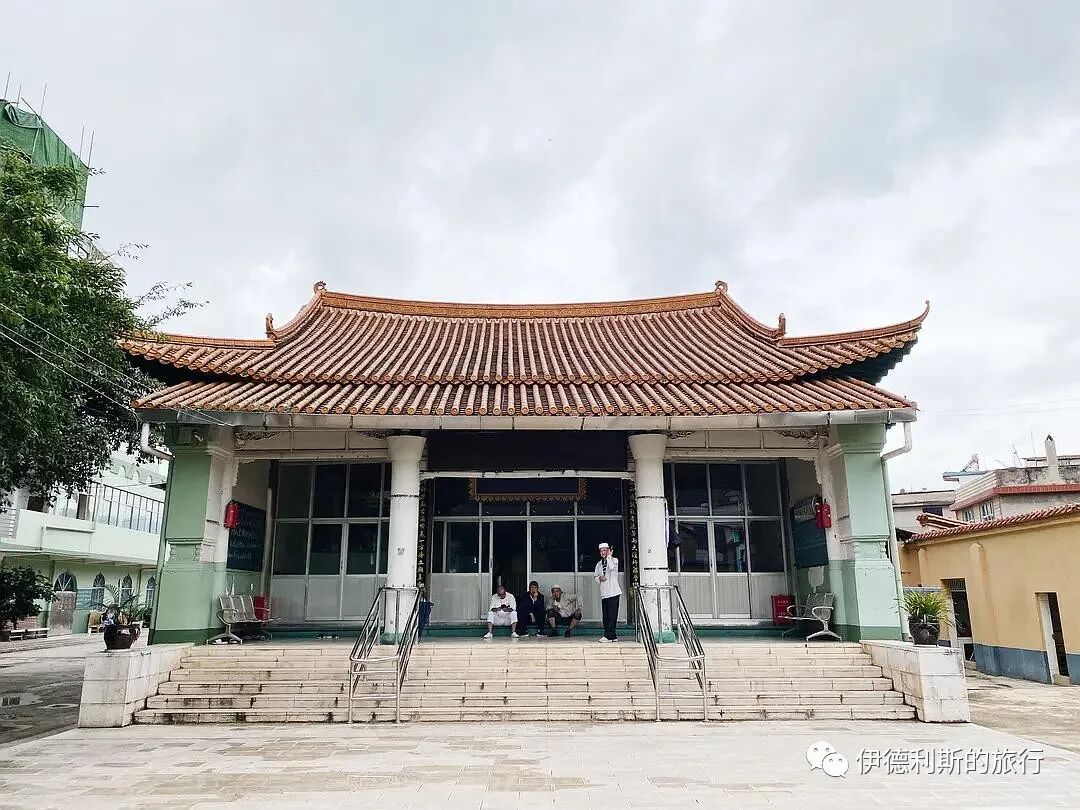
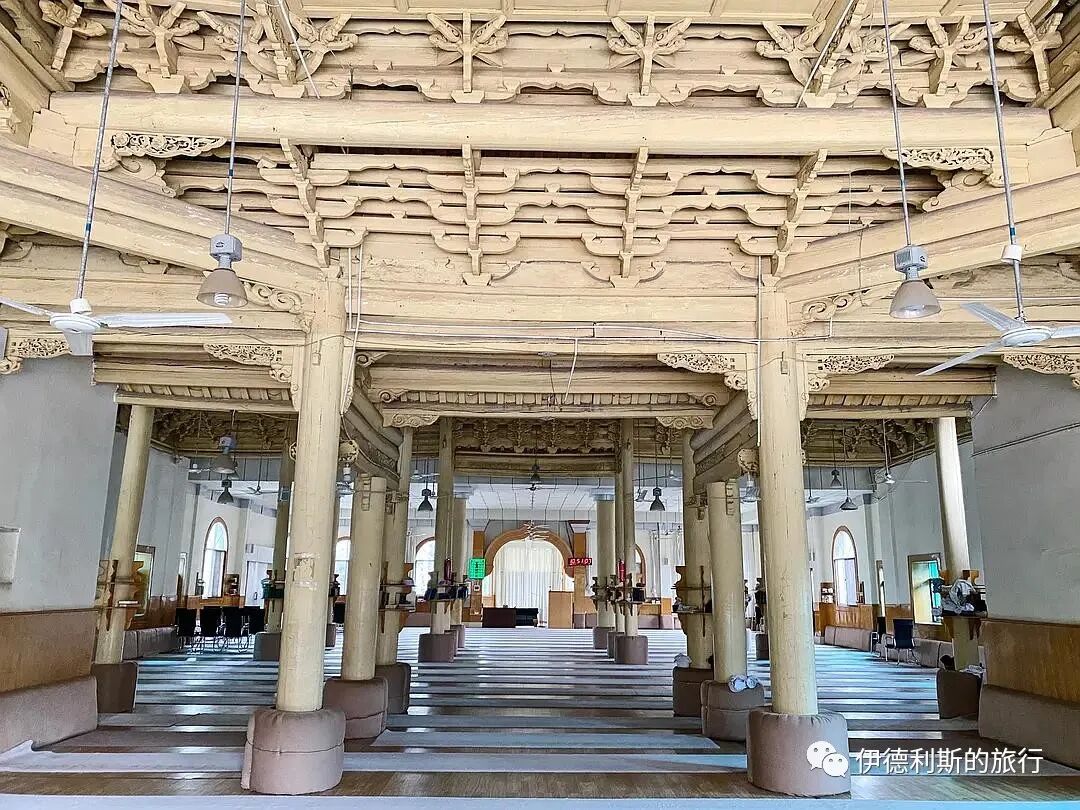
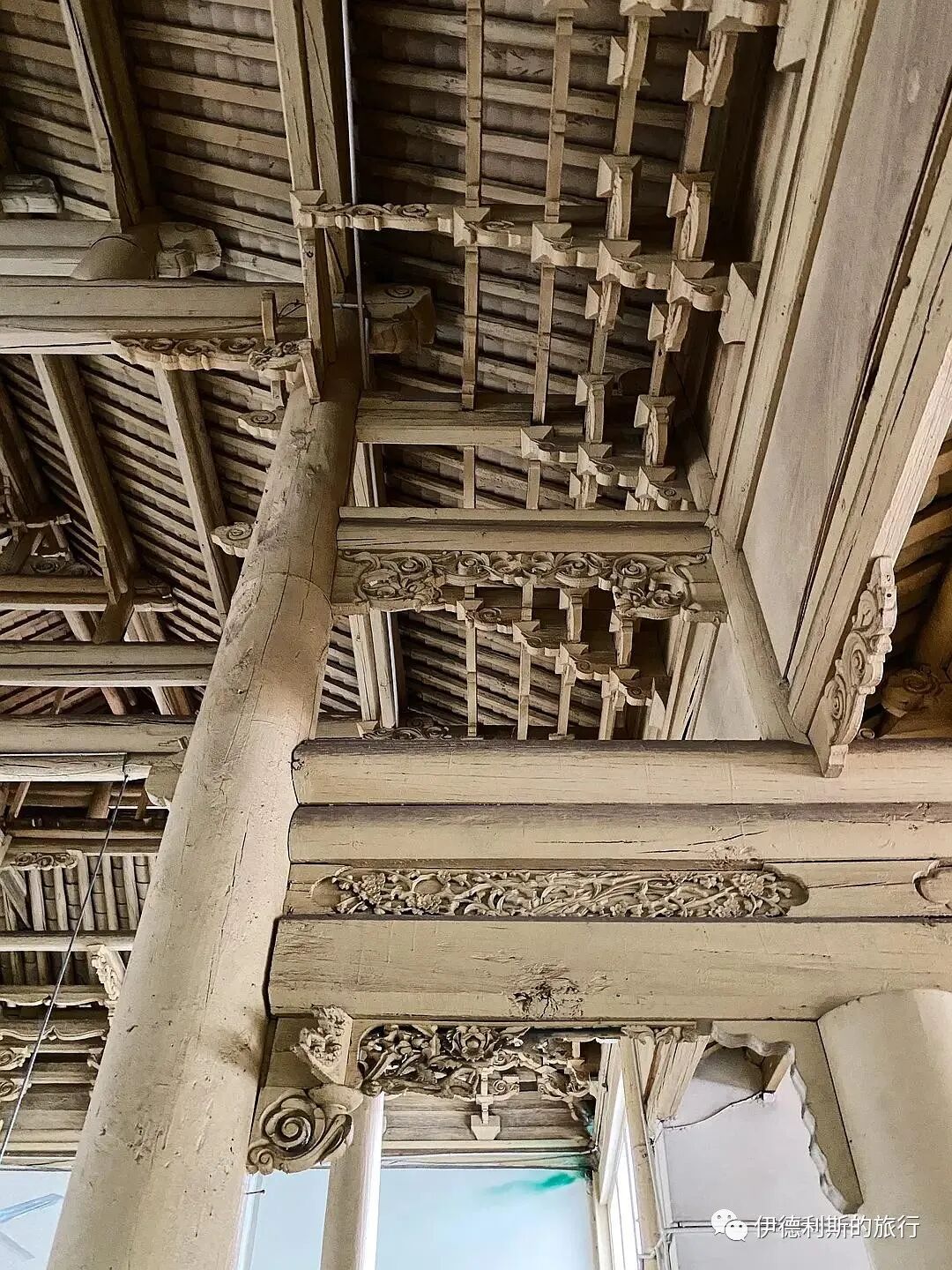
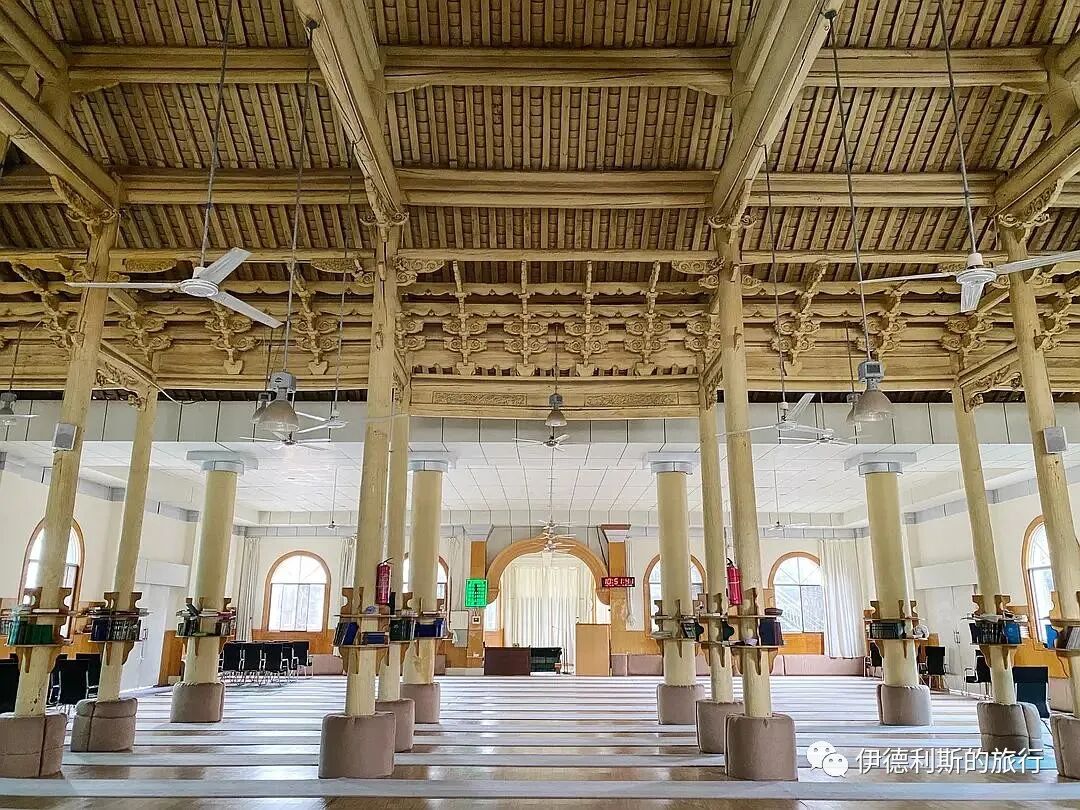
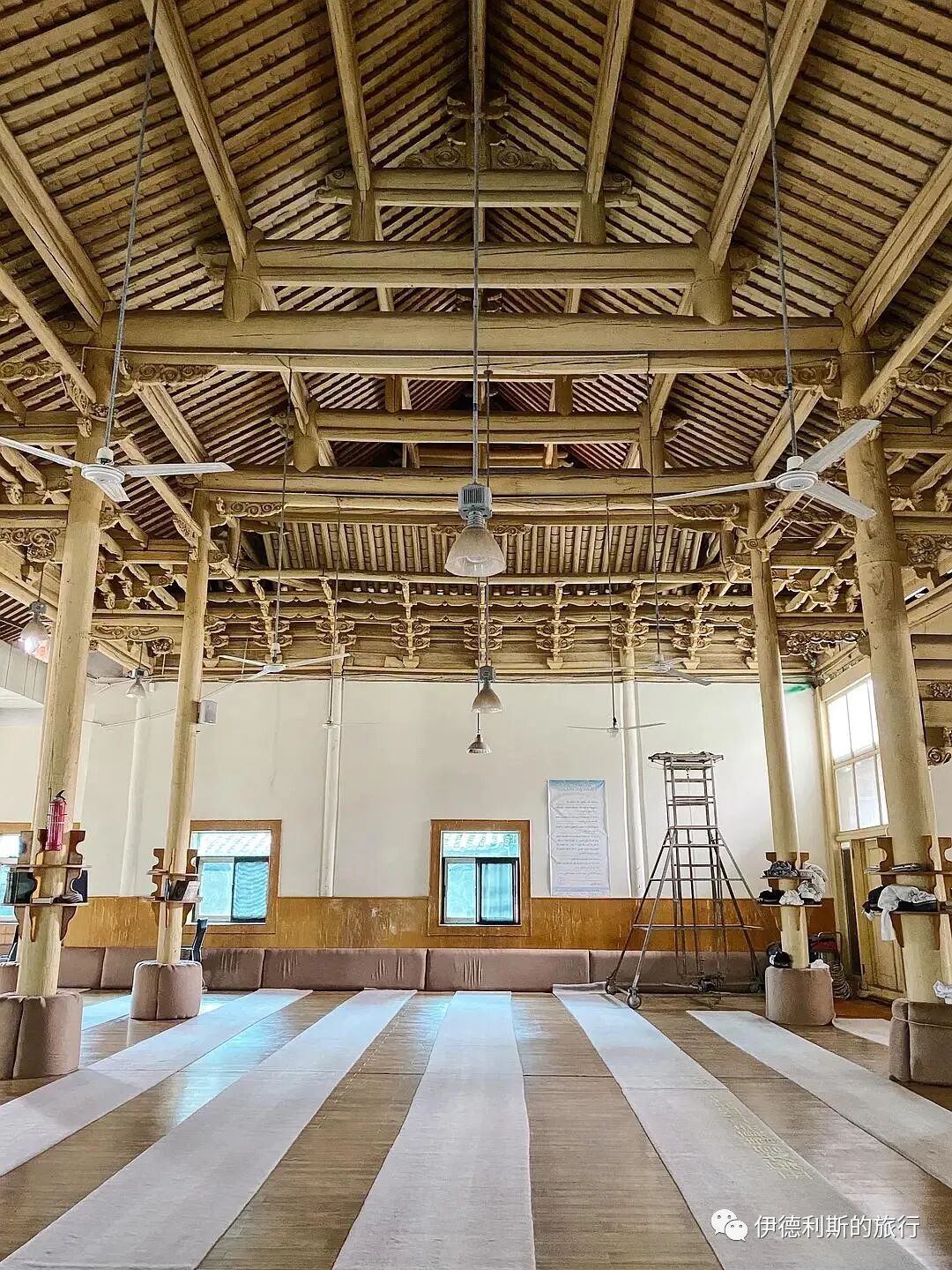
The main hall of Daying Mosque has been expanded many times. The front hall was built in 1605 (the 33rd year of the Wanli reign of the Ming Dynasty) and completed in 1617 (the 46th year of the Wanli reign). The middle hall was expanded during the Guangxu reign of the Qing Dynasty, and the rear hall was expanded in 1985, with a total capacity of 2,000 people.
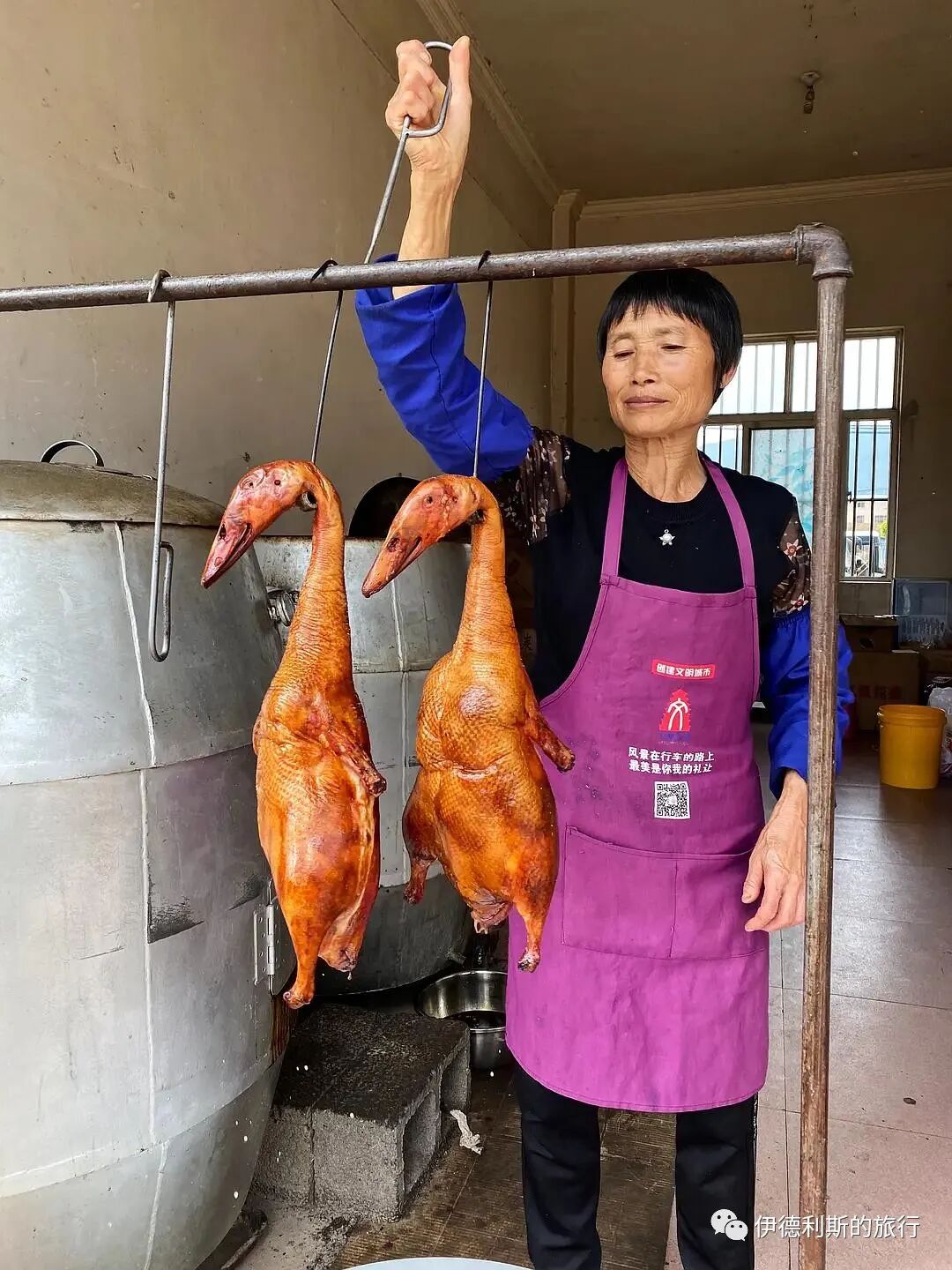
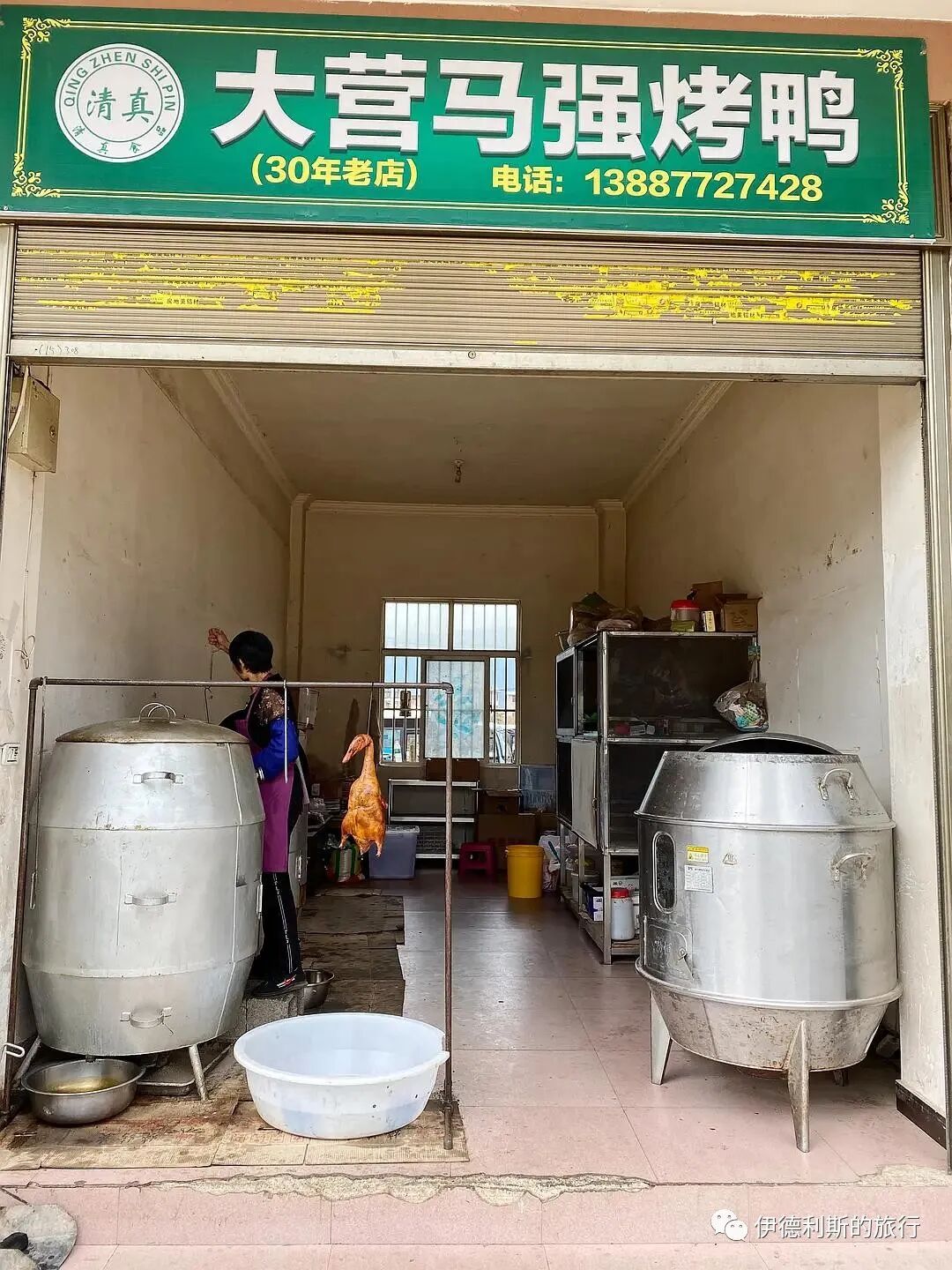
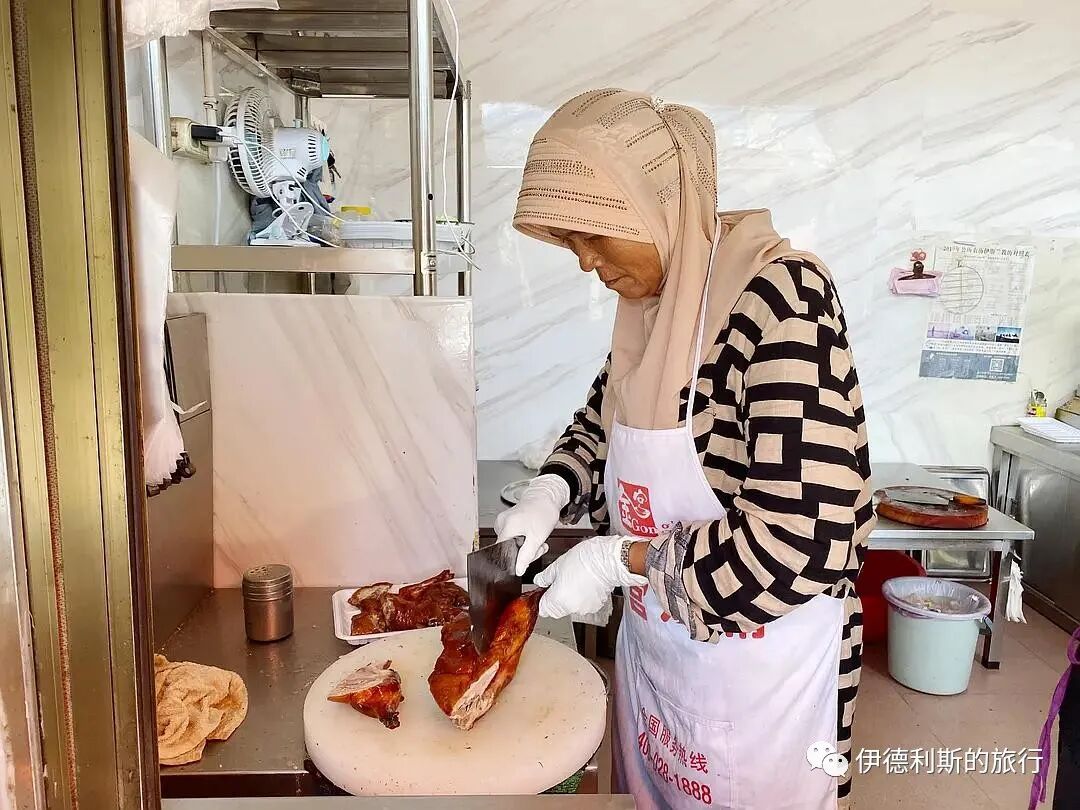
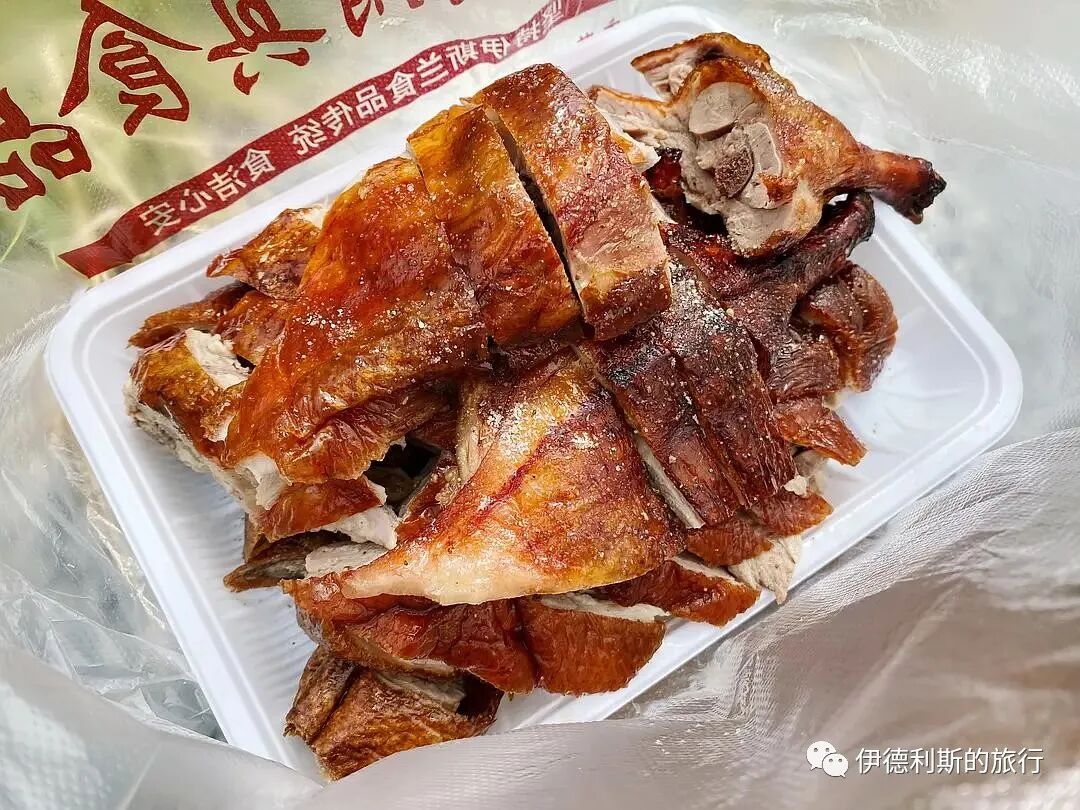
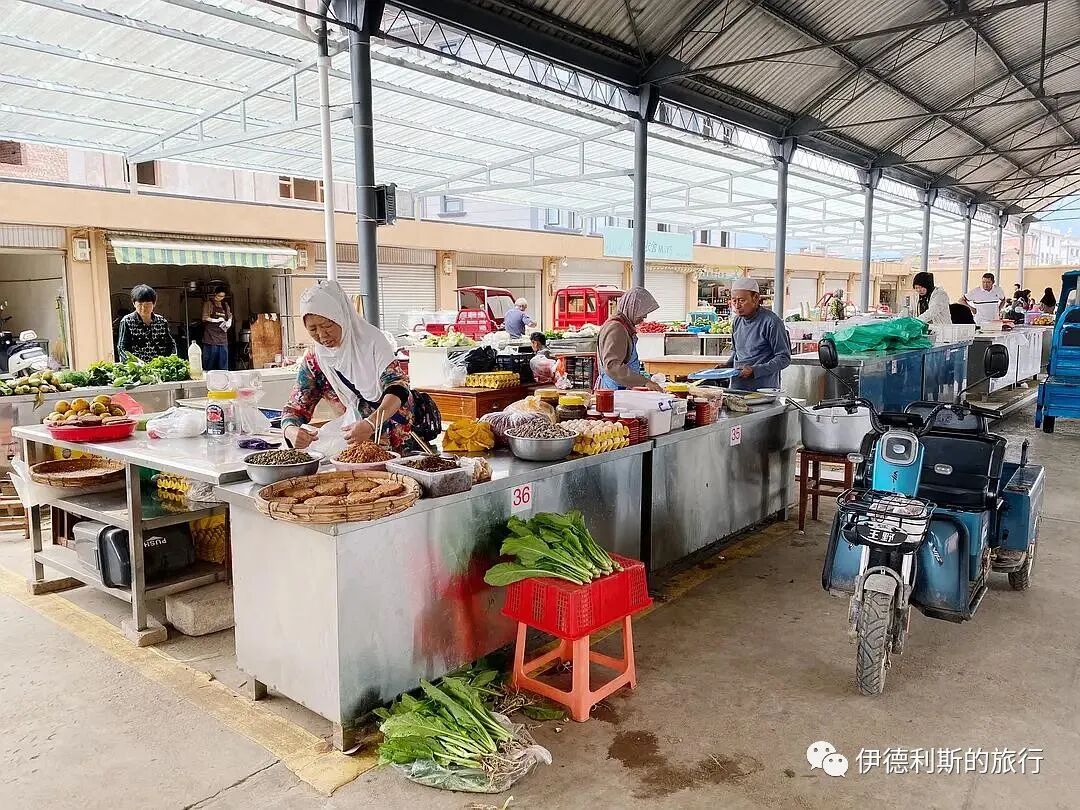
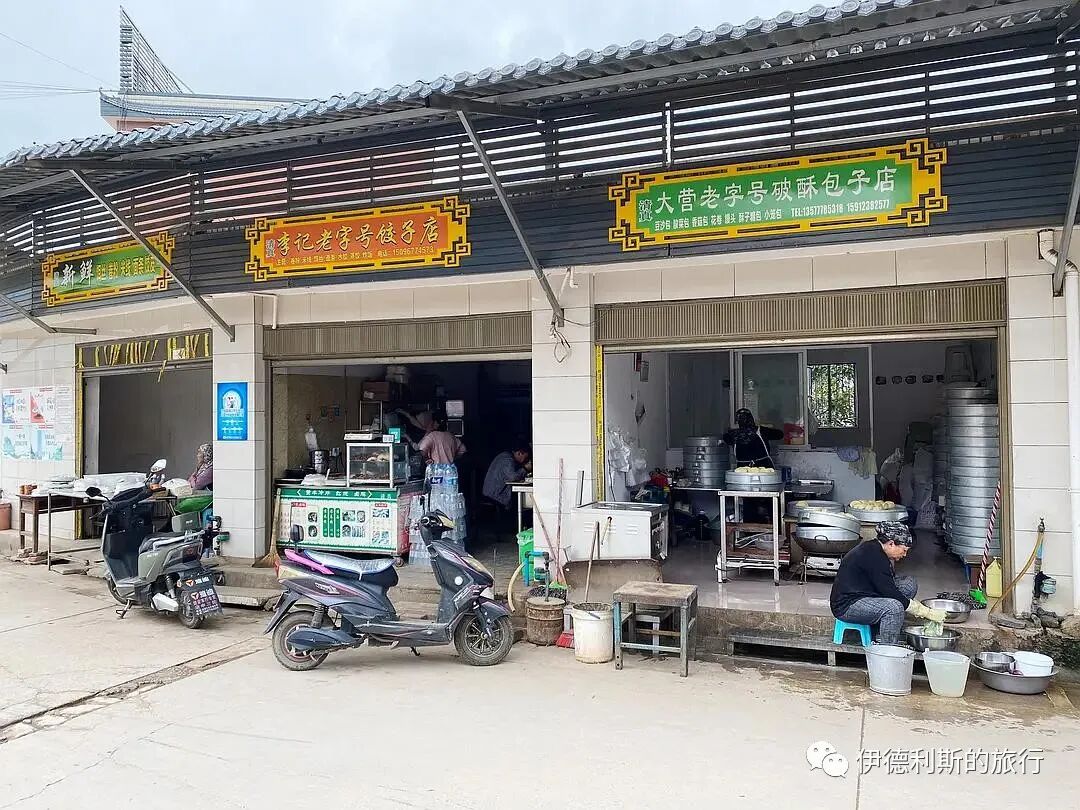
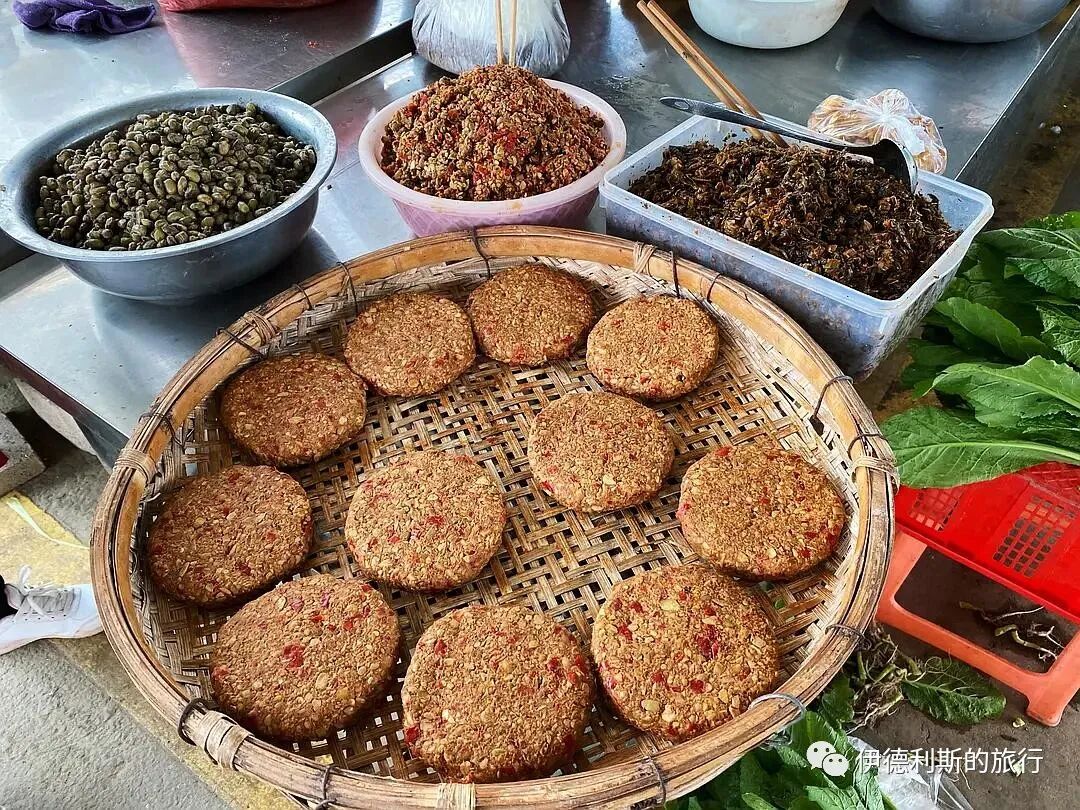
While visiting the market in Daying, we bought some local crispy roast duck at a 30-year-old shop. The lean duck is much better than Beijing roast duck, though the accompanying sauce is not as good as the one in Nanjing.
During the Qing Dynasty and the Republic of China, the Hui Muslims of Daying, Yuxi, were famous for their caravans "traveling abroad" to trade in Myanmar and Thailand. The most famous of these was Xingshunhe, founded by Ma Youling in 1846. Ma Youling initially bought yarn in Kunming, transported it to Yuxi to exchange for cloth, and then dyed the cloth with local indigo into blue or black fabric for sale. During the Guangxu reign, upon learning that Chiang Mai, Thailand, had foreign indigo that produced better dyeing results, Ma Youling began organizing caravans to Chiang Mai to purchase foreign indigo, which he then sold in Kunming after dyeing the cloth. In the late Guangxu period, Xingshunhe grew larger and larger, dealing in cloth, straw hats, foreign indigo, and Sichuan salt, and opened branches all over Yunnan. Later, to facilitate caravan transport, they switched to lighter goods such as deer antler, musk, tortoise-deer glue, tiger glue, and tiger bone, opening branches in major cities like Beijing, Tianjin, Shanghai, Hankou, Guangzhou, and Hong Kong.
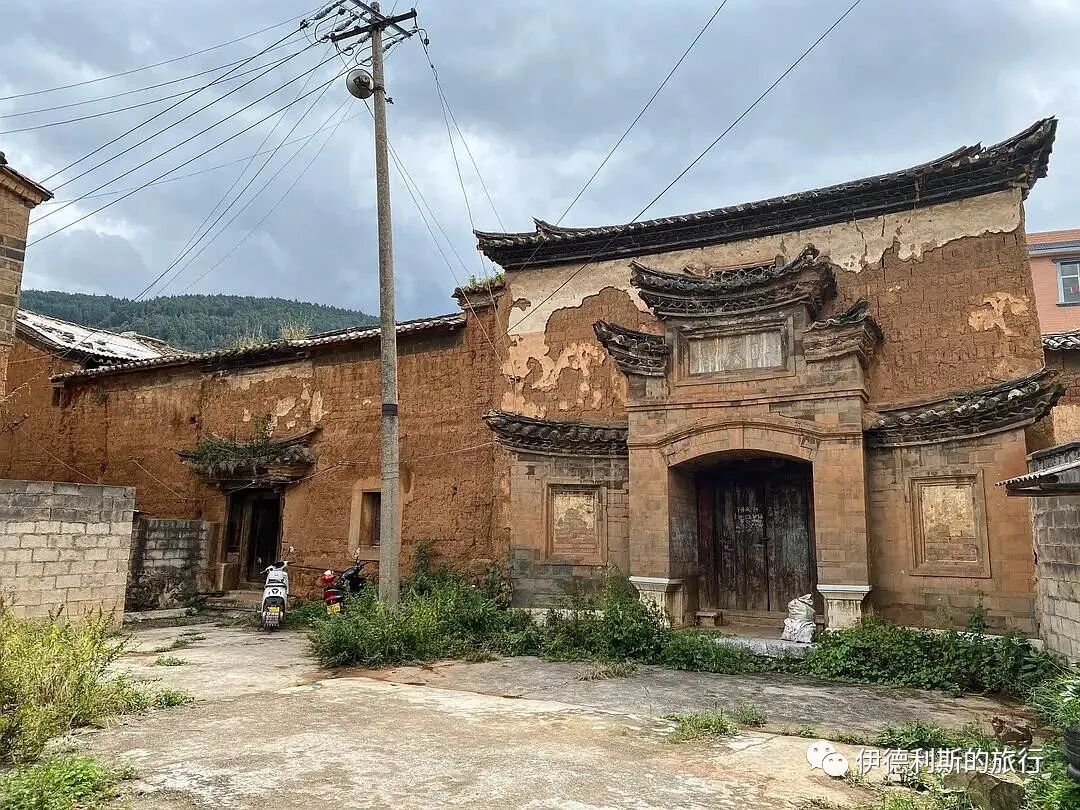
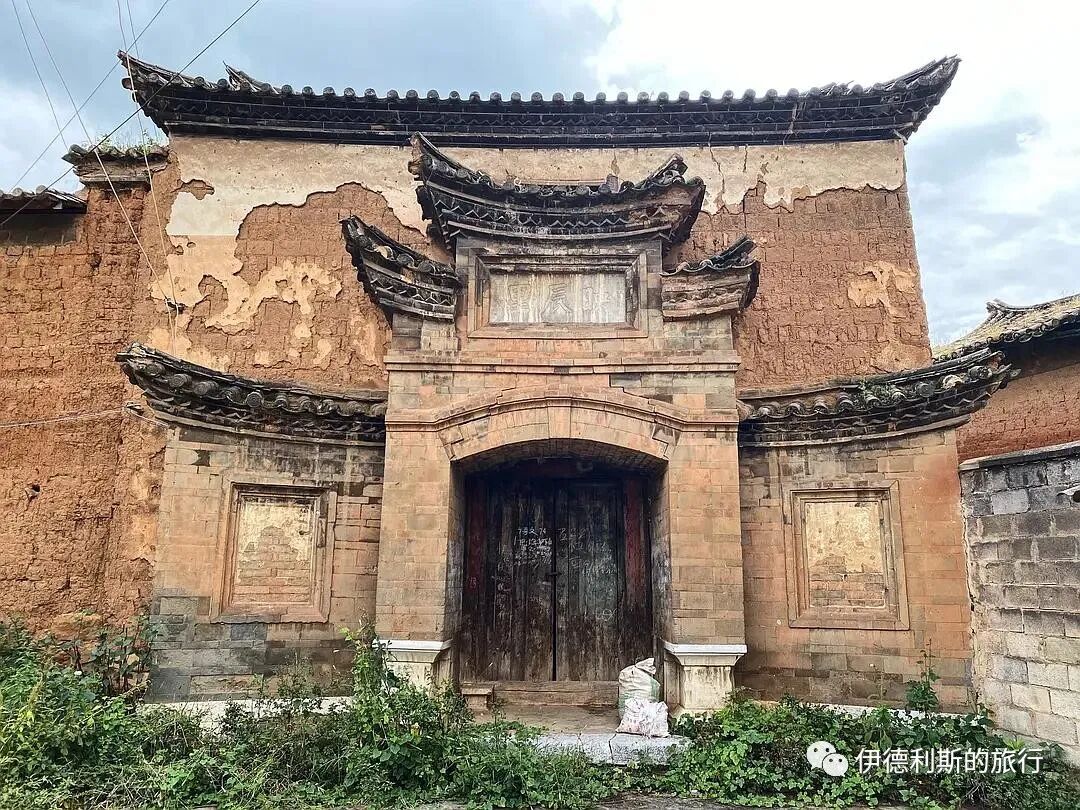
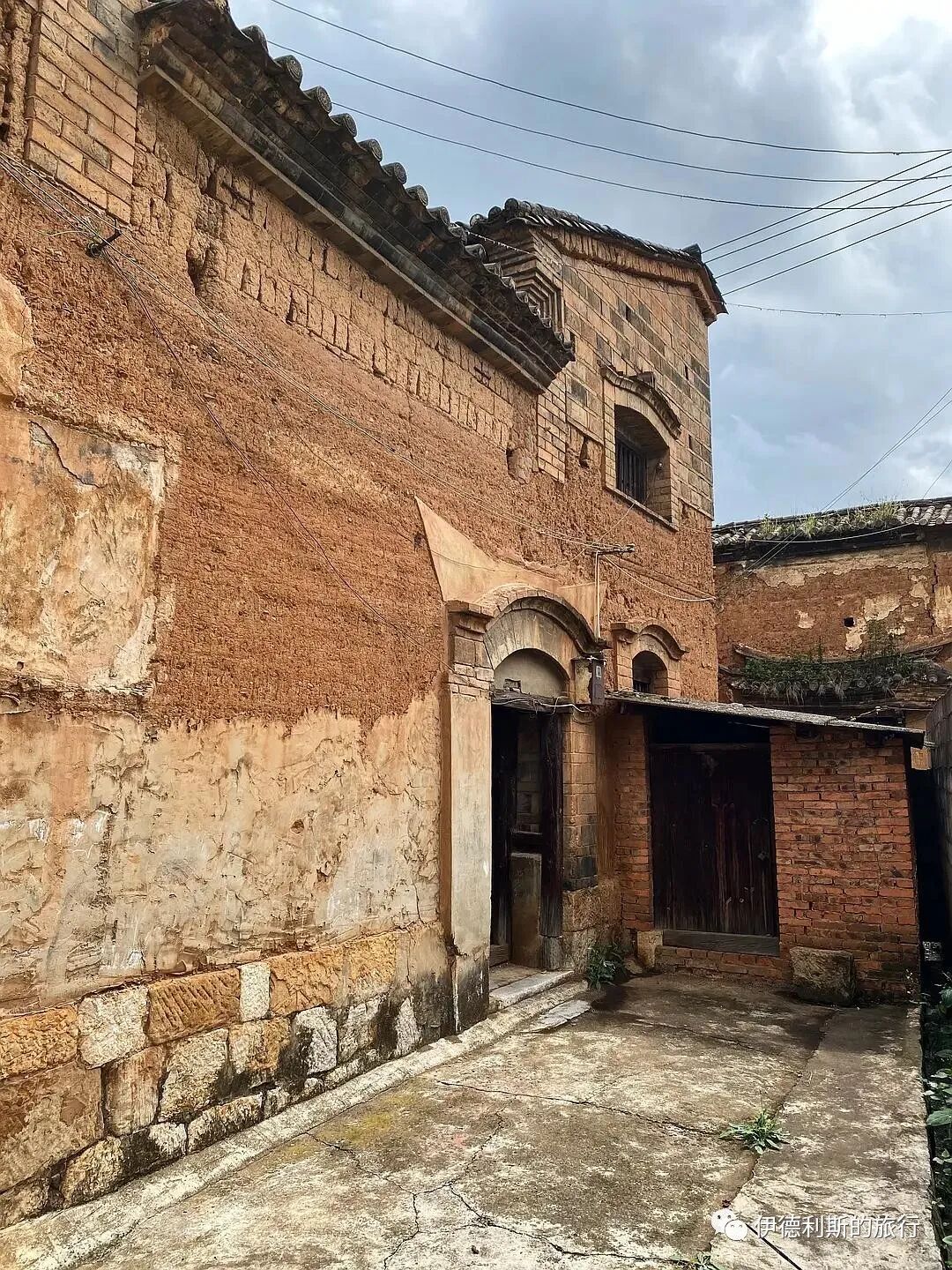
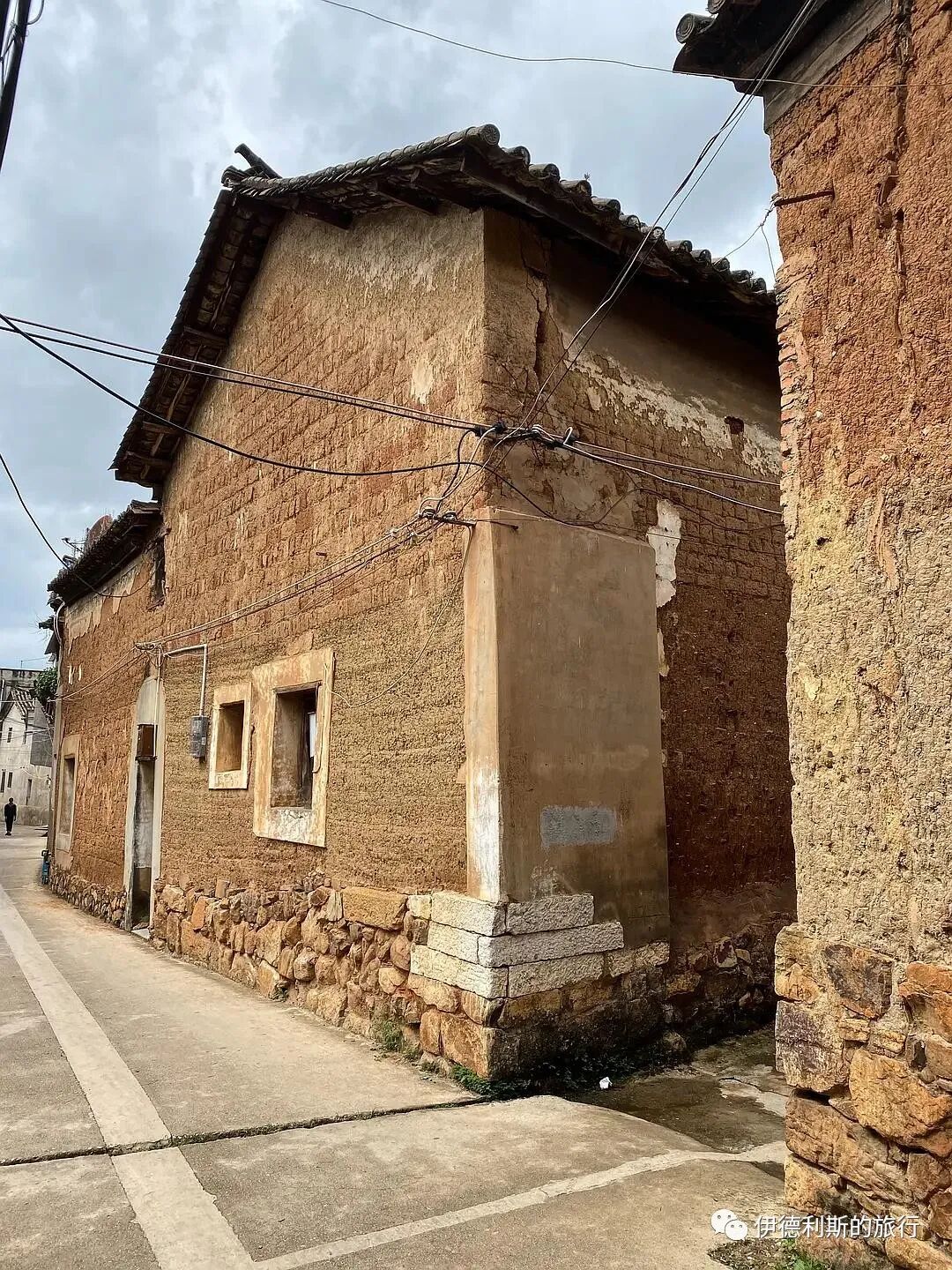
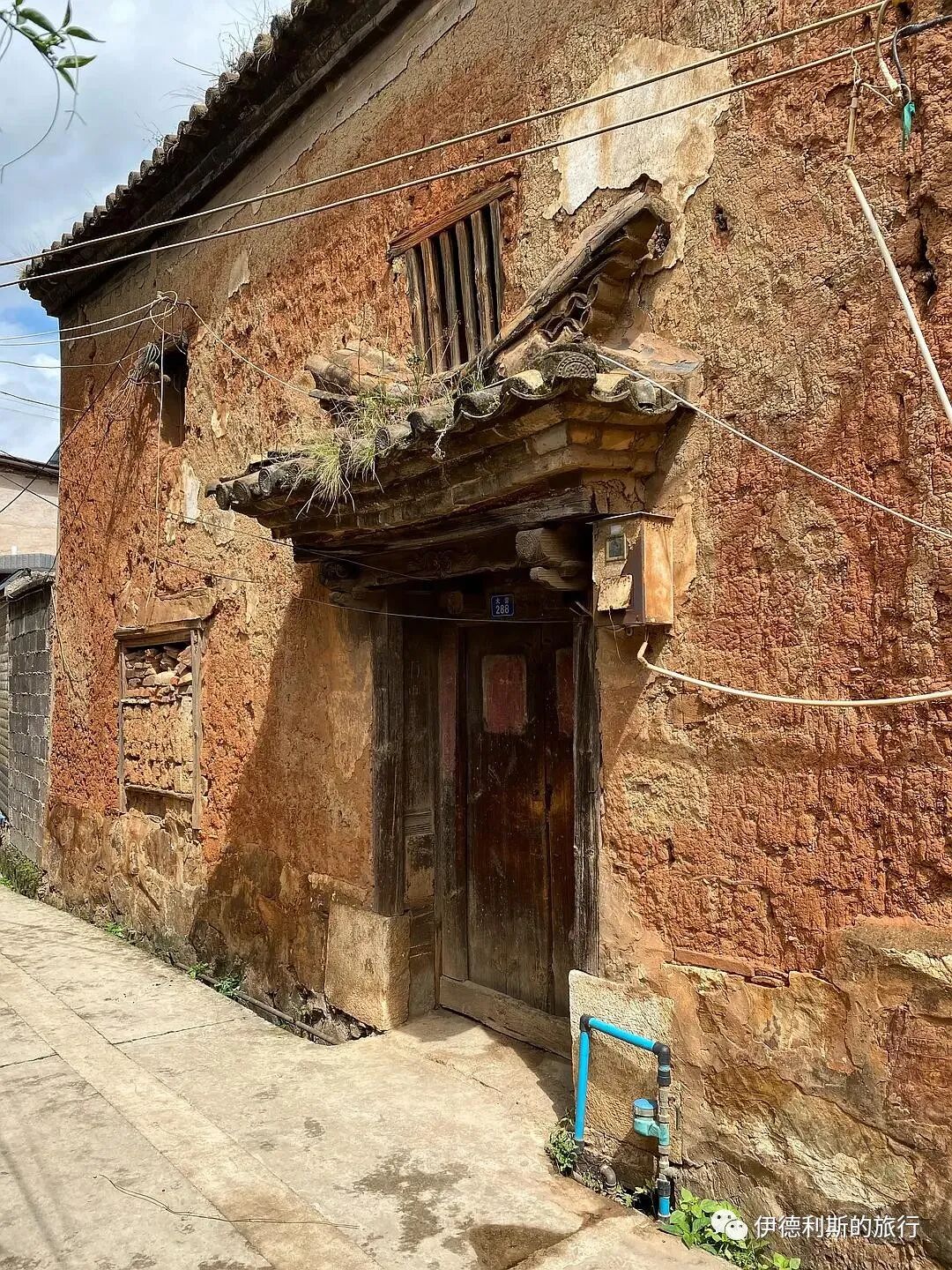
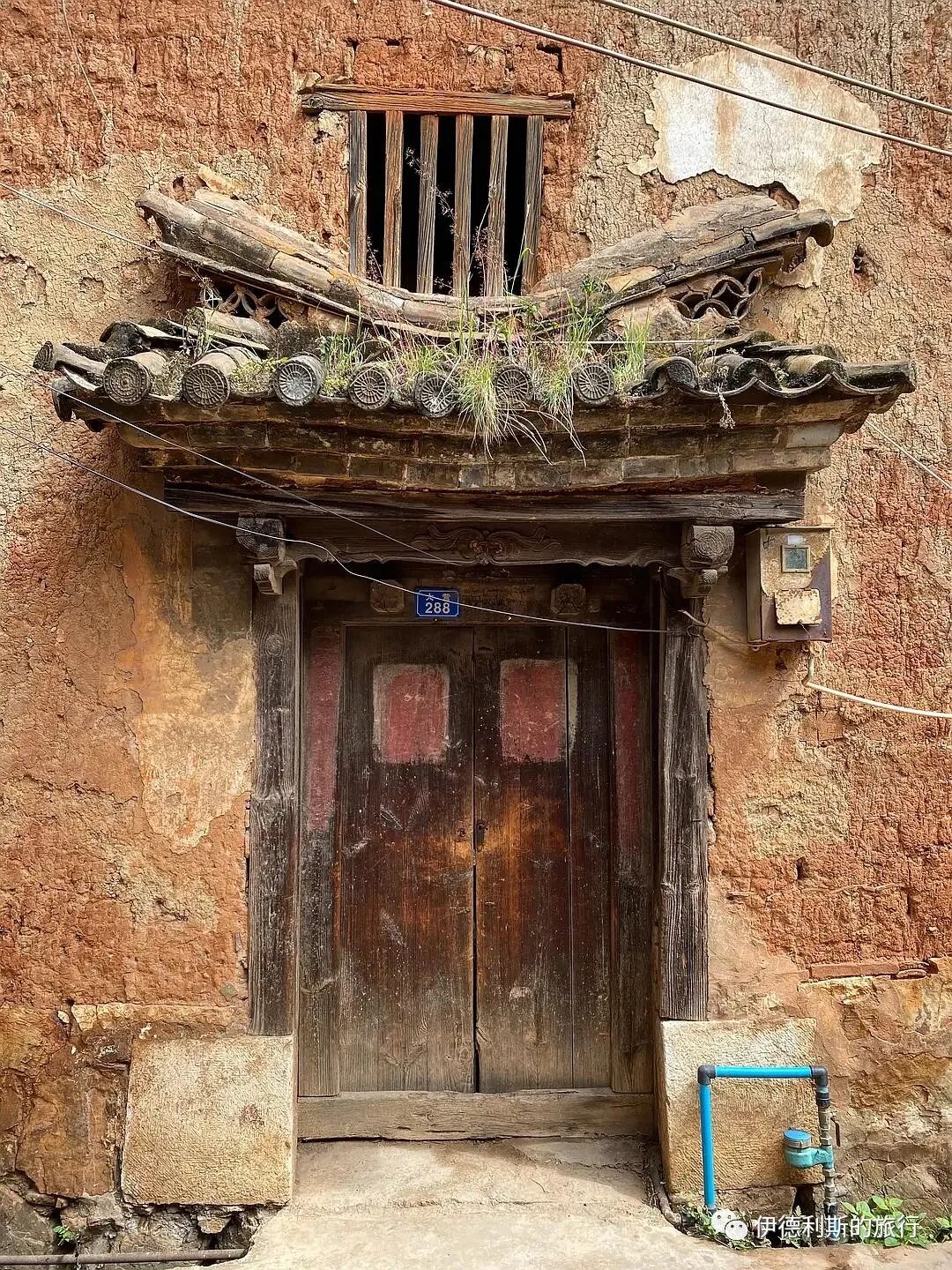
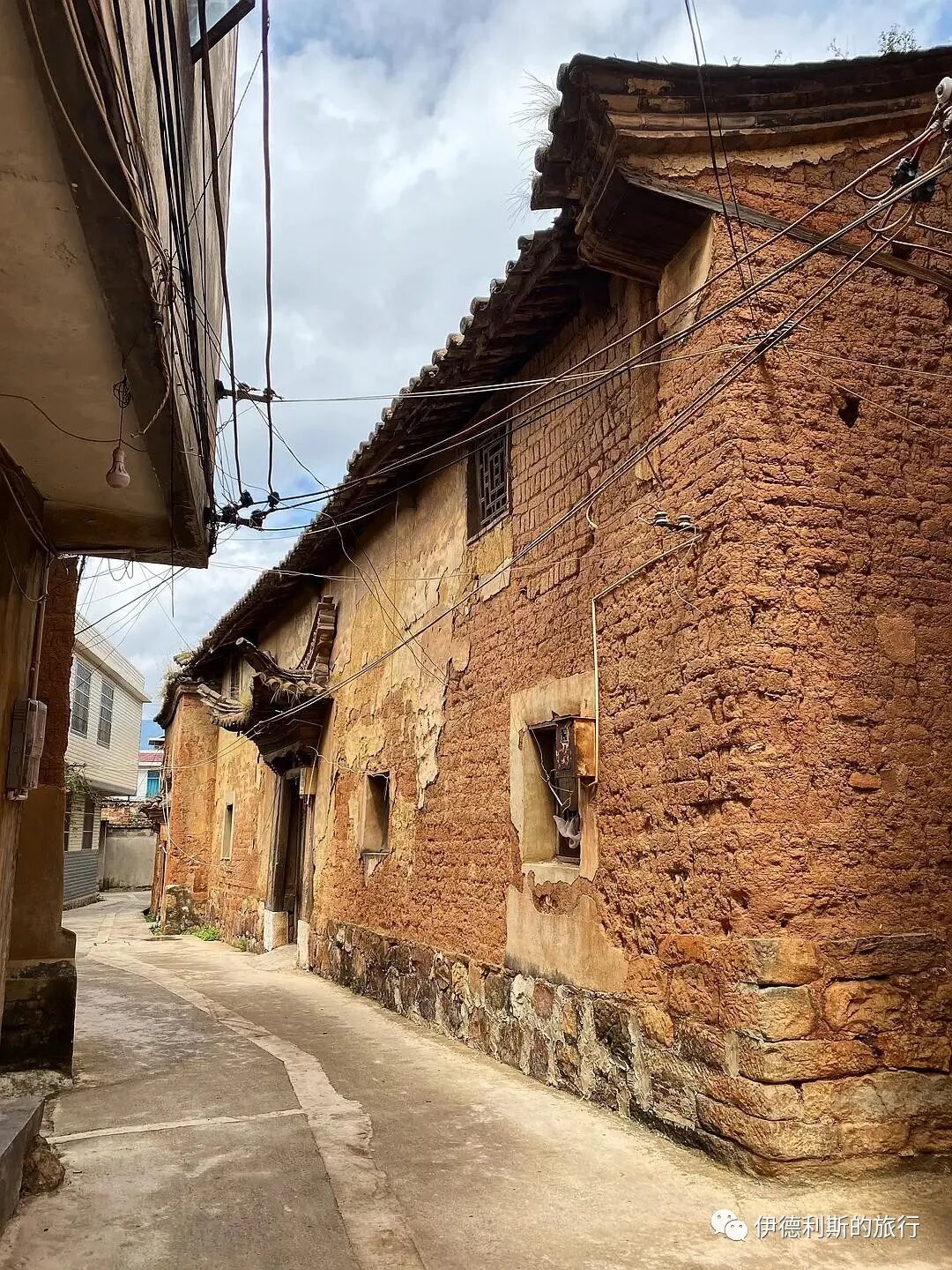
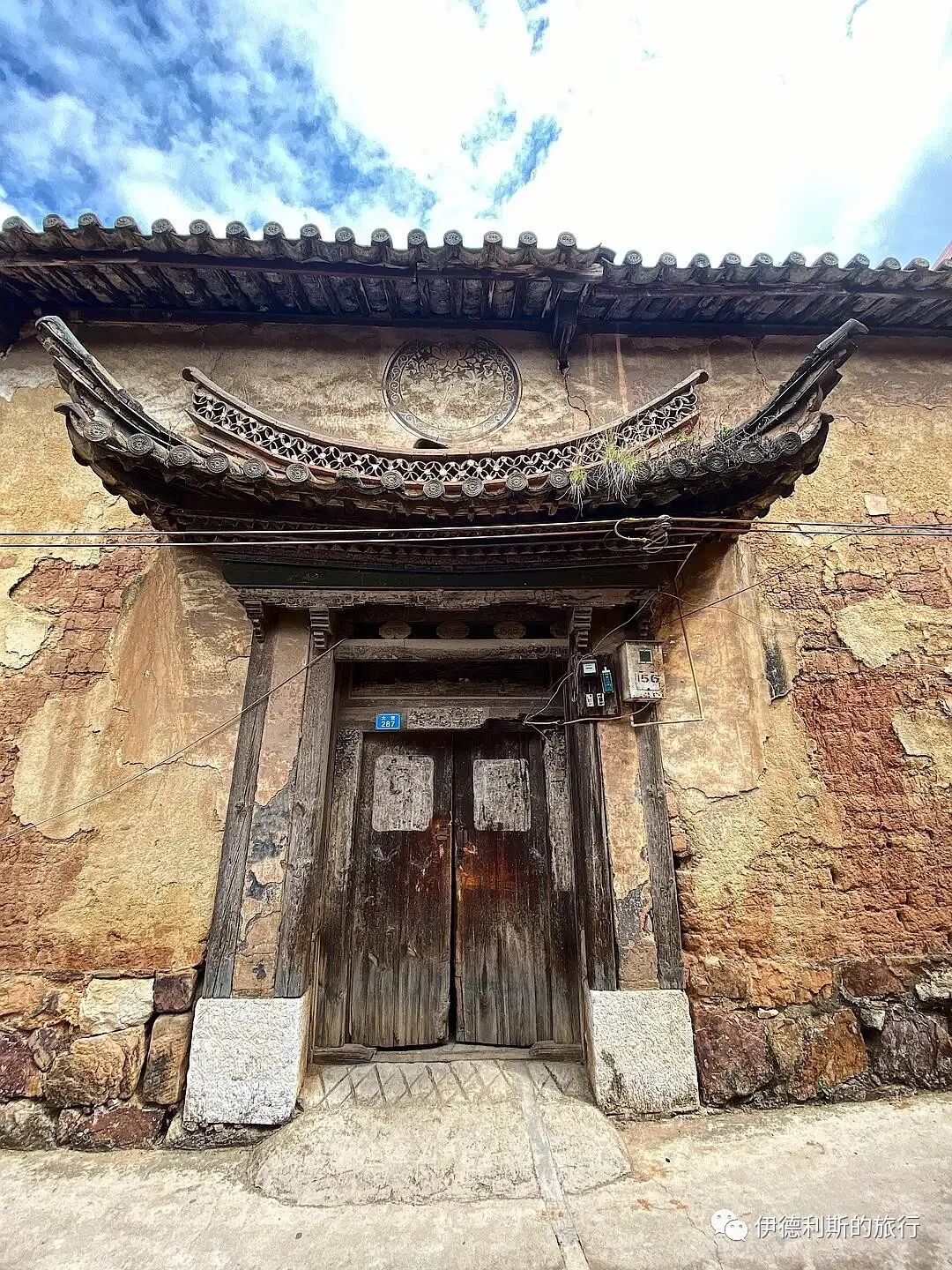
Old Hui Muslim houses in Daying Village.
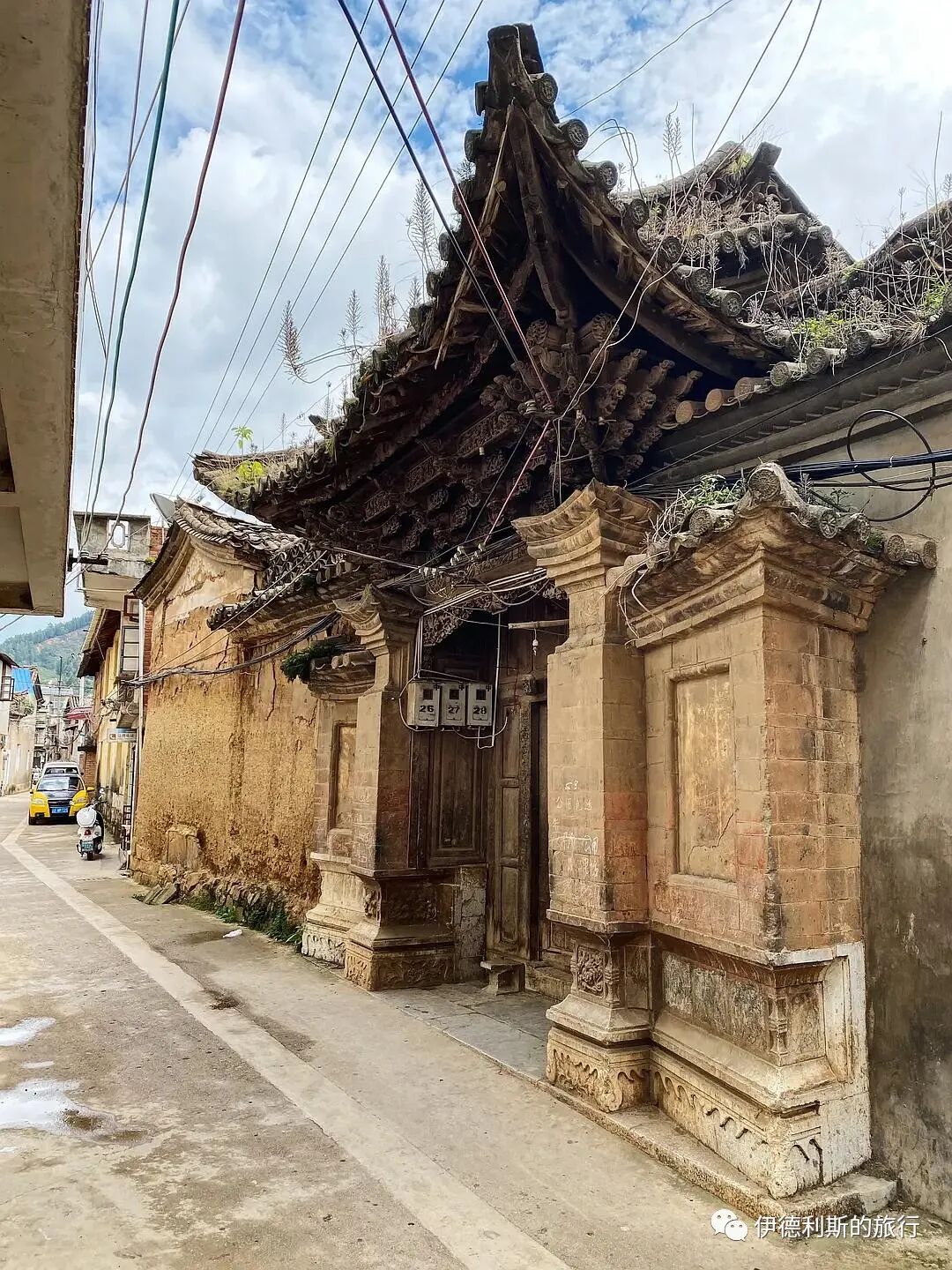
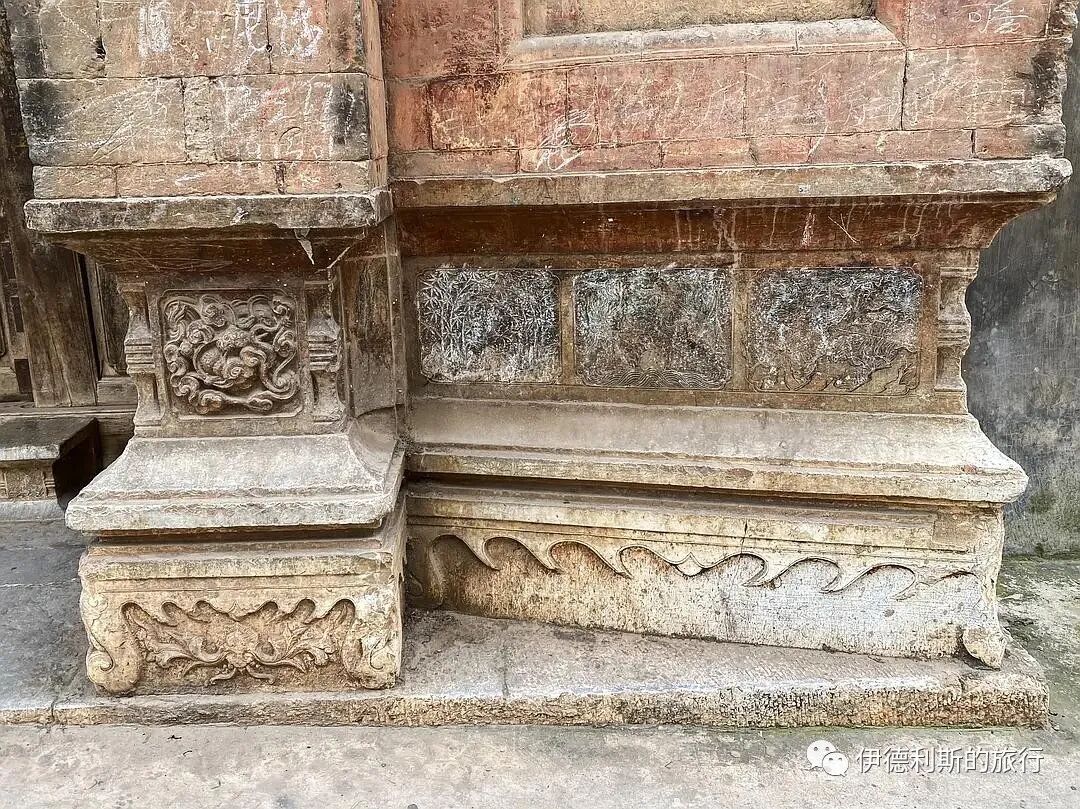
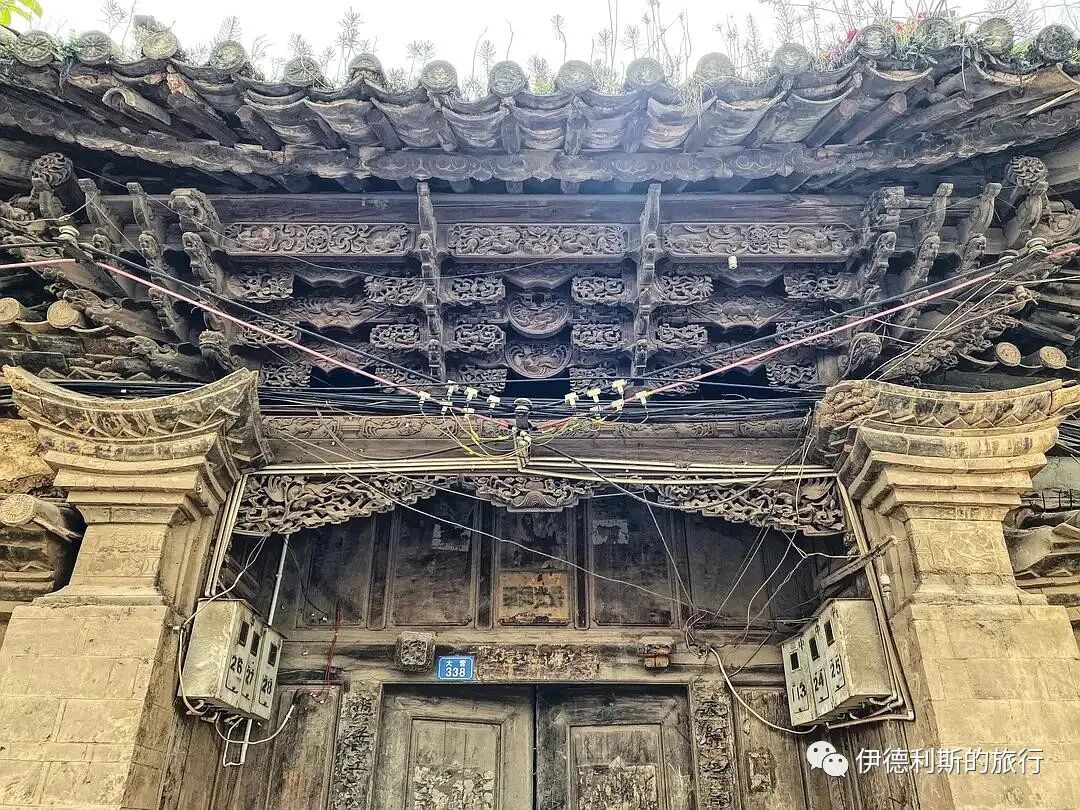
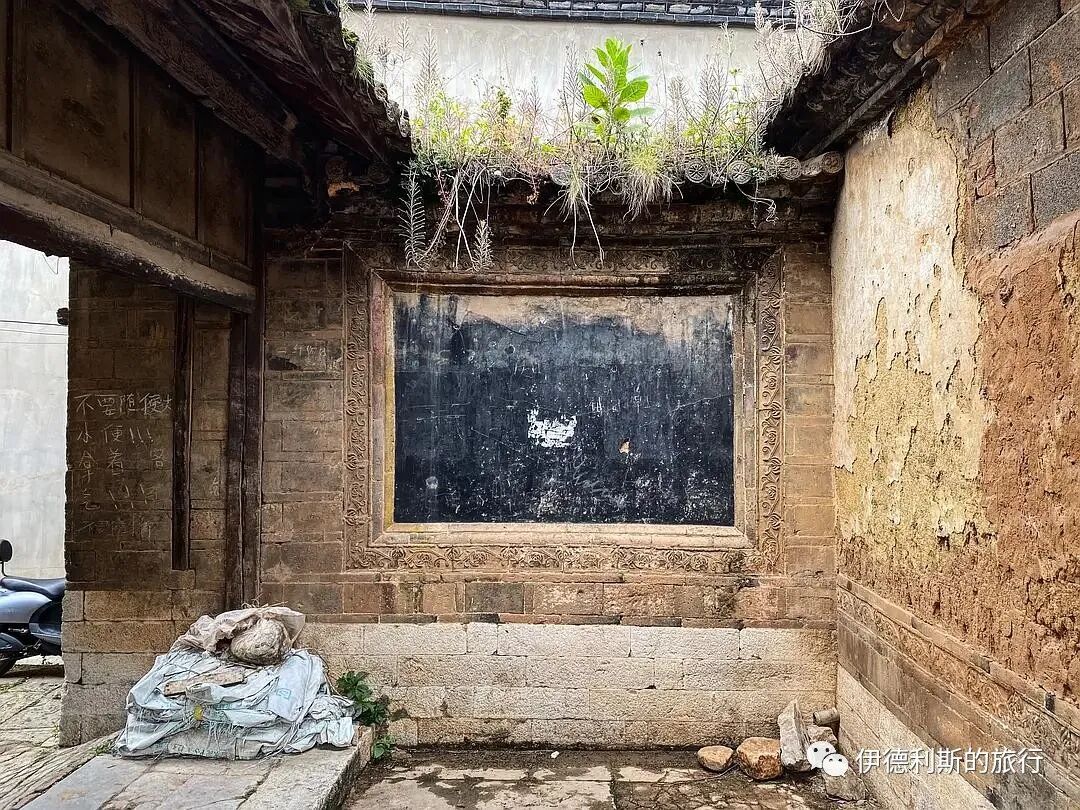
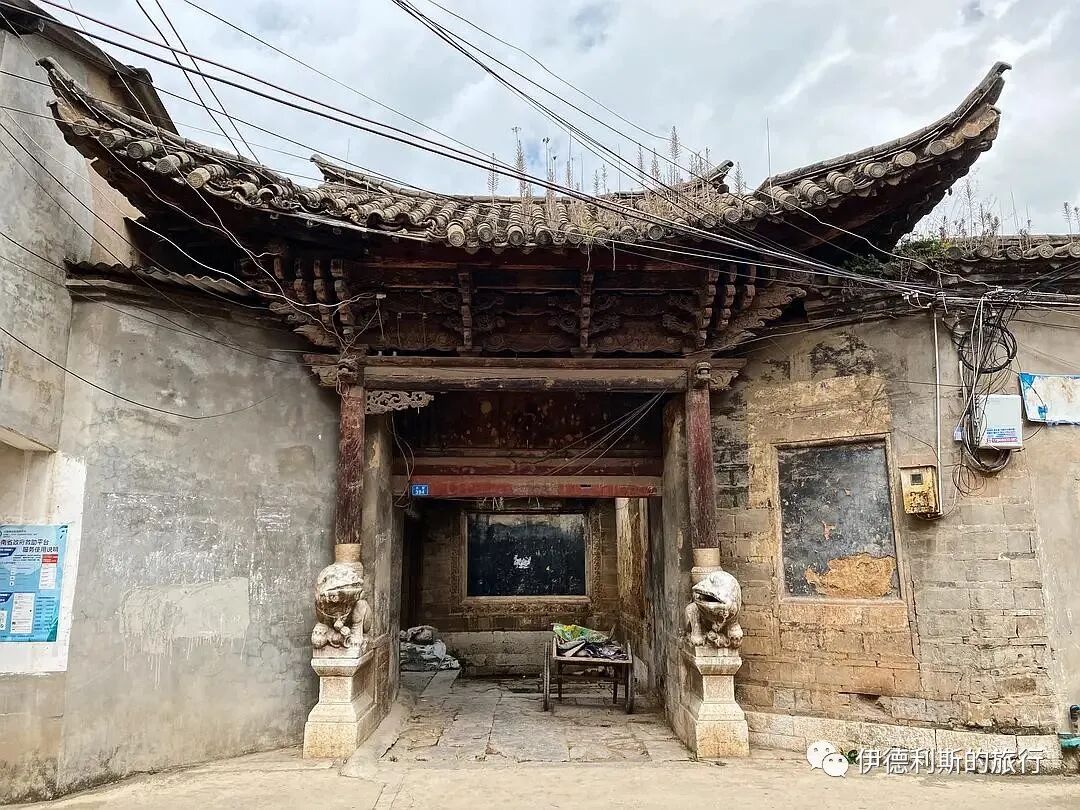
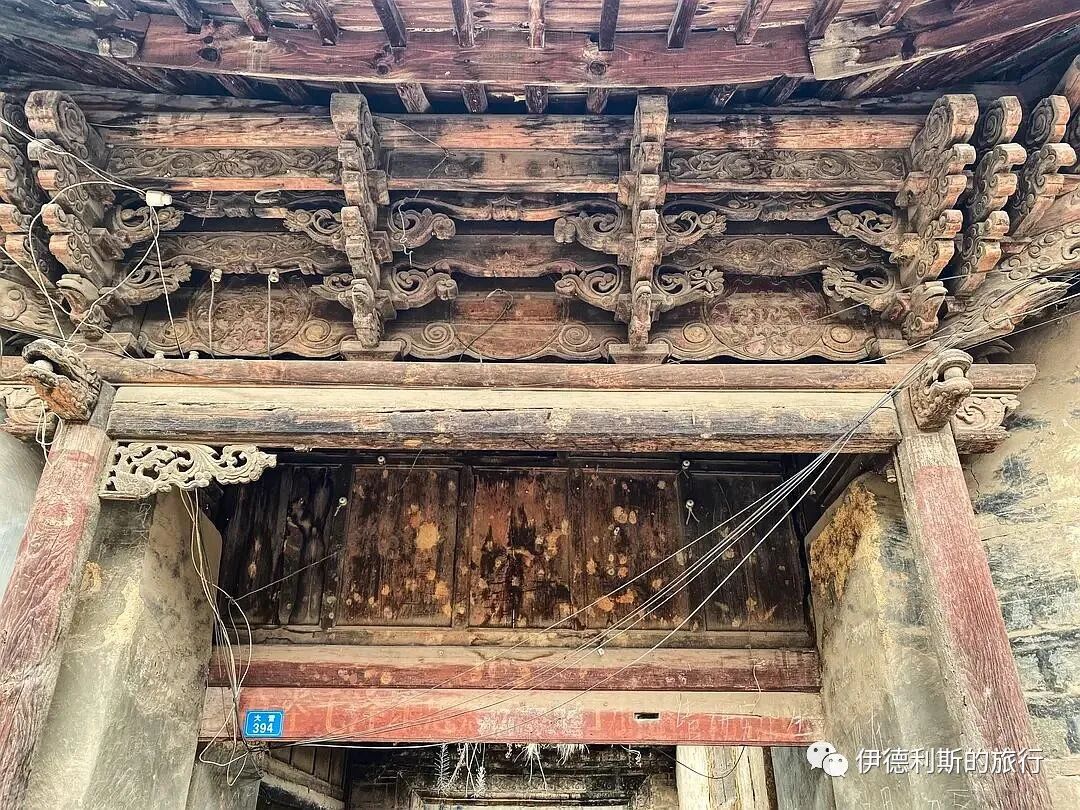
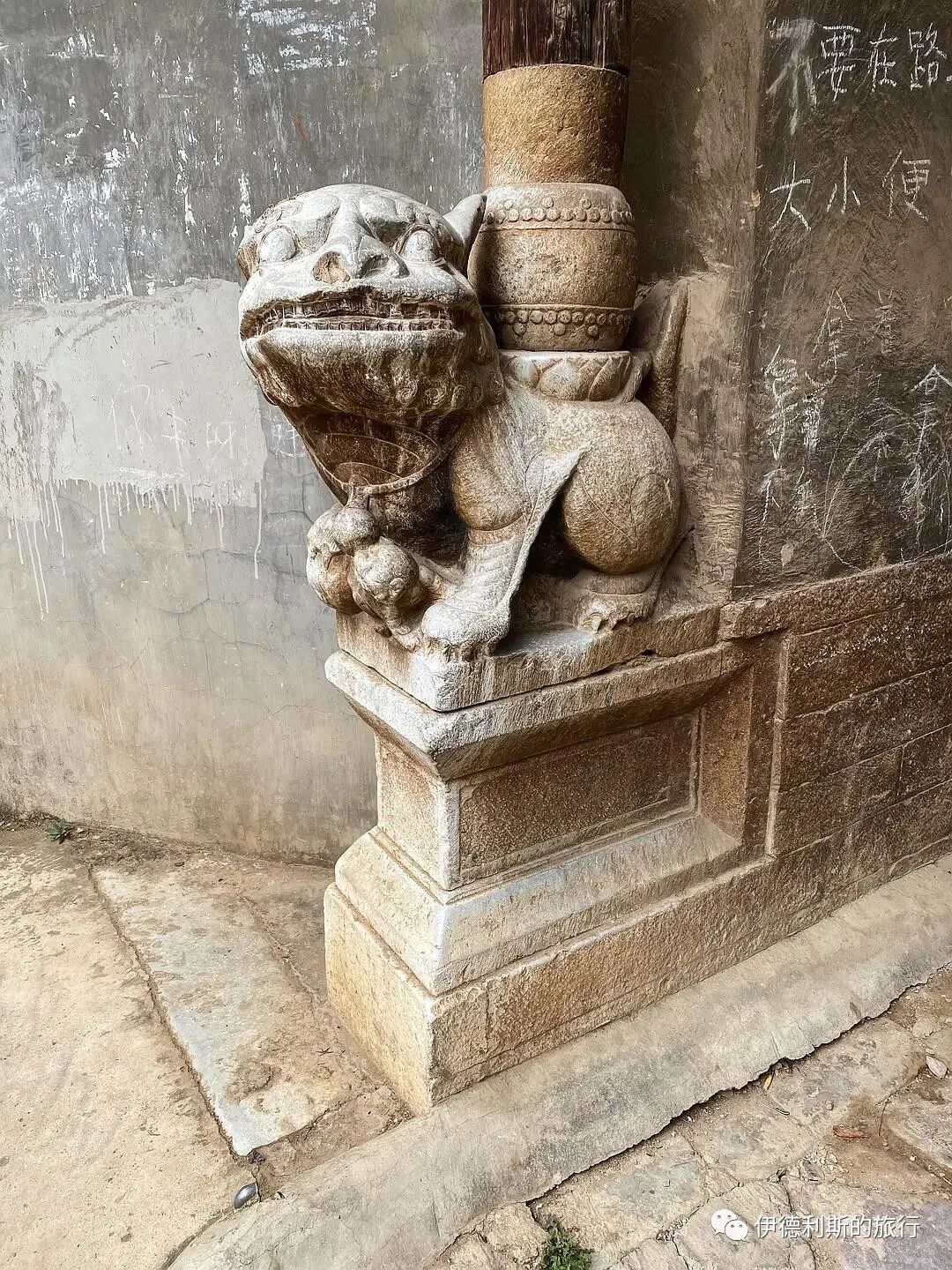
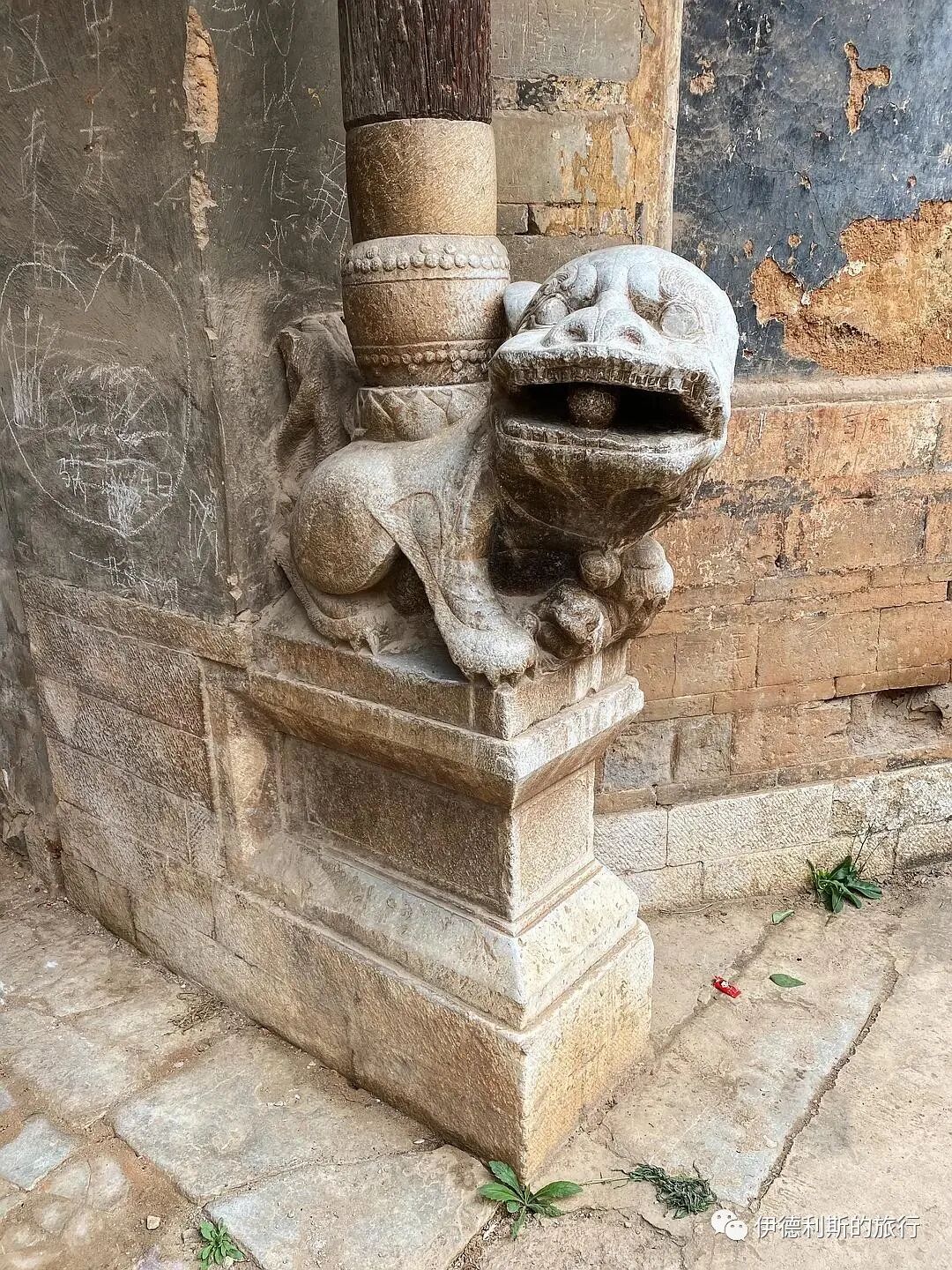
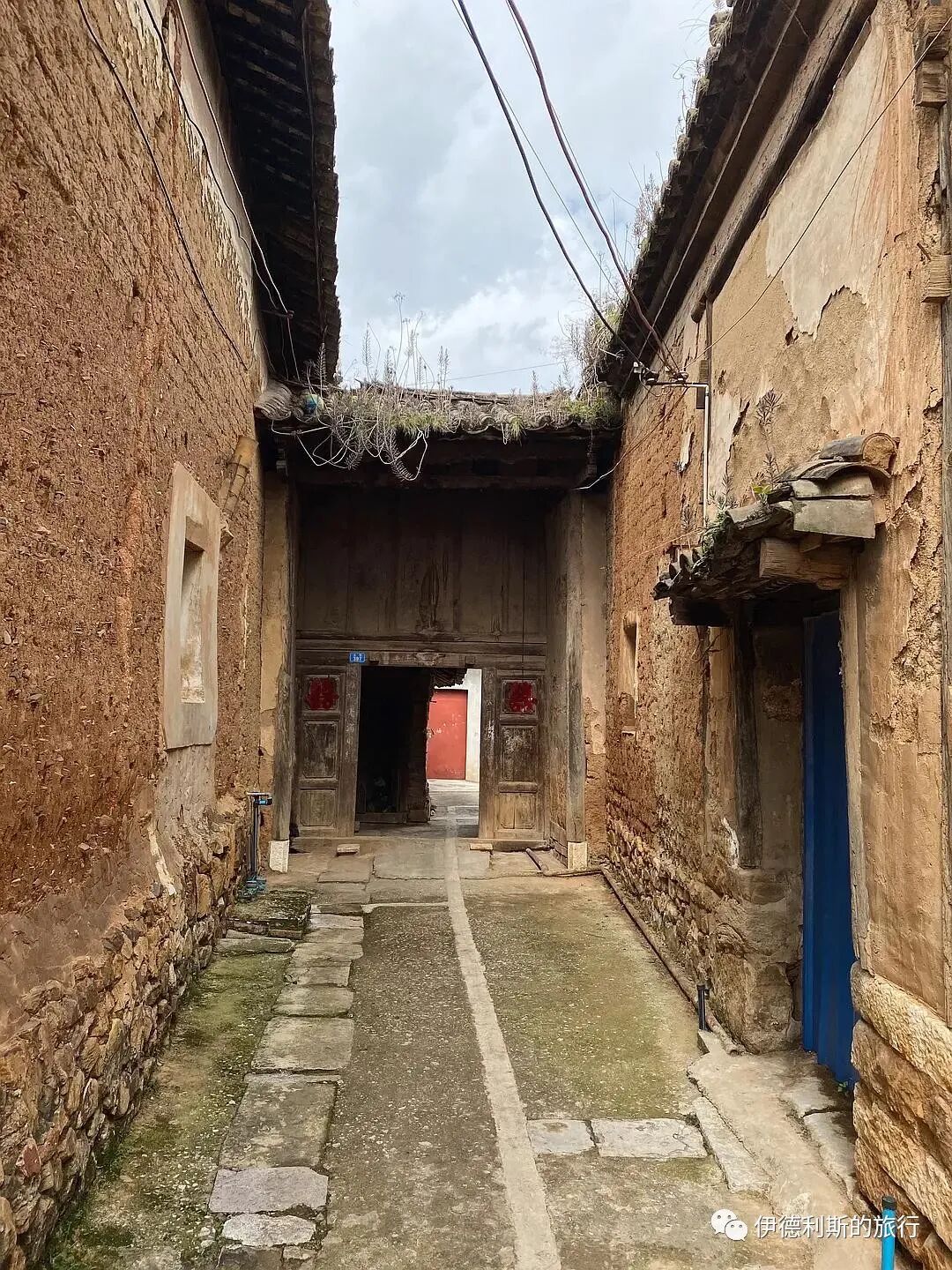
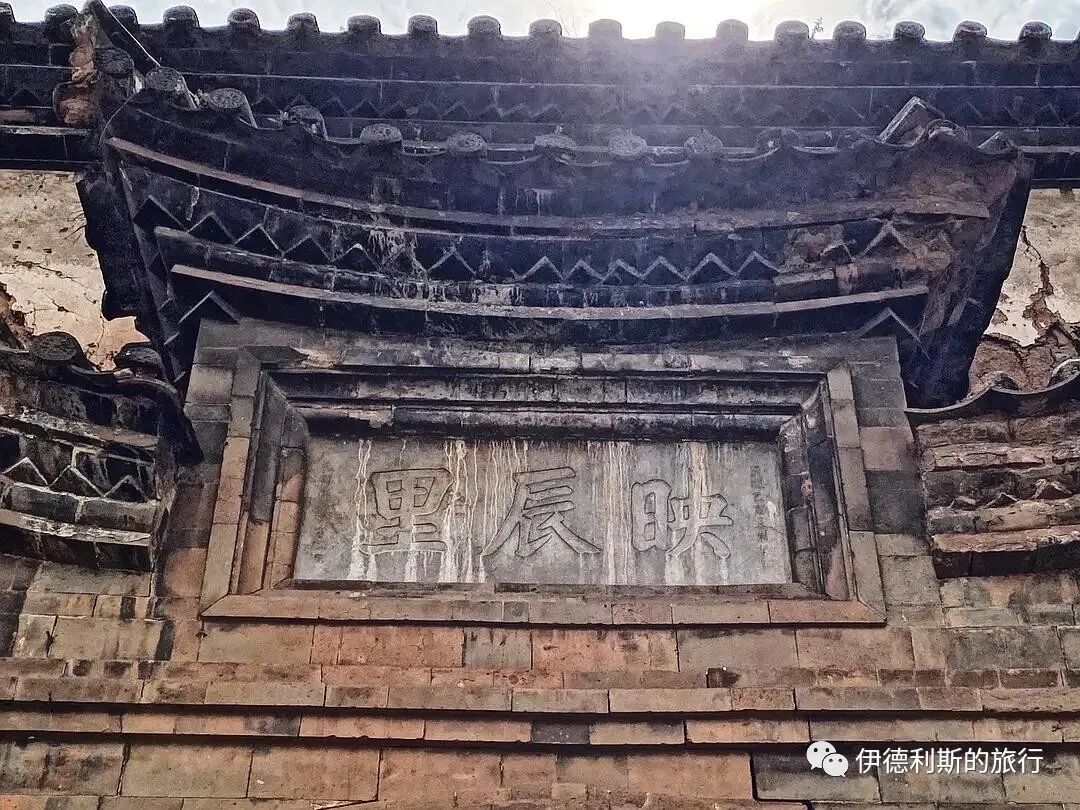
The front of the house is inscribed with "Yingchen Li," and on the right, it says "the Yihai Year of the Republic of China," which is 1935.
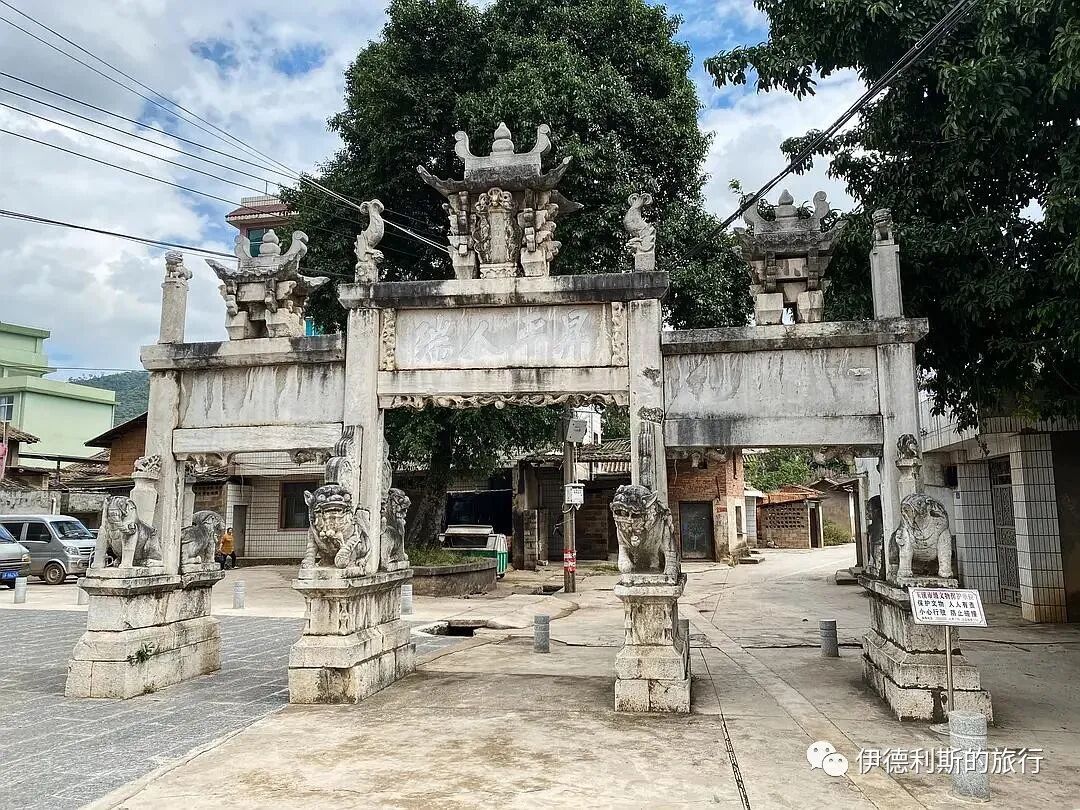
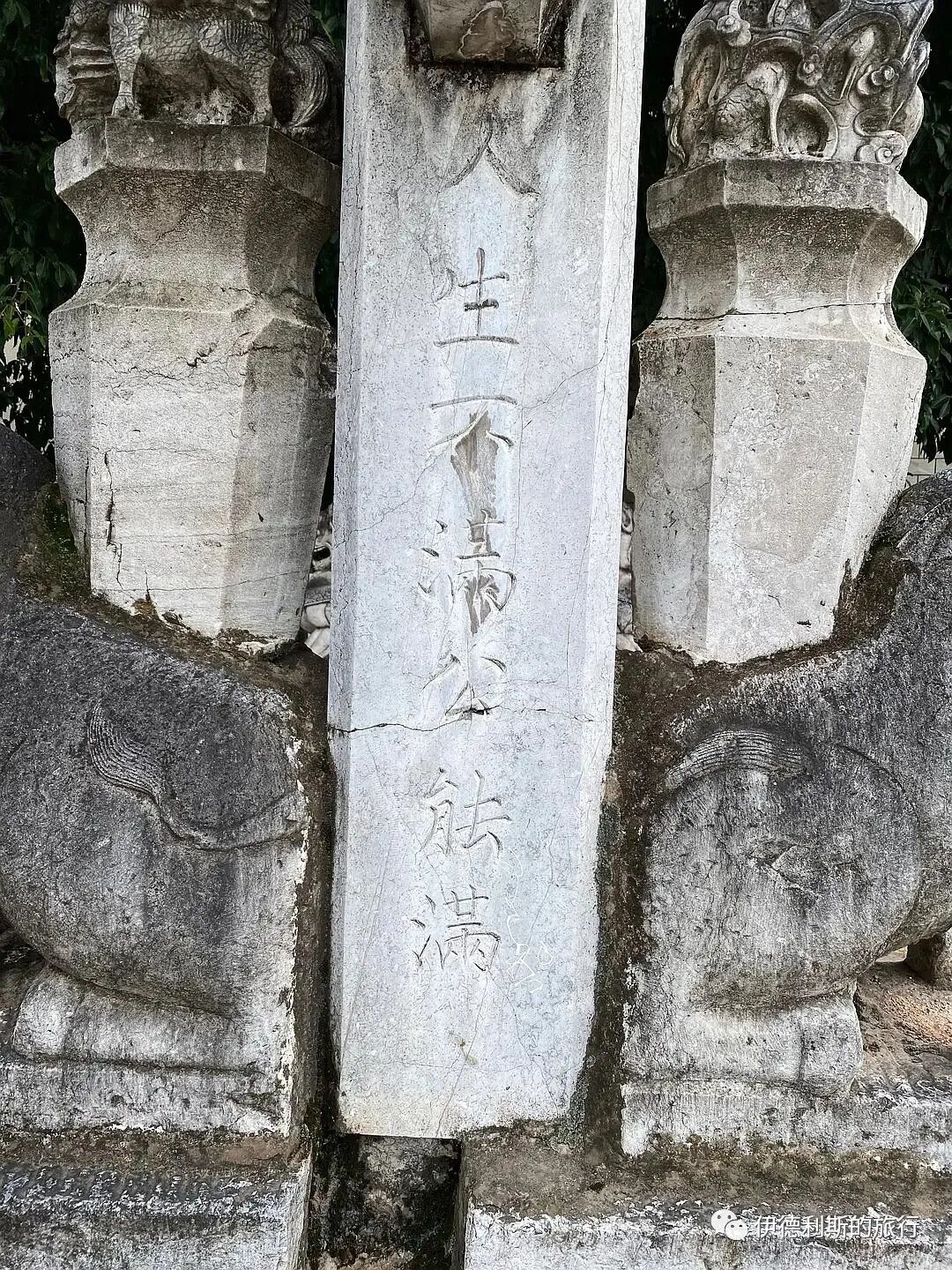
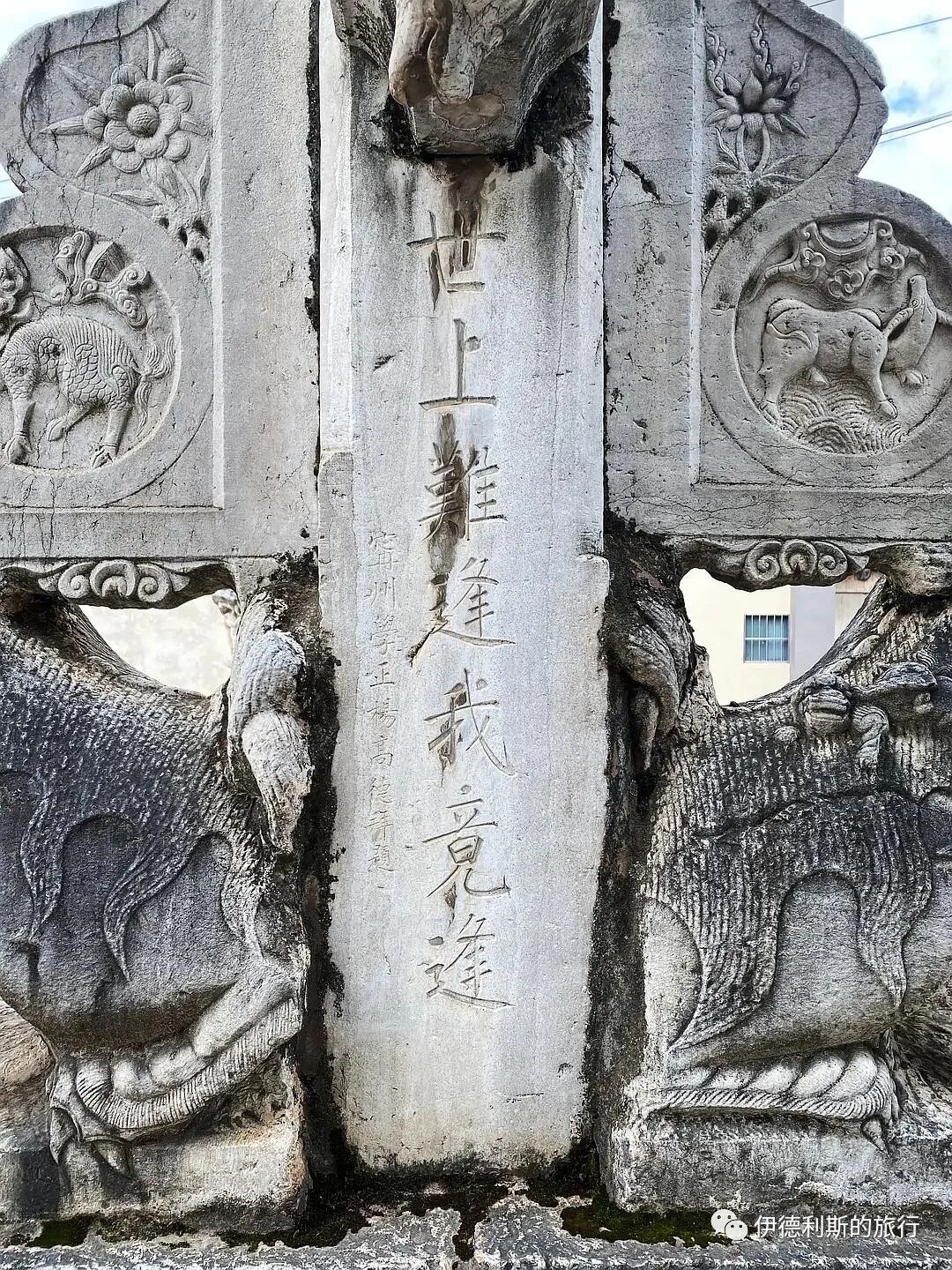
At the entrance of Daying Village stands a Qing Dynasty bluestone memorial archway, erected in 1896 (the 22nd year of the Guangxu reign) by order of the Guangxu Emperor to honor the highly respected Hui Muslim centenarian Ma Xuekuan and his wife, Madam Ma. It is a Yuxi municipal-level cultural relic protection unit.
The archway has three gates. The middle gate is inscribed with "Imperial Decree of Commendation," the front says "A Centenarian of Peace," and the back says "Gate of Chastity and Longevity." The inner sides of the pillars have a couplet: "Reaching the age of one hundred, competing to praise the supreme longevity; the imperial decree commends virtue and age, permitting the construction of this lofty arch." The side gates also have couplets: "Ten thousand miles of dragon light engrave the virtuous people, a hundred years of crane marks signify the extraordinary." And: "Life is not full, but you have fulfilled it; it is hard to meet in the world, yet I have encountered it." "
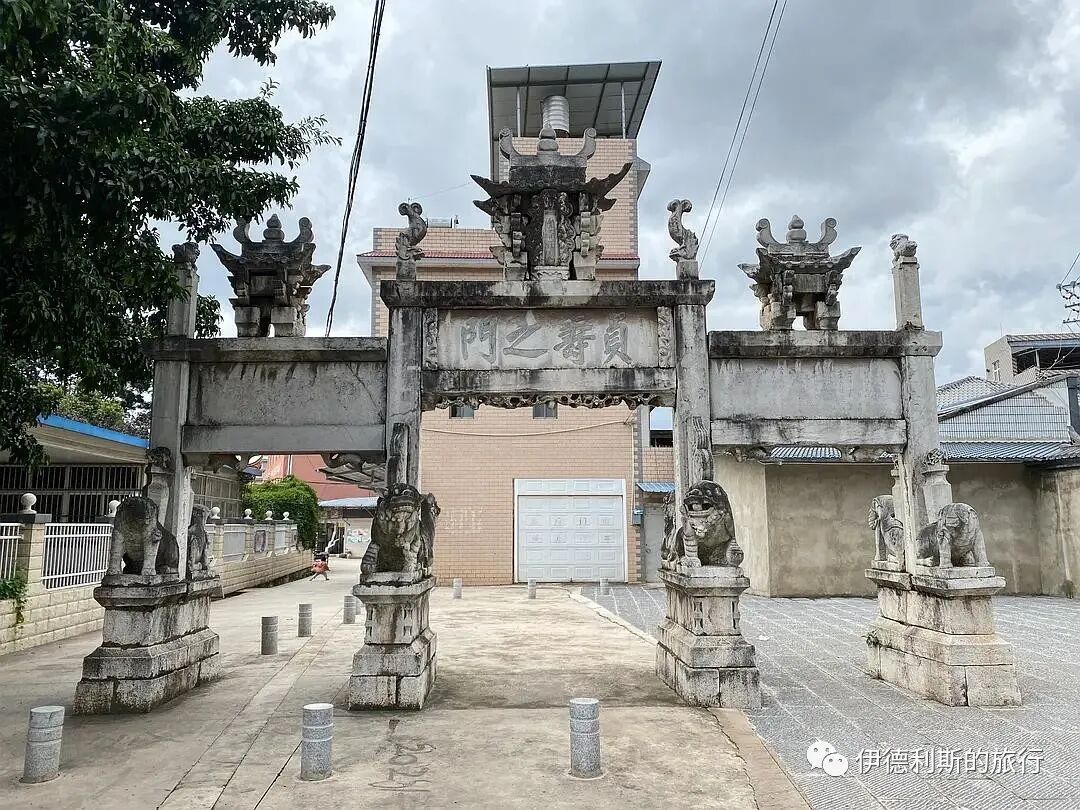
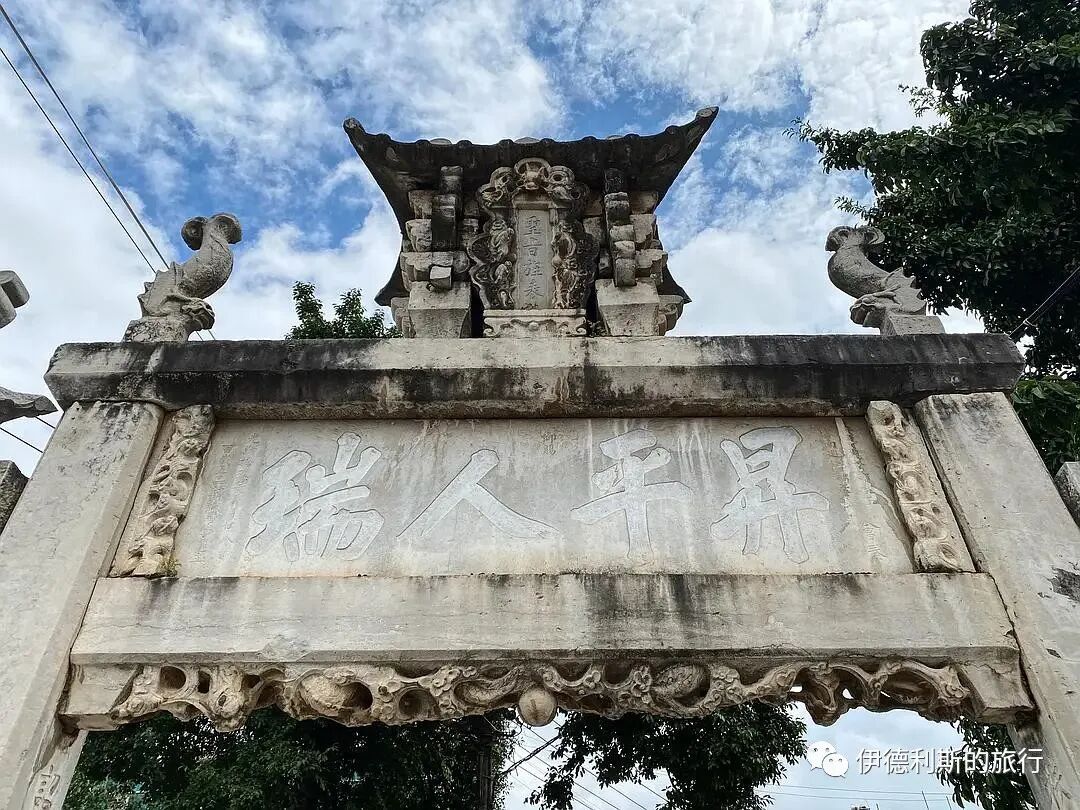
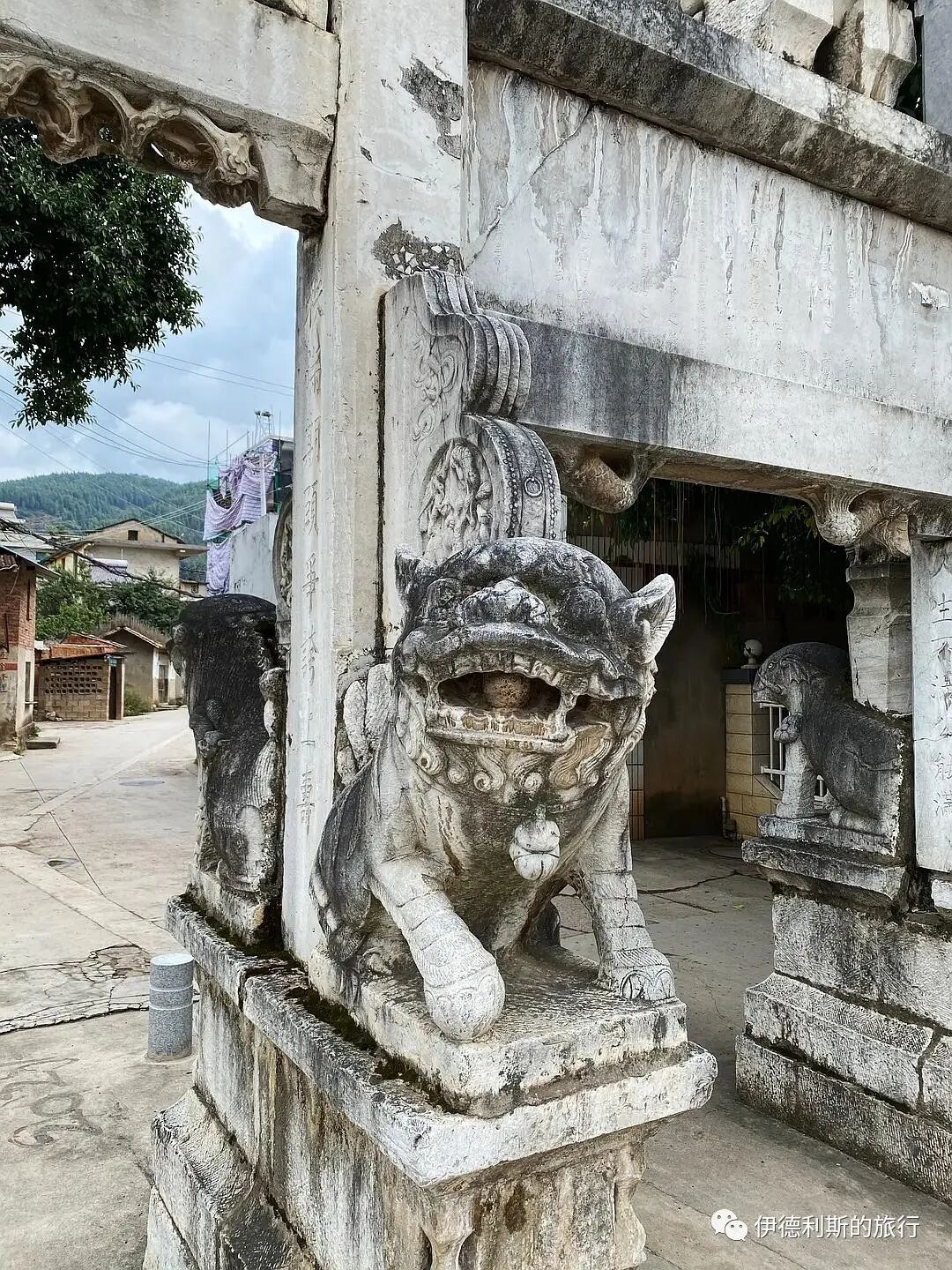
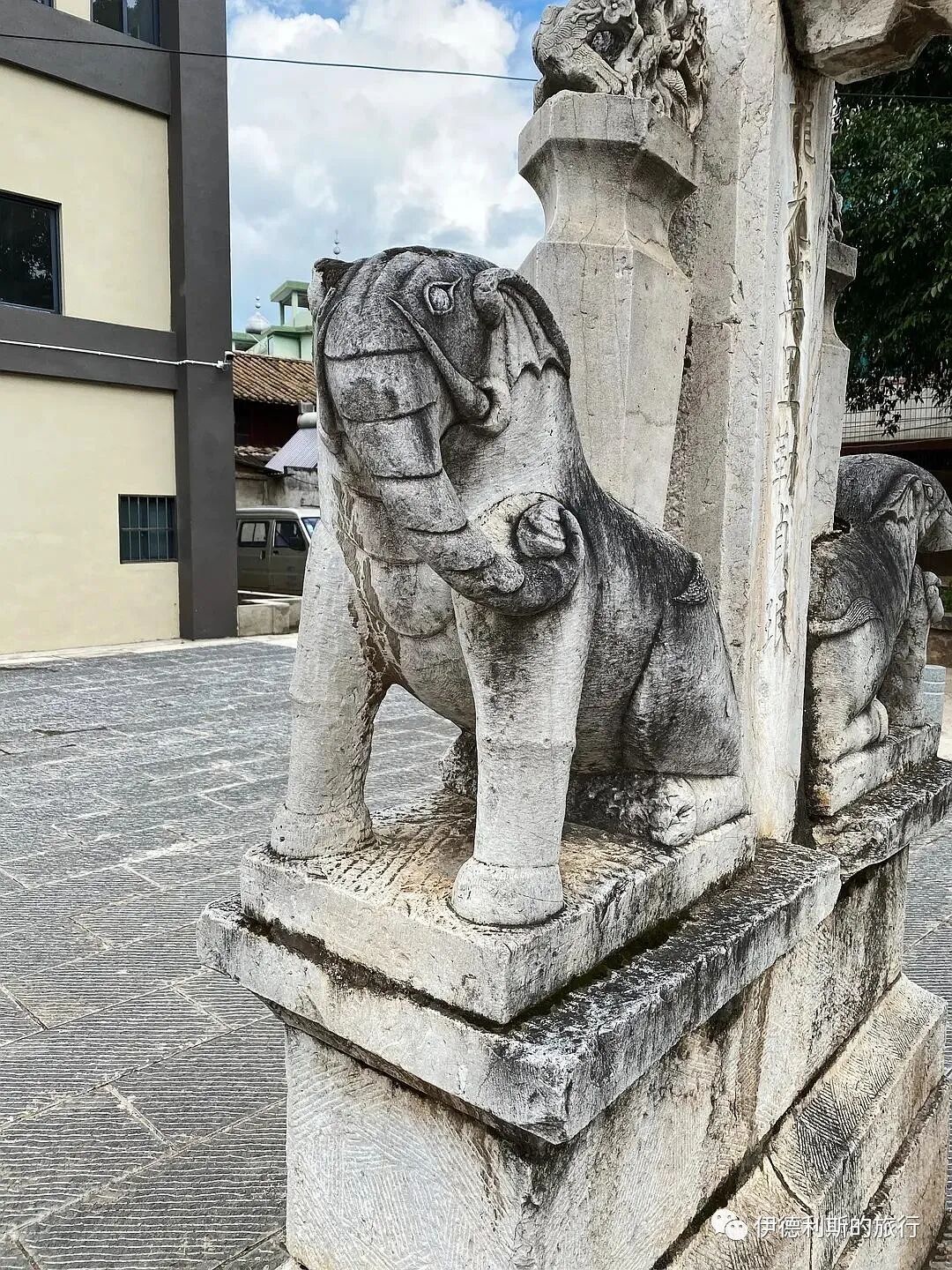
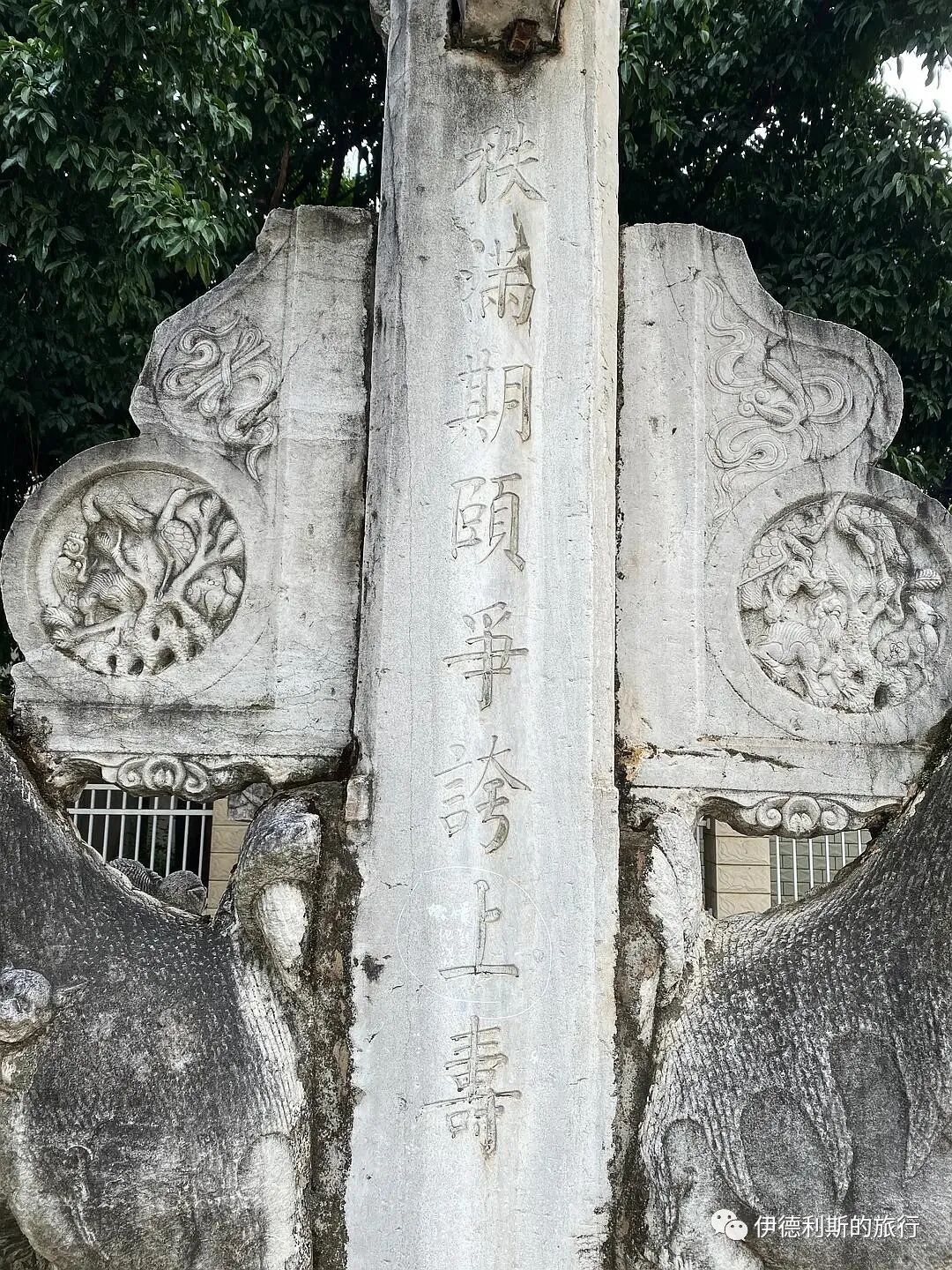
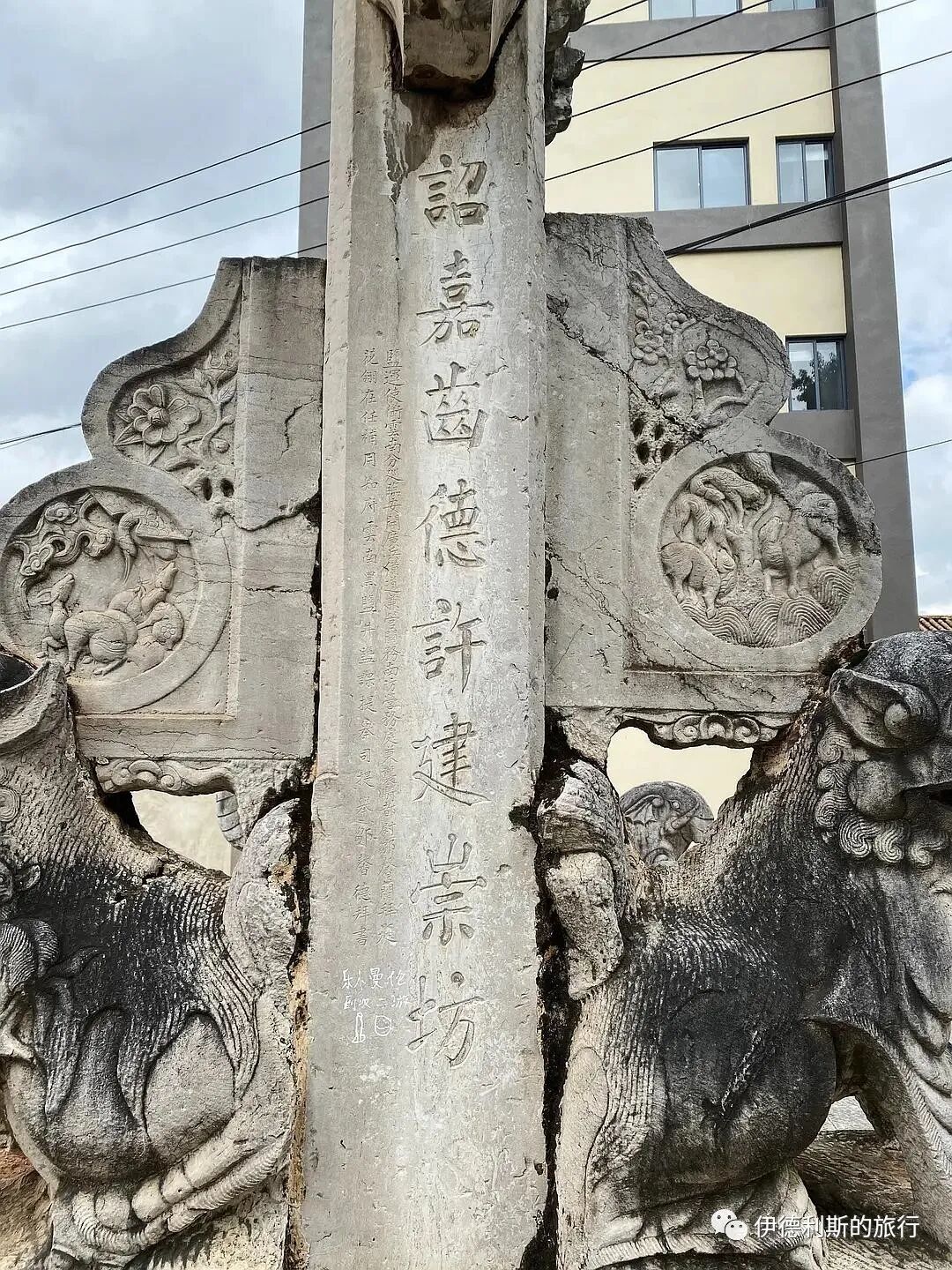
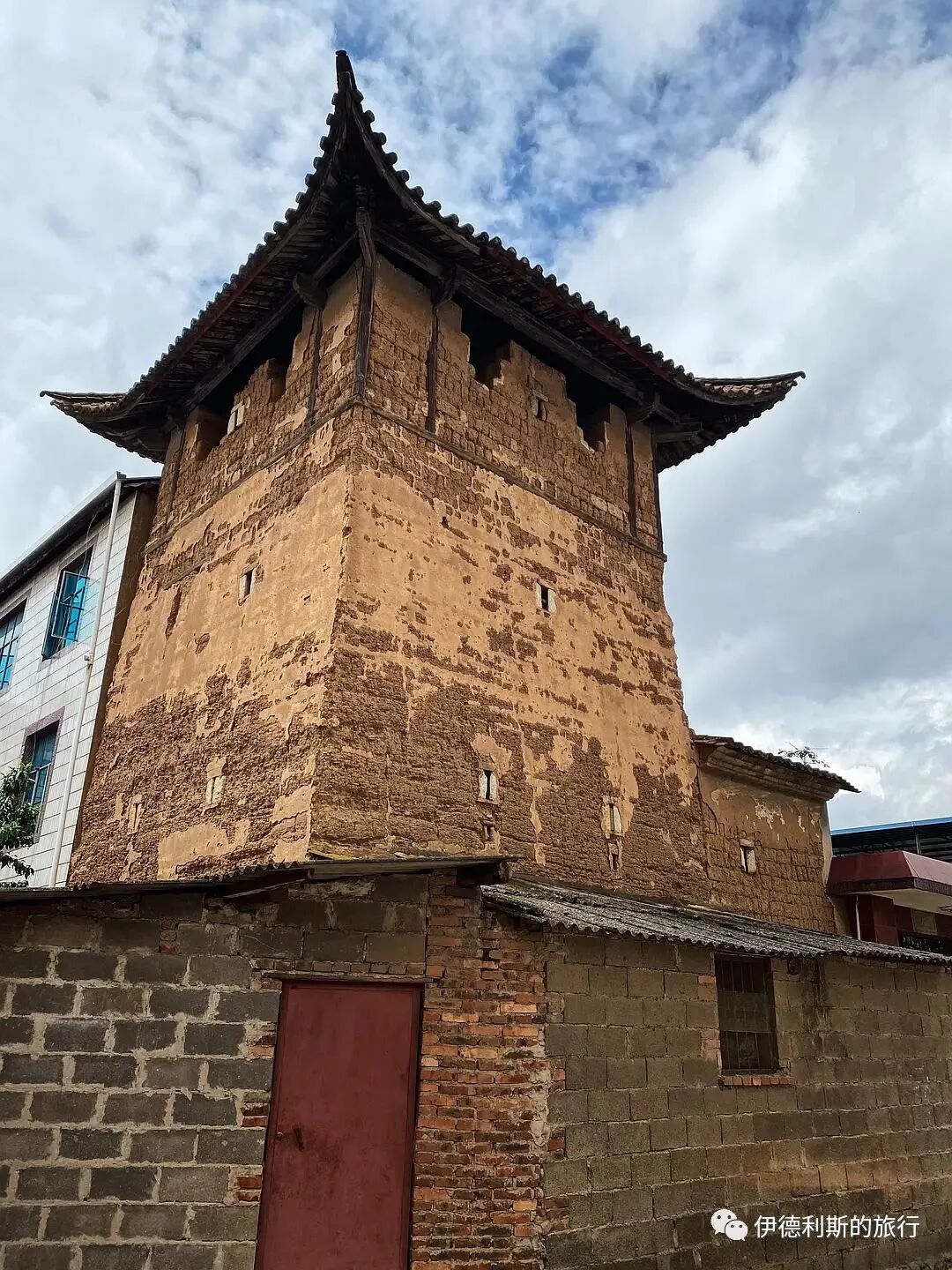
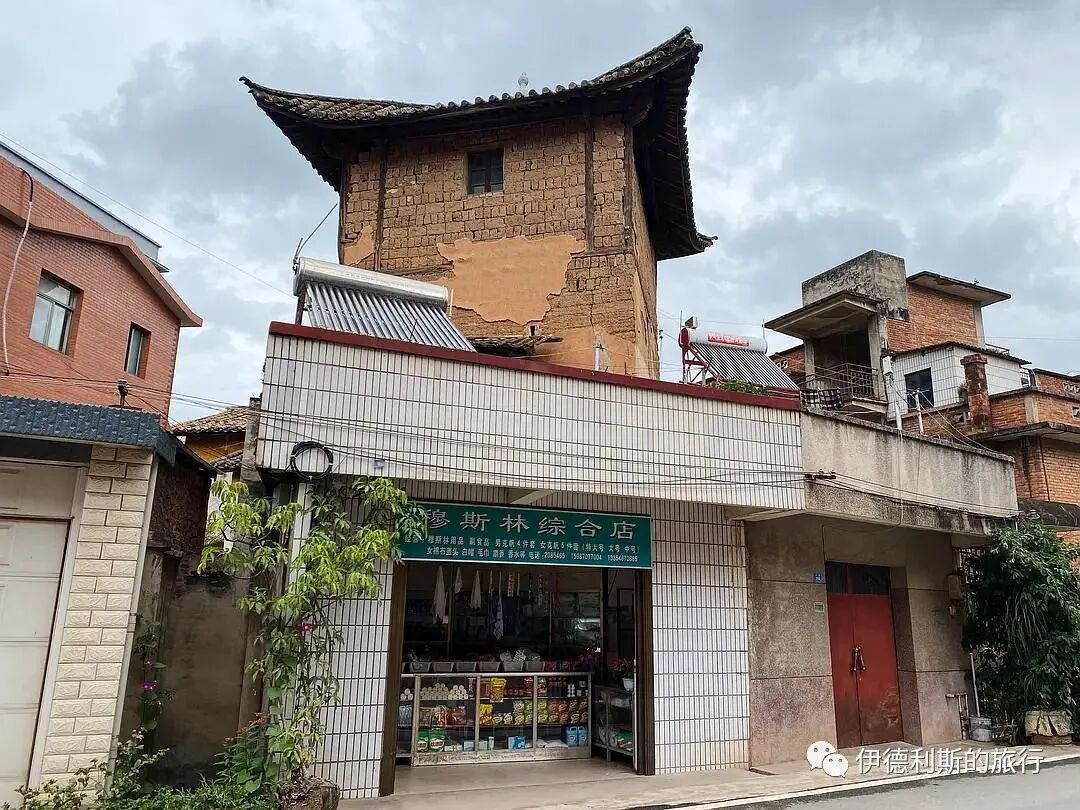
Two watchtowers were likely built in the past to defend against bandits.
IV. Eshan Dabaiyi Village
Continuing 42 kilometers south from Daying, Yuxi, we arrived at Dabaiyi Village in Eshan County.
The founding date of Dabaiyi Mosque is unknown. It was rebuilt many times during the Kangxi, Qianlong, and Tongzhi reigns, destroyed by an earthquake in 1913, rebuilt in 1915, and the call-to-prayer tower was rebuilt in 1935.
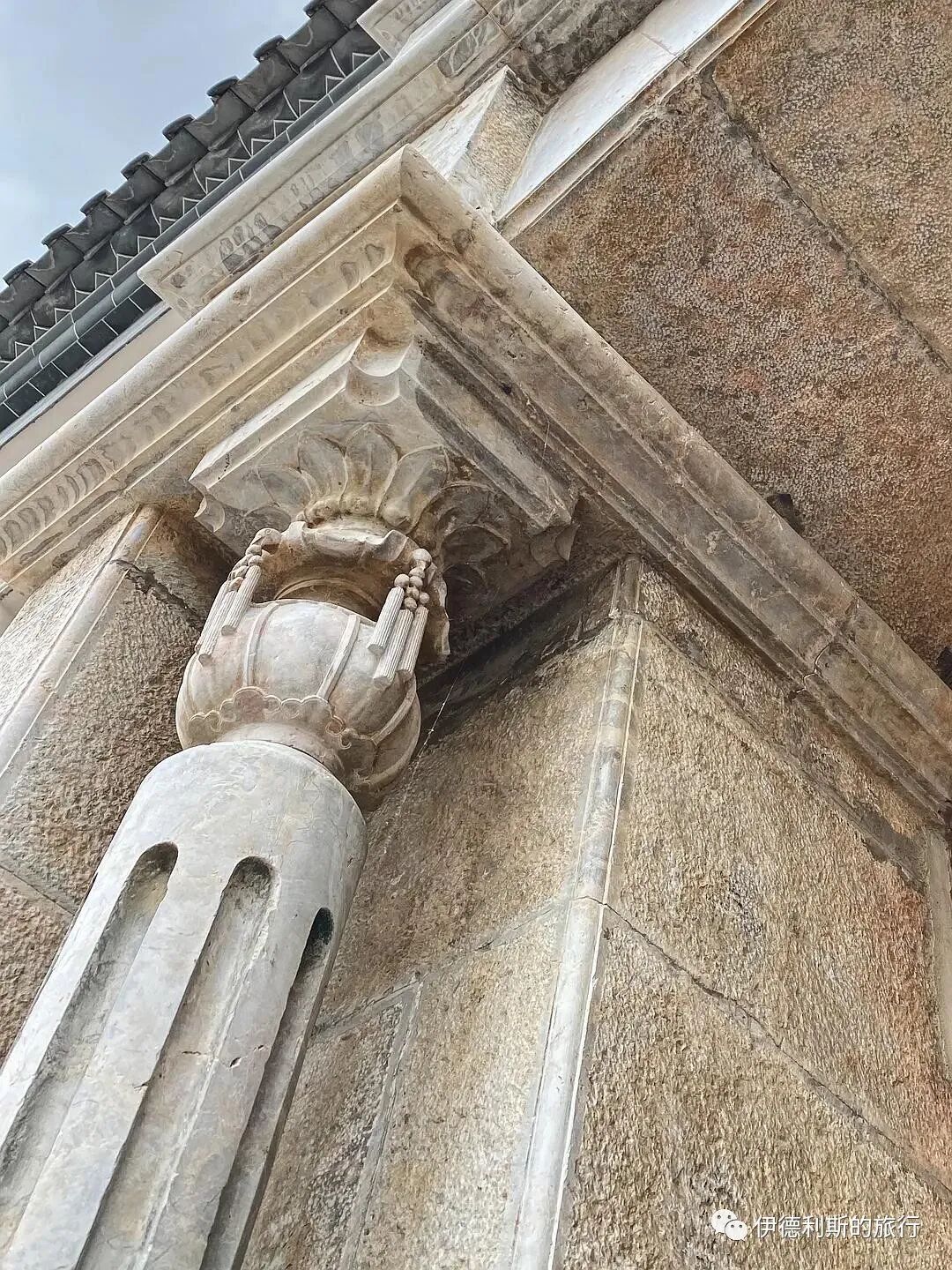
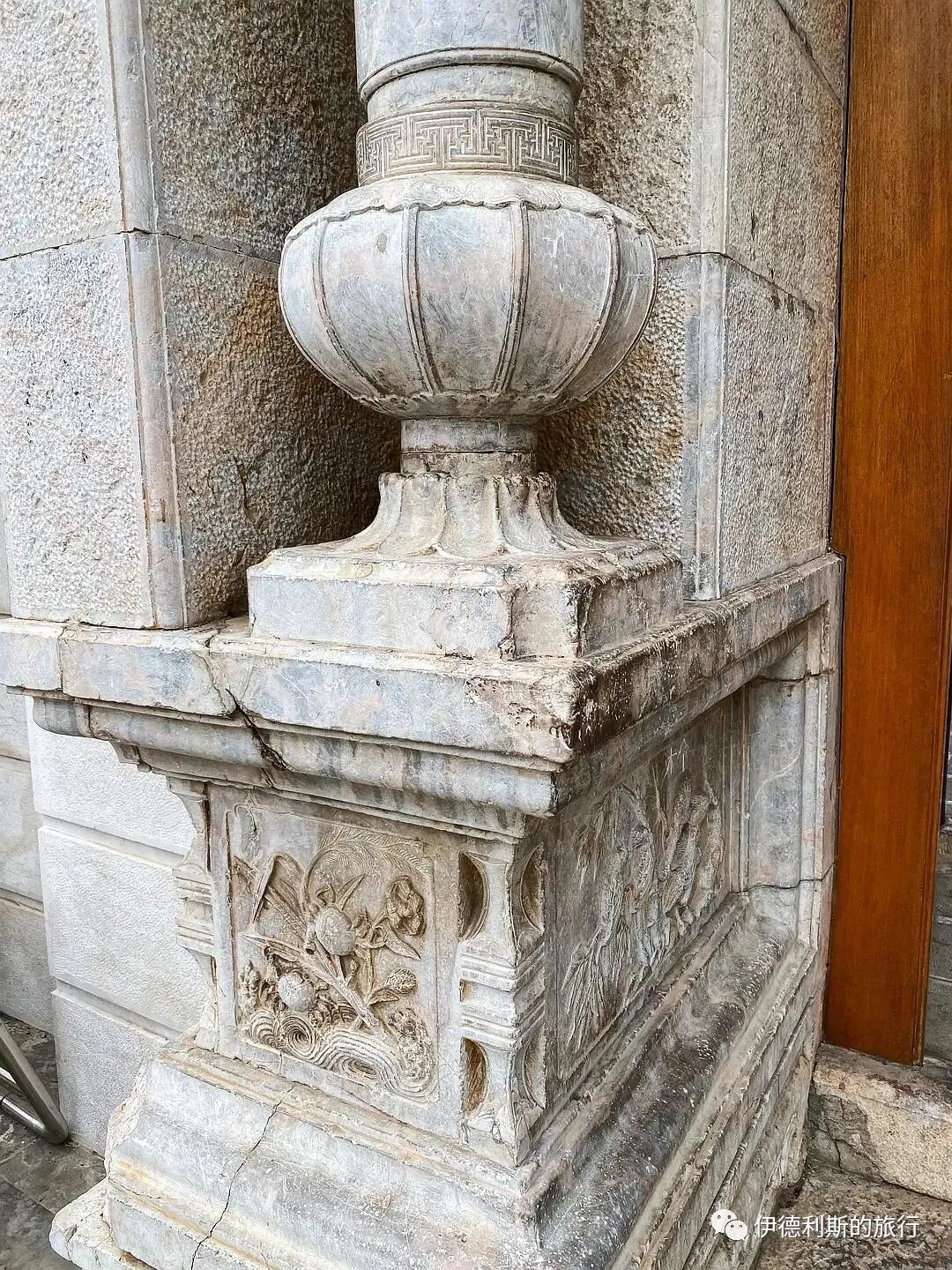
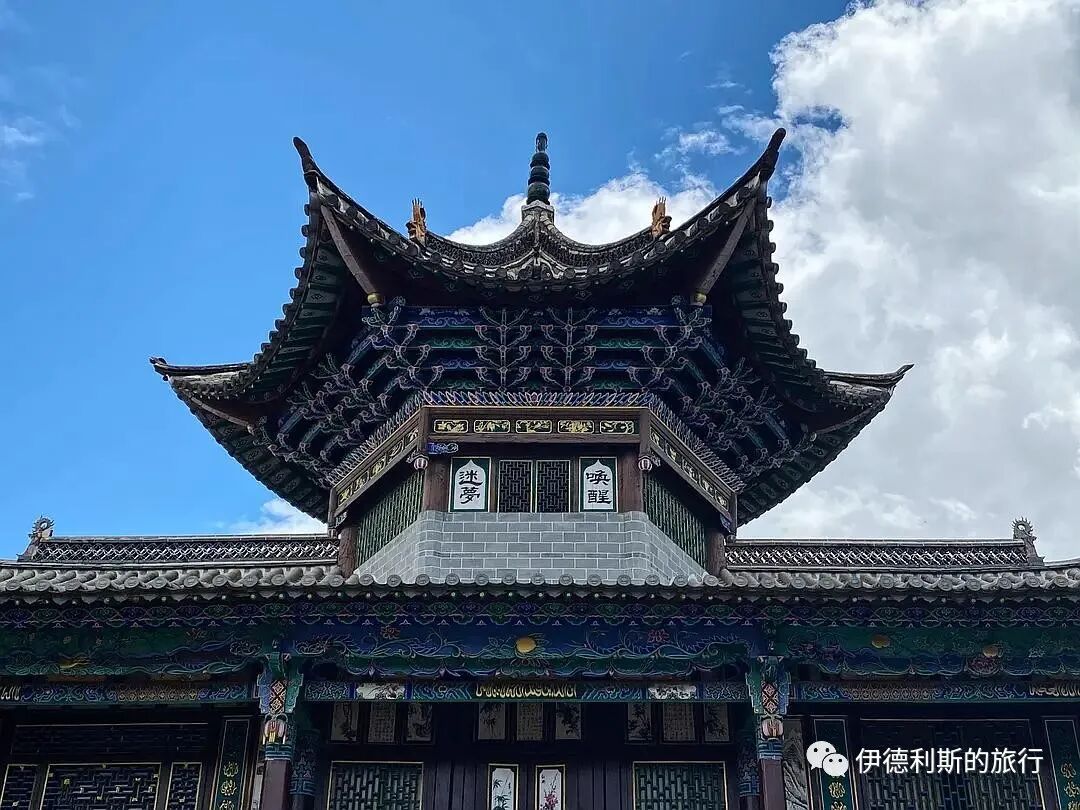
The call-to-prayer tower, also known as the Awakening Dream Tower, was built in 1935. The first floor's facade is in a Western gate tower style, while the second floor is a traditional Chinese hexagonal pavilion with a pointed roof. Currently, the first-floor gate tower has been renovated, with only the middle door frame remaining.
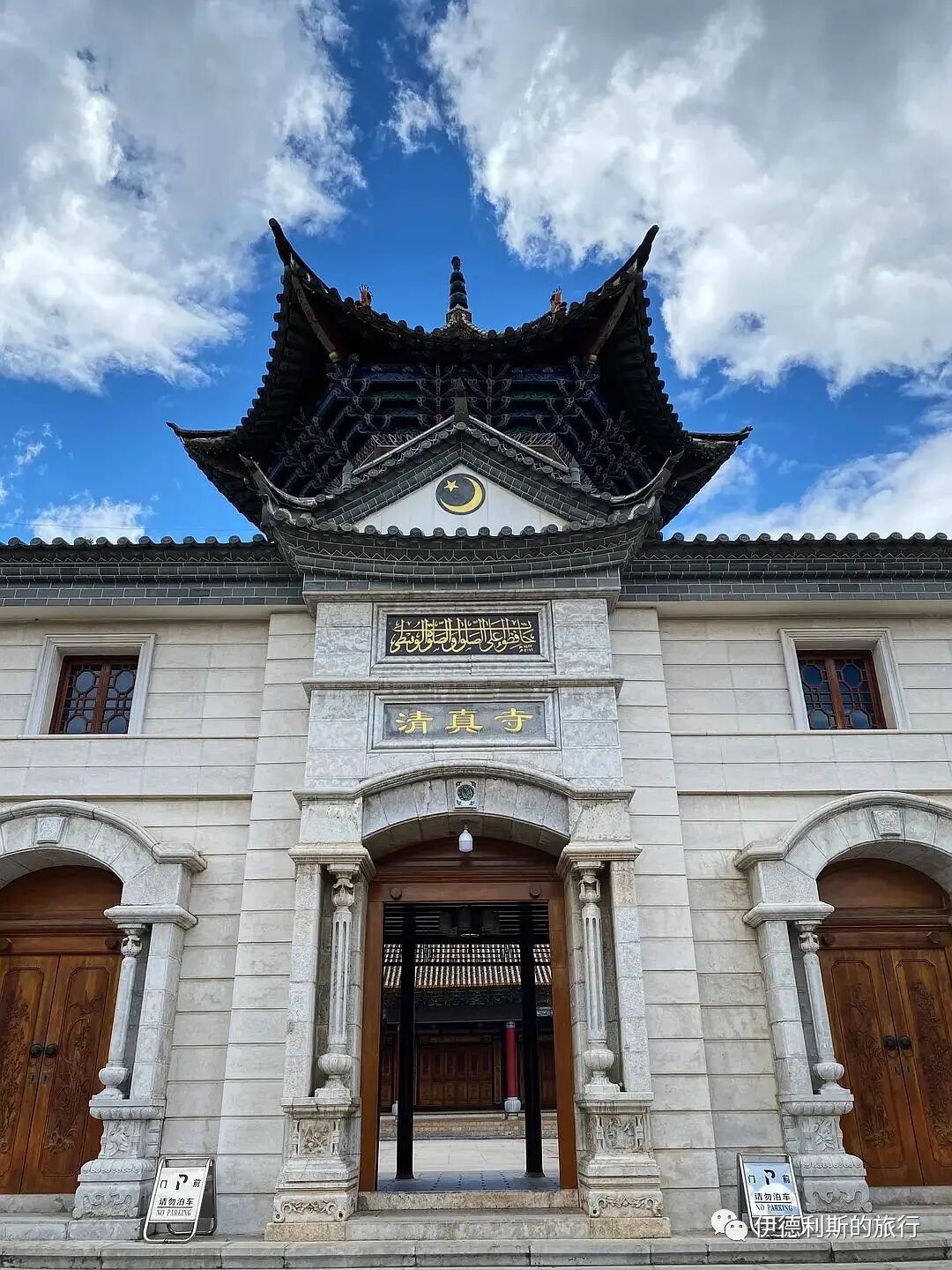
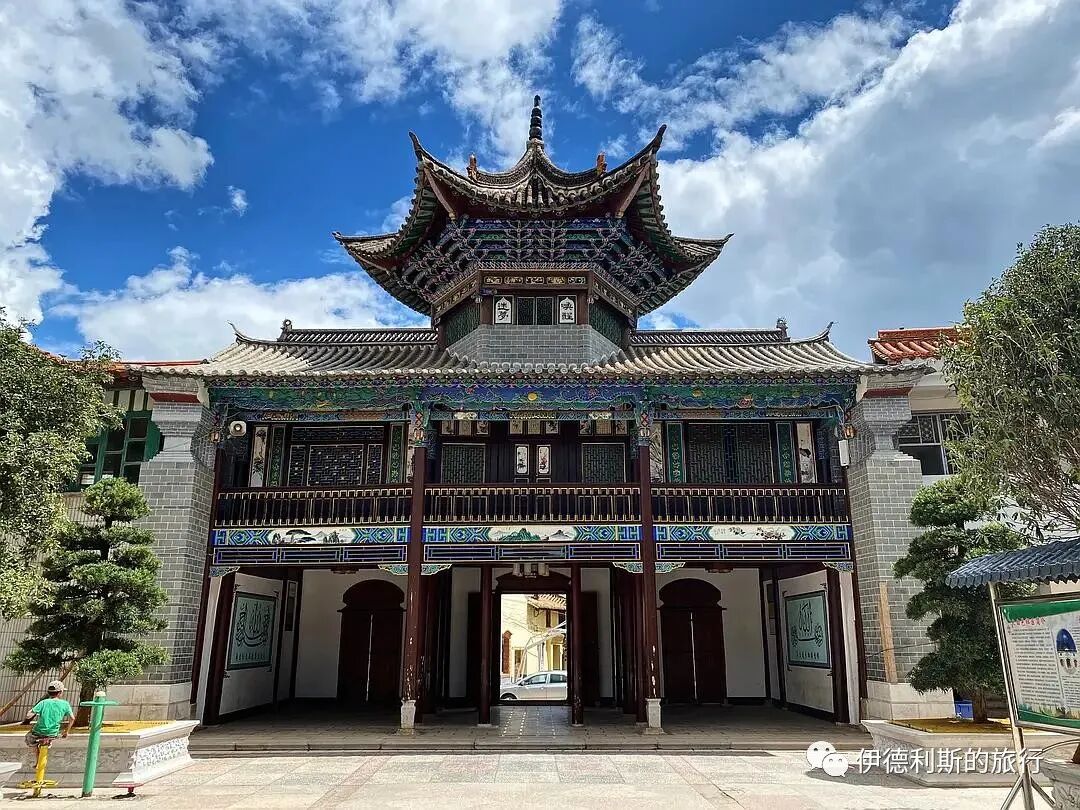
The front hall of the main prayer hall was built in 1915, and the rear hall was expanded in 1980. Very interestingly, the roof uses yellow glazed tiles to spell out the three characters for "Mosque" (Qingzhen Si).
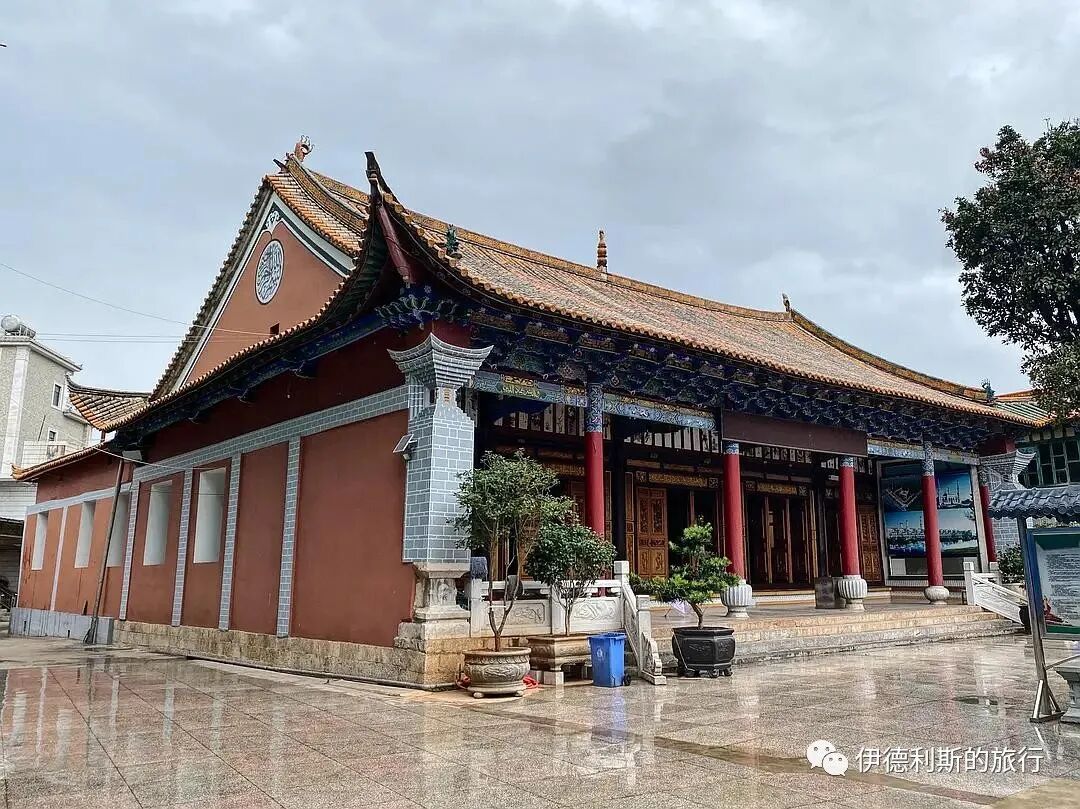
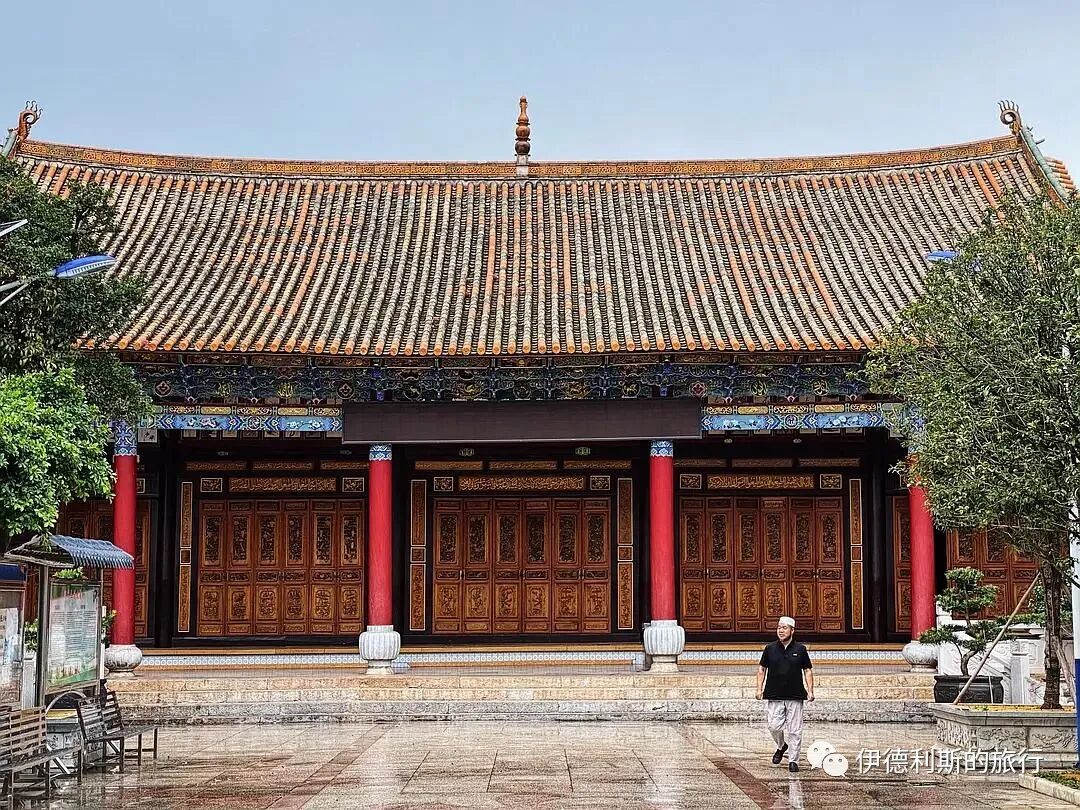
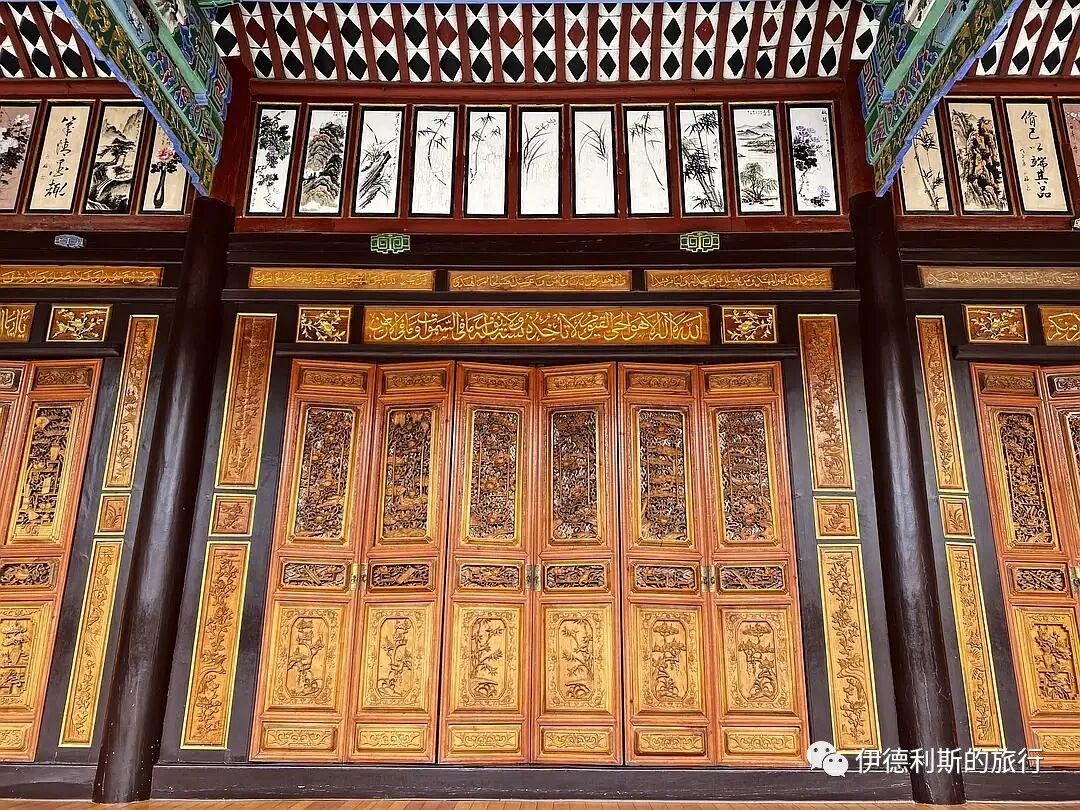
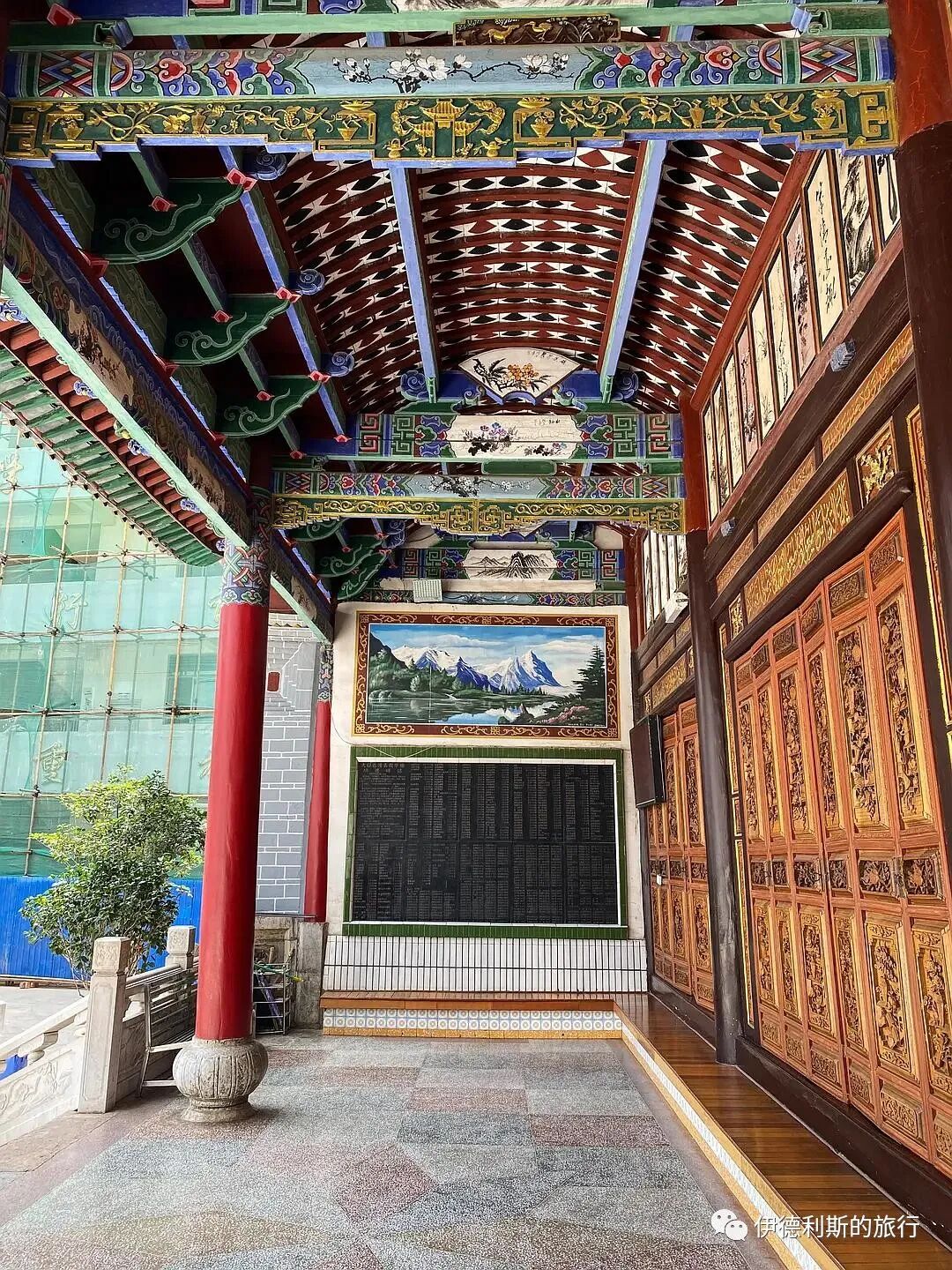
Dabaiyi in Eshan is a famous hometown of overseas Chinese. From the donation list for the construction of the mosque's teaching building in 1996, it can be seen that the donating overseas Chinese came from many regions, including Chiang Mai, Mae Sai, Bangkok, Wang Yang, He Fei, Da Duan, Mae Salong, Man Tang, Su Ming, and Lampang in Thailand, as well as Tachileik and Kengtung in Myanmar.
The history of Dabaiyi Hui Muslim caravans "traveling abroad" to trade in Myanmar and Thailand is very long. During the Qing Dynasty and the Republic of China, Dabaiyi Hui Muslims would lead caravans every year, carrying local cloth, yellow tobacco, wool felt, and daily necessities through Simao and Pu'er to trade in Kengtung and Tachileik in Myanmar, and Chiang Mai and Chiang Rai in Thailand, bringing back goods such as indigo, deer antler, ivory, tiger bone, and cattle and sheep hides. Some Dabaiyi Hui Muslims settled down in Thailand and Myanmar, opening shops and marrying local women. Some stayed because of rampant bandits on the road, fearing their property would be looted.
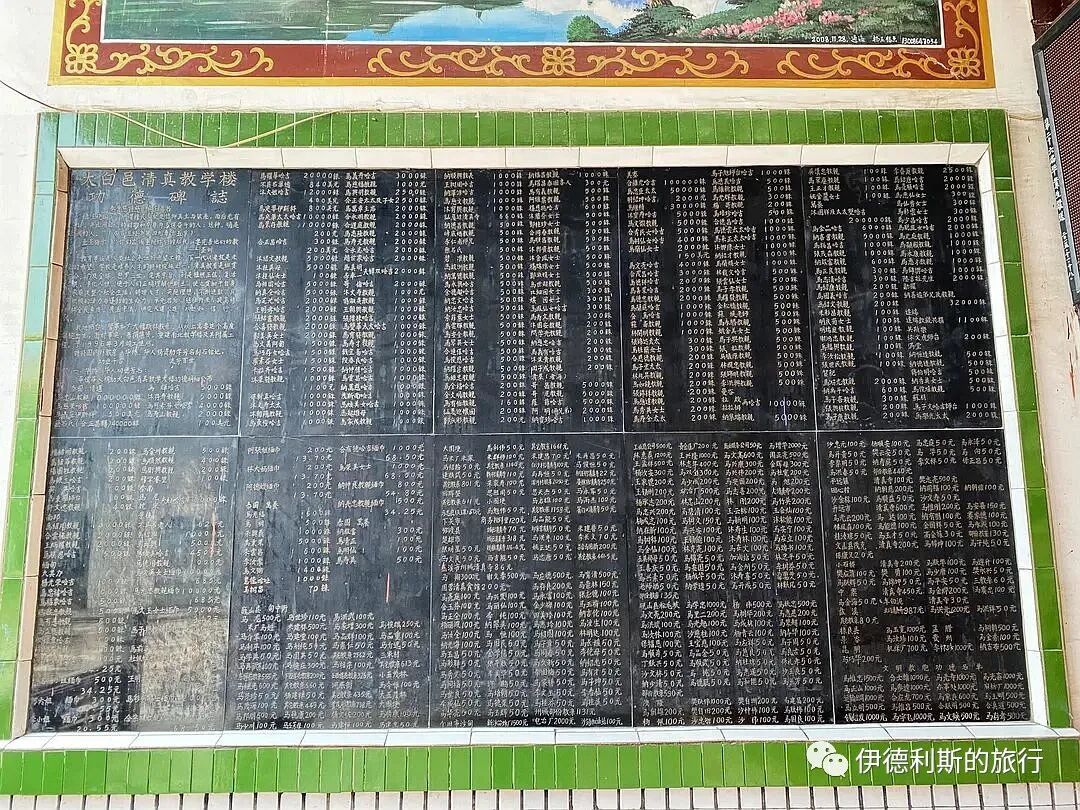
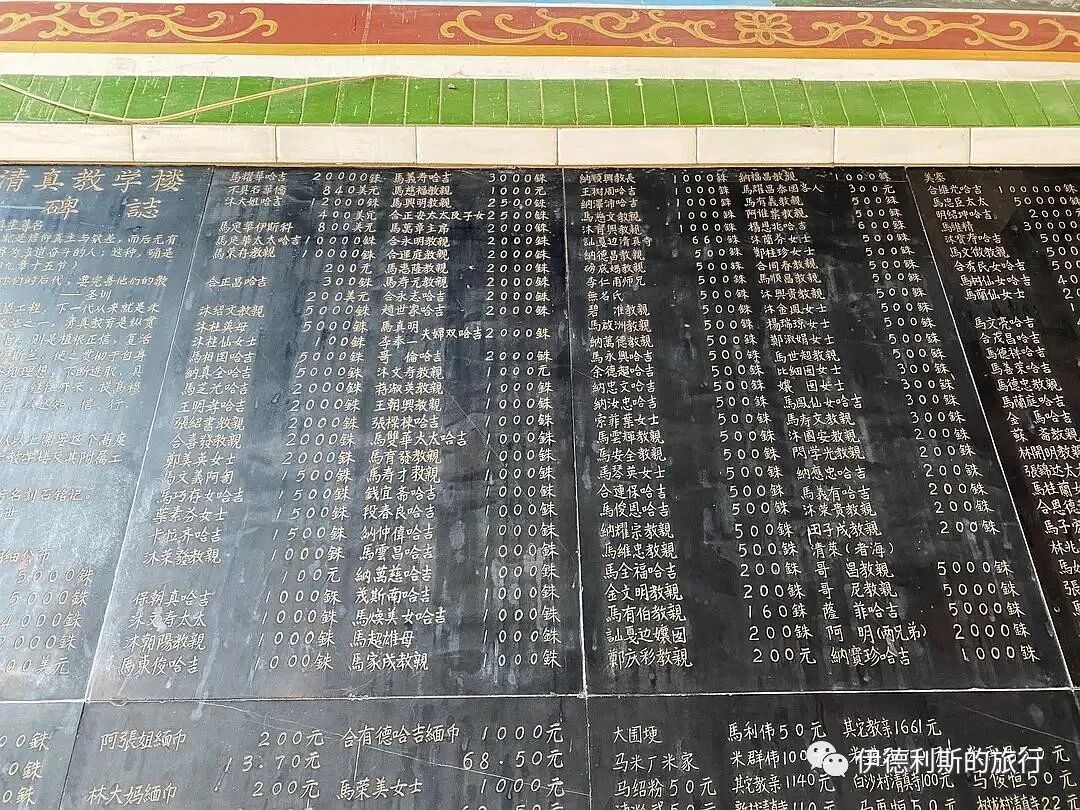
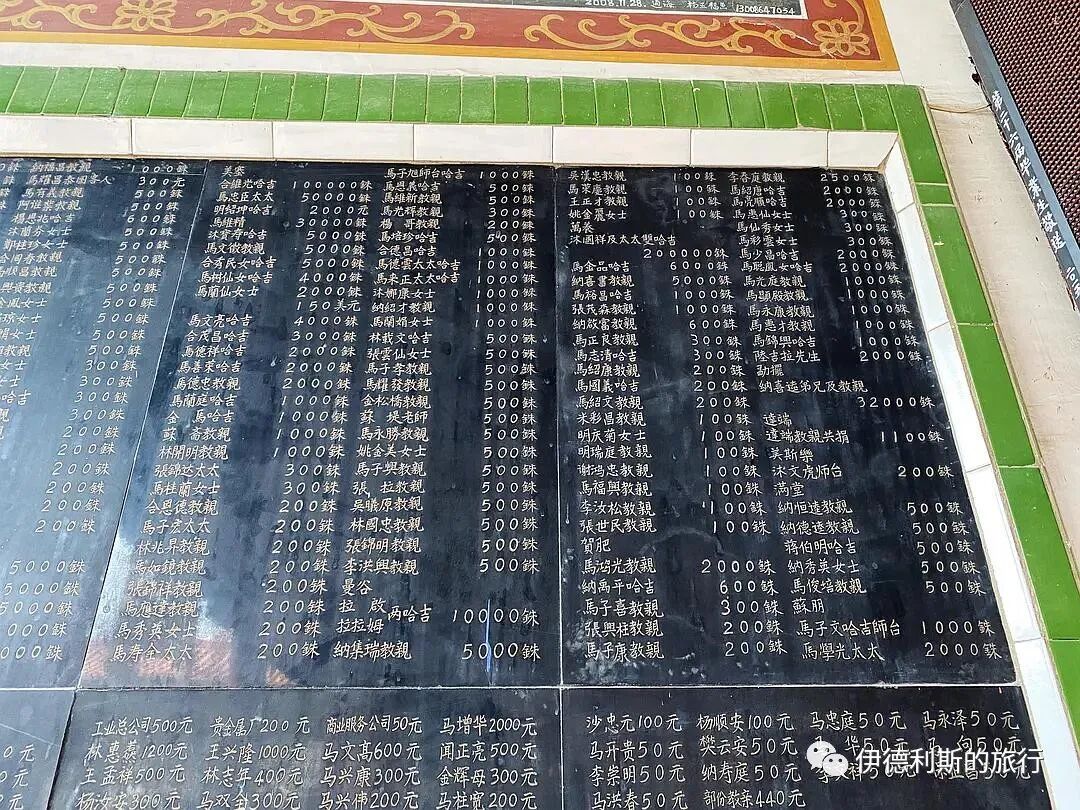
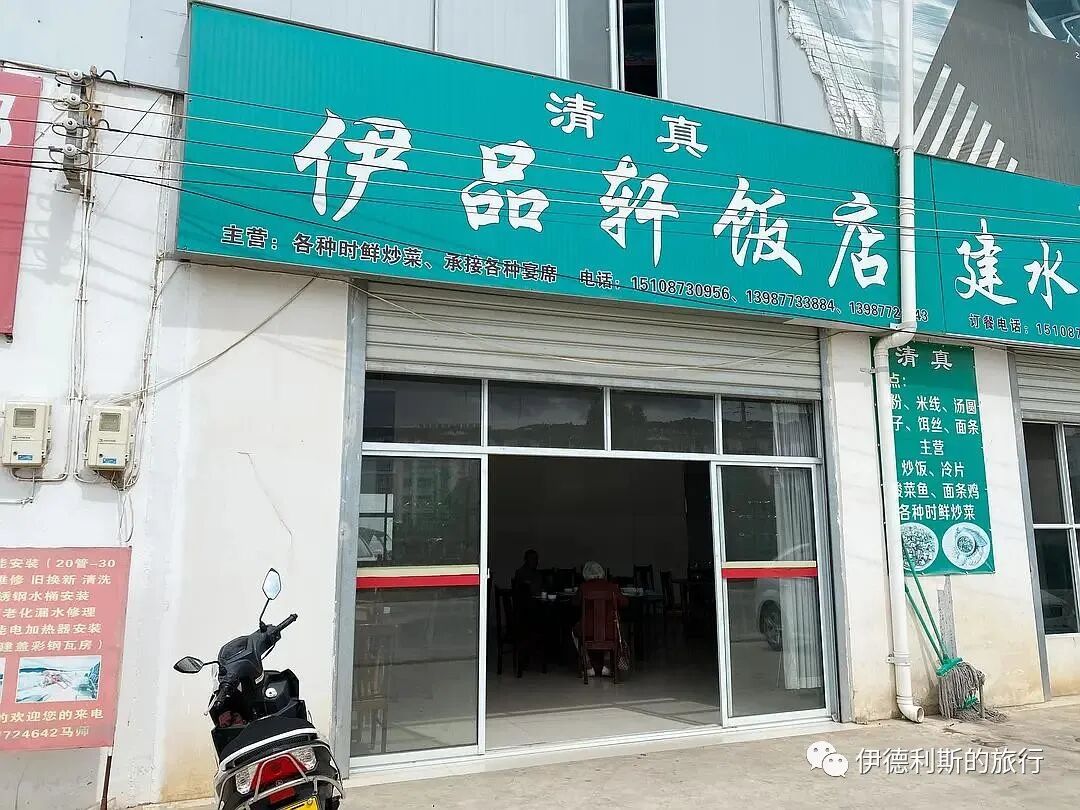
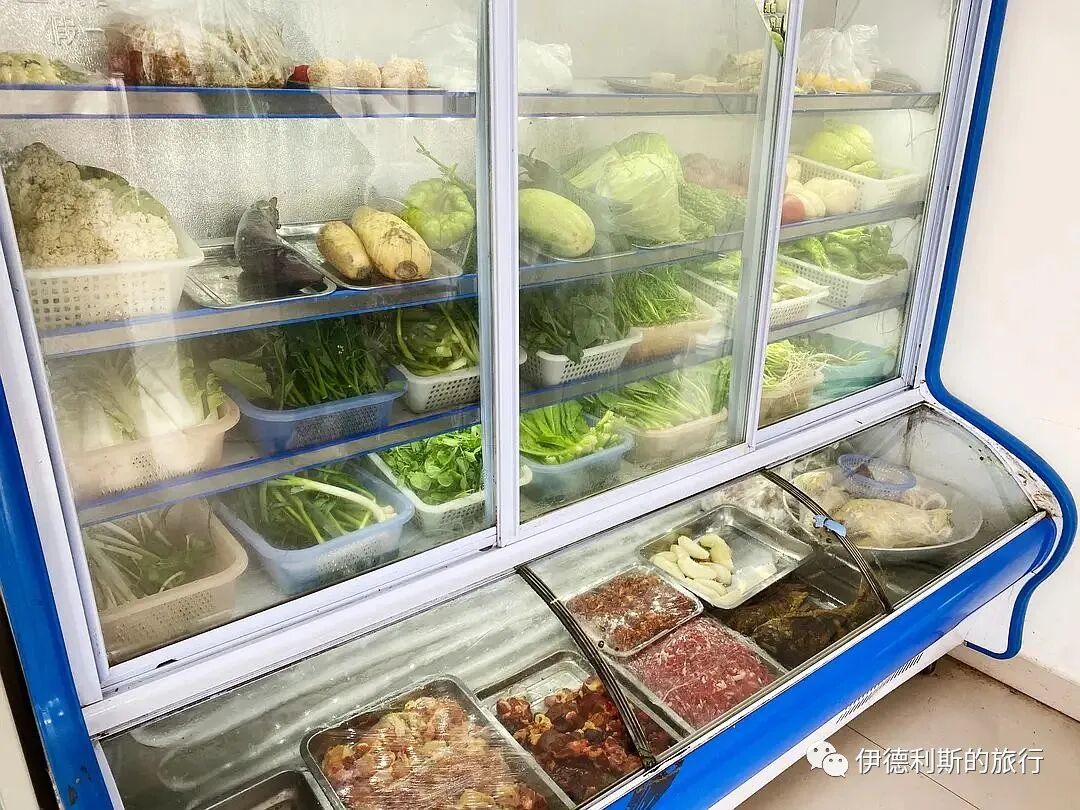
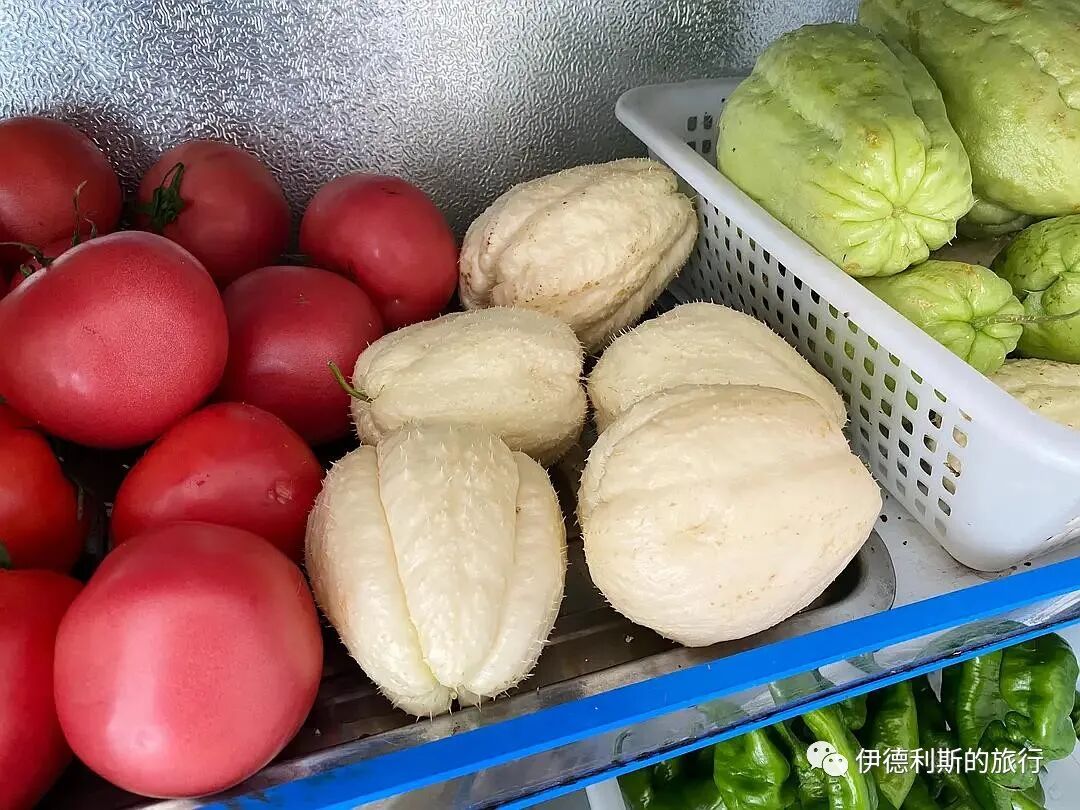
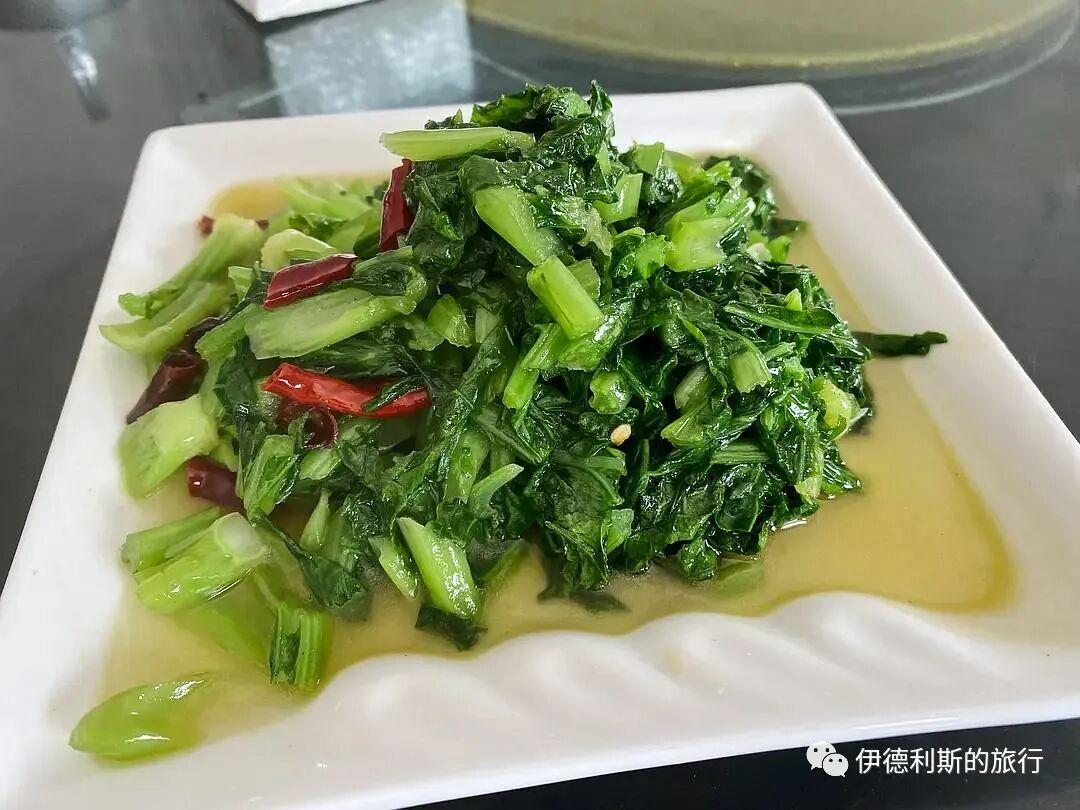
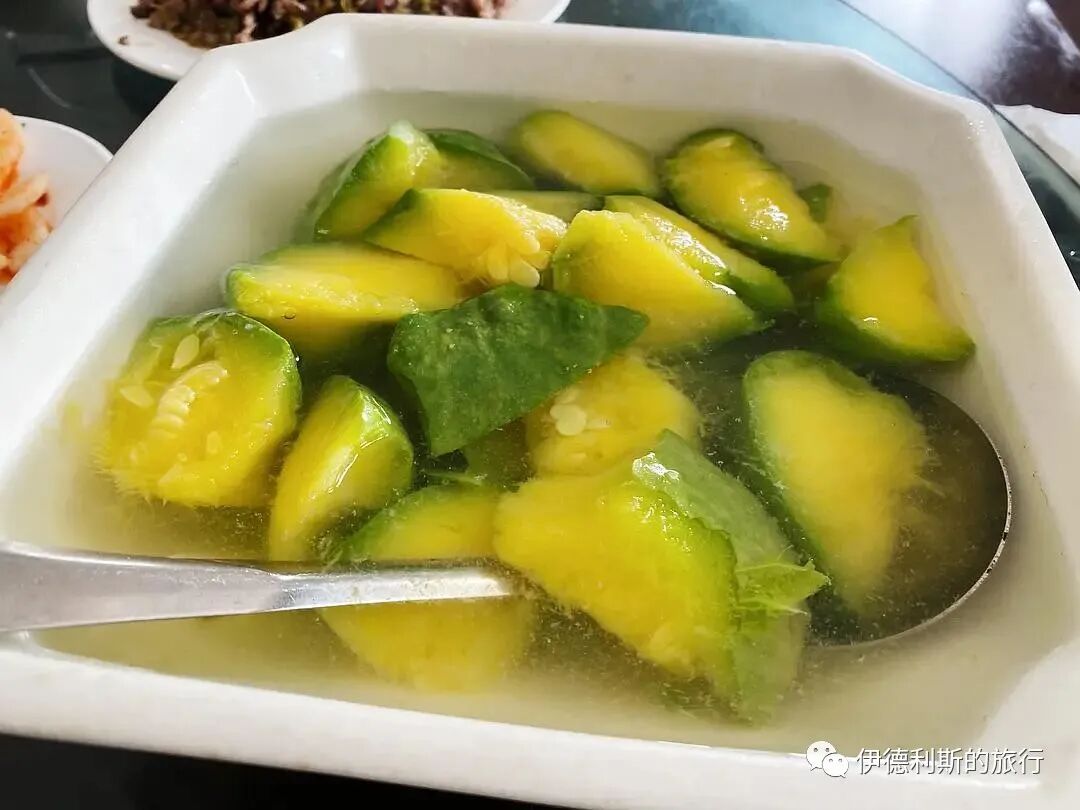
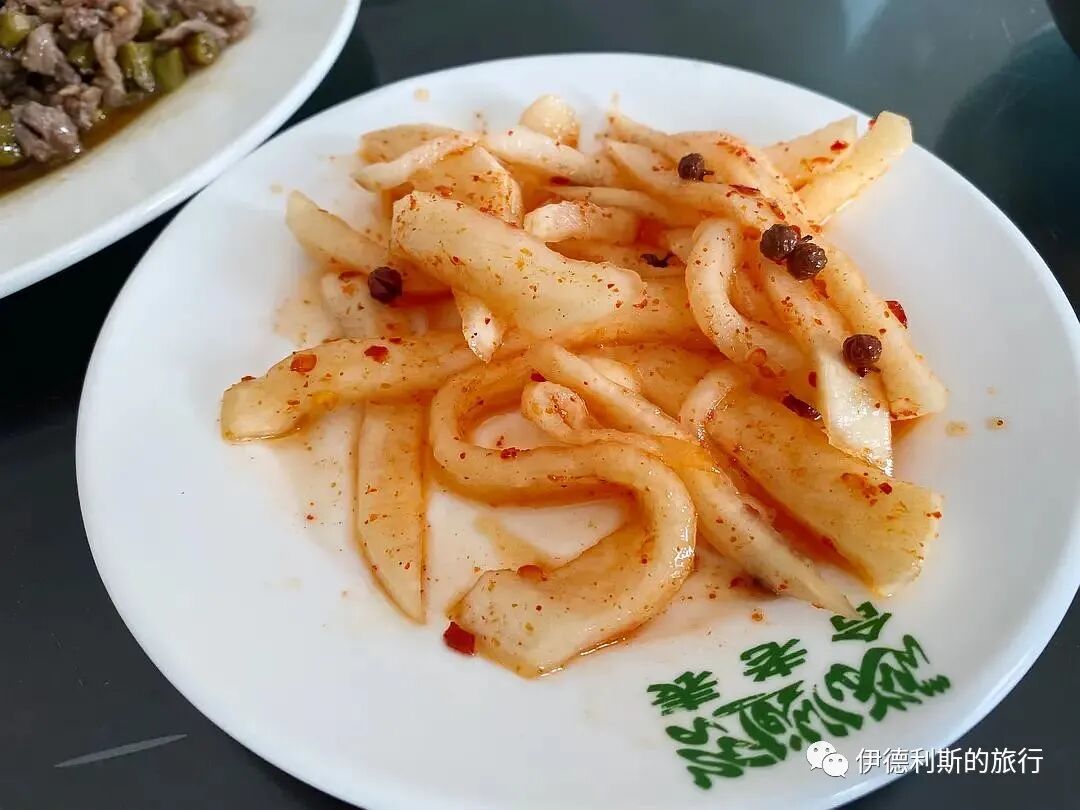
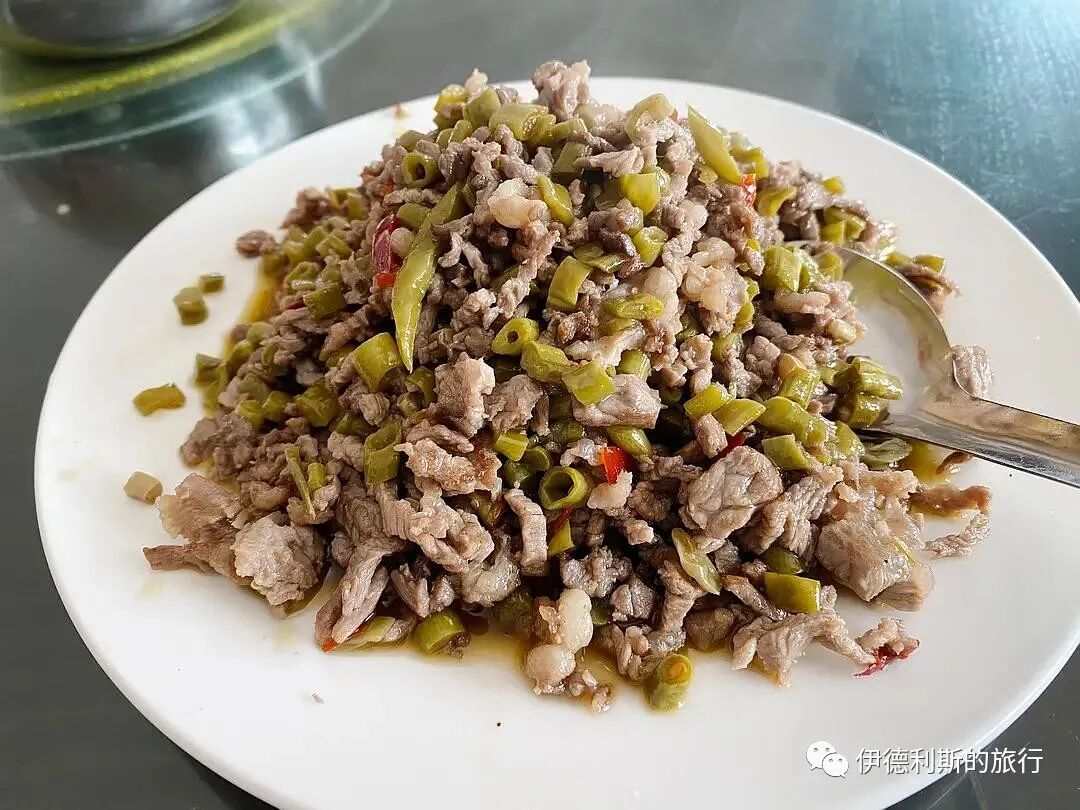
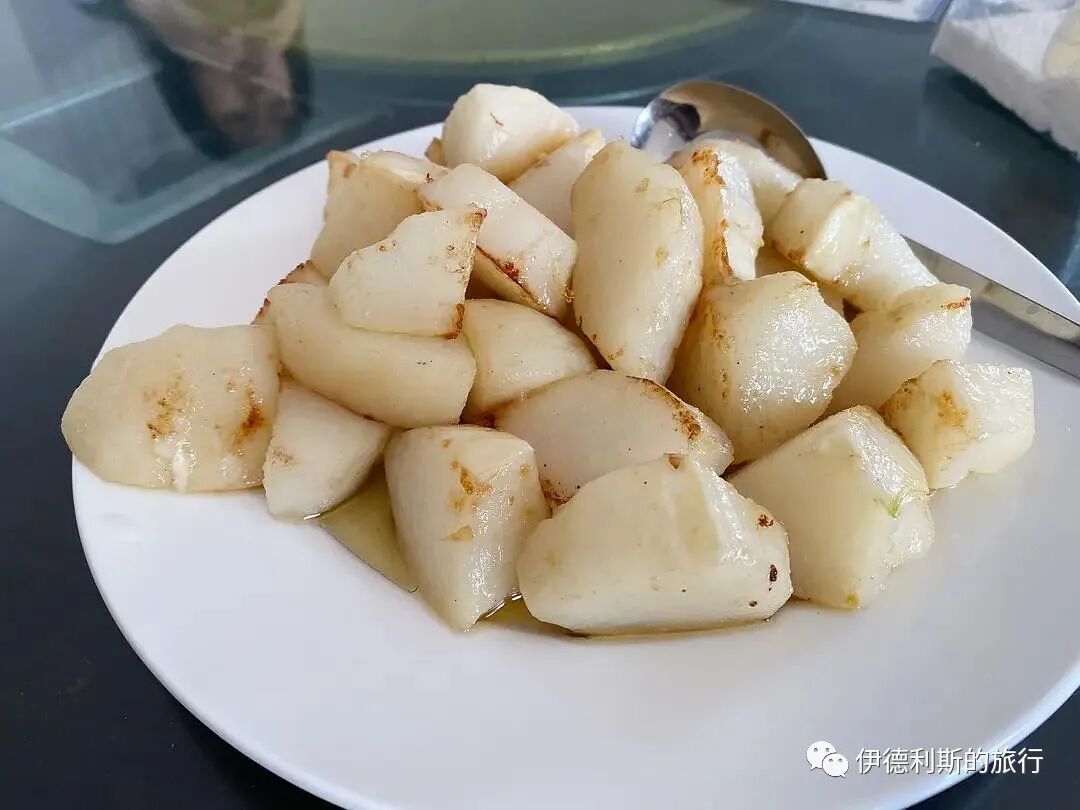
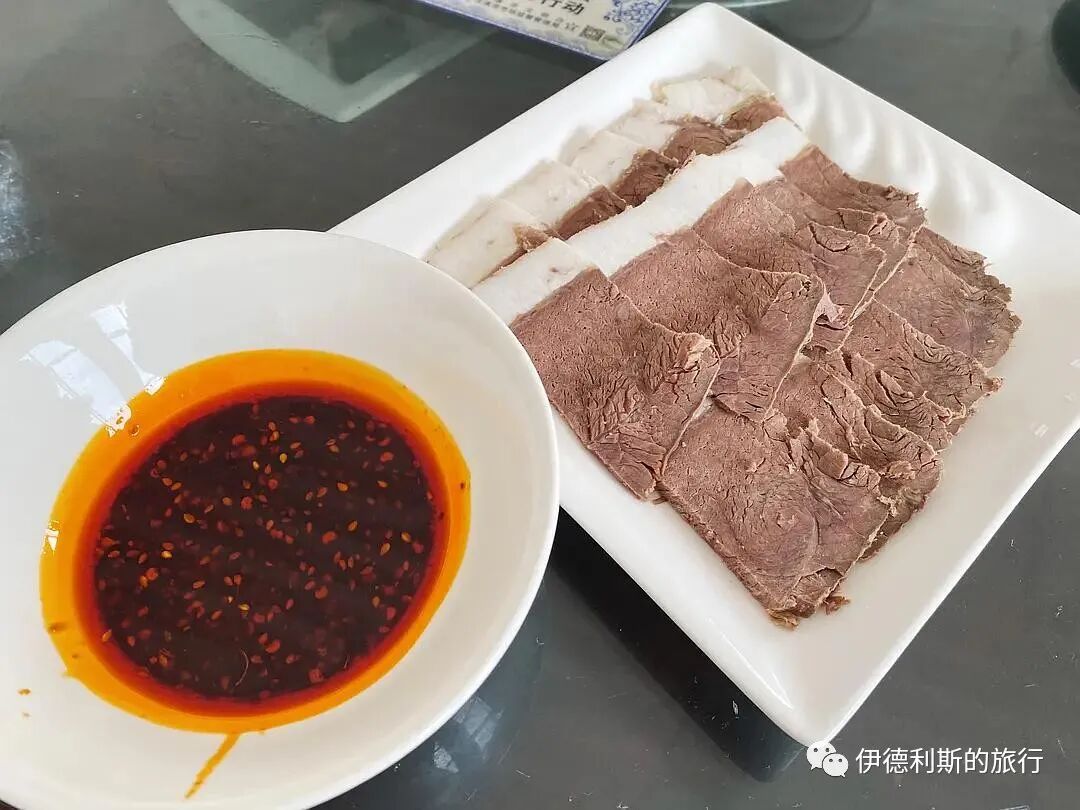
At noon, we ate stir-fried cowpeas with meat, stewed squash, cold sliced meat, and stir-fried chayote at the Yipinxuan Restaurant at the entrance of Dabaiyi Village in Eshan. Their cold sliced meat was not very good. After eating, we entered the village and saw a private kitchen run in an old courtyard; the environment was so good that I regretted my choice!
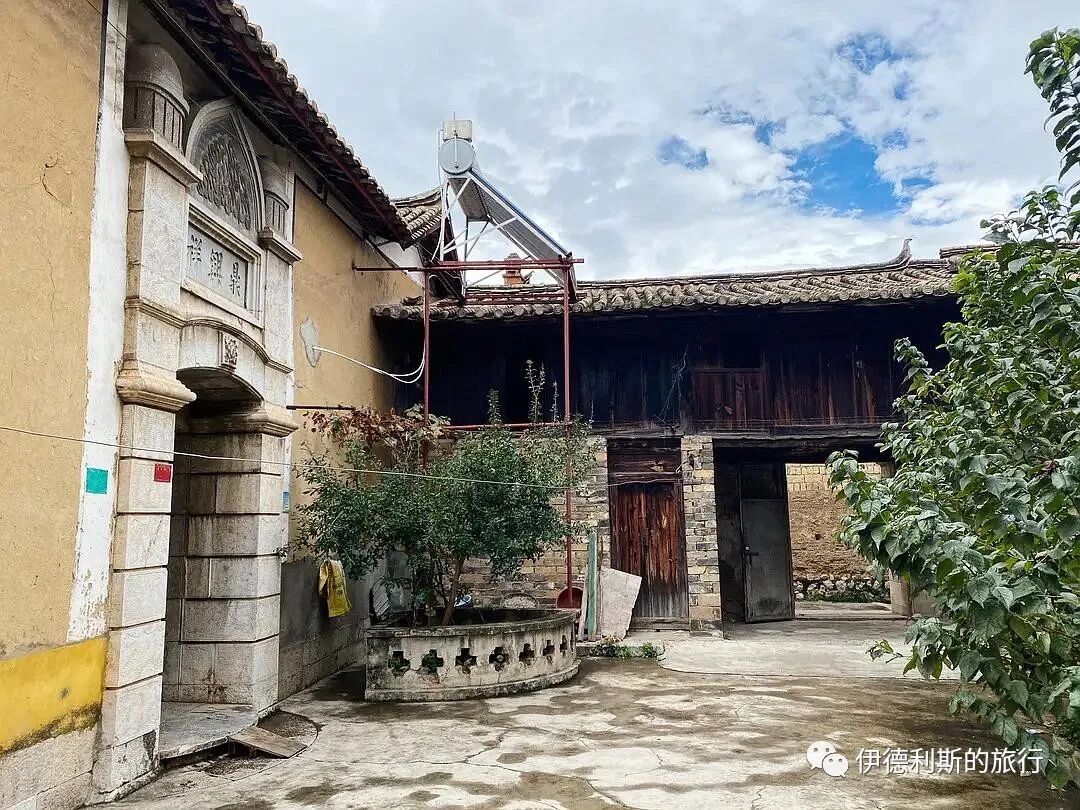
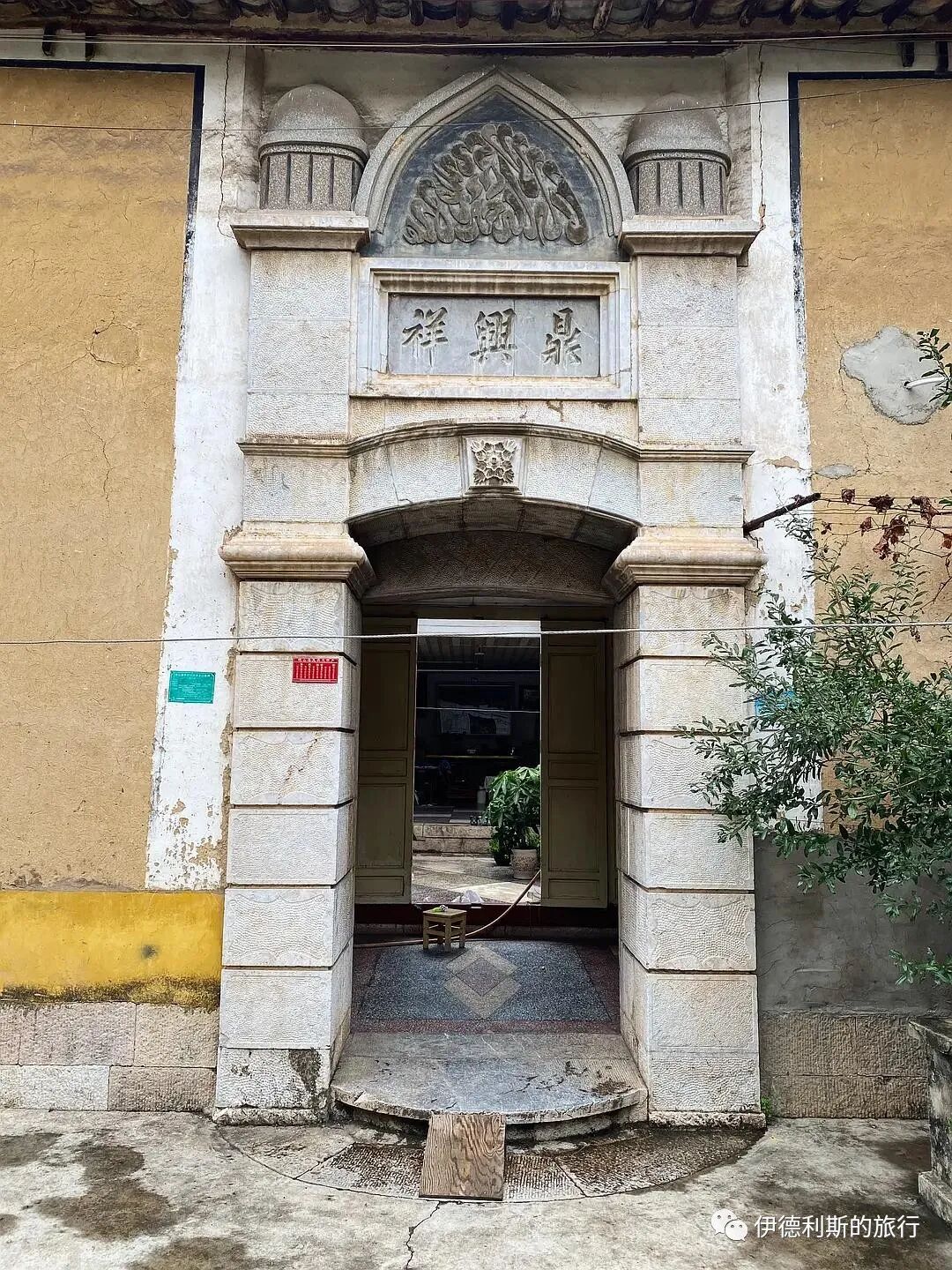
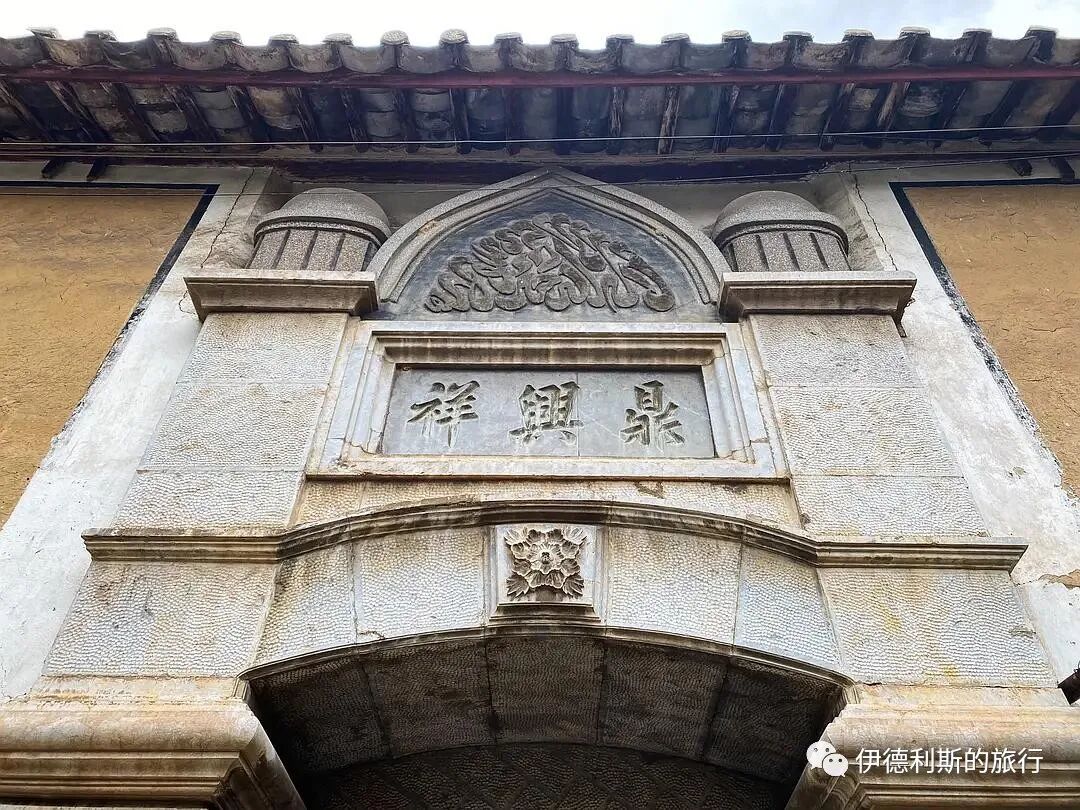
Next to the Dabaiyi Mosque is a traditional courtyard with a Western-style gate tower at the entrance, inscribed with "Dingxingxiang," which I suspect might be the name of the caravan firm their family opened during the Qing Dynasty or the Republic of China. The environment inside the courtyard was very good and felt very refreshing. When we went, there was only a grandmother with her grandchildren, and the family seemed very happy. The traditional bluestone bricks had been replaced with terrazzo, giving a sense of overlapping eras. Corn was hanging in the courtyard, and walnuts and sunflower seeds were drying under the windows, giving it a very strong sense of daily life.
Summary: This travel note introduces South of Kunming Halal Travel Guide: Liren, Yuxi Daying and Eshan Dabaiyi (Part 1). Author: Zainab. It is useful for readers interested in Yunnan Travel, Hui Muslims, China Mosques.
Author: Zainab
From October 4th to 6th, our family rented a car from Kunming to travel to Yuxi, Tonghai, Jianshui, Shadian, Kaiyuan, and Mengzi. This first article covers our departure from Kunming and our visits to three Hui Muslim villages: Liren in Xishan, Daying in Yuxi, and Dabaiyi in Eshan.
I. Departure from Kunming
We flew from Xishuangbanna to Kunming on the afternoon of October 3rd, took the airport subway line to the terminal station at Tangzixiang, and after walking a few steps, we arrived at Zhenghe Beef Restaurant. The owner was incredibly welcoming, and the food was so delicious that my parents, who have lived in Urumqi for fifty or sixty years, couldn't stop praising it and immediately fell in love with Kunming.
Some of their meat dishes were written on a board, but for vegetable dishes, we had to choose directly from the restaurant's classic display case. We ordered crispy red beans, stir-fried bitter greens, stir-fried piao mushrooms (a type of local fungus), mashed potatoes with mint (laonai yangyu), stir-fried meat with bean curd, and steamed beef with rice flour. The owner also gave us some meat broth on the house. It was the first time our whole family had eaten crispy red beans, and everyone loved them. The piao mushrooms had a texture like meat and were very fresh and delicious. Laonai yangyu is the Yunnan version of mashed potatoes; it tastes very savory. The bean curd is more tender than tofu and has a very mild flavor, so the meat mixed with it is seasoned relatively strongly. We all agreed that the best dish they made was the steamed beef with rice flour. They were very generous with the meat, unlike some shops that use so much starch you can't even taste the meat.
On the morning of October 4th, we ate Dali ersi (rice noodles) and papaya water with rose jam and chilled shrimp at the entrance of the Yixi Gong Mosque in Kunming, beginning our three-day trip to Kunming, Yuxi, and Honghe.
In the late 19th century, as the Hui Muslim caravans traveling through Kunming and Dali to Myanmar and Thailand flourished, Hui Muslims from western Yunnan, such as those from Weishan in Dali, began to settle in the Qingyun Street area of Kunming. In 1899 (the 25th year of the Guangxu reign), the Hui Muslims of western Yunnan in Kunming, together with the Xingshunhe firm established by Yuxi Hui Muslims, pooled their funds to build the Chongshan Gongsuo (Chongshan Public Office) at the east end of Qingyun Street. Afterward, Hui Muslims from Dali merged the Zhuiyuan Hall, Chengyi Hall, and Baozhen Hall with the Chongshan Gongsuo. In 1919, it was renamed Chongshan She (Chongshan Society) by order of Yunnan Provincial Governor Tang Jiyao, officially renamed Yixi Gong Mosque in 1942, and was known as the Kunming Overseas Chinese Mosque in 1951.
II. Kunming Haikou Liren Mosque
After picking up our car at Kunming Station, our first stop was the Haikou Liren Mosque in the Xishan District of Kunming, 46 kilometers away from the station.
Liren was originally called Heihuzhai, and it is said that Muslims have lived there since the Yuan Dynasty. Liren Mosque was first built in 1645 (the second year of the Shunzhi reign of the Qing Dynasty), destroyed in 1856 (the sixth year of the Xianfeng reign), rebuilt in 1872 (the second year of the Tongzhi reign), and expanded in 1896 (the 22nd year of the Guangxu reign) with funds raised by "Lady Yang the Third," a local heroine. It was newly designated as a cultural relic protection unit of Kunming in 2020.
The main gate of the mosque also serves as a minaret, designed in the traditional Yunnan style: the lower part is a single-eave gate tower with a hip-and-gable roof, and the upper part is a hexagonal pavilion with a pointed roof, inside which hangs a bronze bell used for the call to prayer.
Inside the main prayer hall, there is an exquisite mihrab (niche indicating the direction of Mecca) featuring traditional Yunnan-style calligraphy, as well as a traditional-style minbar (pulpit) built in 1945, inscribed with "Qingzhen Shengyu Tai" (Pure and True Holy Preaching Platform) and dated "the 34th year of the Republic of China," which is very rare.
The flower beds built in 1940 look very elegant.
According to records, Xu Xiake passed through Liren Village in 1638 (the 11th year of the Chongzhen reign of the Ming Dynasty), so there is a sign inside the mosque marking it as a "Xu Xiake Travel Route Landmark."
III. Yuxi Daying Village
Continuing 52 kilometers south from Haikou Liren Mosque, we arrived at the Daying Mosque in Yuxi.
The mosque's main gate was rebuilt in 1914 as a two-story gate tower with an inward-facing eight-character screen wall. The upper level has four corners, and the lower level has eight corners, featuring exquisite decorative dougong (bracket sets), carved beams, painted rafters, and upturned eaves. Entering the gate, one finds the Xingmeng Lou (Awakening Dream Tower/minaret), a three-eave, four-cornered, pointed-roof pavilion standing 30 meters tall.
The main hall of Daying Mosque has been expanded many times. The front hall was built in 1605 (the 33rd year of the Wanli reign of the Ming Dynasty) and completed in 1617 (the 46th year of the Wanli reign). The middle hall was expanded during the Guangxu reign of the Qing Dynasty, and the rear hall was expanded in 1985, with a total capacity of 2,000 people.
While visiting the market in Daying, we bought some local crispy roast duck at a 30-year-old shop. The lean duck is much better than Beijing roast duck, though the accompanying sauce is not as good as the one in Nanjing.
During the Qing Dynasty and the Republic of China, the Hui Muslims of Daying, Yuxi, were famous for their caravans "traveling abroad" to trade in Myanmar and Thailand. The most famous of these was Xingshunhe, founded by Ma Youling in 1846. Ma Youling initially bought yarn in Kunming, transported it to Yuxi to exchange for cloth, and then dyed the cloth with local indigo into blue or black fabric for sale. During the Guangxu reign, upon learning that Chiang Mai, Thailand, had foreign indigo that produced better dyeing results, Ma Youling began organizing caravans to Chiang Mai to purchase foreign indigo, which he then sold in Kunming after dyeing the cloth. In the late Guangxu period, Xingshunhe grew larger and larger, dealing in cloth, straw hats, foreign indigo, and Sichuan salt, and opened branches all over Yunnan. Later, to facilitate caravan transport, they switched to lighter goods such as deer antler, musk, tortoise-deer glue, tiger glue, and tiger bone, opening branches in major cities like Beijing, Tianjin, Shanghai, Hankou, Guangzhou, and Hong Kong.
Old Hui Muslim houses in Daying Village.
The front of the house is inscribed with "Yingchen Li," and on the right, it says "the Yihai Year of the Republic of China," which is 1935.
At the entrance of Daying Village stands a Qing Dynasty bluestone memorial archway, erected in 1896 (the 22nd year of the Guangxu reign) by order of the Guangxu Emperor to honor the highly respected Hui Muslim centenarian Ma Xuekuan and his wife, Madam Ma. It is a Yuxi municipal-level cultural relic protection unit.
The archway has three gates. The middle gate is inscribed with "Imperial Decree of Commendation," the front says "A Centenarian of Peace," and the back says "Gate of Chastity and Longevity." The inner sides of the pillars have a couplet: "Reaching the age of one hundred, competing to praise the supreme longevity; the imperial decree commends virtue and age, permitting the construction of this lofty arch." The side gates also have couplets: "Ten thousand miles of dragon light engrave the virtuous people, a hundred years of crane marks signify the extraordinary." And: "Life is not full, but you have fulfilled it; it is hard to meet in the world, yet I have encountered it." "
Two watchtowers were likely built in the past to defend against bandits.
IV. Eshan Dabaiyi Village
Continuing 42 kilometers south from Daying, Yuxi, we arrived at Dabaiyi Village in Eshan County.
The founding date of Dabaiyi Mosque is unknown. It was rebuilt many times during the Kangxi, Qianlong, and Tongzhi reigns, destroyed by an earthquake in 1913, rebuilt in 1915, and the call-to-prayer tower was rebuilt in 1935.
The call-to-prayer tower, also known as the Awakening Dream Tower, was built in 1935. The first floor's facade is in a Western gate tower style, while the second floor is a traditional Chinese hexagonal pavilion with a pointed roof. Currently, the first-floor gate tower has been renovated, with only the middle door frame remaining.
The front hall of the main prayer hall was built in 1915, and the rear hall was expanded in 1980. Very interestingly, the roof uses yellow glazed tiles to spell out the three characters for "Mosque" (Qingzhen Si).
Dabaiyi in Eshan is a famous hometown of overseas Chinese. From the donation list for the construction of the mosque's teaching building in 1996, it can be seen that the donating overseas Chinese came from many regions, including Chiang Mai, Mae Sai, Bangkok, Wang Yang, He Fei, Da Duan, Mae Salong, Man Tang, Su Ming, and Lampang in Thailand, as well as Tachileik and Kengtung in Myanmar.
The history of Dabaiyi Hui Muslim caravans "traveling abroad" to trade in Myanmar and Thailand is very long. During the Qing Dynasty and the Republic of China, Dabaiyi Hui Muslims would lead caravans every year, carrying local cloth, yellow tobacco, wool felt, and daily necessities through Simao and Pu'er to trade in Kengtung and Tachileik in Myanmar, and Chiang Mai and Chiang Rai in Thailand, bringing back goods such as indigo, deer antler, ivory, tiger bone, and cattle and sheep hides. Some Dabaiyi Hui Muslims settled down in Thailand and Myanmar, opening shops and marrying local women. Some stayed because of rampant bandits on the road, fearing their property would be looted.
At noon, we ate stir-fried cowpeas with meat, stewed squash, cold sliced meat, and stir-fried chayote at the Yipinxuan Restaurant at the entrance of Dabaiyi Village in Eshan. Their cold sliced meat was not very good. After eating, we entered the village and saw a private kitchen run in an old courtyard; the environment was so good that I regretted my choice!
Next to the Dabaiyi Mosque is a traditional courtyard with a Western-style gate tower at the entrance, inscribed with "Dingxingxiang," which I suspect might be the name of the caravan firm their family opened during the Qing Dynasty or the Republic of China. The environment inside the courtyard was very good and felt very refreshing. When we went, there was only a grandmother with her grandchildren, and the family seemed very happy. The traditional bluestone bricks had been replaced with terrazzo, giving a sense of overlapping eras. Corn was hanging in the courtyard, and walnuts and sunflower seeds were drying under the windows, giving it a very strong sense of daily life.
