
Quanzhou Islamic Relics (Part 2)
Reposted from the web
Summary: This travel note introduces Quanzhou Islamic Relics (Part 2). The chlorite tombstone on the right was discovered in 1940 when the East Gate of Quanzhou was demolished. It is useful for readers interested in Quanzhou, Islamic History, Muslim Travel.
The chlorite tombstone on the right was discovered in 1940 when the East Gate of Quanzhou was demolished. The tomb owner was named Shams Din, who passed away in 1325 (the second year of the Taiding era of the Yuan Dynasty). Part of the text on the back is an excerpt from the Quran, Chapter 3, Verse 19.
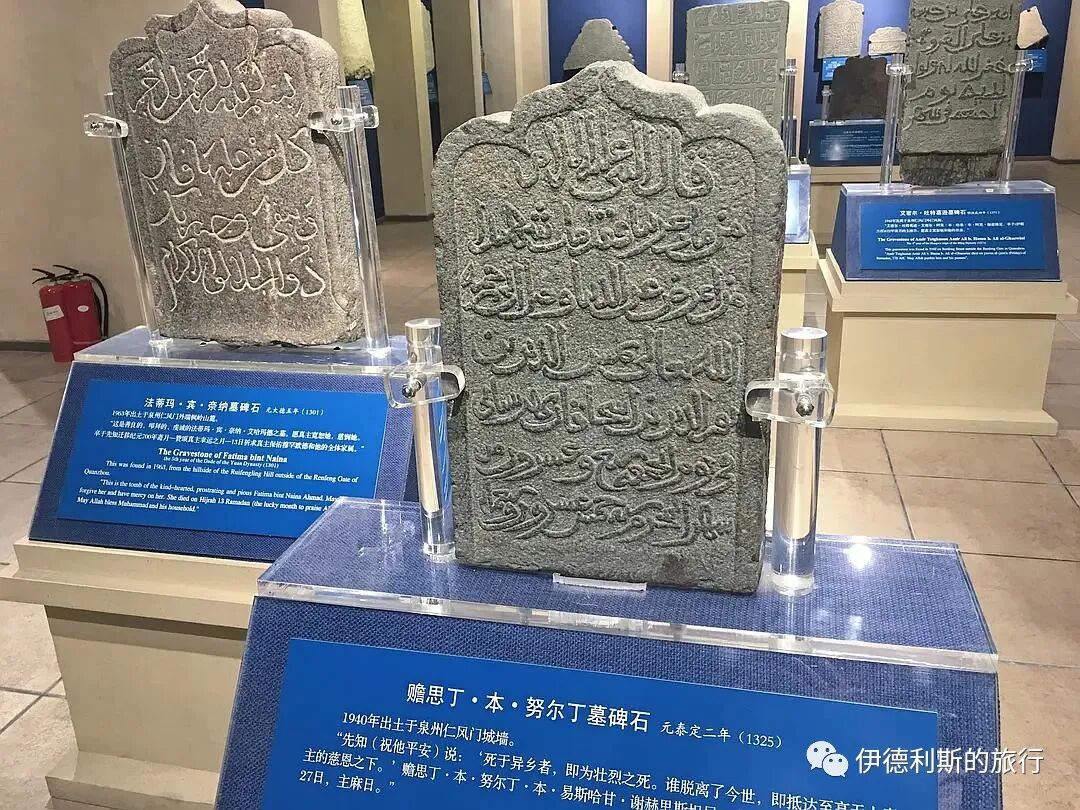
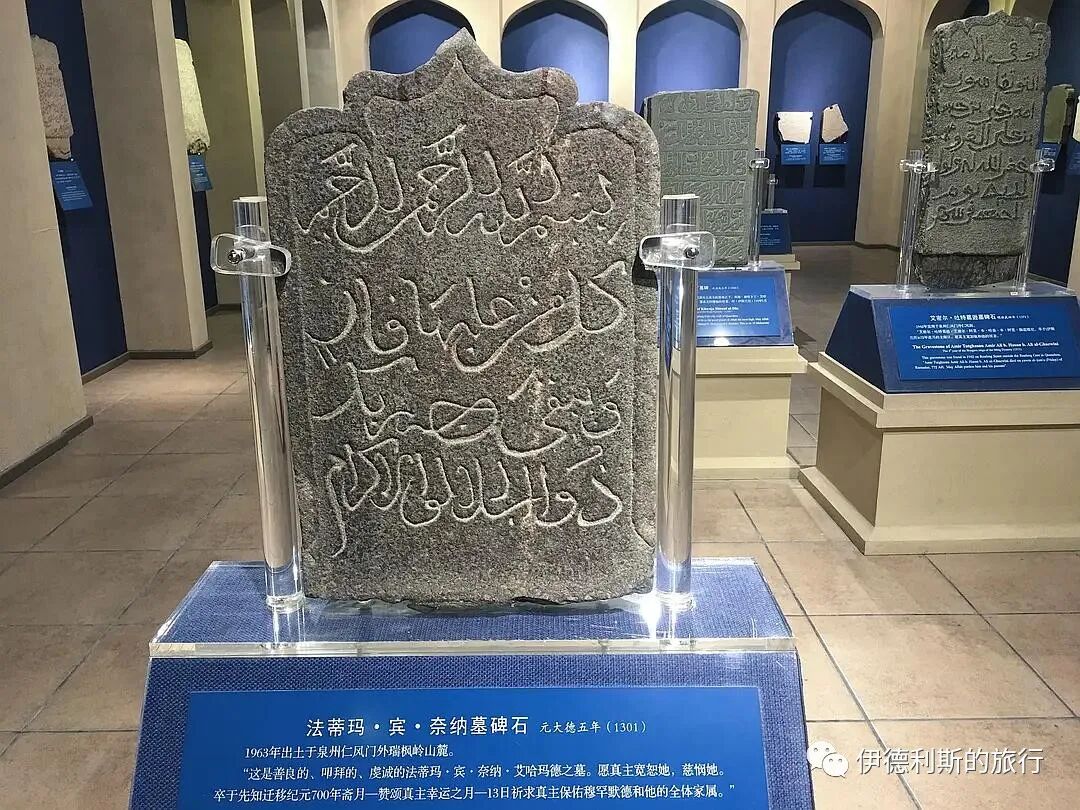
The chlorite tombstone in the image below was discovered in March 1963 at the home of a farmer in Ruifengling, outside the East Gate of Quanzhou. According to the family, it was found when an old wall on their property, which had stood for a hundred years, collapsed. Several Islamic stone tombs were once discovered near Ruifengling, making it one of the burial sites for Muslims in Quanzhou during the Song and Yuan dynasties. The tomb owner was named Fatima, who passed away in 1306 (the tenth year of the Dade era of the Yuan Dynasty). The translation on the back is from the Quran, Chapter 55, Verses 26 and 27.
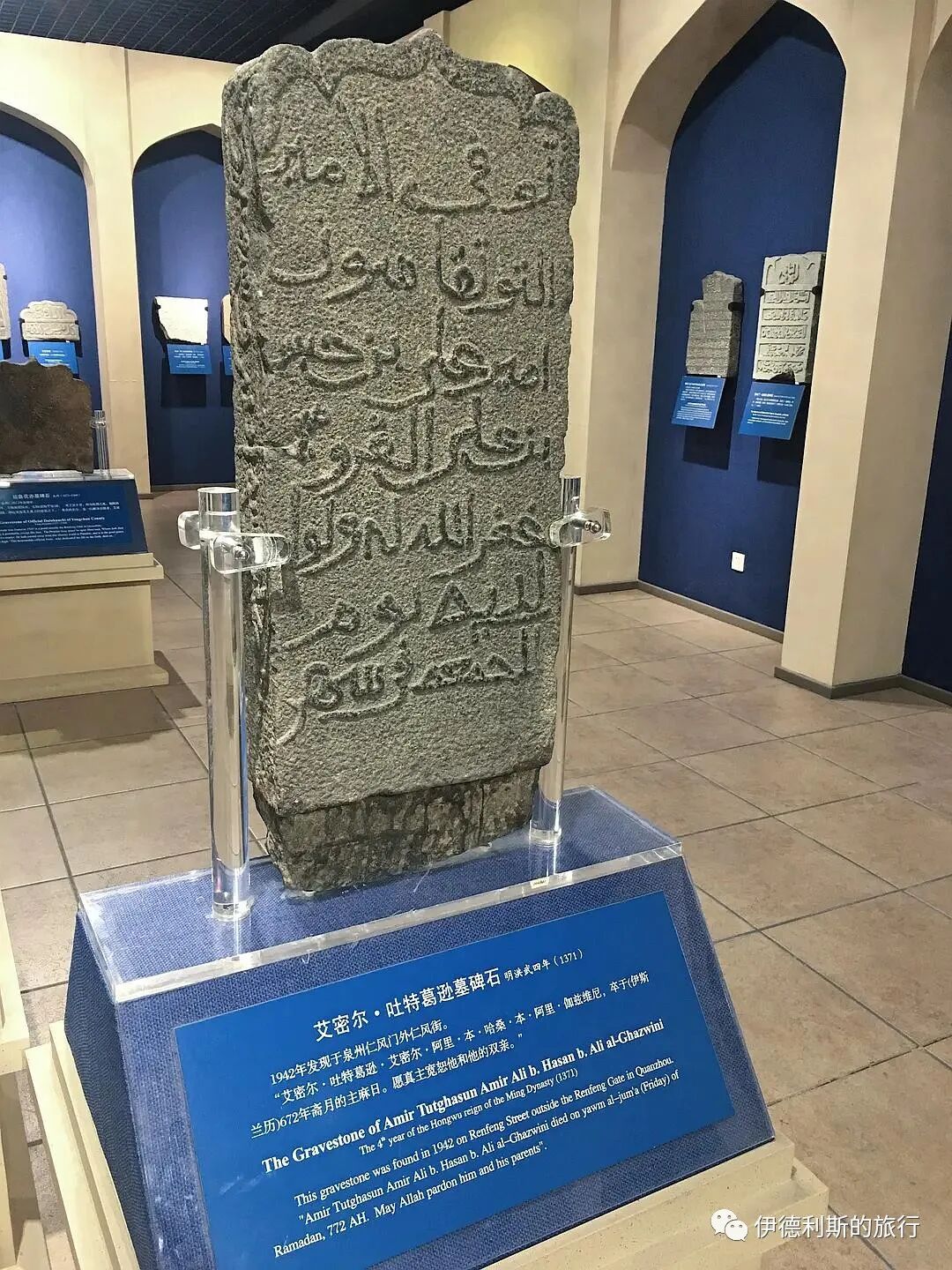
The chlorite tombstone in the image below was discovered in 1942 in a stone shop on Renfeng Street, outside the East Gate of Quanzhou; it had been excavated from the city wall. The tomb owner was an imam from the Qazvin region of Persia, named "Tutka Mainunai Amir Ali ibn Hasan ibn Ali Karom," who passed away in 1273 (or 1370). Qazvin is located south of the Caspian Sea and northwest of Tehran. The ancient city was destroyed during the Mongol invasion, rebuilt during the Safavid Dynasty, and served as the capital between 1548 and 1598.
The white granite tombstone in the image below was discovered in April 1962 in a field near Donghu, outside the Small East Gate of Quanzhou. According to villagers, it had been dug up from the city wall years earlier to pave the road. The entire text of the Quran, Chapter 3, Verse 85, is carved on the stone.
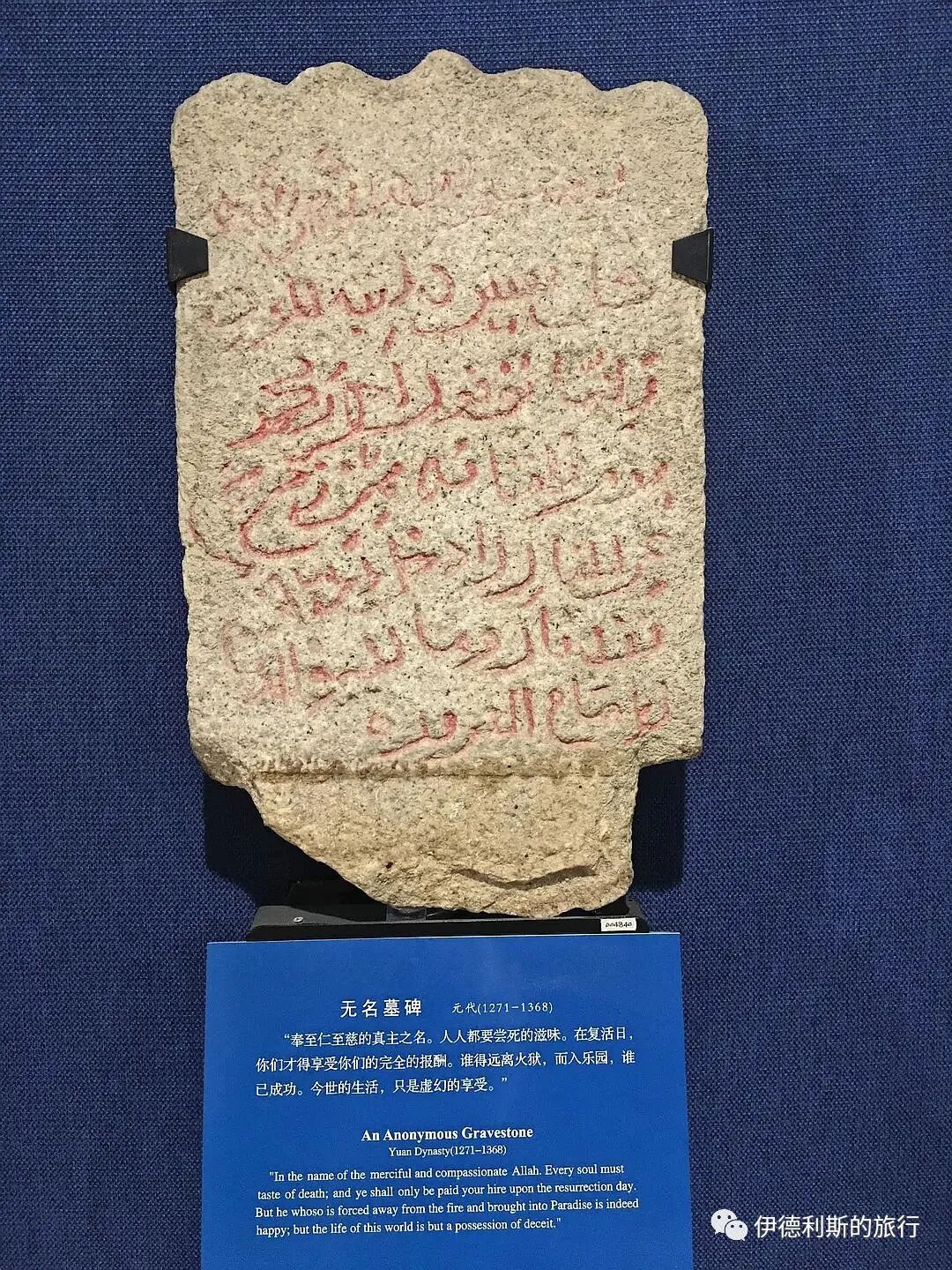
The granite tombstone in the image below is carved with the Quran, Chapter 55, Verses 26 and 27. The lower half containing the tomb owner's information is damaged, leaving only the knowledge that "the innocent servant died on Saturday, May 2nd, in the year..."
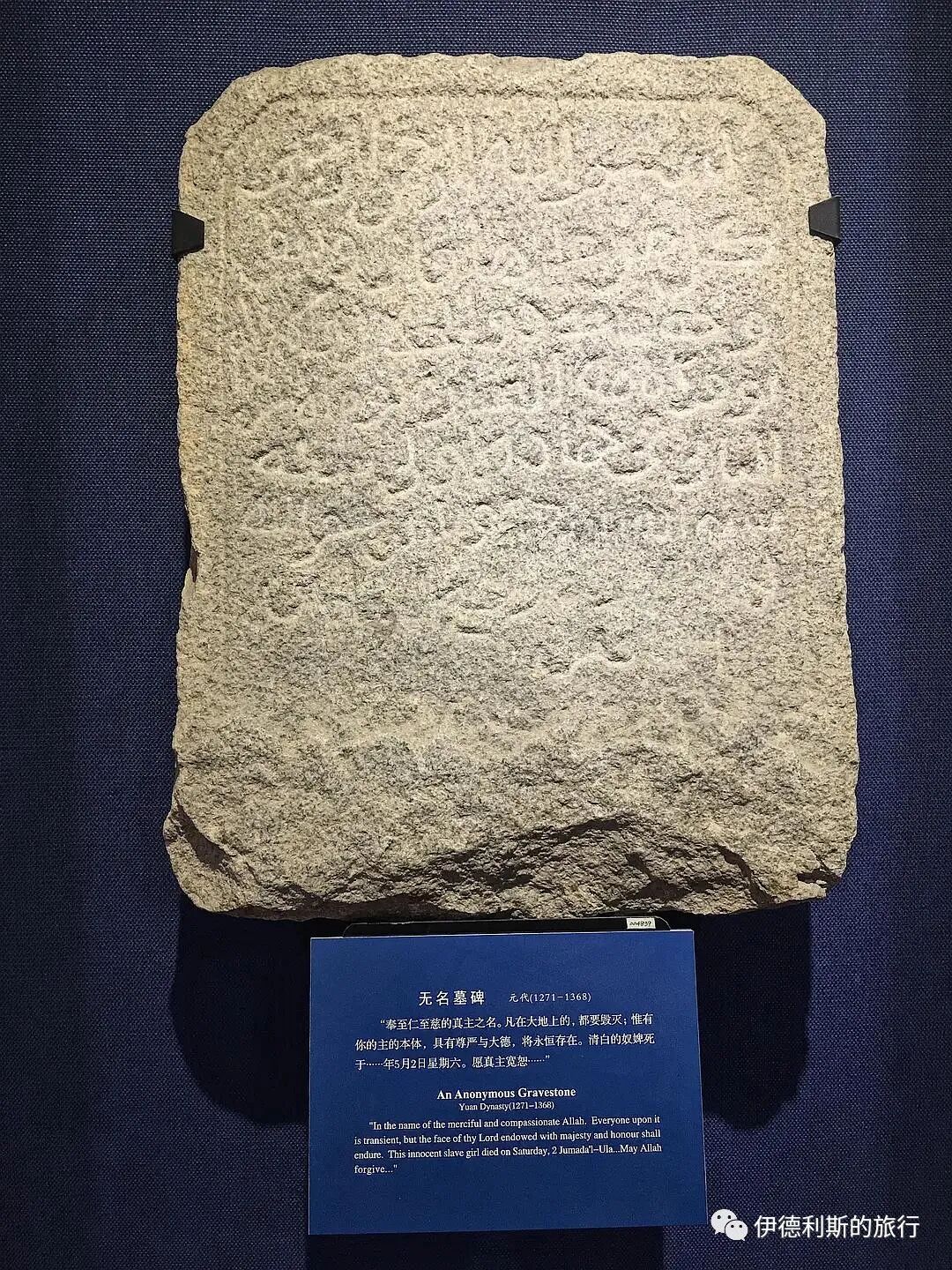
The white granite tombstone in the image below was discovered in 1947 in the foundation of the Deji Gate at the South Gate of Quanzhou. It was later built into the pier of the Shunji Bridge at the South Gate during bridge repairs that same year, and was only removed after being rediscovered. It is carved with the Quran, Chapter 55, Verses 26 and 27.
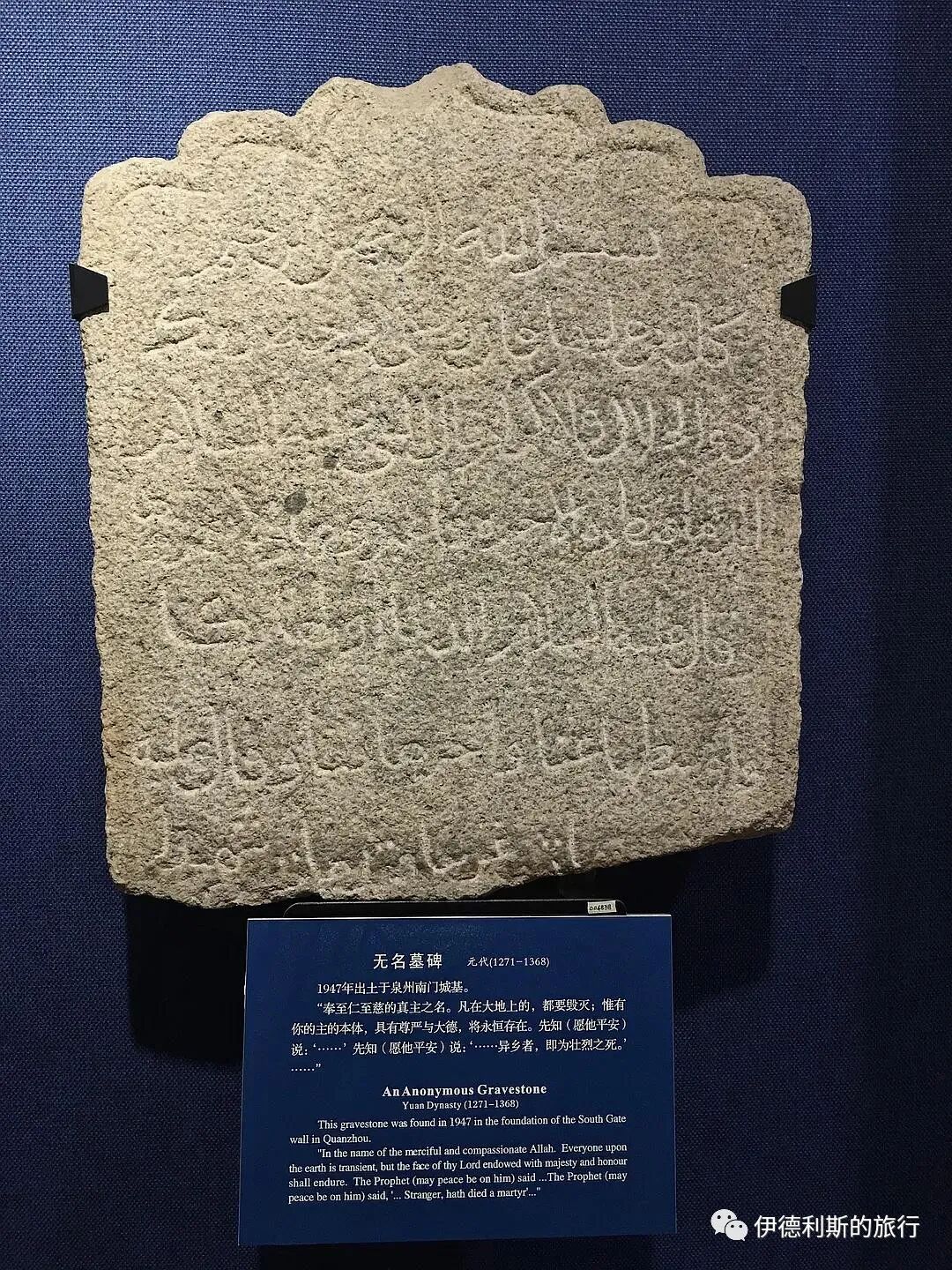
The chlorite tombstone in the image below was discovered in June 1959 in Xiawei Village, outside the Tonghuai Gate of Quanzhou. According to local villagers, this stone tablet was excavated from the city wall many years ago and used to pave a small field path. It was later dug up again during road repairs and kept in an ancestral hall because of its unique script. The content of the inscription includes an excerpt from the Quran, Chapter 39, Verse 4, and the full text of Chapter 55, Verses 26 and 27.
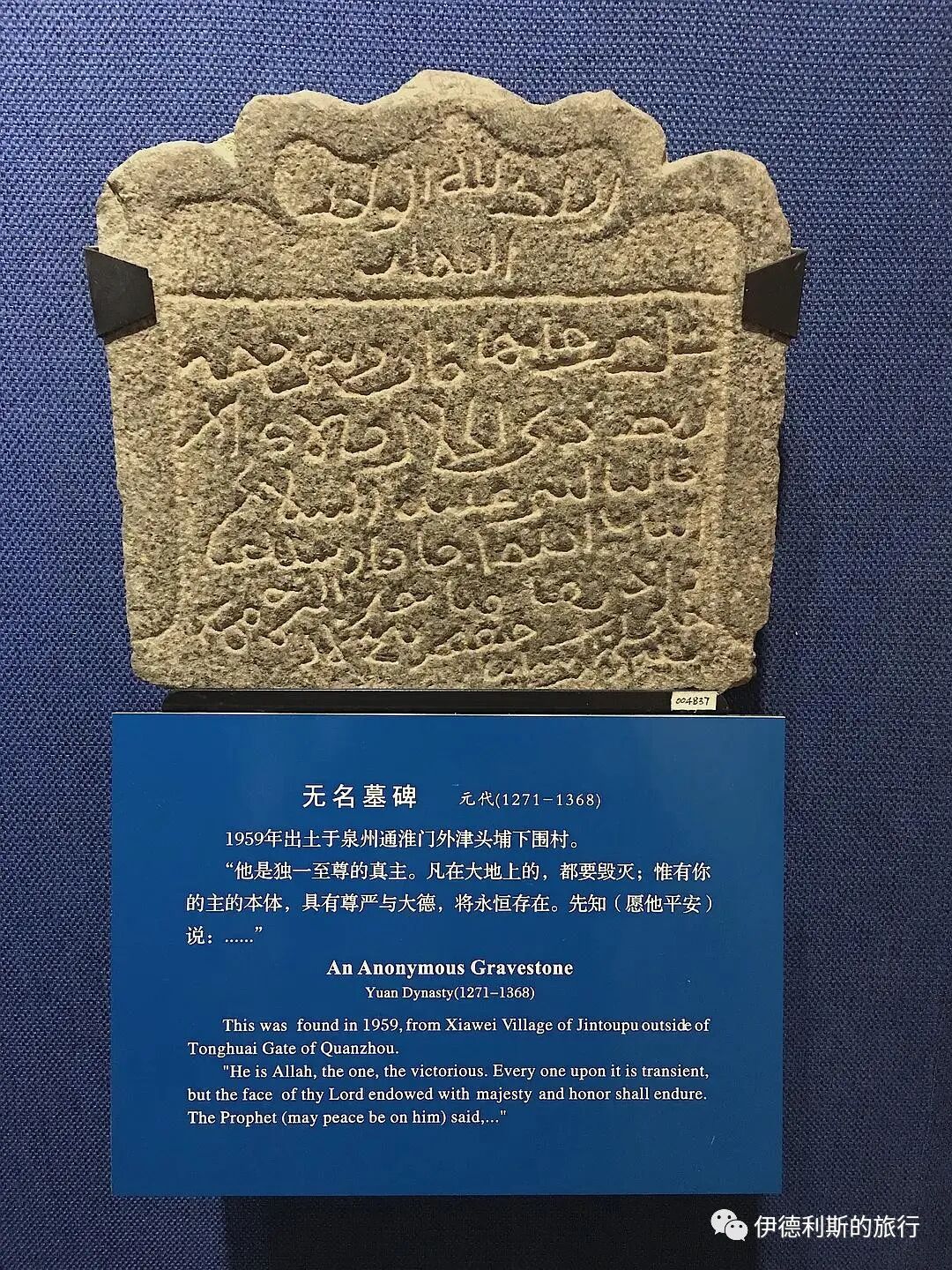
The chlorite tombstone in the image below was discovered in 1940 while excavating city foundations in the Jiaochangtou area of the Tumen Gate in Quanzhou. The tombstone features a "cloud and moon" design, with a full moon in the center and cloud patterns on both sides. The tomb owner's name is no longer legible; they passed away in 1350. Part of the inscription contains the Quran, Chapter 55, Verses 26 and 27.
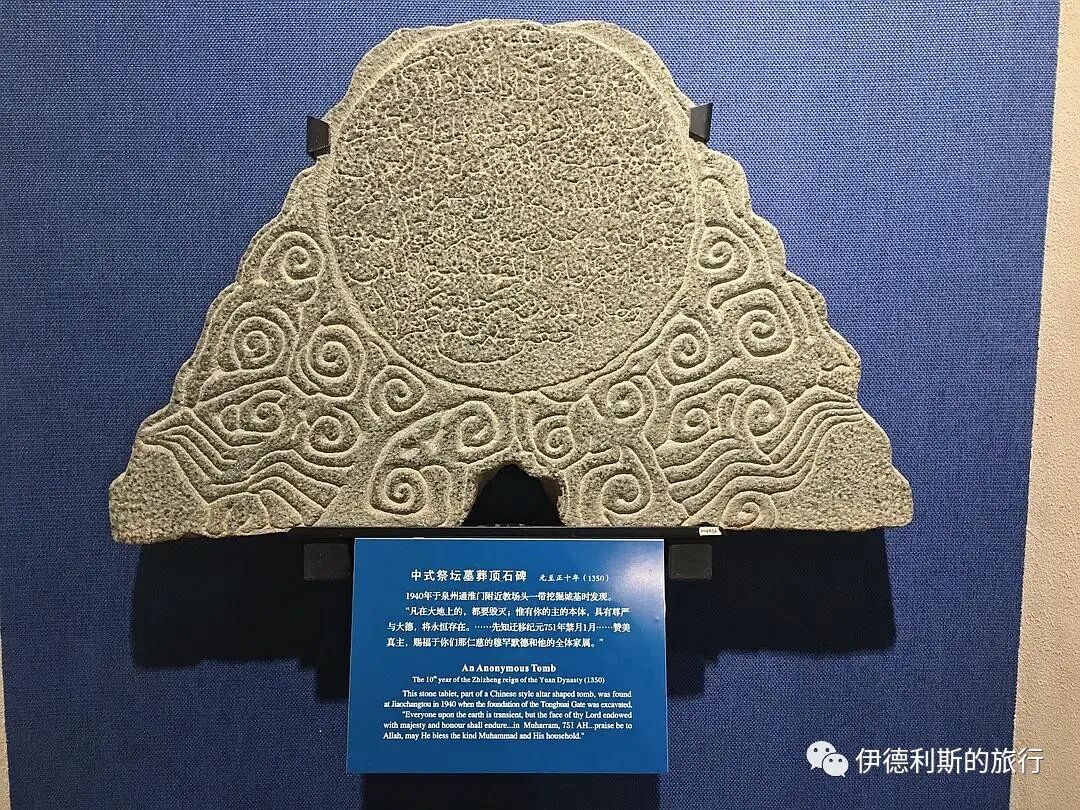
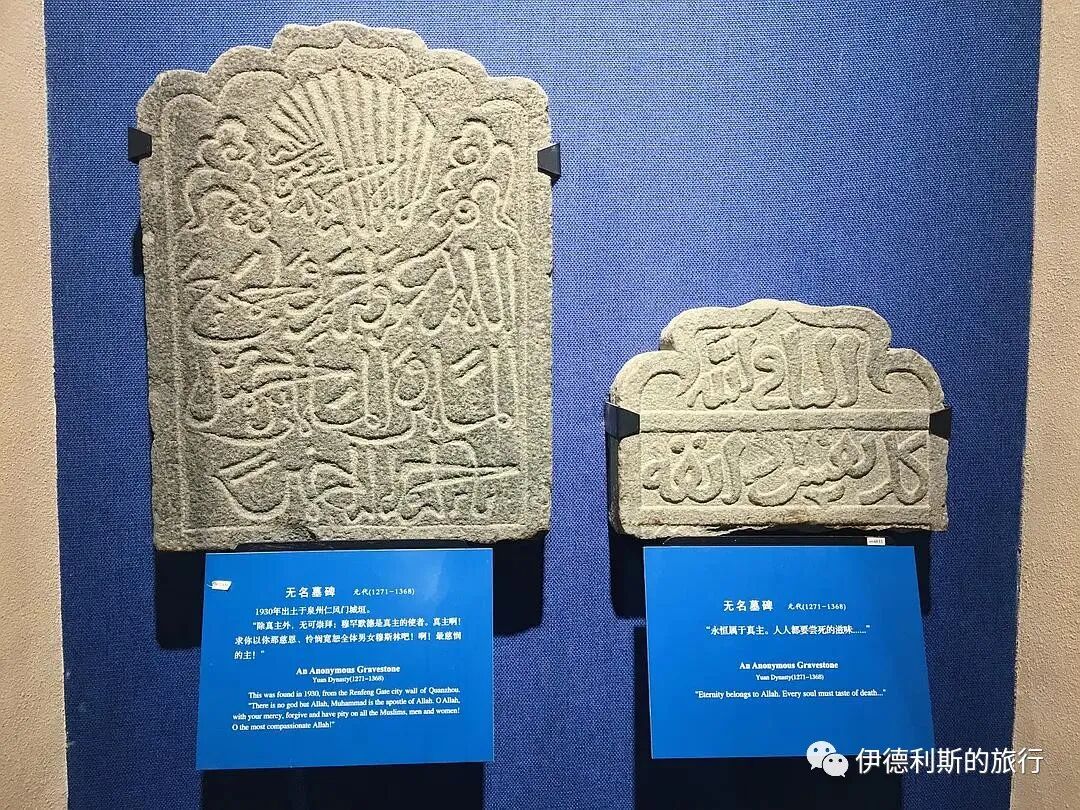
The chlorite tombstone on the left in the image below was excavated from the city wall at the East Gate of Quanzhou in 1930. A full moon is carved in the center in Arabic, with a cloud pattern on each side, forming a "cloud and moon" design. The upper center of the inscription features the Shahada, surrounded by "O Allah! You are the Most Merciful, please forgive and have mercy on all Muslim men and women." "
The chlorite tombstone on the right was discovered in 1945 in a resident's home at Chankou, South Gate of Quanzhou, and was recovered for preservation in 1953. Part of the inscription is an excerpt from the Quran, Chapter 29, Verse 57.
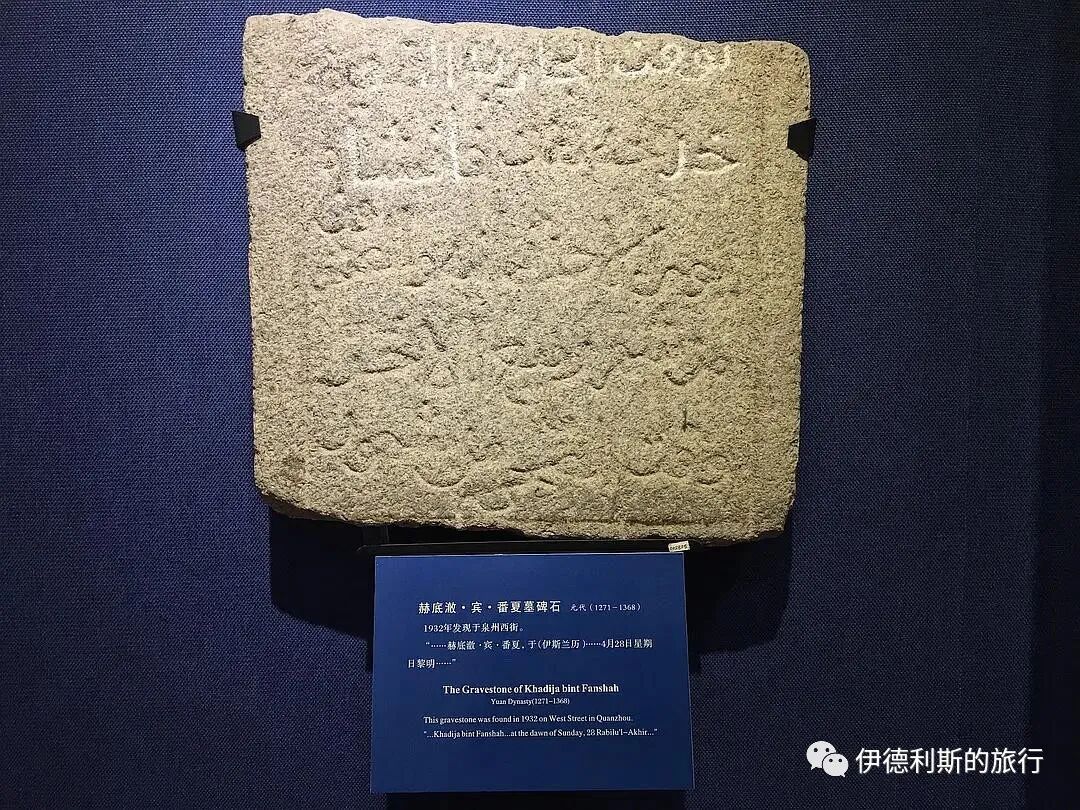
The chlorite tombstone in the image below was discovered in 1932 on the road surface of West Street in Quanzhou; it had originally been removed from the city wall to pave the road. The tomb owner was Khadija bint Fan Shah. The date of death is illegible, only "early morning, Sunday, April 28th" is known.
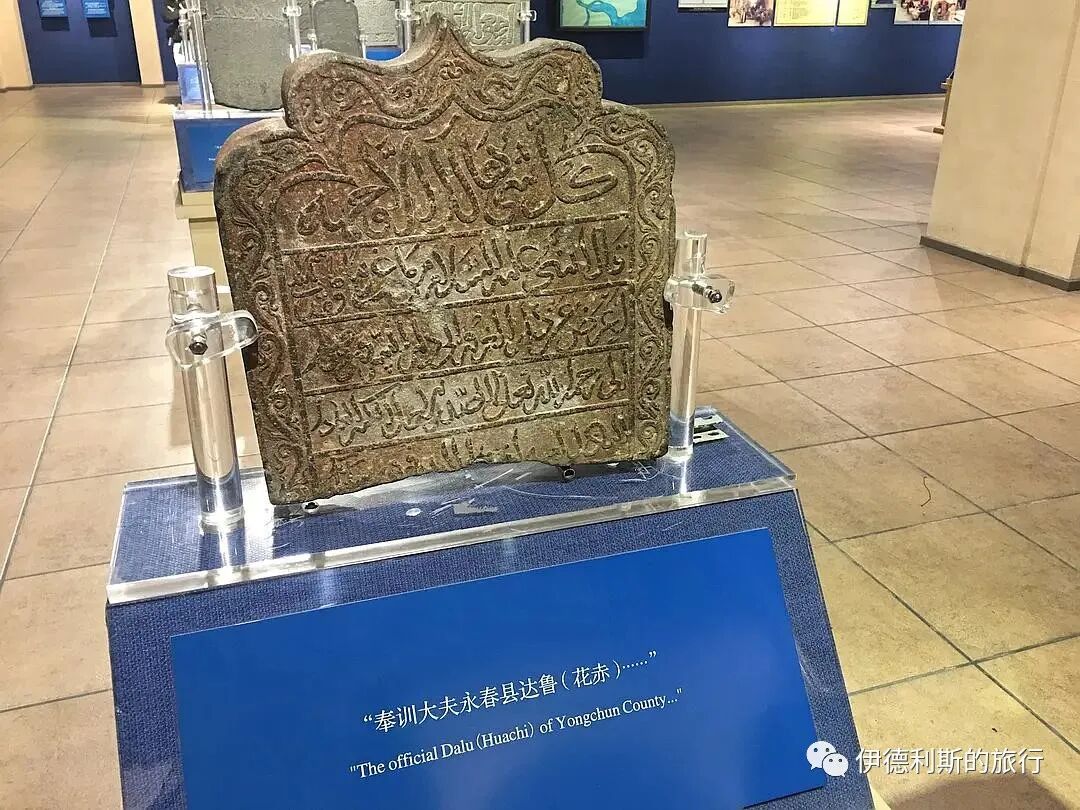
The chlorite tombstone in the image below was discovered in 1939 in a pond outside the East Gate of Quanzhou. The tomb owner's title was Sa'd al-Ajall al-Kabir, translated as "the first, the respected, the important." Regrettably, the other side was forgotten to be photographed at the time. It was written in Chinese characters: "Fengxun Dafu, Darughachi of Yongchun County..." Darughachi was a Yuan Dynasty official title that only Mongols and powerful Semu people could hold, and Fengxun was a subordinate official of the province. Yongchun County is 86 kilometers from Quanzhou. According to the "Yongchun Prefecture Gazetteer," there was once a Darughachi in Yongchun County named "Tuohuan Shaduo Luobo'er," who may be the same person as the tomb owner.
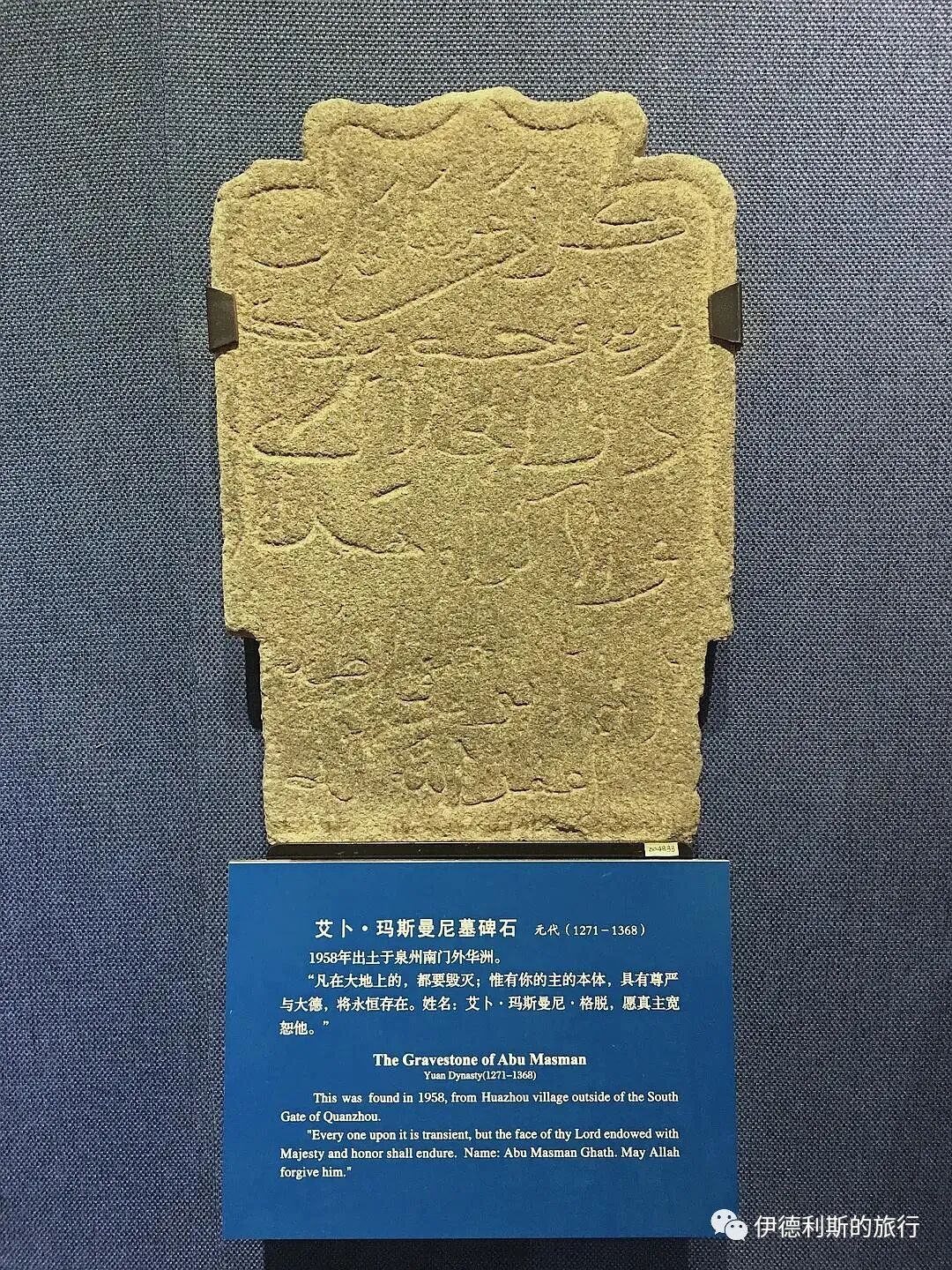
The chlorite tombstone in the image below was discovered in September 1958 beside a field in Huazhou Village, outside the South Gate of Quanzhou. According to local villagers, it was a city stone dug up from the South Gate wall of Quanzhou over 20 years ago. It was originally intended for building a house, but was later used to pave a small field path after it was discovered to be a tombstone. The tomb owner was named Abu Fatima, which means "father of Fatima." Additionally, part of the translation comes from the Quran, Chapter 55, Verses 26 and 27.
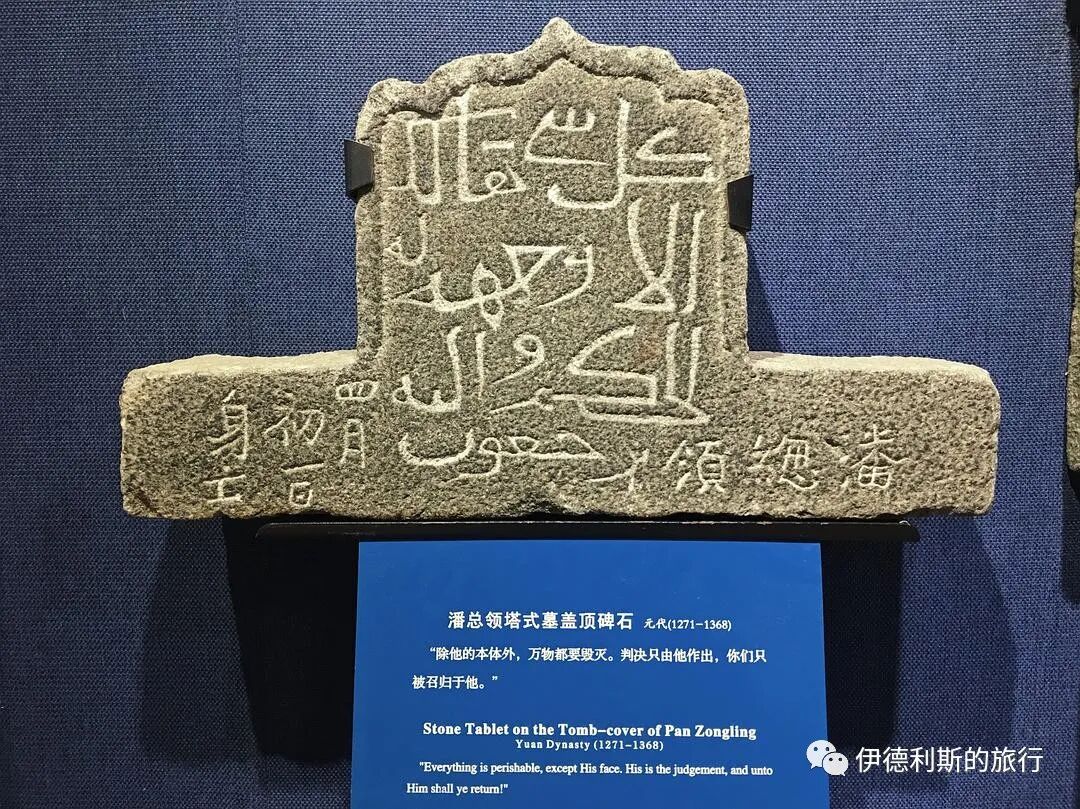
The chlorite tombstone in the image below was excavated in 1929 when the Renfeng Gate wall in Quanzhou was demolished. It was broken into three pieces and stacked into a residential wall, reappearing in 1950 after the wall collapsed. A corner of the stone was lost in the late 1960s. The tomb owner passed away in 1337. The inscription content is from the Quran, Chapter 21, Verses 34 and 35.
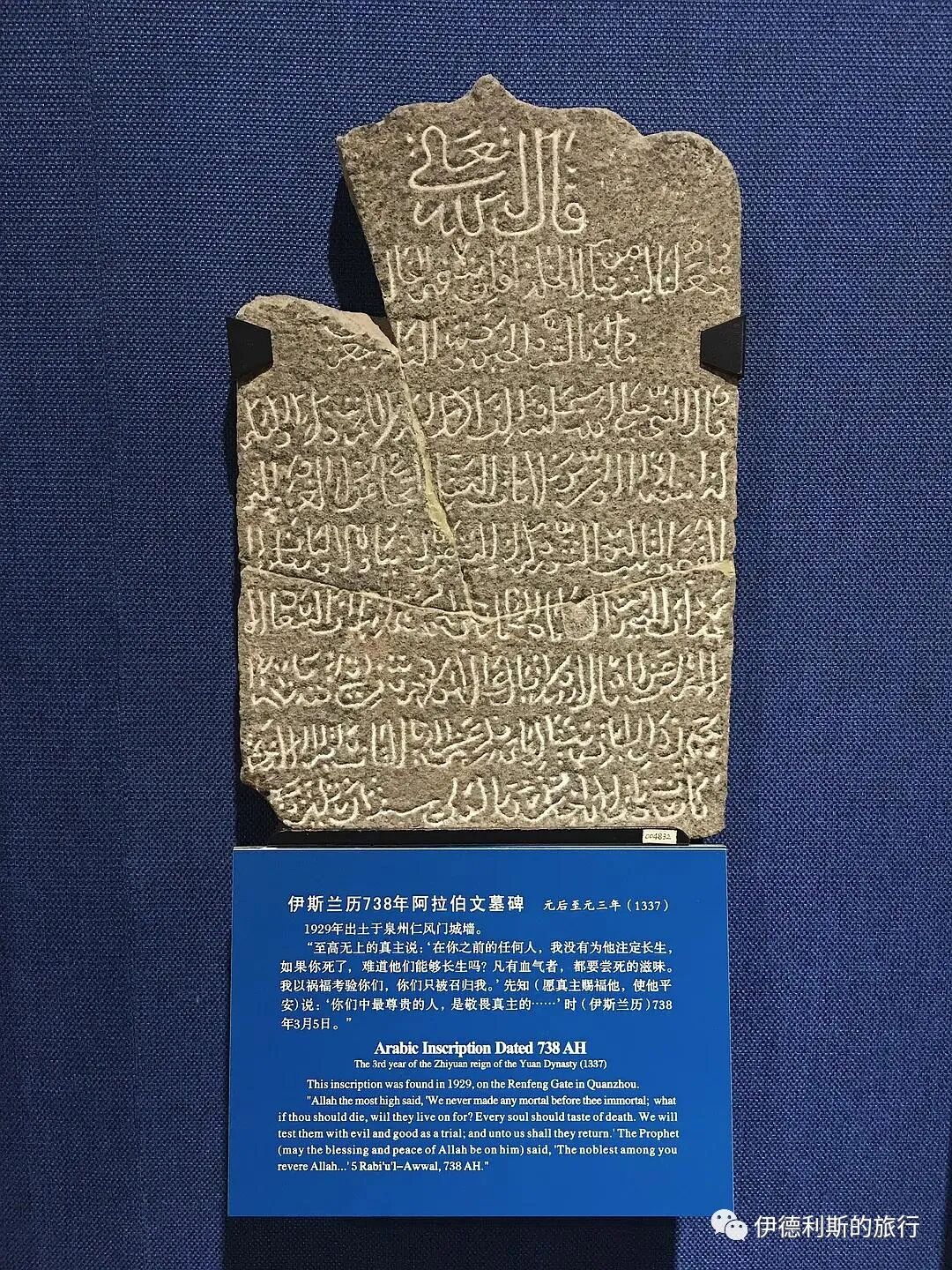
The white granite tombstone in the image below was discovered in 1926 by the famous archaeologist Chen Wanli on the South Main Street of Quanzhou. He entrusted the local government to move it to the Construction Bureau for preservation. The Construction Bureau moved shortly after, and the stone was left at the old site. During the 1935 Quanzhou flood, the old site collapsed and the stone was lost. In 1955, a resident dug up the stone in the ruins of the old Construction Bureau, but the bottom part containing the date was damaged. The tomb owner was the daughter of Sayyid Burtumi b. Sayyid Muhammad al-Hamdani, from Hamadan. Hamdani refers to the ancient Persian capital of Hamadan, located southwest of Tehran, which was an important commercial center and transportation hub in northwestern Persia.
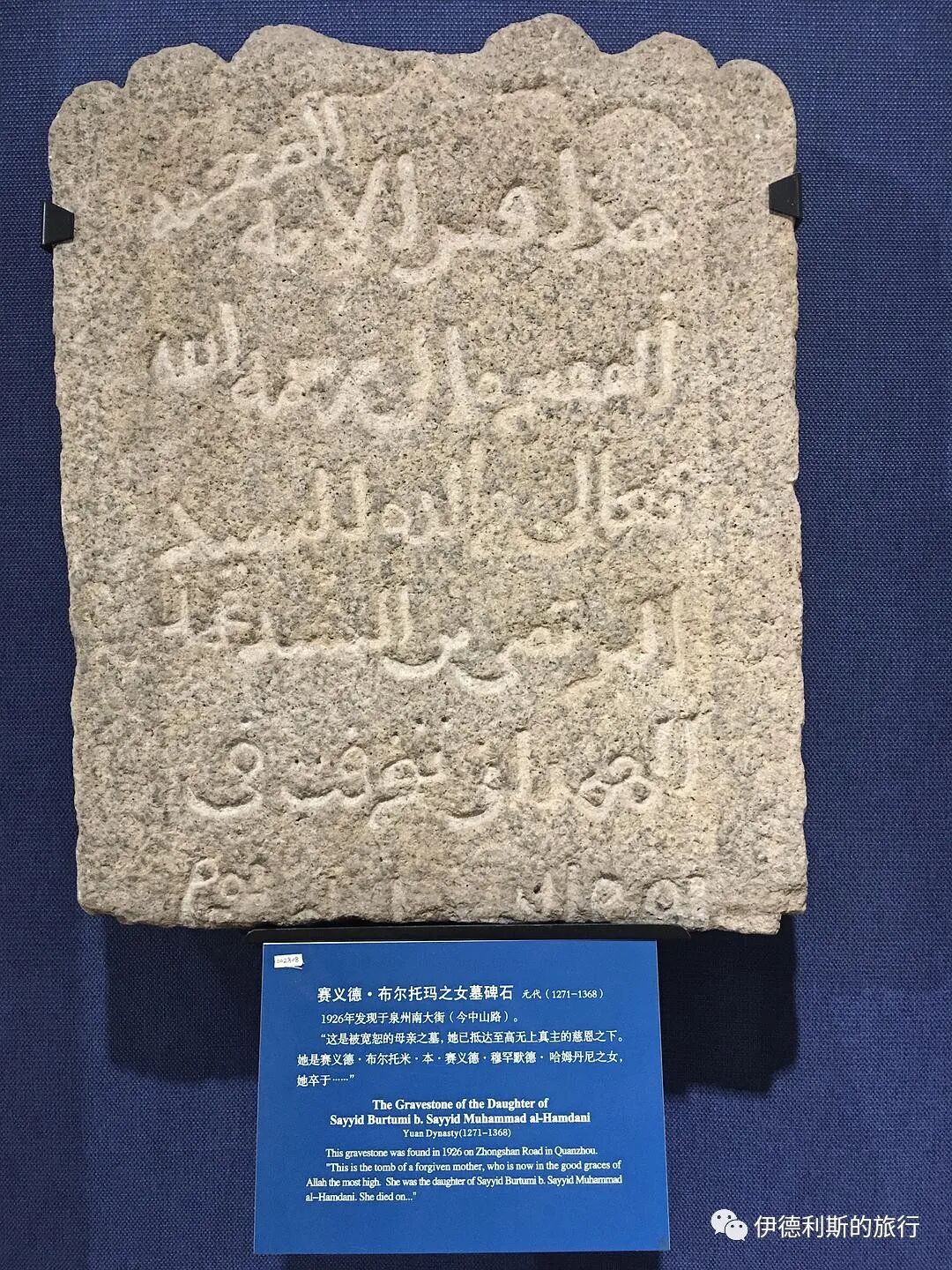
The chlorite tombstone from the Yuan Dynasty in the image below was discovered in April 1958 in the city foundation near the Tonghuai Gate of Quanzhou. The tomb owner was named Haji Khwaja b. Hasam al-Din b. Yalaki Siraf, who passed away in 1362. "Haji" indicates he had performed the Hajj, and "Khwaja" is a Persian honorific for a gentleman or elder. Siraf (also translated in historical records as Shilowei, Shilafu, Sanawei, Shiluo, or Siluo) was the largest trading port in the Persian Gulf between the 9th and 13th centuries. During the Song and Yuan dynasties, many Persian merchants traveled through here to Quanzhou for trade.
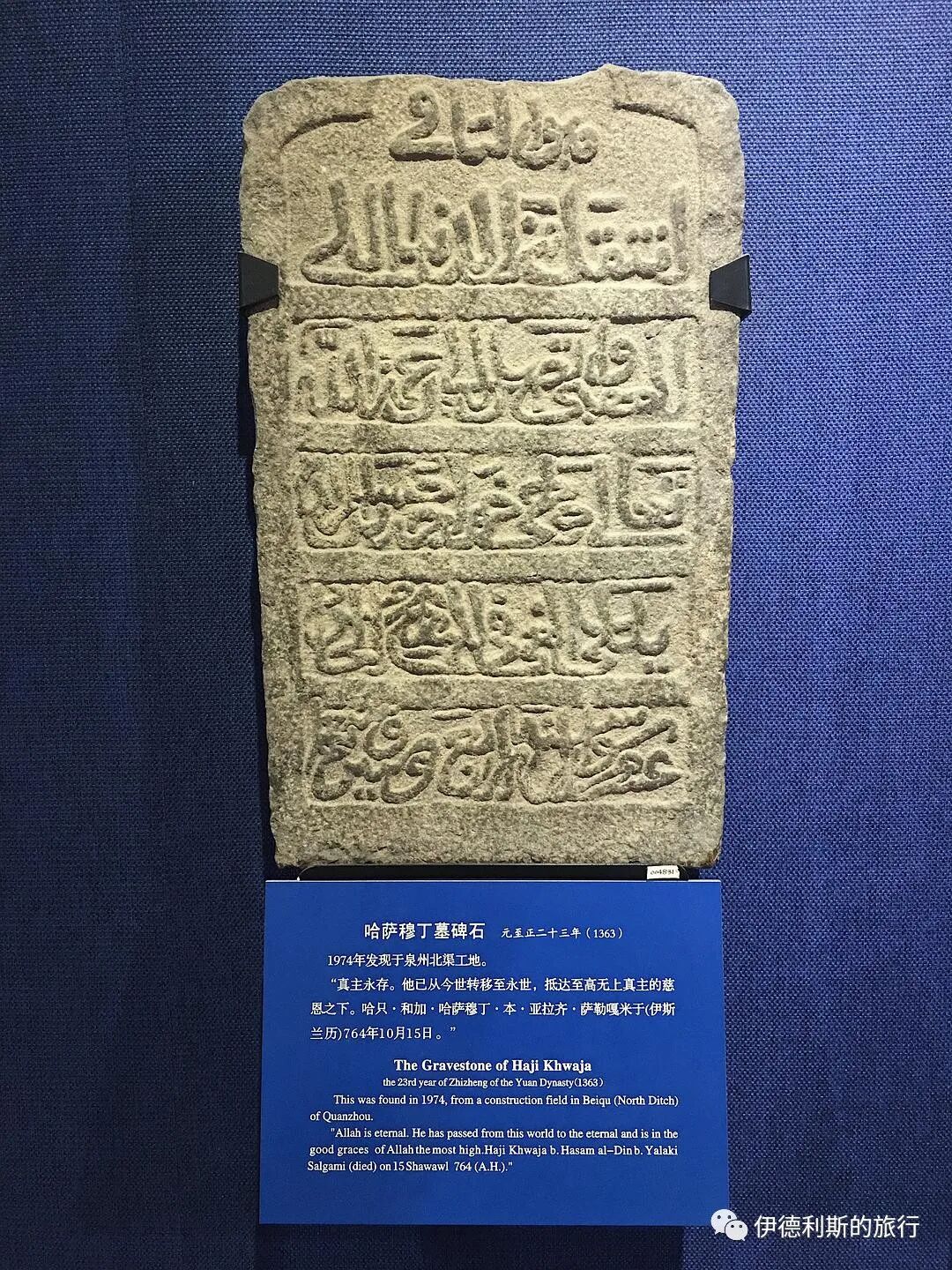
The chlorite tombstone in the image below was discovered in the summer of 1934 in the city foundation of the East Gate of Quanzhou. In addition to Arabic, it is also carved with Chinese characters: "Pan Zongling passed away on the first day of the fourth lunar month." The Arabic content is an excerpt from the Quran, Chapter 28, Verse 88. According to the "History of Song: Official Posts 7," the position of Zongling was established during the Jianyan era of Emperor Gaozong of the Southern Song Dynasty (1127–1130 AD) to manage money, grain, and taxes. By the Shaoxing era of the Southern Song Dynasty, the Zongling could directly participate in military and political affairs, holding significant power. However, the "Yuan Dianzhang" records that Zongling was a title for minor officials in prisons of various circuits, prefectures, and counties.
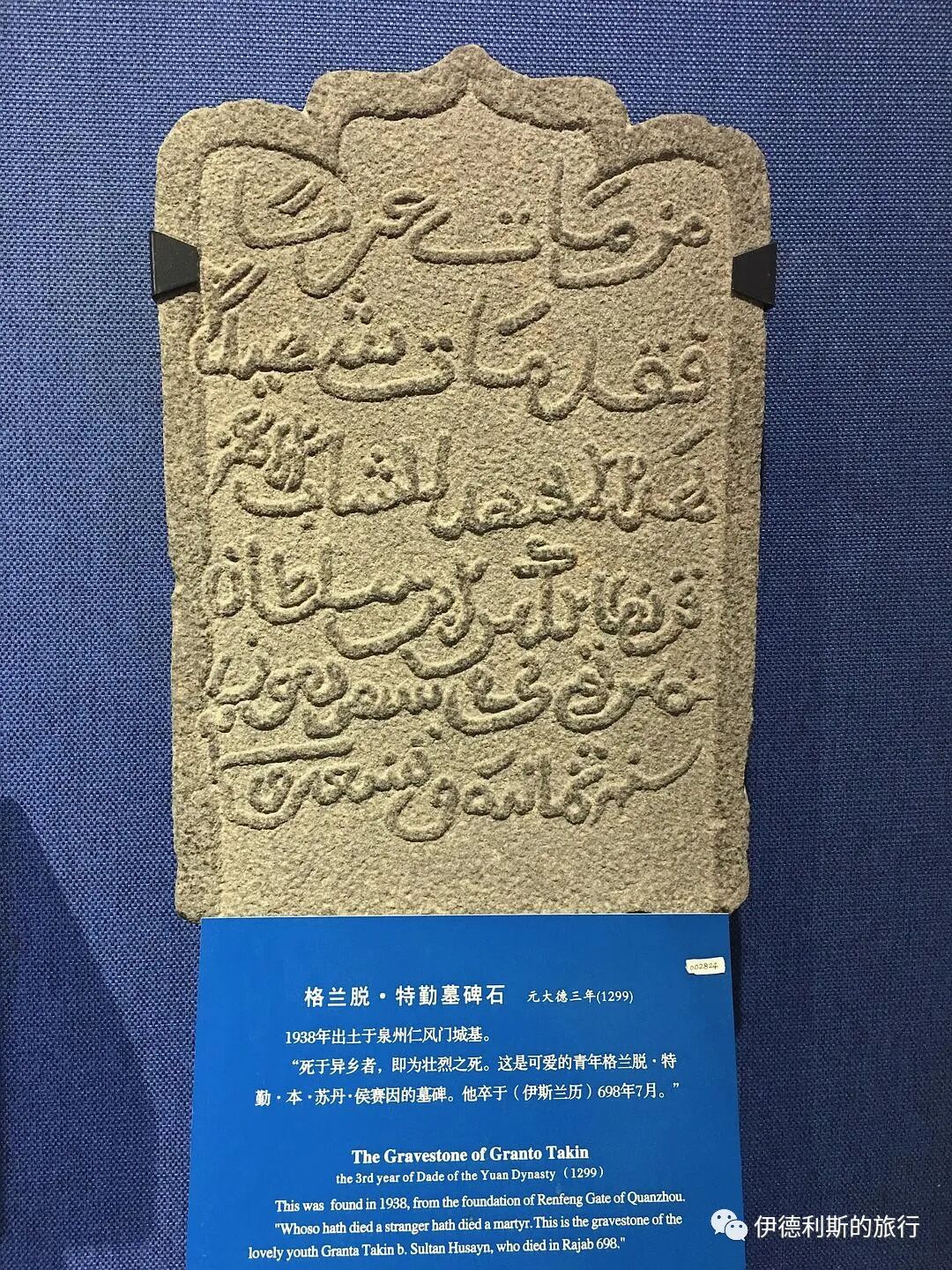
The chlorite tombstone from the Yuan Dynasty in the image below was discovered in 1938 while digging for city stones at the East Gate of Quanzhou. The tomb owner was named Granto Takin b. Sultan Husayn, who passed away in 1308. "Takin" is a Turkic title for a prince or noble.
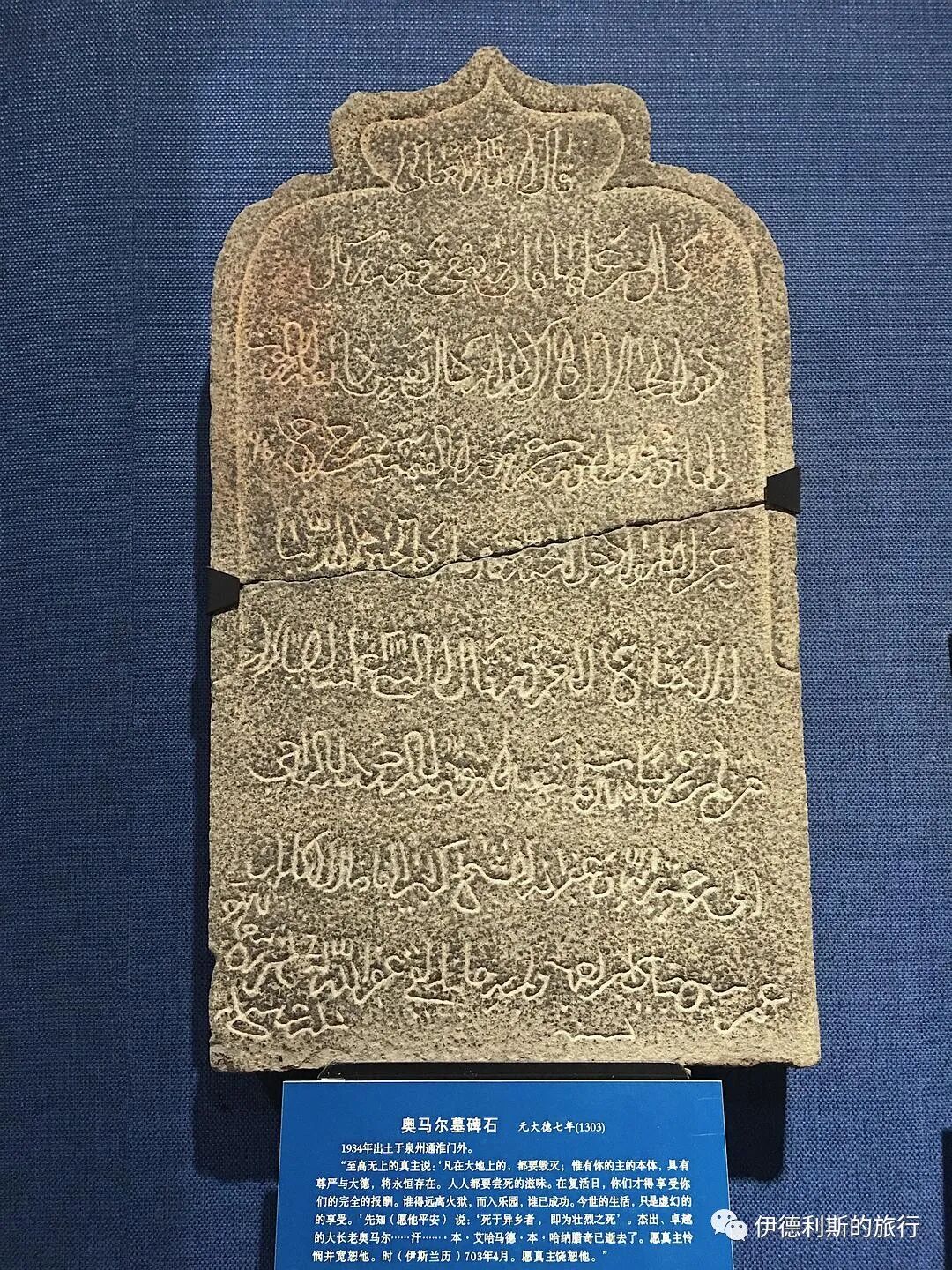
The chlorite tombstone from the Yuan Dynasty in the image below: the lower half was discovered in 1934 on a small field path outside the Tonghuai Gate of Quanzhou, and the upper half was excavated in 1942 while digging for foundation stones at the East Gate of Quanzhou. The tomb owner was an imam named Umar. Additionally, part of the text is from the Quran, Chapter 55, Verses 26 and 27, and Chapter 3, Verse 185.
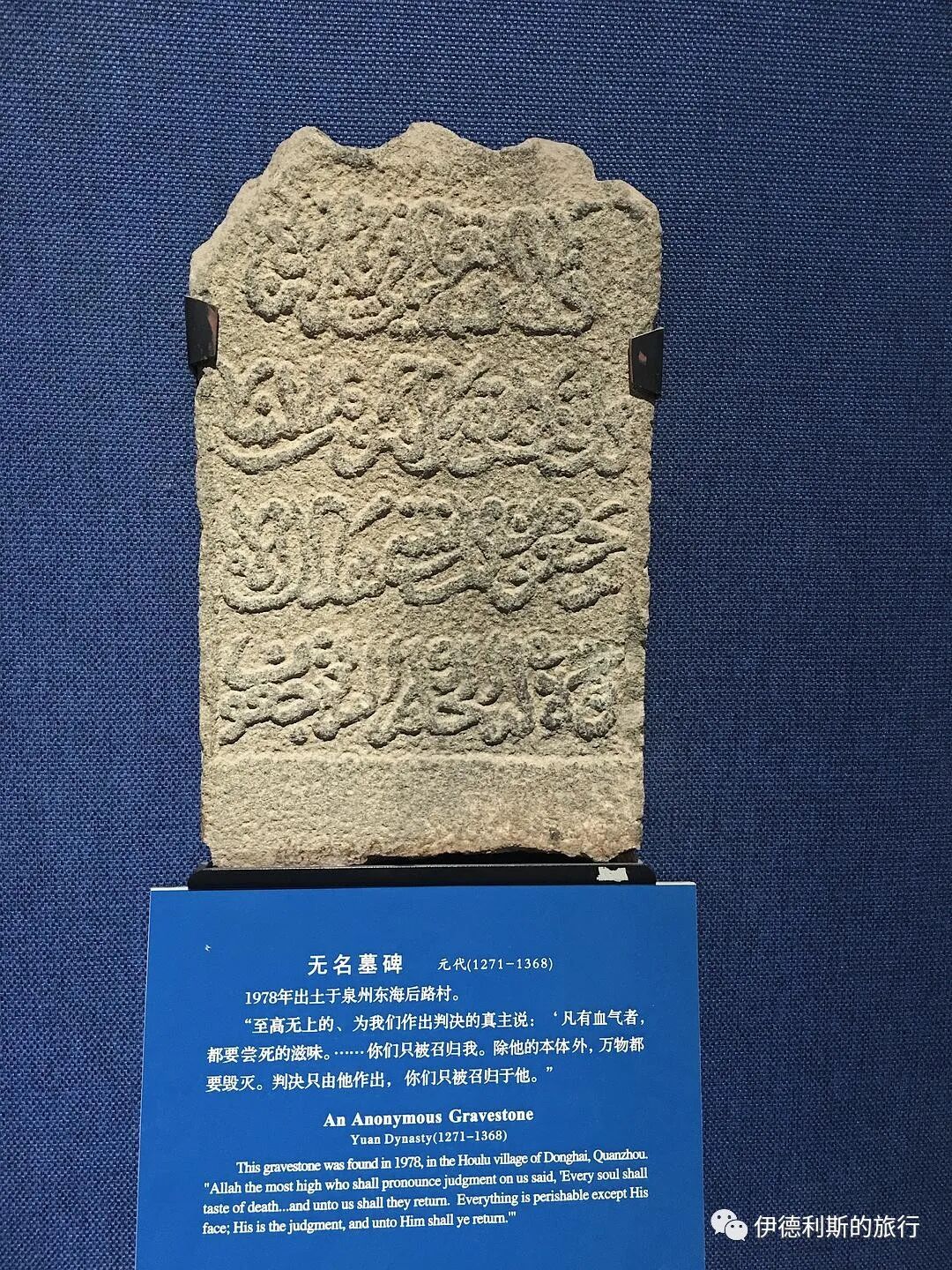
The chlorite tombstone in the image below was unearthed in 1978 on a street in Houlucun, Donghai Commune, outside the Tonghuai Gate of Quanzhou. It is carved with the Quran, Chapter 21, Verse 35, and Chapter 28, Verse 88.
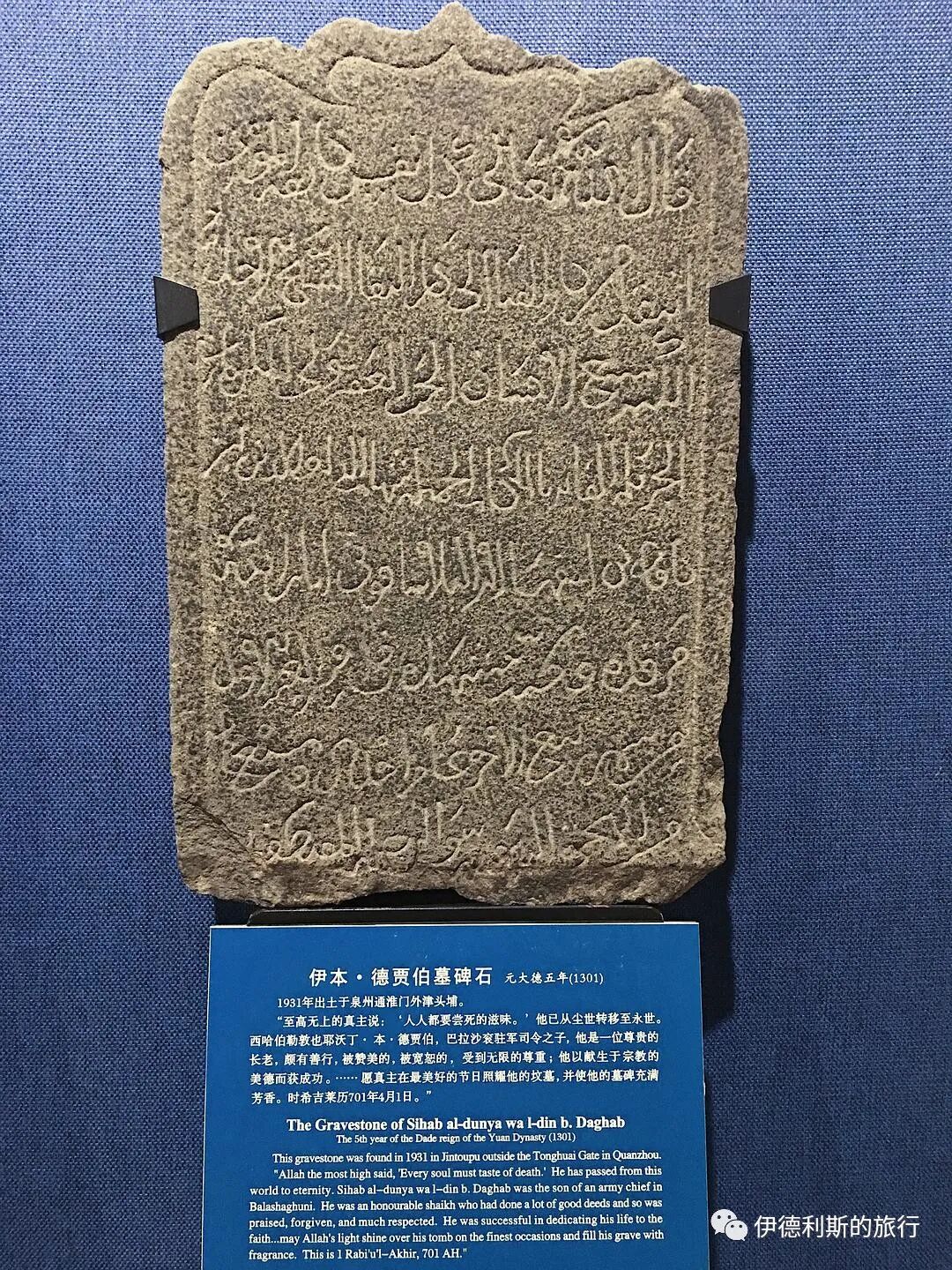
The chlorite tombstone in the image below was unearthed in 1935 at Jintoupu, outside the Tonghuai Gate of Quanzhou. The tomb owner was named Ibn Daghab b. Isfhasalar Jelashaghuni, who passed away in 1301. The inscription refers to him as a shaikh and also contains the Quran, Chapter 3, Verse 185.
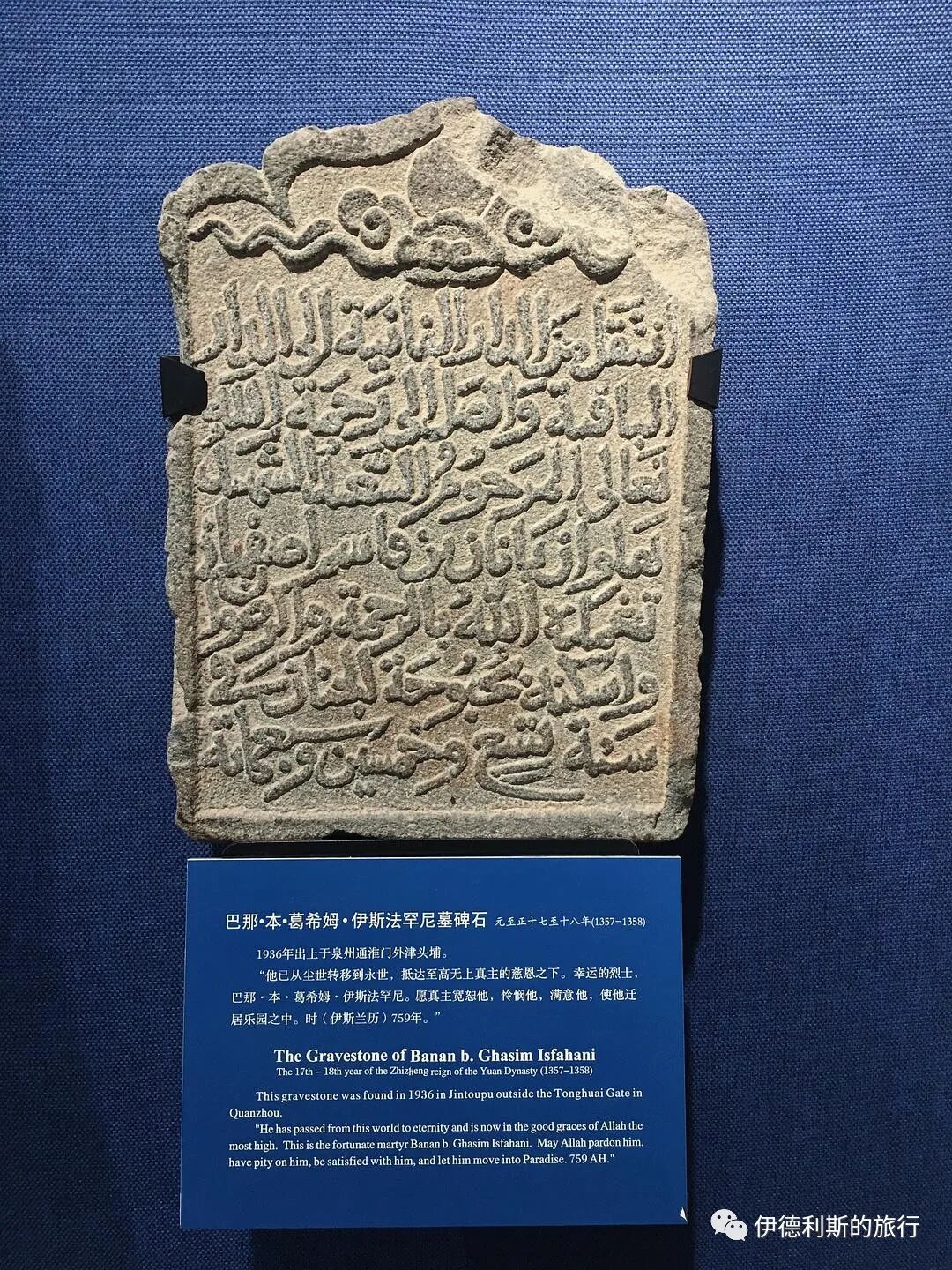
The chlorite tombstone from the Yuan Dynasty in the image below was discovered in 1936 in Jintoupu Village, outside the Tonghuai Gate of Quanzhou. The tomb owner passed away in 1358 and was named Banan b. Ghasim Isfahani. Here, "Banan" is the given name, "Ghasim" is the father's name, "Pahlavan" means monarch or king, and Isfahan is a famous ancient city in Persia.
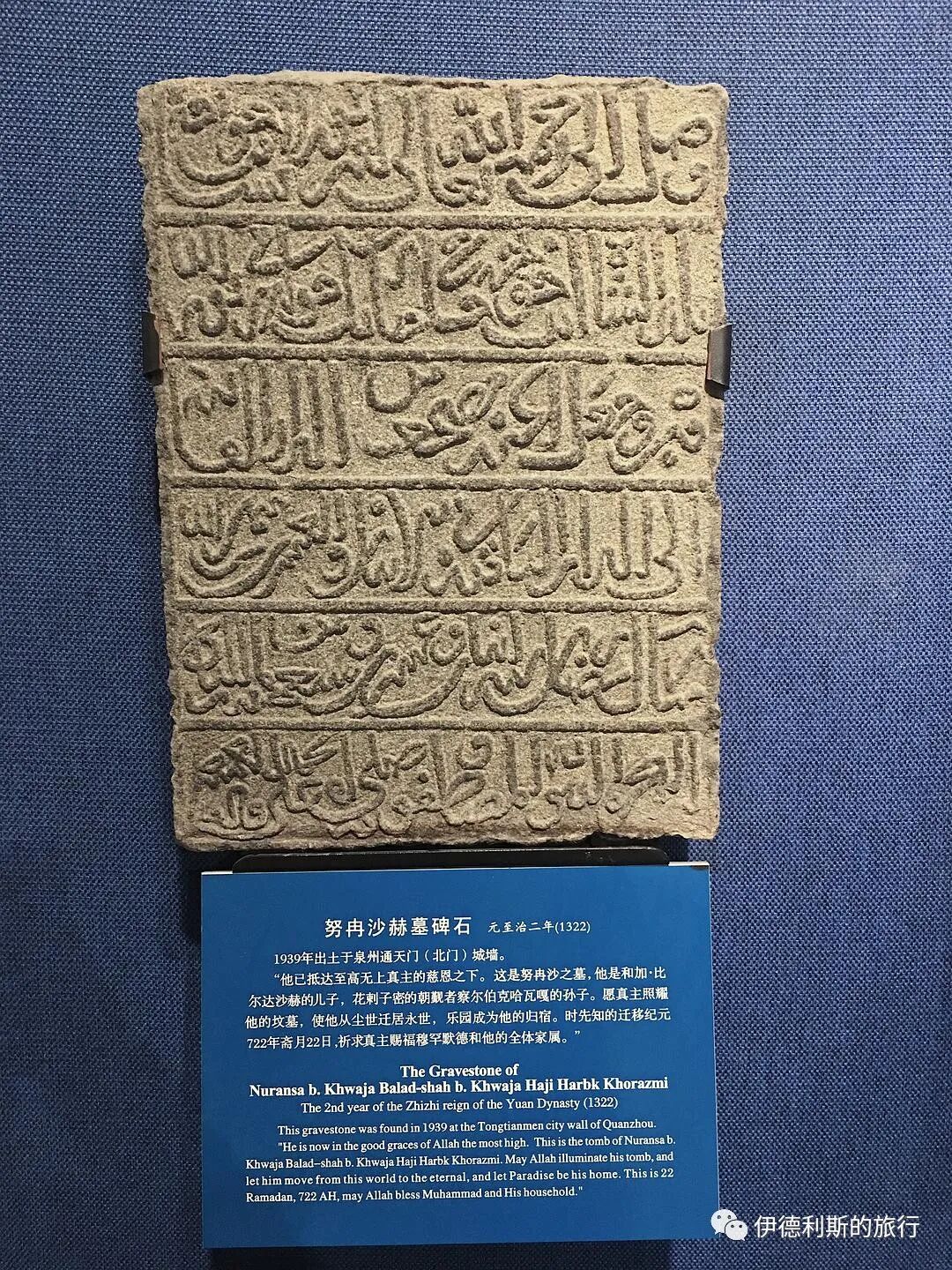
The chlorite tombstone in the image below was discovered in 1939 when the North Gate (Chaotian Gate) of Quanzhou was demolished. The tomb owner passed away in 1322 and was named Nuransa Ibn Khwaja Balad-shah b. Khwaja Haji Harbk Khorazmi. In this long string of names, "Nuransa" is his given name, "Balad-shah" is his father's name (meaning leader in Persian), "Harbk" is his grandfather's name, "Khwaja" indicates noble status, "Haji" indicates his grandfather had performed the Hajj, and "Khorazmi" indicates his family came from the ancient Central Asian city of Khwarazm.
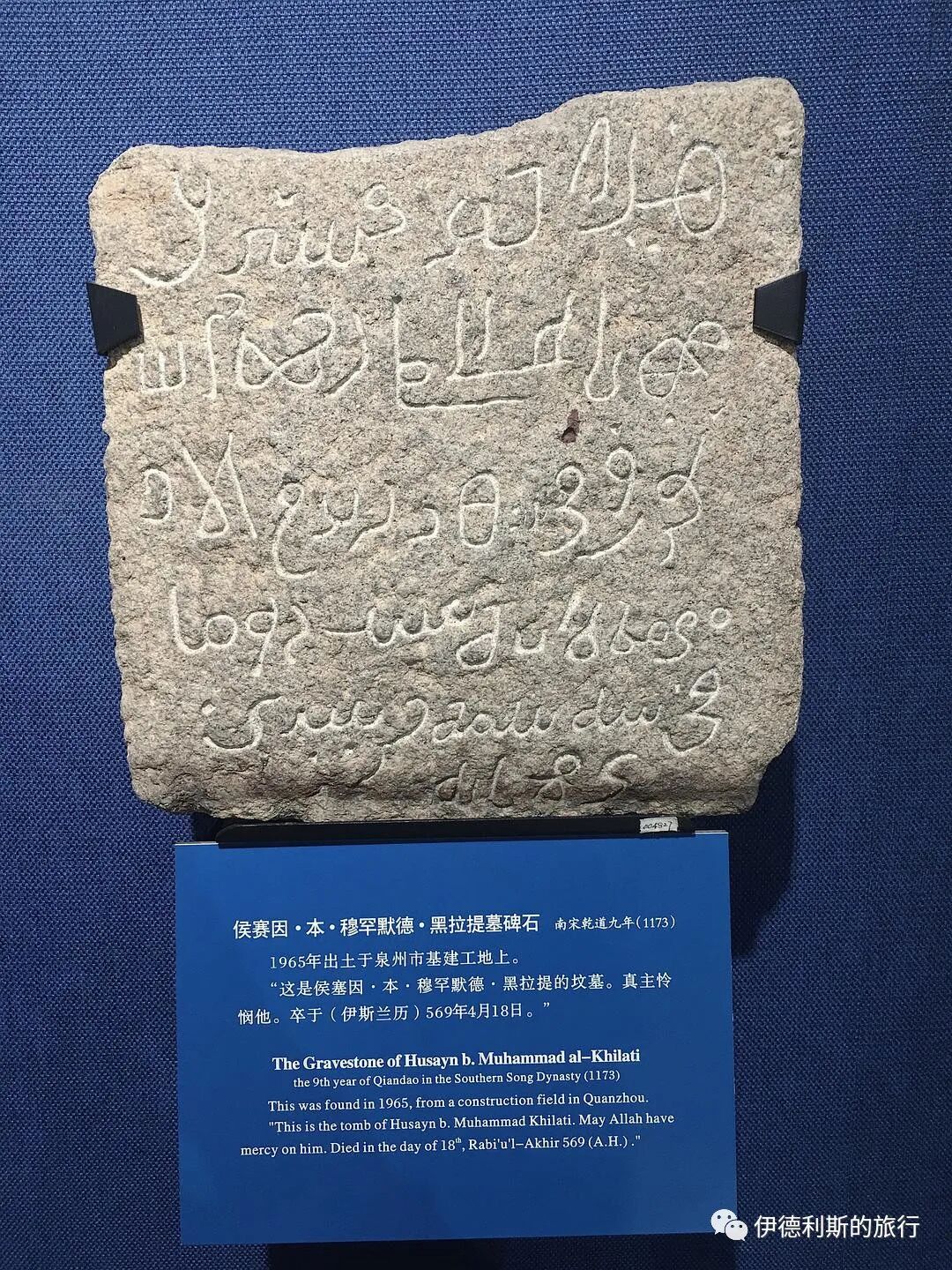
The white granite tombstone in the image below was originally used as a stone tabletop under the eaves of the Yuan Shan Tang (later changed to Fentuoshi) on Zhongshan Middle Road in Quanzhou. It is said to have been moved there in 1952 when buying city foundation stones from the East Gate of Quanzhou to build a house. In 1965, Ms. Wu Yuanying donated the stone to the Quanzhou Maritime Museum. The tomb owner was Husayn b. Muhammad Khalati. Khalati refers to Khalat, which was once the capital of Armenia.
Because the inscription is written in a very irregular style, there are still many doubts regarding its interpretation. If interpreted as "Hijri 567" (1171 AD), this stone would be the oldest Arabic stone tablet discovered in Quanzhou.
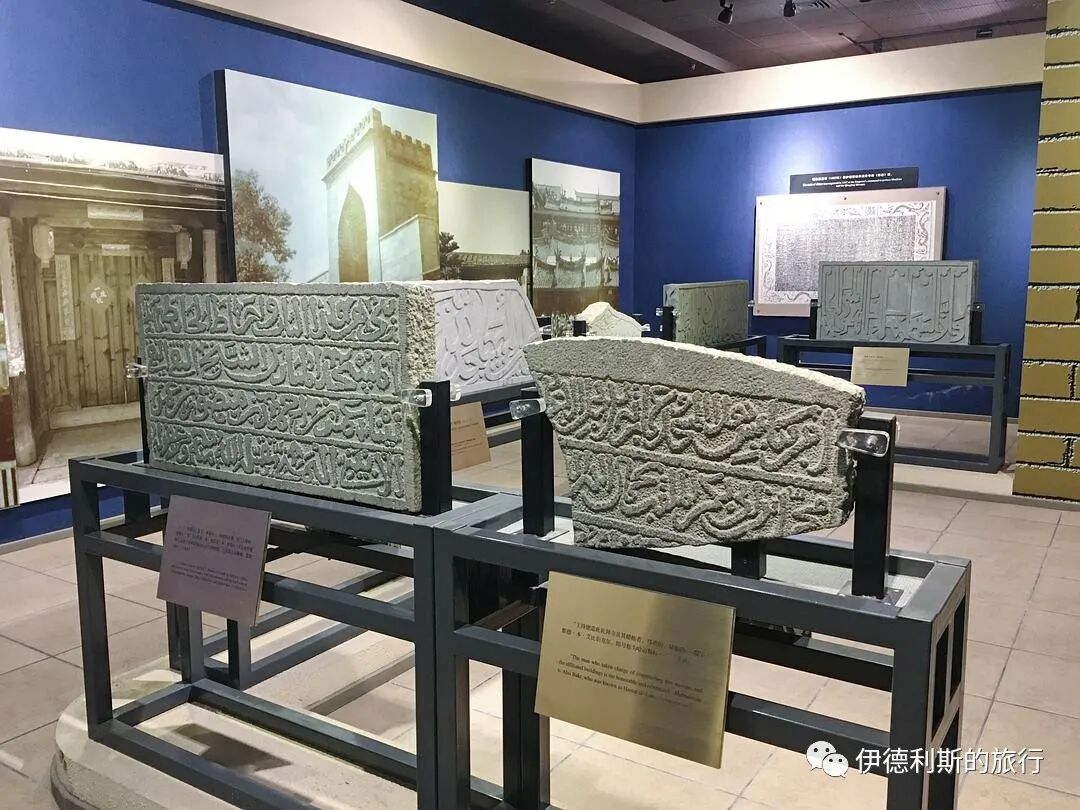
The chlorite stone on the left in the image below was discovered in 1940 during the demolition of the Tonghuai Gate in Quanzhou. It was carried home by workers to pave the floor. In 1956, it was found in the home of a farmer in Jintoupu, outside the Tonghuai Gate, alongside some large Indian-style carved bluestone and other Arabic inscriptions unearthed nearby. According to the farmer, these stones were bought as building materials. This stone was initially used as a washboard and later as a paved step. This inscription records that an elder named Naina Umar b. Ahmed b. Mansur b. Umar, from the ancient city of Abyani in Yemen, built the gate and walls of a blessed mosque.
The chlorite stone on the right was discovered in 1948 in the city foundation of the South Gate of Quanzhou. It tells of a man named Muhammad b. Abi Bakr, also known as Mairding, who built a mosque.
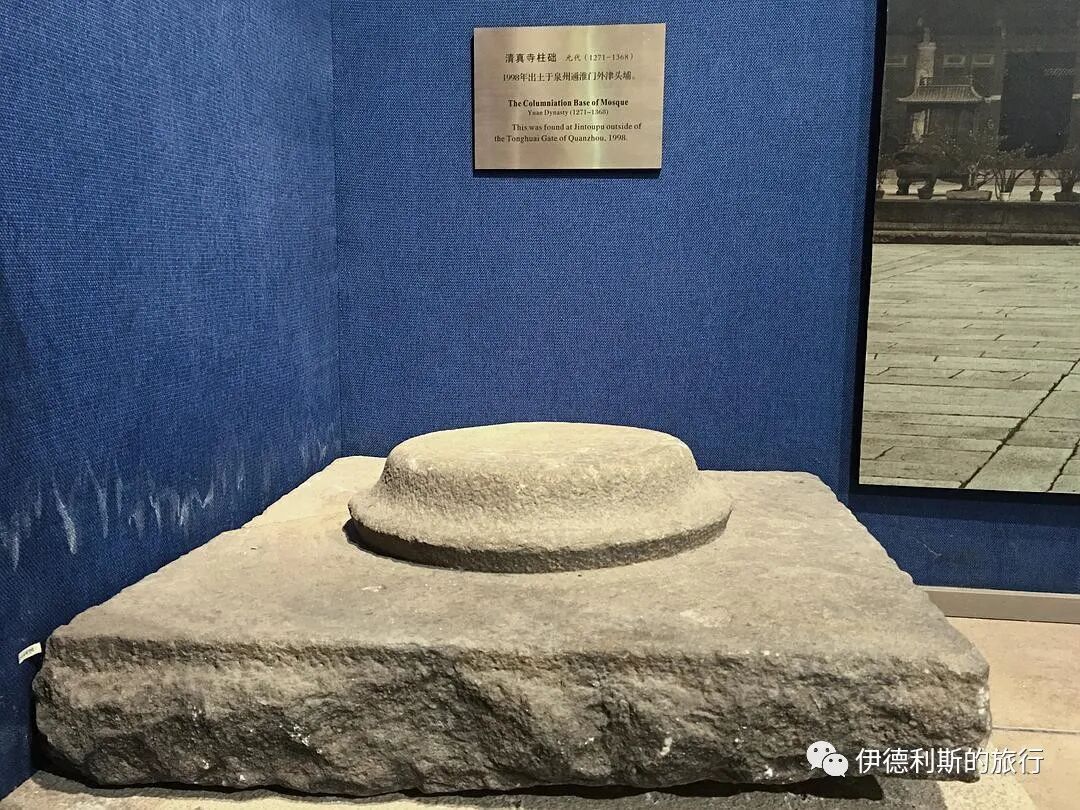
The image below shows a mosque column base unearthed in 1998 at Jintoupu, outside the Tonghuai Gate of Quanzhou.
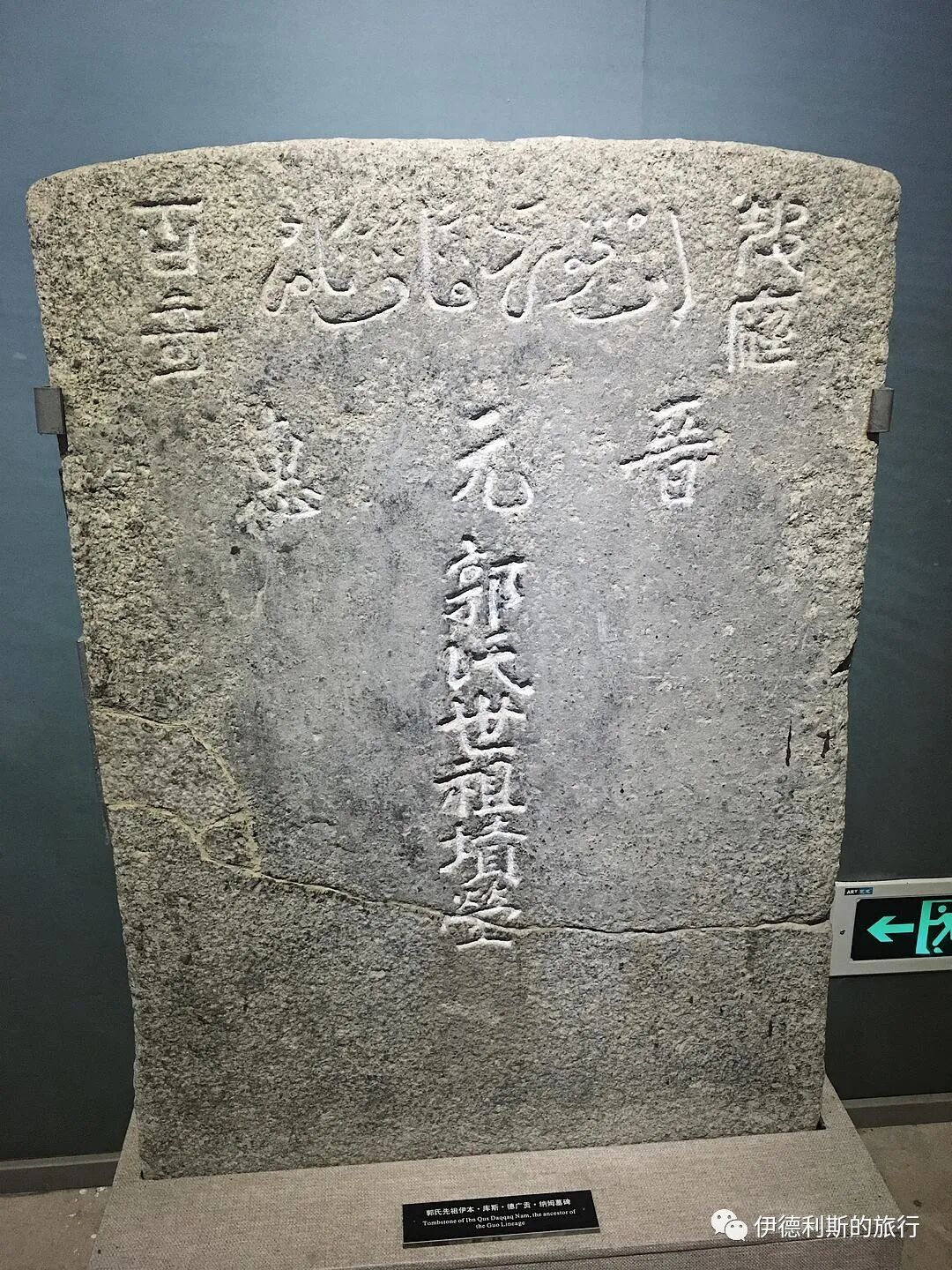
The "Yuan Dynasty Guo Family Ancestral Tombstone" in the image below was discovered in 1974 in the home of a villager in Fashi Village, outside the Tonghui Gate of Quanzhou. The original site was the "Liu Gong Qi" cemetery, also known as the "Chessboard Hole" cemetery, located east of Guangtang Palace and Tiantang Well in Fashi Village. Liu Gong Qi was quite large, consisting of a large square stone platform with two levels, each with two Muslim tower-style stone tomb covers. The Guo family tombstone was erected in front of the upper tomb cover. In 1956, Liu Gong Qi was demolished to level the land, and the stone was laid flat over the tomb. In 1967, a villager took the stone to pave a warehouse floor, breaking it into two pieces in the process. It was later discovered and protected by descendants of the Guo family. In 1974, the investigation team of the Quanzhou Maritime Museum, following clues from the "Baiqi Guo Family Genealogy," conducted multiple investigations in Fashi Village and finally discovered the tombstone, which was moved to the Quanzhou Maritime Museum for collection in 1978.
The upper right corner of the tombstone is vertically carved with the seal script "Tingpo," with "Jin" below it, representing Tingpo, Fashi, Jinjiang County. The upper left corner is vertically carved with the seal script "Baiqi," with "Hui" below it, representing Baiqi, Hui'an County. These two places are where the Baiqi Guo family lived successively. Below is vertically carved in regular script: "Yuan Dynasty Guo Family Ancestral Tomb."
Fashi Village is on the north bank of the Jinjiang River in the eastern suburbs of Quanzhou and was an important commercial wharf for the Port of Quanzhou during the Song and Yuan dynasties. During the Yuan Dynasty, there was a stone street along the river several miles long from Meishan to Bantou in Fashi. In 1346, the Moroccan traveler Ibn Battuta arrived at the Port of Quanzhou. In his "Travels of Ibn Battuta," he wrote: "The city's port is one of the great ports of the world, perhaps even the largest. We saw about a hundred large ships in the port, and countless small boats. This port is a huge bay extending into the land, meeting the great river." "
The Chinese characters on the tombstone are easy to explain, but the Arabic interpretation is very difficult. In the early 1980s, Chen Dasheng, director of the Quanzhou Maritime Museum, interpreted the Arabic as "Ibn Qds Daqqaq Nam," meaning "Ibn Quds Daqqaq Nam." Because "nam" means "famous" in Persian, he believed the Baiqi Guo family were descendants of Persians.
However, Professor Wu Youxiong of Quanzhou Normal University proposed a completely different interpretation in his book "The Origin of the Baiqi Guo Surname and Scripture Hall Education." After consulting with the director of the Arabic Department of China National Radio, Wu Youxiong believed this passage was written in Arabic script to spell out the Minnan dialect "Yin Go Zi Ta-gag Mou," meaning "Tomb of Guo Deguang of the Yuan Dynasty." Because previous interpreters were unfamiliar with the Minnan dialect, they had not translated it. Guo Deguang was the ancestor of the Baiqi Guo family who came to Quanzhou, moving from Zhejiang to Quanzhou during the Yuan Dynasty to settle down.
The method of using Arabic script to spell out Chinese is called "Xiao'erjing" or "Xiao'erjin," also known as "Xiao Jing," and was used to annotate Islamic classics while studying them. According to the Guo family genealogy, Guo Deguang's tomb was rebuilt several times. This tombstone was very likely re-erected in the Qing Dynasty by Guo descendants who practiced Islam.
In 1709 (the 48th year of the Kangxi era), Chen Yougong, the regional commander of Ting, Yan, and Shao in Fujian, came to Quanzhou to revive the faith and established scripture hall education in the Qingjing Mosque. At that time, Guo Honglong, of the fourth branch and eighth generation of the Guo family, moved from He Cuo in Baiqi to live in the Qingjing Mosque and converted to Islam due to the "distinction between strong and weak branches." After Honglong converted, other Guo family members who came to Quanzhou city for business also came to the Qingjing Mosque to convert. According to the Guo family genealogy "Preface to Returning to the Hui Faith," after the Guo family re-entered the faith, led by the eighth-generation descendant Guo Sizhi and the tenth-generation descendant Guo Zhiquan, and through the education of two imams, "Master Zhuang" and "Master Ge," more than a hundred people joined Islam, mainly from the fourth branch to which Guo Honglong belonged. Therefore, the Guo descendants at this time should have been able to use Arabic script to spell out Minnan dialect to write Xiao Jing.
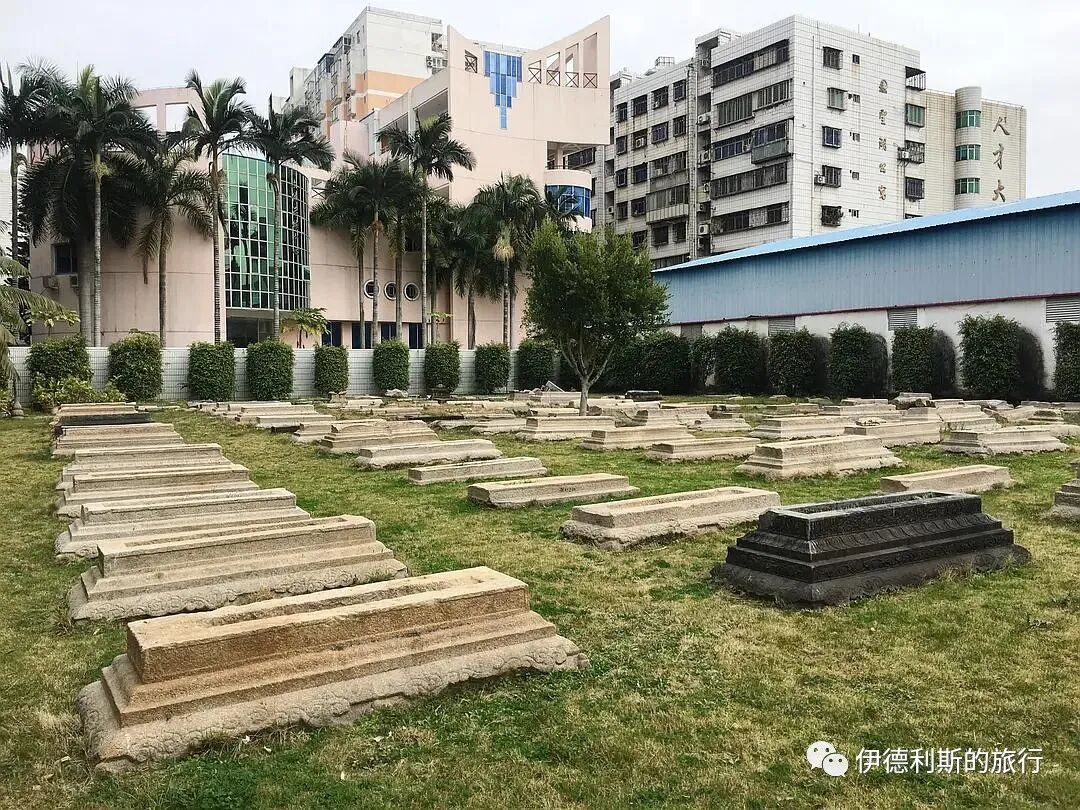
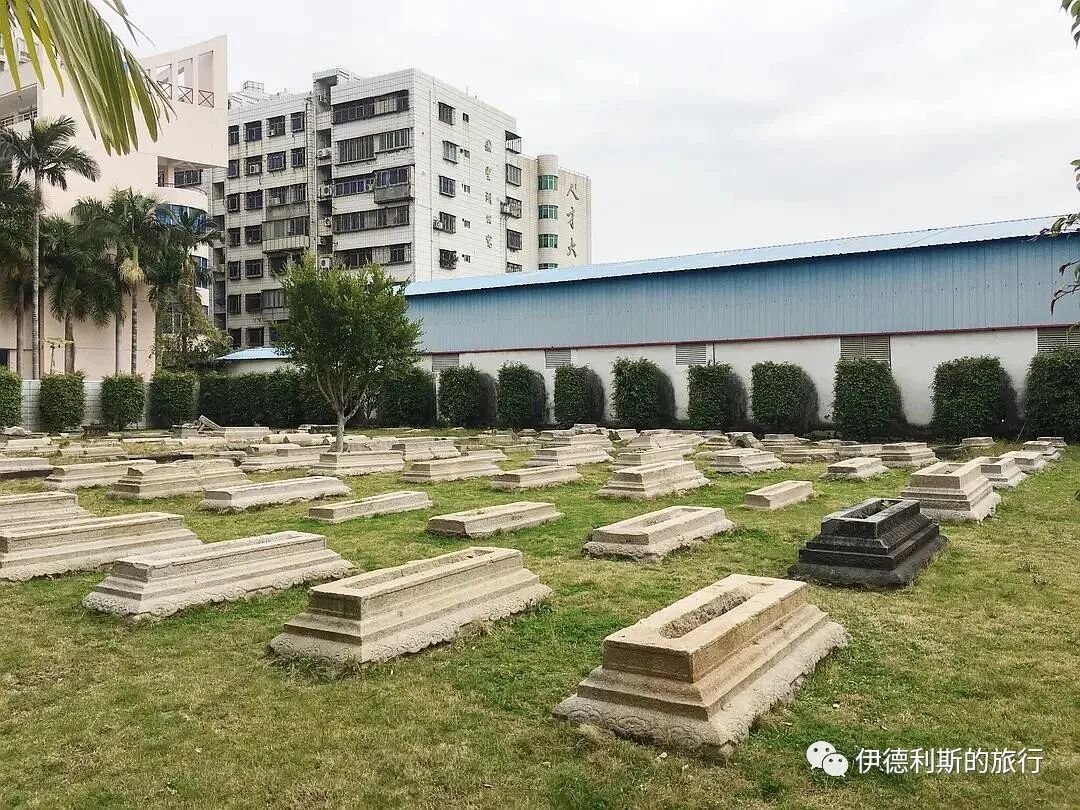
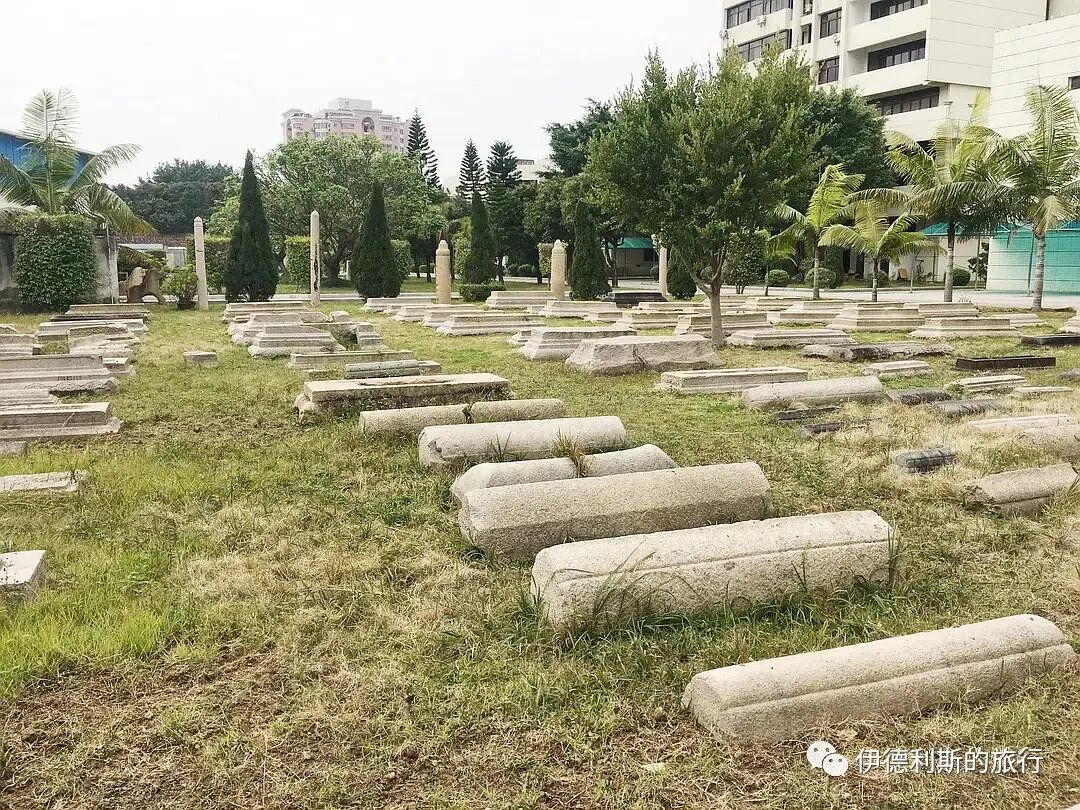
On the south lawn of the Maritime Museum, there are hundreds of Muslim Sumeru-pedestal stone tombs from the Song and Yuan dynasties. Most have ruyi-shaped six feet at the bottom, with plain or lotus-petal designs in the middle, a few are carved with Arabic, and the top tomb stones are mostly missing.
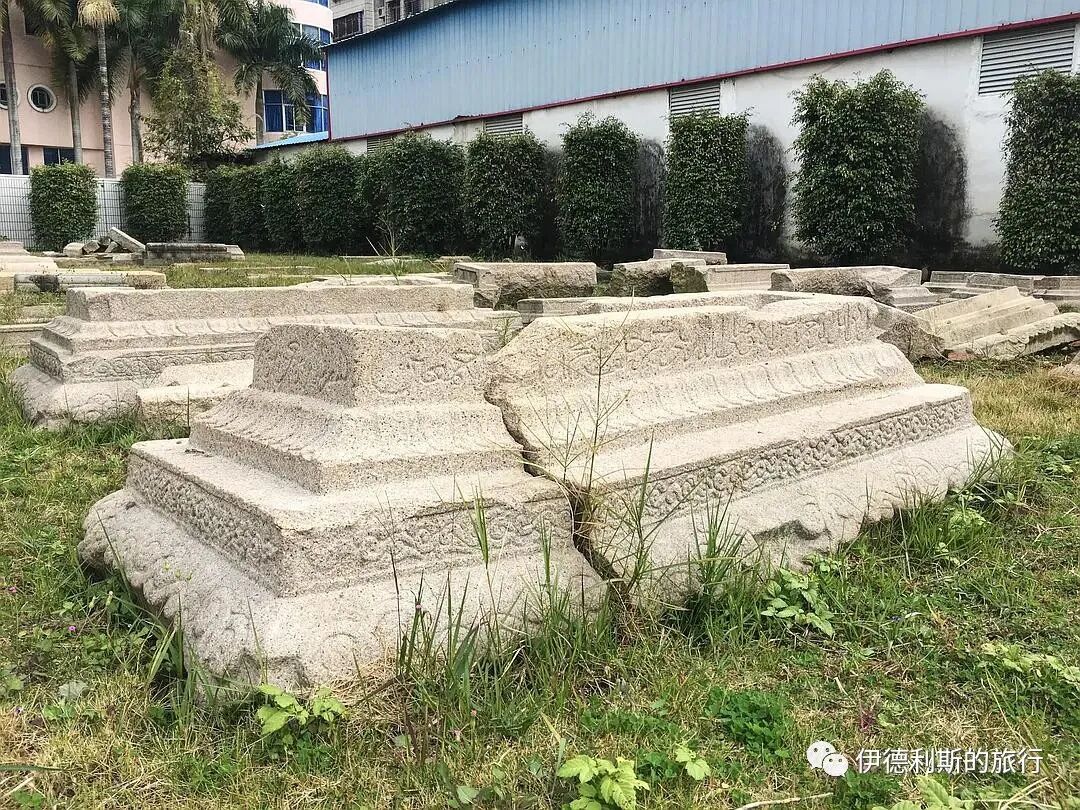
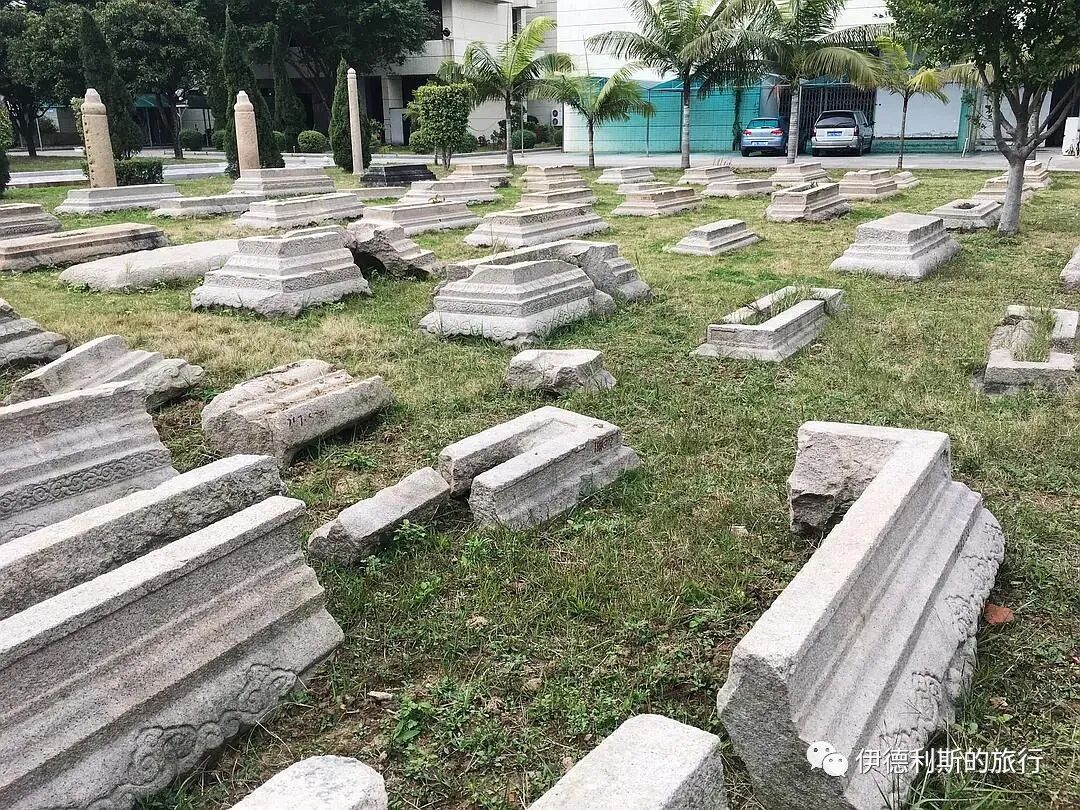
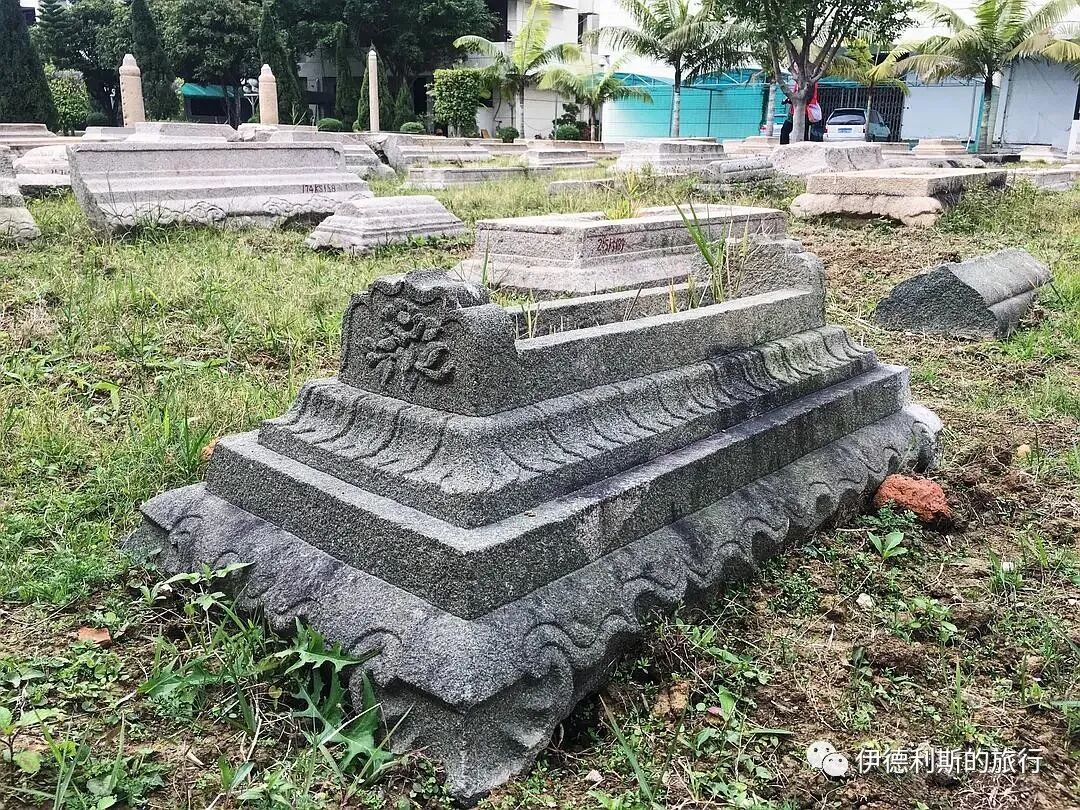
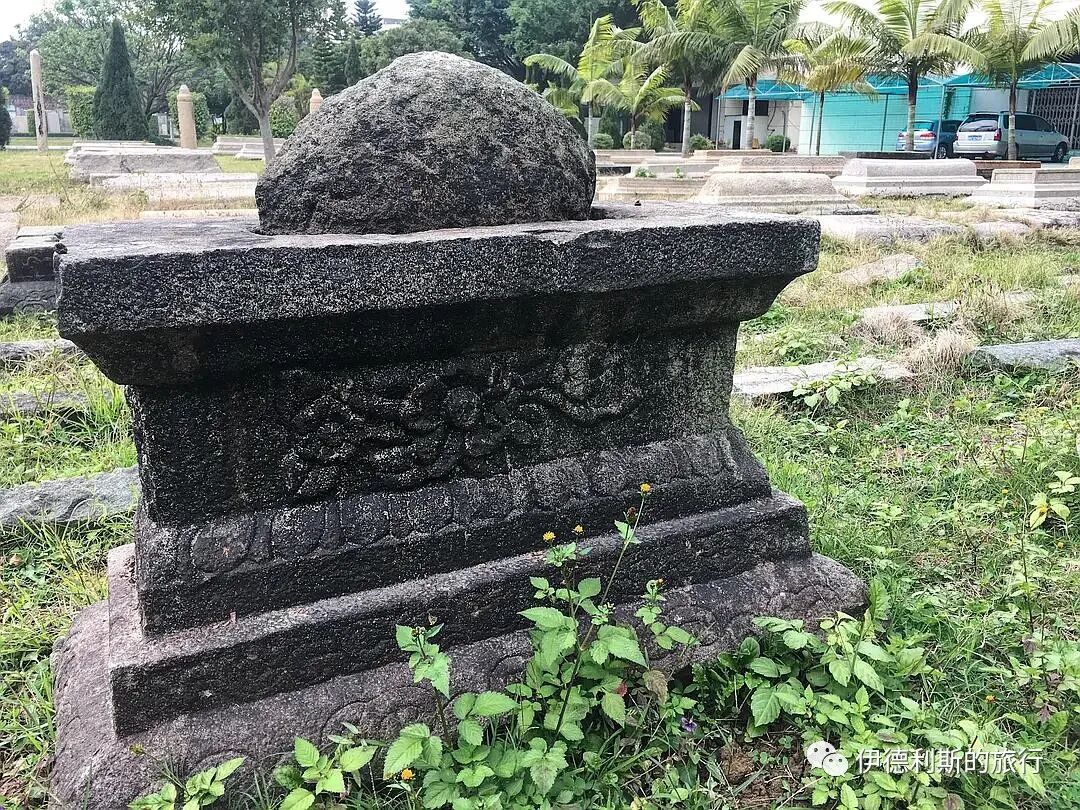
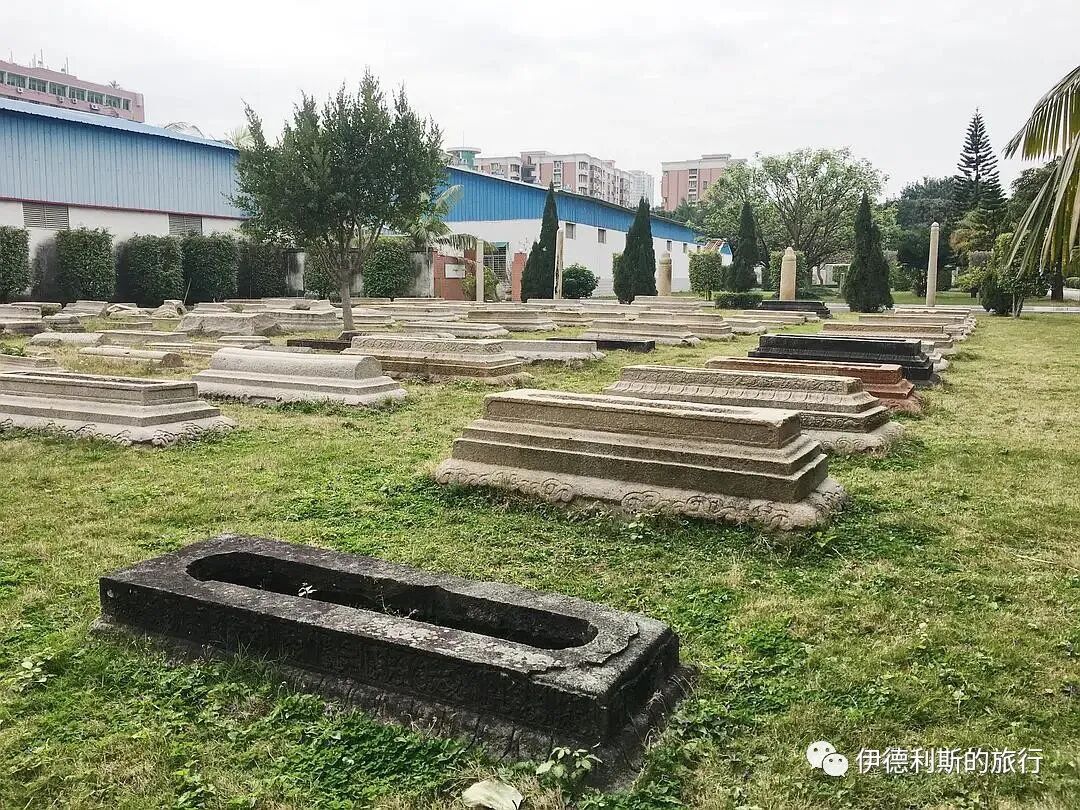
A granite tomb top stone placed separately.
IV. Deji Gate Site
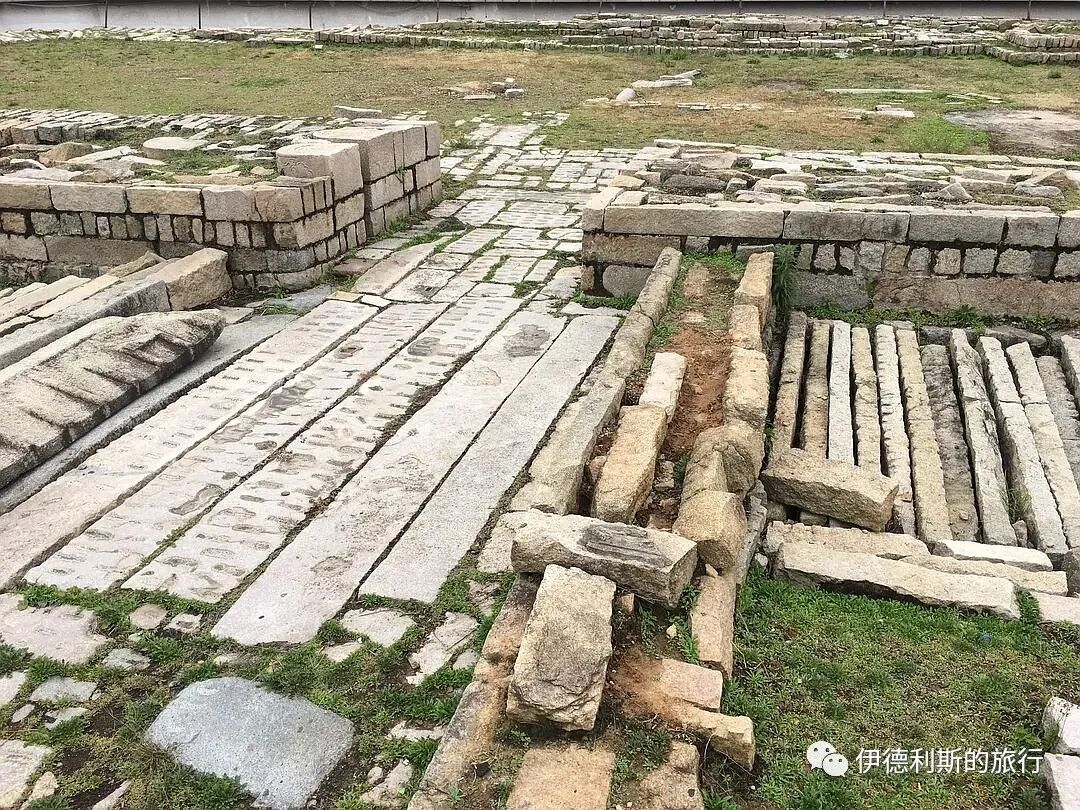
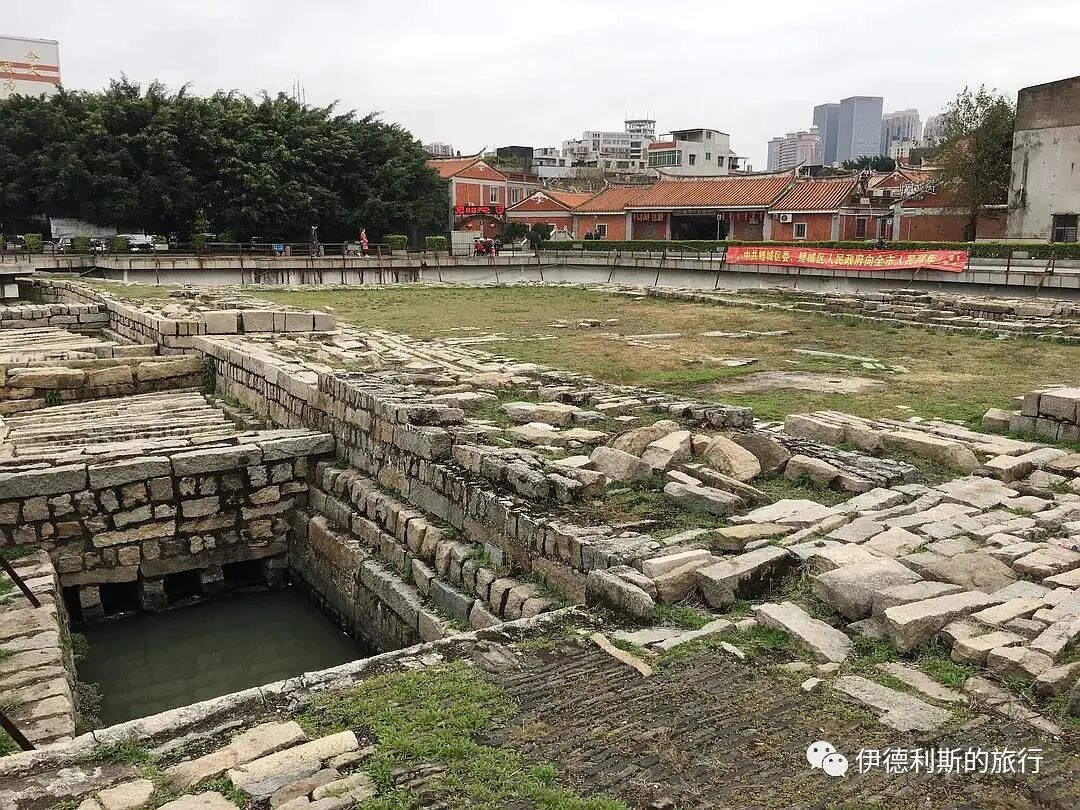
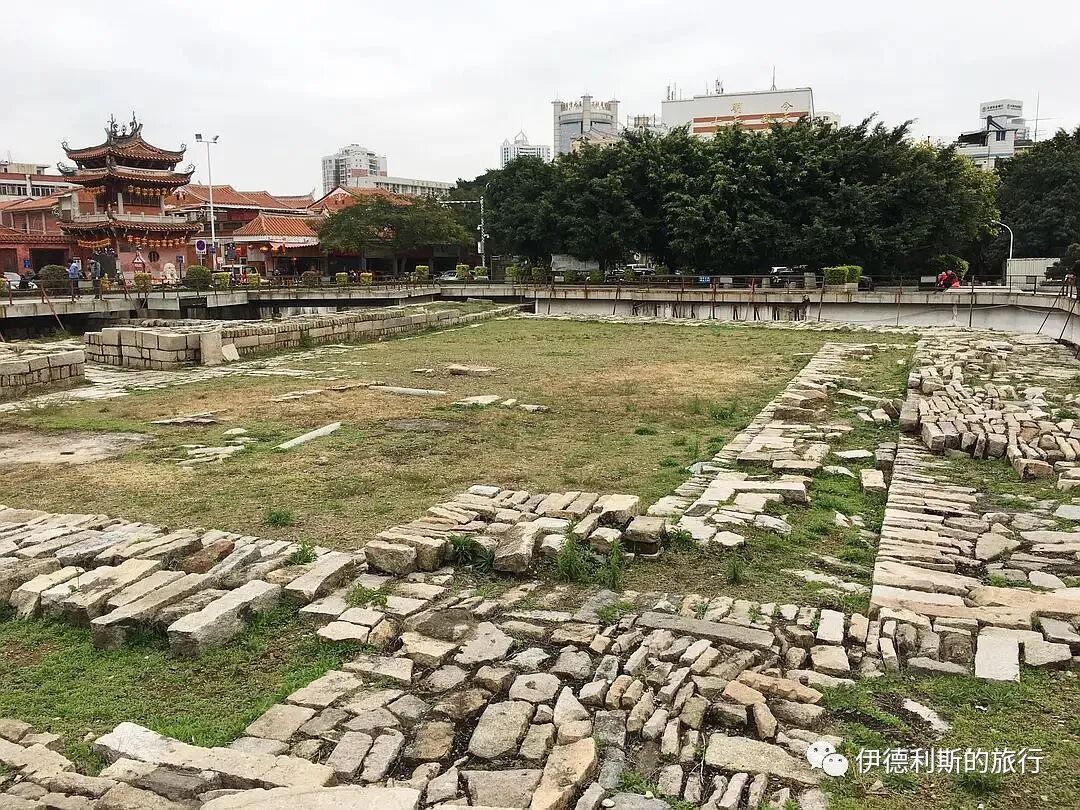
The Deji Gate at the South Gate of Quanzhou was built in 1320 (the third year of the Shaoding era of the Southern Song Dynasty) and was originally named Zhennan Gate. In 1352 (the 12th year of the Zhizheng era of the Yuan Dynasty), after the expansion of Quanzhou city, it was renamed Deji Gate. In the early Hongwu years of the Ming Dynasty, the city gate was expanded and a barbican was added.
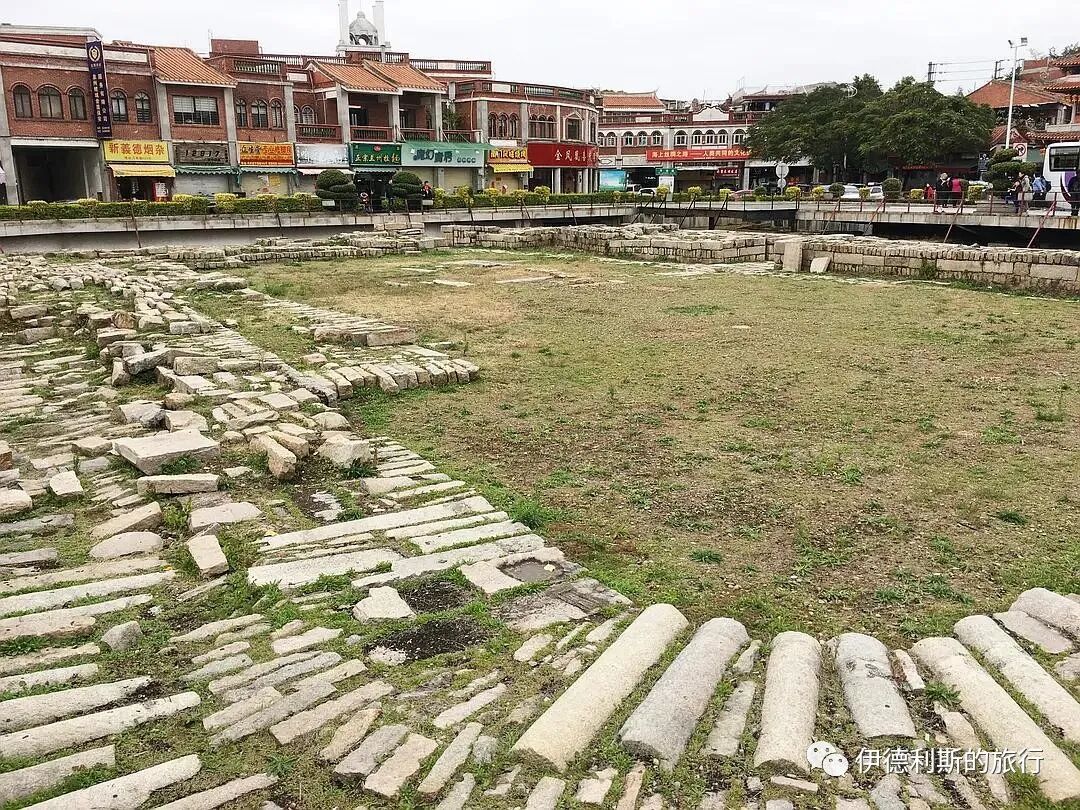
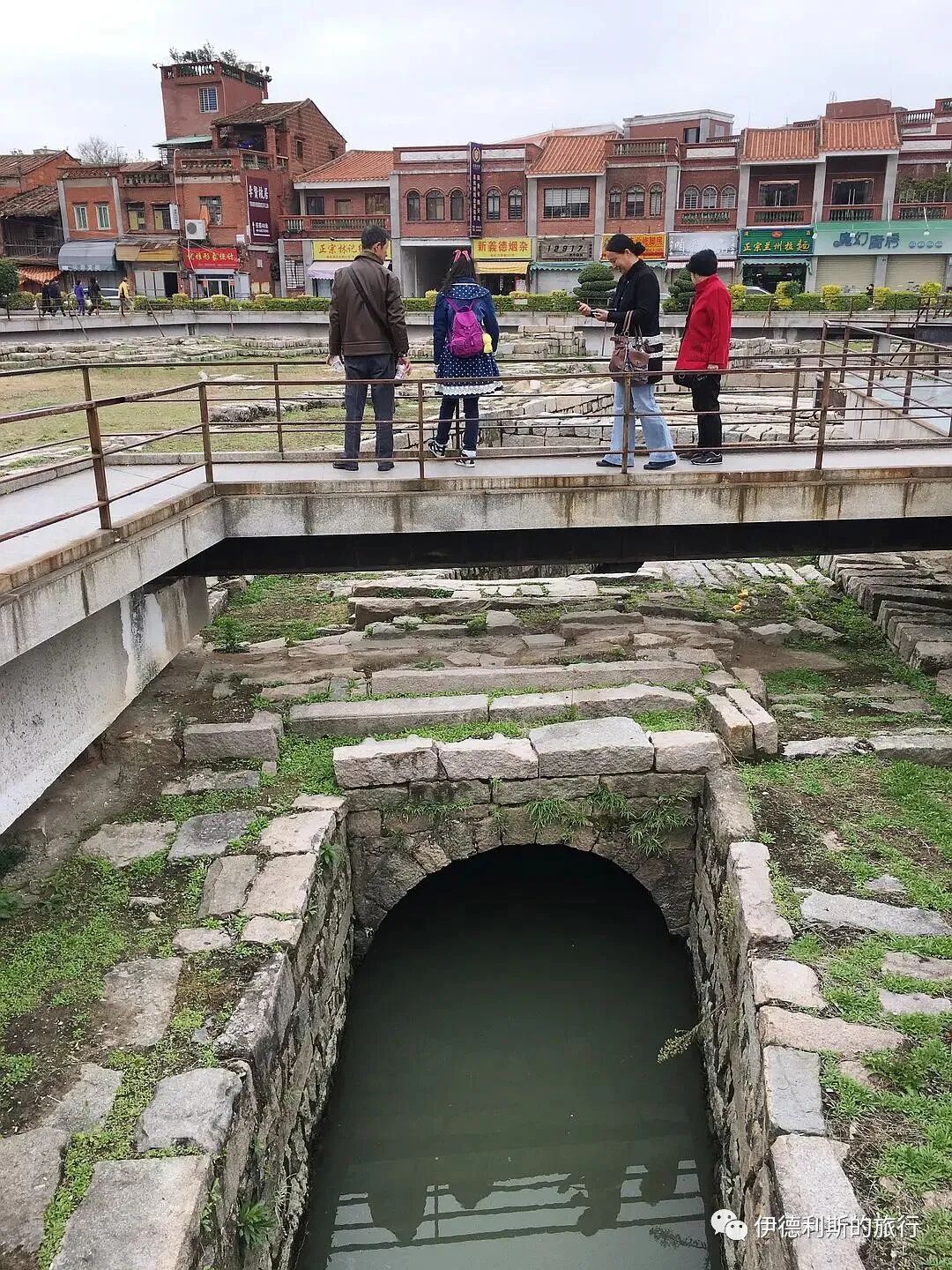
In 1948, the Deji Gate was destroyed by fire, and nearby villagers dug up many Song and Yuan Muslim tomb stones from the city foundation to take home for building houses and paving roads. Since then, the Deji Gate foundation was buried underground, and the surface became residential houses. In the 1950s, researchers visited villages near the Deji Gate and discovered some Song and Yuan Muslim tomb stones that had been taken away when the city gate was demolished. These stones are now collected in the Quanzhou Maritime Museum.
In September 2001, while renovating the square opposite the Tianfei Palace at the Deji Gate, the Deji Gate foundation, 3 meters underground, was rediscovered. After cleaning and excavation, a large number of Song and Yuan Indian, Christian, and Islamic stone carvings were unearthed again. These stone carvings were likely transported to the Deji Gate and built into the foundation as base stones after the Ming army entered Quanzhou in the early Hongwu years and destroyed Hindu temples, as well as Christian and Muslim tombstones.
V. Muslim Tomb Stones in the Museum of Quanzhou Maritime Silk Road
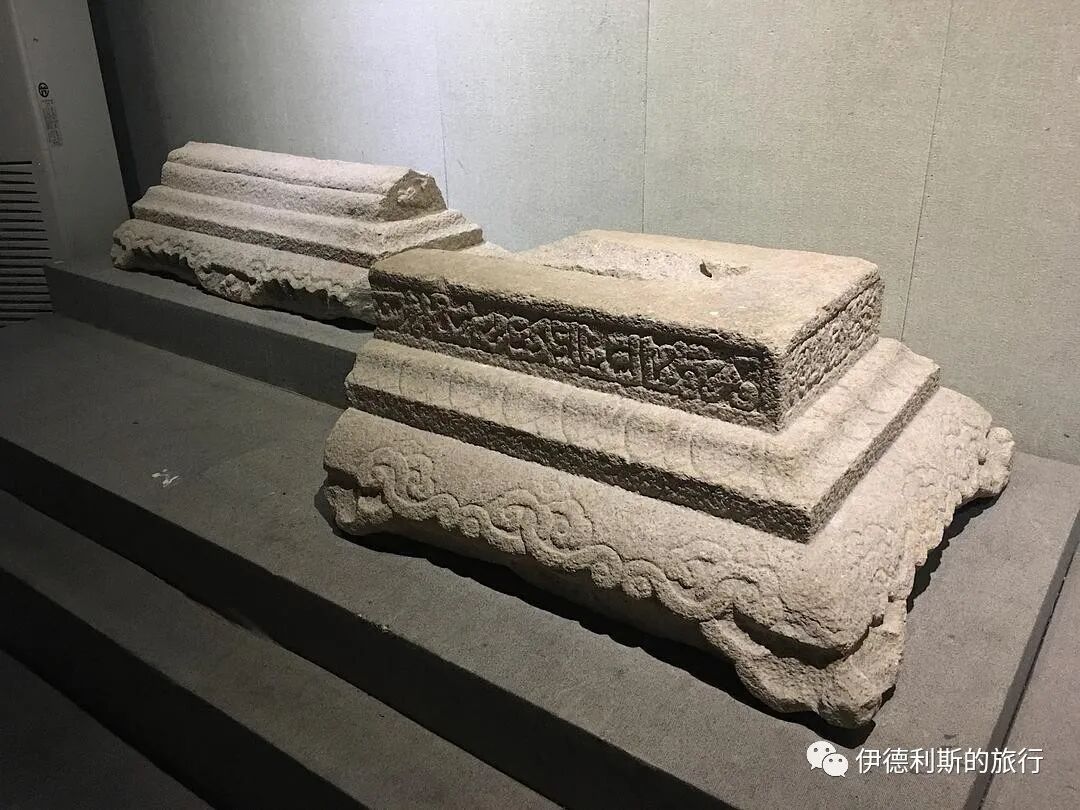
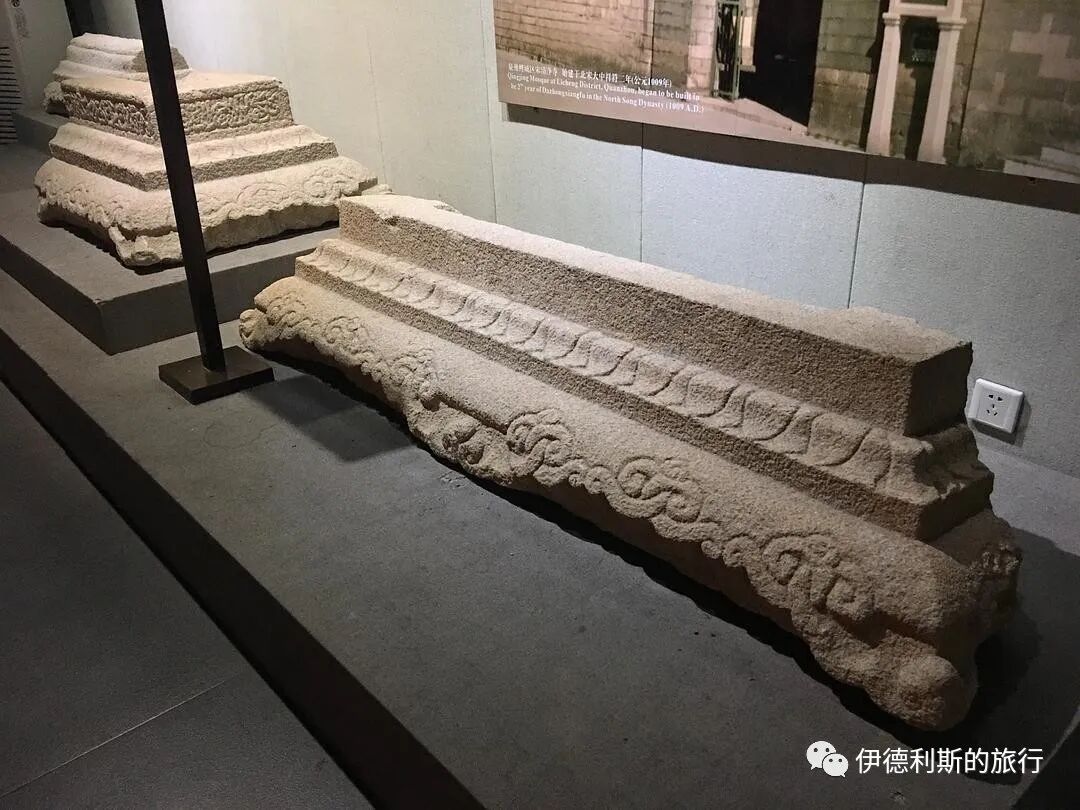
The image below shows a fragment of a four-layer white granite Sumeru-pedestal stone tomb. The bottom layer has ruyi-shaped six feet, the second layer has relief lotus petals, the third layer is carved with Arabic, and the top tomb stone is missing. Originally collected by the Shishi City Museum, it is now in the Museum of Quanzhou Maritime Silk Road.
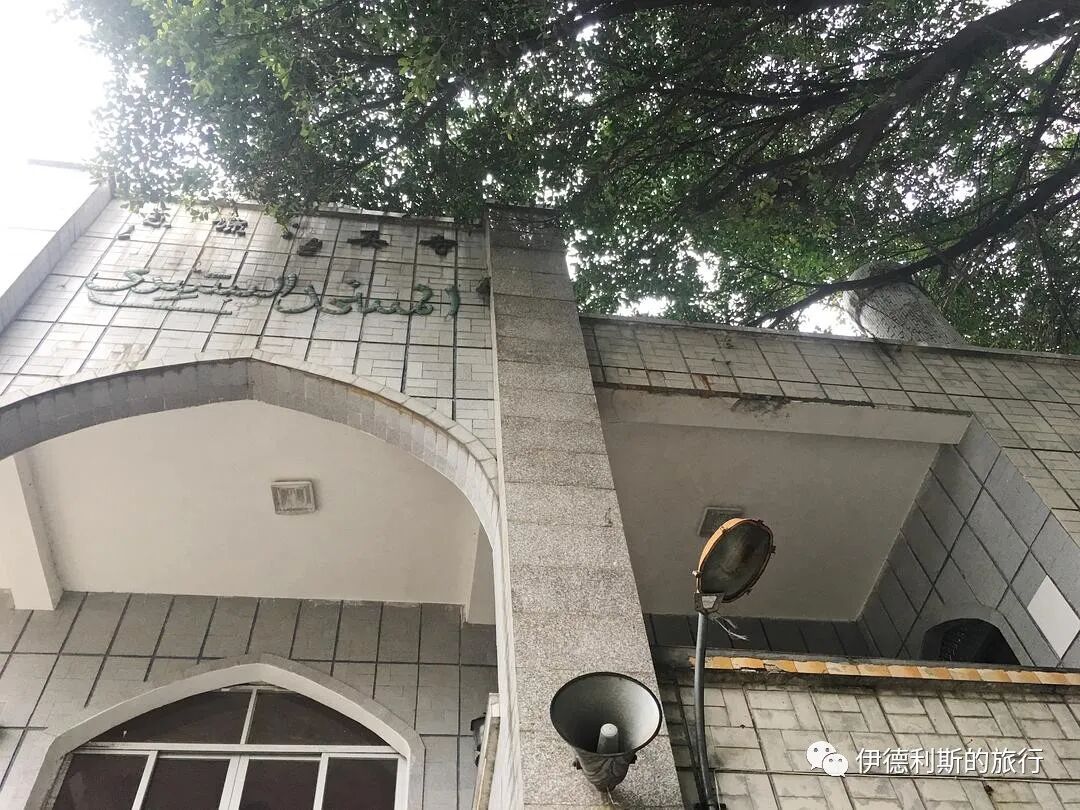
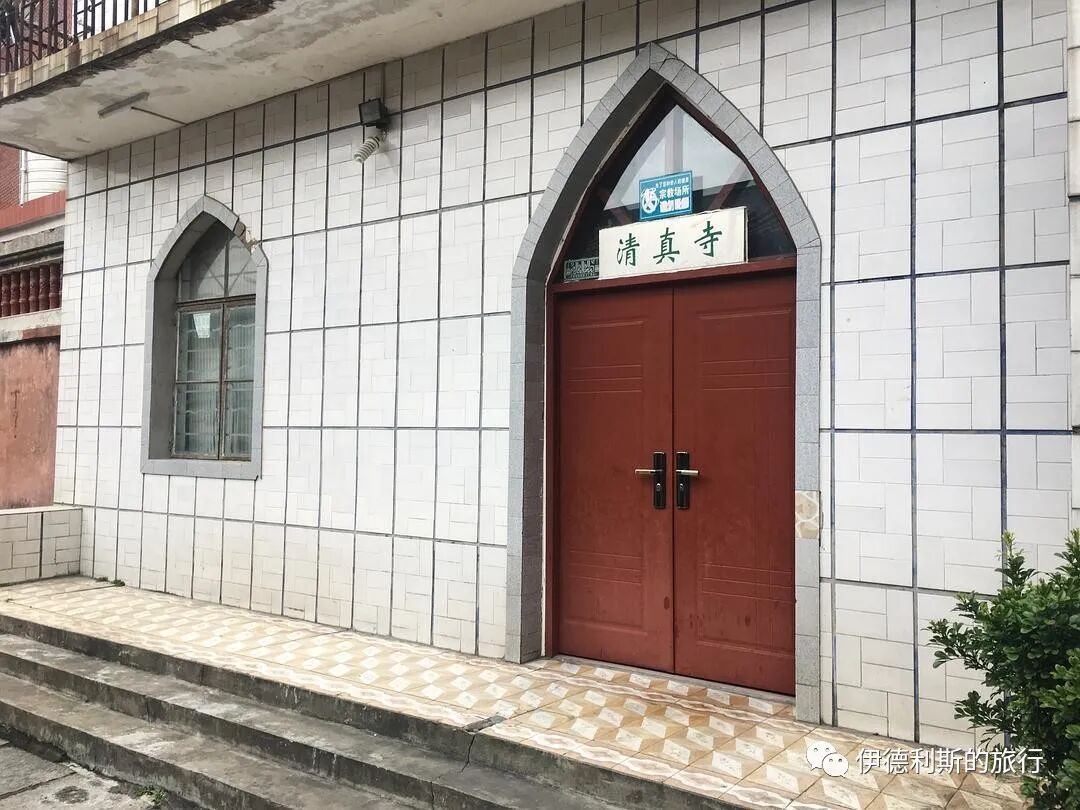
VI. Chendai Mosque, Jinjiang
In the early 1920s, the famous Hui person Tang Kexan, while serving as the Superintendent of the Xiamen Customs, paid great attention to the faith in Quanzhou. On the eve of the War of Resistance, he recommended his fellow townsman Zhang Guangyu to preside over the religious work in the Quanzhou area. After arriving in Quanzhou, Zhang Guangyu earnestly carried out religious affairs, and the faith in Chendai began to reappear.
In 1939, the "China Islamic National Salvation Association Chenjiang Branch" was established in Chendai. Some Ding family members from Chendai often went to the Qingjing Mosque in Quanzhou for Jumu'ah prayers. Later, they converted the "Wenchang Shrine" in Sijing Village into a mosque and hired Imam Tie from Quanzhou to preside over religious affairs.
Between 1937 and 1944, the most famous modern Islamic school during the Republic of China, the Chengda Normal School, moved south to Guilin. The founders, Tang Kexan and Ma Songting, successively accepted 17 young men from the Ding family in Chendai to study there.
In the late 1950s, all Islamic activities in Chendai were forced to stop. Ding Jinshun, a graduate of Chengda Normal School, was criticized and struggled against for mentioning in class that he was a Hui Muslim.
In 1983, Ding Jinshun and Ding Jinhe, both graduates of Chengda Normal School, attended the founding meeting of the Fujian Islamic Association. After this, Chengda Normal graduates Ding Jinshun, Ding Jinhe, Ding Jinke, and Ding Jinhong, along with twenty other enthusiastic believers, established the "Chendai Islamic Association Group" and began to restore the faith. They borrowed the second-floor conference room of the Chendai Hui Affairs Committee and the back hall of the Ding family ancestral hall for Jumu'ah prayers, with Ding Jinshun serving as the imam. During Eid al-Fitr and Eid al-Adha, they invited their former Chengda Normal classmates who were now imams in Guilin, as well as imams from Jiaxing, Zhejiang, to preside over the congregational prayers.
After the Chendai Islamic Association Group was established, they began preparing to build a mosque. They issued a "Letter to Muslim Compatriots Nationwide" to the national Islamic association, but only a few hundred yuan in funds were sent from a few mosques in Ankang, Shaanxi, and Yunnan. After this, former Chengda Normal classmates in Hong Kong forwarded the "Letter to Ding Family Compatriots" to the Ding family in Hong Kong, Taiwan, and overseas. They received 70,000 yuan in donations from the "Five Surnames Mosque Association (Jin, Ding, Ma, Bai, Guo, originating from Quanzhou Hui Muslims) of Philippine Travelers" in Hong Kong, Taiwan, Singapore, and the Philippines.
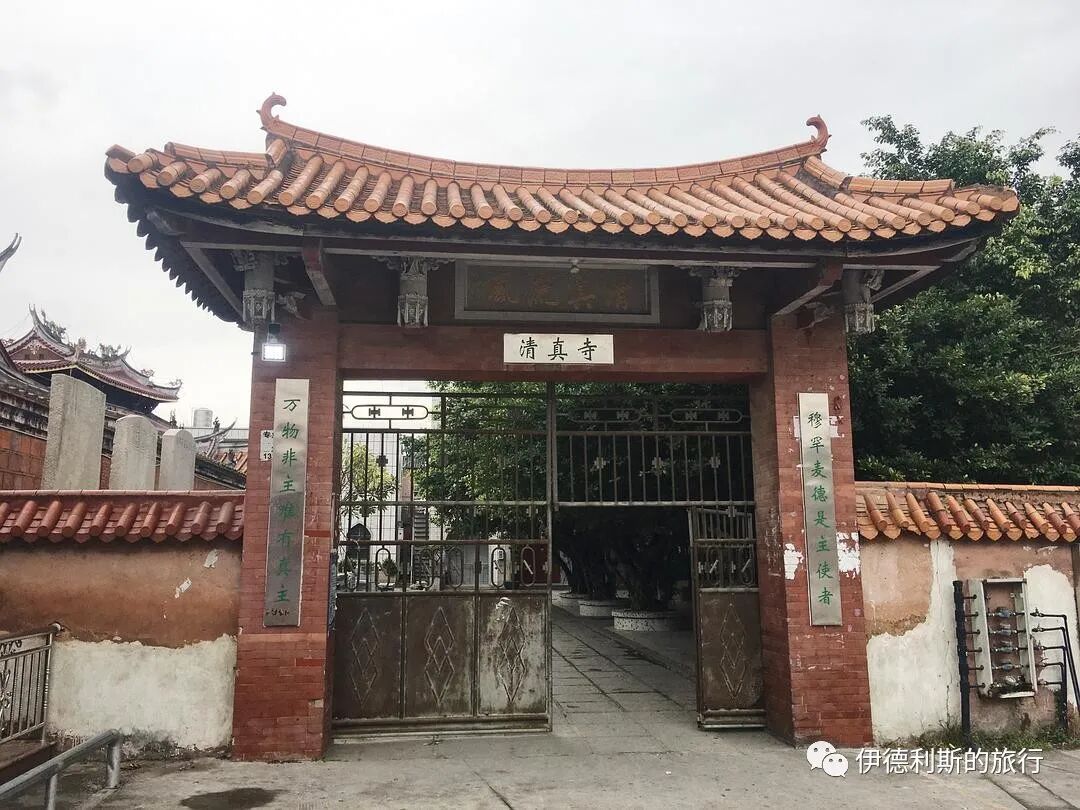
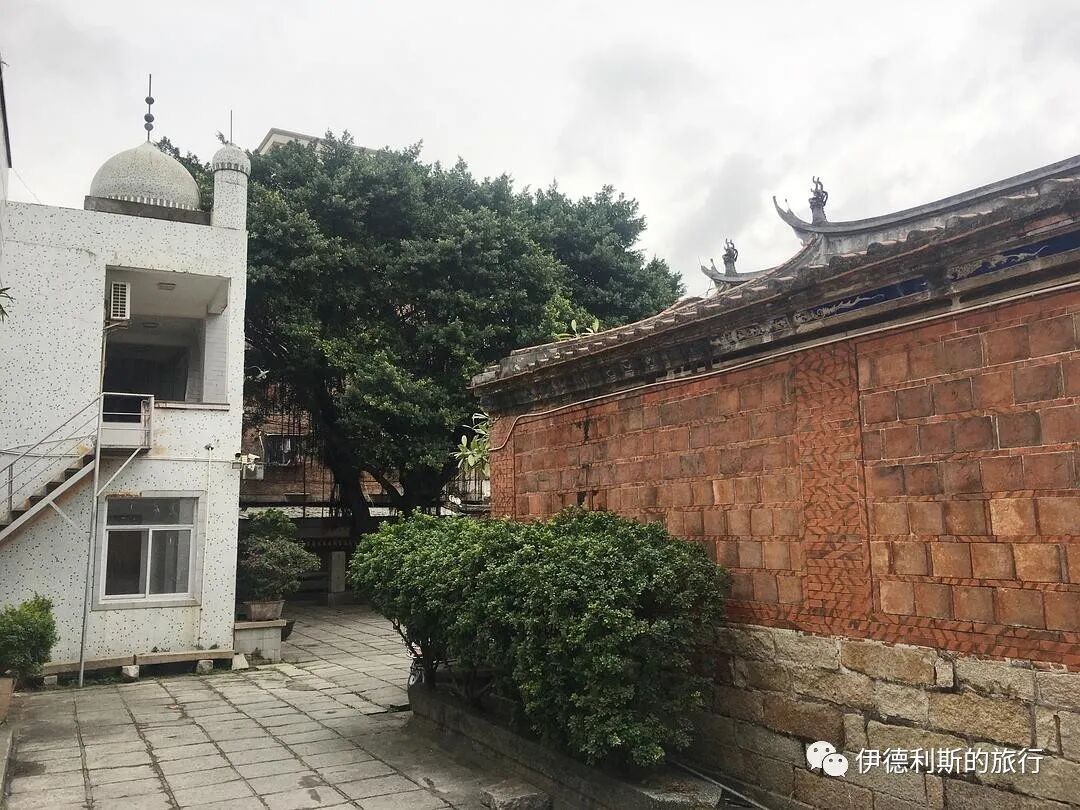
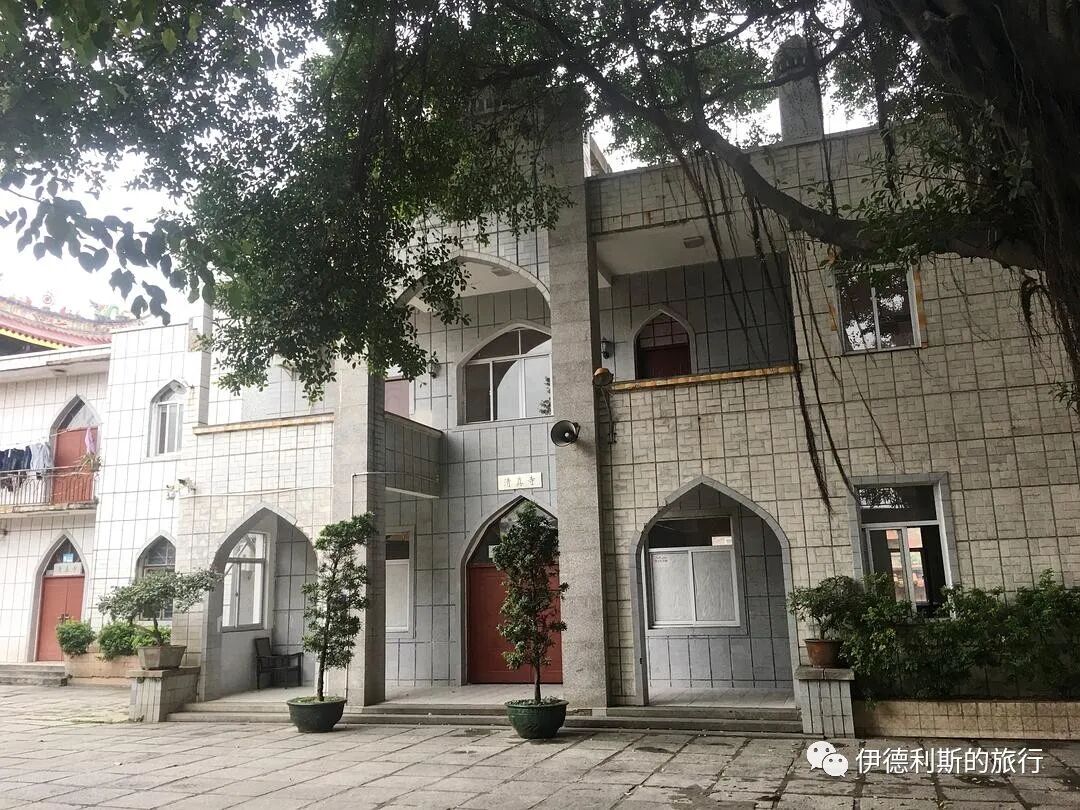
In 1991, the Chendai Mosque was completed, and it officially opened in 1993, immediately followed by the establishment of the Jinjiang Islamic Association. The Ding family of Chendai hired Imam Ma Zhiwei from Inner Mongolia as the first religious leader, and Ding Jinke and Ding Jinshun served as the first director of the mosque management committee and director of the Islamic Association, respectively.
After the 1990s, the Ding family of Chendai selected nearly 60 young people to study Islam at home and abroad, some of whom went to Arabic language schools in mosques in Inner Mongolia.
VI. Baiqi Guo Family Tombs
During the Hongwu years of the Ming Dynasty, the Muslim Guo Zhongyuan moved from Fashi, Quanzhou, to live in Baiqi, across from Houzhu Port, forming what is now the Baiqi Hui Ethnic Township. Today, more than 10,000 Hui Muslims with the surname Guo live there, known as "Baiqi Guo" or "Jiuxiang Guo."
1. Tomb of Guo Zhongyuan and his wife
According to the Guo family genealogy "Preface to Returning to the Hui Faith," Guo Zhongyuan built a mosque in Baiqi and collected many Islamic classics. Guo Zhongyuan passed away in 1422 at the age of 75. His wife, surnamed Chen, passed away in 1433 at the age of 82. They are buried under Longtou Mountain, east of Xiadai Village, commonly known as the "Stone Lion Public Tomb."
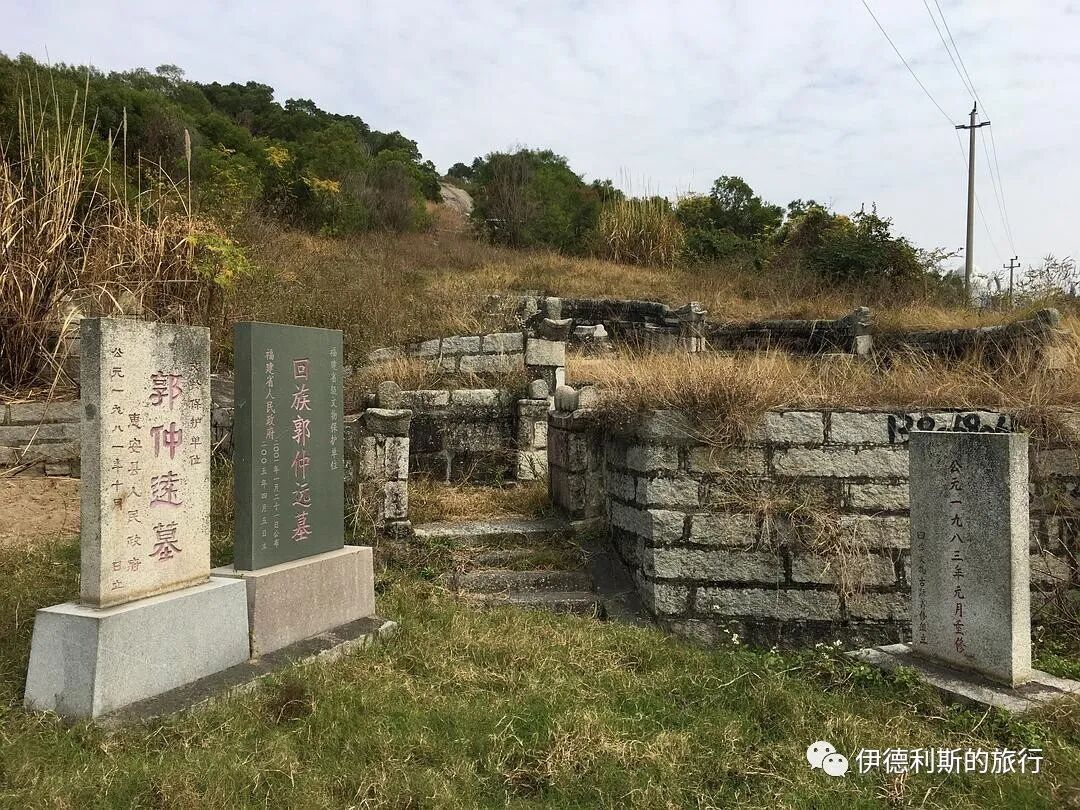
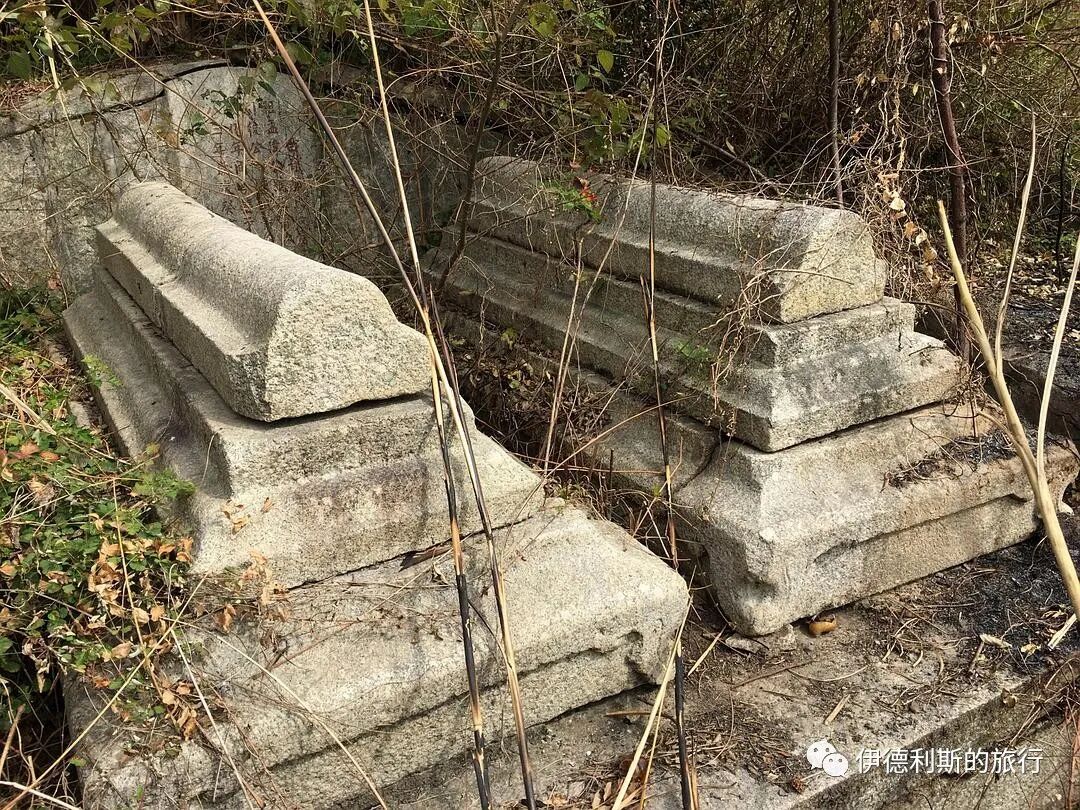
The tomb of Guo Zhongyuan and his wife is a typical Song and Yuan Muslim Sumeru-pedestal stone tomb in Quanzhou. This type of tomb with a stone cover on the pedestal is called a "religious tomb" by the Guo family, commonly known as a "cake tomb," representing Islam.
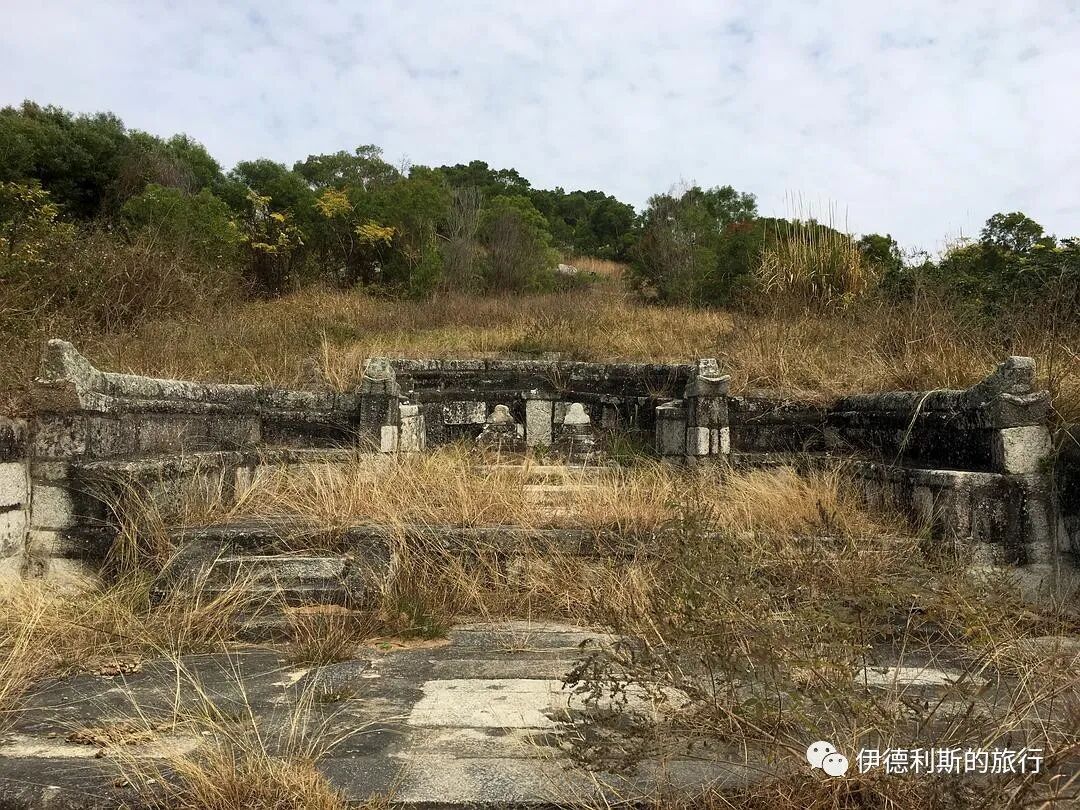
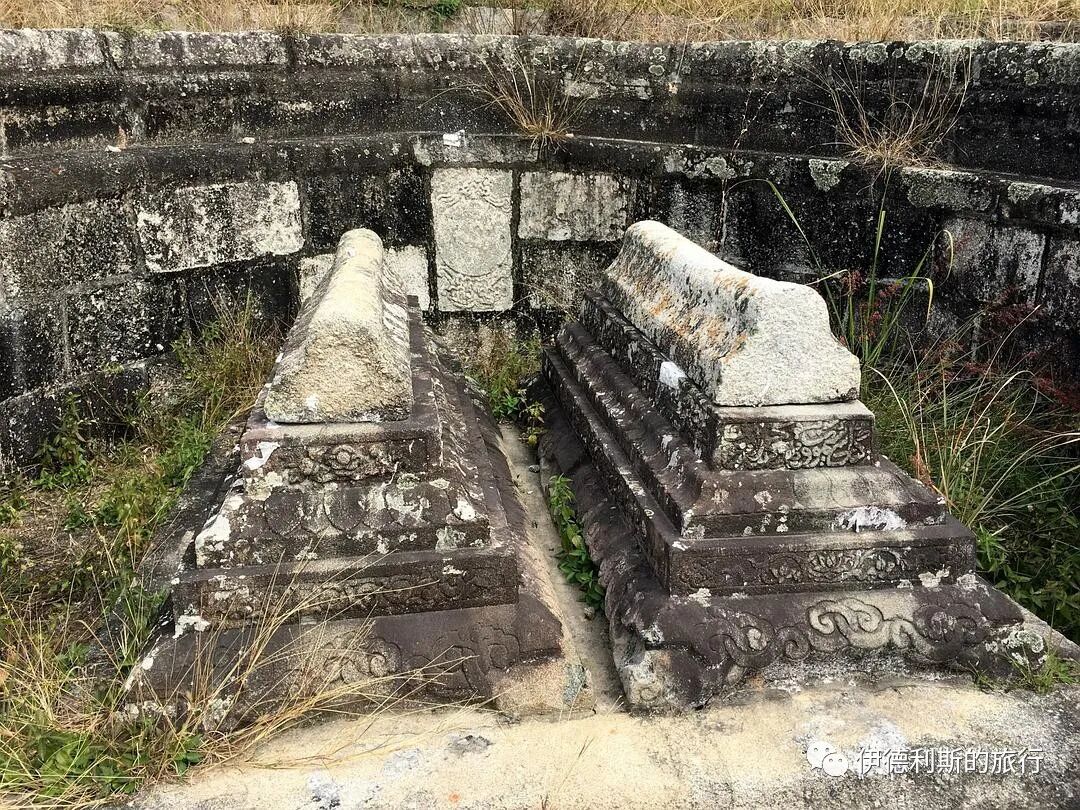
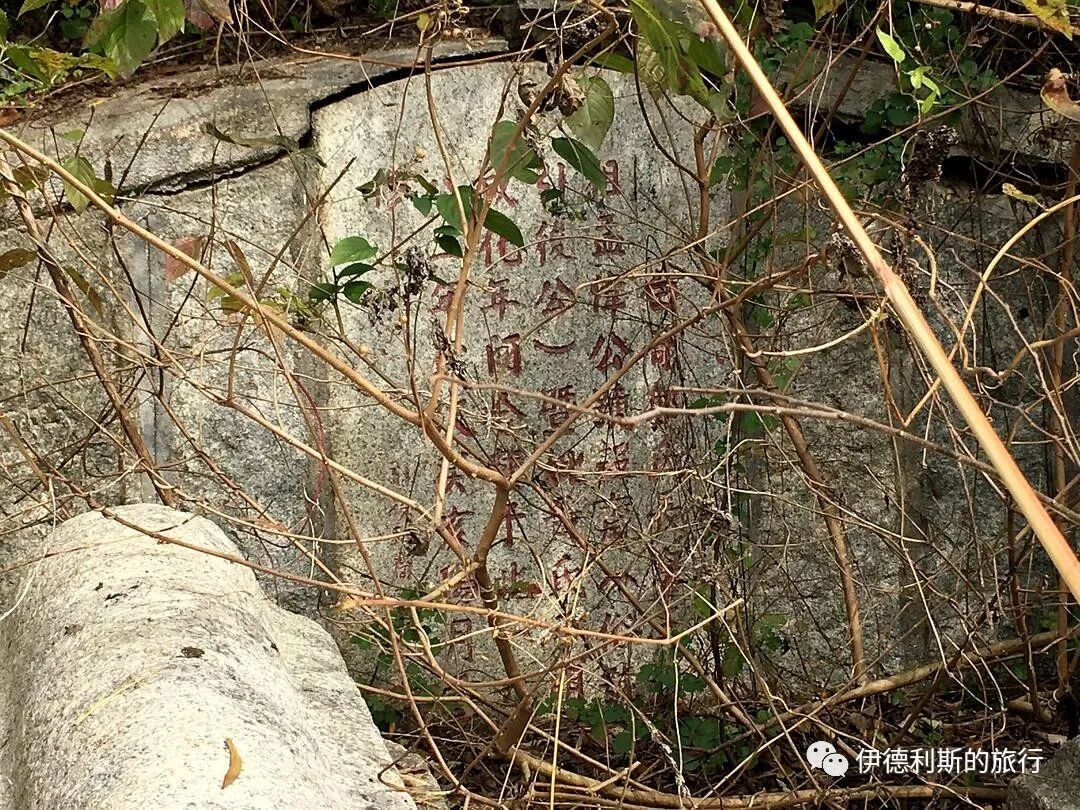
The stone tomb is made of granite, common in Quanzhou, and is divided into five layers. The first layer is carved with six feet and ruyi patterns, the second layer is carved with continuous flower branches, and the third layer is carved with lotus petals. The fourth layer on the left side of Mrs. Chen's tomb is carved with lotus and branch patterns, and the right side of Guo Zhongyuan's tomb is carved with the Quran, Chapter 55, Verses 26 and 27:
Everyone on earth will perish; Only the essence of your Lord, possessing majesty and honor, will exist eternally.
This scripture appears in large numbers on Muslim tomb cover stones in Quanzhou from the Song and Yuan dynasties, and it is also the most commonly carved passage on ancient Muslim tombs in Sanya.
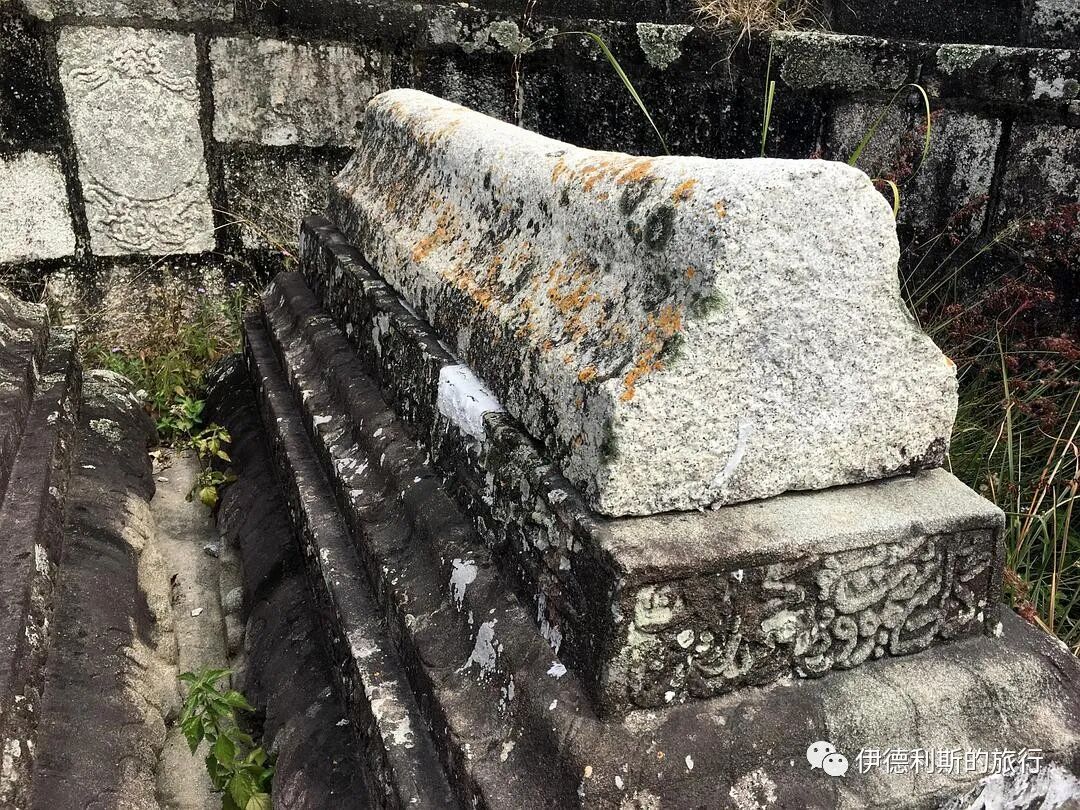
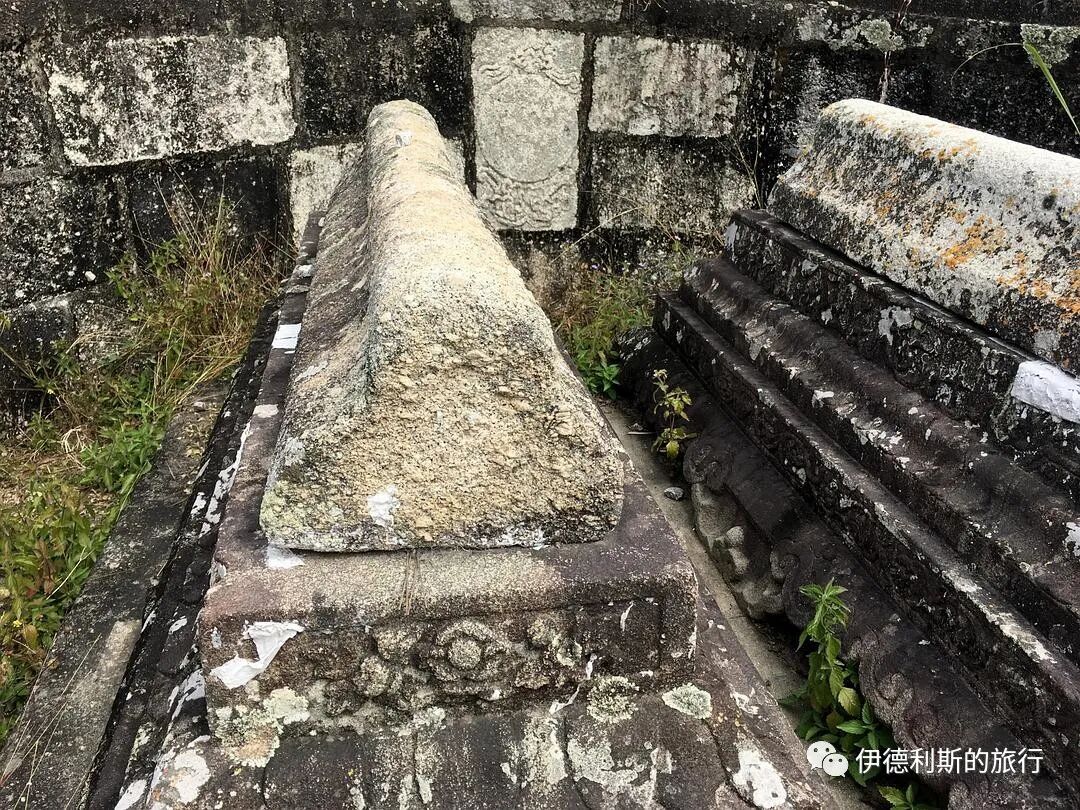
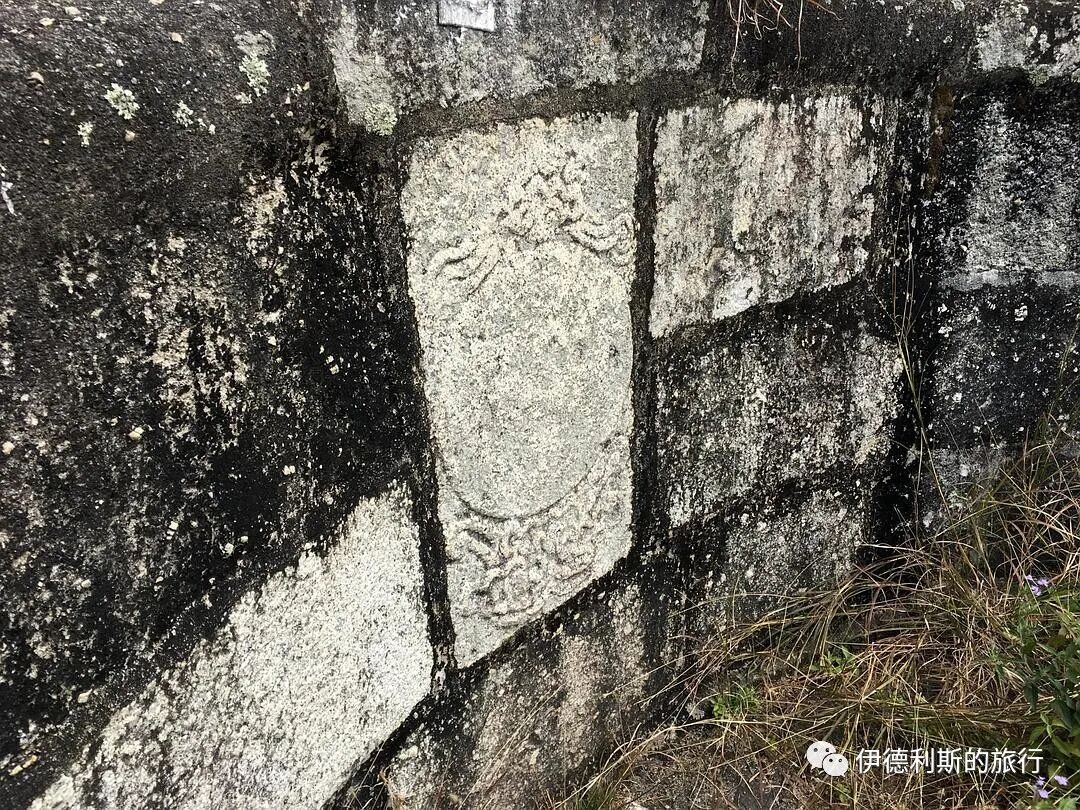
Two stone tombs are placed side by side on a stone platform, with a horseshoe-shaped retaining wall built behind them. In the center of the retaining wall is a cloud-and-moon-shaped stone tablet, a design that can also be seen in Song and Yuan Islamic stone tombs in Quanzhou.
2. Tomb of Guo Mengwei and his wife
Guo Mengwei was the second son of Guo Zhongyuan's eldest son, Guo Shichu. He passed away in 1480 at the age of 77. His wife, surnamed Huang, passed away in 1474 at the age of 69. After they passed away, they were buried next to Guo Zhongyuan's tomb. It is also an Islamic Sumeru-pedestal stone tomb, but without any patterns. Behind the tomb is a restoration tablet from 1983.
3. Tomb of Guo Shiyuan's family
Guo Shiyuan was the second son of Guo Zhongyuan. He passed away in 1407 at the age of only 34 and was buried east of Lichun Village, commonly known as the "Second Branch Public Tomb."
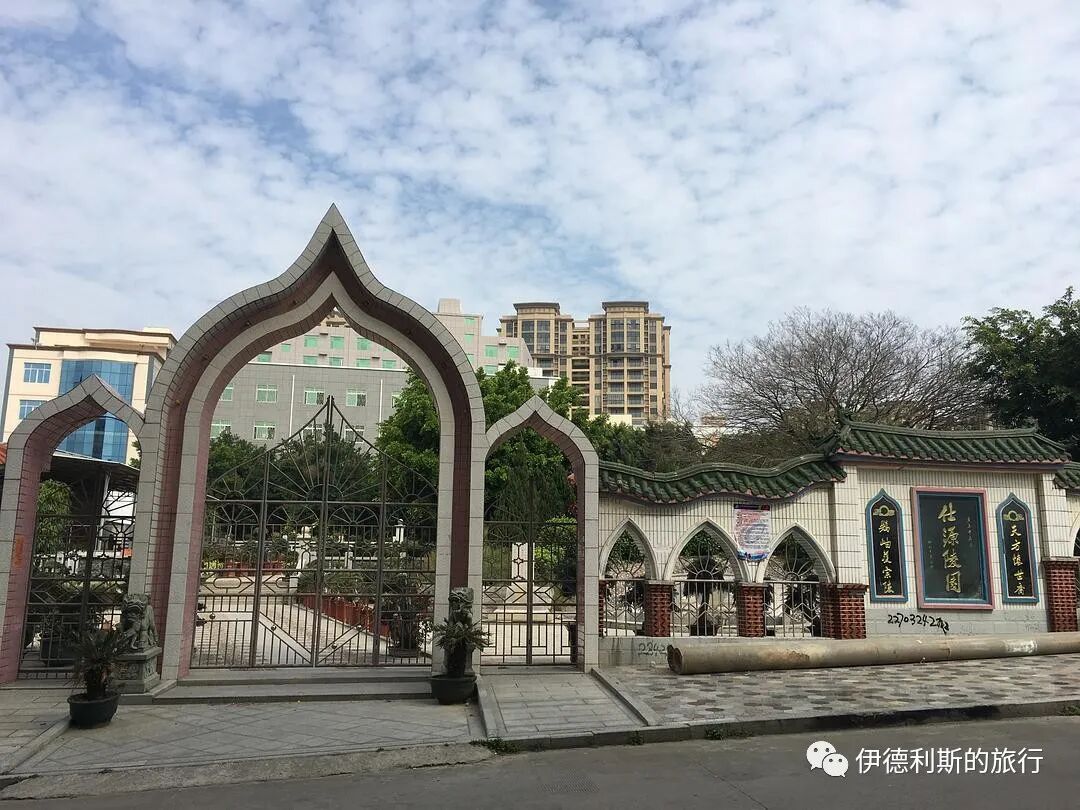
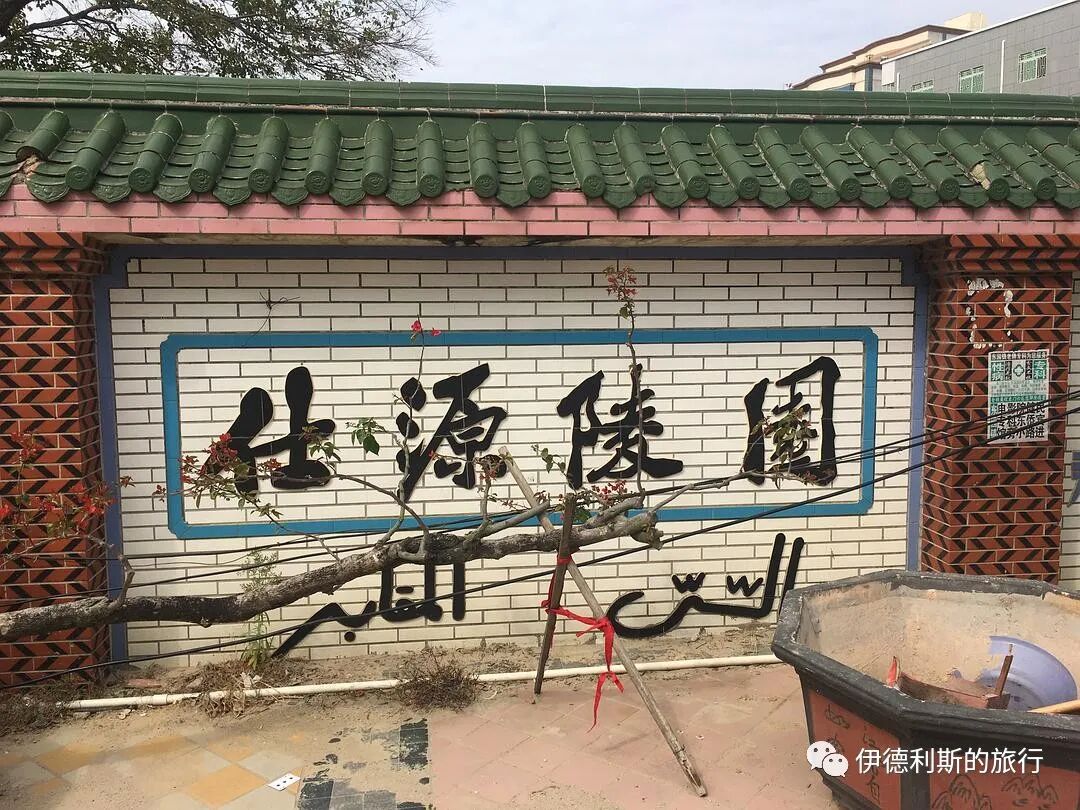
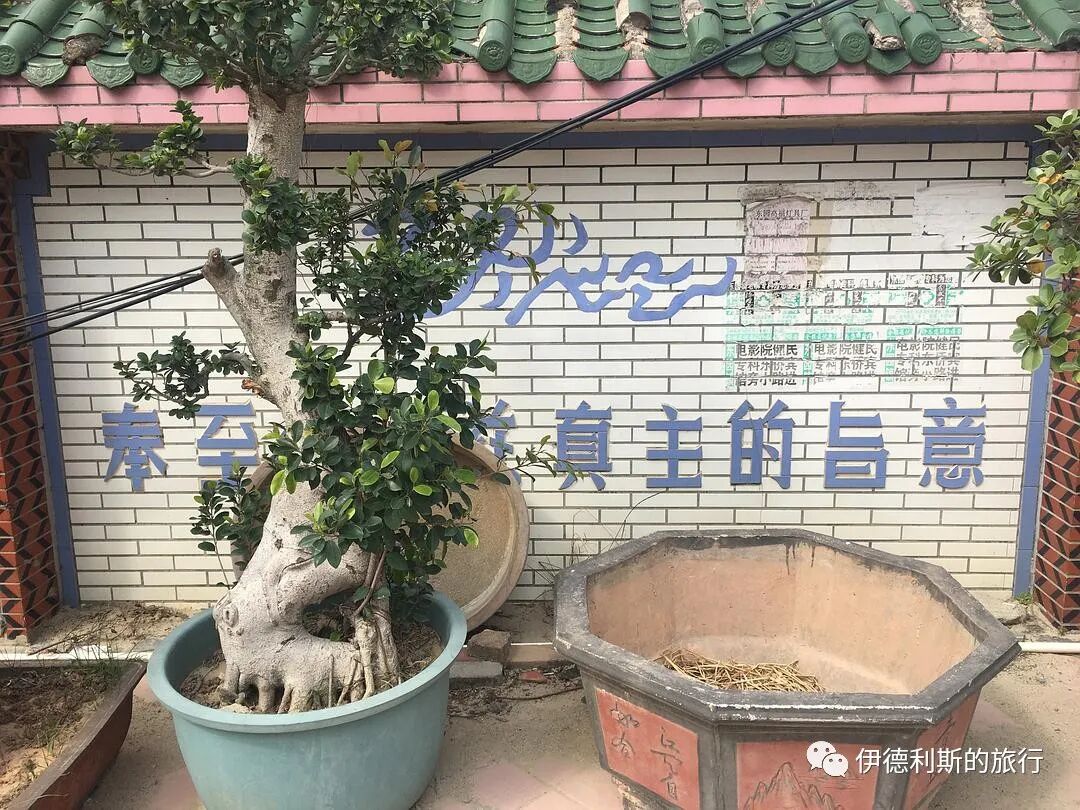
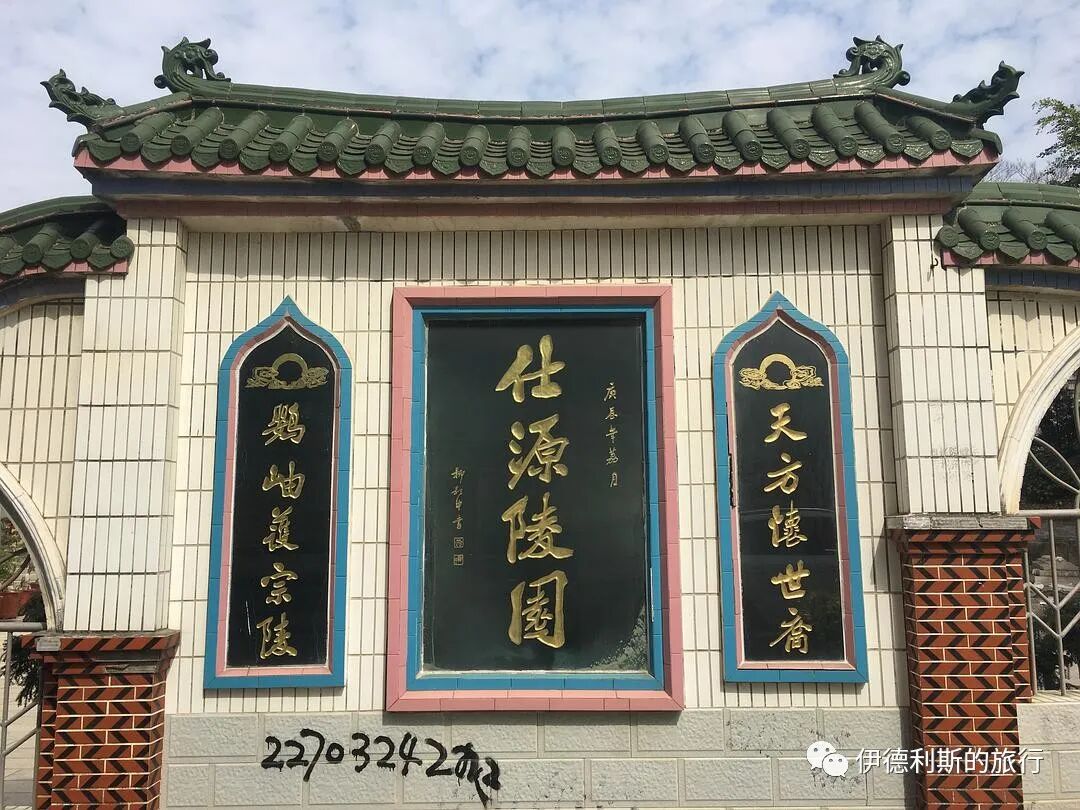
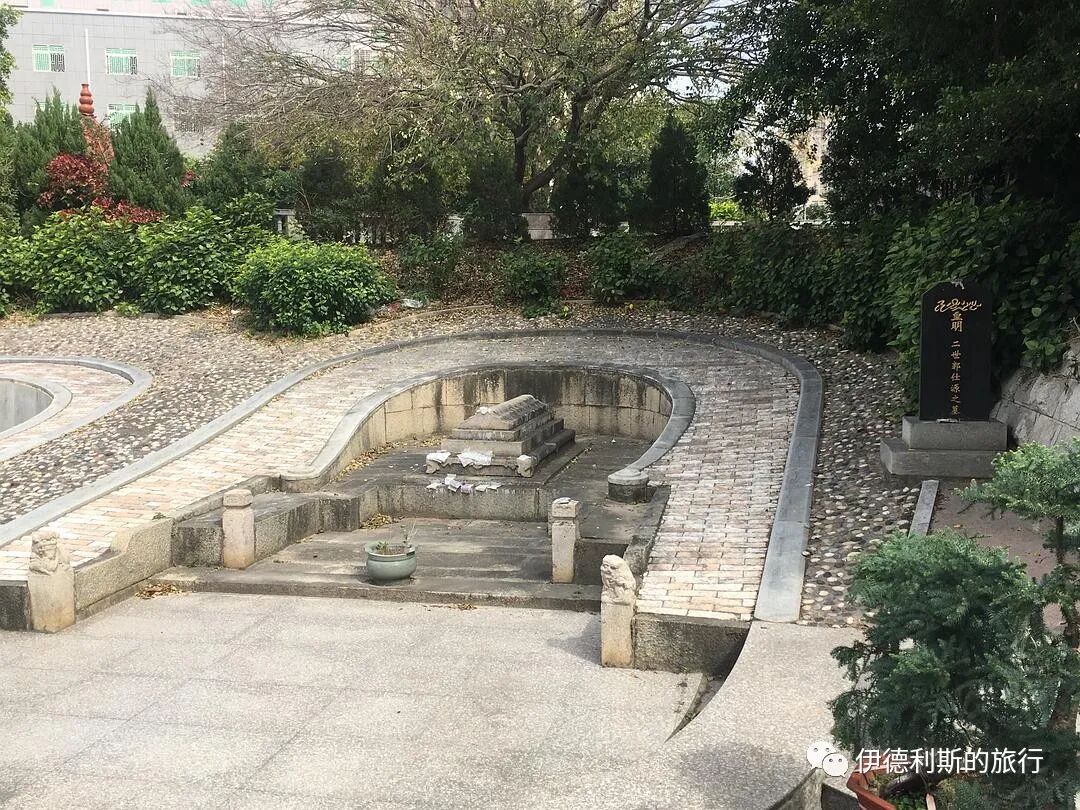
Guo Shiyuan's tomb is also an Islamic Sumeru-pedestal stone tomb, with an intaglio cloud and moon pattern on the front of the tomb cover and branch patterns around the base.
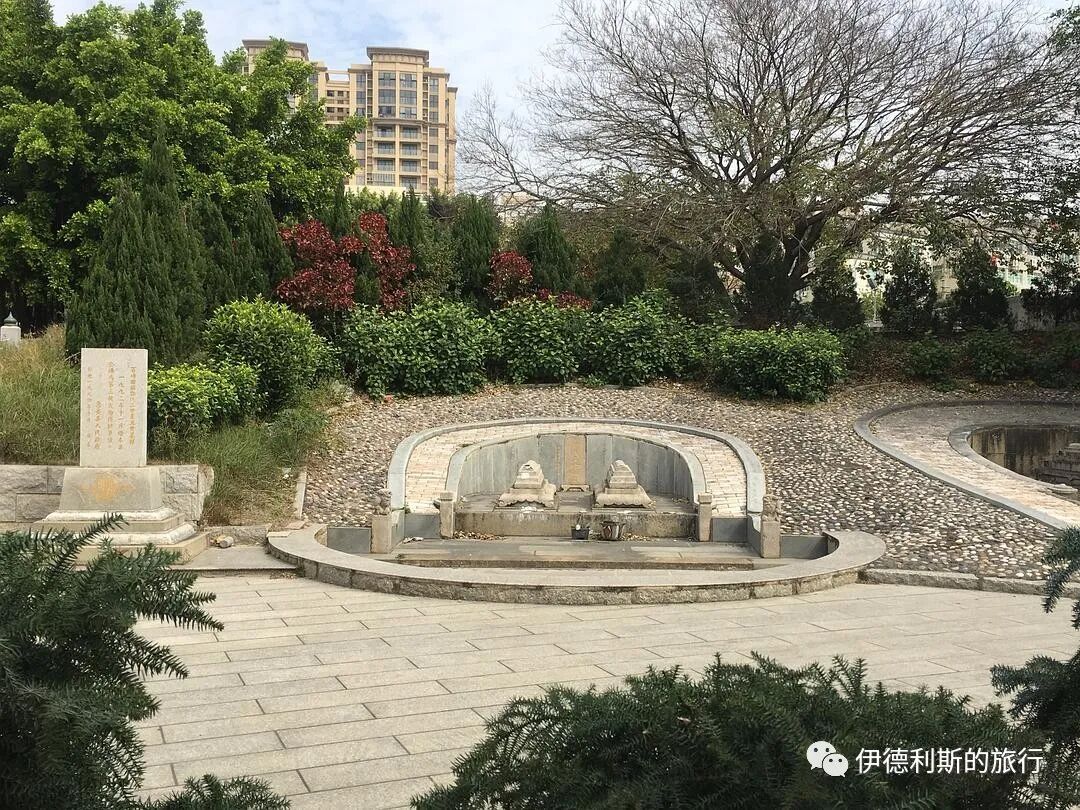
Next to Guo Shiyuan's tomb are two Islamic Sumeru-pedestal stone tombs; the one on the east is buried with Guo Shiyuan's wife, surnamed Chen, and the one on the west is buried with the wife of Guo Shiyuan's eldest son, Guo Bangyong, surnamed Zeng. Mrs. Chen passed away in 1457 and the stone tomb has no patterns; Mrs. Zeng passed away during the Chenghua era of the Ming Dynasty (1465–1487) and the stone tomb has branch patterns.
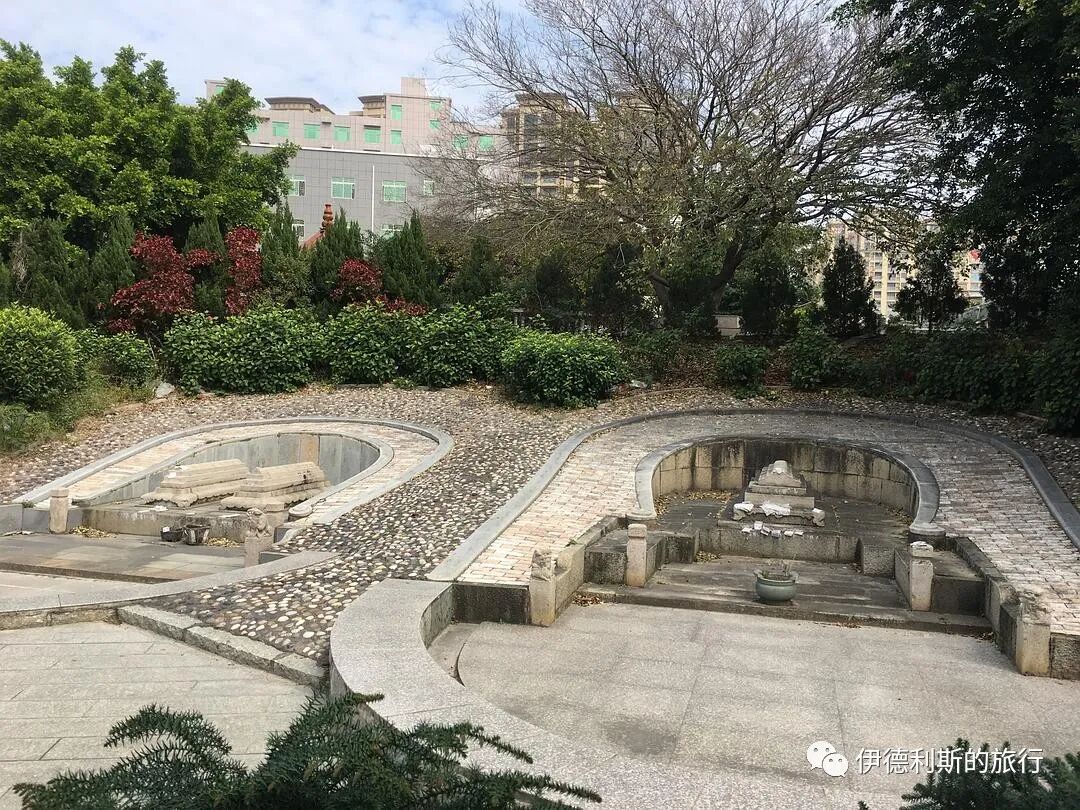
In addition, there are stone tombs of Guo Shiyuan's descendants buried behind Guo Shiyuan's tomb. Because the gate was closed when I visited the Guo Shiyuan cemetery, I was unable to see the tombs behind:
Tomb of Guo Yiqin, the eldest grandson of Guo Shiyuan and fourth generation, who passed away in 1504.
Tomb of Guo Yiqin's first wife, surnamed Wang; year of death unknown.
Tomb of Guo Yiqin's second wife, surnamed Li; year of death unknown.
Tomb of Guo Yiqin's eldest son, Guo Xuyuan, fifth generation, who passed away in 1526.
The tomb of Guo Huaiqin, Guo Yiqin's third younger brother and fourth generation, and his wife, surnamed Hu, were relocated here in 1994 due to construction at the original site.
The tomb of Guo Lianfu, fifth generation of the Guo family's Xin branch (fifth branch), and his wife, surnamed Pu, were relocated here in 1997 due to construction at the original site.
Summary: This travel note introduces Quanzhou Islamic Relics (Part 2). The chlorite tombstone on the right was discovered in 1940 when the East Gate of Quanzhou was demolished. It is useful for readers interested in Quanzhou, Islamic History, Muslim Travel.
The chlorite tombstone on the right was discovered in 1940 when the East Gate of Quanzhou was demolished. The tomb owner was named Shams Din, who passed away in 1325 (the second year of the Taiding era of the Yuan Dynasty). Part of the text on the back is an excerpt from the Quran, Chapter 3, Verse 19.
The chlorite tombstone in the image below was discovered in March 1963 at the home of a farmer in Ruifengling, outside the East Gate of Quanzhou. According to the family, it was found when an old wall on their property, which had stood for a hundred years, collapsed. Several Islamic stone tombs were once discovered near Ruifengling, making it one of the burial sites for Muslims in Quanzhou during the Song and Yuan dynasties. The tomb owner was named Fatima, who passed away in 1306 (the tenth year of the Dade era of the Yuan Dynasty). The translation on the back is from the Quran, Chapter 55, Verses 26 and 27.
The chlorite tombstone in the image below was discovered in 1942 in a stone shop on Renfeng Street, outside the East Gate of Quanzhou; it had been excavated from the city wall. The tomb owner was an imam from the Qazvin region of Persia, named "Tutka Mainunai Amir Ali ibn Hasan ibn Ali Karom," who passed away in 1273 (or 1370). Qazvin is located south of the Caspian Sea and northwest of Tehran. The ancient city was destroyed during the Mongol invasion, rebuilt during the Safavid Dynasty, and served as the capital between 1548 and 1598.
The white granite tombstone in the image below was discovered in April 1962 in a field near Donghu, outside the Small East Gate of Quanzhou. According to villagers, it had been dug up from the city wall years earlier to pave the road. The entire text of the Quran, Chapter 3, Verse 85, is carved on the stone.
The granite tombstone in the image below is carved with the Quran, Chapter 55, Verses 26 and 27. The lower half containing the tomb owner's information is damaged, leaving only the knowledge that "the innocent servant died on Saturday, May 2nd, in the year..."
The white granite tombstone in the image below was discovered in 1947 in the foundation of the Deji Gate at the South Gate of Quanzhou. It was later built into the pier of the Shunji Bridge at the South Gate during bridge repairs that same year, and was only removed after being rediscovered. It is carved with the Quran, Chapter 55, Verses 26 and 27.
The chlorite tombstone in the image below was discovered in June 1959 in Xiawei Village, outside the Tonghuai Gate of Quanzhou. According to local villagers, this stone tablet was excavated from the city wall many years ago and used to pave a small field path. It was later dug up again during road repairs and kept in an ancestral hall because of its unique script. The content of the inscription includes an excerpt from the Quran, Chapter 39, Verse 4, and the full text of Chapter 55, Verses 26 and 27.
The chlorite tombstone in the image below was discovered in 1940 while excavating city foundations in the Jiaochangtou area of the Tumen Gate in Quanzhou. The tombstone features a "cloud and moon" design, with a full moon in the center and cloud patterns on both sides. The tomb owner's name is no longer legible; they passed away in 1350. Part of the inscription contains the Quran, Chapter 55, Verses 26 and 27.
The chlorite tombstone on the left in the image below was excavated from the city wall at the East Gate of Quanzhou in 1930. A full moon is carved in the center in Arabic, with a cloud pattern on each side, forming a "cloud and moon" design. The upper center of the inscription features the Shahada, surrounded by "O Allah! You are the Most Merciful, please forgive and have mercy on all Muslim men and women." "
The chlorite tombstone on the right was discovered in 1945 in a resident's home at Chankou, South Gate of Quanzhou, and was recovered for preservation in 1953. Part of the inscription is an excerpt from the Quran, Chapter 29, Verse 57.
The chlorite tombstone in the image below was discovered in 1932 on the road surface of West Street in Quanzhou; it had originally been removed from the city wall to pave the road. The tomb owner was Khadija bint Fan Shah. The date of death is illegible, only "early morning, Sunday, April 28th" is known.
The chlorite tombstone in the image below was discovered in 1939 in a pond outside the East Gate of Quanzhou. The tomb owner's title was Sa'd al-Ajall al-Kabir, translated as "the first, the respected, the important." Regrettably, the other side was forgotten to be photographed at the time. It was written in Chinese characters: "Fengxun Dafu, Darughachi of Yongchun County..." Darughachi was a Yuan Dynasty official title that only Mongols and powerful Semu people could hold, and Fengxun was a subordinate official of the province. Yongchun County is 86 kilometers from Quanzhou. According to the "Yongchun Prefecture Gazetteer," there was once a Darughachi in Yongchun County named "Tuohuan Shaduo Luobo'er," who may be the same person as the tomb owner.
The chlorite tombstone in the image below was discovered in September 1958 beside a field in Huazhou Village, outside the South Gate of Quanzhou. According to local villagers, it was a city stone dug up from the South Gate wall of Quanzhou over 20 years ago. It was originally intended for building a house, but was later used to pave a small field path after it was discovered to be a tombstone. The tomb owner was named Abu Fatima, which means "father of Fatima." Additionally, part of the translation comes from the Quran, Chapter 55, Verses 26 and 27.
The chlorite tombstone in the image below was excavated in 1929 when the Renfeng Gate wall in Quanzhou was demolished. It was broken into three pieces and stacked into a residential wall, reappearing in 1950 after the wall collapsed. A corner of the stone was lost in the late 1960s. The tomb owner passed away in 1337. The inscription content is from the Quran, Chapter 21, Verses 34 and 35.
The white granite tombstone in the image below was discovered in 1926 by the famous archaeologist Chen Wanli on the South Main Street of Quanzhou. He entrusted the local government to move it to the Construction Bureau for preservation. The Construction Bureau moved shortly after, and the stone was left at the old site. During the 1935 Quanzhou flood, the old site collapsed and the stone was lost. In 1955, a resident dug up the stone in the ruins of the old Construction Bureau, but the bottom part containing the date was damaged. The tomb owner was the daughter of Sayyid Burtumi b. Sayyid Muhammad al-Hamdani, from Hamadan. Hamdani refers to the ancient Persian capital of Hamadan, located southwest of Tehran, which was an important commercial center and transportation hub in northwestern Persia.
The chlorite tombstone from the Yuan Dynasty in the image below was discovered in April 1958 in the city foundation near the Tonghuai Gate of Quanzhou. The tomb owner was named Haji Khwaja b. Hasam al-Din b. Yalaki Siraf, who passed away in 1362. "Haji" indicates he had performed the Hajj, and "Khwaja" is a Persian honorific for a gentleman or elder. Siraf (also translated in historical records as Shilowei, Shilafu, Sanawei, Shiluo, or Siluo) was the largest trading port in the Persian Gulf between the 9th and 13th centuries. During the Song and Yuan dynasties, many Persian merchants traveled through here to Quanzhou for trade.
The chlorite tombstone in the image below was discovered in the summer of 1934 in the city foundation of the East Gate of Quanzhou. In addition to Arabic, it is also carved with Chinese characters: "Pan Zongling passed away on the first day of the fourth lunar month." The Arabic content is an excerpt from the Quran, Chapter 28, Verse 88. According to the "History of Song: Official Posts 7," the position of Zongling was established during the Jianyan era of Emperor Gaozong of the Southern Song Dynasty (1127–1130 AD) to manage money, grain, and taxes. By the Shaoxing era of the Southern Song Dynasty, the Zongling could directly participate in military and political affairs, holding significant power. However, the "Yuan Dianzhang" records that Zongling was a title for minor officials in prisons of various circuits, prefectures, and counties.
The chlorite tombstone from the Yuan Dynasty in the image below was discovered in 1938 while digging for city stones at the East Gate of Quanzhou. The tomb owner was named Granto Takin b. Sultan Husayn, who passed away in 1308. "Takin" is a Turkic title for a prince or noble.
The chlorite tombstone from the Yuan Dynasty in the image below: the lower half was discovered in 1934 on a small field path outside the Tonghuai Gate of Quanzhou, and the upper half was excavated in 1942 while digging for foundation stones at the East Gate of Quanzhou. The tomb owner was an imam named Umar. Additionally, part of the text is from the Quran, Chapter 55, Verses 26 and 27, and Chapter 3, Verse 185.
The chlorite tombstone in the image below was unearthed in 1978 on a street in Houlucun, Donghai Commune, outside the Tonghuai Gate of Quanzhou. It is carved with the Quran, Chapter 21, Verse 35, and Chapter 28, Verse 88.
The chlorite tombstone in the image below was unearthed in 1935 at Jintoupu, outside the Tonghuai Gate of Quanzhou. The tomb owner was named Ibn Daghab b. Isfhasalar Jelashaghuni, who passed away in 1301. The inscription refers to him as a shaikh and also contains the Quran, Chapter 3, Verse 185.
The chlorite tombstone from the Yuan Dynasty in the image below was discovered in 1936 in Jintoupu Village, outside the Tonghuai Gate of Quanzhou. The tomb owner passed away in 1358 and was named Banan b. Ghasim Isfahani. Here, "Banan" is the given name, "Ghasim" is the father's name, "Pahlavan" means monarch or king, and Isfahan is a famous ancient city in Persia.
The chlorite tombstone in the image below was discovered in 1939 when the North Gate (Chaotian Gate) of Quanzhou was demolished. The tomb owner passed away in 1322 and was named Nuransa Ibn Khwaja Balad-shah b. Khwaja Haji Harbk Khorazmi. In this long string of names, "Nuransa" is his given name, "Balad-shah" is his father's name (meaning leader in Persian), "Harbk" is his grandfather's name, "Khwaja" indicates noble status, "Haji" indicates his grandfather had performed the Hajj, and "Khorazmi" indicates his family came from the ancient Central Asian city of Khwarazm.
The white granite tombstone in the image below was originally used as a stone tabletop under the eaves of the Yuan Shan Tang (later changed to Fentuoshi) on Zhongshan Middle Road in Quanzhou. It is said to have been moved there in 1952 when buying city foundation stones from the East Gate of Quanzhou to build a house. In 1965, Ms. Wu Yuanying donated the stone to the Quanzhou Maritime Museum. The tomb owner was Husayn b. Muhammad Khalati. Khalati refers to Khalat, which was once the capital of Armenia.
Because the inscription is written in a very irregular style, there are still many doubts regarding its interpretation. If interpreted as "Hijri 567" (1171 AD), this stone would be the oldest Arabic stone tablet discovered in Quanzhou.
The chlorite stone on the left in the image below was discovered in 1940 during the demolition of the Tonghuai Gate in Quanzhou. It was carried home by workers to pave the floor. In 1956, it was found in the home of a farmer in Jintoupu, outside the Tonghuai Gate, alongside some large Indian-style carved bluestone and other Arabic inscriptions unearthed nearby. According to the farmer, these stones were bought as building materials. This stone was initially used as a washboard and later as a paved step. This inscription records that an elder named Naina Umar b. Ahmed b. Mansur b. Umar, from the ancient city of Abyani in Yemen, built the gate and walls of a blessed mosque.
The chlorite stone on the right was discovered in 1948 in the city foundation of the South Gate of Quanzhou. It tells of a man named Muhammad b. Abi Bakr, also known as Mairding, who built a mosque.
The image below shows a mosque column base unearthed in 1998 at Jintoupu, outside the Tonghuai Gate of Quanzhou.
The "Yuan Dynasty Guo Family Ancestral Tombstone" in the image below was discovered in 1974 in the home of a villager in Fashi Village, outside the Tonghui Gate of Quanzhou. The original site was the "Liu Gong Qi" cemetery, also known as the "Chessboard Hole" cemetery, located east of Guangtang Palace and Tiantang Well in Fashi Village. Liu Gong Qi was quite large, consisting of a large square stone platform with two levels, each with two Muslim tower-style stone tomb covers. The Guo family tombstone was erected in front of the upper tomb cover. In 1956, Liu Gong Qi was demolished to level the land, and the stone was laid flat over the tomb. In 1967, a villager took the stone to pave a warehouse floor, breaking it into two pieces in the process. It was later discovered and protected by descendants of the Guo family. In 1974, the investigation team of the Quanzhou Maritime Museum, following clues from the "Baiqi Guo Family Genealogy," conducted multiple investigations in Fashi Village and finally discovered the tombstone, which was moved to the Quanzhou Maritime Museum for collection in 1978.
The upper right corner of the tombstone is vertically carved with the seal script "Tingpo," with "Jin" below it, representing Tingpo, Fashi, Jinjiang County. The upper left corner is vertically carved with the seal script "Baiqi," with "Hui" below it, representing Baiqi, Hui'an County. These two places are where the Baiqi Guo family lived successively. Below is vertically carved in regular script: "Yuan Dynasty Guo Family Ancestral Tomb."
Fashi Village is on the north bank of the Jinjiang River in the eastern suburbs of Quanzhou and was an important commercial wharf for the Port of Quanzhou during the Song and Yuan dynasties. During the Yuan Dynasty, there was a stone street along the river several miles long from Meishan to Bantou in Fashi. In 1346, the Moroccan traveler Ibn Battuta arrived at the Port of Quanzhou. In his "Travels of Ibn Battuta," he wrote: "The city's port is one of the great ports of the world, perhaps even the largest. We saw about a hundred large ships in the port, and countless small boats. This port is a huge bay extending into the land, meeting the great river." "
The Chinese characters on the tombstone are easy to explain, but the Arabic interpretation is very difficult. In the early 1980s, Chen Dasheng, director of the Quanzhou Maritime Museum, interpreted the Arabic as "Ibn Qds Daqqaq Nam," meaning "Ibn Quds Daqqaq Nam." Because "nam" means "famous" in Persian, he believed the Baiqi Guo family were descendants of Persians.
However, Professor Wu Youxiong of Quanzhou Normal University proposed a completely different interpretation in his book "The Origin of the Baiqi Guo Surname and Scripture Hall Education." After consulting with the director of the Arabic Department of China National Radio, Wu Youxiong believed this passage was written in Arabic script to spell out the Minnan dialect "Yin Go Zi Ta-gag Mou," meaning "Tomb of Guo Deguang of the Yuan Dynasty." Because previous interpreters were unfamiliar with the Minnan dialect, they had not translated it. Guo Deguang was the ancestor of the Baiqi Guo family who came to Quanzhou, moving from Zhejiang to Quanzhou during the Yuan Dynasty to settle down.
The method of using Arabic script to spell out Chinese is called "Xiao'erjing" or "Xiao'erjin," also known as "Xiao Jing," and was used to annotate Islamic classics while studying them. According to the Guo family genealogy, Guo Deguang's tomb was rebuilt several times. This tombstone was very likely re-erected in the Qing Dynasty by Guo descendants who practiced Islam.
In 1709 (the 48th year of the Kangxi era), Chen Yougong, the regional commander of Ting, Yan, and Shao in Fujian, came to Quanzhou to revive the faith and established scripture hall education in the Qingjing Mosque. At that time, Guo Honglong, of the fourth branch and eighth generation of the Guo family, moved from He Cuo in Baiqi to live in the Qingjing Mosque and converted to Islam due to the "distinction between strong and weak branches." After Honglong converted, other Guo family members who came to Quanzhou city for business also came to the Qingjing Mosque to convert. According to the Guo family genealogy "Preface to Returning to the Hui Faith," after the Guo family re-entered the faith, led by the eighth-generation descendant Guo Sizhi and the tenth-generation descendant Guo Zhiquan, and through the education of two imams, "Master Zhuang" and "Master Ge," more than a hundred people joined Islam, mainly from the fourth branch to which Guo Honglong belonged. Therefore, the Guo descendants at this time should have been able to use Arabic script to spell out Minnan dialect to write Xiao Jing.
On the south lawn of the Maritime Museum, there are hundreds of Muslim Sumeru-pedestal stone tombs from the Song and Yuan dynasties. Most have ruyi-shaped six feet at the bottom, with plain or lotus-petal designs in the middle, a few are carved with Arabic, and the top tomb stones are mostly missing.
A granite tomb top stone placed separately.
IV. Deji Gate Site
The Deji Gate at the South Gate of Quanzhou was built in 1320 (the third year of the Shaoding era of the Southern Song Dynasty) and was originally named Zhennan Gate. In 1352 (the 12th year of the Zhizheng era of the Yuan Dynasty), after the expansion of Quanzhou city, it was renamed Deji Gate. In the early Hongwu years of the Ming Dynasty, the city gate was expanded and a barbican was added.
In 1948, the Deji Gate was destroyed by fire, and nearby villagers dug up many Song and Yuan Muslim tomb stones from the city foundation to take home for building houses and paving roads. Since then, the Deji Gate foundation was buried underground, and the surface became residential houses. In the 1950s, researchers visited villages near the Deji Gate and discovered some Song and Yuan Muslim tomb stones that had been taken away when the city gate was demolished. These stones are now collected in the Quanzhou Maritime Museum.
In September 2001, while renovating the square opposite the Tianfei Palace at the Deji Gate, the Deji Gate foundation, 3 meters underground, was rediscovered. After cleaning and excavation, a large number of Song and Yuan Indian, Christian, and Islamic stone carvings were unearthed again. These stone carvings were likely transported to the Deji Gate and built into the foundation as base stones after the Ming army entered Quanzhou in the early Hongwu years and destroyed Hindu temples, as well as Christian and Muslim tombstones.
V. Muslim Tomb Stones in the Museum of Quanzhou Maritime Silk Road
The image below shows a fragment of a four-layer white granite Sumeru-pedestal stone tomb. The bottom layer has ruyi-shaped six feet, the second layer has relief lotus petals, the third layer is carved with Arabic, and the top tomb stone is missing. Originally collected by the Shishi City Museum, it is now in the Museum of Quanzhou Maritime Silk Road.
VI. Chendai Mosque, Jinjiang
In the early 1920s, the famous Hui person Tang Kexan, while serving as the Superintendent of the Xiamen Customs, paid great attention to the faith in Quanzhou. On the eve of the War of Resistance, he recommended his fellow townsman Zhang Guangyu to preside over the religious work in the Quanzhou area. After arriving in Quanzhou, Zhang Guangyu earnestly carried out religious affairs, and the faith in Chendai began to reappear.
In 1939, the "China Islamic National Salvation Association Chenjiang Branch" was established in Chendai. Some Ding family members from Chendai often went to the Qingjing Mosque in Quanzhou for Jumu'ah prayers. Later, they converted the "Wenchang Shrine" in Sijing Village into a mosque and hired Imam Tie from Quanzhou to preside over religious affairs.
Between 1937 and 1944, the most famous modern Islamic school during the Republic of China, the Chengda Normal School, moved south to Guilin. The founders, Tang Kexan and Ma Songting, successively accepted 17 young men from the Ding family in Chendai to study there.
In the late 1950s, all Islamic activities in Chendai were forced to stop. Ding Jinshun, a graduate of Chengda Normal School, was criticized and struggled against for mentioning in class that he was a Hui Muslim.
In 1983, Ding Jinshun and Ding Jinhe, both graduates of Chengda Normal School, attended the founding meeting of the Fujian Islamic Association. After this, Chengda Normal graduates Ding Jinshun, Ding Jinhe, Ding Jinke, and Ding Jinhong, along with twenty other enthusiastic believers, established the "Chendai Islamic Association Group" and began to restore the faith. They borrowed the second-floor conference room of the Chendai Hui Affairs Committee and the back hall of the Ding family ancestral hall for Jumu'ah prayers, with Ding Jinshun serving as the imam. During Eid al-Fitr and Eid al-Adha, they invited their former Chengda Normal classmates who were now imams in Guilin, as well as imams from Jiaxing, Zhejiang, to preside over the congregational prayers.
After the Chendai Islamic Association Group was established, they began preparing to build a mosque. They issued a "Letter to Muslim Compatriots Nationwide" to the national Islamic association, but only a few hundred yuan in funds were sent from a few mosques in Ankang, Shaanxi, and Yunnan. After this, former Chengda Normal classmates in Hong Kong forwarded the "Letter to Ding Family Compatriots" to the Ding family in Hong Kong, Taiwan, and overseas. They received 70,000 yuan in donations from the "Five Surnames Mosque Association (Jin, Ding, Ma, Bai, Guo, originating from Quanzhou Hui Muslims) of Philippine Travelers" in Hong Kong, Taiwan, Singapore, and the Philippines.
In 1991, the Chendai Mosque was completed, and it officially opened in 1993, immediately followed by the establishment of the Jinjiang Islamic Association. The Ding family of Chendai hired Imam Ma Zhiwei from Inner Mongolia as the first religious leader, and Ding Jinke and Ding Jinshun served as the first director of the mosque management committee and director of the Islamic Association, respectively.
After the 1990s, the Ding family of Chendai selected nearly 60 young people to study Islam at home and abroad, some of whom went to Arabic language schools in mosques in Inner Mongolia.
VI. Baiqi Guo Family Tombs
During the Hongwu years of the Ming Dynasty, the Muslim Guo Zhongyuan moved from Fashi, Quanzhou, to live in Baiqi, across from Houzhu Port, forming what is now the Baiqi Hui Ethnic Township. Today, more than 10,000 Hui Muslims with the surname Guo live there, known as "Baiqi Guo" or "Jiuxiang Guo."
1. Tomb of Guo Zhongyuan and his wife
According to the Guo family genealogy "Preface to Returning to the Hui Faith," Guo Zhongyuan built a mosque in Baiqi and collected many Islamic classics. Guo Zhongyuan passed away in 1422 at the age of 75. His wife, surnamed Chen, passed away in 1433 at the age of 82. They are buried under Longtou Mountain, east of Xiadai Village, commonly known as the "Stone Lion Public Tomb."
The tomb of Guo Zhongyuan and his wife is a typical Song and Yuan Muslim Sumeru-pedestal stone tomb in Quanzhou. This type of tomb with a stone cover on the pedestal is called a "religious tomb" by the Guo family, commonly known as a "cake tomb," representing Islam.
The stone tomb is made of granite, common in Quanzhou, and is divided into five layers. The first layer is carved with six feet and ruyi patterns, the second layer is carved with continuous flower branches, and the third layer is carved with lotus petals. The fourth layer on the left side of Mrs. Chen's tomb is carved with lotus and branch patterns, and the right side of Guo Zhongyuan's tomb is carved with the Quran, Chapter 55, Verses 26 and 27:
Everyone on earth will perish; Only the essence of your Lord, possessing majesty and honor, will exist eternally.
This scripture appears in large numbers on Muslim tomb cover stones in Quanzhou from the Song and Yuan dynasties, and it is also the most commonly carved passage on ancient Muslim tombs in Sanya.
Two stone tombs are placed side by side on a stone platform, with a horseshoe-shaped retaining wall built behind them. In the center of the retaining wall is a cloud-and-moon-shaped stone tablet, a design that can also be seen in Song and Yuan Islamic stone tombs in Quanzhou.
2. Tomb of Guo Mengwei and his wife
Guo Mengwei was the second son of Guo Zhongyuan's eldest son, Guo Shichu. He passed away in 1480 at the age of 77. His wife, surnamed Huang, passed away in 1474 at the age of 69. After they passed away, they were buried next to Guo Zhongyuan's tomb. It is also an Islamic Sumeru-pedestal stone tomb, but without any patterns. Behind the tomb is a restoration tablet from 1983.
3. Tomb of Guo Shiyuan's family
Guo Shiyuan was the second son of Guo Zhongyuan. He passed away in 1407 at the age of only 34 and was buried east of Lichun Village, commonly known as the "Second Branch Public Tomb."
Guo Shiyuan's tomb is also an Islamic Sumeru-pedestal stone tomb, with an intaglio cloud and moon pattern on the front of the tomb cover and branch patterns around the base.
Next to Guo Shiyuan's tomb are two Islamic Sumeru-pedestal stone tombs; the one on the east is buried with Guo Shiyuan's wife, surnamed Chen, and the one on the west is buried with the wife of Guo Shiyuan's eldest son, Guo Bangyong, surnamed Zeng. Mrs. Chen passed away in 1457 and the stone tomb has no patterns; Mrs. Zeng passed away during the Chenghua era of the Ming Dynasty (1465–1487) and the stone tomb has branch patterns.
In addition, there are stone tombs of Guo Shiyuan's descendants buried behind Guo Shiyuan's tomb. Because the gate was closed when I visited the Guo Shiyuan cemetery, I was unable to see the tombs behind:
Tomb of Guo Yiqin, the eldest grandson of Guo Shiyuan and fourth generation, who passed away in 1504.
Tomb of Guo Yiqin's first wife, surnamed Wang; year of death unknown.
Tomb of Guo Yiqin's second wife, surnamed Li; year of death unknown.
Tomb of Guo Yiqin's eldest son, Guo Xuyuan, fifth generation, who passed away in 1526.
The tomb of Guo Huaiqin, Guo Yiqin's third younger brother and fourth generation, and his wife, surnamed Hu, were relocated here in 1994 due to construction at the original site.
The tomb of Guo Lianfu, fifth generation of the Guo family's Xin branch (fifth branch), and his wife, surnamed Pu, were relocated here in 1997 due to construction at the original site.
