
The Former Capital of the Crimean Khanate—Bakhchisarai (Part 2)
Reposted from the web
Summary: This travel note introduces The Former Capital of the Crimean Khanate—Bakhchisarai (Part 2). The pavilion in the harem, and an 18th-century coffee pot. It is useful for readers interested in Crimea Travel, Islamic History, Muslim Heritage.
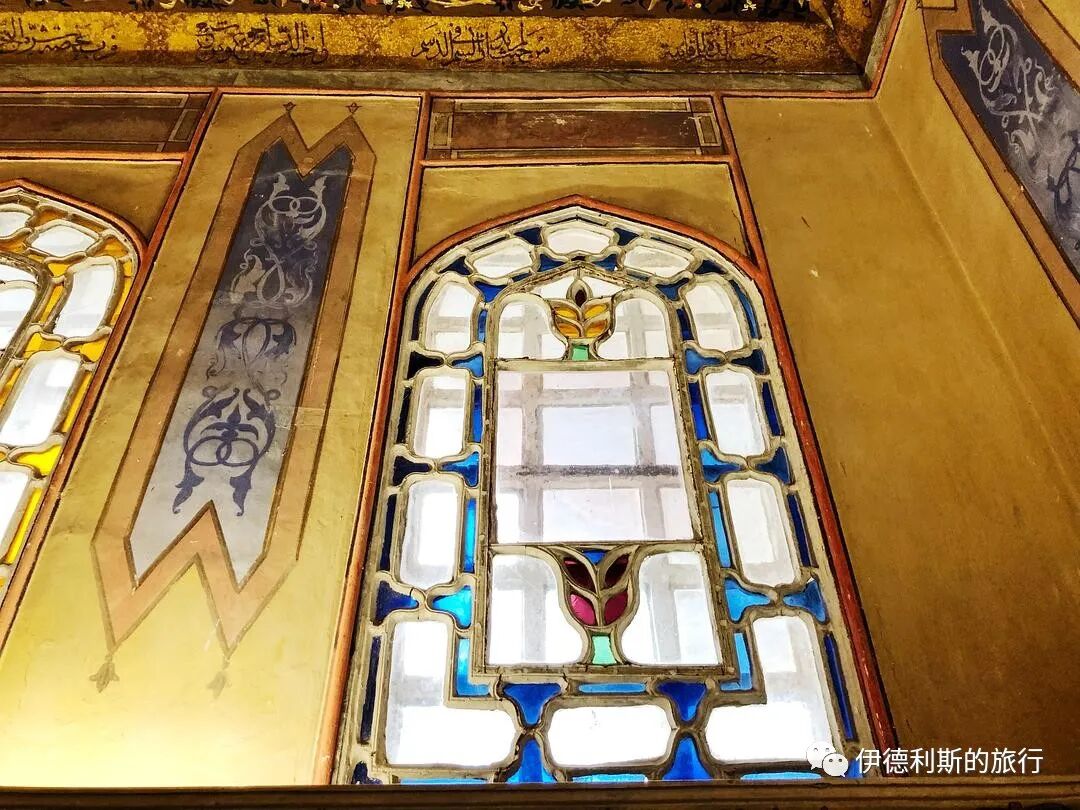
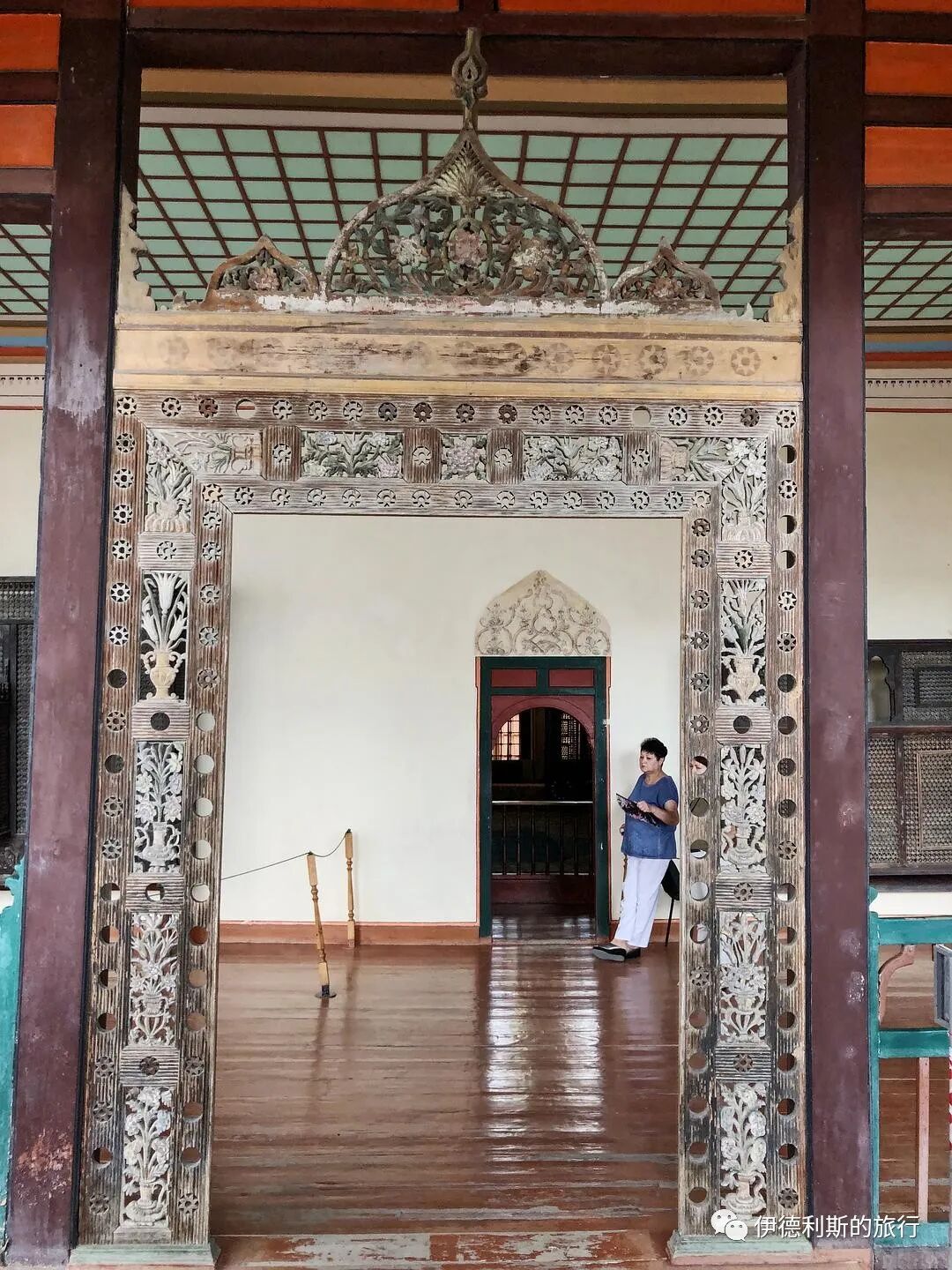
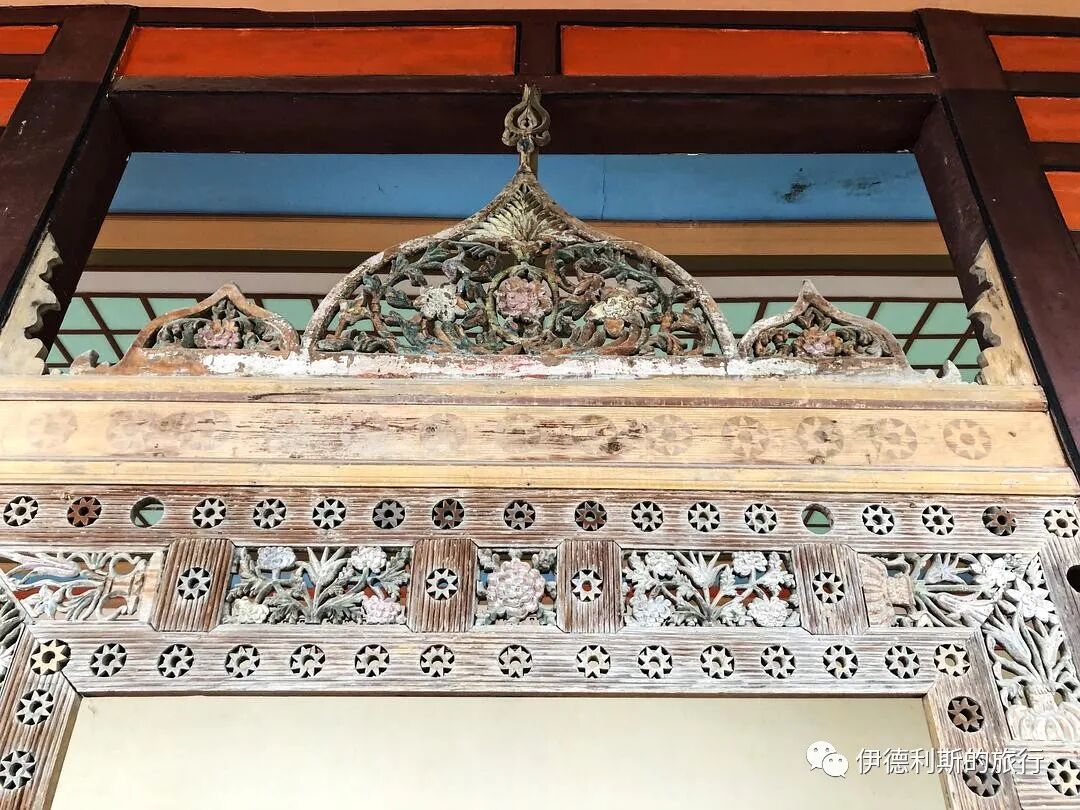
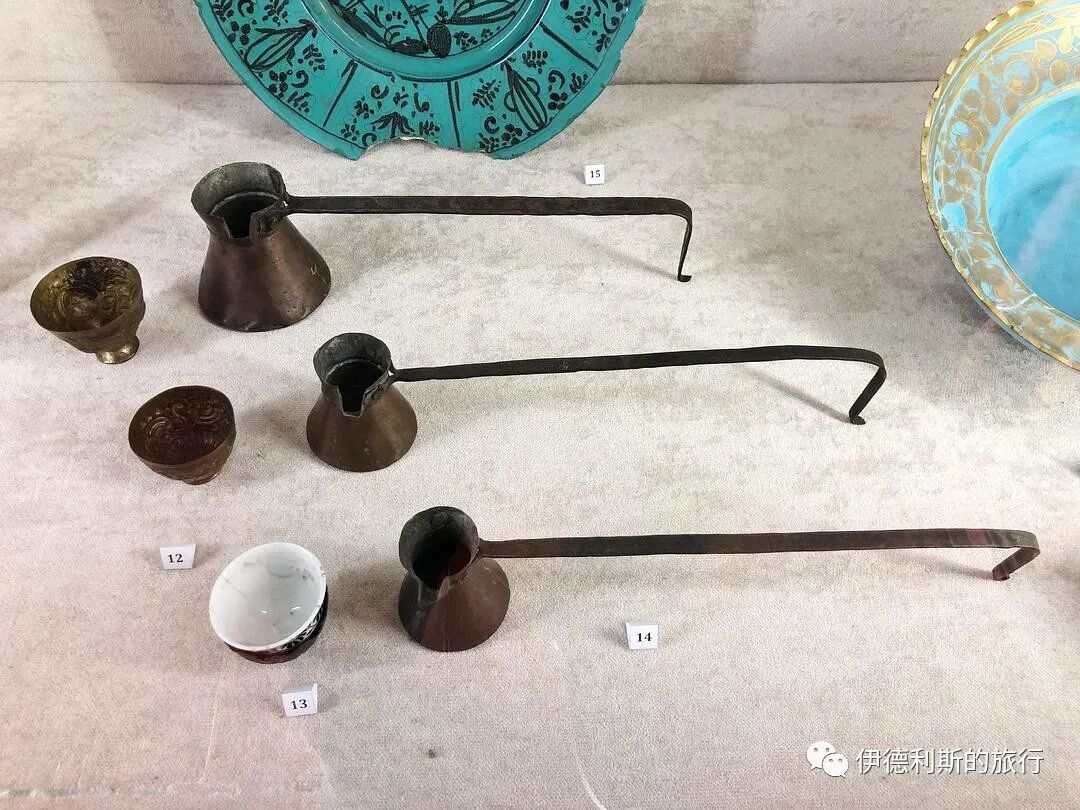
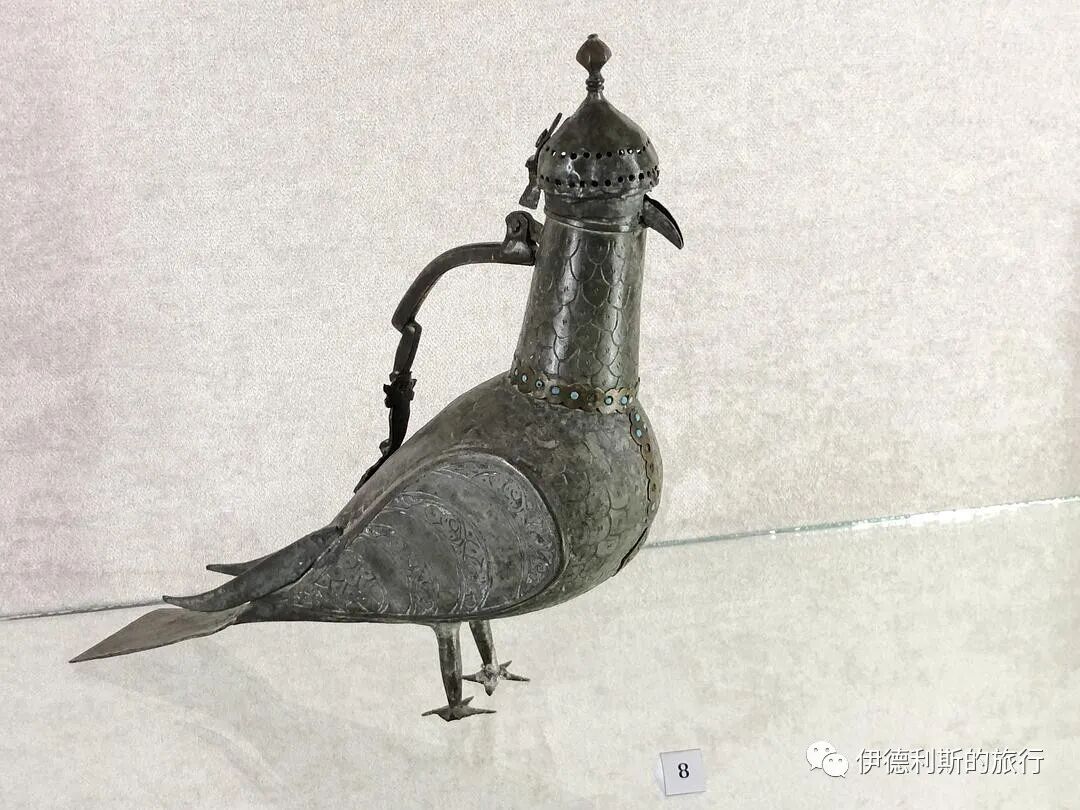
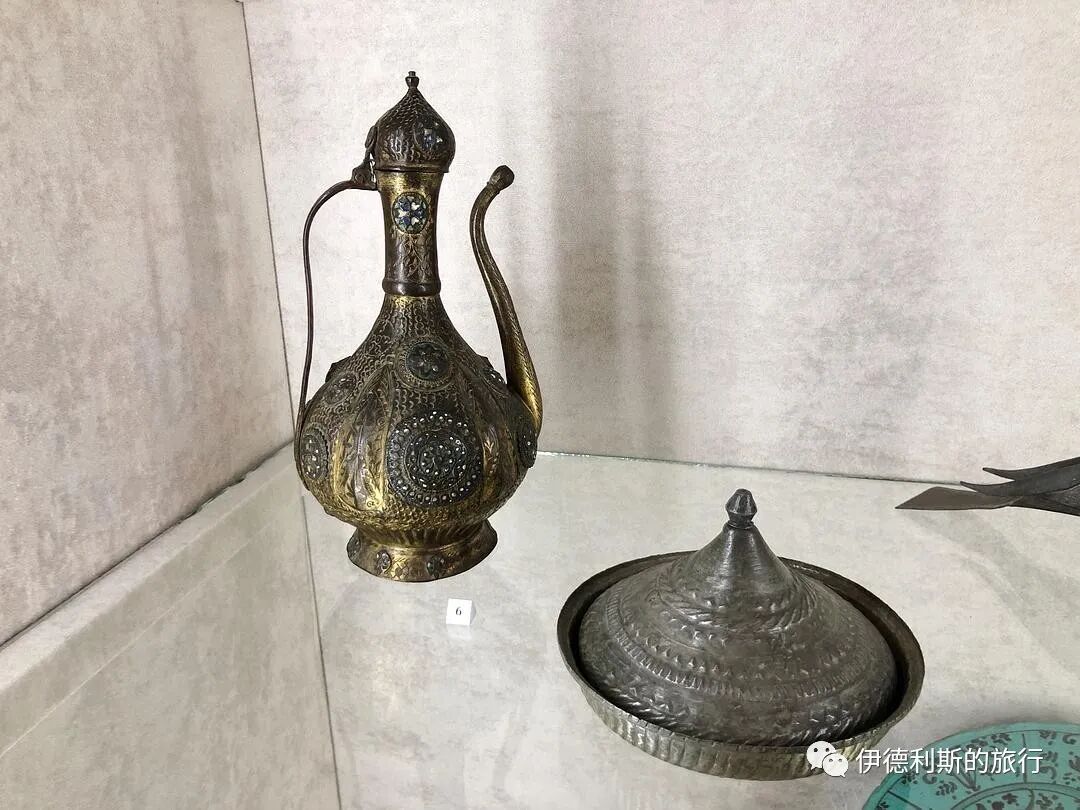
The pavilion in the harem, and an 18th-century coffee pot.
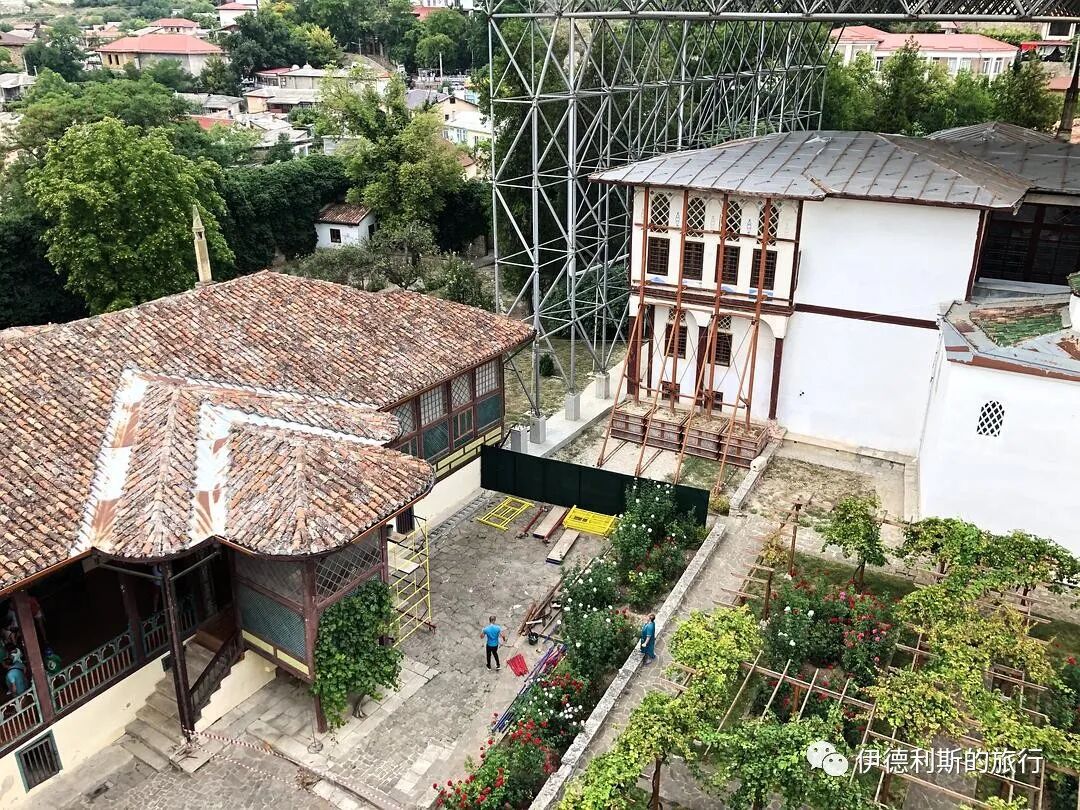
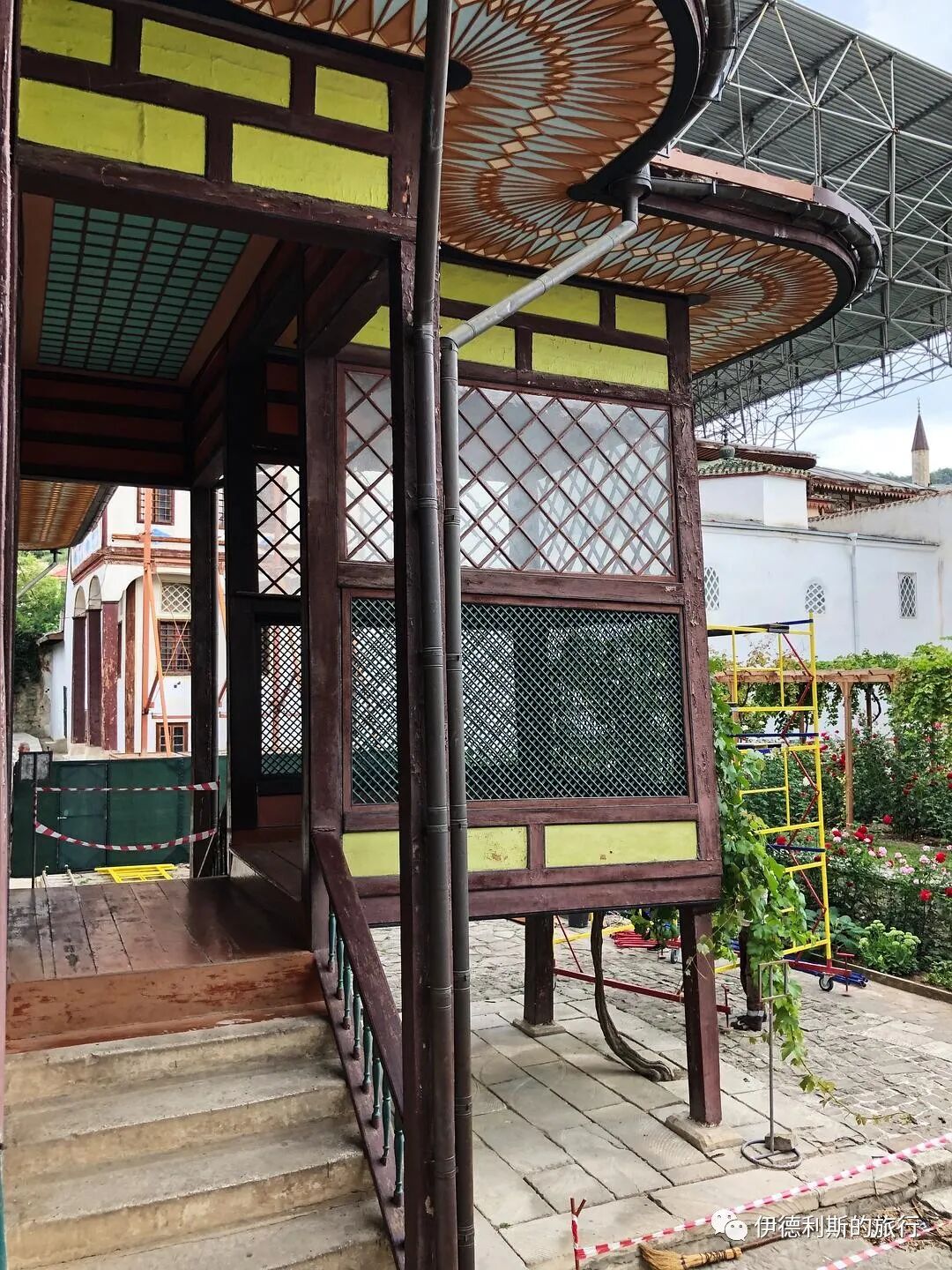
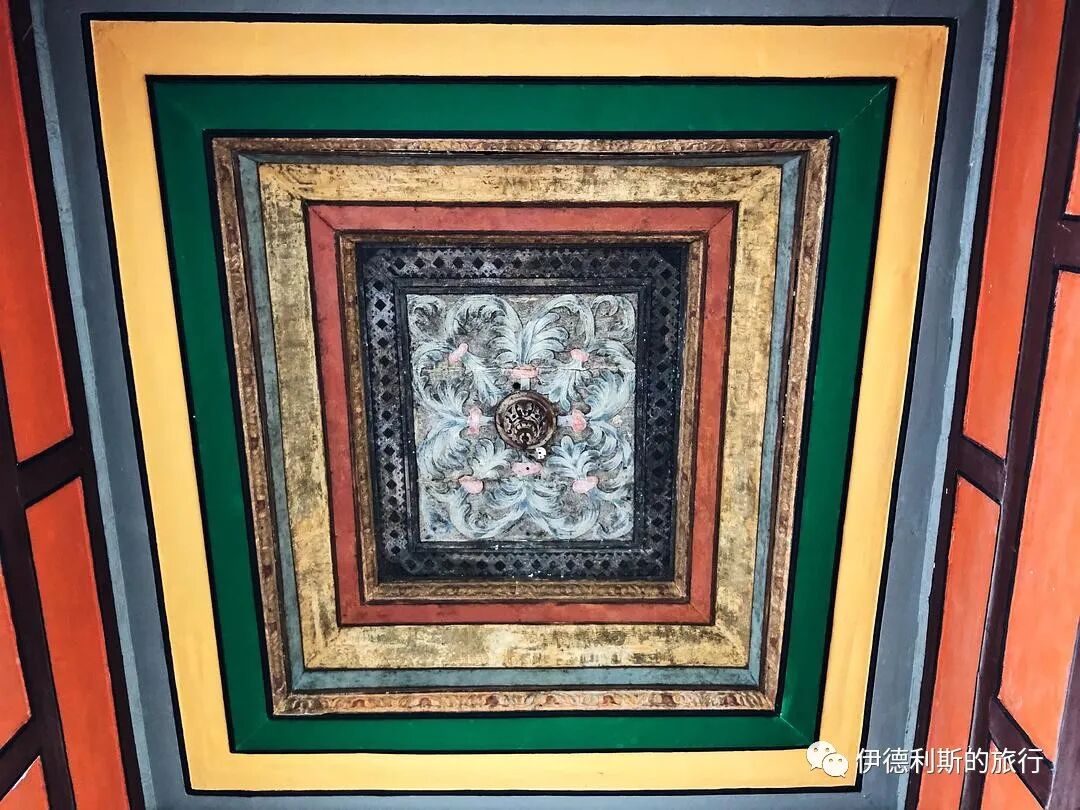
7. Persian Garden
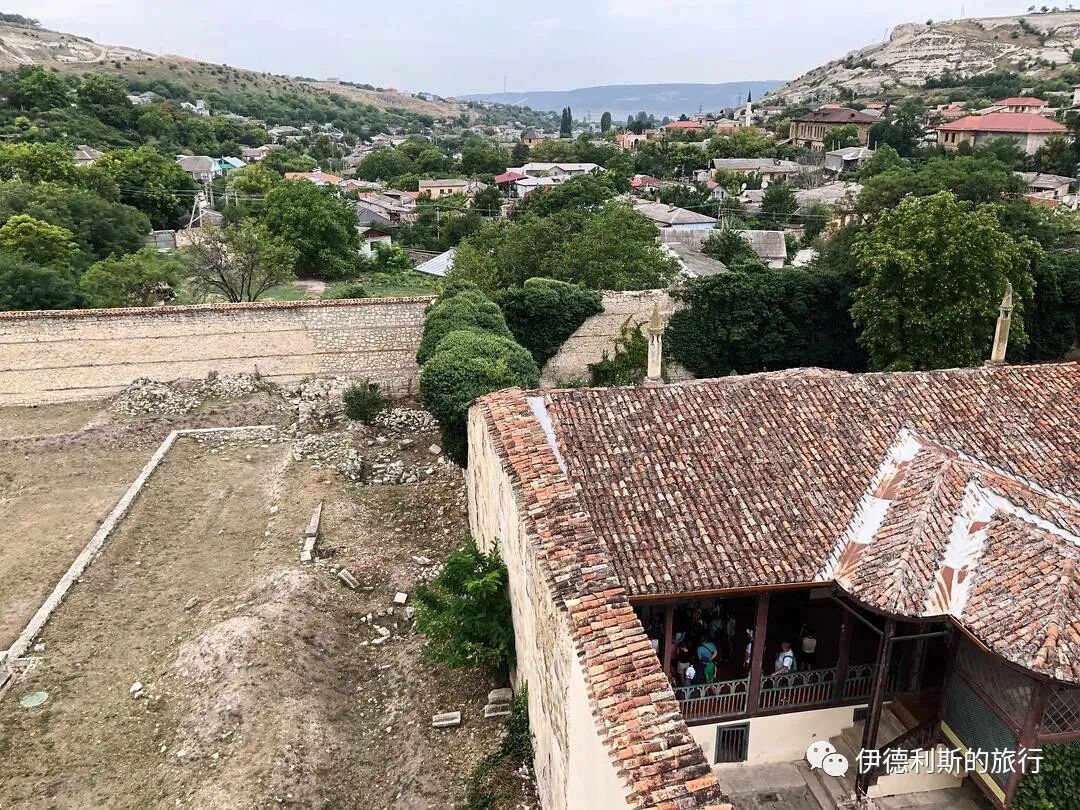
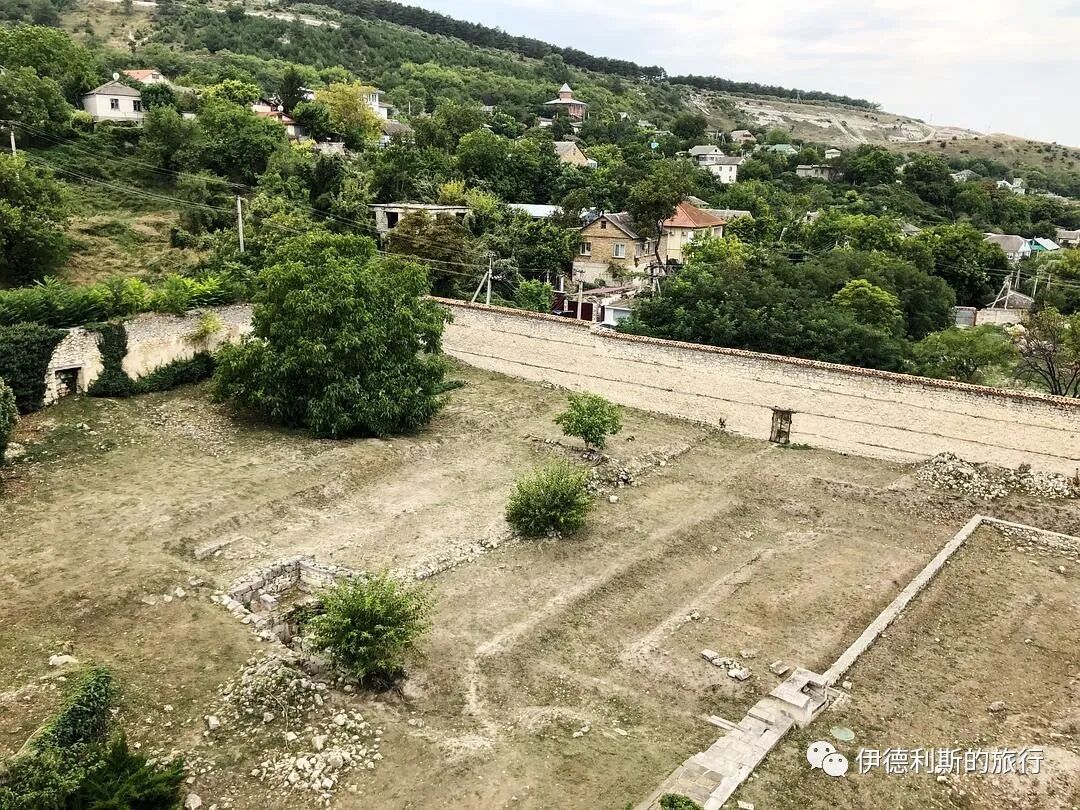
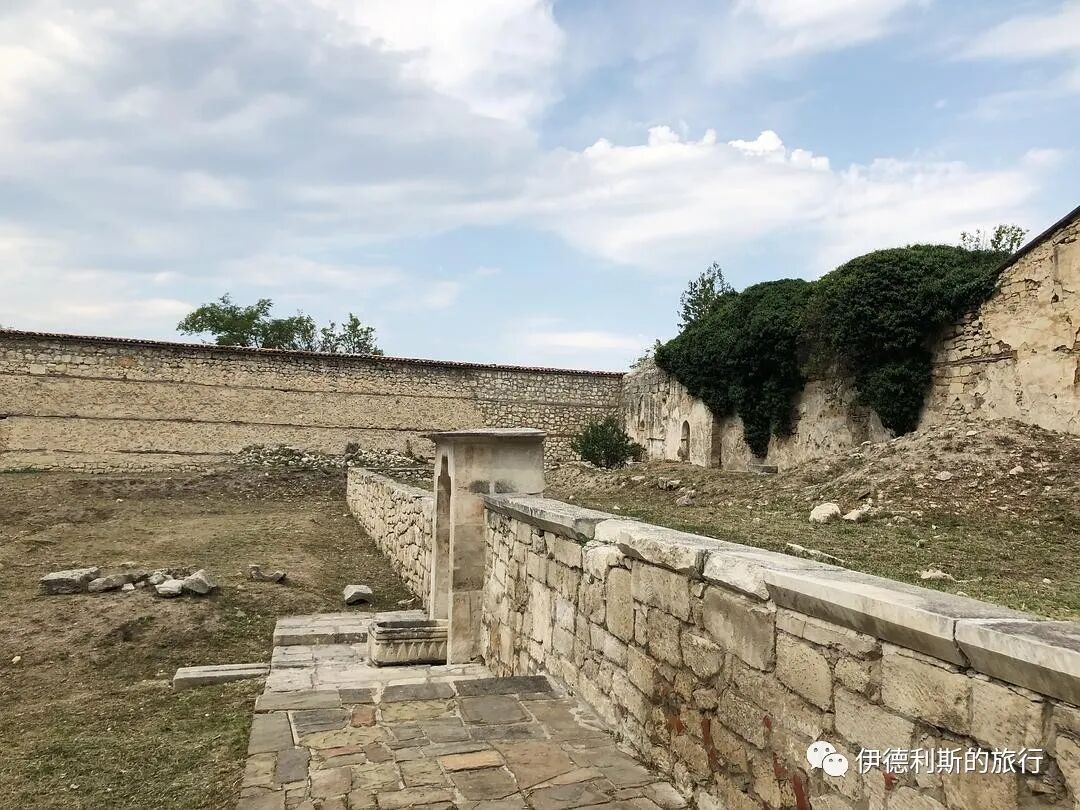
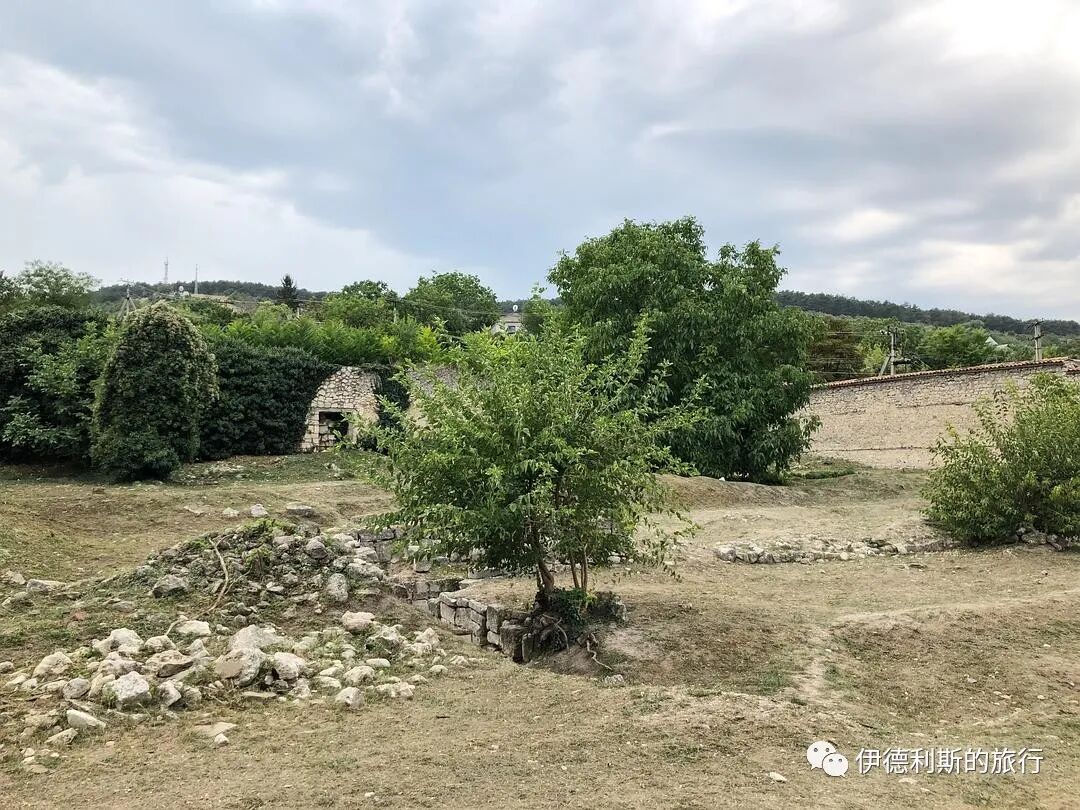
The Persian Garden in the southern part of the harem was surrounded by high walls and once featured various trees, fountains, and baths, but now only ruins remain.
8. Dilâra Bikeç Mausoleum: 1764
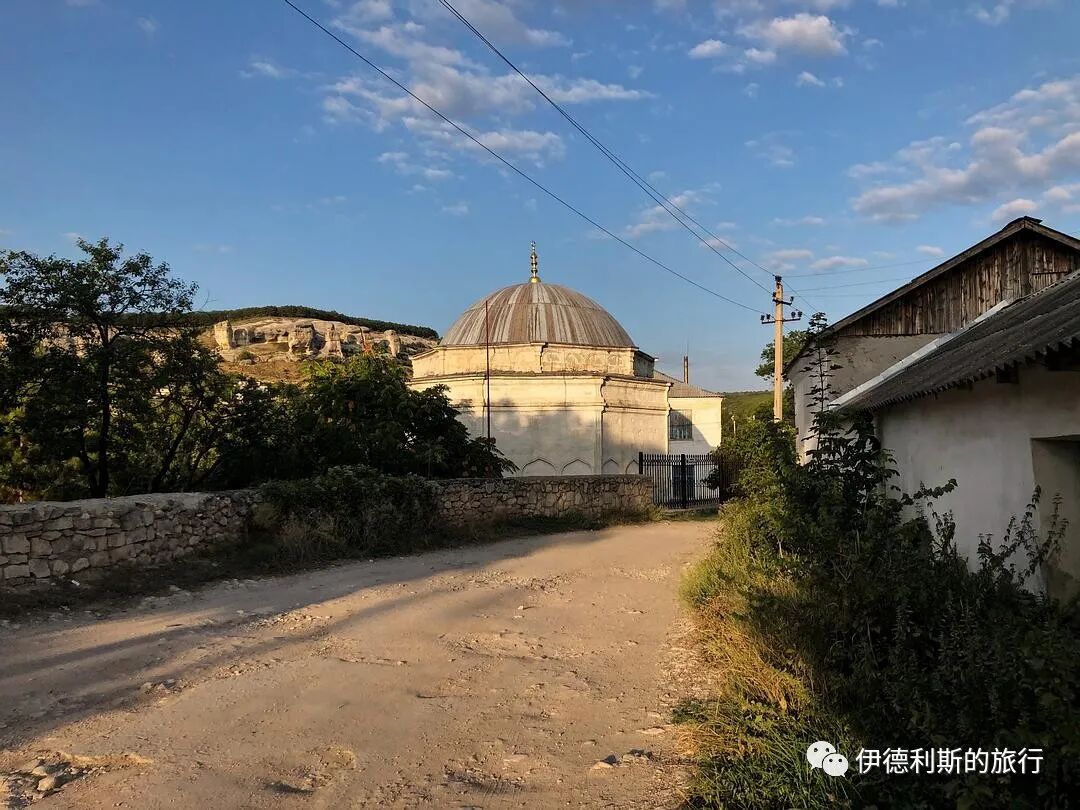
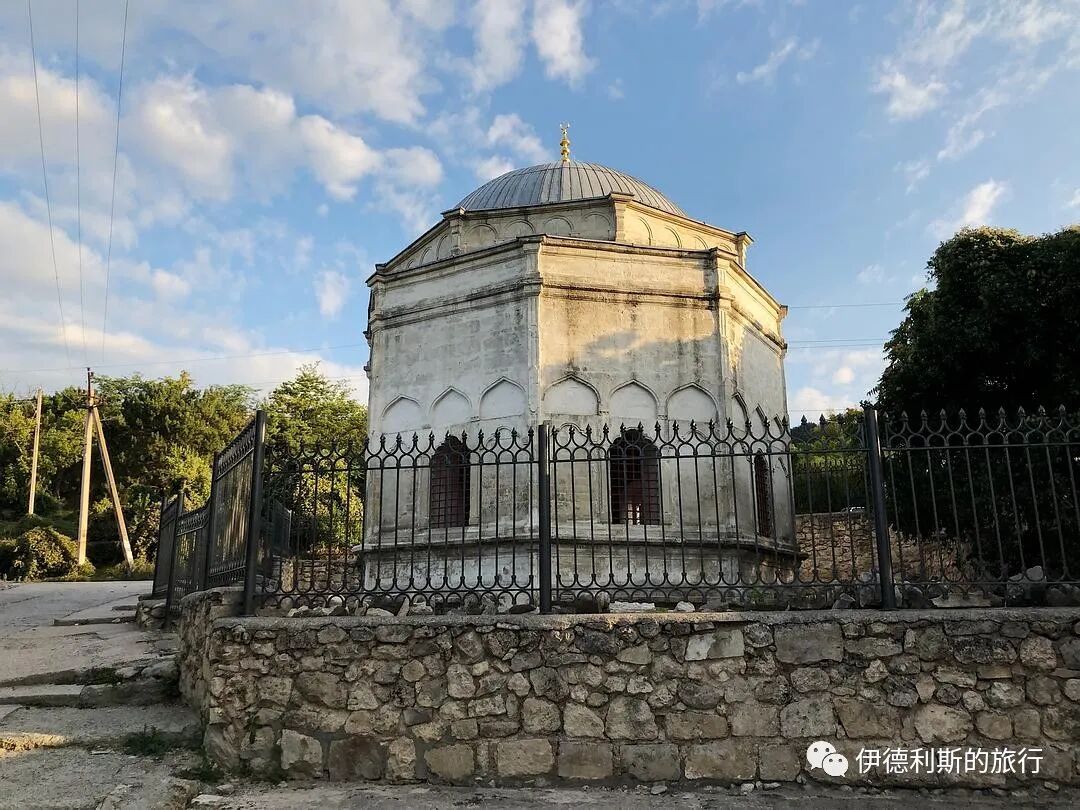
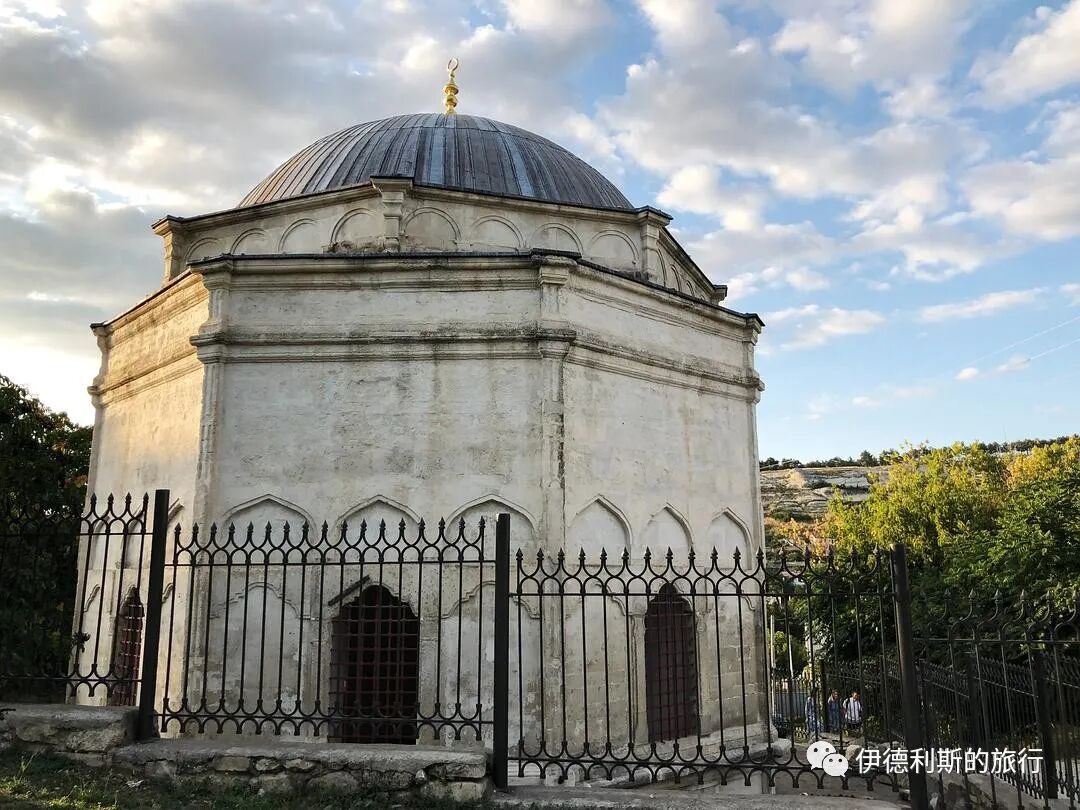
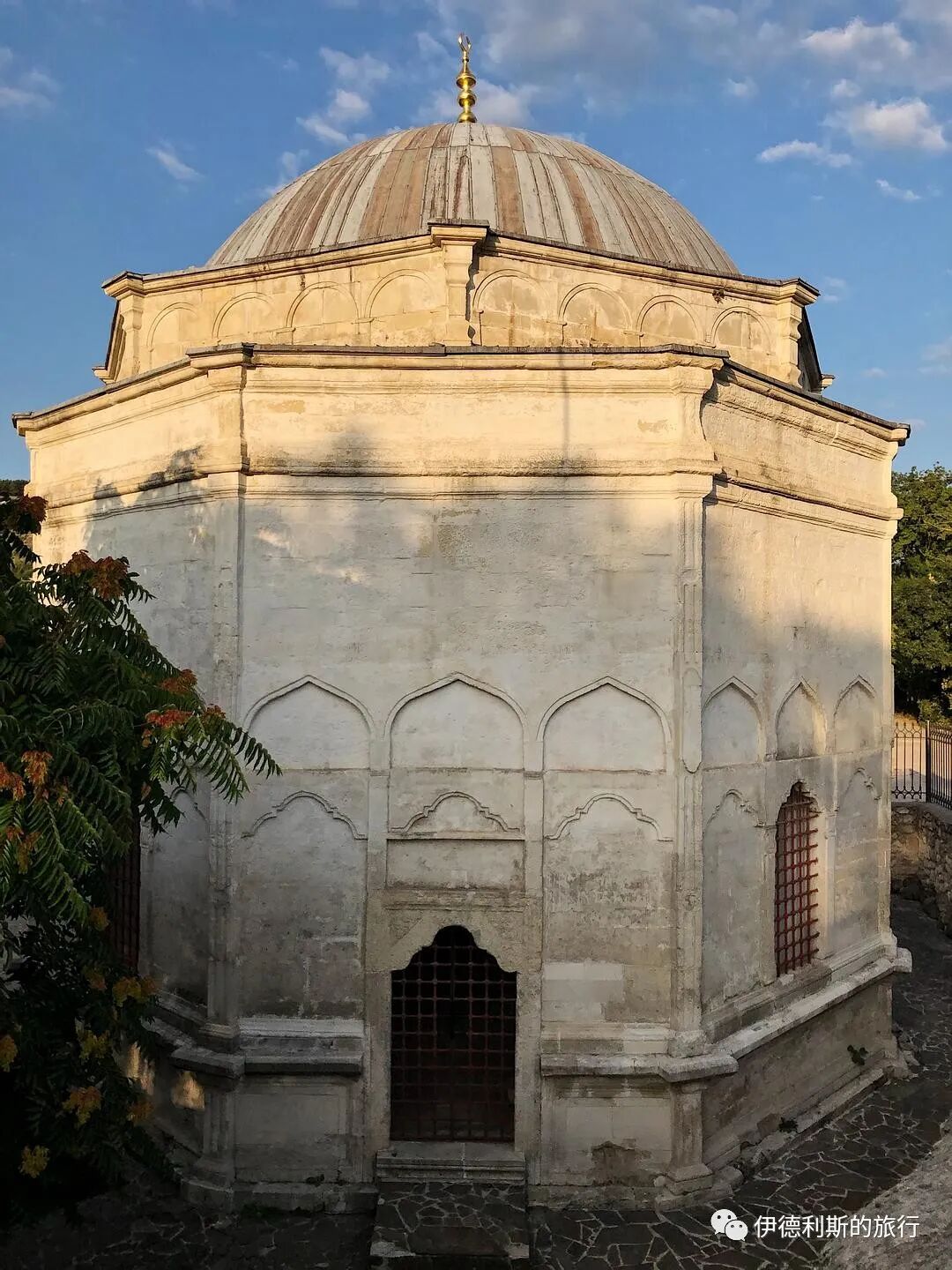
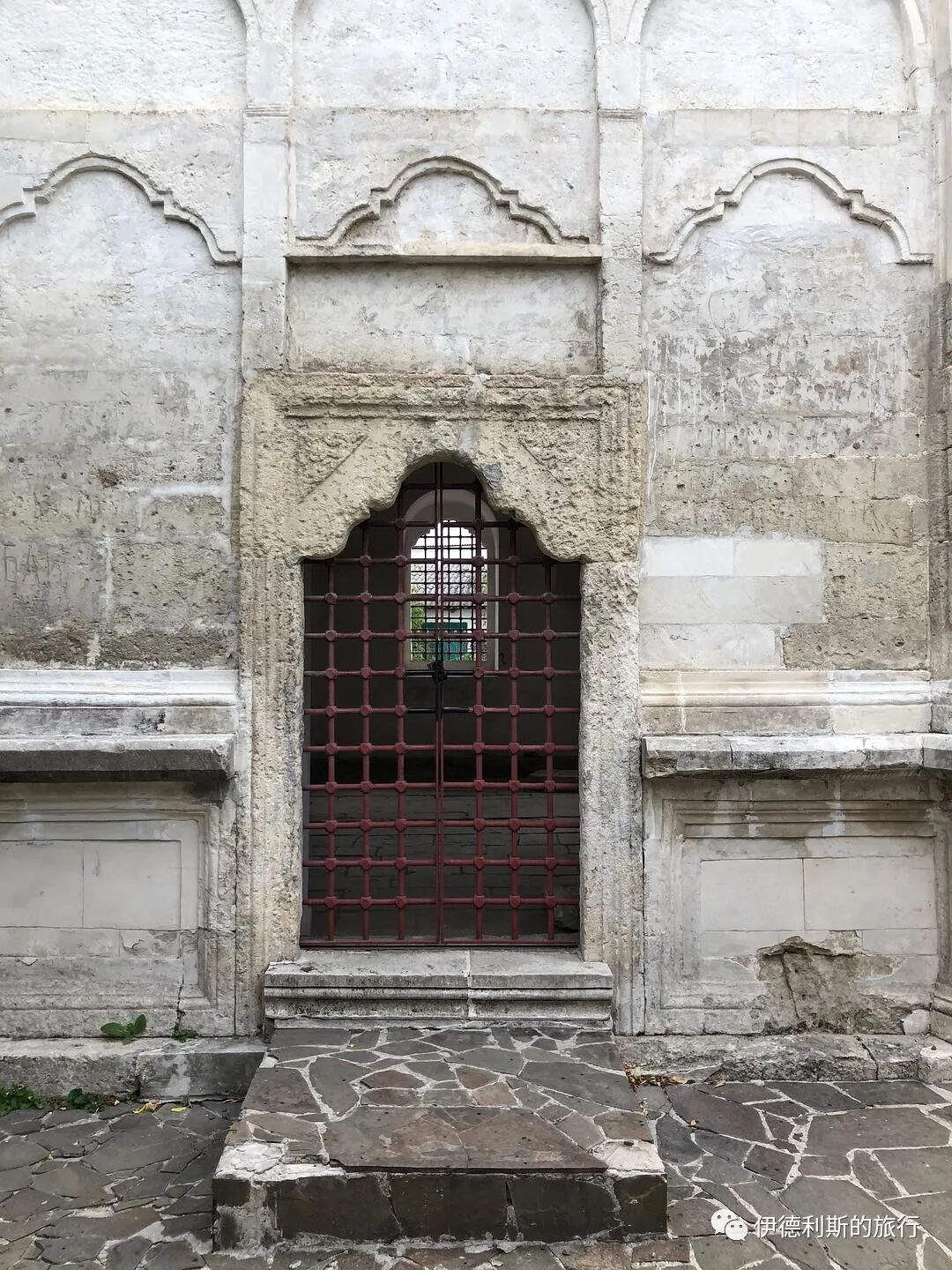
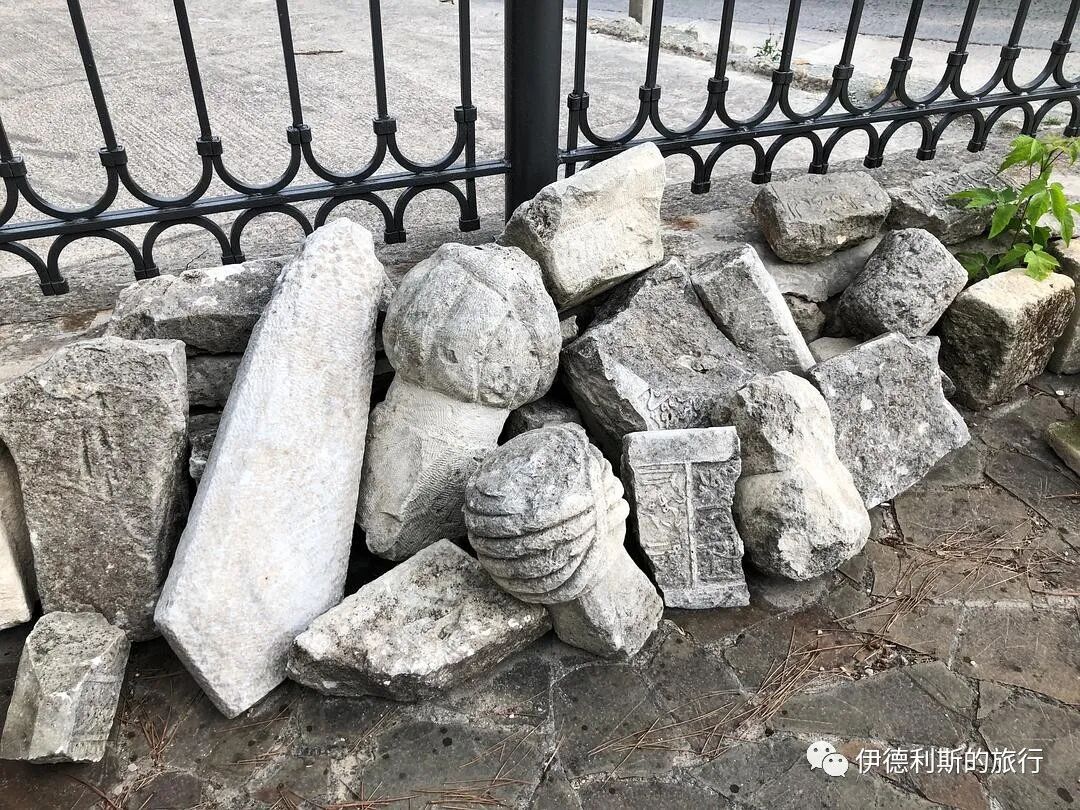
The Dilâra Bikeç Mausoleum is an octagonal tomb at the southernmost point of the Bakhchisaray Khan Palace. It was commissioned in 1764 by the Crimean Khan Qırım Giray (reigned 1758-1764, 1768-1769) for his beloved wife. The "Fountain of Tears," which Pushkin once wrote a poem to praise, was originally installed in this mausoleum before being moved to the Fountain Courtyard in 1783.
The love story of Qırım Giray has been circulating in Bakhchisaray since the 18th century. According to legend, his beloved wife Dilâra Bikeç was a Greek woman from Georgia.
After renovations in 2007, the dome of the mausoleum was re-covered with lead.
9. Small Khan Mosque
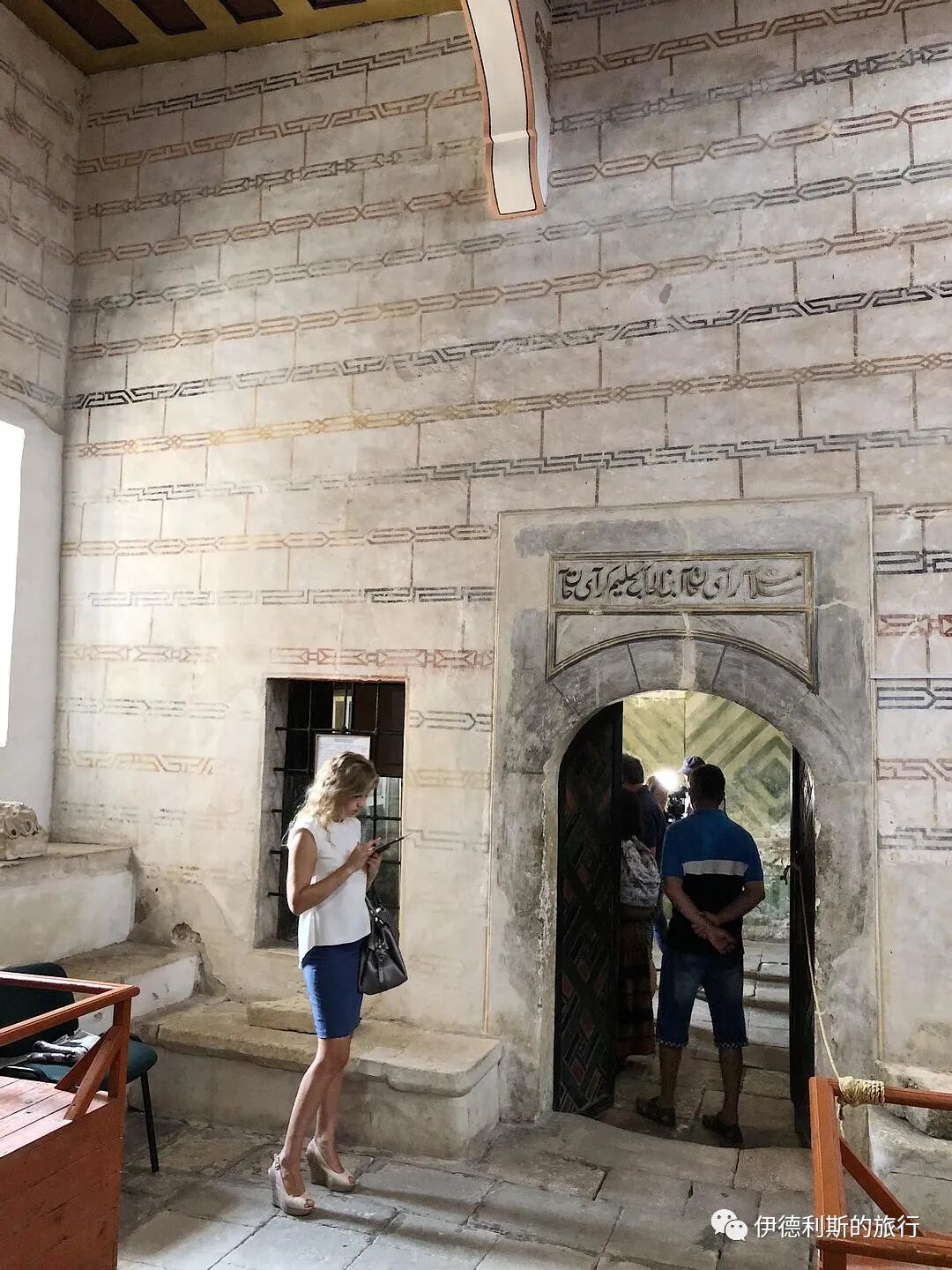
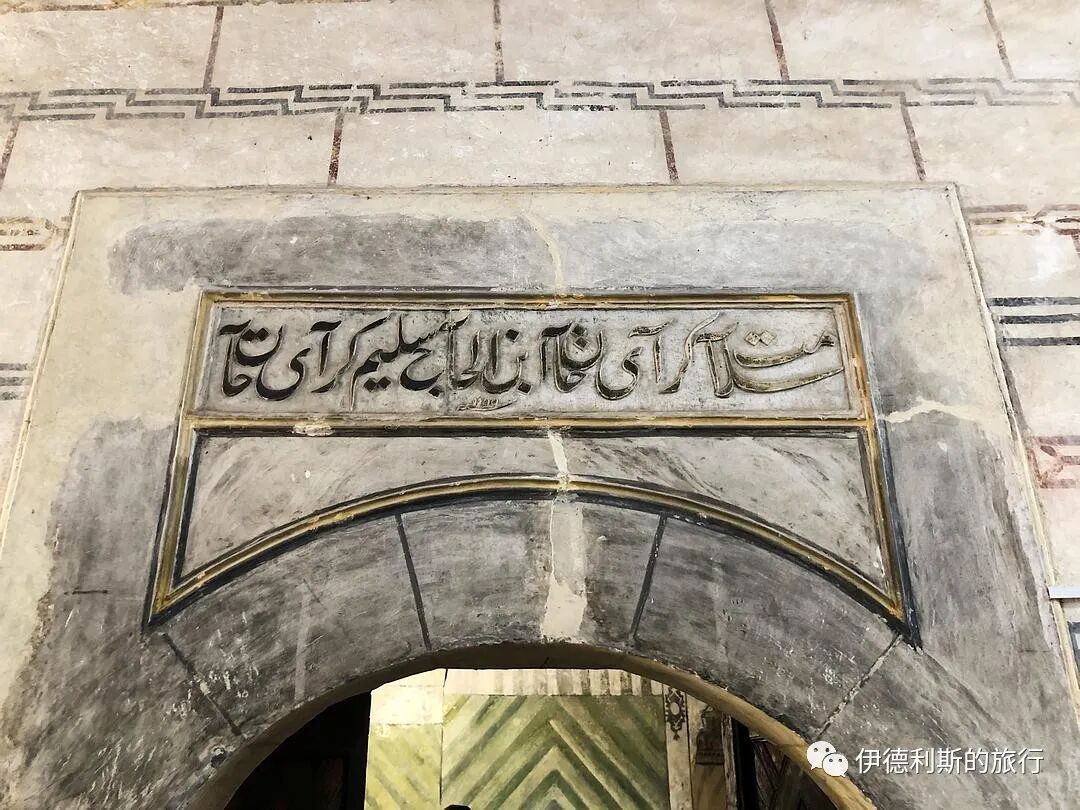
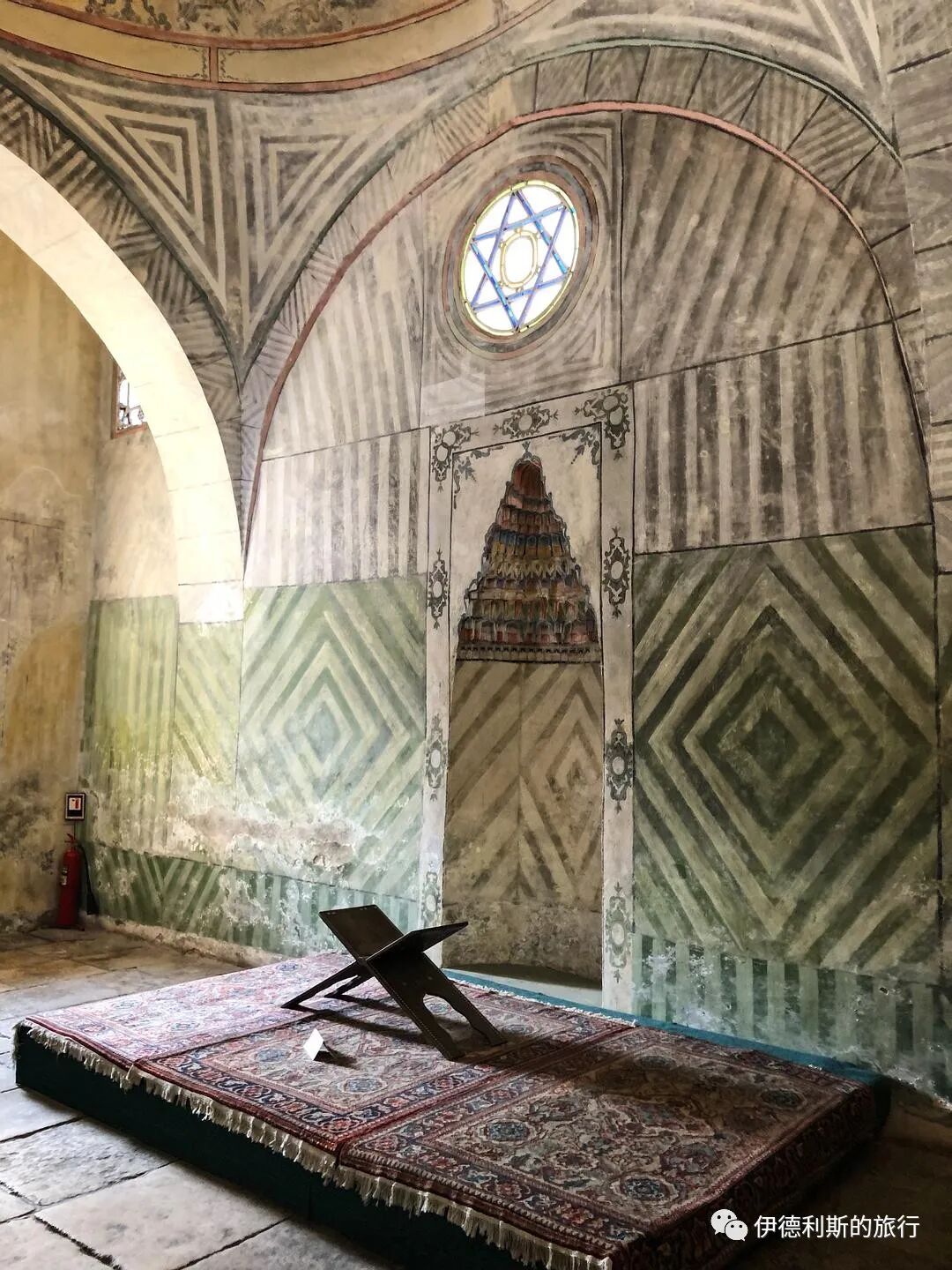
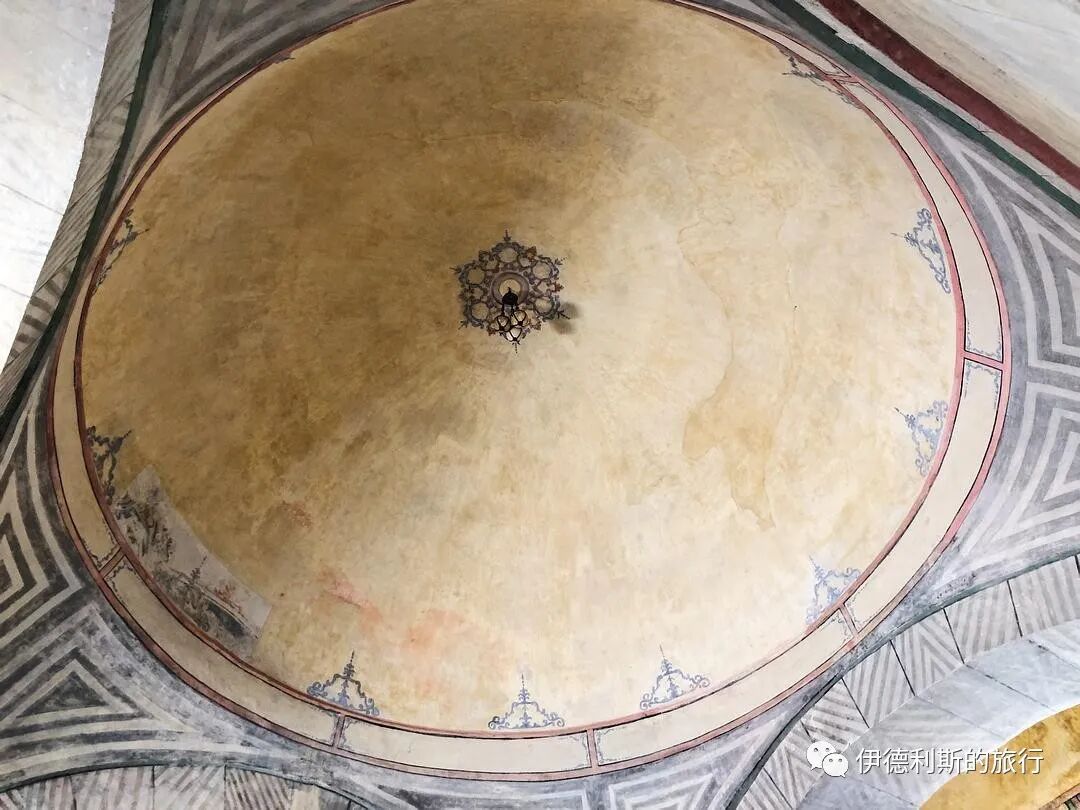
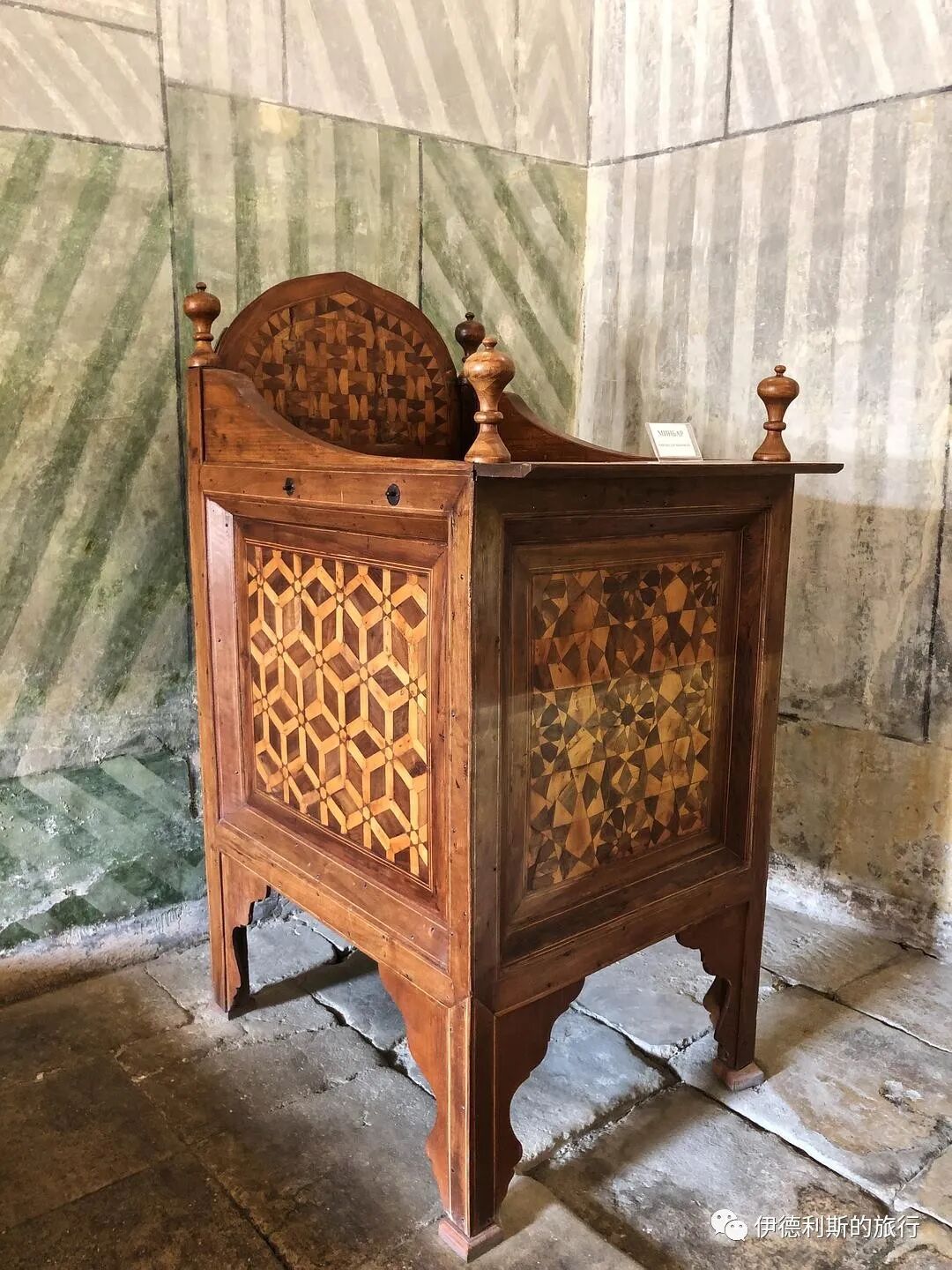
The Small Khan Mosque (Kiçik Han Cami) is located inside the main building of the Khan Palace and was used by members of the Khan's family and noble ministers. The Small Khan Mosque was built in the 16th century, destroyed by fire by the Russian army in 1736, and restored in 1741 by Khan Selamet II Giray (reigned 1740-1743).
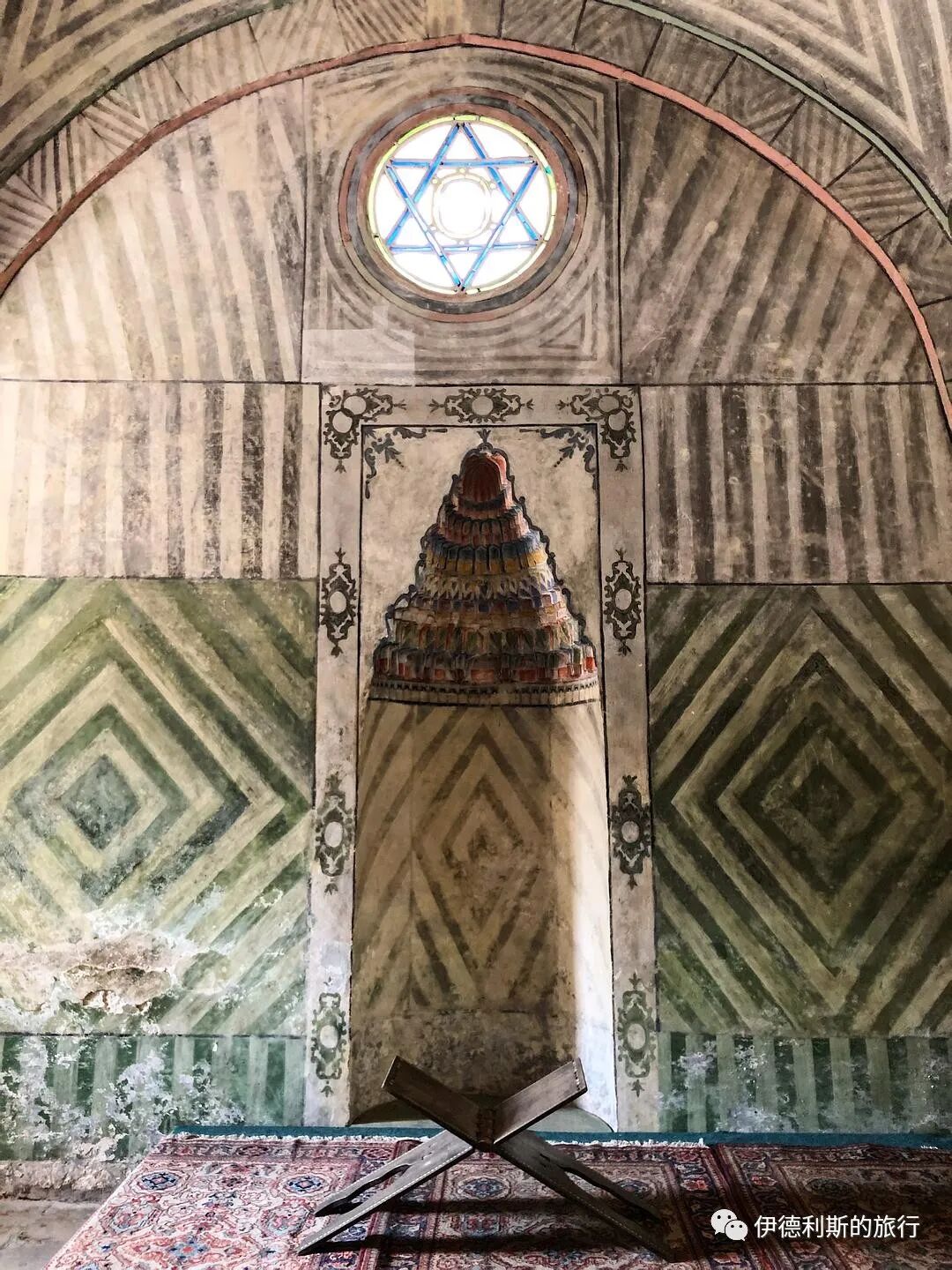
The existing interior murals were created between the 17th and 18th centuries, with some painted by the Iranian architect Omer in the late 18th century. Early 16th-century murals were discovered during the 1991 restoration.
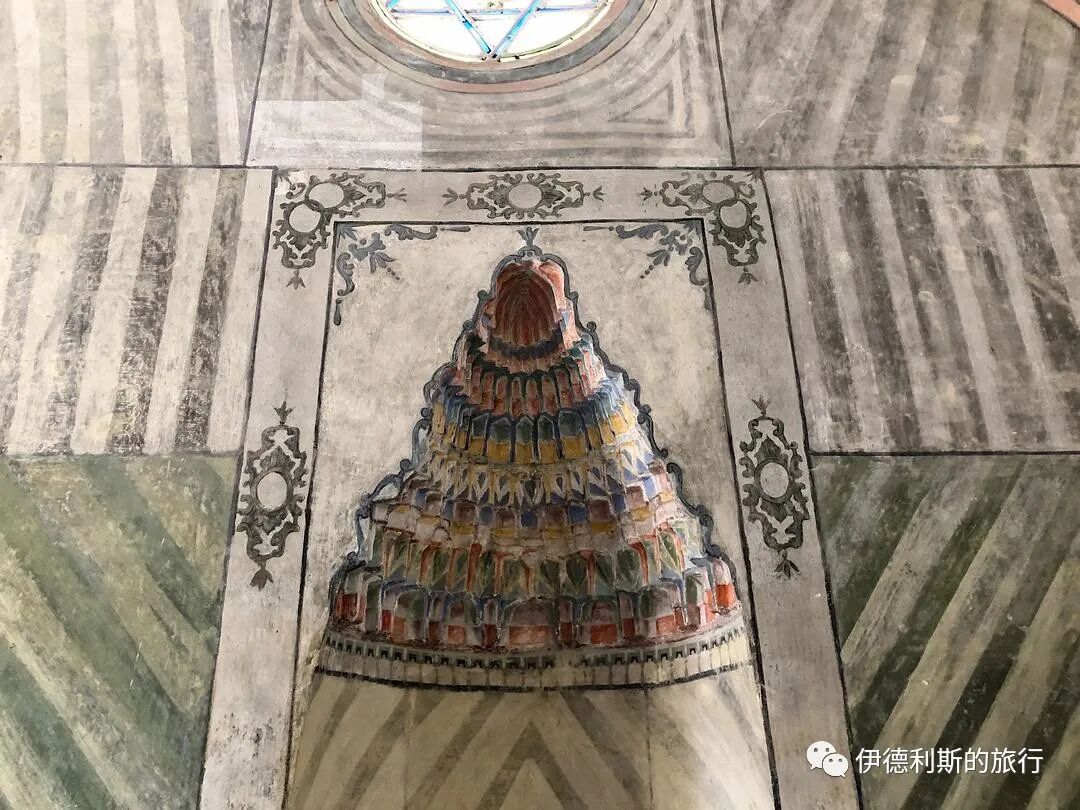
On the south wall of the Small Khan Mosque is a mihrab niche, carved with seven decorative bands symbolizing the seven heavens in the Quran.
Above the mihrab is a stained-glass window featuring the Seal of Solomon (Khātam Sulaymān) ✡. The legend of the Seal of Solomon ✡ dates back to the 1st century AD, but was primarily developed by medieval Arab writers. This seal is believed to have been engraved by Allah and given to Solomon; it was made of brass and iron and used to seal commands for good and evil. The traditional Arab Seal of Solomon comes in both five-pointed and six-pointed versions, with the six-pointed version later becoming the modern Jewish symbol, the "Star of David."
10. Demir Qapı Gate: 1503
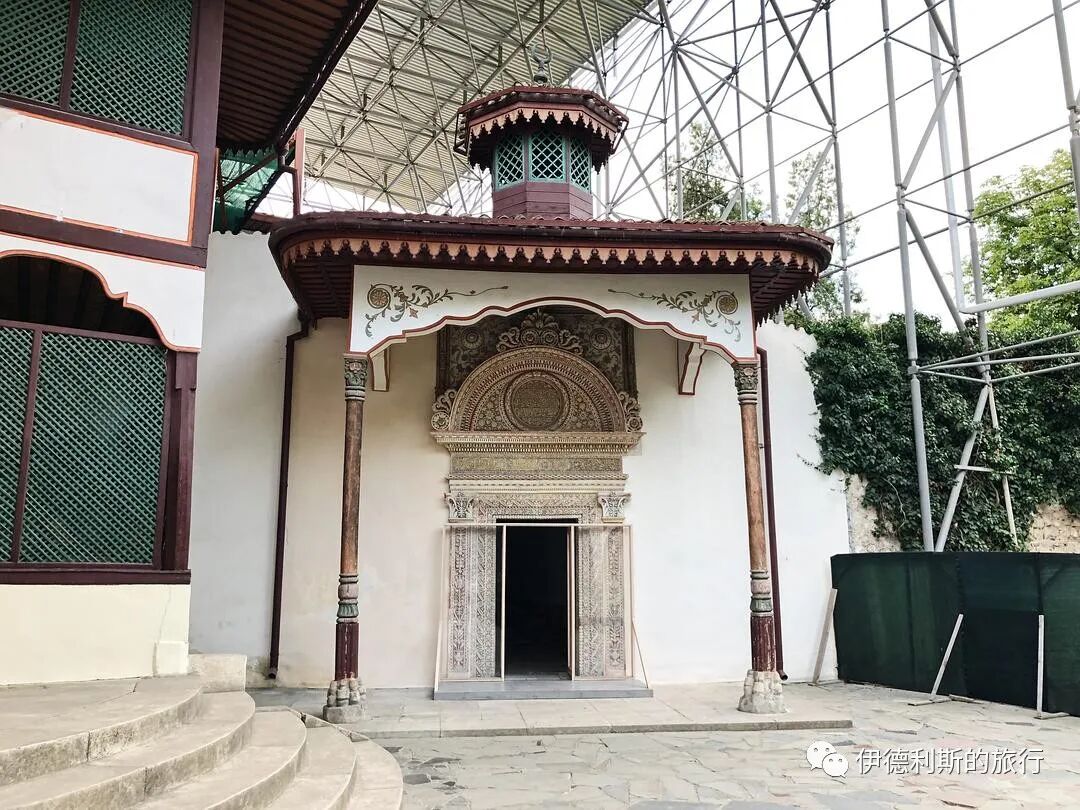
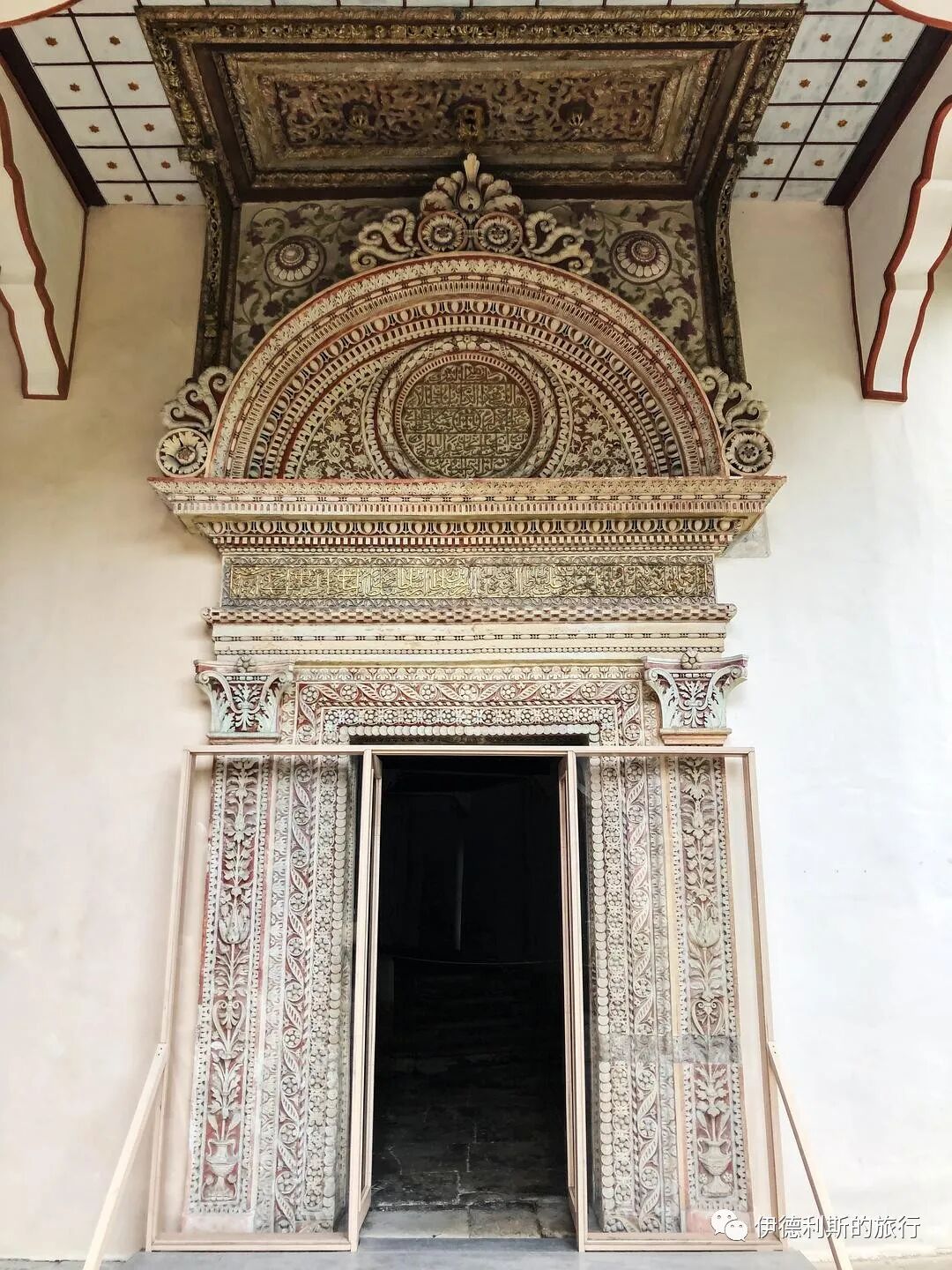
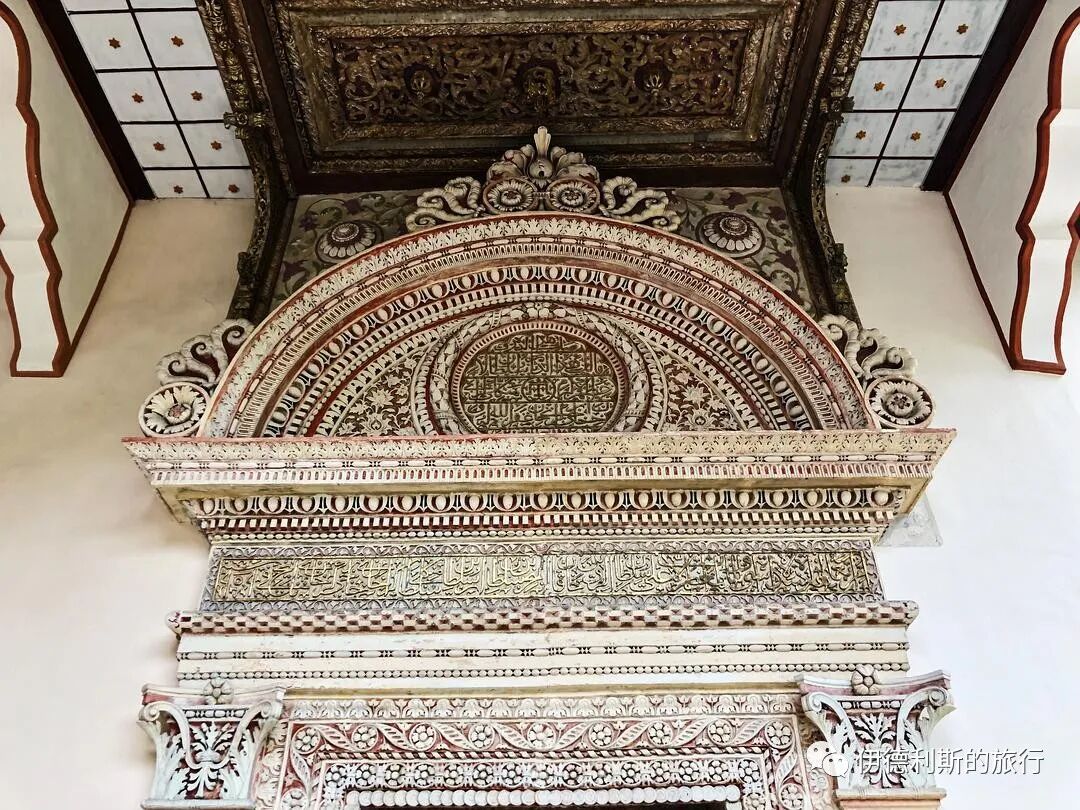
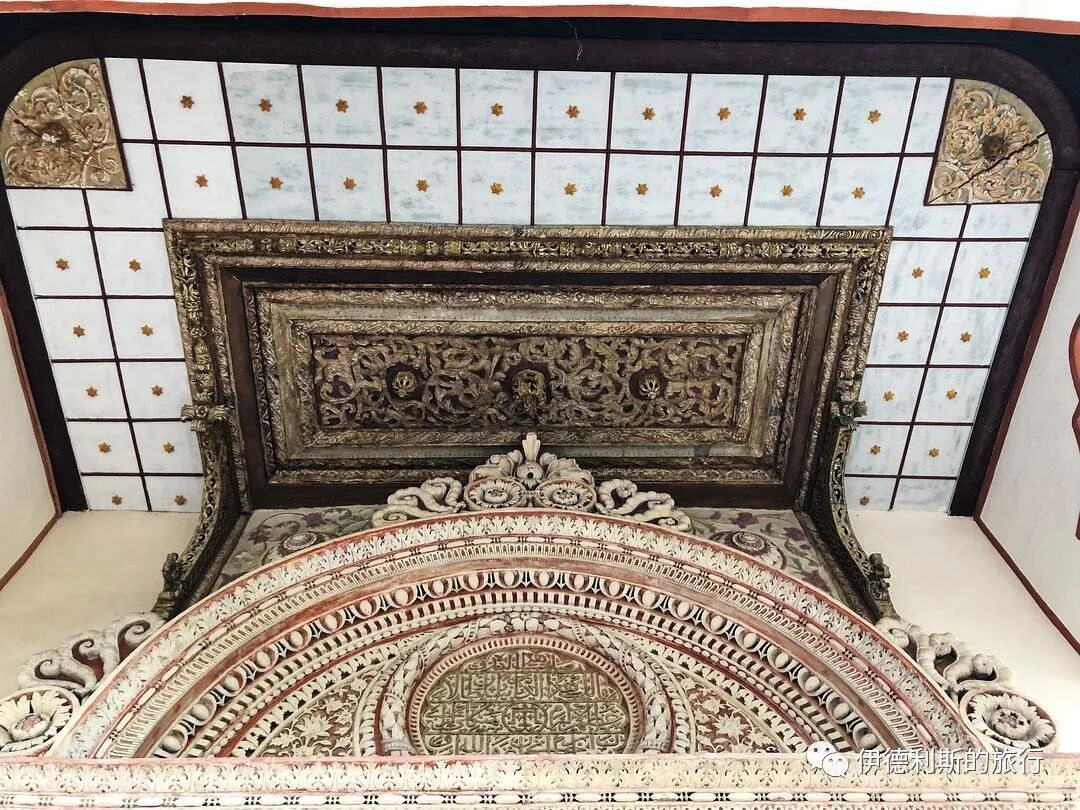
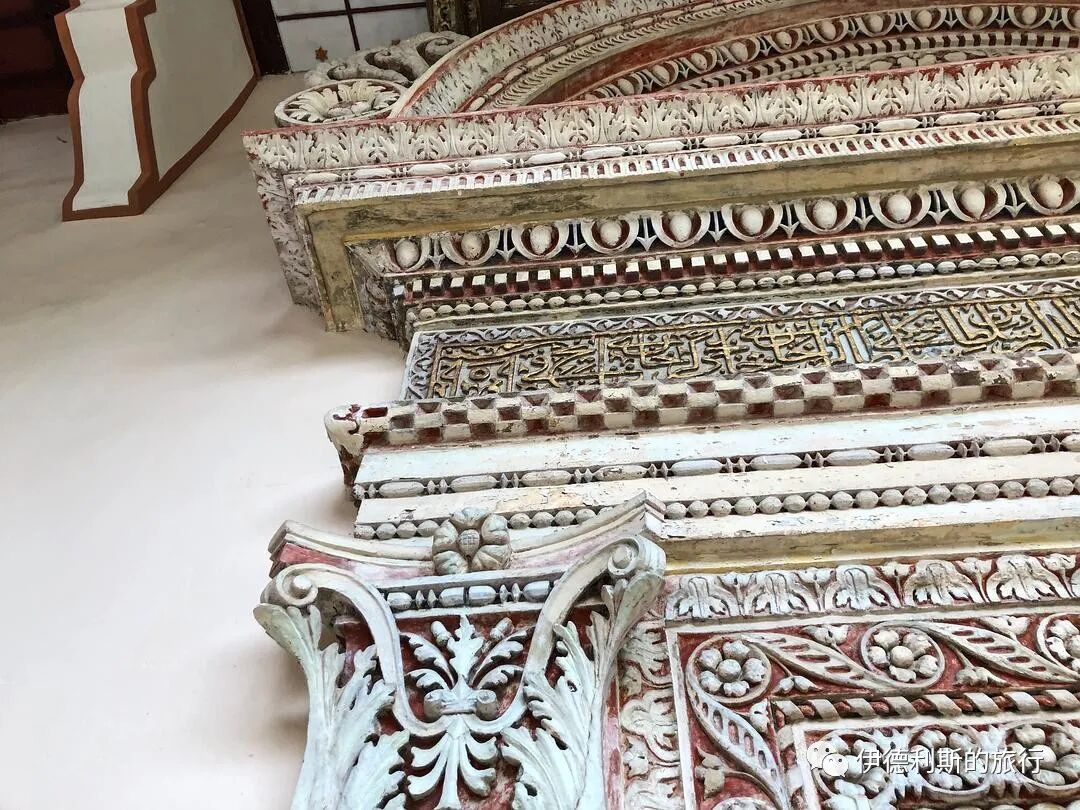
The Demir Qapı Gate is the oldest structure in the Khan Palace. It was built between 1503 and 1504 for the Crimean Khan by the architect Aleviz Novy, who had been invited by Ivan the Great to Moscow to build a series of churches. The Demir Qapı Gate was likely originally built at the previous residence of the Crimean Khan, Devlet-Saray, and was moved to the main building of the Khan Palace after the Bakhchisaray Khan Palace was completed in 1532.
"Demir Qapı" means "Iron Gate" in Crimean Tatar. The portal of the gate is built of limestone and uses the decorative style of the Lombard-Venetian Renaissance.
11. Divan Hall
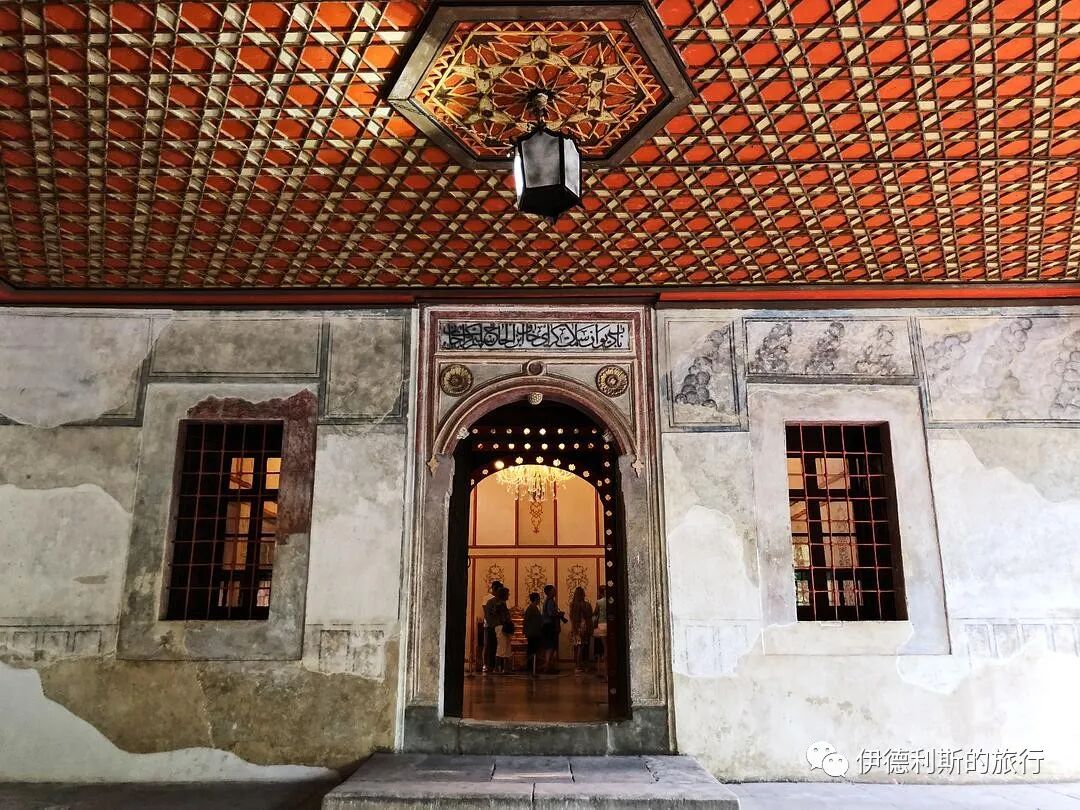
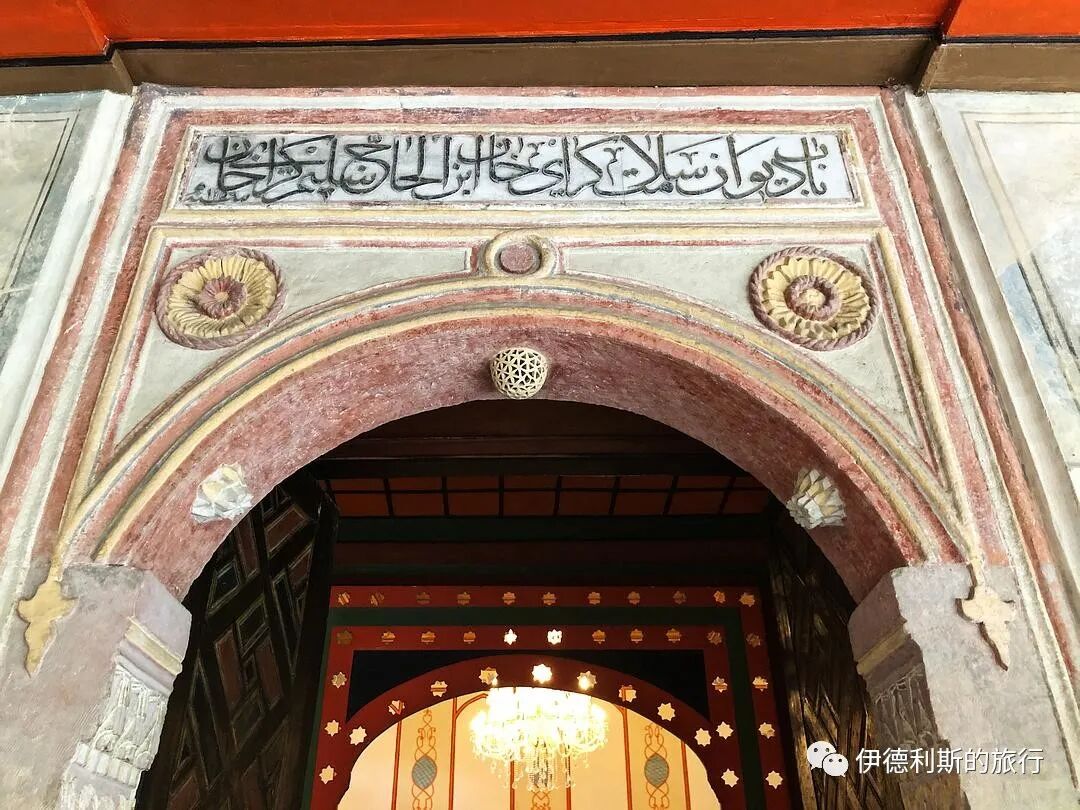
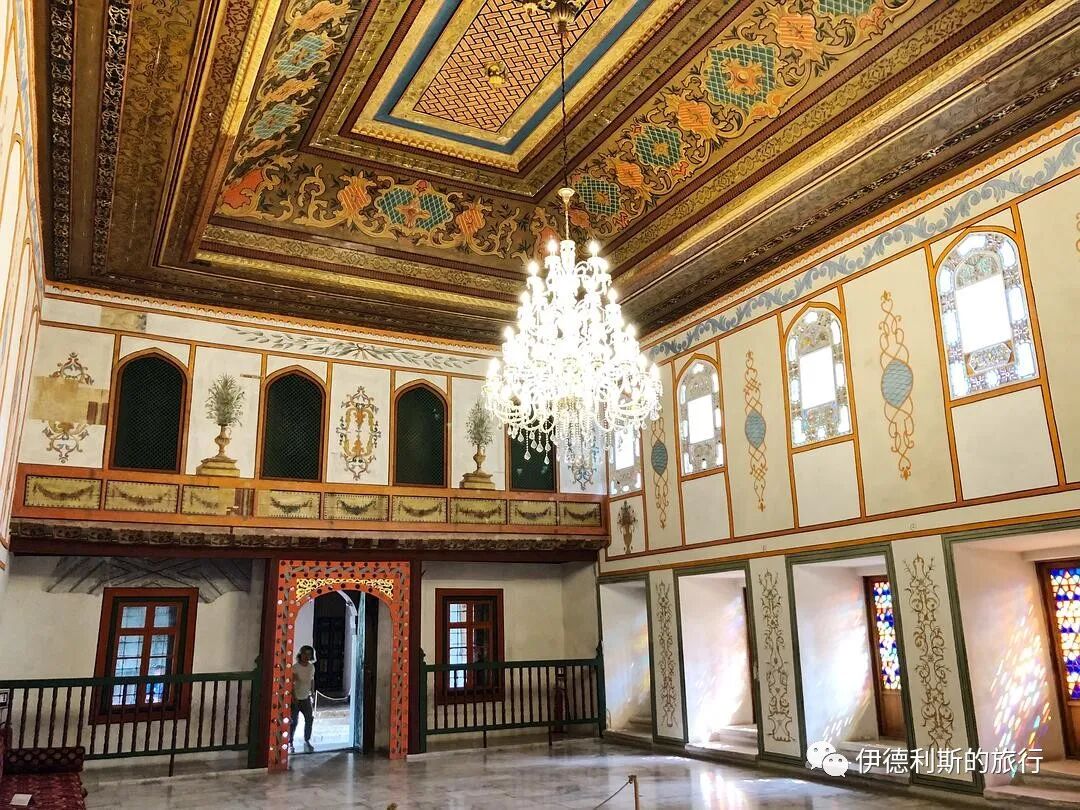
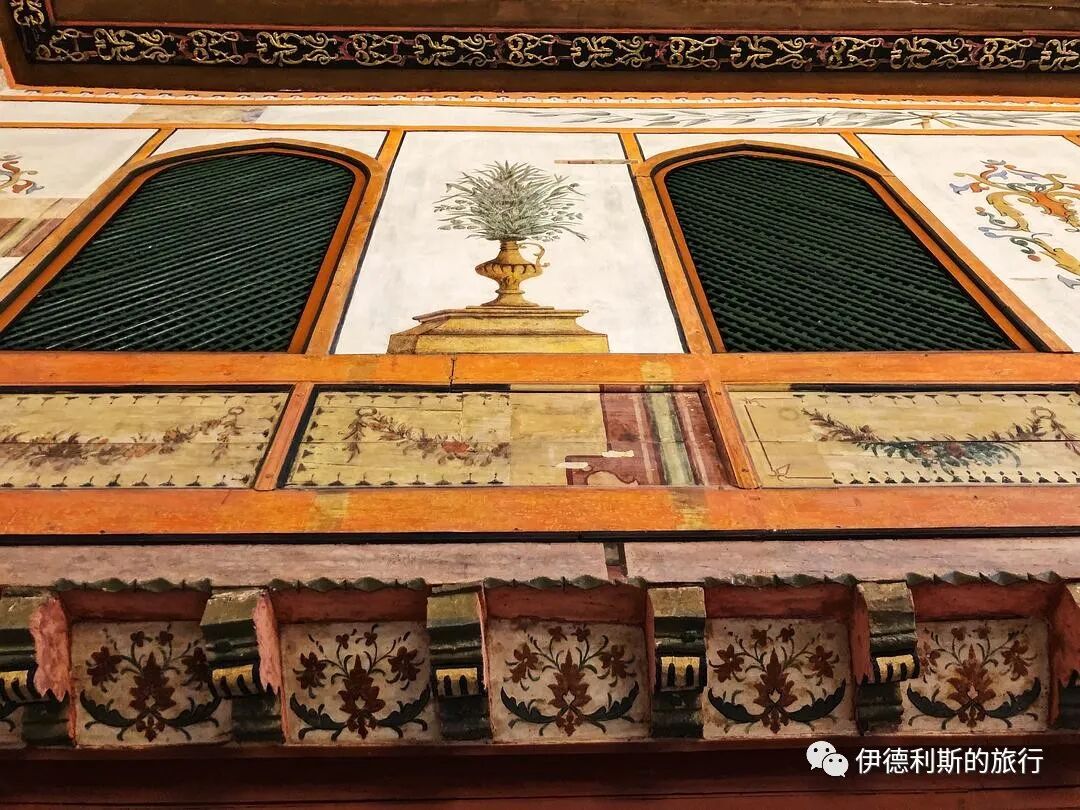
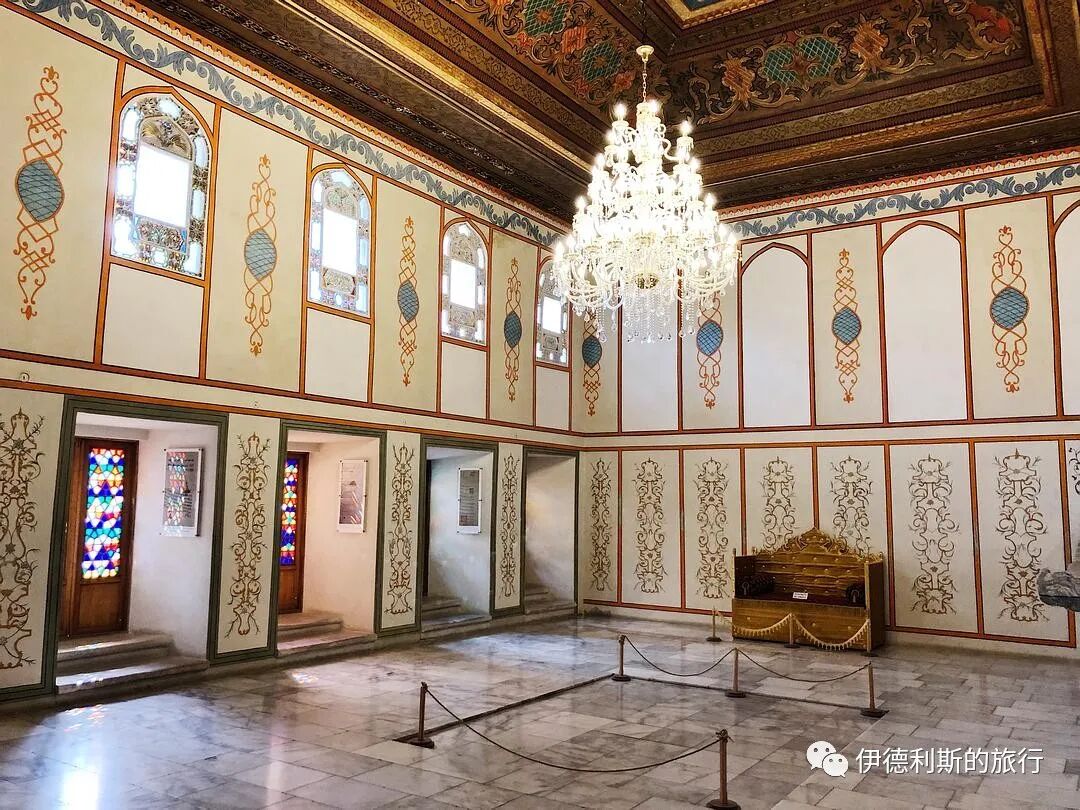
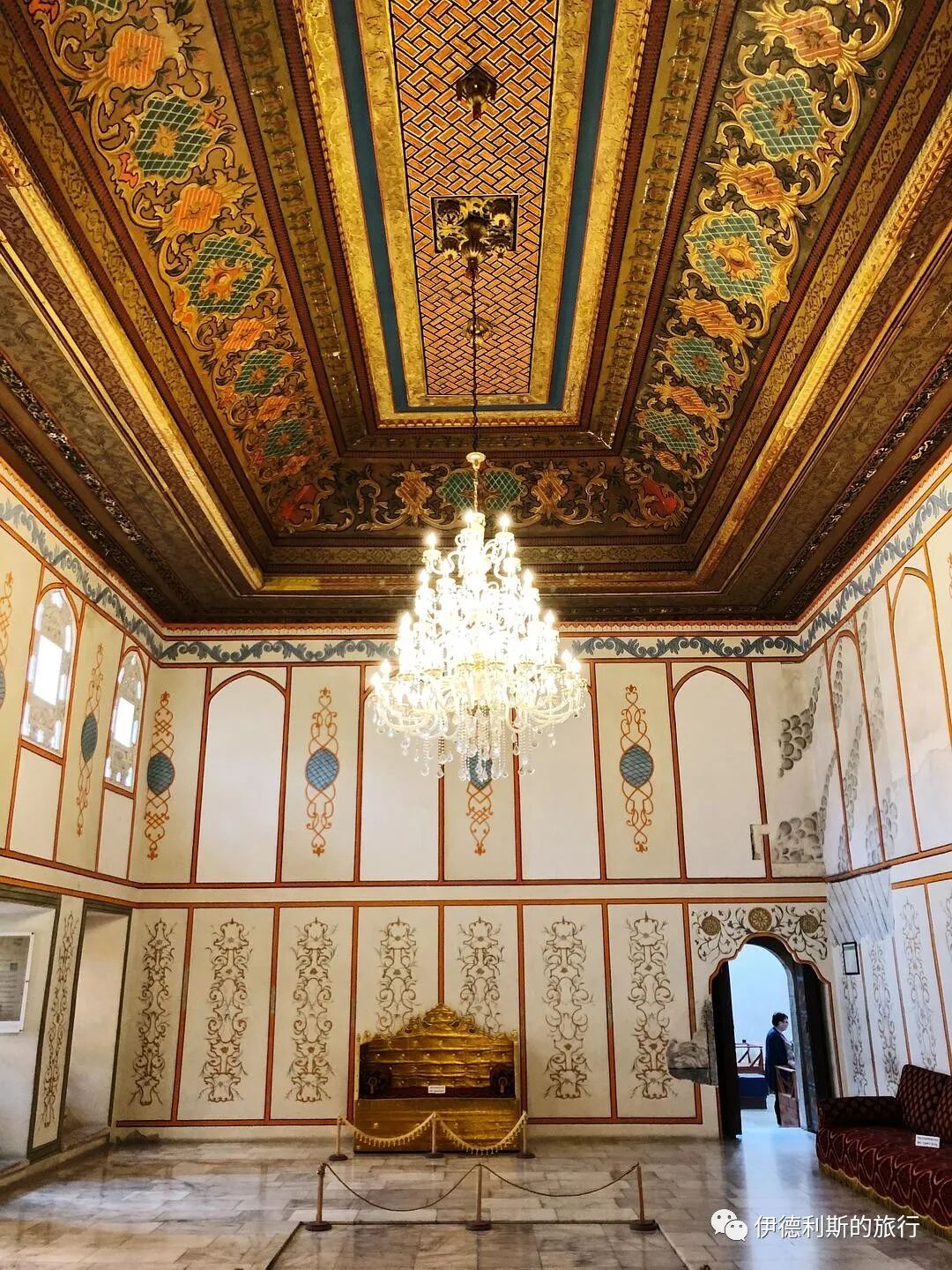
The Divan Hall (Divan hanesı) is the meeting room inside the main building of the Khan Palace. In the center of the south wall is the throne where the Khan sat, with sofas on the sides for the ministers. Above the north wall at the entrance to the hall is a narrow latticed balcony, said to have been used by the Khan to have people eavesdrop on meetings when he was absent.
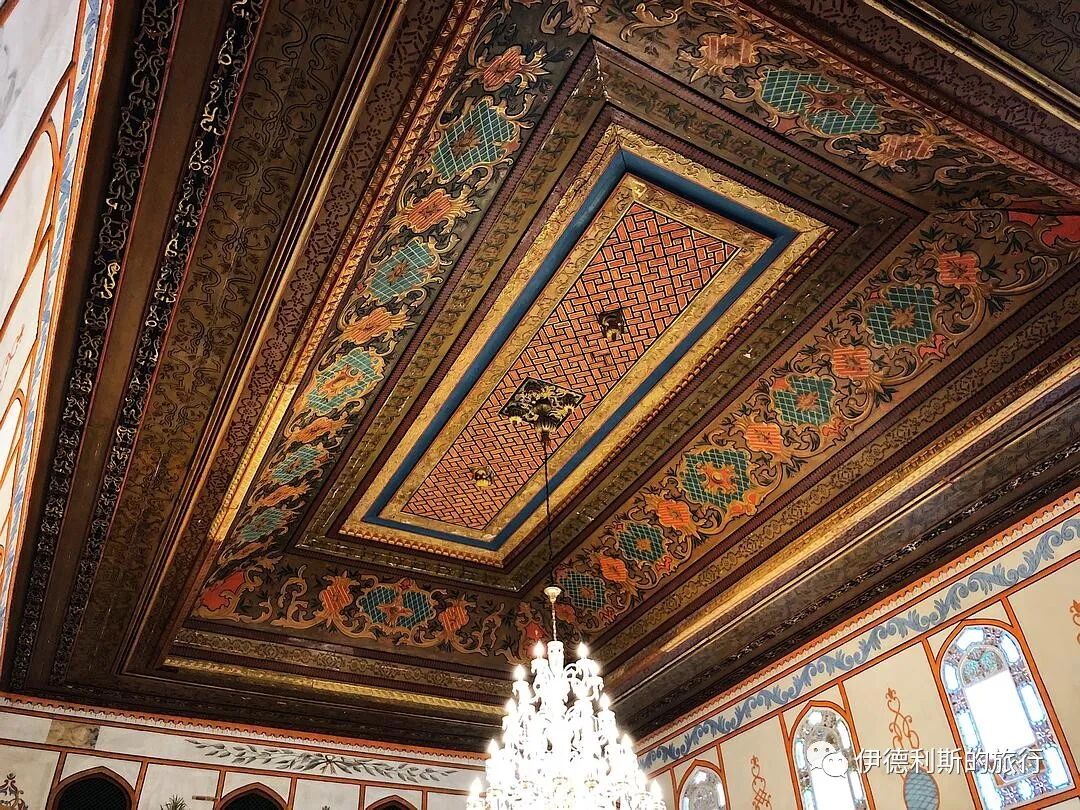
The floor of the hall was paved with marble, and there was a square pool with a fountain in the center. The walls were covered with tiles, but these were destroyed in the fire set by the Russian army in 1736. Restorations were carried out in 1742, and many of the current decorations, such as the murals and chandeliers, were added during the renovation of the Khan Palace by architect I. F. Kolodin in 1822.
In 1917, the Crimean Tatars declared the establishment of an independent Crimean Tatar government here.
12. Summer Pavilion
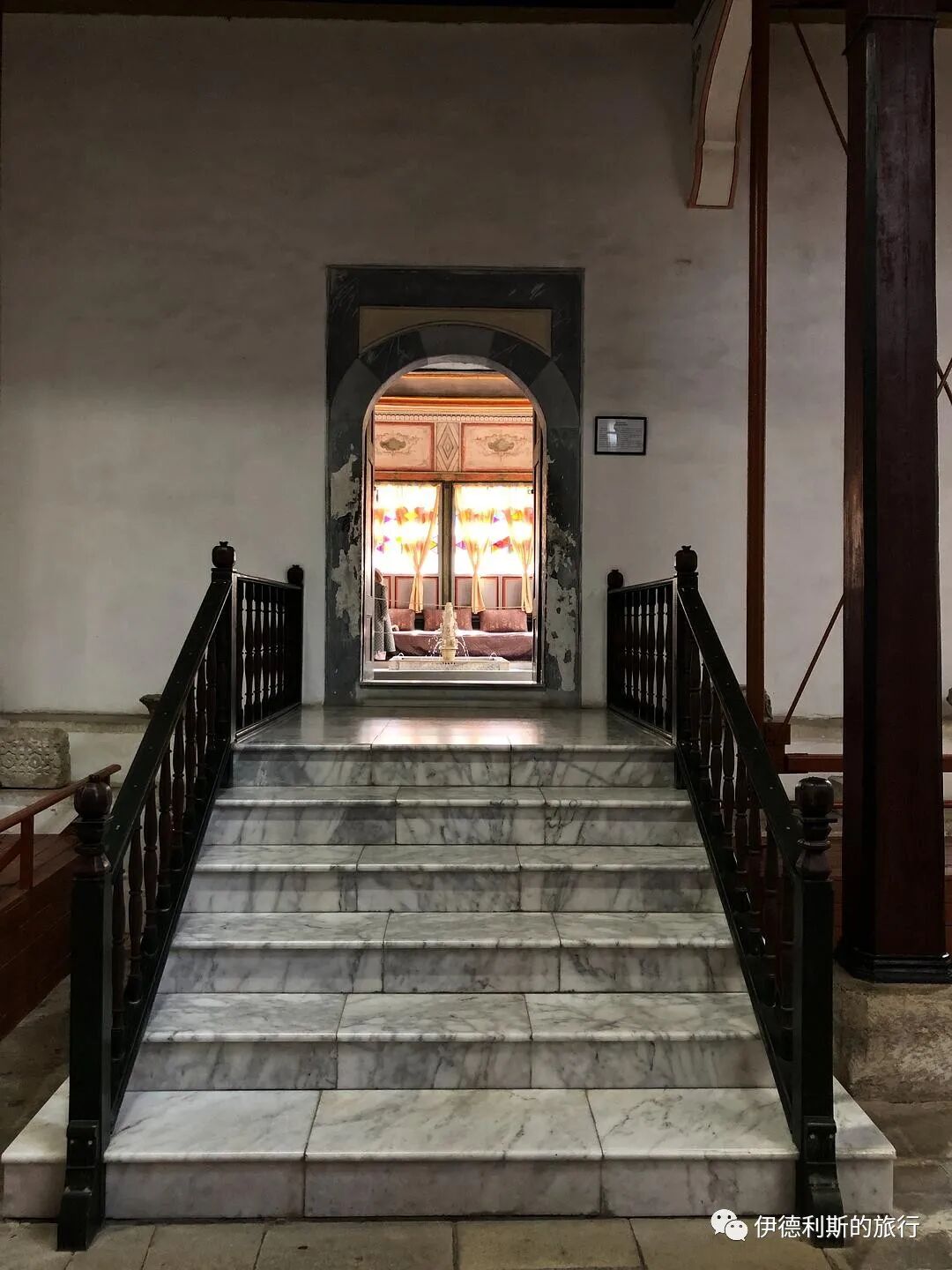
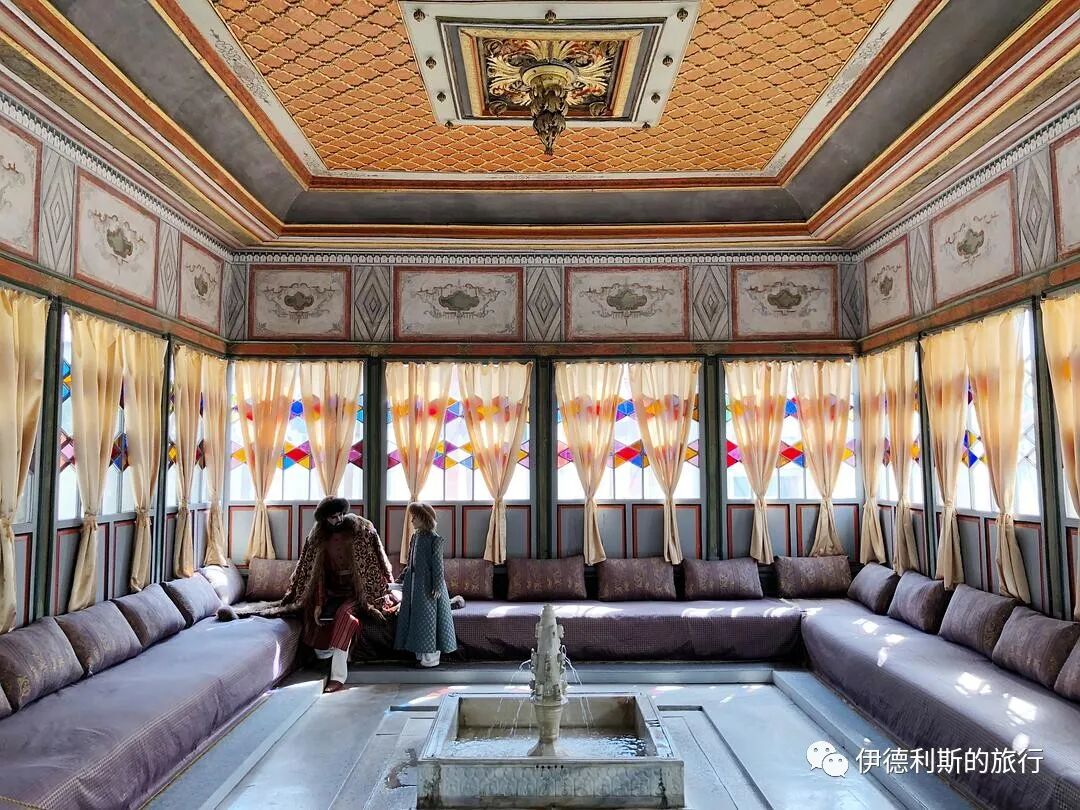
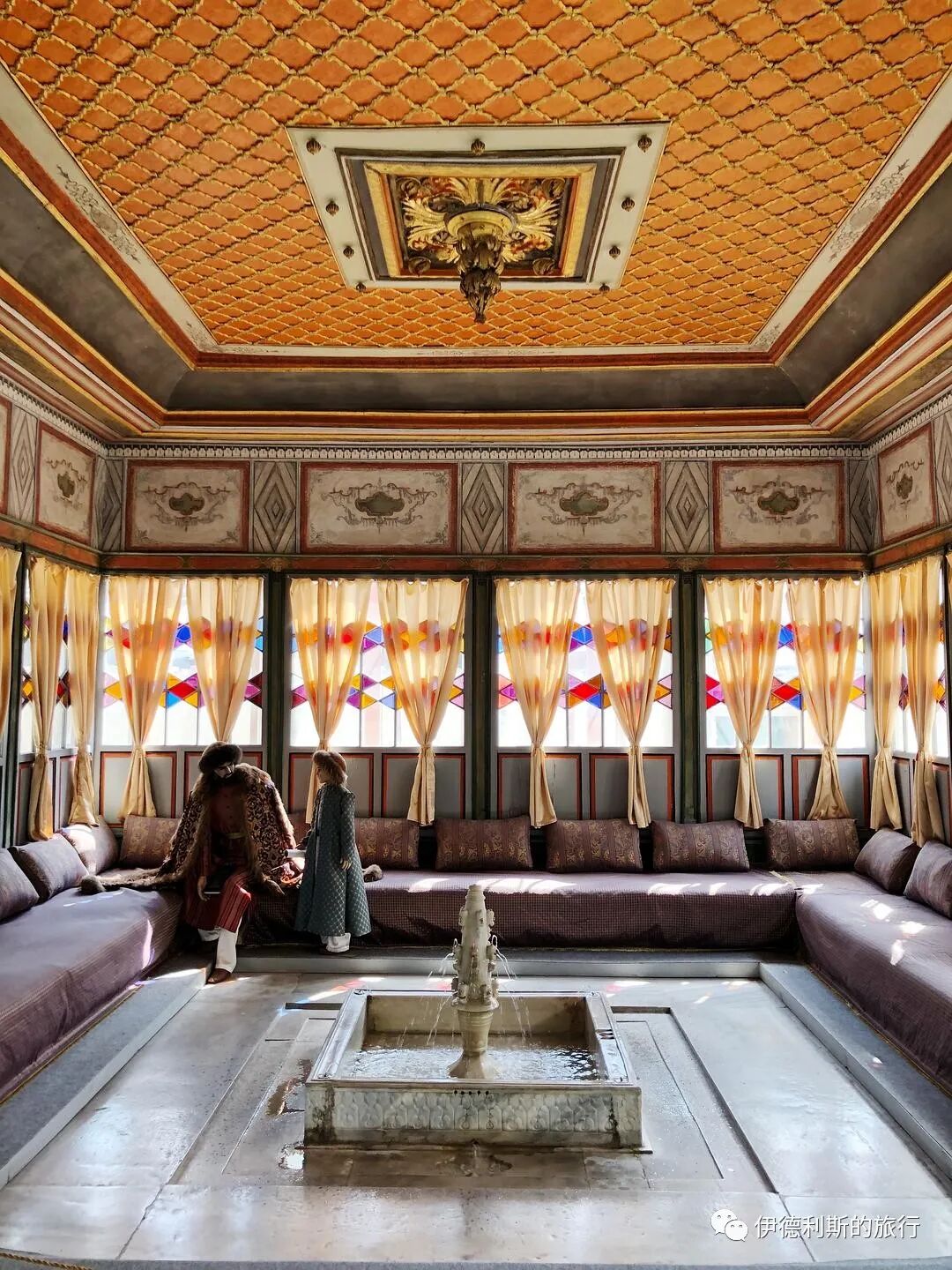
The Summer Pavilion is a place for cooling off inside the main building of the Khan Palace, built in the late 17th to early 18th century. It was burned down by the Russian army in 1736 and later restored by the architect Omer ibn al Hadj Mustafa. In the center of the pavilion is a square pool containing a square marble fountain, surrounded by sofas.
Originally, the pavilion was open. Between 1821 and 1831, Tsar Alexander I ordered the architects Mikhail Klado and Vasiliy Dorofeyev to enclose the Summer Pavilion, adding columns, stained glass, and a carved ceiling.
Early murals were discovered during the restoration of the Summer Pavilion in 1962.
13. Golden Pavilion
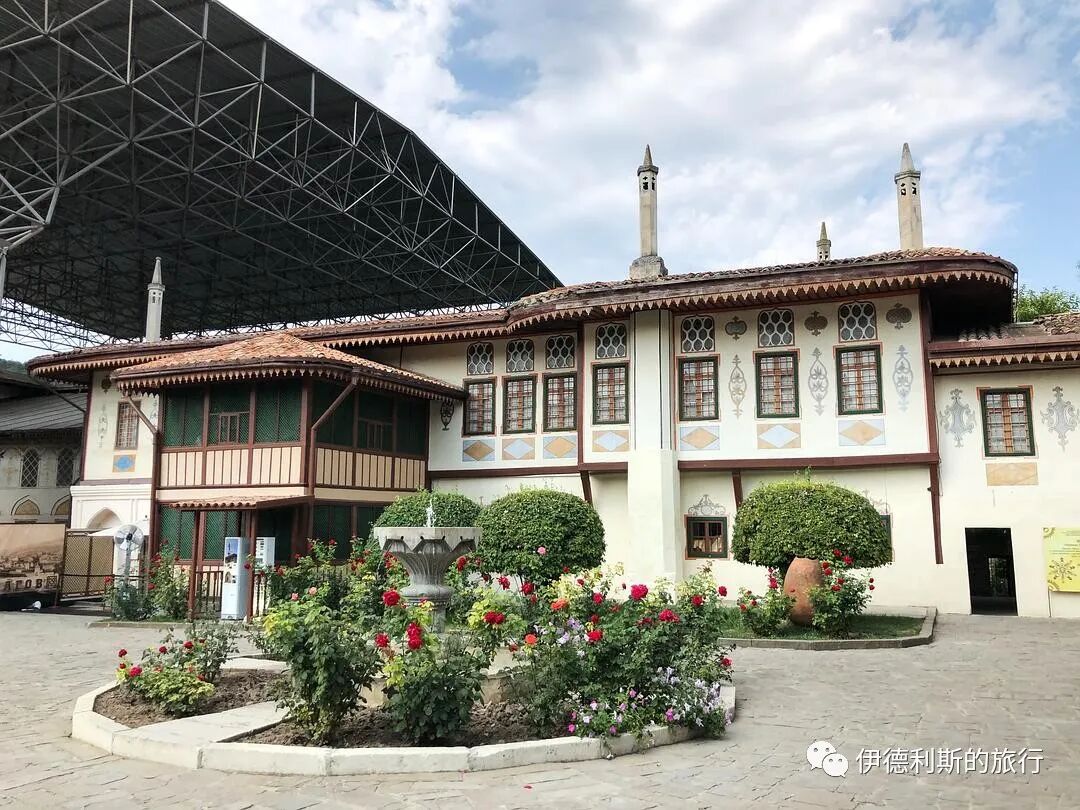
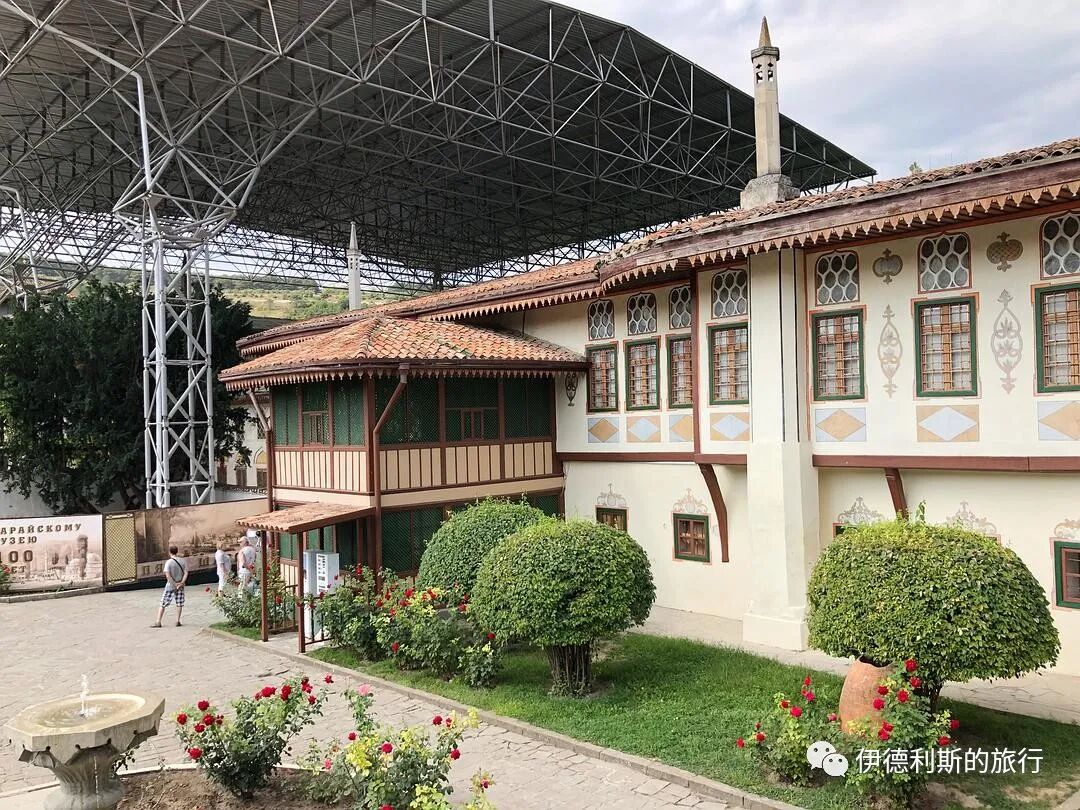
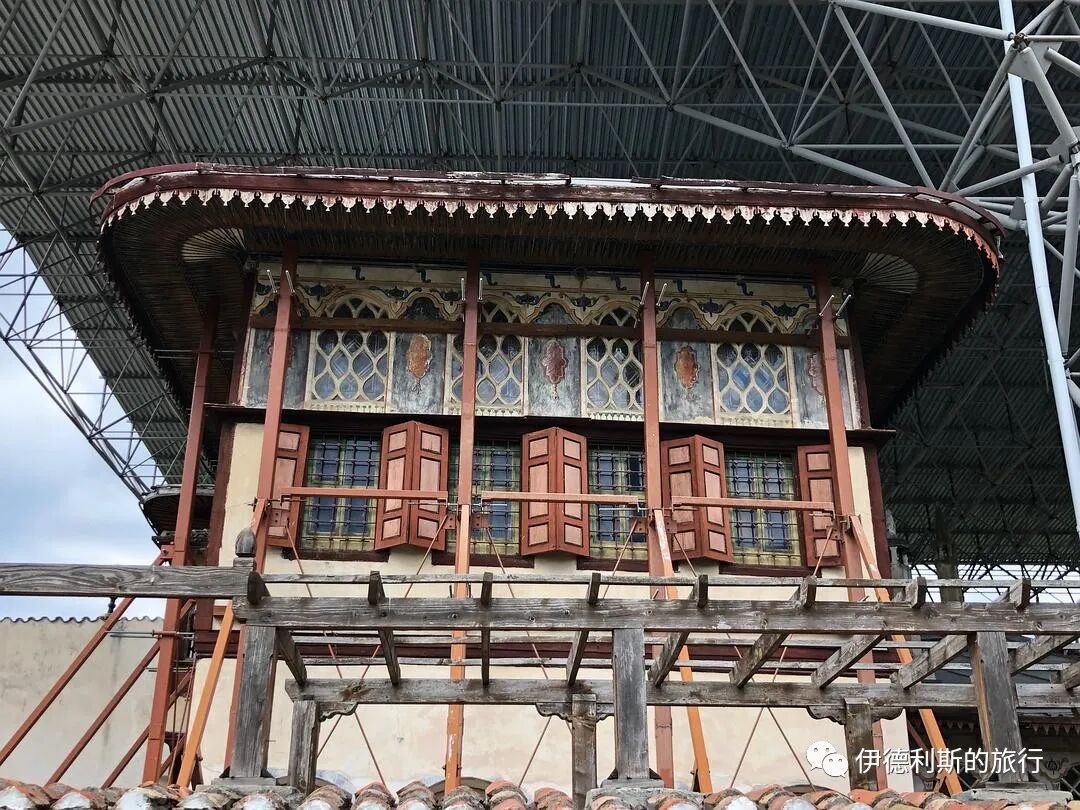
The Golden Pavilion is on the second floor of the main building and was built in the late 18th century by the Iranian architect Omer. The interior of the pavilion originally featured murals of fruit vases and Arabic poems praising Khan Qırım Giray, but these were destroyed during the German occupation of Crimea from 1941 to 1944.
14. Golden Fountain: 1733
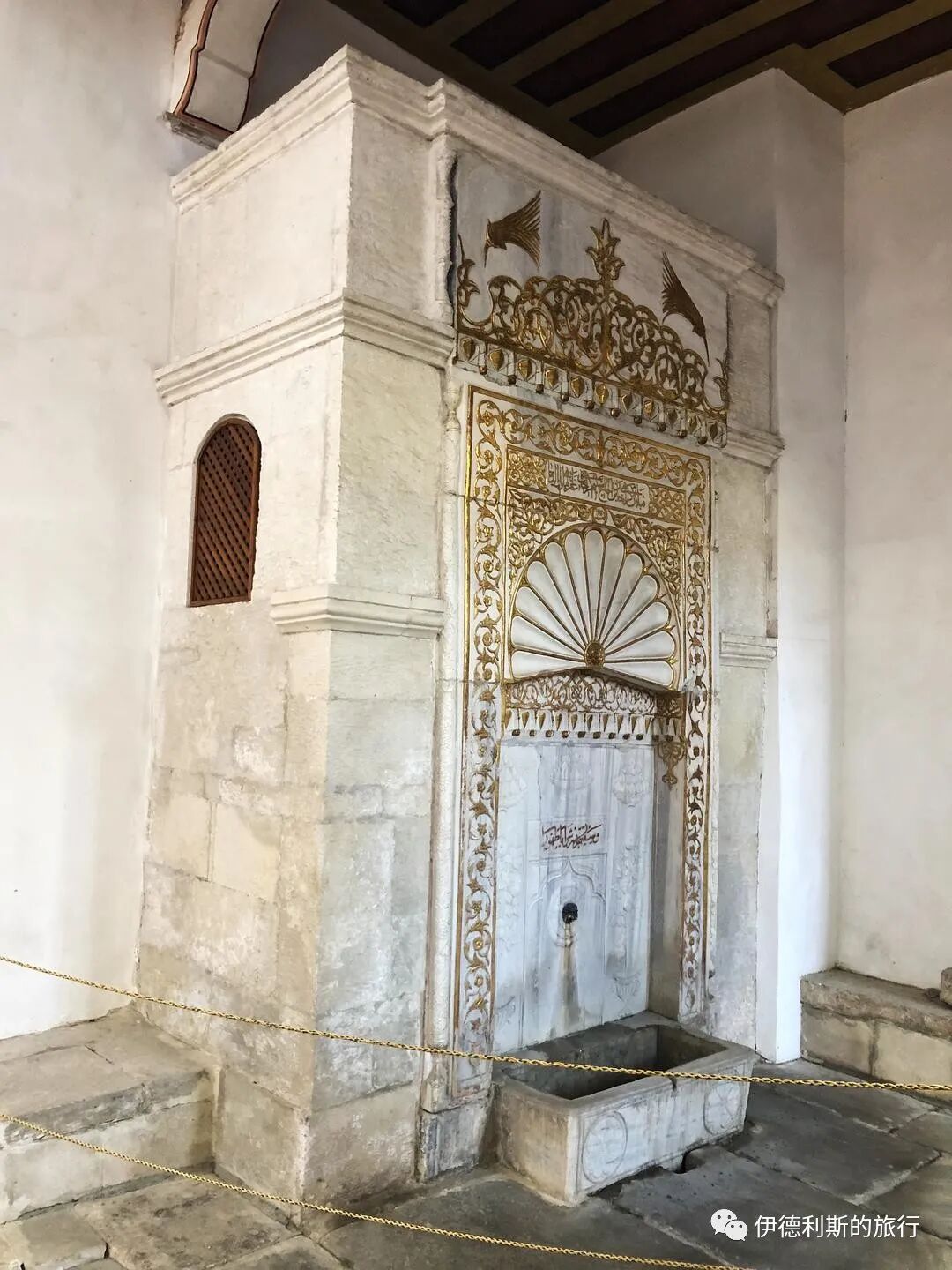
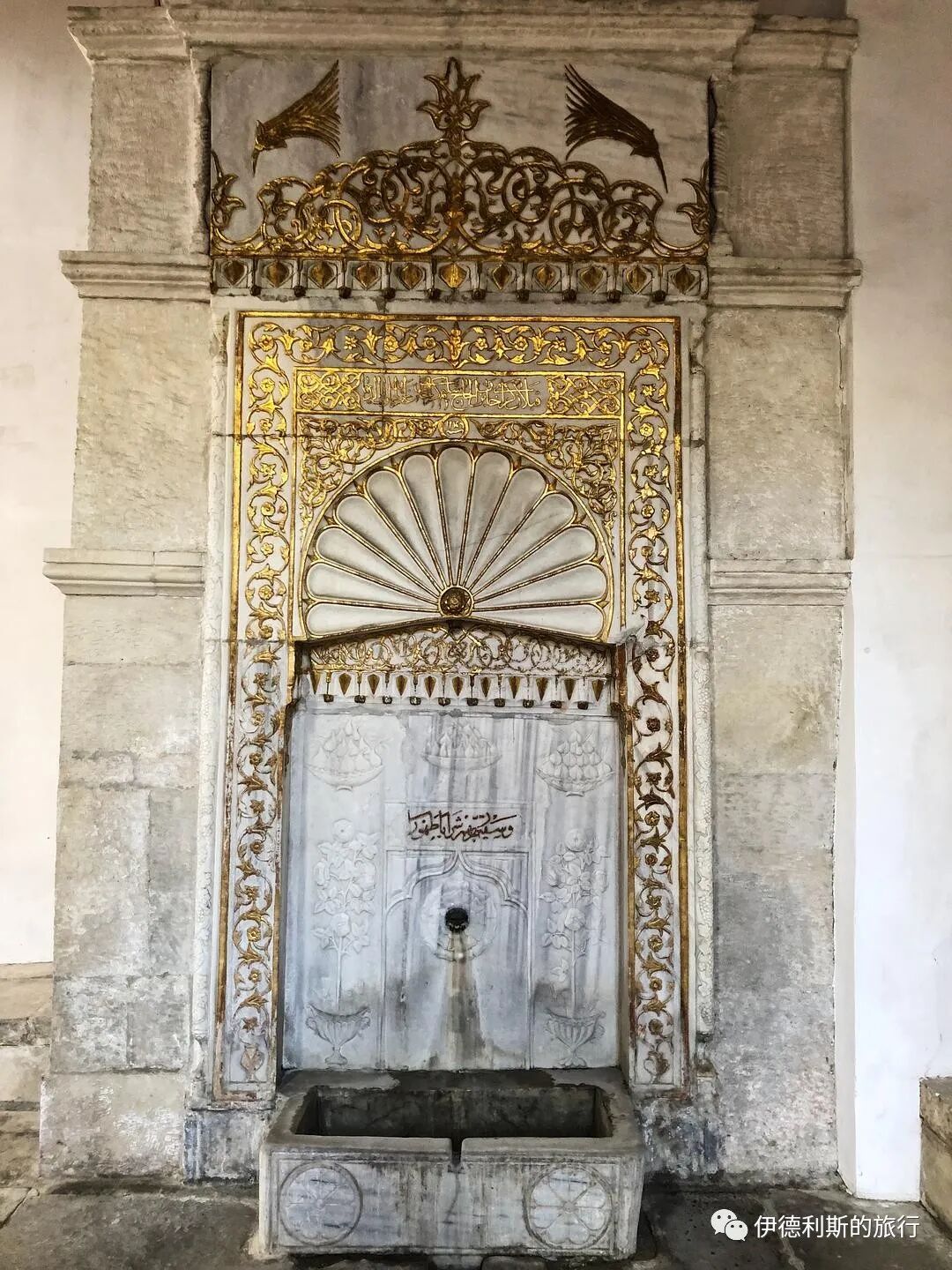
The Golden Fountain is located in the Fountain Courtyard of the main building of the Khan Palace, near the Small Khan Mosque, and was where the Crimean Khan and members of the Khan's court performed wudu.
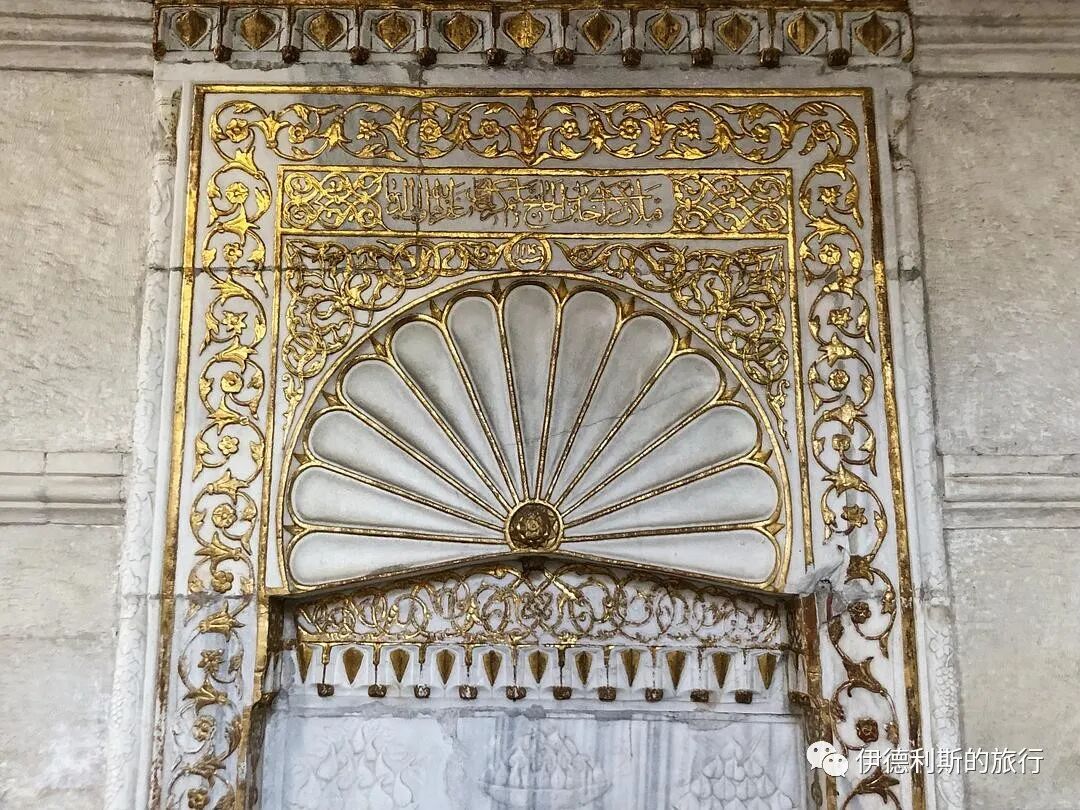
The Golden Fountain is made of gilded marble. It depicts the "Paradise" (jannāt ʿadn, or the Garden of Eden) from the Quran by carving various flowers, fruits, and plant patterns, which is the place where Adam and his wife (Eve) lived. A circular outlet is carved in the middle of the fountain, symbolizing eternal life.
The Arabic inscription above the fountain indicates that it was built in 1733 by the Crimean Khan Qaplan I Giray. The Arabic inscription below is from the Quran (76:21): "And their Lord will give them a pure drink." "
15. Fountain of Tears: 1763
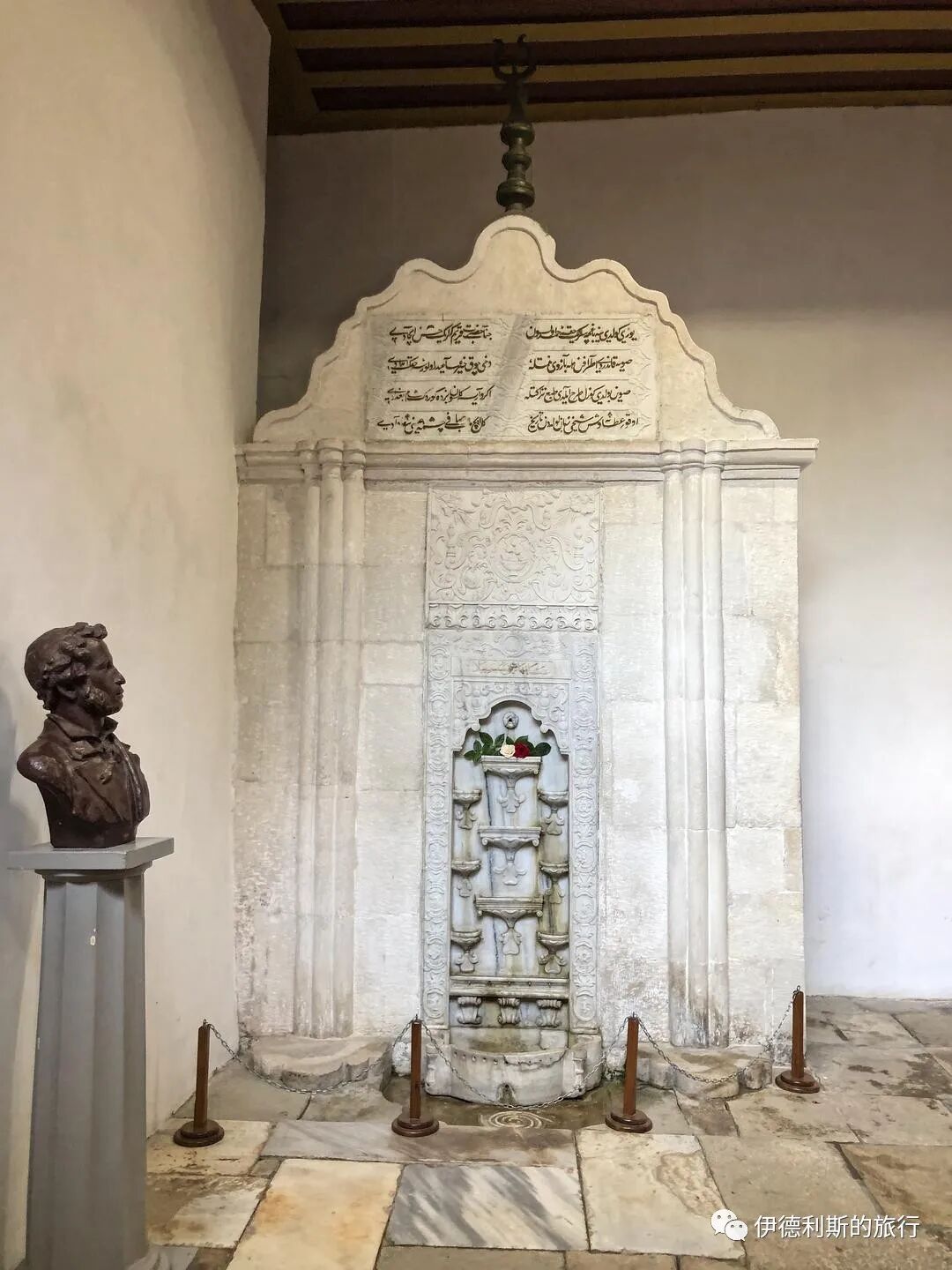
The Fountain of Tears was commissioned in 1763 by the Crimean Khan Qırım Giray (reigned 1758-1764, 1768-1769), and the architect was Omer ibn al Hadj Mustafa from Iran. The fountain was originally installed in the mausoleum of the Khan's beloved wife, Dilâra Bikeç. After Tsar Catherine II visited the palace in 1787, the dried-up fountain was moved to the Fountain Courtyard in front of the main building.
The love story of the Fountain of Tears has been circulating in Bakhchisaray since the 18th century. According to legend, the Khan's beloved wife Dilâra Bikeç was a Greek woman from Georgia who was killed in palace intrigue. The Khan fell into deep sorrow and built this fountain in her mausoleum to commemorate her. This love story later became widely known due to Pushkin's famous poem, "The Fountain of Bakhchisaray."
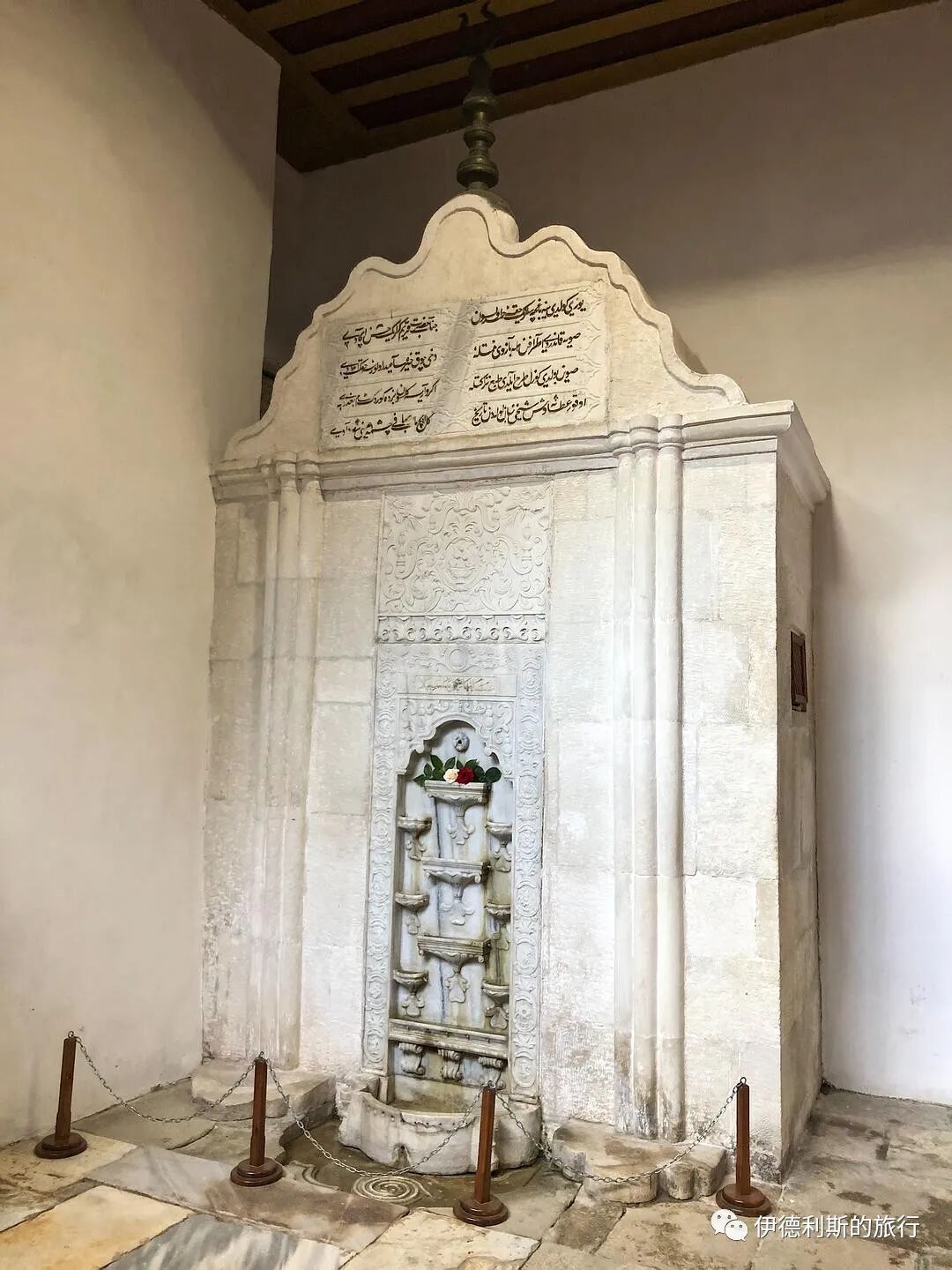
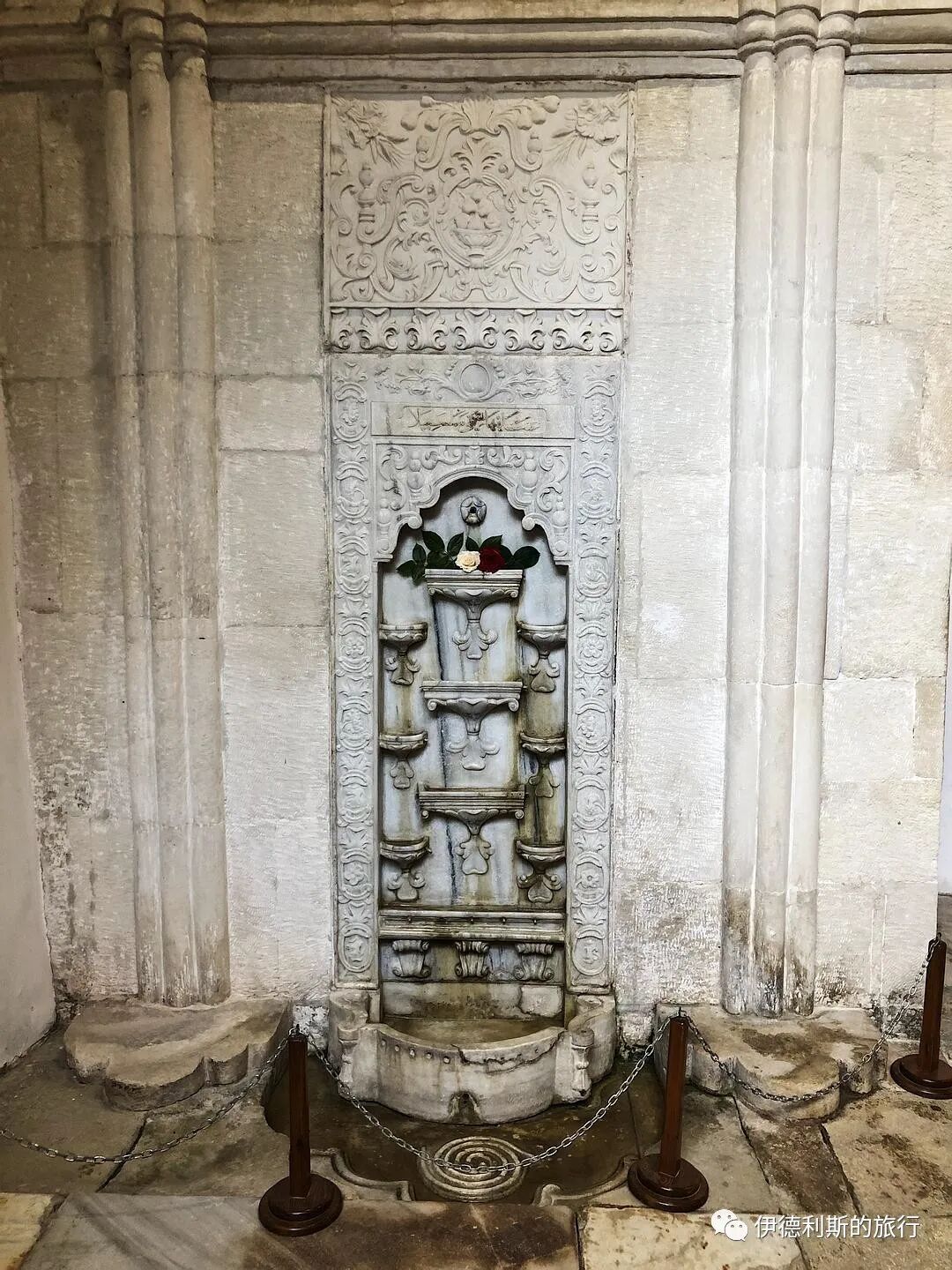
The fountain is made of marble and symbolizes the "Salsabil" (a spring in Paradise) mentioned in the Quran. The Quran (76:17-18) states: "And they will be given to drink therein a cup whose mixture is of ginger, [From] a spring within Paradise named Salsabil." The water outlet of the fountain is a flower; water drips from the center of the flower into a large bowl, flows down into two smaller bowls, and then gathers into another large bowl, repeating this process multiple times. According to 19th-century interpretations, the dripping water is like tears; filling the cup with water symbolizes inner sorrow, and the changing size of the cups symbolizes the process of sorrow intensifying and then subsiding. Many Muslim palaces once had fountains symbolizing Salsabil, but this design of interlocking water bowls only appears in Turkey and Crimea.
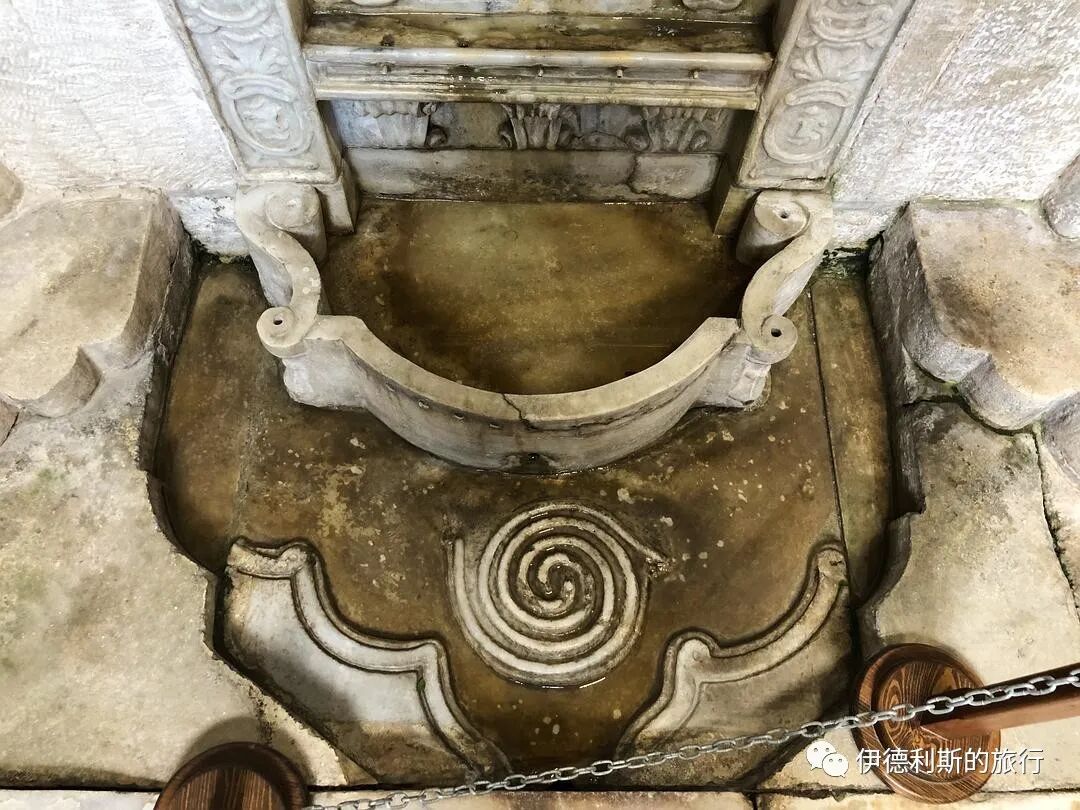
Below the fountain is a spiral shape, symbolizing eternity. At the very top of the fountain is a poem by the poet Sheikhiya commemorating Khan Qırım Giray, and below that is the Quranic verse (76:18): "[From] a spring within Paradise named Salsabil." "
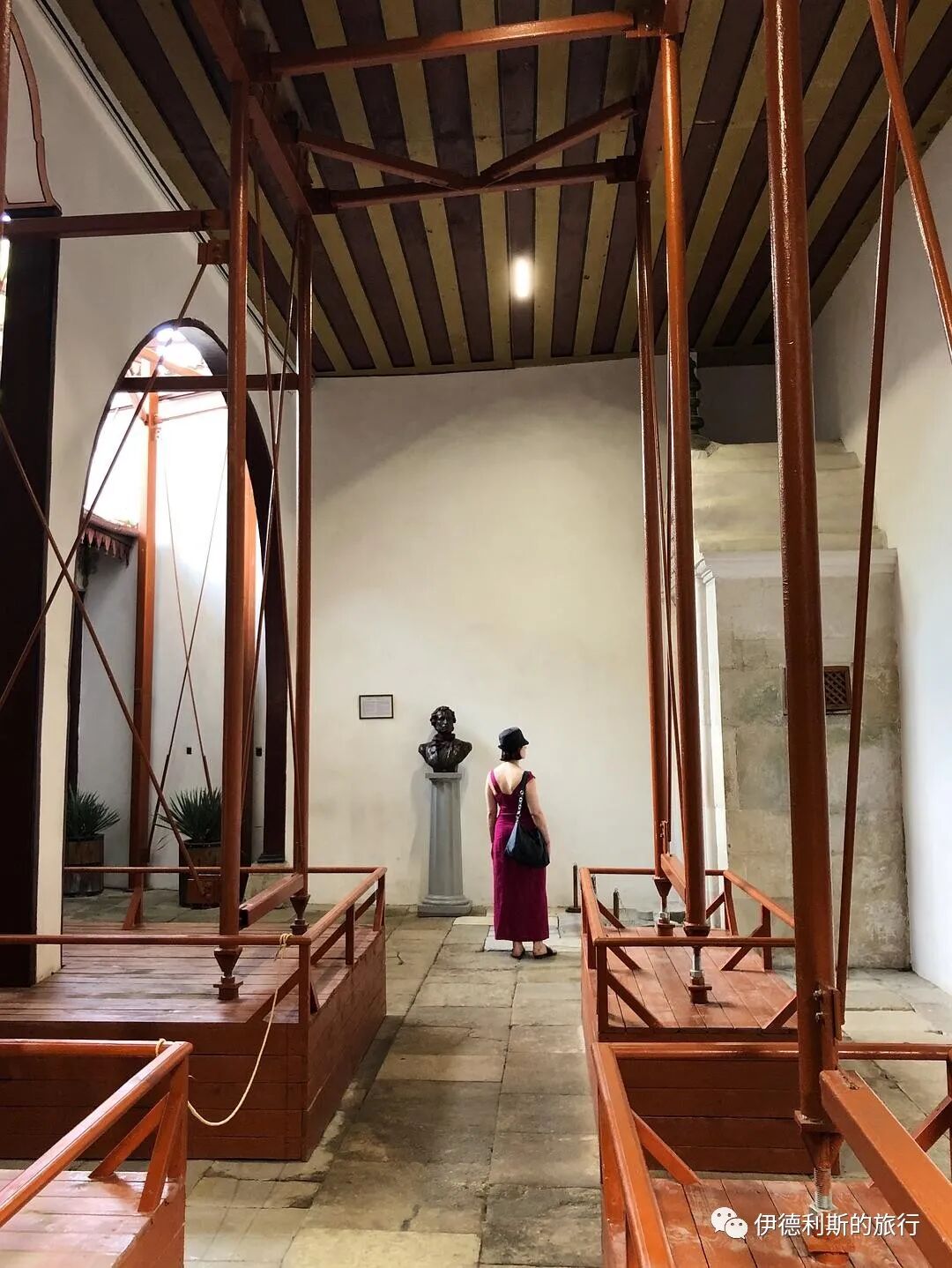
"The Fountain of Bakhchisaray" is a long poem written by Pushkin after he visited the Bakhchisaray Khan Palace during his exile in 1820. The poem was started in 1821, completed in 1823, and published in 1824. Around 1950, a bronze statue of Pushkin was placed next to the fountain. Staff at the Museum of Crimean Tatar History and Culture place two roses in the top bowl every day, inspired by Pushkin's lines:
Fountain of love, fountain of living water,
I brought you two roses as a gift.
I love your silence,
And your poetic tears.
16. Suites
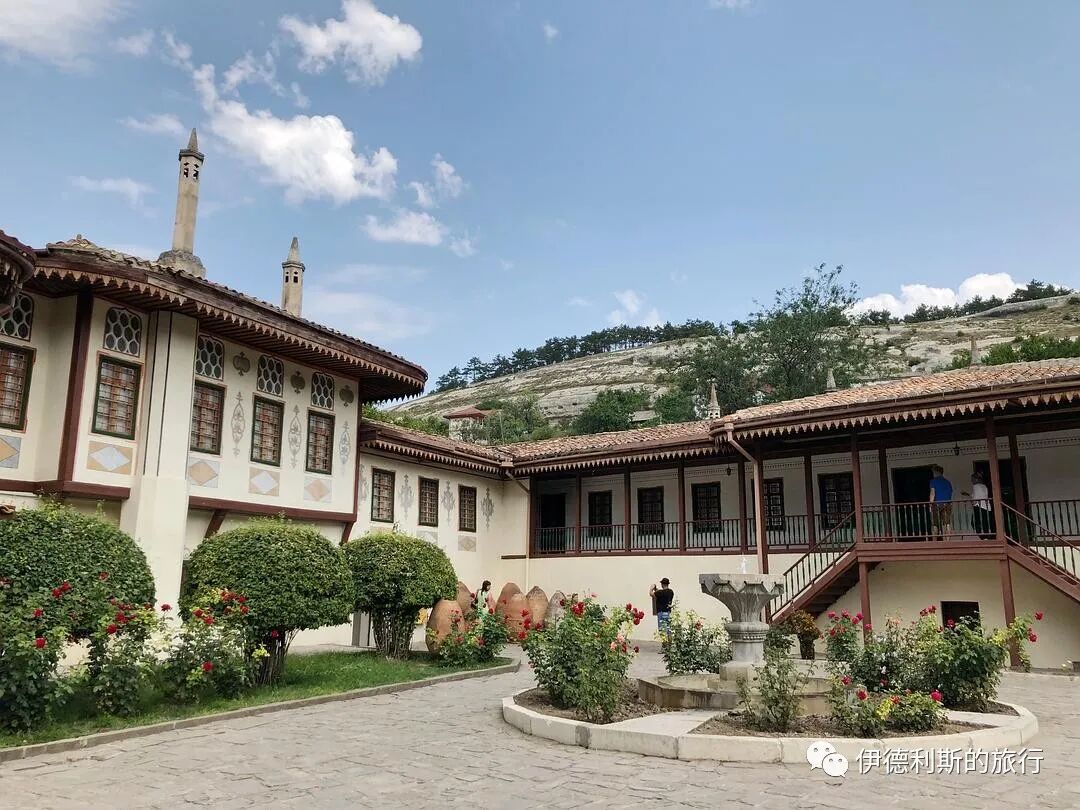
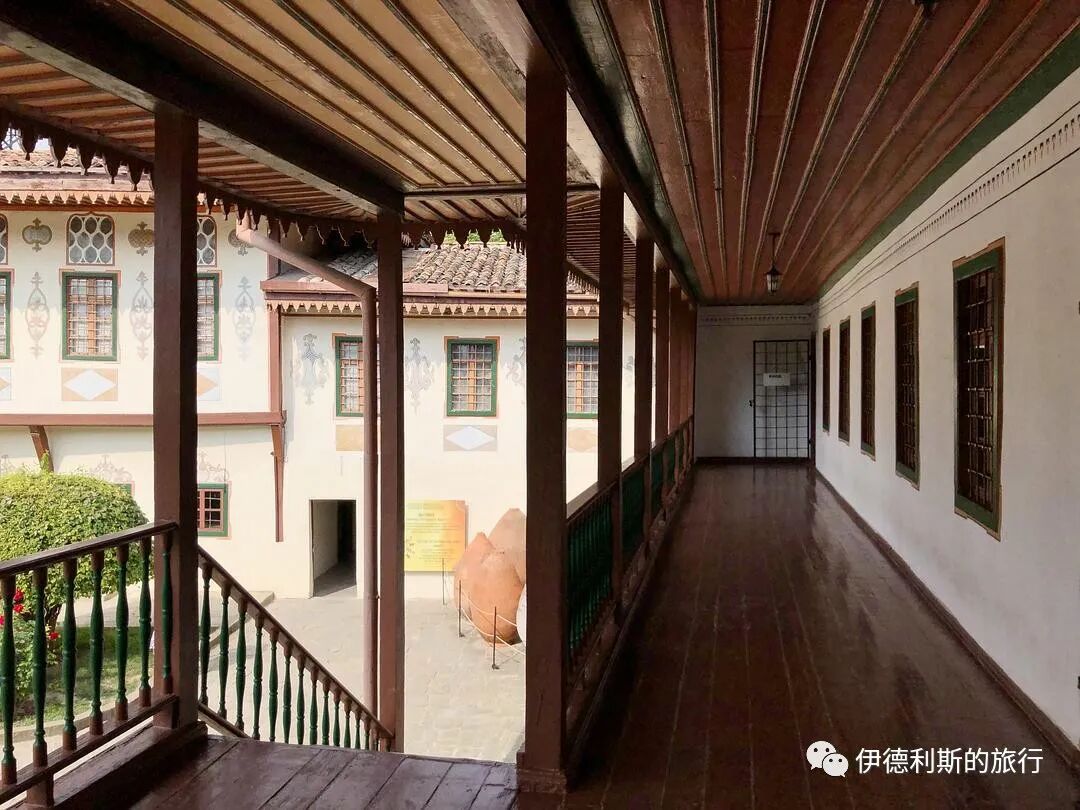
The suites on both sides of the North Gate were where the Khan Palace guards (Qapı Halqı) lived. After Crimea was occupied by Tsarist Russia, this was also where guests stayed. Today, the west building of the suites is an exhibition hall, and the east building is the museum office.
The exhibition hall in the west building displays some artifacts from the Crimean Khanate era, as well as the traditional life of the Crimean Tatars. The original fireplaces are still preserved in the suites.
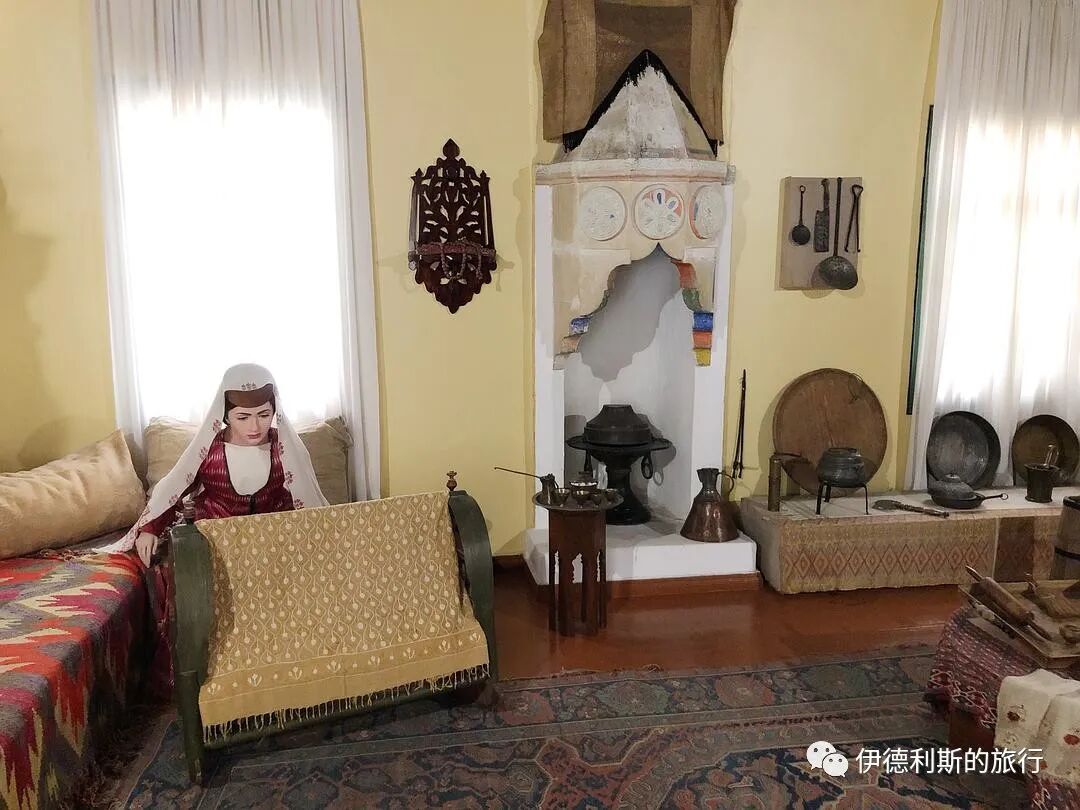
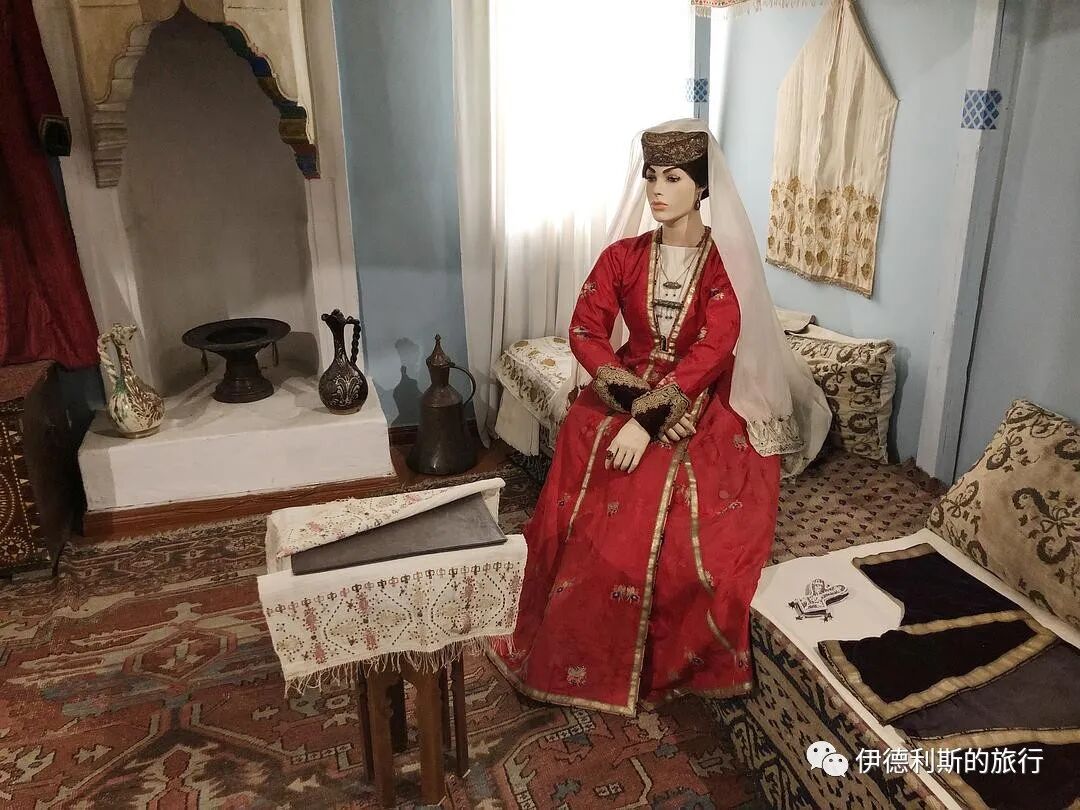
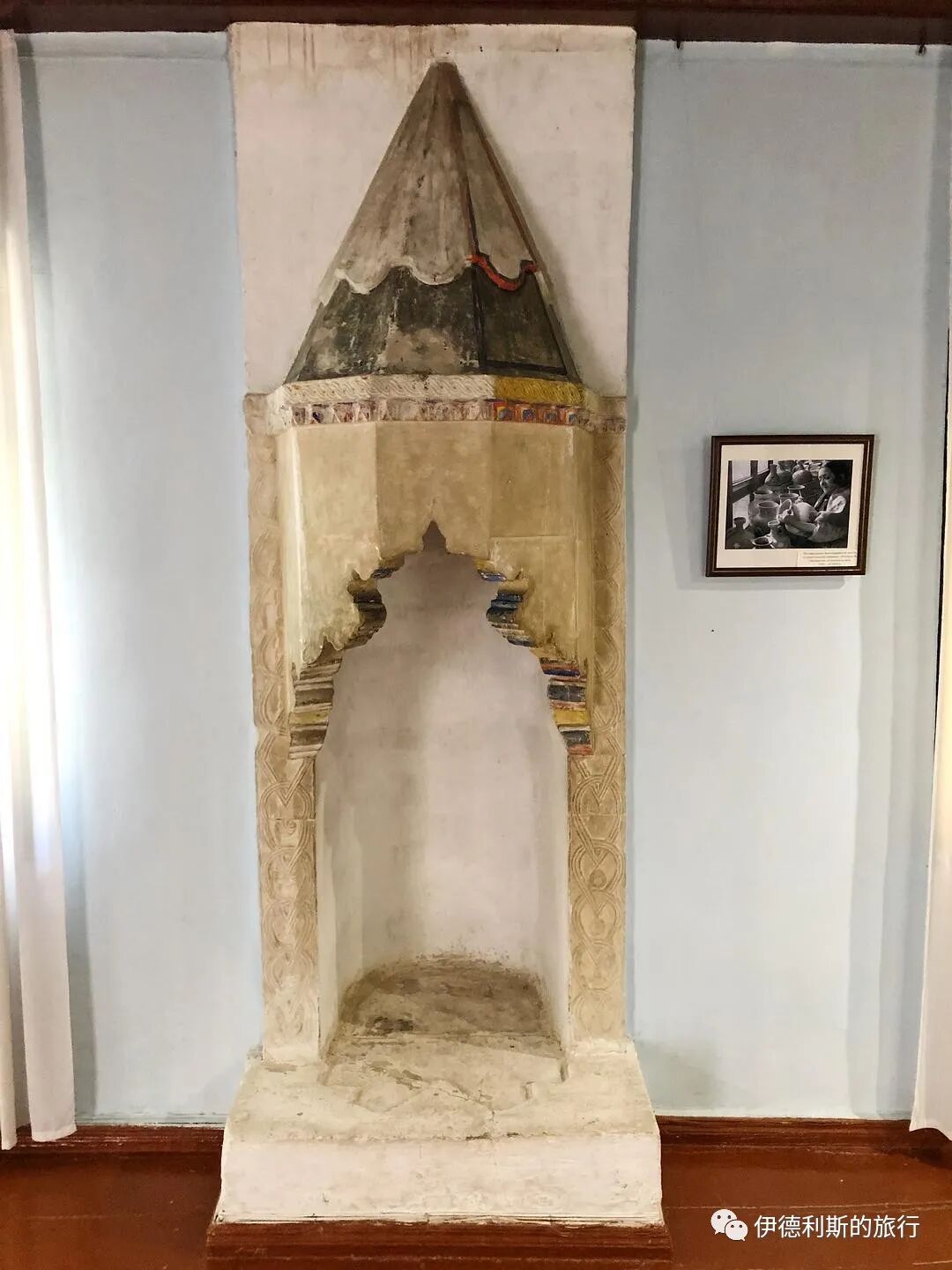
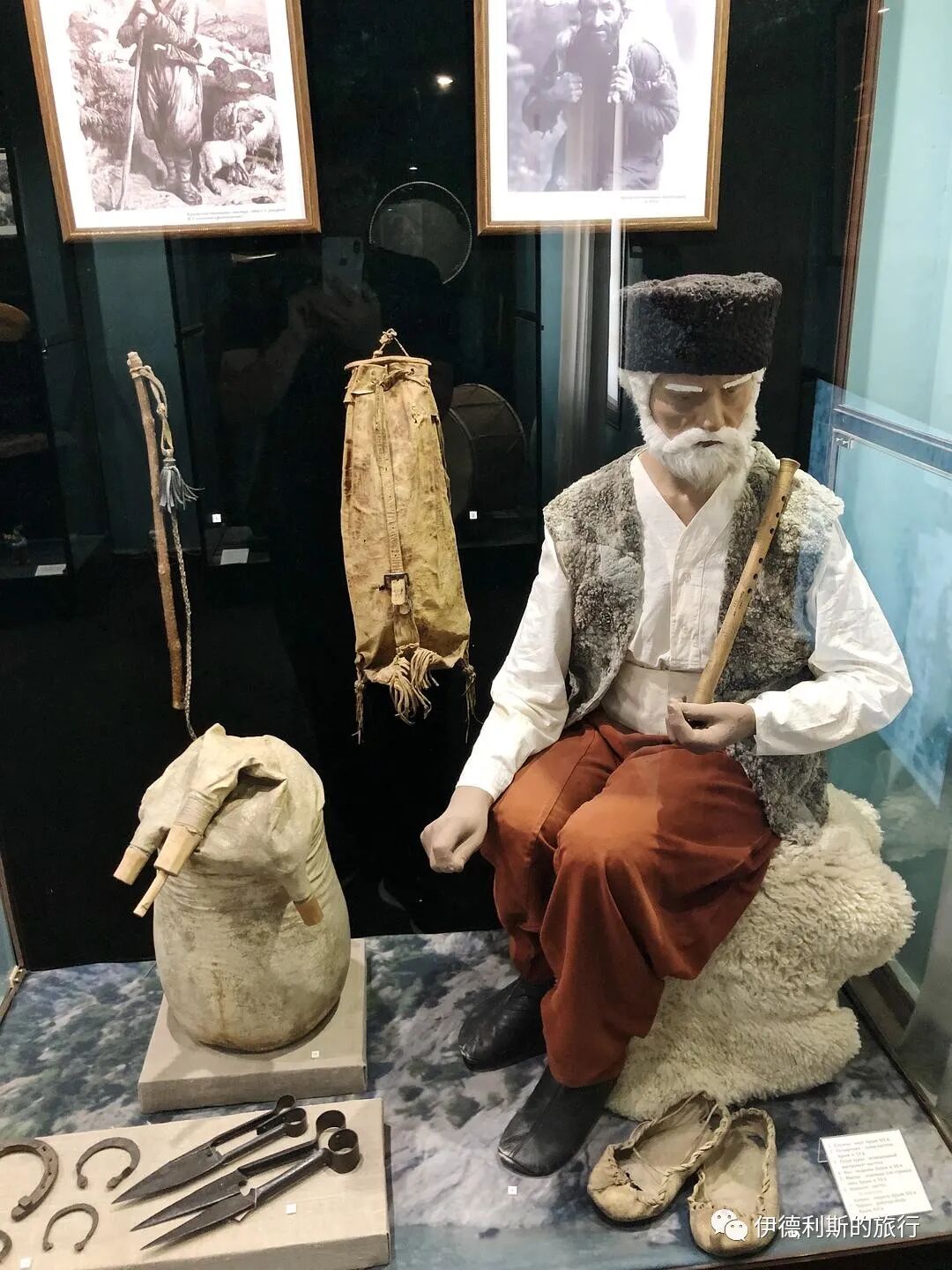
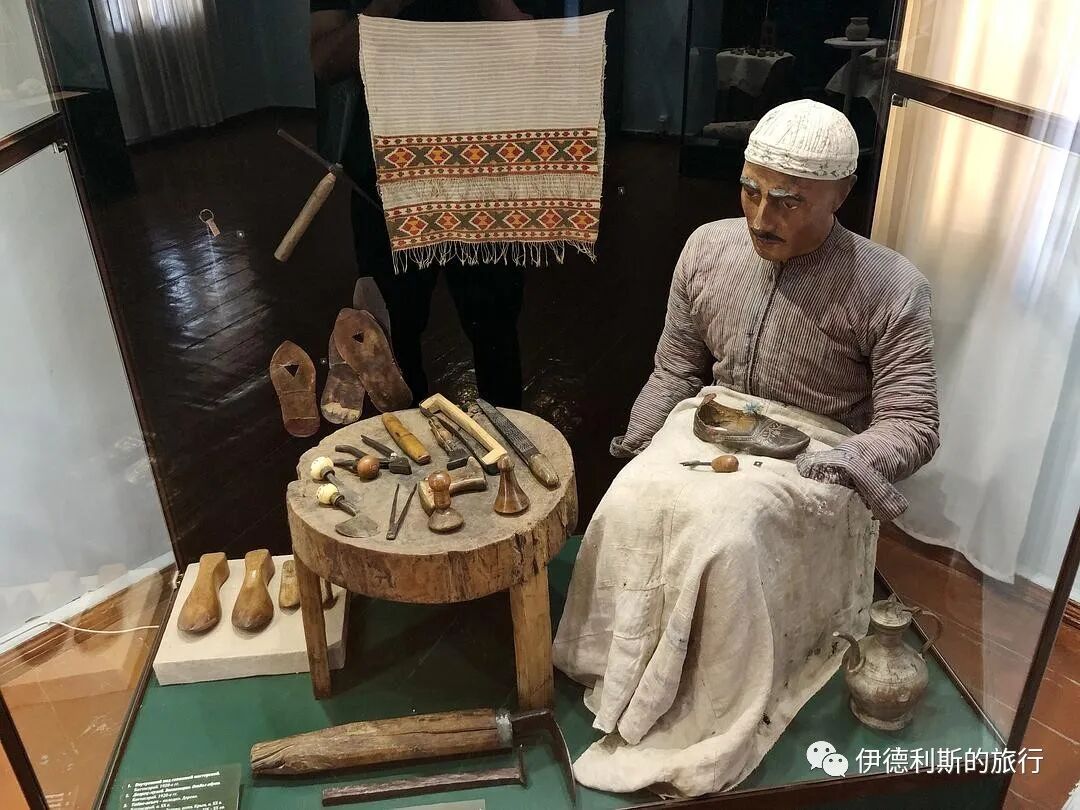
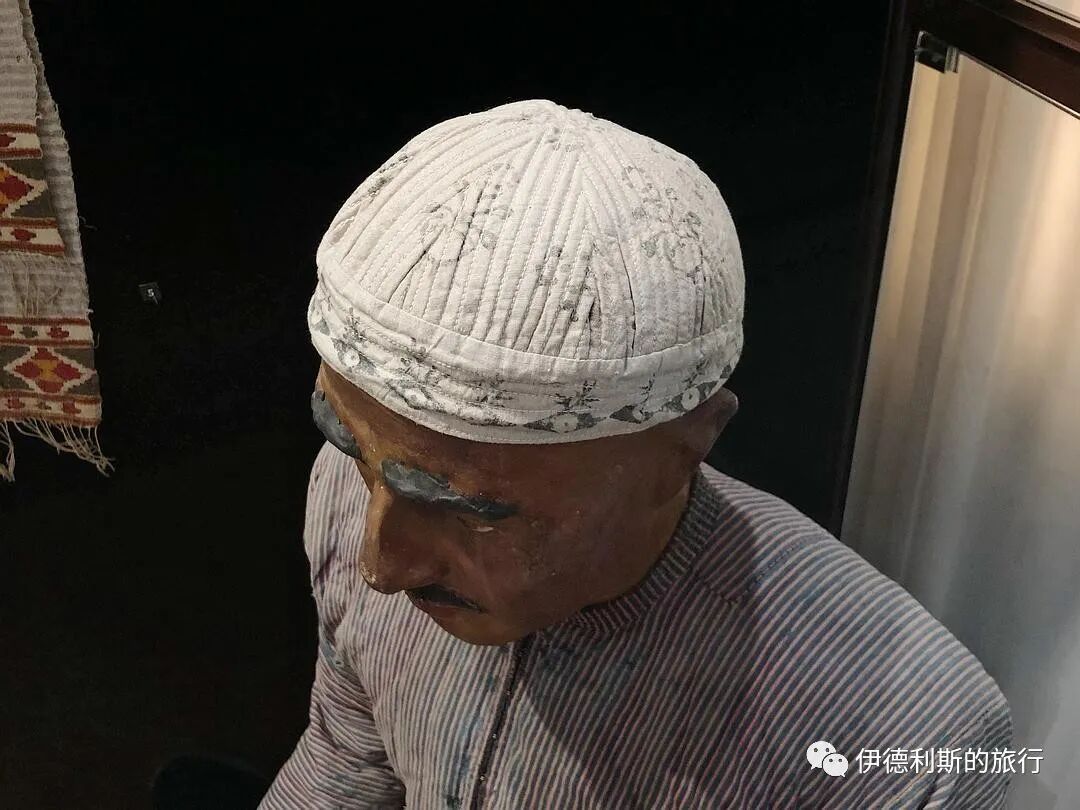
The suite exhibition hall displays traditional women's clothing from the Crimean Khanate, including velvet fez hats embroidered with gold thread and headscarves.
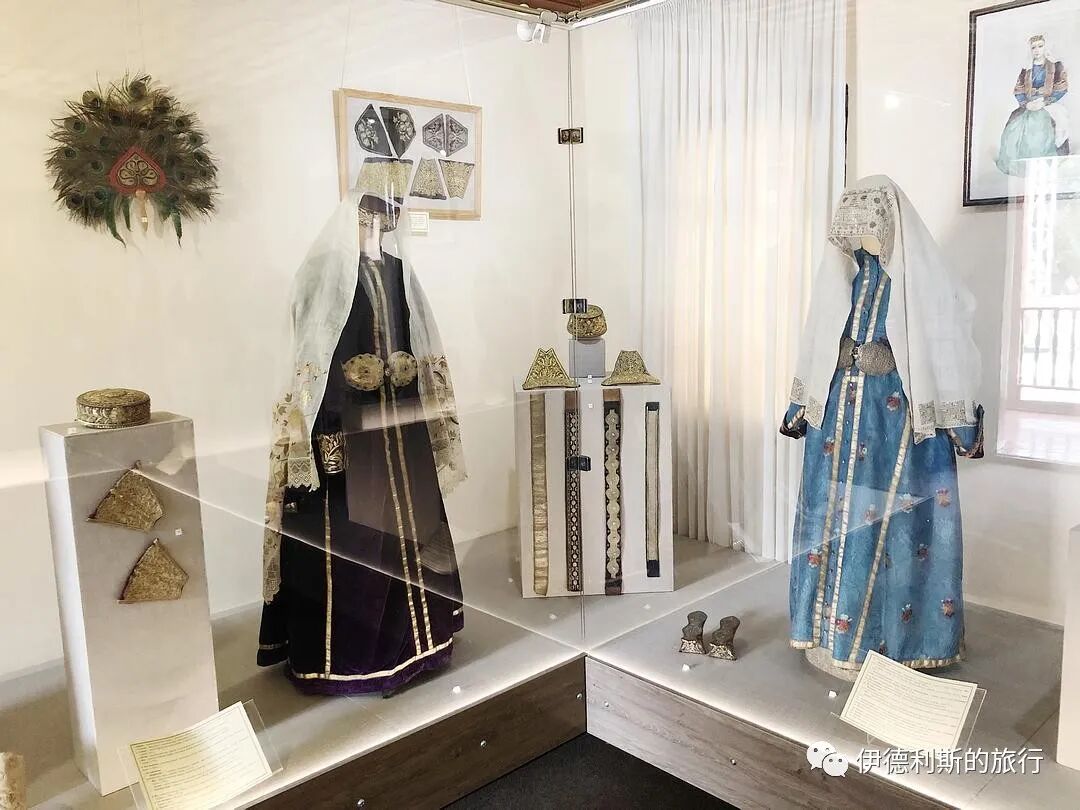
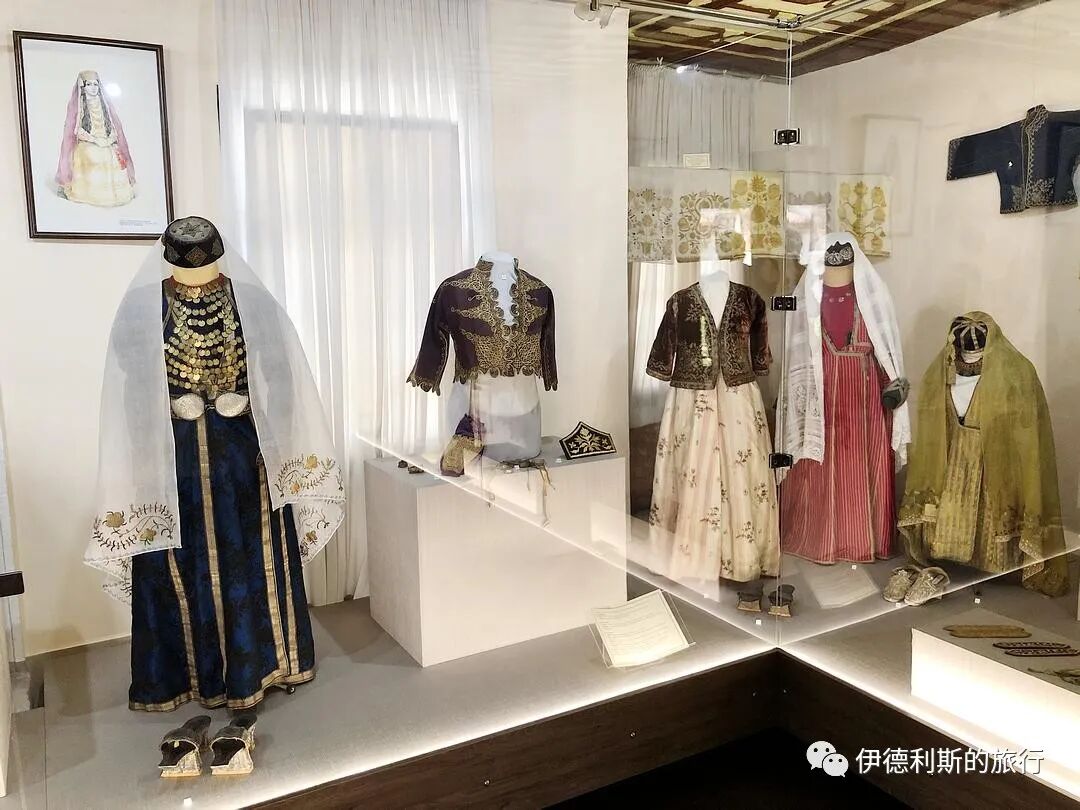
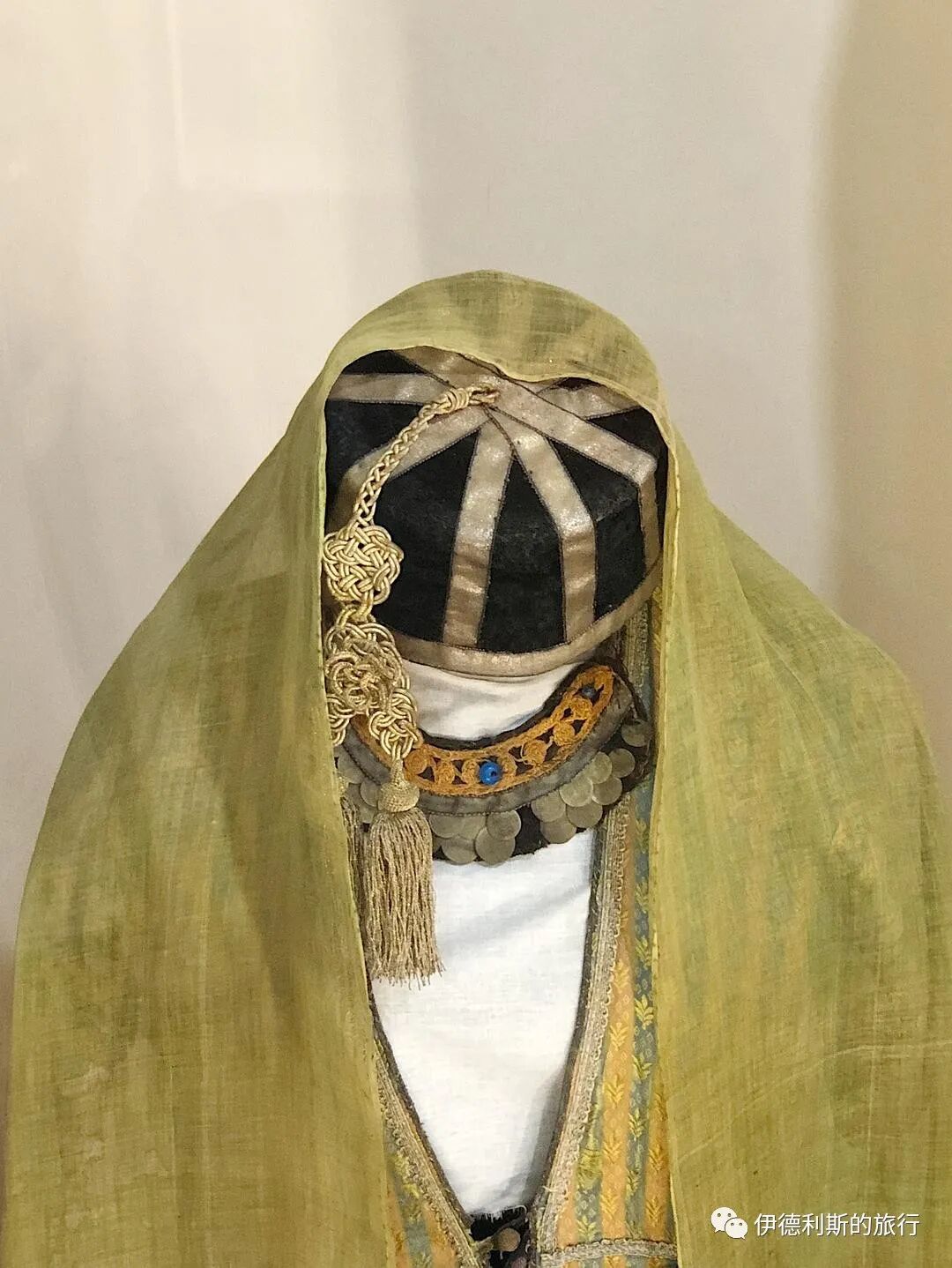
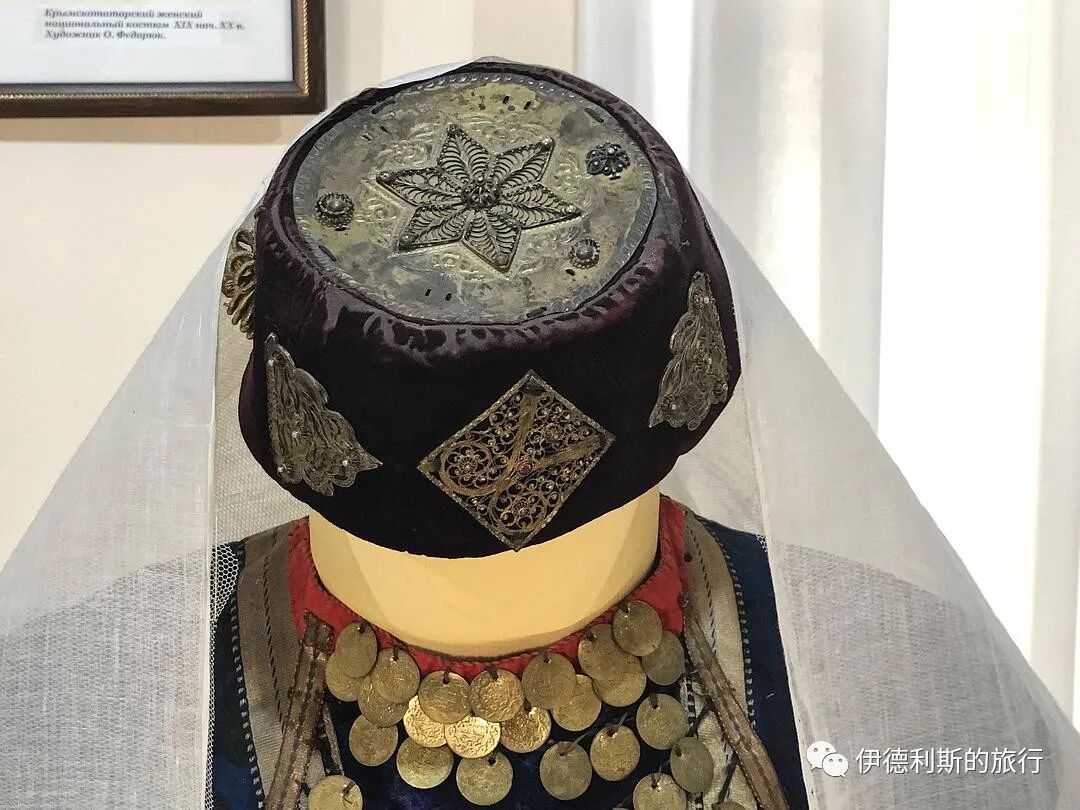
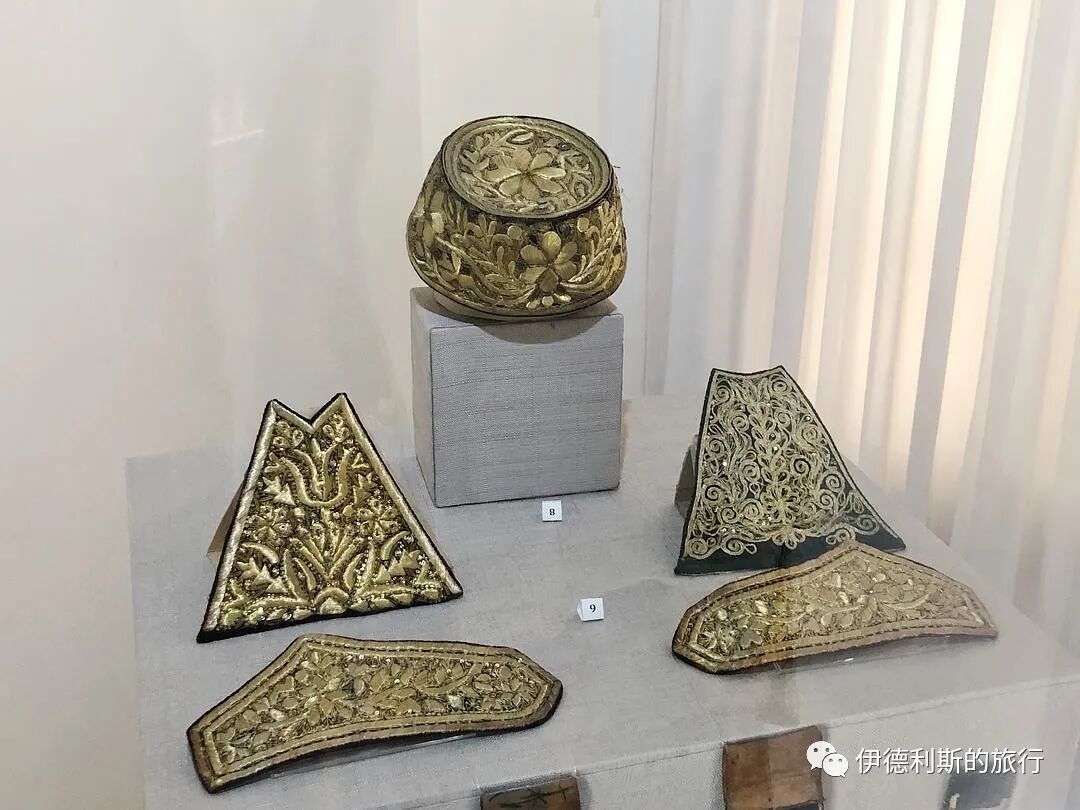
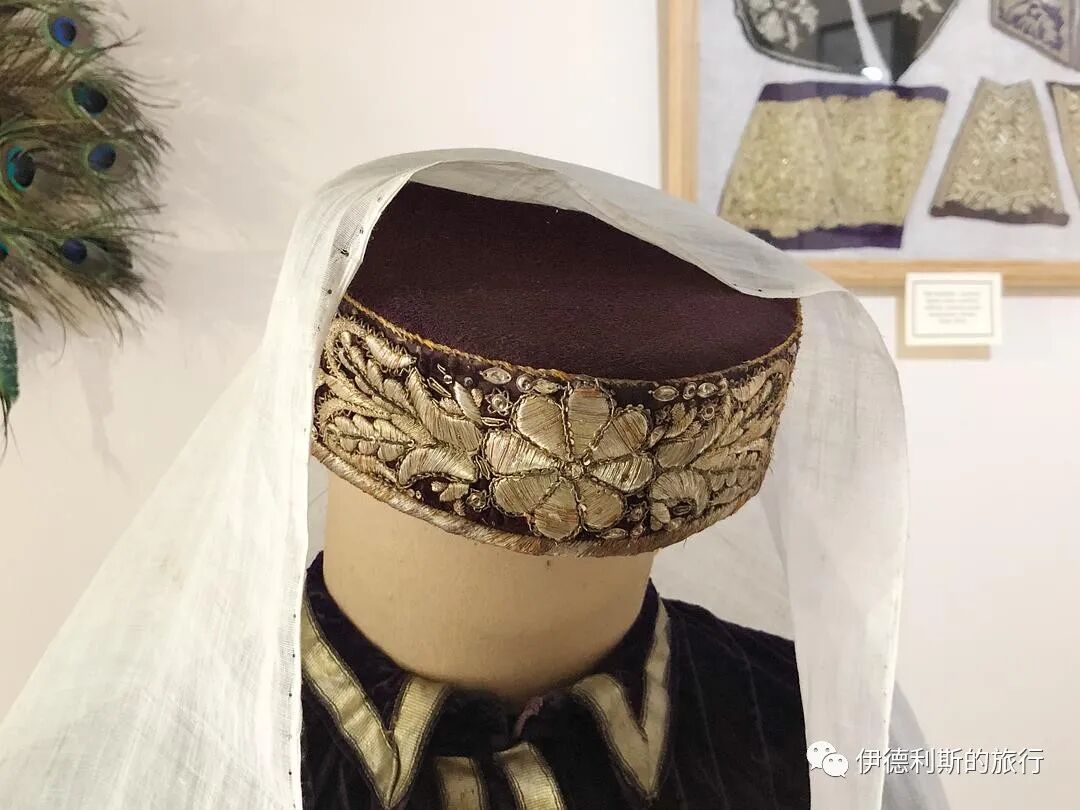
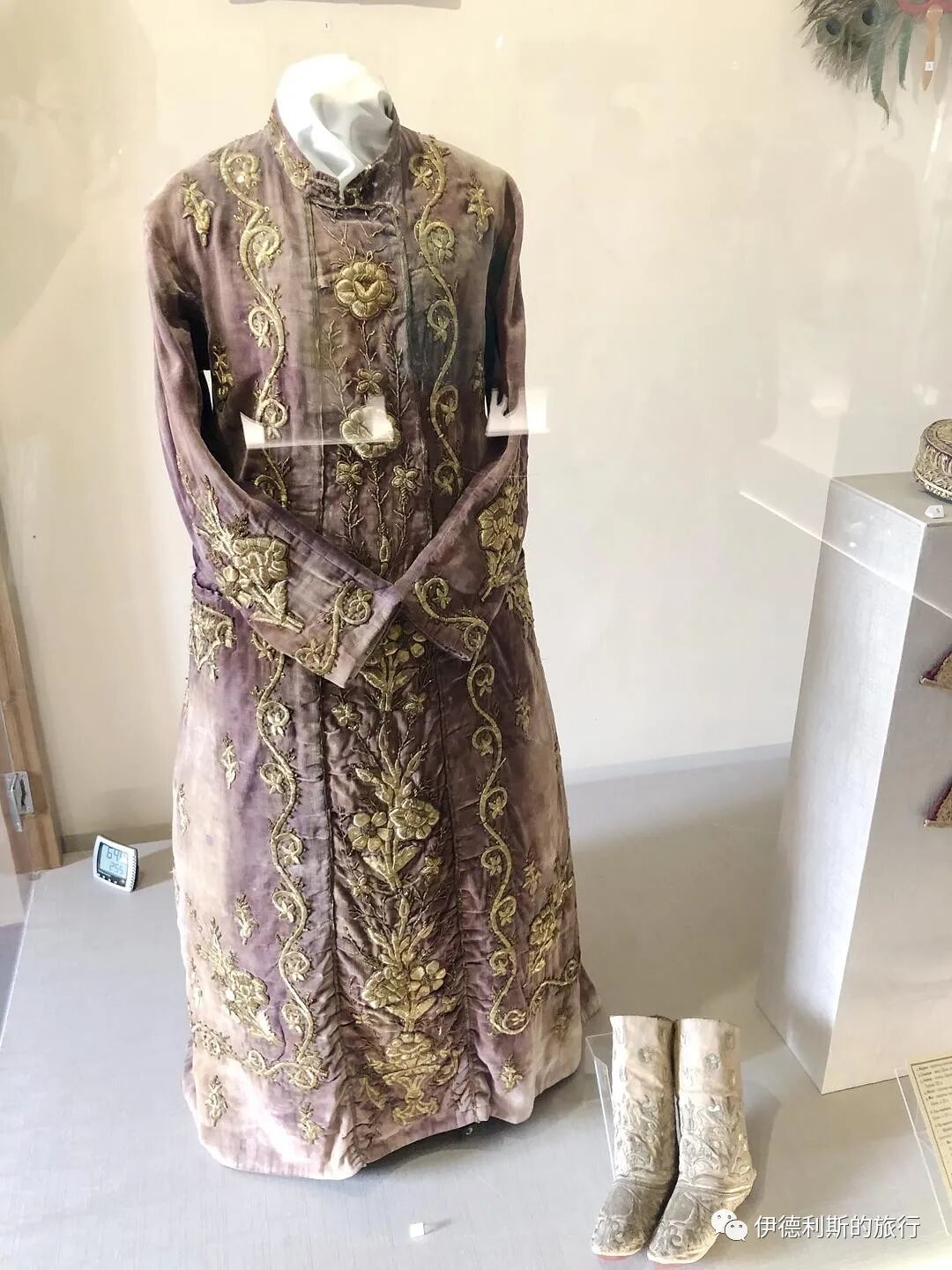
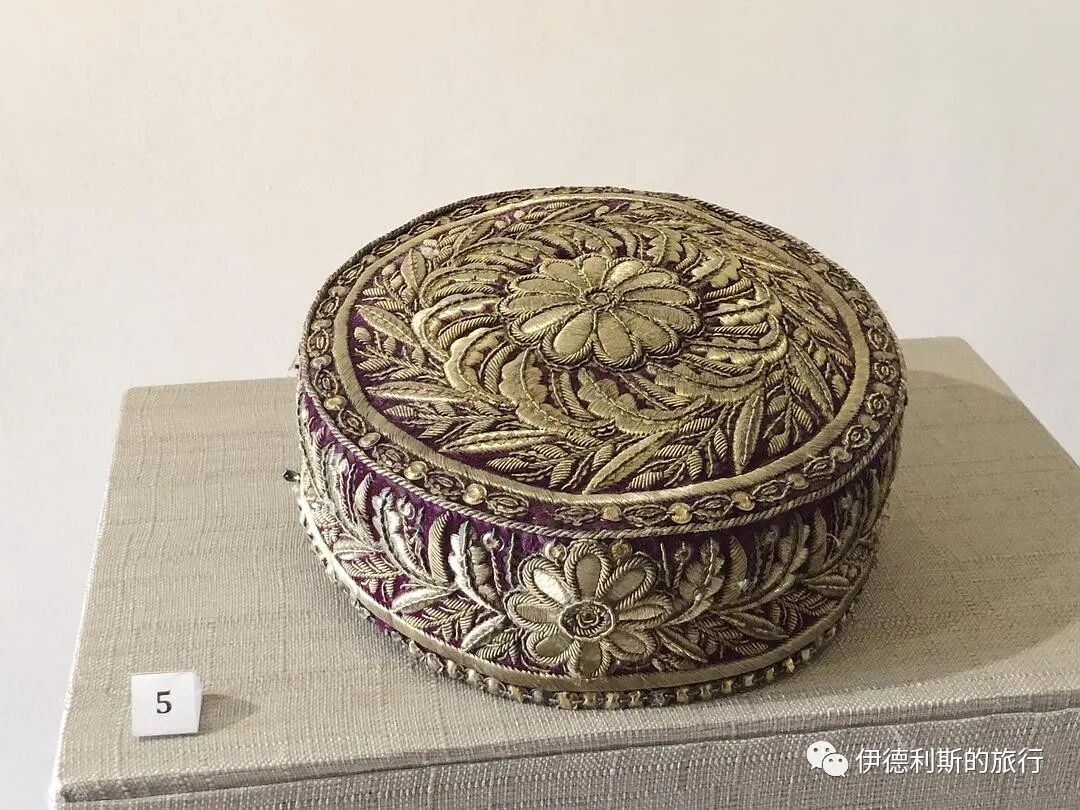
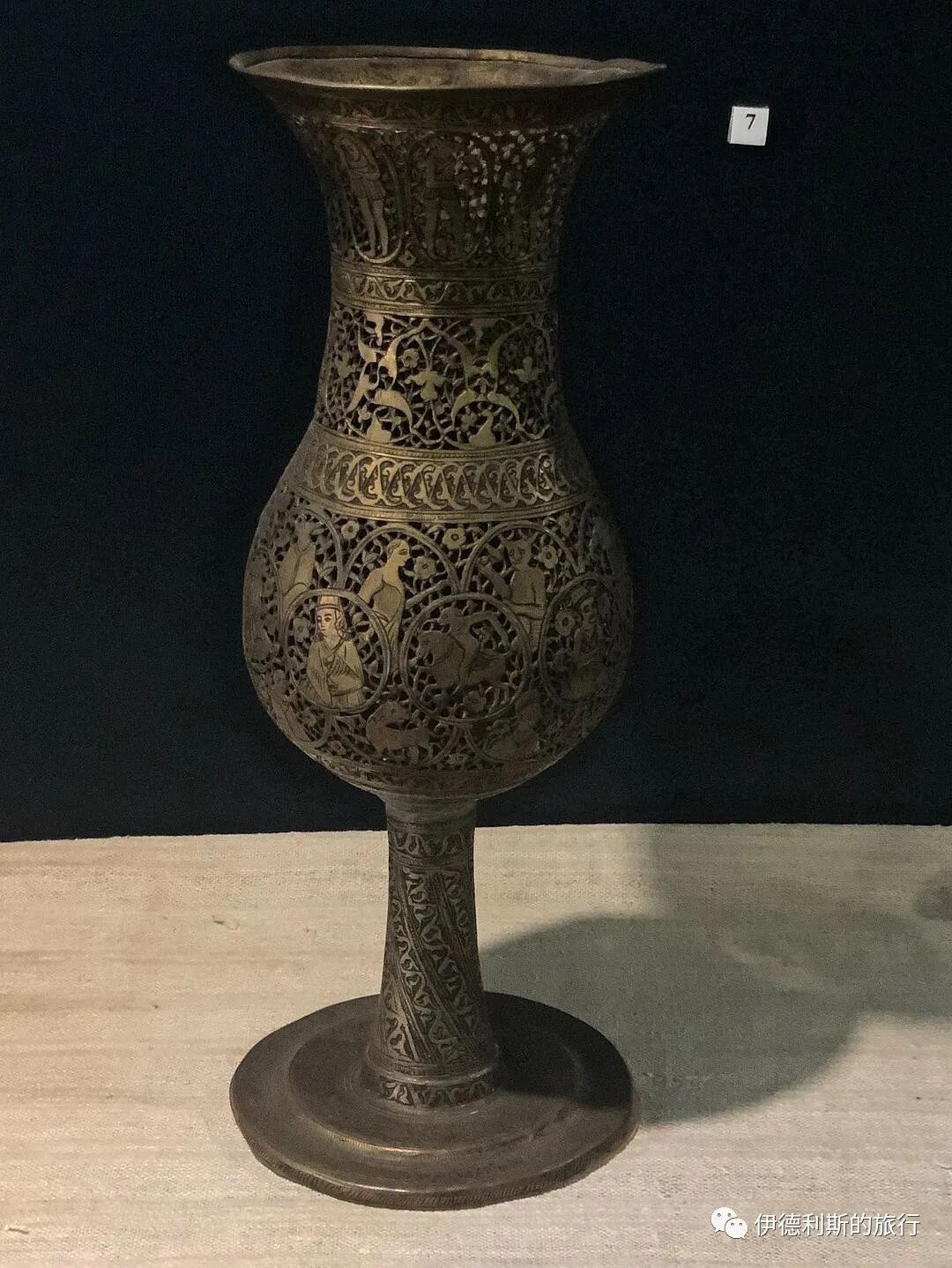
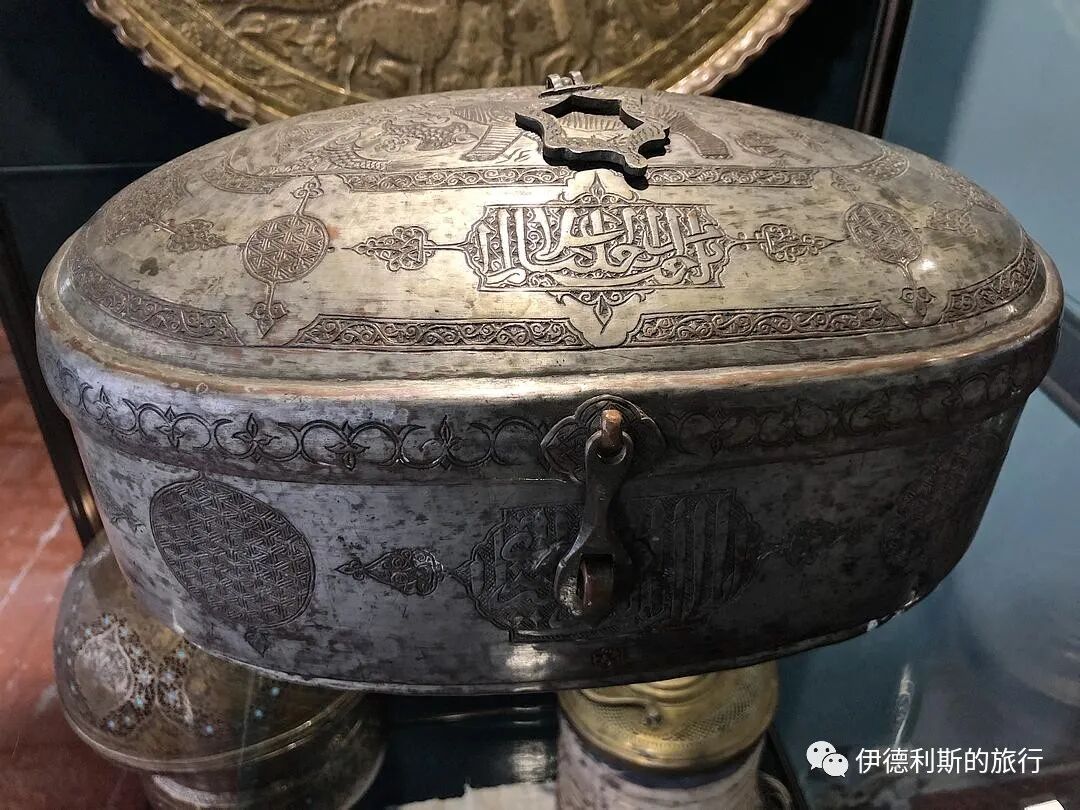
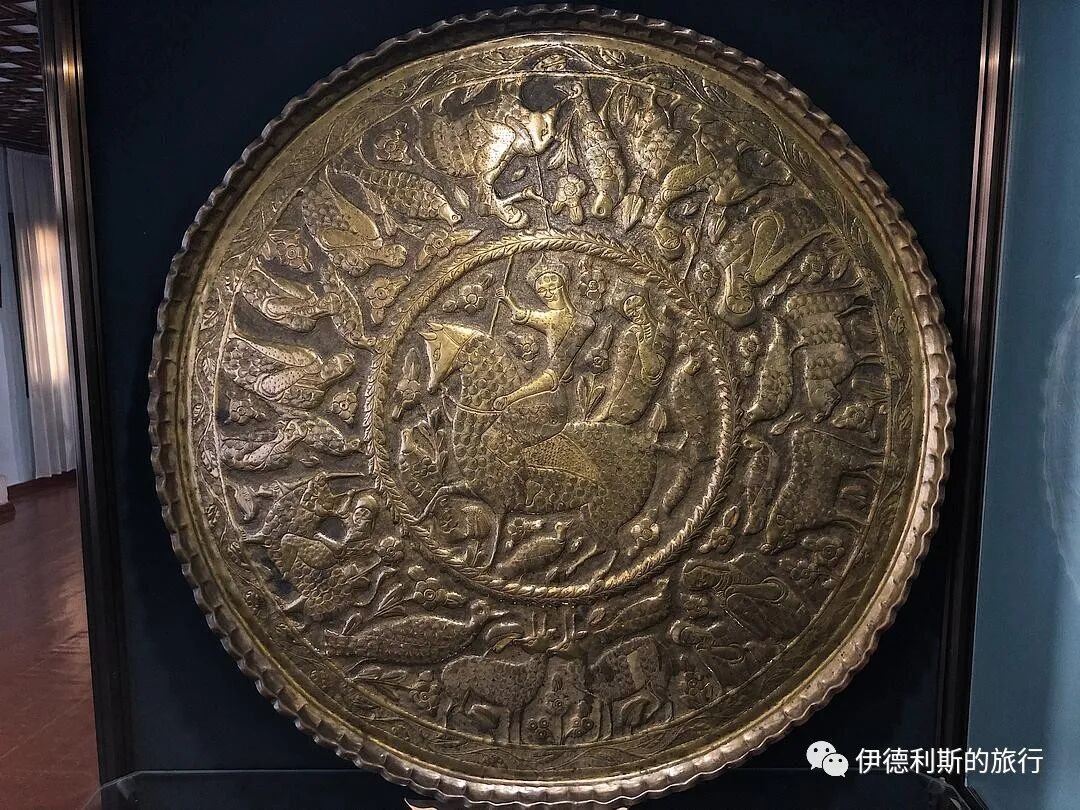
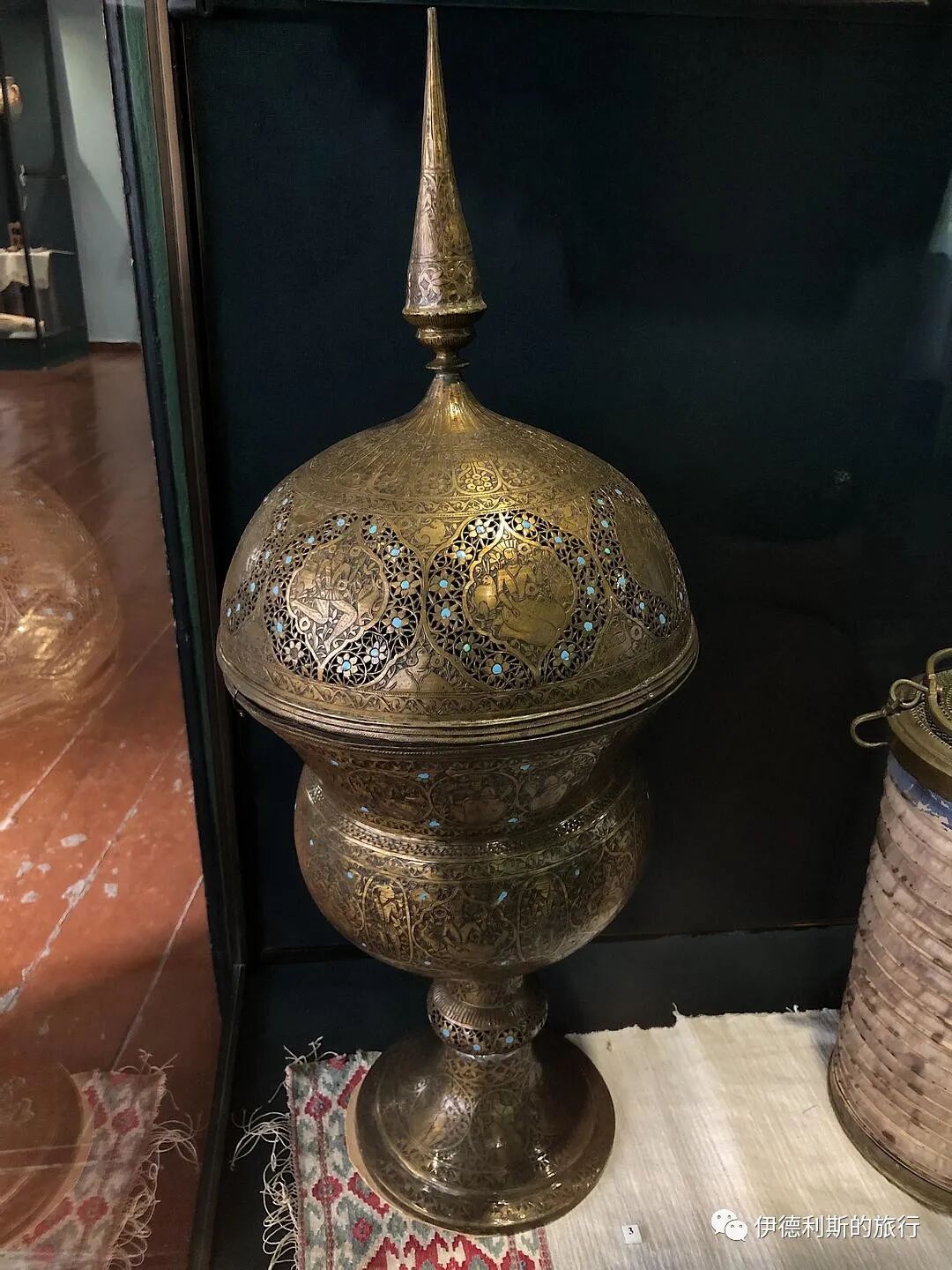
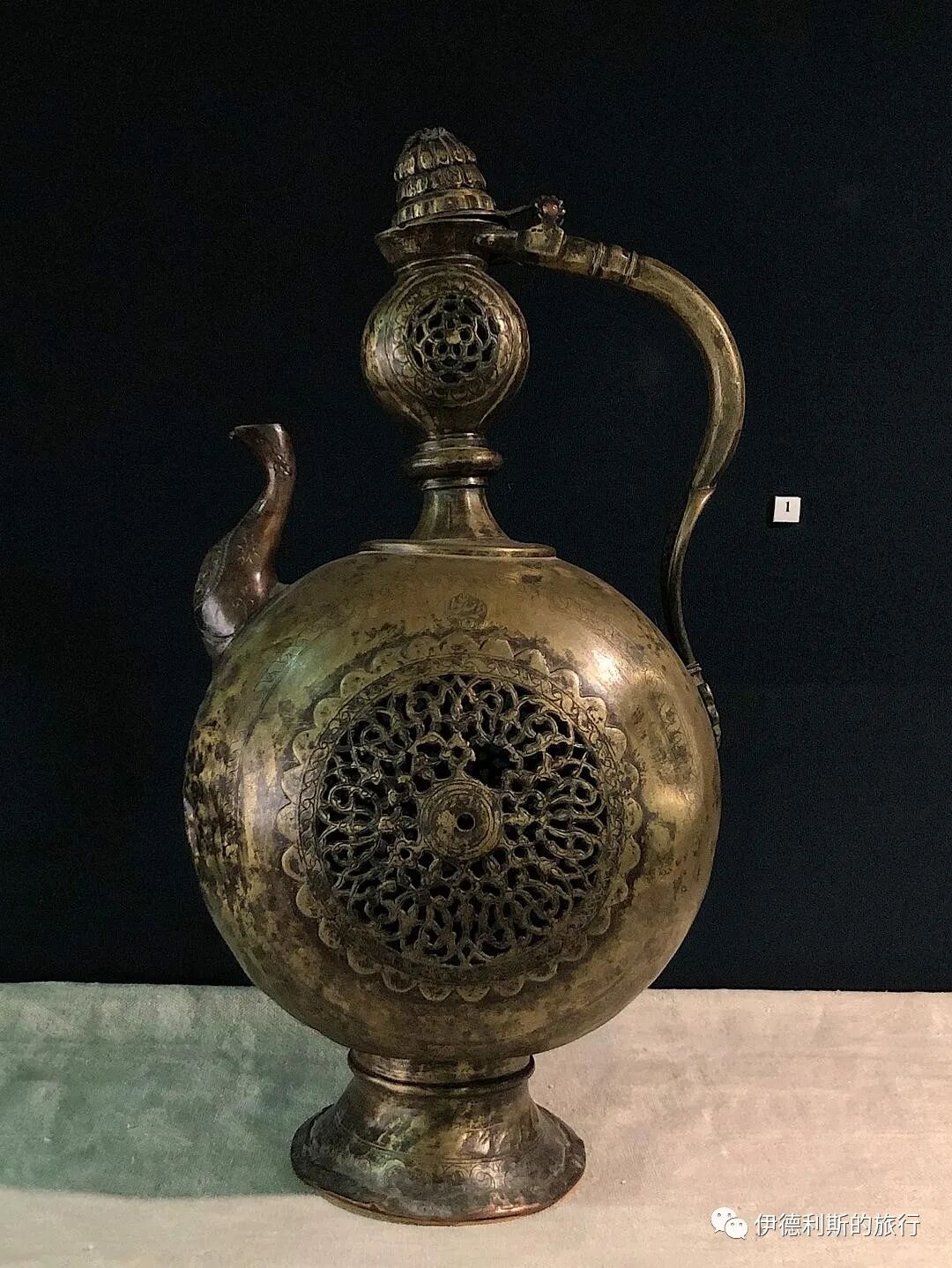
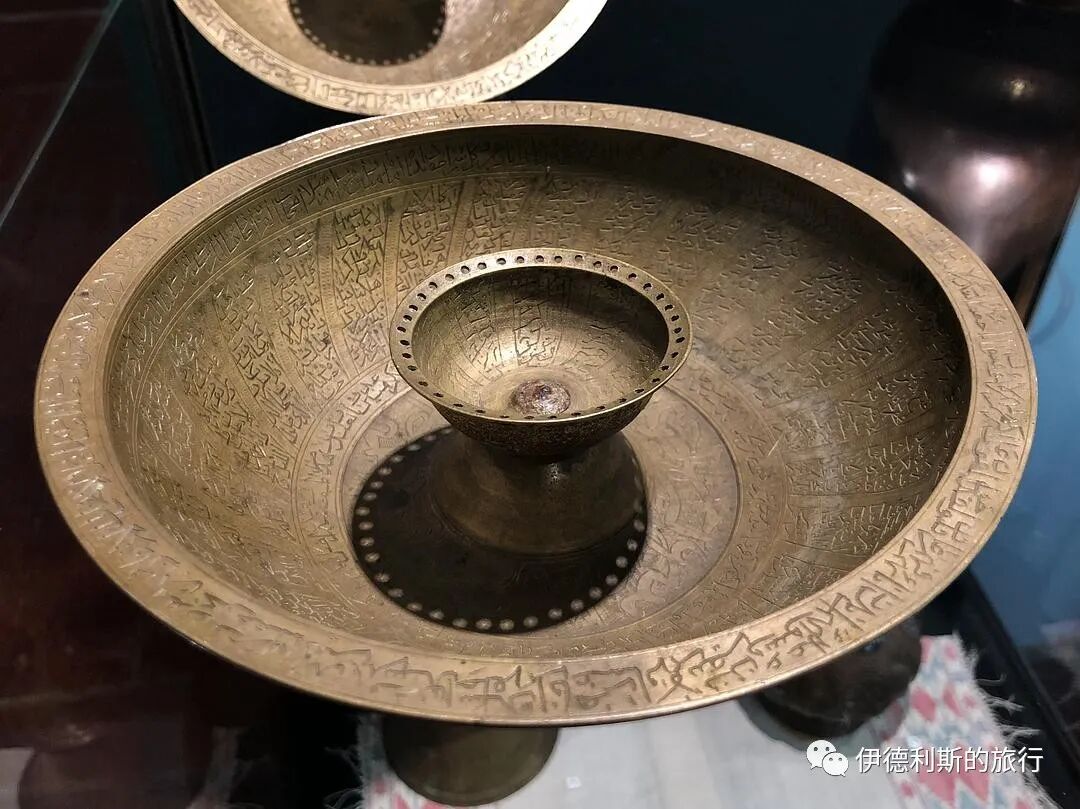
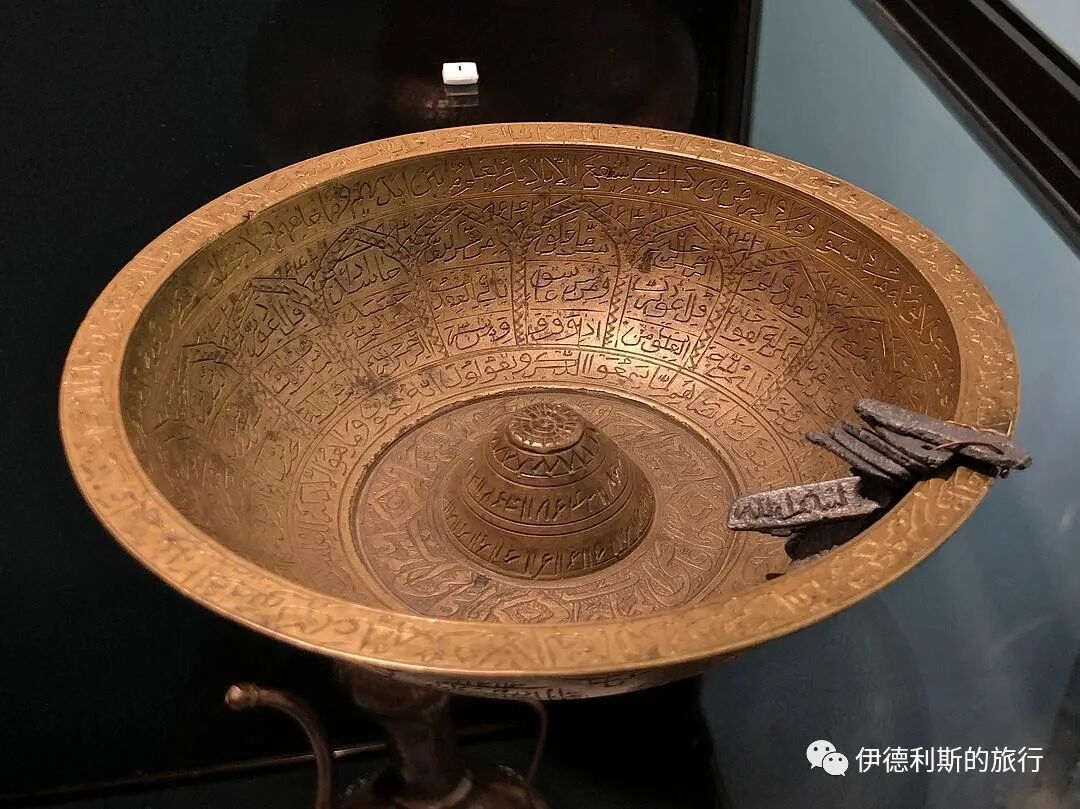
The suite exhibition hall displays various copperware from the Crimean Khanate era.
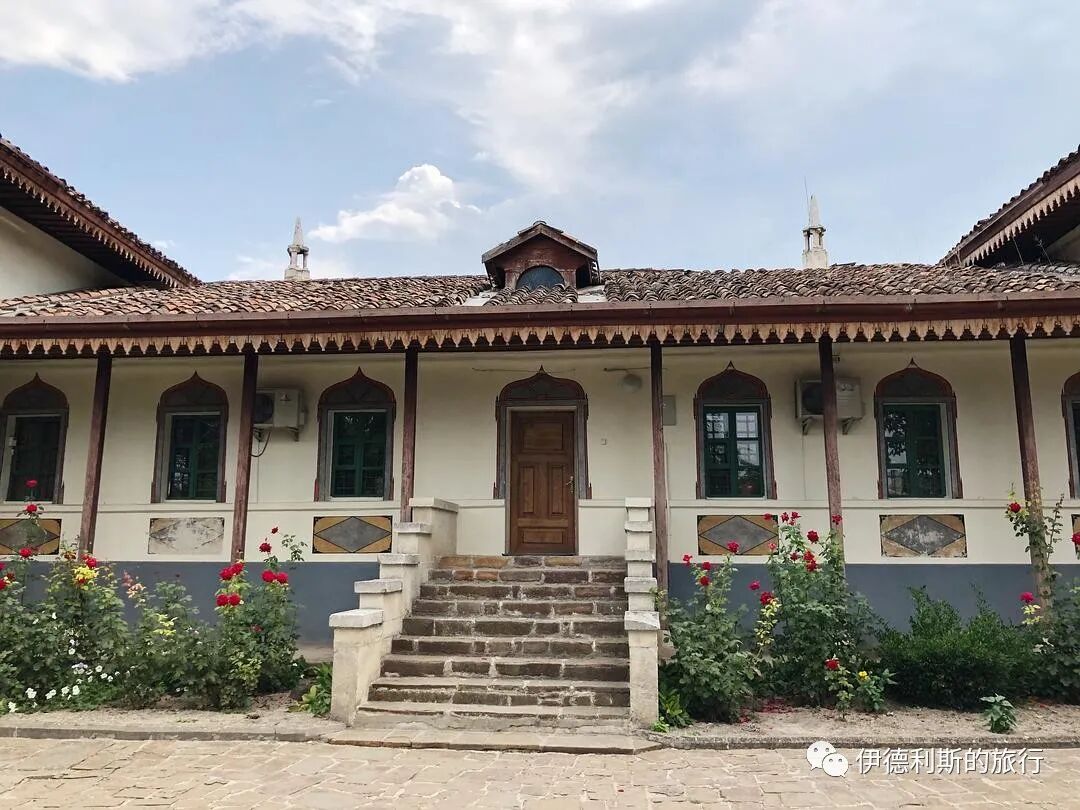
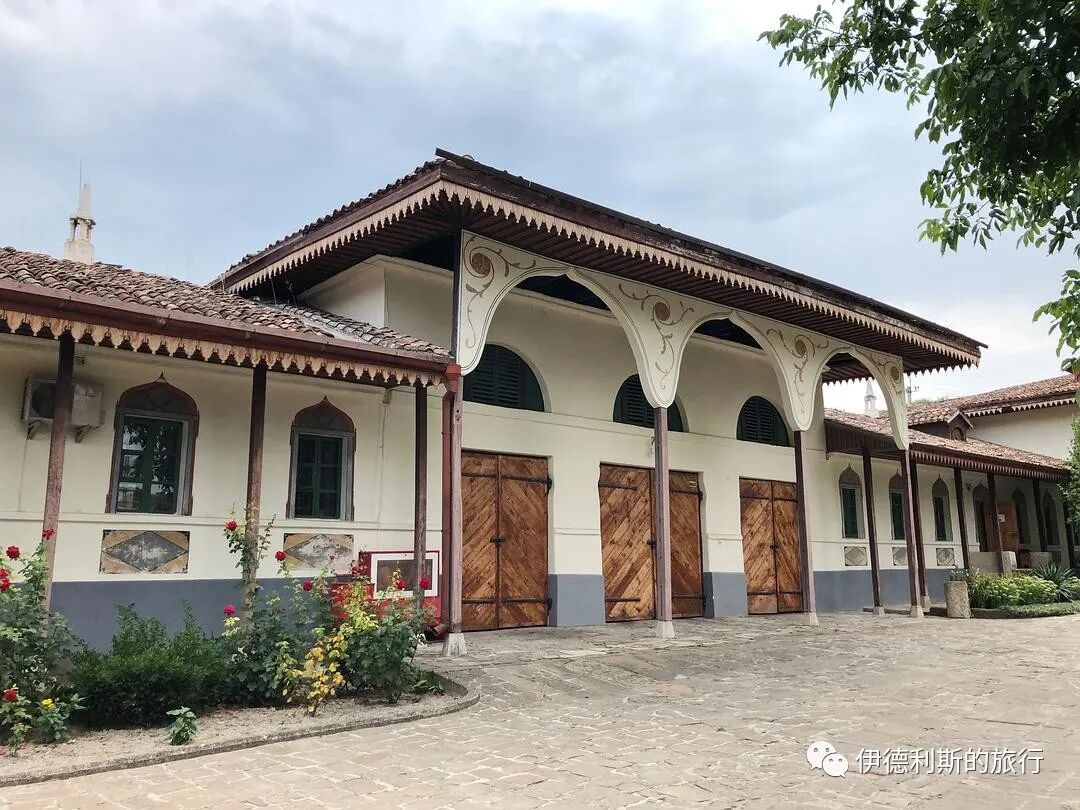
17. Stables
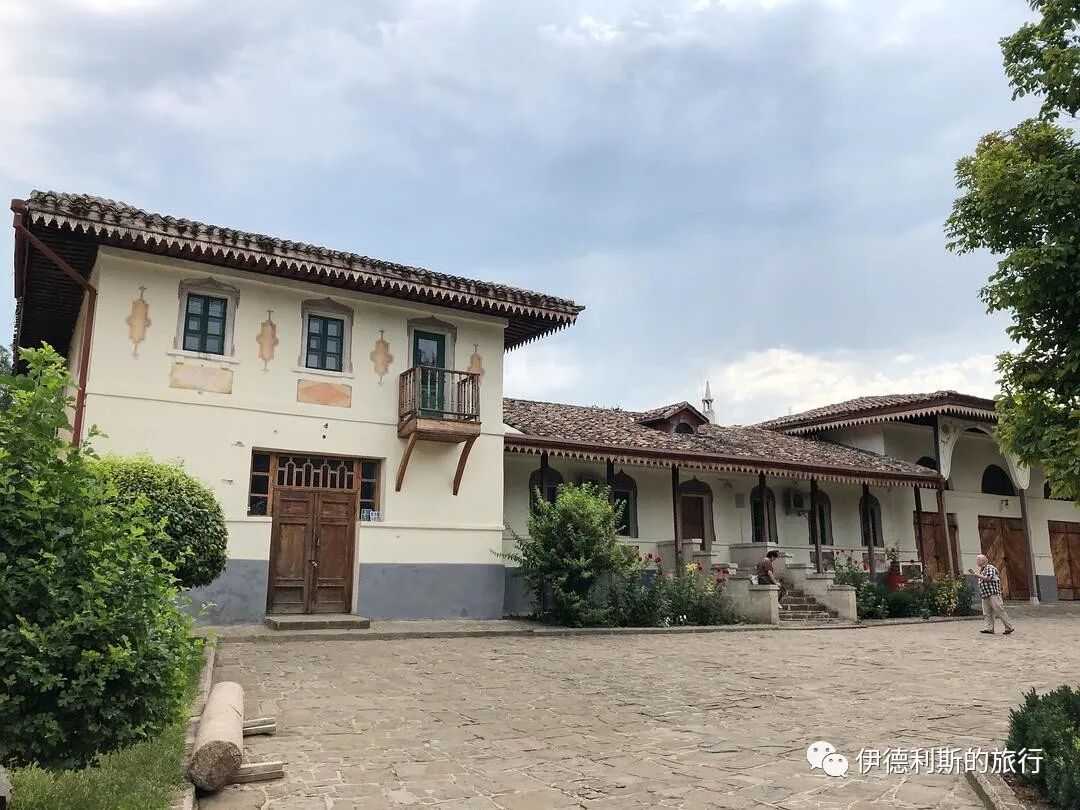
The stables are divided into two floors: the first floor for keeping horses and the second floor for the grooms to live in. The current building was rebuilt in the 1850s.
III. Mosques outside the Khan Palace
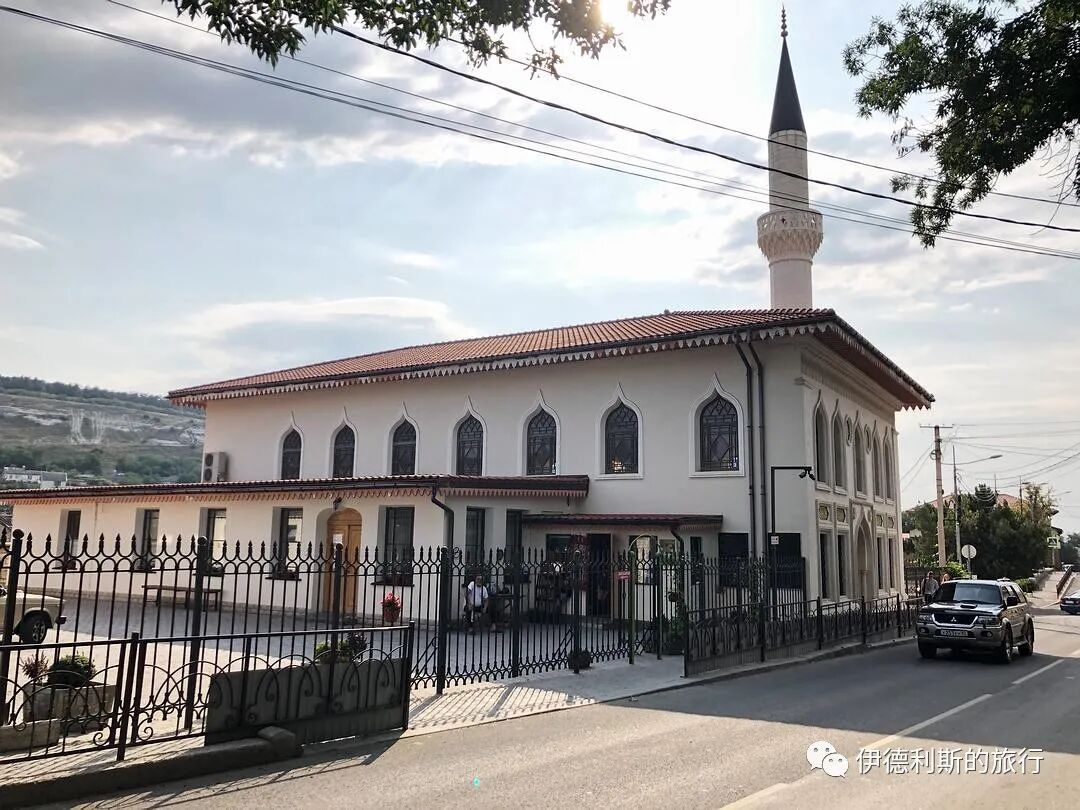
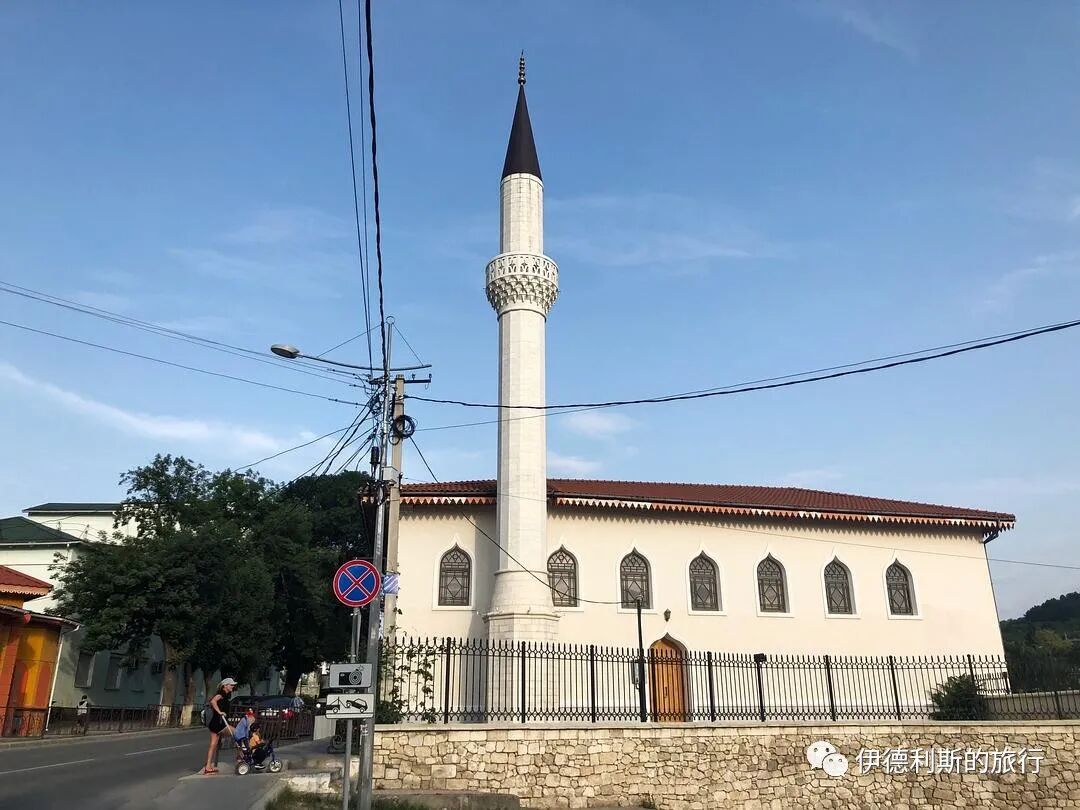
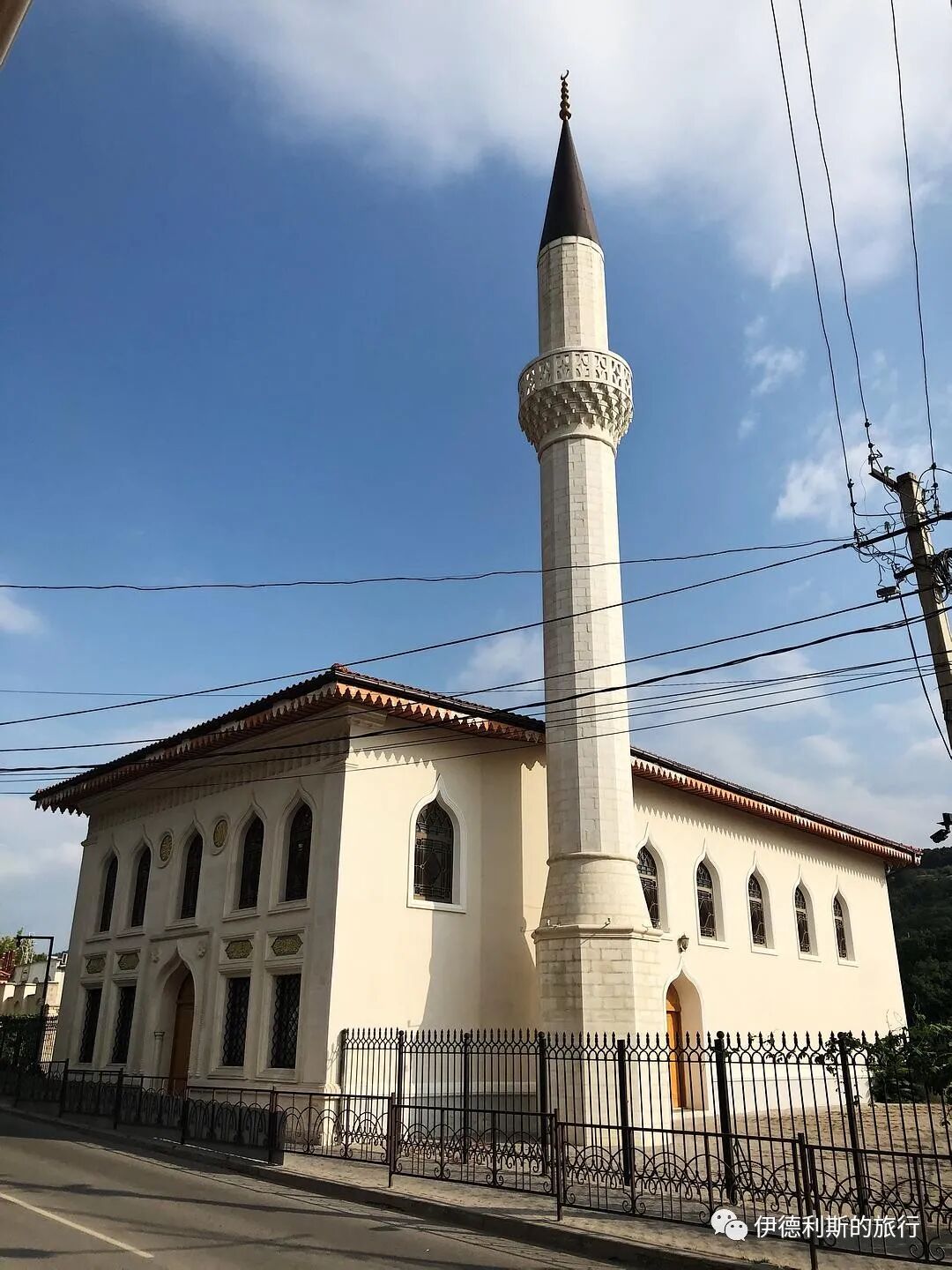
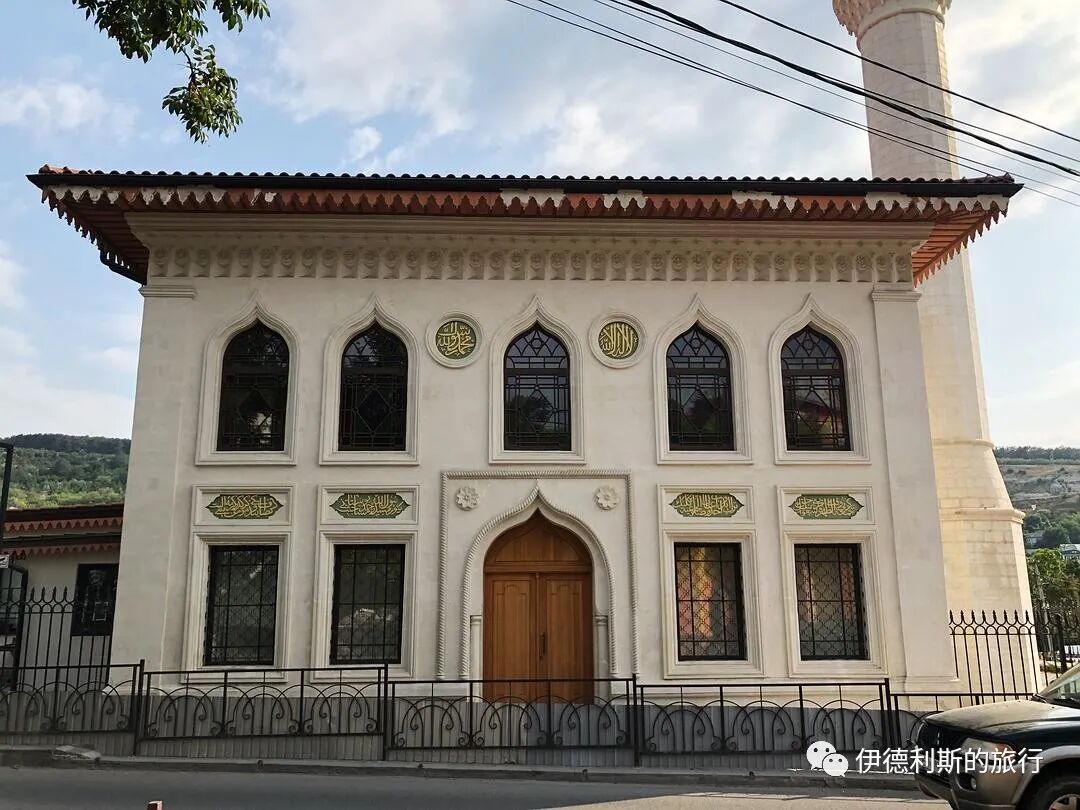
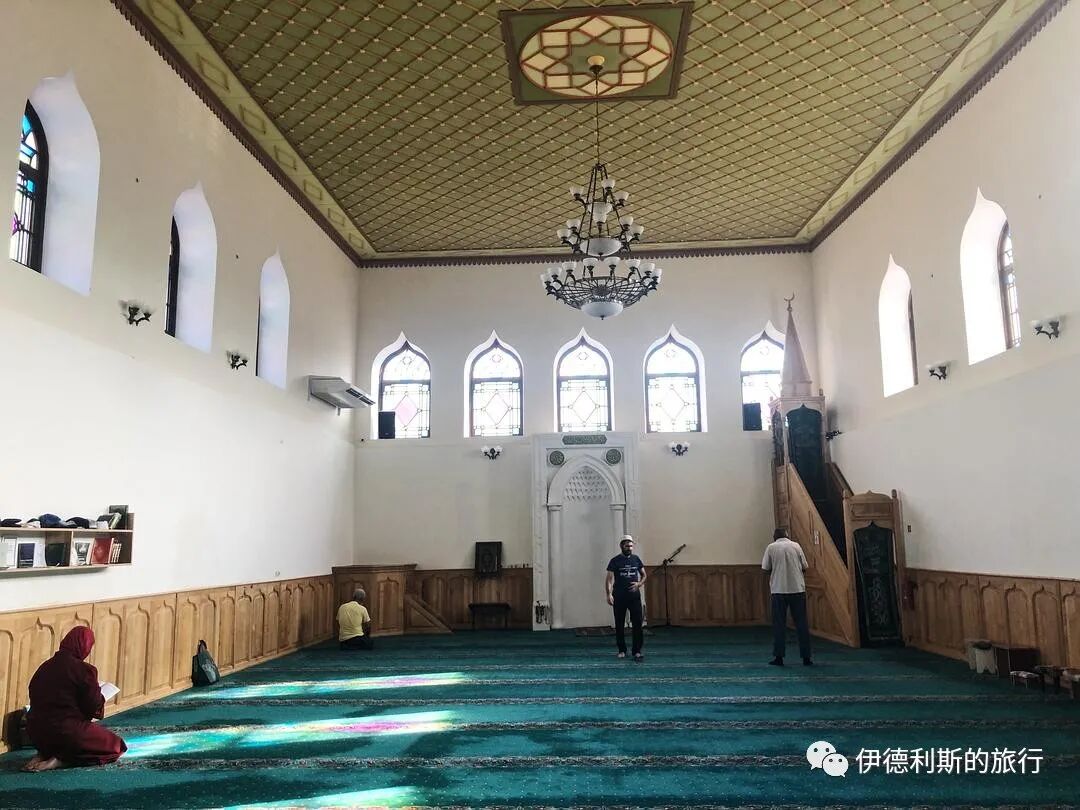
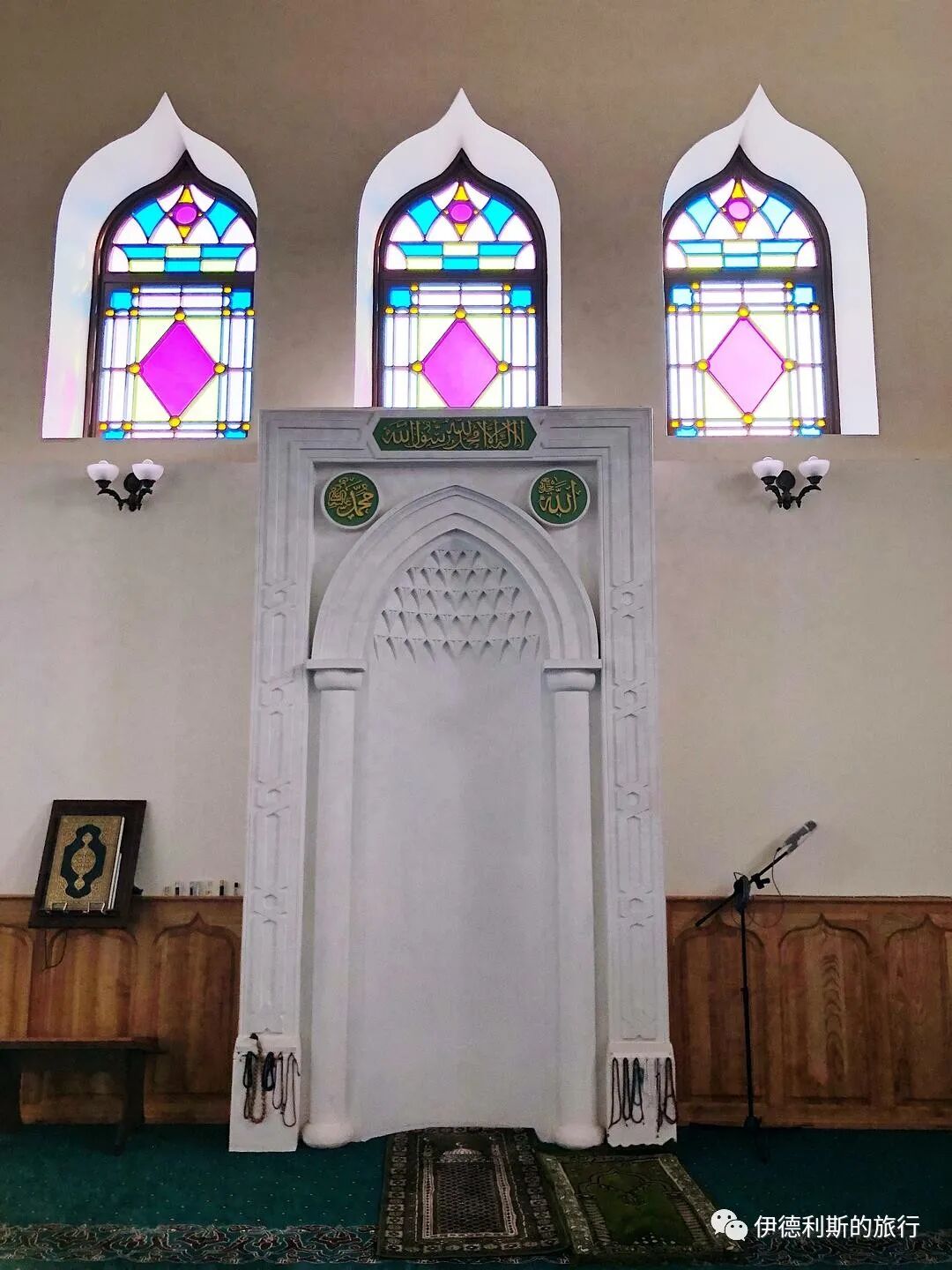
1. Orta Mosque: 1674
The Orta Mosque was once the main Jumu'ah mosque in Bakhchisaray. It dates back to 1674, was rebuilt between 1737 and 1743 by Khan Mengli II Giray and Selamet II Giray, and was rebuilt again in 1861 to its current appearance.
After 1929, the mosque was used as a cultural center and cinema until it was returned to the Muslims in 2001. At that time, the mosque's minaret and surrounding auxiliary buildings had been destroyed; they were not rebuilt until 2012. After the project was completed in 2013, the mosque reopened.
2. Ismi Khan Mosque
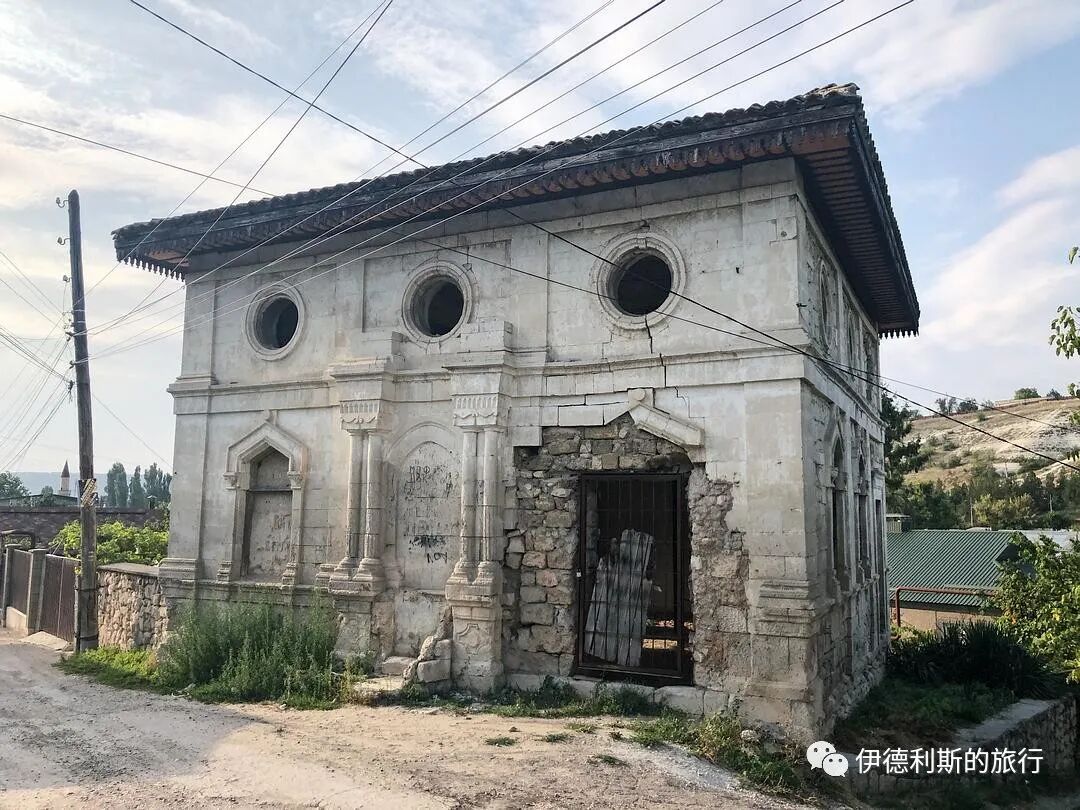
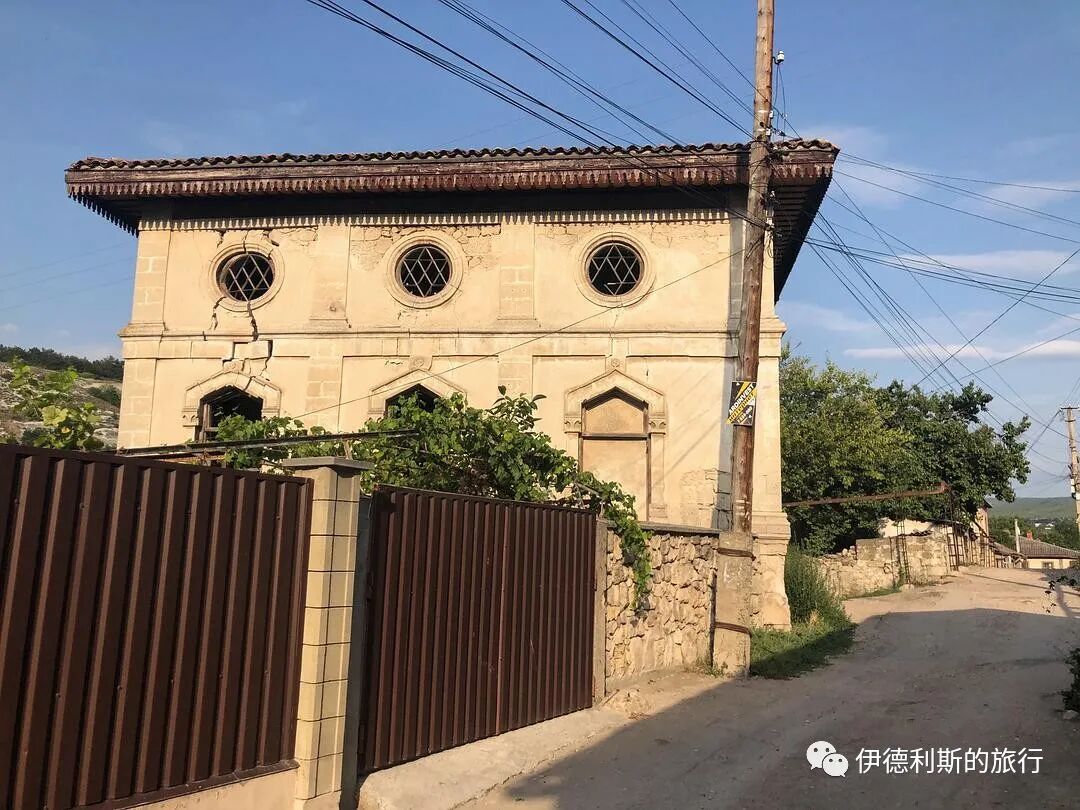
The Ismi Khan Mosque was built in the 17th to 18th centuries, and its architectural decoration was strongly influenced by the European Baroque style. The upper circular opening is decorated with a wooden Seal of Solomon (Khātam Sulaymān) ✡. The mosque was used as a warehouse for a long time. There were plans for restoration in the early 21st century, but they have not been implemented to this day.
3. Molla Mustafa Jumu'ah Mosque
The Molla Mustafa Jumu'ah Mosque dates back to the 17th century. A document from 1890 mentions this mosque, stating that the local community covered the mosque with a roof in 1888.
4. Tahtali Mosque: 1707
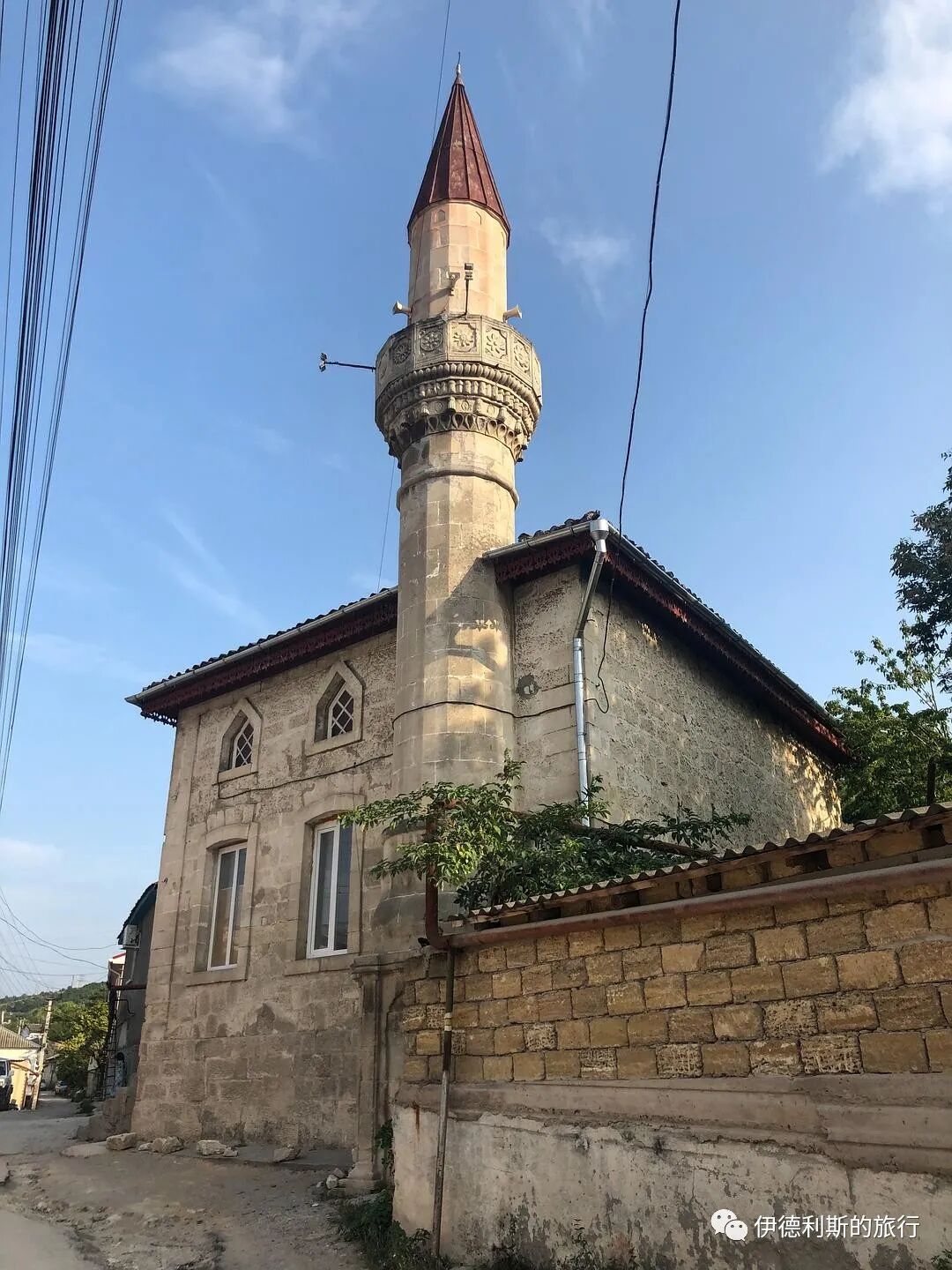
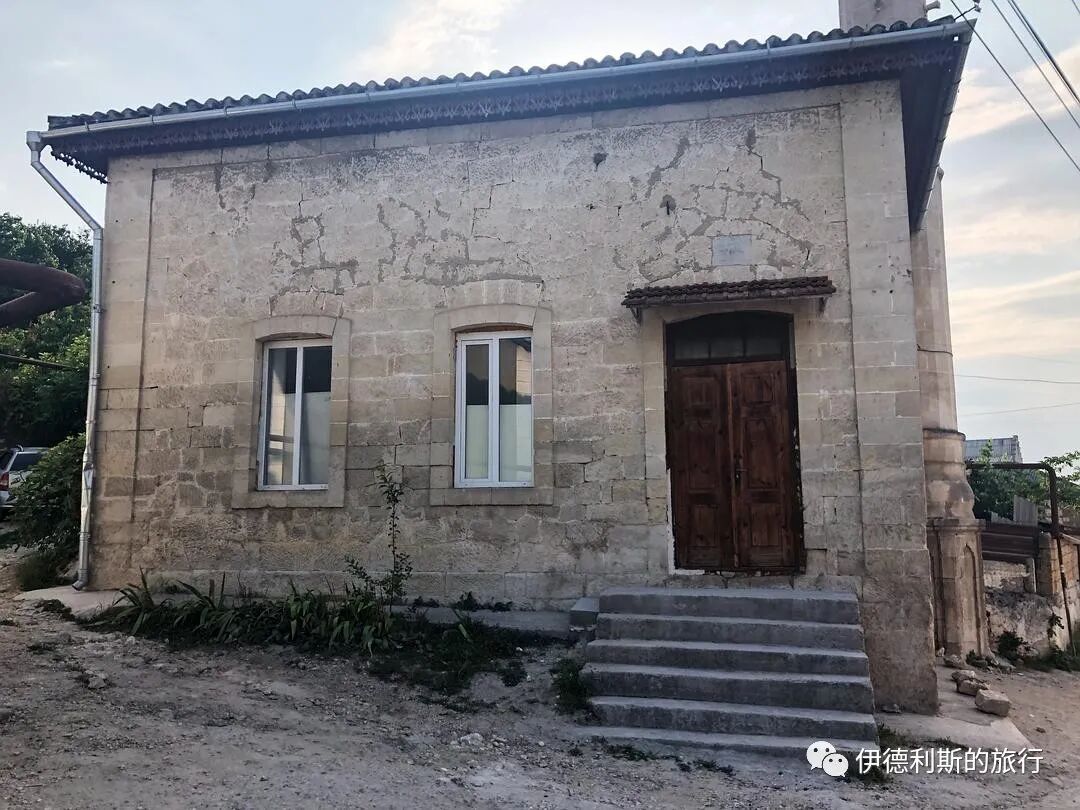
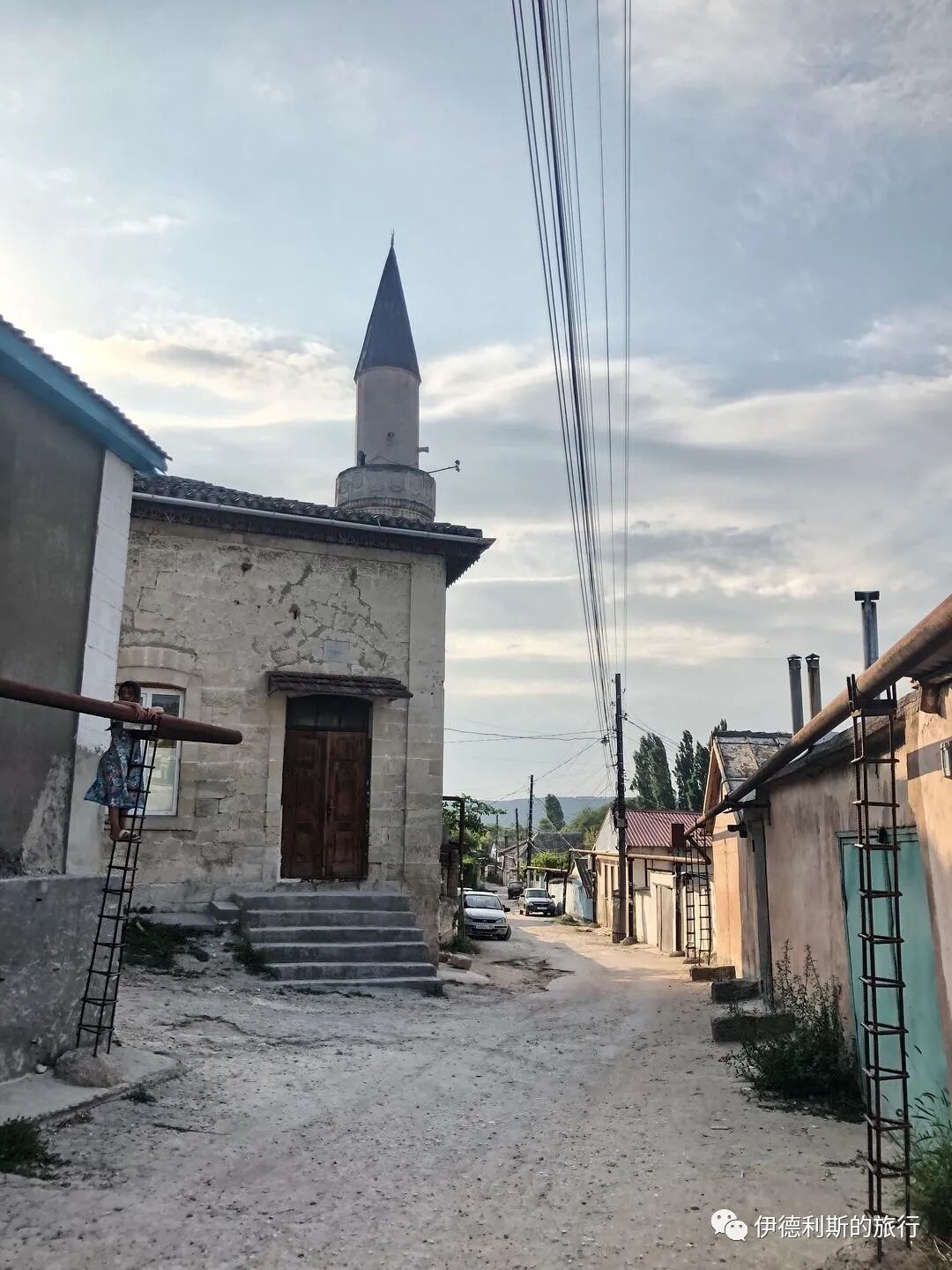
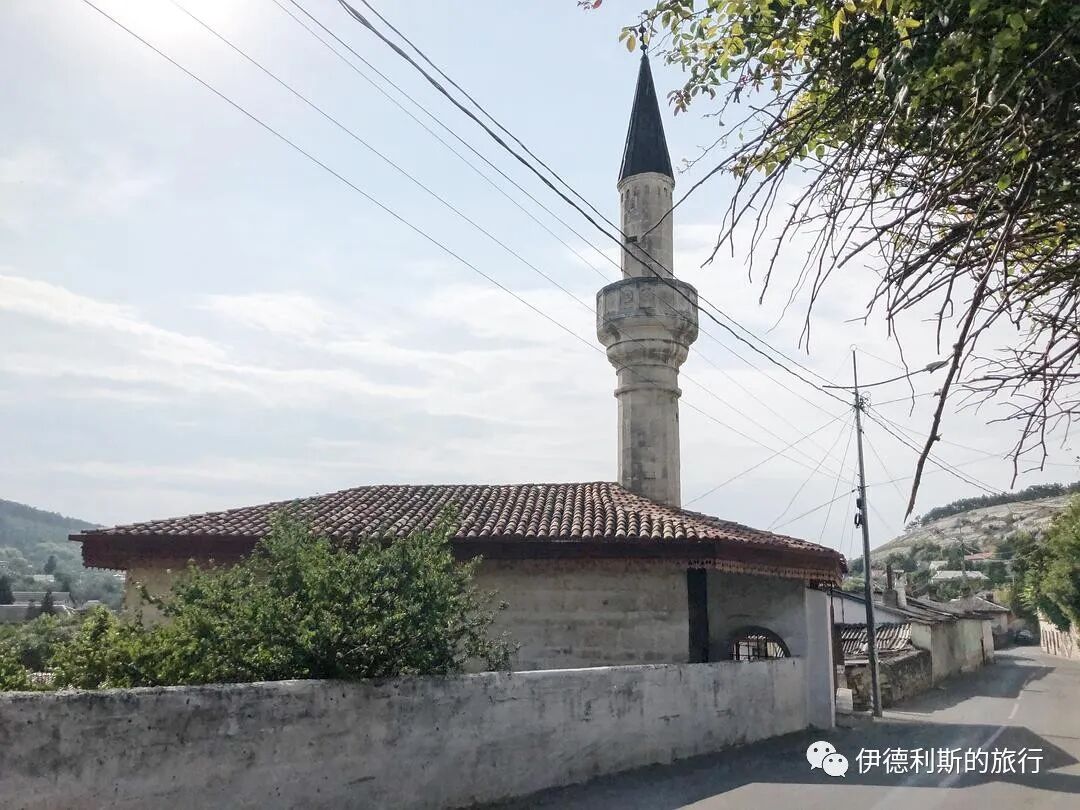
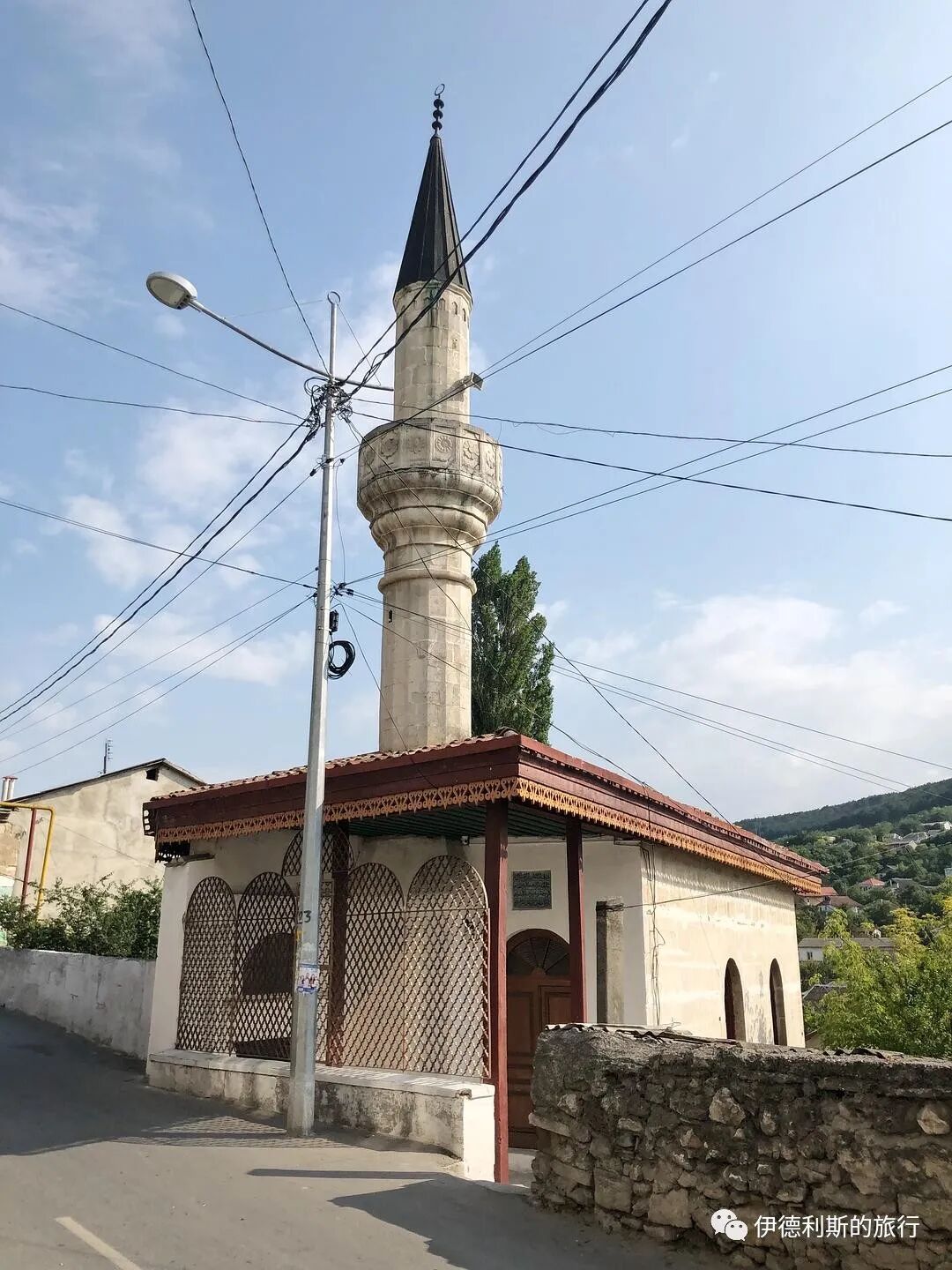
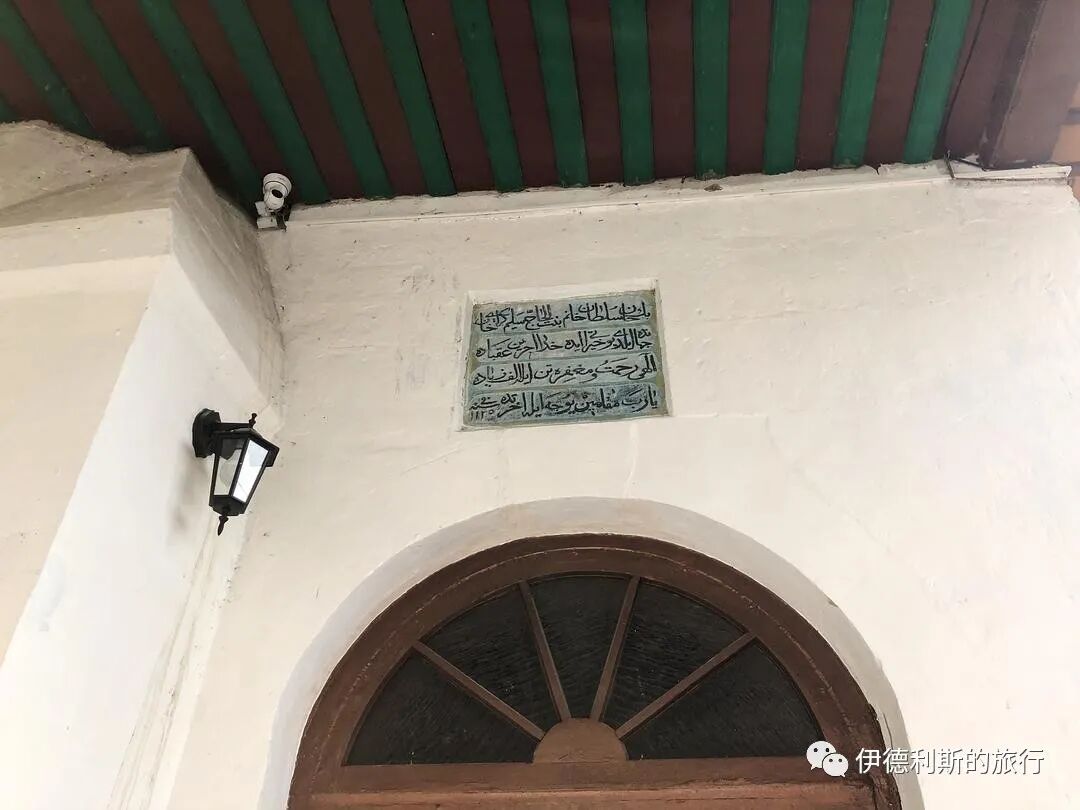
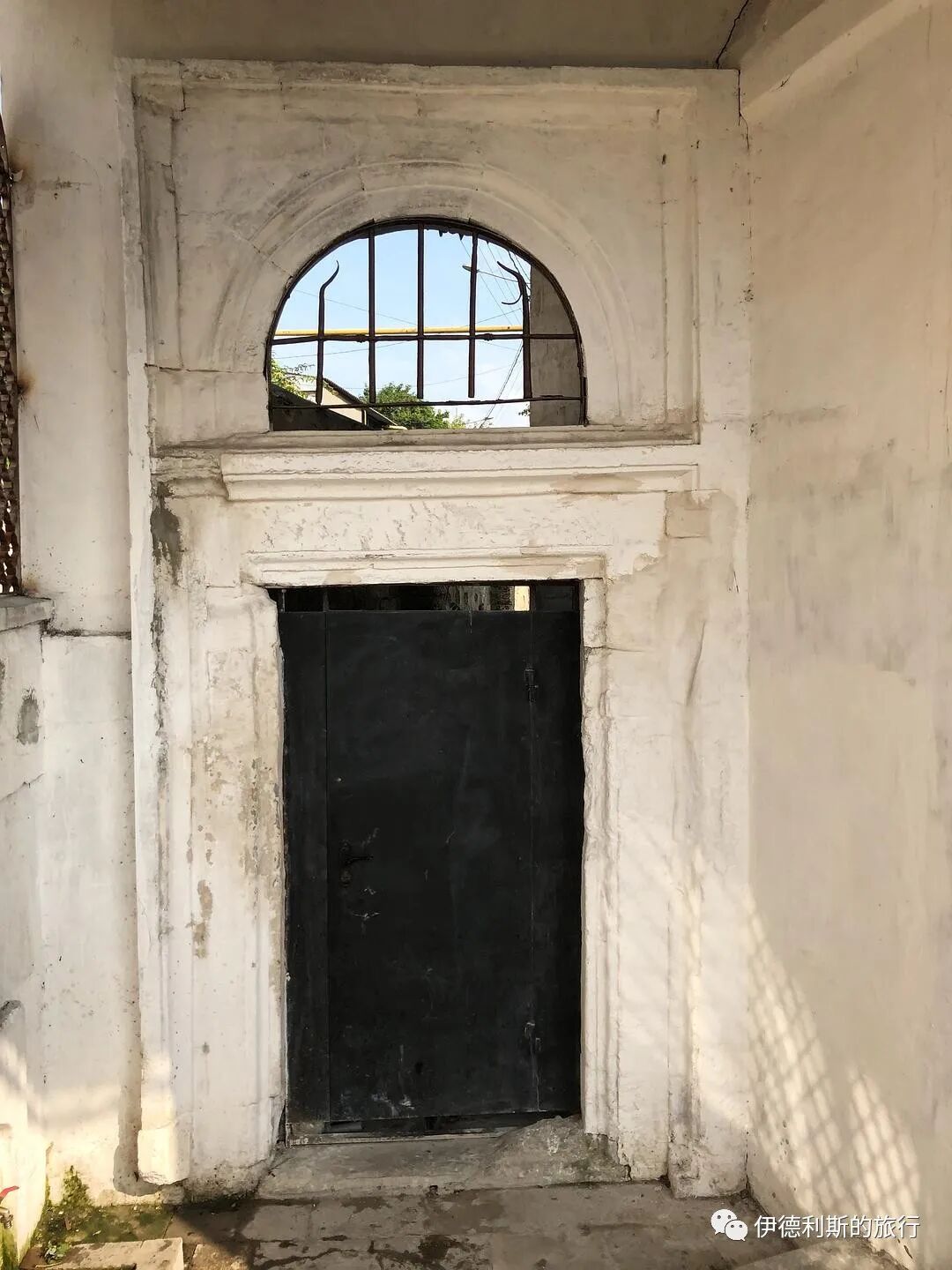
The Tahtali Mosque was built in 1707 by Khan Sultan Beck, the son-in-law of the Crimean Khan Selim I Giray. "Tahtalı" means "wooden" in Crimean Tatar. This mosque was initially built of wooden planks, later enclosed with brick and stone, and the roof was covered with clay tiles.
IV. Eski Yurt (Old City)
Eski Yurt means "Old City." During the Golden Horde era, it was a large trading town and a transportation hub connecting the east and west ends of the Crimean Peninsula. After the Crimean Khanate was established in 1441, Eski Yurt maintained its status as an economic center. It was not until 1532, when the Khanate established its new capital, Bakhchisaray, in the valley adjacent to Eski Yurt, that its status was replaced and it began to be called the "Old City," with its original name gradually being forgotten. Nevertheless, because the city once housed the mausoleum of the Islamic saint Malik Ashtar, Eski Yurt remained a religious center for Crimean Tatars until the Soviet era.
Malik Ashtar was a cousin of the Prophet Muhammad and a loyal companion of Imam Ali; he is a fearless warrior in the eyes of Shia Muslims. In Crimean Tatar legend, Malik Ashtar was a brave warrior and the first person to come to Crimea to spread Islam. He eventually died in battle while fighting a giant in Eski Yurt. Many years later, some Sufi practitioners miraculously discovered his grave in Eski Yurt and built a mausoleum there. In reality, Malik Ashtar died in Egypt, and the mausoleum in Eski Yurt is only symbolic. Crimean Tatars believe that praying at the Malik Ashtar mausoleum after being bitten by a snake can lead to recovery.
Due to the important status of the Malik Ashtar mausoleum, a complex of hundreds of tombs formed around it, including those of three Crimean Khans: Mehmed II Giray (reigned 1577–1584), Saadet II Giray (reigned 1584), and Mehmed III Giray (reigned 1623–1628).
From the era of the Crimean Khanate until the early 20th century, commemorative ceremonies were held at the Malik Ashtar mausoleum every Thursday night. After all Crimean Tatars were forcibly exiled to Central Asia in 1948, the central square of the Malik Ashtar mausoleum was turned into a market. After Crimean Tatars began returning in the late 1980s, many demanded that the market be removed from the holy site, and it was finally moved in 2006.
The existing structures of the Malik Ashtar mausoleum complex include the 14th-15th century Bey Yude Sultan Mausoleum, the Ahmed Bey Mausoleum, the 16th-century Mehmed Bey Mausoleum, the mausoleum of Khan Mehmed II Giray, and the small minaret of the Malik Ashtar mausoleum mosque built during the Crimean Khanate era.
1. Mausoleum of Mehmed II Giray: 1579
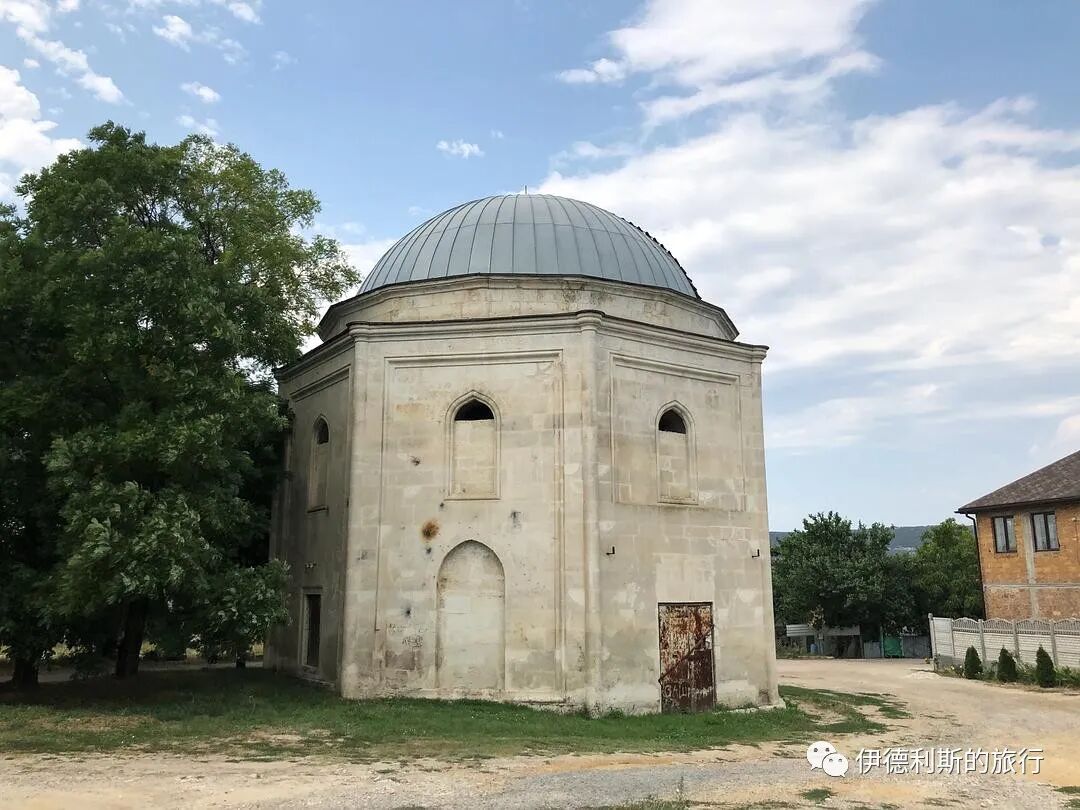
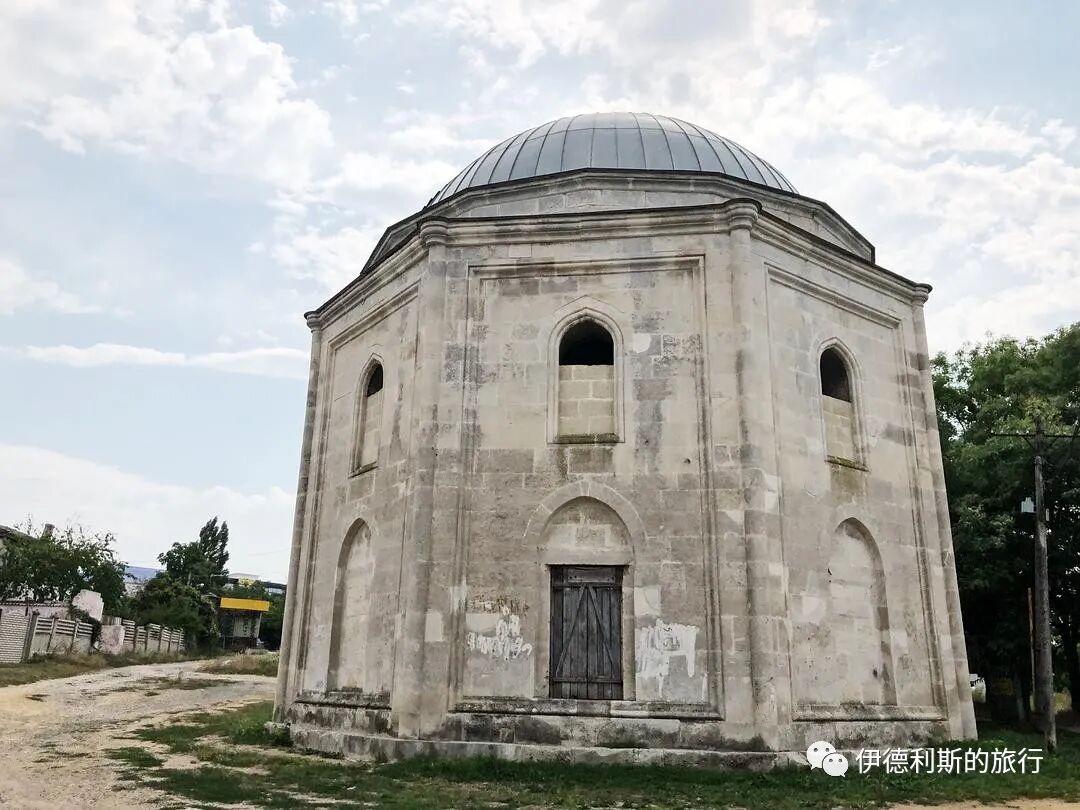
The mausoleum of the Crimean Khan Mehmed II Giray is also known as the "Great Octagonal Mausoleum." Mehmed II Giray was known as "the Fat" because he was too heavy to ride a horse, so he preferred to travel in a carriage pulled by six to eight horses. During his reign, he attacked the Persian Safavid dynasty three times under the orders of the Ottoman Empire.
In 1579, Mehmed II Giray defeated the Persian army within the territory of the modern-day Republic of Azerbaijan, seizing a large amount of spoils and thousands of captives. In 1582, the Ottoman army ordered the Crimean Khanate to join them in another war against Persia. After convening a council of nobles, Mehmed II Giray decided to refuse the Ottomans. At the end of 1583, the Ottoman army and the Crimean Tatar army faced off on the Crimean Peninsula. Finally, in 1584, Mehmed II Giray fled to the steppe during internal divisions and was strangled in his carriage.
The mausoleum of Mehmed II Giray is the largest existing one in Eski Yurt and is clearly influenced by the Ottoman style. It is speculated that it may have been built by a student of the Ottoman master architect Mimar Sinan, but no information about the architect has been found to date. The mausoleum underwent a restoration in 2004.
2. Minaret of the Malik Ashtar Mausoleum Mosque
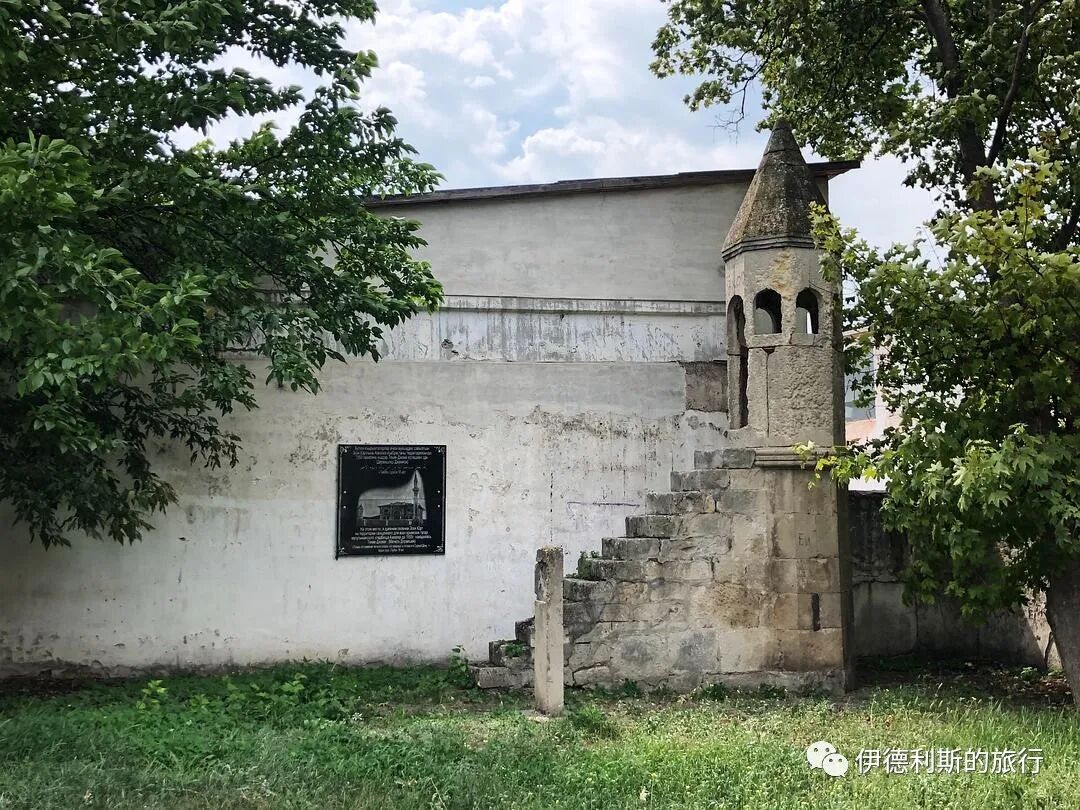
The image below shows the small minaret of the Malik Ashtar mausoleum mosque, built during the Crimean Khanate era. The mosque was destroyed in 1955. This was once a place where Sufi practitioners performed whirling dances and other practices, serving as a Sufi center on the Crimean Peninsula.
3. Ahmed Bey Mausoleum: 1577
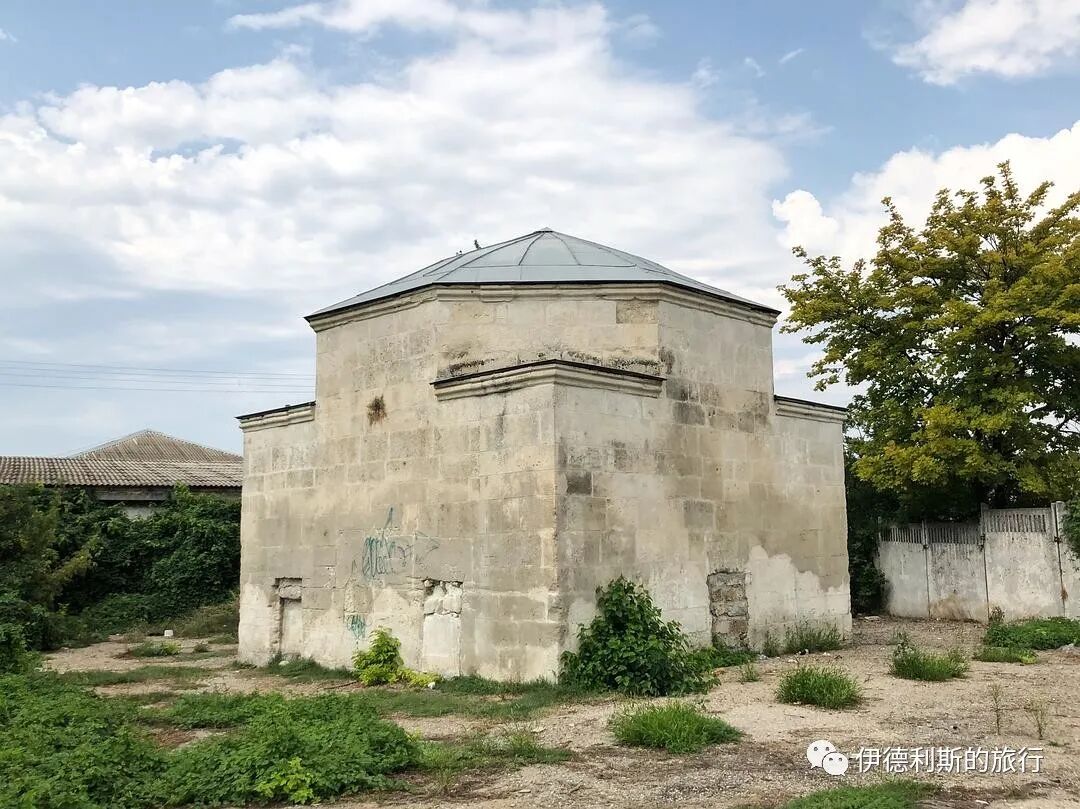
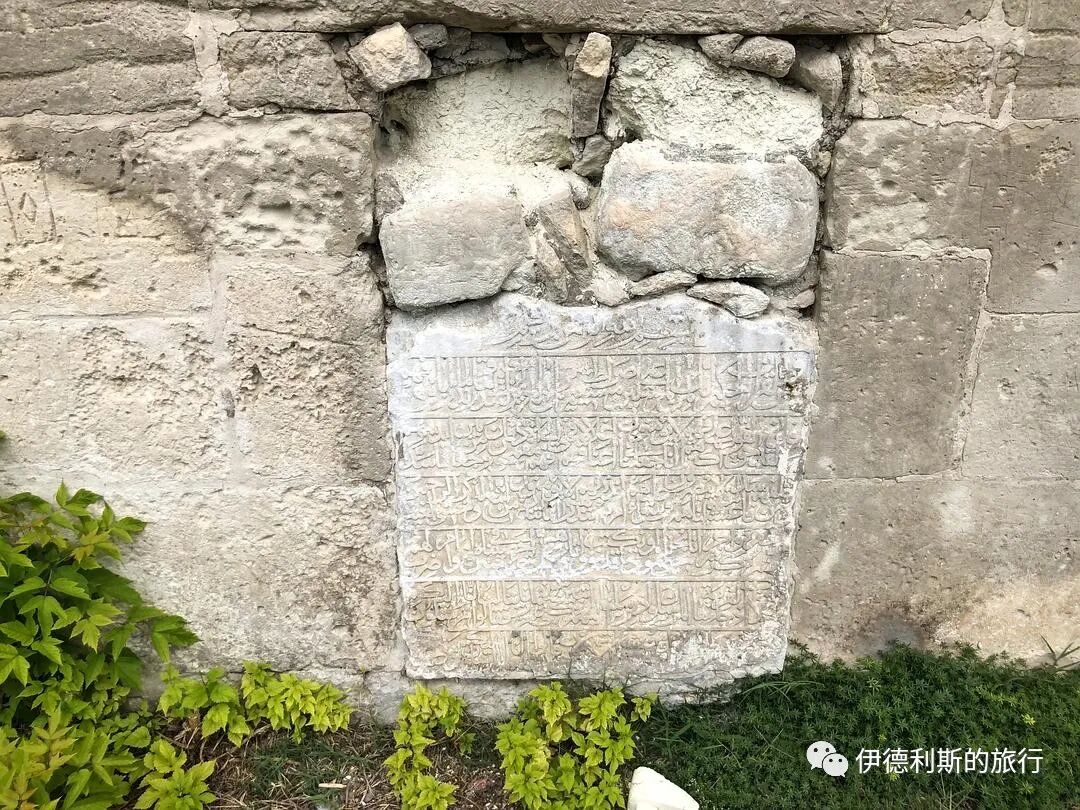
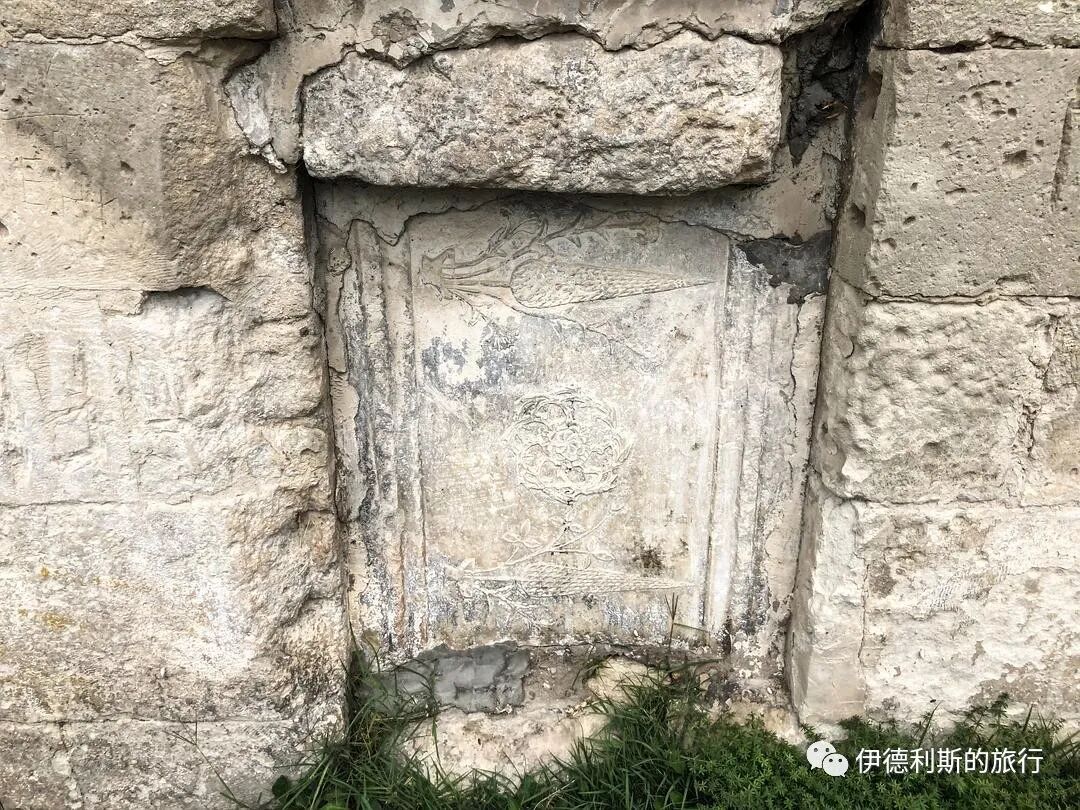
Ahmed Bey died in 1577, and his tombstone was discovered near the entrance of the mausoleum in 1924. Although Ahmed Bey himself died in the 16th century, the architectural style of the mausoleum itself is not the type influenced by the Ottomans at that time, but rather an earlier Golden Horde mausoleum type. Other buildings similar to the Ahmed Bey Mausoleum can be traced back to the 13th and 14th centuries. Therefore, it is more likely that this mausoleum was built during the Golden Horde era.
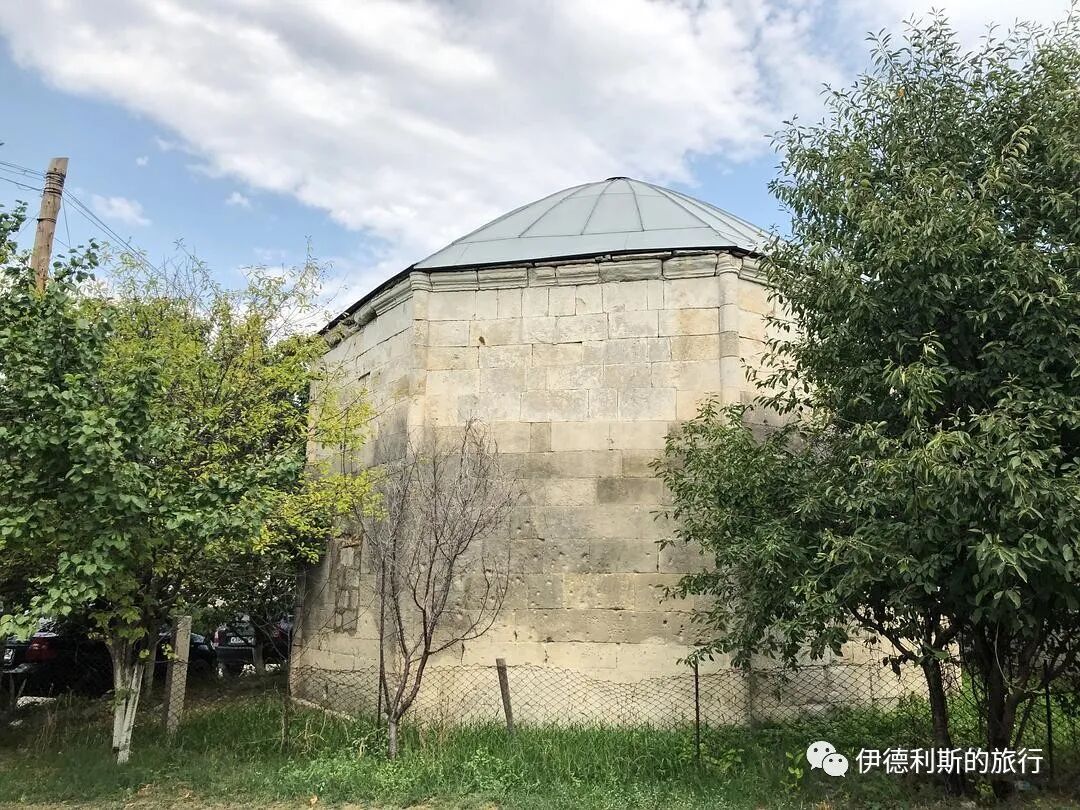
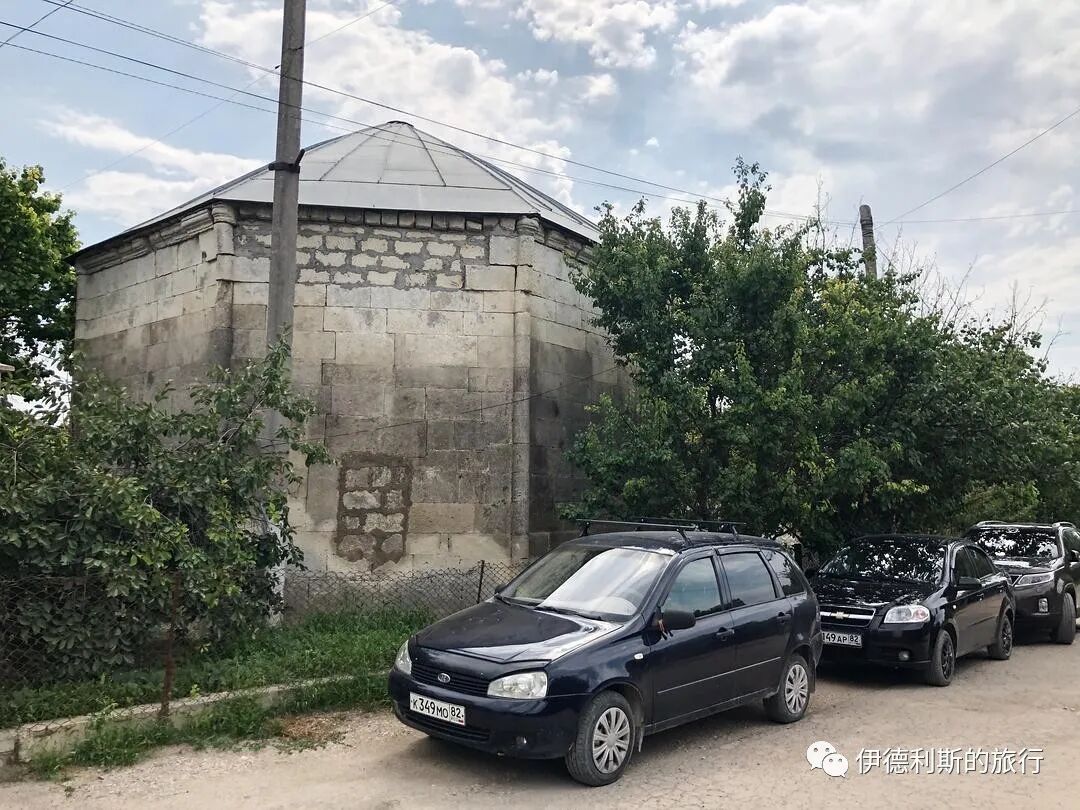
Another mausoleum.
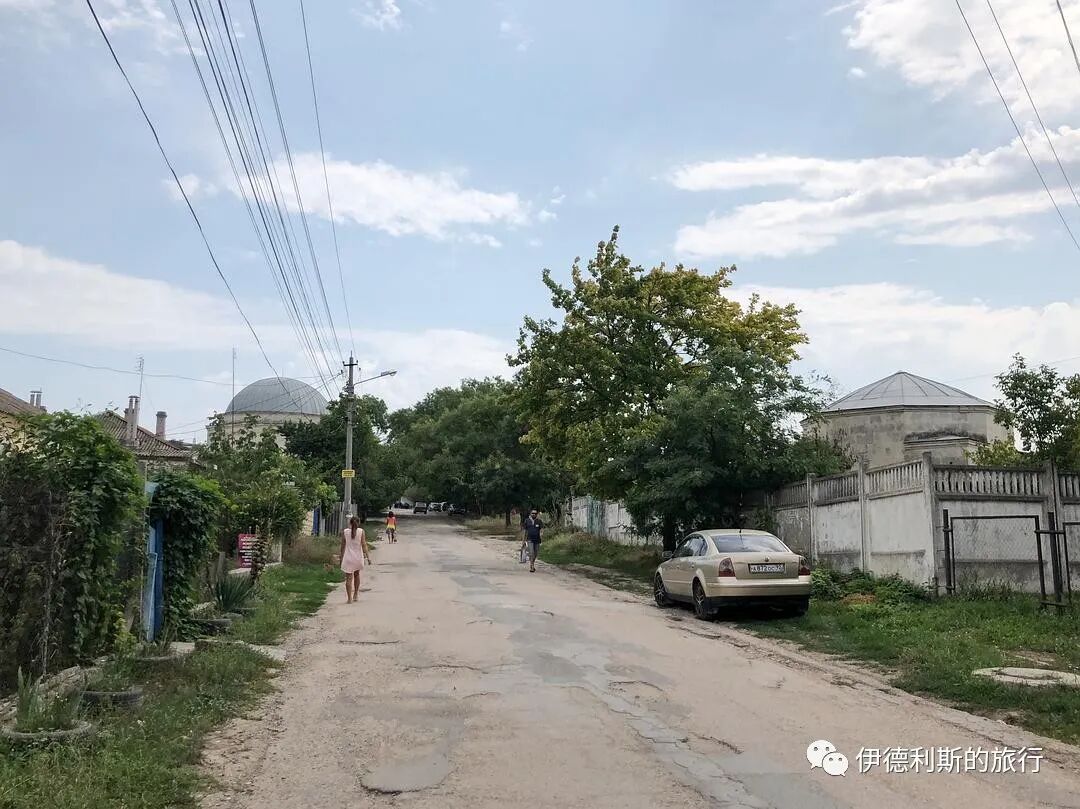
A photo of the two mausoleums together.
Summary: This travel note introduces The Former Capital of the Crimean Khanate—Bakhchisarai (Part 2). The pavilion in the harem, and an 18th-century coffee pot. It is useful for readers interested in Crimea Travel, Islamic History, Muslim Heritage.
The pavilion in the harem, and an 18th-century coffee pot.
7. Persian Garden
The Persian Garden in the southern part of the harem was surrounded by high walls and once featured various trees, fountains, and baths, but now only ruins remain.
8. Dilâra Bikeç Mausoleum: 1764
The Dilâra Bikeç Mausoleum is an octagonal tomb at the southernmost point of the Bakhchisaray Khan Palace. It was commissioned in 1764 by the Crimean Khan Qırım Giray (reigned 1758-1764, 1768-1769) for his beloved wife. The "Fountain of Tears," which Pushkin once wrote a poem to praise, was originally installed in this mausoleum before being moved to the Fountain Courtyard in 1783.
The love story of Qırım Giray has been circulating in Bakhchisaray since the 18th century. According to legend, his beloved wife Dilâra Bikeç was a Greek woman from Georgia.
After renovations in 2007, the dome of the mausoleum was re-covered with lead.
9. Small Khan Mosque
The Small Khan Mosque (Kiçik Han Cami) is located inside the main building of the Khan Palace and was used by members of the Khan's family and noble ministers. The Small Khan Mosque was built in the 16th century, destroyed by fire by the Russian army in 1736, and restored in 1741 by Khan Selamet II Giray (reigned 1740-1743).
The existing interior murals were created between the 17th and 18th centuries, with some painted by the Iranian architect Omer in the late 18th century. Early 16th-century murals were discovered during the 1991 restoration.
On the south wall of the Small Khan Mosque is a mihrab niche, carved with seven decorative bands symbolizing the seven heavens in the Quran.
Above the mihrab is a stained-glass window featuring the Seal of Solomon (Khātam Sulaymān) ✡. The legend of the Seal of Solomon ✡ dates back to the 1st century AD, but was primarily developed by medieval Arab writers. This seal is believed to have been engraved by Allah and given to Solomon; it was made of brass and iron and used to seal commands for good and evil. The traditional Arab Seal of Solomon comes in both five-pointed and six-pointed versions, with the six-pointed version later becoming the modern Jewish symbol, the "Star of David."
10. Demir Qapı Gate: 1503
The Demir Qapı Gate is the oldest structure in the Khan Palace. It was built between 1503 and 1504 for the Crimean Khan by the architect Aleviz Novy, who had been invited by Ivan the Great to Moscow to build a series of churches. The Demir Qapı Gate was likely originally built at the previous residence of the Crimean Khan, Devlet-Saray, and was moved to the main building of the Khan Palace after the Bakhchisaray Khan Palace was completed in 1532.
"Demir Qapı" means "Iron Gate" in Crimean Tatar. The portal of the gate is built of limestone and uses the decorative style of the Lombard-Venetian Renaissance.
11. Divan Hall
The Divan Hall (Divan hanesı) is the meeting room inside the main building of the Khan Palace. In the center of the south wall is the throne where the Khan sat, with sofas on the sides for the ministers. Above the north wall at the entrance to the hall is a narrow latticed balcony, said to have been used by the Khan to have people eavesdrop on meetings when he was absent.
The floor of the hall was paved with marble, and there was a square pool with a fountain in the center. The walls were covered with tiles, but these were destroyed in the fire set by the Russian army in 1736. Restorations were carried out in 1742, and many of the current decorations, such as the murals and chandeliers, were added during the renovation of the Khan Palace by architect I. F. Kolodin in 1822.
In 1917, the Crimean Tatars declared the establishment of an independent Crimean Tatar government here.
12. Summer Pavilion
The Summer Pavilion is a place for cooling off inside the main building of the Khan Palace, built in the late 17th to early 18th century. It was burned down by the Russian army in 1736 and later restored by the architect Omer ibn al Hadj Mustafa. In the center of the pavilion is a square pool containing a square marble fountain, surrounded by sofas.
Originally, the pavilion was open. Between 1821 and 1831, Tsar Alexander I ordered the architects Mikhail Klado and Vasiliy Dorofeyev to enclose the Summer Pavilion, adding columns, stained glass, and a carved ceiling.
Early murals were discovered during the restoration of the Summer Pavilion in 1962.
13. Golden Pavilion
The Golden Pavilion is on the second floor of the main building and was built in the late 18th century by the Iranian architect Omer. The interior of the pavilion originally featured murals of fruit vases and Arabic poems praising Khan Qırım Giray, but these were destroyed during the German occupation of Crimea from 1941 to 1944.
14. Golden Fountain: 1733
The Golden Fountain is located in the Fountain Courtyard of the main building of the Khan Palace, near the Small Khan Mosque, and was where the Crimean Khan and members of the Khan's court performed wudu.
The Golden Fountain is made of gilded marble. It depicts the "Paradise" (jannāt ʿadn, or the Garden of Eden) from the Quran by carving various flowers, fruits, and plant patterns, which is the place where Adam and his wife (Eve) lived. A circular outlet is carved in the middle of the fountain, symbolizing eternal life.
The Arabic inscription above the fountain indicates that it was built in 1733 by the Crimean Khan Qaplan I Giray. The Arabic inscription below is from the Quran (76:21): "And their Lord will give them a pure drink." "
15. Fountain of Tears: 1763
The Fountain of Tears was commissioned in 1763 by the Crimean Khan Qırım Giray (reigned 1758-1764, 1768-1769), and the architect was Omer ibn al Hadj Mustafa from Iran. The fountain was originally installed in the mausoleum of the Khan's beloved wife, Dilâra Bikeç. After Tsar Catherine II visited the palace in 1787, the dried-up fountain was moved to the Fountain Courtyard in front of the main building.
The love story of the Fountain of Tears has been circulating in Bakhchisaray since the 18th century. According to legend, the Khan's beloved wife Dilâra Bikeç was a Greek woman from Georgia who was killed in palace intrigue. The Khan fell into deep sorrow and built this fountain in her mausoleum to commemorate her. This love story later became widely known due to Pushkin's famous poem, "The Fountain of Bakhchisaray."
The fountain is made of marble and symbolizes the "Salsabil" (a spring in Paradise) mentioned in the Quran. The Quran (76:17-18) states: "And they will be given to drink therein a cup whose mixture is of ginger, [From] a spring within Paradise named Salsabil." The water outlet of the fountain is a flower; water drips from the center of the flower into a large bowl, flows down into two smaller bowls, and then gathers into another large bowl, repeating this process multiple times. According to 19th-century interpretations, the dripping water is like tears; filling the cup with water symbolizes inner sorrow, and the changing size of the cups symbolizes the process of sorrow intensifying and then subsiding. Many Muslim palaces once had fountains symbolizing Salsabil, but this design of interlocking water bowls only appears in Turkey and Crimea.
Below the fountain is a spiral shape, symbolizing eternity. At the very top of the fountain is a poem by the poet Sheikhiya commemorating Khan Qırım Giray, and below that is the Quranic verse (76:18): "[From] a spring within Paradise named Salsabil." "
"The Fountain of Bakhchisaray" is a long poem written by Pushkin after he visited the Bakhchisaray Khan Palace during his exile in 1820. The poem was started in 1821, completed in 1823, and published in 1824. Around 1950, a bronze statue of Pushkin was placed next to the fountain. Staff at the Museum of Crimean Tatar History and Culture place two roses in the top bowl every day, inspired by Pushkin's lines:
Fountain of love, fountain of living water,
I brought you two roses as a gift.
I love your silence,
And your poetic tears.
16. Suites
The suites on both sides of the North Gate were where the Khan Palace guards (Qapı Halqı) lived. After Crimea was occupied by Tsarist Russia, this was also where guests stayed. Today, the west building of the suites is an exhibition hall, and the east building is the museum office.
The exhibition hall in the west building displays some artifacts from the Crimean Khanate era, as well as the traditional life of the Crimean Tatars. The original fireplaces are still preserved in the suites.
The suite exhibition hall displays traditional women's clothing from the Crimean Khanate, including velvet fez hats embroidered with gold thread and headscarves.
The suite exhibition hall displays various copperware from the Crimean Khanate era.
17. Stables
The stables are divided into two floors: the first floor for keeping horses and the second floor for the grooms to live in. The current building was rebuilt in the 1850s.
III. Mosques outside the Khan Palace
1. Orta Mosque: 1674
The Orta Mosque was once the main Jumu'ah mosque in Bakhchisaray. It dates back to 1674, was rebuilt between 1737 and 1743 by Khan Mengli II Giray and Selamet II Giray, and was rebuilt again in 1861 to its current appearance.
After 1929, the mosque was used as a cultural center and cinema until it was returned to the Muslims in 2001. At that time, the mosque's minaret and surrounding auxiliary buildings had been destroyed; they were not rebuilt until 2012. After the project was completed in 2013, the mosque reopened.
2. Ismi Khan Mosque
The Ismi Khan Mosque was built in the 17th to 18th centuries, and its architectural decoration was strongly influenced by the European Baroque style. The upper circular opening is decorated with a wooden Seal of Solomon (Khātam Sulaymān) ✡. The mosque was used as a warehouse for a long time. There were plans for restoration in the early 21st century, but they have not been implemented to this day.
3. Molla Mustafa Jumu'ah Mosque
The Molla Mustafa Jumu'ah Mosque dates back to the 17th century. A document from 1890 mentions this mosque, stating that the local community covered the mosque with a roof in 1888.
4. Tahtali Mosque: 1707
The Tahtali Mosque was built in 1707 by Khan Sultan Beck, the son-in-law of the Crimean Khan Selim I Giray. "Tahtalı" means "wooden" in Crimean Tatar. This mosque was initially built of wooden planks, later enclosed with brick and stone, and the roof was covered with clay tiles.
IV. Eski Yurt (Old City)
Eski Yurt means "Old City." During the Golden Horde era, it was a large trading town and a transportation hub connecting the east and west ends of the Crimean Peninsula. After the Crimean Khanate was established in 1441, Eski Yurt maintained its status as an economic center. It was not until 1532, when the Khanate established its new capital, Bakhchisaray, in the valley adjacent to Eski Yurt, that its status was replaced and it began to be called the "Old City," with its original name gradually being forgotten. Nevertheless, because the city once housed the mausoleum of the Islamic saint Malik Ashtar, Eski Yurt remained a religious center for Crimean Tatars until the Soviet era.
Malik Ashtar was a cousin of the Prophet Muhammad and a loyal companion of Imam Ali; he is a fearless warrior in the eyes of Shia Muslims. In Crimean Tatar legend, Malik Ashtar was a brave warrior and the first person to come to Crimea to spread Islam. He eventually died in battle while fighting a giant in Eski Yurt. Many years later, some Sufi practitioners miraculously discovered his grave in Eski Yurt and built a mausoleum there. In reality, Malik Ashtar died in Egypt, and the mausoleum in Eski Yurt is only symbolic. Crimean Tatars believe that praying at the Malik Ashtar mausoleum after being bitten by a snake can lead to recovery.
Due to the important status of the Malik Ashtar mausoleum, a complex of hundreds of tombs formed around it, including those of three Crimean Khans: Mehmed II Giray (reigned 1577–1584), Saadet II Giray (reigned 1584), and Mehmed III Giray (reigned 1623–1628).
From the era of the Crimean Khanate until the early 20th century, commemorative ceremonies were held at the Malik Ashtar mausoleum every Thursday night. After all Crimean Tatars were forcibly exiled to Central Asia in 1948, the central square of the Malik Ashtar mausoleum was turned into a market. After Crimean Tatars began returning in the late 1980s, many demanded that the market be removed from the holy site, and it was finally moved in 2006.
The existing structures of the Malik Ashtar mausoleum complex include the 14th-15th century Bey Yude Sultan Mausoleum, the Ahmed Bey Mausoleum, the 16th-century Mehmed Bey Mausoleum, the mausoleum of Khan Mehmed II Giray, and the small minaret of the Malik Ashtar mausoleum mosque built during the Crimean Khanate era.
1. Mausoleum of Mehmed II Giray: 1579
The mausoleum of the Crimean Khan Mehmed II Giray is also known as the "Great Octagonal Mausoleum." Mehmed II Giray was known as "the Fat" because he was too heavy to ride a horse, so he preferred to travel in a carriage pulled by six to eight horses. During his reign, he attacked the Persian Safavid dynasty three times under the orders of the Ottoman Empire.
In 1579, Mehmed II Giray defeated the Persian army within the territory of the modern-day Republic of Azerbaijan, seizing a large amount of spoils and thousands of captives. In 1582, the Ottoman army ordered the Crimean Khanate to join them in another war against Persia. After convening a council of nobles, Mehmed II Giray decided to refuse the Ottomans. At the end of 1583, the Ottoman army and the Crimean Tatar army faced off on the Crimean Peninsula. Finally, in 1584, Mehmed II Giray fled to the steppe during internal divisions and was strangled in his carriage.
The mausoleum of Mehmed II Giray is the largest existing one in Eski Yurt and is clearly influenced by the Ottoman style. It is speculated that it may have been built by a student of the Ottoman master architect Mimar Sinan, but no information about the architect has been found to date. The mausoleum underwent a restoration in 2004.
2. Minaret of the Malik Ashtar Mausoleum Mosque
The image below shows the small minaret of the Malik Ashtar mausoleum mosque, built during the Crimean Khanate era. The mosque was destroyed in 1955. This was once a place where Sufi practitioners performed whirling dances and other practices, serving as a Sufi center on the Crimean Peninsula.
3. Ahmed Bey Mausoleum: 1577
Ahmed Bey died in 1577, and his tombstone was discovered near the entrance of the mausoleum in 1924. Although Ahmed Bey himself died in the 16th century, the architectural style of the mausoleum itself is not the type influenced by the Ottomans at that time, but rather an earlier Golden Horde mausoleum type. Other buildings similar to the Ahmed Bey Mausoleum can be traced back to the 13th and 14th centuries. Therefore, it is more likely that this mausoleum was built during the Golden Horde era.
Another mausoleum.
A photo of the two mausoleums together.
