
Halal Travel Guide to Zhaotong, Yunnan: Six Traditional Mosques
Reposted from the web
Summary: This travel note introduces Halal Travel Guide to Zhaotong, Yunnan: Six Traditional Mosques. During my marriage leave in August 2020, Zainab and I went to Zhaotong to travel, and Sister Azi took us to visit Zhaotong's beautiful traditional mosques. It is useful for readers interested in Yunnan Mosques, Hui Muslims, Islamic Heritage.
During my marriage leave in August 2020, Zainab and I went to Zhaotong to travel, and Sister Azi took us to visit Zhaotong's beautiful traditional mosques.
During the Ming Dynasty, Zhaotong belonged to the Wumeng Tufu (a local administrative office), which was managed by Yi ethnic chieftains. In 1726 (the fourth year of the Yongzheng reign), Ortai, the Viceroy of Yun-Gui, began to implement the 'Gaitu Guiliu' (replacing hereditary local chieftains with government-appointed officials) policy in Wumeng. The Wumeng Tufu raised an army to resist. Ha Yuansheng, the Zhongjun Youji (a military rank), along with Zhongjun Liu Qiyuan, broke through the Wumeng Tufu and the local chieftain leaders, finally completing the Gaitu Guiliu and renaming Wumeng to Zhaotong. Ha Yuansheng was a Hui Muslim whose ancestral home was Hejian, Hebei. During the Gaitu Guiliu period, some Hui Muslim soldiers followed Ha Yuansheng into Zhaotong, and after the war ended, they settled down by 'claiming land and registering their households'.
After Wumeng was pacified in 1732 (the tenth year of the Yongzheng reign), the population decreased sharply due to the war. The new Viceroy of Yun-Gui, Gao Qizhuo, ordered the reclamation of wasteland for farming. Hui Muslims from the nearby Weining area in Guizhou moved their families and villages into Zhaotong to claim land. The Hui Muslim population in Zhaotong increased significantly, and most of the existing traditional mosques were built during this period.
1. Tuogu Great Mosque: 1730
2. Longtoushan Mosque: 1746
3. Chachong Mosque: 1734
4. Tiejiawan Mosque: 1738
5. Baxian Great Mosque: 1779
6. Songjiashan Mosque: 1730
1. Tuogu Great Mosque: 1730
On the morning of August 10, Sister Azi drove us from Zhaotong to Ludian to start visiting traditional mosques. The first stop was the most famous Tuogu Great Mosque in Ludian.
We were warmly received by Imam Hai at the Tuogu Mosque, and Imam Hai told us in detail about the history and various legends of the Tuogu Mosque.
According to the inscriptions, the Tuogu Mosque's main hall was built in 1730 with funds donated by Ma Xiangqian, a Zhongjun Shiwei (a military guard rank) of Anlong Town, and his brothers, the Juren (a successful candidate in the imperial examinations) Ma Lincan and Ma Linchi. In 1755, at the suggestion of Imam Sai Huanzhang, local fellow believers raised funds to build the Huanxing Lou (Awakening Tower) and other buildings such as the side rooms.
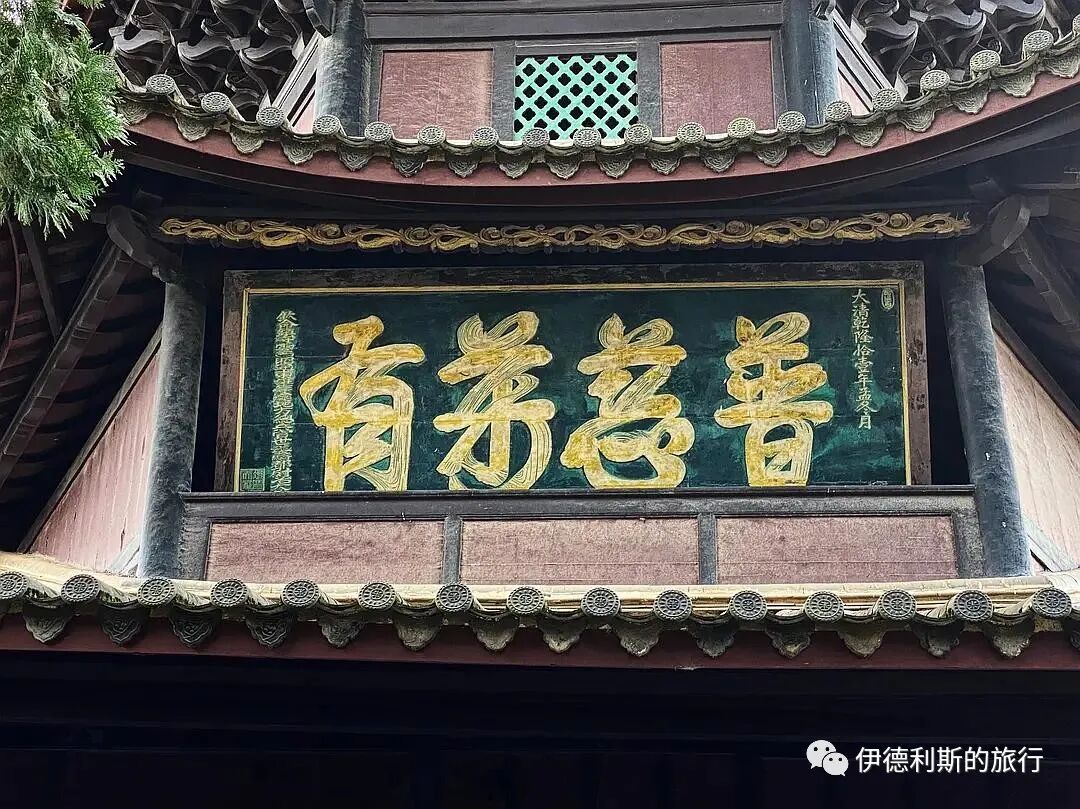
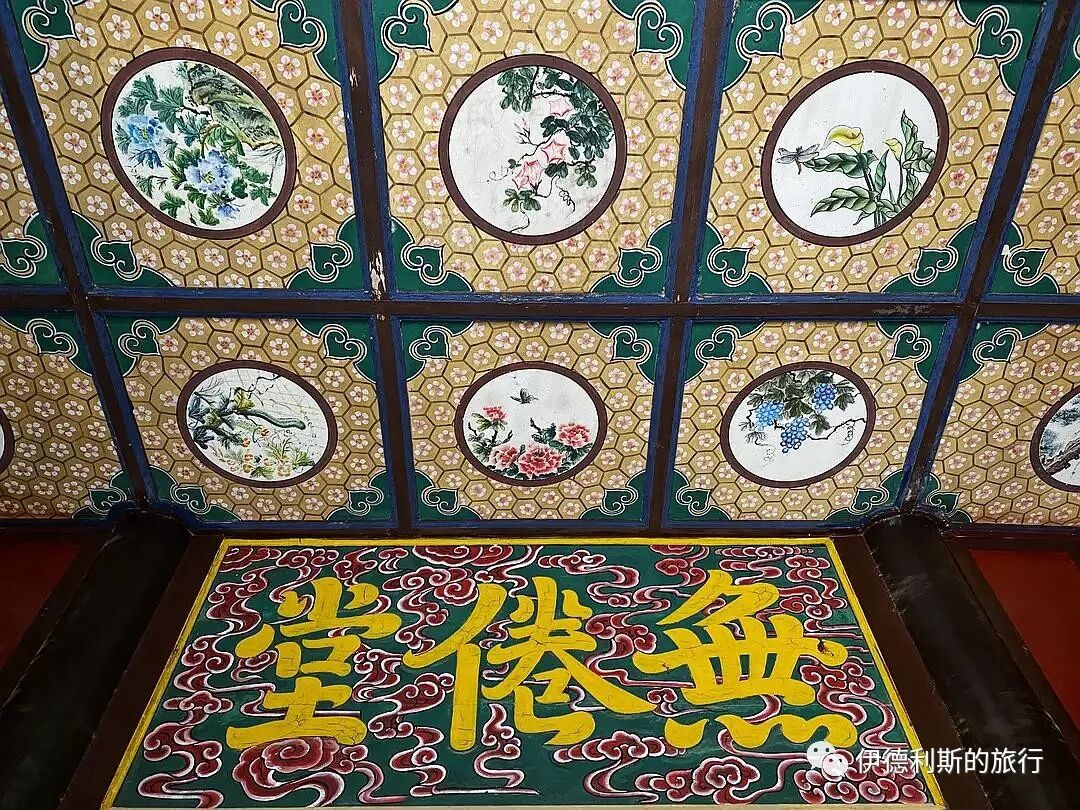
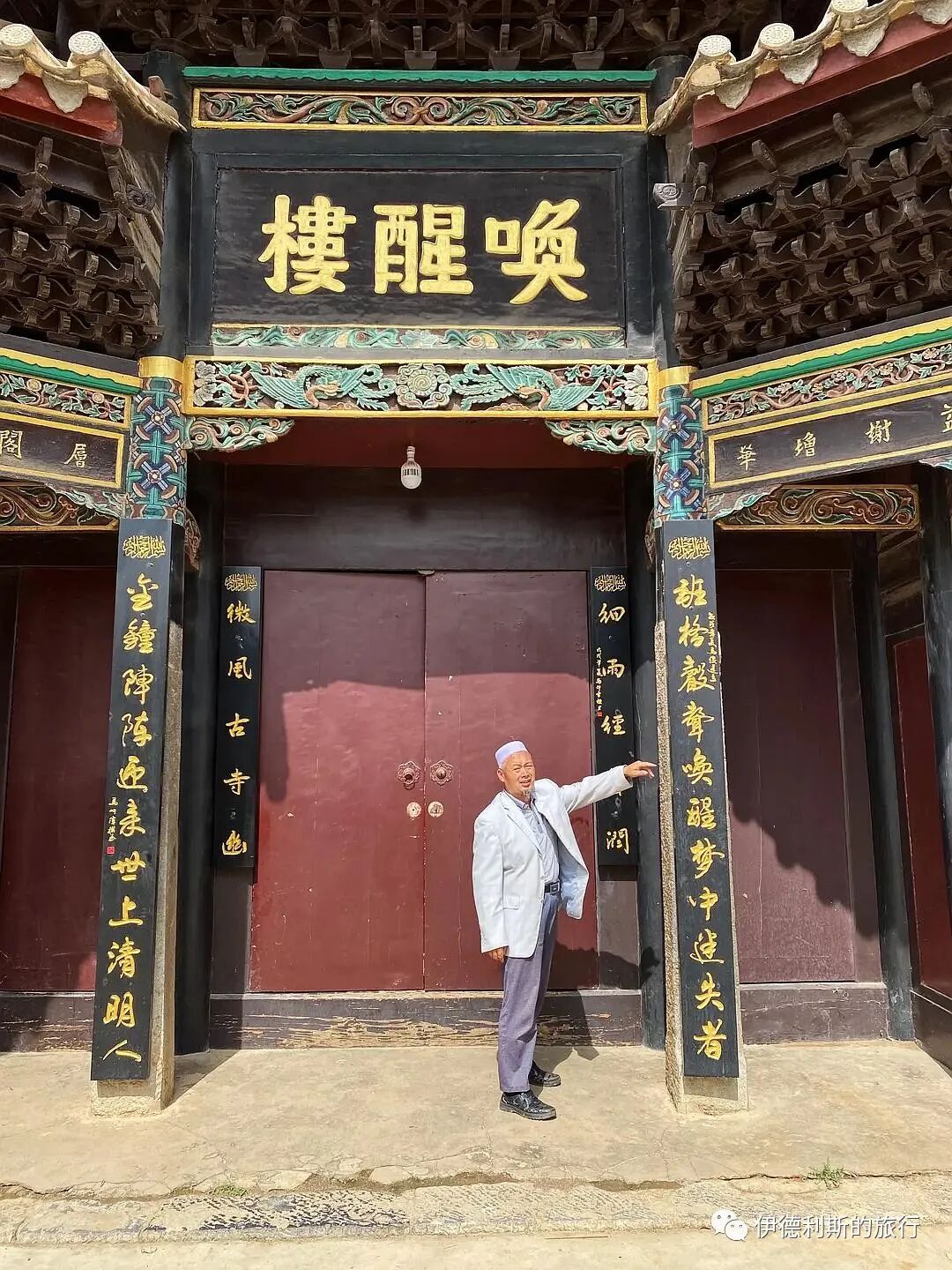
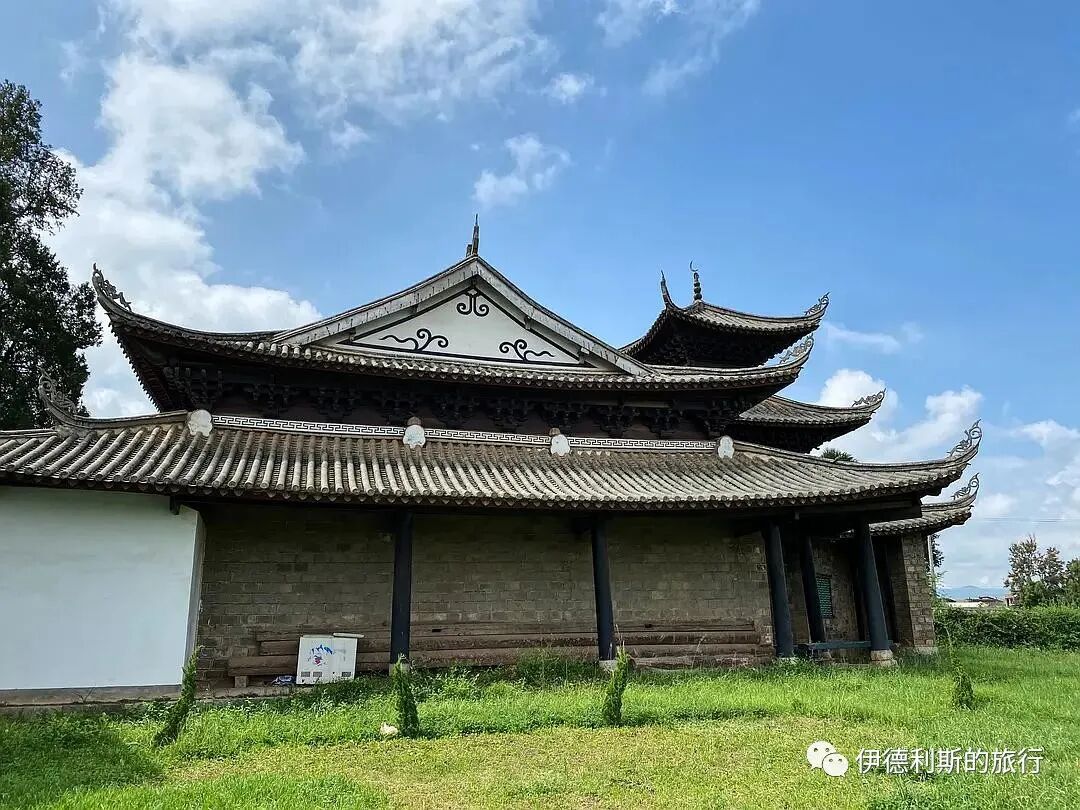
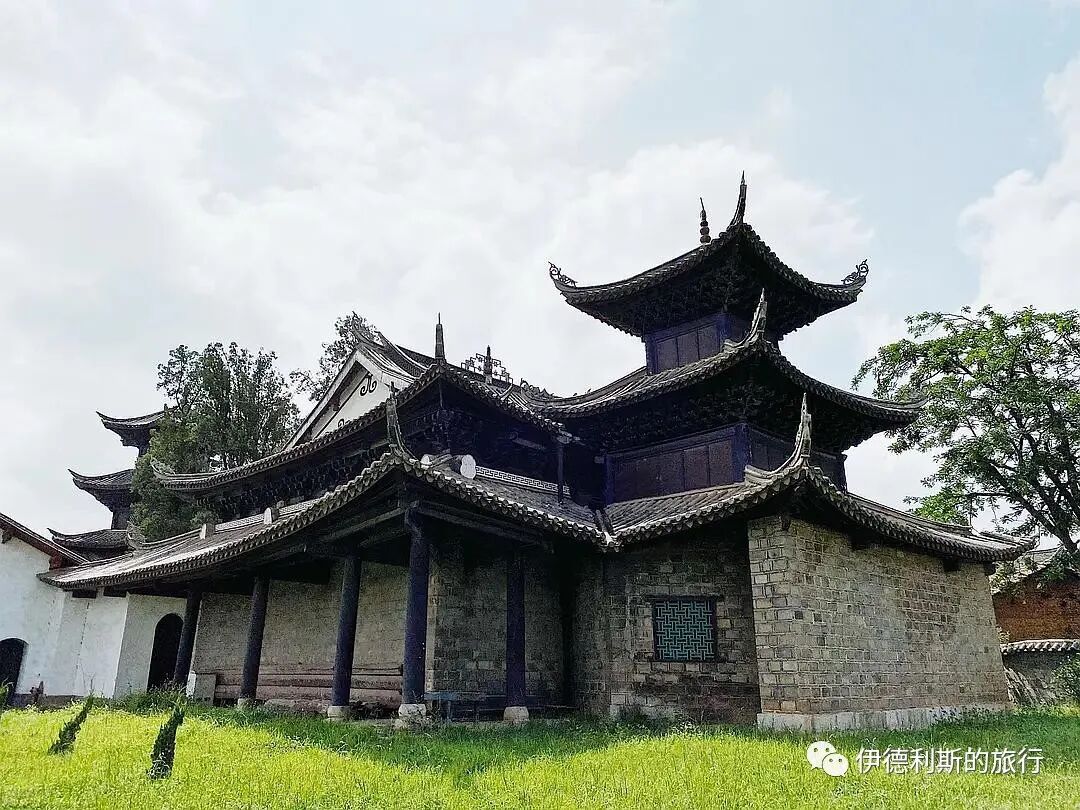
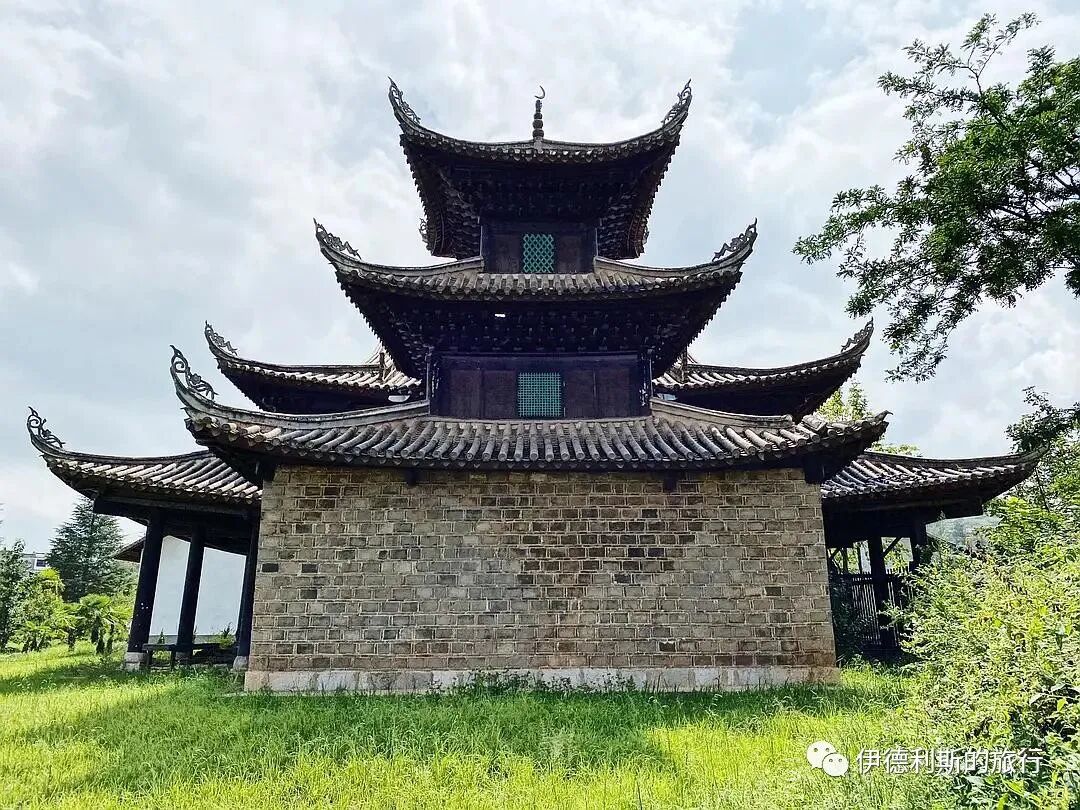
Before entering the mosque, the first thing you see is the hexagonal, three-tiered, pointed-roof style Huanxing Lou, with the three-room wooden 'Wujuan Tang' (Hall of No Fatigue) underneath. Hanging on the Huanxing Lou is a plaque inscribed with 'Pu Ci Wan You' (Universal Mercy for All Things), gifted in 1746 by Ye Daxiong, the Zongbing Guan (a military commander) guarding Zhaotong, Yunnan, and a hereditary Qiduwei (a military title). This plaque was originally hung in the main hall and later moved to the Huanxing Lou.
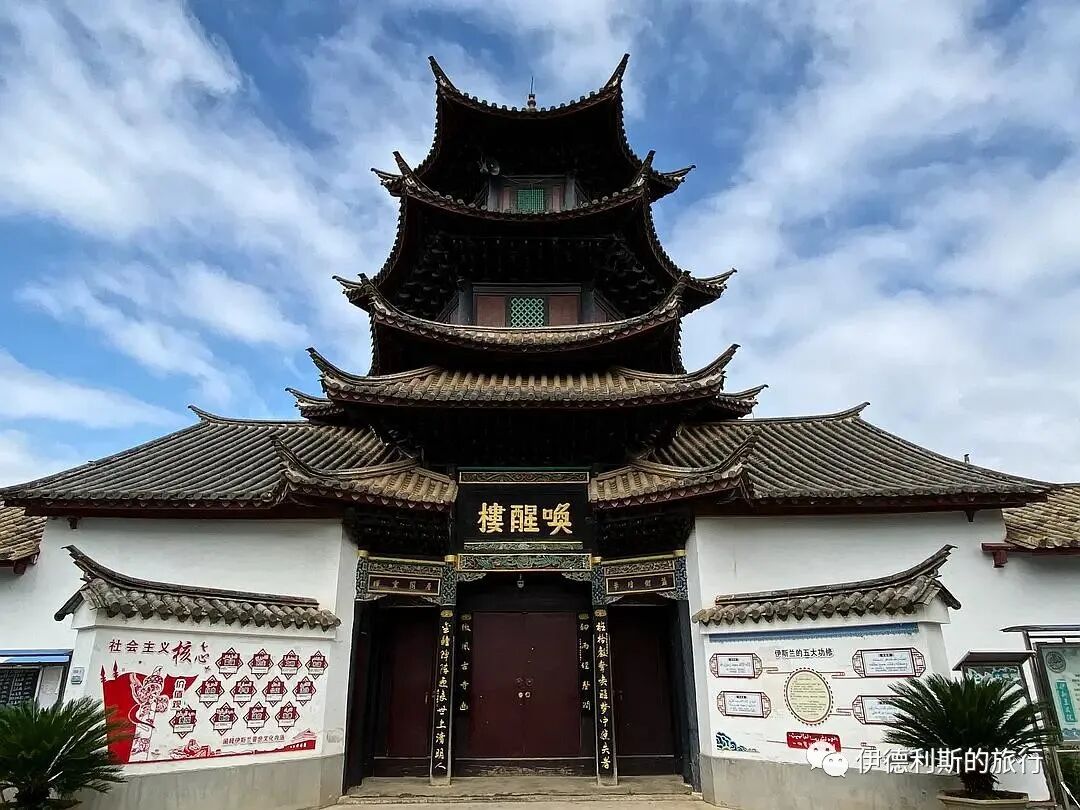
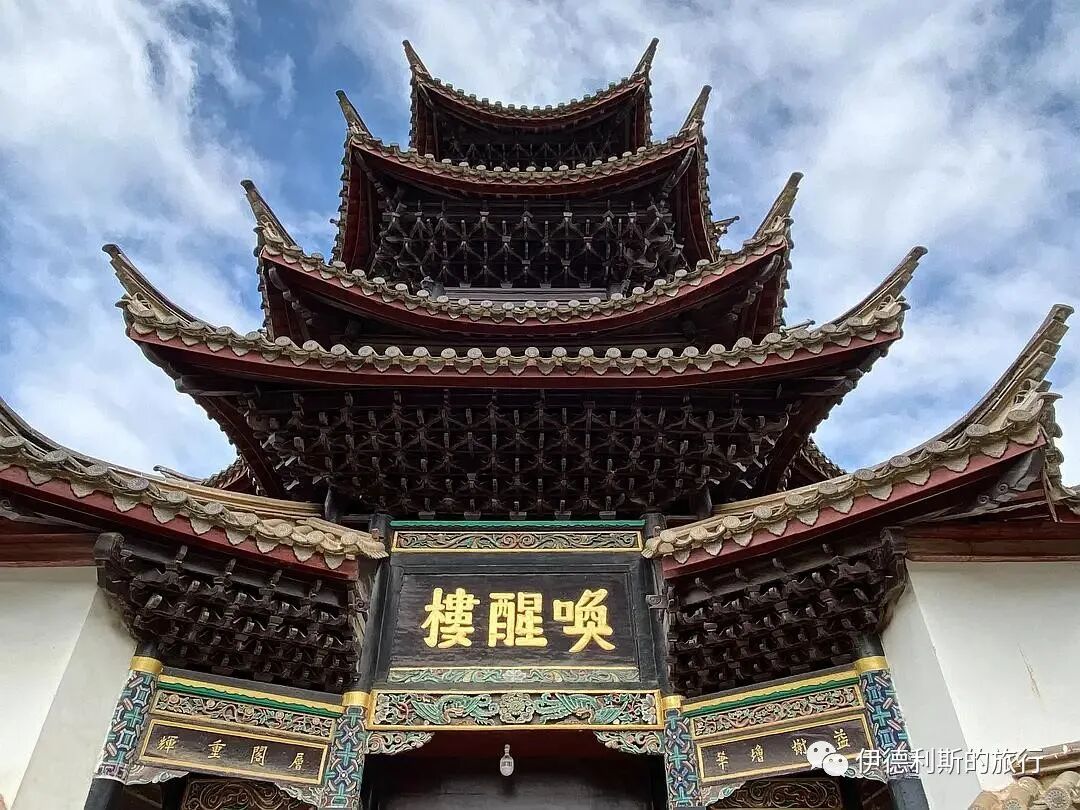
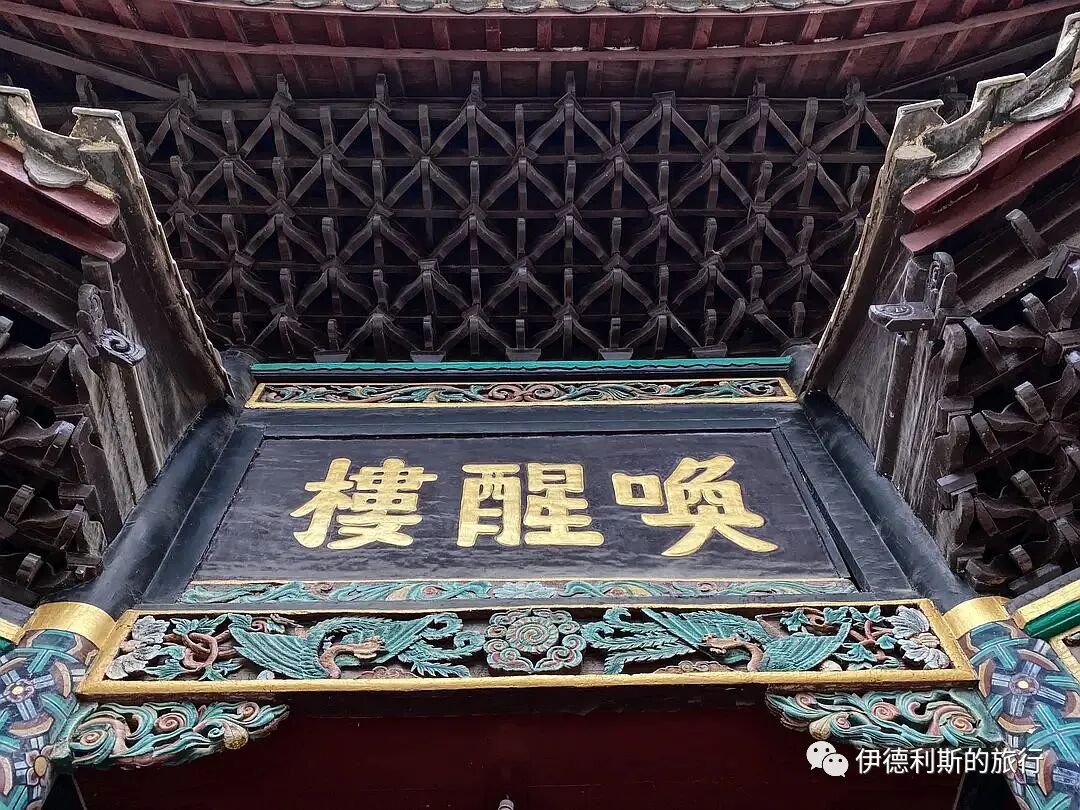
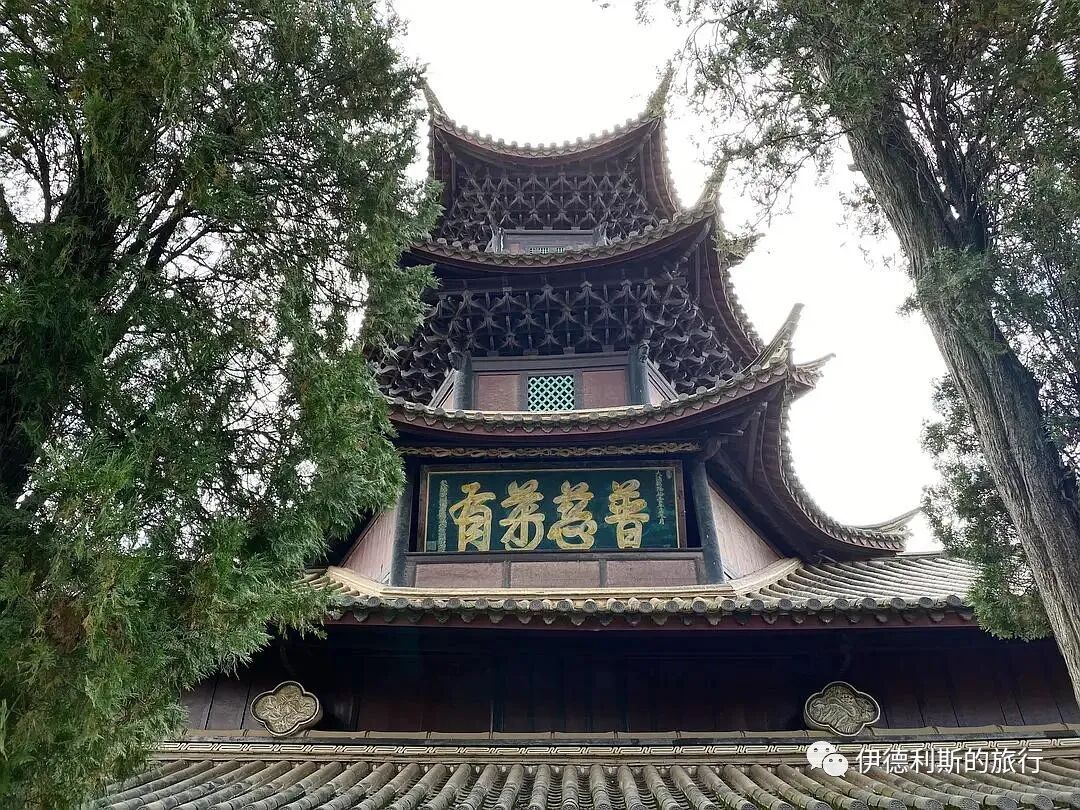
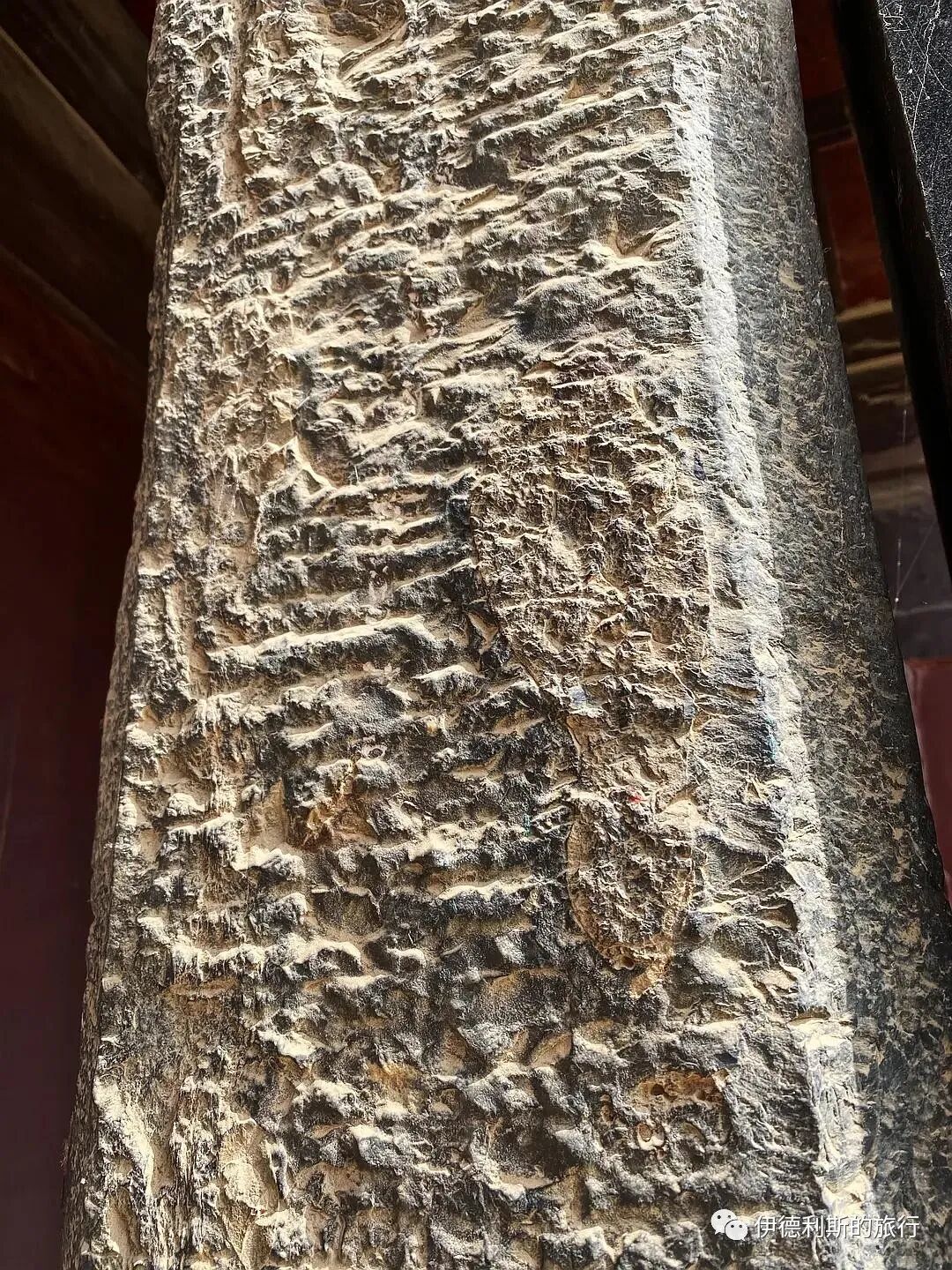
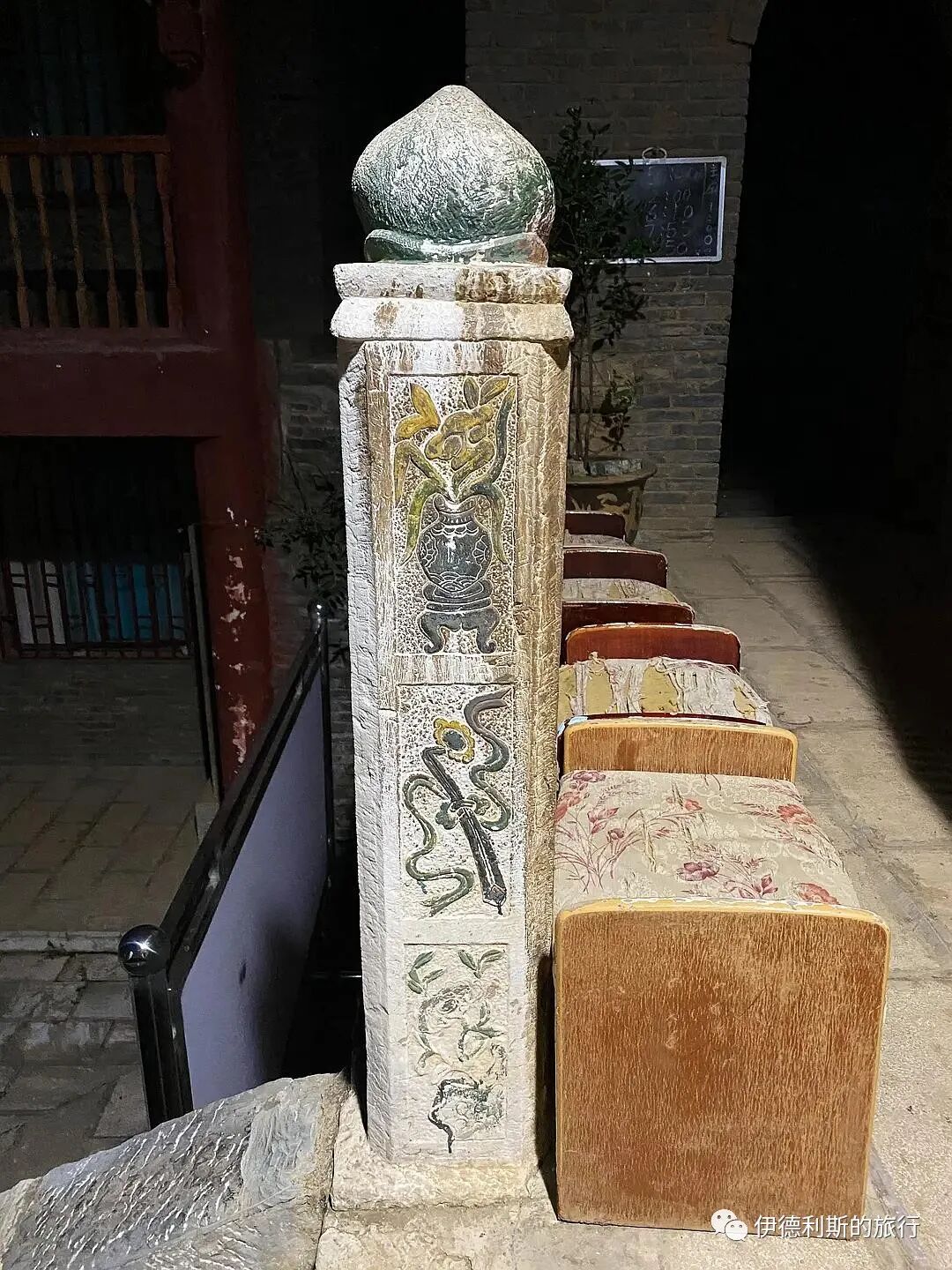
Imam Hai pointed out to us that there are some ancient fossils on the stone pillars of the Huanxing Lou, which should be unique among mosques in various places.
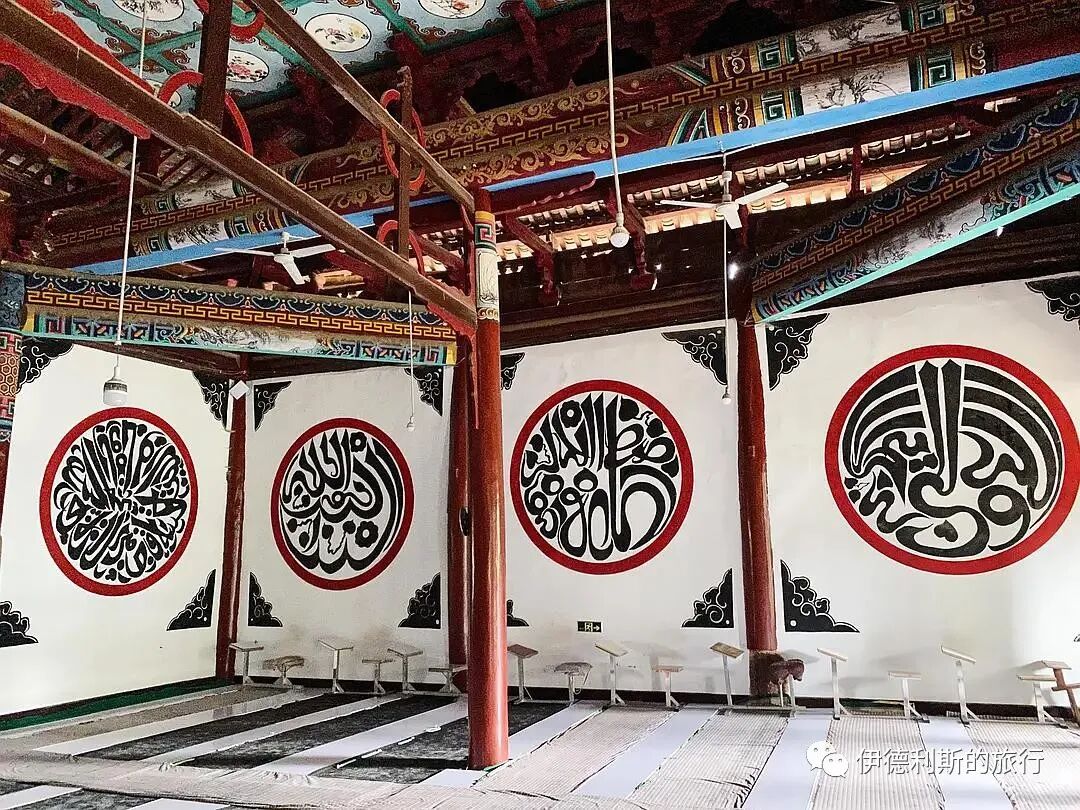
Passing through the Wujuan Tang is the courtyard, where four ancient cypress trees are planted, and directly opposite is the prayer hall. In the center of the main hall is written 'Happy Paradise', and according to Imam Hai, the eight Arabic calligraphy works around it were written by the second Imam of the mosque, Sai Huanzhang, also known as Sai Lao Baba.
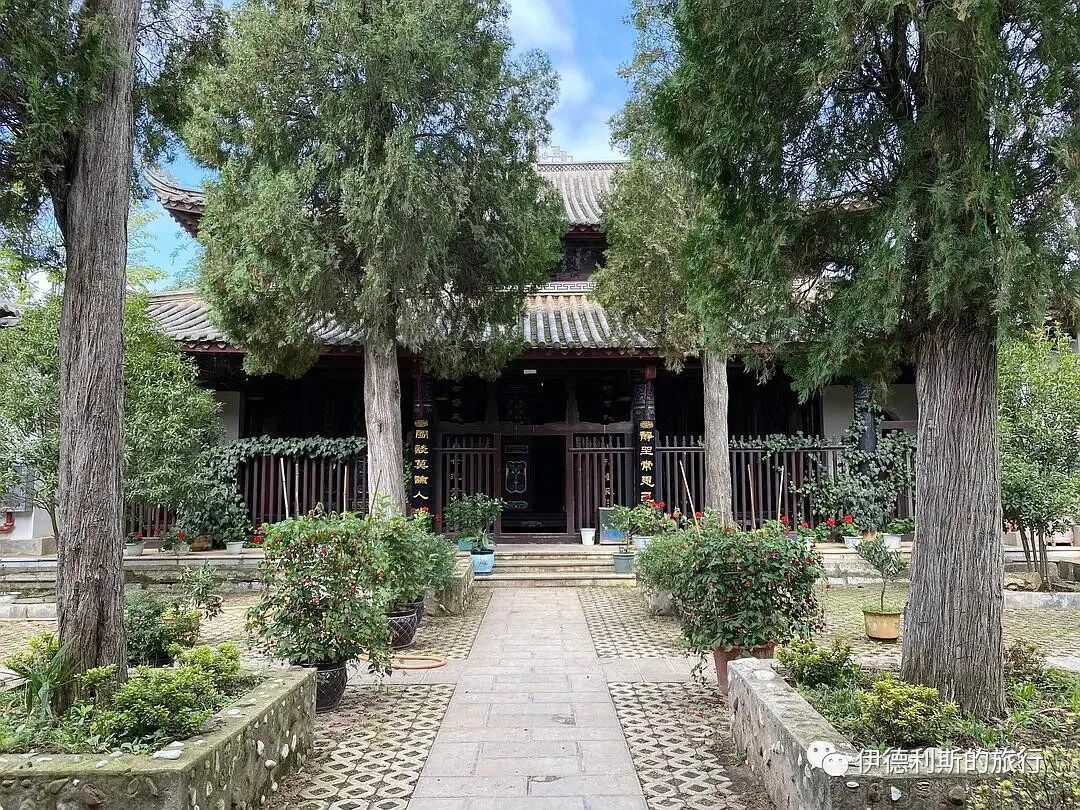
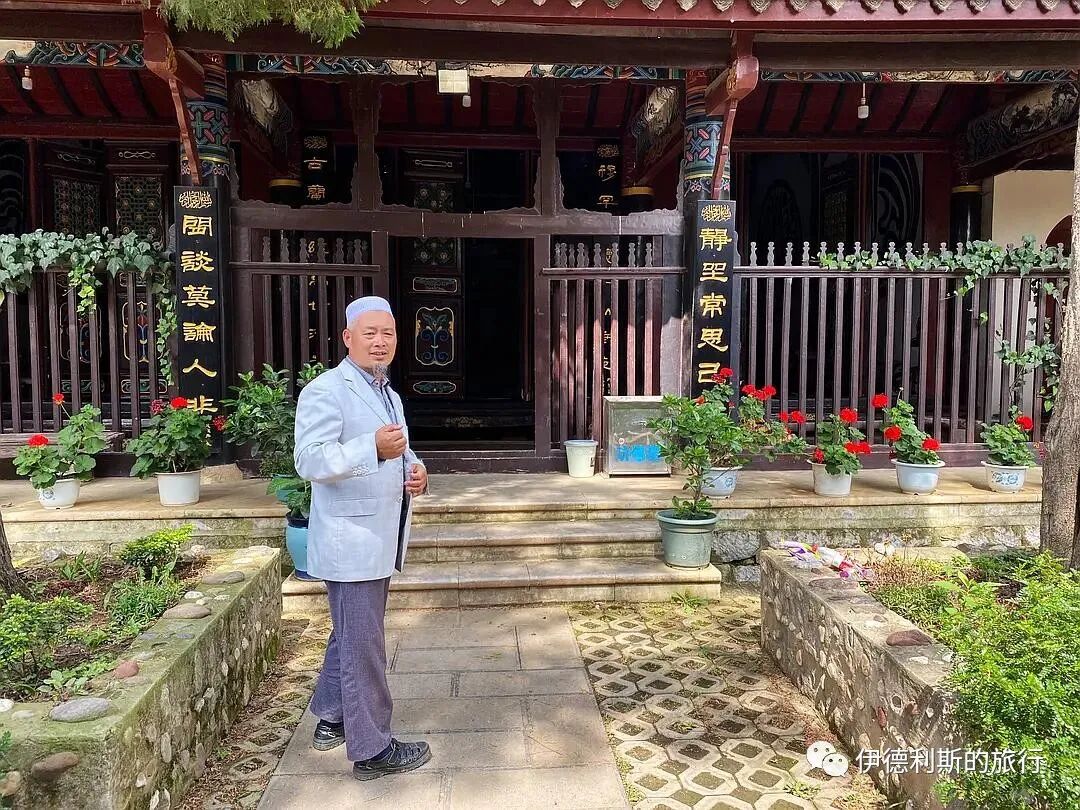
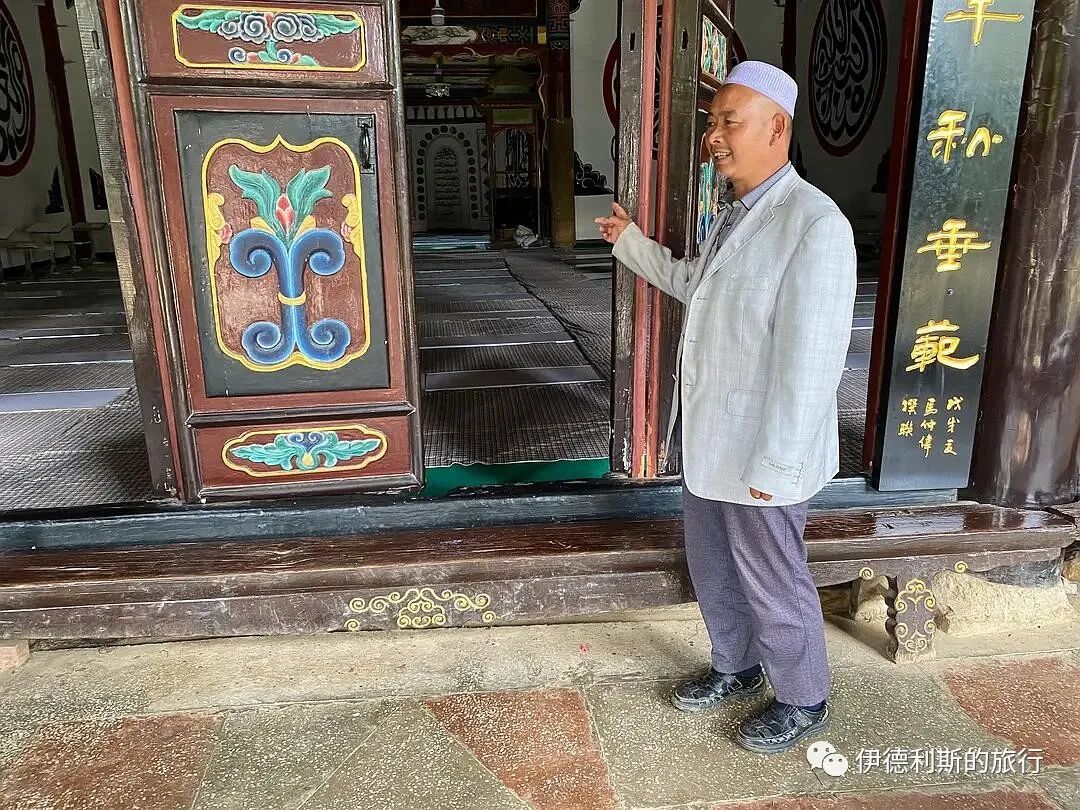
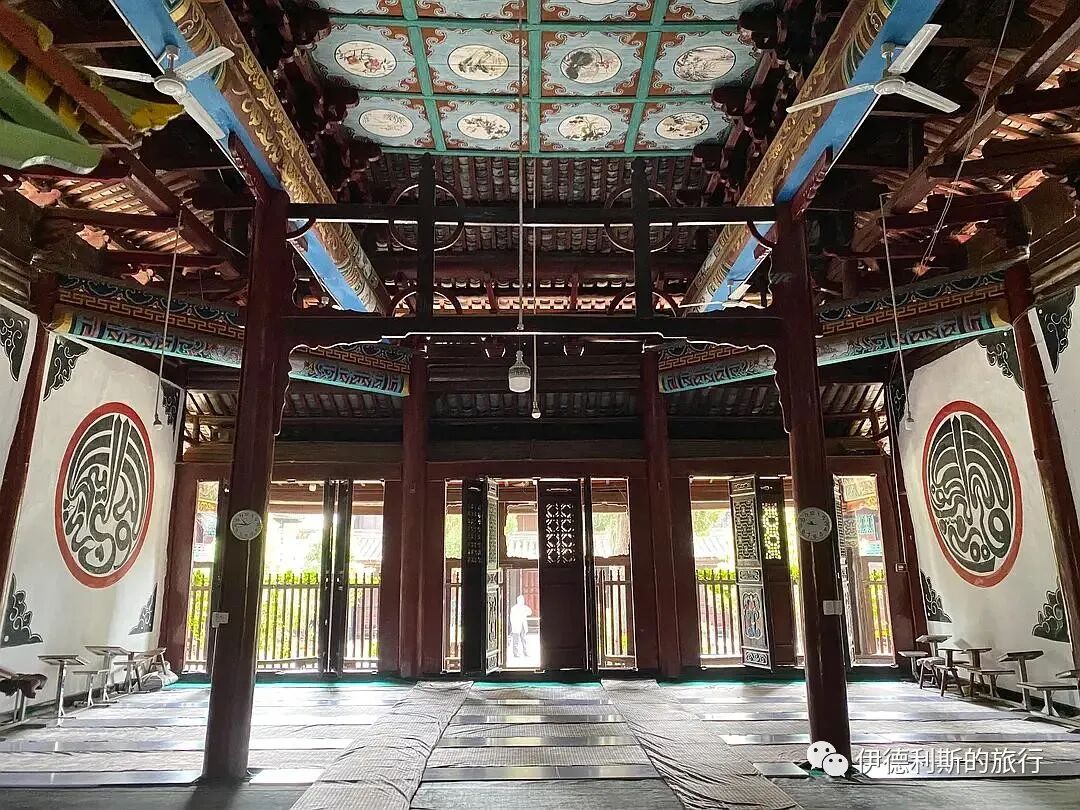
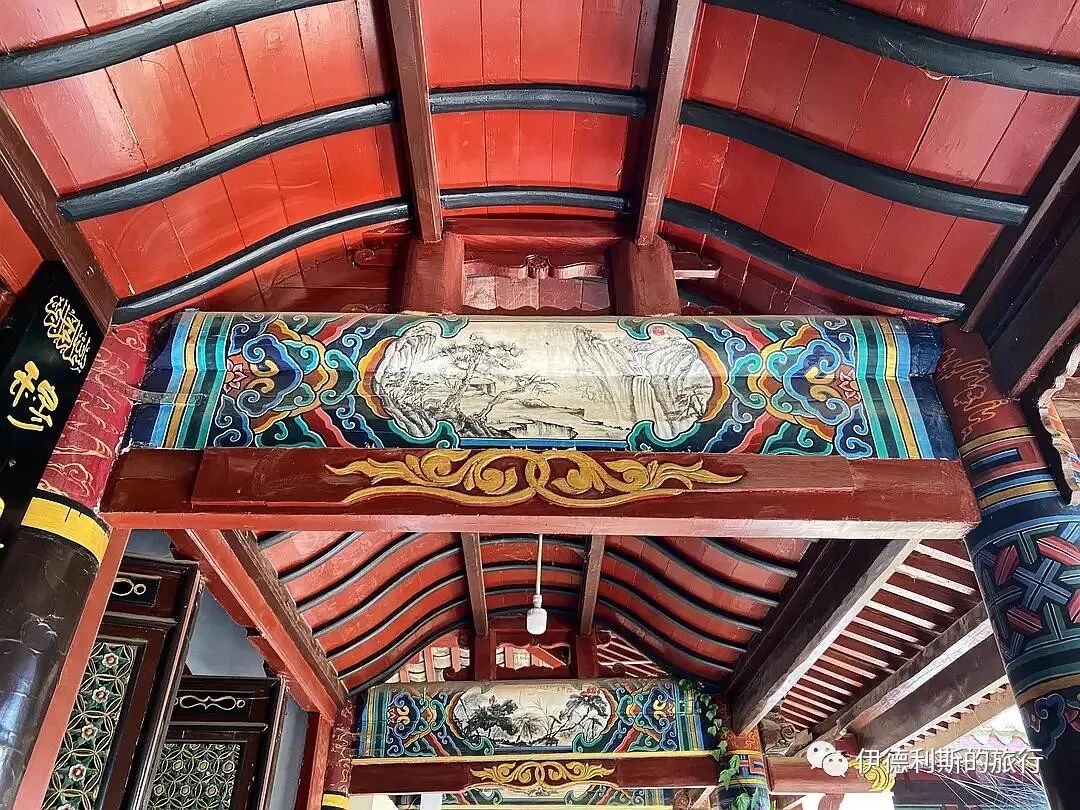
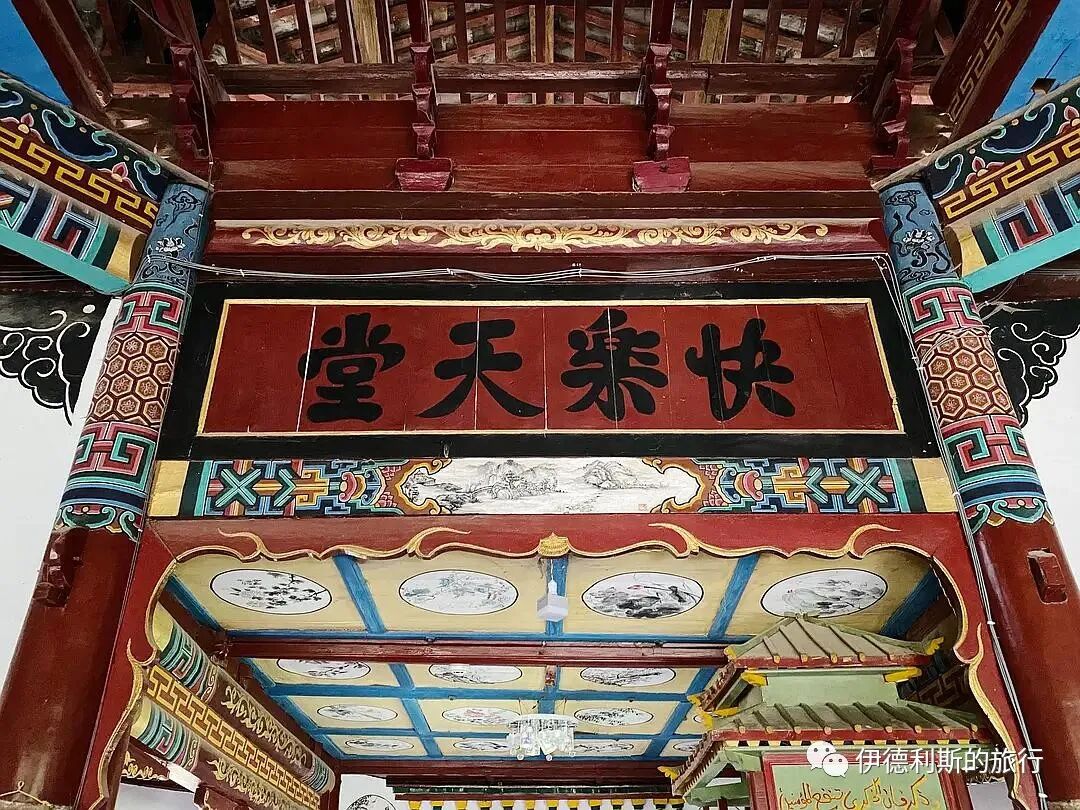
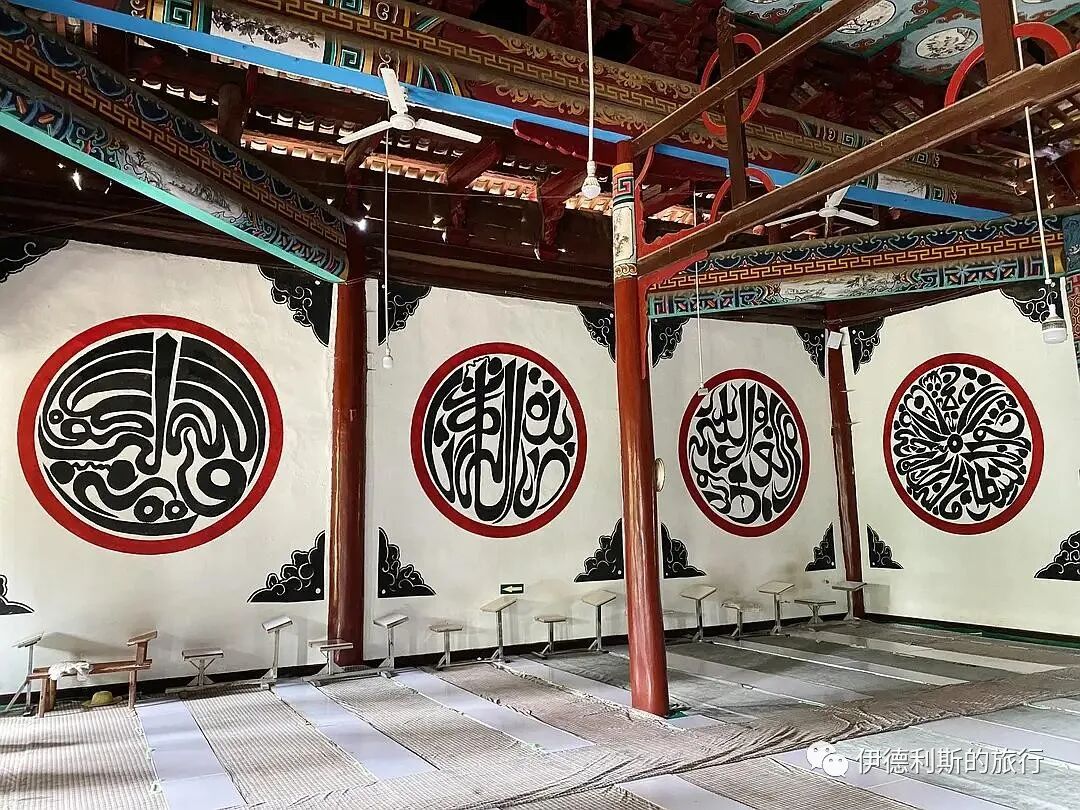
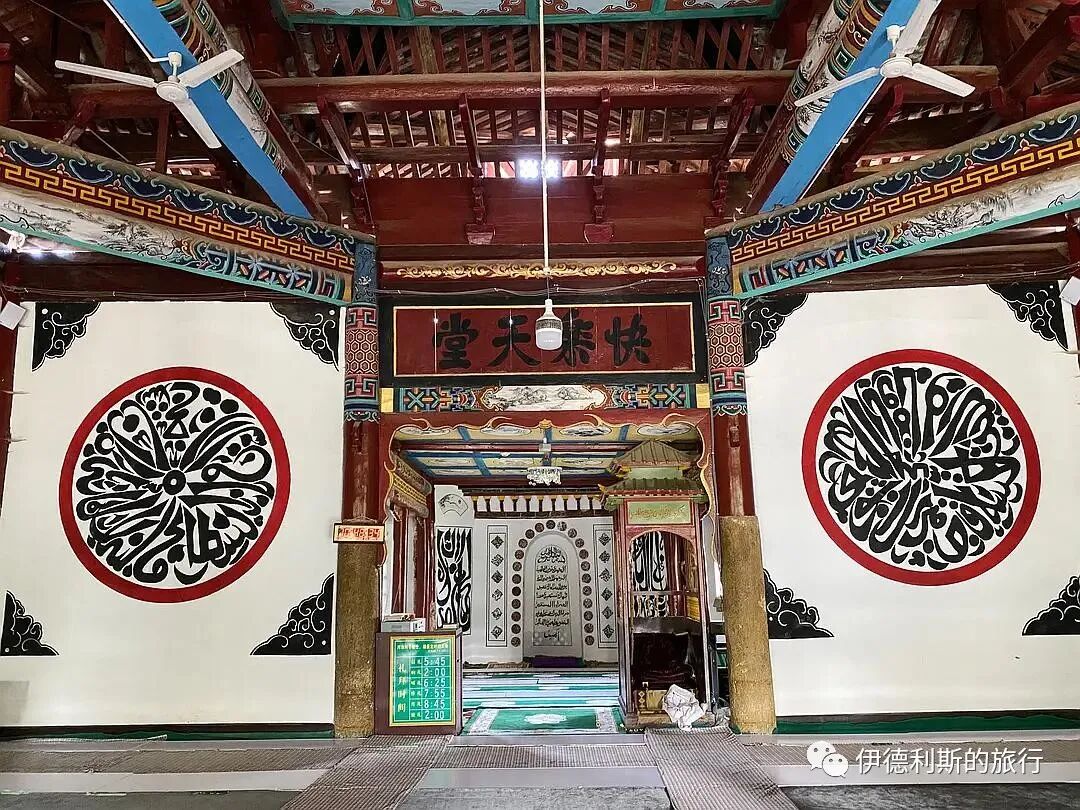
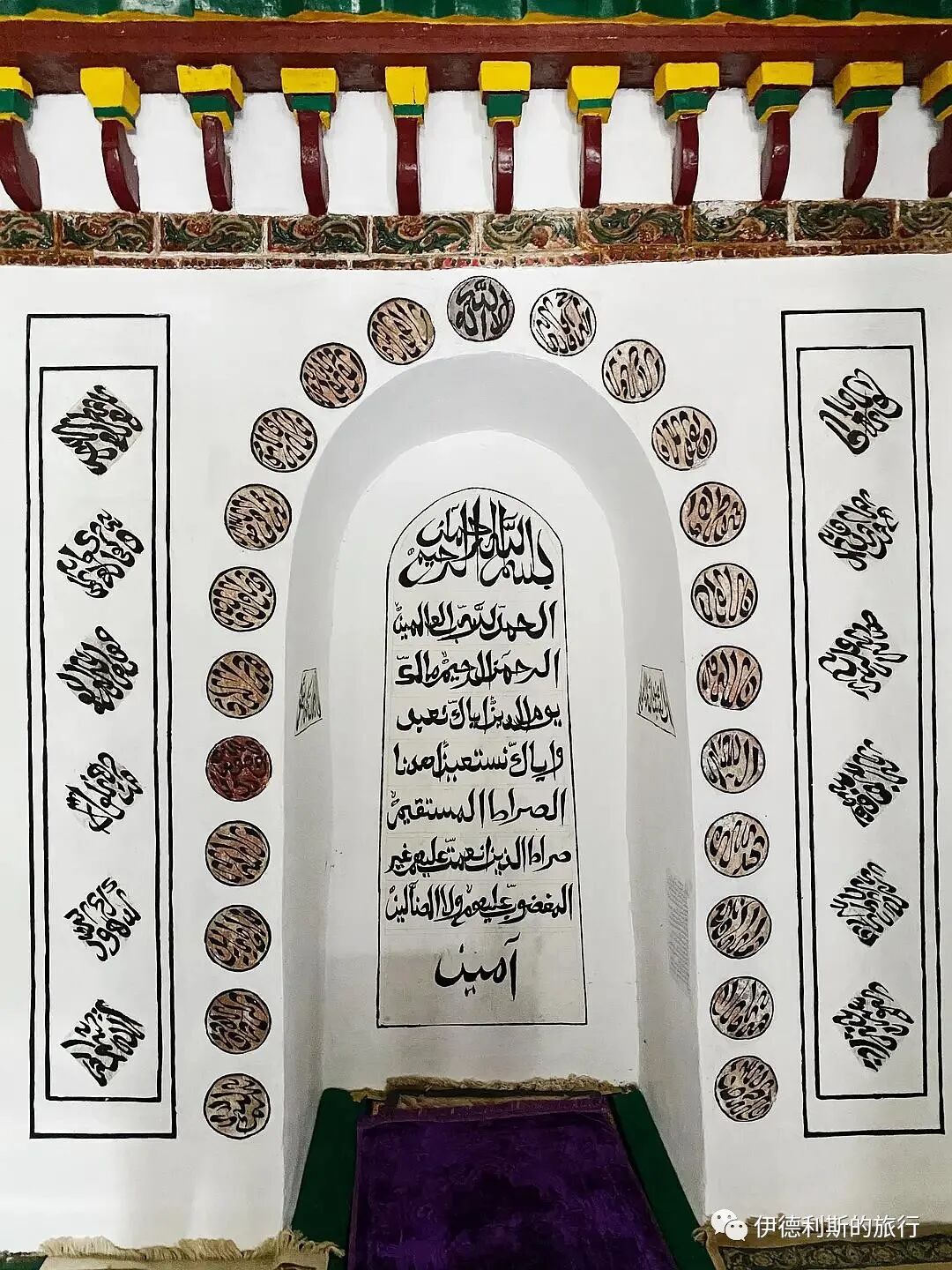
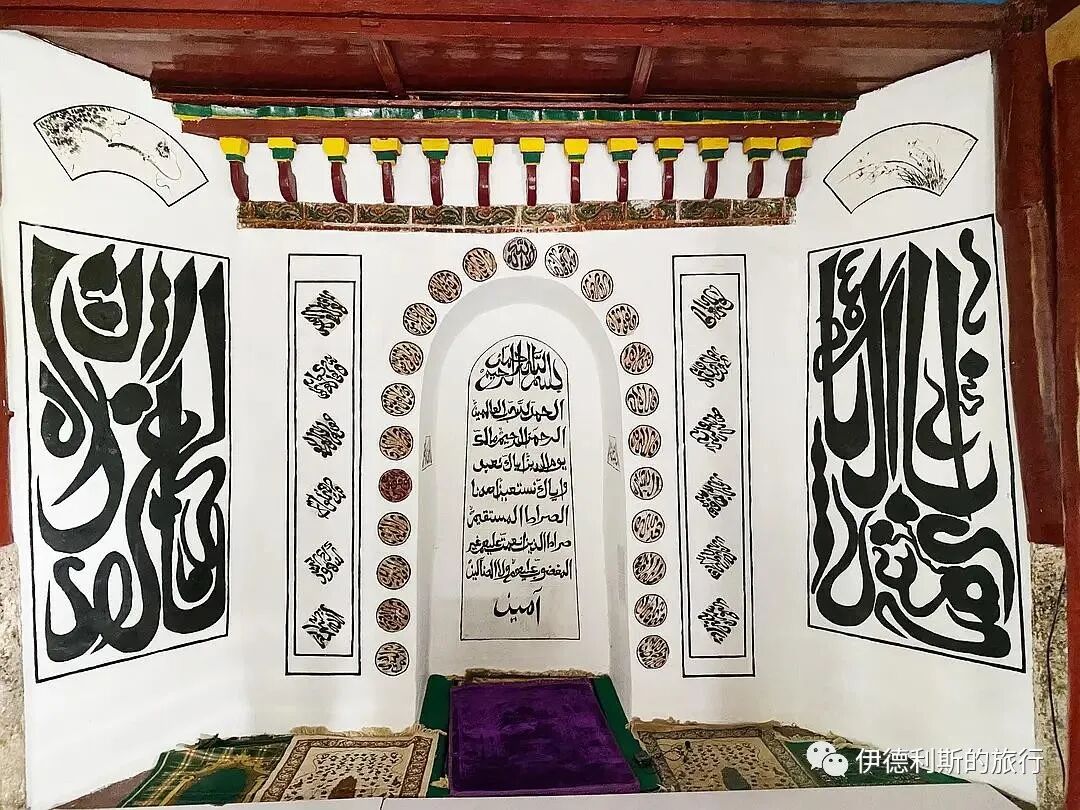
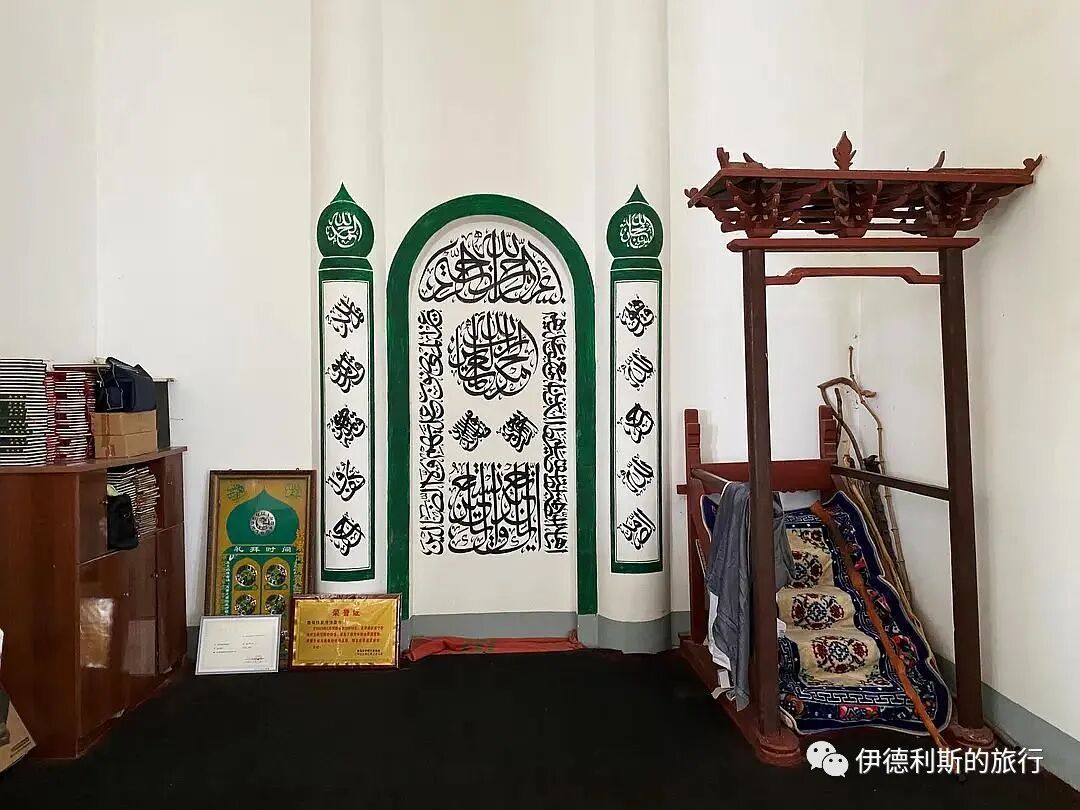
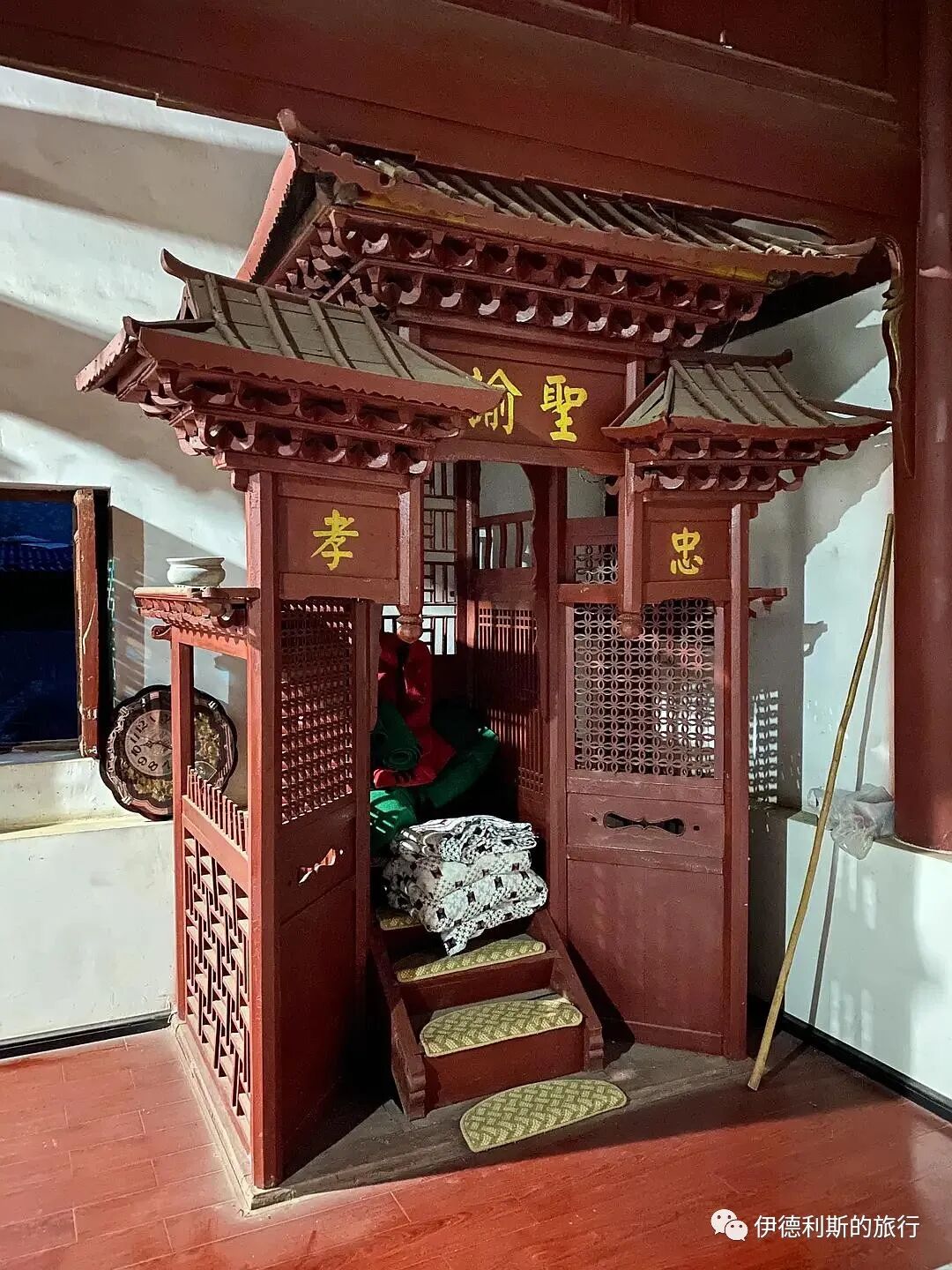
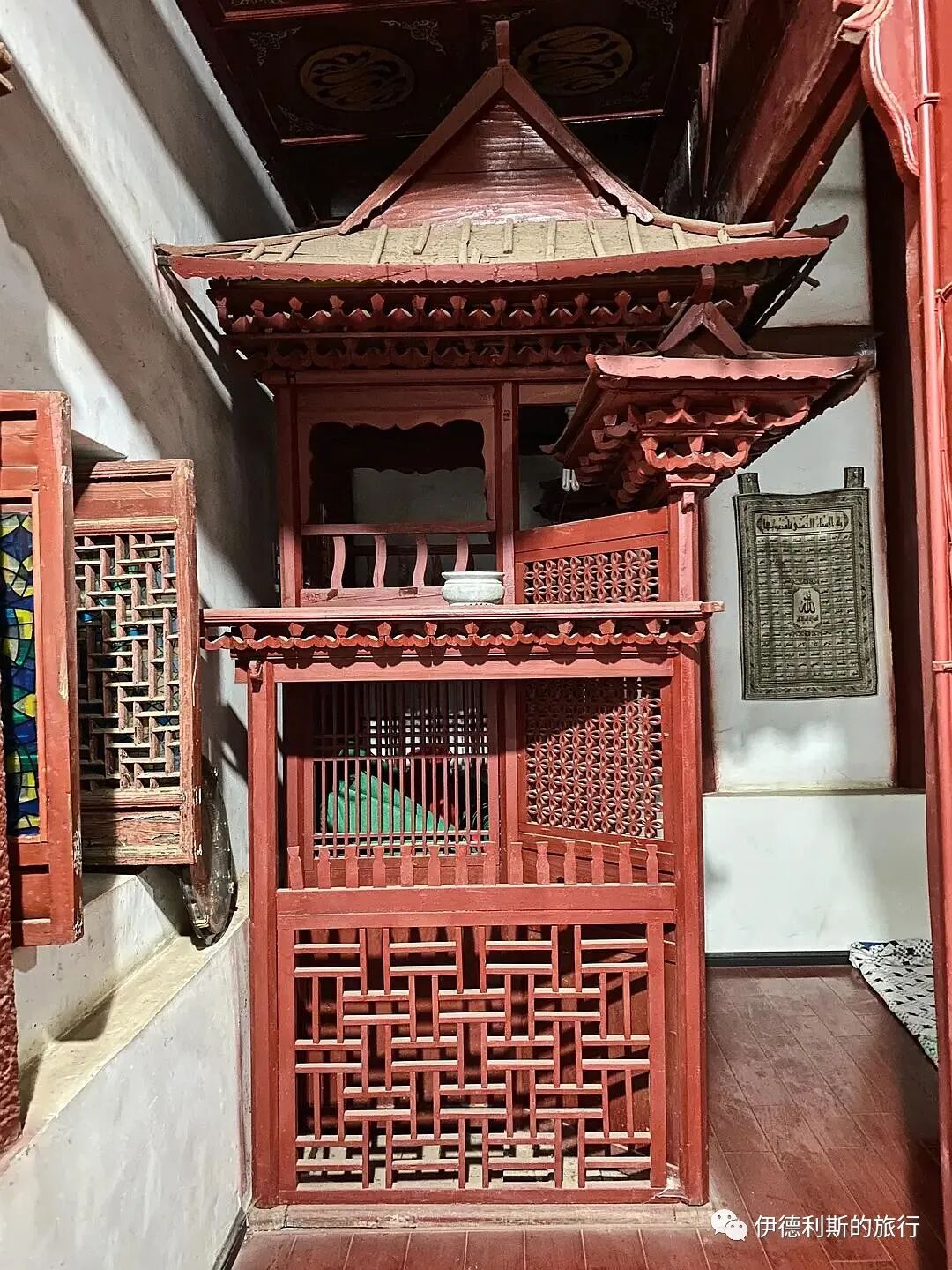
The Mihrab (niche indicating the direction of Mecca) inside the main hall is a kiln-style hall, and the top of the kiln hall is also a pointed-roof pavilion-style structure, echoing the Huanxing Lou from a distance.
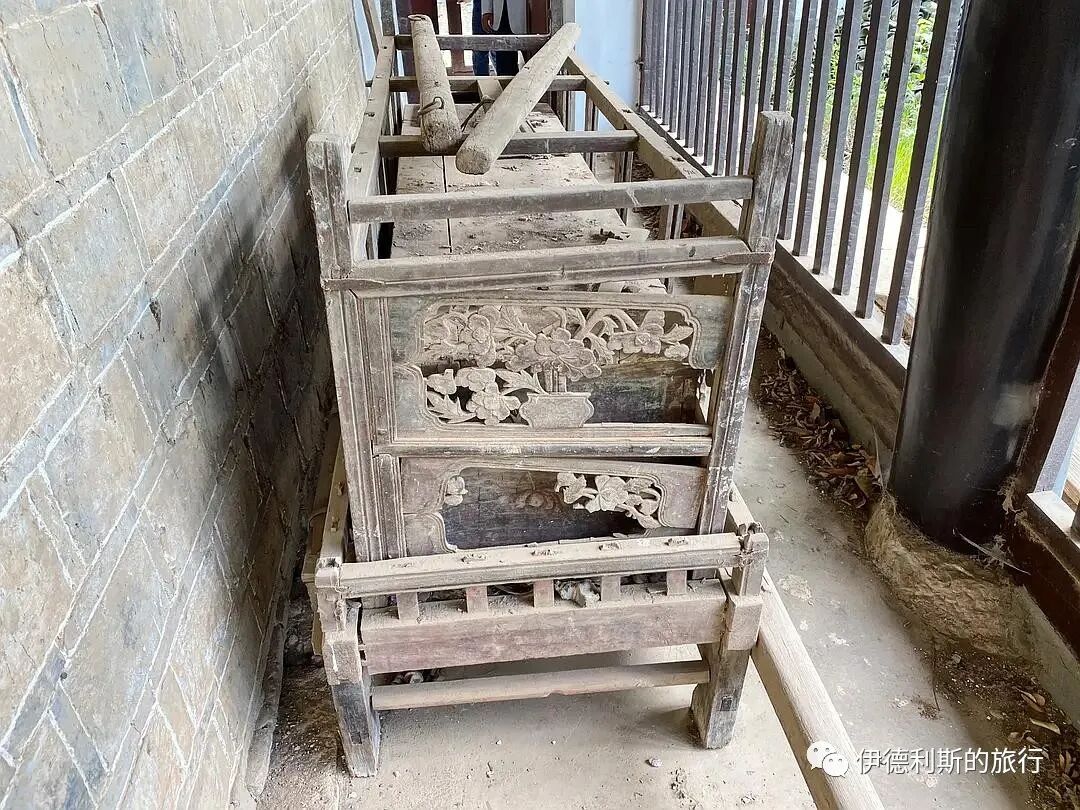
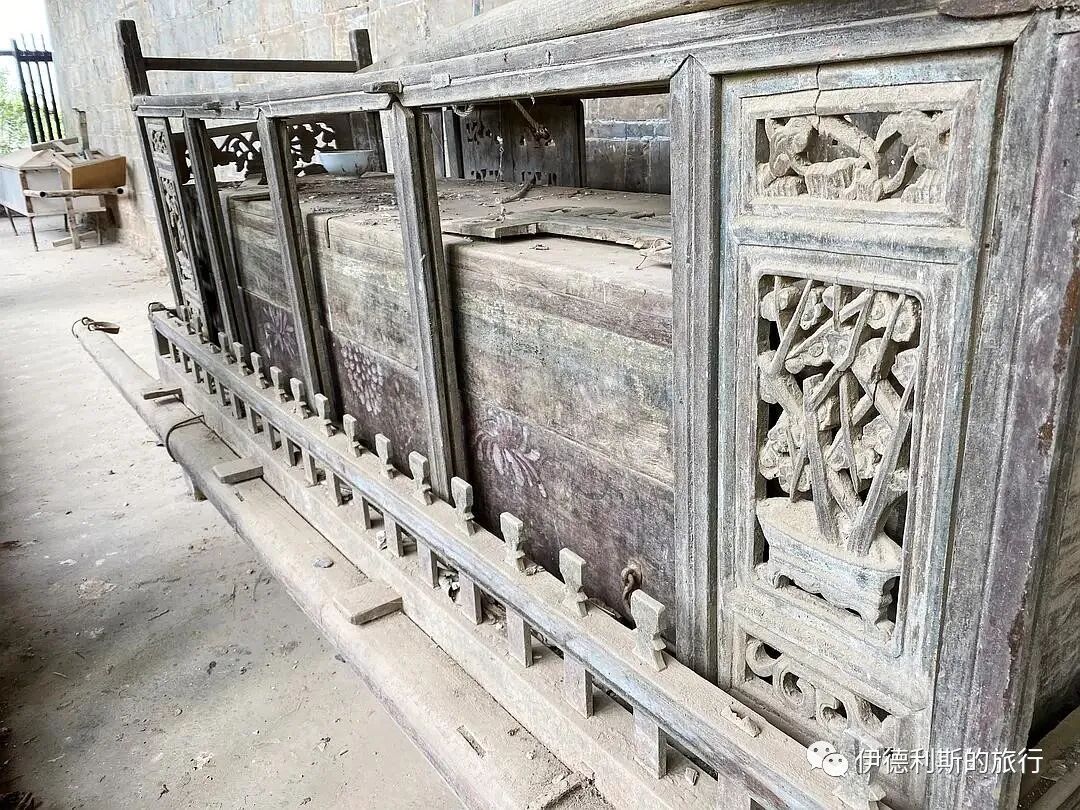
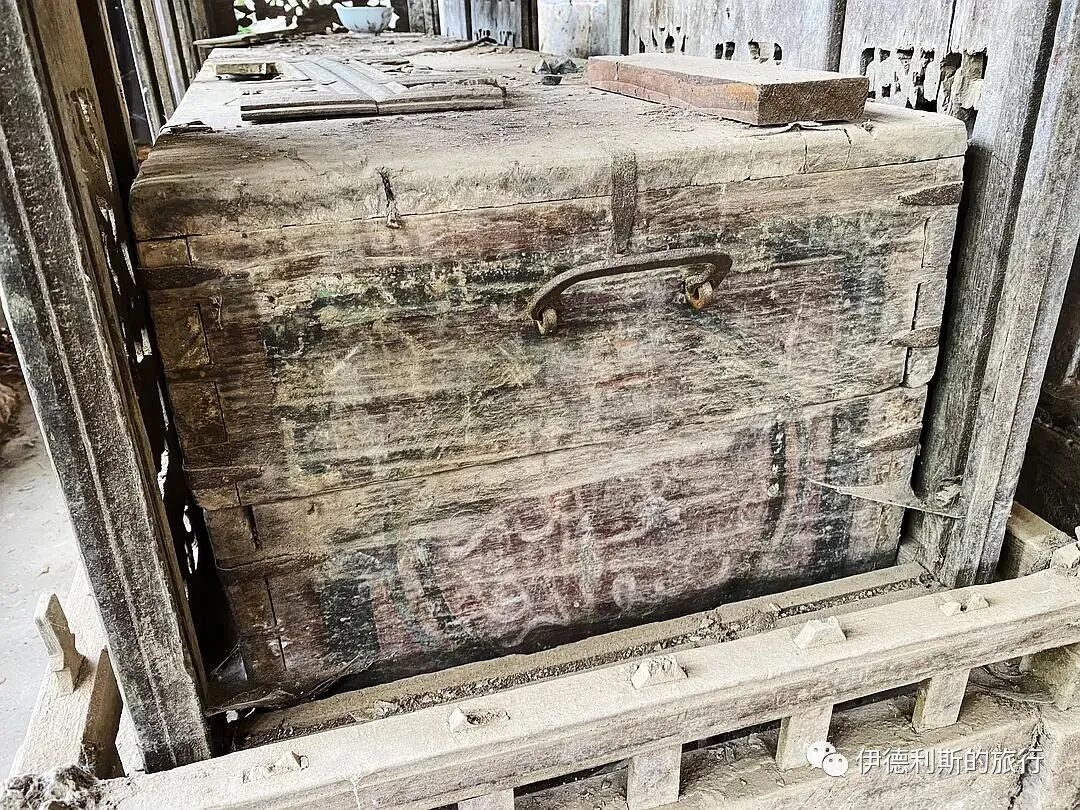
A Tabu Xiazi (a box for religious items) from the Qing Dynasty; Imam Hai said it is no longer used because it is too heavy.
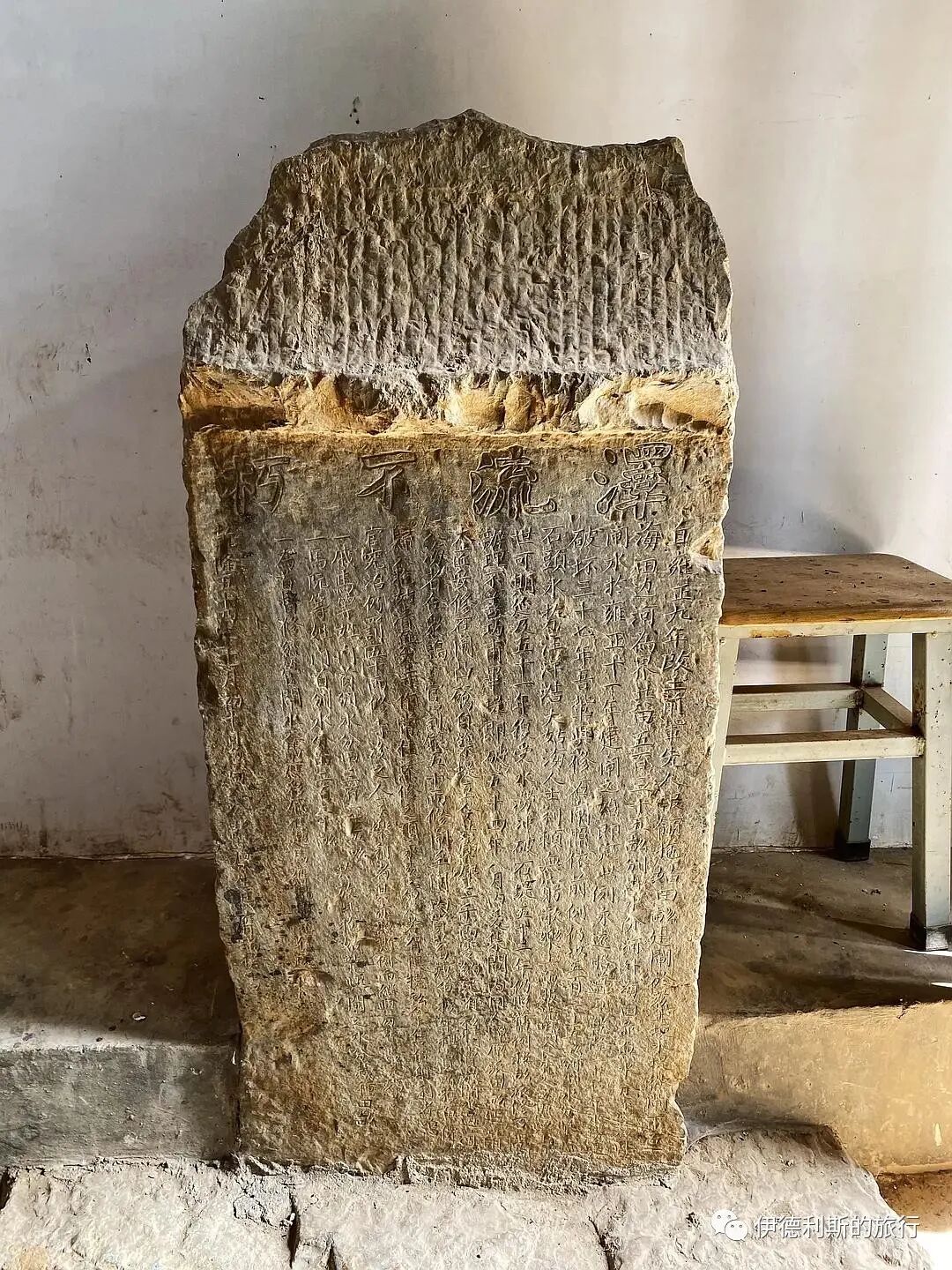
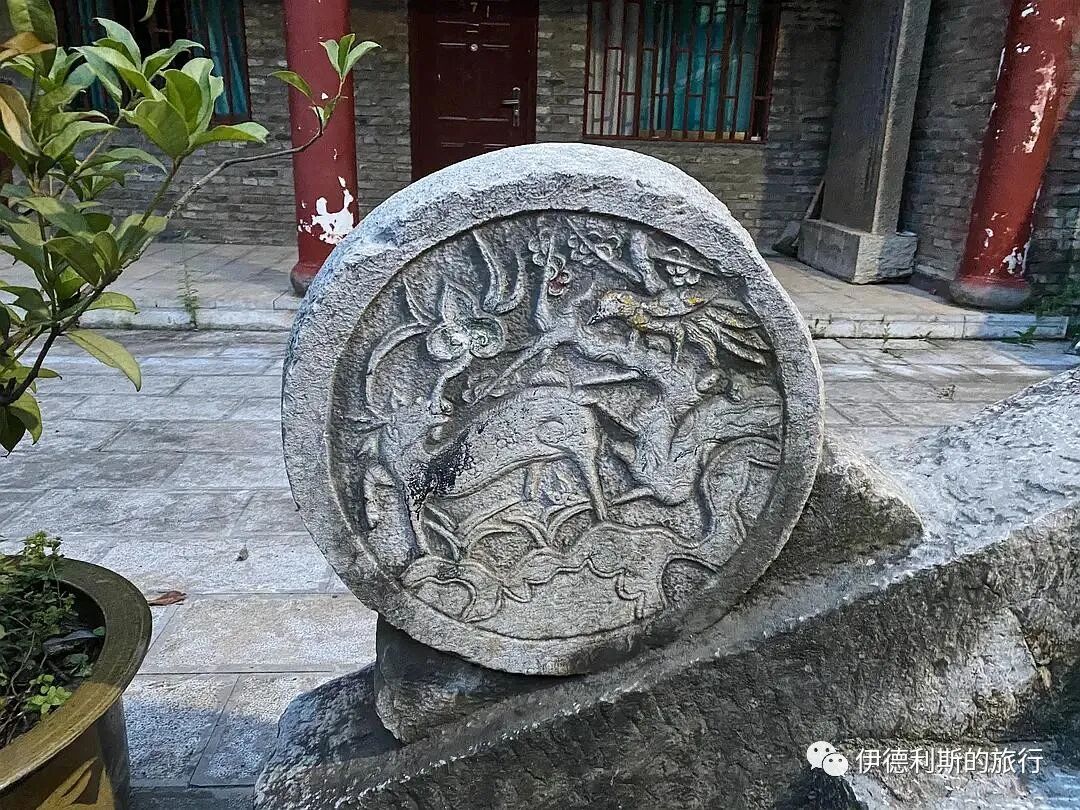
A stele inscription from the Qianlong reign.
2. Longtoushan Mosque: 1746
After seeing the Tuogu Great Mosque, we went to another famous ancient mosque building in Ludian, the Longtoushan Mosque, and were warmly received by Imam Ma Liming.
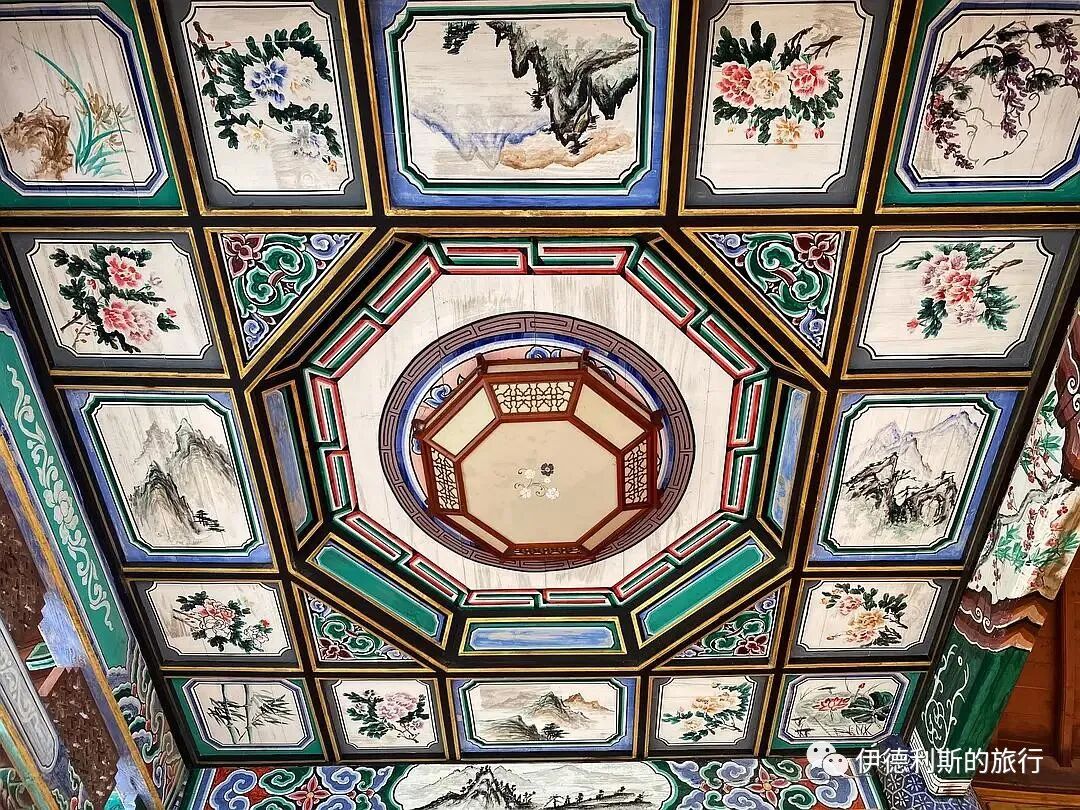
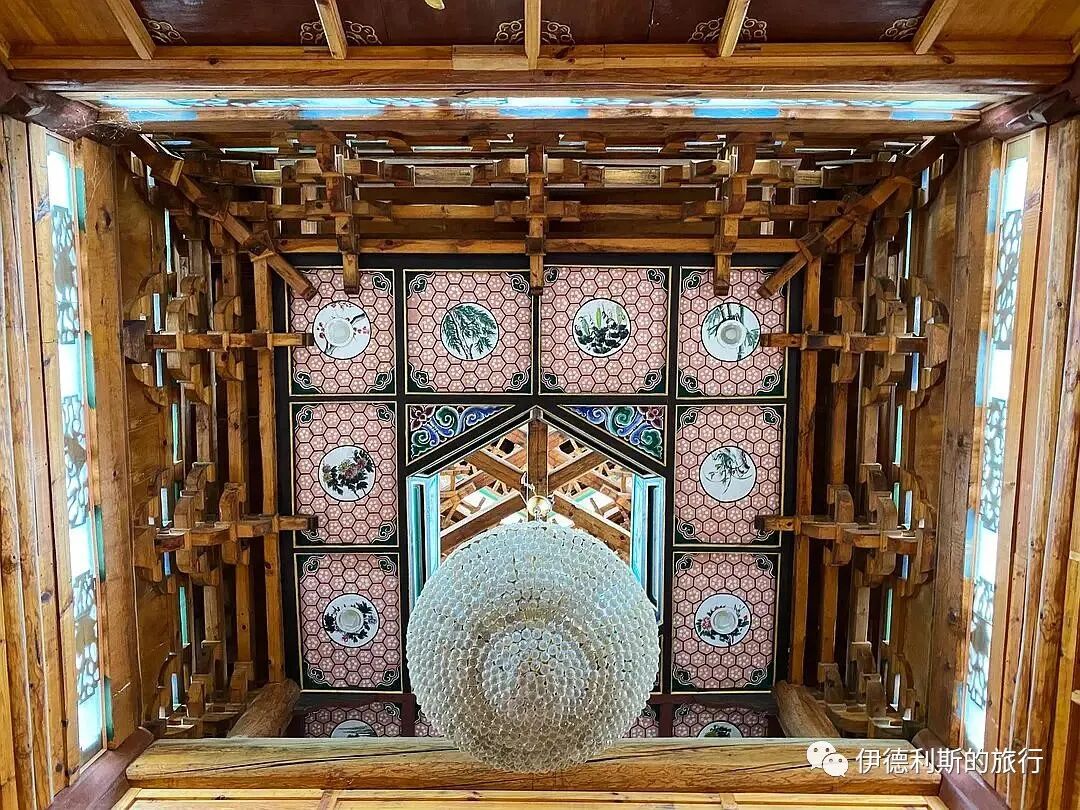
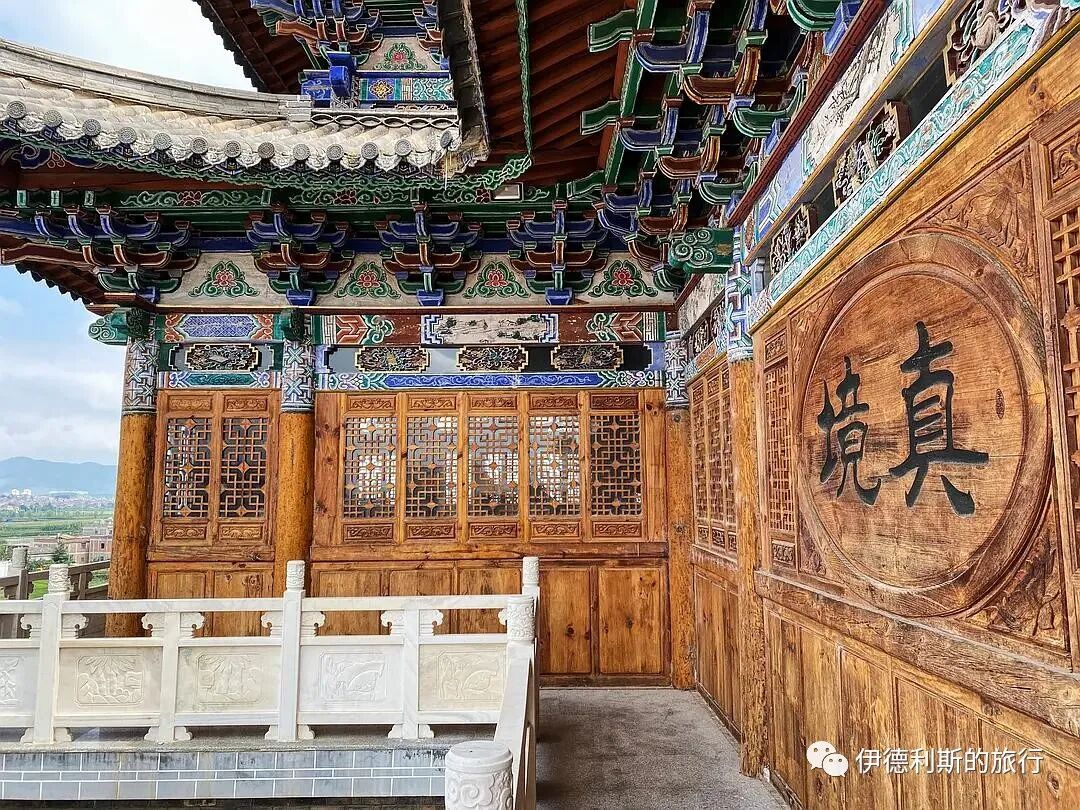
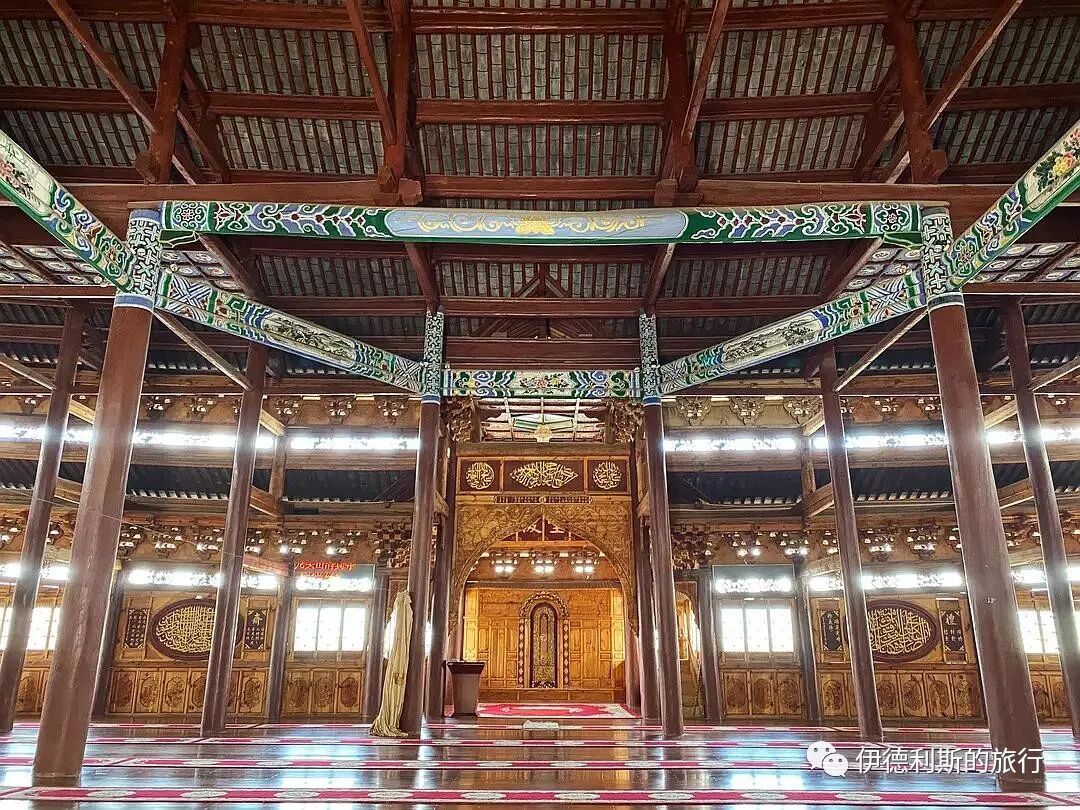
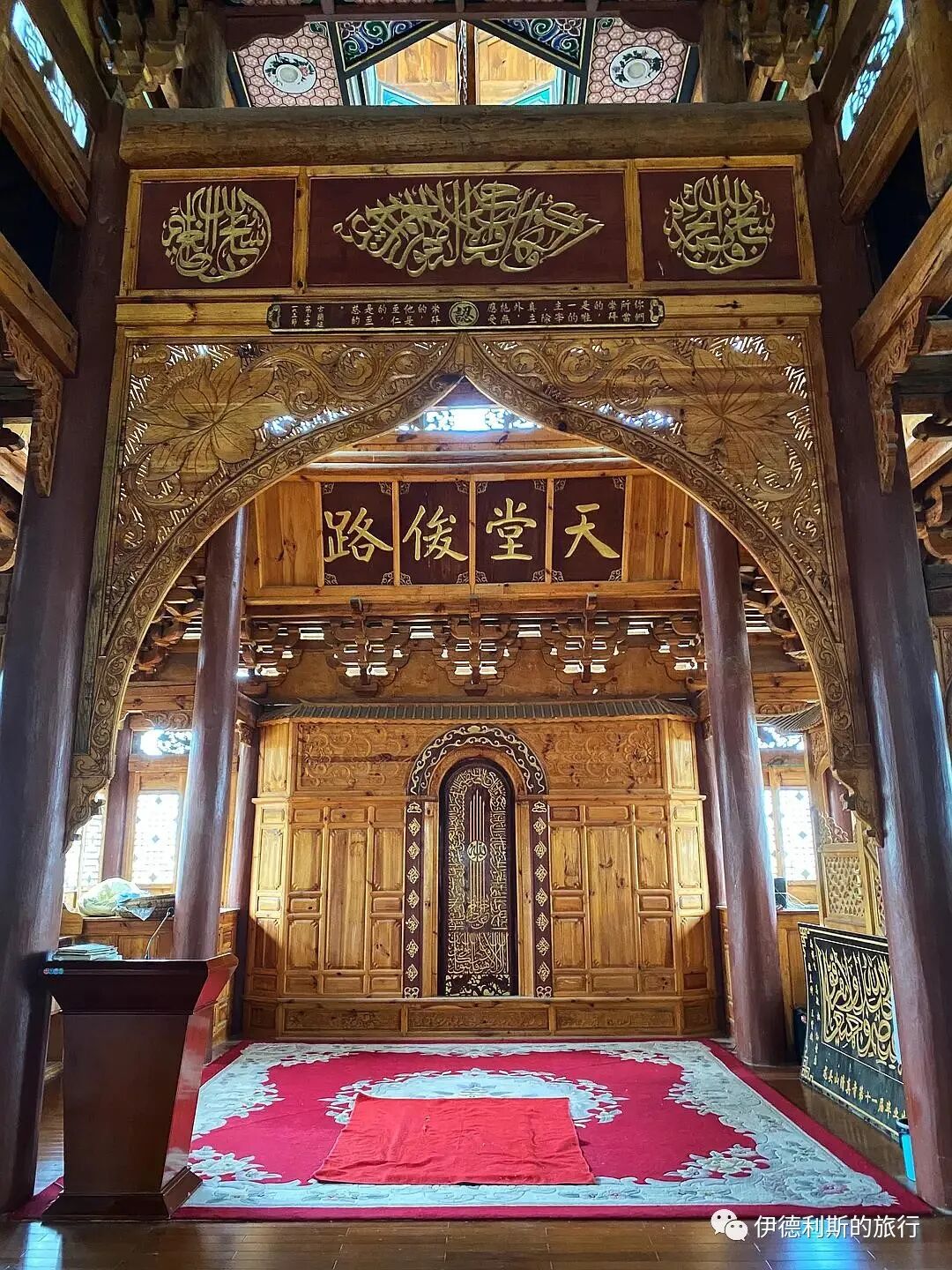
The Longtoushan Mosque was built in 1746, following the traditional Yunnan mosque architectural style, with a courtyard enclosed by the Huanxing Lou, north and south side rooms, and the prayer hall. Unlike the Tuogu Great Mosque, the Mihrab of the Longtoushan Mosque does not have a pointed pavilion on top, and the Huanxing Lou only has four corners and two tiers, making its momentum slightly inferior to the Tuogu Great Mosque.
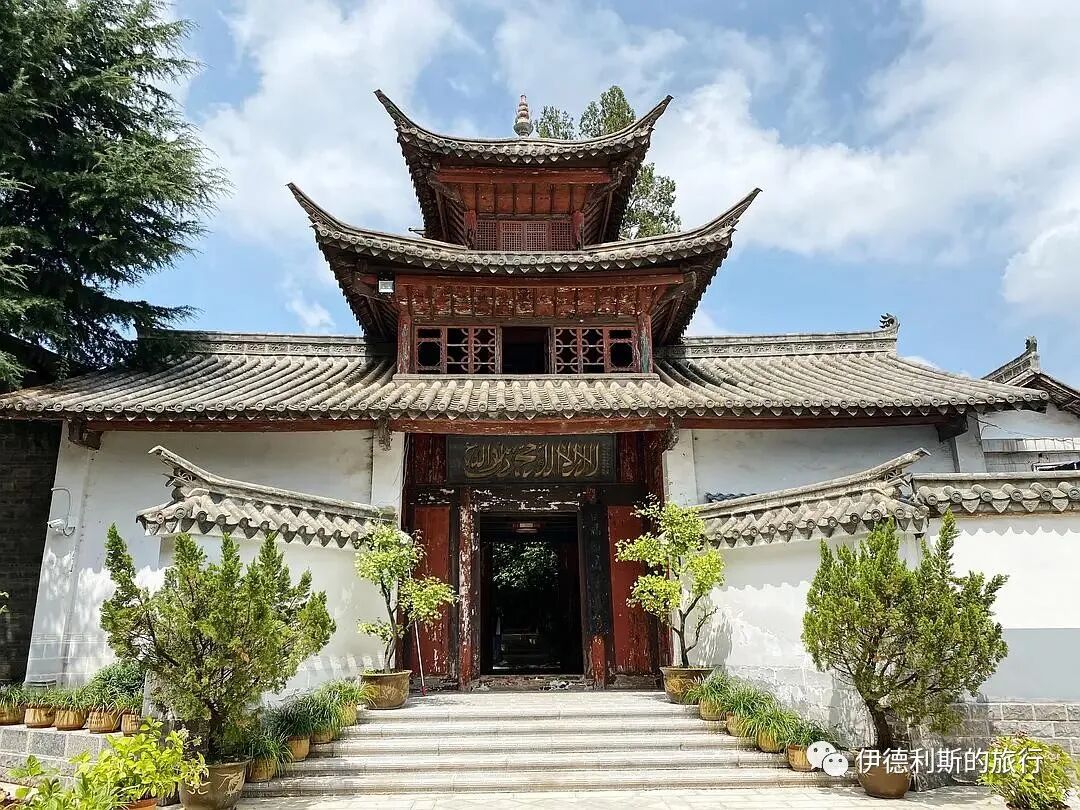
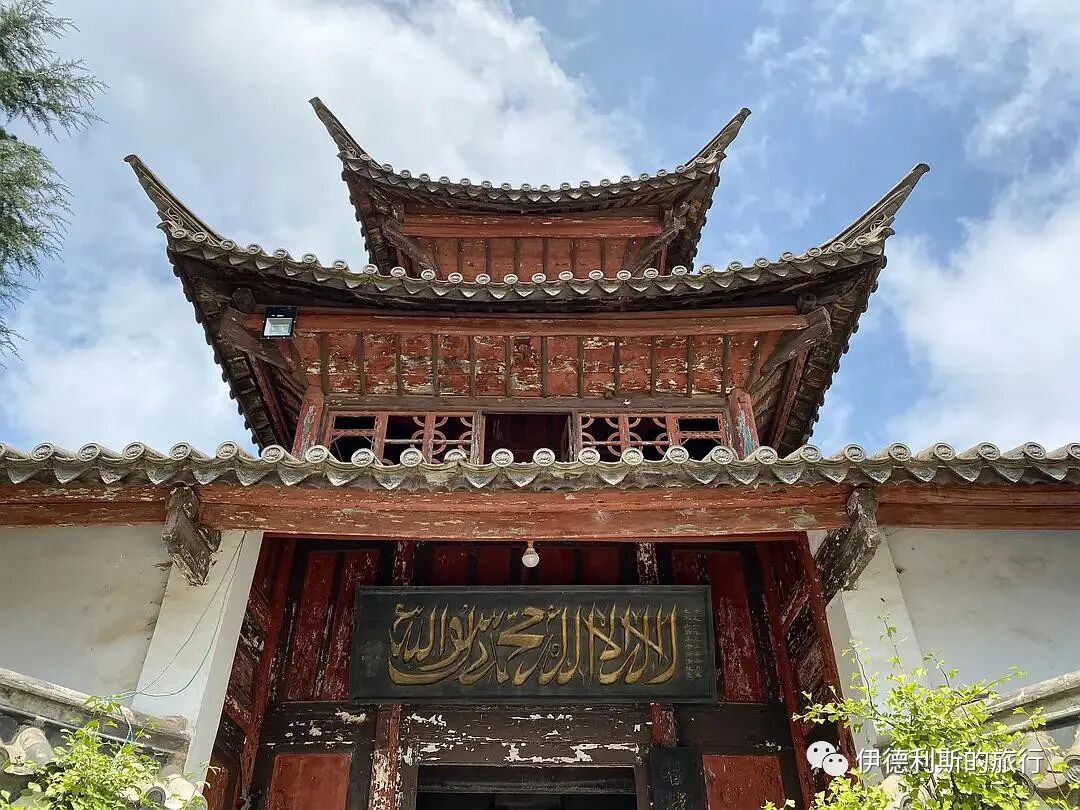
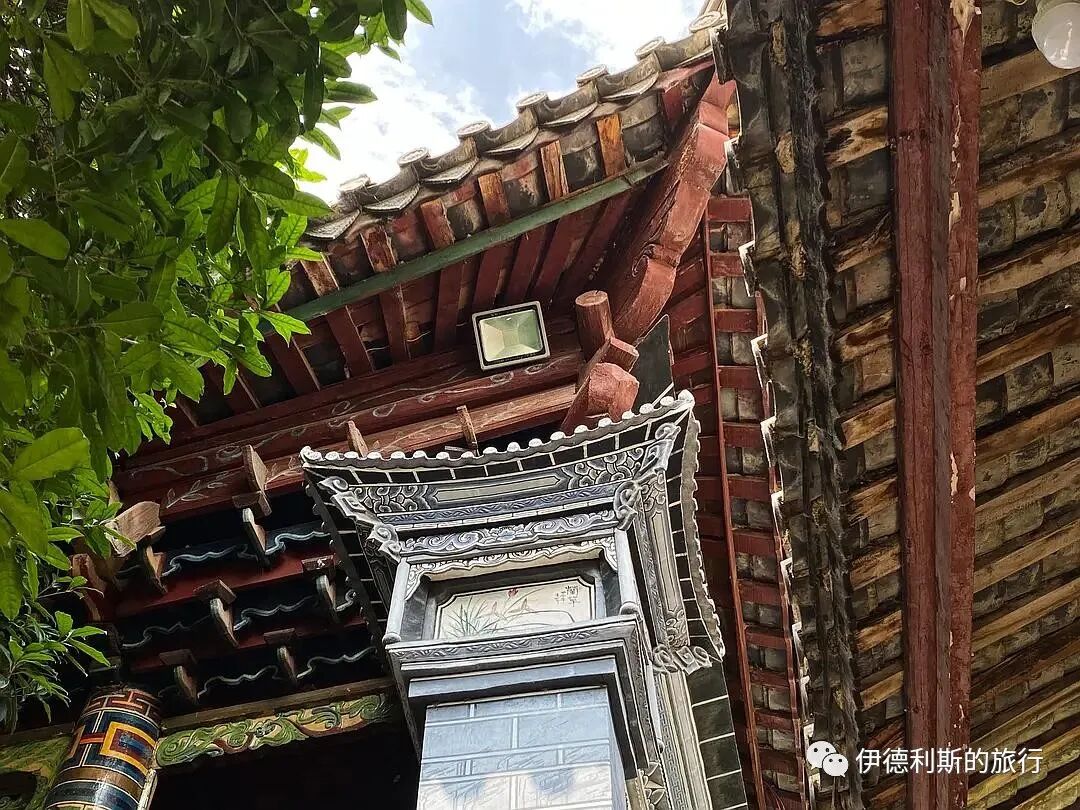
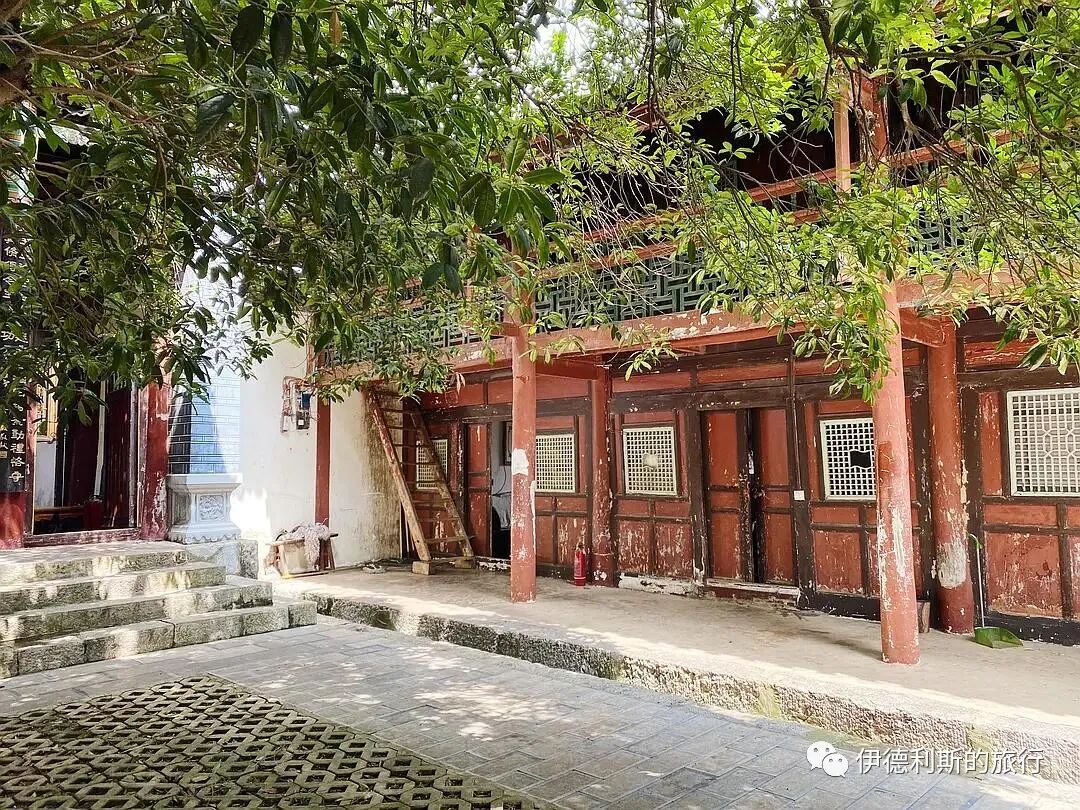
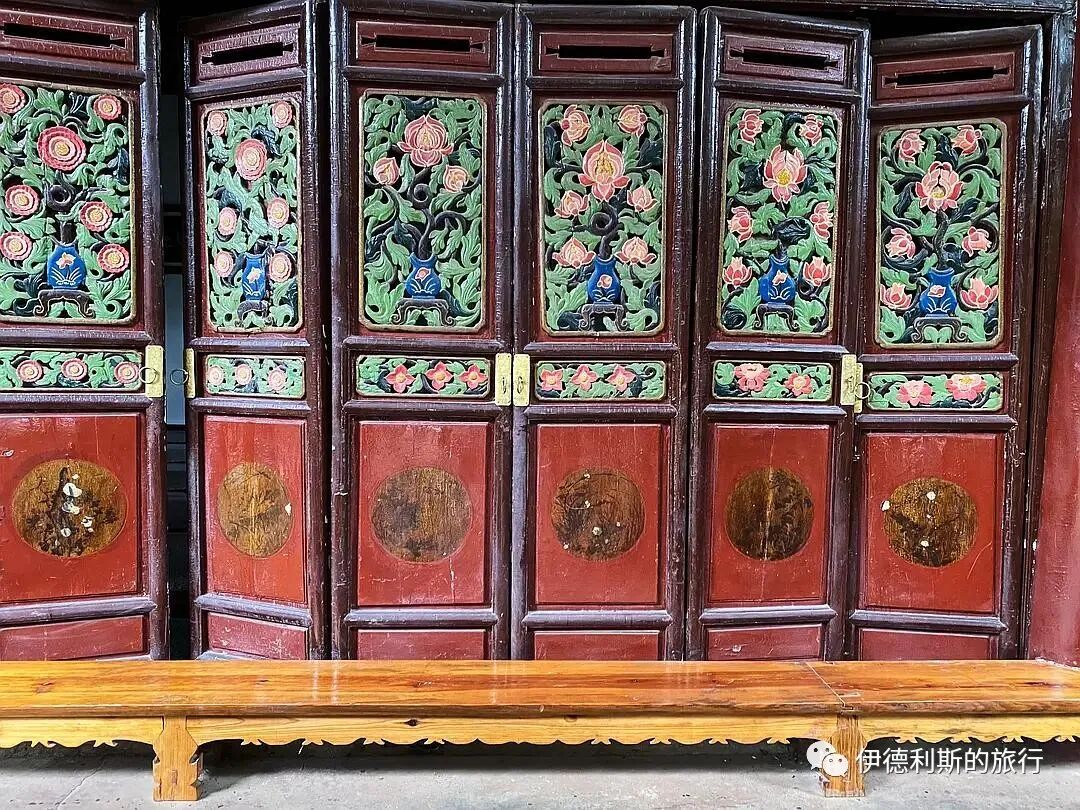
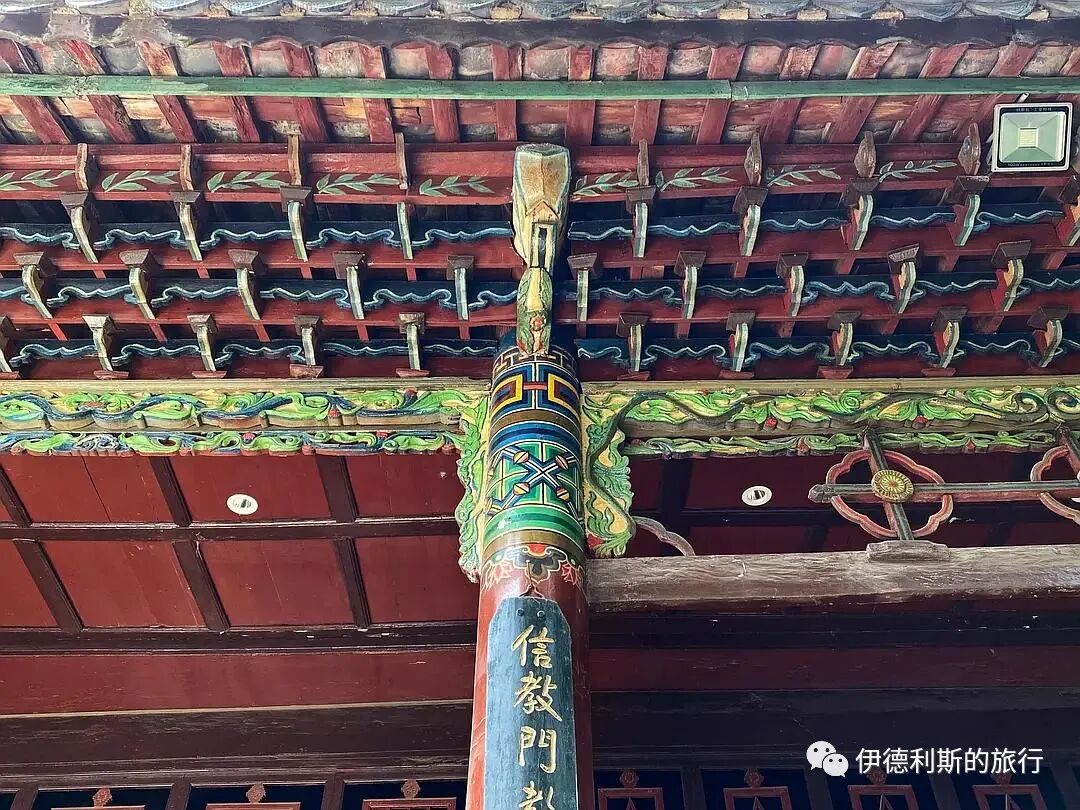
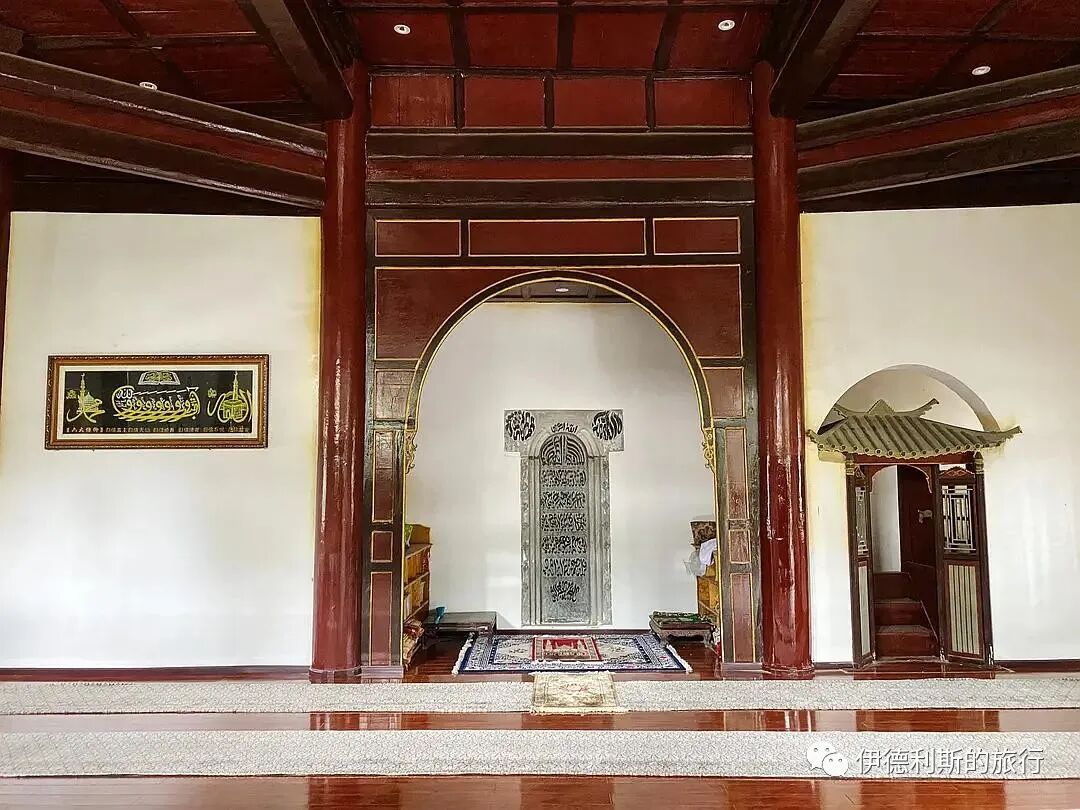
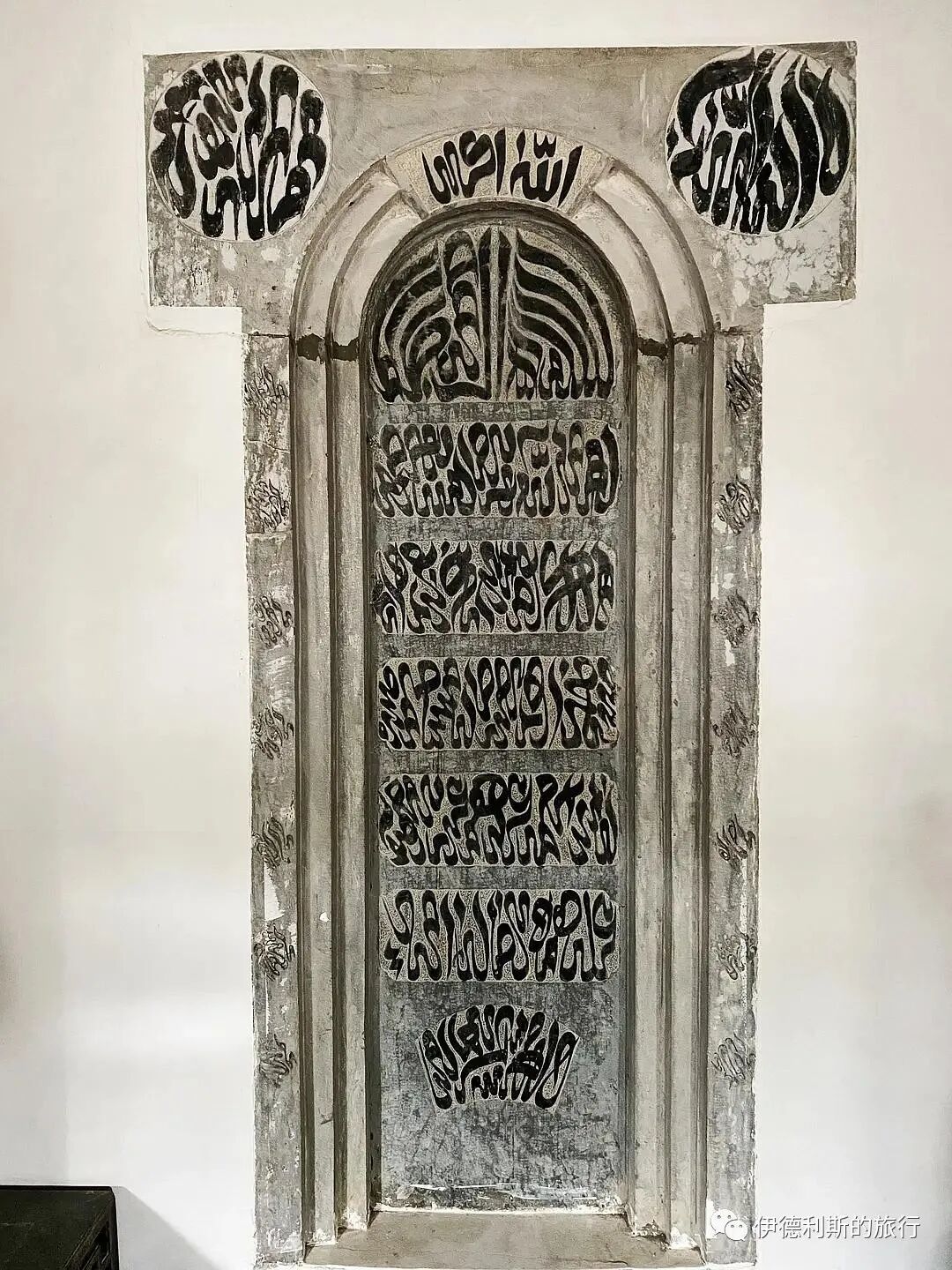
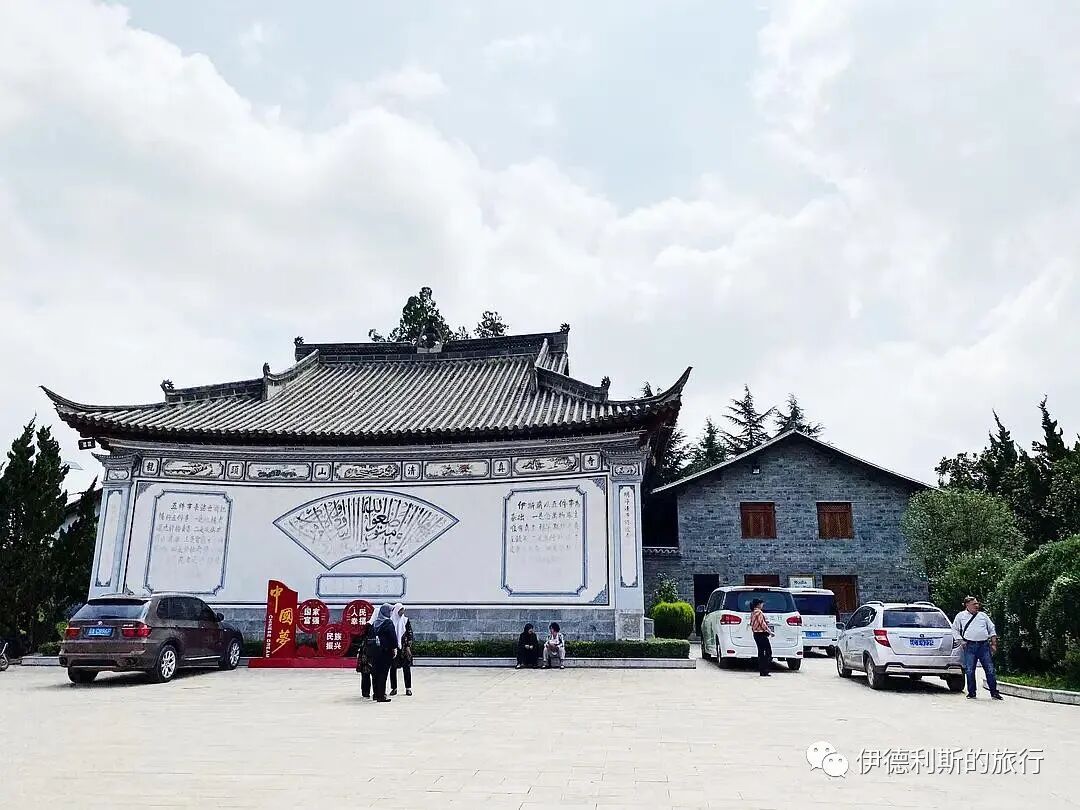
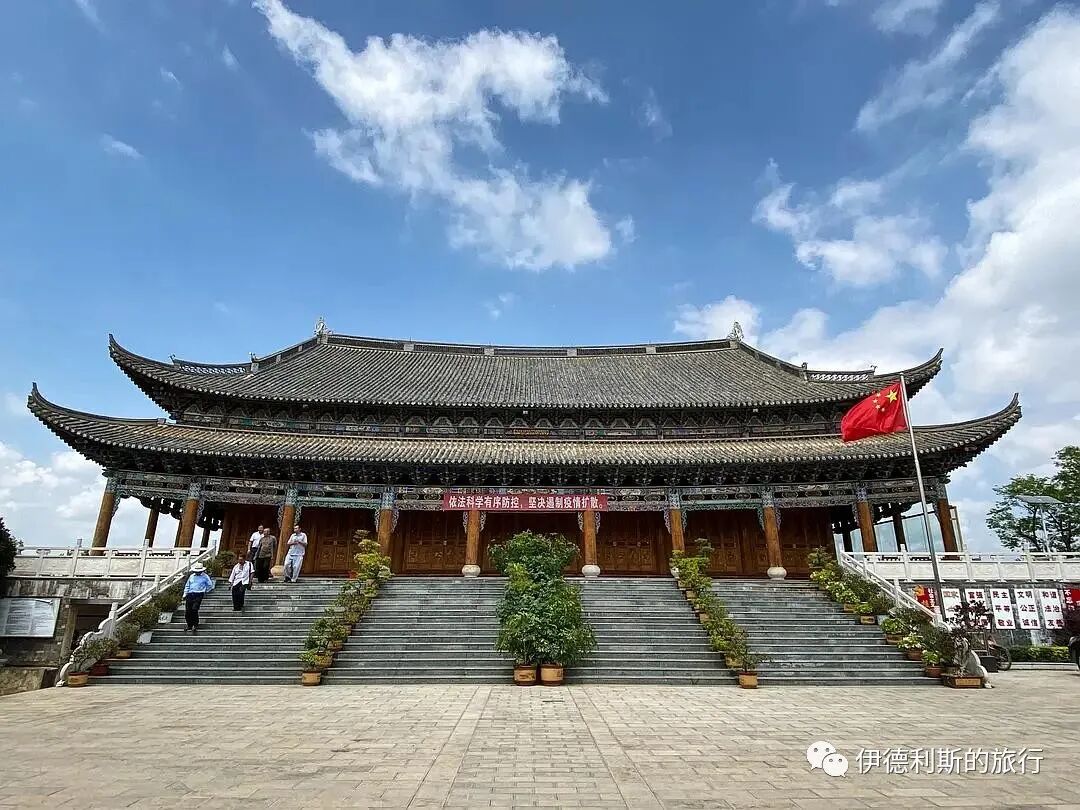
The newly built main hall of Longtoushan is a full wooden structure, very spectacular, and can be seen from a very long distance. I very much approve of this practice of building a new main hall not far away without destroying historical architectural relics. In recent years, I have seen too many behaviors of tearing down centuries-old protected cultural relics just to build new main halls.
3. Chachong Mosque: 1734
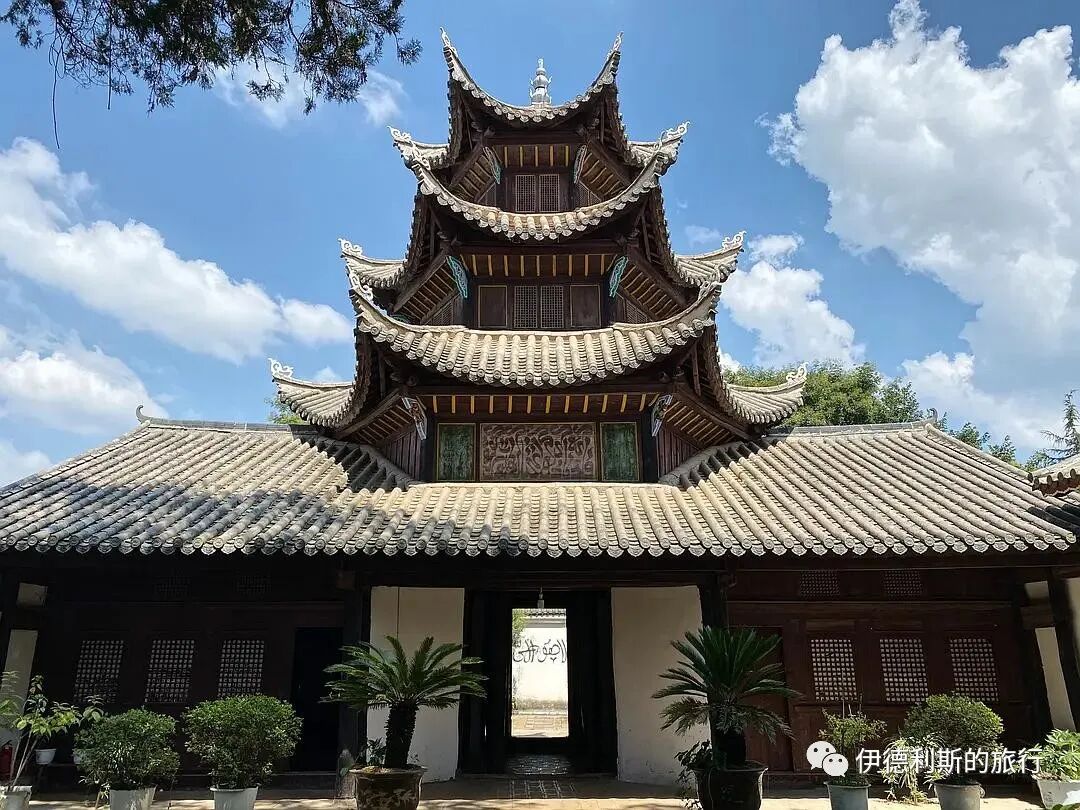
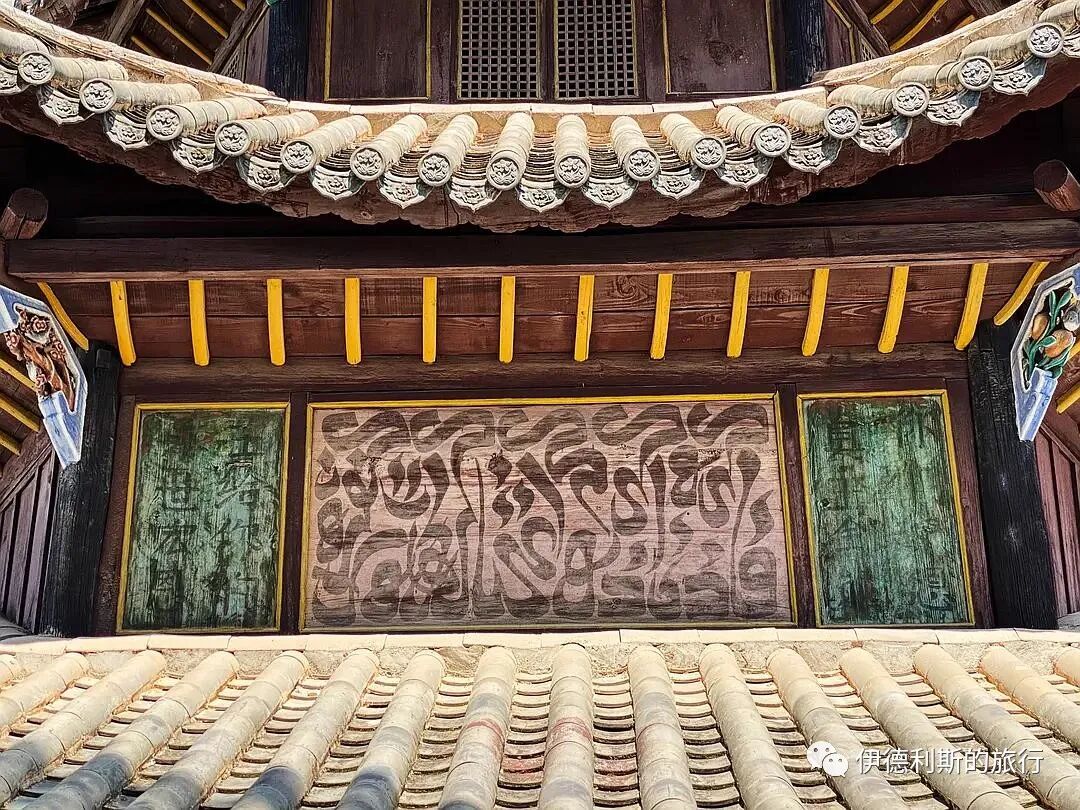
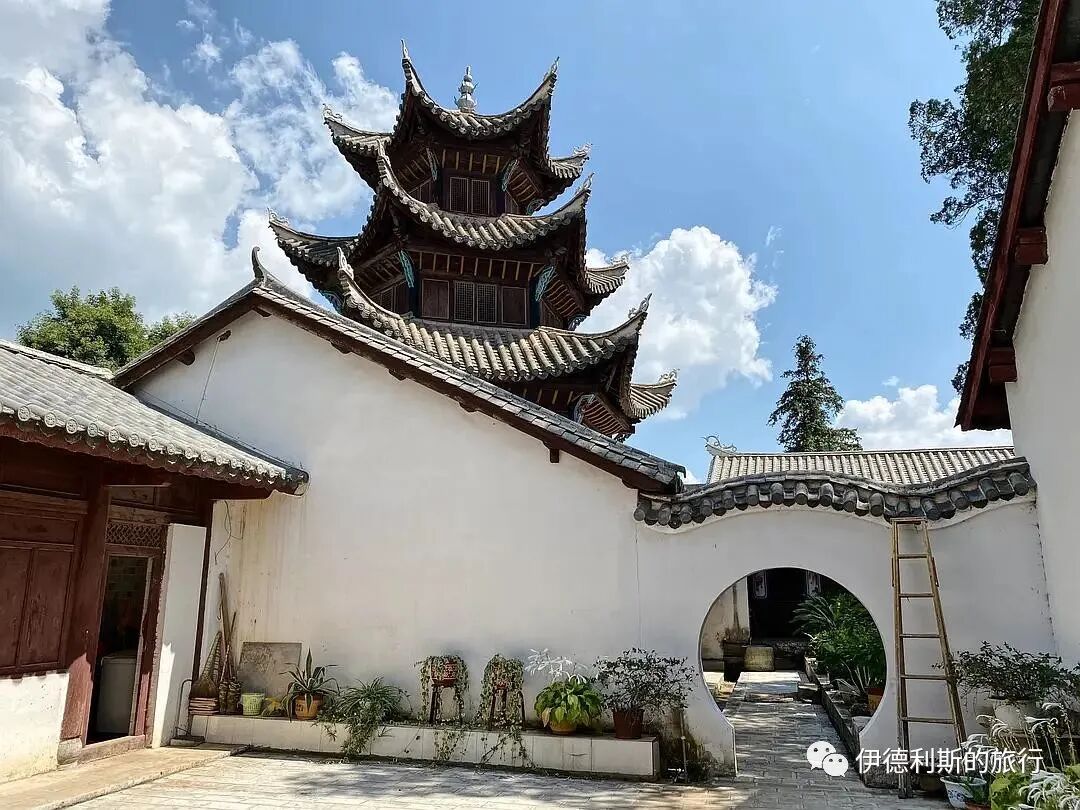
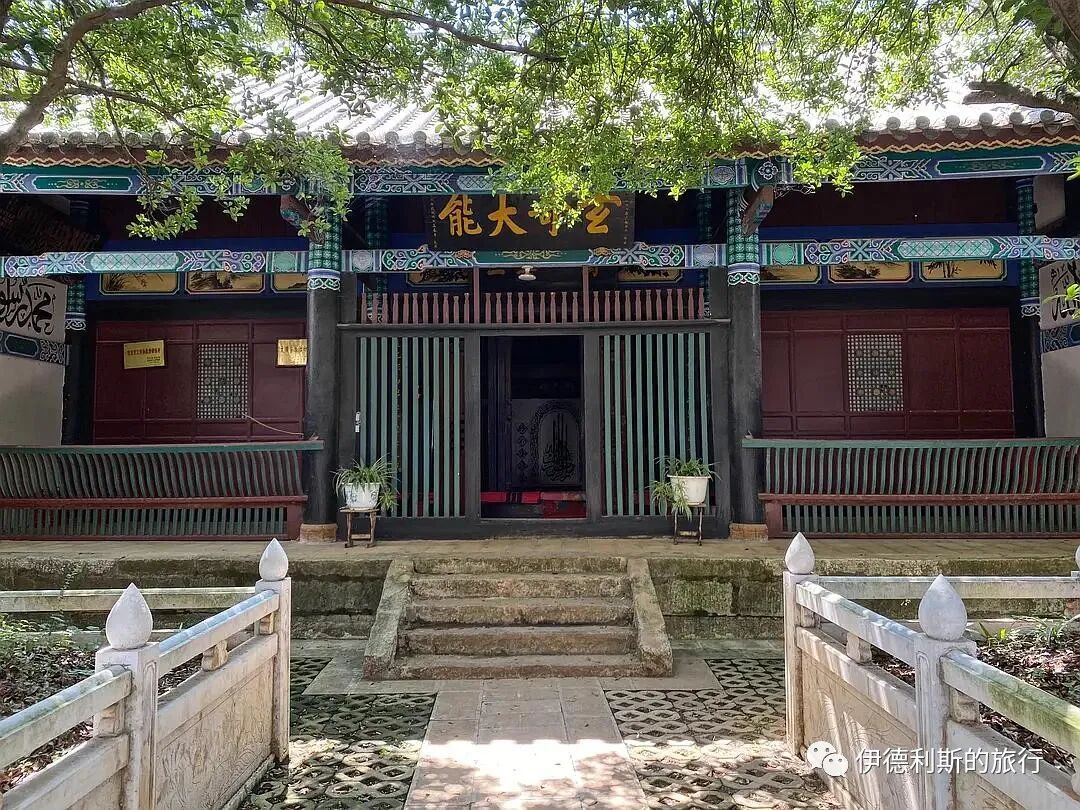
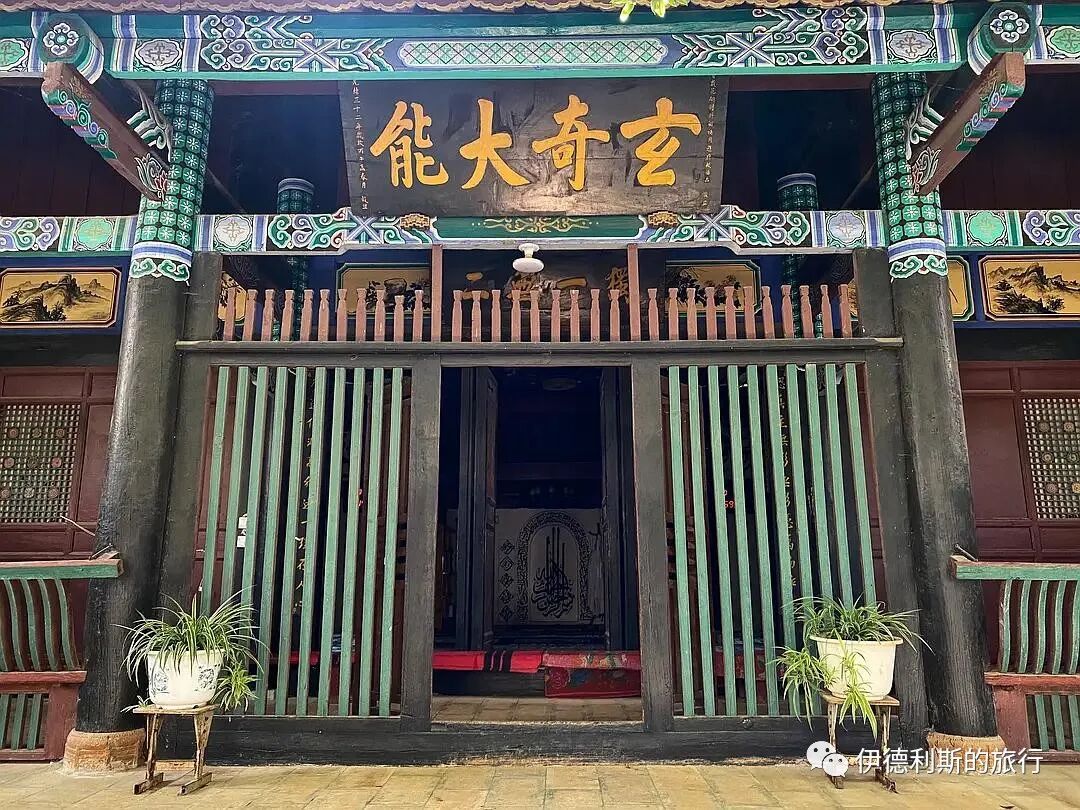
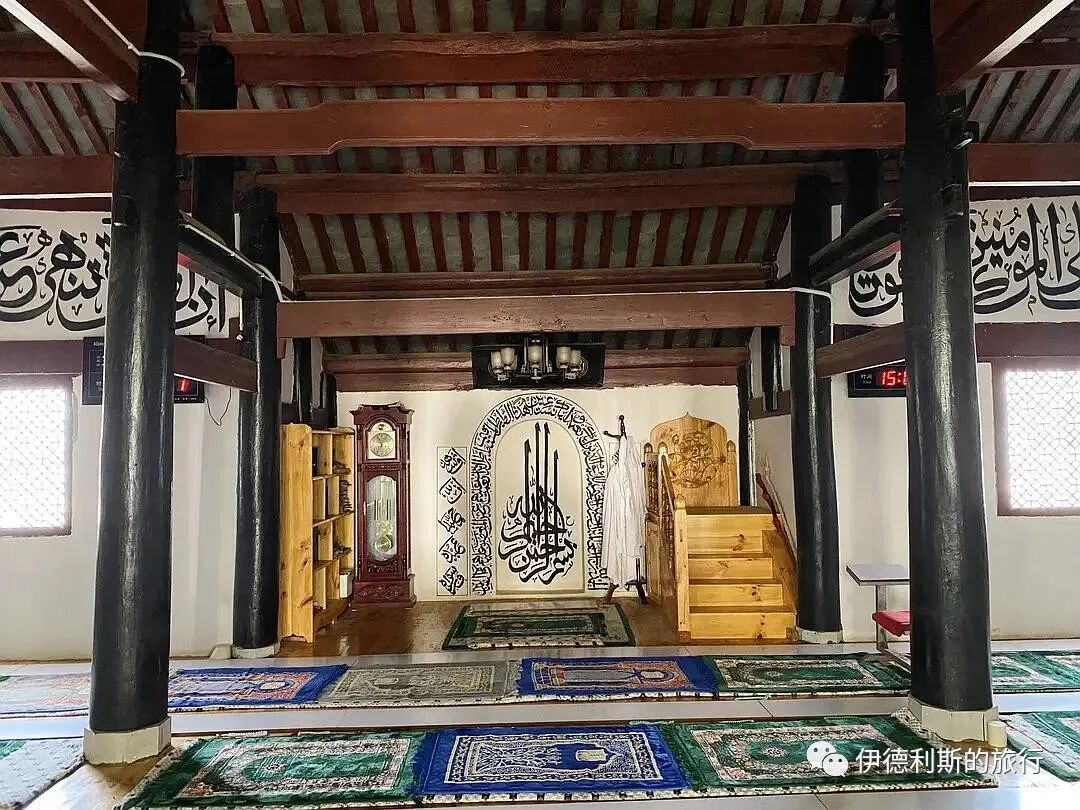
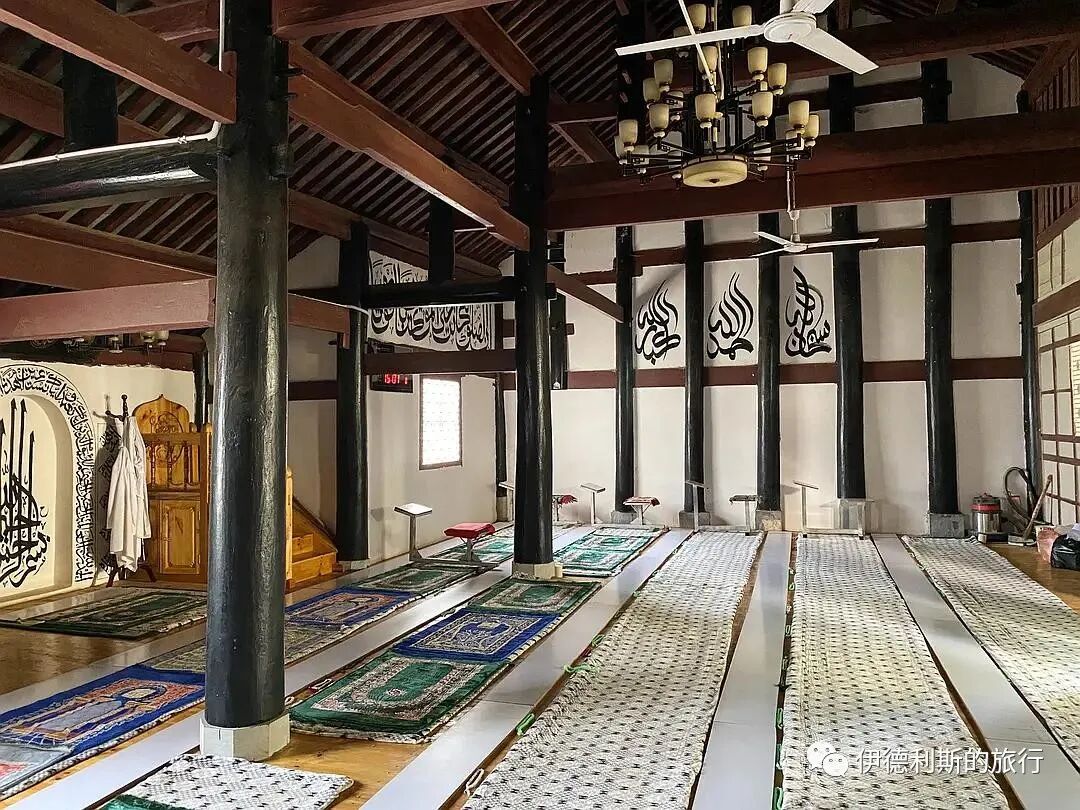
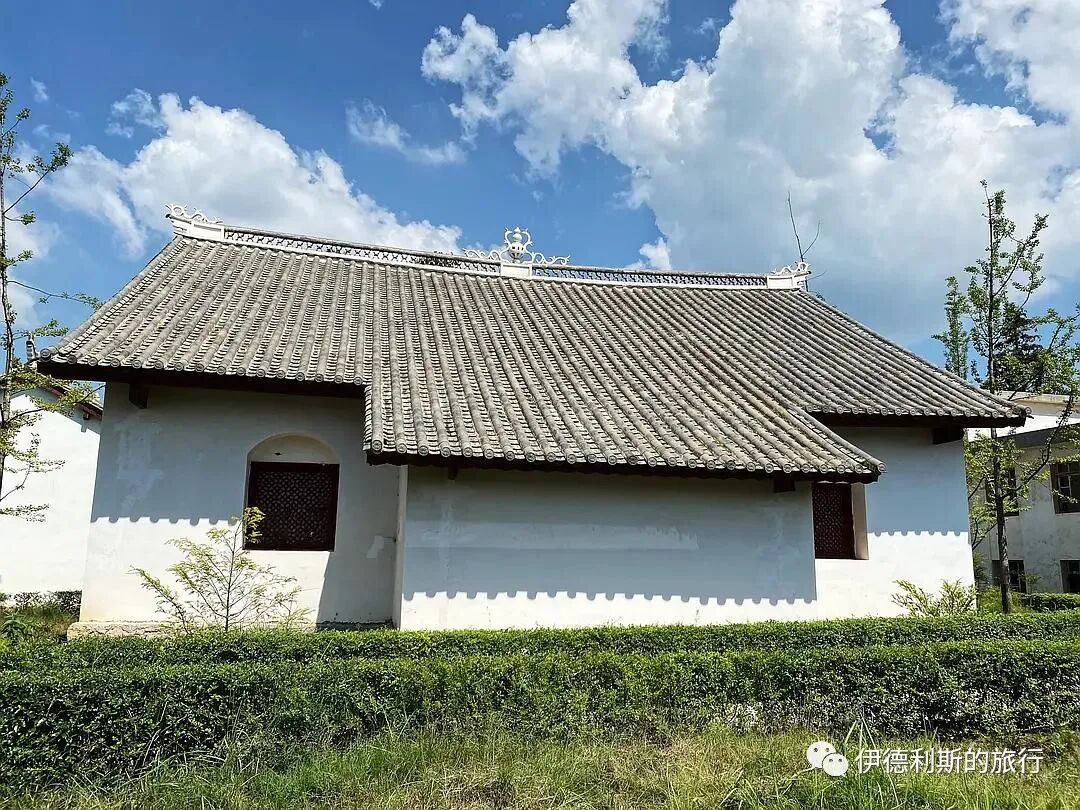
After leaving the Longtoushan Mosque, we went to another ancient mosque in Ludian, the Chachong Mosque. The Chachong Mosque was built in 1734. Like the Tuogu Great Mosque, the Huanxing Lou is a three-story, hexagonal, pointed-roof pavilion-style building, but it is slightly smaller in size. Hanging at the entrance of the main hall is a plaque inscribed with 'Xuan Qi Da Neng' (Mysterious and Great Power), respectfully erected in 1906 by Sa Depin.
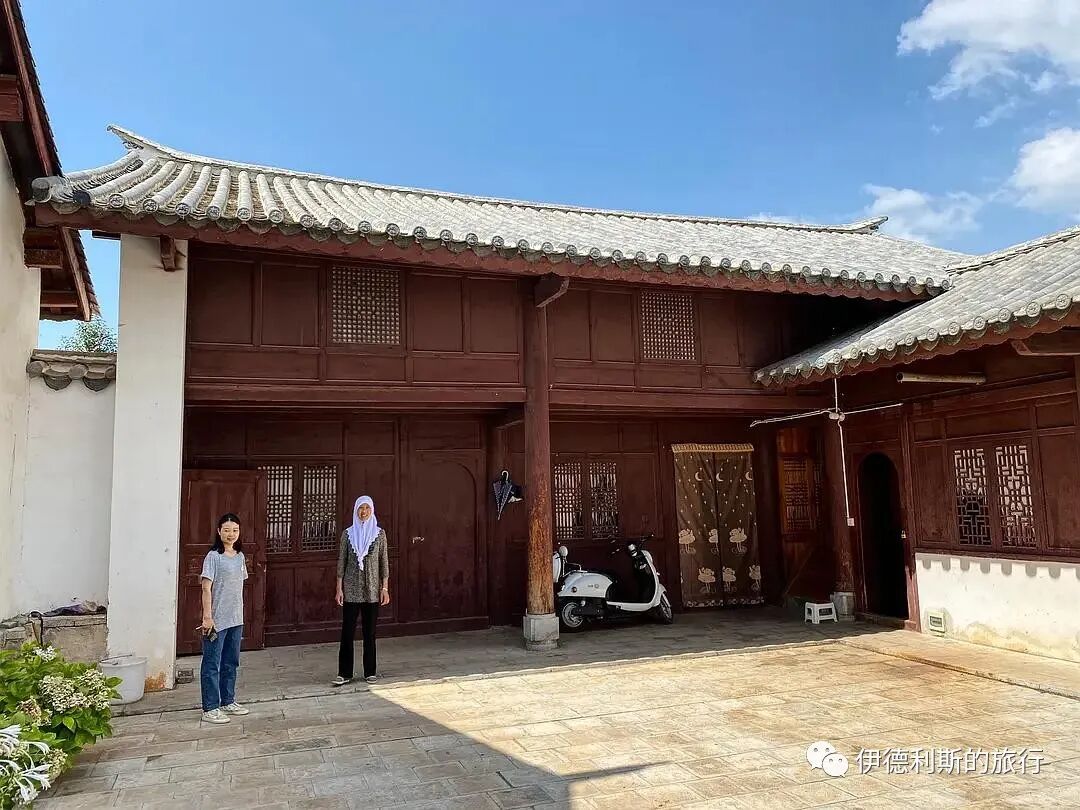
The Chachong Mosque is also very beautiful, but its popularity is not as high as the surrounding Tuogu Mosque and Longtoushan Mosque. When we visited, the Imam happened to have gone to the Longtoushan Mosque for a Ziyarah (a visit to a holy site), and the Imam's daughter was an acquaintance of Sister Azi, so we chatted very happily.
4. Tiejiawan Mosque: 1738
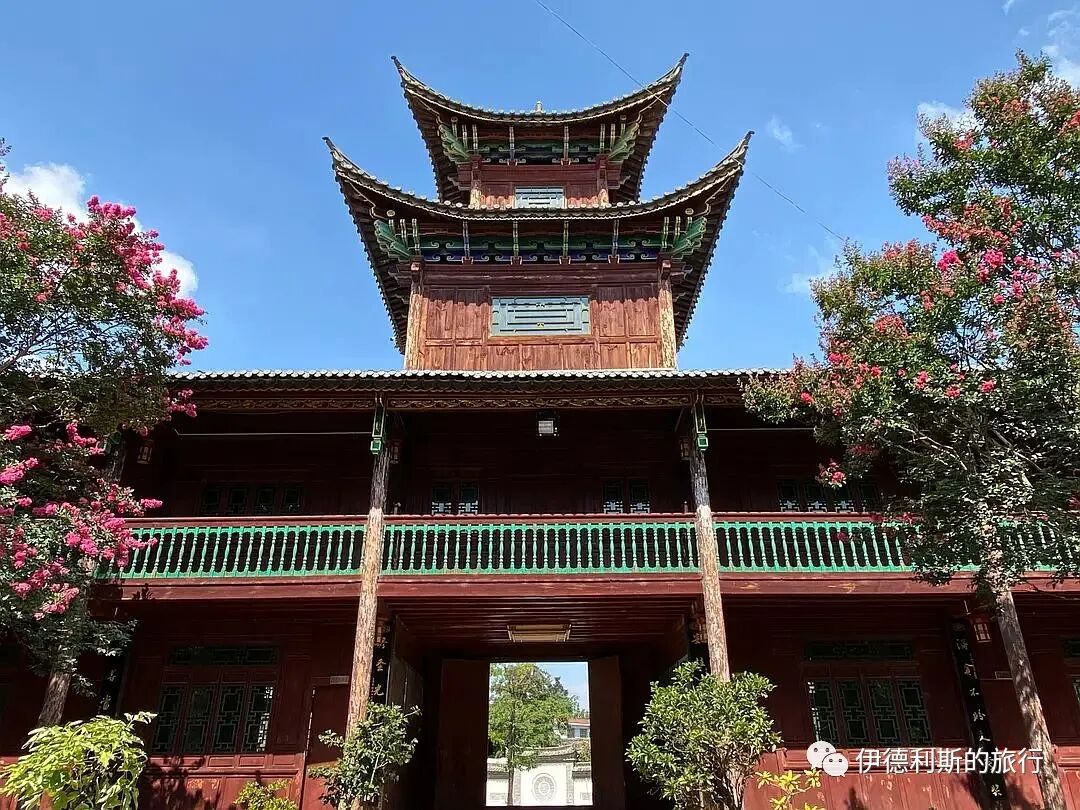
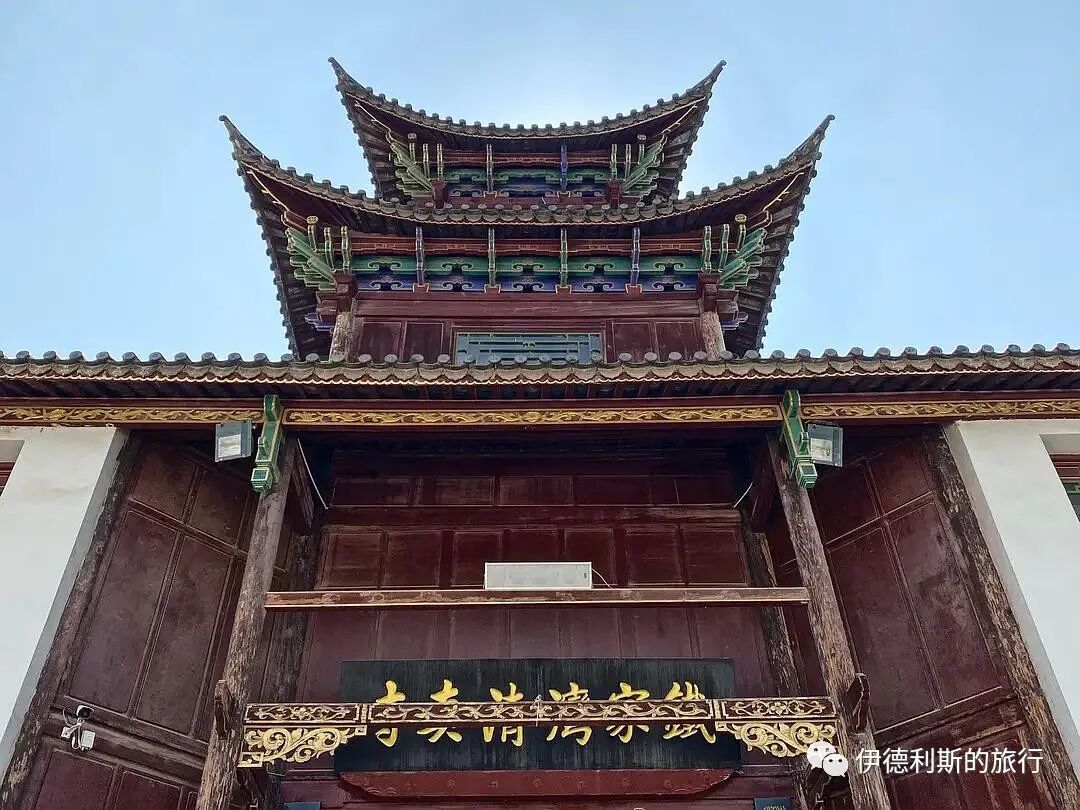
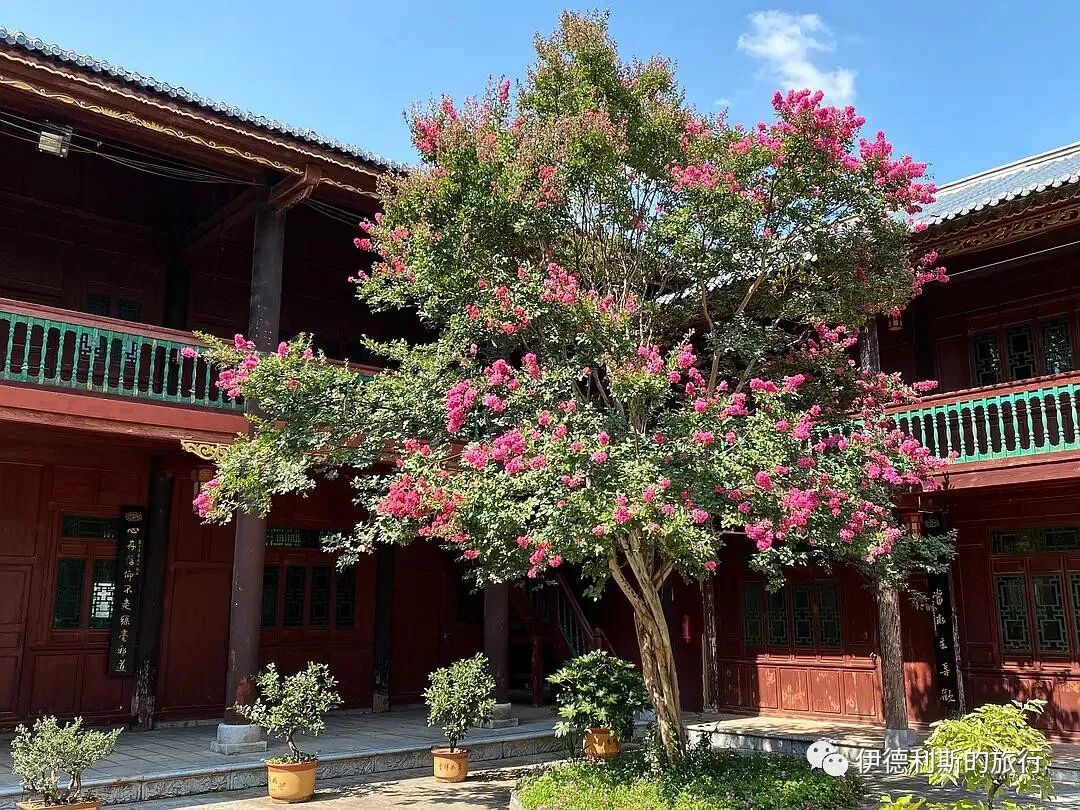
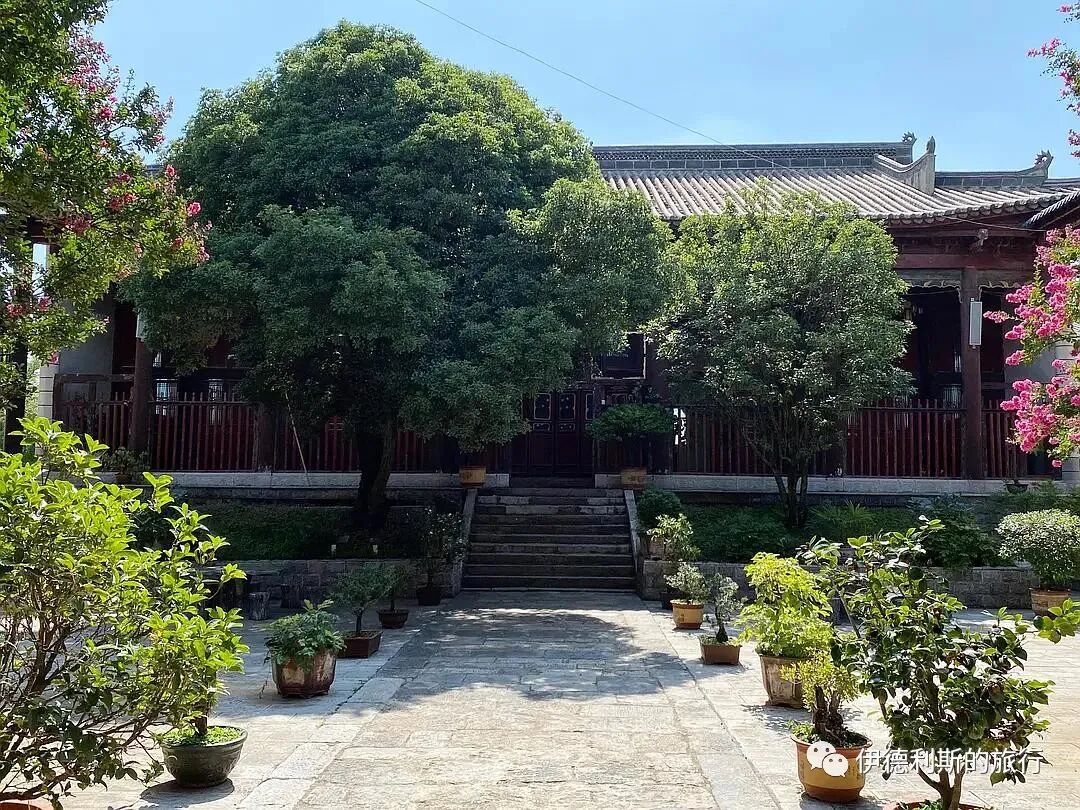
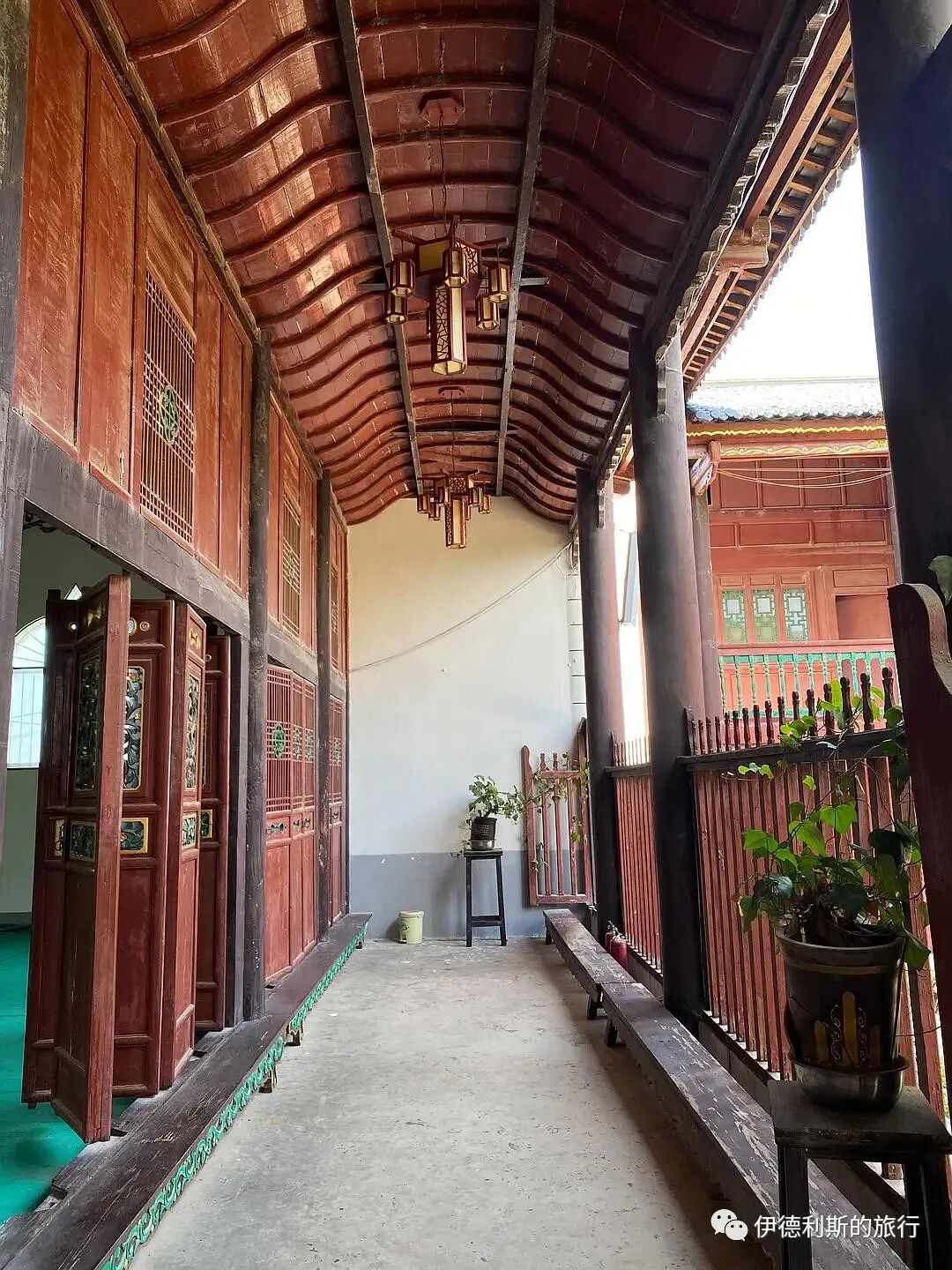
From the Chachong Mosque, we continued to the Tiejiawan Mosque. In 1731, the Tie family came to settle in the northeast area of Taoyuan Bazi in Ludian. In 1738, Tie Wanxuan discussed with Tie Wanjin and Tie Zhongxuan to build the Tiejiawan Mosque on the top of a small hill between the two villages of Tiejiawan and Tiejiamen, and Tie Wanxuan served as the Imam.
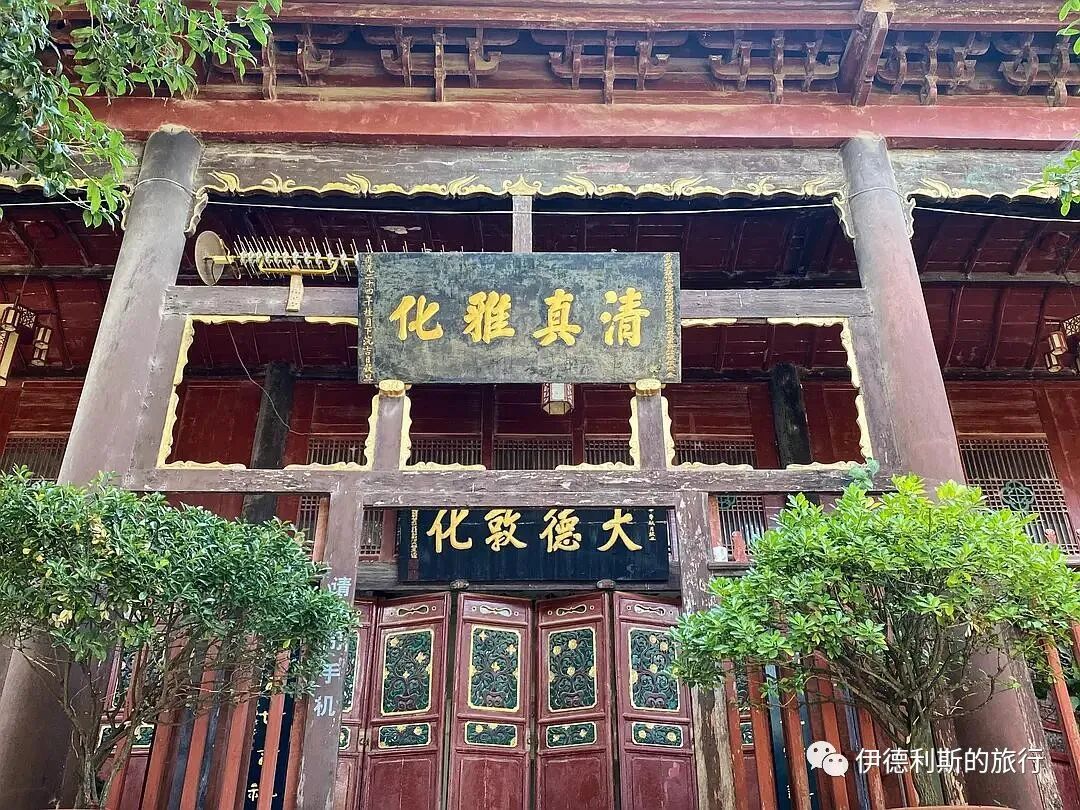
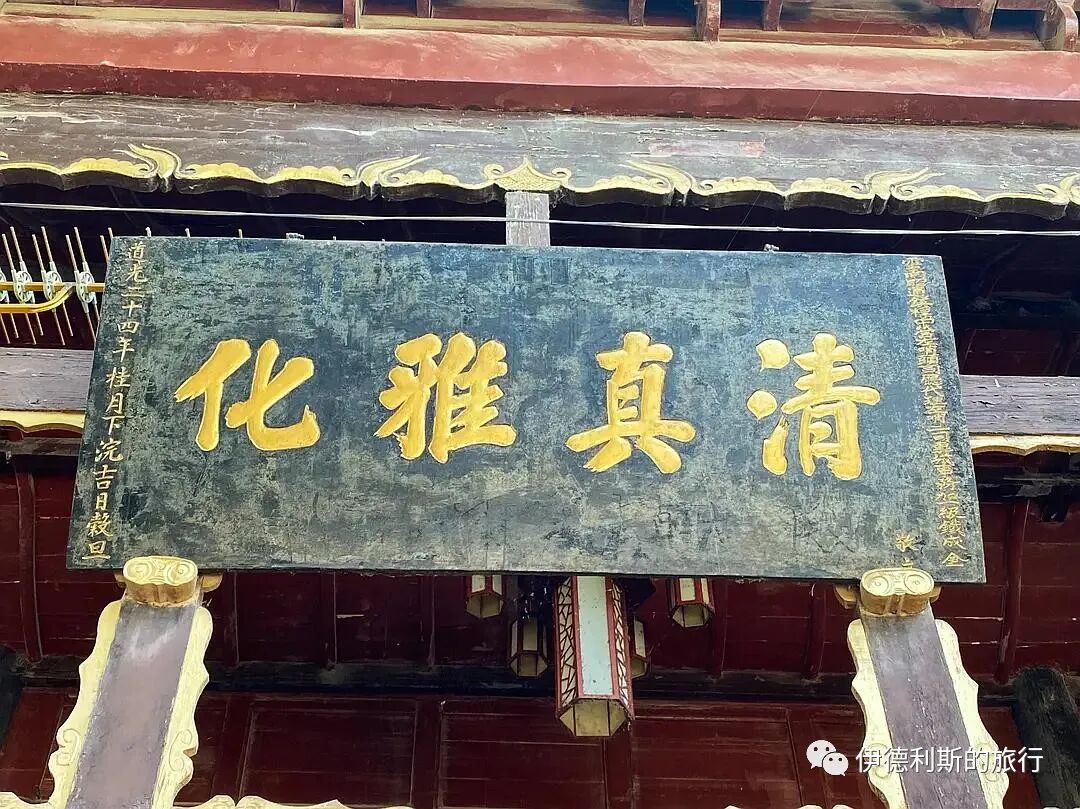
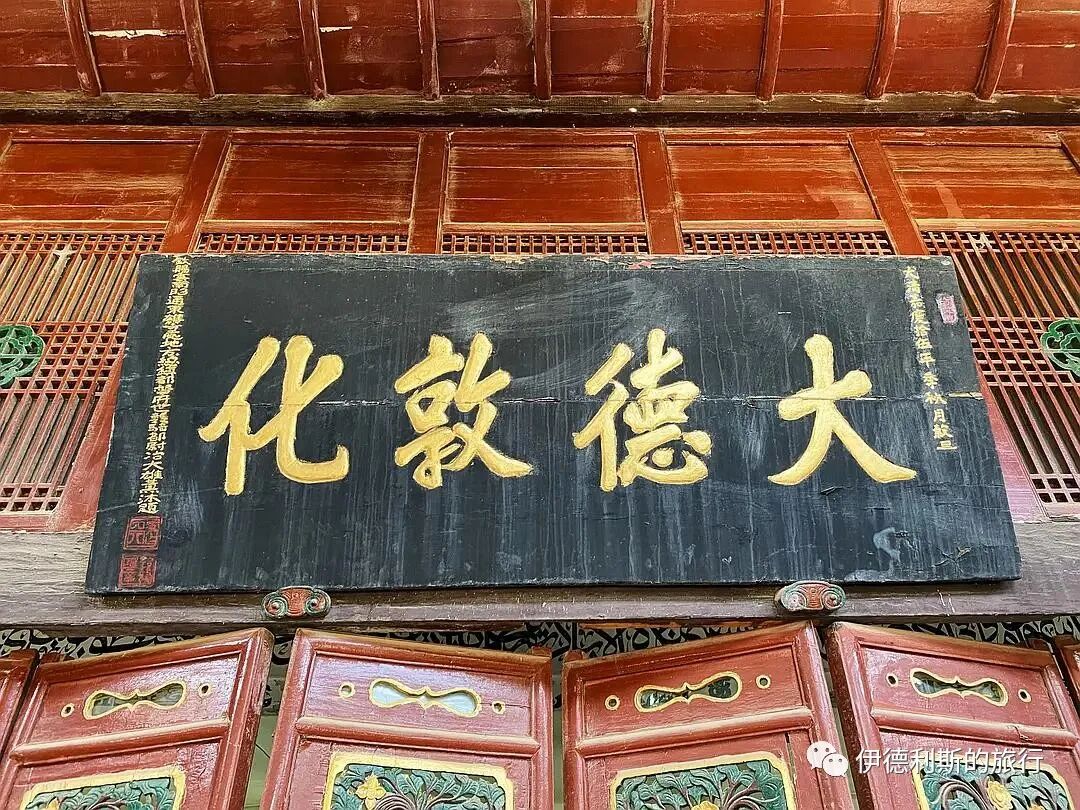
Hanging at the entrance of the main hall is a plaque inscribed with 'Da De Dun Hua' (Great Virtue and Honest Transformation), gifted in 1810 by Ye Daxiong, the hereditary Qiduwei and local military commander of Zhaotong, Yunnan, as well as a plaque inscribed with 'Qing Zhen Ya Hua' (Pure and True Elegant Transformation) respectfully erected in 1844 by Tie Chengjin, the head of the Zhaotong Left Guard.
5. Baxian Great Mosque: 1779
In the evening, we returned to Zhaotong from Ludian and went to the most famous Baxian Great Mosque in Zhaotong.
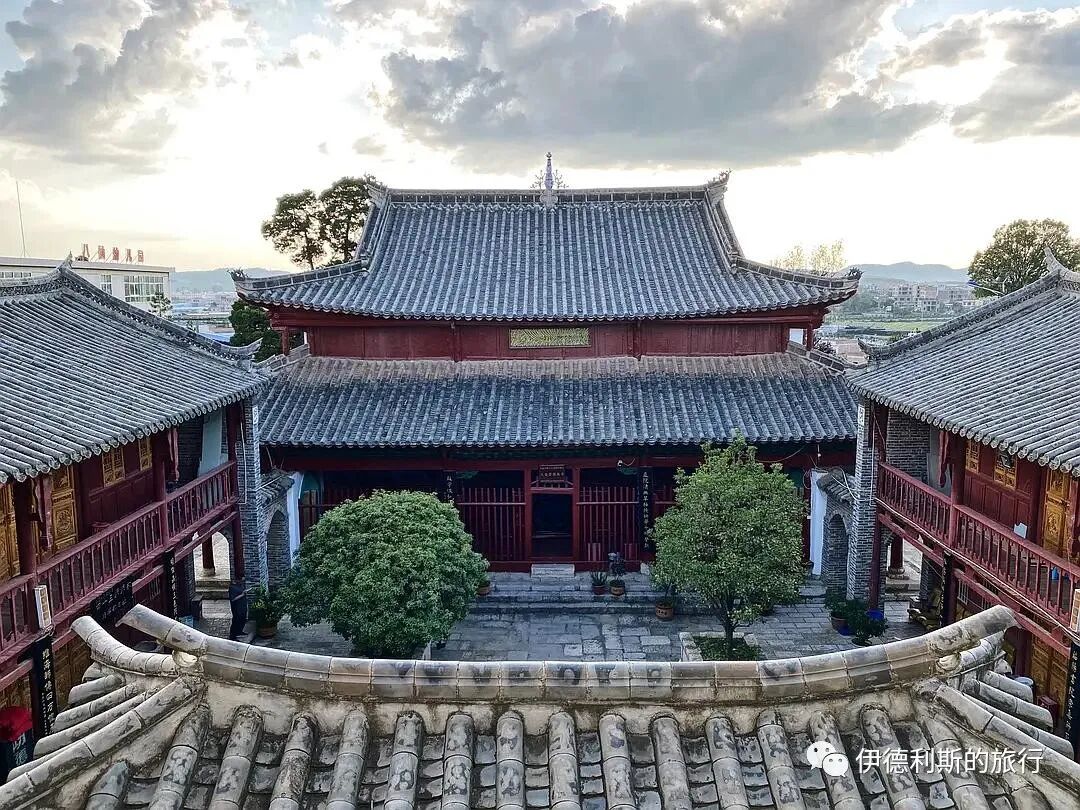
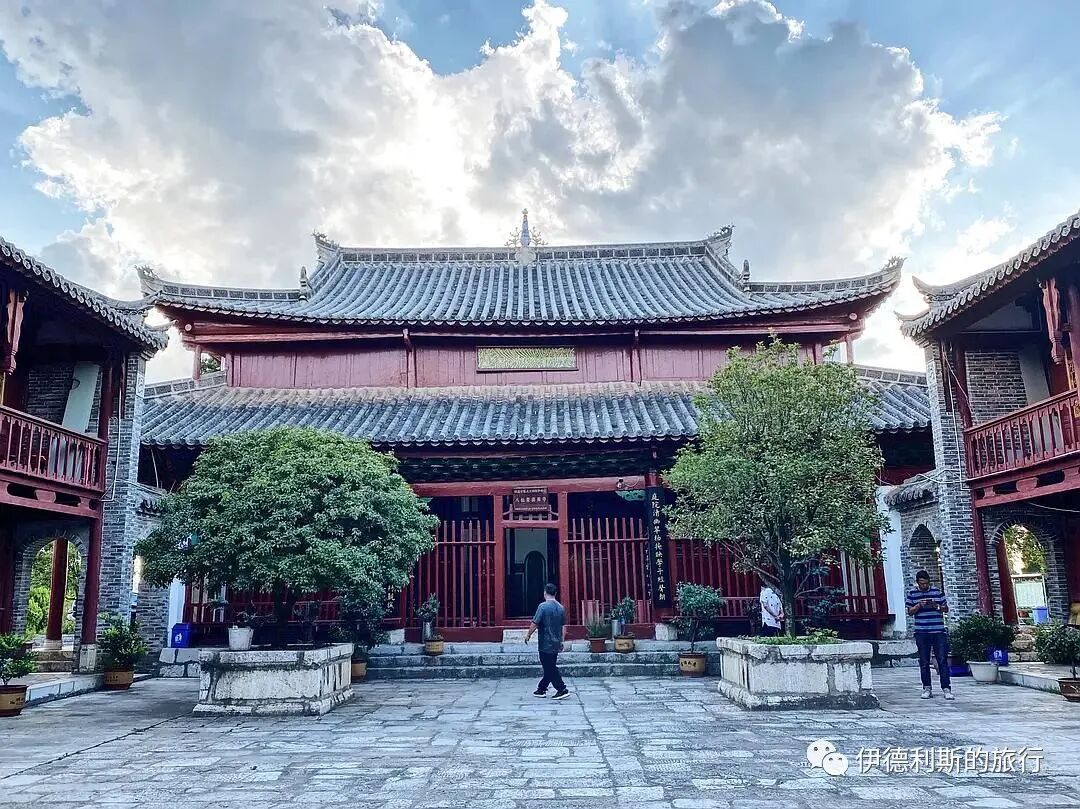
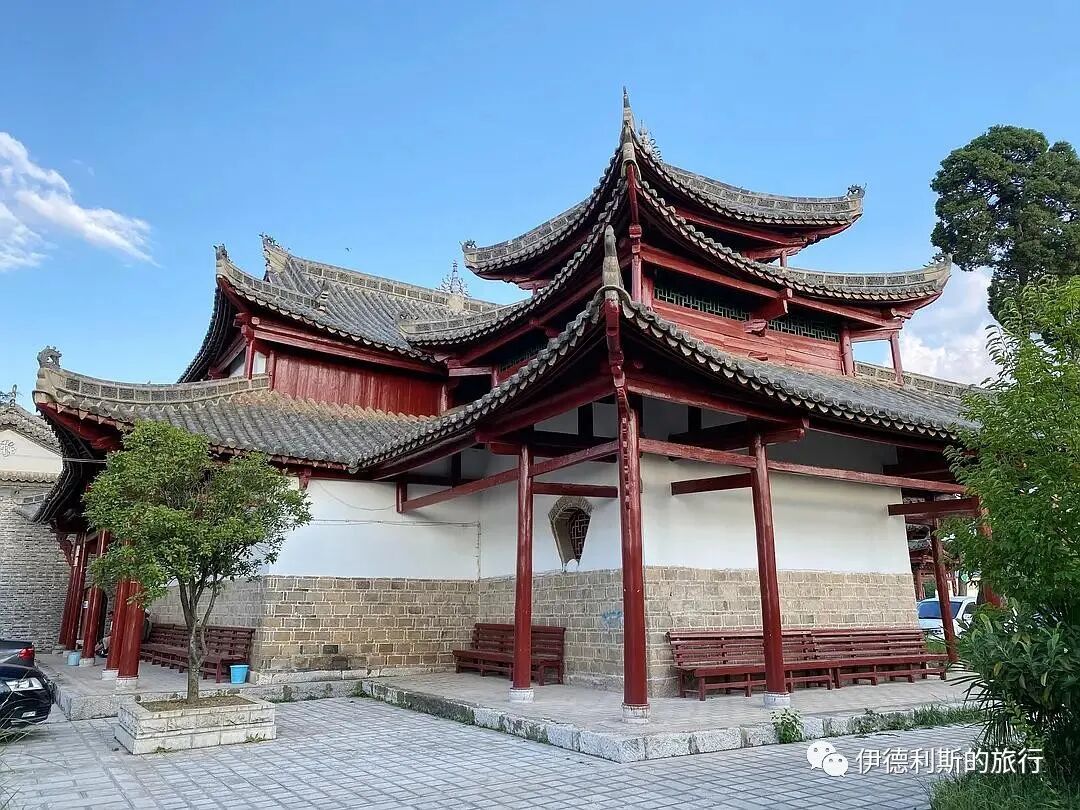
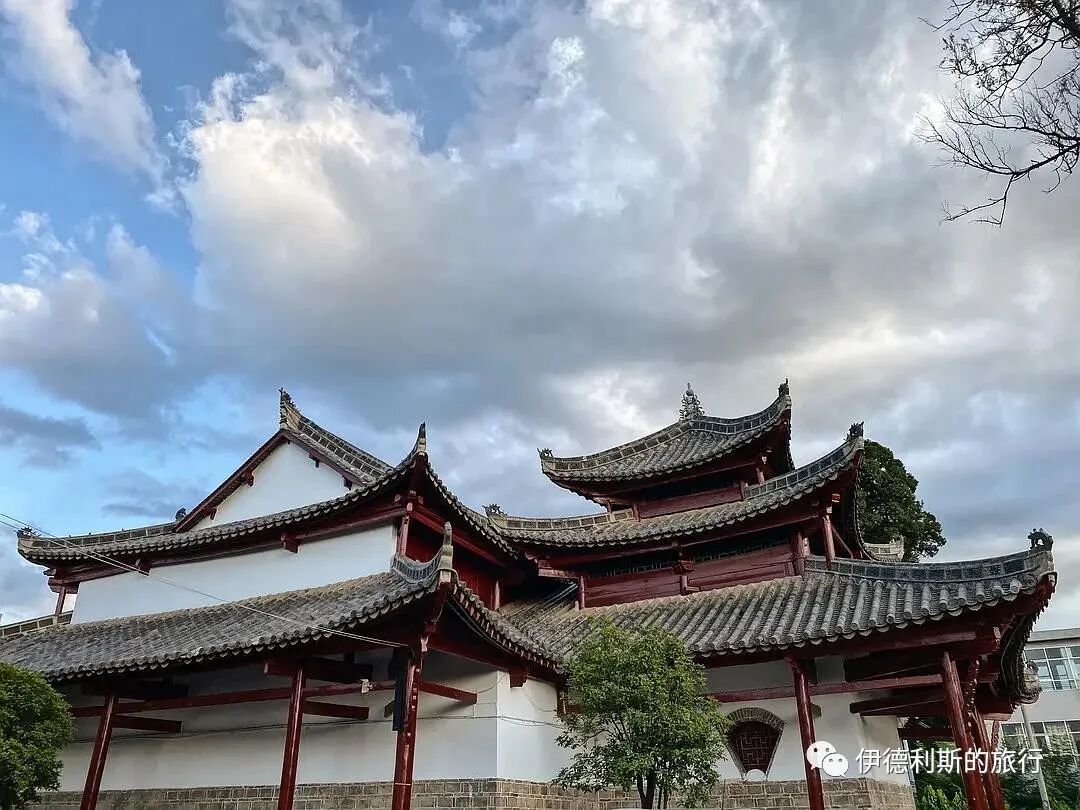
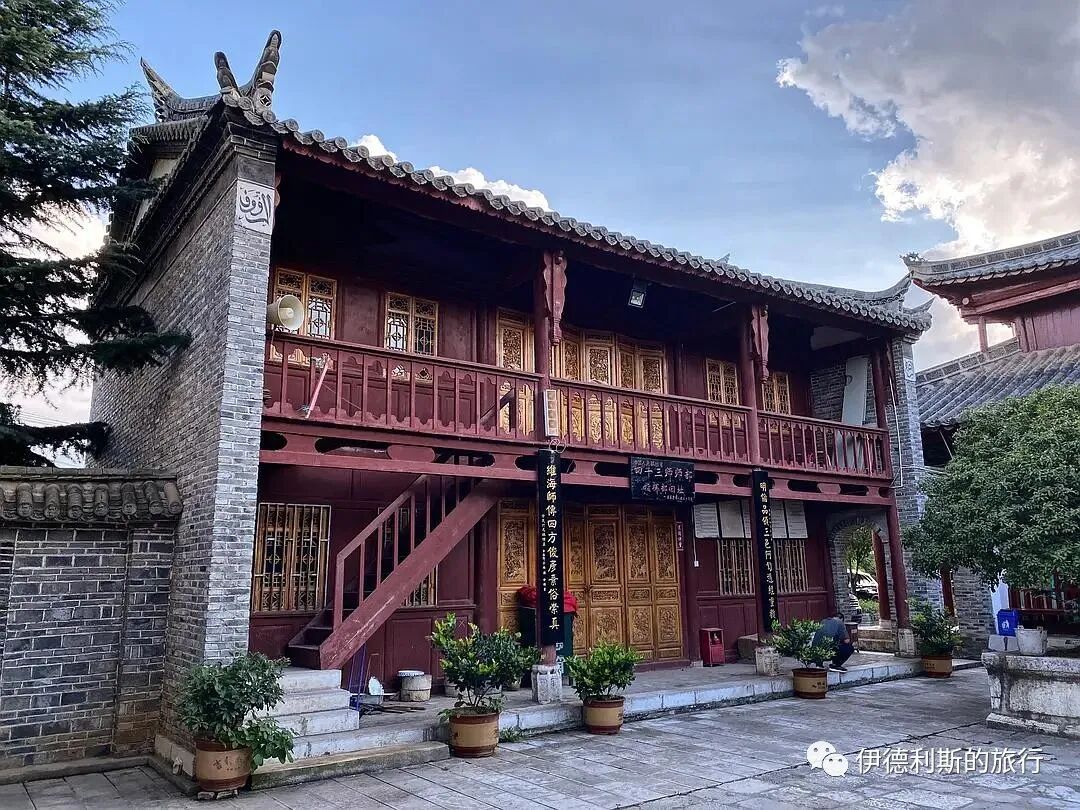
The Baxian Great Mosque was first built in 1731 and rebuilt in 1779. In 1730, when Wumeng was first pacified, the old city of Zhaotong was desolate. The main camp was temporarily set up at the Baxian Great Mosque, and the first academy after Zhaotong's Gaitu Guiliu—Zhaoyang Academy—was founded at the Baxian Great Mosque the following year. In 1898, the Baxian Great Mosque hired the great Imam Ma Minglun as the Imam, and he was elected as the General Imam by the thirty-six mosques in Zhaoweilu (Zhaotong, Weining, and Ludian).
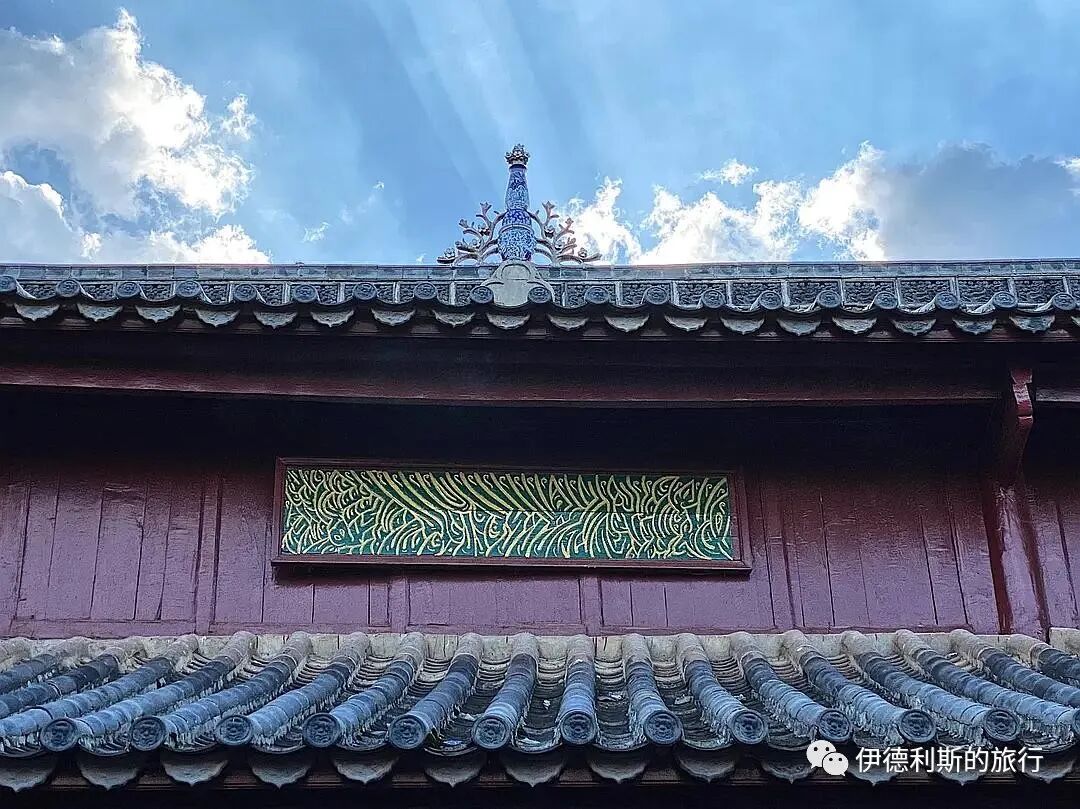
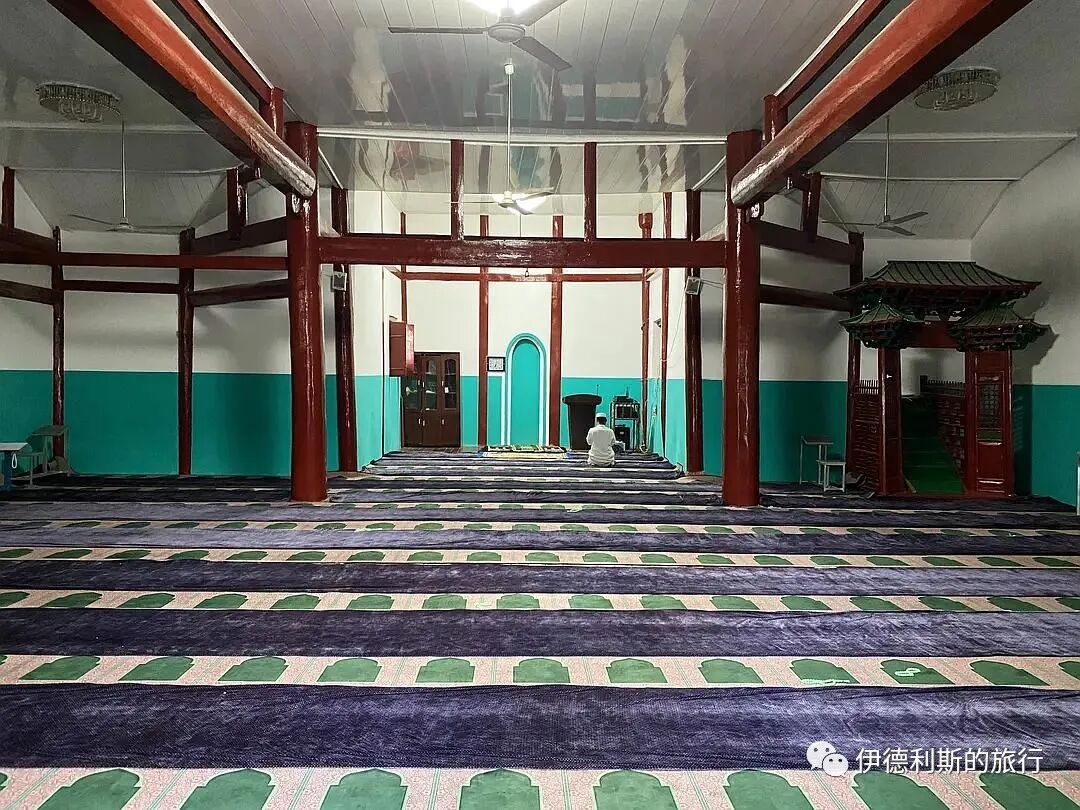
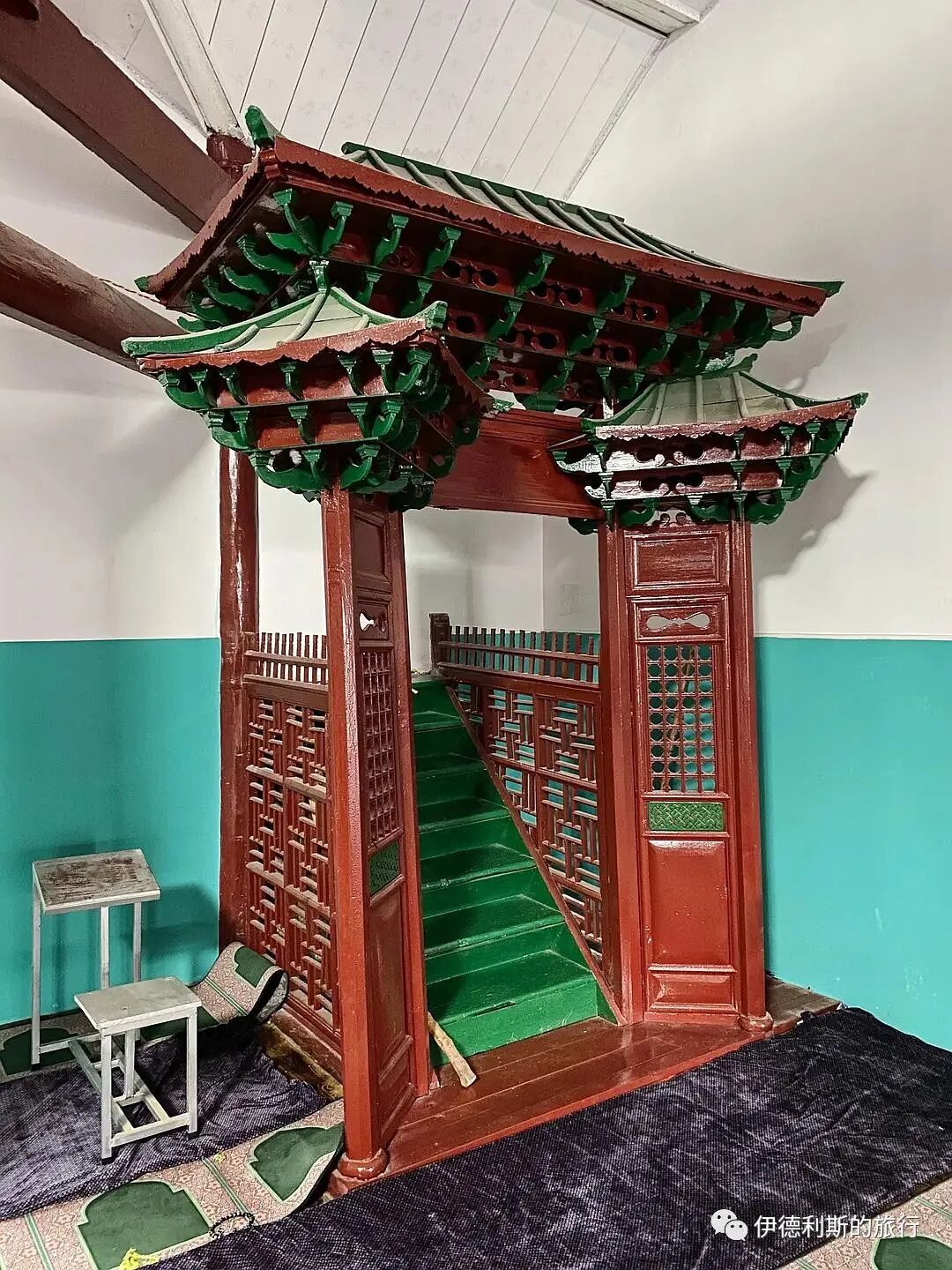
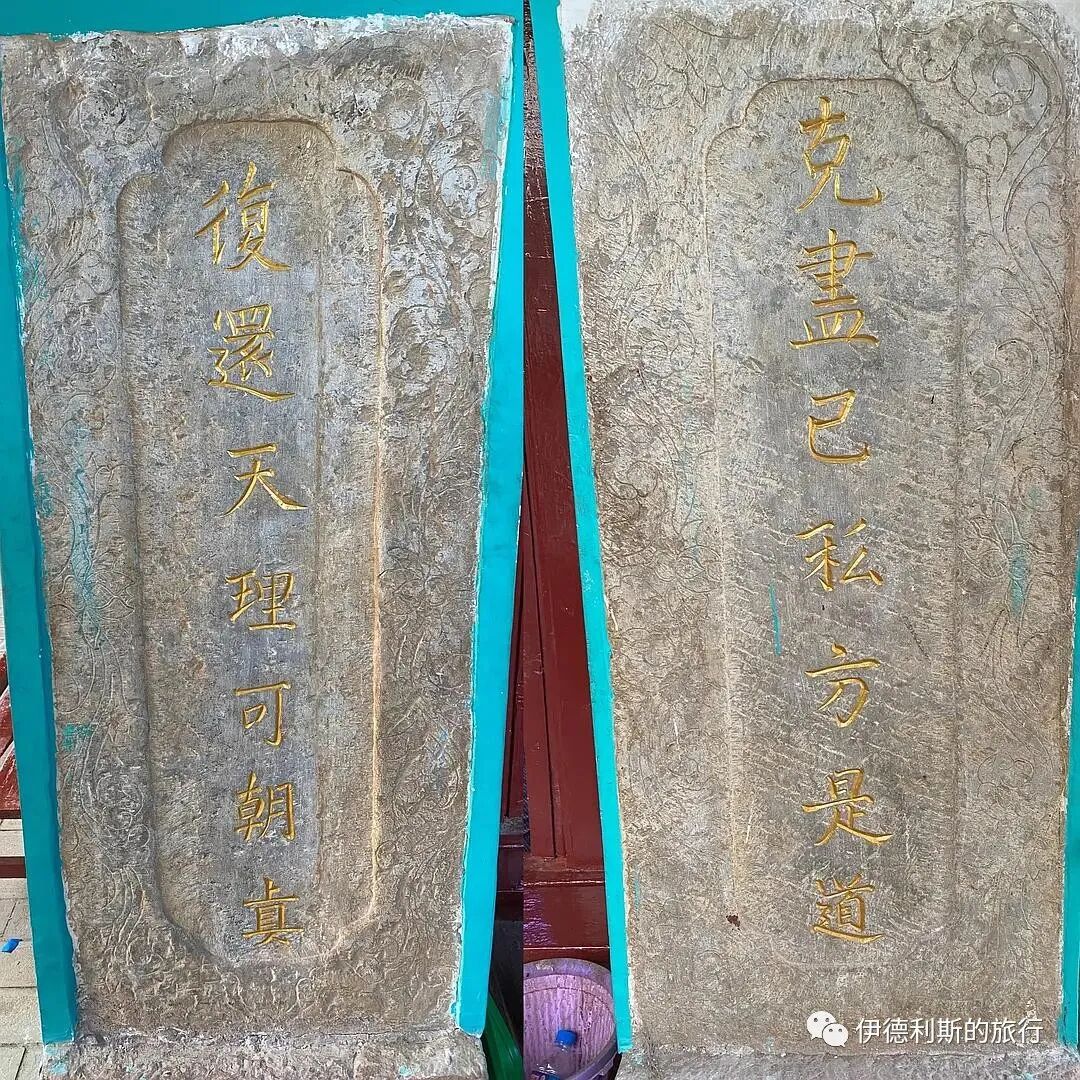
On both sides of the mosque's main hall, there are stone-carved couplets: 'Only by overcoming one's own selfishness can one be on the path, and only by returning to the heavenly principles can one worship the Truth.' Above the main hall, there is a very distinctive Arabic wooden plaque inscribed with verses 43-44 of Chapter 43 of the Quran. Behind the main hall is a three-tiered, four-cornered, pointed-roof kiln hall.
6. Songjiashan Mosque: 1730
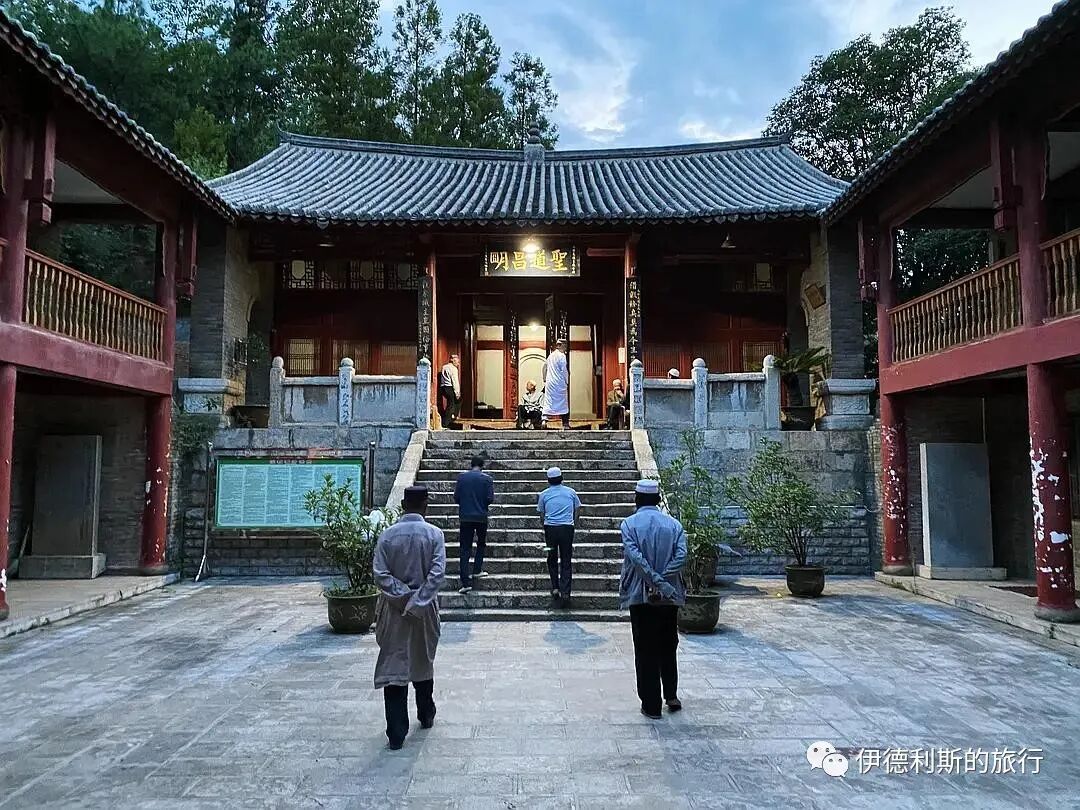
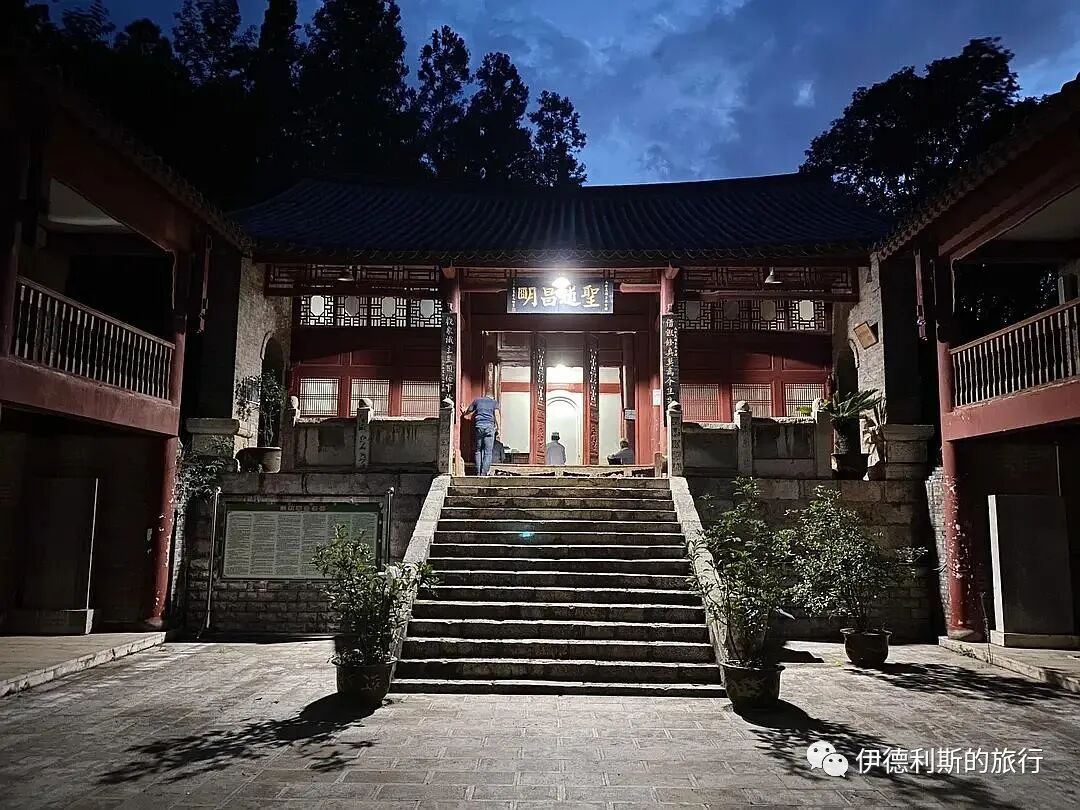
In the evening, we performed the Maghrib (evening prayer) at the Songjiashan Mosque. It was still evening when we entered the hall, and it was dark when we came out.
The Songjiashan Mosque is not far from the Baxian Great Mosque and is also a very beautiful ancient mosque. During the Gaitu Guiliu in Zhaotong in the early years of the Yongzheng reign, a branch of the Ma family from Xiaba, Weining, followed General Ha Yuansheng, who led the army to pacify Wumeng, to Zhaotong. They eventually settled in Baxianhai and built the Songjiashan Mosque in 1730. The construction background of the Songjiashan Mosque is the same as that of the Baxian Great Mosque, but because there were fewer people, the scale is not as large as the Baxian Great Mosque.
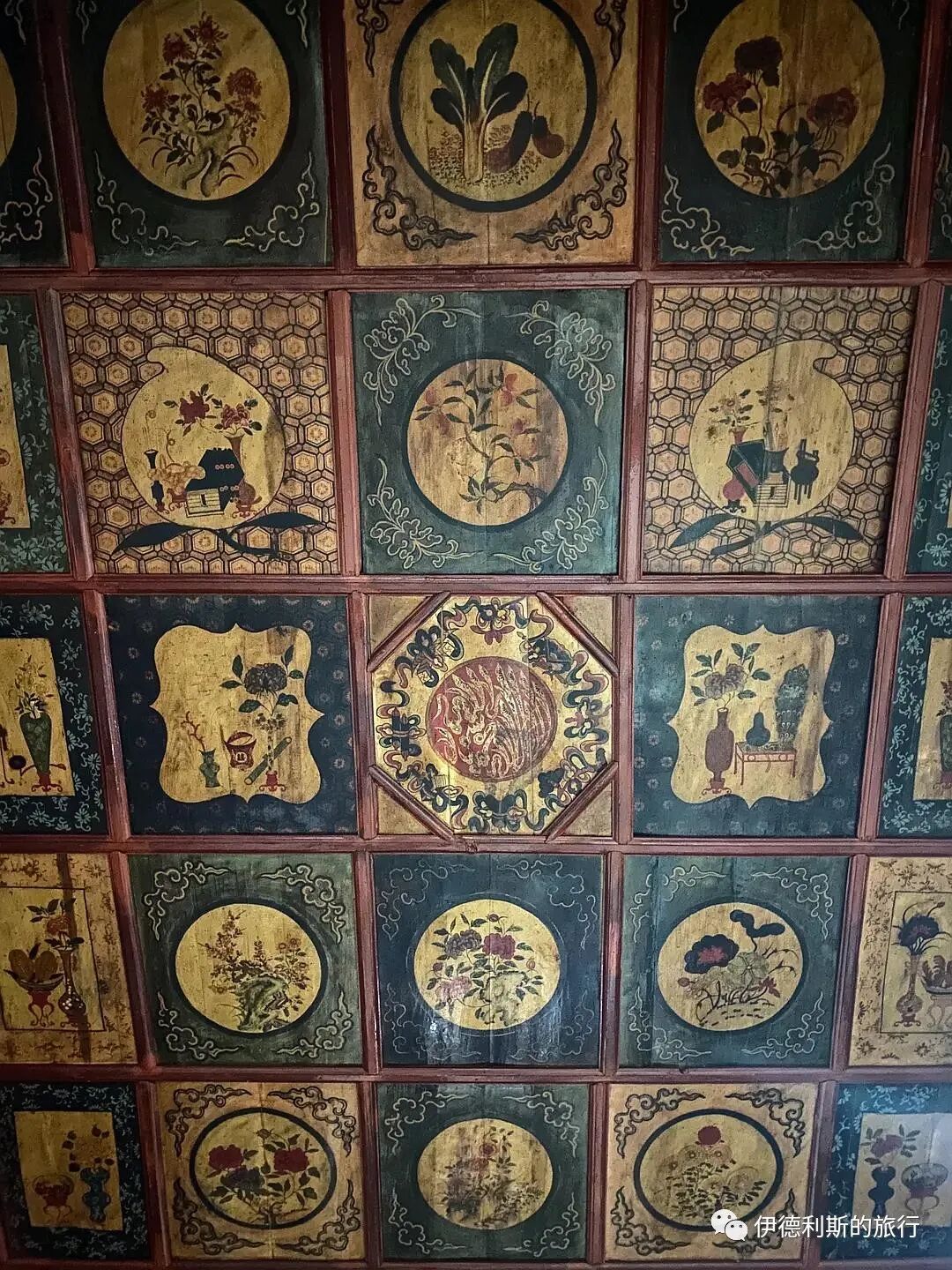
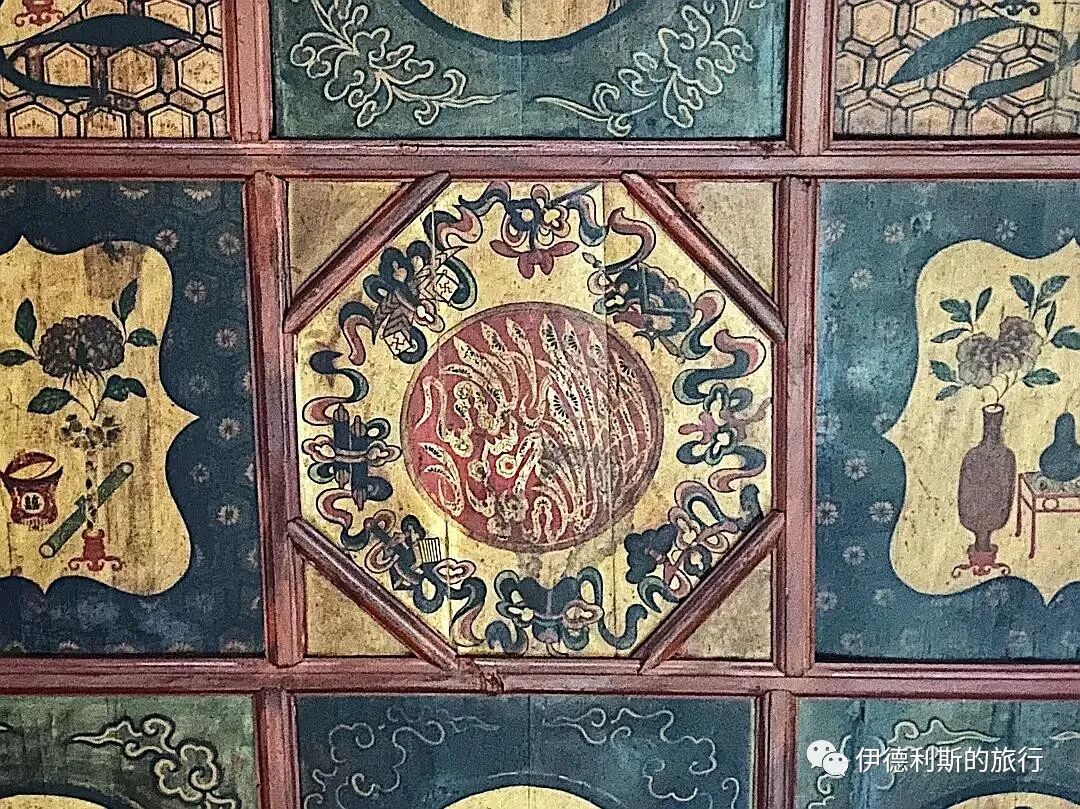
The Songjiashan Mosque began painting the ceiling of the main hall in 1762 and finished the decoration in 1832. It is a very precious artistic treasure inside the mosque.
Summary: This travel note introduces Halal Travel Guide to Zhaotong, Yunnan: Six Traditional Mosques. During my marriage leave in August 2020, Zainab and I went to Zhaotong to travel, and Sister Azi took us to visit Zhaotong's beautiful traditional mosques. It is useful for readers interested in Yunnan Mosques, Hui Muslims, Islamic Heritage.
During my marriage leave in August 2020, Zainab and I went to Zhaotong to travel, and Sister Azi took us to visit Zhaotong's beautiful traditional mosques.
During the Ming Dynasty, Zhaotong belonged to the Wumeng Tufu (a local administrative office), which was managed by Yi ethnic chieftains. In 1726 (the fourth year of the Yongzheng reign), Ortai, the Viceroy of Yun-Gui, began to implement the 'Gaitu Guiliu' (replacing hereditary local chieftains with government-appointed officials) policy in Wumeng. The Wumeng Tufu raised an army to resist. Ha Yuansheng, the Zhongjun Youji (a military rank), along with Zhongjun Liu Qiyuan, broke through the Wumeng Tufu and the local chieftain leaders, finally completing the Gaitu Guiliu and renaming Wumeng to Zhaotong. Ha Yuansheng was a Hui Muslim whose ancestral home was Hejian, Hebei. During the Gaitu Guiliu period, some Hui Muslim soldiers followed Ha Yuansheng into Zhaotong, and after the war ended, they settled down by 'claiming land and registering their households'.
After Wumeng was pacified in 1732 (the tenth year of the Yongzheng reign), the population decreased sharply due to the war. The new Viceroy of Yun-Gui, Gao Qizhuo, ordered the reclamation of wasteland for farming. Hui Muslims from the nearby Weining area in Guizhou moved their families and villages into Zhaotong to claim land. The Hui Muslim population in Zhaotong increased significantly, and most of the existing traditional mosques were built during this period.
1. Tuogu Great Mosque: 1730
2. Longtoushan Mosque: 1746
3. Chachong Mosque: 1734
4. Tiejiawan Mosque: 1738
5. Baxian Great Mosque: 1779
6. Songjiashan Mosque: 1730
1. Tuogu Great Mosque: 1730
On the morning of August 10, Sister Azi drove us from Zhaotong to Ludian to start visiting traditional mosques. The first stop was the most famous Tuogu Great Mosque in Ludian.
We were warmly received by Imam Hai at the Tuogu Mosque, and Imam Hai told us in detail about the history and various legends of the Tuogu Mosque.
According to the inscriptions, the Tuogu Mosque's main hall was built in 1730 with funds donated by Ma Xiangqian, a Zhongjun Shiwei (a military guard rank) of Anlong Town, and his brothers, the Juren (a successful candidate in the imperial examinations) Ma Lincan and Ma Linchi. In 1755, at the suggestion of Imam Sai Huanzhang, local fellow believers raised funds to build the Huanxing Lou (Awakening Tower) and other buildings such as the side rooms.
Before entering the mosque, the first thing you see is the hexagonal, three-tiered, pointed-roof style Huanxing Lou, with the three-room wooden 'Wujuan Tang' (Hall of No Fatigue) underneath. Hanging on the Huanxing Lou is a plaque inscribed with 'Pu Ci Wan You' (Universal Mercy for All Things), gifted in 1746 by Ye Daxiong, the Zongbing Guan (a military commander) guarding Zhaotong, Yunnan, and a hereditary Qiduwei (a military title). This plaque was originally hung in the main hall and later moved to the Huanxing Lou.
Imam Hai pointed out to us that there are some ancient fossils on the stone pillars of the Huanxing Lou, which should be unique among mosques in various places.
Passing through the Wujuan Tang is the courtyard, where four ancient cypress trees are planted, and directly opposite is the prayer hall. In the center of the main hall is written 'Happy Paradise', and according to Imam Hai, the eight Arabic calligraphy works around it were written by the second Imam of the mosque, Sai Huanzhang, also known as Sai Lao Baba.
The Mihrab (niche indicating the direction of Mecca) inside the main hall is a kiln-style hall, and the top of the kiln hall is also a pointed-roof pavilion-style structure, echoing the Huanxing Lou from a distance.
A Tabu Xiazi (a box for religious items) from the Qing Dynasty; Imam Hai said it is no longer used because it is too heavy.
A stele inscription from the Qianlong reign.
2. Longtoushan Mosque: 1746
After seeing the Tuogu Great Mosque, we went to another famous ancient mosque building in Ludian, the Longtoushan Mosque, and were warmly received by Imam Ma Liming.
The Longtoushan Mosque was built in 1746, following the traditional Yunnan mosque architectural style, with a courtyard enclosed by the Huanxing Lou, north and south side rooms, and the prayer hall. Unlike the Tuogu Great Mosque, the Mihrab of the Longtoushan Mosque does not have a pointed pavilion on top, and the Huanxing Lou only has four corners and two tiers, making its momentum slightly inferior to the Tuogu Great Mosque.
The newly built main hall of Longtoushan is a full wooden structure, very spectacular, and can be seen from a very long distance. I very much approve of this practice of building a new main hall not far away without destroying historical architectural relics. In recent years, I have seen too many behaviors of tearing down centuries-old protected cultural relics just to build new main halls.
3. Chachong Mosque: 1734
After leaving the Longtoushan Mosque, we went to another ancient mosque in Ludian, the Chachong Mosque. The Chachong Mosque was built in 1734. Like the Tuogu Great Mosque, the Huanxing Lou is a three-story, hexagonal, pointed-roof pavilion-style building, but it is slightly smaller in size. Hanging at the entrance of the main hall is a plaque inscribed with 'Xuan Qi Da Neng' (Mysterious and Great Power), respectfully erected in 1906 by Sa Depin.
The Chachong Mosque is also very beautiful, but its popularity is not as high as the surrounding Tuogu Mosque and Longtoushan Mosque. When we visited, the Imam happened to have gone to the Longtoushan Mosque for a Ziyarah (a visit to a holy site), and the Imam's daughter was an acquaintance of Sister Azi, so we chatted very happily.
4. Tiejiawan Mosque: 1738
From the Chachong Mosque, we continued to the Tiejiawan Mosque. In 1731, the Tie family came to settle in the northeast area of Taoyuan Bazi in Ludian. In 1738, Tie Wanxuan discussed with Tie Wanjin and Tie Zhongxuan to build the Tiejiawan Mosque on the top of a small hill between the two villages of Tiejiawan and Tiejiamen, and Tie Wanxuan served as the Imam.
Hanging at the entrance of the main hall is a plaque inscribed with 'Da De Dun Hua' (Great Virtue and Honest Transformation), gifted in 1810 by Ye Daxiong, the hereditary Qiduwei and local military commander of Zhaotong, Yunnan, as well as a plaque inscribed with 'Qing Zhen Ya Hua' (Pure and True Elegant Transformation) respectfully erected in 1844 by Tie Chengjin, the head of the Zhaotong Left Guard.
5. Baxian Great Mosque: 1779
In the evening, we returned to Zhaotong from Ludian and went to the most famous Baxian Great Mosque in Zhaotong.
The Baxian Great Mosque was first built in 1731 and rebuilt in 1779. In 1730, when Wumeng was first pacified, the old city of Zhaotong was desolate. The main camp was temporarily set up at the Baxian Great Mosque, and the first academy after Zhaotong's Gaitu Guiliu—Zhaoyang Academy—was founded at the Baxian Great Mosque the following year. In 1898, the Baxian Great Mosque hired the great Imam Ma Minglun as the Imam, and he was elected as the General Imam by the thirty-six mosques in Zhaoweilu (Zhaotong, Weining, and Ludian).
On both sides of the mosque's main hall, there are stone-carved couplets: 'Only by overcoming one's own selfishness can one be on the path, and only by returning to the heavenly principles can one worship the Truth.' Above the main hall, there is a very distinctive Arabic wooden plaque inscribed with verses 43-44 of Chapter 43 of the Quran. Behind the main hall is a three-tiered, four-cornered, pointed-roof kiln hall.
6. Songjiashan Mosque: 1730
In the evening, we performed the Maghrib (evening prayer) at the Songjiashan Mosque. It was still evening when we entered the hall, and it was dark when we came out.
The Songjiashan Mosque is not far from the Baxian Great Mosque and is also a very beautiful ancient mosque. During the Gaitu Guiliu in Zhaotong in the early years of the Yongzheng reign, a branch of the Ma family from Xiaba, Weining, followed General Ha Yuansheng, who led the army to pacify Wumeng, to Zhaotong. They eventually settled in Baxianhai and built the Songjiashan Mosque in 1730. The construction background of the Songjiashan Mosque is the same as that of the Baxian Great Mosque, but because there were fewer people, the scale is not as large as the Baxian Great Mosque.
The Songjiashan Mosque began painting the ceiling of the main hall in 1762 and finished the decoration in 1832. It is a very precious artistic treasure inside the mosque.
