
Old Hui Muslim Architecture Outside Qianmen, Beijing
Reposted from the web
Summary: This travel note introduces Old Hui Muslim Architecture Outside Qianmen, Beijing. Qianmen Mosque was originally named Tiaozhou Hutong Mosque. It was first built in the late Ming Dynasty (early 17th century) and renovated in 1680 (the 19th year of the Kangxi reign of the Qing Dynasty) and 1795 (the. It is useful for readers interested in Beijing Hui Muslims, Historic Buildings, Muslim Heritage.
1. Qianmen Mosque
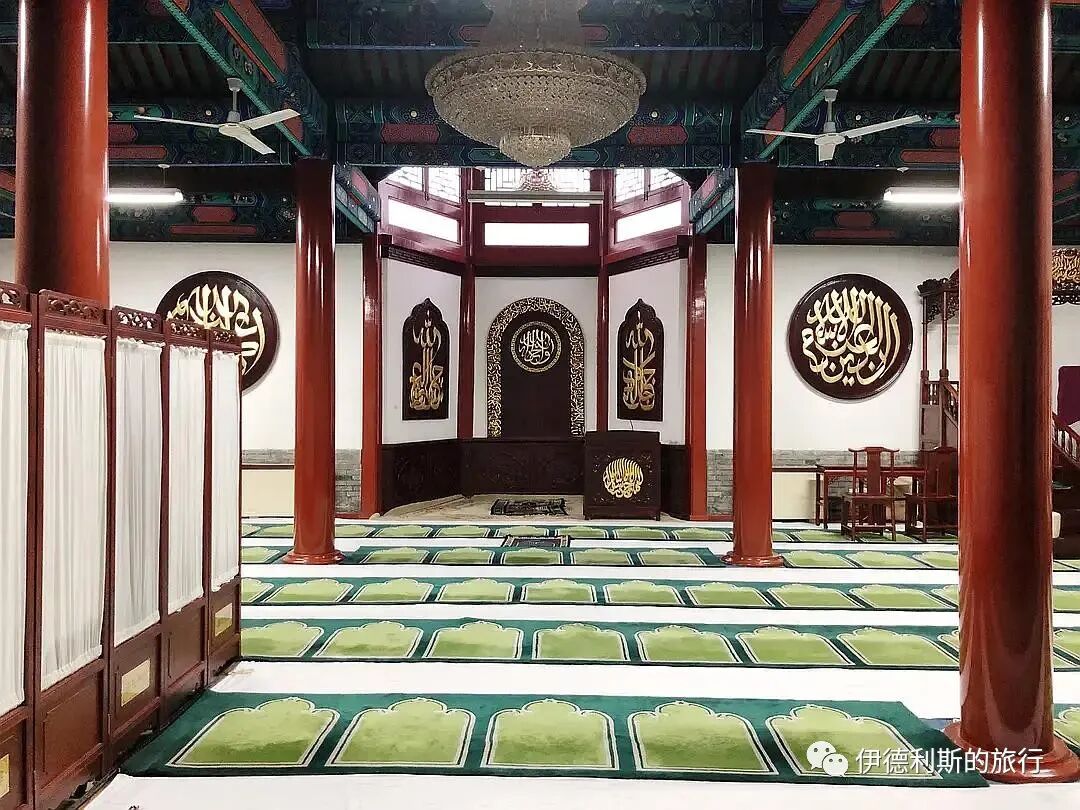
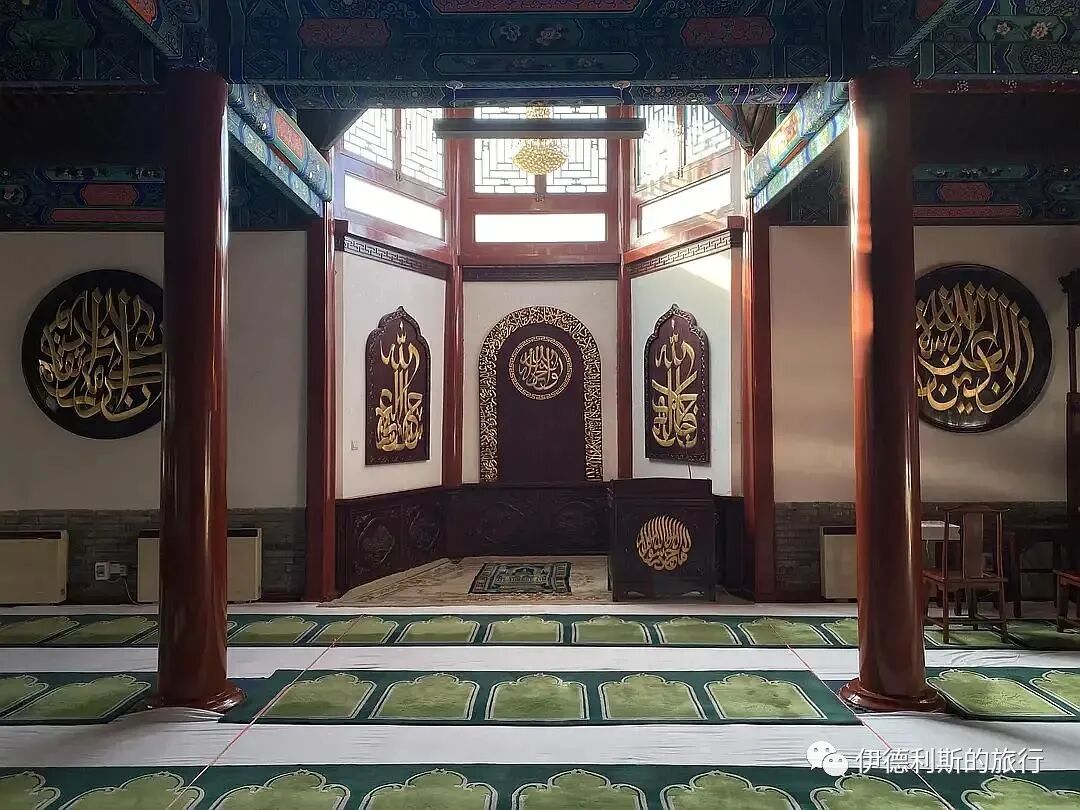
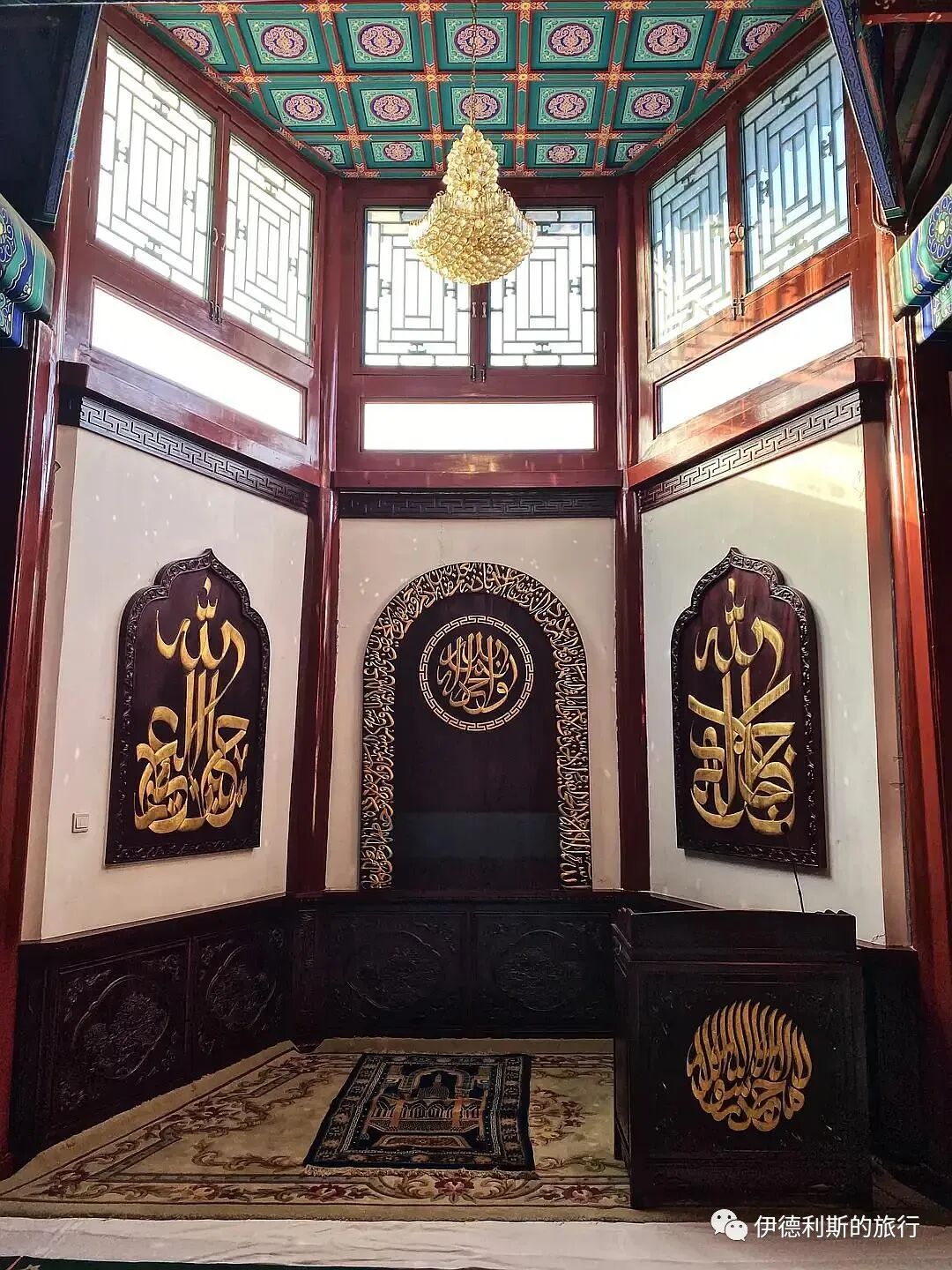
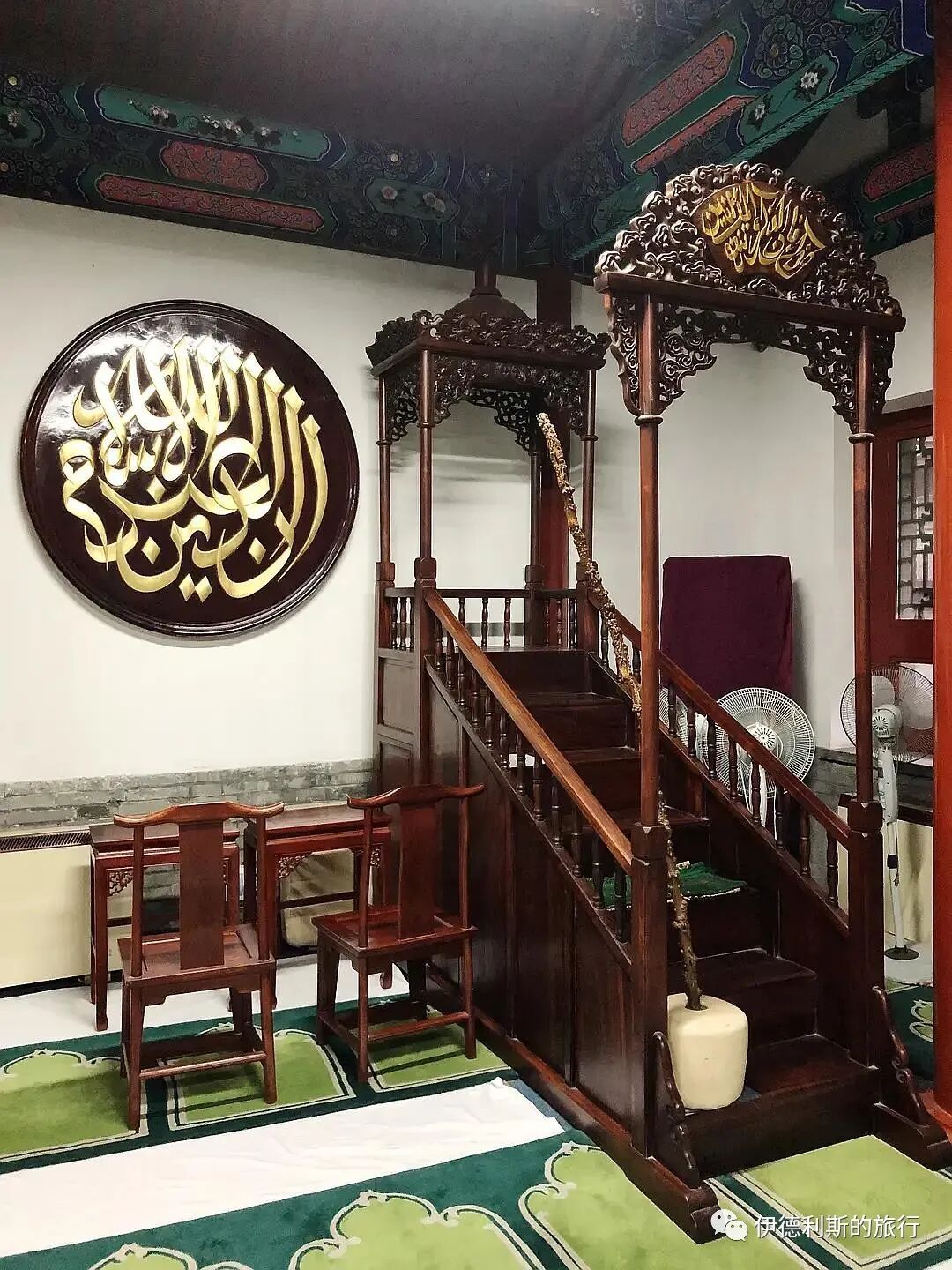
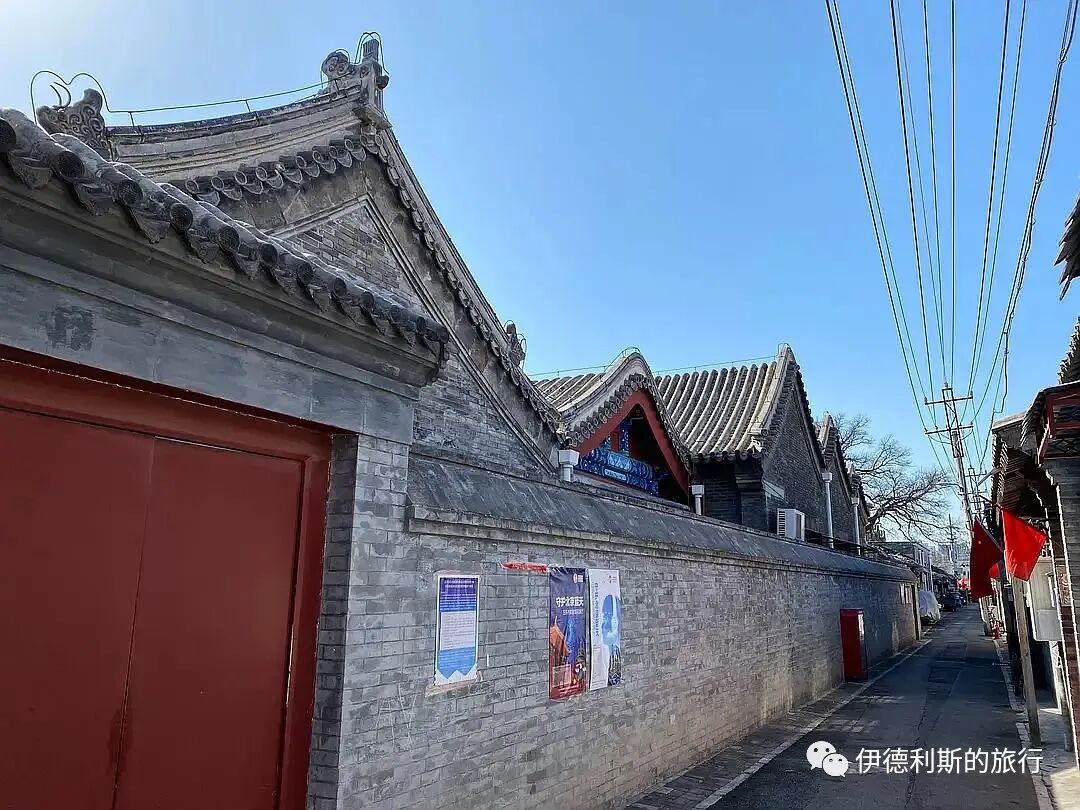
Qianmen Mosque was originally named Tiaozhou Hutong Mosque. It was first built in the late Ming Dynasty (early 17th century) and renovated in 1680 (the 19th year of the Kangxi reign of the Qing Dynasty) and 1795 (the 60th year of the Qianlong reign). It features the typical architectural style of North China mosques from the Qing Dynasty and is very well preserved. From the Qing Dynasty to the Republican era, many Hui Muslims outside Qianmen worked in the jade, jewelry, and antique calligraphy and painting industries. At that time, Qianmen Mosque was very lively, but with the changing times, the old mosque has returned to tranquility.
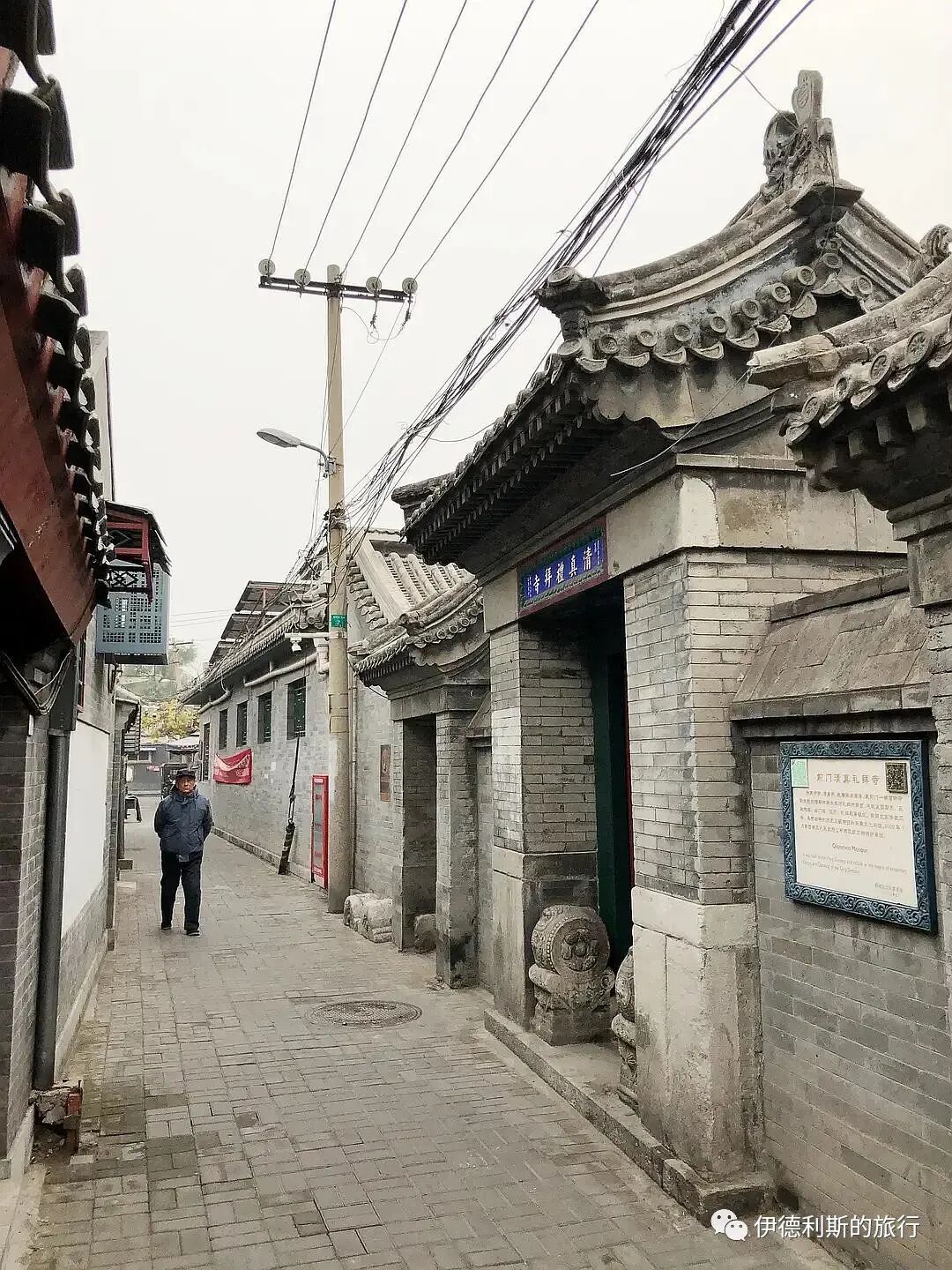
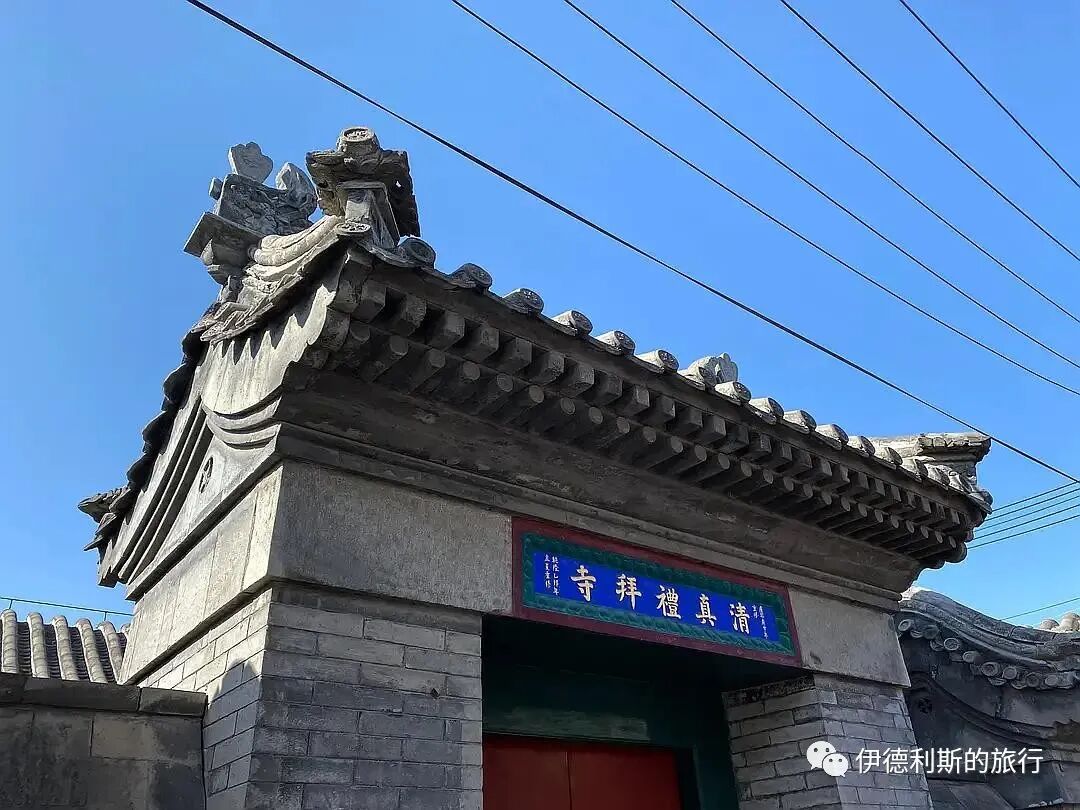
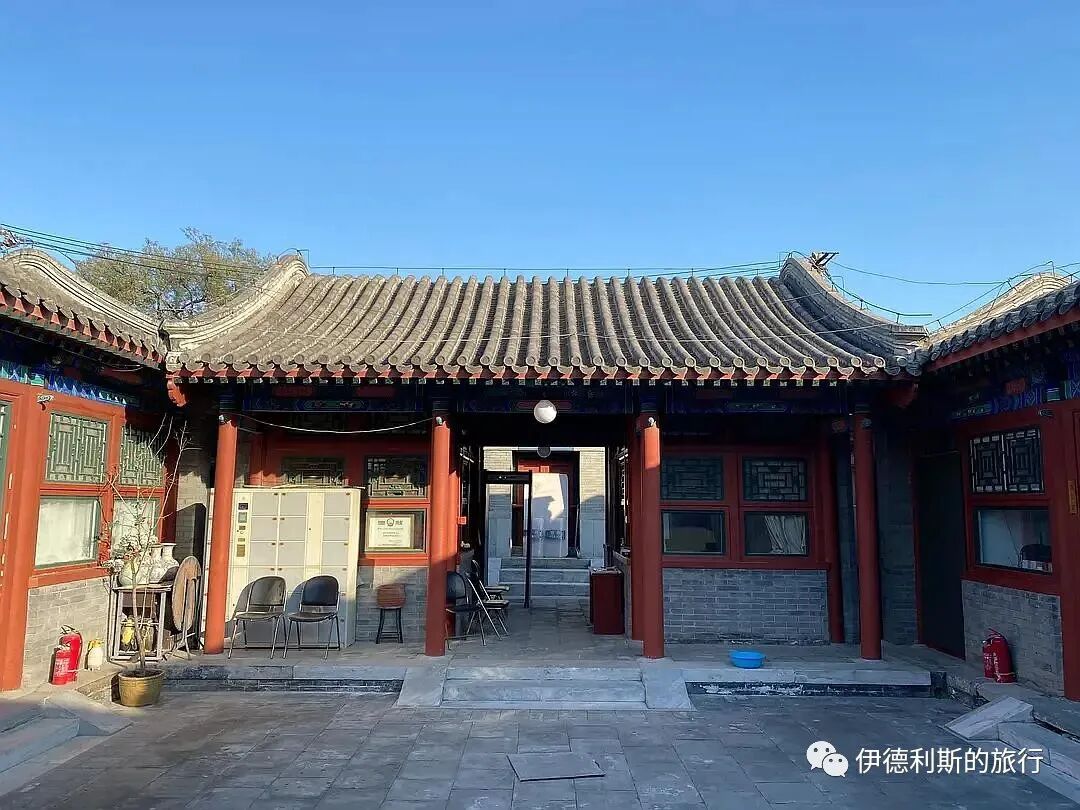
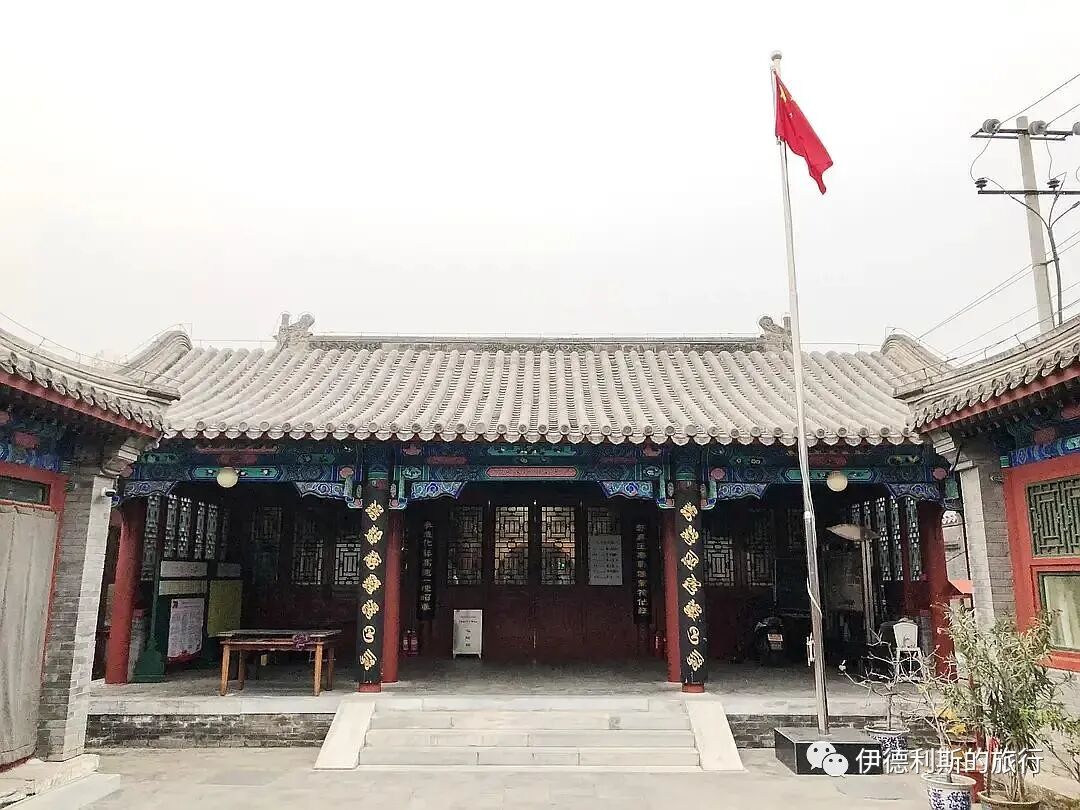
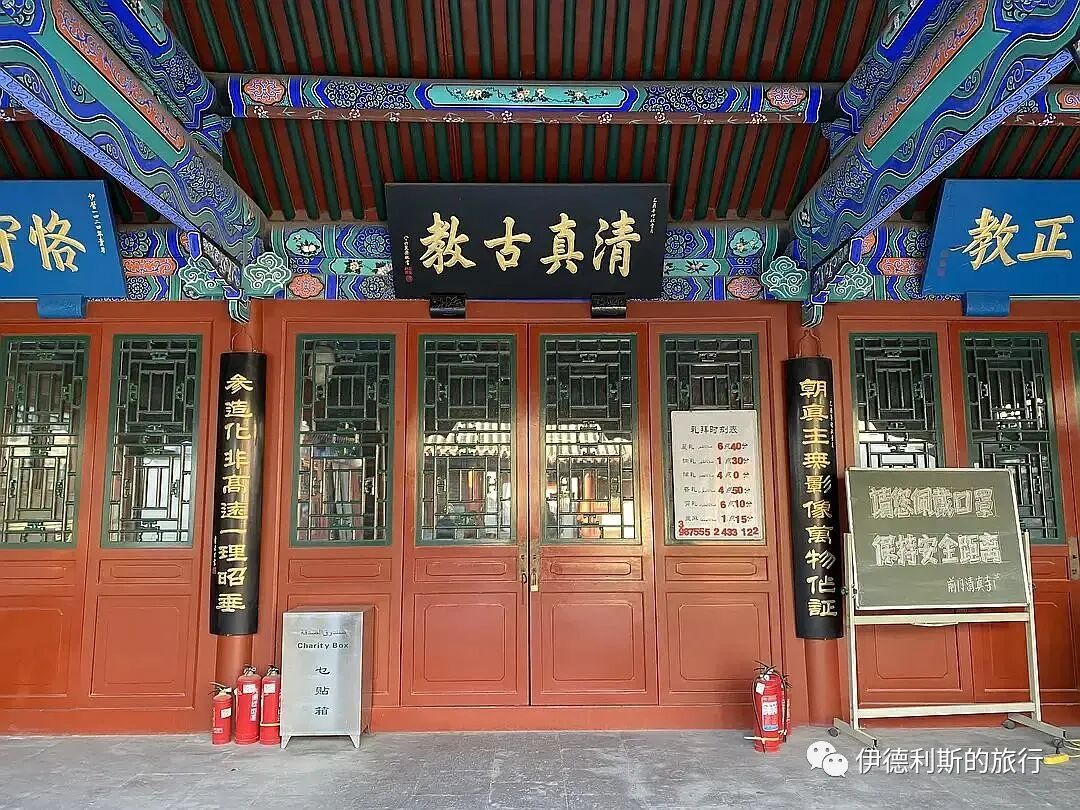
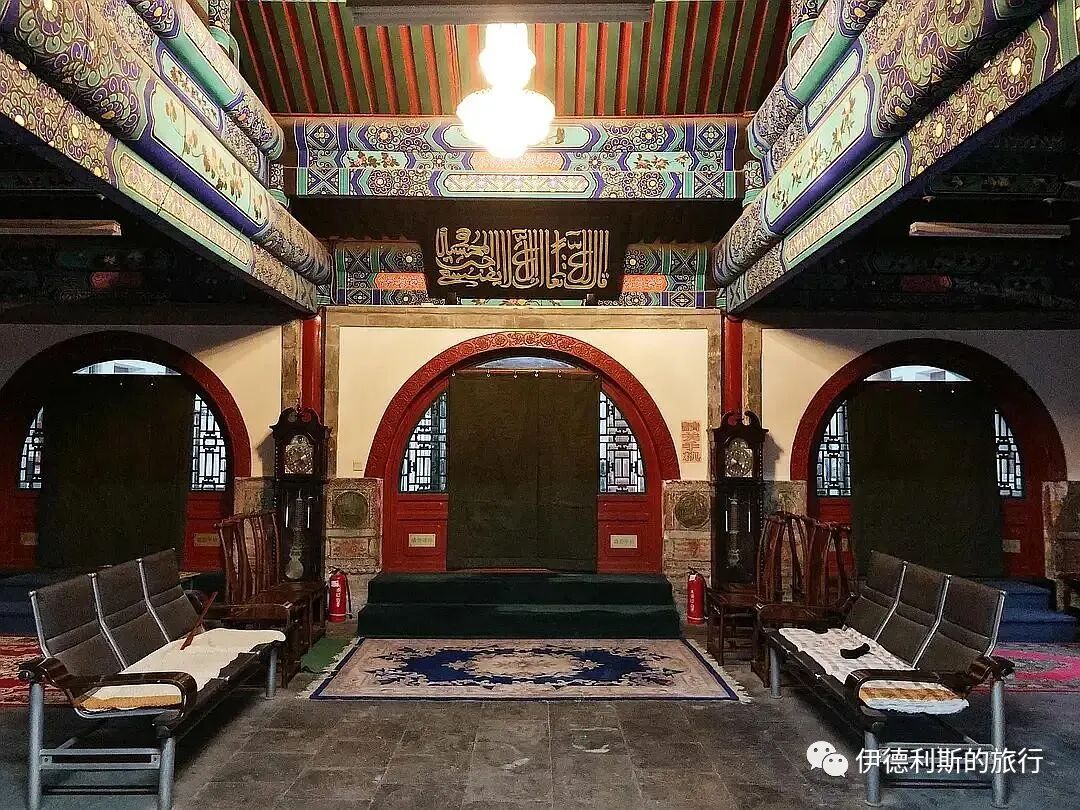
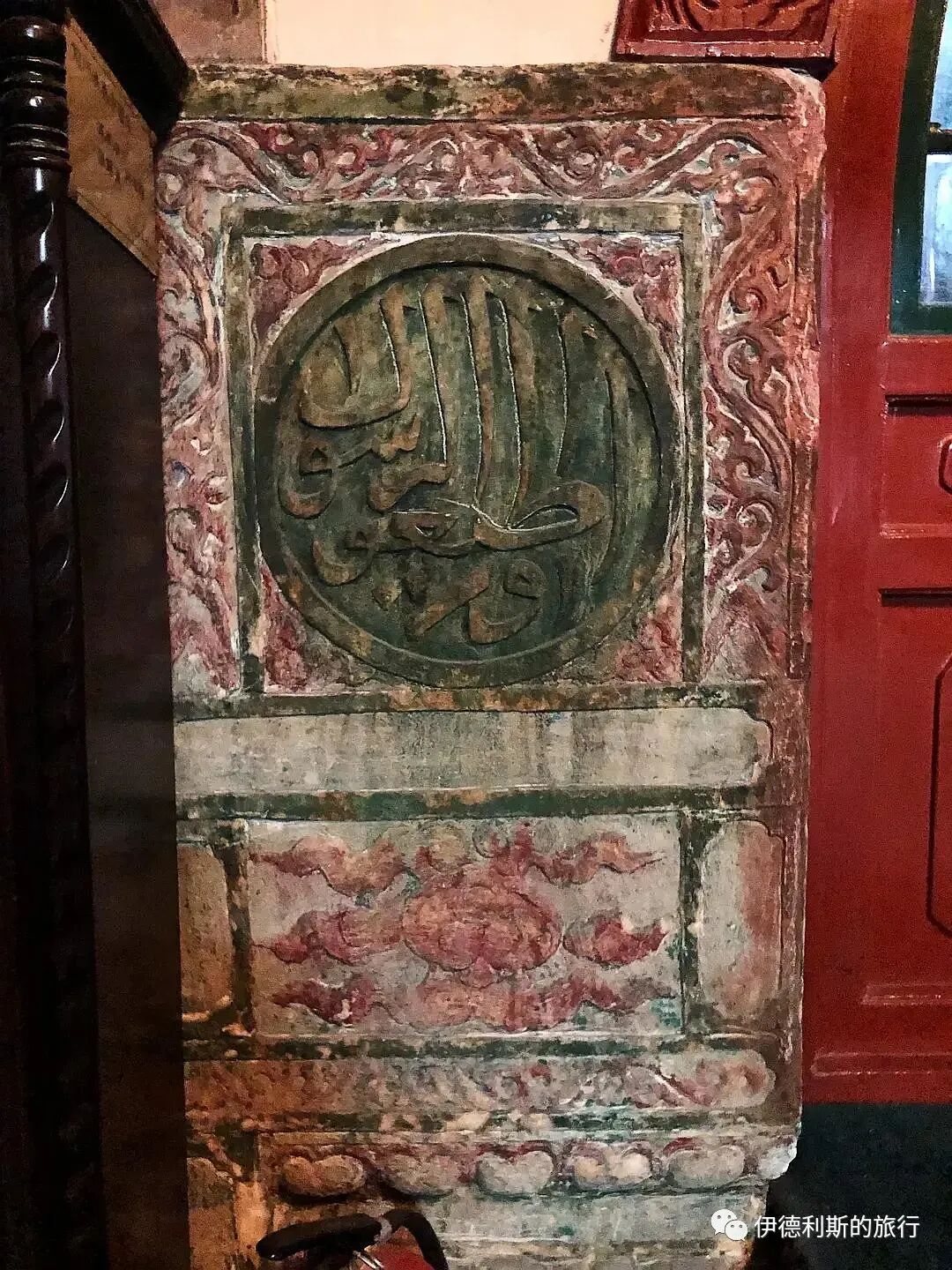
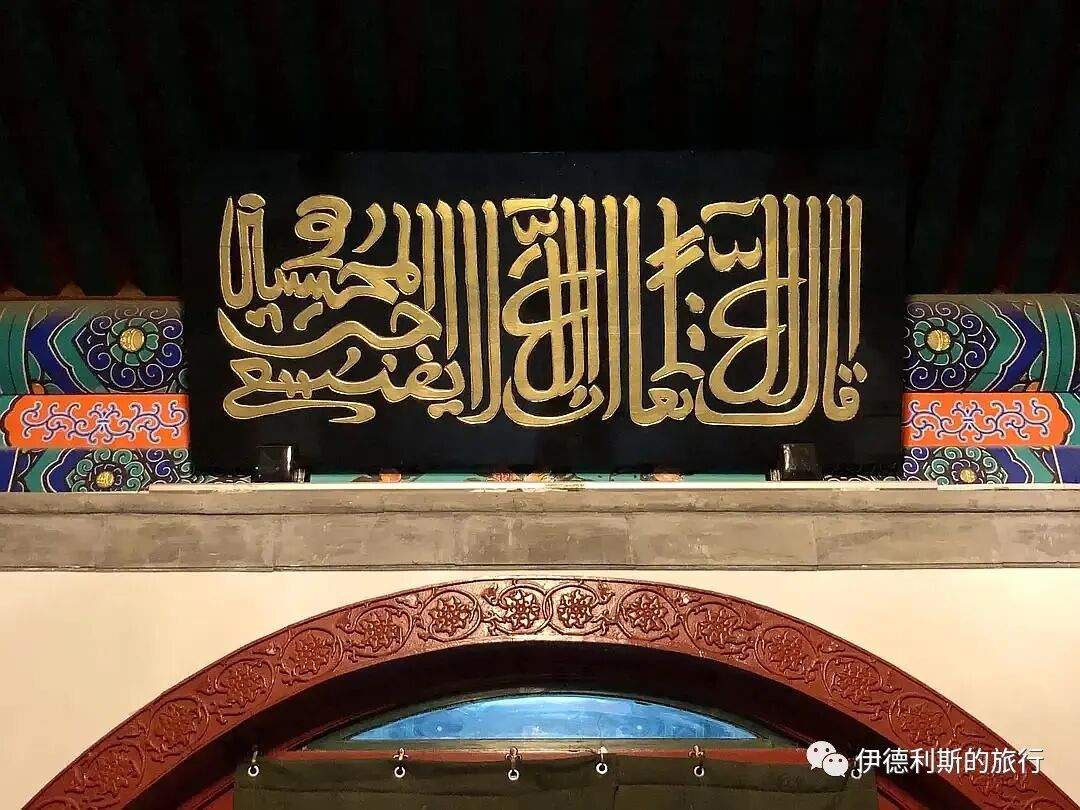
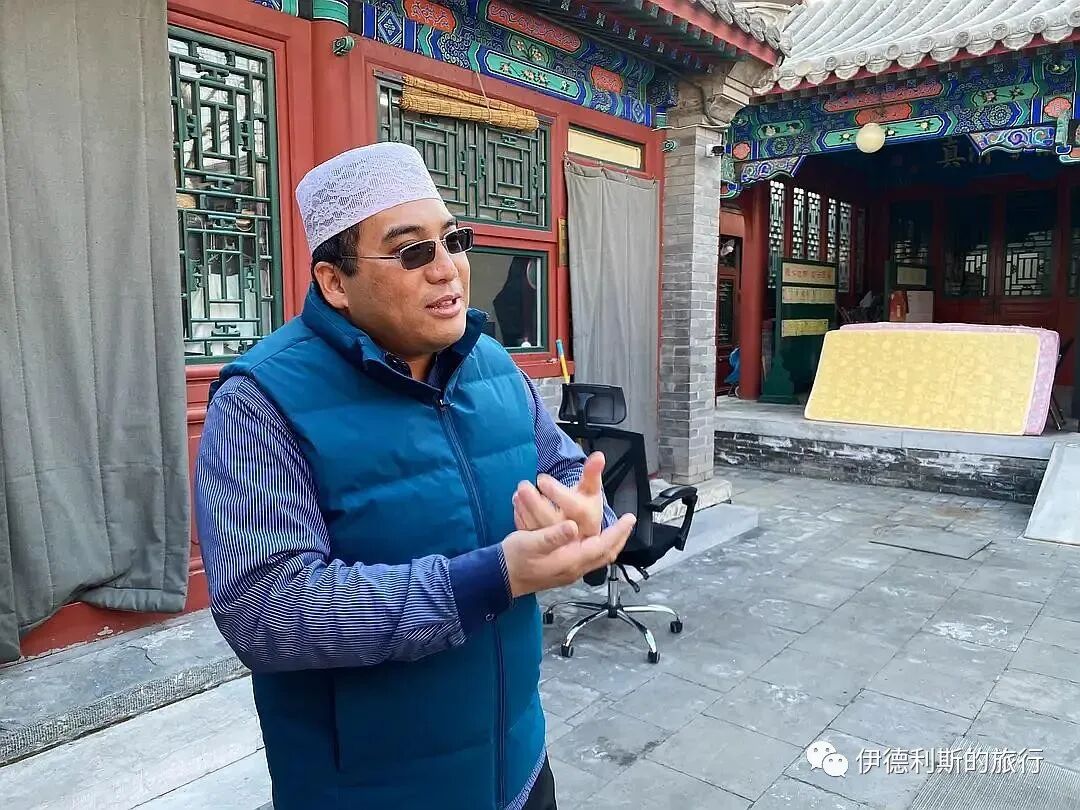
Chatting with Imam Wang of Qianmen Mosque. Imam Wang is a Hui Muslim from Niujie. With his authentic Xuannan Beijing accent, he talks about the history and culture of the old Beijing Hui Muslims in a very thorough and vivid way.
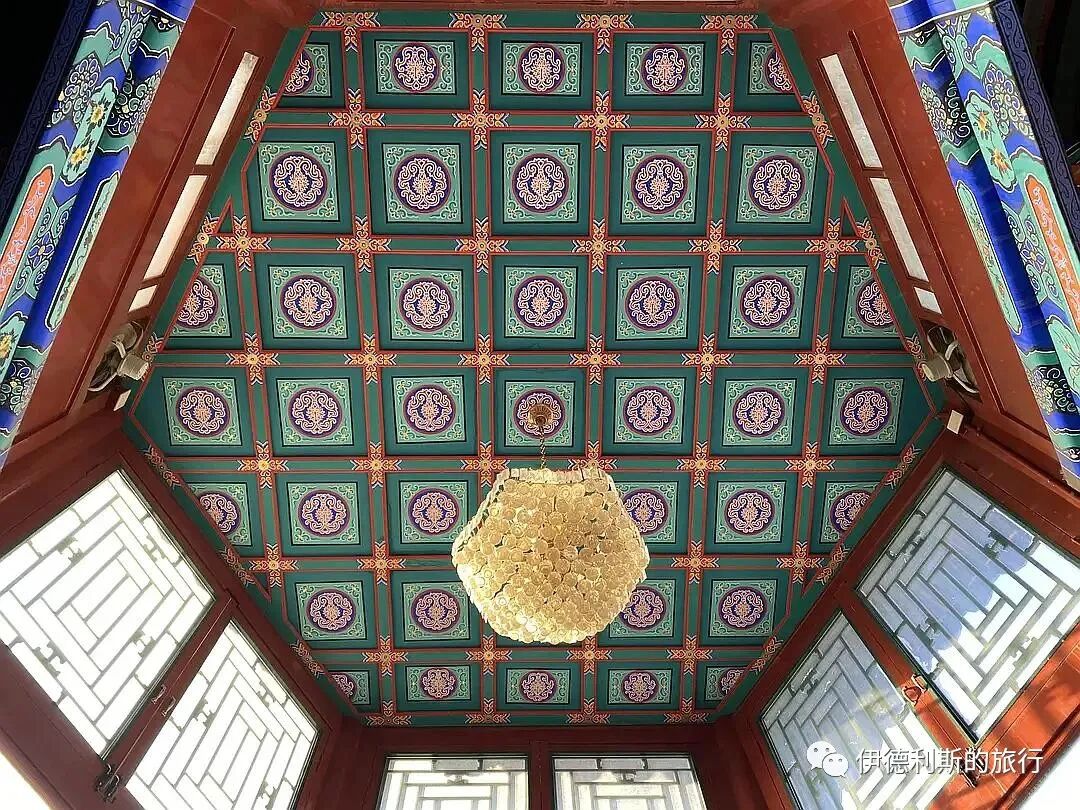
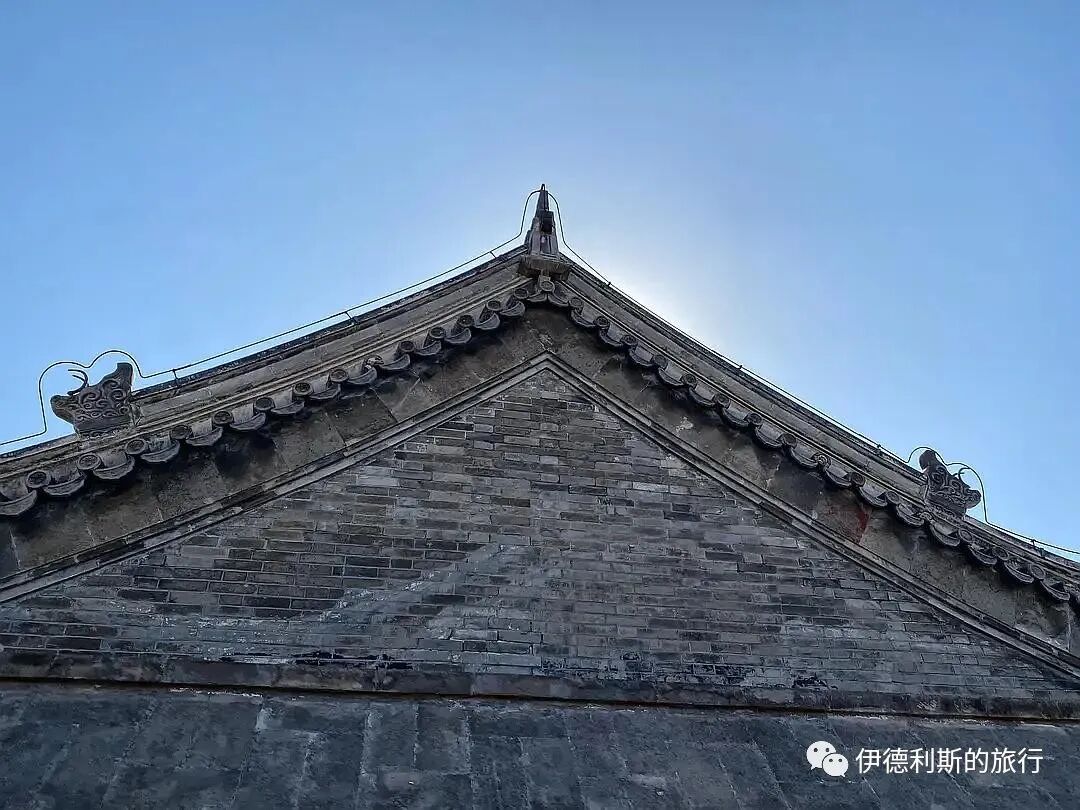
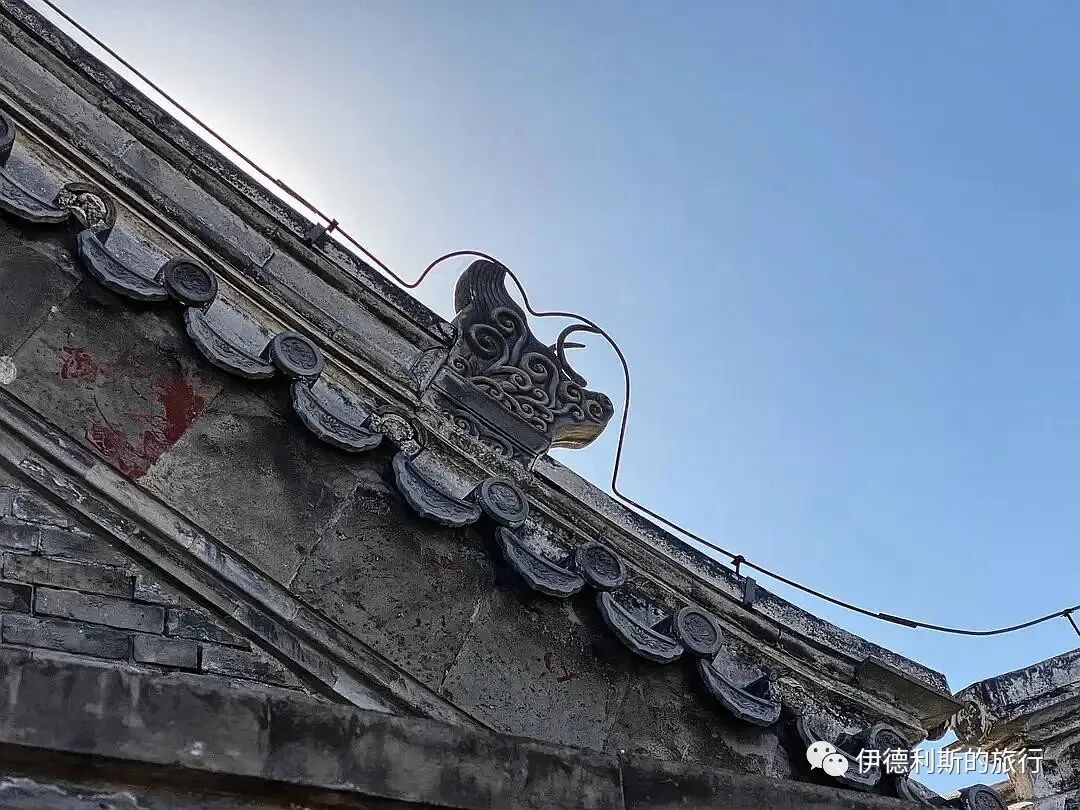
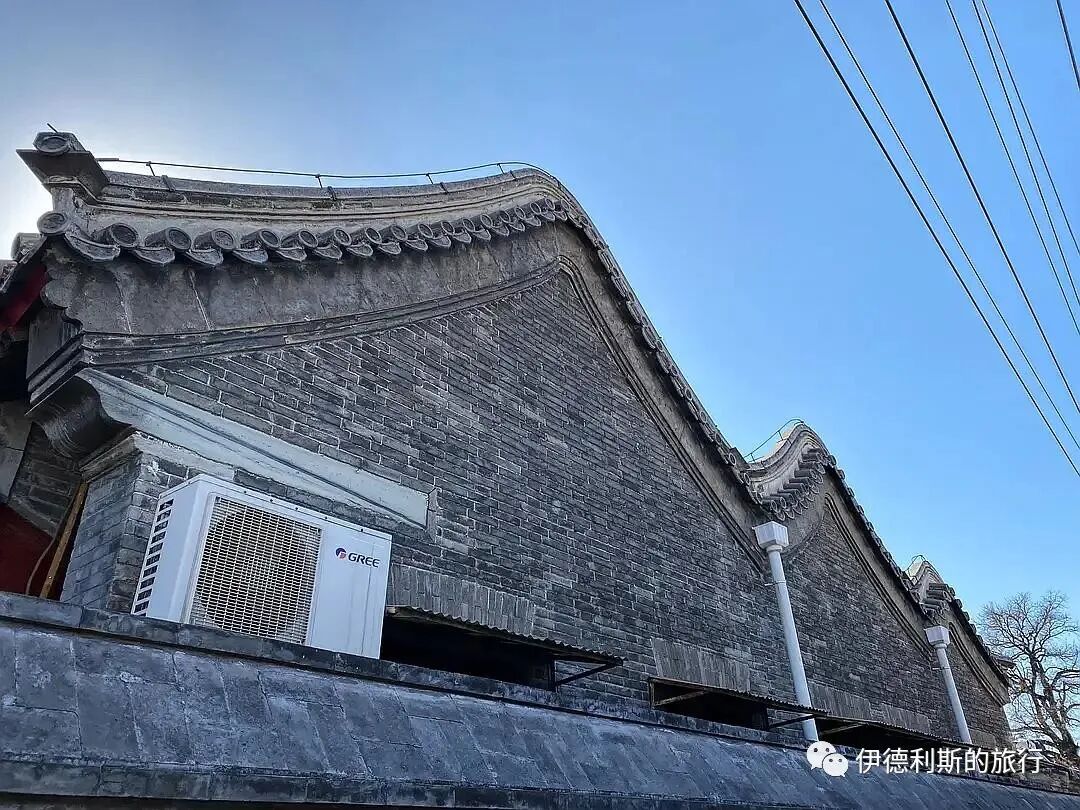
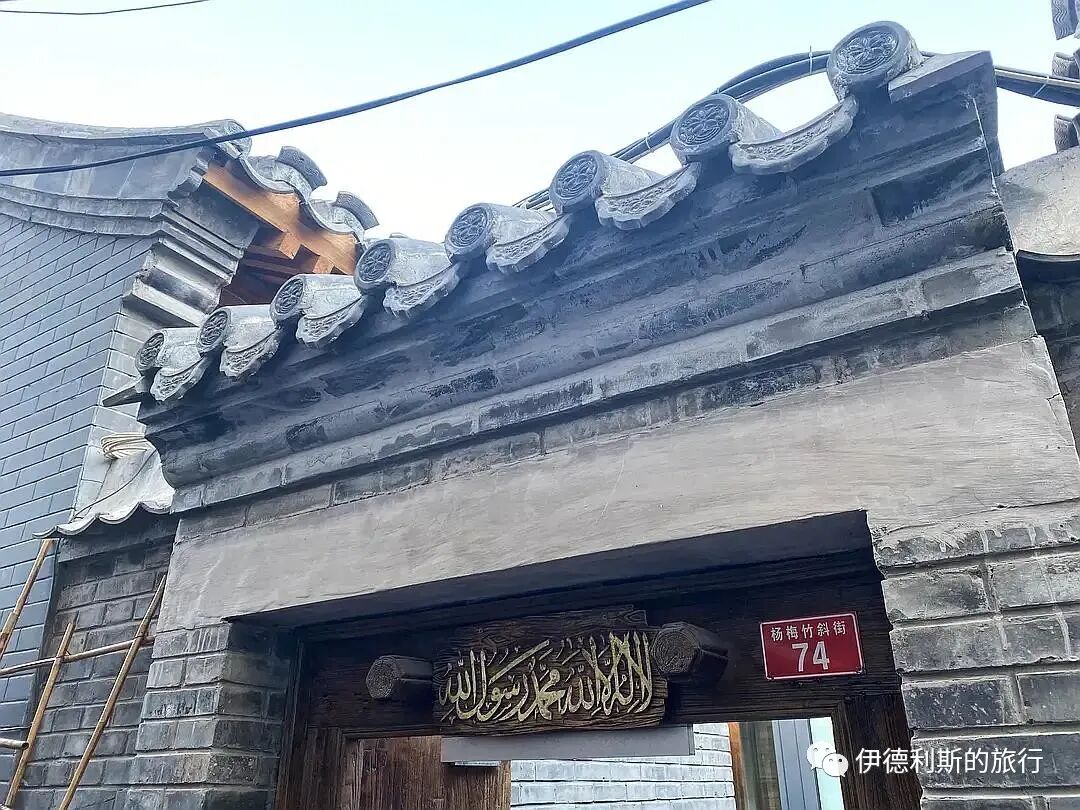
The beautiful goulianda (interlocking roof structure) of Qianmen Mosque, where you can still see the chiwen (roof ridge ornaments) replaced by scroll patterns.
2. Ji'antang Wang Hui Muslim Plaster Shop storefront
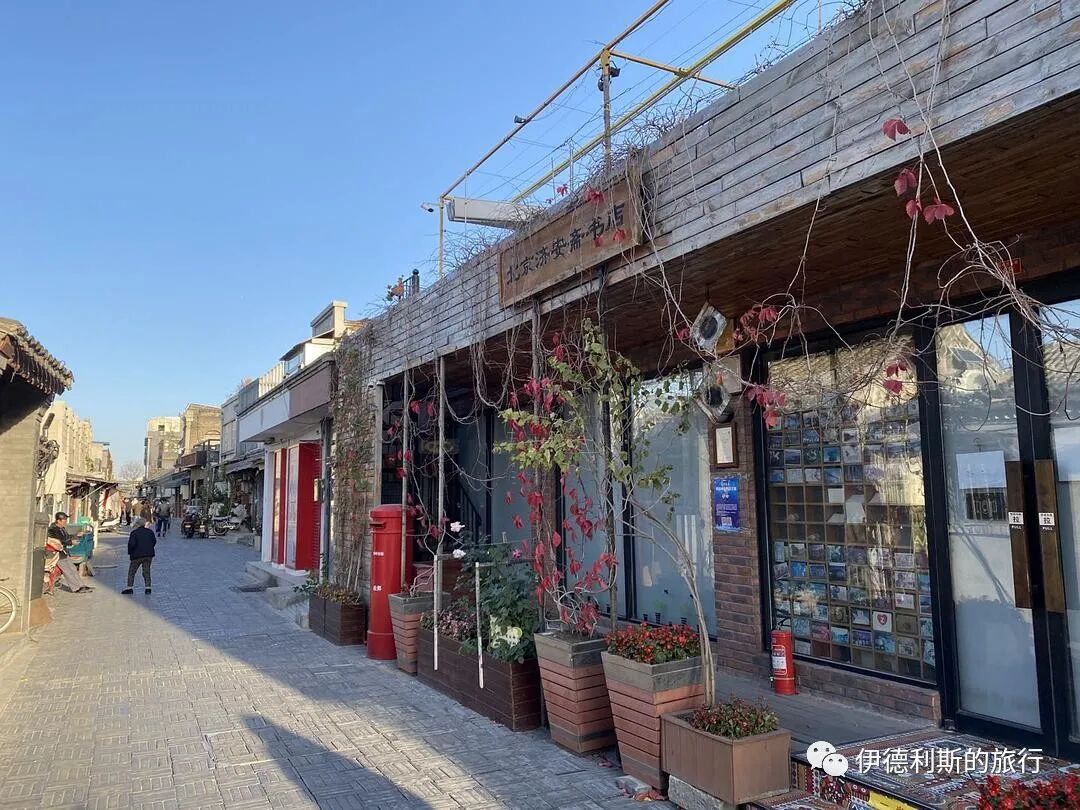
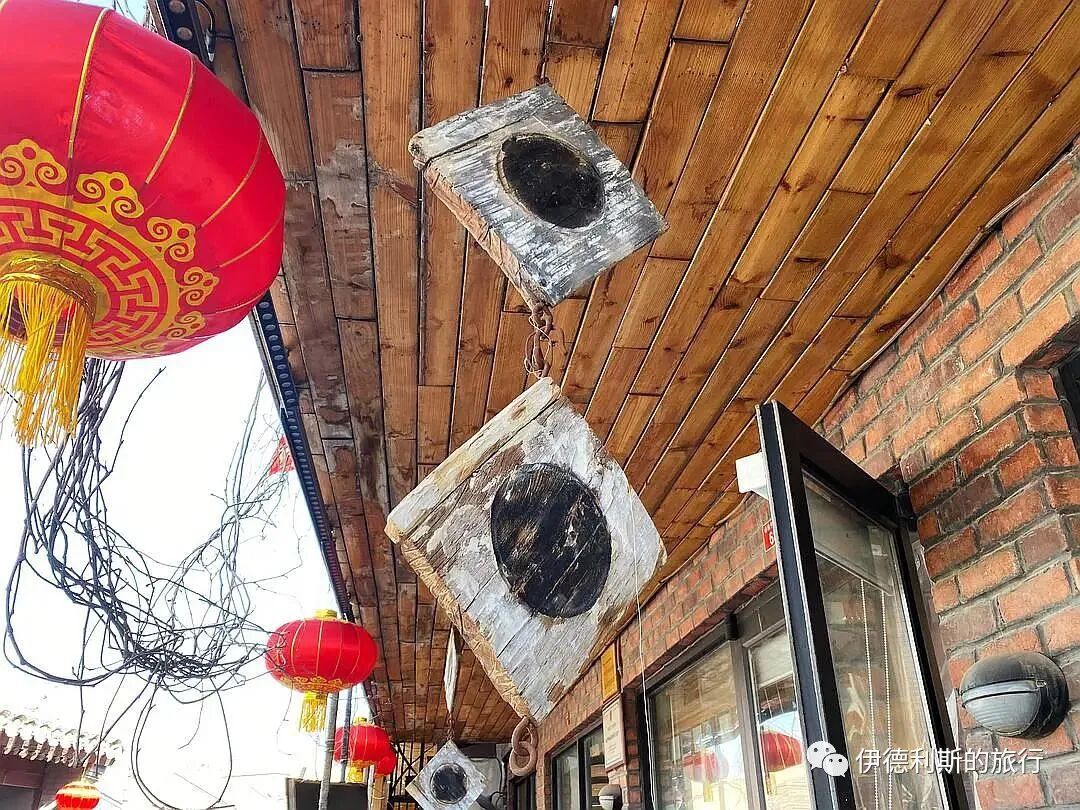
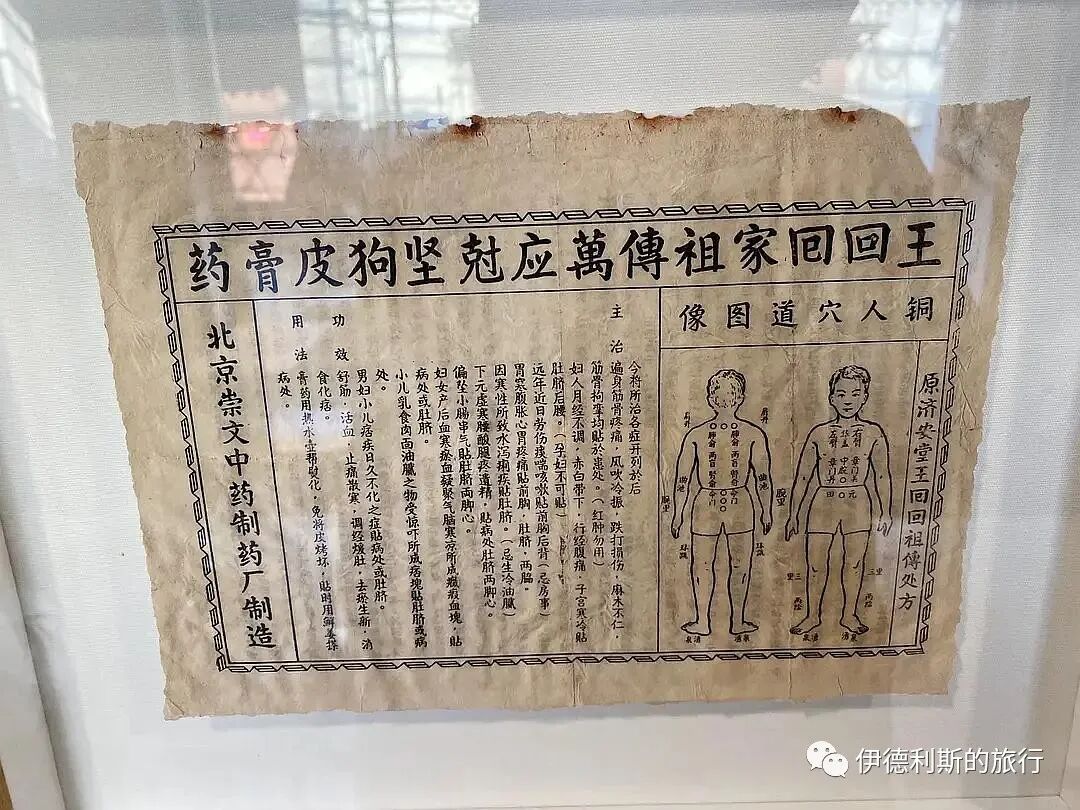
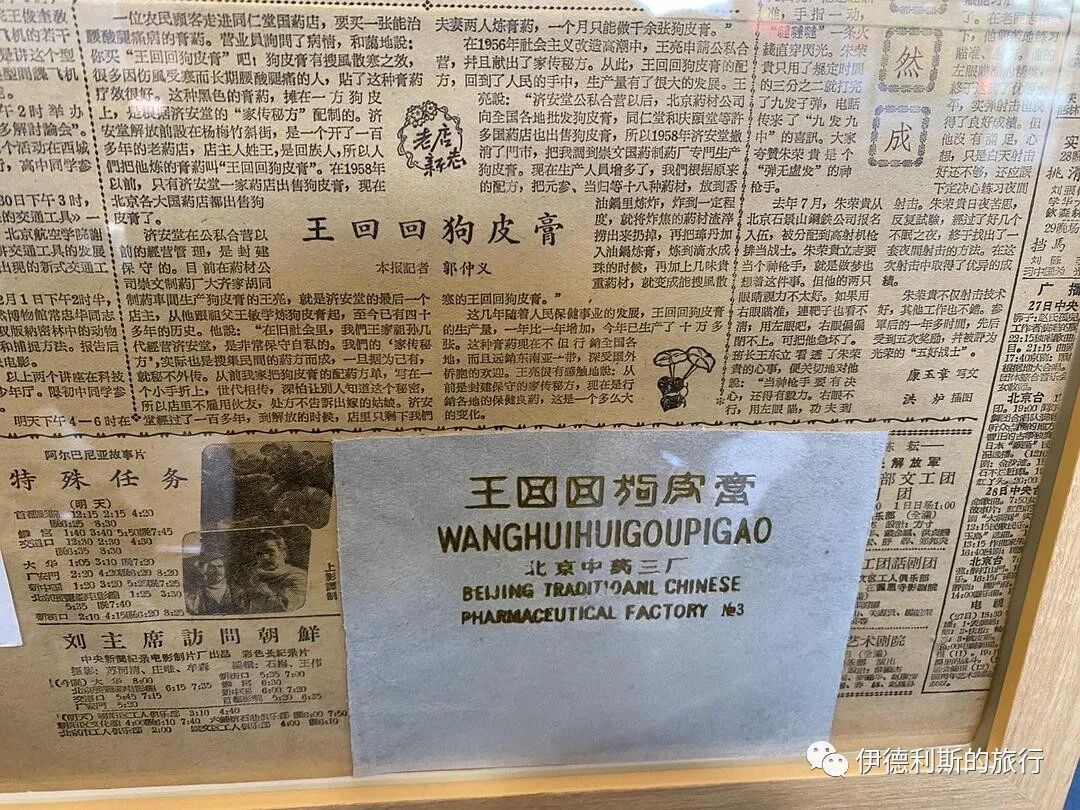
Ji'antang Wang Hui Muslim Plaster Shop is located on Yangmeizhu Xiejie outside Qianmen. The Wang family has been running a plaster shop since the Wanli reign of the Ming Dynasty. It has been over 400 years now and is a district-level intangible cultural heritage. In the old days, Ji'antang had the shop in the front and the workshop in the back, where several generations lived and worked. Now, various cultural relics of the old Ji'antang shop are displayed in the street-facing storefront. The most precious item is the original wooden plaque preserved on the second-floor terrace.
After the public-private partnership in 1956, Ji'antang was merged into Tongrentang. The plaster shop on Yangmeizhu Xiejie was closed and converted into staff dormitories, and the Wang family also became employees of Tongrentang. After the 1960s, the Ji'antang storefront was reclaimed. Through unremitting efforts, the Wang family successfully retrieved it in 1997. After renovation, the Wang family reopened the old storefront as a bookstore in 2004, naming it Ji'anzhai. In 2014, Yangmeizhu Xiejie became a pilot project for the Beijing Design Week. Ji'anzhai took this opportunity to upgrade into a coffee bookstore, which is still in operation today. The landlady is the 21st-generation descendant of Ji'antang.
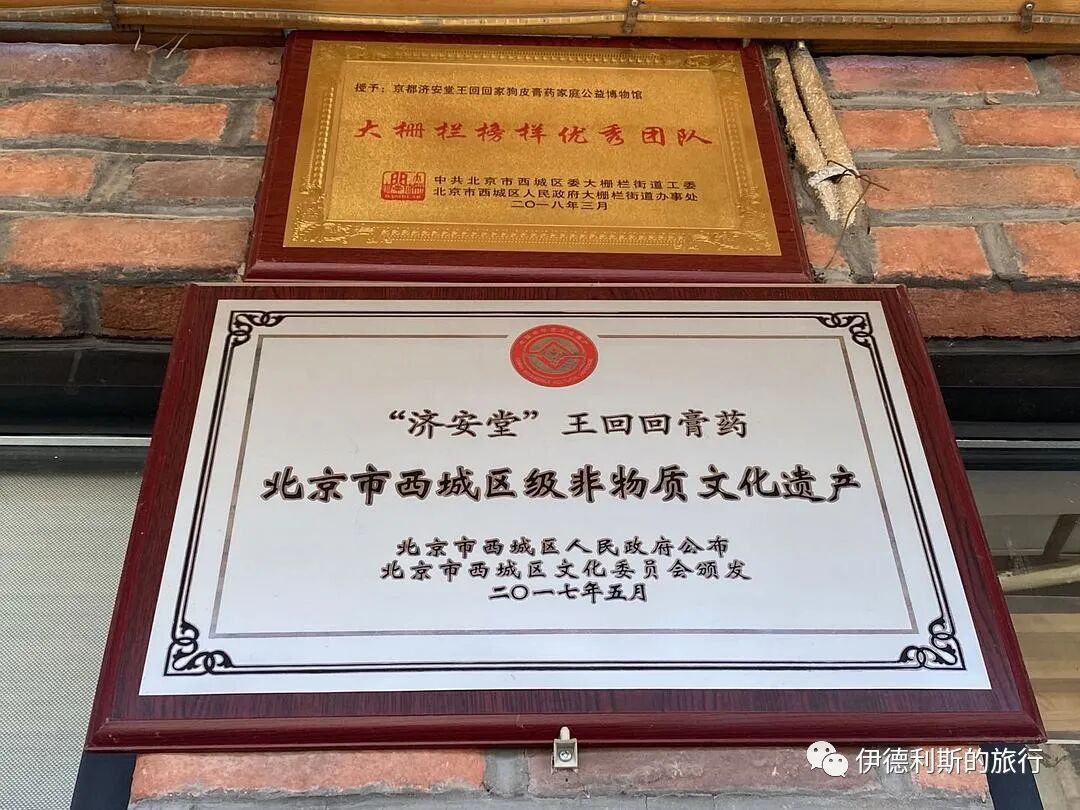
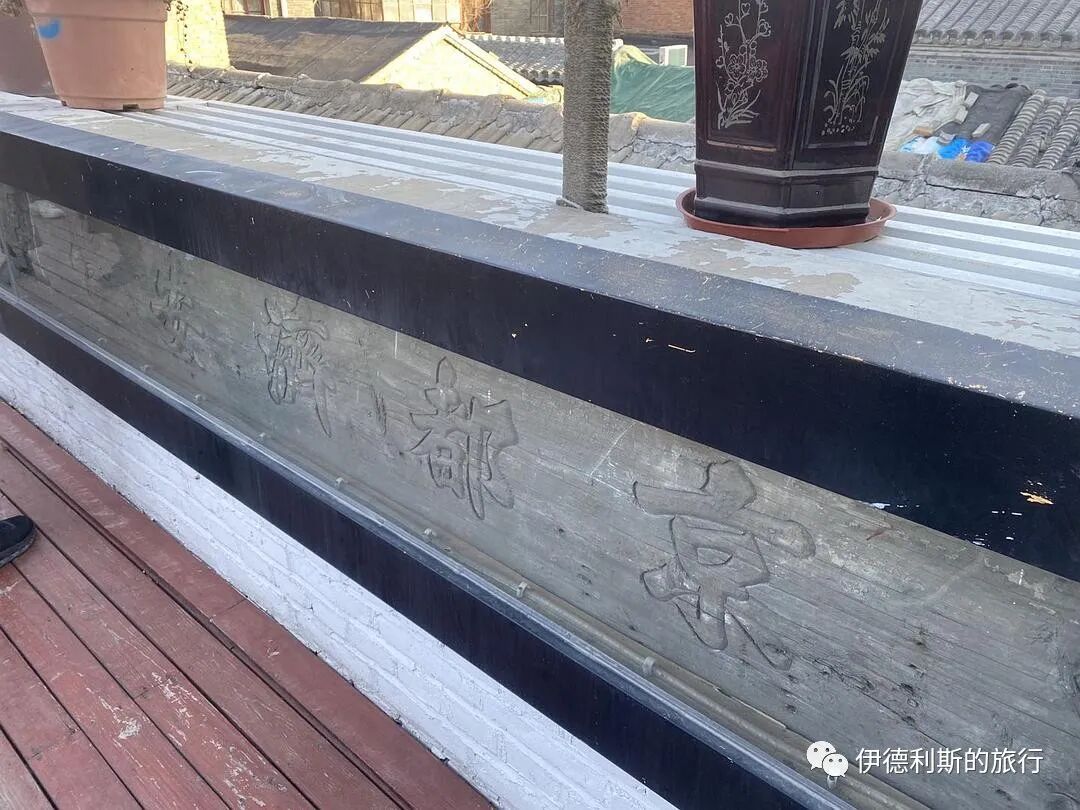
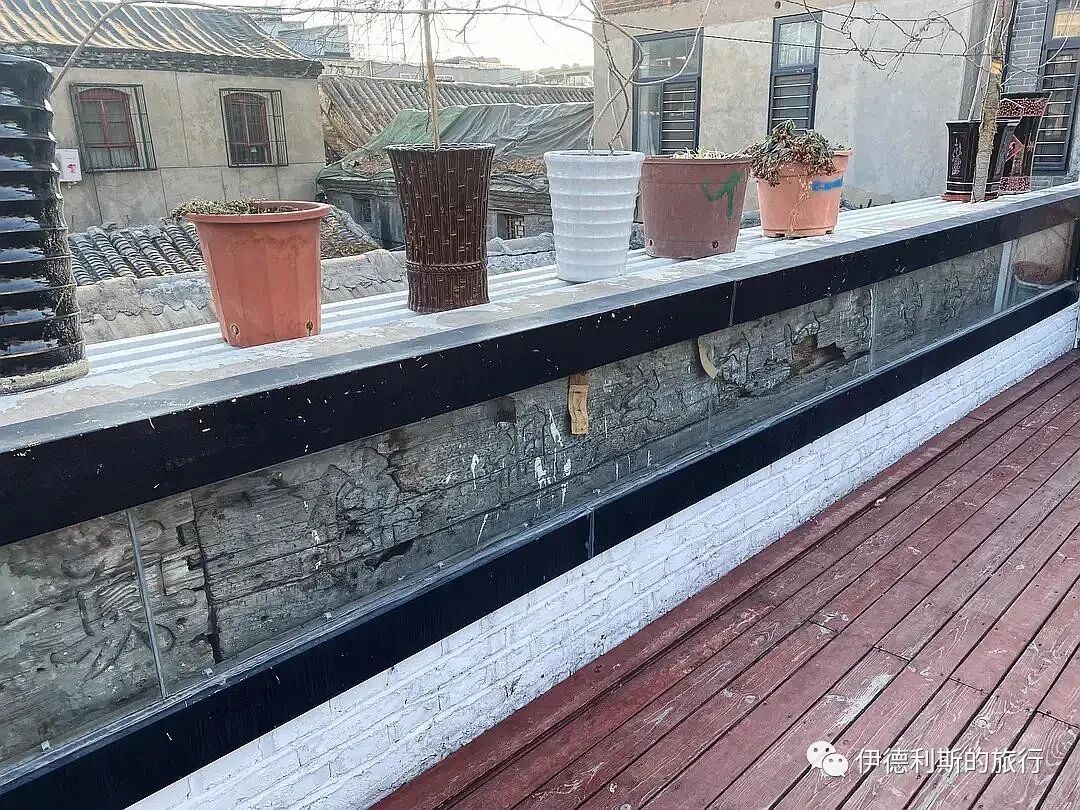
The original shop sign (huozi) of the plaster shop, which is of great historical significance.
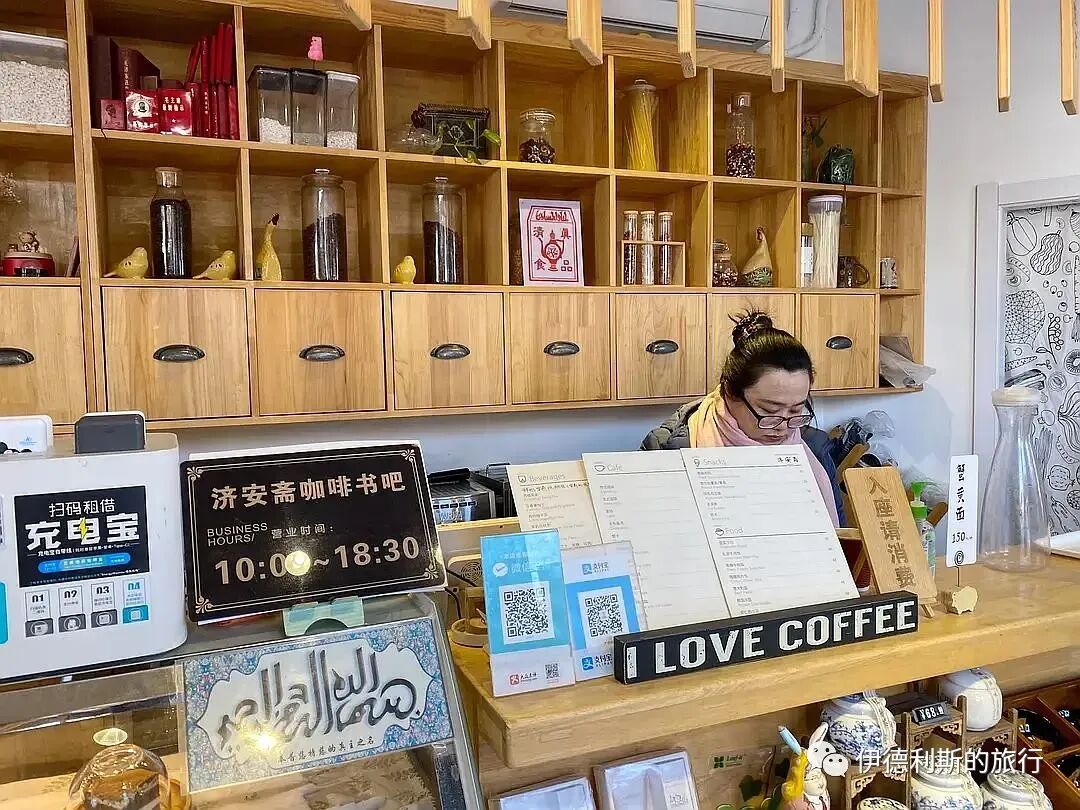
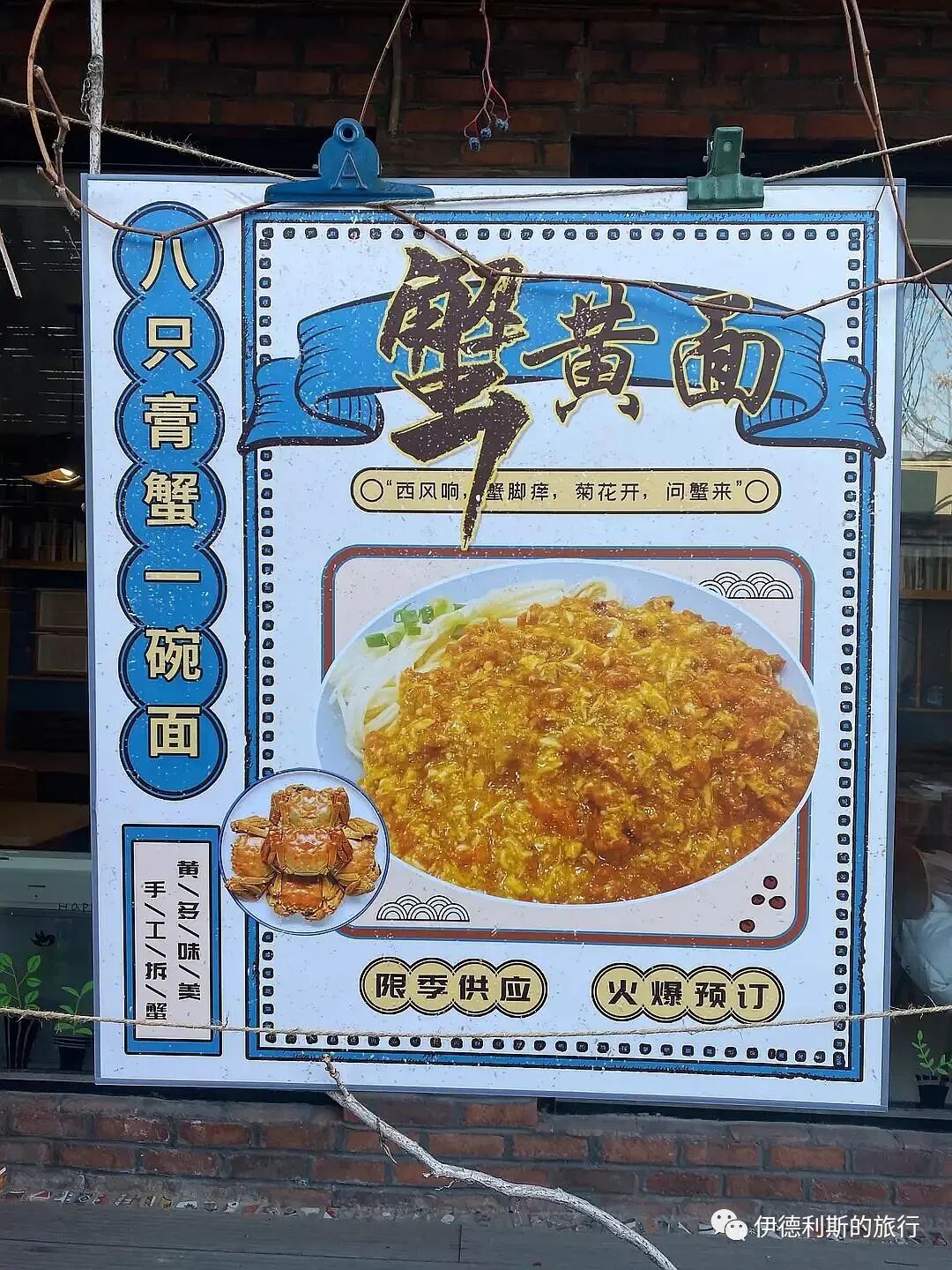
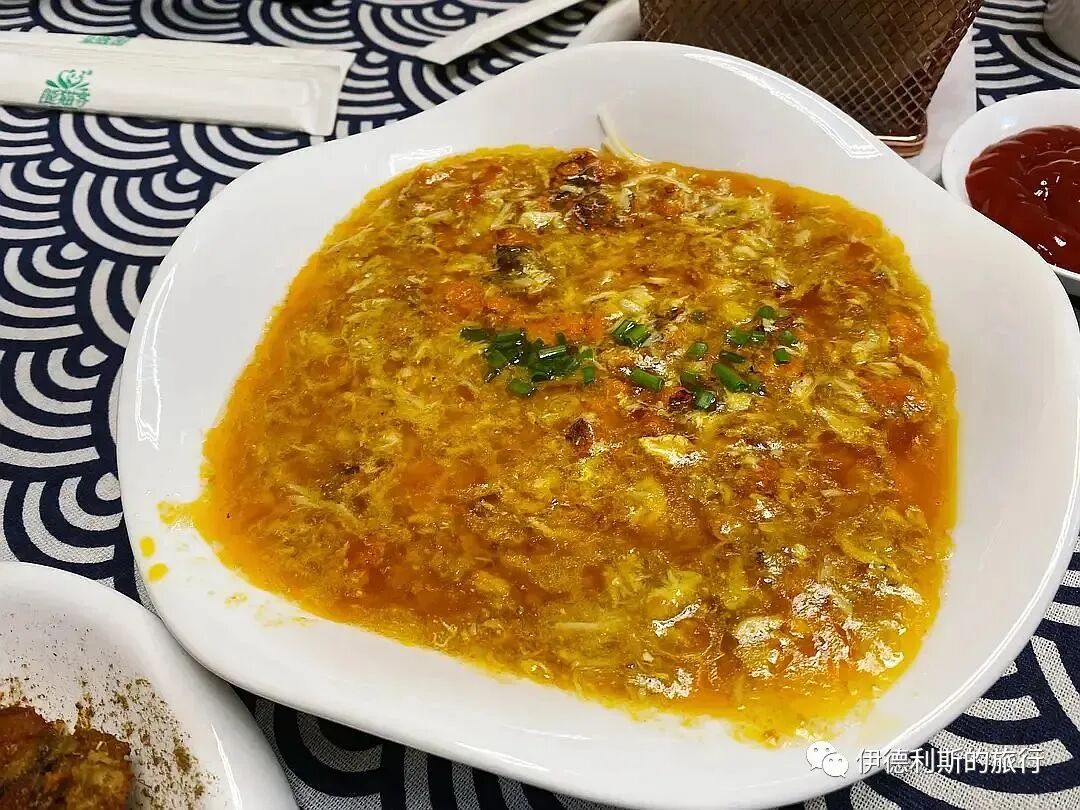
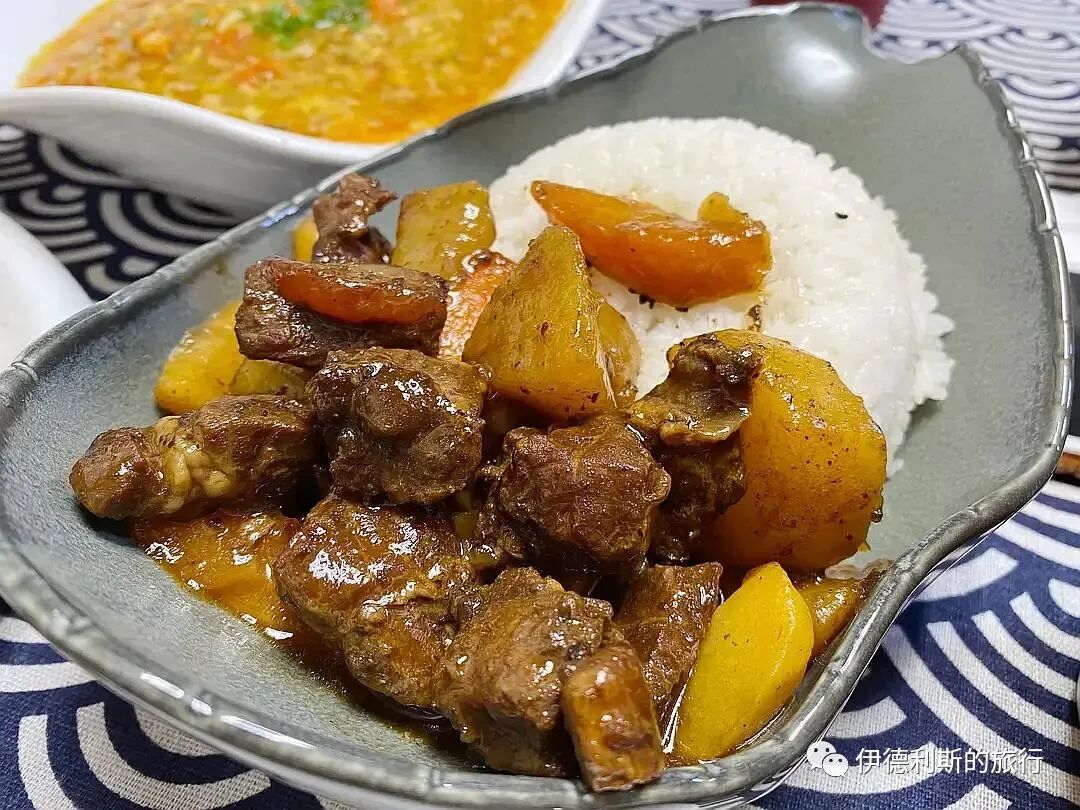
On December 5, 2020, our Dostani (friends/companions) had a dinner party in the small siheyuan (courtyard house) behind Ji'anzhai. We ate crab roe noodles, beef rice, chicken curry, fried chicken with fries, and salad. The environment of the small courtyard is very good and very suitable for gatherings. It was my first time eating crab roe noodles, and the portion was very generous. The landlady said it was made by manually extracting the roe and meat from 8 full-roe zha crabs.
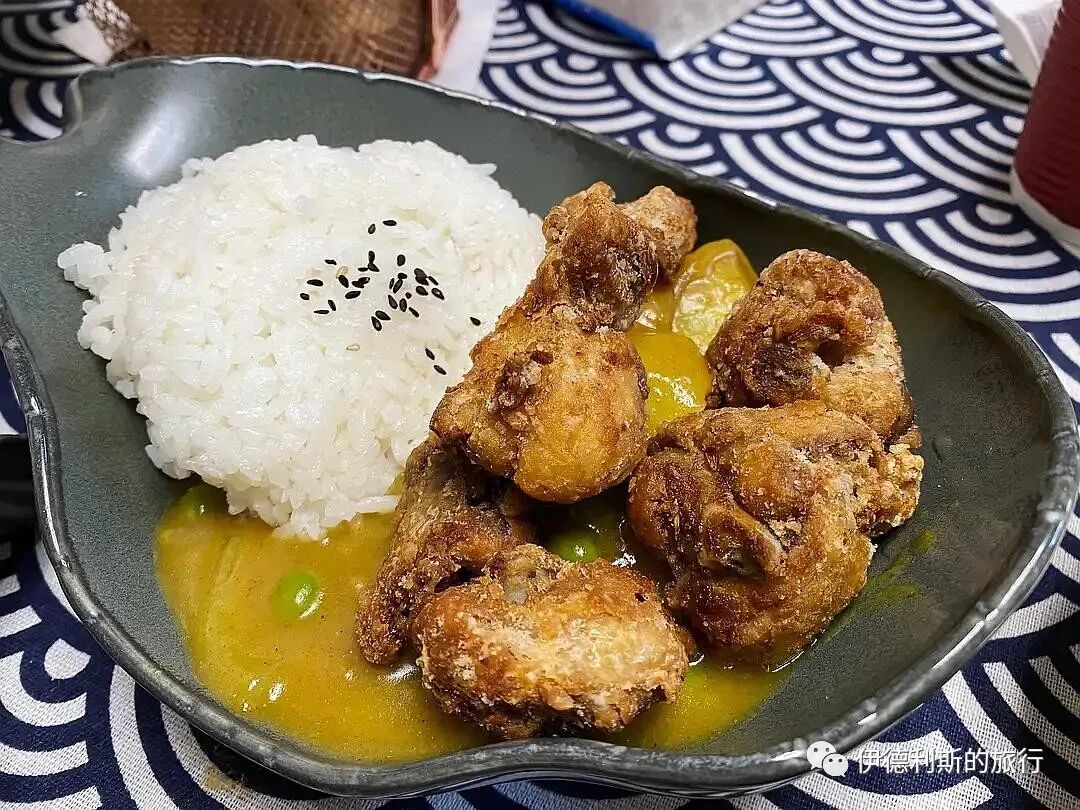
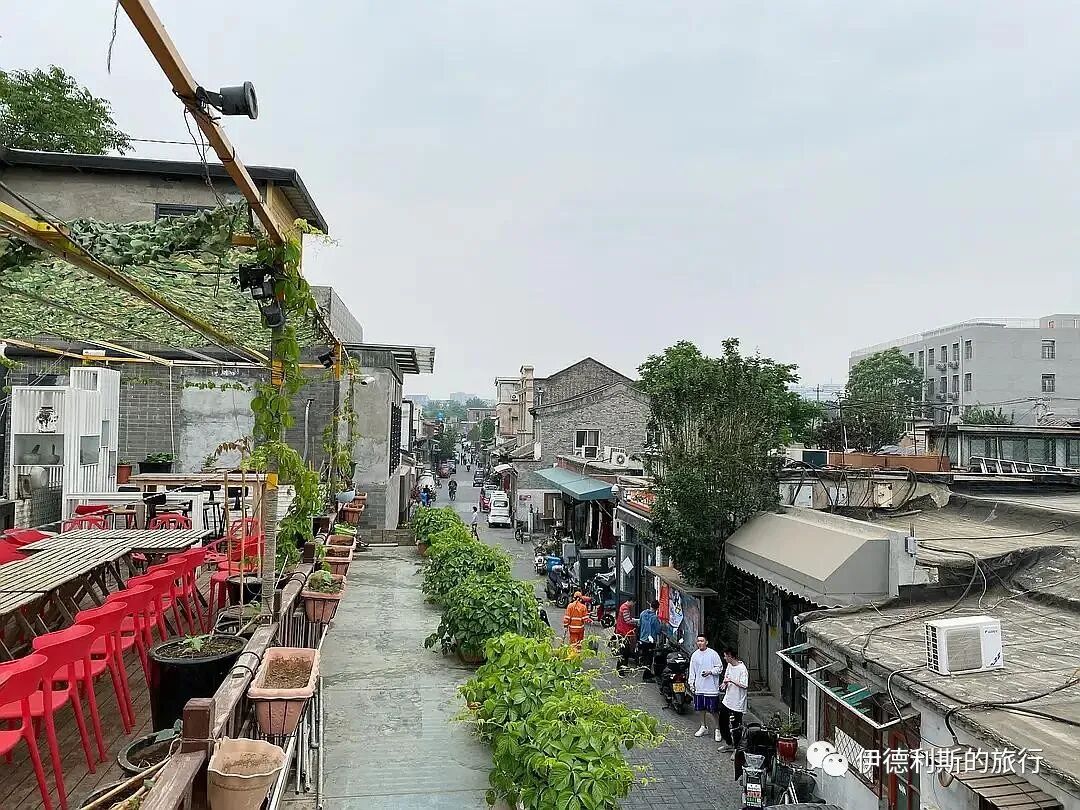
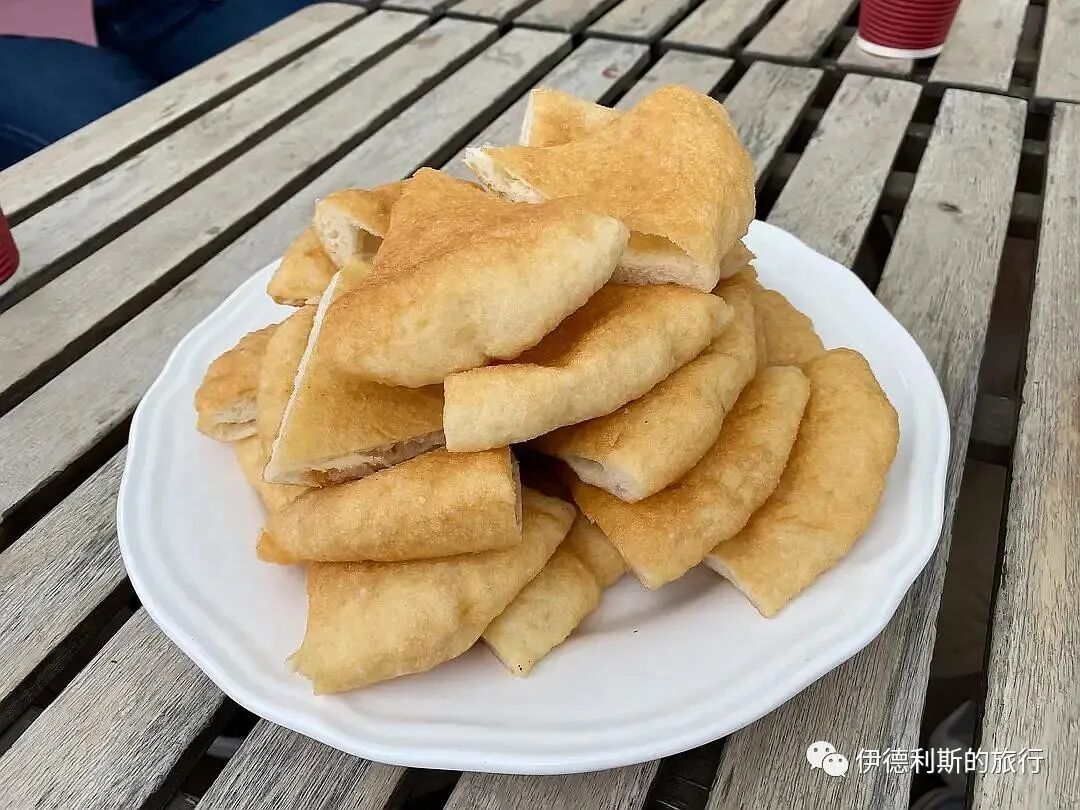
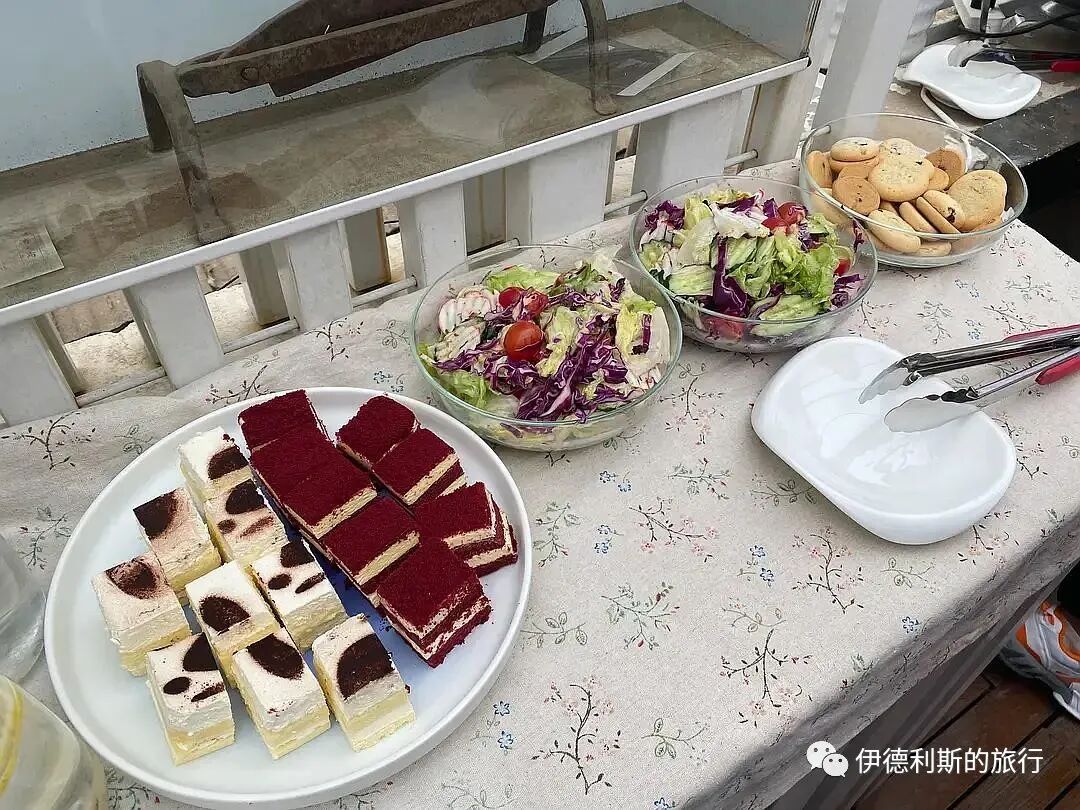
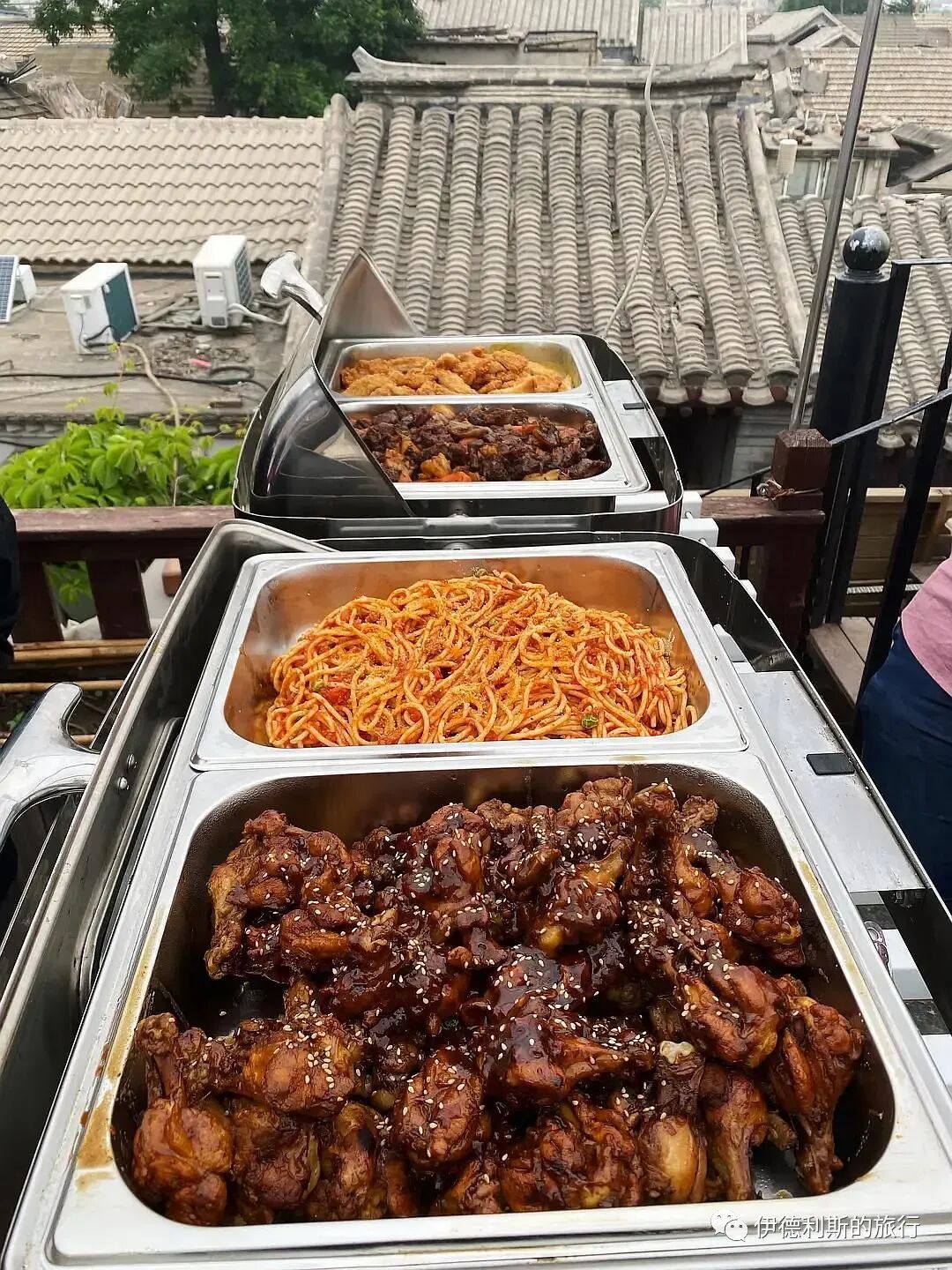
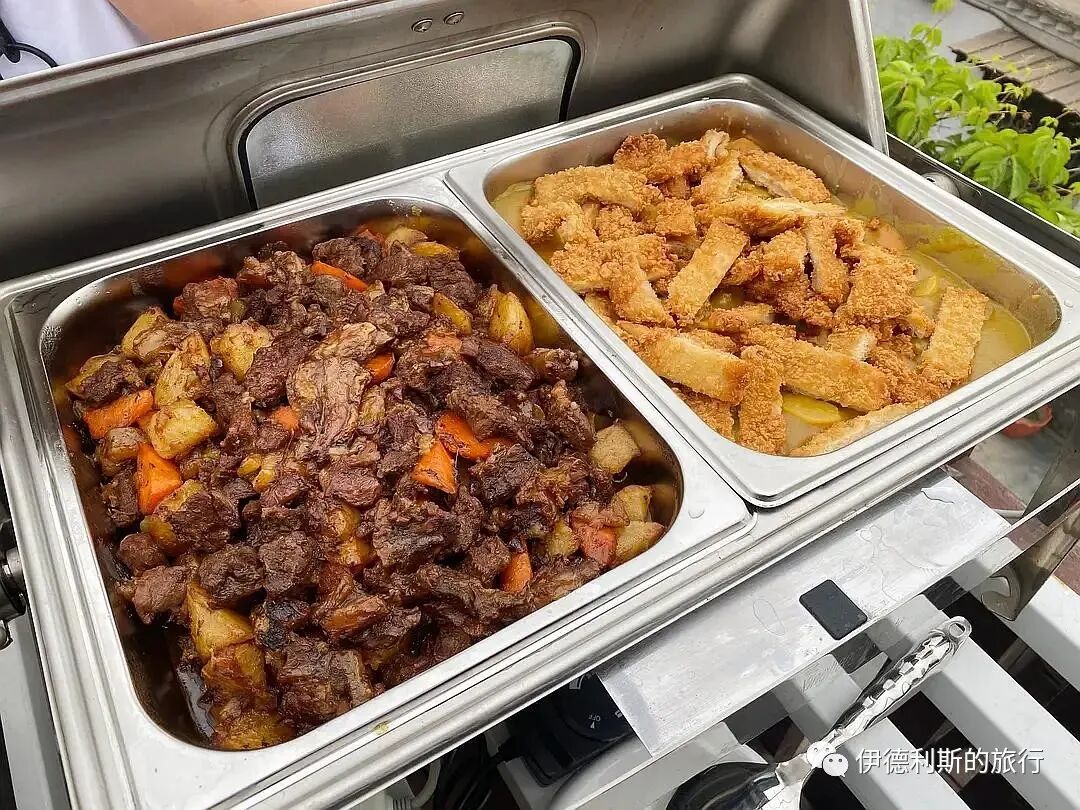
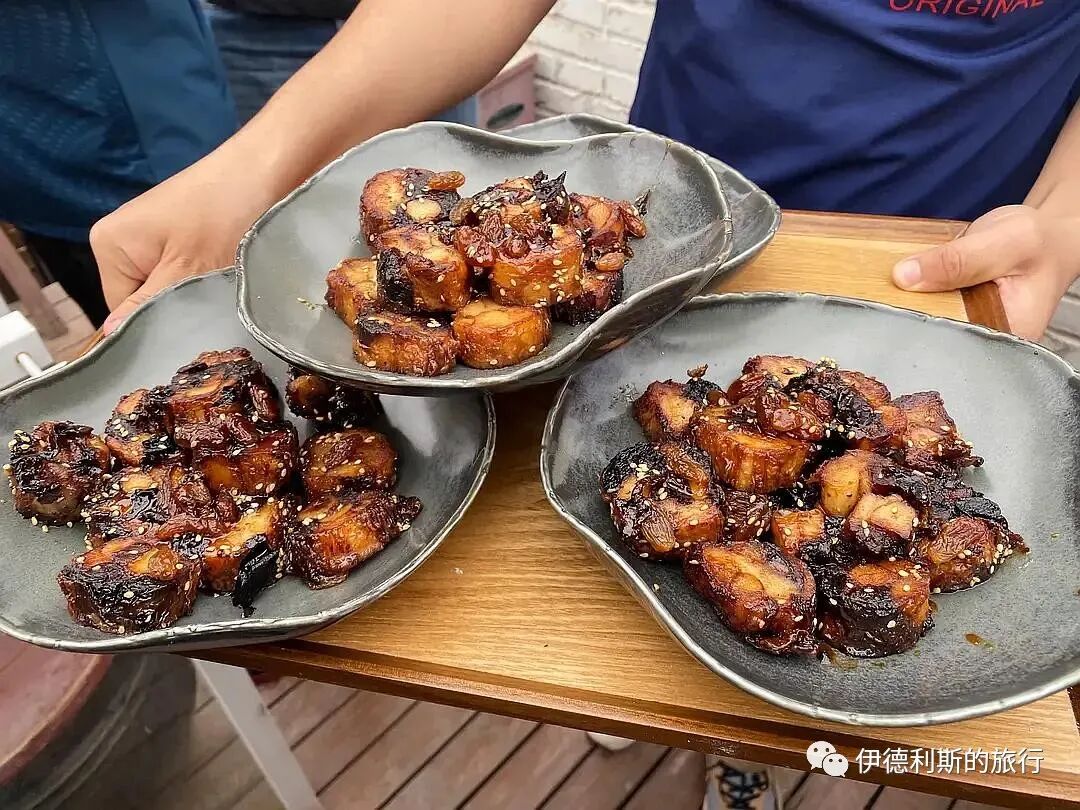
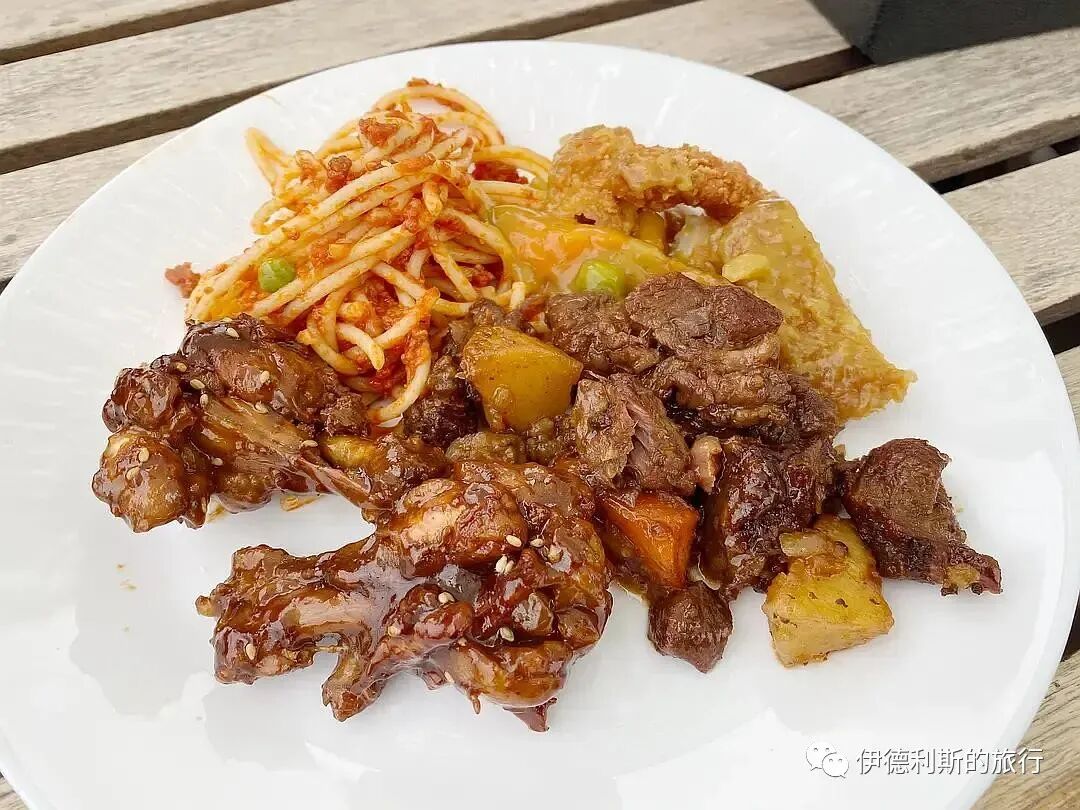
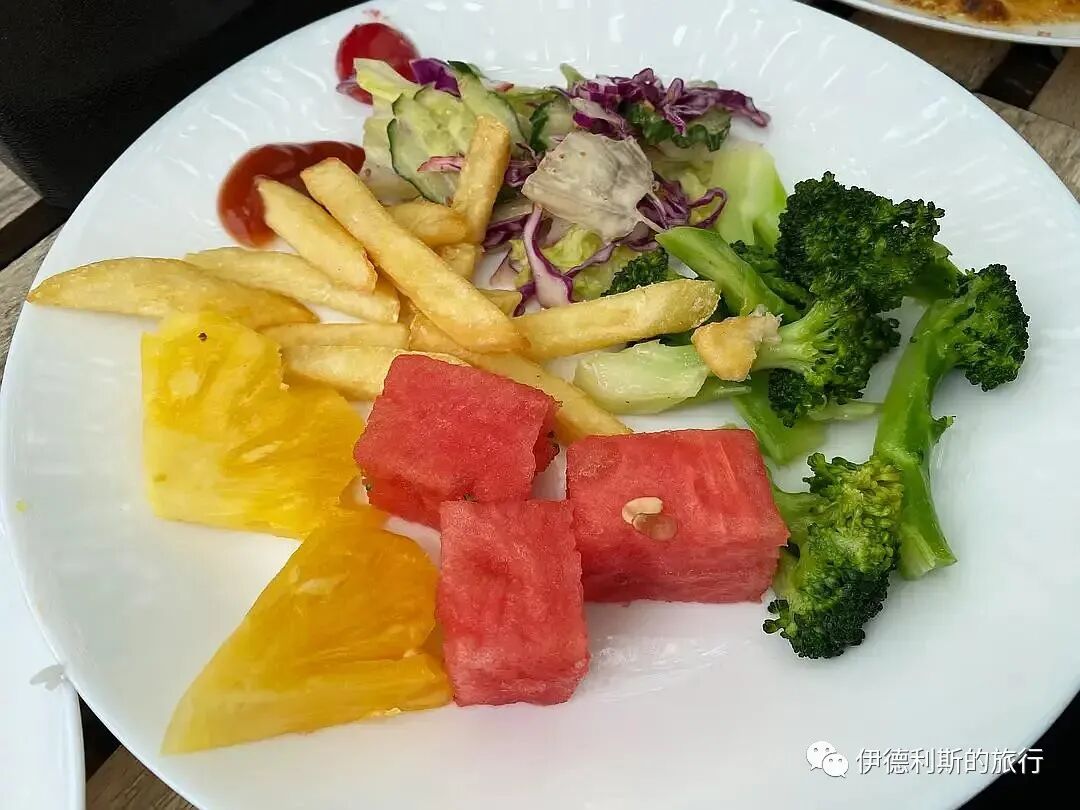
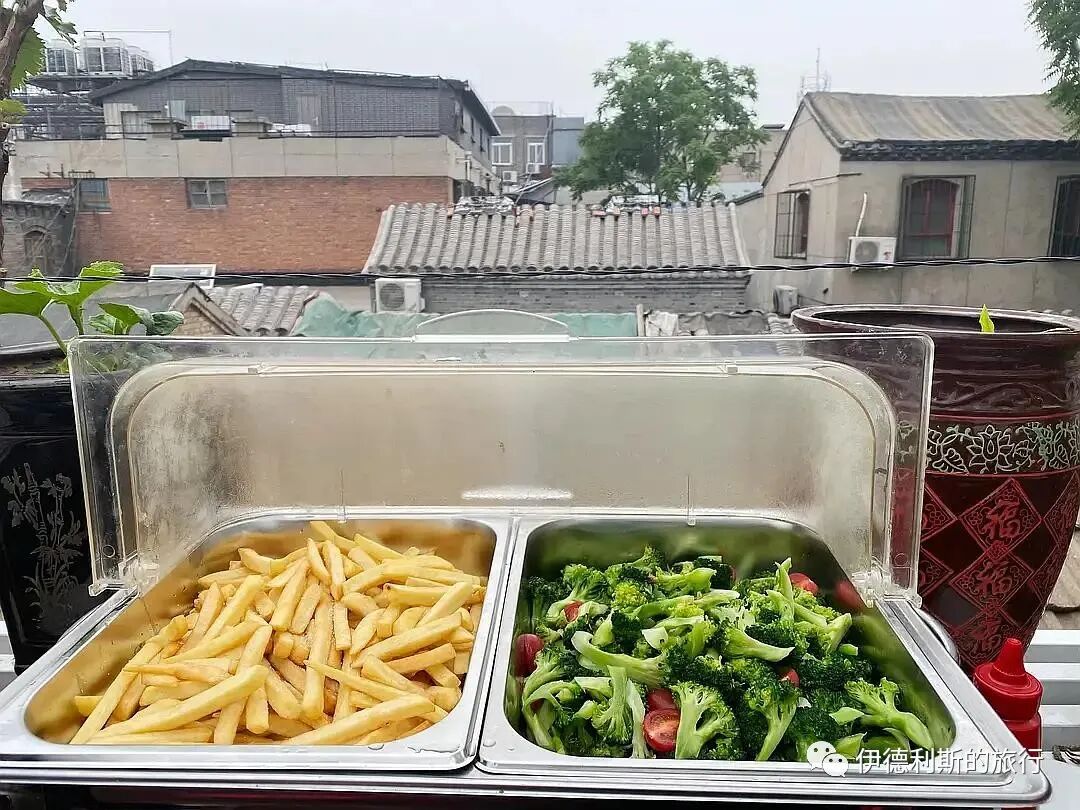
After the Eid al-Fitr prayer in 2021, our Dostani gathered at Ji'anzhai for a buffet. The descendants of Ji'antang Wang Hui Muslim Plaster Shop fried youxiang (deep-fried flour dough) for us personally. It was super delicious, with a chewy texture and not hard at all. We also ate the old Beijing Hui Muslim specialty stewed beef and tangjuanguo (candied yam and date rolls). The beef is bought from Niujie every morning and stewed fresh, never kept overnight. Tangjuanguo is made by steaming yams with dates and raisins, then stir-frying them in sugar, which is very time-consuming to make. In addition to old Beijing specialties, there were also chicken curry, tomato pasta, fried cod fillets, fruit salad, and small cream cakes. It was a very satisfying meal!
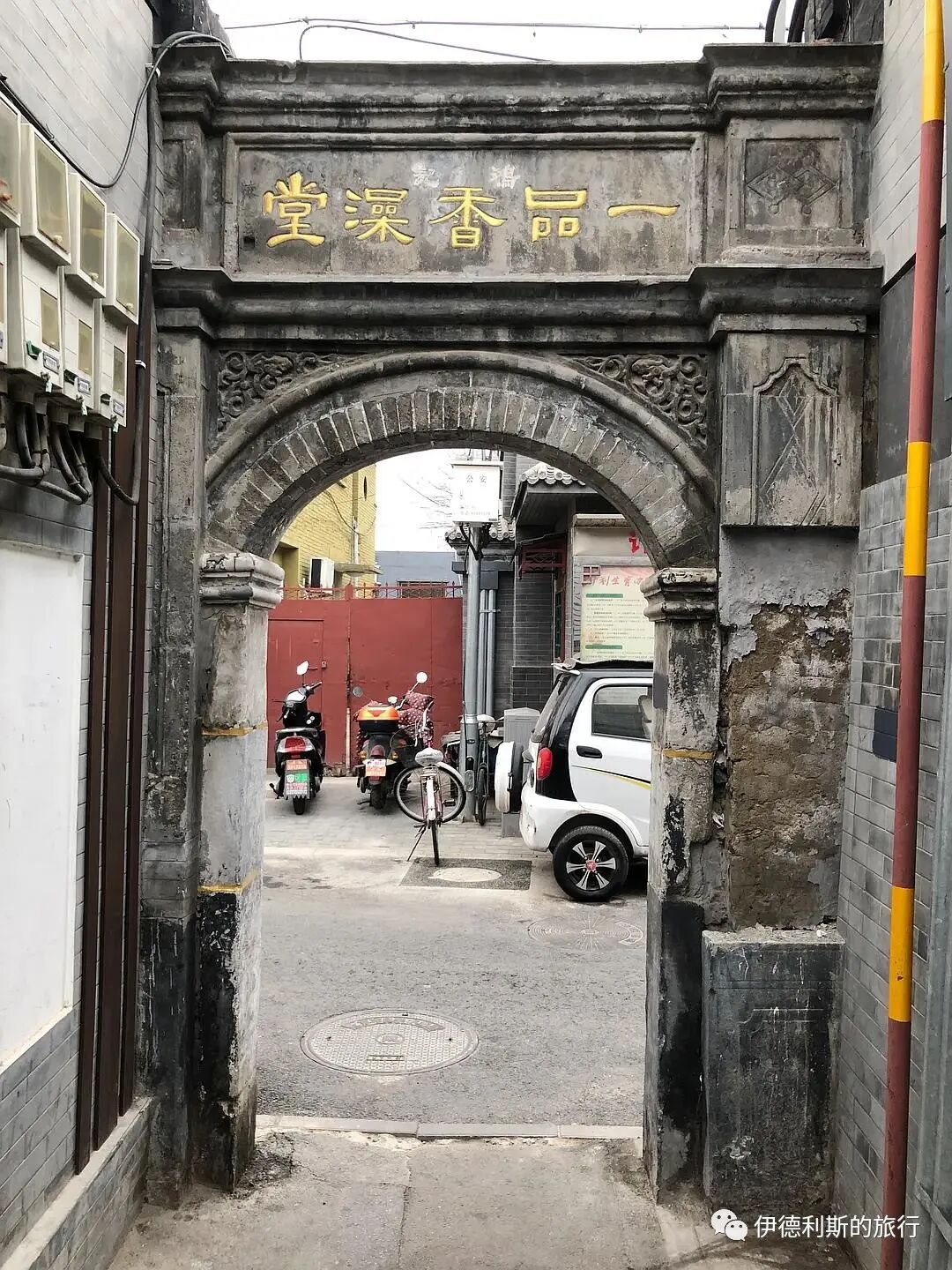
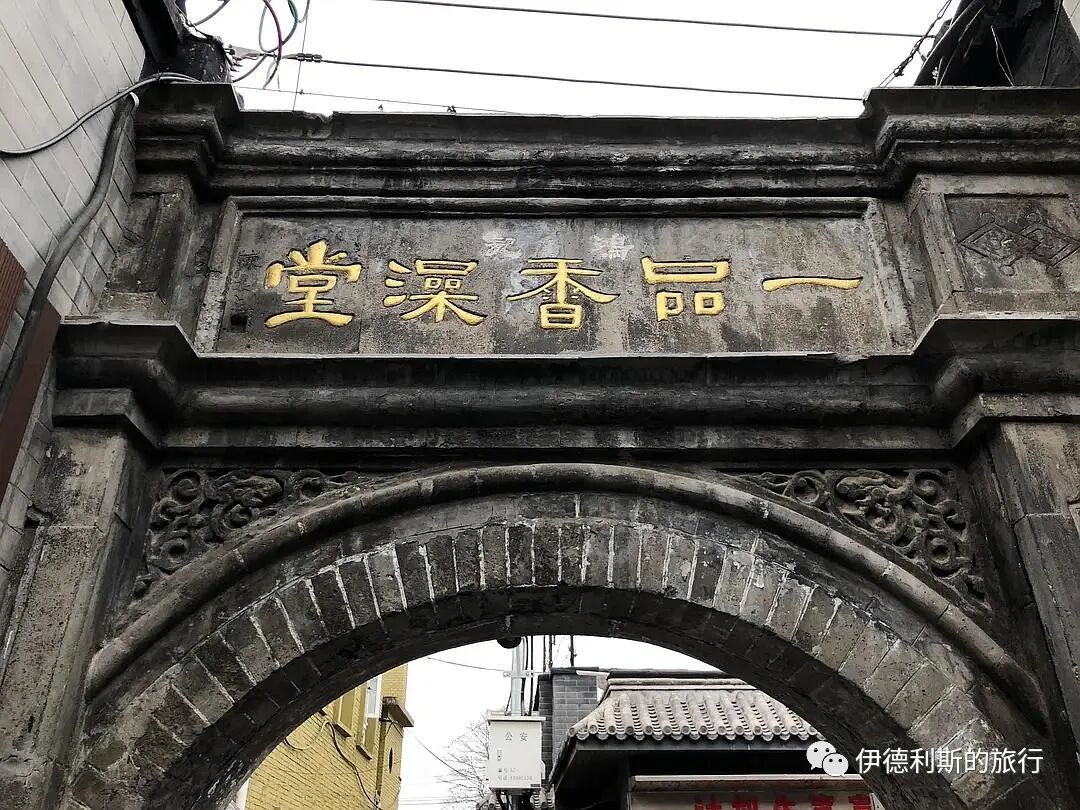
3. Gate tower of the Halal Yipinxiang Bathhouse
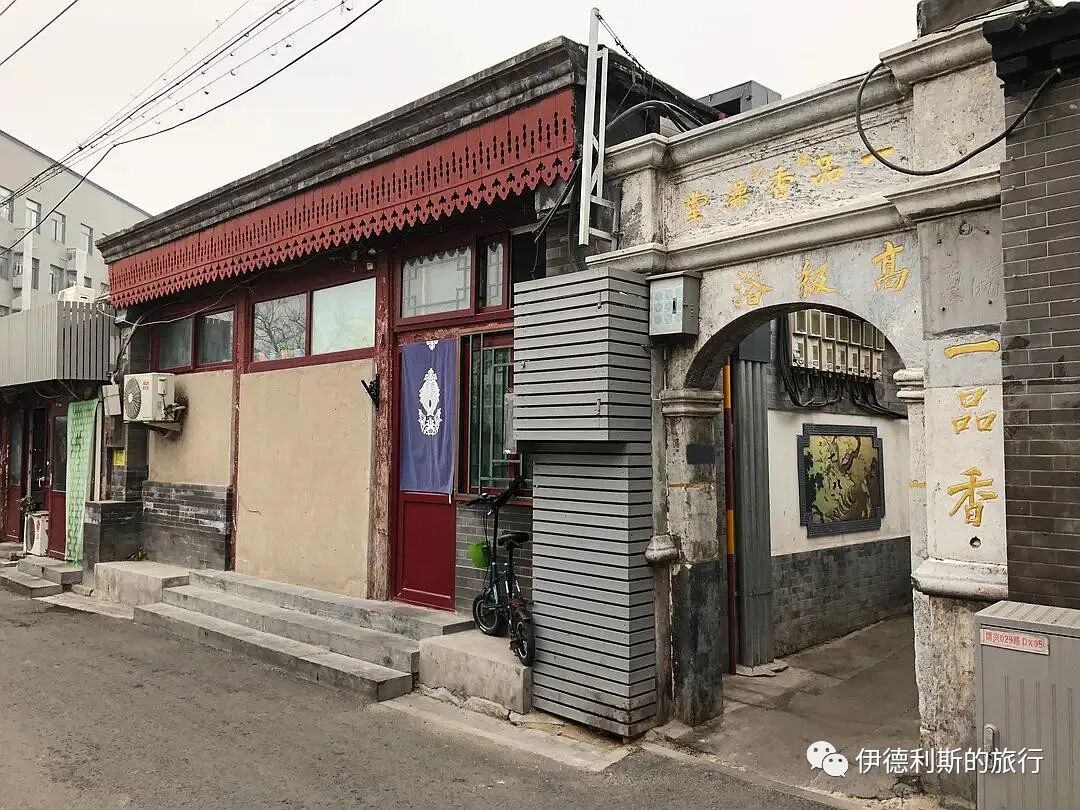
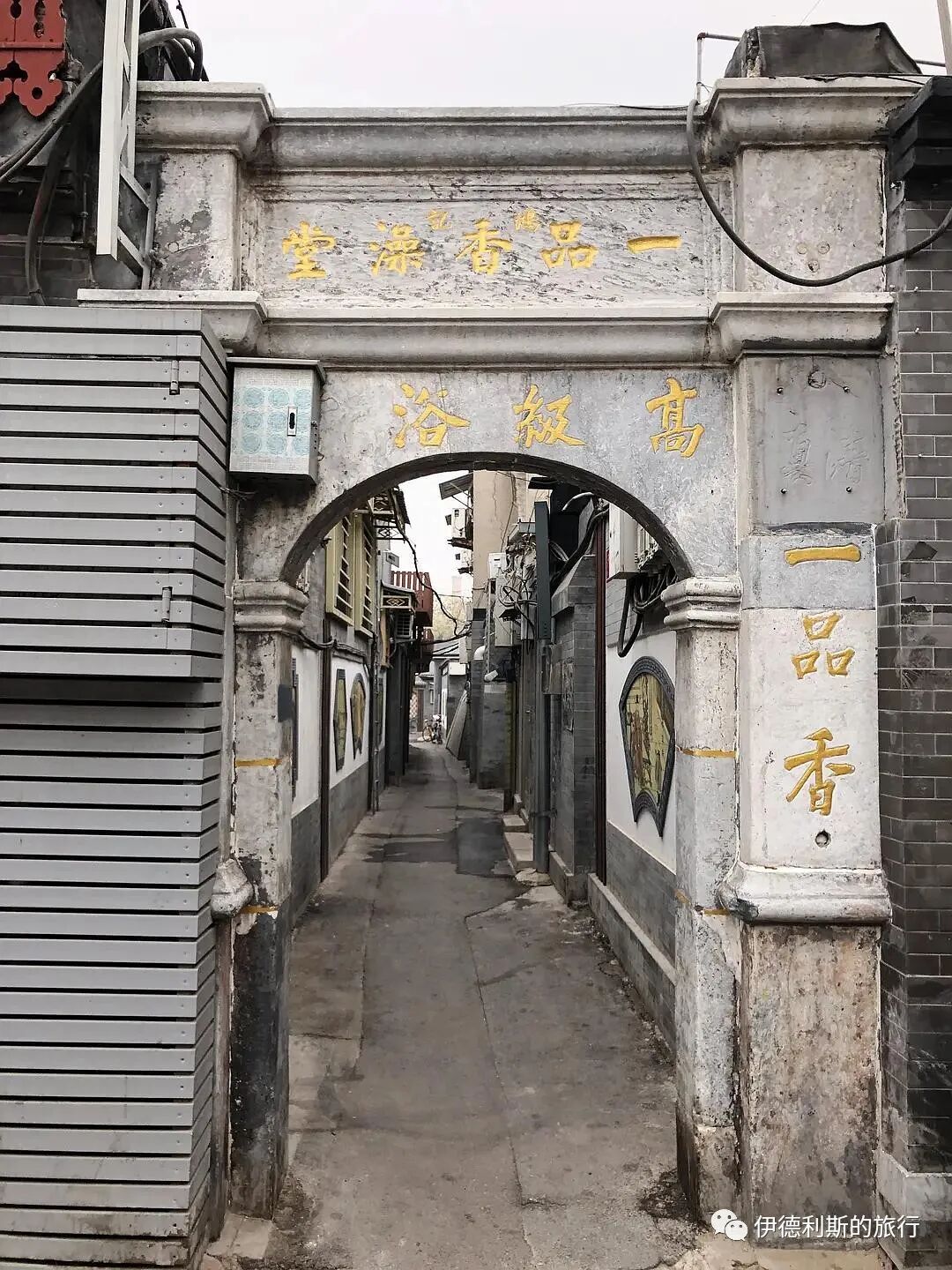
The Halal Yipinxiang Bathhouse is located on Zongshu Xiejie outside Qianmen. Zongshu Xiejie was originally called Wang Guafu Xiejie and Wang Guangfu Xiejie. It belongs to the 'Eight Great Hutongs' and was famous for its 'qingyin xiaoban' (high-class singing girl houses) during the Republican era. There were also various restaurants and bathhouses, and Yipinxiang was the most famous one among them.
Peking Opera master Ma Lianliang loved to soak in Yipinxiang. Zhang Aiyi wrote in 'Lingren Wangshi' (Past Stories of Actors): 'Ma Lianliang liked to soak in baths.' As long as there was a performance in the evening, he would definitely go to the bathhouse in the afternoon. First it was 'Yipinxiang' outside Qianmen, and later he switched to 'Qinghuachi' at Xizhushikou. Later on, he often went to 'Qinghuayuan' at Bamiancao. After soaking, he would ask a professional master to give him a pedicure. This was because he wore boots all year round for performing, which caused corns. Every time he went to the bathhouse, Ma Lianliang would bring some cigarettes and tea to give to the masters and workers. "
Besides going alone, Ma Lianliang often went to Yipinxiang with the 'King of Drum Singing' Liu Baoquan. Ma Lianliang wrote about this in 'Reminiscing about Mr. Liu Baoquan', around the 1920s: 'After some time, introduced by the late famous Peking Opera actor Mr. Wang Yaoqing, I met Mr. Liu Baoquan.' We hit it off immediately and soon became close friends. For more than five years after that, we were together day and night, inseparable. Every day I would go to his home at Mianhua Jiutiao to find him. We would stroll around together, take a walk, and then go to the 'Yipinxiang' bathhouse to bathe. In the afternoon, we would go to Liangyixuan to eat together. After eating, we would go to the theater together to watch the performances of Yu Shuyan and Yang Xiaolou. This was almost our daily routine. "
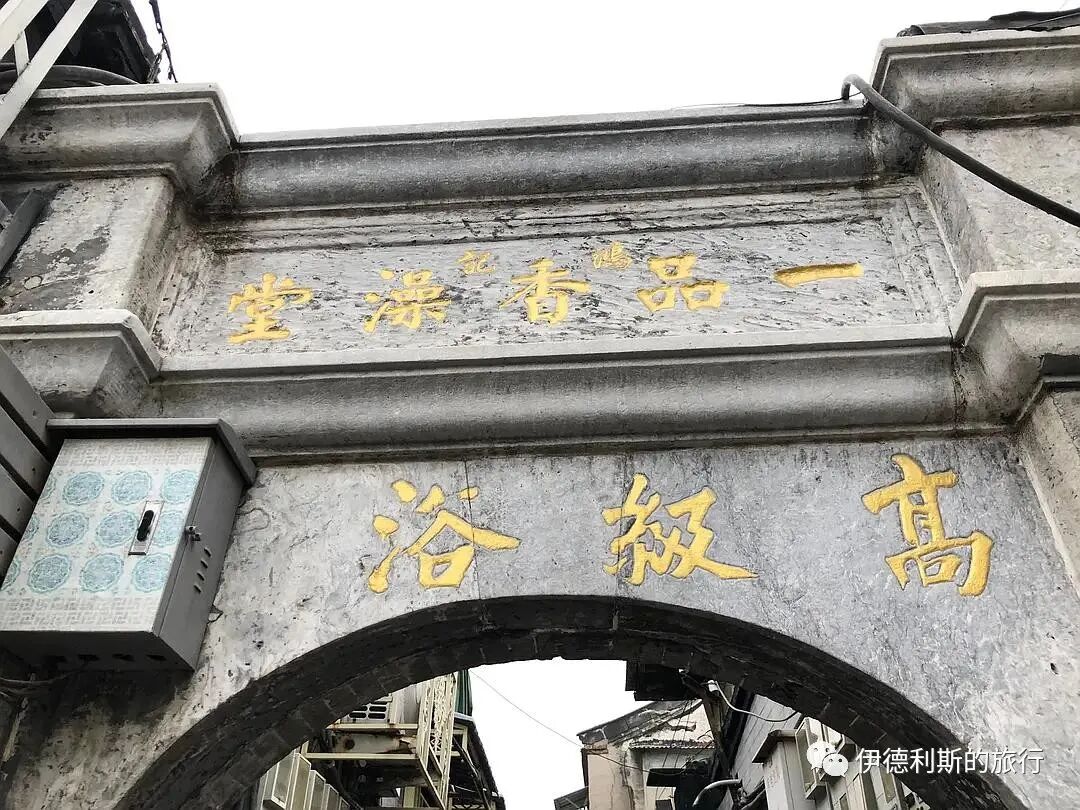
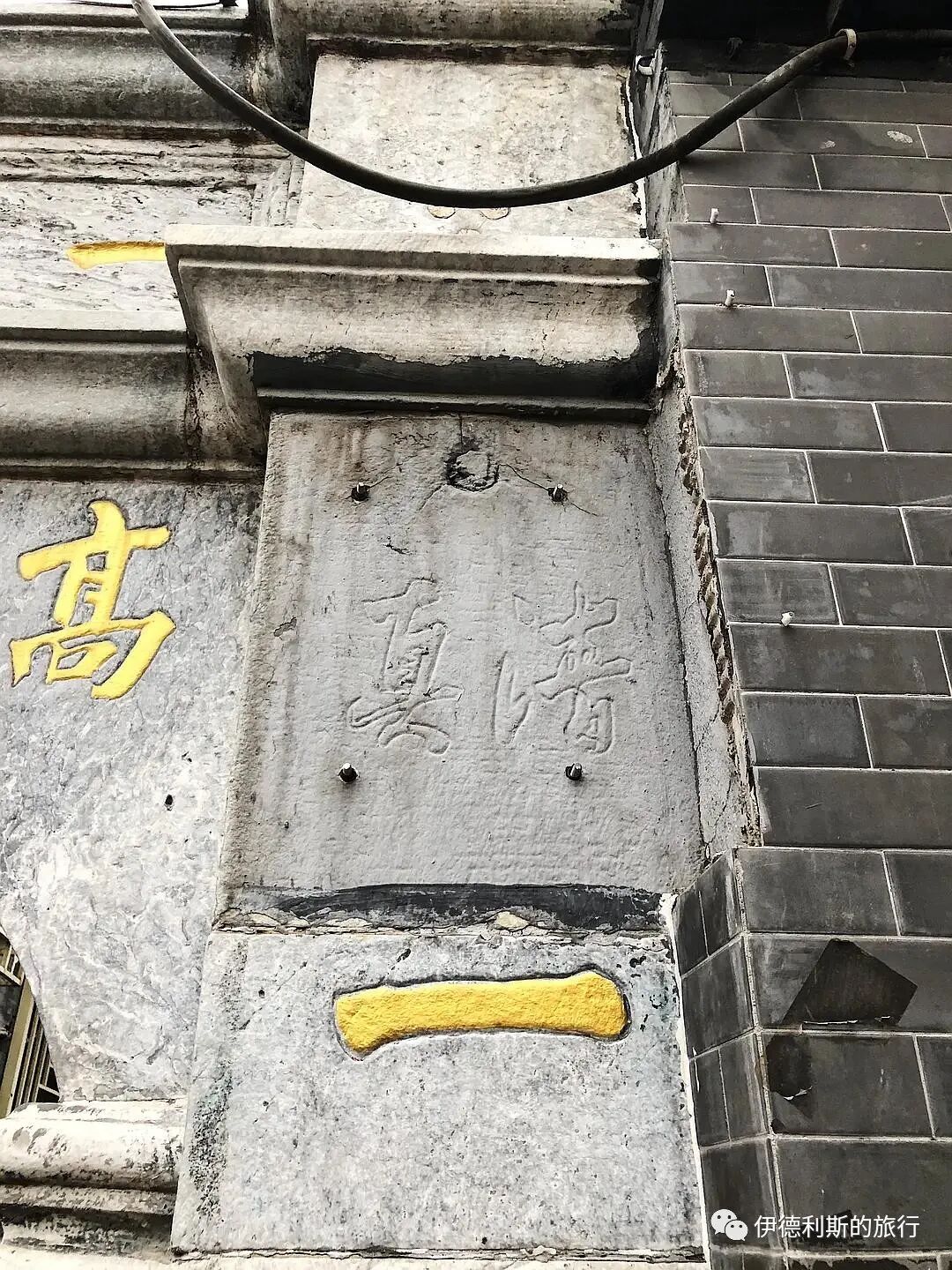
Yipinxiang Bathhouse also continued to develop during the Republican era. This can be seen by comparing the 'Revised Practical Beijing Guide' published by the Commercial Press in the 12th year of the Republic of China and the 'Beijing Travel Guide' published by Xinhua Bookstore in the 30th year of the Republic of China.
In the 12th year of the Republic of China, Yipinxiang was not yet a first-class bathhouse and could only be ranked as a 'slightly inferior' second-class one, using cement basins and vat basins: 'The slightly inferior ones are Yipinxiang, Huayuan, Wenyayuan, Yuqing, Qingquan, Dongxing, Yuhua, Qihua, Xinhuachi, Baoquan, Yihe, etc.' Most of their equipment consisted of cement basins and vat basins, with some enamel basins. The bathing price varied from four jiao, three jiao, two jiao, to one jiao. Fees for back scrubbing and haircuts were two jiao or one jiao. "
By the 30th year of the Republic of China, Yipinxiang was already one of the most famous bathhouses in Beijing, on par with the Qinghuachi we are familiar with. At that time, the downstairs of the bathhouse was built with white ceramic tiles into 'warm five pools', while upstairs there were individual enamel bathtubs. At the same time, Yipinxiang had the most popular pedicure master in Beijing at the time, who specialized in treating athlete's foot: 'There are currently 123 bathhouses in the city.' In recent years, it has developed day by day with the progress of the times. Because human evolution has made everyone aware of cleanliness, those in this industry also know how to adapt to the times and make improvements. Most of the pools have been changed to warm five pools, built with white ceramic tiles. The pools are wide and deep, actually surpassing those in Shanghai, Wuhan, and Nanjing. Bathtubs have also been changed from wooden to enamel, which is much cleaner and more beautiful than before. Those with the most perfect equipment, such as Qinghuayuan and Yiheyuan in the East City, Huabaoyuan and Yuhuayuan in the West City, and Qinghuachi and Yipinxiang in the Outer City, are all very prosperous. The prices are divided into official basins, elegant seats, upstairs, downstairs... The pedicure master at Yipinxiang is named Wei Wenxi, who has long been famous in this field, and all bathhouses compete to hire him. Southerners in Beijing suffering from athlete's foot all seek out Little Wei, because once he scrapes it, it feels like a heavy burden has been lifted. For this reason, Little Wei is often too busy to attend to everyone. "
In addition, according to the 'Beijing Industrial and Commercial Guide' edited by Zhengfeng Economic Society in the 28th year of the Republic of China, the owner of Yipinxiang was named Wang Houqi, a native of Wanping, Hebei (which includes the western part of Beijing, including today's Xicheng District). However, I have not been able to find more information about Wang Houqi, and I hope there will be new discoveries in the future.
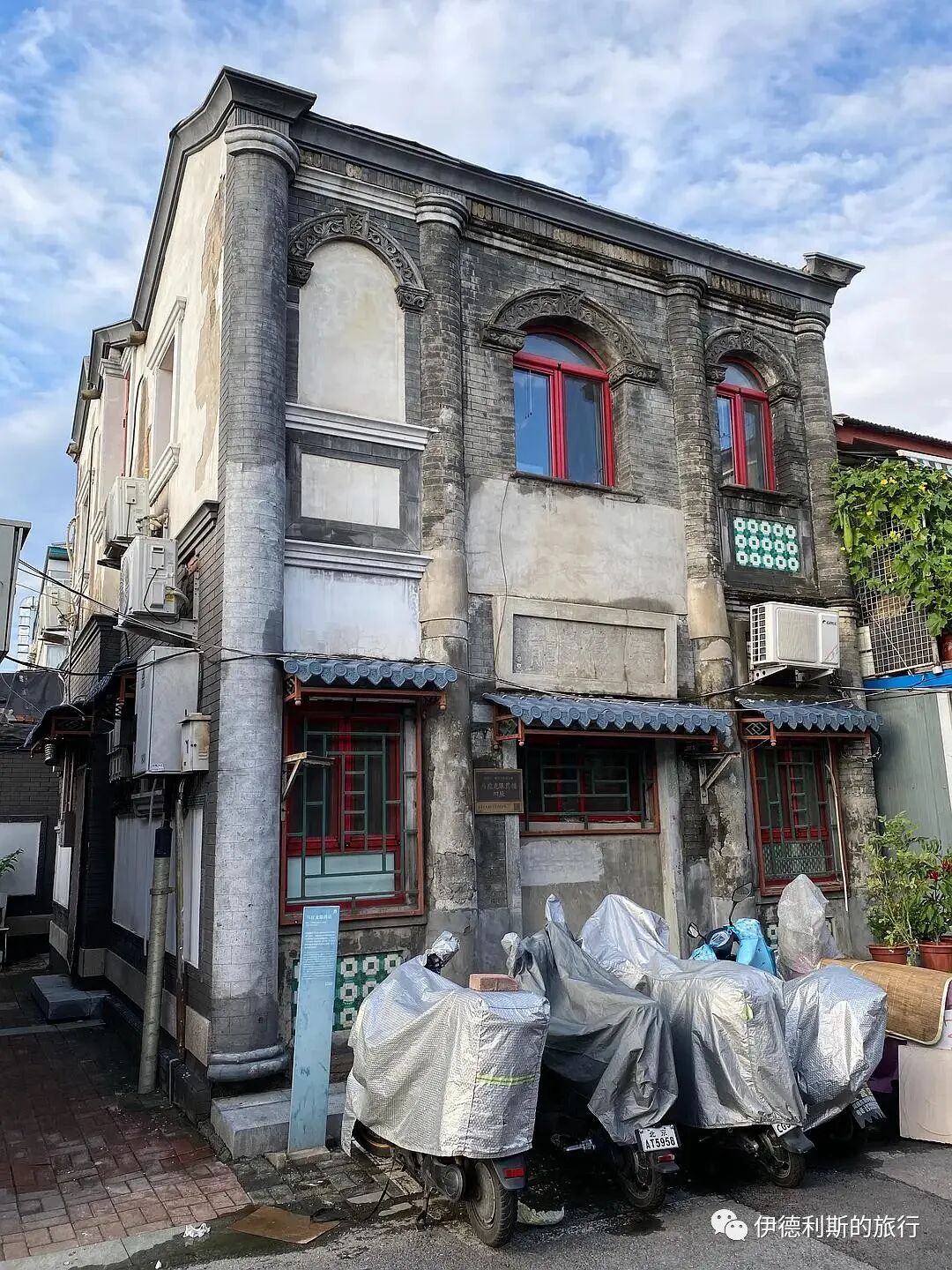
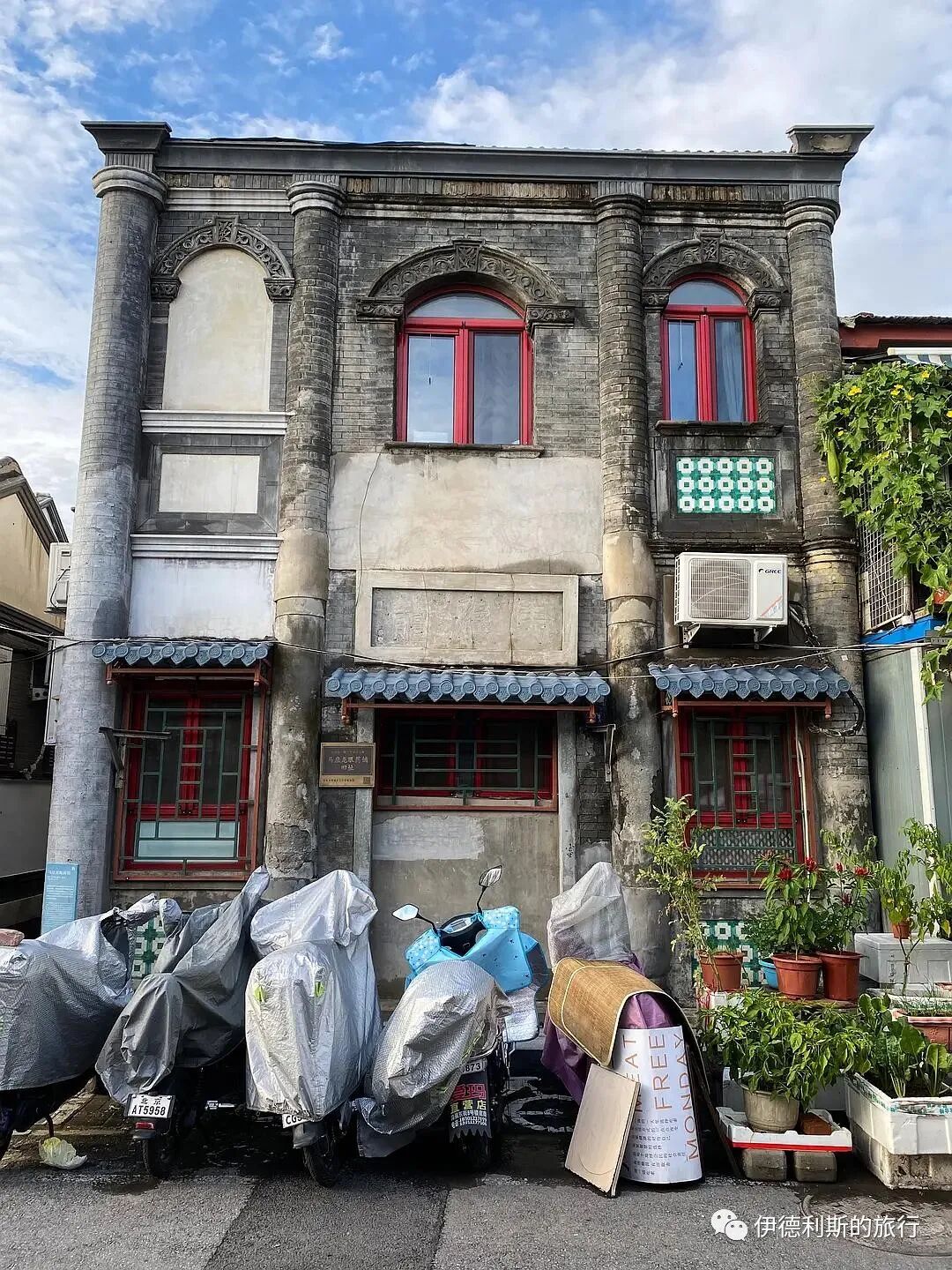
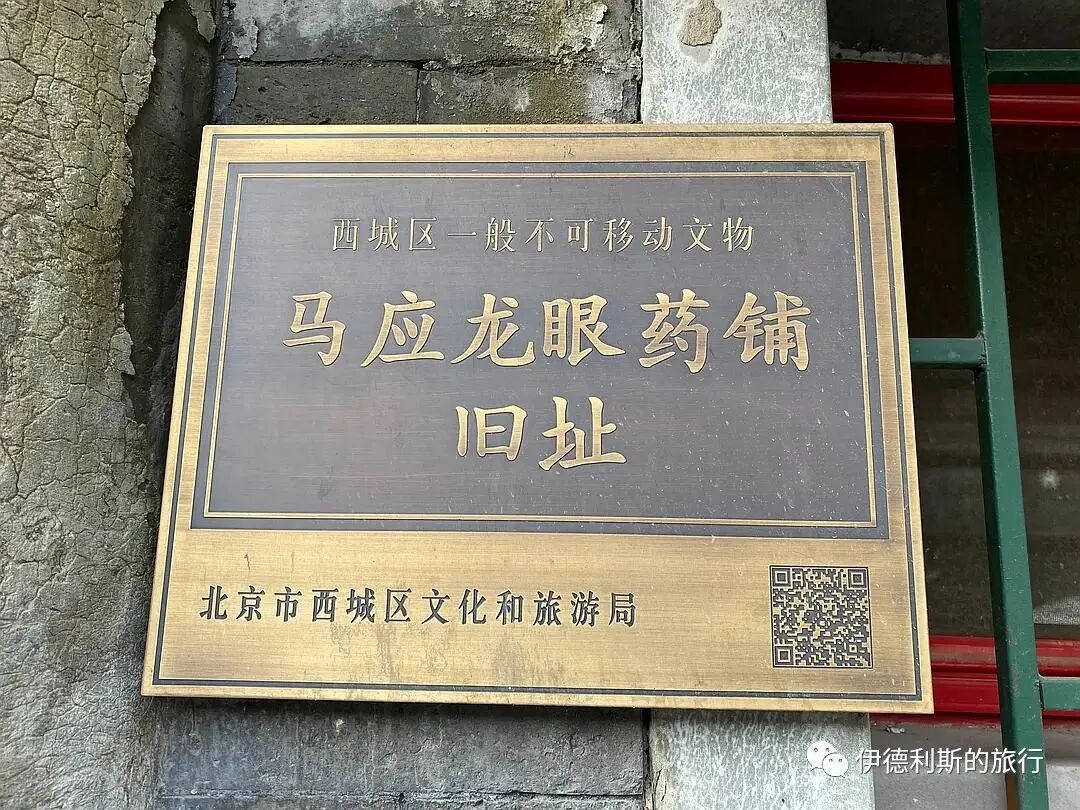
4. Ma Yinglong Eye Medicine Shop storefront
In 1875 (the first year of the Guangxu reign of the Qing Dynasty), Ma Wanxing, a Hui Muslim from Dingzhou, Hebei, moved the Ma's Eye Medicine Shop from Dingzhou to Beijing and opened the 'Beijing Ma Yinglong Eye Medicine Shop' at Xiheyan, Qianmen. 'Ma Yinglong' was his father's name.
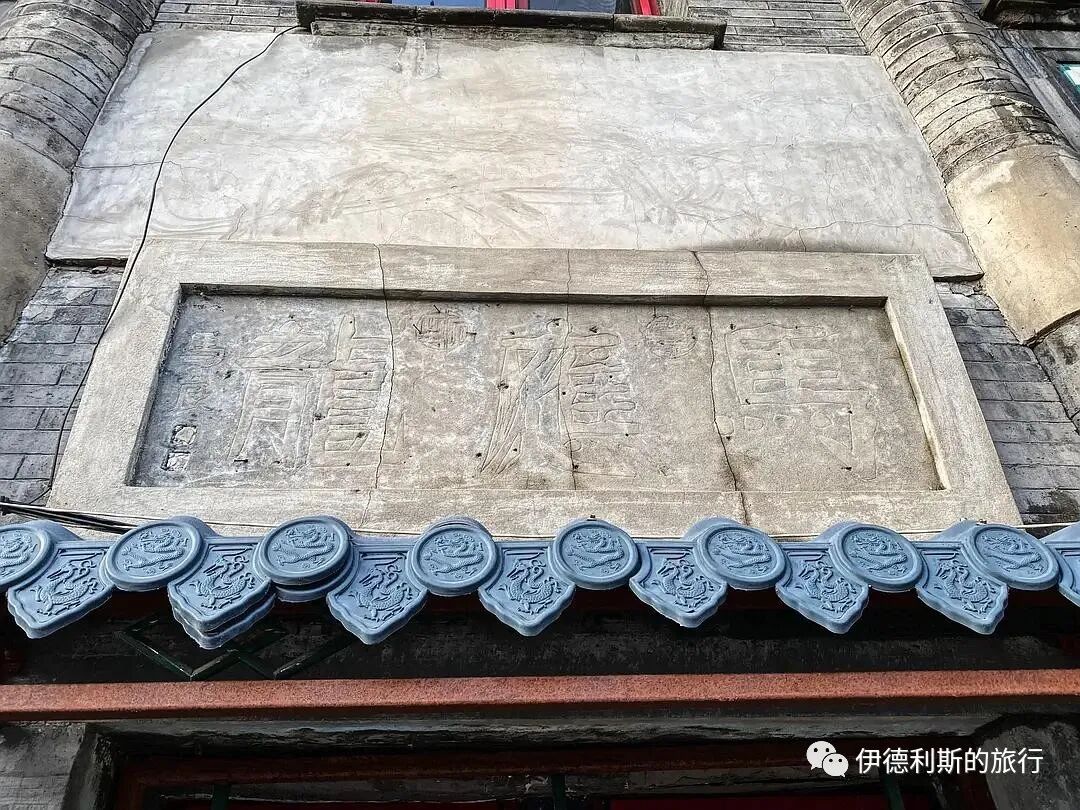
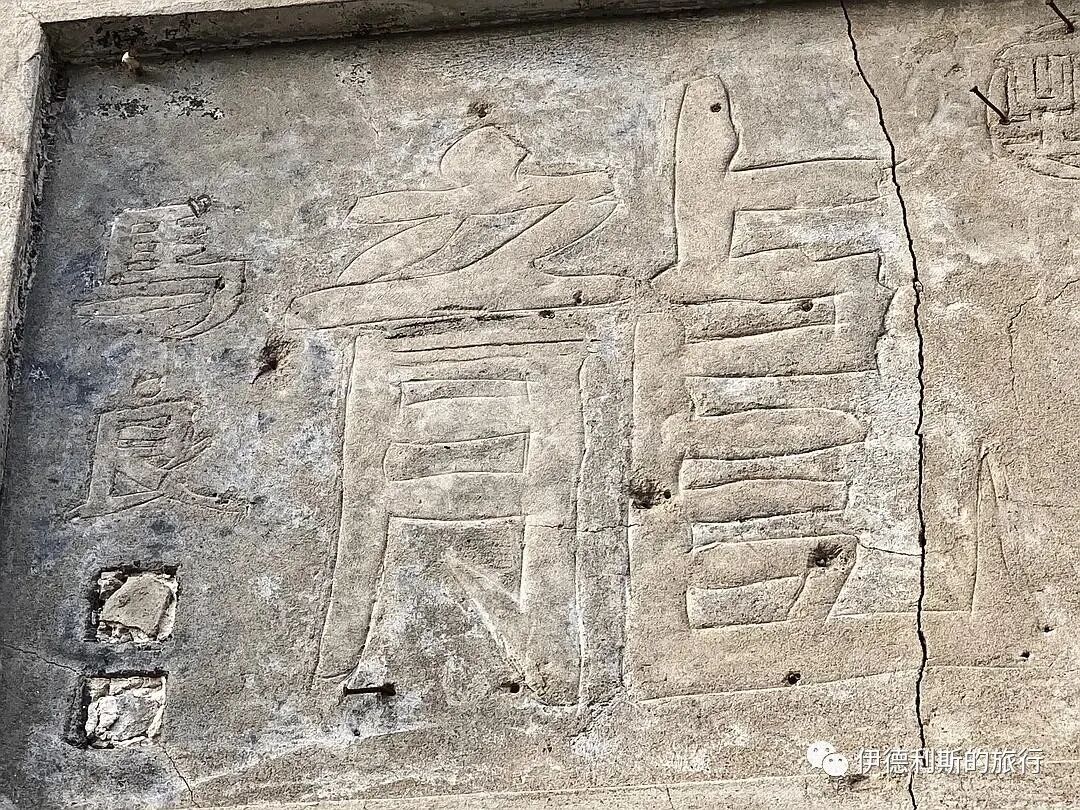
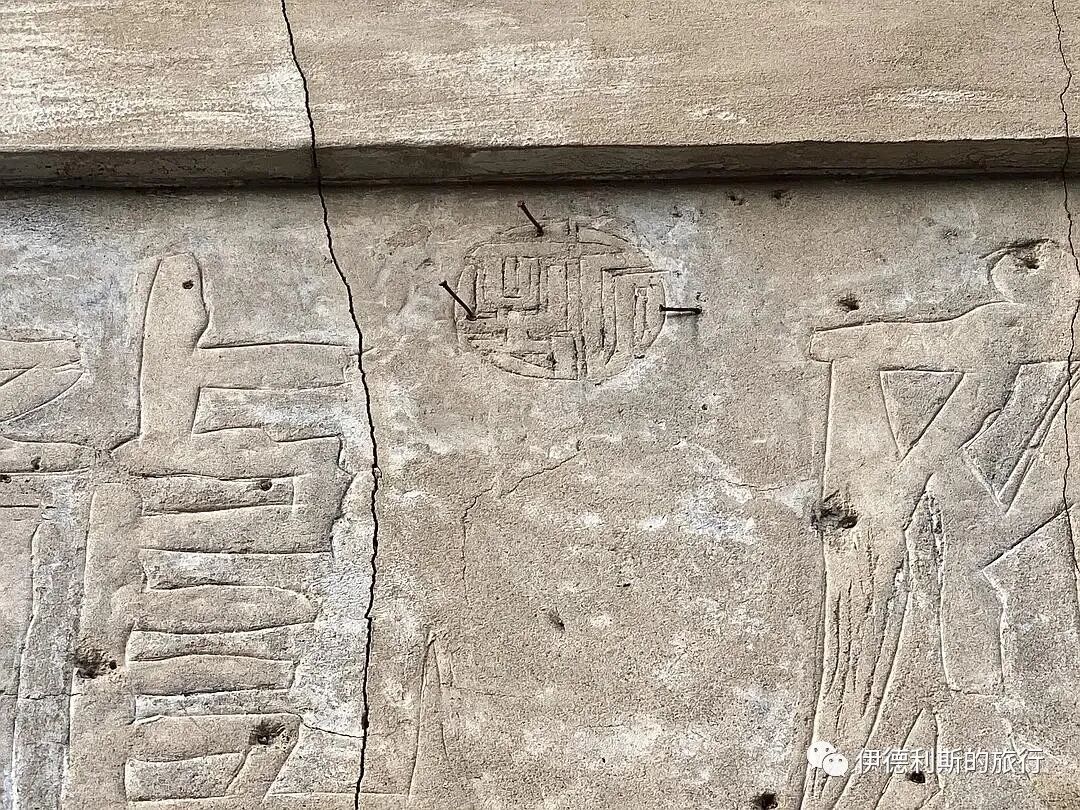
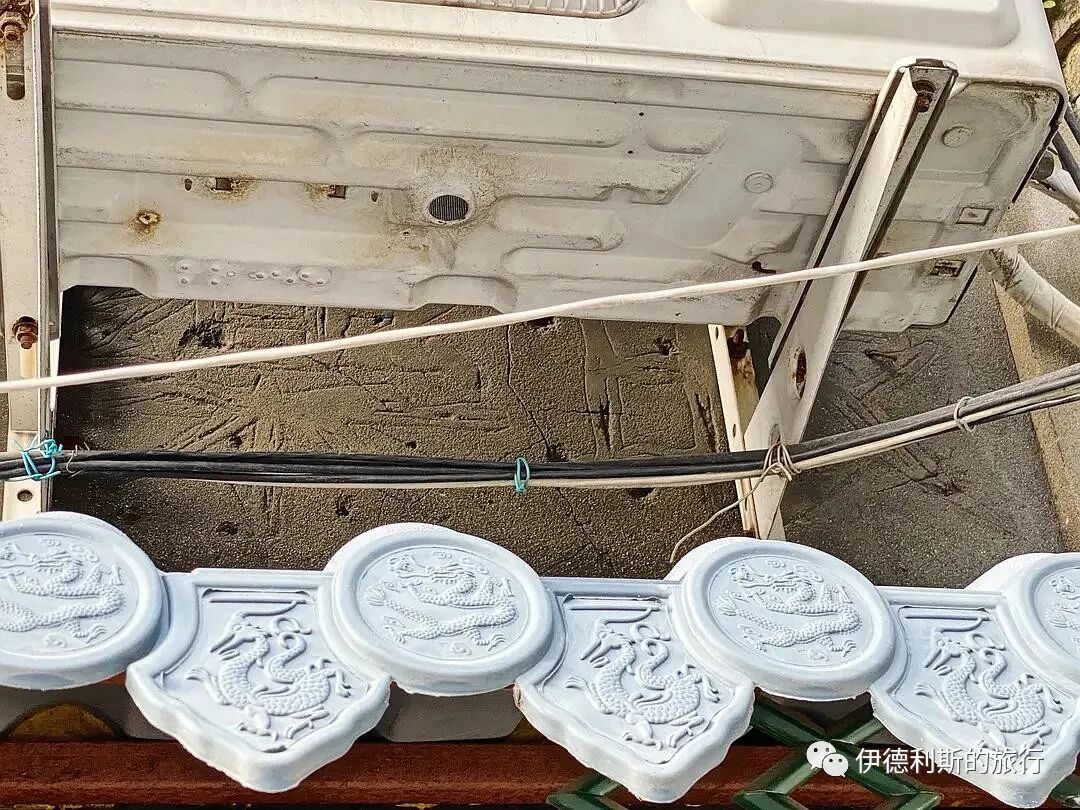
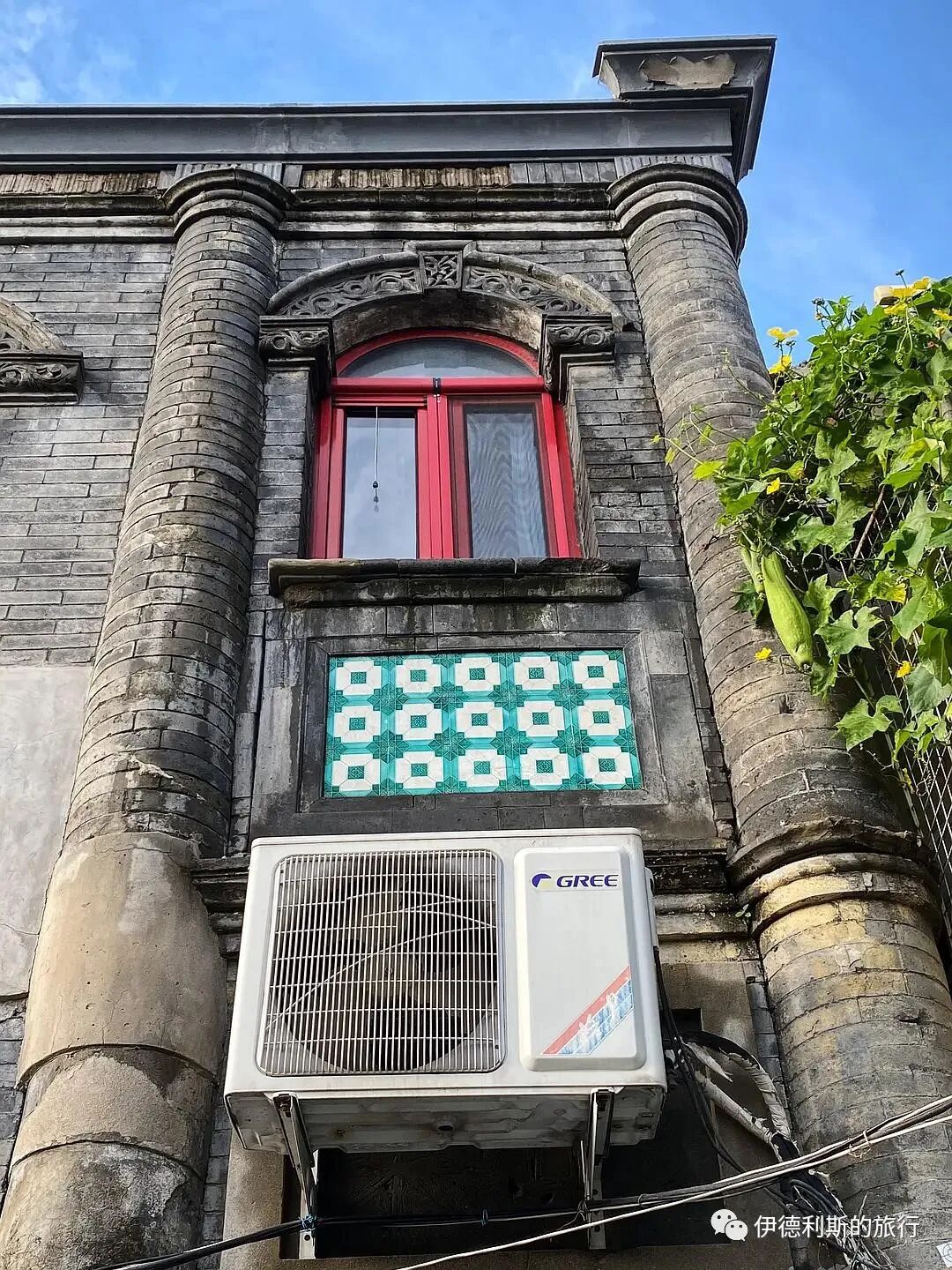
In 1923, Ma Wanxing's third son, Ma Liting, inherited the medicine shop and officially built the current Republican-style storefront at Xiheyan, Qianmen. There is a 'Ma Yinglong' plaque on the storefront, and the words 'Eye Medicine' can also be seen on the right, covered by an air conditioner. The plaque was inscribed by Ma Liang, a Beiyang warlord and a Hui Muslim from Qingyuan, Hebei (now Qingyuan District, Baoding).
After the 1930s, Ma Yinglong successively set up branches across the country and expanded sales through mail order, even exporting to Europe. After the public-private partnership in 1957, Ma Liting served as the deputy section chief of the processing department of the Beijing Medicinal Materials Company. In 1966, the whole family was sent back to their ancestral home in Dingzhou, and Beijing Ma Yinglong gradually withdrew from the historical stage.
In 1919, Ma Qishan, a cousin's grandson of Ma Wanxing, opened a Ma Yinglong branch on Hanzheng Street in Hankou, and later established the Ma Yinglong Shengji Pharmaceutical Factory. After the 1980s, it began to focus on hemorrhoid ointment, continuing the Ma Yinglong brand to this day.
Summary: This travel note introduces Old Hui Muslim Architecture Outside Qianmen, Beijing. Qianmen Mosque was originally named Tiaozhou Hutong Mosque. It was first built in the late Ming Dynasty (early 17th century) and renovated in 1680 (the 19th year of the Kangxi reign of the Qing Dynasty) and 1795 (the. It is useful for readers interested in Beijing Hui Muslims, Historic Buildings, Muslim Heritage.
1. Qianmen Mosque
Qianmen Mosque was originally named Tiaozhou Hutong Mosque. It was first built in the late Ming Dynasty (early 17th century) and renovated in 1680 (the 19th year of the Kangxi reign of the Qing Dynasty) and 1795 (the 60th year of the Qianlong reign). It features the typical architectural style of North China mosques from the Qing Dynasty and is very well preserved. From the Qing Dynasty to the Republican era, many Hui Muslims outside Qianmen worked in the jade, jewelry, and antique calligraphy and painting industries. At that time, Qianmen Mosque was very lively, but with the changing times, the old mosque has returned to tranquility.
Chatting with Imam Wang of Qianmen Mosque. Imam Wang is a Hui Muslim from Niujie. With his authentic Xuannan Beijing accent, he talks about the history and culture of the old Beijing Hui Muslims in a very thorough and vivid way.
The beautiful goulianda (interlocking roof structure) of Qianmen Mosque, where you can still see the chiwen (roof ridge ornaments) replaced by scroll patterns.
2. Ji'antang Wang Hui Muslim Plaster Shop storefront
Ji'antang Wang Hui Muslim Plaster Shop is located on Yangmeizhu Xiejie outside Qianmen. The Wang family has been running a plaster shop since the Wanli reign of the Ming Dynasty. It has been over 400 years now and is a district-level intangible cultural heritage. In the old days, Ji'antang had the shop in the front and the workshop in the back, where several generations lived and worked. Now, various cultural relics of the old Ji'antang shop are displayed in the street-facing storefront. The most precious item is the original wooden plaque preserved on the second-floor terrace.
After the public-private partnership in 1956, Ji'antang was merged into Tongrentang. The plaster shop on Yangmeizhu Xiejie was closed and converted into staff dormitories, and the Wang family also became employees of Tongrentang. After the 1960s, the Ji'antang storefront was reclaimed. Through unremitting efforts, the Wang family successfully retrieved it in 1997. After renovation, the Wang family reopened the old storefront as a bookstore in 2004, naming it Ji'anzhai. In 2014, Yangmeizhu Xiejie became a pilot project for the Beijing Design Week. Ji'anzhai took this opportunity to upgrade into a coffee bookstore, which is still in operation today. The landlady is the 21st-generation descendant of Ji'antang.
The original shop sign (huozi) of the plaster shop, which is of great historical significance.
On December 5, 2020, our Dostani (friends/companions) had a dinner party in the small siheyuan (courtyard house) behind Ji'anzhai. We ate crab roe noodles, beef rice, chicken curry, fried chicken with fries, and salad. The environment of the small courtyard is very good and very suitable for gatherings. It was my first time eating crab roe noodles, and the portion was very generous. The landlady said it was made by manually extracting the roe and meat from 8 full-roe zha crabs.
After the Eid al-Fitr prayer in 2021, our Dostani gathered at Ji'anzhai for a buffet. The descendants of Ji'antang Wang Hui Muslim Plaster Shop fried youxiang (deep-fried flour dough) for us personally. It was super delicious, with a chewy texture and not hard at all. We also ate the old Beijing Hui Muslim specialty stewed beef and tangjuanguo (candied yam and date rolls). The beef is bought from Niujie every morning and stewed fresh, never kept overnight. Tangjuanguo is made by steaming yams with dates and raisins, then stir-frying them in sugar, which is very time-consuming to make. In addition to old Beijing specialties, there were also chicken curry, tomato pasta, fried cod fillets, fruit salad, and small cream cakes. It was a very satisfying meal!
3. Gate tower of the Halal Yipinxiang Bathhouse
The Halal Yipinxiang Bathhouse is located on Zongshu Xiejie outside Qianmen. Zongshu Xiejie was originally called Wang Guafu Xiejie and Wang Guangfu Xiejie. It belongs to the 'Eight Great Hutongs' and was famous for its 'qingyin xiaoban' (high-class singing girl houses) during the Republican era. There were also various restaurants and bathhouses, and Yipinxiang was the most famous one among them.
Peking Opera master Ma Lianliang loved to soak in Yipinxiang. Zhang Aiyi wrote in 'Lingren Wangshi' (Past Stories of Actors): 'Ma Lianliang liked to soak in baths.' As long as there was a performance in the evening, he would definitely go to the bathhouse in the afternoon. First it was 'Yipinxiang' outside Qianmen, and later he switched to 'Qinghuachi' at Xizhushikou. Later on, he often went to 'Qinghuayuan' at Bamiancao. After soaking, he would ask a professional master to give him a pedicure. This was because he wore boots all year round for performing, which caused corns. Every time he went to the bathhouse, Ma Lianliang would bring some cigarettes and tea to give to the masters and workers. "
Besides going alone, Ma Lianliang often went to Yipinxiang with the 'King of Drum Singing' Liu Baoquan. Ma Lianliang wrote about this in 'Reminiscing about Mr. Liu Baoquan', around the 1920s: 'After some time, introduced by the late famous Peking Opera actor Mr. Wang Yaoqing, I met Mr. Liu Baoquan.' We hit it off immediately and soon became close friends. For more than five years after that, we were together day and night, inseparable. Every day I would go to his home at Mianhua Jiutiao to find him. We would stroll around together, take a walk, and then go to the 'Yipinxiang' bathhouse to bathe. In the afternoon, we would go to Liangyixuan to eat together. After eating, we would go to the theater together to watch the performances of Yu Shuyan and Yang Xiaolou. This was almost our daily routine. "
Yipinxiang Bathhouse also continued to develop during the Republican era. This can be seen by comparing the 'Revised Practical Beijing Guide' published by the Commercial Press in the 12th year of the Republic of China and the 'Beijing Travel Guide' published by Xinhua Bookstore in the 30th year of the Republic of China.
In the 12th year of the Republic of China, Yipinxiang was not yet a first-class bathhouse and could only be ranked as a 'slightly inferior' second-class one, using cement basins and vat basins: 'The slightly inferior ones are Yipinxiang, Huayuan, Wenyayuan, Yuqing, Qingquan, Dongxing, Yuhua, Qihua, Xinhuachi, Baoquan, Yihe, etc.' Most of their equipment consisted of cement basins and vat basins, with some enamel basins. The bathing price varied from four jiao, three jiao, two jiao, to one jiao. Fees for back scrubbing and haircuts were two jiao or one jiao. "
By the 30th year of the Republic of China, Yipinxiang was already one of the most famous bathhouses in Beijing, on par with the Qinghuachi we are familiar with. At that time, the downstairs of the bathhouse was built with white ceramic tiles into 'warm five pools', while upstairs there were individual enamel bathtubs. At the same time, Yipinxiang had the most popular pedicure master in Beijing at the time, who specialized in treating athlete's foot: 'There are currently 123 bathhouses in the city.' In recent years, it has developed day by day with the progress of the times. Because human evolution has made everyone aware of cleanliness, those in this industry also know how to adapt to the times and make improvements. Most of the pools have been changed to warm five pools, built with white ceramic tiles. The pools are wide and deep, actually surpassing those in Shanghai, Wuhan, and Nanjing. Bathtubs have also been changed from wooden to enamel, which is much cleaner and more beautiful than before. Those with the most perfect equipment, such as Qinghuayuan and Yiheyuan in the East City, Huabaoyuan and Yuhuayuan in the West City, and Qinghuachi and Yipinxiang in the Outer City, are all very prosperous. The prices are divided into official basins, elegant seats, upstairs, downstairs... The pedicure master at Yipinxiang is named Wei Wenxi, who has long been famous in this field, and all bathhouses compete to hire him. Southerners in Beijing suffering from athlete's foot all seek out Little Wei, because once he scrapes it, it feels like a heavy burden has been lifted. For this reason, Little Wei is often too busy to attend to everyone. "
In addition, according to the 'Beijing Industrial and Commercial Guide' edited by Zhengfeng Economic Society in the 28th year of the Republic of China, the owner of Yipinxiang was named Wang Houqi, a native of Wanping, Hebei (which includes the western part of Beijing, including today's Xicheng District). However, I have not been able to find more information about Wang Houqi, and I hope there will be new discoveries in the future.
4. Ma Yinglong Eye Medicine Shop storefront
In 1875 (the first year of the Guangxu reign of the Qing Dynasty), Ma Wanxing, a Hui Muslim from Dingzhou, Hebei, moved the Ma's Eye Medicine Shop from Dingzhou to Beijing and opened the 'Beijing Ma Yinglong Eye Medicine Shop' at Xiheyan, Qianmen. 'Ma Yinglong' was his father's name.
In 1923, Ma Wanxing's third son, Ma Liting, inherited the medicine shop and officially built the current Republican-style storefront at Xiheyan, Qianmen. There is a 'Ma Yinglong' plaque on the storefront, and the words 'Eye Medicine' can also be seen on the right, covered by an air conditioner. The plaque was inscribed by Ma Liang, a Beiyang warlord and a Hui Muslim from Qingyuan, Hebei (now Qingyuan District, Baoding).
After the 1930s, Ma Yinglong successively set up branches across the country and expanded sales through mail order, even exporting to Europe. After the public-private partnership in 1957, Ma Liting served as the deputy section chief of the processing department of the Beijing Medicinal Materials Company. In 1966, the whole family was sent back to their ancestral home in Dingzhou, and Beijing Ma Yinglong gradually withdrew from the historical stage.
In 1919, Ma Qishan, a cousin's grandson of Ma Wanxing, opened a Ma Yinglong branch on Hanzheng Street in Hankou, and later established the Ma Yinglong Shengji Pharmaceutical Factory. After the 1980s, it began to focus on hemorrhoid ointment, continuing the Ma Yinglong brand to this day.
