
Urumqi Hui Muslim Banquet: Xinjiang Halal Food and Local Muslim Culture
Reposted from the web
Summary: This travel note introduces Urumqi Hui Muslim Banquet: Xinjiang Halal Food and Local Muslim Culture. On January 24, 2020, I attended a welcome banquet at Zainab's home in Urumqi and met her extended family. Next, I will share with everyone what we ate at this banquet. It is useful for readers interested in Urumqi Halal Food, Hui Muslims, Xinjiang Travel.
On January 24, 2020, I attended a welcome banquet at Zainab's home in Urumqi and met her extended family. Next, I will share with everyone what we ate at this banquet.
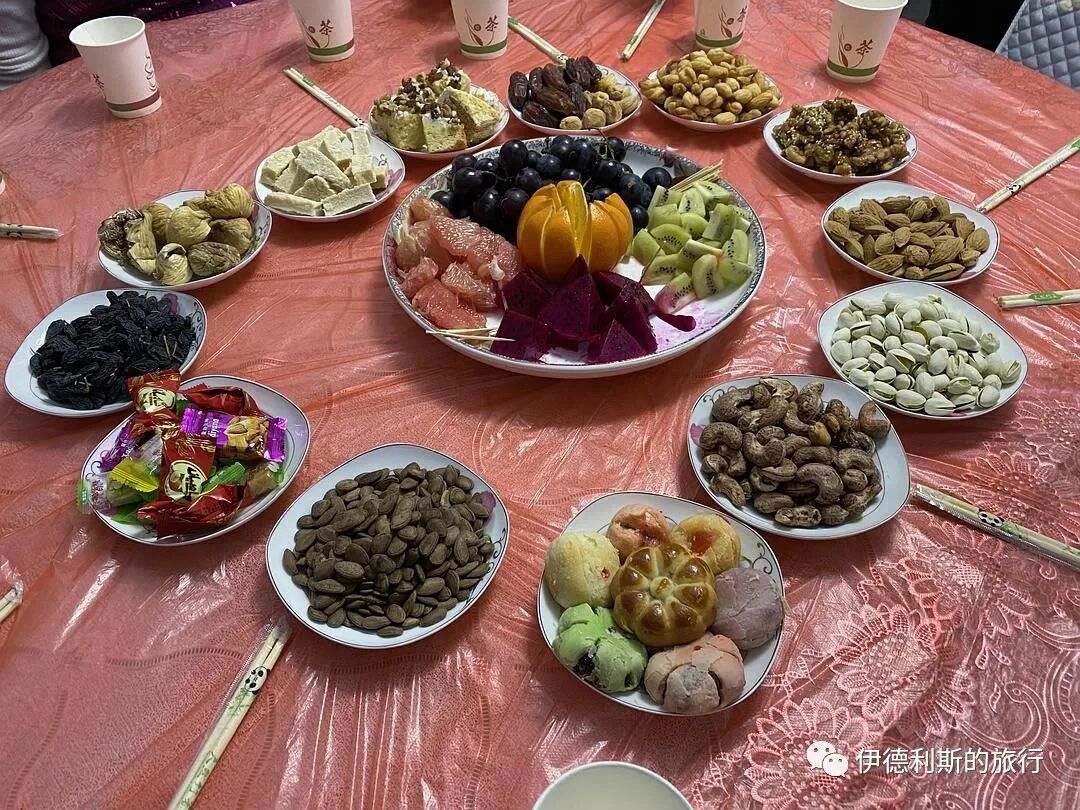
The food at the banquet was divided into two categories. Before eating the main meal, thirteen small plates were placed on the table containing various dried fruits and snacks, which are called 'thirteen little plates'. After everyone finished chatting, the plates were cleared and replaced with the main courses. Thirteen dishes were served in order, making a total of twenty-six types of food.
Thirteen little plates
The pronunciation here is die-die-zi, which is also a common tone combination in the Xinjiang dialect.
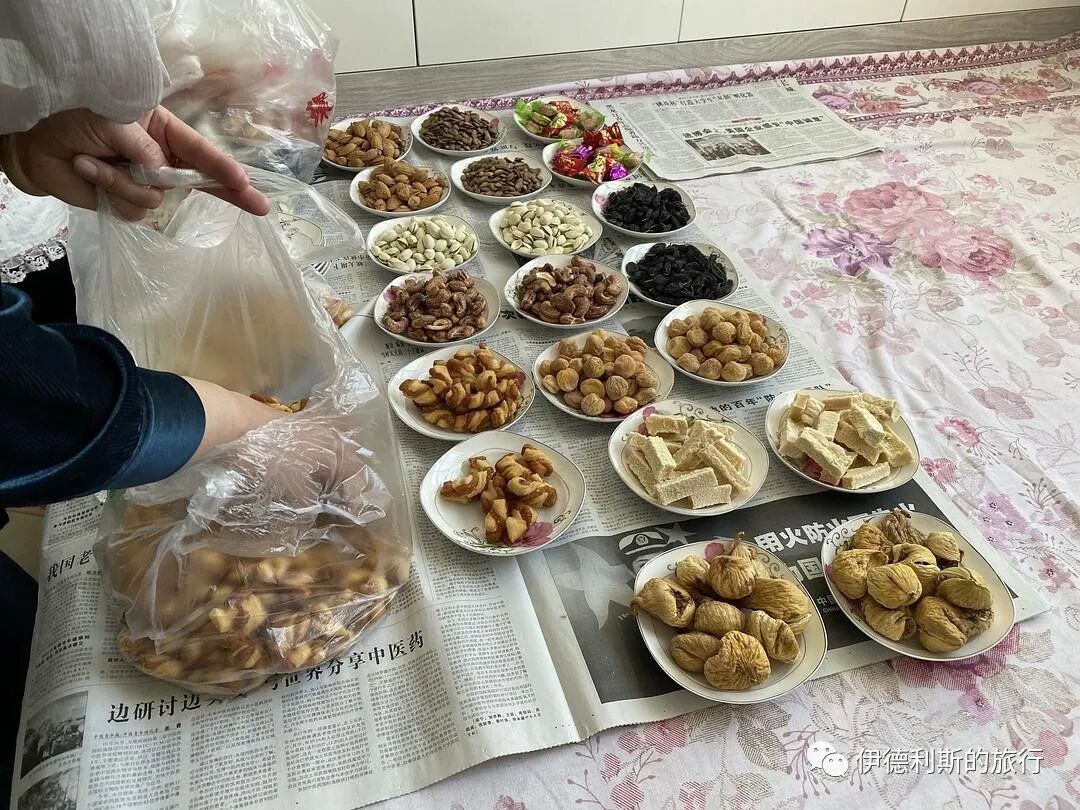
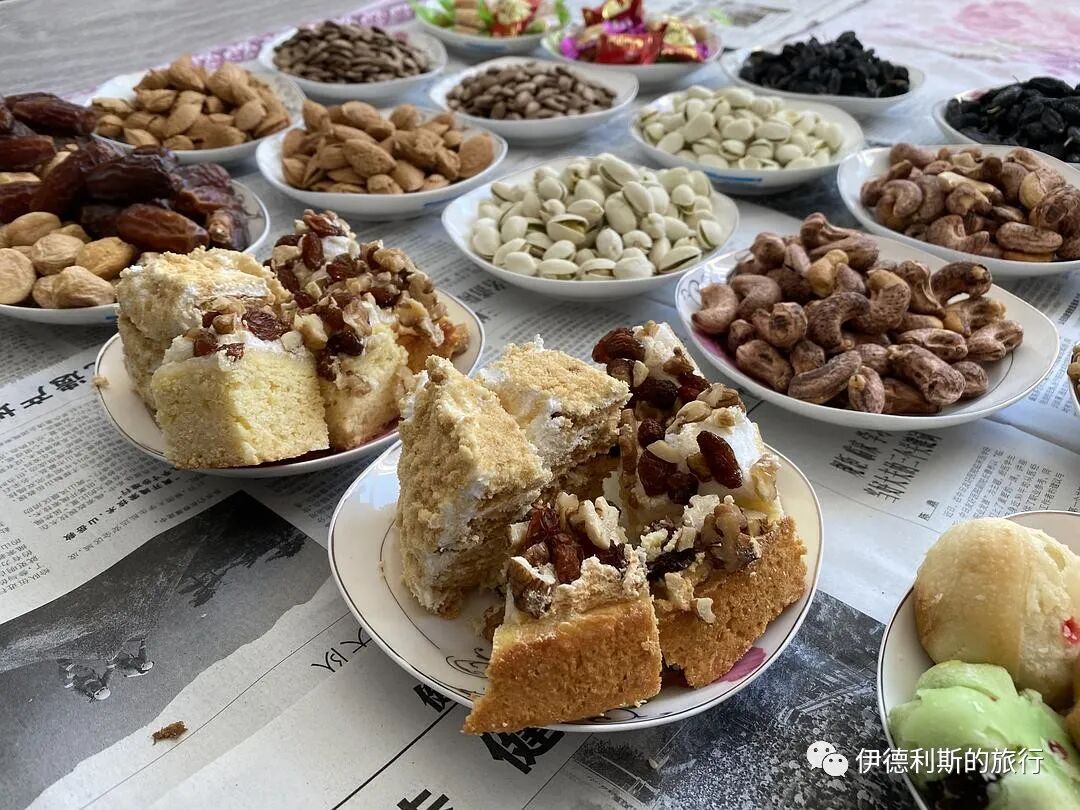
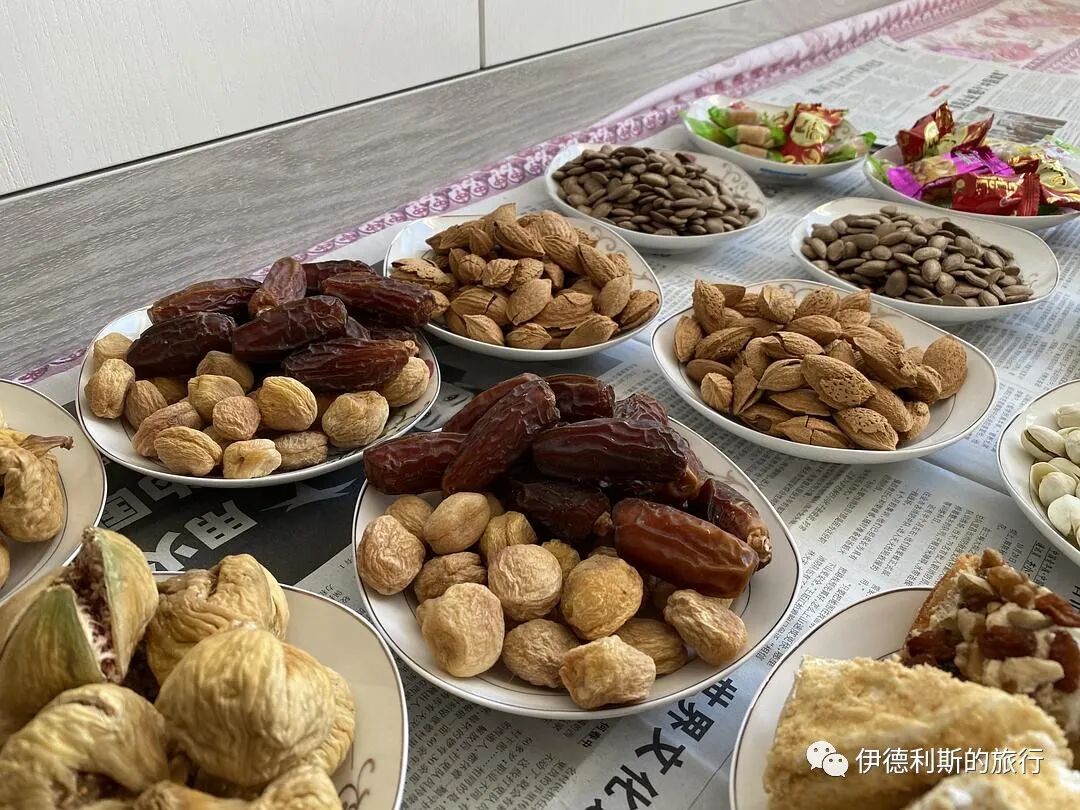
First, the list: dried figs, Medina dates mixed with dried apricots (hen), Tatar pastries, Hui Muslim Ma-style snacks, Kazakh kurt (dried yogurt balls), candied walnuts, pistachios, almonds, cashews, melon seeds, dried apricot (hen) skins mixed with tangningningzi (fried dough twists), raisins, and loose sugar.
On the morning of the banquet, the plates were arranged in a room, which is called 'setting the little plates'.
This is what it looked like after being set.
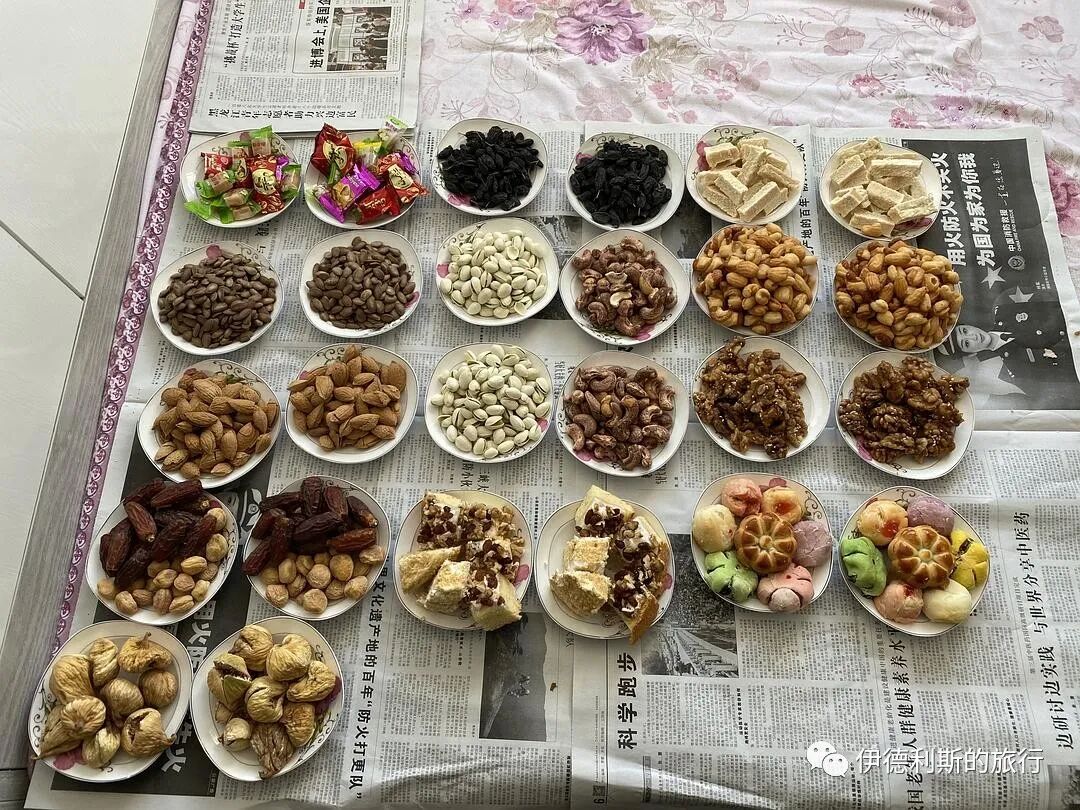
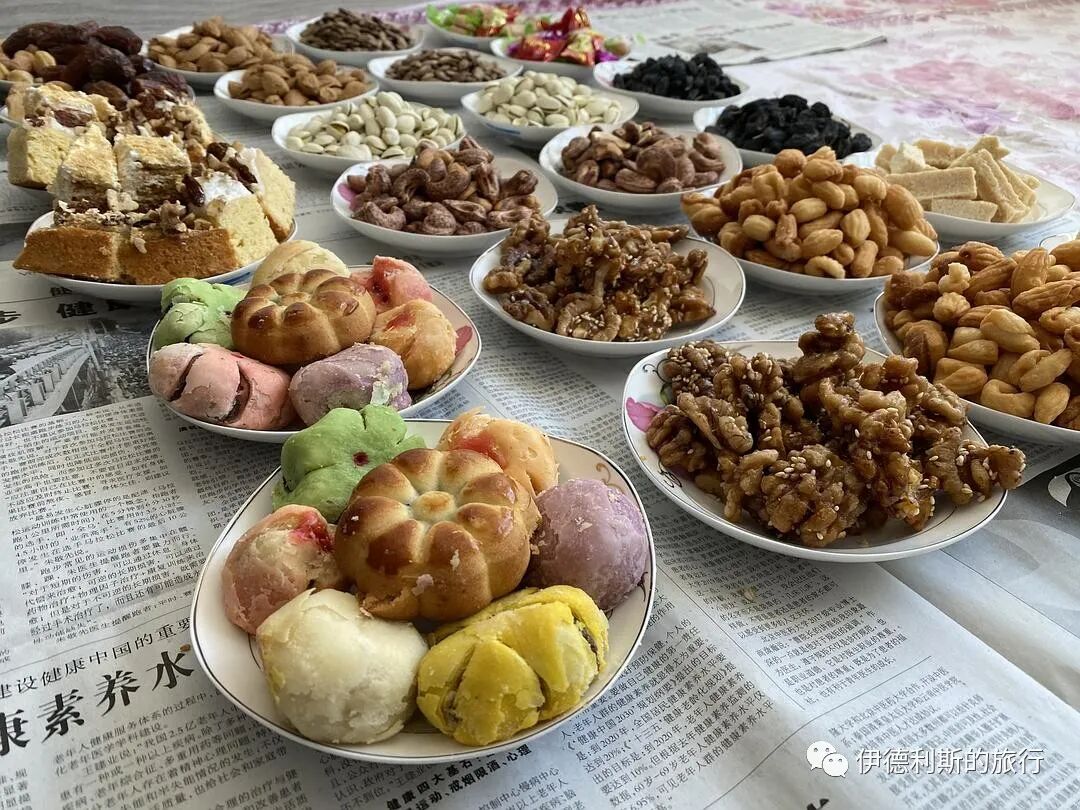
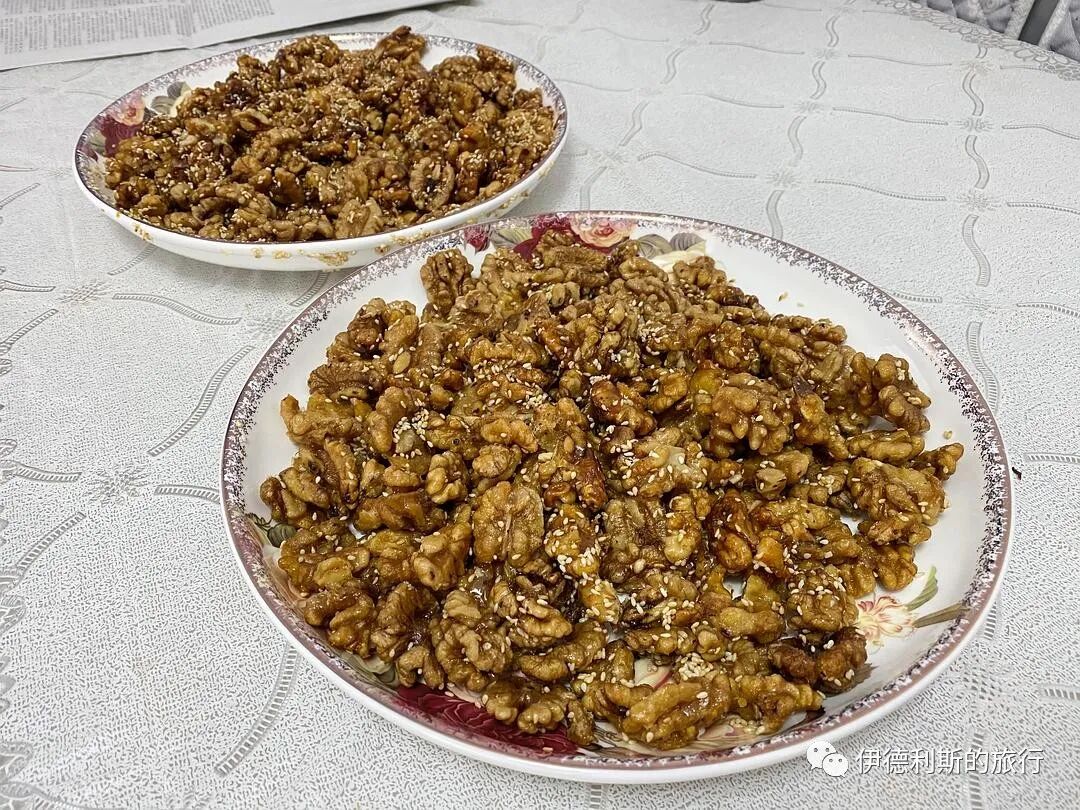
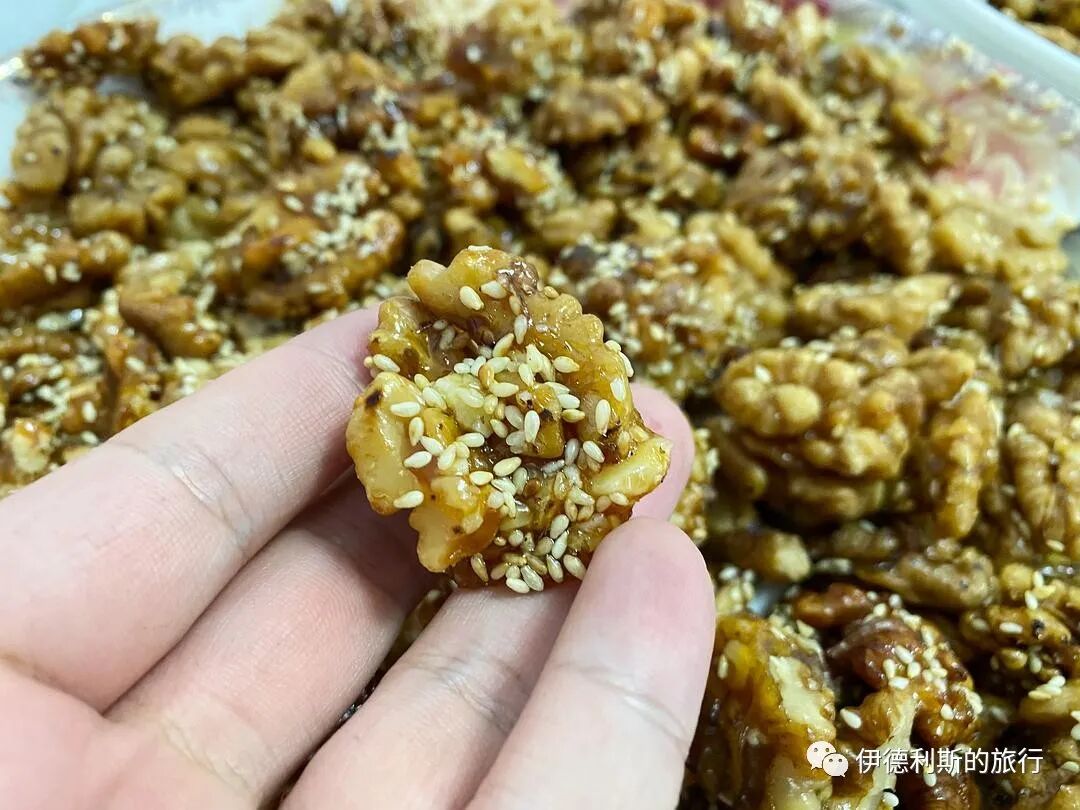
Candied walnuts made by my mother-in-law; they are sweet.
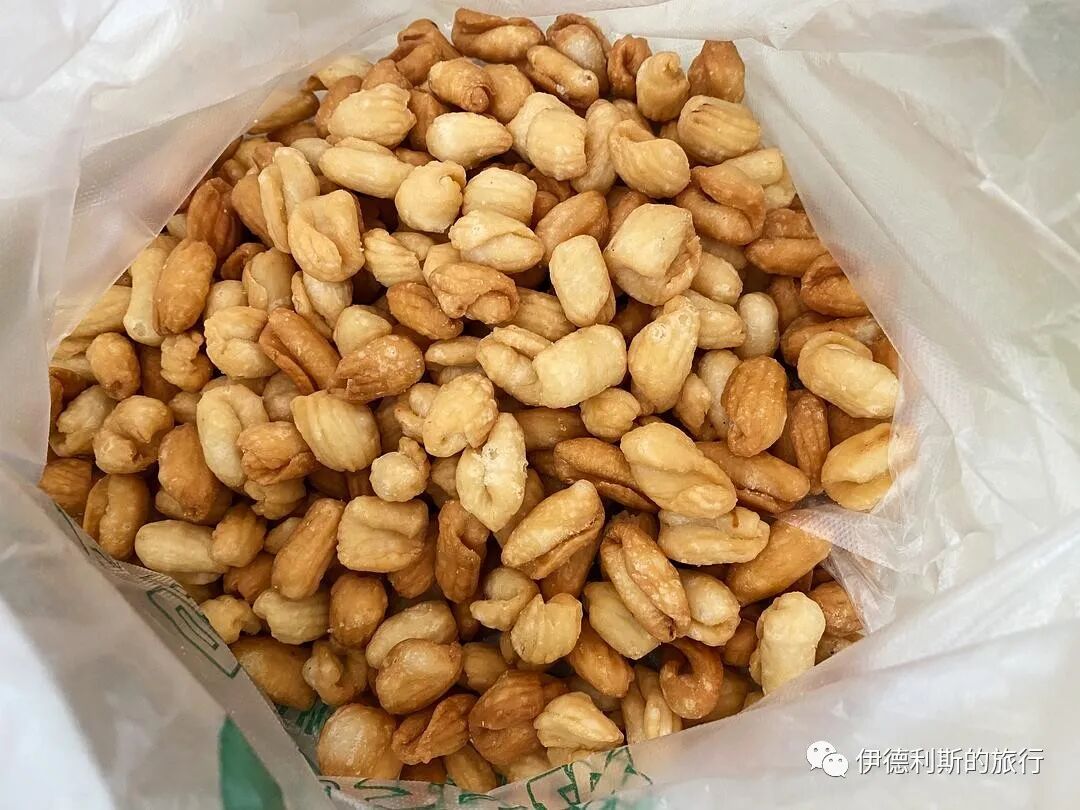
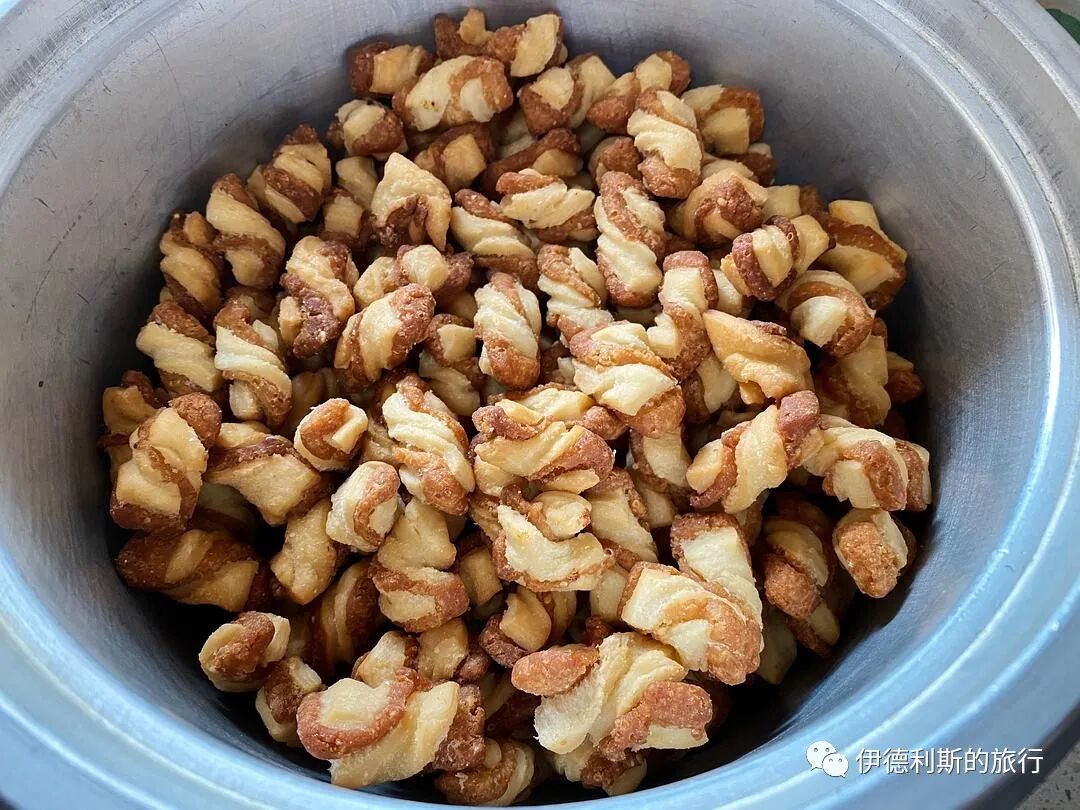
The dried apricot (hen) skins and tangningningzi were also made by my mother-in-law. Tangningningzi is what Xinjiang Hui Muslims call them; the general term is youguozi (fried dough snacks).
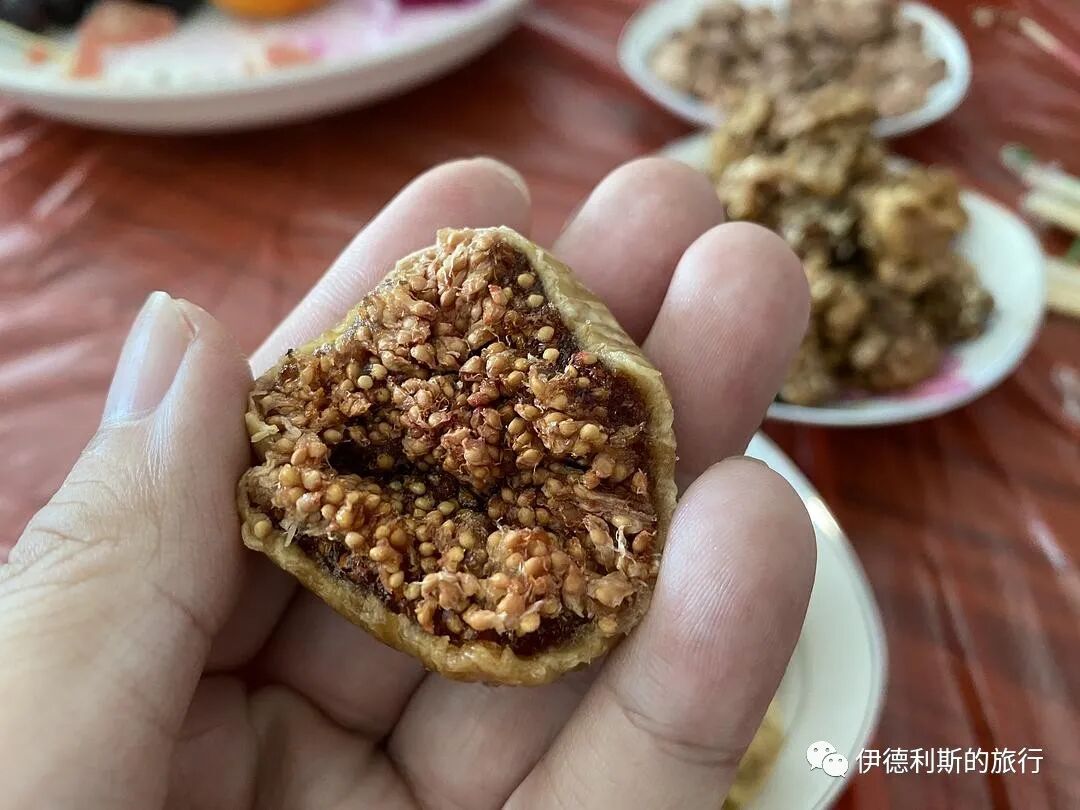
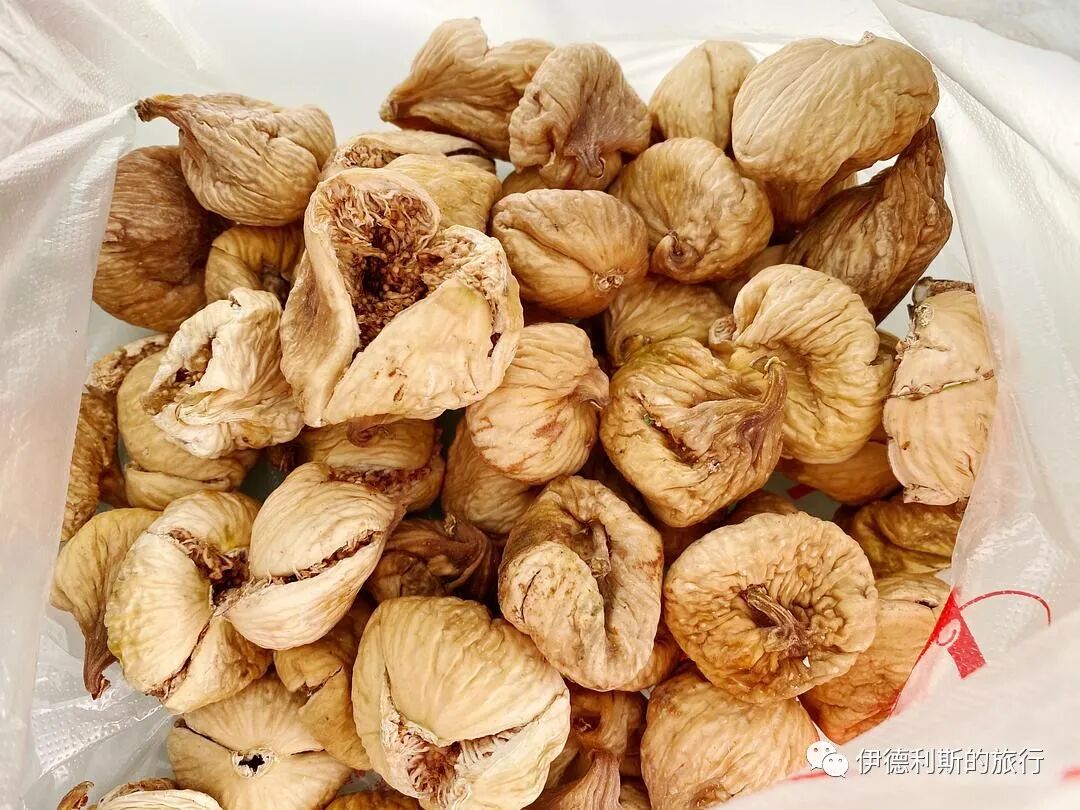
The figs in Xinjiang are truly incredibly delicious, but fresh ones are only available in the summer. Most of the time, we eat dried figs, which really feel like candy inside.
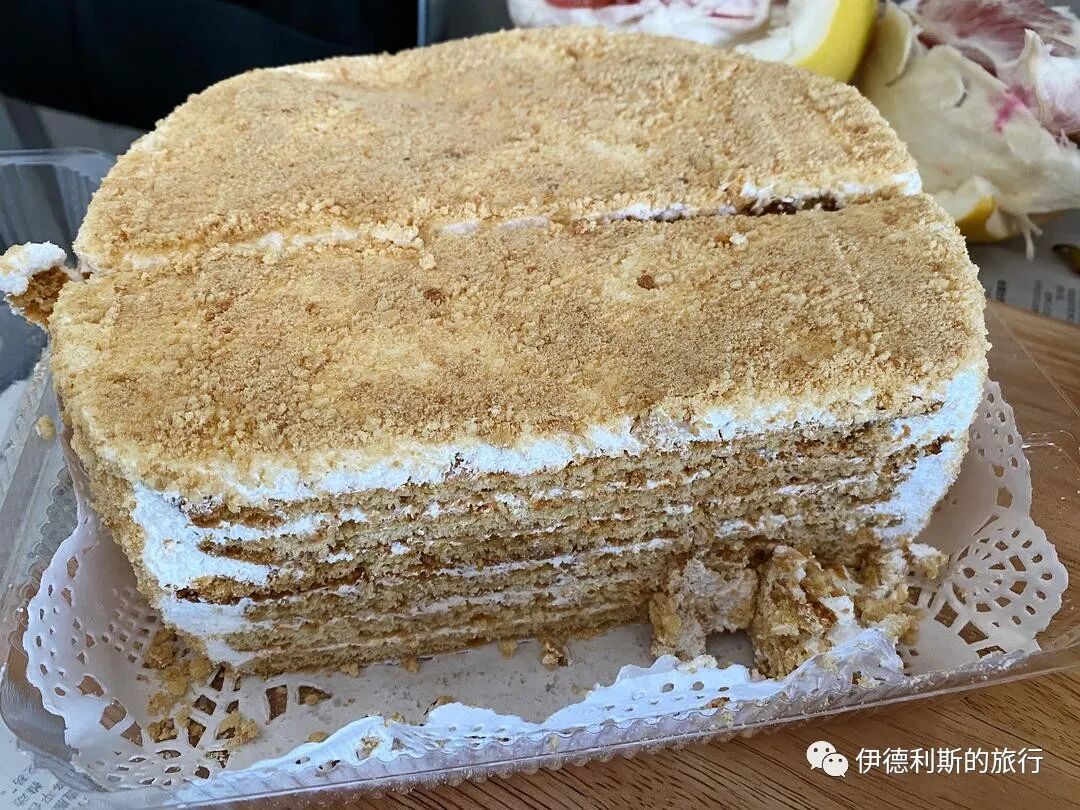
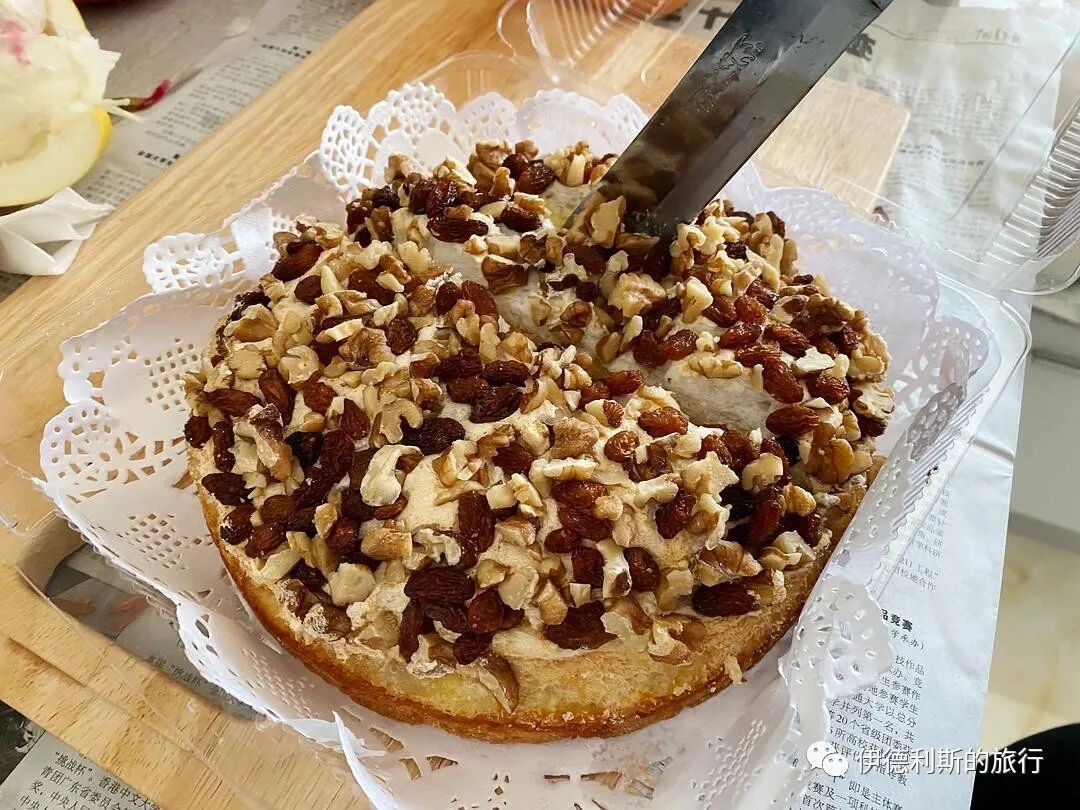
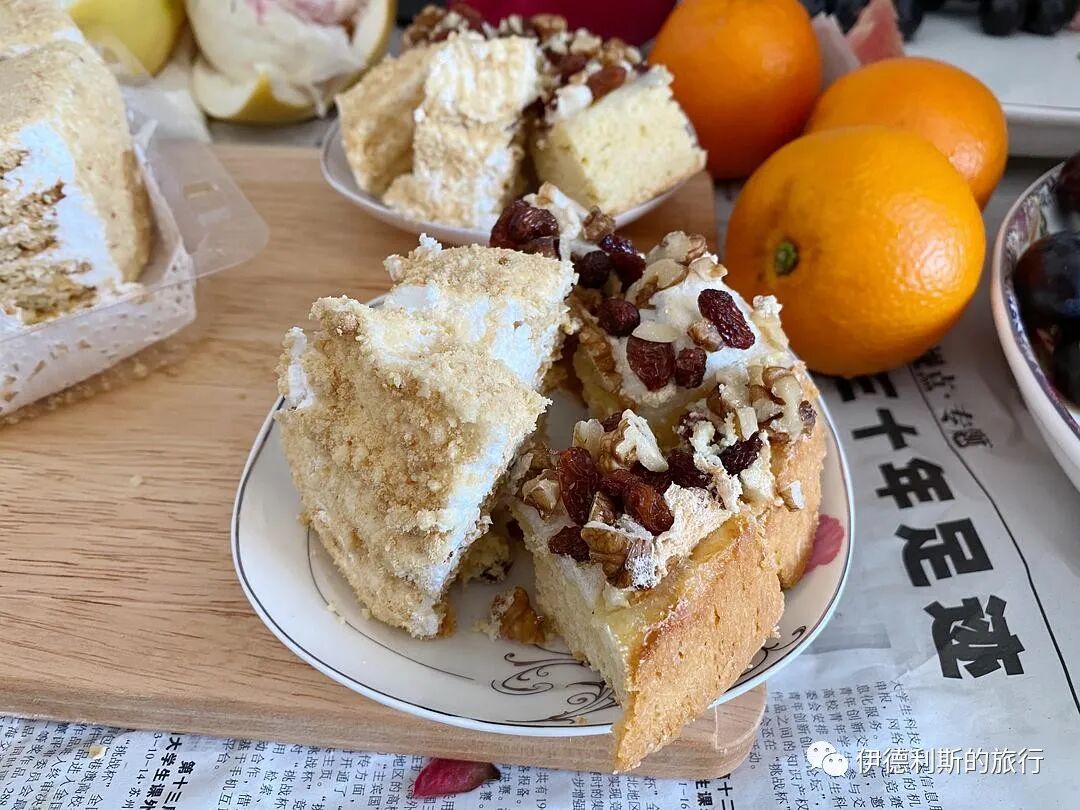
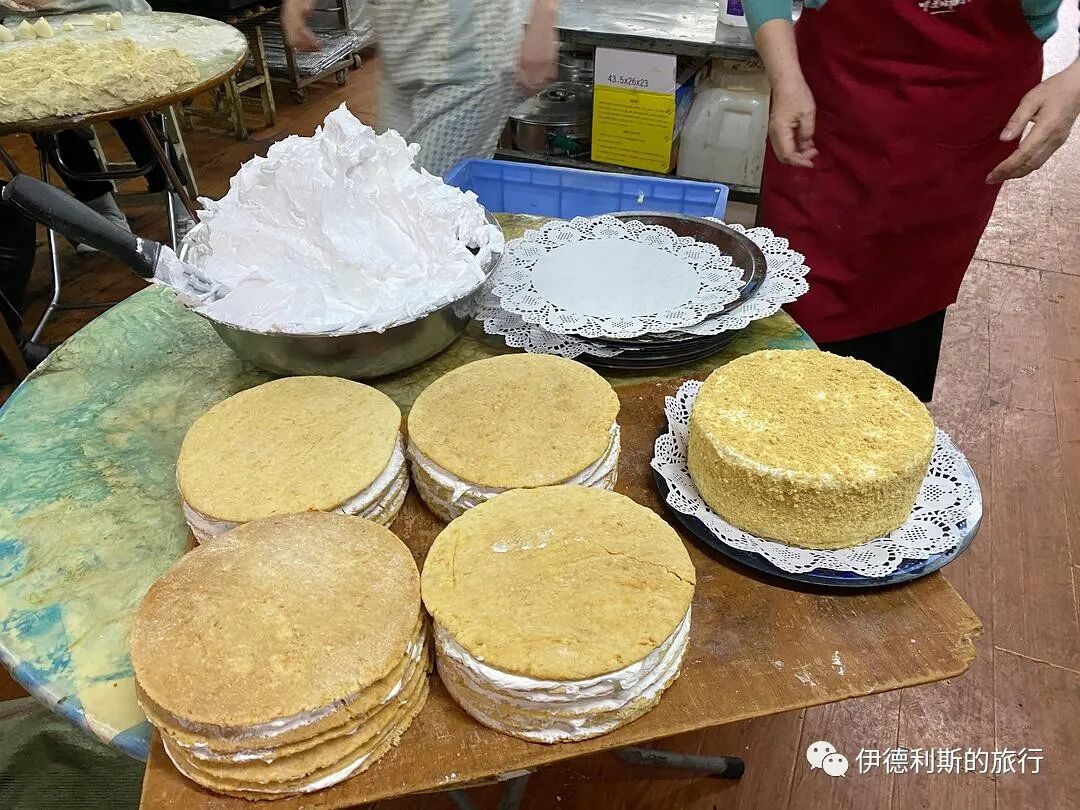
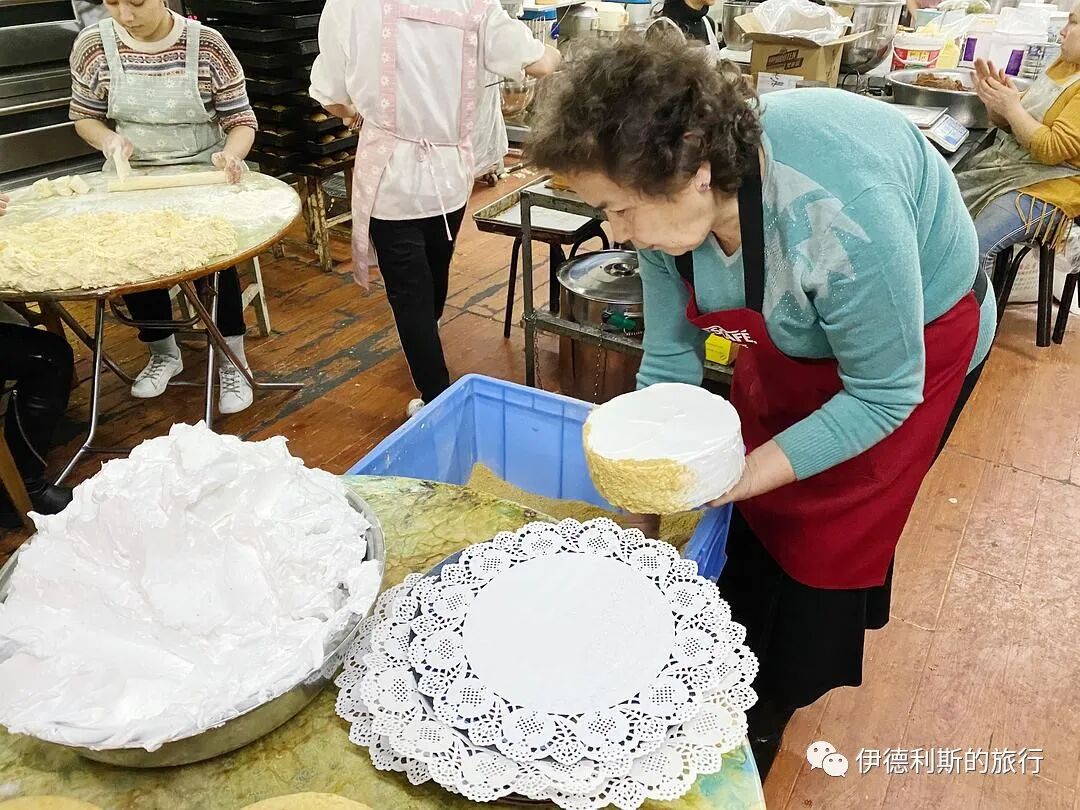
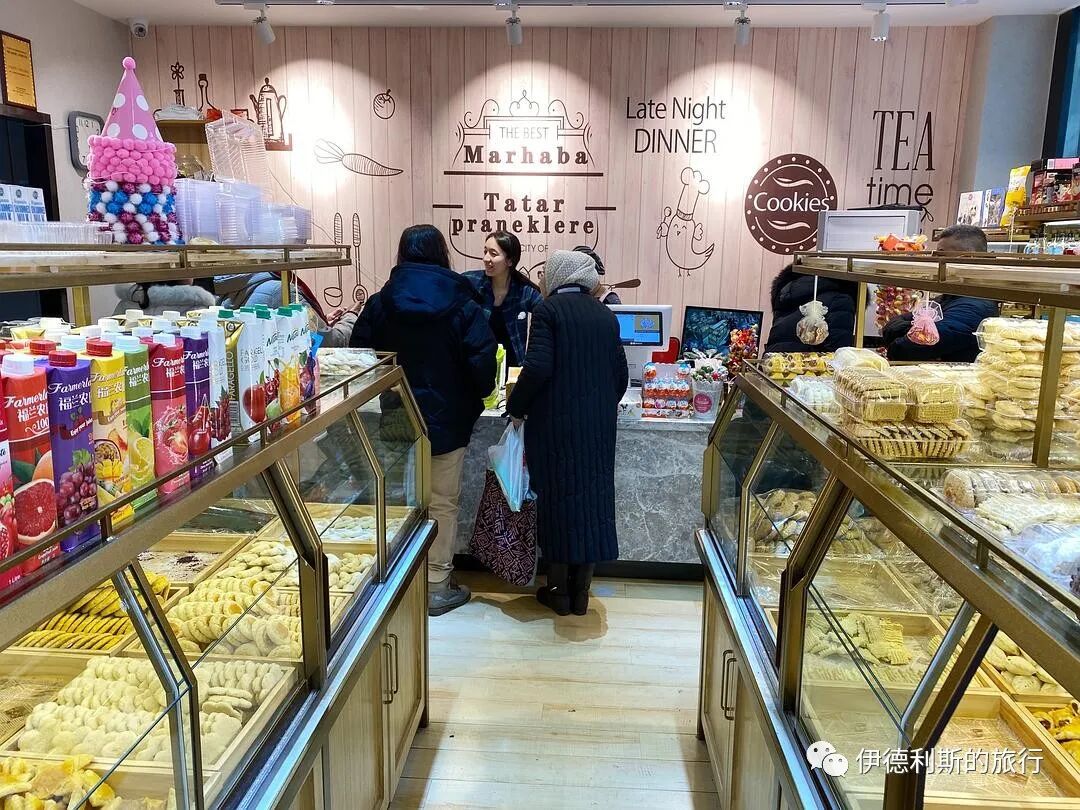
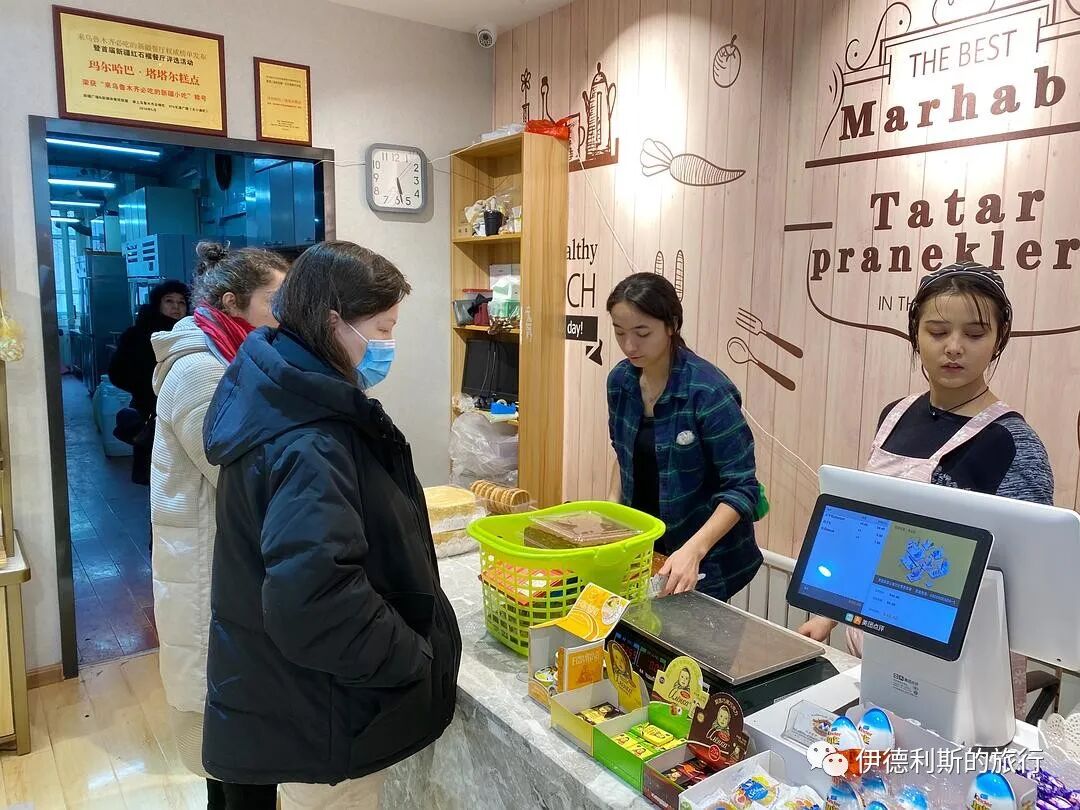
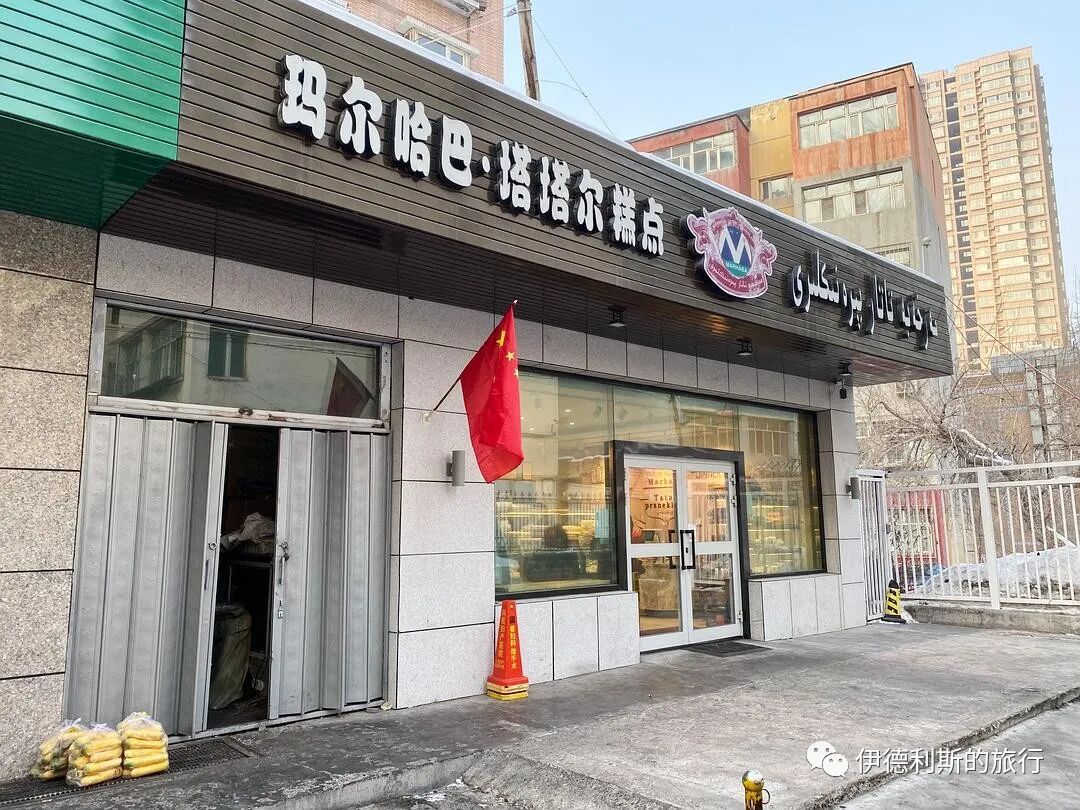
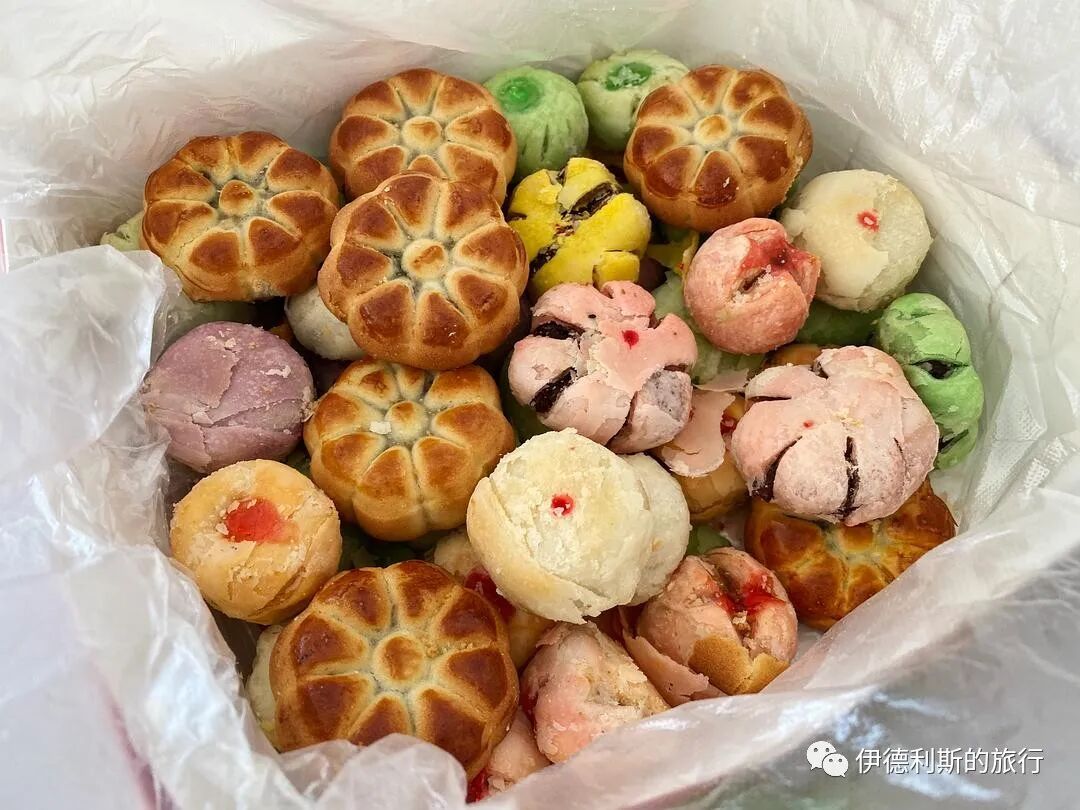
Zainab and I bought Tatar-style cream cakes and walnut pie at the Marhaba Tatar Pastry Shop on Linguan Lane, Heba Third Alley.
The Tatar ethnic group is the smallest ethnic group in China, with only about 3,000 people. Most of the Tatar people in China come from the Kazan Tatars. From the 19th century to the early 20th century, they moved successively from Kazan on the banks of the Volga River to settle in Urumqi, Yining, and Tacheng in Xinjiang. At that time, most of the Tatar people were intellectuals or merchants, and they played an important role in promoting the establishment of modern education in Xinjiang.
Today, many Tatar people in Xinjiang have moved abroad. The places where you can most intuitively experience their culture are the Tatar embroidery shops in Yining and the Tatar pastry shops in Urumqi.
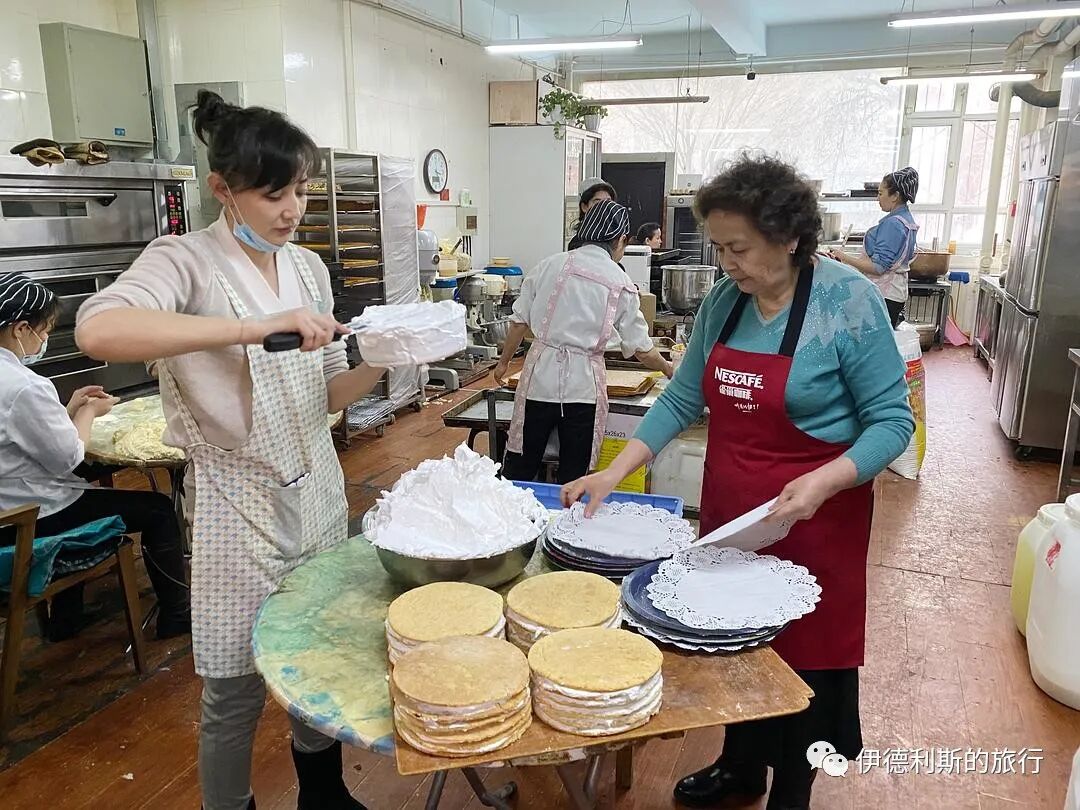
The Tatar pastry shop in Urumqi is located on the site of a former Russian trading port. 100 years ago, this was a place where Russians, Tatars, and various Central Asian merchants traded, somewhat similar to Sanlitun in Beijing. The Tatar pastry shop is also a witness to this history.
Their most classic cake consists of six layers of dough with six layers of cream. The dough is made of milk, eggs, ghee, and honey, without adding water, and it tastes especially fragrant.
Ma-style snacks is one of the most famous traditional Hui Muslim snack shops in Urumqi, and it has been open for over a decade. Zainab's mother also used molds to make them herself when she was a child, but now fewer and fewer Hui Muslims in Urumqi make them themselves.
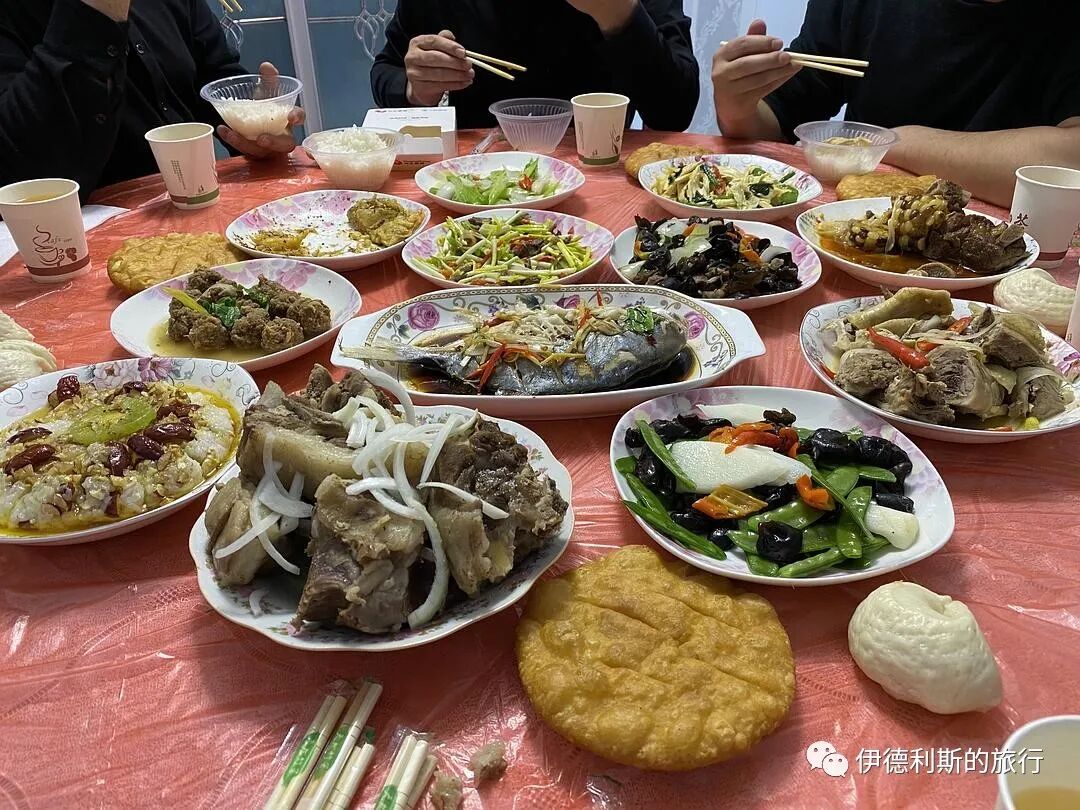
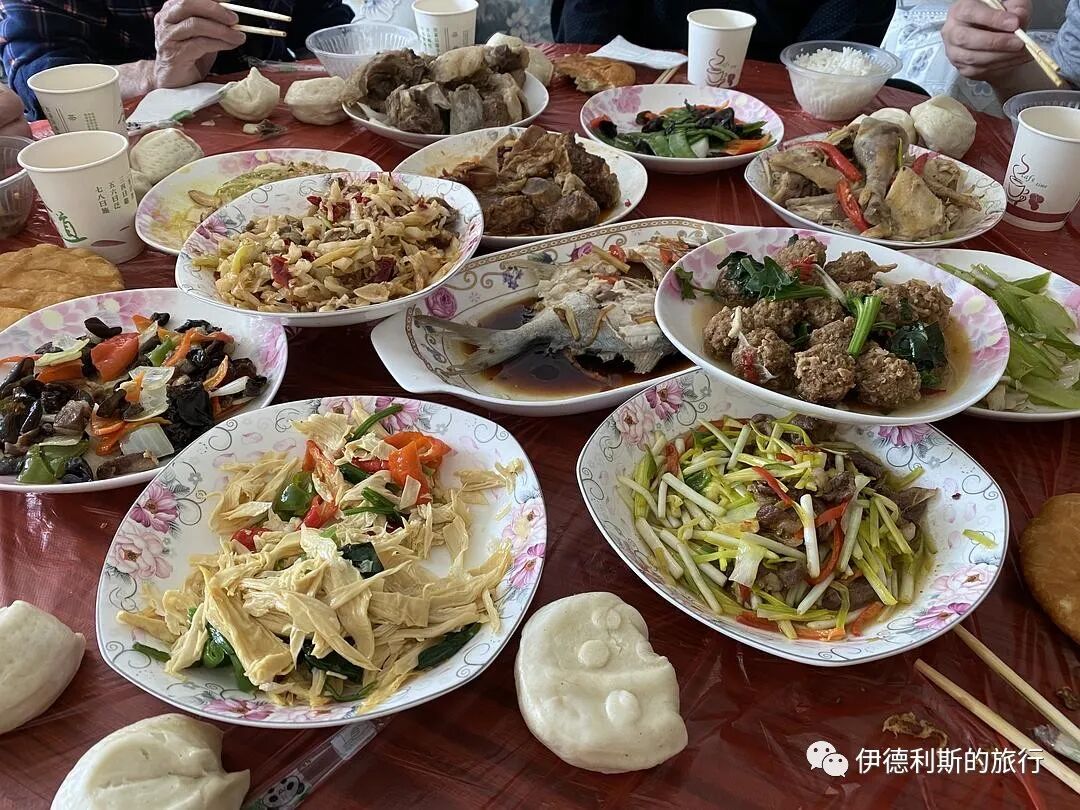
2. Thirteen dishes
Meat dishes: braised beef ribs, clear-stewed mutton, fish-drilling-net (fried meat jelly), braised meatballs, cold-dressed chicken, steamed fish
Hot dishes: pickled cabbage with meat, daylily with wood ear mushrooms, celery with lily bulbs, garlic sprouts with meat
Cold dishes: sweet platter, lotus root with wood ear mushrooms (lotus pond moonlight), bean curd skin with red chili
The staple foods were fried youxiang (leavened flatbread), momo (steamed buns), and rice.
The presentation looked like this:
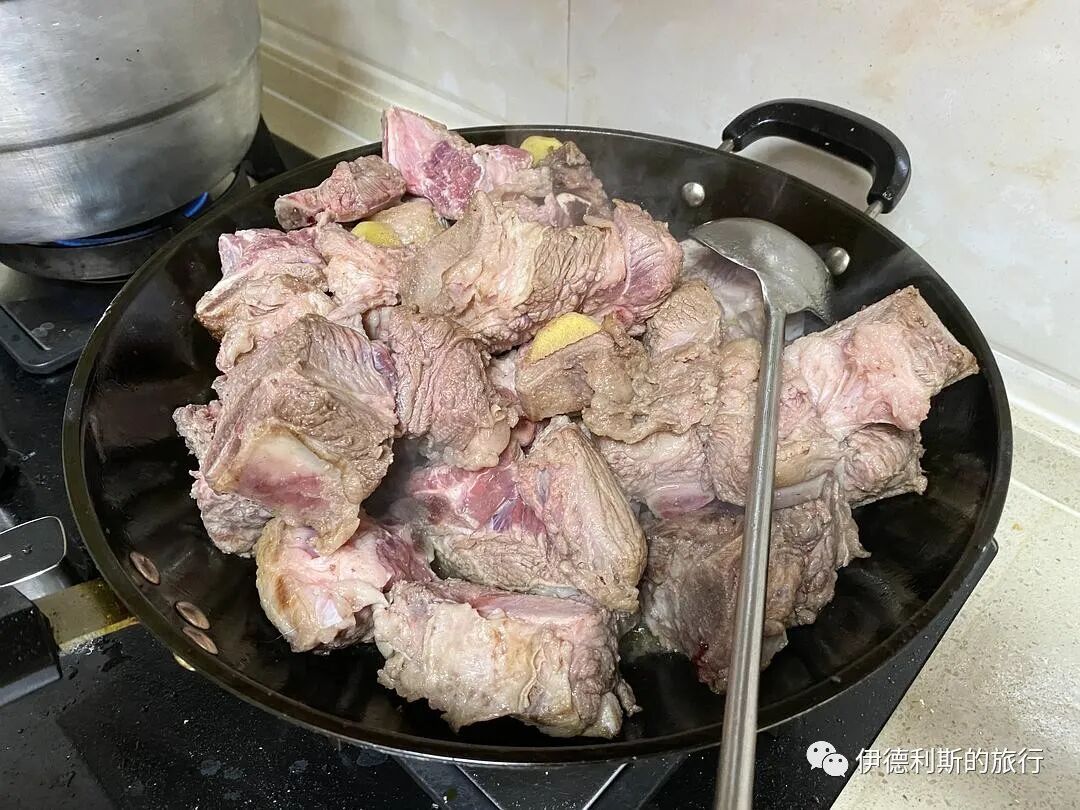
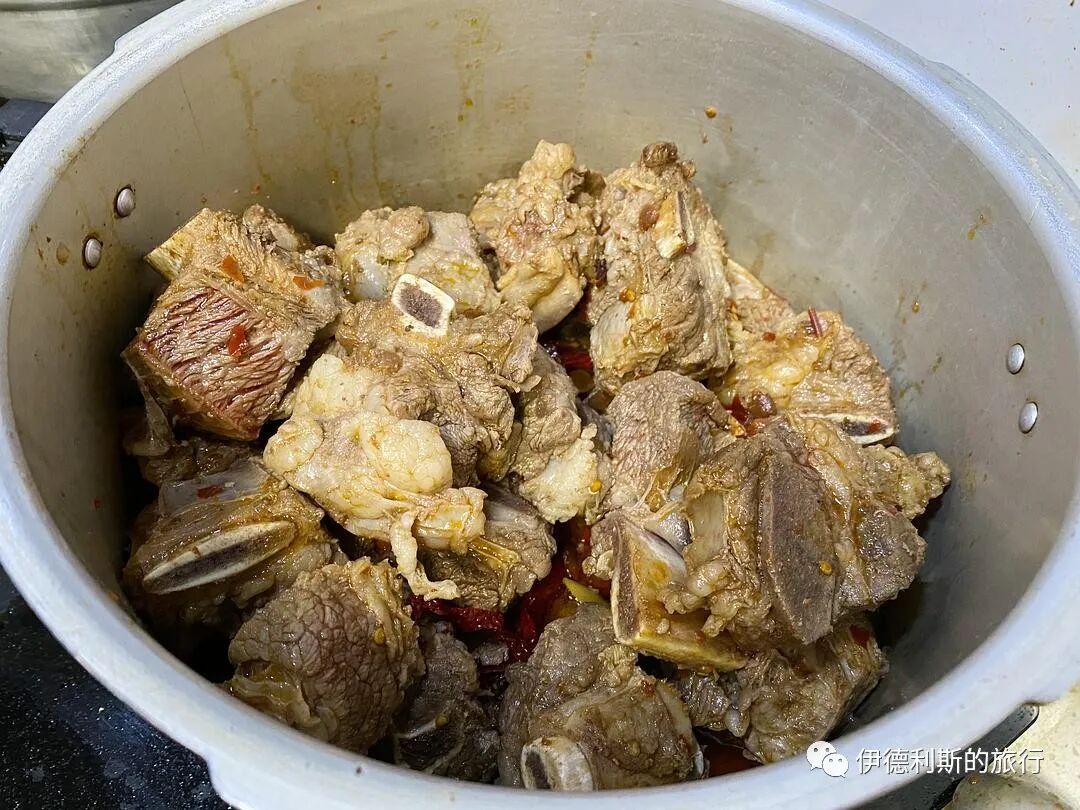
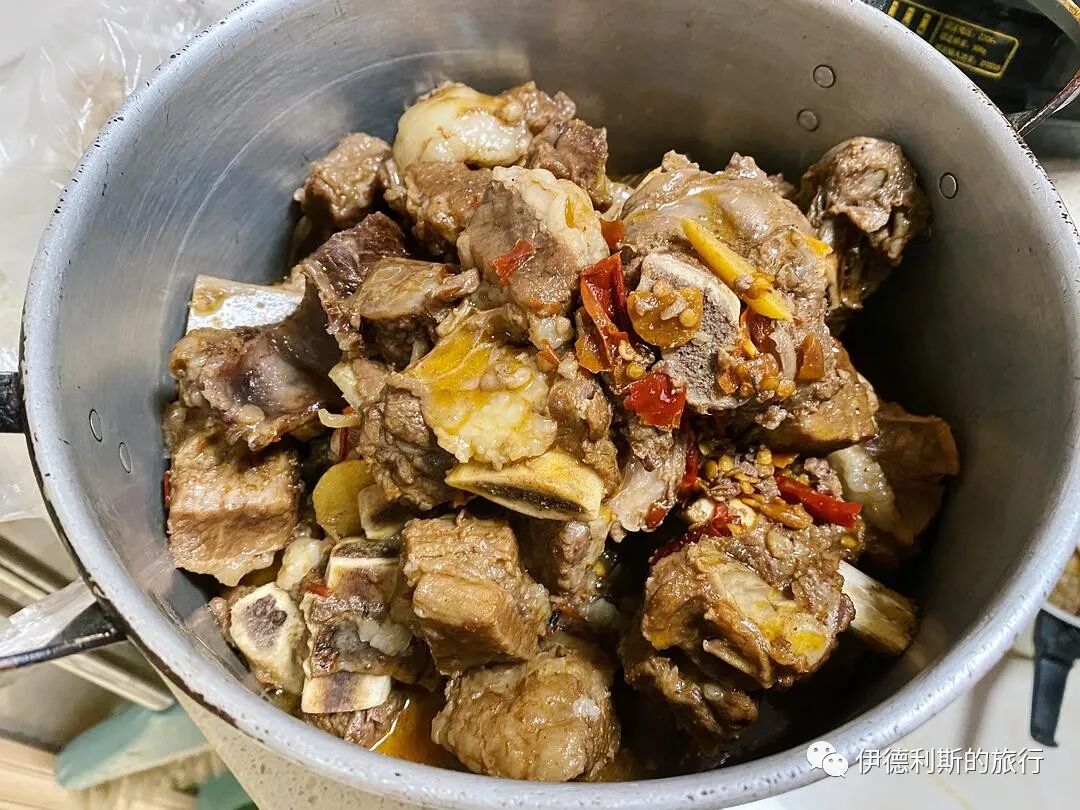
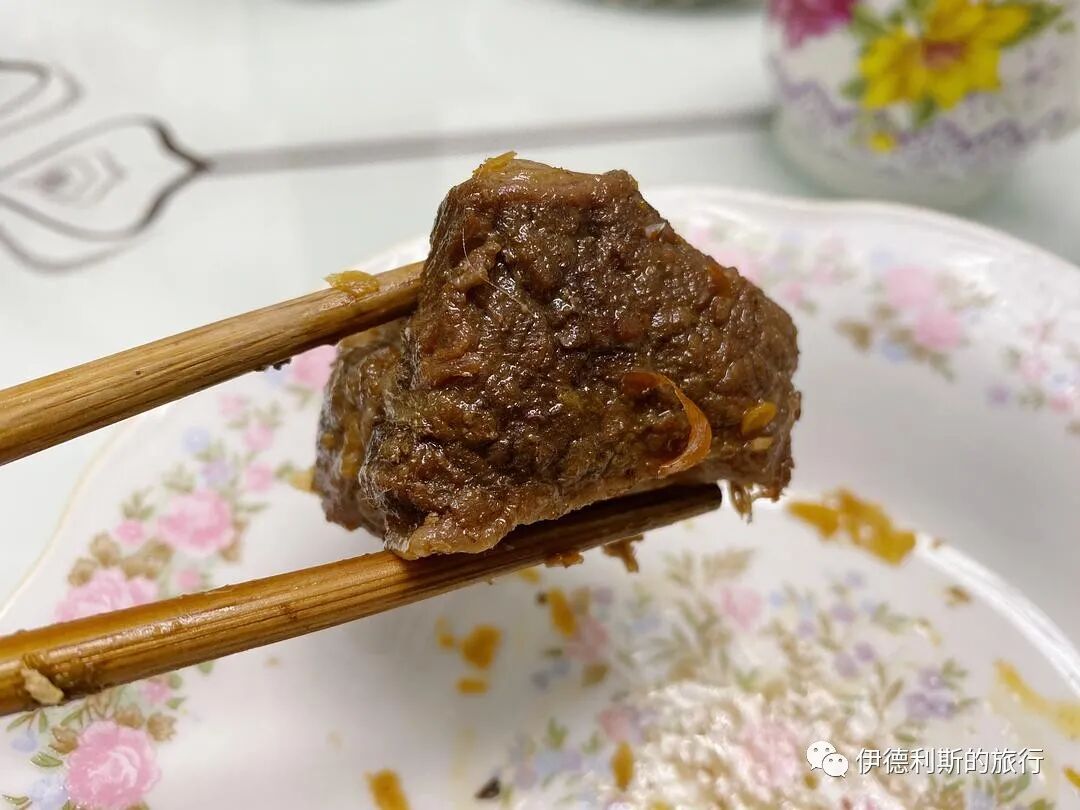
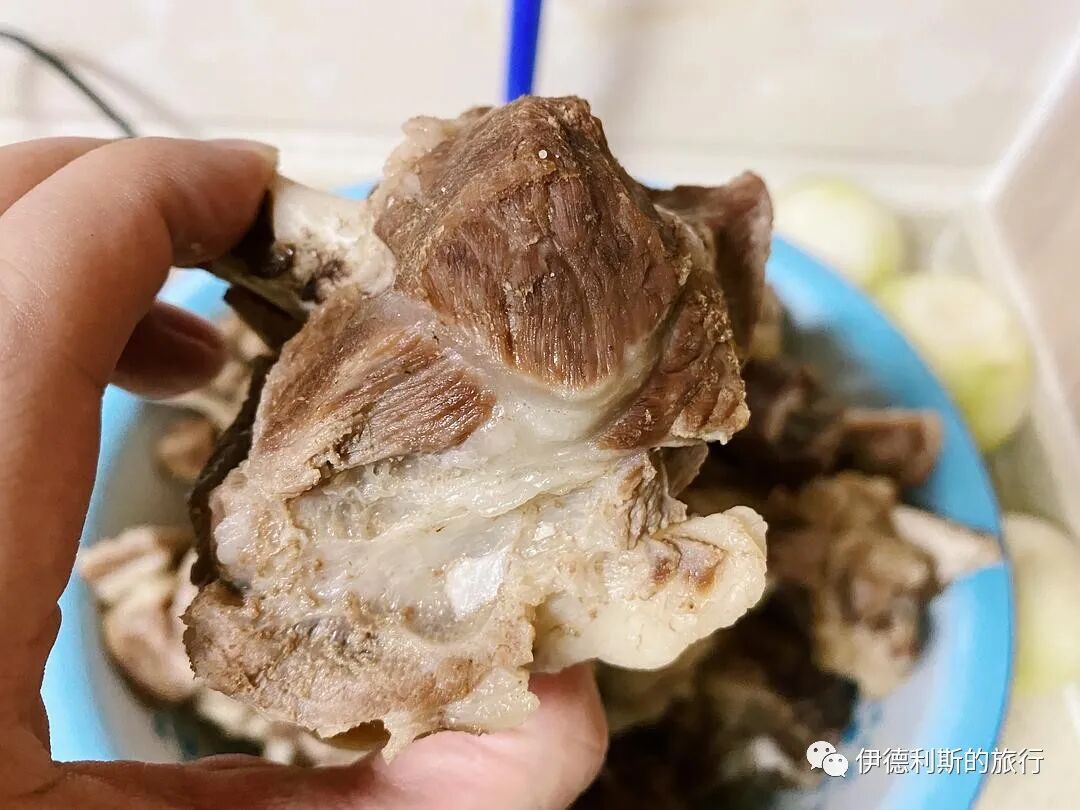
1. Braised beef ribs
First, blanch the beef ribs. After they turn white, take them out. Heat oil, add the meat, ginger, a little cinnamon, star anise, and bean paste. Stir-fry for a while, then add fresh chili peppers. After the meat dries out, put it in a pressure cooker and stew for 25 minutes.
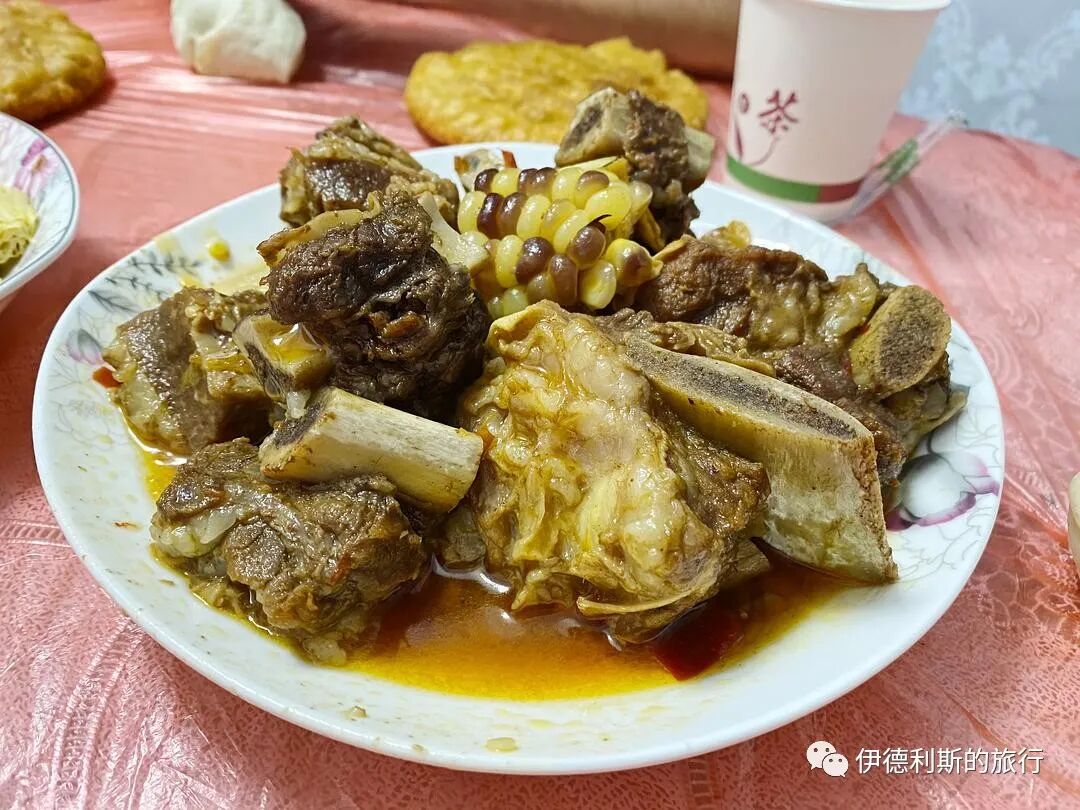
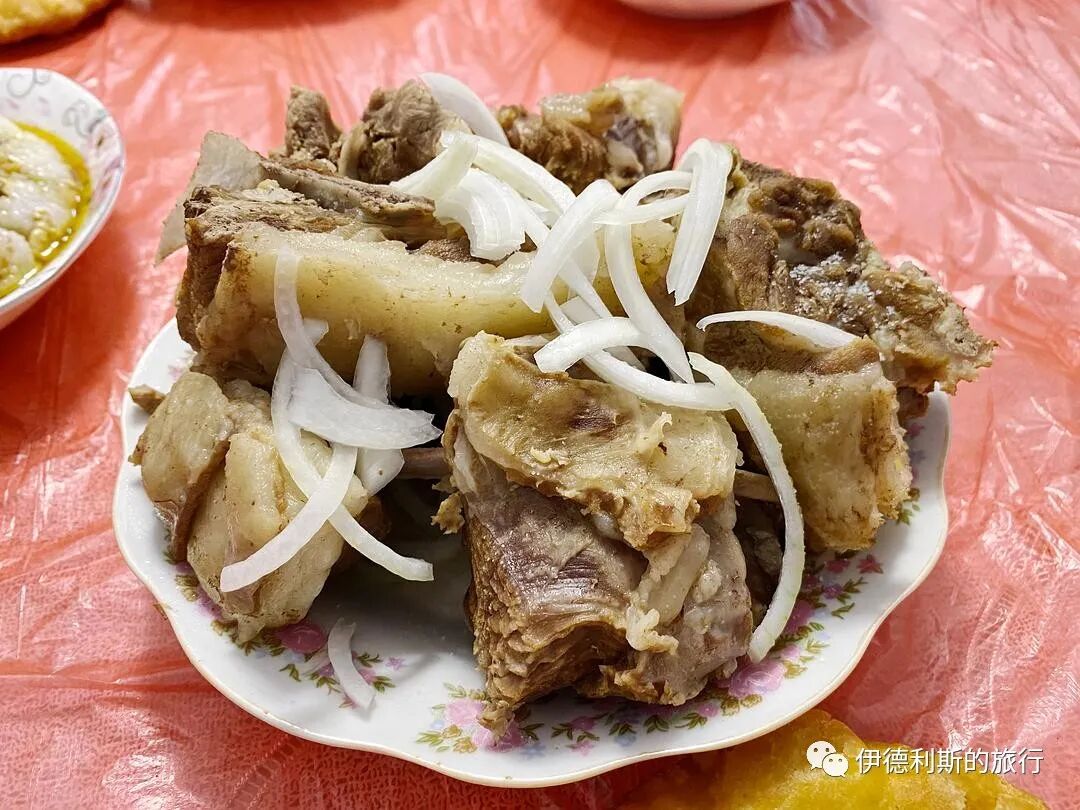
2. Clear-stewed mutton
First, skim off the blood foam, then stew. When serving, sprinkle a little raw onion on top.
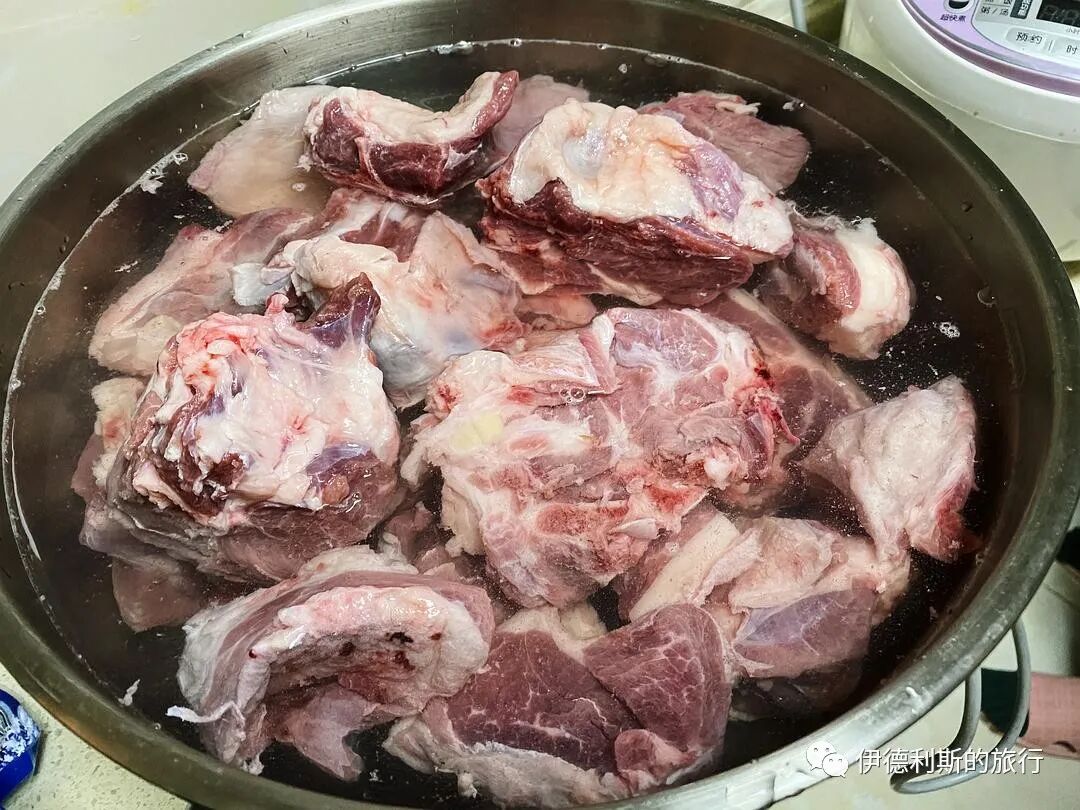
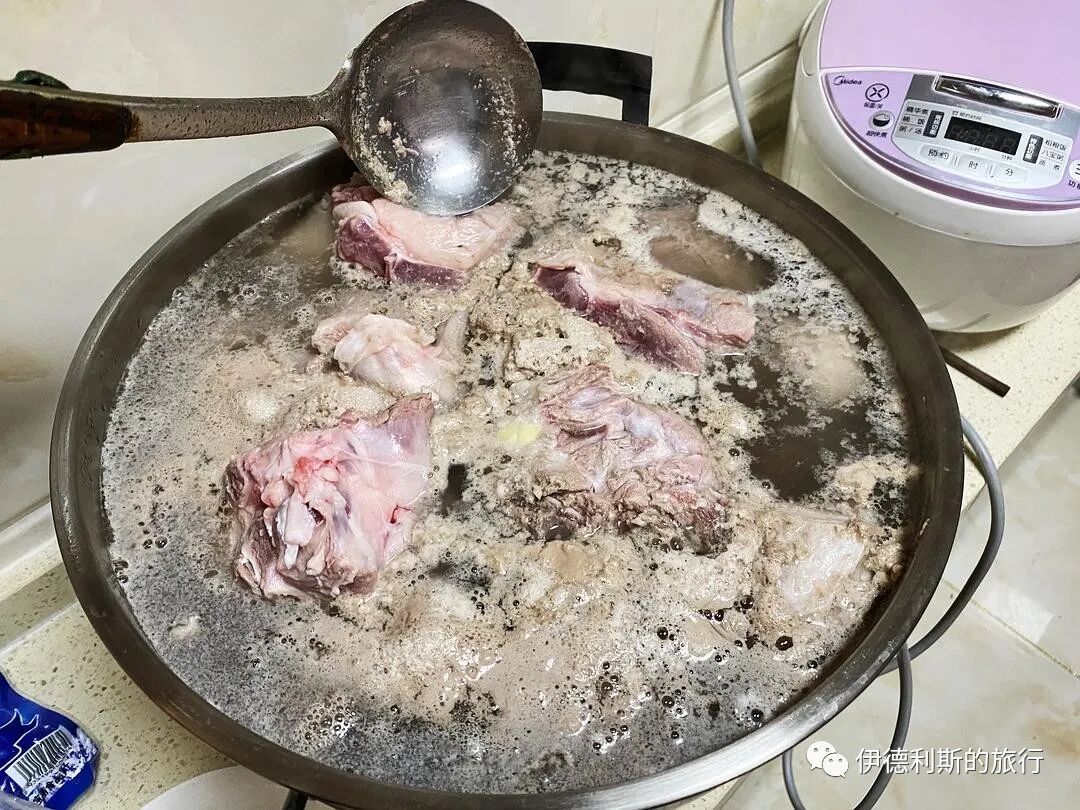
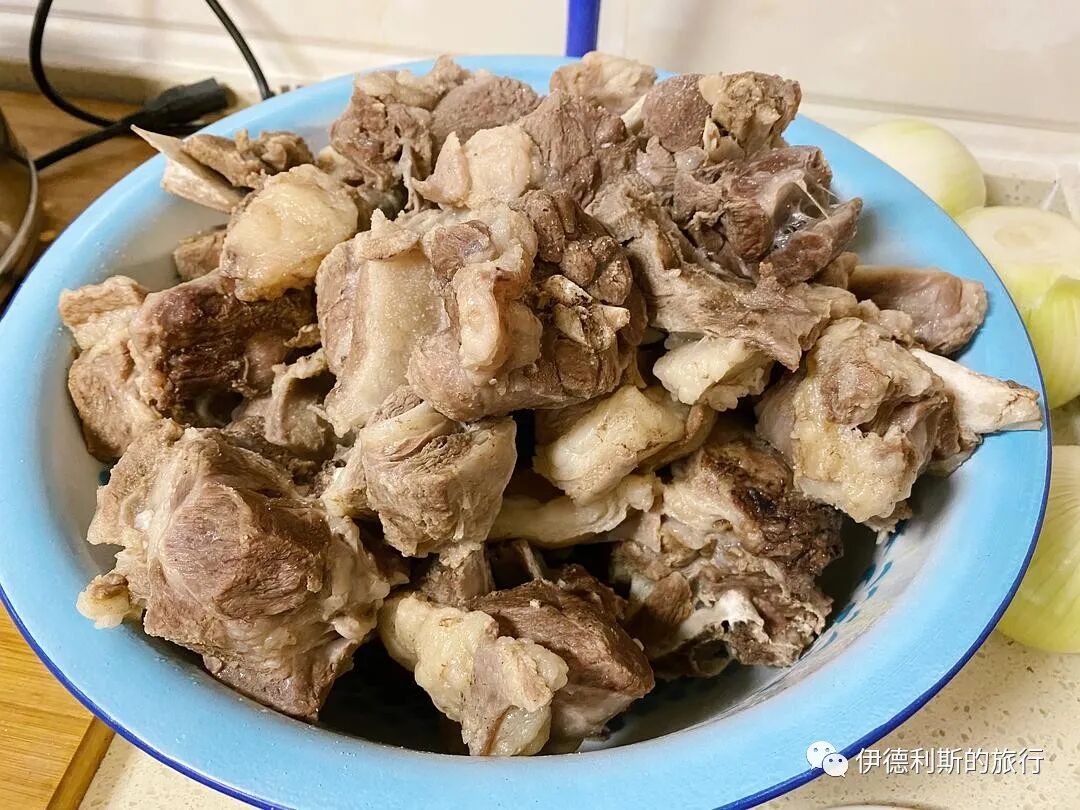
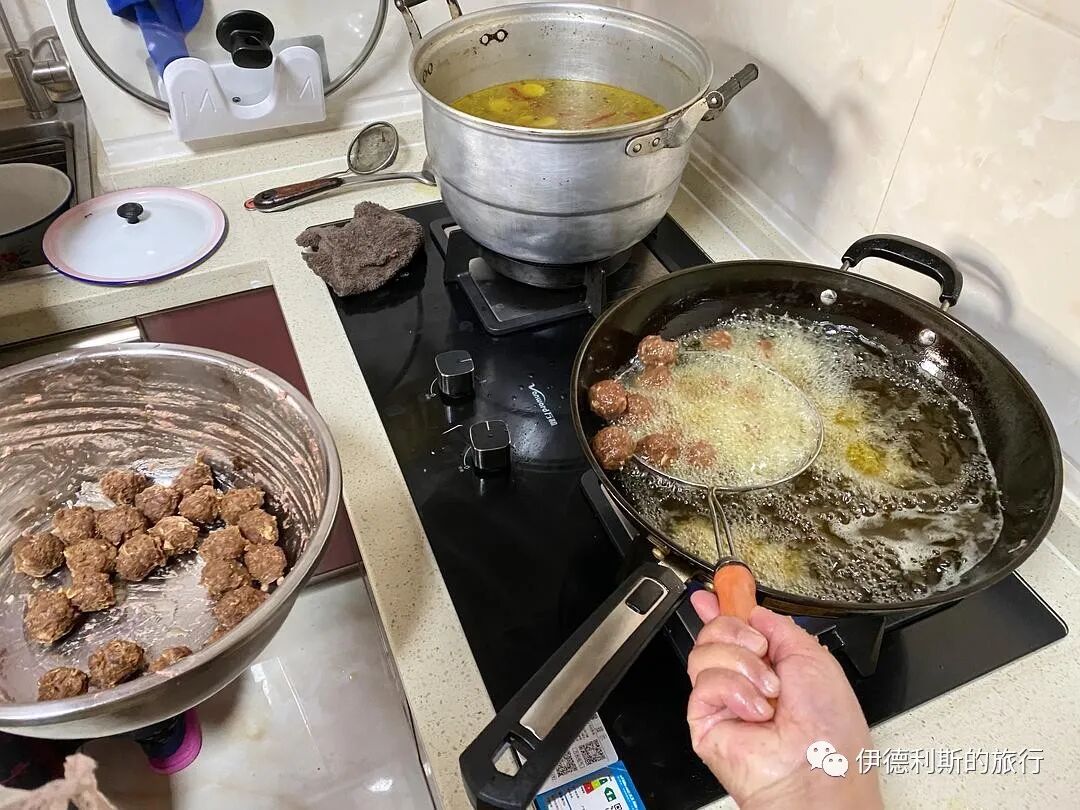
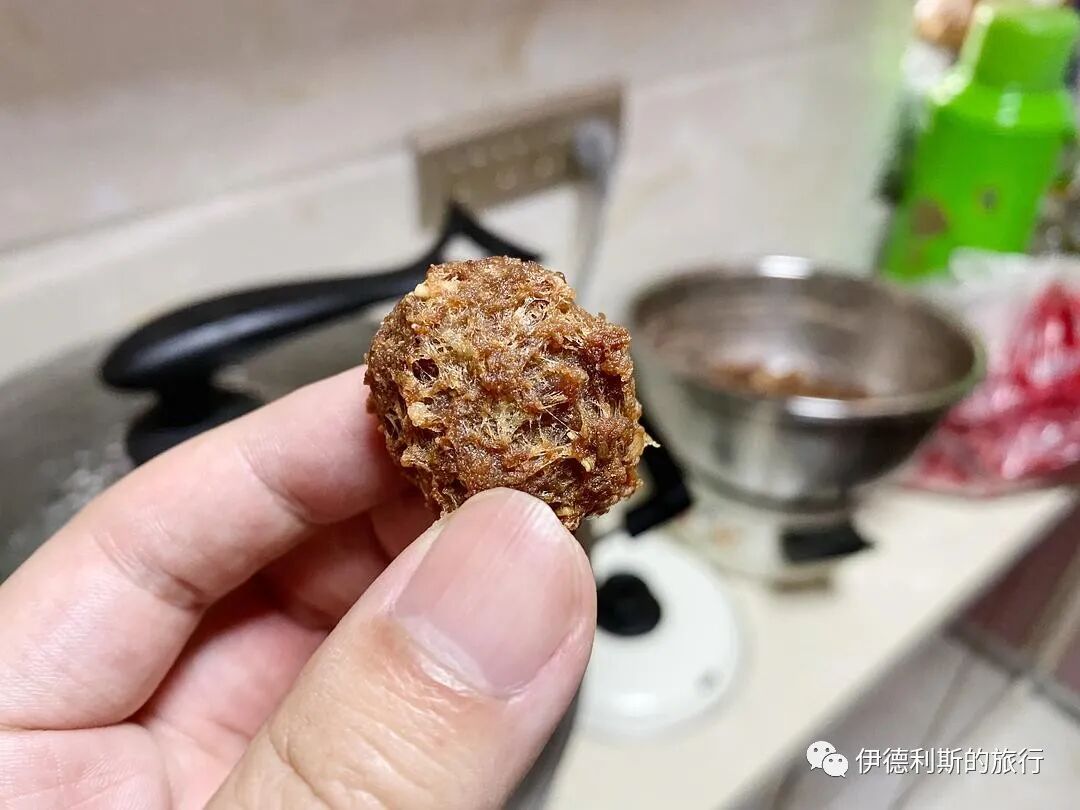
Braised meatballs
The beef for the meatballs and the meat jelly was bought at a Uyghur shop in the market across from our residential compound.
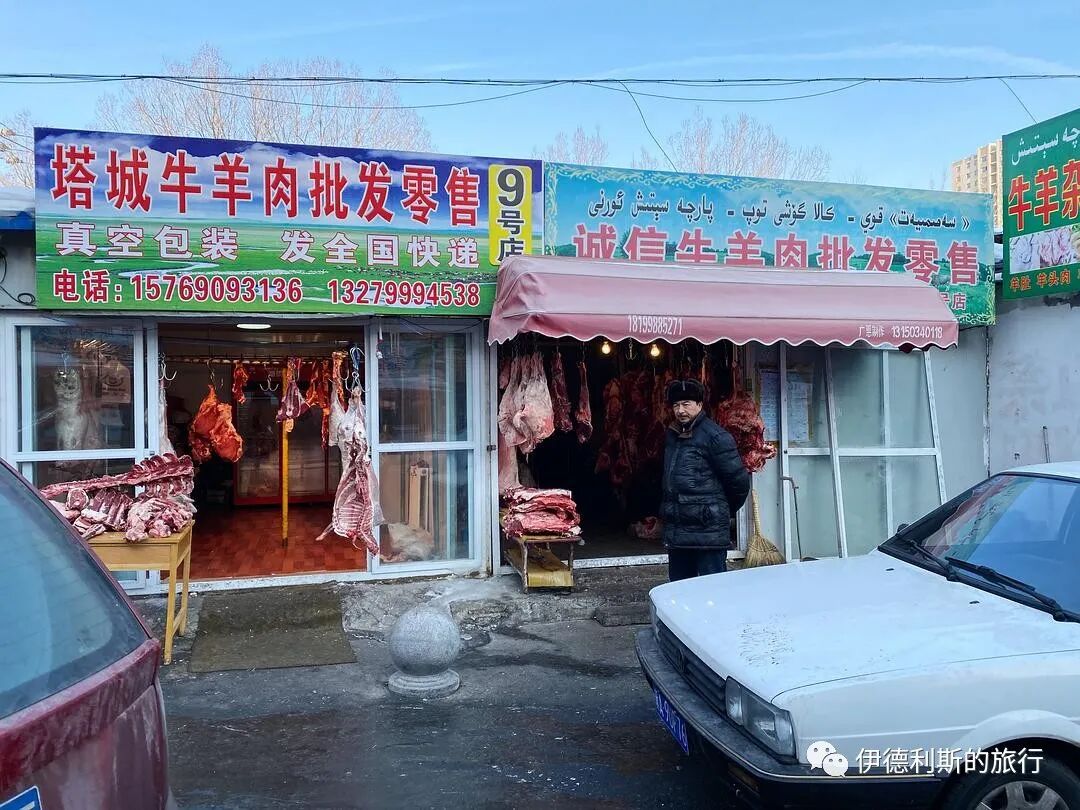
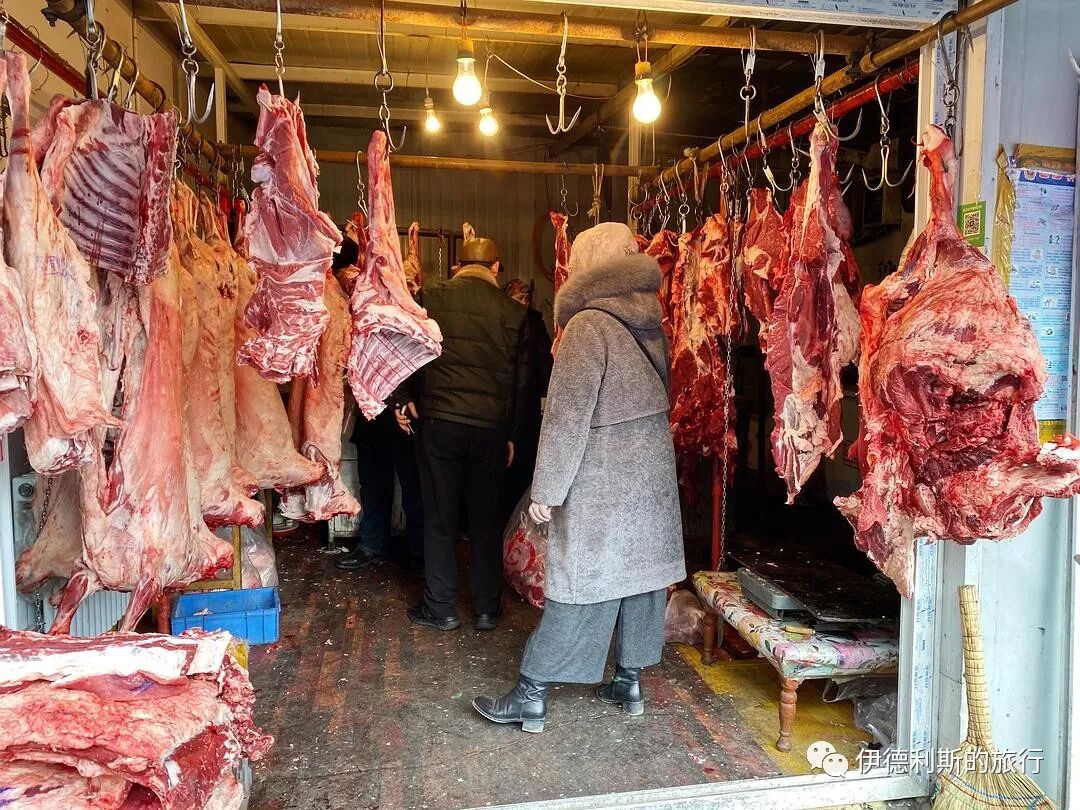
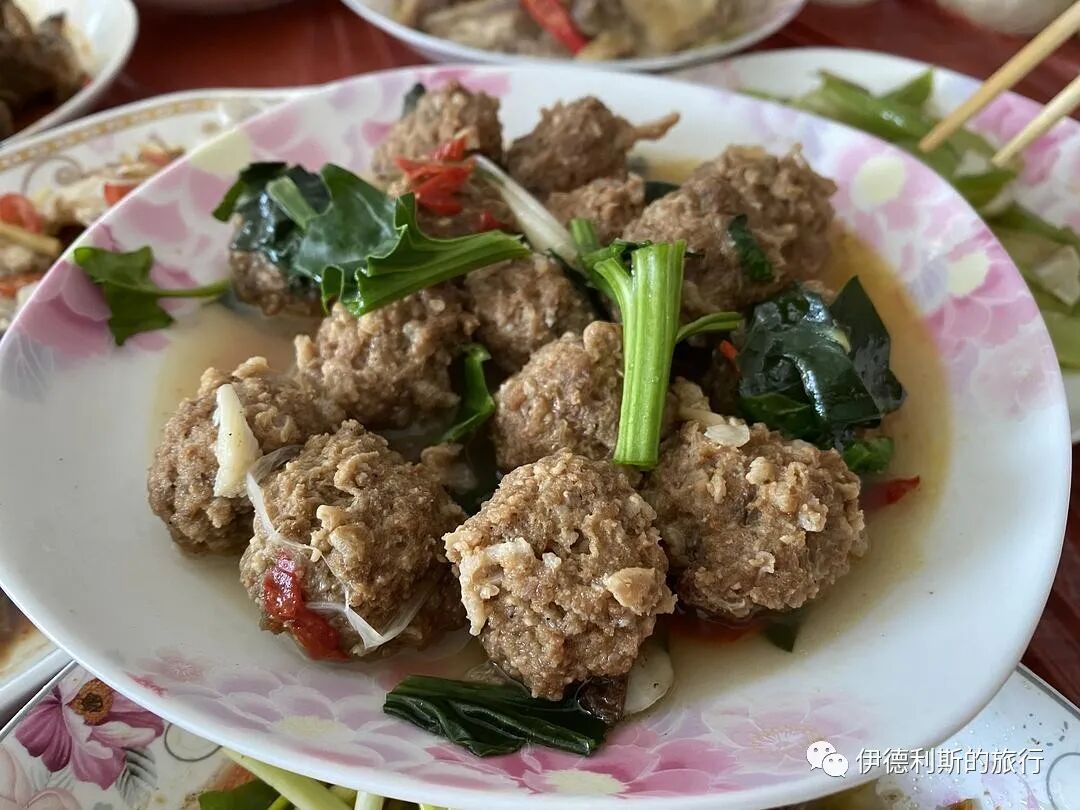
The night before the banquet, we fried the meatballs, and on the morning of the banquet, we braised them.
This is what it looked like after being braised the next day.
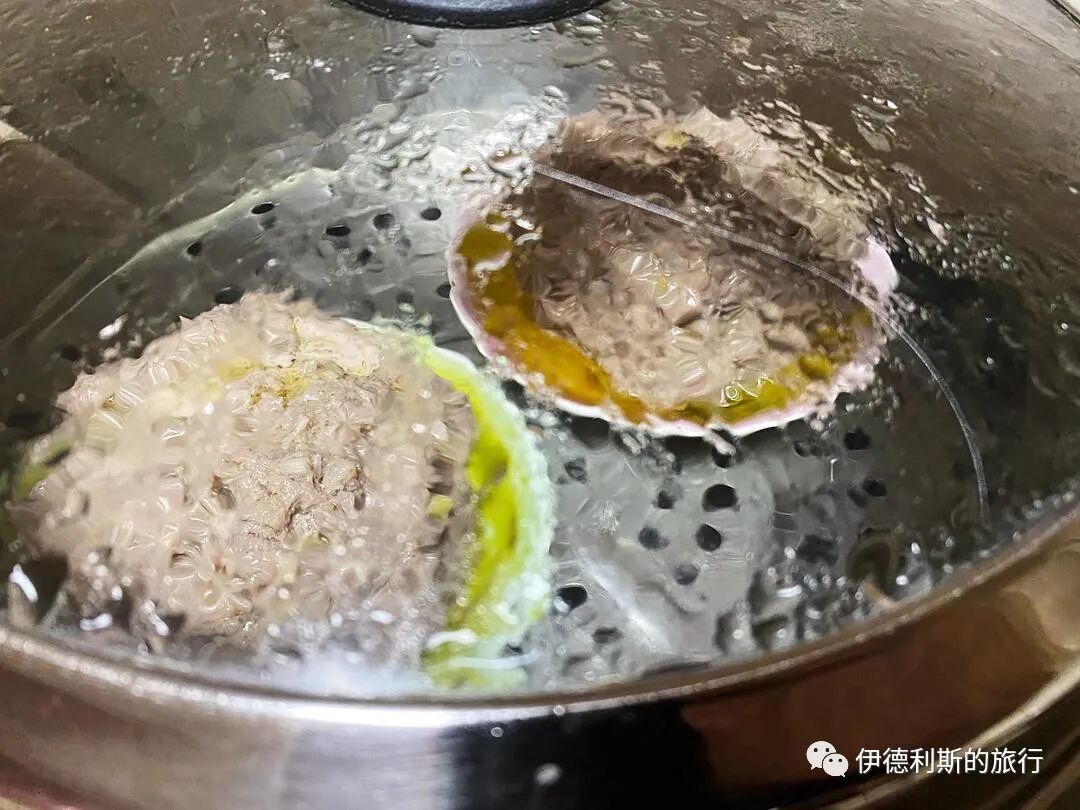
Fish-drilling-net (fried meat jelly)
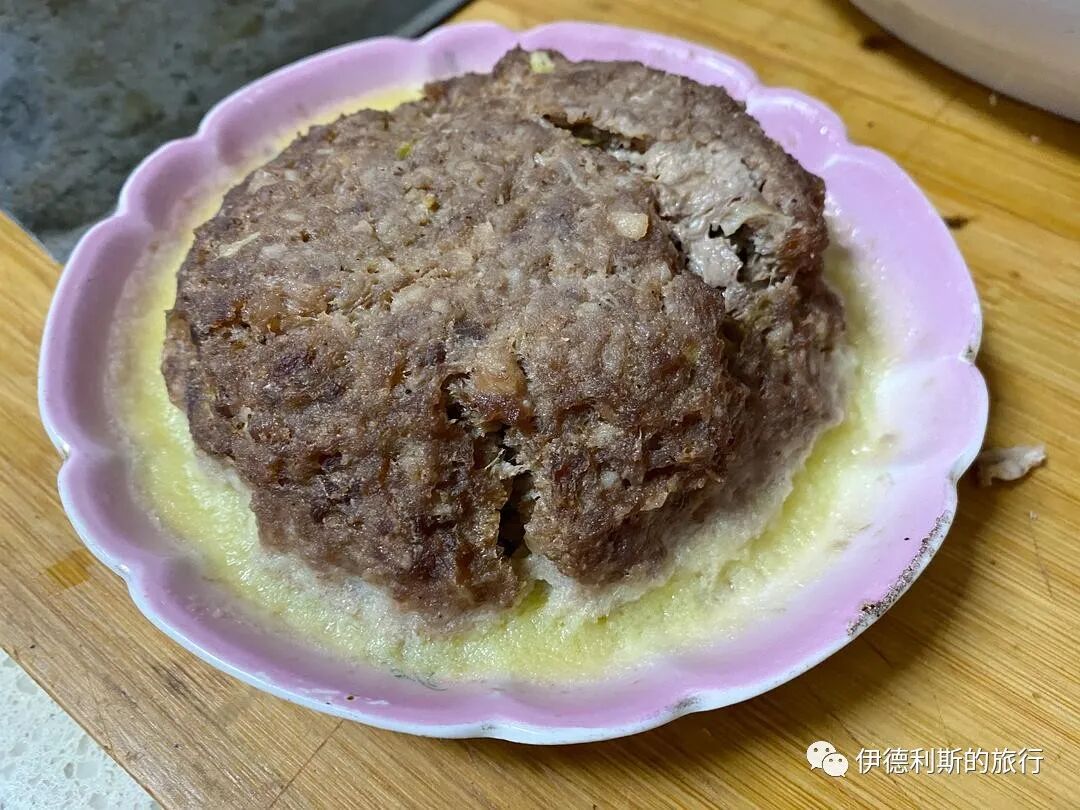
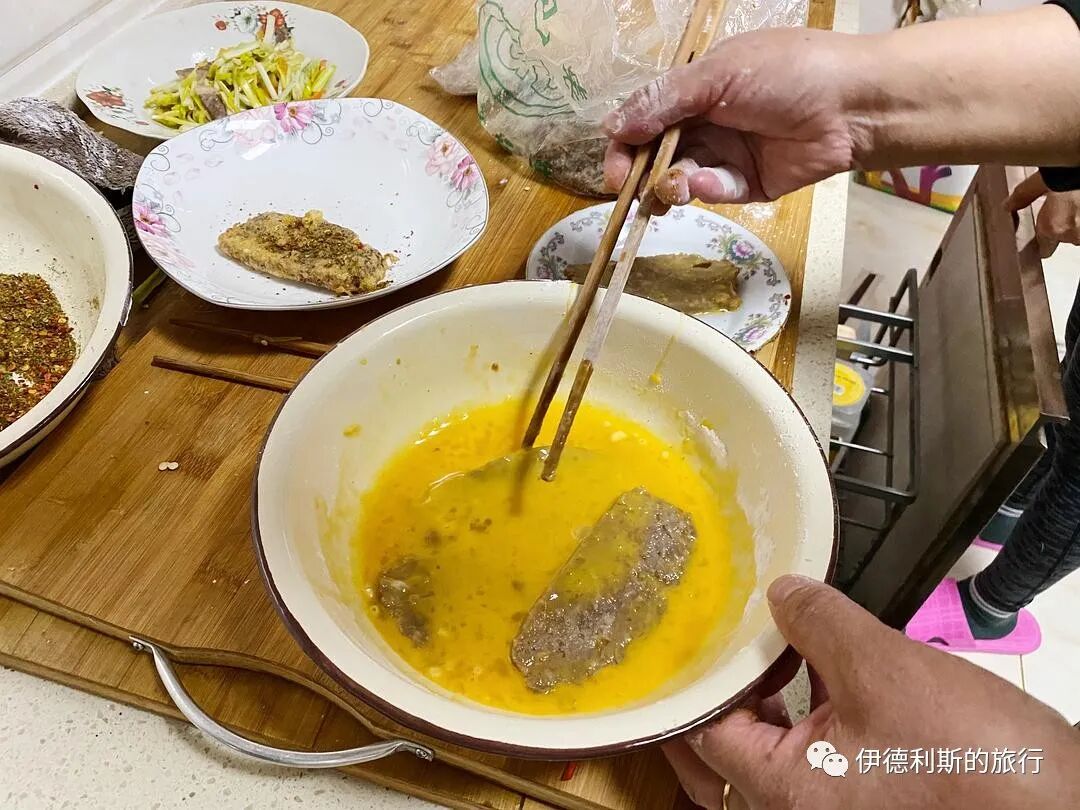
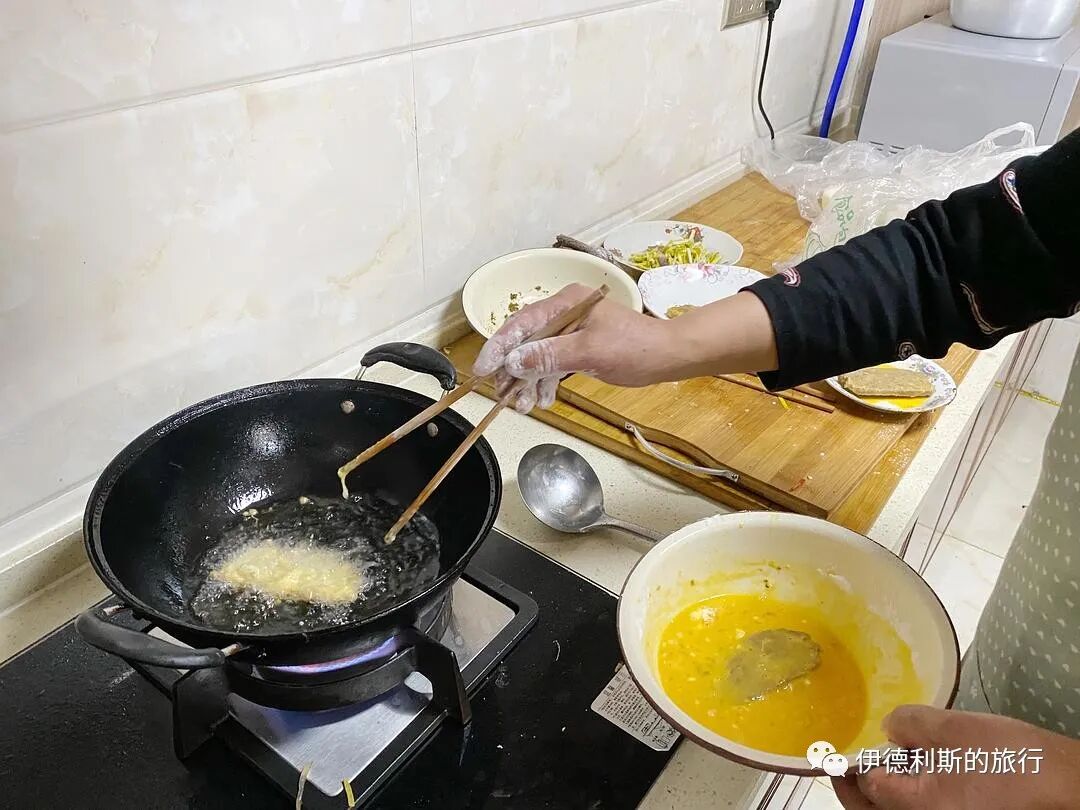
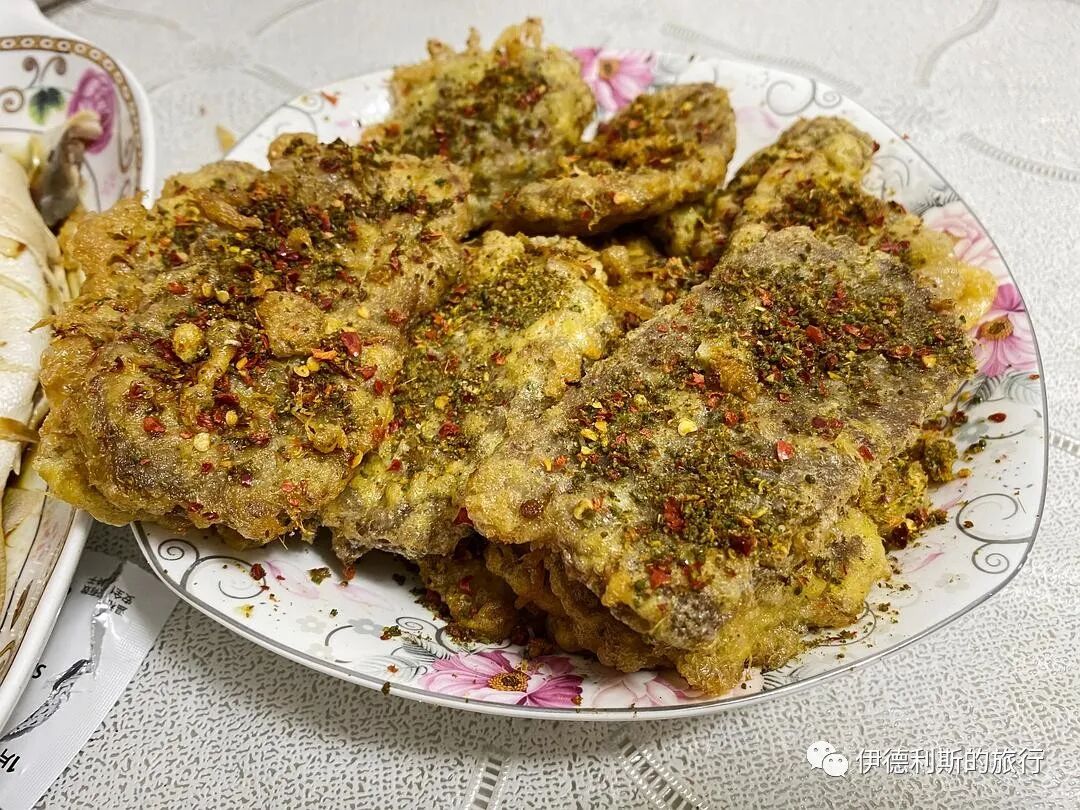
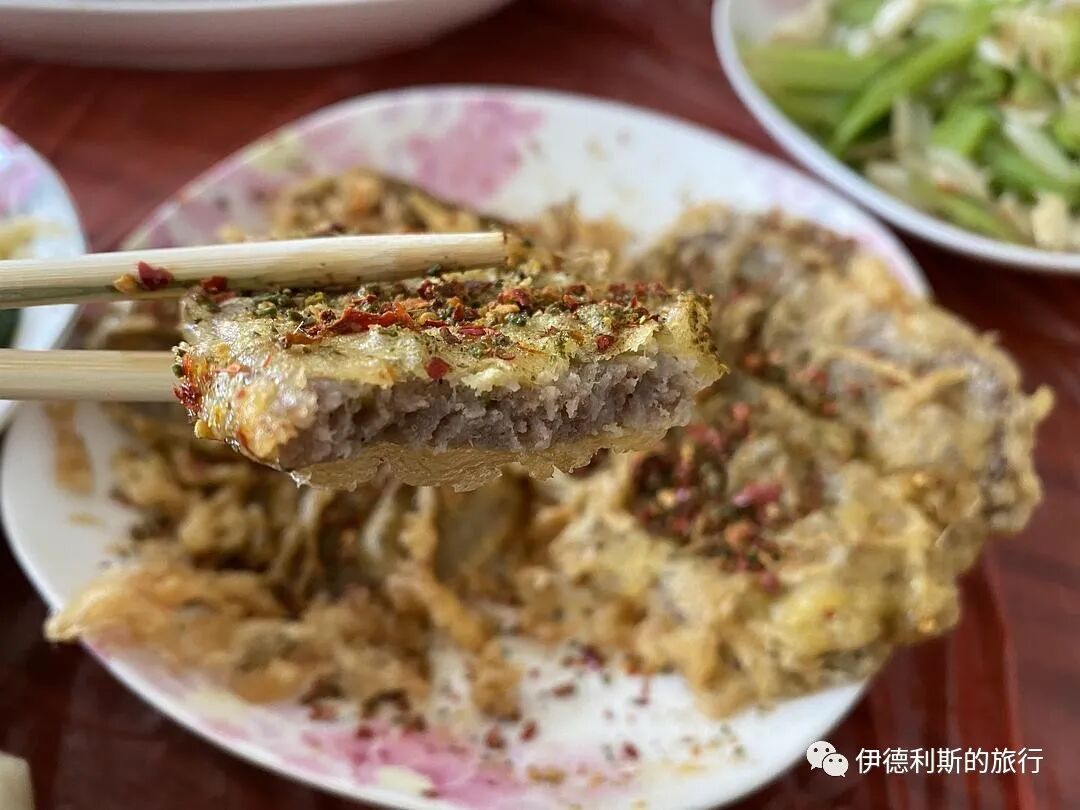
'Fish-drilling-net' is just fried meat jelly. When buying the meat, have the Uyghur uncle grind it into mince (xuanzi). The mince for the meat jelly needs to be finer than that for the meatballs; it must go through the meat grinder twice. The night before the banquet, steam the mince into meat jelly, then slice it. On the morning of the banquet, coat the slices in egg and starch and fry them in a pan. Finally, sprinkle with cumin, chili, and salt.
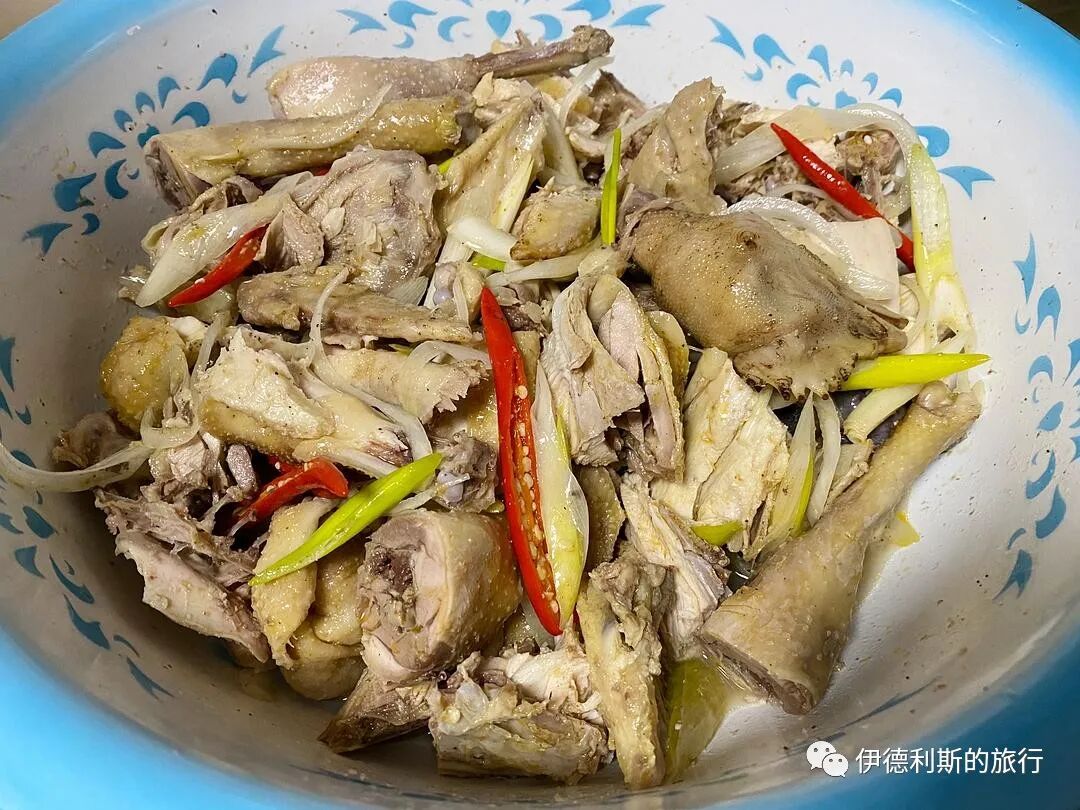
Cold-dressed chicken
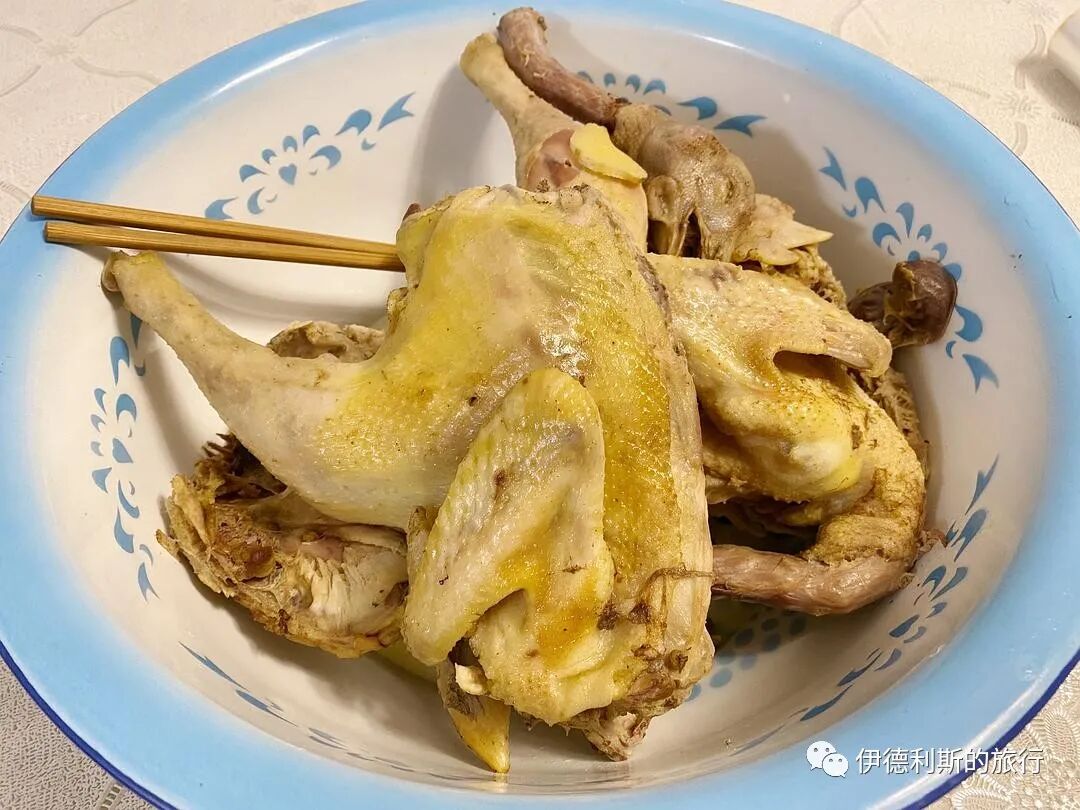
The cold-dressed chicken was stewed the day before and placed on the windowsill, then dressed on the morning of the banquet. Cold-dressed chicken is actually chicken without the numbing pepper flavor of jiaoma chicken.
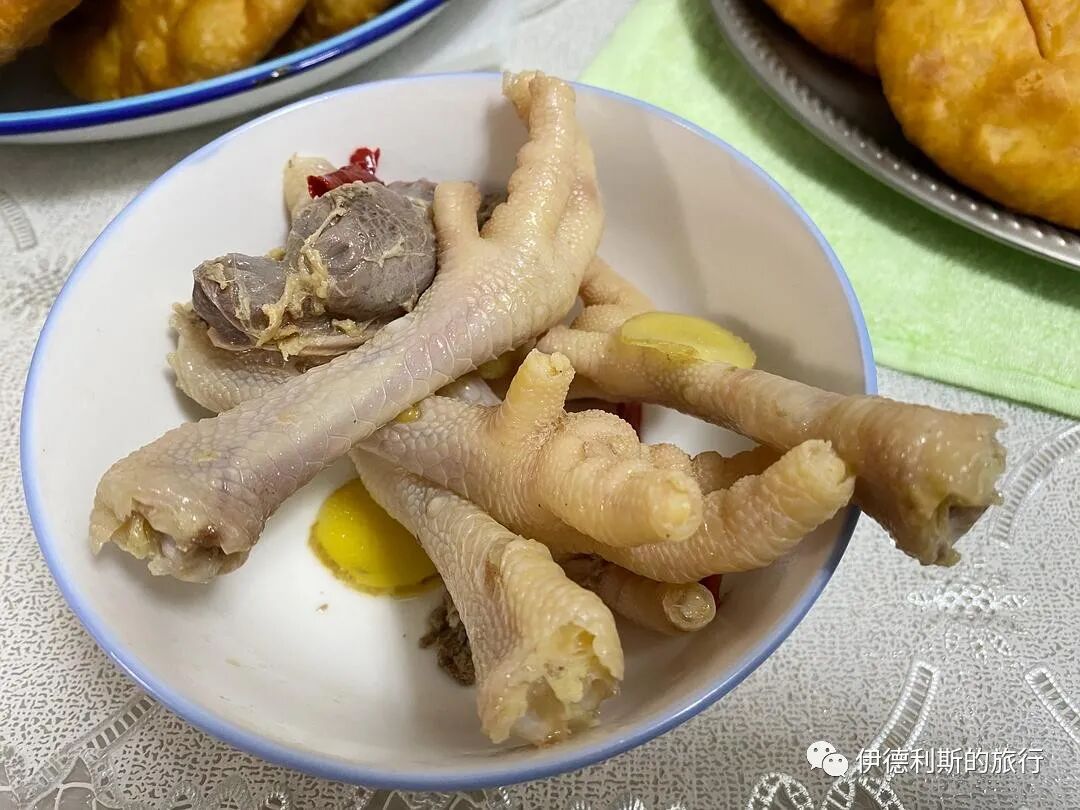
The chicken feet and gizzards were picked out and eaten beforehand.
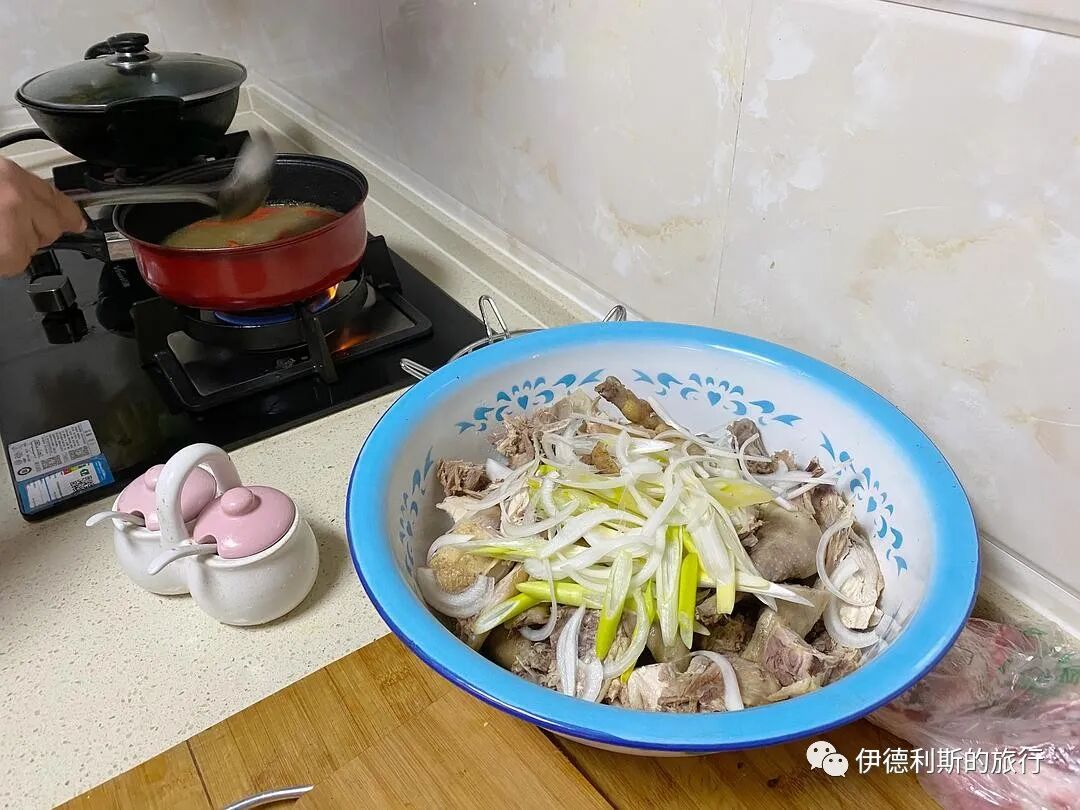
The next morning, cut the chicken, add green onions, onions, and chili, then pour chicken broth over it to finish.
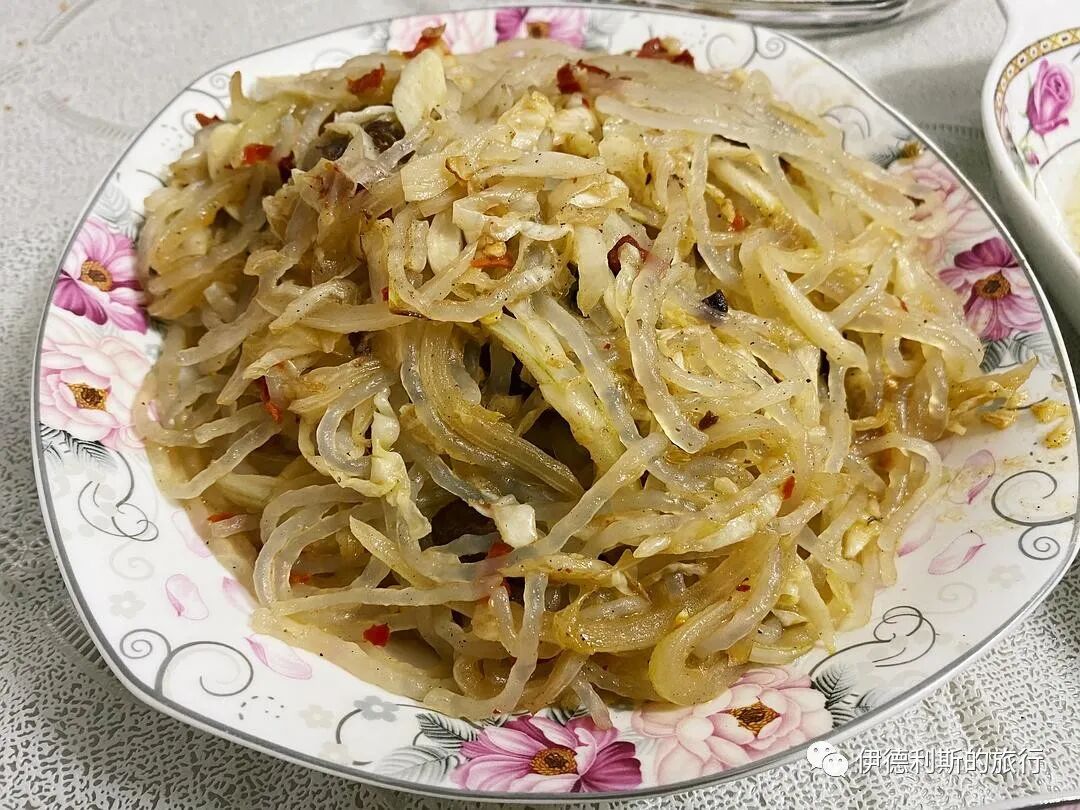
Pickled cabbage with meat
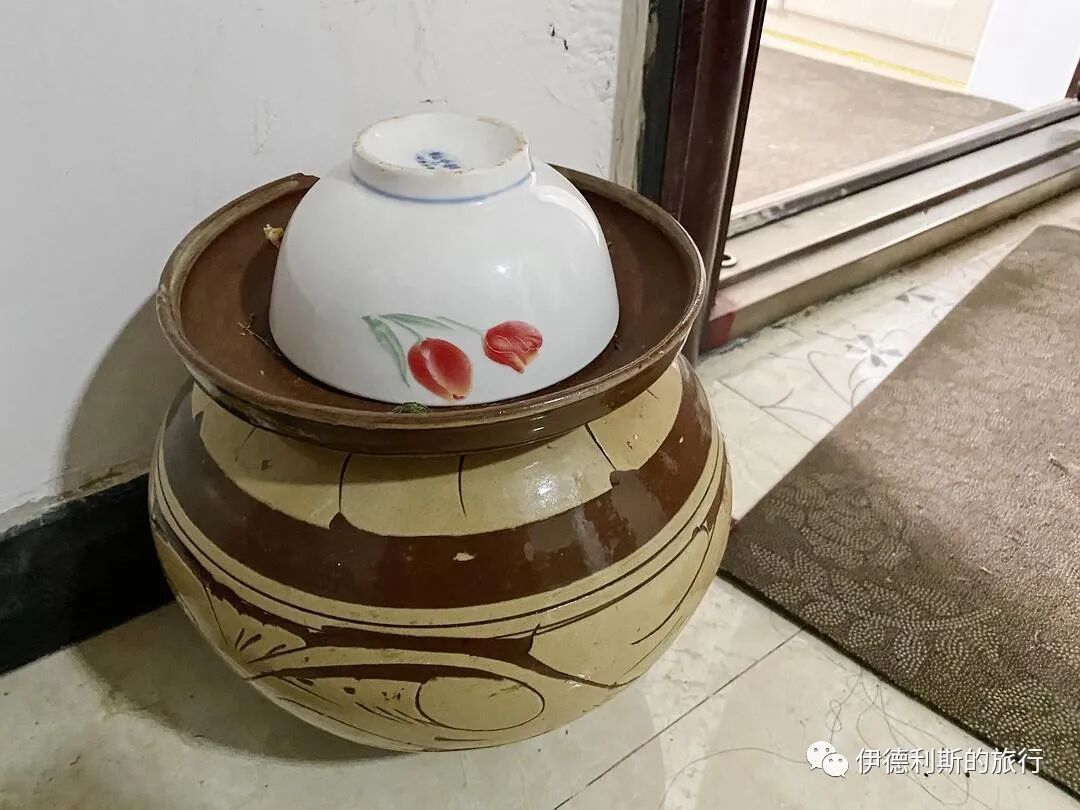
The pickled cabbage was made at home.
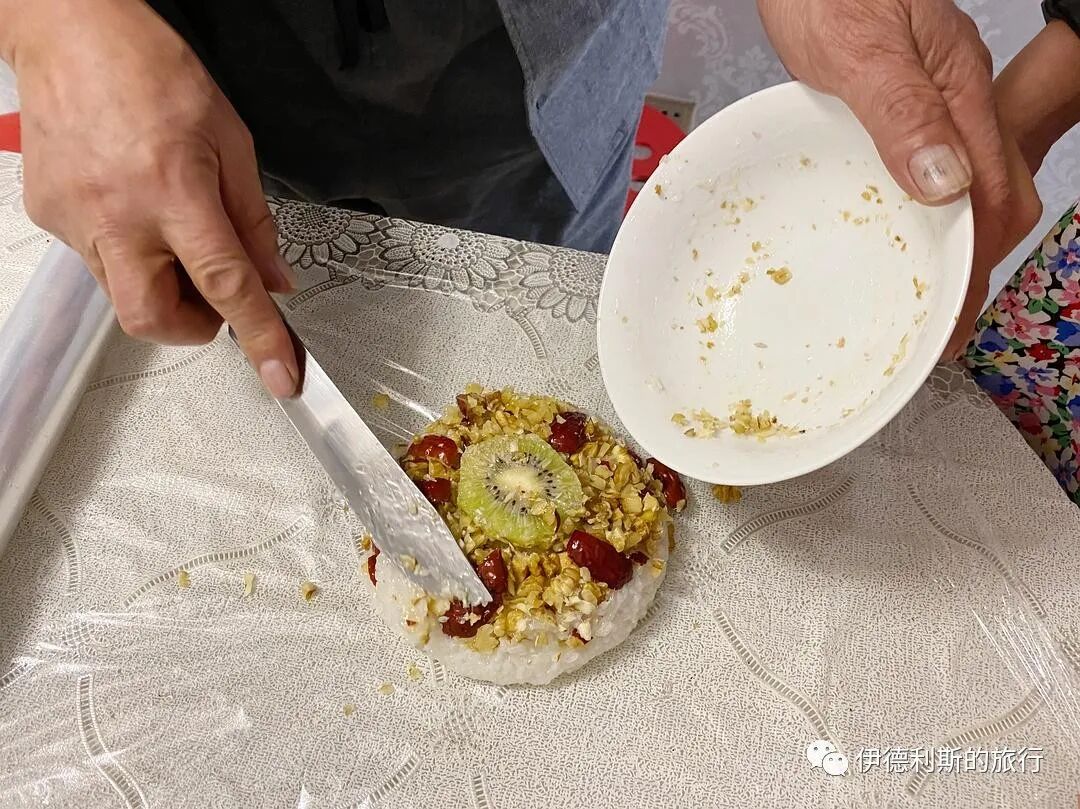
Sweet platter
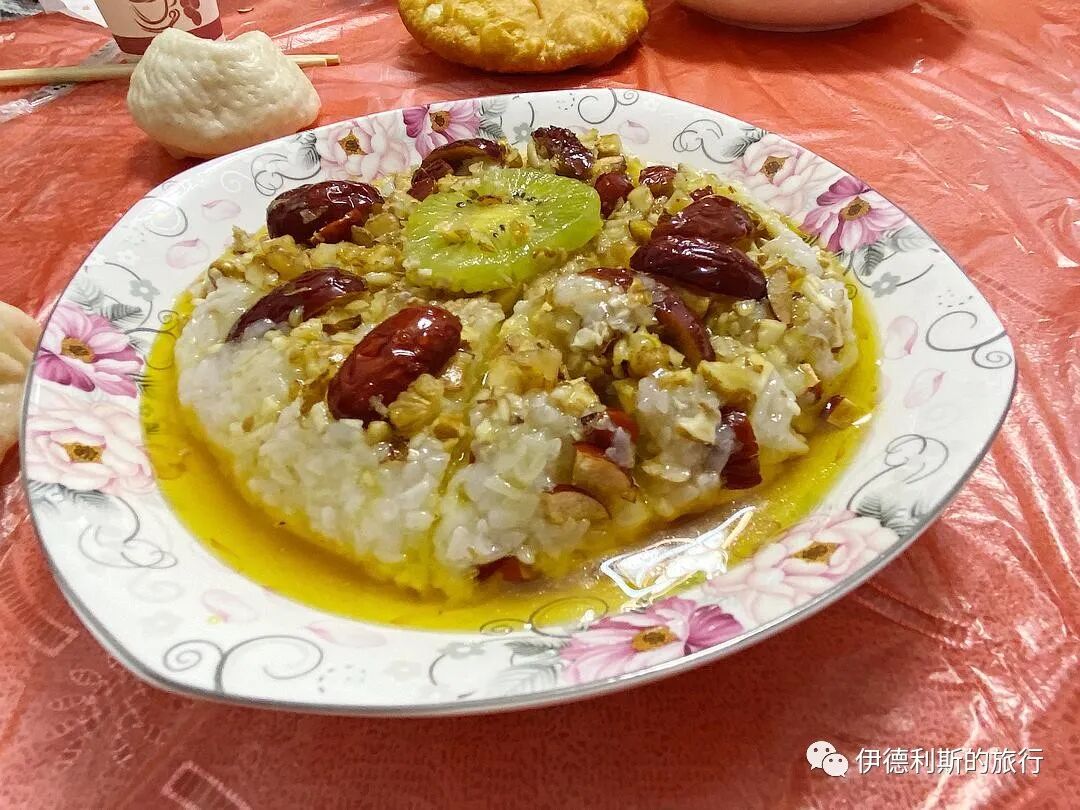
The sweet platter was made the night before and wrapped up, then sprinkled with sugar syrup the next morning.
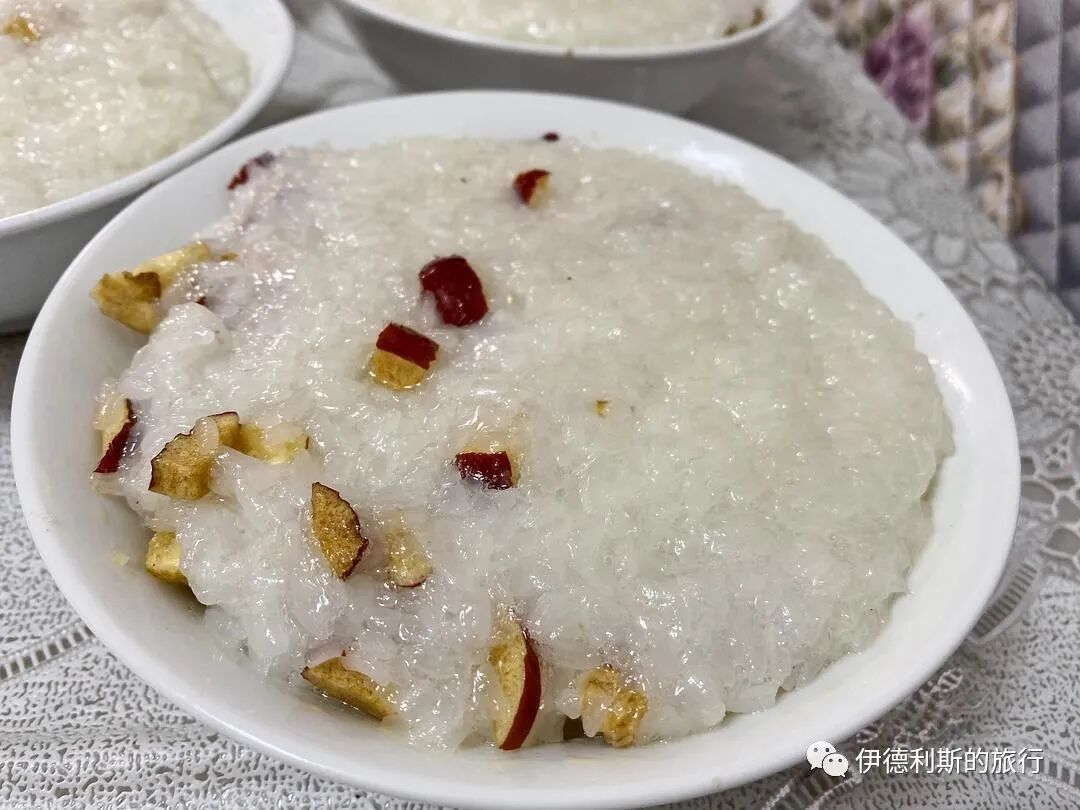
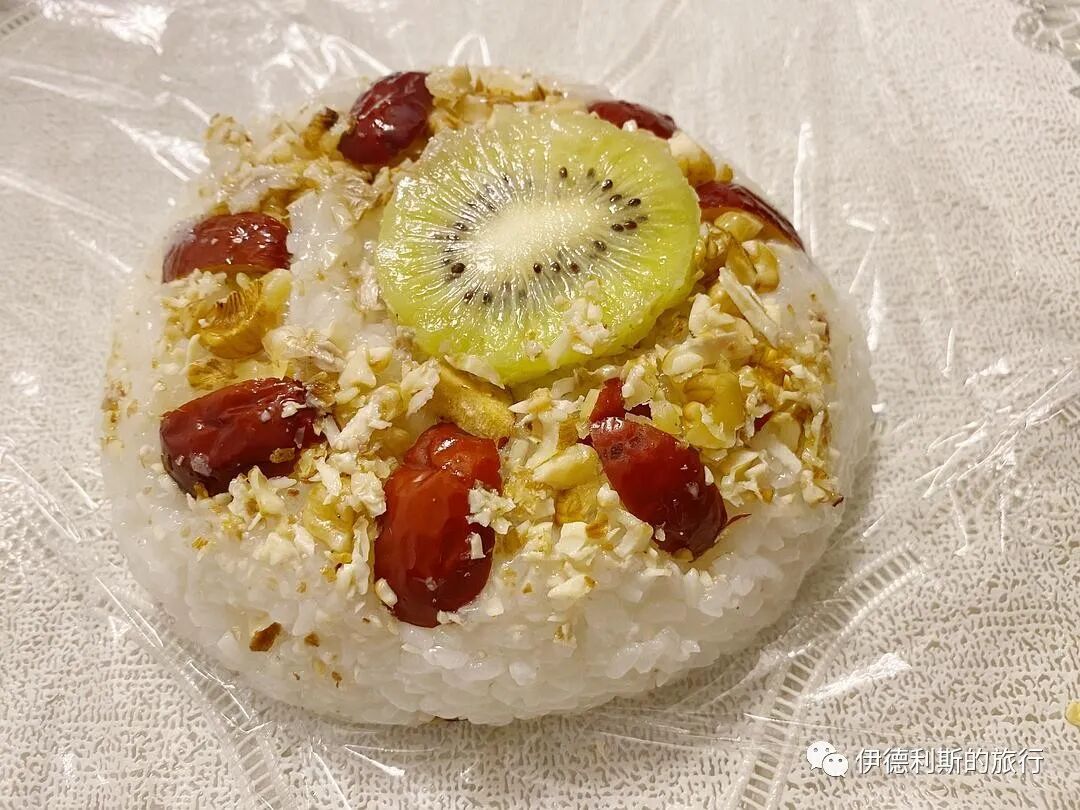
The next morning, boil the sugar syrup and pour it over.
Fried youxiang
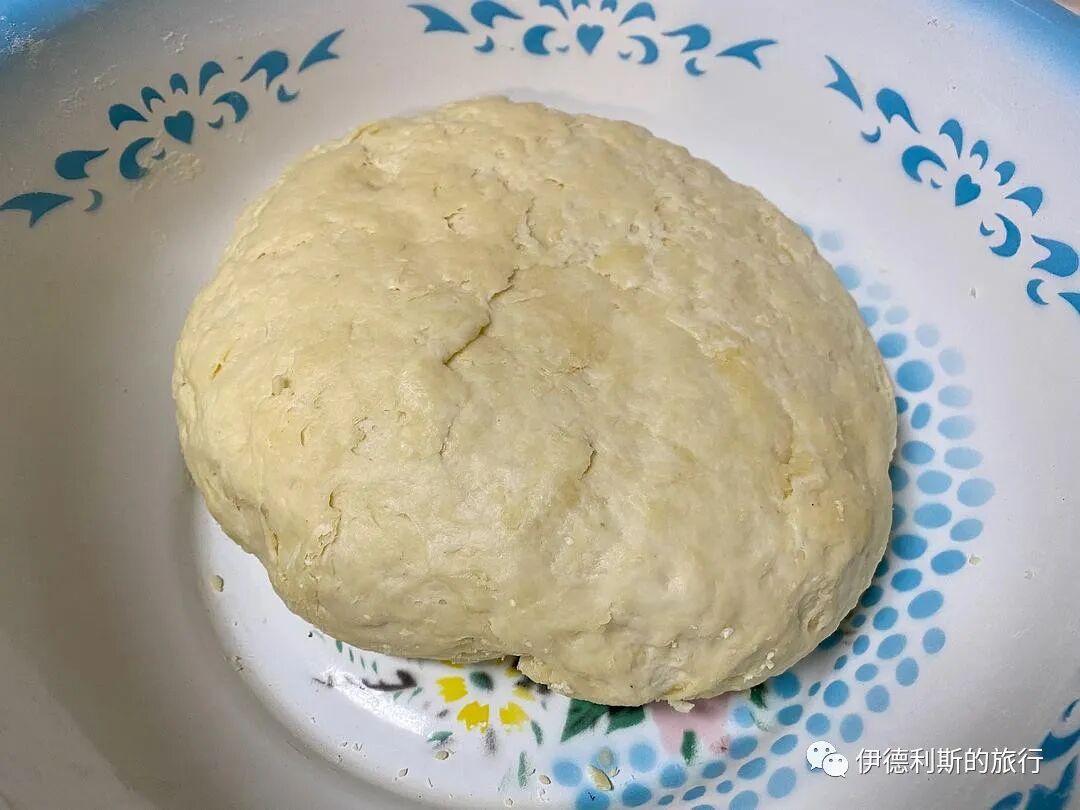
To fry youxiang, first knead the dough.
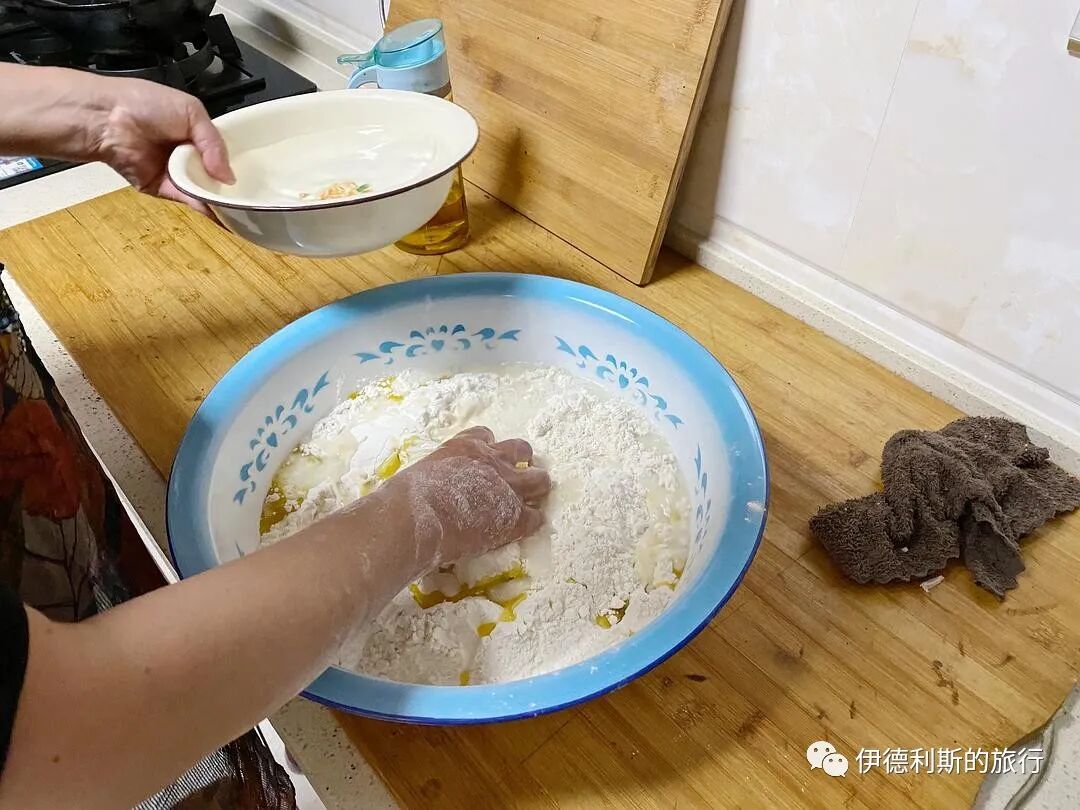
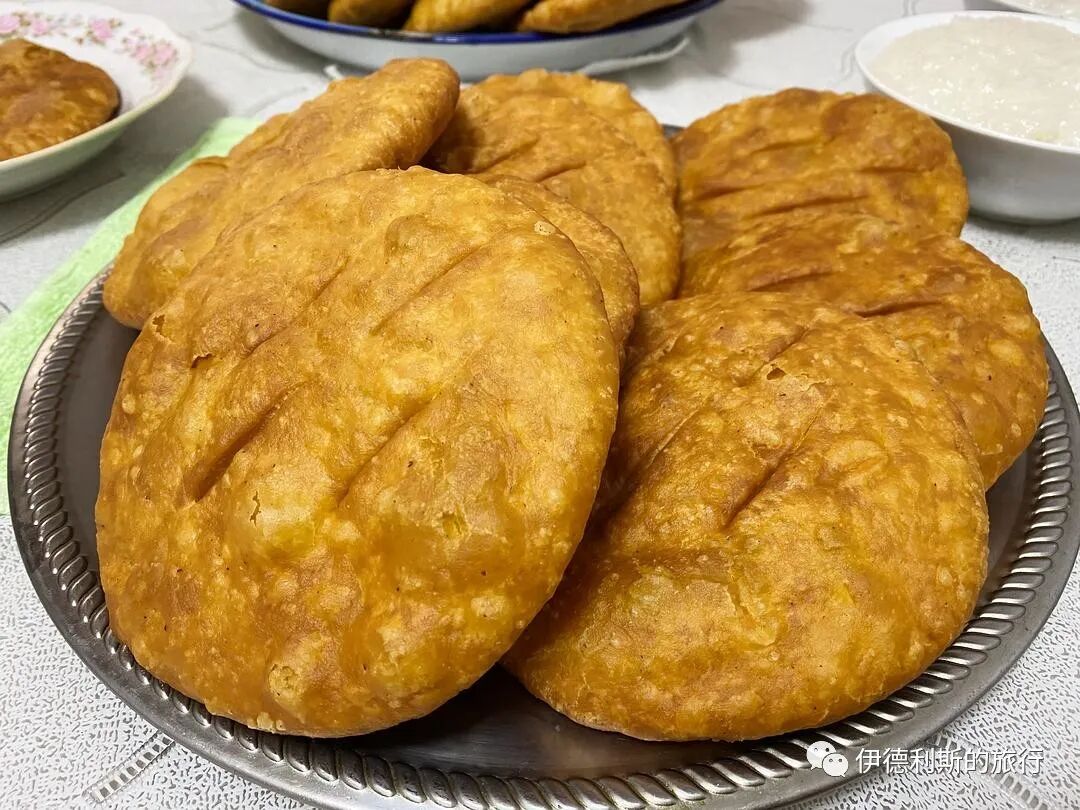
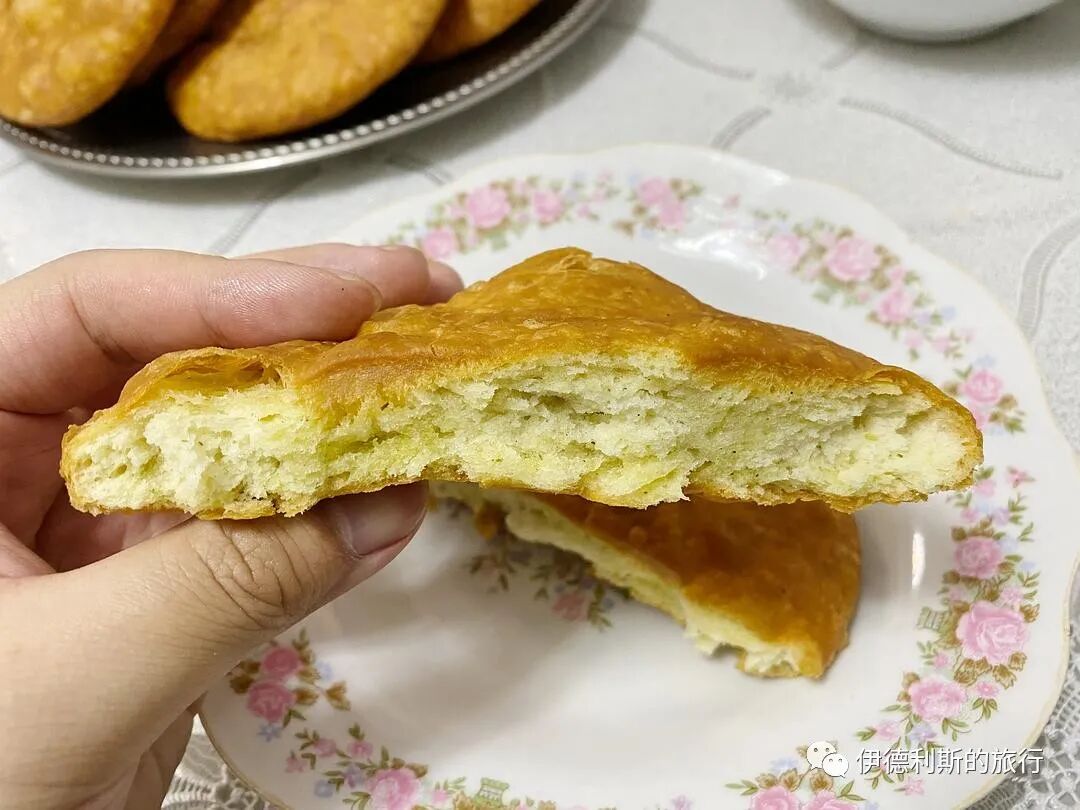
Zainab and I went out shopping while they were being fried, and they were already done when we returned. Youxiang must be eaten by breaking it apart; you cannot eat it whole. After the banquet, if there is any left over, it can be soaked in various soups, rice noodles, or noodle soups.
Summary: This travel note introduces Urumqi Hui Muslim Banquet: Xinjiang Halal Food and Local Muslim Culture. On January 24, 2020, I attended a welcome banquet at Zainab's home in Urumqi and met her extended family. Next, I will share with everyone what we ate at this banquet. It is useful for readers interested in Urumqi Halal Food, Hui Muslims, Xinjiang Travel.
On January 24, 2020, I attended a welcome banquet at Zainab's home in Urumqi and met her extended family. Next, I will share with everyone what we ate at this banquet.
The food at the banquet was divided into two categories. Before eating the main meal, thirteen small plates were placed on the table containing various dried fruits and snacks, which are called 'thirteen little plates'. After everyone finished chatting, the plates were cleared and replaced with the main courses. Thirteen dishes were served in order, making a total of twenty-six types of food.
Thirteen little plates
The pronunciation here is die-die-zi, which is also a common tone combination in the Xinjiang dialect.
First, the list: dried figs, Medina dates mixed with dried apricots (hen), Tatar pastries, Hui Muslim Ma-style snacks, Kazakh kurt (dried yogurt balls), candied walnuts, pistachios, almonds, cashews, melon seeds, dried apricot (hen) skins mixed with tangningningzi (fried dough twists), raisins, and loose sugar.
On the morning of the banquet, the plates were arranged in a room, which is called 'setting the little plates'.
This is what it looked like after being set.
Candied walnuts made by my mother-in-law; they are sweet.
The dried apricot (hen) skins and tangningningzi were also made by my mother-in-law. Tangningningzi is what Xinjiang Hui Muslims call them; the general term is youguozi (fried dough snacks).
The figs in Xinjiang are truly incredibly delicious, but fresh ones are only available in the summer. Most of the time, we eat dried figs, which really feel like candy inside.
Zainab and I bought Tatar-style cream cakes and walnut pie at the Marhaba Tatar Pastry Shop on Linguan Lane, Heba Third Alley.
The Tatar ethnic group is the smallest ethnic group in China, with only about 3,000 people. Most of the Tatar people in China come from the Kazan Tatars. From the 19th century to the early 20th century, they moved successively from Kazan on the banks of the Volga River to settle in Urumqi, Yining, and Tacheng in Xinjiang. At that time, most of the Tatar people were intellectuals or merchants, and they played an important role in promoting the establishment of modern education in Xinjiang.
Today, many Tatar people in Xinjiang have moved abroad. The places where you can most intuitively experience their culture are the Tatar embroidery shops in Yining and the Tatar pastry shops in Urumqi.
The Tatar pastry shop in Urumqi is located on the site of a former Russian trading port. 100 years ago, this was a place where Russians, Tatars, and various Central Asian merchants traded, somewhat similar to Sanlitun in Beijing. The Tatar pastry shop is also a witness to this history.
Their most classic cake consists of six layers of dough with six layers of cream. The dough is made of milk, eggs, ghee, and honey, without adding water, and it tastes especially fragrant.
Ma-style snacks is one of the most famous traditional Hui Muslim snack shops in Urumqi, and it has been open for over a decade. Zainab's mother also used molds to make them herself when she was a child, but now fewer and fewer Hui Muslims in Urumqi make them themselves.
2. Thirteen dishes
Meat dishes: braised beef ribs, clear-stewed mutton, fish-drilling-net (fried meat jelly), braised meatballs, cold-dressed chicken, steamed fish
Hot dishes: pickled cabbage with meat, daylily with wood ear mushrooms, celery with lily bulbs, garlic sprouts with meat
Cold dishes: sweet platter, lotus root with wood ear mushrooms (lotus pond moonlight), bean curd skin with red chili
The staple foods were fried youxiang (leavened flatbread), momo (steamed buns), and rice.
The presentation looked like this:
1. Braised beef ribs
First, blanch the beef ribs. After they turn white, take them out. Heat oil, add the meat, ginger, a little cinnamon, star anise, and bean paste. Stir-fry for a while, then add fresh chili peppers. After the meat dries out, put it in a pressure cooker and stew for 25 minutes.
2. Clear-stewed mutton
First, skim off the blood foam, then stew. When serving, sprinkle a little raw onion on top.
Braised meatballs
The beef for the meatballs and the meat jelly was bought at a Uyghur shop in the market across from our residential compound.
The night before the banquet, we fried the meatballs, and on the morning of the banquet, we braised them.
This is what it looked like after being braised the next day.
Fish-drilling-net (fried meat jelly)
'Fish-drilling-net' is just fried meat jelly. When buying the meat, have the Uyghur uncle grind it into mince (xuanzi). The mince for the meat jelly needs to be finer than that for the meatballs; it must go through the meat grinder twice. The night before the banquet, steam the mince into meat jelly, then slice it. On the morning of the banquet, coat the slices in egg and starch and fry them in a pan. Finally, sprinkle with cumin, chili, and salt.
Cold-dressed chicken
The cold-dressed chicken was stewed the day before and placed on the windowsill, then dressed on the morning of the banquet. Cold-dressed chicken is actually chicken without the numbing pepper flavor of jiaoma chicken.
The chicken feet and gizzards were picked out and eaten beforehand.
The next morning, cut the chicken, add green onions, onions, and chili, then pour chicken broth over it to finish.
Pickled cabbage with meat
The pickled cabbage was made at home.
Sweet platter
The sweet platter was made the night before and wrapped up, then sprinkled with sugar syrup the next morning.
The next morning, boil the sugar syrup and pour it over.
Fried youxiang
To fry youxiang, first knead the dough.
Zainab and I went out shopping while they were being fried, and they were already done when we returned. Youxiang must be eaten by breaking it apart; you cannot eat it whole. After the banquet, if there is any left over, it can be soaked in various soups, rice noodles, or noodle soups.
