
Twenty Ethnic Restaurants in China: Halal and Minority Food Guide (Part 2)
Reposted from the web
Summary: This travel note introduces Twenty Ethnic Restaurants in China: Halal and Minority Food Guide (Part 2). Qingzhen Huiji is currently the only local traditional halal snack shop on Hong Kong Island. It is useful for readers interested in Ethnic Food, Halal Food, China Travel.
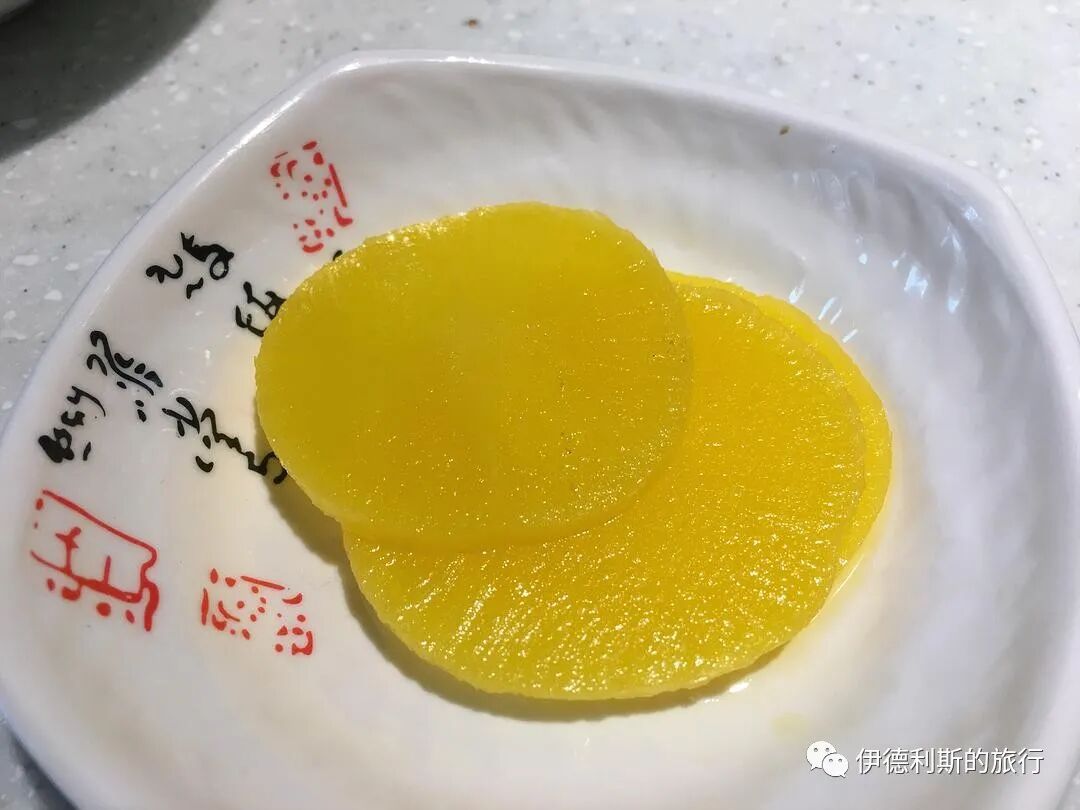
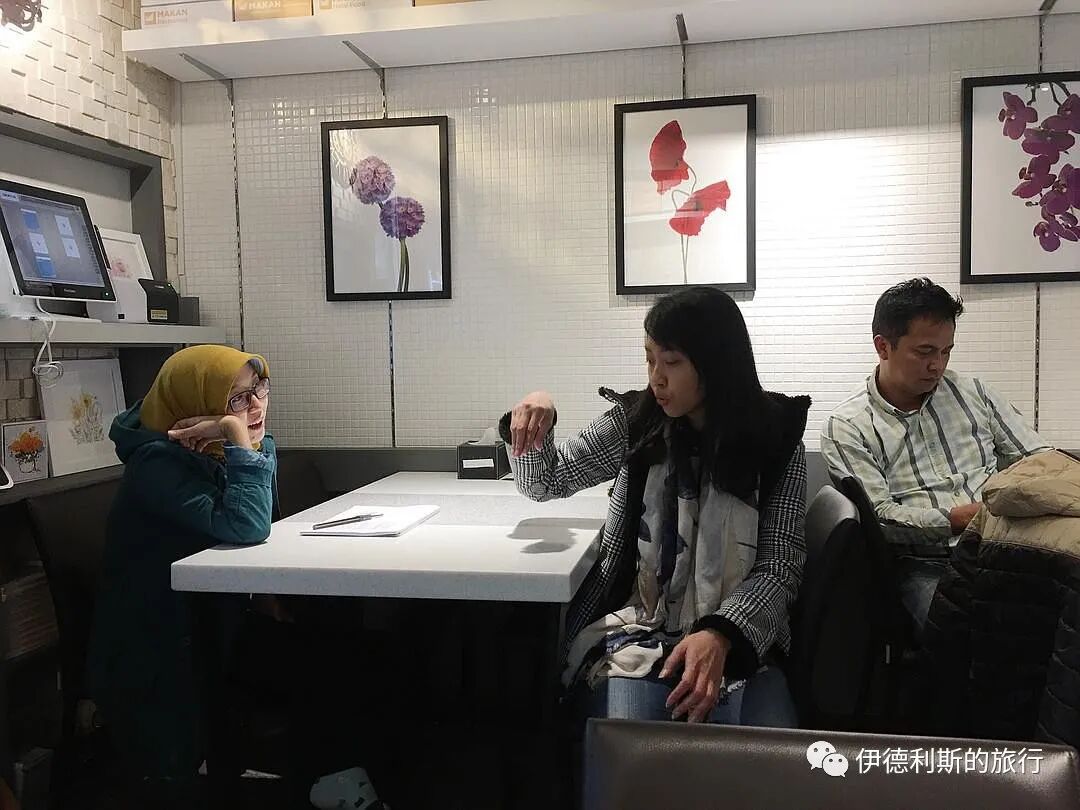
Chinese Muslims in Hong Kong
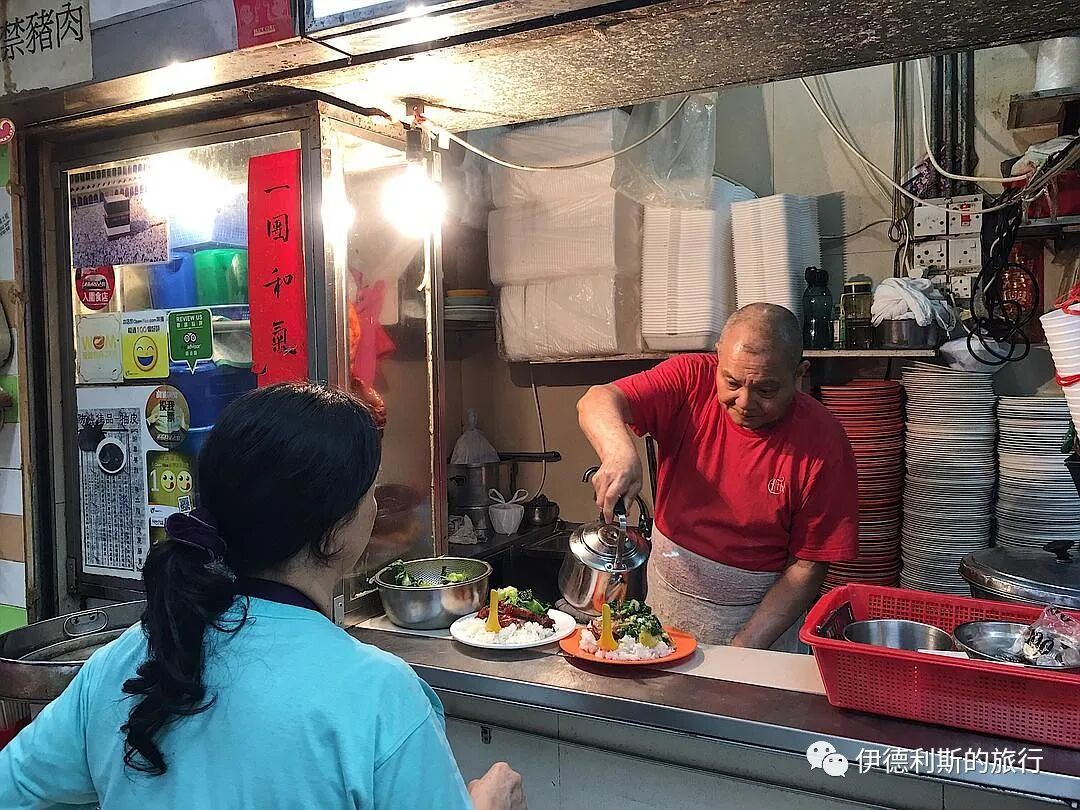
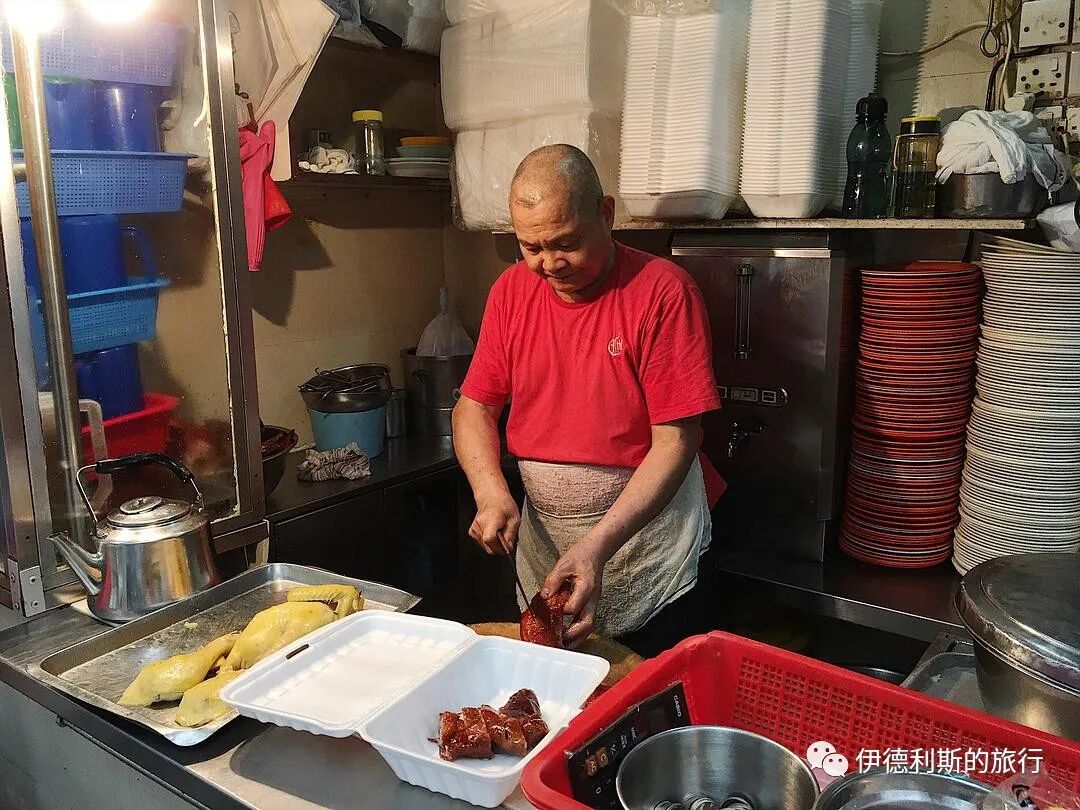
Qingzhen Huiji is currently the only local traditional halal snack shop on Hong Kong Island. It is located inside the Gwan-Ying Street Market on Bowrington Road in Wan Chai. It is not very easy to find, so if you cannot find it after entering the market, you can ask a local stall owner.
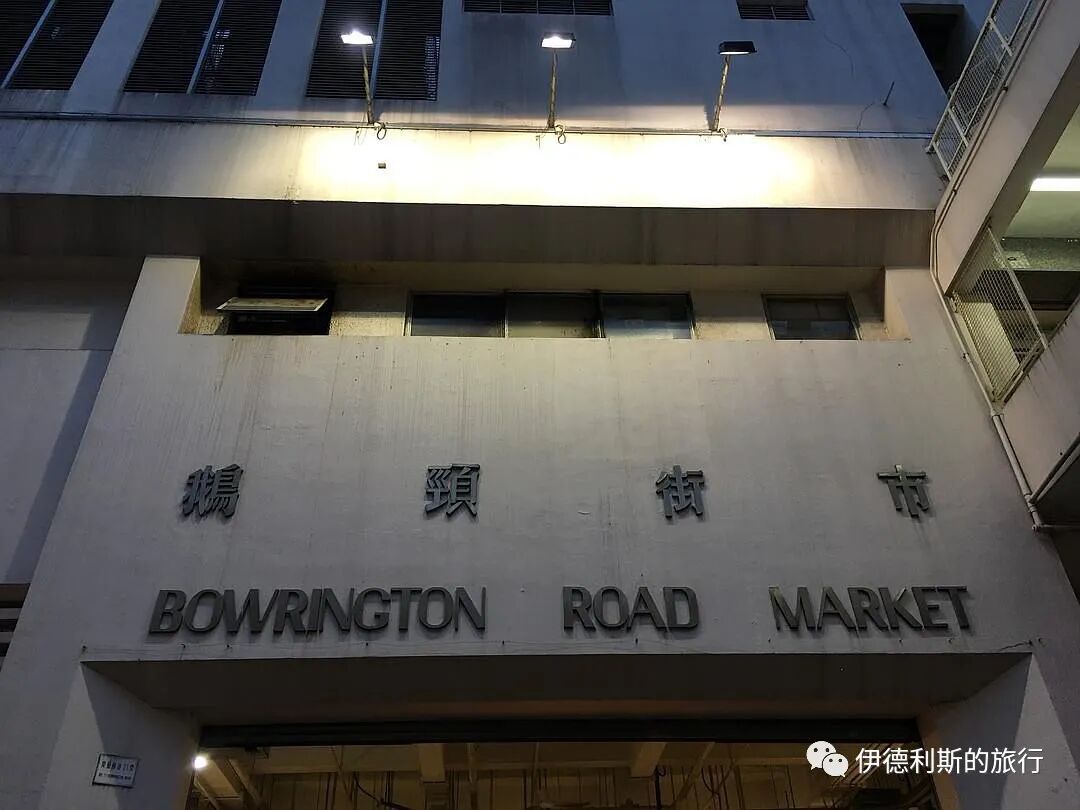
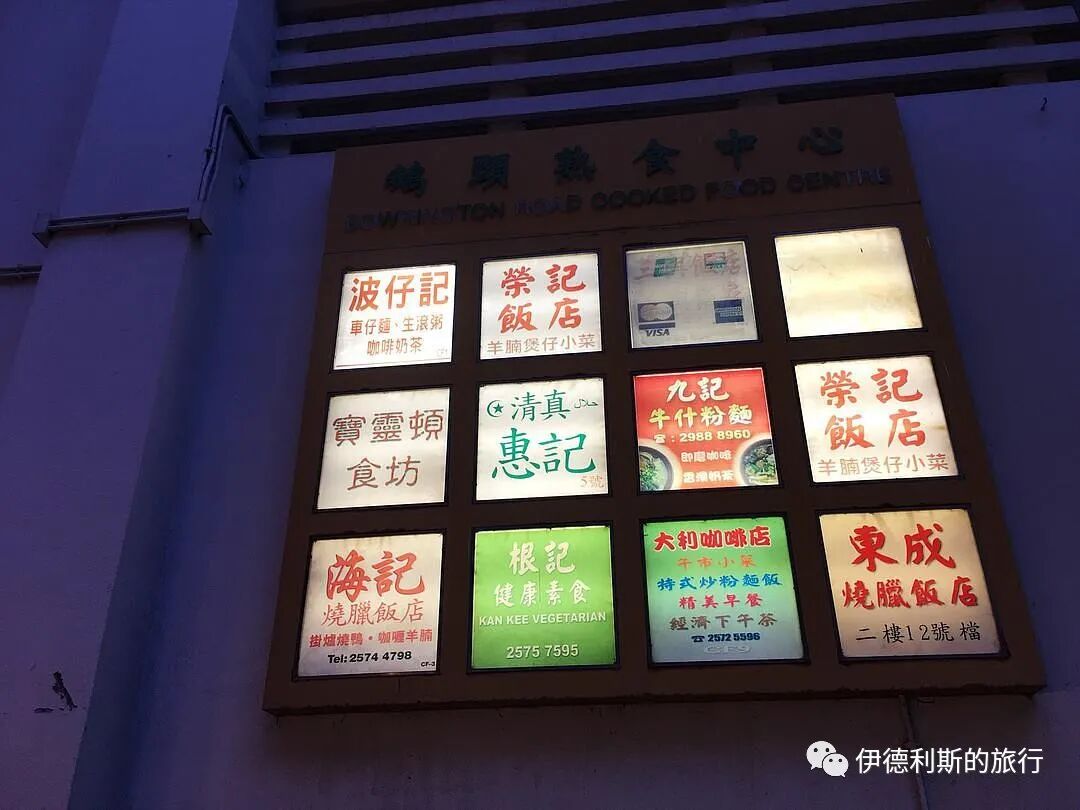
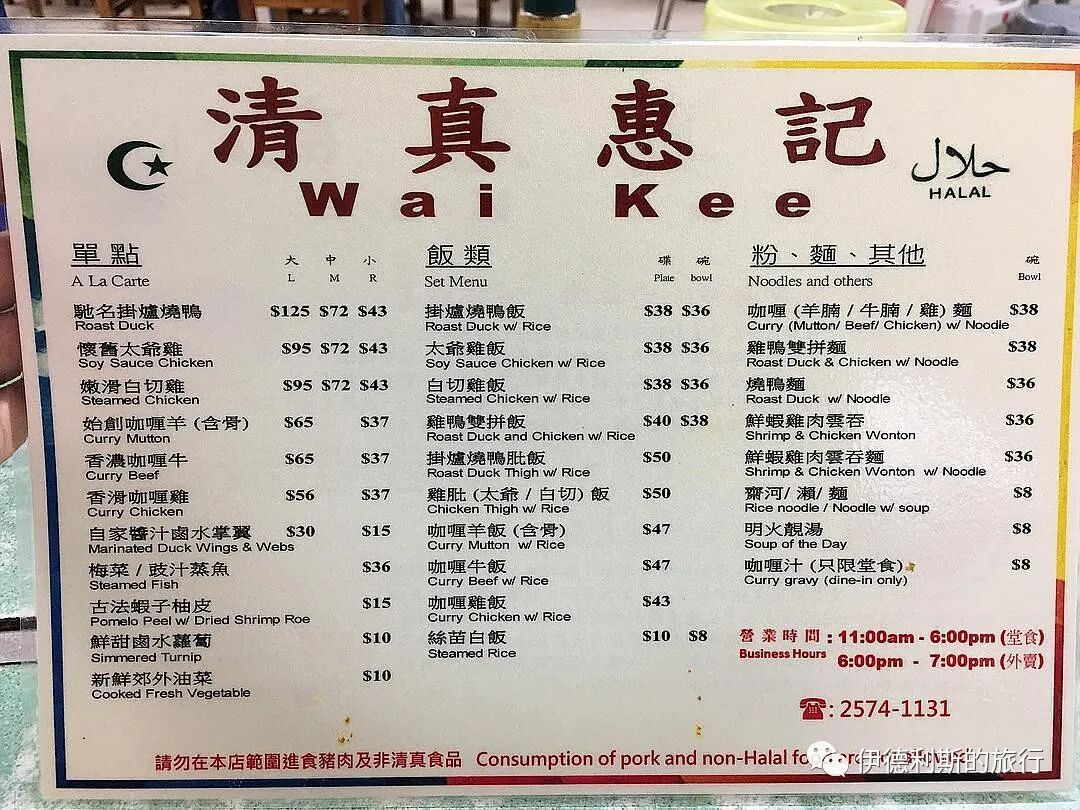
It is said that Qingzhen Huiji has been operating at the Wan Chai Gwan-Ying Bridge for over 60 years, and it moved into the Gwan-Ying Street Market after the market opened in 1979. Qingzhen Huiji's dine-in hours are from 11:00 AM to 6:00 PM, so friends planning to go in the afternoon must arrive early.
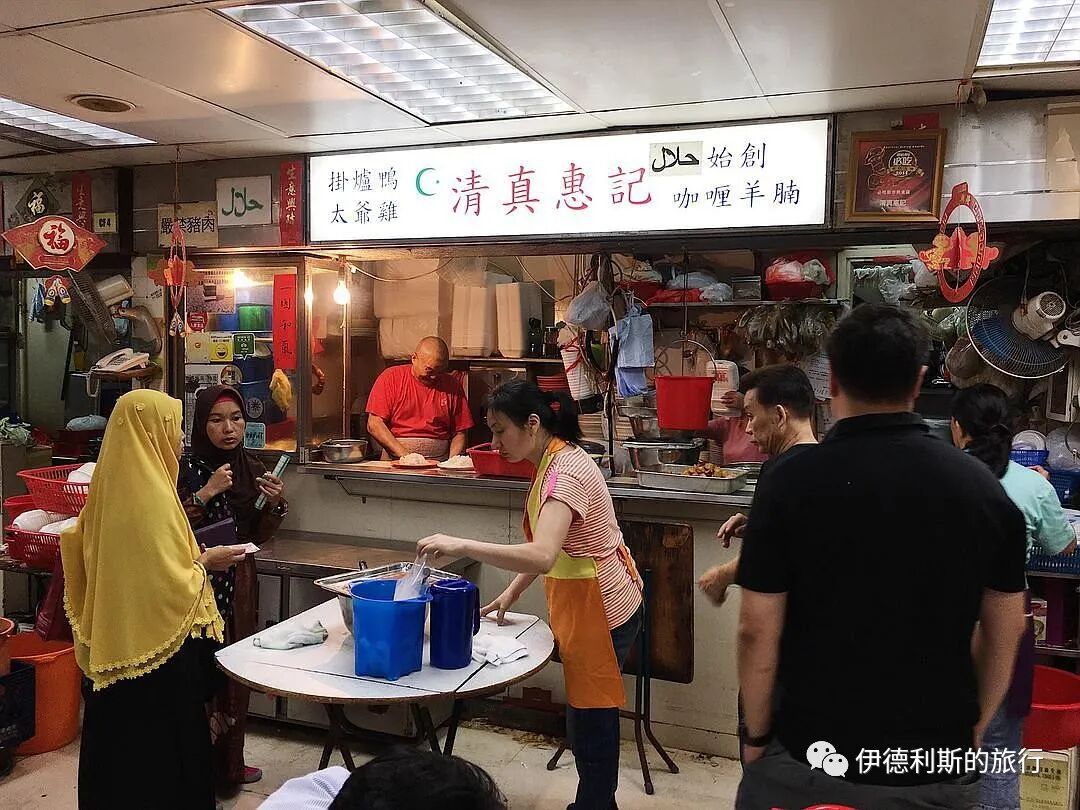
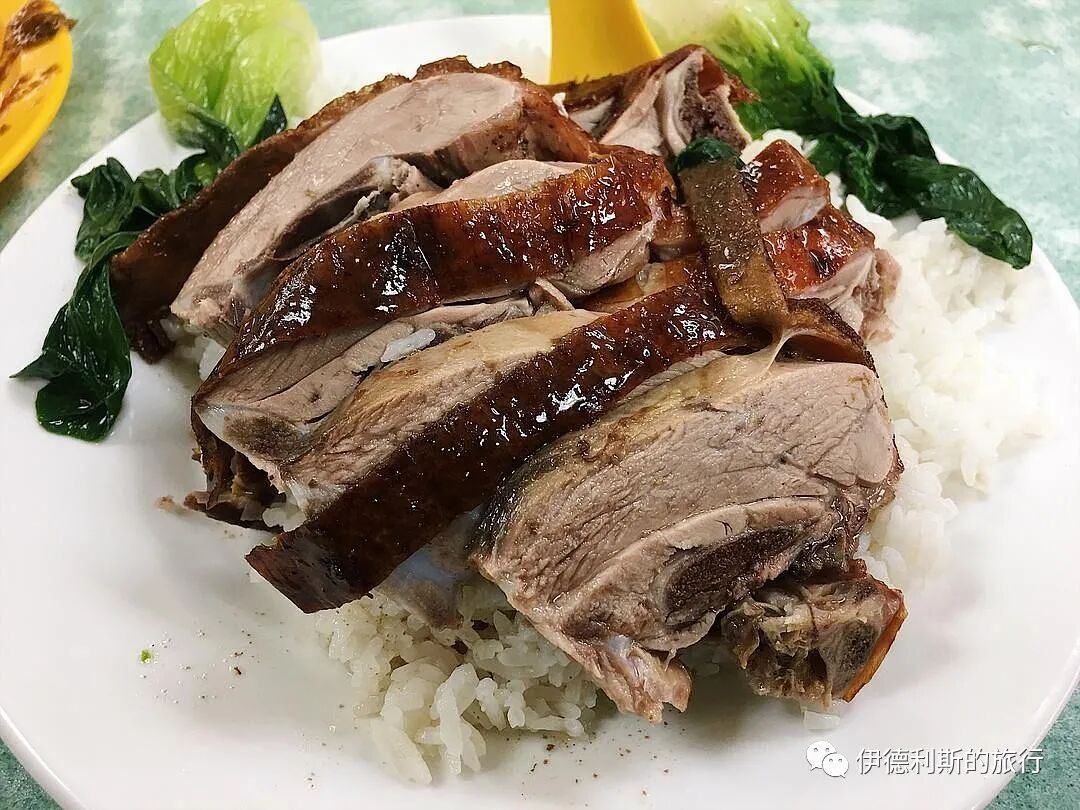
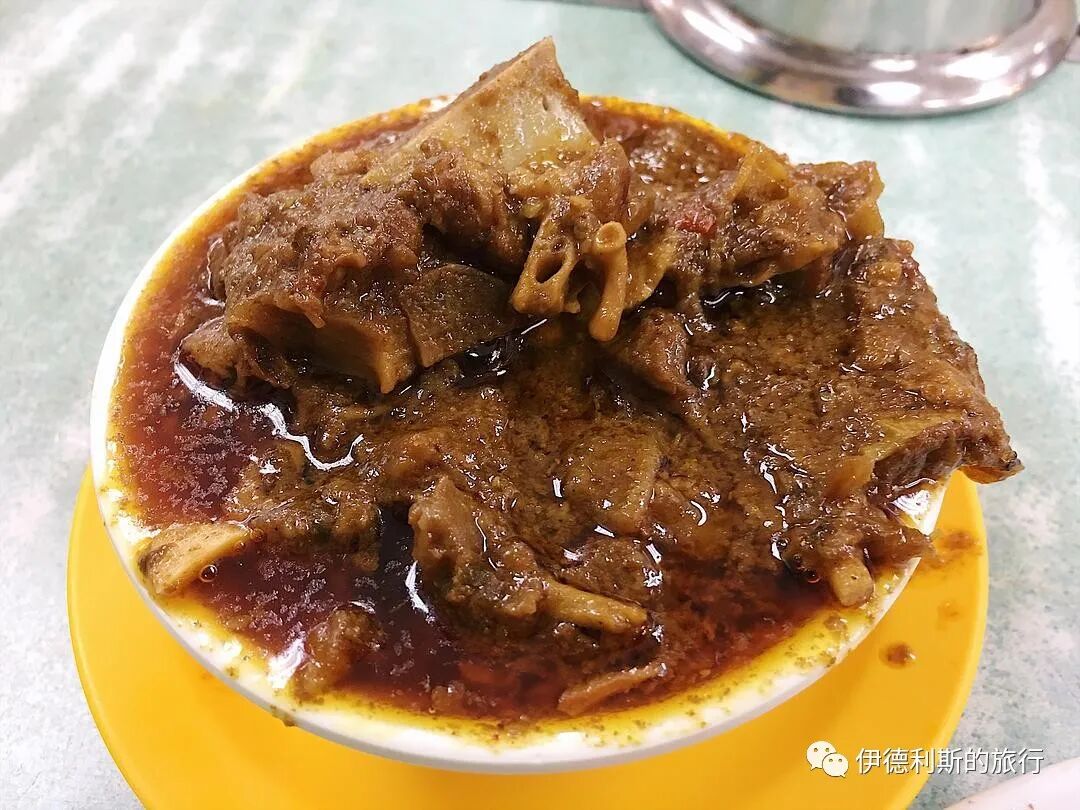
Qingzhen Huiji is famous for its traditional hanging-oven roasted duck and Taiye chicken (soy-sauce chicken), as well as their own original curry lamb brisket. To be honest, this is the best curry lamb brisket I have ever eaten; the flavor is exceptionally authentic.
14. The Huihui people of Sanya, Hainan
The Huihui people are a Muslim ethnic group living in Huihui Village and Huixin Village in Sanya City, Hainan, with a population of nearly 10,000. The Huihui language they use belongs to the Austronesian language family and shares the same origin as the Chamic languages of southern Vietnam. The lifestyle of the Huihui people is strongly influenced by local Hainan ethnic groups, but they simultaneously maintain a devout Islamic faith, making them a very unique ethnic group on the southeast coast of China.
Starting from the 10th century, Champa, located in southern Vietnam, fought successive wars with Dai Viet, Chenla (Cambodia), and the Yuan Dynasty. Many Arab and Persian merchants from Champa sailed across the sea to Hainan. The History of Song: Champa contains the earliest record of a Champa person named Pu Luo'e leading over a hundred clansmen to Danzhou, Hainan, to submit to the empire in 986.
During the Ming and Qing dynasties, Muslims living in Yazhou, Wanzhou, Qiongshan, and other parts of Hainan gradually moved to the Sanya Lifan Village (now Sanya Huixin Village). During the Qing Dynasty, Muslim communities across Hainan experienced Sinicization, Li-ization, or Dan-ization. Sanya Lifan Village became the only Muslim community in Hainan and eventually formed the modern Huihui people.
In addition, some Huihui people came from the mainland. The ancestors of the Ha surname among the Huihui people came from Shaanxi. Later, the whole family moved to Dadan Port in Yazhou, Hainan. During the late Ming and early Qing dynasties, they moved to Sanya Lifan Village together with another group of Hui Muslims surnamed Liu.
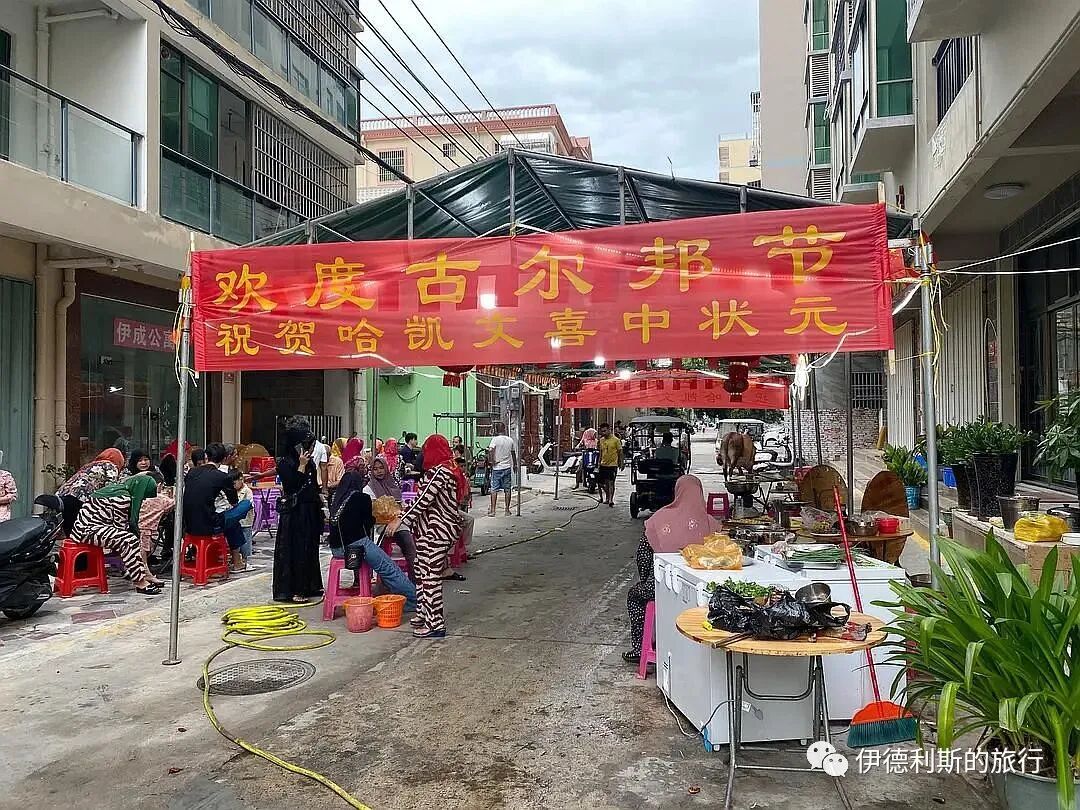
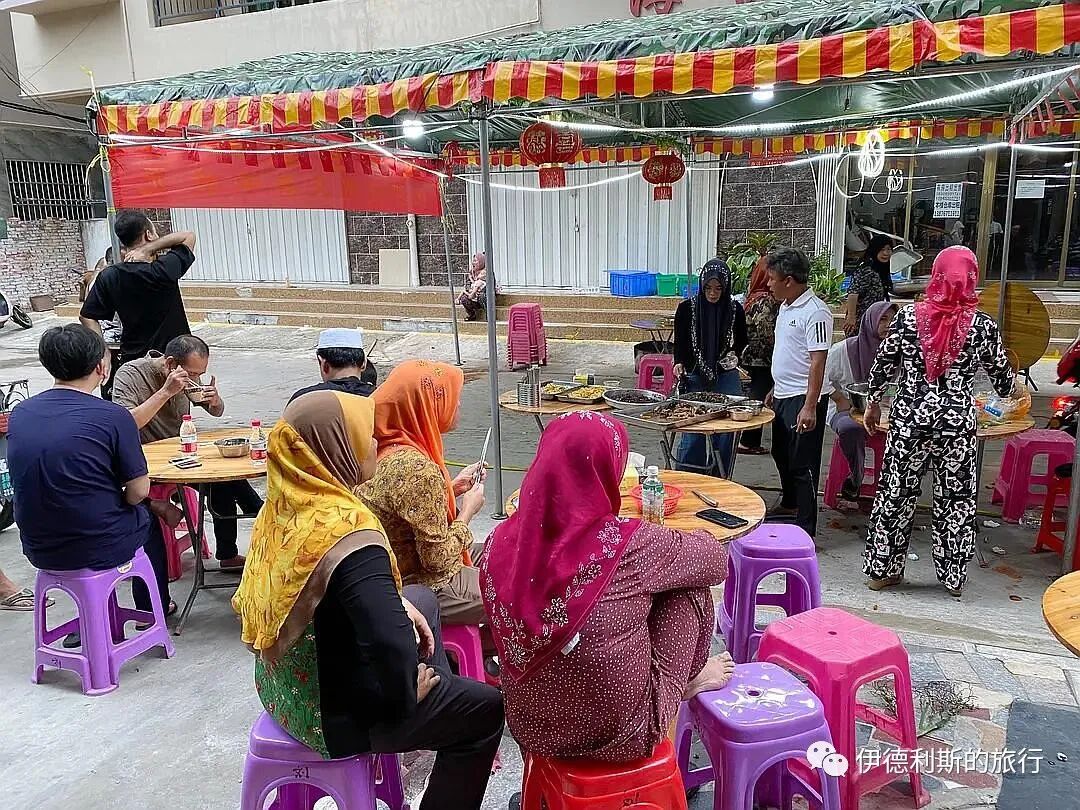
In Huixin Village, we happened to encounter a banquet being held for a child of the Ha family who was admitted to Tsinghua University.
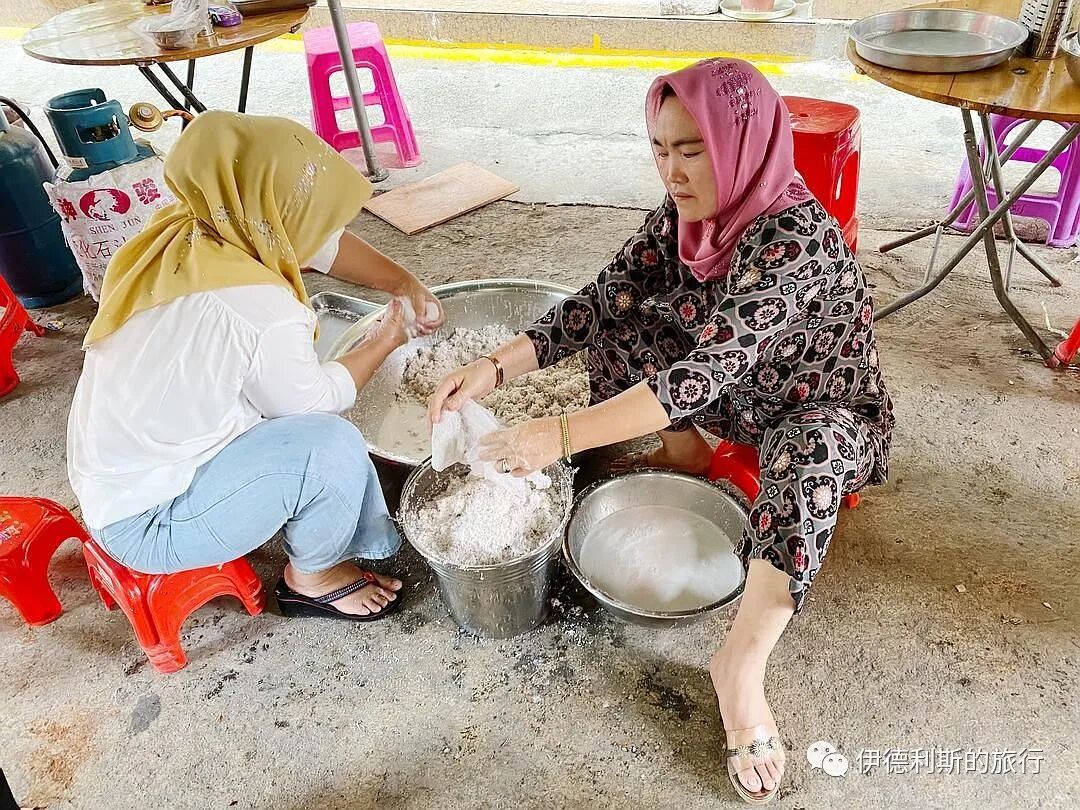
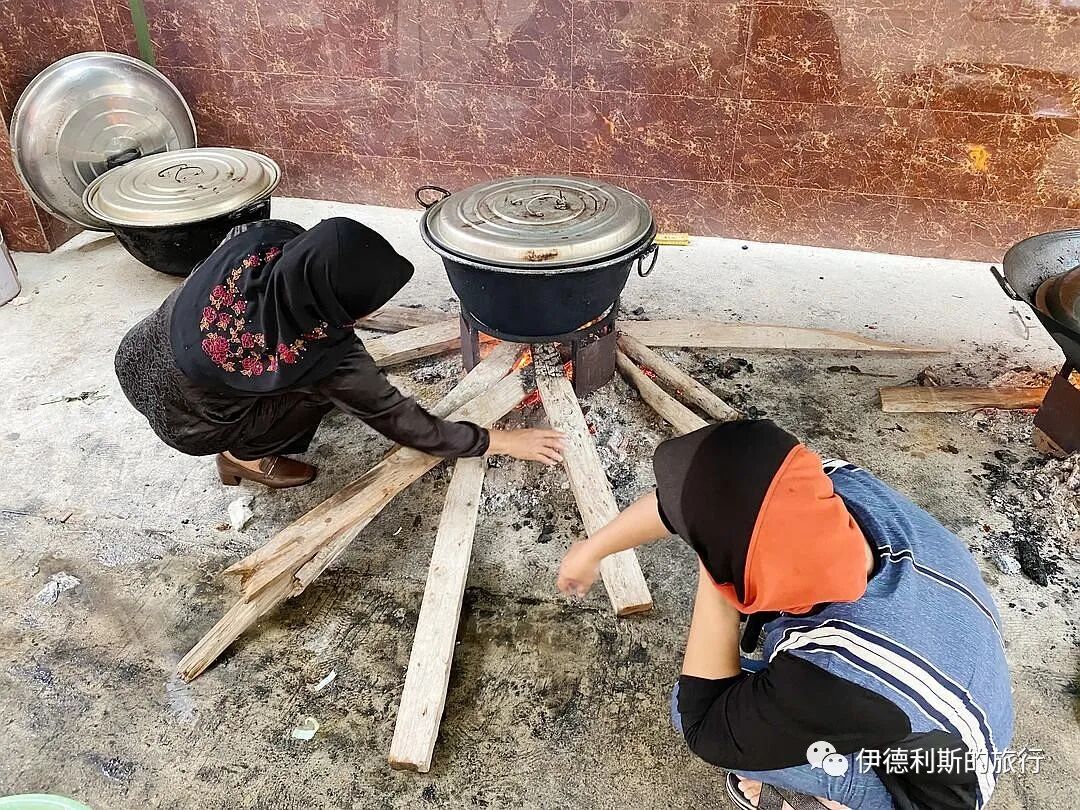
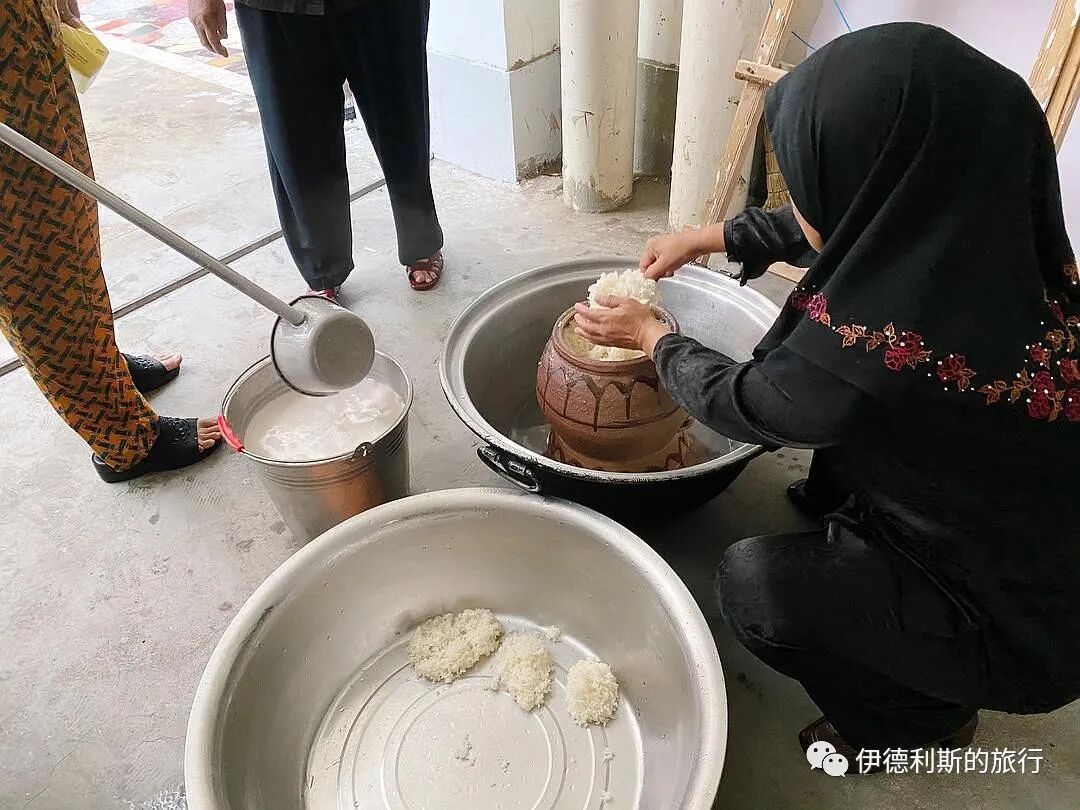
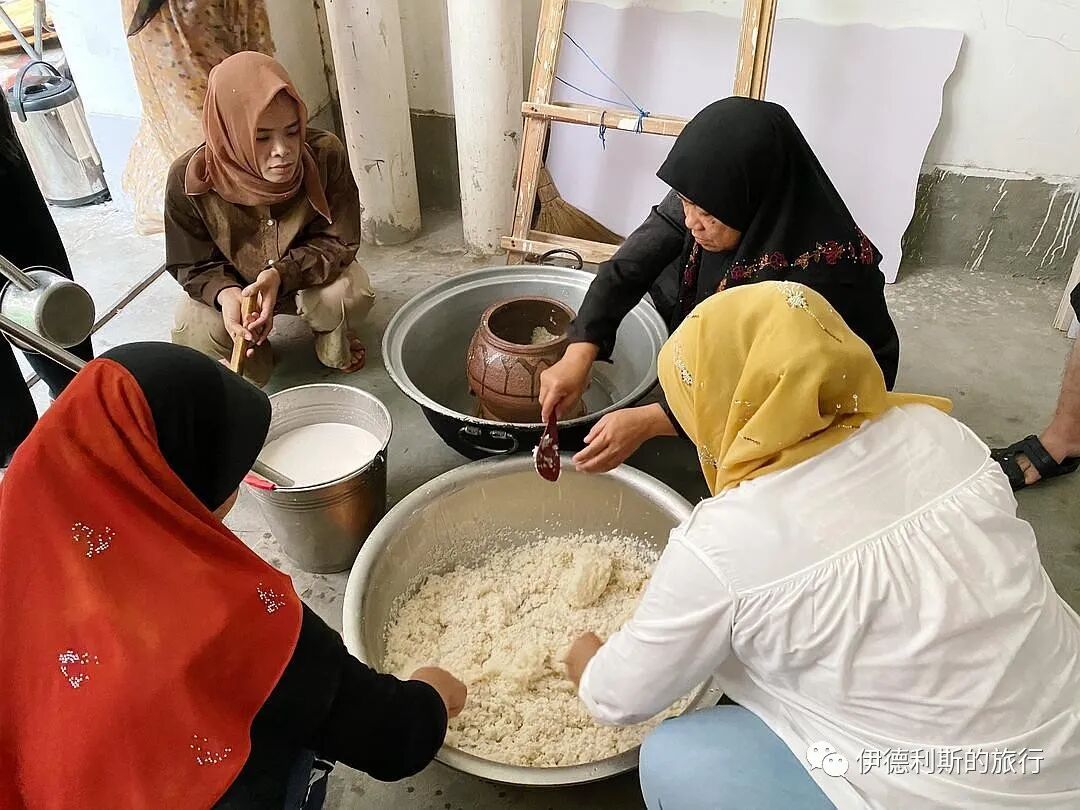
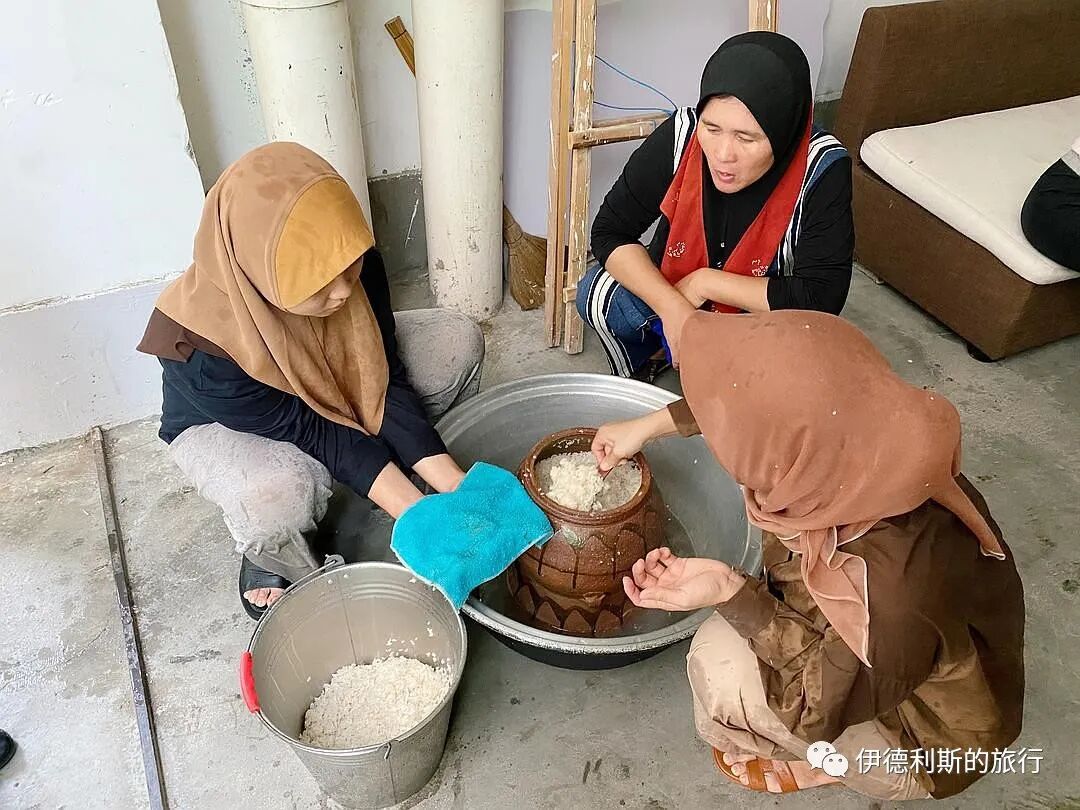
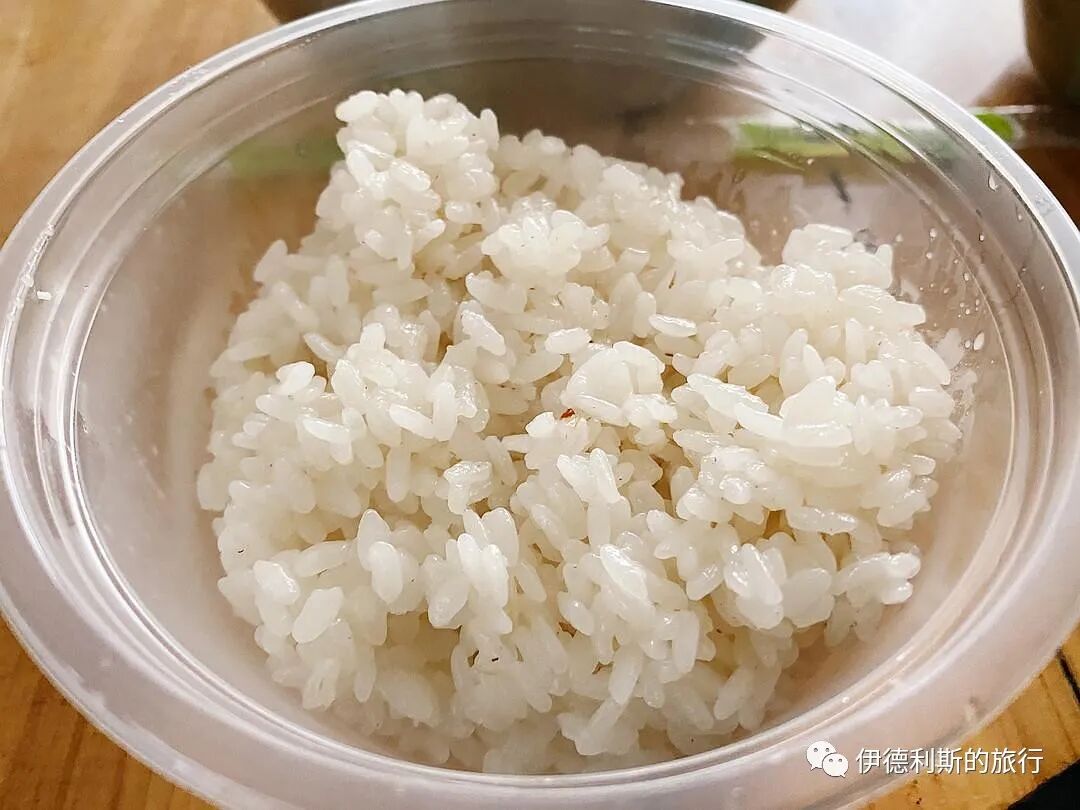
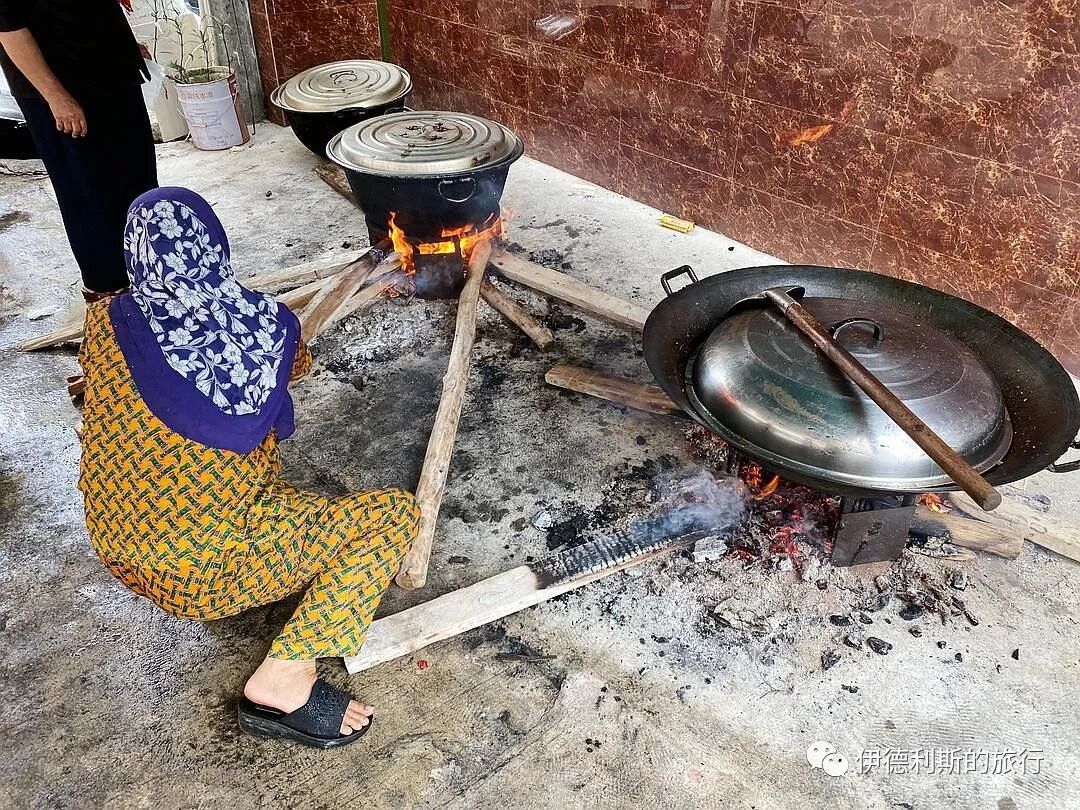
Watching the Huihui people make traditional coconut rice.
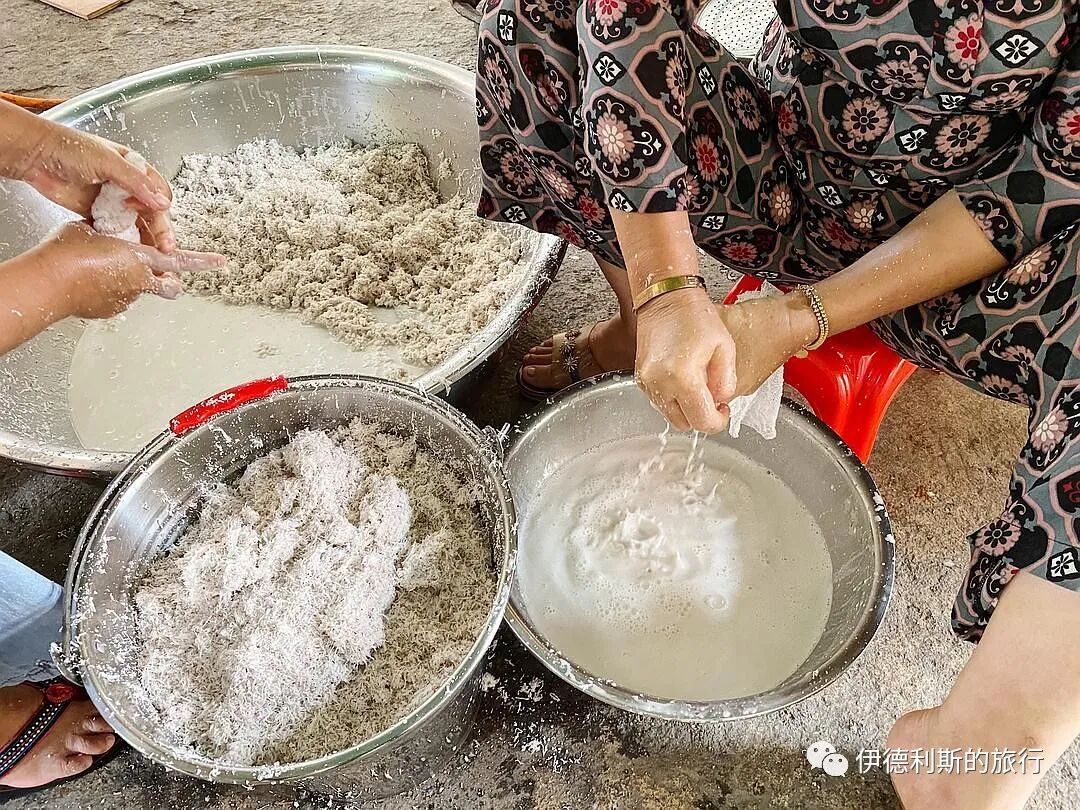
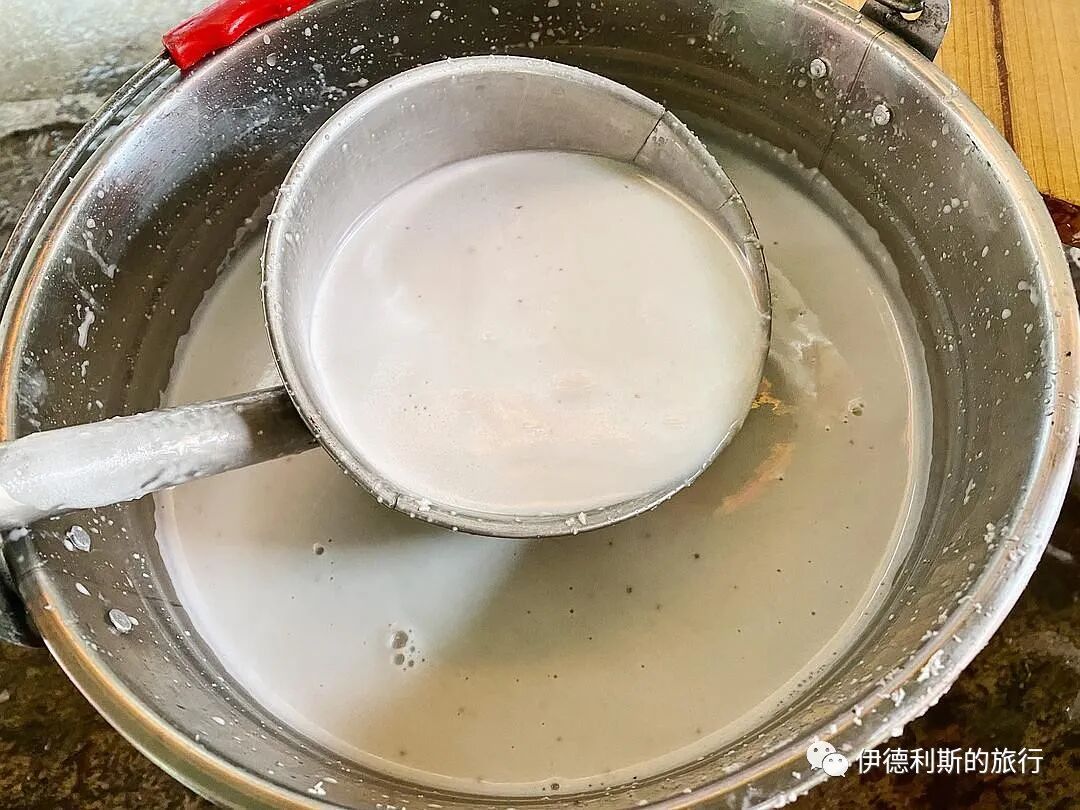
First, you must use old coconuts with thick meat, scrape all the coconut meat into coconut shreds, and then use cheesecloth to squeeze out all the coconut oil.
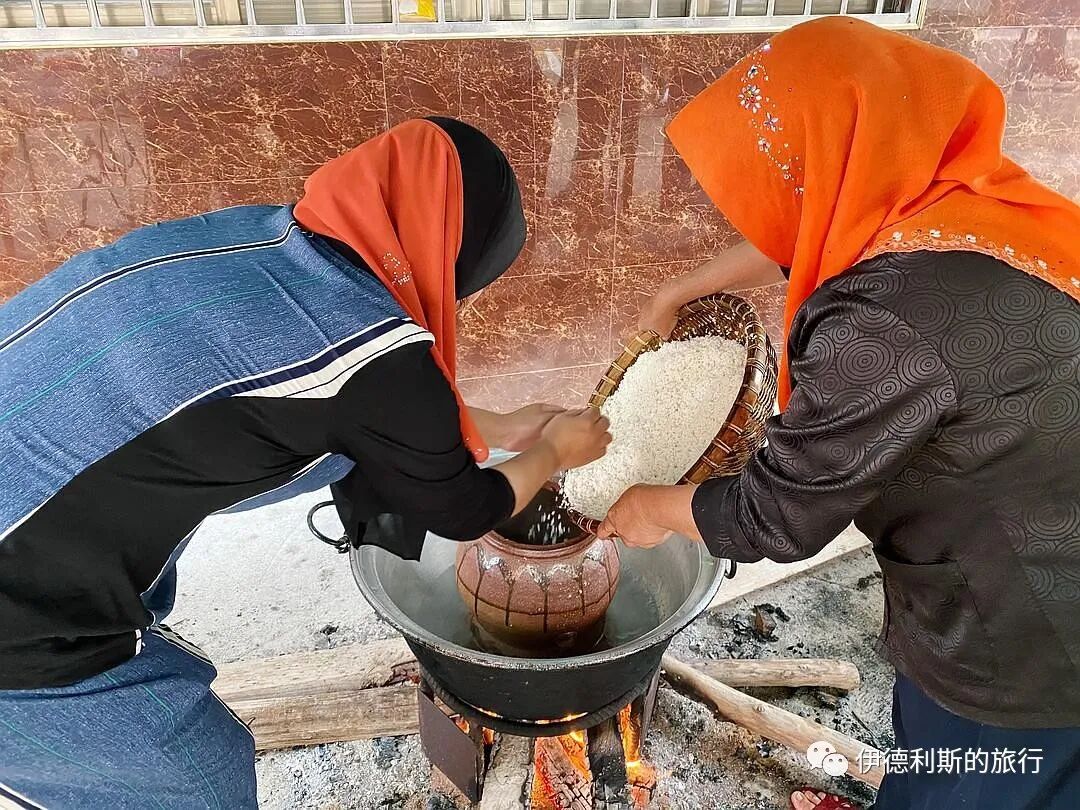
The rice is steamed using a traditional Li ethnic pottery steamer (tao zeng). After the rice is steamed, the coconut milk and rice are thoroughly mixed together. At this stage, the coconut rice is very firm and chewy.
Then, the mixed coconut rice is steamed a second time in the pottery steamer. At this point, the coconut rice is softer and stickier than in the first stage, and the coconut milk and rice are completely fused together.
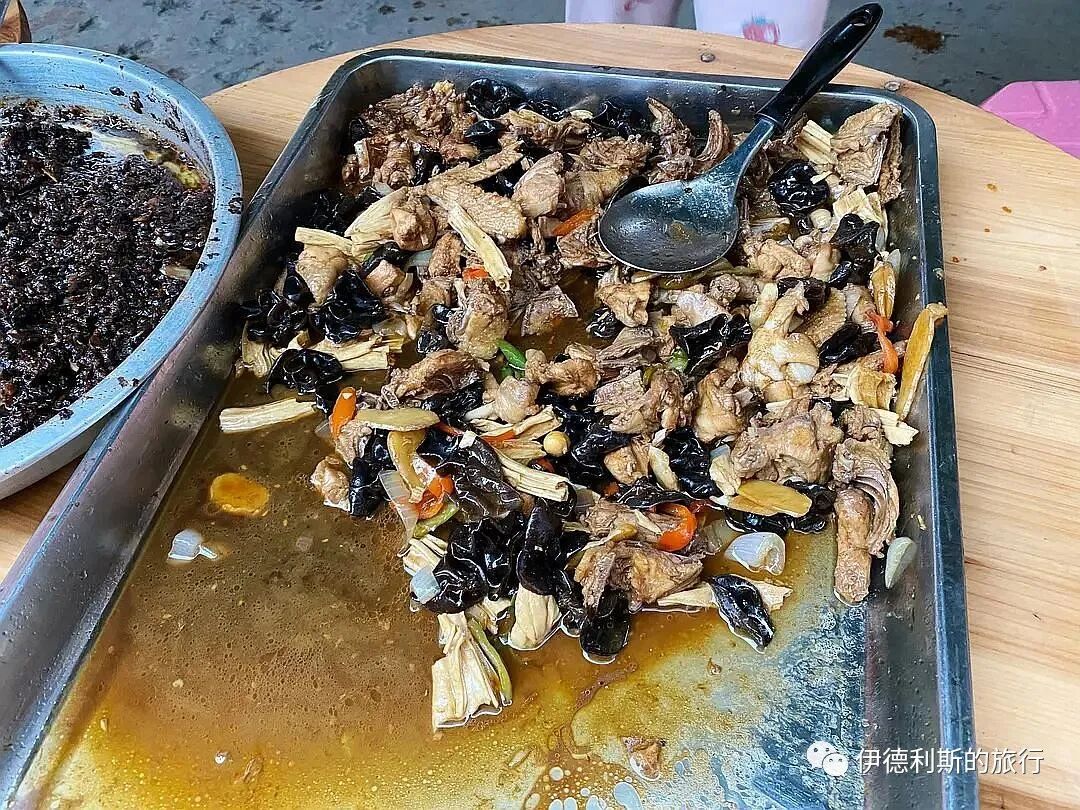
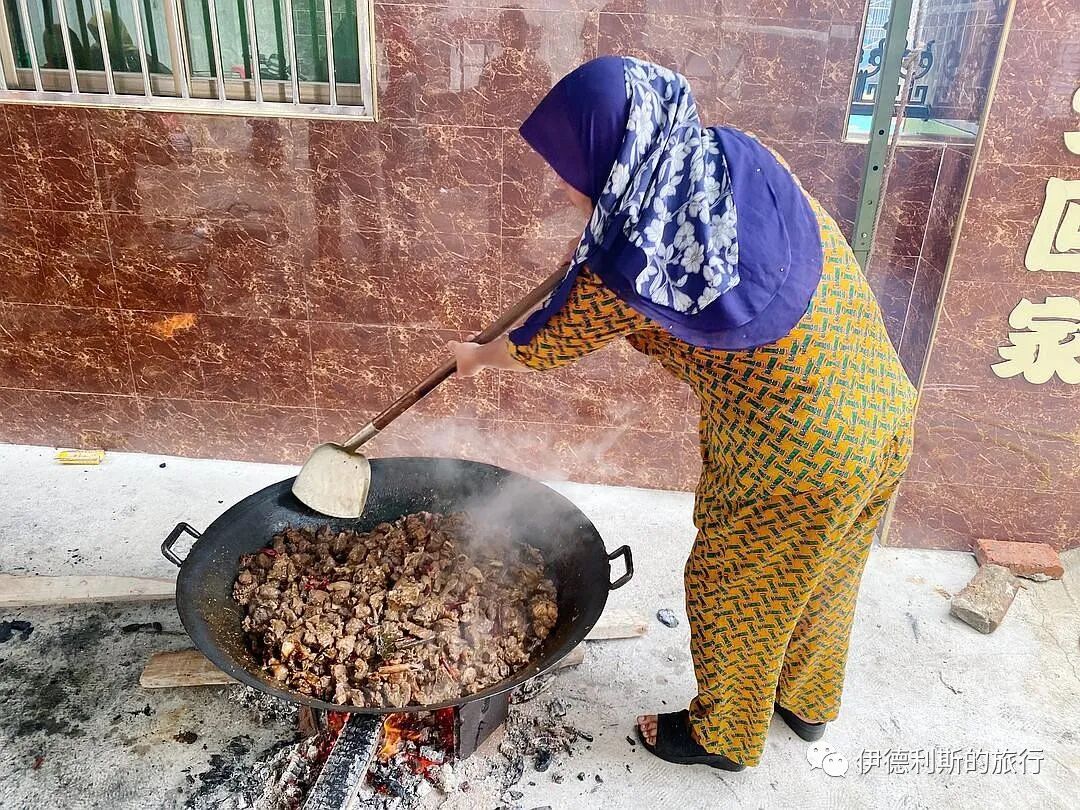
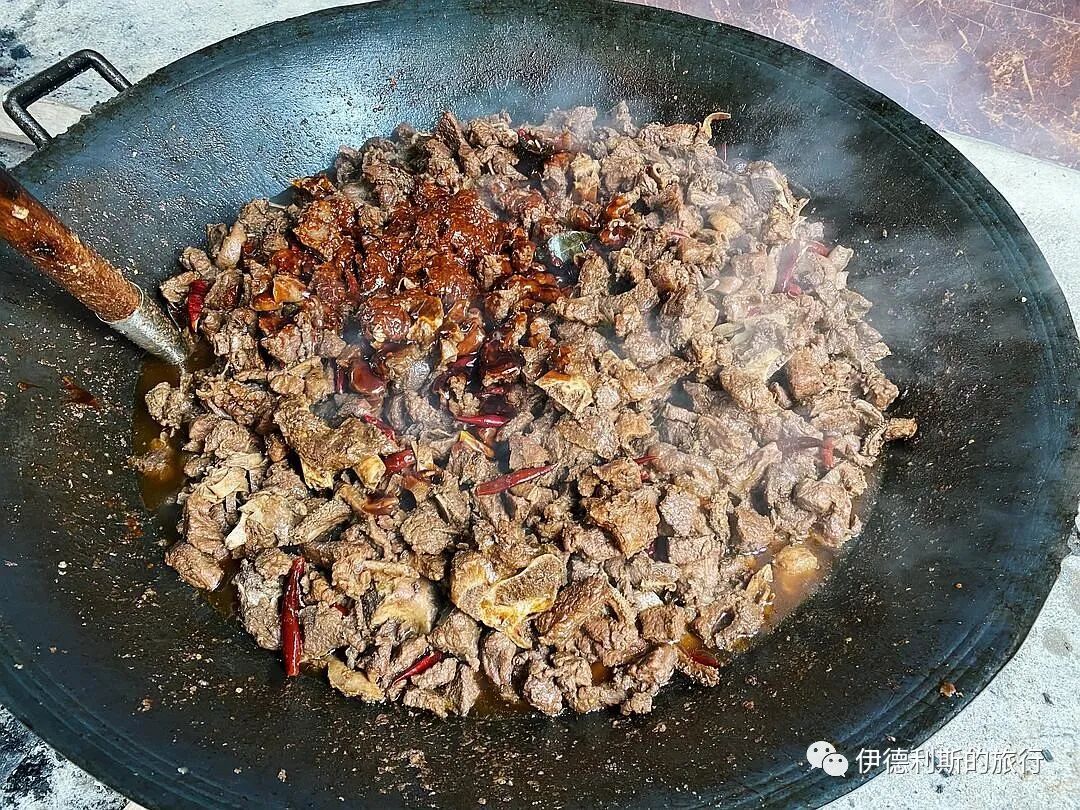
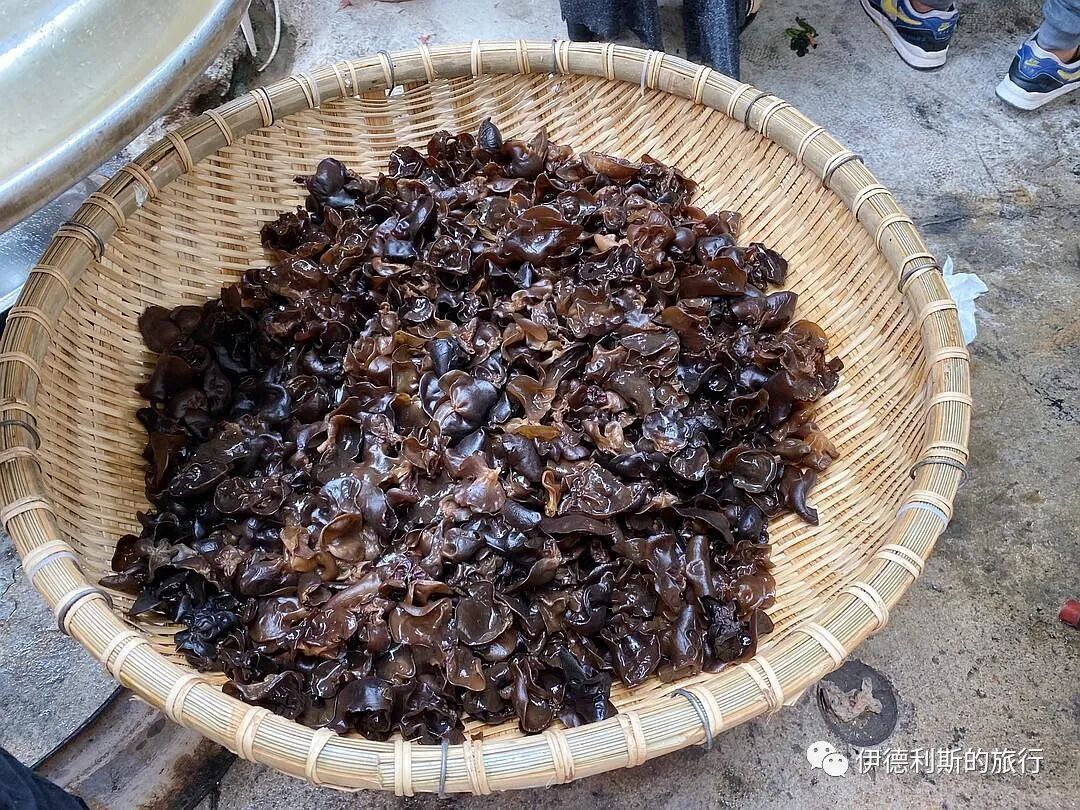
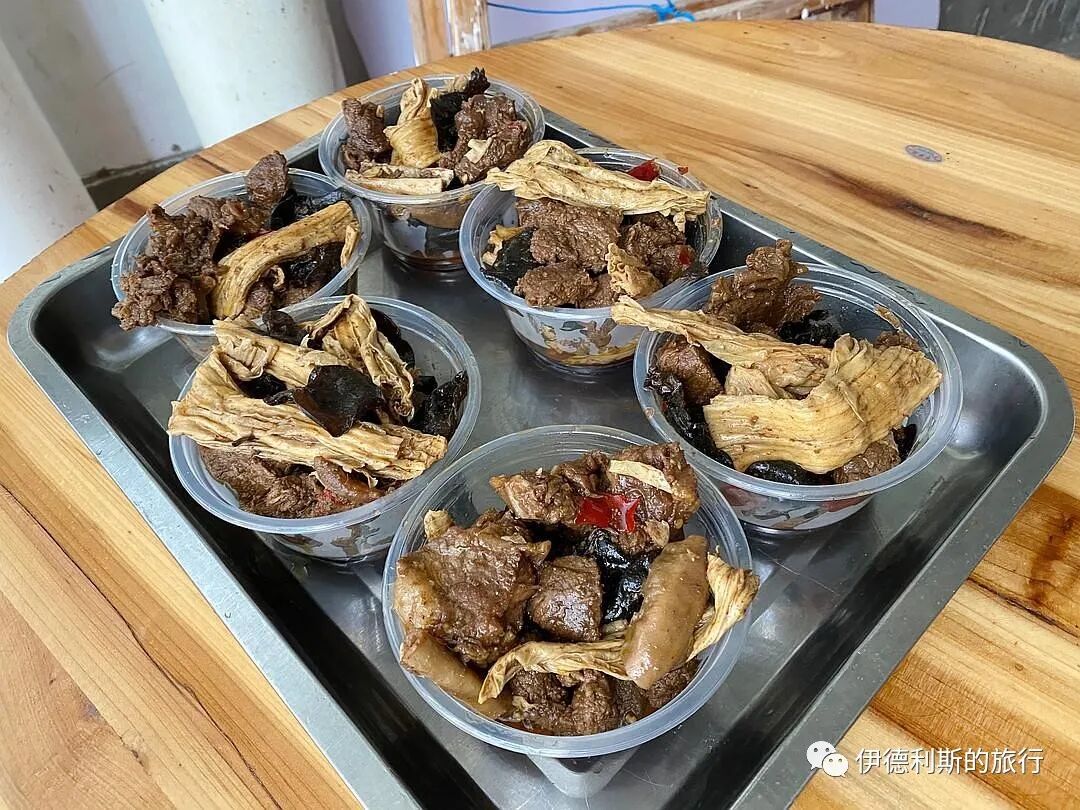
They used beef slaughtered the previous day for Eid al-Adha. First, stew the meat, then add wood ear mushrooms and yuba (dried bean curd sheets). This is a classic main dish at Huihui banquets.
15. The Tatars of Urumqi
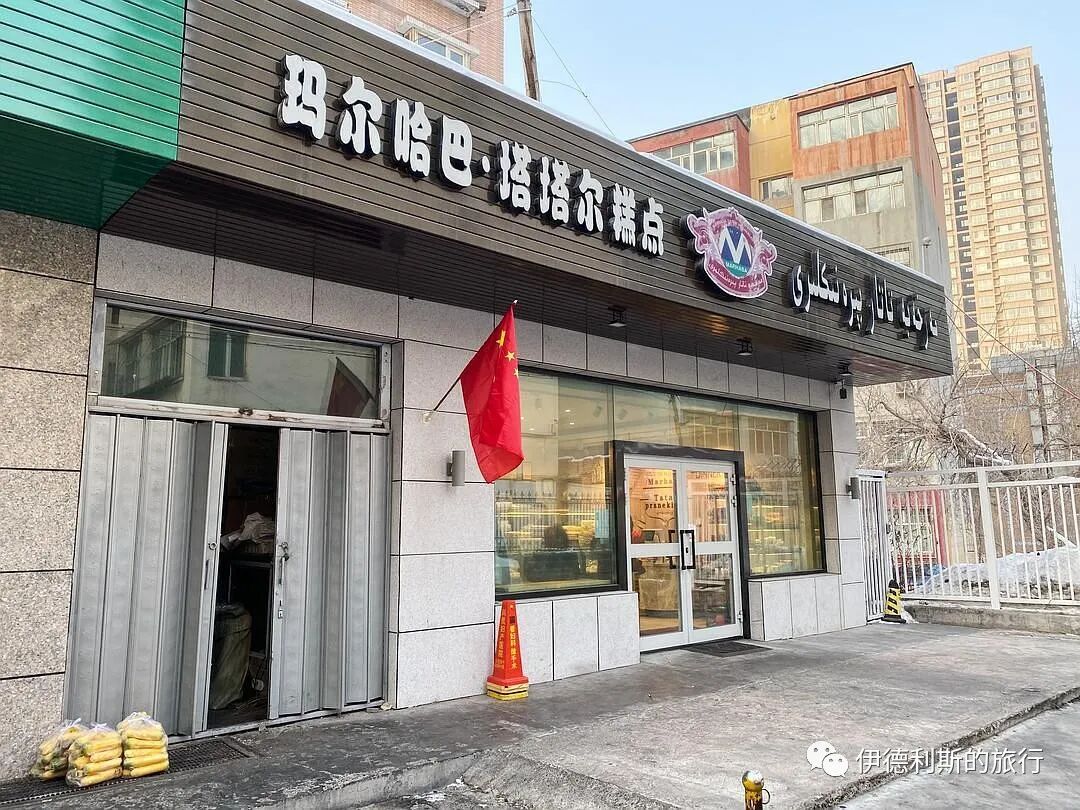
The Tatar ethnic group is the smallest ethnic group in China, with only about 3,000 people. Most of the Tatars in Urumqi belong to the Kazan Tatars, who moved here successively from the Kazan area along the Volga River from the 19th century to the early 20th century. At that time, most Tatars were intellectuals or merchants, and they played an important role in promoting the establishment of modern education in Xinjiang.
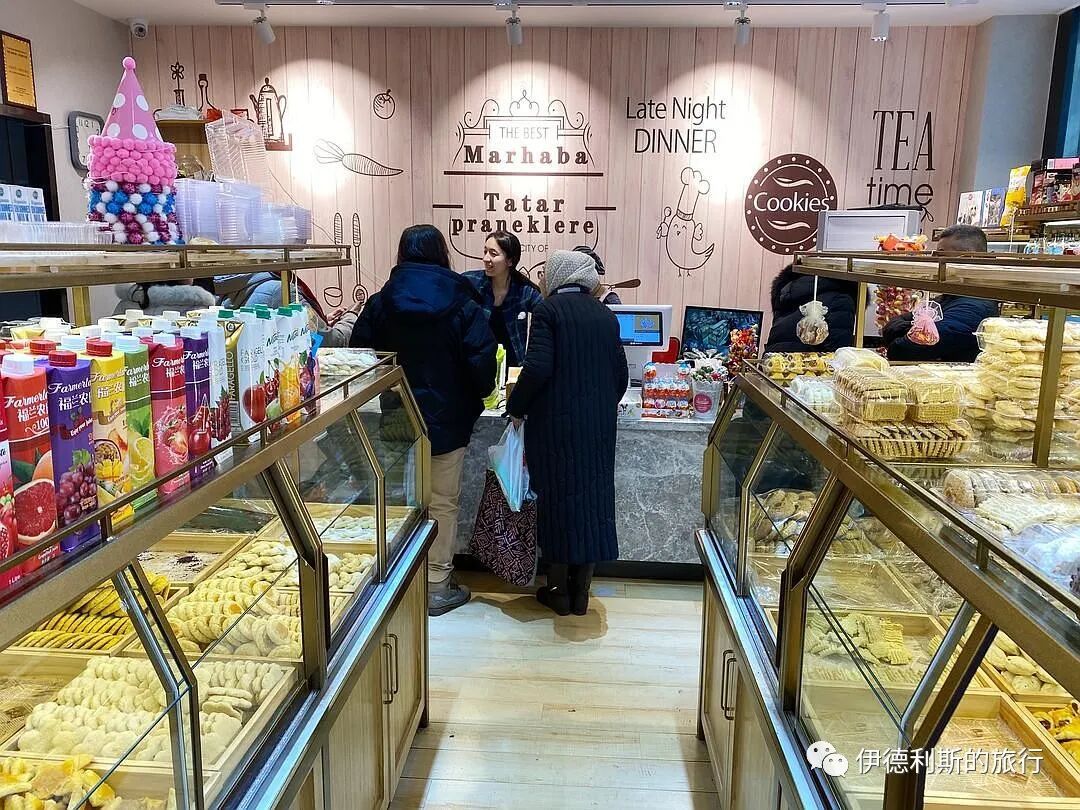
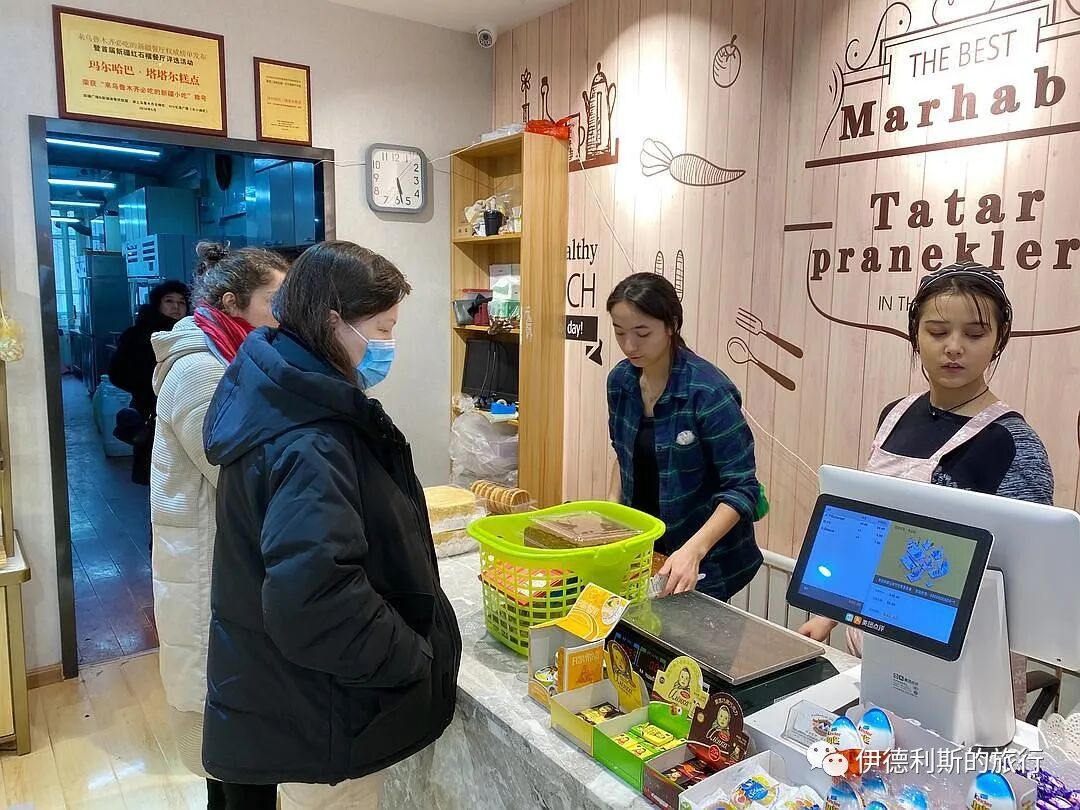
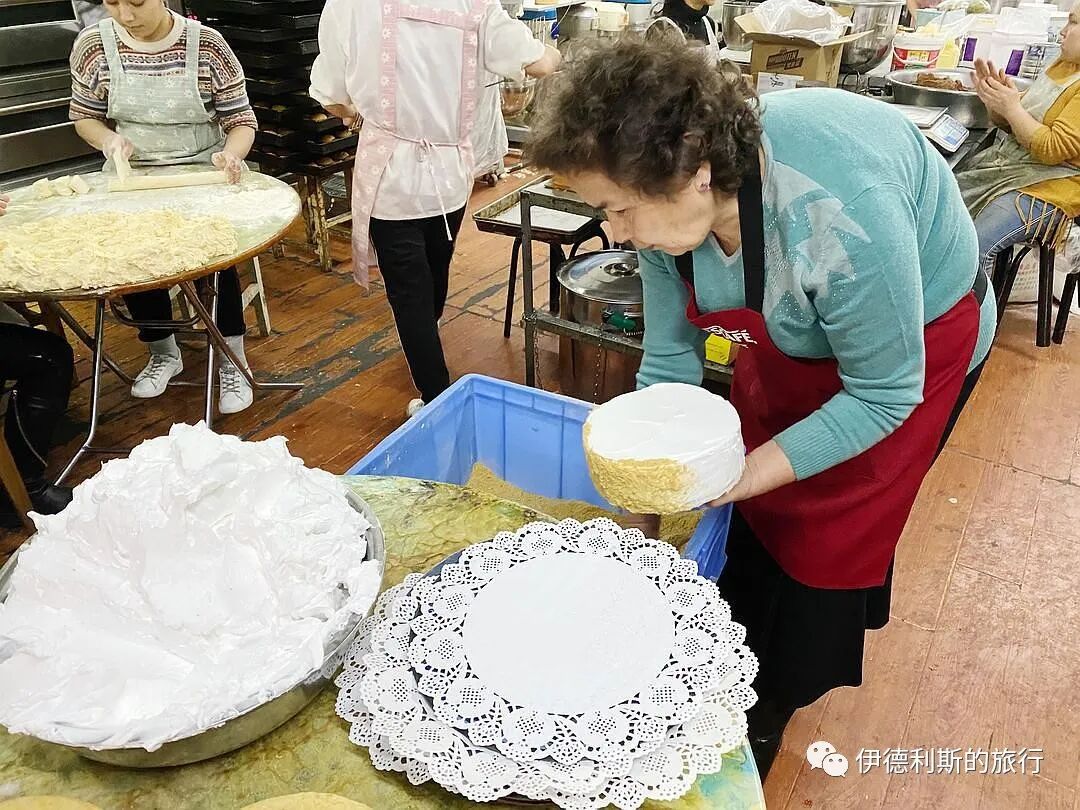
The Tatar pastry shop in Urumqi is located on the site of a former Russian trading port. A hundred years ago, this was a place where Russians, Tatars, and various Central Asian merchants traded, a bit like Sanlitun in Beijing. The Tatar pastry shop is also a witness to this history.
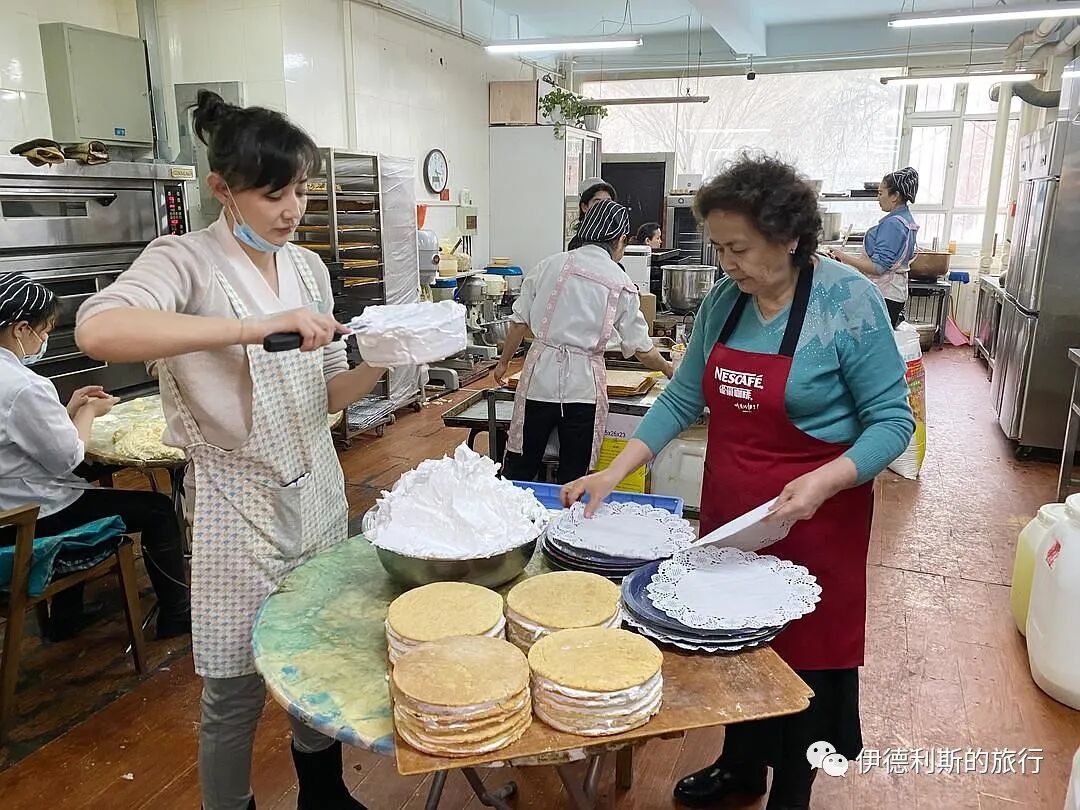
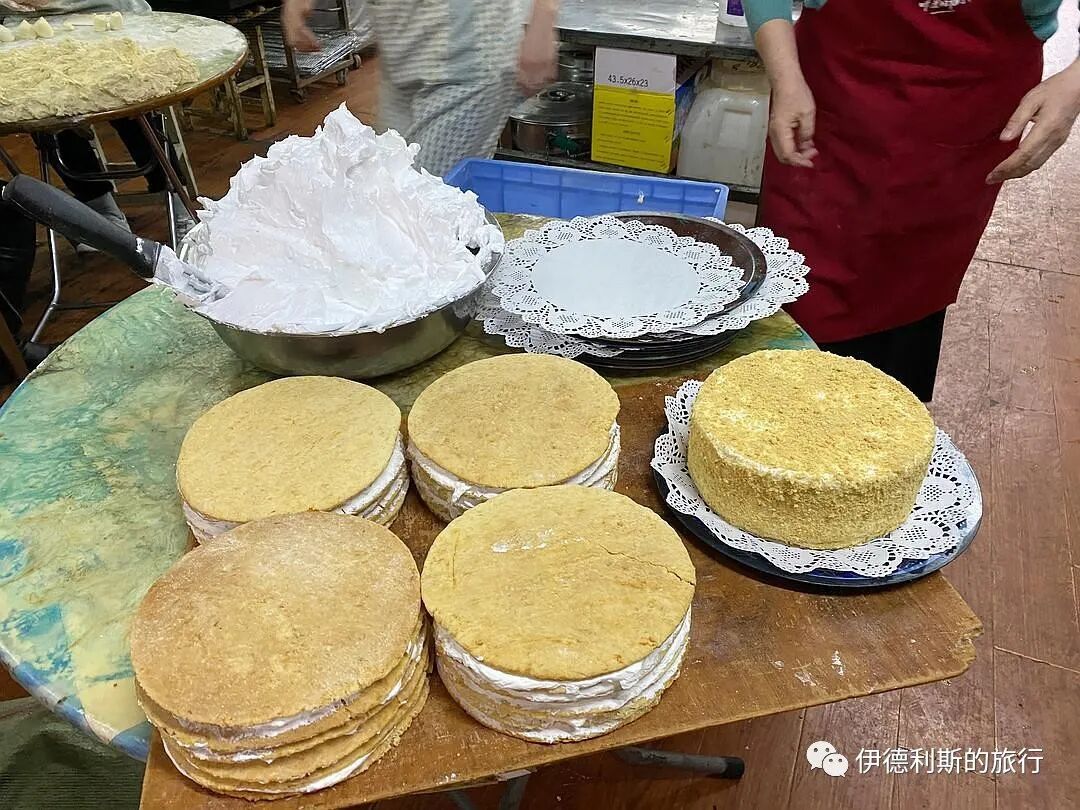
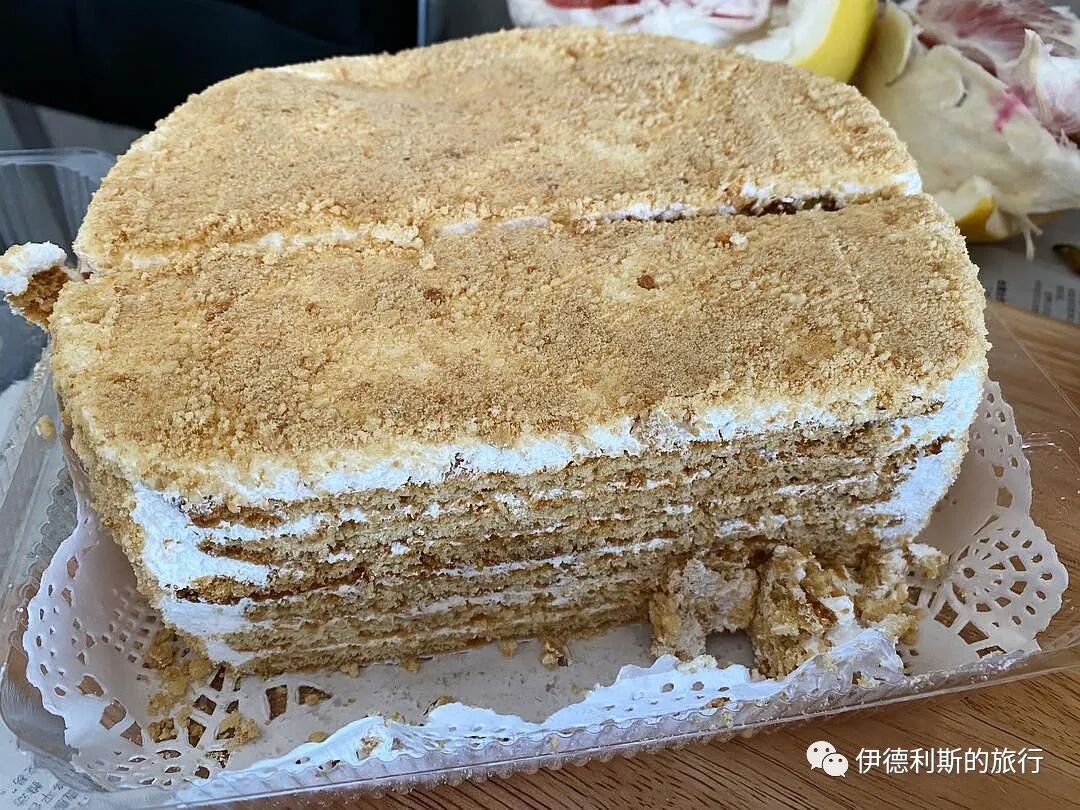
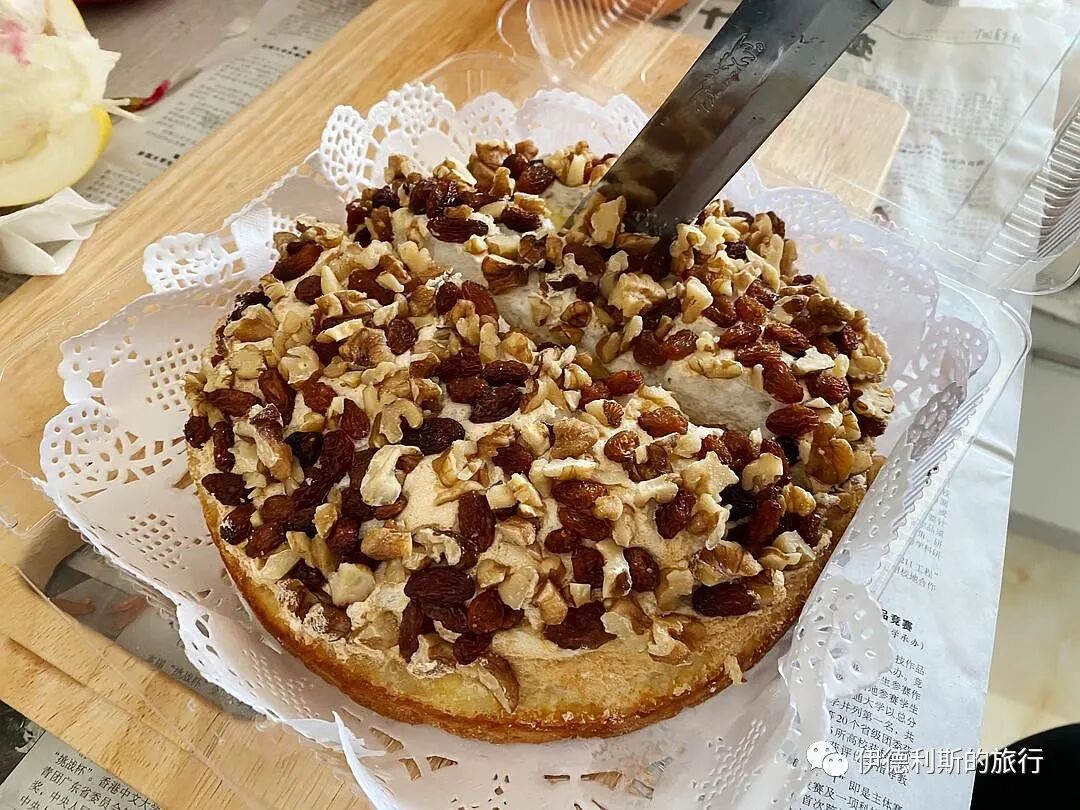
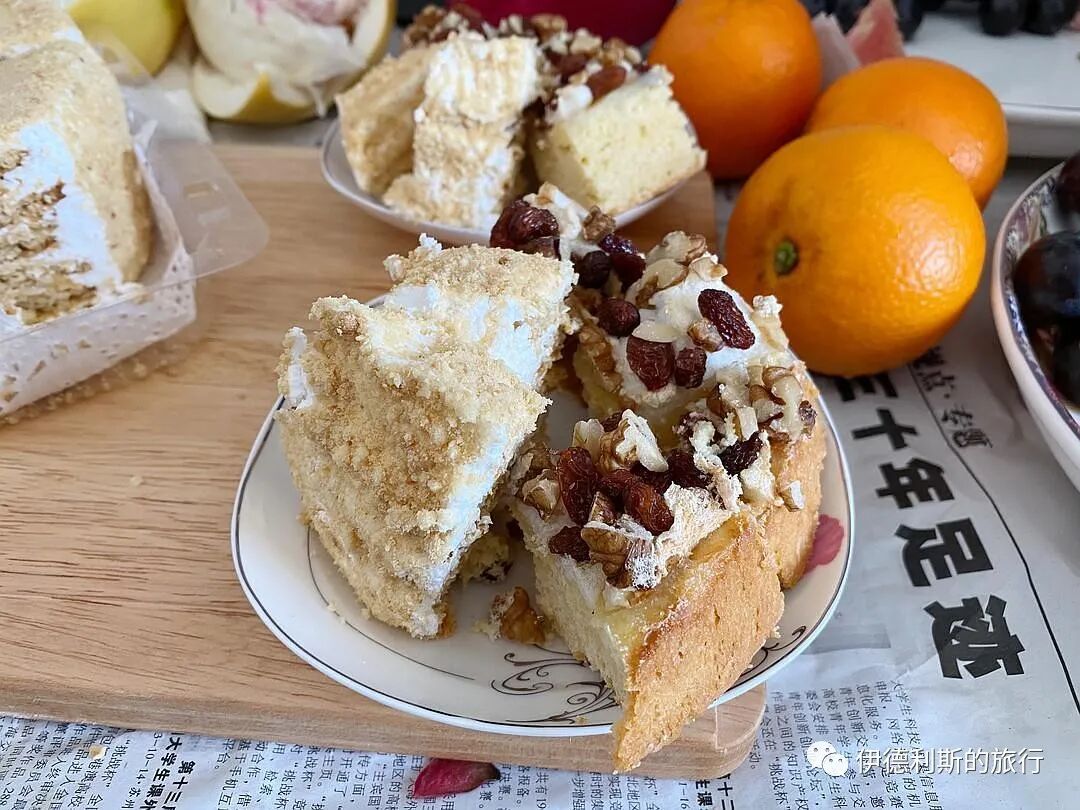
Their most classic cake consists of six layers of pastry sandwiched with six layers of cream. The pastry is made from milk, eggs, ghee, and honey, without adding water, and it tastes exceptionally fragrant.
16. The Dongxiang people of Xiaoxihu, Lanzhou
The Dongxiang people are a Muslim ethnic group that uses the Dongxiang language of the Mongolic language family. They are mainly distributed in Dongxiang County, Hezheng County, and Guanghe County in Linxia, Gansu. The loess hills where the Dongxiang people live are relatively barren, so after the 1980s, many people chose to go to Lanzhou to make a living. Xiaoxihu is located at the end of the road from Linxia to Lanzhou, close to the Hui Muslim communities of Xiyuan and Xihu that have formed since the Qing Dynasty. Coupled with the commercial development driven by the Xiaoxihu Yiwu Trade City since the 1990s, Xiaoxihu has become the main residential area for the Dongxiang people in Lanzhou.
The Dongxiang people in Xiaoxihu are most concentrated in Baishu Lane, Jiangouyan, and Shangxiyuan, where you can eat various Dongxiang delicacies.
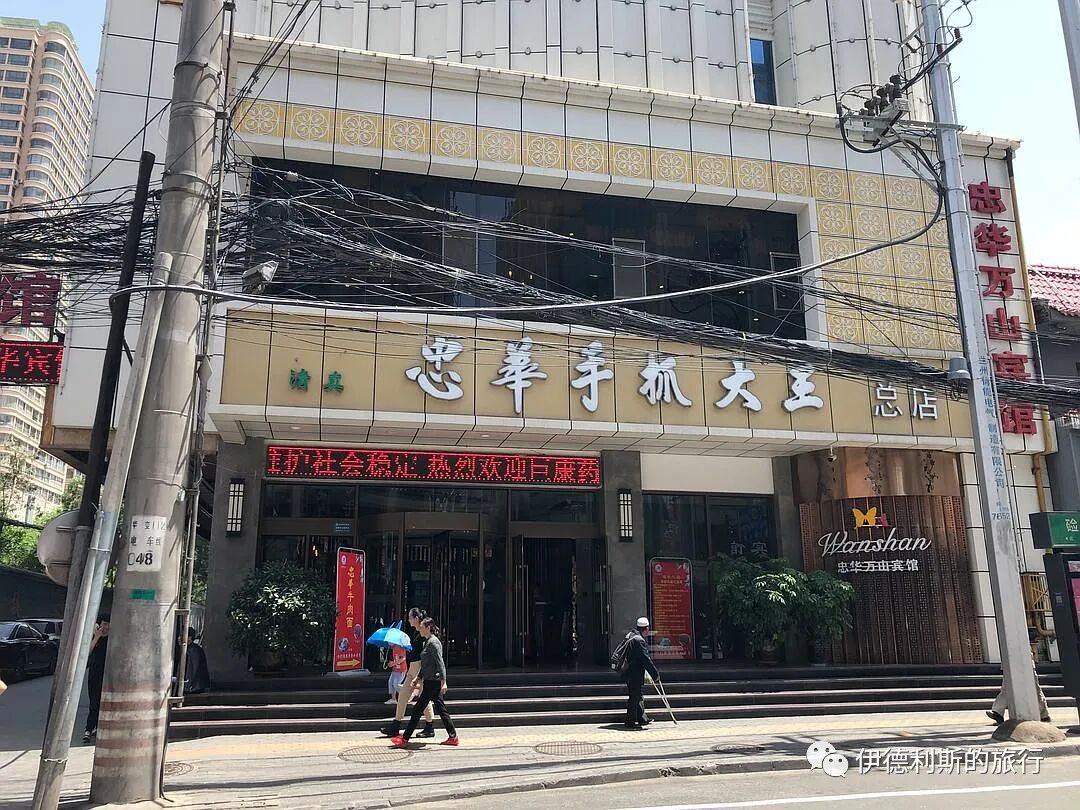
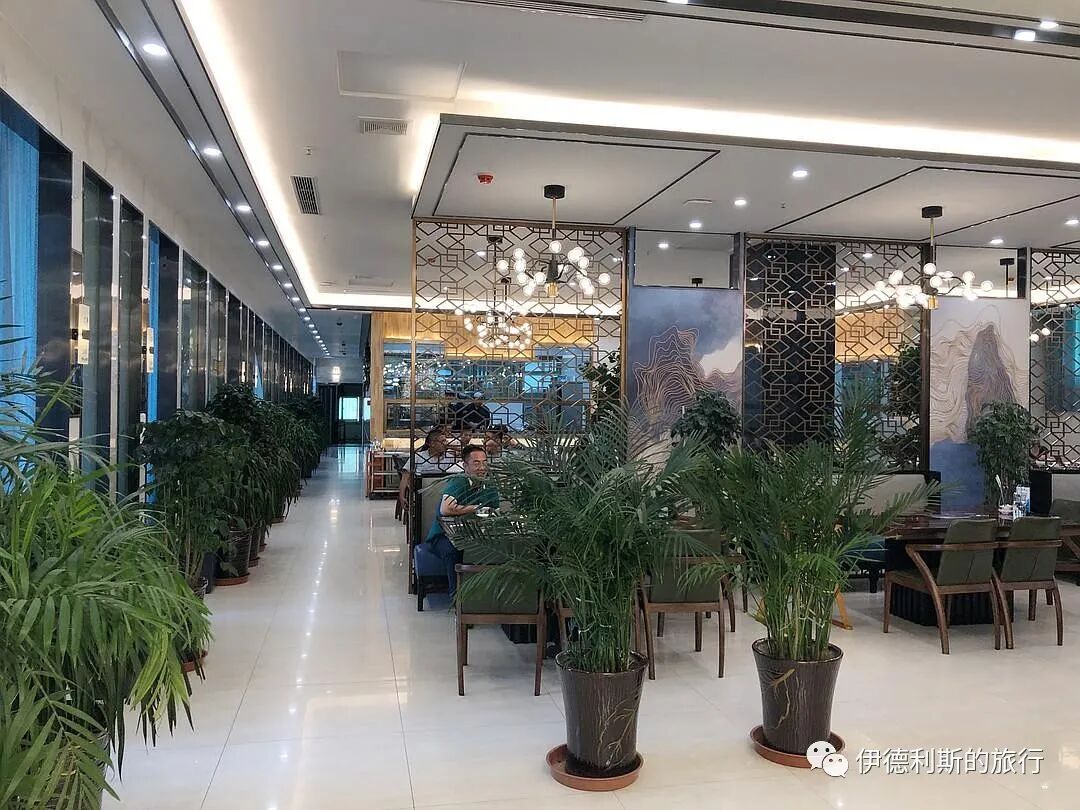
The owner of Zhonghua Shouzhua Dawang (Zhonghua Hand-Grabbed Mutton King) is named Ma Zhonghua, and it is a very popular Dongxiang hand-grabbed mutton shop in Lanzhou. Drinking sanpaotai (a traditional tea with three ingredients) while eating half a jin (250 grams) of hand-grabbed mutton ribs, a small bowl of lentil sparrow-tongue noodles, and a plate of liangpi (cold skin noodles), I felt very satisfied. This place has a good environment and good service; they refill the water frequently, and of course, the sanpaotai itself is also delicious.
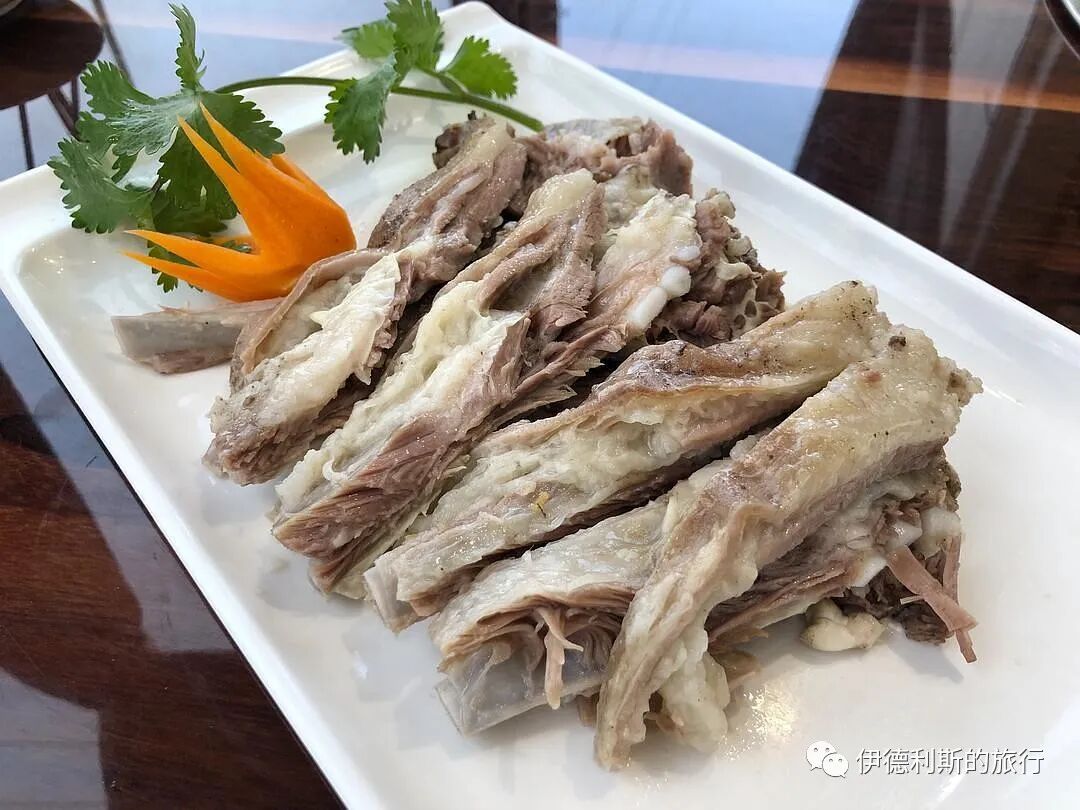
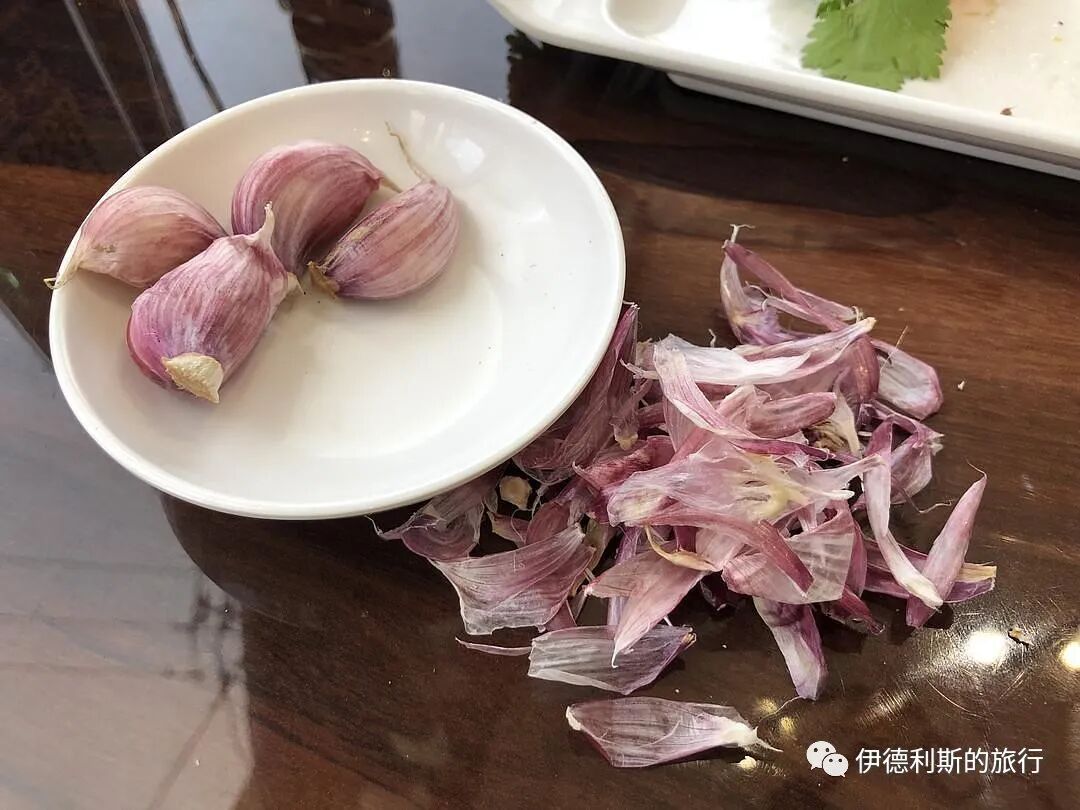
The mutton tastes very authentic; basically, it is one piece of meat with one clove of garlic, and the garlic is also very fragrant.
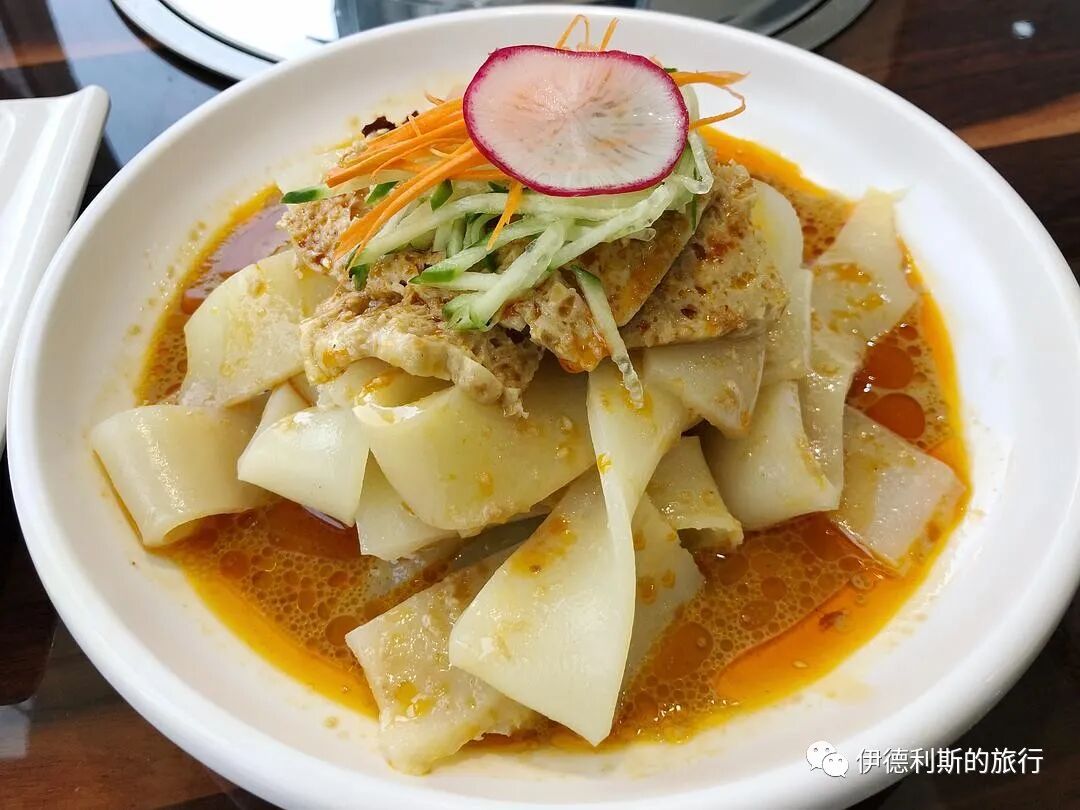
Liangpi (cold skin noodles)
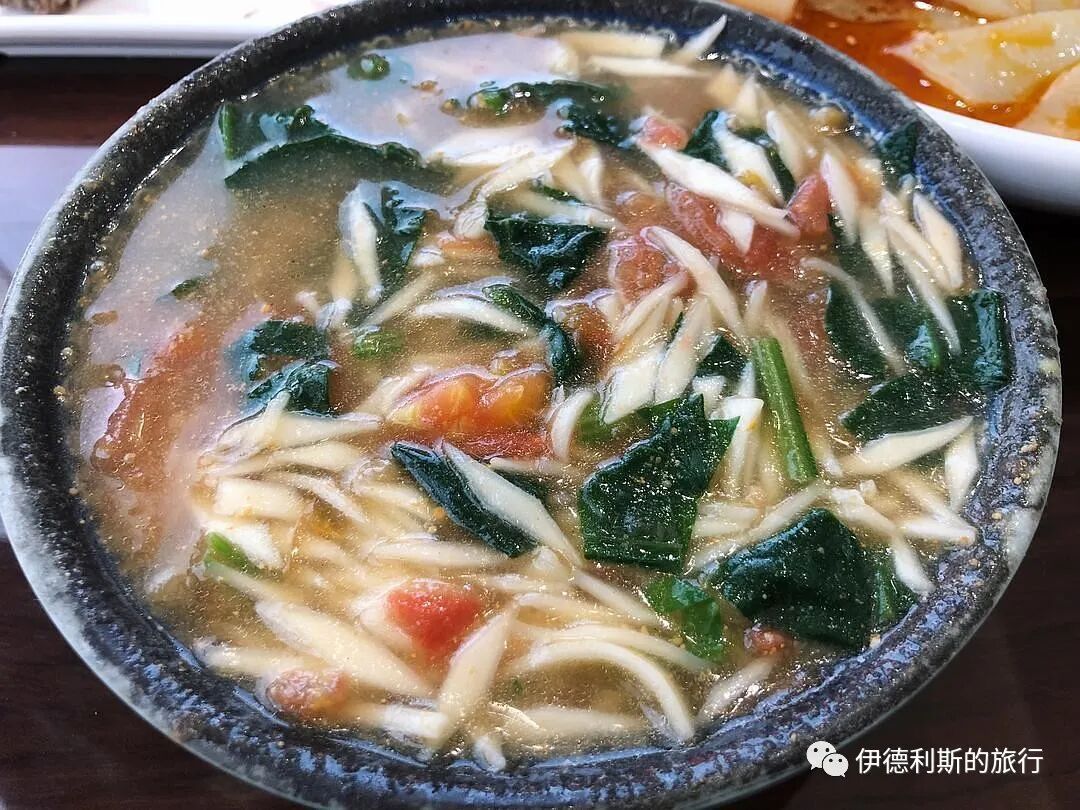
Lentil sparrow-tongue noodles
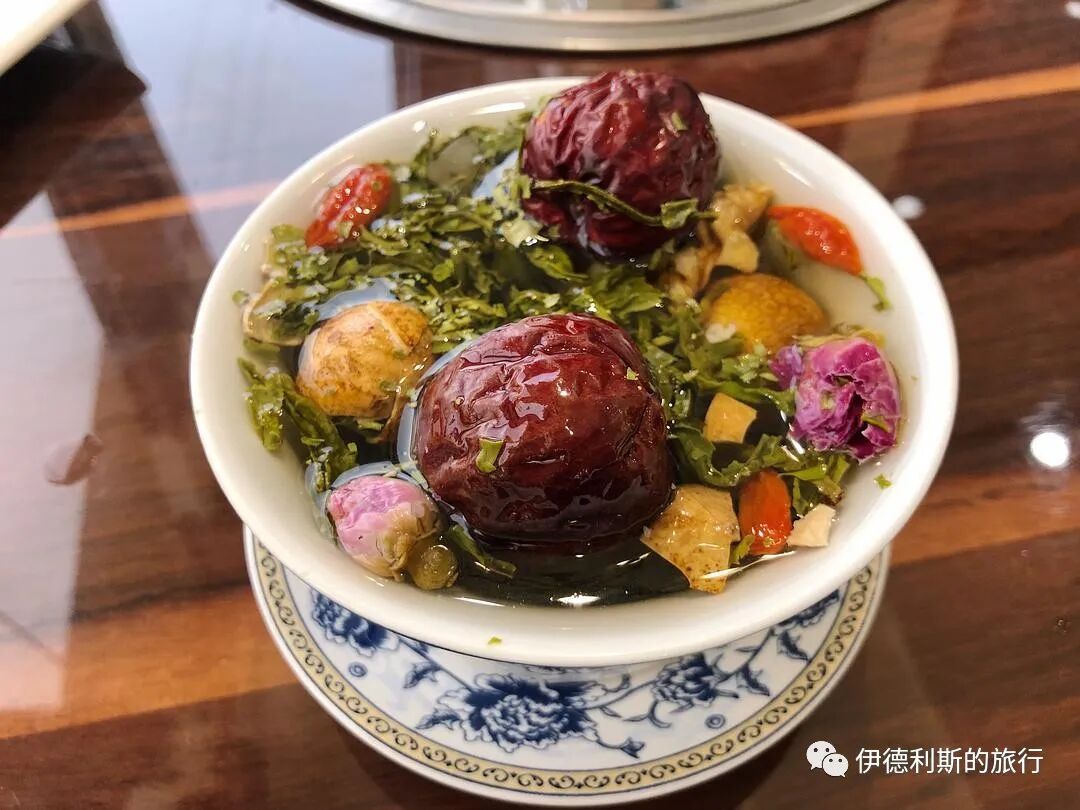
Rose sanpaotai; I wanted more after finishing it, so I finally bought a lot at the supermarket to take home.
17. The Tibetan Muslims of Lhasa, Tibet
Today, there are three Muslim ethnic groups in Lhasa: Tibetan-speaking Muslims whose ancestors were from Kashmir, Nepal, etc.; Tibetan-speaking Muslims whose ancestors were from Sichuan, Yunnan, etc.; and Chinese-speaking Muslims who came from Gansu and Qinghai to do business after the 1980s—these are what we often call Kashmiris, Tibetan Muslims, and Gansu-Qinghai Hui Muslims. In the Tibetan language, Muslims are called "Khache," which was translated as "Kaqi" in Qing Dynasty documents, derived from the Tibetan name for Kashmir, "Khache Yul." After the 14th century, Kashmir, west of the Tibetan region, completed its Islamization. Kashmiri Muslims traveled to the Tibetan region for business and settled in Lhasa in the 17th century. After the 18th century, the Qing army began to be stationed in Tibet. The Hui Muslim officers and soldiers in the Qing army stationed in Tibet became the second Muslim ethnic group to arrive in Lhasa.
These Muslims who settled in Lhasa intermarried with local Tibetans for hundreds of years and gradually became "Fan-Kaqi" who speak Tibetan, wear Tibetan clothes, drink butter tea, and live in Tibetan-style houses. "Fan" in Tibetan represents "Tibetan."
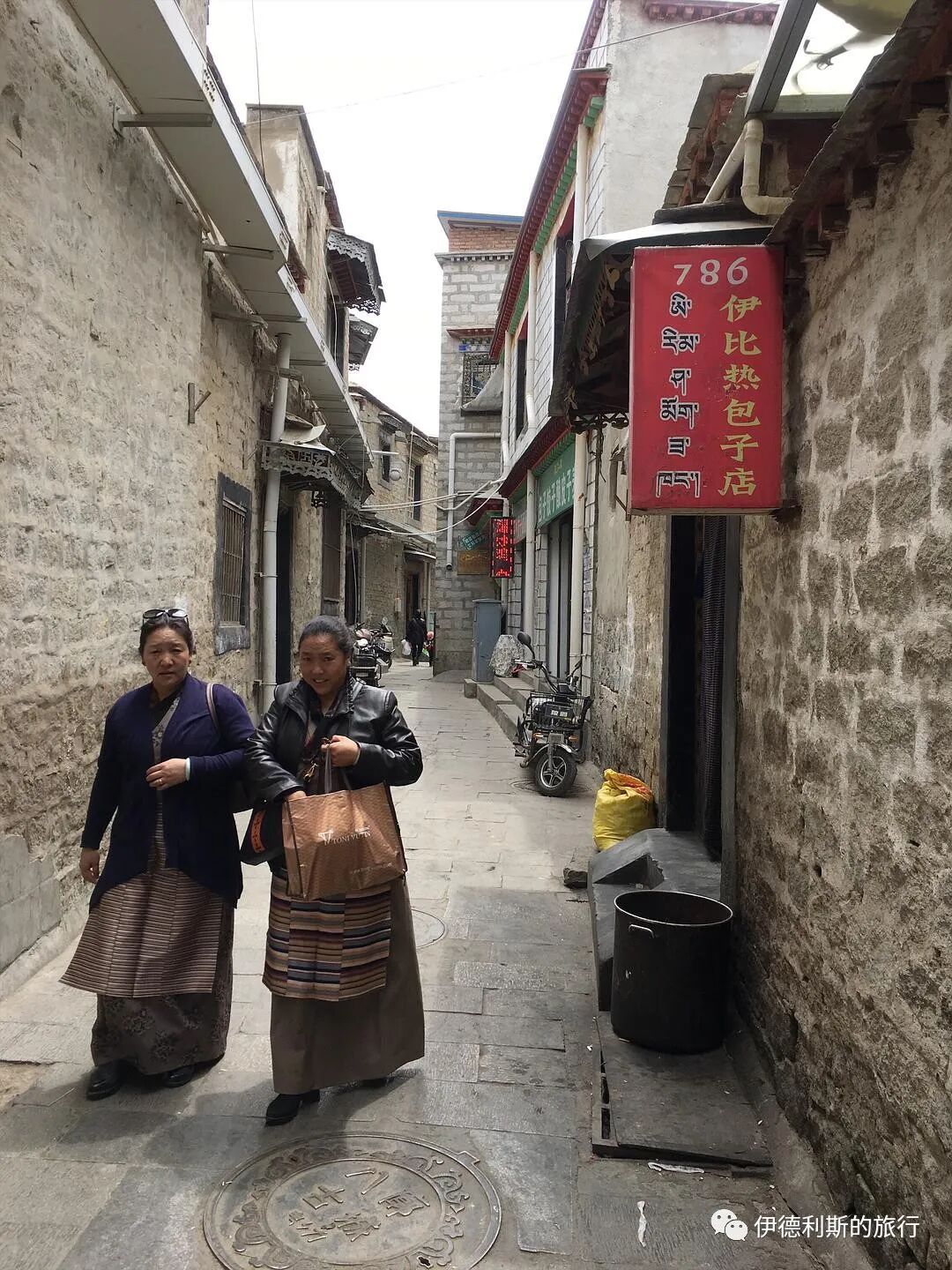
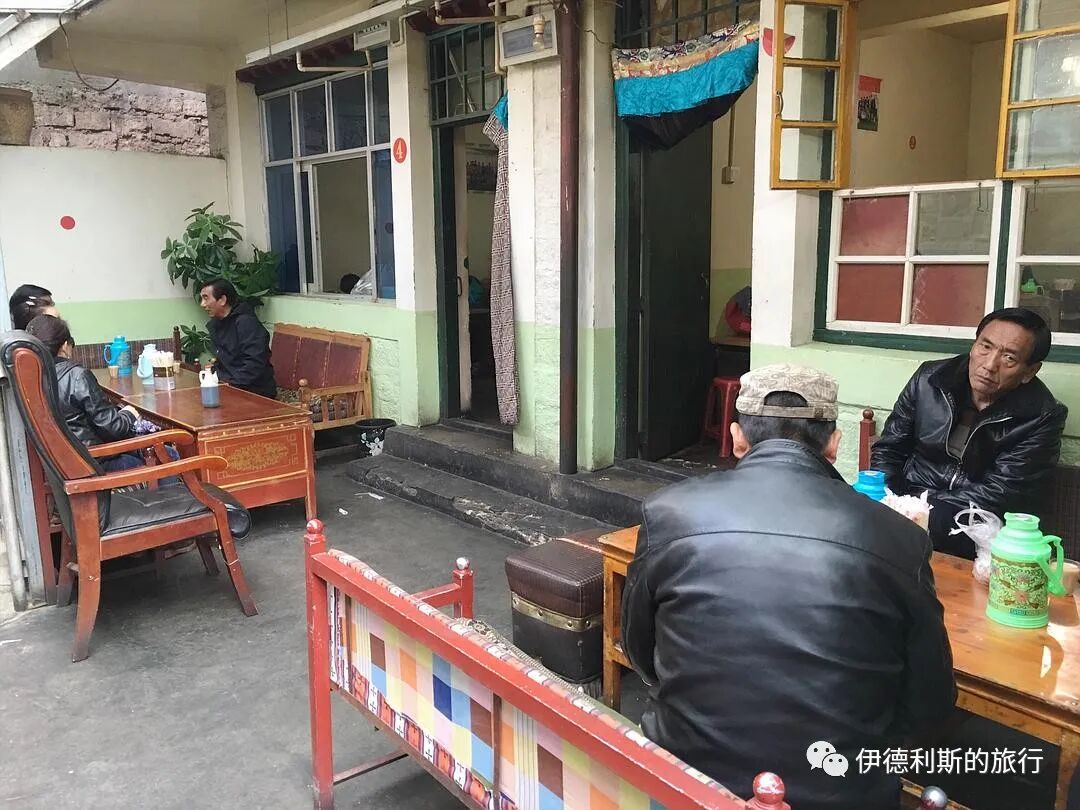
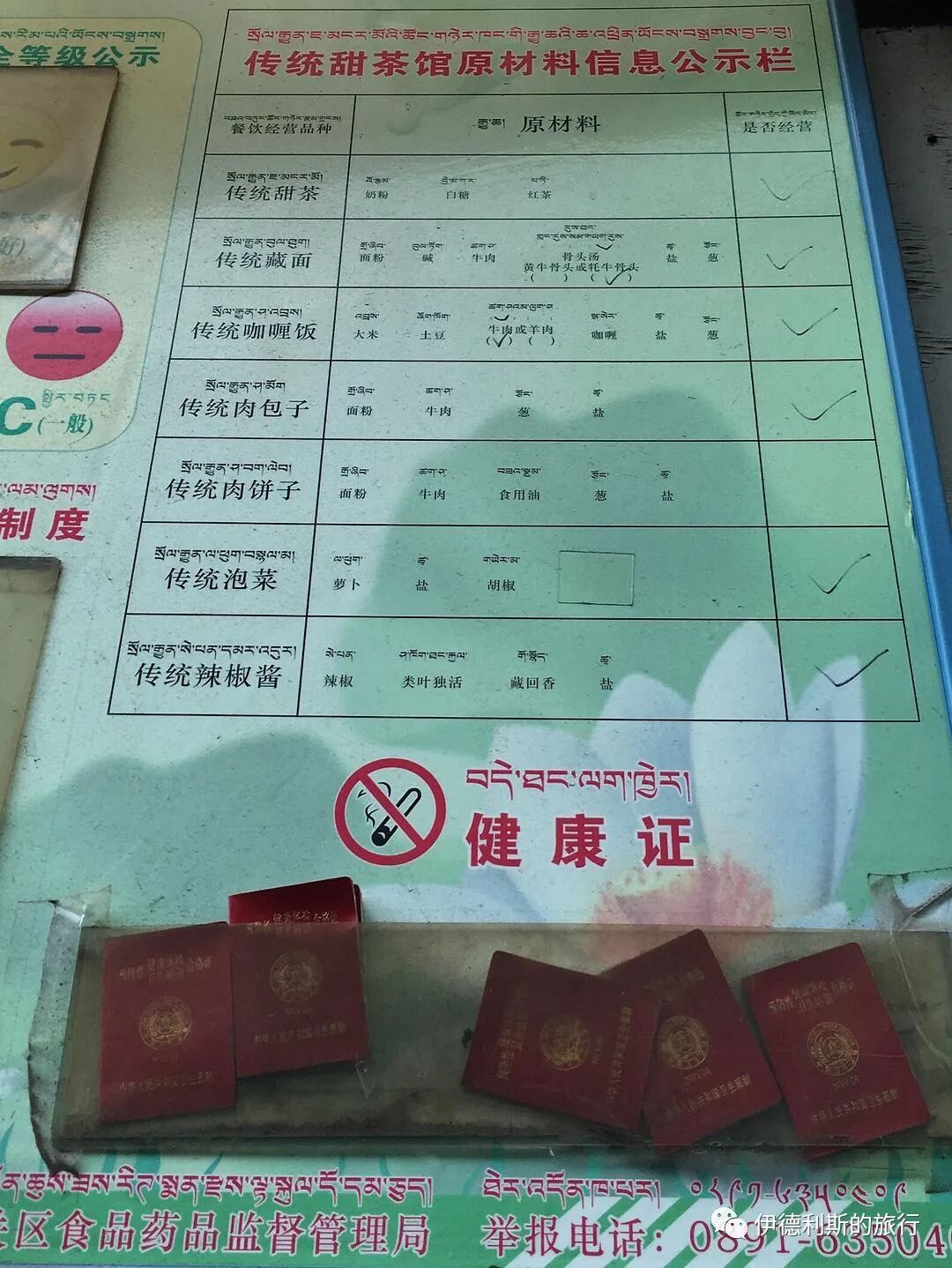
Hebalin, where the Lhasa Great Mosque is located, is the main residential area for Tibetan Muslims, and there are some restaurants run by Tibetan Muslims here. Yibire Baozi Shop is a very famous Tibetan Muslim restaurant located in the small alleys of Hebalin.
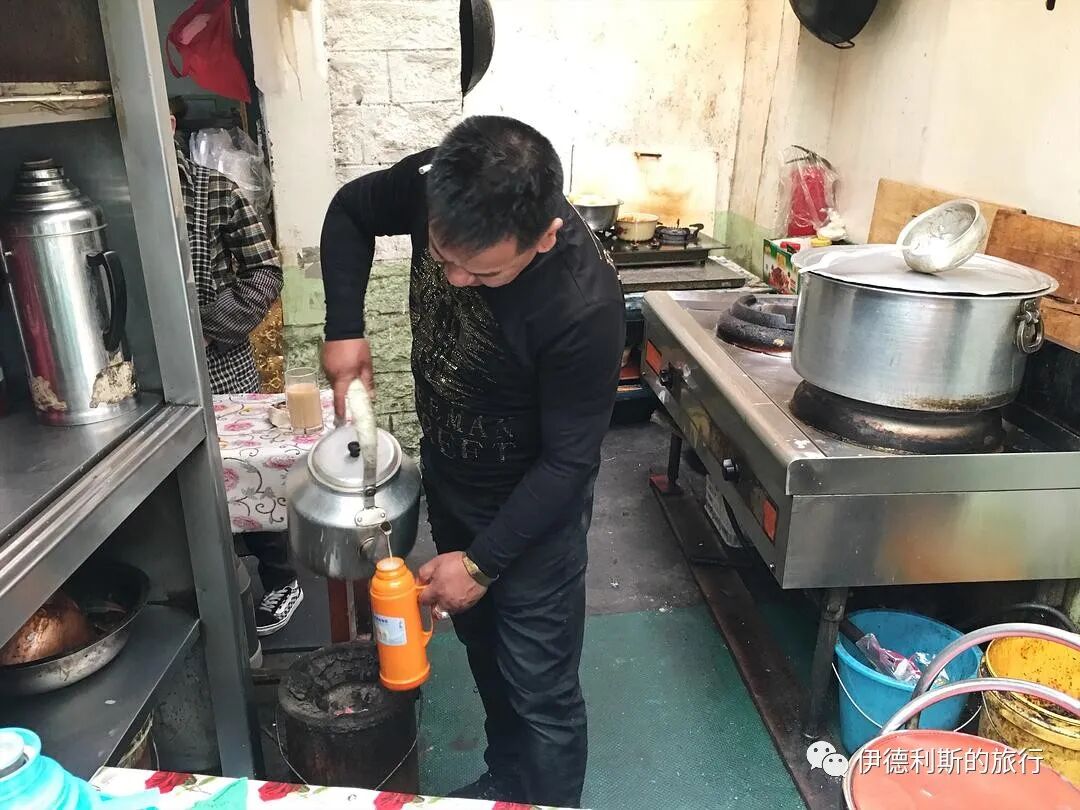
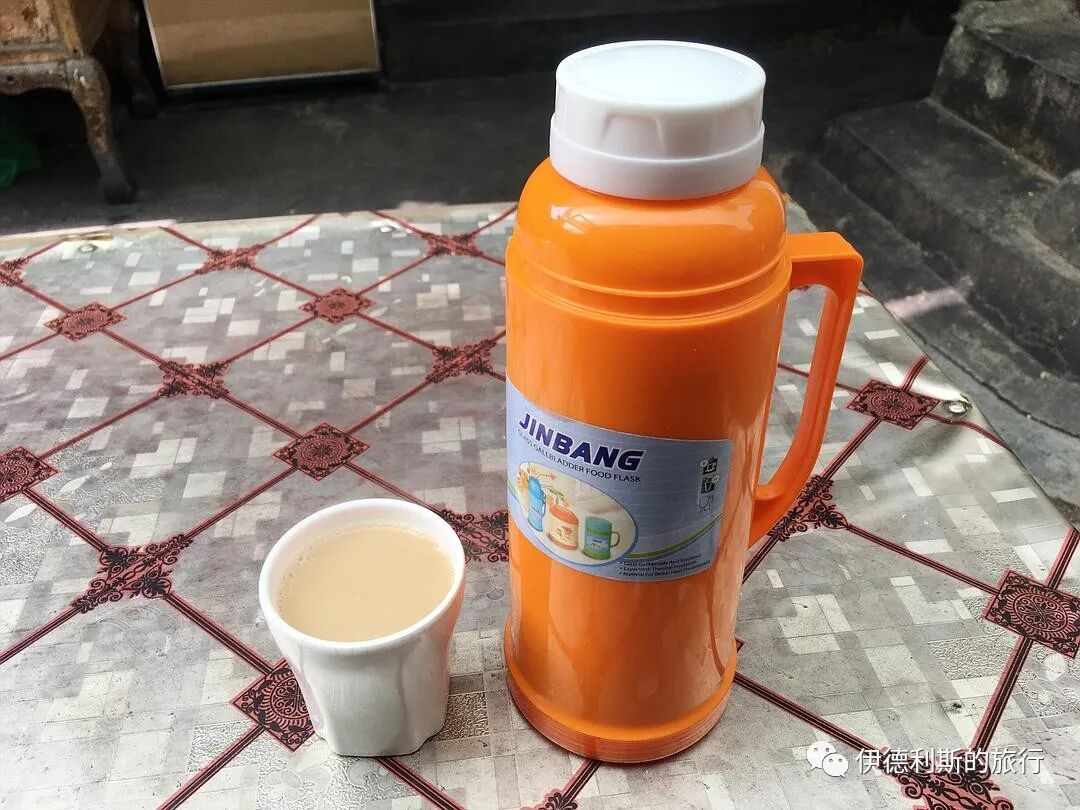
Tibetan-style sweet tea actually originated from black tea with milk and sugar introduced to India by the British, and it became popular in Lhasa in the early 20th century.
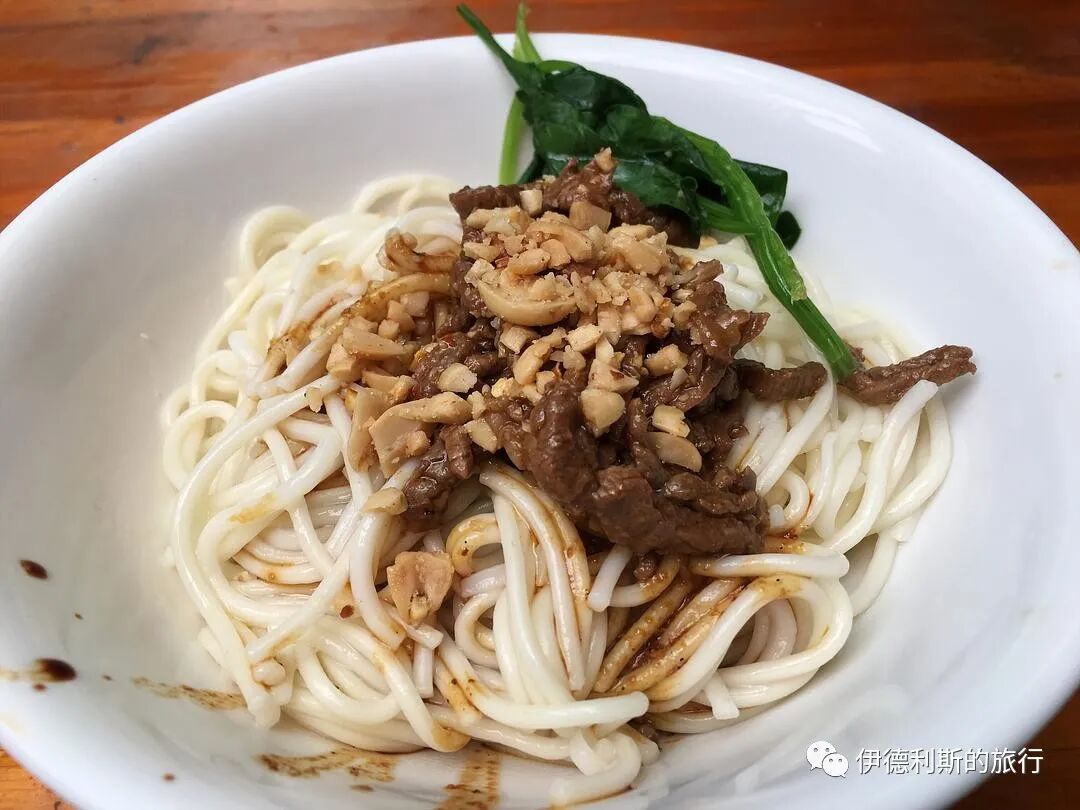
Eating zhajiangmian (noodles with soybean paste)
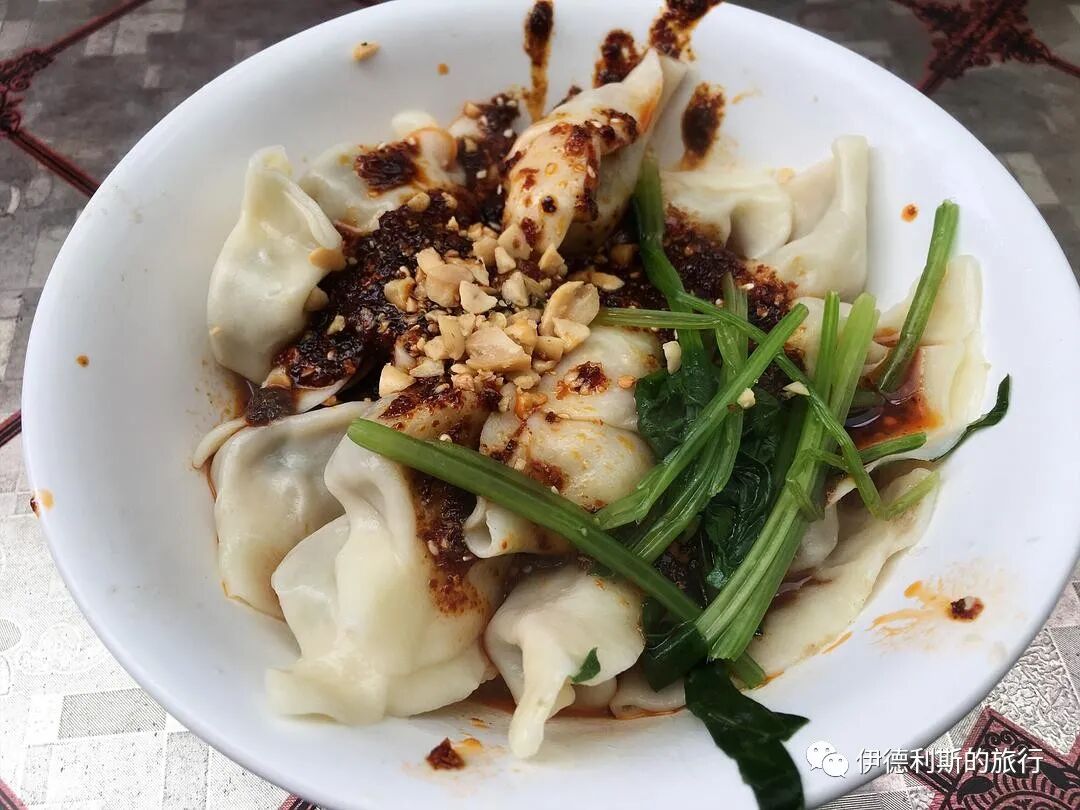
Red oil dumplings
A Tibetan Muslim teenager wearing Adidas
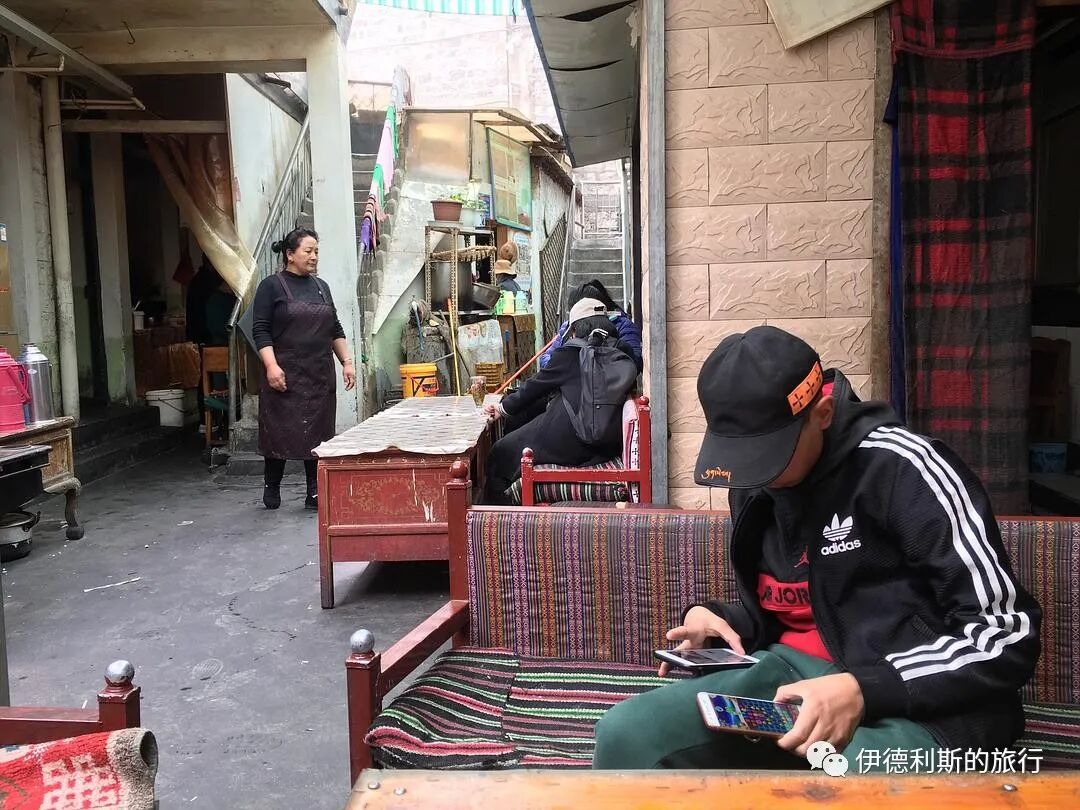
Basically all local Tibetans
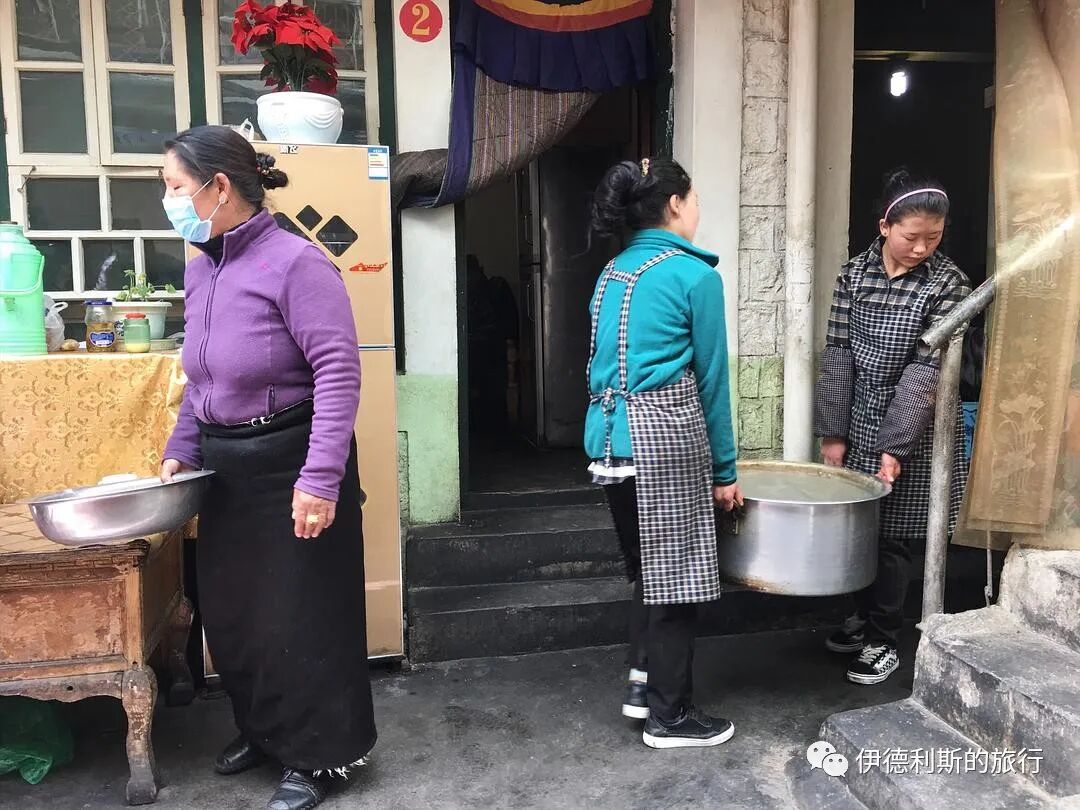
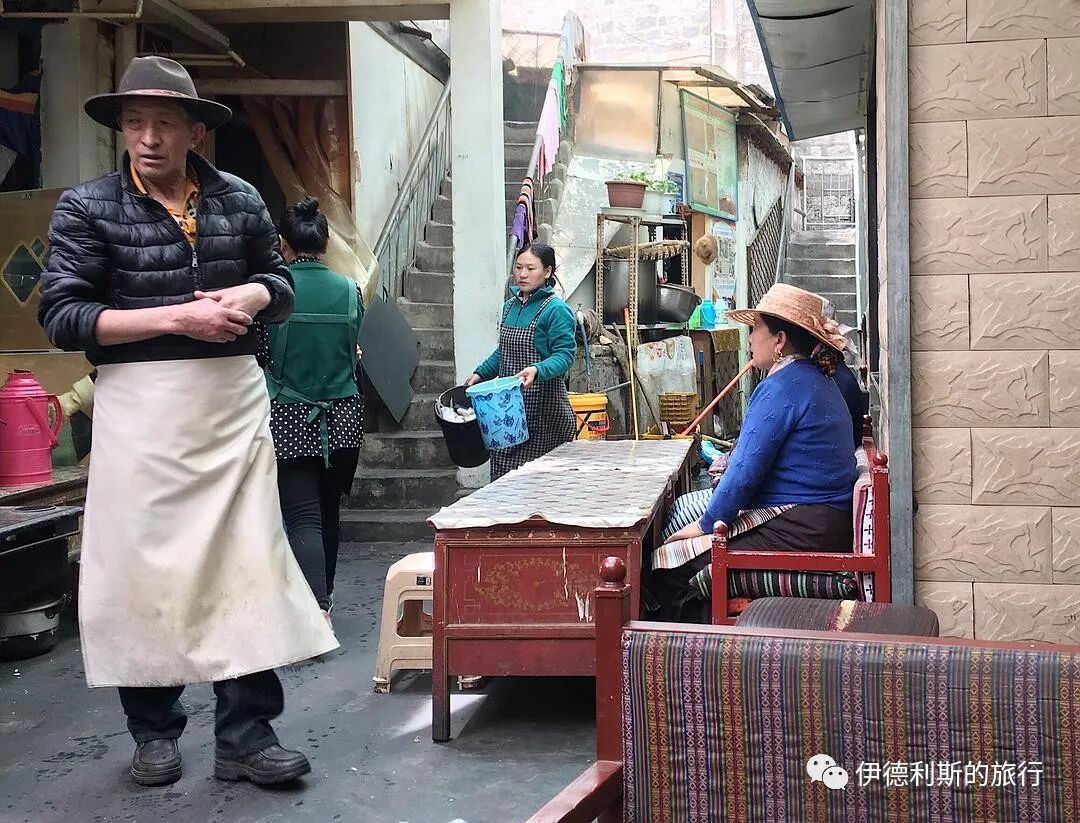
Menu
18. The Paxi Dai of Xishuangbanna, Yunnan
The Paxi Dai live in two villages, "Manluan Hui" and "Mansai Hui," in Menghai County, Xishuangbanna Prefecture. "Man" means "village" in the Dai language. The Paxi Dai call themselves "Paxi," believe in Islam, observe the faith, but speak the Dai language, use the Dai script, and make halal Dai-style food. It can be said that they have maintained their Hui Muslim identity while integrating into Dai culture.
During the Jiaqing and Daoguang periods of the Qing Dynasty, Menghai became an important transit point for Yunnan horse caravans traveling to Myanmar and Thailand for business. A Hui Muslim caravan leader named Ma Wulong from Dali came to Menghai and gave the Menghai Zhaomeng (local chieftain) leader Zha Yakun 3 loads of salt, which led the Zhaomeng to agree to set aside a small mountain valley for Ma Wulong to live in. Ma Wulong later married a Dai woman, had a son named Yan Han, and then returned to his hometown. After Yan Han grew up, he also married a Dai woman and had four sons and two daughters, gradually forming the current Paxi Dai village, "Manluan Hui."
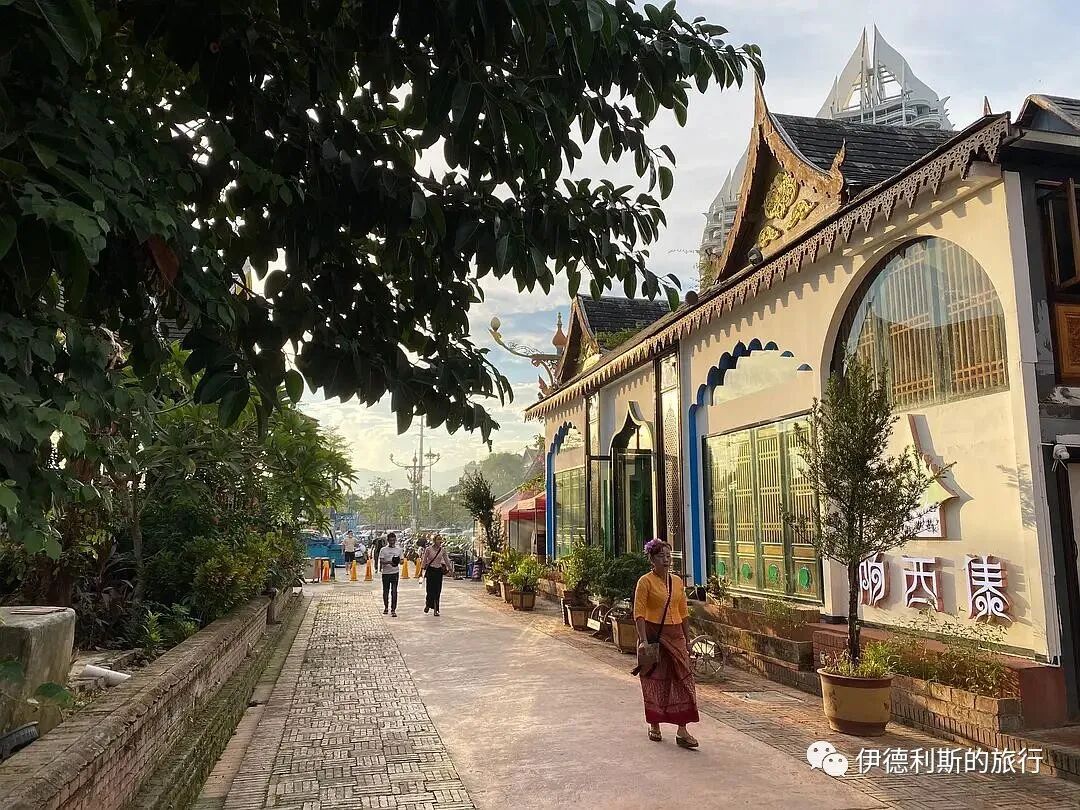
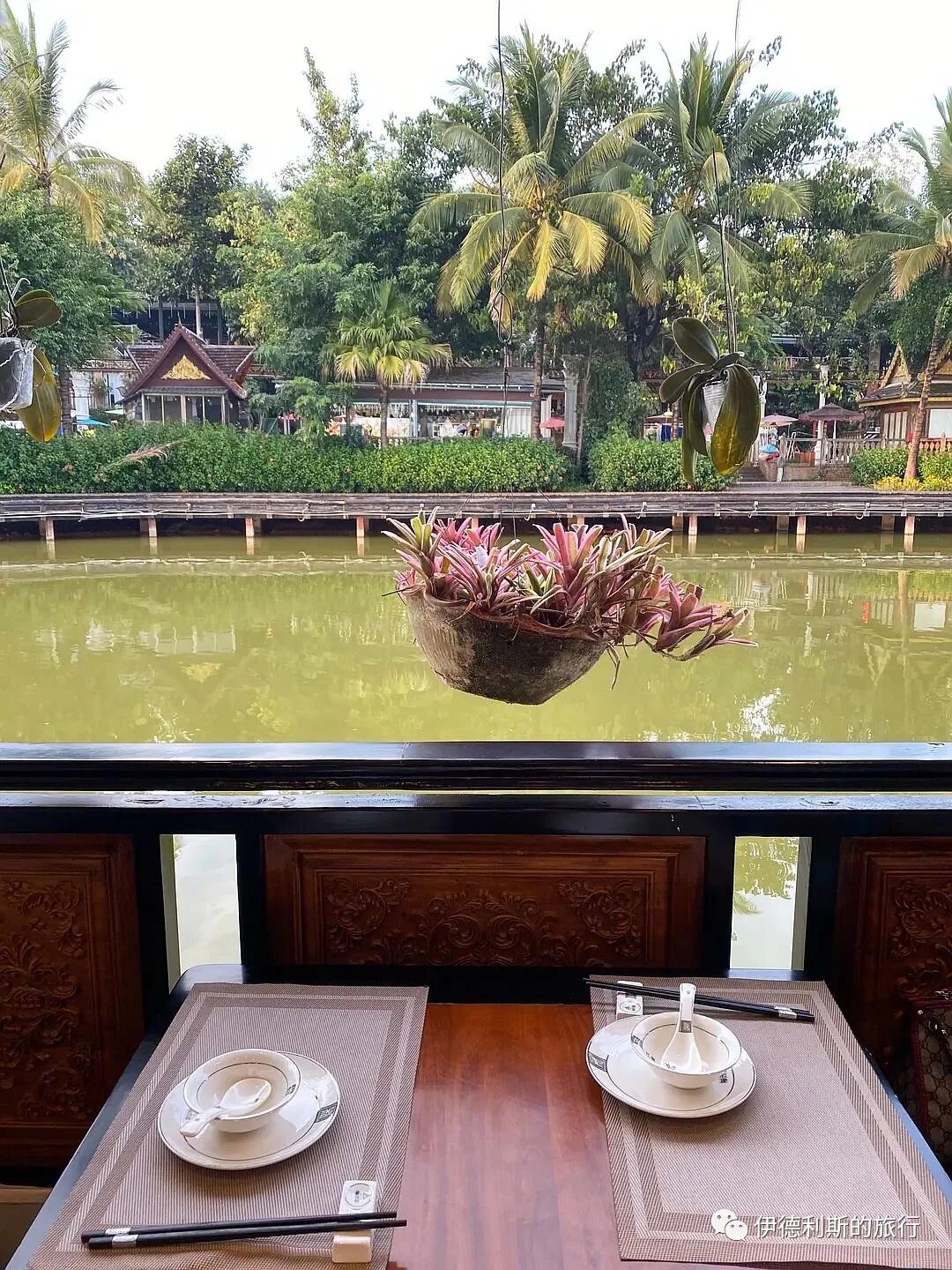
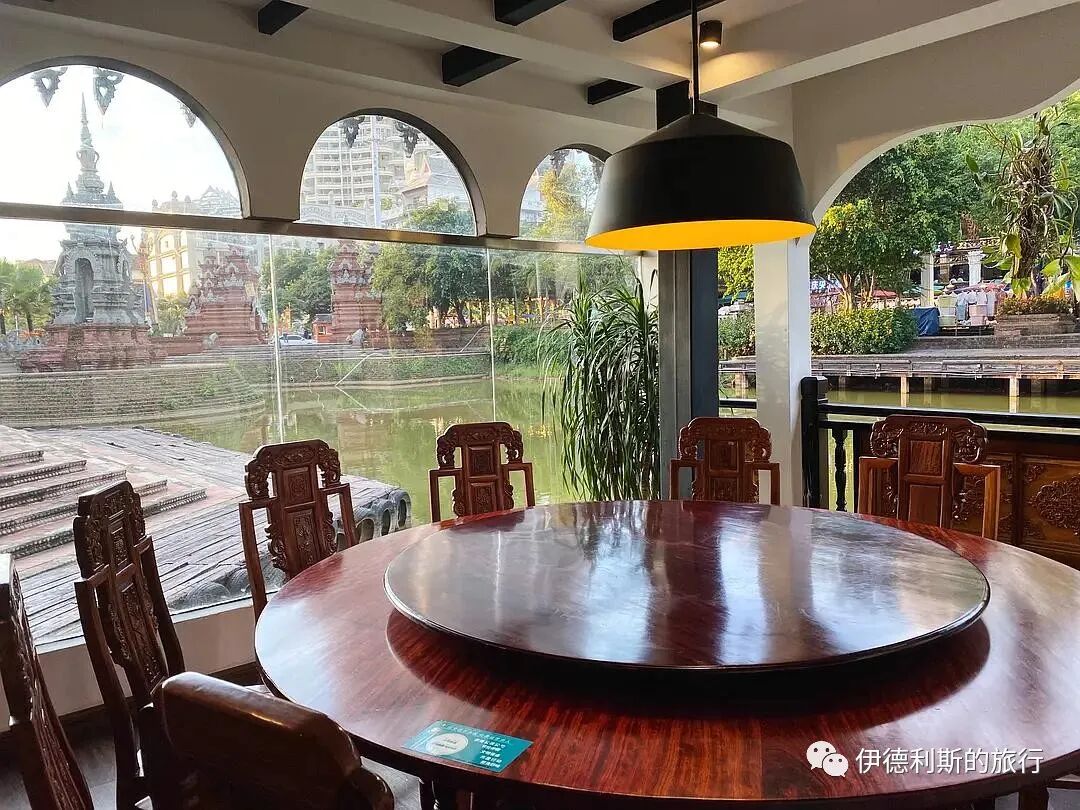
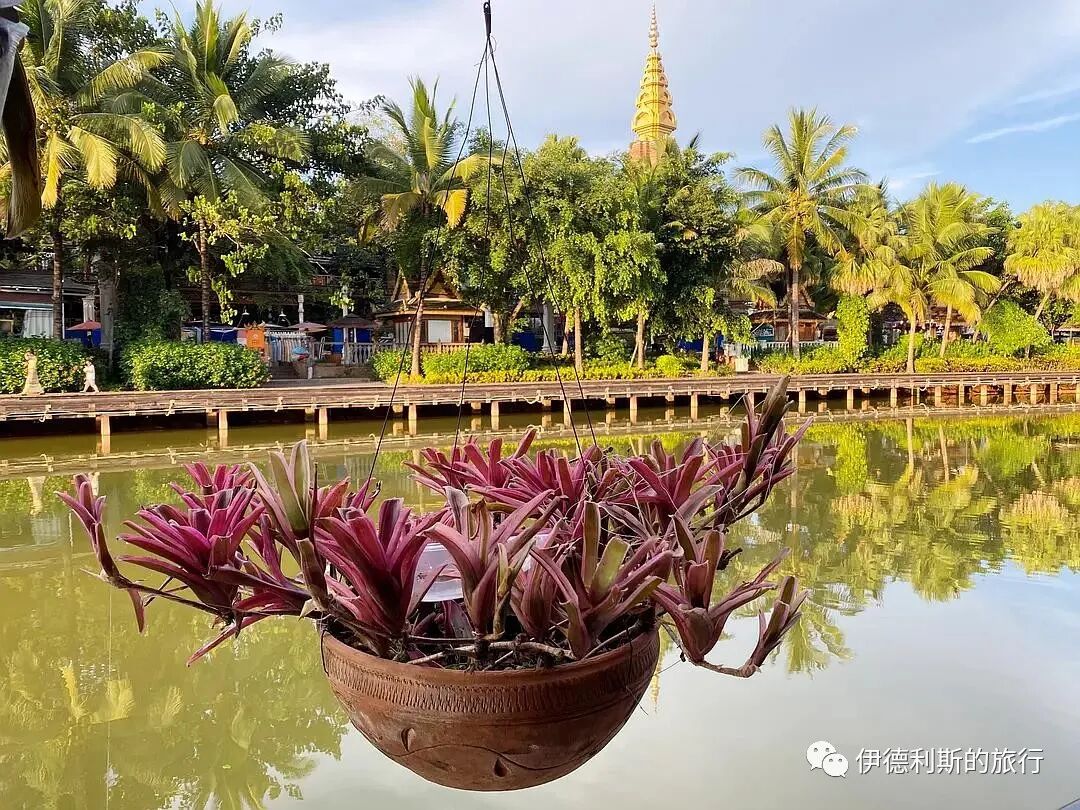
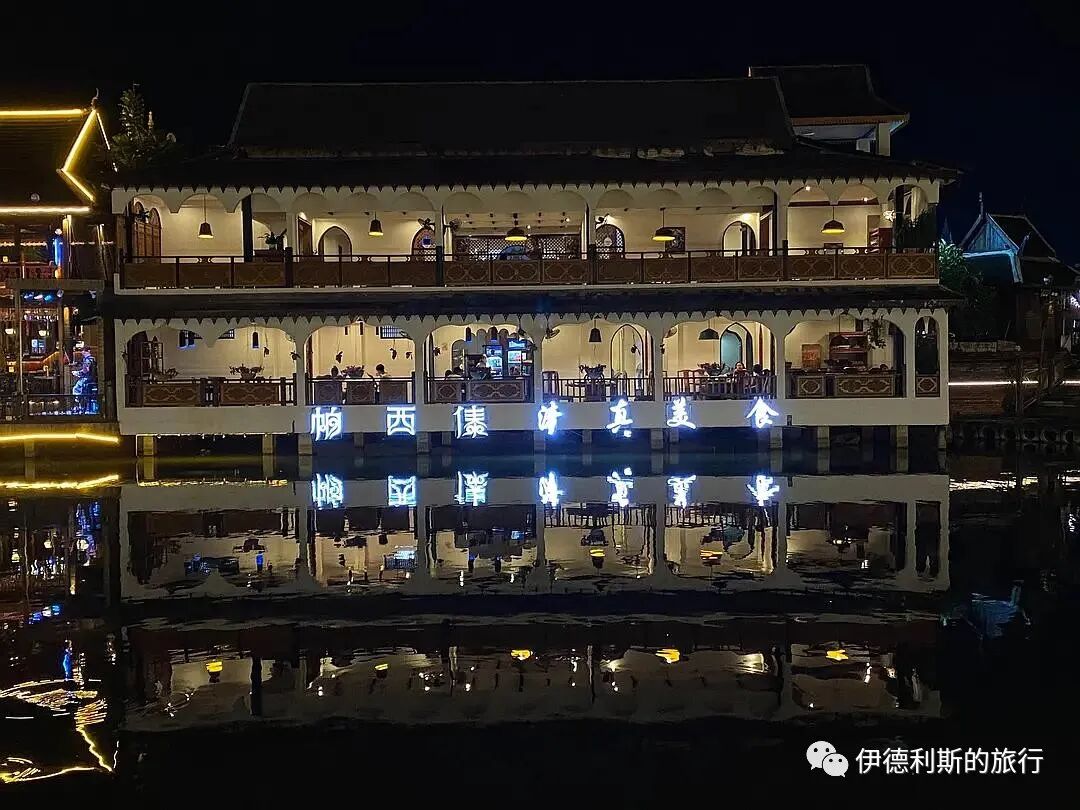
There is a restaurant called "Paxi Dai" at the Ganbai Street Night Market in Jinghong, and the landlady is a Paxi Dai from Manluan Hui. The restaurant is by the lake, opposite the famous Starlight Night Market, so you can enjoy the night view while eating.
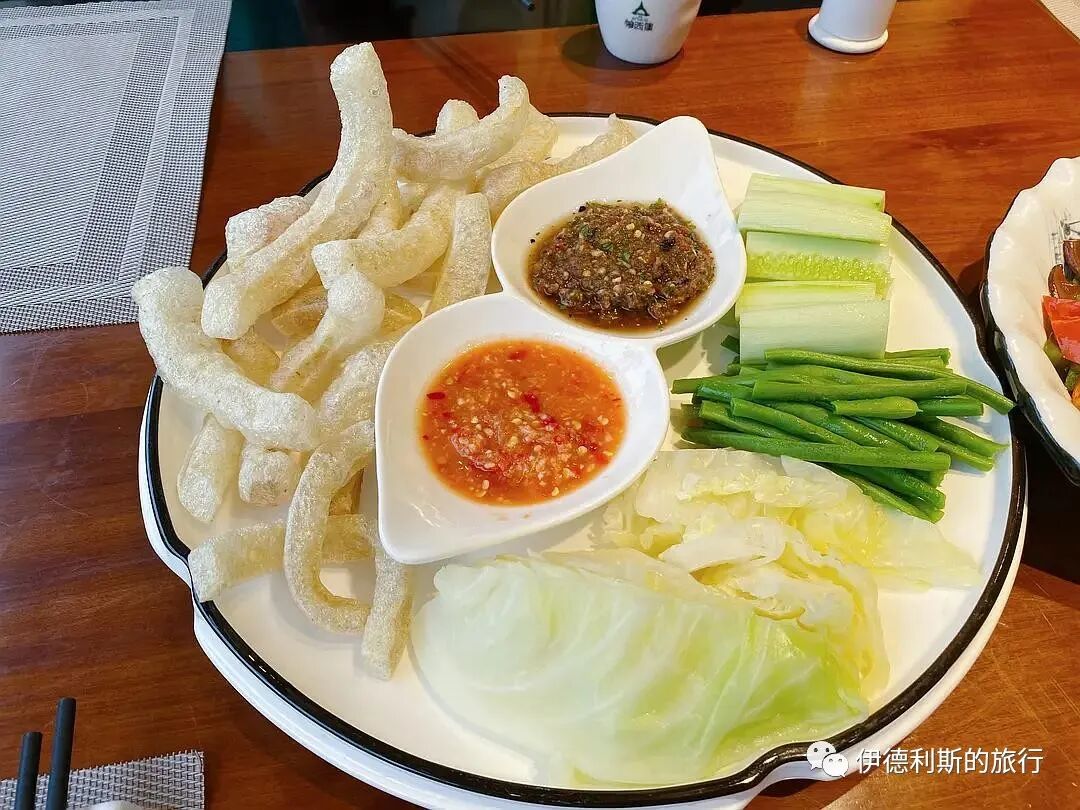
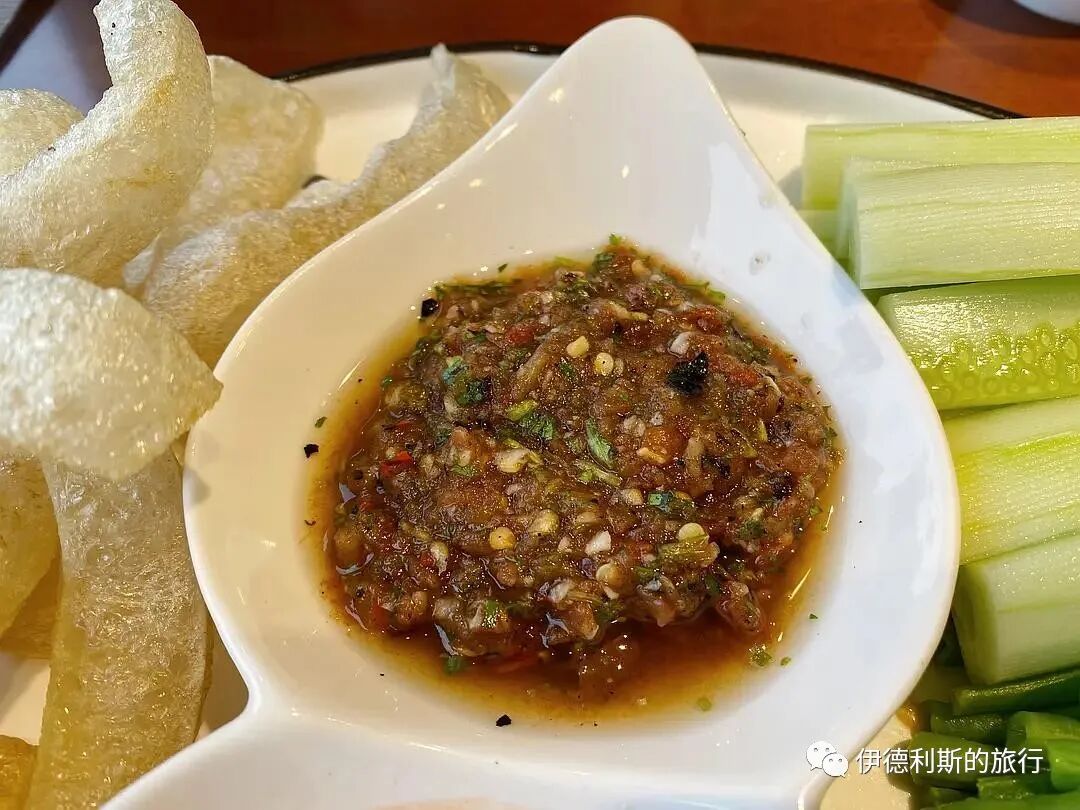
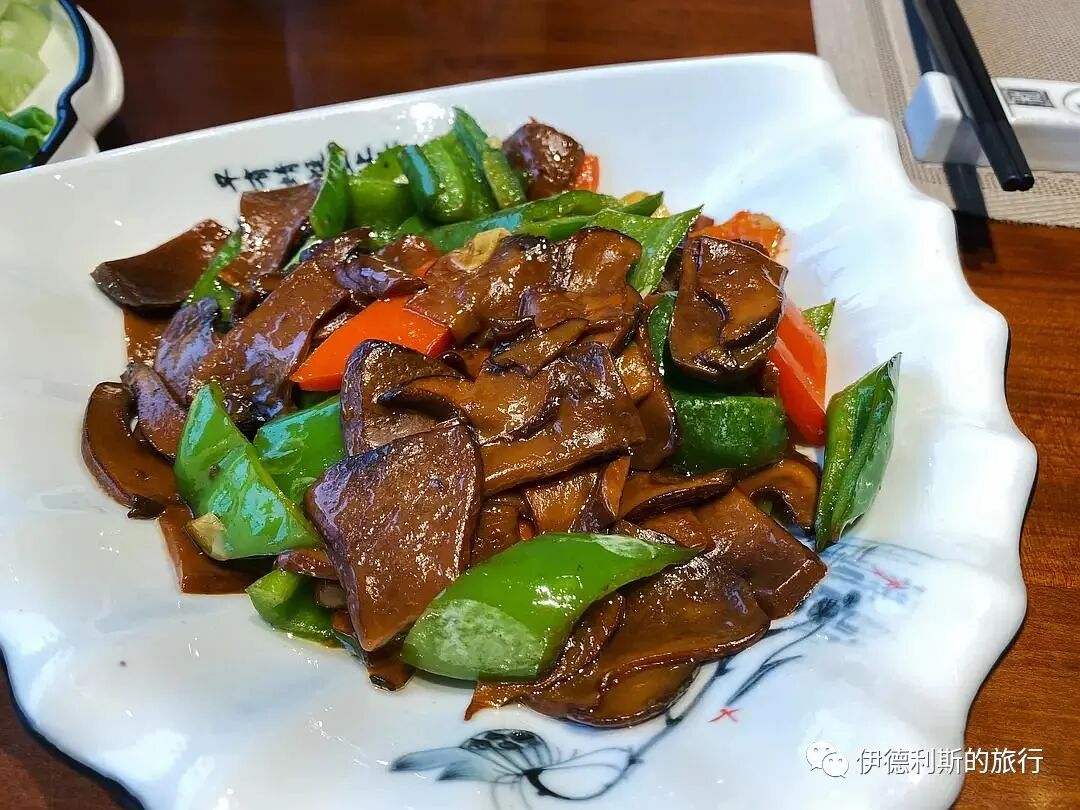
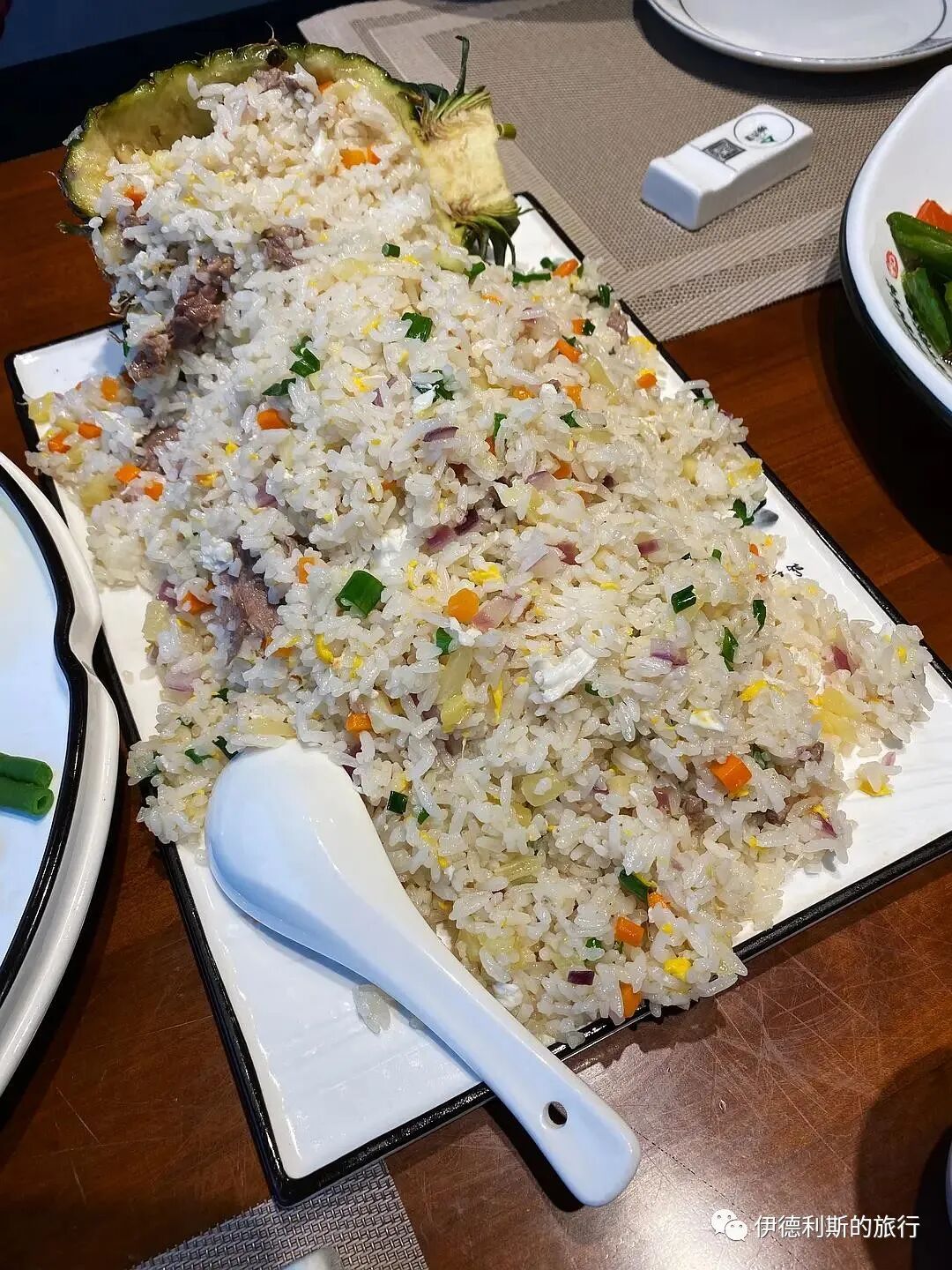
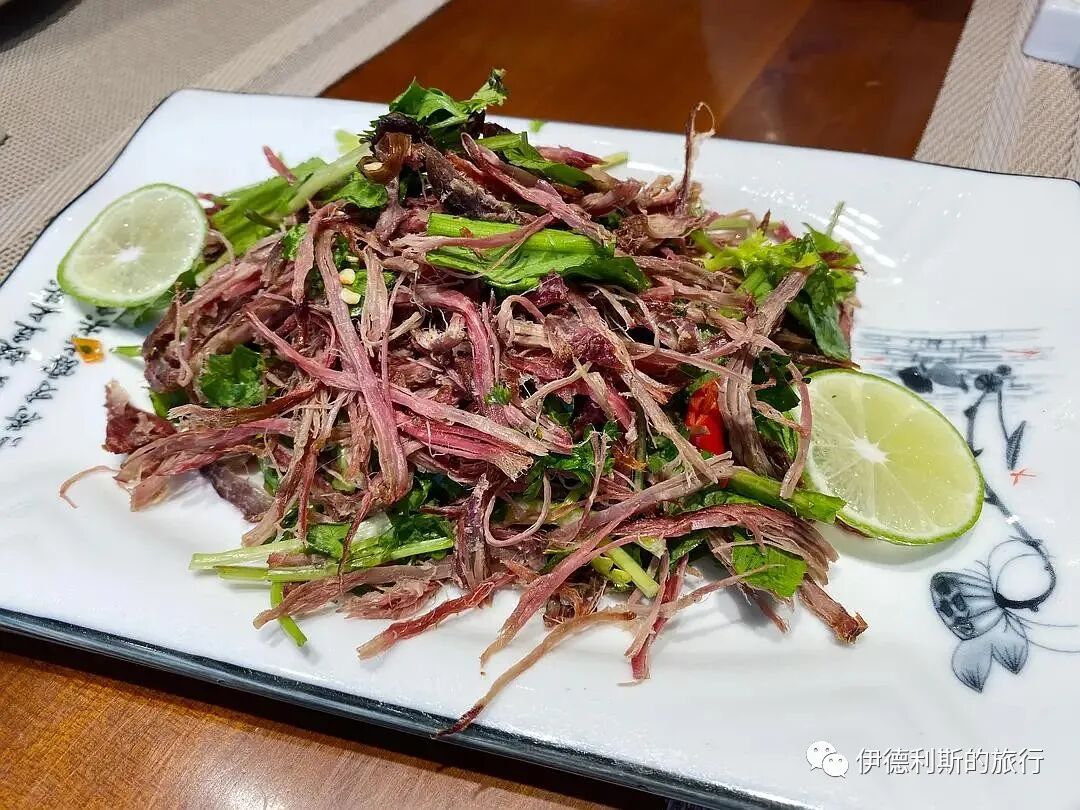
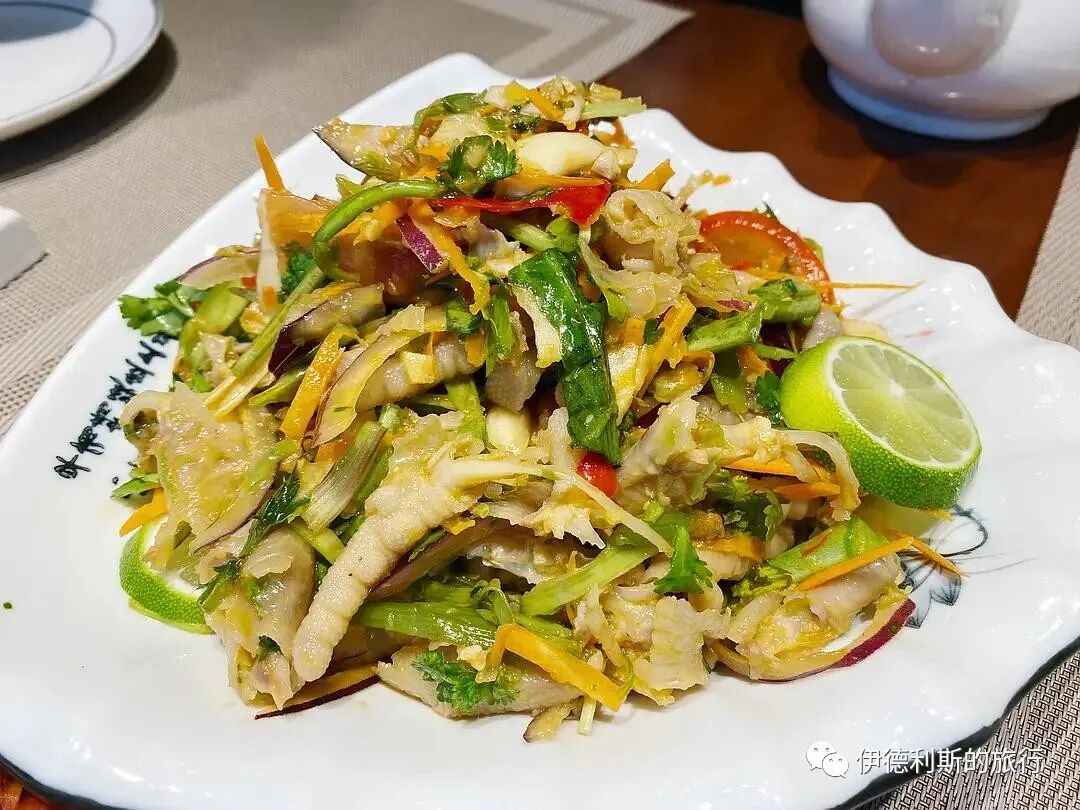
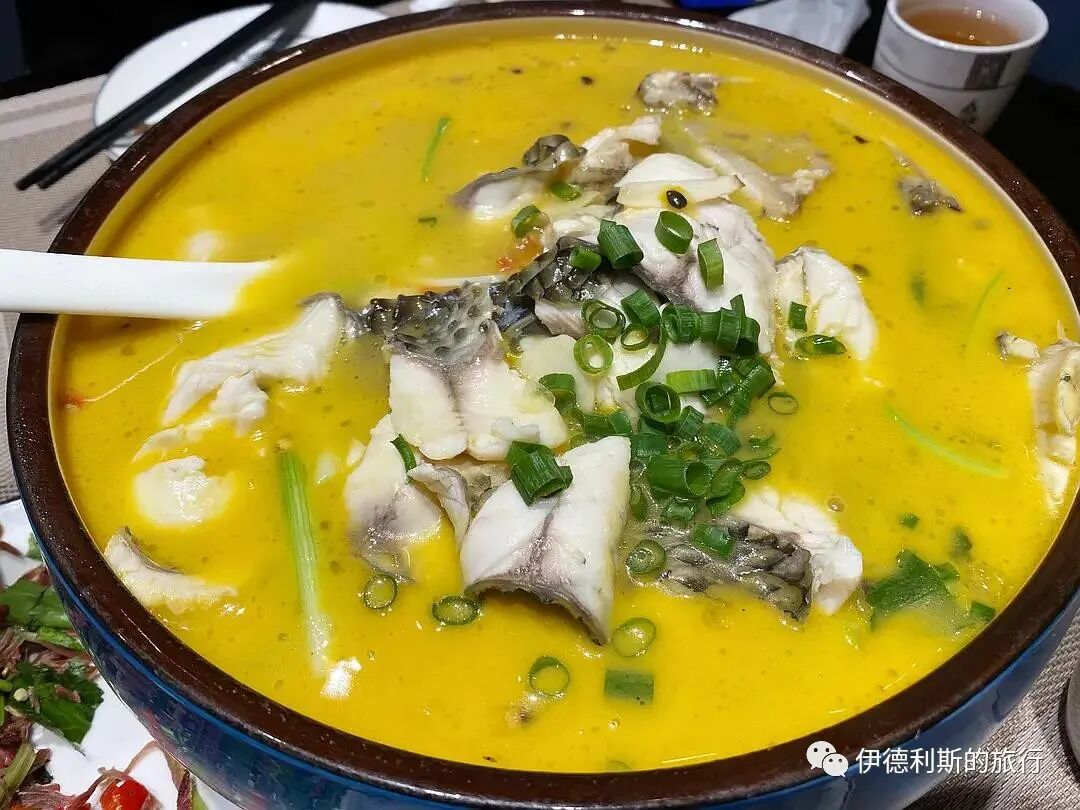
We ordered a nanmi (Dai-style dipping sauce) platter, stir-fried porcini mushrooms, Dai-style pounded chicken feet, passion fruit stewed tilapia, lemon hand-shredded beef jerky, and beef pineapple rice.
Nanmi is a Dai-style dipping sauce with a sour and spicy flavor, used for dipping fried beef skin, cucumber, and cowpeas. This was my first time eating fried beef skin; the texture is a bit like shrimp crackers, but harder.
The pounded chicken feet were very sour and spicy, and my mouth was burning from eating them. The Dai-style passion fruit stewed fish is very flavorful, comparable to the starfruit sour soup fish of the Sanya Huihui people, but the sourness is stronger; I could only drink a little bit of this soup.
Our whole family liked the beef pineapple rice the most. This kind of fried rice is rare locally, and we thought it was better than any other fried rice we had eaten before.

19. The Bai Hui of Dali, Yunnan
In the Hui Muslim villages of Jiming, Shipang, and Sanmei in Eryuan County, Dali, because they are located in a Bai ethnic area, the Hui Muslims here speak the Bai language, wear traditional Bai clothing, and their architecture is also strongly influenced by the Bai people, so they are also called "Bai Hui" by outsiders.
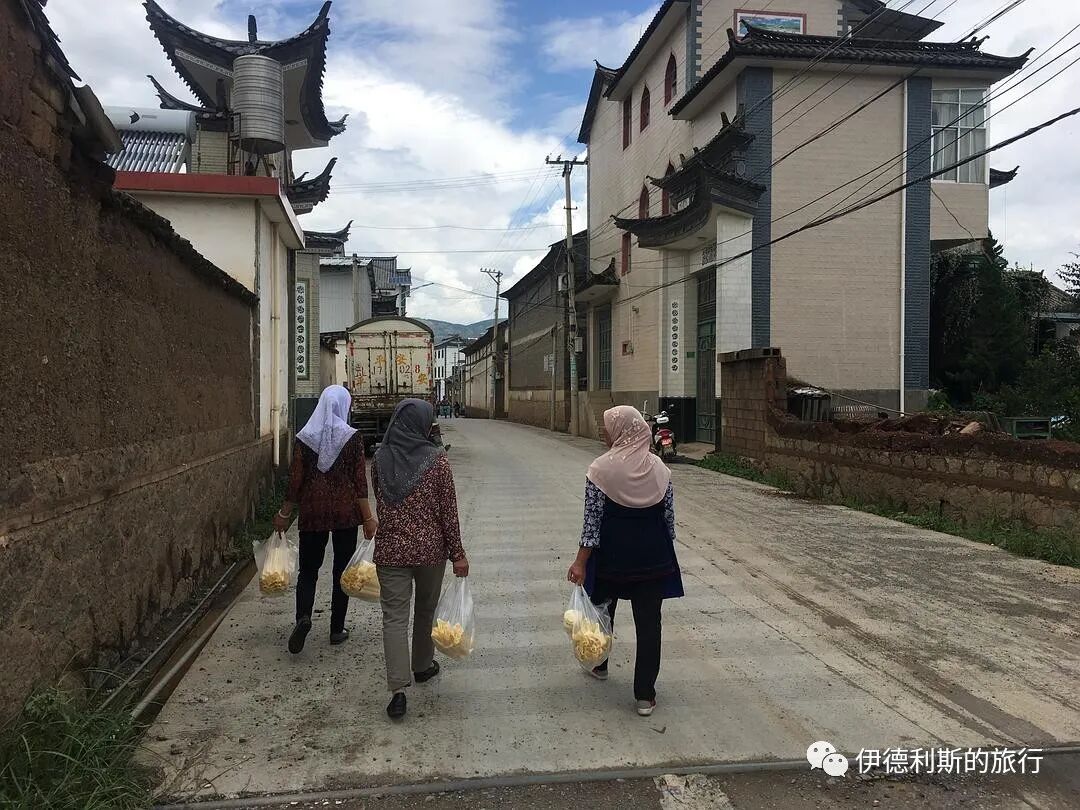
A Bai Hui restaurant was discovered in Yousuo Town, Eryuan, opened by a Hui Muslim surnamed Ma from Shipang Village. I ate salty rushan (milk fan cheese) and liangpian (cold sliced meat) at this restaurant. The liangpian was very spicy but extremely fragrant; it was the first time I had eaten liangpian that went so well with rice.
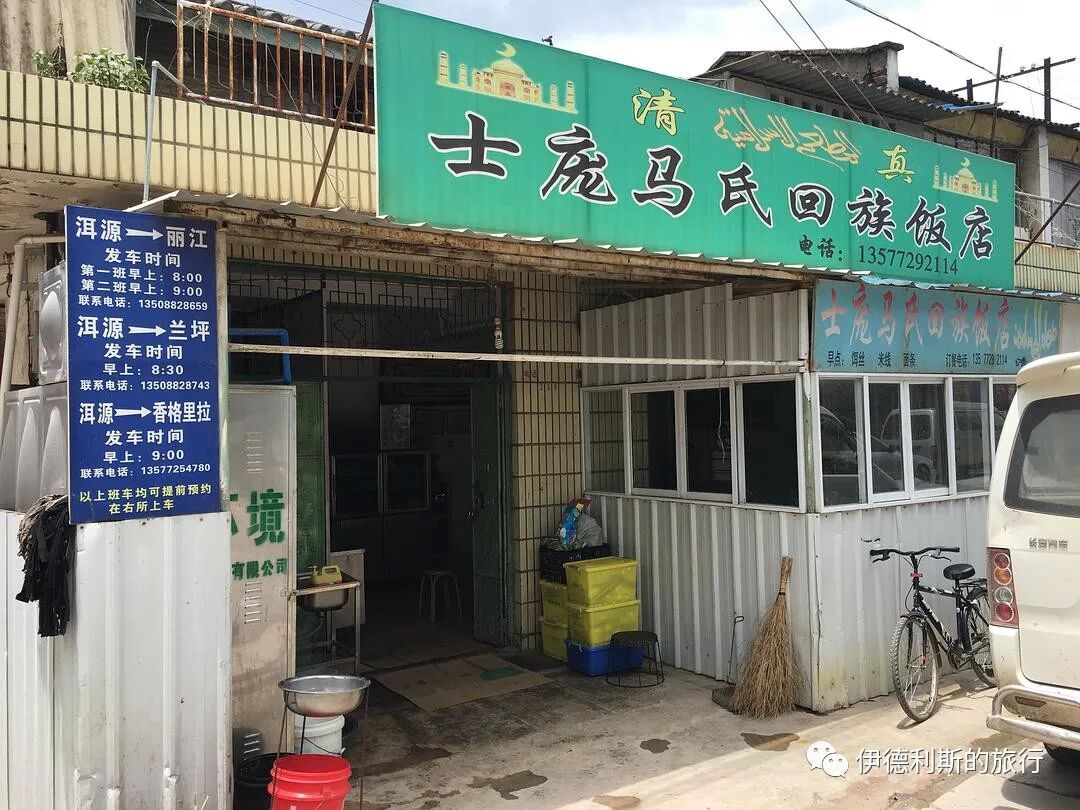
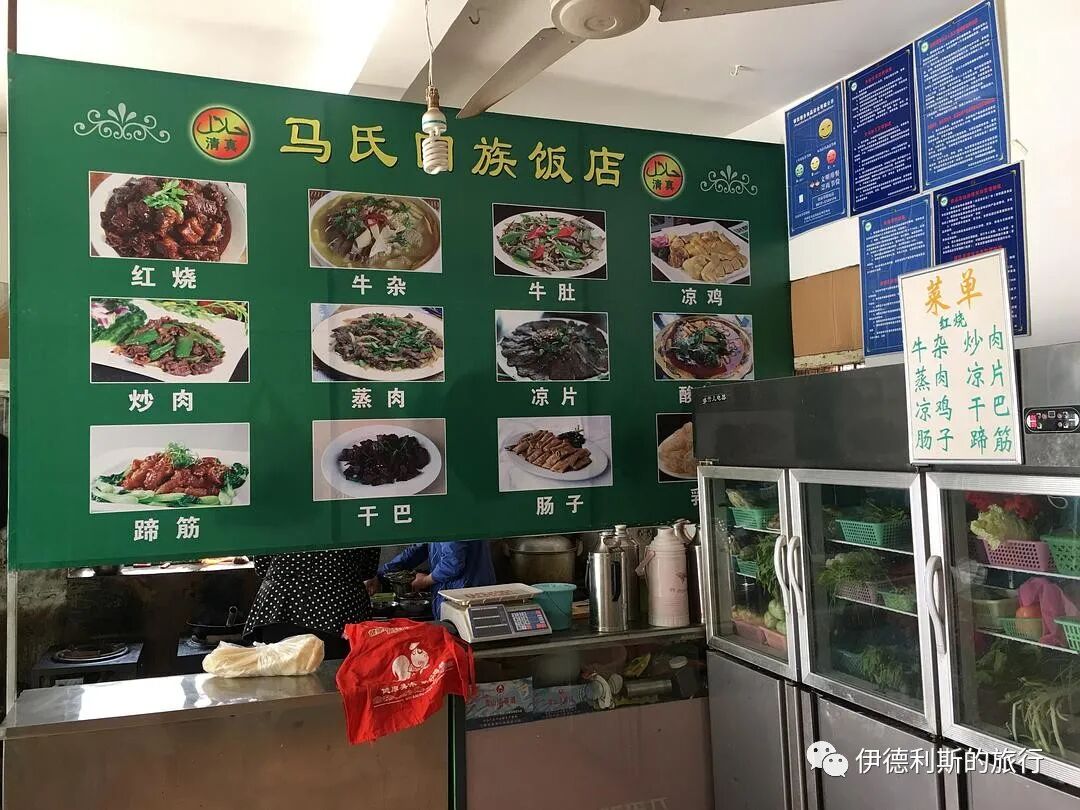
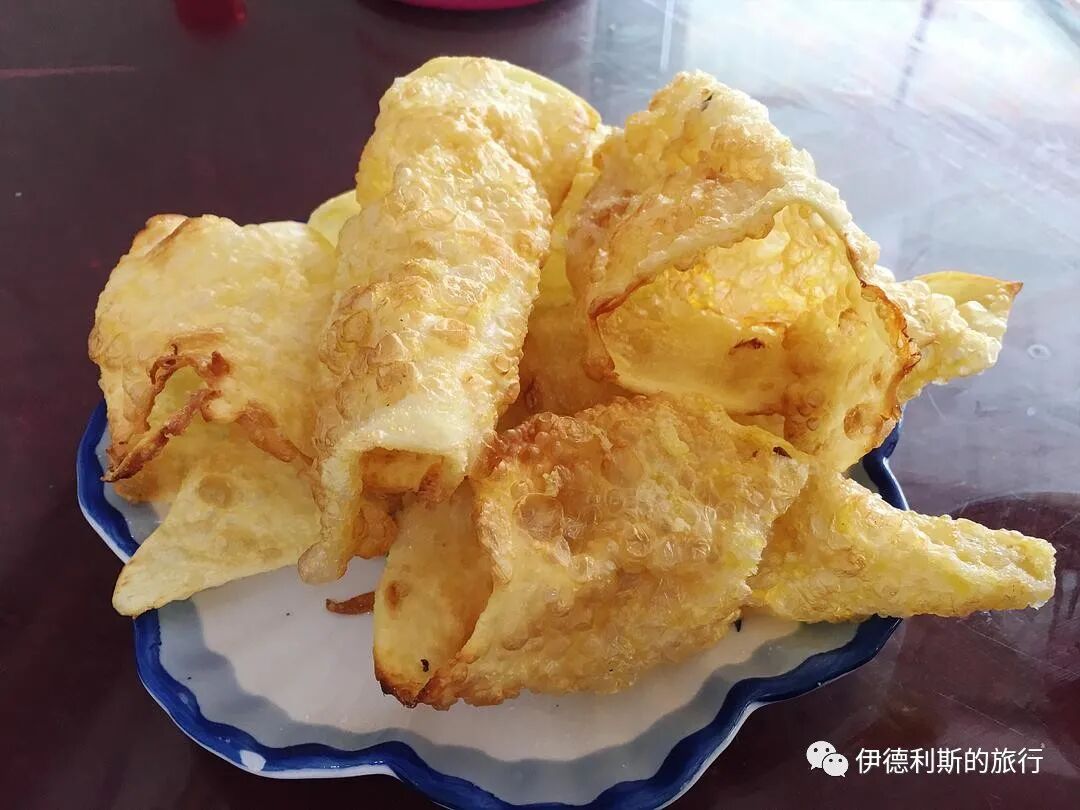
Aunties carrying rushan in the Bai Hui village
20. The Salar people of Xunhua, Qinghai
The Salar people, who speak the Salar language of the Turkic language family, live in Xunhua County, Qinghai, and surrounding areas. In the legends of the Salar people, Ahman and Qarman originally lived in the Samarkand area of Central Asia. Because they were oppressed by the rulers, they led their people across the Tianshan Mountains all the way east and finally settled in Xunhua.
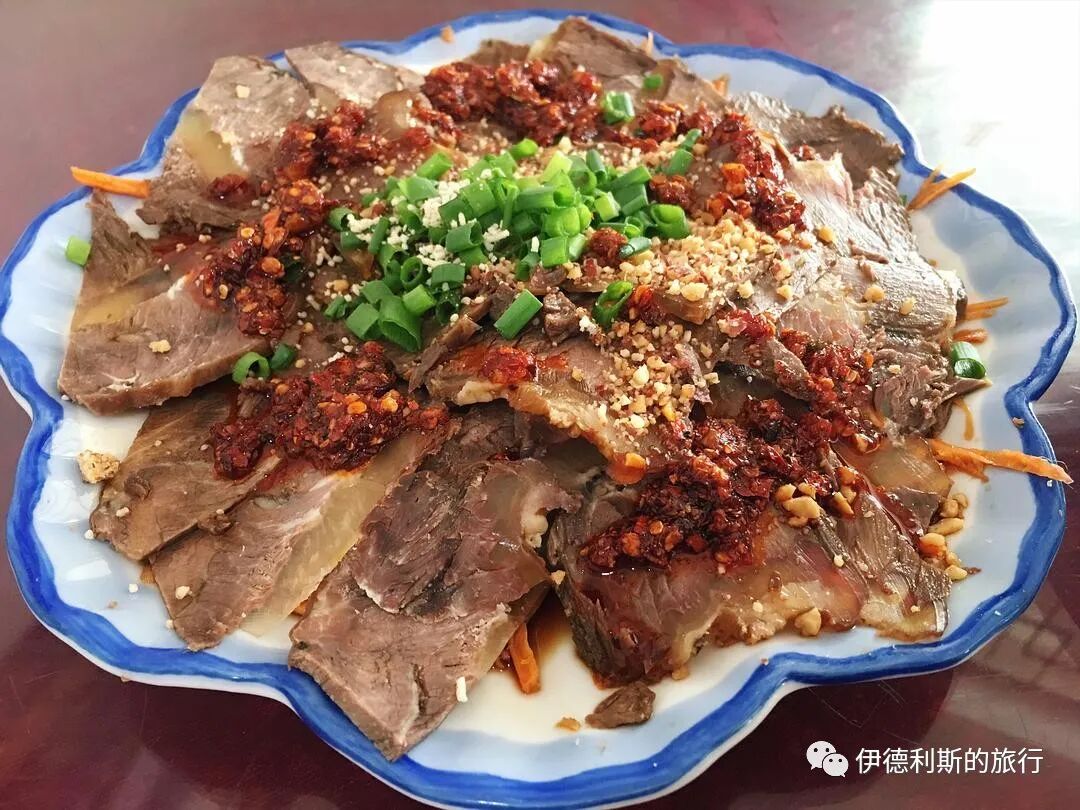
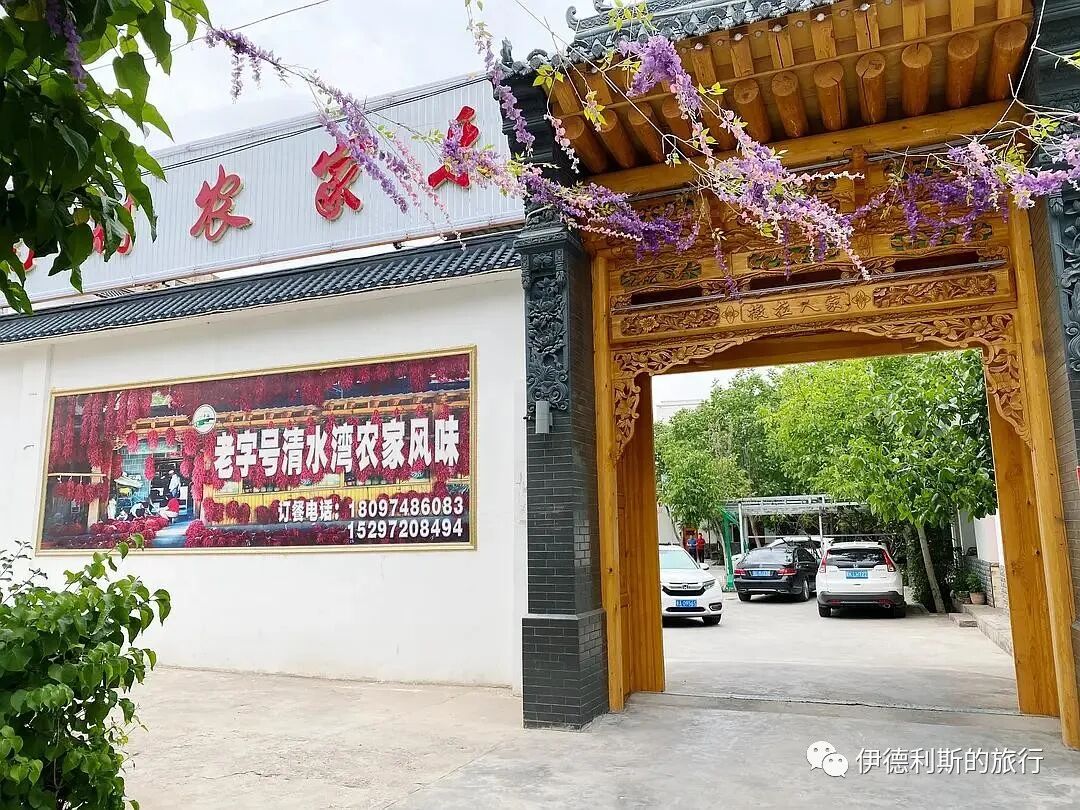
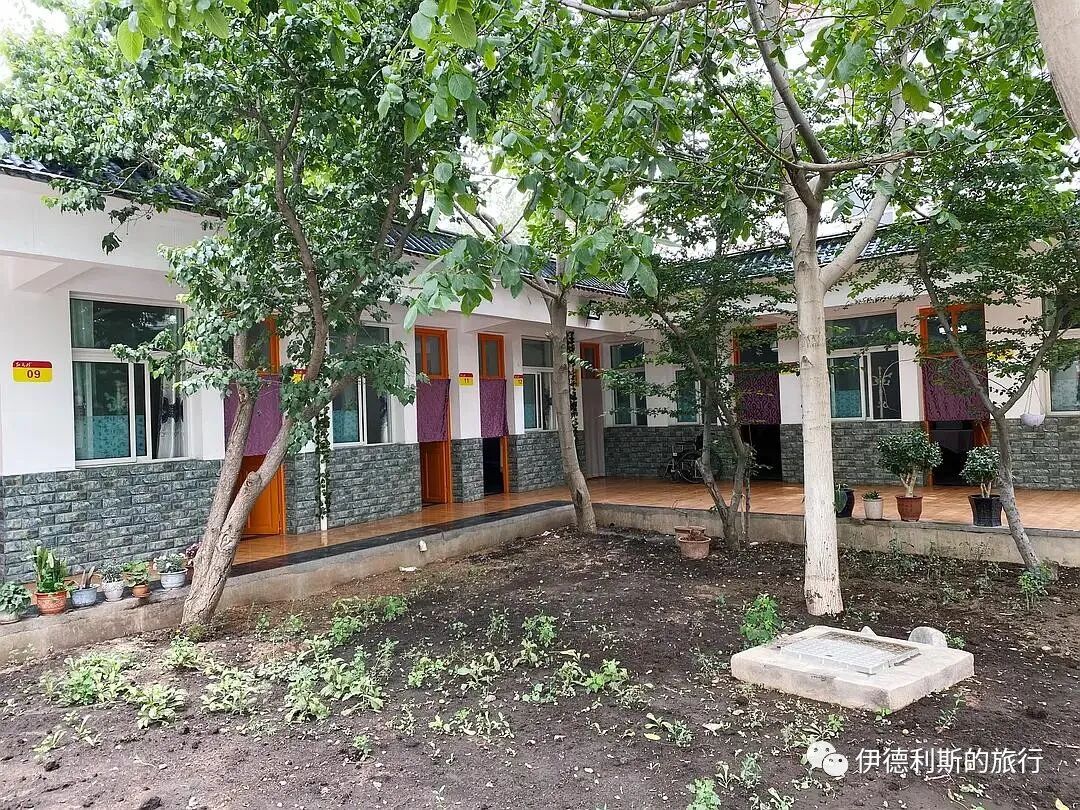
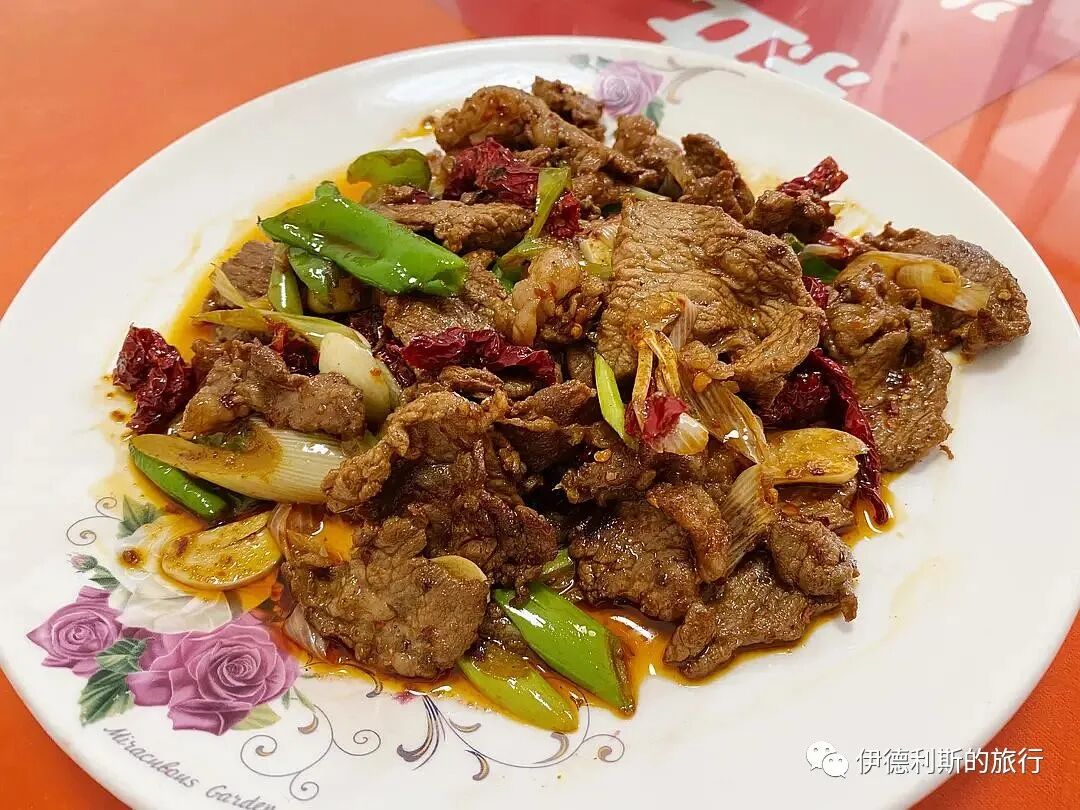
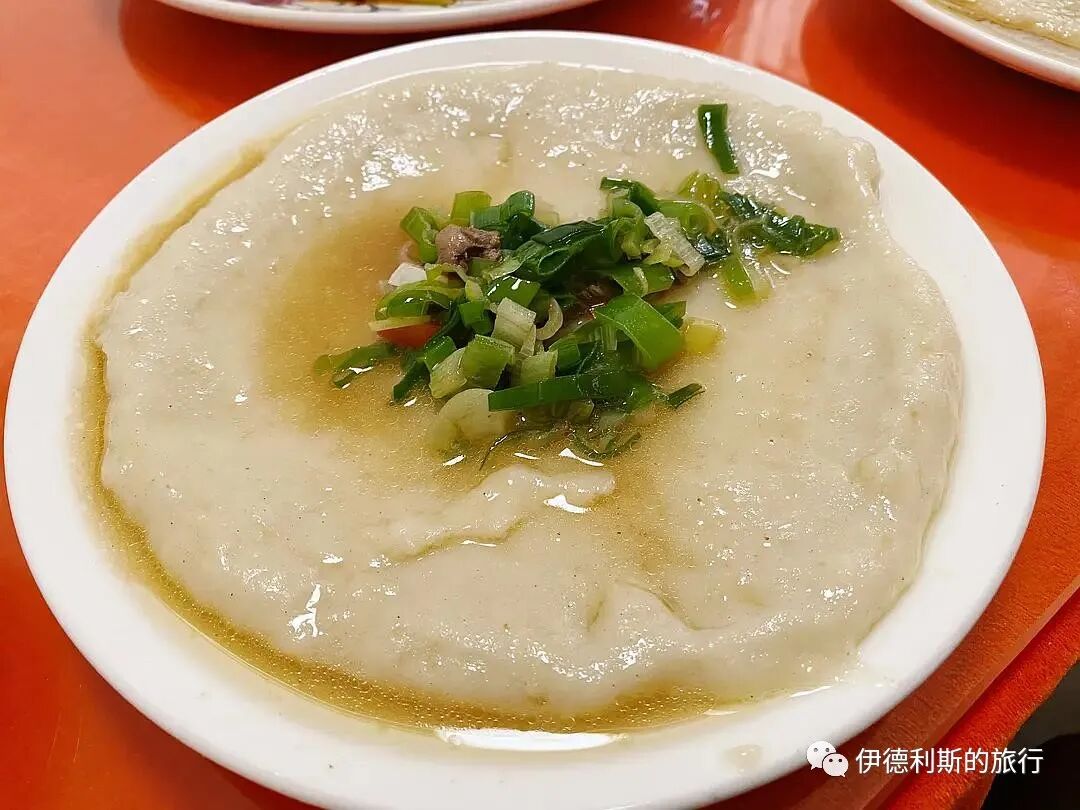
Eating stir-fried beef and jiaotuan (a thick paste made of flour) at a Salar family farmhouse in Xunhua County. Jiaotuan is made by stir-frying flour, adding water to boil, and then adding refined vegetable oil; it tastes very fragrant. Salar households in Xunhua are divided into tea restaurants and farmhouses. The cuisine in tea restaurants is more mixed. If you want to eat authentic Salar food, it is recommended to go to a farmhouse.
Summary: This travel note introduces Twenty Ethnic Restaurants in China: Halal and Minority Food Guide (Part 2). Qingzhen Huiji is currently the only local traditional halal snack shop on Hong Kong Island. It is useful for readers interested in Ethnic Food, Halal Food, China Travel.
Chinese Muslims in Hong Kong
Qingzhen Huiji is currently the only local traditional halal snack shop on Hong Kong Island. It is located inside the Gwan-Ying Street Market on Bowrington Road in Wan Chai. It is not very easy to find, so if you cannot find it after entering the market, you can ask a local stall owner.
It is said that Qingzhen Huiji has been operating at the Wan Chai Gwan-Ying Bridge for over 60 years, and it moved into the Gwan-Ying Street Market after the market opened in 1979. Qingzhen Huiji's dine-in hours are from 11:00 AM to 6:00 PM, so friends planning to go in the afternoon must arrive early.
Qingzhen Huiji is famous for its traditional hanging-oven roasted duck and Taiye chicken (soy-sauce chicken), as well as their own original curry lamb brisket. To be honest, this is the best curry lamb brisket I have ever eaten; the flavor is exceptionally authentic.
14. The Huihui people of Sanya, Hainan
The Huihui people are a Muslim ethnic group living in Huihui Village and Huixin Village in Sanya City, Hainan, with a population of nearly 10,000. The Huihui language they use belongs to the Austronesian language family and shares the same origin as the Chamic languages of southern Vietnam. The lifestyle of the Huihui people is strongly influenced by local Hainan ethnic groups, but they simultaneously maintain a devout Islamic faith, making them a very unique ethnic group on the southeast coast of China.
Starting from the 10th century, Champa, located in southern Vietnam, fought successive wars with Dai Viet, Chenla (Cambodia), and the Yuan Dynasty. Many Arab and Persian merchants from Champa sailed across the sea to Hainan. The History of Song: Champa contains the earliest record of a Champa person named Pu Luo'e leading over a hundred clansmen to Danzhou, Hainan, to submit to the empire in 986.
During the Ming and Qing dynasties, Muslims living in Yazhou, Wanzhou, Qiongshan, and other parts of Hainan gradually moved to the Sanya Lifan Village (now Sanya Huixin Village). During the Qing Dynasty, Muslim communities across Hainan experienced Sinicization, Li-ization, or Dan-ization. Sanya Lifan Village became the only Muslim community in Hainan and eventually formed the modern Huihui people.
In addition, some Huihui people came from the mainland. The ancestors of the Ha surname among the Huihui people came from Shaanxi. Later, the whole family moved to Dadan Port in Yazhou, Hainan. During the late Ming and early Qing dynasties, they moved to Sanya Lifan Village together with another group of Hui Muslims surnamed Liu.
In Huixin Village, we happened to encounter a banquet being held for a child of the Ha family who was admitted to Tsinghua University.
Watching the Huihui people make traditional coconut rice.
First, you must use old coconuts with thick meat, scrape all the coconut meat into coconut shreds, and then use cheesecloth to squeeze out all the coconut oil.
The rice is steamed using a traditional Li ethnic pottery steamer (tao zeng). After the rice is steamed, the coconut milk and rice are thoroughly mixed together. At this stage, the coconut rice is very firm and chewy.
Then, the mixed coconut rice is steamed a second time in the pottery steamer. At this point, the coconut rice is softer and stickier than in the first stage, and the coconut milk and rice are completely fused together.
They used beef slaughtered the previous day for Eid al-Adha. First, stew the meat, then add wood ear mushrooms and yuba (dried bean curd sheets). This is a classic main dish at Huihui banquets.
15. The Tatars of Urumqi
The Tatar ethnic group is the smallest ethnic group in China, with only about 3,000 people. Most of the Tatars in Urumqi belong to the Kazan Tatars, who moved here successively from the Kazan area along the Volga River from the 19th century to the early 20th century. At that time, most Tatars were intellectuals or merchants, and they played an important role in promoting the establishment of modern education in Xinjiang.
The Tatar pastry shop in Urumqi is located on the site of a former Russian trading port. A hundred years ago, this was a place where Russians, Tatars, and various Central Asian merchants traded, a bit like Sanlitun in Beijing. The Tatar pastry shop is also a witness to this history.
Their most classic cake consists of six layers of pastry sandwiched with six layers of cream. The pastry is made from milk, eggs, ghee, and honey, without adding water, and it tastes exceptionally fragrant.
16. The Dongxiang people of Xiaoxihu, Lanzhou
The Dongxiang people are a Muslim ethnic group that uses the Dongxiang language of the Mongolic language family. They are mainly distributed in Dongxiang County, Hezheng County, and Guanghe County in Linxia, Gansu. The loess hills where the Dongxiang people live are relatively barren, so after the 1980s, many people chose to go to Lanzhou to make a living. Xiaoxihu is located at the end of the road from Linxia to Lanzhou, close to the Hui Muslim communities of Xiyuan and Xihu that have formed since the Qing Dynasty. Coupled with the commercial development driven by the Xiaoxihu Yiwu Trade City since the 1990s, Xiaoxihu has become the main residential area for the Dongxiang people in Lanzhou.
The Dongxiang people in Xiaoxihu are most concentrated in Baishu Lane, Jiangouyan, and Shangxiyuan, where you can eat various Dongxiang delicacies.
The owner of Zhonghua Shouzhua Dawang (Zhonghua Hand-Grabbed Mutton King) is named Ma Zhonghua, and it is a very popular Dongxiang hand-grabbed mutton shop in Lanzhou. Drinking sanpaotai (a traditional tea with three ingredients) while eating half a jin (250 grams) of hand-grabbed mutton ribs, a small bowl of lentil sparrow-tongue noodles, and a plate of liangpi (cold skin noodles), I felt very satisfied. This place has a good environment and good service; they refill the water frequently, and of course, the sanpaotai itself is also delicious.
The mutton tastes very authentic; basically, it is one piece of meat with one clove of garlic, and the garlic is also very fragrant.
Liangpi (cold skin noodles)
Lentil sparrow-tongue noodles
Rose sanpaotai; I wanted more after finishing it, so I finally bought a lot at the supermarket to take home.
17. The Tibetan Muslims of Lhasa, Tibet
Today, there are three Muslim ethnic groups in Lhasa: Tibetan-speaking Muslims whose ancestors were from Kashmir, Nepal, etc.; Tibetan-speaking Muslims whose ancestors were from Sichuan, Yunnan, etc.; and Chinese-speaking Muslims who came from Gansu and Qinghai to do business after the 1980s—these are what we often call Kashmiris, Tibetan Muslims, and Gansu-Qinghai Hui Muslims. In the Tibetan language, Muslims are called "Khache," which was translated as "Kaqi" in Qing Dynasty documents, derived from the Tibetan name for Kashmir, "Khache Yul." After the 14th century, Kashmir, west of the Tibetan region, completed its Islamization. Kashmiri Muslims traveled to the Tibetan region for business and settled in Lhasa in the 17th century. After the 18th century, the Qing army began to be stationed in Tibet. The Hui Muslim officers and soldiers in the Qing army stationed in Tibet became the second Muslim ethnic group to arrive in Lhasa.
These Muslims who settled in Lhasa intermarried with local Tibetans for hundreds of years and gradually became "Fan-Kaqi" who speak Tibetan, wear Tibetan clothes, drink butter tea, and live in Tibetan-style houses. "Fan" in Tibetan represents "Tibetan."
Hebalin, where the Lhasa Great Mosque is located, is the main residential area for Tibetan Muslims, and there are some restaurants run by Tibetan Muslims here. Yibire Baozi Shop is a very famous Tibetan Muslim restaurant located in the small alleys of Hebalin.
Tibetan-style sweet tea actually originated from black tea with milk and sugar introduced to India by the British, and it became popular in Lhasa in the early 20th century.
Eating zhajiangmian (noodles with soybean paste)
Red oil dumplings
A Tibetan Muslim teenager wearing Adidas
Basically all local Tibetans
Menu
18. The Paxi Dai of Xishuangbanna, Yunnan
The Paxi Dai live in two villages, "Manluan Hui" and "Mansai Hui," in Menghai County, Xishuangbanna Prefecture. "Man" means "village" in the Dai language. The Paxi Dai call themselves "Paxi," believe in Islam, observe the faith, but speak the Dai language, use the Dai script, and make halal Dai-style food. It can be said that they have maintained their Hui Muslim identity while integrating into Dai culture.
During the Jiaqing and Daoguang periods of the Qing Dynasty, Menghai became an important transit point for Yunnan horse caravans traveling to Myanmar and Thailand for business. A Hui Muslim caravan leader named Ma Wulong from Dali came to Menghai and gave the Menghai Zhaomeng (local chieftain) leader Zha Yakun 3 loads of salt, which led the Zhaomeng to agree to set aside a small mountain valley for Ma Wulong to live in. Ma Wulong later married a Dai woman, had a son named Yan Han, and then returned to his hometown. After Yan Han grew up, he also married a Dai woman and had four sons and two daughters, gradually forming the current Paxi Dai village, "Manluan Hui."
There is a restaurant called "Paxi Dai" at the Ganbai Street Night Market in Jinghong, and the landlady is a Paxi Dai from Manluan Hui. The restaurant is by the lake, opposite the famous Starlight Night Market, so you can enjoy the night view while eating.
We ordered a nanmi (Dai-style dipping sauce) platter, stir-fried porcini mushrooms, Dai-style pounded chicken feet, passion fruit stewed tilapia, lemon hand-shredded beef jerky, and beef pineapple rice.
Nanmi is a Dai-style dipping sauce with a sour and spicy flavor, used for dipping fried beef skin, cucumber, and cowpeas. This was my first time eating fried beef skin; the texture is a bit like shrimp crackers, but harder.
The pounded chicken feet were very sour and spicy, and my mouth was burning from eating them. The Dai-style passion fruit stewed fish is very flavorful, comparable to the starfruit sour soup fish of the Sanya Huihui people, but the sourness is stronger; I could only drink a little bit of this soup.
Our whole family liked the beef pineapple rice the most. This kind of fried rice is rare locally, and we thought it was better than any other fried rice we had eaten before.
19. The Bai Hui of Dali, Yunnan
In the Hui Muslim villages of Jiming, Shipang, and Sanmei in Eryuan County, Dali, because they are located in a Bai ethnic area, the Hui Muslims here speak the Bai language, wear traditional Bai clothing, and their architecture is also strongly influenced by the Bai people, so they are also called "Bai Hui" by outsiders.
A Bai Hui restaurant was discovered in Yousuo Town, Eryuan, opened by a Hui Muslim surnamed Ma from Shipang Village. I ate salty rushan (milk fan cheese) and liangpian (cold sliced meat) at this restaurant. The liangpian was very spicy but extremely fragrant; it was the first time I had eaten liangpian that went so well with rice.
Aunties carrying rushan in the Bai Hui village
20. The Salar people of Xunhua, Qinghai
The Salar people, who speak the Salar language of the Turkic language family, live in Xunhua County, Qinghai, and surrounding areas. In the legends of the Salar people, Ahman and Qarman originally lived in the Samarkand area of Central Asia. Because they were oppressed by the rulers, they led their people across the Tianshan Mountains all the way east and finally settled in Xunhua.
Eating stir-fried beef and jiaotuan (a thick paste made of flour) at a Salar family farmhouse in Xunhua County. Jiaotuan is made by stir-frying flour, adding water to boil, and then adding refined vegetable oil; it tastes very fragrant. Salar households in Xunhua are divided into tea restaurants and farmhouses. The cuisine in tea restaurants is more mixed. If you want to eat authentic Salar food, it is recommended to go to a farmhouse.
