
Twenty Ethnic Restaurants in China: Halal and Minority Food Guide (Part 1 of 4)
Reposted from the web
Summary: This travel note introduces Twenty Ethnic Restaurants in China: Halal and Minority Food Guide (Part 1). In my travels over the past few years, I have encountered some very interesting ethnic groups. It is useful for readers interested in Ethnic Food, Halal Food, China Travel. This is part 1 of 4.
In my travels over the past few years, I have encountered some very interesting ethnic groups. In this diary, I will introduce twenty ethnic groups through twenty restaurants, hoping to increase everyone's understanding of these groups.
1. Kazan Tatars in Moscow
2. Crimean Tatars on the Crimean Peninsula
3. Gulf Bedouins in Dubai
4. The Cham people in Ho Chi Minh City, Vietnam
5. Tamil Muslims in Penang, Malaysia
6. Chinese Muslims in Penang, Malaysia
7. The Jawi Peranakan community in Penang, Malaysia
8. The Betawi people in Jakarta, Indonesia
9. The Javanese people in Yogyakarta, Indonesia
10. The Bantenese people on Java Island, Indonesia
11. Yunnan Hui Muslims in Chiang Mai, Thailand
12. Korean-speaking Muslims in Itaewon, Seoul
13. Chinese Muslims in Hong Kong
14. The Huihui people of Sanya, Hainan
15. The Tatars of Urumqi
16. The Dongxiang people of Xiaoxihu, Lanzhou
17. The Tibetan Muslims of Lhasa, Tibet
18. The Paxi Dai of Xishuangbanna, Yunnan
19. The Bai Hui of Dali, Yunnan
20. The Salar people of Xunhua, Qinghai
1. Kazan Tatars in Moscow
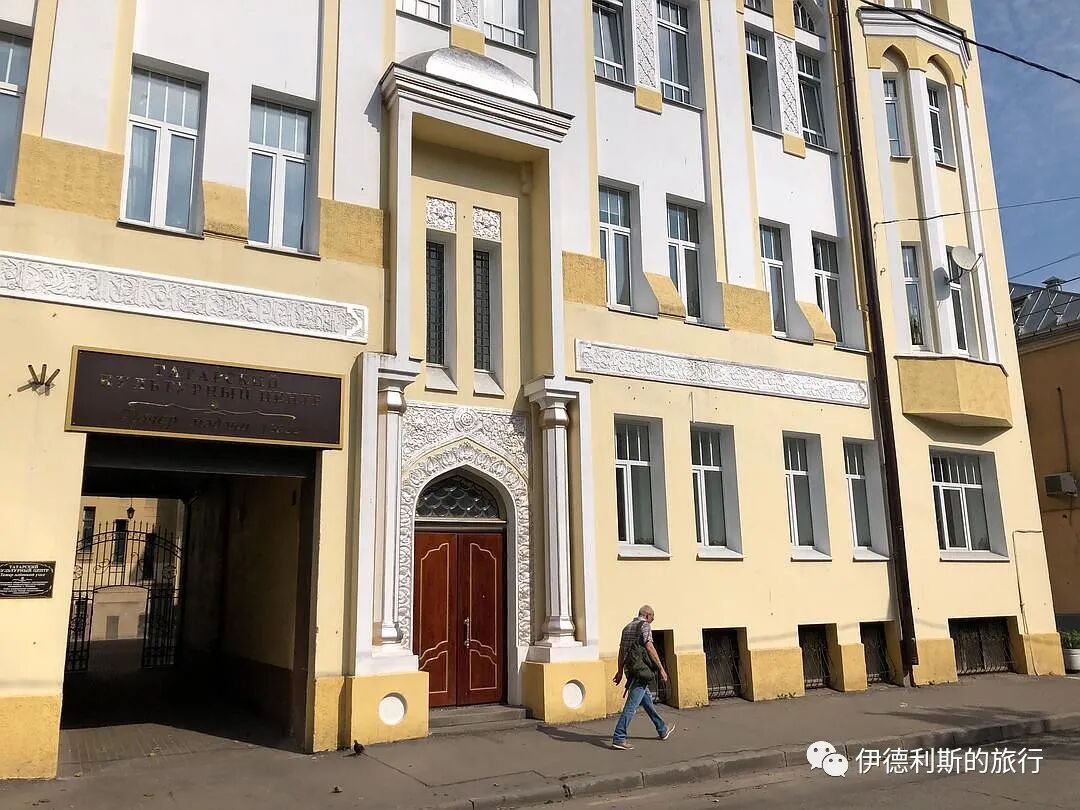
After the 17th century, with the establishment of the Romanov dynasty, Moscow gradually prospered, and many Tatars from the Volga River and steppe regions came to do business. The Tatar community (Tatarskaya sloboda) was formally formed south of the Moskva River, opposite the Kremlin. The community's main street, Tatarskaya Street, was first mentioned in documents in 1682.
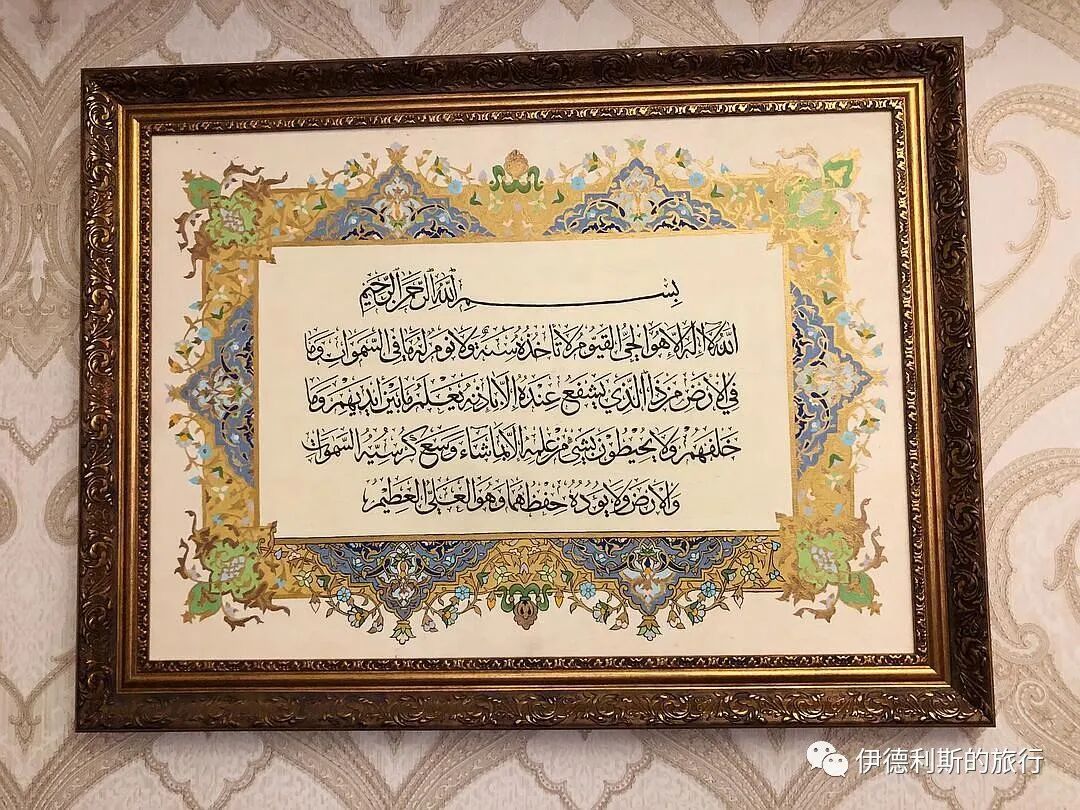
The historic Tatar community has a Tatar restaurant called Kazan Tea Bar, which is also the center for Tatar cultural activities in Moscow, frequently organizing various Tatar cultural events.
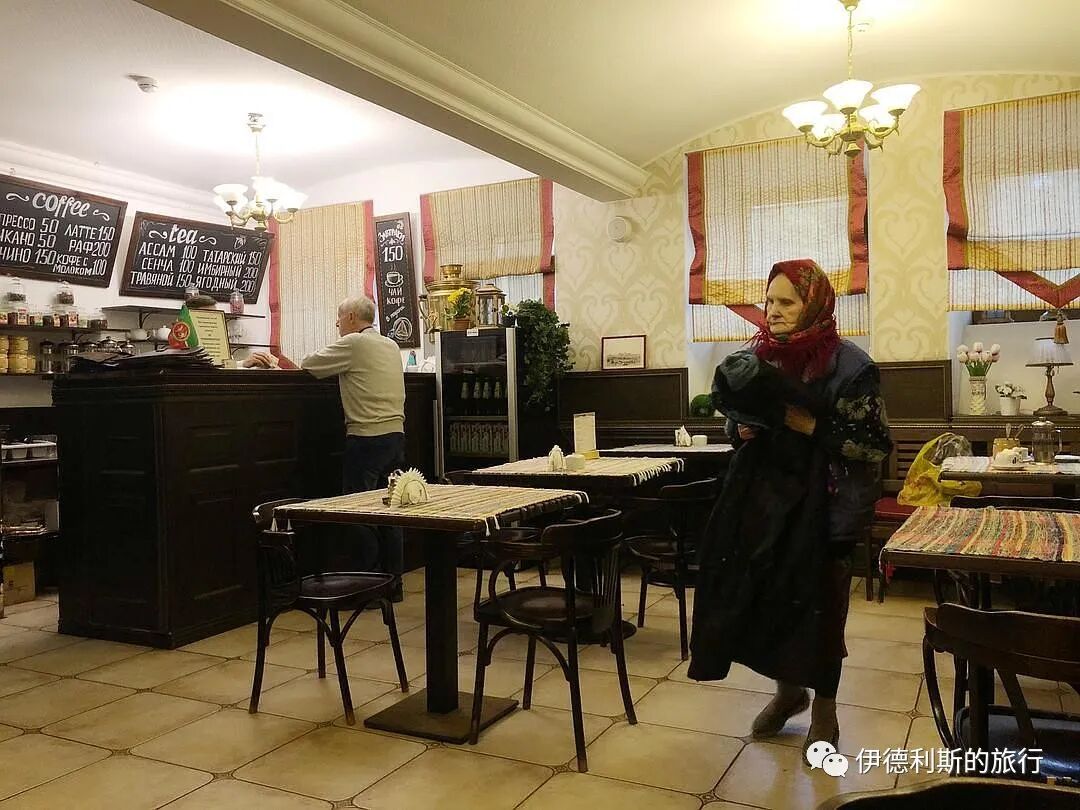
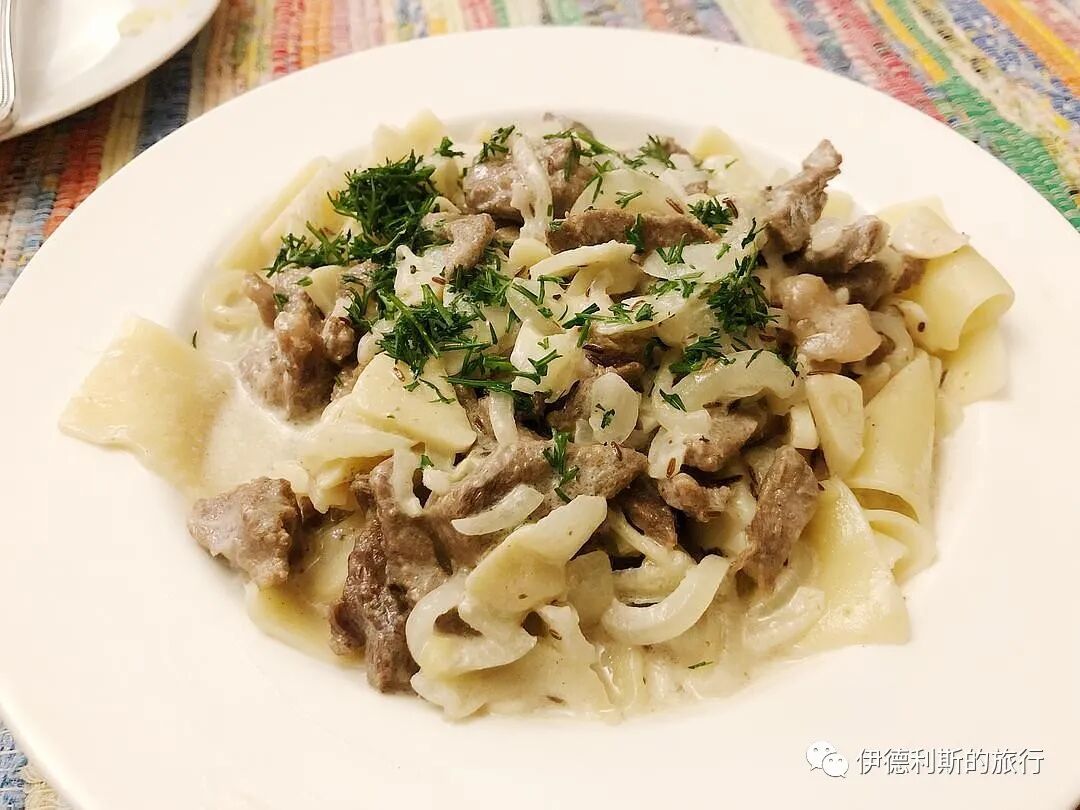
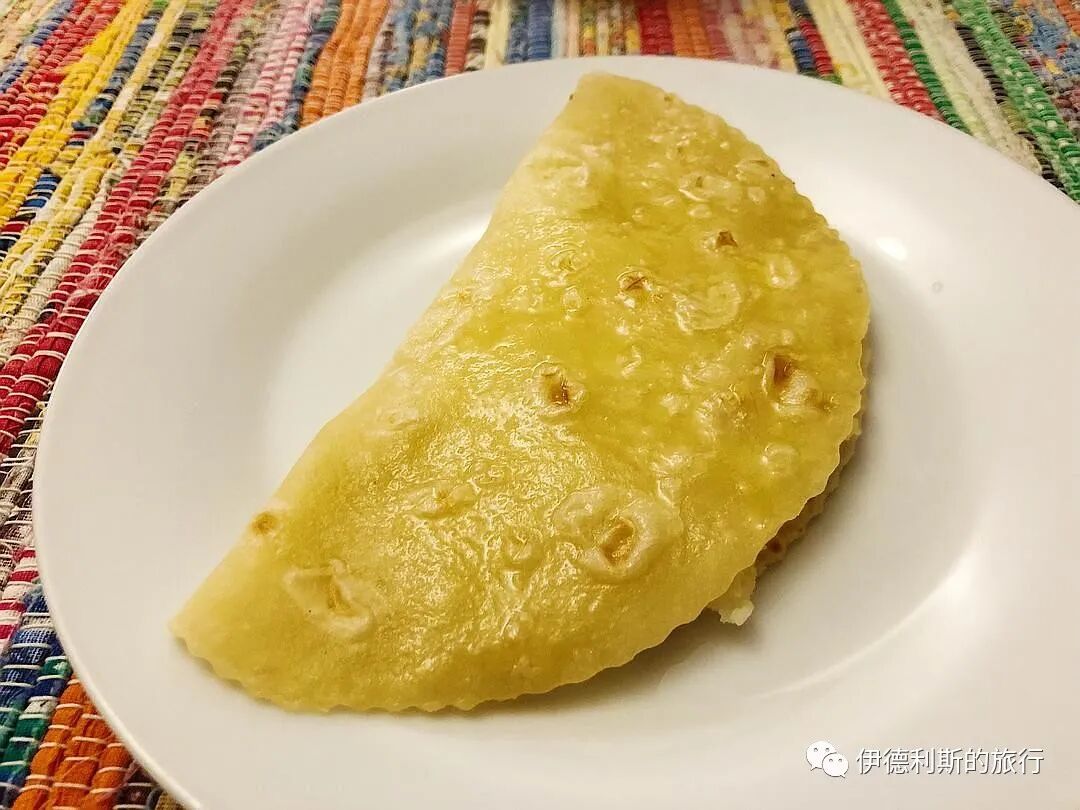
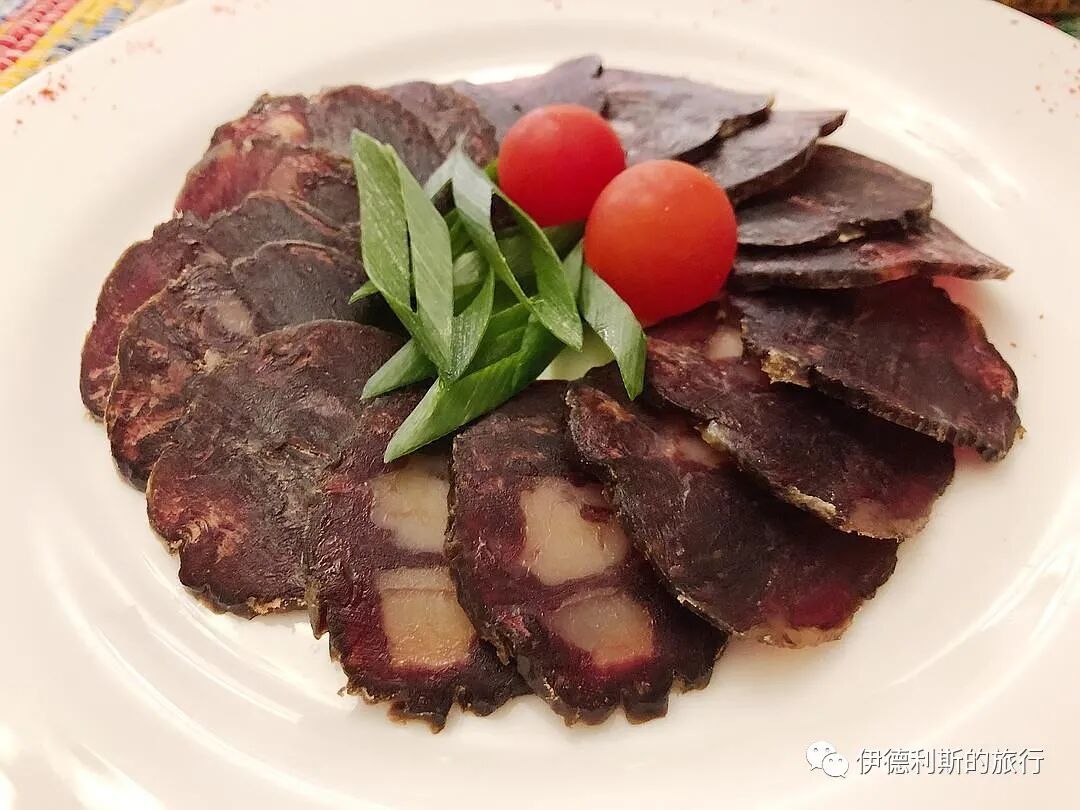
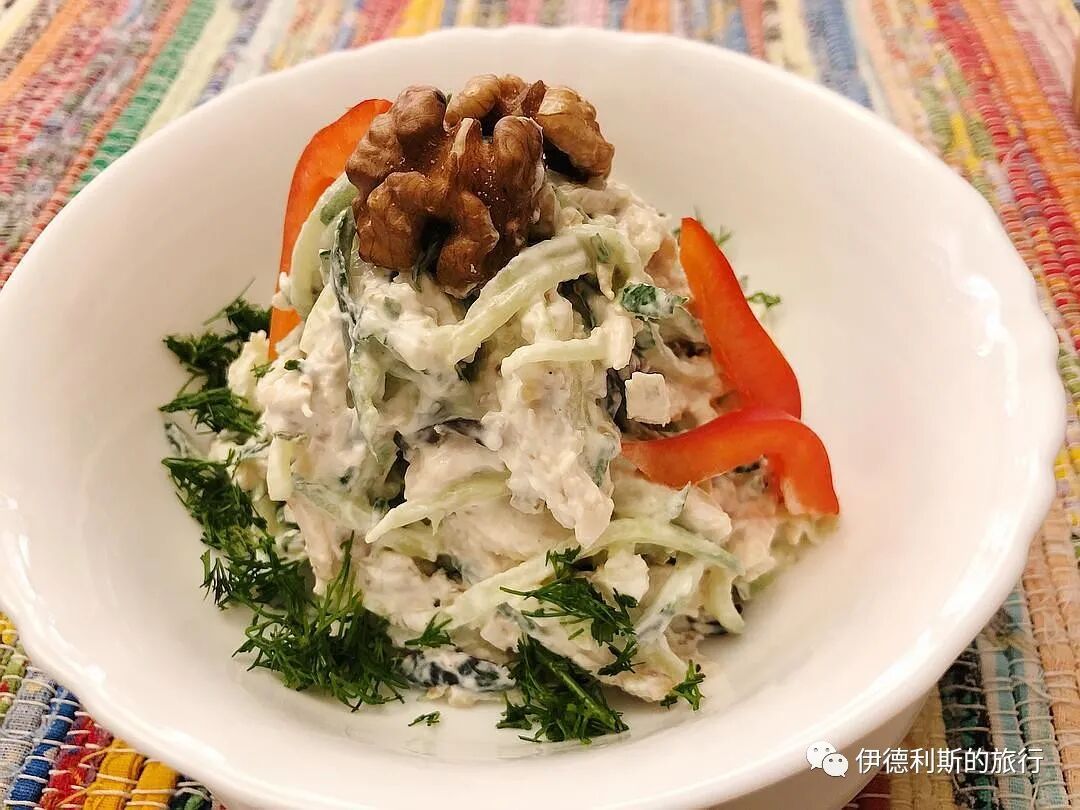
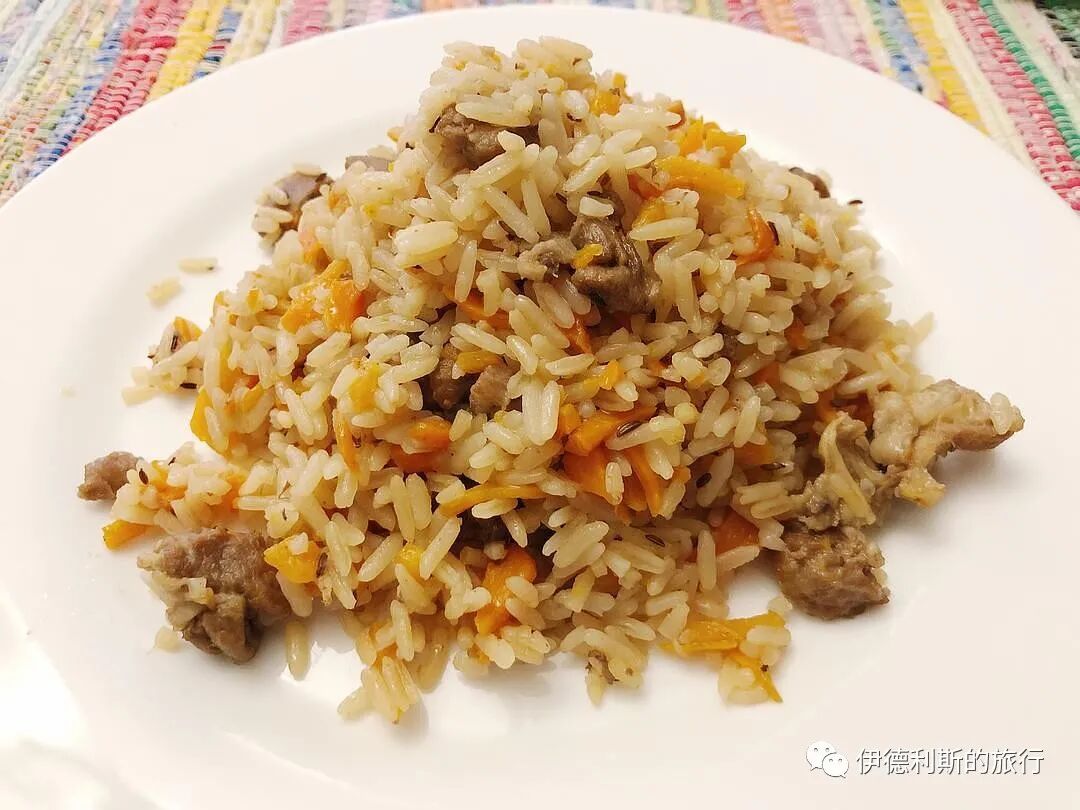
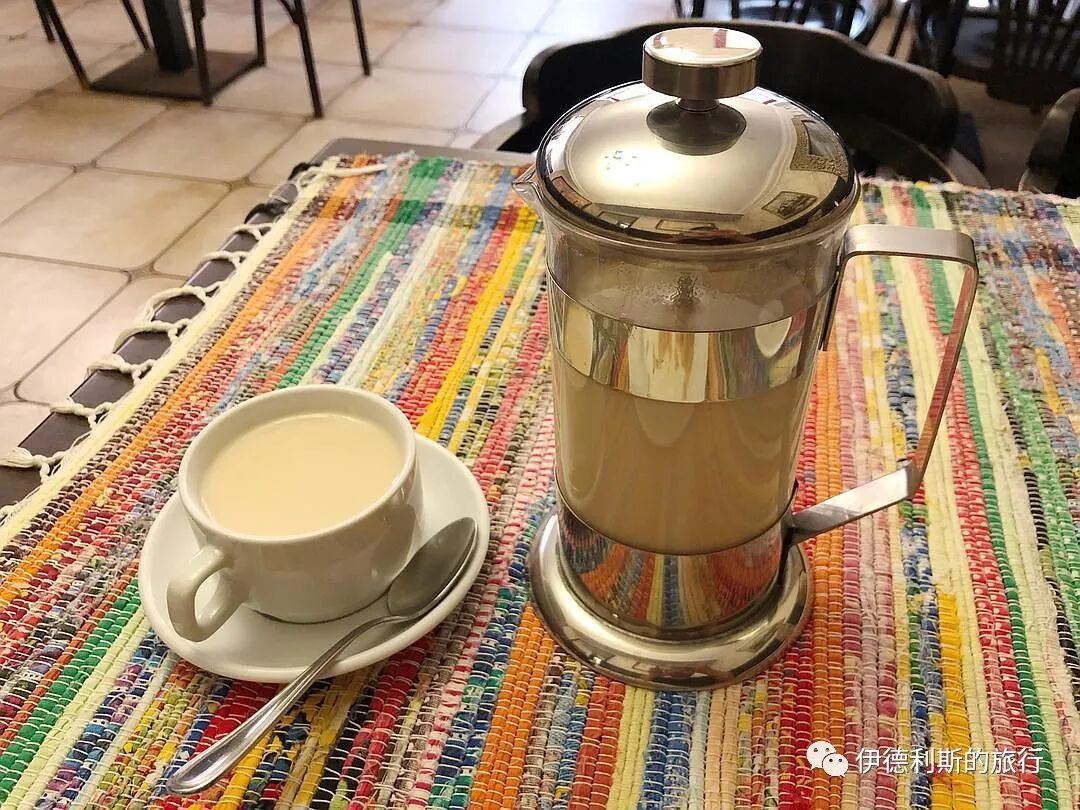
Inside, I ate Beshbarmak (five-finger stew), Kystyby (flatbread with filling), the Tatar version of horse sausage Kazy, pilaf, Kazan chicken salad, and Tatar milk tea. Tatar milk tea is made of black tea + green tea + thyme + linden leaves + chamomile flowers + oregano leaves + mint leaves + sage.
2. Crimean Tatars on the Crimean Peninsula
In the summer of 2019, I went to an ancient city in the mountains of the Crimean Peninsula—Bakhchysarai. Bakhchysarai was founded by the Crimean Tatars and became the capital of the Crimean Khanate in 1532. Although it became an ordinary town after Russia occupied the Crimean Khanate in 1783, it remains the cultural center of the Crimean Tatars, preserving their unique culture and customs.
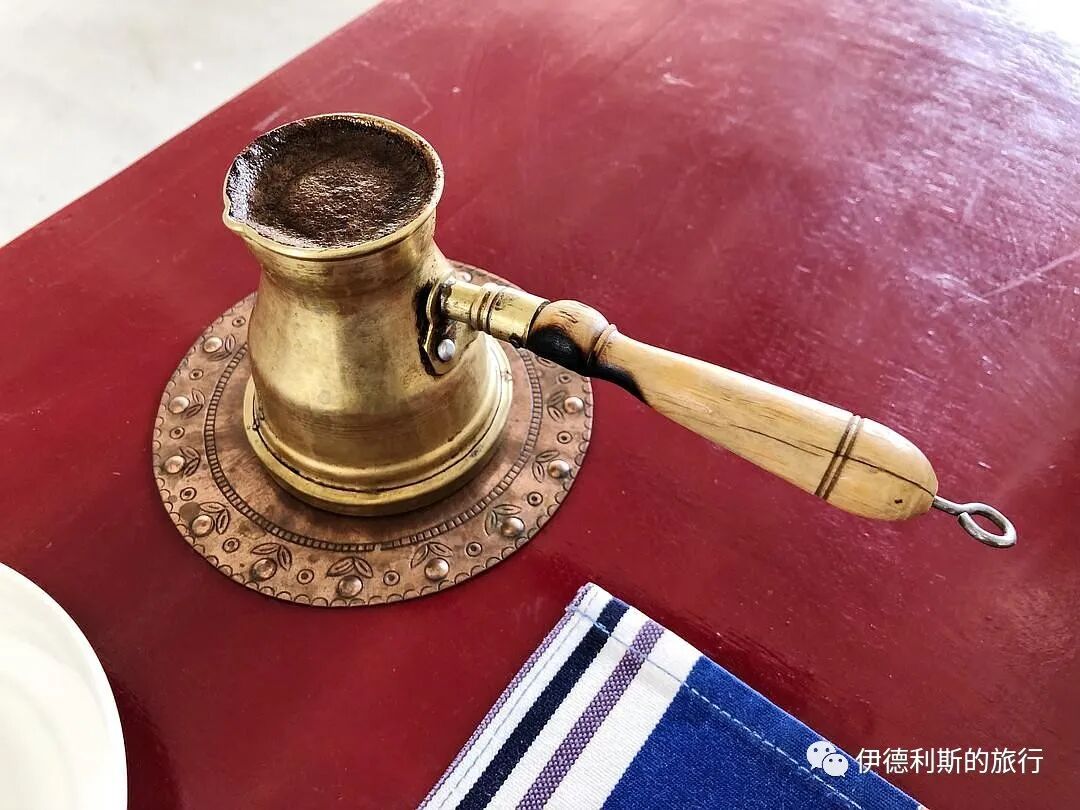
The dietary culture of the Crimean Tatars is closely related to their history. Because the Crimean Khanate was a long-term vassal of the Ottoman Empire, it possesses many Ottoman-related foods, such as Turkish coffee, Baklava (Turkish dessert), and Dolma (stuffed grape leaves). After being exiled to Uzbekistan in 1944, a large amount of Uzbek cuisine was added to the Crimean Tatar diet, including pilaf, lagman (pulled noodles), samsa (baked buns), manti (steamed buns), and naan. In addition, the Crimean Tatars also have some unique delicacies, one of which is Chebureki (fried meat turnover), known as a Crimean Tatar national delicacy.
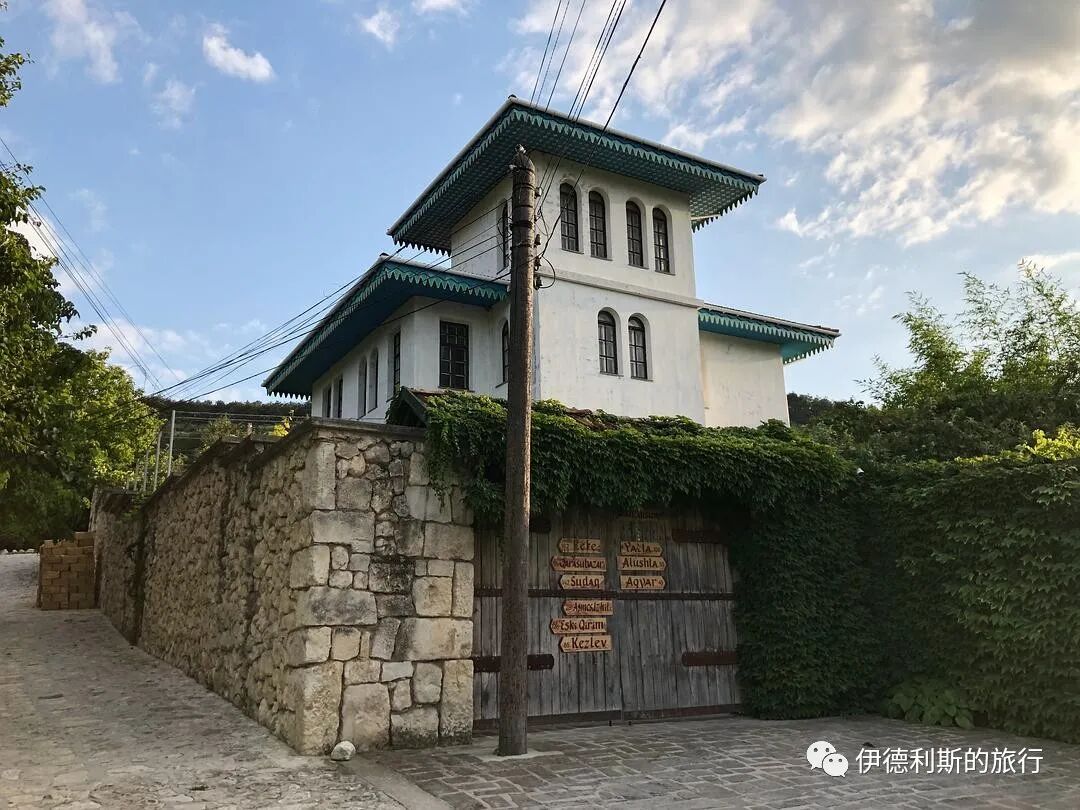
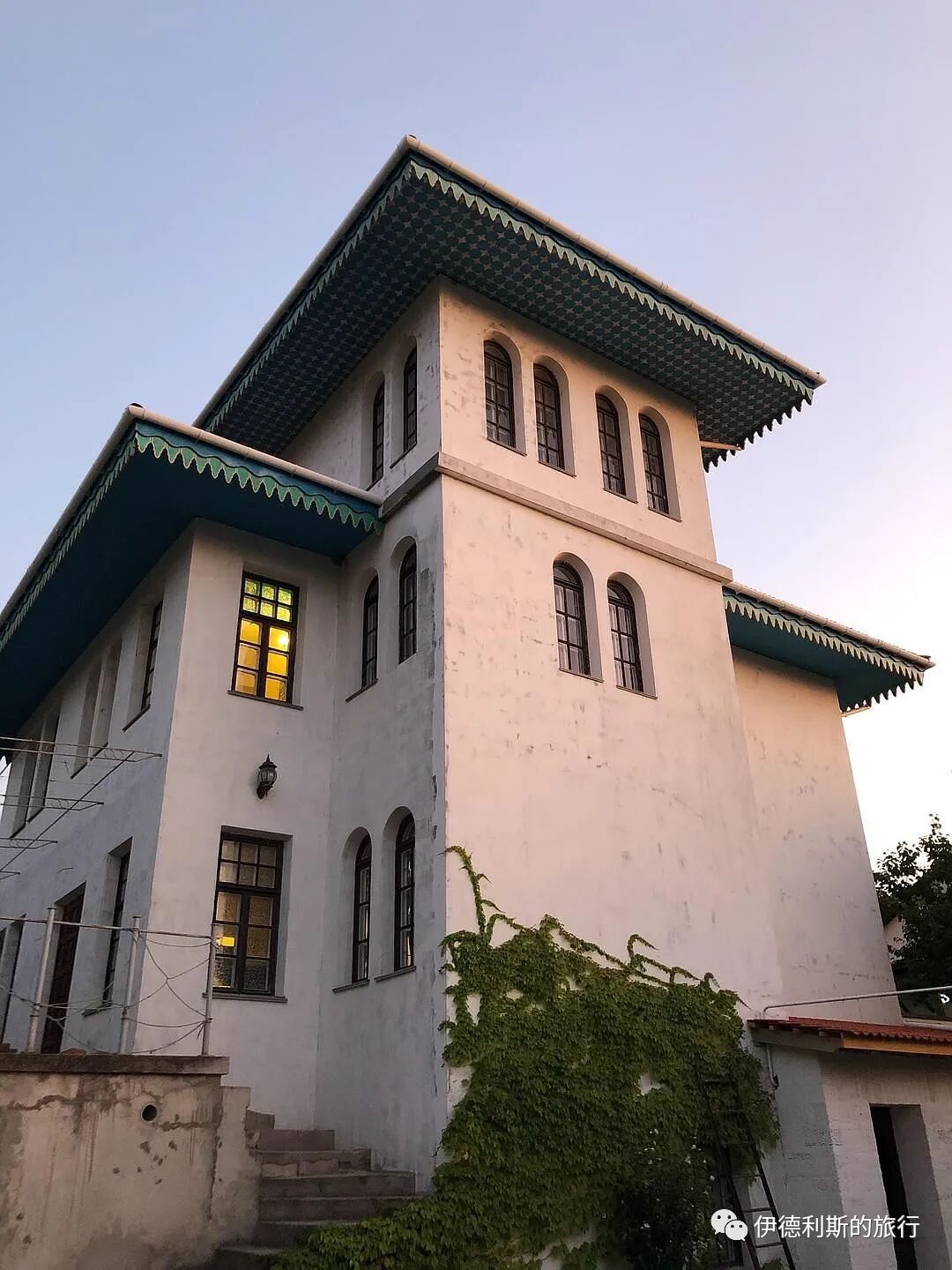
This time I stayed at a very beautiful traditional Crimean Tatar courtyard house, Bahitgul Boutique-Hotel. They serve traditional Crimean Tatar meals, so I basically ate breakfast at my accommodation. Moreover, the view while eating at their place is particularly good, overlooking the entire ancient capital.
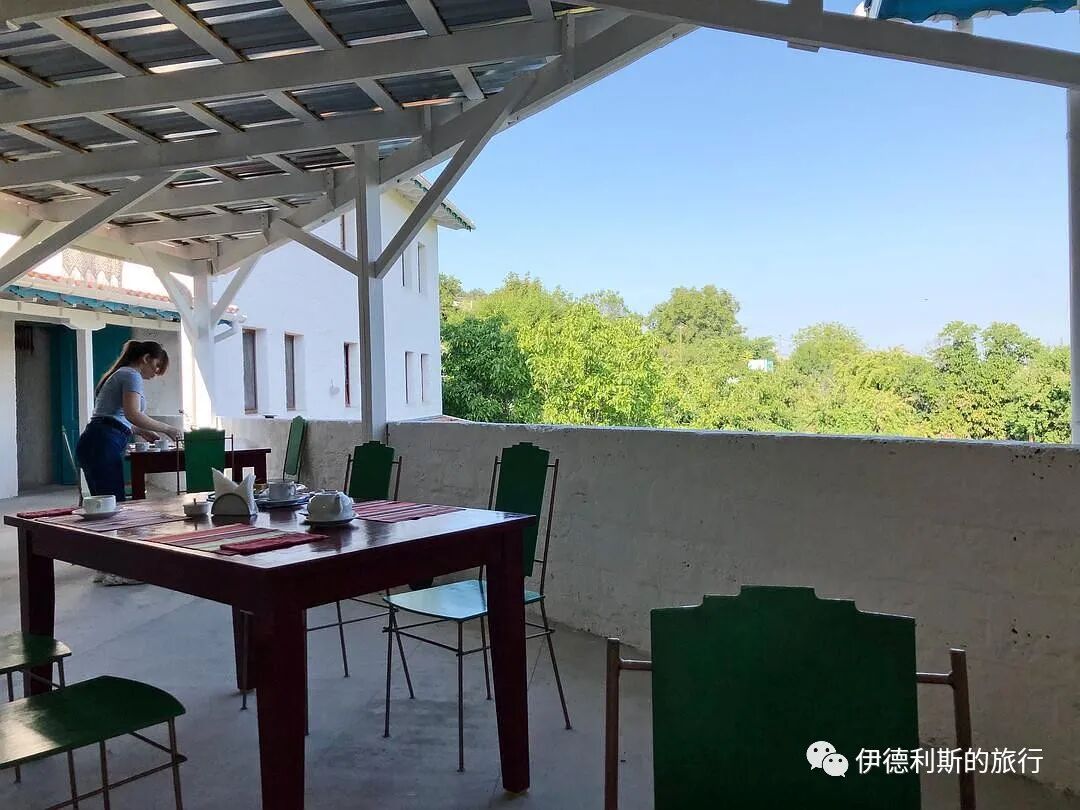
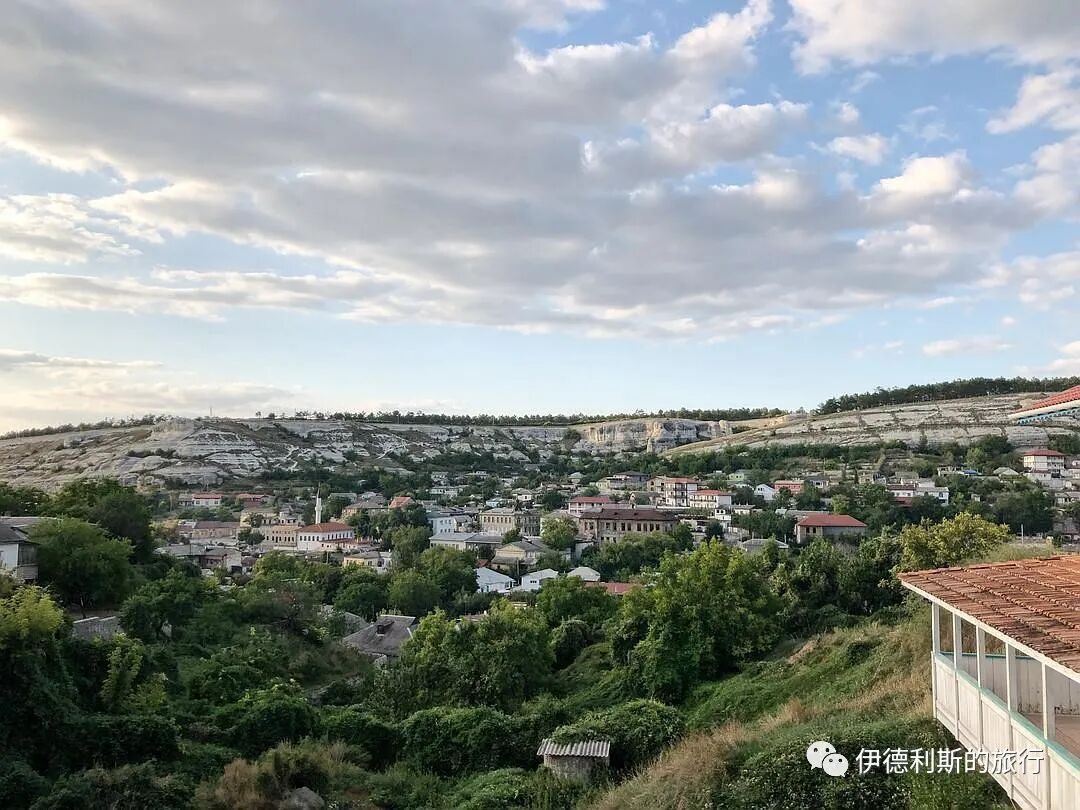
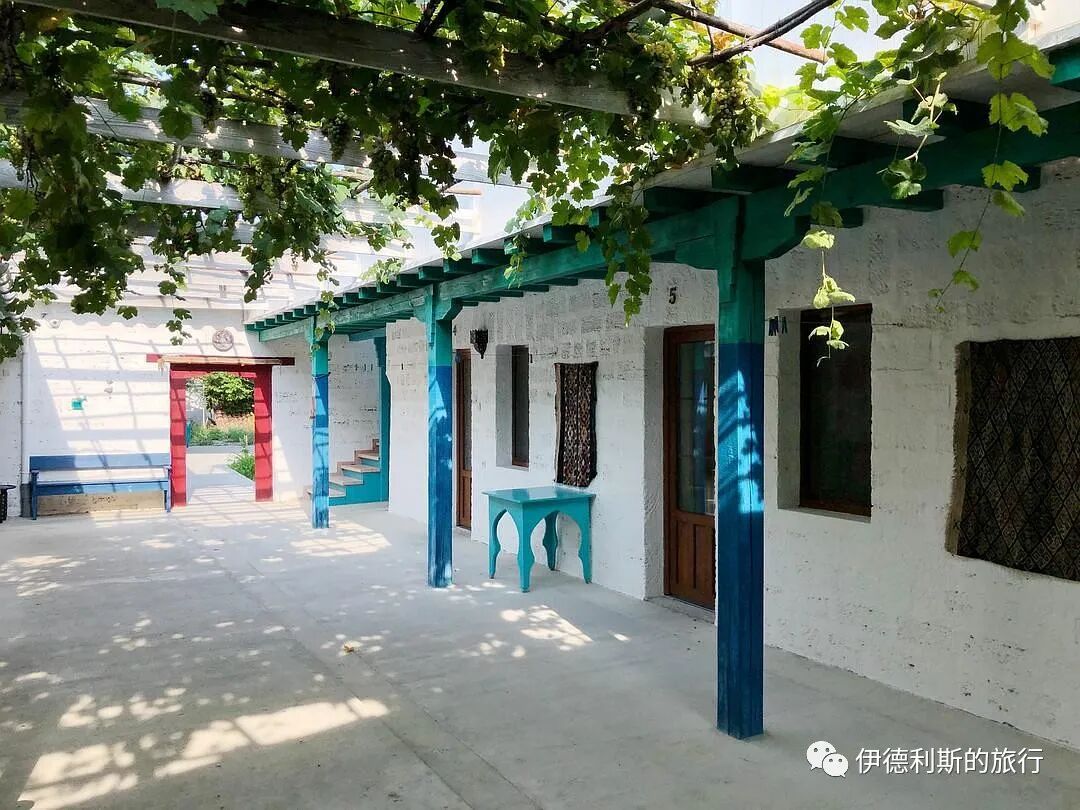
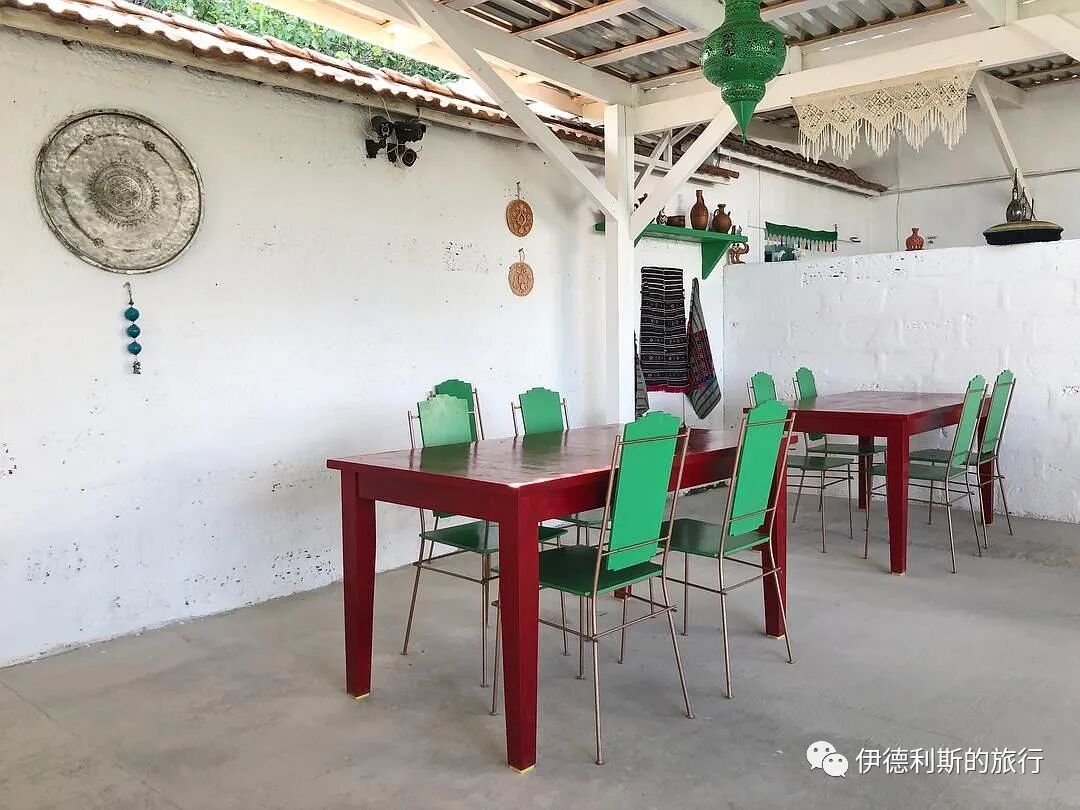
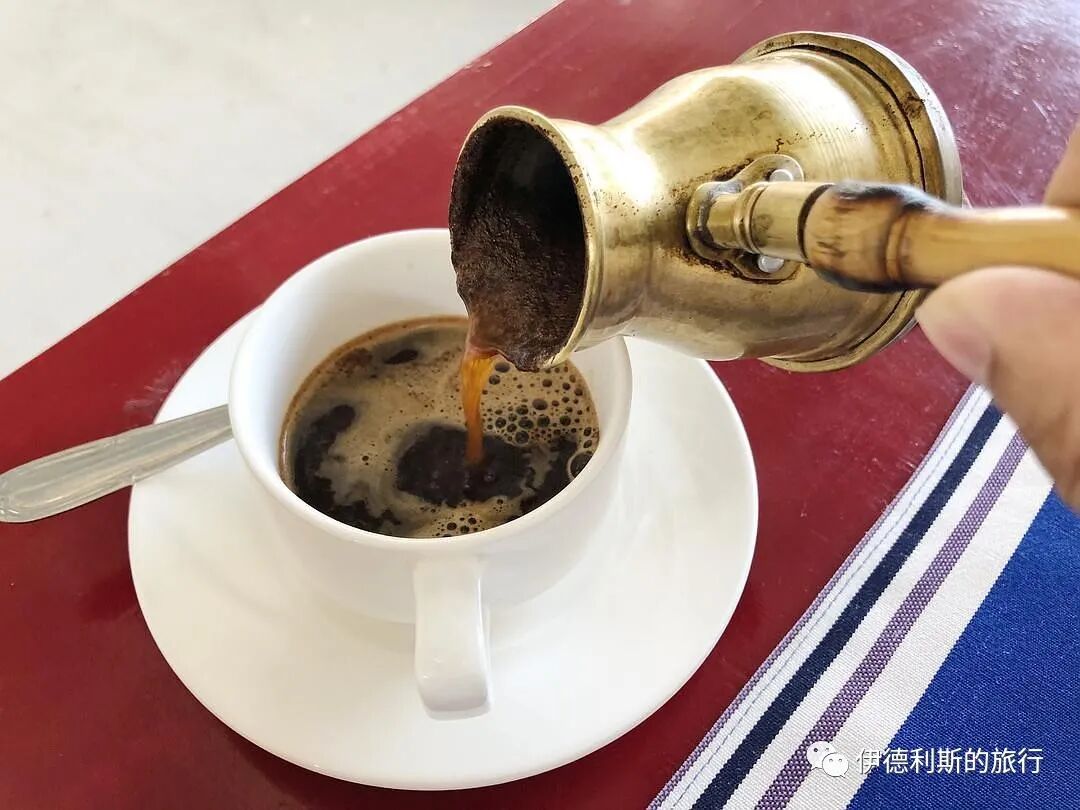
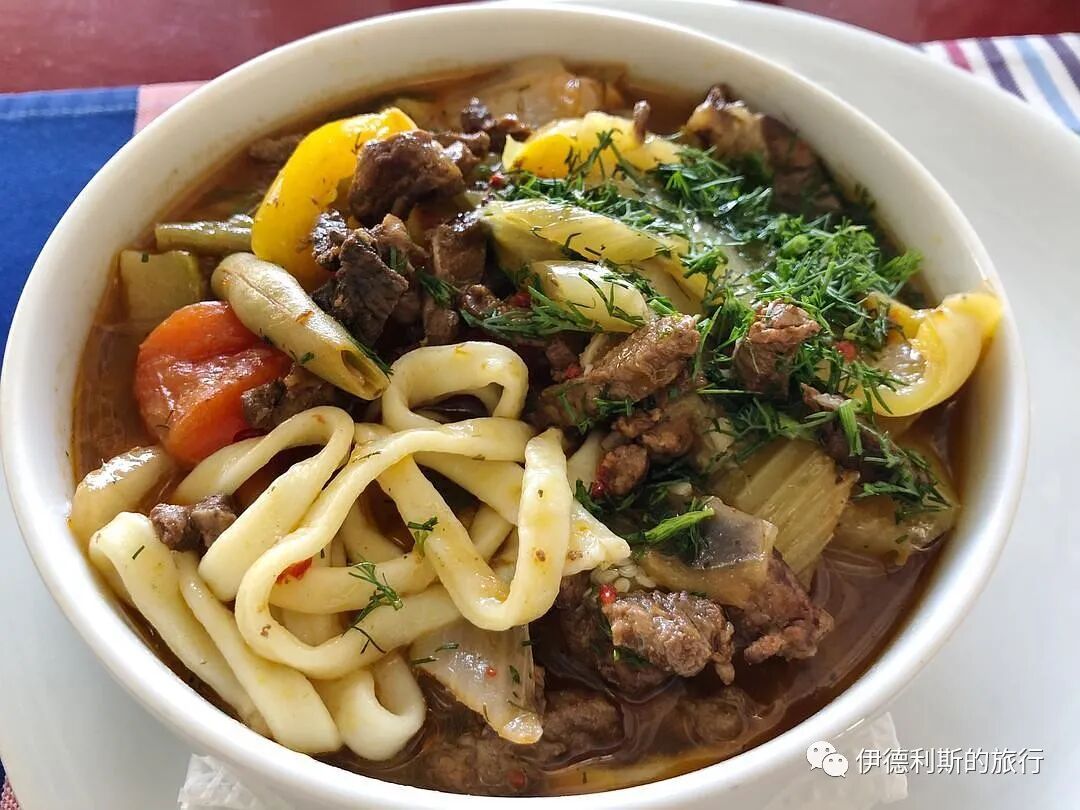
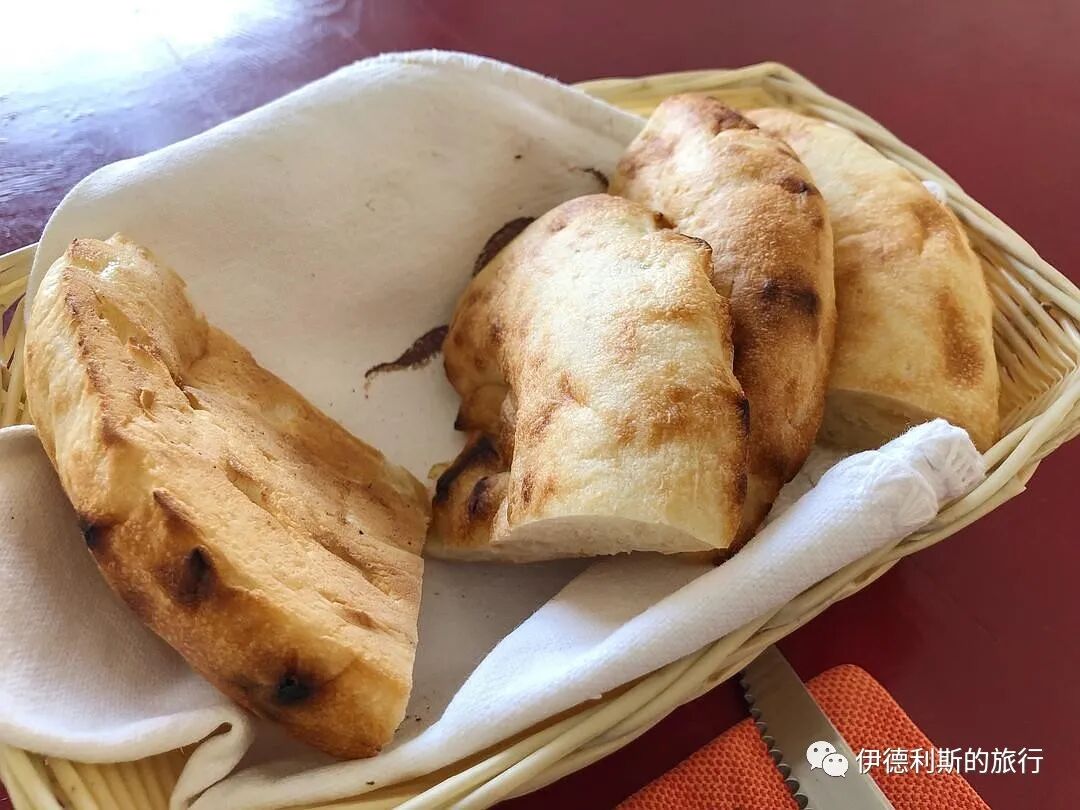
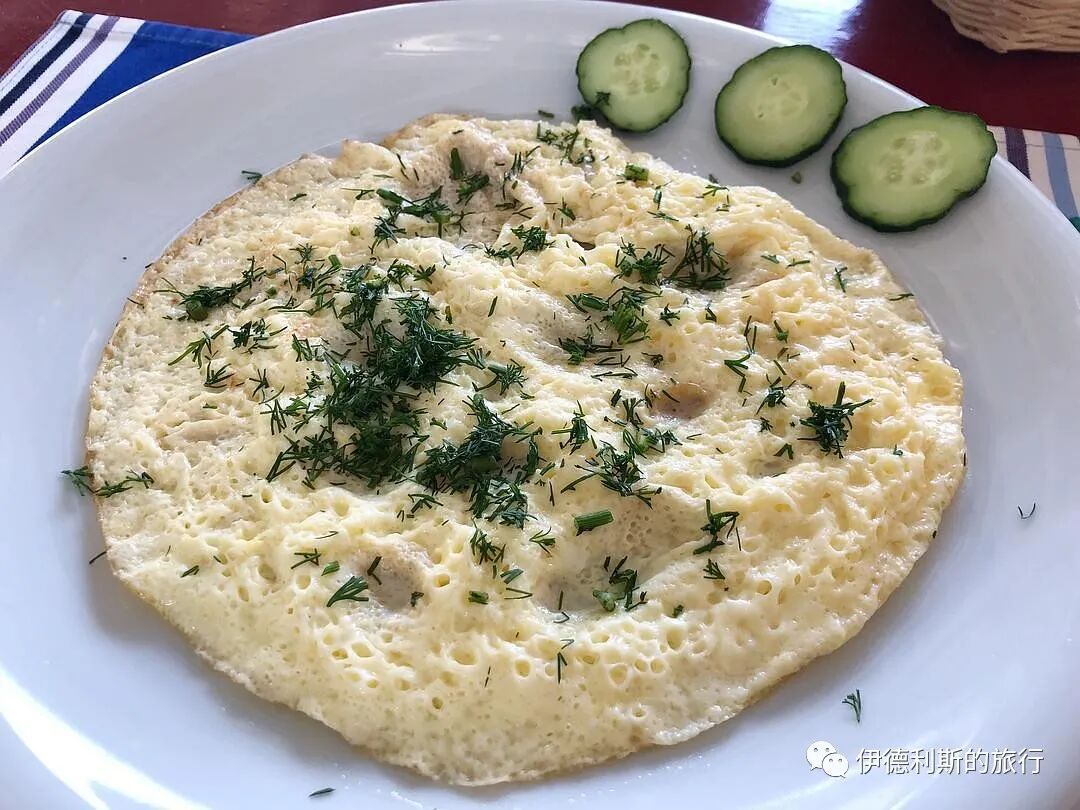
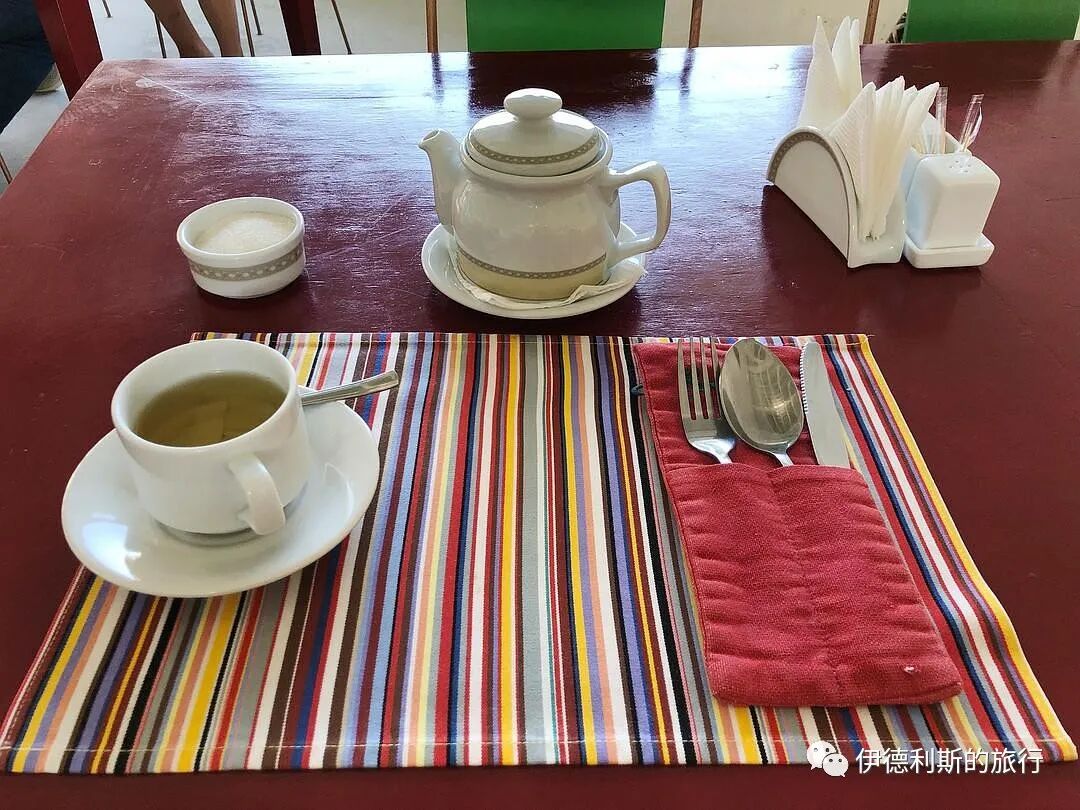
For the first breakfast, I had Lagman (pulled noodles), Omlet (omelet), Lepyoshka (naan), and traditional coffee. The coffee comes from the Ottoman Empire, and the lagman comes from the exile in Uzbekistan.
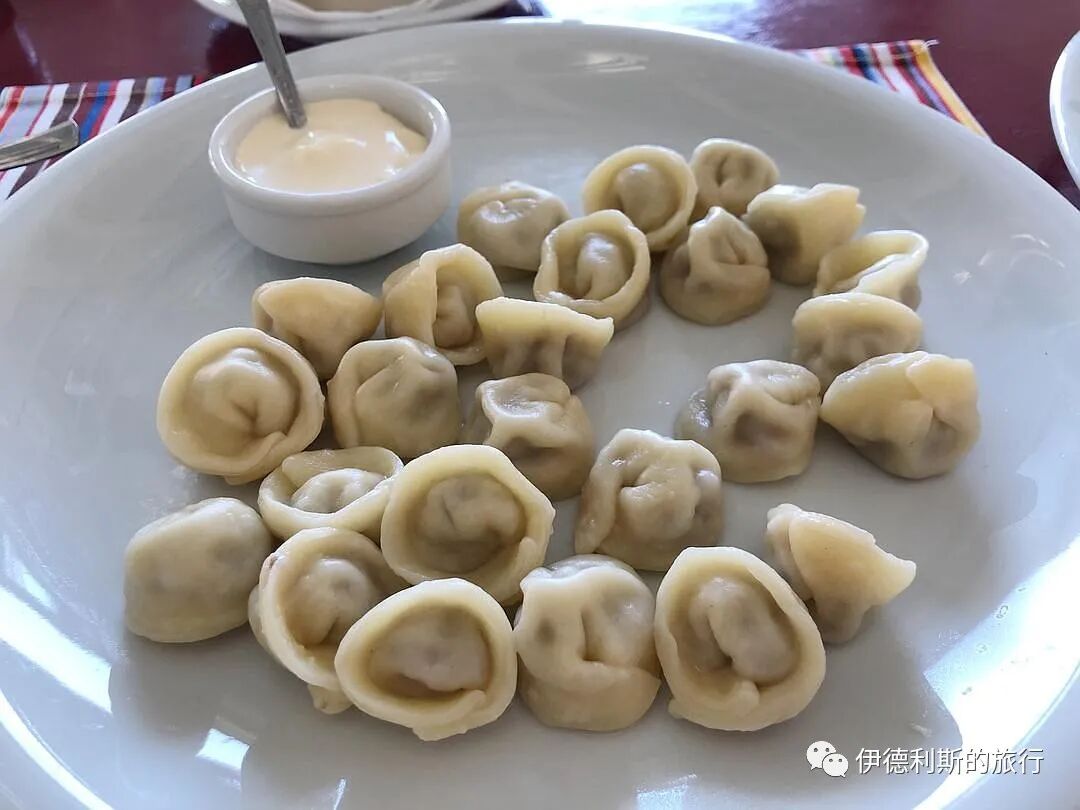
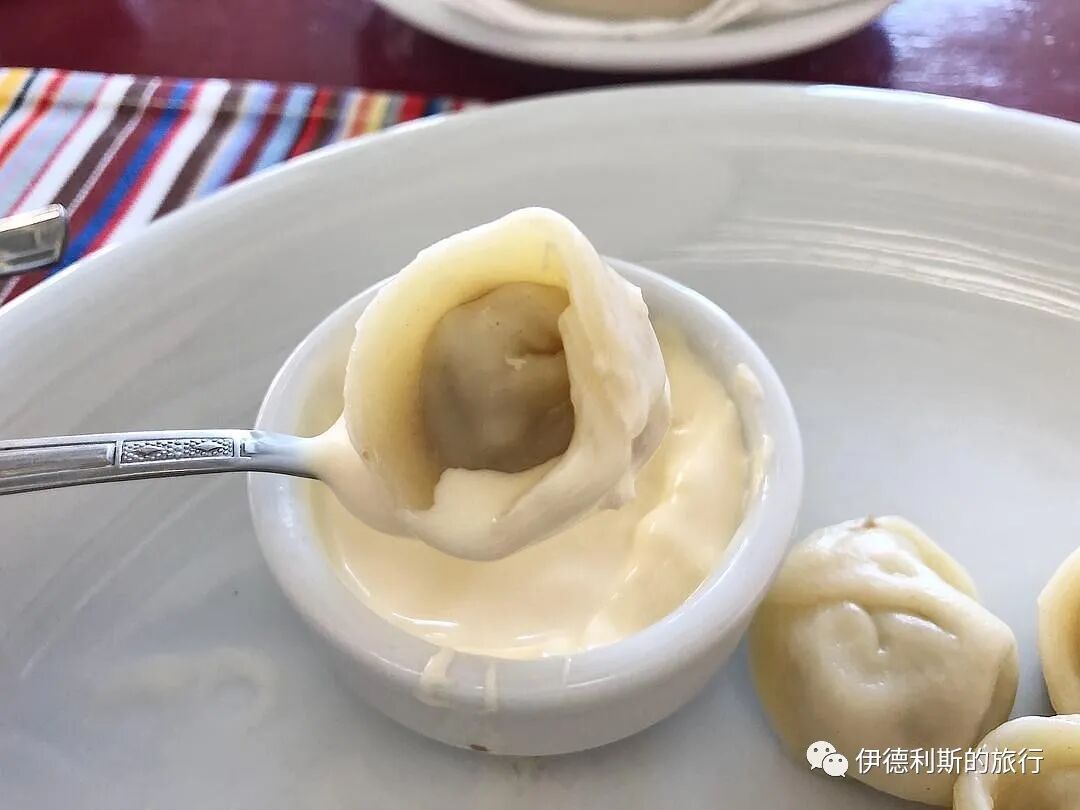
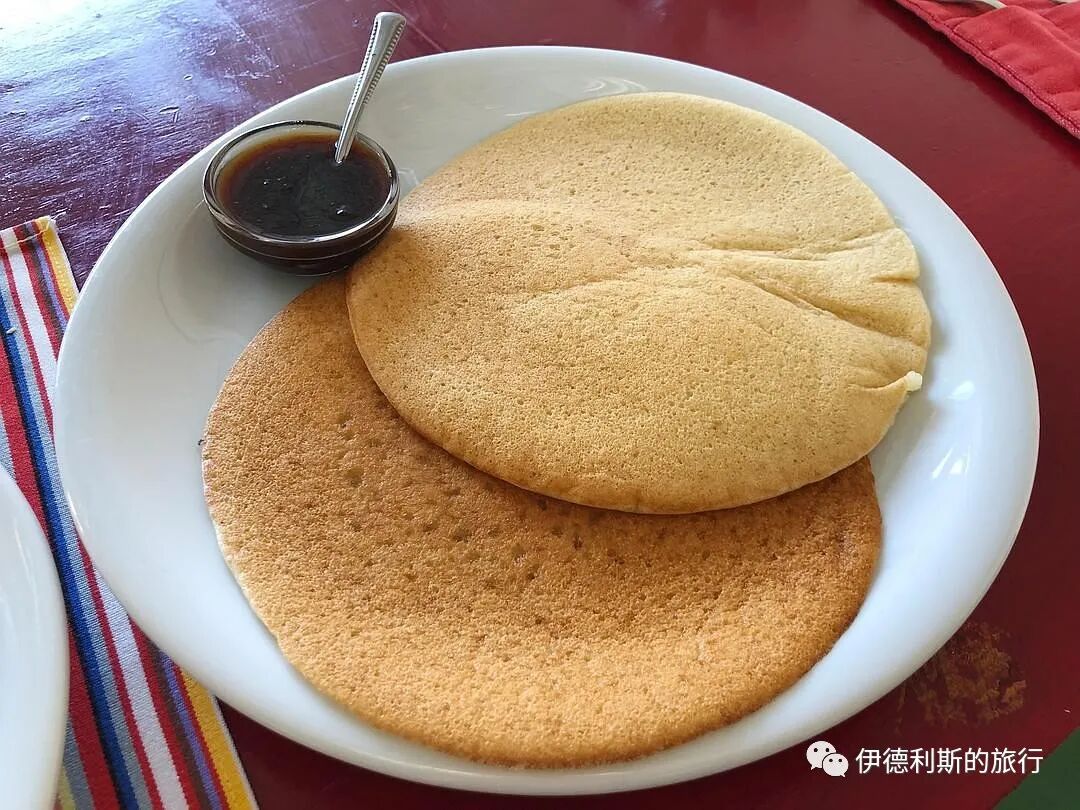
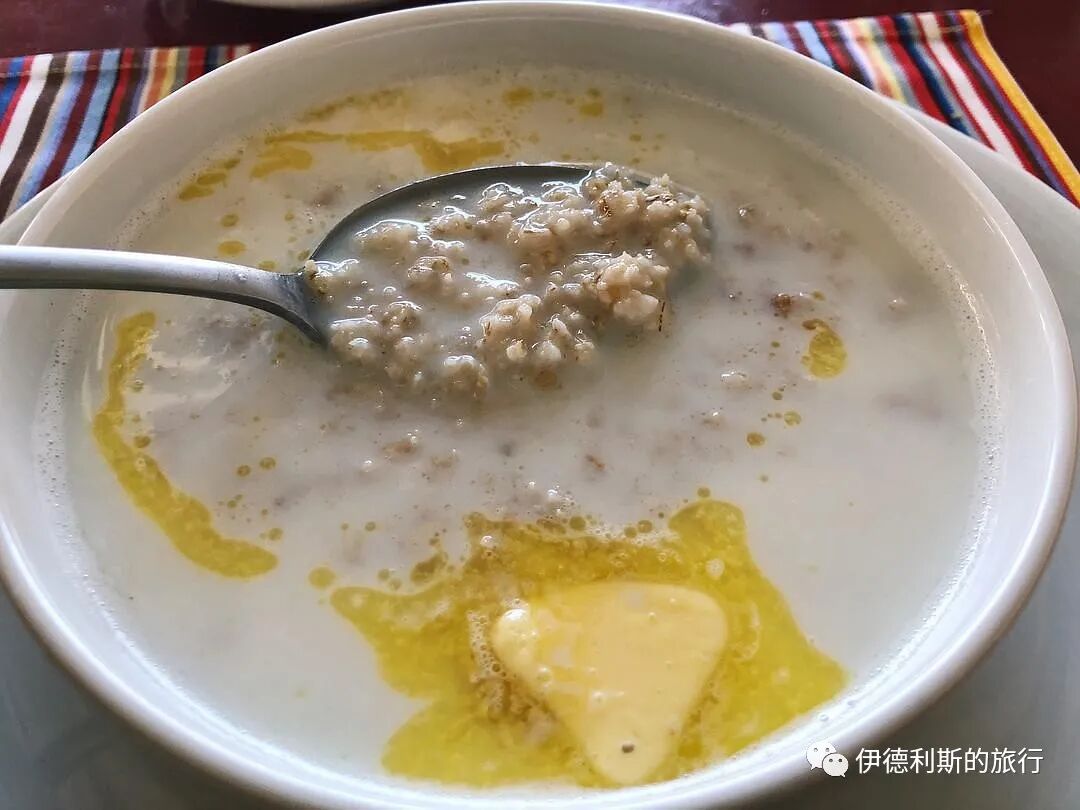
Tatar Ash (small dumplings) dipped in yogurt, Kasha v Assortimente (assorted porridge), and Bliny (thin pancakes) dipped in jam.
3. Gulf Bedouins in Dubai
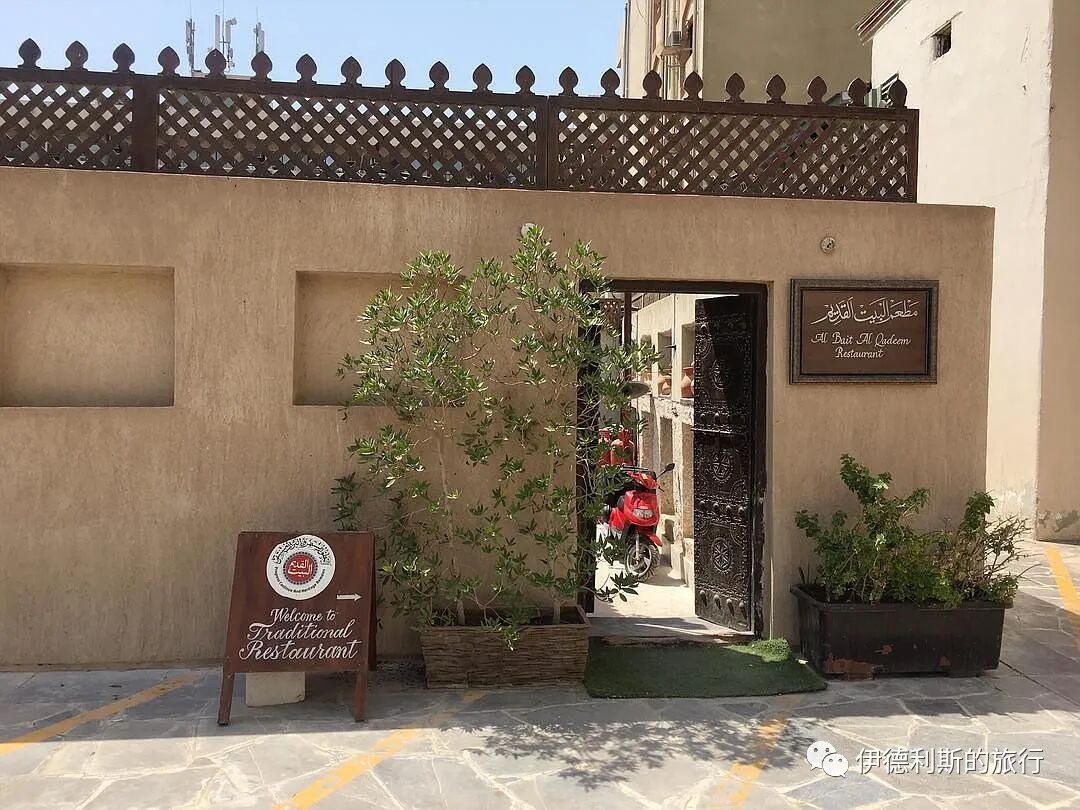
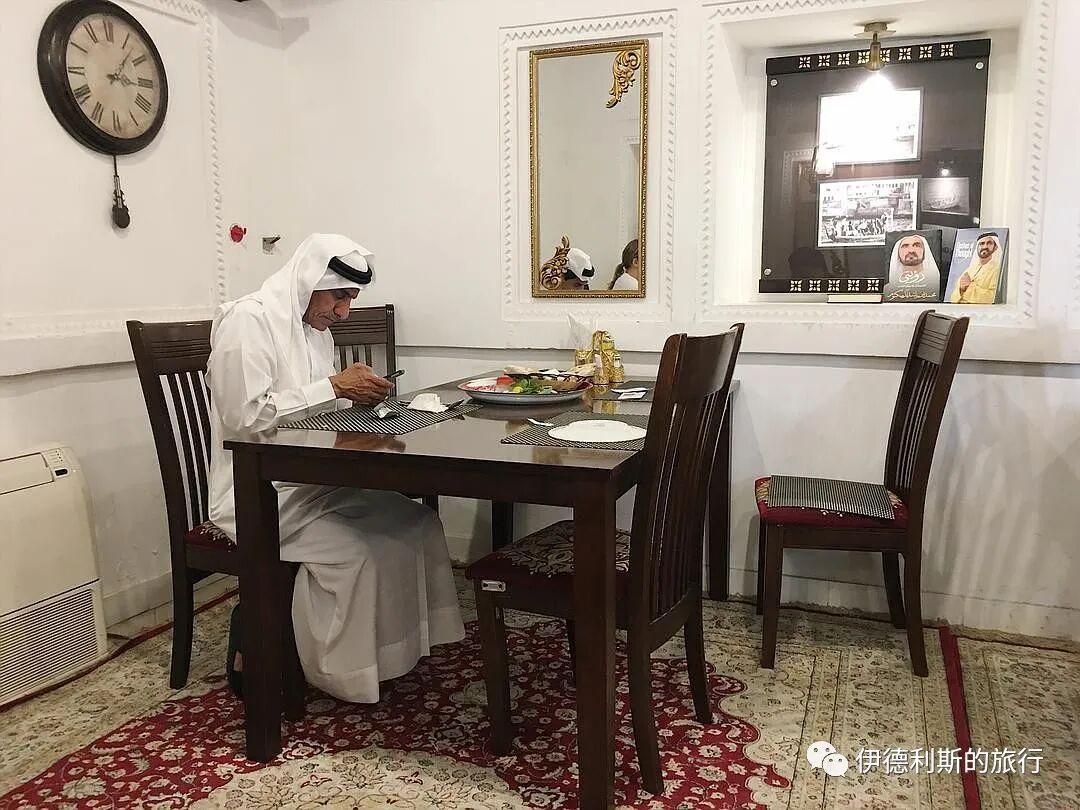
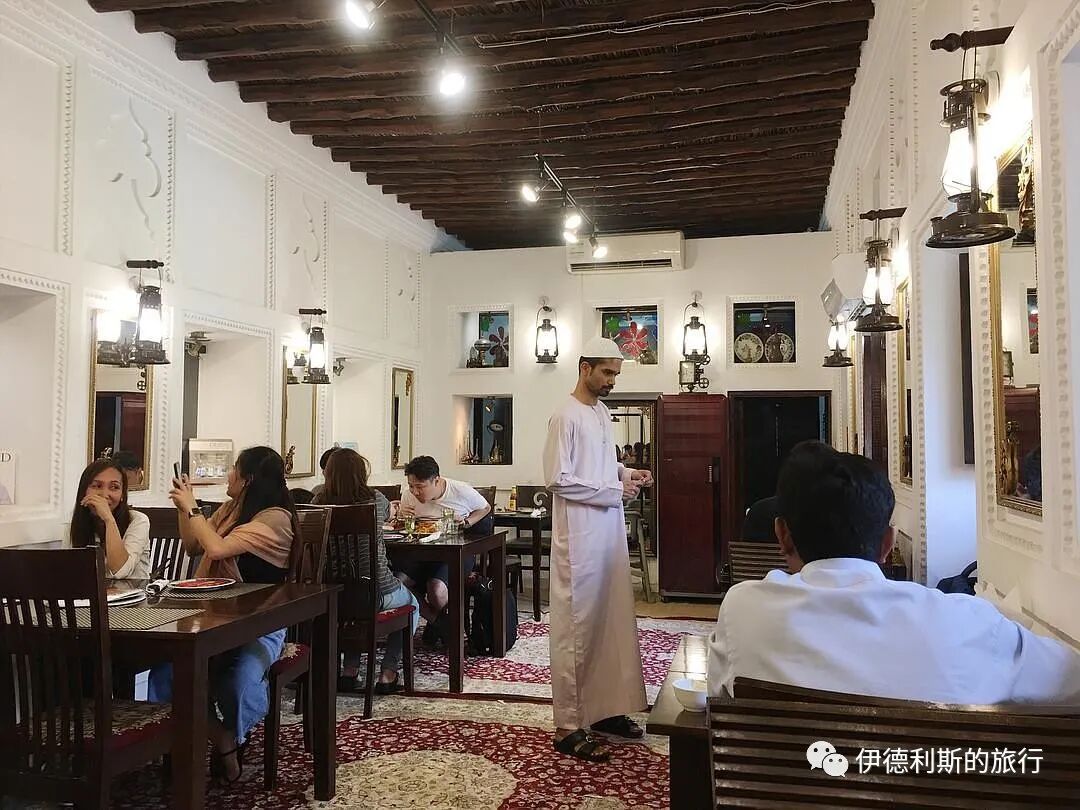
The Al Ras neighborhood in Dubai literally means "cape" or "headland." It is surrounded by Dubai Creek on three sides and is the oldest neighborhood in Dubai's Deira area. There is a traditional Gulf Bedouin restaurant in the neighborhood called "Al Bait Alqadeem," which means "the old house" in Arabic. This restaurant is located in a traditional Gulf courtyard house built in 1909. The house was built by pearl boat owner Abdulla Bin Jamaan, who was also a guard for the then-ruler of Dubai. In 1954, Abdulla Bin Jamaan became the first mayor of Dubai.
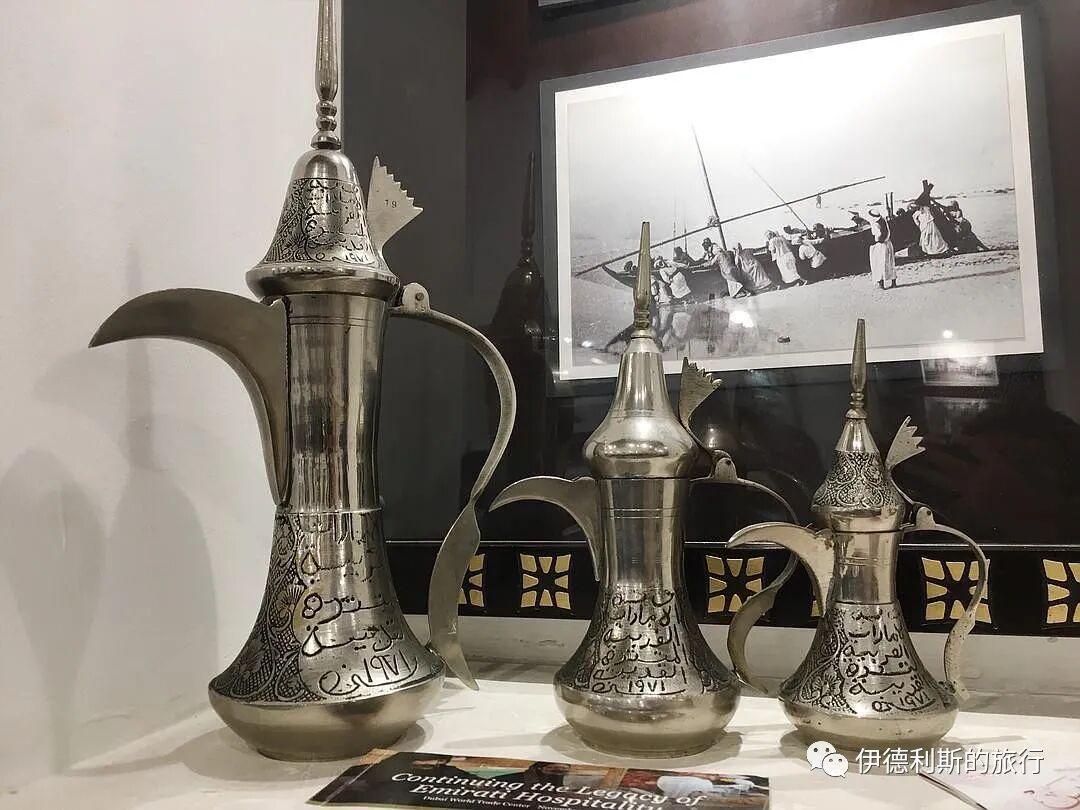
The freshly baked bread is particularly crispy and tastes great, and these large enamel plates also have a special feel.
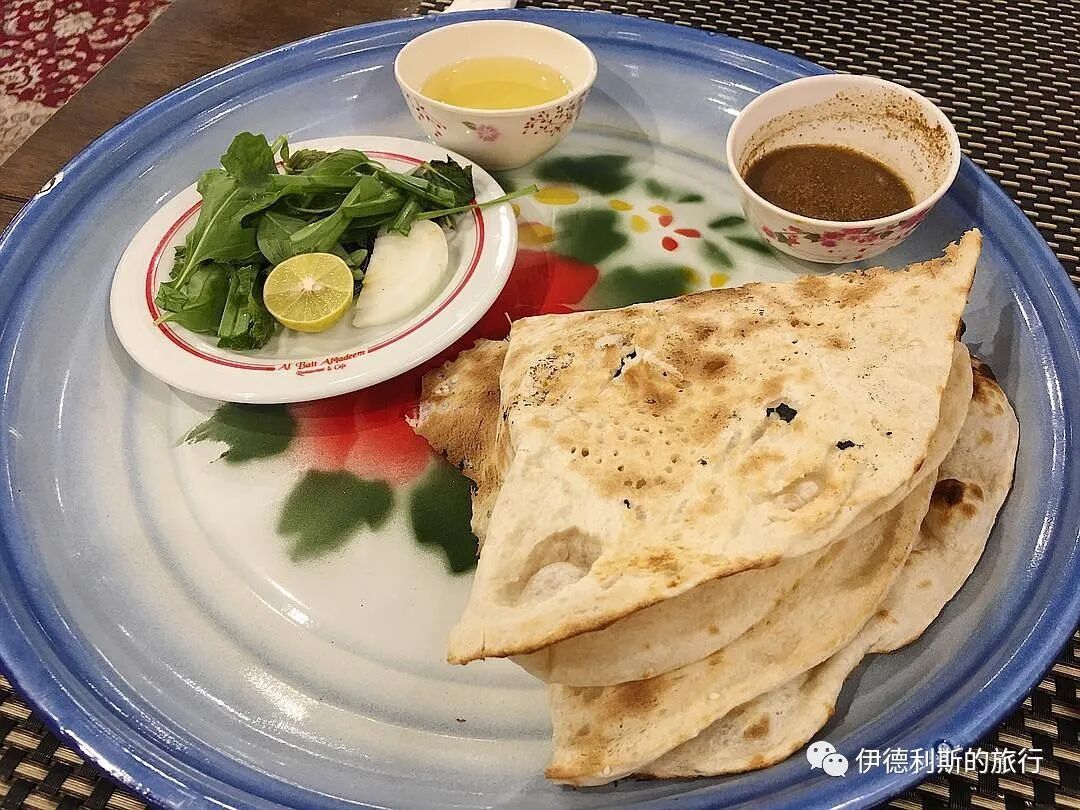
The grilled fish is recommended by the chef and is also excellent.
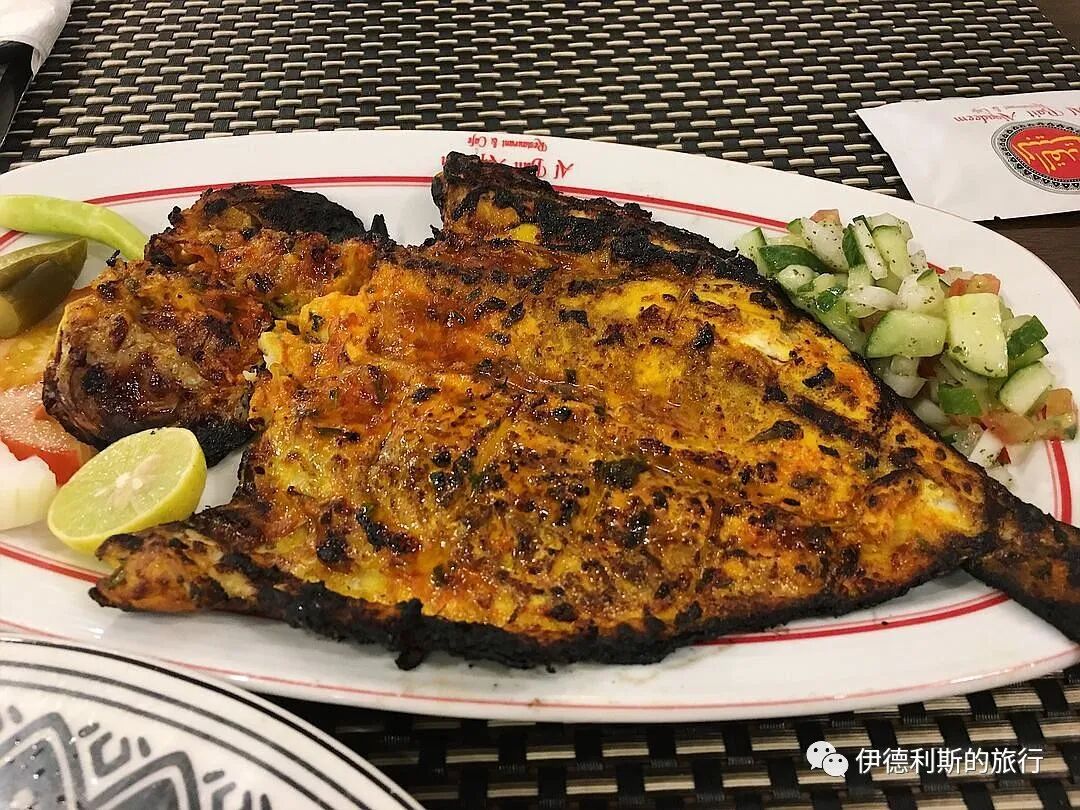
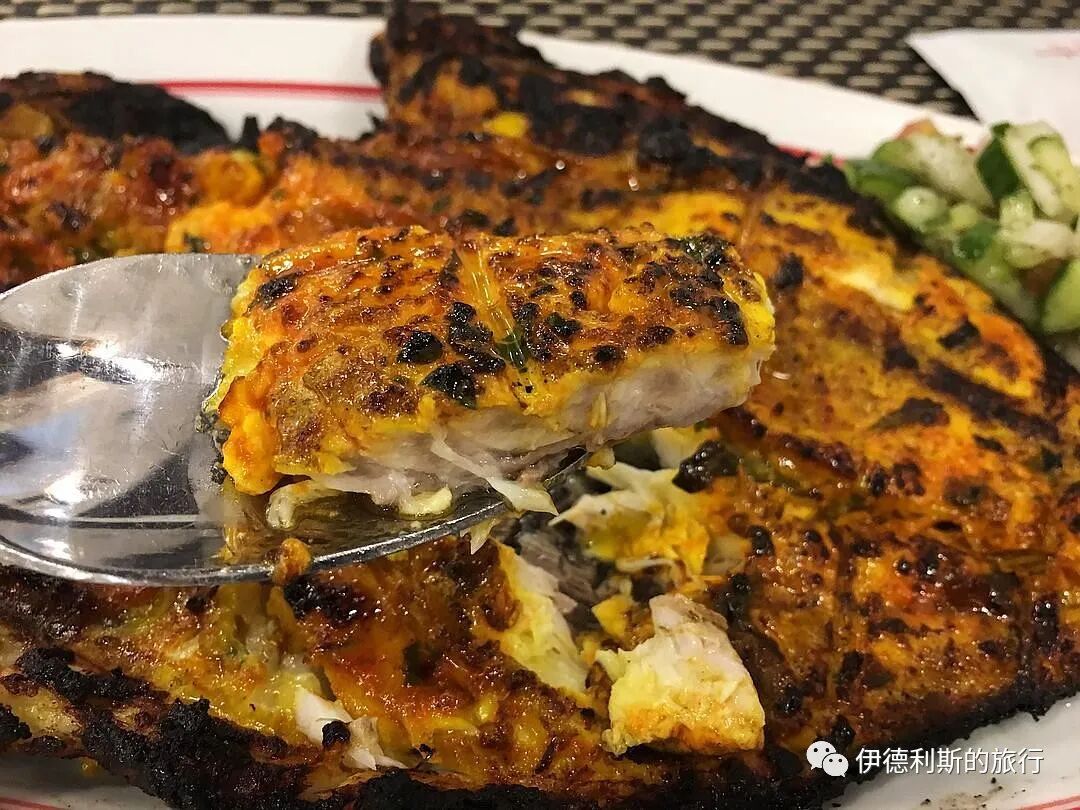
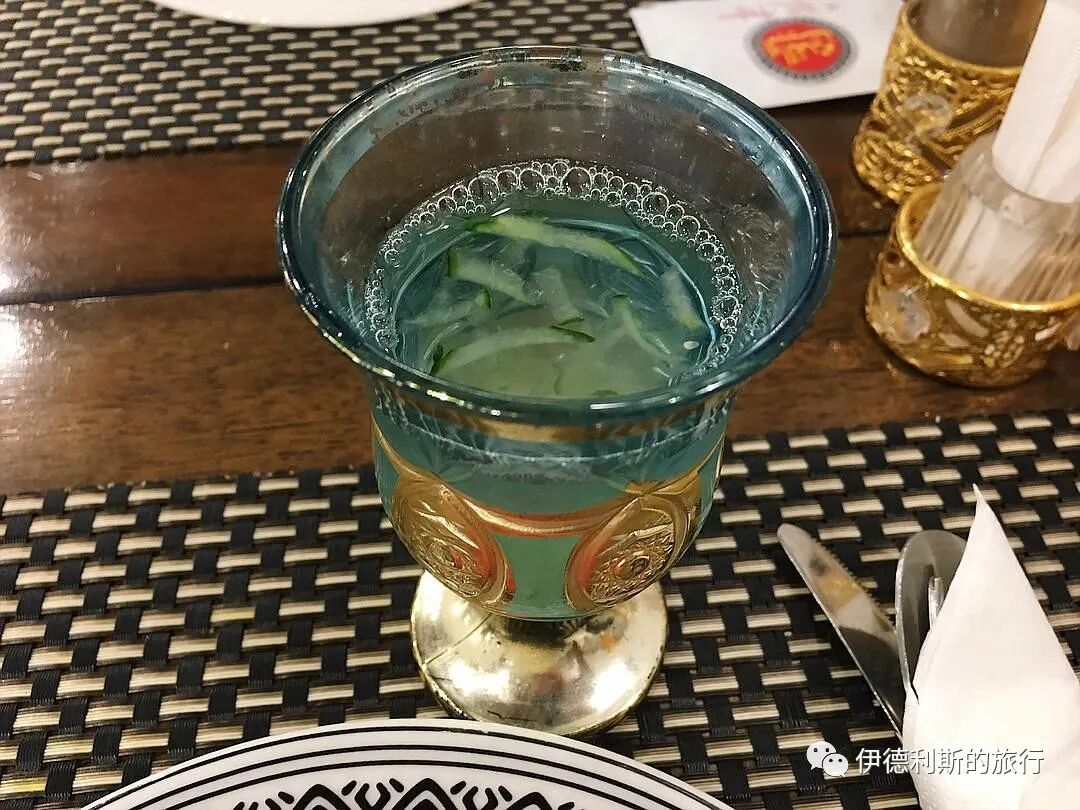
I also drank cucumber honey water, which I liked very much.
4. The Cham people in Ho Chi Minh City, Vietnam
The Chams are an Austronesian-speaking people who migrated from Borneo to the Indochinese Peninsula and established Champa in southern Vietnam in 192 AD. Due to the narrow and fragmented land, Champa always focused on developing maritime trade, becoming an important trading port on the Maritime Silk Road during the Song and Yuan dynasties.
After the 12th century, Champa fell into long-term war. After the Champa capital Vijaya was captured by Vietnam in 1471, a large number of Cham people fled to Cambodia for refuge. Before this, in the 14th and 15th centuries, many Malay Muslims had already moved to Cambodia. These Malay Muslims integrated with the Cham people, who also spoke Austronesian languages of the Indonesian branch, through trade, intermarriage, and other means, and the Cambodian Cham people gradually converted to Islam.
After the 18th century, some Cambodian Cham people began to move to the Mekong Delta on the Vietnam-Cambodia border to live. After France occupied Saigon in 1862, because of the relatively loose autonomy policy implemented for the Cham people, more and more Cham people settled in Saigon.
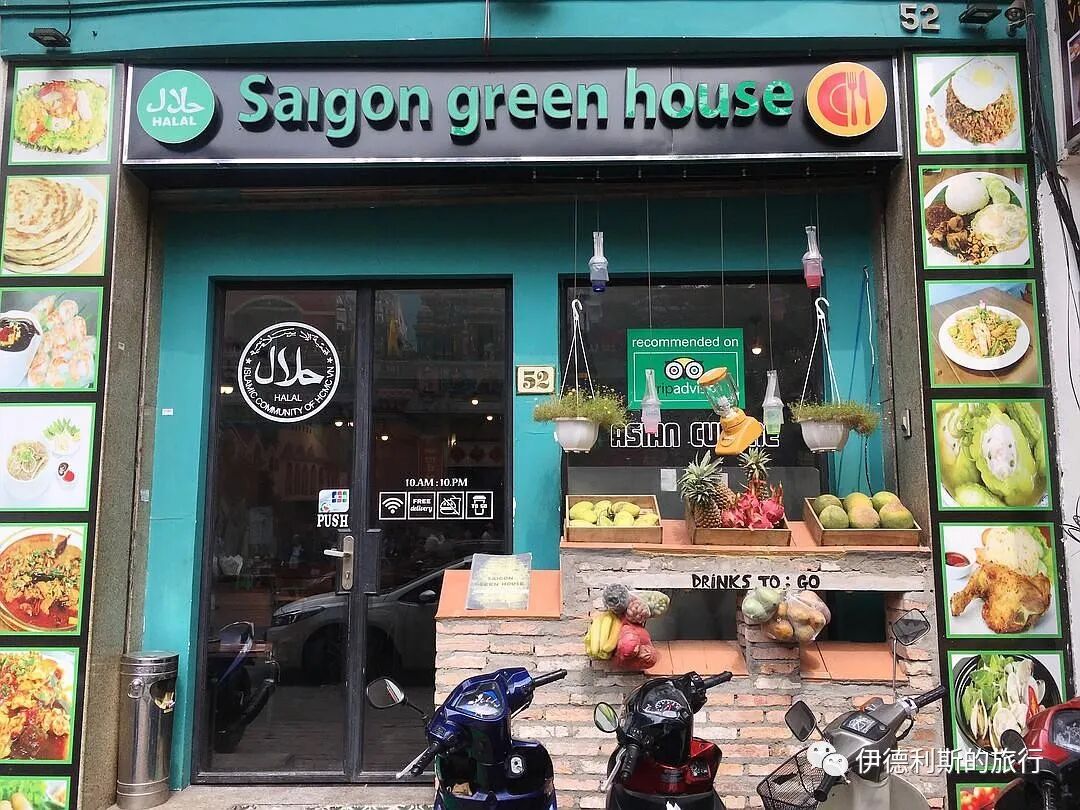
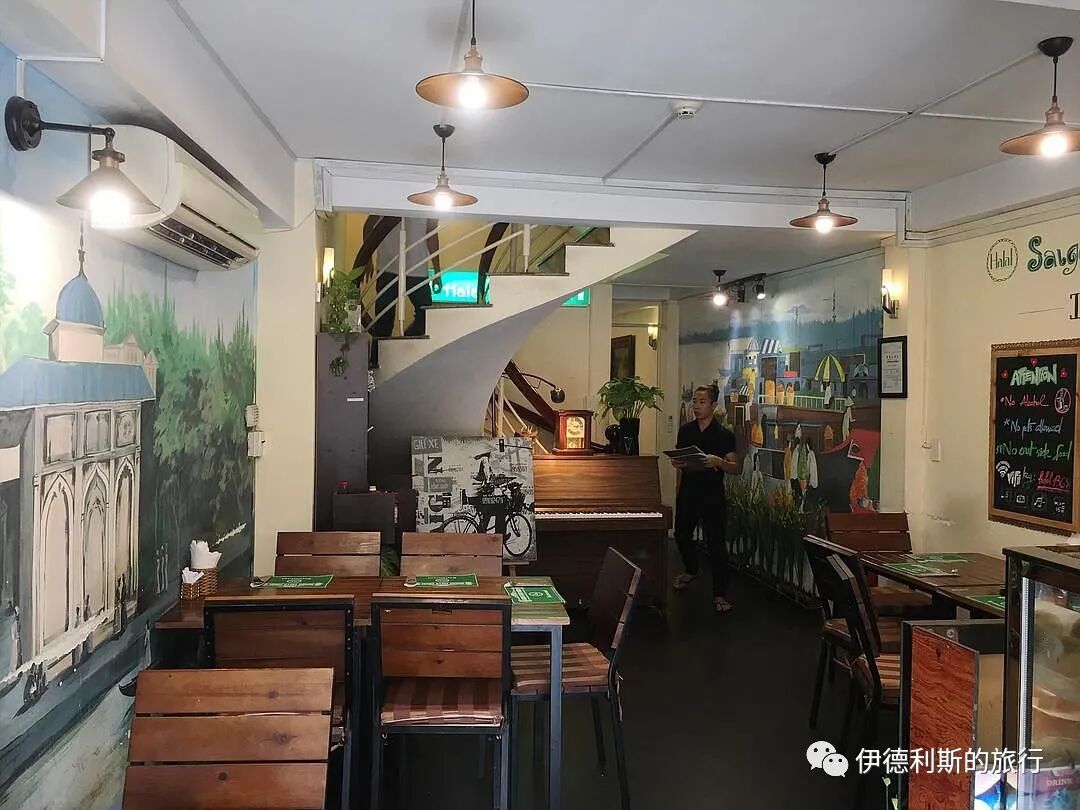
Saigon Green House is the best Cham restaurant in Ho Chi Minh City, with a rich variety of dishes that are all delicious.
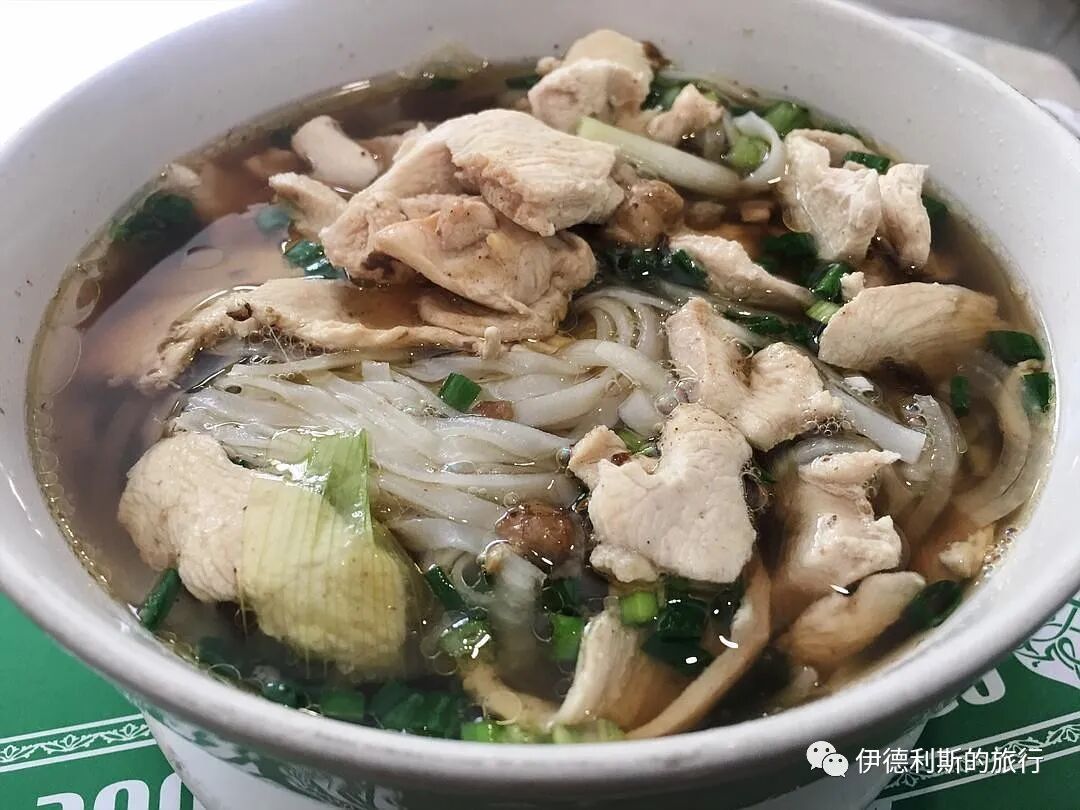
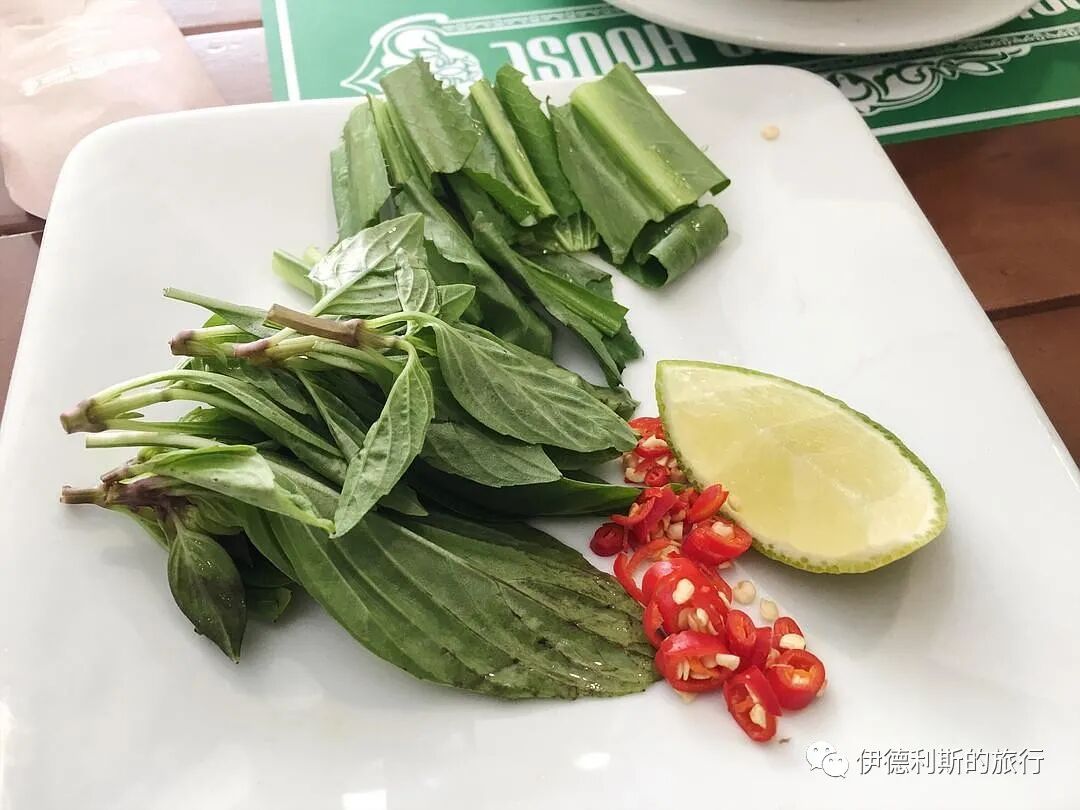
First, eat Phở!
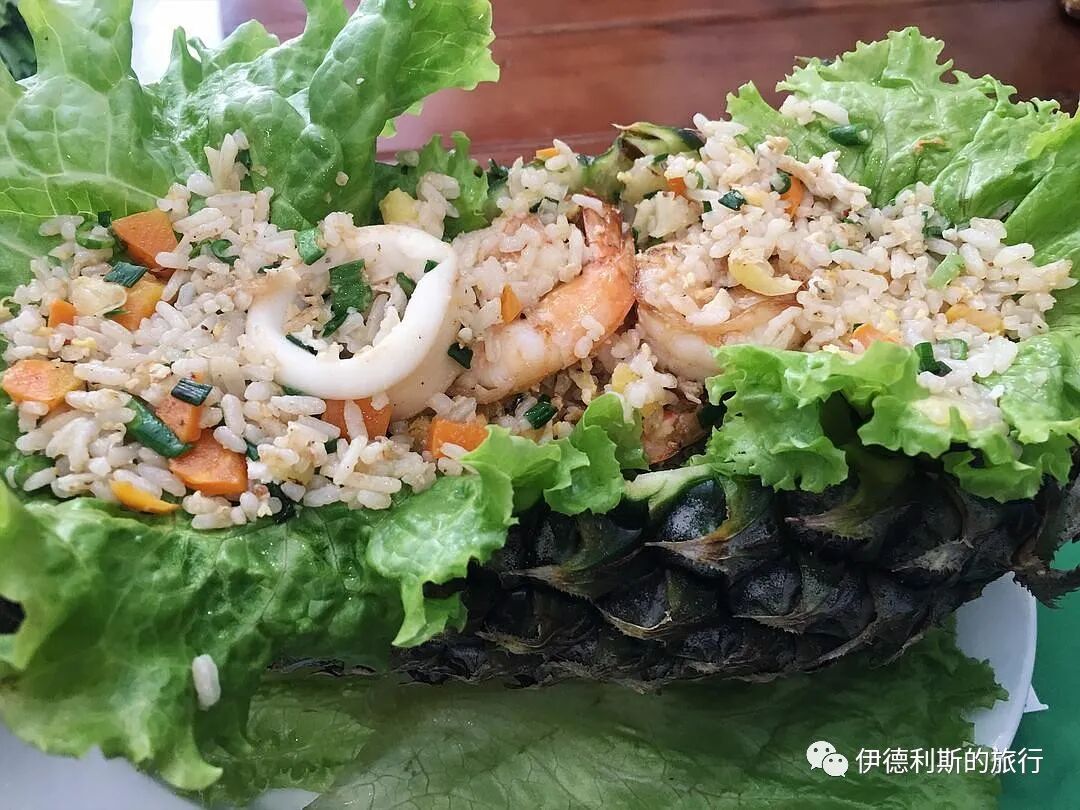
Pineapple fried rice.
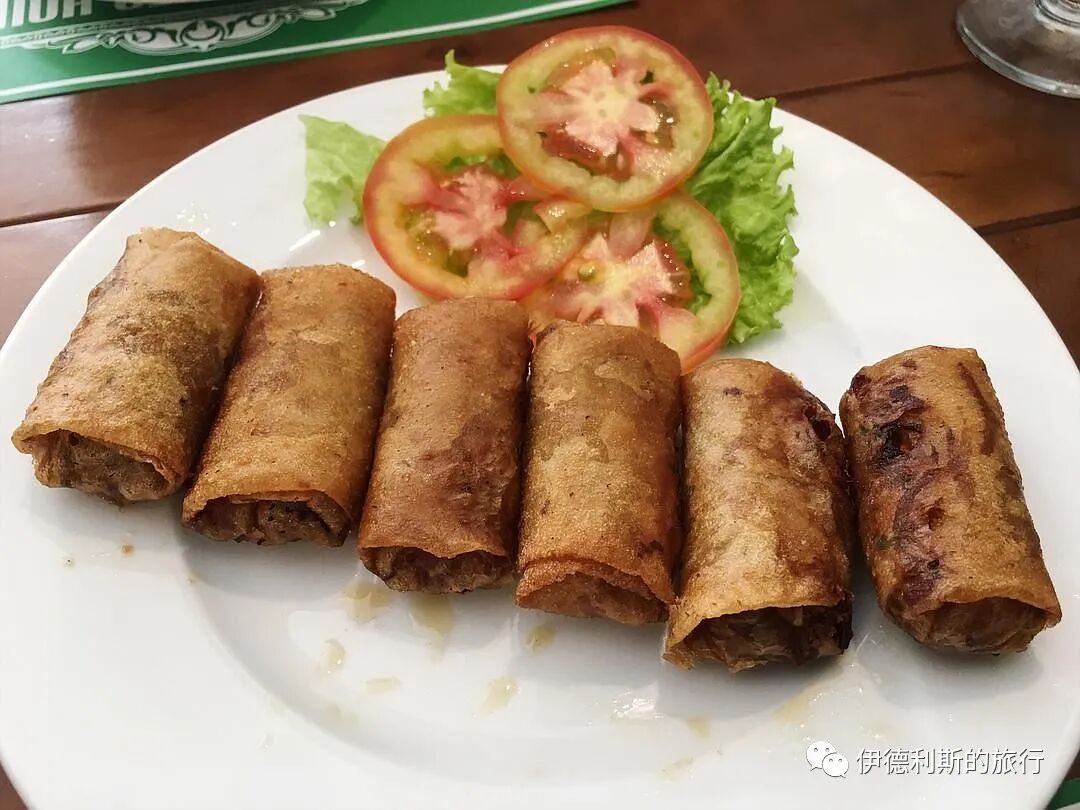
Fried spring rolls.
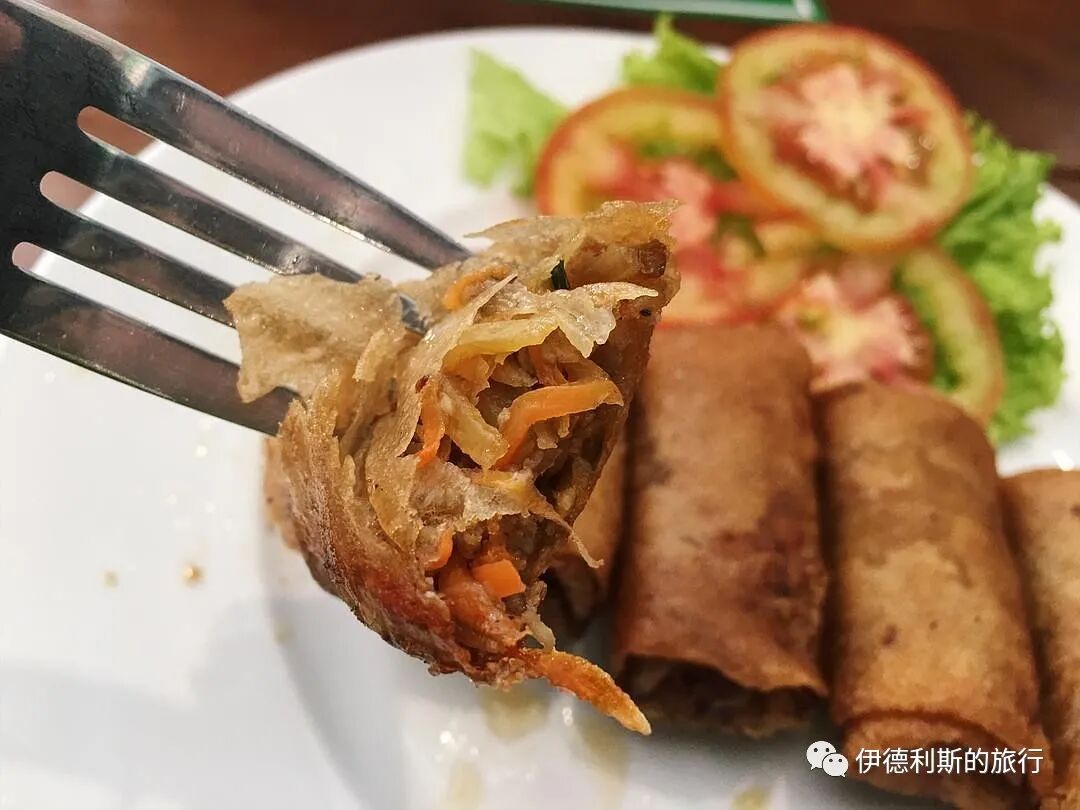
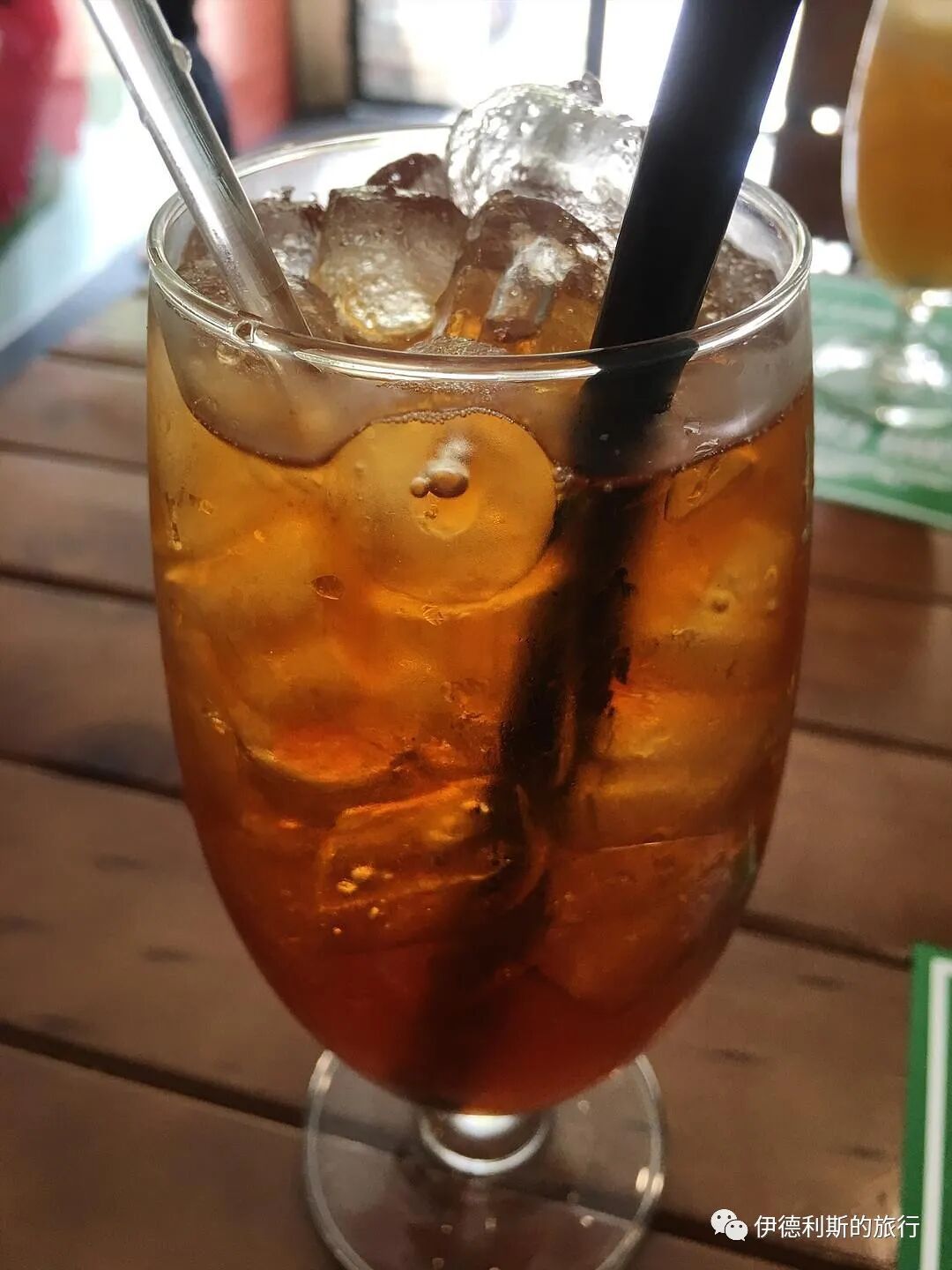
Drink iced tea.
Summary: This travel note introduces Twenty Ethnic Restaurants in China: Halal and Minority Food Guide (Part 1). In my travels over the past few years, I have encountered some very interesting ethnic groups. It is useful for readers interested in Ethnic Food, Halal Food, China Travel. This is part 1 of 4.
In my travels over the past few years, I have encountered some very interesting ethnic groups. In this diary, I will introduce twenty ethnic groups through twenty restaurants, hoping to increase everyone's understanding of these groups.
1. Kazan Tatars in Moscow
2. Crimean Tatars on the Crimean Peninsula
3. Gulf Bedouins in Dubai
4. The Cham people in Ho Chi Minh City, Vietnam
5. Tamil Muslims in Penang, Malaysia
6. Chinese Muslims in Penang, Malaysia
7. The Jawi Peranakan community in Penang, Malaysia
8. The Betawi people in Jakarta, Indonesia
9. The Javanese people in Yogyakarta, Indonesia
10. The Bantenese people on Java Island, Indonesia
11. Yunnan Hui Muslims in Chiang Mai, Thailand
12. Korean-speaking Muslims in Itaewon, Seoul
13. Chinese Muslims in Hong Kong
14. The Huihui people of Sanya, Hainan
15. The Tatars of Urumqi
16. The Dongxiang people of Xiaoxihu, Lanzhou
17. The Tibetan Muslims of Lhasa, Tibet
18. The Paxi Dai of Xishuangbanna, Yunnan
19. The Bai Hui of Dali, Yunnan
20. The Salar people of Xunhua, Qinghai
1. Kazan Tatars in Moscow
After the 17th century, with the establishment of the Romanov dynasty, Moscow gradually prospered, and many Tatars from the Volga River and steppe regions came to do business. The Tatar community (Tatarskaya sloboda) was formally formed south of the Moskva River, opposite the Kremlin. The community's main street, Tatarskaya Street, was first mentioned in documents in 1682.
The historic Tatar community has a Tatar restaurant called Kazan Tea Bar, which is also the center for Tatar cultural activities in Moscow, frequently organizing various Tatar cultural events.
Inside, I ate Beshbarmak (five-finger stew), Kystyby (flatbread with filling), the Tatar version of horse sausage Kazy, pilaf, Kazan chicken salad, and Tatar milk tea. Tatar milk tea is made of black tea + green tea + thyme + linden leaves + chamomile flowers + oregano leaves + mint leaves + sage.
2. Crimean Tatars on the Crimean Peninsula
In the summer of 2019, I went to an ancient city in the mountains of the Crimean Peninsula—Bakhchysarai. Bakhchysarai was founded by the Crimean Tatars and became the capital of the Crimean Khanate in 1532. Although it became an ordinary town after Russia occupied the Crimean Khanate in 1783, it remains the cultural center of the Crimean Tatars, preserving their unique culture and customs.
The dietary culture of the Crimean Tatars is closely related to their history. Because the Crimean Khanate was a long-term vassal of the Ottoman Empire, it possesses many Ottoman-related foods, such as Turkish coffee, Baklava (Turkish dessert), and Dolma (stuffed grape leaves). After being exiled to Uzbekistan in 1944, a large amount of Uzbek cuisine was added to the Crimean Tatar diet, including pilaf, lagman (pulled noodles), samsa (baked buns), manti (steamed buns), and naan. In addition, the Crimean Tatars also have some unique delicacies, one of which is Chebureki (fried meat turnover), known as a Crimean Tatar national delicacy.
This time I stayed at a very beautiful traditional Crimean Tatar courtyard house, Bahitgul Boutique-Hotel. They serve traditional Crimean Tatar meals, so I basically ate breakfast at my accommodation. Moreover, the view while eating at their place is particularly good, overlooking the entire ancient capital.
For the first breakfast, I had Lagman (pulled noodles), Omlet (omelet), Lepyoshka (naan), and traditional coffee. The coffee comes from the Ottoman Empire, and the lagman comes from the exile in Uzbekistan.
Tatar Ash (small dumplings) dipped in yogurt, Kasha v Assortimente (assorted porridge), and Bliny (thin pancakes) dipped in jam.
3. Gulf Bedouins in Dubai
The Al Ras neighborhood in Dubai literally means "cape" or "headland." It is surrounded by Dubai Creek on three sides and is the oldest neighborhood in Dubai's Deira area. There is a traditional Gulf Bedouin restaurant in the neighborhood called "Al Bait Alqadeem," which means "the old house" in Arabic. This restaurant is located in a traditional Gulf courtyard house built in 1909. The house was built by pearl boat owner Abdulla Bin Jamaan, who was also a guard for the then-ruler of Dubai. In 1954, Abdulla Bin Jamaan became the first mayor of Dubai.
The freshly baked bread is particularly crispy and tastes great, and these large enamel plates also have a special feel.
The grilled fish is recommended by the chef and is also excellent.
I also drank cucumber honey water, which I liked very much.
4. The Cham people in Ho Chi Minh City, Vietnam
The Chams are an Austronesian-speaking people who migrated from Borneo to the Indochinese Peninsula and established Champa in southern Vietnam in 192 AD. Due to the narrow and fragmented land, Champa always focused on developing maritime trade, becoming an important trading port on the Maritime Silk Road during the Song and Yuan dynasties.
After the 12th century, Champa fell into long-term war. After the Champa capital Vijaya was captured by Vietnam in 1471, a large number of Cham people fled to Cambodia for refuge. Before this, in the 14th and 15th centuries, many Malay Muslims had already moved to Cambodia. These Malay Muslims integrated with the Cham people, who also spoke Austronesian languages of the Indonesian branch, through trade, intermarriage, and other means, and the Cambodian Cham people gradually converted to Islam.
After the 18th century, some Cambodian Cham people began to move to the Mekong Delta on the Vietnam-Cambodia border to live. After France occupied Saigon in 1862, because of the relatively loose autonomy policy implemented for the Cham people, more and more Cham people settled in Saigon.
Saigon Green House is the best Cham restaurant in Ho Chi Minh City, with a rich variety of dishes that are all delicious.
First, eat Phở!
Pineapple fried rice.
Fried spring rolls.
Drink iced tea.
