
Twenty Ethnic Restaurants in China: Halal and Minority Food Guide (Part 2 of 4)
Reposted from the web
Summary: This travel note introduces Twenty Ethnic Restaurants in China: Halal and Minority Food Guide (Part 1). In my travels over the past few years, I have encountered some very interesting ethnic groups. It is useful for readers interested in Ethnic Food, Halal Food, China Travel. This is part 2 of 4.
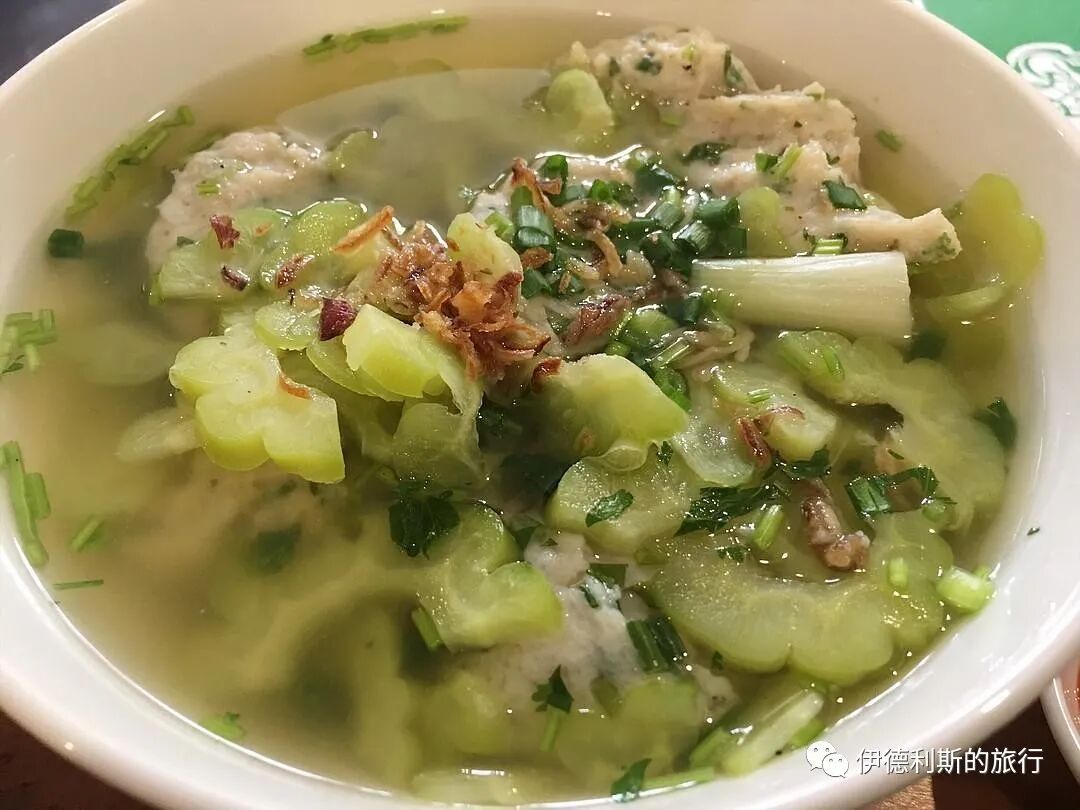
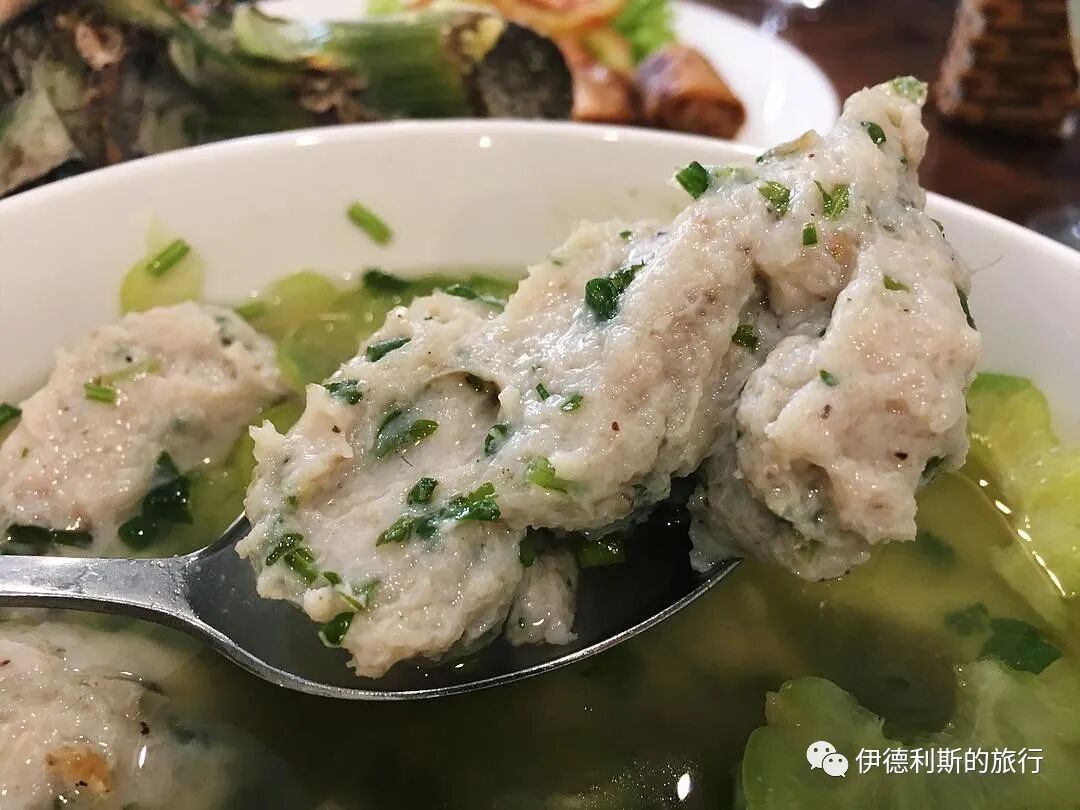
Bitter melon served with a type of fish ball called featherback; I looked it up and it seems to be translated as the bronze featherback fish.
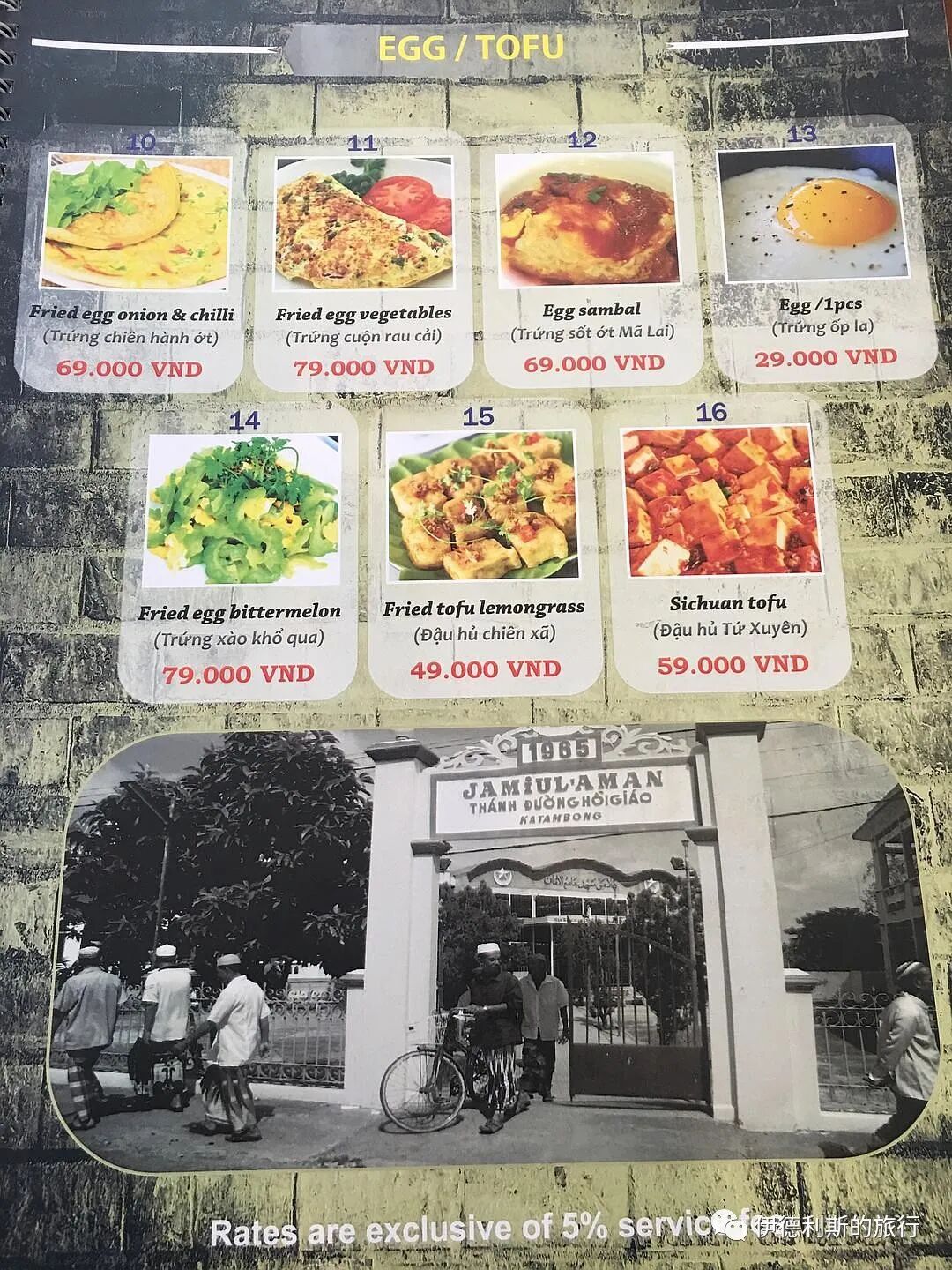
The mosque in the menu is the Jamiul Aman Mosque located in Chau Phu District, An Giang Province, Vietnam, built in 1965.
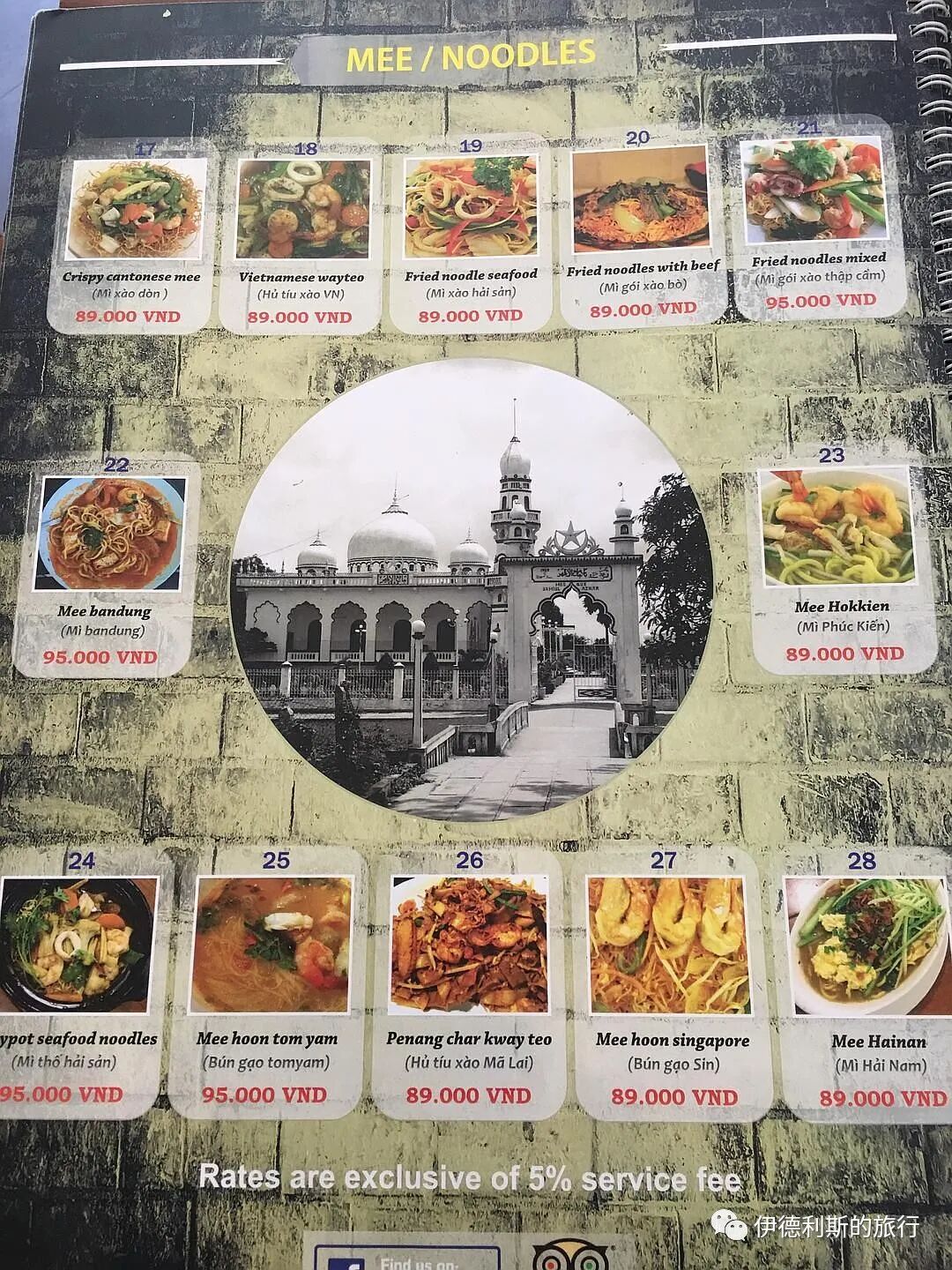
This is the Jamiul Azhar Mosque in Phu Tan District, An Giang Province, Vietnam. It is said to have been built in 1425 and is the mosque with the highest status among the orthodox Muslims of the Cham people in Vietnam.
5. Tamil Muslims in Penang, Malaysia
Penang, also known as Pulau Pinang, is an island in northwestern Malaysia. Over 90% of Indians in Penang are Tamils from southeastern India and northern Sri Lanka. As early as 1790, four years after George Town in Penang was built, the British East India Company mentioned that Tamils were opening shops and farming in Penang. In the late 19th century, with the increase in wages caused by labor shortages in Penang, Indian immigration to Penang was officially legalized in 1872, and in 1887, subsidies for Indian immigrant ship tickets began, leading to an increasing number of Tamil immigrants to Penang.
Tamil Muslims are called "Mamak" in Malaysia, which comes from the Tamil word for "uncle" (maa-ma). In Malaysia and Singapore, Tamil children often address Tamil male elders this way, especially in Tamil Muslim restaurants, so Malays began to call the entire Tamil Muslim ethnic group "Mamak," where the final "k" is not pronounced in Malay.
Penang's Tamil Muslims are most famous for their "Mamak stall" and "Mamak restaurant" food culture, and one of the oldest century-old Mamak restaurants is Hameediyah Restaurant, which opened in 1907.
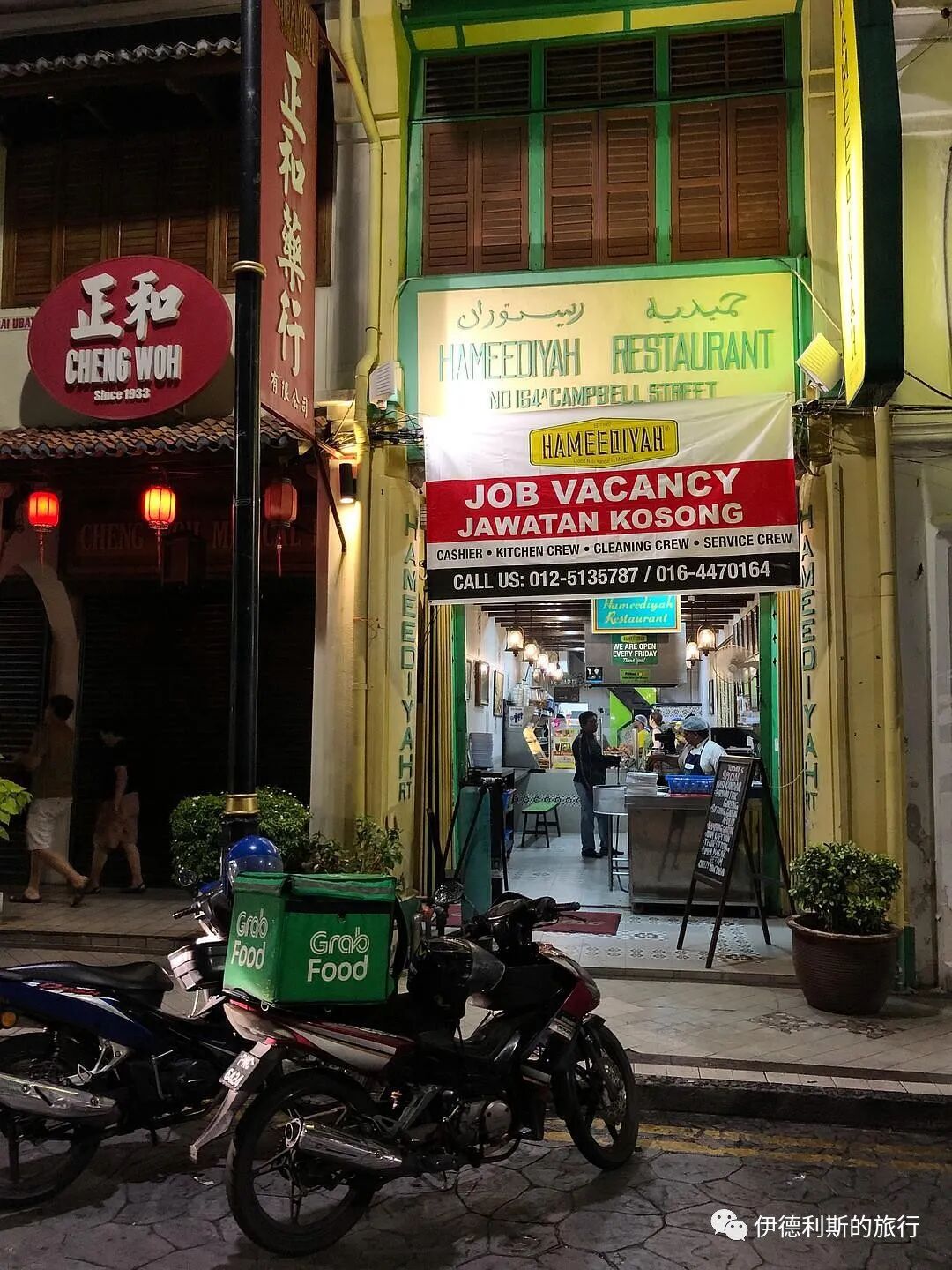
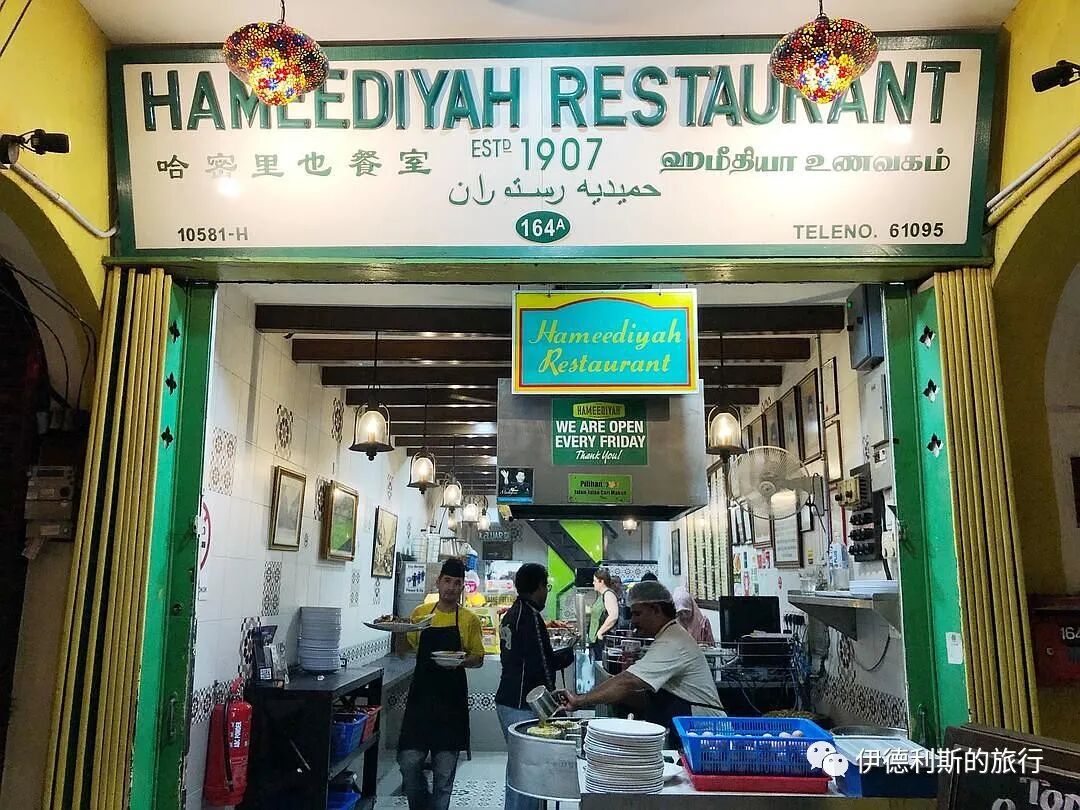
The founder of Hameediyah Restaurant was named Mohamed, who came from a Tamil Muslim village in the southernmost state of Tamil Nadu, India. Mohamed came to Penang in 1890, and shortly after, he rented the land where the restaurant is now located. At first, he only used this place to prepare food, and usually carried it on a shoulder pole to sell along the street, which is the famous "Nasi Kandar" (literally "shoulder-pole rice"). In 1907, Mohamed officially founded Hameediyah Restaurant and hired two helpers.
Mohamed learned many Tamil delicacies from his mother when he was young in South India, among which Biryani (spiced rice) and Murtabak (stuffed pancake) were his specialties.
After opening, the diners who came to the restaurant included port immigrant workers, rickshaw pullers, local traders, and government employees, etc. Some diners affectionately called Mohamed and his staff "Mamak." It was also during this period that restaurants opened by South Indian Tamil Muslims in Penang were gradually called Mamak restaurants.
After Mohamed passed away in 1927, his son Kander took over the restaurant, and later his grandson took over, and the restaurant's business was very prosperous. In 1941, Penang suffered a devastating air raid by the Japanese army. Hameediyah Restaurant insisted on staying open during this period and miraculously survived the bombing. In 1945, after Japan was defeated, Kander's grandson, the fourth-generation successor Abu Bakar, took over the restaurant, and later passed it on to his relative Abdul Sukkoor. Today, Abdul Sukkoor's eldest son Seeni Pakir and youngest son Syed Ibrahim have become the restaurant's chefs and are responsible for daily operations.
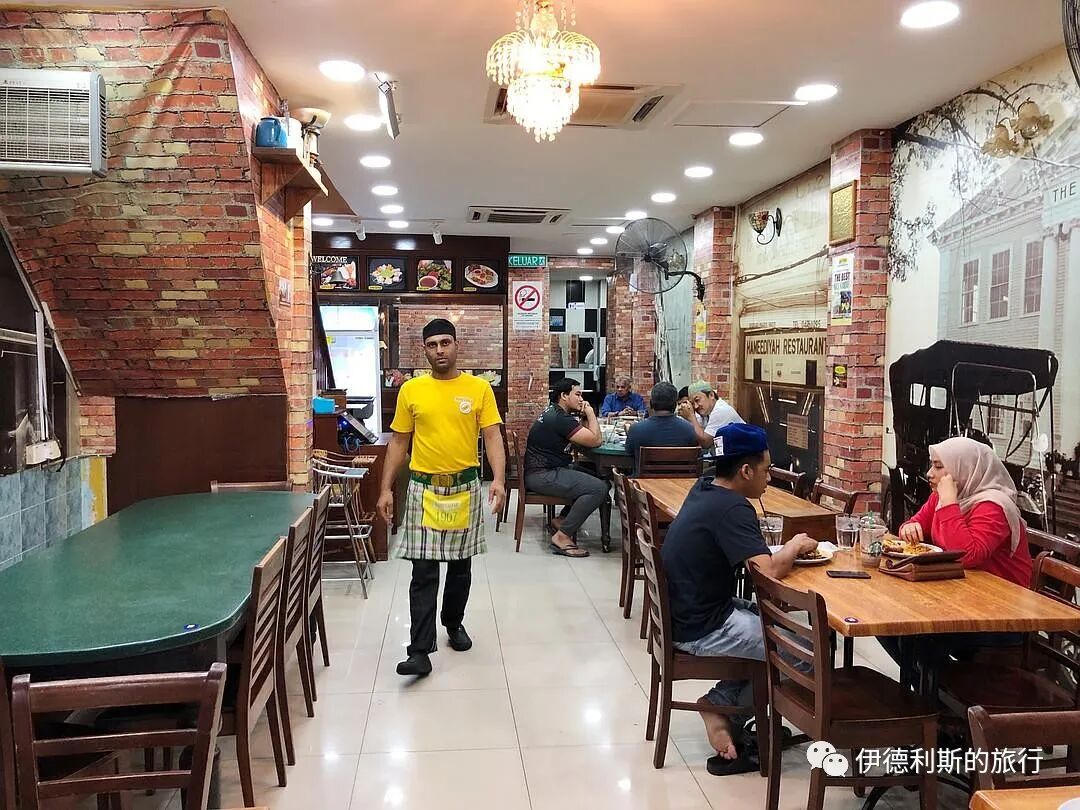
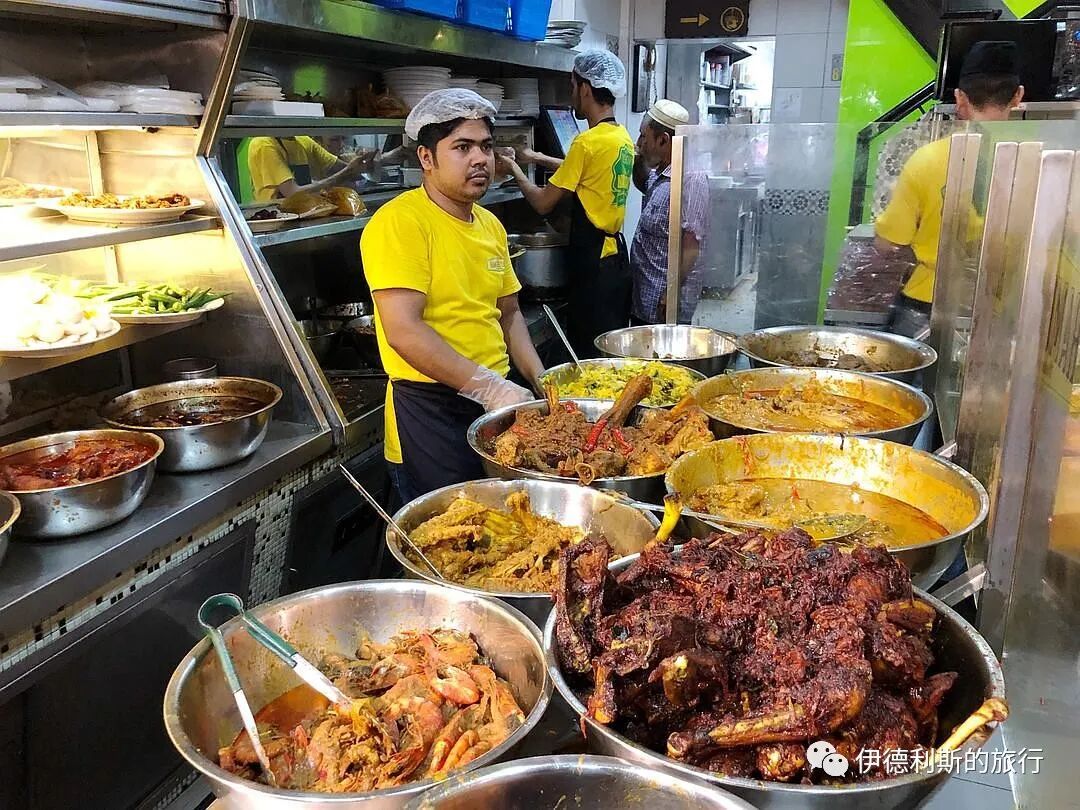
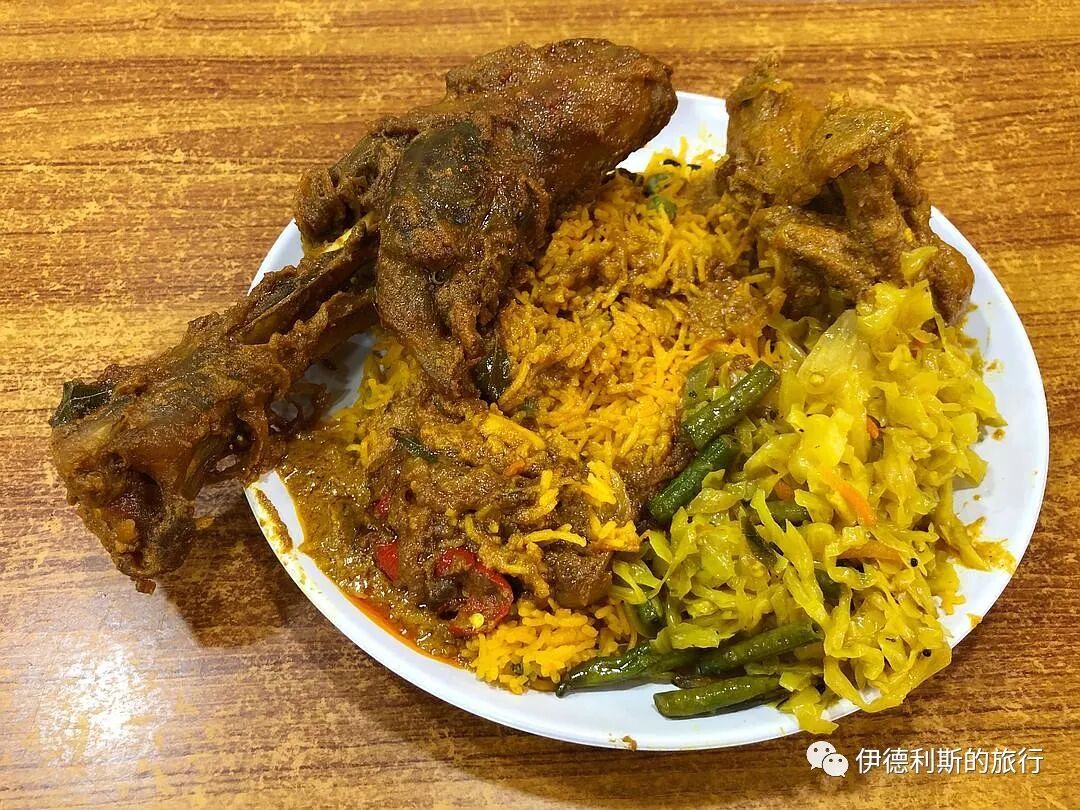
Nasi Kandar is a delicacy invented by South Indian Tamil Muslims in Penang, which is rice served with various curries of beef, mutton, chicken, fish, shrimp, and side dishes. When Tamil Muslims first arrived in Penang in the 19th century, most of them carried food on shoulder poles to sell along the street, so the food they sold was called "Nasi Kandar." By the 20th century, Tamil Muslims began to open restaurants and stalls, but the name "Nasi Kandar" has been used to this day. This time at Hameediyah Restaurant, I had Biryani Kosong (plain spiced rice) with lamb shank, chicken, and cabbage.
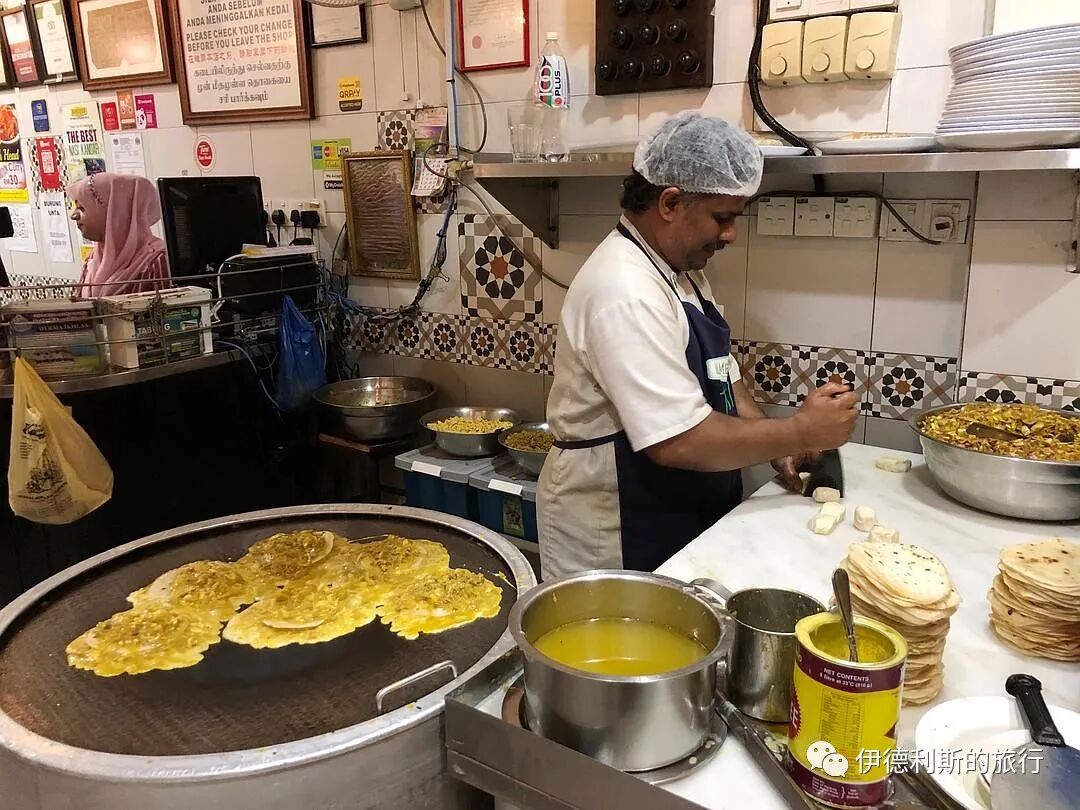
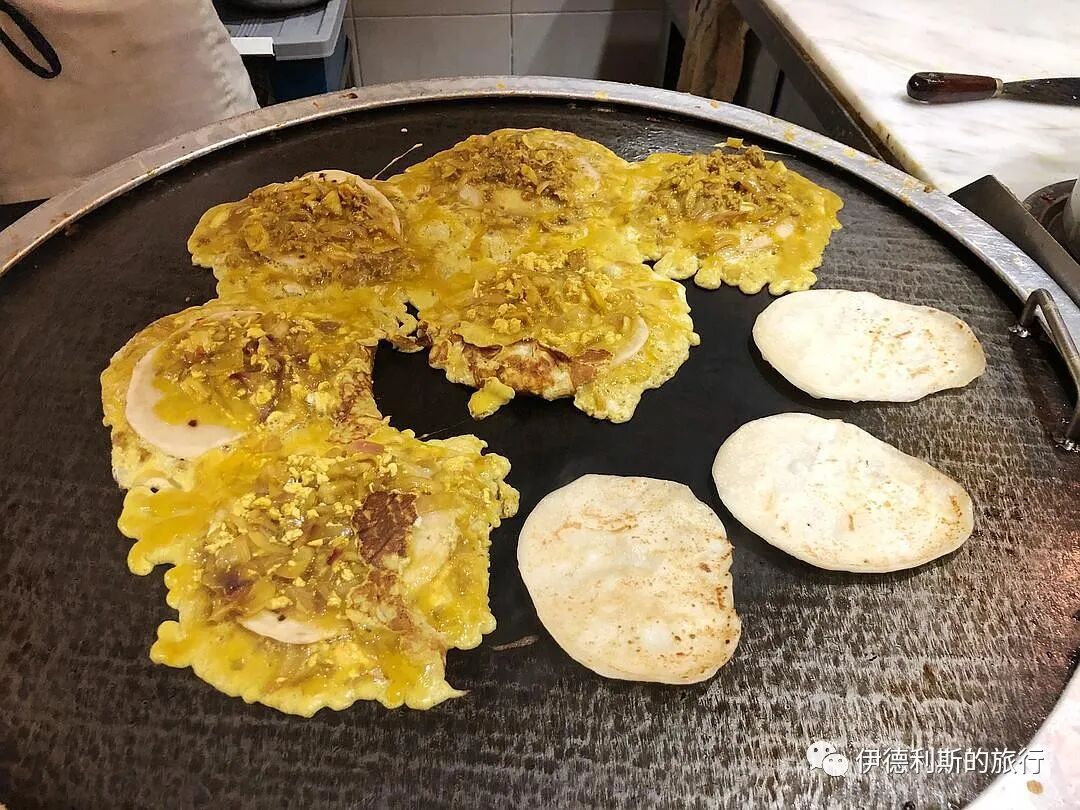
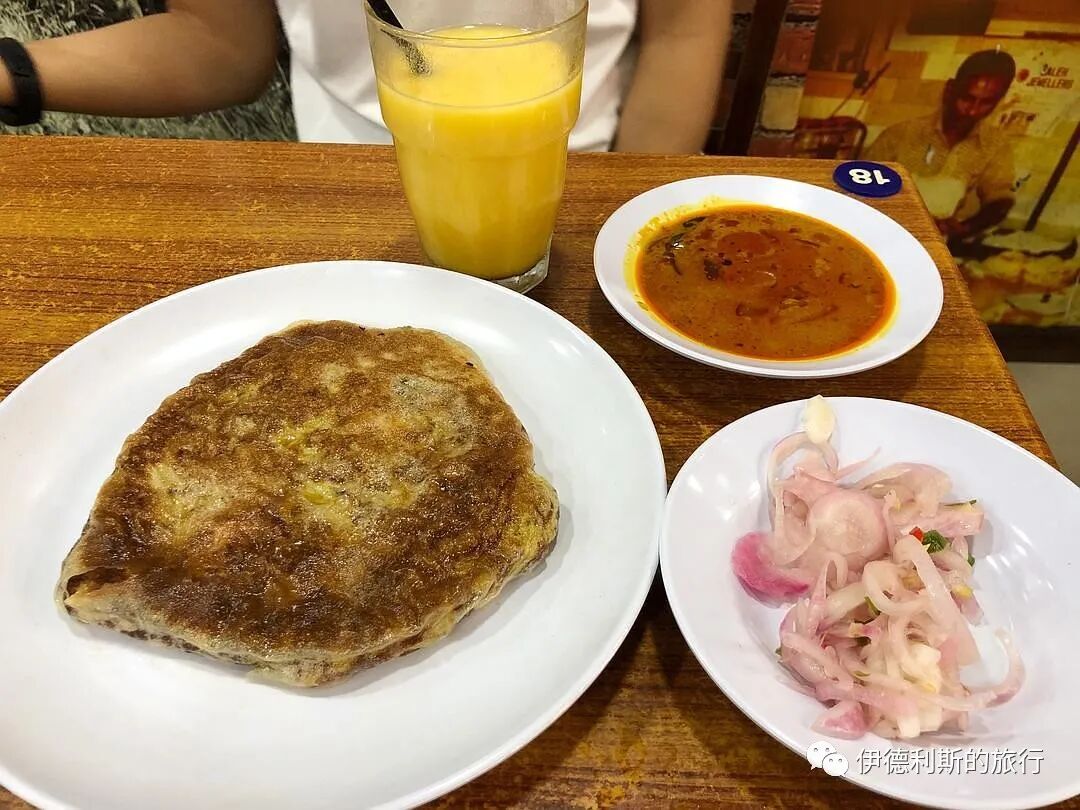
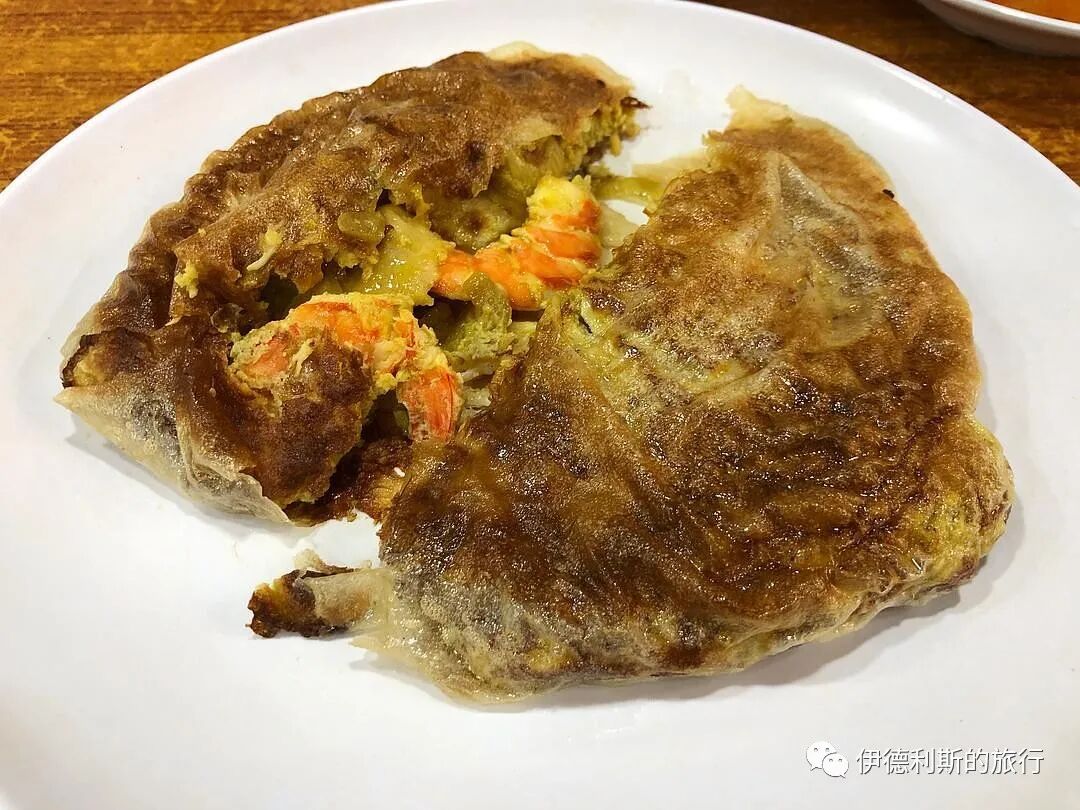
Murtabak is a thick pancake filled with eggs, onions, minced meat, and shrimp. In Malaysia, Singapore, and Thailand, the way Murtabak is made is basically the same as the way Roti canai (Indian flatbread) is made. The Malaysian version has less meat and more eggs than the Singaporean one. One theory is that Murtabak comes from the Arabic word "Mutabbaq," meaning "folded," so it may have been brought to India by Indian Muslims from Yemen, and then brought to the Malay Archipelago by South Indian Tamil Muslims. Another theory is that Murtabak comes from Kerala, South India, where "muta" means egg and "bar" is an abbreviation for "barota" bread.
6. Chinese Muslims in Penang, Malaysia
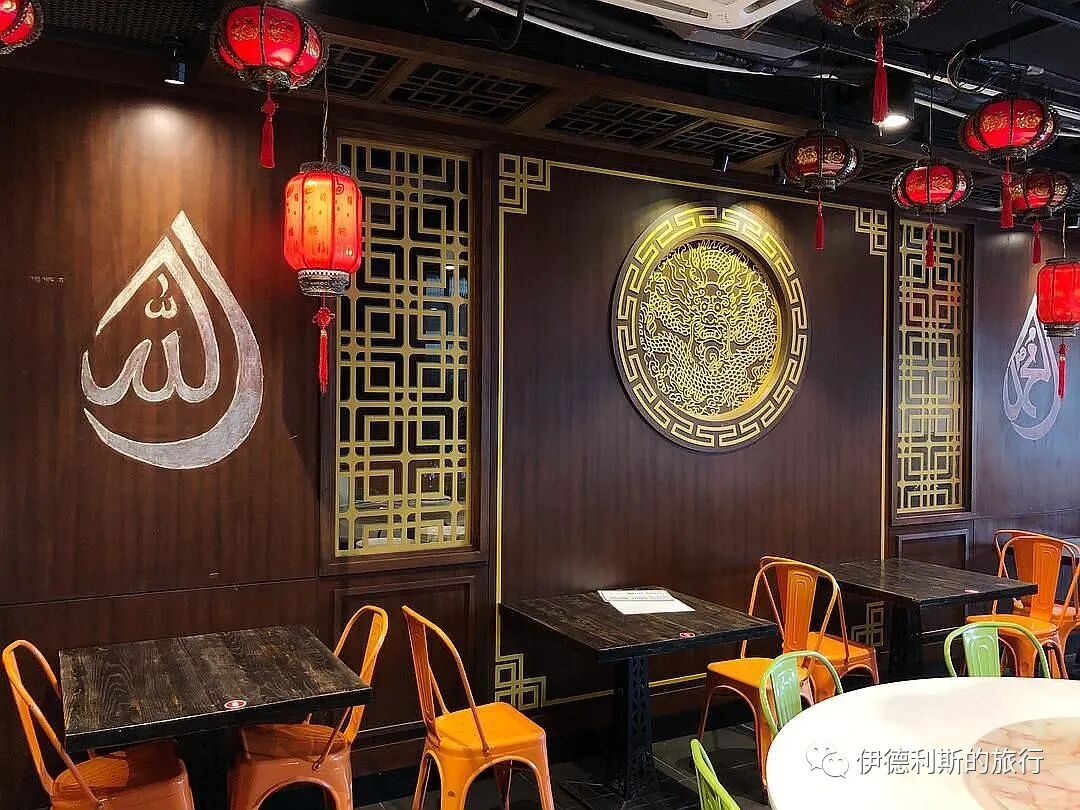
Restoran Haji Sharin Low Grand is the largest Chinese Muslim restaurant chain in Southeast Asia, with over 17 branches in Malaysia and Indonesia. The headquarters is in Kuala Lumpur, and the founder is Chinese Muslim Tuan Haji Sharin Low.
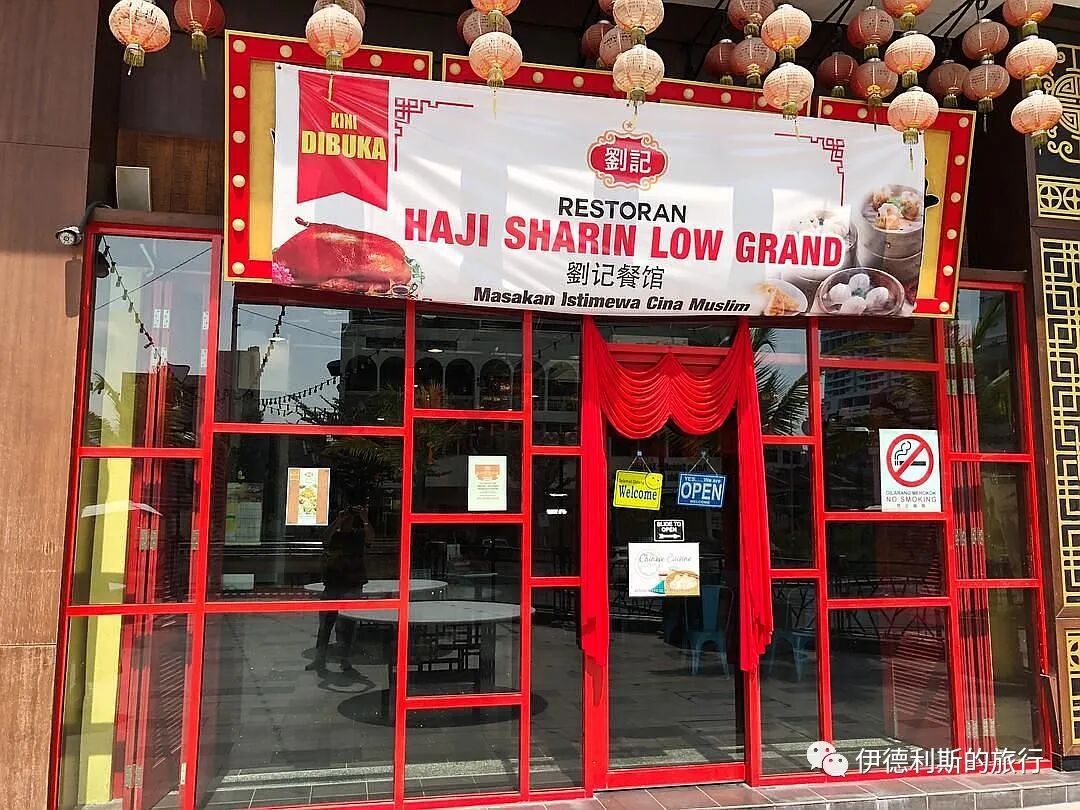
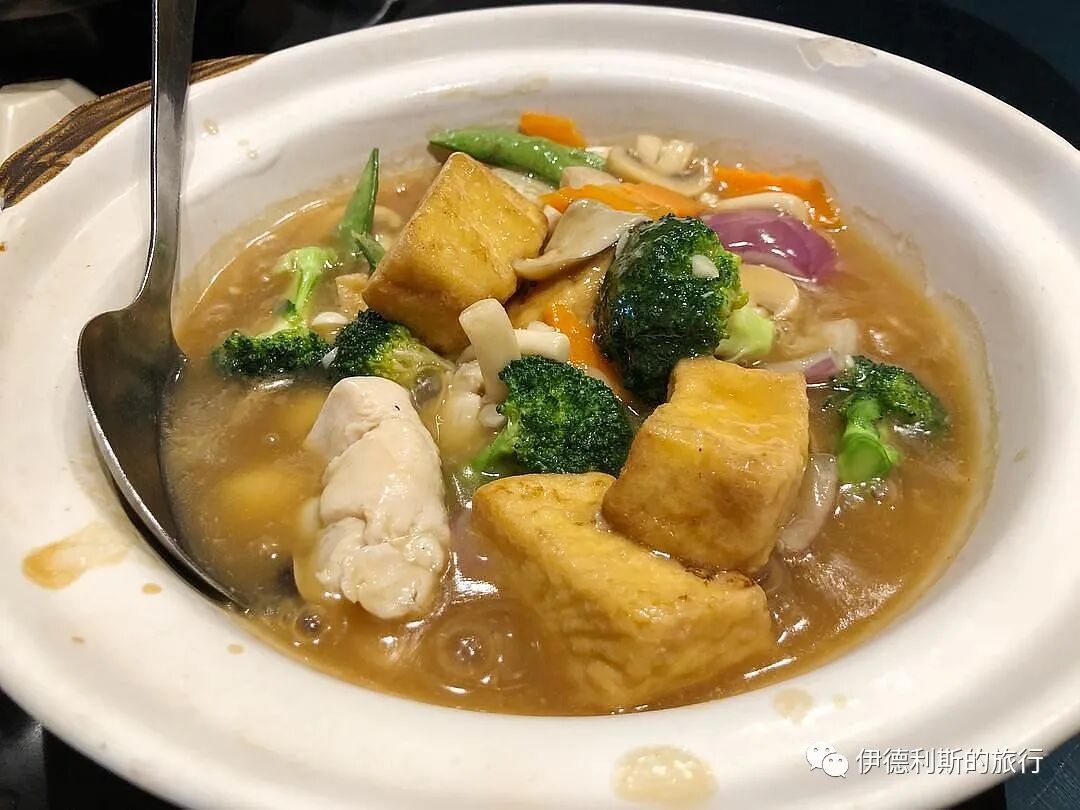
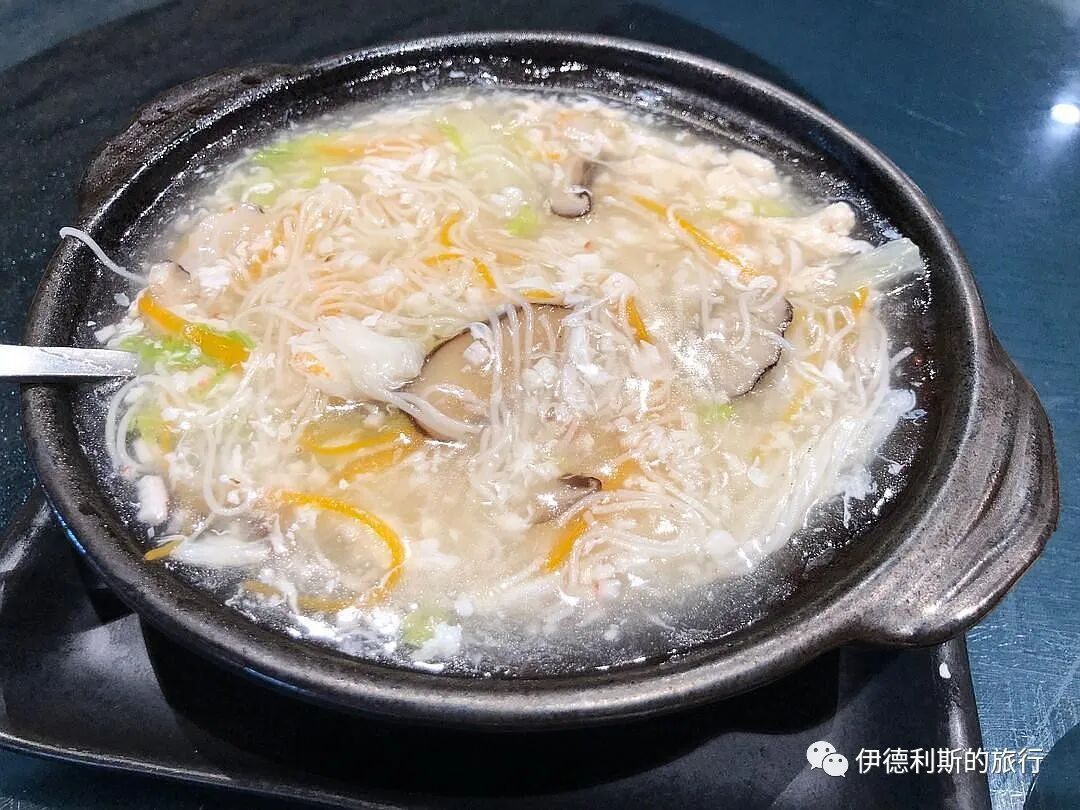
We ordered Nyonya flower crab, Teochew-style steamed grouper, Low's claypot tofu, and mee sua (wheat vermicelli) soup. They were all delicious~ And in one table of dishes, there were local Nyonya styles, as well as Teochew and Minnan styles, and they were all halal ingredients, which was a great cultural fusion.
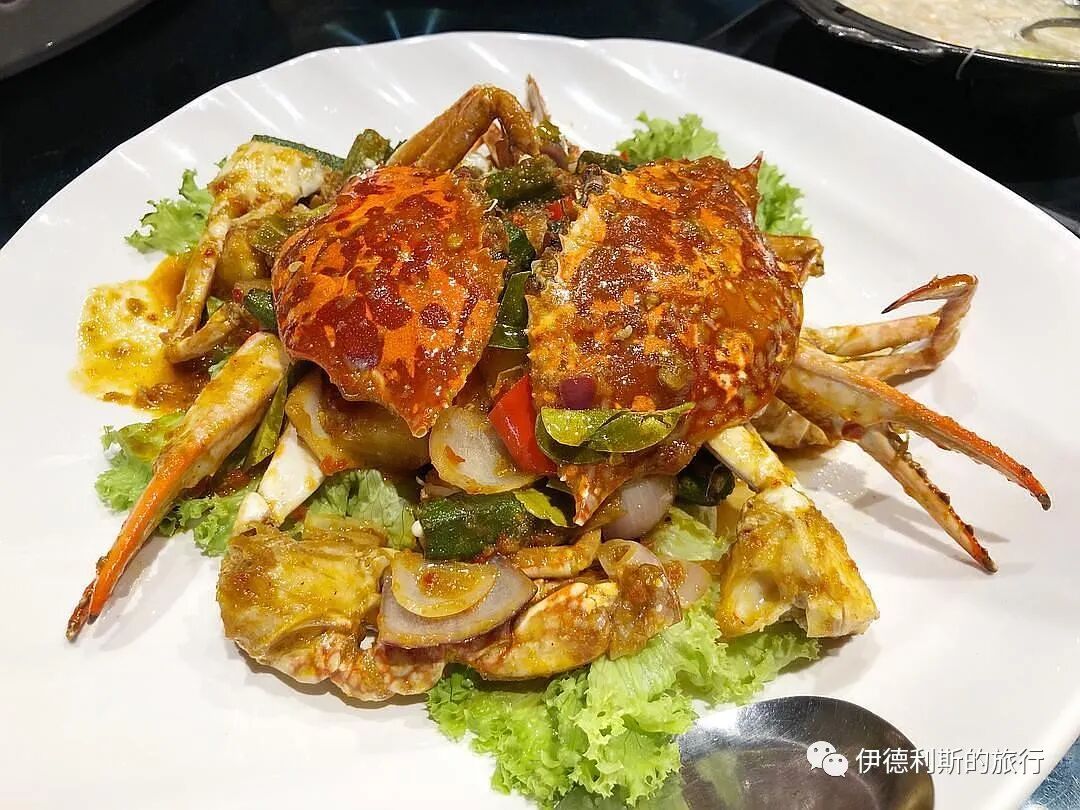
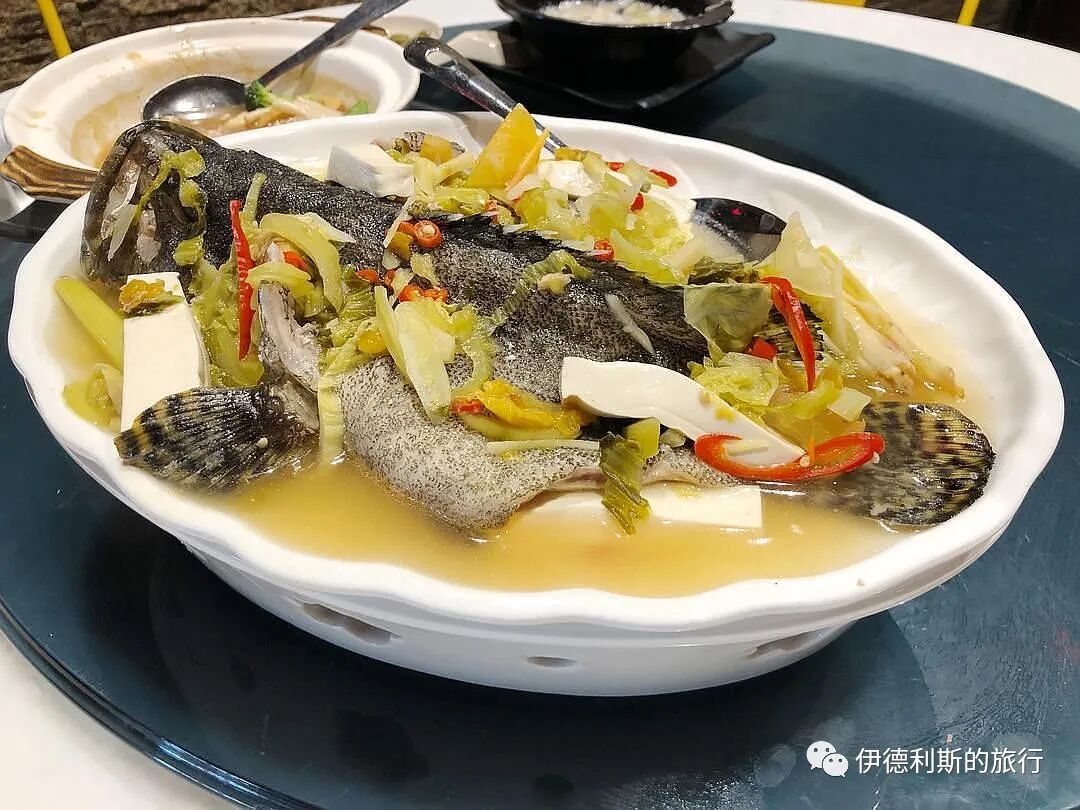
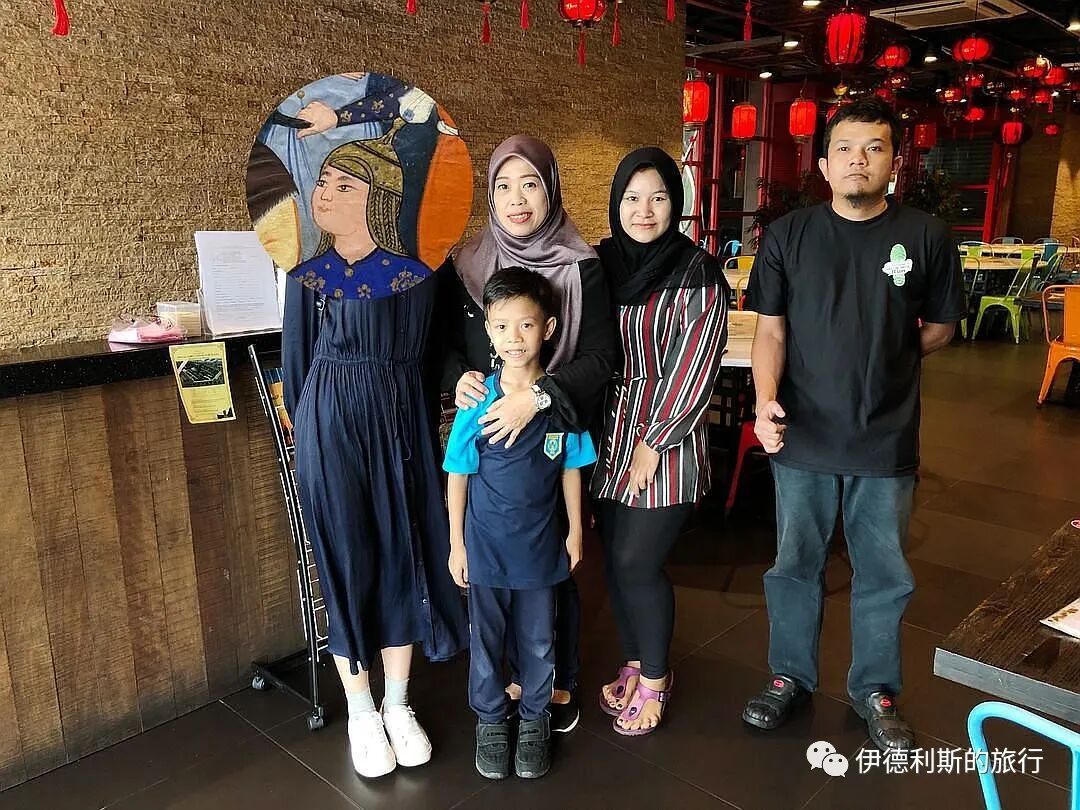
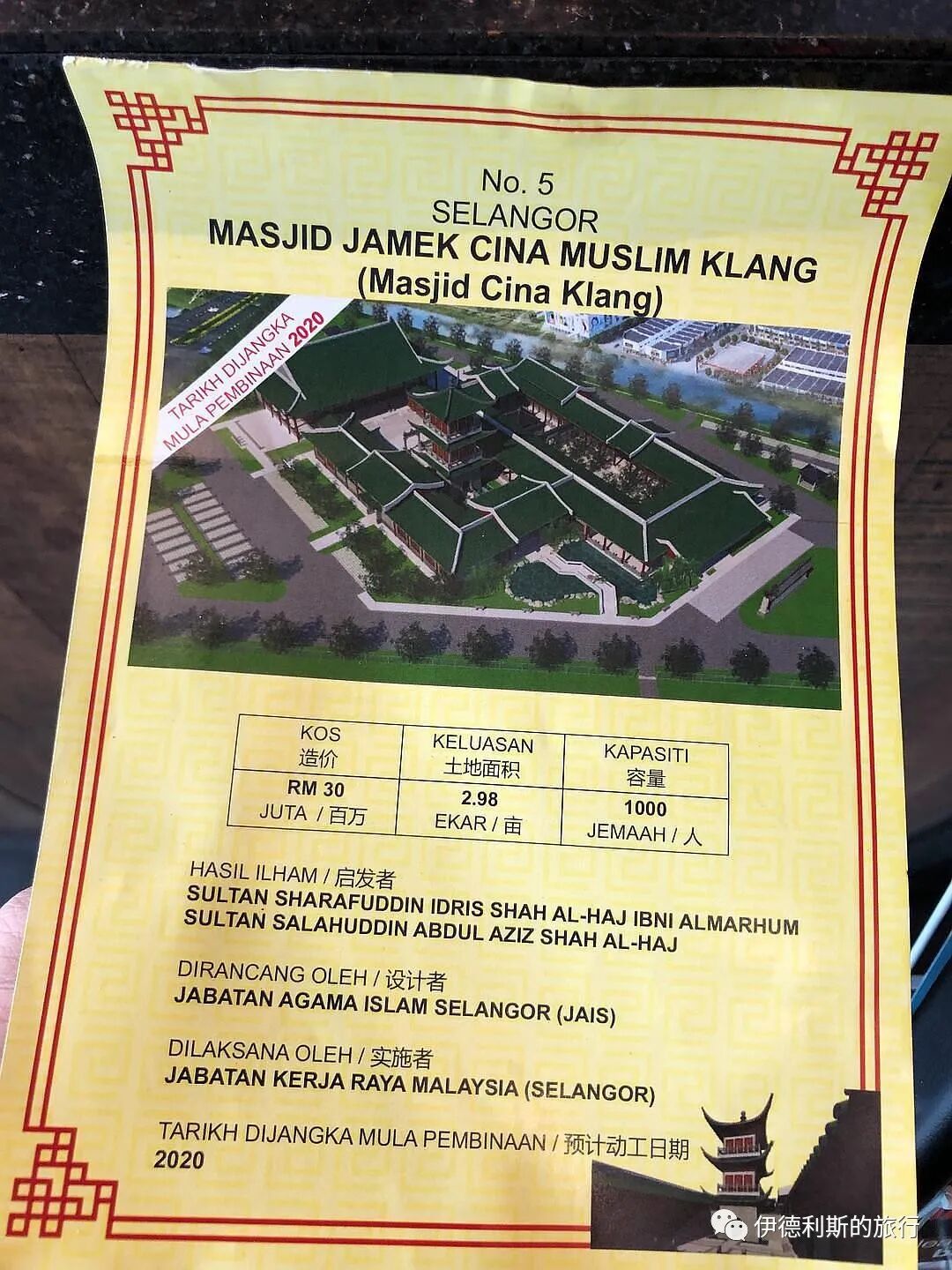
After the meal, we chatted with the landlady for a while. The landlady is a local Chinese Muslim. I was very excited to finally be able to communicate face-to-face with this ethnic group that I had previously only learned about in news and papers. The landlady was very enthusiastic and said to come and visit again when we have time. We also learned that the local Chinese mosque in Penang was going to start construction in 2020, so Penang could have a social center for local Chinese Muslims.
7. The Jawi Peranakan community in Penang, Malaysia
Malaysia has a unique ethnic group called Jawi Peranakan, which refers to a Malay-speaking Muslim ethnic group formed after the intermarriage of Indian Muslim (also including Arab and Persian, etc.) men and Malay women. "Jawi" means "Southeast Asian Muslim" in Arabic, and "Peranakan" means "locally born" in Malay.
The Jawi Peranakan community does not prioritize the ethnic group of the other party when getting married, but first looks at the other party's wealth and status. Therefore, after the mid-19th century, the Jawi Peranakan had become the elite class of British Malaya. Jawi Peranakan attached great importance to English education, so many people held positions in the colonial government. At the same time, Jawi Peranakan also attached great importance to cultural development; the first Malay-language newspaper was founded by Jawi Peranakan.
After the 20th century, with the decline of the British Empire, the Jawi Peranakan community began to integrate into the Malays. Today, most Jawi Peranakan are counted as "Malays" by the government. Despite this, the Jawi Peranakan community still strives to pass on its unique culture, which can be reflected in architecture, clothing, jewelry, and food.
Summary: This travel note introduces Twenty Ethnic Restaurants in China: Halal and Minority Food Guide (Part 1). In my travels over the past few years, I have encountered some very interesting ethnic groups. It is useful for readers interested in Ethnic Food, Halal Food, China Travel. This is part 2 of 4.
Bitter melon served with a type of fish ball called featherback; I looked it up and it seems to be translated as the bronze featherback fish.
The mosque in the menu is the Jamiul Aman Mosque located in Chau Phu District, An Giang Province, Vietnam, built in 1965.
This is the Jamiul Azhar Mosque in Phu Tan District, An Giang Province, Vietnam. It is said to have been built in 1425 and is the mosque with the highest status among the orthodox Muslims of the Cham people in Vietnam.
5. Tamil Muslims in Penang, Malaysia
Penang, also known as Pulau Pinang, is an island in northwestern Malaysia. Over 90% of Indians in Penang are Tamils from southeastern India and northern Sri Lanka. As early as 1790, four years after George Town in Penang was built, the British East India Company mentioned that Tamils were opening shops and farming in Penang. In the late 19th century, with the increase in wages caused by labor shortages in Penang, Indian immigration to Penang was officially legalized in 1872, and in 1887, subsidies for Indian immigrant ship tickets began, leading to an increasing number of Tamil immigrants to Penang.
Tamil Muslims are called "Mamak" in Malaysia, which comes from the Tamil word for "uncle" (maa-ma). In Malaysia and Singapore, Tamil children often address Tamil male elders this way, especially in Tamil Muslim restaurants, so Malays began to call the entire Tamil Muslim ethnic group "Mamak," where the final "k" is not pronounced in Malay.
Penang's Tamil Muslims are most famous for their "Mamak stall" and "Mamak restaurant" food culture, and one of the oldest century-old Mamak restaurants is Hameediyah Restaurant, which opened in 1907.
The founder of Hameediyah Restaurant was named Mohamed, who came from a Tamil Muslim village in the southernmost state of Tamil Nadu, India. Mohamed came to Penang in 1890, and shortly after, he rented the land where the restaurant is now located. At first, he only used this place to prepare food, and usually carried it on a shoulder pole to sell along the street, which is the famous "Nasi Kandar" (literally "shoulder-pole rice"). In 1907, Mohamed officially founded Hameediyah Restaurant and hired two helpers.
Mohamed learned many Tamil delicacies from his mother when he was young in South India, among which Biryani (spiced rice) and Murtabak (stuffed pancake) were his specialties.
After opening, the diners who came to the restaurant included port immigrant workers, rickshaw pullers, local traders, and government employees, etc. Some diners affectionately called Mohamed and his staff "Mamak." It was also during this period that restaurants opened by South Indian Tamil Muslims in Penang were gradually called Mamak restaurants.
After Mohamed passed away in 1927, his son Kander took over the restaurant, and later his grandson took over, and the restaurant's business was very prosperous. In 1941, Penang suffered a devastating air raid by the Japanese army. Hameediyah Restaurant insisted on staying open during this period and miraculously survived the bombing. In 1945, after Japan was defeated, Kander's grandson, the fourth-generation successor Abu Bakar, took over the restaurant, and later passed it on to his relative Abdul Sukkoor. Today, Abdul Sukkoor's eldest son Seeni Pakir and youngest son Syed Ibrahim have become the restaurant's chefs and are responsible for daily operations.
Nasi Kandar is a delicacy invented by South Indian Tamil Muslims in Penang, which is rice served with various curries of beef, mutton, chicken, fish, shrimp, and side dishes. When Tamil Muslims first arrived in Penang in the 19th century, most of them carried food on shoulder poles to sell along the street, so the food they sold was called "Nasi Kandar." By the 20th century, Tamil Muslims began to open restaurants and stalls, but the name "Nasi Kandar" has been used to this day. This time at Hameediyah Restaurant, I had Biryani Kosong (plain spiced rice) with lamb shank, chicken, and cabbage.
Murtabak is a thick pancake filled with eggs, onions, minced meat, and shrimp. In Malaysia, Singapore, and Thailand, the way Murtabak is made is basically the same as the way Roti canai (Indian flatbread) is made. The Malaysian version has less meat and more eggs than the Singaporean one. One theory is that Murtabak comes from the Arabic word "Mutabbaq," meaning "folded," so it may have been brought to India by Indian Muslims from Yemen, and then brought to the Malay Archipelago by South Indian Tamil Muslims. Another theory is that Murtabak comes from Kerala, South India, where "muta" means egg and "bar" is an abbreviation for "barota" bread.
6. Chinese Muslims in Penang, Malaysia
Restoran Haji Sharin Low Grand is the largest Chinese Muslim restaurant chain in Southeast Asia, with over 17 branches in Malaysia and Indonesia. The headquarters is in Kuala Lumpur, and the founder is Chinese Muslim Tuan Haji Sharin Low.
We ordered Nyonya flower crab, Teochew-style steamed grouper, Low's claypot tofu, and mee sua (wheat vermicelli) soup. They were all delicious~ And in one table of dishes, there were local Nyonya styles, as well as Teochew and Minnan styles, and they were all halal ingredients, which was a great cultural fusion.
After the meal, we chatted with the landlady for a while. The landlady is a local Chinese Muslim. I was very excited to finally be able to communicate face-to-face with this ethnic group that I had previously only learned about in news and papers. The landlady was very enthusiastic and said to come and visit again when we have time. We also learned that the local Chinese mosque in Penang was going to start construction in 2020, so Penang could have a social center for local Chinese Muslims.
7. The Jawi Peranakan community in Penang, Malaysia
Malaysia has a unique ethnic group called Jawi Peranakan, which refers to a Malay-speaking Muslim ethnic group formed after the intermarriage of Indian Muslim (also including Arab and Persian, etc.) men and Malay women. "Jawi" means "Southeast Asian Muslim" in Arabic, and "Peranakan" means "locally born" in Malay.
The Jawi Peranakan community does not prioritize the ethnic group of the other party when getting married, but first looks at the other party's wealth and status. Therefore, after the mid-19th century, the Jawi Peranakan had become the elite class of British Malaya. Jawi Peranakan attached great importance to English education, so many people held positions in the colonial government. At the same time, Jawi Peranakan also attached great importance to cultural development; the first Malay-language newspaper was founded by Jawi Peranakan.
After the 20th century, with the decline of the British Empire, the Jawi Peranakan community began to integrate into the Malays. Today, most Jawi Peranakan are counted as "Malays" by the government. Despite this, the Jawi Peranakan community still strives to pass on its unique culture, which can be reflected in architecture, clothing, jewelry, and food.
