
Urumqi Hui Muslim Home Cooking Guide: Everyday Halal Food in Xinjiang (Part 2)
Reposted from the web
Summary: This travel note introduces Urumqi Hui Muslim Home Cooking Guide: Everyday Halal Food in Xinjiang (Part 2). A new day begins with milk tea soaked with nang (flatbread). It is useful for readers interested in Urumqi Food, Hui Muslims, Xinjiang Travel.
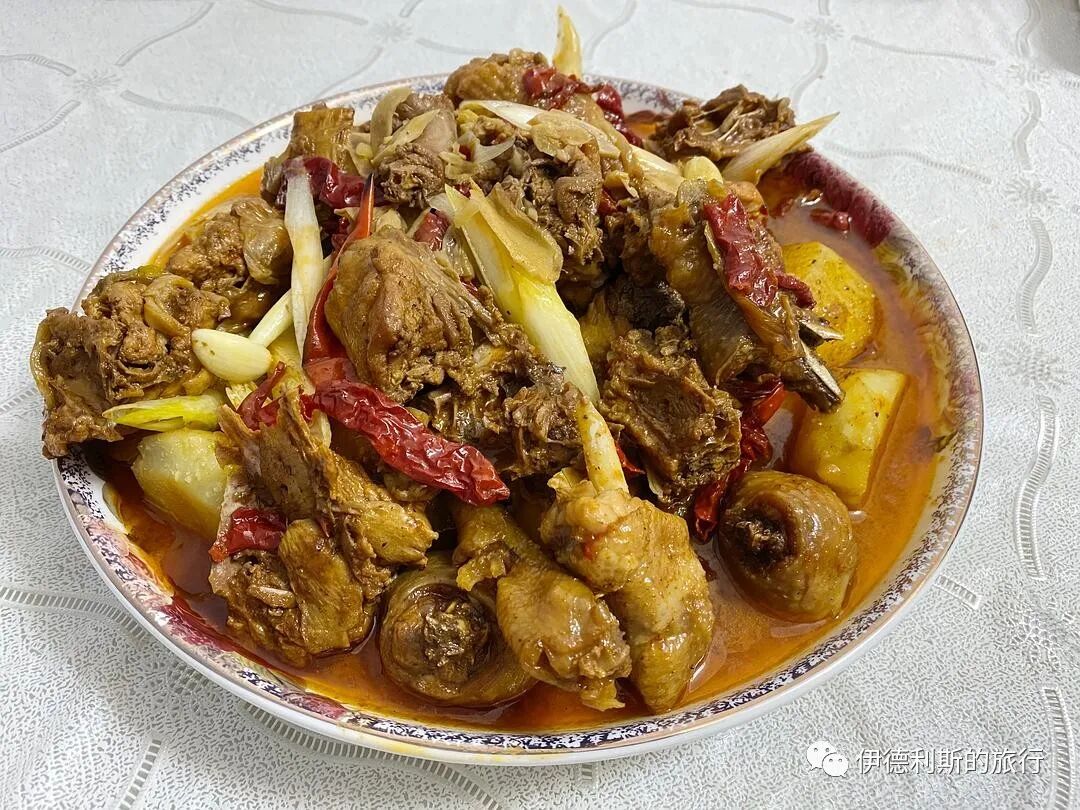
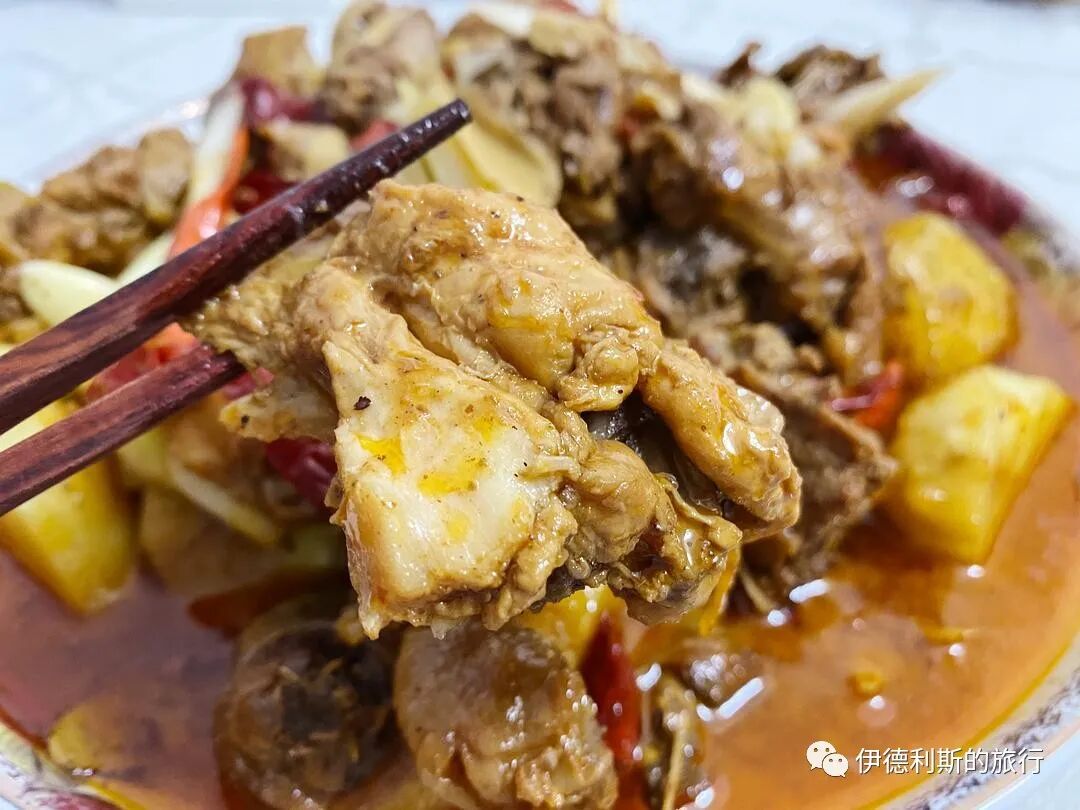
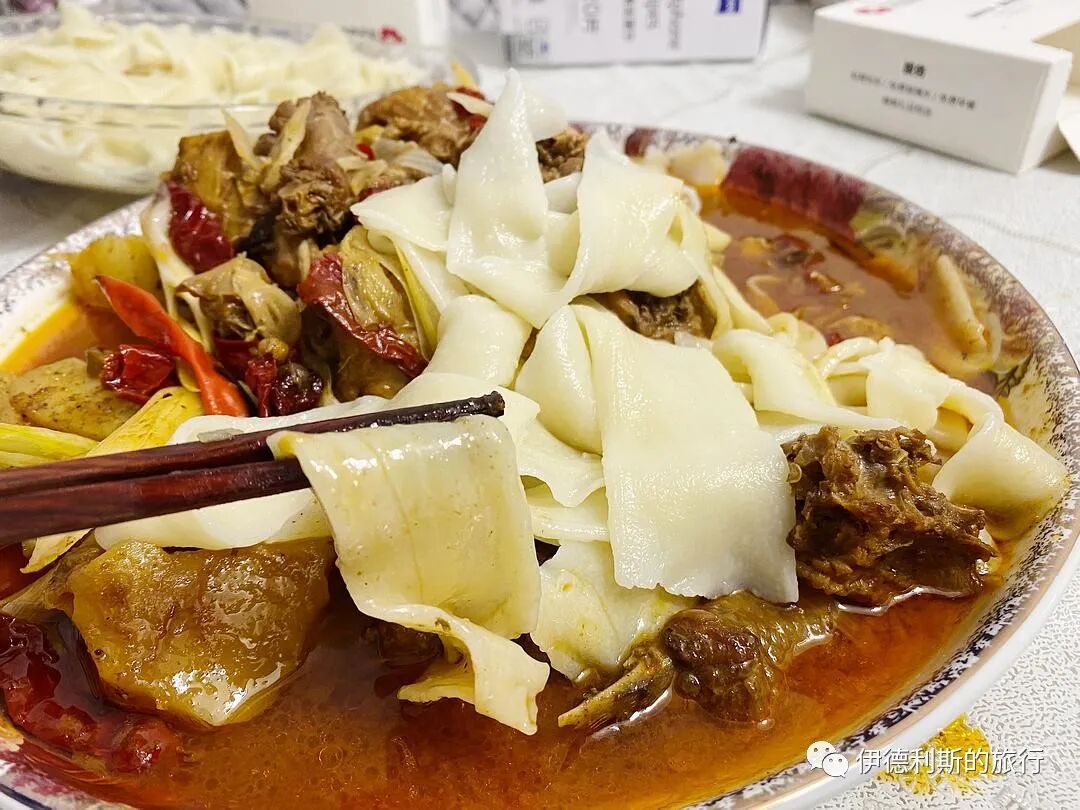
February 2nd
A new day begins with milk tea soaked with nang (flatbread).
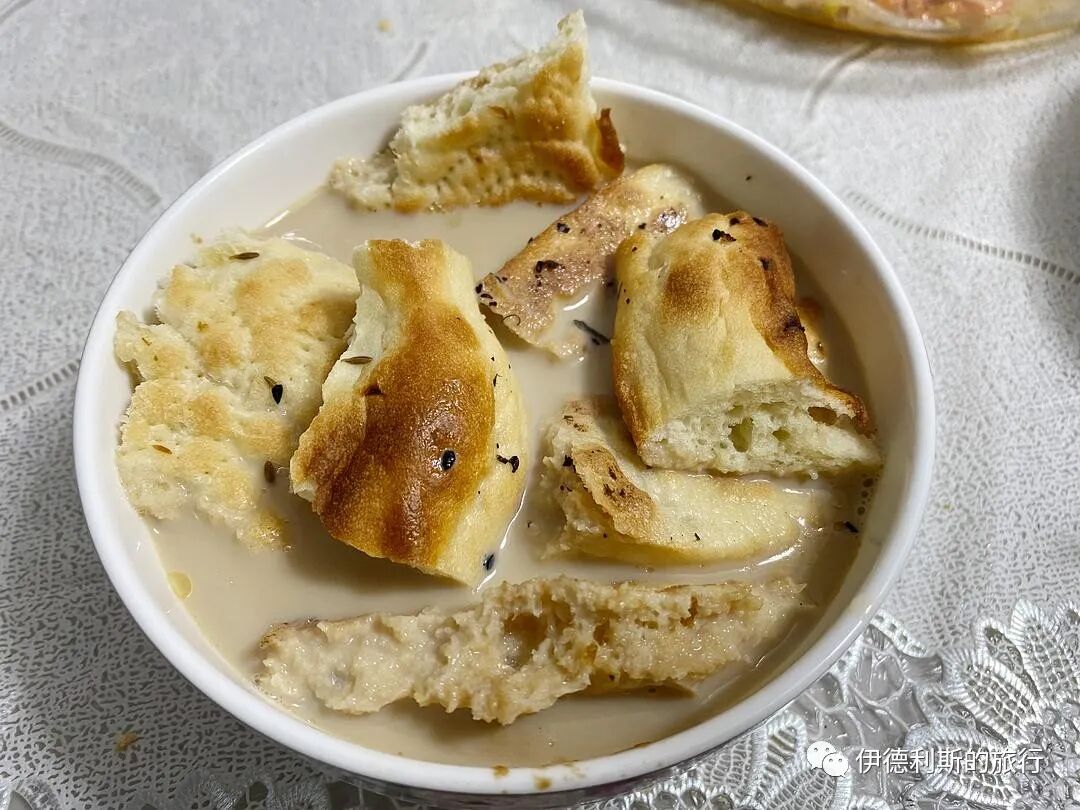
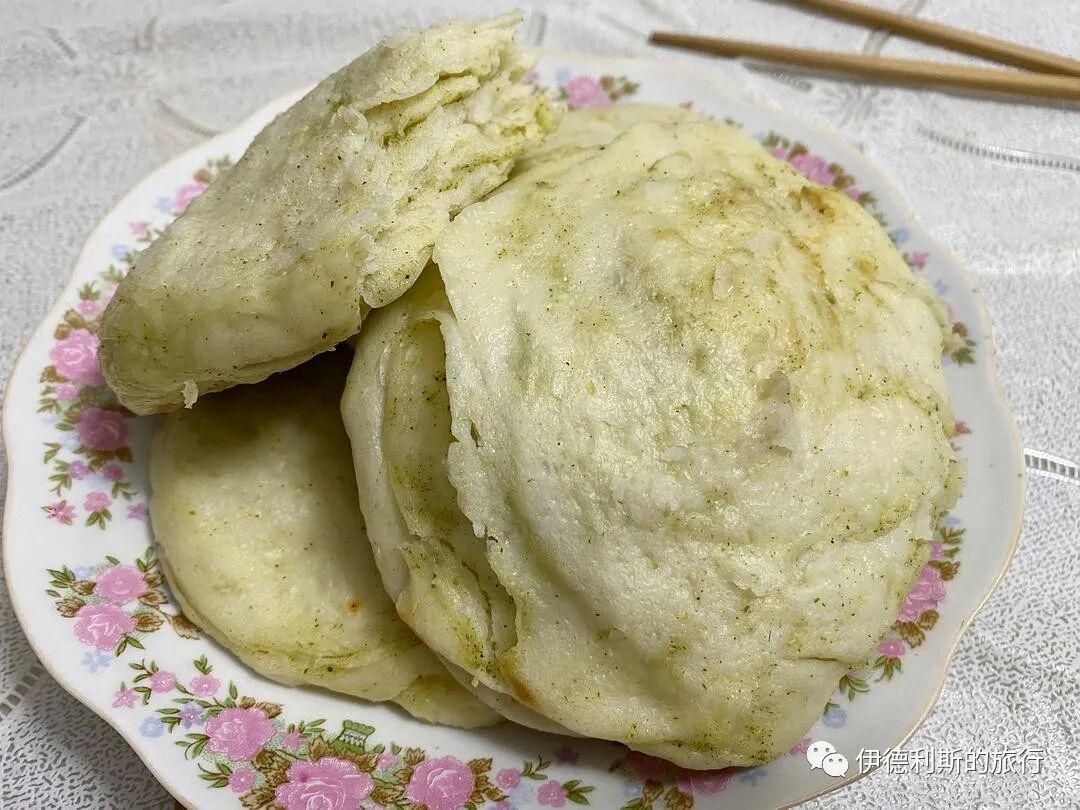
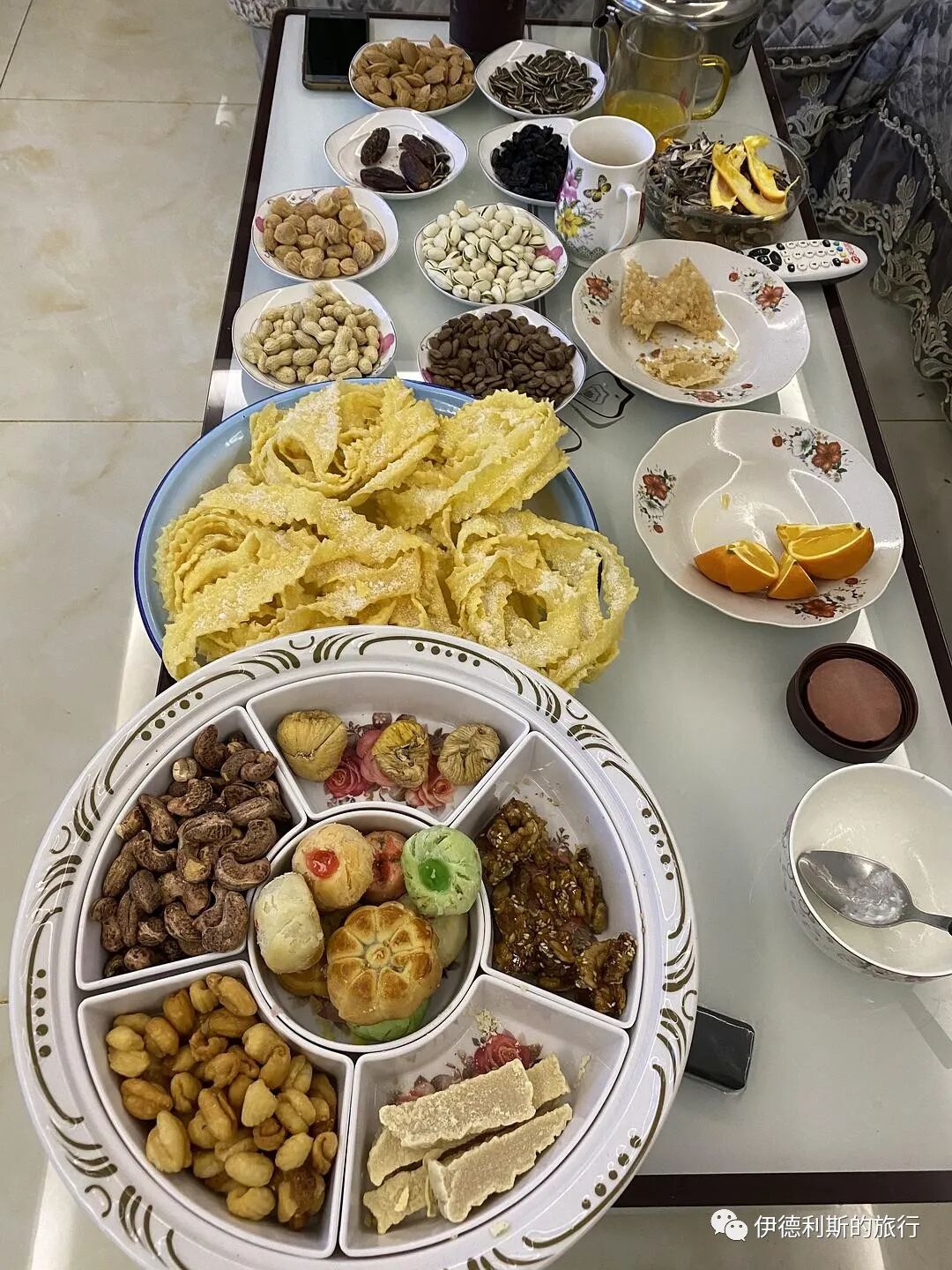
The picture below shows steamed youxiang (fried dough), though we usually make the steamed version when there is no feast; like the fried version, it must be broken by hand to be eaten.
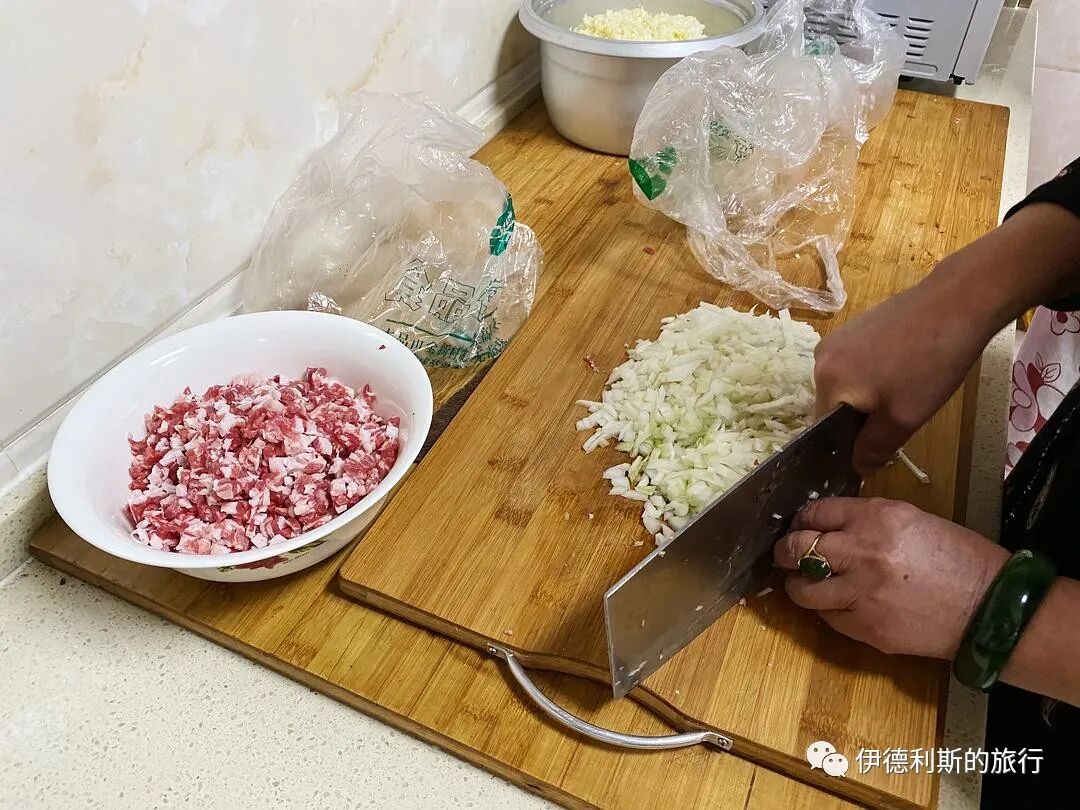
There is a saying: 'dumplings for departure, noodles for return,' and today we are making dumplings with piyazi (onion) and meat.
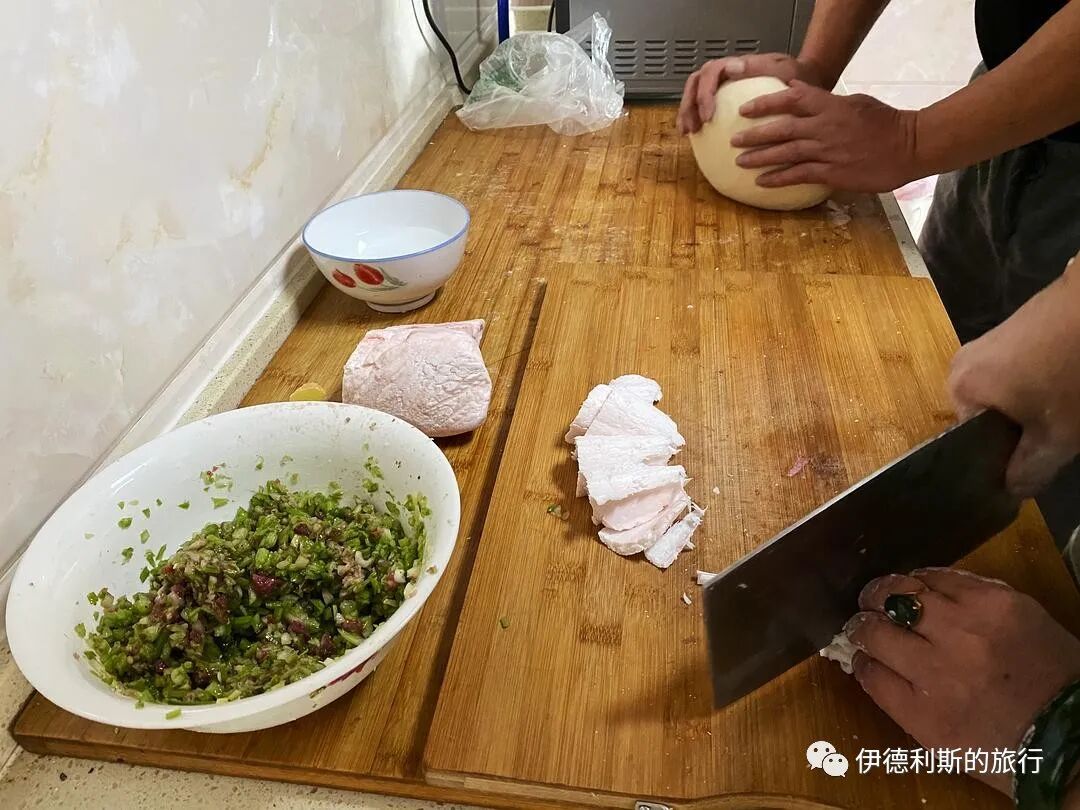
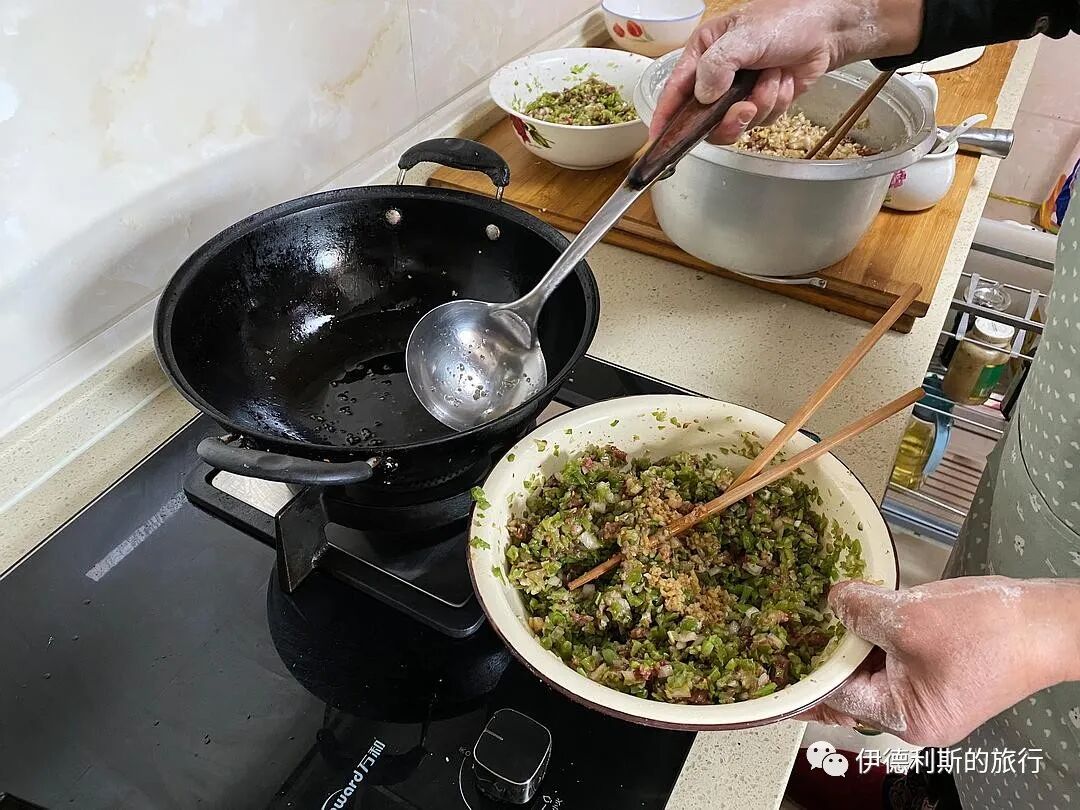
Rendering lamb tail fat, and once it is ready, adding it into the filling.
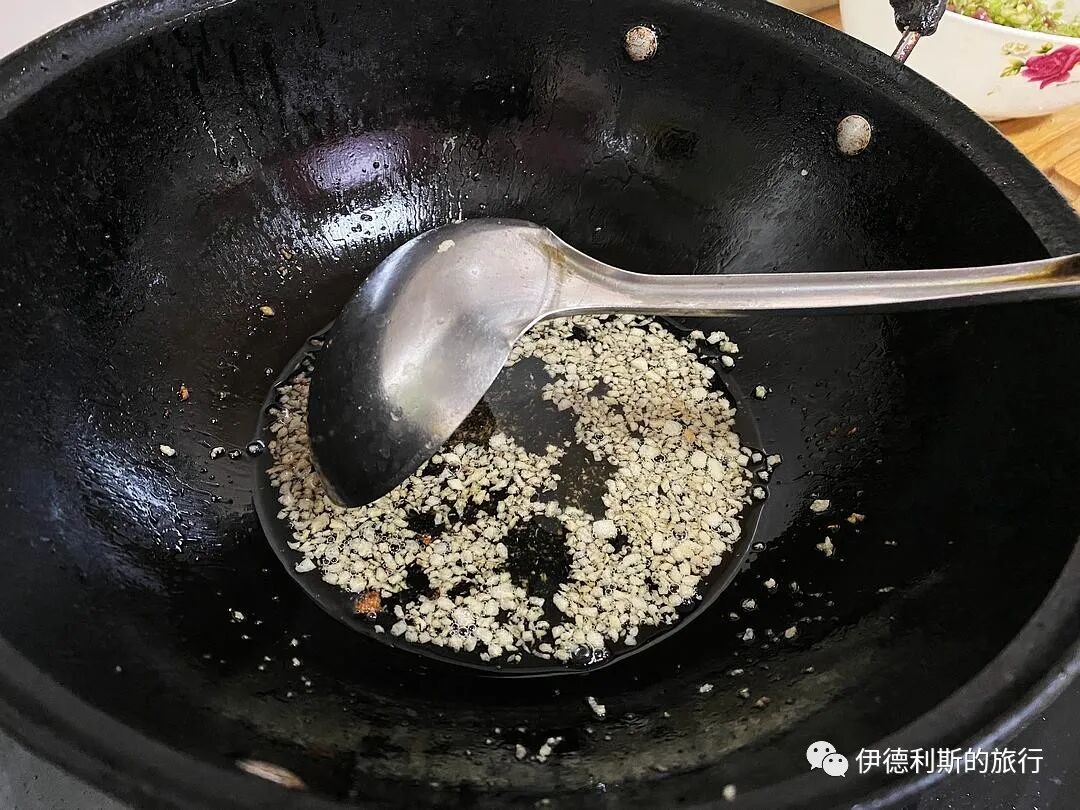
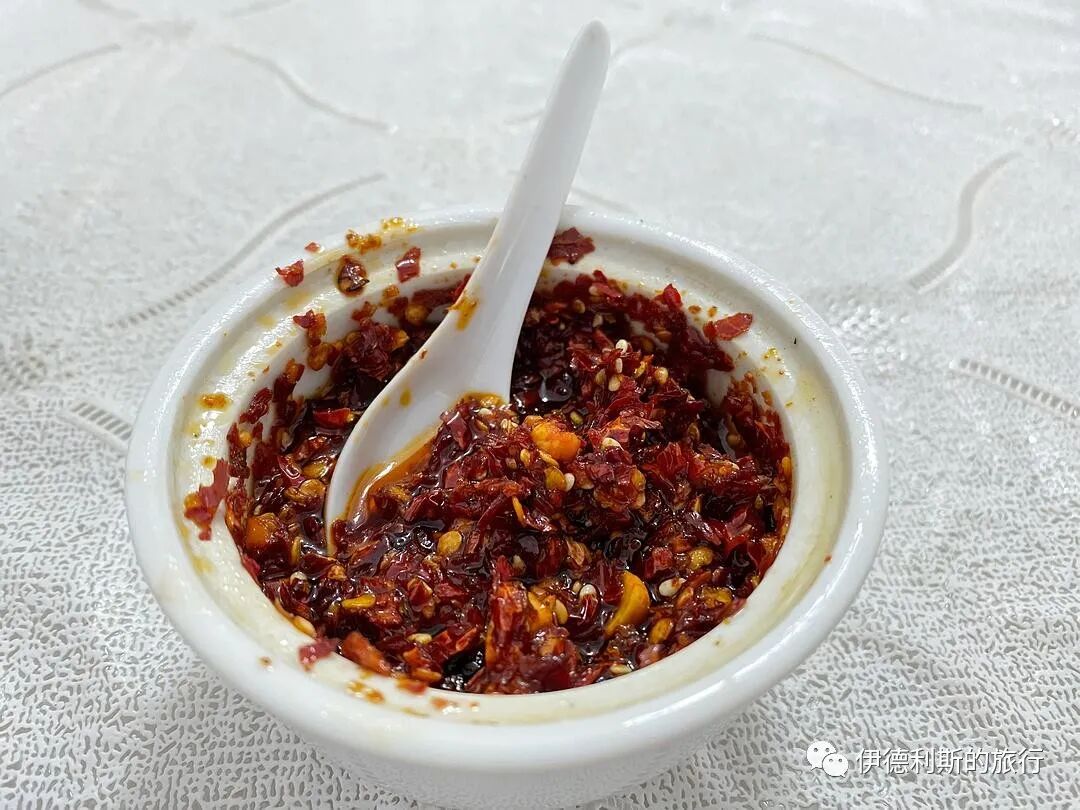
Then I used the lamb tail fat to make chili oil, a delicious companion for the dumplings.
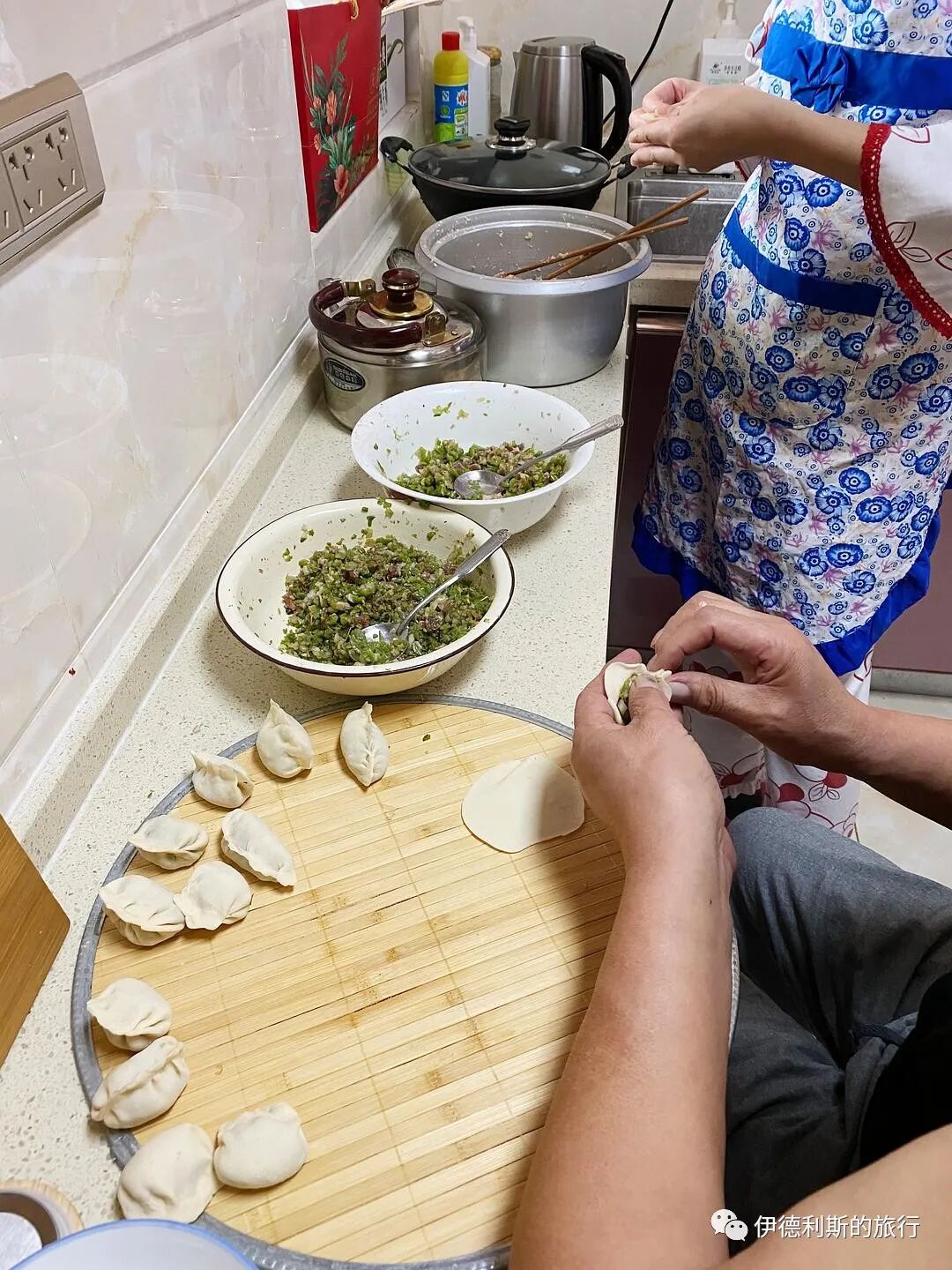
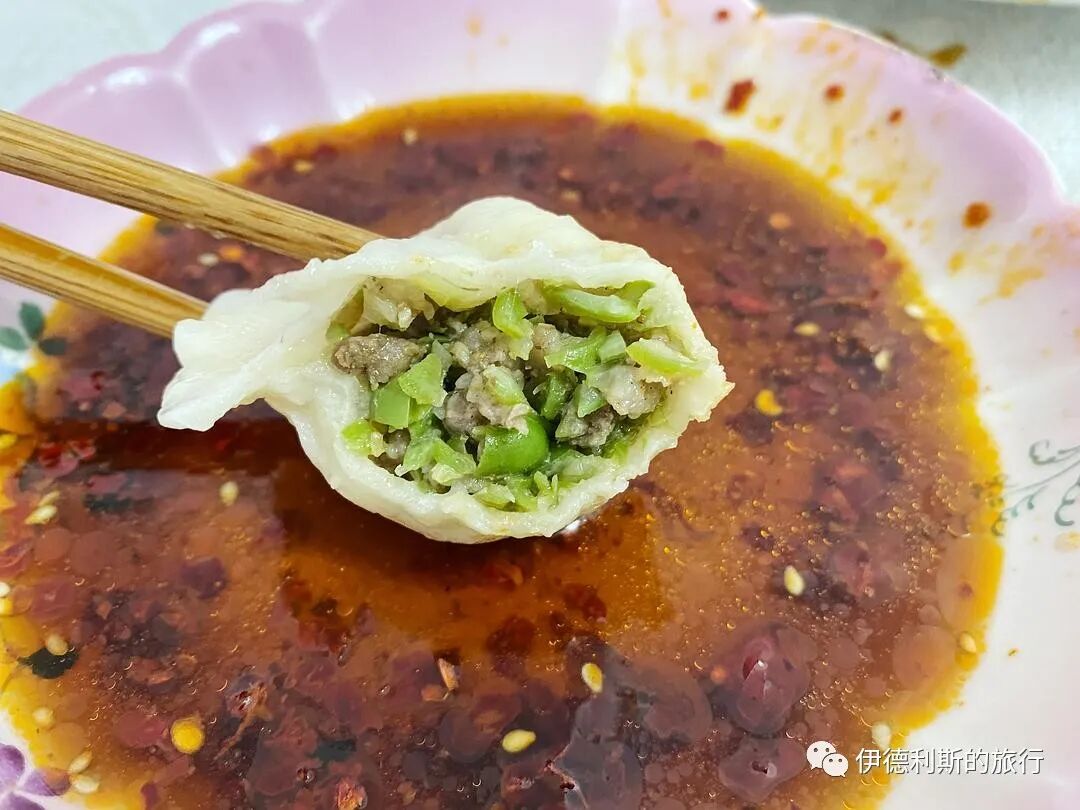
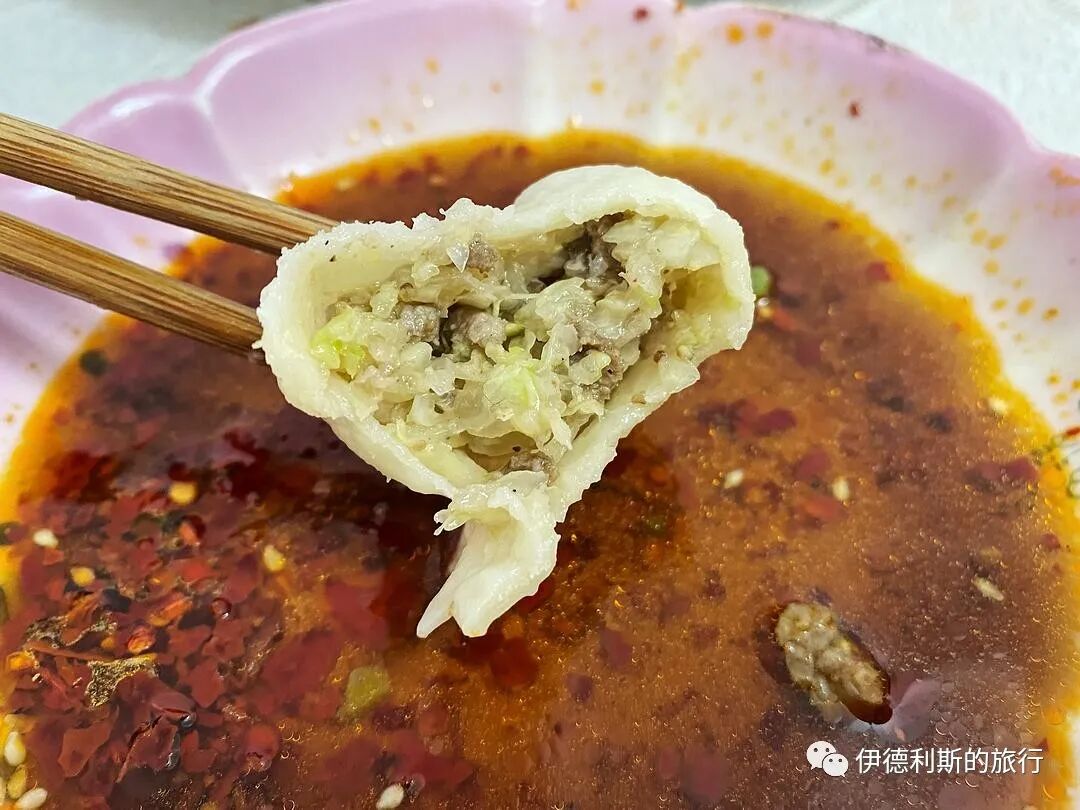
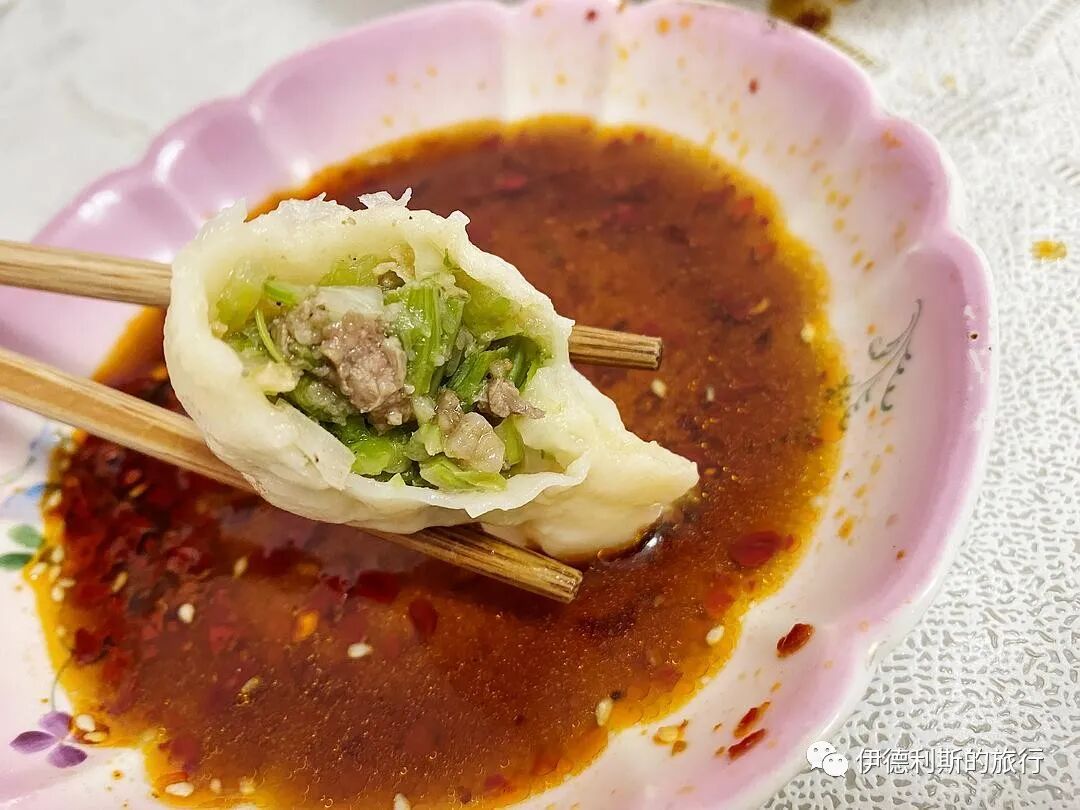
I made three kinds: celery, lentils, and cabbage; the meat is a mix of lamb and beef, and every filling has piyazi and lamb fat in it.
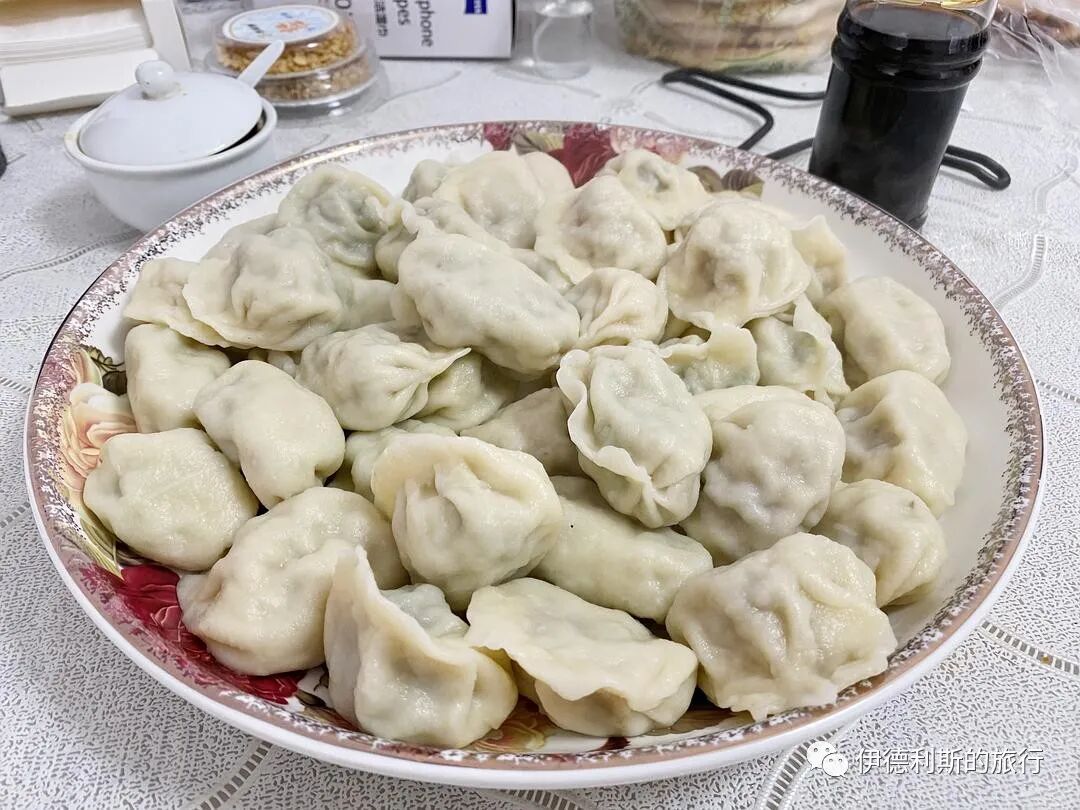
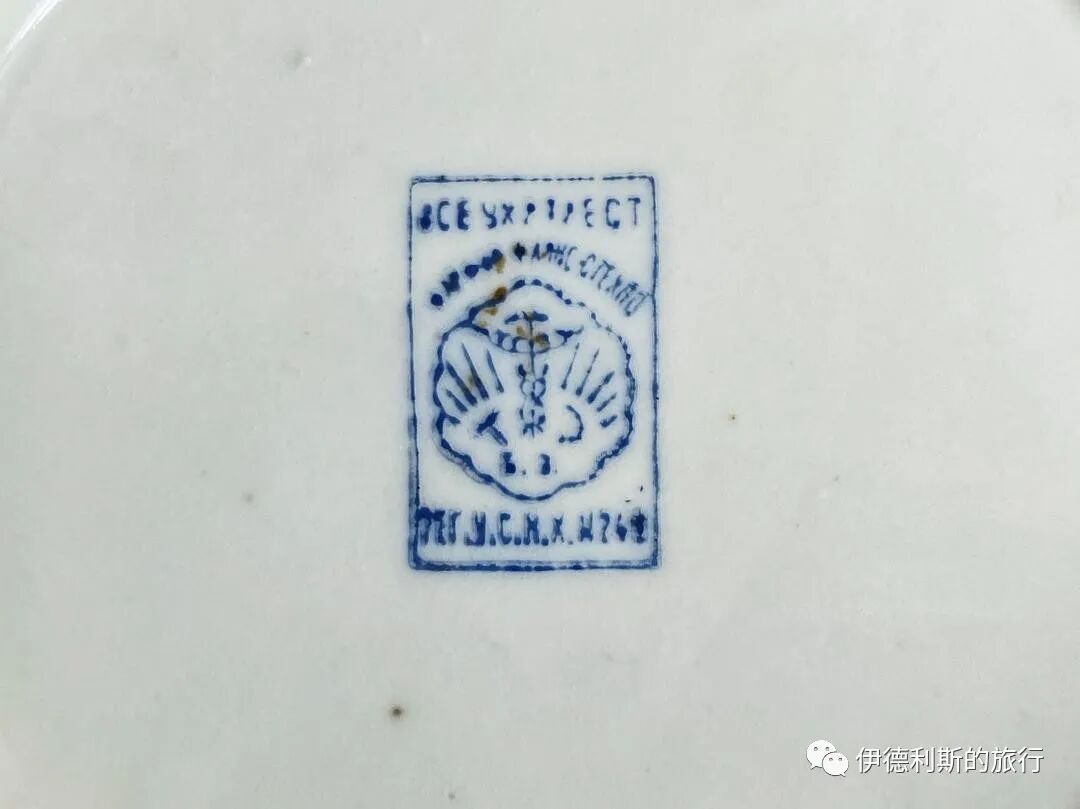
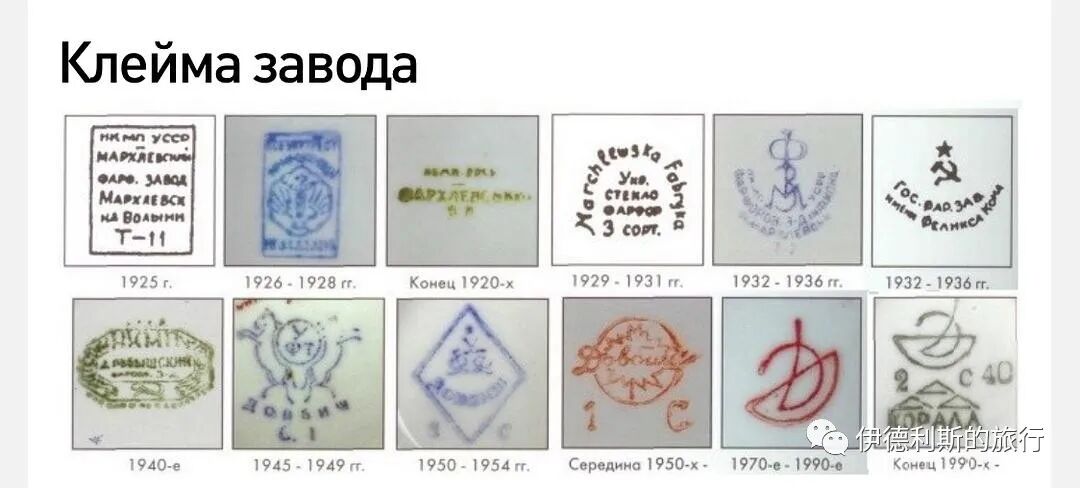
Appendix: A century-old Soviet porcelain plate.
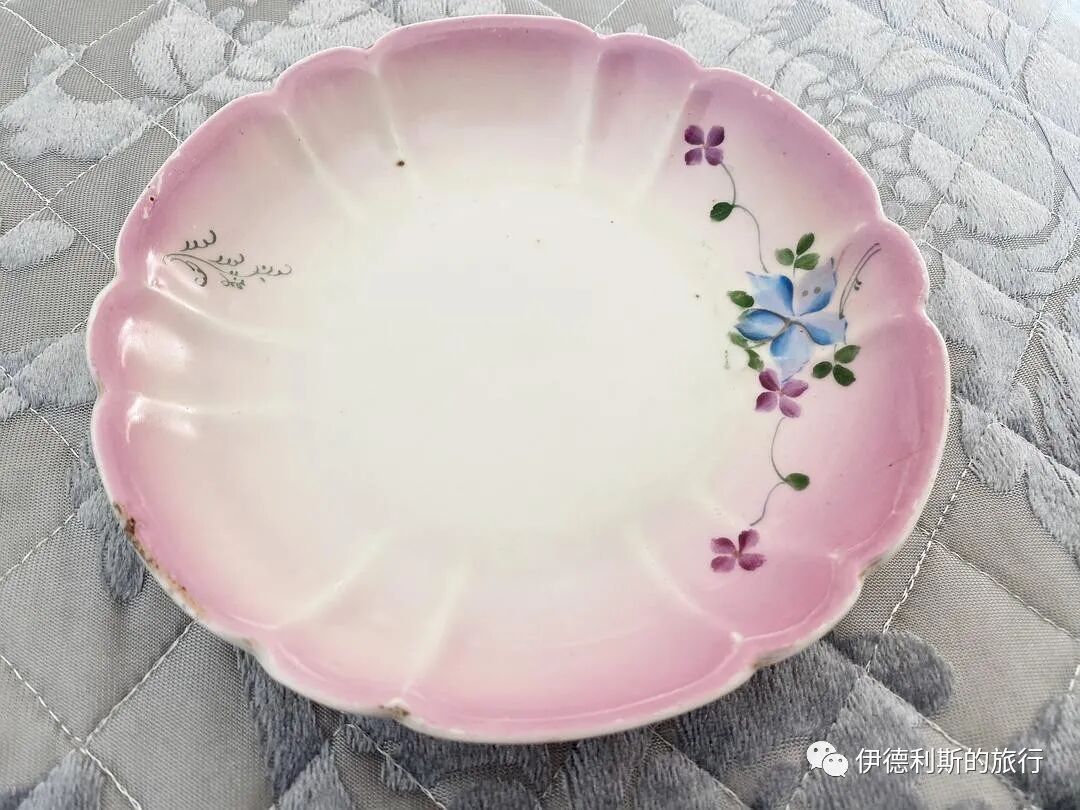
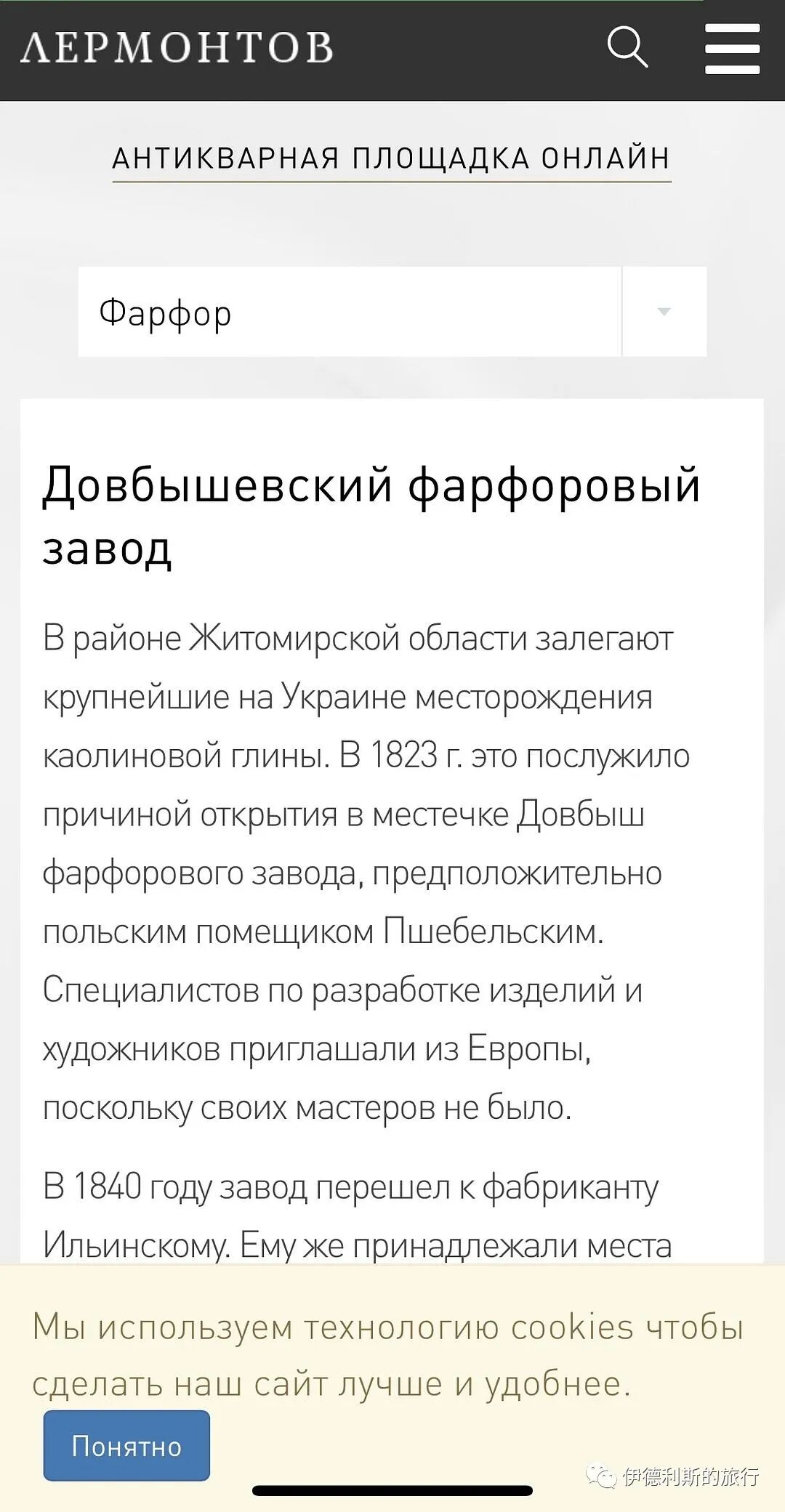
With the help of my neighbors, I found out the origin of the few porcelain plates left behind by Grandma Zainab! It turns out they were produced by the Budyansky Faience Factory in Kharkiv Oblast, Ukraine, between 1926 and 1928, so they are nearly 100 years old now. Grandma was born in 1928, so these plates were likely bought by her father in Urumqi back then; they can be considered a witness to the history of Urumqi. I have been using these plates to eat for the past few days, and now I feel a bit differently about them.
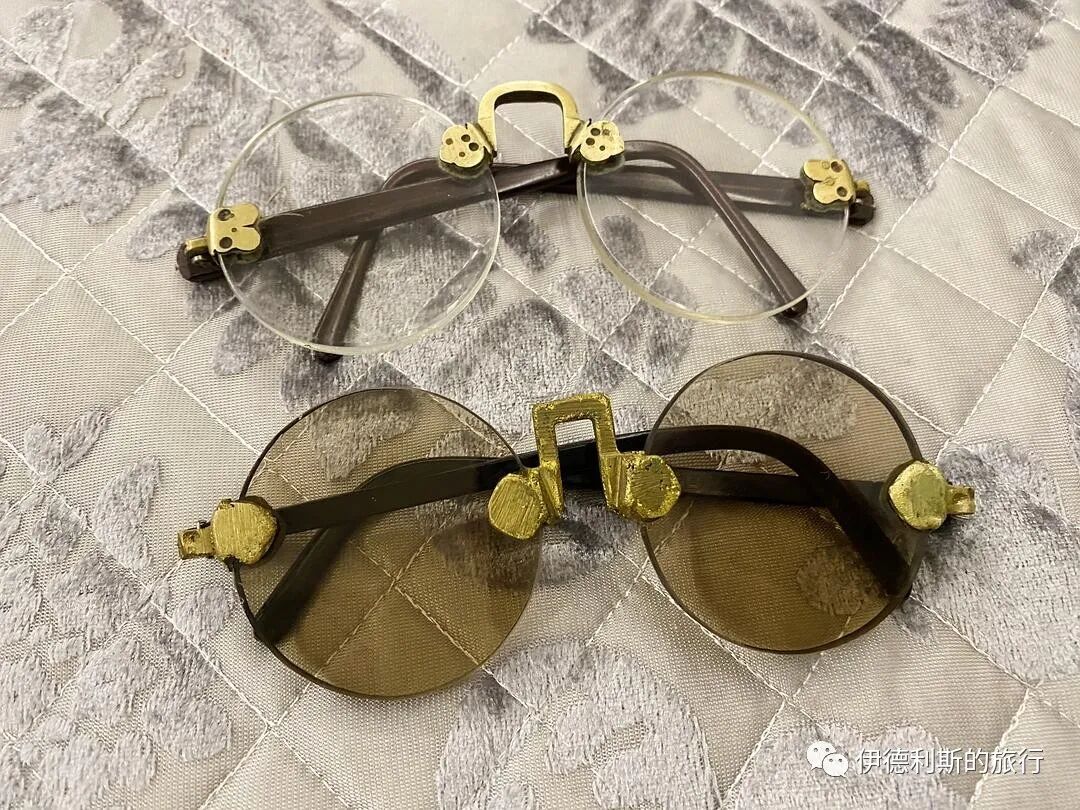
The stone-lens glasses left behind by Grandpa Zainab.
I am heading back to Beijing, and I will always miss my home in Urumqi.
Summary: This travel note introduces Urumqi Hui Muslim Home Cooking Guide: Everyday Halal Food in Xinjiang (Part 2). A new day begins with milk tea soaked with nang (flatbread). It is useful for readers interested in Urumqi Food, Hui Muslims, Xinjiang Travel.
February 2nd
A new day begins with milk tea soaked with nang (flatbread).
The picture below shows steamed youxiang (fried dough), though we usually make the steamed version when there is no feast; like the fried version, it must be broken by hand to be eaten.
There is a saying: 'dumplings for departure, noodles for return,' and today we are making dumplings with piyazi (onion) and meat.
Rendering lamb tail fat, and once it is ready, adding it into the filling.
Then I used the lamb tail fat to make chili oil, a delicious companion for the dumplings.
I made three kinds: celery, lentils, and cabbage; the meat is a mix of lamb and beef, and every filling has piyazi and lamb fat in it.
Appendix: A century-old Soviet porcelain plate.
With the help of my neighbors, I found out the origin of the few porcelain plates left behind by Grandma Zainab! It turns out they were produced by the Budyansky Faience Factory in Kharkiv Oblast, Ukraine, between 1926 and 1928, so they are nearly 100 years old now. Grandma was born in 1928, so these plates were likely bought by her father in Urumqi back then; they can be considered a witness to the history of Urumqi. I have been using these plates to eat for the past few days, and now I feel a bit differently about them.
The stone-lens glasses left behind by Grandpa Zainab.
I am heading back to Beijing, and I will always miss my home in Urumqi.
