
Urumqi Hui Muslim Home Cooking Guide: Everyday Halal Food in Xinjiang (Part 1)
Reposted from the web
Summary: This travel note introduces Urumqi Hui Muslim Home Cooking Guide: Everyday Halal Food in Xinjiang (Part 1). On January 22, 2020, Zainab and I returned to Urumqi, where she had lived until she was 18, in a residential compound with over sixty years of history. It is useful for readers interested in Urumqi Food, Hui Muslims, Xinjiang Travel.
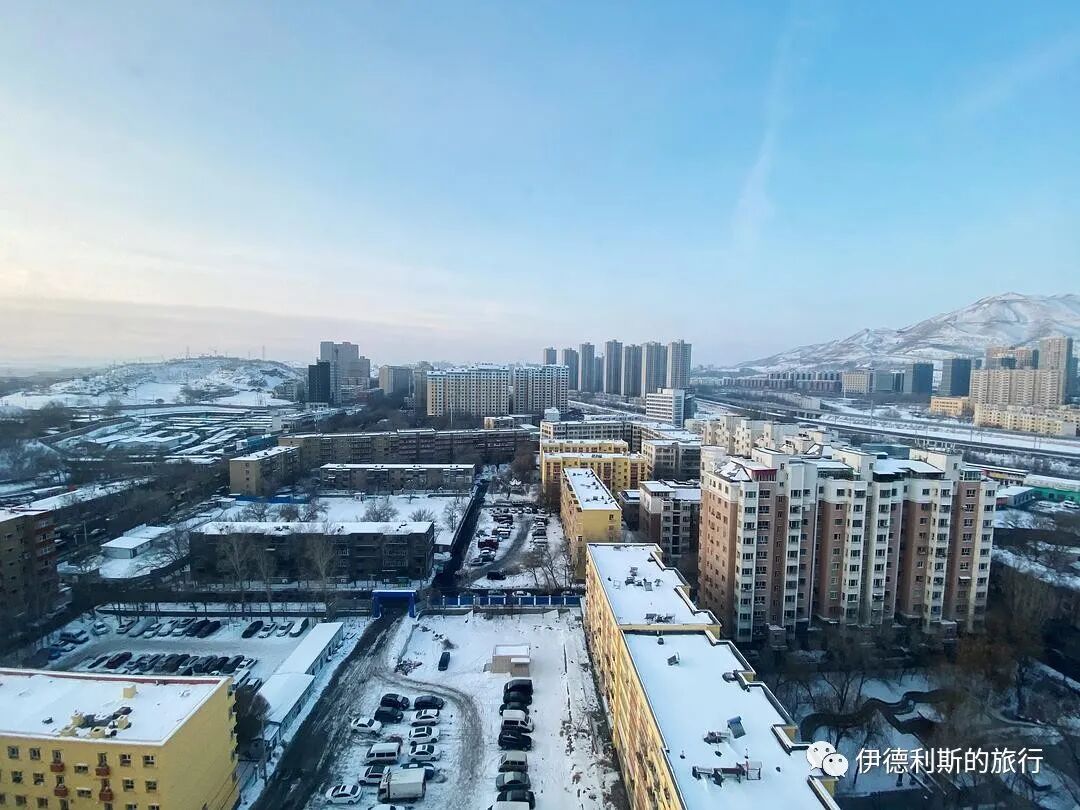
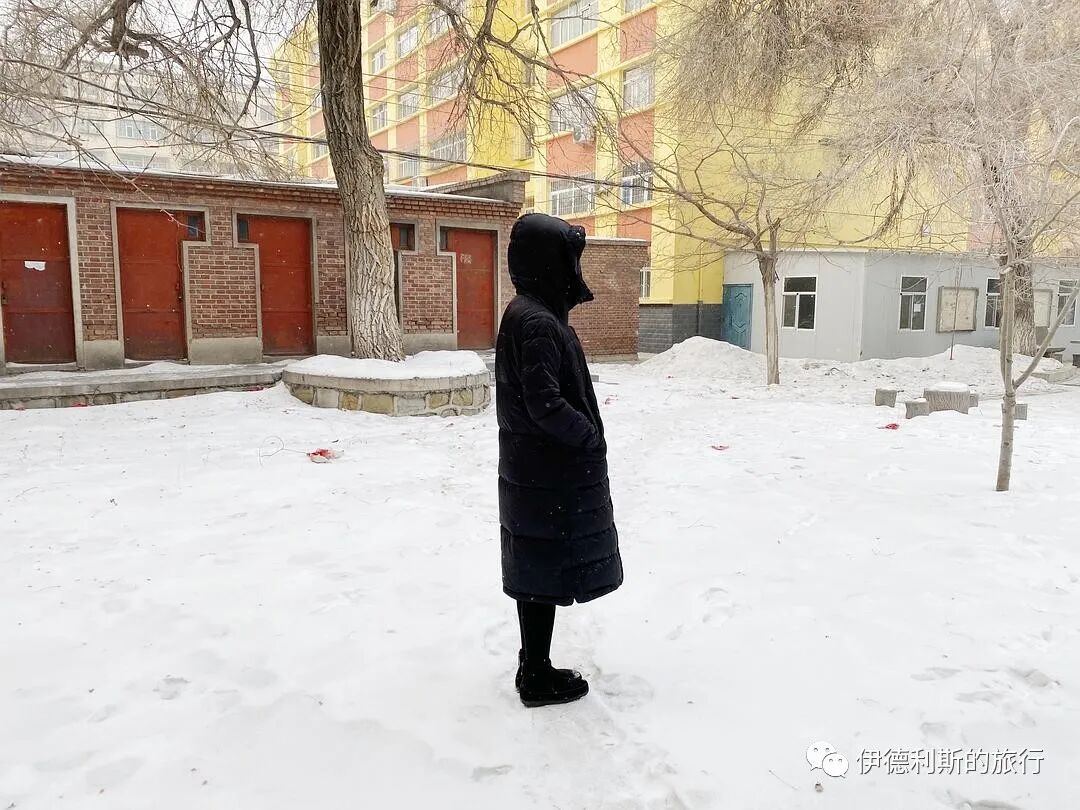
On January 22, 2020, Zainab and I returned to Urumqi, where she had lived until she was 18, in a residential compound with over sixty years of history. We originally planned to have a good time in Urumqi, but then Xinjiang launched a Level 1 emergency response on January 25. All restaurants closed, and the residential compound was semi-locked down, so we had to stay at home. During these days of staying at home, my mother-in-law made us delicious food with great variety every day, and we were able to taste all kinds of authentic Hui Muslim home-cooked dishes from Urumqi (Part 1).
The menu of what we ate these past few days is as follows:
January 22
Lunch: Four types of banmian (hand-pulled noodles with toppings): celery and meat, pickled cabbage and meat, eggplant and meat, and onion and cherry radish with meat.
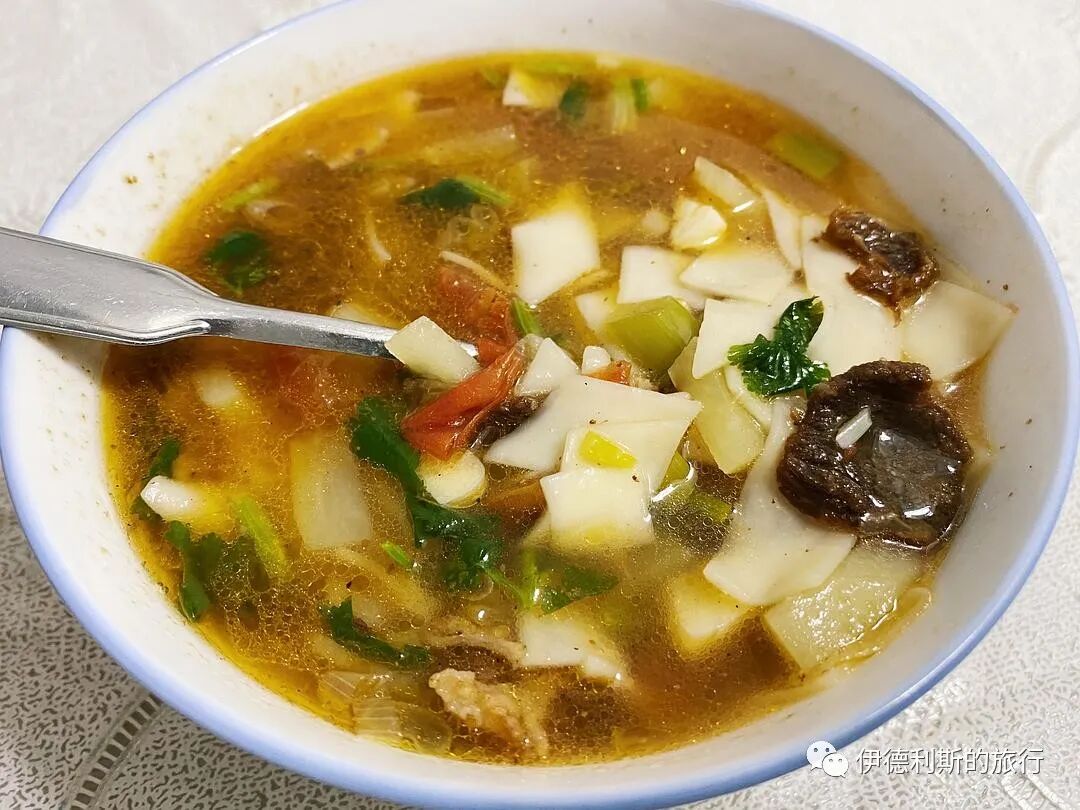
Afternoon: Tangfan (noodle soup).
January 23
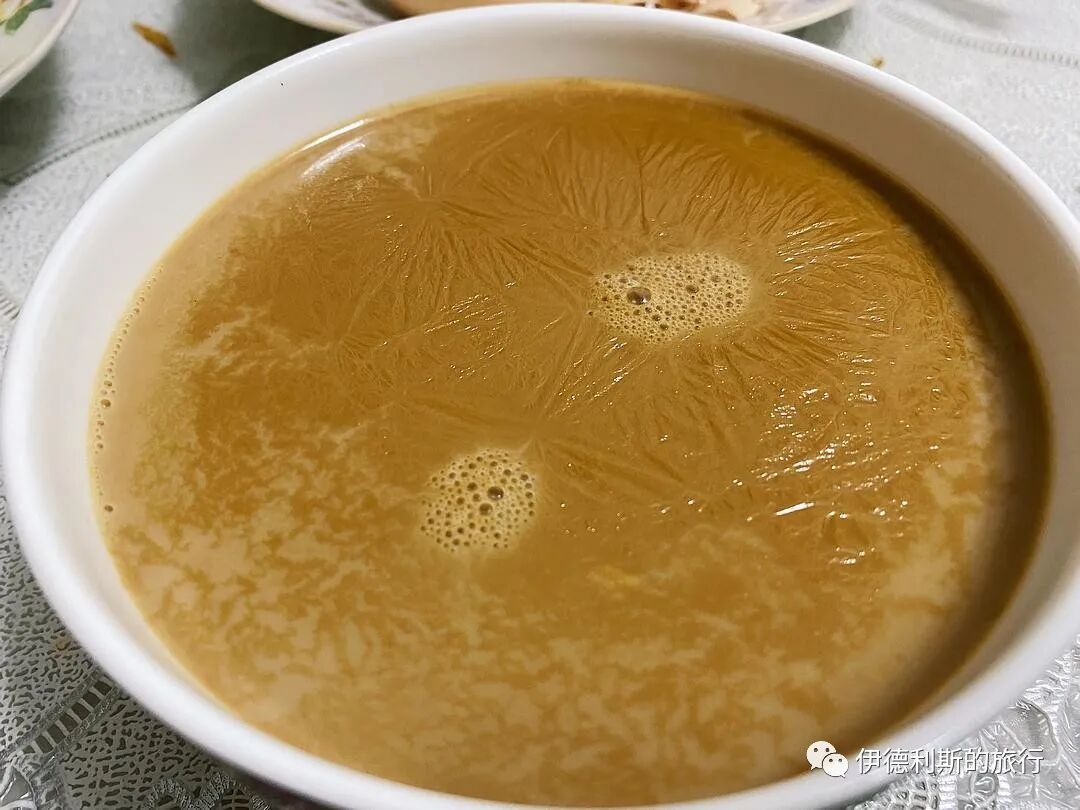
Morning: Milk tea with shredded potatoes, dried chili peppers, and meat.
January 27
Morning: Tangningningzi (a type of fried dough twist) soaked in milk.
Lunch: Shredded potato and guoyourou (oil-seared meat) banmian.
Afternoon: Fentang (starch noodle soup).
January 28
Lunch: Baobaozi (steamed buns with thin skin).
Afternoon: Bantang (a thick noodle soup).
January 29
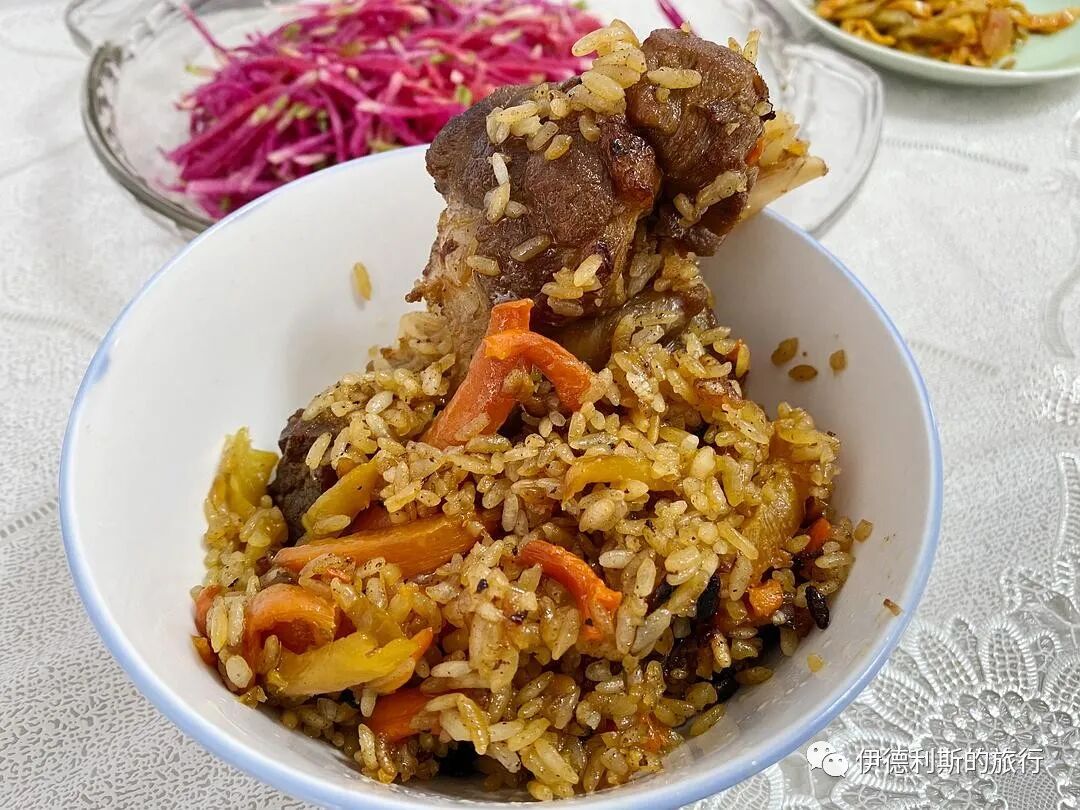
Lunch: Lamb leg zhuafan (pilaf).
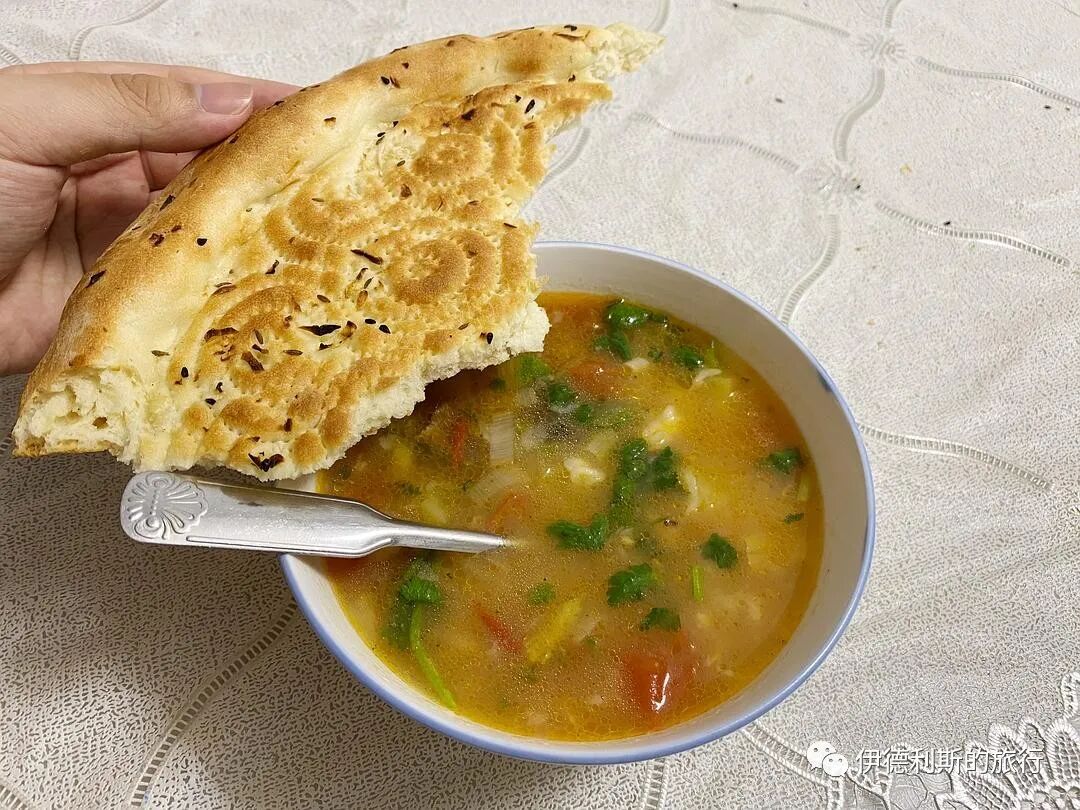
Afternoon: Tangfan with nang (flatbread).
January 30
Lunch: Mayezi (fried sesame dough crisps) and egg sanzi (deep-fried dough twists).
Afternoon: Chive pockets and homemade yogurt.
January 31
Afternoon: Fried menzi (steamed meat paste) and pickled cabbage with vermicelli.
February 1
Afternoon: Dapanji (big plate chicken).
February 2nd
Morning: Milk tea with soaked nang and steamed youxiang (fried dough).
Afternoon: Onion and lamb fat meat dumplings.
January 22
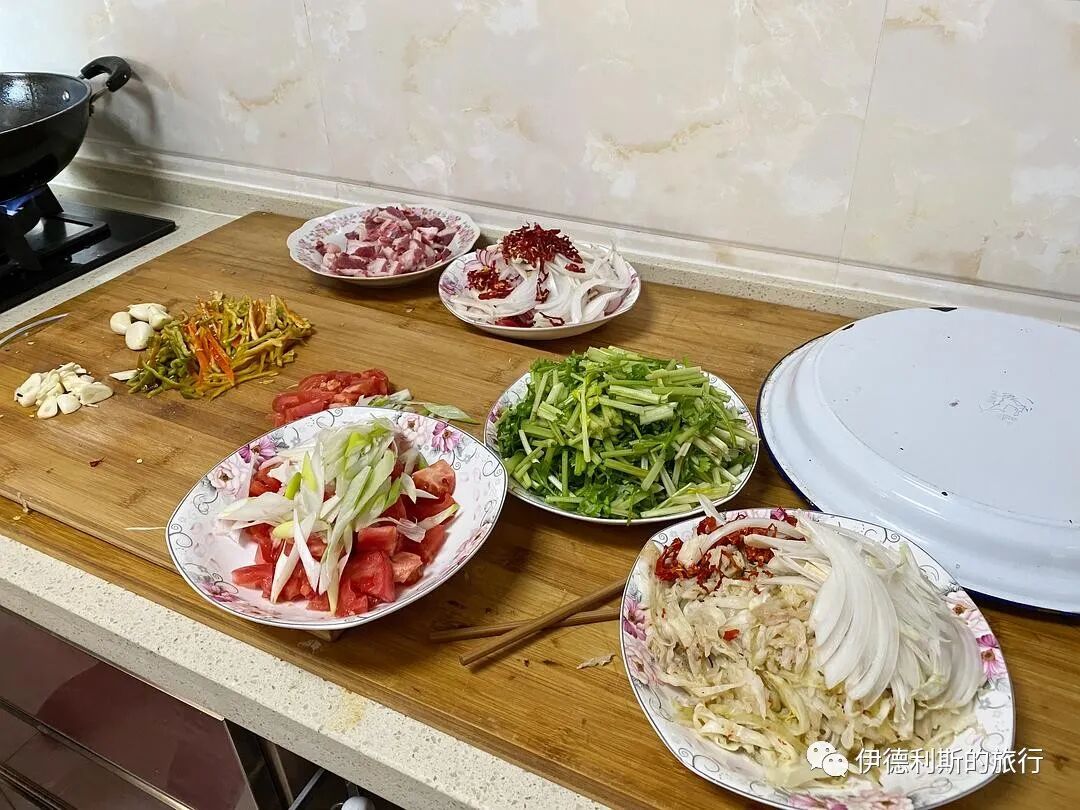
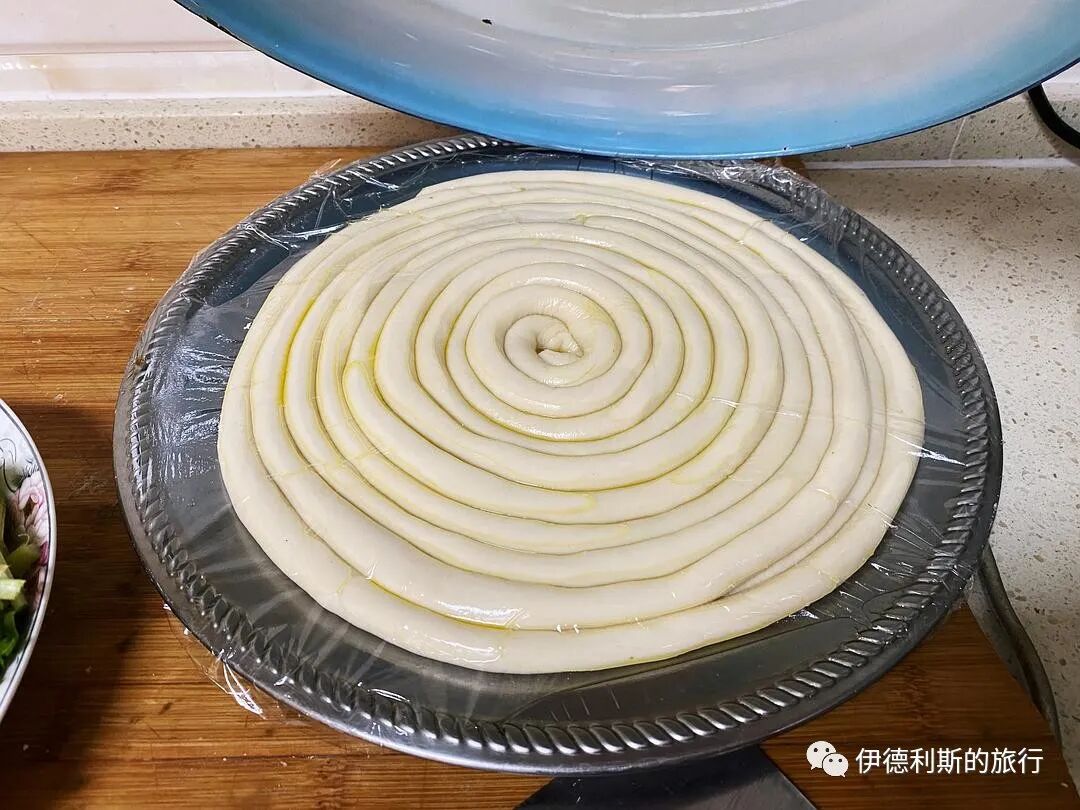
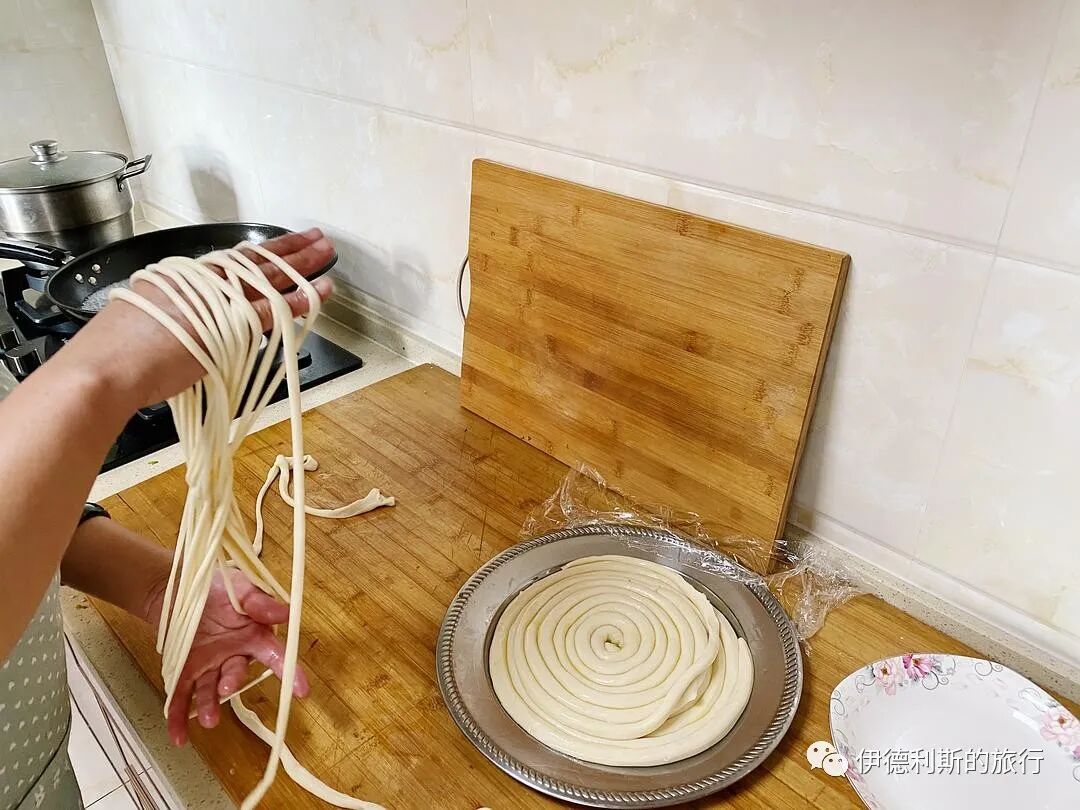
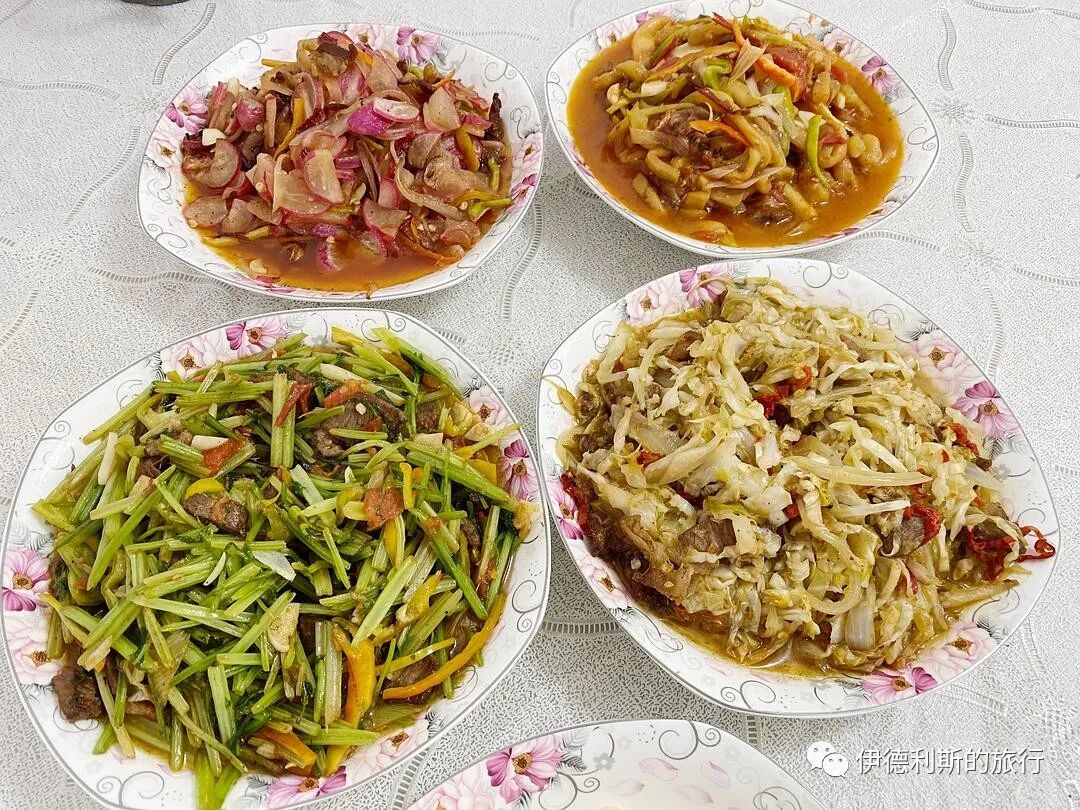
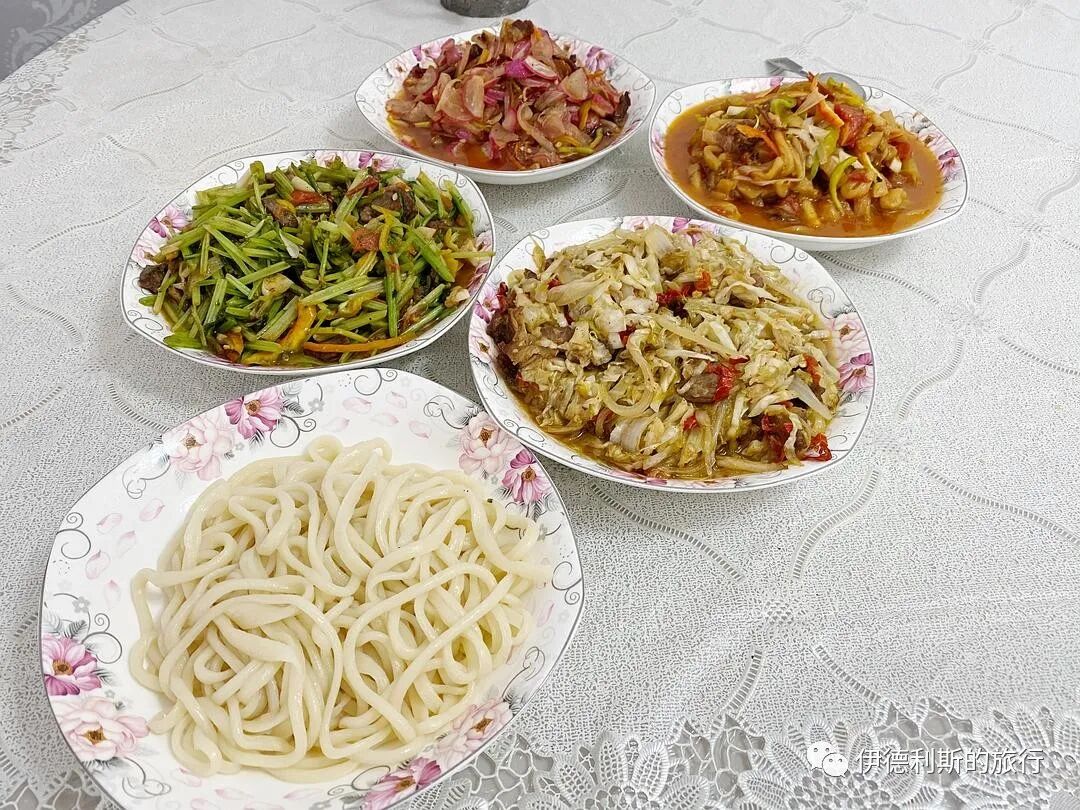
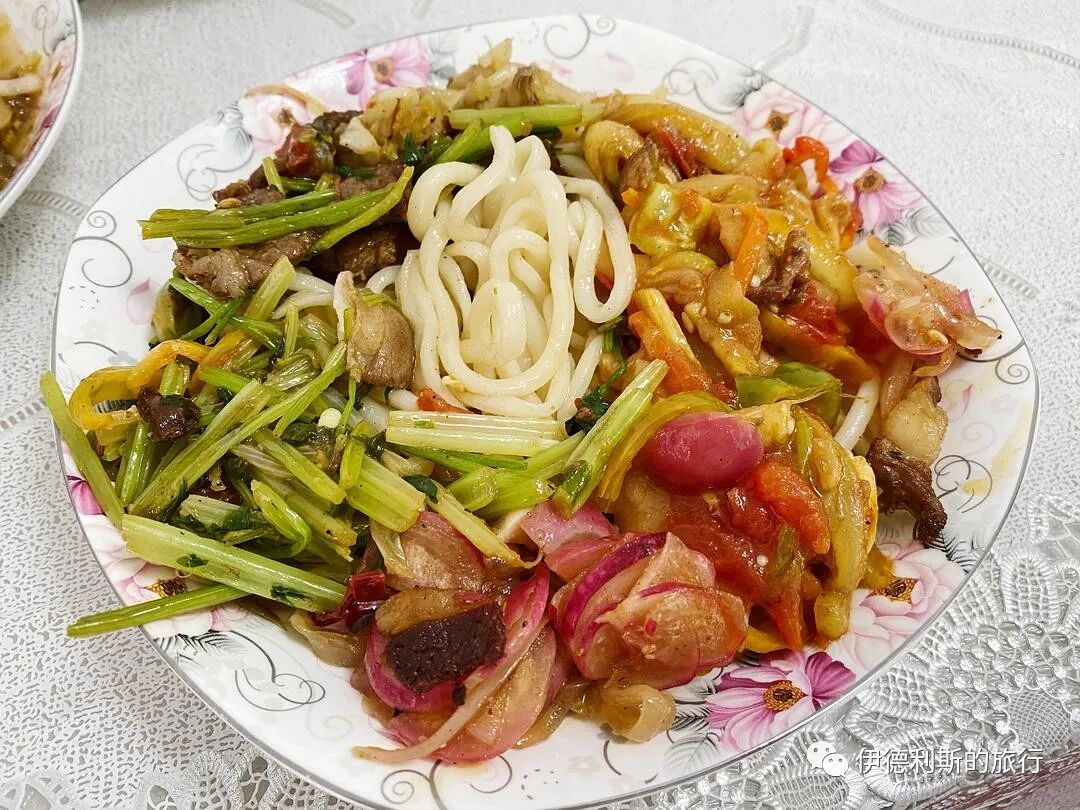
The first meal back in Urumqi, four types of banmian: celery and meat, onion and cherry radish, eggplant and meat, and pickled cabbage and meat—delicious. This time, the latiaozi (hand-pulled noodles) were made using the 'panzi mian' method, where the dough is rolled out and then coiled to rest.
The tangfan we had in the afternoon was made with mianqizi (small square dough pieces), not hand-torn dough pieces, so it was quite simple.
January 23
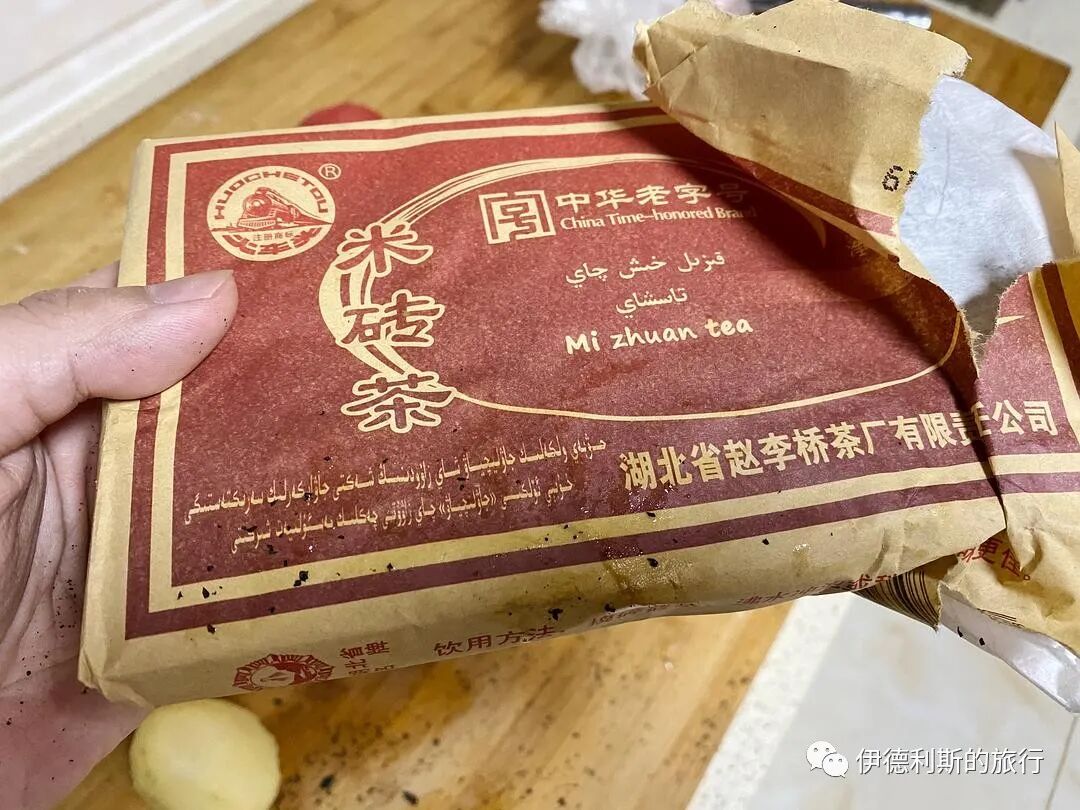
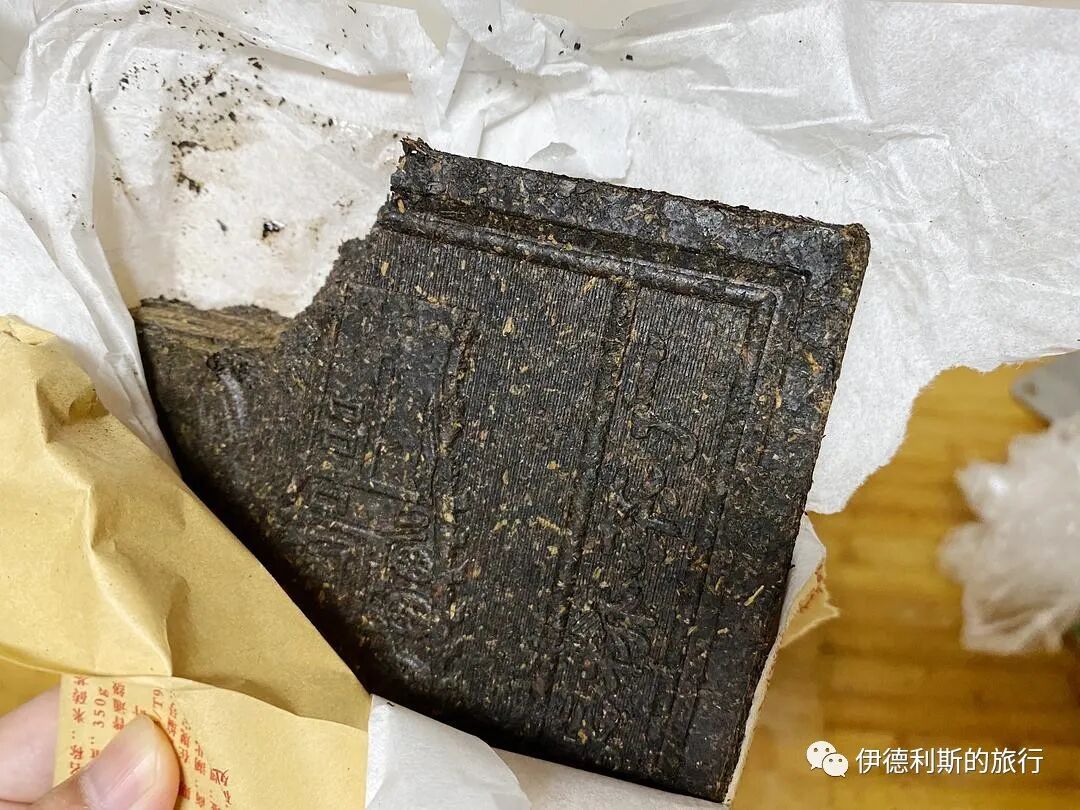
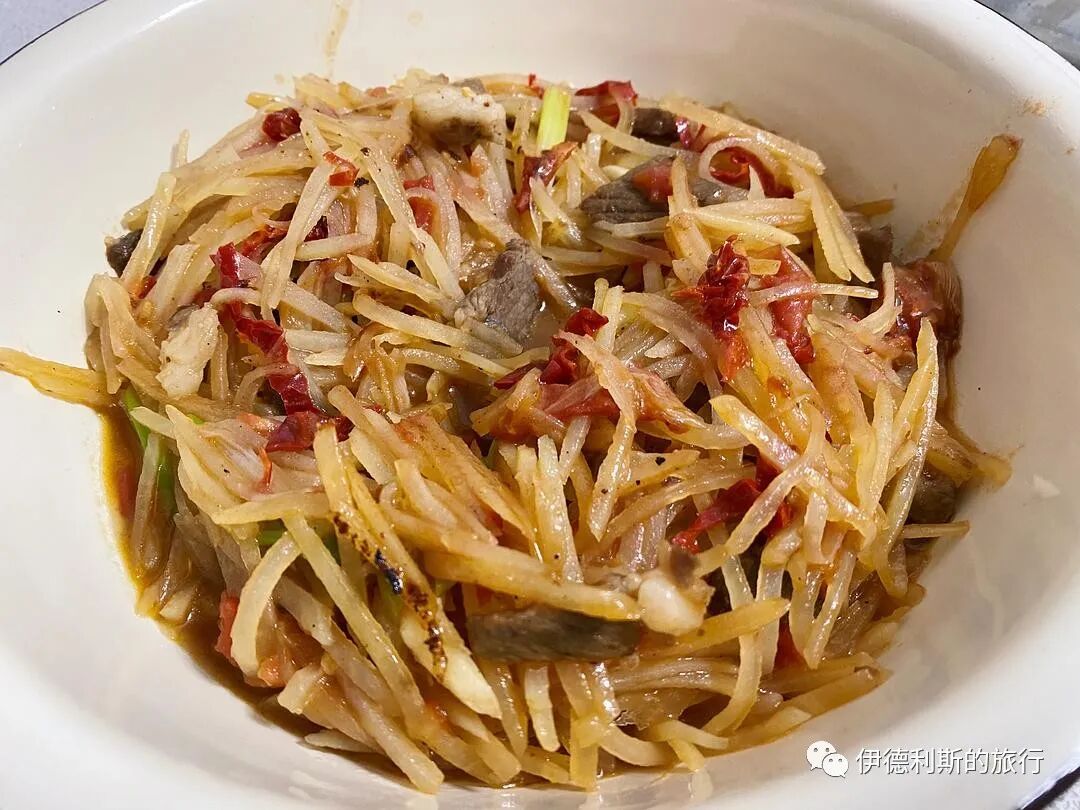
Woke up in the morning to boil milk tea using special brick tea, served with shredded potatoes, dried chili peppers, meat, and steamed buns.
January 27
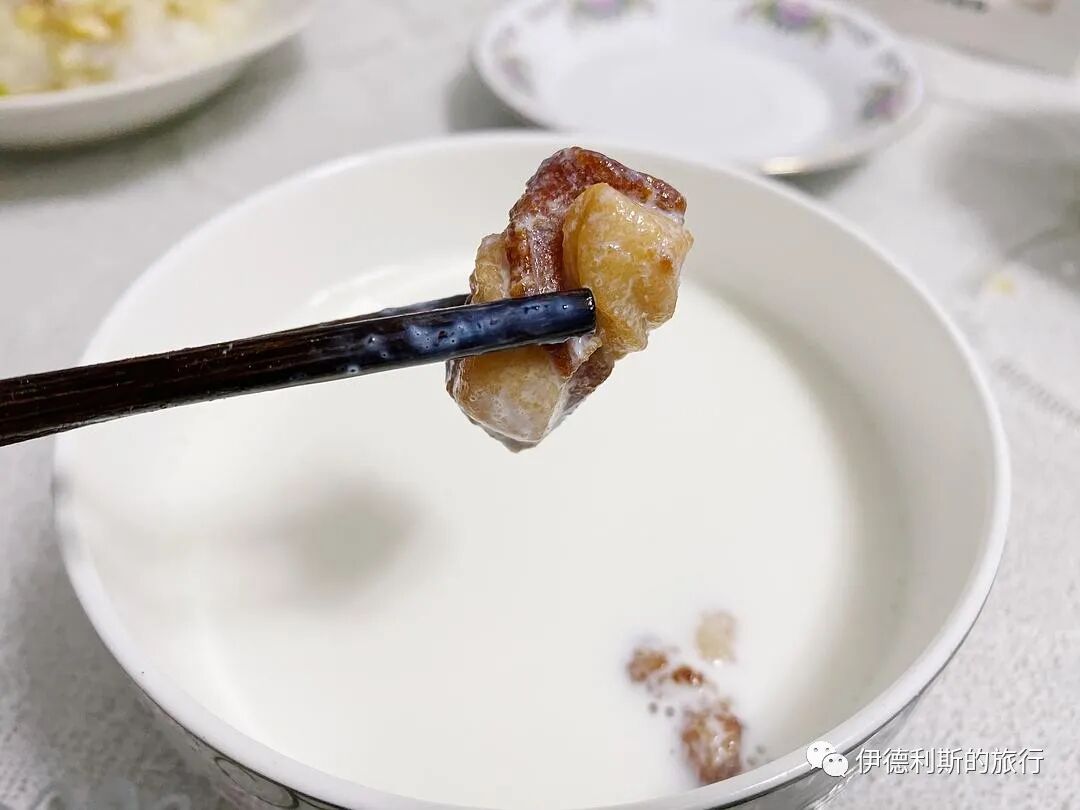
Breakfast included milk, jiaomaji (peppery chicken), steamed youxiang, and tianpanzi (sweet dish). A particularly tasty way to eat is soaking tangningningzi in milk.
At noon, my mother-in-law taught me how to make latiaozi. Urumqi Hui Muslims make latiaozi in two ways: 'panzi mian' and 'zhangzi mian'. Panzi mian is the coiled method like the Uyghurs use, while this time we made the simpler zhangzi mian.
First, knead the dough.
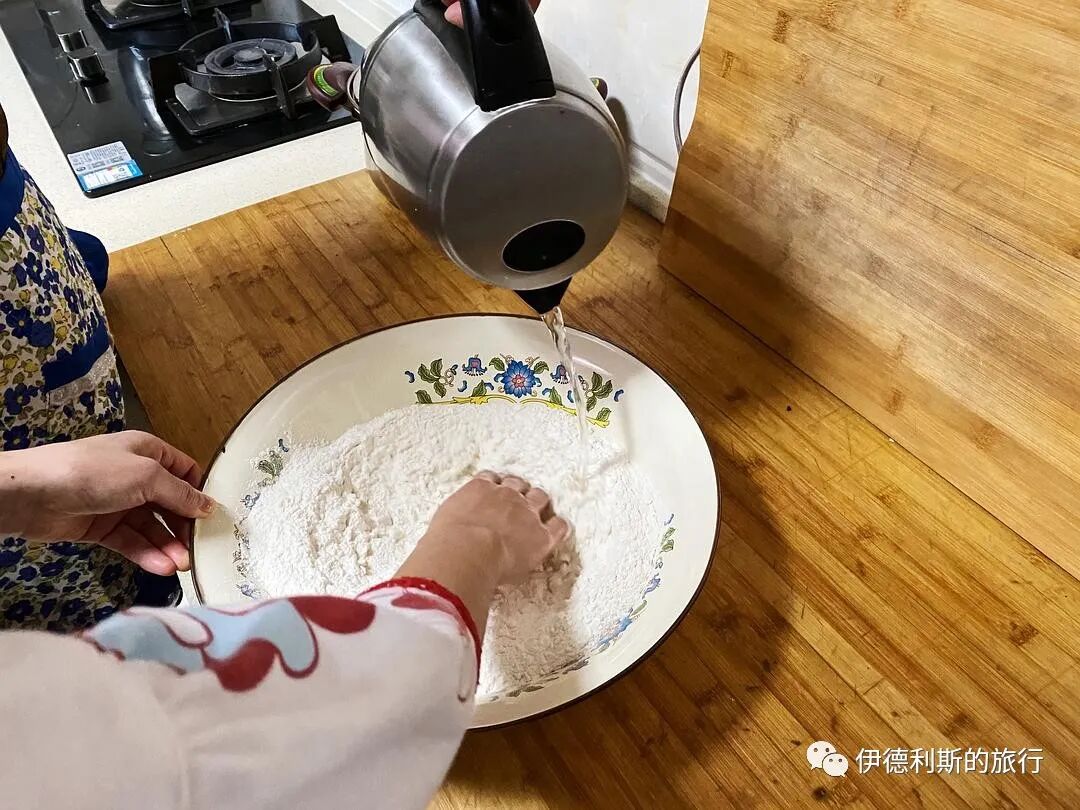
Knead the dough to this consistency; you have to judge how much water to add by feel, don't add too much at once.
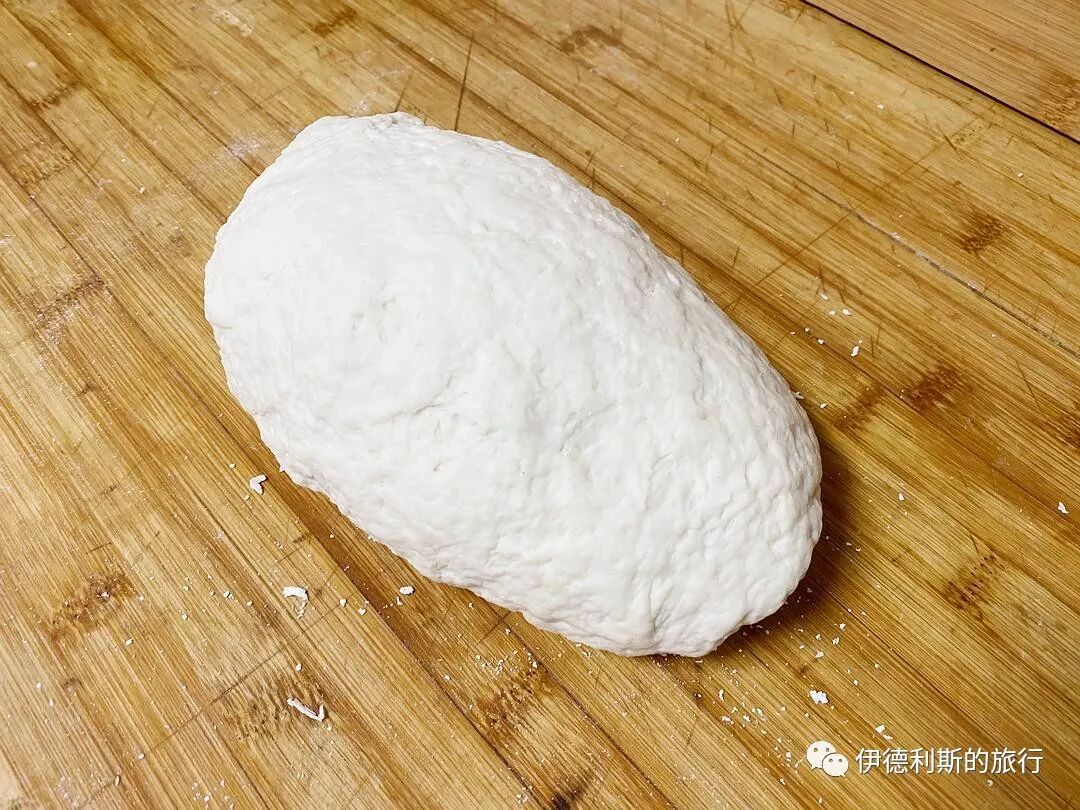
Cover the dough with a basin to let it rest. After resting for a while, the outside will become smooth, and then you start kneading it again. Kneading needs to be done three times, with about ten minutes of resting in between, until the surface is completely smooth. You can prepare the banmian toppings while the dough rests. Next is rolling the dough, roll it to the thickness of a finger, then brush with oil, and cover with the basin again.
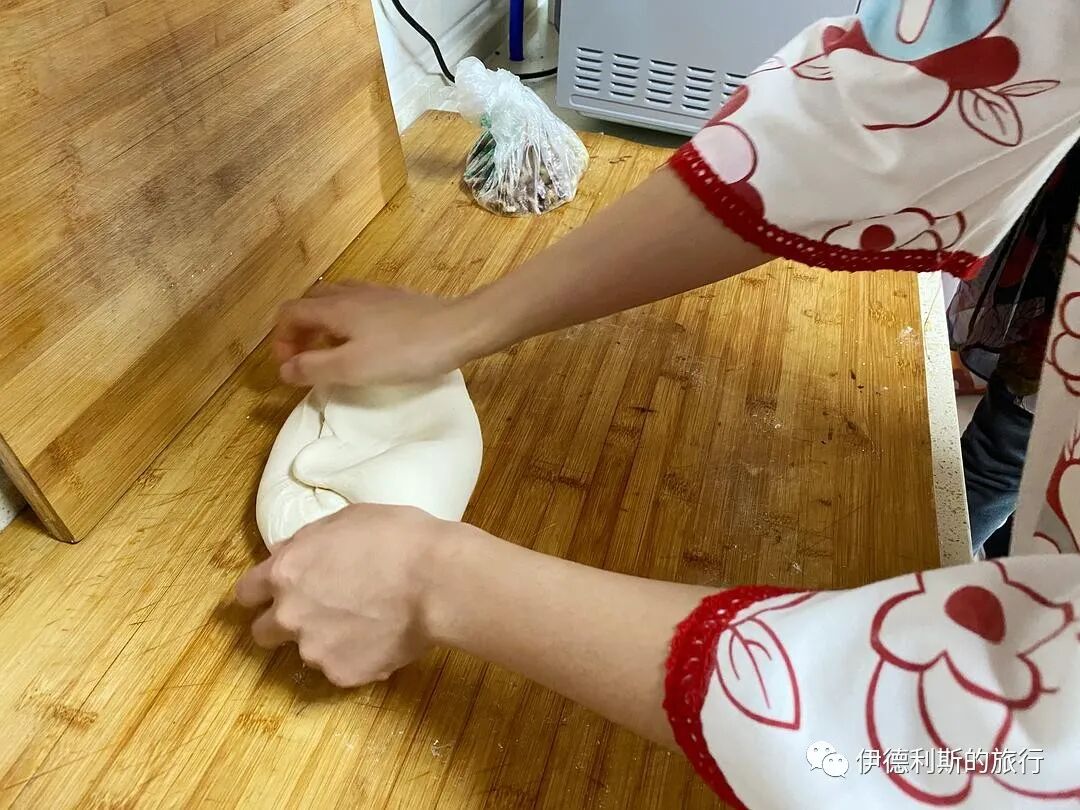
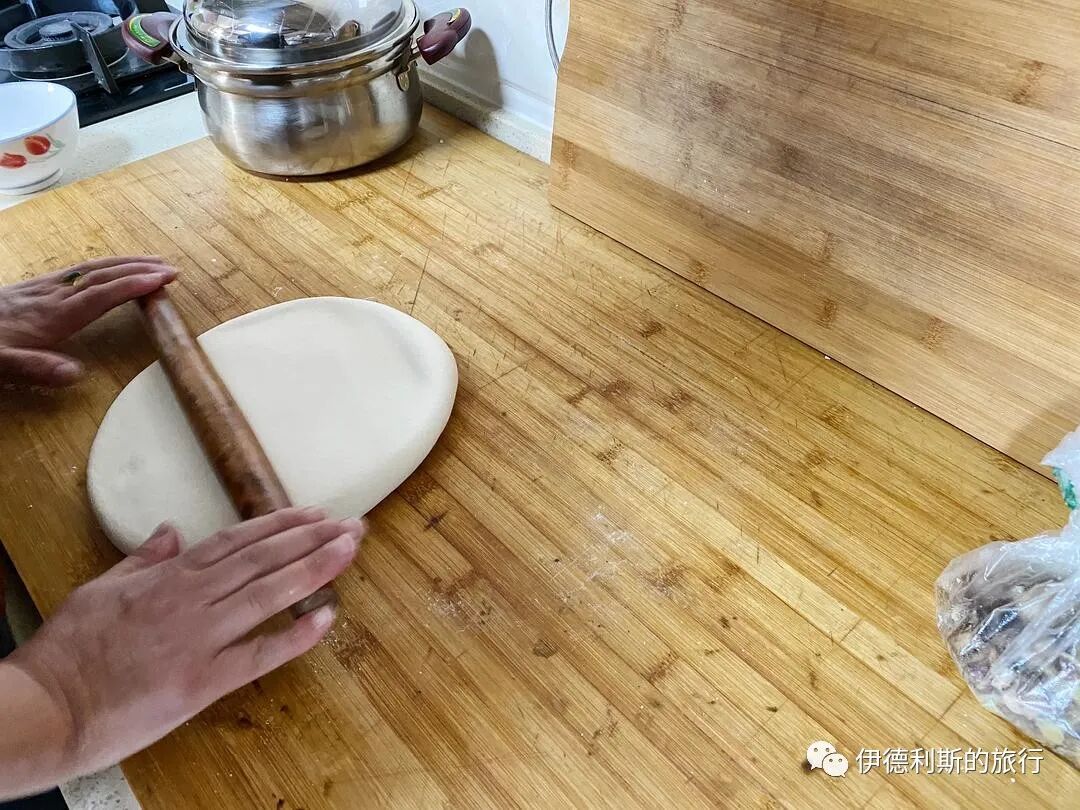
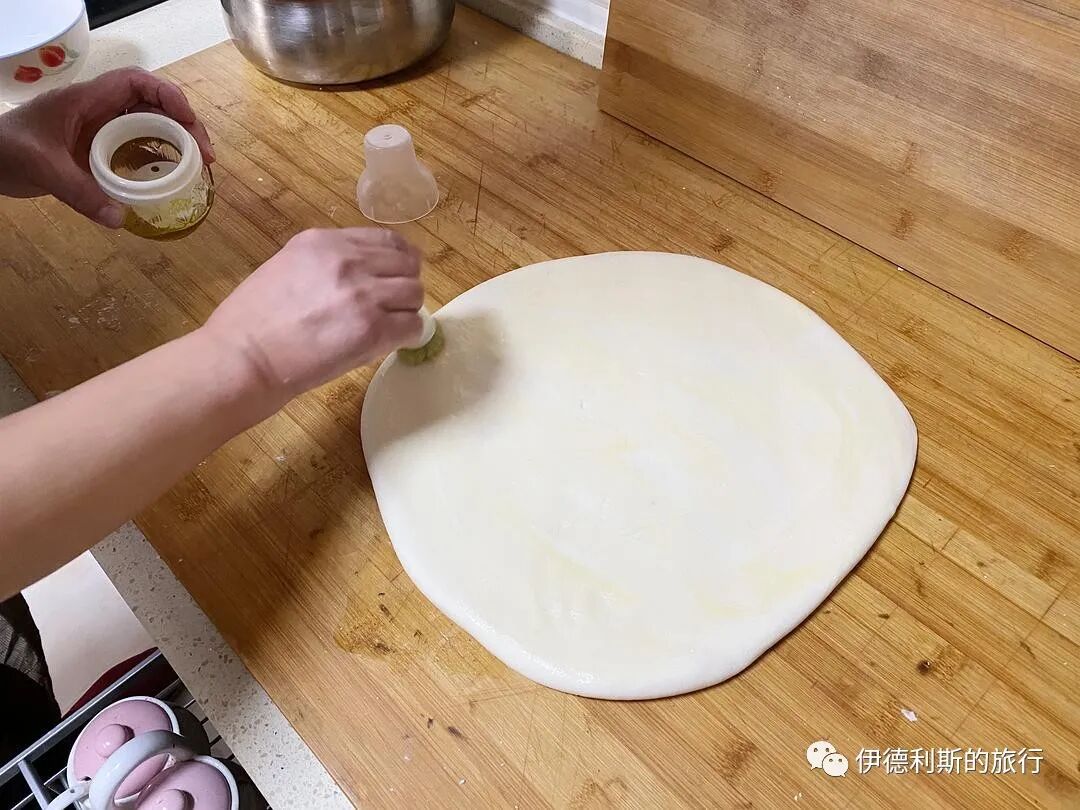
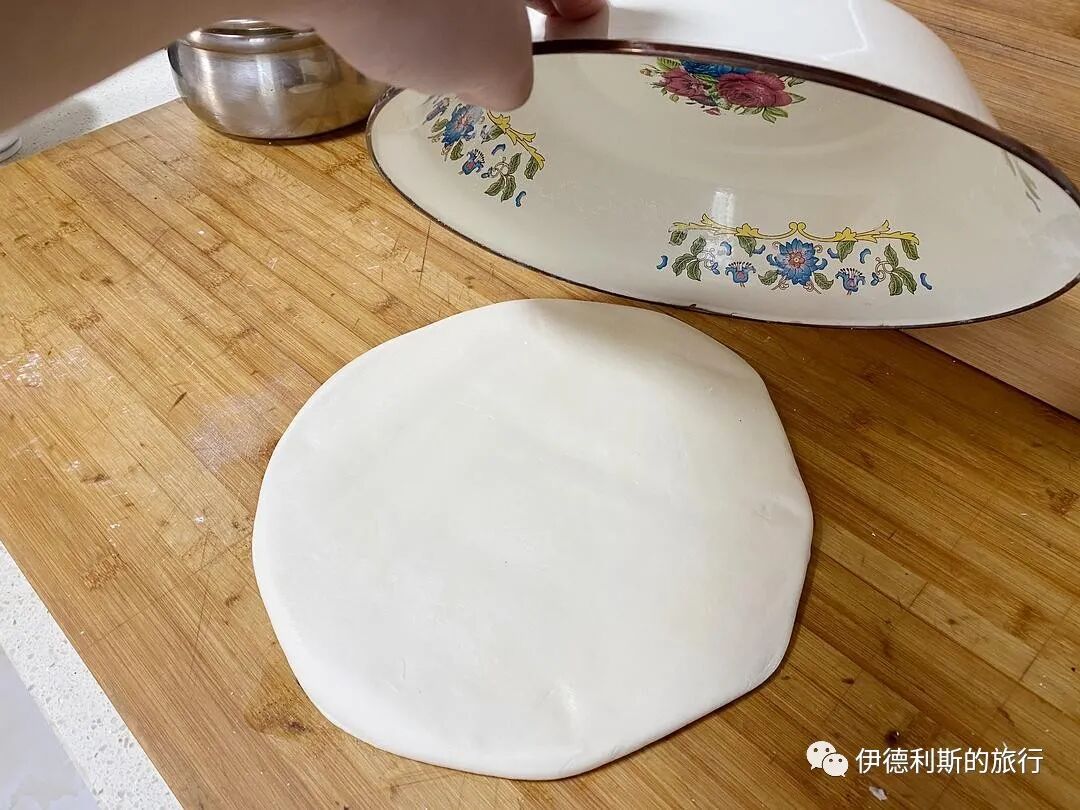
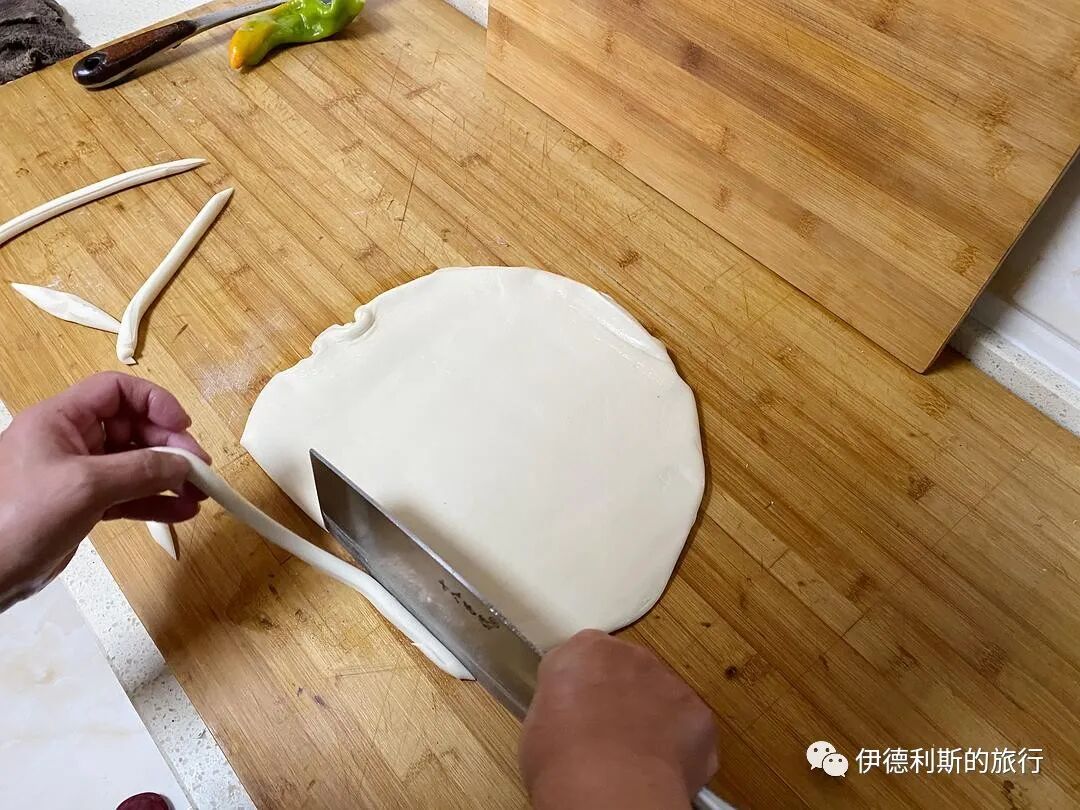
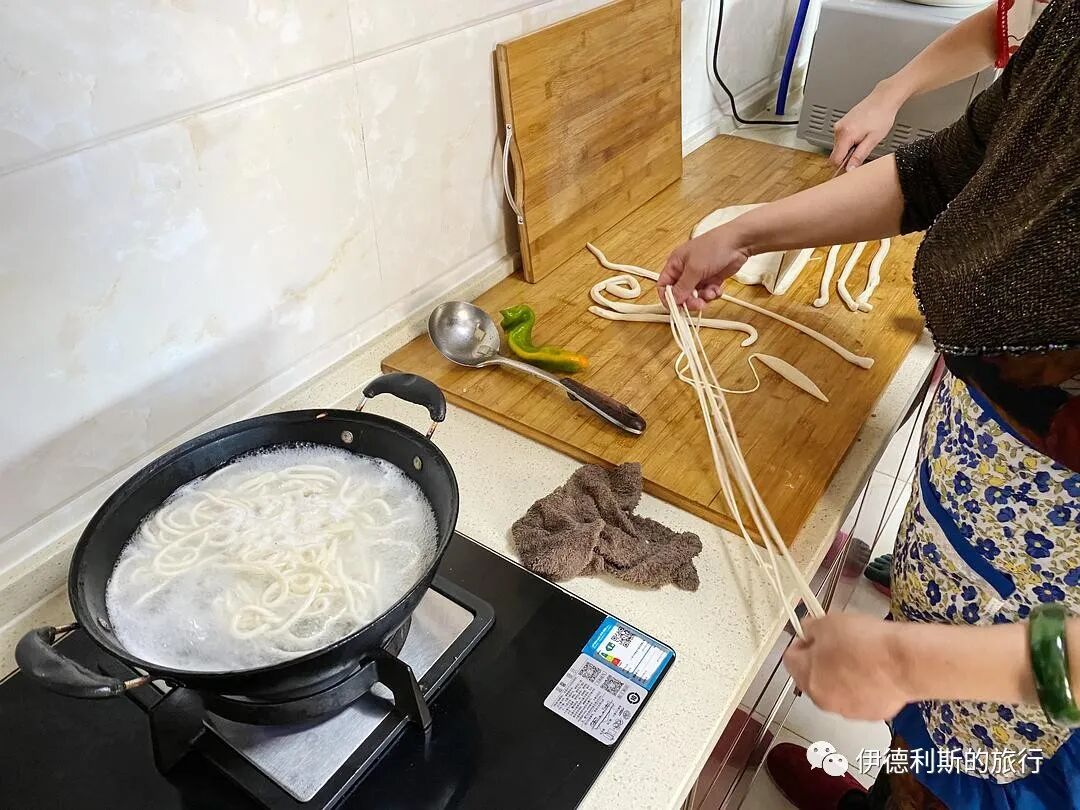
Wait until the banmian toppings are ready before cutting the dough; cut only as much as you will eat. After cutting, roll it thin, stretch it out, slap it on the cutting board, and finally toss it into the pot. A dish of Xinjiang zhangzi mian is finished.
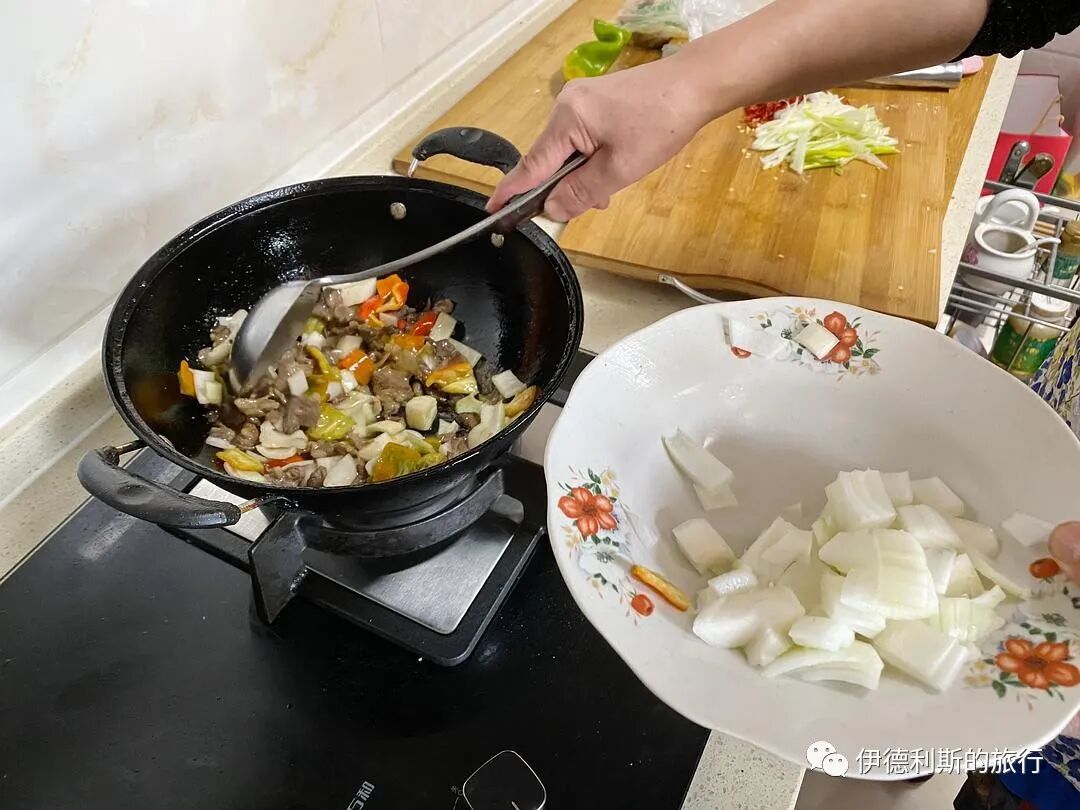
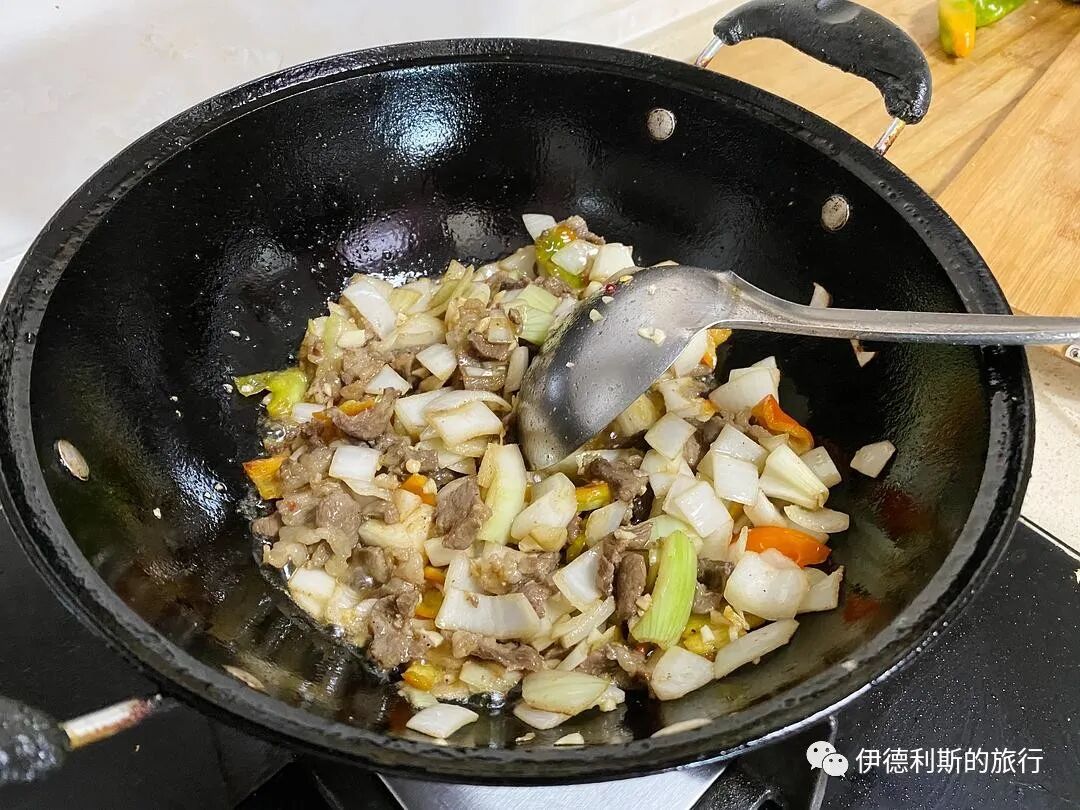
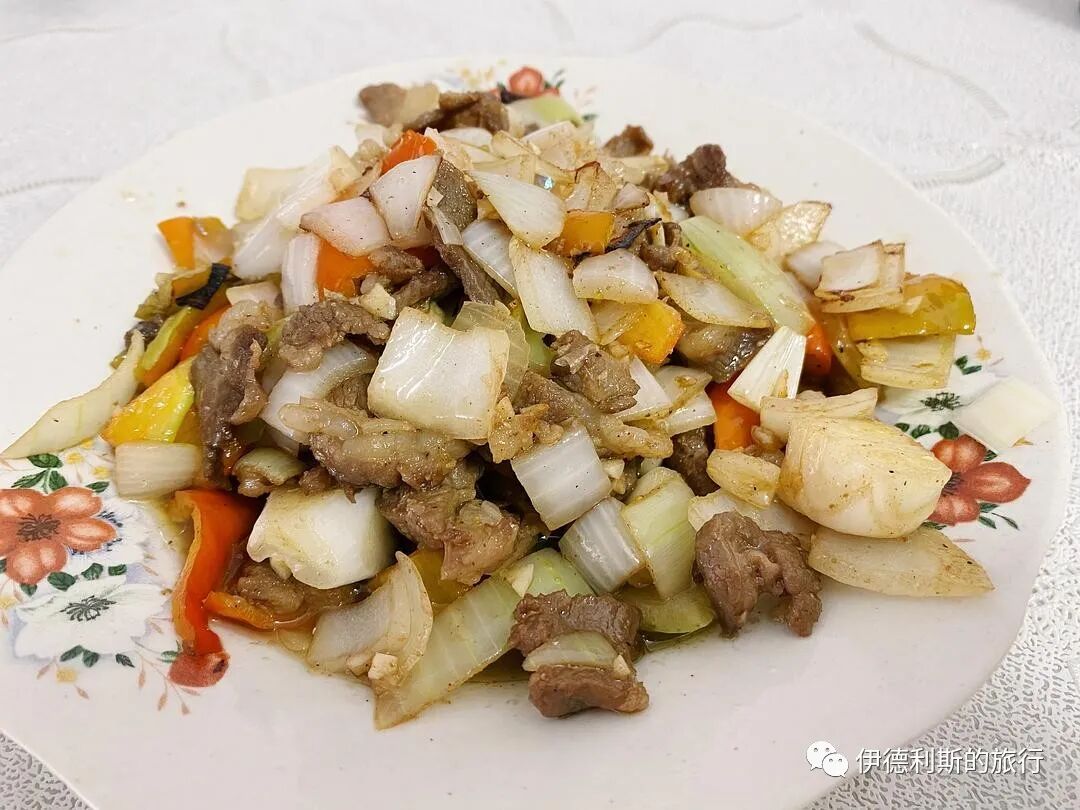
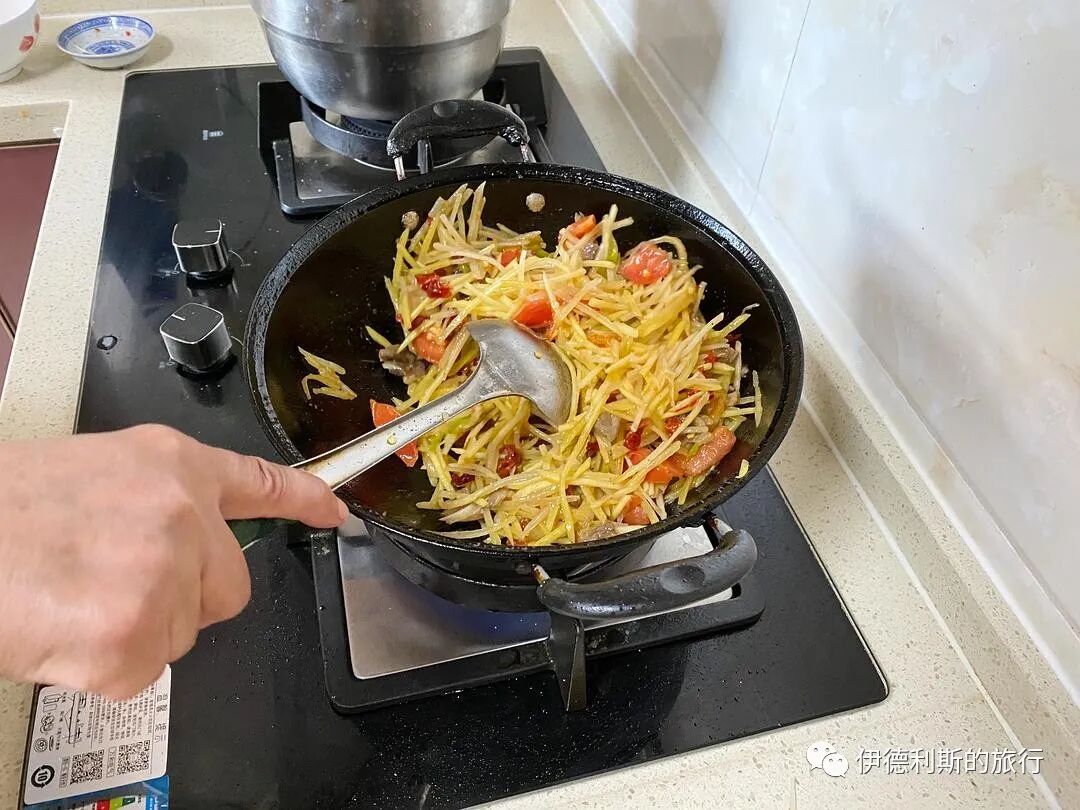
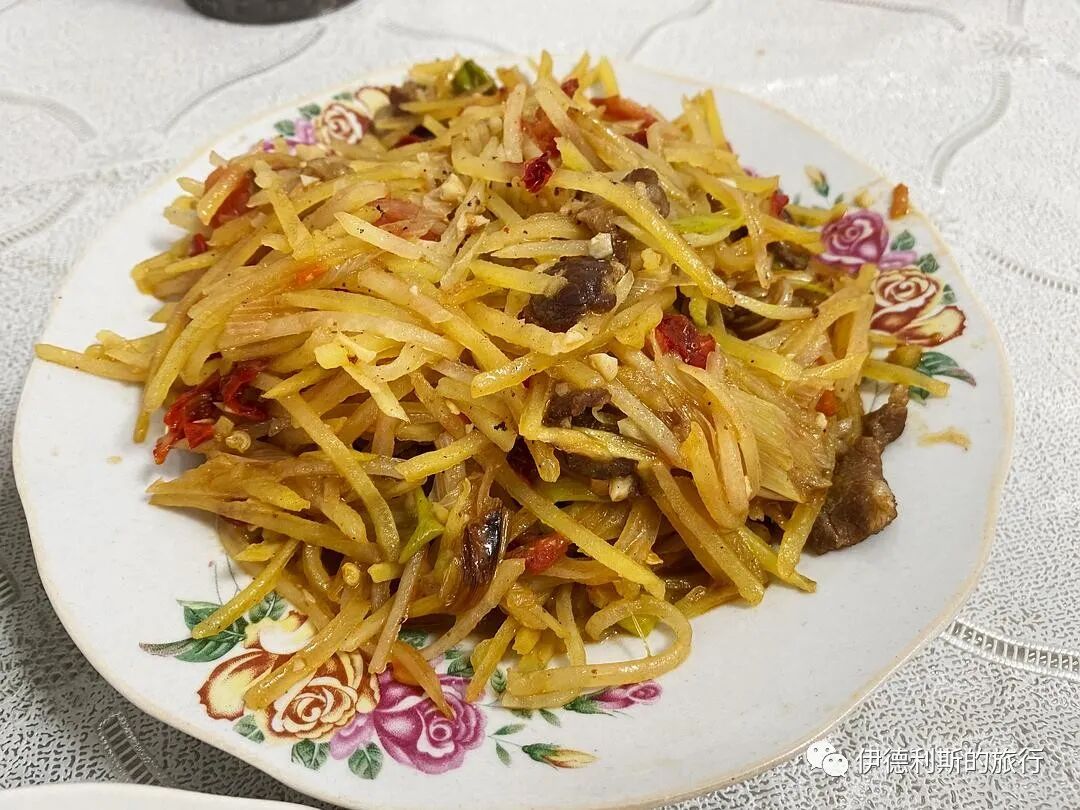
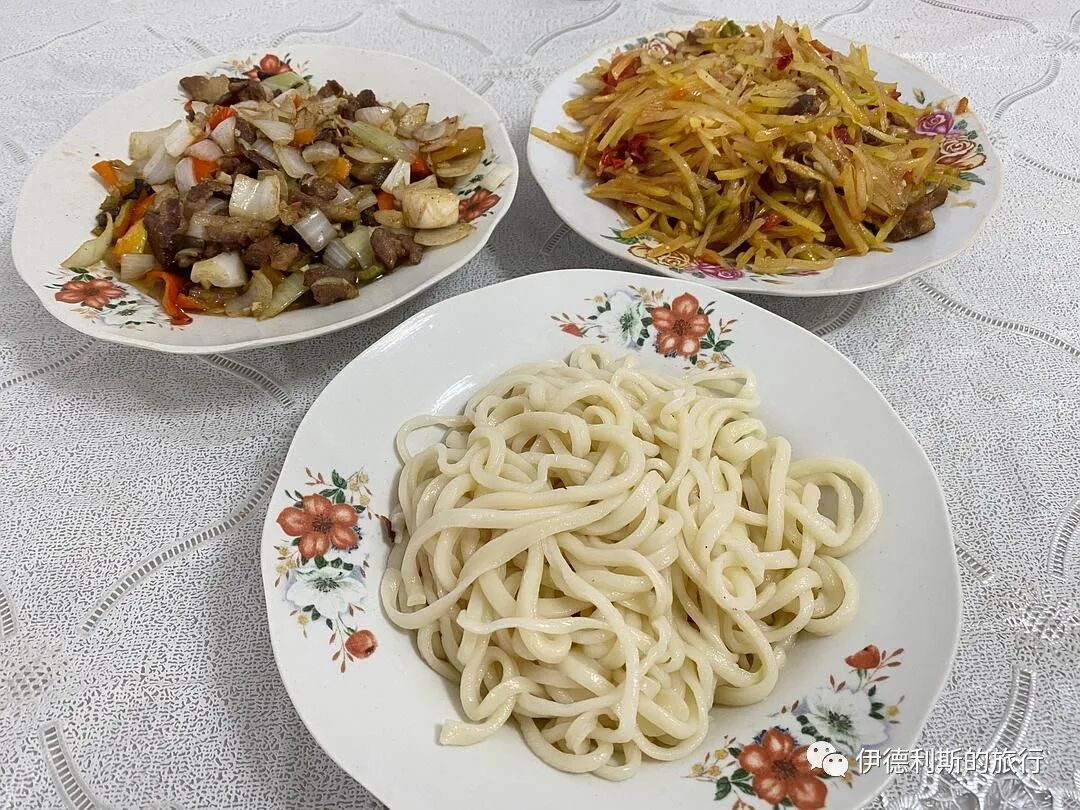
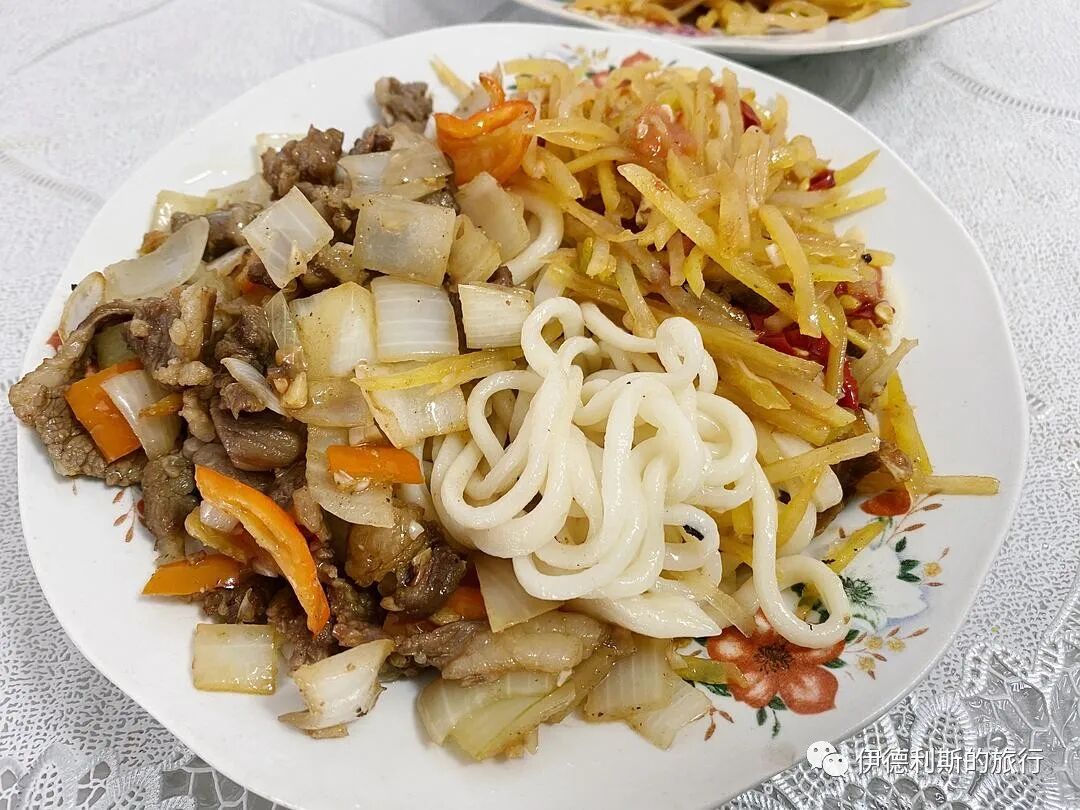
We ate two types of banmian: guoyourou and shredded potatoes. The guoyourou is a home version, not the restaurant version. First sear the meat in oil, then add chili peppers, then onions, and you can also add cabbage. For the shredded potatoes, you must add meat, dried chili peppers, and tomatoes; the tomatoes eventually melt into a sauce and disappear.
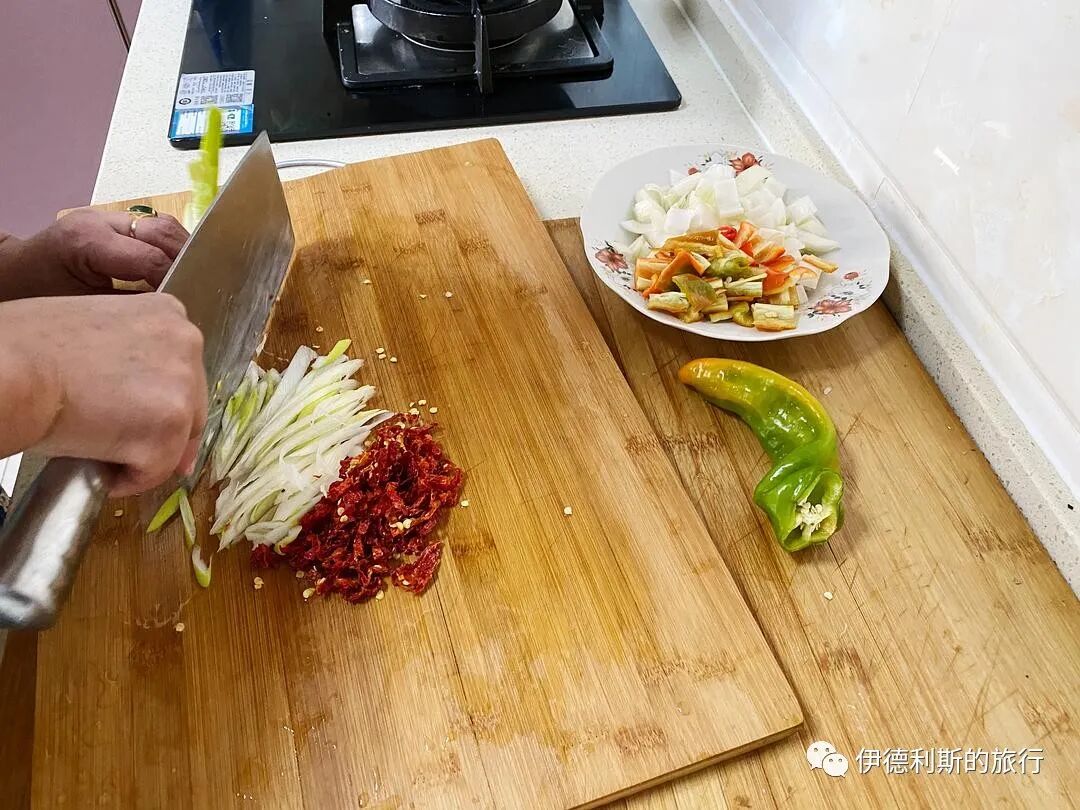
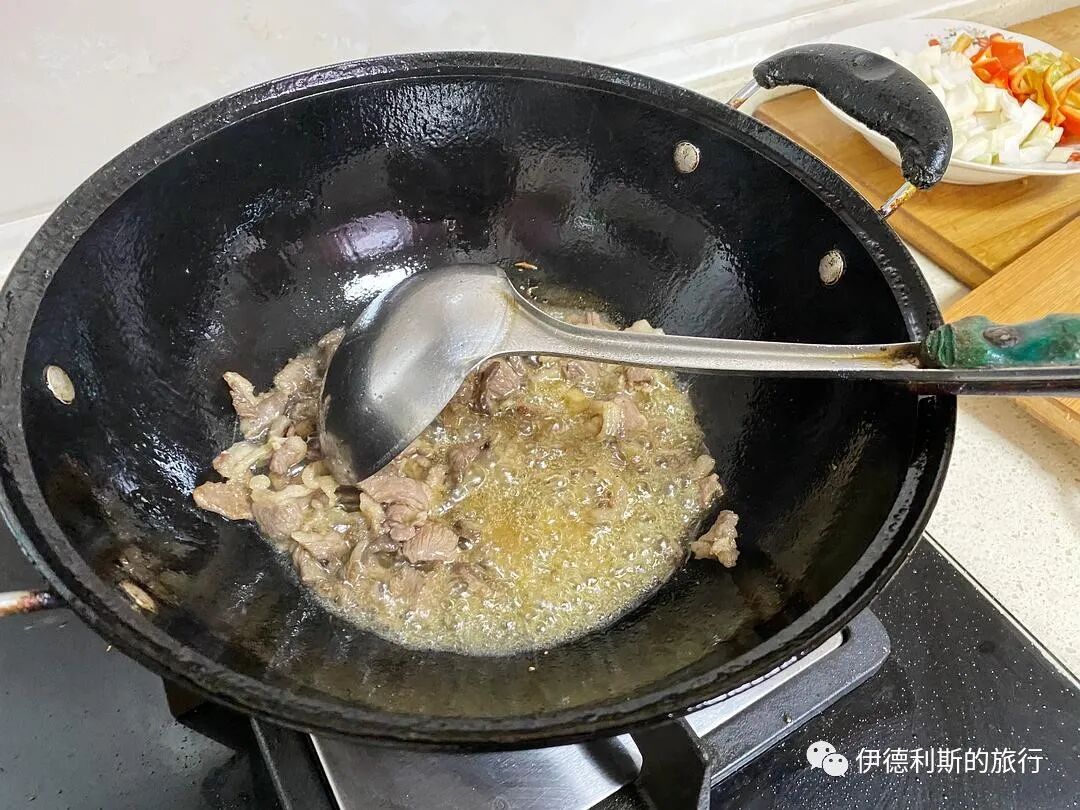
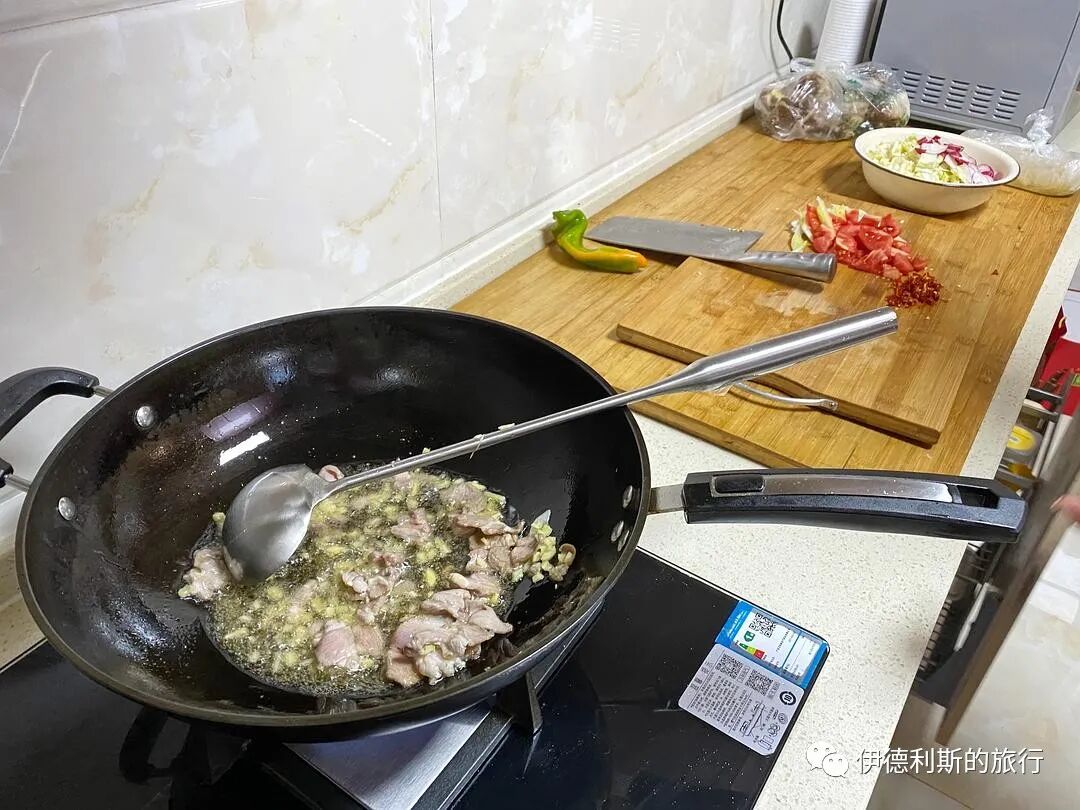
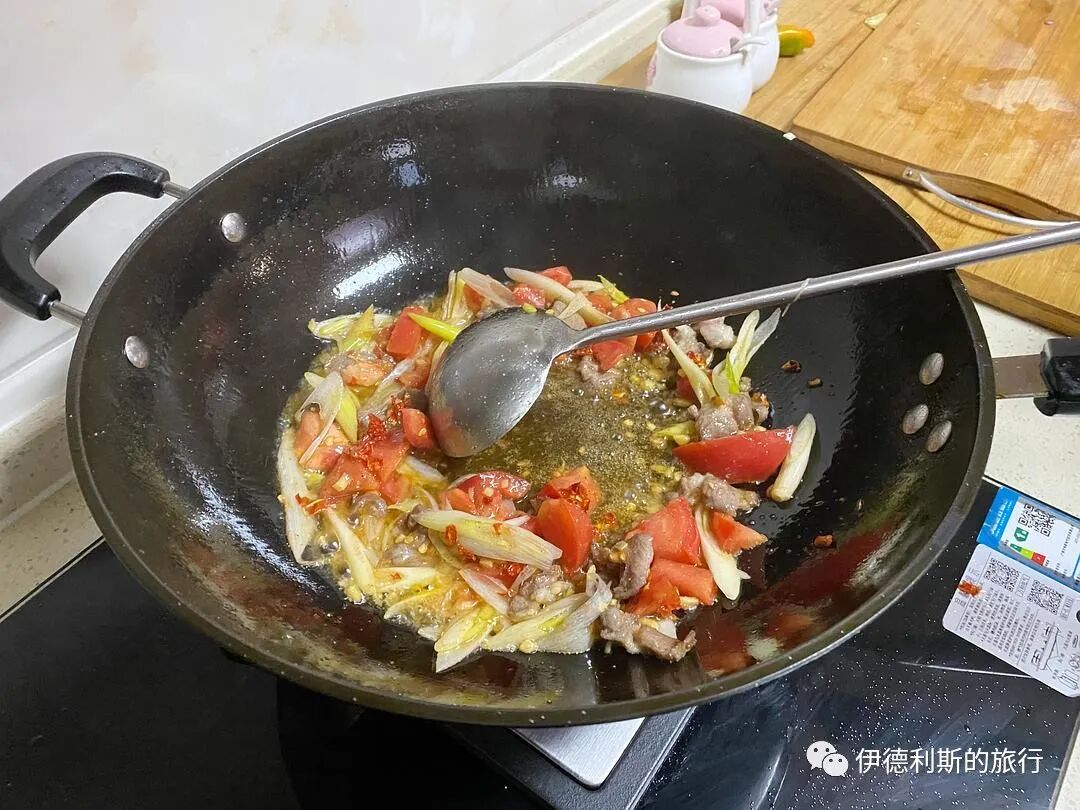
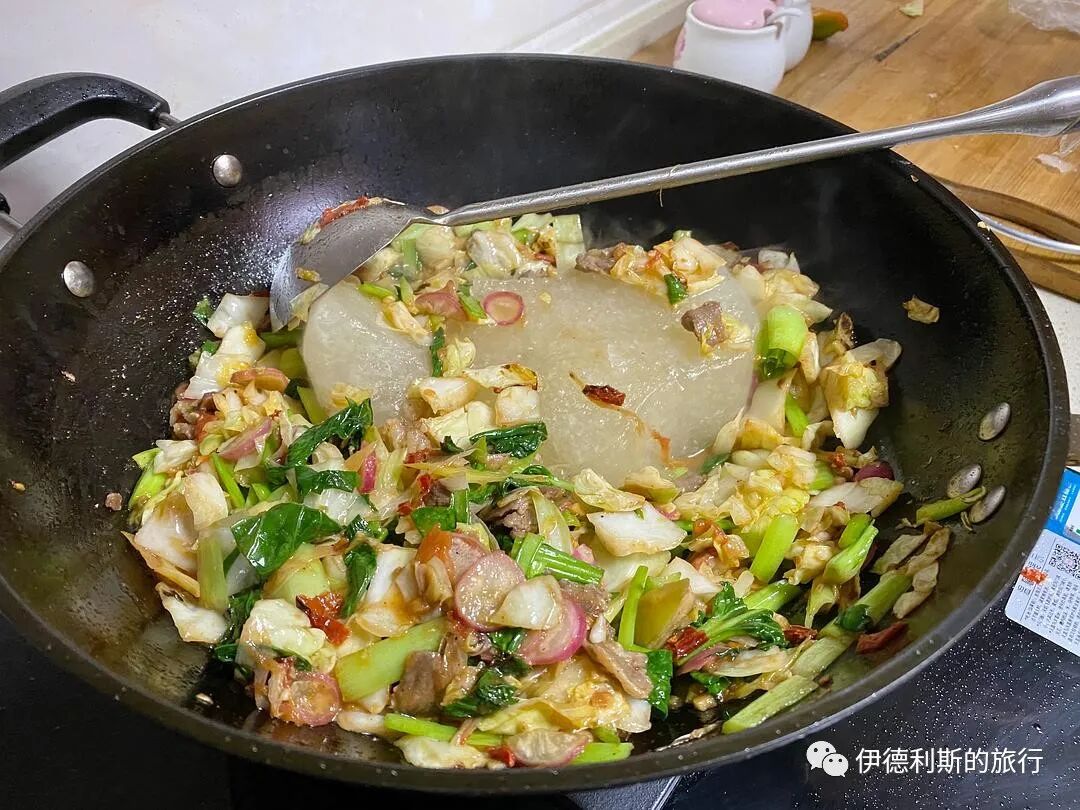
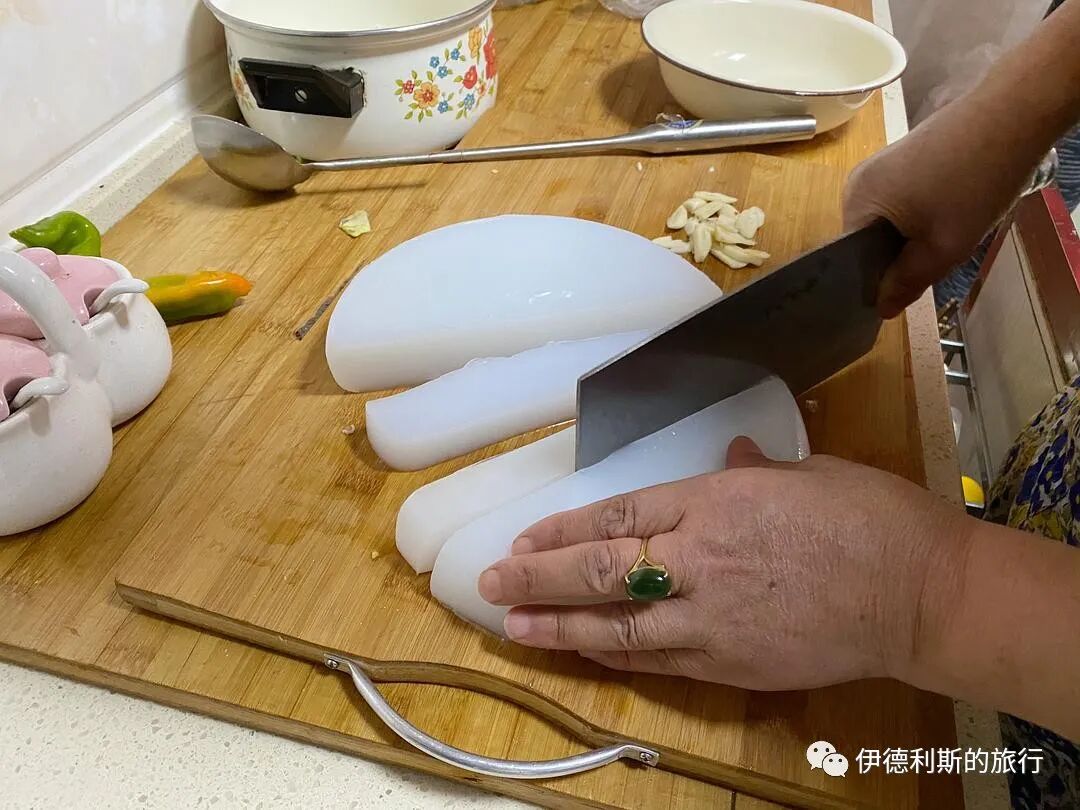
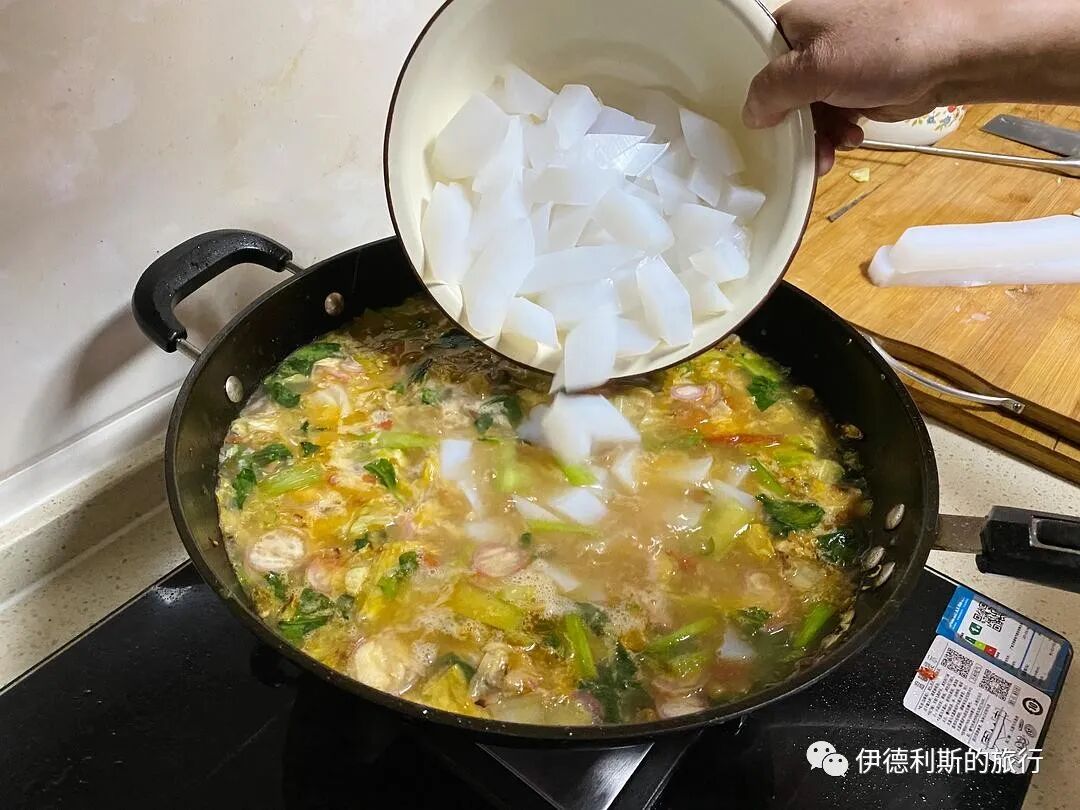
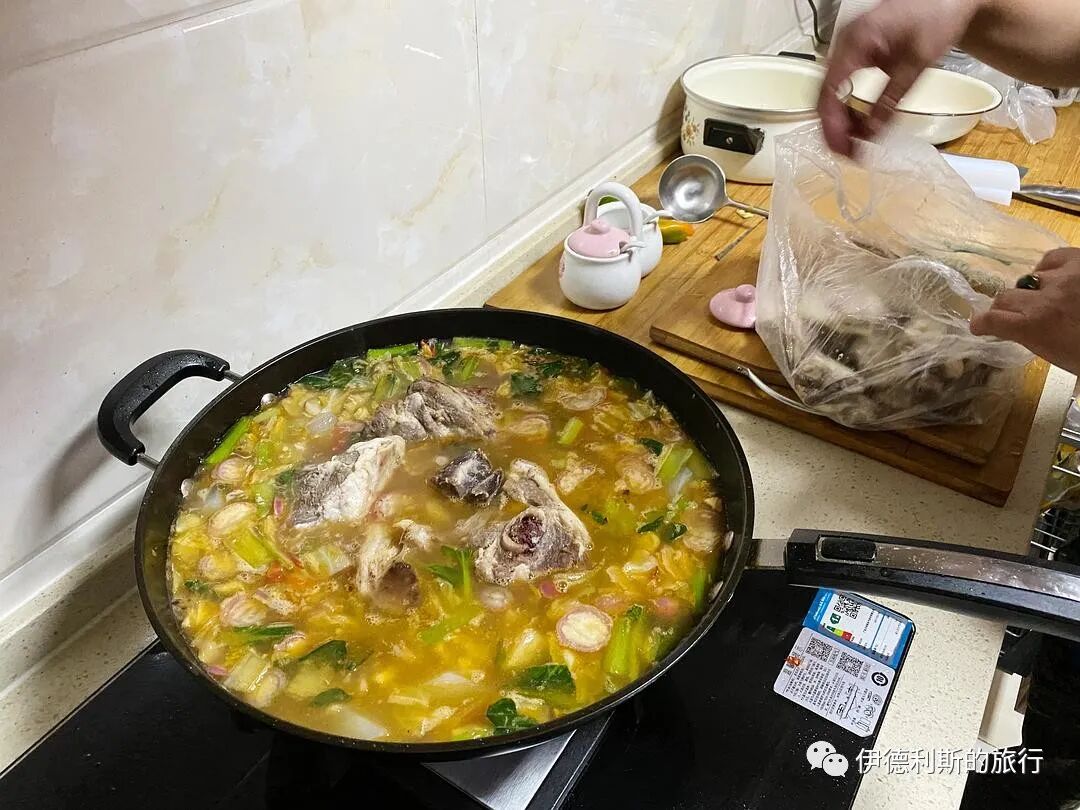
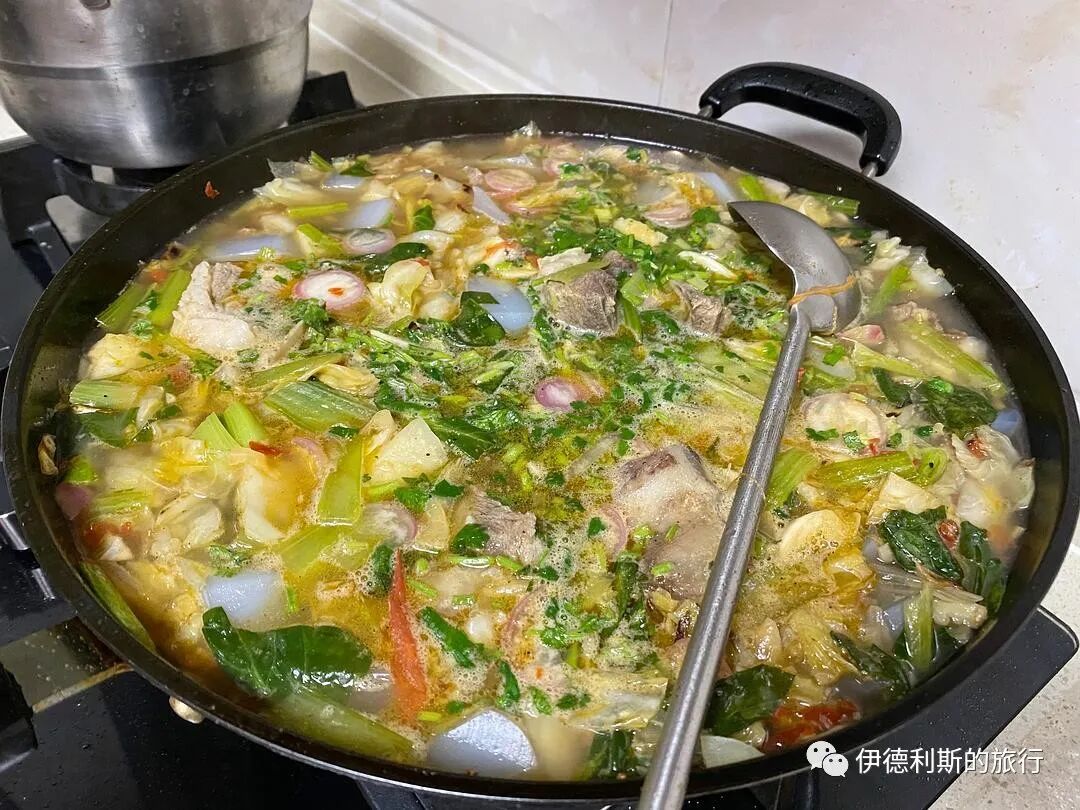
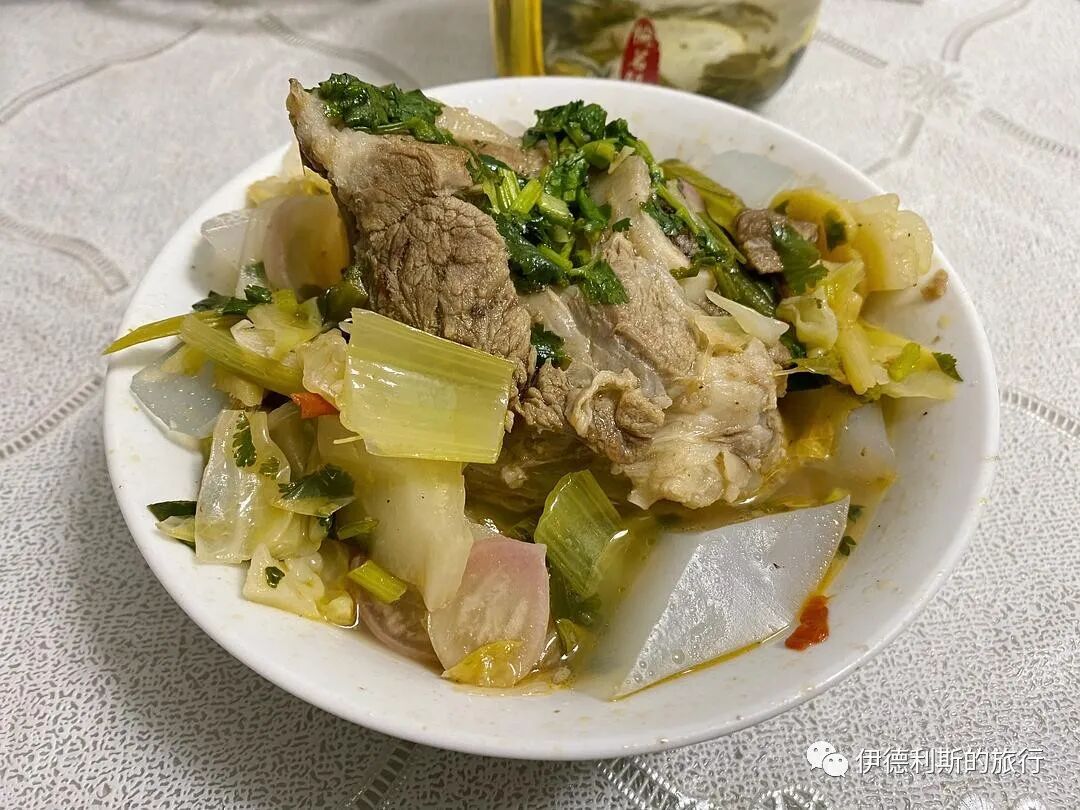
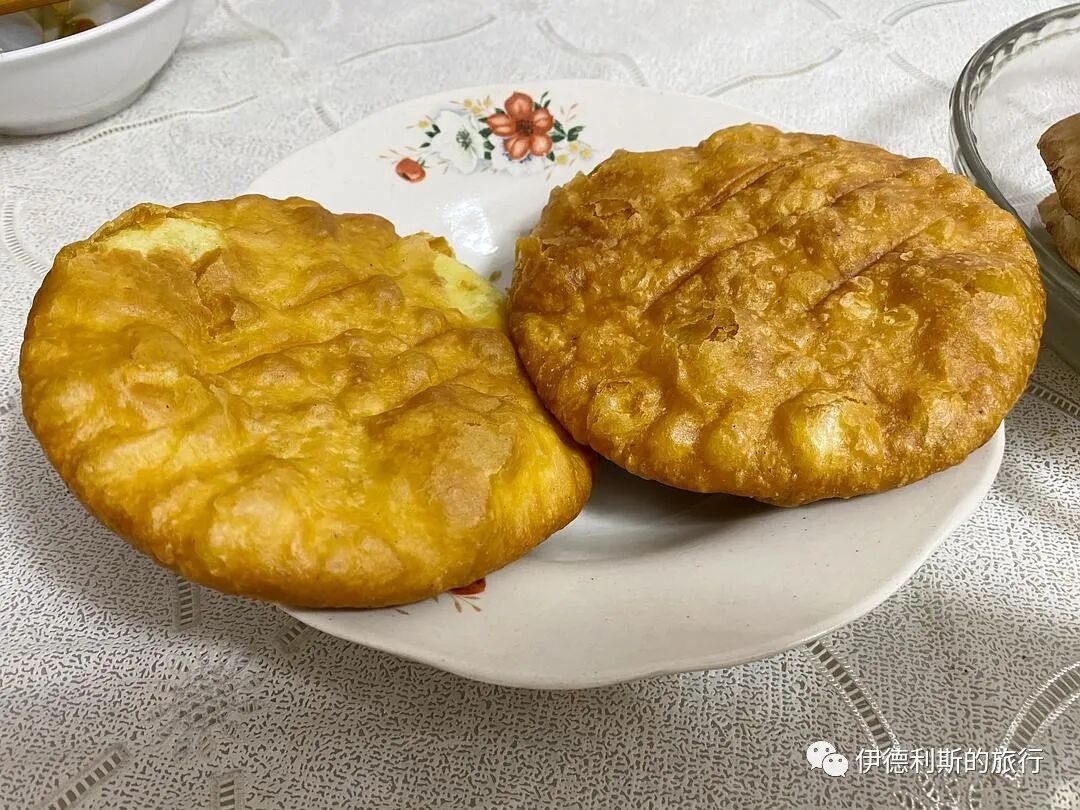
We had fentang for dinner. The first step is to stir-fry the meat slices, then add garlic, then green onions, dried chili peppers, and tomatoes, then add various vegetables; you can mix and match vegetables as you like. Next, add the lamb broth that was previously stewed and frozen. After the broth melts, add pea starch jelly cubes, then add the large chunks of previously stewed lamb, and finally add pepper and cilantro for flavor. The most classic pairing for fentang is youxiang. After eating the lamb, break open the youxiang and soak it in the fentang; that is the authentic Urumqi Hui Muslim lifestyle.
January 28
Woke up in the morning and had a bowl of fentang with youxiang, very delicious.
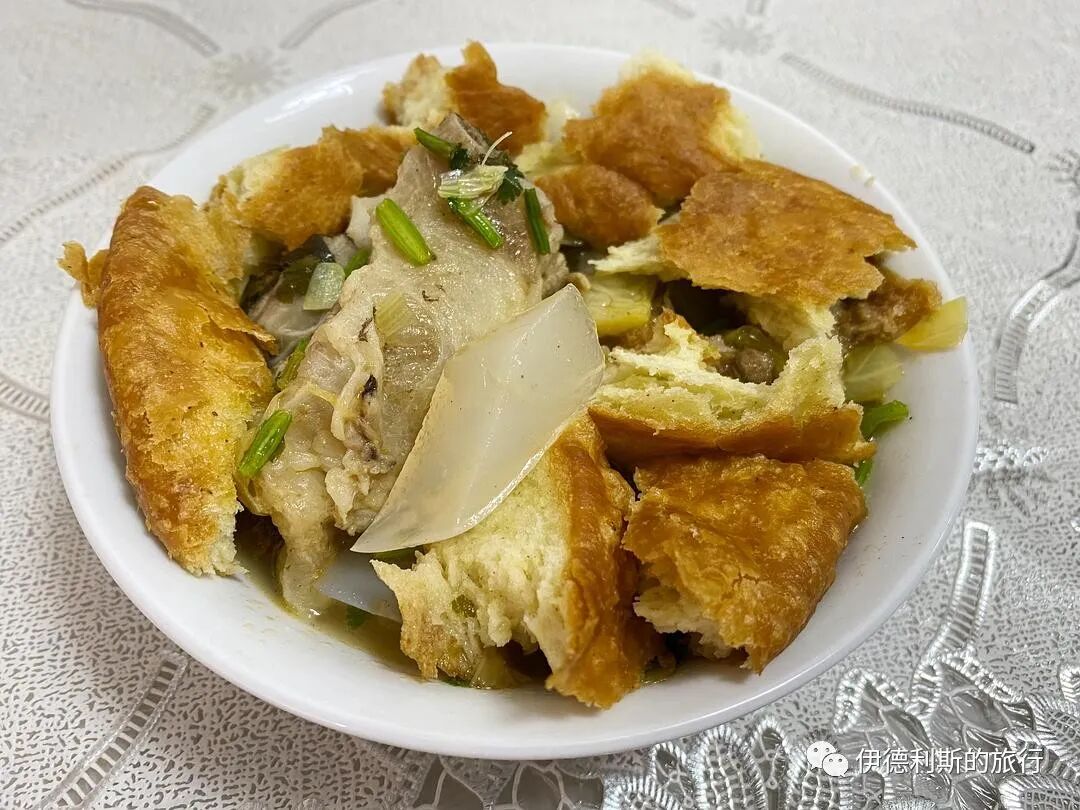
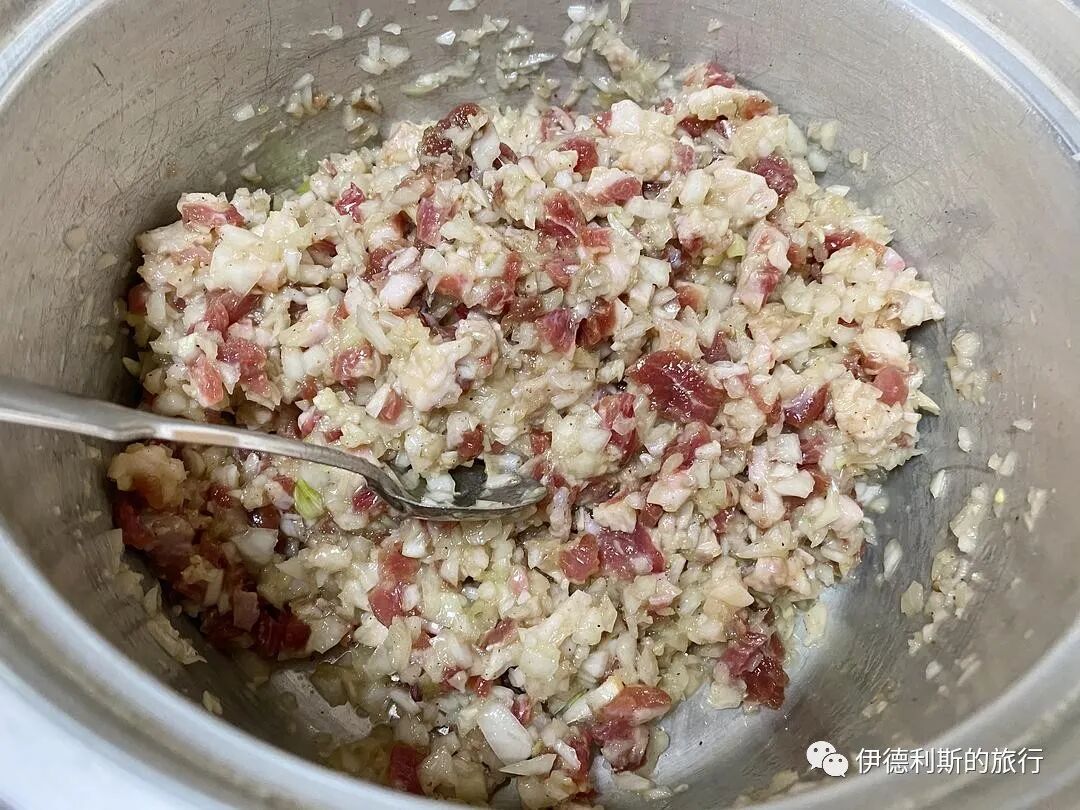
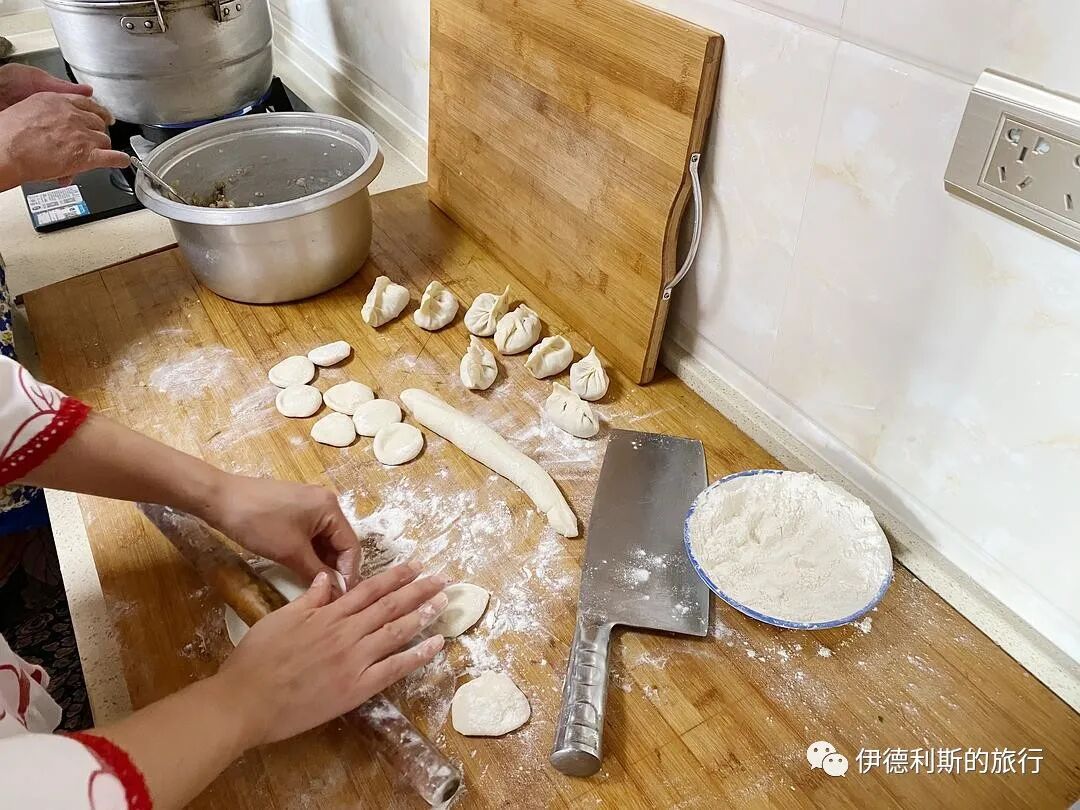
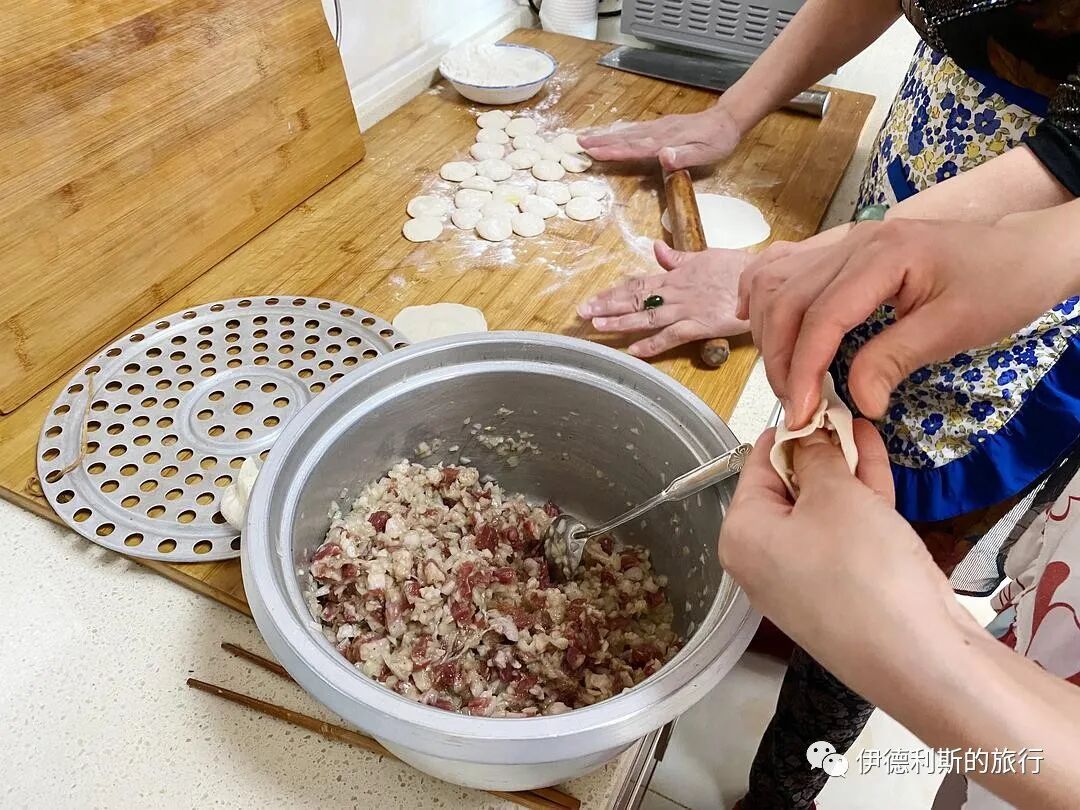
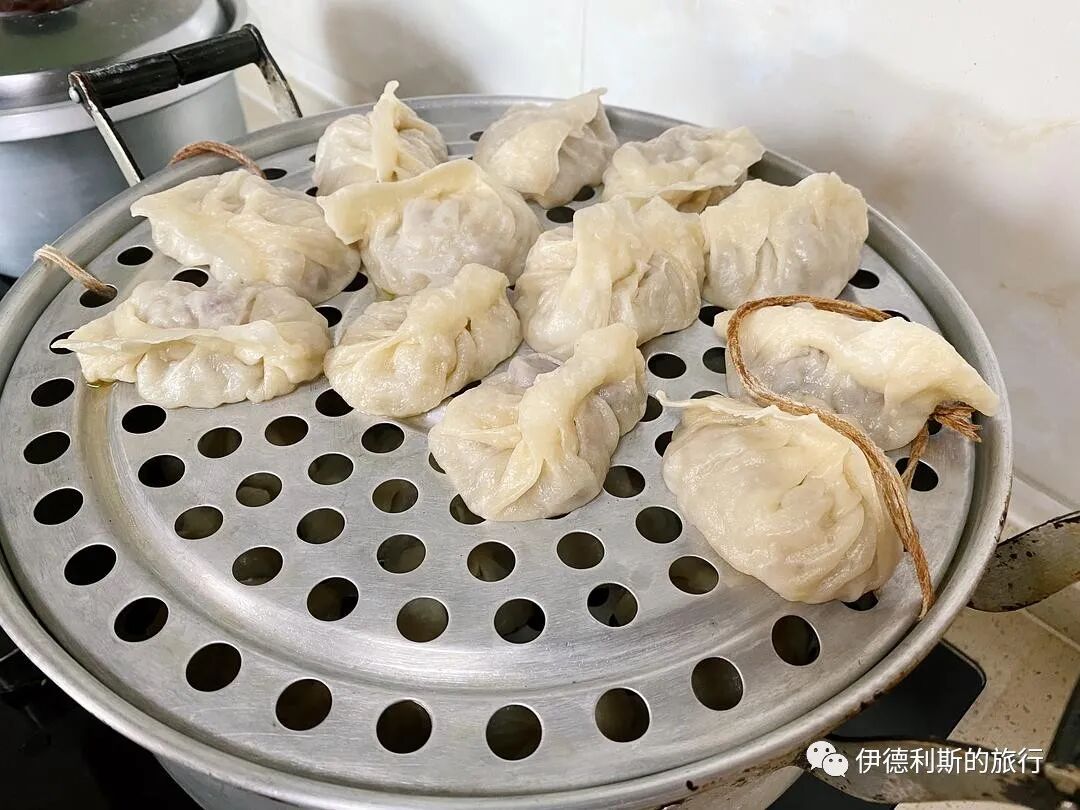
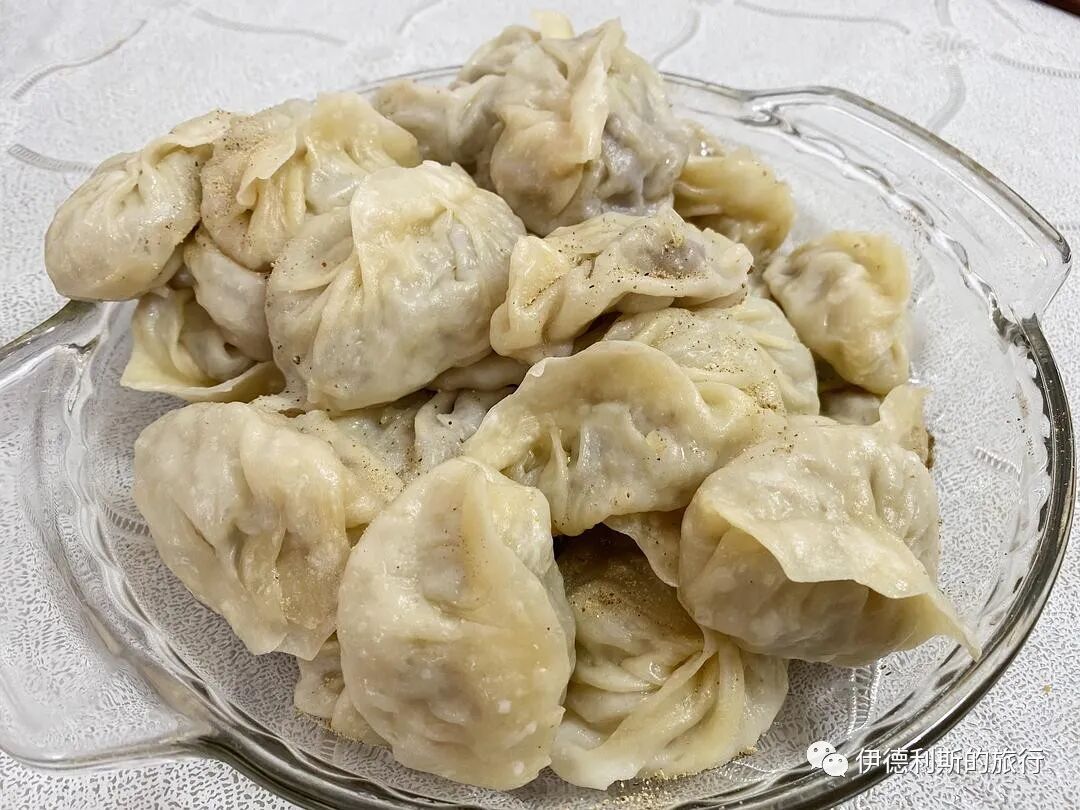
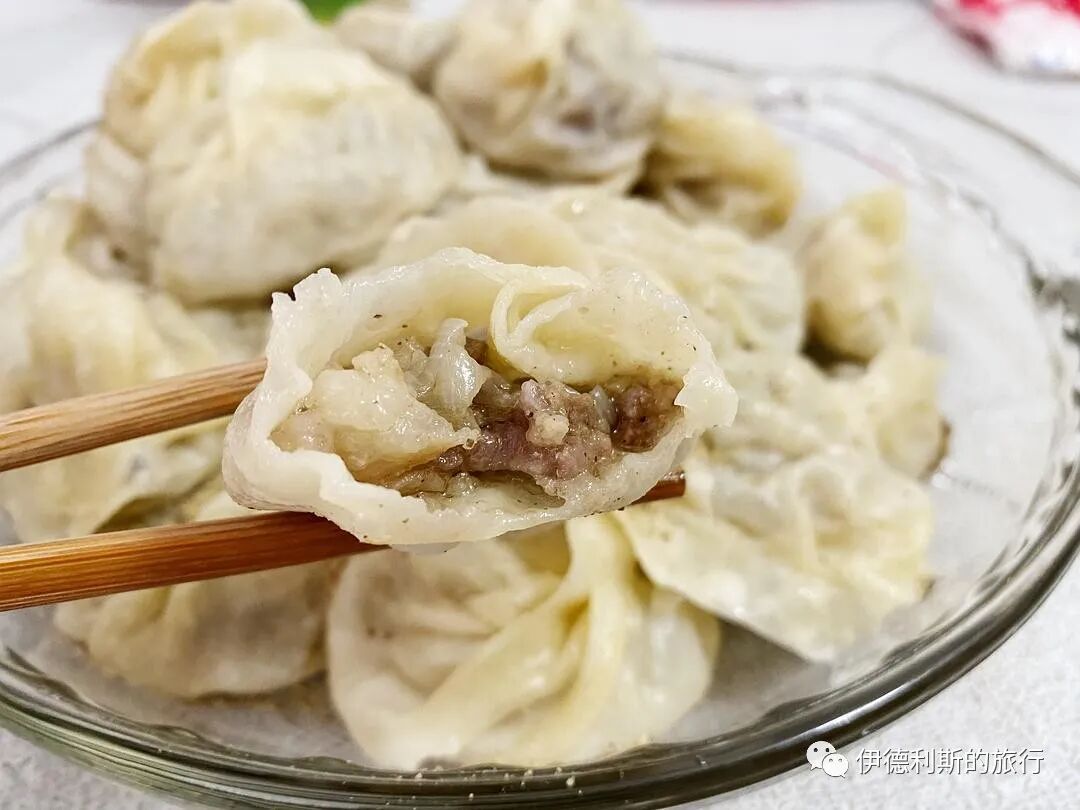
At noon, we made baobaozi with onion and meat filling, and finally sprinkled with pepper powder.
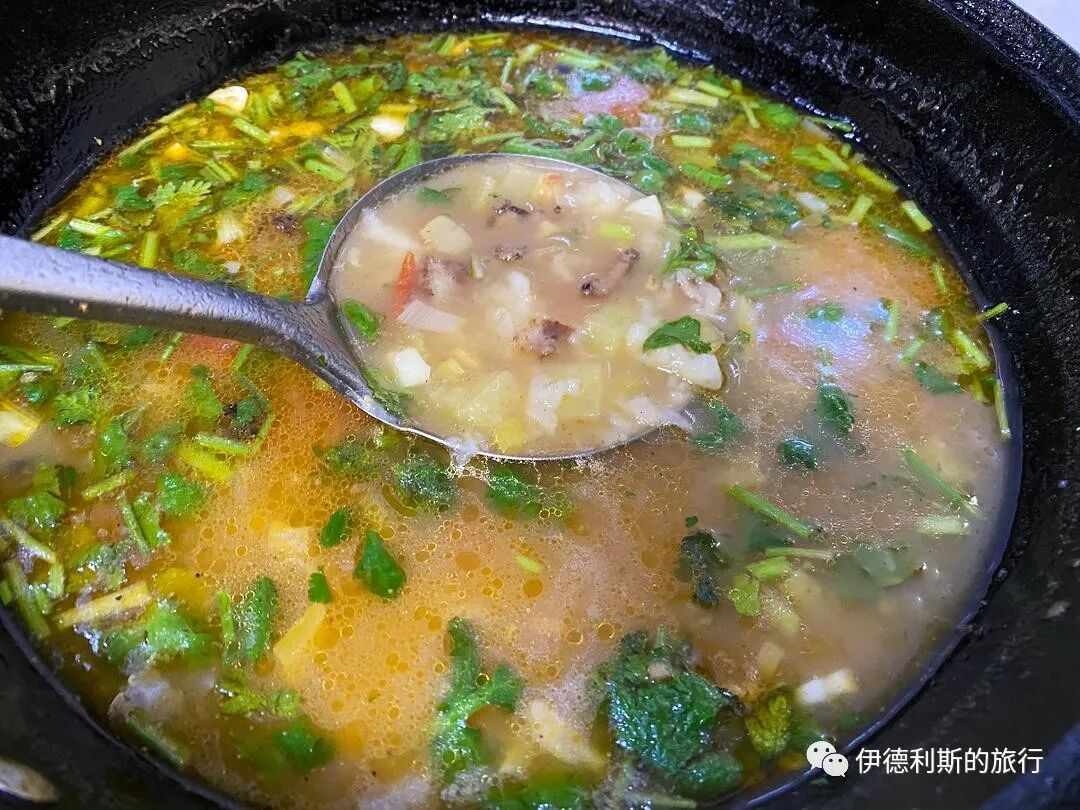
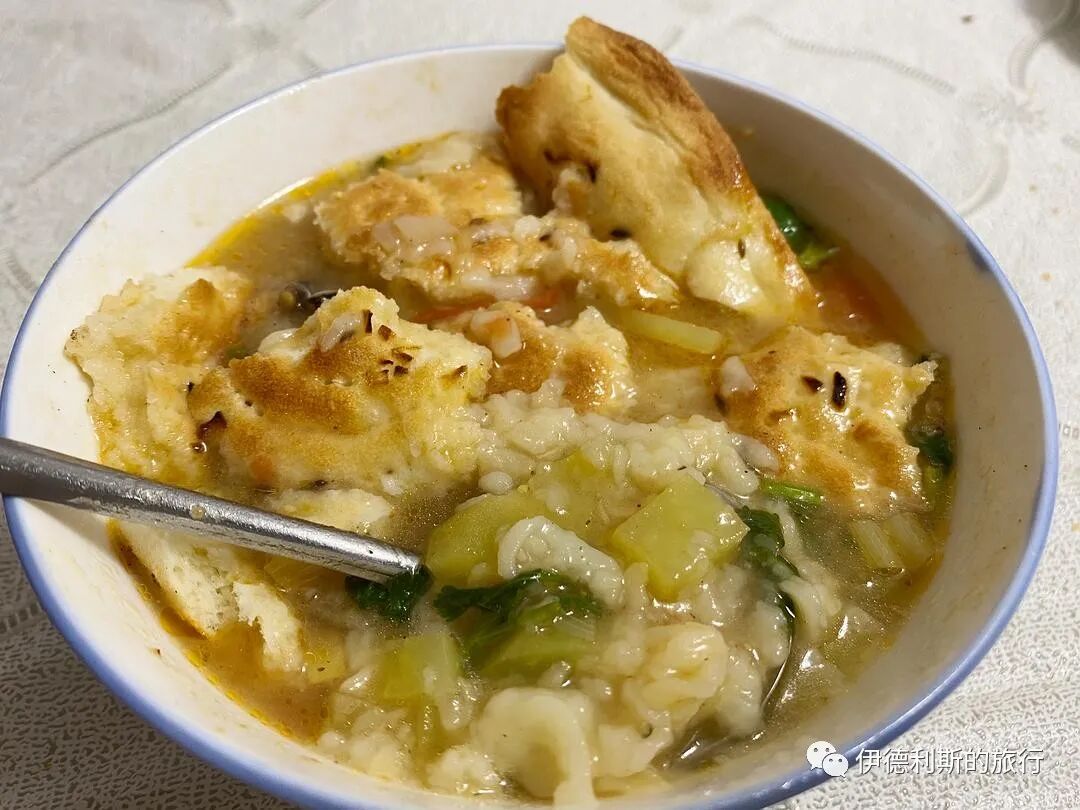
In the evening, we had bantang. The method is similar to tangfan, but instead of tearing dough pieces, you just rub the dough with your hands and drop it into the pot. Also, anything liquid can be soaked with nang!
January 29
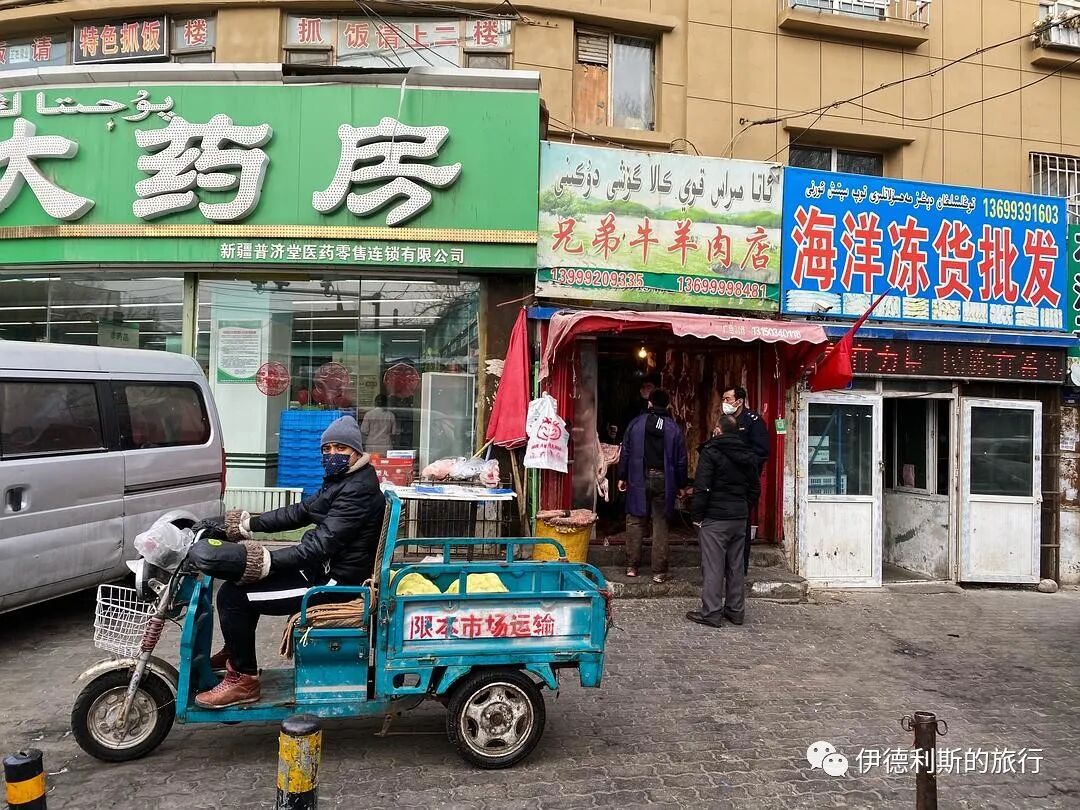
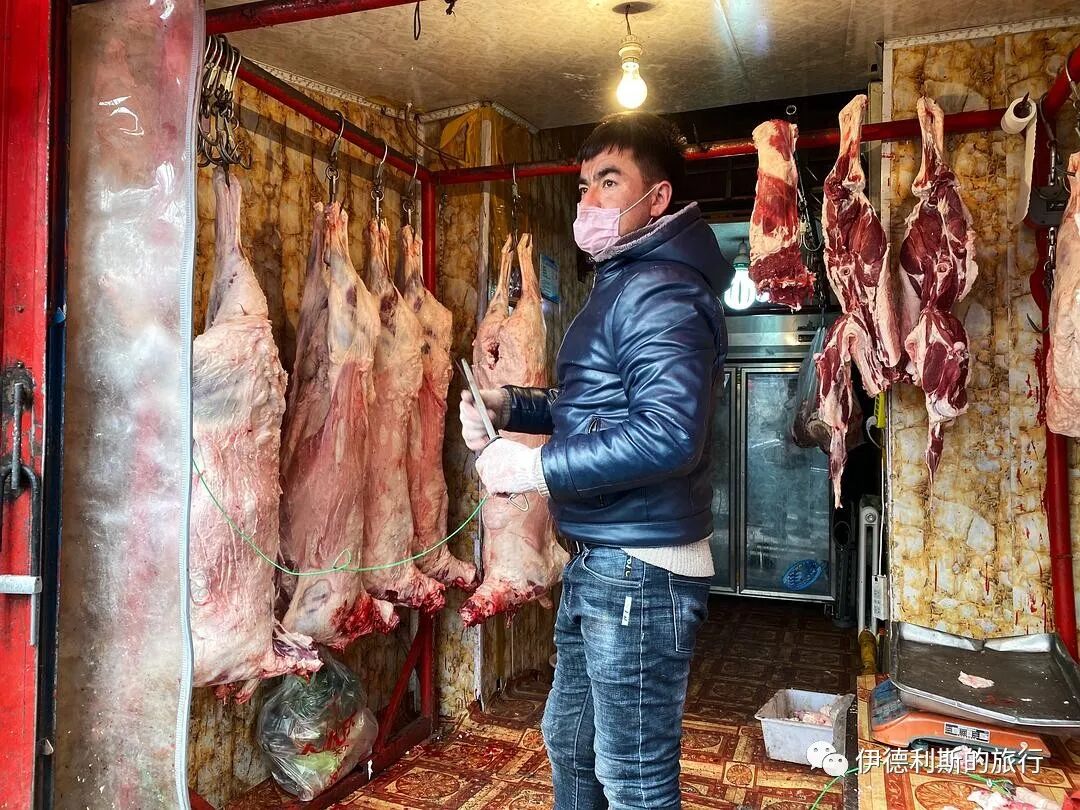
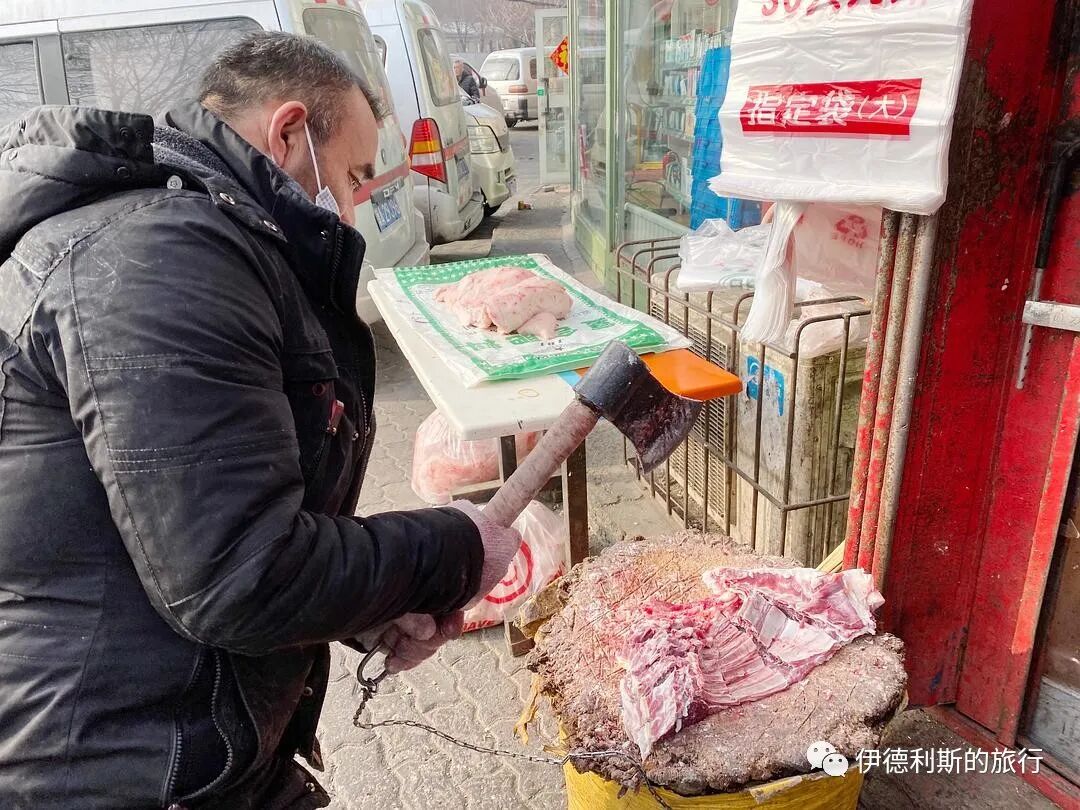
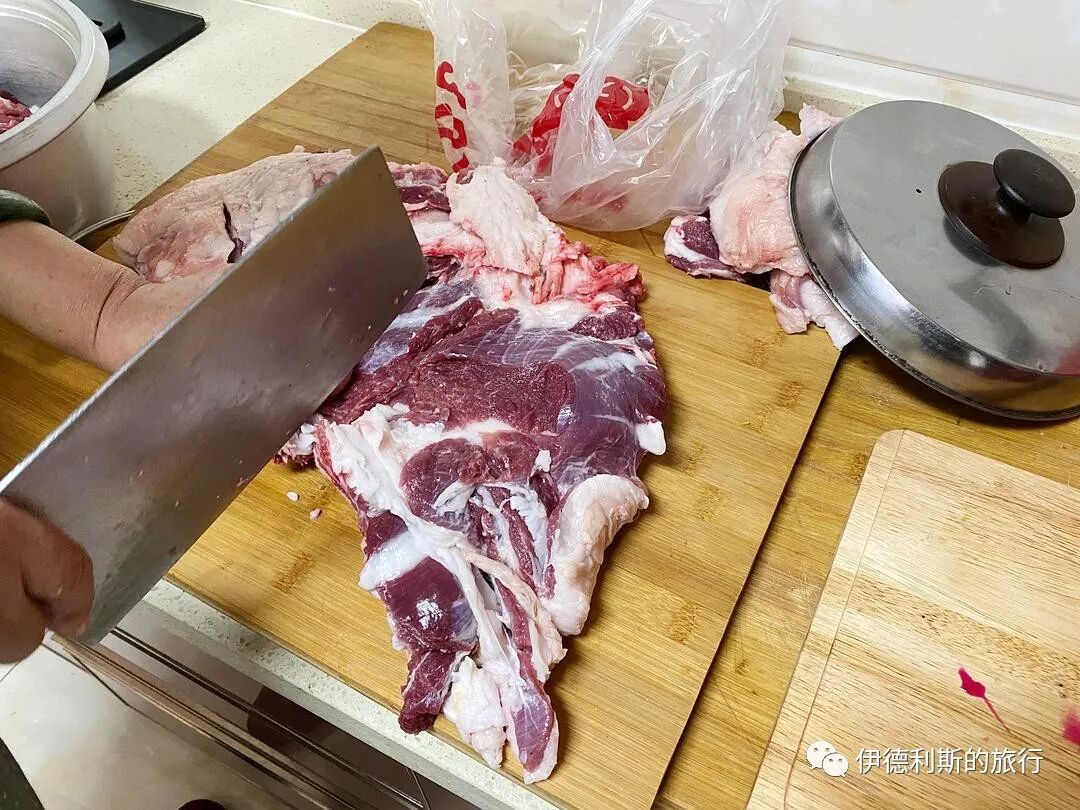
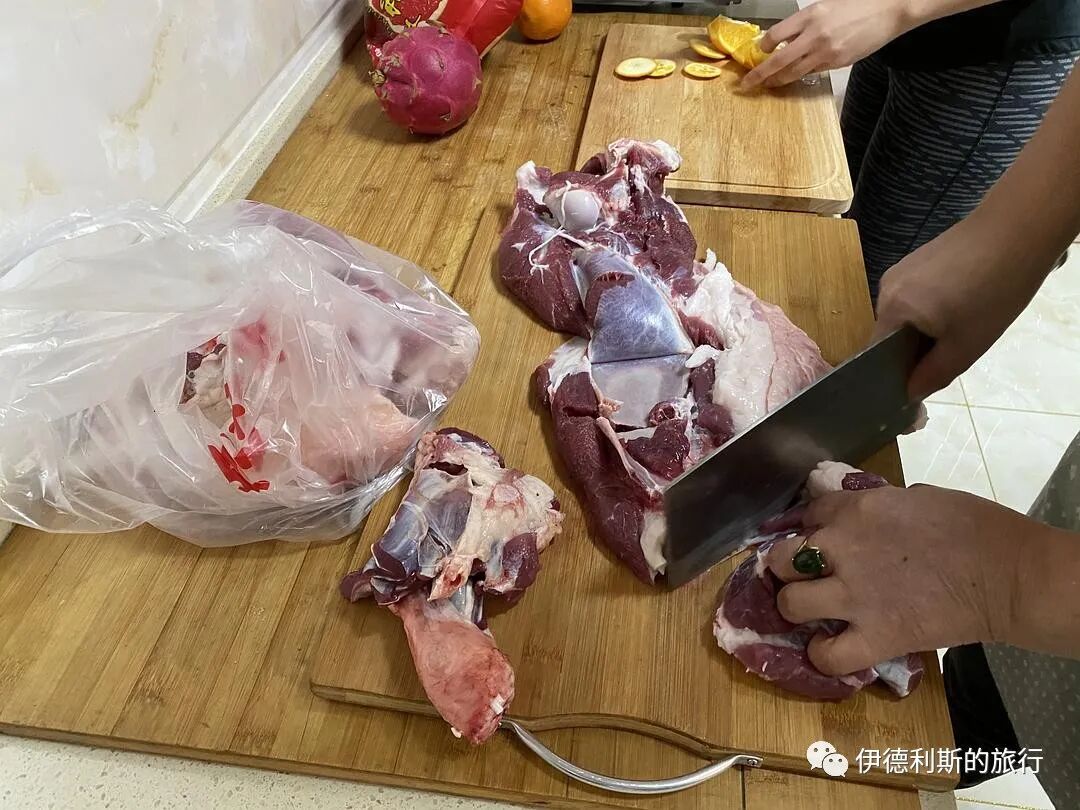
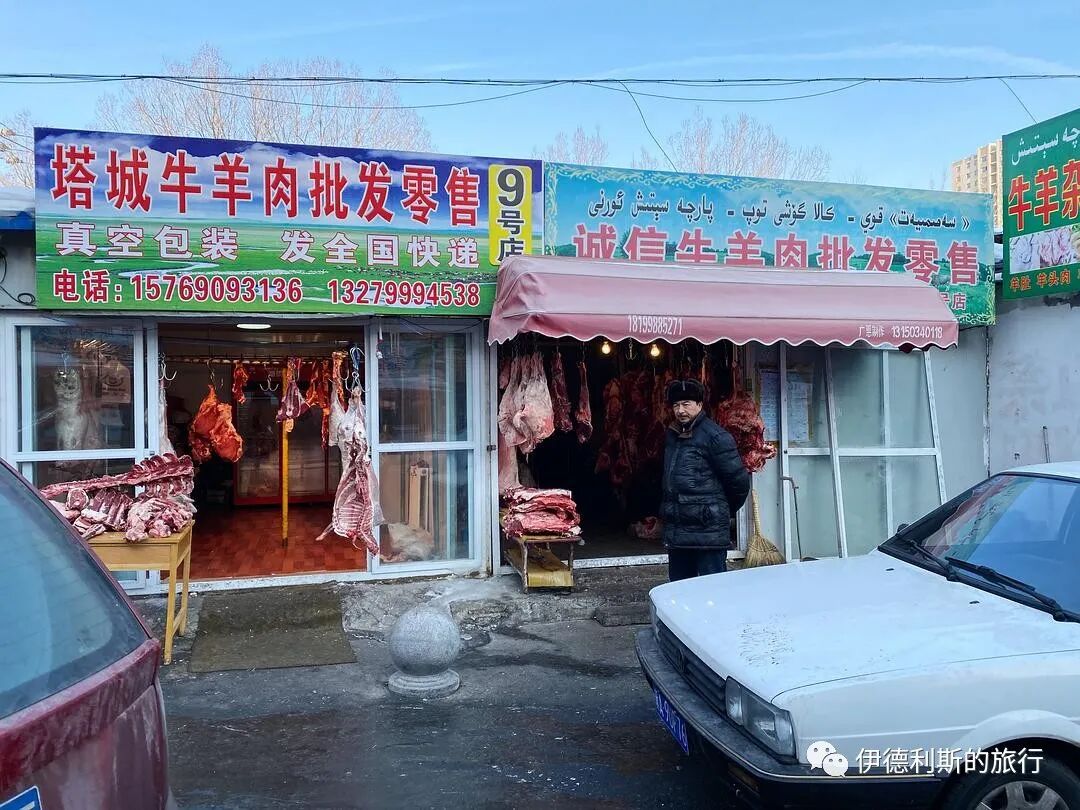
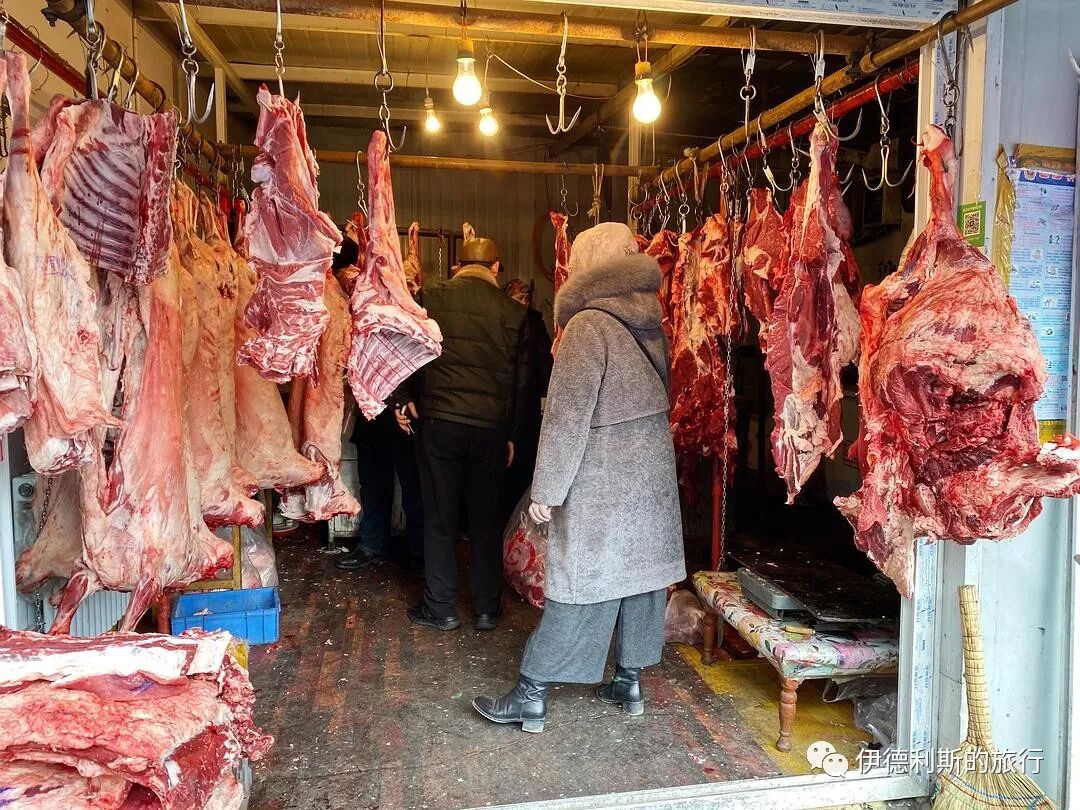
We were having zhuafan for lunch, so I went out in the morning to buy front leg meat at the entrance of the compound. Nowadays, front legs come with ribs attached; you can't buy just the front leg. Some shops have very fatty ribs, so you have to choose carefully.
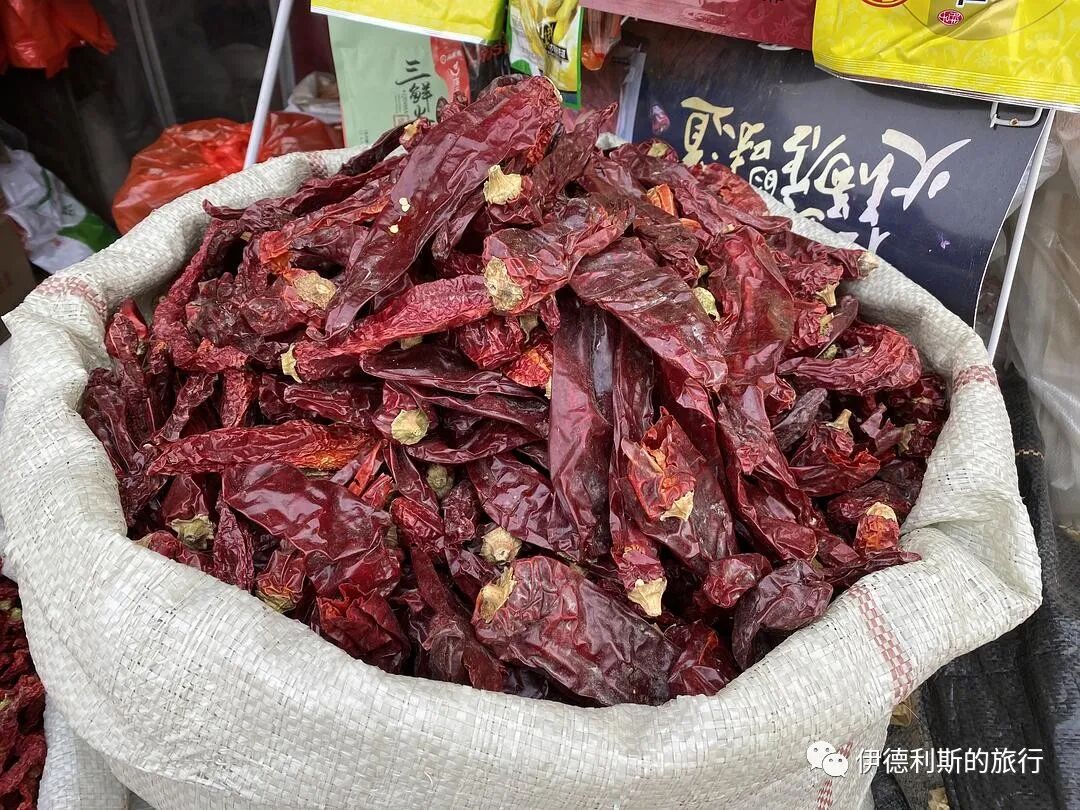
Then I also bought dried chili peppers; Xinjiang home cooking basically requires them.
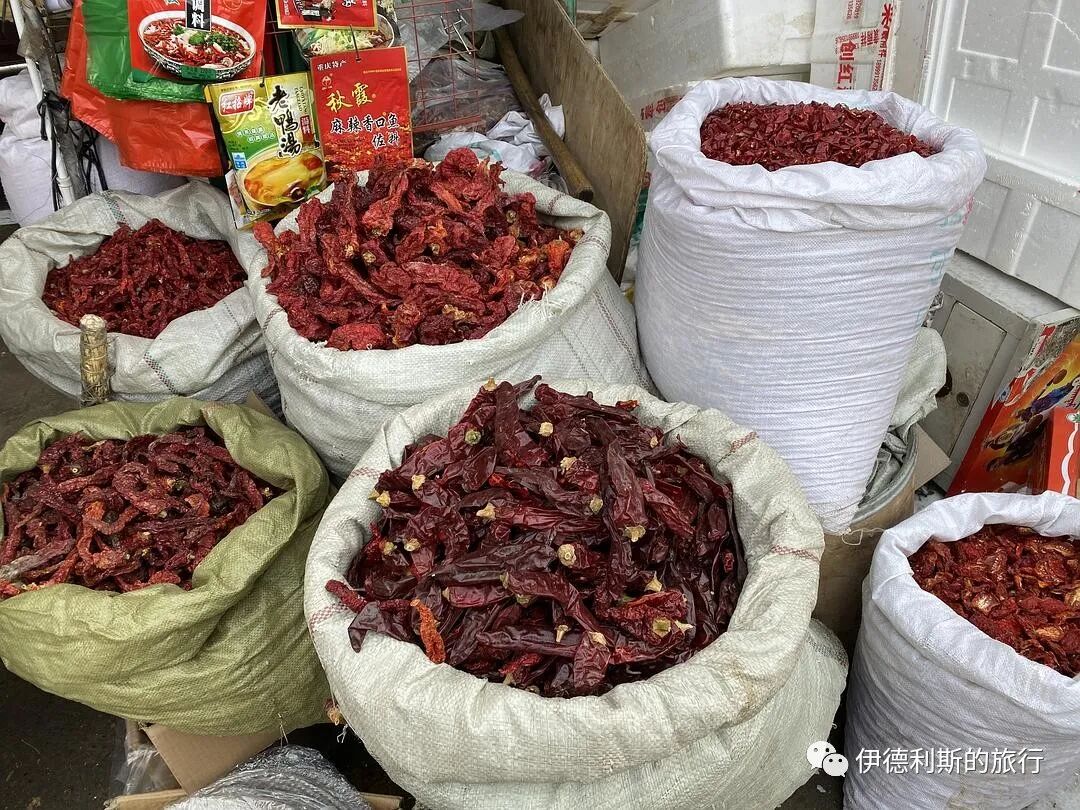
This is the most expensive kind.
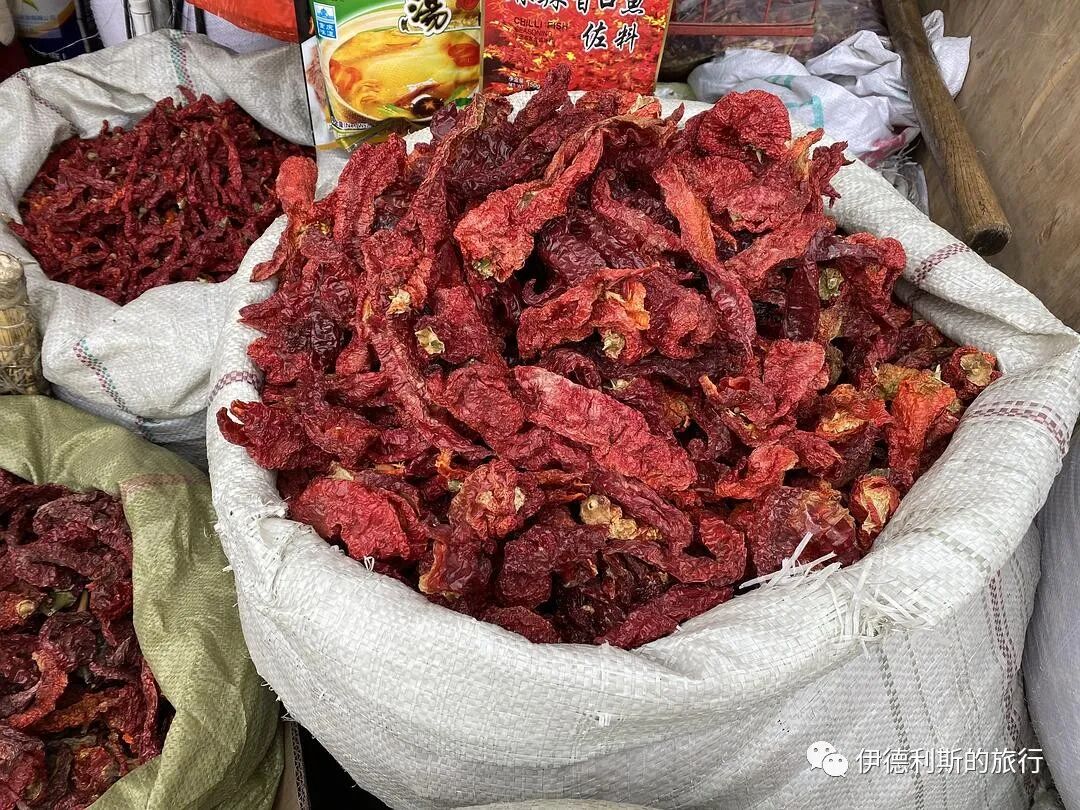
This is the cheapest kind.
Went home and cut the front leg and ribs.
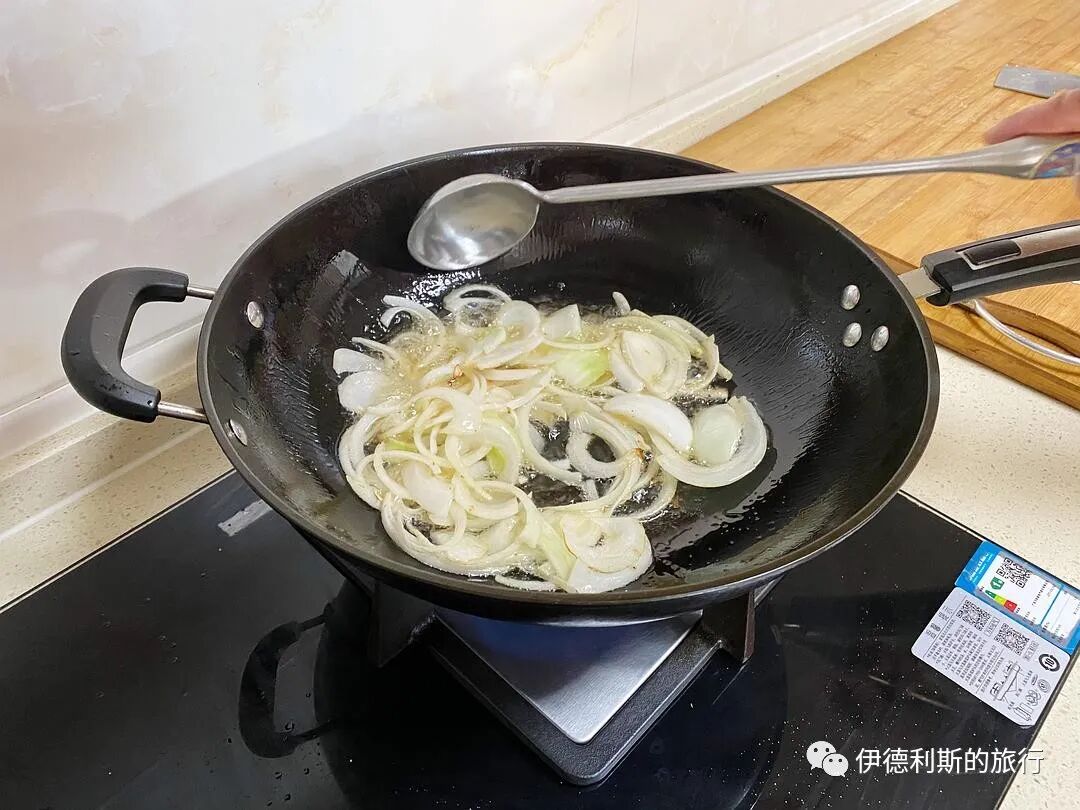
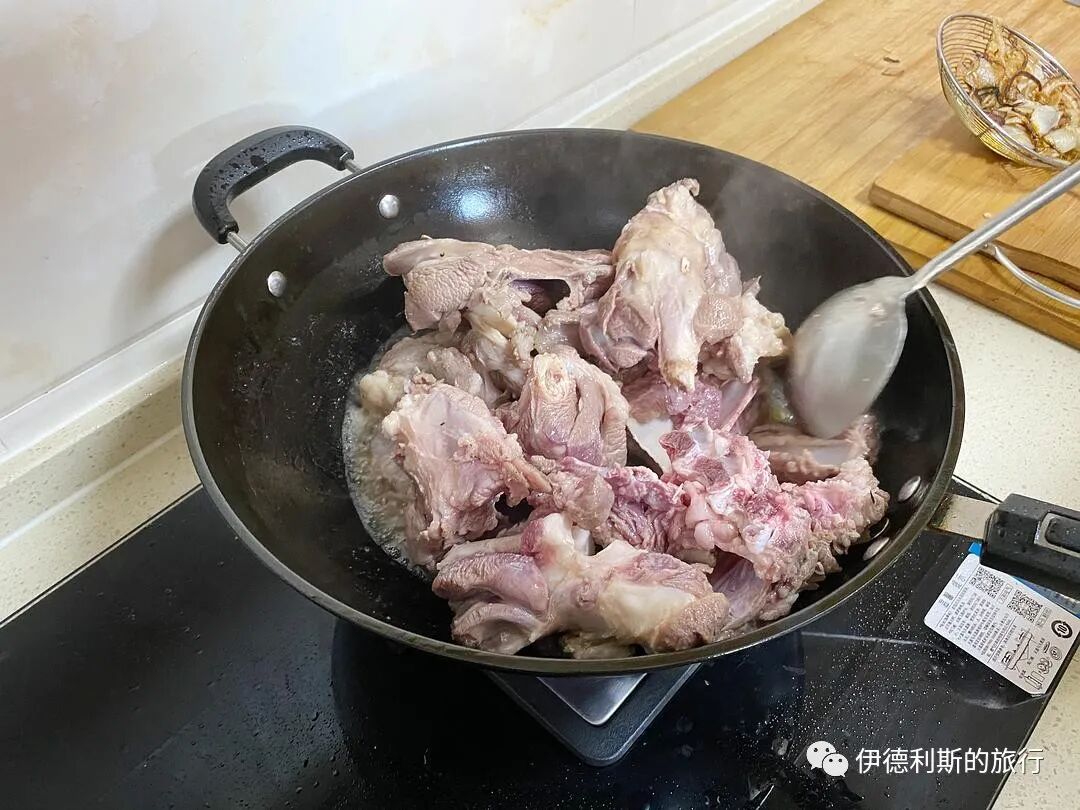
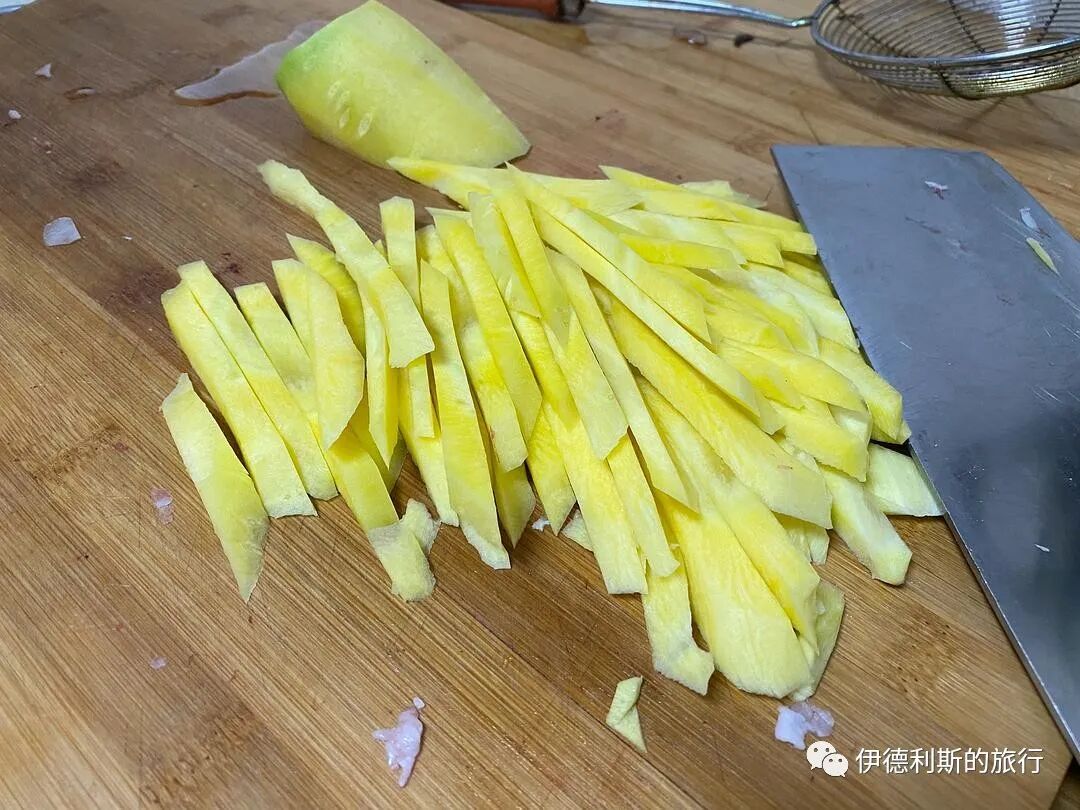
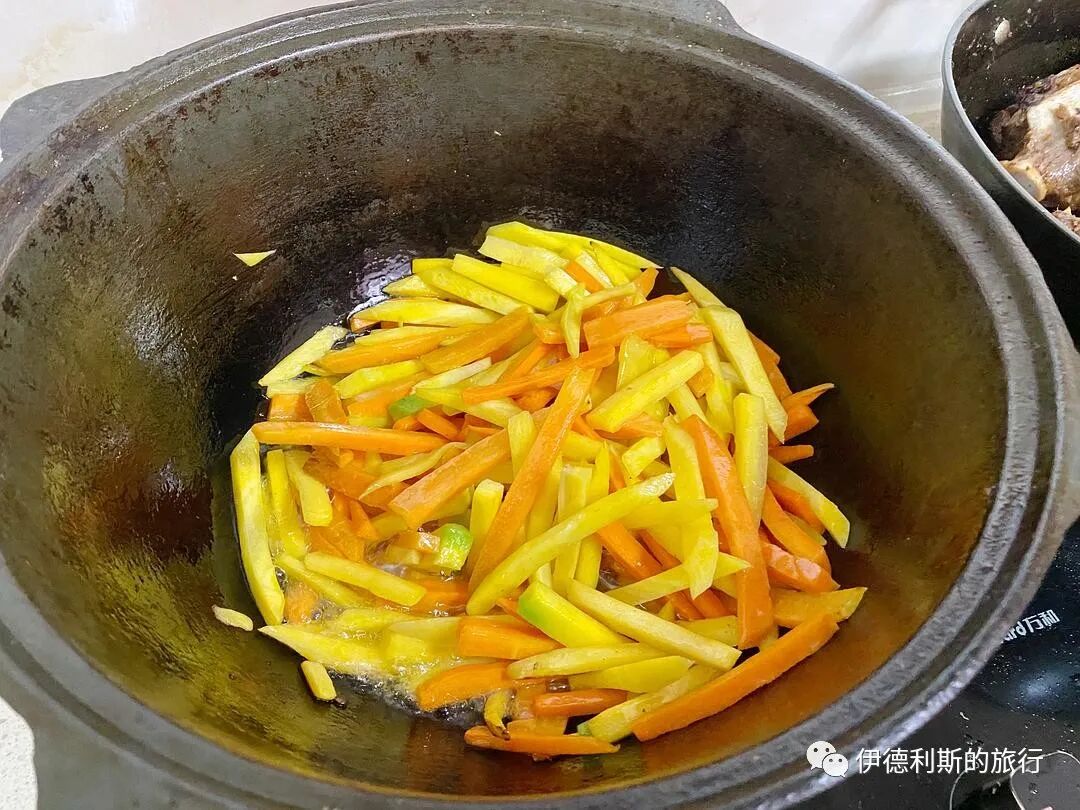
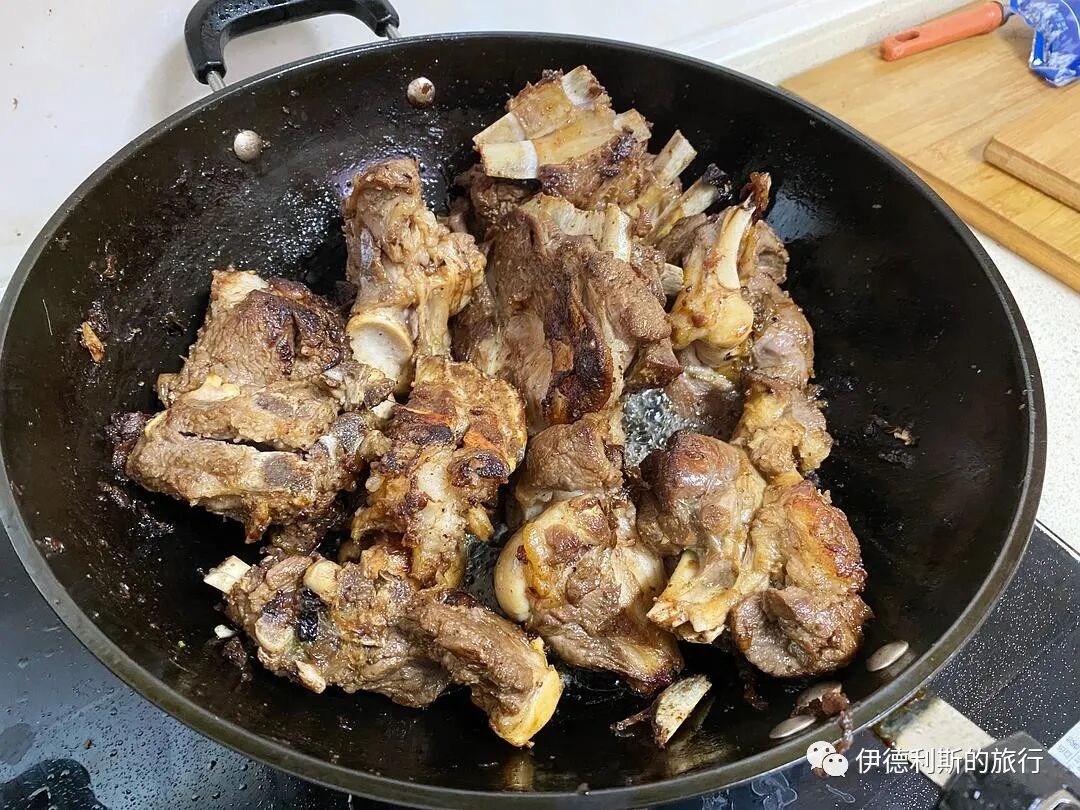
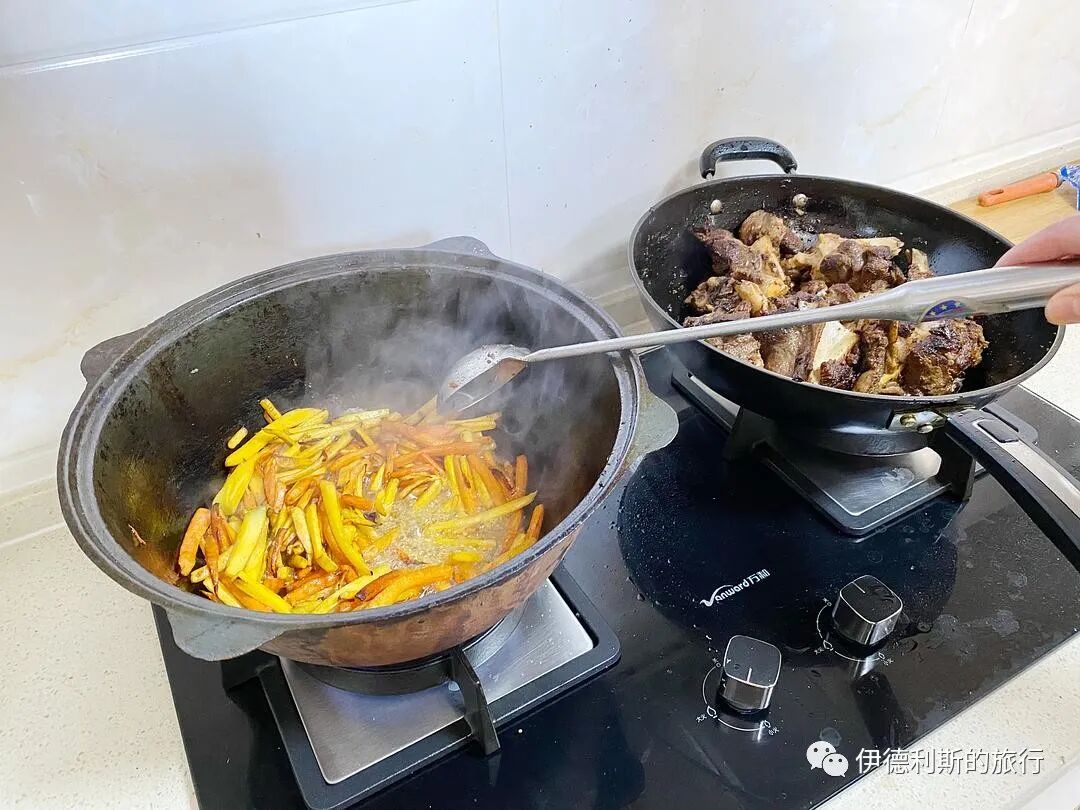
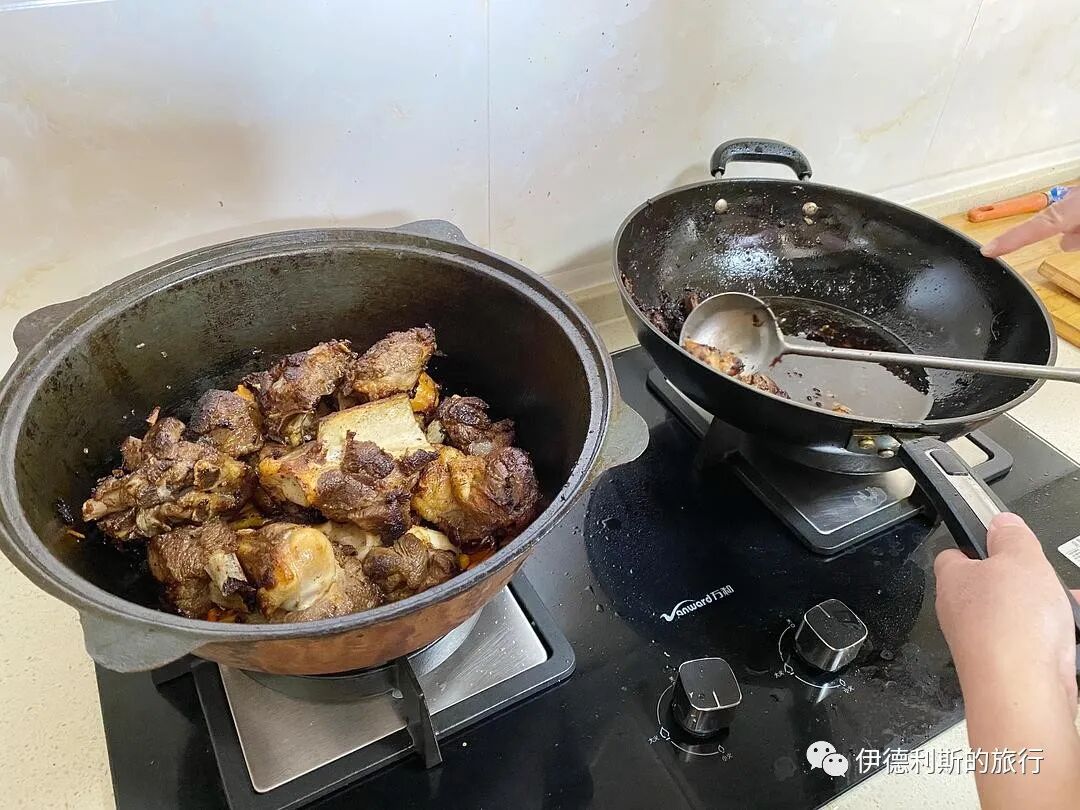
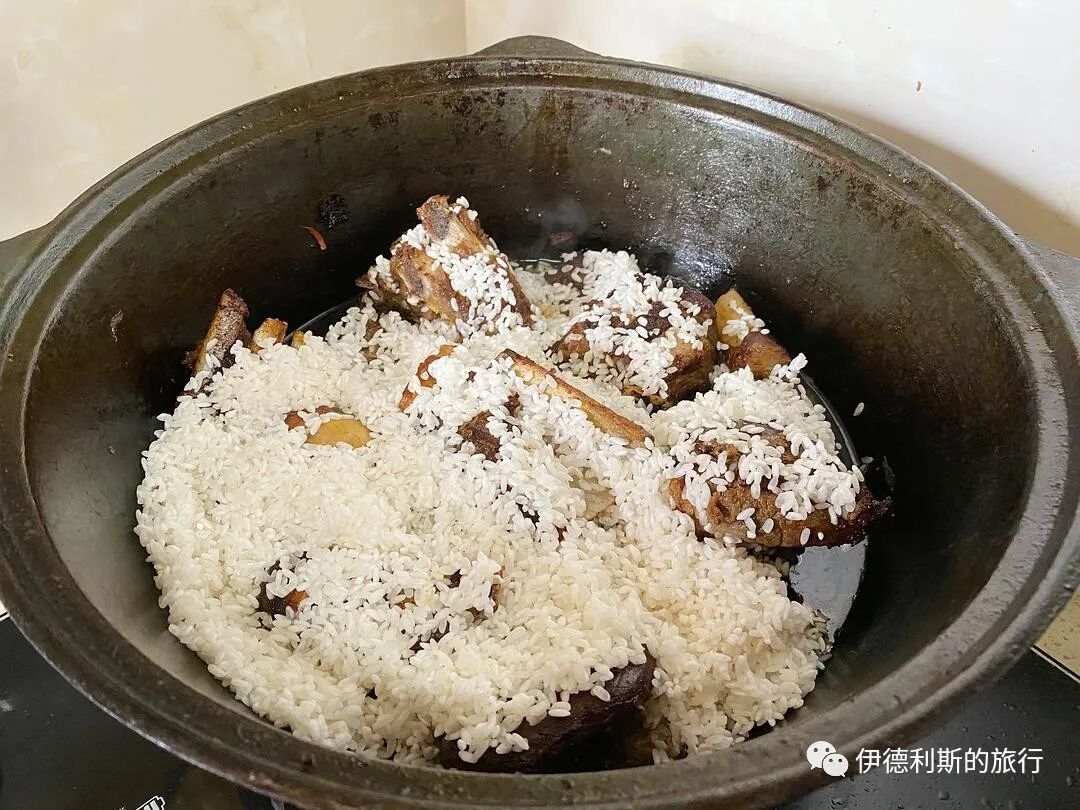
First fry the onions, and after the onions are charred, sprinkle with large-grain salt, then add the meat. After the meat darkens in color, use another pot to stir-fry the carrots and yellow carrots. After the carrots and meat are charred, spread the meat over the carrots, add sugar, then spread the rice over the meat (we had too much meat this time, so it wasn't spread perfectly), cover and simmer for forty minutes, and it's done.
January 30
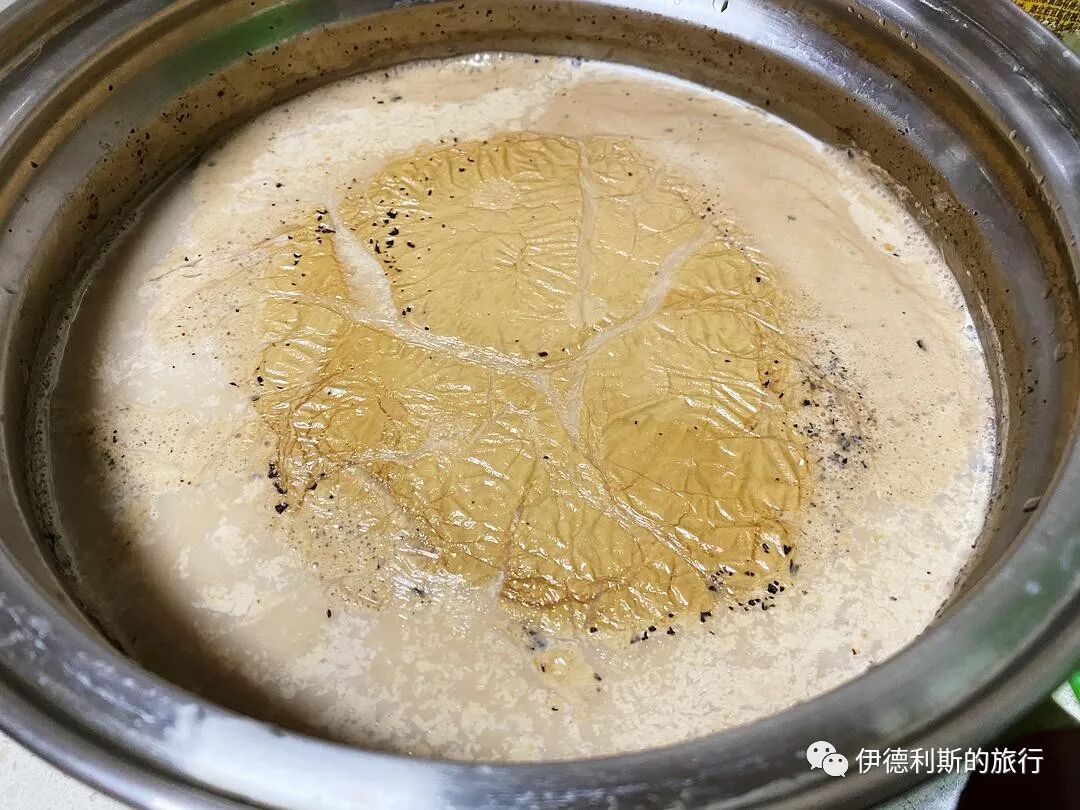
A new day starts with a pot of milk tea.
On the left is the dough made with eggs for egg sanzi, and on the right is the dough made with sesame for mayezi.
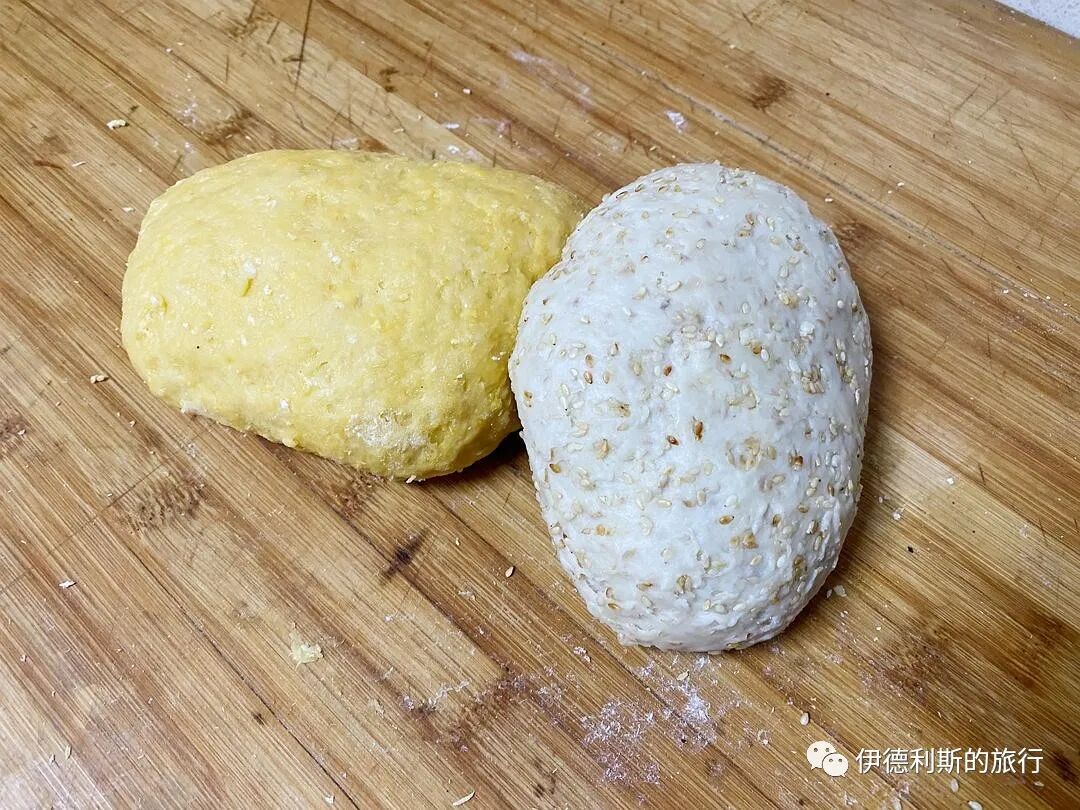
For egg sanzi, first knead the dough with eggs, let it rest, roll it thin with a large rolling pin, then use a 'gong-gong-zi' (a special grooved rolling tool) to cut it into strips, coiling them as you cut. After cutting, deep-fry in oil, and sprinkle with granulated sugar when finished.
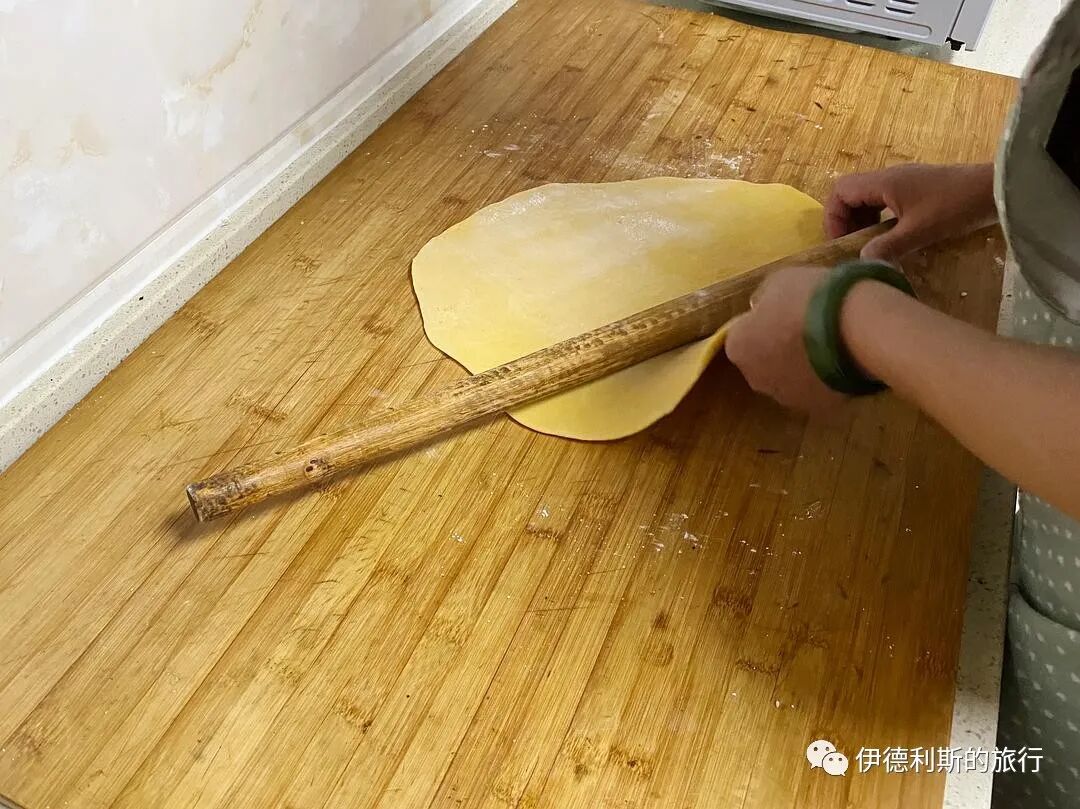
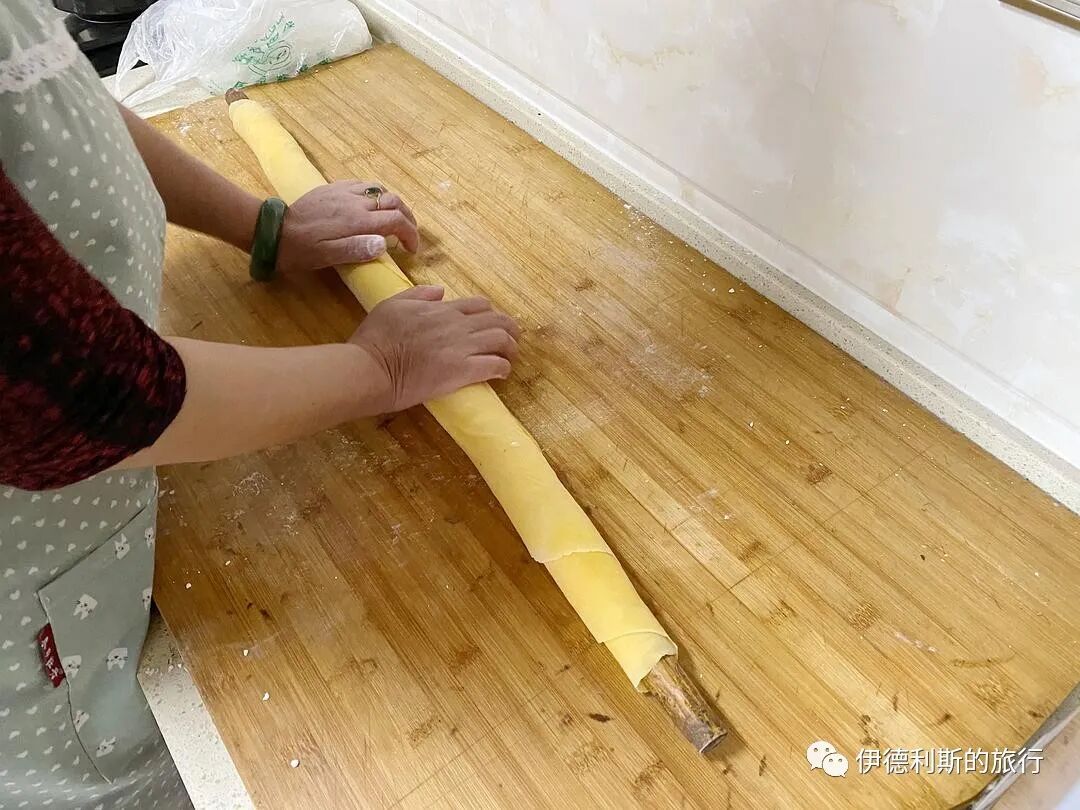
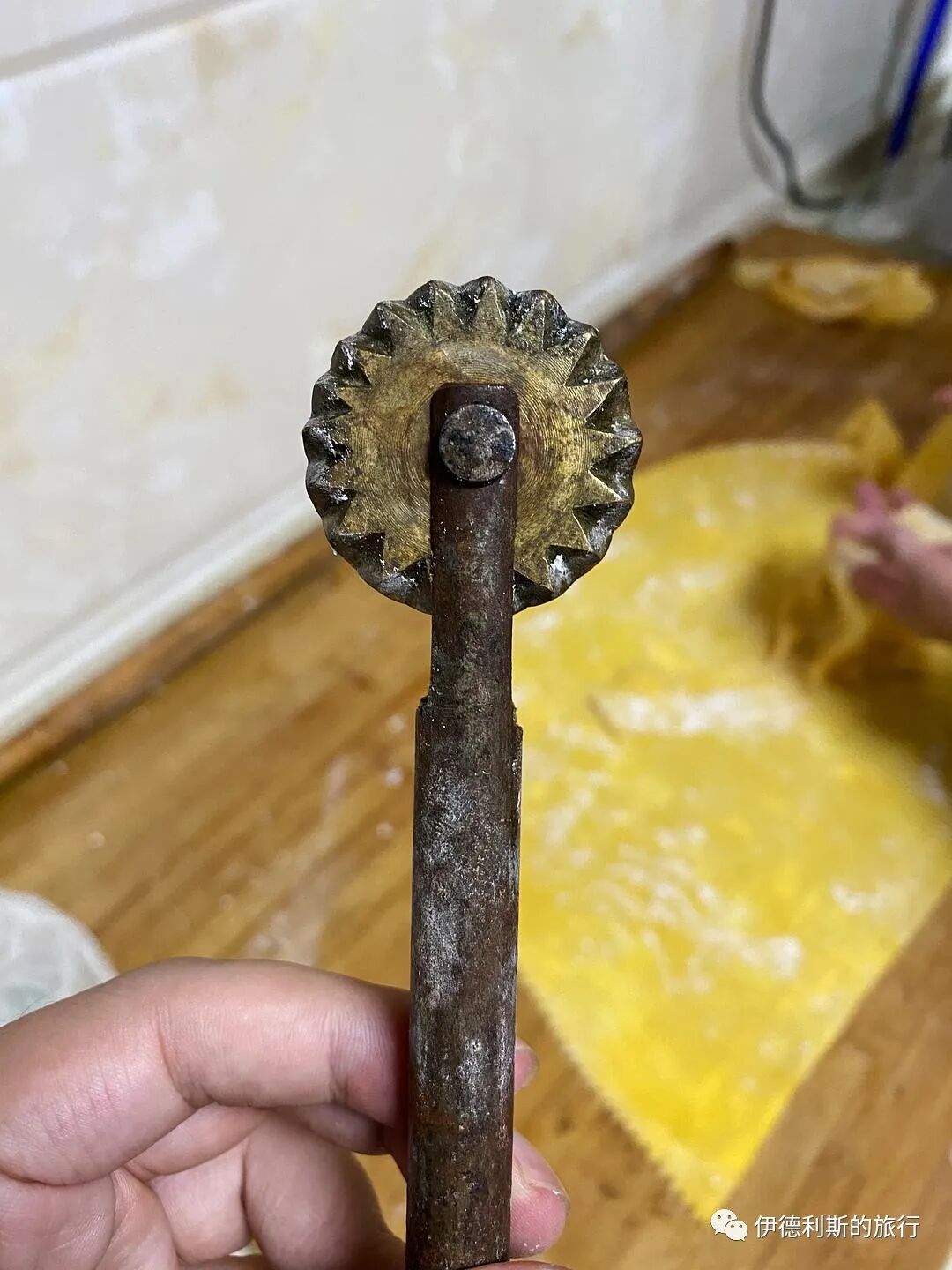
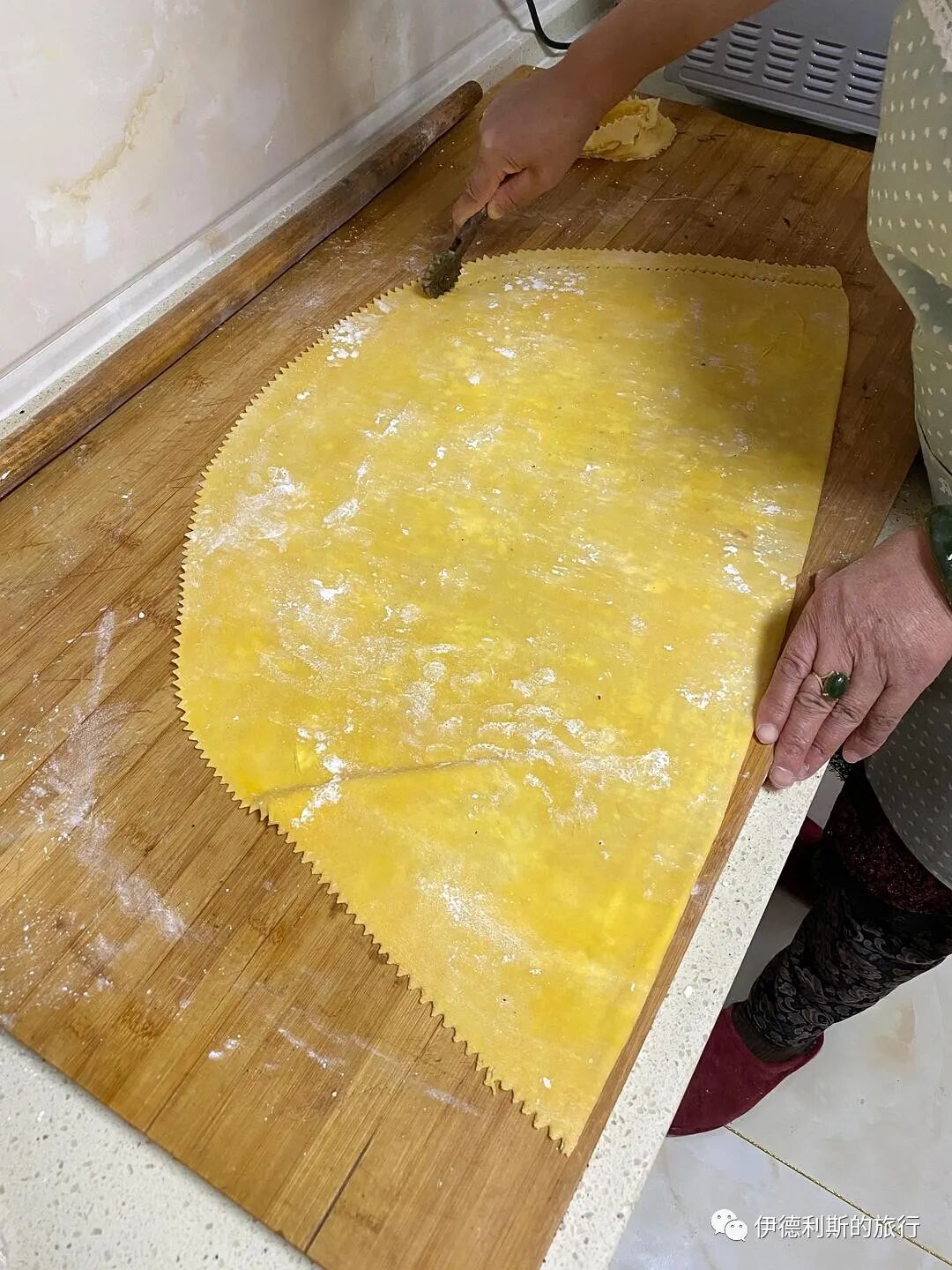
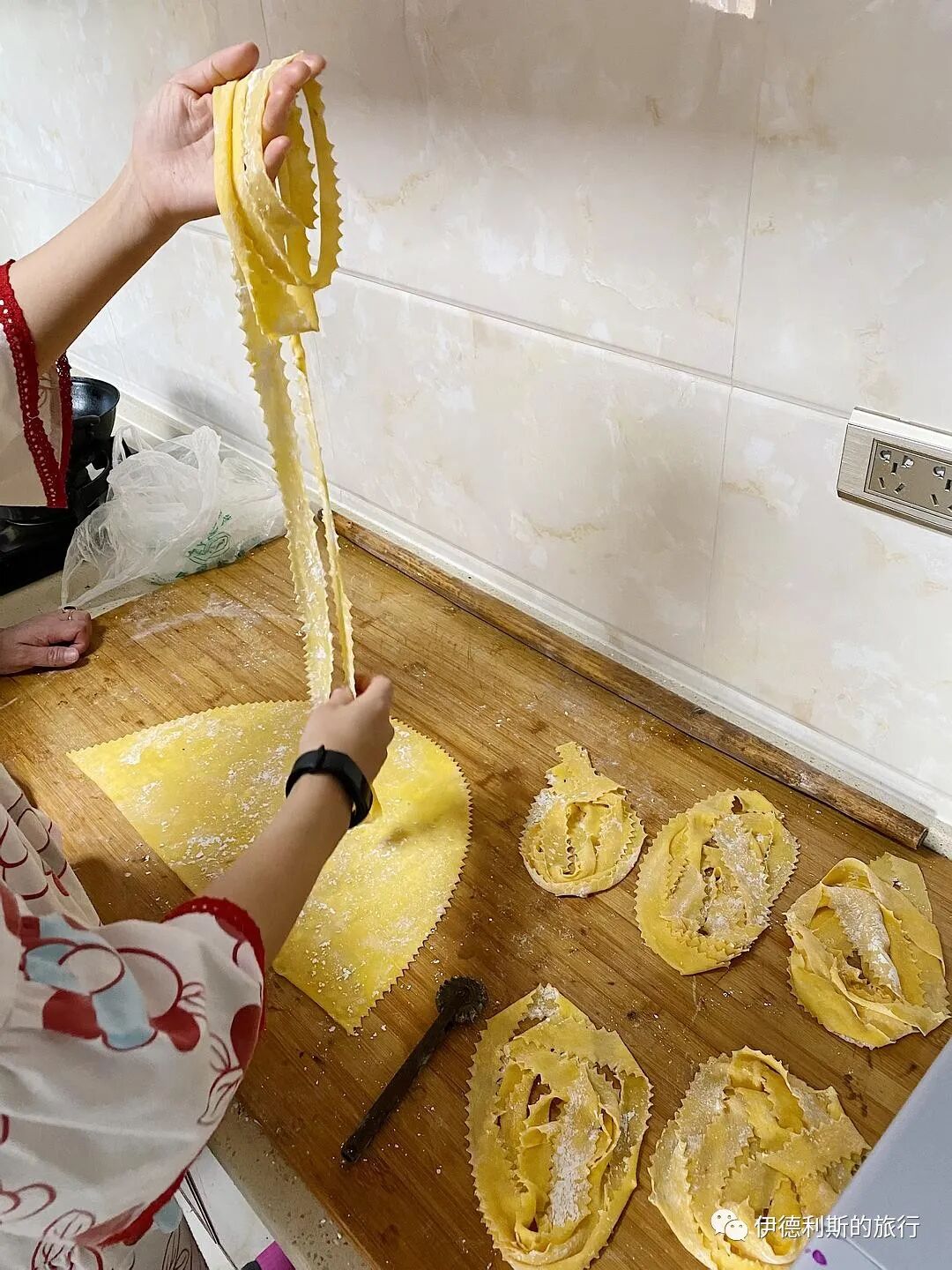
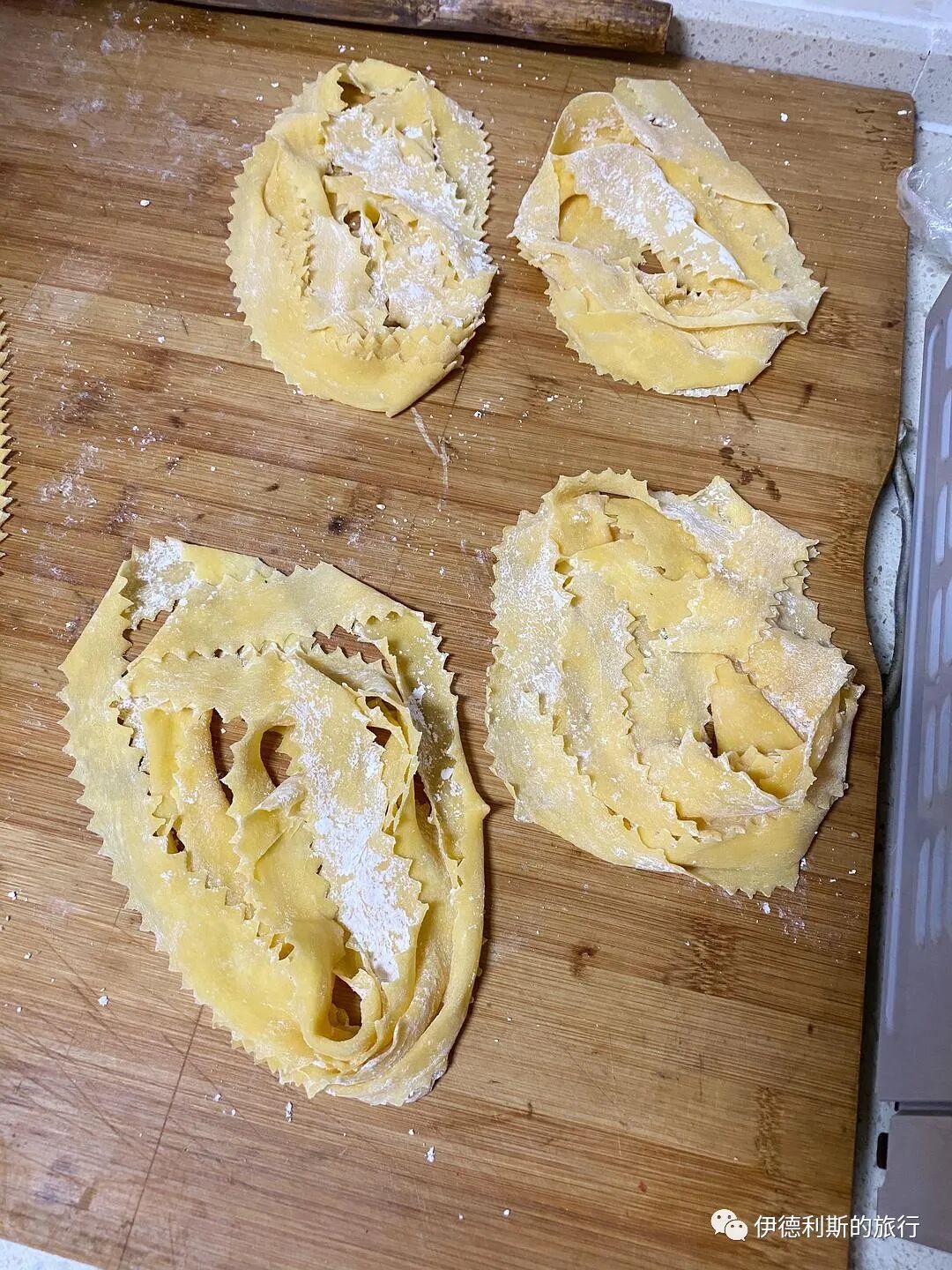
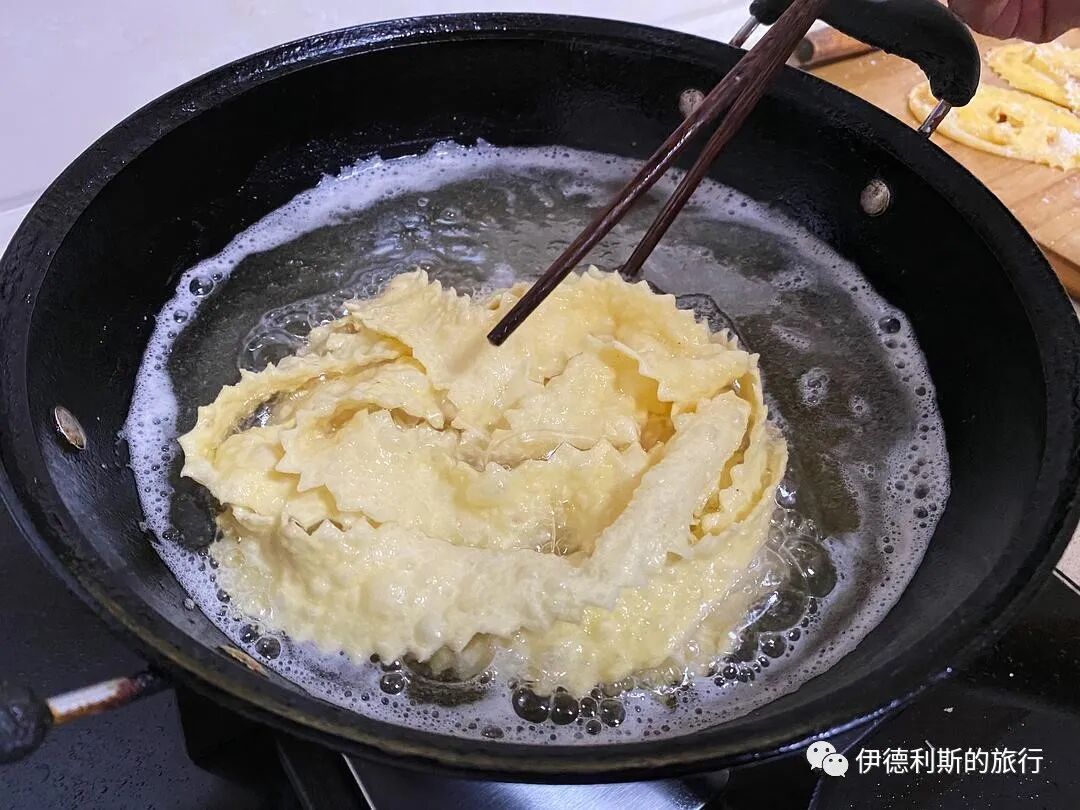
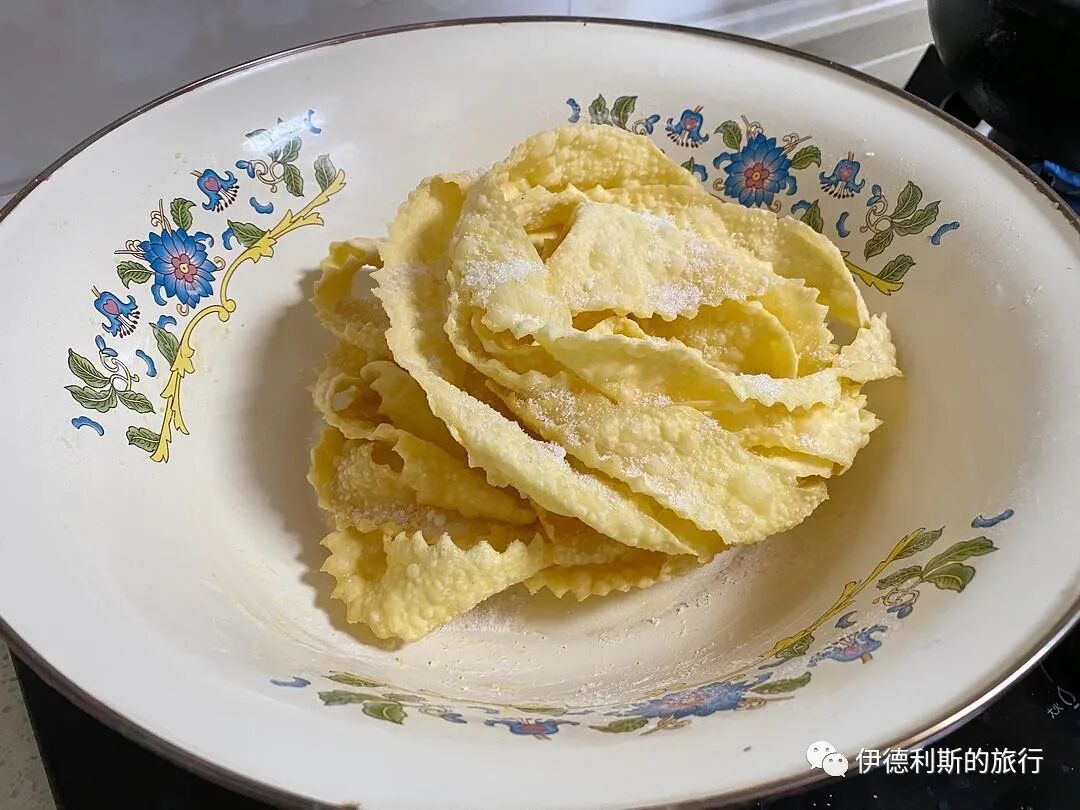
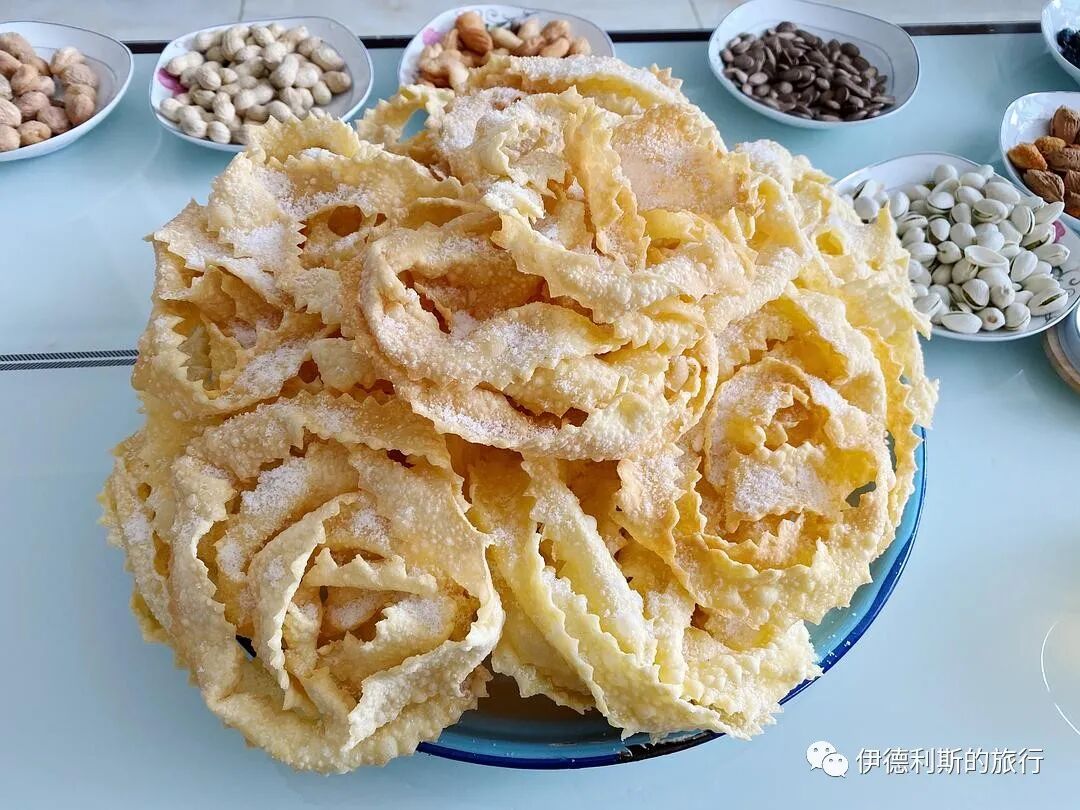
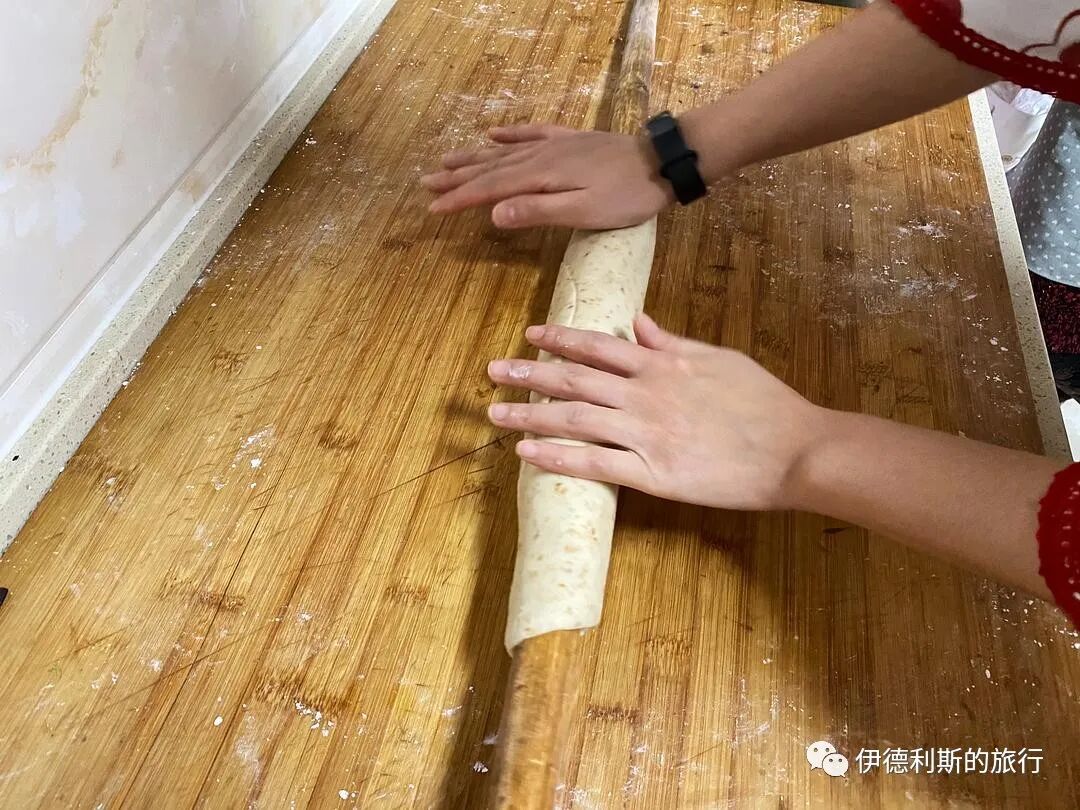
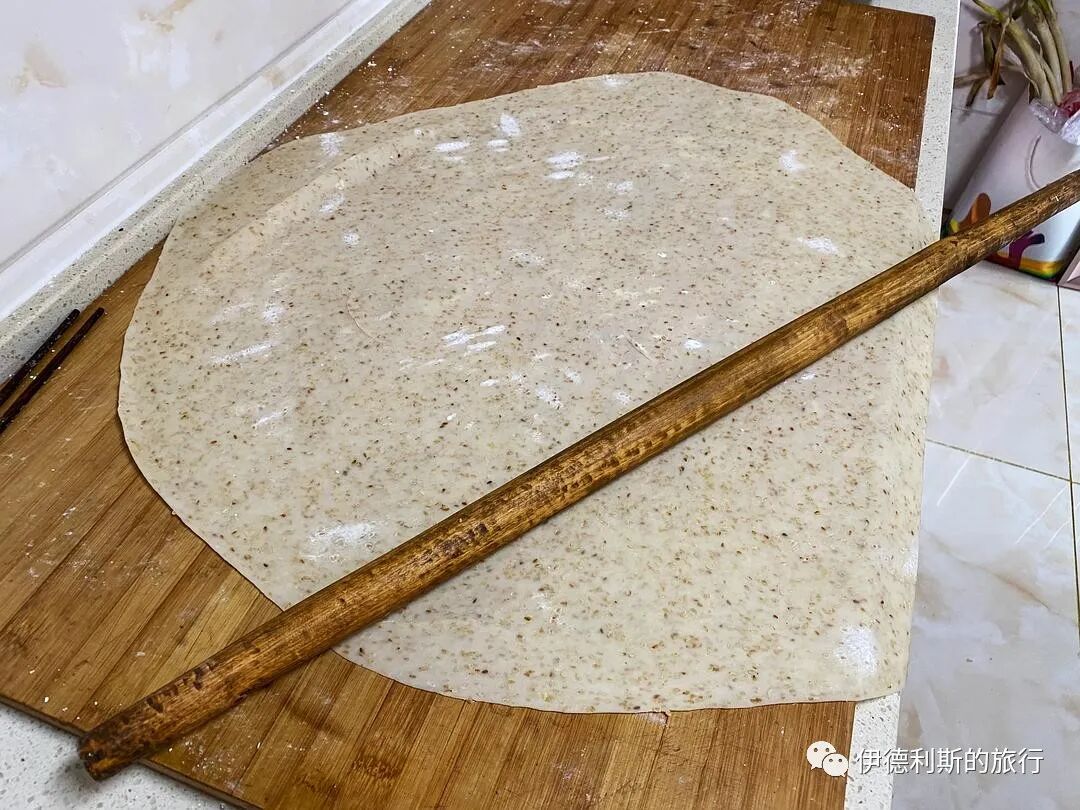
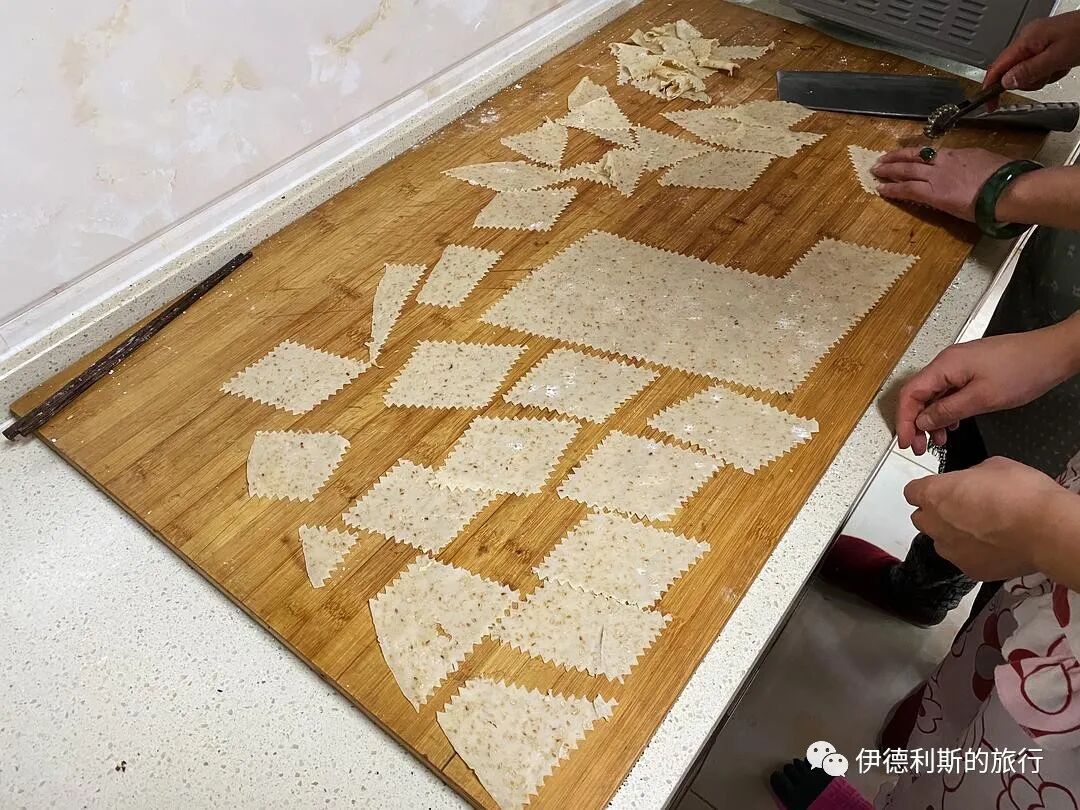
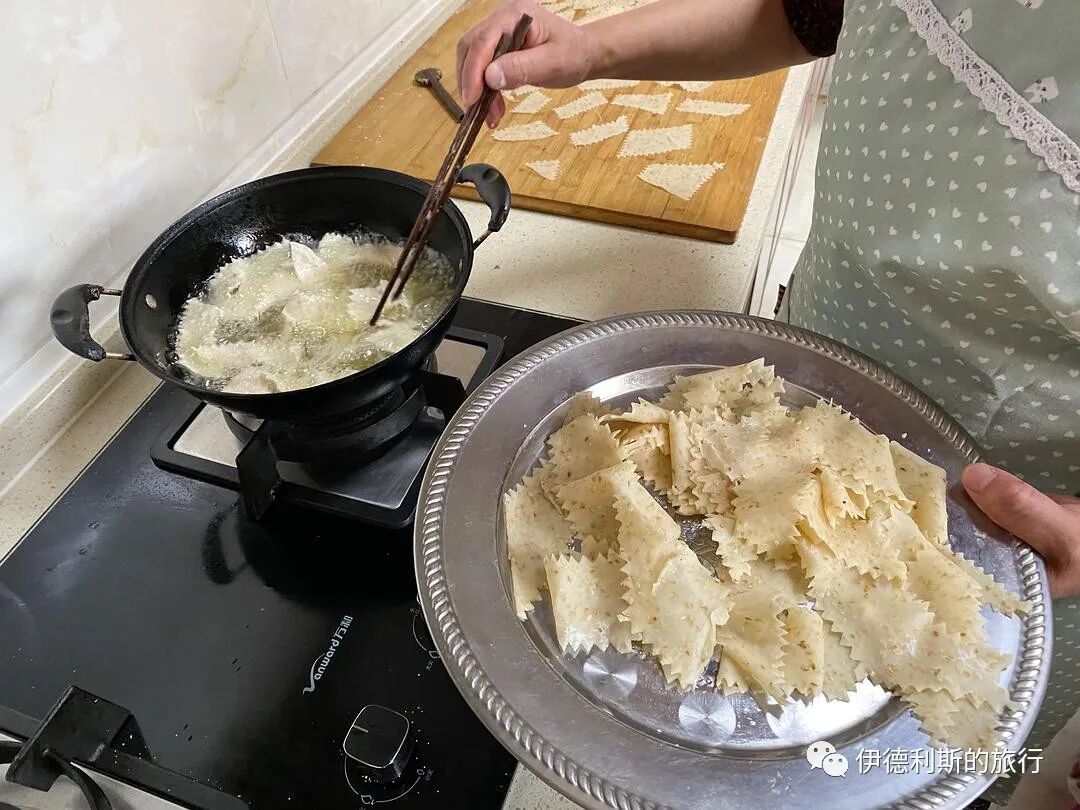
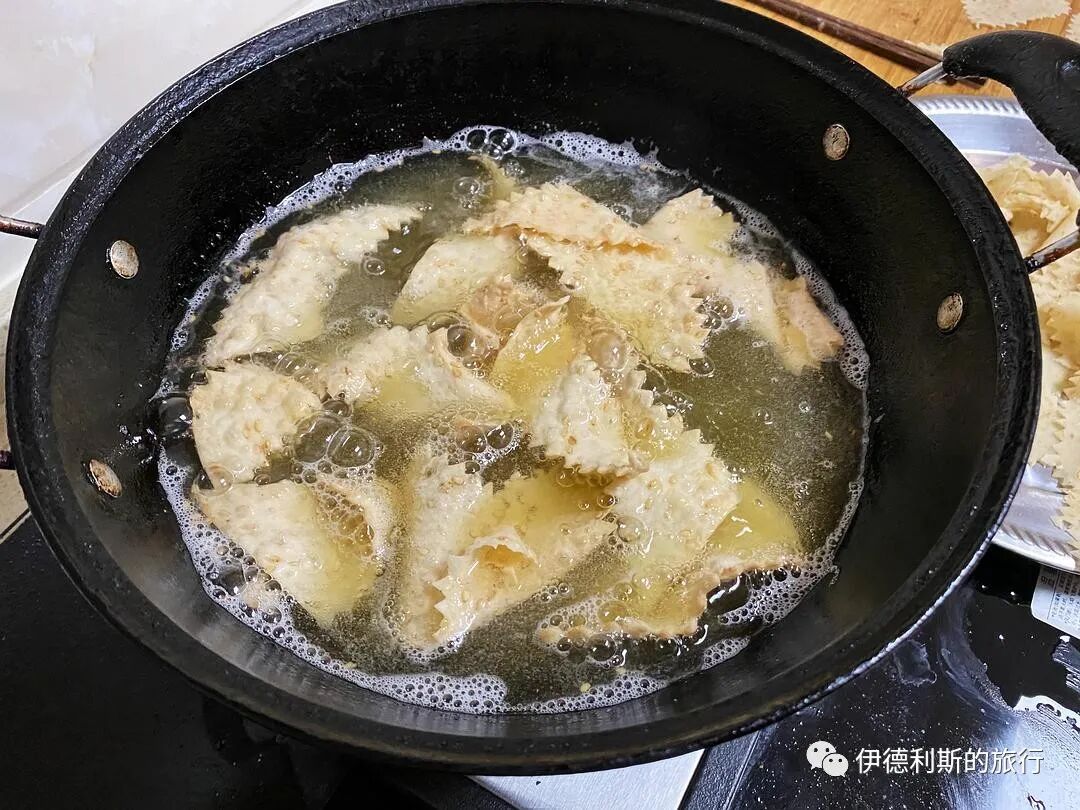
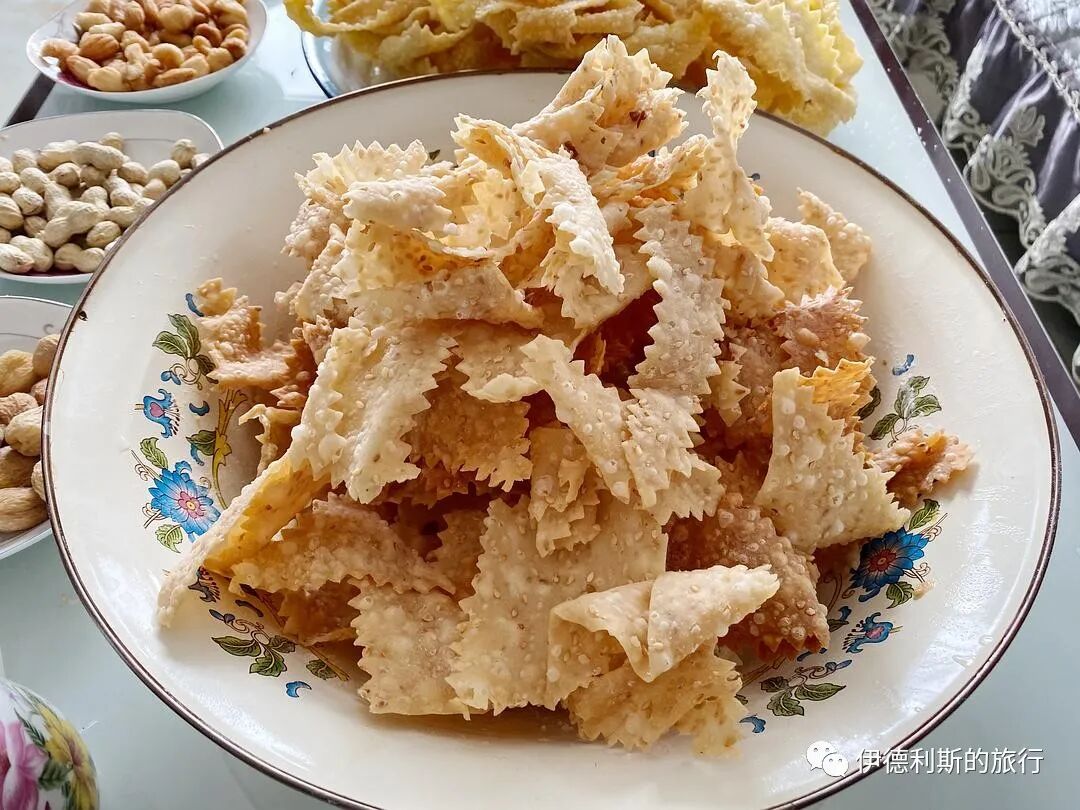
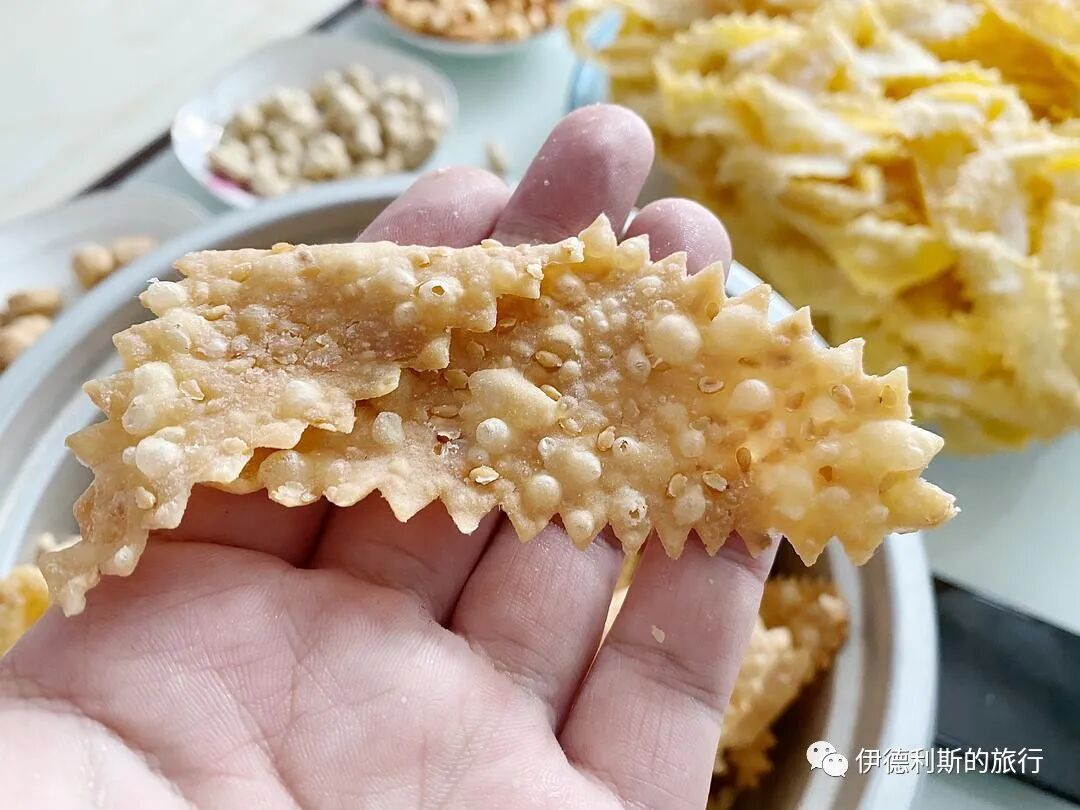
Urumqi Hui Muslim version of mayezi: knead the dough with sesame, roll it thin with a rolling pin, use a 'gong-gong-zi' to cut into quadrilaterals, and deep-fry in oil.
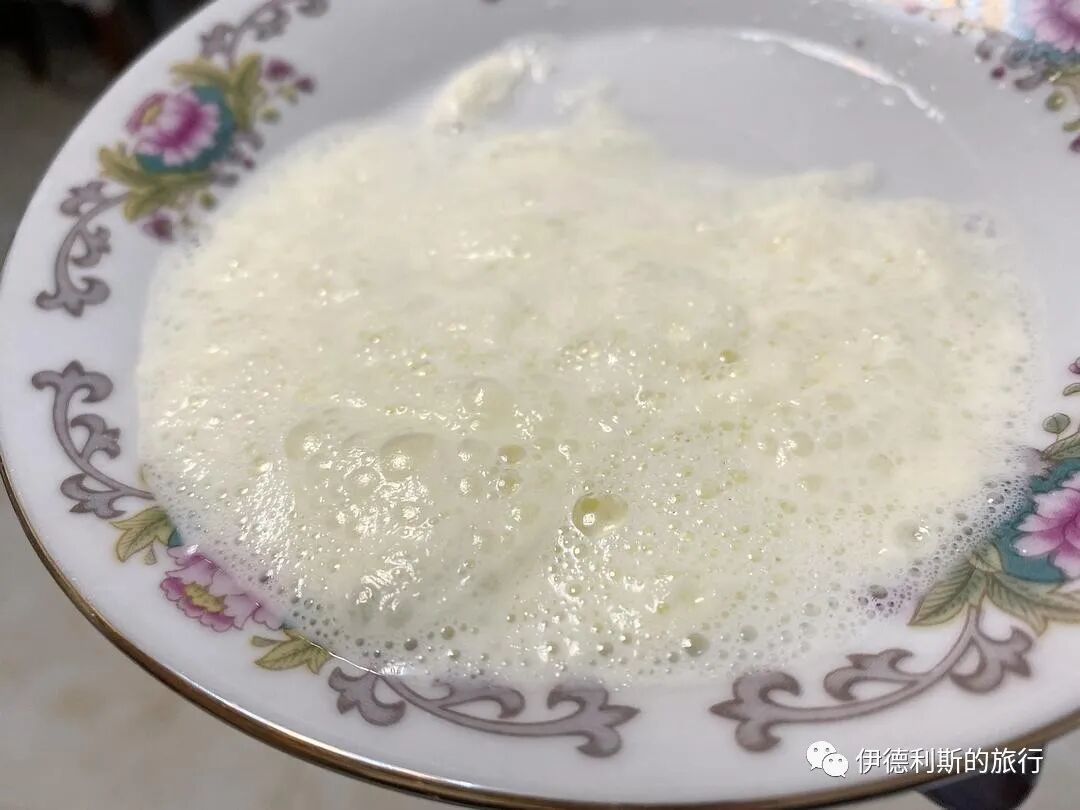
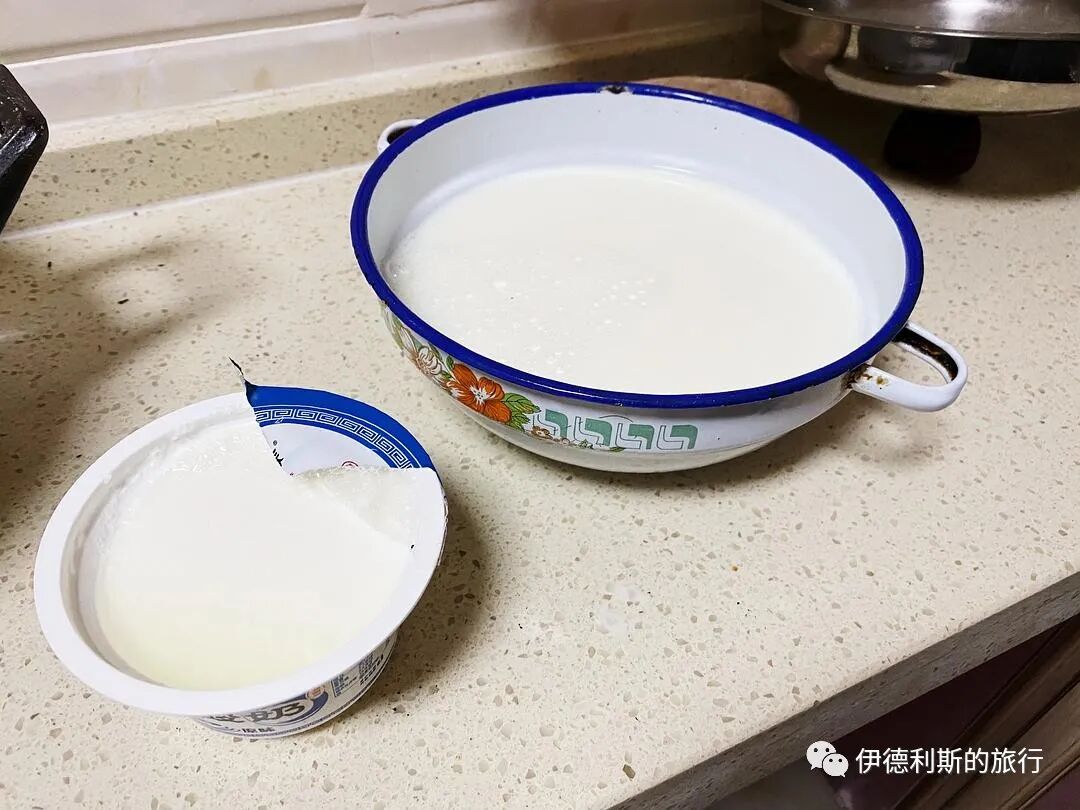
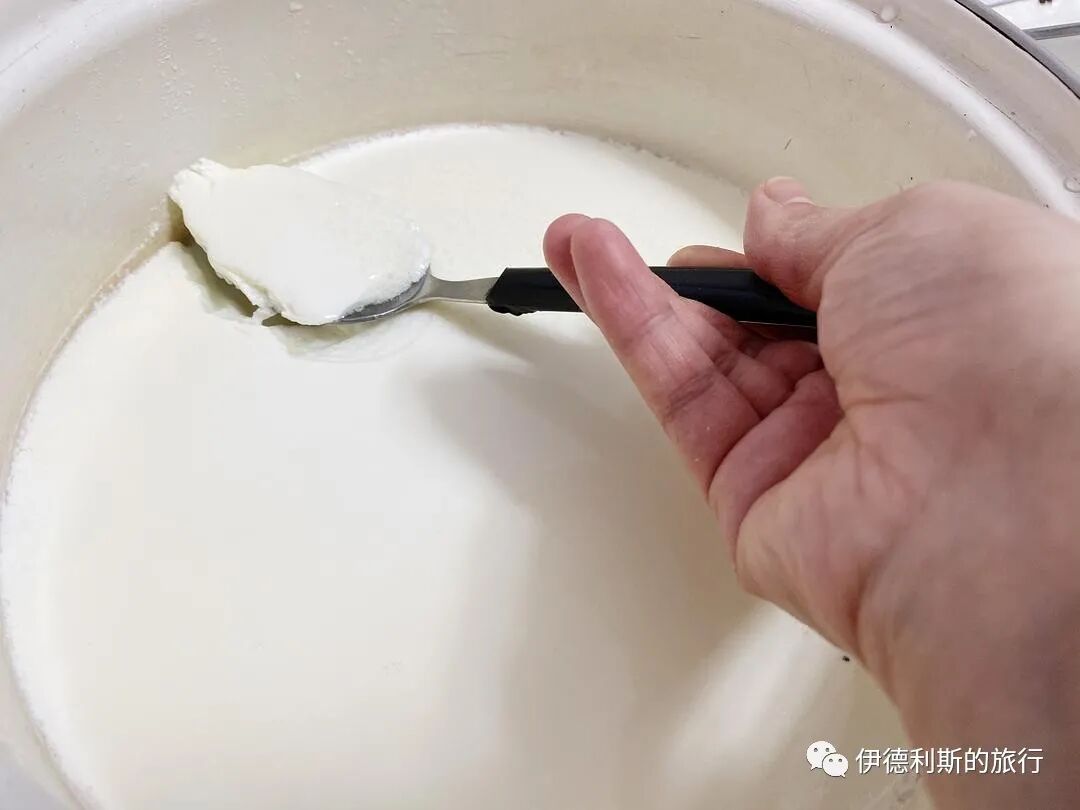
Fresh milk bought at the compound entrance; drink the milk skin first, and scoop out a portion of the milk below to make yogurt.
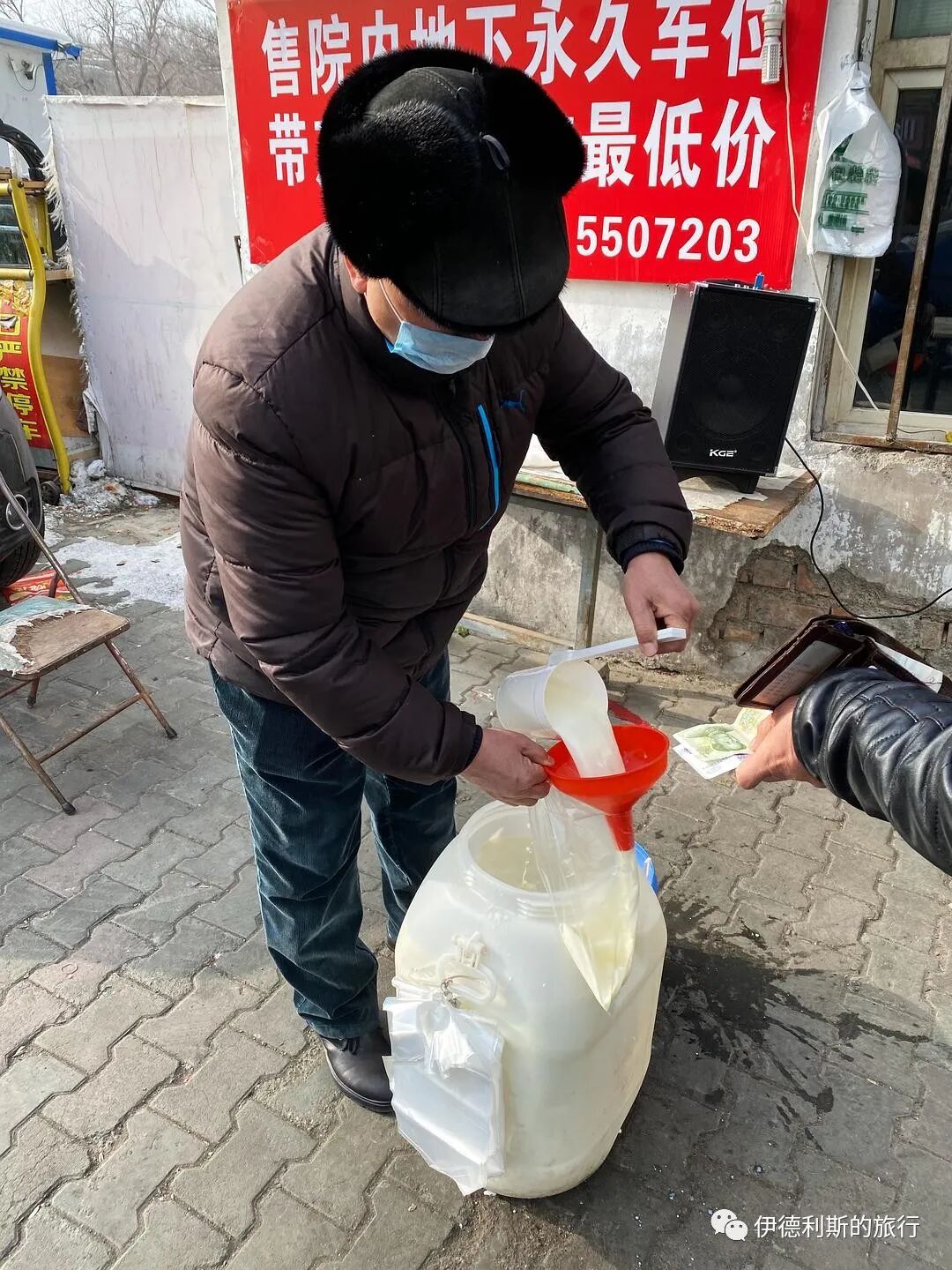
The milk is from cows raised by Hui Muslims in Cangfanggou, Urumqi. The Uyghur uncle at the compound entrance sells both milk and nang.
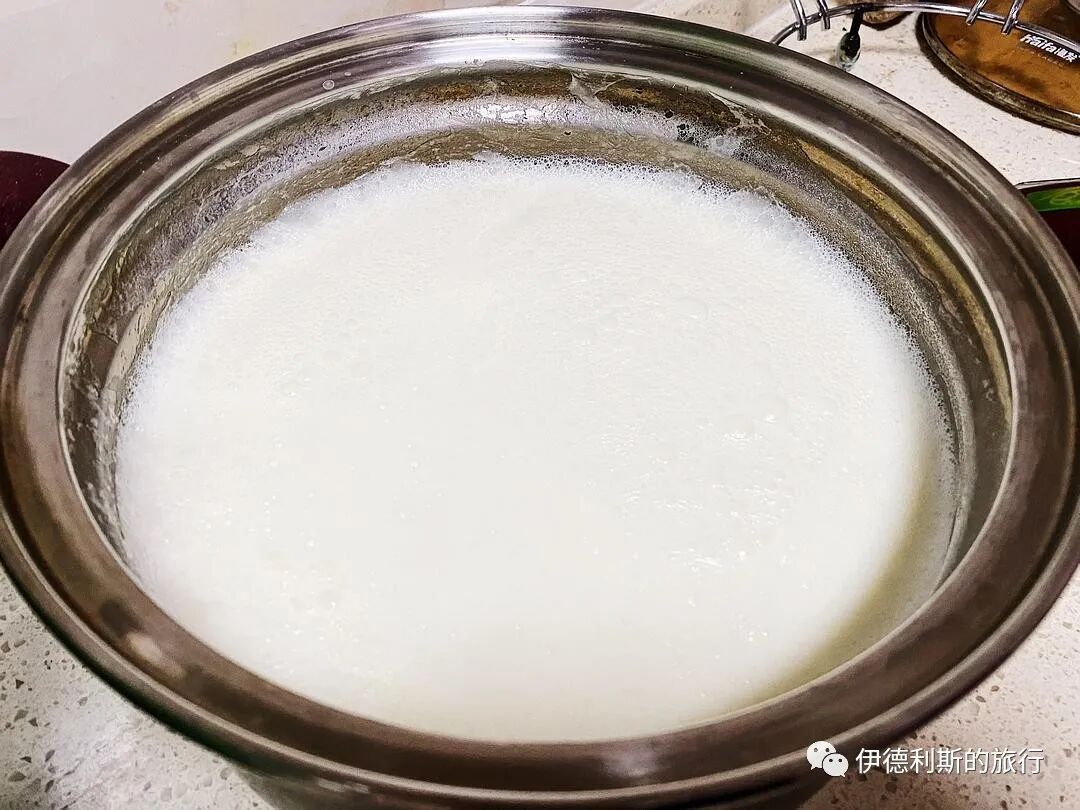
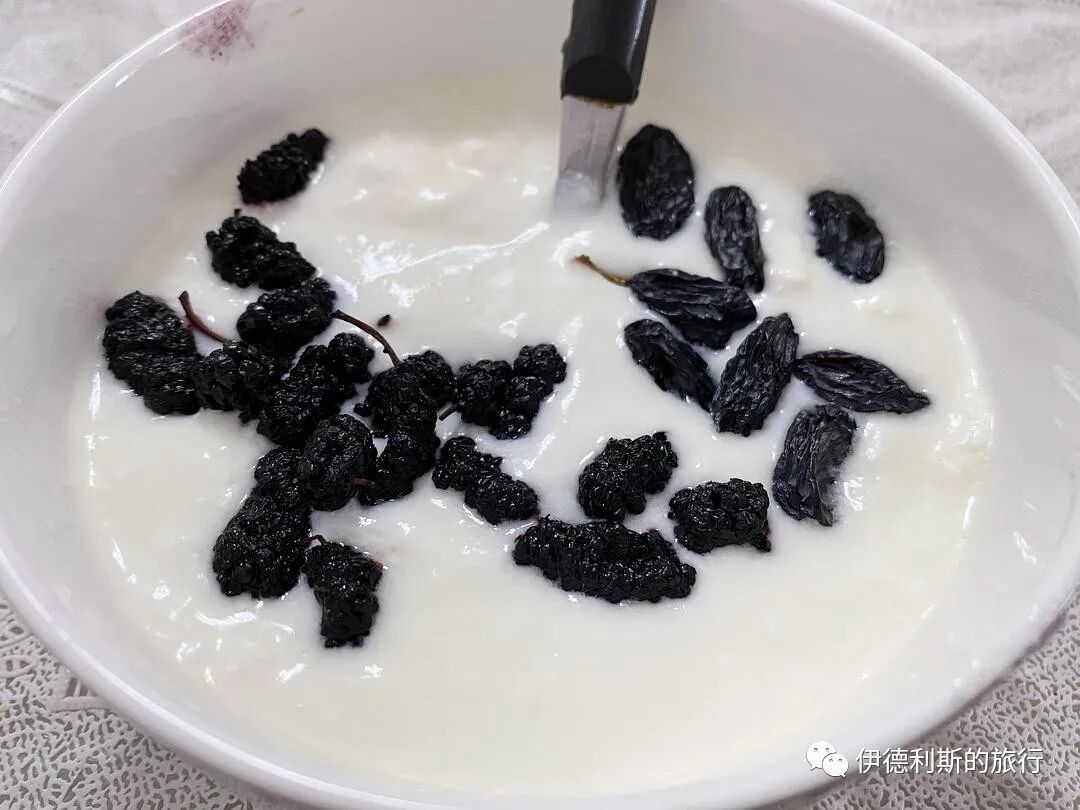
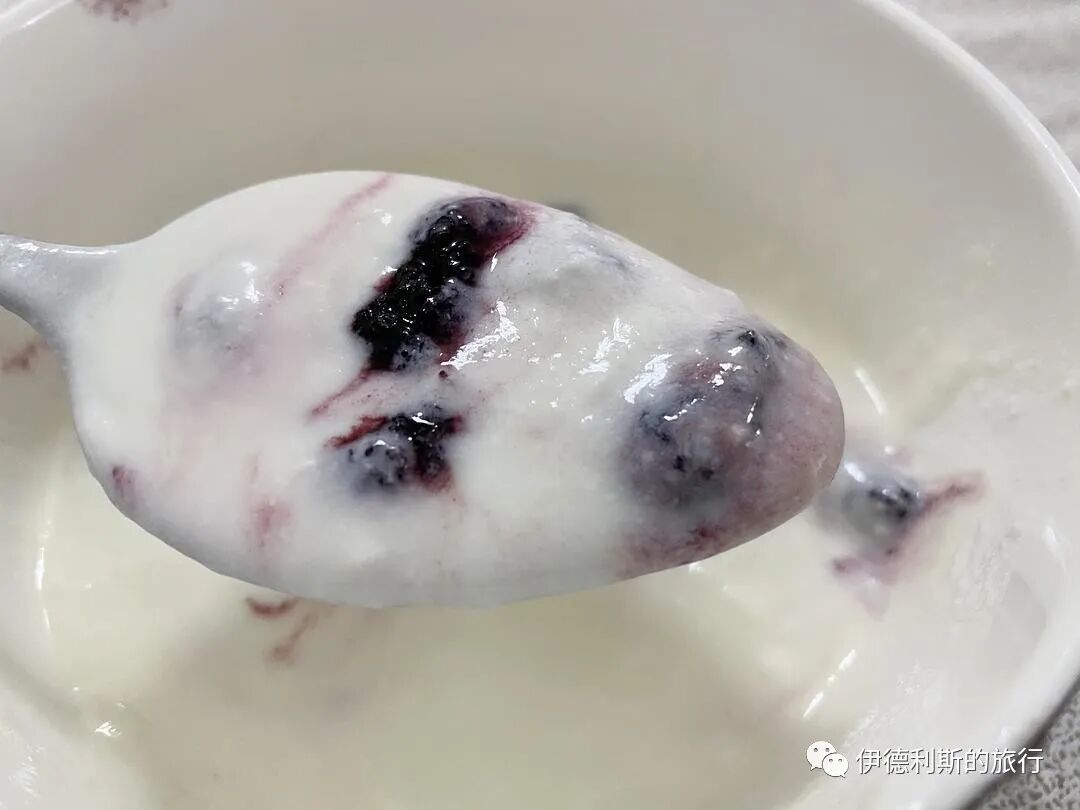
The starter is Xiyuchun brand old yogurt; when eating, I sprinkled it with dried mulberries and raisins.
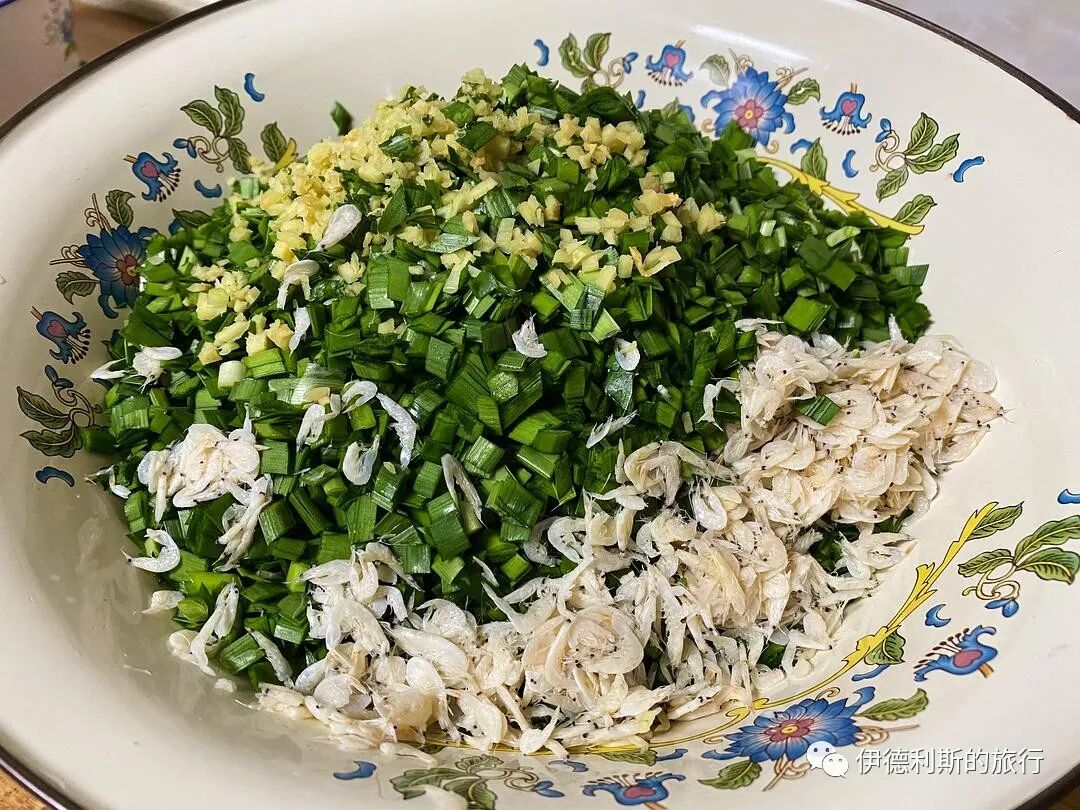
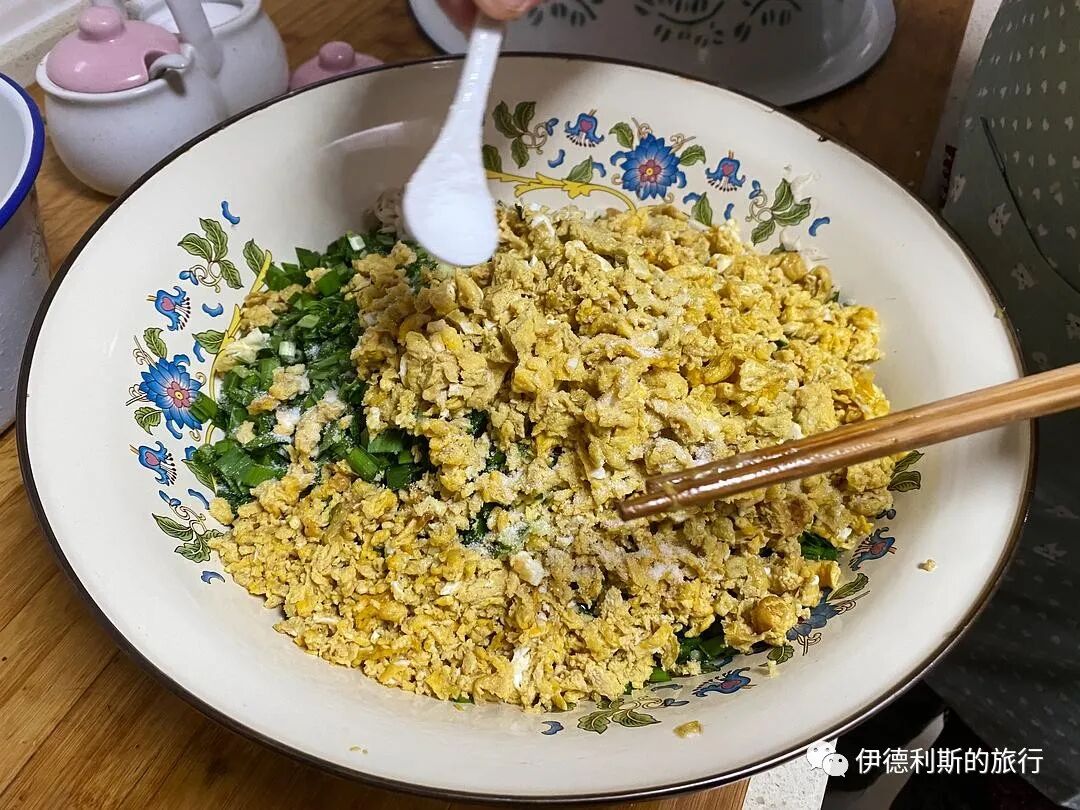
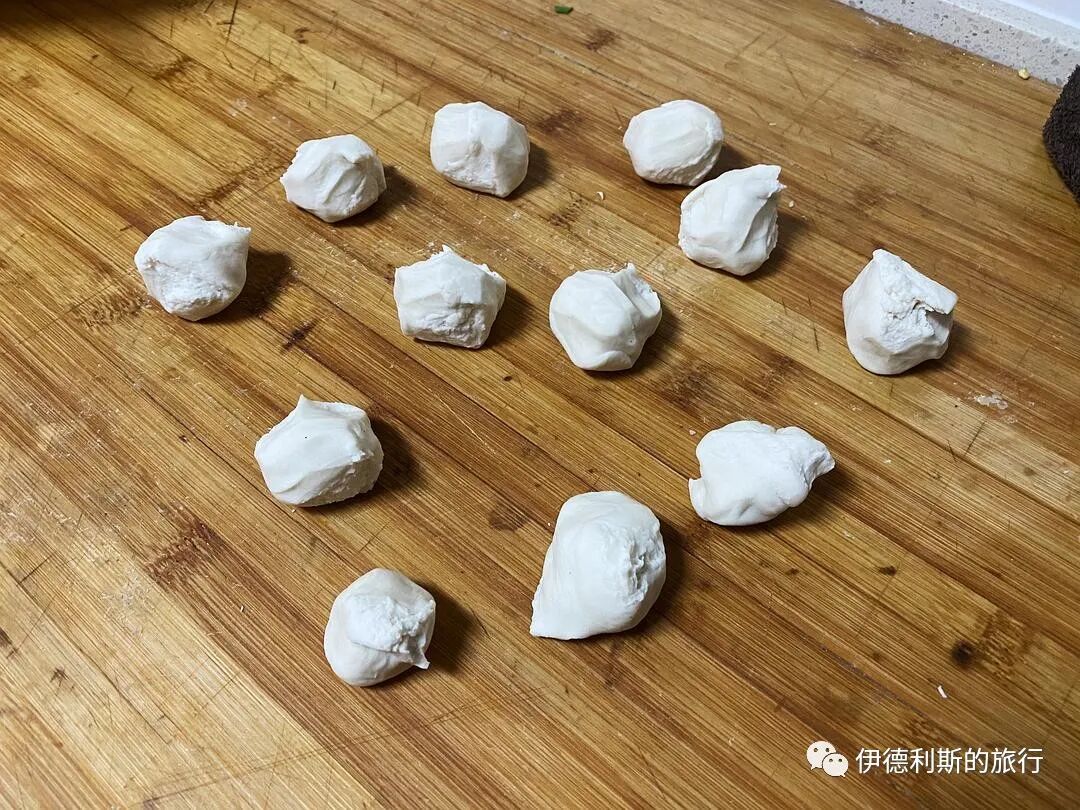
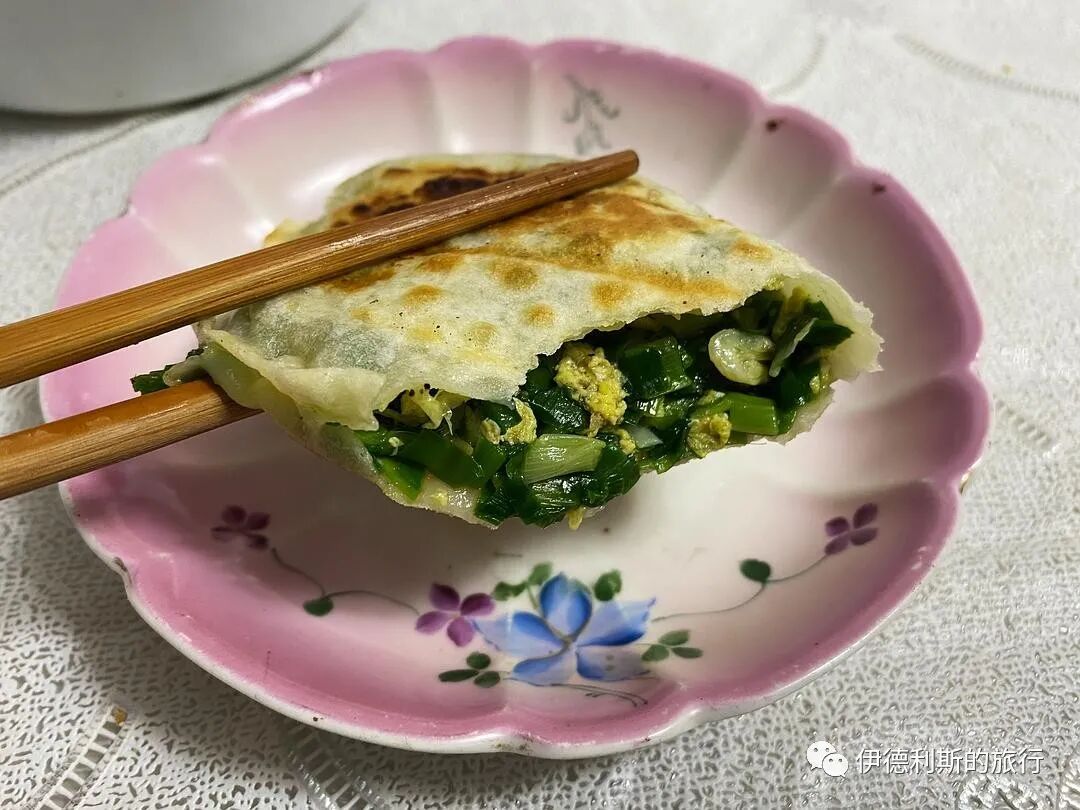
Urumqi Hui Muslim version of chive pockets, with chives, dried shrimp, ginger, and scrambled eggs as the filling. Using an electric griddle makes it a bit dry.
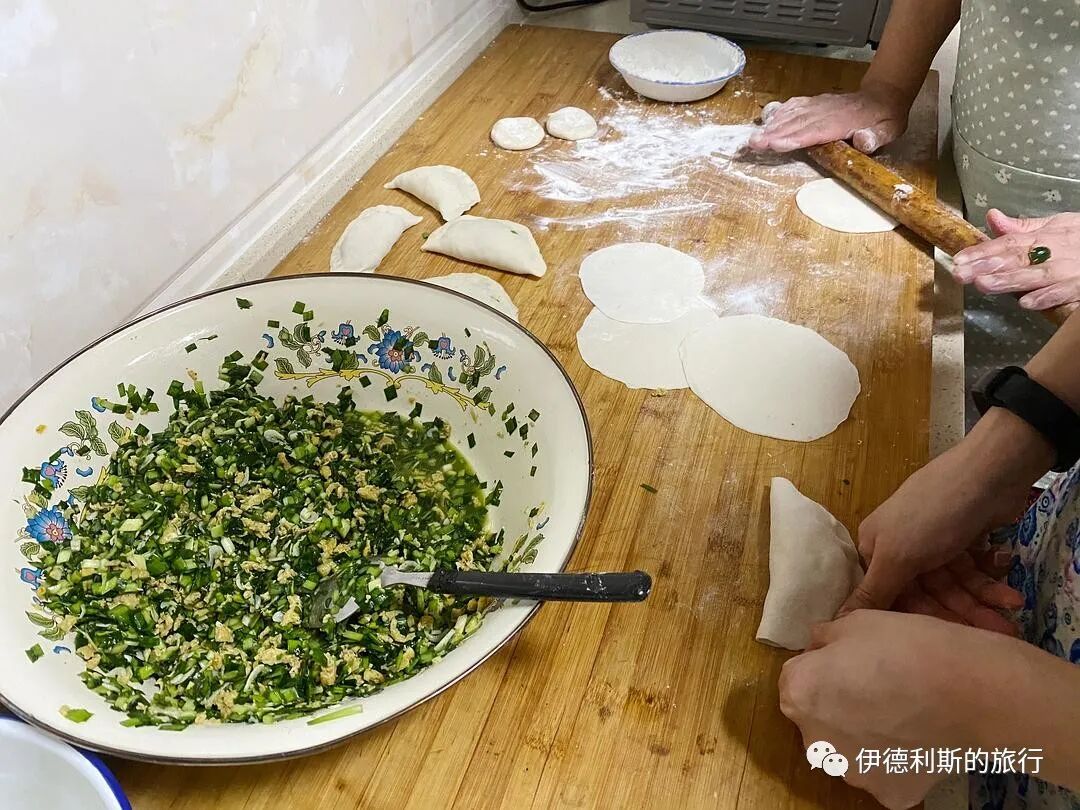
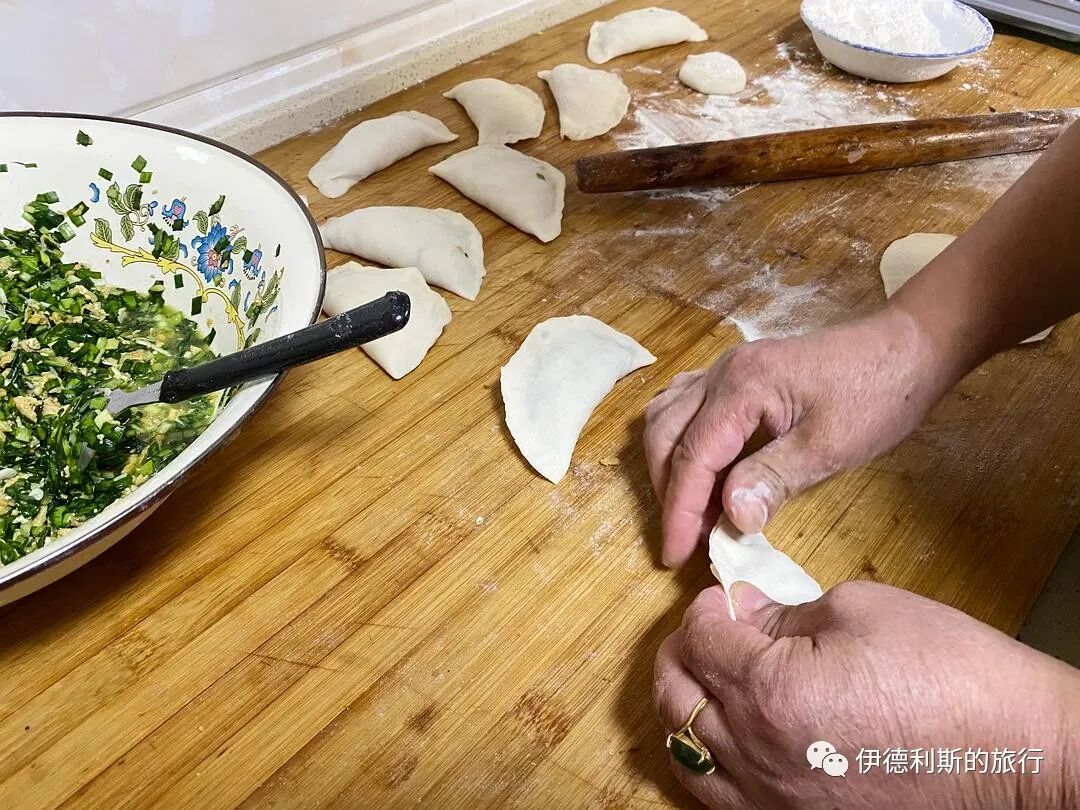
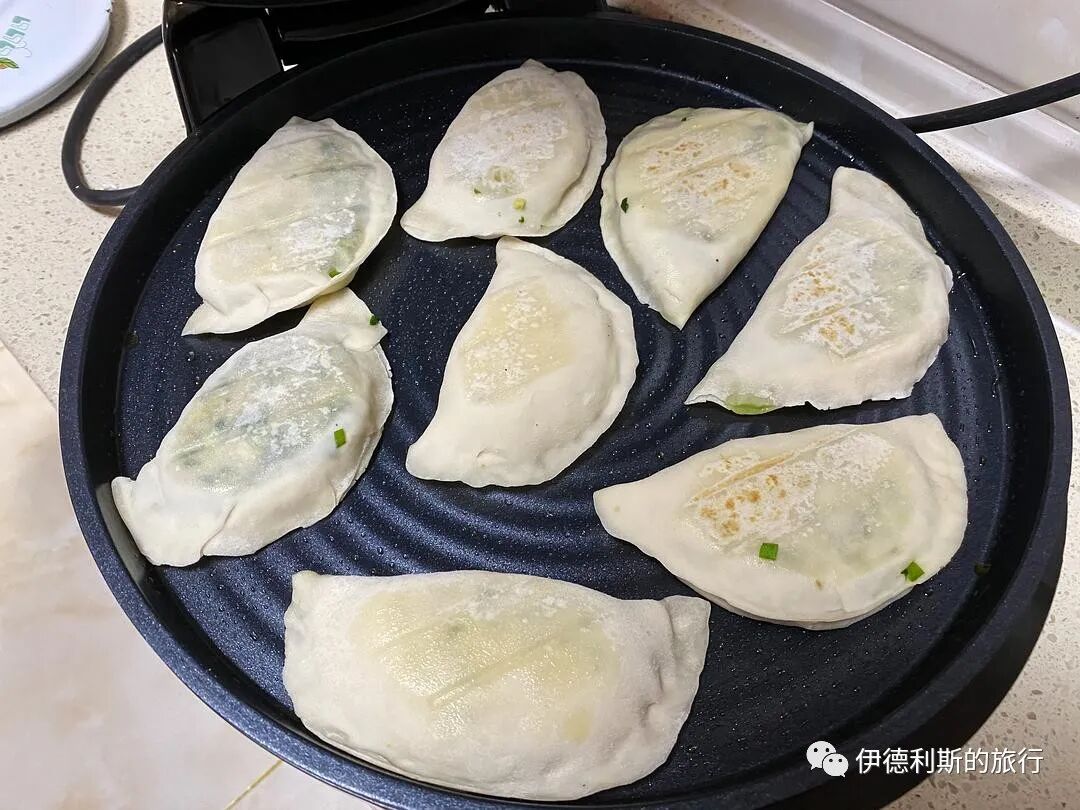
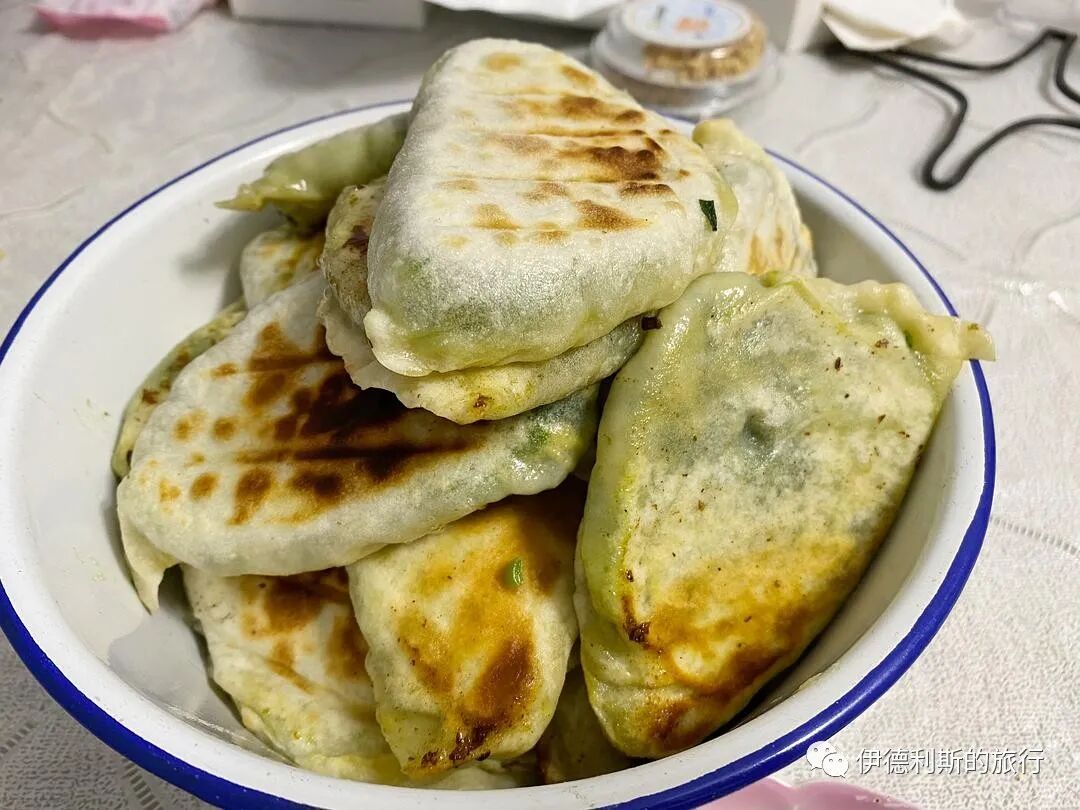
Ate using a family heirloom porcelain plate made in Ukraine in 1926, instantly transported back to a Hui Muslim home in the southern gate of Dihua city a hundred years ago.
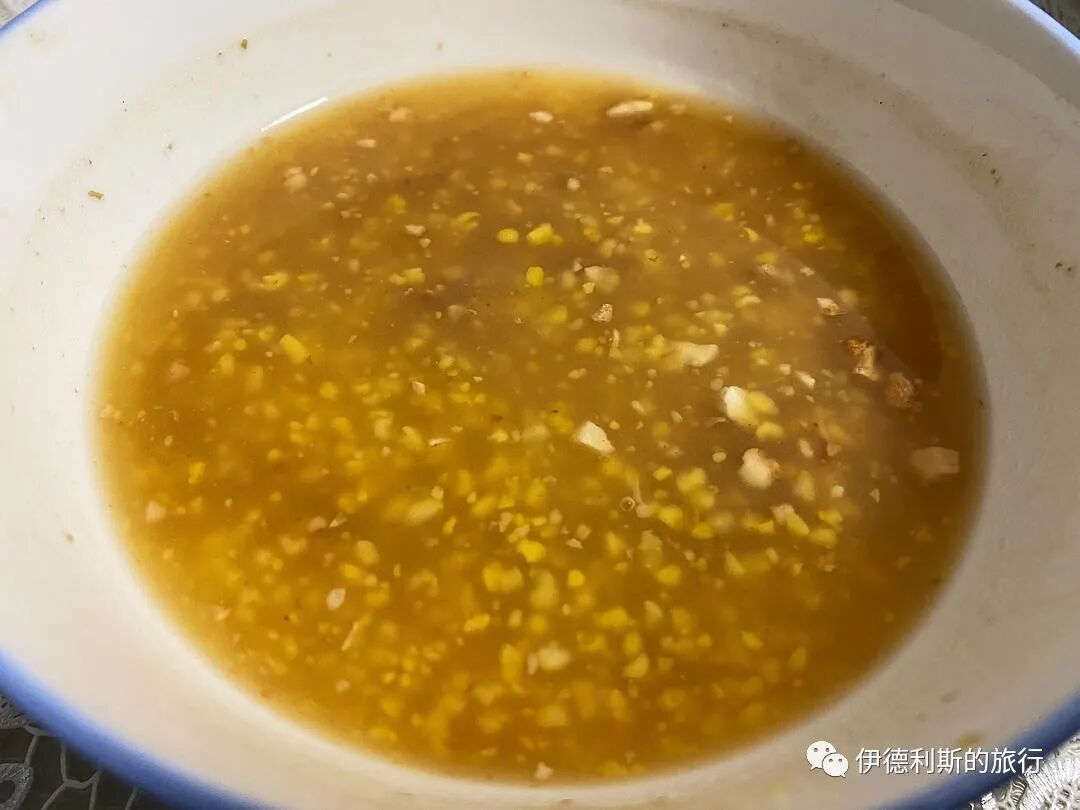
Served with corn grits added with crushed walnuts.
January 31
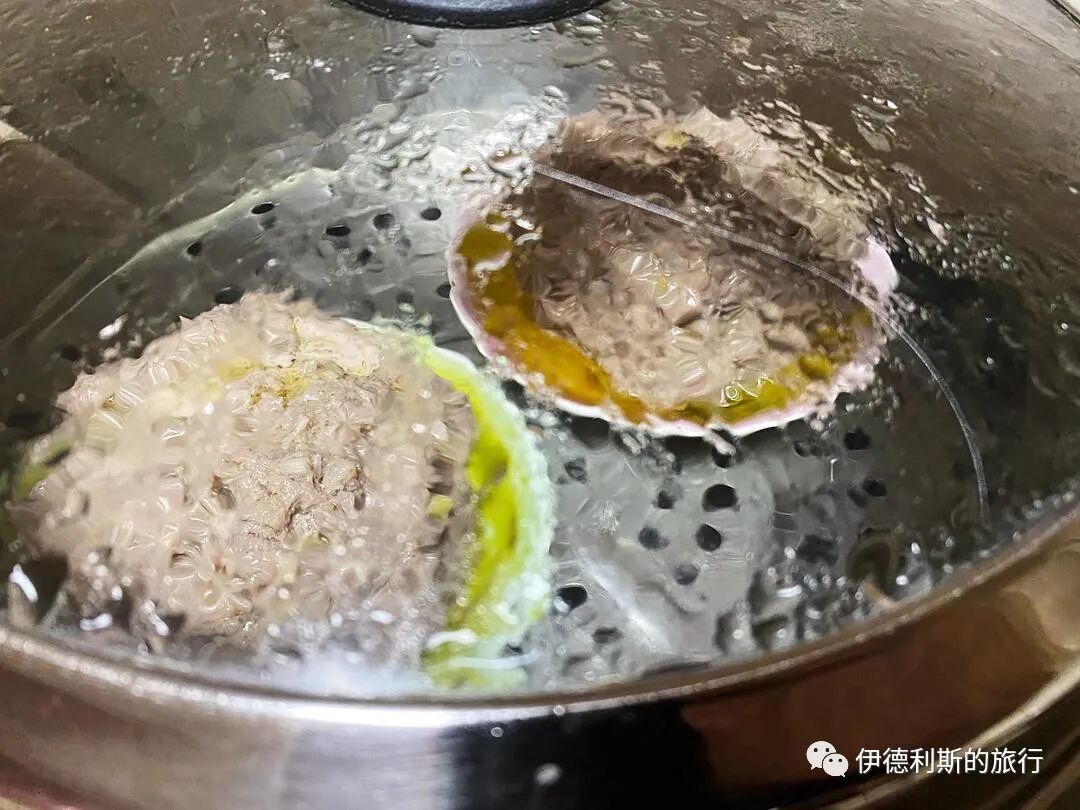
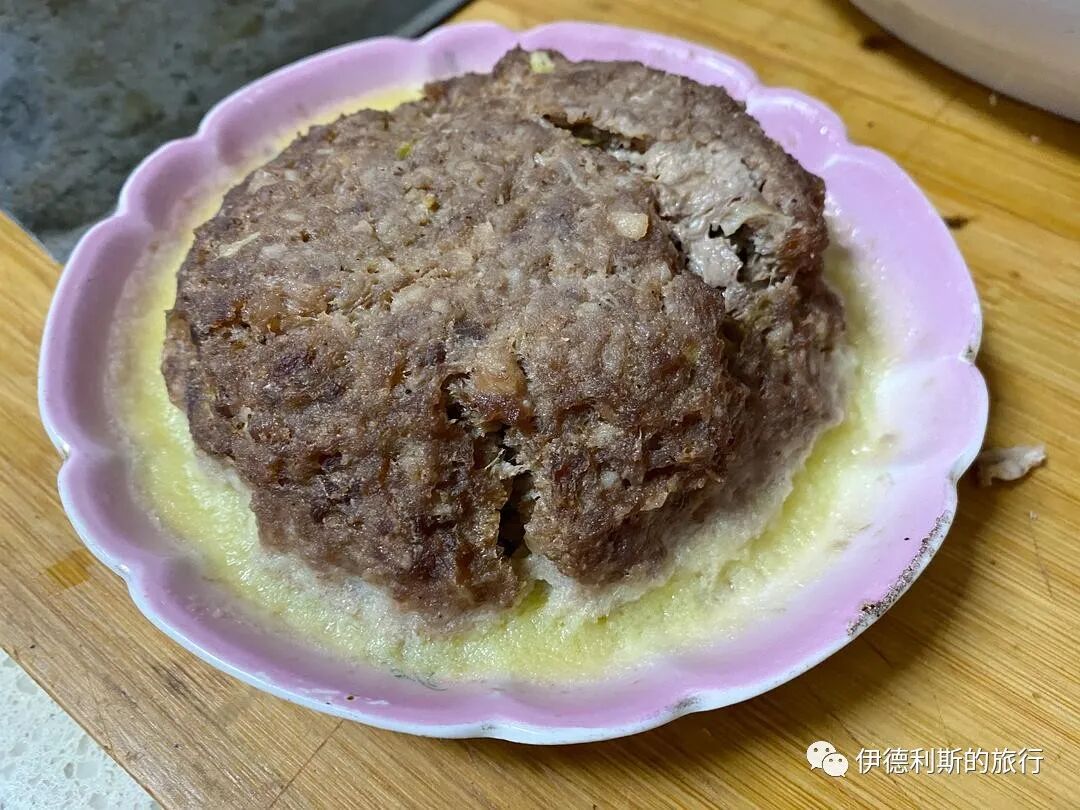
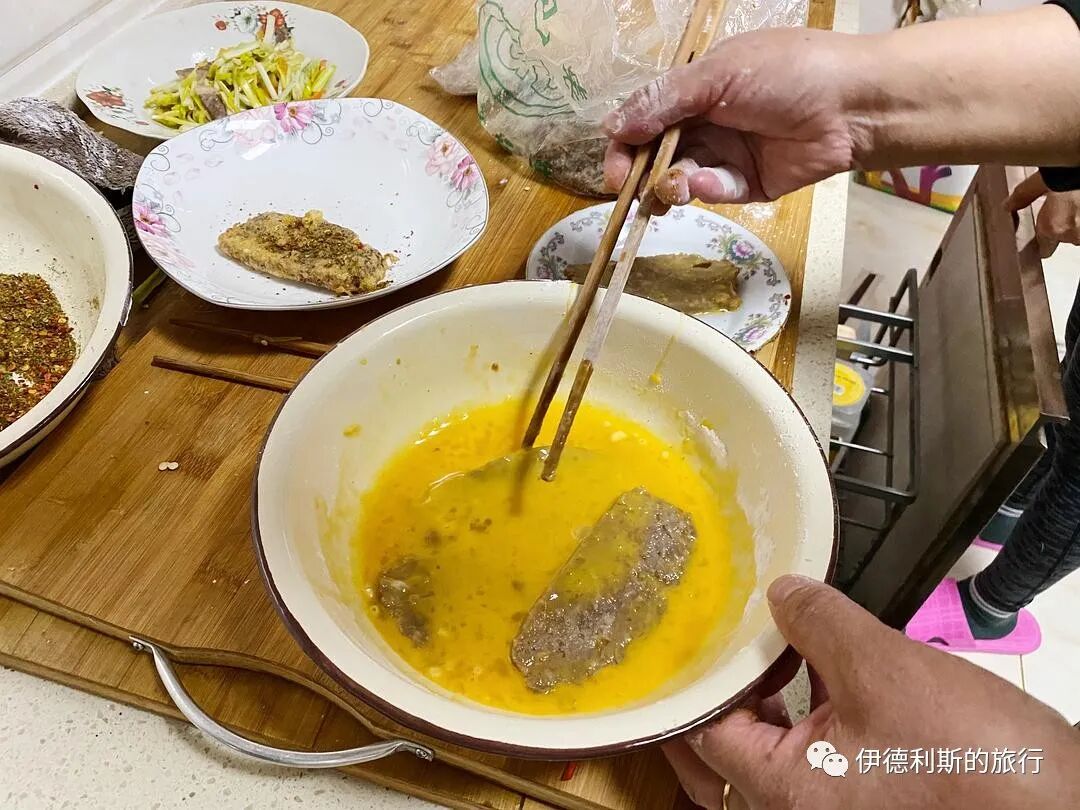
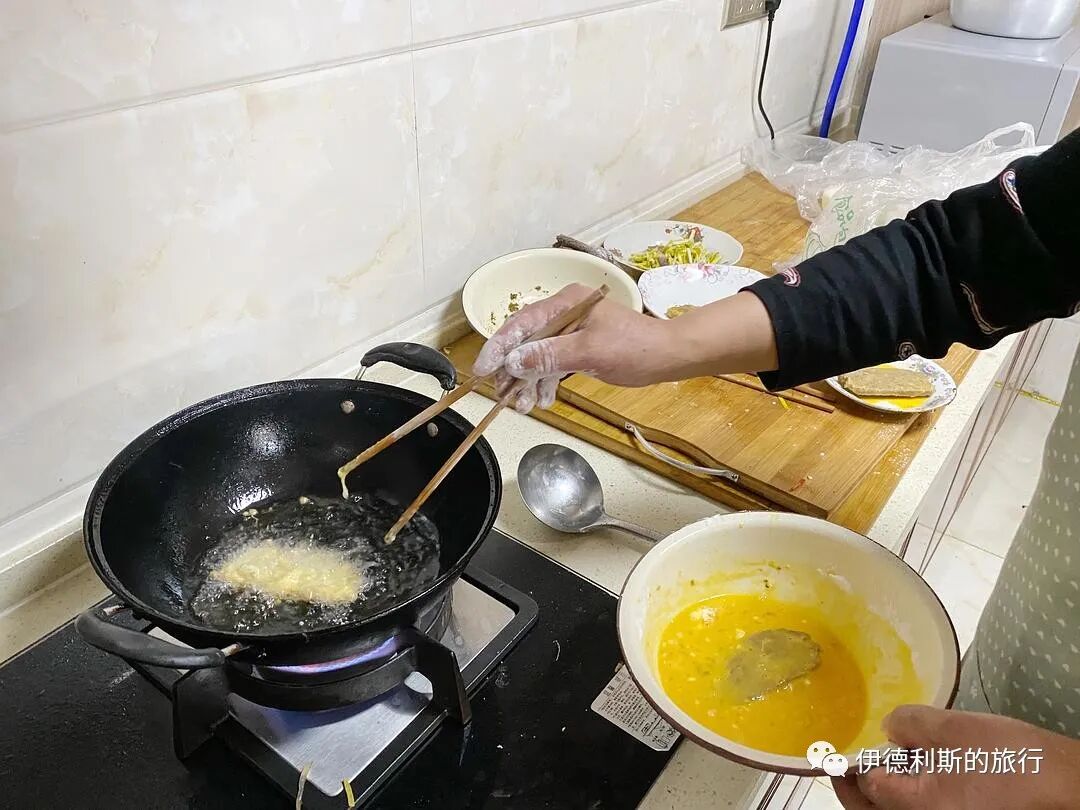
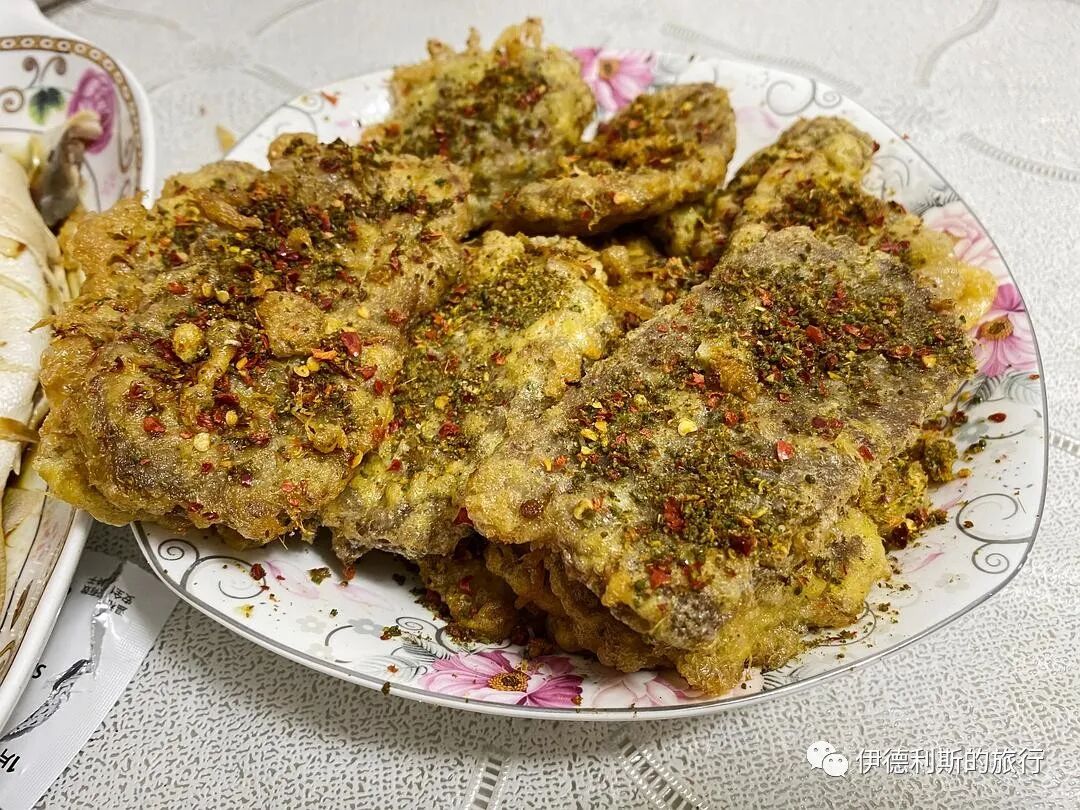
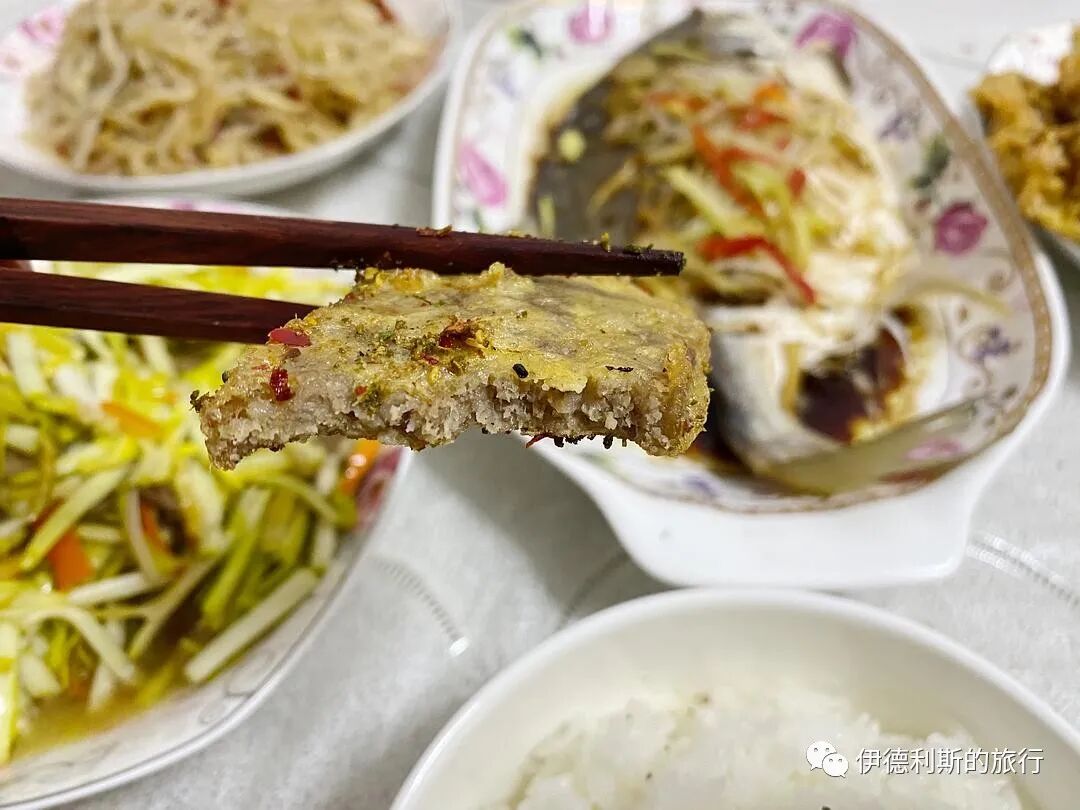
Urumqi Hui Muslim banquet dish 'Fish Drilling Through the Net', which is fried menzi.
Bought meat at the market near home before the New Year and had it ground into filling. The filling for menzi needs to go through the meat grinder twice, finer than that for meatballs. After returning home, steam the filling into menzi, then slice it. When cooking, coat the menzi with egg and starch, deep-fry it, and finally sprinkle with cumin, chili powder, and salt.
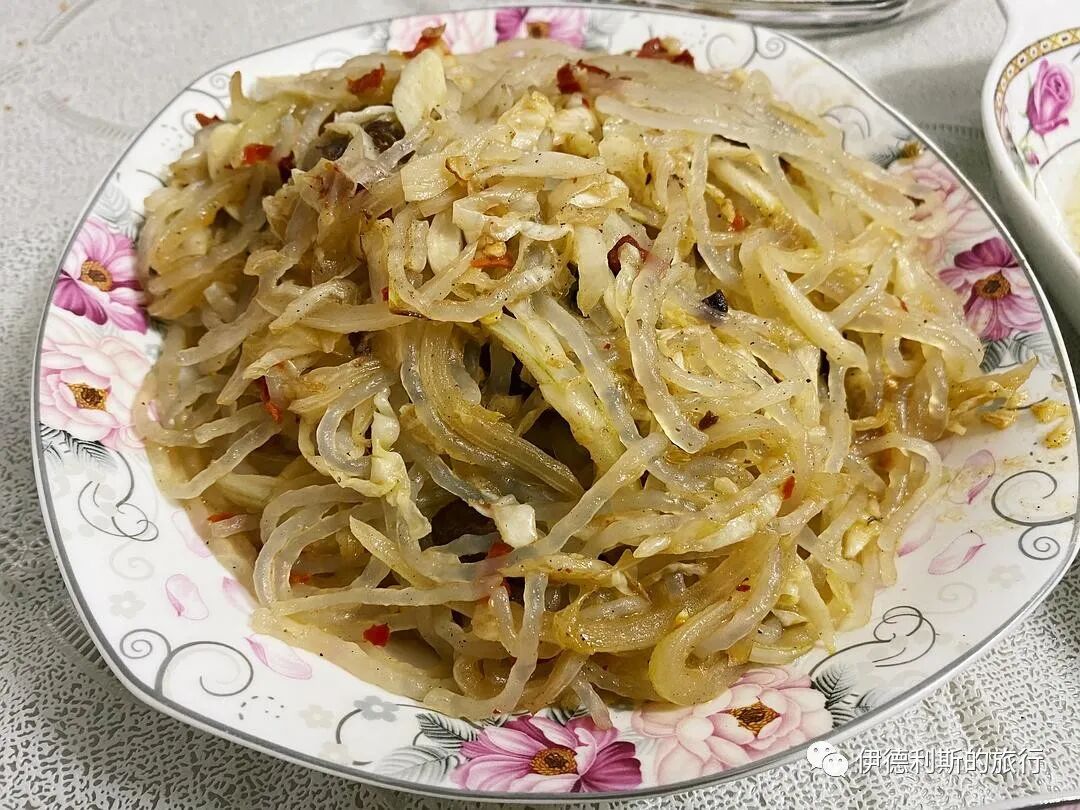
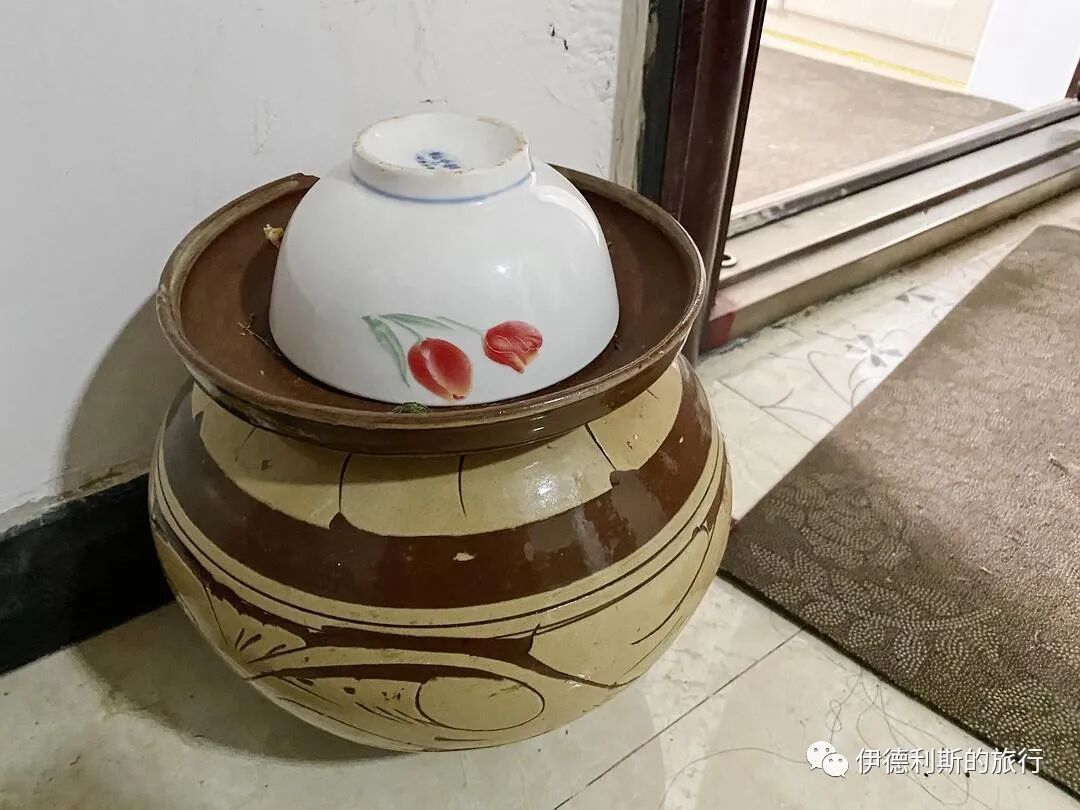
Pickled cabbage and vermicelli made with homemade pickled cabbage.
February 1
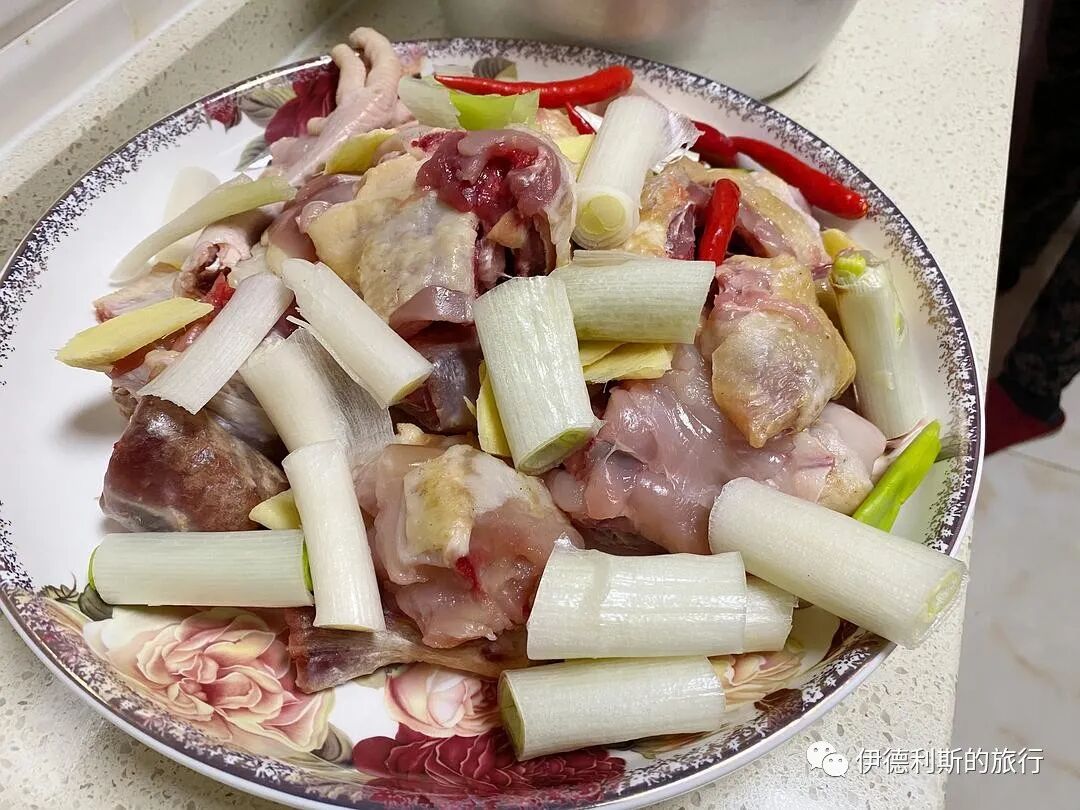
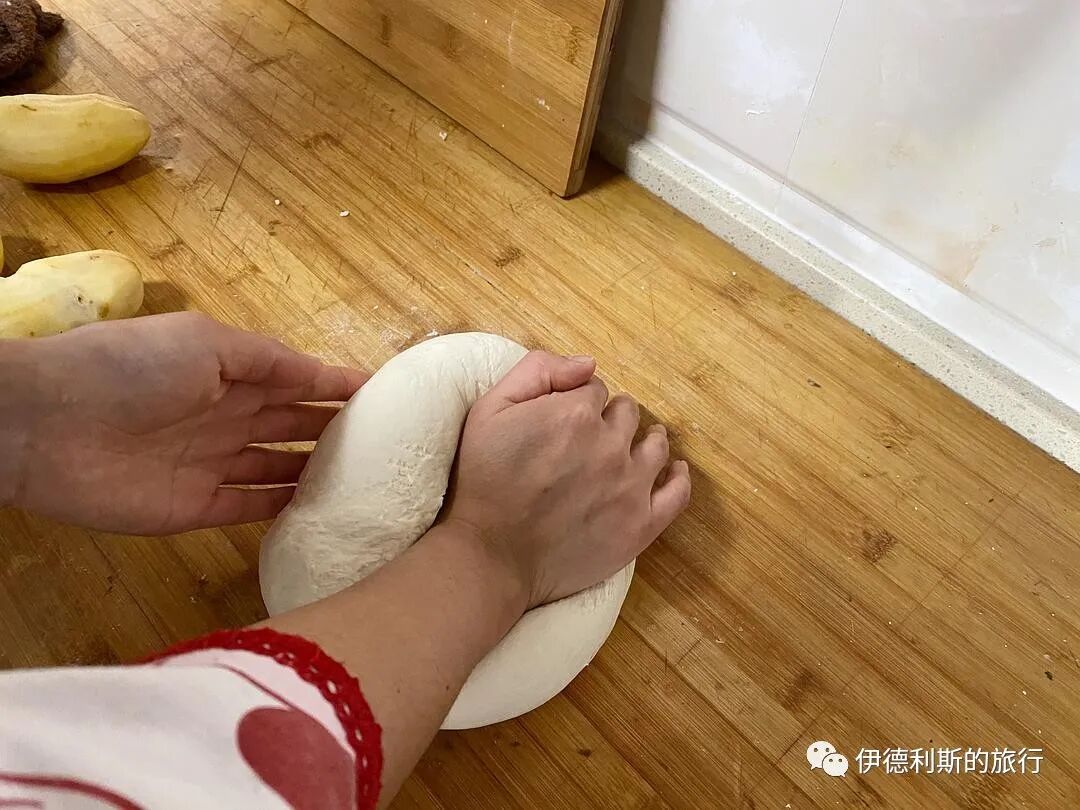
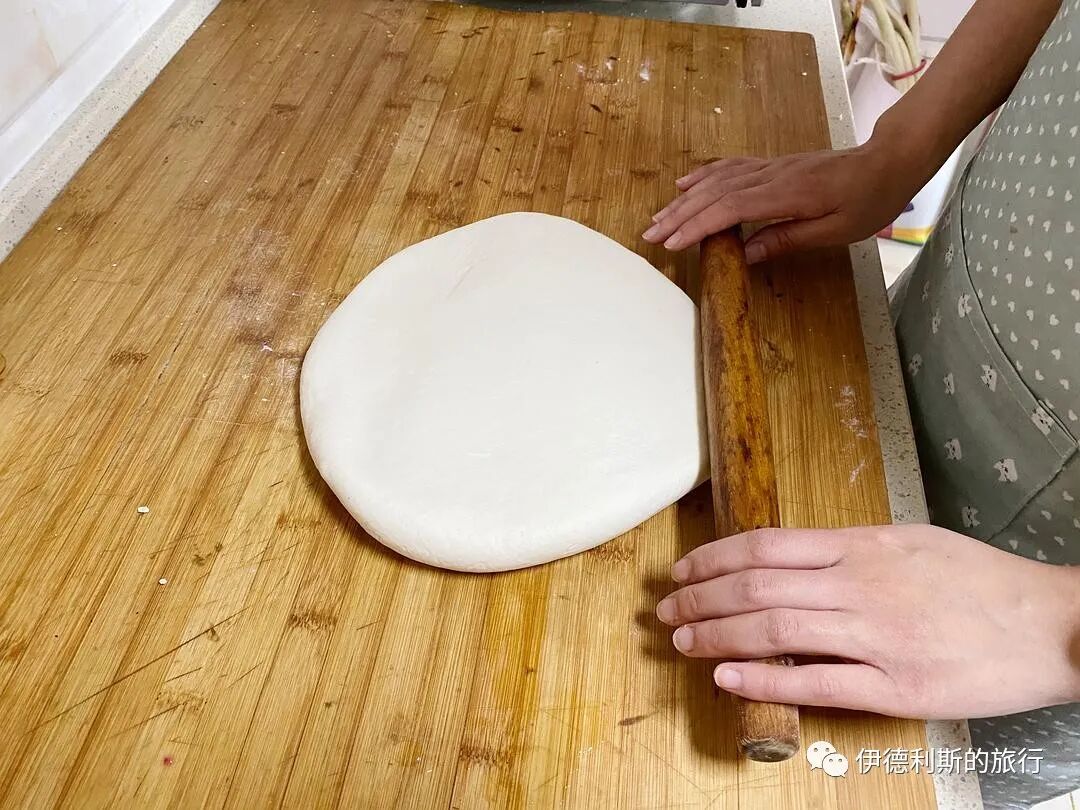
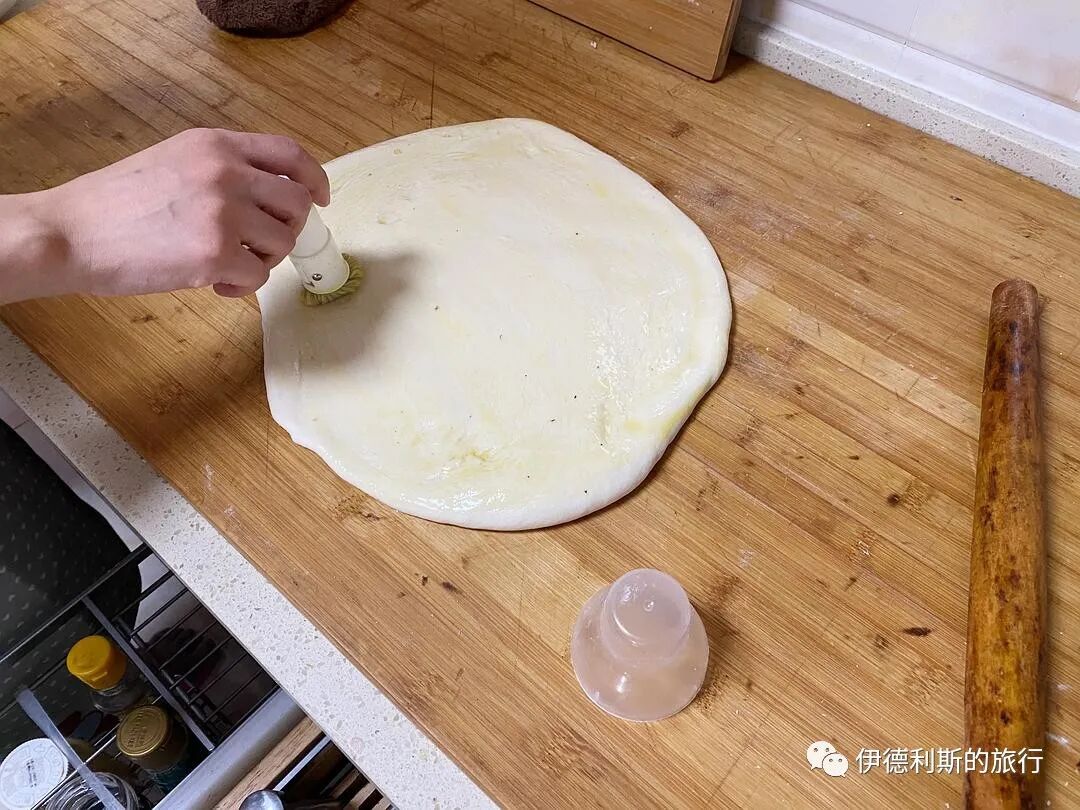
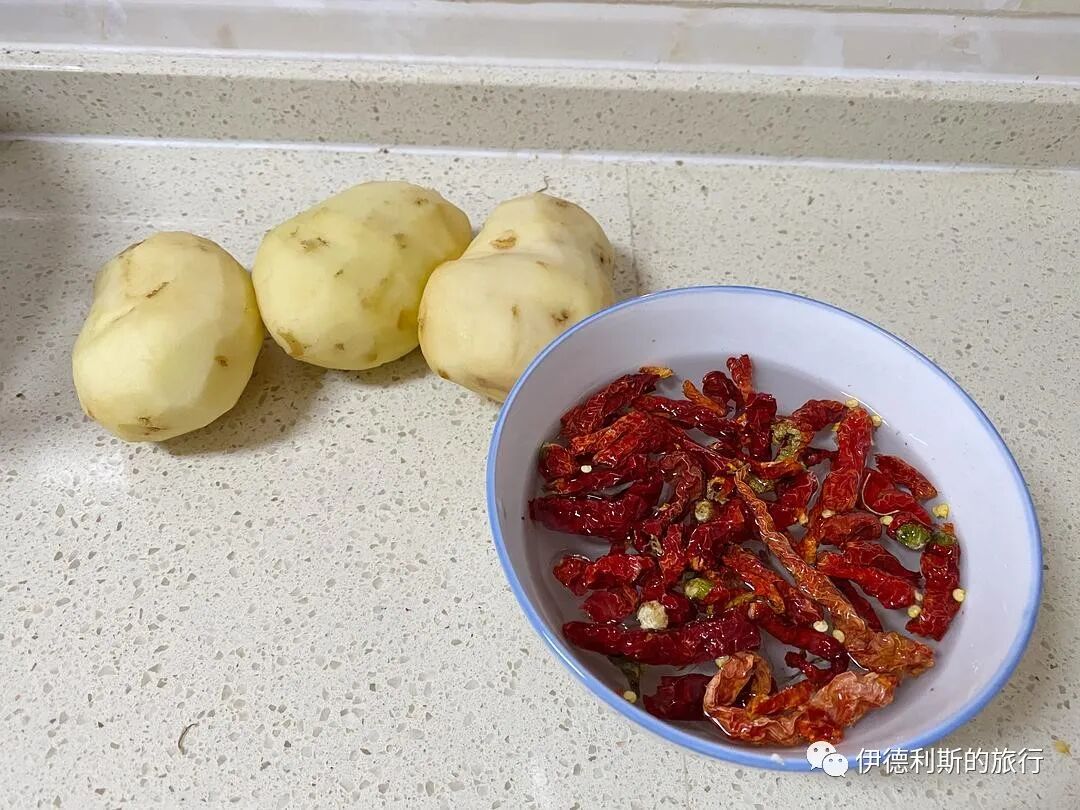
Preparation for dapanji: thaw and cut the chicken, add green onion segments, ginger slices, and garlic; knead the dough, roll it out, and brush with oil; peel potatoes and soak dried chili peppers in water.
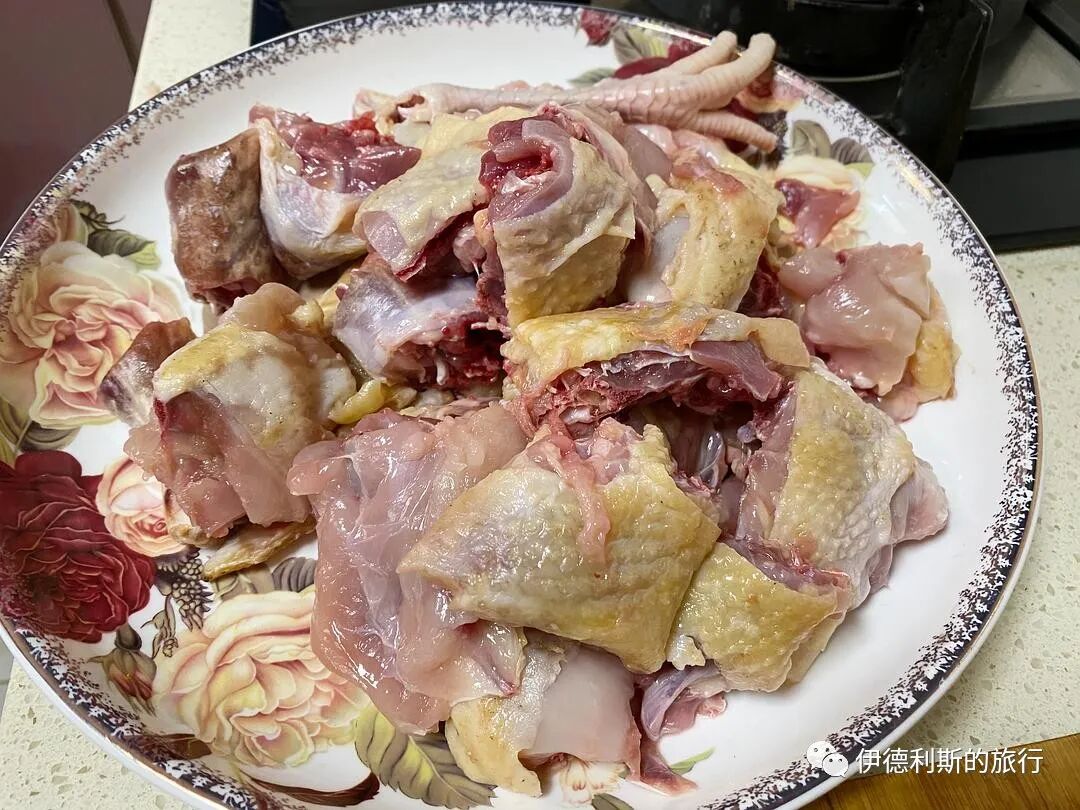
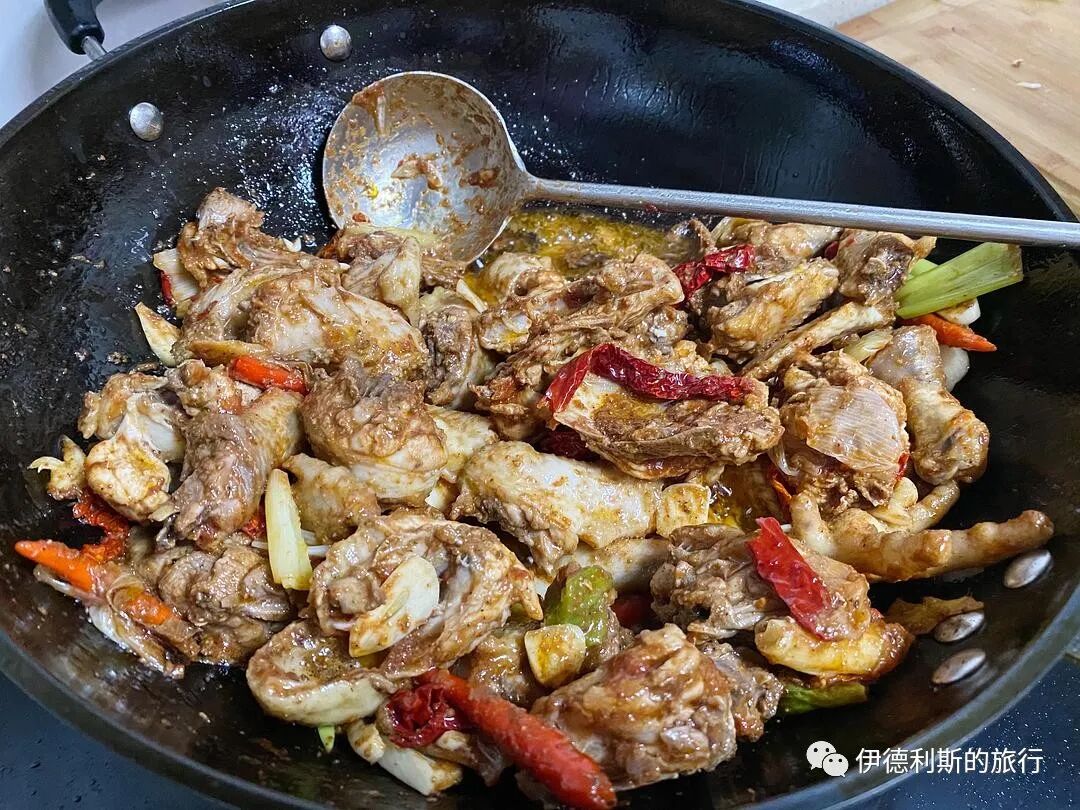
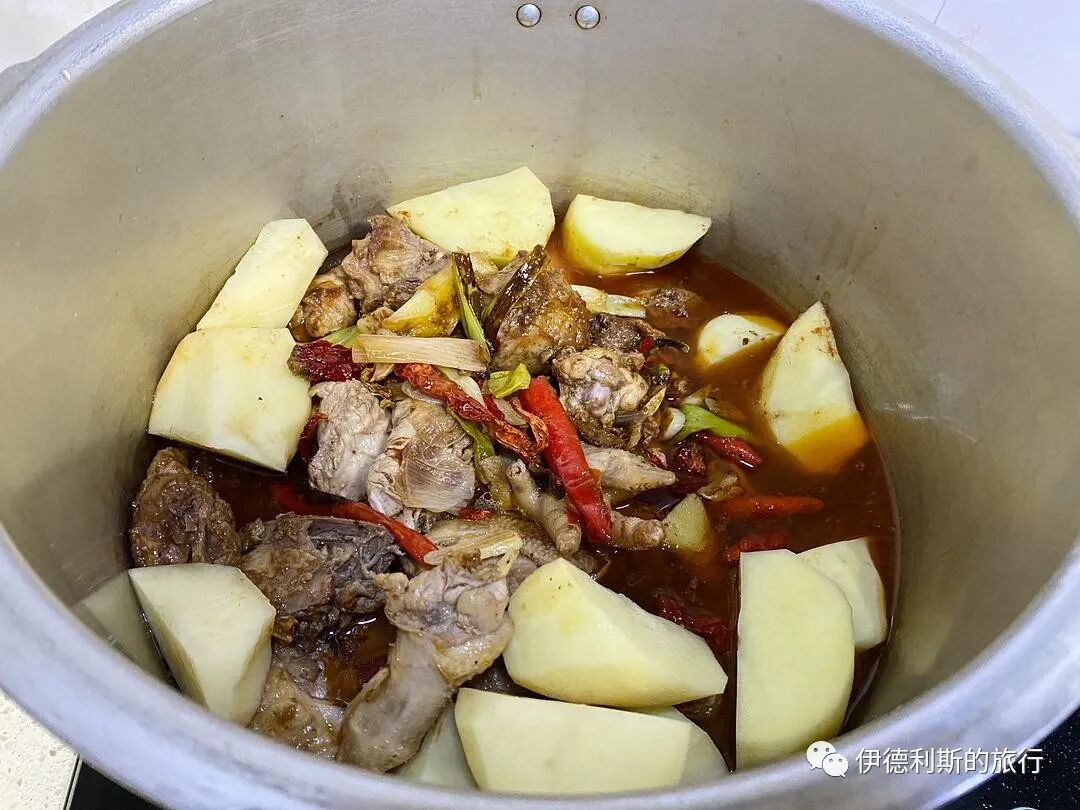
Stir-fry the cleaned chicken in a pot, adding salt, Sichuan peppercorn powder, seasonings, soy sauce, tomato paste, dried chili peppers, garlic, and potatoes in order. Because we bought a layer hen, we had to use a pressure cooker after stir-frying; if it were a young chicken, it wouldn't be necessary. Put eight spoonfuls of water in the pressure cooker, taking eighteen minutes. After eating the chicken for a while, add the 'belt noodles' (wide hand-pulled noodles), which should soak up the dapanji sauce.
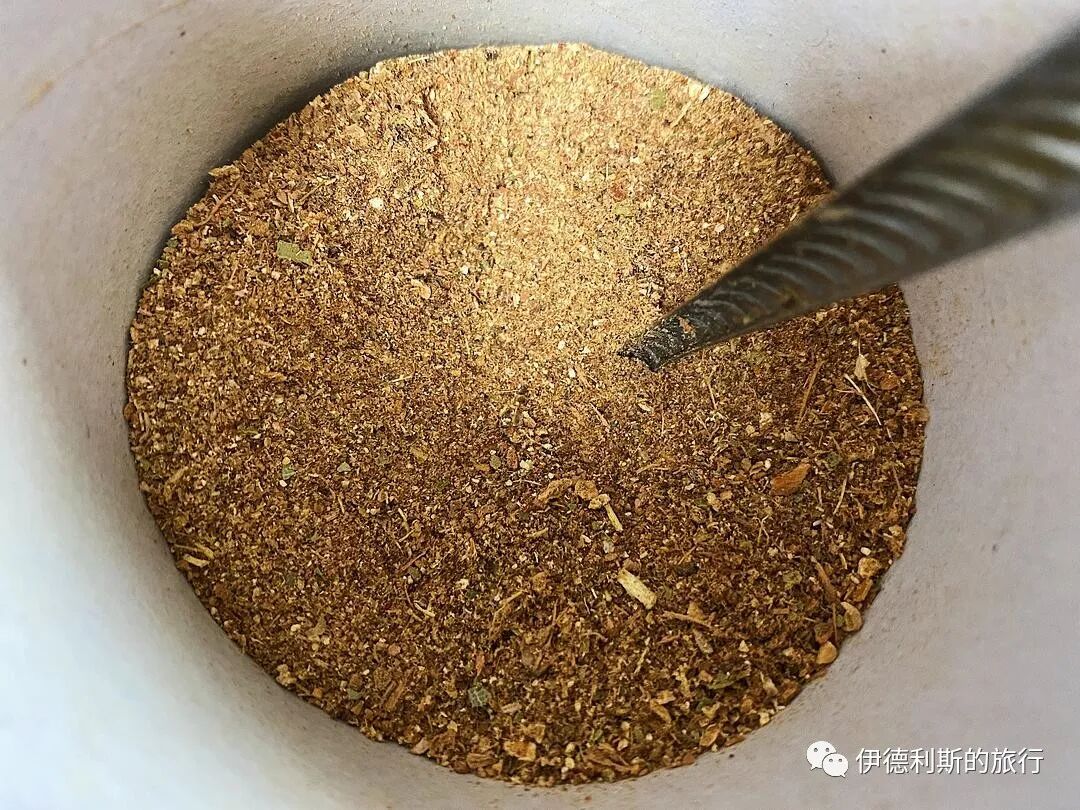
The secret to our family's dapanji is the seasoning made from over ten types of spices, a recipe left by Zainab's great-uncle. After making it, the dapanji absolutely has no raw taste, only fragrance.
Summary: This travel note introduces Urumqi Hui Muslim Home Cooking Guide: Everyday Halal Food in Xinjiang (Part 1). On January 22, 2020, Zainab and I returned to Urumqi, where she had lived until she was 18, in a residential compound with over sixty years of history. It is useful for readers interested in Urumqi Food, Hui Muslims, Xinjiang Travel.
On January 22, 2020, Zainab and I returned to Urumqi, where she had lived until she was 18, in a residential compound with over sixty years of history. We originally planned to have a good time in Urumqi, but then Xinjiang launched a Level 1 emergency response on January 25. All restaurants closed, and the residential compound was semi-locked down, so we had to stay at home. During these days of staying at home, my mother-in-law made us delicious food with great variety every day, and we were able to taste all kinds of authentic Hui Muslim home-cooked dishes from Urumqi (Part 1).
The menu of what we ate these past few days is as follows:
January 22
Lunch: Four types of banmian (hand-pulled noodles with toppings): celery and meat, pickled cabbage and meat, eggplant and meat, and onion and cherry radish with meat.
Afternoon: Tangfan (noodle soup).
January 23
Morning: Milk tea with shredded potatoes, dried chili peppers, and meat.
January 27
Morning: Tangningningzi (a type of fried dough twist) soaked in milk.
Lunch: Shredded potato and guoyourou (oil-seared meat) banmian.
Afternoon: Fentang (starch noodle soup).
January 28
Lunch: Baobaozi (steamed buns with thin skin).
Afternoon: Bantang (a thick noodle soup).
January 29
Lunch: Lamb leg zhuafan (pilaf).
Afternoon: Tangfan with nang (flatbread).
January 30
Lunch: Mayezi (fried sesame dough crisps) and egg sanzi (deep-fried dough twists).
Afternoon: Chive pockets and homemade yogurt.
January 31
Afternoon: Fried menzi (steamed meat paste) and pickled cabbage with vermicelli.
February 1
Afternoon: Dapanji (big plate chicken).
February 2nd
Morning: Milk tea with soaked nang and steamed youxiang (fried dough).
Afternoon: Onion and lamb fat meat dumplings.
January 22
The first meal back in Urumqi, four types of banmian: celery and meat, onion and cherry radish, eggplant and meat, and pickled cabbage and meat—delicious. This time, the latiaozi (hand-pulled noodles) were made using the 'panzi mian' method, where the dough is rolled out and then coiled to rest.
The tangfan we had in the afternoon was made with mianqizi (small square dough pieces), not hand-torn dough pieces, so it was quite simple.
January 23
Woke up in the morning to boil milk tea using special brick tea, served with shredded potatoes, dried chili peppers, meat, and steamed buns.
January 27
Breakfast included milk, jiaomaji (peppery chicken), steamed youxiang, and tianpanzi (sweet dish). A particularly tasty way to eat is soaking tangningningzi in milk.
At noon, my mother-in-law taught me how to make latiaozi. Urumqi Hui Muslims make latiaozi in two ways: 'panzi mian' and 'zhangzi mian'. Panzi mian is the coiled method like the Uyghurs use, while this time we made the simpler zhangzi mian.
First, knead the dough.
Knead the dough to this consistency; you have to judge how much water to add by feel, don't add too much at once.
Cover the dough with a basin to let it rest. After resting for a while, the outside will become smooth, and then you start kneading it again. Kneading needs to be done three times, with about ten minutes of resting in between, until the surface is completely smooth. You can prepare the banmian toppings while the dough rests. Next is rolling the dough, roll it to the thickness of a finger, then brush with oil, and cover with the basin again.
Wait until the banmian toppings are ready before cutting the dough; cut only as much as you will eat. After cutting, roll it thin, stretch it out, slap it on the cutting board, and finally toss it into the pot. A dish of Xinjiang zhangzi mian is finished.
We ate two types of banmian: guoyourou and shredded potatoes. The guoyourou is a home version, not the restaurant version. First sear the meat in oil, then add chili peppers, then onions, and you can also add cabbage. For the shredded potatoes, you must add meat, dried chili peppers, and tomatoes; the tomatoes eventually melt into a sauce and disappear.
We had fentang for dinner. The first step is to stir-fry the meat slices, then add garlic, then green onions, dried chili peppers, and tomatoes, then add various vegetables; you can mix and match vegetables as you like. Next, add the lamb broth that was previously stewed and frozen. After the broth melts, add pea starch jelly cubes, then add the large chunks of previously stewed lamb, and finally add pepper and cilantro for flavor. The most classic pairing for fentang is youxiang. After eating the lamb, break open the youxiang and soak it in the fentang; that is the authentic Urumqi Hui Muslim lifestyle.
January 28
Woke up in the morning and had a bowl of fentang with youxiang, very delicious.
At noon, we made baobaozi with onion and meat filling, and finally sprinkled with pepper powder.
In the evening, we had bantang. The method is similar to tangfan, but instead of tearing dough pieces, you just rub the dough with your hands and drop it into the pot. Also, anything liquid can be soaked with nang!
January 29
We were having zhuafan for lunch, so I went out in the morning to buy front leg meat at the entrance of the compound. Nowadays, front legs come with ribs attached; you can't buy just the front leg. Some shops have very fatty ribs, so you have to choose carefully.
Then I also bought dried chili peppers; Xinjiang home cooking basically requires them.
This is the most expensive kind.
This is the cheapest kind.
Went home and cut the front leg and ribs.
First fry the onions, and after the onions are charred, sprinkle with large-grain salt, then add the meat. After the meat darkens in color, use another pot to stir-fry the carrots and yellow carrots. After the carrots and meat are charred, spread the meat over the carrots, add sugar, then spread the rice over the meat (we had too much meat this time, so it wasn't spread perfectly), cover and simmer for forty minutes, and it's done.
January 30
A new day starts with a pot of milk tea.
On the left is the dough made with eggs for egg sanzi, and on the right is the dough made with sesame for mayezi.
For egg sanzi, first knead the dough with eggs, let it rest, roll it thin with a large rolling pin, then use a 'gong-gong-zi' (a special grooved rolling tool) to cut it into strips, coiling them as you cut. After cutting, deep-fry in oil, and sprinkle with granulated sugar when finished.
Urumqi Hui Muslim version of mayezi: knead the dough with sesame, roll it thin with a rolling pin, use a 'gong-gong-zi' to cut into quadrilaterals, and deep-fry in oil.
Fresh milk bought at the compound entrance; drink the milk skin first, and scoop out a portion of the milk below to make yogurt.
The milk is from cows raised by Hui Muslims in Cangfanggou, Urumqi. The Uyghur uncle at the compound entrance sells both milk and nang.
The starter is Xiyuchun brand old yogurt; when eating, I sprinkled it with dried mulberries and raisins.
Urumqi Hui Muslim version of chive pockets, with chives, dried shrimp, ginger, and scrambled eggs as the filling. Using an electric griddle makes it a bit dry.
Ate using a family heirloom porcelain plate made in Ukraine in 1926, instantly transported back to a Hui Muslim home in the southern gate of Dihua city a hundred years ago.
Served with corn grits added with crushed walnuts.
January 31
Urumqi Hui Muslim banquet dish 'Fish Drilling Through the Net', which is fried menzi.
Bought meat at the market near home before the New Year and had it ground into filling. The filling for menzi needs to go through the meat grinder twice, finer than that for meatballs. After returning home, steam the filling into menzi, then slice it. When cooking, coat the menzi with egg and starch, deep-fry it, and finally sprinkle with cumin, chili powder, and salt.
Pickled cabbage and vermicelli made with homemade pickled cabbage.
February 1
Preparation for dapanji: thaw and cut the chicken, add green onion segments, ginger slices, and garlic; knead the dough, roll it out, and brush with oil; peel potatoes and soak dried chili peppers in water.
Stir-fry the cleaned chicken in a pot, adding salt, Sichuan peppercorn powder, seasonings, soy sauce, tomato paste, dried chili peppers, garlic, and potatoes in order. Because we bought a layer hen, we had to use a pressure cooker after stir-frying; if it were a young chicken, it wouldn't be necessary. Put eight spoonfuls of water in the pressure cooker, taking eighteen minutes. After eating the chicken for a while, add the 'belt noodles' (wide hand-pulled noodles), which should soak up the dapanji sauce.
The secret to our family's dapanji is the seasoning made from over ten types of spices, a recipe left by Zainab's great-uncle. After making it, the dapanji absolutely has no raw taste, only fragrance.
