
Twenty Ethnic Restaurants in China: Halal and Minority Food Guide (Part 3 of 4)
Reposted from the web
Summary: This travel note introduces Twenty Ethnic Restaurants in China: Halal and Minority Food Guide (Part 1). In my travels over the past few years, I have encountered some very interesting ethnic groups. It is useful for readers interested in Ethnic Food, Halal Food, China Travel. This is part 3 of 4.
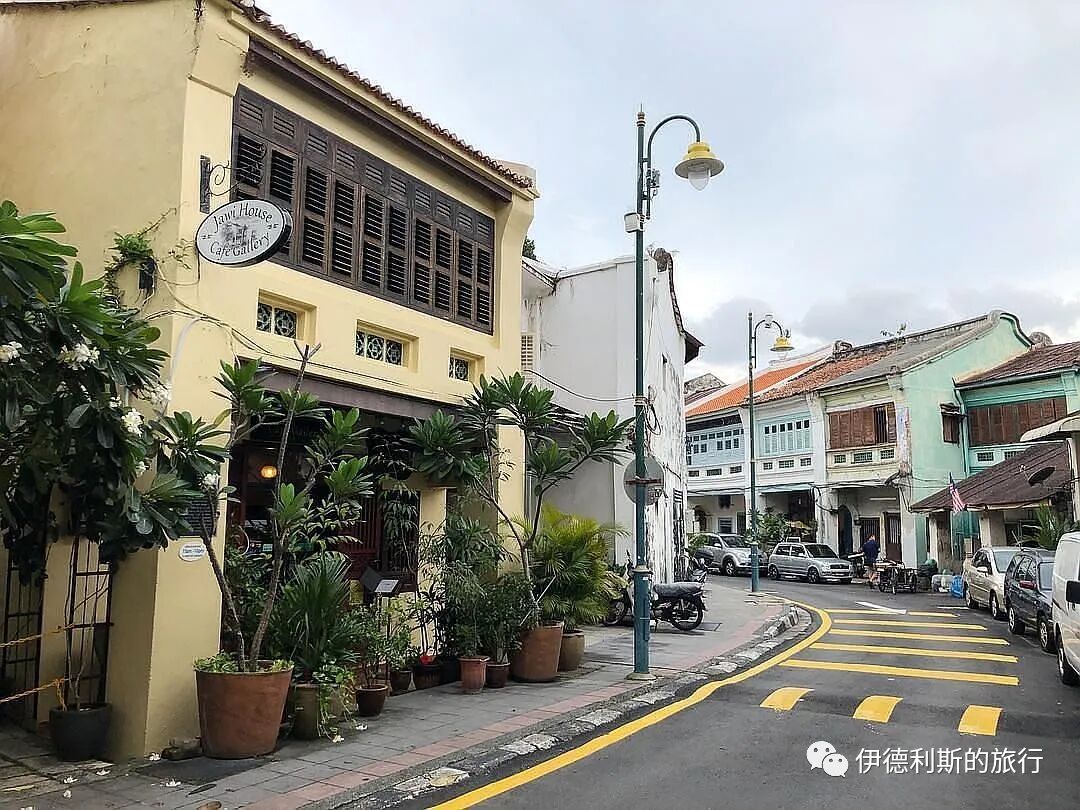
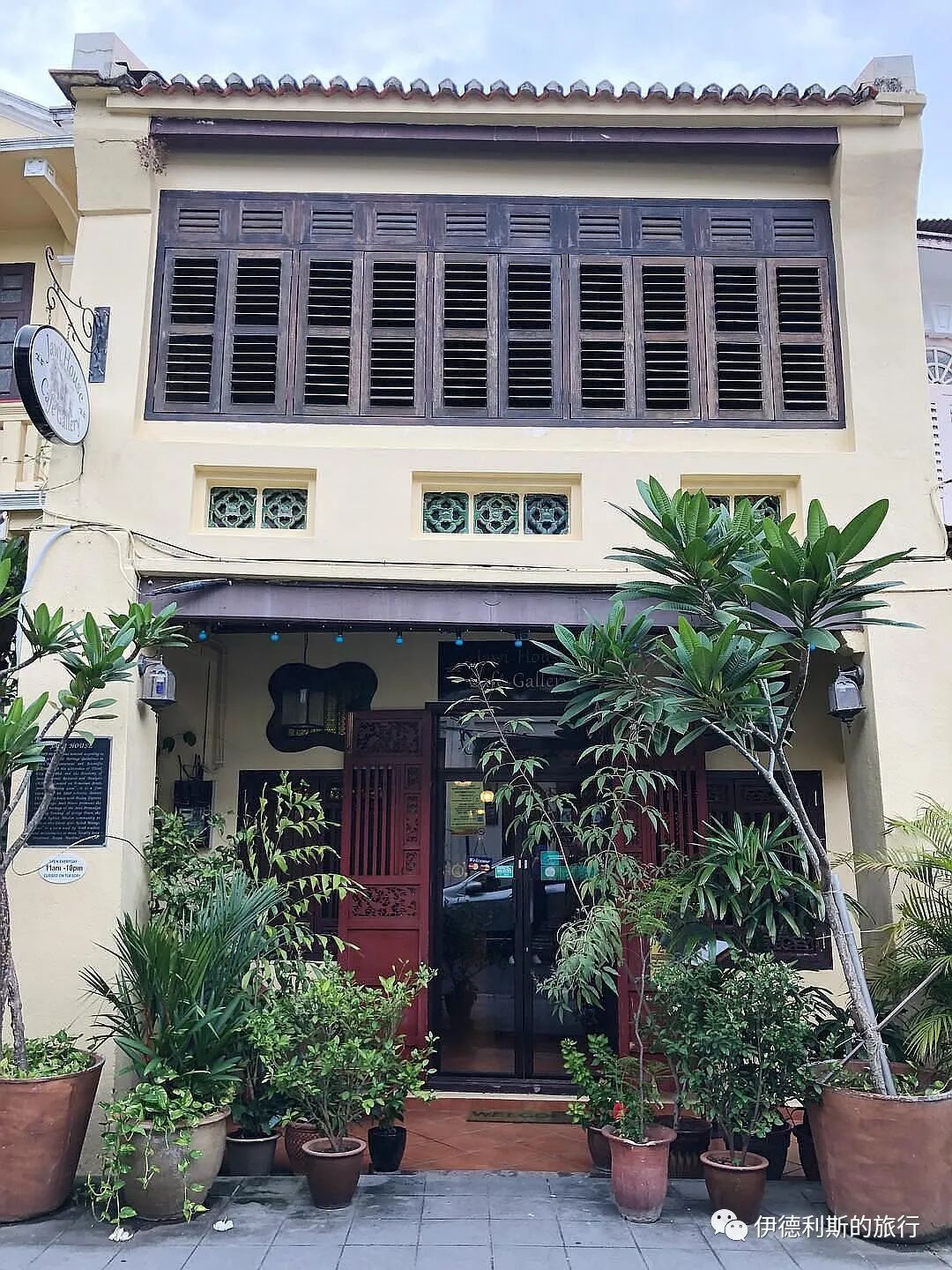
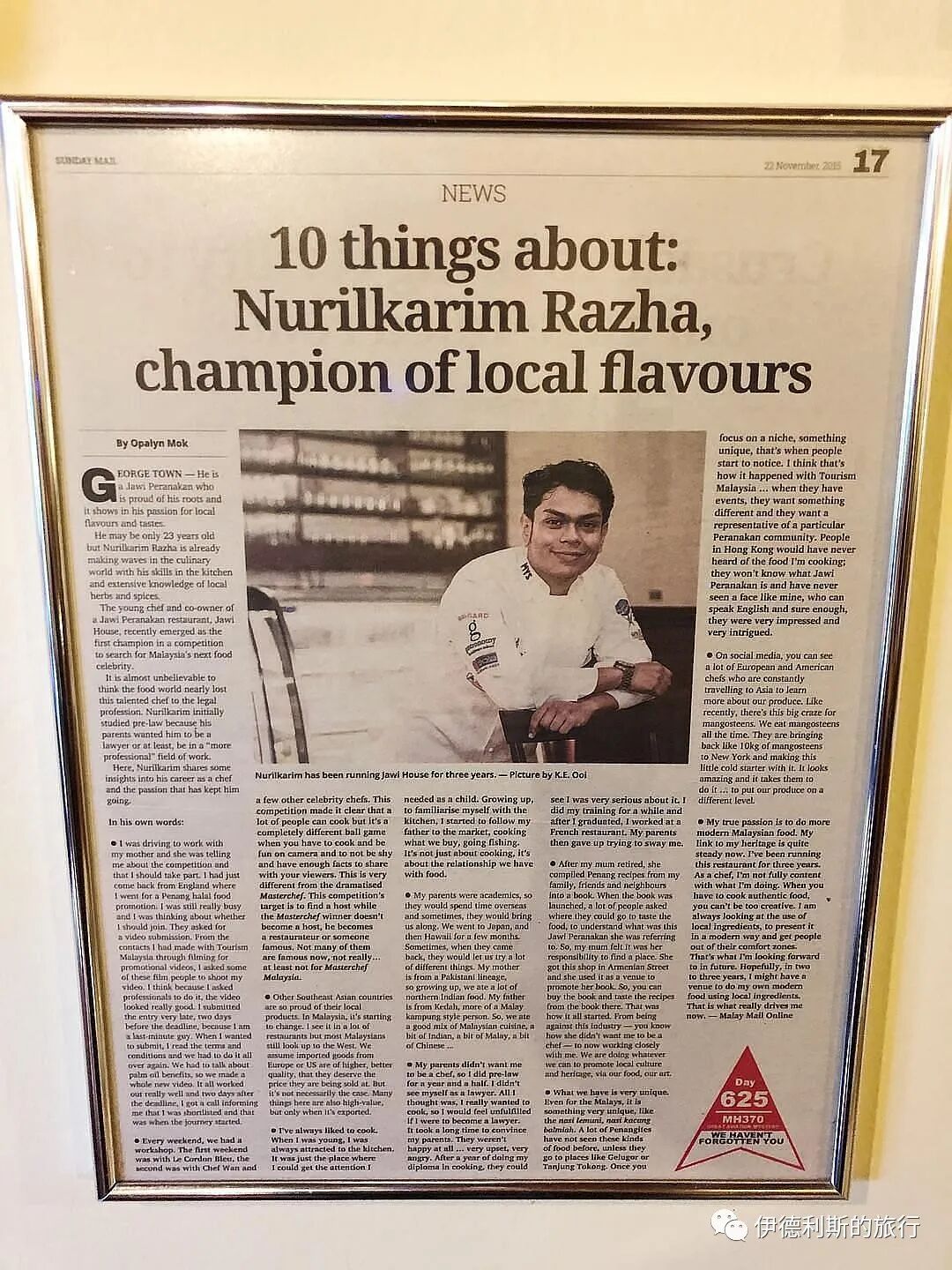
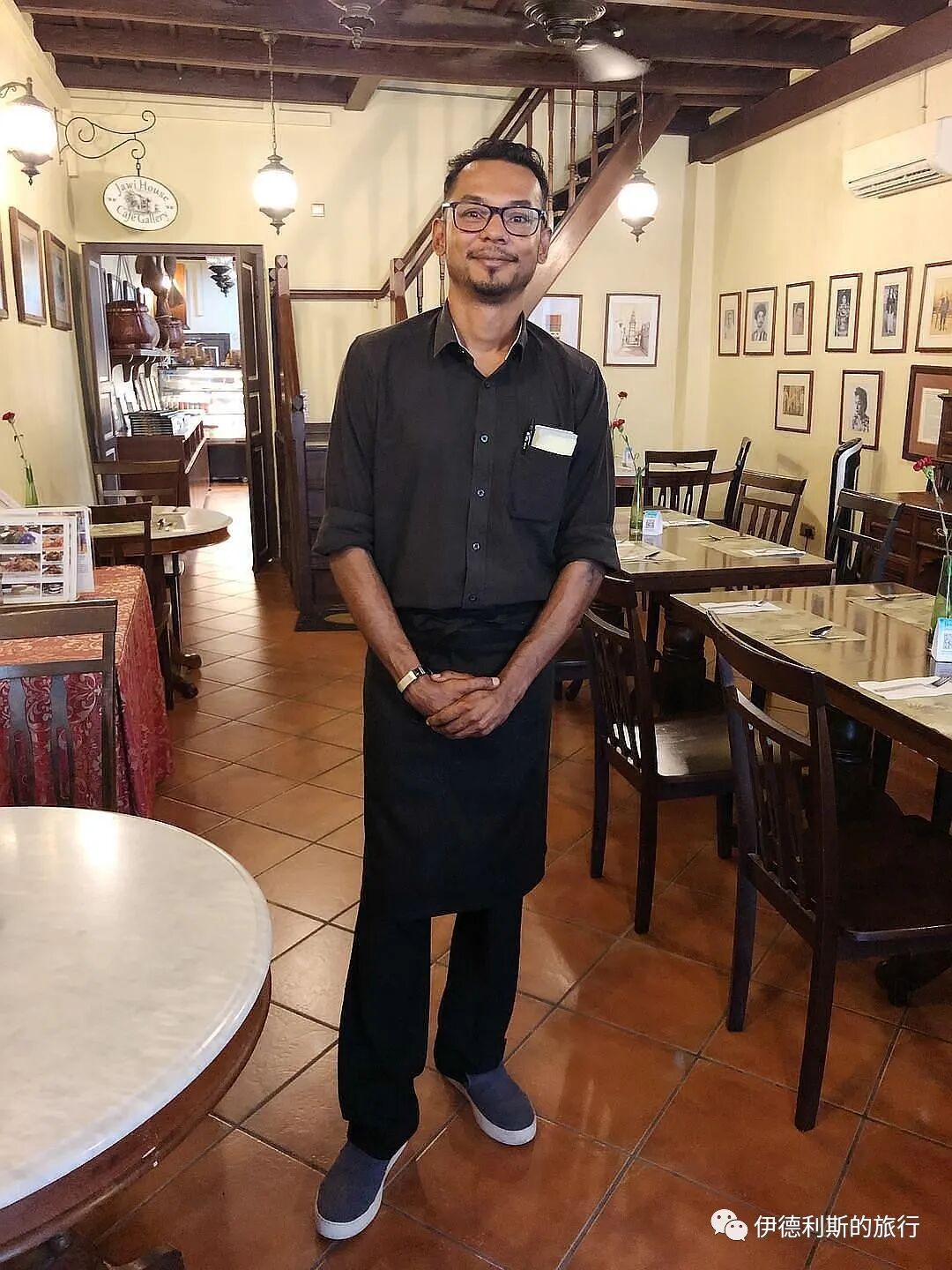
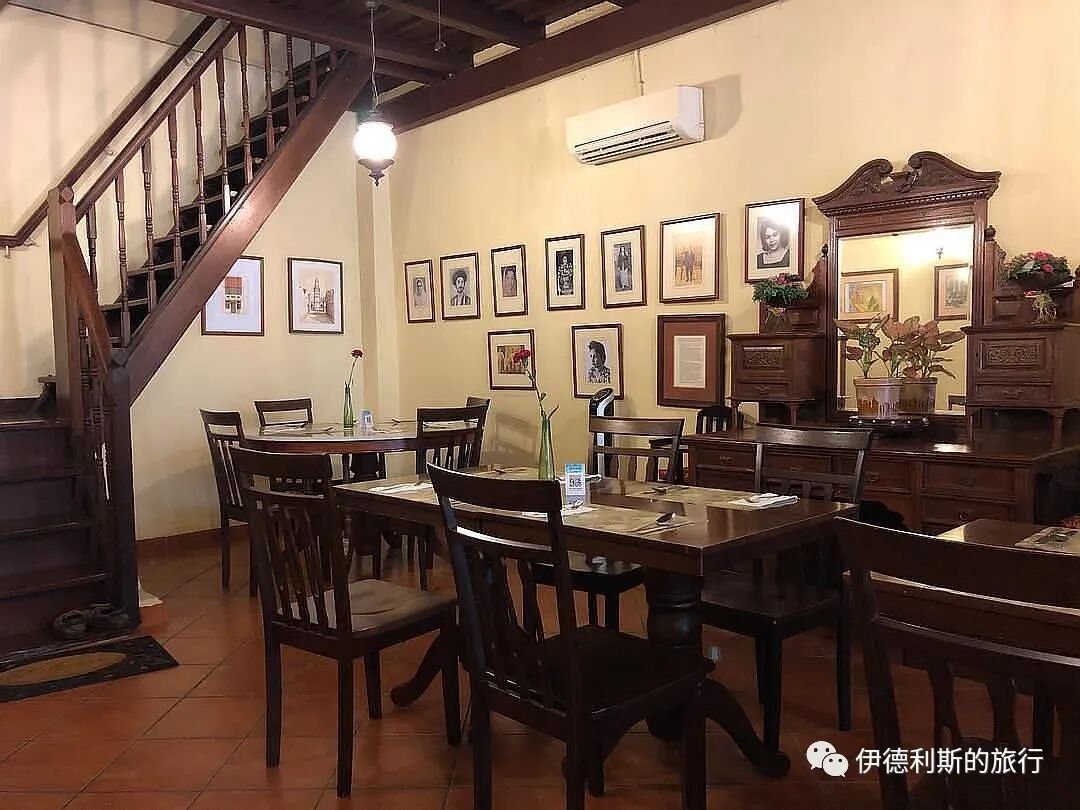
Today, the place where you can best experience the Jawi Peranakan culture in Penang is Jawi House Cafe Gallery. This building was originally a Straits Eclectic-style Chinese shophouse built in the 1860s, with Malay-style decorations, and later it was an Indian Muslim coppersmith shop. Armenian Street (Lebuh Armenian, originally named Malay lane) where the shop is located was the earliest settlement area for the Jawi Peranakan community. In 2012, the Karim family, who had lived in Penang for six generations and had Punjabi roots, opened Jawi House here to make the most authentic Jawi Peranakan food.
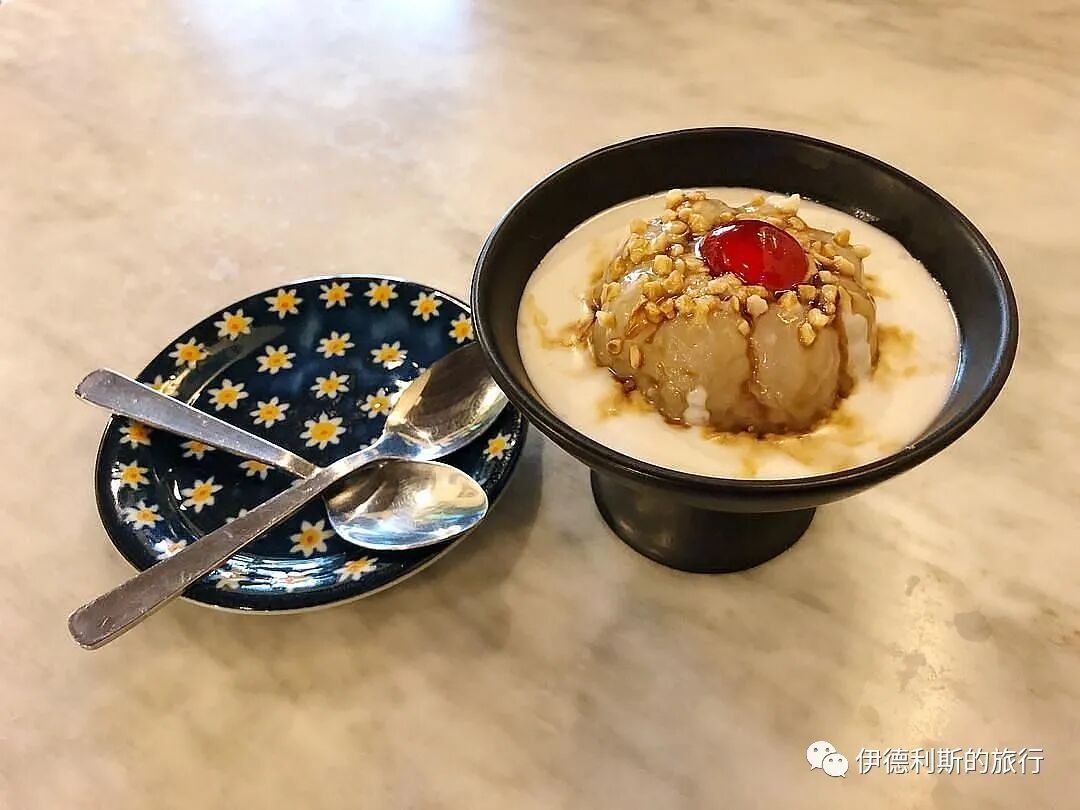
We ate Cucur Udang (fried shrimp fritters), Nasi Lemuni (chaste tree berry rice), Jawi Chicken Curry, drank Penang Nutmeg and Arabian Sherbet, and also had Sago Pudding for dessert.
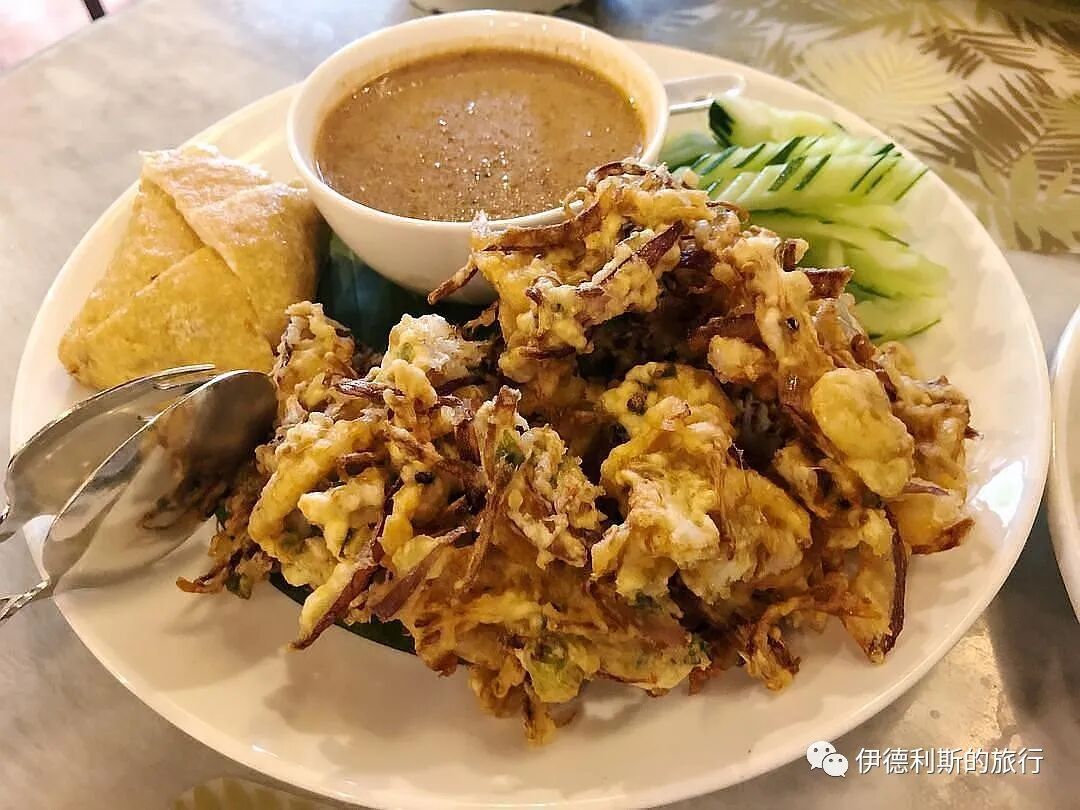
Cucur Udang is made by coating shrimp and scallions in flour and deep-frying them, then dipping them in peanut sauce. "Cucur" means fried fritter in Malay, and "Udang" means shrimp.
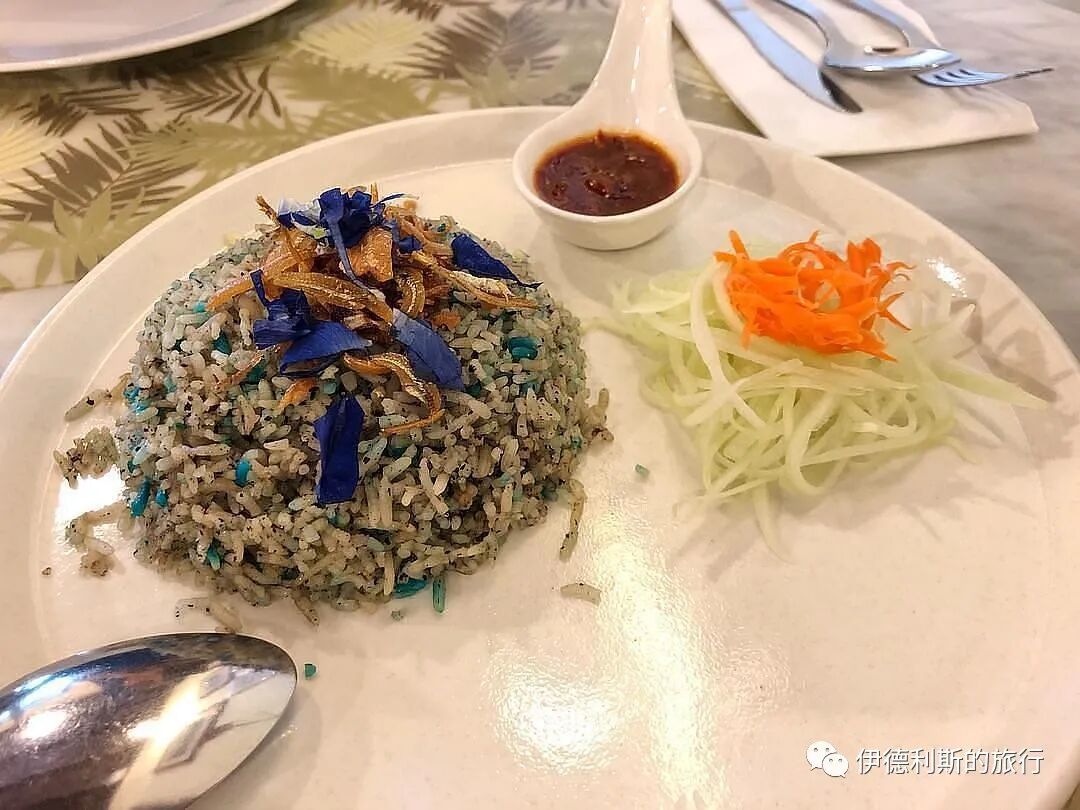
Nasi Lemuni is rice cooked with coconut milk, lemongrass, and blue Lemuni (chaste tree) flowers, served with fried anchovies and sambal (spicy chili paste). In the past, Lemuni rice was a traditional food for Malay women during their postpartum confinement, and it is said to promote blood circulation.
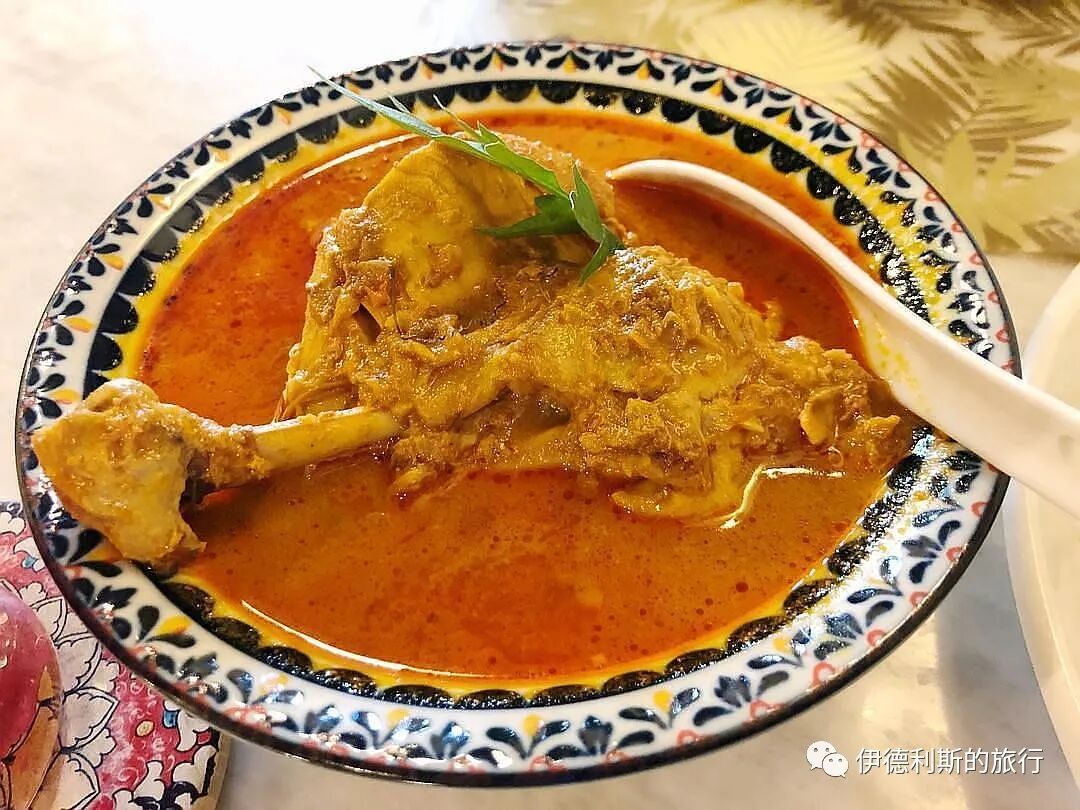
Jawi Chicken Curry is the Jawi Peranakan version of chicken curry. As a fusion ethnic group, Jawi Peranakan curry is also a fusion version of Indian curry and Malay curry.
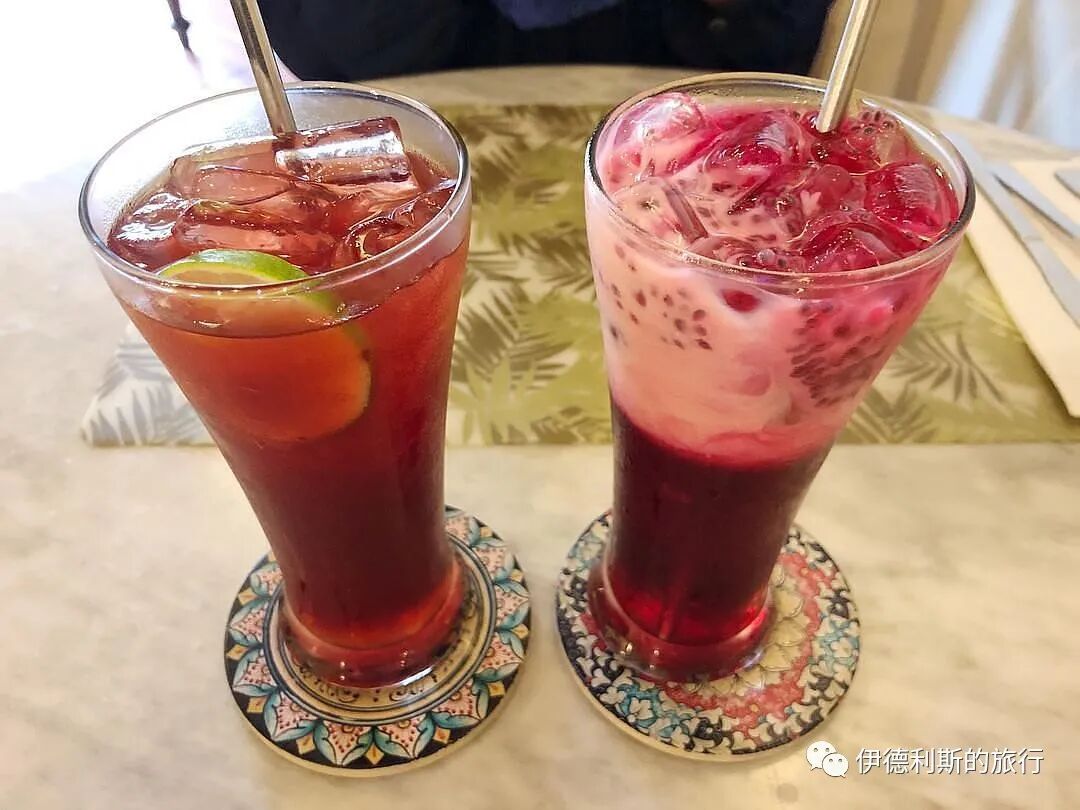
Nutmeg is the meaning of nutmeg, and honey and lemon are added to the drink, which is a special way of drinking in Penang, sweet and sour.
Sherbet comes from the Persian word "Sharbat," meaning non-alcoholic sugar water. In medieval Arabia, people liked to add syrup and honey to Sharbat to increase sweetness, and also liked to add various almonds, lemons, apples, pomegranates, tamarinds, dates, sumac berries, musk, and mint. With the spread of Arabs and Persians, Sharbat is now popular in West Asia, South Asia, and the Malay Archipelago, especially during Ramadan. The Arabian Sherbet made by Jawi House is made with rose syrup, mallow nuts, gum arabic, and basil seeds, and the taste is very rich.
The Jawi Peranakan special version of sago pudding is drizzled with coconut cream and rich palm sugar syrup, and then sprinkled with crushed peanuts, which feels very exquisite.
Jawi House exhibits a series of old photos of Penang Jawi Peranakan, as well as paintings of the Penang Muslim community.
8. The Betawi people in Jakarta, Indonesia
In 1619, the Dutch razed Jakarta under the rule of the Banten Sultanate to the ground and renamed it Batavia, serving as the trading and administrative center of the Dutch East India Company. In 1684, the Dutch East India Company signed a peace treaty with the Banten Sultanate, and many ethnic groups including Malays, Sundanese, Javanese, Minangkabau, and Bugis began to reclaim and settle in the swamp areas outside the walls of Batavia. After one or two hundred years of integration, these ethnic groups finally formed the Betawi people in the early 20th century.
The Betawi people use a Malay language mixed with Hokkien Chinese, Arabic, and Dutch, called Betawi Malay, which is the only Malay-speaking region on the northern coast of Java. The diet of the Betawi people is also strongly influenced by Indonesian Chinese, Arab, European, local Sundanese, and Javanese diets.
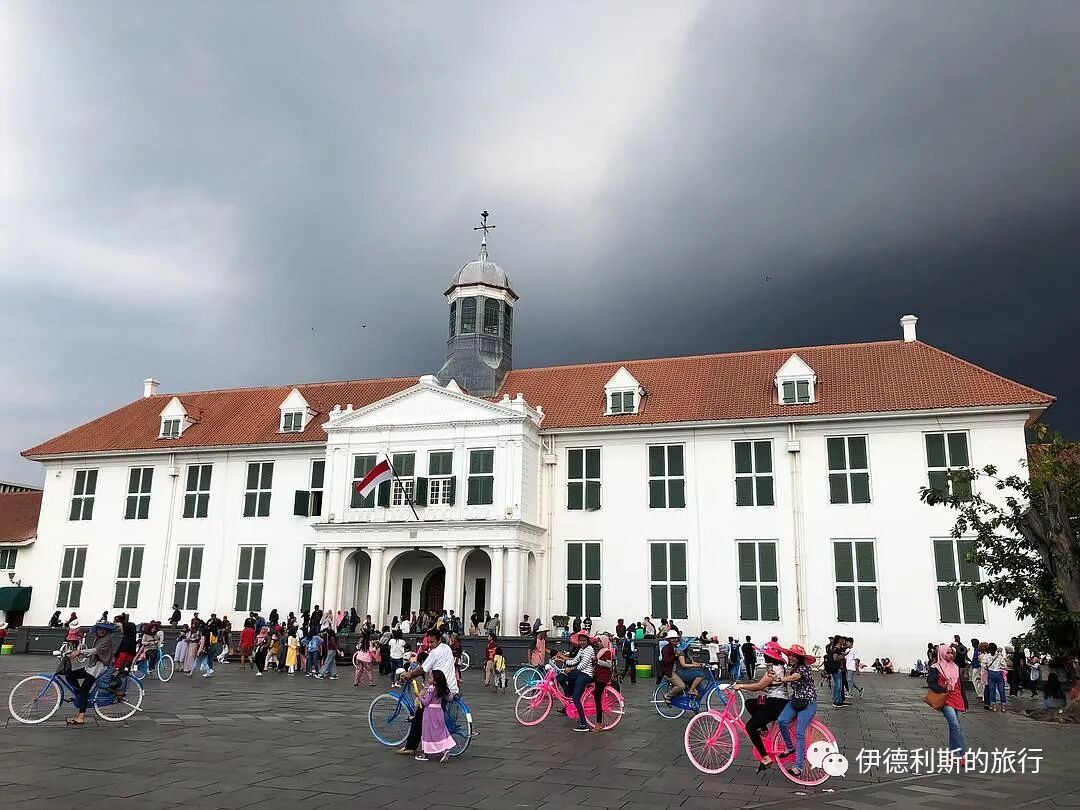
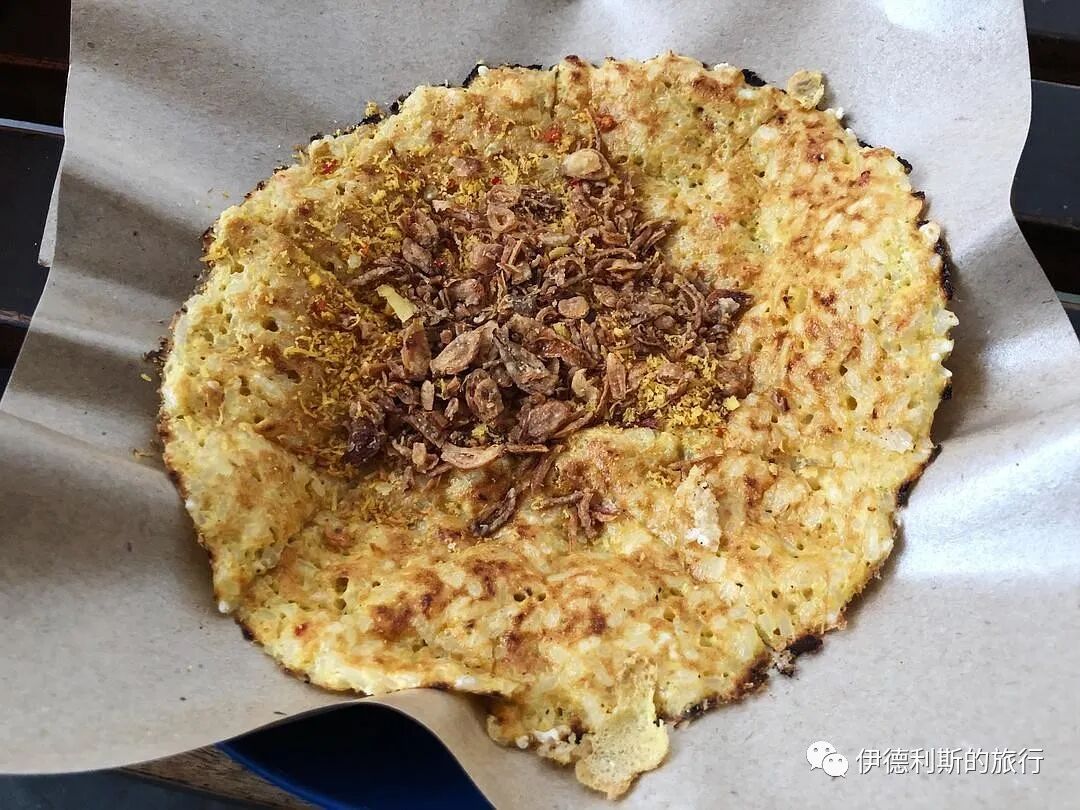
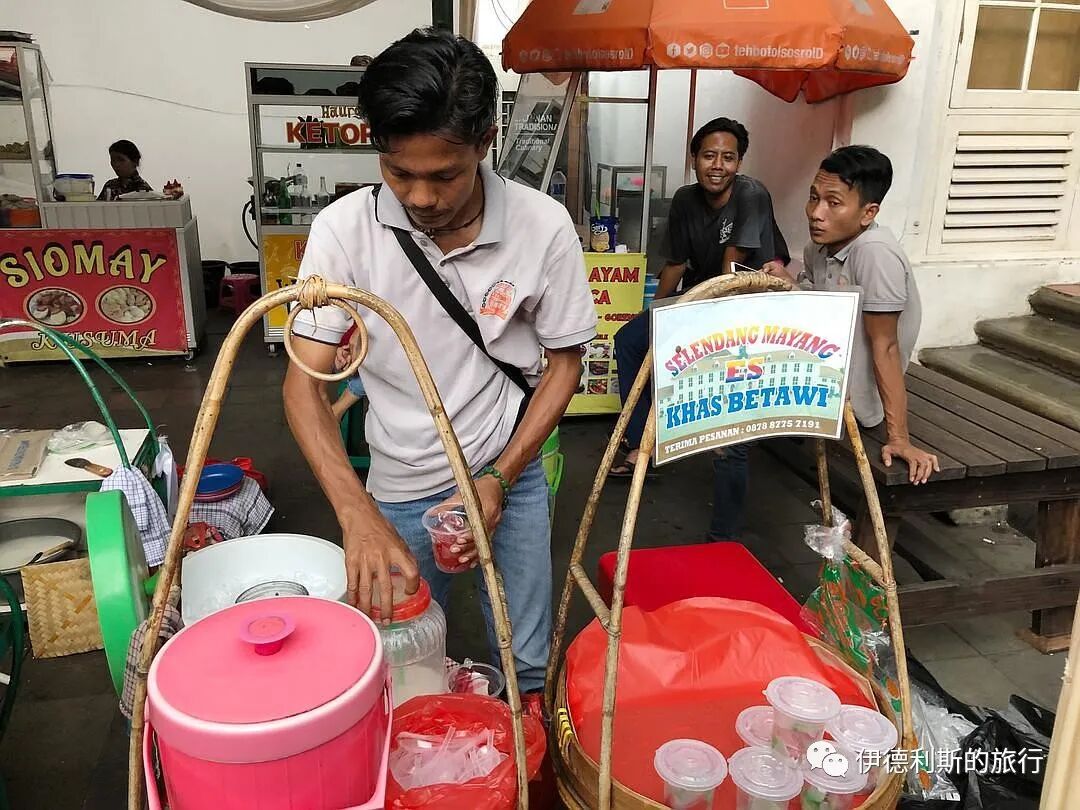
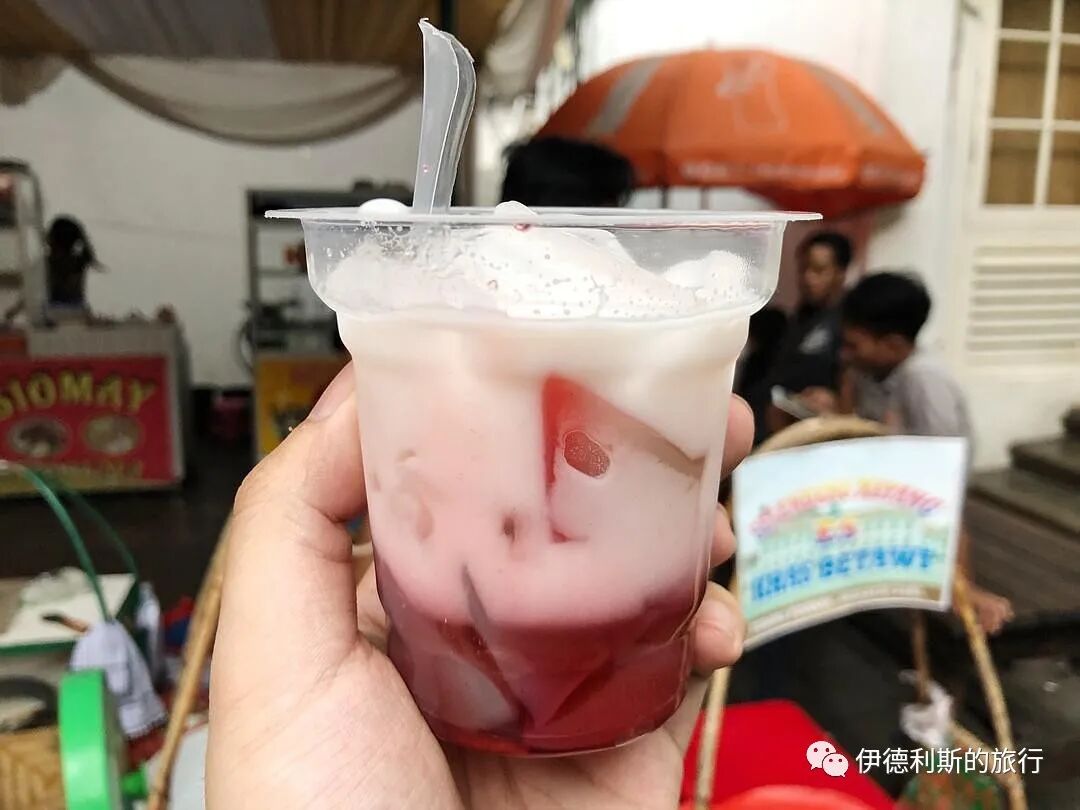
The City Hall built in 1710 in the center of the old city of Batavia has now become the Jakarta History Museum. When I visited the museum in 2019, there was a small area in the courtyard that specifically provided Betawi snacks. I ate Kerak telor (spicy egg crust) and Selendang Mayang (iced drink). It is a great pity that I didn't know at the time that the snacks sold here were Betawi specialties that are hard to eat elsewhere, otherwise I should have tasted every one of them.
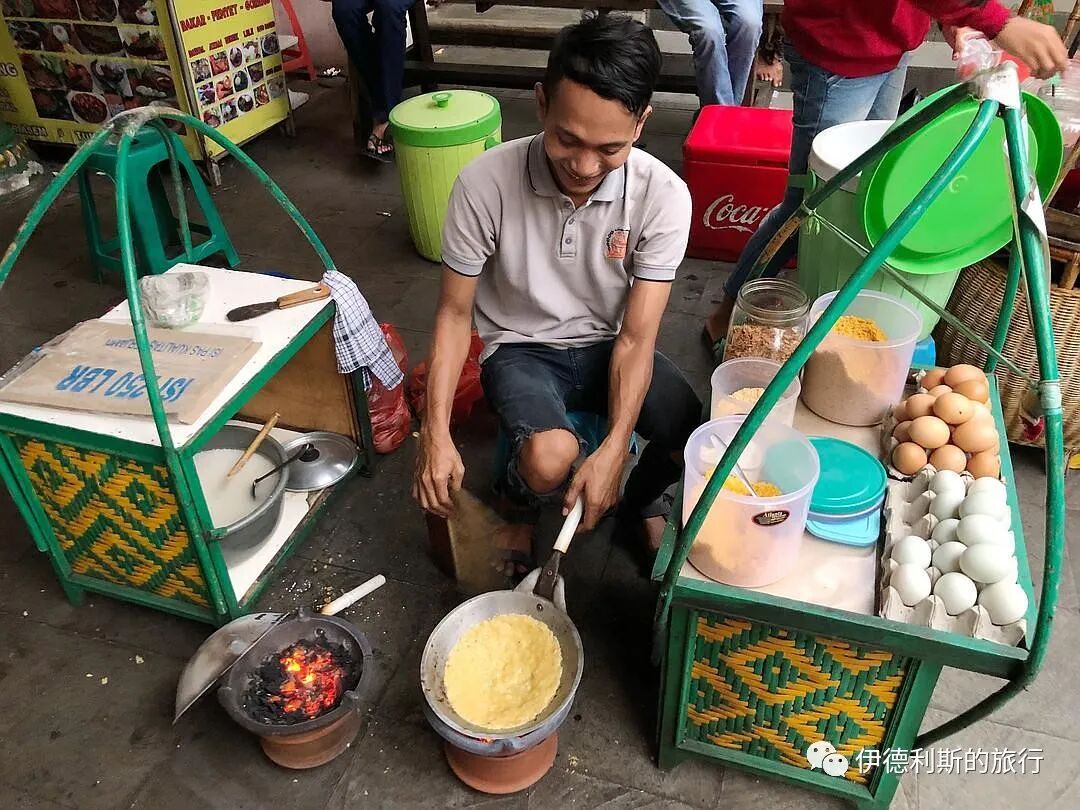
Kerak telor is made of glutinous rice and eggs with fried coconut shreds, topped with fried scallions and dried shrimp. In the colonial era, this food could only be eaten at gatherings of Dutch or wealthy Betawi merchants, and it was invented to increase the texture of glutinous rice.
Selendang Mayang is now rarely seen. It is a long-standing Batavia iced drink made from rice flour, vanilla powder, pandan leaves, red sugar syrup, and coconut milk.
9. The Javanese people in Yogyakarta, Indonesia
Yogyakarta is an ancient cultural city in central Java, still ruled by a Sultan. In addition to traditional Javanese architecture, Gamelan music, and Wayang shadow puppetry, Yogyakarta also has many Javanese specialties.
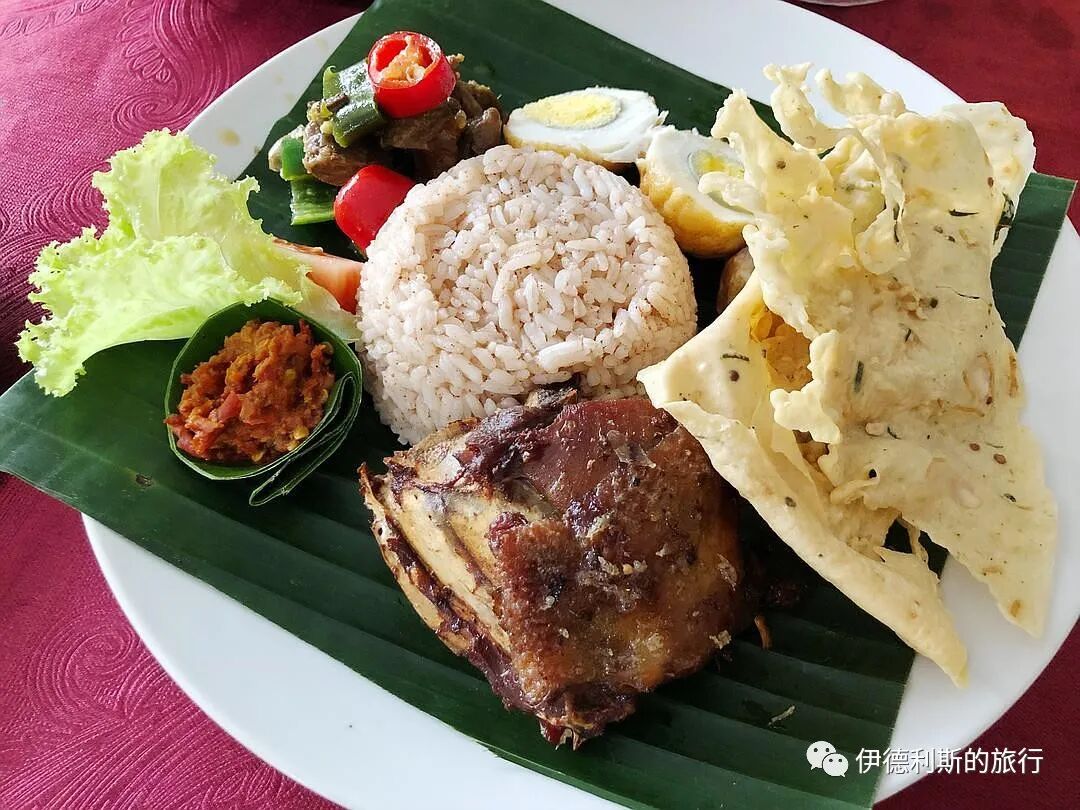
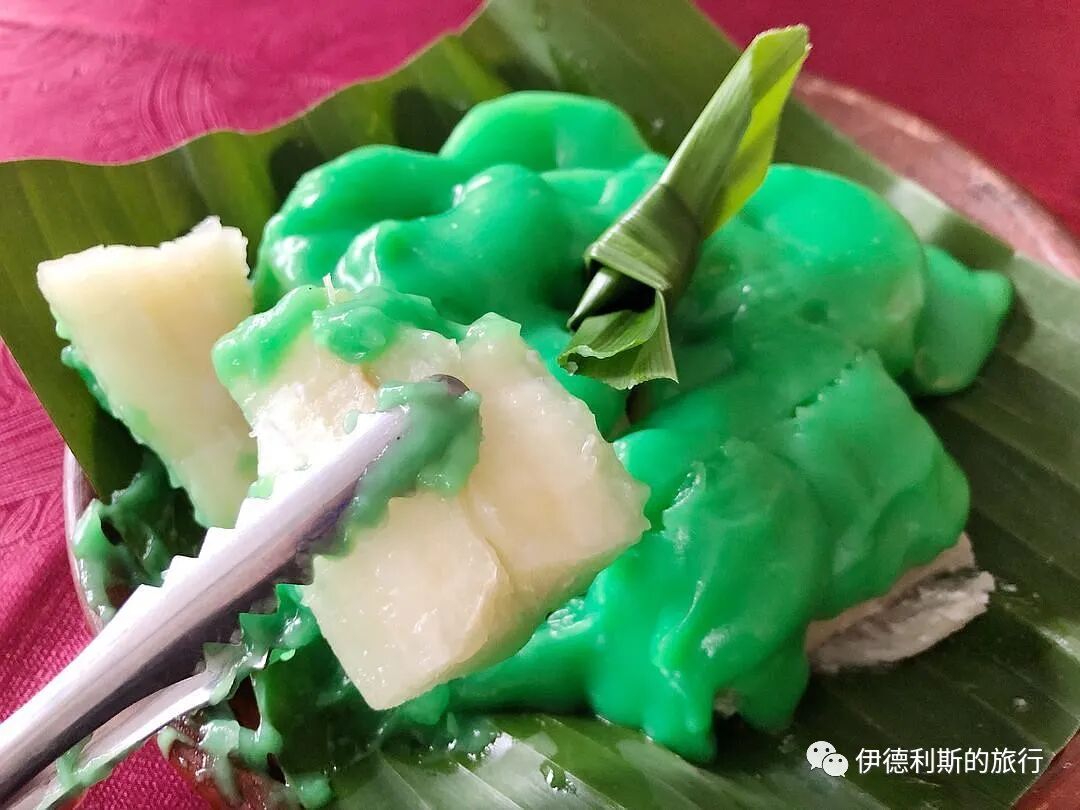
nDalem Joyokusuman next to the Yogyakarta Sultan's Palace is the residence of Sultan's Prince Gusti Haryo Haji Joyokusumo, and it is now open as a cultural center and restaurant. I ate Nasi Blawong and Telo ijo here. Nasi Blawong is a specialty of the Sultan of Yogyakarta. It used to be eaten only at the Sultan's birthday banquet, and the reddish Blawong rice used in it is considered sacred. Telo ijo is a cassava pastry drizzled with pandan coconut milk.
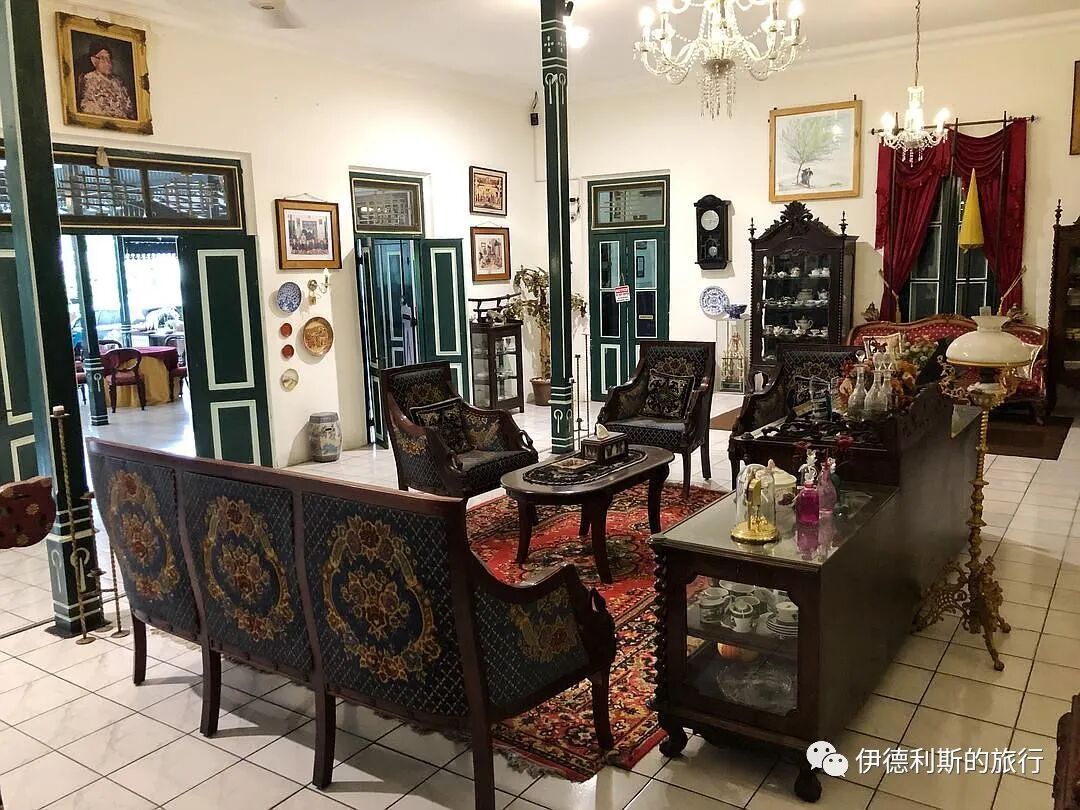
nDalem Joyokusuman was built in 1916 during the reign of the eighth Sultan of Yogyakarta, Hamengkubuwono VIII, and has been inhabited by members of the Sultan's family ever since.
Peringgitan is the inner hall behind the large living room, where the prince's family activities take place, and it contains valuable gifts received by the prince.
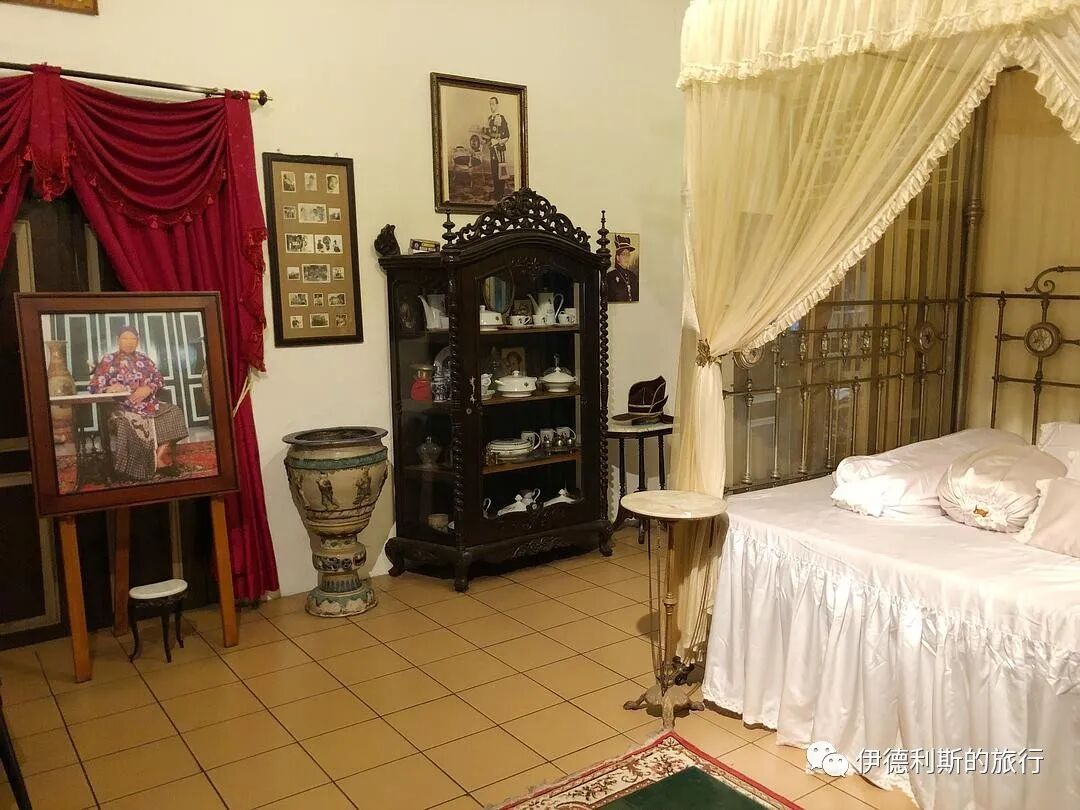
Sentong Kiwo in Figure 4 was originally a guest room and is now used as an exhibition hall.
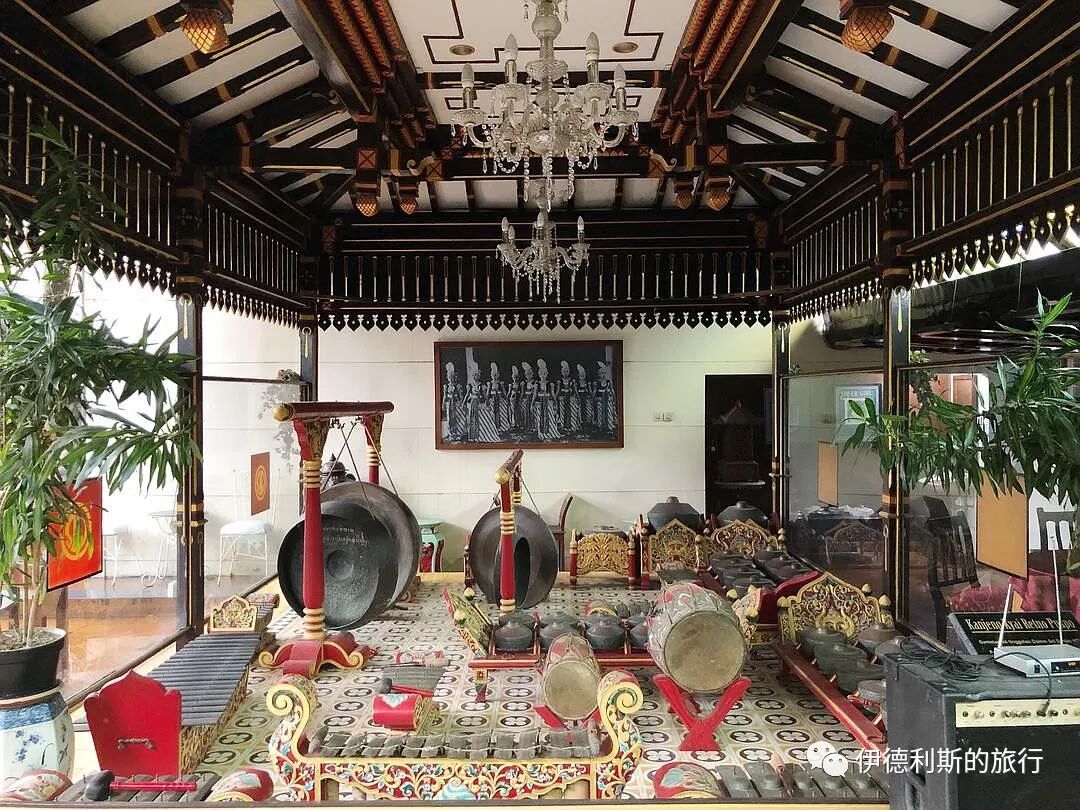
The place where Gamelan is performed in the courtyard.
10. The Bantenese people on Java Island, Indonesia
Banten is located at the westernmost tip of Java Island, facing Sumatra across the Sunda Strait. The local residents, the Bantenese, belong to a branch of the Sundanese. In the 16th century, the Banten Sultanate rose to become a maritime trading power in western Java, controlling the pepper trade in Southeast Asia.
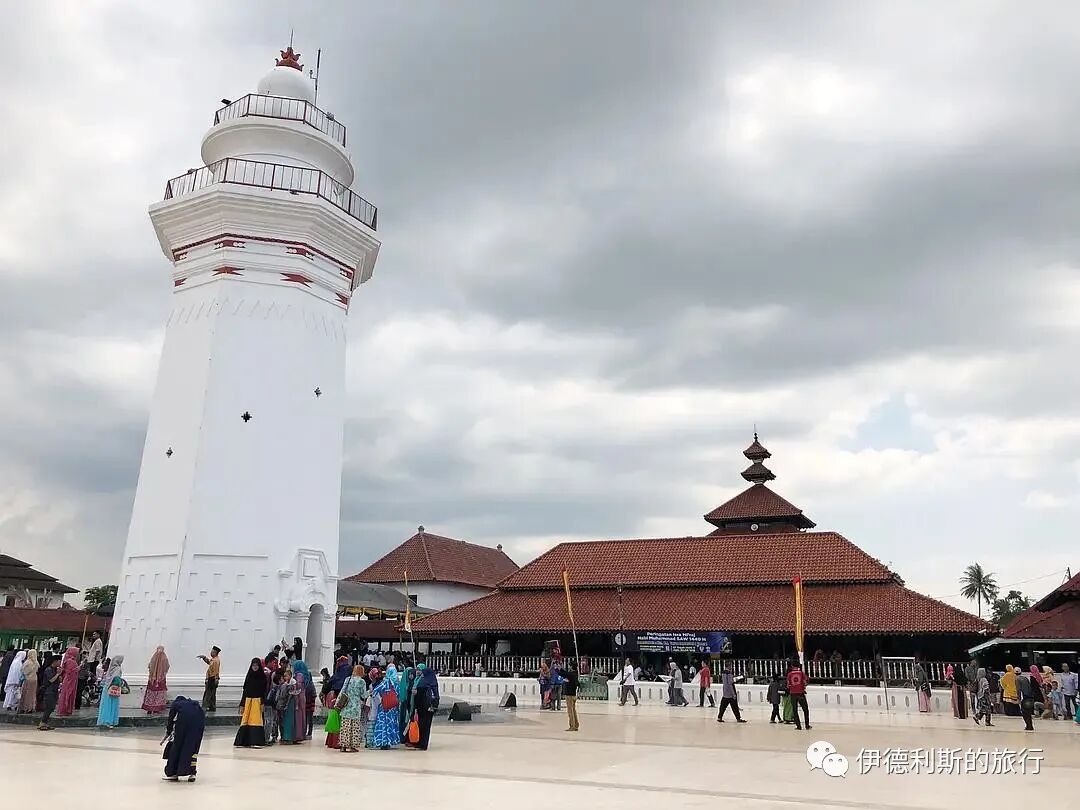
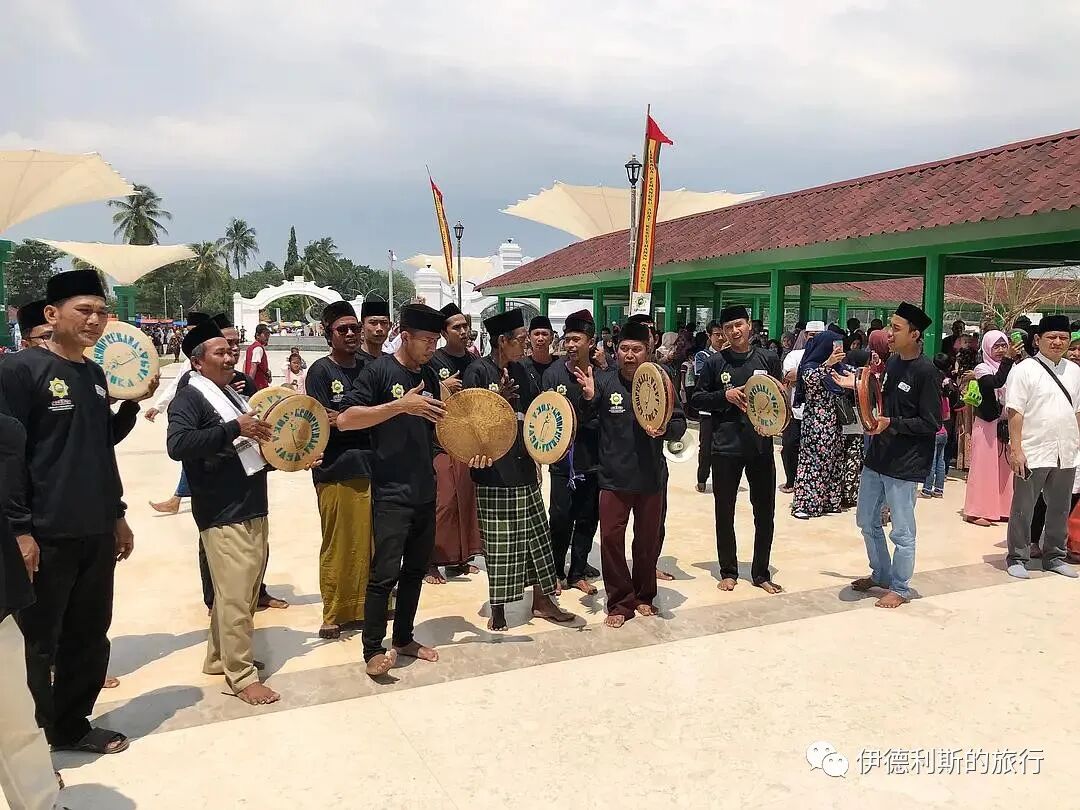
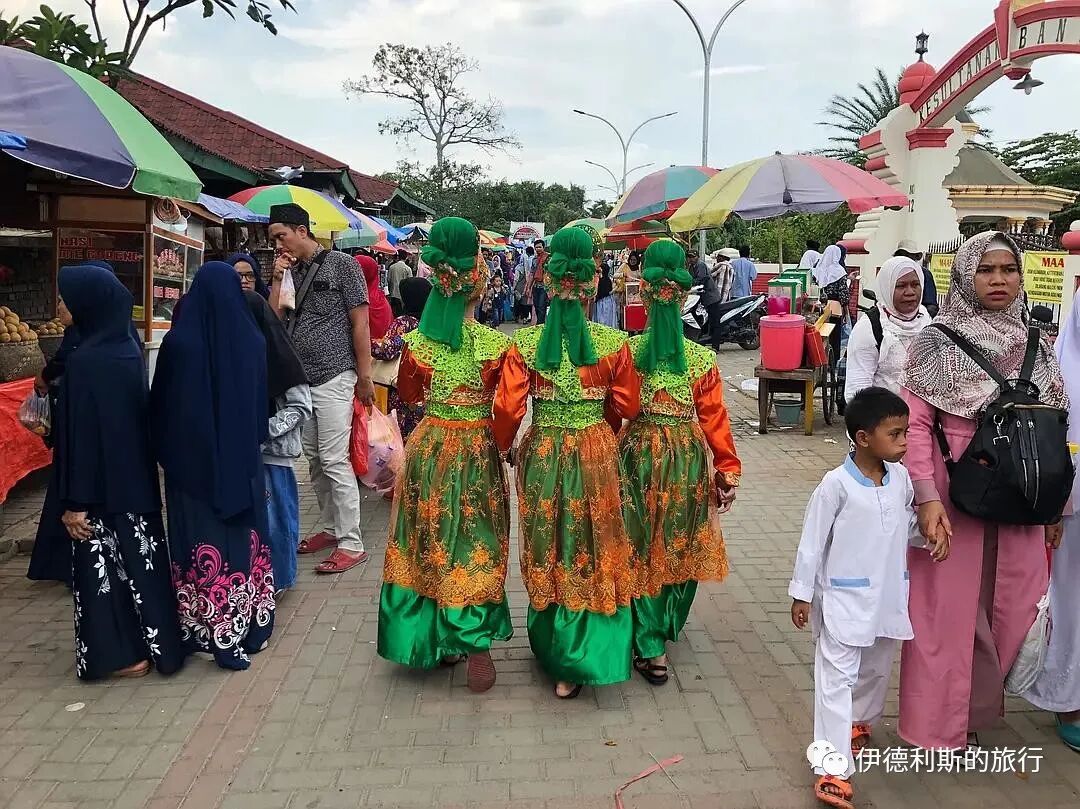
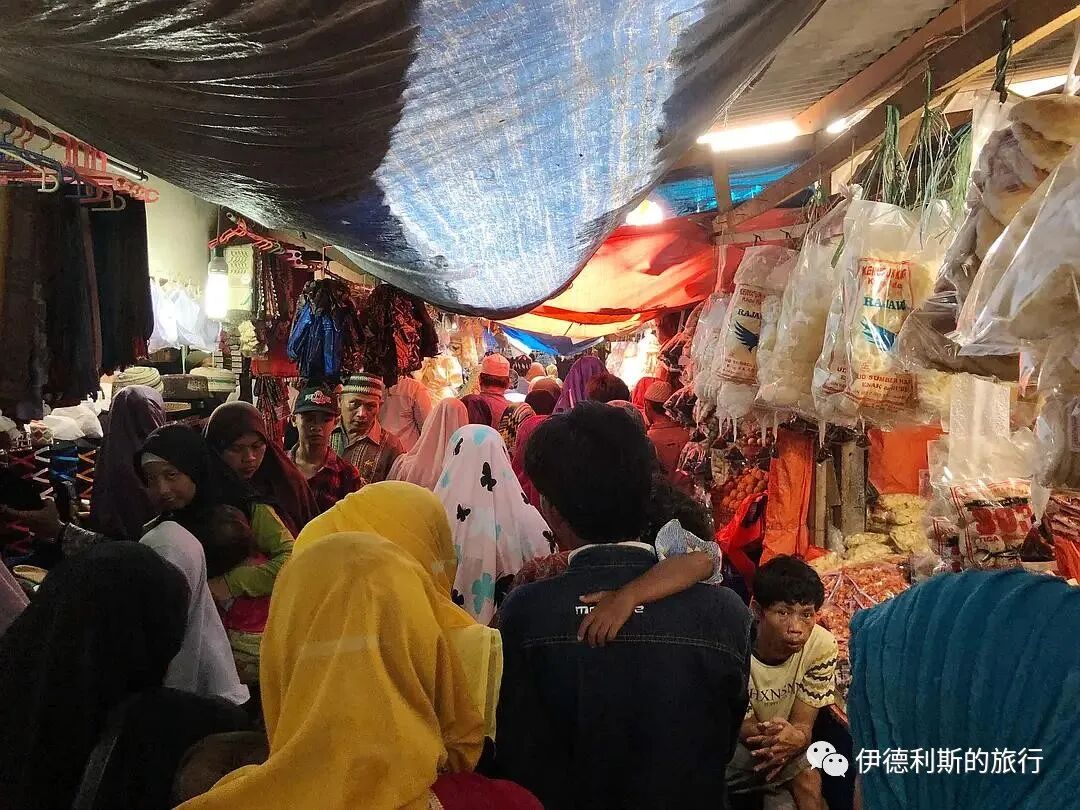
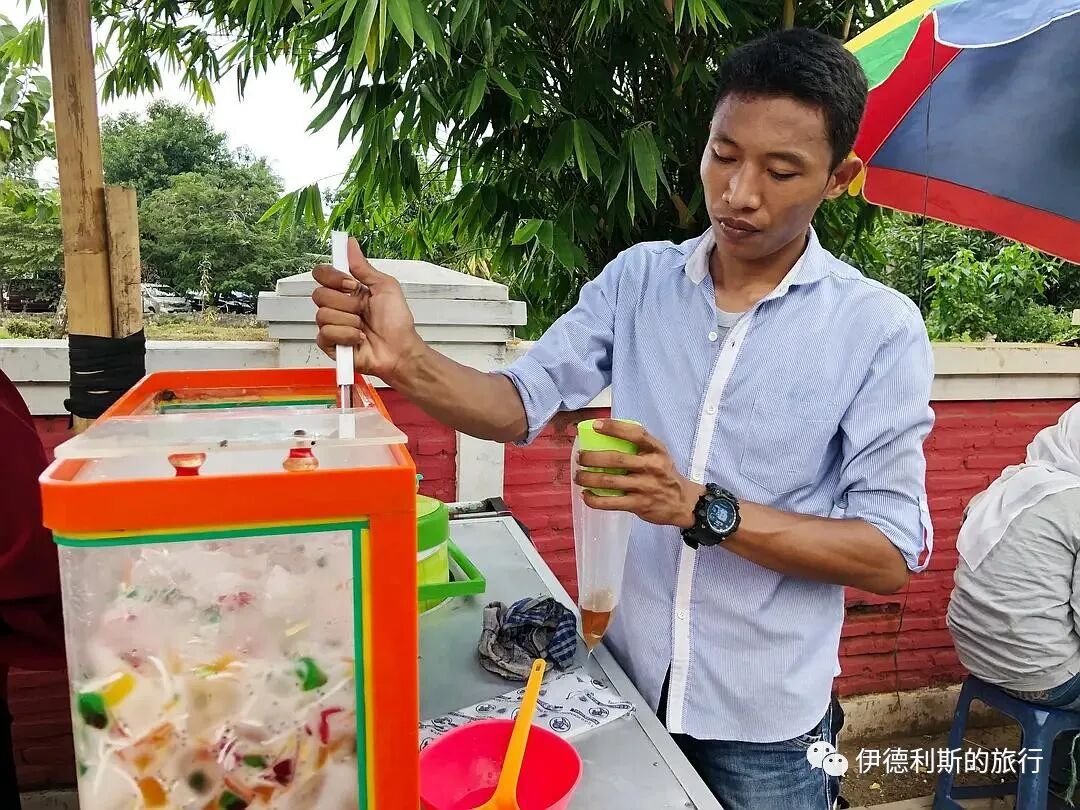
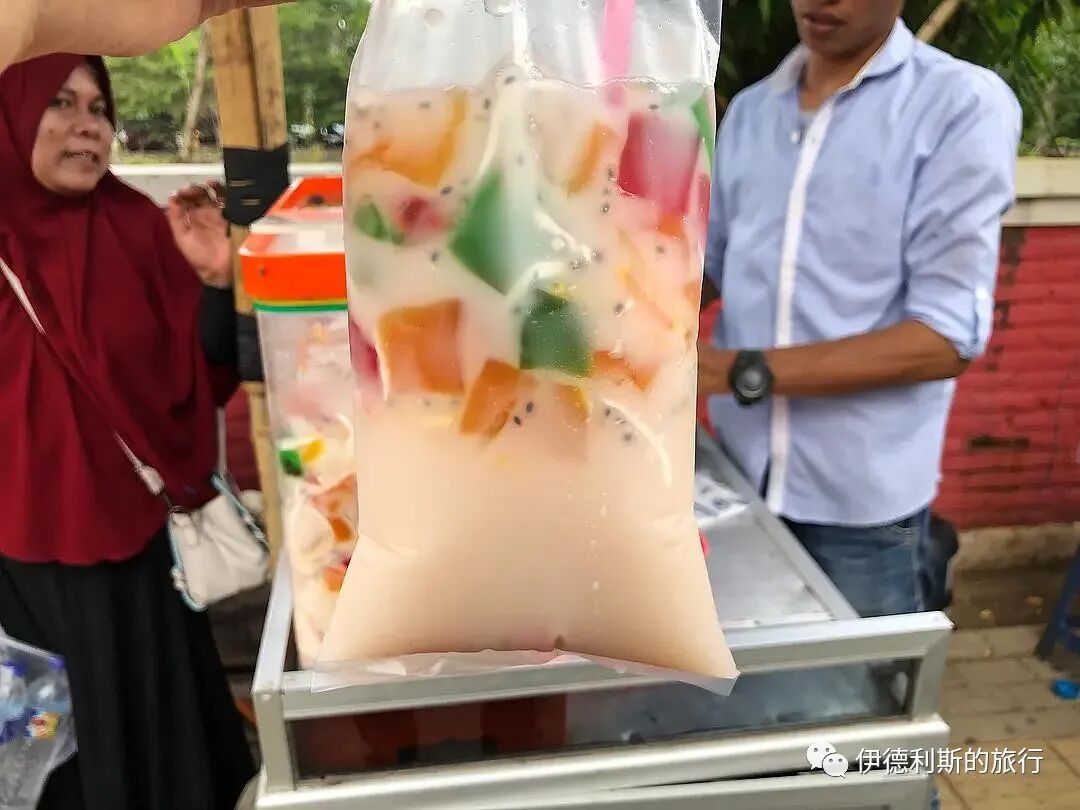
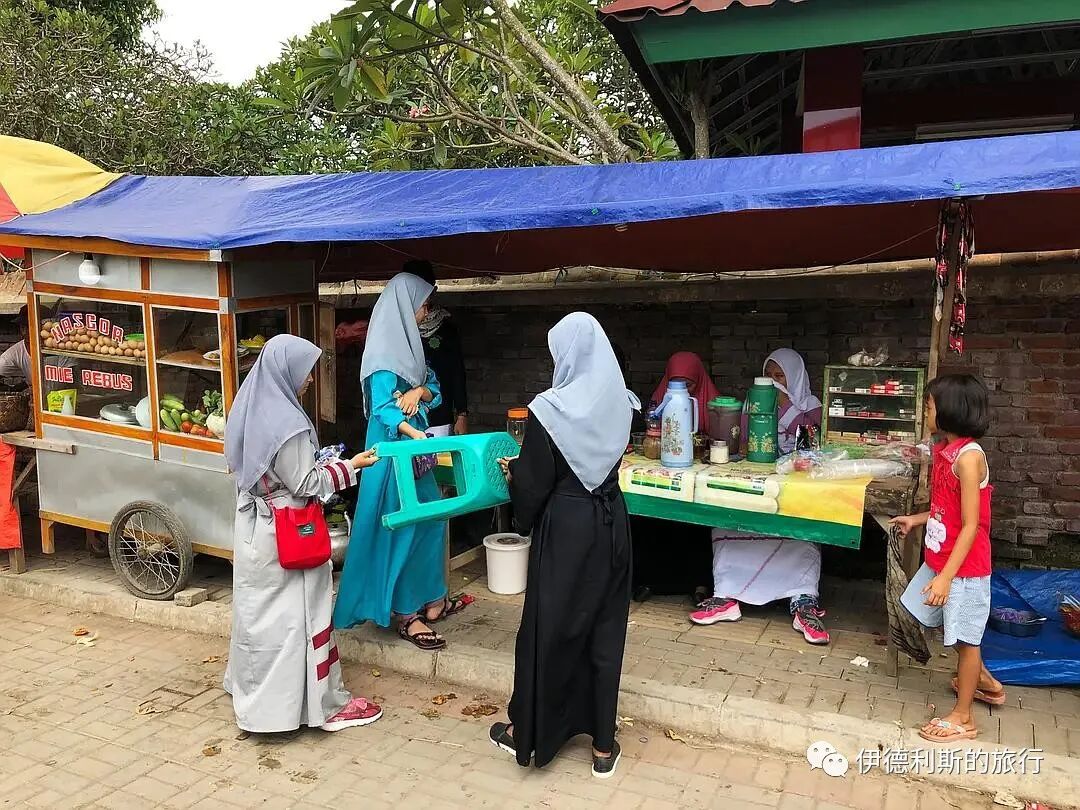
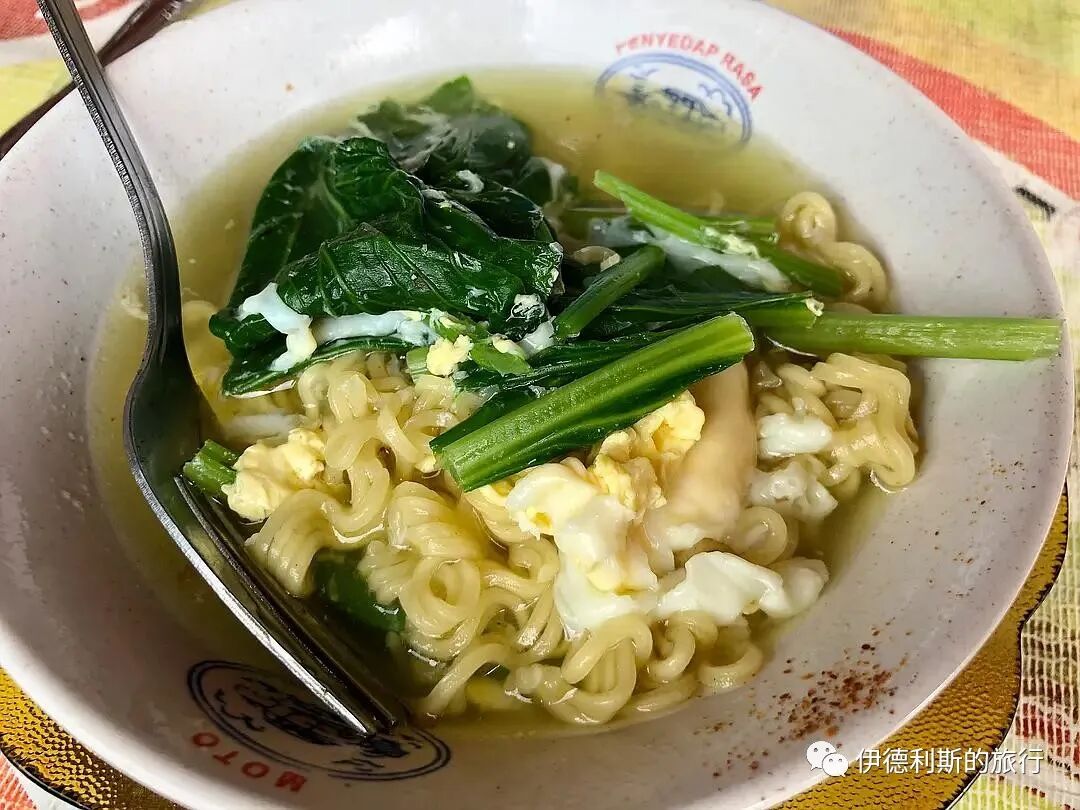
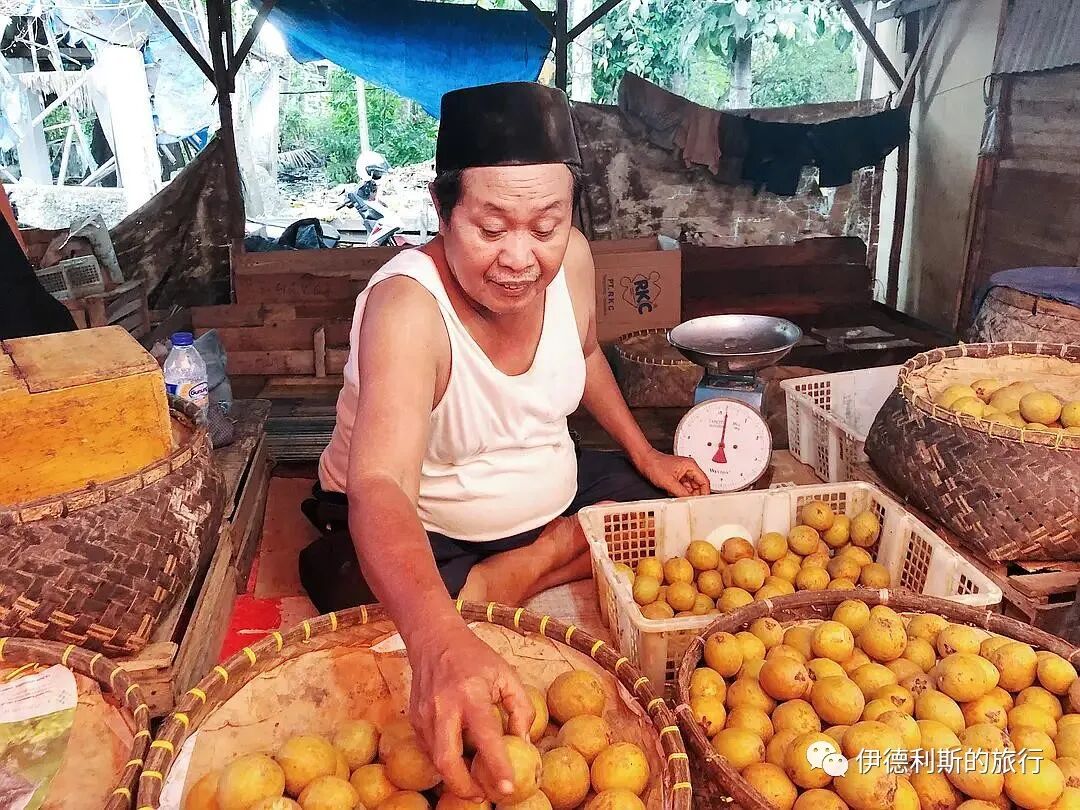
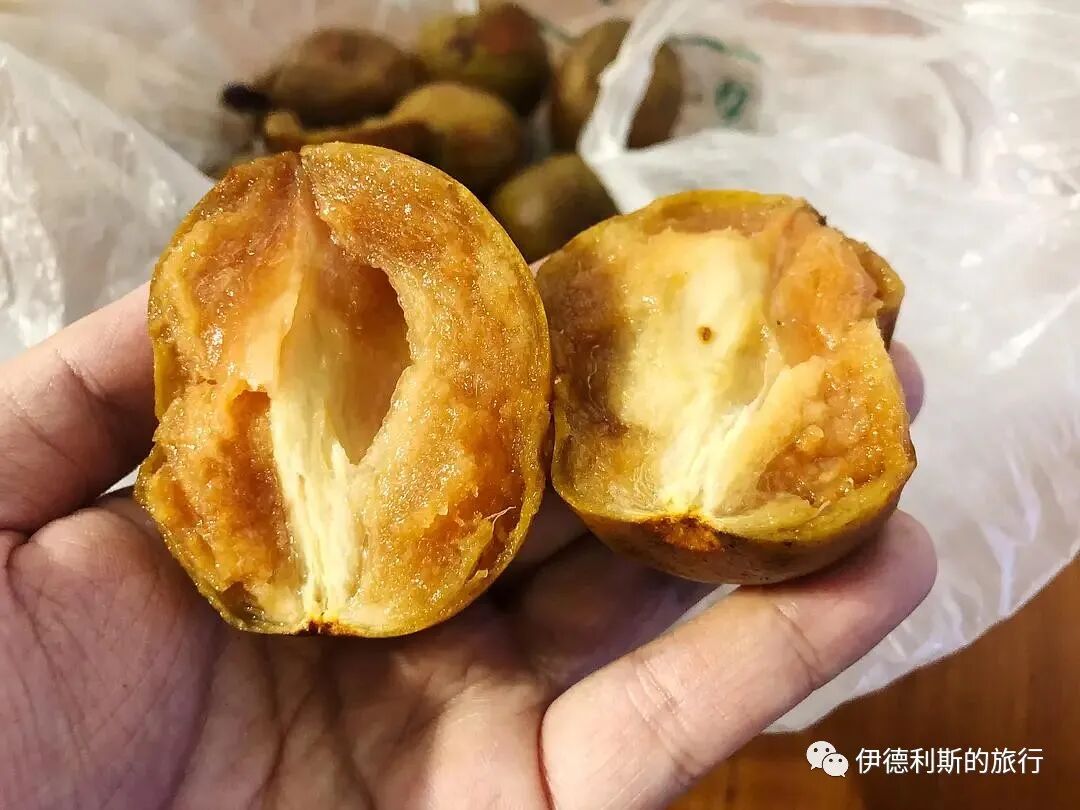
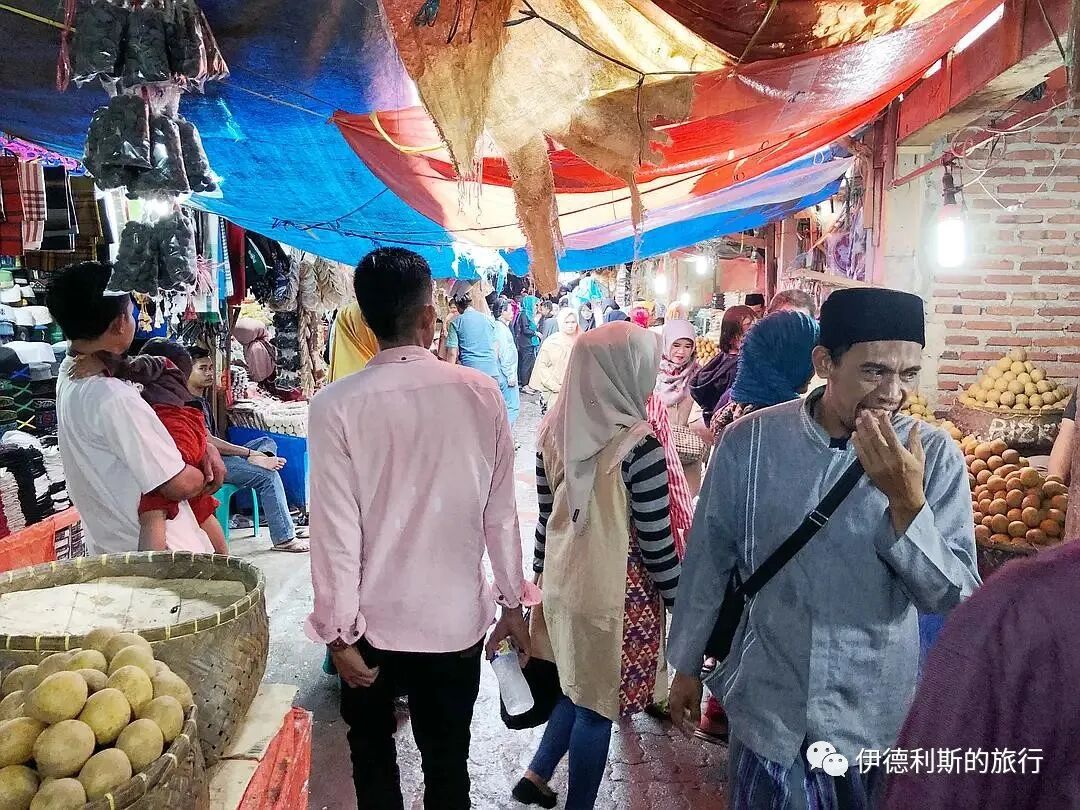
The Great Mosque of Banten (Masjid Agung Banten), built in 1566, is a famous Javanese-style mosque. Muslims come to visit every day, and a very lively bazaar has formed around the mosque. I drank Es Campur (iced drink made with coconut milk, red sugar syrup, coconut meat, and fruit jelly) at the bazaar, and also had the simplest street egg noodles, Mie Rebus. Sapodilla (Manilkara zapota) is sold everywhere in the bazaar, which is sweet and delicious. Sapodilla is native to Central America and the Caribbean, introduced to the Philippines by Spanish colonists, and then widely planted in Southeast Asia. It is called sawo in Indonesia.
11. Yunnan Hui Muslims in Chiang Mai, Thailand
Summary: This travel note introduces Twenty Ethnic Restaurants in China: Halal and Minority Food Guide (Part 1). In my travels over the past few years, I have encountered some very interesting ethnic groups. It is useful for readers interested in Ethnic Food, Halal Food, China Travel. This is part 3 of 4.
Today, the place where you can best experience the Jawi Peranakan culture in Penang is Jawi House Cafe Gallery. This building was originally a Straits Eclectic-style Chinese shophouse built in the 1860s, with Malay-style decorations, and later it was an Indian Muslim coppersmith shop. Armenian Street (Lebuh Armenian, originally named Malay lane) where the shop is located was the earliest settlement area for the Jawi Peranakan community. In 2012, the Karim family, who had lived in Penang for six generations and had Punjabi roots, opened Jawi House here to make the most authentic Jawi Peranakan food.
We ate Cucur Udang (fried shrimp fritters), Nasi Lemuni (chaste tree berry rice), Jawi Chicken Curry, drank Penang Nutmeg and Arabian Sherbet, and also had Sago Pudding for dessert.
Cucur Udang is made by coating shrimp and scallions in flour and deep-frying them, then dipping them in peanut sauce. "Cucur" means fried fritter in Malay, and "Udang" means shrimp.
Nasi Lemuni is rice cooked with coconut milk, lemongrass, and blue Lemuni (chaste tree) flowers, served with fried anchovies and sambal (spicy chili paste). In the past, Lemuni rice was a traditional food for Malay women during their postpartum confinement, and it is said to promote blood circulation.
Jawi Chicken Curry is the Jawi Peranakan version of chicken curry. As a fusion ethnic group, Jawi Peranakan curry is also a fusion version of Indian curry and Malay curry.
Nutmeg is the meaning of nutmeg, and honey and lemon are added to the drink, which is a special way of drinking in Penang, sweet and sour.
Sherbet comes from the Persian word "Sharbat," meaning non-alcoholic sugar water. In medieval Arabia, people liked to add syrup and honey to Sharbat to increase sweetness, and also liked to add various almonds, lemons, apples, pomegranates, tamarinds, dates, sumac berries, musk, and mint. With the spread of Arabs and Persians, Sharbat is now popular in West Asia, South Asia, and the Malay Archipelago, especially during Ramadan. The Arabian Sherbet made by Jawi House is made with rose syrup, mallow nuts, gum arabic, and basil seeds, and the taste is very rich.
The Jawi Peranakan special version of sago pudding is drizzled with coconut cream and rich palm sugar syrup, and then sprinkled with crushed peanuts, which feels very exquisite.
Jawi House exhibits a series of old photos of Penang Jawi Peranakan, as well as paintings of the Penang Muslim community.
8. The Betawi people in Jakarta, Indonesia
In 1619, the Dutch razed Jakarta under the rule of the Banten Sultanate to the ground and renamed it Batavia, serving as the trading and administrative center of the Dutch East India Company. In 1684, the Dutch East India Company signed a peace treaty with the Banten Sultanate, and many ethnic groups including Malays, Sundanese, Javanese, Minangkabau, and Bugis began to reclaim and settle in the swamp areas outside the walls of Batavia. After one or two hundred years of integration, these ethnic groups finally formed the Betawi people in the early 20th century.
The Betawi people use a Malay language mixed with Hokkien Chinese, Arabic, and Dutch, called Betawi Malay, which is the only Malay-speaking region on the northern coast of Java. The diet of the Betawi people is also strongly influenced by Indonesian Chinese, Arab, European, local Sundanese, and Javanese diets.
The City Hall built in 1710 in the center of the old city of Batavia has now become the Jakarta History Museum. When I visited the museum in 2019, there was a small area in the courtyard that specifically provided Betawi snacks. I ate Kerak telor (spicy egg crust) and Selendang Mayang (iced drink). It is a great pity that I didn't know at the time that the snacks sold here were Betawi specialties that are hard to eat elsewhere, otherwise I should have tasted every one of them.
Kerak telor is made of glutinous rice and eggs with fried coconut shreds, topped with fried scallions and dried shrimp. In the colonial era, this food could only be eaten at gatherings of Dutch or wealthy Betawi merchants, and it was invented to increase the texture of glutinous rice.
Selendang Mayang is now rarely seen. It is a long-standing Batavia iced drink made from rice flour, vanilla powder, pandan leaves, red sugar syrup, and coconut milk.
9. The Javanese people in Yogyakarta, Indonesia
Yogyakarta is an ancient cultural city in central Java, still ruled by a Sultan. In addition to traditional Javanese architecture, Gamelan music, and Wayang shadow puppetry, Yogyakarta also has many Javanese specialties.
nDalem Joyokusuman next to the Yogyakarta Sultan's Palace is the residence of Sultan's Prince Gusti Haryo Haji Joyokusumo, and it is now open as a cultural center and restaurant. I ate Nasi Blawong and Telo ijo here. Nasi Blawong is a specialty of the Sultan of Yogyakarta. It used to be eaten only at the Sultan's birthday banquet, and the reddish Blawong rice used in it is considered sacred. Telo ijo is a cassava pastry drizzled with pandan coconut milk.
nDalem Joyokusuman was built in 1916 during the reign of the eighth Sultan of Yogyakarta, Hamengkubuwono VIII, and has been inhabited by members of the Sultan's family ever since.
Peringgitan is the inner hall behind the large living room, where the prince's family activities take place, and it contains valuable gifts received by the prince.
Sentong Kiwo in Figure 4 was originally a guest room and is now used as an exhibition hall.
The place where Gamelan is performed in the courtyard.
10. The Bantenese people on Java Island, Indonesia
Banten is located at the westernmost tip of Java Island, facing Sumatra across the Sunda Strait. The local residents, the Bantenese, belong to a branch of the Sundanese. In the 16th century, the Banten Sultanate rose to become a maritime trading power in western Java, controlling the pepper trade in Southeast Asia.
The Great Mosque of Banten (Masjid Agung Banten), built in 1566, is a famous Javanese-style mosque. Muslims come to visit every day, and a very lively bazaar has formed around the mosque. I drank Es Campur (iced drink made with coconut milk, red sugar syrup, coconut meat, and fruit jelly) at the bazaar, and also had the simplest street egg noodles, Mie Rebus. Sapodilla (Manilkara zapota) is sold everywhere in the bazaar, which is sweet and delicious. Sapodilla is native to Central America and the Caribbean, introduced to the Philippines by Spanish colonists, and then widely planted in Southeast Asia. It is called sawo in Indonesia.
11. Yunnan Hui Muslims in Chiang Mai, Thailand
