
Twenty Ethnic Restaurants in China: Halal and Minority Food Guide (Part 4 of 4)
Reposted from the web
Summary: This travel note introduces Twenty Ethnic Restaurants in China: Halal and Minority Food Guide (Part 1). In my travels over the past few years, I have encountered some very interesting ethnic groups. It is useful for readers interested in Ethnic Food, Halal Food, China Travel. This is part 4 of 4.
There is a Yunnan Hui Muslim community called "Wang He" by the Ping River outside the east gate of the ancient city of Chiang Mai, Thailand. In Thai, "Wang" means village, and "He" originally referred to the horse caravan merchants who came from Yunnan to engage in cross-border trade. From the 19th century to the early 20th century, Yunnan horse caravans controlled the trade route from Yunnan to northern Thailand. They transported tea, silk, hardware, and copperware from Yunnan to northern Thailand, and transported raw cotton and tobacco from northern Thailand back to Yunnan. In 1904, Zheng Chonglin, a Hui Muslim horse caravan merchant from Yuxi, Yunnan, established his own large horse inn in the east of Chiang Mai, which became the base for Yunnan horse caravans in Chiang Mai. Many Yunnan Hui Muslim horse caravan members came to live near the horse inn, and the Wang He community gradually formed.
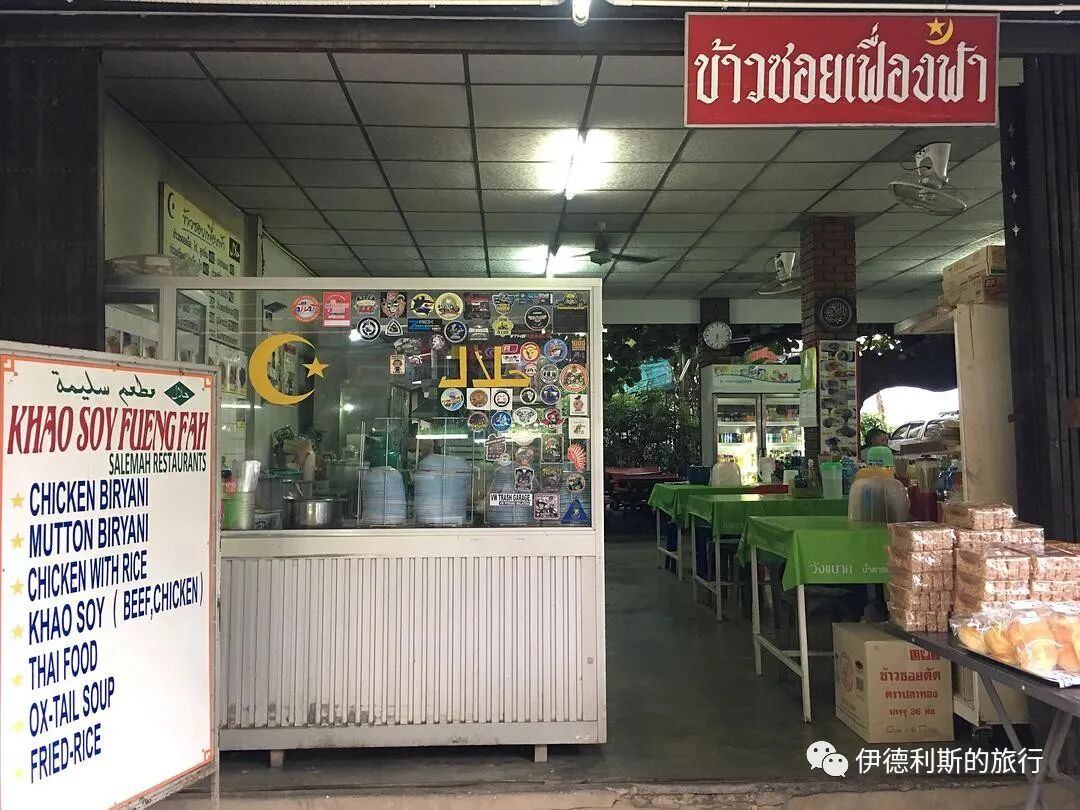
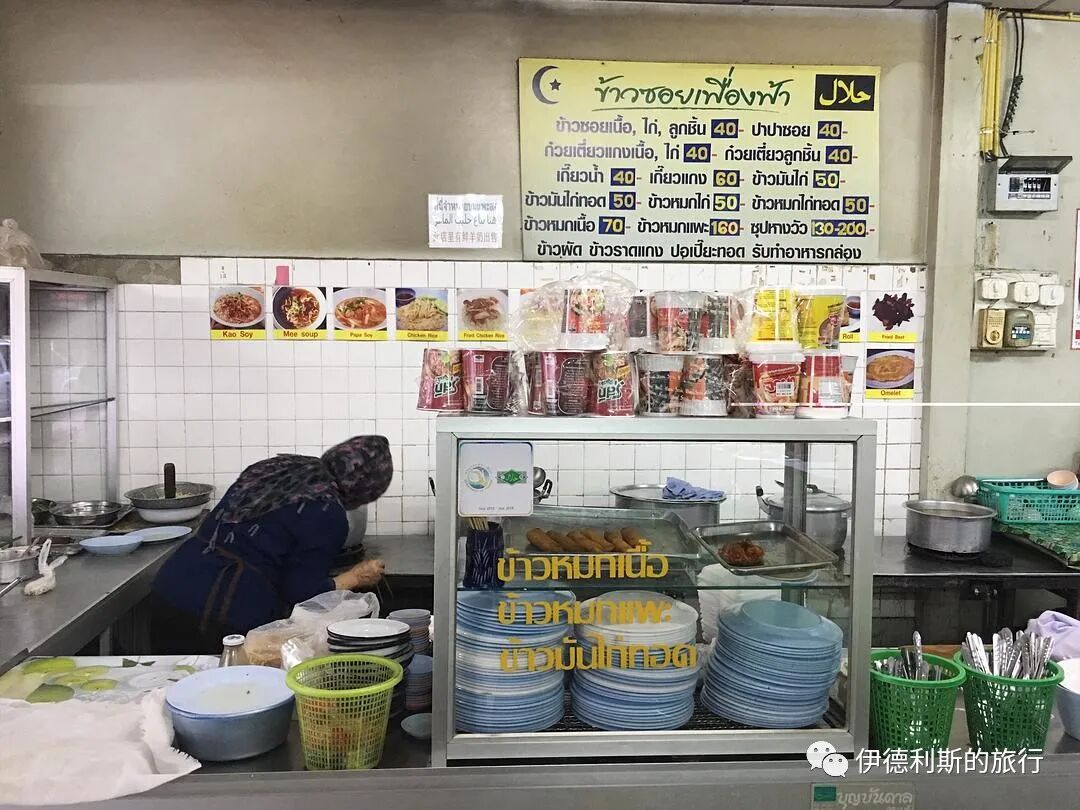
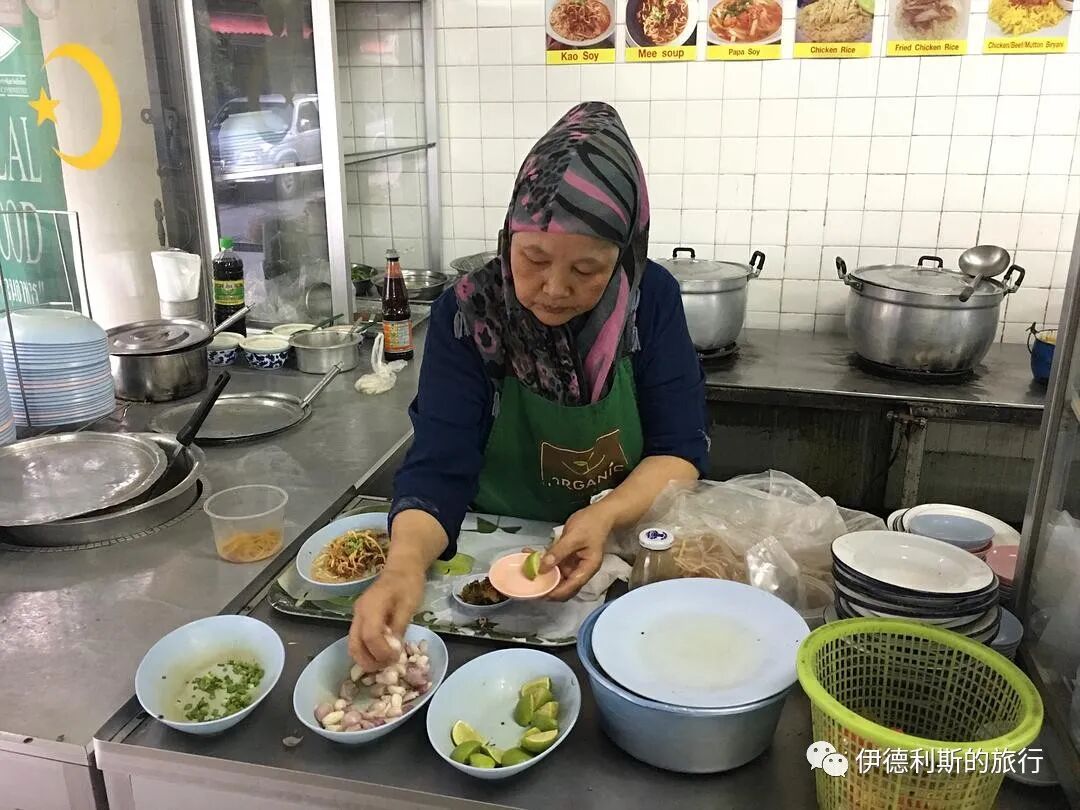
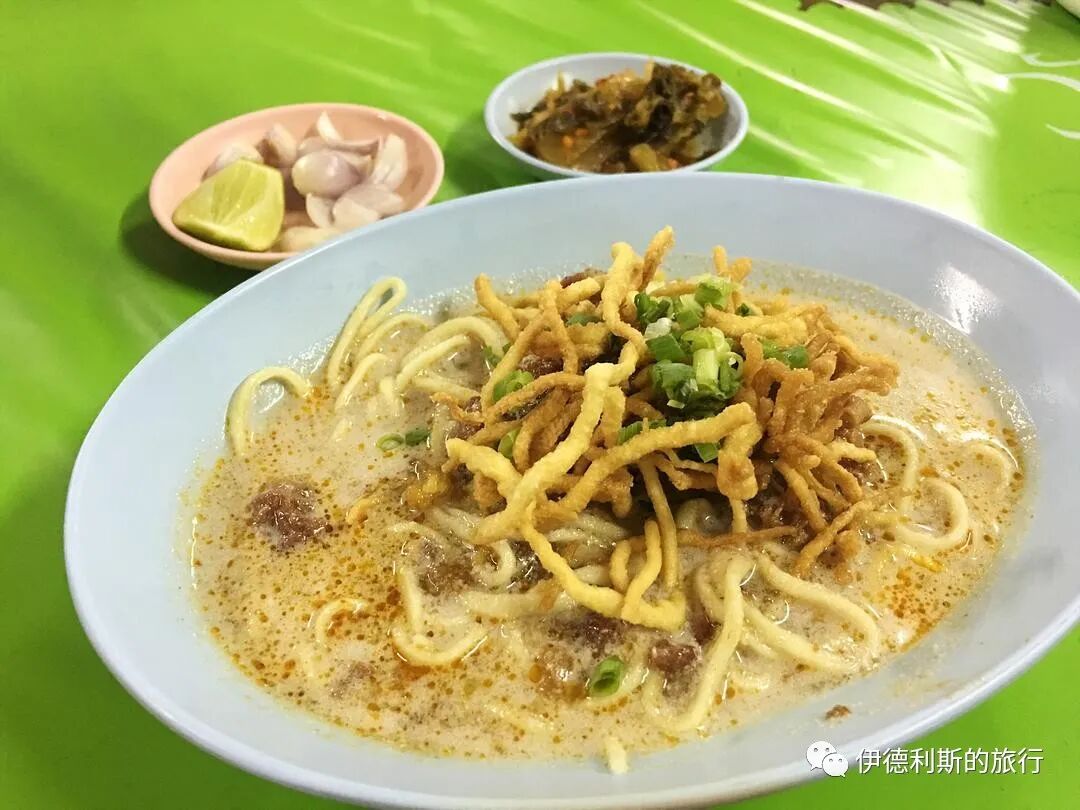
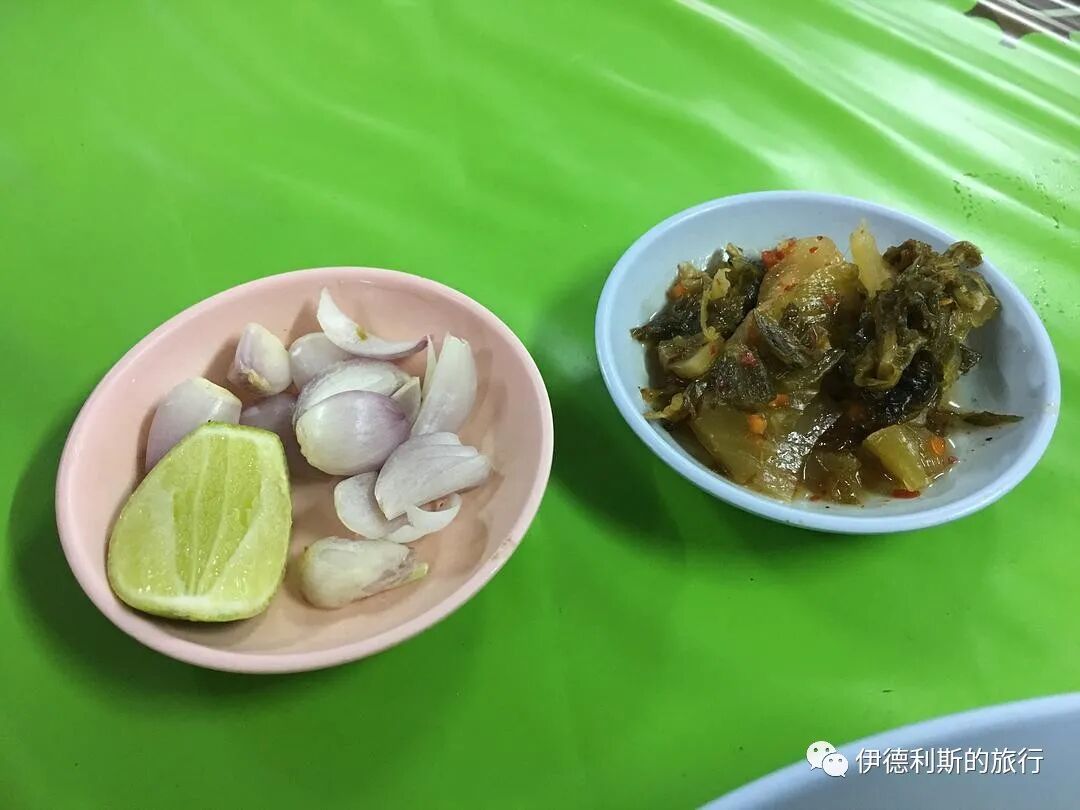
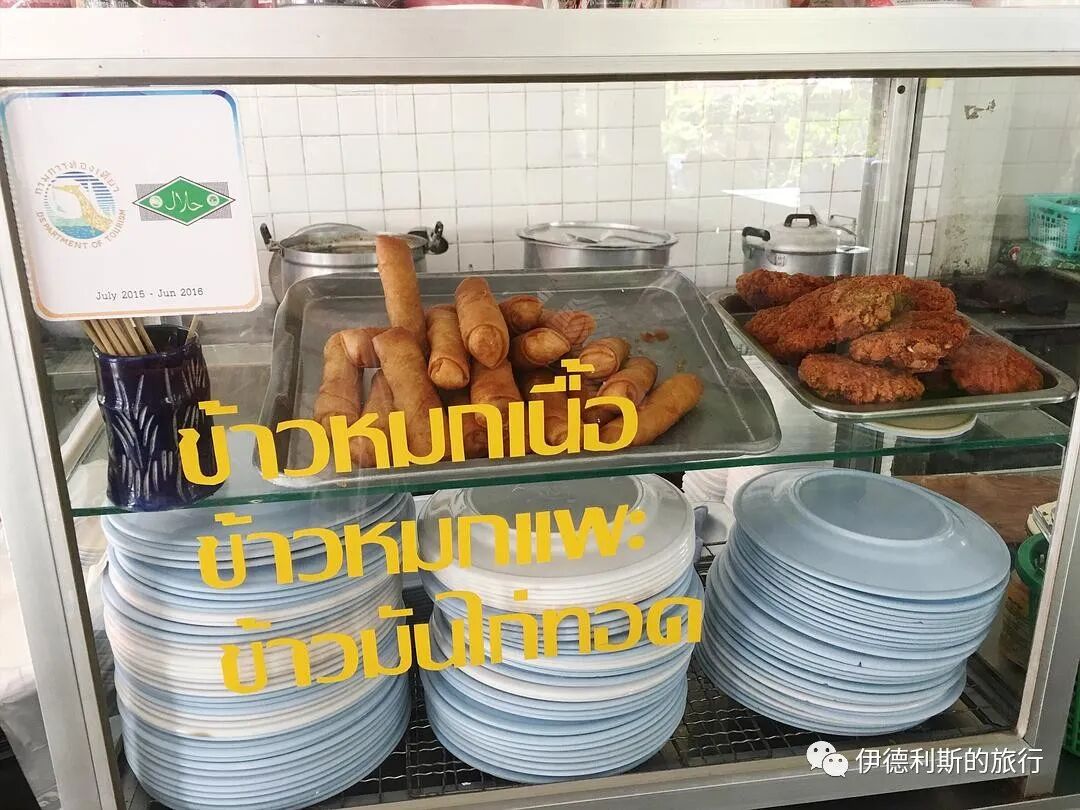
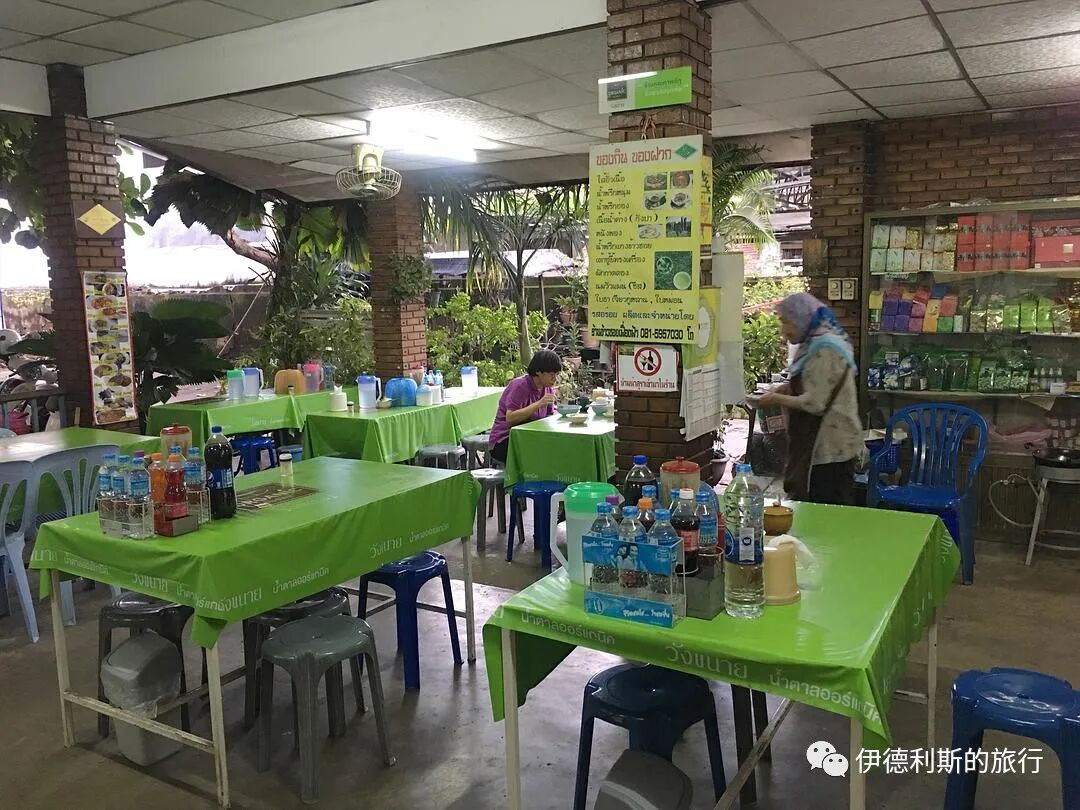
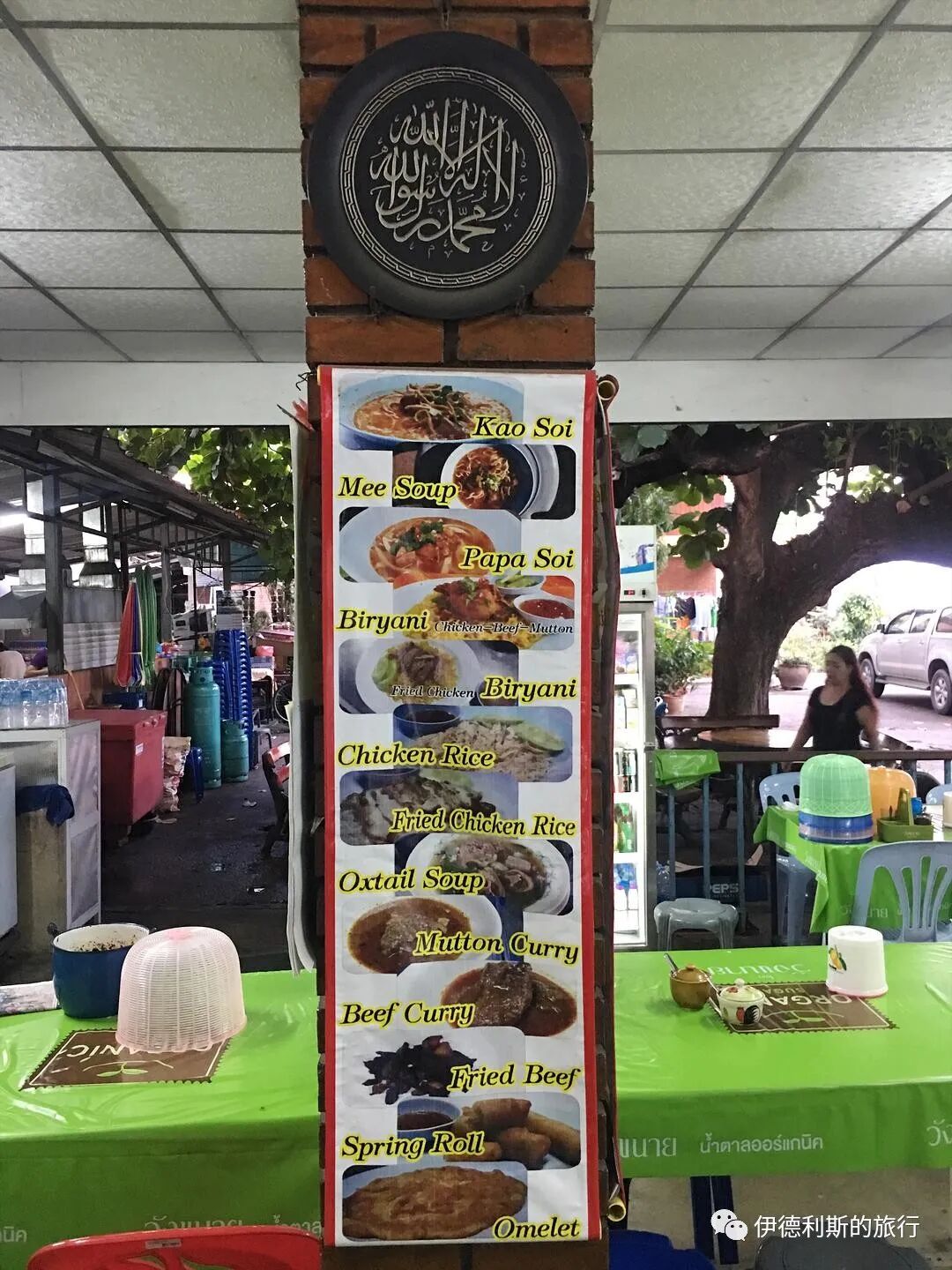
There are several halal restaurants opened by Yunnan Hui Muslims on Wang He Street. I ate the famous northern Thai curry noodle khao soi at this KAO SOI FUENG FAH restaurant. It is said that this noodle was brought to northern Thailand by Yunnanese people. Slightly spicy noodle soup, sprinkled with sanzi (fried dough strips) and served with raw onions and lemon, the taste is quite good.
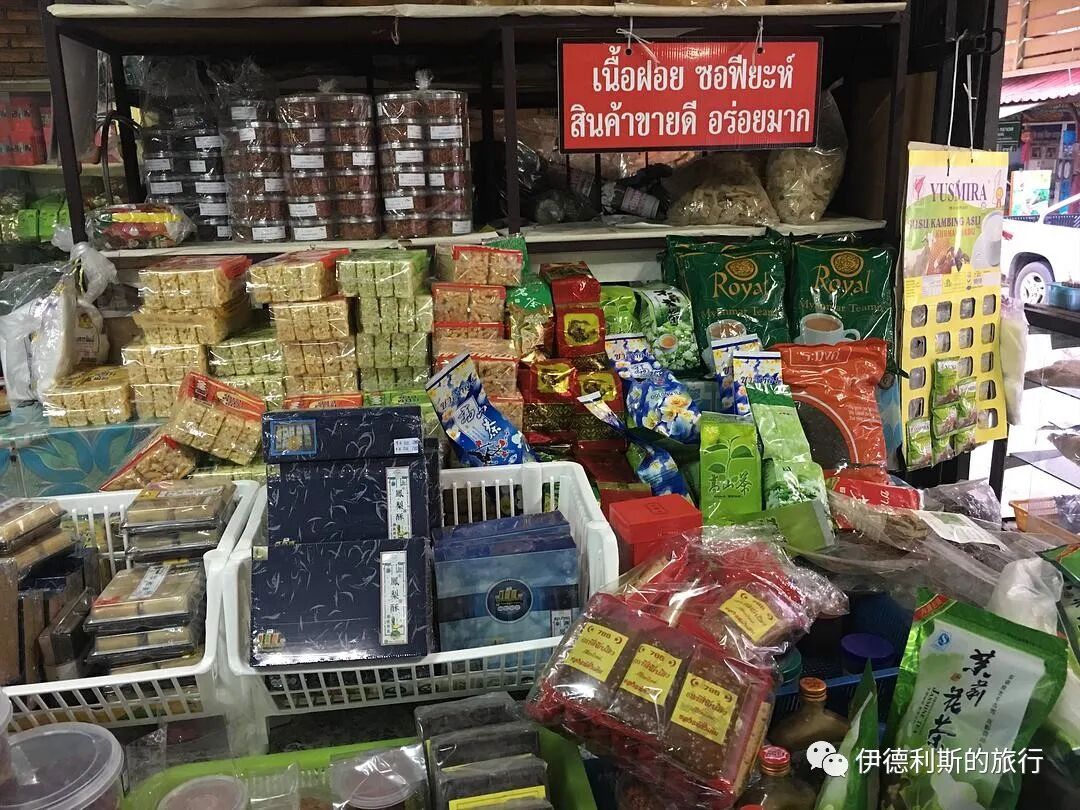
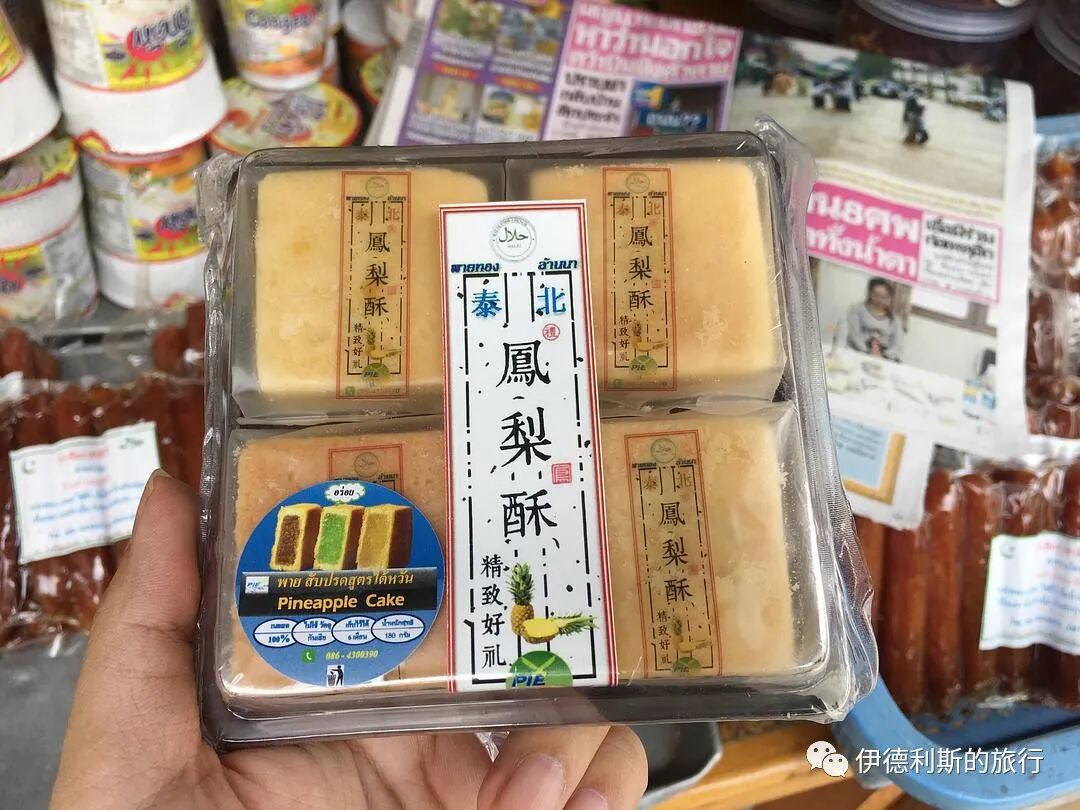
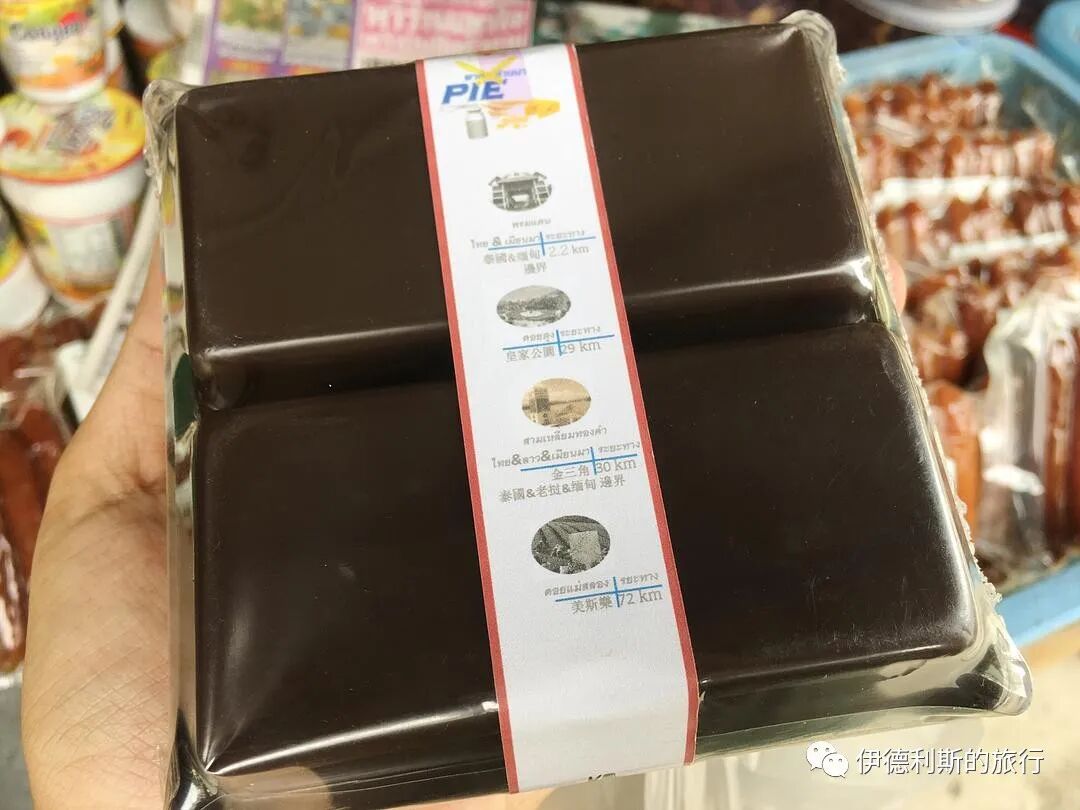
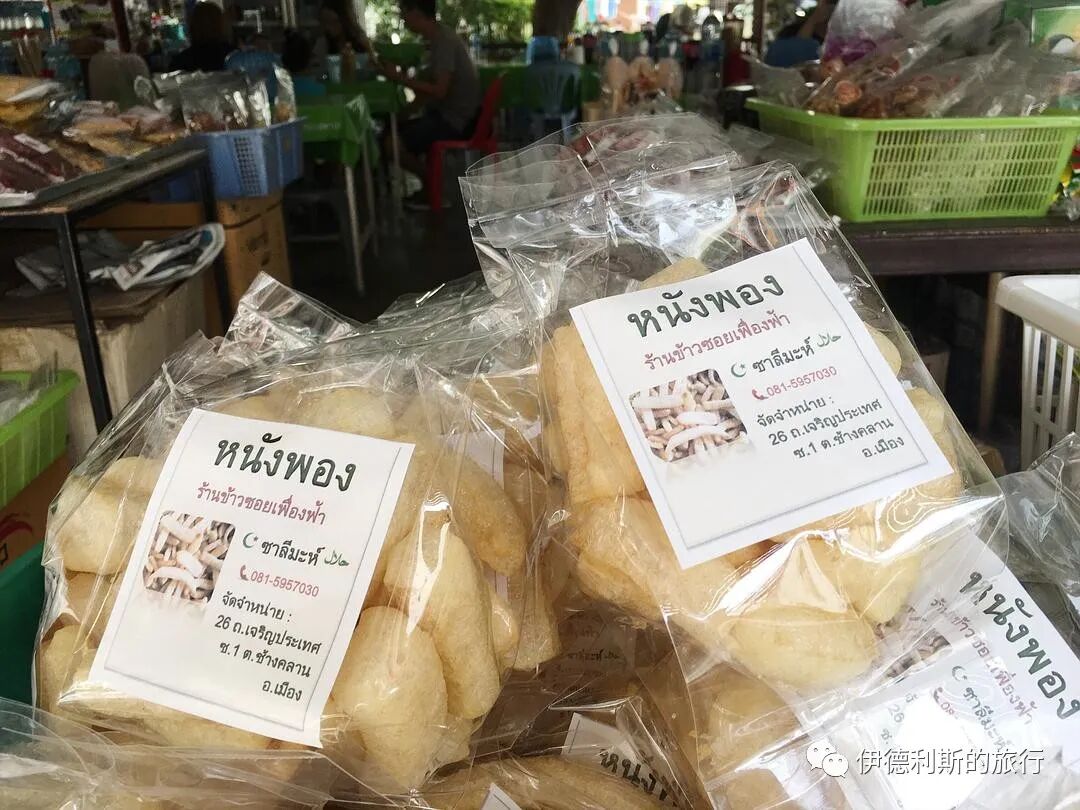
Northern Thai pineapple cakes are very likely produced by the northern Thai isolated army.
12. Korean-speaking Muslims in Itaewon, Seoul
In 1952, the US military stationed in the Korean Peninsula officially established its headquarters in Yongsan, and after 1957 it became the headquarters of the US Forces Korea. To meet the living needs of a large number of US troops stationed in Korea, various foreign restaurants began to appear in Itaewon, not far east of the Yongsan base, and Muslims also began to come to Itaewon to open halal restaurants.
In 1976, President Park Chung-hee provided land to the KMF (Korea Muslim Federation) to build the Seoul Central Mosque in Itaewon, and a halal commercial street was formed in Itaewon. After the 1990s, with Muslims from Pakistan, Bangladesh, Indonesia, Malaysia, and other places coming to work, the number of Muslims in South Korea reached 150,000. Currently, it is estimated that there are 100,000 Muslims in South Korea, 40,000 of whom are local converts.
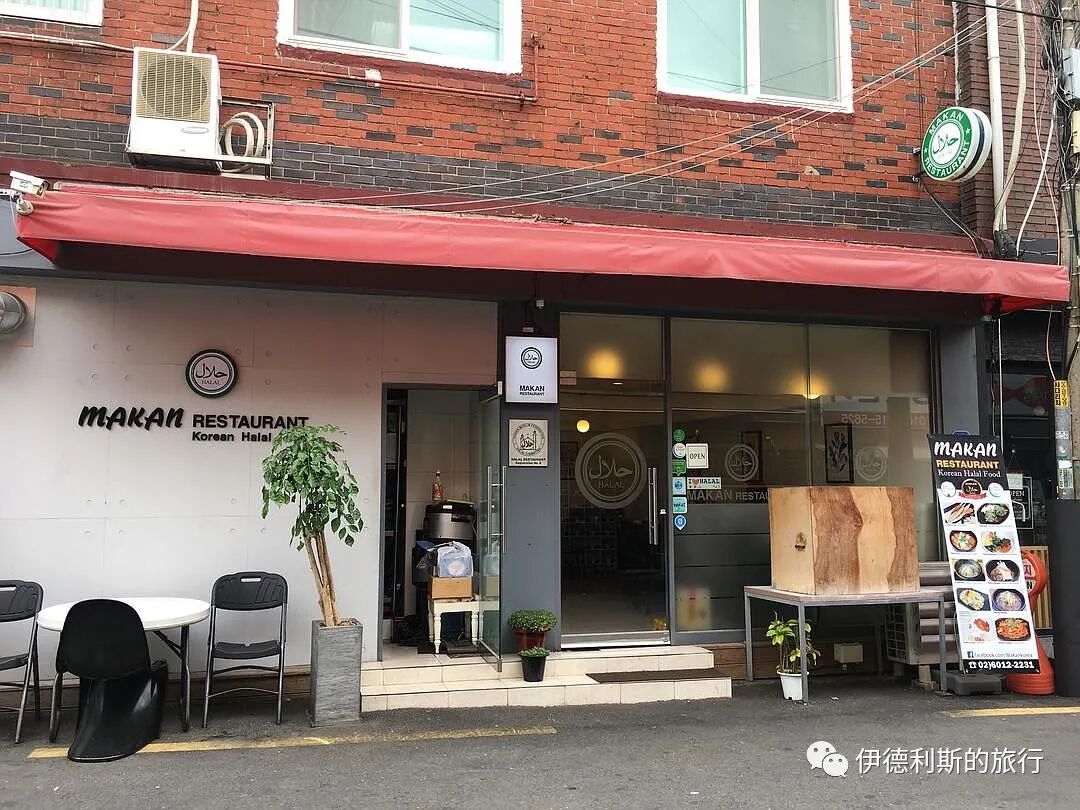
Although there are so many Middle Eastern, Indian, and Turkish halal restaurants in Itaewon, the most distinctive one is of course the halal Korean restaurant, and Makan is one of the most famous.
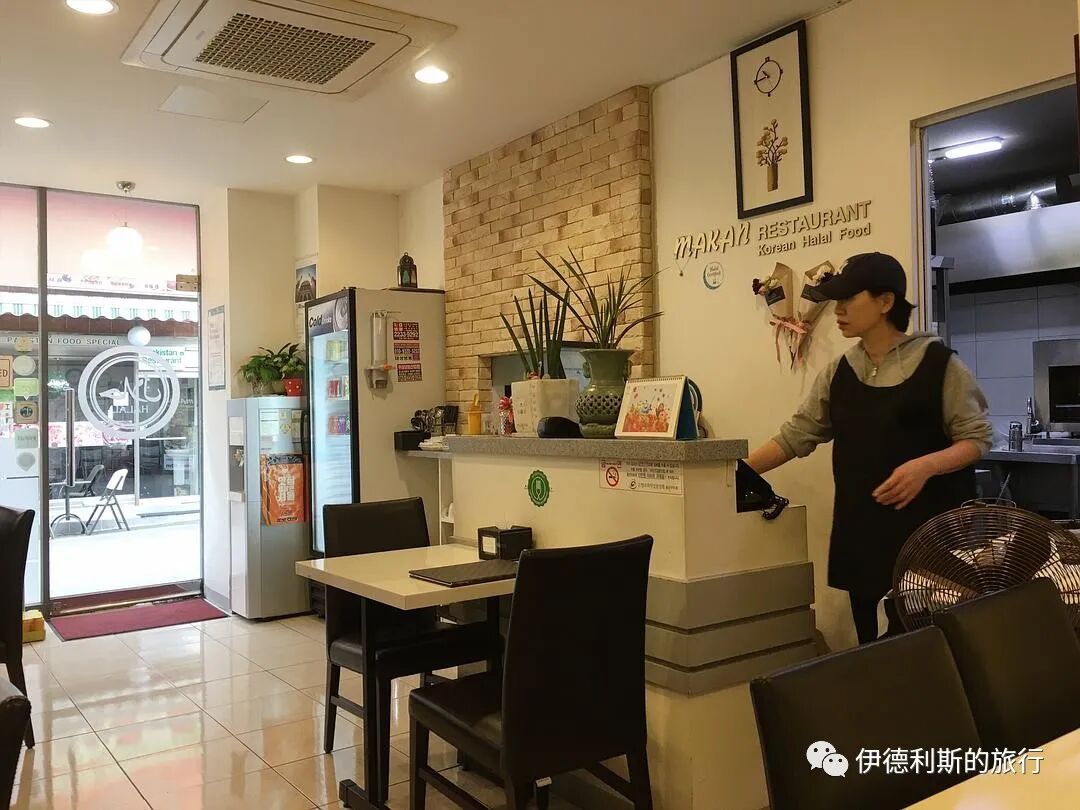
This sister is the chef.
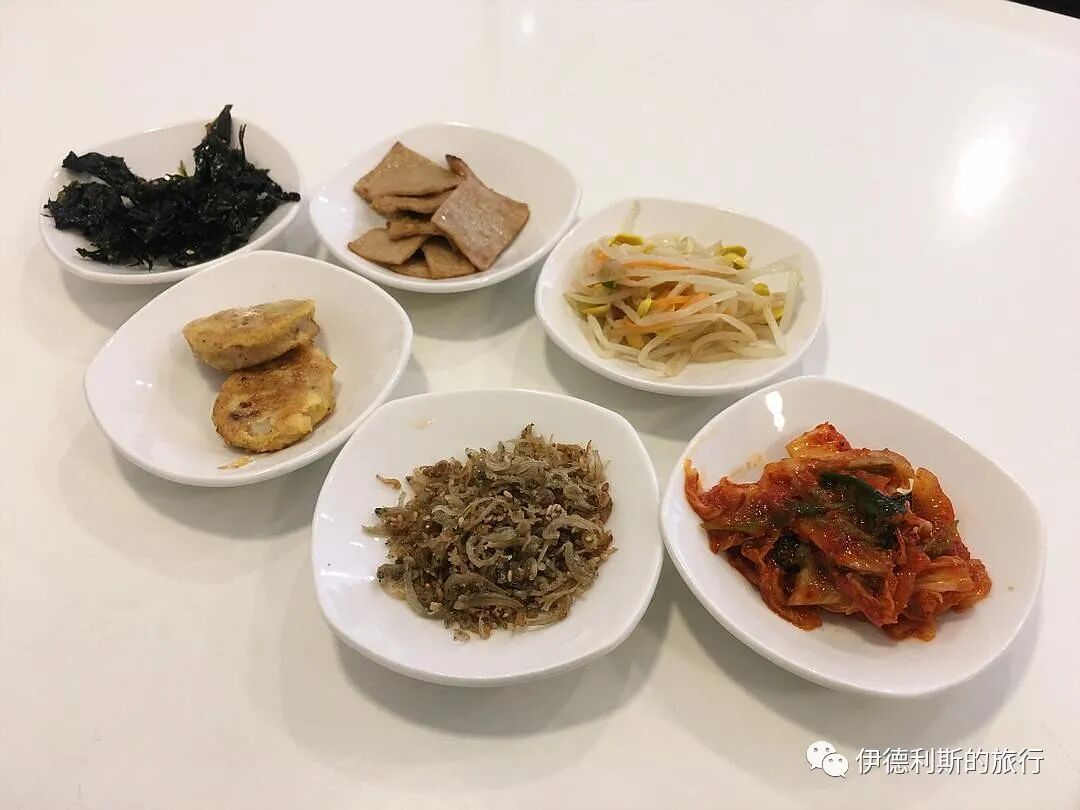
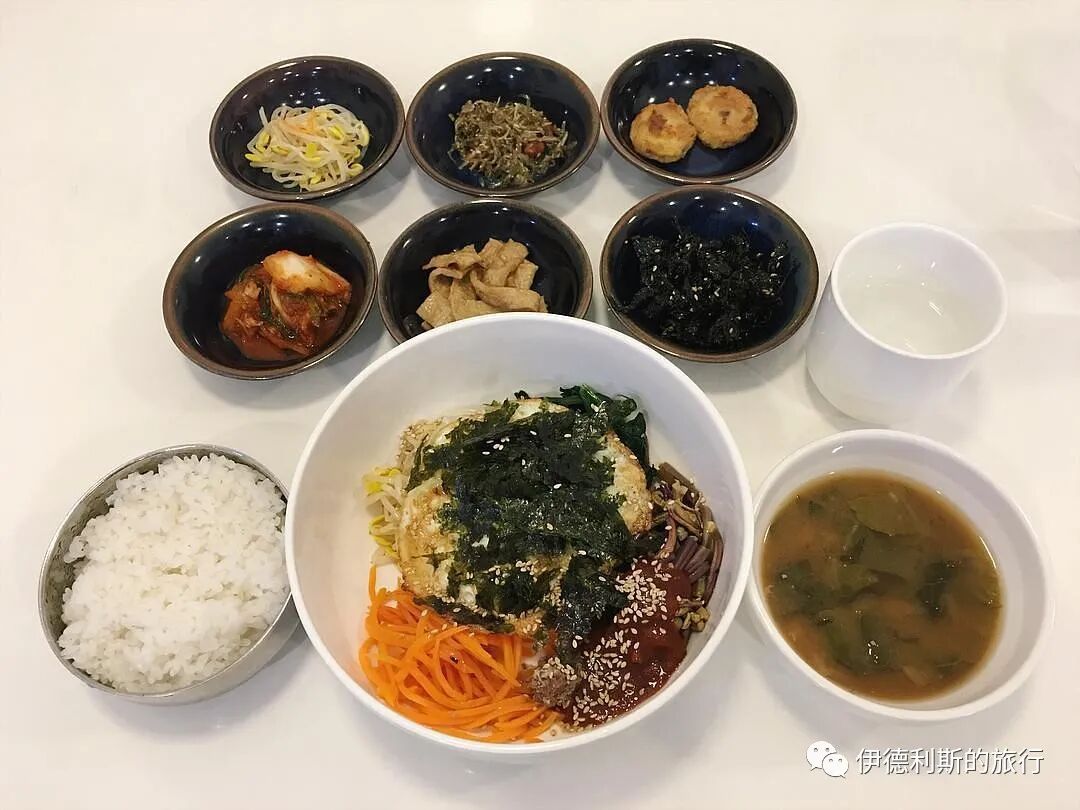
Serving side dishes before eating is a feature of Korean restaurants here.
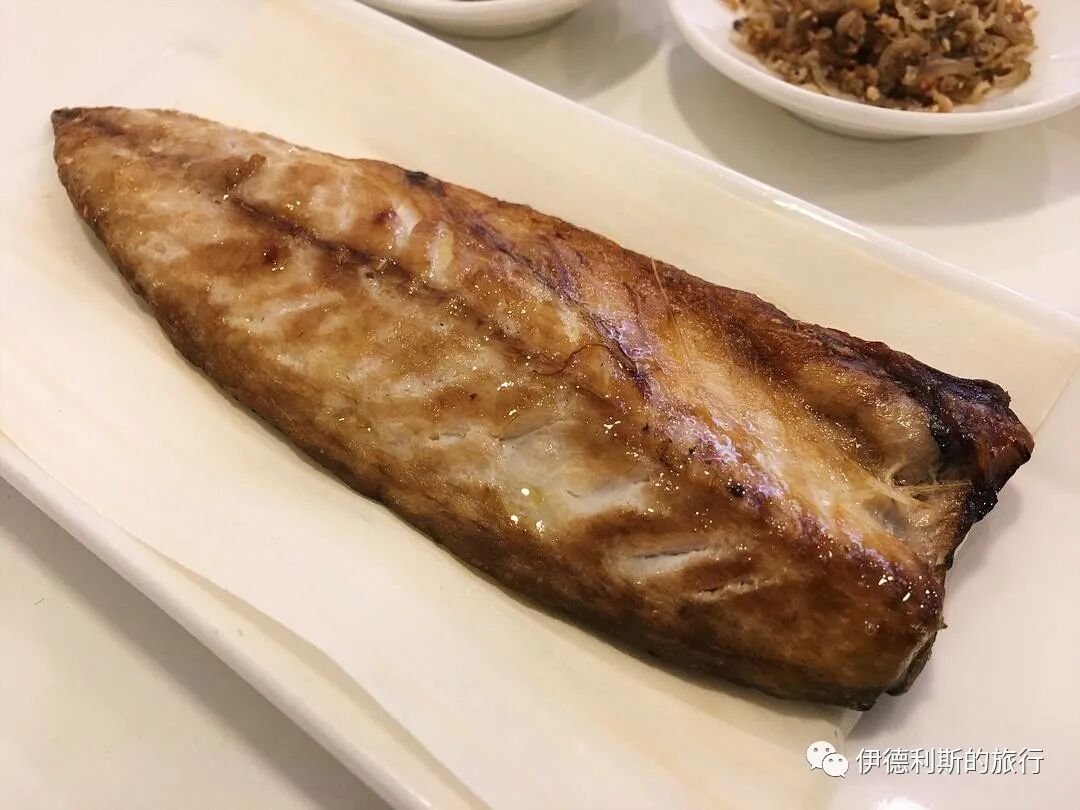
Grilled fish.
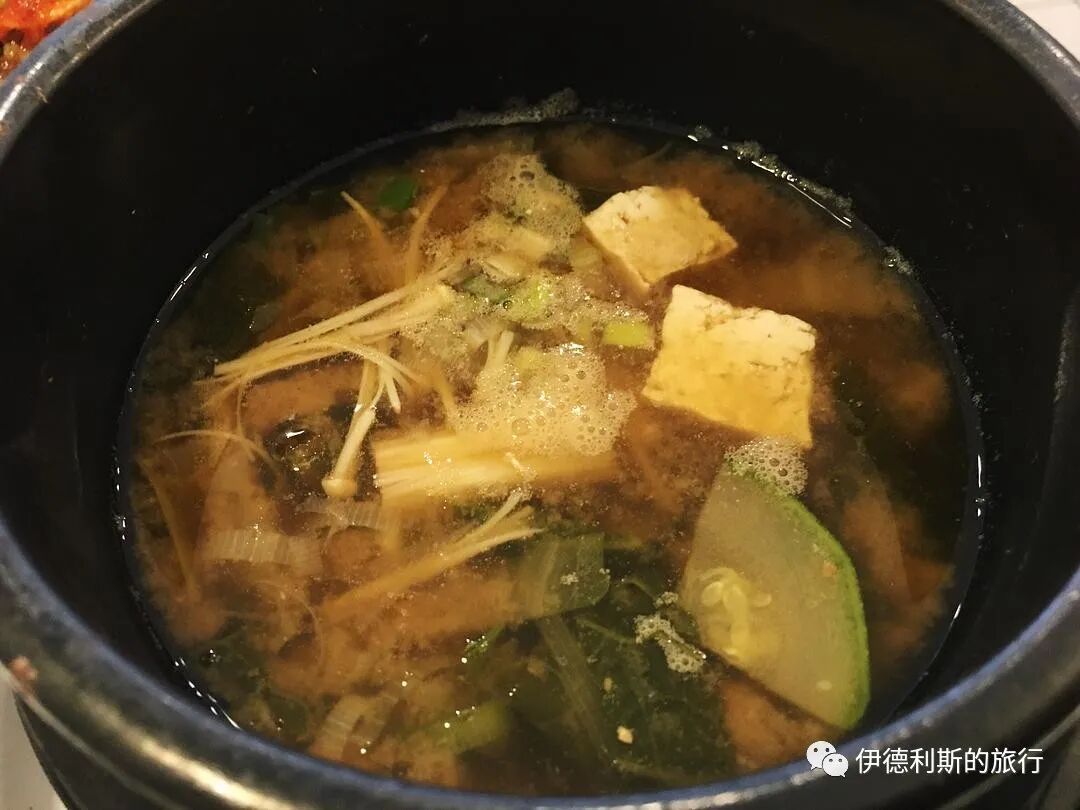
Doenjang-jjigae (soybean paste stew).
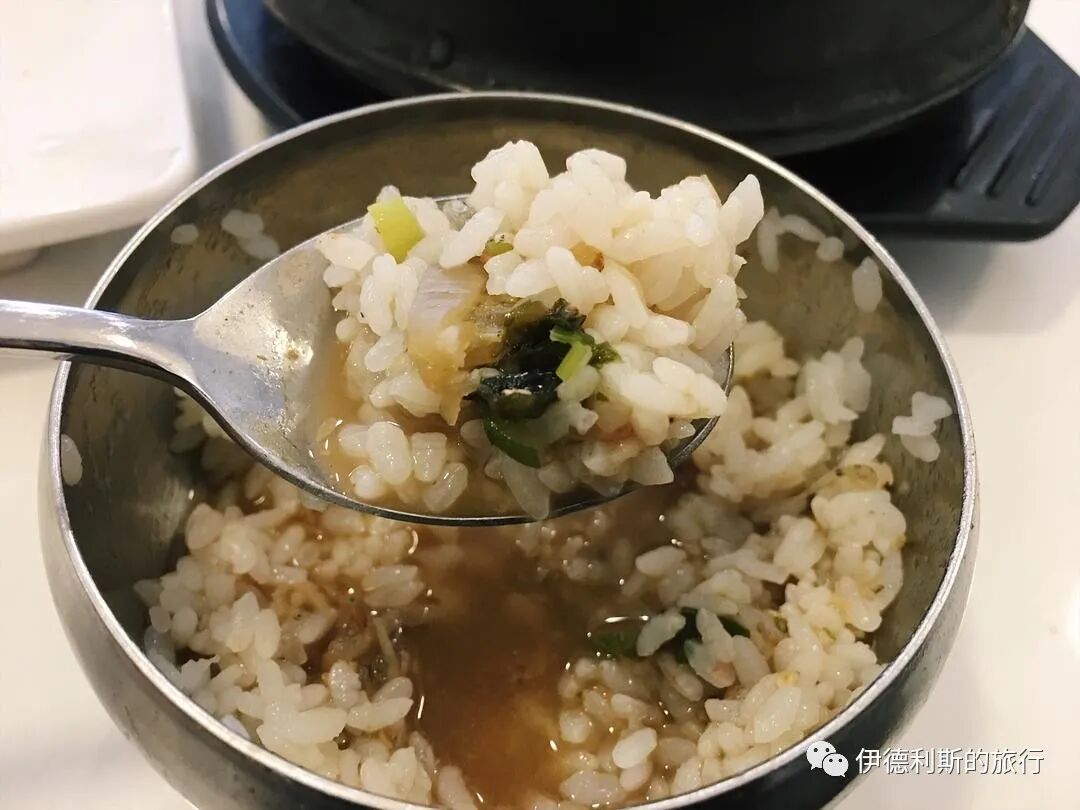
Soak the rice in the soup.
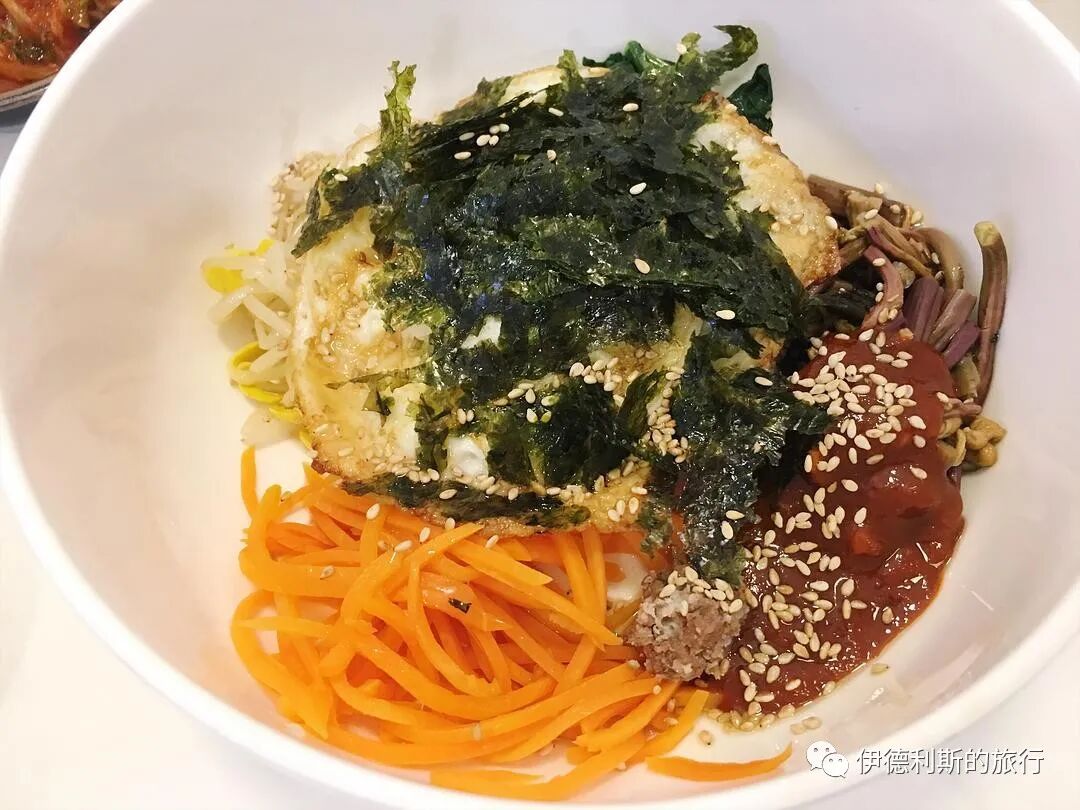
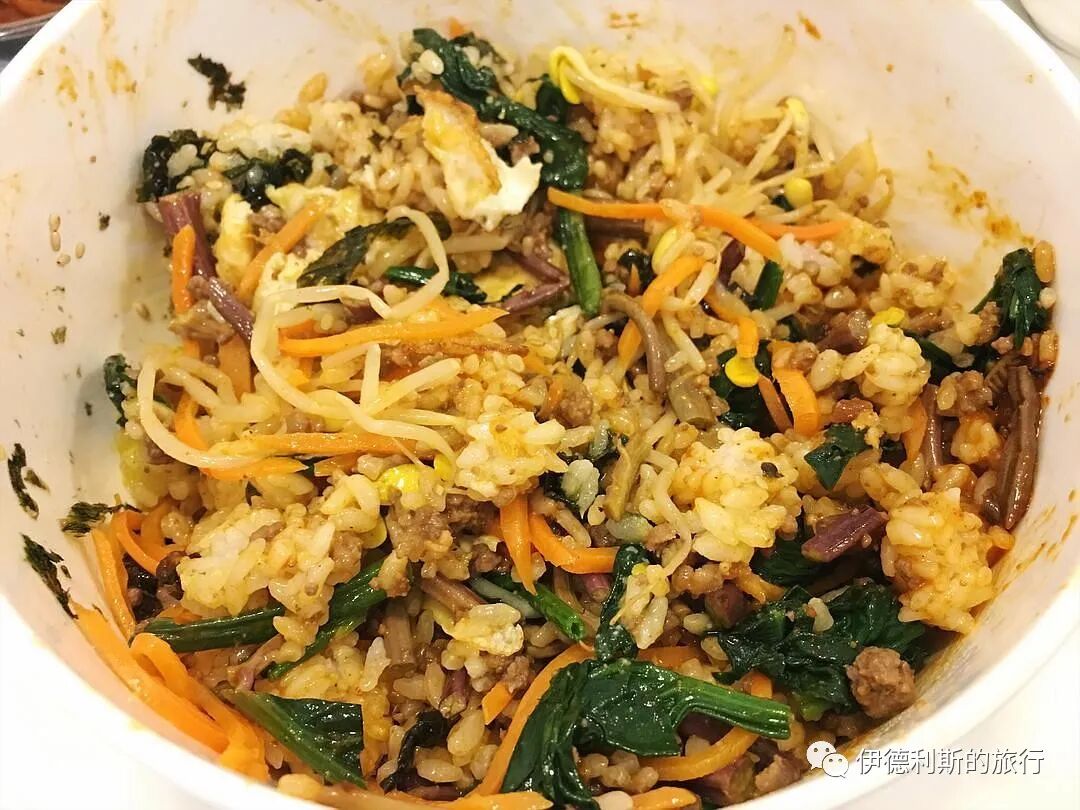
Korean-style bibimbap with grilled meat; the meat was covered by an egg, so I didn't take a picture.
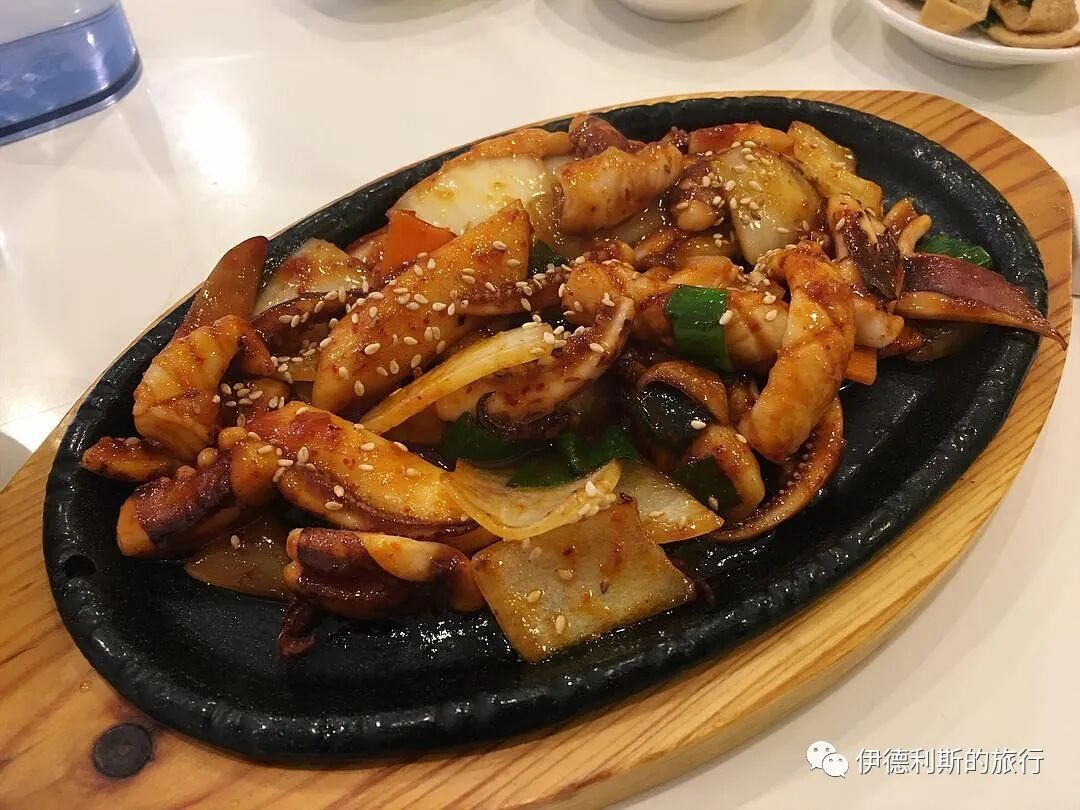
Teppanyaki squid with rice cakes.
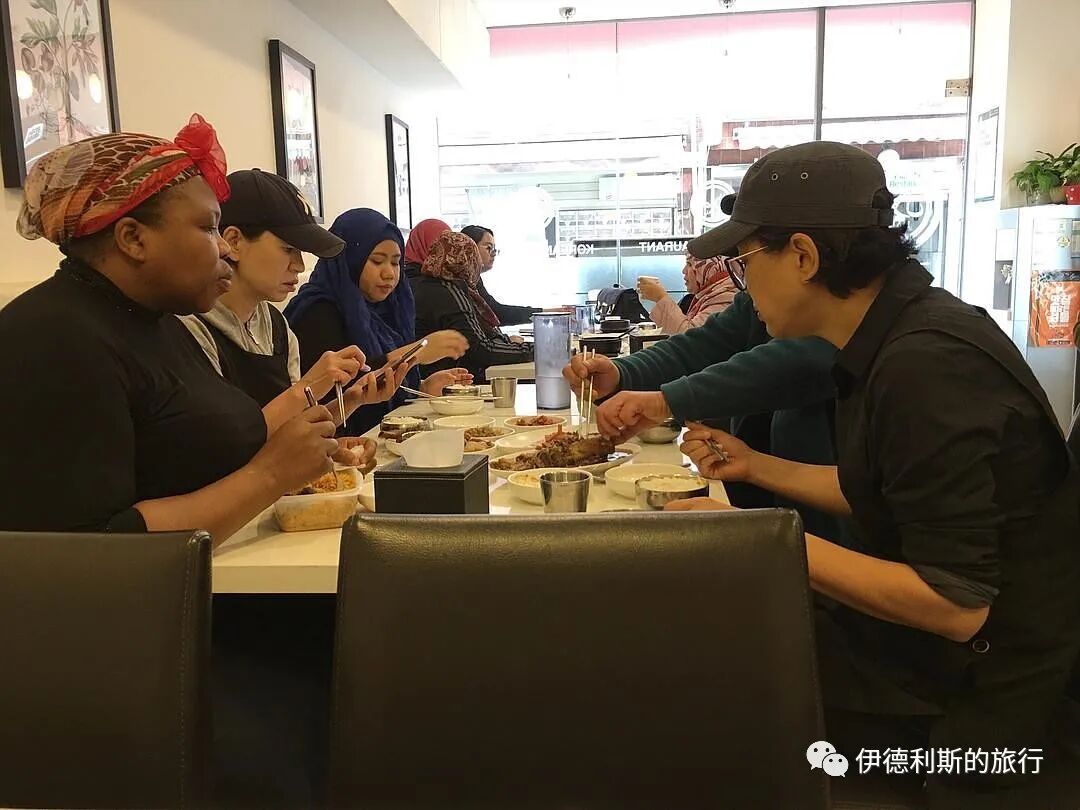
The person in the front right of the picture is also the chef.
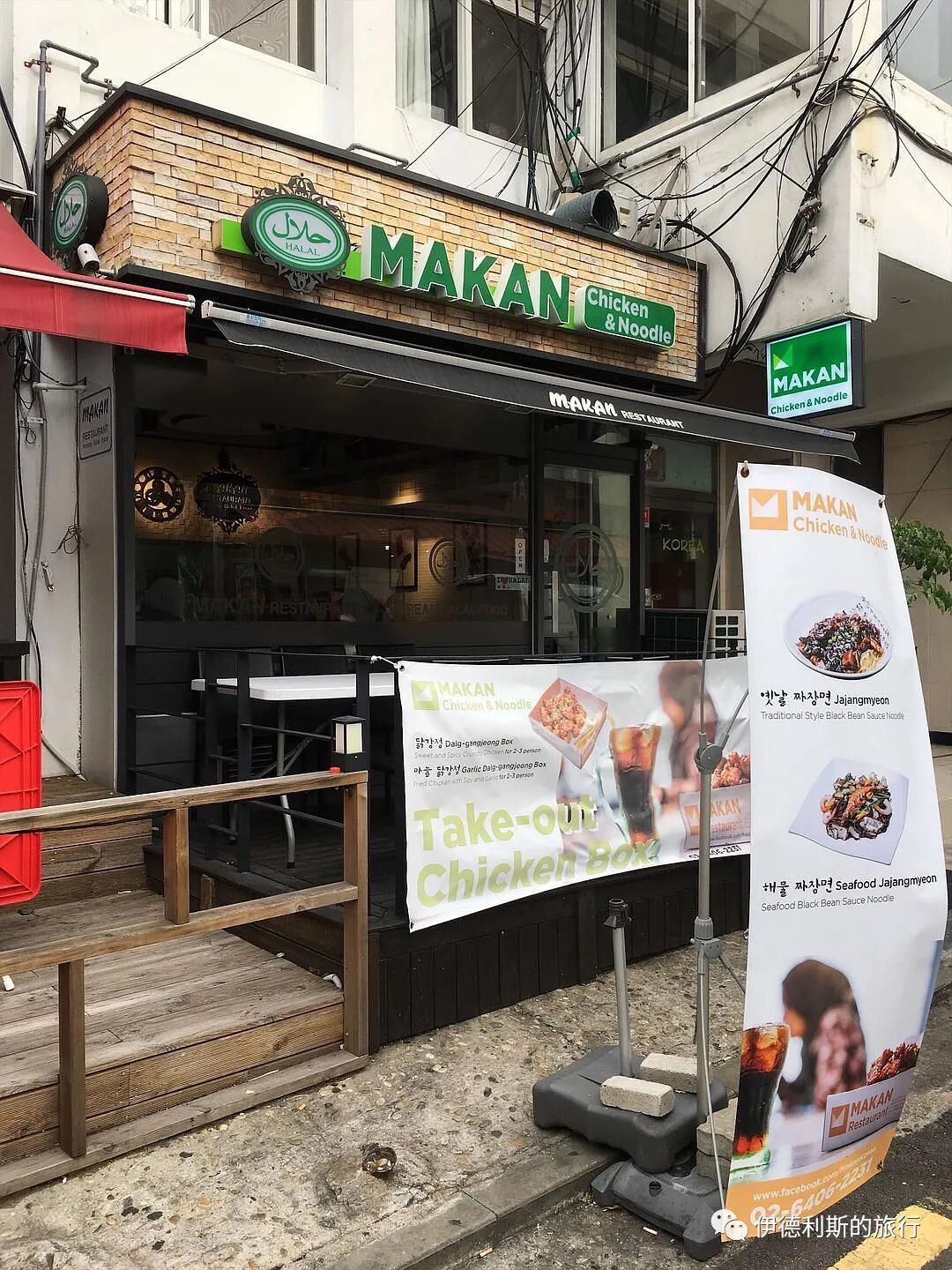
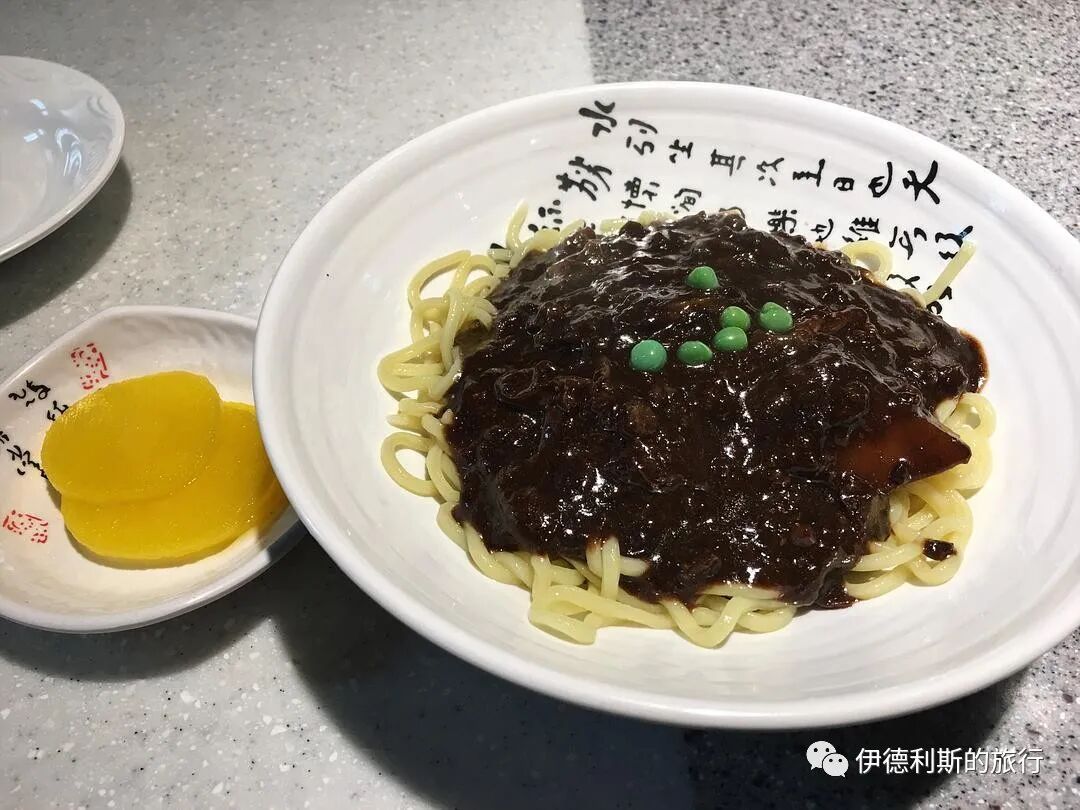
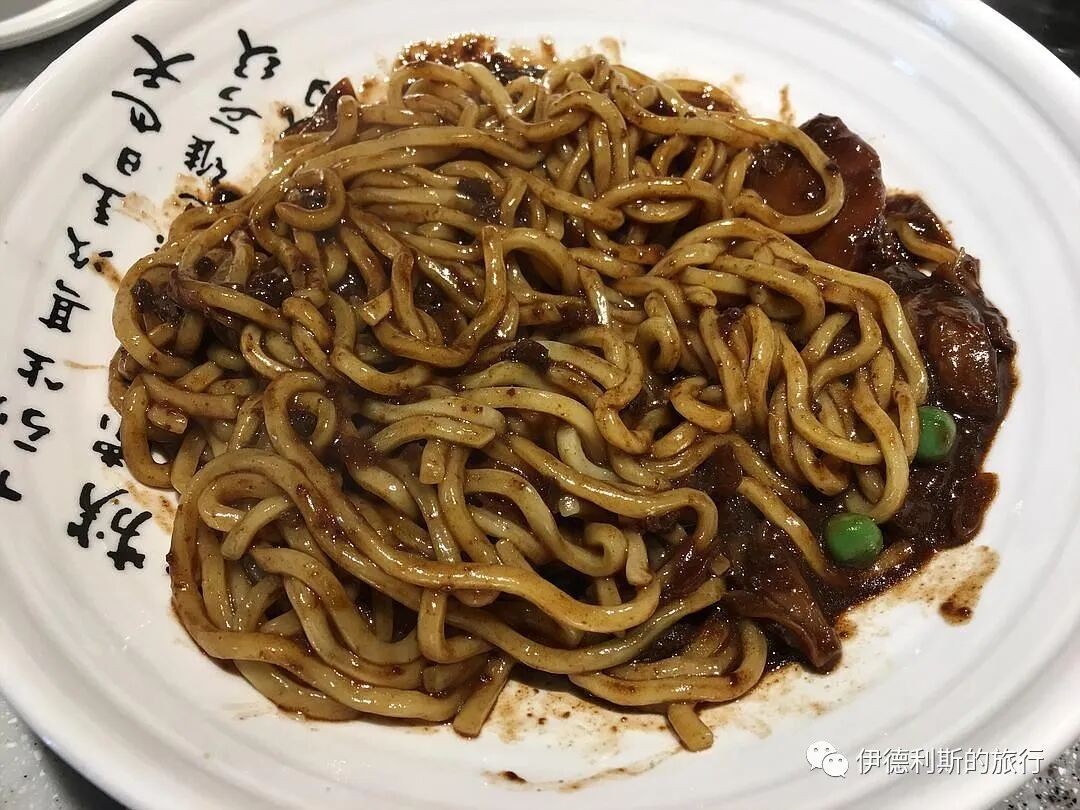
In addition to the main store south of the mosque, Makan also has a store west of the mosque that specializes in Korean fried chicken and jajangmyeon (black bean noodles). The chef is an uncle, and it is the same business as the main store.
Korean-style jajangmyeon, the taste is different from Beijing jajangmyeon, and the noodles are a bit like udon noodles.
Summary: This travel note introduces Twenty Ethnic Restaurants in China: Halal and Minority Food Guide (Part 1). In my travels over the past few years, I have encountered some very interesting ethnic groups. It is useful for readers interested in Ethnic Food, Halal Food, China Travel. This is part 4 of 4.
There is a Yunnan Hui Muslim community called "Wang He" by the Ping River outside the east gate of the ancient city of Chiang Mai, Thailand. In Thai, "Wang" means village, and "He" originally referred to the horse caravan merchants who came from Yunnan to engage in cross-border trade. From the 19th century to the early 20th century, Yunnan horse caravans controlled the trade route from Yunnan to northern Thailand. They transported tea, silk, hardware, and copperware from Yunnan to northern Thailand, and transported raw cotton and tobacco from northern Thailand back to Yunnan. In 1904, Zheng Chonglin, a Hui Muslim horse caravan merchant from Yuxi, Yunnan, established his own large horse inn in the east of Chiang Mai, which became the base for Yunnan horse caravans in Chiang Mai. Many Yunnan Hui Muslim horse caravan members came to live near the horse inn, and the Wang He community gradually formed.
There are several halal restaurants opened by Yunnan Hui Muslims on Wang He Street. I ate the famous northern Thai curry noodle khao soi at this KAO SOI FUENG FAH restaurant. It is said that this noodle was brought to northern Thailand by Yunnanese people. Slightly spicy noodle soup, sprinkled with sanzi (fried dough strips) and served with raw onions and lemon, the taste is quite good.
Northern Thai pineapple cakes are very likely produced by the northern Thai isolated army.
12. Korean-speaking Muslims in Itaewon, Seoul
In 1952, the US military stationed in the Korean Peninsula officially established its headquarters in Yongsan, and after 1957 it became the headquarters of the US Forces Korea. To meet the living needs of a large number of US troops stationed in Korea, various foreign restaurants began to appear in Itaewon, not far east of the Yongsan base, and Muslims also began to come to Itaewon to open halal restaurants.
In 1976, President Park Chung-hee provided land to the KMF (Korea Muslim Federation) to build the Seoul Central Mosque in Itaewon, and a halal commercial street was formed in Itaewon. After the 1990s, with Muslims from Pakistan, Bangladesh, Indonesia, Malaysia, and other places coming to work, the number of Muslims in South Korea reached 150,000. Currently, it is estimated that there are 100,000 Muslims in South Korea, 40,000 of whom are local converts.
Although there are so many Middle Eastern, Indian, and Turkish halal restaurants in Itaewon, the most distinctive one is of course the halal Korean restaurant, and Makan is one of the most famous.
This sister is the chef.
Serving side dishes before eating is a feature of Korean restaurants here.
Grilled fish.
Doenjang-jjigae (soybean paste stew).
Soak the rice in the soup.
Korean-style bibimbap with grilled meat; the meat was covered by an egg, so I didn't take a picture.
Teppanyaki squid with rice cakes.
The person in the front right of the picture is also the chef.
In addition to the main store south of the mosque, Makan also has a store west of the mosque that specializes in Korean fried chicken and jajangmyeon (black bean noodles). The chef is an uncle, and it is the same business as the main store.
Korean-style jajangmyeon, the taste is different from Beijing jajangmyeon, and the noodles are a bit like udon noodles.
