
Halal Travel Guide: Yuxi Najia Ying — Hui Muslims, Mosques and Yunnan Travel
Reposted from the web
Summary: Yuxi Najia Ying — Hui Muslims, Mosques and Yunnan Travel is presented here as a firsthand travel account in clear English, beginning with this scene: Author: Zainab. The account keeps its focus on Yuxi Travel, Hui Muslims, Yunnan Mosques while preserving the names, places, food, and historical details from the Chinese source.
Author: Zainab
On October 4, I traveled 23 kilometers east from Da Hui Village in Tonghai, Yuxi, to reach the famous Najiaying. The Na family of Najiaying are descendants of Nasr al-Din, the eldest son of the famous Yuan Dynasty official Sayyid Ajjal Shams al-Din. Nasr al-Din served as the administrator of Yunnan Province and continued his father's work in governing the region. After the Ming Dynasty was established, Nasr al-Din's descendant, Na Shulu, moved around for a while before settling on the north shore of Qilu Lake in central Yunnan in 1370, where he founded Najiaying.
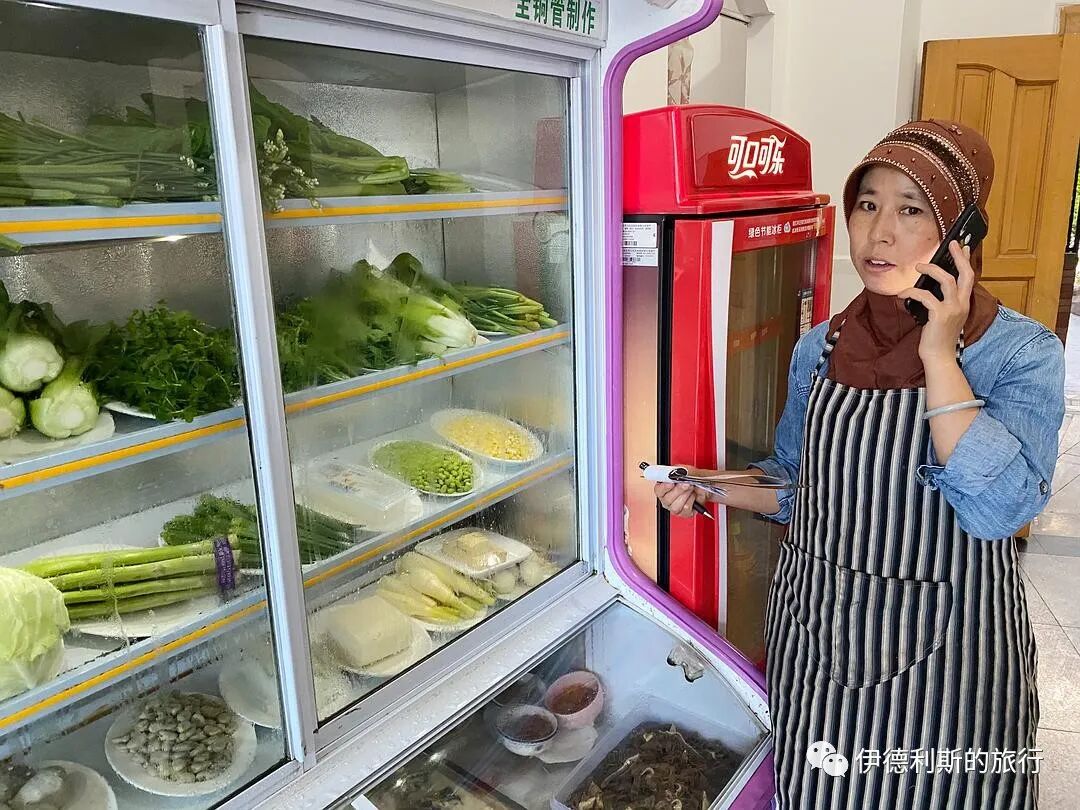
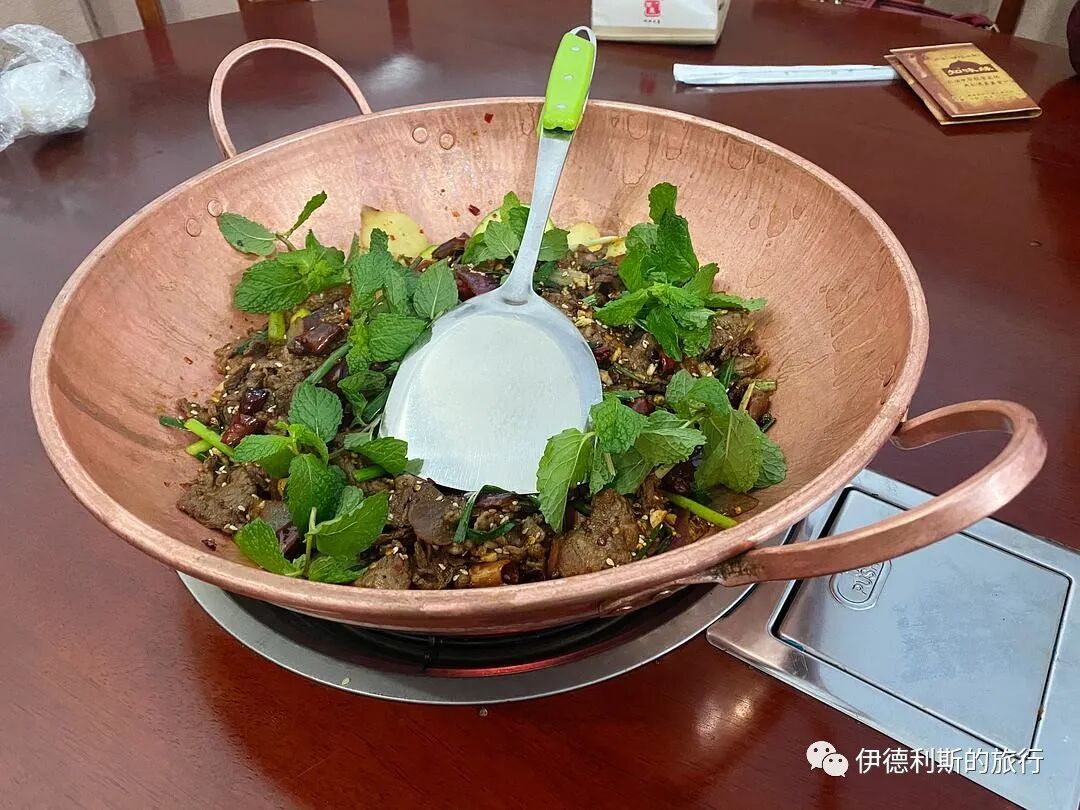
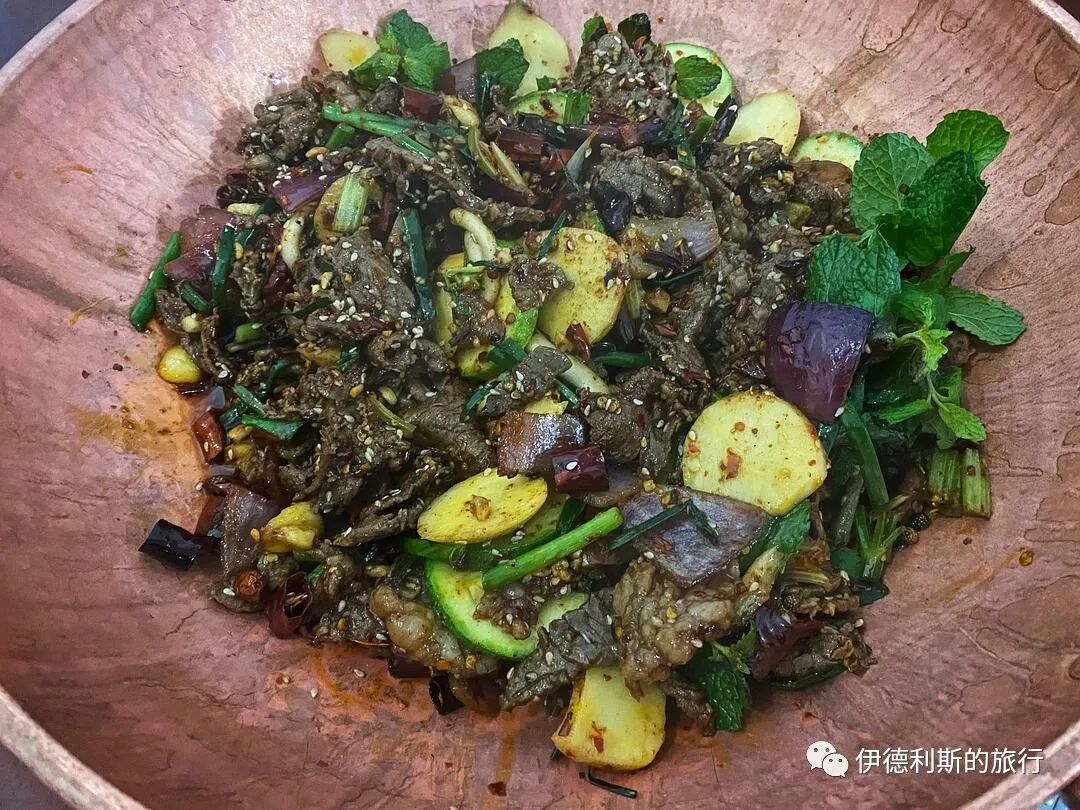
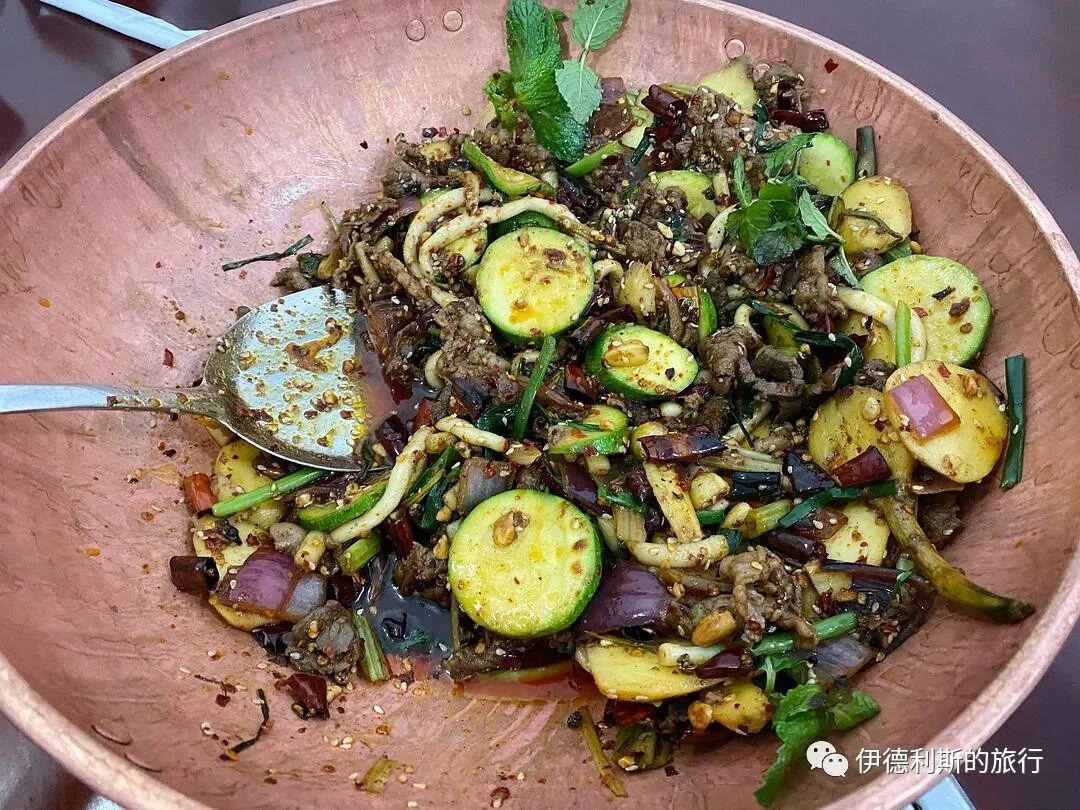
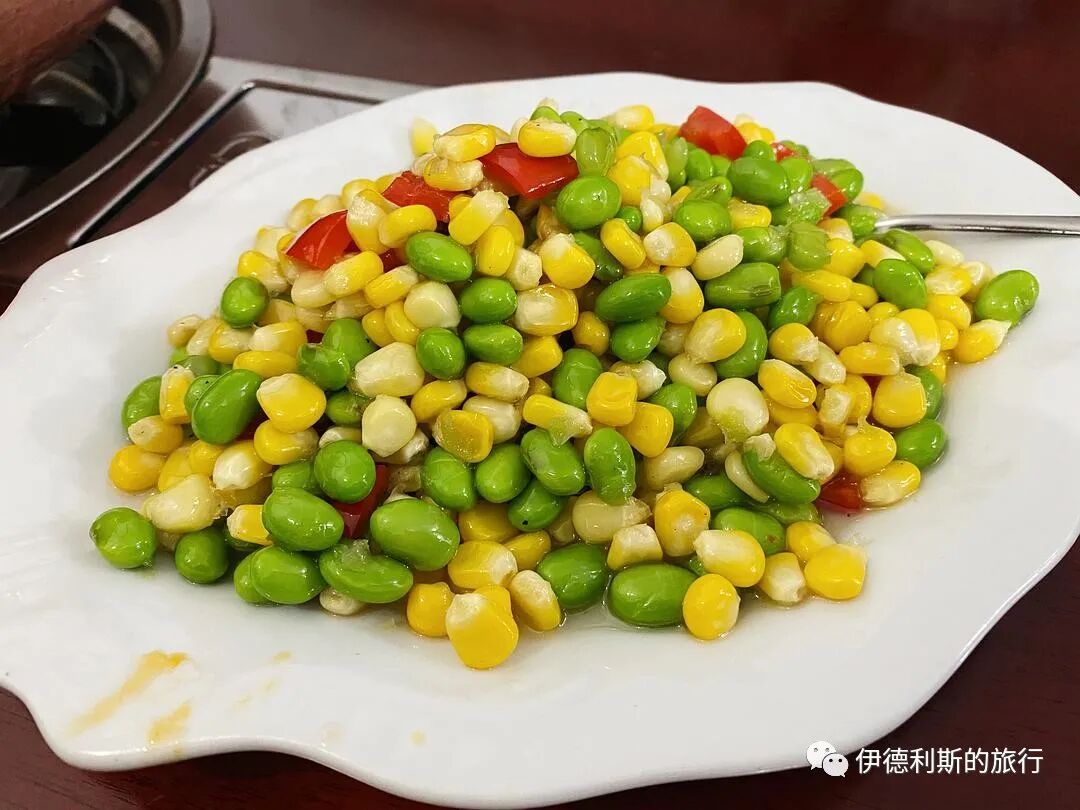
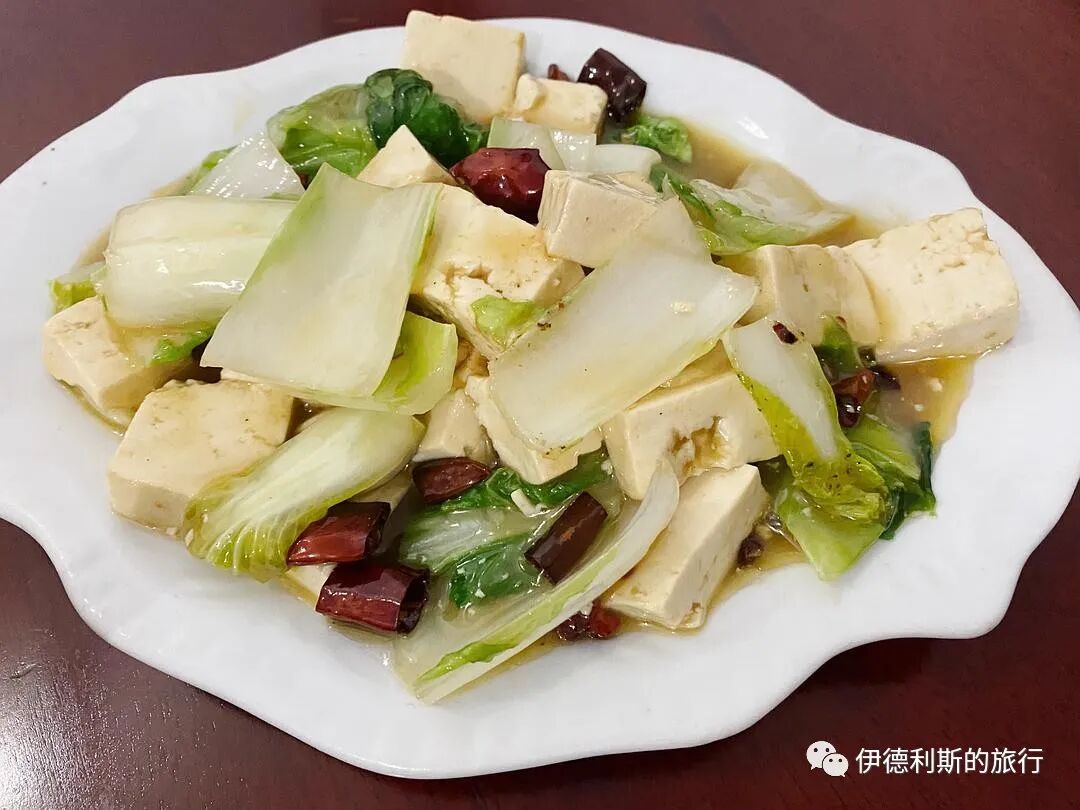
That evening, I ate dry-pot beef at Zhiweiyuan Restaurant on Zhong'ai Street, the main road in Najiaying. It came in a huge copper pot filled with mint and arrowhead (cigu). I also had some lighter dishes: a mix of green beans and corn (liangmu di) and stir-fried cabbage with tofu.

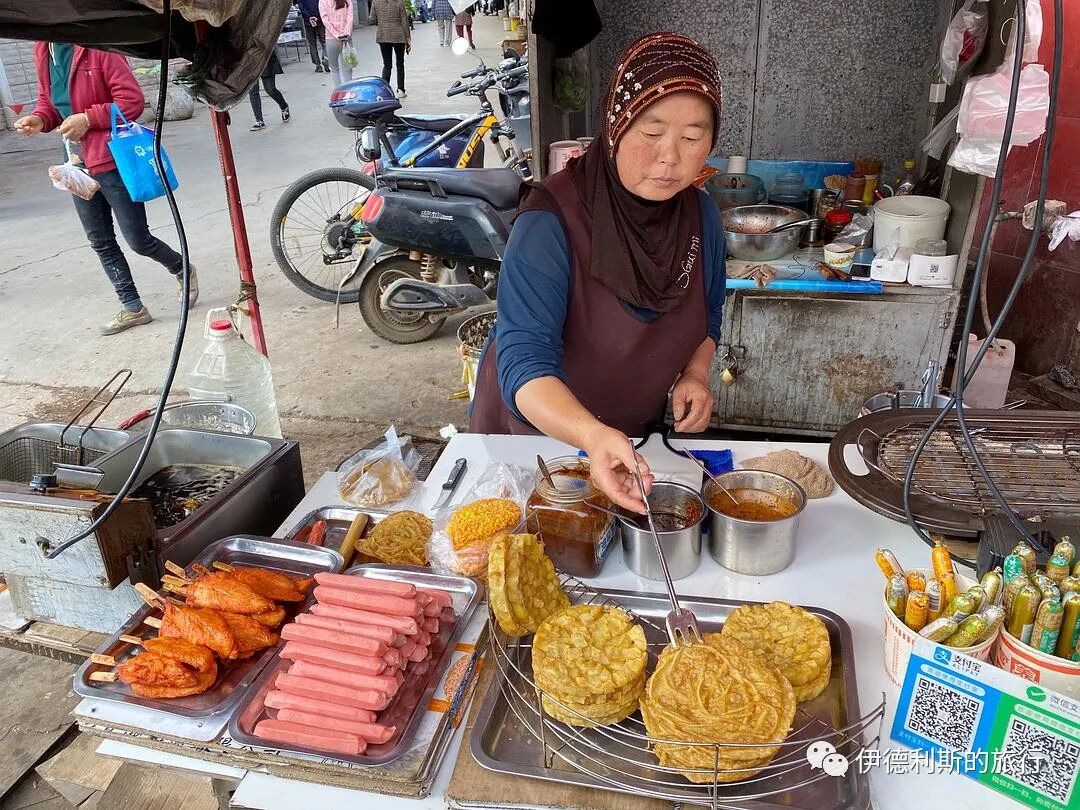
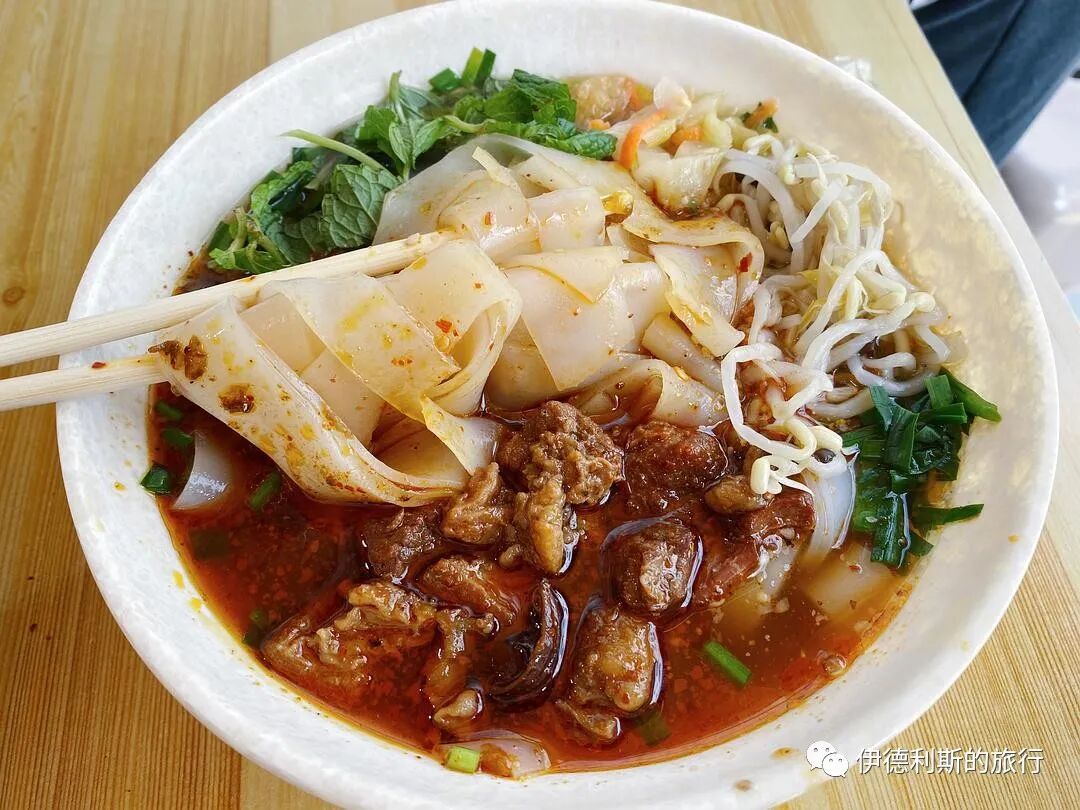
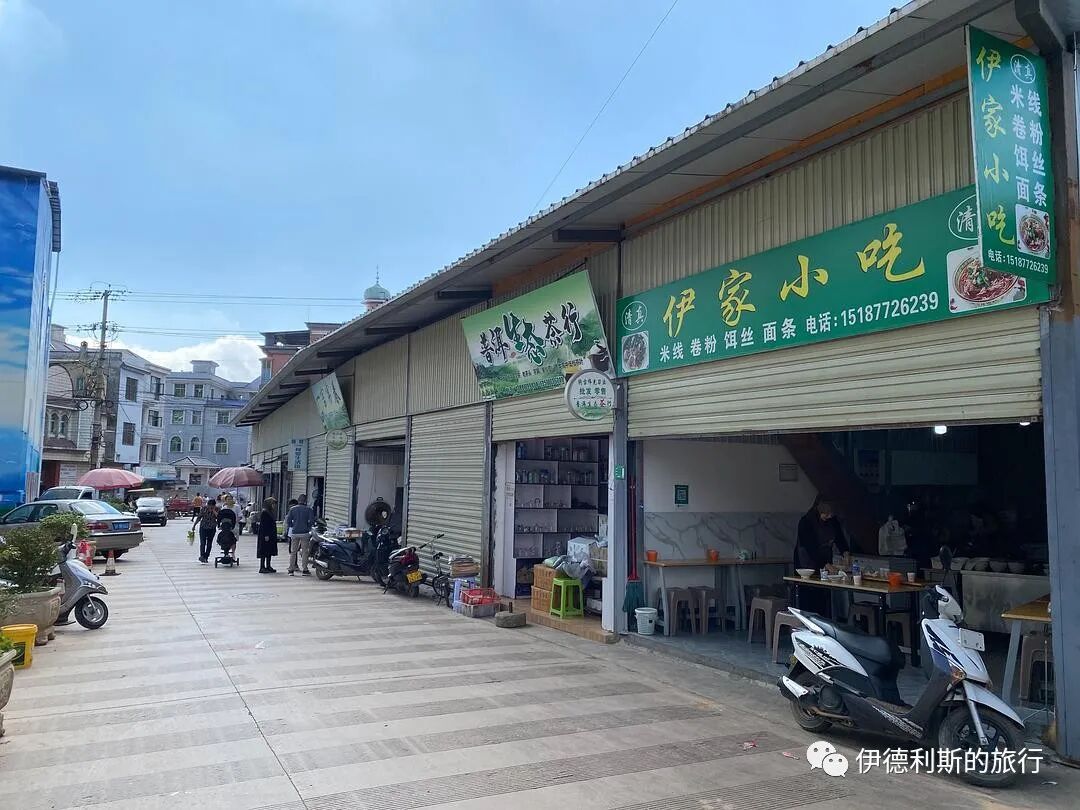
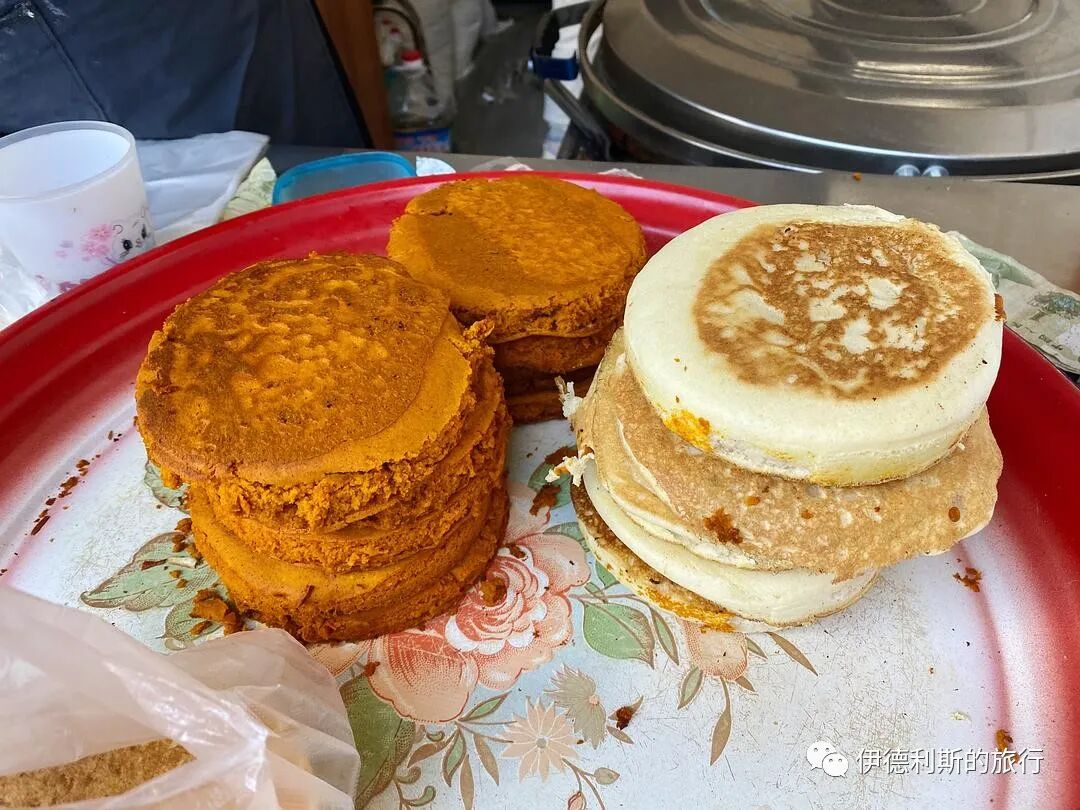
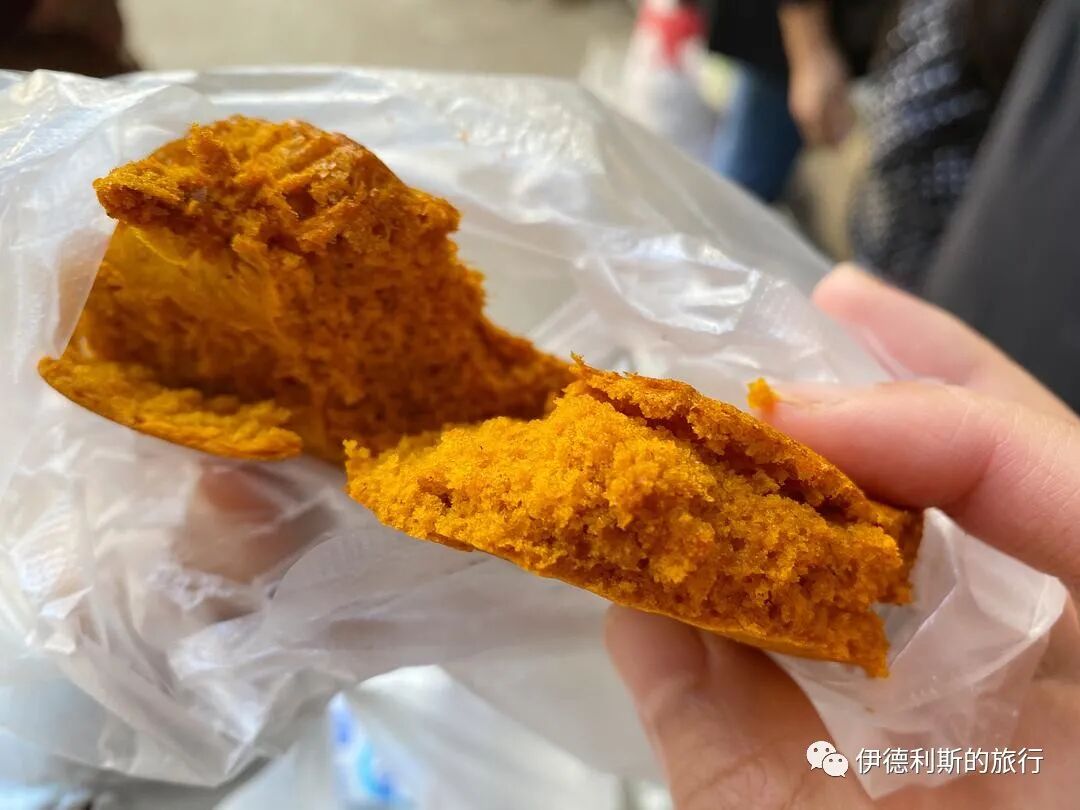
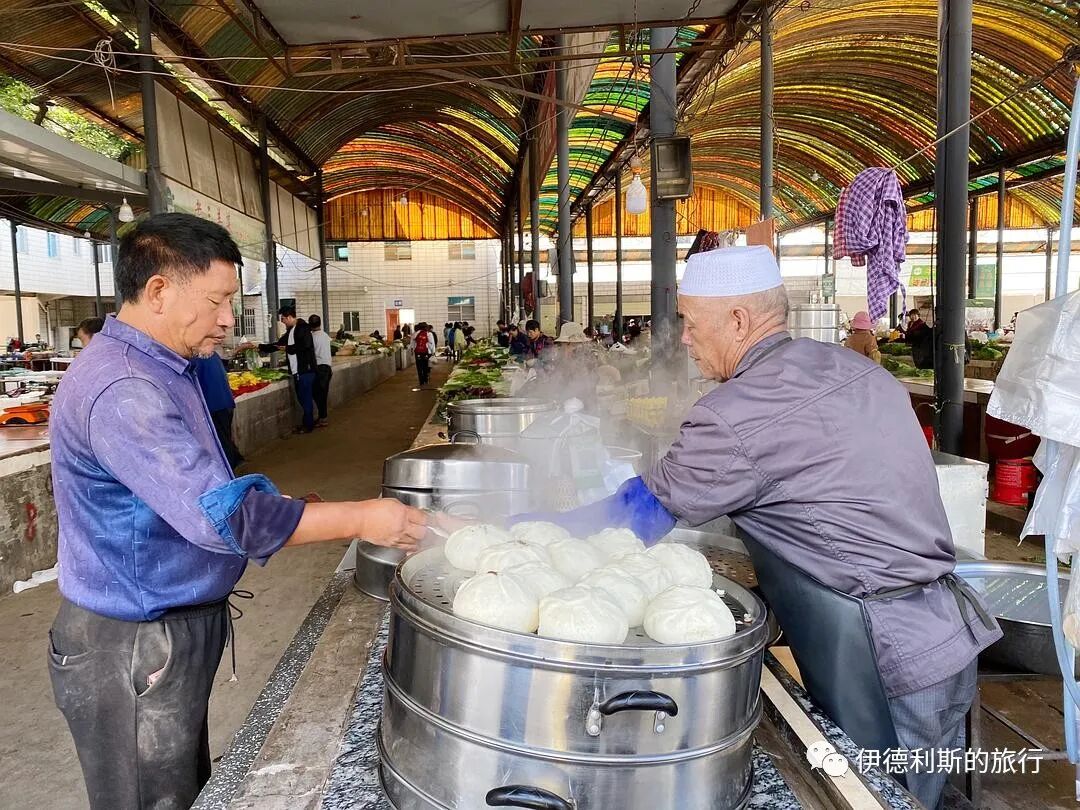
On October 5, I had breakfast in Najiaying, Yuxi, eating potato pancakes (yangyu baba) and beef rice rolls (niurou juanfen).
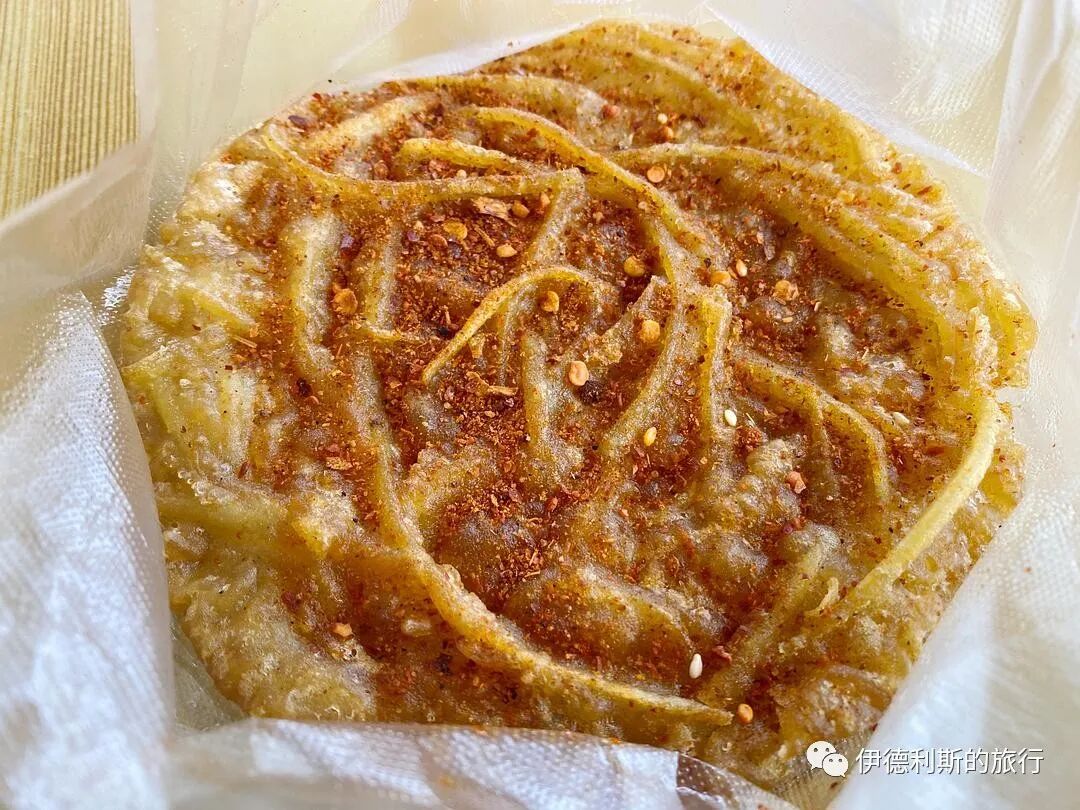
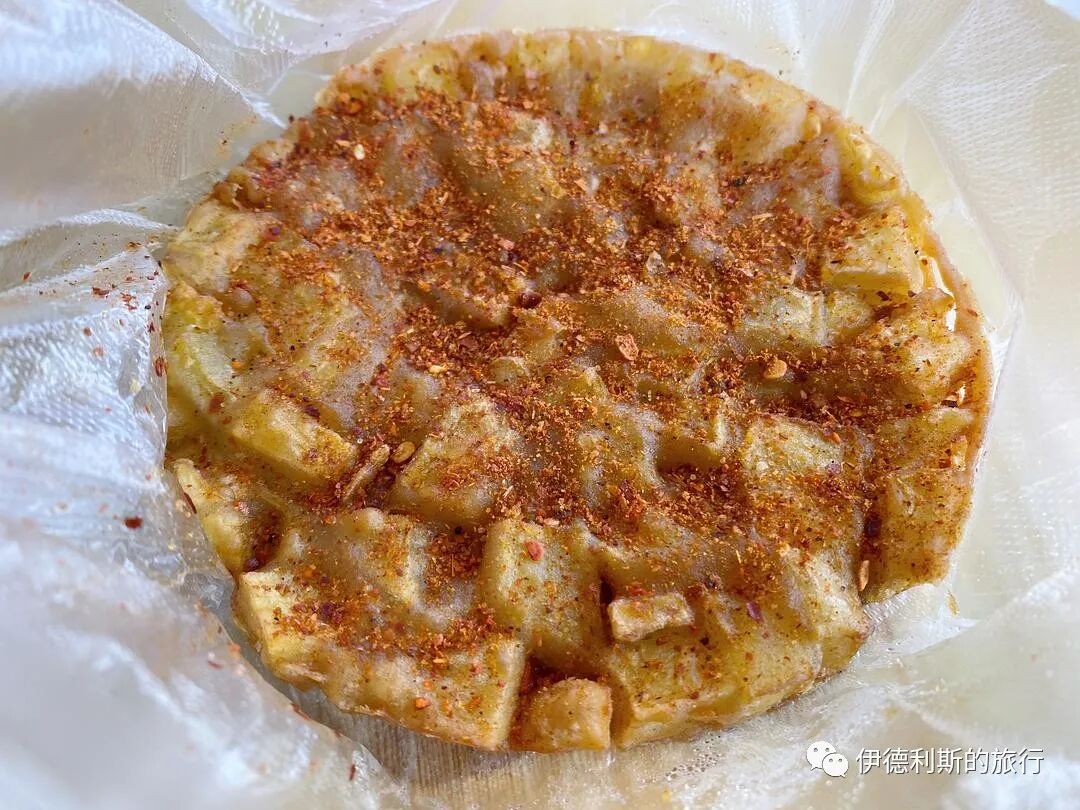
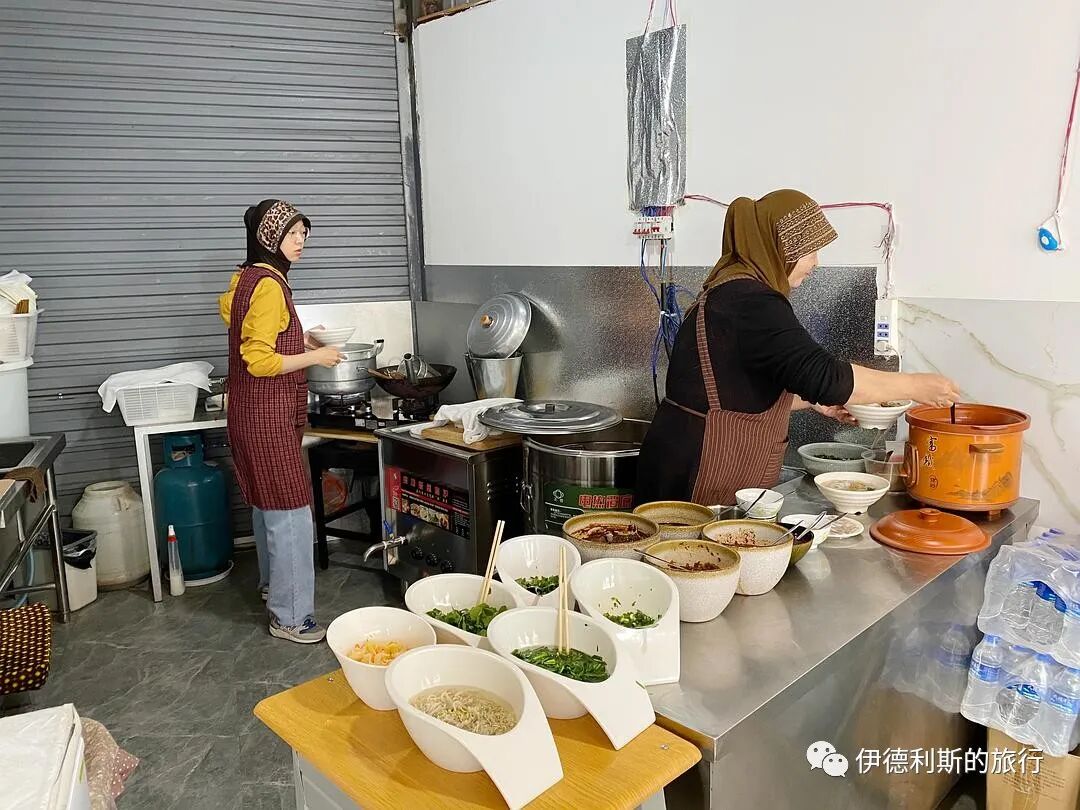
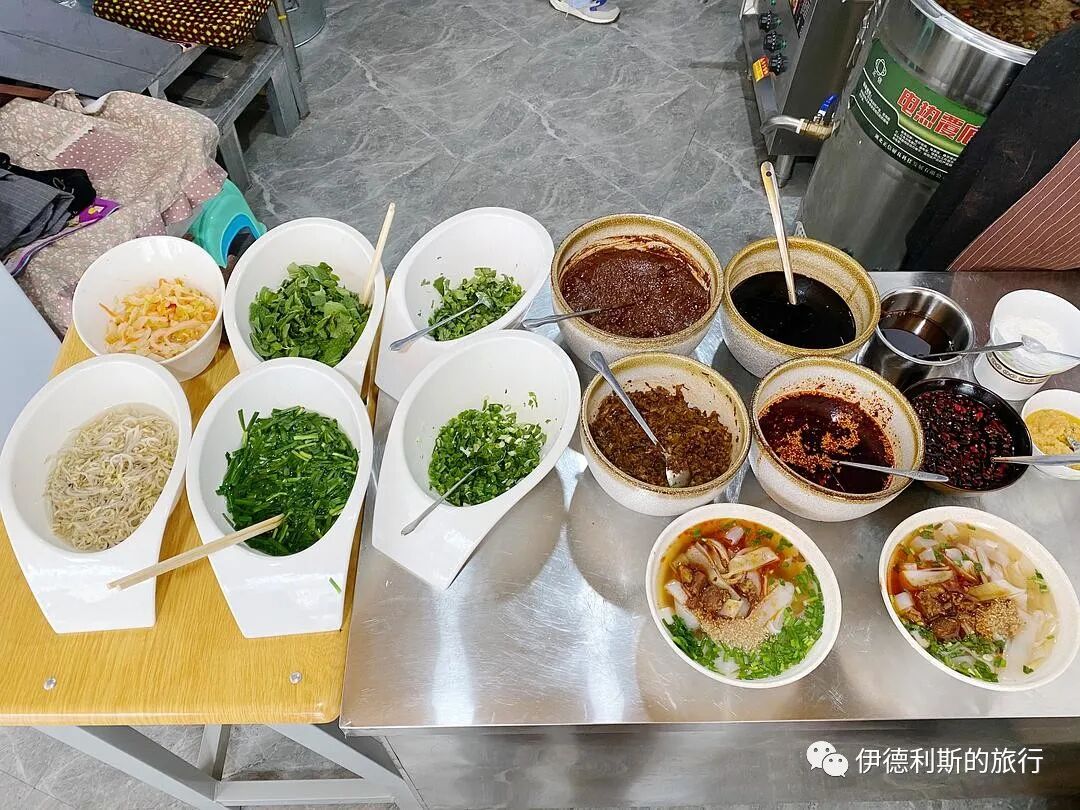
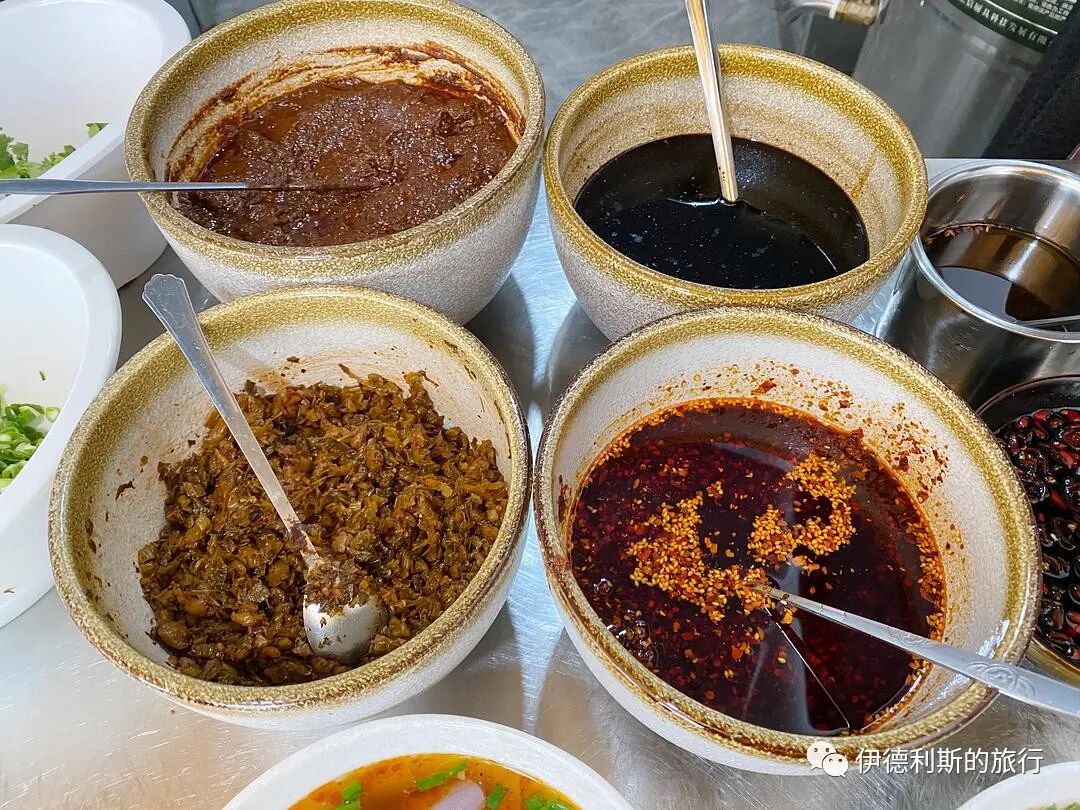
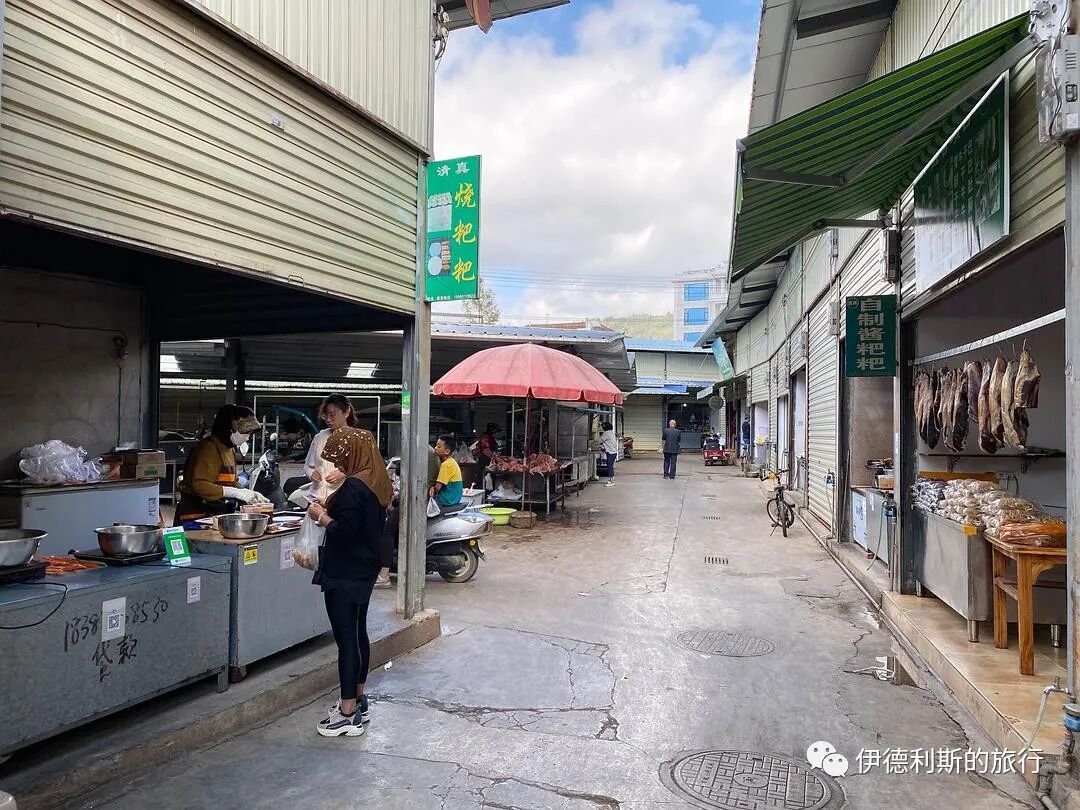
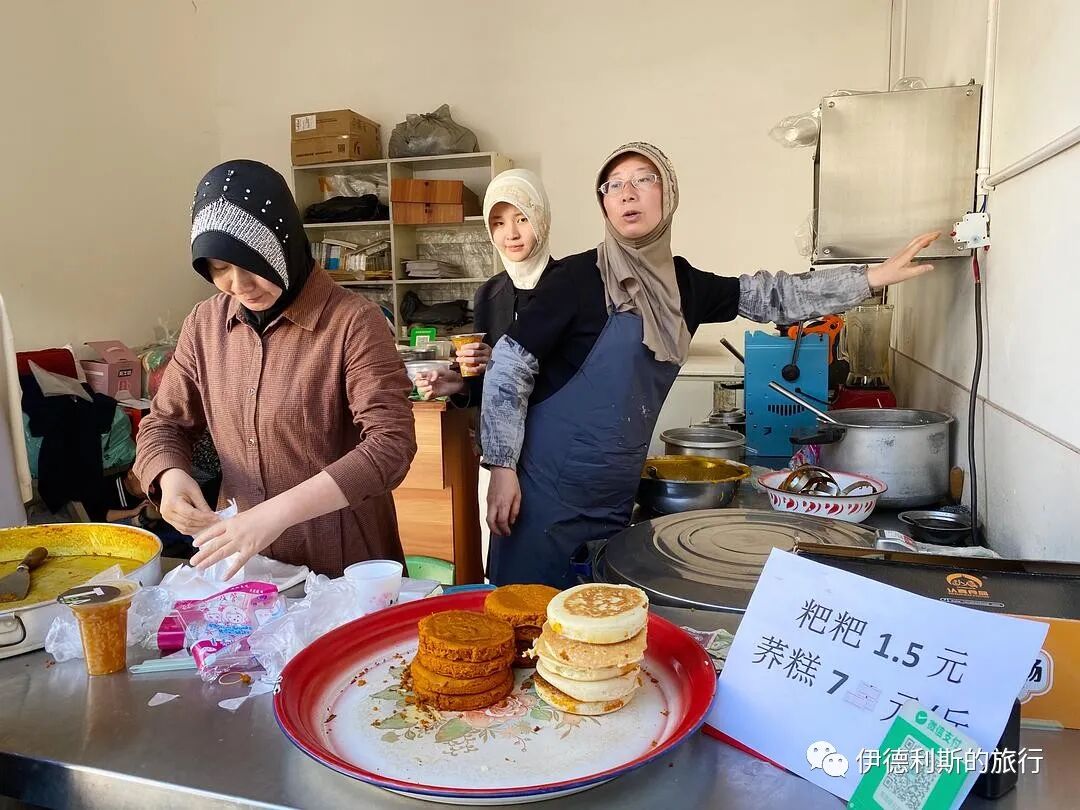
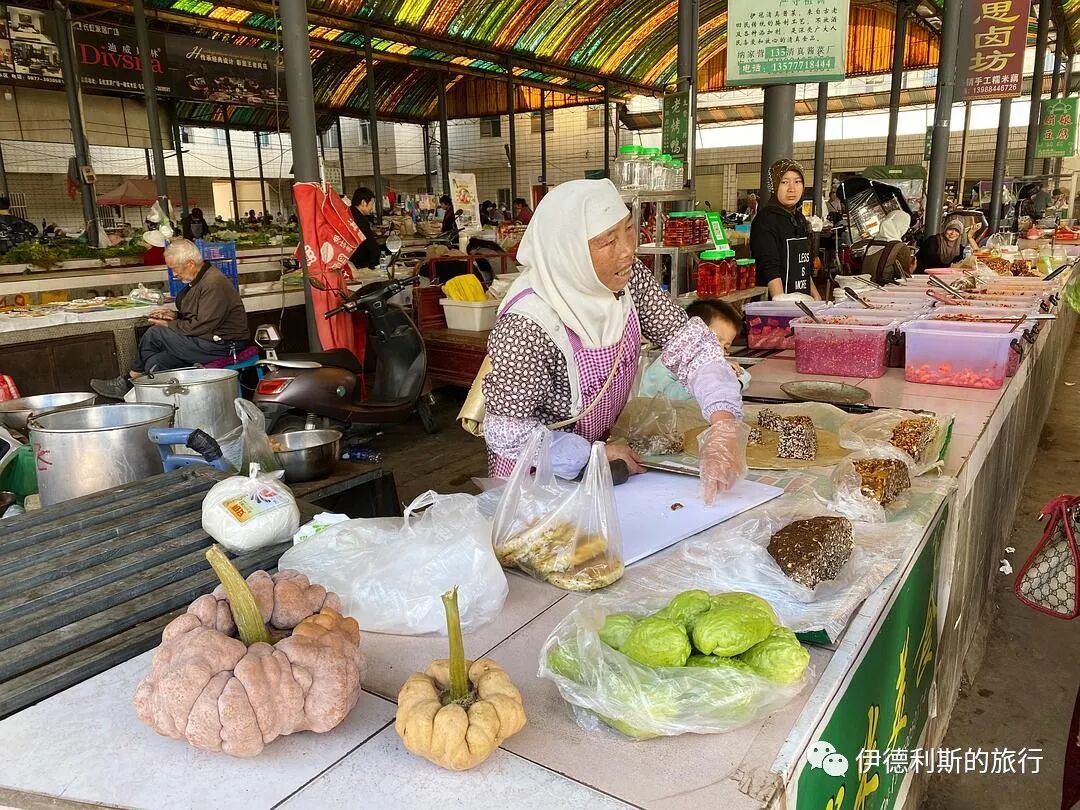
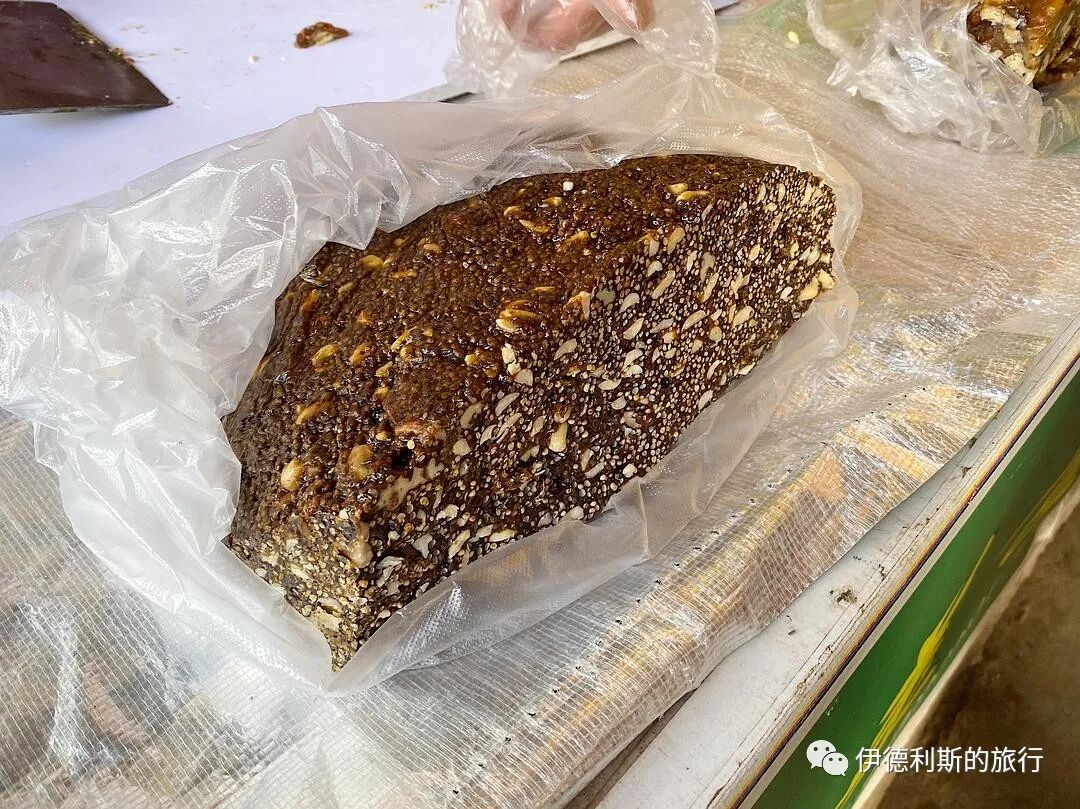
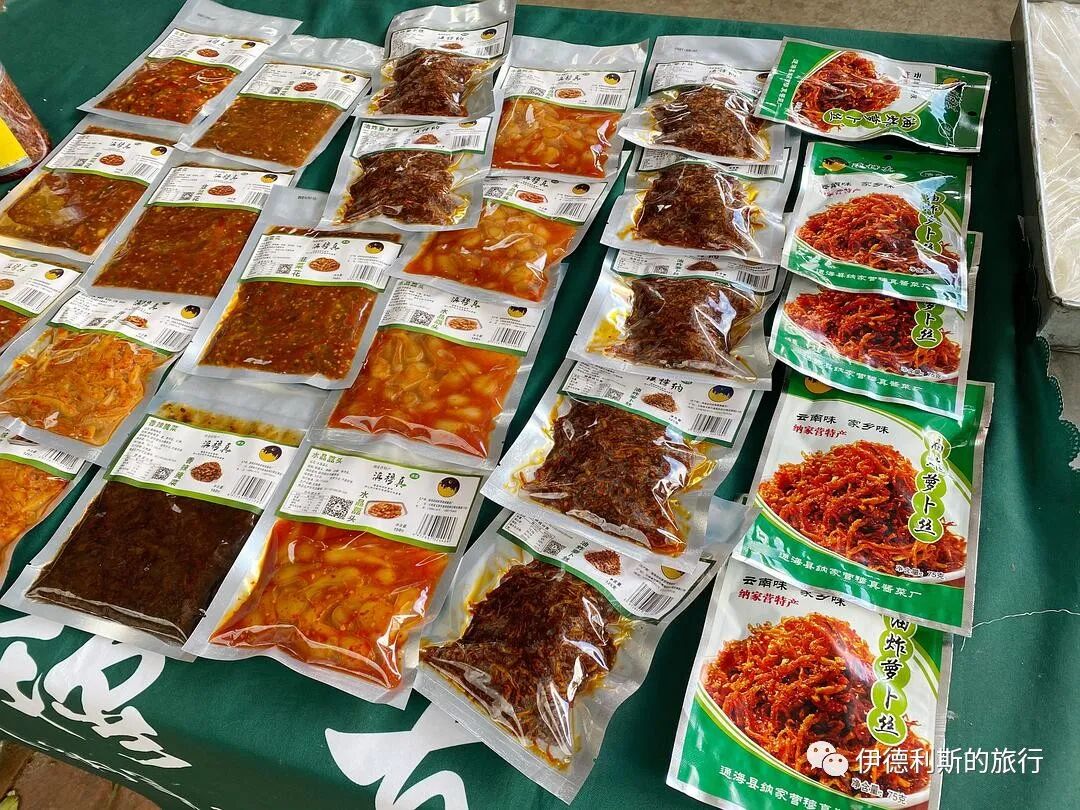
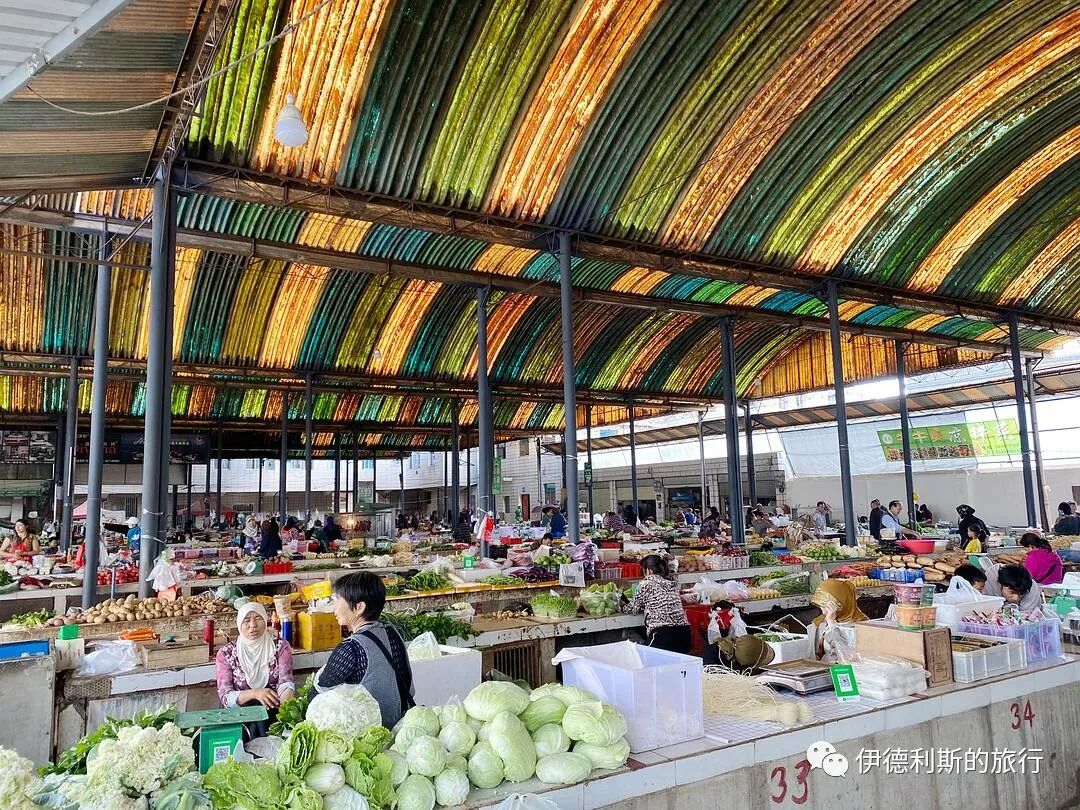
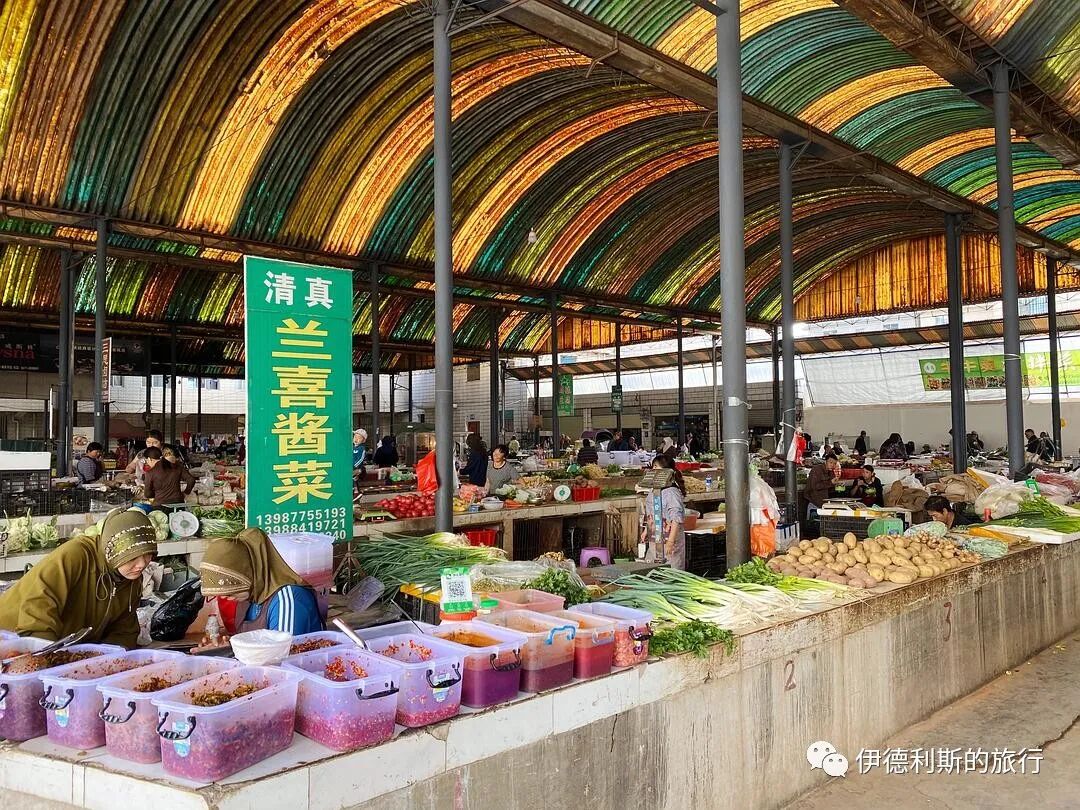
At the Najiaying market, I ate buckwheat cake (qiaogao), which was delicious.
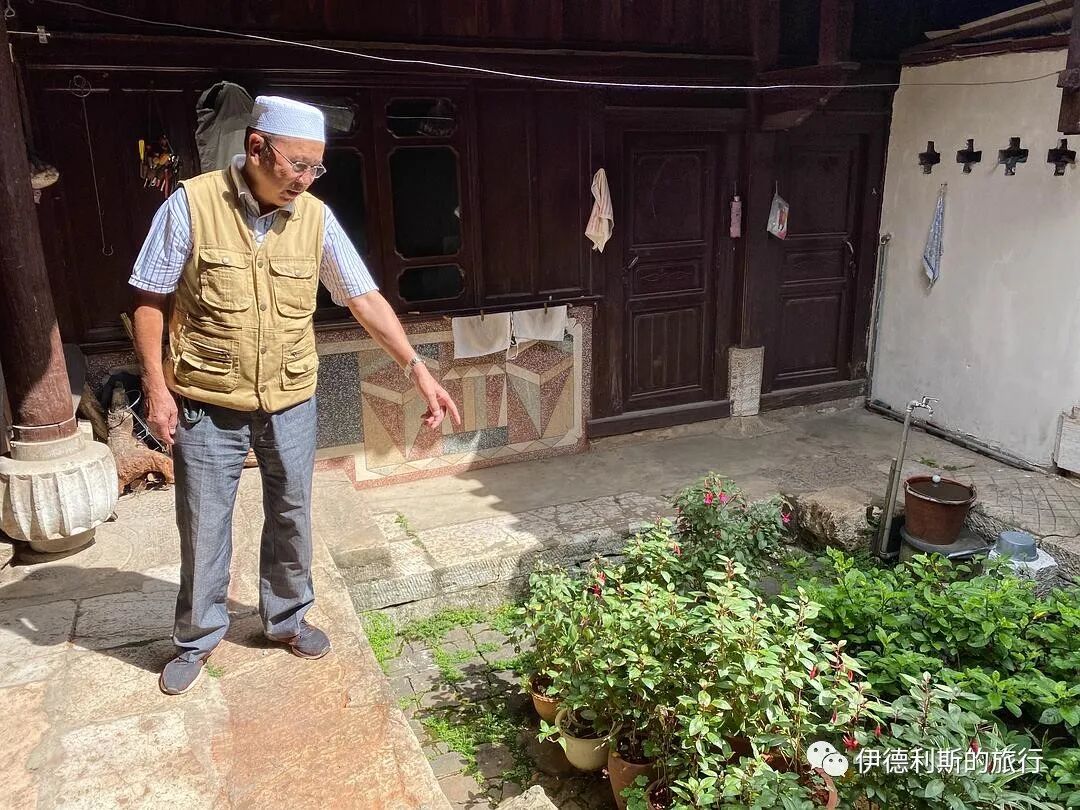
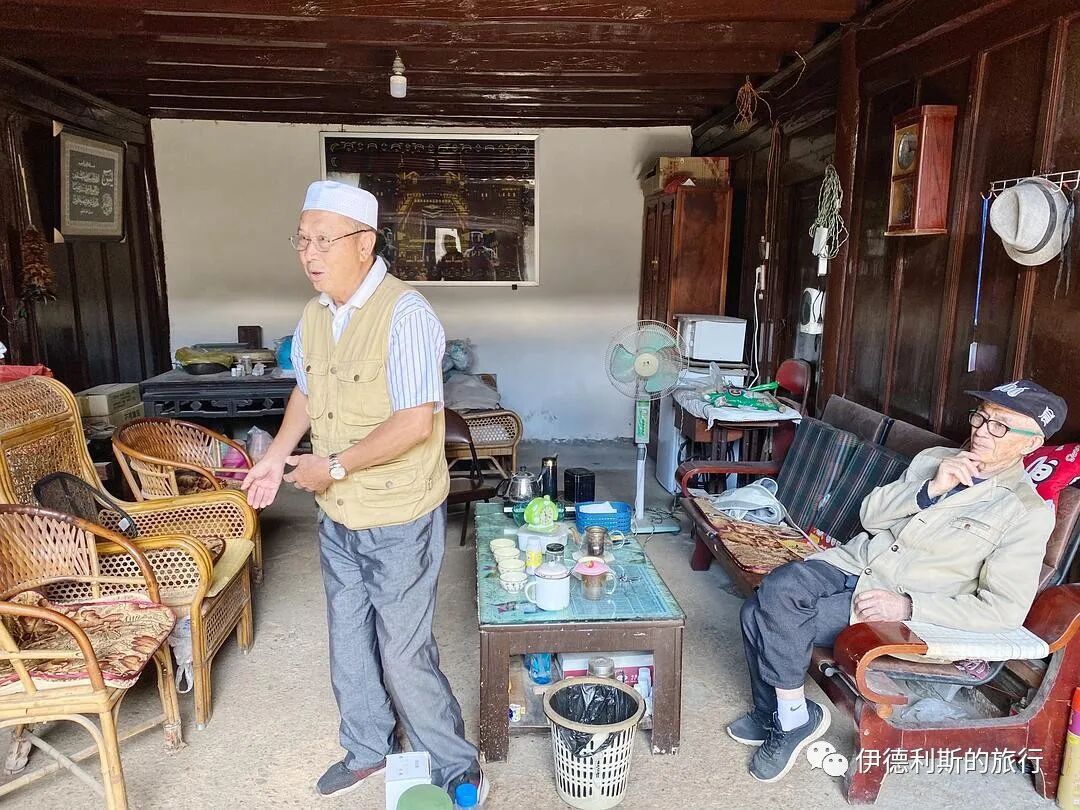
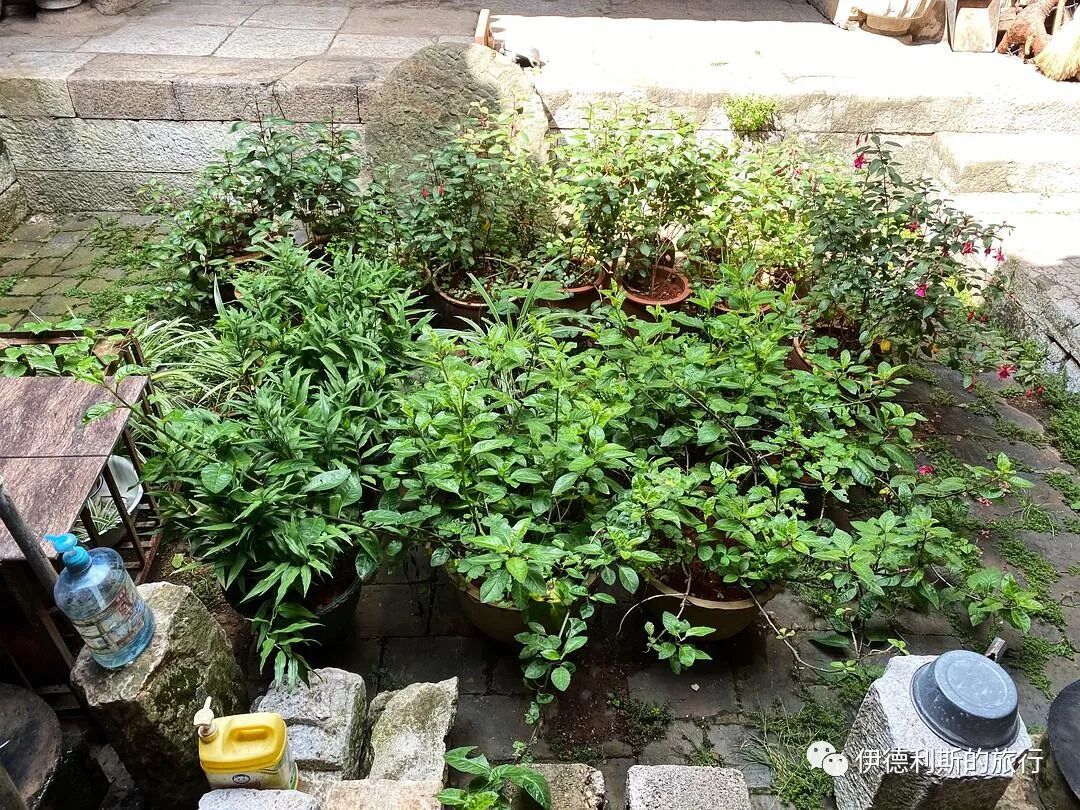
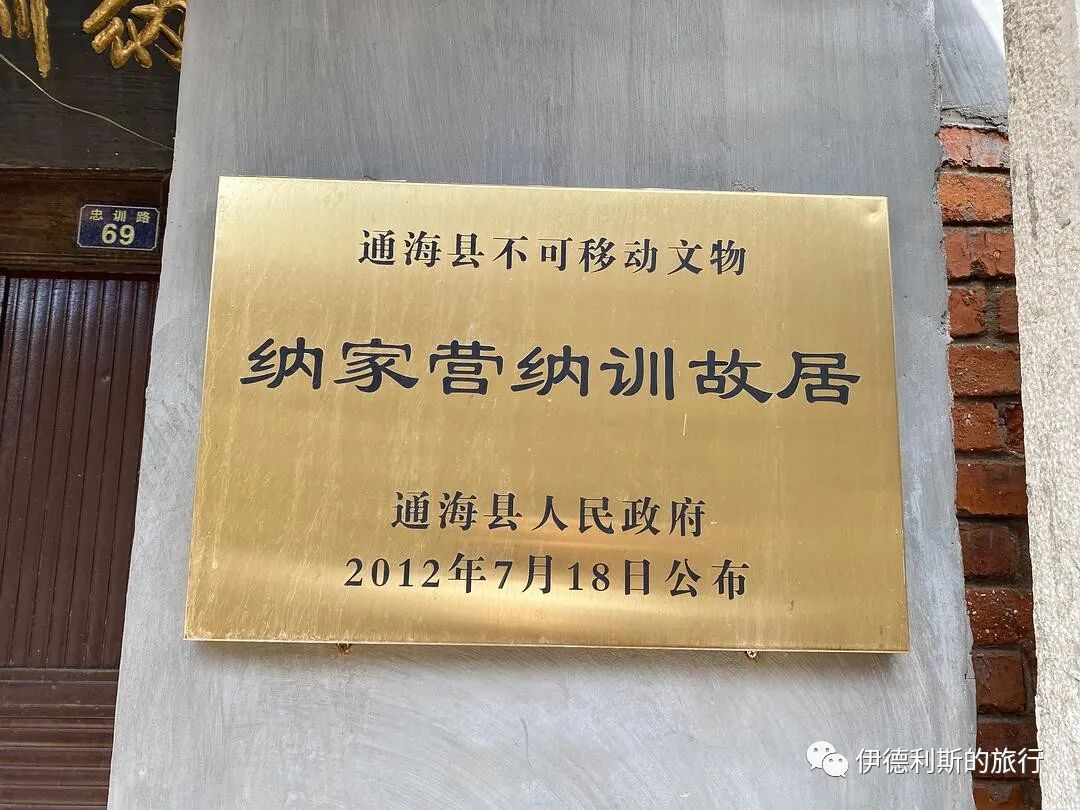
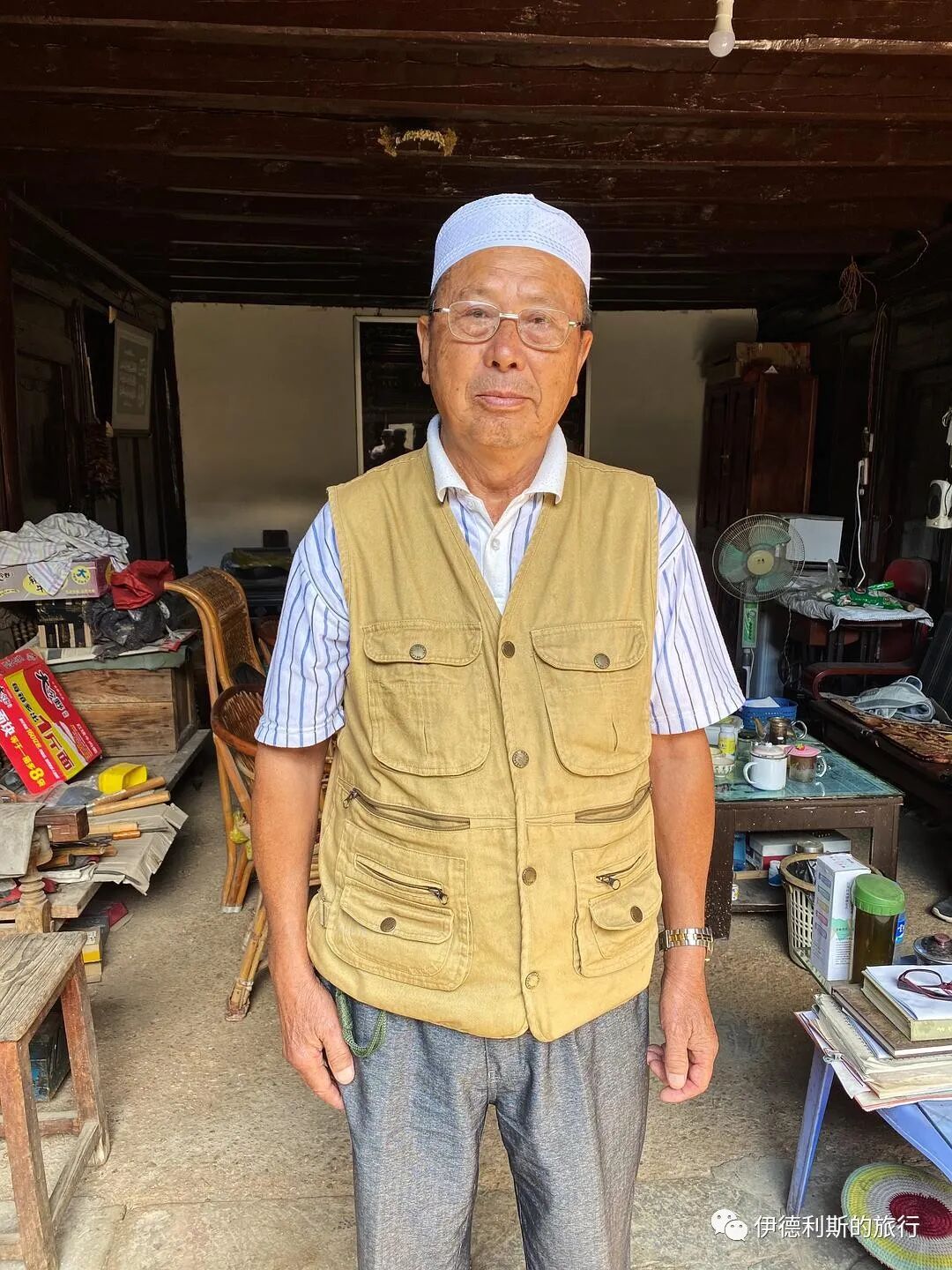
I visited the former residence of Na Xun, the famous Arabic translator who translated One Thousand and One Nights. The house is still occupied by Na Xun's grandnephew, an elderly man named Na Zhaoxiang. He warmly invited us in for tea and told us stories about Na Xun.
Na Xun's great-uncle, Na Fengchun, held a high-ranking position as a third-rank official, but his grandfather and father were both farmers.
Na Xun was born in 1911 and began attending the primary school inside the Najiaying mosque at age seven. The school used a modern curriculum that taught both Chinese and Arabic. They hired a teacher named Qian for Chinese and a teacher named Dai for math, while the Arabic classes were taught by Imam Ma Defu from the Najiaying mosque. Imam Ma Defu was an early student of the Yunnan Islamic scholar Ma Lianyuan and had a very strong foundation in religious studies.
Na Xun's home was just a few dozen steps south of the mosque. Every day when the adhan (bangke) sounded, he would get up and get ready. By the time his father returned from namaz, Na Xun was already prepared to go to school to review his lessons. According to Na Xun's cousin Na Guangxian, Na Xun never missed a class or arrived late, and he always ranked at the top of his exams.
In 1921, after Na Xun finished third grade, his cousin Na Guangwen returned from studying in Kunming. Seeing how bright Na Xun was, he asked Na Xun's father for permission to take him to Kunming for further education. His father agreed, and Na Xun left home to pursue his studies.
In 1926, bandits caused trouble in Najiaying. When the Yunnan provincial government troops came to suppress them, they burned down Najiaying, and Na Xun's home was reduced to ashes. Because Na Xun's eldest brother, Na Guangcheng, had been working in trade (zou yifang) and running a horse inn by the Lancang River in Simao, he had some savings, which allowed the family to rebuild their home on the original site.
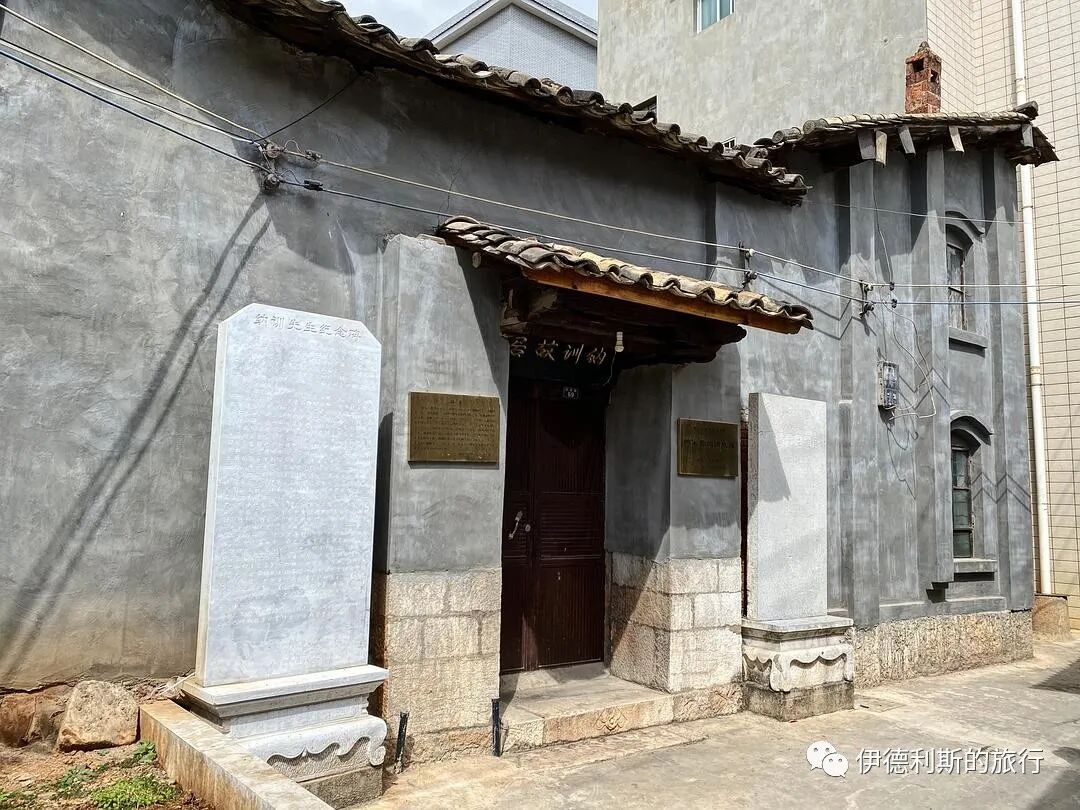
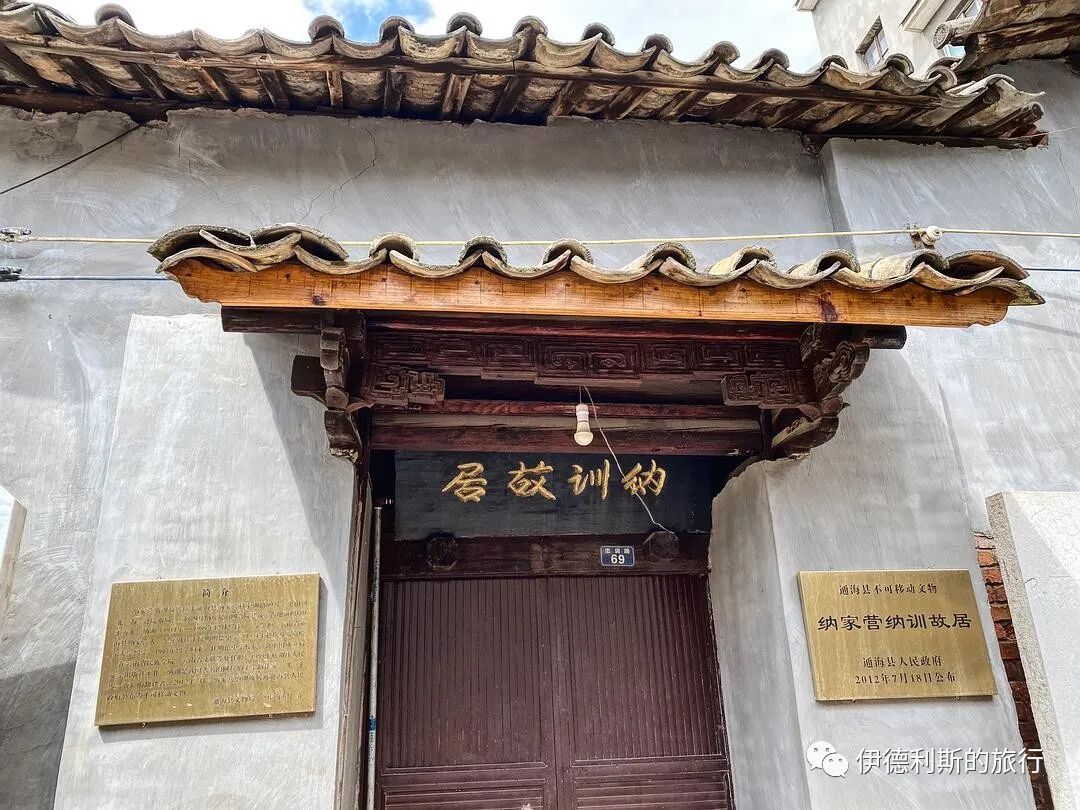
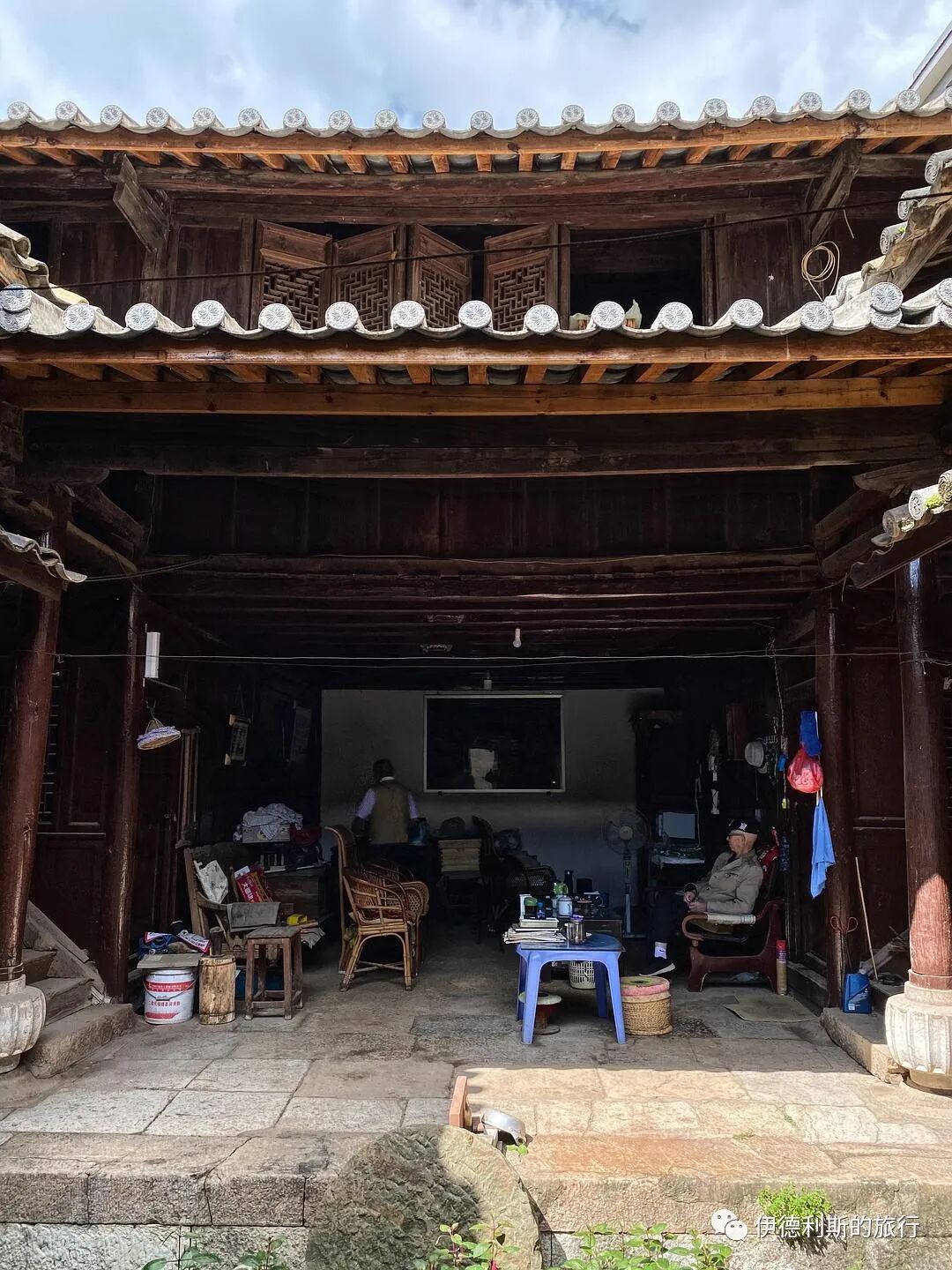
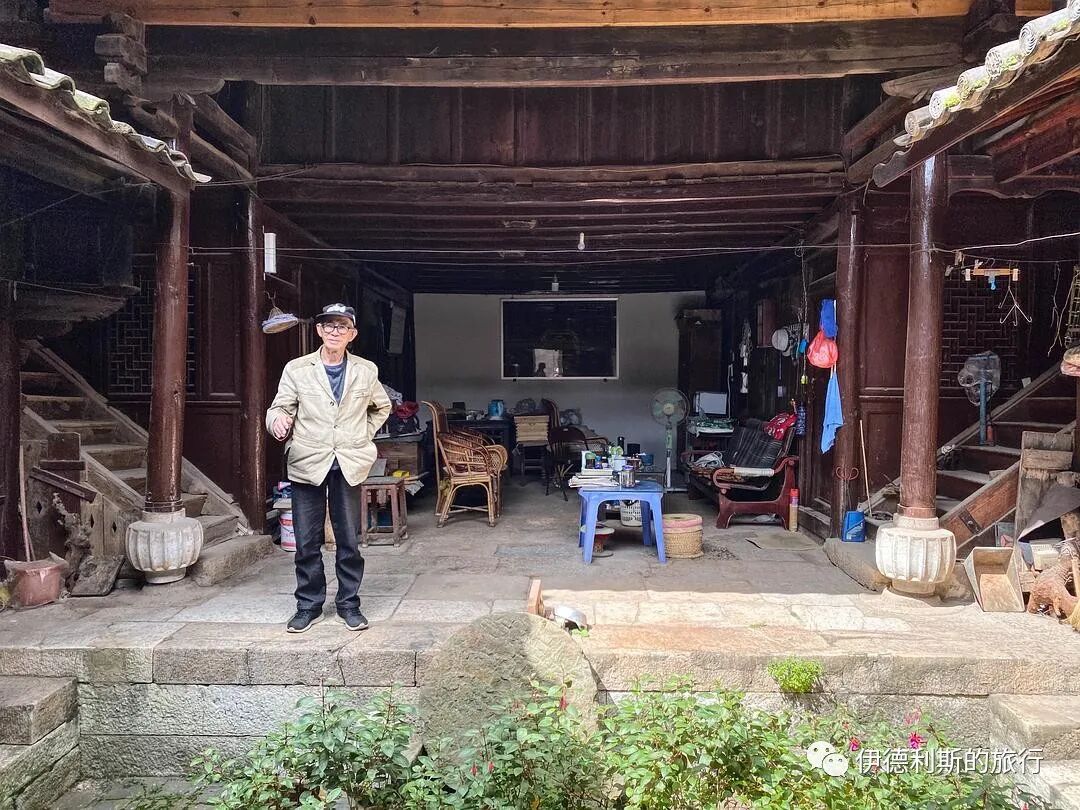
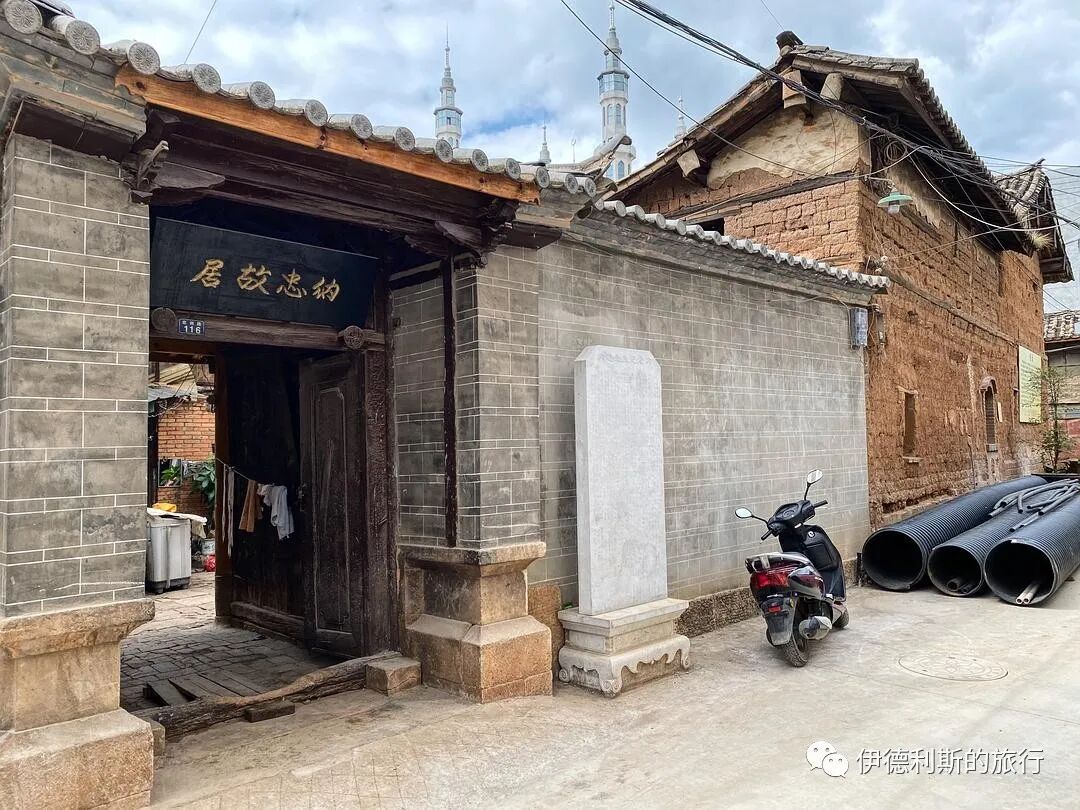
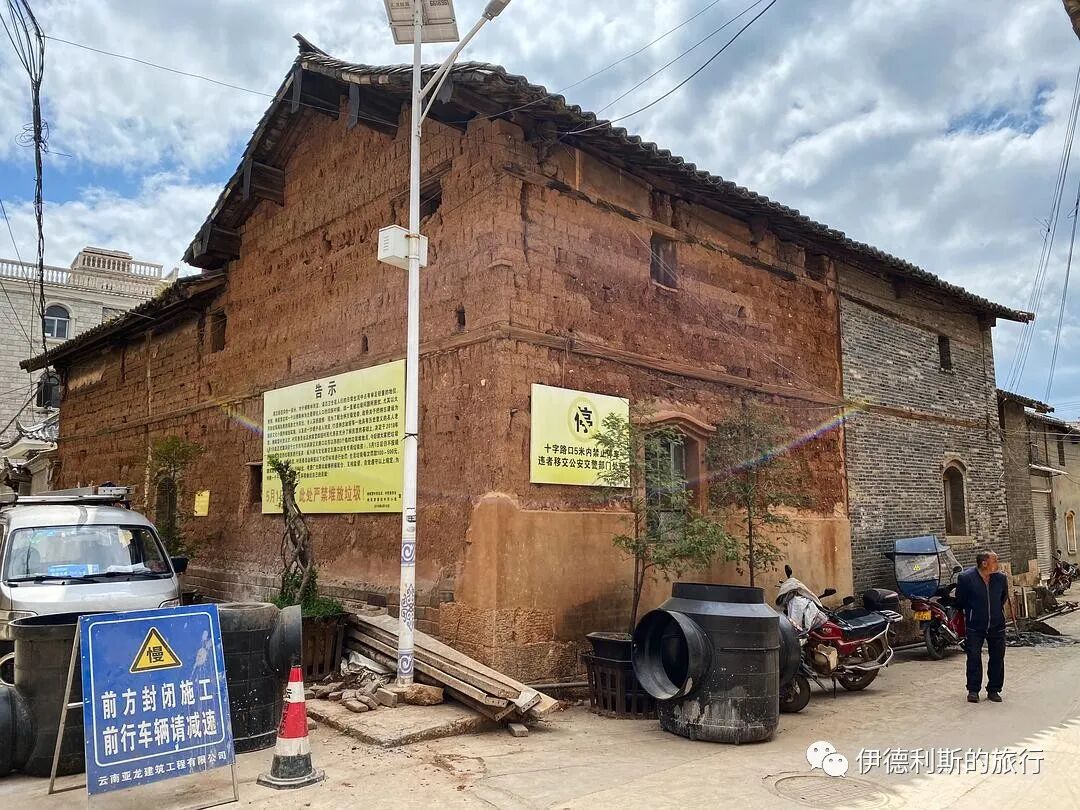
I continued on to visit the former residence of Professor Na Zhong, an expert in Arabic education and a leading figure in Arabic culture. Na Zhong wrote A General History of the Arabs and compiled the first Arabic language textbook for Chinese universities. The property is now rented out by Na Zhong's descendants.
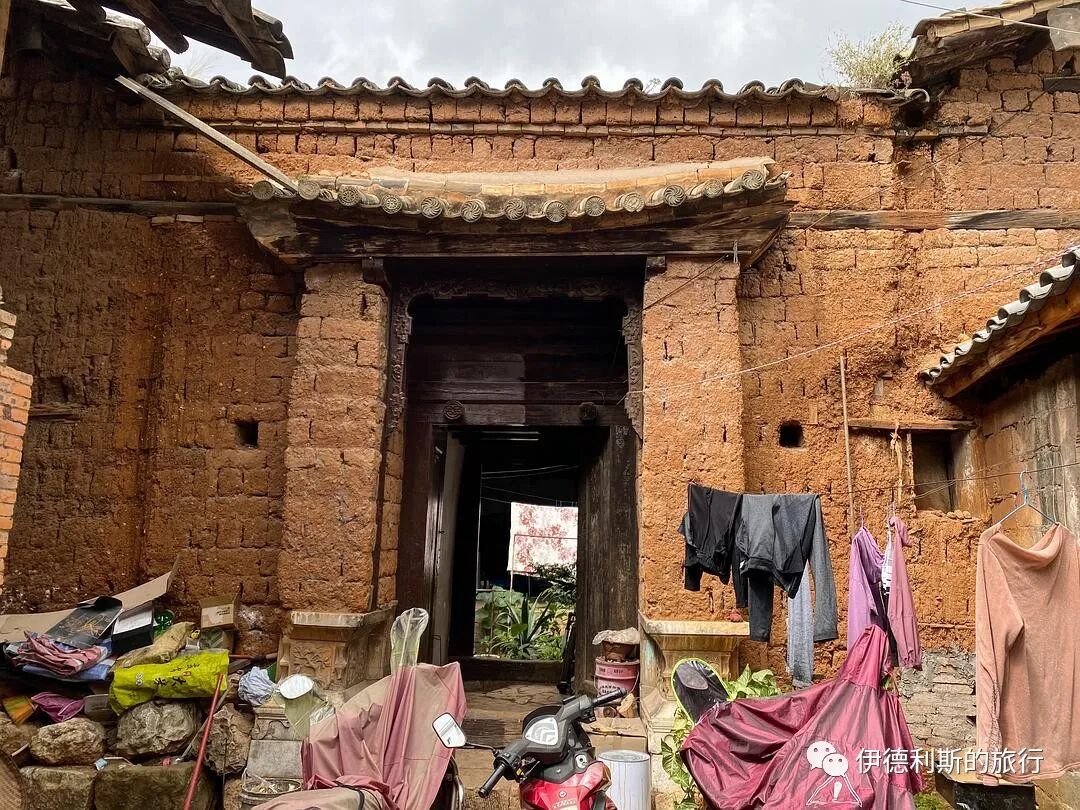
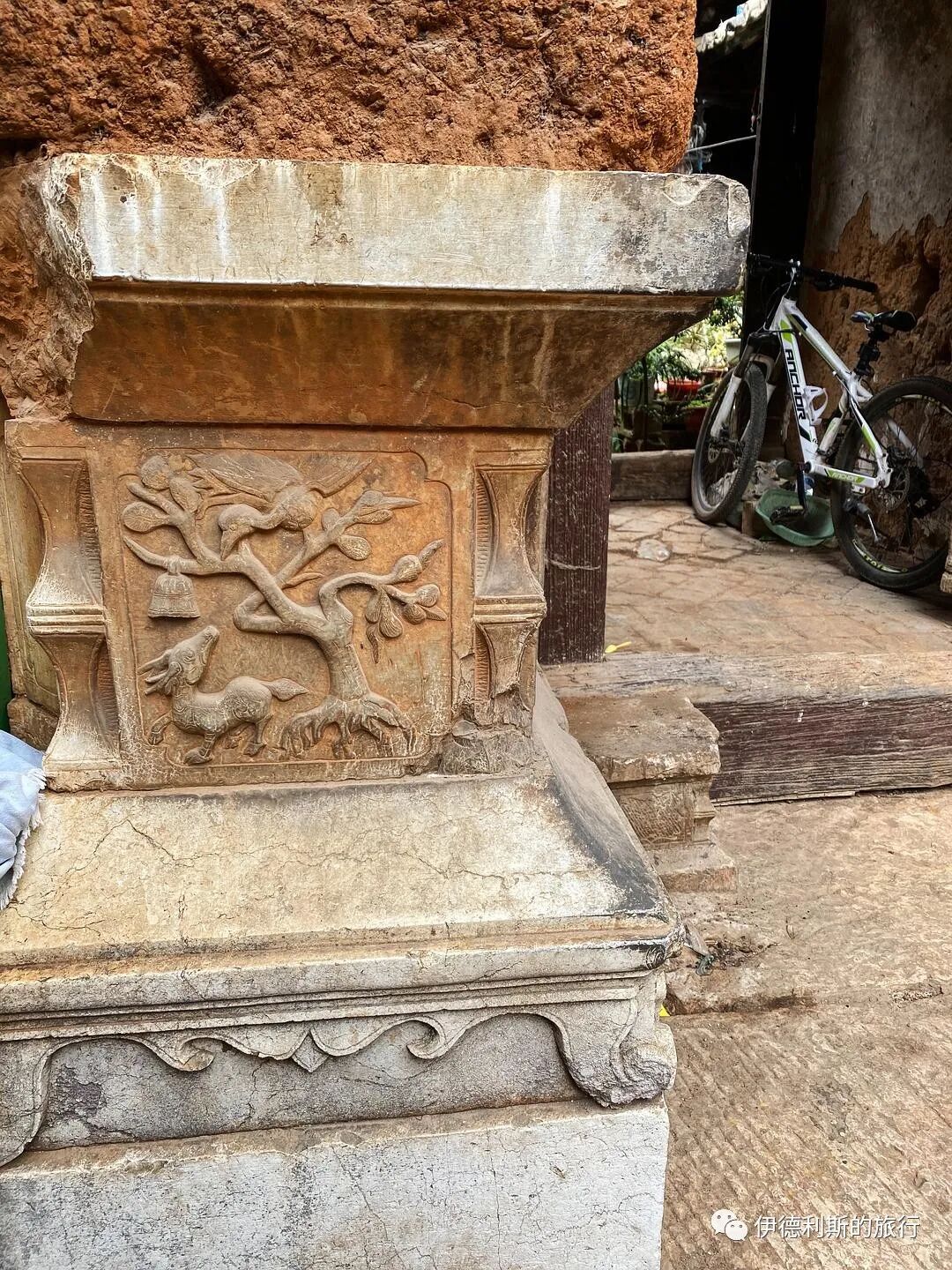
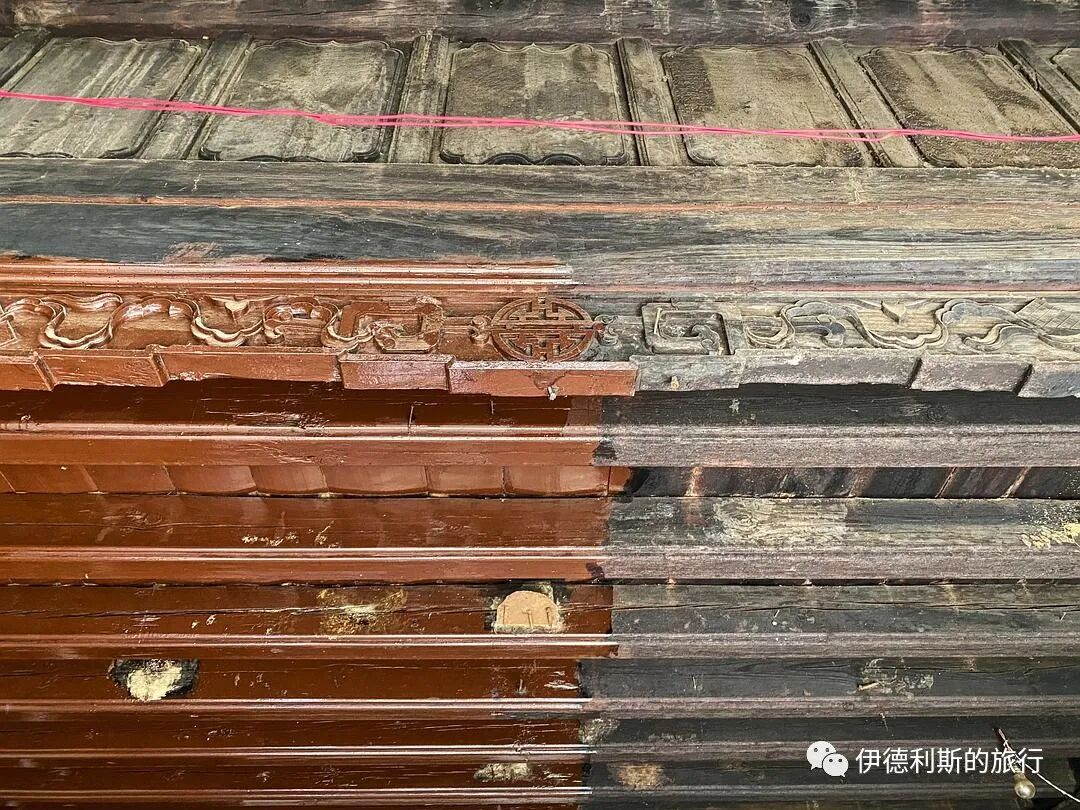
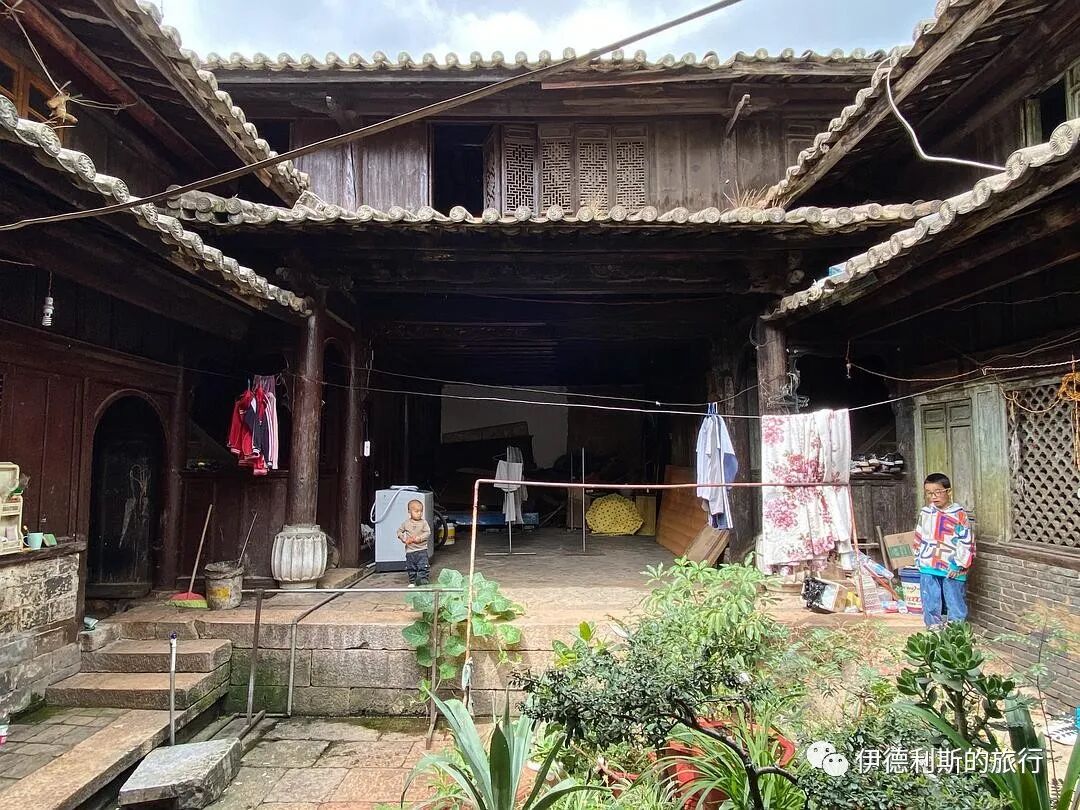
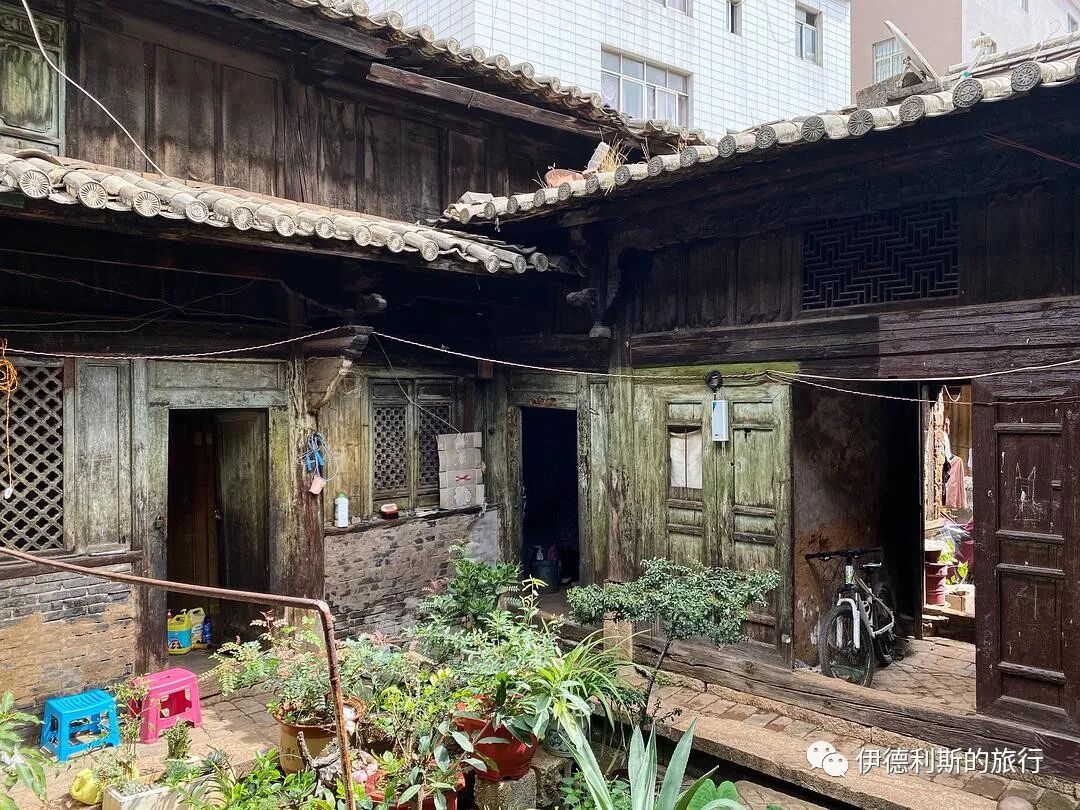
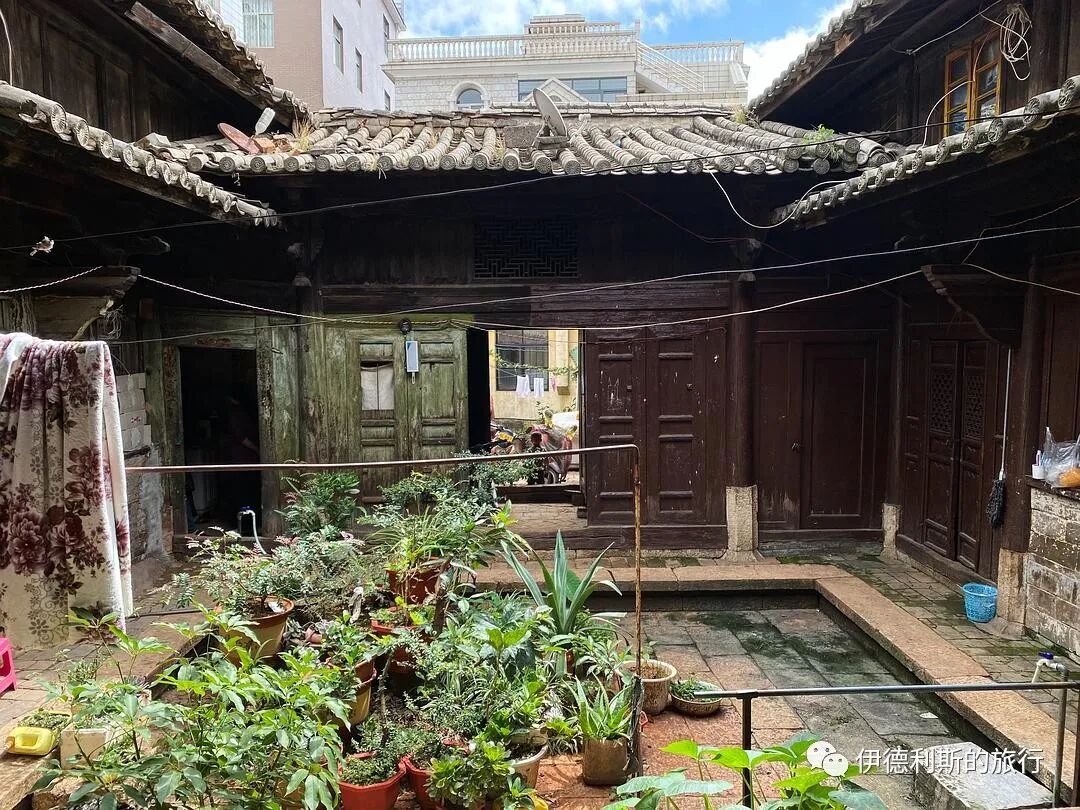
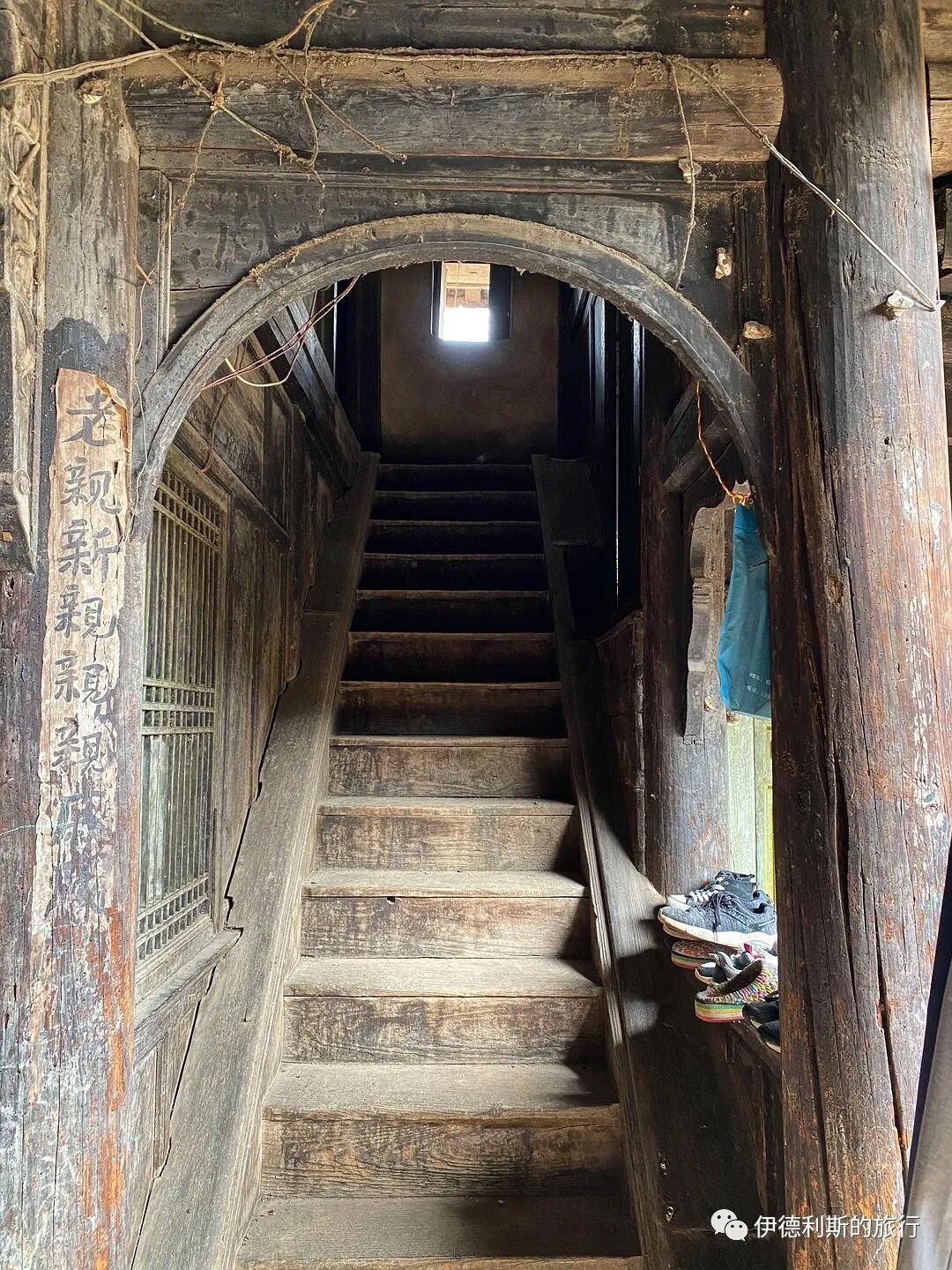
Na Zhong's grandfather, Na Hai, had been a soldier for several years. He was not only skilled in martial arts but also a master of masonry, metalwork, and carpentry. While working in Kunming, he fell in love with a young lady named Cai. Miss Cai came from a prominent military family in Kunming, but she chose this poor young man who had no house and no money. To get married as soon as possible, Na Hai returned to his hometown of Najiaying and spent six months building his own house. The house was a traditional two-story Yunnan dwelling with three main rooms and four side rooms. It was built very neatly with exquisite wooden doors and windows. The pillars of the outer courtyard gate were carved from solid bluestone, featuring patterns of dragons playing with a pearl, magpies in plum blossoms, qilin and eagles, and golden bulls and horses. Na Hai and Miss Cai were married there and had their first son, Na Dechang.
In 1856, the Bingchen Incident occurred in Yunnan. Najiaying appointed Na Hai, Na Fengchun, and Na Taishou as representatives to negotiate with the Han scholar Gongsun Shuo from Dongxiang, reaching a mutual protection agreement between Hui Muslims and Han people in Hedong. In 1857, the mutual protection agreement in Hexi was broken by a local tyrant named Zhan Zhanchun, who gathered soldiers to attack the Great and Small Donggou (now known as Da Hui Village and Xiao Hui Village). Na Hai ignored the advice of his friends and family and went to try to stop the fighting, but he was killed by the enemy. After that, Miss Cai, who was seven months pregnant, took her eldest son Na Dechang back to her parents' home in Kunming. Shortly after, she gave birth to a posthumous child, Na Zhong's father, Na Degui. After the birth, Miss Cai suffered from illness and passed away shortly after.
After Miss Cai died, Na Hai's first wife, He, brought the brothers Na Dechang and Na Degui back to Najiaying to raise them. When Na Degui was 13, He became too ill to work, so she asked a relative to take Na Degui to Kunming to find work. Na Degui worked at a fur shop on Zhuji Street in Kunming. He was an apprentice for eight years, receiving only food and lodging with no wages. After finishing his apprenticeship, Na Degui married He Yufeng, the niece of his foster mother He, and they returned to Kunming to work after the wedding. In 1909, He Yufeng gave birth to Na Shou'en, who would later be known as Na Zhong.
When Na Zhong was one year old, his cousins saw that He Yufeng was struggling, so they carried Na Zhong and his family to Kunming to join Na Degui. That was how Na Zhong left Najiaying and began his life in Kunming. After that, Na Zhong rarely returned to his hometown, except for a two-month stay in 1940 to escape air raids in Kunming after he graduated from Al-Azhar University in Egypt.
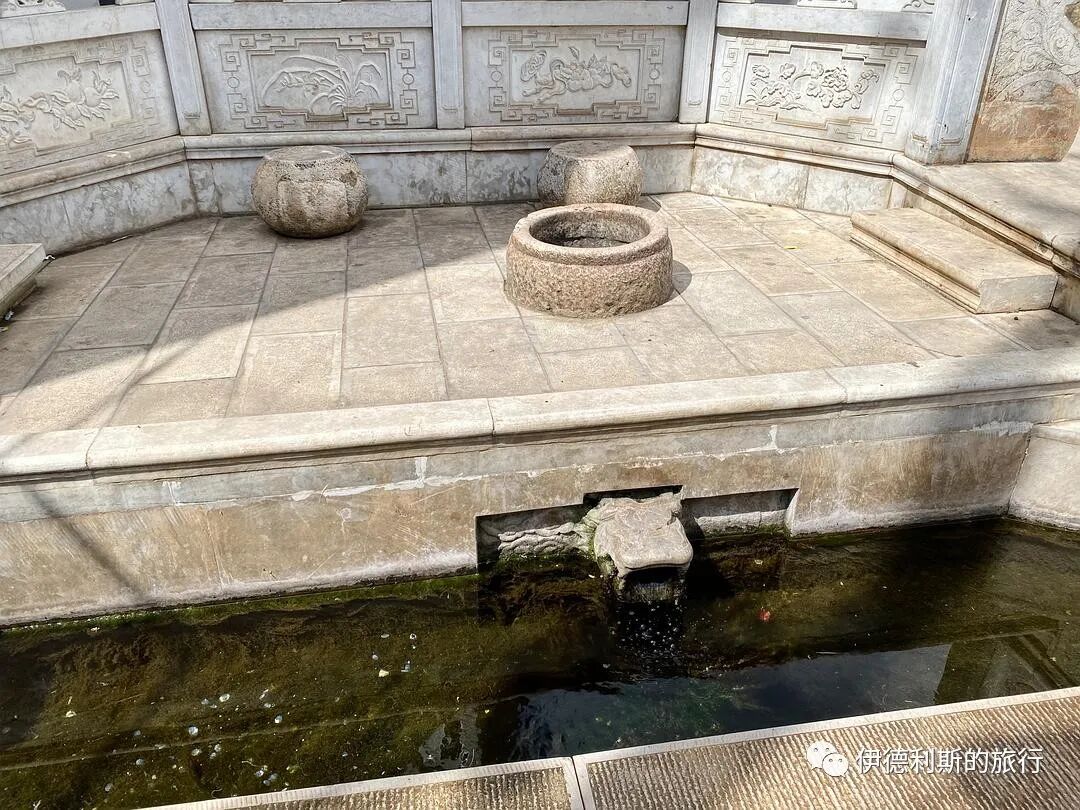
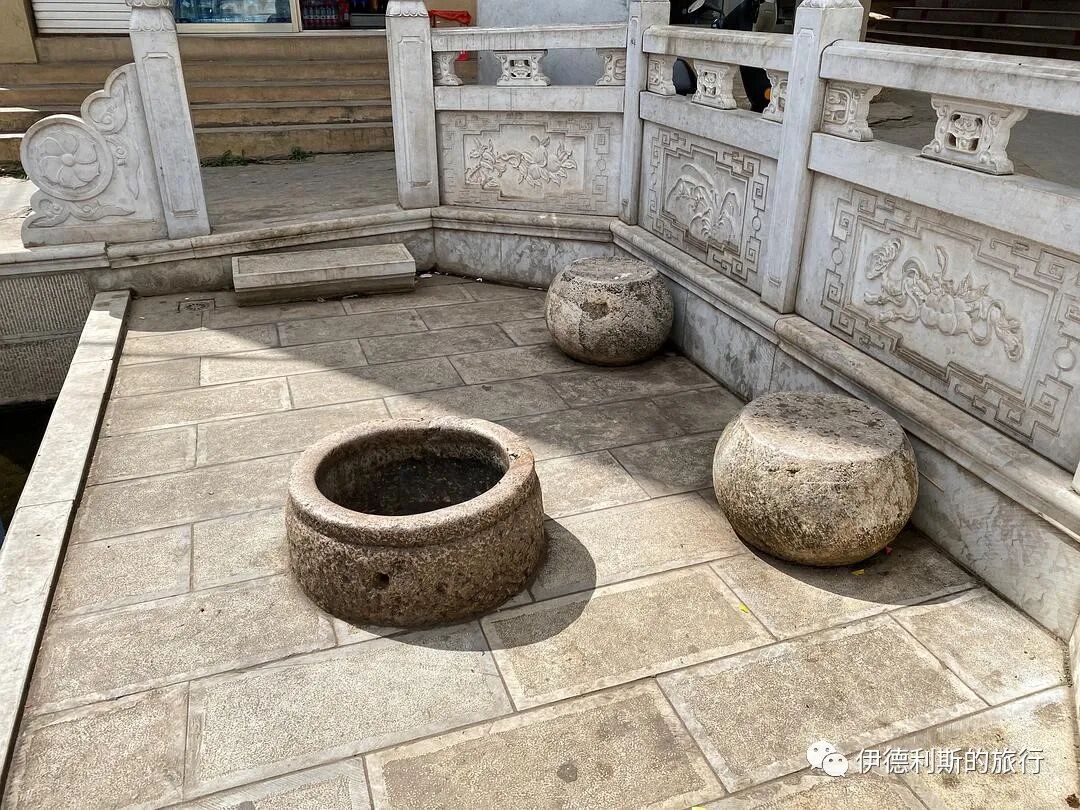
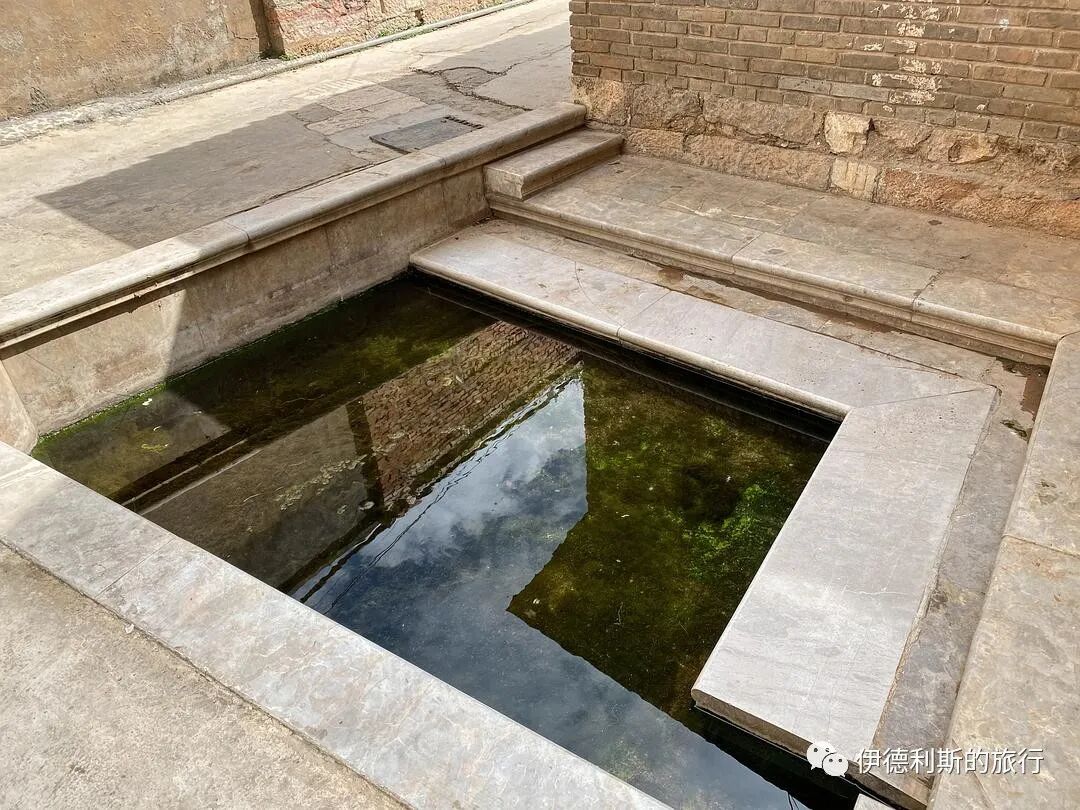
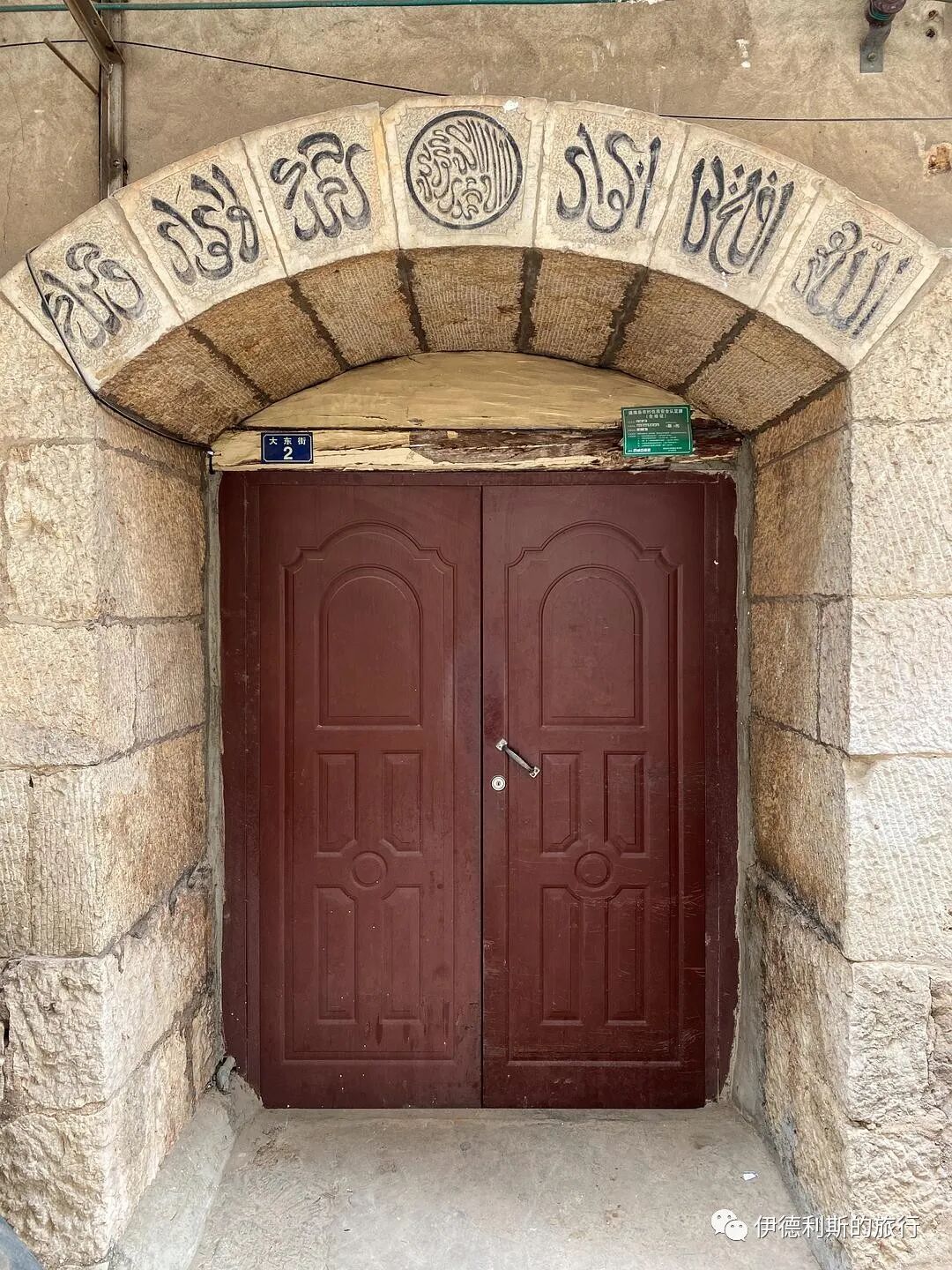
There is a water well at the entrance of Najiaying Mosque. It is said to have been built by Nasuluding, the great-grandson of the King of Xianyang, Sayyid Ajjal Shams al-Din, after he settled in Najiaying in the early Ming Dynasty. The wall of the well platform is carved with a dragon head, and the well water flows out from the dragon's mouth. People wash vegetables in the upper pool under the dragon's mouth, wash clothes in the lower pool, and finally, the water flows south to irrigate the farmland.
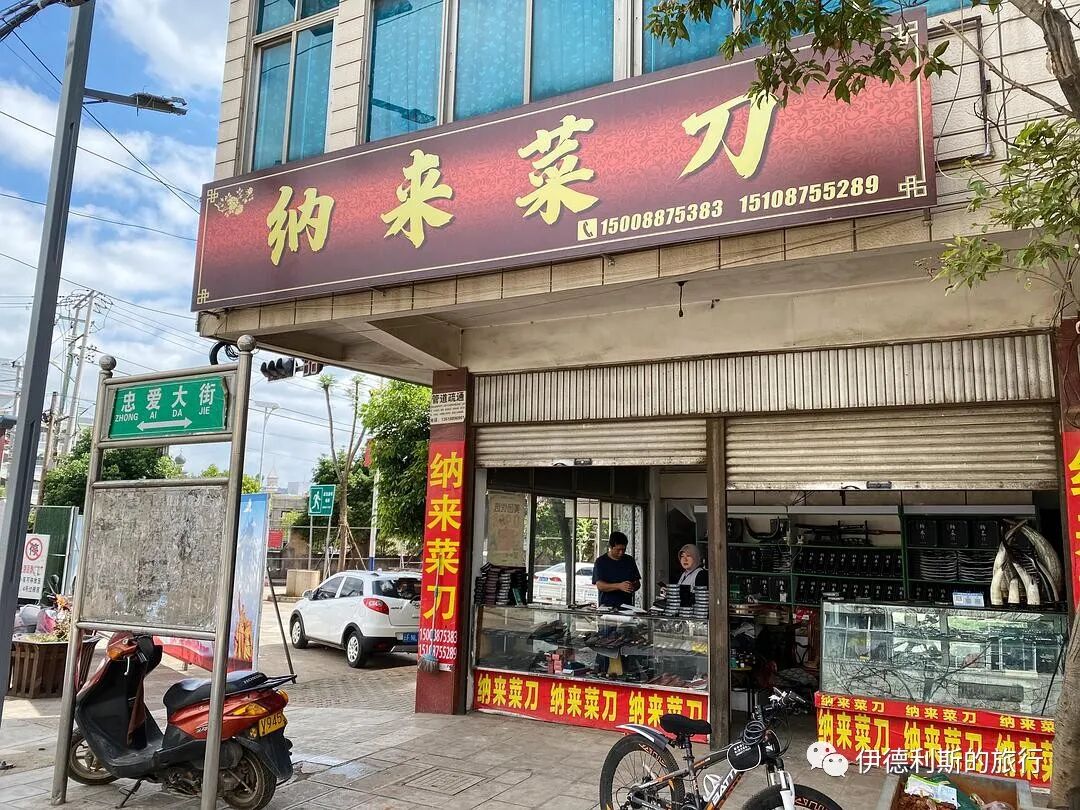
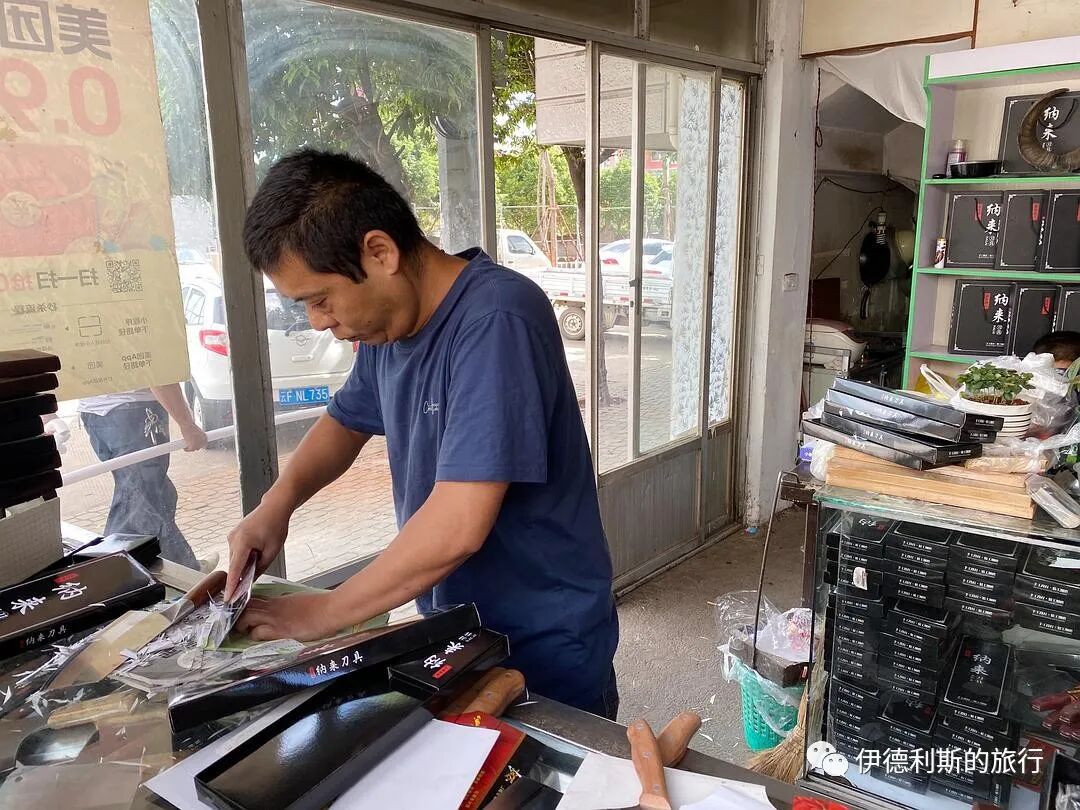
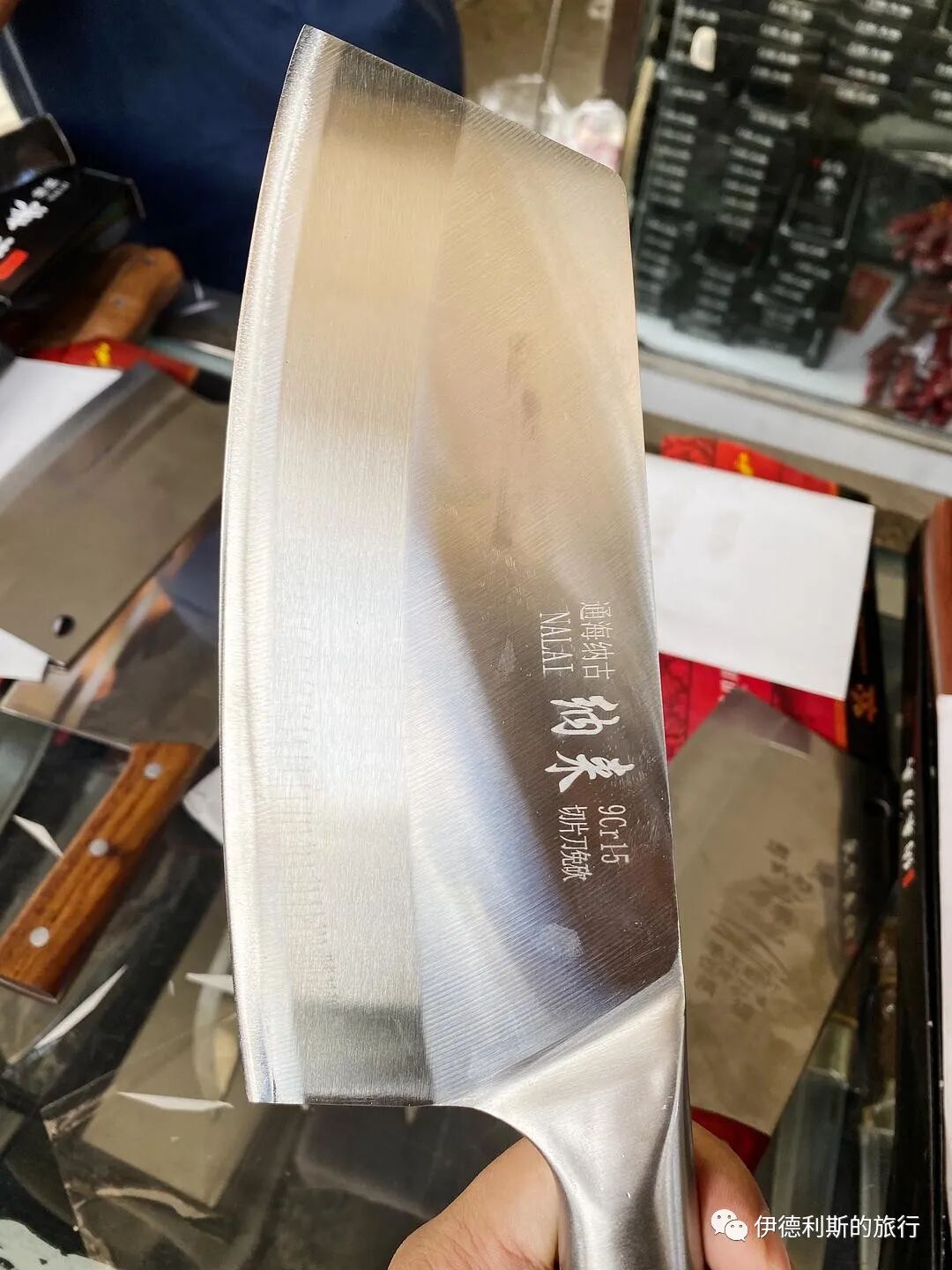
I bought a Nagu knife for cutting meat, and when I tried it at home, it was really sharp! It cuts through in one go without needing a second stroke. Historically, Najiaying and Gucheng were most famous for horse caravan transport, hunting rifle making, and knife making, but these trades declined as times changed. After the 1980s, Nagu Town began to vigorously develop the Nagu knife industry, and now there are many shops.
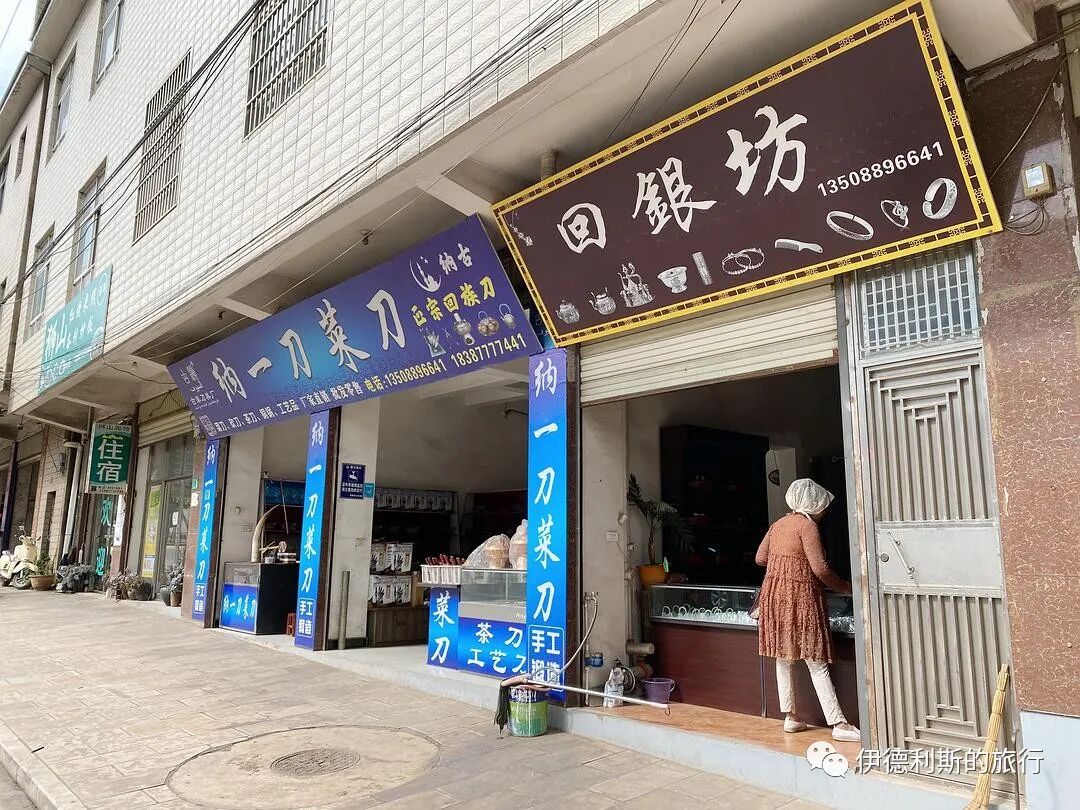
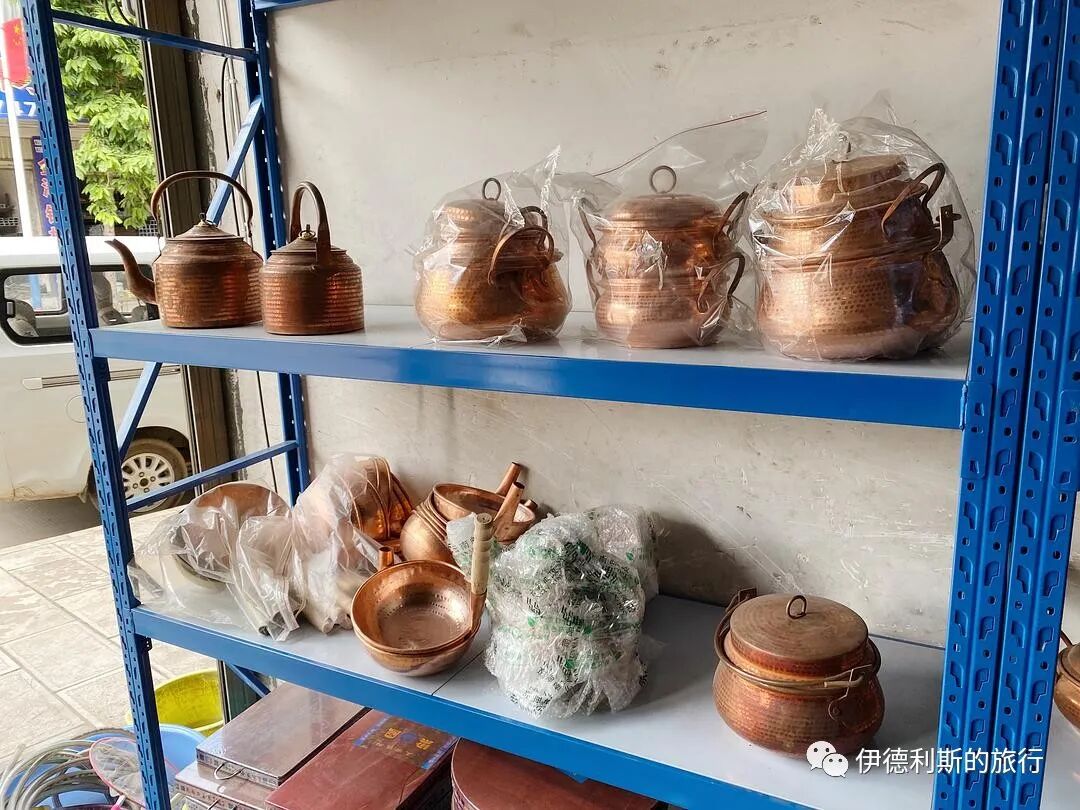
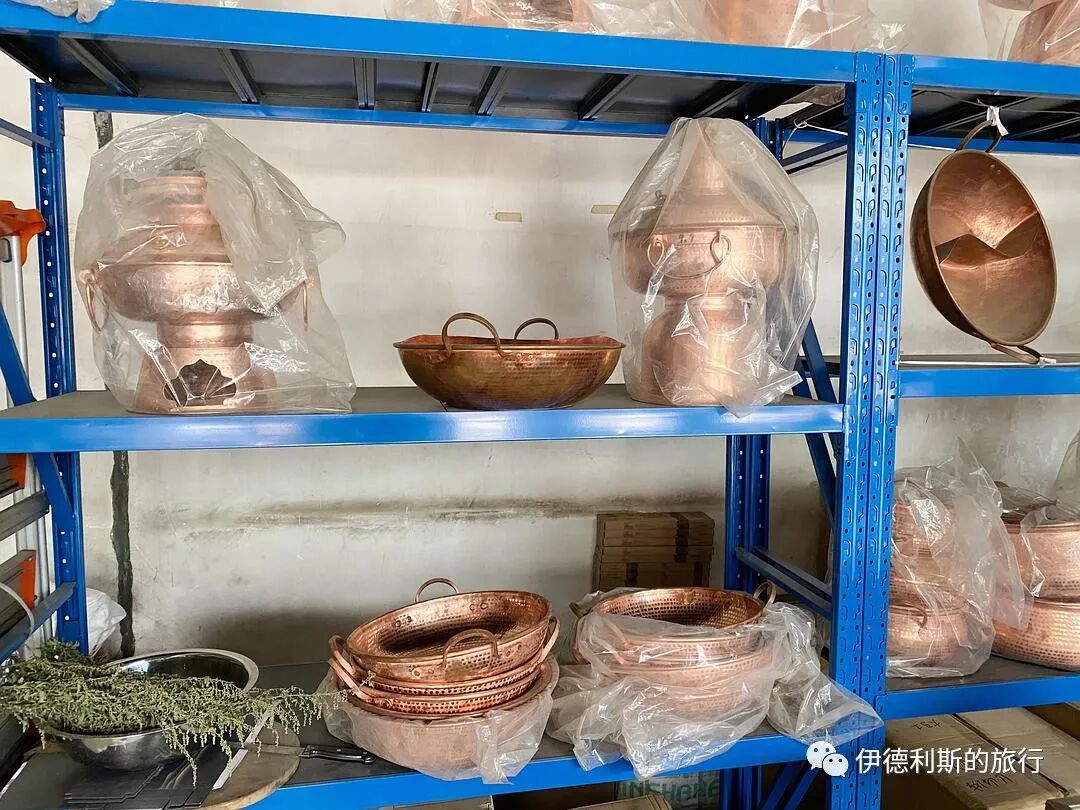
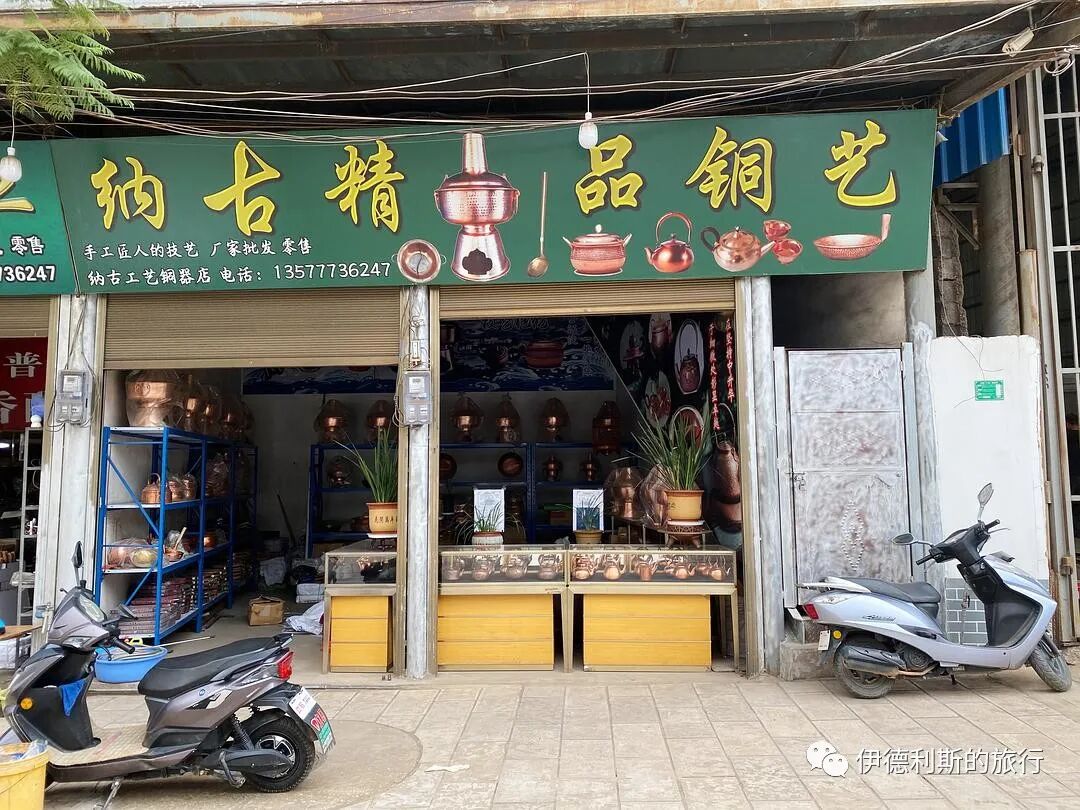
Also, on Zhenxing Road, there is a shop making traditional copperware, including copper pots and copper ladles. If you are interested, you can buy one to take home for a copper ladle hot pot.
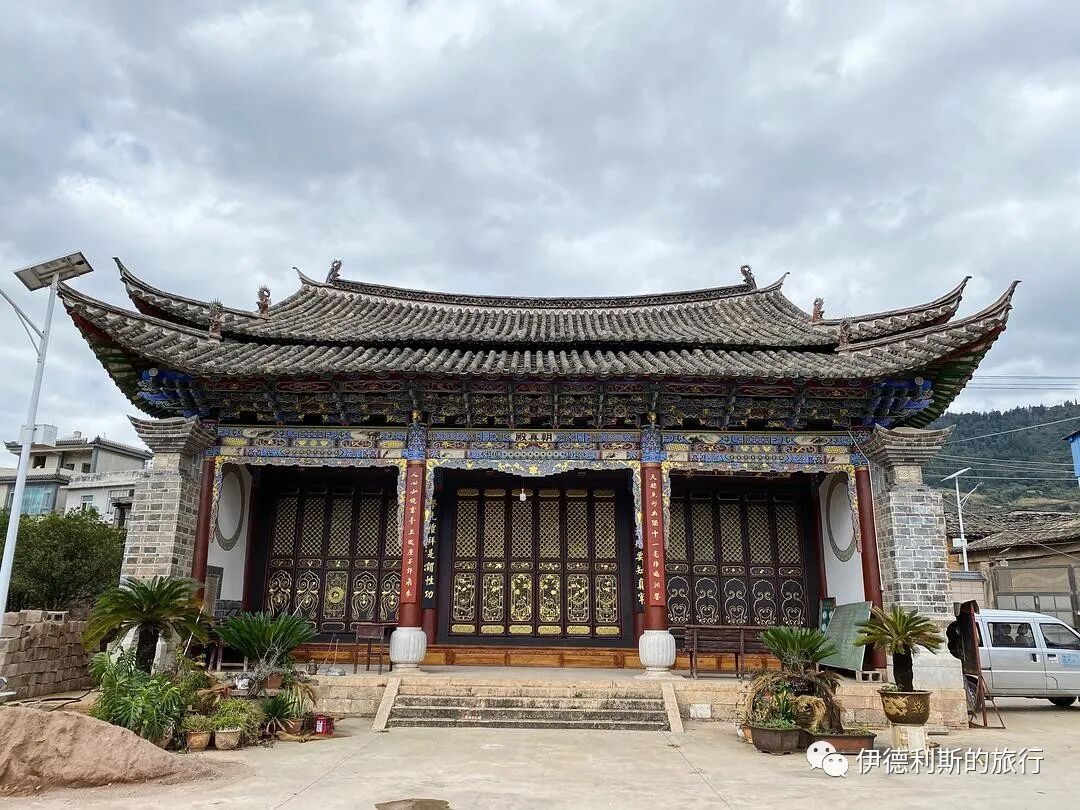
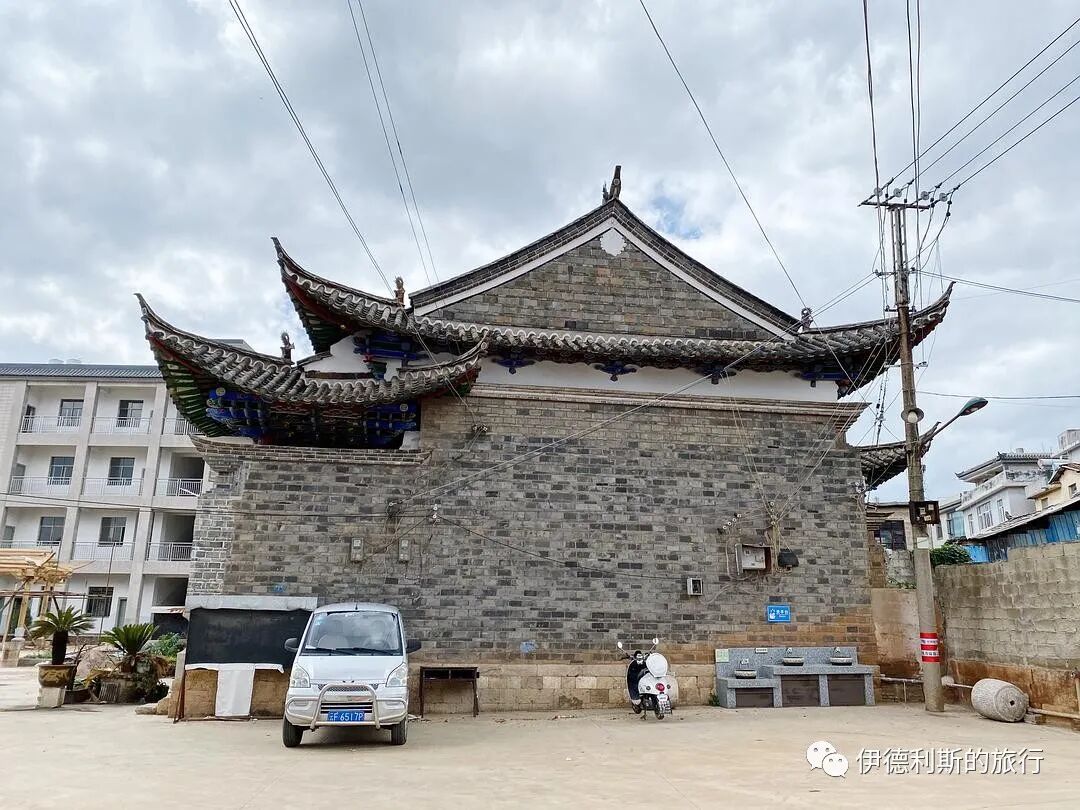
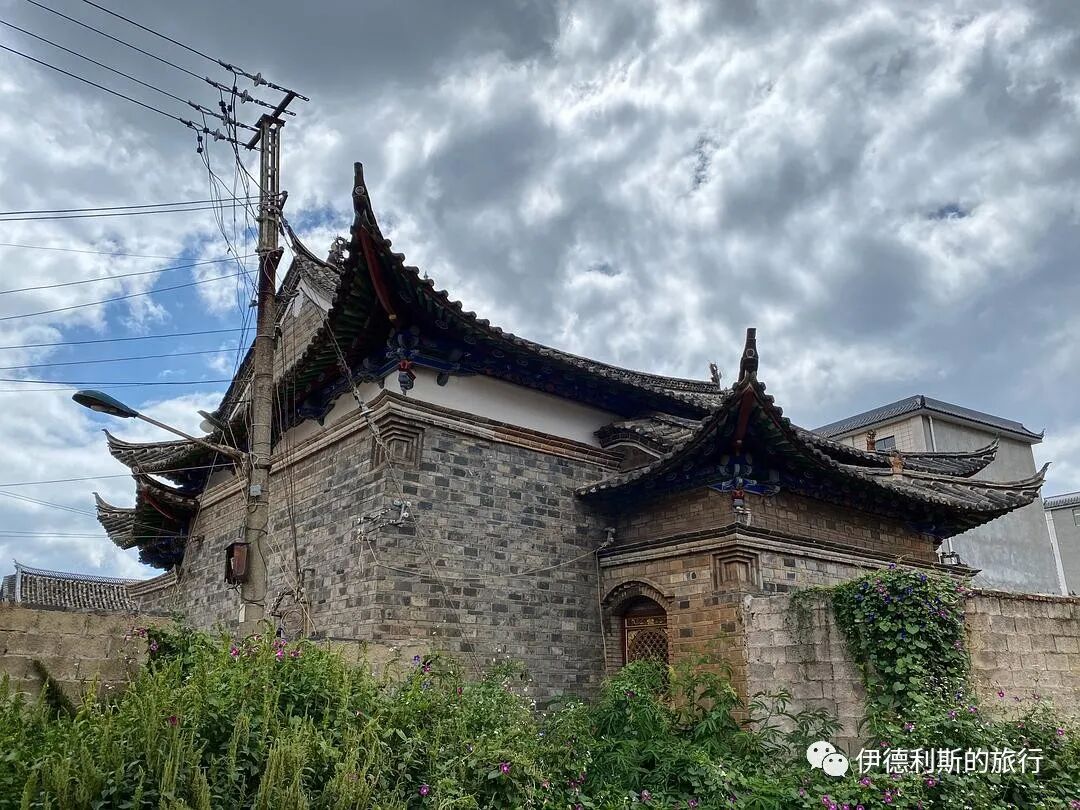
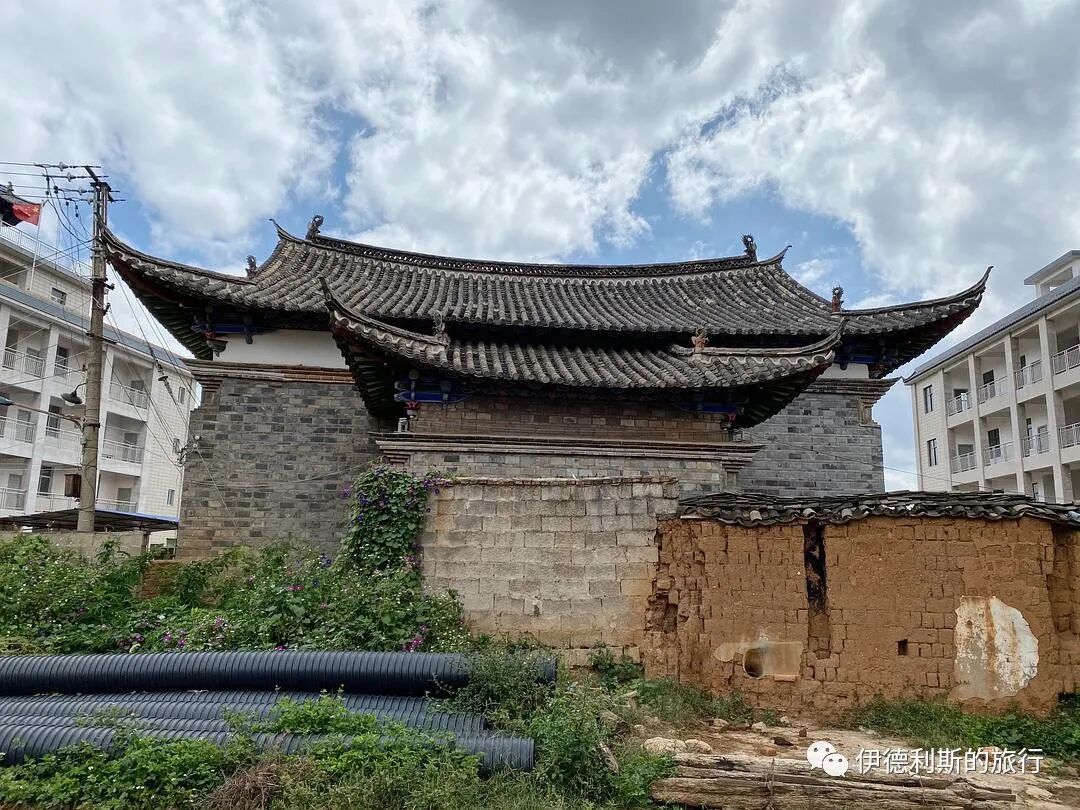
To the north of Najiaying is Gucheng Village. The Xinzhai Mosque in the village was built by Ma Xuecheng, a disciple of Ma Mingxin, the founder of the Jahriyya menhuan. Ma Xuecheng was known as 'Yunnan Ma,' and followers of his sect respectfully called him the Third Master of Gucheng or Imam Ma Sanye. Ma Xuecheng was a local from Gucheng Village. He once went to study under Ma Mingxin, and the two were as close as father and son. After returning to Yunnan, Ma Xuecheng operated mining businesses, became a wealthy merchant, and was the first to spread the Jahriyya sect in Yunnan. In 1781, when Ma Mingxin's eldest son, Ma Shunqing, was exiled to Talang, Yunnan, Ma Xuecheng did his best to rescue and assist him, allowing the Jahriyya sect to continue developing in Yunnan.
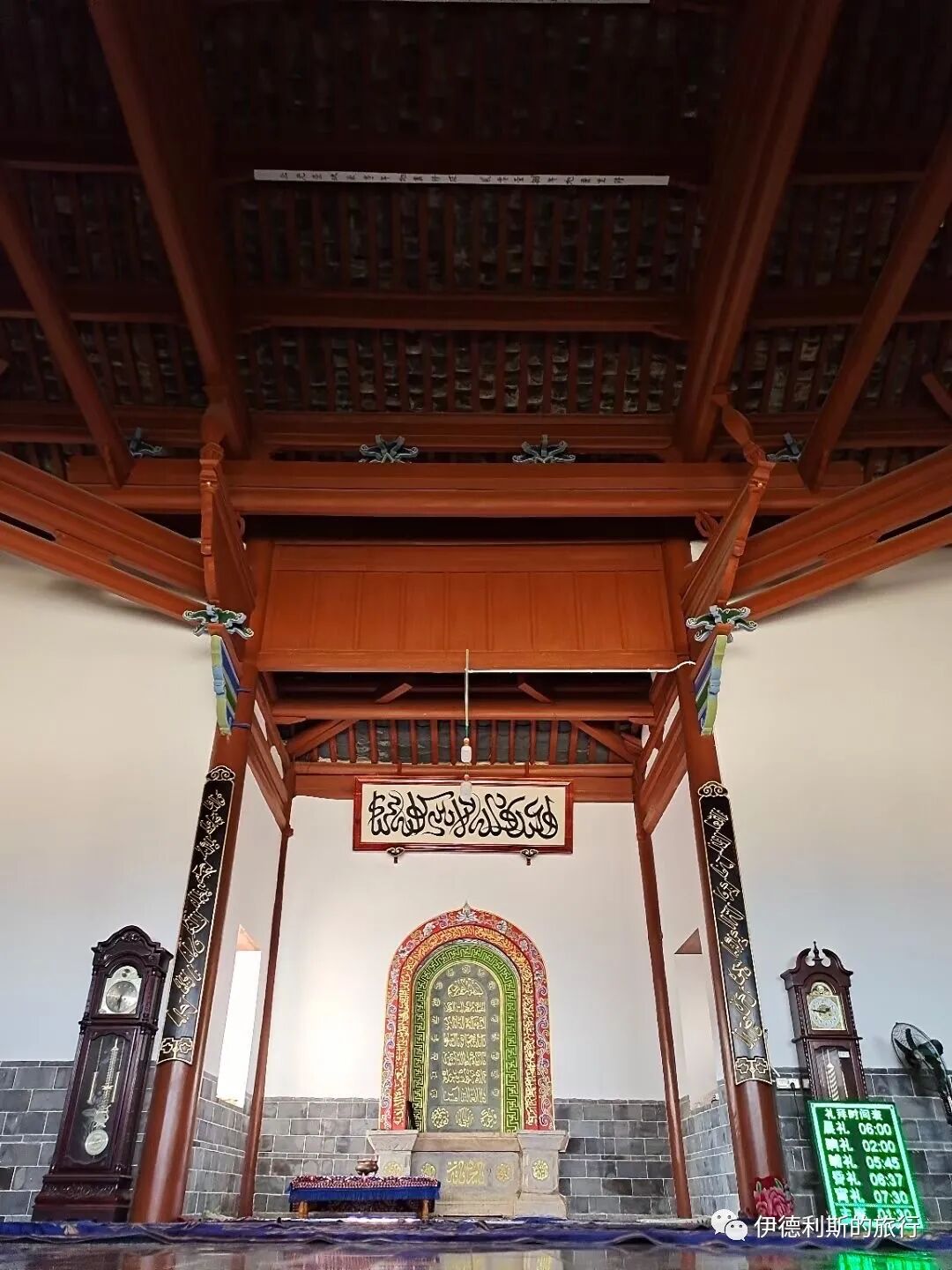
It is a great pity that the mosque is currently being renovated. The courtyard layout is gone, the north and south wing rooms have been demolished, and only the main hall remains as the original building. When we went, the main hall was locked. We saw no one in the mosque except for workers, so we could not enter. It was a great regret not to see the Jahriyya-style Arabic calligraphy mihrab inside.
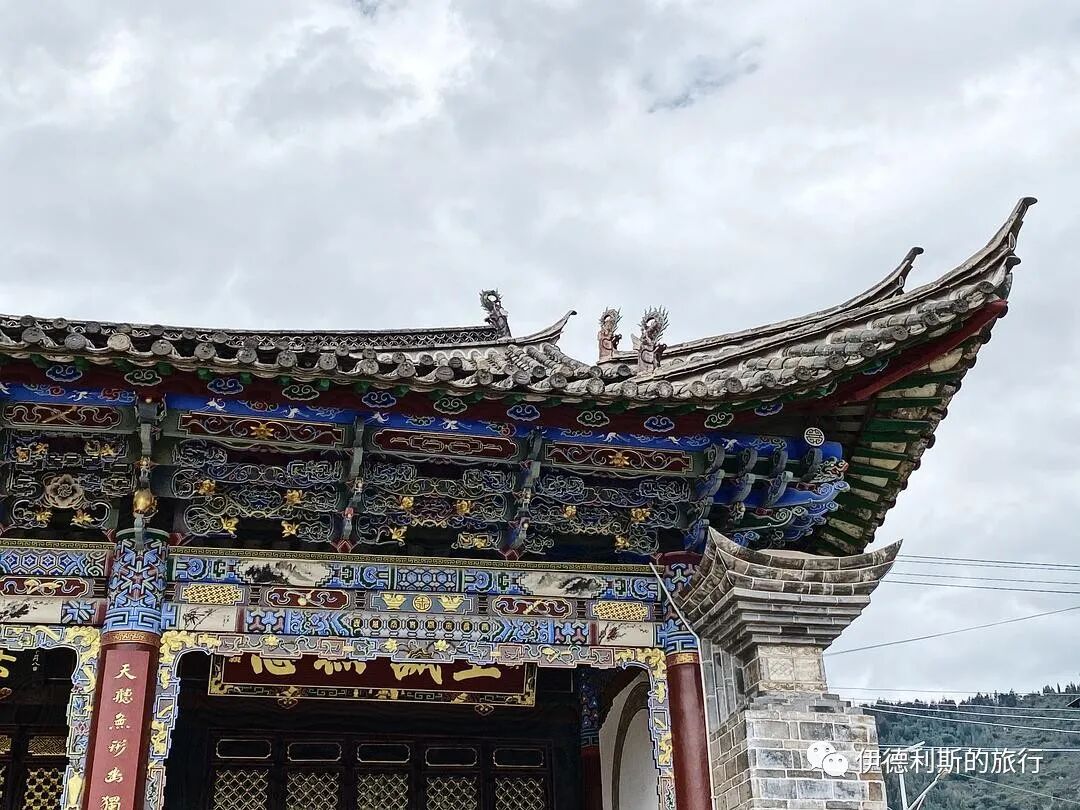
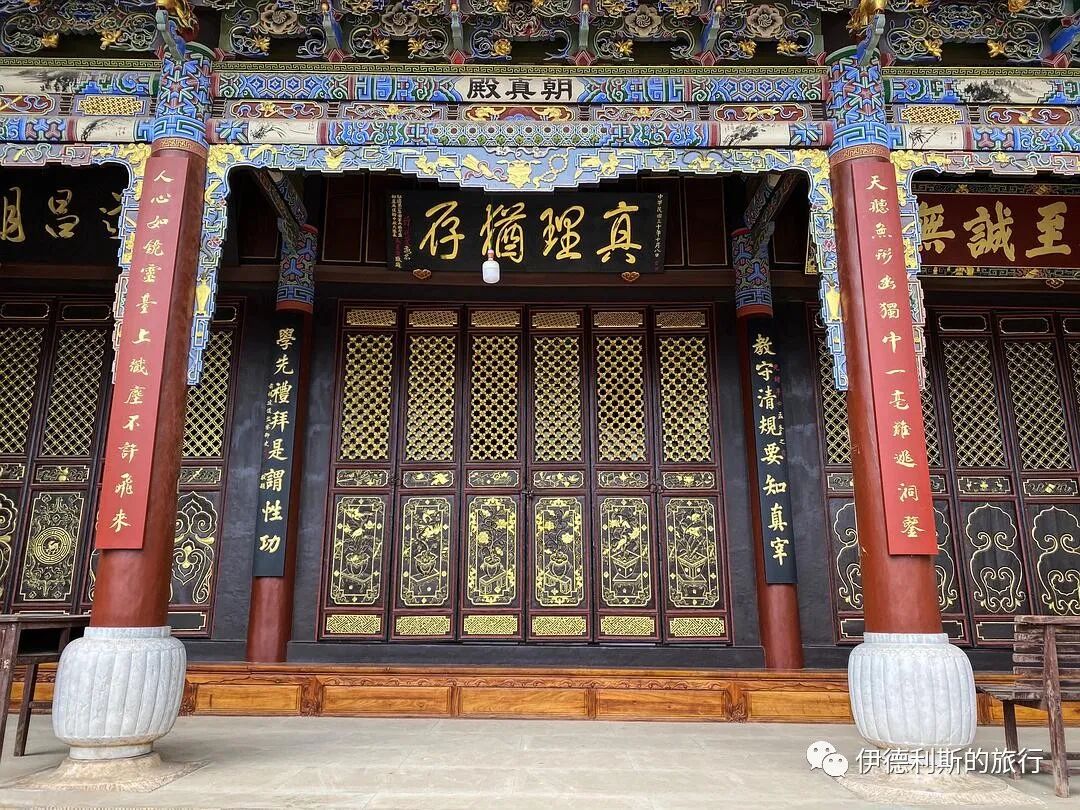
The main hall has a double-eave hanging mountain roof, with beautiful painted wood carvings on the brackets and beams, and openwork carvings between the eave pillars.
This last indoor photo was taken by a fellow Muslim (dost) a while ago. The bluestone under the mihrab was transported from Mojiang and has a history of over a hundred years.
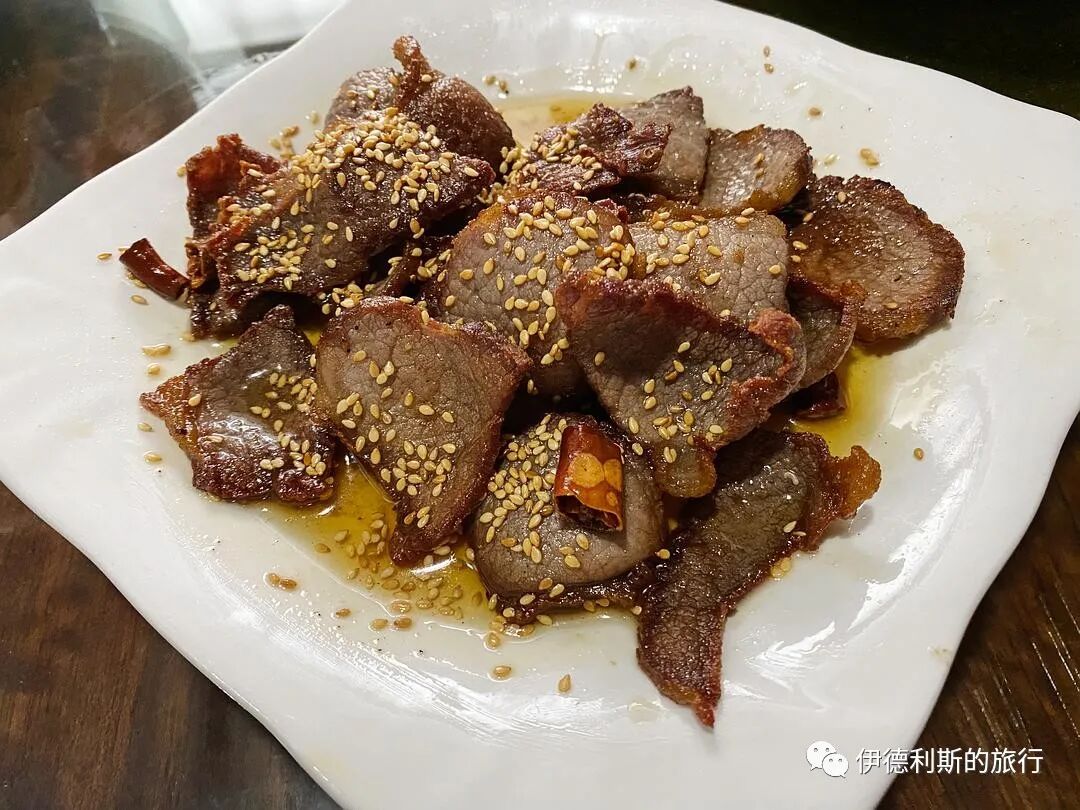
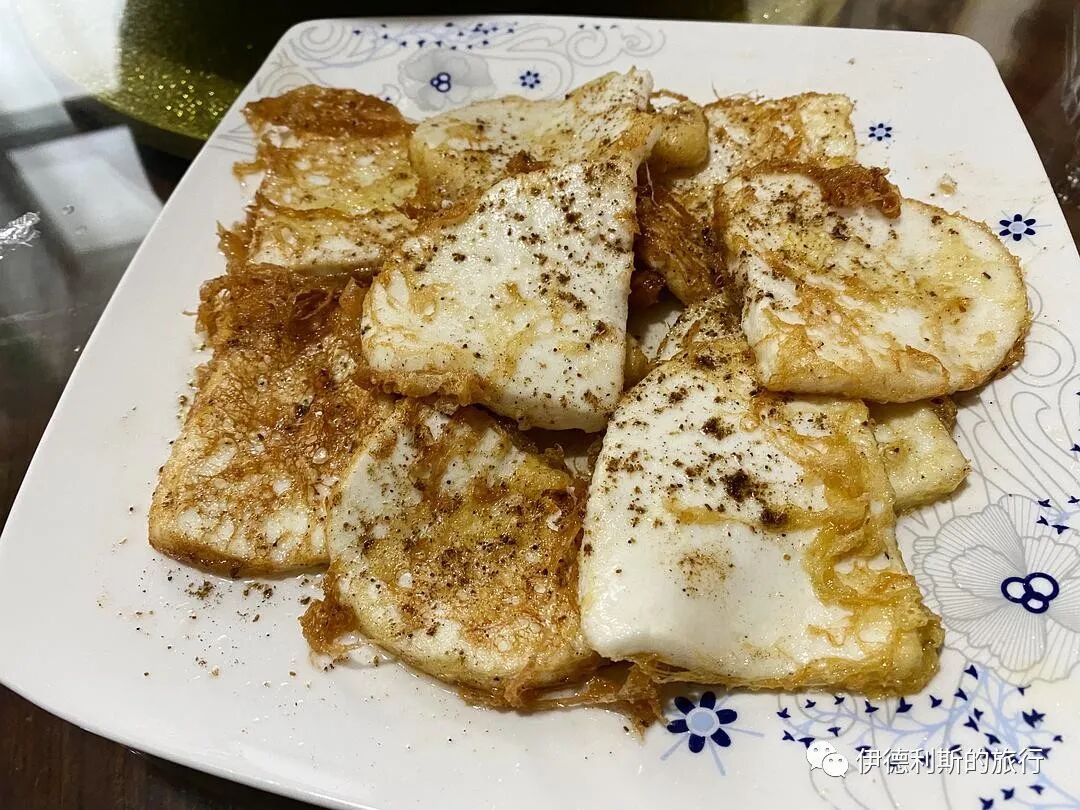
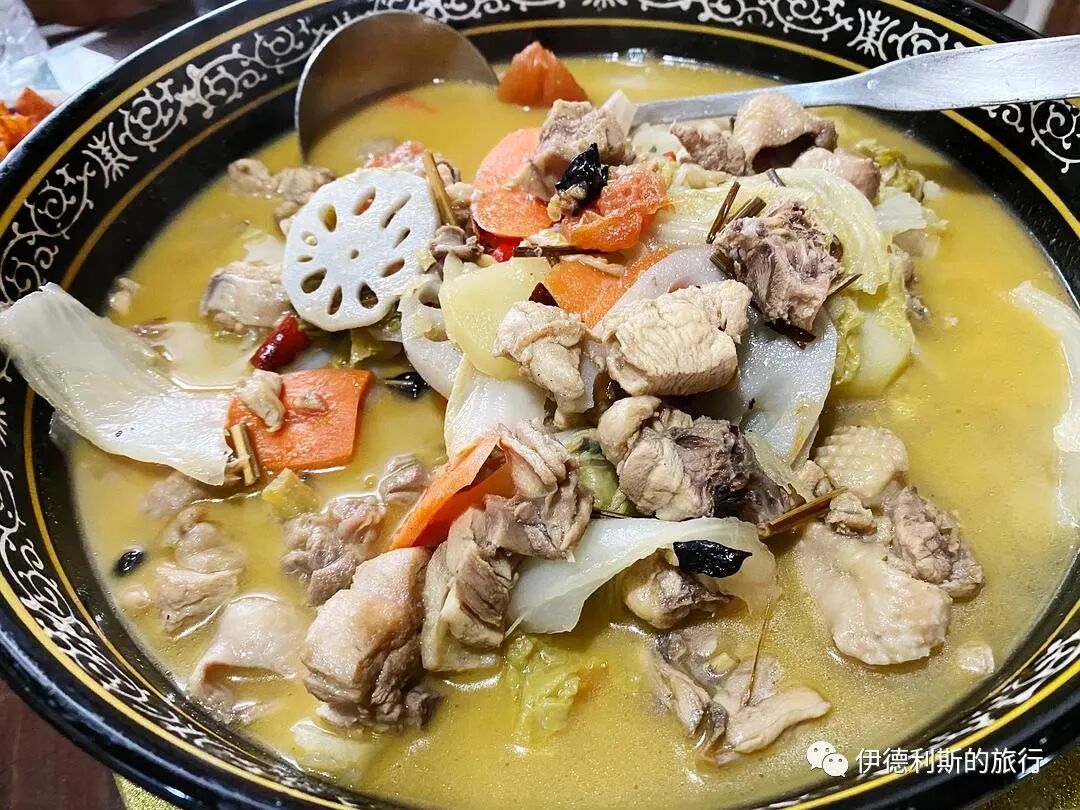
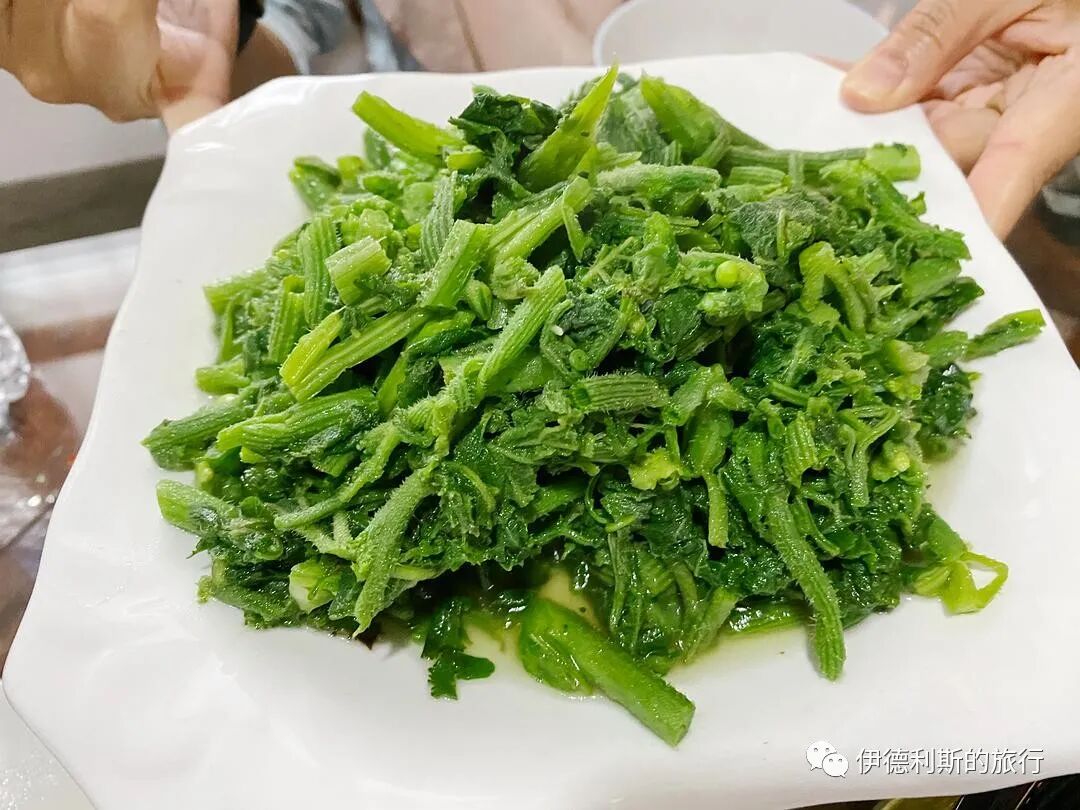
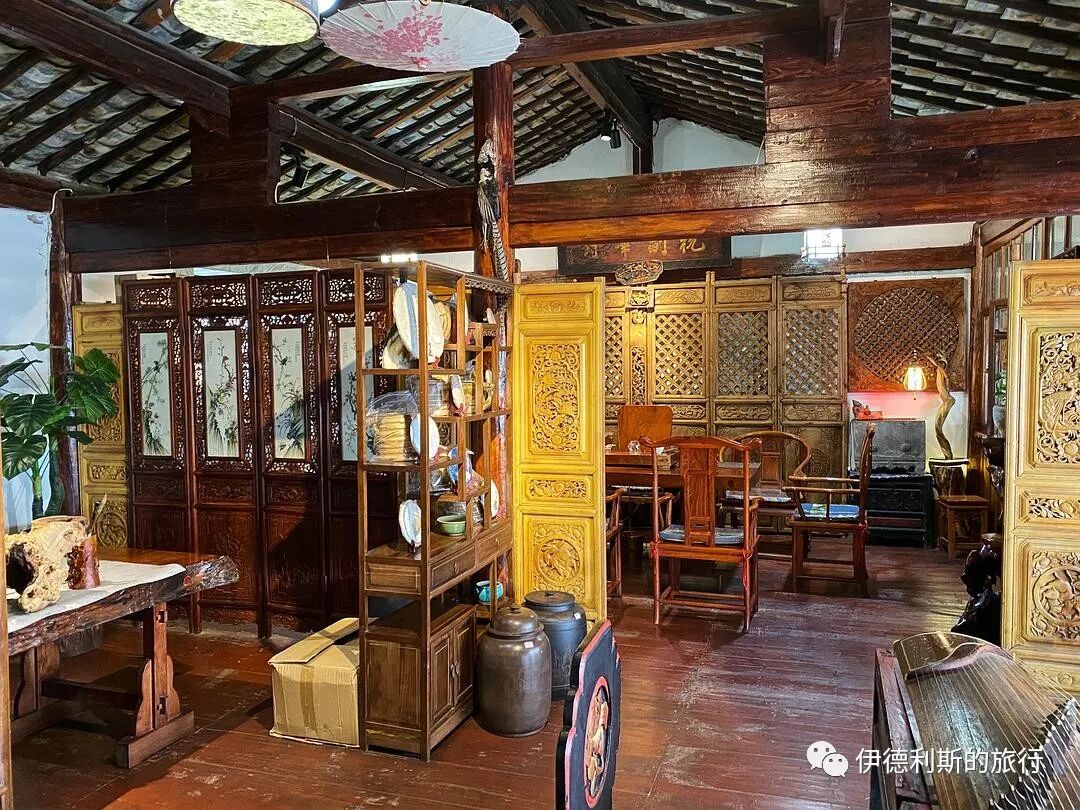
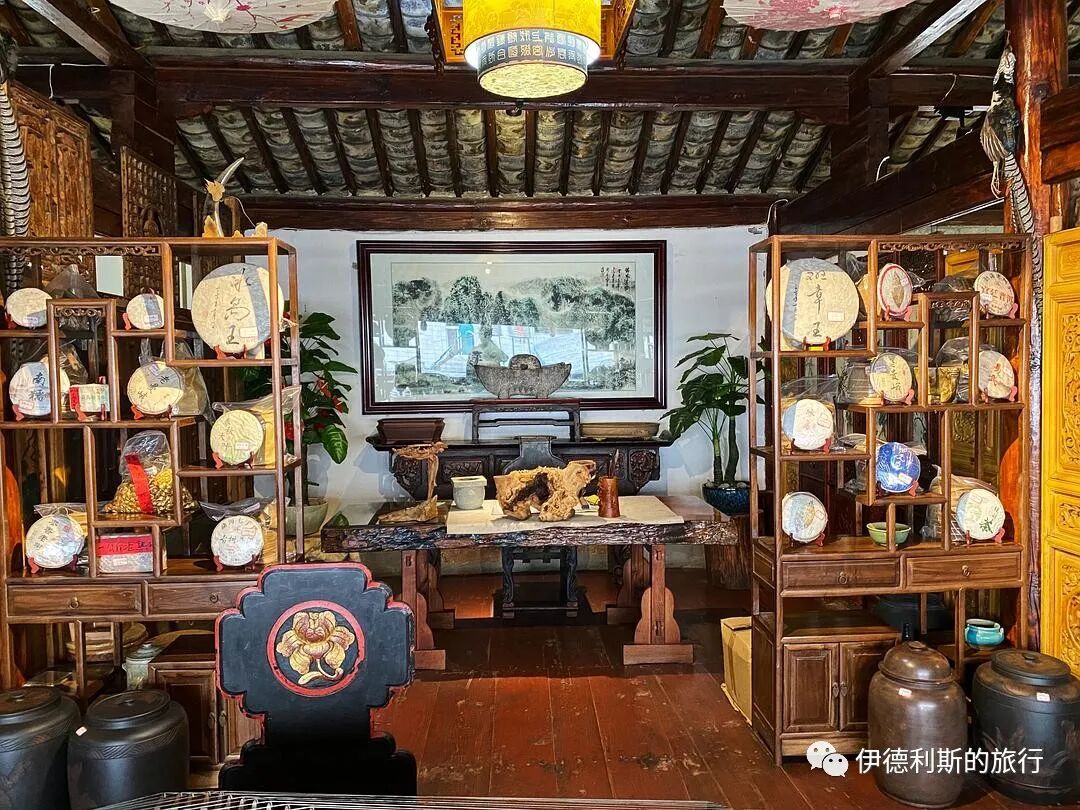
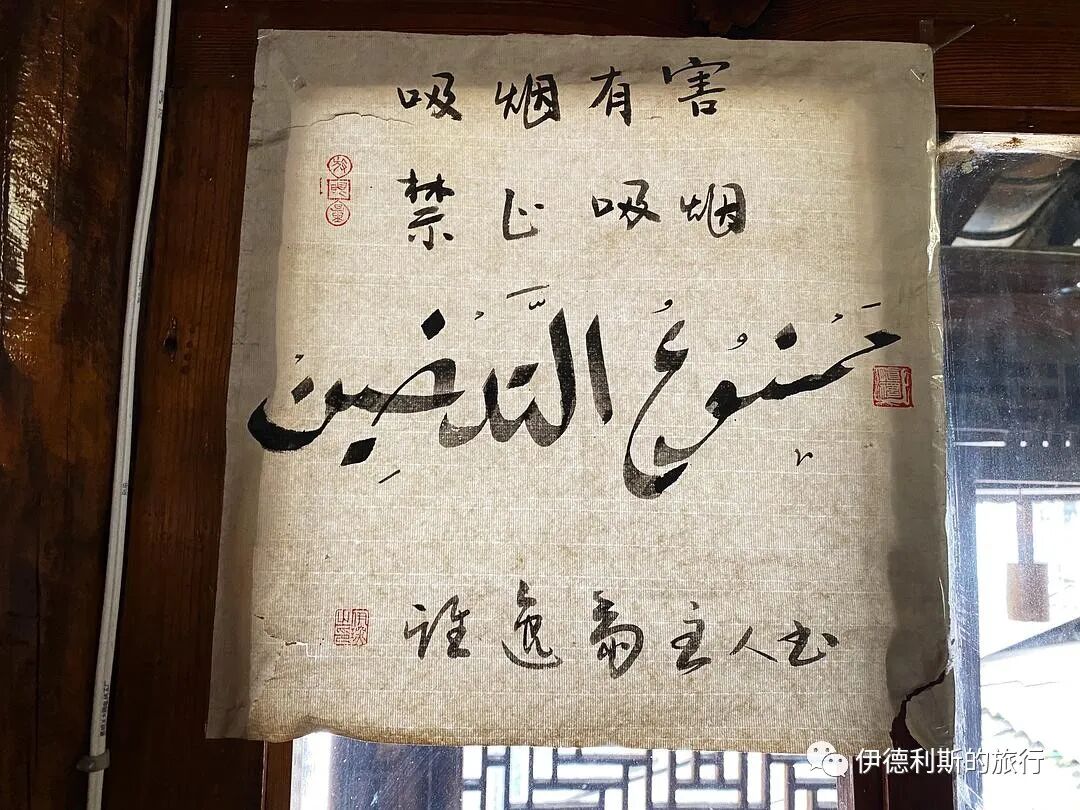
At noon, we ate at Jingshanzhai in Najiaying, having herb sour soup chicken, goat milk cheese (yangrubing), stir-fried pumpkin seedlings, stir-fried celery with lily bulbs, and oil-drizzled beef jerky (niuganba). The restaurant has a nice, antique atmosphere.
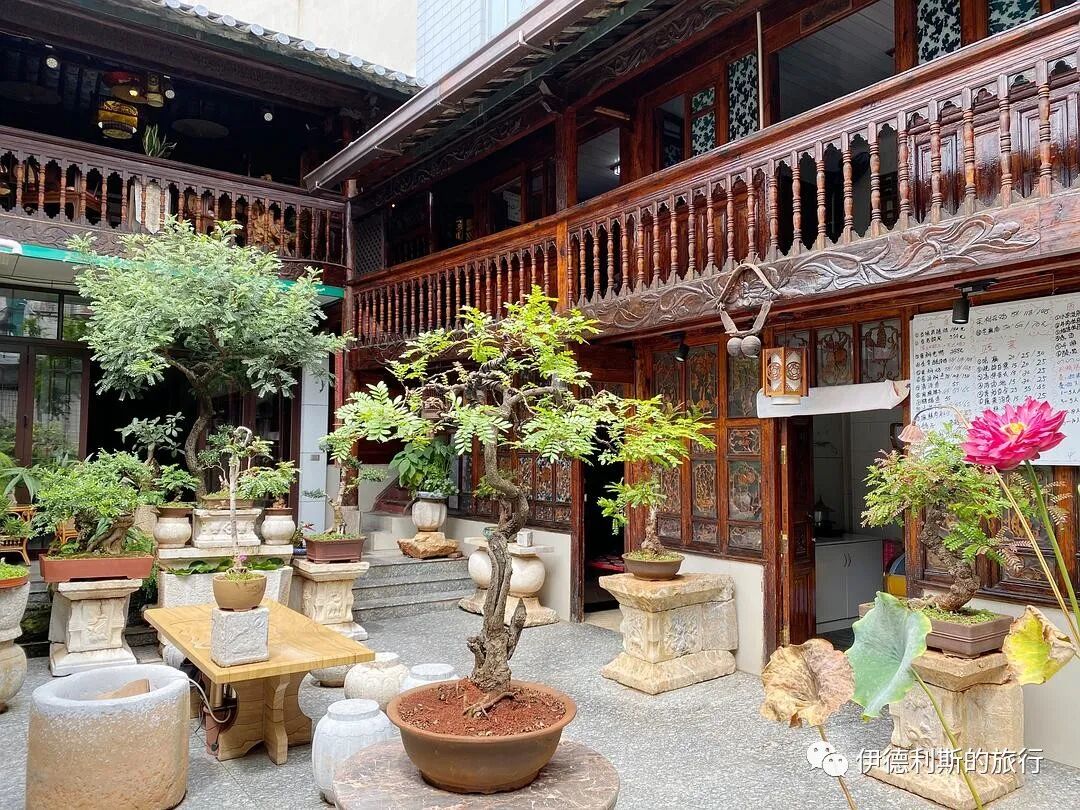
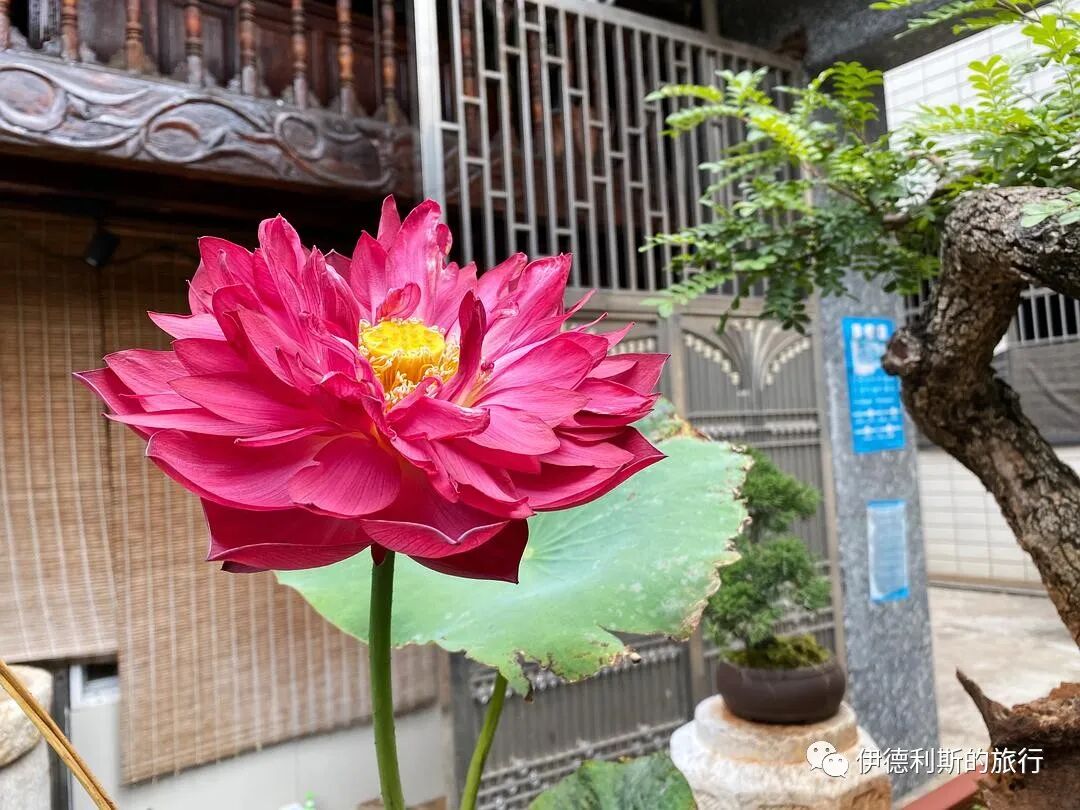
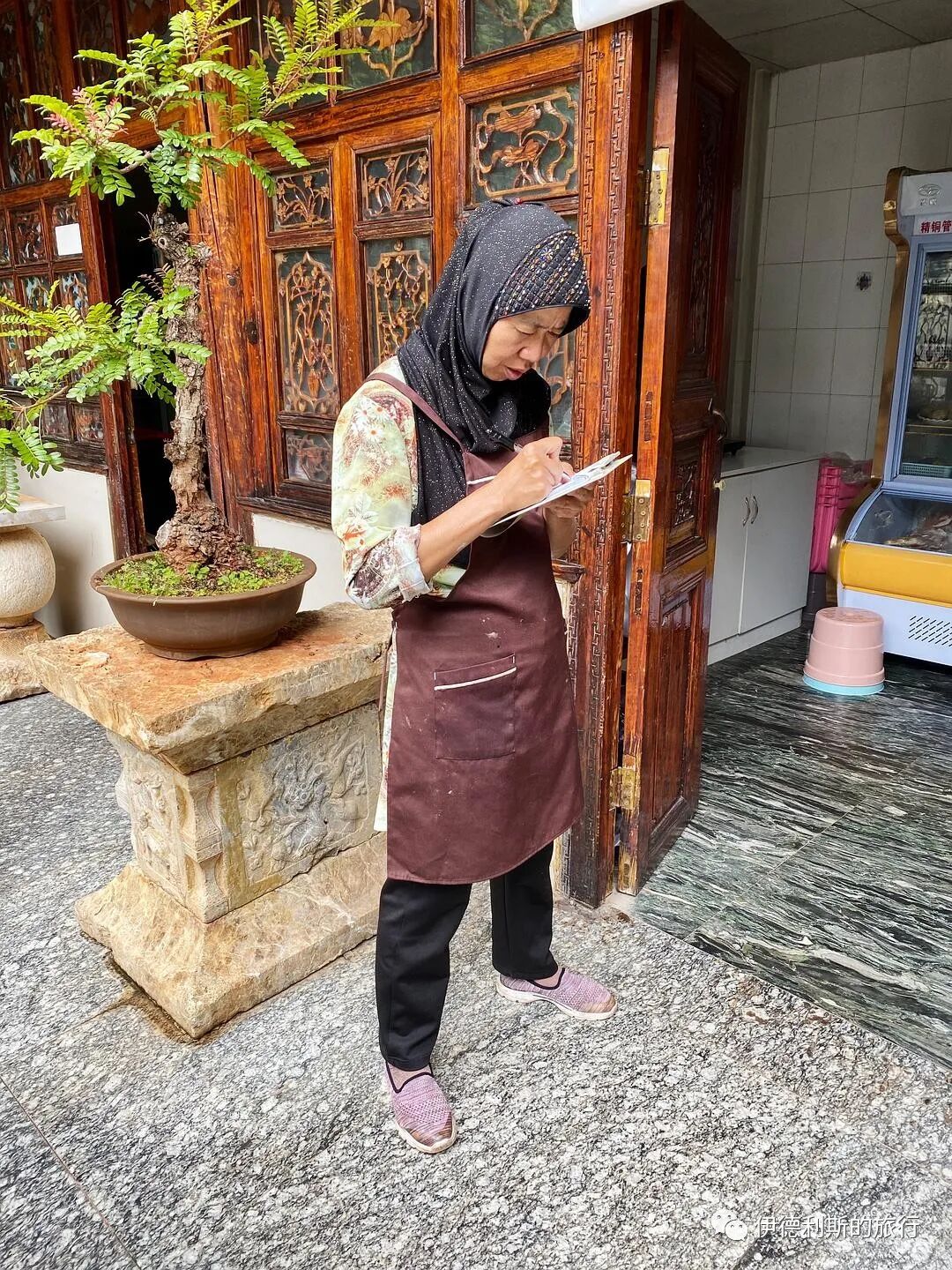
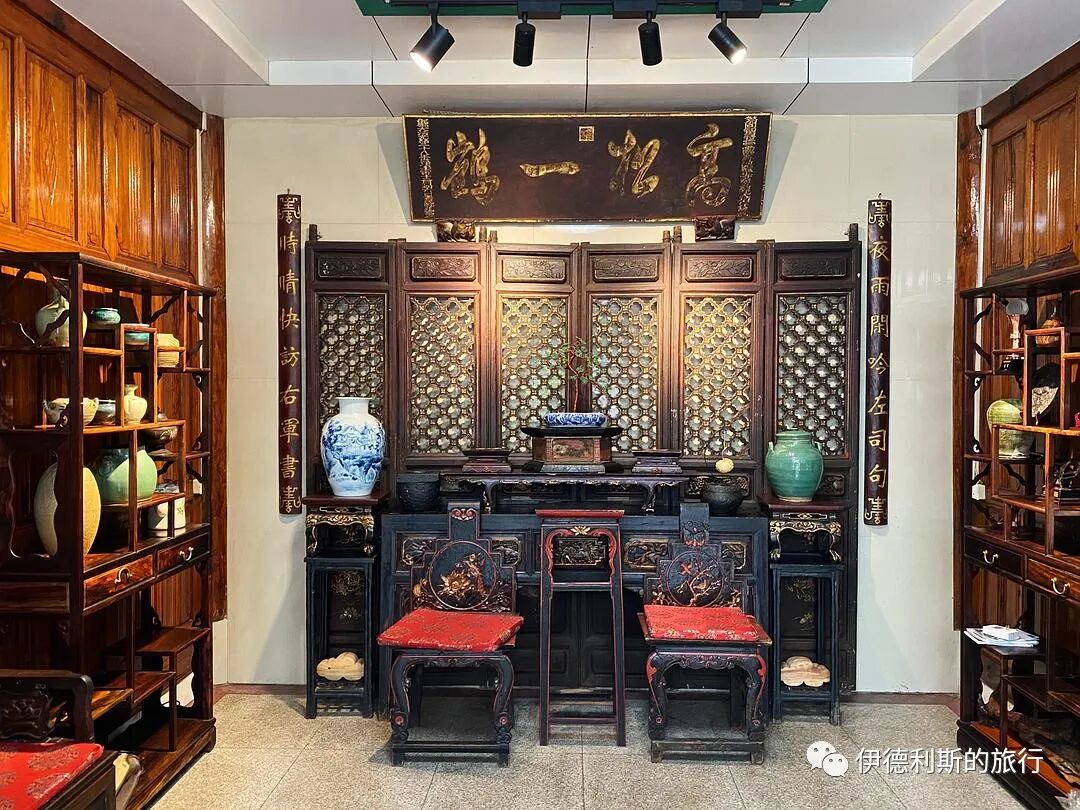
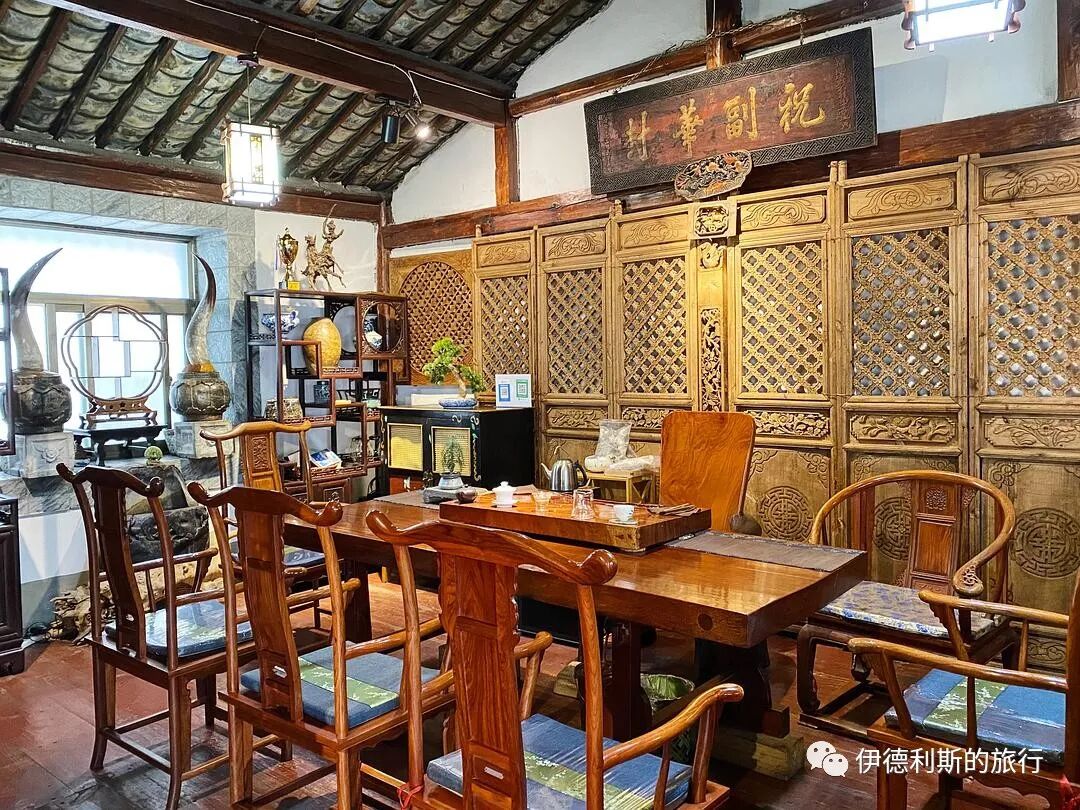
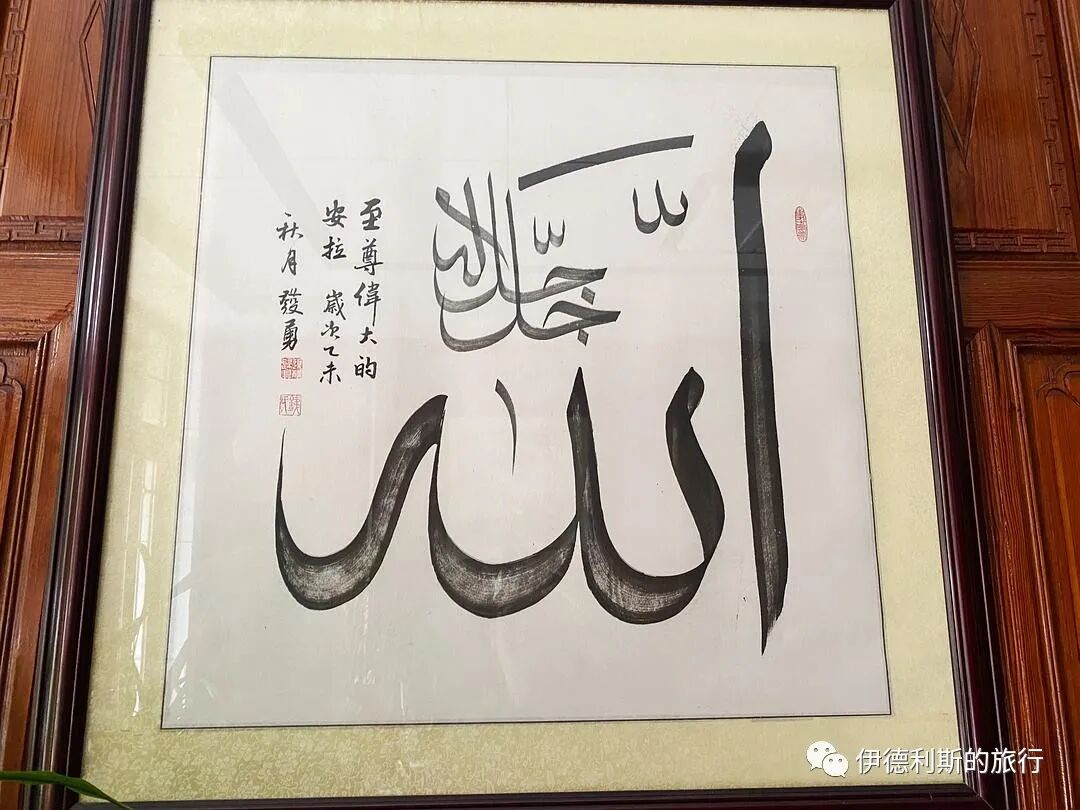
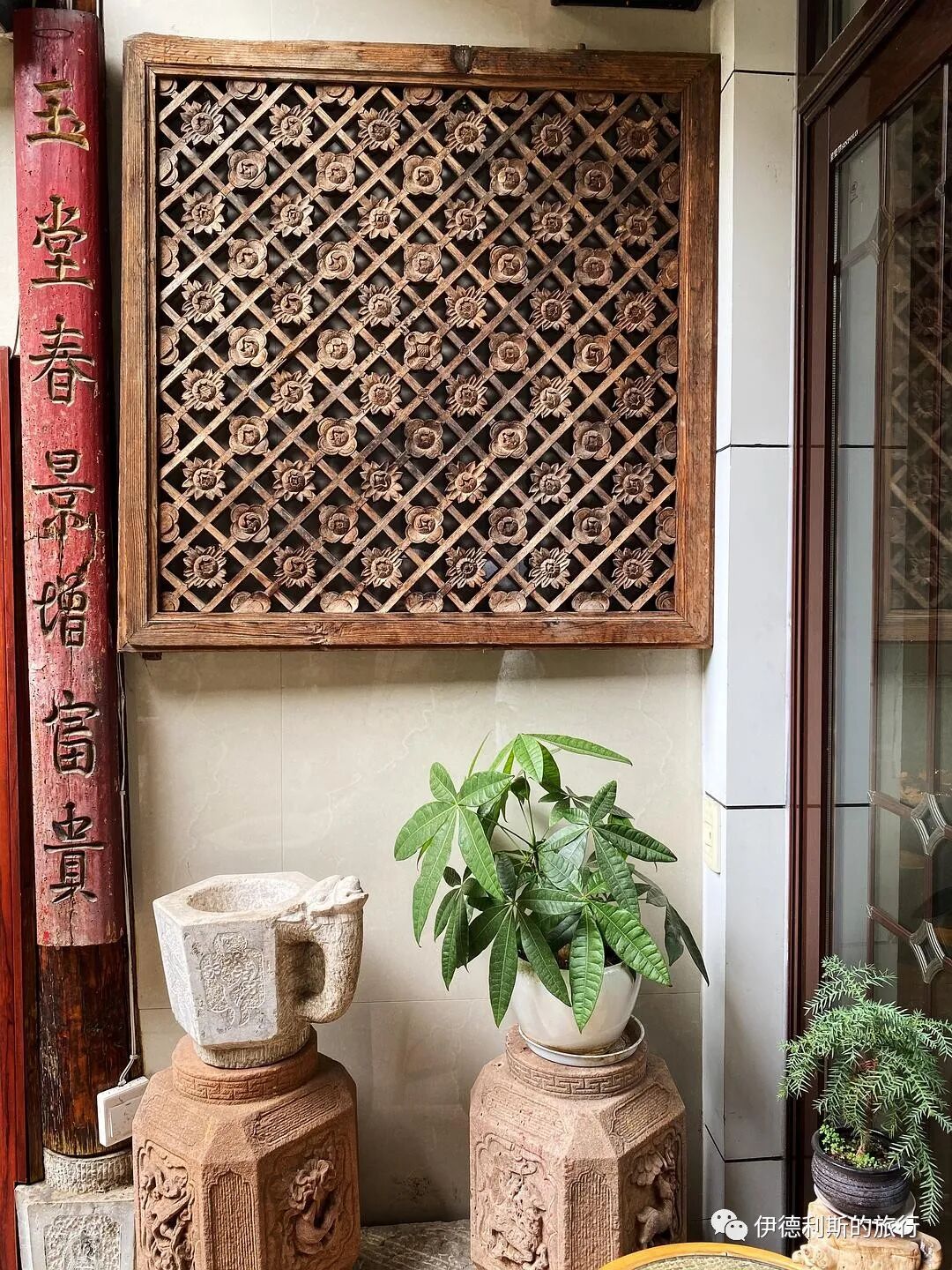
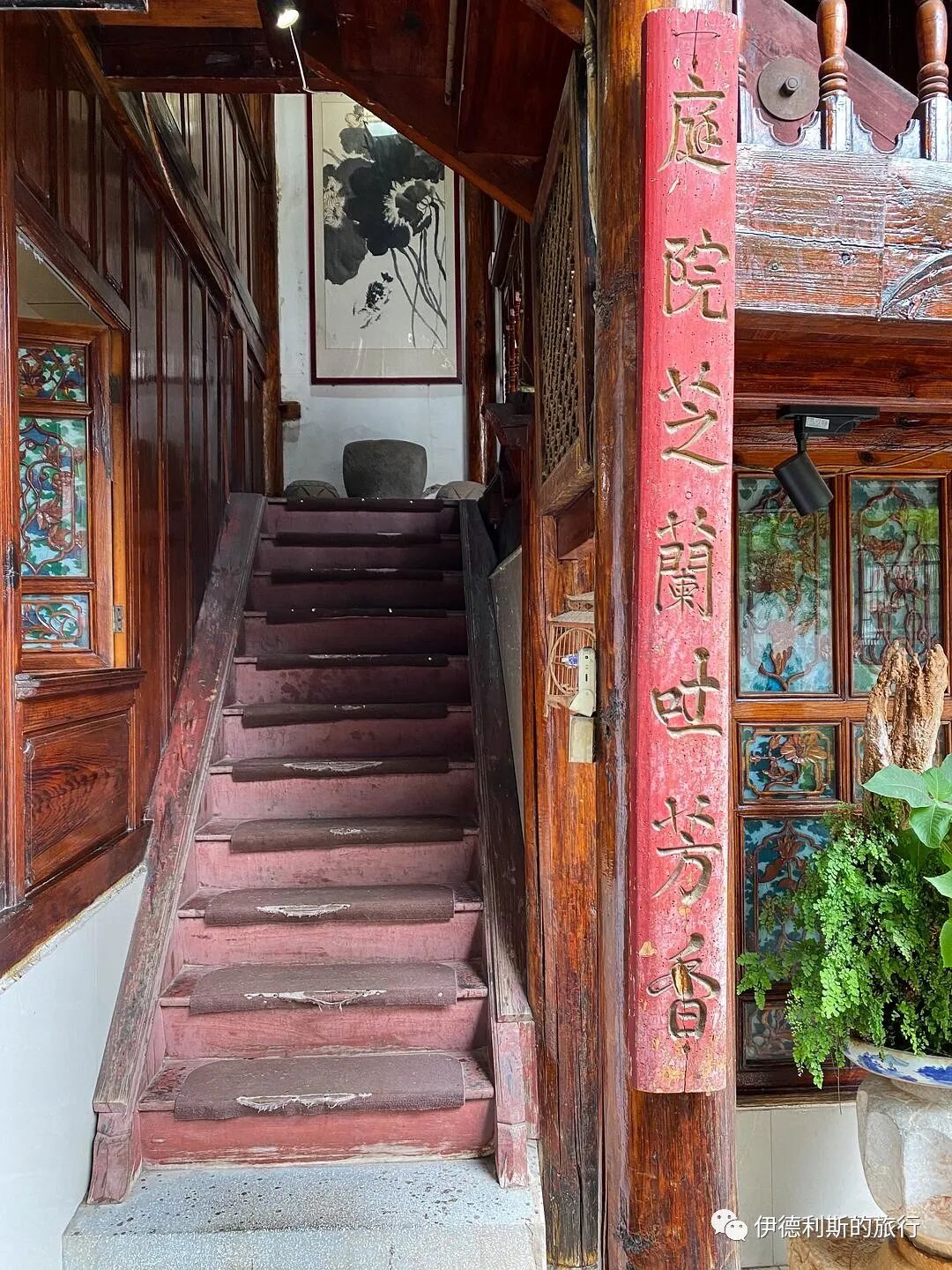
The decor at Jingshanzhai.
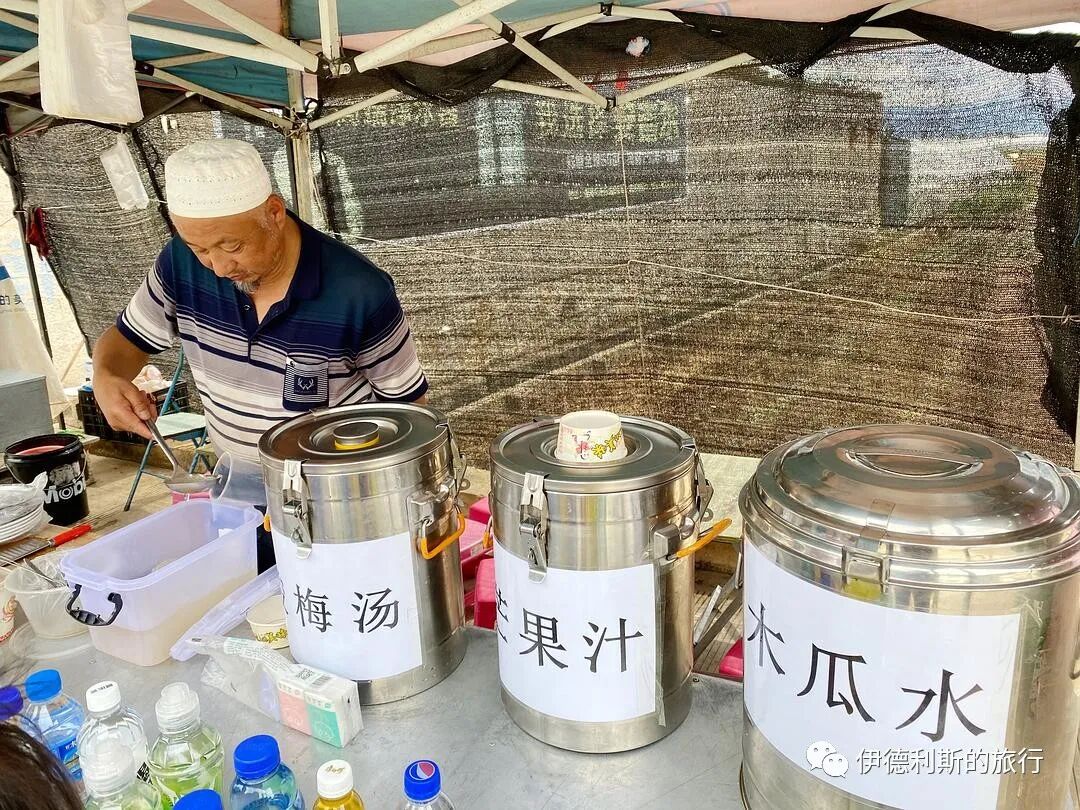
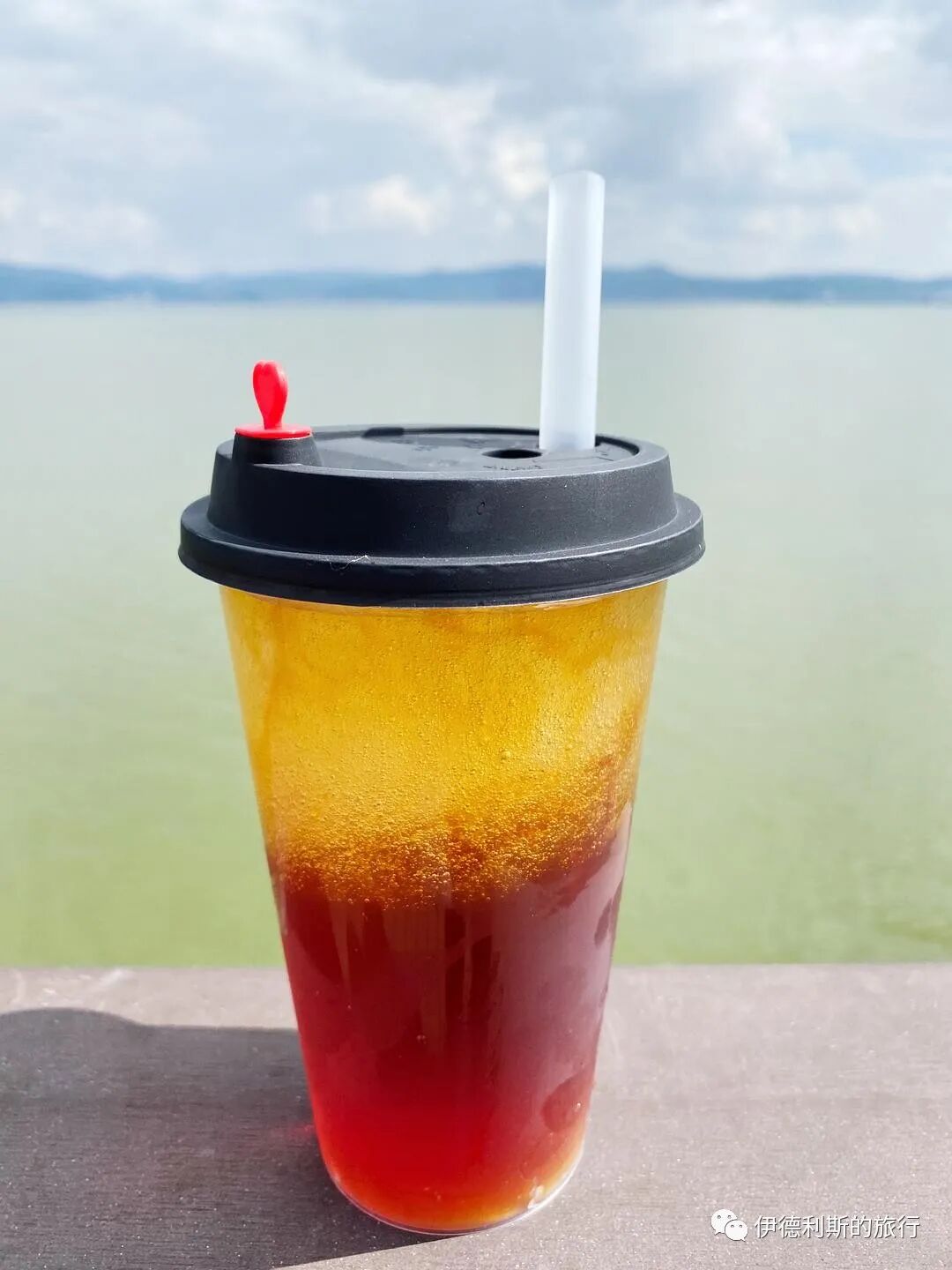
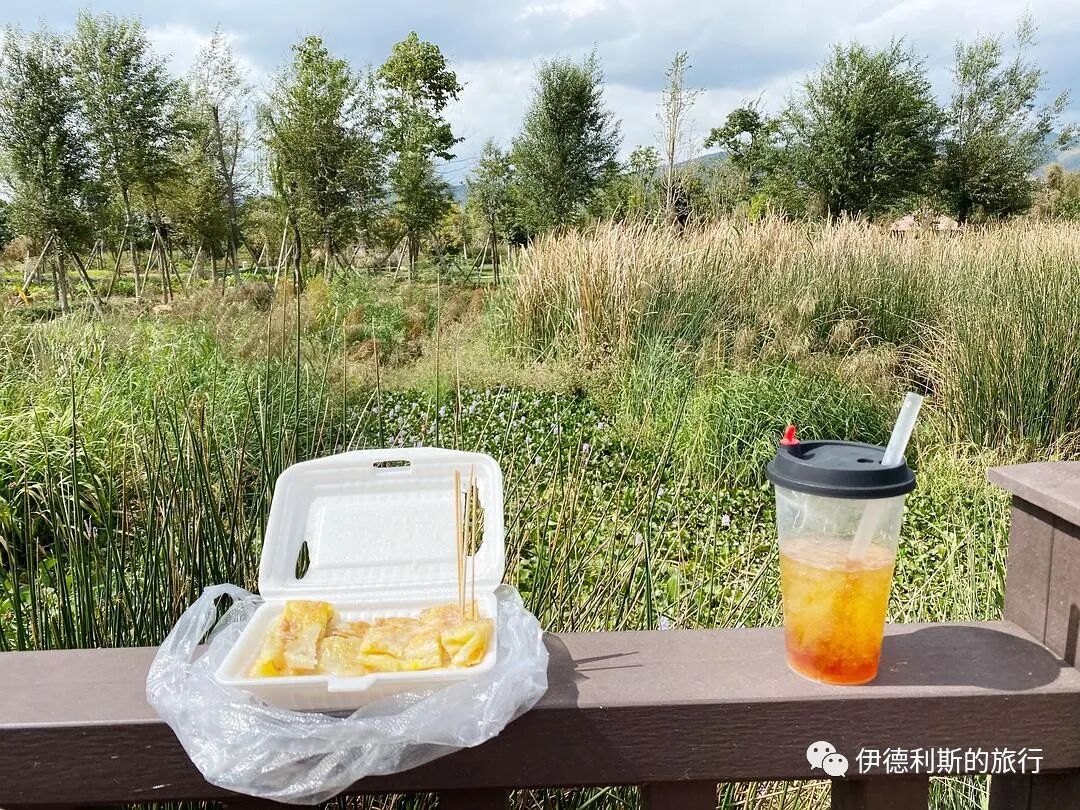
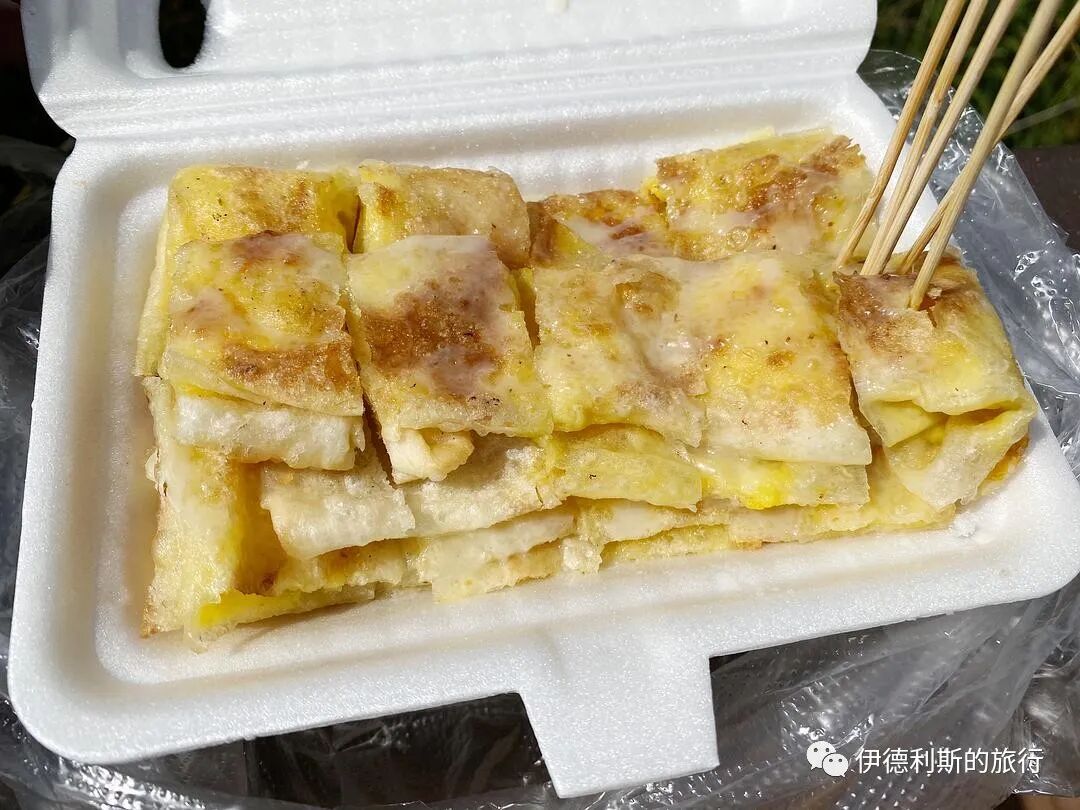
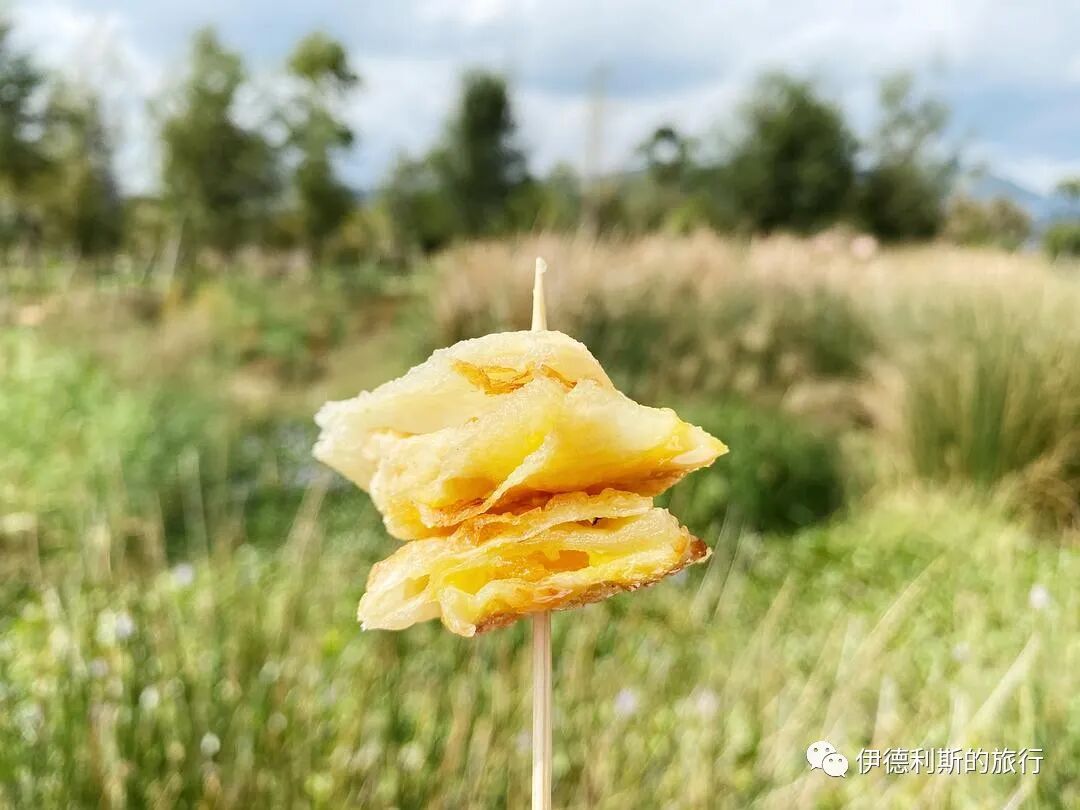
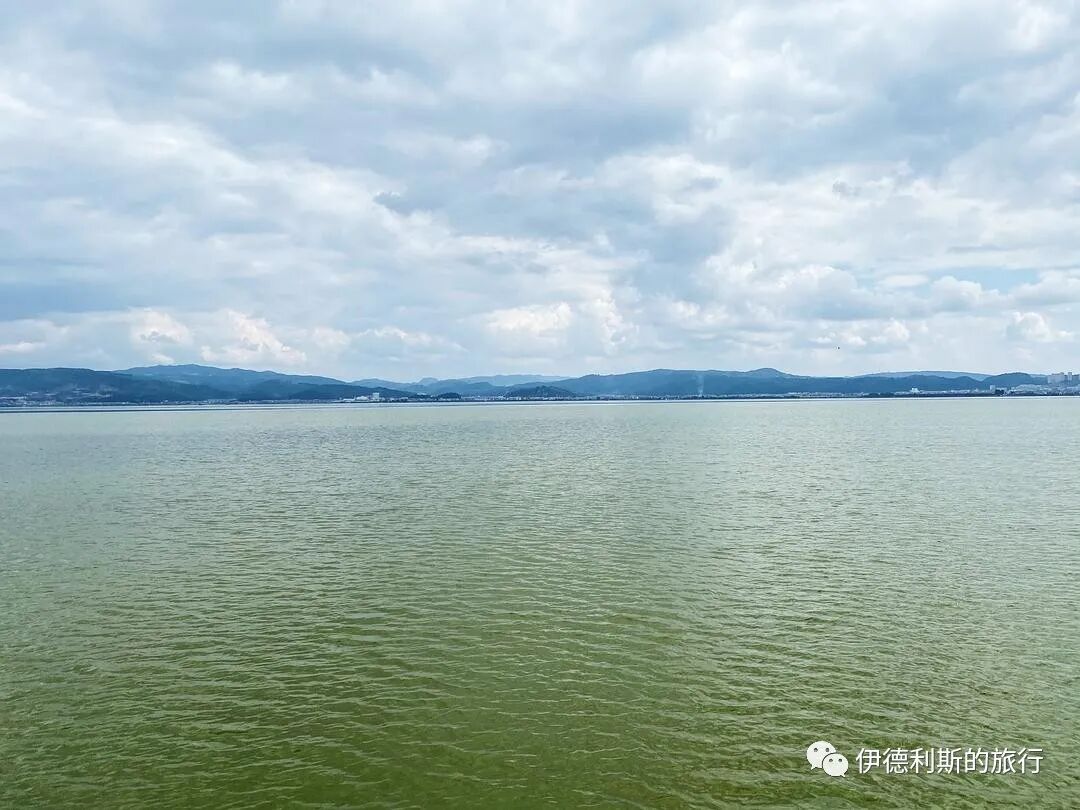
I bought a flatbread (balada) at the entrance of Najiaying Mosque, took it to Qilu Lake Xiaohai Park next to Najiaying, and bought a cup of papaya water at the entrance. Although the park is not big, the environment is very good, and there is a boardwalk by the lake, which is very pleasant for relaxing and catching a breeze.
Summary: Yuxi Najia Ying — Hui Muslims, Mosques and Yunnan Travel is presented here as a firsthand travel account in clear English, beginning with this scene: Author: Zainab. The account keeps its focus on Yuxi Travel, Hui Muslims, Yunnan Mosques while preserving the names, places, food, and historical details from the Chinese source.
Author: Zainab
On October 4, I traveled 23 kilometers east from Da Hui Village in Tonghai, Yuxi, to reach the famous Najiaying. The Na family of Najiaying are descendants of Nasr al-Din, the eldest son of the famous Yuan Dynasty official Sayyid Ajjal Shams al-Din. Nasr al-Din served as the administrator of Yunnan Province and continued his father's work in governing the region. After the Ming Dynasty was established, Nasr al-Din's descendant, Na Shulu, moved around for a while before settling on the north shore of Qilu Lake in central Yunnan in 1370, where he founded Najiaying.
That evening, I ate dry-pot beef at Zhiweiyuan Restaurant on Zhong'ai Street, the main road in Najiaying. It came in a huge copper pot filled with mint and arrowhead (cigu). I also had some lighter dishes: a mix of green beans and corn (liangmu di) and stir-fried cabbage with tofu.
On October 5, I had breakfast in Najiaying, Yuxi, eating potato pancakes (yangyu baba) and beef rice rolls (niurou juanfen).
At the Najiaying market, I ate buckwheat cake (qiaogao), which was delicious.
I visited the former residence of Na Xun, the famous Arabic translator who translated One Thousand and One Nights. The house is still occupied by Na Xun's grandnephew, an elderly man named Na Zhaoxiang. He warmly invited us in for tea and told us stories about Na Xun.
Na Xun's great-uncle, Na Fengchun, held a high-ranking position as a third-rank official, but his grandfather and father were both farmers.
Na Xun was born in 1911 and began attending the primary school inside the Najiaying mosque at age seven. The school used a modern curriculum that taught both Chinese and Arabic. They hired a teacher named Qian for Chinese and a teacher named Dai for math, while the Arabic classes were taught by Imam Ma Defu from the Najiaying mosque. Imam Ma Defu was an early student of the Yunnan Islamic scholar Ma Lianyuan and had a very strong foundation in religious studies.
Na Xun's home was just a few dozen steps south of the mosque. Every day when the adhan (bangke) sounded, he would get up and get ready. By the time his father returned from namaz, Na Xun was already prepared to go to school to review his lessons. According to Na Xun's cousin Na Guangxian, Na Xun never missed a class or arrived late, and he always ranked at the top of his exams.
In 1921, after Na Xun finished third grade, his cousin Na Guangwen returned from studying in Kunming. Seeing how bright Na Xun was, he asked Na Xun's father for permission to take him to Kunming for further education. His father agreed, and Na Xun left home to pursue his studies.
In 1926, bandits caused trouble in Najiaying. When the Yunnan provincial government troops came to suppress them, they burned down Najiaying, and Na Xun's home was reduced to ashes. Because Na Xun's eldest brother, Na Guangcheng, had been working in trade (zou yifang) and running a horse inn by the Lancang River in Simao, he had some savings, which allowed the family to rebuild their home on the original site.
I continued on to visit the former residence of Professor Na Zhong, an expert in Arabic education and a leading figure in Arabic culture. Na Zhong wrote A General History of the Arabs and compiled the first Arabic language textbook for Chinese universities. The property is now rented out by Na Zhong's descendants.
Na Zhong's grandfather, Na Hai, had been a soldier for several years. He was not only skilled in martial arts but also a master of masonry, metalwork, and carpentry. While working in Kunming, he fell in love with a young lady named Cai. Miss Cai came from a prominent military family in Kunming, but she chose this poor young man who had no house and no money. To get married as soon as possible, Na Hai returned to his hometown of Najiaying and spent six months building his own house. The house was a traditional two-story Yunnan dwelling with three main rooms and four side rooms. It was built very neatly with exquisite wooden doors and windows. The pillars of the outer courtyard gate were carved from solid bluestone, featuring patterns of dragons playing with a pearl, magpies in plum blossoms, qilin and eagles, and golden bulls and horses. Na Hai and Miss Cai were married there and had their first son, Na Dechang.
In 1856, the Bingchen Incident occurred in Yunnan. Najiaying appointed Na Hai, Na Fengchun, and Na Taishou as representatives to negotiate with the Han scholar Gongsun Shuo from Dongxiang, reaching a mutual protection agreement between Hui Muslims and Han people in Hedong. In 1857, the mutual protection agreement in Hexi was broken by a local tyrant named Zhan Zhanchun, who gathered soldiers to attack the Great and Small Donggou (now known as Da Hui Village and Xiao Hui Village). Na Hai ignored the advice of his friends and family and went to try to stop the fighting, but he was killed by the enemy. After that, Miss Cai, who was seven months pregnant, took her eldest son Na Dechang back to her parents' home in Kunming. Shortly after, she gave birth to a posthumous child, Na Zhong's father, Na Degui. After the birth, Miss Cai suffered from illness and passed away shortly after.
After Miss Cai died, Na Hai's first wife, He, brought the brothers Na Dechang and Na Degui back to Najiaying to raise them. When Na Degui was 13, He became too ill to work, so she asked a relative to take Na Degui to Kunming to find work. Na Degui worked at a fur shop on Zhuji Street in Kunming. He was an apprentice for eight years, receiving only food and lodging with no wages. After finishing his apprenticeship, Na Degui married He Yufeng, the niece of his foster mother He, and they returned to Kunming to work after the wedding. In 1909, He Yufeng gave birth to Na Shou'en, who would later be known as Na Zhong.
When Na Zhong was one year old, his cousins saw that He Yufeng was struggling, so they carried Na Zhong and his family to Kunming to join Na Degui. That was how Na Zhong left Najiaying and began his life in Kunming. After that, Na Zhong rarely returned to his hometown, except for a two-month stay in 1940 to escape air raids in Kunming after he graduated from Al-Azhar University in Egypt.
There is a water well at the entrance of Najiaying Mosque. It is said to have been built by Nasuluding, the great-grandson of the King of Xianyang, Sayyid Ajjal Shams al-Din, after he settled in Najiaying in the early Ming Dynasty. The wall of the well platform is carved with a dragon head, and the well water flows out from the dragon's mouth. People wash vegetables in the upper pool under the dragon's mouth, wash clothes in the lower pool, and finally, the water flows south to irrigate the farmland.
I bought a Nagu knife for cutting meat, and when I tried it at home, it was really sharp! It cuts through in one go without needing a second stroke. Historically, Najiaying and Gucheng were most famous for horse caravan transport, hunting rifle making, and knife making, but these trades declined as times changed. After the 1980s, Nagu Town began to vigorously develop the Nagu knife industry, and now there are many shops.
Also, on Zhenxing Road, there is a shop making traditional copperware, including copper pots and copper ladles. If you are interested, you can buy one to take home for a copper ladle hot pot.
To the north of Najiaying is Gucheng Village. The Xinzhai Mosque in the village was built by Ma Xuecheng, a disciple of Ma Mingxin, the founder of the Jahriyya menhuan. Ma Xuecheng was known as 'Yunnan Ma,' and followers of his sect respectfully called him the Third Master of Gucheng or Imam Ma Sanye. Ma Xuecheng was a local from Gucheng Village. He once went to study under Ma Mingxin, and the two were as close as father and son. After returning to Yunnan, Ma Xuecheng operated mining businesses, became a wealthy merchant, and was the first to spread the Jahriyya sect in Yunnan. In 1781, when Ma Mingxin's eldest son, Ma Shunqing, was exiled to Talang, Yunnan, Ma Xuecheng did his best to rescue and assist him, allowing the Jahriyya sect to continue developing in Yunnan.
It is a great pity that the mosque is currently being renovated. The courtyard layout is gone, the north and south wing rooms have been demolished, and only the main hall remains as the original building. When we went, the main hall was locked. We saw no one in the mosque except for workers, so we could not enter. It was a great regret not to see the Jahriyya-style Arabic calligraphy mihrab inside.
The main hall has a double-eave hanging mountain roof, with beautiful painted wood carvings on the brackets and beams, and openwork carvings between the eave pillars.
This last indoor photo was taken by a fellow Muslim (dost) a while ago. The bluestone under the mihrab was transported from Mojiang and has a history of over a hundred years.
At noon, we ate at Jingshanzhai in Najiaying, having herb sour soup chicken, goat milk cheese (yangrubing), stir-fried pumpkin seedlings, stir-fried celery with lily bulbs, and oil-drizzled beef jerky (niuganba). The restaurant has a nice, antique atmosphere.
The decor at Jingshanzhai.
I bought a flatbread (balada) at the entrance of Najiaying Mosque, took it to Qilu Lake Xiaohai Park next to Najiaying, and bought a cup of papaya water at the entrance. Although the park is not big, the environment is very good, and there is a boardwalk by the lake, which is very pleasant for relaxing and catching a breeze.
