
Urumqi Hui Muslims in Republican China: History, Photos and Muslim Life
Reposted from the web
Summary: Urumqi Hui Muslims in Republican China: History, Photos and Muslim Life is presented here as a firsthand travel account in clear English, beginning with this scene: I recently bought an interesting book called Urumqi Anecdotes (Wulumuqi Zhanggu). It made the Urumqi of a hundred years ago feel much more alive to me. The account keeps its focus on Urumqi History, Hui Muslims, Xinjiang while preserving the names, places, food, and historical details from the Chinese source.
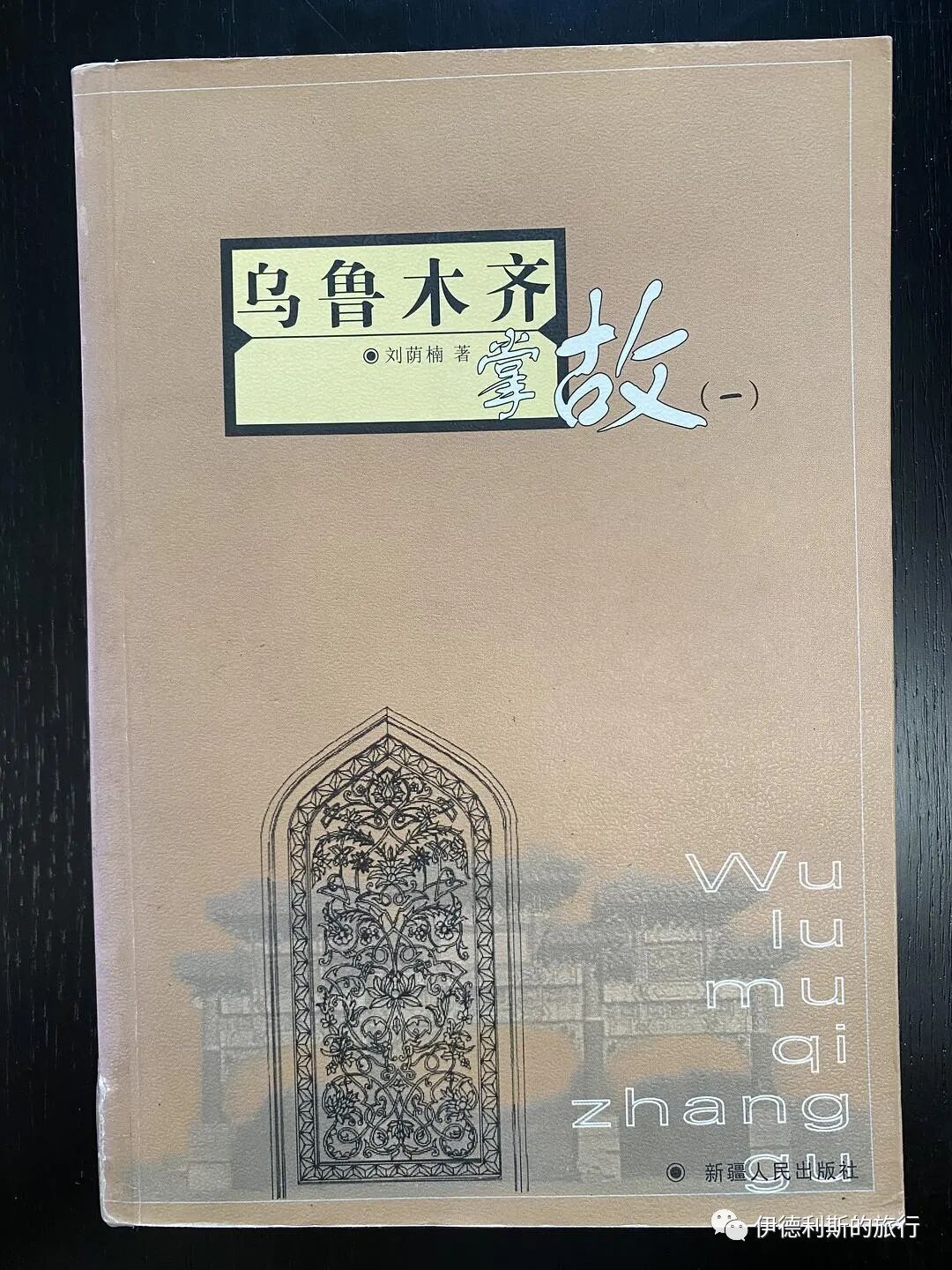
I recently bought an interesting book called Urumqi Anecdotes (Wulumuqi Zhanggu). It made the Urumqi of a hundred years ago feel much more alive to me.
Table of Contents
1. The camel caravan of Hui Muslim Yang Zhong, whose ancestral home was Xi'an.
2. The open-air teahouse run by Hui Muslim master Han Shila.
3. The cold starch noodles (liangpi) made by Hui Muslim master Han Youcai, whose ancestral home was Qinghai.
4. The fermented oat porridge (tianpeizi) from Hui Muslim master Shan.
5. The cold mixed starch sheet noodles (liangban fenpi) from Hui Muslim master Yang Hengkui, whose ancestral home was Fengxiang, Shaanxi.
6. The leaf-shaped noodle shop (yezimian guan) run by Hui Muslim master Liu Wanchun, whose ancestral home was Xi'an.
7. The egg fermented rice soup (jidan laozhao) and tofu pudding (doufunao) from Hui Muslim master Ma.
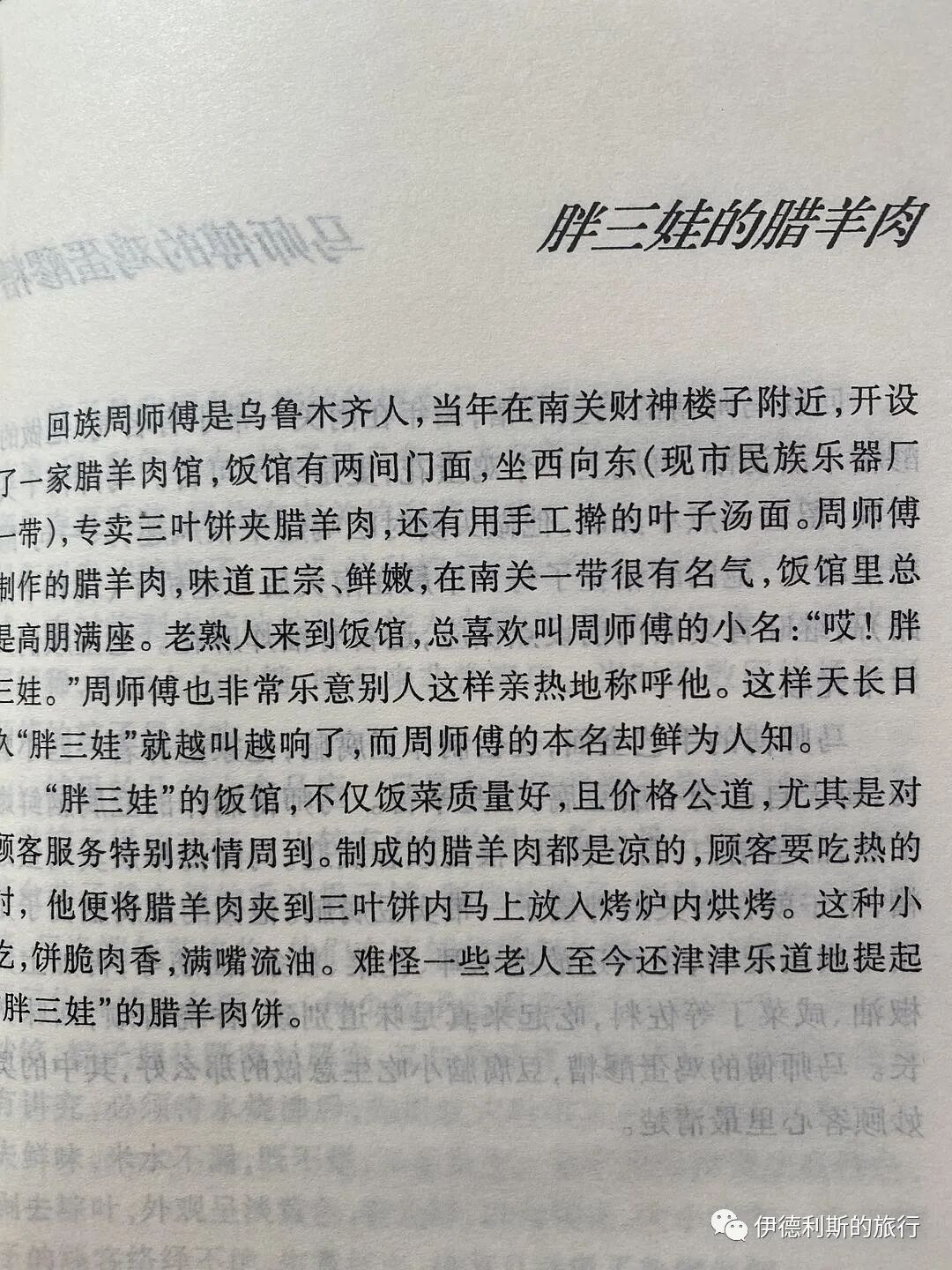
8. The cured mutton (la yangrou) from Hui Muslim master Zhou, known as Fatty Sanwa (Pang Sanwa).
9. The yogurt (suannai zi) and shaved ice (xuehua liang) from Hui Muslim master Ding Wanfu.
10. The crystal cake (jingjing gao) from Hui Muslim master She Yafang, whose ancestral home was Lantian, Shaanxi.
11. The spiced cured lamb hooves (hu la yangti) from Hui Muslim master Mu Laoba, whose ancestral home was Tianjin.
12. The crispy fried dough cakes (paopao yougao) from Hui Muslim master Shan Yun.
13. The oil tea (youcha) with fried dough twists (you mahua) from Hui Muslim master Ma Laohan.
14. The cured lamb bones (la yang gutou) from Hui Muslim master Sha Tianning, whose ancestral home was Xi'an.
15. The lamb offal soup (yangzasui tang) with fried dough twists (mahua) from Hui Muslim master Sha.
16. The Xinjiang cold noodles (liangmian) from Hui Muslim master Ma Wenyi.
17. The rolled fried milk (gunjian niunai) from Hui Muslim master He Cai, whose ancestral home was Xi'an.
18. The braised lamb head (lu yangtou) from Hui Muslim master Li Furen.
19. The beef with garlic (niurou bansuan) from the Hui Muslim brothers of the Old Bao family.
20. The peppercorn chicken (jiaoma ji) from Hui Muslim master Song.
21. The layered steamed bread (youtazi) from Hui Muslim master Qi Fengming.
22. The lamb meat (yanggao rou) from Hui Muslim master Wuwuzi.
23. The Zhongyiguan Restaurant founded by Hui Muslim master Ma Dawu, whose ancestral home was Shaanxi.
24. The Tiger Restaurant (Laohu Guanzi) run by Hui Muslim master Jia Shijun, whose ancestral home was Xi'an.
25. The halal pastry shop (qingzhen dianxin pu) run by Hui Muslim master She Wenbing, whose ancestral home was Lantian, Shaanxi.
26. The Zhenxinglong Water Mill (shuimo) opened by Hui Muslim Yang Zhenchun, whose ancestral home was Linxia, Gansu.
27. The Hui Muslim electrician Ma Hailong, whose ancestral home was Gangu County, Tianshui, Gansu.
28. The Starch Noodle Street (Fentiao Jie) outside the South Gate of Urumqi.
29. Ningxia Bay, located east of the South Gate (Nanguan) in Urumqi.
30. Imam (Ahong) Ma Liangjun.
31. The Wanxinglong Halal Chinese and Western Pastry Shop opened by Hui Muslim manager Ma Wanxiao.
32. The cured mutton in steamed buns (la yangrou jia zhengmo) from Hui Muslim master Nian Shenghua.
33. The date crystal cake (zaojing gao) of the Urumqi Hui Muslims.
34. The steamed bun shop (momo fang) of Hui Muslim Cai Huasheng, whose ancestral home was Xi'an.
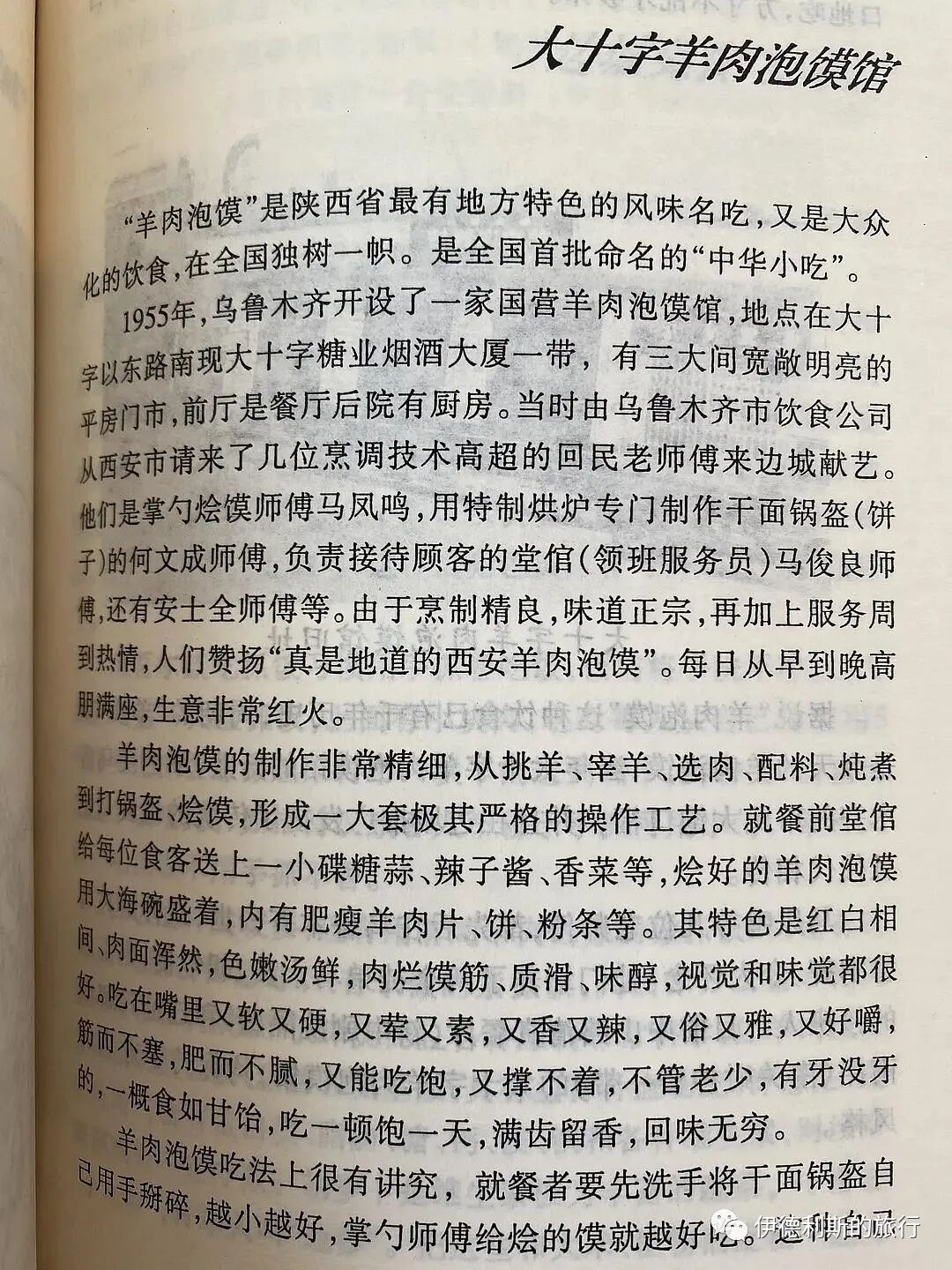
35. The Dazishizi Mutton Pita Soup (yangrou paomo) restaurant opened in the 1950s.
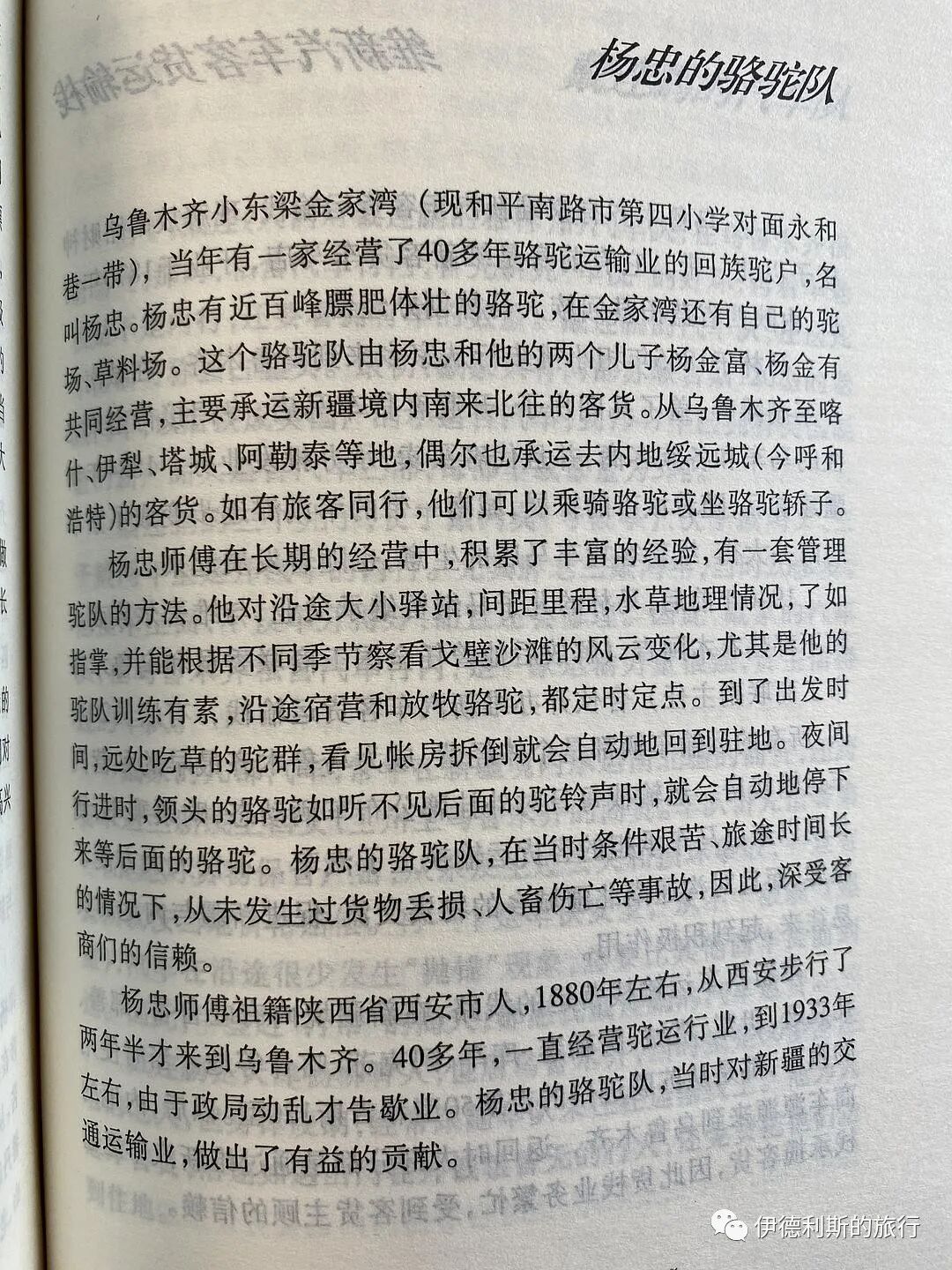
1. The camel caravan of Hui Muslim Yang Zhong, whose ancestral home was Xi'an.
Master Yang Zhong was a Hui Muslim from Xi'an. He walked from Xi'an to Urumqi for two and a half years around 1880 and spent over 40 years running a camel transport business in Urumqi. Master Yang Zhong had nearly a hundred fat and strong camels, and he also owned his own camel farm and fodder yard in Jinjiawan, Xiaodongliang, Urumqi. Yang Zhong's camel caravan mainly transported passengers and goods from Urumqi to Kashgar, Yining, Tacheng, and Altay, with occasional business to Hohhot. When his camels were grazing in the distance, they would automatically return to the camp if they saw the tents being taken down, and at night, the lead camel would stop automatically if it could not hear the camel bells behind it.
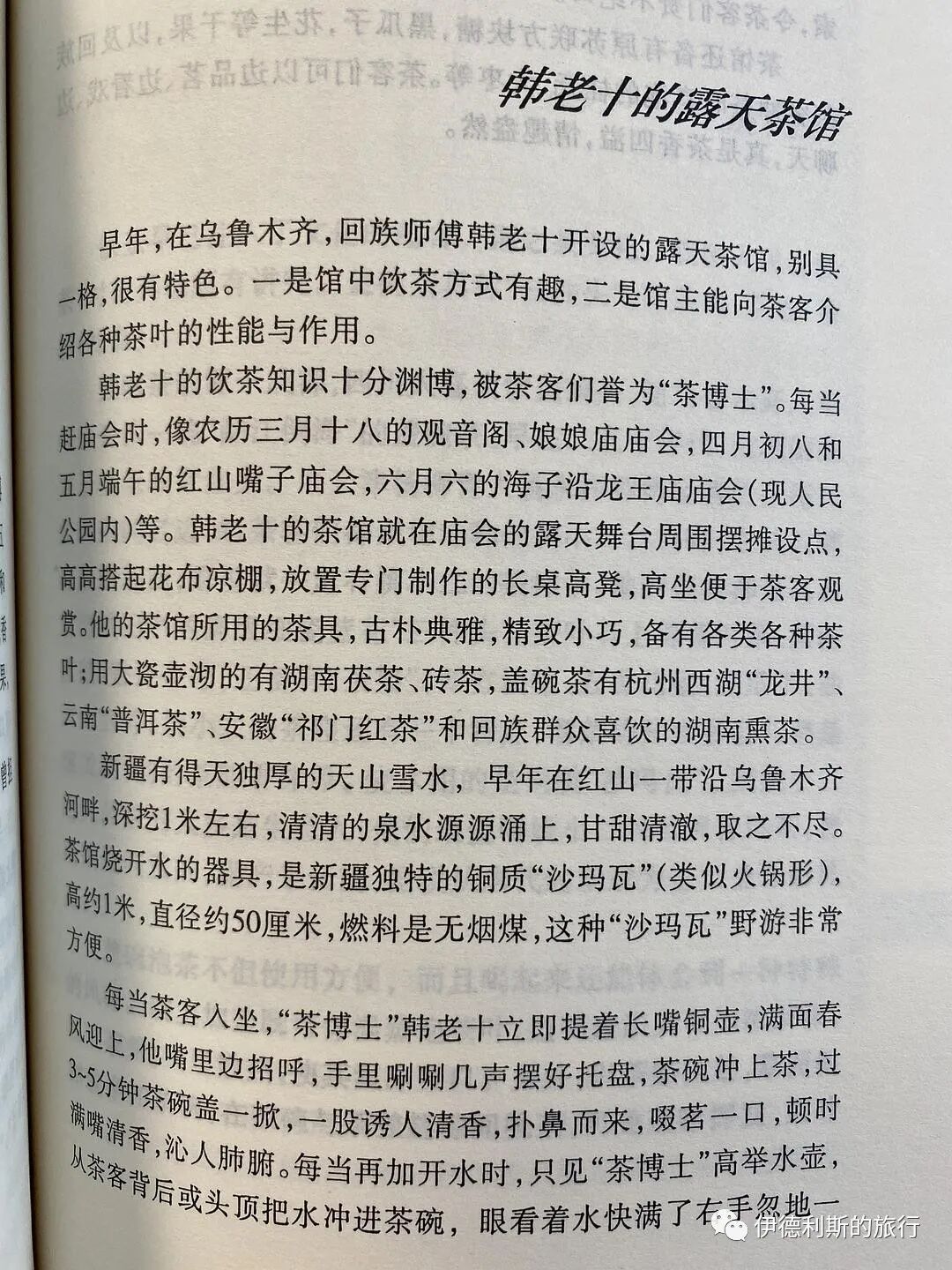
2. The open-air teahouse run by Hui Muslim master Han Shila.
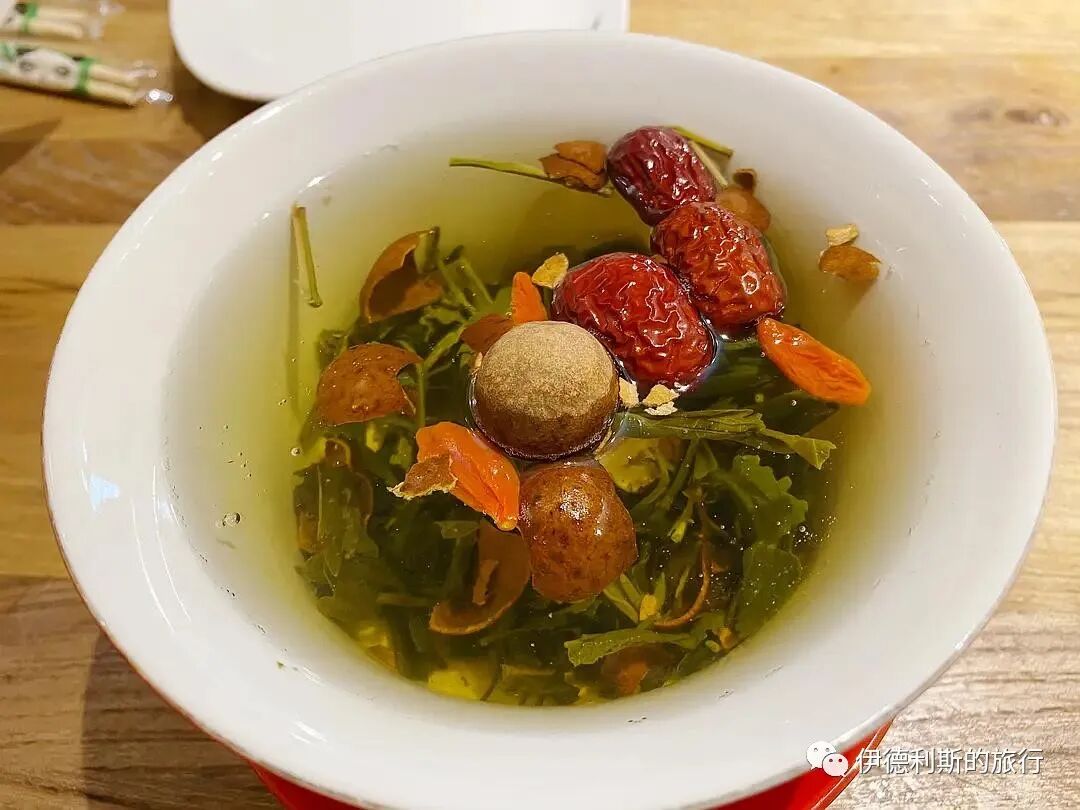
Master Han Shila set up a stall to sell tea at various temple fairs in Urumqi, using a high-roofed shelter with long tables and high stools. He served Hunan dark tea (fuzhuan) and brick tea in large porcelain pots, and brewed West Lake Longjing, Yunnan Pu'er, Anhui Qimen, and the Hunan smoked tea that Hui Muslims love in lidded bowls (gaiwancha). He used sweet, clear spring water from the Tianshan Mountains to brew the tea and a copper stove similar to a hot pot, called a samovar (shamawa), to boil the water. He also provided Soviet sugar cubes, black melon seeds, peanuts, dried fruits, and the longan and red dates that Hui Muslims use to make three-ingredient tea (sanpaotai). When refilling tea, Master Han Shila practiced the 'snowflake covering the top' technique, which meant lifting the copper pot high behind or above the customer's head to pour water into the bowl. Just as it was about to overflow, he would flick his right wrist, and the spout would stop dripping completely, clean and precise.
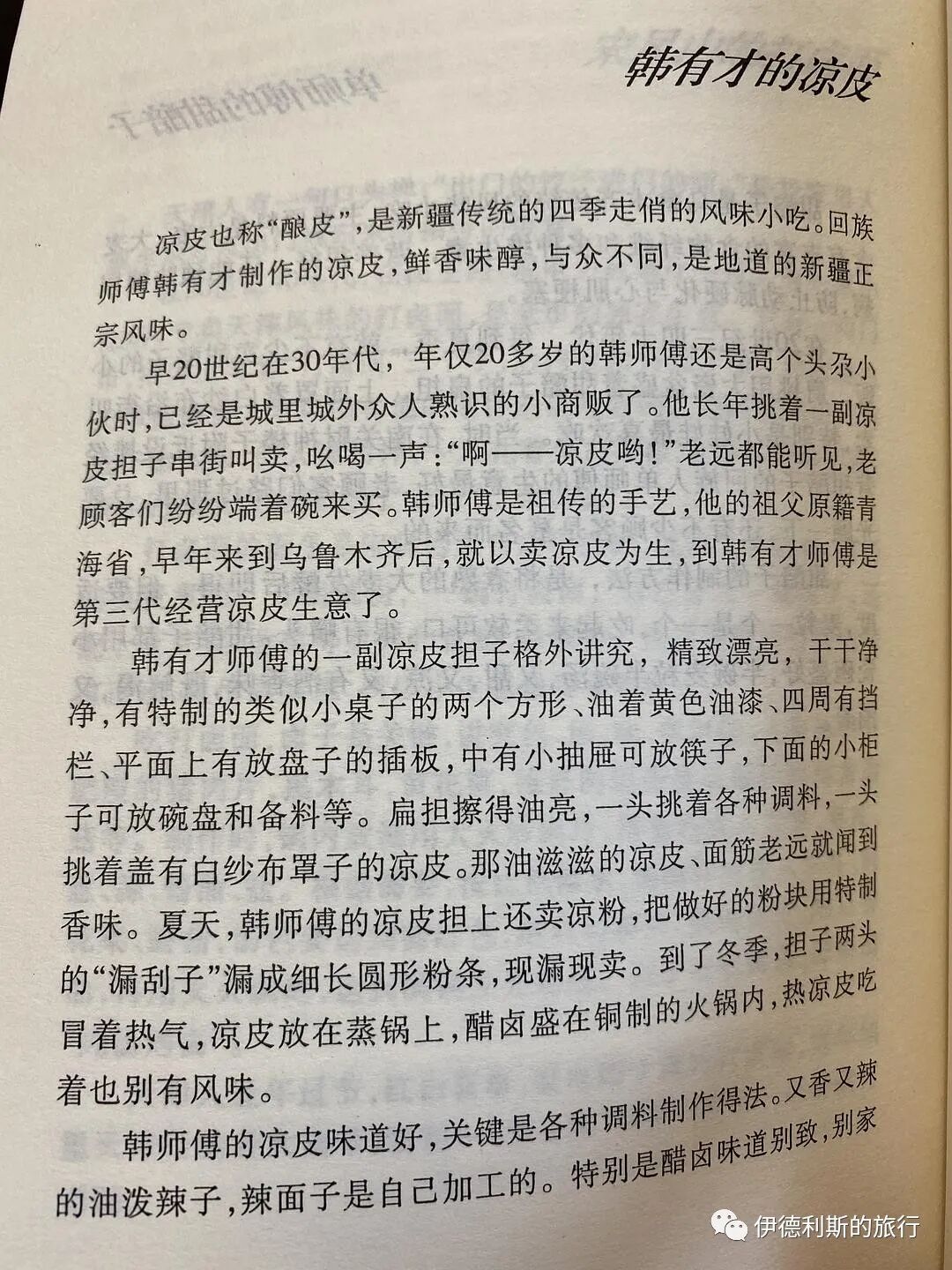
3. The cold starch noodles (liangpi) made by Hui Muslim master Han Youcai, whose ancestral home was Qinghai.
Han Youcai was born in the 1910s. His grandfather came to Urumqi from Qinghai in his early years and made a living selling cold starch noodles (liangpi), and now the family is in its third generation. By the 1930s, when he was in his 20s, Han Youcai was already well-known to the people of Urumqi, and he continued his business for over 50 years until the 1980s. Han Youcai carried a liangpi stall on his shoulders to sell along the street all year round. In winter, steam rose from both ends of his carrying pole; the liangpi sat on a steamer, and the vinegar sauce was kept in a copper pot, giving hot liangpi a unique flavor. In the summer, he also sold cold jelly noodles (liangfen), using a scraper to press the jelly blocks into round noodles, making and selling them on the spot.
4. The fermented oat porridge (tianpeizi) from Hui Muslim master Shan.
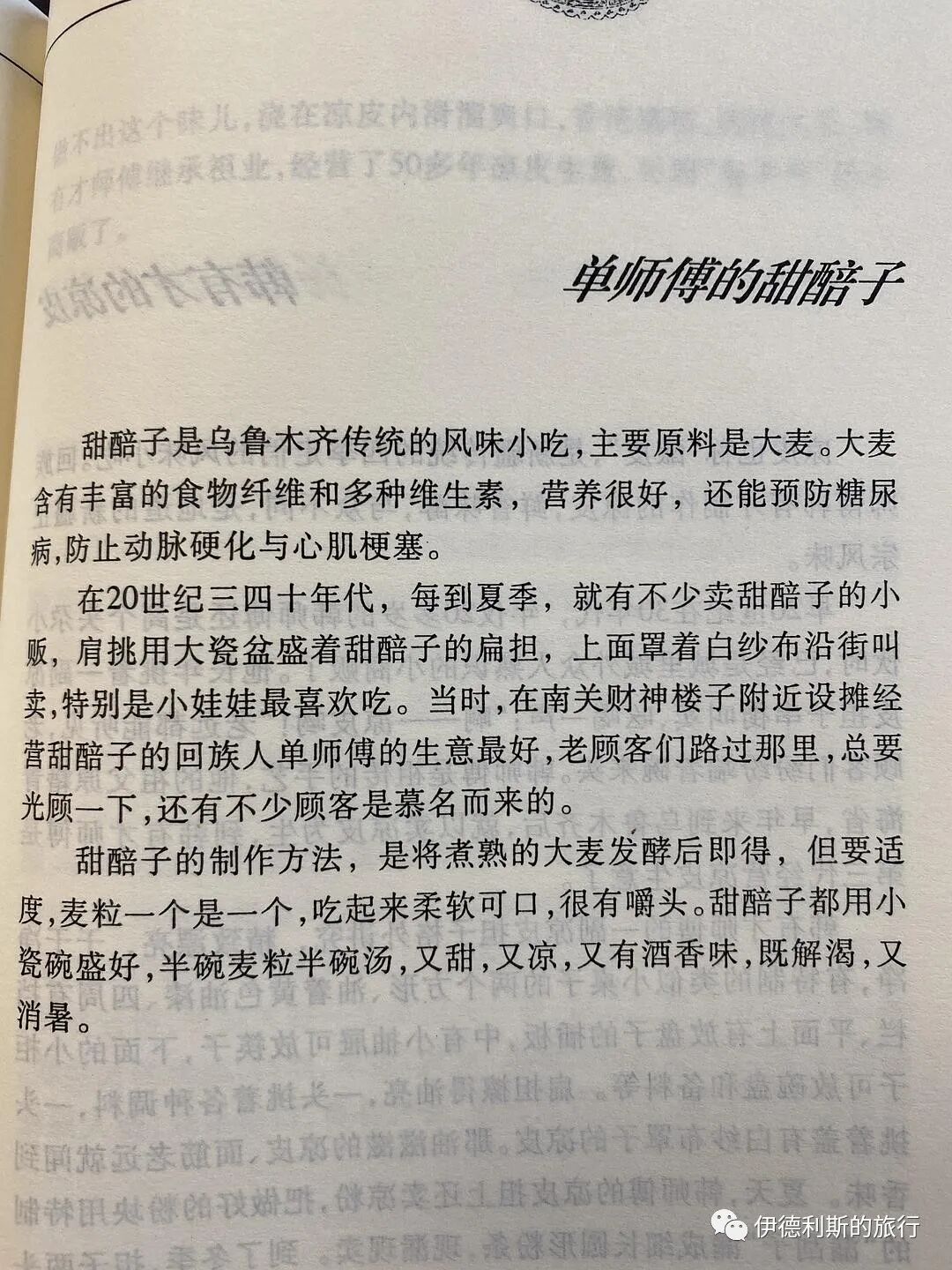
In the 1930s and 1940s, it was very popular in Urumqi to eat fermented glutinous rice (tianpeizi) in the summer. At that time, Master Dan, who worked near the Caishen Tower in the Nanguan area of Urumqi, had the best business. He carried a large porcelain basin of tianpeizi on his shoulders, covered with white gauze, and sold it along the street. When selling, he would serve the tianpeizi in small porcelain bowls, half wheat grains and half soup.
5. The cold mixed starch sheet noodles (liangban fenpi) from Hui Muslim master Yang Hengkui, whose ancestral home was Fengxiang, Shaanxi.
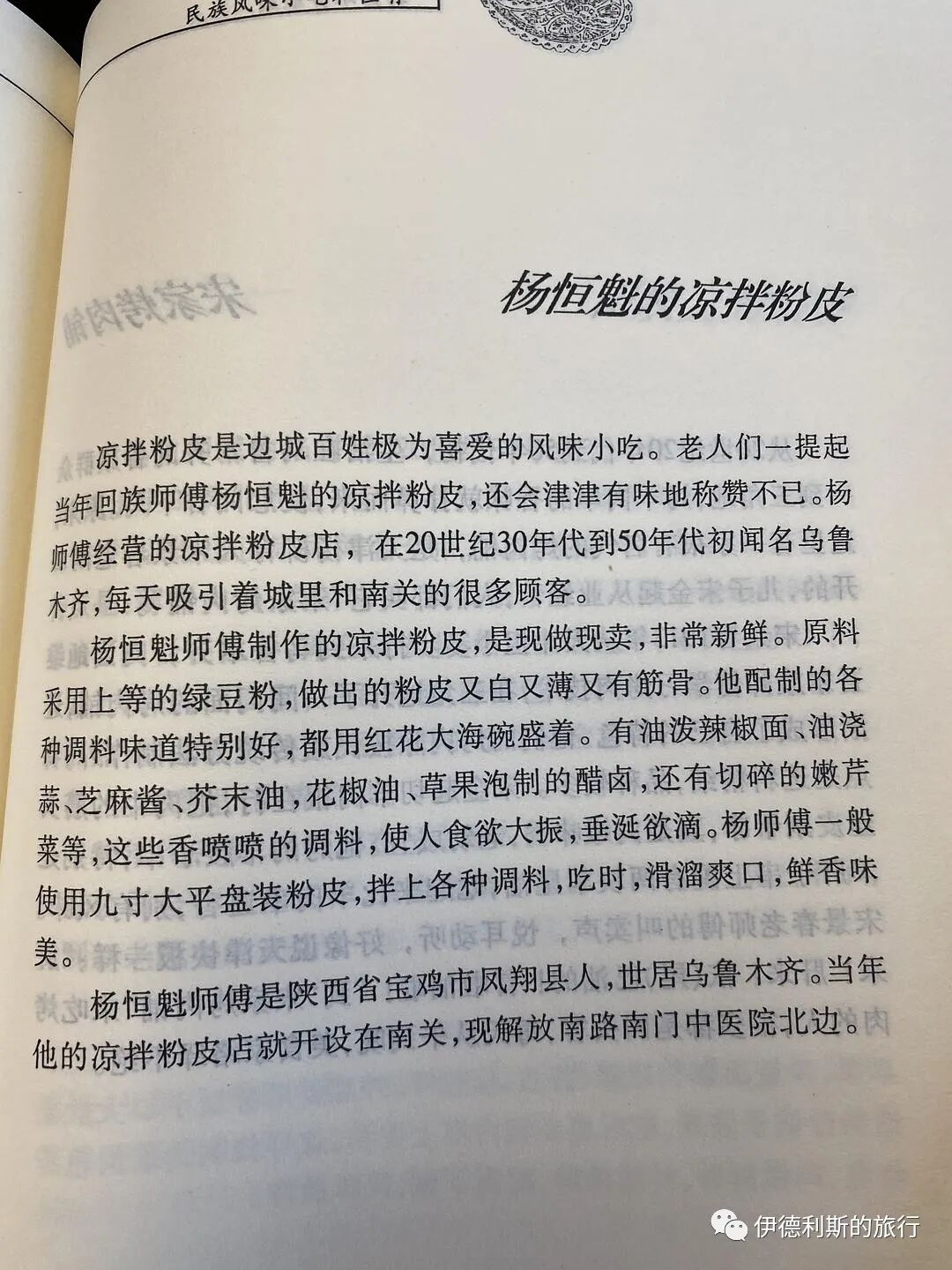
Master Yang's cold noodle shop in the Nanguan area of Urumqi was famous throughout the city from the 1930s to the 1950s. To make the cold noodles, he used high-quality mung bean flour to create noodles that were both white and thin. Various condiments like chili oil, garlic oil, sesame paste, mustard oil, Sichuan peppercorn oil, vinegar sauce infused with black cardamom, and chopped tender celery were all served in large red flower-patterned bowls. Master Yang used nine-inch large flat plates to serve the noodles, mixed with various seasonings, making them smooth and refreshing to eat.
6. The leaf-shaped noodle shop (yezimian guan) run by Hui Muslim master Liu Wanchun, whose ancestral home was Xi'an.
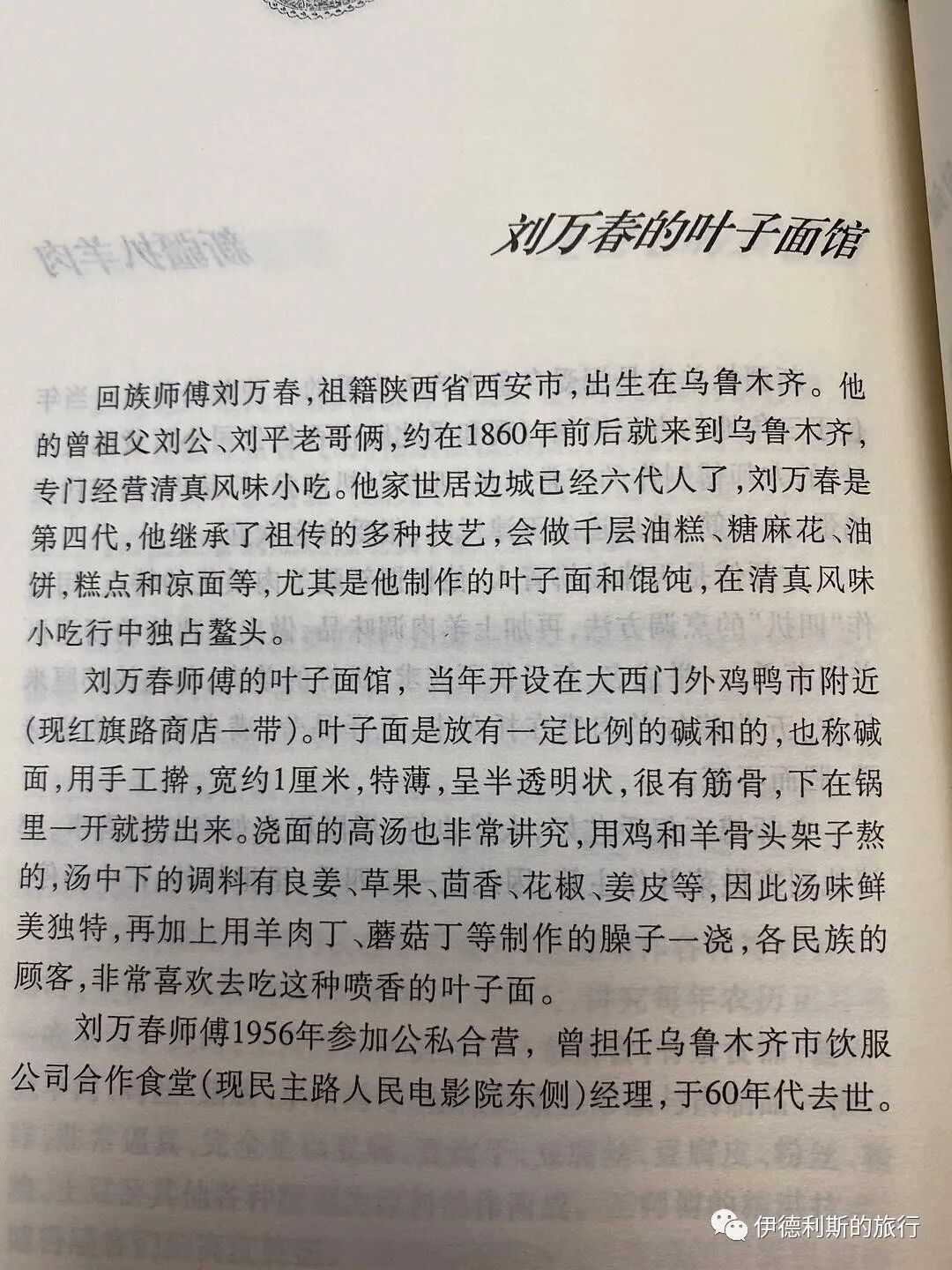
Liu Wanchun's great-grandfather, Liu Gong, and his brother Liu Ping came to Urumqi from Xi'an around 1860 to run a halal snack business, and Liu Wanchun was the fourth generation. Liu Wanchun's leaf noodle (yezimian) shop was located near the poultry market outside the Great West Gate of Urumqi and stayed open until the public-private partnership reform in 1956. After 1956, Liu Wanchun served as the manager of the Urumqi Catering Service Company's cooperative canteen and passed away in the 1960s. Liu Wanchun knew how to make thousand-layer oil cakes, sugar twists, fried dough cakes, various pastries, and cold noodles, and was especially skilled at making leaf noodles and wontons. Leaf noodles, also called alkaline noodles (jianmian), were hand-rolled to be one centimeter wide, very thin, and translucent, and were taken out of the pot as soon as the water boiled. The soup was made by boiling chicken and lamb bones with galangal, black cardamom, fennel, Sichuan peppercorn, and ginger skin, resulting in a delicious flavor. He would then pour a topping made of diced lamb and mushrooms over the noodles, which everyone loved.
7. The egg fermented rice soup (jidan laozhao) and tofu pudding (doufunao) from Hui Muslim master Ma.
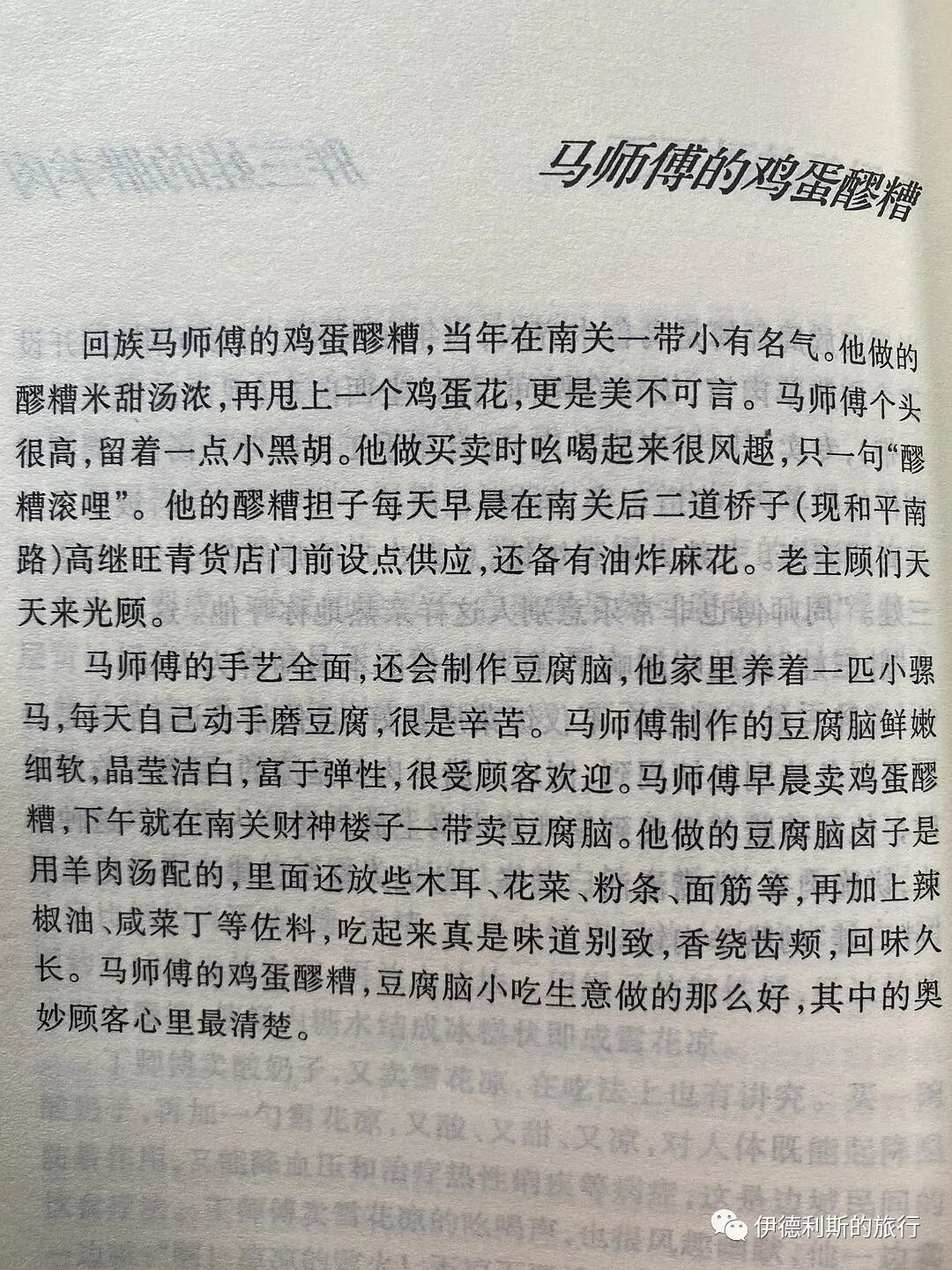
Master Ma was very tall and wore a small black mustache. Every morning, he carried a fermented rice wine (laozao) stall to set up in front of the Gao Jiwang grocery store at Erdaoqiao in Nanguan (now South Heping Road). He also sold fried dough twists (mahua) and his only call was 'Laozao is boiling'. The fermented rice wine he made was sweet and thick, and adding a swirled egg made it taste even more wonderful. In the afternoon, Master Ma would sell tofu pudding (doufunao) around the Caishen Tower in Nanguan. He kept a small mule at home and ground the tofu himself every day, which was very hard work. The sauce for his tofu pudding was made with lamb broth, containing wood ear mushrooms, cauliflower, vermicelli, and gluten, topped with chili oil and diced pickles, giving it a unique taste.
8. The cured mutton (la yangrou) from Hui Muslim master Zhou, known as Fatty Sanwa (Pang Sanwa).
Master Zhou once opened a cured lamb shop near the Caishen Tower in Nanguan. It had two storefronts facing east, specializing in three-leaf bread (sanyebing) stuffed with cured lamb, as well as hand-rolled leaf noodle soup. Old customers always liked to call Master Zhou by his nickname, 'Fat Sanwa,' so the place gradually became known as the Fat Sanwa Restaurant. When a customer wanted cured lamb, Master Zhou would put the cold meat into the three-leaf bread and bake it in an oven. When it came out, the bread was crispy, the meat was fragrant, and it was full of flavor.
9. The yogurt (suannai zi) and shaved ice (xuehua liang) from Hui Muslim master Ding Wanfu.
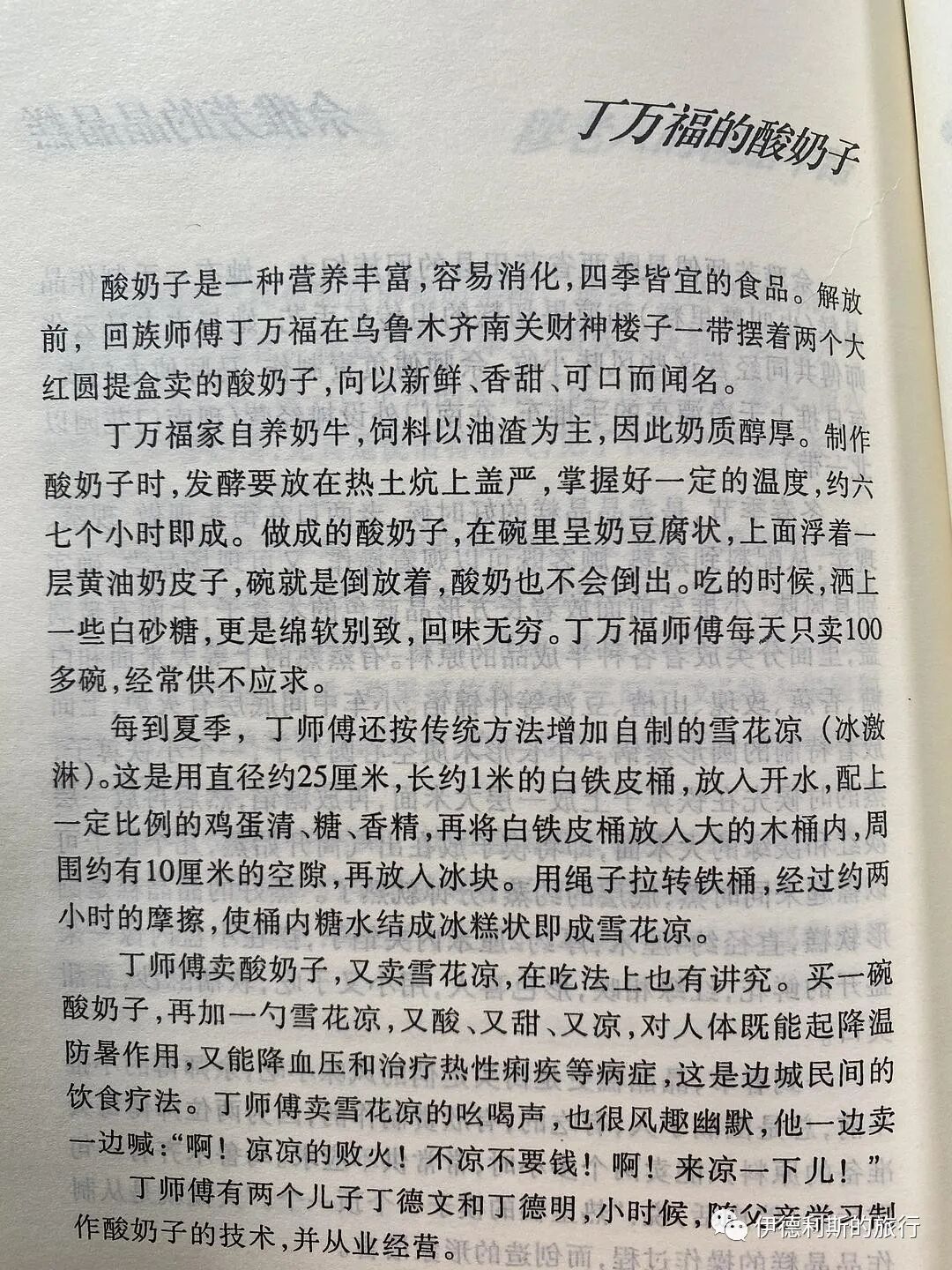
Before the liberation, Master Ding Wanfu sold yogurt (suannai) near the Caishen Tower in Nanguan using two large red round carrying boxes. Ding Wanfu keeps his own cows and feeds them mostly on oil dregs, which makes the milk rich and creamy. To ferment the yogurt (suannai), cover it tightly and place it on a warm earthen bed (kang) for six or seven hours, making sure to control the temperature. The finished yogurt looks like milk tofu in the bowl, topped with a layer of yellow cream, and it won't spill even if you turn the bowl upside down. In the summer, Master Ding follows tradition to make homemade snowflake cool (xuehualiang), which is a type of ice cream. He puts boiling water, egg whites, sugar, and flavoring into a large white tin bucket, then places that bucket inside a large wooden barrel with a 10-centimeter gap around it filled with ice. He uses a rope to spin the tin bucket, and after two hours of friction, the sugar water inside turns into ice cream. When eating, buy a bowl of yogurt and add a scoop of snowflake cool; it is sweet, sour, cold, and perfect for cooling down. Master Ding calls out while selling: "Ah! It's cold and clears the heat! If it's not cold, it's free! Ah! Come and cool off!" "
10. The crystal cake (jingjing gao) from Hui Muslim master She Yafang, whose ancestral home was Lantian, Shaanxi.
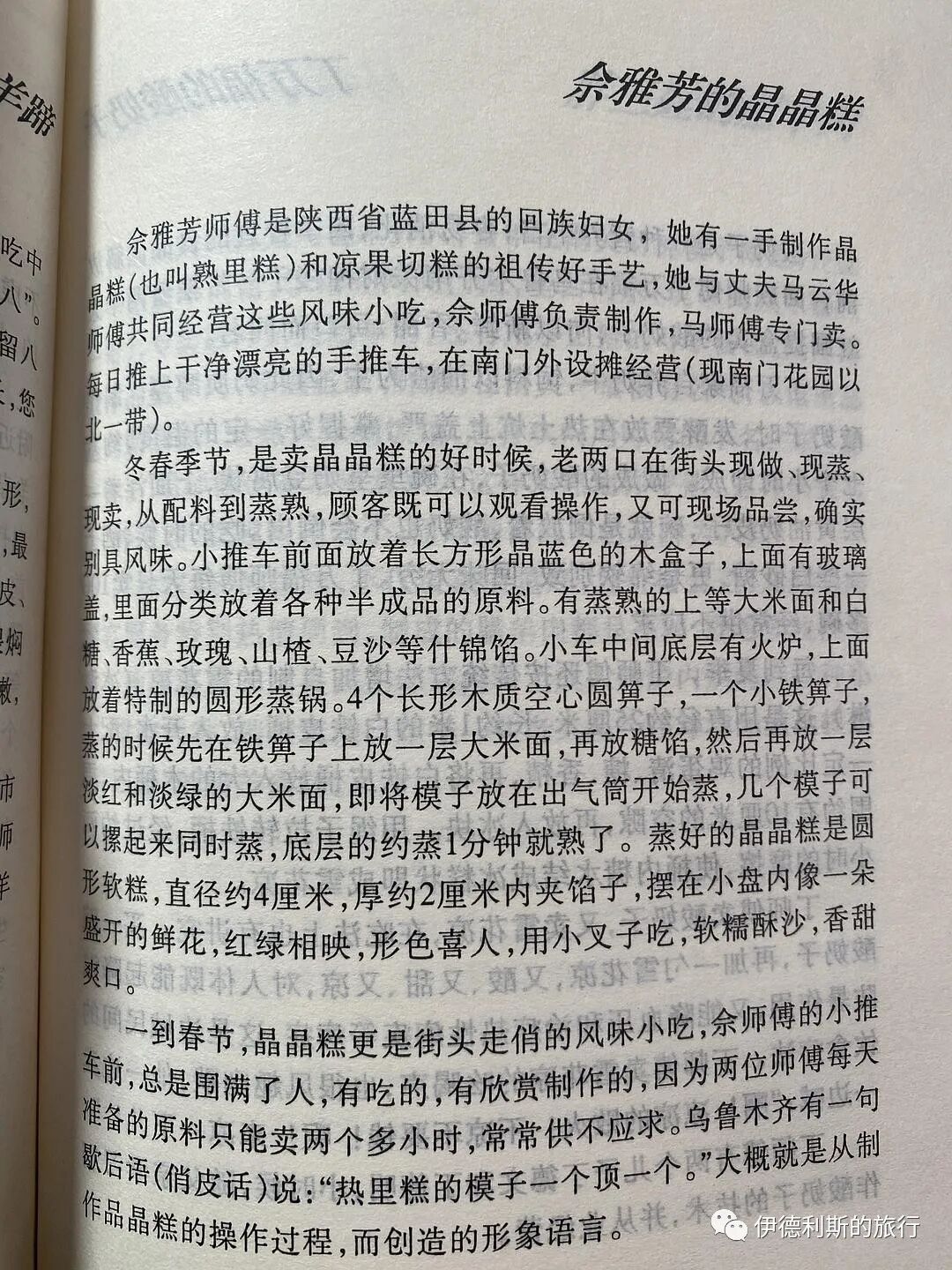
Master She Yafang, whose family is from Lantian, Shaanxi, pushes a clean cart with her husband, Master Ma Yunhua, to sell crystal cakes (jingjinggao), also known as steamed pear cakes (shuligao), and cold fruit slices outside the South Gate of Urumqi, north of the current South Gate Garden. Master She handles the cooking, and Master Ma handles the sales. In winter and spring, the elderly couple makes, steams, and sells them right on the street. The front of the cart has a rectangular crystal-blue wooden box with a glass lid, containing steamed premium rice flour and various fillings like white sugar, banana, rose, hawthorn, and bean paste. The middle of the cart has a stove at the bottom with a round steamer on top. There are four long hollow wooden round molds and one small iron mold; to steam, first put a layer of rice flour on the iron mold, add the sweet filling, then add a layer of light red and light green rice flour, and place the mold over the steam vent. The finished crystal cake is a round, soft pastry that looks like a blooming flower on a small plate; it is soft, sandy, fragrant, and sweet when eaten with a small fork.
11. The spiced cured lamb hooves (hu la yangti) from Hui Muslim master Mu Laoba, whose ancestral home was Tianjin.
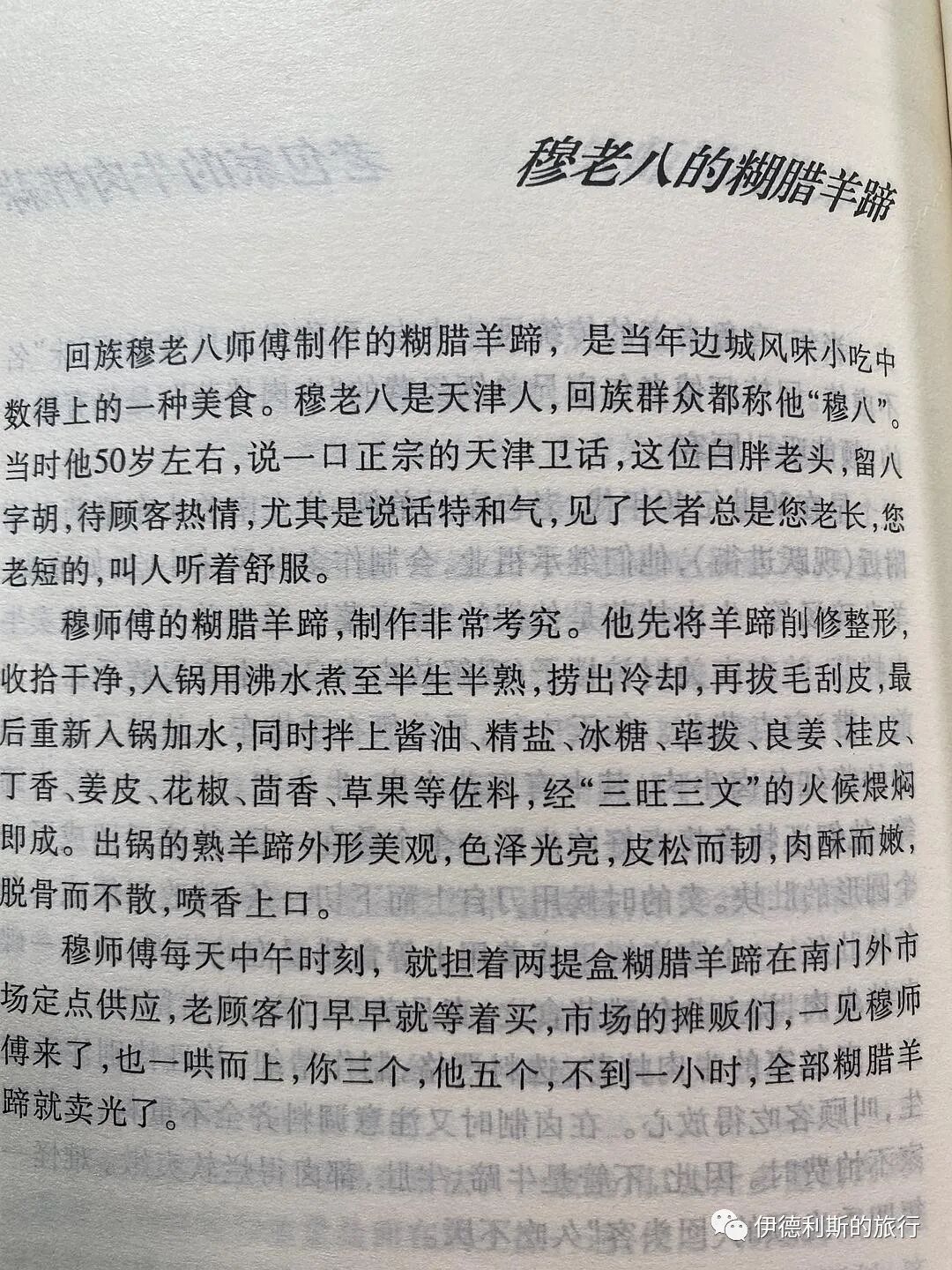
Master Mu Laoba is from Tianjin and speaks with an authentic Tianjin accent; he is a chubby, white-haired old man with a handlebar mustache who always speaks politely to elders, which is pleasant to hear. Every noon, Master Mu carries two boxes of spiced lamb trotters (hula yangti) to sell at a fixed spot outside the South Gate market in Urumqi. To make them, he mixes the trotters with soy sauce, salt, rock sugar, long pepper, galangal, cinnamon, cloves, ginger skin, Sichuan peppercorns, fennel, and black cardamom, then simmers them with alternating high and low heat until the meat is tender, falling off the bone, and very fragrant.
12. The crispy fried dough cakes (paopao yougao) from Hui Muslim master Shan Yun.
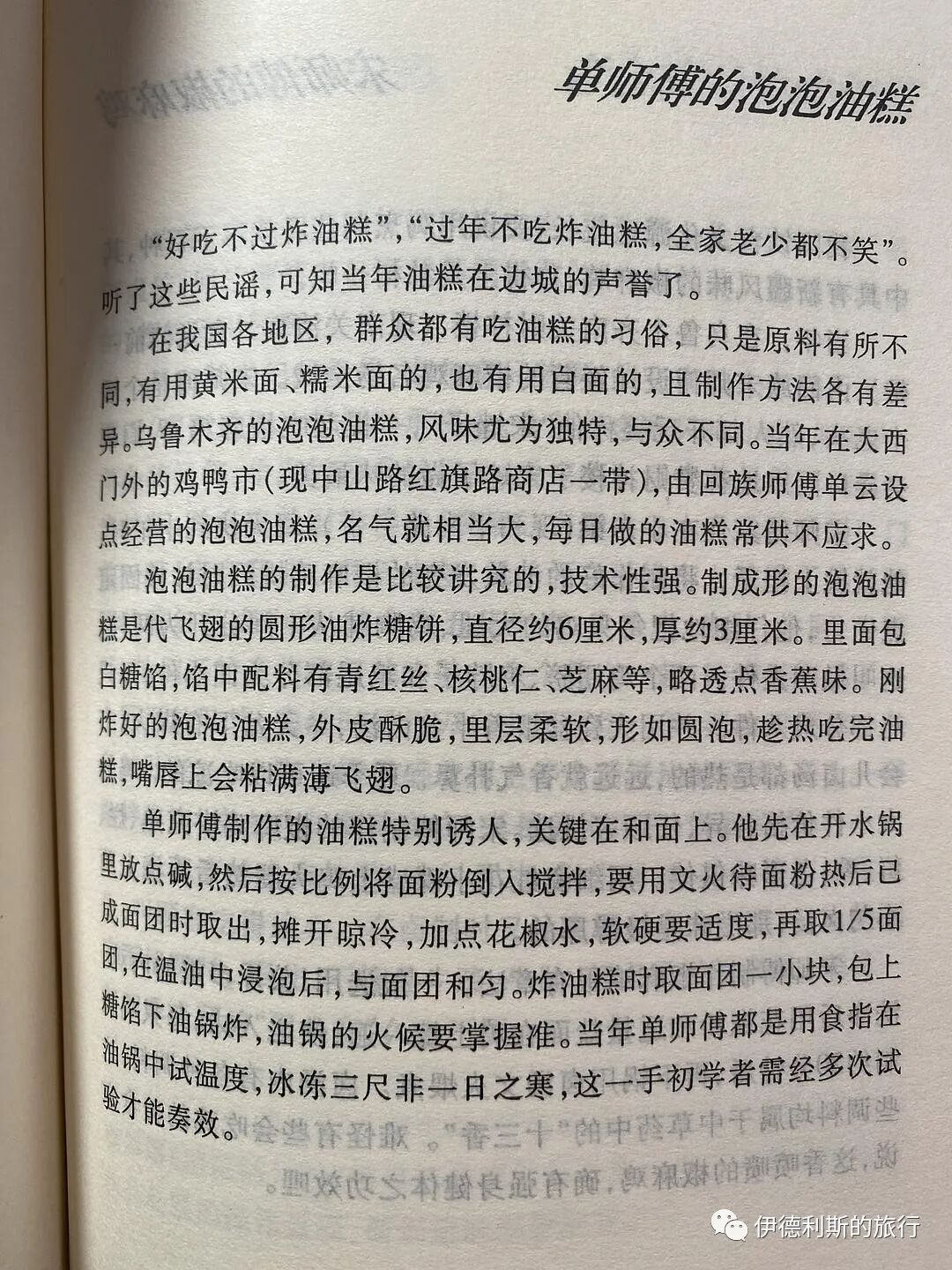
Master Shan Yun used to sell bubble oil cakes (paopao yougao) outside the West Gate chicken and duck market in Urumqi. The bubble oil cakes in Urumqi are round fried sugar cakes with thin, wing-like edges, about 6 centimeters in diameter and 3 centimeters wide, filled with white sugar, green and red silk, walnuts, and sesame, with a hint of banana flavor; they are crispy on the outside, soft on the inside, and shaped like bubbles, leaving thin, crispy crumbs on your lips when eaten hot. You must master the heat for frying the cakes; Master Shan used to test the oil temperature with his index finger, a skill that beginners need to practice many times to get right.
13. The oil tea (youcha) with fried dough twists (you mahua) from Hui Muslim master Ma Laohan.
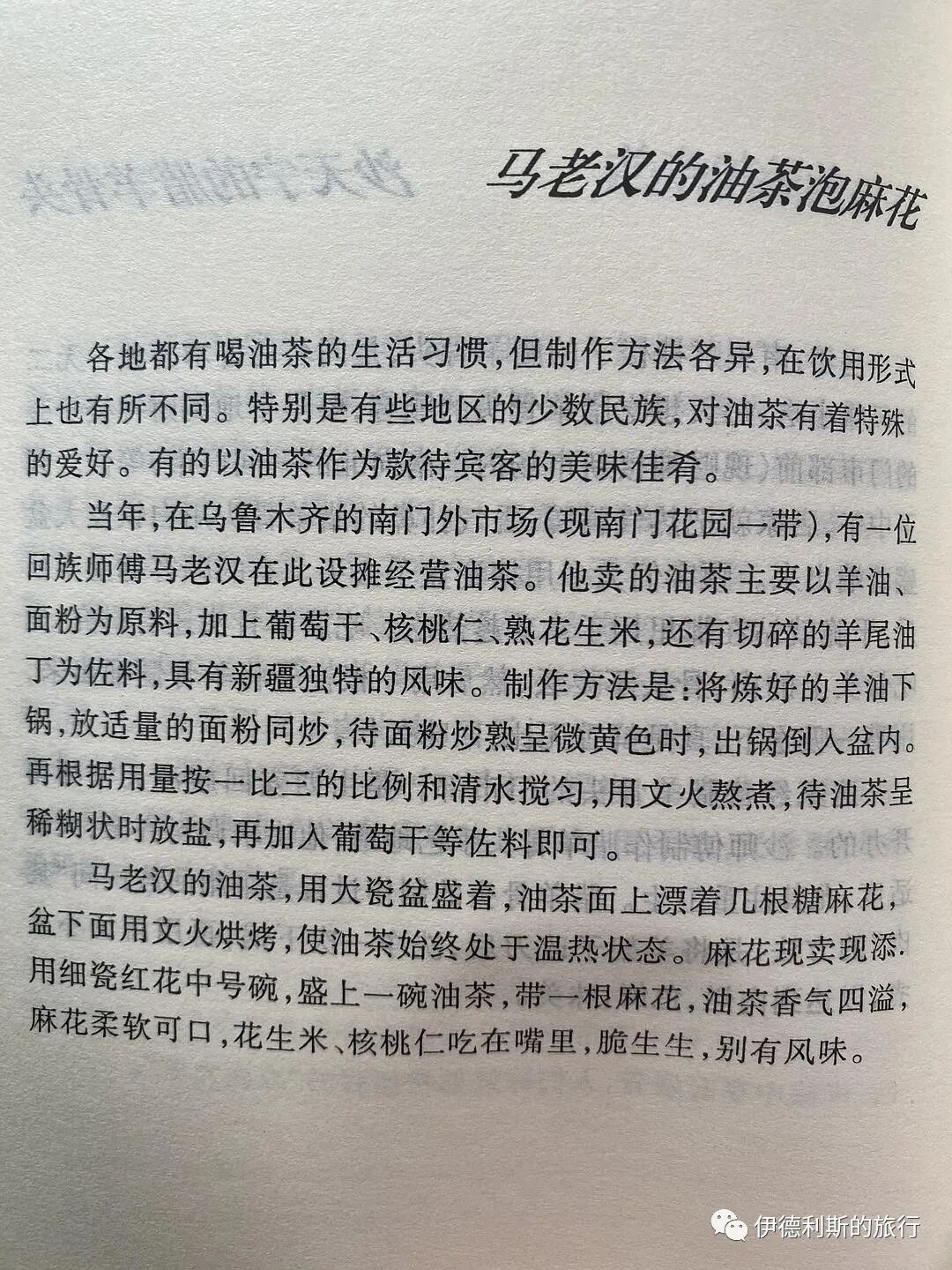
Old Man Ma used to have a stall selling oil tea (youcha) at the South Gate market in Urumqi. His oil tea is made from sheep fat and flour, with raisins, walnuts, roasted peanuts, and chopped sheep tail fat. To make it, he fries the rendered sheep fat with flour until it turns light yellow, pours it into a basin, mixes it with water in a one-to-three ratio, simmers it over low heat, and adds salt, raisins, and other seasonings once it becomes a thin paste. Old Man Ma keeps the oil tea in a large porcelain basin, topped with a few sugar twists (mahua), and keeps it warm over a low flame. He adds the twists as he sells; a bowl of oil tea served in a fine red-flowered porcelain bowl with a twist is fragrant, soft, and delicious, with crunchy peanuts and walnuts.
14. The cured lamb bones (la yang gutou) from Hui Muslim master Sha Tianning, whose ancestral home was Xi'an.
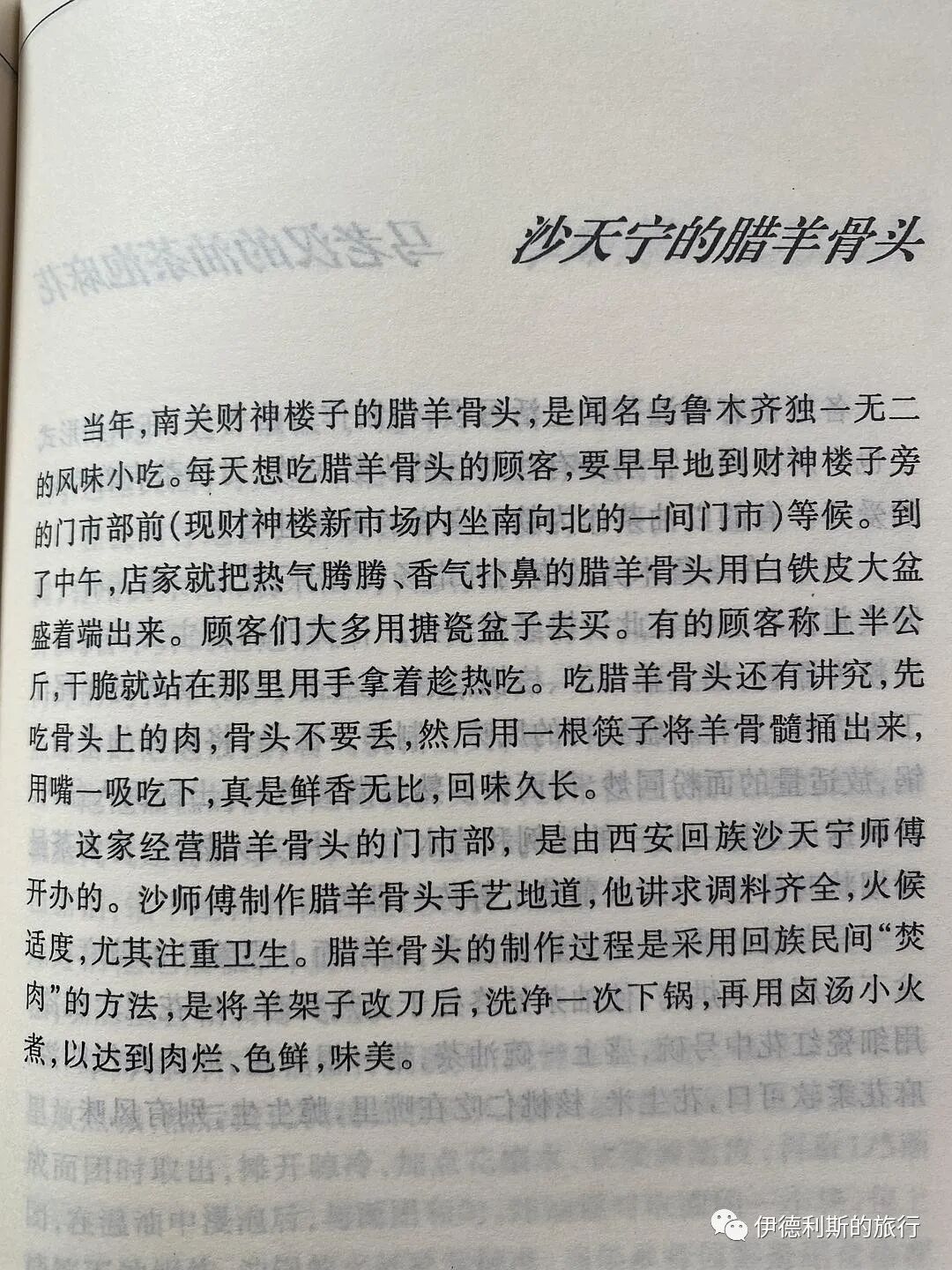
Master Sha Tianning, originally from Xi'an, sells spiced lamb bones (la yanggutou) every noon at a shop next to the God of Wealth building in the South Gate area of Urumqi. He brings out the steaming, fragrant spiced lamb bones in a large white tin basin. Most customers bring their own enamel basins to buy them. The way to eat spiced lamb bones is to first eat the meat on the bone, then use a chopstick to poke out the bone marrow and suck it out; it is incredibly delicious and leaves a long-lasting aftertaste. Master Sha Tianning uses the Hui Muslim method of braised meat (fenrou). He cuts the lamb rack, washes it, puts it in the pot at once, and simmers it in a spiced broth (lutang) over low heat until the meat is tender, bright in color, and delicious.
15. The lamb offal soup (yangzasui tang) with fried dough twists (mahua) from Hui Muslim master Sha.
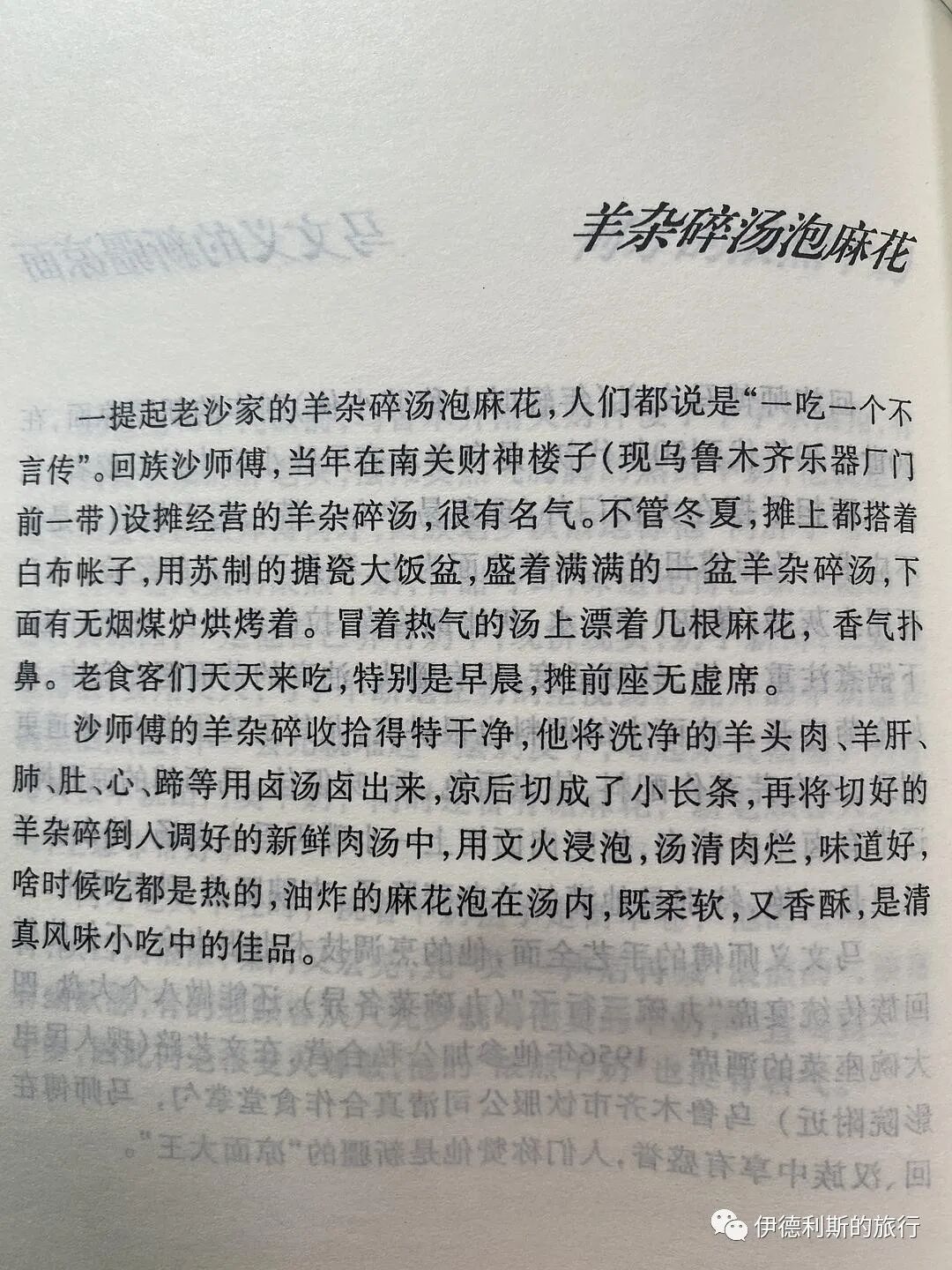
Master Sha once set up a stall at Nanguan Caishen Louzi to sell lamb offal soup (yangzasui tang). He used a white cloth tent and a large Soviet-style enamel basin filled with soup, kept warm by a smokeless coal stove underneath. A few twisted fried dough sticks (mahua) floated on the steaming soup, and the aroma was mouth-watering. Master Sha braised cleaned lamb head meat, liver, lungs, tripe, heart, and trotters in spiced broth. After cooling, he sliced them into small strips, then soaked them in fresh meat broth over low heat, keeping the soup clear and the meat tender. The twisted fried dough sticks (mahua) soaked in the soup became soft and crispy.
16. The Xinjiang cold noodles (liangmian) from Hui Muslim master Ma Wenyi.
Master Ma Wenyi was known as a chubby young man in his youth. His ancestors made a living by making cold noodles (liangmian), and he ran a cold noodle stall outside Daxi Men in Urumqi from the 1930s to the early 1950s. He used alkaline ash (penghui) to knead the dough, pulling the noodles into even, thin strands that did not break. He paid close attention to the heat when boiling them, ensuring they were firm yet chewy. The oily, yellow noodles (huangmian) arranged on the plate looked like a blooming golden chrysanthemum. The cold noodle sauce used an egg-based vegetarian gravy with celery as a garnish, making the dish look, smell, and taste excellent. Master Ma also served braised lamb offal. If you wanted meat, he would slice a small plate and add some broth to the cold noodles, which was amazing. His stuffed lamb offal sausage was especially rich and delicious. Master Ma Wenyi could prepare the traditional Hui Muslim banquet known as Nine Bowls and Three Rows (jiuwan sanxingzi), as well as the Eight Big Dishes and Four Big Bowls banquets. In 1956, he joined a public-private partnership and worked as a chef at the Urumqi Food Service Company's halal cooperative canteen on Wenyi Road, near the current People's Cinema. He was famous and praised as the King of Cold Noodles in Xinjiang.
17. The rolled fried milk (gunjian niunai) from Hui Muslim master He Cai, whose ancestral home was Xi'an.
Master He Cai, originally from Xi'an and known as Fatty He, was a chubby old man with white hair and a long beard. Before the 1940s, he sold steaming fresh milk at a stall on the southeast corner of the Nanguan Caishen Louzi intersection in Urumqi. Master He went out very early every day to sell milk, and he also had sugar-coated twisted fried dough sticks (mahua) ready. He raised his own cows and sold the milk fresh right after milking. When preparing it, he boiled the milk over low heat, constantly stirring it with a ladle. He served the boiled milk in a bowl with a pinch of salt, and soon a layer of milk skin (naipizi) would form on top. When he was young, Master He carried his milk stall through the streets. His shouting had a strong Shaanxi accent, and his voice was loud, starting with an 'Ai' before calling out 'Gun jian de' (boiling hot).
18. The braised lamb head (lu yangtou) from Hui Muslim master Li Furen.
From the 1920s to the 1940s, Master Li Furen pushed a handcart through the streets near the Nanguan Shaomenzi gate in Urumqi every morning at 8 o'clock to sell his goods. The cart's counter was filled with steaming braised lamb head, as well as braised lamb tripe, liver, lungs, trotters, and heart, all smelling delicious. Master Li's braised lamb head broth was delicious, and the meat fell off the bone without falling apart. It included soft meat, bone-in meat, cartilage, and fatty meat. The two lamb eyes were especially like two oil gourds, rich but not greasy. His braised lamb trotters were very tender and smooth. All the lamb offal was cleaned thoroughly, and even his small cart for the braised products was clean and attractive. Master Li would shout, 'Lamb liver!' Lamb lungs! Hey! Lamb head and tripe—', and his calls could be heard throughout the streets and alleys.
19. The beef with garlic (niurou bansuan) from the Hui Muslim brothers of the Old Bao family.
In the 1940s, the two Lao Bao brothers lived near the Yaowang Temple in the Nanguan area of Urumqi. They made cold noodles (liangpi), lamb offal soup, and other snacks, with beef mixed with garlic being their signature dish. Later, the brothers decided to focus exclusively on selling beef mixed with garlic, operating from a fixed spot at Nanguan Caishen Louzi. Every noon, the brothers filled their handcart with steaming, dark red braised beef, including brisket, head meat, tripe, liver, and trotters. They specifically stacked the braised tripe together, and after it cooled, it formed a round block. When selling, they used a knife to slice it from top to bottom, turning it into tripe shreds. A ceramic jar held minced garlic soaked in high-quality vinegar. When you bought a plate of mixed beef and poured a few spoonfuls of the vinegar and garlic over it, the taste was unforgettable.
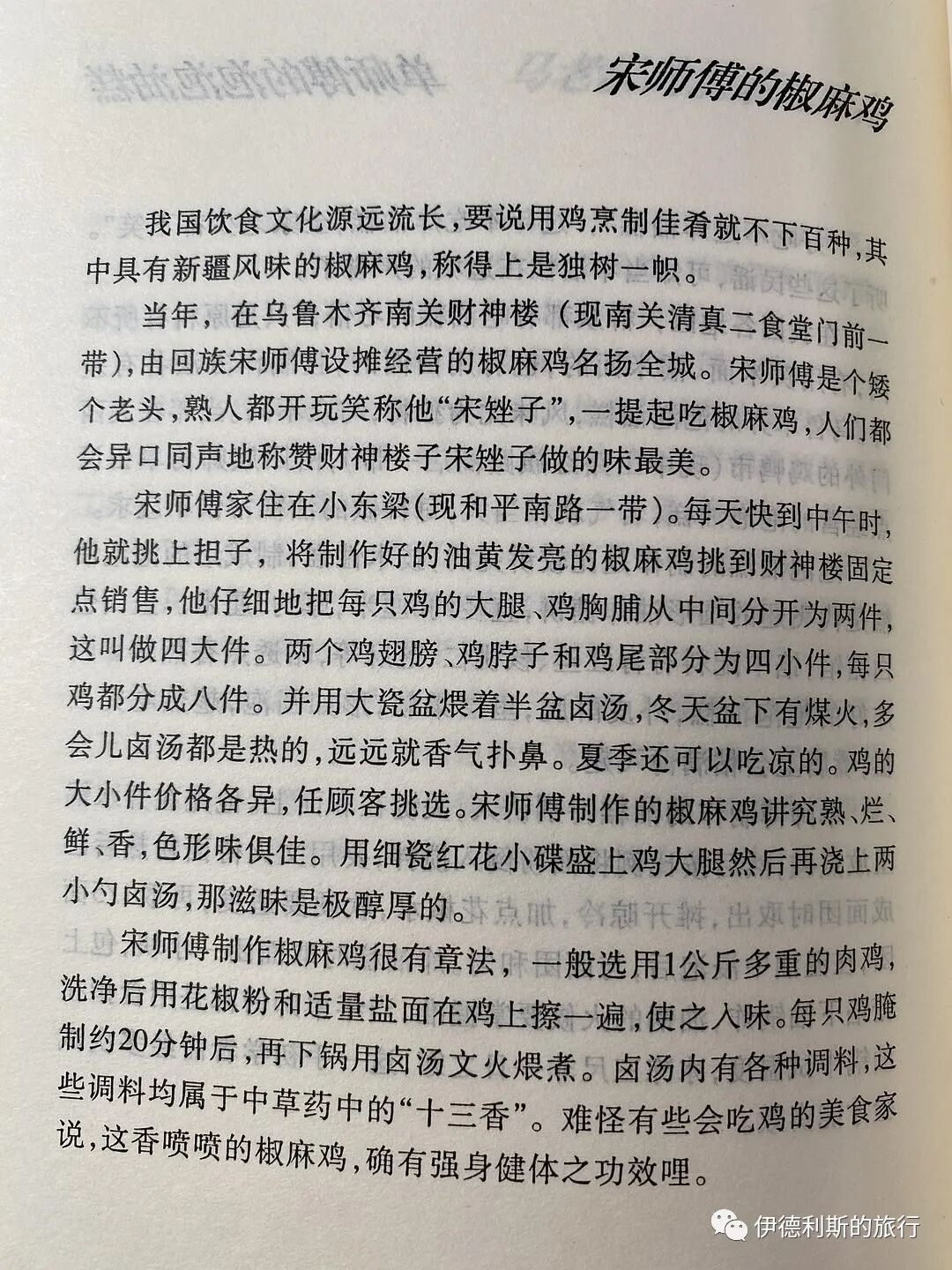
20. The peppercorn chicken (jiaoma ji) from Hui Muslim master Song.
Master Song lived in Xiaodongliang, Urumqi (now the Heping South Road area). Every day near noon, he would carry his pole and bring the oily, yellow, and bright pepper-numbing chicken (jiaoma ji) he had made to sell at Nanguan Caishen Louzi. Master Song was a short old man, and regular customers jokingly called him Song the Shorty. Master Song chose chickens weighing over a kilogram. After cleaning them, he rubbed Sichuan peppercorn powder and salt over the chicken, marinated it for 20 minutes, and then simmered it in a spiced broth (lutang) over low heat. The broth contained thirteen-spice (shisanxiang). When selling, the chicken's thighs and breasts are split down the middle, which is called the four big pieces. The two wings, the neck, and the tail are divided into four small pieces. Half a basin of braising broth (lutang) is kept warm in a large porcelain basin; in winter, there is a coal fire underneath, and in summer, it is served cold. Master Song uses a small, fine porcelain dish with red flower patterns to serve a chicken thigh, then pours two small spoonfuls of broth over it, making the flavor incredibly rich.
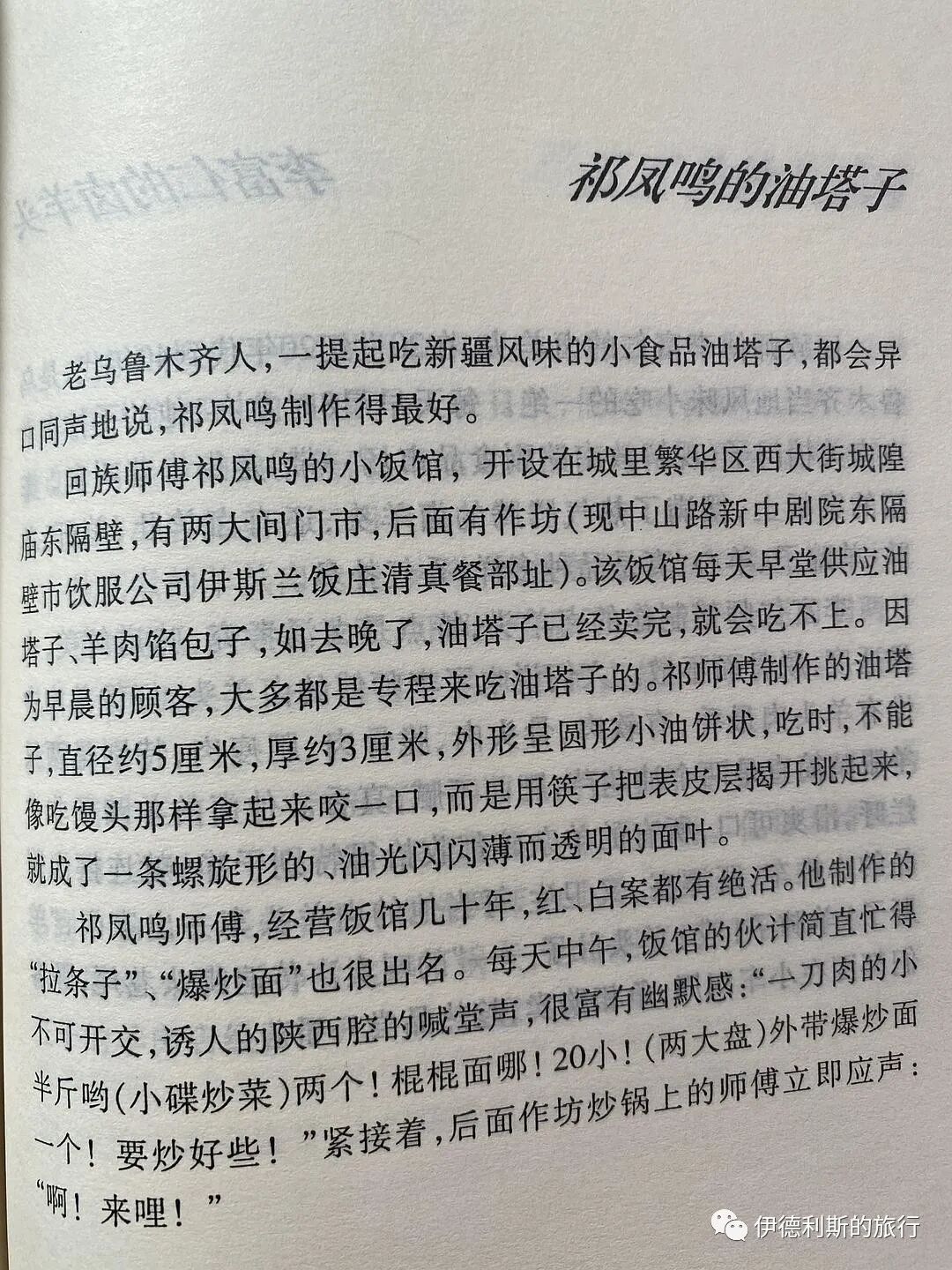
21. The layered steamed bread (youtazi) from Hui Muslim master Qi Fengming.
Master Qi Fengming's small restaurant is located next to the east side of the City God Temple on West Street in Urumqi, featuring two large storefronts and a workshop in the back. The restaurant serves oil towers (youtazi) and lamb-filled steamed buns (baozi) every morning. Master Qi's oil towers are shaped like small, round oil cakes. When eating, you use chopsticks to peel back the skin and lift it up, revealing thin, translucent, spiral-shaped layers that glisten with oil. Master Qi's hand-pulled noodles (latiaozi) and stir-fried noodles (chaomian) are also very famous. Every noon, the restaurant staff is incredibly busy, and the room is filled with shouts in a Shaanxi accent: 'Two small plates of meat (xiao banjin) coming up!' Stick noodles (gun gun mian)! Twenty small ones! (Two large plates) and one order of stir-fried noodles to go! Make sure to stir-fry them well! The kitchen staff immediately replies, 'Ah!' Coming right up! "
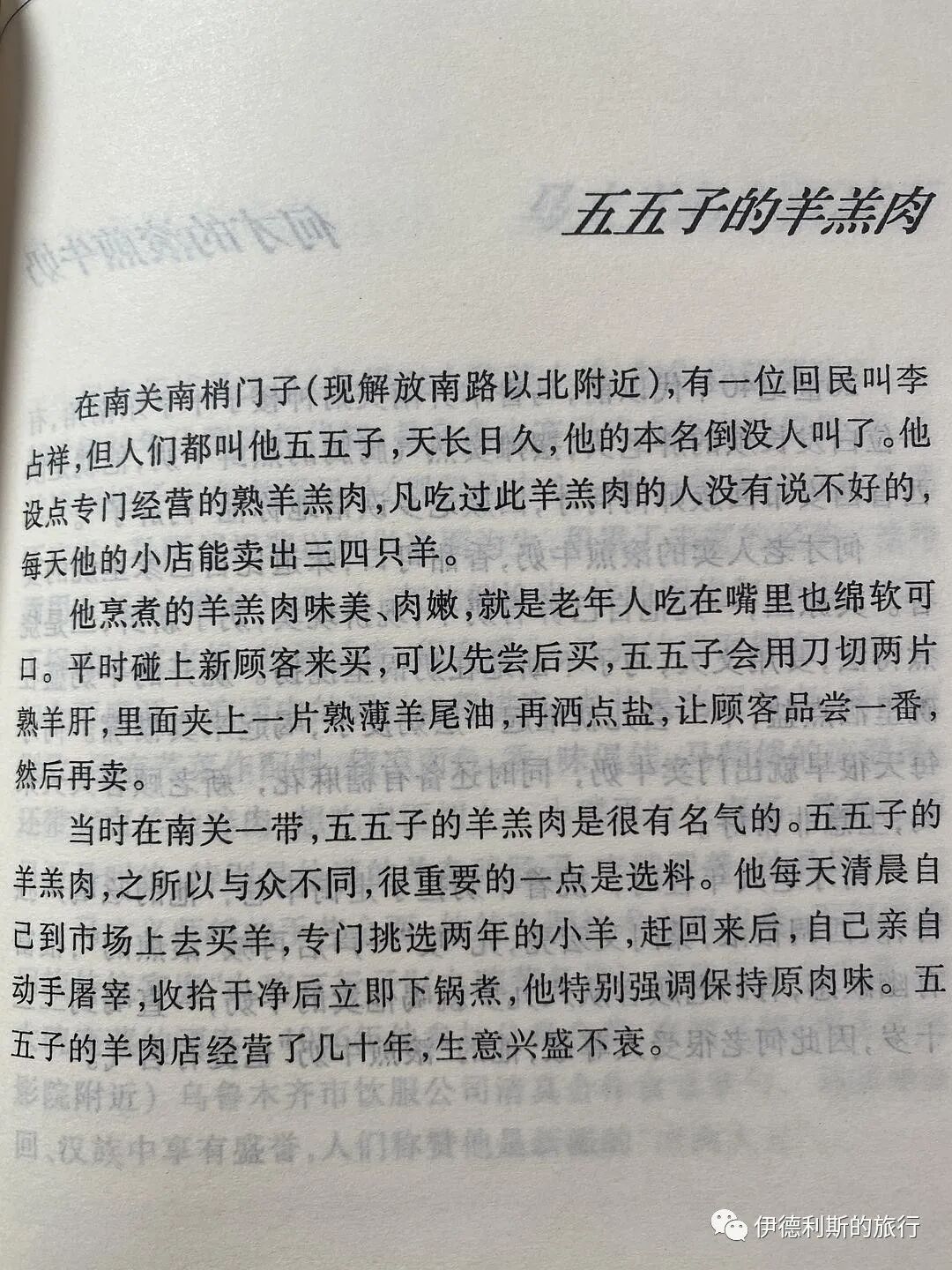
22. The lamb meat (yanggao rou) from Hui Muslim master Wuwuzi.
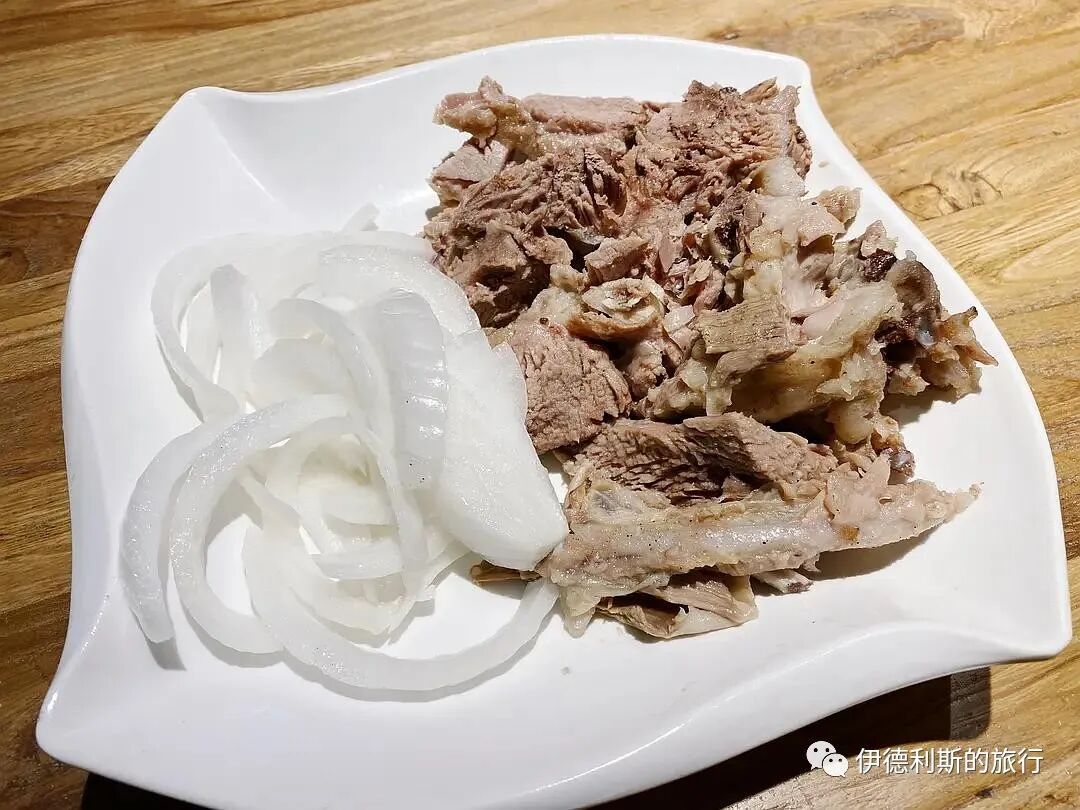
Li Zhanxiang, known as Wuwuzi, set up a stall to sell cooked lamb at Nanshaomenzi in the Nanguan area of Urumqi (now north of South Jiefang Road). Every morning, he goes to the market to buy sheep, specifically choosing two-year-old lambs. He brings them back to slaughter and clean them himself before boiling them in a pot, selling three or four sheep a day. When a new customer arrives, Wuwuzi cuts two slices of cooked lamb liver, sandwiches a slice of cooked, thin lamb tail fat inside, sprinkles on some salt, and lets the customer taste it before making a sale.
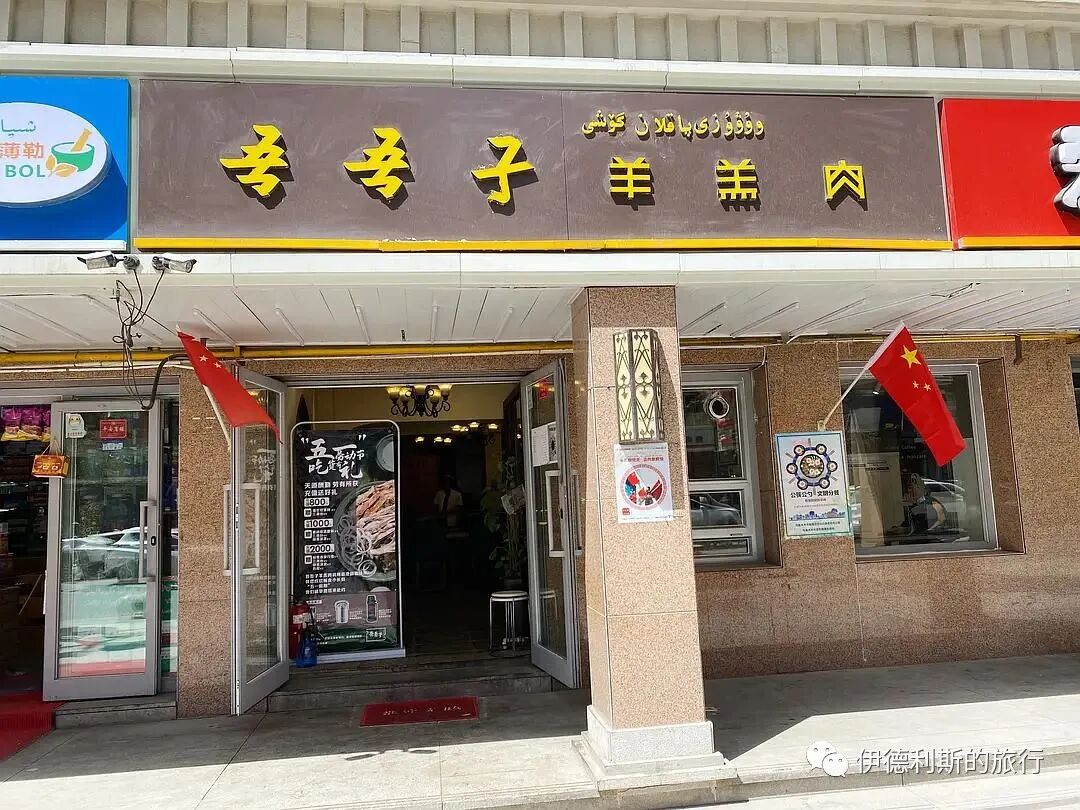
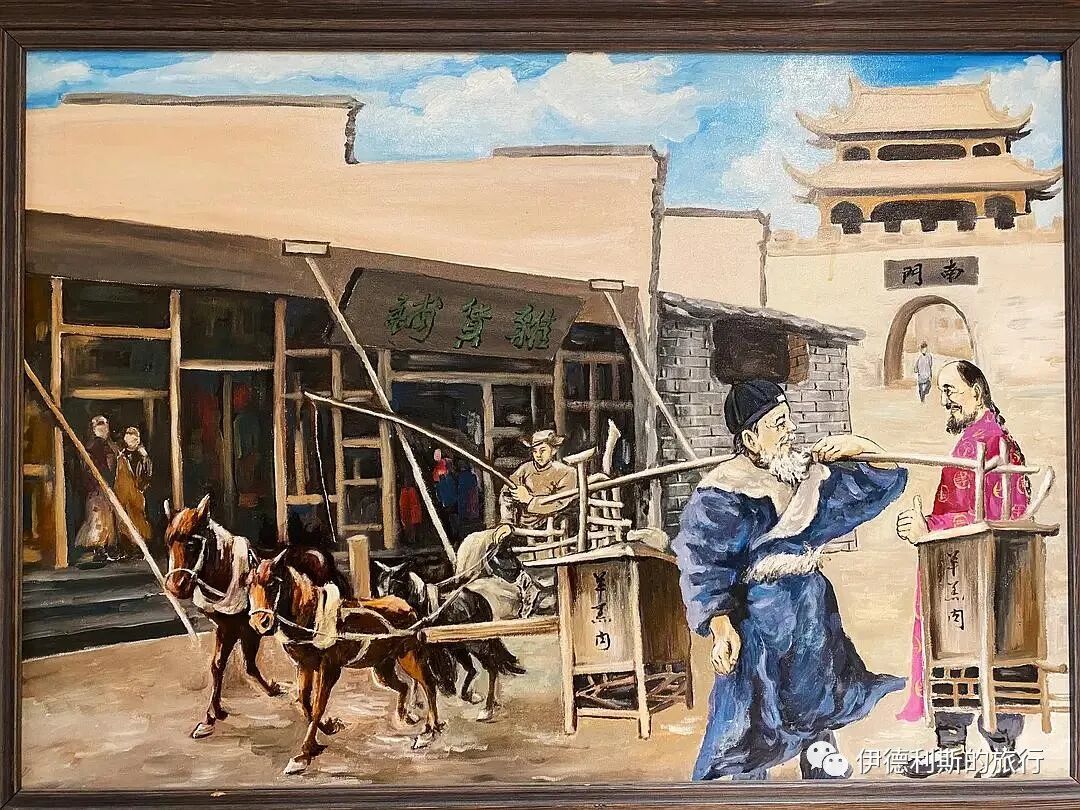
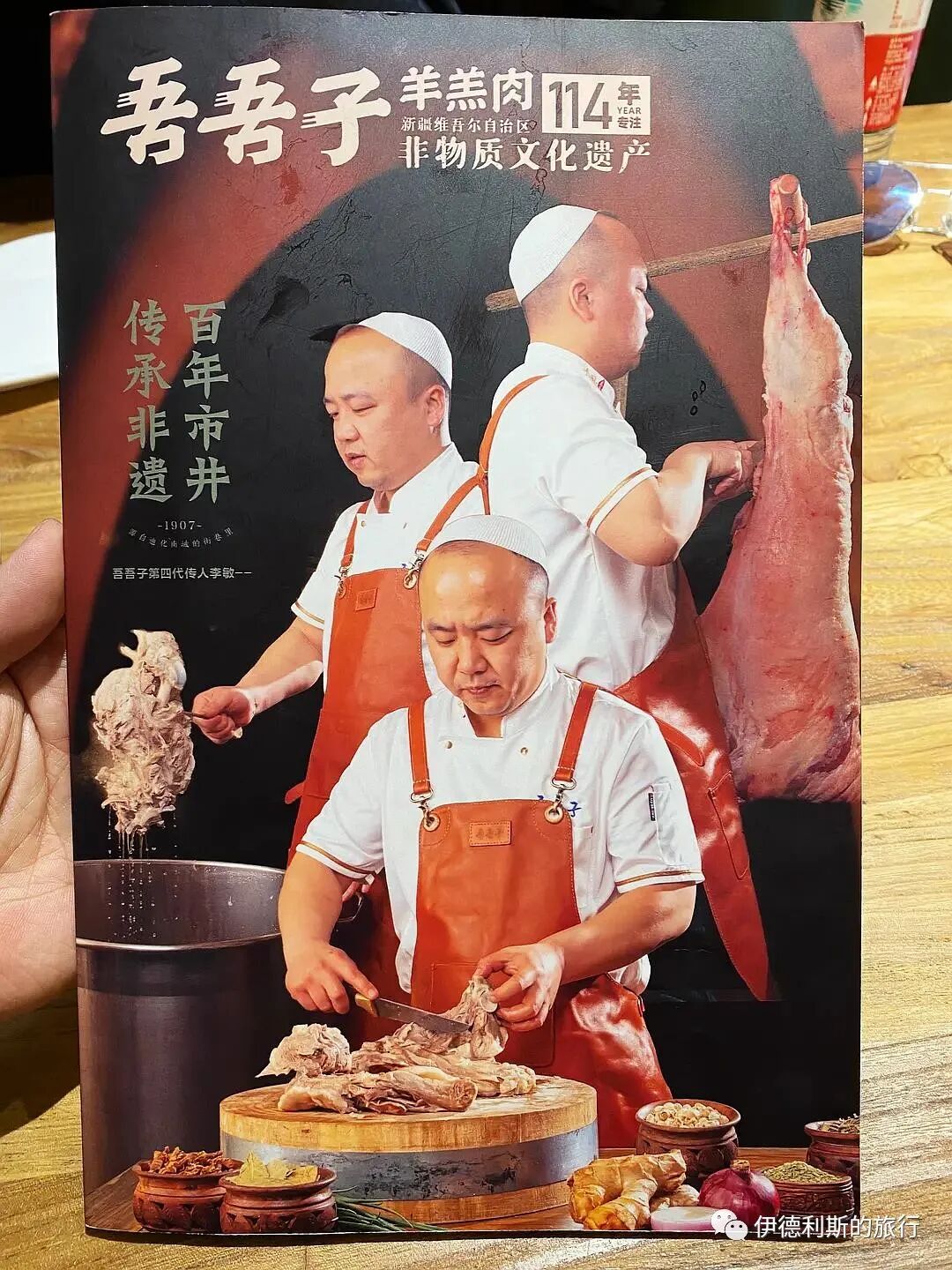
I just ate Wuwuzi lamb at Shanxi Alley in Urumqi this past May Day. Wuwuzi's father was named Li Shenghua (Li Liushizi). He started carrying lamb on a shoulder pole to sell at the South Gate of Urumqi in 1907. After the 1980s, Wuwuzi rented a storefront in Shanxi Alley. It has now been passed down for four generations and is recognized as an intangible cultural heritage at the autonomous region level.
23. The Zhongyiguan Restaurant founded by Hui Muslim master Ma Dawu, whose ancestral home was Shaanxi.
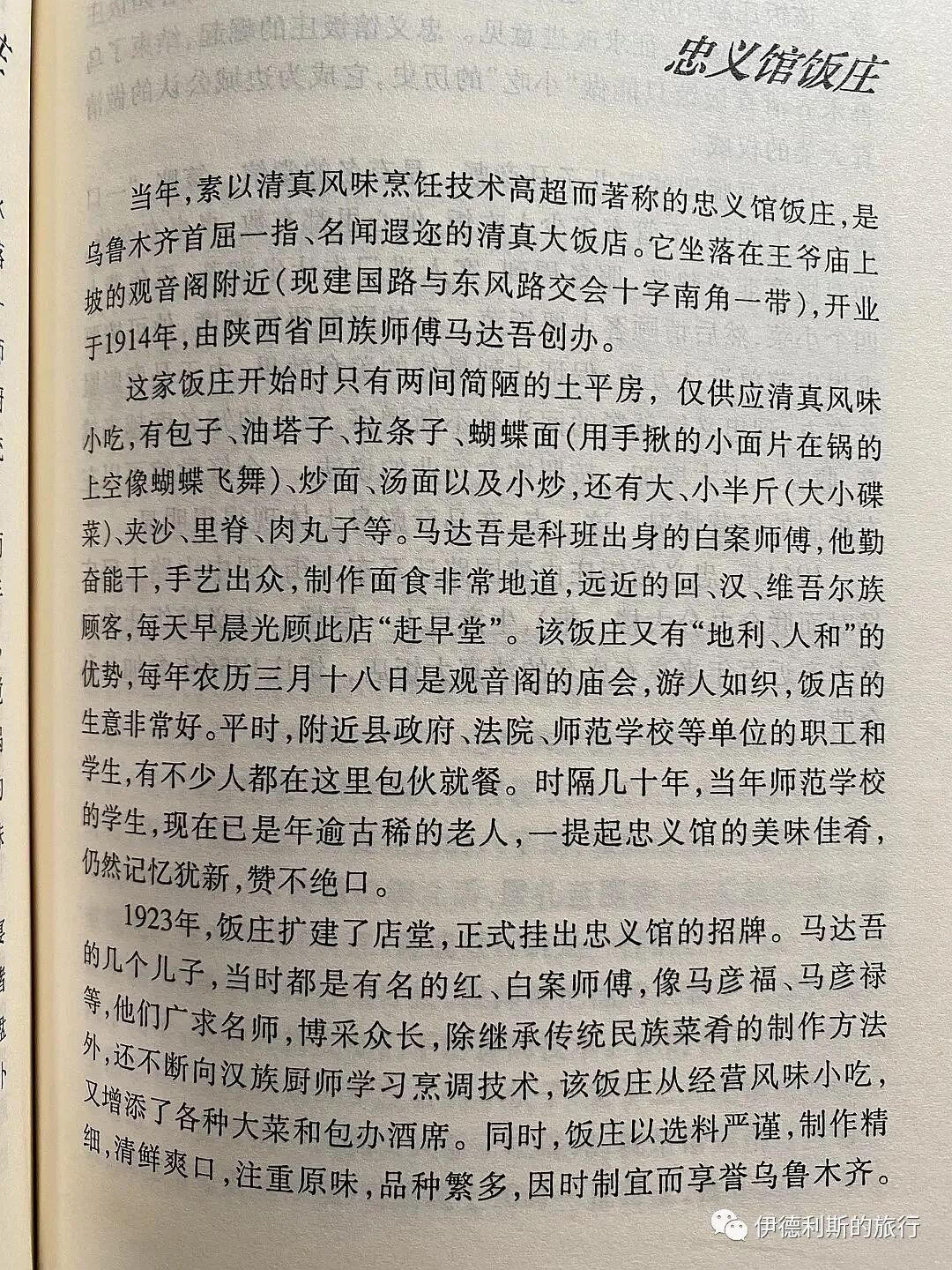
Zhongyiguan Restaurant is located near the Guanyinge Pavilion on the slope of Wangye Temple in Urumqi. It was founded in 1914 by Ma Dawu, who was originally from Shaanxi and was a professionally trained chef specializing in flour-based dishes. The restaurant started with only two earthen bungalows, serving steamed buns, oil towers, hand-pulled noodles, butterfly noodles (die mian—small pieces of dough pinched by hand that look like butterflies flying over the pot), stir-fried noodles, noodle soup, small stir-fry dishes, as well as large and small plates of meat, fried meat slices (jiesha), pork tenderloin, and meatballs. The Guanyinge Temple Fair falls on the 18th day of the third lunar month every year, which is when the restaurant is busiest.
In 1923, the restaurant expanded its dining hall and officially hung up the Zhongyiguan sign. Ma Dawu's sons, Ma Yanfu and Ma Yanlu, also grew up to be famous chefs specializing in both flour and meat dishes. At this time, Zhongyiguan Restaurant began catering banquets, with the most popular dishes being spicy lamb tendons, braised lamb, spicy diced chicken, sweet and sour fish, oil-seared meat (guoyou rou), stir-fried meat slices, pearl gluten, and signature tofu. Zhongyiguan ended the history of Urumqi halal restaurants only serving snacks and became the most famous large halal restaurant in Urumqi. In 1944, Zhongyiguan moved to East Street, and business improved even further until the public-private partnership in 1956.
24. The Tiger Restaurant (Laohu Guanzi) run by Hui Muslim master Jia Shijun, whose ancestral home was Xi'an.
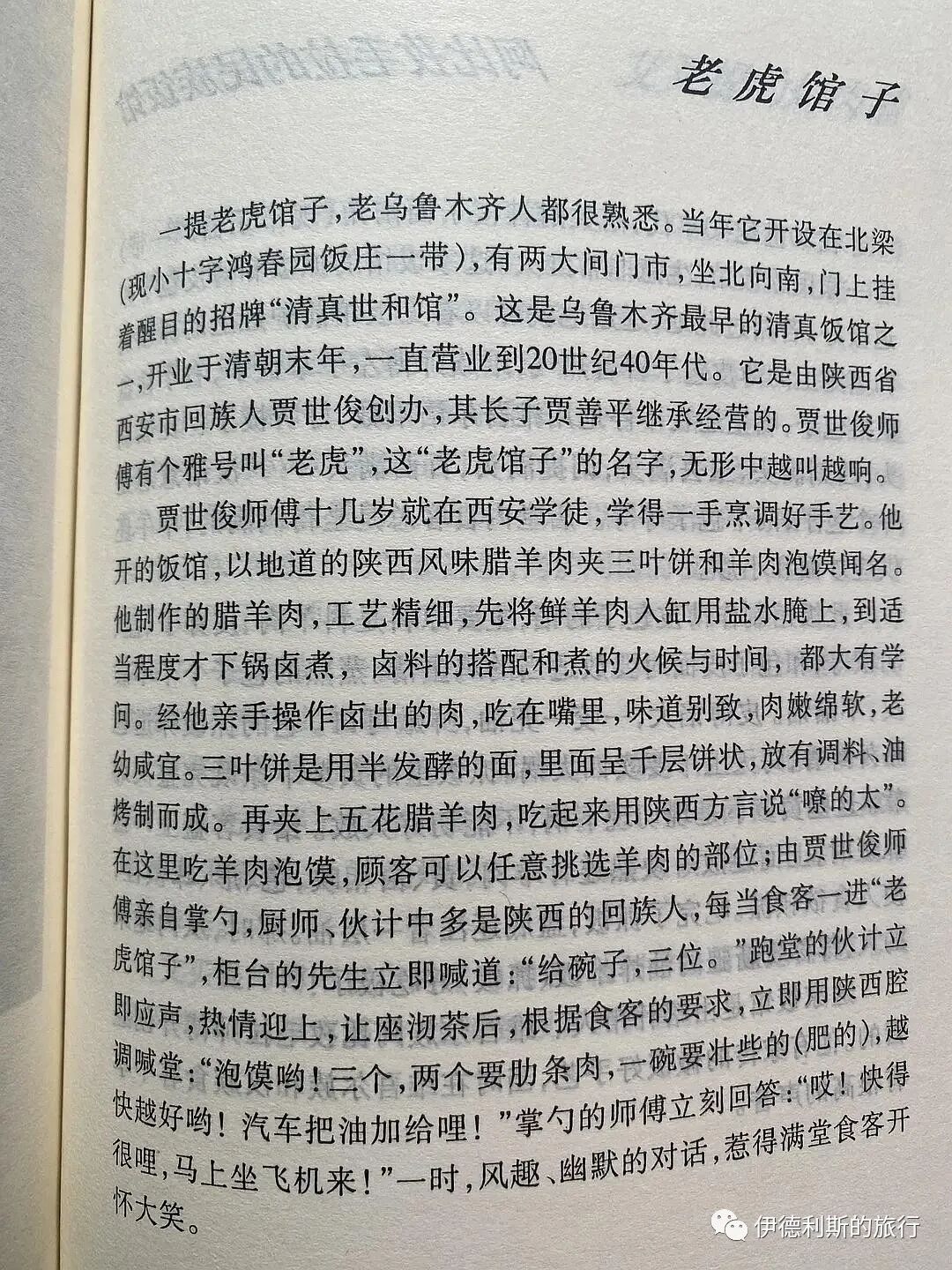
Master Jia Shijun, originally from Xi'an, started as an apprentice in Xi'an as a teenager. In the late Qing Dynasty, he opened the halal Shiheguan Restaurant in Beiliang, Urumqi. It was later inherited by his son, Jia Shanping, and remained in business until the 1940s. Because Jia Shijun was nicknamed 'Tiger,' the place was also called the Tiger Restaurant. The Tiger Restaurant was famous for its authentic Shaanxi-style cured lamb sandwiches (layangrou jia san ye bing) and lamb pita soup (paomo). For the cured lamb, fresh lamb is first placed in a vat to marinate in salt water, then braised in a pot until it is tender and soft. The three-leaf bread (san ye bing) is made with semi-leavened dough, layered like a thousand-layer cake, seasoned with spices and oil, and then baked. For the lamb pita soup at the Tiger Restaurant, customers could choose any part of the lamb, and Jia Shijun would cook it himself. At that time, most of the chefs and staff at the Tiger Restaurant were Hui Muslims from Shaanxi. As soon as a customer entered, the counter clerk would immediately shout, 'Give them a bowl, for three people!' The waiter would immediately respond, seat the guests, pour tea, and once the order was placed, he would shout to the kitchen in Shaanxi dialect: 'Pita soup!' Three, two with rib meat, and one bowl with the fattier kind. Make it as fast as you can! Fill the car up with gas! The chef immediately replied: 'Coming!' It will be very fast, it will be here in a flash! "
25. The halal pastry shop (qingzhen dianxin pu) run by Hui Muslim master She Wenbing, whose ancestral home was Lantian, Shaanxi.
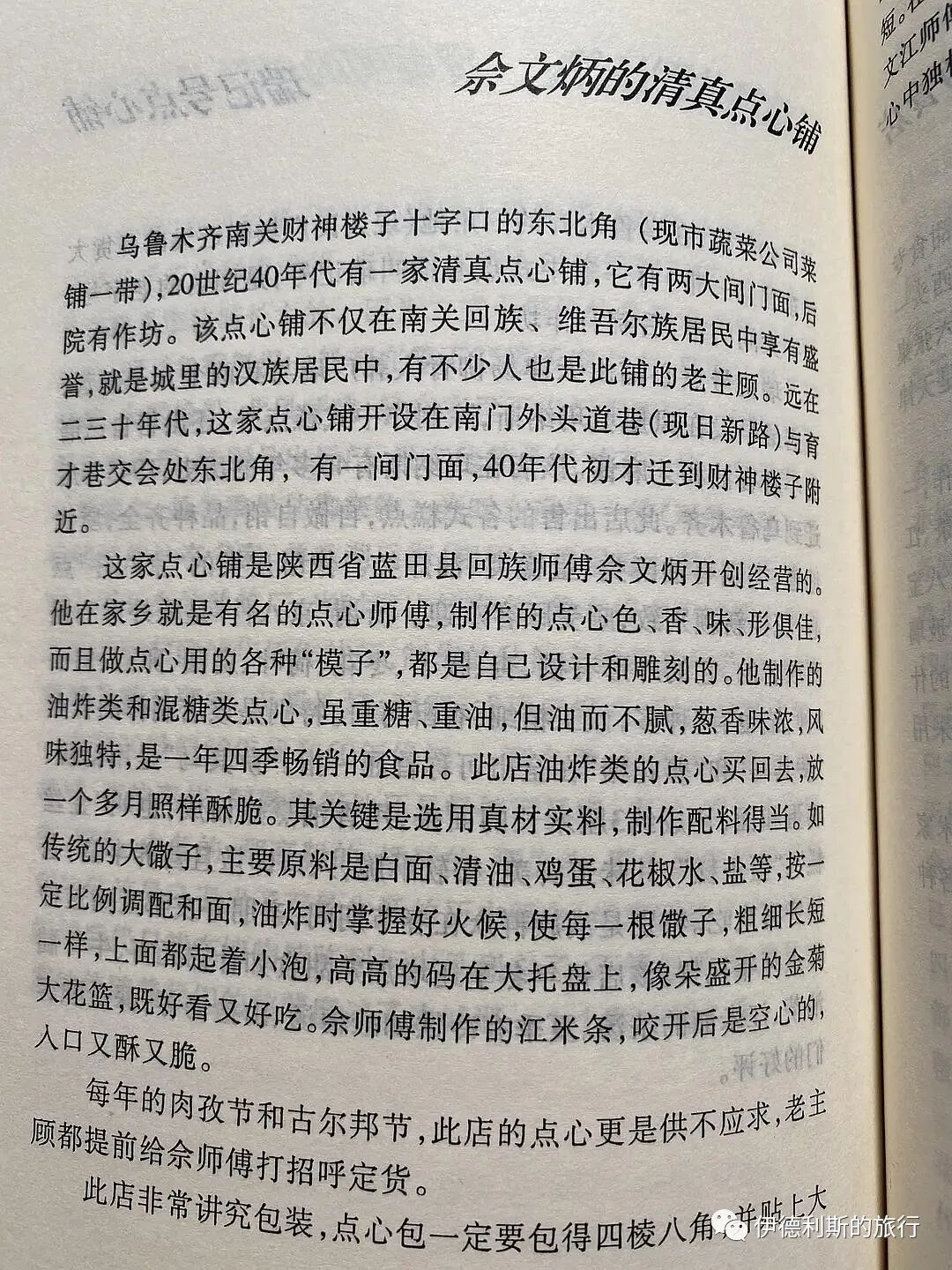
Master She Wenbing, originally from Lantian, Shaanxi, was a famous pastry chef back home. In the 1920s and 1930s, he had a storefront at the northeast corner of the intersection of Toudao Lane and Yucai Lane outside the South Gate of Urumqi. In the 1940s, he moved to the northeast corner of the Caishen Louzi intersection in Nanguan, expanded to two large storefronts, and added a workshop in the back. Master She was skilled at designing and carving pastry molds, making treats that looked, smelled, and tasted wonderful. His fried pastries and sugar-mixed pastries were oily but not greasy, with a rich scallion aroma. Traditional fried dough twists (sanzi) are made by kneading white flour, vegetable oil, eggs, Sichuan peppercorn water, and salt. When frying, you must control the heat so every twist is the same thickness and length, then stack them high on a large tray like a blooming golden chrysanthemum in a flower basket. The rice flour strips (jiangmitiao) Master She made were hollow inside, light, and crispy. Every year during Eid al-Adha and Eid al-Fitr, the pastry shop could not keep up with demand and customers had to place orders in advance. In the 1930s, Master She became close friends with Master Liu Wenjiang from the Jinmen Yongsheng Western Pastry Shop in Urumqi, which is why the flaky Beijing-style pastries (jing bajian) he made were unique among halal pastries.
26. The Zhenxinglong Water Mill (shuimo) opened by Hui Muslim Yang Zhenchun, whose ancestral home was Linxia, Gansu.
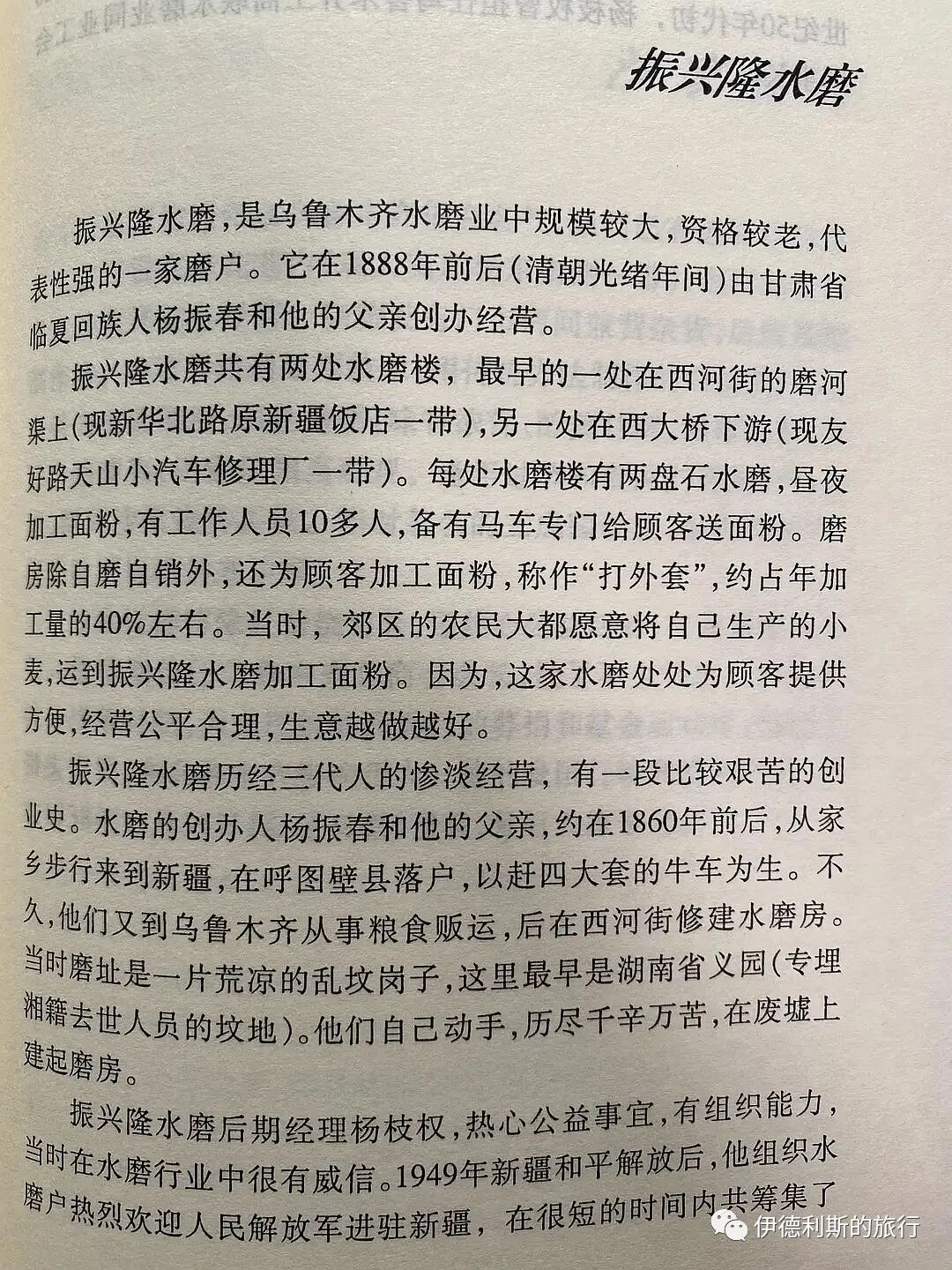
Yang Zhenxing and his father walked from their hometown of Linxia to Hutubi County around the 1860s, making a living by driving ox carts. Soon they went to Urumqi to transport grain, and around 1888, they built the Zhenxinglong water mill on the canal at Hexi Street in Urumqi, becoming one of the largest and most experienced millers in the city. Besides the original water mill building on Hexi Street, Zhenxinglong later built another one downstream from the West Bridge. Each mill had two stone water-powered millstones running day and night to process flour, with over 10 employees and horse-drawn carriages dedicated to delivering the flour. At that time, farmers in the suburbs were happy to bring their own wheat to Zhenxinglong to be processed into flour.
27. The Hui Muslim electrician Ma Hailong, whose ancestral home was Gangu County, Tianshui, Gansu.
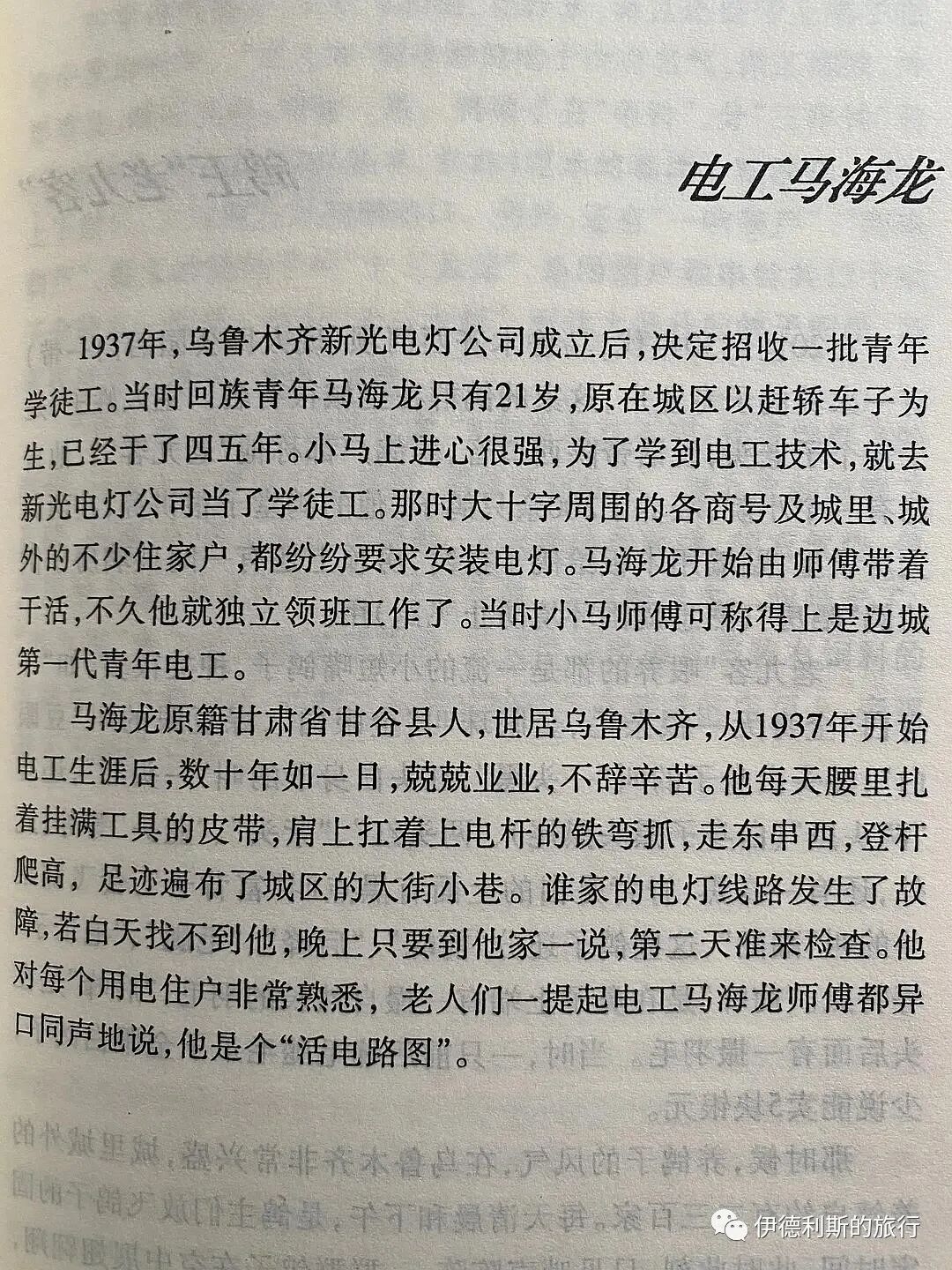
Ma Hailong lived in Ningxiawan, Urumqi, for generations and started making a living driving a carriage at age 15. In 1937, at age 21, Ma Hailong signed up as an apprentice at the Urumqi Xinguang Electric Company, becoming one of the first generation of Hui Muslim electricians in Urumqi. At that time, shops at the Great Cross in Urumqi and many homes outside the city walls wanted to install electric lights. Ma Hailong started by working under his master and soon began working independently. Every day he carried his iron climbing hooks, traveling everywhere and climbing poles, earning him the nickname 'Urumqi's Living Circuit Diagram'.
28. The Starch Noodle Street (Fentiao Jie) outside the South Gate of Urumqi.
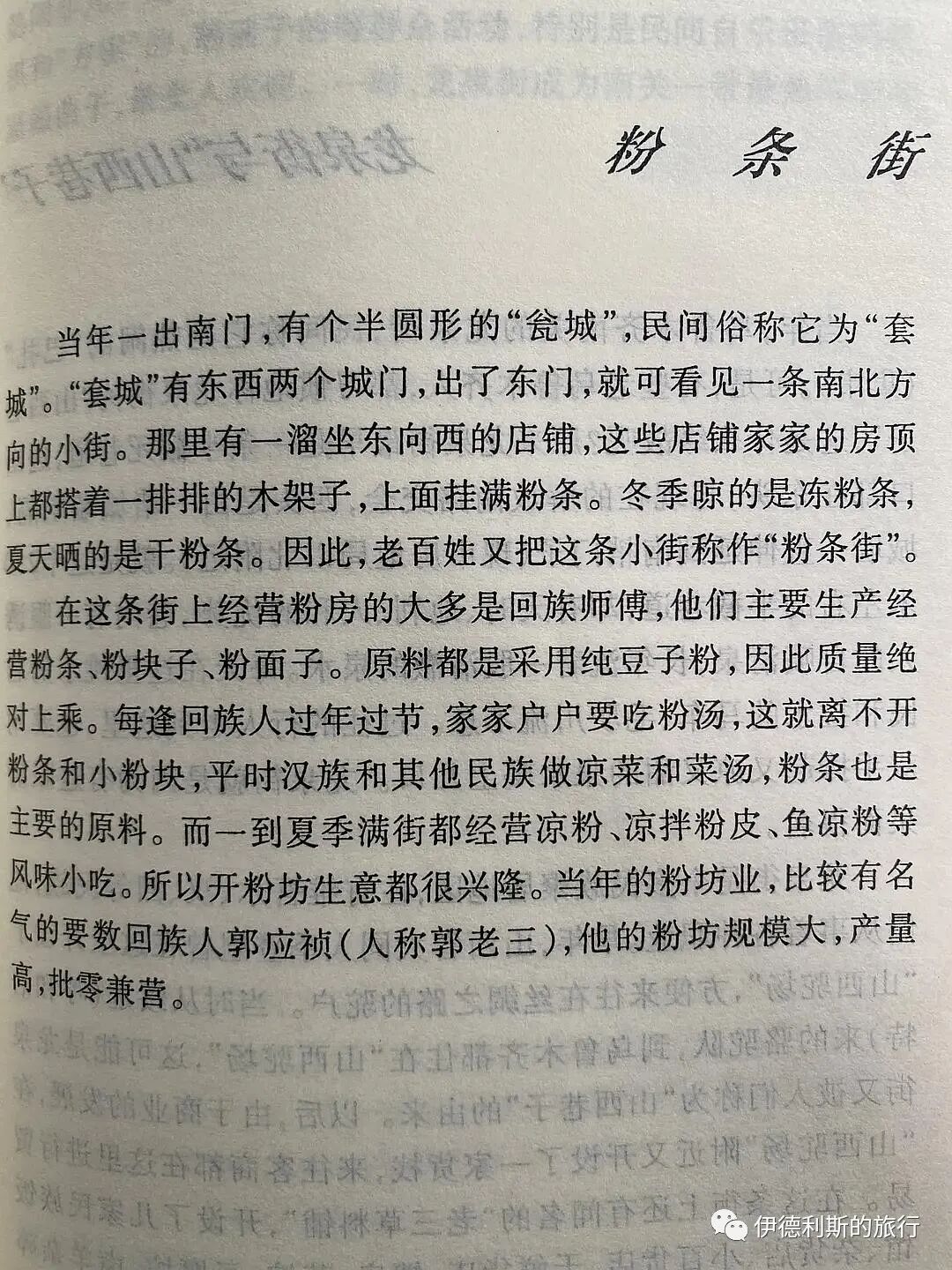
There was a small north-south street east of the South Gate barbican in Urumqi. Most of the businesses on the street were starch workshops run by Hui Muslim masters, so it was also called Starch Noodle Street (fentiao jie). Every house on Starch Noodle Street had a row of wooden racks on the roof. In winter, they hung starch noodles to freeze, and in summer, they dried them. They also made starch blocks (fenkuai) and starch powder (fenmian), all using pure bean starch. Every time Hui Muslims celebrated a holiday, every household ate starch noodle soup (fentang), which required starch blocks. When summer arrived, Starch Noodle Street was full of shops selling snacks like cold starch jelly (liangfen), cold tossed starch sheets (liangban fenpi), and fish-shaped cold jelly (yu liangfen). The most famous person on Starch Noodle Street back then was a Hui Muslim named Guo Yingzhen (known as Guo Laosan), whose starch workshop was the largest and most productive.
29. Ningxia Bay, located east of the South Gate (Nanguan) in Urumqi.
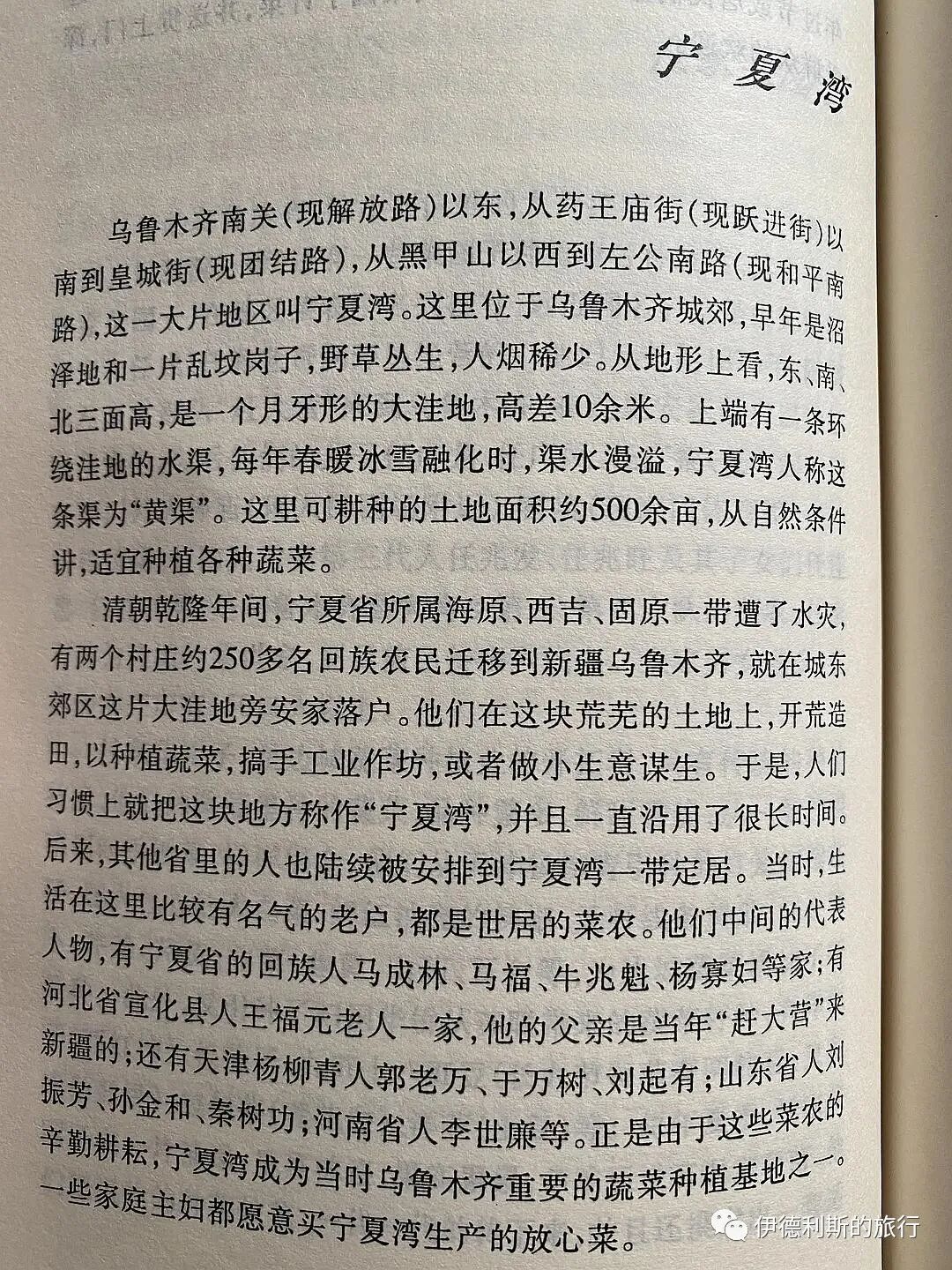
Ningxiawan in Urumqi is located east of Nanguan, south of Yaowangmiao Street to Huangcheng Street, and from west of Heijiashan to Zuogong South Road. This area was originally sparsely populated, a large crescent-shaped depression with a canal circling the top, making it suitable for growing all kinds of vegetables. During the Qianlong reign of the Qing Dynasty, the Xihai-Gu region of Ningxia suffered a flood, and more than 250 Hui Muslim farmers from two villages migrated to this depression. They cleared the land, grew vegetables, opened handicraft workshops, and did small business to make a living, so people started calling the place Ningxiawan. Hui Muslim vegetable farmers in Ningxiawan included families like Ma Chenglin, Ma Fu, Niu Zhaokui, and Widow Yang. Their hard work made Ningxiawan an important vegetable base for Urumqi, and people in Urumqi were always happy to buy reliable vegetables from Ningxiawan.
30. Imam (Ahong) Ma Liangjun.
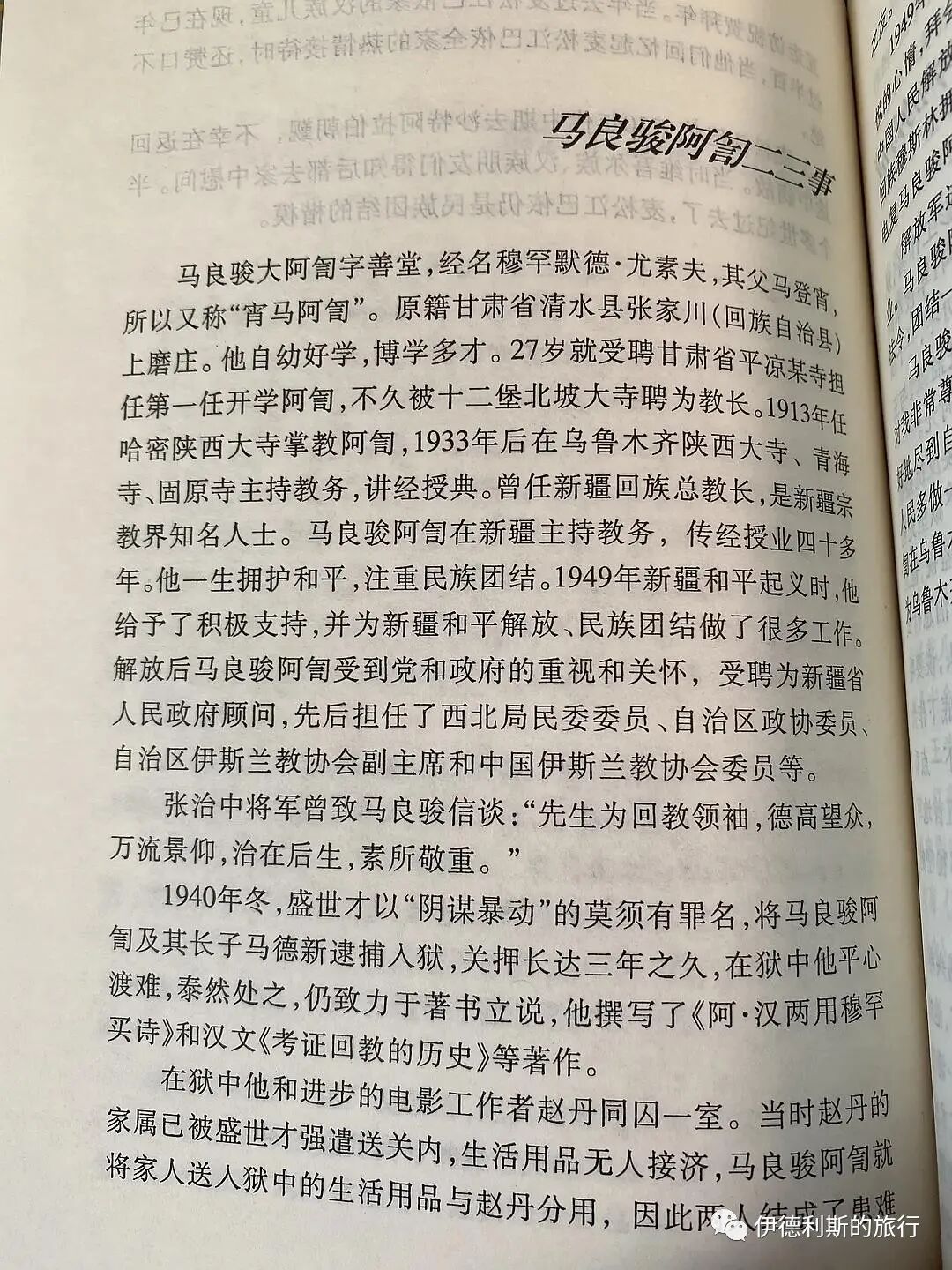
Imam Ma Liangjun was originally from Zhangjiachuan, Gansu. In 1913, he became the imam of the Shaanxi Great Mosque in Hami. After 1933, he led religious affairs at the Shaanxi Great Mosque, Qinghai Mosque, and Guyuan Mosque in Urumqi, and once served as the General Imam of Hui Muslims in Xinjiang. From 1940 to 1943, Imam Ma Liangjun was imprisoned by Sheng Shicai for three years. In prison, he persisted in writing and authored works such as 'Arabic-Chinese Muhammadan Poetry' and 'Research on the History of Islam'. In prison, Imam Ma shared a cell with the famous film actor Zhao Dan. To take care of Zhao Dan, he shared the daily necessities his family sent into the prison with him, and the two later formed a friendship forged in hardship.
31. The Wanxinglong Halal Chinese and Western Pastry Shop opened by Hui Muslim manager Ma Wanxiao.
In 1920, manager Ma Wanxiao opened the Wanxinglong Halal Chinese and Western pastry shop at the east end of Shanxi Lane in Nanguan, Urumqi. It had two large storefronts facing north, and the workshop in the backyard produced goods for direct sale. Wanxinglong hired Yao Zhenghe, a master baker from Yangliuqing, Tianjin, who was trained in the Tianjin style. Because of this, their Chinese pastries were traditional Tianjin-style treats. These included large and small eight-piece pastry sets (da bajian, xiao bajian), sesame flatbreads (zhima bing), sponge cakes (caozi gao), sachima, Furong cakes, seasonal mung bean cakes (lvdou gao), Mid-Autumn mooncakes, and assorted sweet rice balls (yuanxiao). People of all ethnic groups in Urumqi loved to serve these on their tables during holidays. In 1944, Wanxinglong hired Sui Hefu, a Shandong-born master baker who had returned from the Soviet Union. This led to the addition of Russian-style Western halal pastries. This was the first halal pastry shop in Urumqi to sell both Chinese and Western goods.
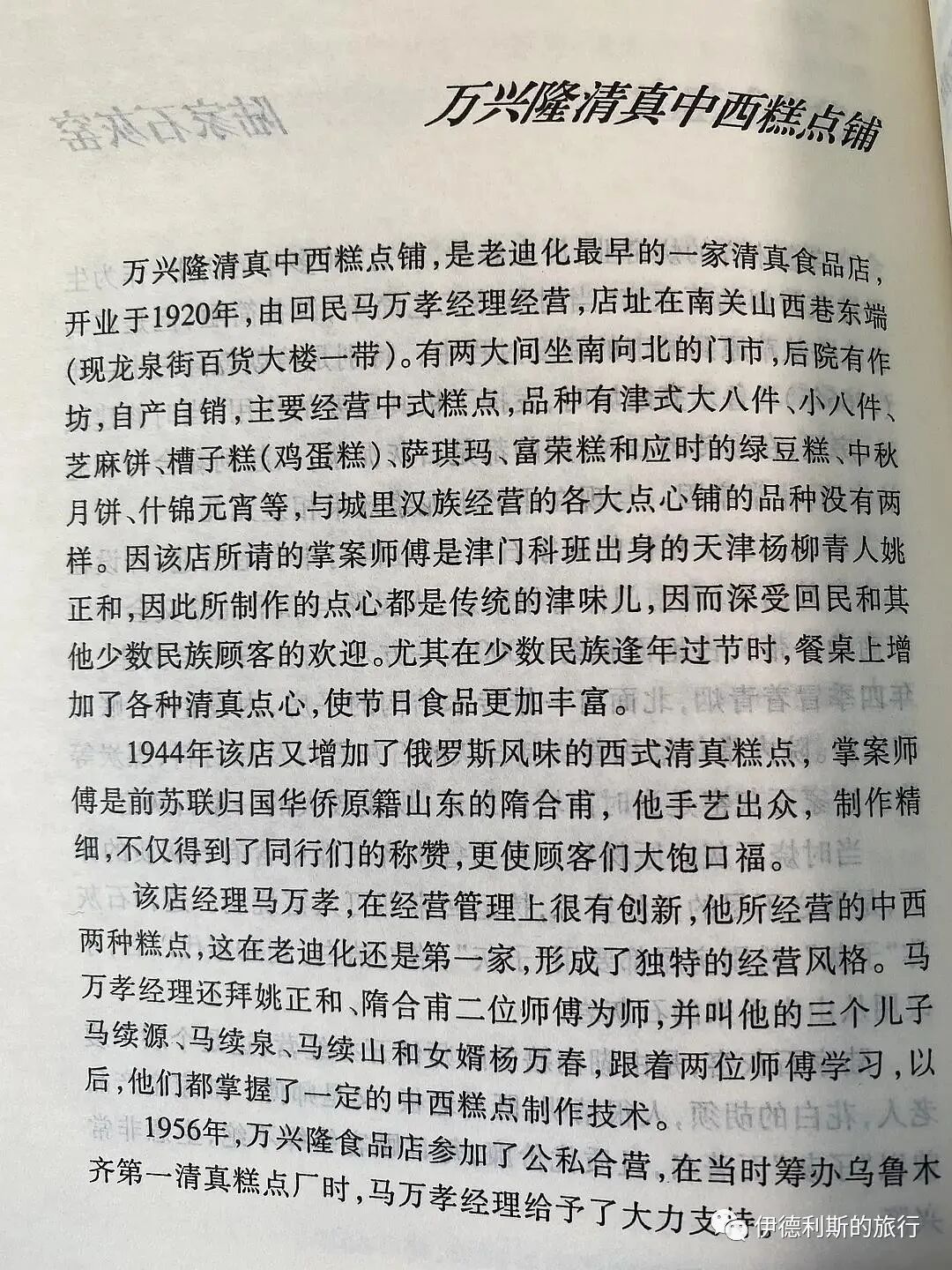
32. The cured mutton in steamed buns (la yangrou jia zhengmo) from Hui Muslim master Nian Shenghua.
Master Nian Huasheng, known as Old Nian the Fourth, was a thin, tall man. From the 1930s to the 1950s, he set up a stall every noon in Caishenlou Lane in Nanguan, Urumqi. He pushed a yellow cart carrying a steaming pot of cured lamb (la yangrou) and a pot of steamed leavened lotus leaf buns (heye bing), all covered with white gauze. The cured lamb was made by braising it in a pot with high-quality soy sauce, Sichuan peppercorns, star anise, cloves, cinnamon, ginger skin, and black pepper, all wrapped in white gauze. He would cut the cured lamb into small pieces, tuck them into the steamed lotus leaf buns, and drizzle a little braising broth over them. It tasted soft, fresh, tender, and fatty without being greasy.
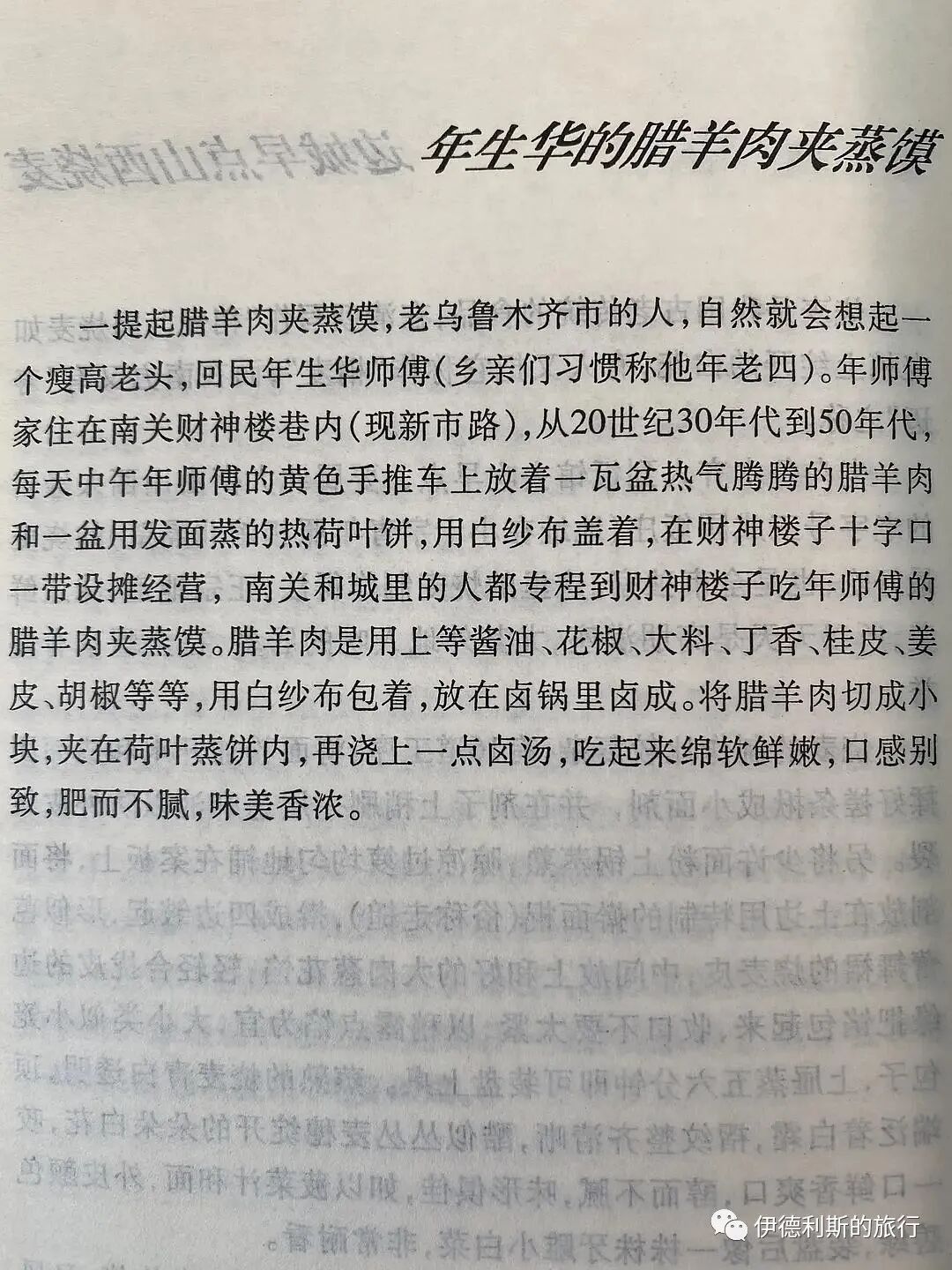
33. The date crystal cake (zaojing gao) of the Urumqi Hui Muslims.
In the early years, many Hui Muslims pushed carts through the streets and alleys of Urumqi selling date crystal cakes (zaojing gao). They kept them covered with white gauze and called out, 'Hey... date crystal cakes... hey, white sugar date crystal cakes...' In summer, people loved these cold, sweet, and sticky cakes, especially around the Dragon Boat Festival. Date crystal cakes were made with high-quality glutinous rice, large red dates, raisins, walnut kernels, and shredded green and red candied fruit (qinghong si). First, the glutinous rice was soaked in cold water for a day or two, with frequent water changes. Then, it was steamed in a basket until it became a cake. The soaked red dates, raisins, crushed walnut kernels, and glutinous rice cake were mixed evenly and spread out. After cooling, green and red candied fruit was sprinkled on top. When eating, people would add white sugar or syrup.
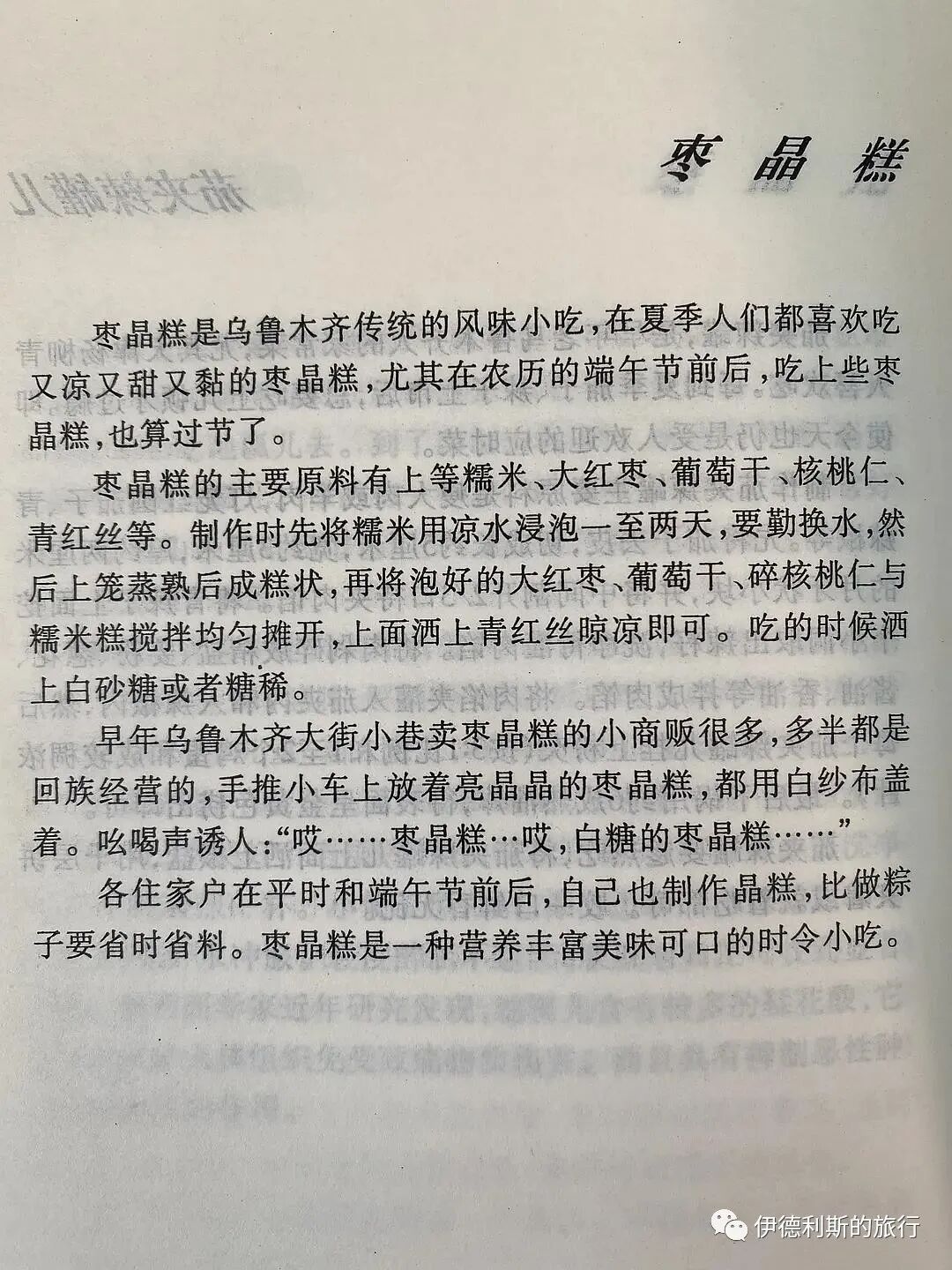
34. The steamed bun shop (momo fang) of Hui Muslim Cai Huasheng, whose ancestral home was Xi'an.
In the 1920s and 1930s, Master Cai Huasheng ran a large food shop on Beiliang in Urumqi that specialized in various steamed buns (momo). It had a large storefront facing north and a workshop in the back. They sold hot steamed buns (re zhengmo), twisted rolls (huajuan), deep-fried sugar twists (tang mahua), fried dough cakes (youxiang), ox-tongue pastries (niushe bing), dry flour flatbreads (guokui), fried flatbreads (you guokui), gourd-shaped flatbreads (hulu guokui), flaky pastries (yousu mo), and flowering steamed buns (kaihua mo). From morning until night, the shop was filled with steam and a constant stream of customers.
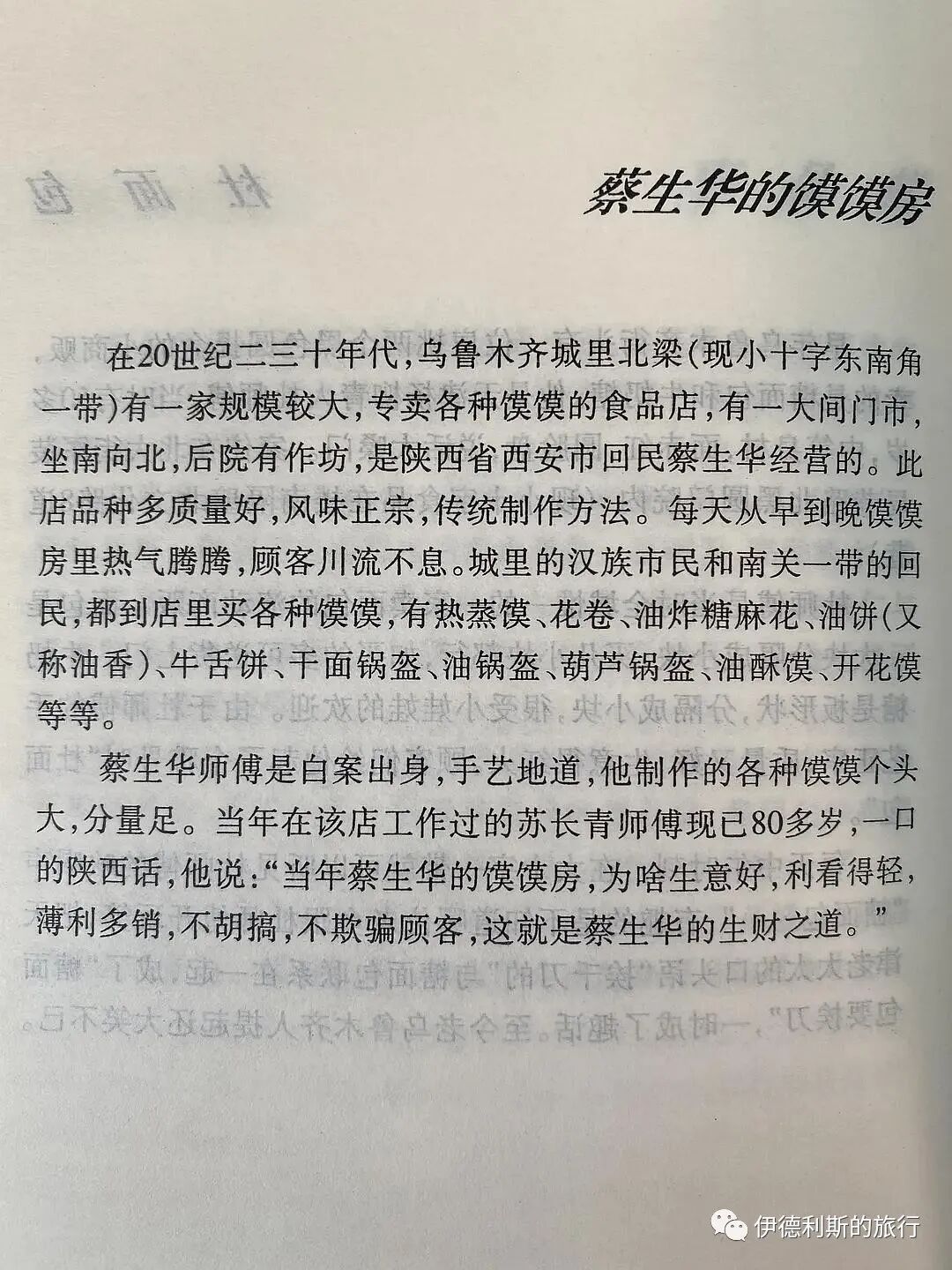
35. The Dazishizi Mutton Pita Soup (yangrou paomo) restaurant opened in the 1950s.
In 1955, the Urumqi Catering Company opened a state-run lamb pita bread soup (yangrou paomo) restaurant south of the road east of Dashizi. It had three large flat-roofed storefronts, with a dining hall in the front and a kitchen in the back. The restaurant hired several highly skilled Hui Muslim masters from Xi'an, including Ma Fengming, who managed the braised bread, He Chengwen, who made dry flour flatbreads in a special oven, and Ma Junliang and An Shiquan, who served customers. Before eating, the waiter would bring a small dish of pickled garlic, chili sauce, and cilantro. Customers would then wash their hands and break the dry flour flatbread into small pieces—the smaller, the better. The finished lamb pita bread soup was served in a large bowl containing fatty and lean lamb slices, flatbread, and vermicelli. When eating, it was important to 'nibble like a silkworm.' You shouldn't stir the bowl; instead, you had to eat from the edges toward the center, bite by bite, to fully enjoy the flavor.
Summary: Urumqi Hui Muslims in Republican China: History, Photos and Muslim Life is presented here as a firsthand travel account in clear English, beginning with this scene: I recently bought an interesting book called Urumqi Anecdotes (Wulumuqi Zhanggu). It made the Urumqi of a hundred years ago feel much more alive to me. The account keeps its focus on Urumqi History, Hui Muslims, Xinjiang while preserving the names, places, food, and historical details from the Chinese source.
I recently bought an interesting book called Urumqi Anecdotes (Wulumuqi Zhanggu). It made the Urumqi of a hundred years ago feel much more alive to me.
Table of Contents
1. The camel caravan of Hui Muslim Yang Zhong, whose ancestral home was Xi'an.
2. The open-air teahouse run by Hui Muslim master Han Shila.
3. The cold starch noodles (liangpi) made by Hui Muslim master Han Youcai, whose ancestral home was Qinghai.
4. The fermented oat porridge (tianpeizi) from Hui Muslim master Shan.
5. The cold mixed starch sheet noodles (liangban fenpi) from Hui Muslim master Yang Hengkui, whose ancestral home was Fengxiang, Shaanxi.
6. The leaf-shaped noodle shop (yezimian guan) run by Hui Muslim master Liu Wanchun, whose ancestral home was Xi'an.
7. The egg fermented rice soup (jidan laozhao) and tofu pudding (doufunao) from Hui Muslim master Ma.
8. The cured mutton (la yangrou) from Hui Muslim master Zhou, known as Fatty Sanwa (Pang Sanwa).
9. The yogurt (suannai zi) and shaved ice (xuehua liang) from Hui Muslim master Ding Wanfu.
10. The crystal cake (jingjing gao) from Hui Muslim master She Yafang, whose ancestral home was Lantian, Shaanxi.
11. The spiced cured lamb hooves (hu la yangti) from Hui Muslim master Mu Laoba, whose ancestral home was Tianjin.
12. The crispy fried dough cakes (paopao yougao) from Hui Muslim master Shan Yun.
13. The oil tea (youcha) with fried dough twists (you mahua) from Hui Muslim master Ma Laohan.
14. The cured lamb bones (la yang gutou) from Hui Muslim master Sha Tianning, whose ancestral home was Xi'an.
15. The lamb offal soup (yangzasui tang) with fried dough twists (mahua) from Hui Muslim master Sha.
16. The Xinjiang cold noodles (liangmian) from Hui Muslim master Ma Wenyi.
17. The rolled fried milk (gunjian niunai) from Hui Muslim master He Cai, whose ancestral home was Xi'an.
18. The braised lamb head (lu yangtou) from Hui Muslim master Li Furen.
19. The beef with garlic (niurou bansuan) from the Hui Muslim brothers of the Old Bao family.
20. The peppercorn chicken (jiaoma ji) from Hui Muslim master Song.
21. The layered steamed bread (youtazi) from Hui Muslim master Qi Fengming.
22. The lamb meat (yanggao rou) from Hui Muslim master Wuwuzi.
23. The Zhongyiguan Restaurant founded by Hui Muslim master Ma Dawu, whose ancestral home was Shaanxi.
24. The Tiger Restaurant (Laohu Guanzi) run by Hui Muslim master Jia Shijun, whose ancestral home was Xi'an.
25. The halal pastry shop (qingzhen dianxin pu) run by Hui Muslim master She Wenbing, whose ancestral home was Lantian, Shaanxi.
26. The Zhenxinglong Water Mill (shuimo) opened by Hui Muslim Yang Zhenchun, whose ancestral home was Linxia, Gansu.
27. The Hui Muslim electrician Ma Hailong, whose ancestral home was Gangu County, Tianshui, Gansu.
28. The Starch Noodle Street (Fentiao Jie) outside the South Gate of Urumqi.
29. Ningxia Bay, located east of the South Gate (Nanguan) in Urumqi.
30. Imam (Ahong) Ma Liangjun.
31. The Wanxinglong Halal Chinese and Western Pastry Shop opened by Hui Muslim manager Ma Wanxiao.
32. The cured mutton in steamed buns (la yangrou jia zhengmo) from Hui Muslim master Nian Shenghua.
33. The date crystal cake (zaojing gao) of the Urumqi Hui Muslims.
34. The steamed bun shop (momo fang) of Hui Muslim Cai Huasheng, whose ancestral home was Xi'an.
35. The Dazishizi Mutton Pita Soup (yangrou paomo) restaurant opened in the 1950s.
1. The camel caravan of Hui Muslim Yang Zhong, whose ancestral home was Xi'an.
Master Yang Zhong was a Hui Muslim from Xi'an. He walked from Xi'an to Urumqi for two and a half years around 1880 and spent over 40 years running a camel transport business in Urumqi. Master Yang Zhong had nearly a hundred fat and strong camels, and he also owned his own camel farm and fodder yard in Jinjiawan, Xiaodongliang, Urumqi. Yang Zhong's camel caravan mainly transported passengers and goods from Urumqi to Kashgar, Yining, Tacheng, and Altay, with occasional business to Hohhot. When his camels were grazing in the distance, they would automatically return to the camp if they saw the tents being taken down, and at night, the lead camel would stop automatically if it could not hear the camel bells behind it.
2. The open-air teahouse run by Hui Muslim master Han Shila.
Master Han Shila set up a stall to sell tea at various temple fairs in Urumqi, using a high-roofed shelter with long tables and high stools. He served Hunan dark tea (fuzhuan) and brick tea in large porcelain pots, and brewed West Lake Longjing, Yunnan Pu'er, Anhui Qimen, and the Hunan smoked tea that Hui Muslims love in lidded bowls (gaiwancha). He used sweet, clear spring water from the Tianshan Mountains to brew the tea and a copper stove similar to a hot pot, called a samovar (shamawa), to boil the water. He also provided Soviet sugar cubes, black melon seeds, peanuts, dried fruits, and the longan and red dates that Hui Muslims use to make three-ingredient tea (sanpaotai). When refilling tea, Master Han Shila practiced the 'snowflake covering the top' technique, which meant lifting the copper pot high behind or above the customer's head to pour water into the bowl. Just as it was about to overflow, he would flick his right wrist, and the spout would stop dripping completely, clean and precise.
3. The cold starch noodles (liangpi) made by Hui Muslim master Han Youcai, whose ancestral home was Qinghai.
Han Youcai was born in the 1910s. His grandfather came to Urumqi from Qinghai in his early years and made a living selling cold starch noodles (liangpi), and now the family is in its third generation. By the 1930s, when he was in his 20s, Han Youcai was already well-known to the people of Urumqi, and he continued his business for over 50 years until the 1980s. Han Youcai carried a liangpi stall on his shoulders to sell along the street all year round. In winter, steam rose from both ends of his carrying pole; the liangpi sat on a steamer, and the vinegar sauce was kept in a copper pot, giving hot liangpi a unique flavor. In the summer, he also sold cold jelly noodles (liangfen), using a scraper to press the jelly blocks into round noodles, making and selling them on the spot.
4. The fermented oat porridge (tianpeizi) from Hui Muslim master Shan.
In the 1930s and 1940s, it was very popular in Urumqi to eat fermented glutinous rice (tianpeizi) in the summer. At that time, Master Dan, who worked near the Caishen Tower in the Nanguan area of Urumqi, had the best business. He carried a large porcelain basin of tianpeizi on his shoulders, covered with white gauze, and sold it along the street. When selling, he would serve the tianpeizi in small porcelain bowls, half wheat grains and half soup.
5. The cold mixed starch sheet noodles (liangban fenpi) from Hui Muslim master Yang Hengkui, whose ancestral home was Fengxiang, Shaanxi.
Master Yang's cold noodle shop in the Nanguan area of Urumqi was famous throughout the city from the 1930s to the 1950s. To make the cold noodles, he used high-quality mung bean flour to create noodles that were both white and thin. Various condiments like chili oil, garlic oil, sesame paste, mustard oil, Sichuan peppercorn oil, vinegar sauce infused with black cardamom, and chopped tender celery were all served in large red flower-patterned bowls. Master Yang used nine-inch large flat plates to serve the noodles, mixed with various seasonings, making them smooth and refreshing to eat.
6. The leaf-shaped noodle shop (yezimian guan) run by Hui Muslim master Liu Wanchun, whose ancestral home was Xi'an.
Liu Wanchun's great-grandfather, Liu Gong, and his brother Liu Ping came to Urumqi from Xi'an around 1860 to run a halal snack business, and Liu Wanchun was the fourth generation. Liu Wanchun's leaf noodle (yezimian) shop was located near the poultry market outside the Great West Gate of Urumqi and stayed open until the public-private partnership reform in 1956. After 1956, Liu Wanchun served as the manager of the Urumqi Catering Service Company's cooperative canteen and passed away in the 1960s. Liu Wanchun knew how to make thousand-layer oil cakes, sugar twists, fried dough cakes, various pastries, and cold noodles, and was especially skilled at making leaf noodles and wontons. Leaf noodles, also called alkaline noodles (jianmian), were hand-rolled to be one centimeter wide, very thin, and translucent, and were taken out of the pot as soon as the water boiled. The soup was made by boiling chicken and lamb bones with galangal, black cardamom, fennel, Sichuan peppercorn, and ginger skin, resulting in a delicious flavor. He would then pour a topping made of diced lamb and mushrooms over the noodles, which everyone loved.
7. The egg fermented rice soup (jidan laozhao) and tofu pudding (doufunao) from Hui Muslim master Ma.
Master Ma was very tall and wore a small black mustache. Every morning, he carried a fermented rice wine (laozao) stall to set up in front of the Gao Jiwang grocery store at Erdaoqiao in Nanguan (now South Heping Road). He also sold fried dough twists (mahua) and his only call was 'Laozao is boiling'. The fermented rice wine he made was sweet and thick, and adding a swirled egg made it taste even more wonderful. In the afternoon, Master Ma would sell tofu pudding (doufunao) around the Caishen Tower in Nanguan. He kept a small mule at home and ground the tofu himself every day, which was very hard work. The sauce for his tofu pudding was made with lamb broth, containing wood ear mushrooms, cauliflower, vermicelli, and gluten, topped with chili oil and diced pickles, giving it a unique taste.
8. The cured mutton (la yangrou) from Hui Muslim master Zhou, known as Fatty Sanwa (Pang Sanwa).
Master Zhou once opened a cured lamb shop near the Caishen Tower in Nanguan. It had two storefronts facing east, specializing in three-leaf bread (sanyebing) stuffed with cured lamb, as well as hand-rolled leaf noodle soup. Old customers always liked to call Master Zhou by his nickname, 'Fat Sanwa,' so the place gradually became known as the Fat Sanwa Restaurant. When a customer wanted cured lamb, Master Zhou would put the cold meat into the three-leaf bread and bake it in an oven. When it came out, the bread was crispy, the meat was fragrant, and it was full of flavor.
9. The yogurt (suannai zi) and shaved ice (xuehua liang) from Hui Muslim master Ding Wanfu.
Before the liberation, Master Ding Wanfu sold yogurt (suannai) near the Caishen Tower in Nanguan using two large red round carrying boxes. Ding Wanfu keeps his own cows and feeds them mostly on oil dregs, which makes the milk rich and creamy. To ferment the yogurt (suannai), cover it tightly and place it on a warm earthen bed (kang) for six or seven hours, making sure to control the temperature. The finished yogurt looks like milk tofu in the bowl, topped with a layer of yellow cream, and it won't spill even if you turn the bowl upside down. In the summer, Master Ding follows tradition to make homemade snowflake cool (xuehualiang), which is a type of ice cream. He puts boiling water, egg whites, sugar, and flavoring into a large white tin bucket, then places that bucket inside a large wooden barrel with a 10-centimeter gap around it filled with ice. He uses a rope to spin the tin bucket, and after two hours of friction, the sugar water inside turns into ice cream. When eating, buy a bowl of yogurt and add a scoop of snowflake cool; it is sweet, sour, cold, and perfect for cooling down. Master Ding calls out while selling: "Ah! It's cold and clears the heat! If it's not cold, it's free! Ah! Come and cool off!" "
10. The crystal cake (jingjing gao) from Hui Muslim master She Yafang, whose ancestral home was Lantian, Shaanxi.
Master She Yafang, whose family is from Lantian, Shaanxi, pushes a clean cart with her husband, Master Ma Yunhua, to sell crystal cakes (jingjinggao), also known as steamed pear cakes (shuligao), and cold fruit slices outside the South Gate of Urumqi, north of the current South Gate Garden. Master She handles the cooking, and Master Ma handles the sales. In winter and spring, the elderly couple makes, steams, and sells them right on the street. The front of the cart has a rectangular crystal-blue wooden box with a glass lid, containing steamed premium rice flour and various fillings like white sugar, banana, rose, hawthorn, and bean paste. The middle of the cart has a stove at the bottom with a round steamer on top. There are four long hollow wooden round molds and one small iron mold; to steam, first put a layer of rice flour on the iron mold, add the sweet filling, then add a layer of light red and light green rice flour, and place the mold over the steam vent. The finished crystal cake is a round, soft pastry that looks like a blooming flower on a small plate; it is soft, sandy, fragrant, and sweet when eaten with a small fork.
11. The spiced cured lamb hooves (hu la yangti) from Hui Muslim master Mu Laoba, whose ancestral home was Tianjin.
Master Mu Laoba is from Tianjin and speaks with an authentic Tianjin accent; he is a chubby, white-haired old man with a handlebar mustache who always speaks politely to elders, which is pleasant to hear. Every noon, Master Mu carries two boxes of spiced lamb trotters (hula yangti) to sell at a fixed spot outside the South Gate market in Urumqi. To make them, he mixes the trotters with soy sauce, salt, rock sugar, long pepper, galangal, cinnamon, cloves, ginger skin, Sichuan peppercorns, fennel, and black cardamom, then simmers them with alternating high and low heat until the meat is tender, falling off the bone, and very fragrant.
12. The crispy fried dough cakes (paopao yougao) from Hui Muslim master Shan Yun.
Master Shan Yun used to sell bubble oil cakes (paopao yougao) outside the West Gate chicken and duck market in Urumqi. The bubble oil cakes in Urumqi are round fried sugar cakes with thin, wing-like edges, about 6 centimeters in diameter and 3 centimeters wide, filled with white sugar, green and red silk, walnuts, and sesame, with a hint of banana flavor; they are crispy on the outside, soft on the inside, and shaped like bubbles, leaving thin, crispy crumbs on your lips when eaten hot. You must master the heat for frying the cakes; Master Shan used to test the oil temperature with his index finger, a skill that beginners need to practice many times to get right.
13. The oil tea (youcha) with fried dough twists (you mahua) from Hui Muslim master Ma Laohan.
Old Man Ma used to have a stall selling oil tea (youcha) at the South Gate market in Urumqi. His oil tea is made from sheep fat and flour, with raisins, walnuts, roasted peanuts, and chopped sheep tail fat. To make it, he fries the rendered sheep fat with flour until it turns light yellow, pours it into a basin, mixes it with water in a one-to-three ratio, simmers it over low heat, and adds salt, raisins, and other seasonings once it becomes a thin paste. Old Man Ma keeps the oil tea in a large porcelain basin, topped with a few sugar twists (mahua), and keeps it warm over a low flame. He adds the twists as he sells; a bowl of oil tea served in a fine red-flowered porcelain bowl with a twist is fragrant, soft, and delicious, with crunchy peanuts and walnuts.
14. The cured lamb bones (la yang gutou) from Hui Muslim master Sha Tianning, whose ancestral home was Xi'an.
Master Sha Tianning, originally from Xi'an, sells spiced lamb bones (la yanggutou) every noon at a shop next to the God of Wealth building in the South Gate area of Urumqi. He brings out the steaming, fragrant spiced lamb bones in a large white tin basin. Most customers bring their own enamel basins to buy them. The way to eat spiced lamb bones is to first eat the meat on the bone, then use a chopstick to poke out the bone marrow and suck it out; it is incredibly delicious and leaves a long-lasting aftertaste. Master Sha Tianning uses the Hui Muslim method of braised meat (fenrou). He cuts the lamb rack, washes it, puts it in the pot at once, and simmers it in a spiced broth (lutang) over low heat until the meat is tender, bright in color, and delicious.
15. The lamb offal soup (yangzasui tang) with fried dough twists (mahua) from Hui Muslim master Sha.
Master Sha once set up a stall at Nanguan Caishen Louzi to sell lamb offal soup (yangzasui tang). He used a white cloth tent and a large Soviet-style enamel basin filled with soup, kept warm by a smokeless coal stove underneath. A few twisted fried dough sticks (mahua) floated on the steaming soup, and the aroma was mouth-watering. Master Sha braised cleaned lamb head meat, liver, lungs, tripe, heart, and trotters in spiced broth. After cooling, he sliced them into small strips, then soaked them in fresh meat broth over low heat, keeping the soup clear and the meat tender. The twisted fried dough sticks (mahua) soaked in the soup became soft and crispy.
16. The Xinjiang cold noodles (liangmian) from Hui Muslim master Ma Wenyi.
Master Ma Wenyi was known as a chubby young man in his youth. His ancestors made a living by making cold noodles (liangmian), and he ran a cold noodle stall outside Daxi Men in Urumqi from the 1930s to the early 1950s. He used alkaline ash (penghui) to knead the dough, pulling the noodles into even, thin strands that did not break. He paid close attention to the heat when boiling them, ensuring they were firm yet chewy. The oily, yellow noodles (huangmian) arranged on the plate looked like a blooming golden chrysanthemum. The cold noodle sauce used an egg-based vegetarian gravy with celery as a garnish, making the dish look, smell, and taste excellent. Master Ma also served braised lamb offal. If you wanted meat, he would slice a small plate and add some broth to the cold noodles, which was amazing. His stuffed lamb offal sausage was especially rich and delicious. Master Ma Wenyi could prepare the traditional Hui Muslim banquet known as Nine Bowls and Three Rows (jiuwan sanxingzi), as well as the Eight Big Dishes and Four Big Bowls banquets. In 1956, he joined a public-private partnership and worked as a chef at the Urumqi Food Service Company's halal cooperative canteen on Wenyi Road, near the current People's Cinema. He was famous and praised as the King of Cold Noodles in Xinjiang.
17. The rolled fried milk (gunjian niunai) from Hui Muslim master He Cai, whose ancestral home was Xi'an.
Master He Cai, originally from Xi'an and known as Fatty He, was a chubby old man with white hair and a long beard. Before the 1940s, he sold steaming fresh milk at a stall on the southeast corner of the Nanguan Caishen Louzi intersection in Urumqi. Master He went out very early every day to sell milk, and he also had sugar-coated twisted fried dough sticks (mahua) ready. He raised his own cows and sold the milk fresh right after milking. When preparing it, he boiled the milk over low heat, constantly stirring it with a ladle. He served the boiled milk in a bowl with a pinch of salt, and soon a layer of milk skin (naipizi) would form on top. When he was young, Master He carried his milk stall through the streets. His shouting had a strong Shaanxi accent, and his voice was loud, starting with an 'Ai' before calling out 'Gun jian de' (boiling hot).
18. The braised lamb head (lu yangtou) from Hui Muslim master Li Furen.
From the 1920s to the 1940s, Master Li Furen pushed a handcart through the streets near the Nanguan Shaomenzi gate in Urumqi every morning at 8 o'clock to sell his goods. The cart's counter was filled with steaming braised lamb head, as well as braised lamb tripe, liver, lungs, trotters, and heart, all smelling delicious. Master Li's braised lamb head broth was delicious, and the meat fell off the bone without falling apart. It included soft meat, bone-in meat, cartilage, and fatty meat. The two lamb eyes were especially like two oil gourds, rich but not greasy. His braised lamb trotters were very tender and smooth. All the lamb offal was cleaned thoroughly, and even his small cart for the braised products was clean and attractive. Master Li would shout, 'Lamb liver!' Lamb lungs! Hey! Lamb head and tripe—', and his calls could be heard throughout the streets and alleys.
19. The beef with garlic (niurou bansuan) from the Hui Muslim brothers of the Old Bao family.
In the 1940s, the two Lao Bao brothers lived near the Yaowang Temple in the Nanguan area of Urumqi. They made cold noodles (liangpi), lamb offal soup, and other snacks, with beef mixed with garlic being their signature dish. Later, the brothers decided to focus exclusively on selling beef mixed with garlic, operating from a fixed spot at Nanguan Caishen Louzi. Every noon, the brothers filled their handcart with steaming, dark red braised beef, including brisket, head meat, tripe, liver, and trotters. They specifically stacked the braised tripe together, and after it cooled, it formed a round block. When selling, they used a knife to slice it from top to bottom, turning it into tripe shreds. A ceramic jar held minced garlic soaked in high-quality vinegar. When you bought a plate of mixed beef and poured a few spoonfuls of the vinegar and garlic over it, the taste was unforgettable.
20. The peppercorn chicken (jiaoma ji) from Hui Muslim master Song.
Master Song lived in Xiaodongliang, Urumqi (now the Heping South Road area). Every day near noon, he would carry his pole and bring the oily, yellow, and bright pepper-numbing chicken (jiaoma ji) he had made to sell at Nanguan Caishen Louzi. Master Song was a short old man, and regular customers jokingly called him Song the Shorty. Master Song chose chickens weighing over a kilogram. After cleaning them, he rubbed Sichuan peppercorn powder and salt over the chicken, marinated it for 20 minutes, and then simmered it in a spiced broth (lutang) over low heat. The broth contained thirteen-spice (shisanxiang). When selling, the chicken's thighs and breasts are split down the middle, which is called the four big pieces. The two wings, the neck, and the tail are divided into four small pieces. Half a basin of braising broth (lutang) is kept warm in a large porcelain basin; in winter, there is a coal fire underneath, and in summer, it is served cold. Master Song uses a small, fine porcelain dish with red flower patterns to serve a chicken thigh, then pours two small spoonfuls of broth over it, making the flavor incredibly rich.
21. The layered steamed bread (youtazi) from Hui Muslim master Qi Fengming.
Master Qi Fengming's small restaurant is located next to the east side of the City God Temple on West Street in Urumqi, featuring two large storefronts and a workshop in the back. The restaurant serves oil towers (youtazi) and lamb-filled steamed buns (baozi) every morning. Master Qi's oil towers are shaped like small, round oil cakes. When eating, you use chopsticks to peel back the skin and lift it up, revealing thin, translucent, spiral-shaped layers that glisten with oil. Master Qi's hand-pulled noodles (latiaozi) and stir-fried noodles (chaomian) are also very famous. Every noon, the restaurant staff is incredibly busy, and the room is filled with shouts in a Shaanxi accent: 'Two small plates of meat (xiao banjin) coming up!' Stick noodles (gun gun mian)! Twenty small ones! (Two large plates) and one order of stir-fried noodles to go! Make sure to stir-fry them well! The kitchen staff immediately replies, 'Ah!' Coming right up! "
22. The lamb meat (yanggao rou) from Hui Muslim master Wuwuzi.
Li Zhanxiang, known as Wuwuzi, set up a stall to sell cooked lamb at Nanshaomenzi in the Nanguan area of Urumqi (now north of South Jiefang Road). Every morning, he goes to the market to buy sheep, specifically choosing two-year-old lambs. He brings them back to slaughter and clean them himself before boiling them in a pot, selling three or four sheep a day. When a new customer arrives, Wuwuzi cuts two slices of cooked lamb liver, sandwiches a slice of cooked, thin lamb tail fat inside, sprinkles on some salt, and lets the customer taste it before making a sale.
I just ate Wuwuzi lamb at Shanxi Alley in Urumqi this past May Day. Wuwuzi's father was named Li Shenghua (Li Liushizi). He started carrying lamb on a shoulder pole to sell at the South Gate of Urumqi in 1907. After the 1980s, Wuwuzi rented a storefront in Shanxi Alley. It has now been passed down for four generations and is recognized as an intangible cultural heritage at the autonomous region level.
23. The Zhongyiguan Restaurant founded by Hui Muslim master Ma Dawu, whose ancestral home was Shaanxi.
Zhongyiguan Restaurant is located near the Guanyinge Pavilion on the slope of Wangye Temple in Urumqi. It was founded in 1914 by Ma Dawu, who was originally from Shaanxi and was a professionally trained chef specializing in flour-based dishes. The restaurant started with only two earthen bungalows, serving steamed buns, oil towers, hand-pulled noodles, butterfly noodles (die mian—small pieces of dough pinched by hand that look like butterflies flying over the pot), stir-fried noodles, noodle soup, small stir-fry dishes, as well as large and small plates of meat, fried meat slices (jiesha), pork tenderloin, and meatballs. The Guanyinge Temple Fair falls on the 18th day of the third lunar month every year, which is when the restaurant is busiest.
In 1923, the restaurant expanded its dining hall and officially hung up the Zhongyiguan sign. Ma Dawu's sons, Ma Yanfu and Ma Yanlu, also grew up to be famous chefs specializing in both flour and meat dishes. At this time, Zhongyiguan Restaurant began catering banquets, with the most popular dishes being spicy lamb tendons, braised lamb, spicy diced chicken, sweet and sour fish, oil-seared meat (guoyou rou), stir-fried meat slices, pearl gluten, and signature tofu. Zhongyiguan ended the history of Urumqi halal restaurants only serving snacks and became the most famous large halal restaurant in Urumqi. In 1944, Zhongyiguan moved to East Street, and business improved even further until the public-private partnership in 1956.
24. The Tiger Restaurant (Laohu Guanzi) run by Hui Muslim master Jia Shijun, whose ancestral home was Xi'an.
Master Jia Shijun, originally from Xi'an, started as an apprentice in Xi'an as a teenager. In the late Qing Dynasty, he opened the halal Shiheguan Restaurant in Beiliang, Urumqi. It was later inherited by his son, Jia Shanping, and remained in business until the 1940s. Because Jia Shijun was nicknamed 'Tiger,' the place was also called the Tiger Restaurant. The Tiger Restaurant was famous for its authentic Shaanxi-style cured lamb sandwiches (layangrou jia san ye bing) and lamb pita soup (paomo). For the cured lamb, fresh lamb is first placed in a vat to marinate in salt water, then braised in a pot until it is tender and soft. The three-leaf bread (san ye bing) is made with semi-leavened dough, layered like a thousand-layer cake, seasoned with spices and oil, and then baked. For the lamb pita soup at the Tiger Restaurant, customers could choose any part of the lamb, and Jia Shijun would cook it himself. At that time, most of the chefs and staff at the Tiger Restaurant were Hui Muslims from Shaanxi. As soon as a customer entered, the counter clerk would immediately shout, 'Give them a bowl, for three people!' The waiter would immediately respond, seat the guests, pour tea, and once the order was placed, he would shout to the kitchen in Shaanxi dialect: 'Pita soup!' Three, two with rib meat, and one bowl with the fattier kind. Make it as fast as you can! Fill the car up with gas! The chef immediately replied: 'Coming!' It will be very fast, it will be here in a flash! "
25. The halal pastry shop (qingzhen dianxin pu) run by Hui Muslim master She Wenbing, whose ancestral home was Lantian, Shaanxi.
Master She Wenbing, originally from Lantian, Shaanxi, was a famous pastry chef back home. In the 1920s and 1930s, he had a storefront at the northeast corner of the intersection of Toudao Lane and Yucai Lane outside the South Gate of Urumqi. In the 1940s, he moved to the northeast corner of the Caishen Louzi intersection in Nanguan, expanded to two large storefronts, and added a workshop in the back. Master She was skilled at designing and carving pastry molds, making treats that looked, smelled, and tasted wonderful. His fried pastries and sugar-mixed pastries were oily but not greasy, with a rich scallion aroma. Traditional fried dough twists (sanzi) are made by kneading white flour, vegetable oil, eggs, Sichuan peppercorn water, and salt. When frying, you must control the heat so every twist is the same thickness and length, then stack them high on a large tray like a blooming golden chrysanthemum in a flower basket. The rice flour strips (jiangmitiao) Master She made were hollow inside, light, and crispy. Every year during Eid al-Adha and Eid al-Fitr, the pastry shop could not keep up with demand and customers had to place orders in advance. In the 1930s, Master She became close friends with Master Liu Wenjiang from the Jinmen Yongsheng Western Pastry Shop in Urumqi, which is why the flaky Beijing-style pastries (jing bajian) he made were unique among halal pastries.
26. The Zhenxinglong Water Mill (shuimo) opened by Hui Muslim Yang Zhenchun, whose ancestral home was Linxia, Gansu.
Yang Zhenxing and his father walked from their hometown of Linxia to Hutubi County around the 1860s, making a living by driving ox carts. Soon they went to Urumqi to transport grain, and around 1888, they built the Zhenxinglong water mill on the canal at Hexi Street in Urumqi, becoming one of the largest and most experienced millers in the city. Besides the original water mill building on Hexi Street, Zhenxinglong later built another one downstream from the West Bridge. Each mill had two stone water-powered millstones running day and night to process flour, with over 10 employees and horse-drawn carriages dedicated to delivering the flour. At that time, farmers in the suburbs were happy to bring their own wheat to Zhenxinglong to be processed into flour.
27. The Hui Muslim electrician Ma Hailong, whose ancestral home was Gangu County, Tianshui, Gansu.
Ma Hailong lived in Ningxiawan, Urumqi, for generations and started making a living driving a carriage at age 15. In 1937, at age 21, Ma Hailong signed up as an apprentice at the Urumqi Xinguang Electric Company, becoming one of the first generation of Hui Muslim electricians in Urumqi. At that time, shops at the Great Cross in Urumqi and many homes outside the city walls wanted to install electric lights. Ma Hailong started by working under his master and soon began working independently. Every day he carried his iron climbing hooks, traveling everywhere and climbing poles, earning him the nickname 'Urumqi's Living Circuit Diagram'.
28. The Starch Noodle Street (Fentiao Jie) outside the South Gate of Urumqi.
There was a small north-south street east of the South Gate barbican in Urumqi. Most of the businesses on the street were starch workshops run by Hui Muslim masters, so it was also called Starch Noodle Street (fentiao jie). Every house on Starch Noodle Street had a row of wooden racks on the roof. In winter, they hung starch noodles to freeze, and in summer, they dried them. They also made starch blocks (fenkuai) and starch powder (fenmian), all using pure bean starch. Every time Hui Muslims celebrated a holiday, every household ate starch noodle soup (fentang), which required starch blocks. When summer arrived, Starch Noodle Street was full of shops selling snacks like cold starch jelly (liangfen), cold tossed starch sheets (liangban fenpi), and fish-shaped cold jelly (yu liangfen). The most famous person on Starch Noodle Street back then was a Hui Muslim named Guo Yingzhen (known as Guo Laosan), whose starch workshop was the largest and most productive.
29. Ningxia Bay, located east of the South Gate (Nanguan) in Urumqi.
Ningxiawan in Urumqi is located east of Nanguan, south of Yaowangmiao Street to Huangcheng Street, and from west of Heijiashan to Zuogong South Road. This area was originally sparsely populated, a large crescent-shaped depression with a canal circling the top, making it suitable for growing all kinds of vegetables. During the Qianlong reign of the Qing Dynasty, the Xihai-Gu region of Ningxia suffered a flood, and more than 250 Hui Muslim farmers from two villages migrated to this depression. They cleared the land, grew vegetables, opened handicraft workshops, and did small business to make a living, so people started calling the place Ningxiawan. Hui Muslim vegetable farmers in Ningxiawan included families like Ma Chenglin, Ma Fu, Niu Zhaokui, and Widow Yang. Their hard work made Ningxiawan an important vegetable base for Urumqi, and people in Urumqi were always happy to buy reliable vegetables from Ningxiawan.
30. Imam (Ahong) Ma Liangjun.
Imam Ma Liangjun was originally from Zhangjiachuan, Gansu. In 1913, he became the imam of the Shaanxi Great Mosque in Hami. After 1933, he led religious affairs at the Shaanxi Great Mosque, Qinghai Mosque, and Guyuan Mosque in Urumqi, and once served as the General Imam of Hui Muslims in Xinjiang. From 1940 to 1943, Imam Ma Liangjun was imprisoned by Sheng Shicai for three years. In prison, he persisted in writing and authored works such as 'Arabic-Chinese Muhammadan Poetry' and 'Research on the History of Islam'. In prison, Imam Ma shared a cell with the famous film actor Zhao Dan. To take care of Zhao Dan, he shared the daily necessities his family sent into the prison with him, and the two later formed a friendship forged in hardship.
31. The Wanxinglong Halal Chinese and Western Pastry Shop opened by Hui Muslim manager Ma Wanxiao.
In 1920, manager Ma Wanxiao opened the Wanxinglong Halal Chinese and Western pastry shop at the east end of Shanxi Lane in Nanguan, Urumqi. It had two large storefronts facing north, and the workshop in the backyard produced goods for direct sale. Wanxinglong hired Yao Zhenghe, a master baker from Yangliuqing, Tianjin, who was trained in the Tianjin style. Because of this, their Chinese pastries were traditional Tianjin-style treats. These included large and small eight-piece pastry sets (da bajian, xiao bajian), sesame flatbreads (zhima bing), sponge cakes (caozi gao), sachima, Furong cakes, seasonal mung bean cakes (lvdou gao), Mid-Autumn mooncakes, and assorted sweet rice balls (yuanxiao). People of all ethnic groups in Urumqi loved to serve these on their tables during holidays. In 1944, Wanxinglong hired Sui Hefu, a Shandong-born master baker who had returned from the Soviet Union. This led to the addition of Russian-style Western halal pastries. This was the first halal pastry shop in Urumqi to sell both Chinese and Western goods.
32. The cured mutton in steamed buns (la yangrou jia zhengmo) from Hui Muslim master Nian Shenghua.
Master Nian Huasheng, known as Old Nian the Fourth, was a thin, tall man. From the 1930s to the 1950s, he set up a stall every noon in Caishenlou Lane in Nanguan, Urumqi. He pushed a yellow cart carrying a steaming pot of cured lamb (la yangrou) and a pot of steamed leavened lotus leaf buns (heye bing), all covered with white gauze. The cured lamb was made by braising it in a pot with high-quality soy sauce, Sichuan peppercorns, star anise, cloves, cinnamon, ginger skin, and black pepper, all wrapped in white gauze. He would cut the cured lamb into small pieces, tuck them into the steamed lotus leaf buns, and drizzle a little braising broth over them. It tasted soft, fresh, tender, and fatty without being greasy.
33. The date crystal cake (zaojing gao) of the Urumqi Hui Muslims.
In the early years, many Hui Muslims pushed carts through the streets and alleys of Urumqi selling date crystal cakes (zaojing gao). They kept them covered with white gauze and called out, 'Hey... date crystal cakes... hey, white sugar date crystal cakes...' In summer, people loved these cold, sweet, and sticky cakes, especially around the Dragon Boat Festival. Date crystal cakes were made with high-quality glutinous rice, large red dates, raisins, walnut kernels, and shredded green and red candied fruit (qinghong si). First, the glutinous rice was soaked in cold water for a day or two, with frequent water changes. Then, it was steamed in a basket until it became a cake. The soaked red dates, raisins, crushed walnut kernels, and glutinous rice cake were mixed evenly and spread out. After cooling, green and red candied fruit was sprinkled on top. When eating, people would add white sugar or syrup.
34. The steamed bun shop (momo fang) of Hui Muslim Cai Huasheng, whose ancestral home was Xi'an.
In the 1920s and 1930s, Master Cai Huasheng ran a large food shop on Beiliang in Urumqi that specialized in various steamed buns (momo). It had a large storefront facing north and a workshop in the back. They sold hot steamed buns (re zhengmo), twisted rolls (huajuan), deep-fried sugar twists (tang mahua), fried dough cakes (youxiang), ox-tongue pastries (niushe bing), dry flour flatbreads (guokui), fried flatbreads (you guokui), gourd-shaped flatbreads (hulu guokui), flaky pastries (yousu mo), and flowering steamed buns (kaihua mo). From morning until night, the shop was filled with steam and a constant stream of customers.
35. The Dazishizi Mutton Pita Soup (yangrou paomo) restaurant opened in the 1950s.
In 1955, the Urumqi Catering Company opened a state-run lamb pita bread soup (yangrou paomo) restaurant south of the road east of Dashizi. It had three large flat-roofed storefronts, with a dining hall in the front and a kitchen in the back. The restaurant hired several highly skilled Hui Muslim masters from Xi'an, including Ma Fengming, who managed the braised bread, He Chengwen, who made dry flour flatbreads in a special oven, and Ma Junliang and An Shiquan, who served customers. Before eating, the waiter would bring a small dish of pickled garlic, chili sauce, and cilantro. Customers would then wash their hands and break the dry flour flatbread into small pieces—the smaller, the better. The finished lamb pita bread soup was served in a large bowl containing fatty and lean lamb slices, flatbread, and vermicelli. When eating, it was important to 'nibble like a silkworm.' You shouldn't stir the bowl; instead, you had to eat from the edges toward the center, bite by bite, to fully enjoy the flavor.
