
Halal Travel Guide: Kaiyuan, Yunnan — Dazhuang Mosque and Hui Muslim Heritage
Reposted from the web
Summary: Kaiyuan, Yunnan — Dazhuang Mosque and Hui Muslim Heritage is presented here as a firsthand travel account in clear English, beginning with this scene: Author: Zainab. The account keeps its focus on Kaiyuan Mosque, Yunnan Travel, Hui Muslims while preserving the names, places, food, and historical details from the Chinese source.
Author: Zainab
I traveled from Shadian to Dazhuang in Kaiyuan to visit the Dazhuang Mosque, which is famous for being the best mosque in the region.
The Dazhuang Mosque moved to its current site and was rebuilt in 1812, then expanded during the Daoguang period (1821-1850).
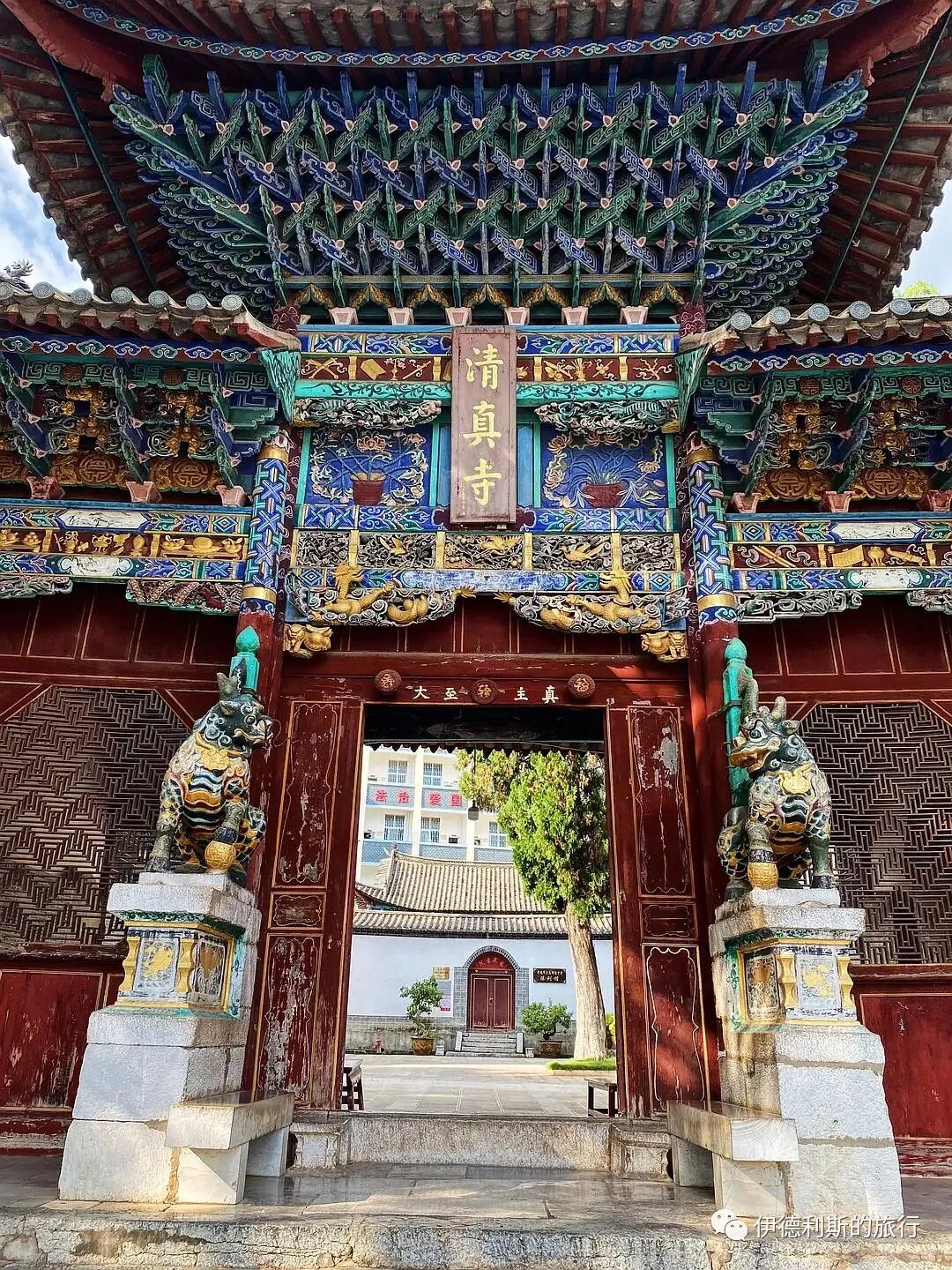
Let me first show you the archway-style gate of the mosque. When the mosque was first built, the gate faced east, but the Kaiyuan county magistrate at the time said the view was poor, so it was changed to face south.
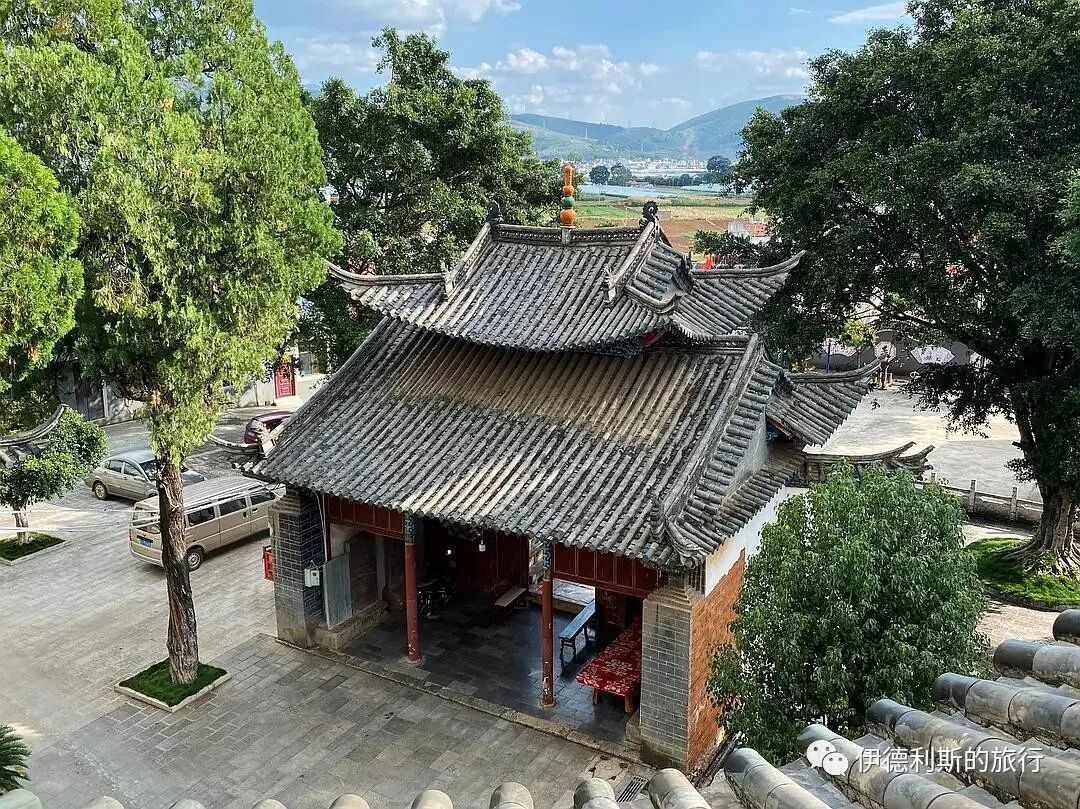
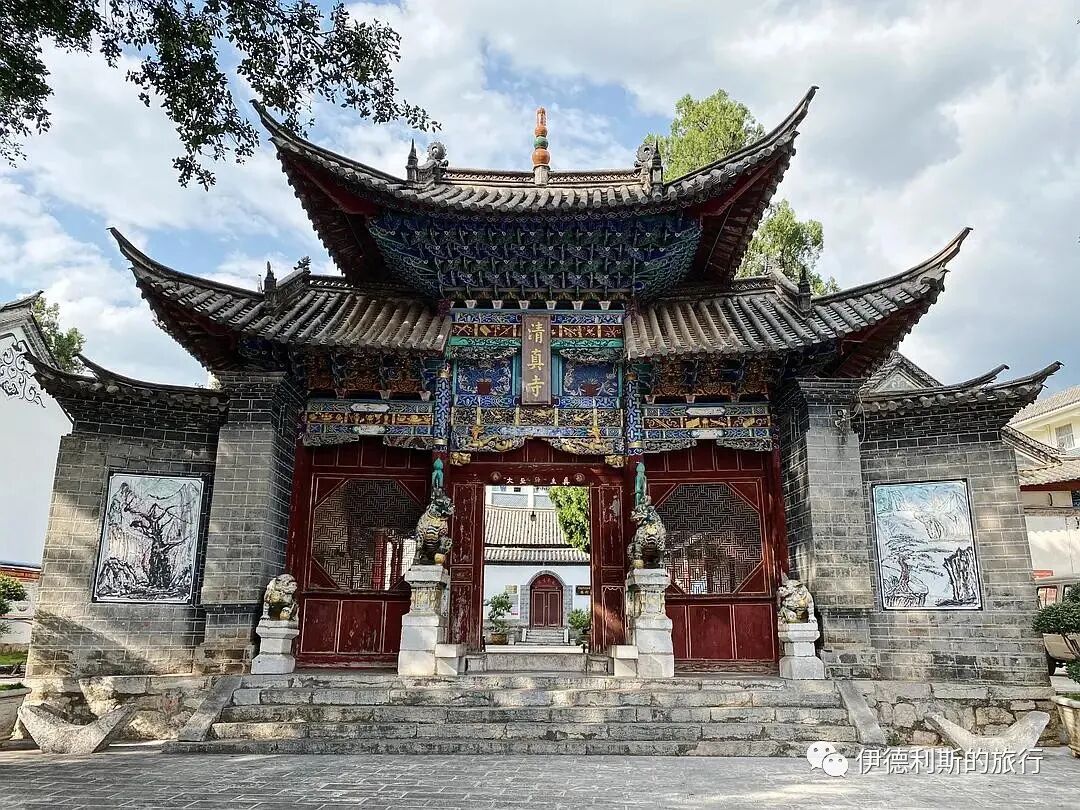
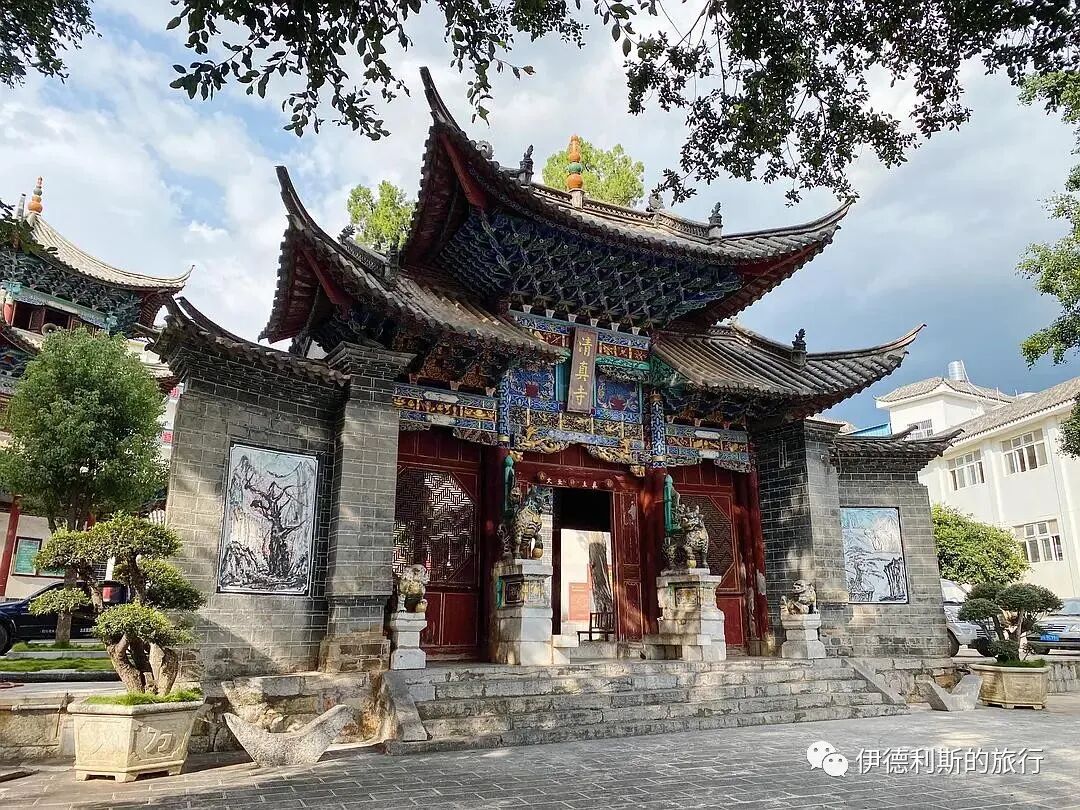
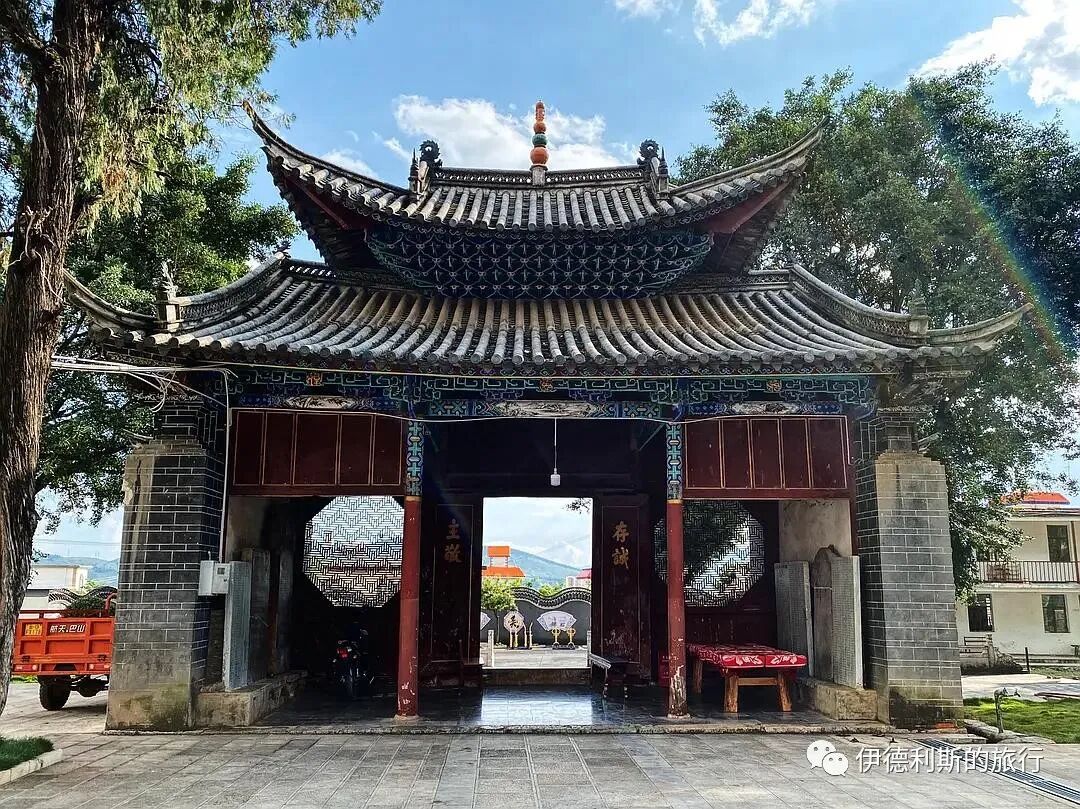
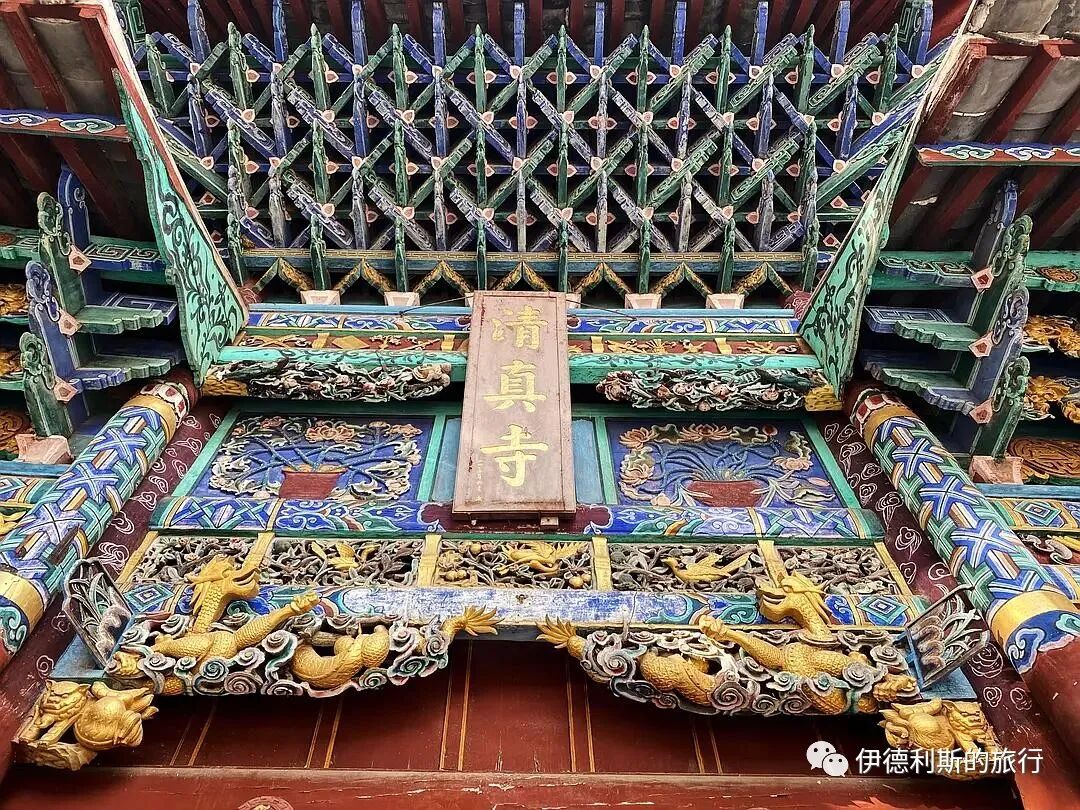
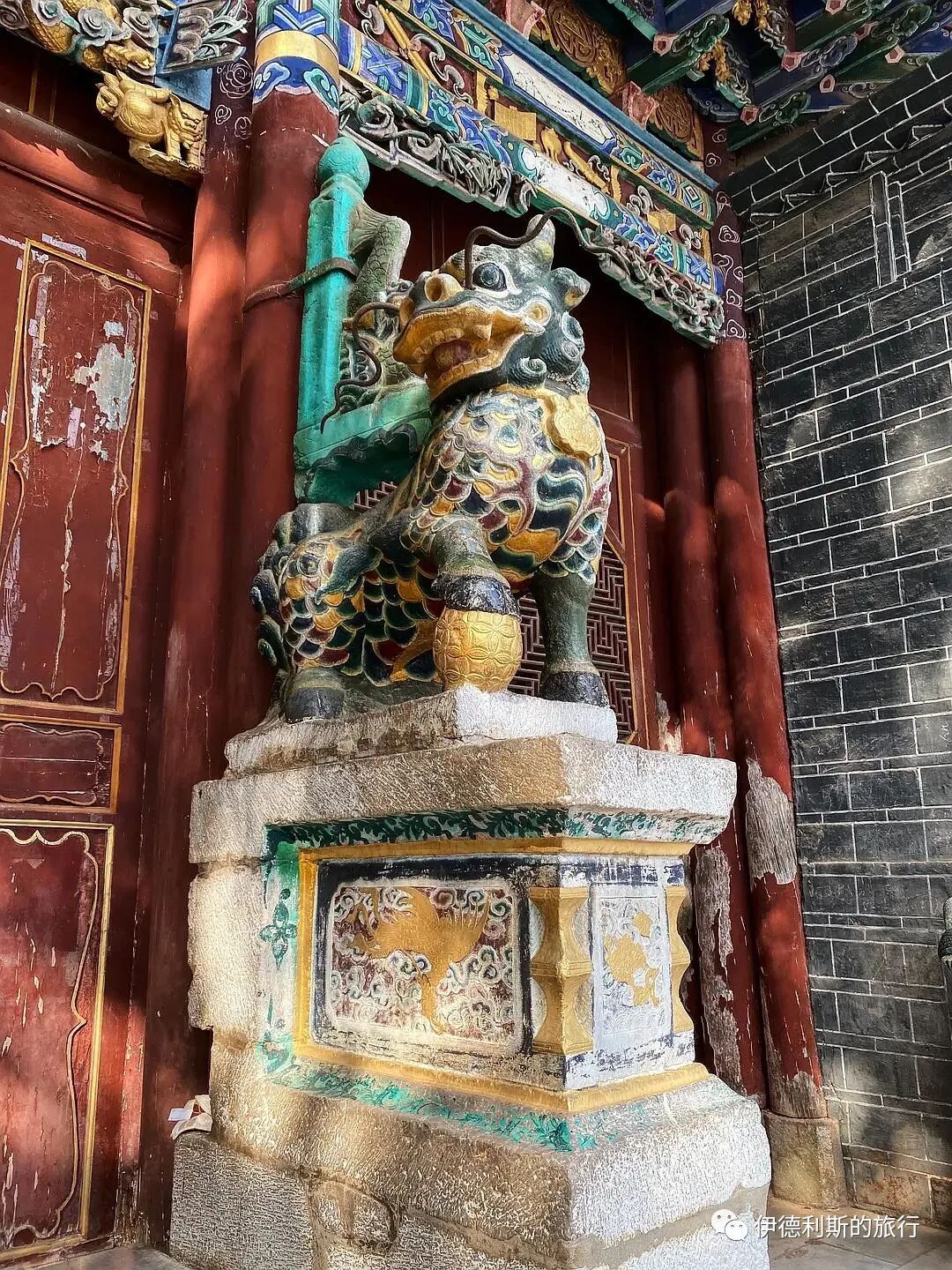
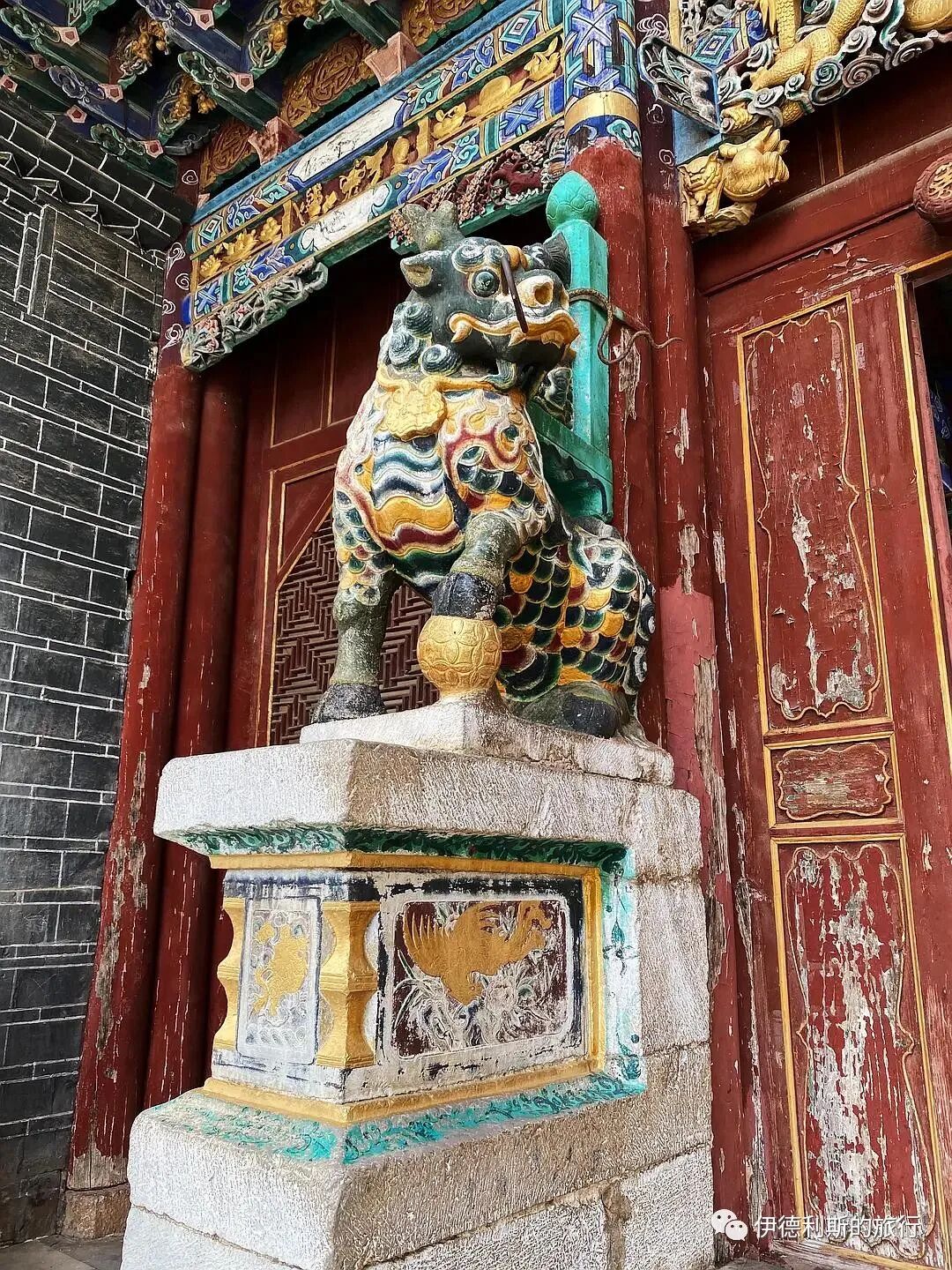
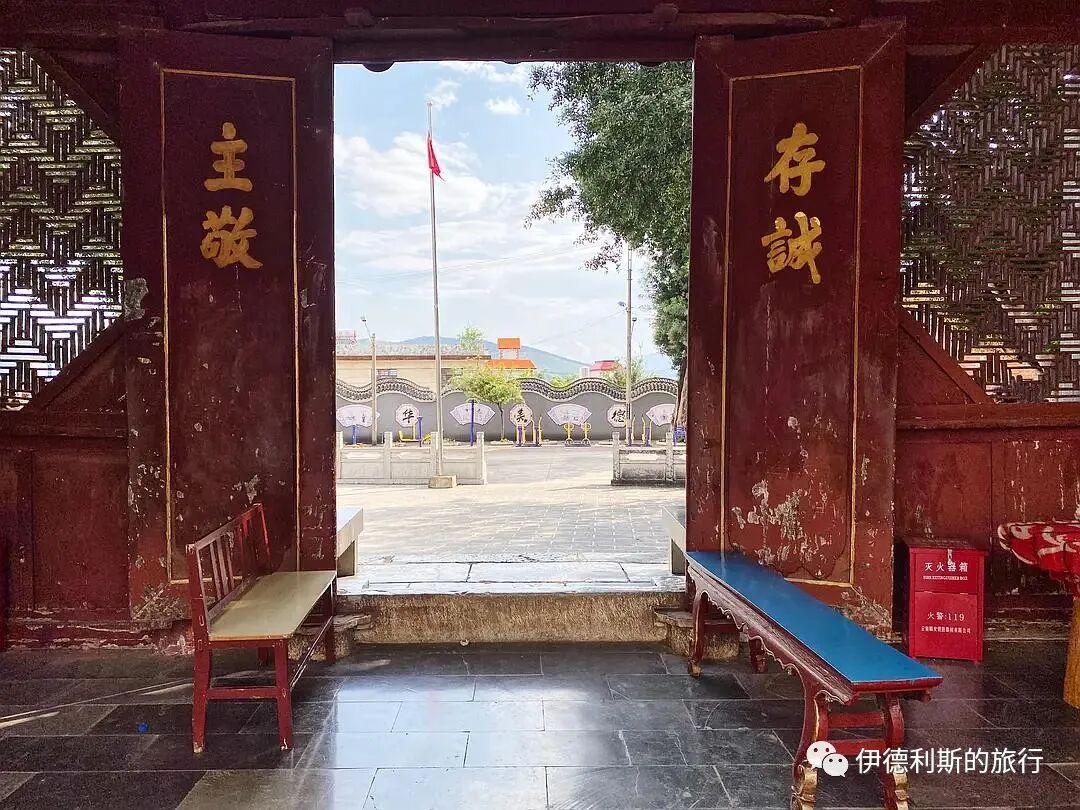
The main gate features bracket sets (dougong) and upturned eaves with intricate cloud, dragon, and bird carvings. A pair of mythical creatures (qilin) stand in front, which is very rare for a mosque.
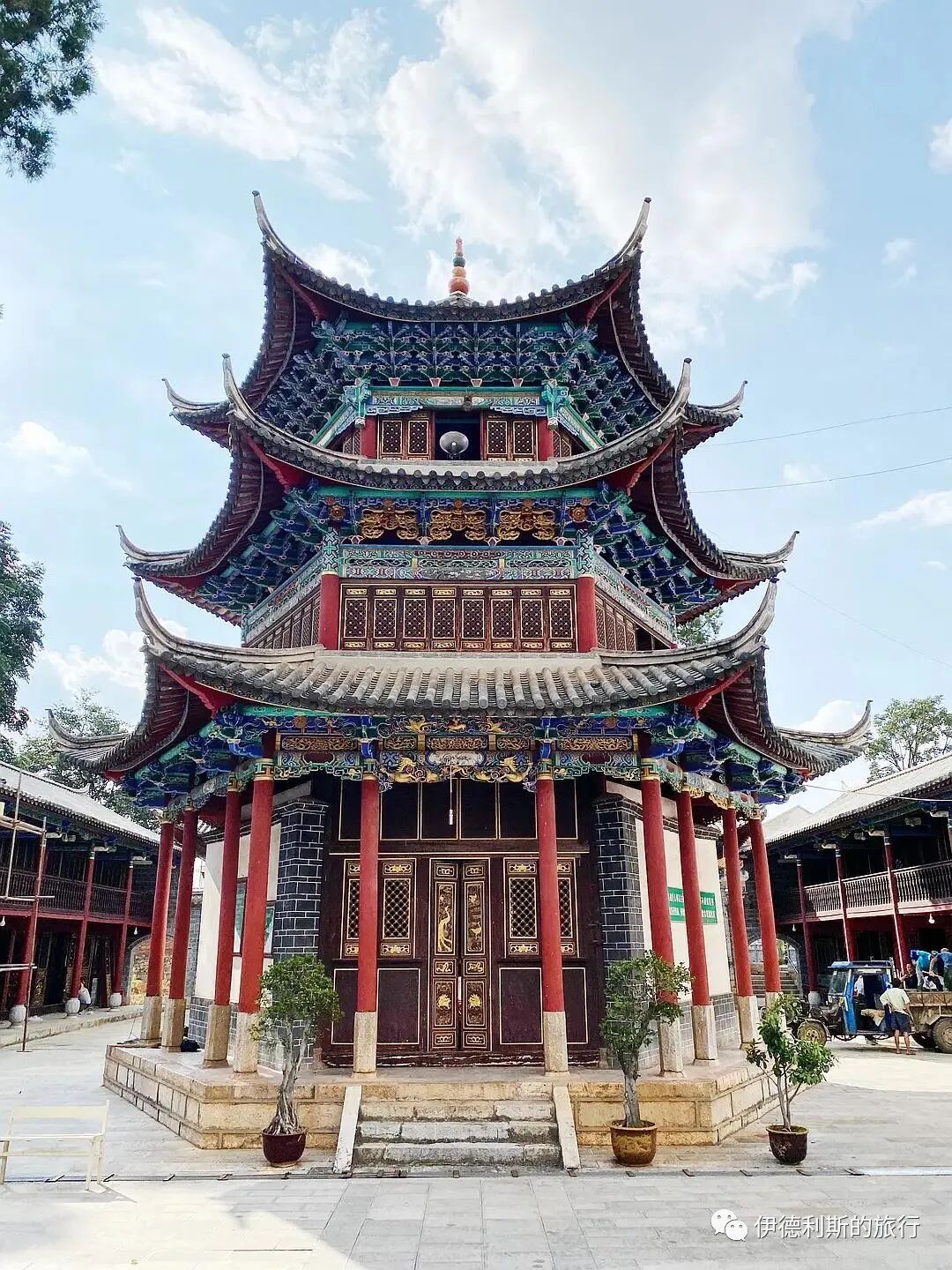
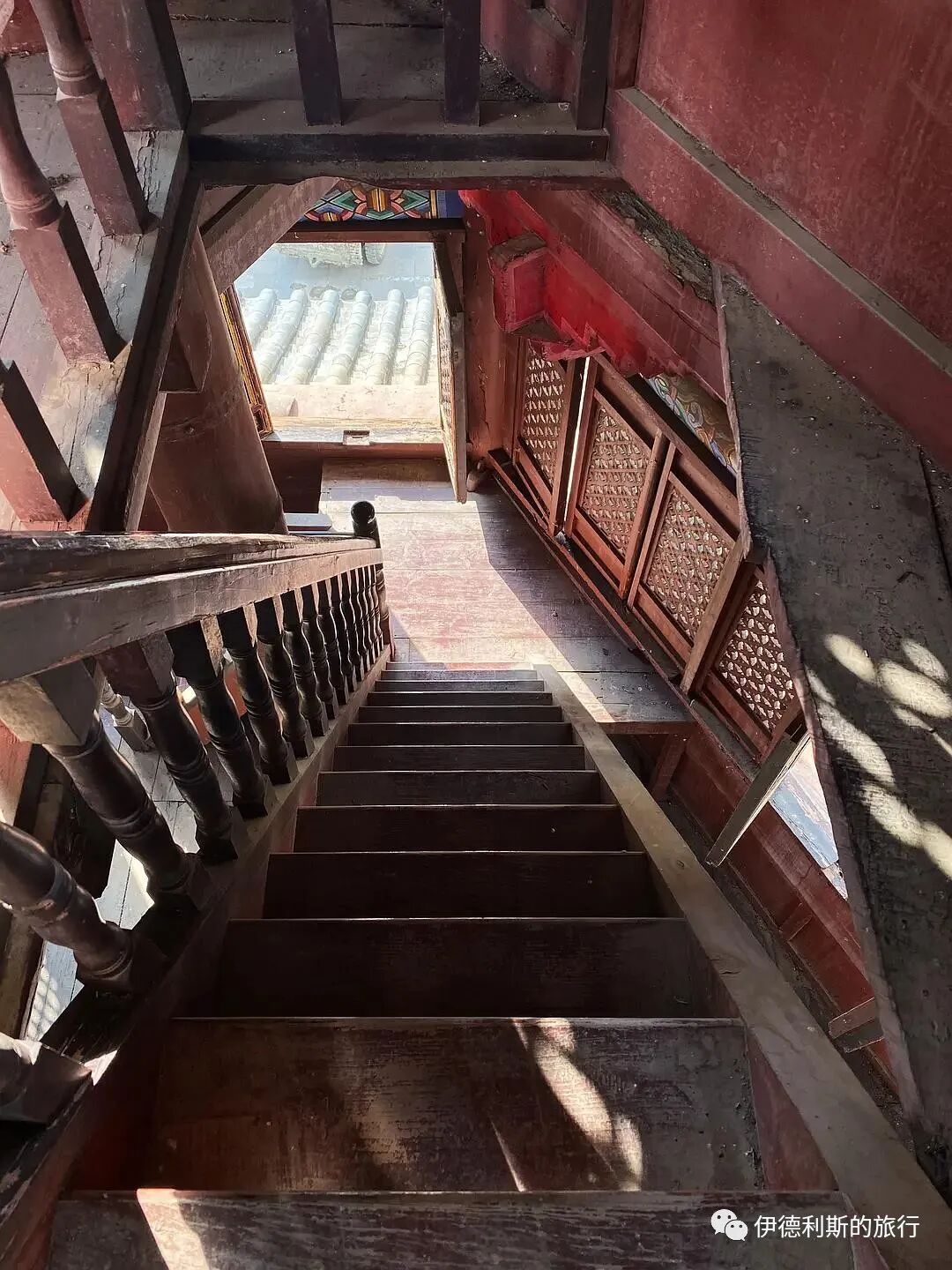
The mosque's Xingmeng Tower has a triple-eaved, hexagonal pointed roof topped with a glazed vase. It stands on 18 pillars and looks very grand and solid.
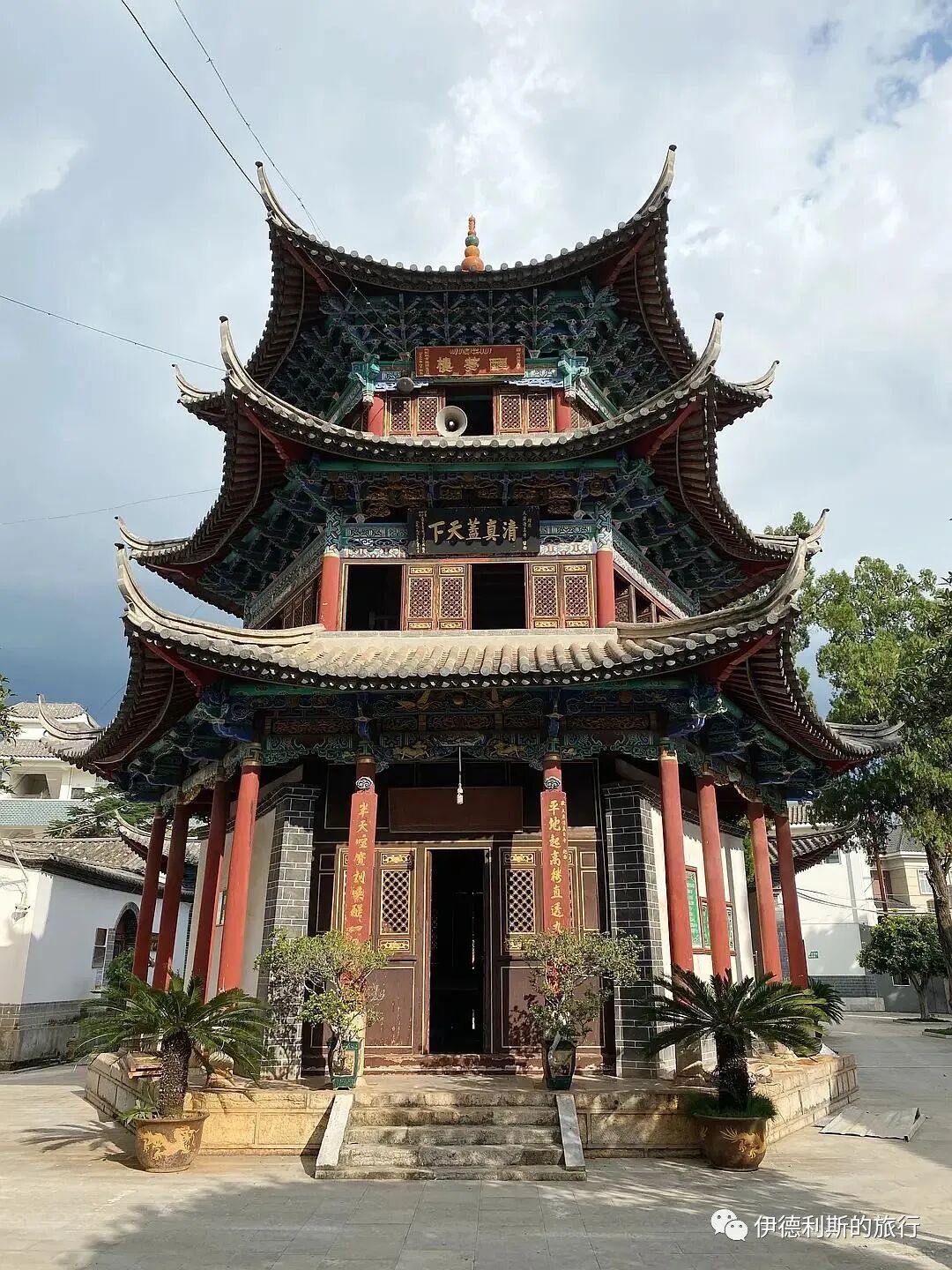
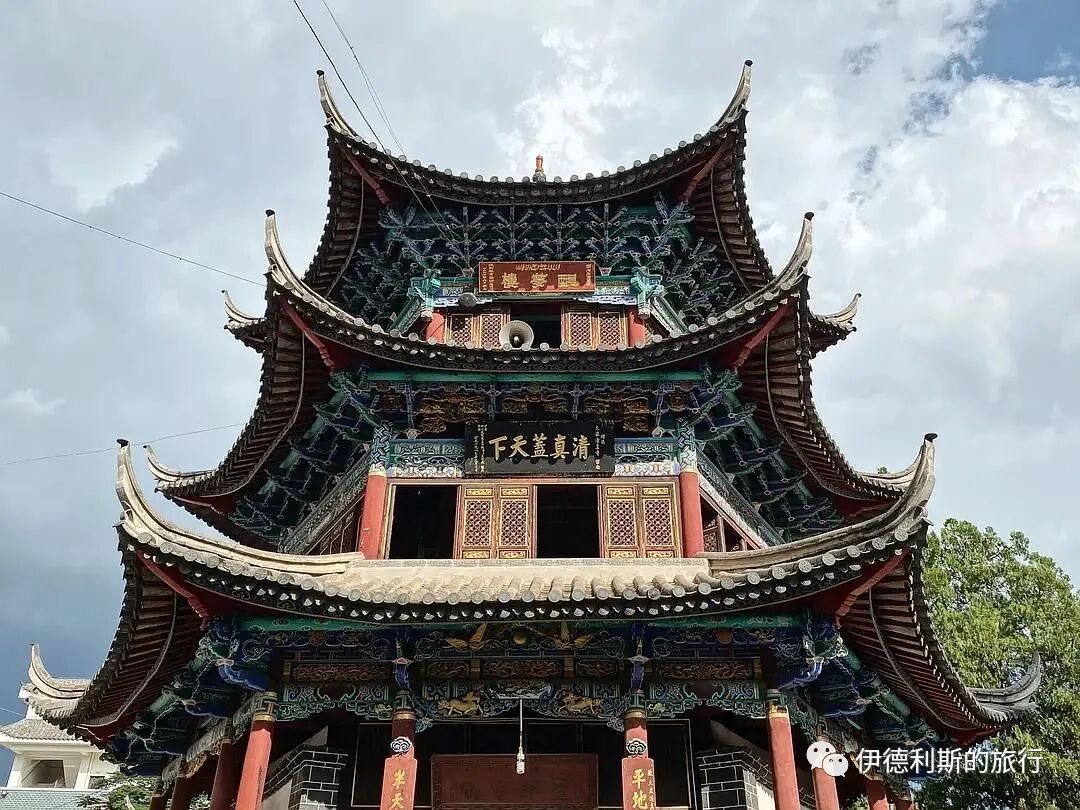
The Xingmeng Tower features a plaque that reads 'The Mosque Covers the World,' and I really like the couplet on both sides of the door:
A tall building rises from the flat ground, reaching straight to the nine heavens.
Precious teachings echo in the sky, waking the lost souls of the city.
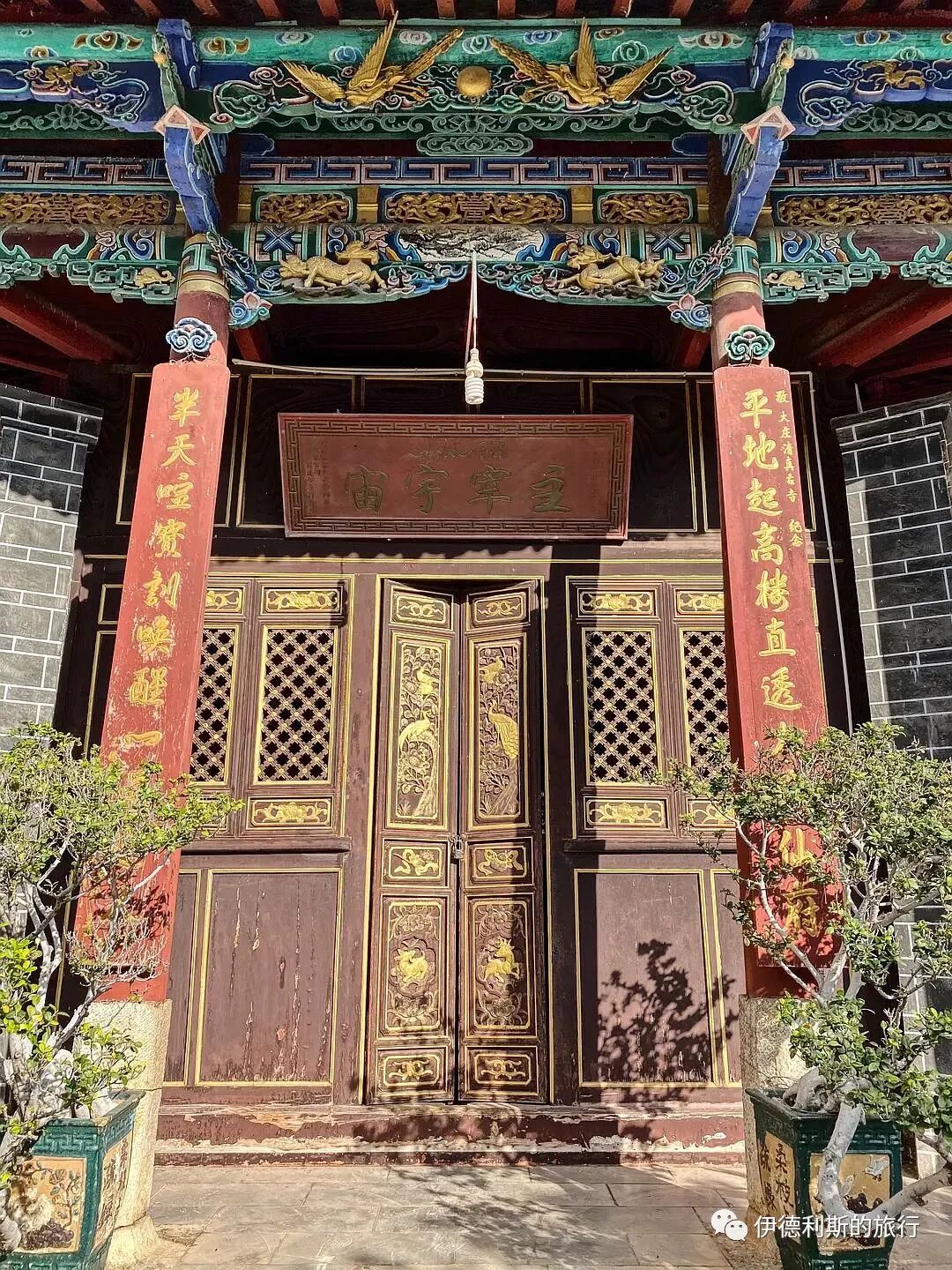
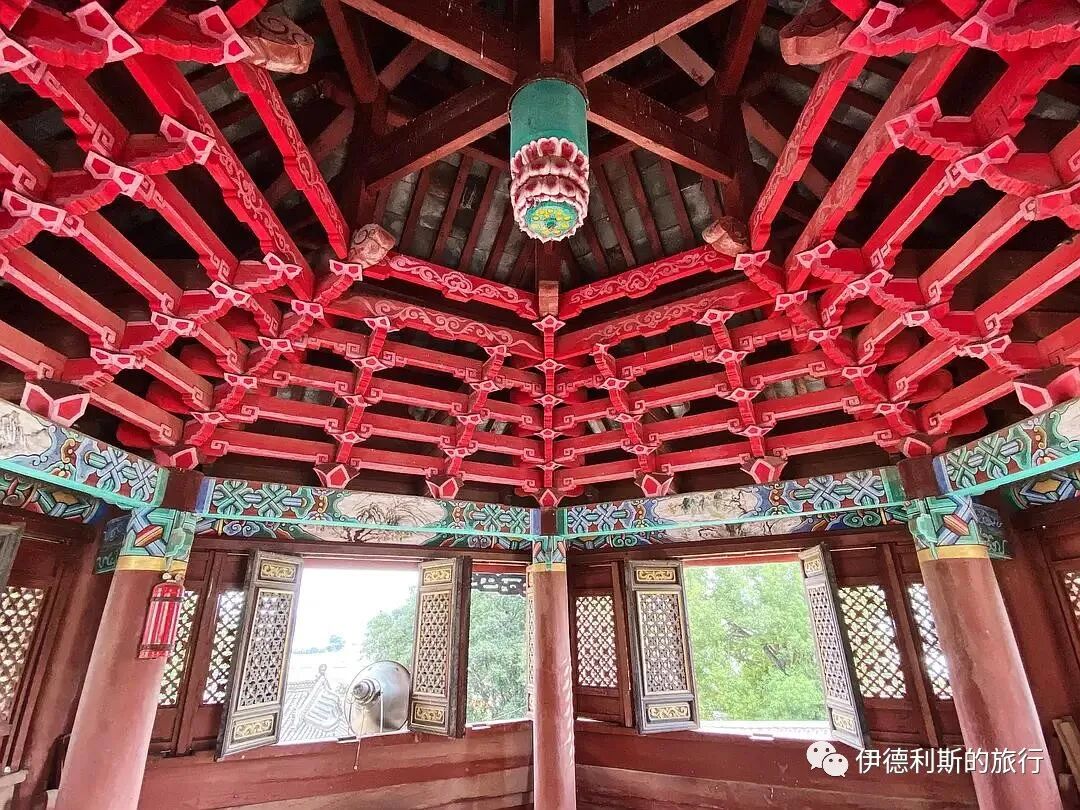
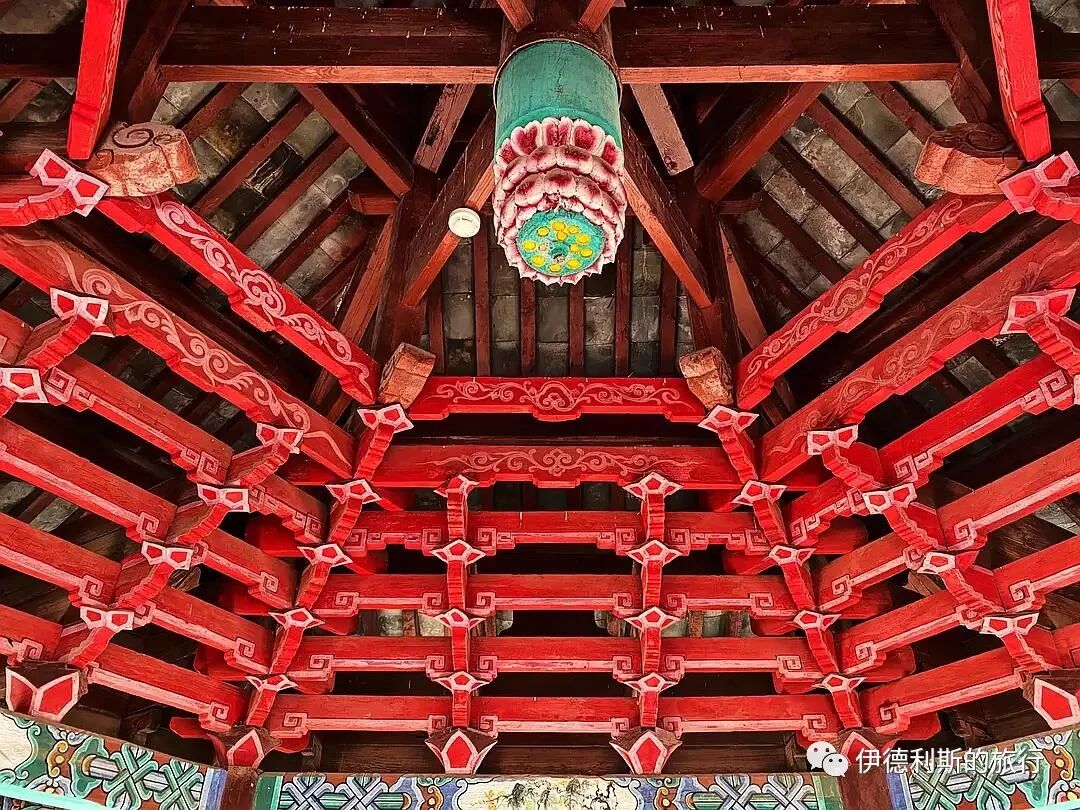
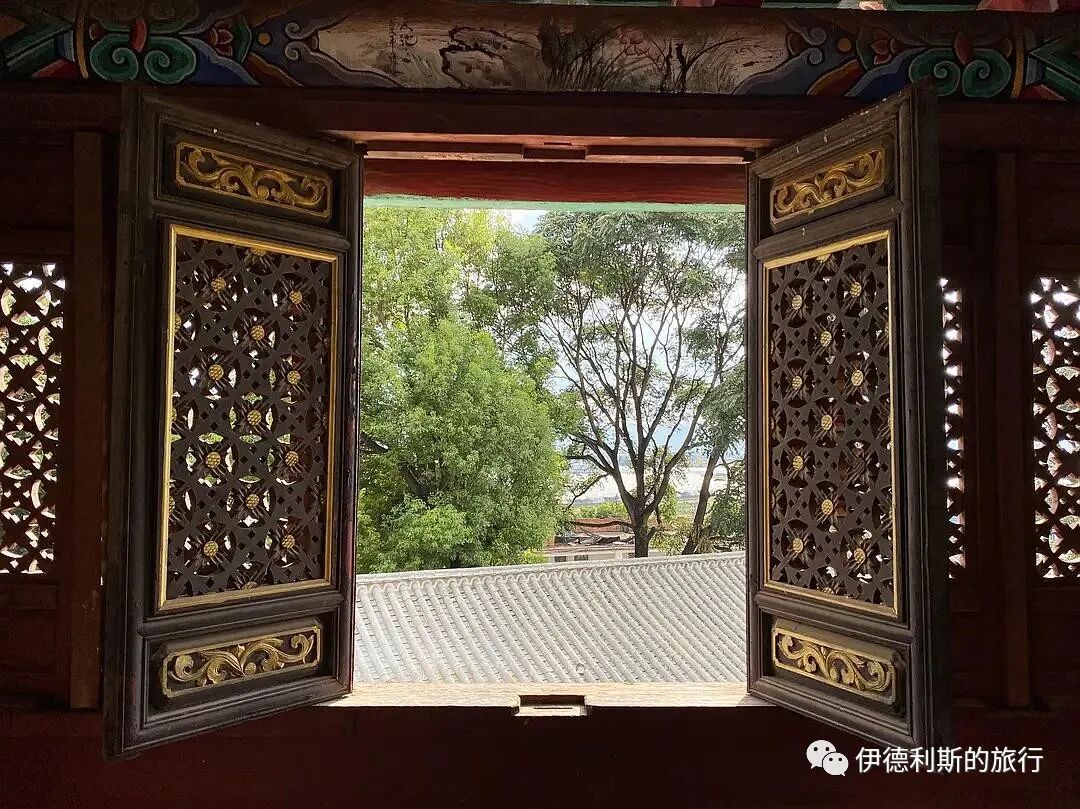
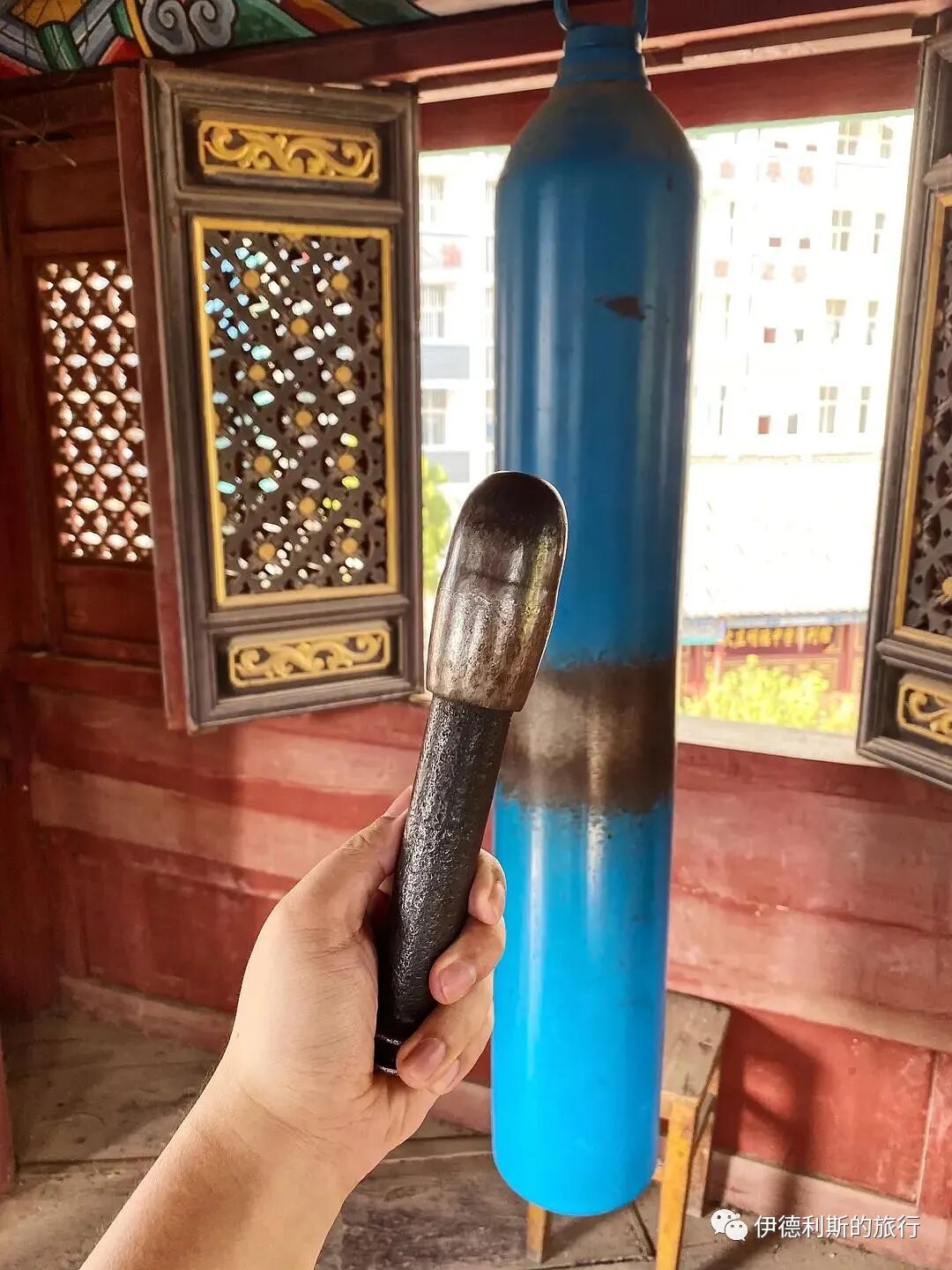
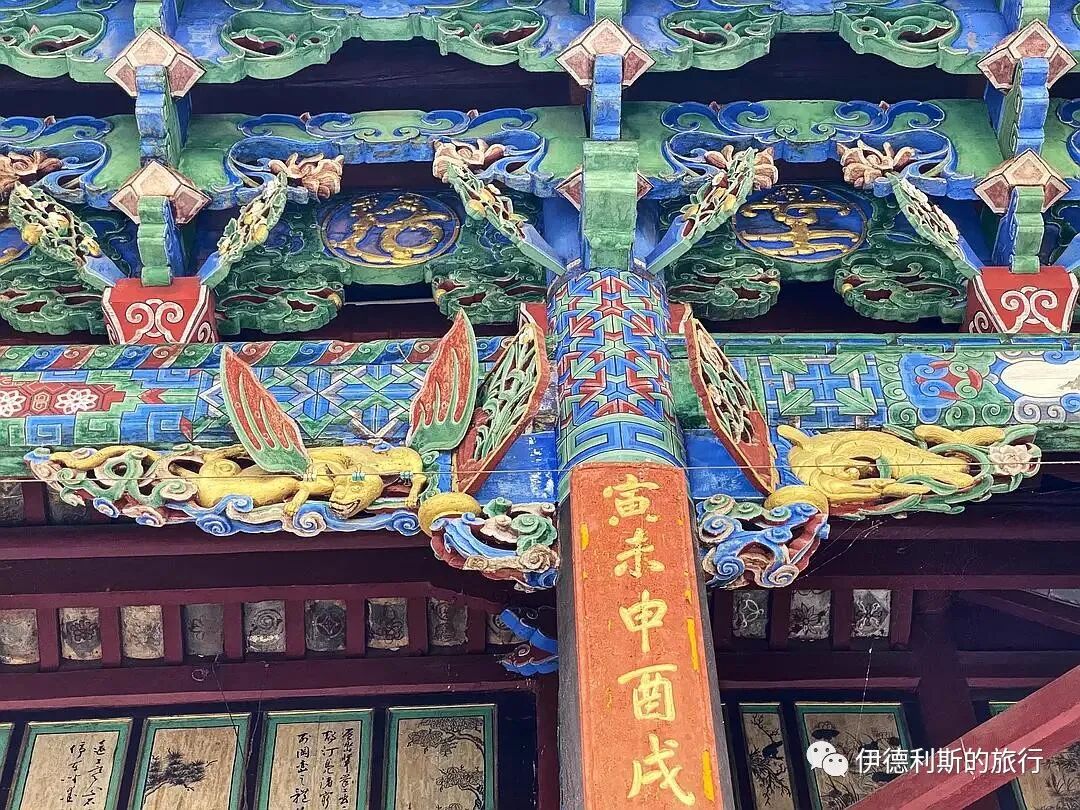
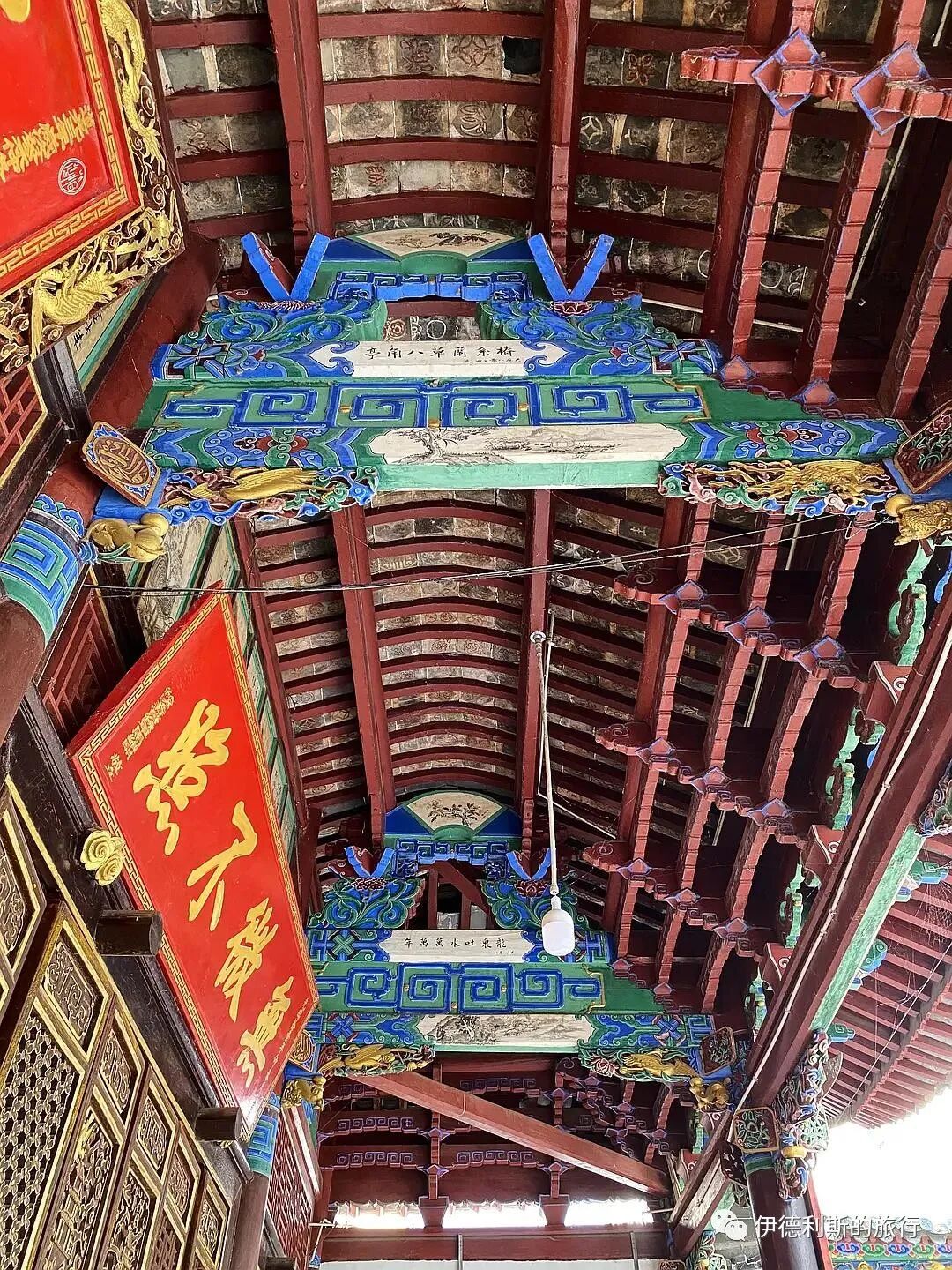
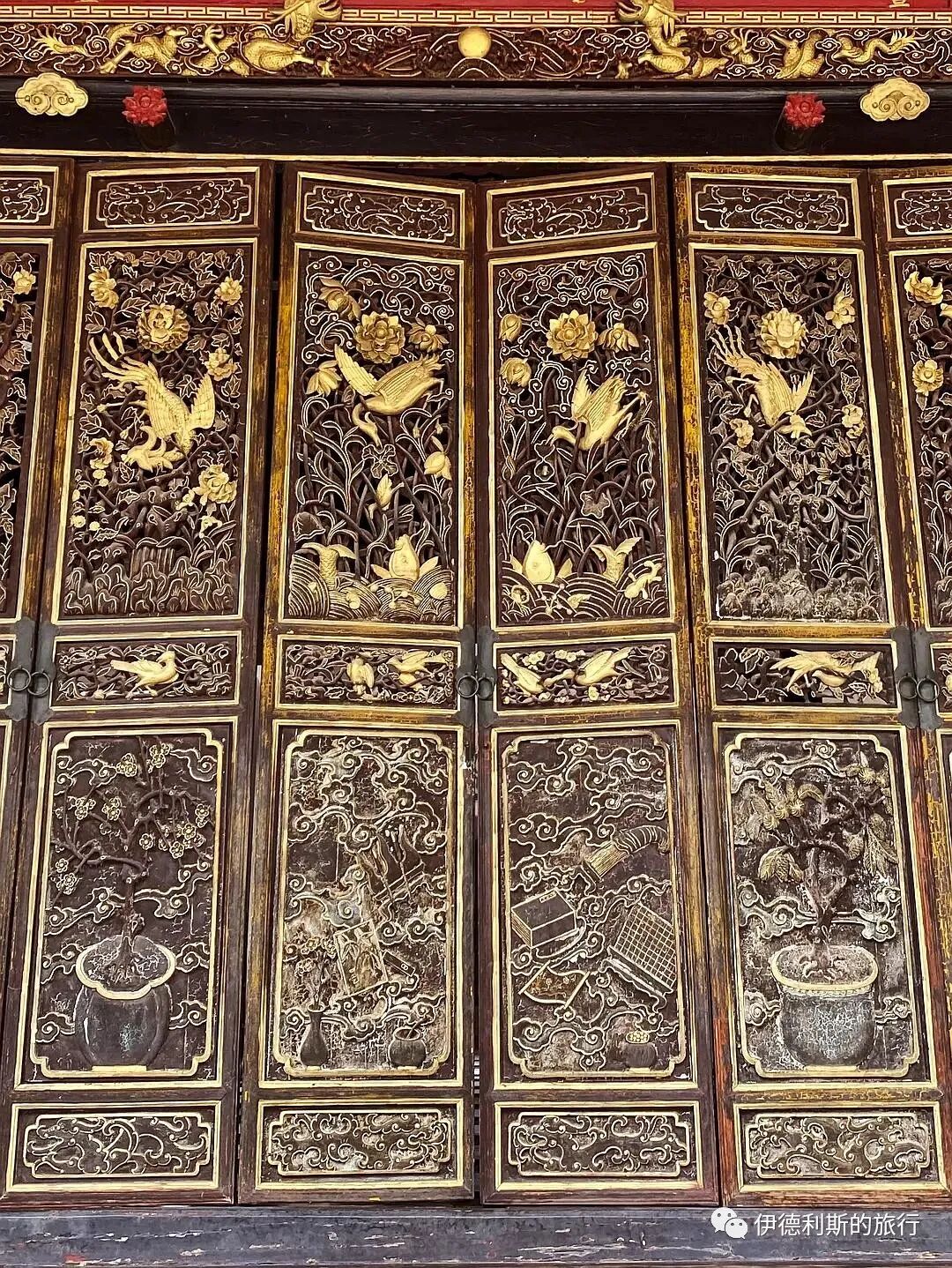
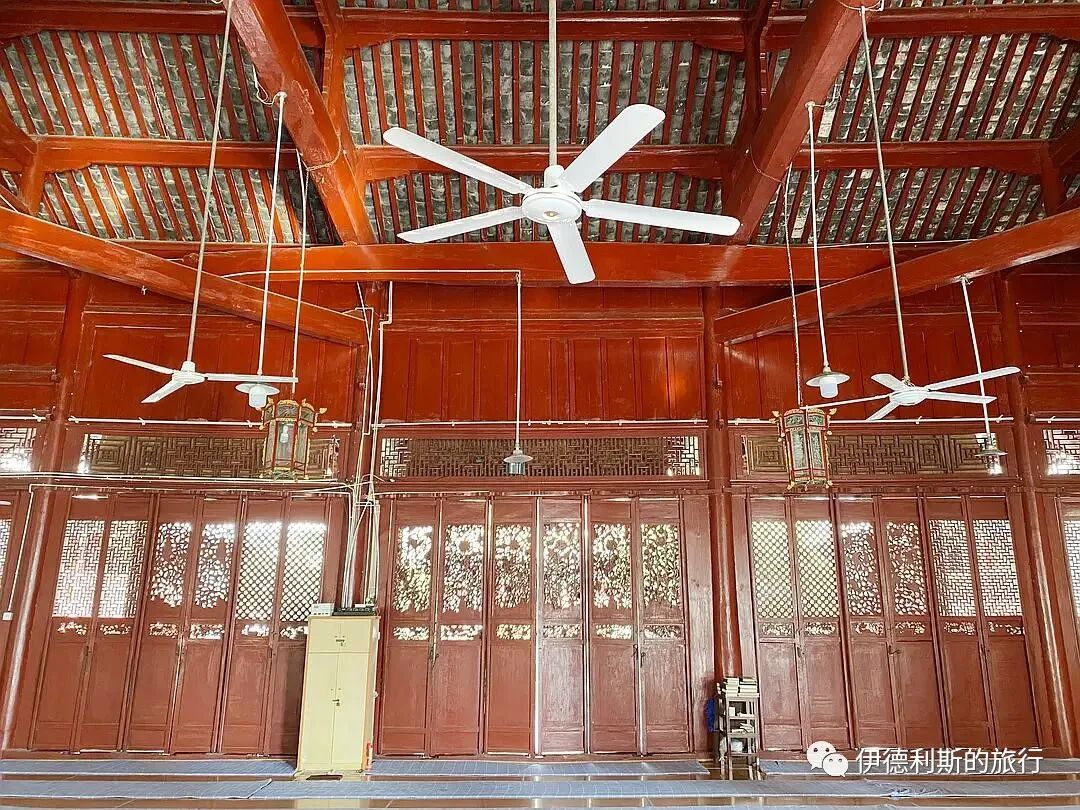
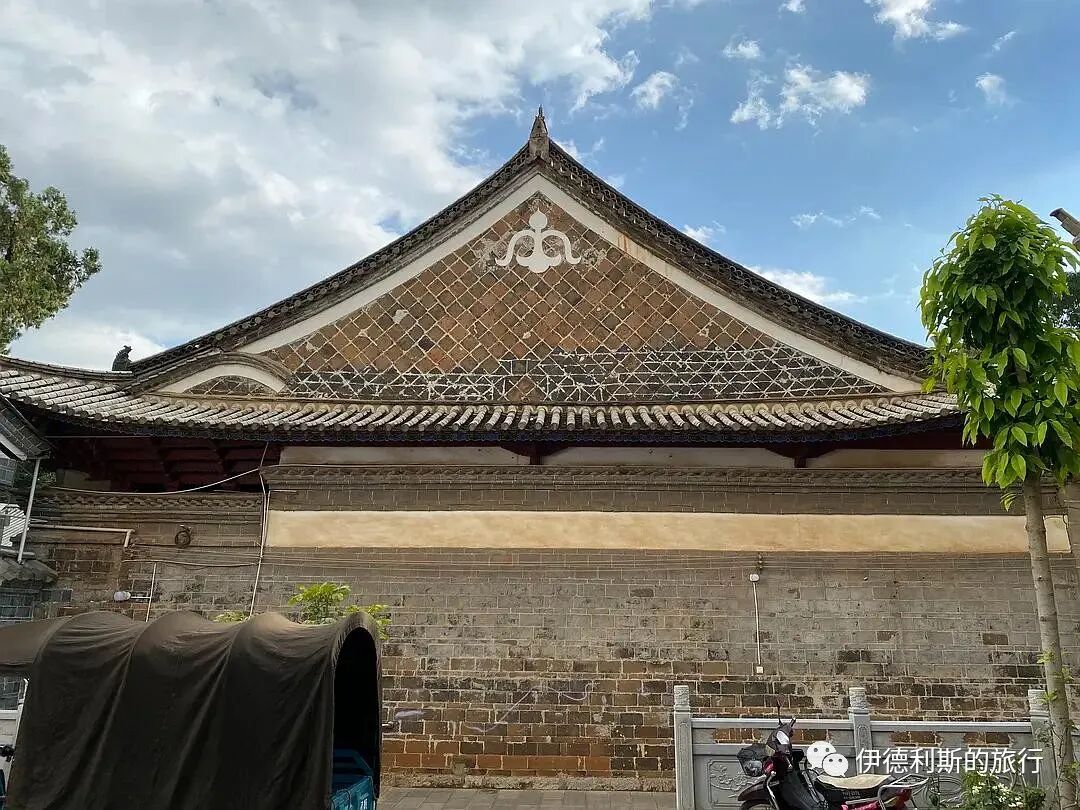
The main hall of the mosque features a single-eave hip-and-gable roof with bracket sets and upturned eaves. The front eave is deep, serving as a porch, and the architraves and brackets are decorated with intricate openwork carvings and paintings. The openwork carving on the 24 lattice doors of the main hall is considered the finest among traditional mosque architecture in Yunnan.
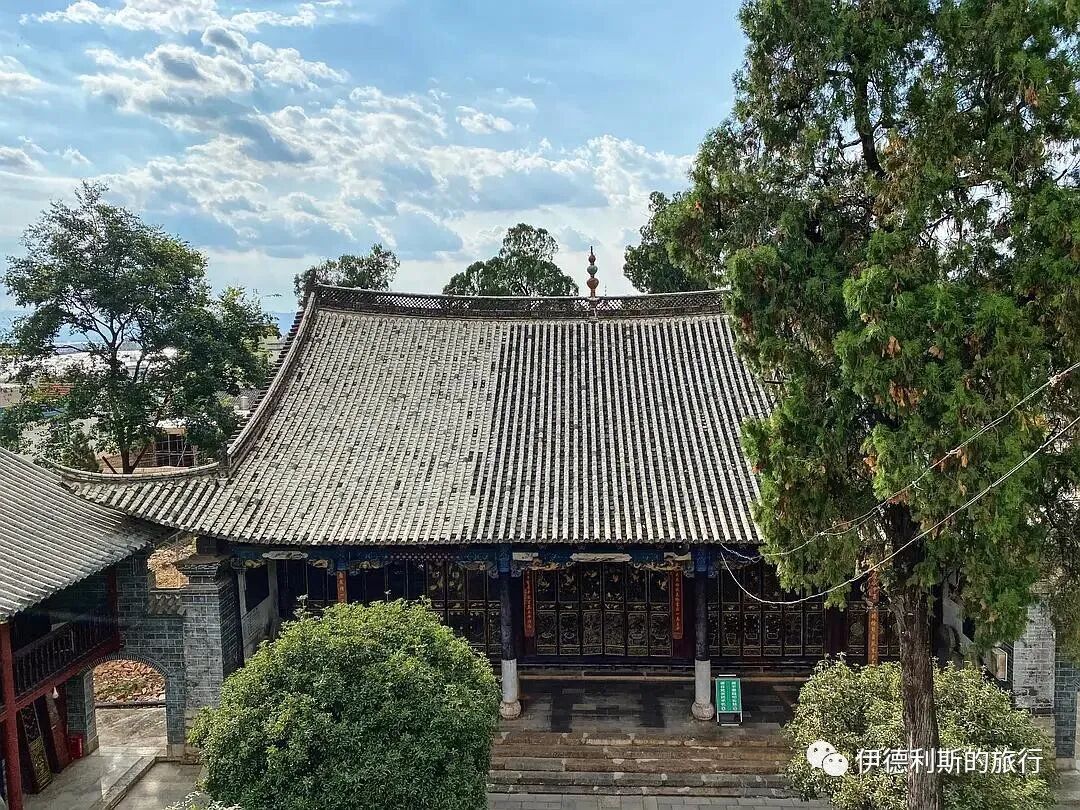
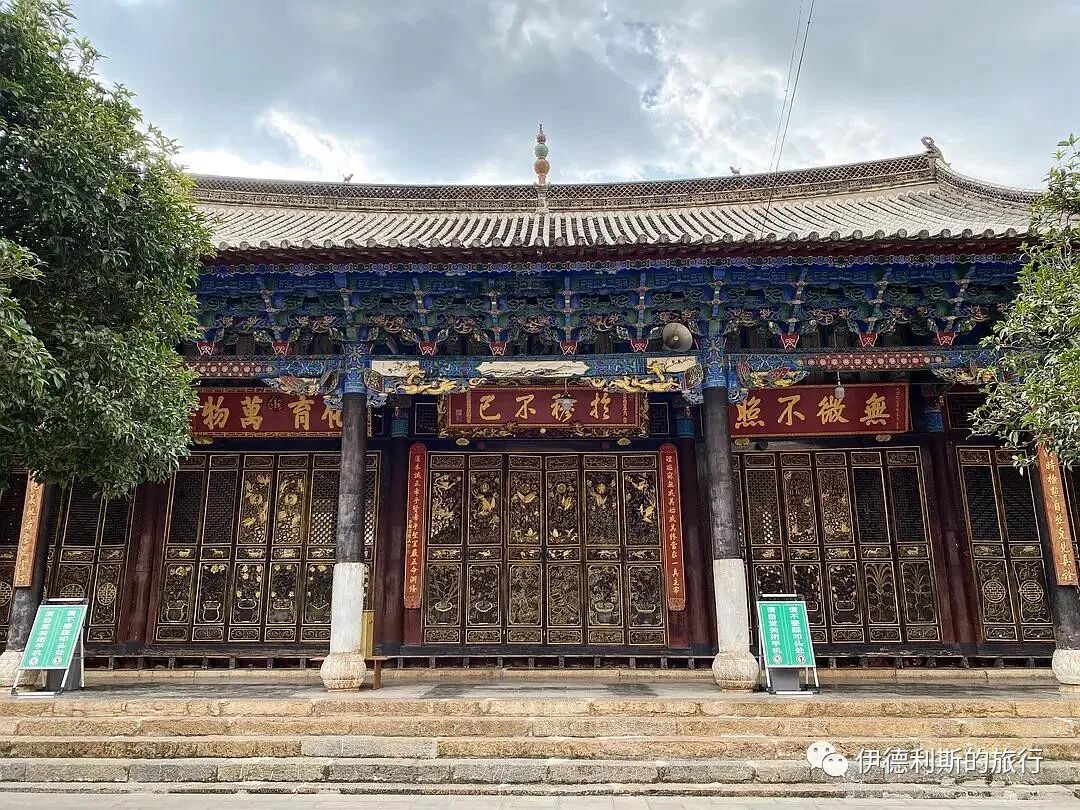
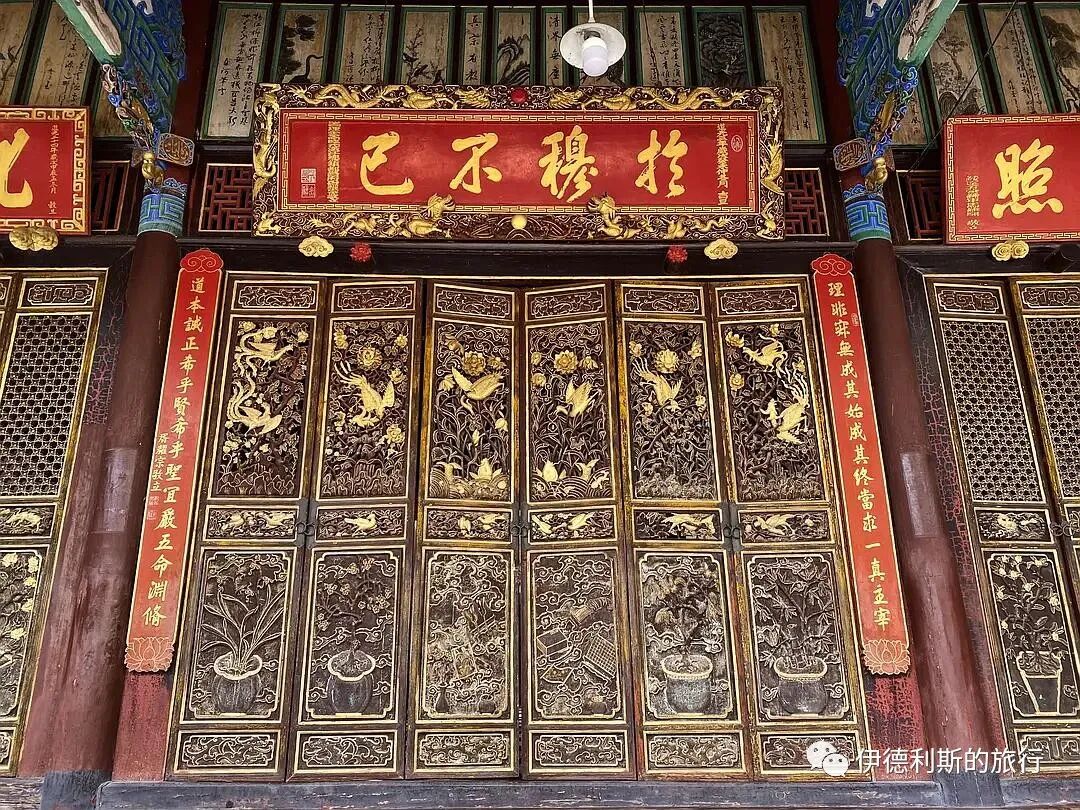
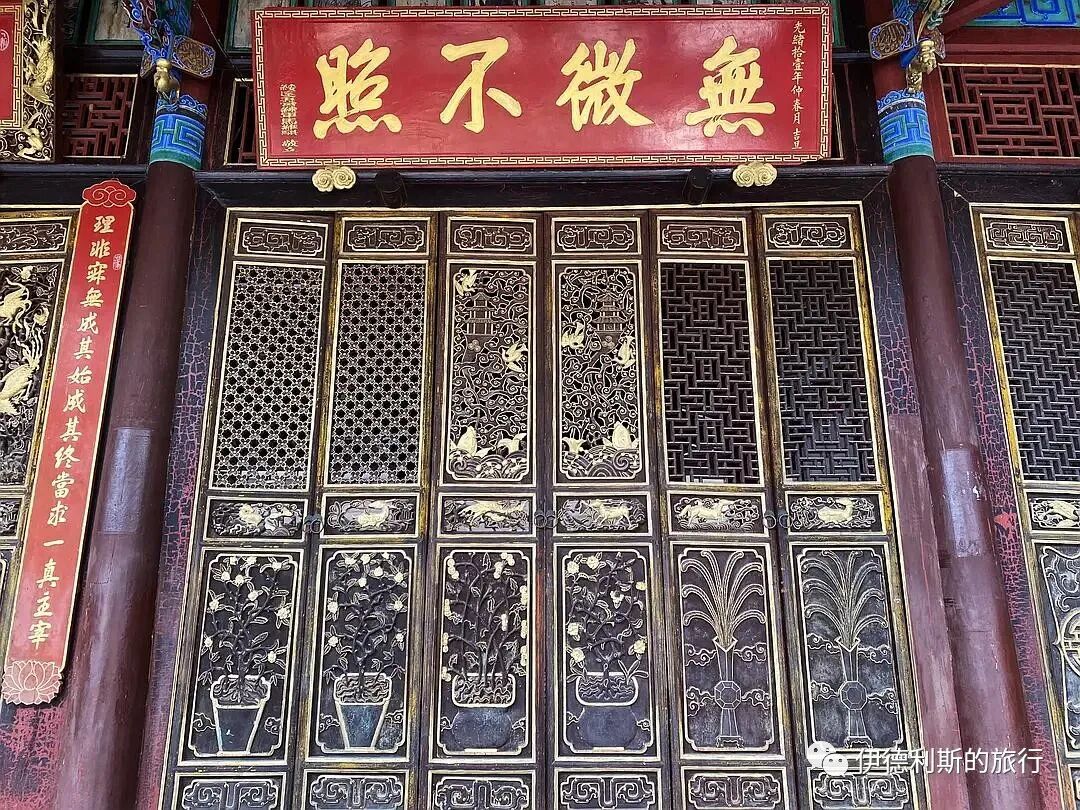
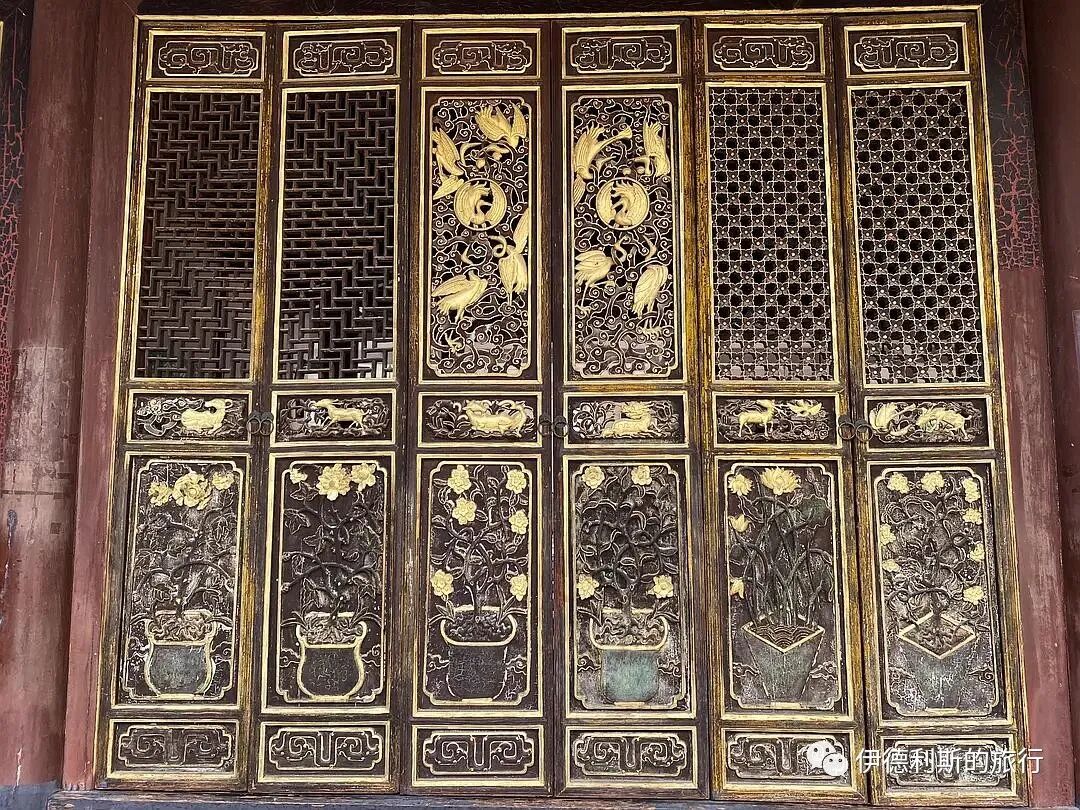
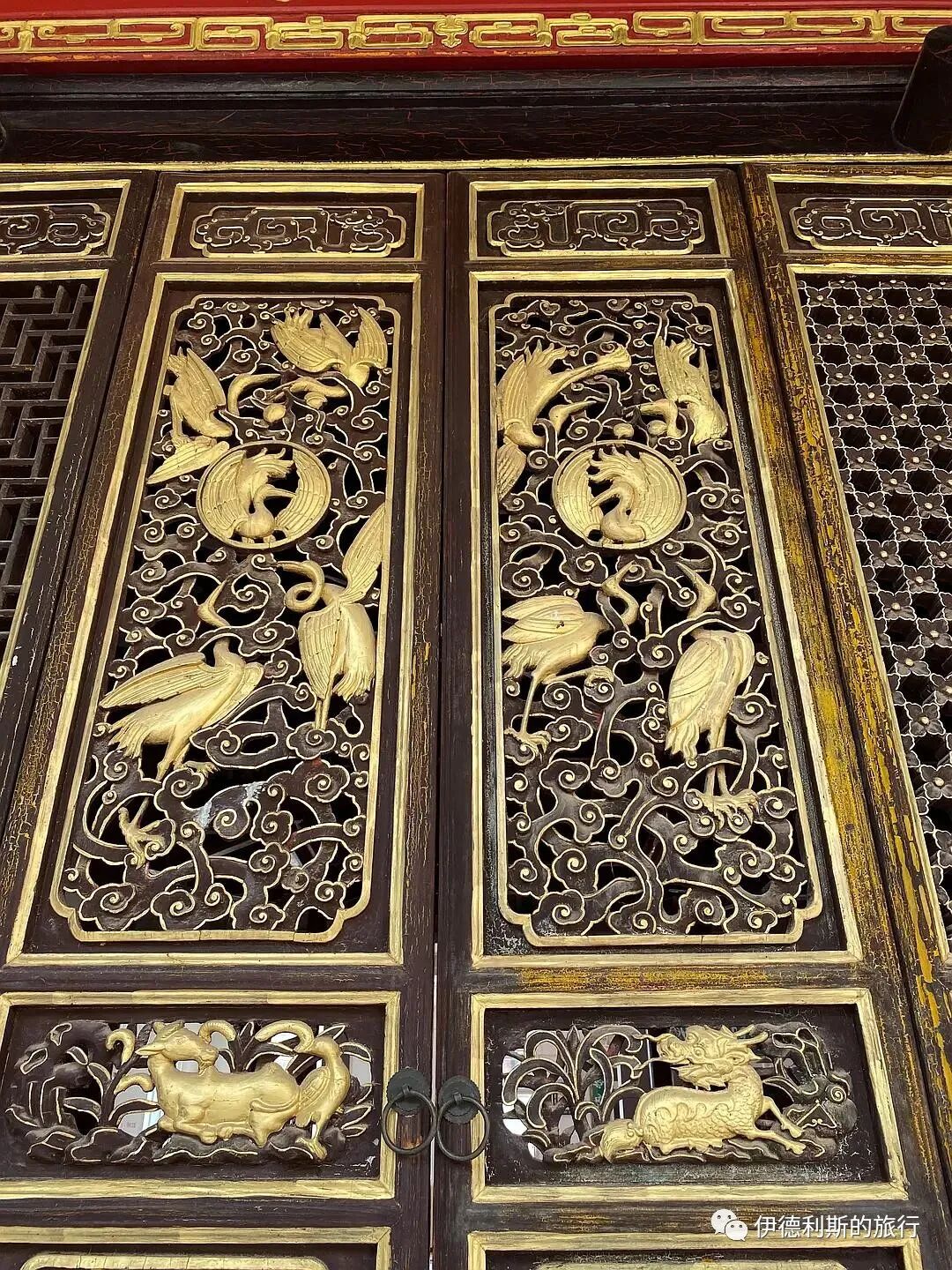
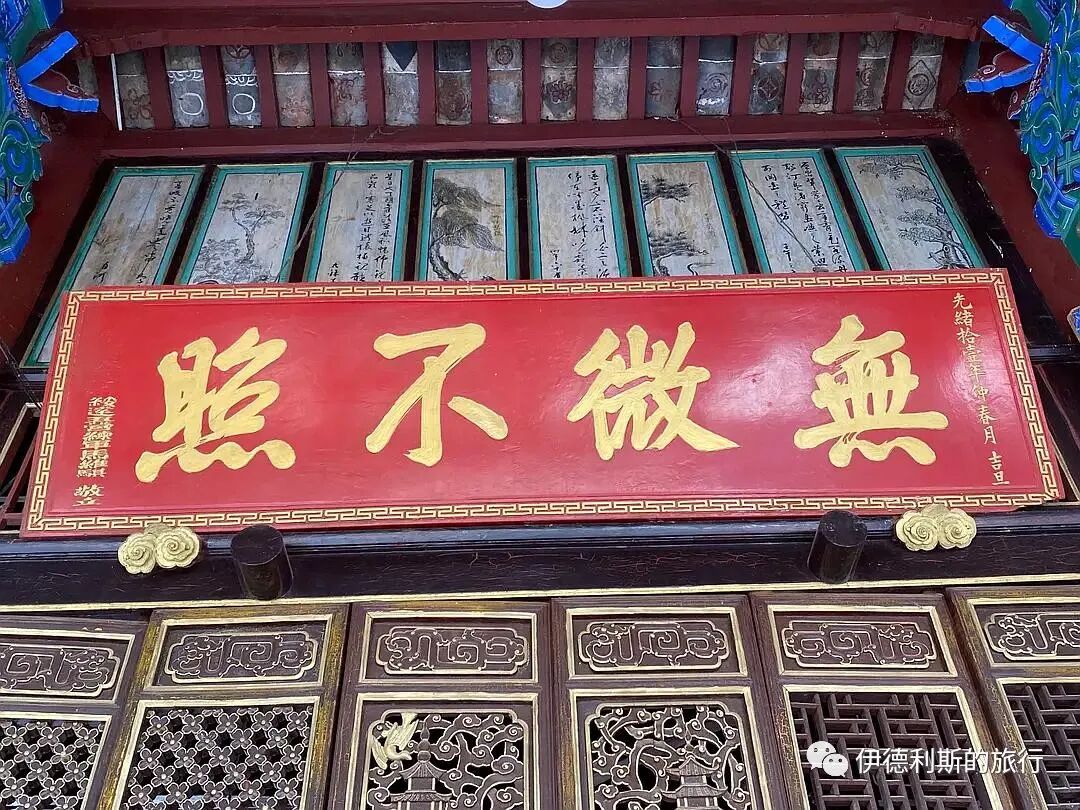
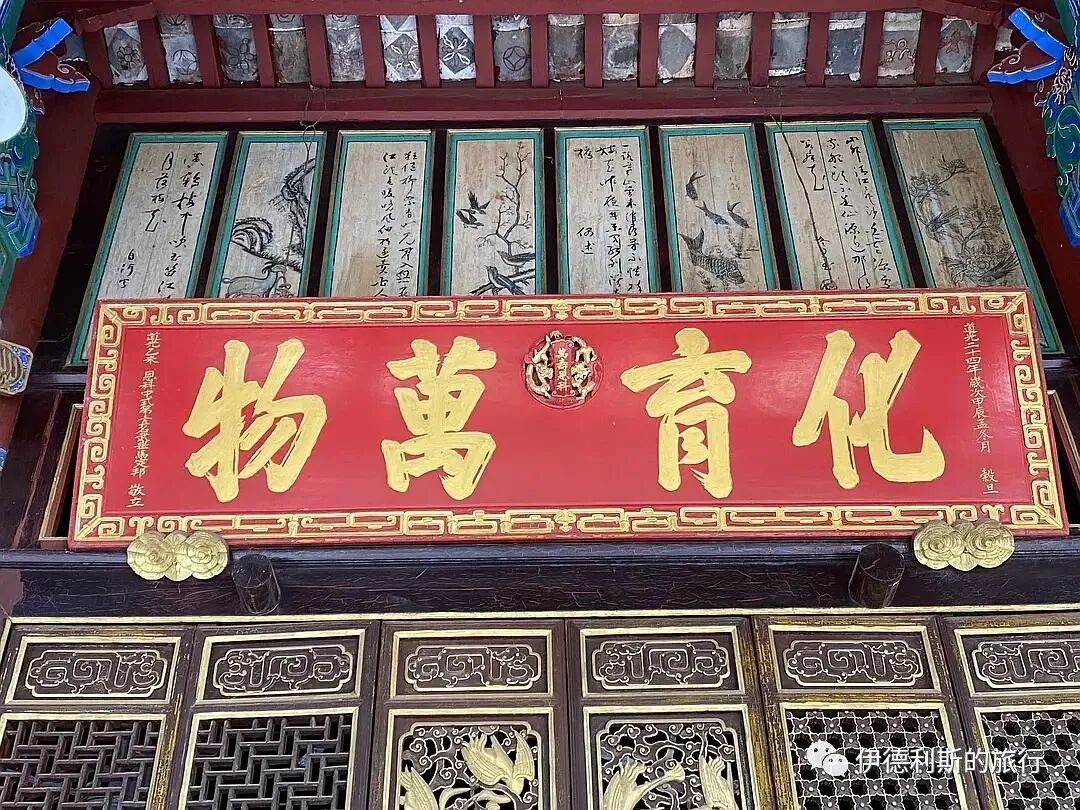
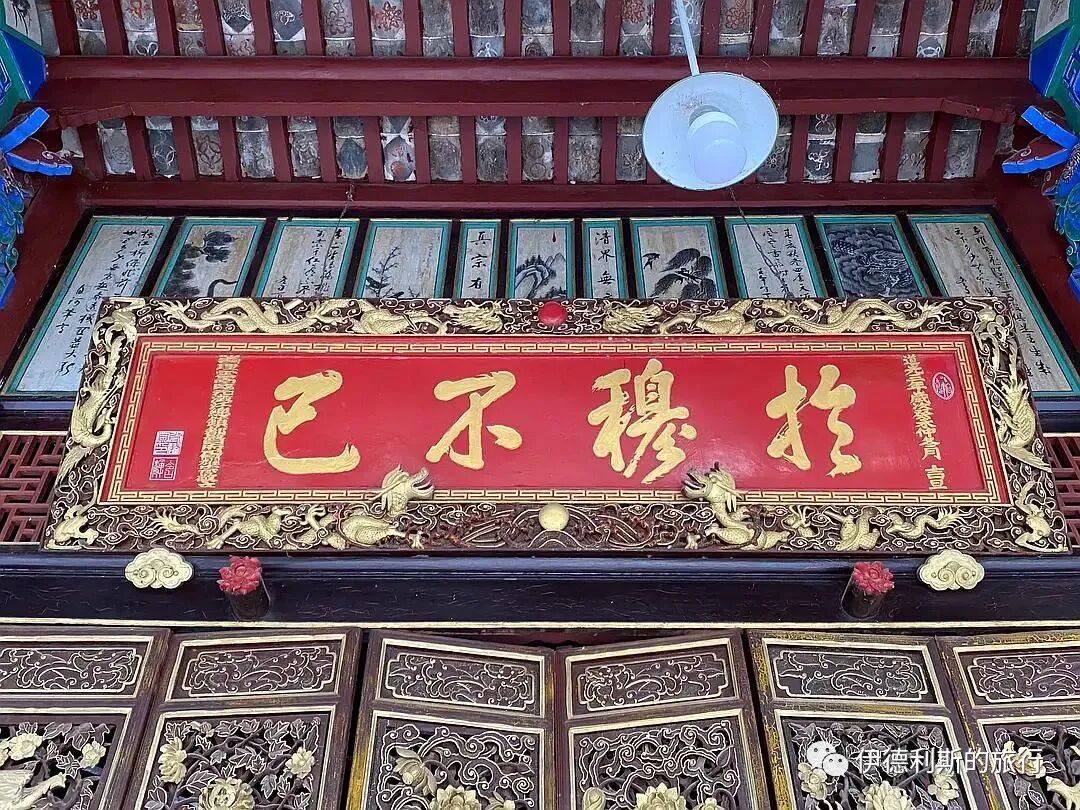
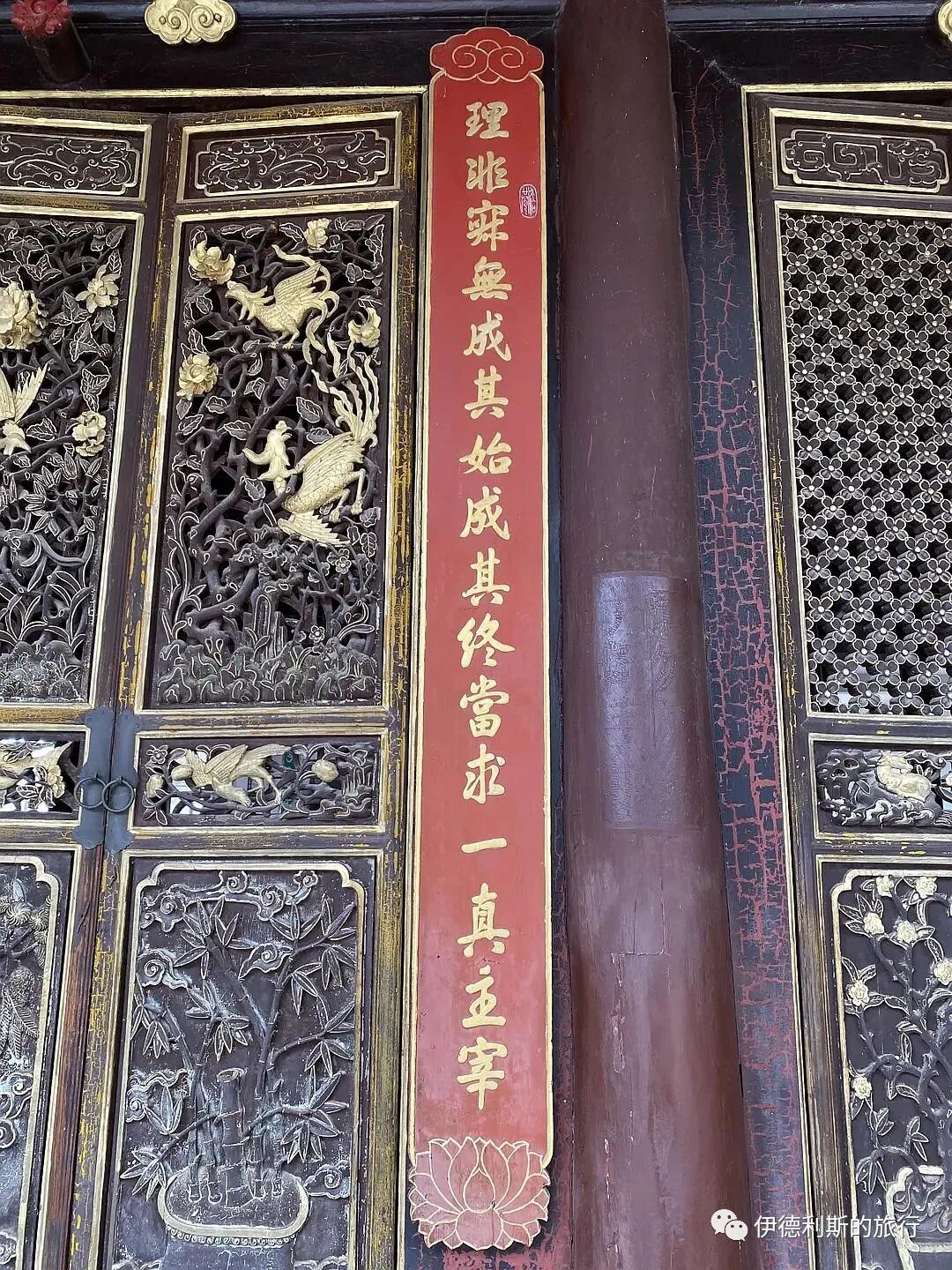
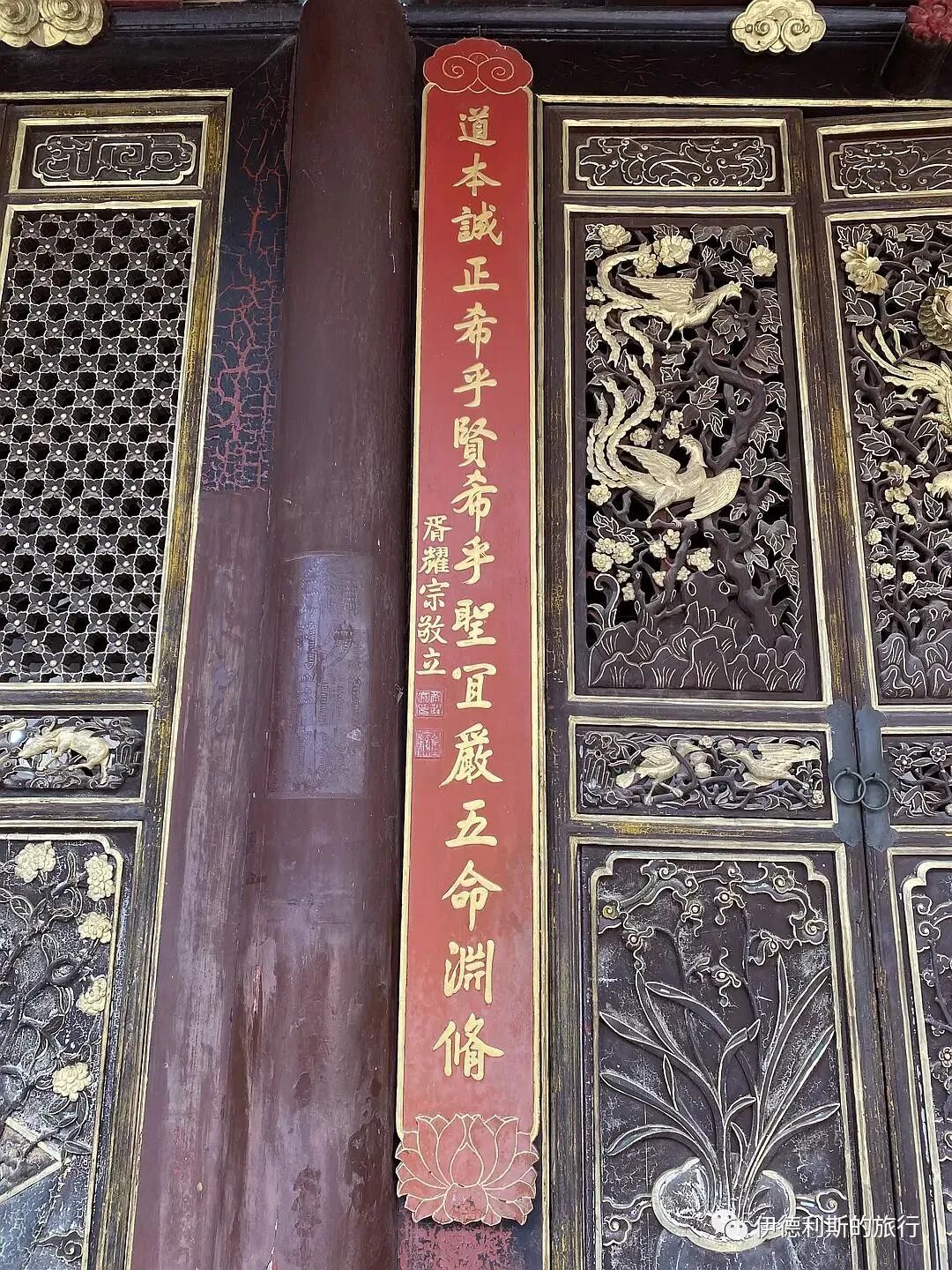
The main hall displays several plaques: one reading 'Yu Mu Bu Yi' presented in 1823 by Xu Yaozong, the commander of the Linyuan Chengjiang garrison; one reading 'Hua Yu Wan Wu' presented in 1844 by Ma Dingbang, the top-ranked military scholar of the imperial examinations; and one reading 'Wu Wei Bu Zhao' presented in 1885 by Ma Weiqi, a commander of the Suiyuan Left Battalion. There are also couplets presented by Xu Yaozong.
Ma Weiqi was the son of Ma Dingbang and a local from Dazhuang, Kaiyuan. A scholar-general of the late Qing Dynasty, he joined the army with his father at age 14. In 1883, he went to Vietnam to fight in the Sino-French War, where he led his own front and defeated the French army multiple times. Later, he served as the commander-in-chief in Sichuan for eight years.
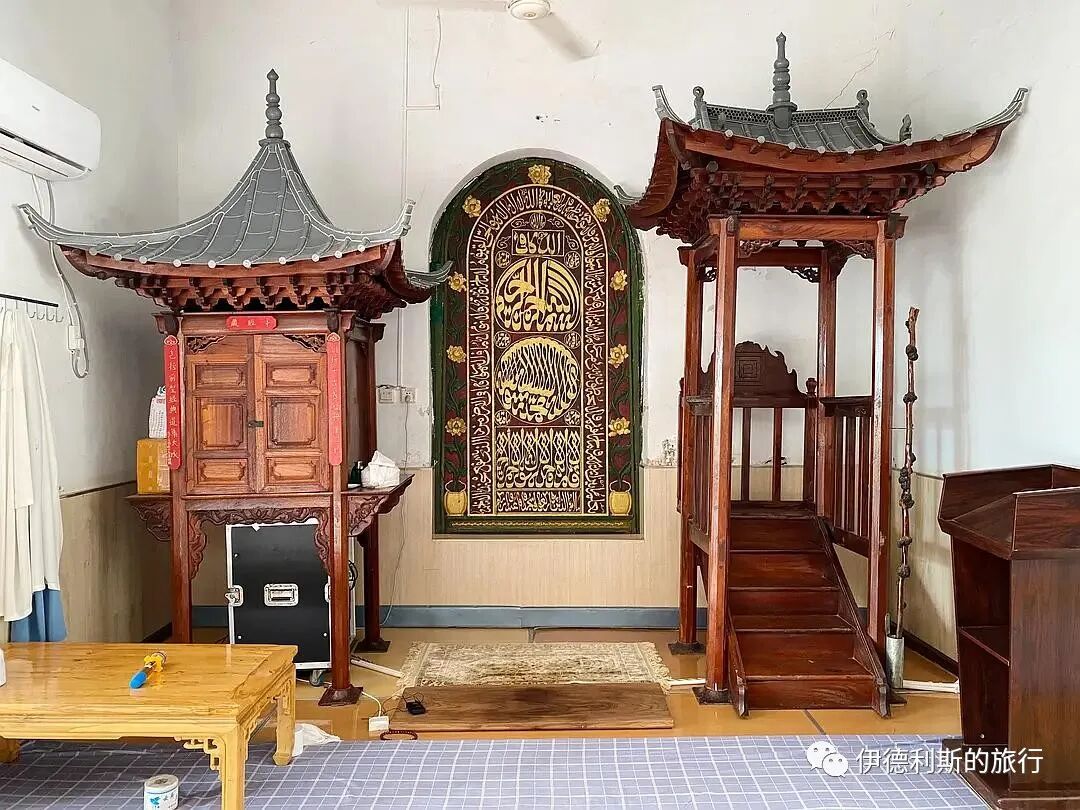
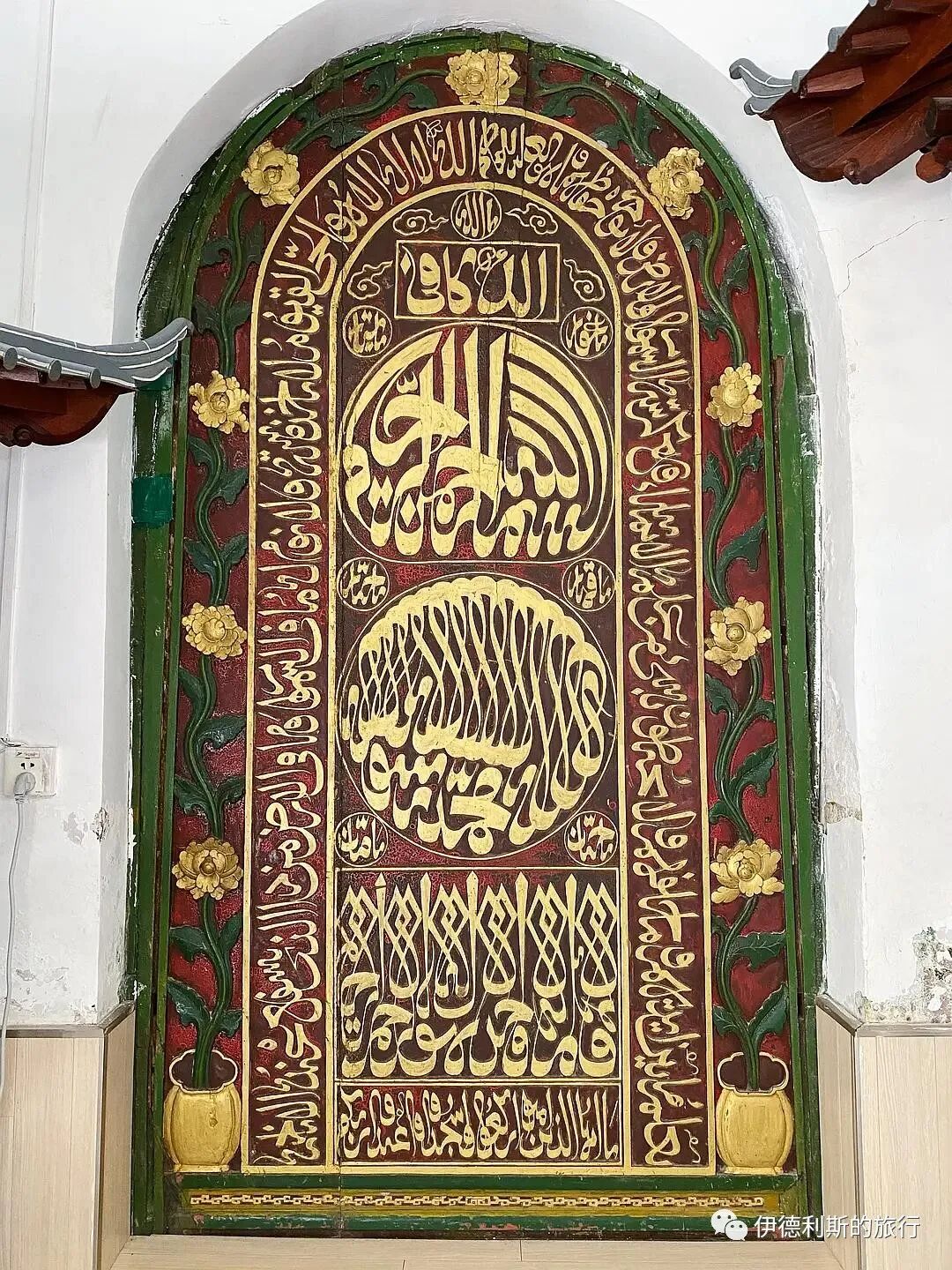
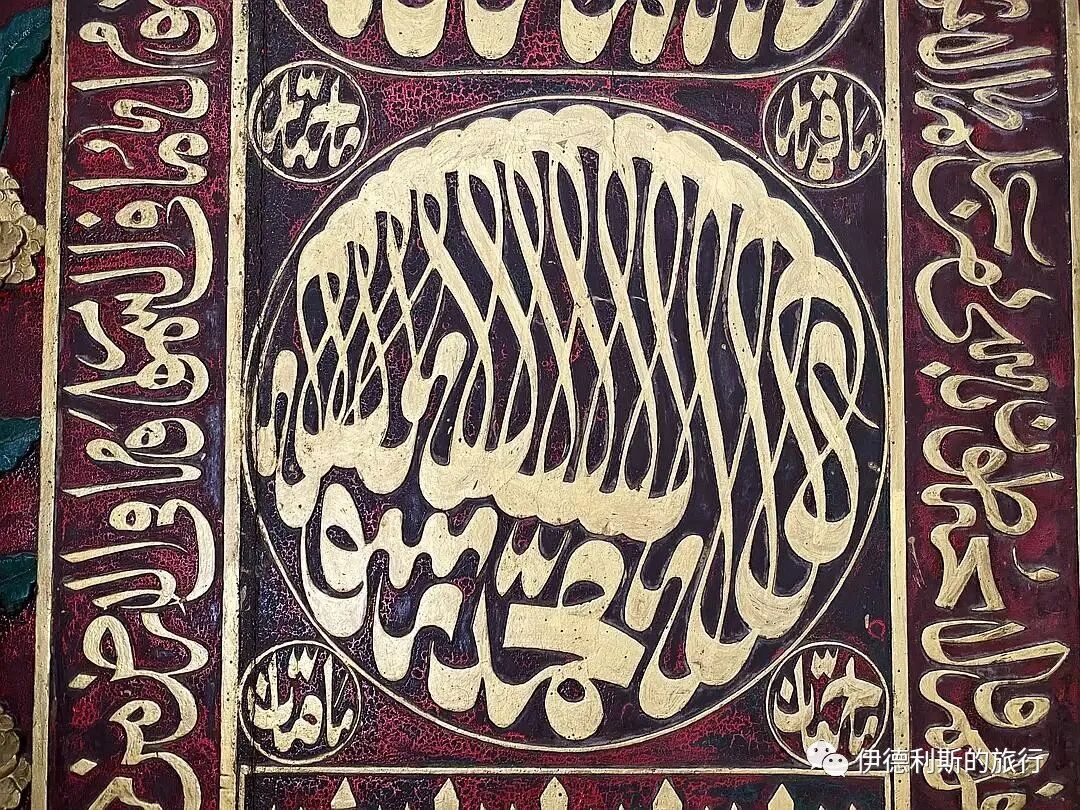
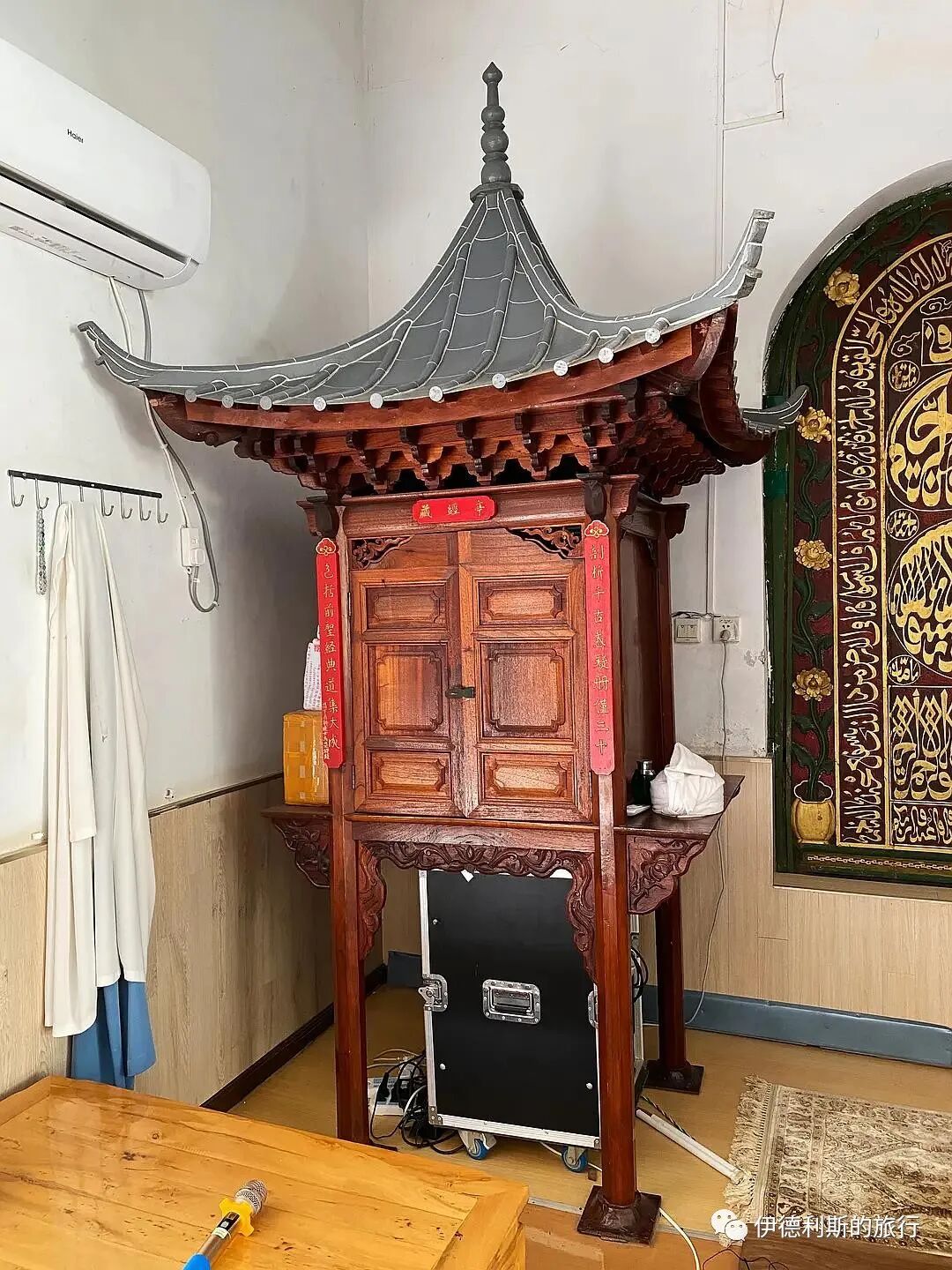
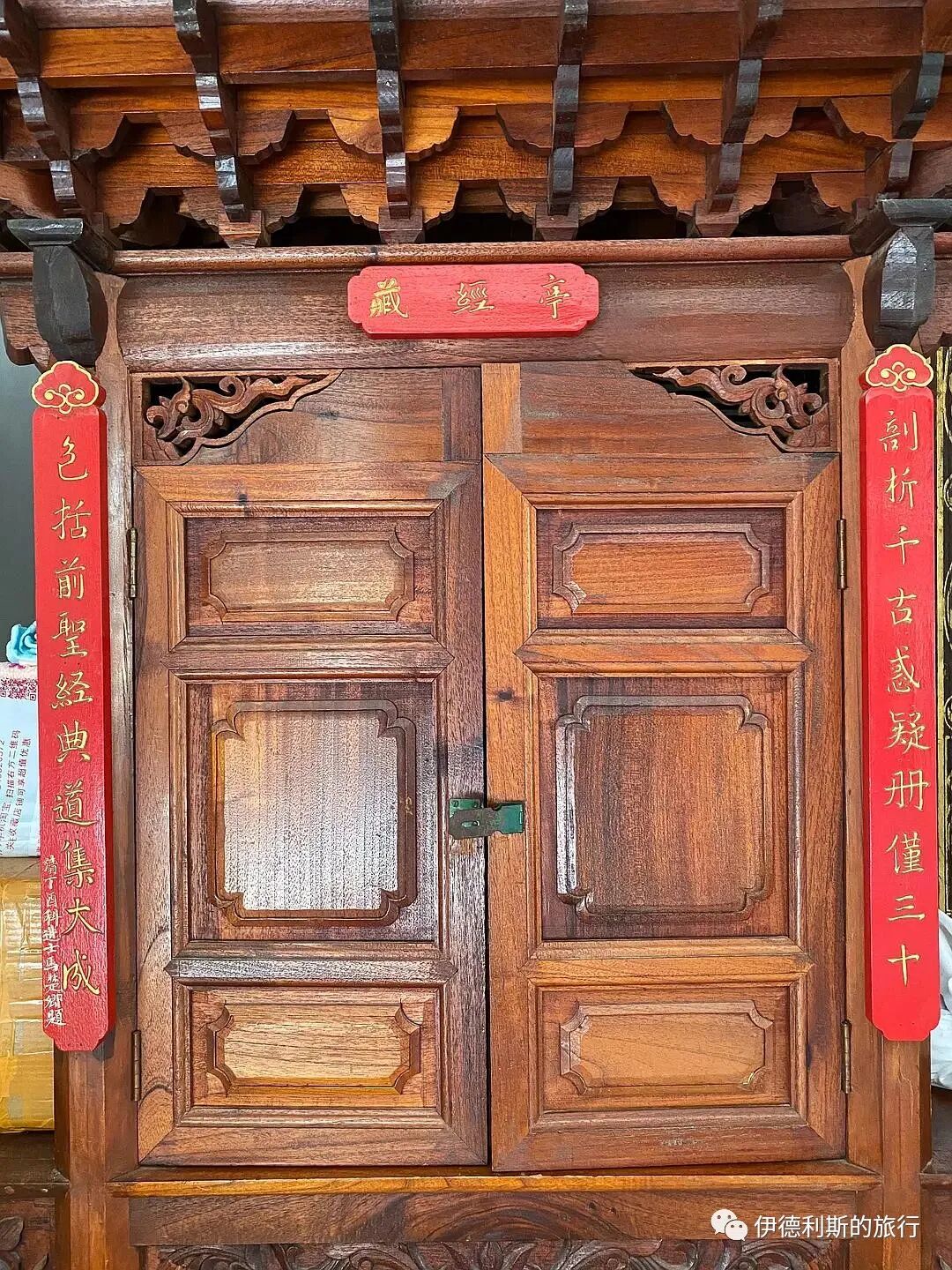
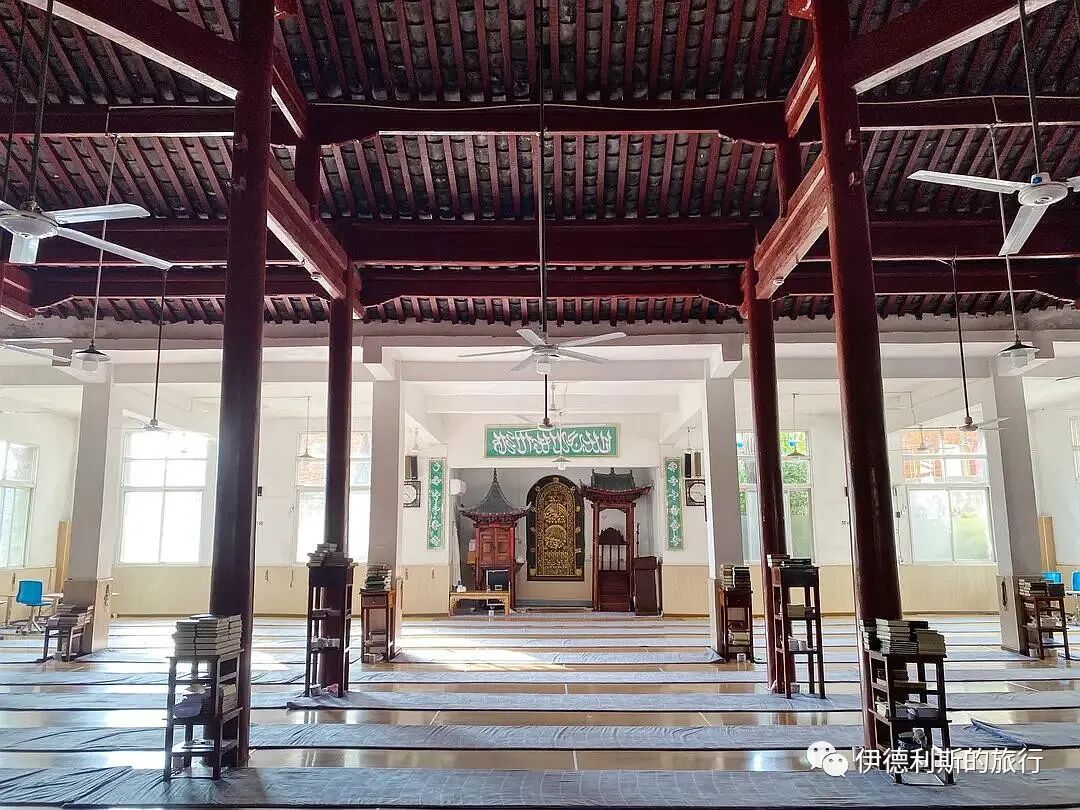
Inside the mosque is a traditional-style mihrab prayer niche. Next to it is a unique scripture pavilion (cangjingting), which features a couplet written by Ma Chuqing, a successful candidate in the imperial examinations during the Dingyou year of the Qing dynasty.
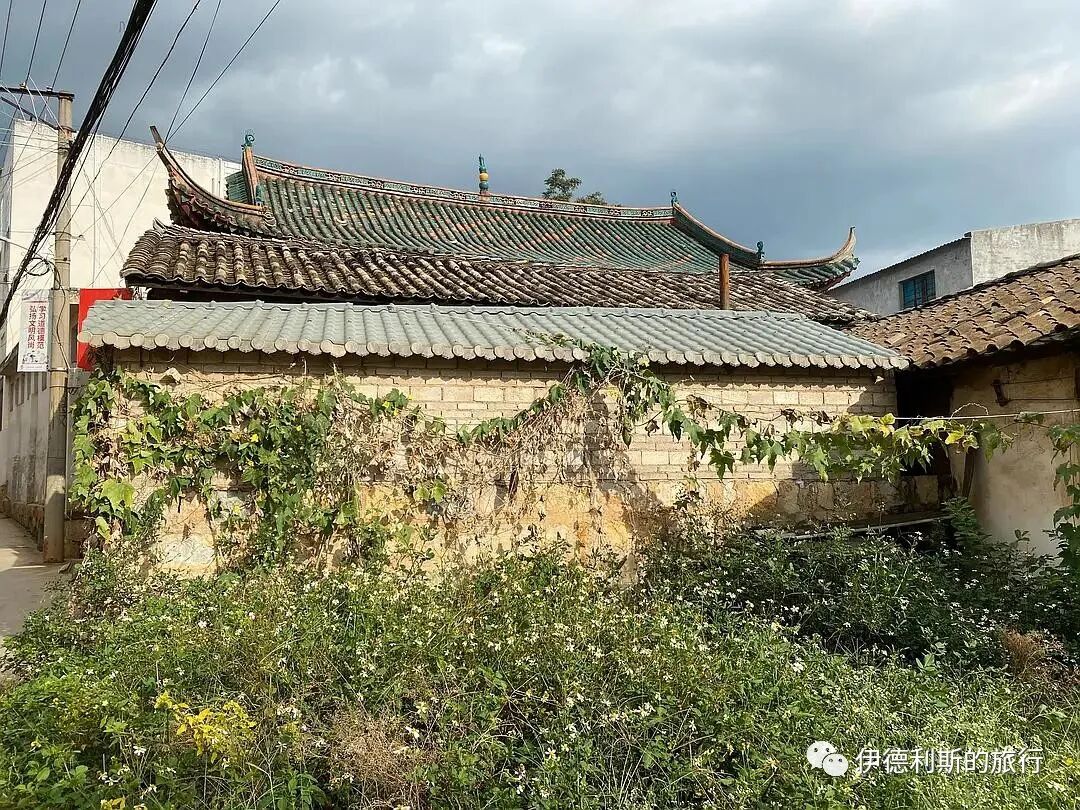
Beside the mosque is the Longquan Academy (Longquan Shuyuan), founded by Ma Weiqi in 1891. He once bought thousands of books and donated money to support education. In 1943, with the support of Kunming Mingde Middle School, the Dazhuang Branch of Kunming Mingde Middle School was established on the original site of the Longquan Academy. It is now the Dazhuang Mingde Middle School Exhibition Hall, but unfortunately, it was closed when I visited.
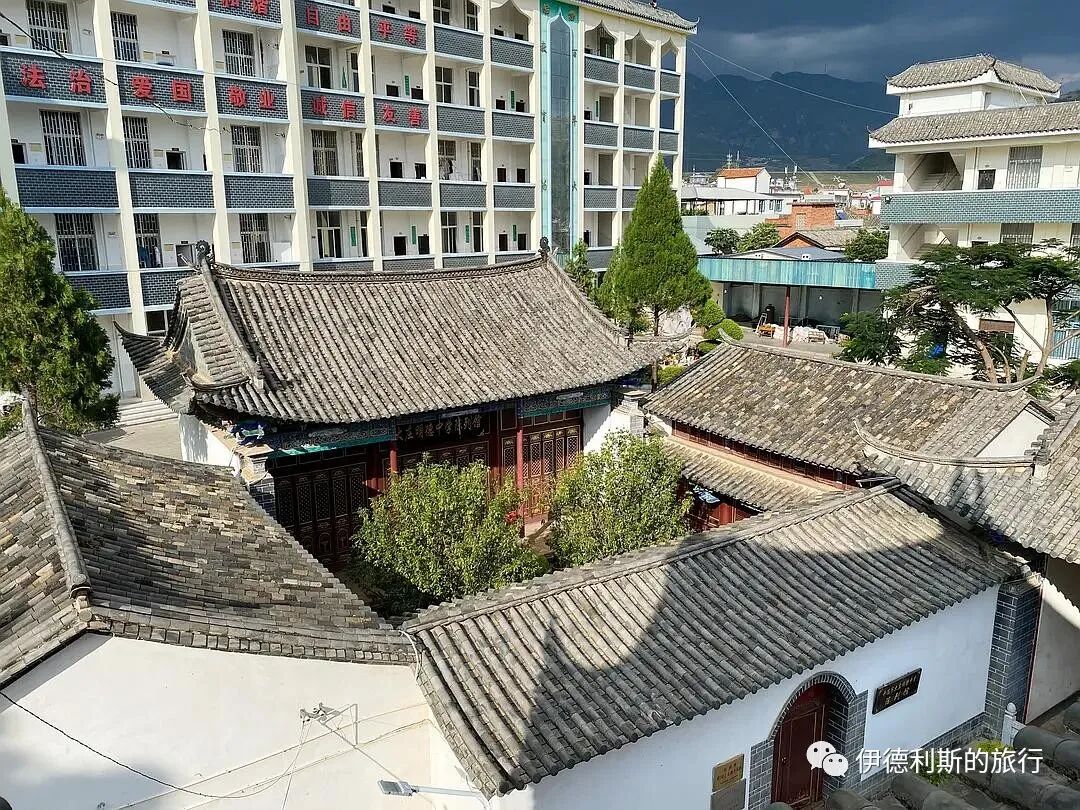
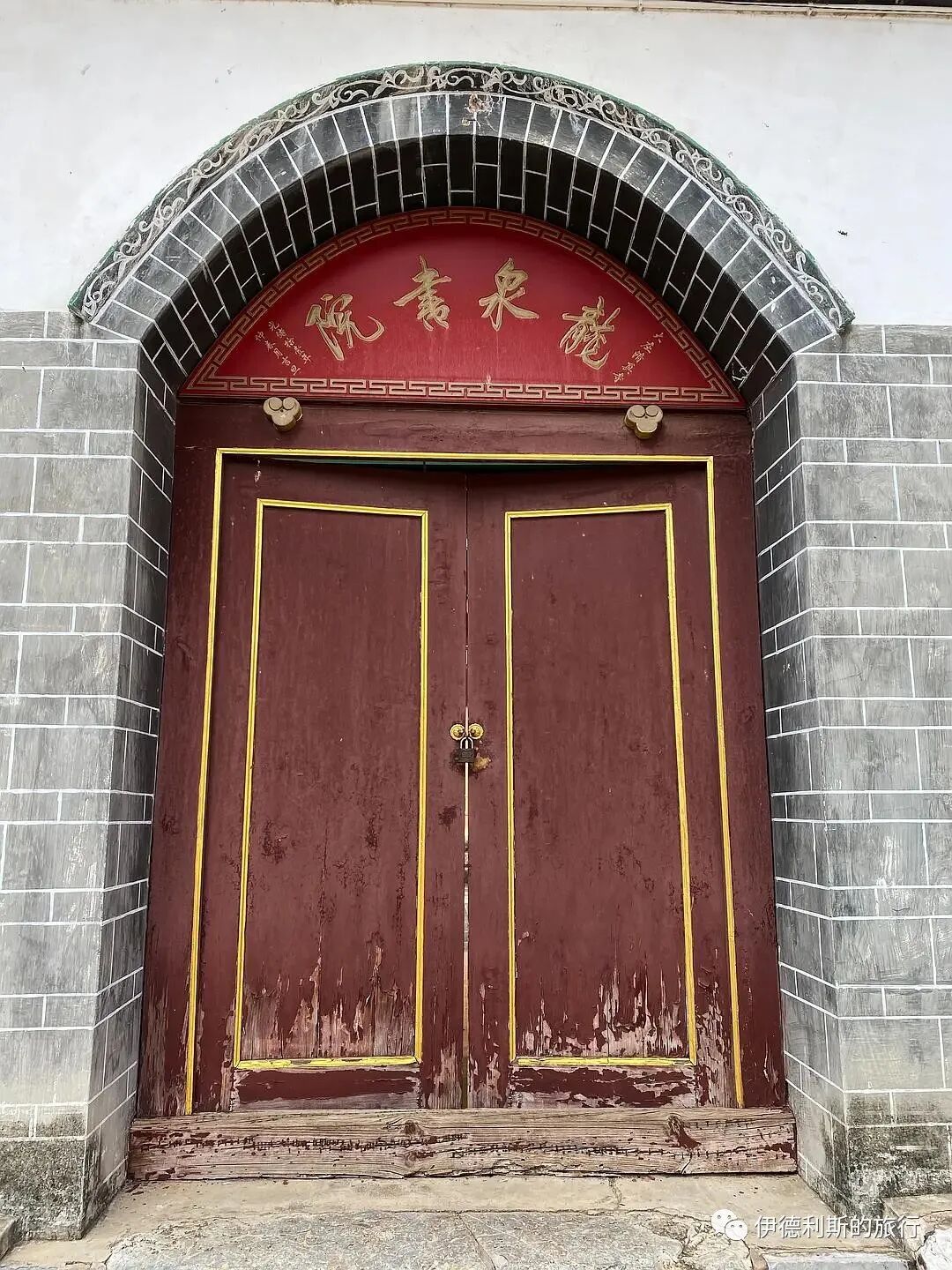
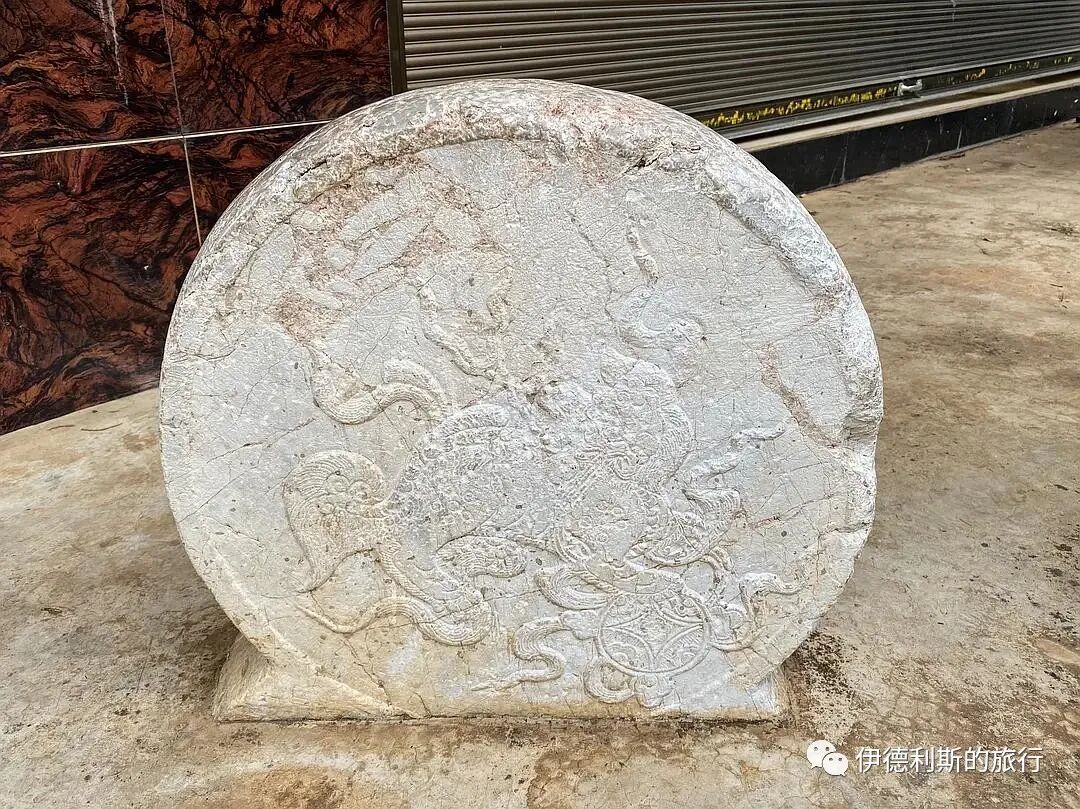
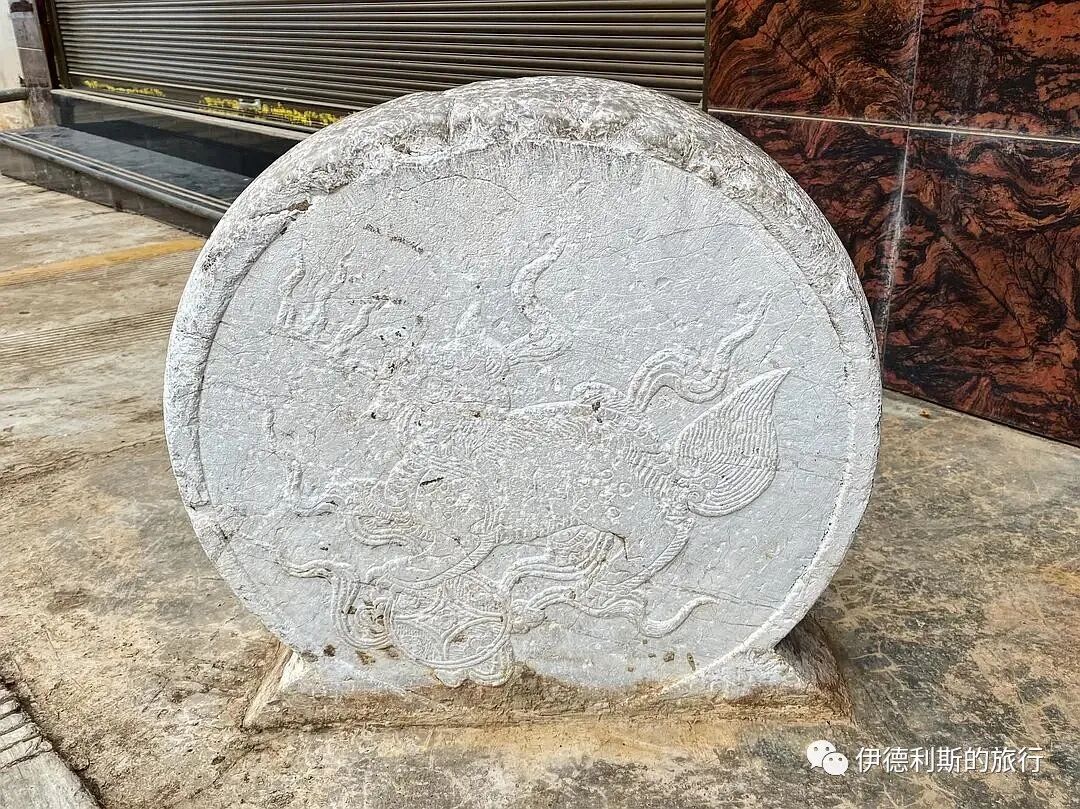
The original site of the Dazhuang Women's Mosque in Kaiyuan was the Dazhuang Old Mosque, first built during the Wanli period of the Ming dynasty. It was renamed the Old Mosque after the new mosque was built in Dazhuang in 1812. After the 20th century, several female teachers (shimu) were invited from Hexi and Najiaying in Yuxi to teach Islamic knowledge to young women at the Old Mosque. In the early 1930s, the Yude Girls' Chinese-Arabic School opened here, training many women with deep knowledge of the faith. The women's mosque was torn down in 1958. The current building is a reconstruction, and the only original items left are a pair of Qing dynasty drum-shaped stone door bases.
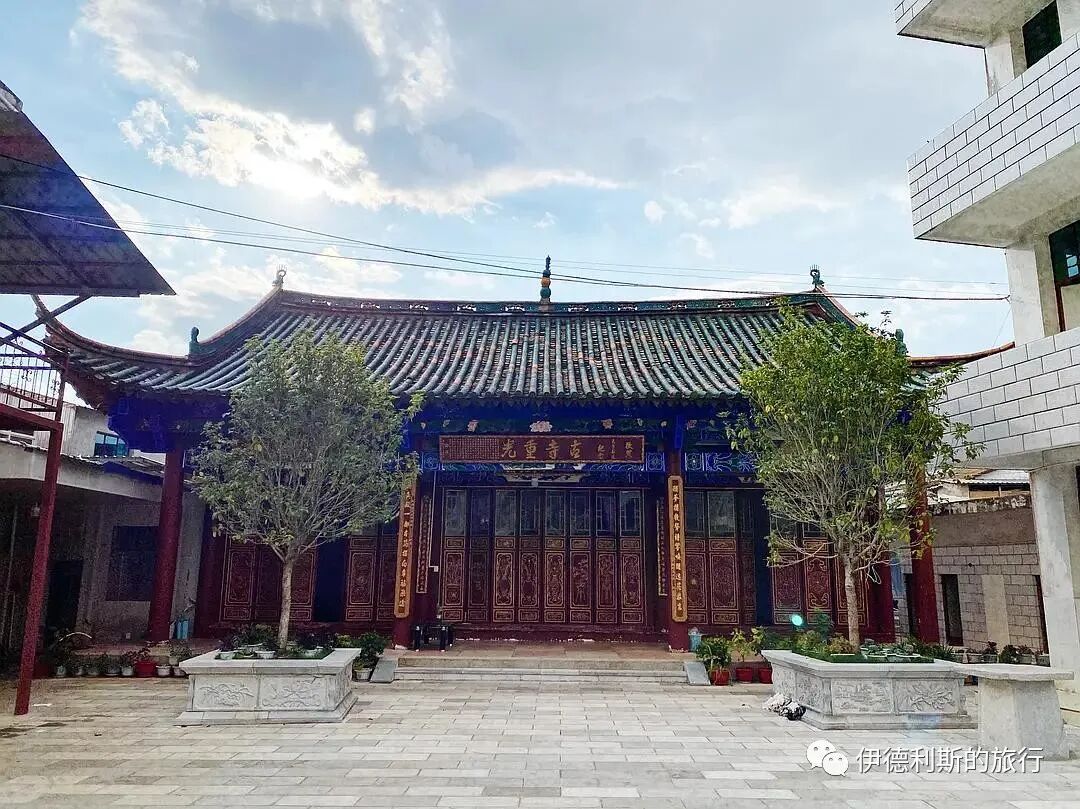
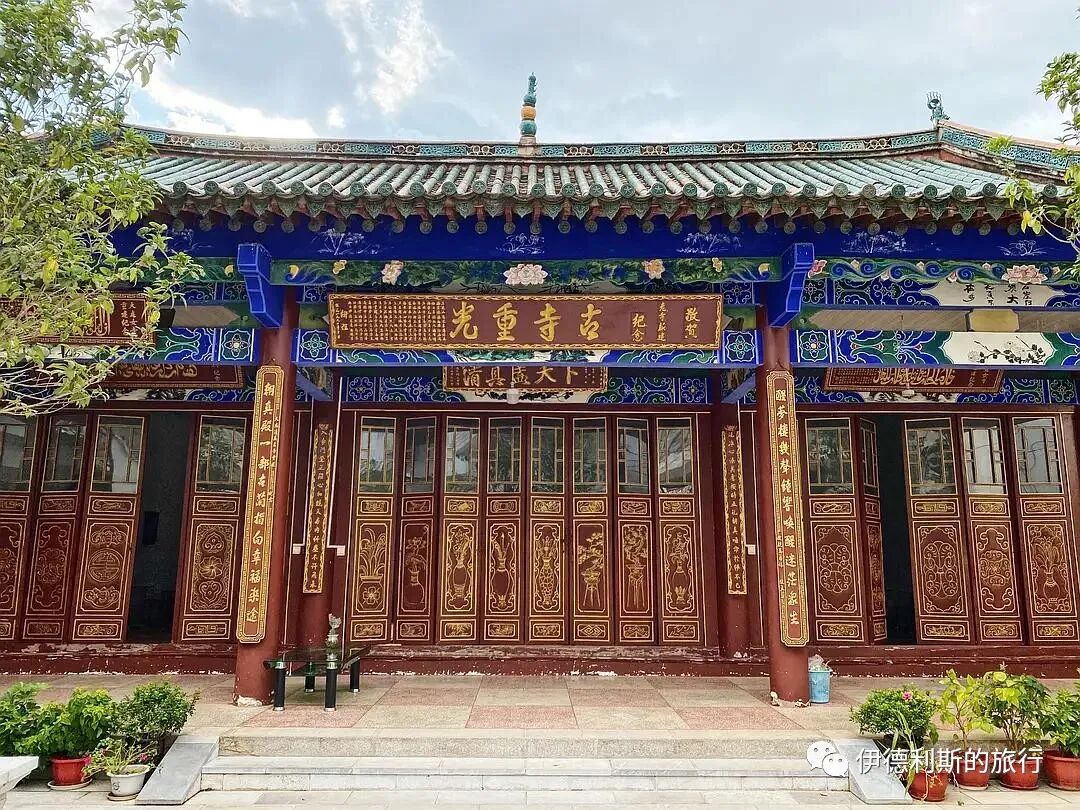
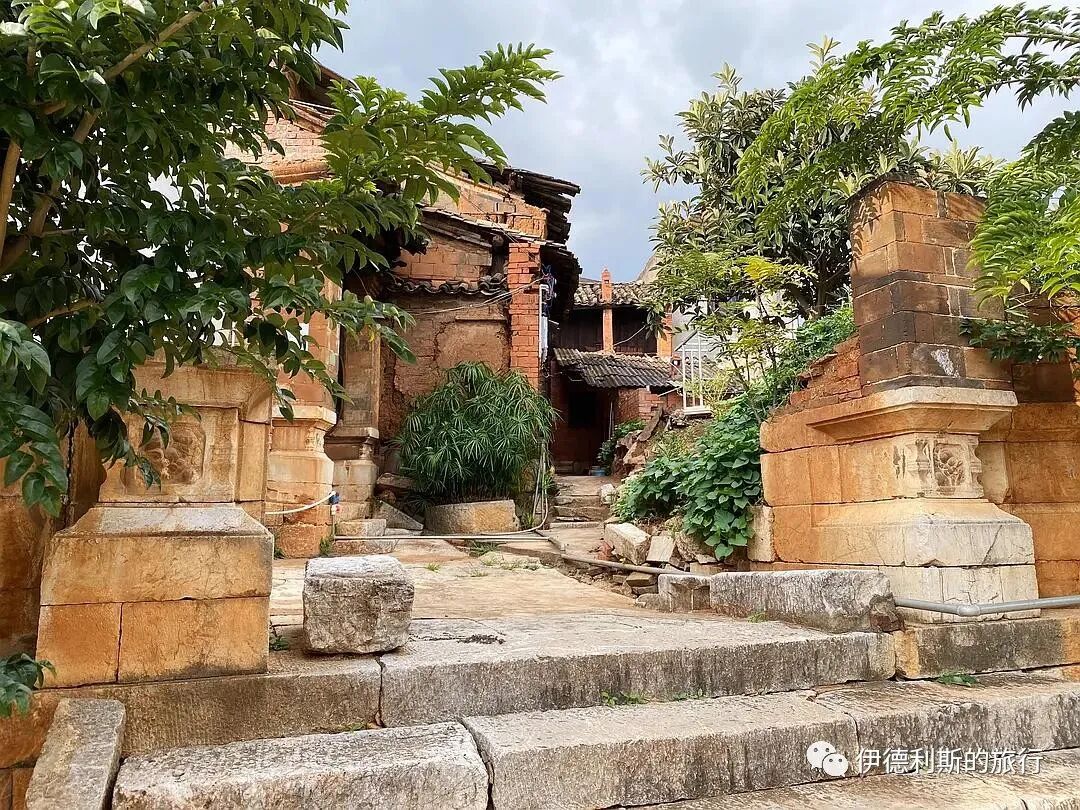
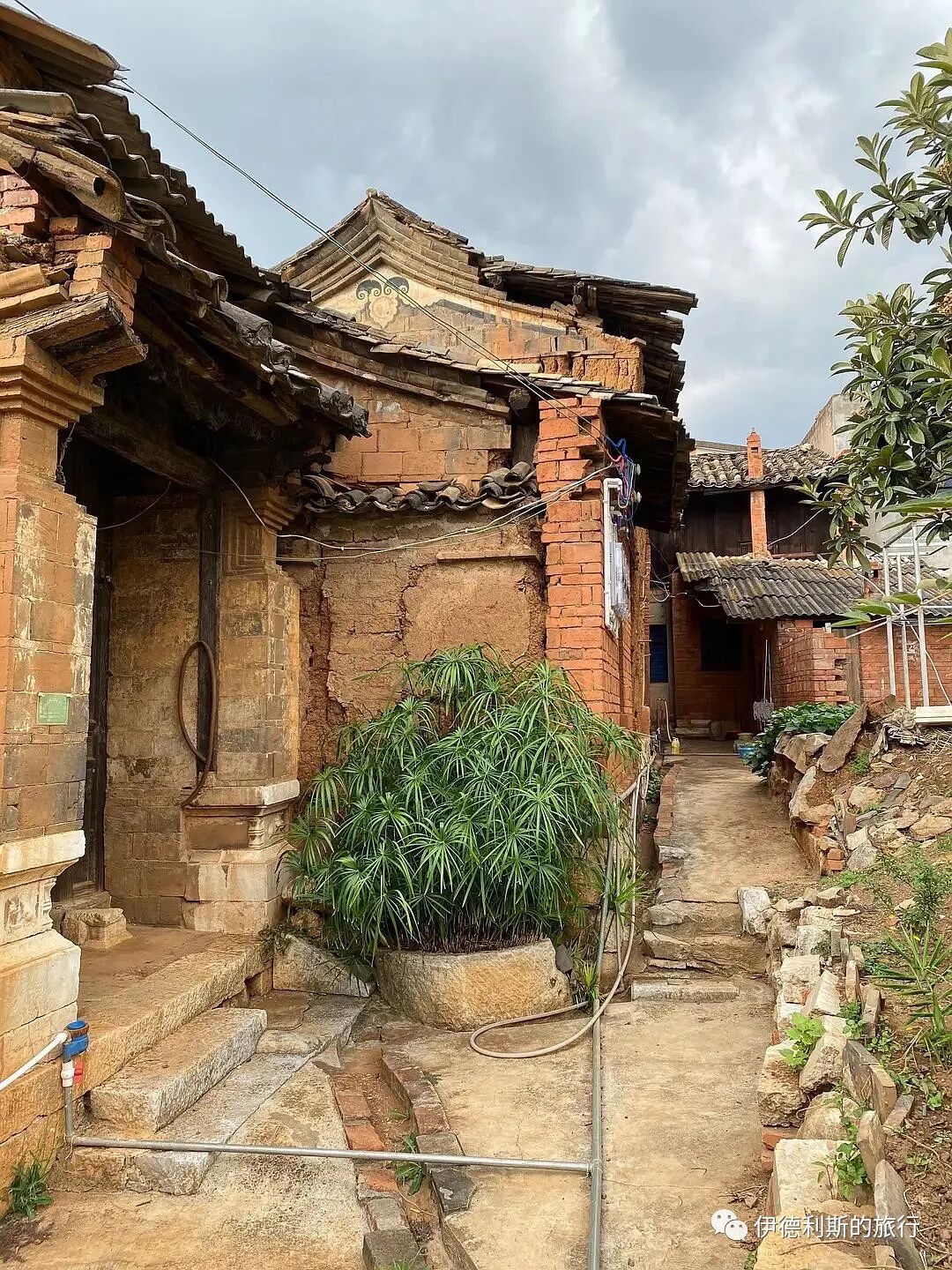
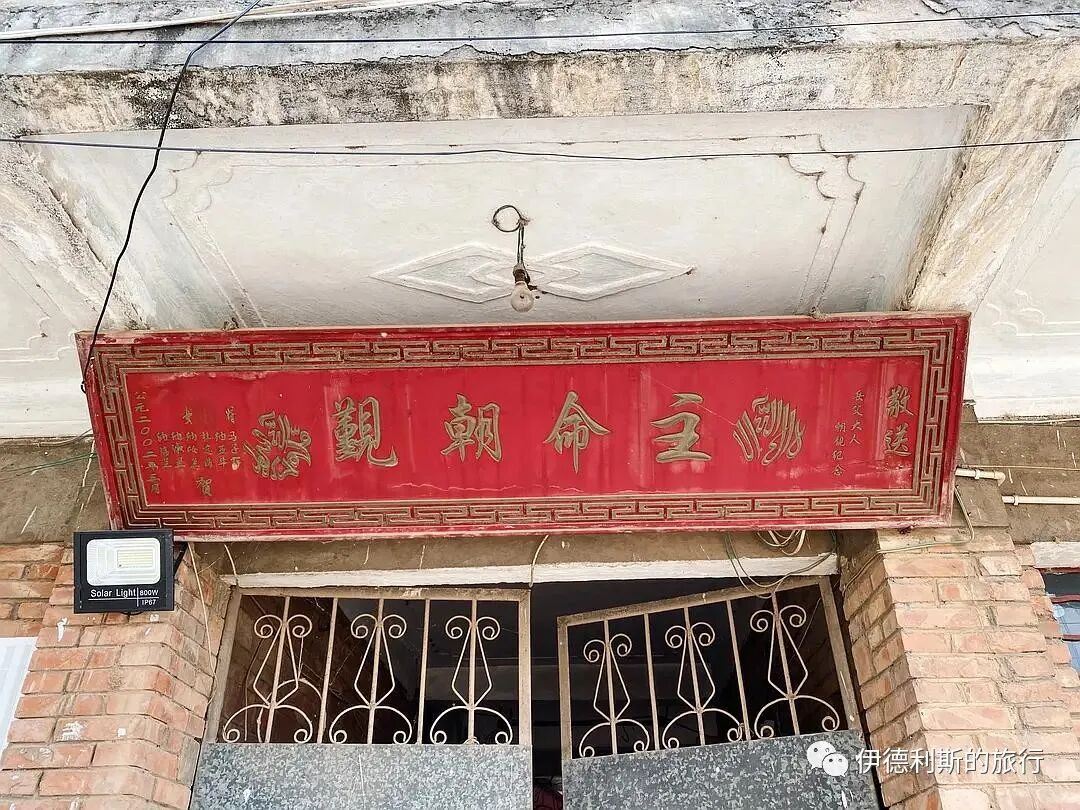
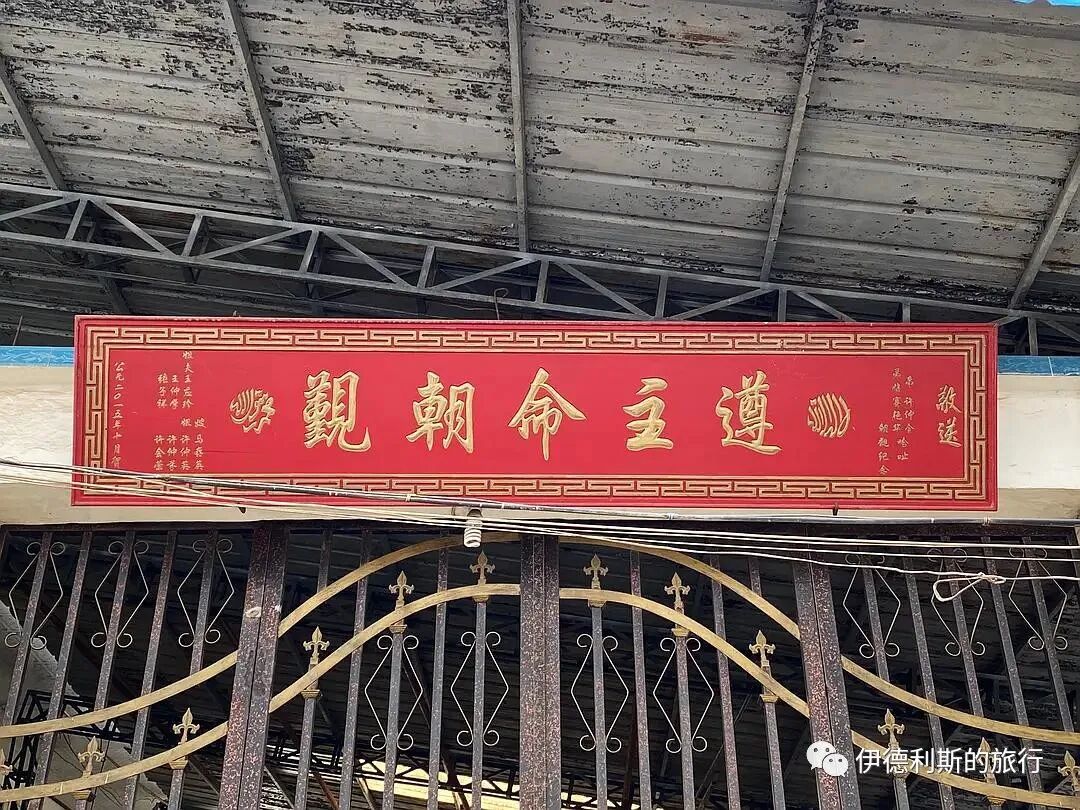
What shocked me most about Dazhuang Village in Kaiyuan was that almost every home had a Hajj plaque hanging by the door. It was my first time seeing so many Hajis in one village.
Summary: Kaiyuan, Yunnan — Dazhuang Mosque and Hui Muslim Heritage is presented here as a firsthand travel account in clear English, beginning with this scene: Author: Zainab. The account keeps its focus on Kaiyuan Mosque, Yunnan Travel, Hui Muslims while preserving the names, places, food, and historical details from the Chinese source.
Author: Zainab
I traveled from Shadian to Dazhuang in Kaiyuan to visit the Dazhuang Mosque, which is famous for being the best mosque in the region.
The Dazhuang Mosque moved to its current site and was rebuilt in 1812, then expanded during the Daoguang period (1821-1850).
Let me first show you the archway-style gate of the mosque. When the mosque was first built, the gate faced east, but the Kaiyuan county magistrate at the time said the view was poor, so it was changed to face south.
The main gate features bracket sets (dougong) and upturned eaves with intricate cloud, dragon, and bird carvings. A pair of mythical creatures (qilin) stand in front, which is very rare for a mosque.
The mosque's Xingmeng Tower has a triple-eaved, hexagonal pointed roof topped with a glazed vase. It stands on 18 pillars and looks very grand and solid.
The Xingmeng Tower features a plaque that reads 'The Mosque Covers the World,' and I really like the couplet on both sides of the door:
A tall building rises from the flat ground, reaching straight to the nine heavens.
Precious teachings echo in the sky, waking the lost souls of the city.
The main hall of the mosque features a single-eave hip-and-gable roof with bracket sets and upturned eaves. The front eave is deep, serving as a porch, and the architraves and brackets are decorated with intricate openwork carvings and paintings. The openwork carving on the 24 lattice doors of the main hall is considered the finest among traditional mosque architecture in Yunnan.
The main hall displays several plaques: one reading 'Yu Mu Bu Yi' presented in 1823 by Xu Yaozong, the commander of the Linyuan Chengjiang garrison; one reading 'Hua Yu Wan Wu' presented in 1844 by Ma Dingbang, the top-ranked military scholar of the imperial examinations; and one reading 'Wu Wei Bu Zhao' presented in 1885 by Ma Weiqi, a commander of the Suiyuan Left Battalion. There are also couplets presented by Xu Yaozong.
Ma Weiqi was the son of Ma Dingbang and a local from Dazhuang, Kaiyuan. A scholar-general of the late Qing Dynasty, he joined the army with his father at age 14. In 1883, he went to Vietnam to fight in the Sino-French War, where he led his own front and defeated the French army multiple times. Later, he served as the commander-in-chief in Sichuan for eight years.
Inside the mosque is a traditional-style mihrab prayer niche. Next to it is a unique scripture pavilion (cangjingting), which features a couplet written by Ma Chuqing, a successful candidate in the imperial examinations during the Dingyou year of the Qing dynasty.
Beside the mosque is the Longquan Academy (Longquan Shuyuan), founded by Ma Weiqi in 1891. He once bought thousands of books and donated money to support education. In 1943, with the support of Kunming Mingde Middle School, the Dazhuang Branch of Kunming Mingde Middle School was established on the original site of the Longquan Academy. It is now the Dazhuang Mingde Middle School Exhibition Hall, but unfortunately, it was closed when I visited.
The original site of the Dazhuang Women's Mosque in Kaiyuan was the Dazhuang Old Mosque, first built during the Wanli period of the Ming dynasty. It was renamed the Old Mosque after the new mosque was built in Dazhuang in 1812. After the 20th century, several female teachers (shimu) were invited from Hexi and Najiaying in Yuxi to teach Islamic knowledge to young women at the Old Mosque. In the early 1930s, the Yude Girls' Chinese-Arabic School opened here, training many women with deep knowledge of the faith. The women's mosque was torn down in 1958. The current building is a reconstruction, and the only original items left are a pair of Qing dynasty drum-shaped stone door bases.
What shocked me most about Dazhuang Village in Kaiyuan was that almost every home had a Hajj plaque hanging by the door. It was my first time seeing so many Hajis in one village.
