
Halal Travel Guide: Quanzhou Baiqi — Guo Hui Muslims and Islamic History (Part 2)
Reposted from the web
Summary: Quanzhou Baiqi — Guo Hui Muslims and Islamic History is presented here as a firsthand travel account in clear English, beginning with this scene: In the mid-1940s, Imam Guo Xingfa passed away. According to Huang Qiurun's book The Evolution of Customs Among the Baiqi Hui Muslims, after Imam Guo died, his family sent people to the Qingjing Mosque in Quanzhou to. The account keeps its focus on Quanzhou Muslims, Guo Hui Muslims, Islamic History while preserving the names, places, food, and historical details from the Chinese source.
In the mid-1940s, Imam Guo Xingfa passed away. According to Huang Qiurun's book The Evolution of Customs Among the Baiqi Hui Muslims, after Imam Guo died, his family sent people to the Qingjing Mosque in Quanzhou to invite Imam Zhang Yuguang and Imam Cao Shaolun to lead the funeral. They also asked Muslims Ma Kangjian, Guo Sansheng, Guo Songling, and Huang Jianzhao to perform the ritual washing of the body (maiti yongshui). Additionally, they invited over ten cousins to go to the Qingjing Mosque to carry the coffin (tabu).
After Imam Guo passed away, the funeral customs of the Baiqi Guo clan changed from chanting scriptures to holding the scriptures, and later to requesting the scriptures. This meant the grieving family would borrow a Quran from a clan member who kept one, placing it in front of the memorial altar. During the funeral procession, a young boy would carry the Quran at the very front.
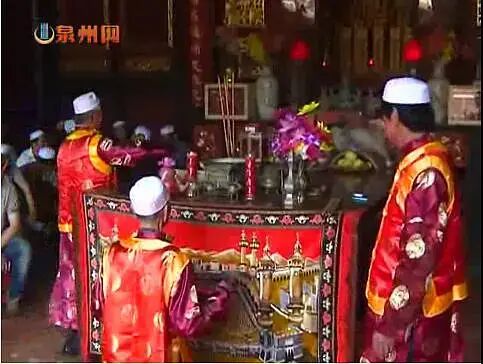
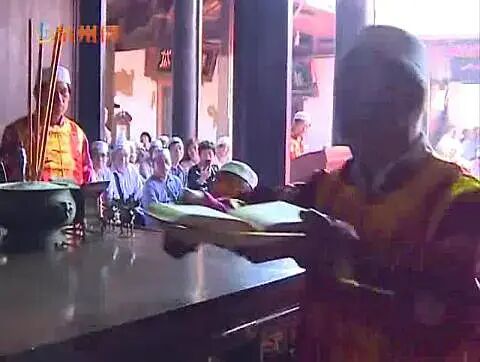
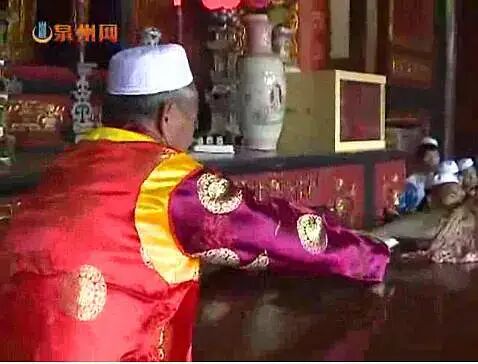
During the Qingming Festival in 2015, the Baiqi Guo clan placed the Quran on the offering table while paying respects to their ancestors at the Guo family temple:
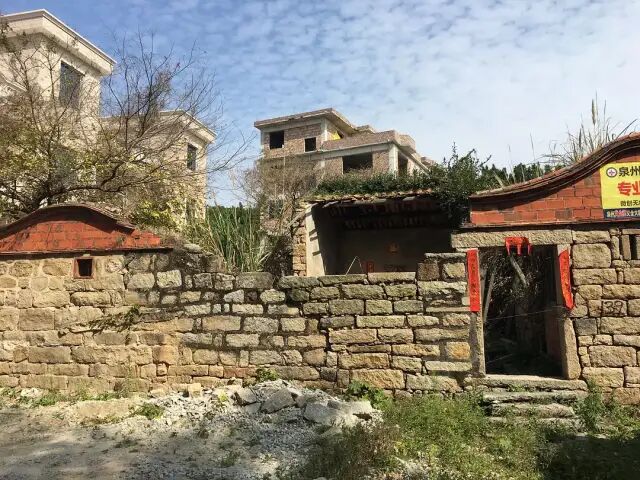
With the passing of Imam Guo, the practice of Islam among the Baiqi Guo clan came to an end. In the 1950s, the production team turned the Dashan Village mosque into a warehouse to store grain and farm tools, and eventually, it was converted into a private home. The last villagers in Dashan Village who avoided pork also stopped this practice in the 1950s, though some villagers still used stone coffin burials. In 1984, Guo Xijin's wife, Zeng Ying, passed away at the age of 95; she was the last person from the Guo family in Baiqi to be buried in a stone coffin.
7. Living without halal, dying with halal
If you keep the oil pure, your children and grandchildren will prosper. This is an important saying among the Guo family of Baiqi.
During the Qing Dynasty, many members of the Guo clan still followed the ancestral rule of not eating pork. As mentioned earlier, in 1807 (the 12th year of the Jiaqing reign), Guo Zhaofen ordered that pork be banned in the family in his section of the clan genealogy titled 'List of Items Not to Be Used for Ancestral Offerings'.
The 1807 (12th year of the Jiaqing reign) Guo Clan Genealogy records: 'According to clan rules, whenever there is a sacrificial ceremony, even for those who have left the faith and are required to perform sacrifices, the offerings must be pure and clean. Do not use unclean items; discard anything that is forbidden.' This is still the case today for ceremonies at both the main ancestral hall and the smaller ancestral halls, as it honors the intentions of our ancestors and is a way to show filial piety. "
Later, the village elders repeated: "Since the living eat pork, it is hard to change them, but the sacrifices for our ancestors must remain clean." The living have turned away from the ancestral faith, but the dead must return to halal ways. "
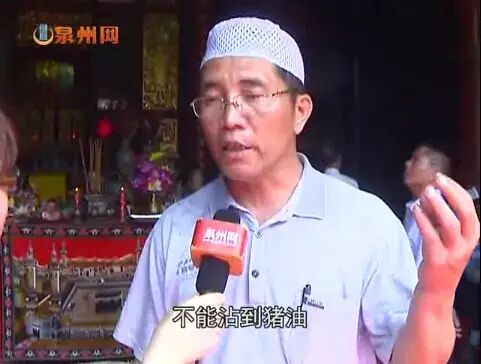
This custom of eating pork while alive but avoiding it after death has continued to this day. In the final days before a sick or elderly person passes away, the family switches to a clean diet and provides plenty of tea to help cleanse their stomach and intestines. After a death, the family washes all their cooking and eating utensils and begins a period of avoiding oil, which specifically means avoiding any pork products. This period of avoiding oil usually lasts for 7, 14, or 49 days. If someone accidentally eats pork or lard during the funeral period, they must immediately drink tea made from the tea leaves placed next to the Quran on the altar. It is believed this clears away misfortune and prevents mouth sores.
Besides the mourning period, families must also strictly avoid oil when paying respects to ancestors, ensuring all offerings are clean and pure. Since the 1990s, the Guo family of Baiqi has held an ancestor worship ceremony at their family temple every year around the Qingming Festival. The offerings must be completely free of oil, and some must also avoid "four-unlike" foods like squid, crab, and shrimp. The offerings must include a whole lamb and fried dough (youxiang). The utensils and cookware used for ancestor worship must be a dedicated set. They are cleaned, stored in plastic bags, and only taken out for use during the ceremony.
Guo Bangyi, the head of the Guo family temple management group, during an interview at the 2015 Qingming ancestor worship ceremony:


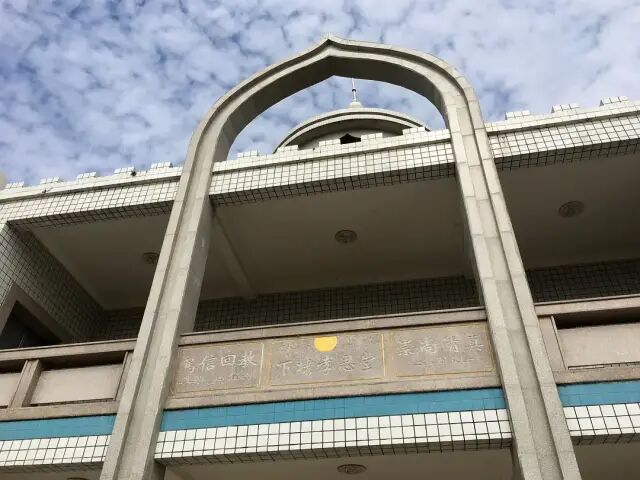
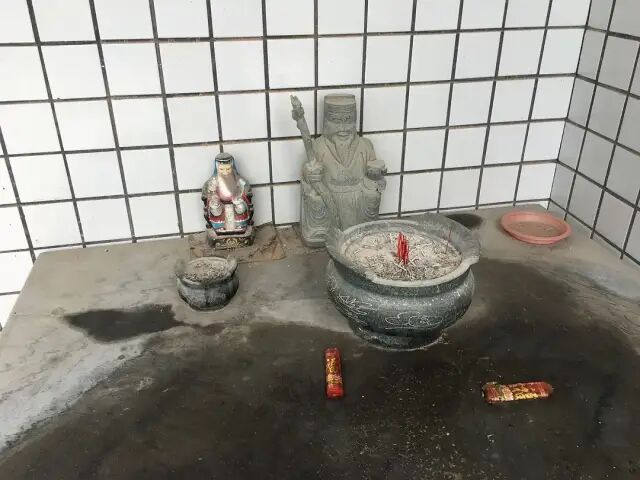
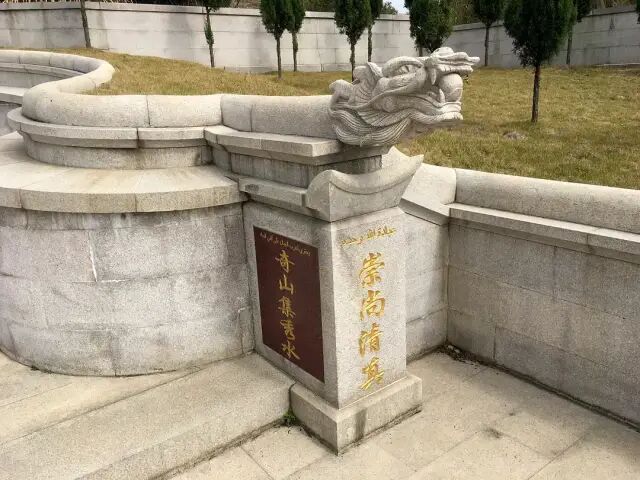
The Sixiao Hall in Xiadai Village is an Islamic-style building inscribed with "Firmly believe in Islam, advocate halal," but it is actually a place for ancestor worship.

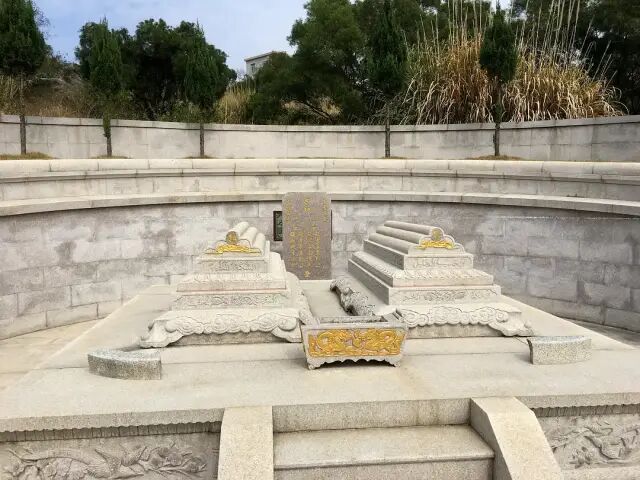
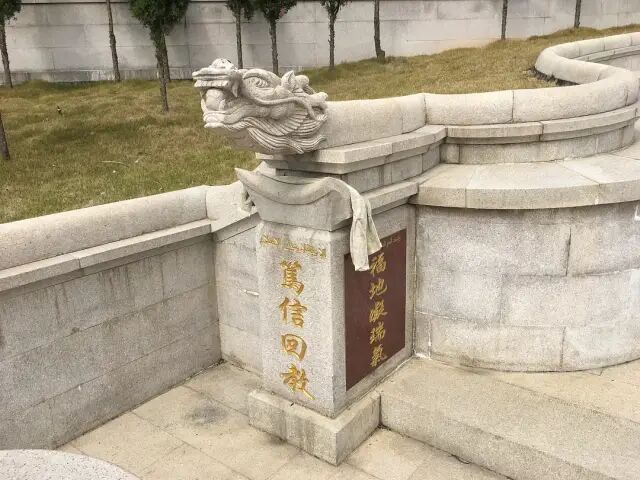
Modern Guo family graves are built in the style of the Ming Dynasty.

Beyond the Baiqi area, the Baiqi Guo clan members who moved elsewhere also keep the rule of eating only what is slaughtered alive and never eating what dies of natural causes. The Guo clan in Lixin Village, Tuzhai Township, Hui'an County moved there three or four hundred years ago, and they still strictly follow the rule of avoiding oil during funerals. The Baiqi Guo clan who moved to Guanqiao in Jinjiang hundreds of years ago broke the no-oil rule in the 1950s and 1960s, but after sending people to pay respects to their ancestors in Dashan Village, Baiqi, in the 1980s, they returned to observing the no-oil rule.
In 1958, Xiao Yongtai, chairman of the China Islamic Youth Association, went to Lukang, Taiwan, for research. He wrote that some Baiqi Guo families in Lukang still kept the Quran and did not eat pork for forty days after a death:
There are now over three hundred households of Guo-surnamed Muslims in Lukang, and those over sixty years old all know they are Muslims, with a few families still keeping the Quran.
After a fellow Muslim passes away, people must avoid eating pork for forty days, a tradition that still preserves the customs of Islam.
The Muslim pharmacy (huihui yaodian) in Baiqi.

The beef shop called Huiwei Niuqiang is actually not halal.

The Baiqi village committee building with its Arabic-style dome.

Although the Guo family in Baiqi no longer practices Islam, they still keep their Islamic memories. This makes them a very important case study for researching how minority group beliefs change over time.

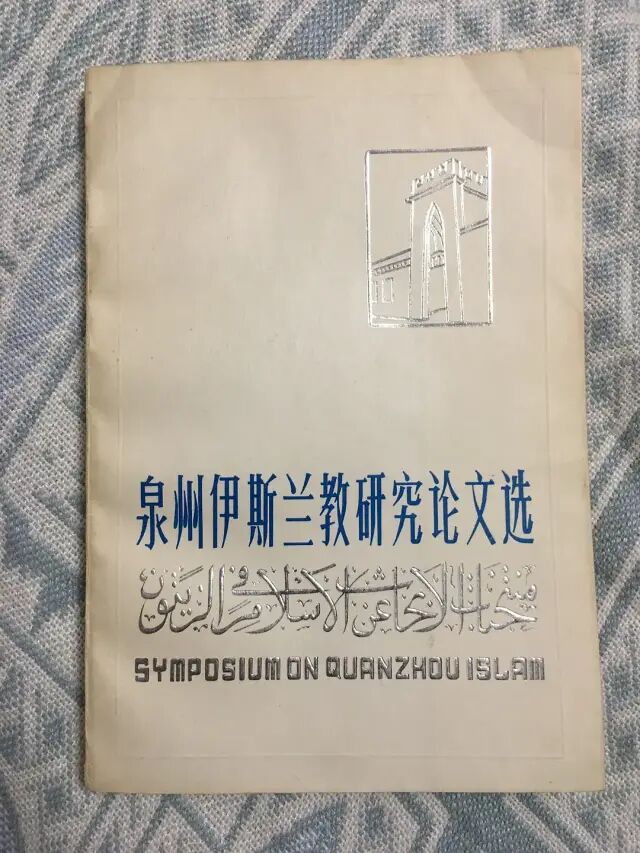
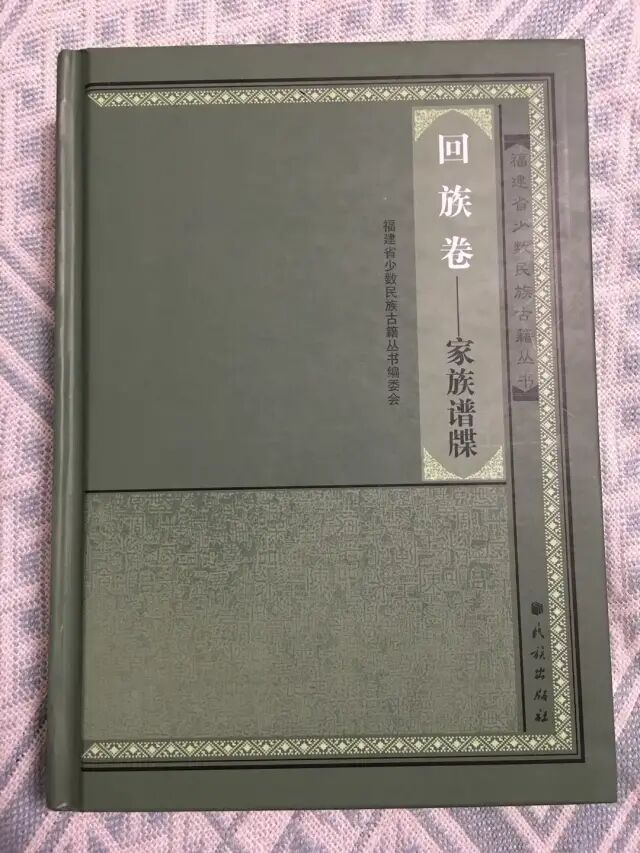
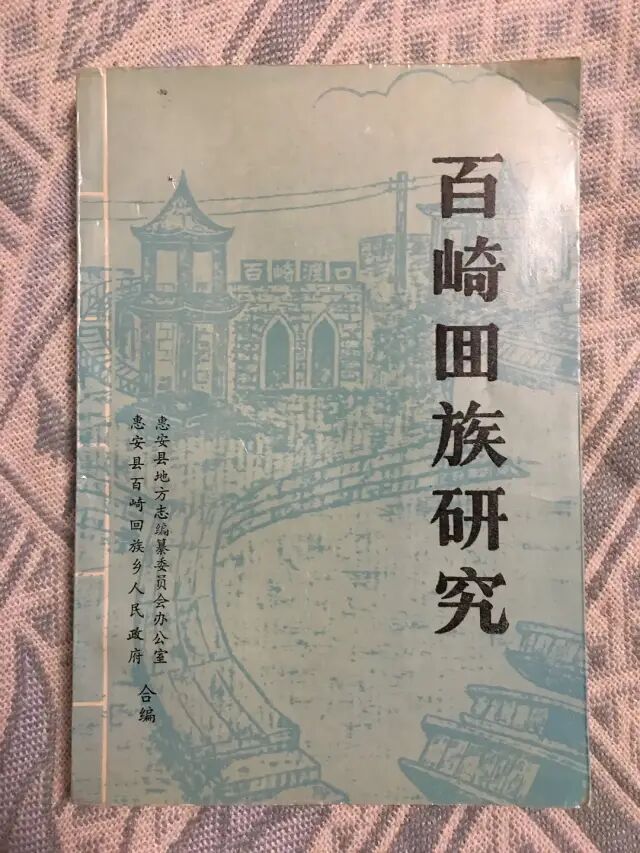
Some of the information in this article comes from "Research on the Baiqi Hui Muslims," "Selected Research Papers on Islam in Quanzhou," and "Ancient Ethnic Minority Books of Fujian Province: Hui Muslim Family Genealogies."
Summary: Quanzhou Baiqi — Guo Hui Muslims and Islamic History is presented here as a firsthand travel account in clear English, beginning with this scene: In the mid-1940s, Imam Guo Xingfa passed away. According to Huang Qiurun's book The Evolution of Customs Among the Baiqi Hui Muslims, after Imam Guo died, his family sent people to the Qingjing Mosque in Quanzhou to. The account keeps its focus on Quanzhou Muslims, Guo Hui Muslims, Islamic History while preserving the names, places, food, and historical details from the Chinese source.
In the mid-1940s, Imam Guo Xingfa passed away. According to Huang Qiurun's book The Evolution of Customs Among the Baiqi Hui Muslims, after Imam Guo died, his family sent people to the Qingjing Mosque in Quanzhou to invite Imam Zhang Yuguang and Imam Cao Shaolun to lead the funeral. They also asked Muslims Ma Kangjian, Guo Sansheng, Guo Songling, and Huang Jianzhao to perform the ritual washing of the body (maiti yongshui). Additionally, they invited over ten cousins to go to the Qingjing Mosque to carry the coffin (tabu).
After Imam Guo passed away, the funeral customs of the Baiqi Guo clan changed from chanting scriptures to holding the scriptures, and later to requesting the scriptures. This meant the grieving family would borrow a Quran from a clan member who kept one, placing it in front of the memorial altar. During the funeral procession, a young boy would carry the Quran at the very front.
During the Qingming Festival in 2015, the Baiqi Guo clan placed the Quran on the offering table while paying respects to their ancestors at the Guo family temple:
With the passing of Imam Guo, the practice of Islam among the Baiqi Guo clan came to an end. In the 1950s, the production team turned the Dashan Village mosque into a warehouse to store grain and farm tools, and eventually, it was converted into a private home. The last villagers in Dashan Village who avoided pork also stopped this practice in the 1950s, though some villagers still used stone coffin burials. In 1984, Guo Xijin's wife, Zeng Ying, passed away at the age of 95; she was the last person from the Guo family in Baiqi to be buried in a stone coffin.
7. Living without halal, dying with halal
If you keep the oil pure, your children and grandchildren will prosper. This is an important saying among the Guo family of Baiqi.
During the Qing Dynasty, many members of the Guo clan still followed the ancestral rule of not eating pork. As mentioned earlier, in 1807 (the 12th year of the Jiaqing reign), Guo Zhaofen ordered that pork be banned in the family in his section of the clan genealogy titled 'List of Items Not to Be Used for Ancestral Offerings'.
The 1807 (12th year of the Jiaqing reign) Guo Clan Genealogy records: 'According to clan rules, whenever there is a sacrificial ceremony, even for those who have left the faith and are required to perform sacrifices, the offerings must be pure and clean. Do not use unclean items; discard anything that is forbidden.' This is still the case today for ceremonies at both the main ancestral hall and the smaller ancestral halls, as it honors the intentions of our ancestors and is a way to show filial piety. "
Later, the village elders repeated: "Since the living eat pork, it is hard to change them, but the sacrifices for our ancestors must remain clean." The living have turned away from the ancestral faith, but the dead must return to halal ways. "
This custom of eating pork while alive but avoiding it after death has continued to this day. In the final days before a sick or elderly person passes away, the family switches to a clean diet and provides plenty of tea to help cleanse their stomach and intestines. After a death, the family washes all their cooking and eating utensils and begins a period of avoiding oil, which specifically means avoiding any pork products. This period of avoiding oil usually lasts for 7, 14, or 49 days. If someone accidentally eats pork or lard during the funeral period, they must immediately drink tea made from the tea leaves placed next to the Quran on the altar. It is believed this clears away misfortune and prevents mouth sores.
Besides the mourning period, families must also strictly avoid oil when paying respects to ancestors, ensuring all offerings are clean and pure. Since the 1990s, the Guo family of Baiqi has held an ancestor worship ceremony at their family temple every year around the Qingming Festival. The offerings must be completely free of oil, and some must also avoid "four-unlike" foods like squid, crab, and shrimp. The offerings must include a whole lamb and fried dough (youxiang). The utensils and cookware used for ancestor worship must be a dedicated set. They are cleaned, stored in plastic bags, and only taken out for use during the ceremony.
Guo Bangyi, the head of the Guo family temple management group, during an interview at the 2015 Qingming ancestor worship ceremony:
The Sixiao Hall in Xiadai Village is an Islamic-style building inscribed with "Firmly believe in Islam, advocate halal," but it is actually a place for ancestor worship.
Modern Guo family graves are built in the style of the Ming Dynasty.
Beyond the Baiqi area, the Baiqi Guo clan members who moved elsewhere also keep the rule of eating only what is slaughtered alive and never eating what dies of natural causes. The Guo clan in Lixin Village, Tuzhai Township, Hui'an County moved there three or four hundred years ago, and they still strictly follow the rule of avoiding oil during funerals. The Baiqi Guo clan who moved to Guanqiao in Jinjiang hundreds of years ago broke the no-oil rule in the 1950s and 1960s, but after sending people to pay respects to their ancestors in Dashan Village, Baiqi, in the 1980s, they returned to observing the no-oil rule.
In 1958, Xiao Yongtai, chairman of the China Islamic Youth Association, went to Lukang, Taiwan, for research. He wrote that some Baiqi Guo families in Lukang still kept the Quran and did not eat pork for forty days after a death:
There are now over three hundred households of Guo-surnamed Muslims in Lukang, and those over sixty years old all know they are Muslims, with a few families still keeping the Quran.
After a fellow Muslim passes away, people must avoid eating pork for forty days, a tradition that still preserves the customs of Islam.
The Muslim pharmacy (huihui yaodian) in Baiqi.
The beef shop called Huiwei Niuqiang is actually not halal.
The Baiqi village committee building with its Arabic-style dome.
Although the Guo family in Baiqi no longer practices Islam, they still keep their Islamic memories. This makes them a very important case study for researching how minority group beliefs change over time.
Some of the information in this article comes from "Research on the Baiqi Hui Muslims," "Selected Research Papers on Islam in Quanzhou," and "Ancient Ethnic Minority Books of Fujian Province: Hui Muslim Family Genealogies."
