
Halal Travel Guide: Qinghai — Ping’an, Xunhua and Xining Muslim Heritage (Part 2)
Reposted from the web
Summary: Qinghai — Ping’an, Xunhua and Xining Muslim Heritage is presented here as a firsthand travel account in clear English, beginning with this scene: It is very precious that Pastor Carter Holton, who was preaching in Xunhua in the 1930s, took photos of the Jiezi Gongbei that have been well-preserved for over 80 years. The account keeps its focus on Qinghai Travel, Hui Muslims, Halal Food while preserving the names, places, food, and historical details from the Chinese source.
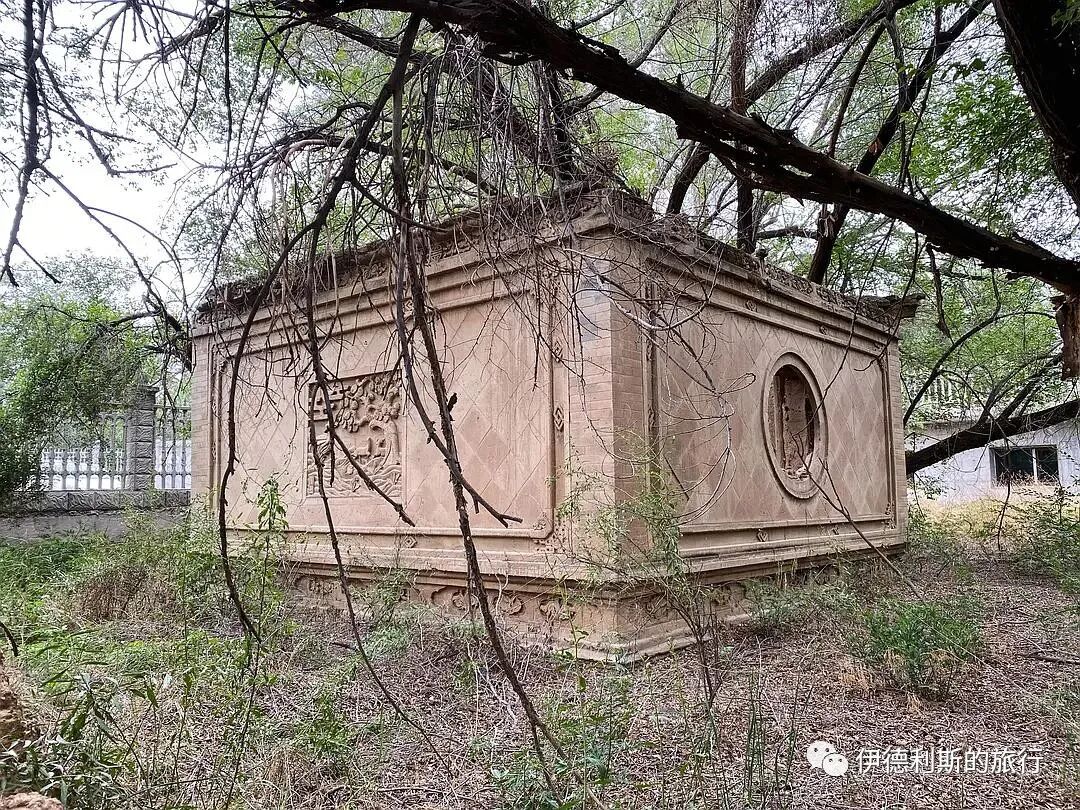
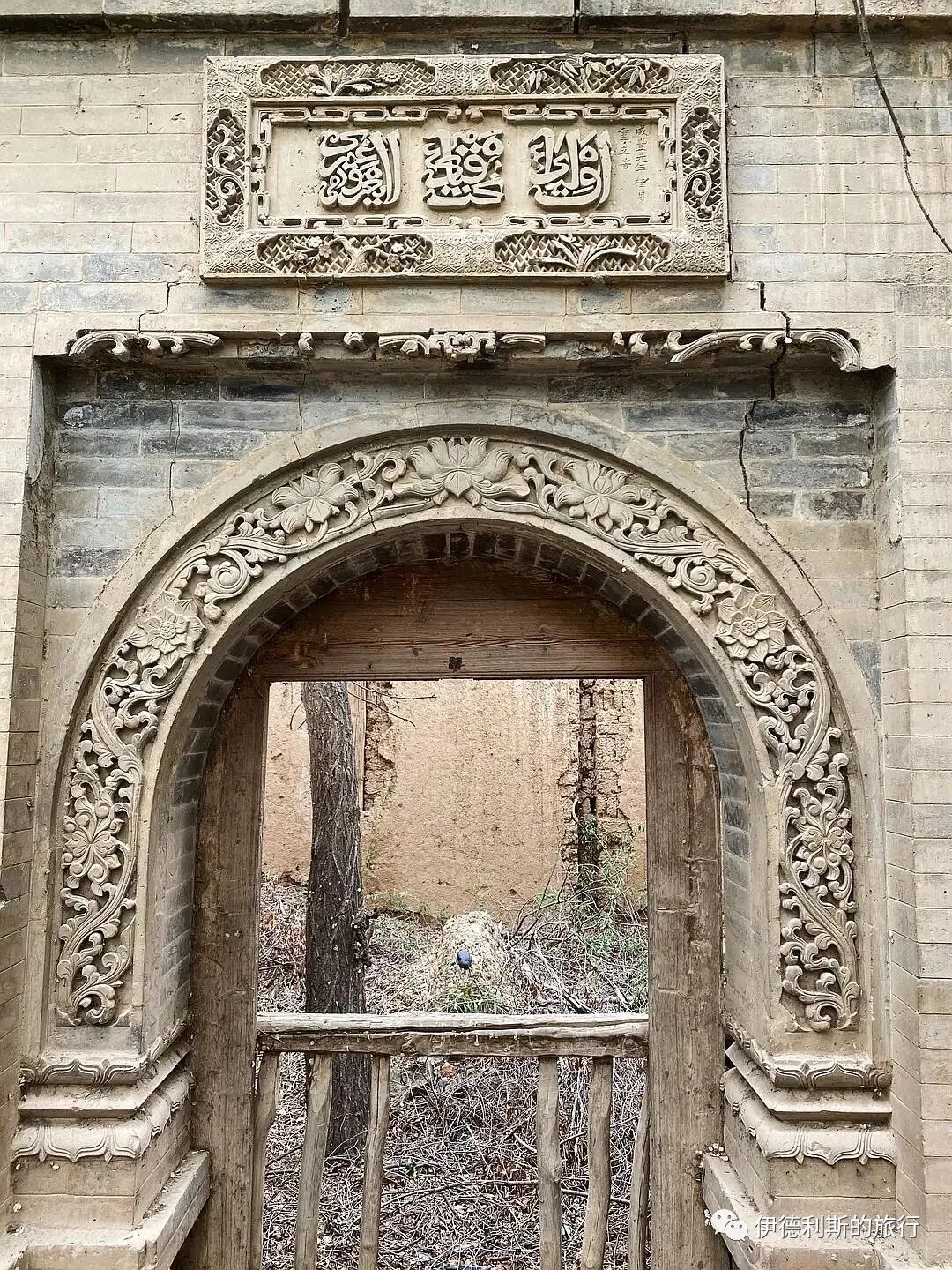
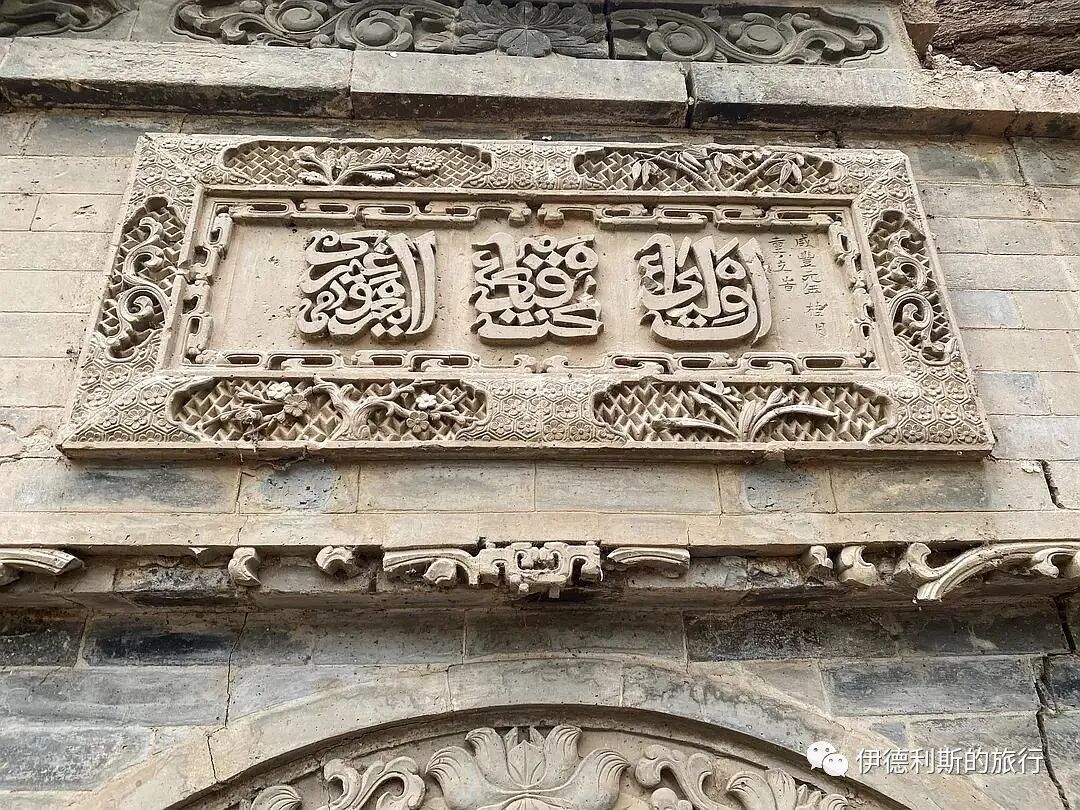
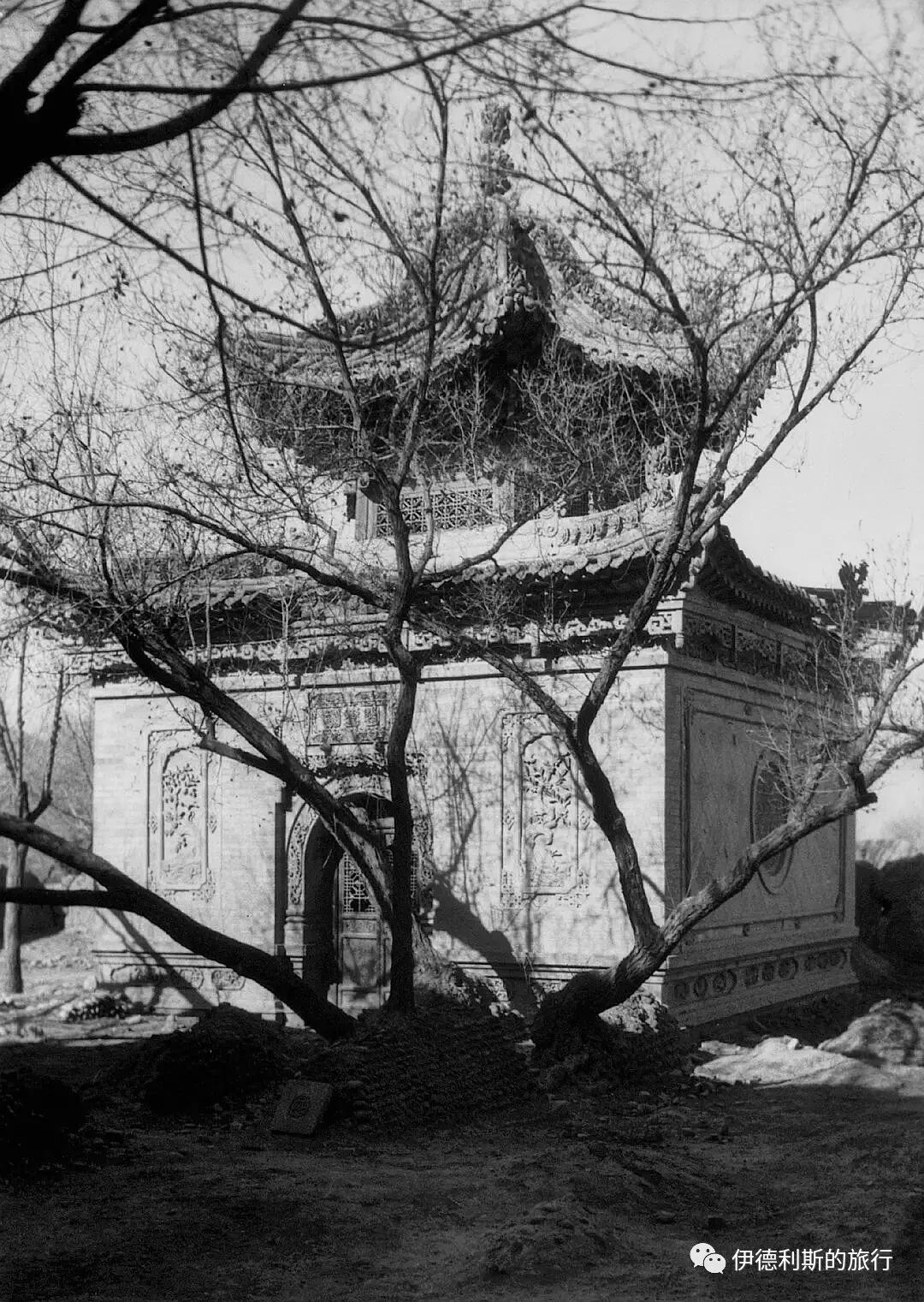
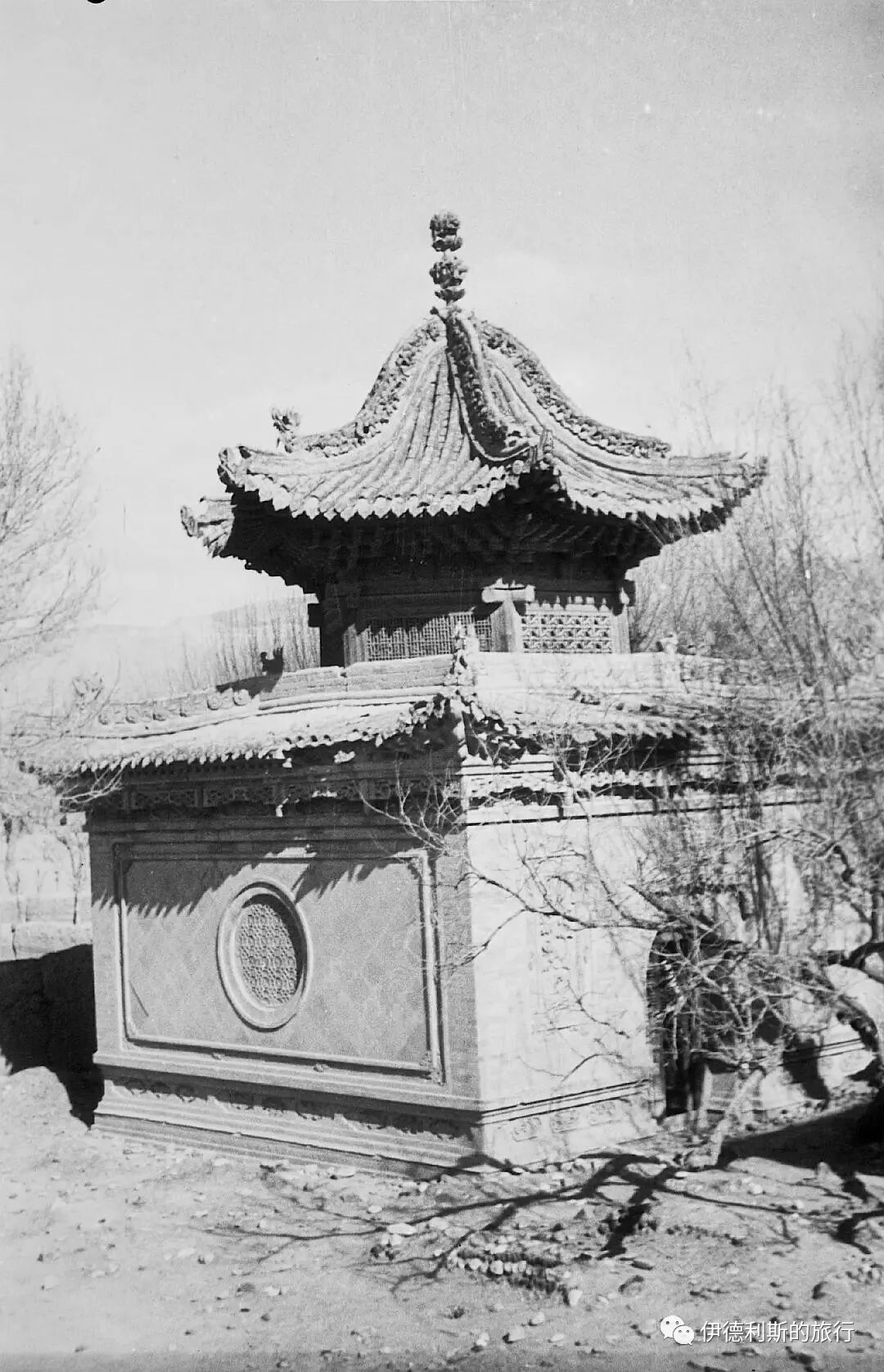
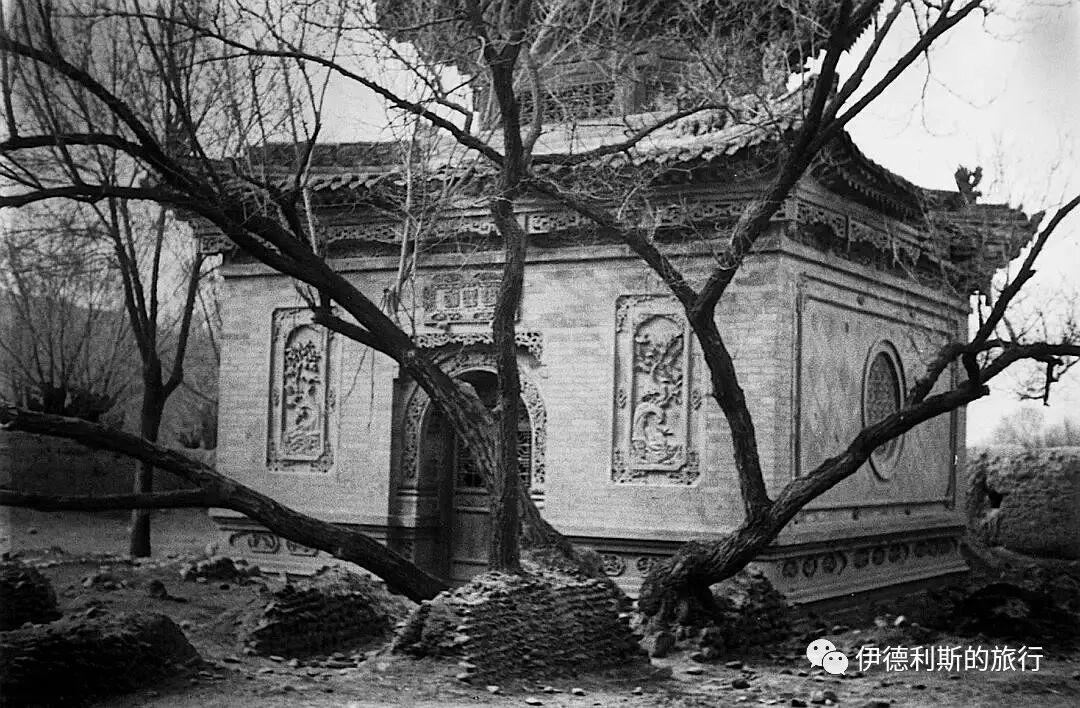
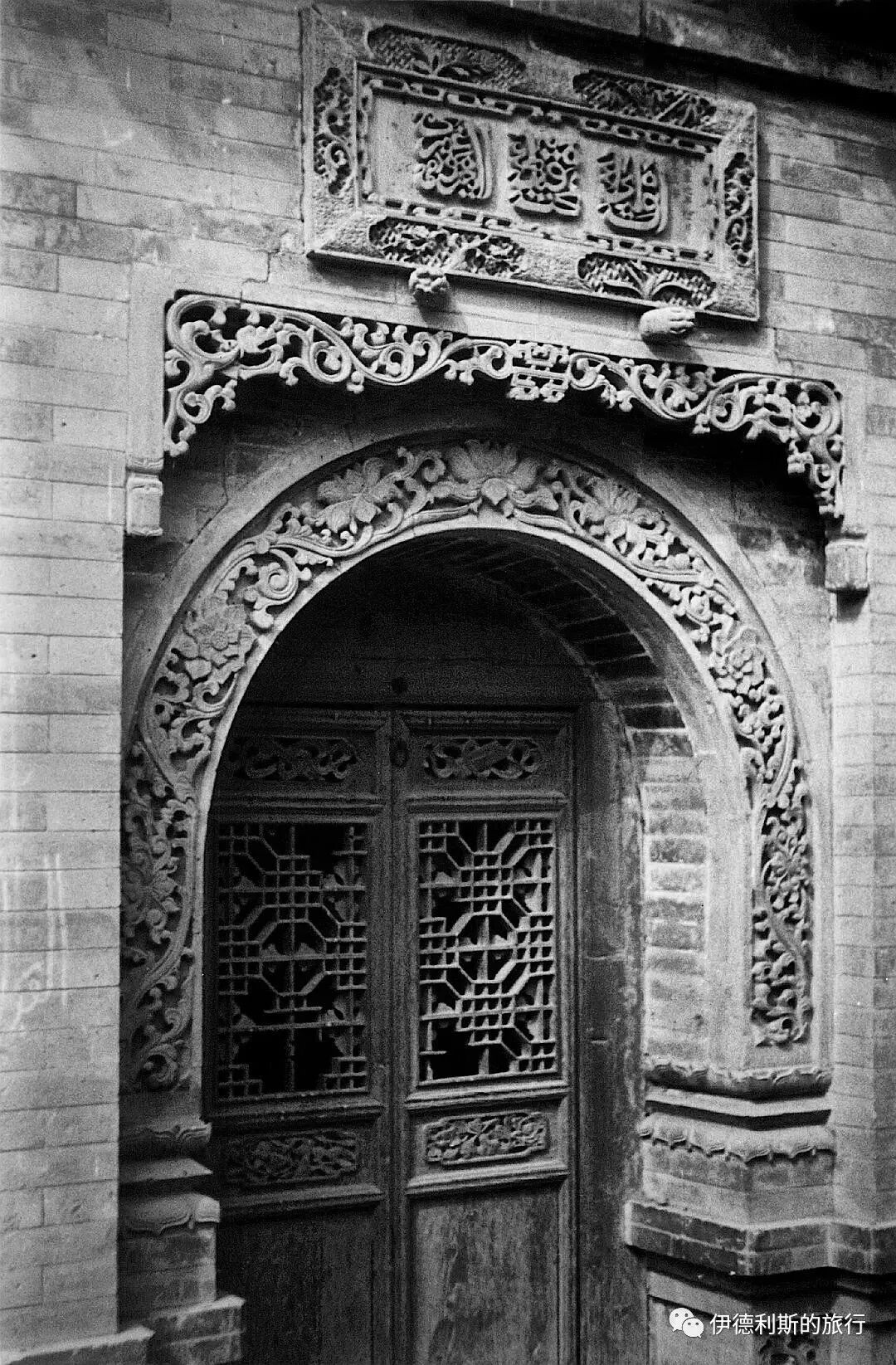
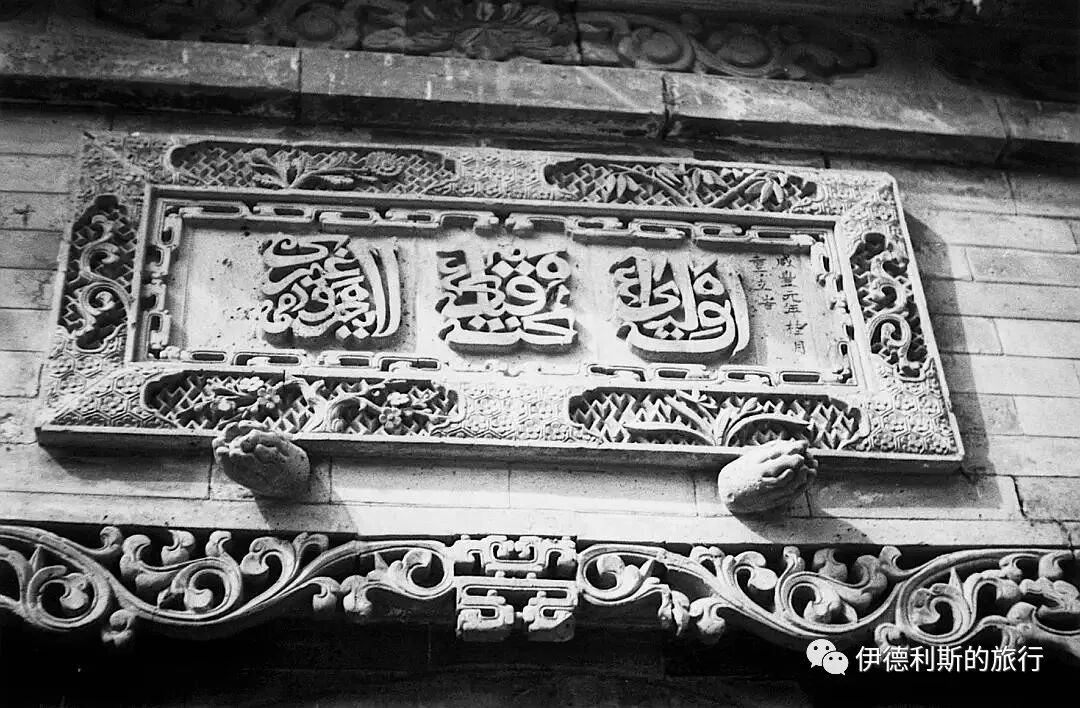
It is very precious that Pastor Carter Holton, who was preaching in Xunhua in the 1930s, took photos of the Jiezi Gongbei that have been well-preserved for over 80 years.
Night in Xunhua County.
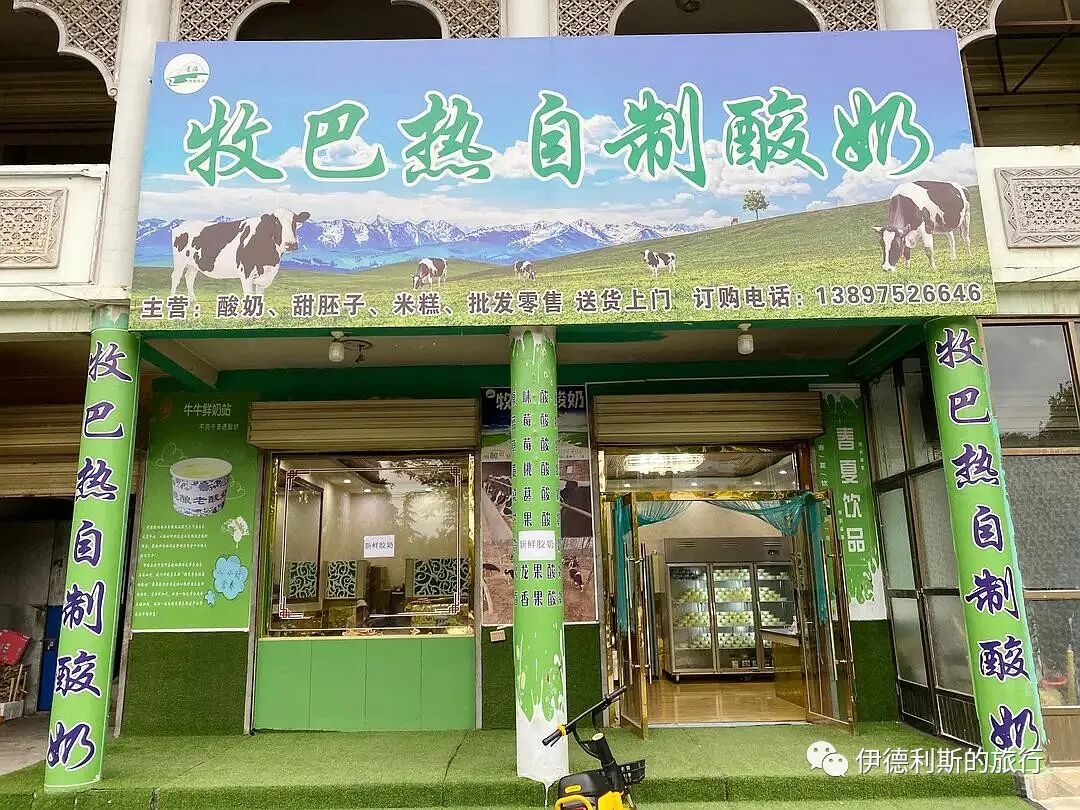
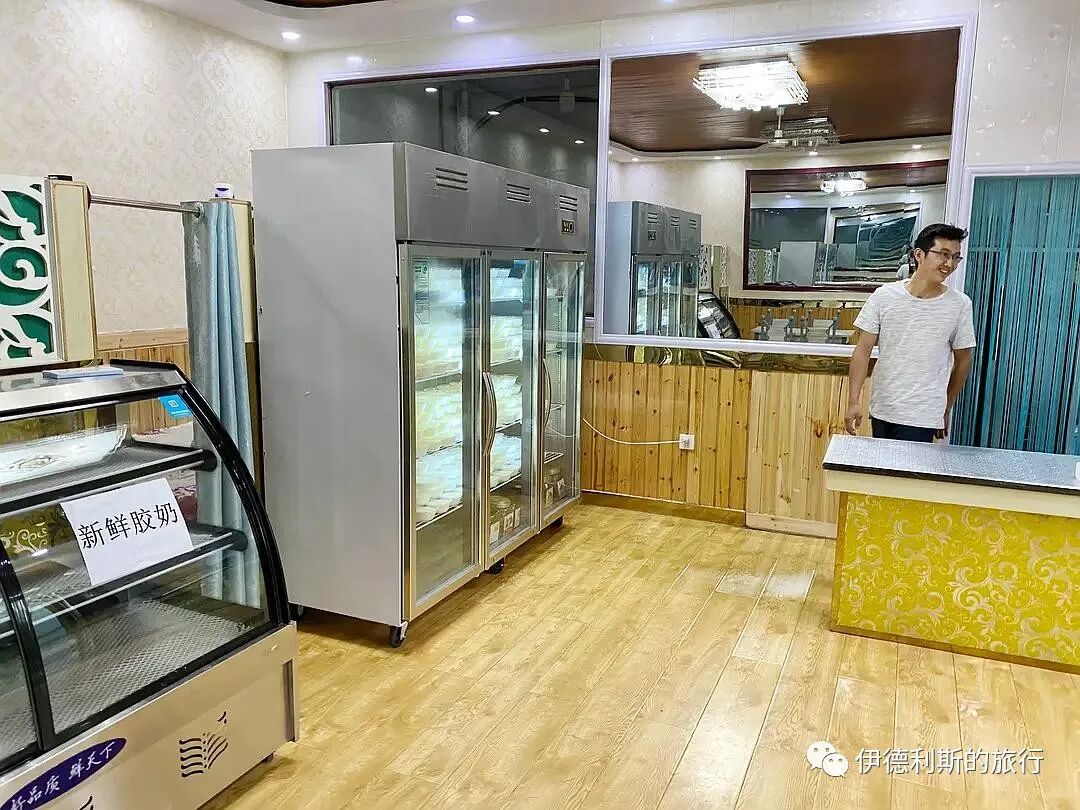
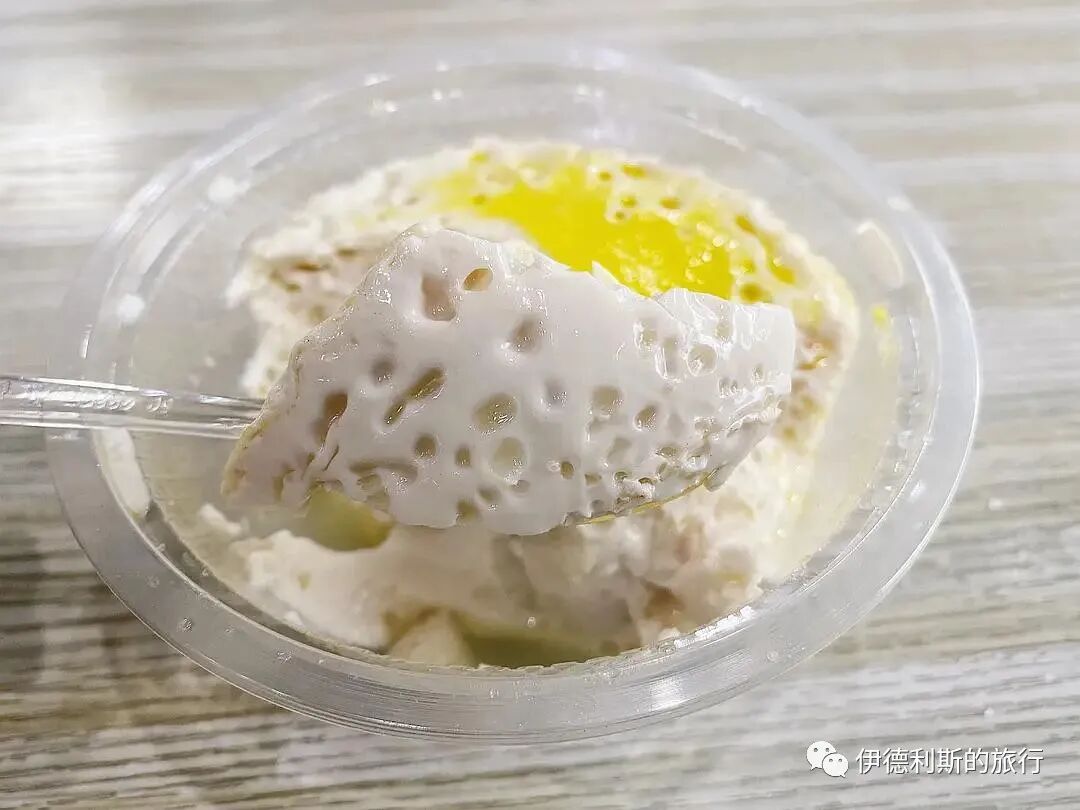
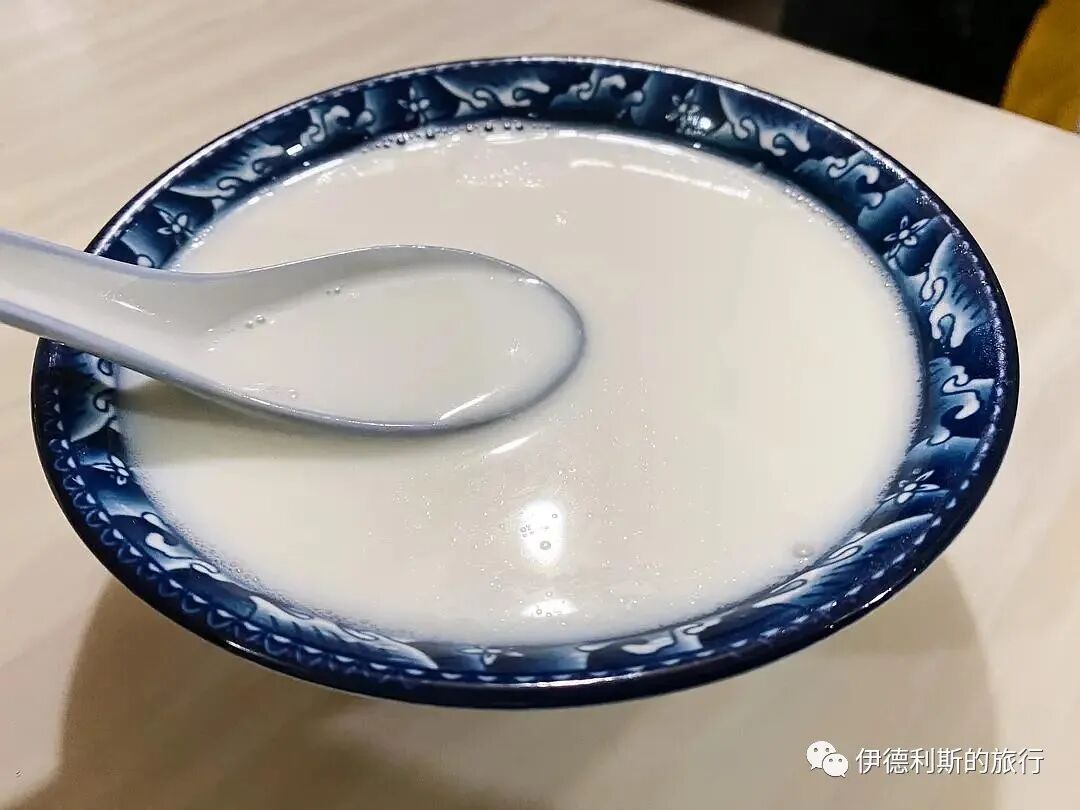
In the evening, we had the local specialty, colostrum milk (jiaonai), in the county town. Colostrum milk (jiaonai) is the milk produced by a cow within three days of giving birth, mixed with regular milk and steamed. It has a texture like egg custard, but a very unique taste. Some people might not be used to it, but many elderly grandparents in Qinghai love it.
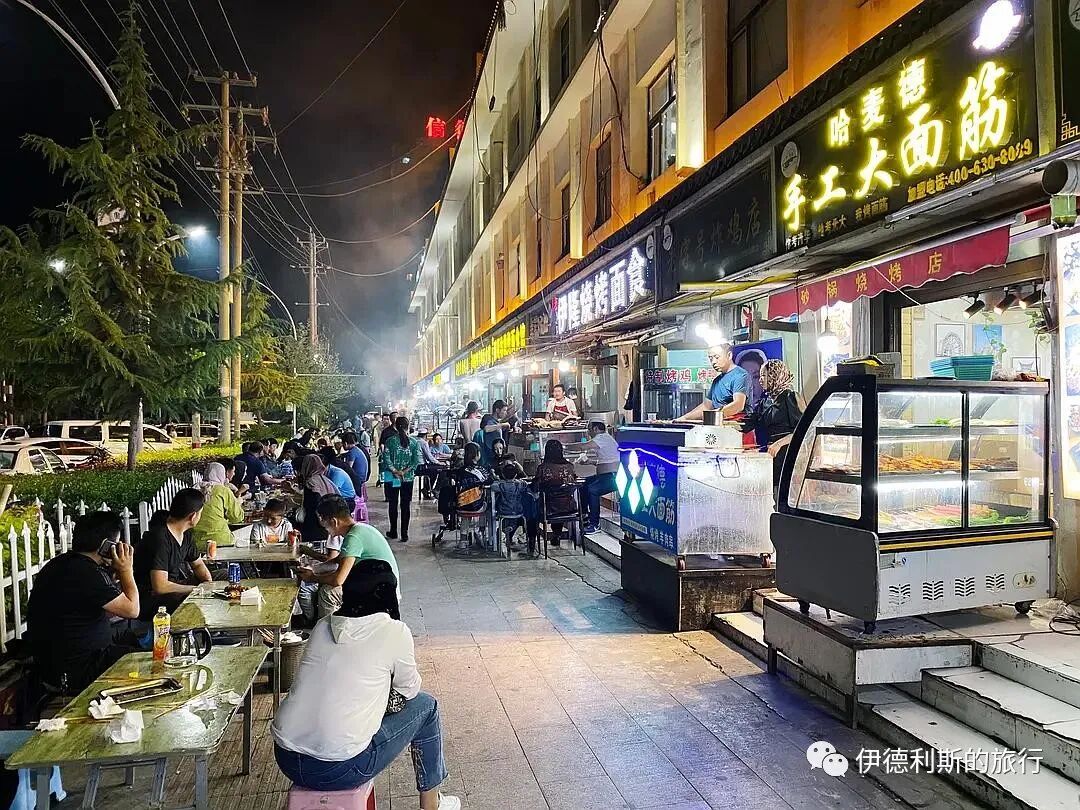
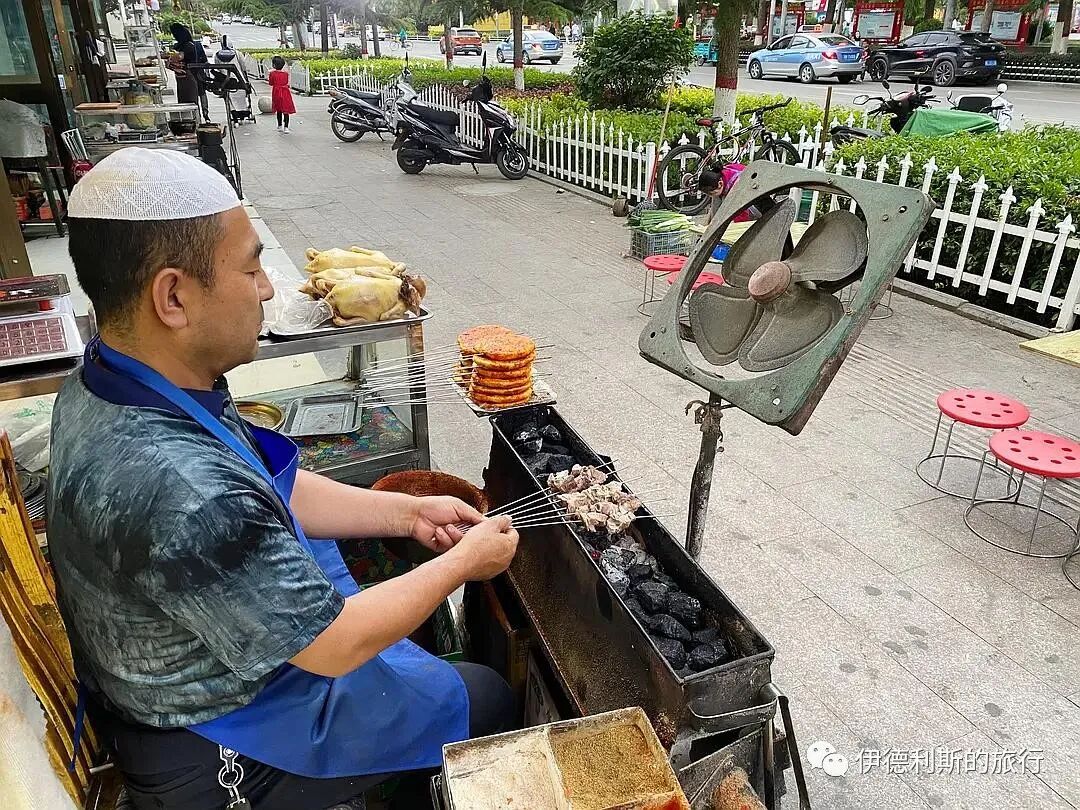
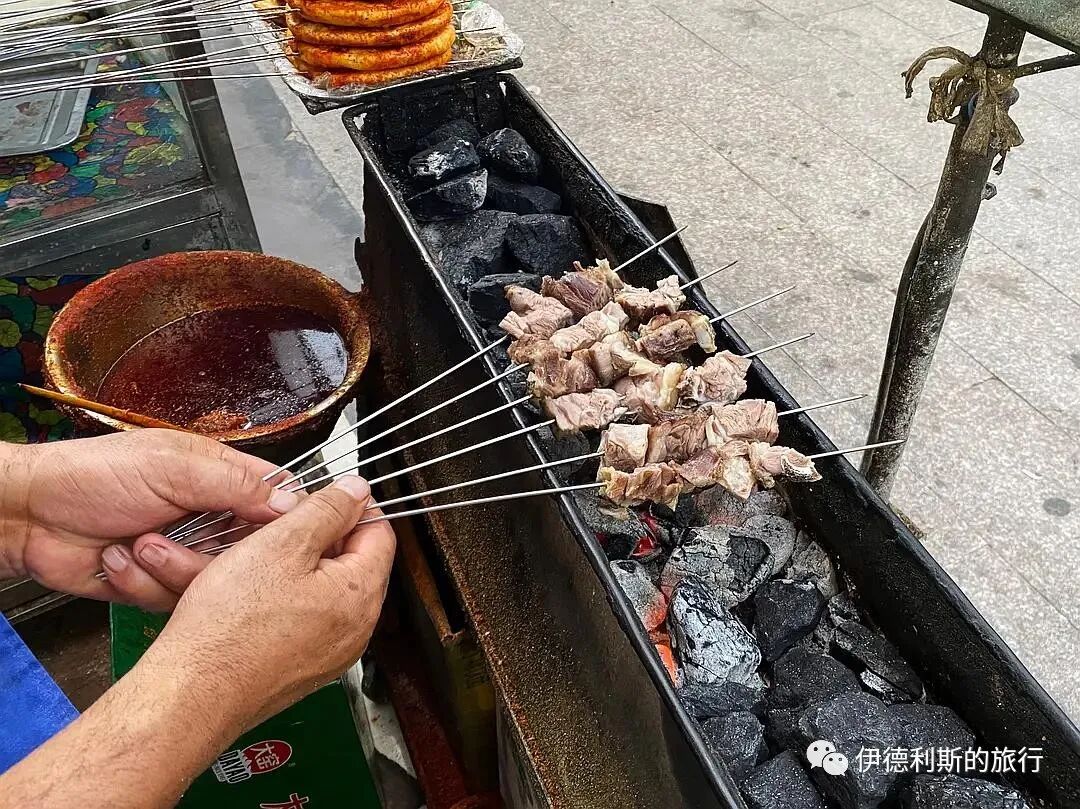
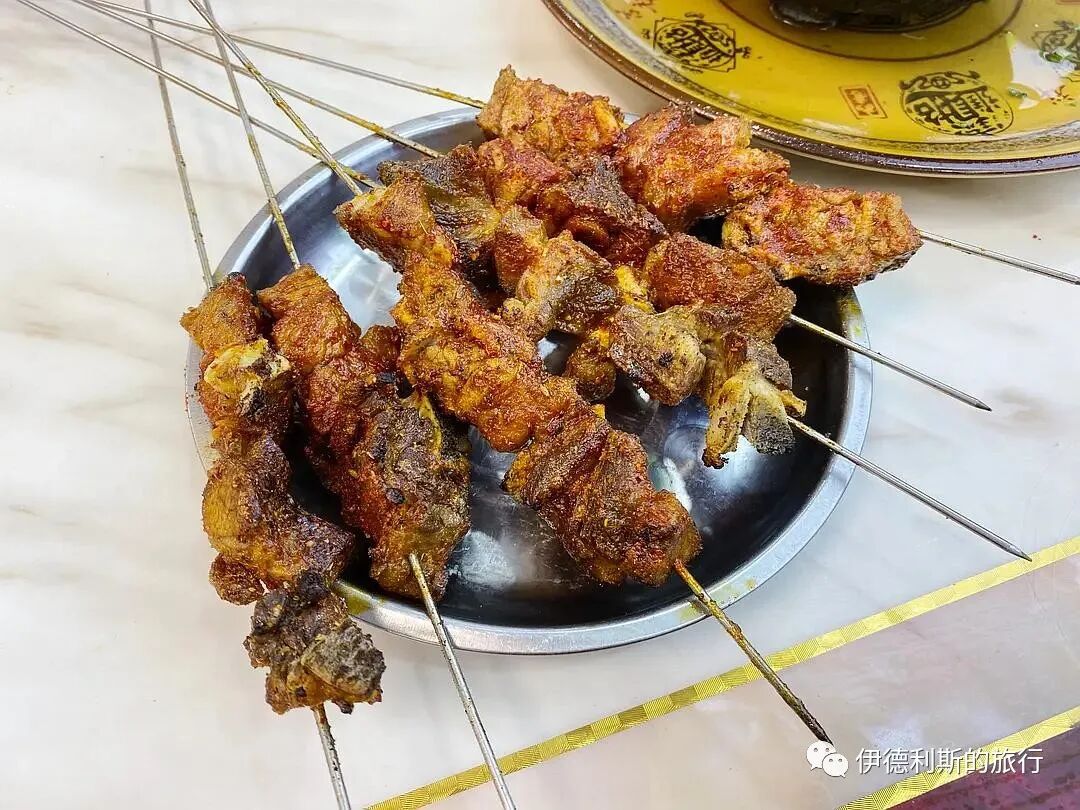
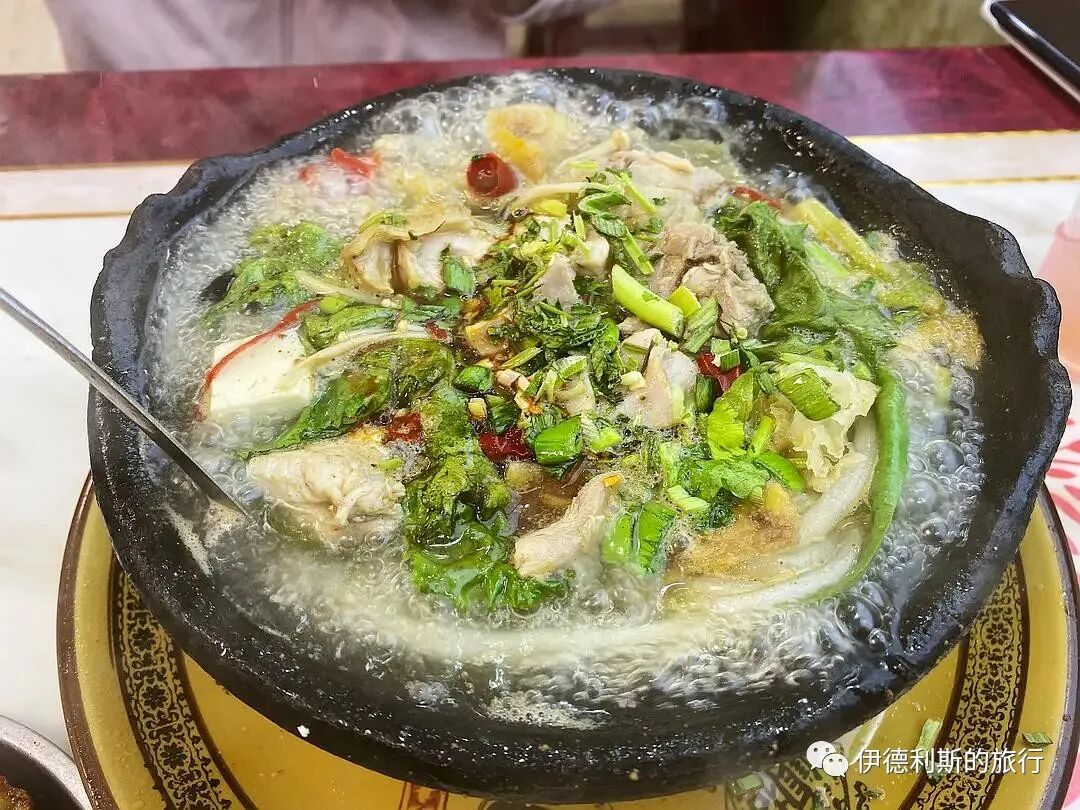
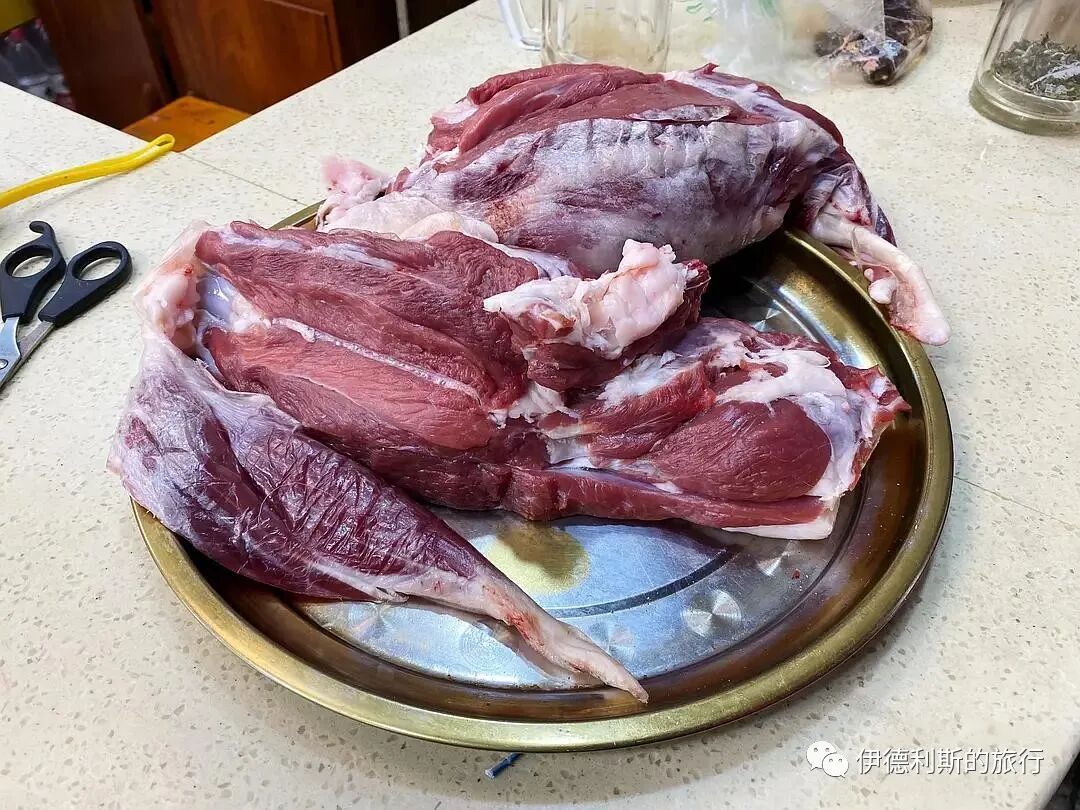
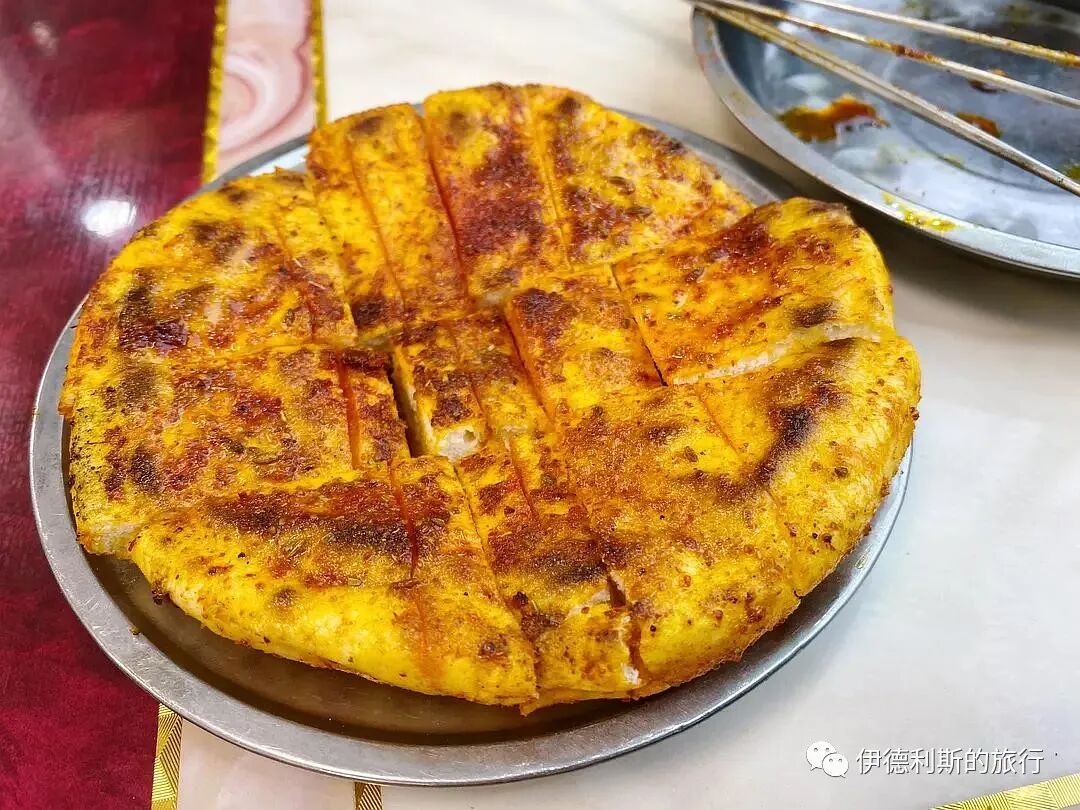
At night, we ate barbecue at the East Gate Food Street in the county town. We ordered half a jin of grilled lamb chops, a clay pot dish, and a grilled flatbread (kaomo). Zainabu also ordered a bowl of fermented vegetable juice (jiangshui) on the side. Having a little barbecue at night is quite comfortable.
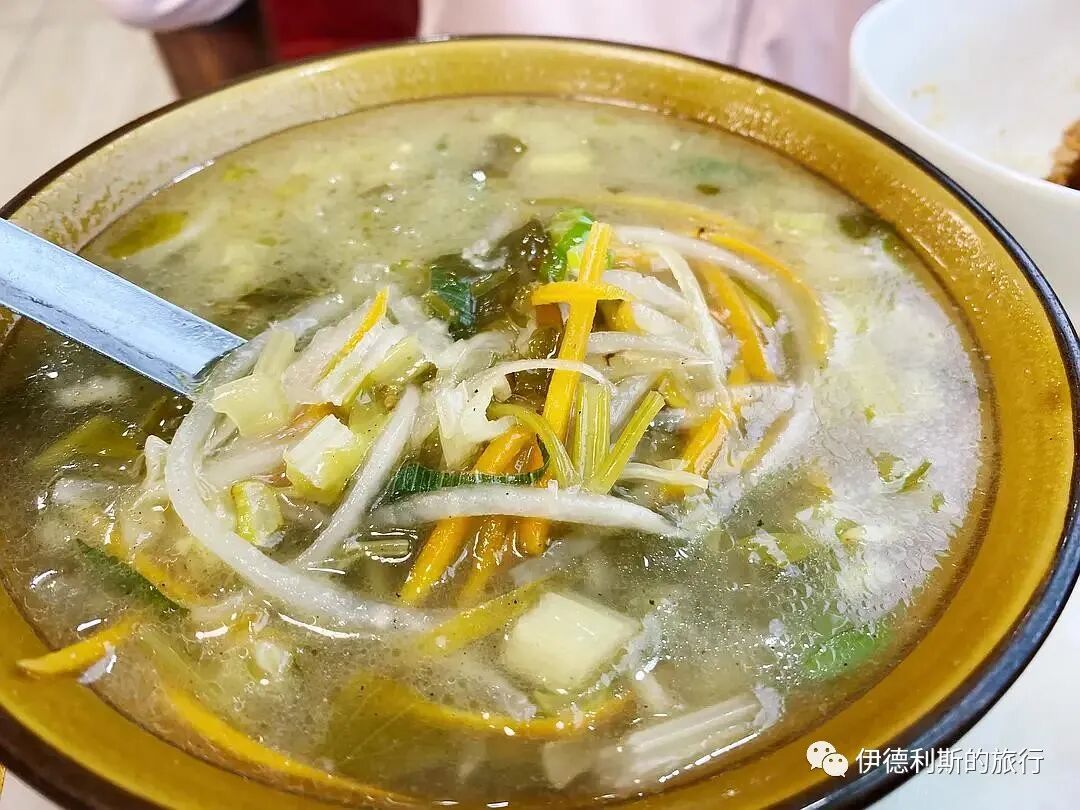
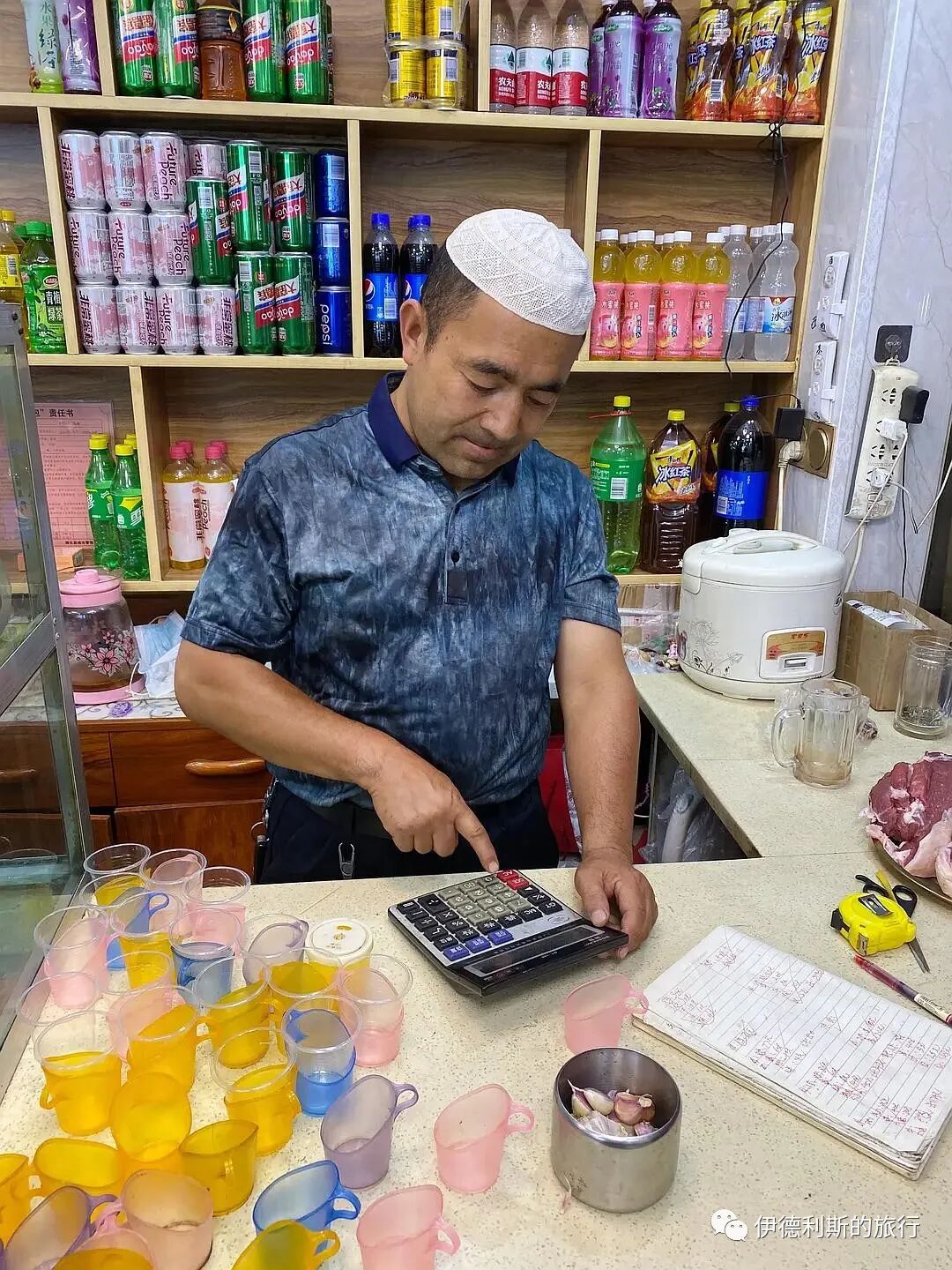
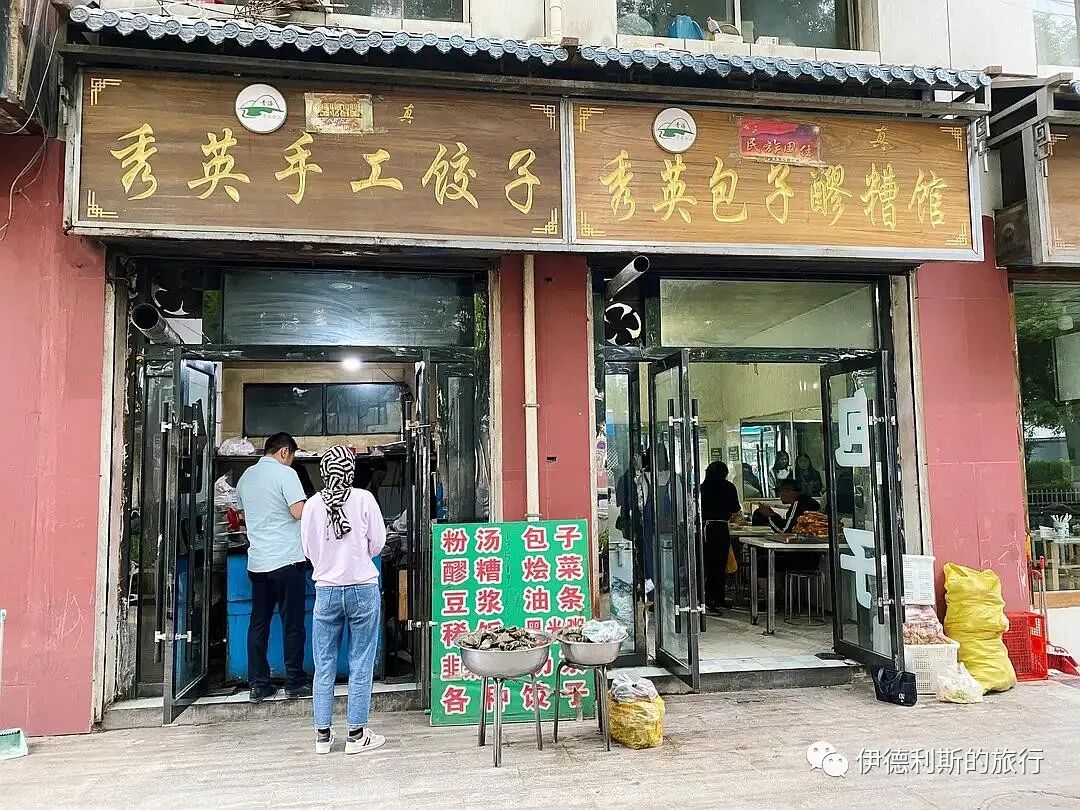
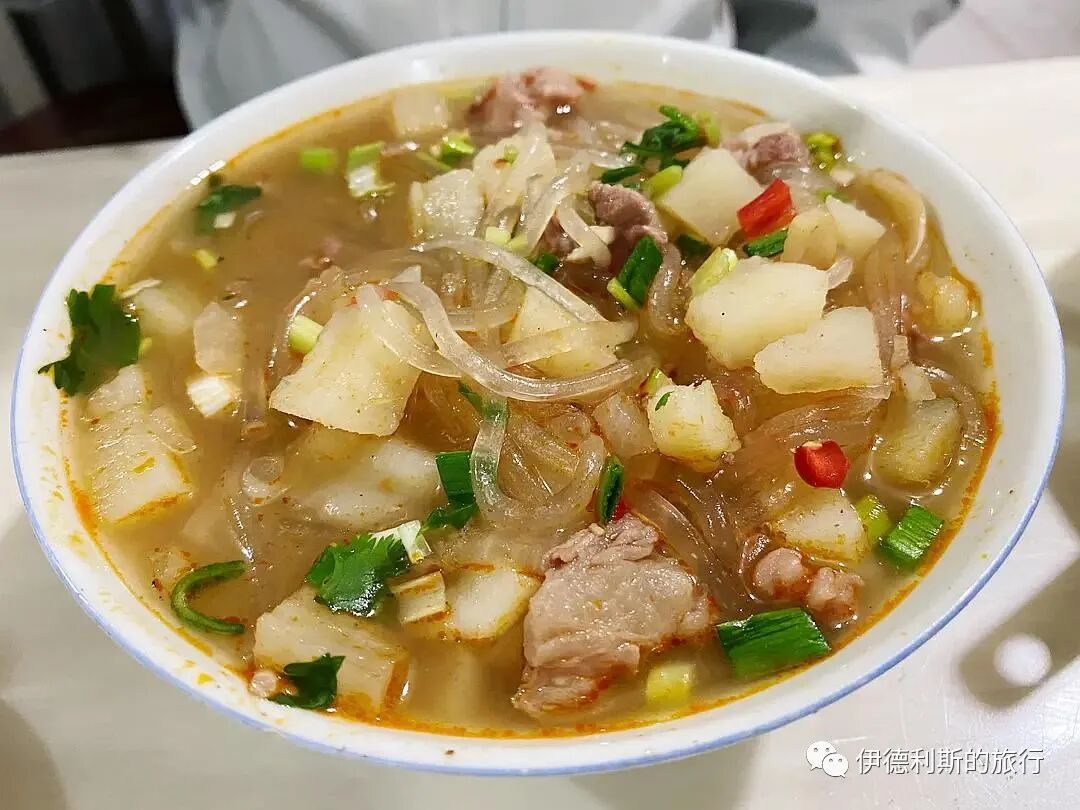
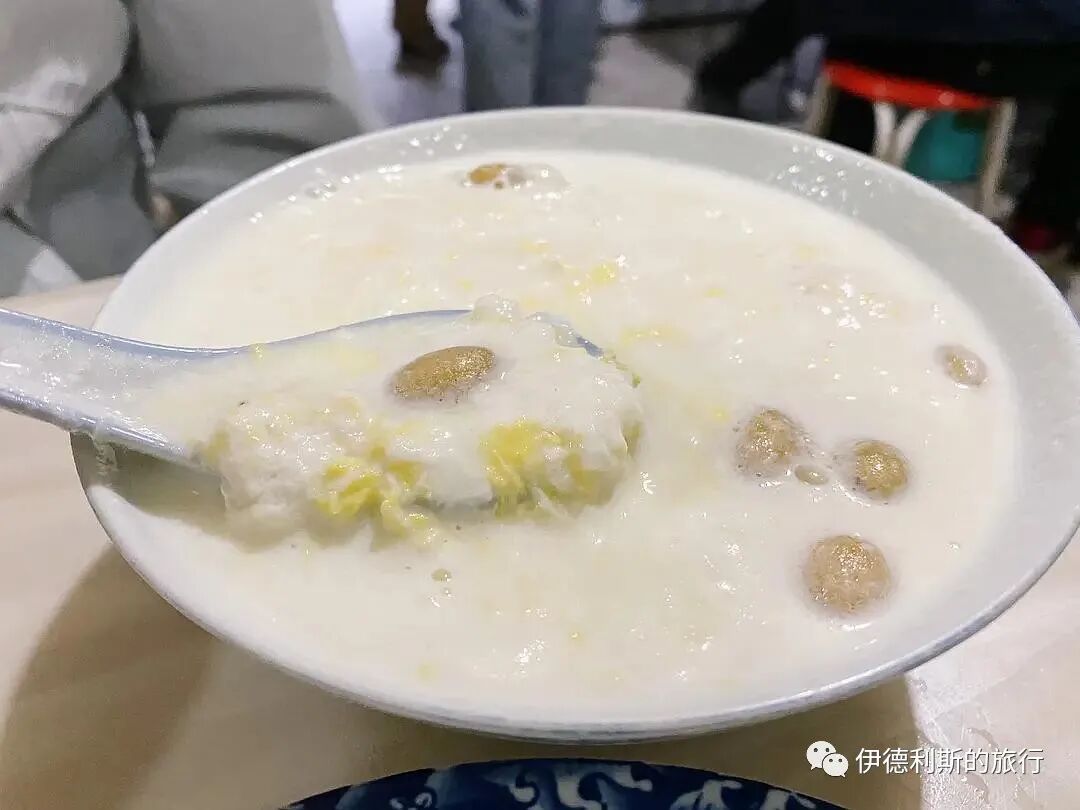
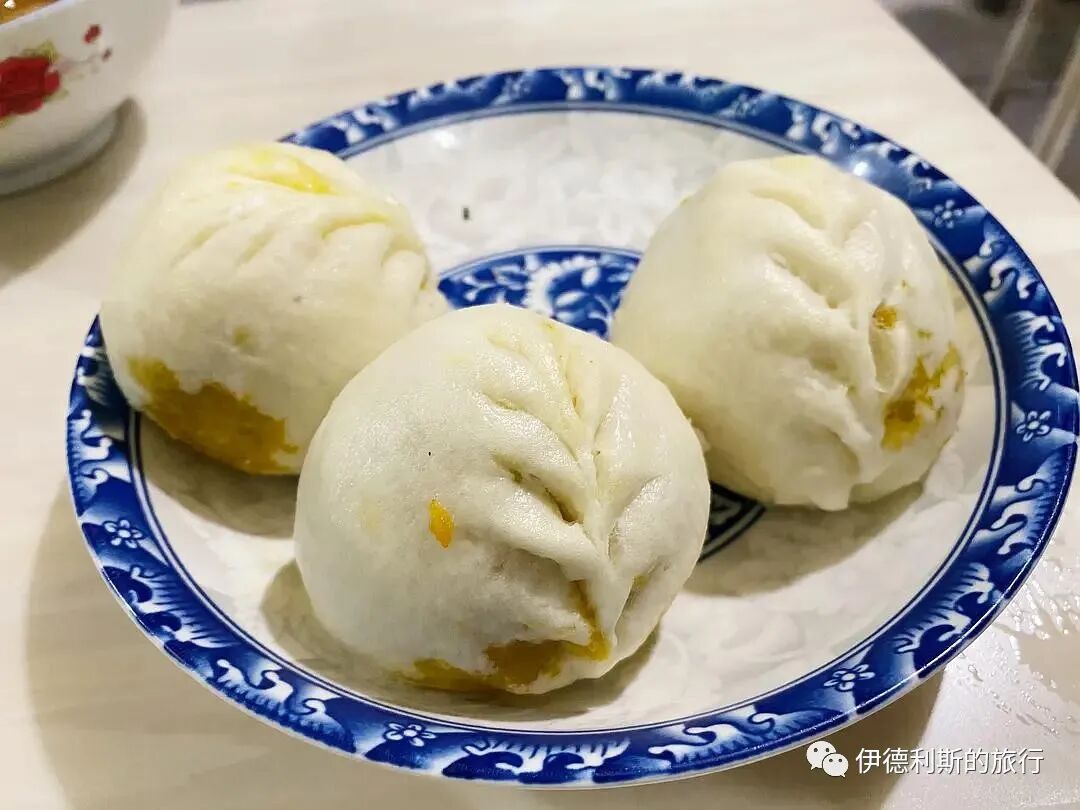
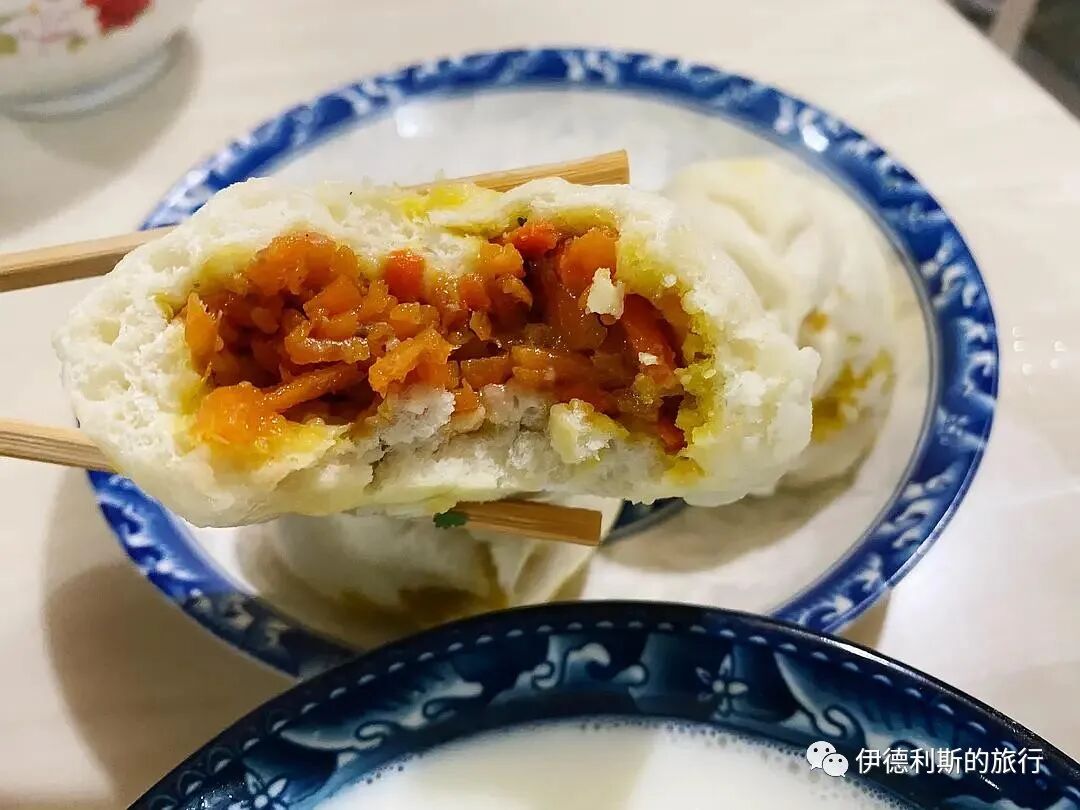
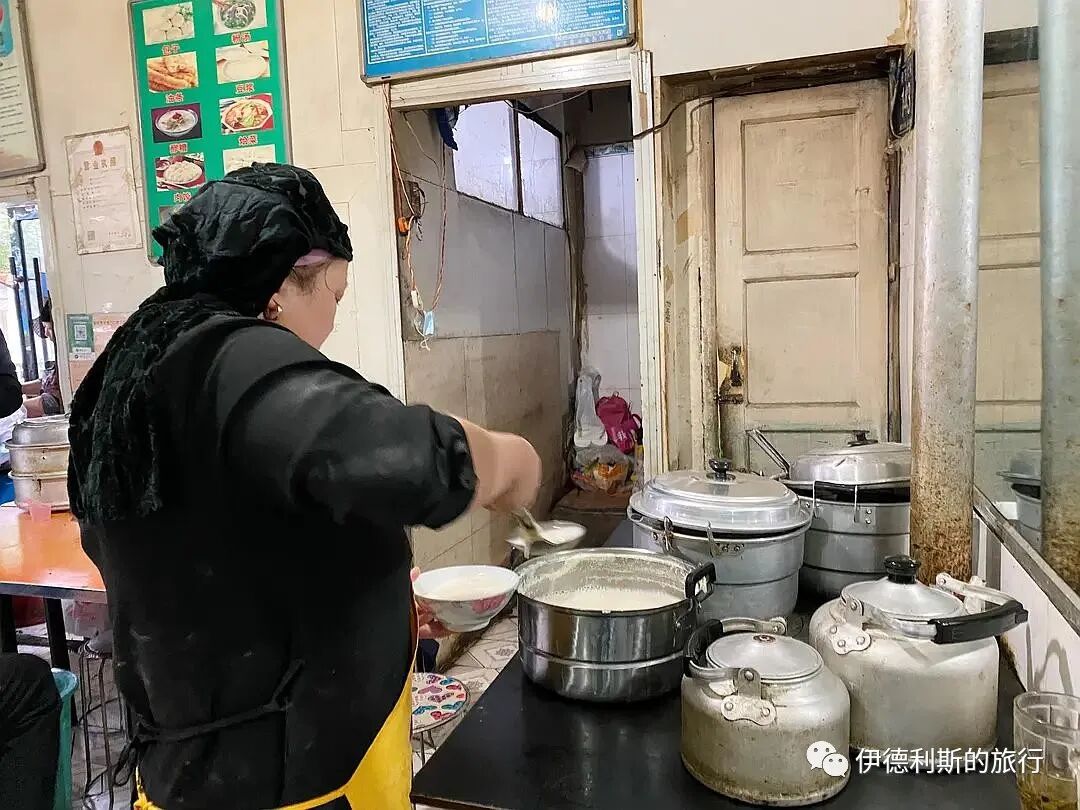
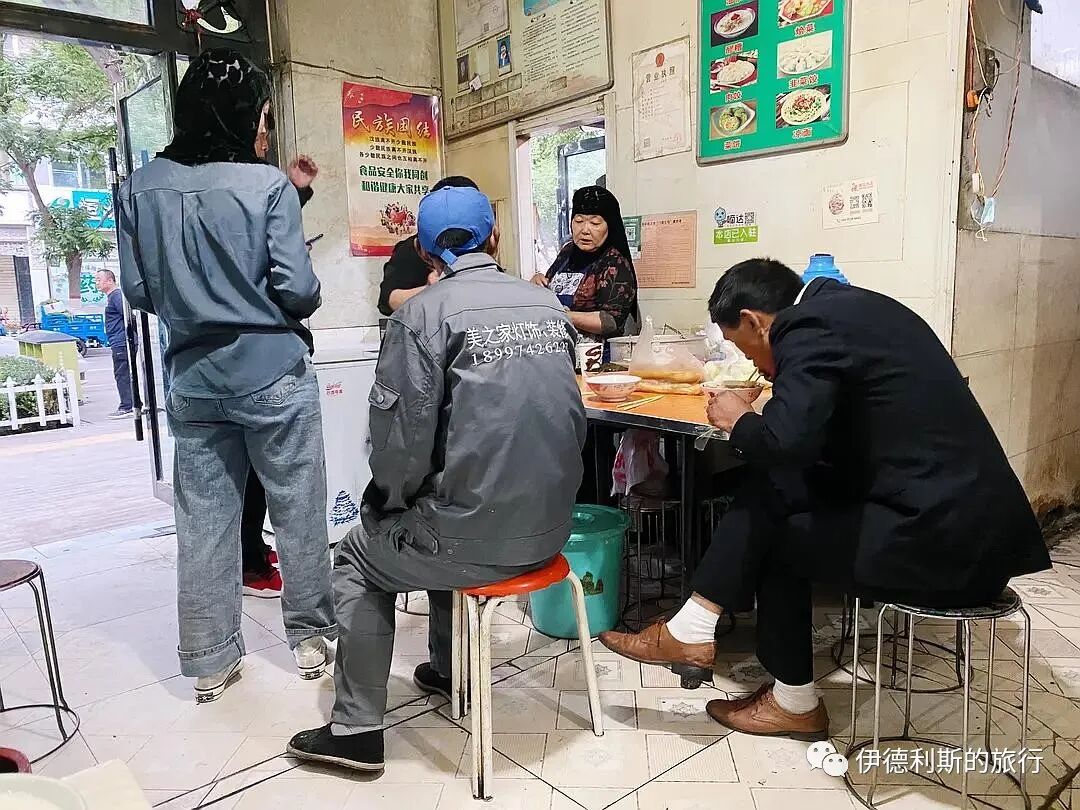
There are three main types of breakfast in Xunhua: beef noodles, lamb offal soup (yangzasui) with flatbread, and steamed buns with fermented rice wine (baozi laozao). We had breakfast at the Xiuying Baozi Laozao Restaurant on Jishi Street. Actually, the steamed bun and fermented rice wine shops here sell many other things. I saw that what people ate the most were stewed vegetable bowls (huiwan) and deep-fried dough sticks (youtiao). The stewed vegetable bowl (huiwan), also called mixed vegetables (huicai), mainly contains radishes, potatoes, vermicelli, and meat. We had eaten it before at the Yangu Road Gongbei. You can also drink milk, eat starch noodle soup (fentang), black rice porridge, and other things.
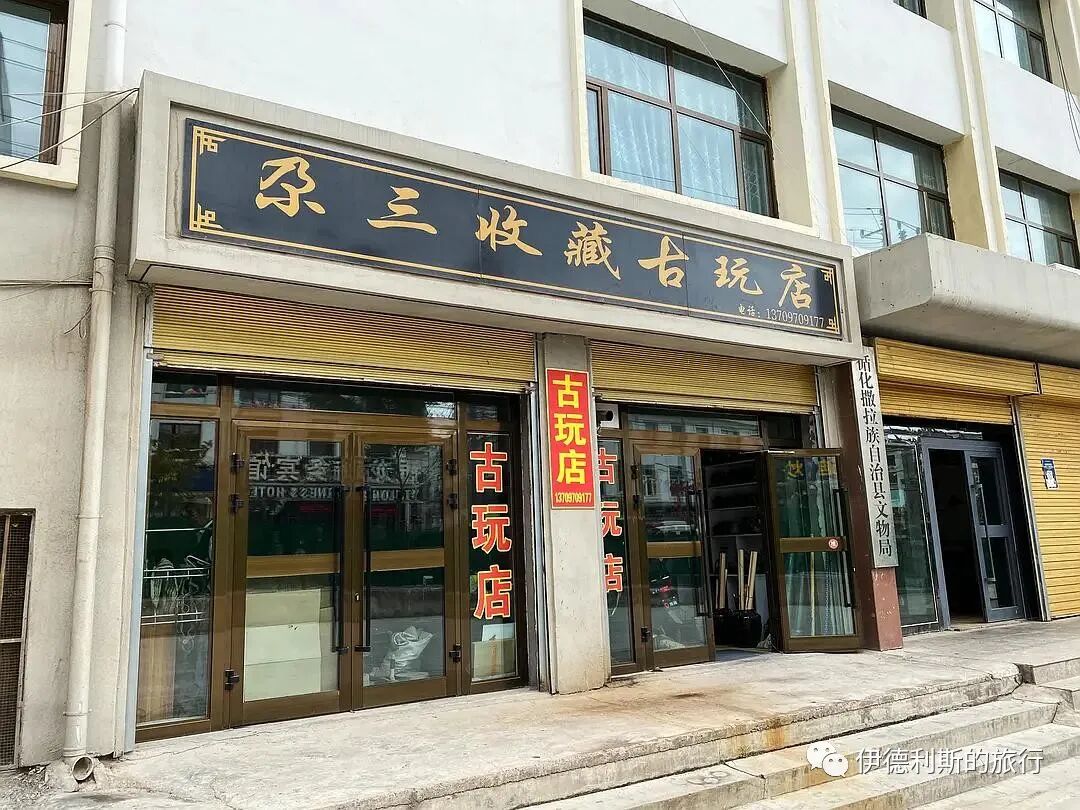
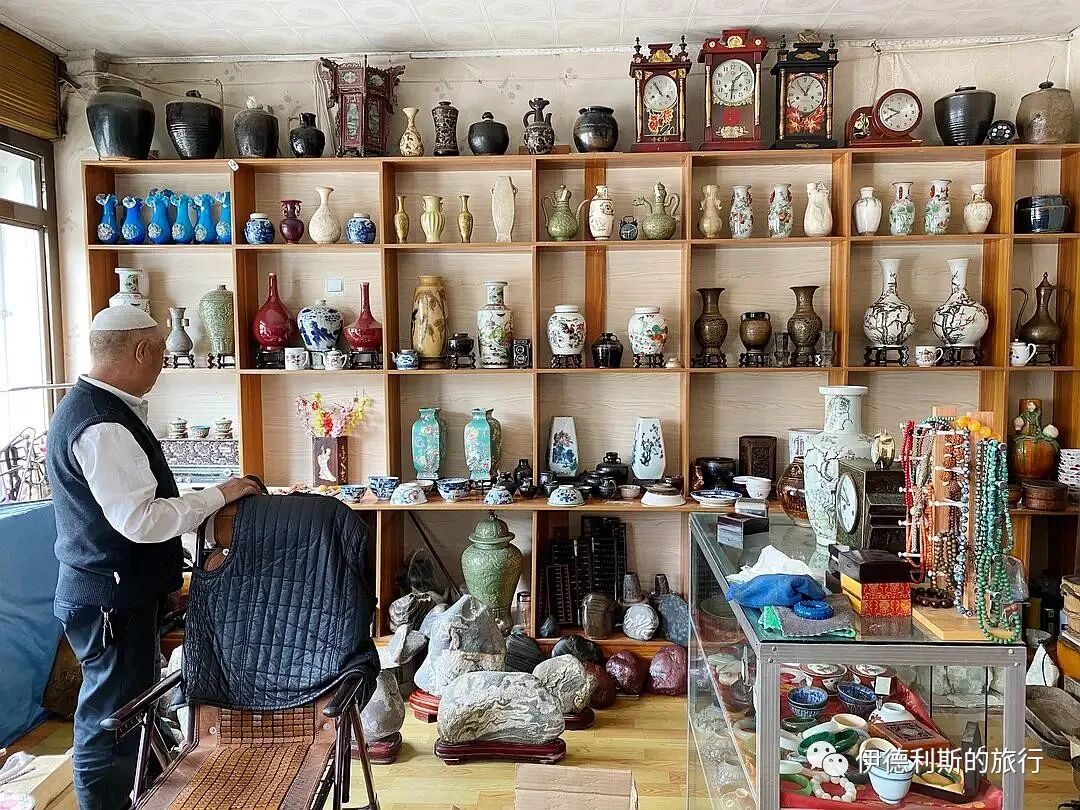
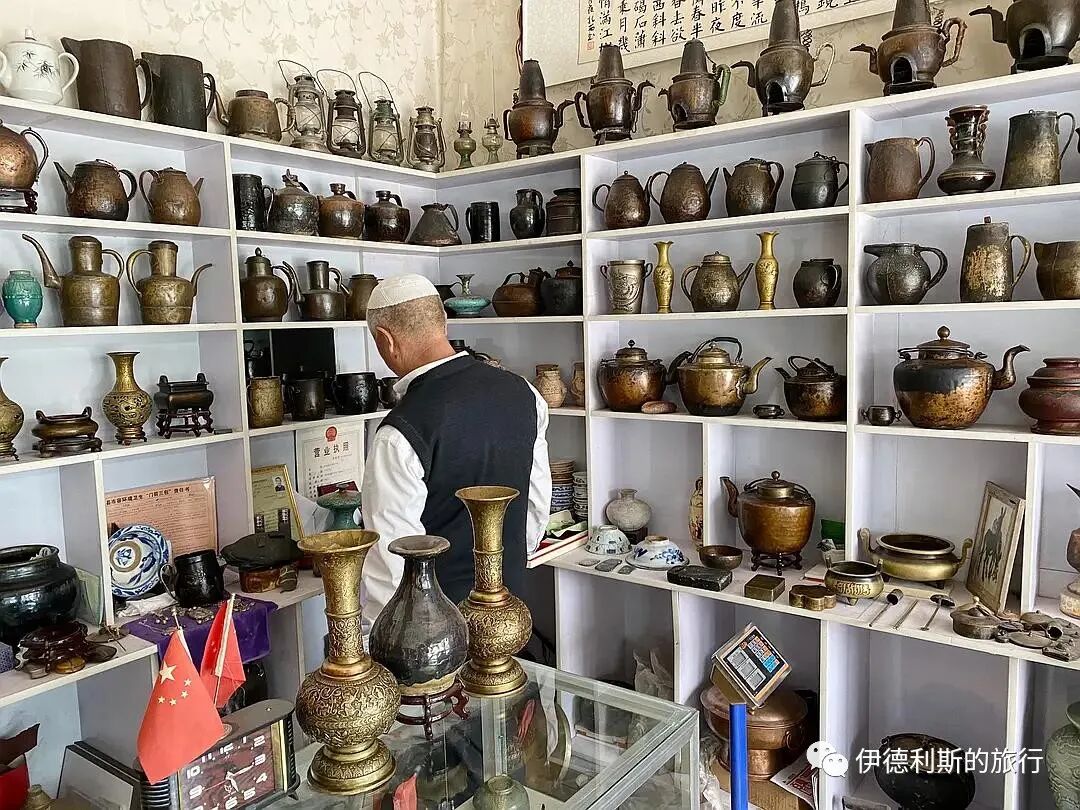
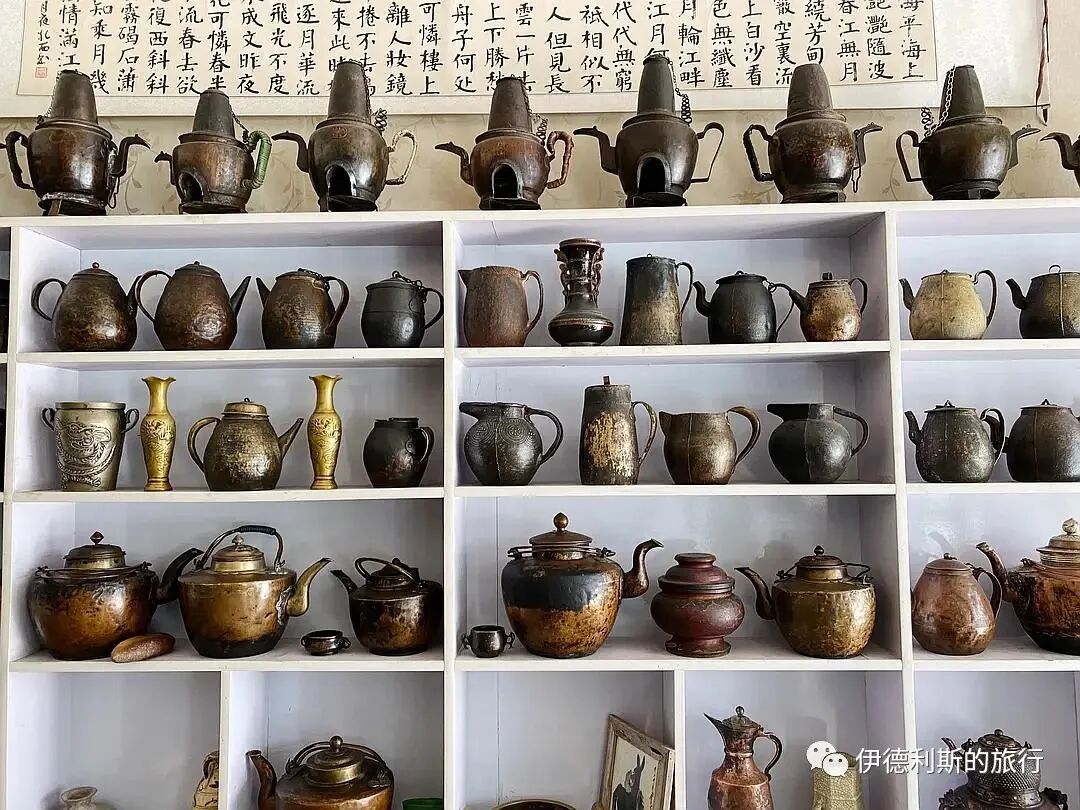
The Gasan Antique Shop in the county town has all kinds of ritual water jugs (tangping hu), which are quite interesting.
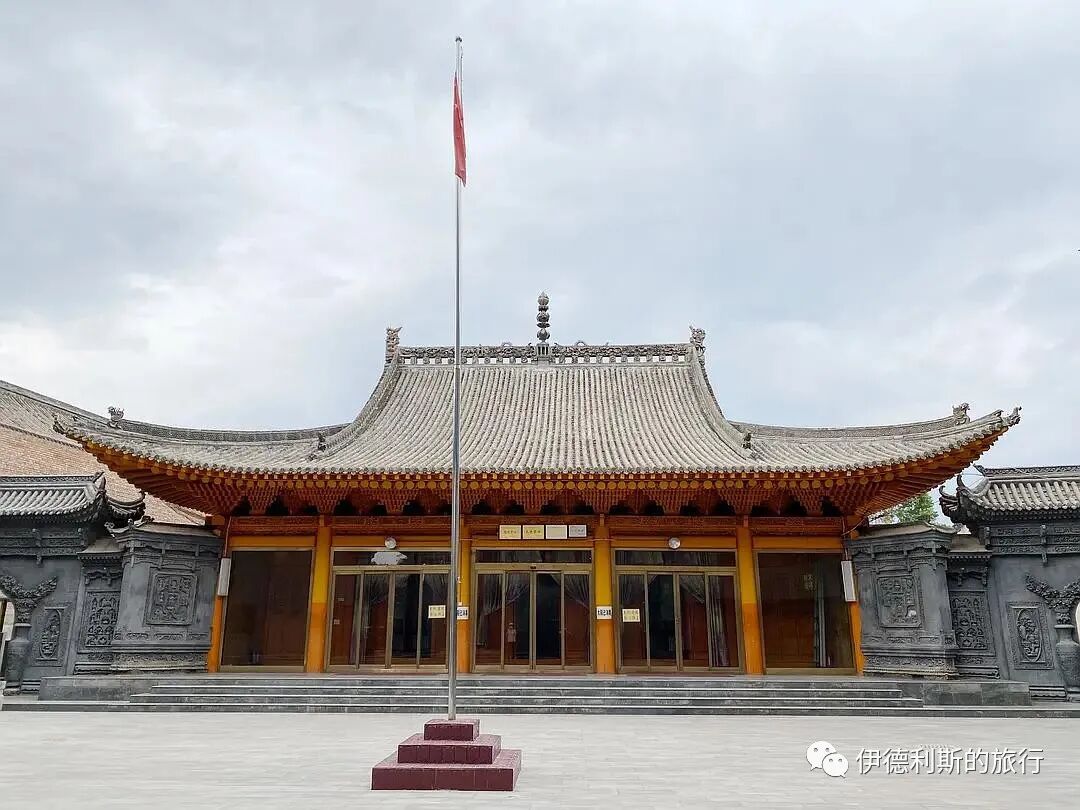
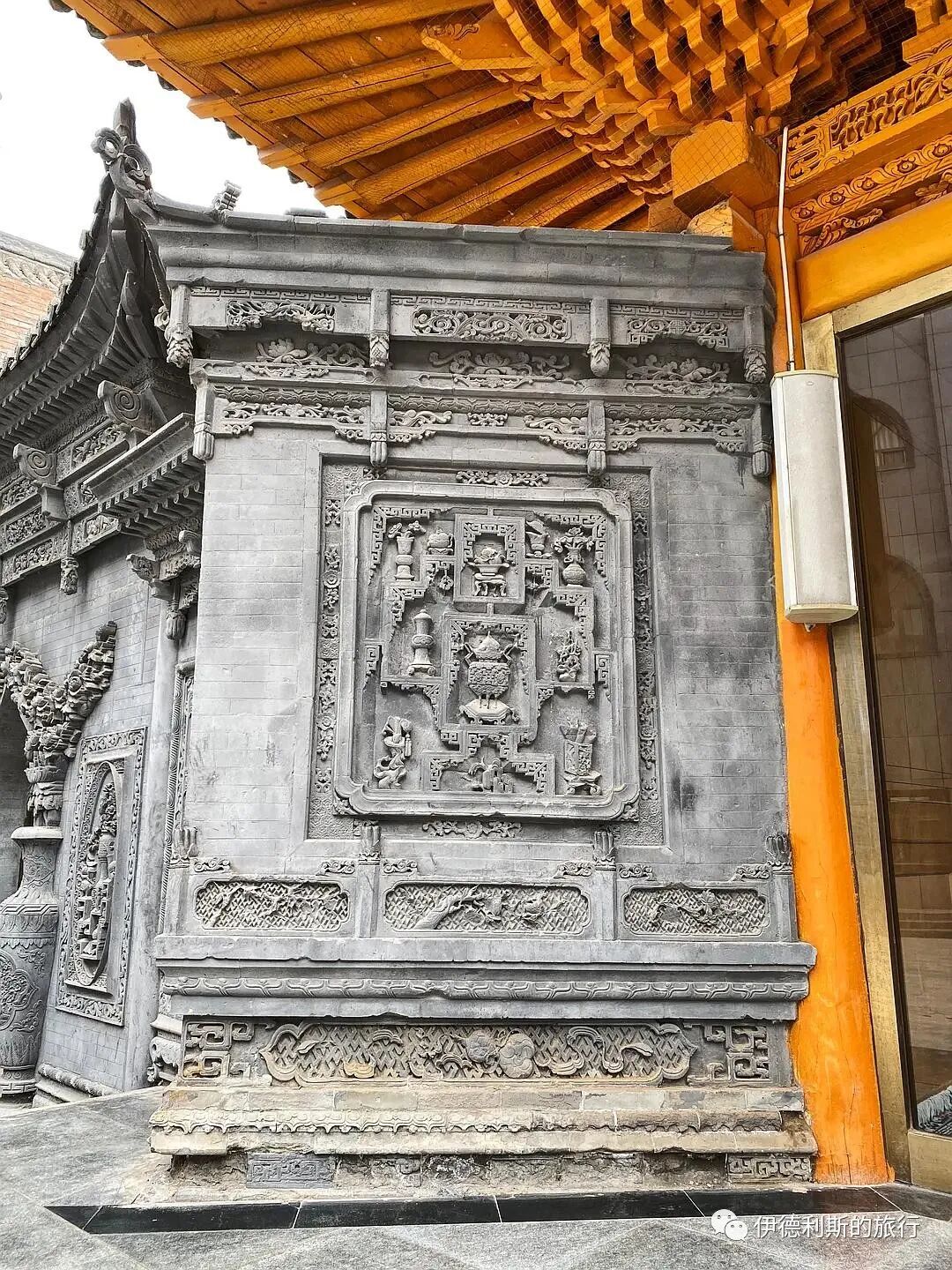
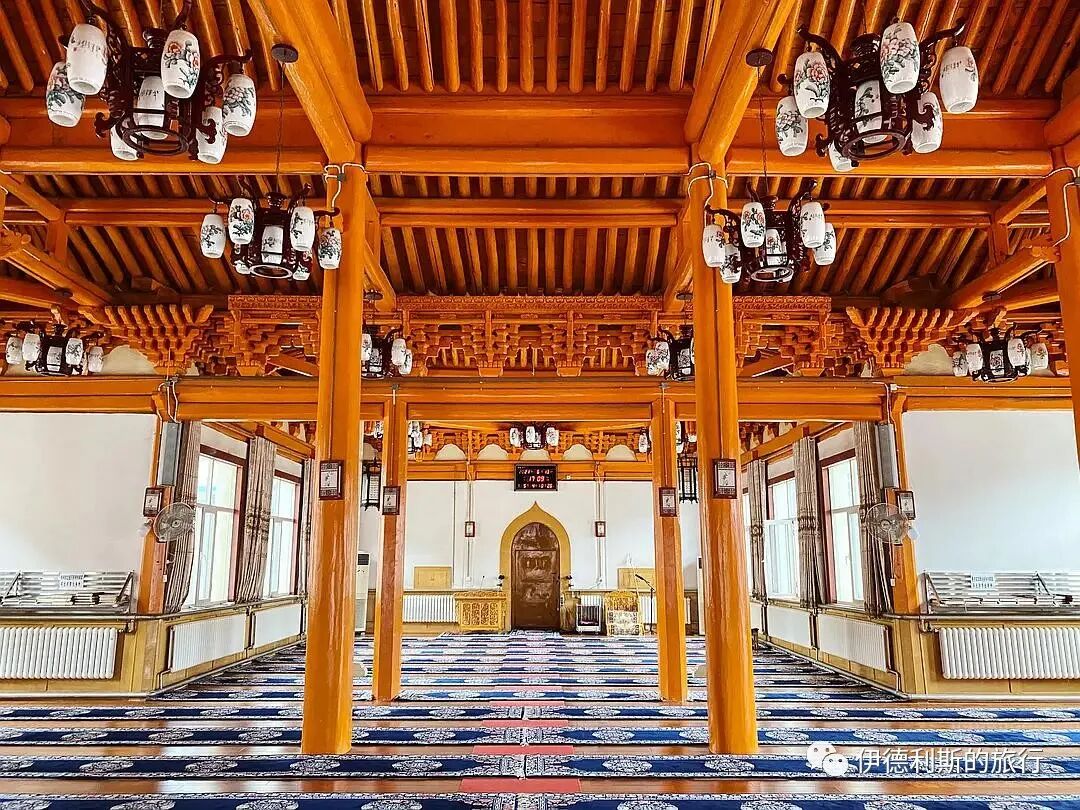
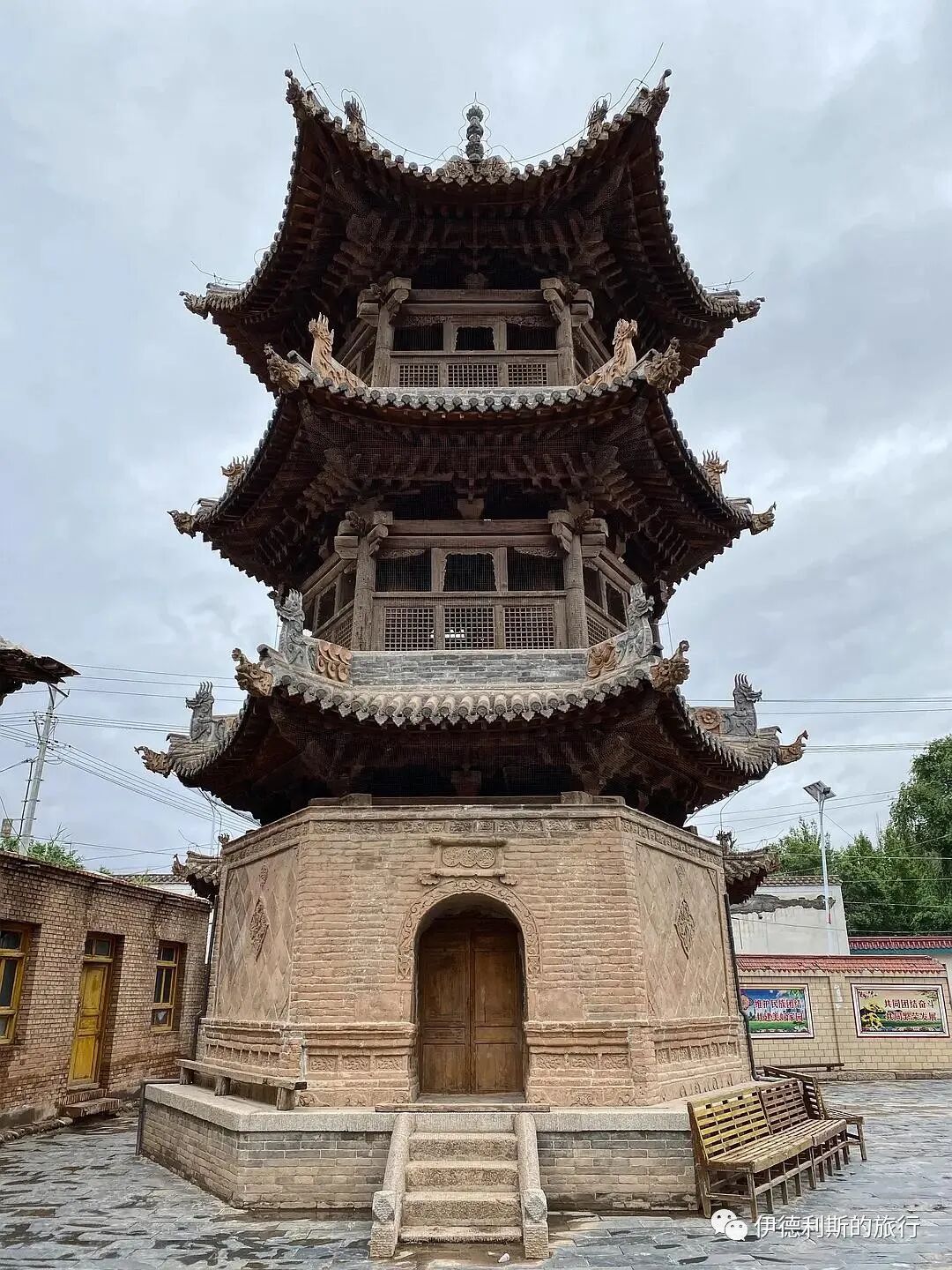
Suzhi Mosque.
The Suzhi Mosque in Xunhua, Qinghai, was first built in 1460 (the fourth year of the Tianshun reign of the Ming Dynasty) and expanded during the Qing Dynasty. It is currently a cultural relic protection unit of Qinghai Province.
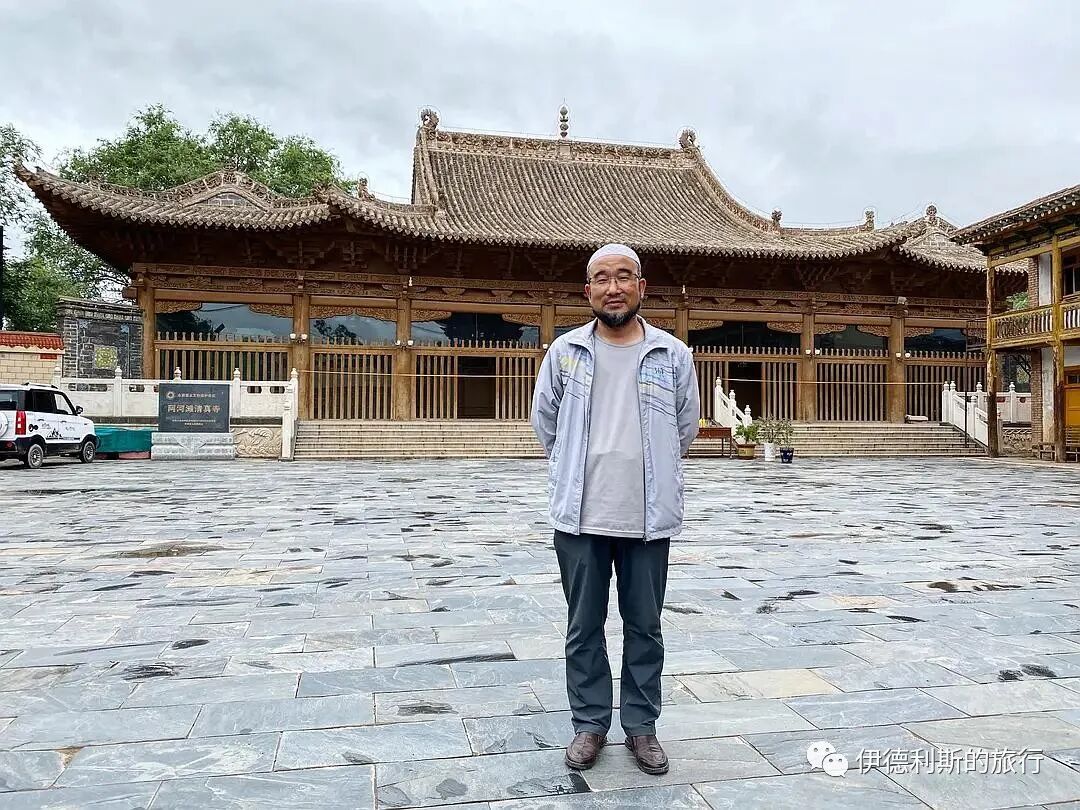
Ahetan Mosque.
Although the Ahetan Mosque is located in Hualong County, north of the Yellow River, it is still a Salar ethnic mosque and belongs to the Suzhi Gong, one of the eight Salar Gongs, just like the Suzhi Mosque.
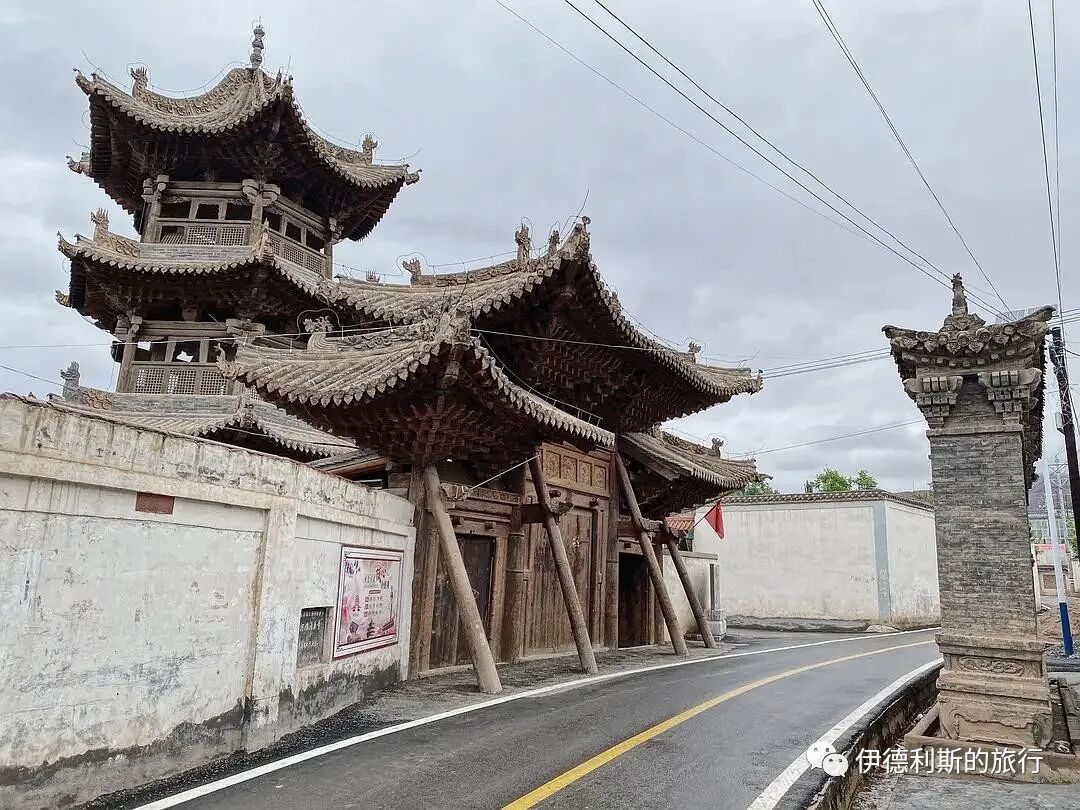
In the main hall of the mosque, we received a warm welcome from the imam.
Setting off for Xining.
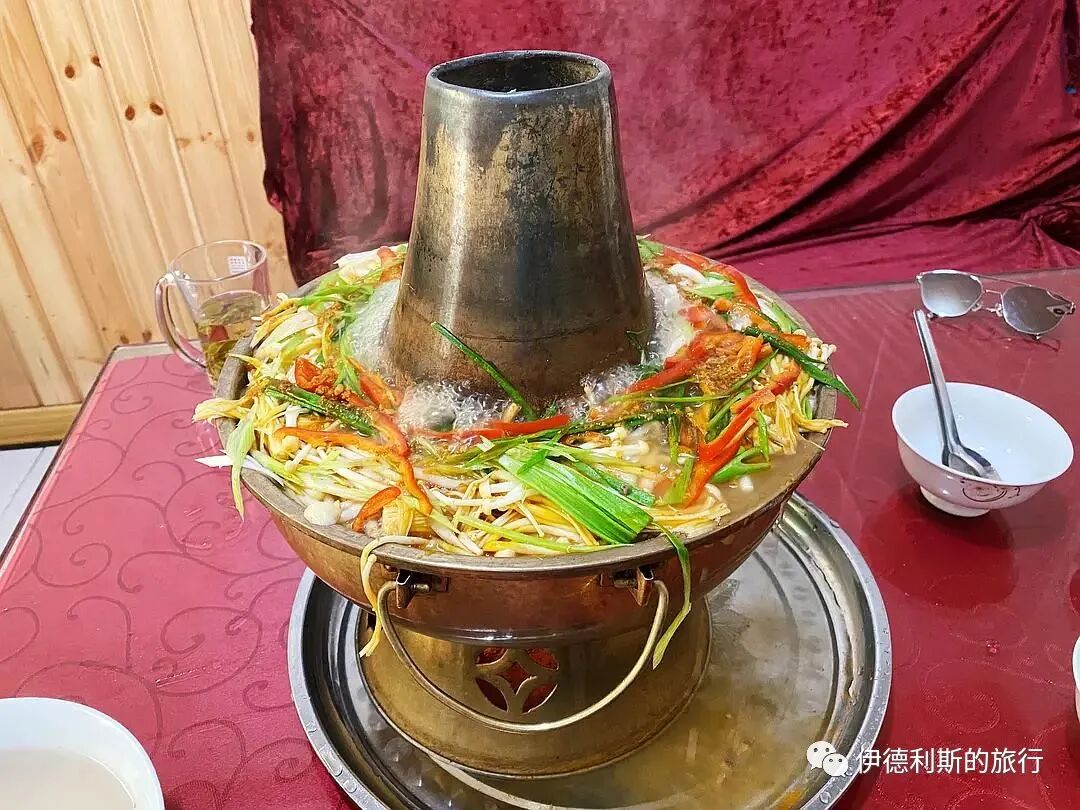
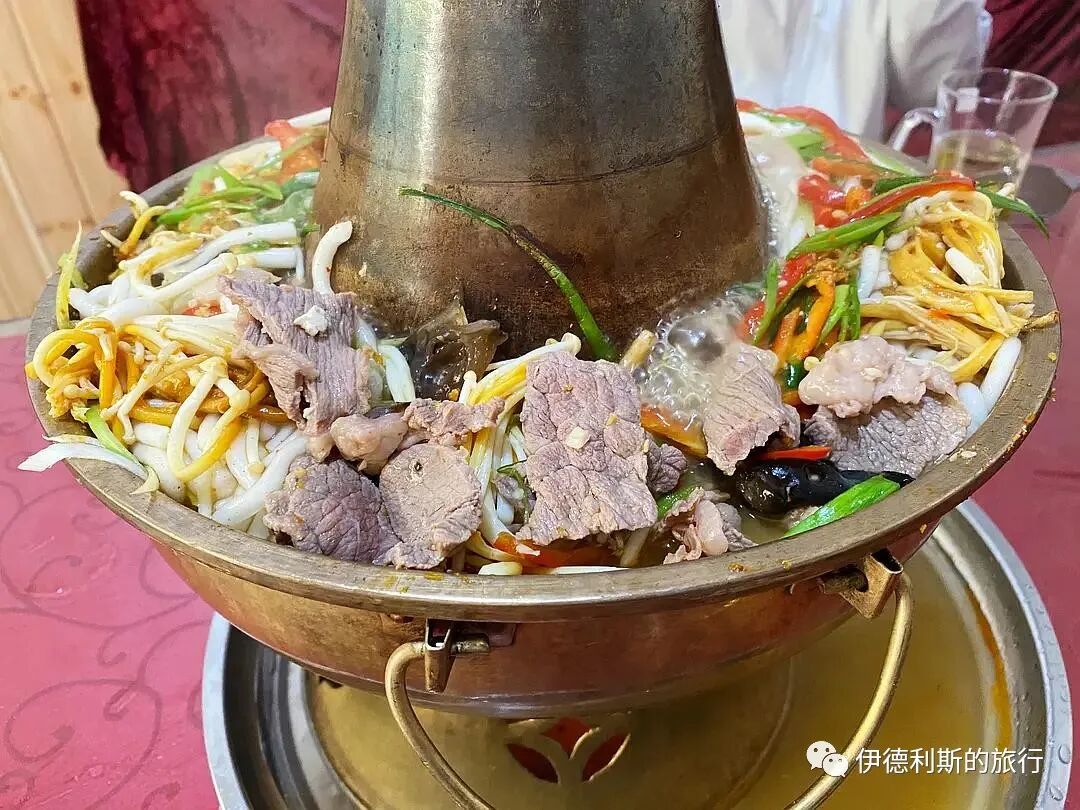
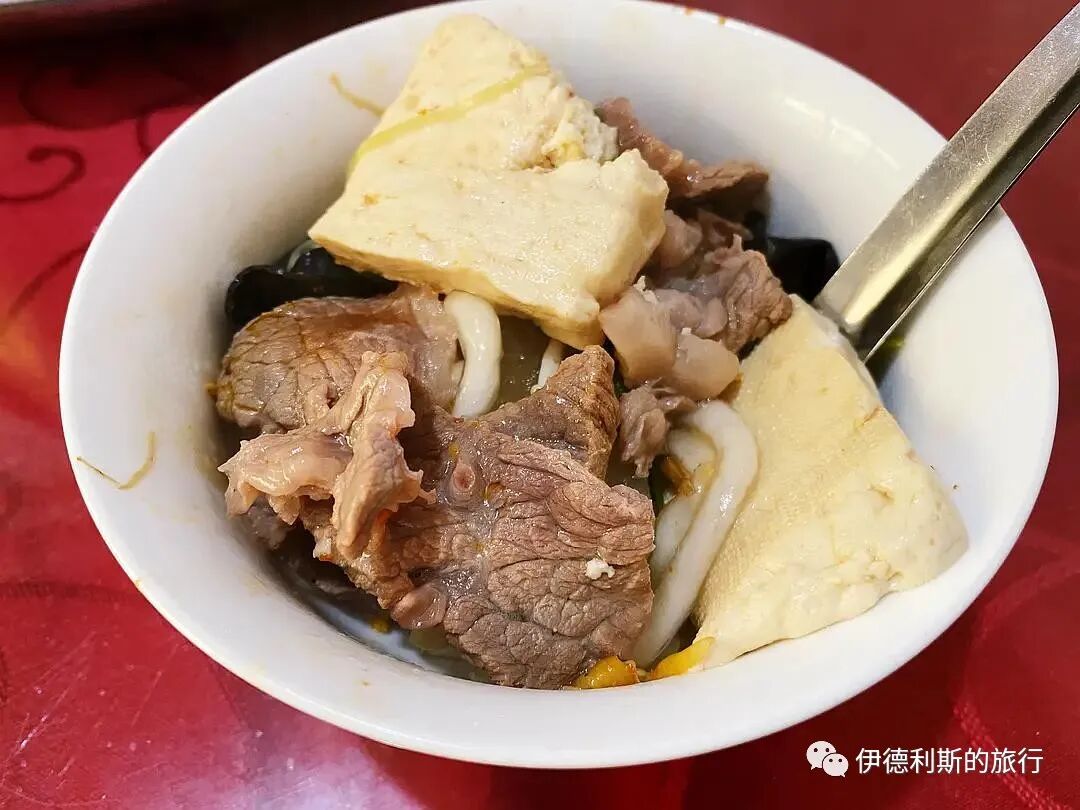
At noon, we had a home-style mixed clay pot (shijin tu huoguo) in Xunhua County. It had a rich variety of vegetables, and there was actually a lot of meat hidden underneath. Two people were very full after finishing a small pot.
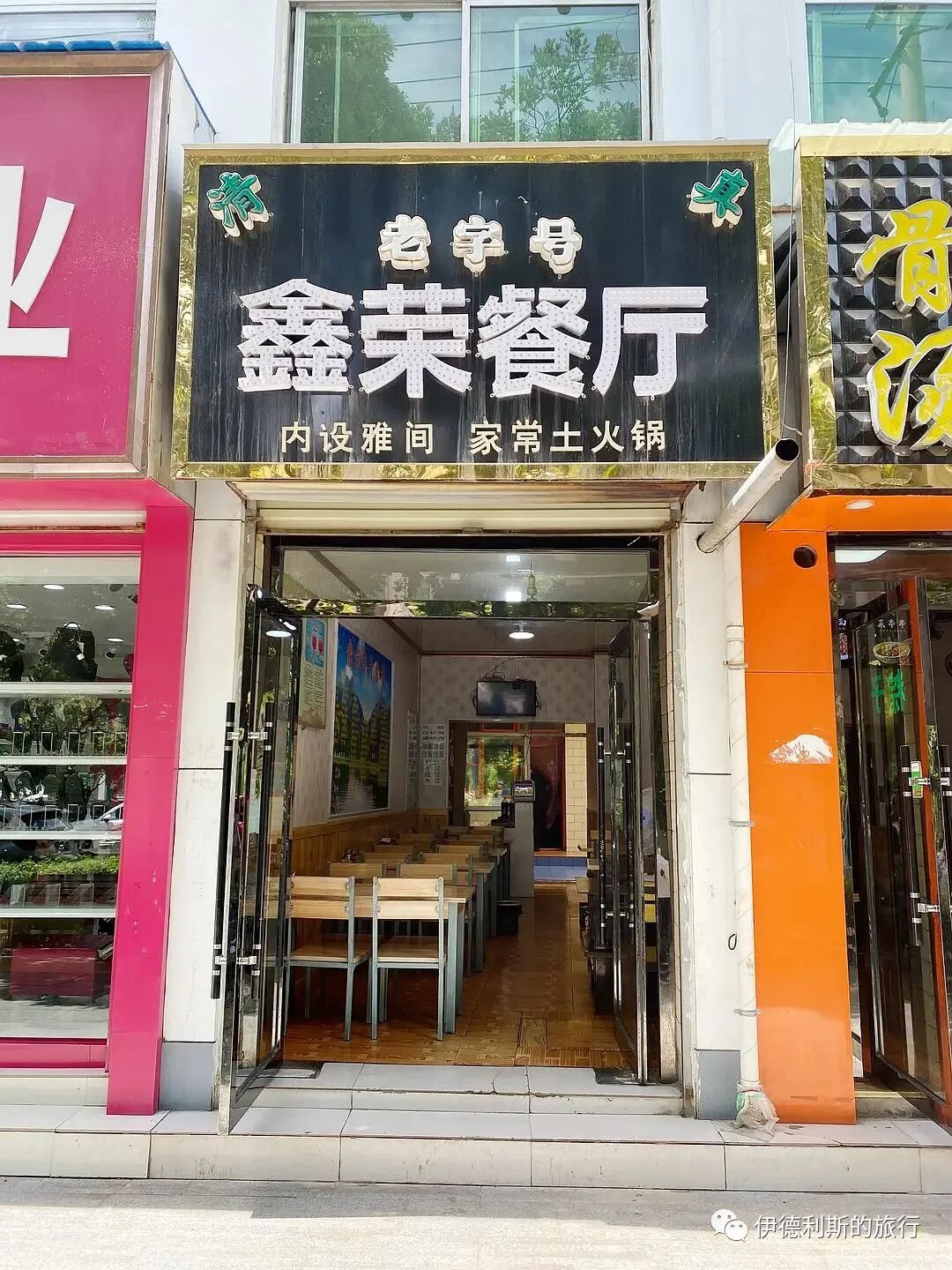
In the afternoon, we headed from Xunhua to Xining Airport. Halfway there, we received news that our flight was canceled due to heavy rain in Beijing, so we had to change our flight and head to downtown Xining instead.
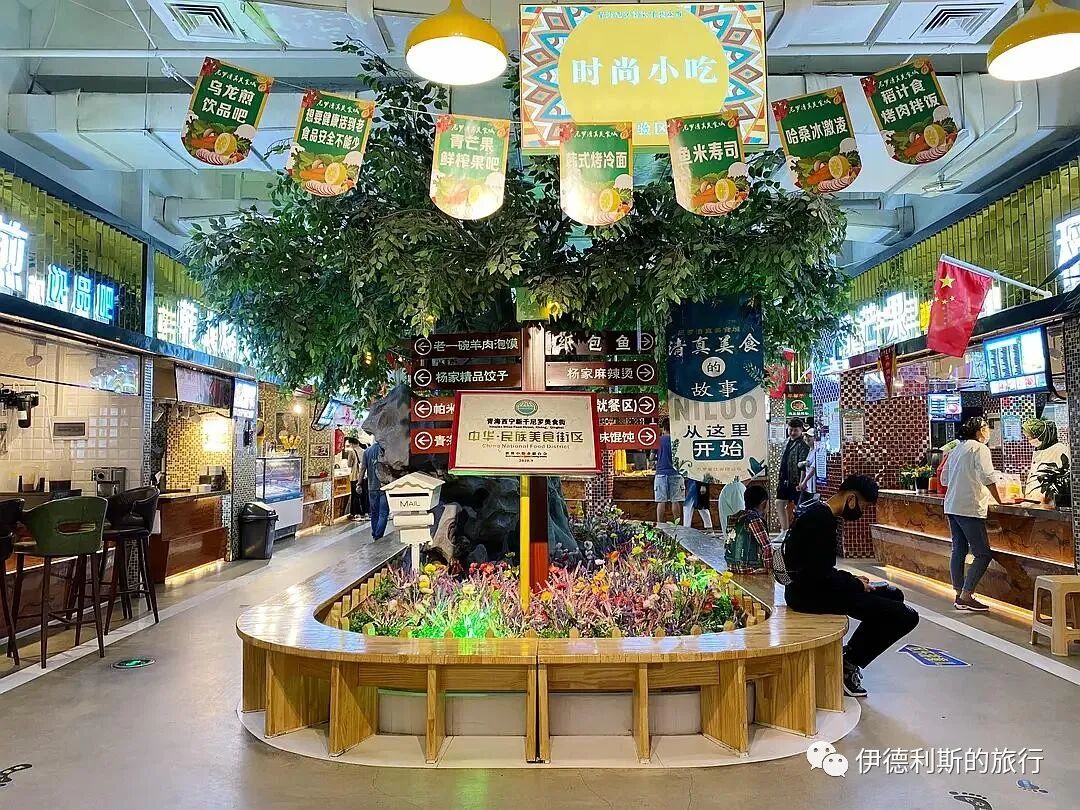
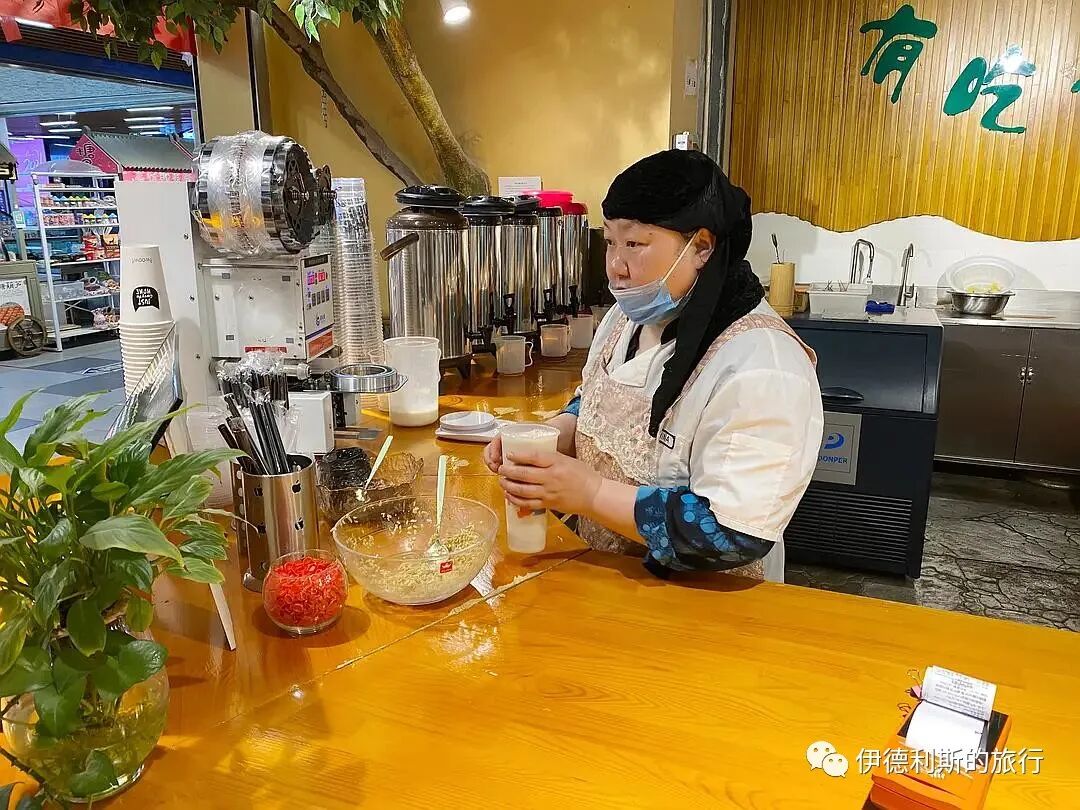
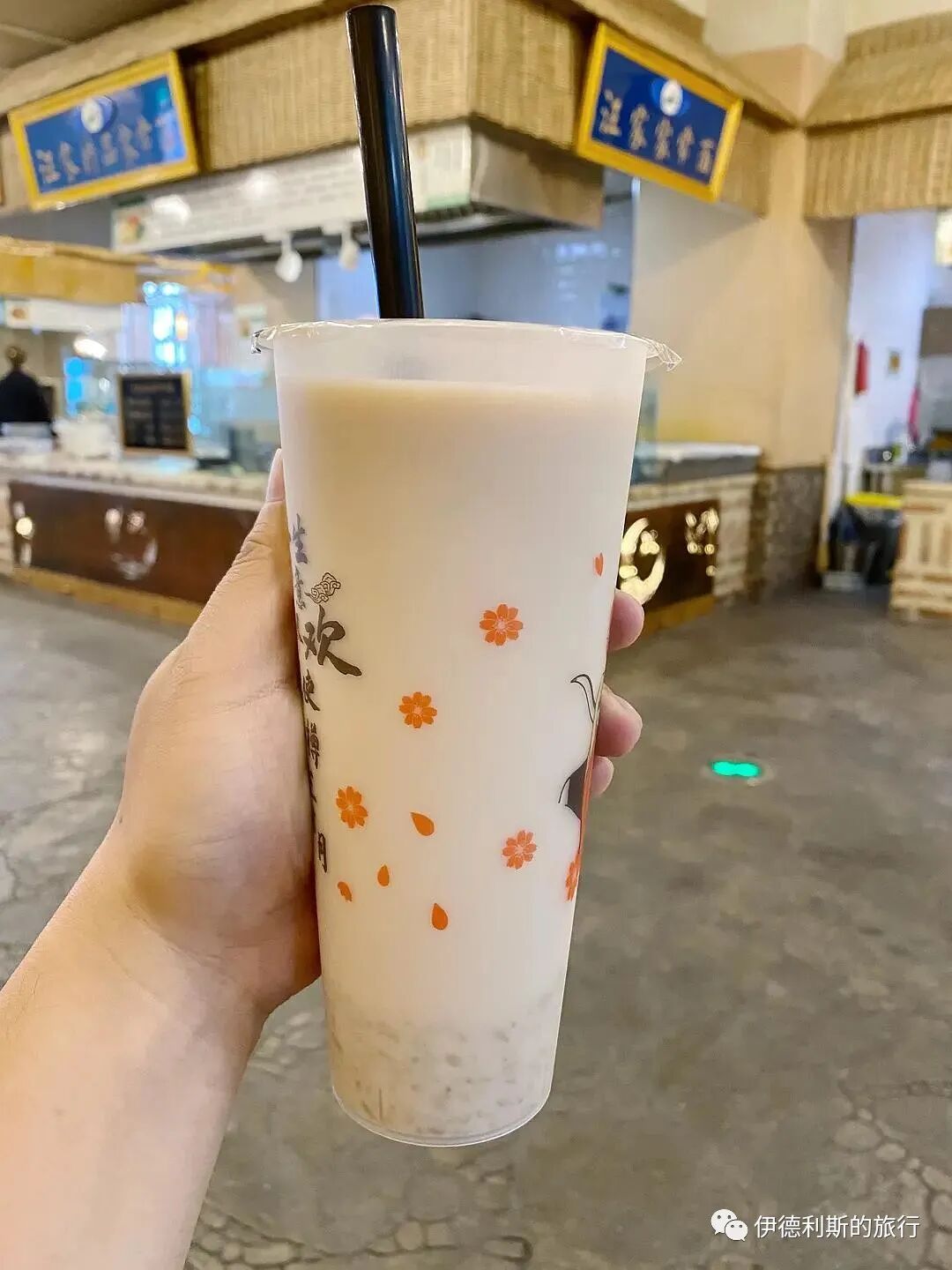
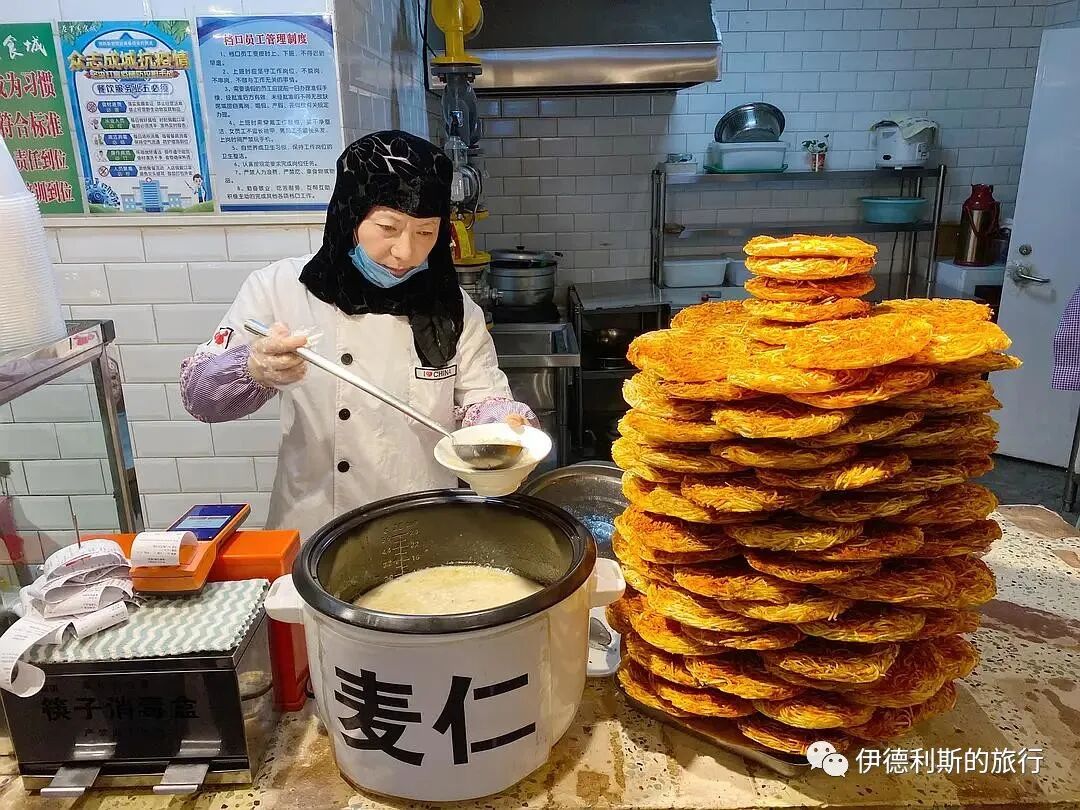
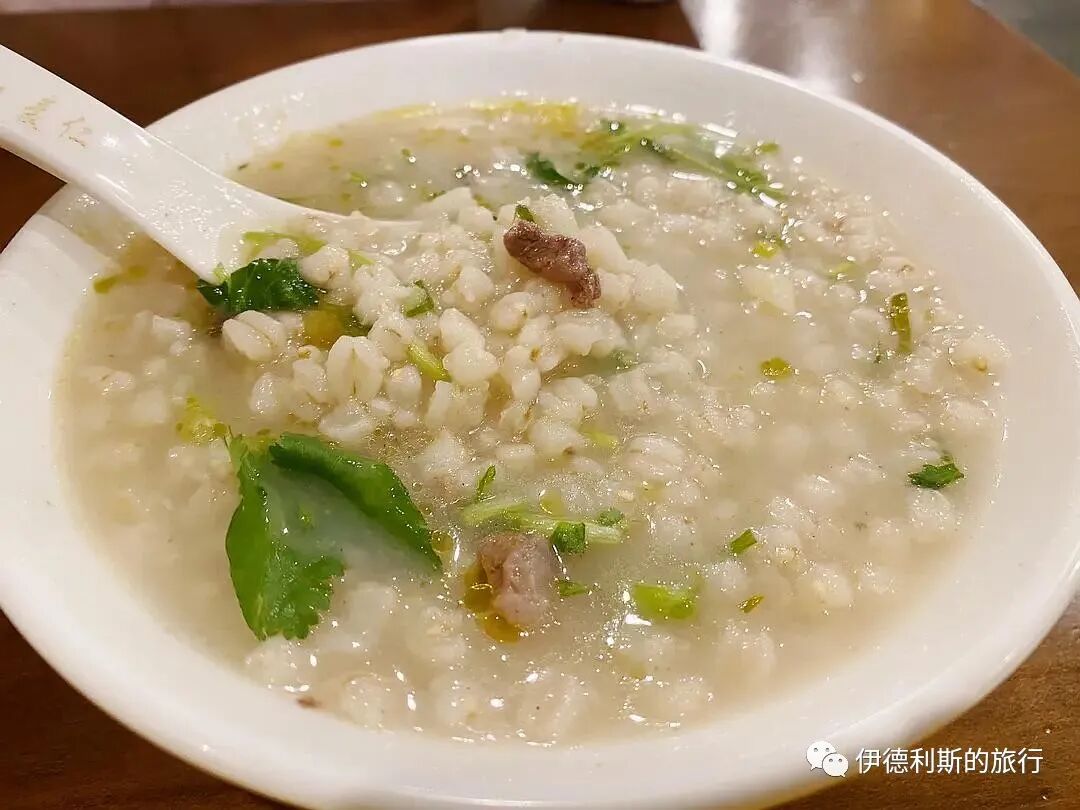
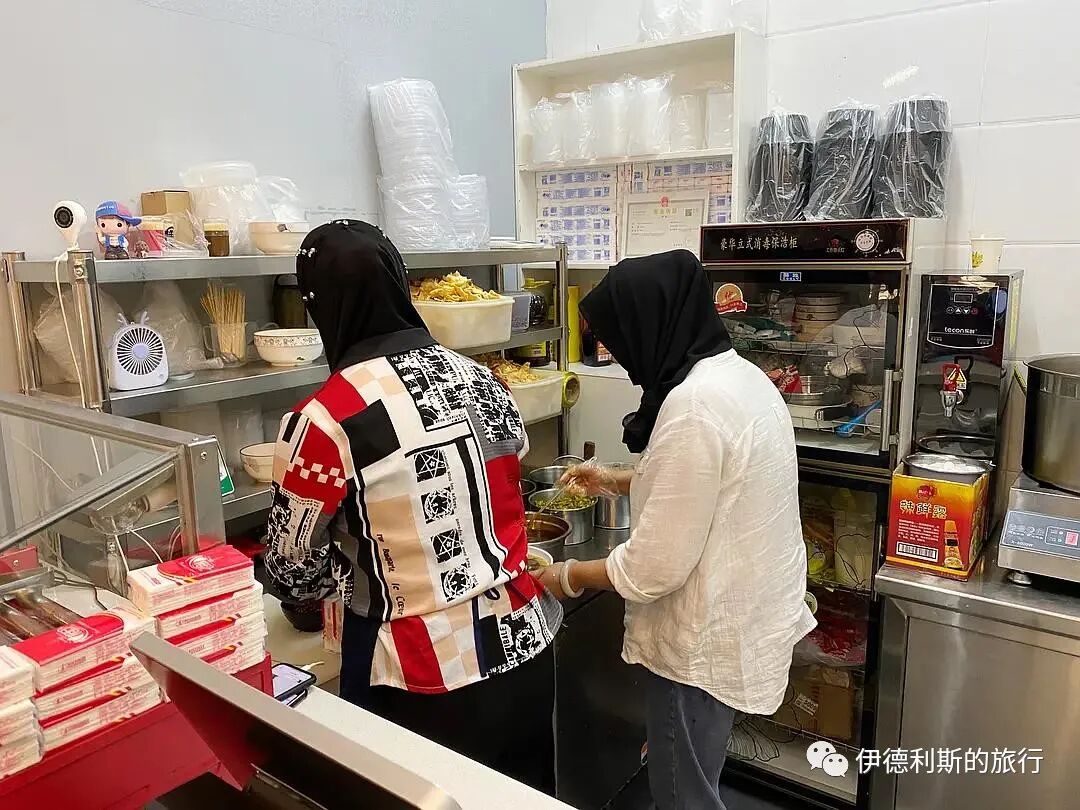
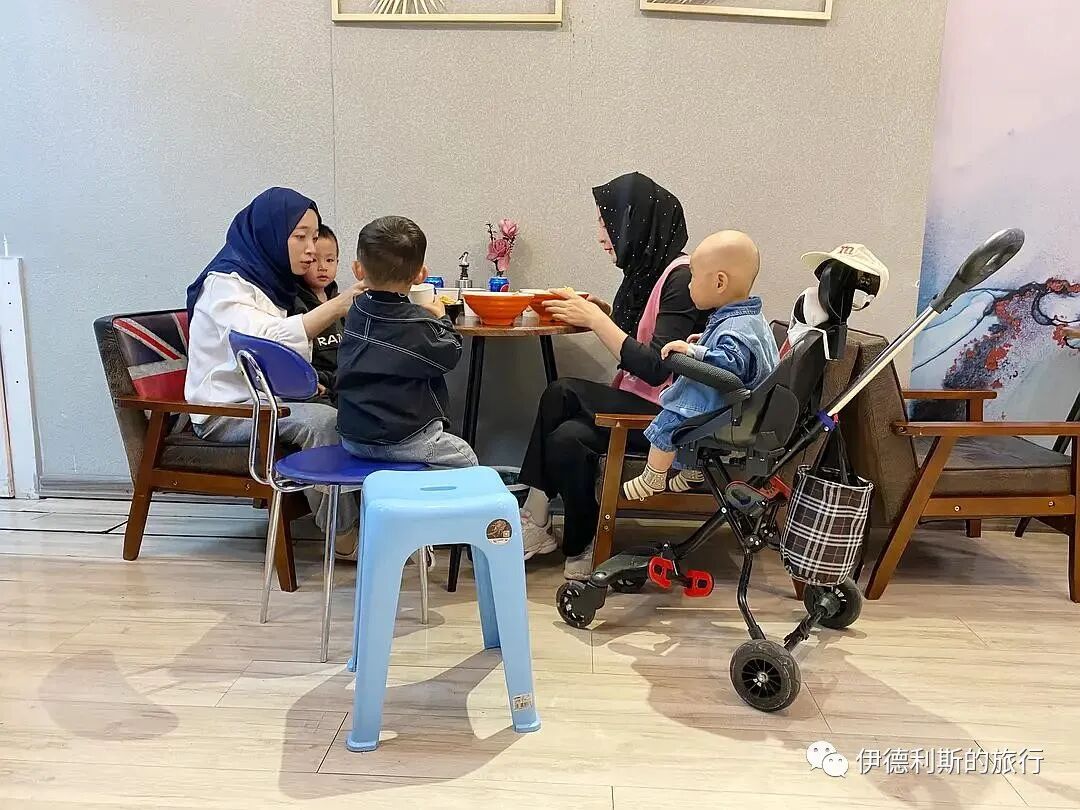
With a few extra hours on our hands, we went to the Niluo Food City on the fifth floor of the Xining Wangfujing Department Store to have some snacks. Niluo Food City is not the kind of messy snack stall area often seen in shopping malls. It gathers many local halal snacks and is clean, hygienic, and cheap. We ate Qinghai specialties like wheat kernel porridge (mairen zhou), lamb intestine noodles (yangchang mian), and fermented oat milk tea (tianpeizi naicha). It felt very pleasant to have some snacks here after getting tired from walking around the mall.
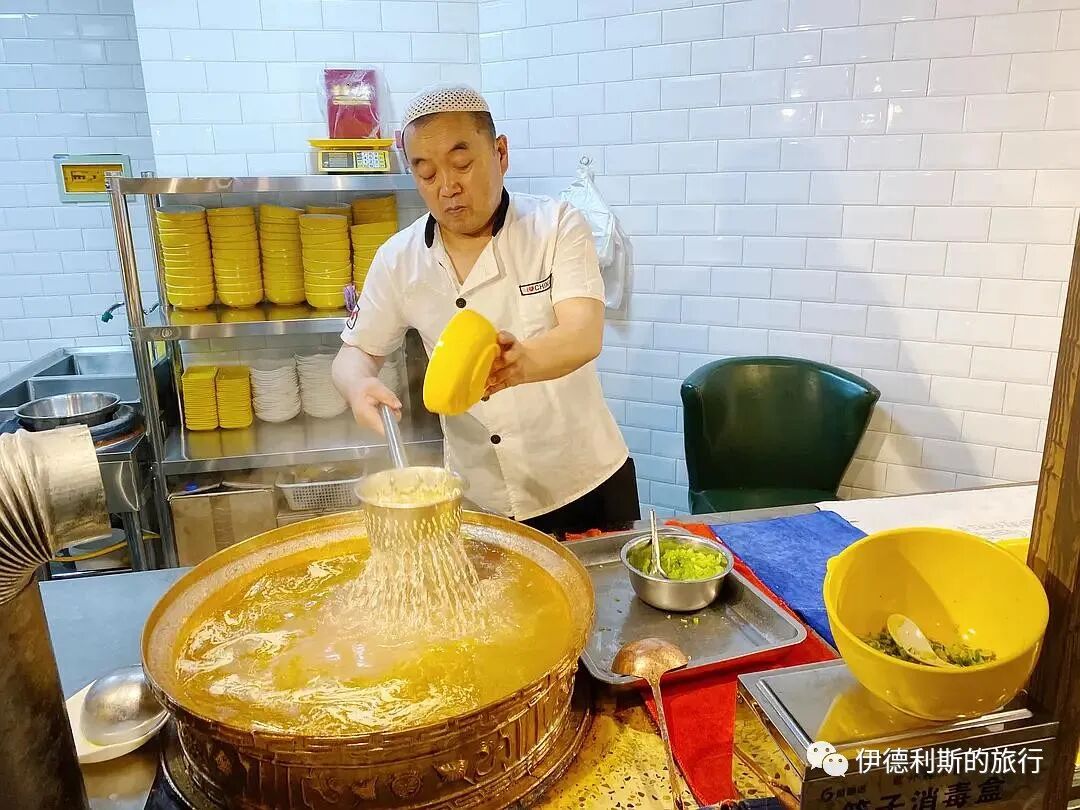
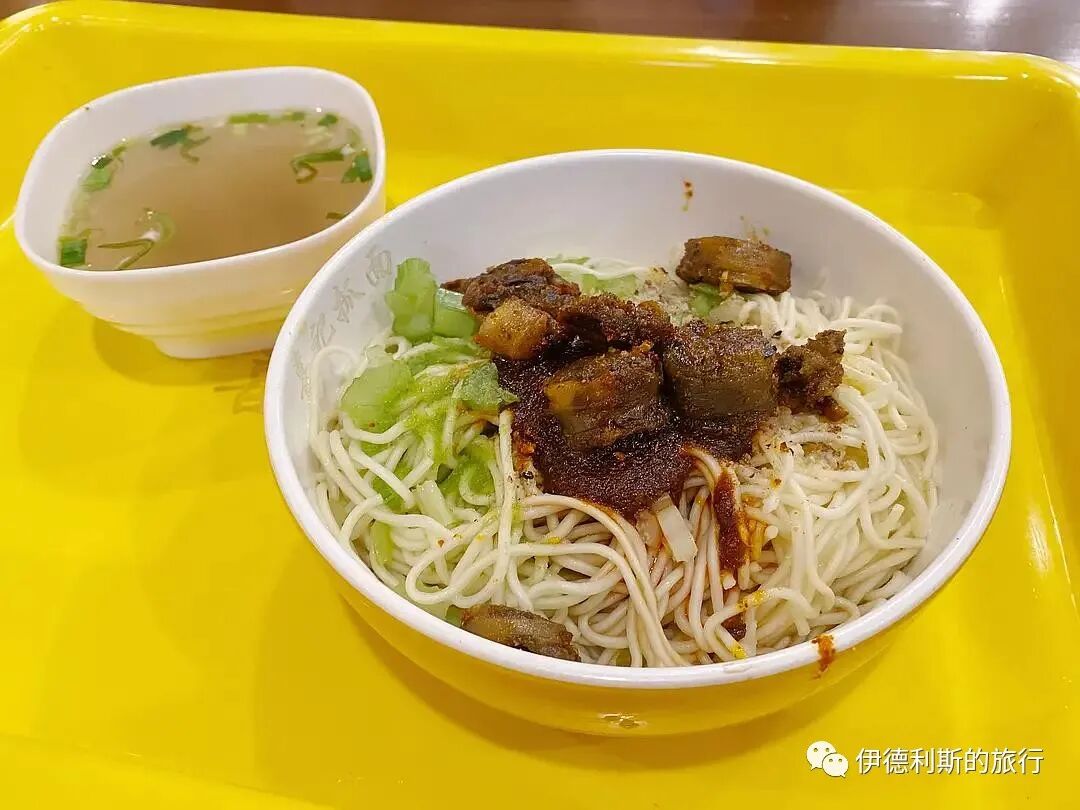
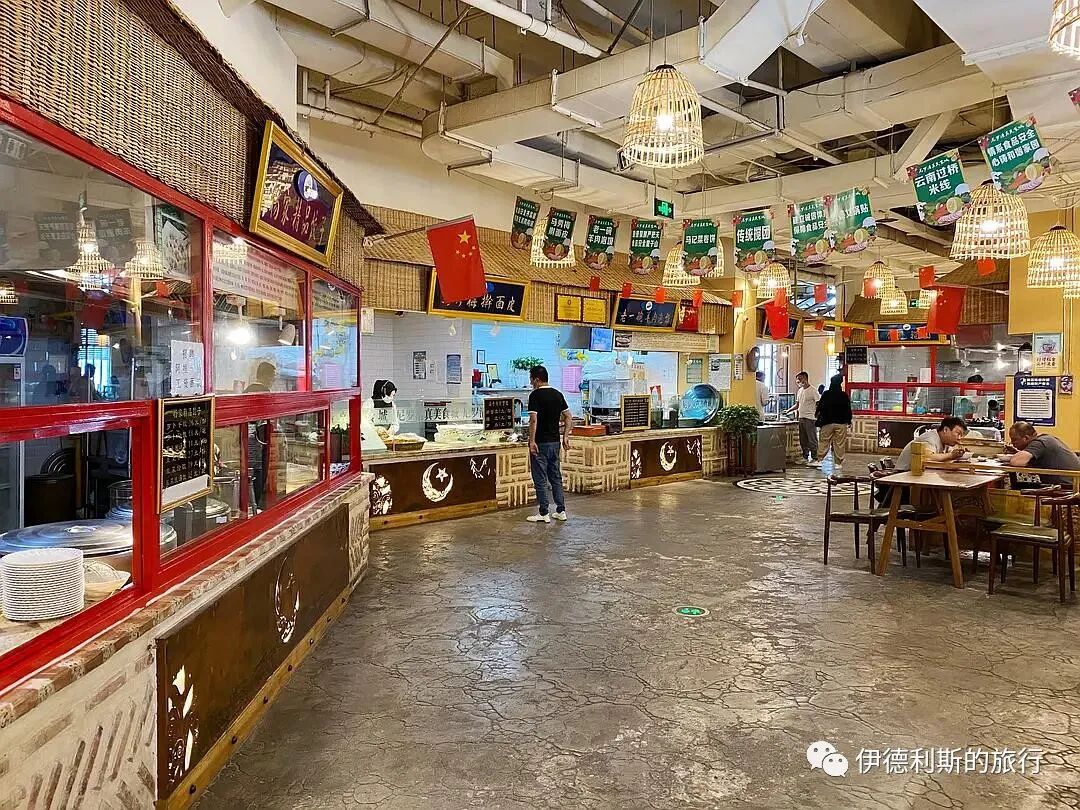
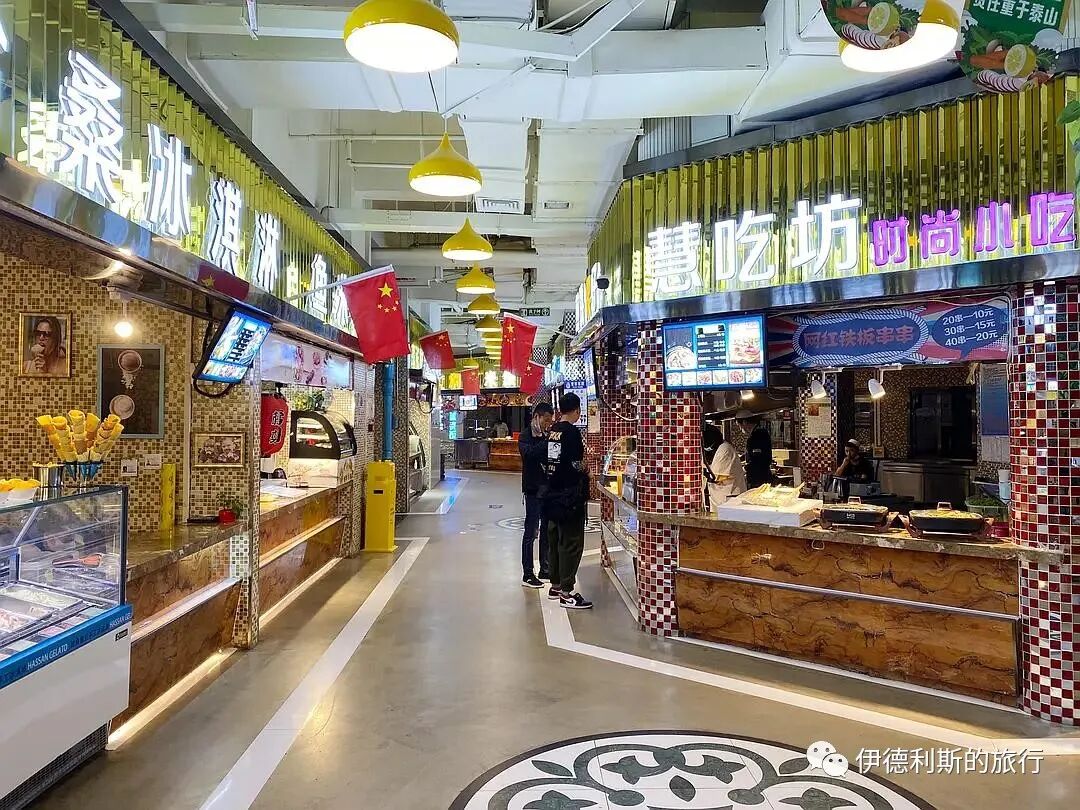
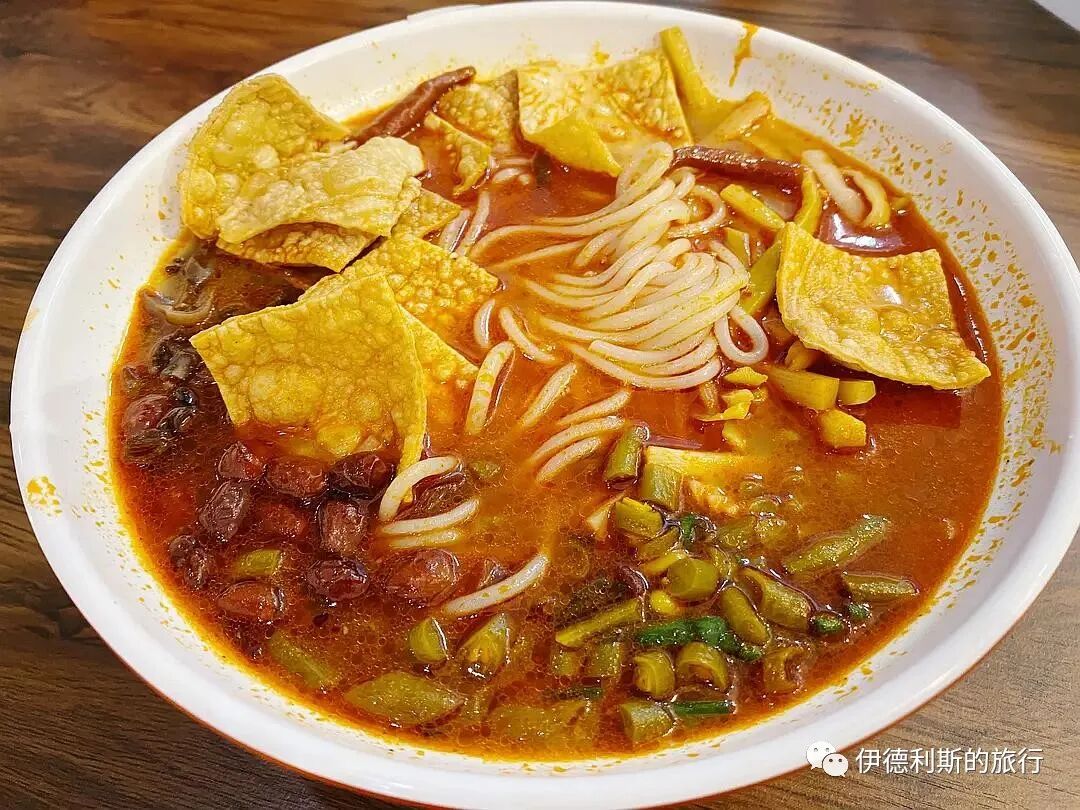
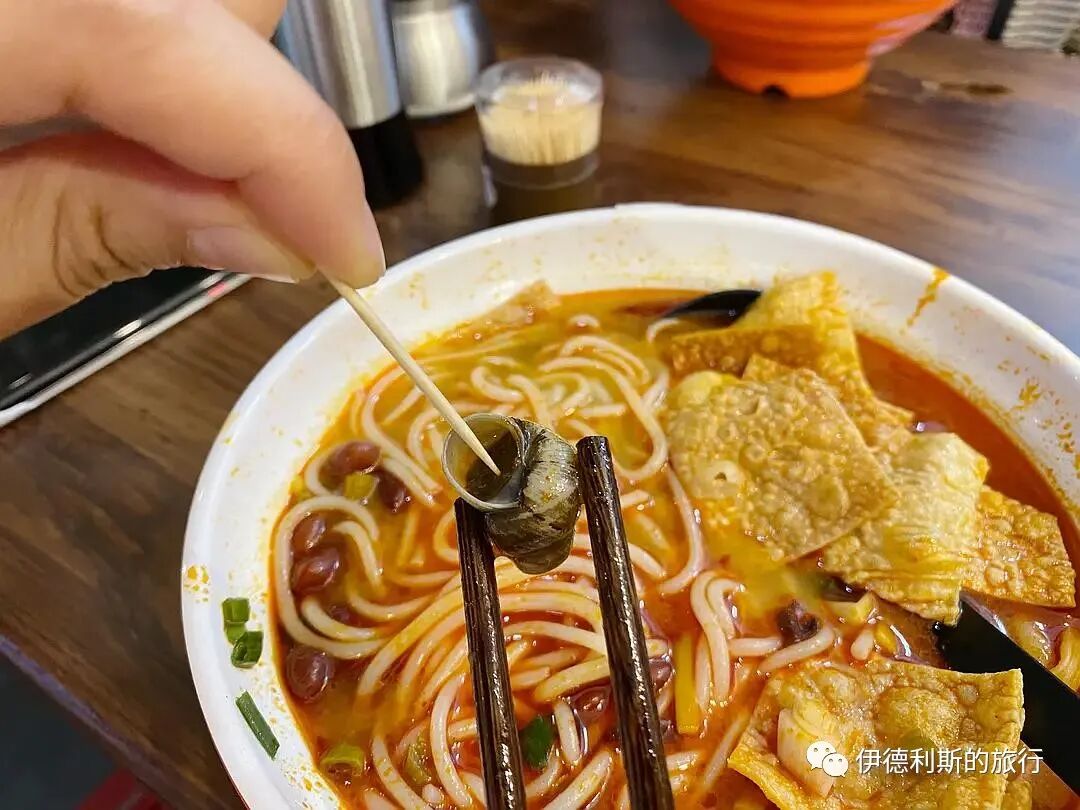
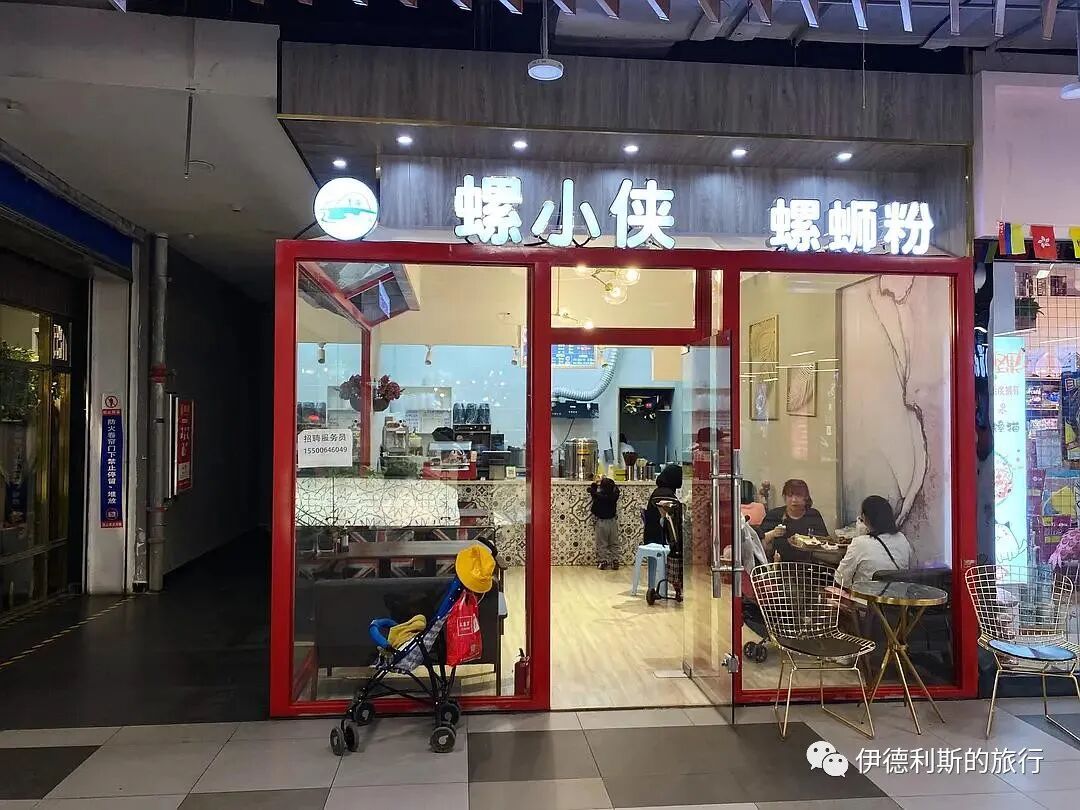
Zainab tried river snail rice noodles (luosifen) for the first time at Nile Food City, haha. This shop is very clean and hygienic, and local Hui Muslim girls love to eat here.
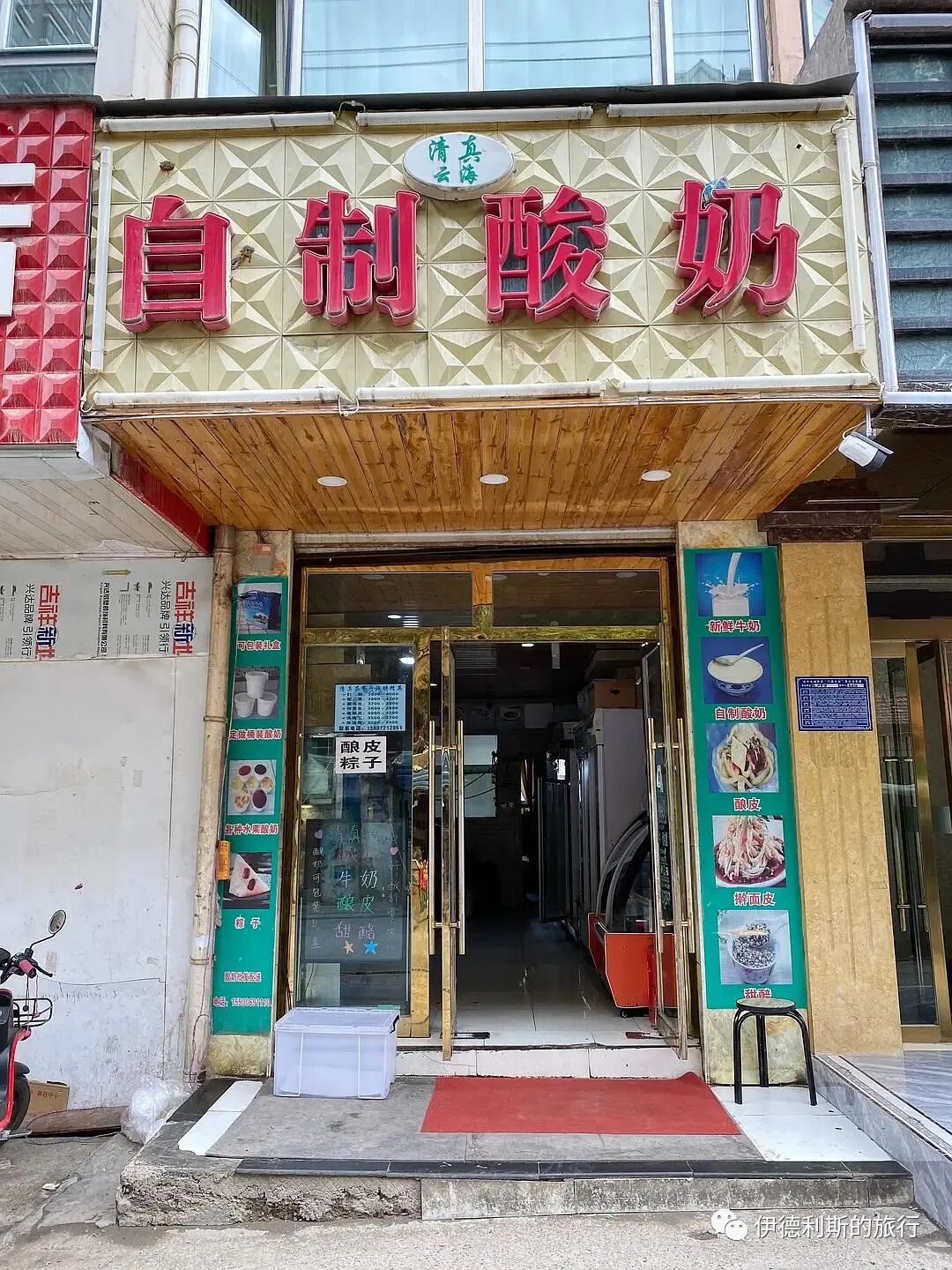
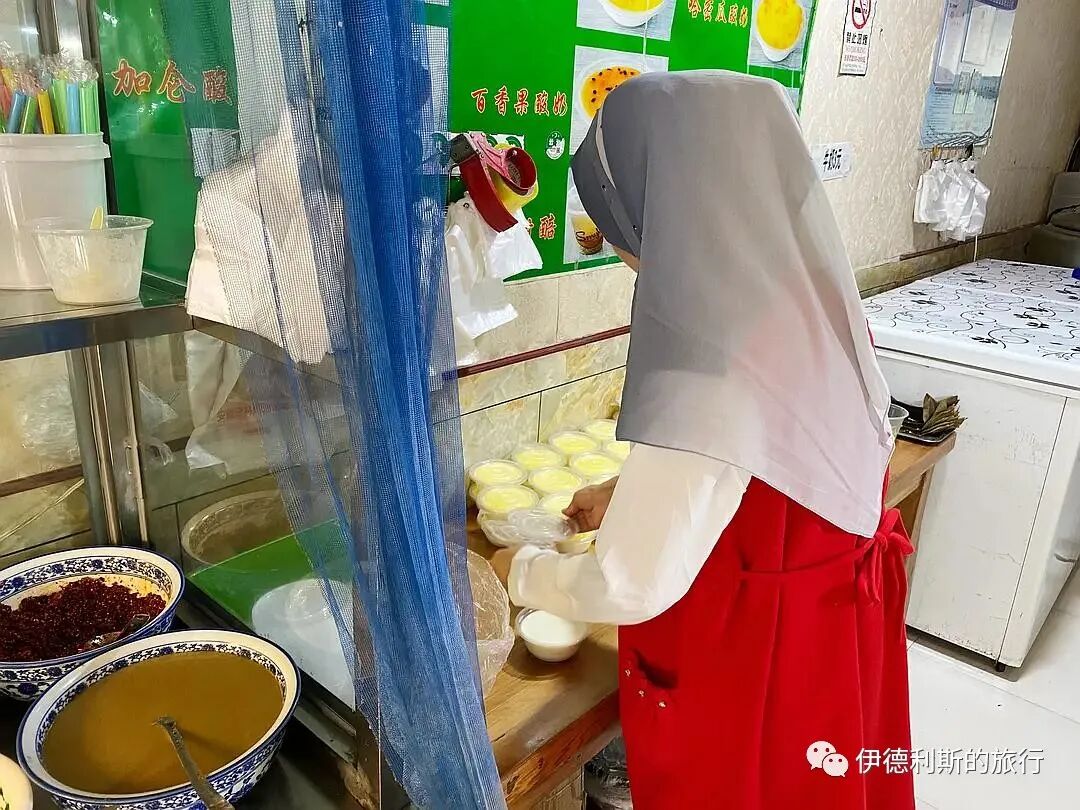
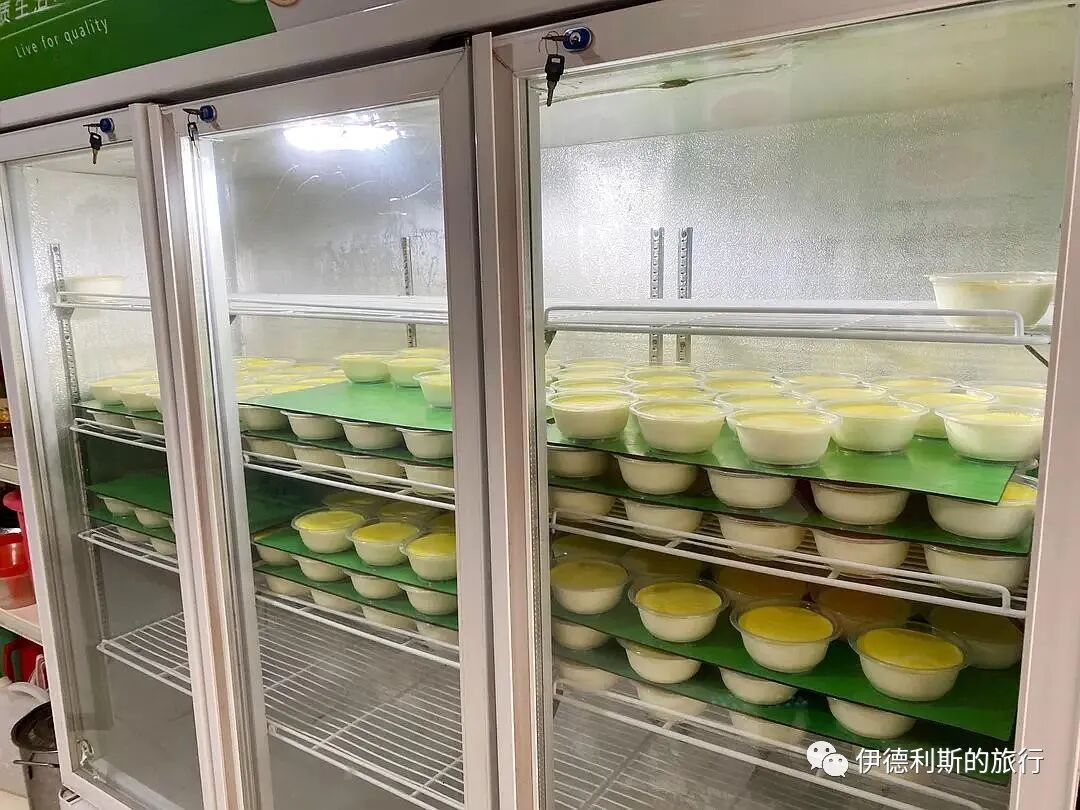
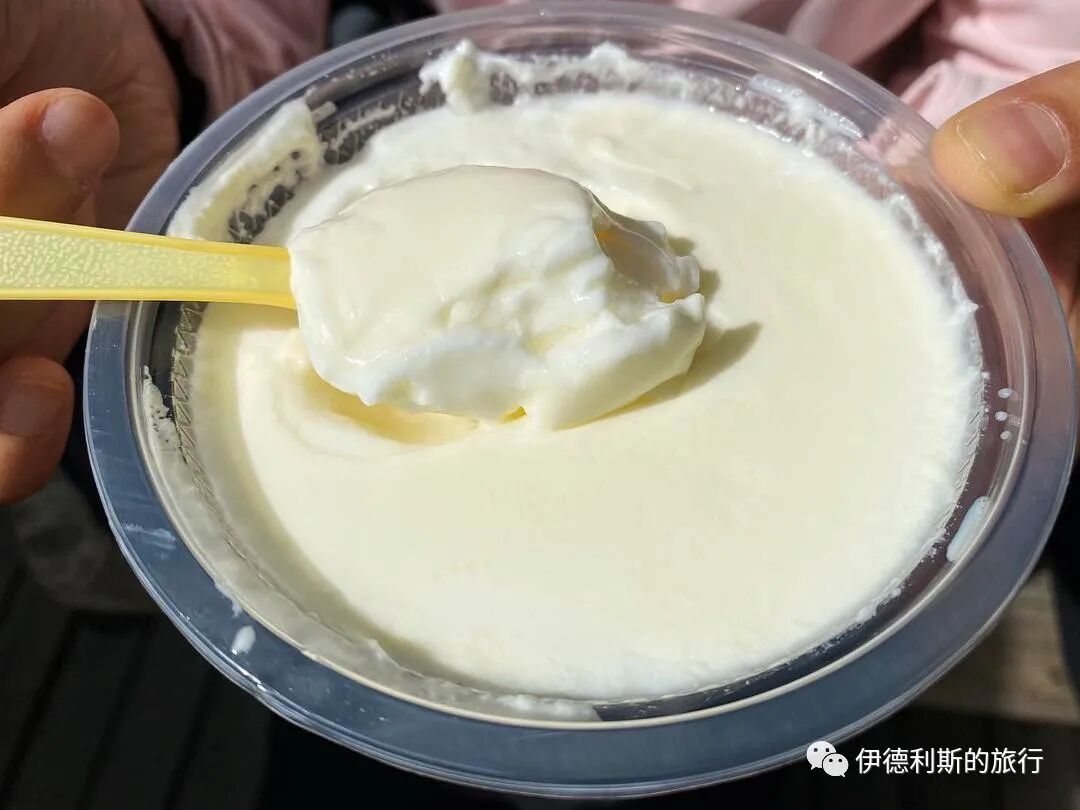
Zainab couldn't stop thinking about the homemade yogurt (suannai) from Yangjia Third Alley after drinking it last year, so she made sure to have some this time while visiting Xining. Zainab loves this pure yogurt (suannai) that has no added sugar or rapeseed oil.
Summary: Qinghai — Ping’an, Xunhua and Xining Muslim Heritage is presented here as a firsthand travel account in clear English, beginning with this scene: It is very precious that Pastor Carter Holton, who was preaching in Xunhua in the 1930s, took photos of the Jiezi Gongbei that have been well-preserved for over 80 years. The account keeps its focus on Qinghai Travel, Hui Muslims, Halal Food while preserving the names, places, food, and historical details from the Chinese source.
It is very precious that Pastor Carter Holton, who was preaching in Xunhua in the 1930s, took photos of the Jiezi Gongbei that have been well-preserved for over 80 years.
Night in Xunhua County.
In the evening, we had the local specialty, colostrum milk (jiaonai), in the county town. Colostrum milk (jiaonai) is the milk produced by a cow within three days of giving birth, mixed with regular milk and steamed. It has a texture like egg custard, but a very unique taste. Some people might not be used to it, but many elderly grandparents in Qinghai love it.
At night, we ate barbecue at the East Gate Food Street in the county town. We ordered half a jin of grilled lamb chops, a clay pot dish, and a grilled flatbread (kaomo). Zainabu also ordered a bowl of fermented vegetable juice (jiangshui) on the side. Having a little barbecue at night is quite comfortable.
There are three main types of breakfast in Xunhua: beef noodles, lamb offal soup (yangzasui) with flatbread, and steamed buns with fermented rice wine (baozi laozao). We had breakfast at the Xiuying Baozi Laozao Restaurant on Jishi Street. Actually, the steamed bun and fermented rice wine shops here sell many other things. I saw that what people ate the most were stewed vegetable bowls (huiwan) and deep-fried dough sticks (youtiao). The stewed vegetable bowl (huiwan), also called mixed vegetables (huicai), mainly contains radishes, potatoes, vermicelli, and meat. We had eaten it before at the Yangu Road Gongbei. You can also drink milk, eat starch noodle soup (fentang), black rice porridge, and other things.
The Gasan Antique Shop in the county town has all kinds of ritual water jugs (tangping hu), which are quite interesting.
Suzhi Mosque.
The Suzhi Mosque in Xunhua, Qinghai, was first built in 1460 (the fourth year of the Tianshun reign of the Ming Dynasty) and expanded during the Qing Dynasty. It is currently a cultural relic protection unit of Qinghai Province.
Ahetan Mosque.
Although the Ahetan Mosque is located in Hualong County, north of the Yellow River, it is still a Salar ethnic mosque and belongs to the Suzhi Gong, one of the eight Salar Gongs, just like the Suzhi Mosque.
In the main hall of the mosque, we received a warm welcome from the imam.
Setting off for Xining.
At noon, we had a home-style mixed clay pot (shijin tu huoguo) in Xunhua County. It had a rich variety of vegetables, and there was actually a lot of meat hidden underneath. Two people were very full after finishing a small pot.
In the afternoon, we headed from Xunhua to Xining Airport. Halfway there, we received news that our flight was canceled due to heavy rain in Beijing, so we had to change our flight and head to downtown Xining instead.
With a few extra hours on our hands, we went to the Niluo Food City on the fifth floor of the Xining Wangfujing Department Store to have some snacks. Niluo Food City is not the kind of messy snack stall area often seen in shopping malls. It gathers many local halal snacks and is clean, hygienic, and cheap. We ate Qinghai specialties like wheat kernel porridge (mairen zhou), lamb intestine noodles (yangchang mian), and fermented oat milk tea (tianpeizi naicha). It felt very pleasant to have some snacks here after getting tired from walking around the mall.
Zainab tried river snail rice noodles (luosifen) for the first time at Nile Food City, haha. This shop is very clean and hygienic, and local Hui Muslim girls love to eat here.
Zainab couldn't stop thinking about the homemade yogurt (suannai) from Yangjia Third Alley after drinking it last year, so she made sure to have some this time while visiting Xining. Zainab loves this pure yogurt (suannai) that has no added sugar or rapeseed oil.
