
Halal Travel Guide: Qinghai — Ping’an, Xunhua and Xining Muslim Heritage (Part 1)
Reposted from the web
Summary: Qinghai — Ping’an, Xunhua and Xining Muslim Heritage is presented here as a firsthand travel account in clear English, beginning with this scene: During the 2021 Dragon Boat Festival, I visited Ping'an, Xunhua, and Xining in Qinghai. My main goal was to visit the traditional historical mosques and gongbei buildings there, and I gained a lot. The account keeps its focus on Qinghai Travel, Hui Muslims, China Mosques while preserving the names, places, food, and historical details from the Chinese source.
During the 2021 Dragon Boat Festival, I visited Ping'an, Xunhua, and Xining in Qinghai. My main goal was to visit the traditional historical mosques and gongbei buildings there, and I gained a lot.
I stayed overnight at Ping'an Station (Ping'anyi).
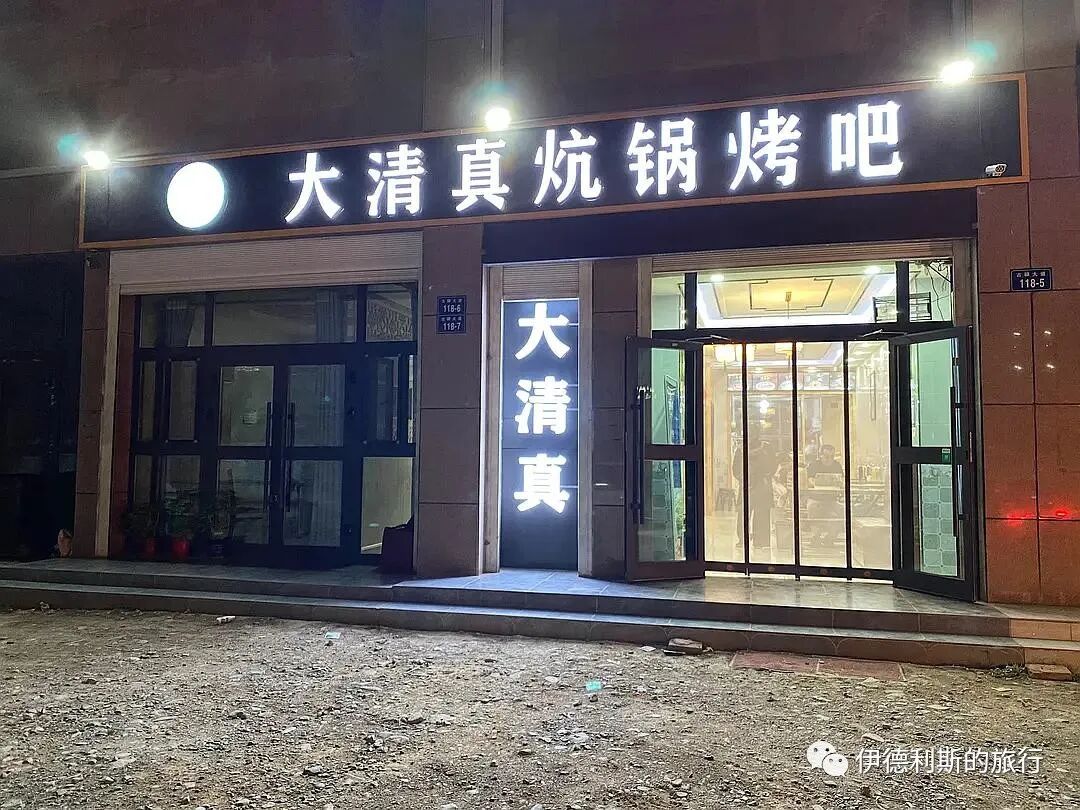
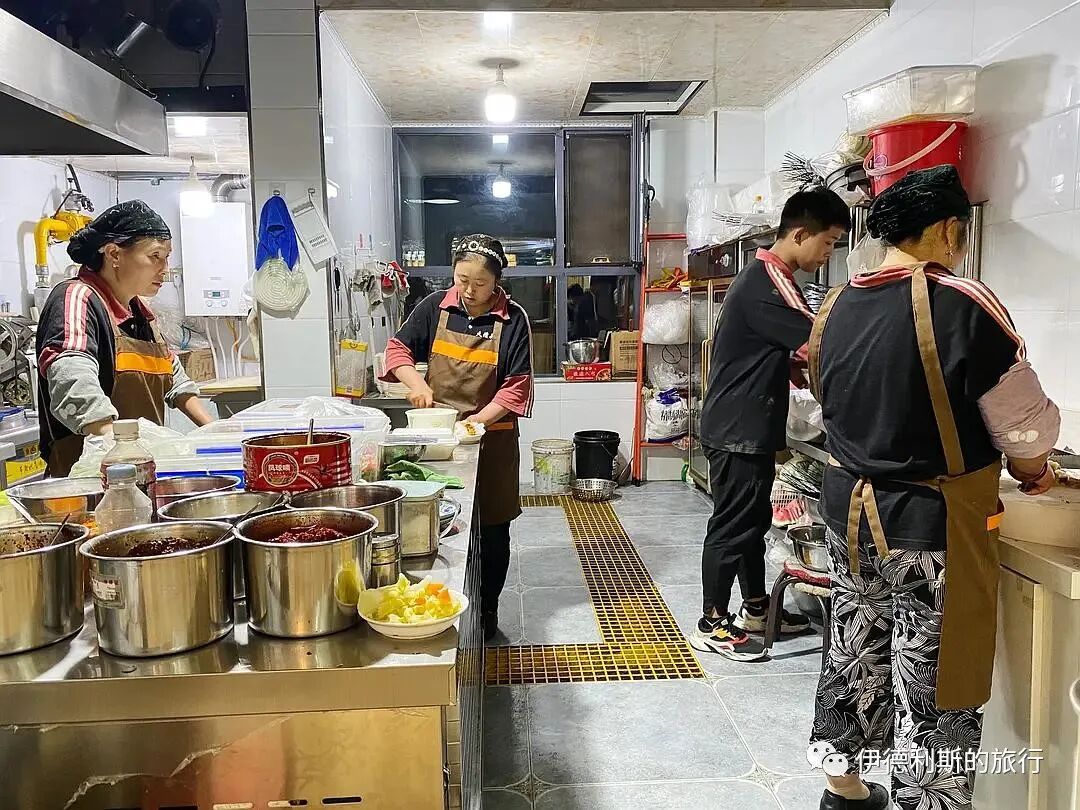
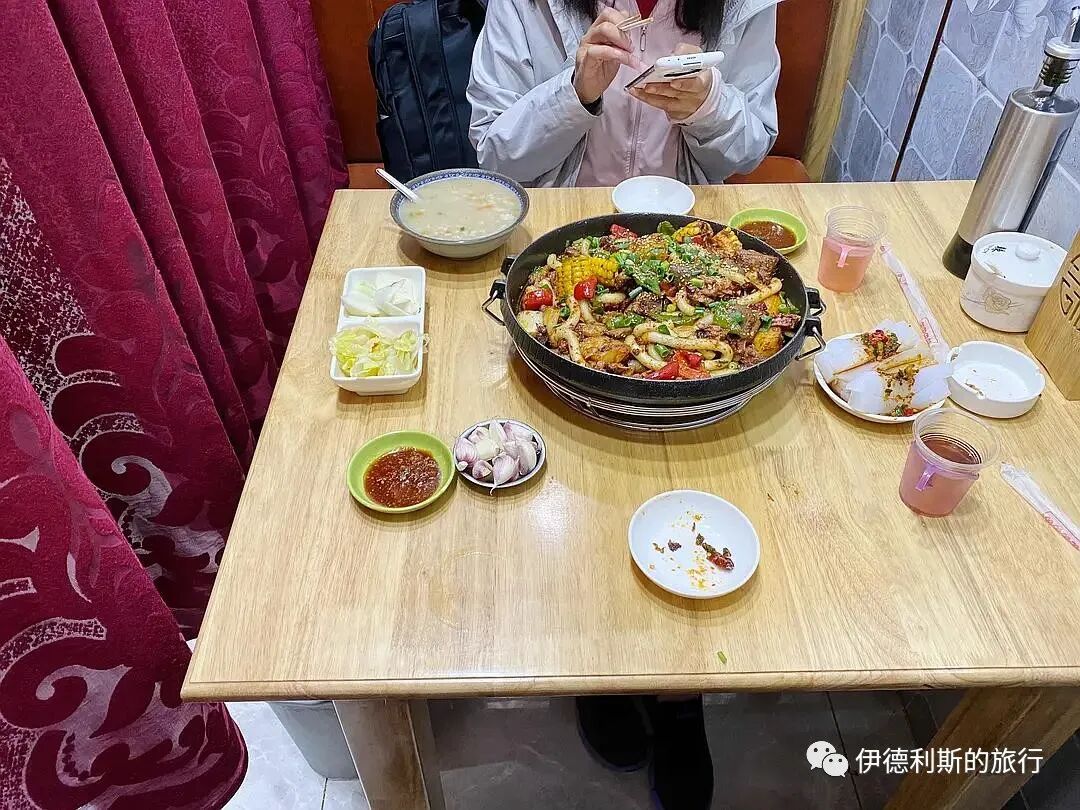
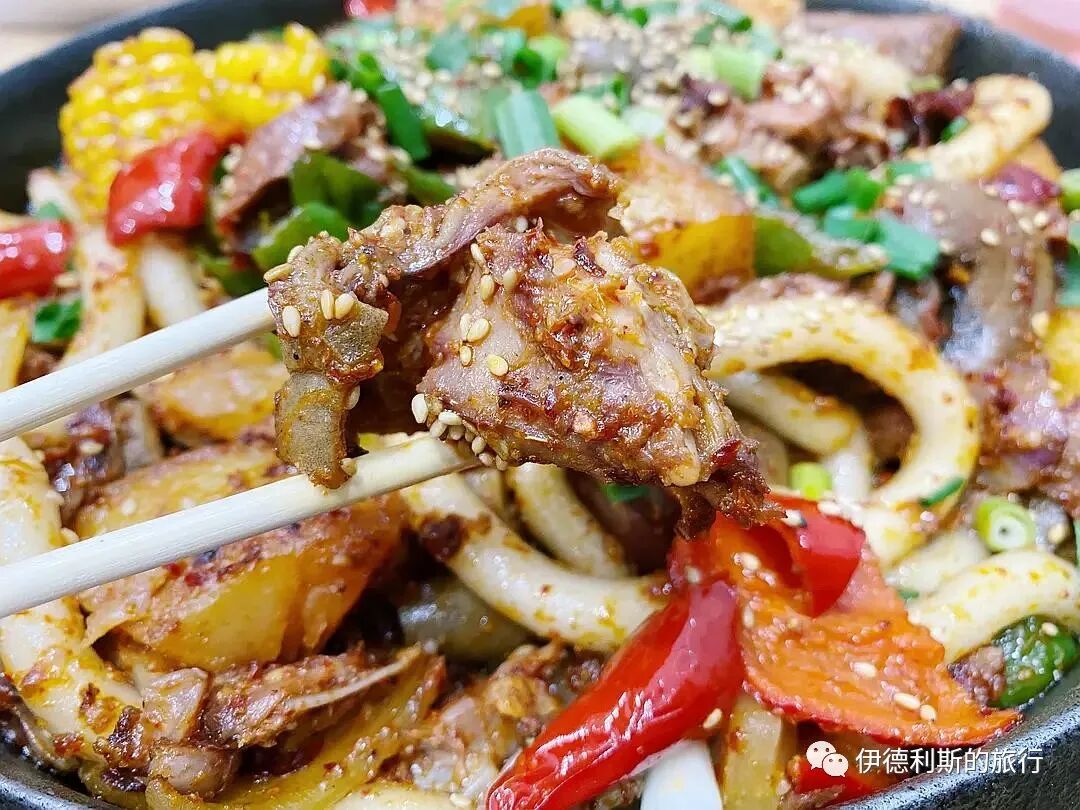
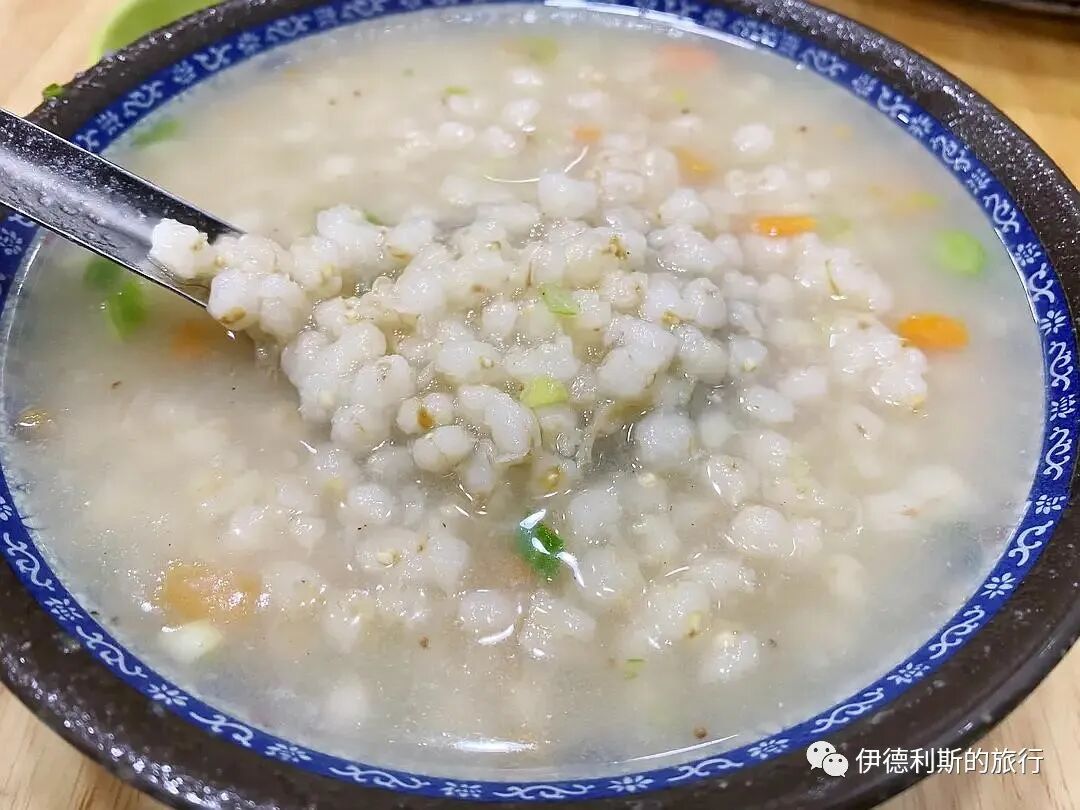
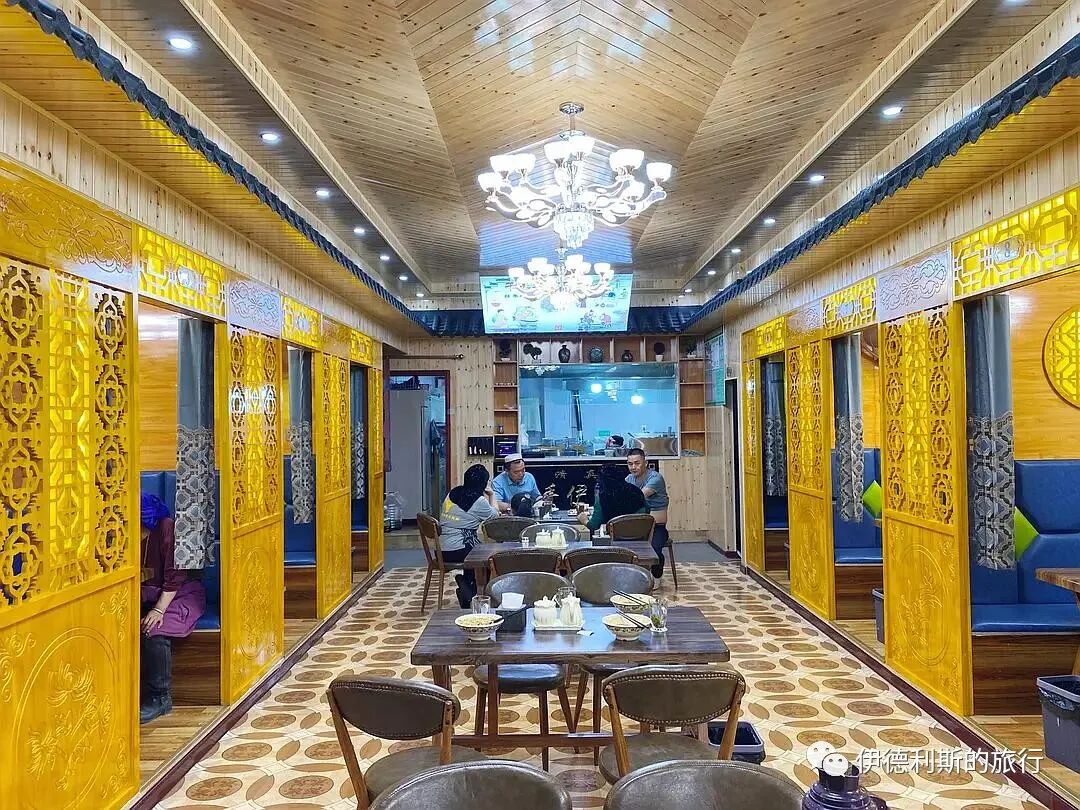
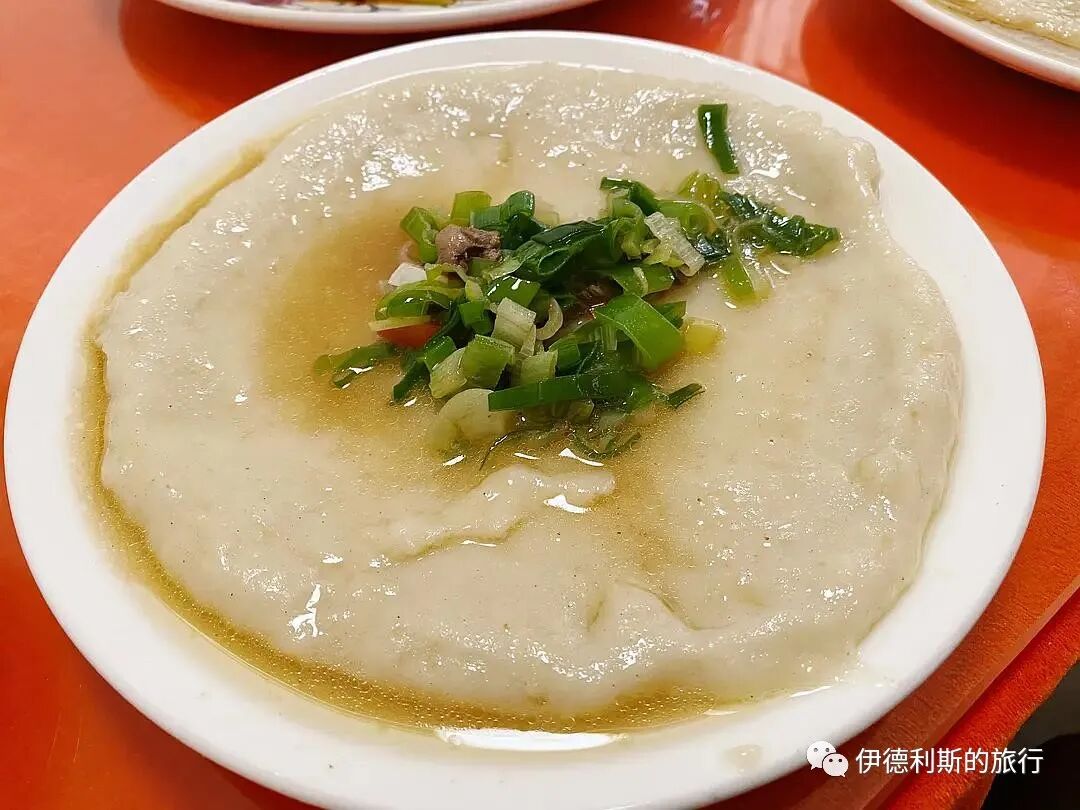
I took a late flight to Xining Airport, then took a taxi to the Daqingzhen Kanguo Barbecue restaurant in the Ping'an District of Haidong to eat pan-roasted meat (kanguo). They have many types of pan-roasted meat, including lamb, tripe, intestines, and chicken. We had the pan-roasted lamb head and also ordered the wheat kernel porridge (mairen zhou), which is a must-have at Qinghai barbecue shops.
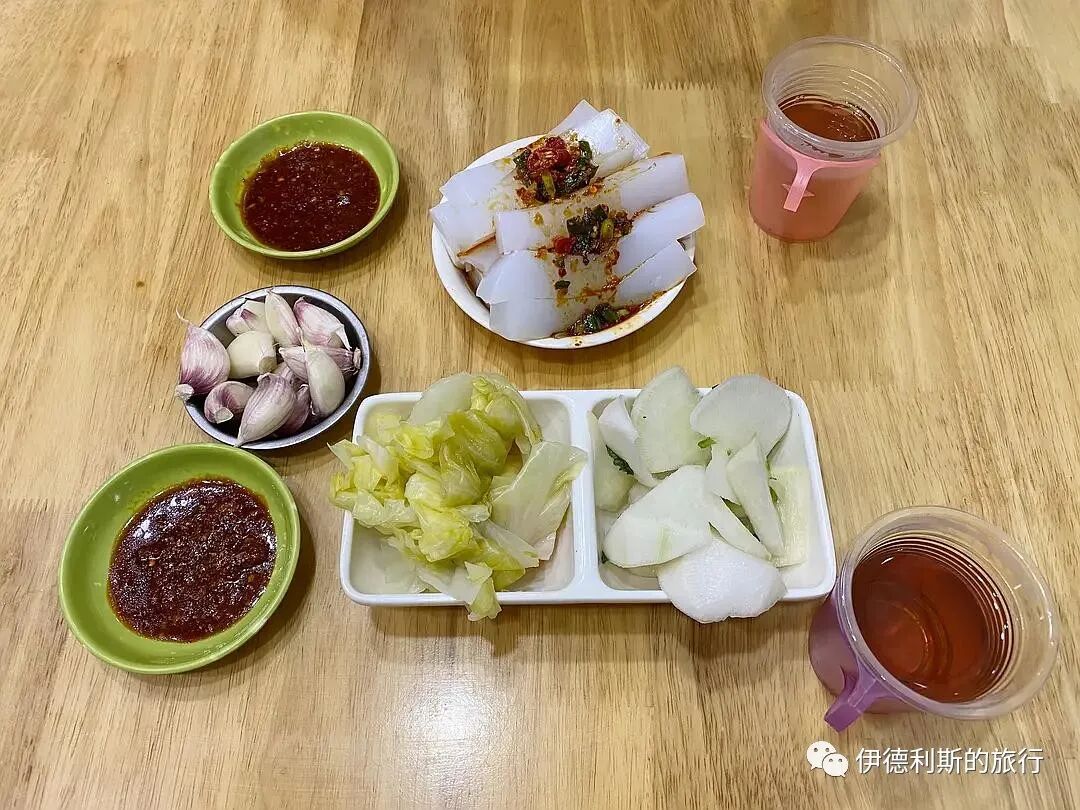
The restaurant layout features small private rooms common in Qinghai town restaurants. Even for two people, you can pull the curtain for privacy, which feels quite nice. After ordering, they brought out free pickles, radishes, mung bean jelly (liangfen), and boiled tea (aocha). The servers were very friendly. I had a few bites of the jelly and some tea, and then the pan-roasted meat arrived. Besides a whole lamb head, it came with potatoes, corn, and vermicelli, so we didn't really need to order any staple food. I finished with a bowl of wheat kernel porridge and felt very satisfied.
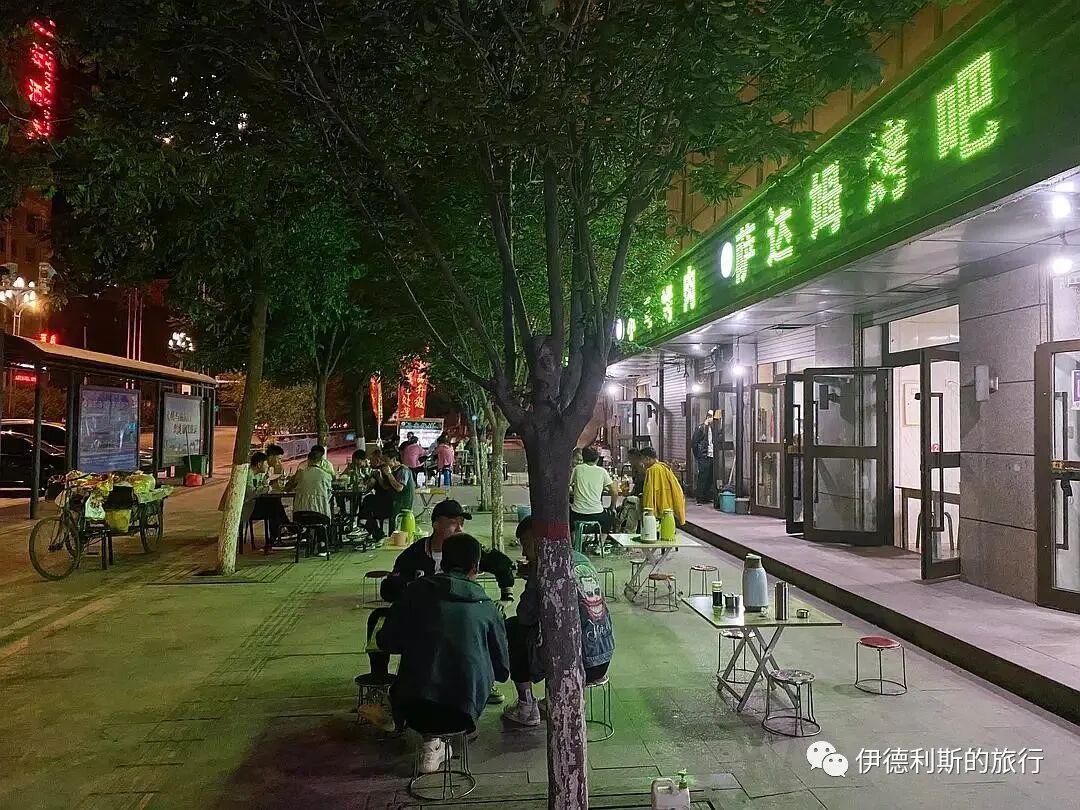
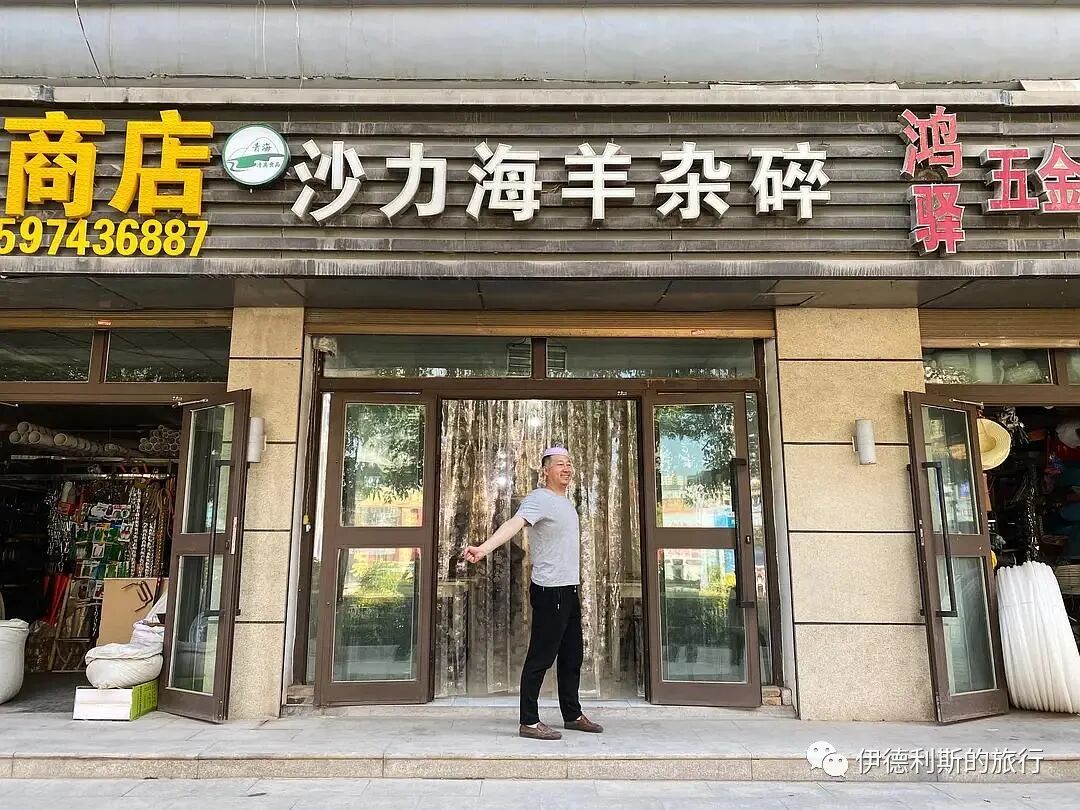
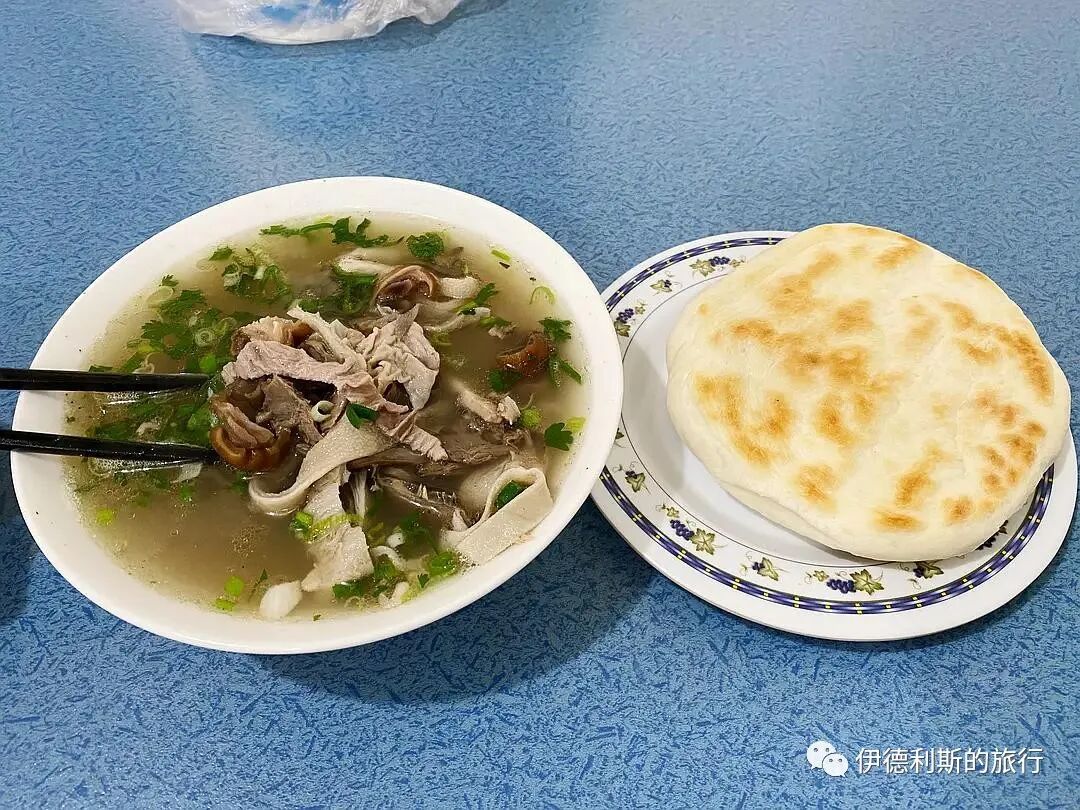
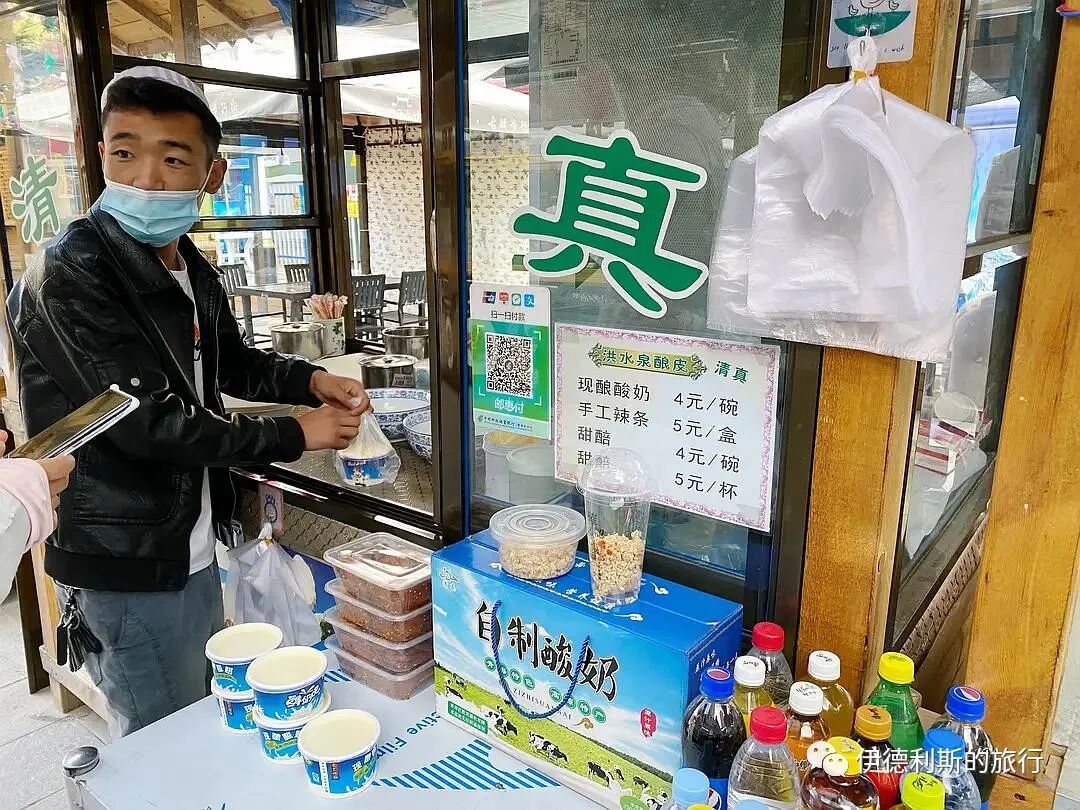
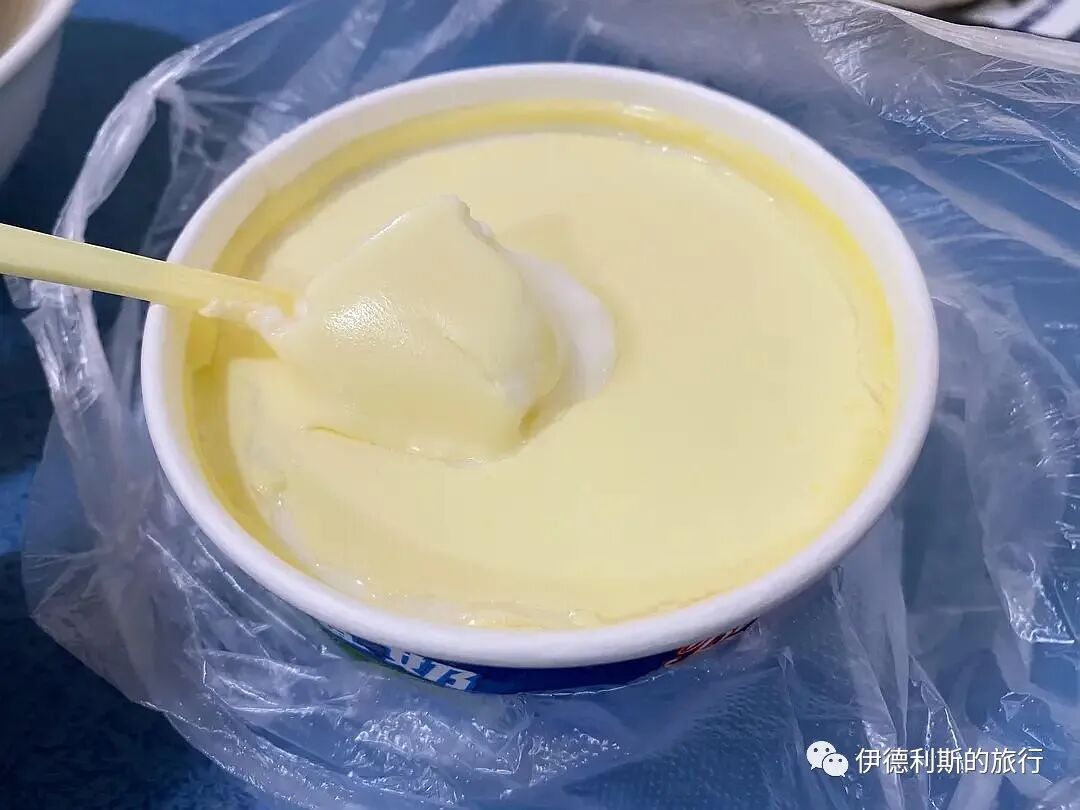
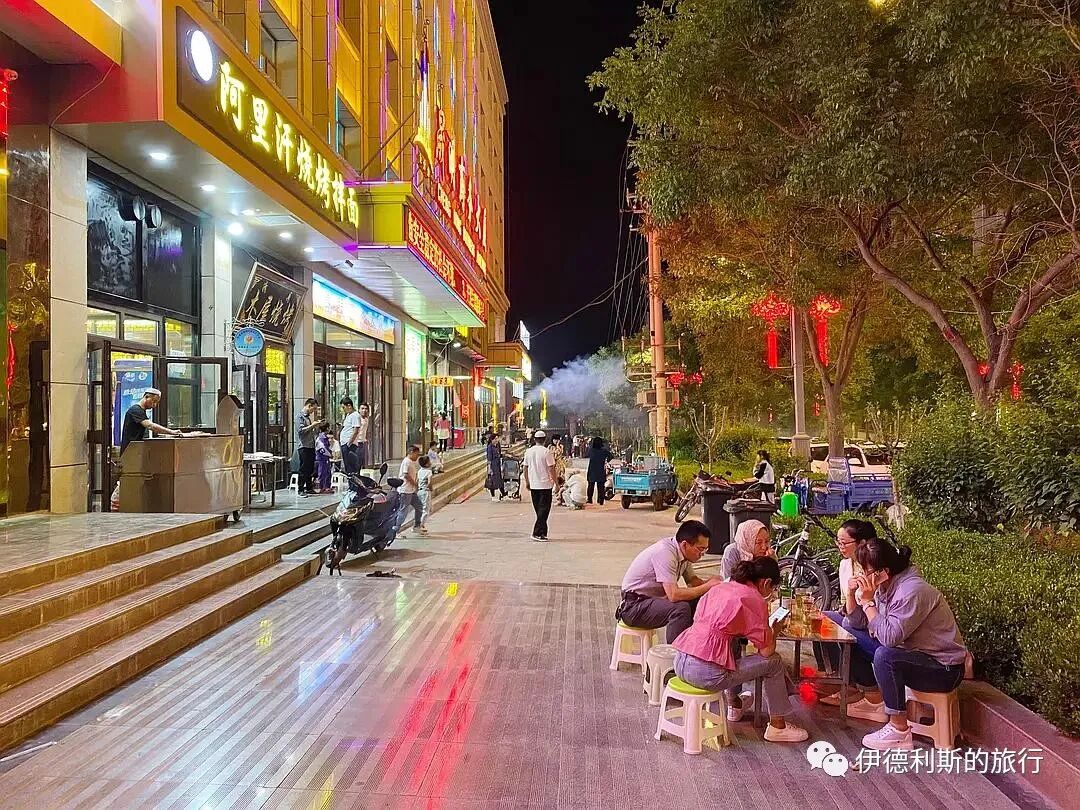
The next day, I had lamb offal soup (yangzasui) with flatbread (bingzi) at the Shalihai Lamb Offal shop on the main street of Ping'an, Haidong. Across the street is the Ping'an food street, Ping'anfang Pedestrian Street. I bought some handmade yogurt at the Hongshuiquan Starch Jelly (niangpi) shop inside. Hongshuiquan is where the most famous Hongshuiquan Great Mosque in Haidong is located.
The Upper and Lower Gongbei of Shangma Family in Bazanggou.
I took a Didi taxi from Ping'an to the famous Upper and Lower Gongbei of the Shangma family in Bazanggou, Haidong. The Upper Gongbei of the Shangma family is on the peak of Woniu Mountain, so it is also called Woniu Mountain Gongbei. It is the tomb of Ma Diangong (1643-1715), a leader of the Khufiyya Sufi order (menhuan).
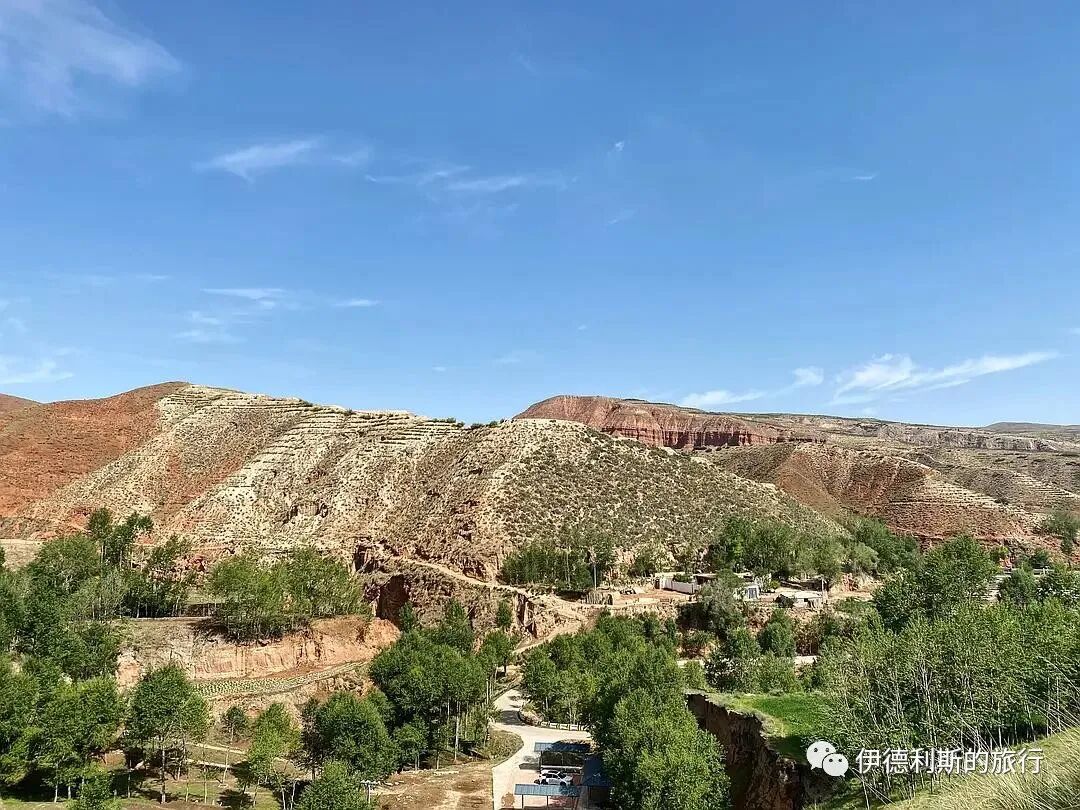
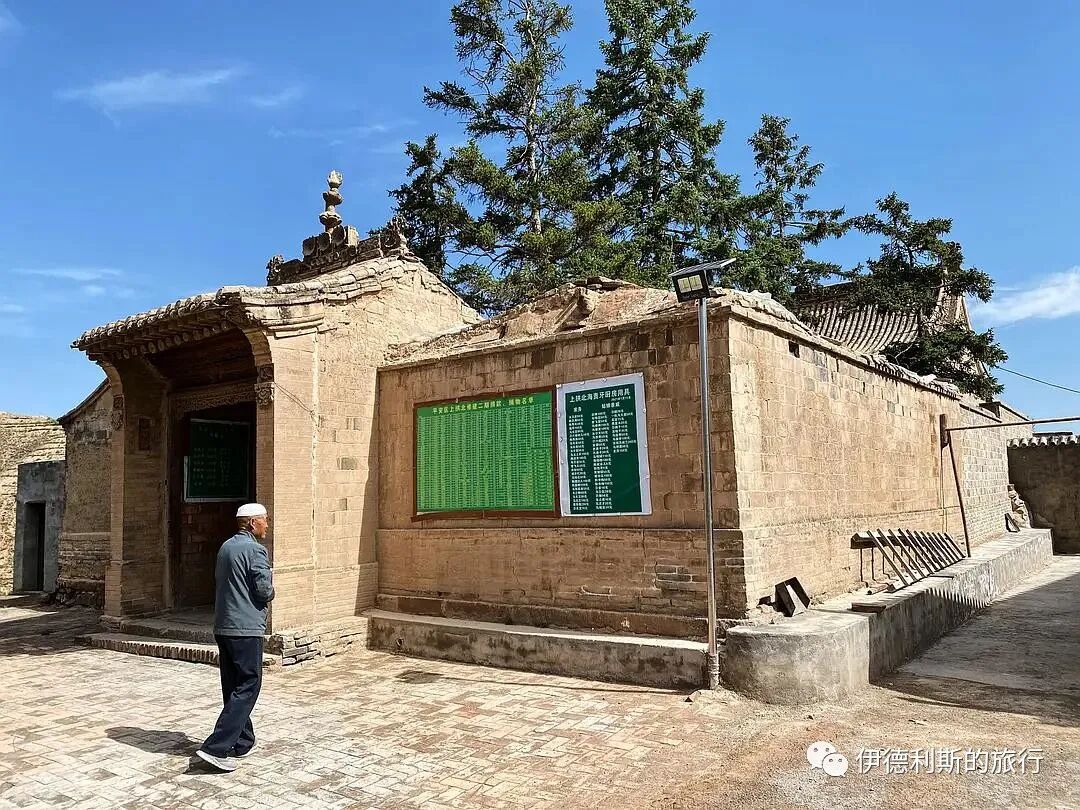
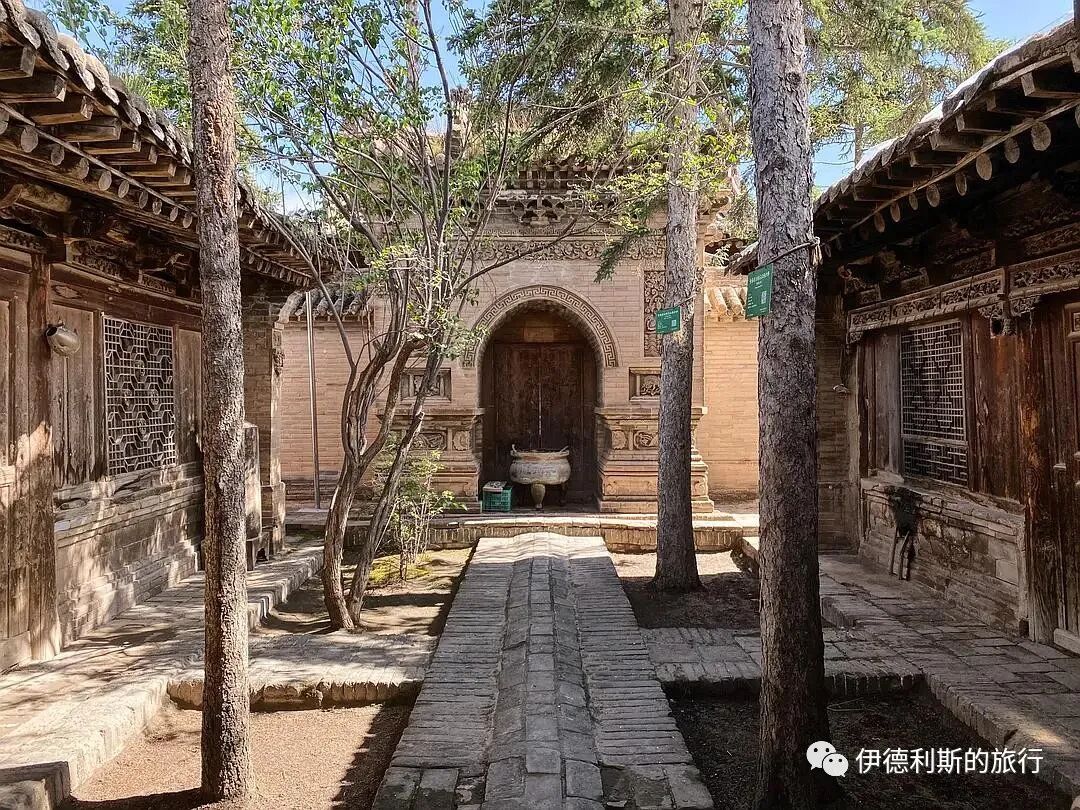
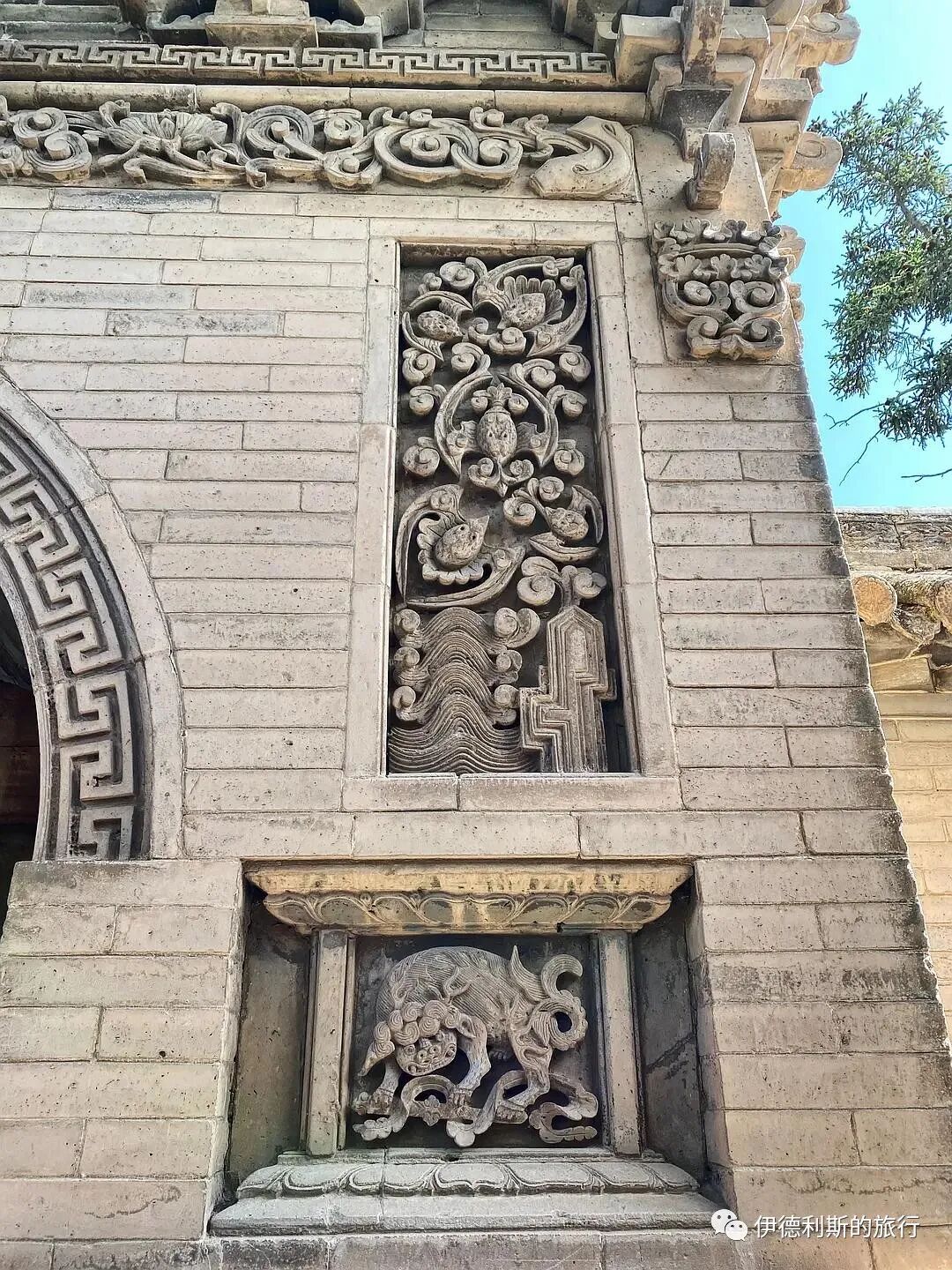
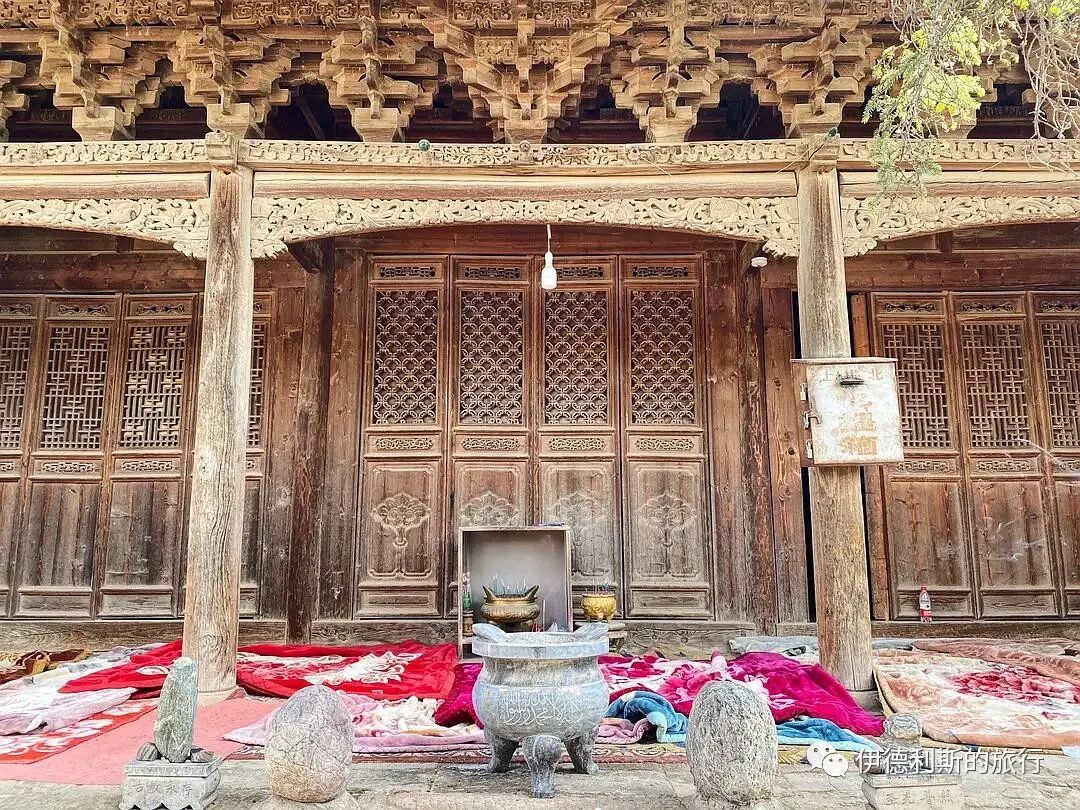
The Lower Gongbei of the Shangma family in Bazanggou is the tomb of Xian Chengde (known as Chuanli Taiye), the third-generation sheikh of the Khufiyya Xianmen menhuan. Xian Chengde built this gongbei during the Jiaqing reign. Shortly after it was completed in 1812, he passed away (returned to Allah), and his followers buried him there. In 1895, the fifth-generation sheikh of the Xianmen, Xian Linyuan, also passed away and was buried in the Lower Gongbei.
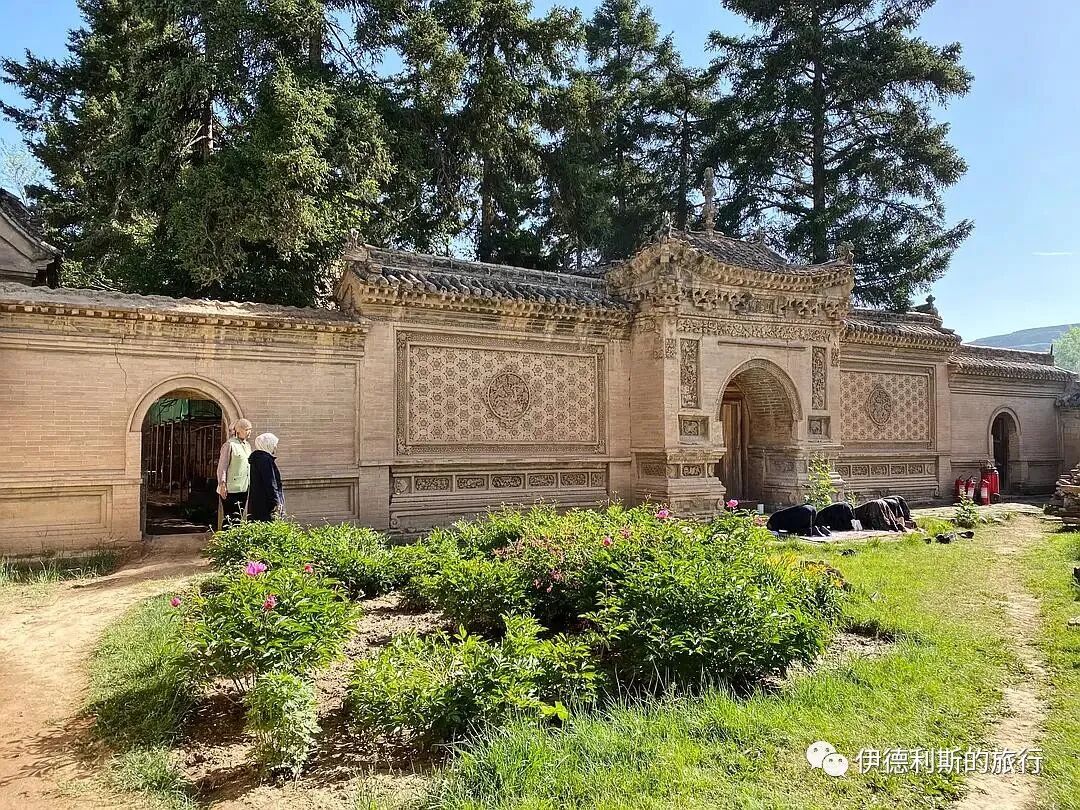
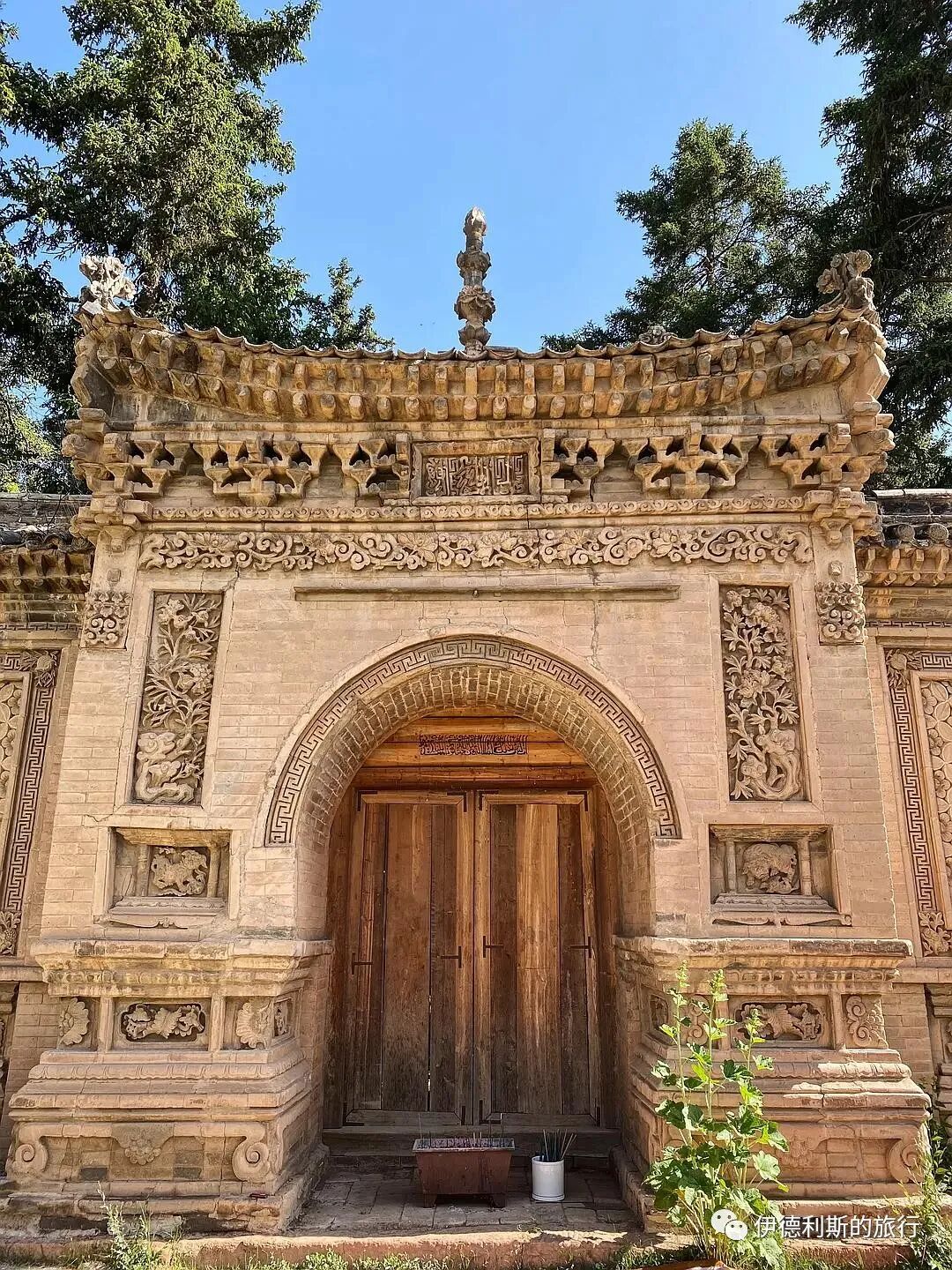
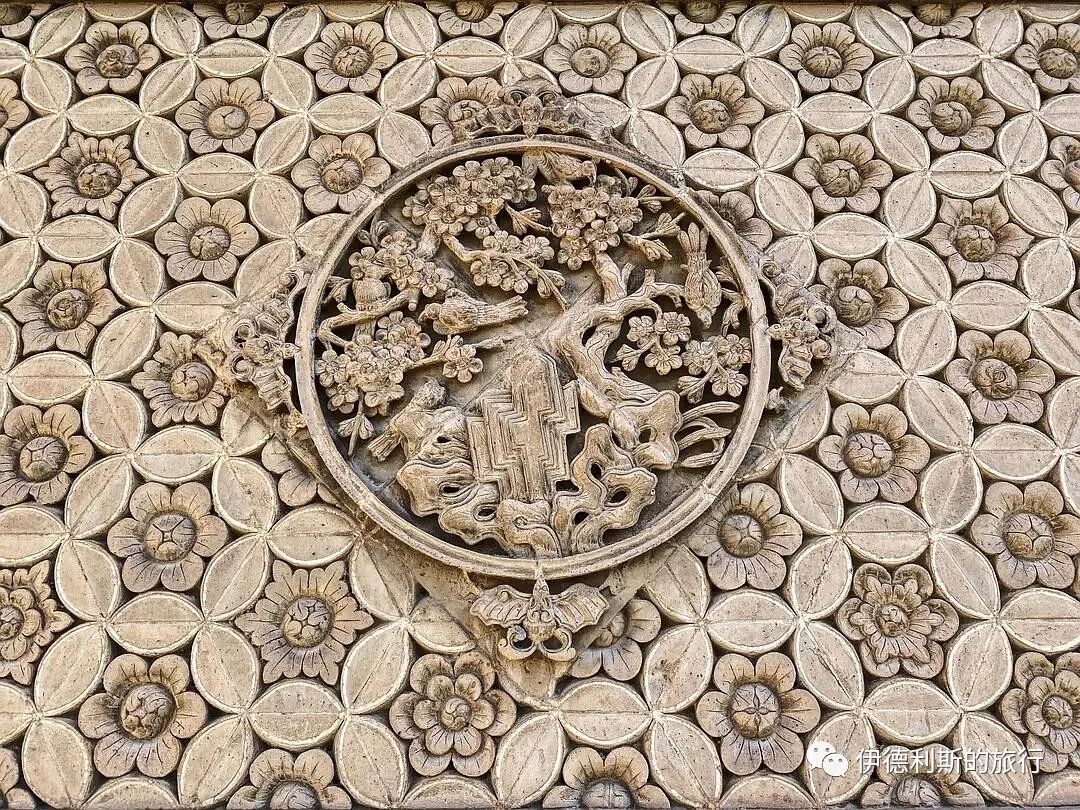
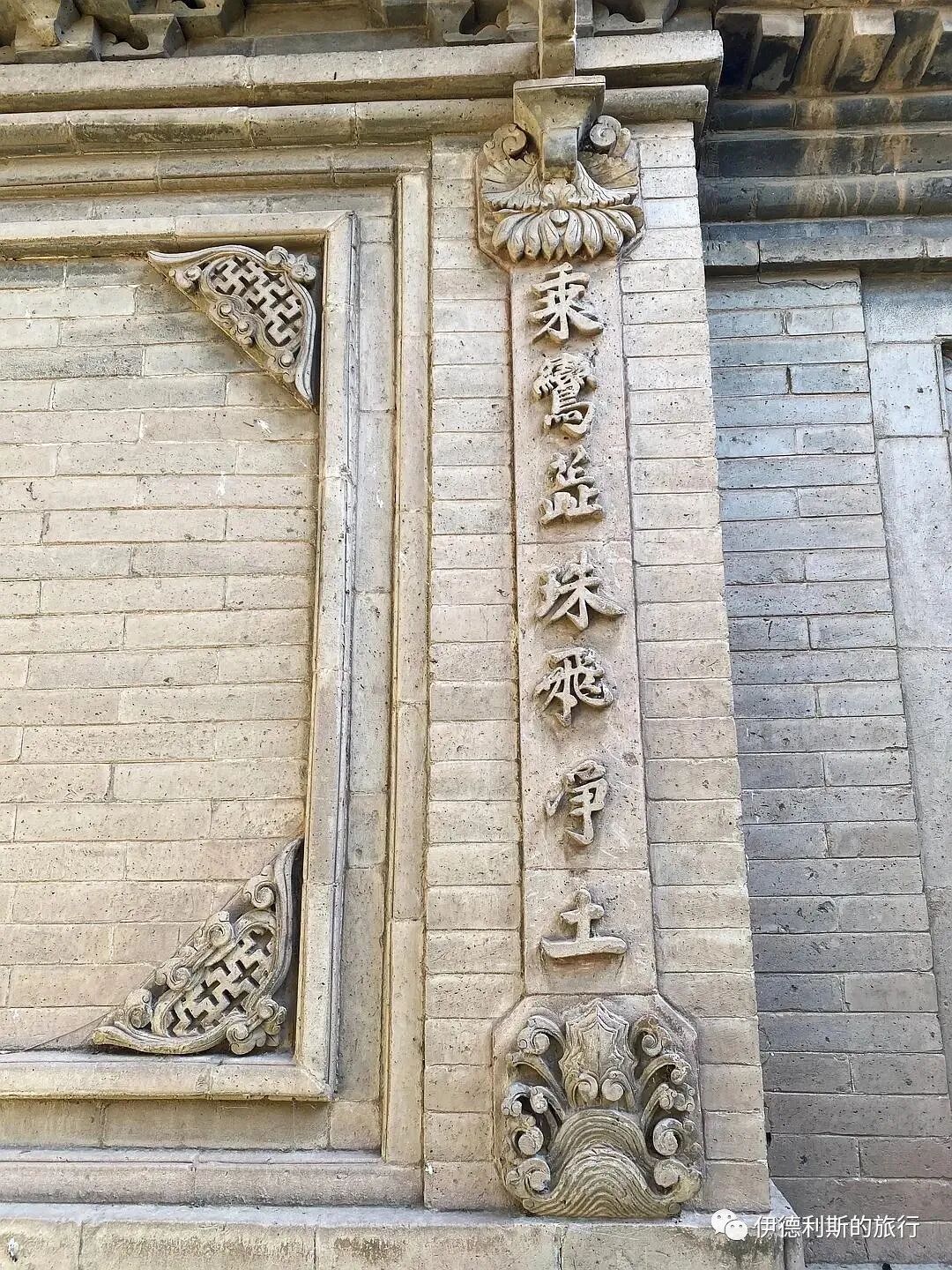
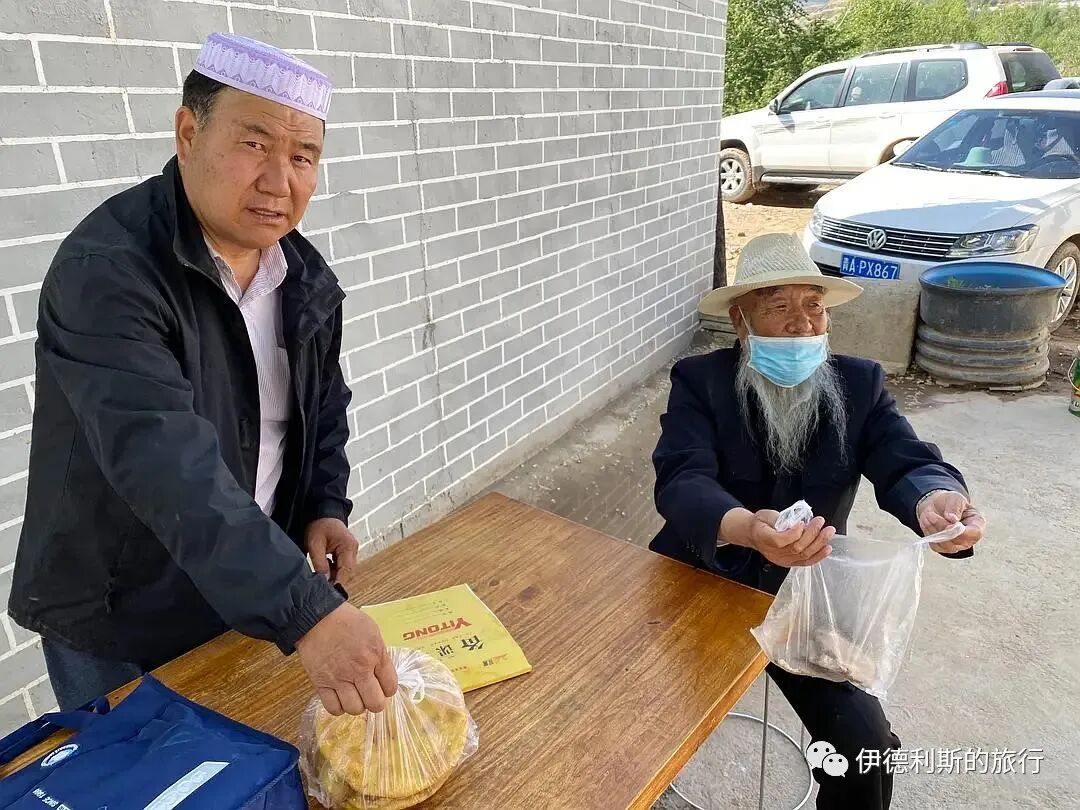
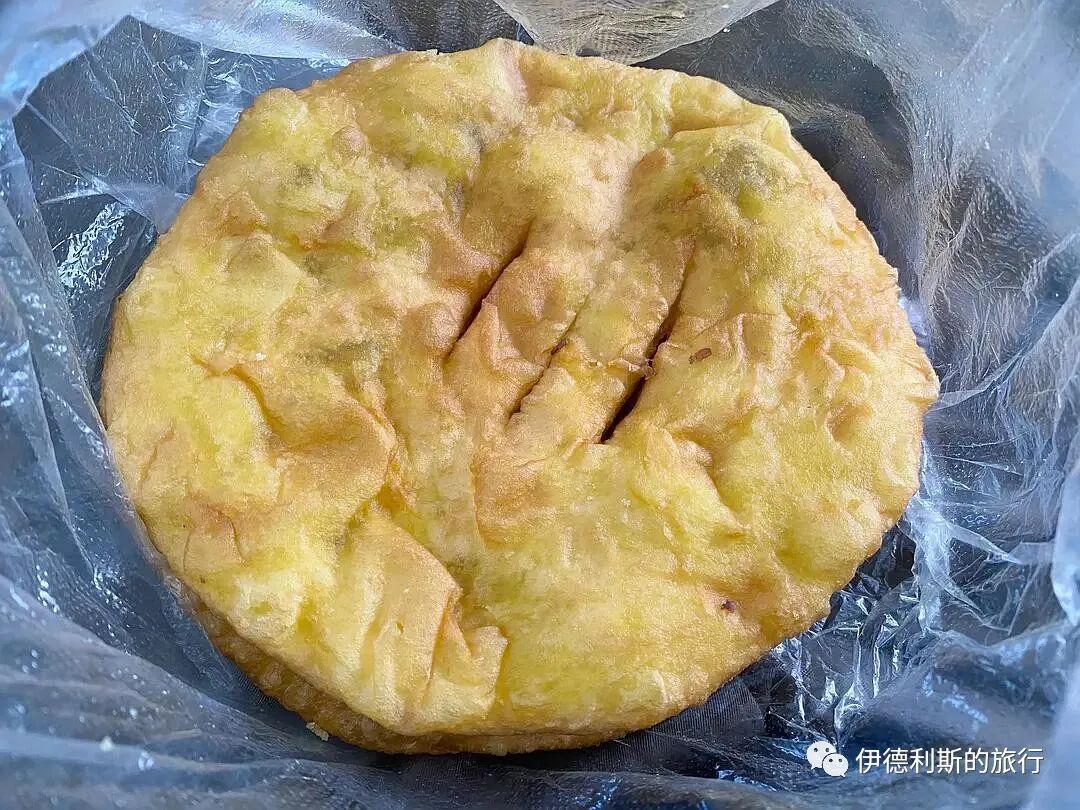
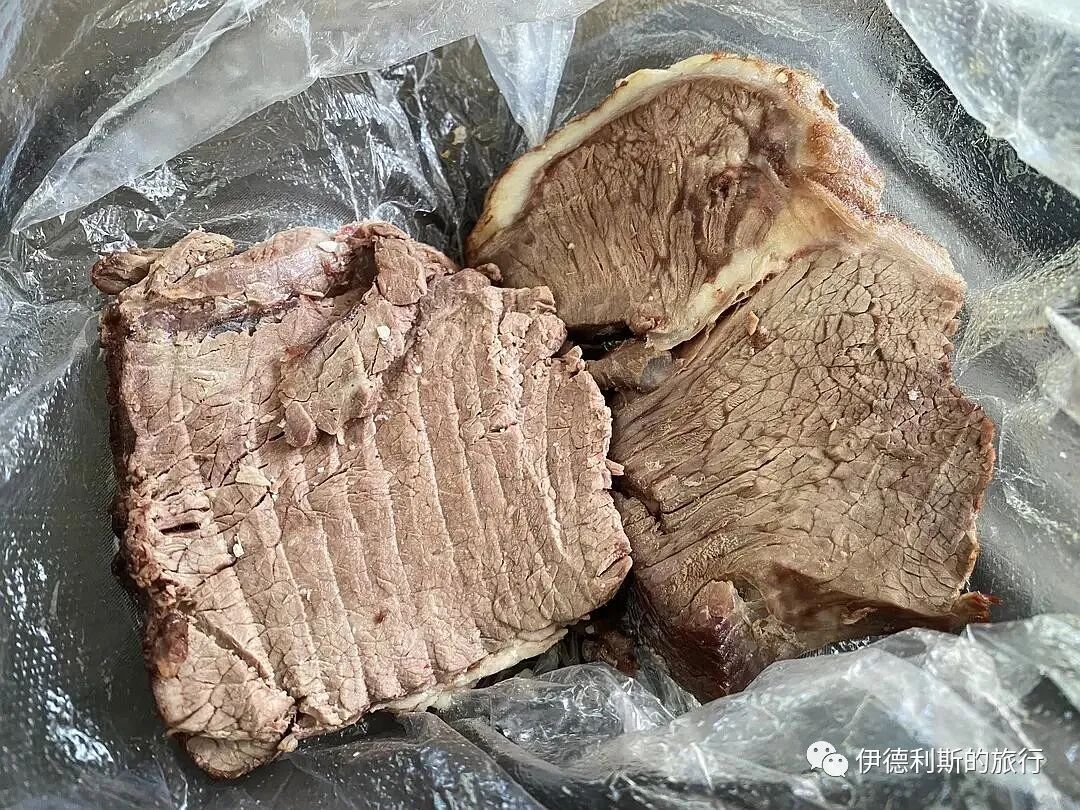
We were warmly received at the Lower Gongbei of Shangmazhuang and were given fried dough (youxiang) and clear-stewed meat.
Yangulu Gongbei.
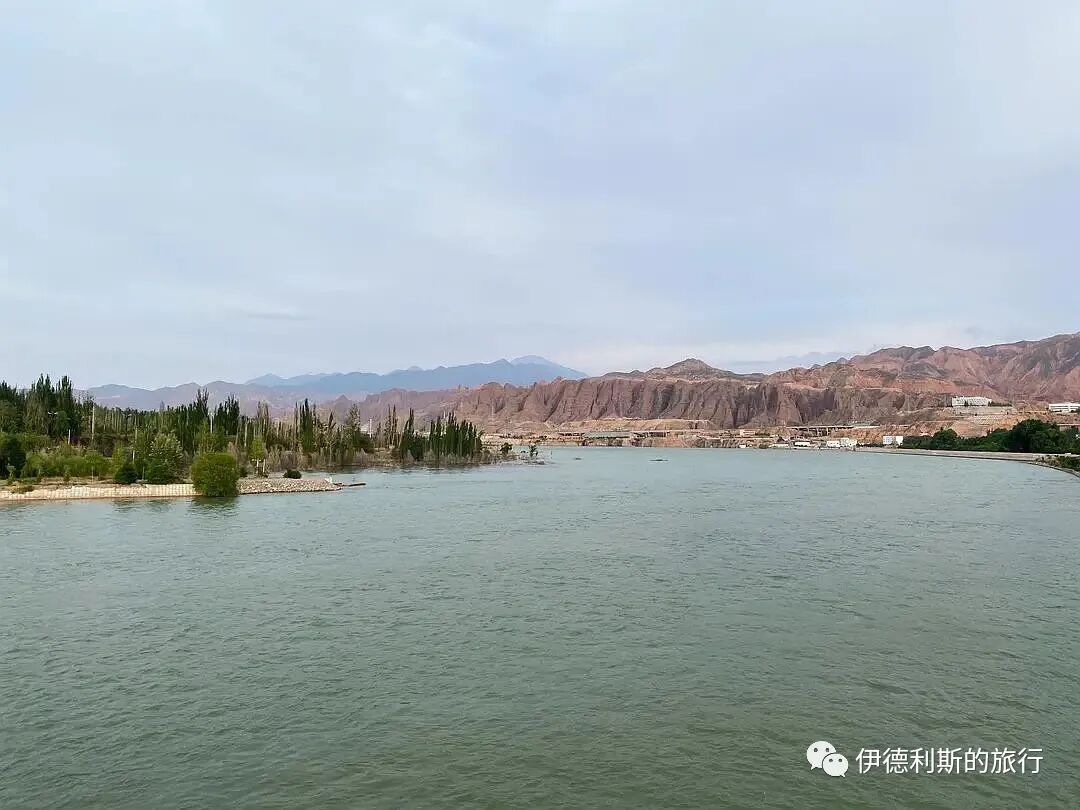
At noon, I chartered a car from Ping'an District, Haidong, to the famous Yangulu Gongbei in Xunhua. After a two-hour drive, we crossed the mountains from the Huangshui Valley into the Yellow River Valley and arrived at the Gongboxia Dam pier. When we reached the pier, a boat was about to depart. It carried a large family of Hui Muslims from Linxia who were visiting the gongbei, and we took the boat together to the gongbei pier.
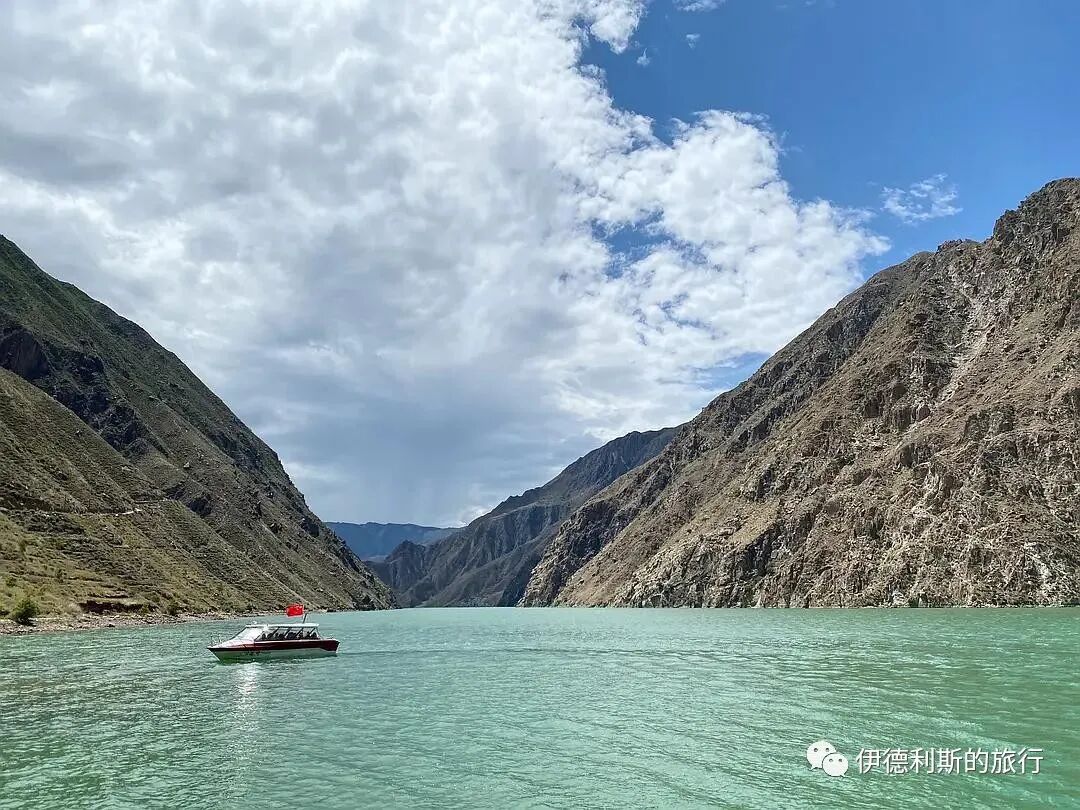
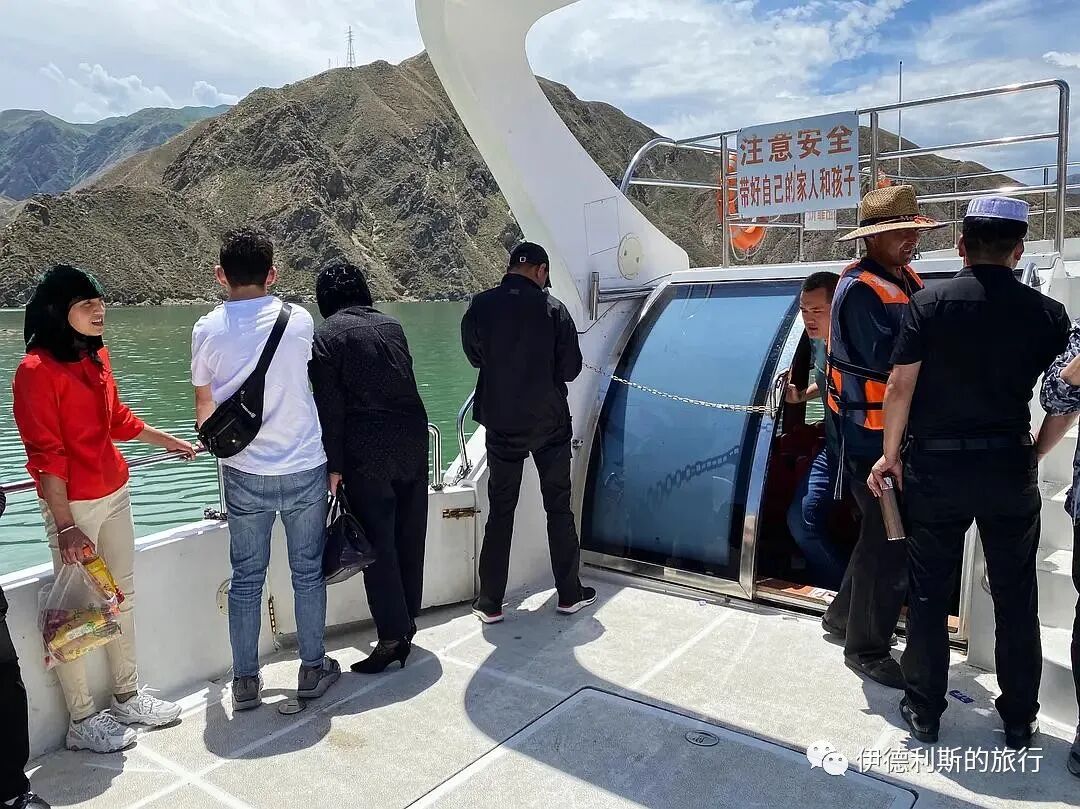
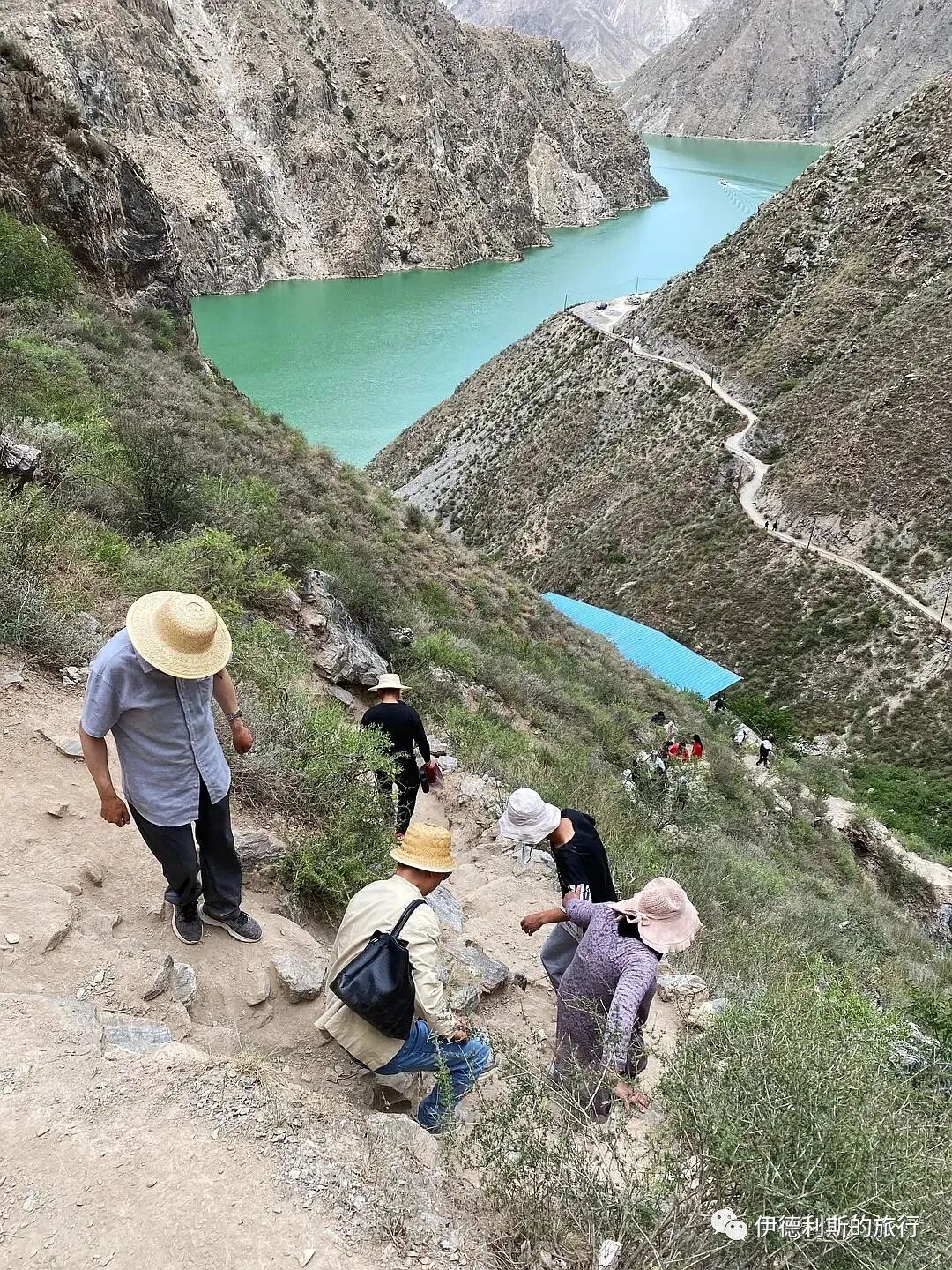
To get from the pier to the gongbei, you have to walk along a mountain path by the Yellow River, but it has been widened in recent years and is much easier to walk than before.
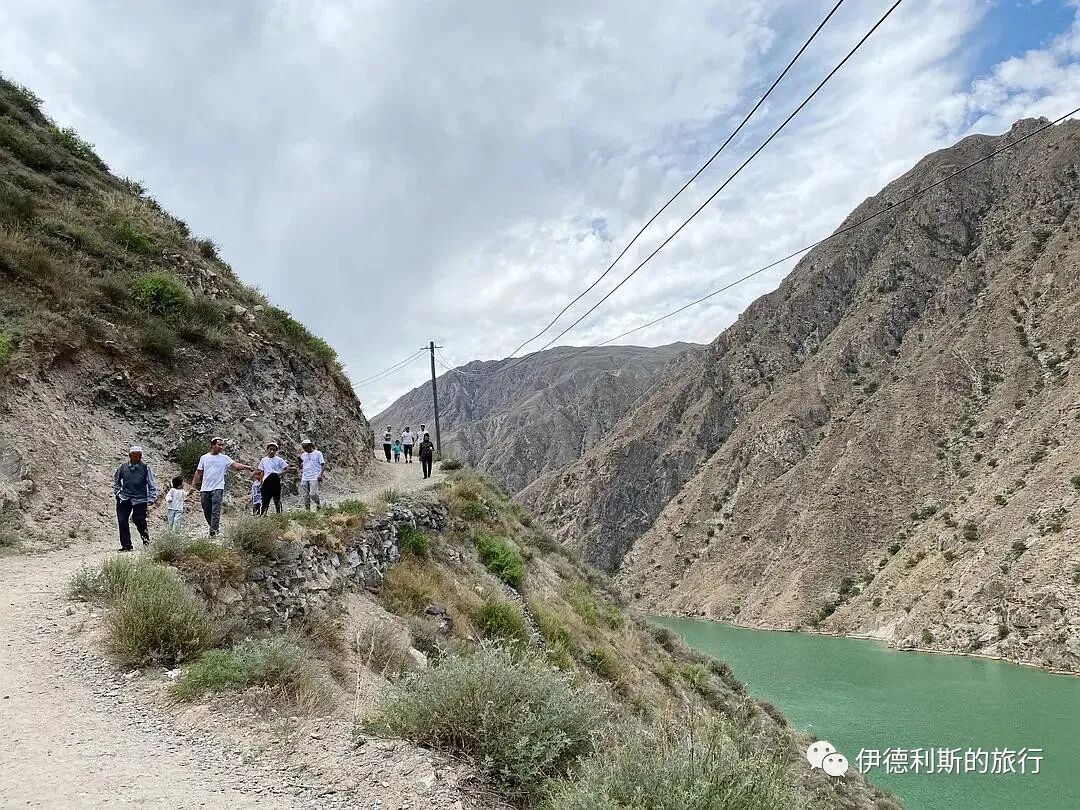
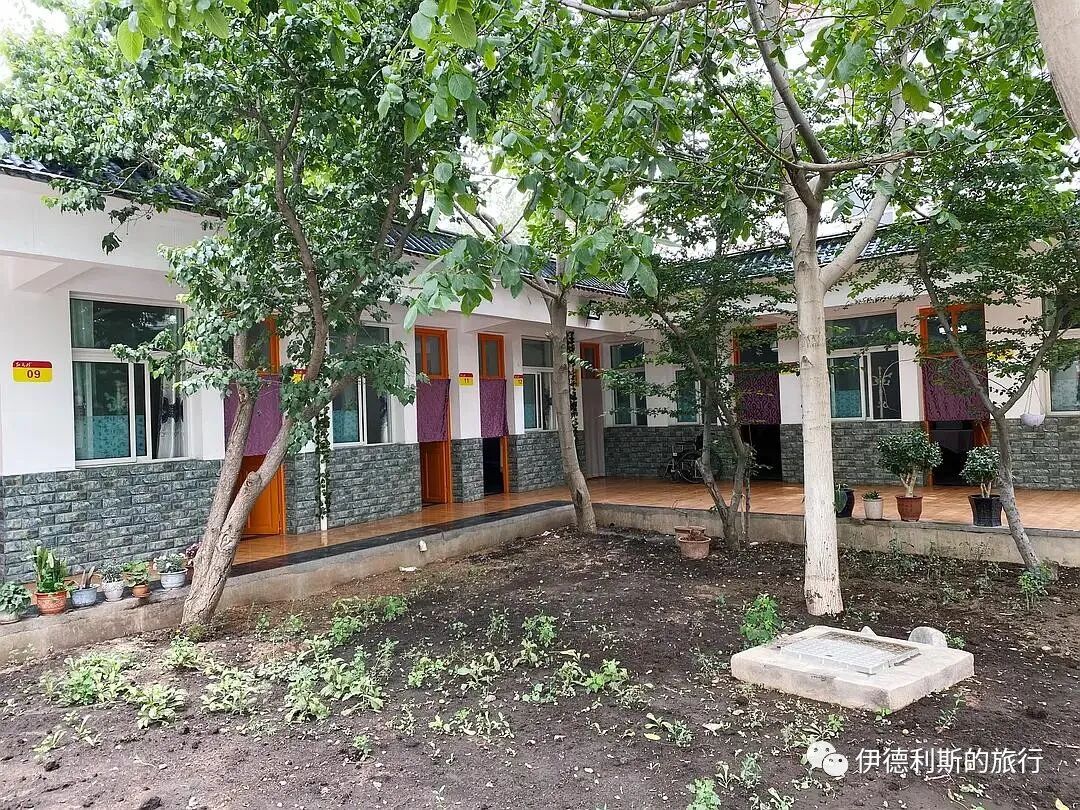
At the end of the mountain road, there are over 30 houses built in 1985 with community funds to provide food, lodging, and rest for those visiting the gongbei. We performed wudu (abudaisi) here, listened to the advice of the Salar uncle who guards the gongbei, and prepared to head toward the cliff leading to the shrine.
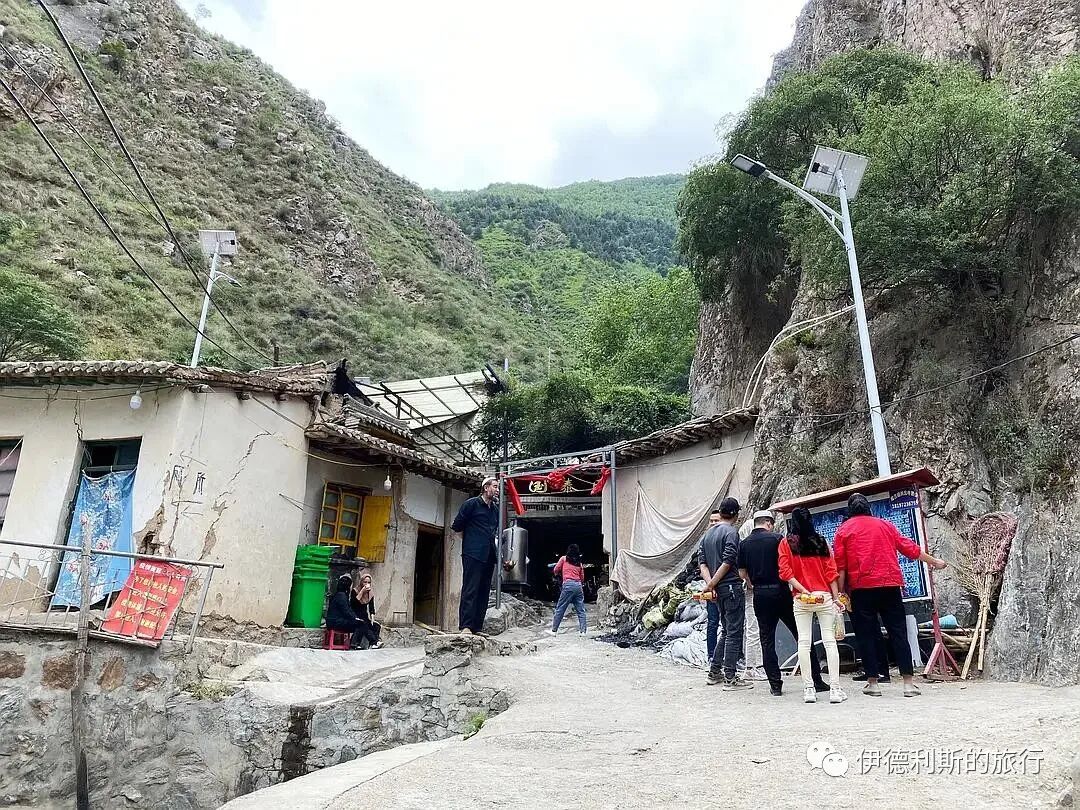
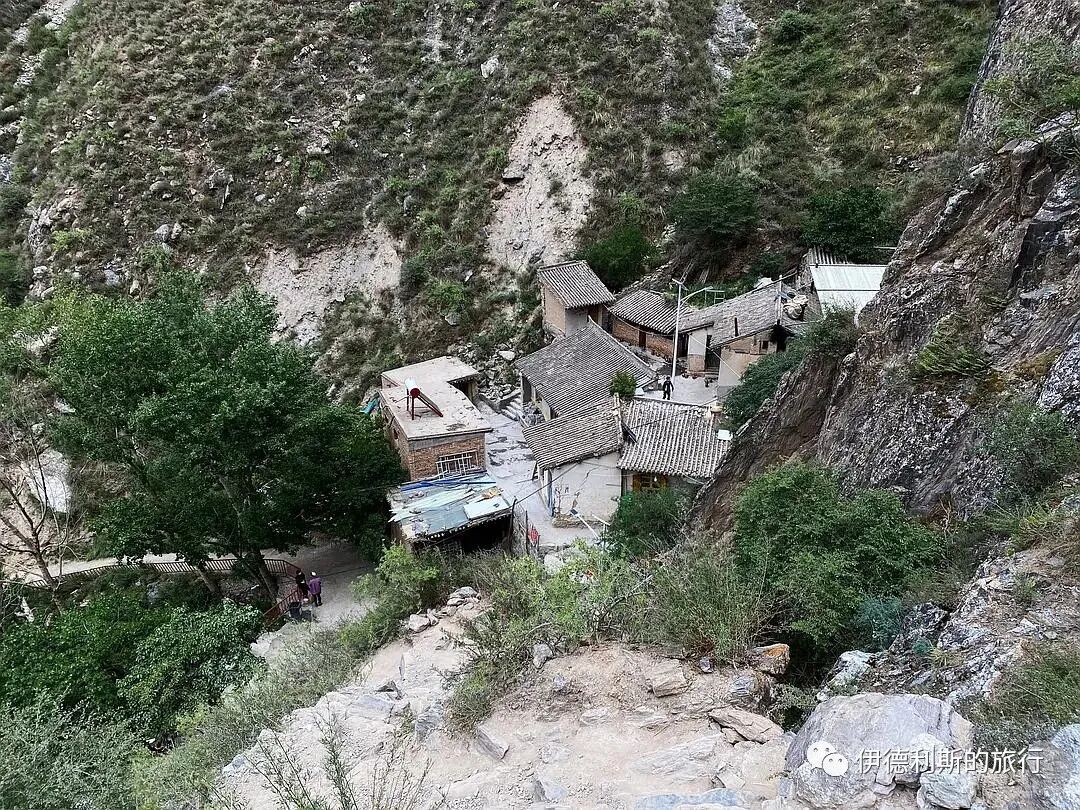
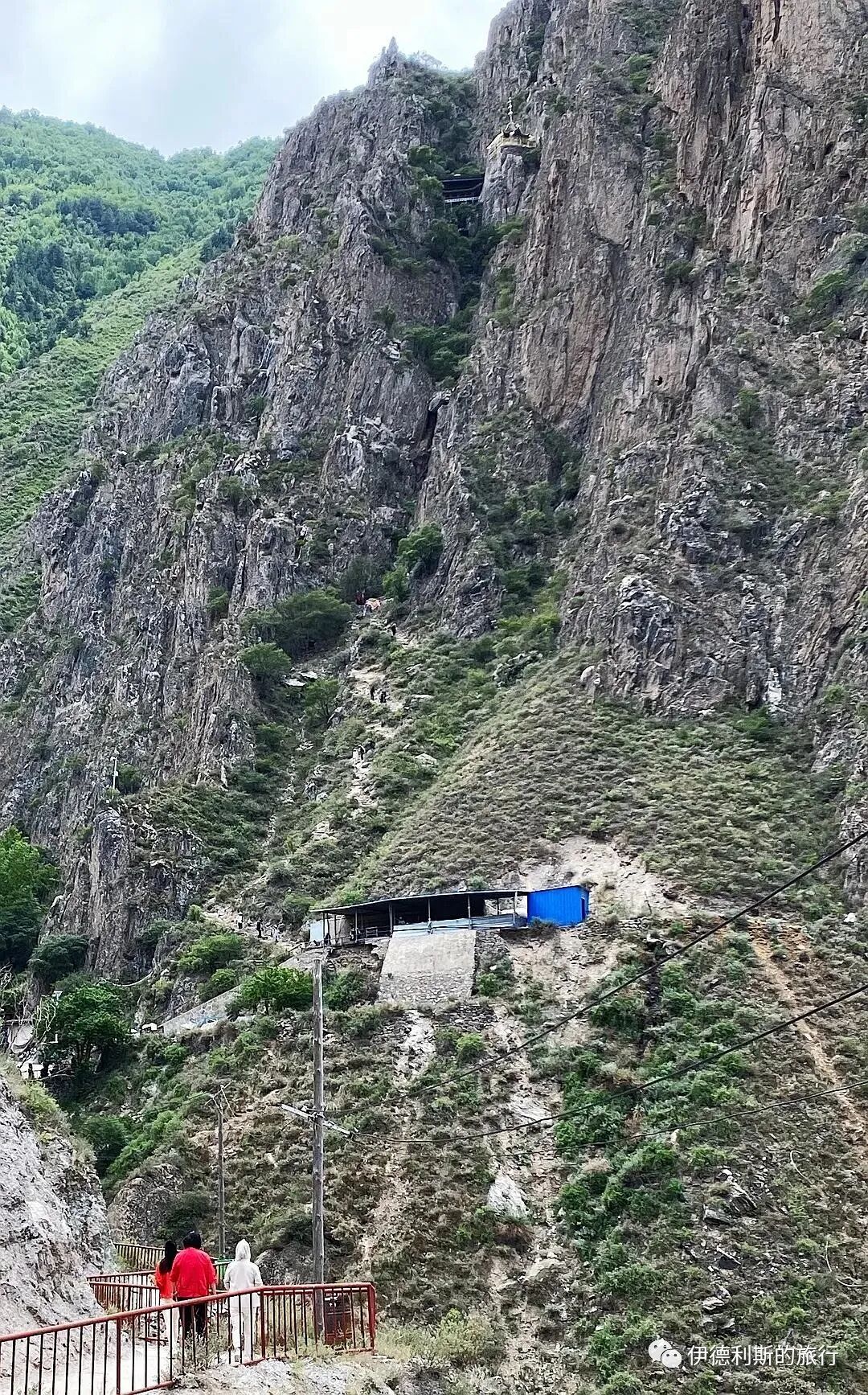
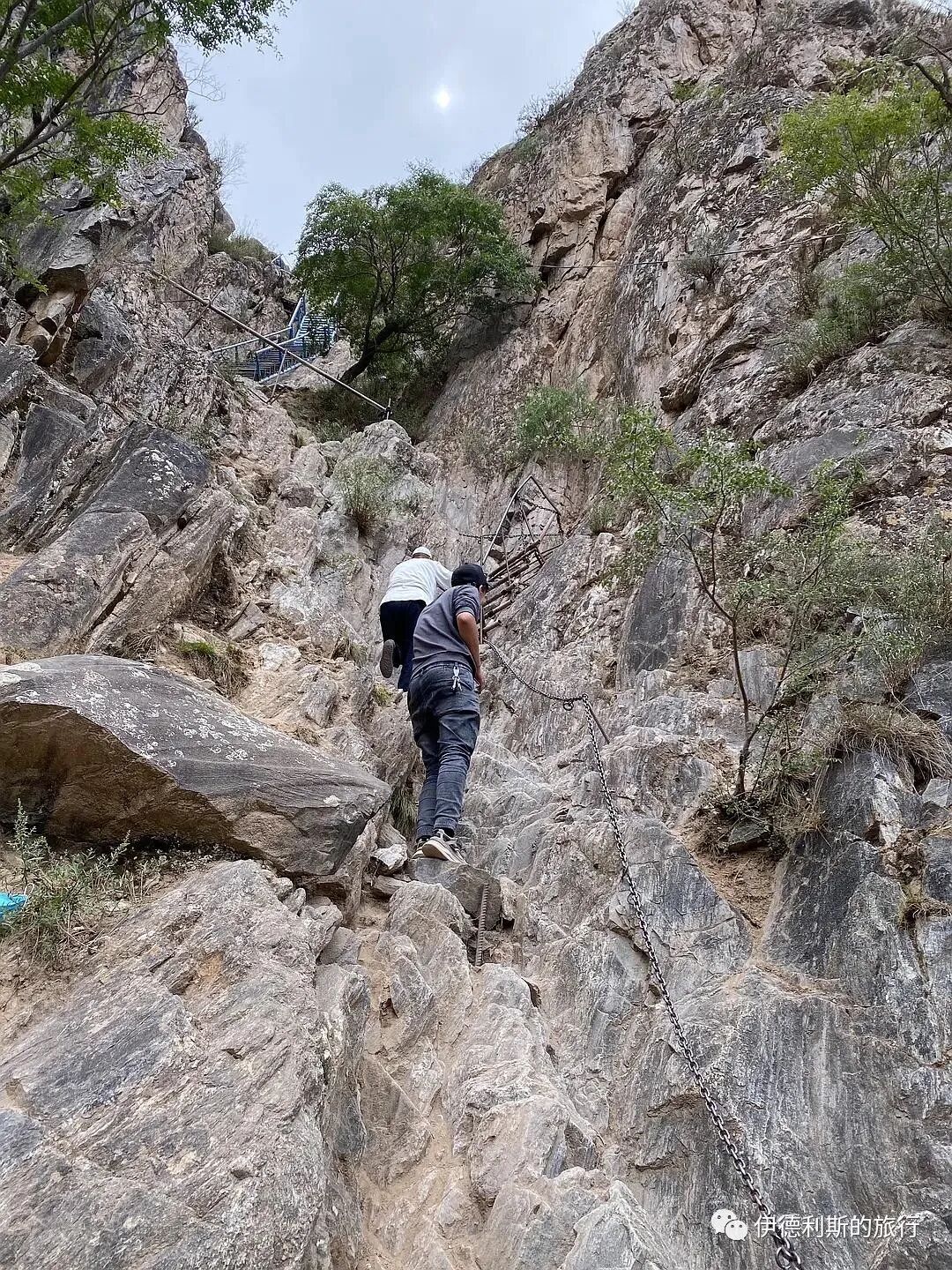
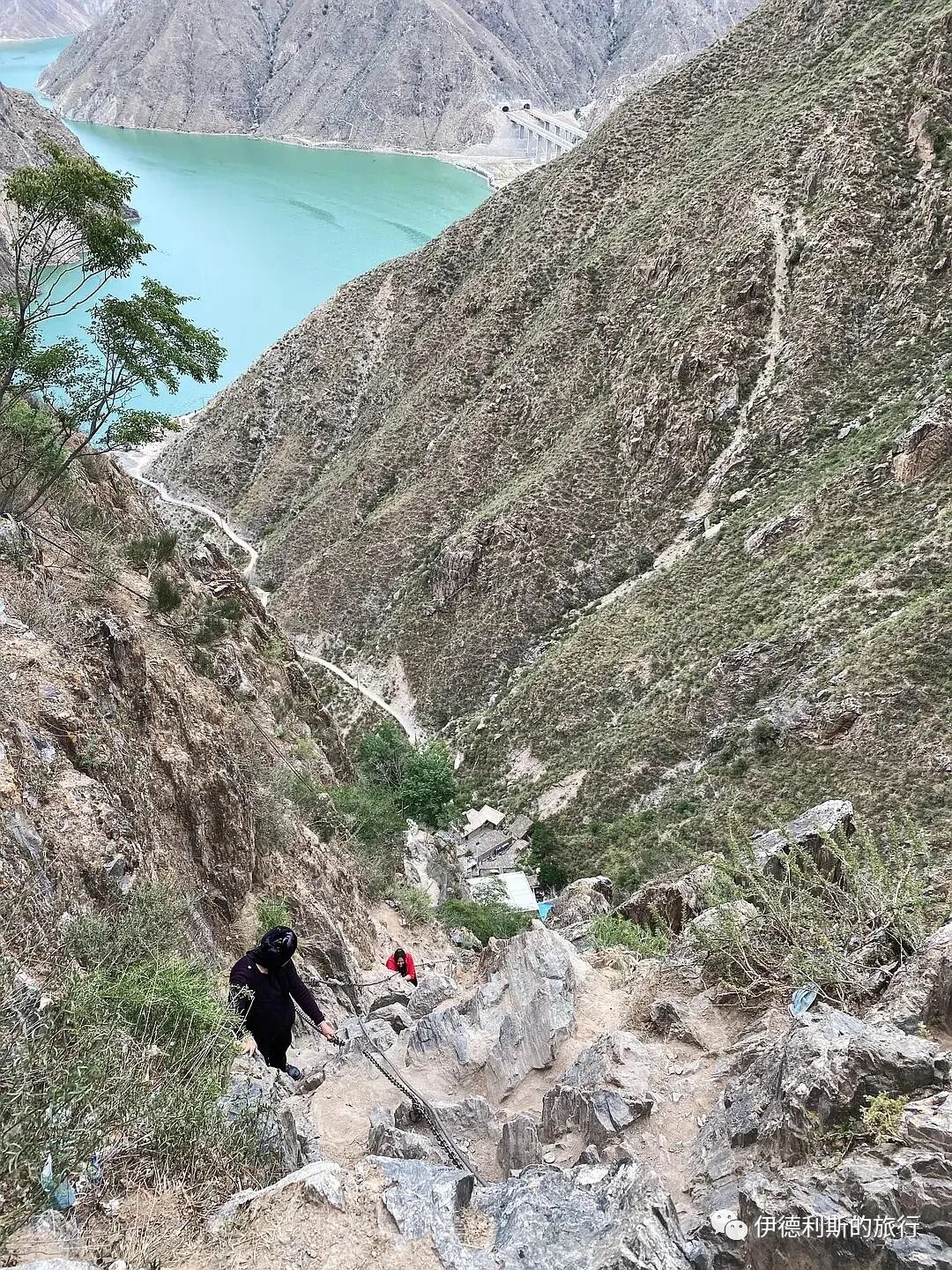
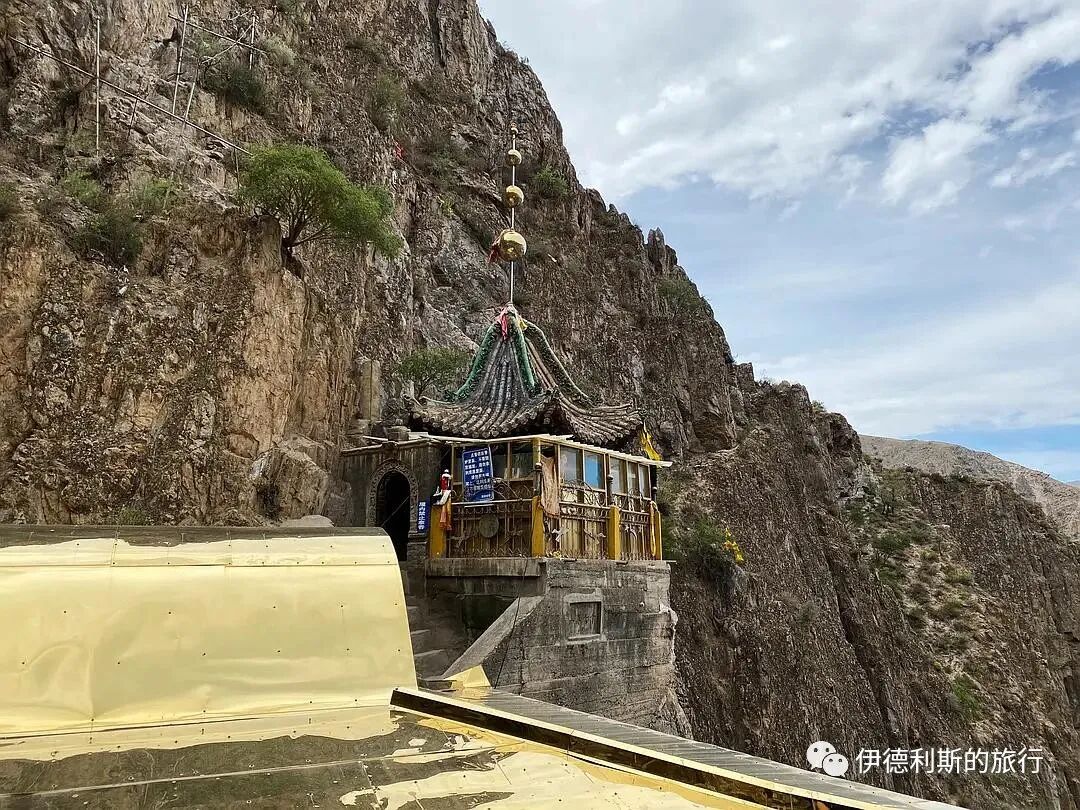
After crossing the final stone threshold, we reached three rest pavilions built below the gongbei during the Guangxu reign. Not far above them stands the hexagonal, pointed-roof gongbei pavilion.
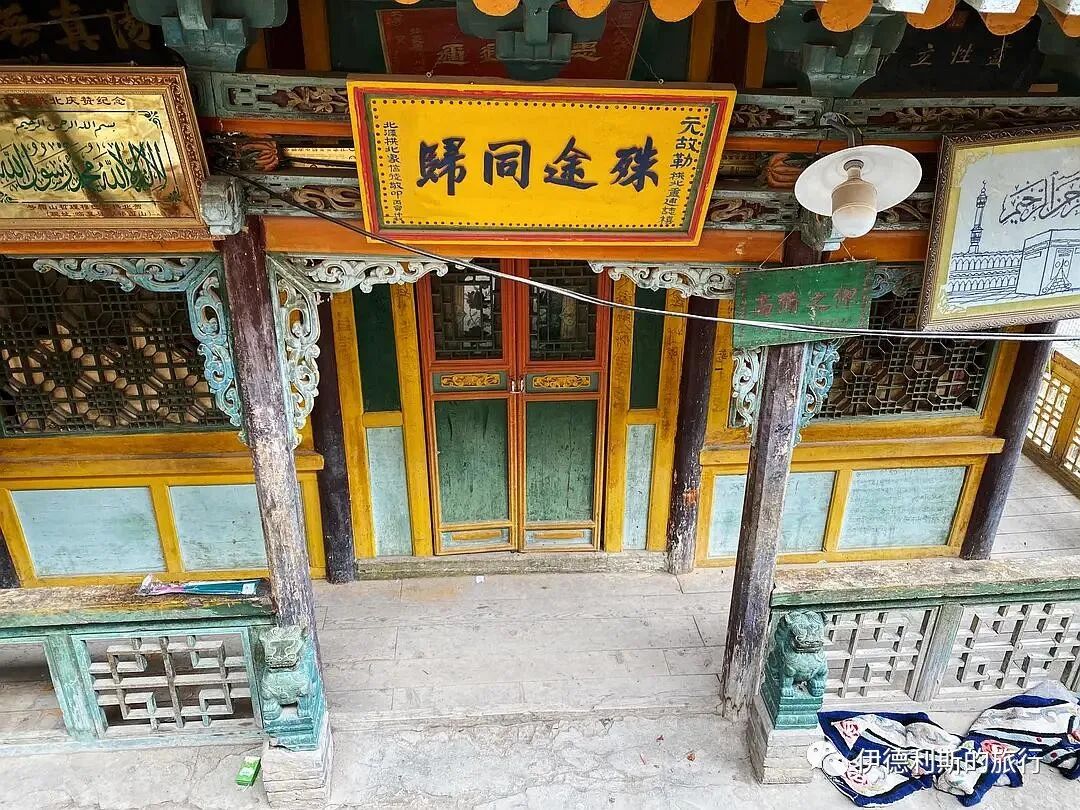
Going down the mountain is actually much harder than going up because it is a vertical cliff. You cannot see the path at all, so you have to feel your way with your feet, step by step. It is often hard to find where to place your next step, and halfway down, my calves started shaking from the intense tension. In the end, it took us even longer to reach the foot of the mountain than it did to climb up.
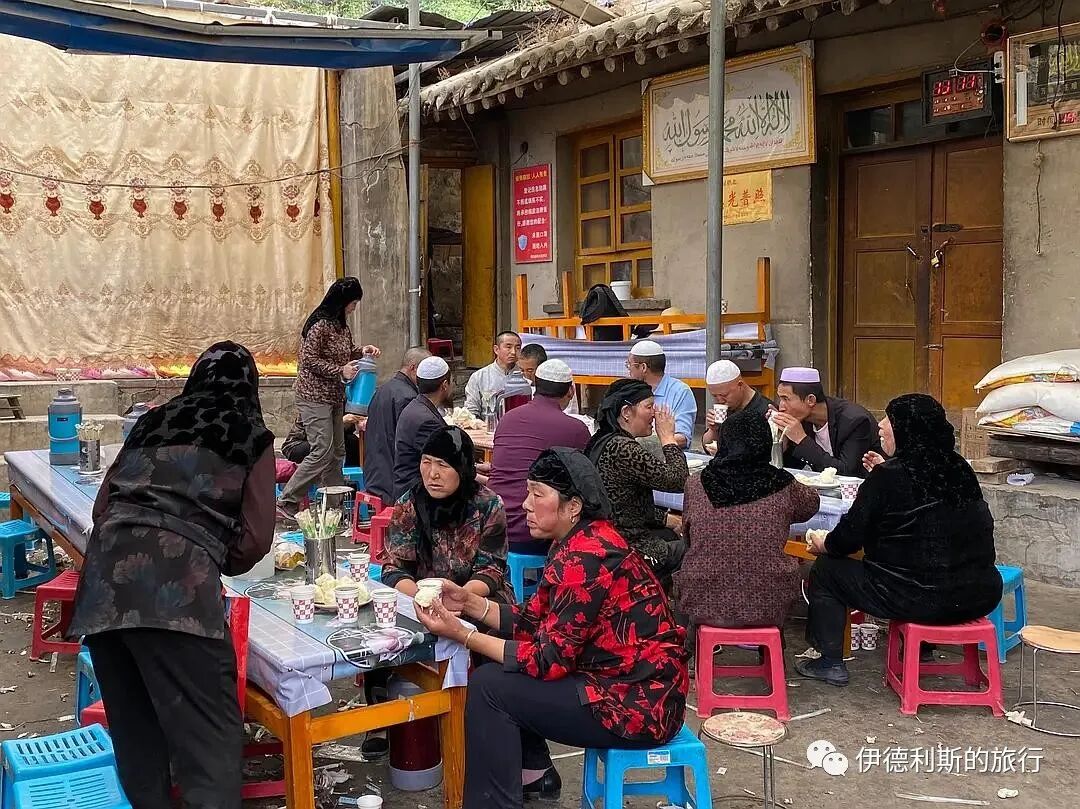
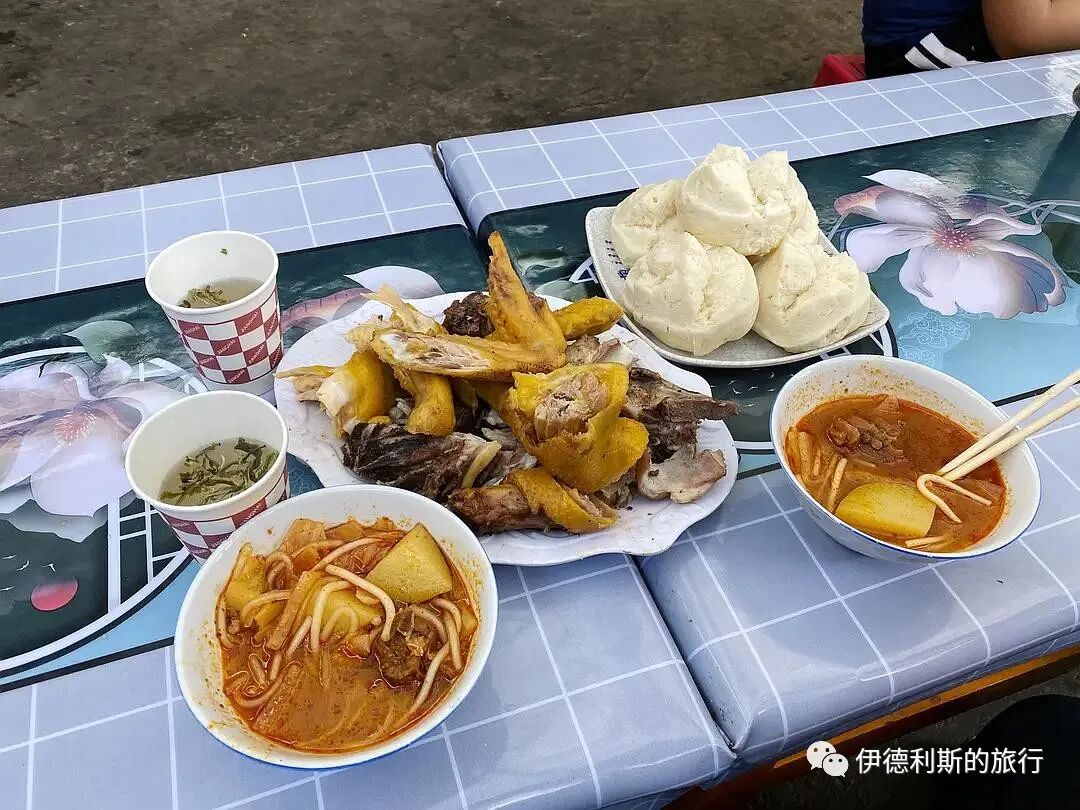
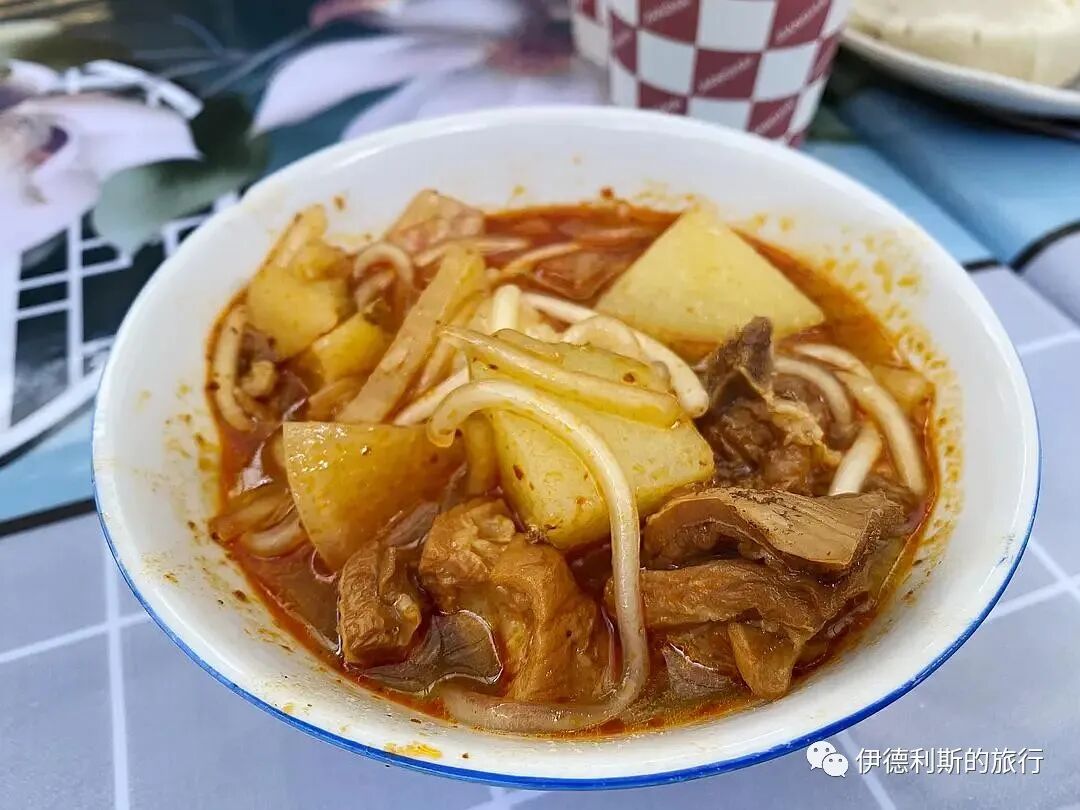
At the foot of the mountain, we were warmly welcomed by the Salar guardians of the gongbei. We ate delicious braised meat bowls (huiwan), steamed buns (momo), old-stock chicken (laotangji), and hand-grabbed lamb chops (shouzhuayangpai), and drank plenty of clear tea. The Yangulu Gongbei is currently guarded by four Salar families who have lived here for generations. Food and lodging are free for all believers who visit, and the income mainly comes from charitable donations (nietie).
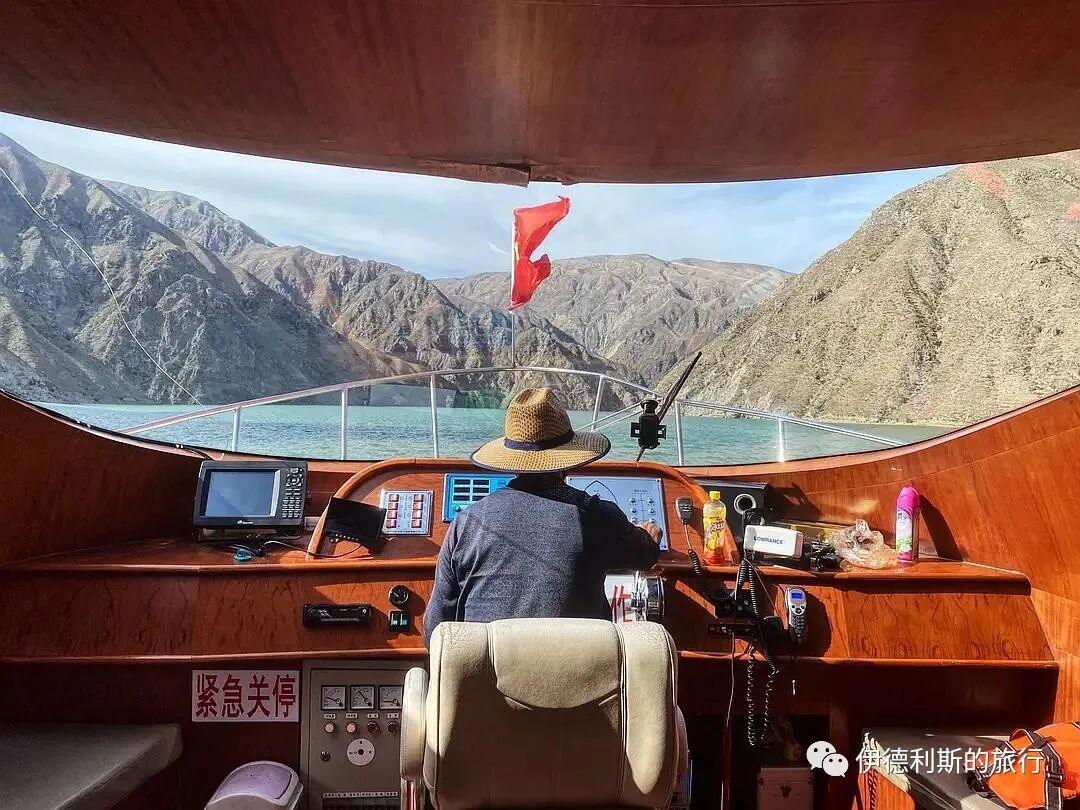
After a full meal, we said goodbye to our warm Salar friends, returned to the pier, and took a boat to leave Yangulu.
Xunhua County Town
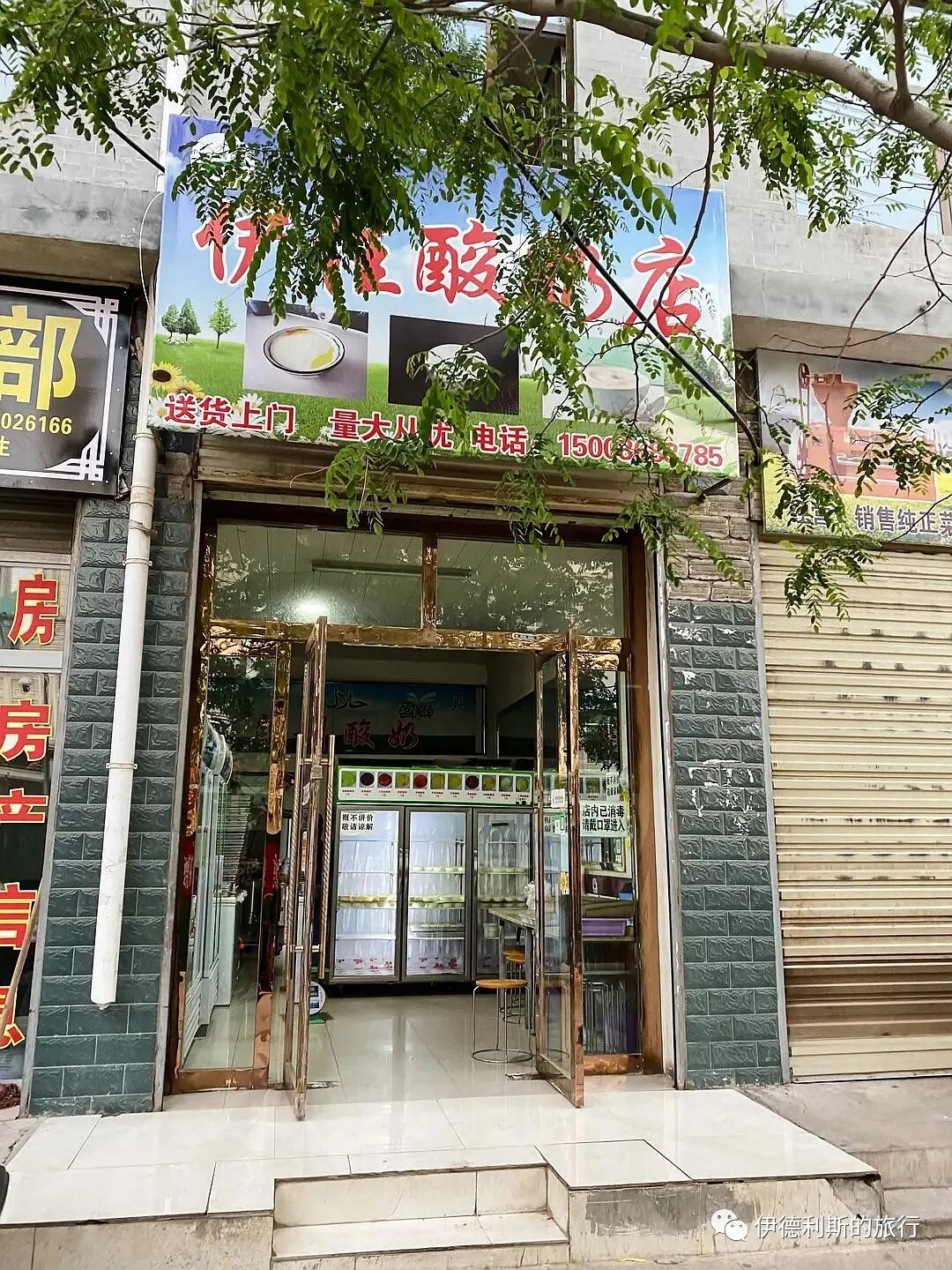
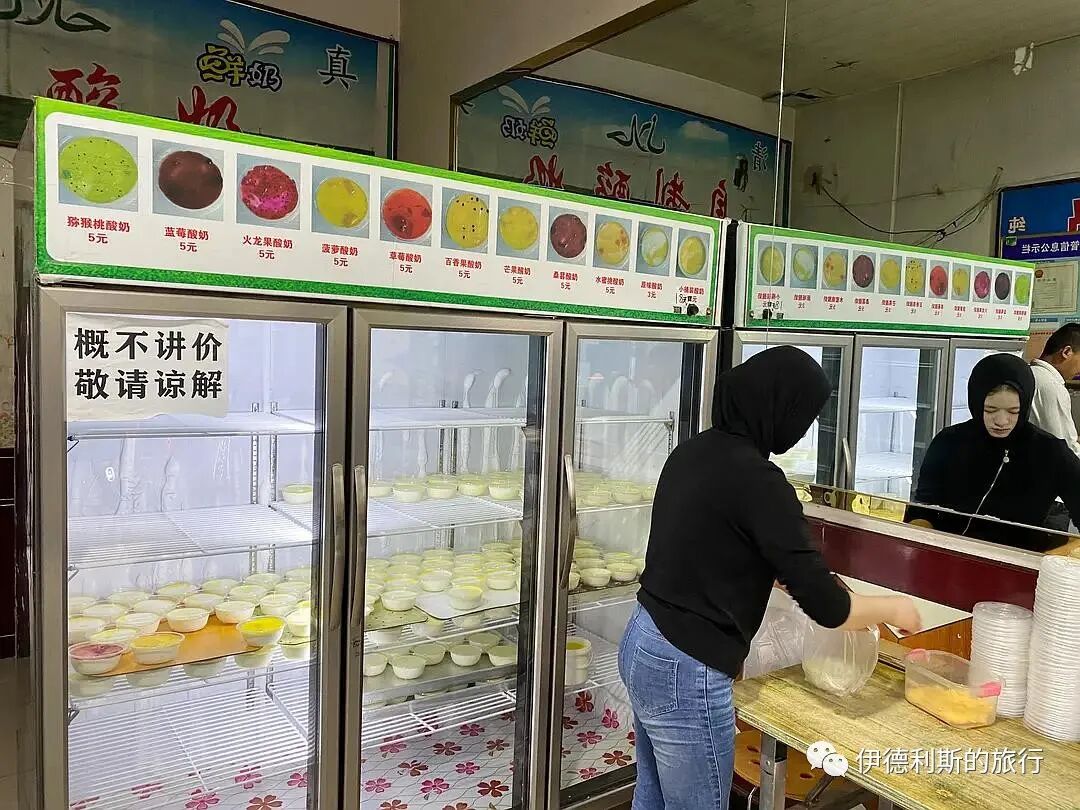
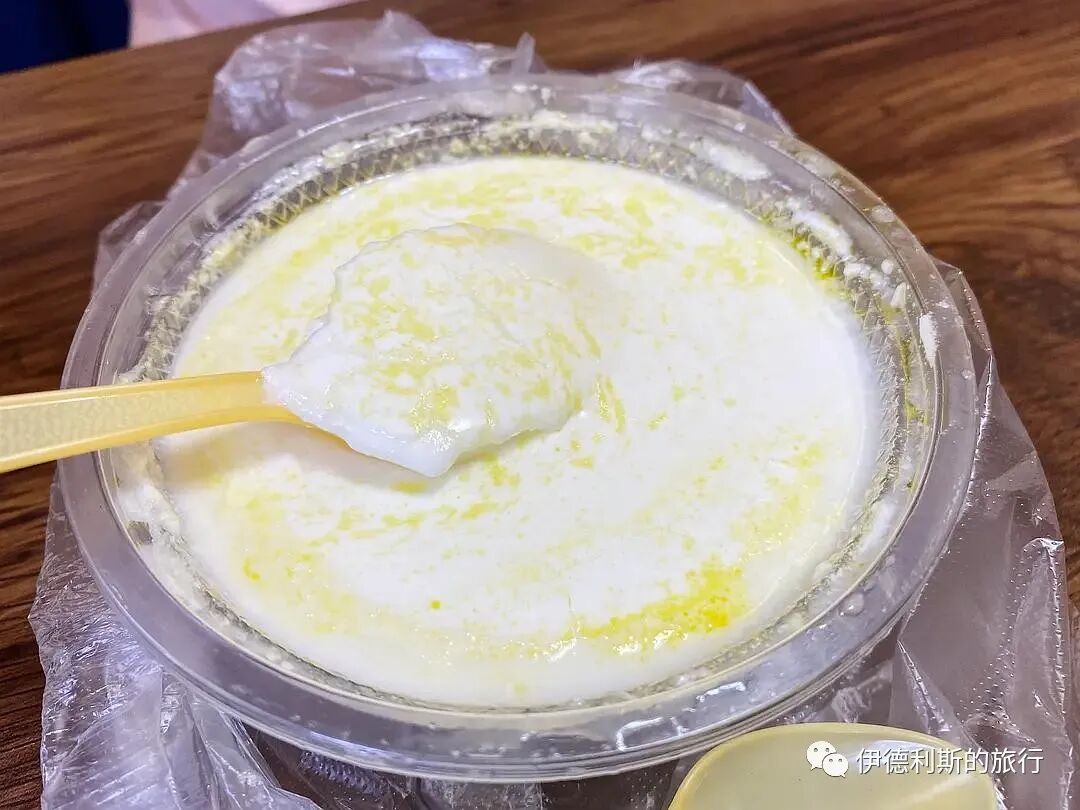
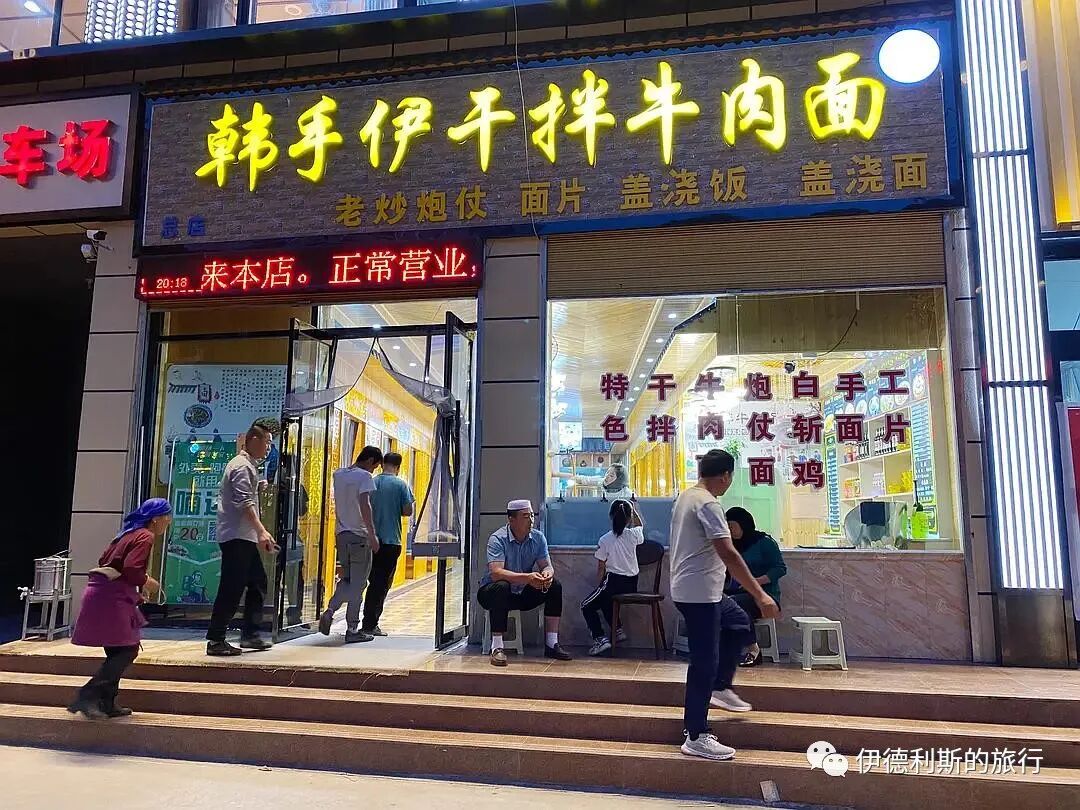
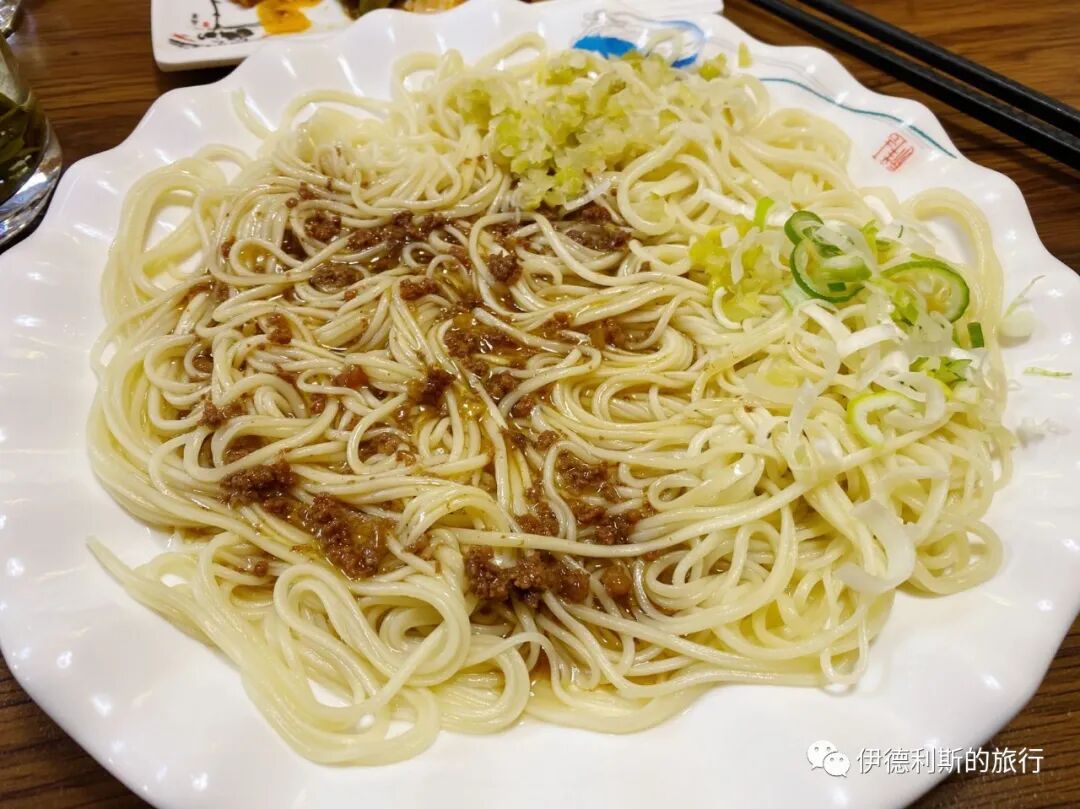
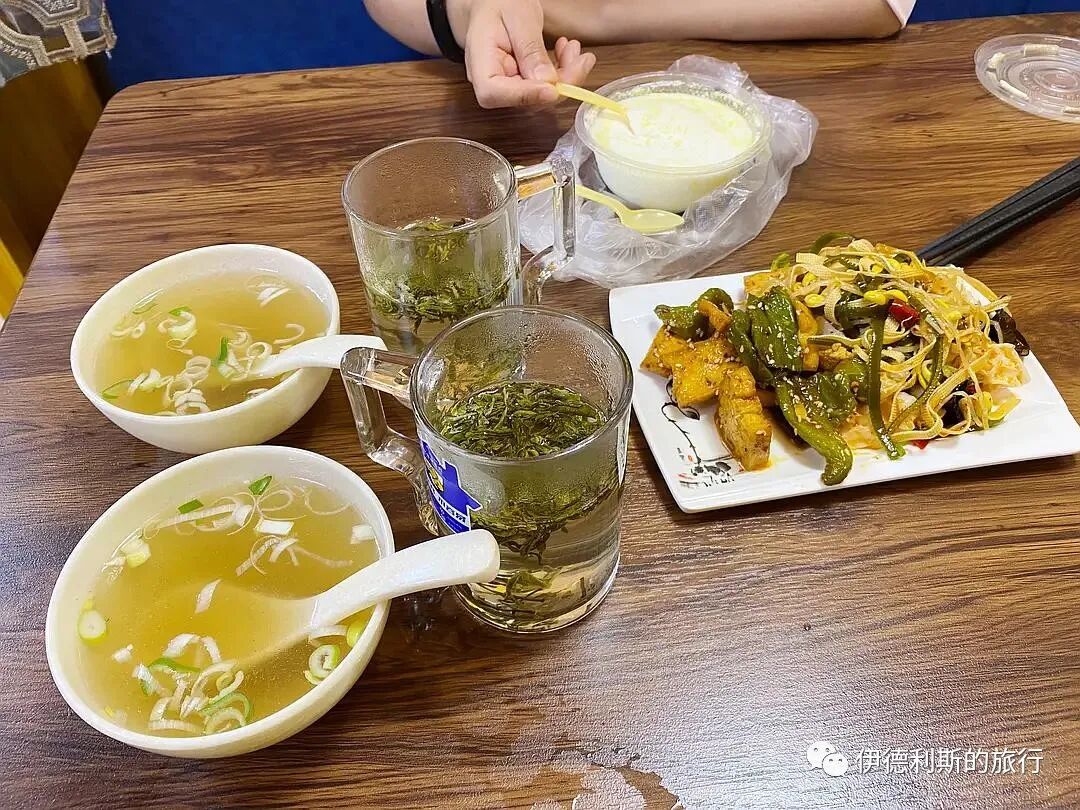
In the evening, we traveled from Yangulu to Xunhua County town, bought some handmade yogurt with rapeseed oil, and then ate some Salar dry-mixed beef noodles.
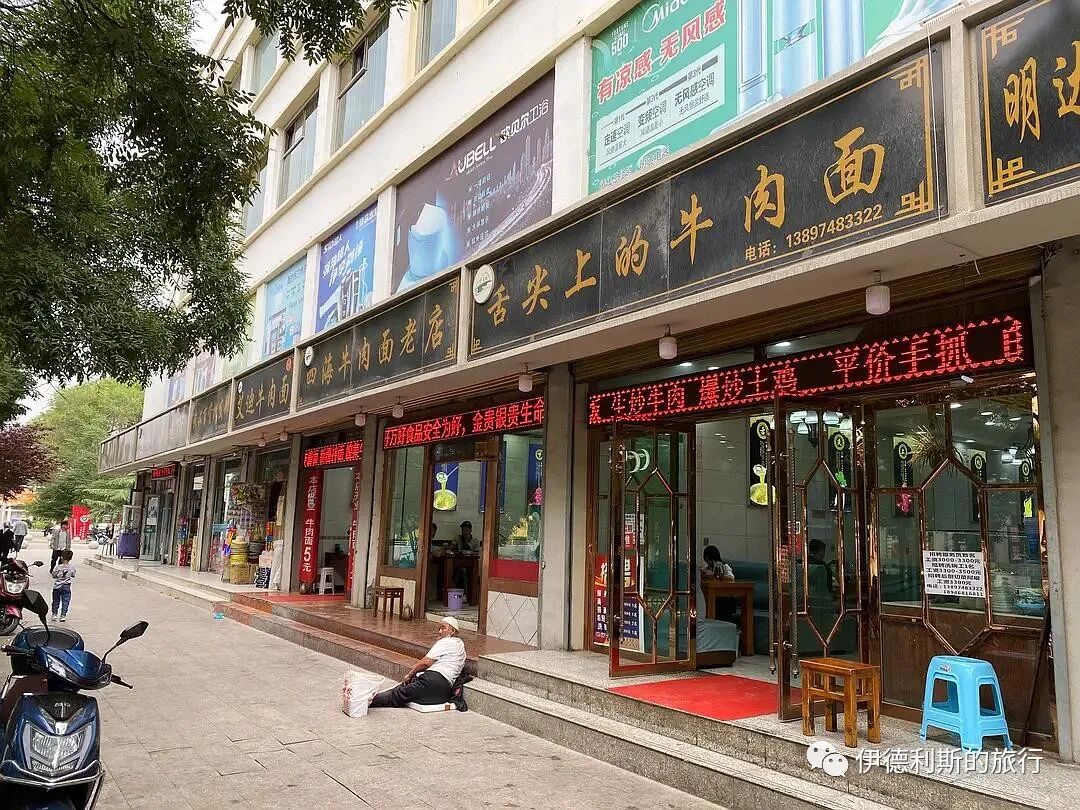
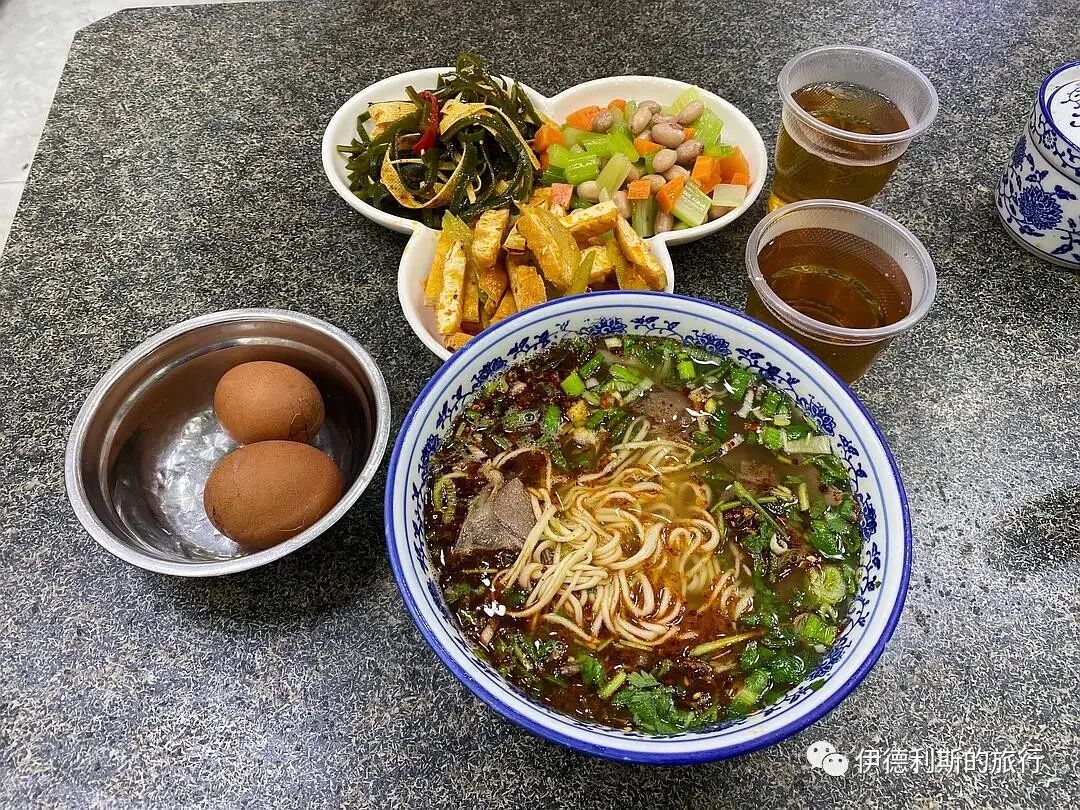
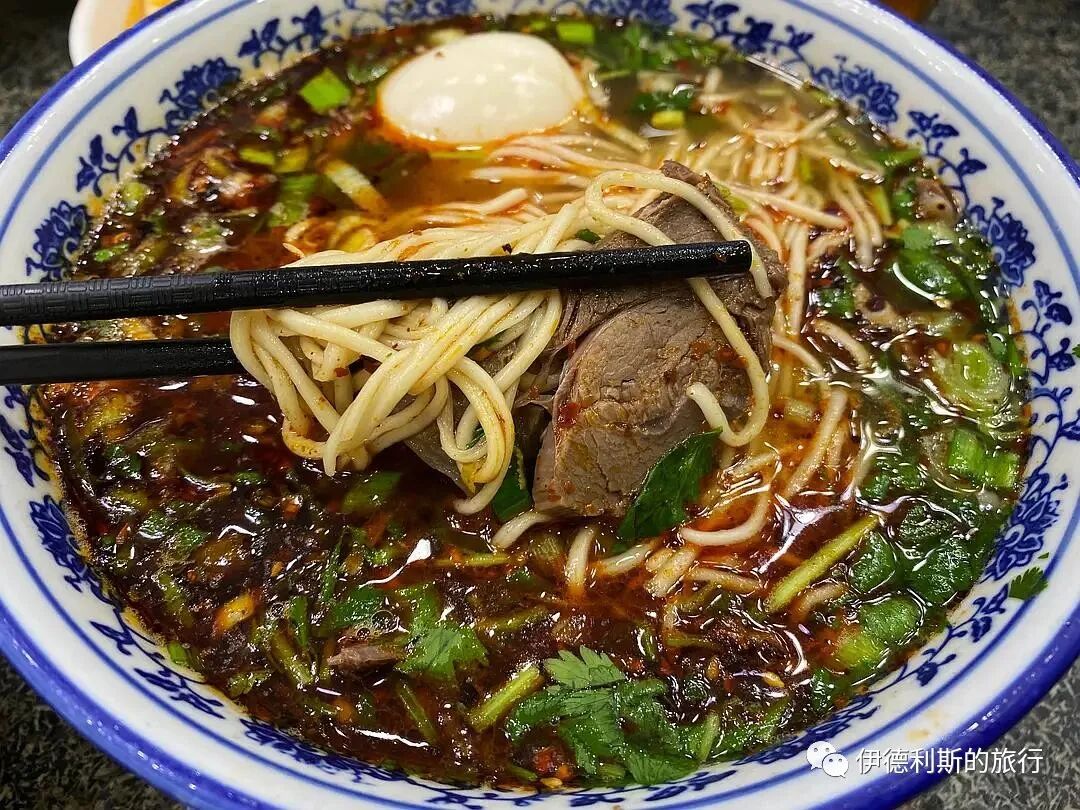
Here in Xunhua, even the beef noodle shops have small private rooms; the environment is really quite good. After ordering, they served meat broth and tea first, and we also ordered a platter of cold dishes. Besides the thread chili (xianlajiao), people in Xunhua also love eating tiger-skin chili (hupilajiao). While waiting for the bus earlier, I noticed the grandpas and grandmas shopping were all carrying a bag of tiger-skin chili. Dry-mixed noodles with meat sauce (roujiangganban) should be a specialty here in Qinghai. I had it before at a Salar restaurant in Beijing called A-Gong Noodle House, but this time it felt more authentic. The noodles were thin and chewy, the sauce was especially fragrant, and this meal cost less than twenty yuan, which is great value.
The Yellow River at the Xunhua section.
In the morning, we had a bowl of beef noodles in Xunhua County town, then set off to visit the beautiful traditional Salar mosques.
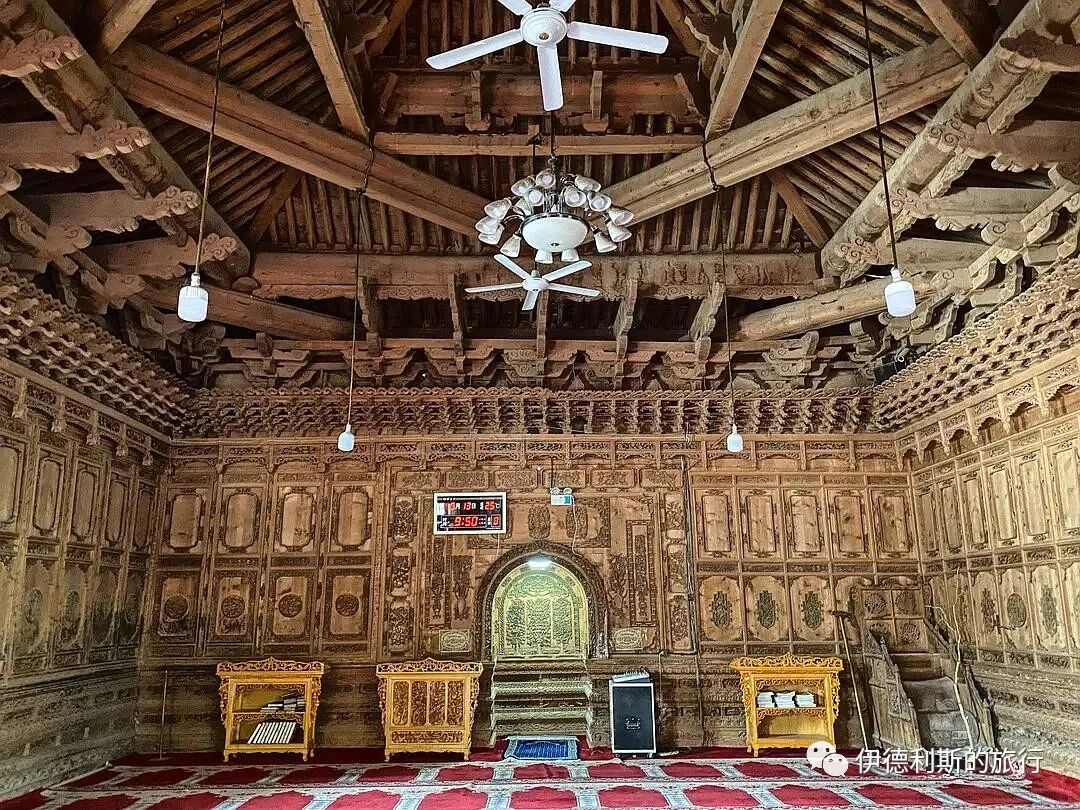
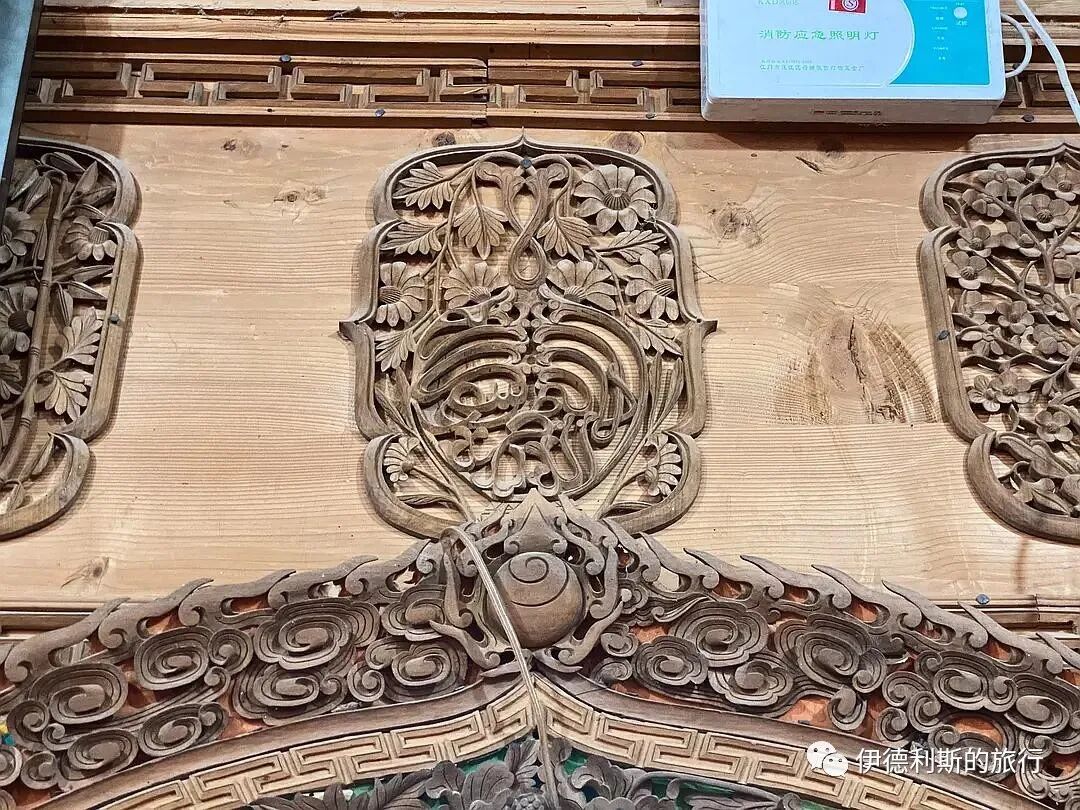
Qingshuihedong Mosque
Qingshuihedong Mosque is the main mosque (haiyisi) of the Qingshui Gong of the Salar Eight Gongs. It was first built in 1425 and has been rebuilt many times throughout history.
Mengda Mosque
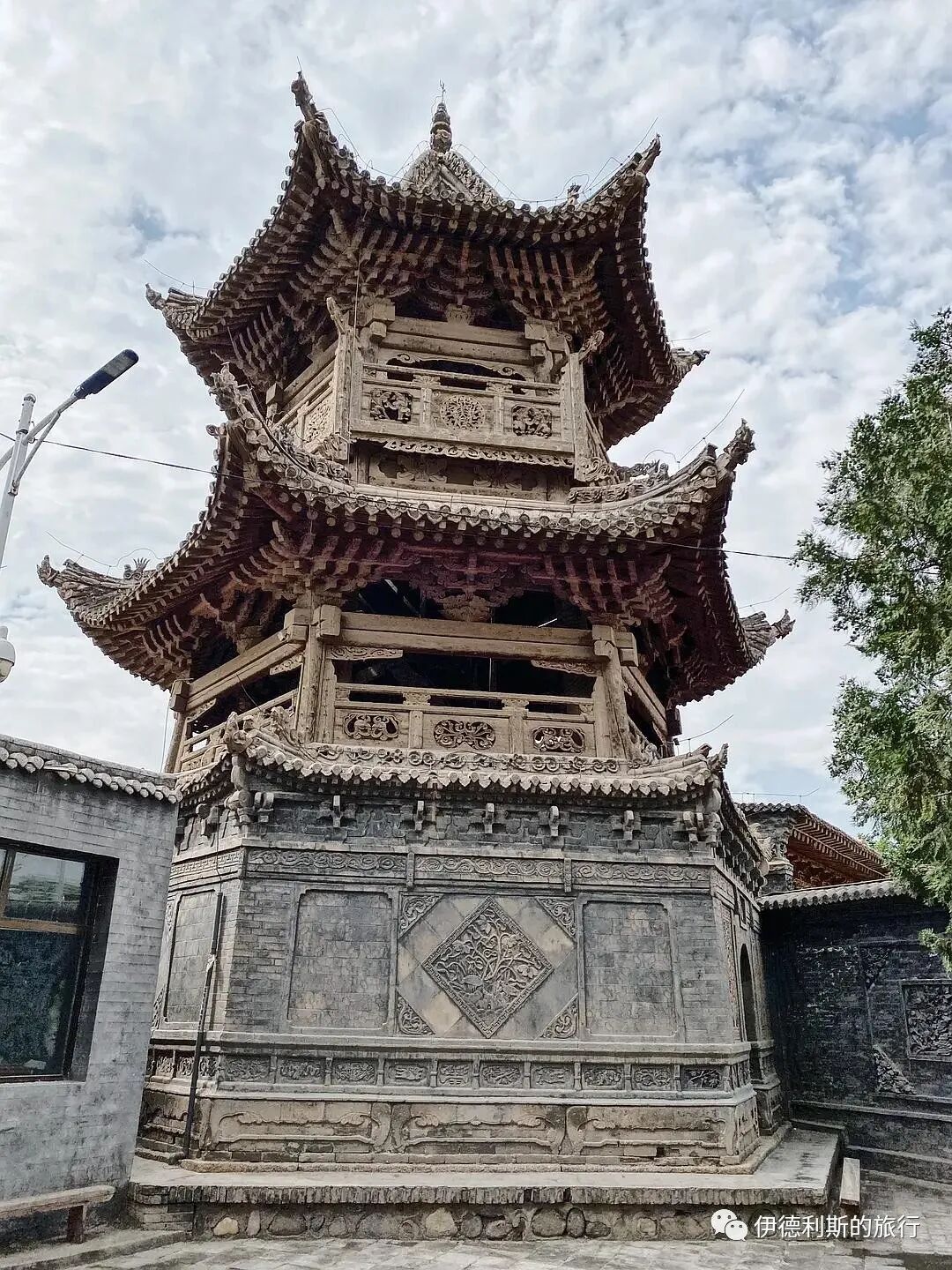
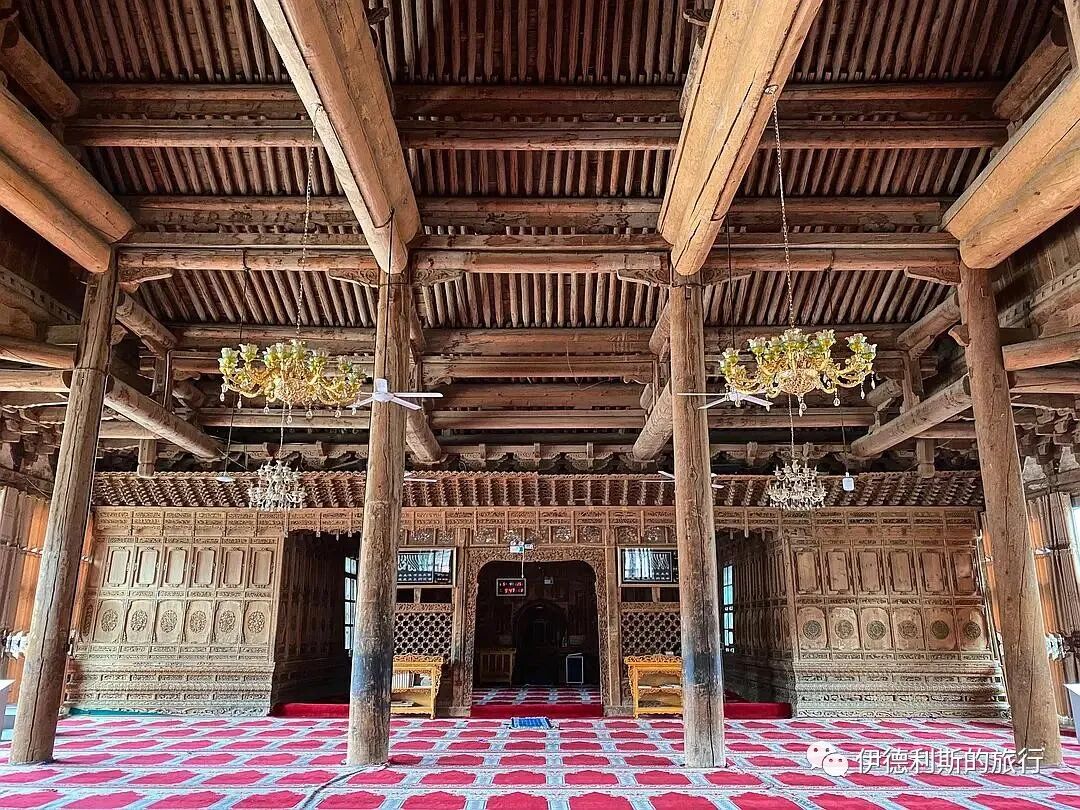
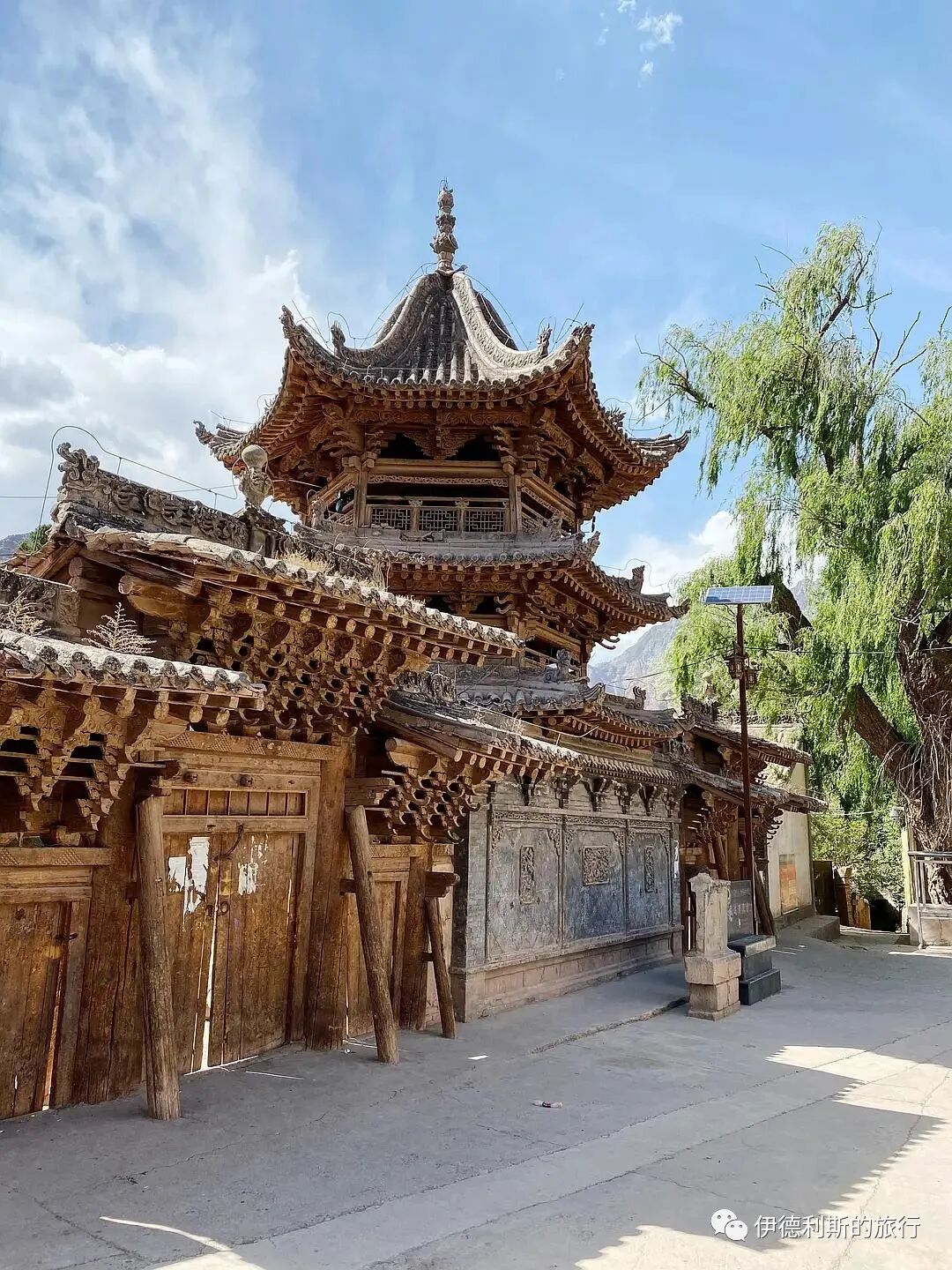
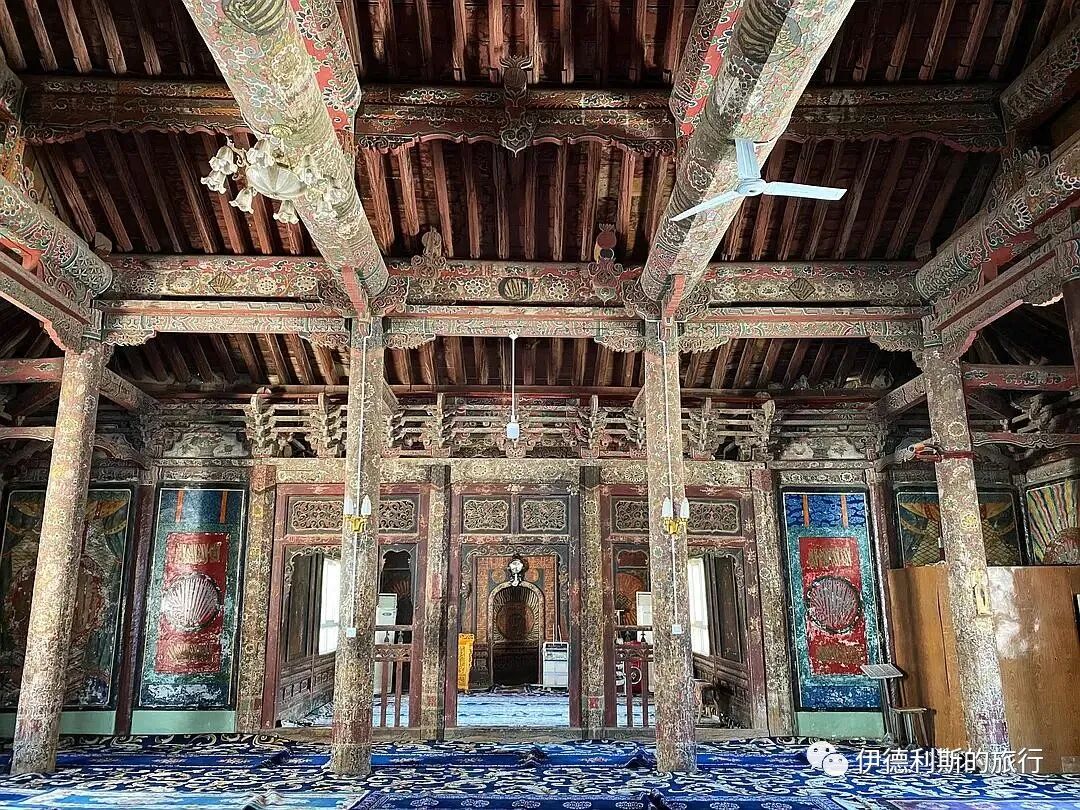
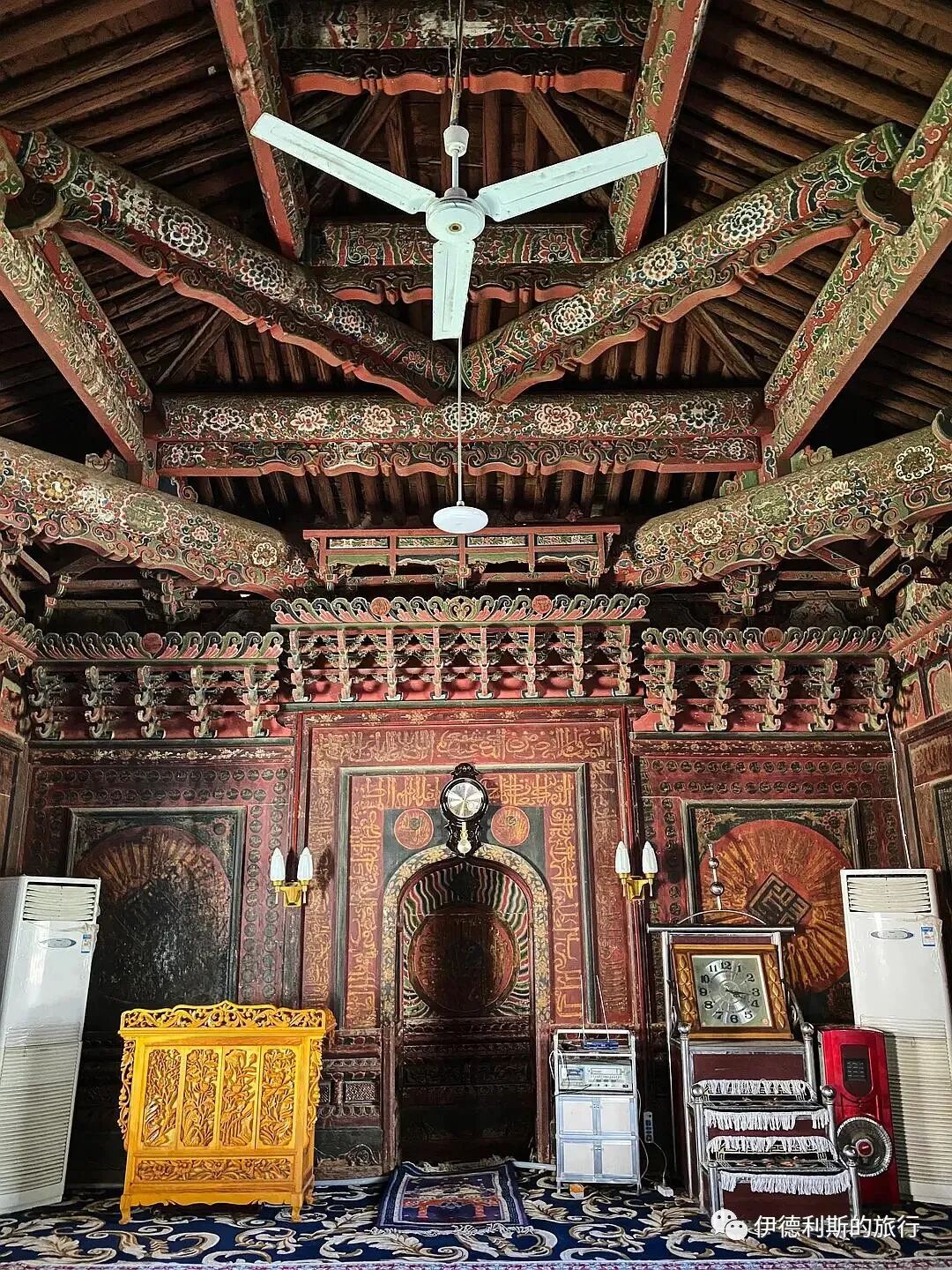
Mengda Mosque is located in Dazhuang Village, Mengda Township, Xunhua, Qinghai. It was first built in 1408 (the sixth year of the Yongle reign of the Ming Dynasty) and expanded three times during the Qing Dynasty. It is the main mosque (haiyisi) of the Mengda Gong, one of the Salar Eight Gongs.
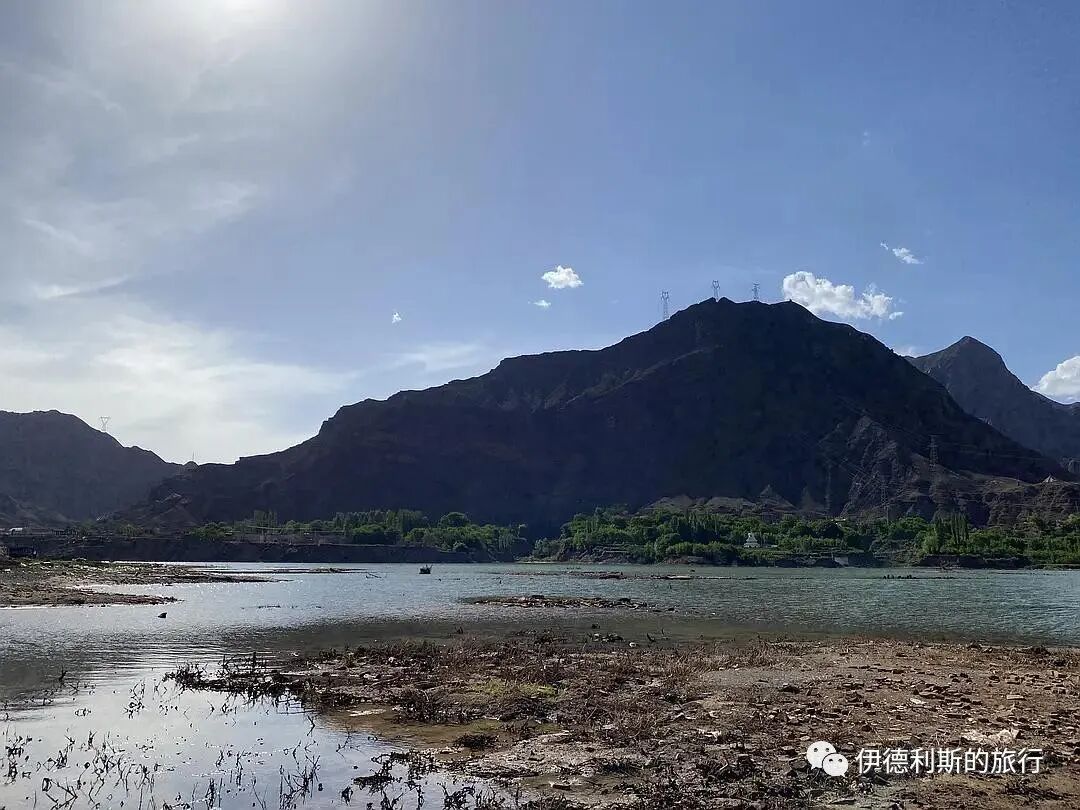
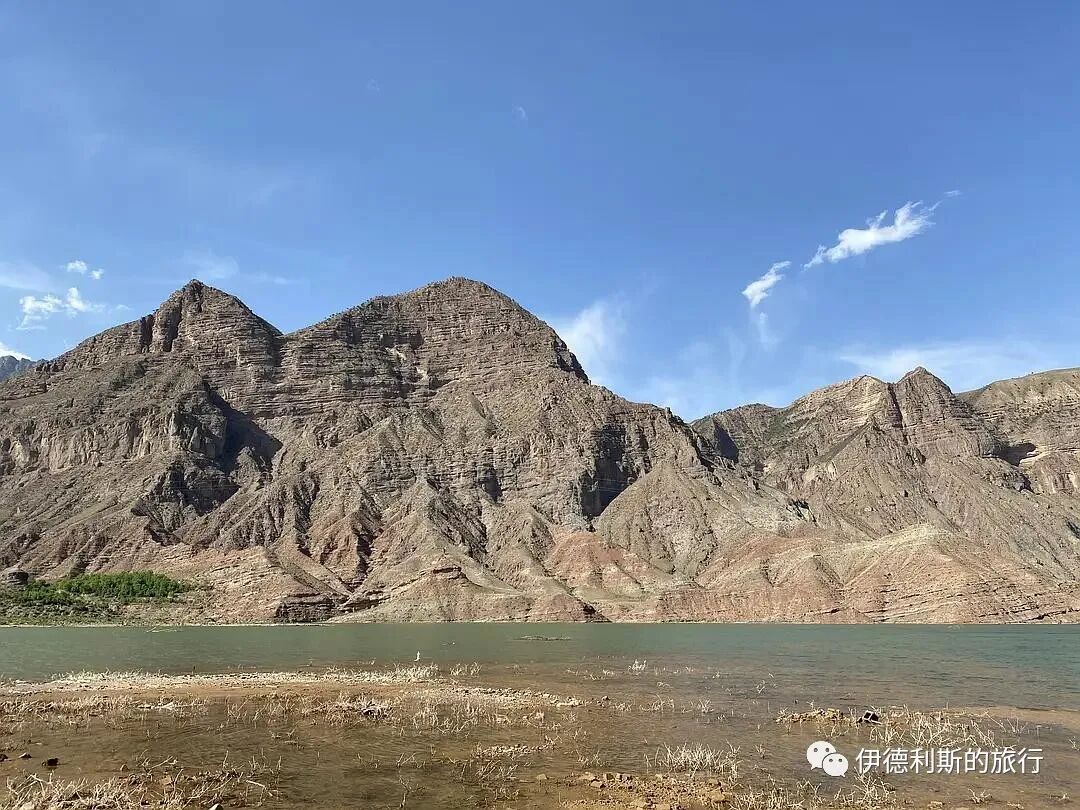
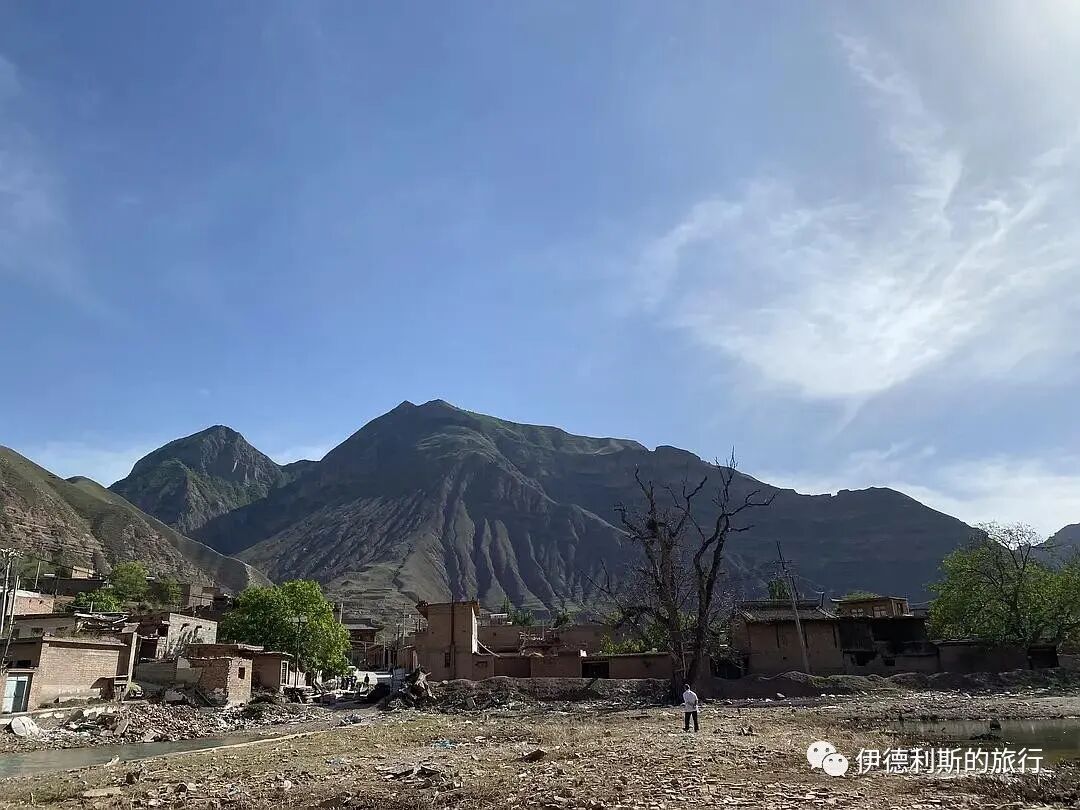
The Yellow River at the Mengda section.
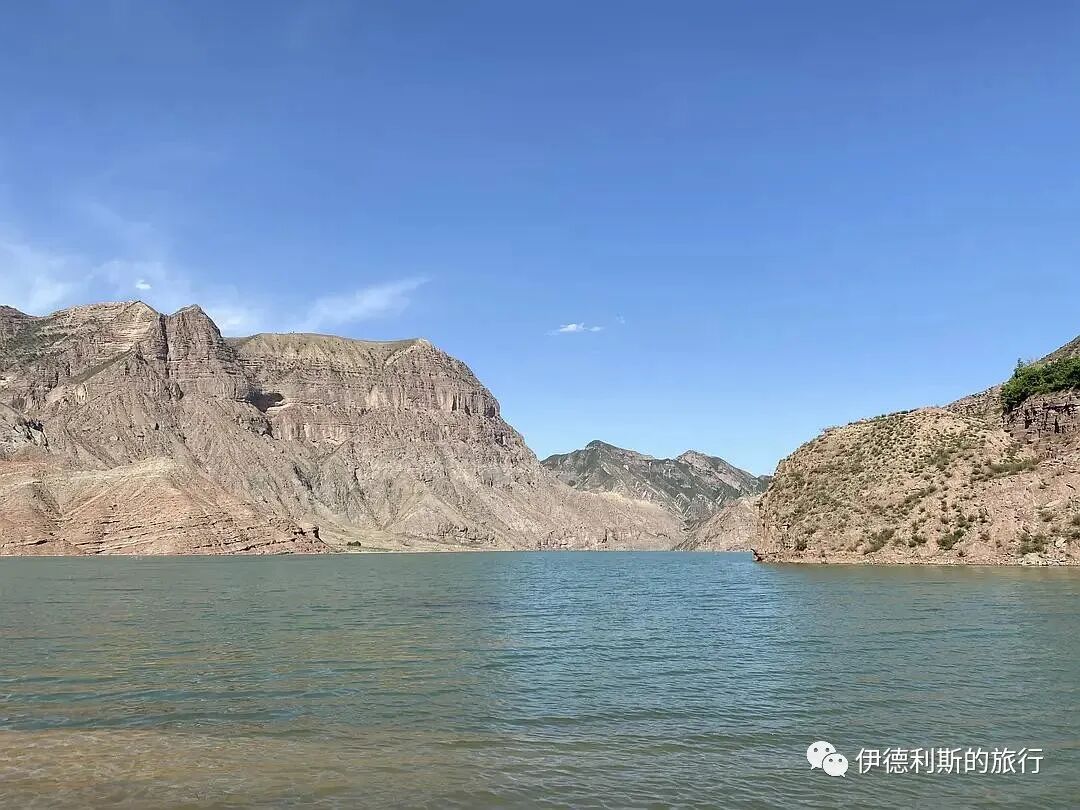
Tashapo Mosque
Tashapo Mosque was first built in 1480 (the sixteenth year of the Chenghua reign of the Ming Dynasty) and rebuilt in 1755 (the twentieth year of the Qianlong reign of the Qing Dynasty).
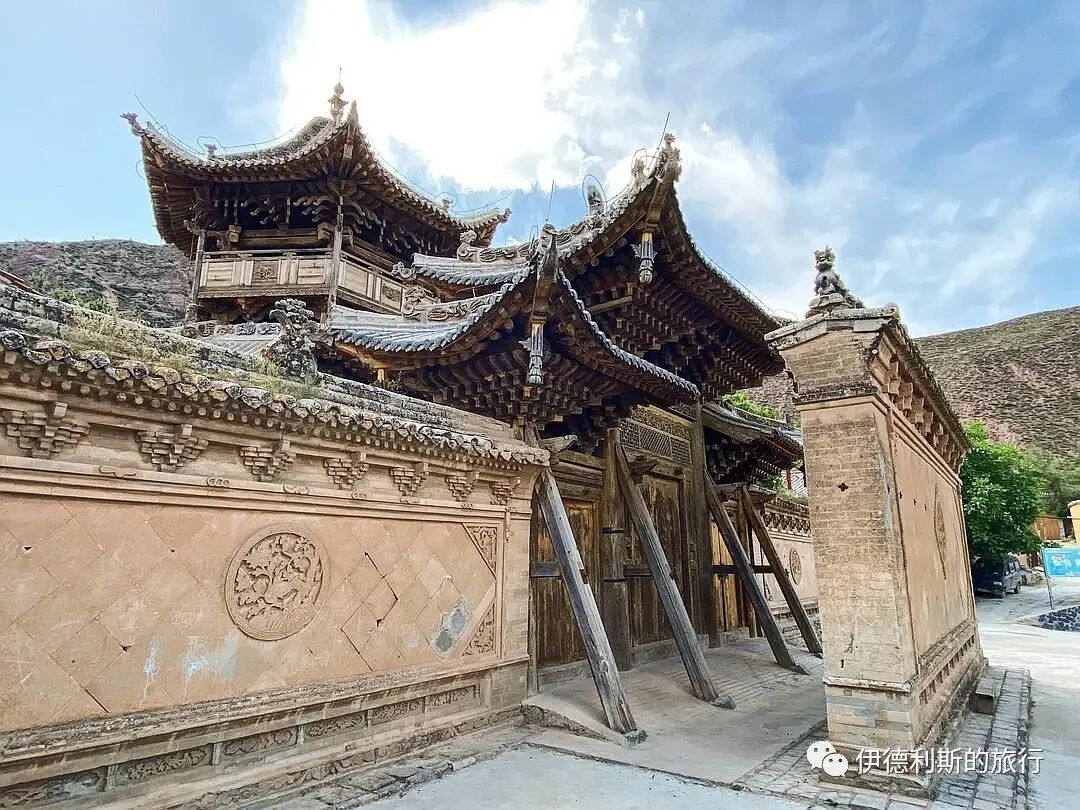
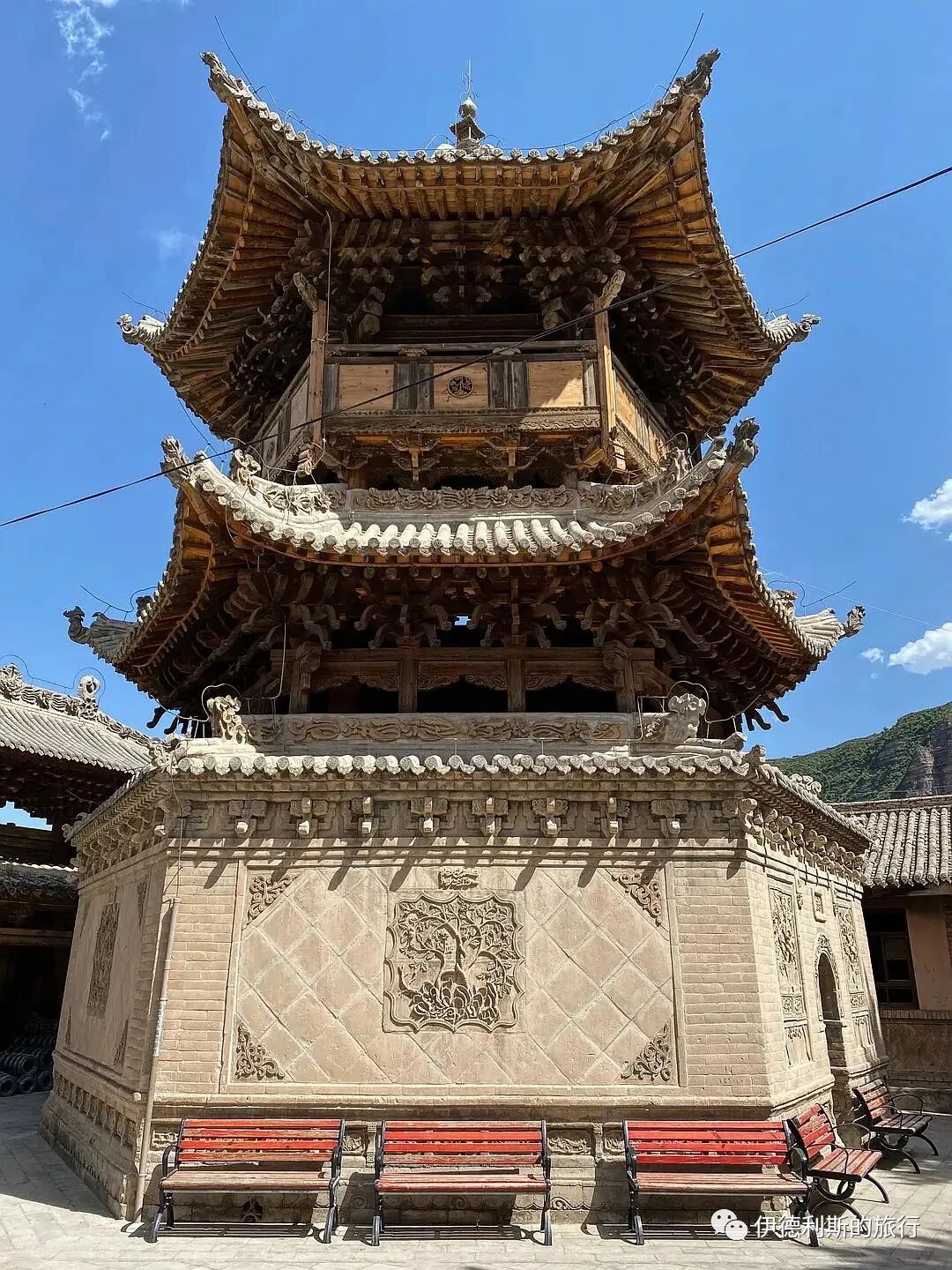
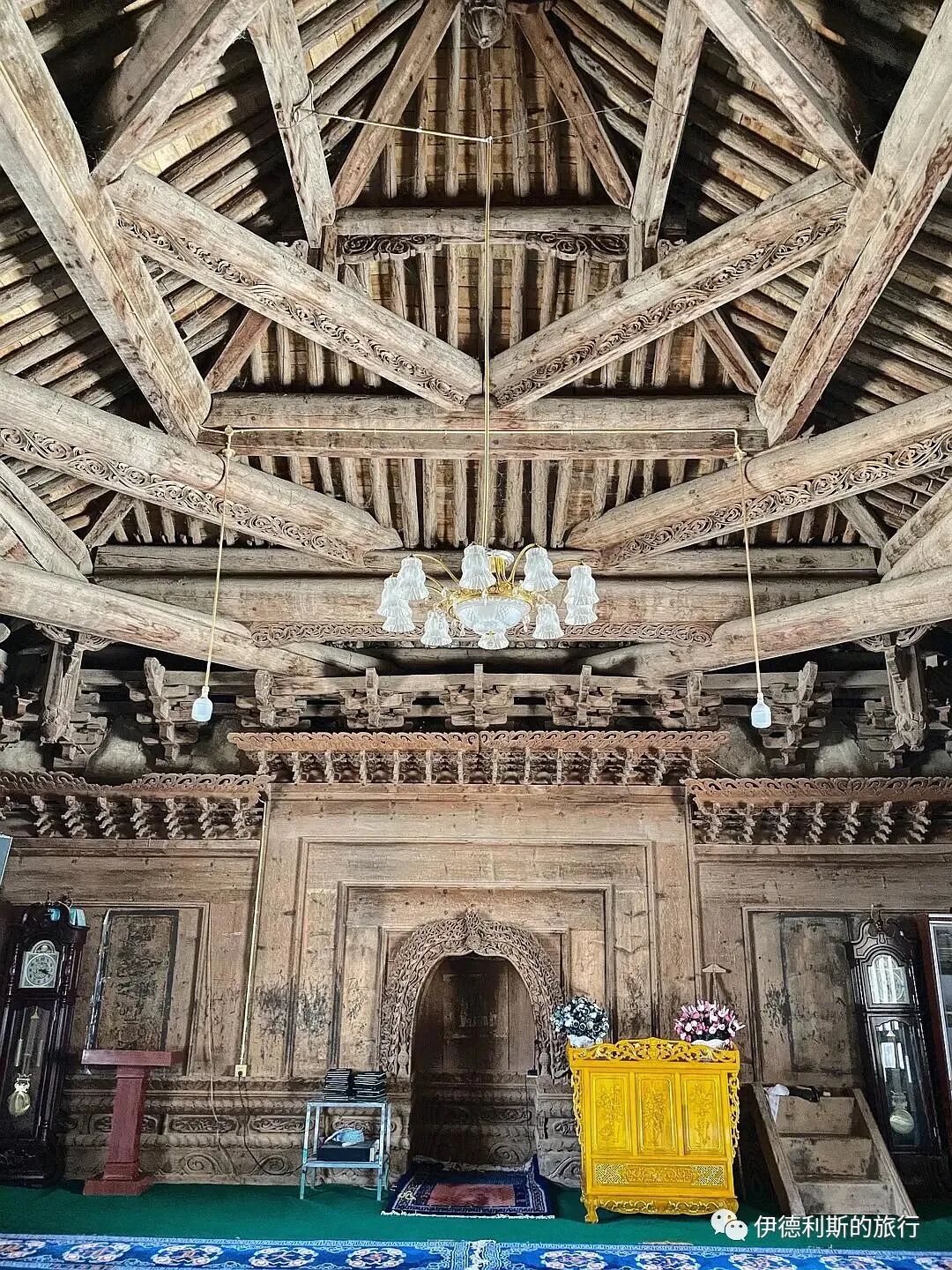
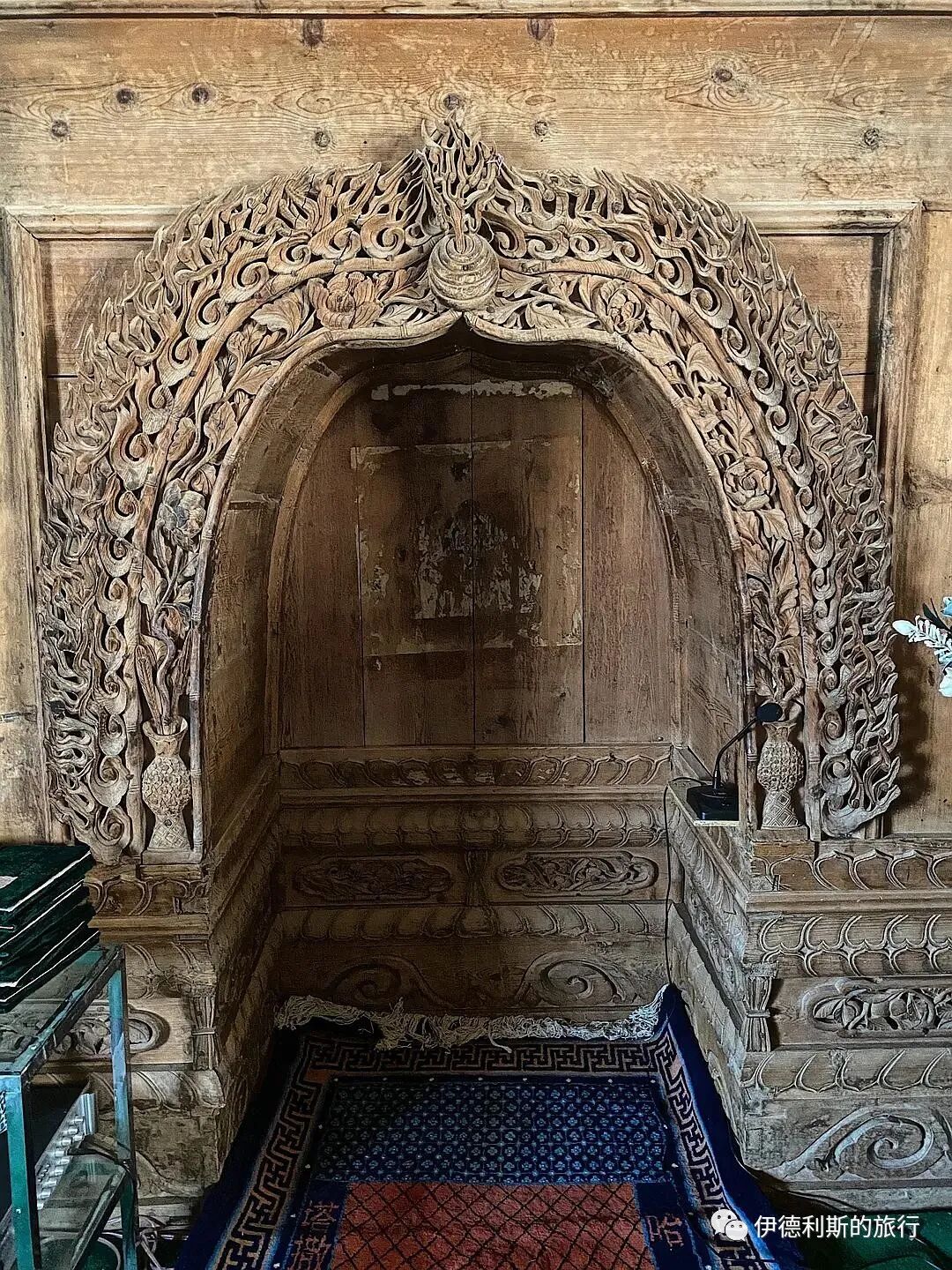
Labian Mosque
Labian Mosque was first built during the Qianlong era. The main hall was rebuilt in 2015, leaving only the call-to-prayer tower (xuanlilou) and the two side gate towers as the original ancient structures.
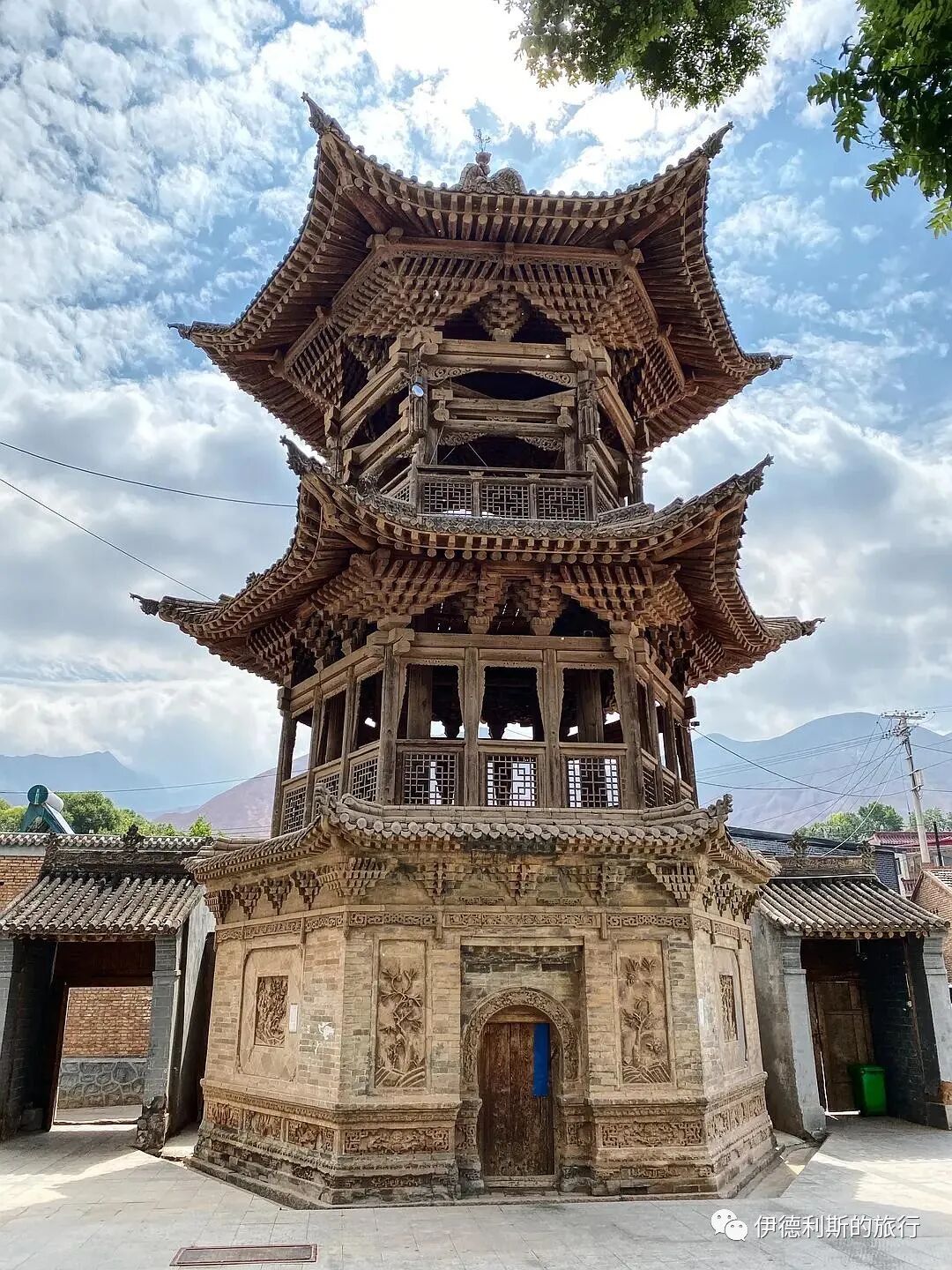
Zhangga Mosque
Zhangga Mosque was first built in 1406 (the fourth year of the Yongle reign of the Ming Dynasty) and was rebuilt during the Qing Dynasty.
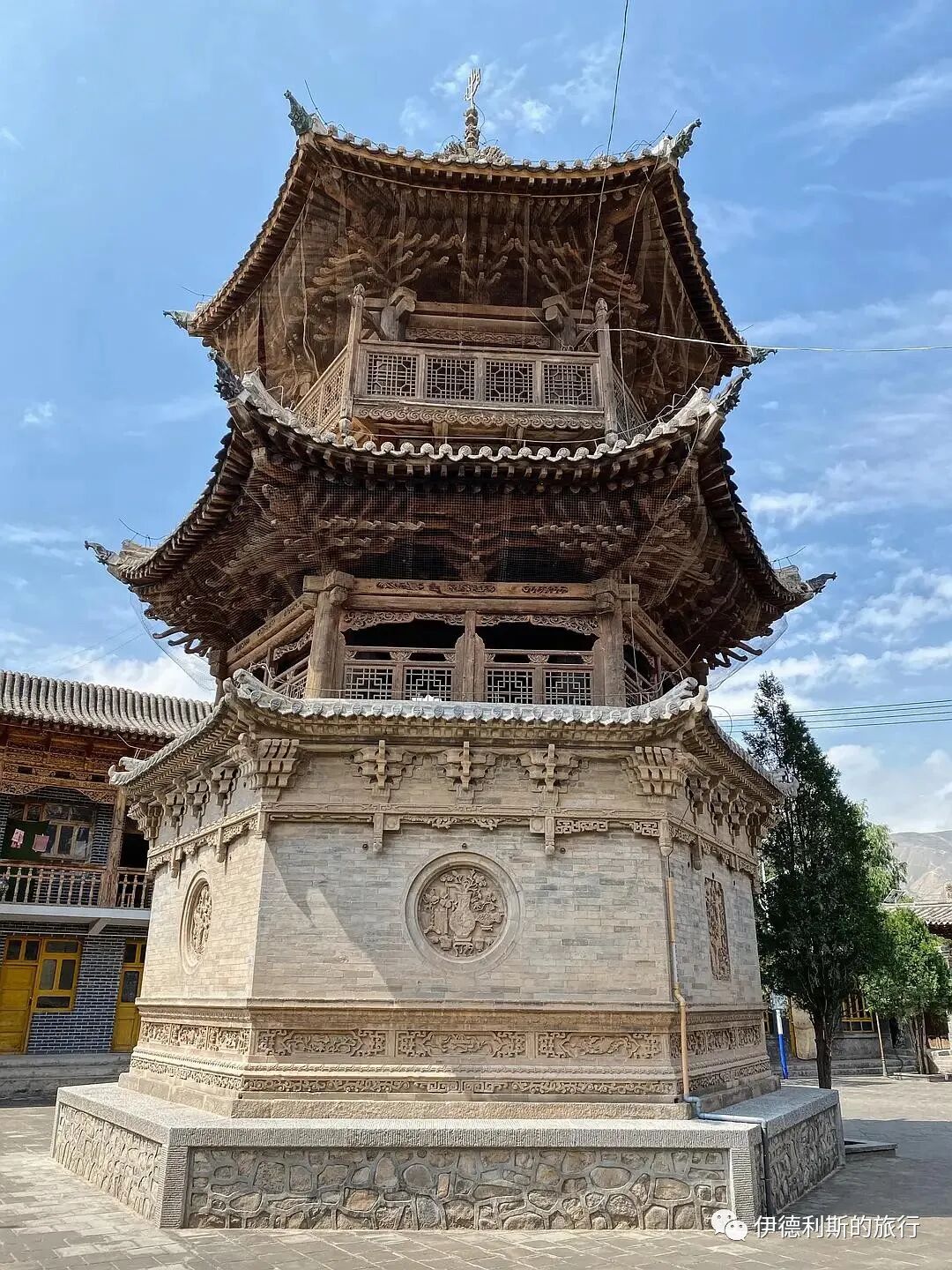
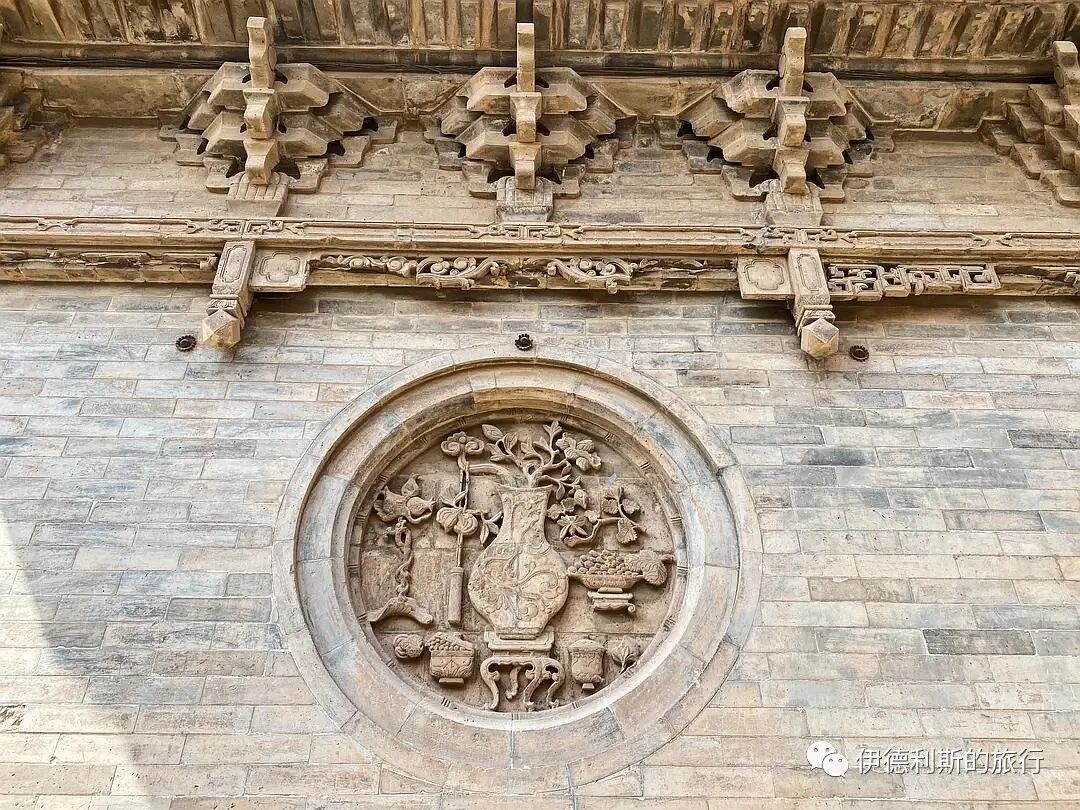
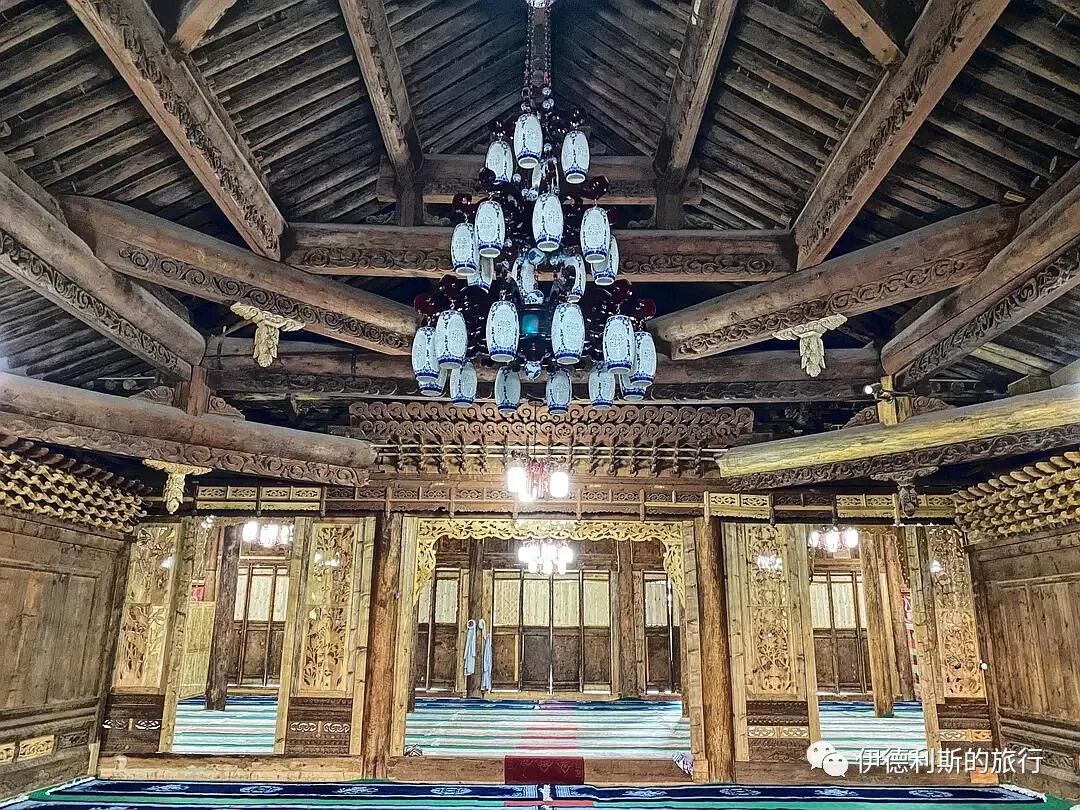
Kewa Mosque
Kewa Mosque was first built in 1403 (the first year of the Yongle reign of the Ming Dynasty) and expanded during the Qing Dynasty. It is the main Friday mosque (jumuasi) for the Salar people's eight gong (gong) and nine man (man) groups.
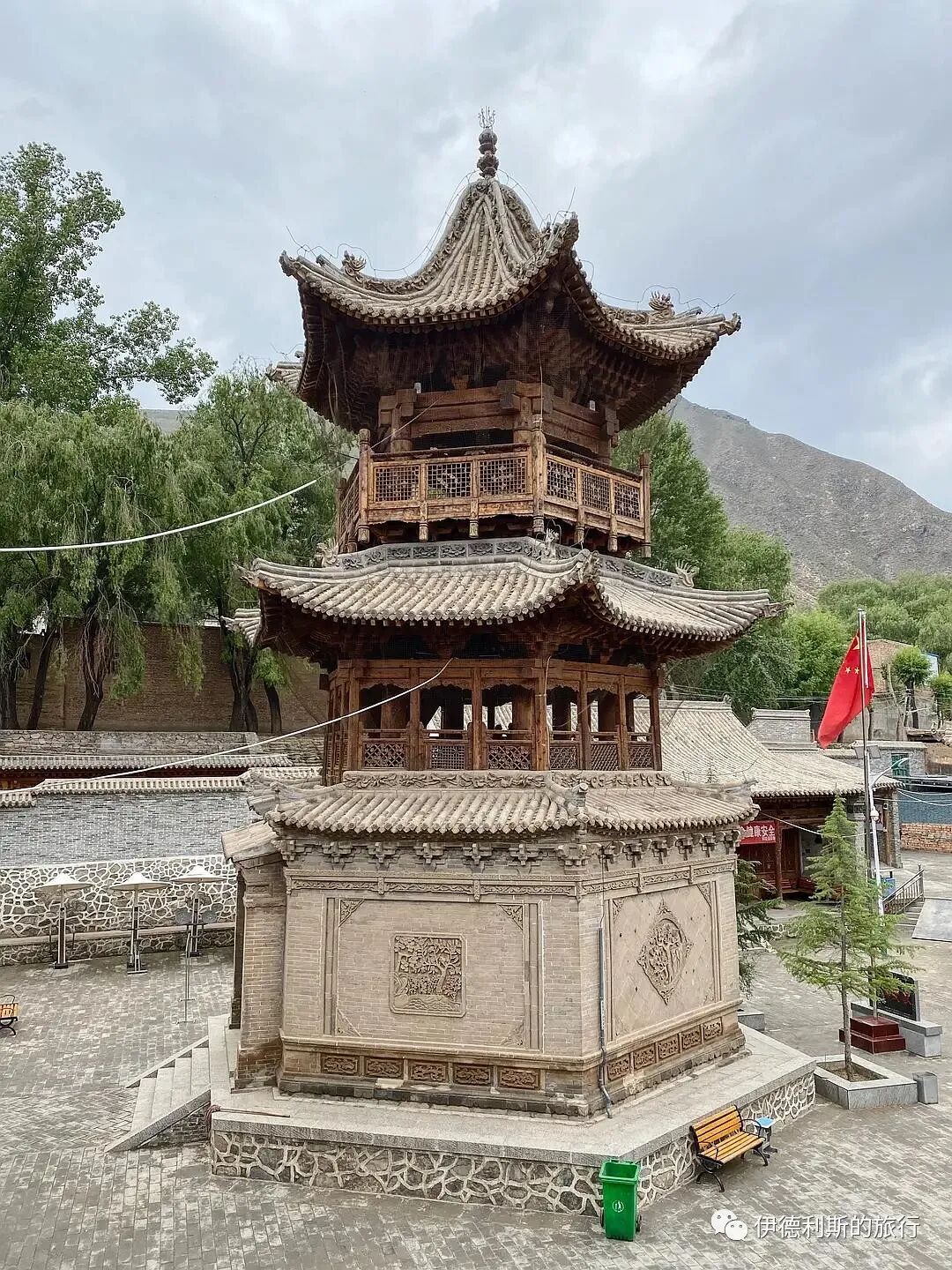
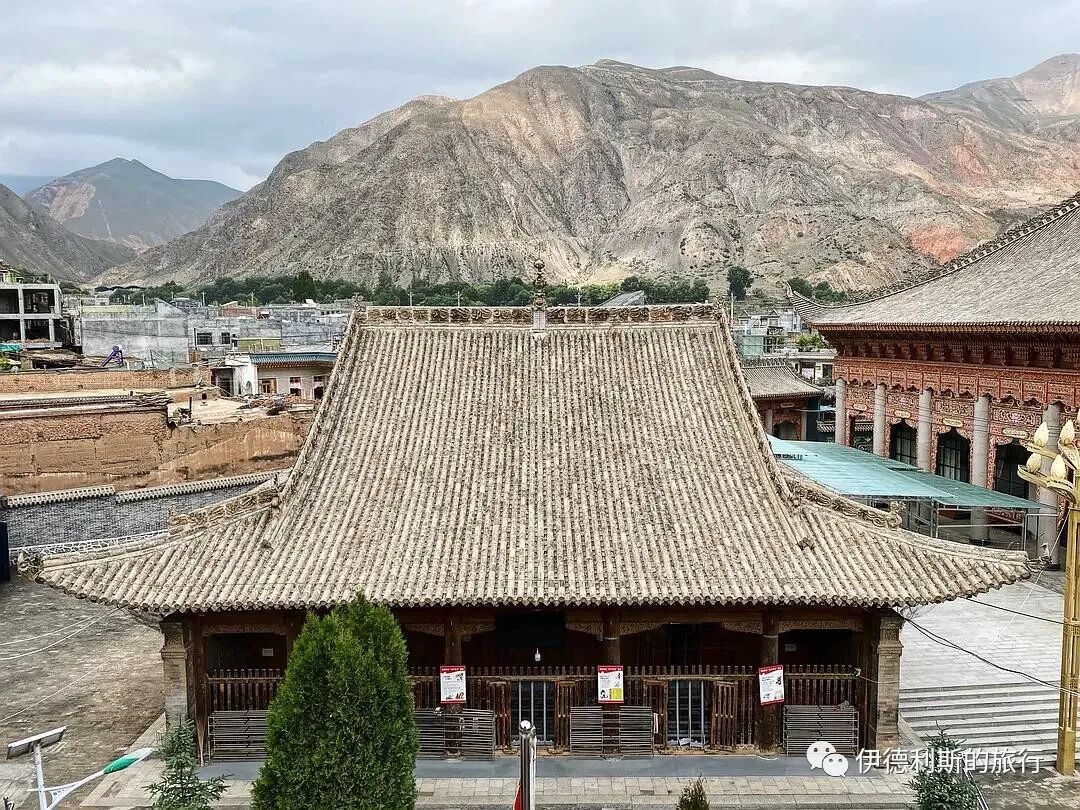
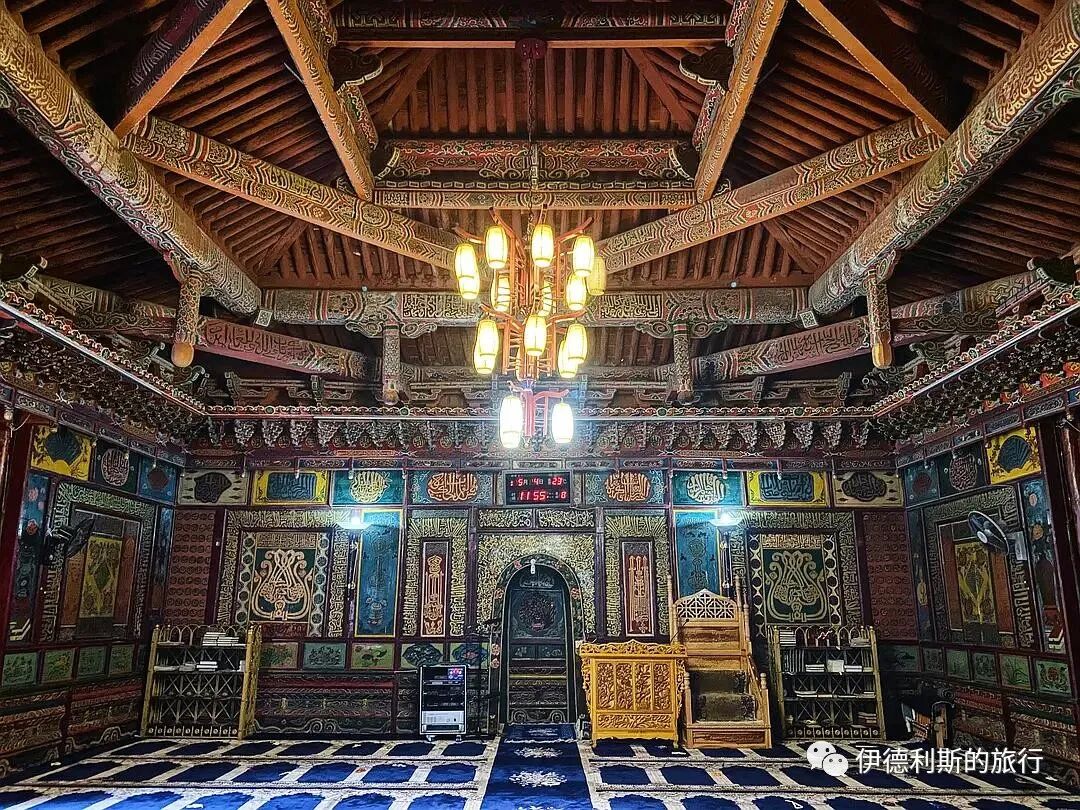
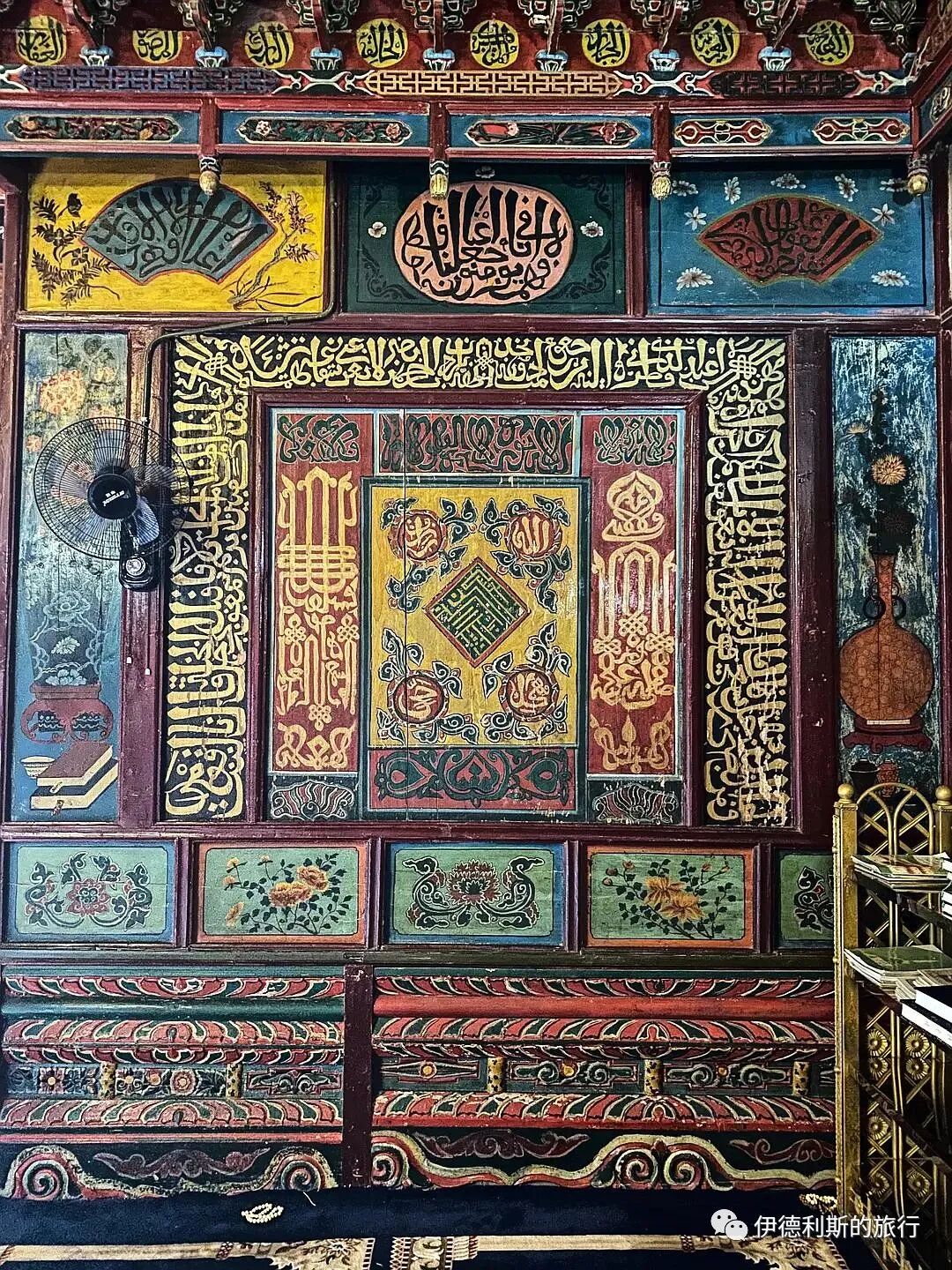
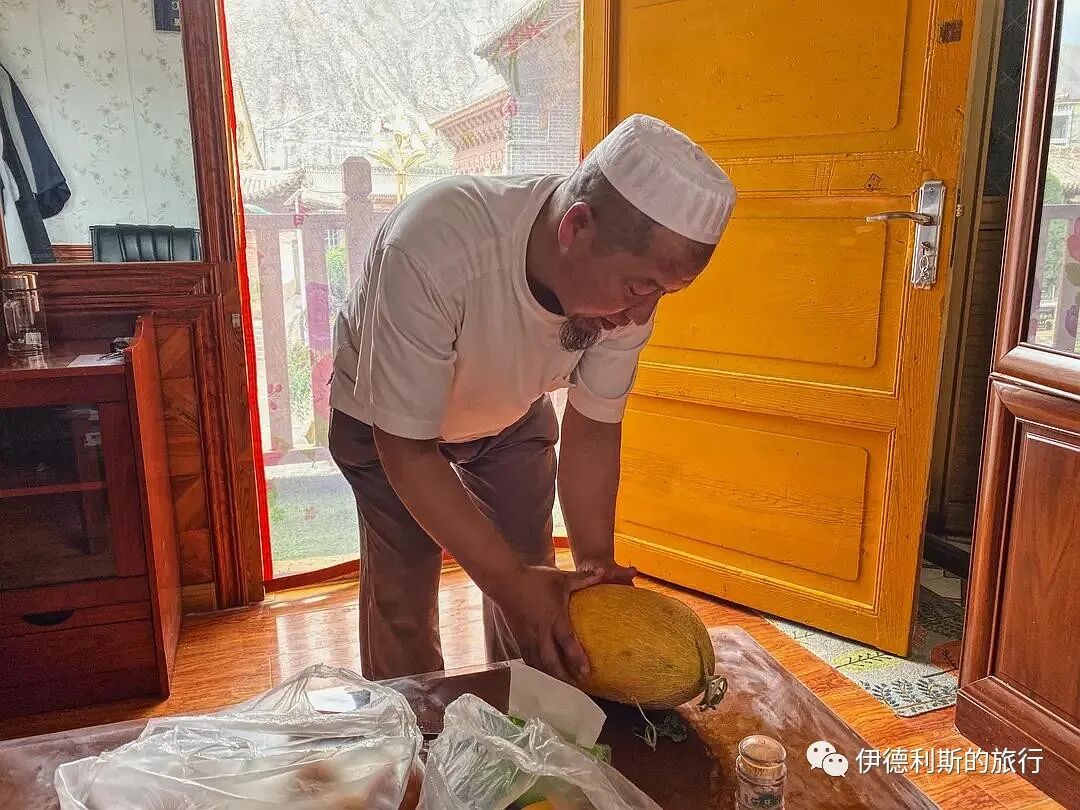
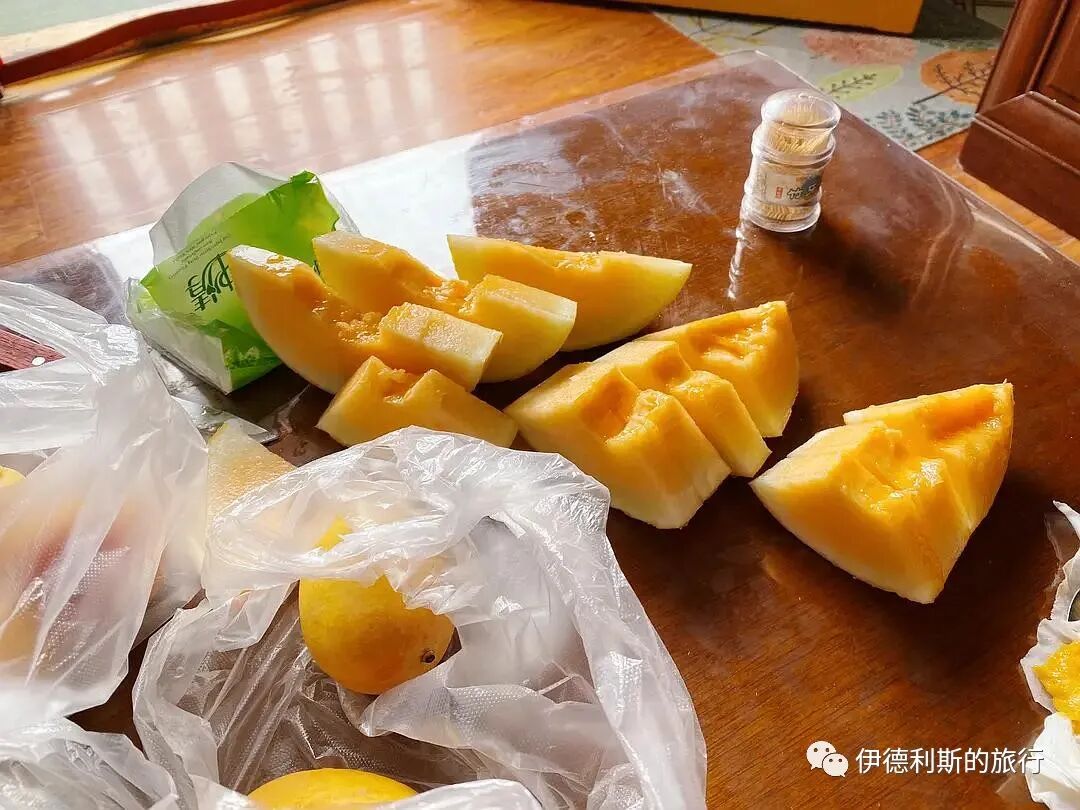
At Kewa Mosque, we were warmly welcomed by a Salar imam. He gave us a detailed introduction to the mosque and its wall paintings, and even cut up a melon for us to eat. I want to thank the imam here!
Returning to the county town.
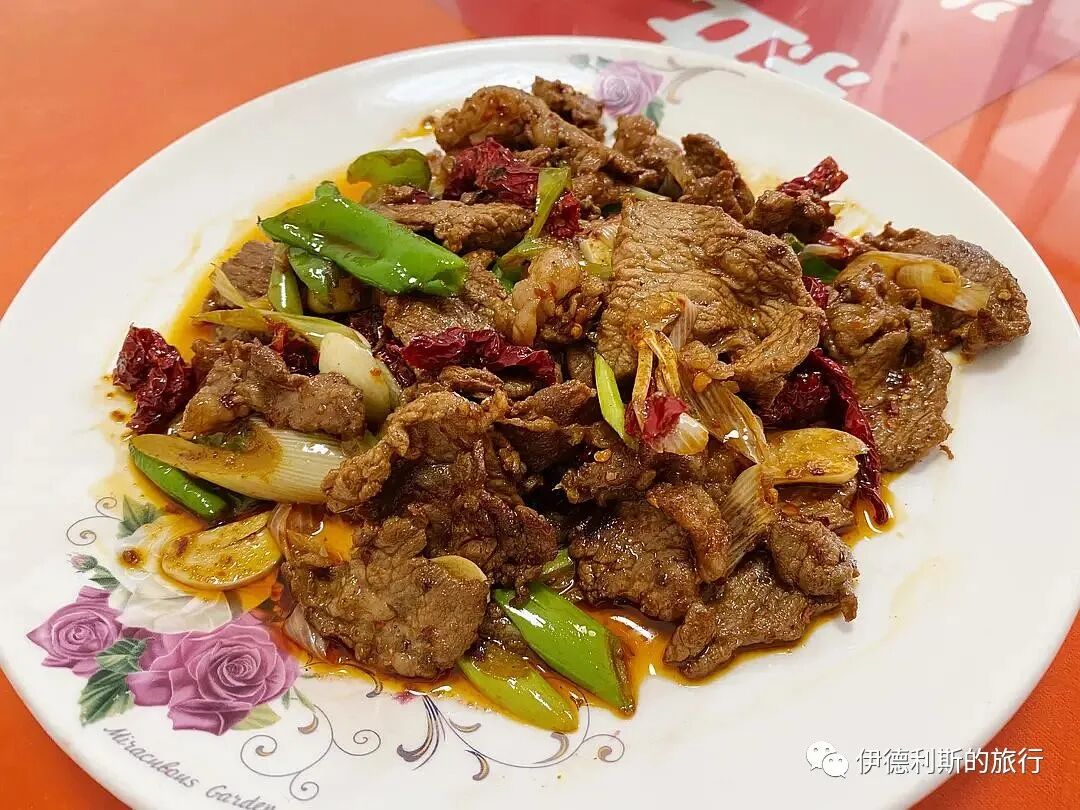
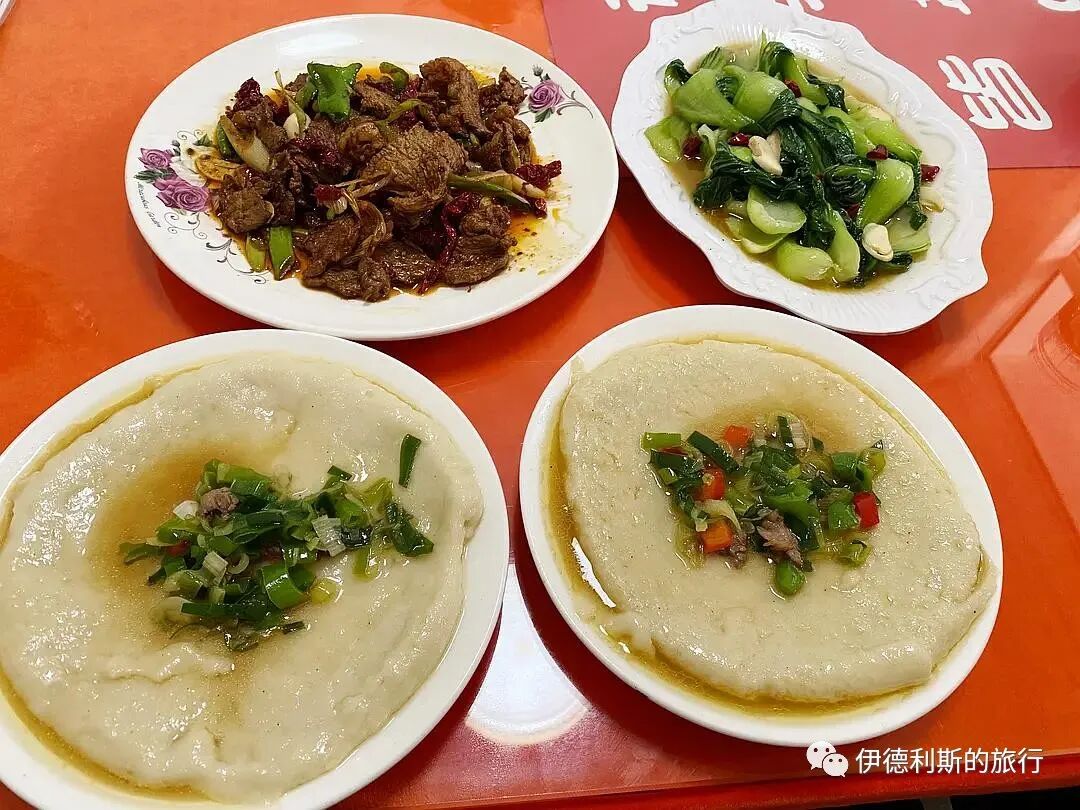
At noon, we ate stir-fried beef and dough paste (jiaotuan) at a Salar family farmhouse restaurant in the county town. Dough paste (jiaotuan) is made by stir-frying flour until cooked, boiling it with water, and then adding refined vegetable oil. It tastes very fragrant. In Xunhua, Salar family eateries are divided into tea restaurants and farmhouse restaurants. The tea restaurants have a wider variety of dishes, but if you want authentic Salar food, I recommend going to a farmhouse restaurant.
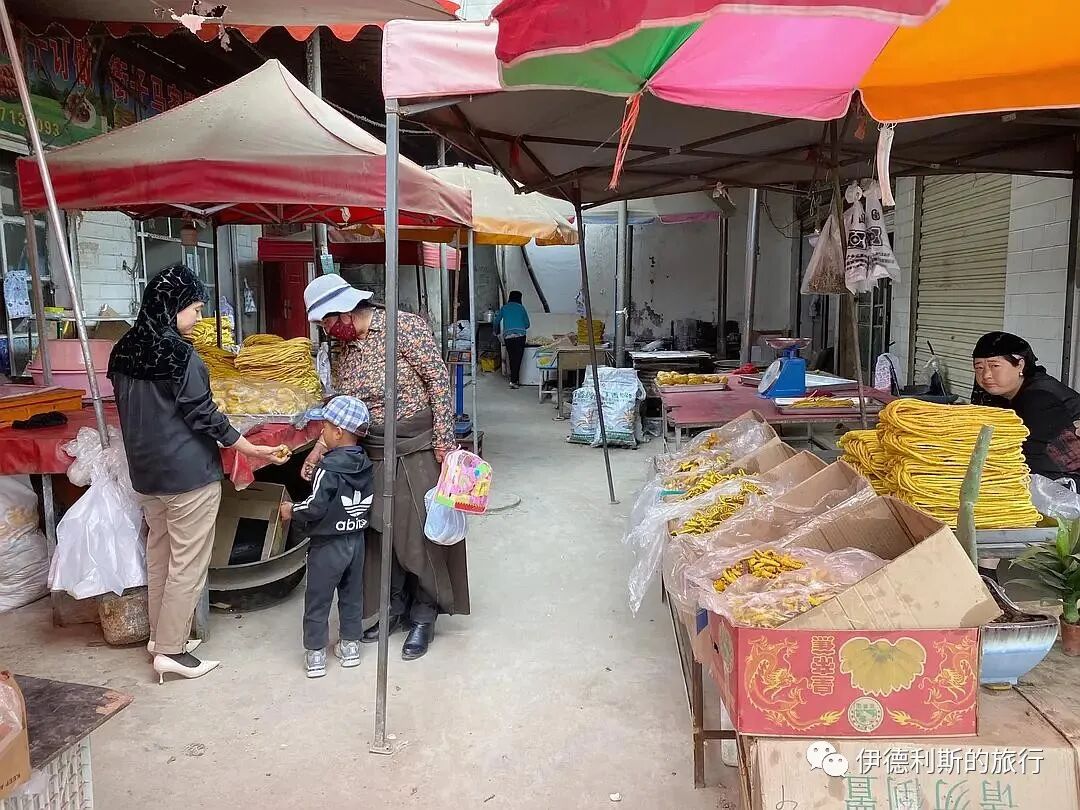
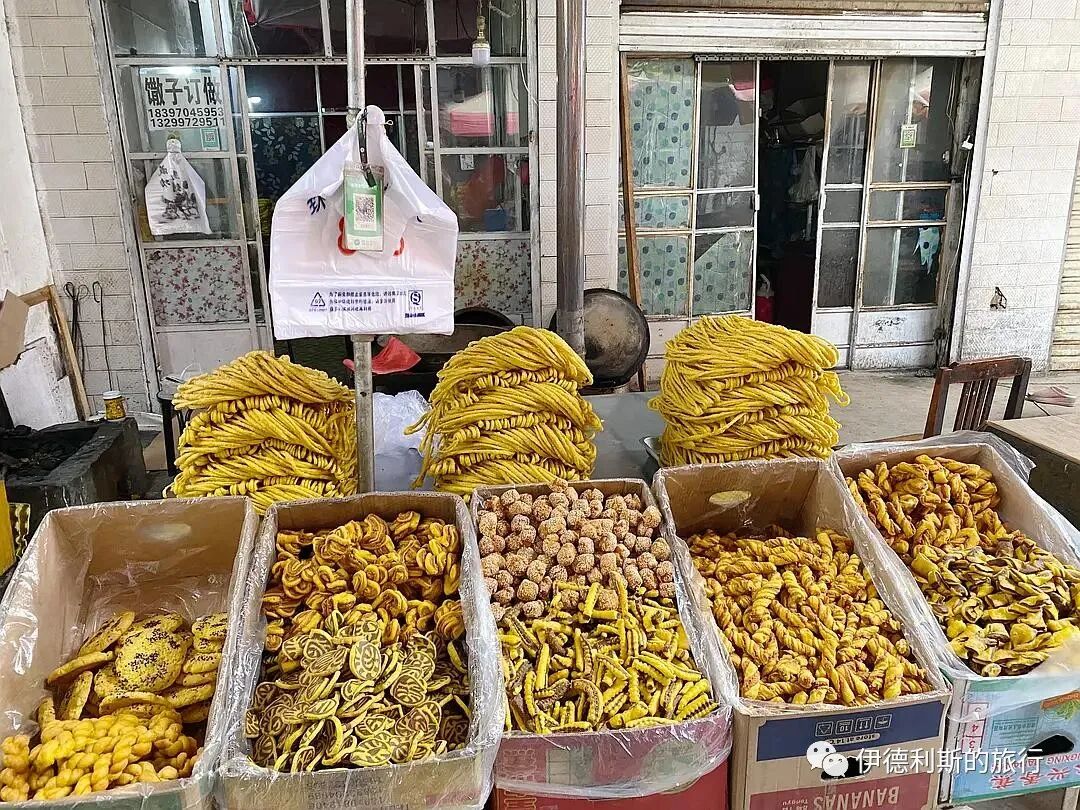
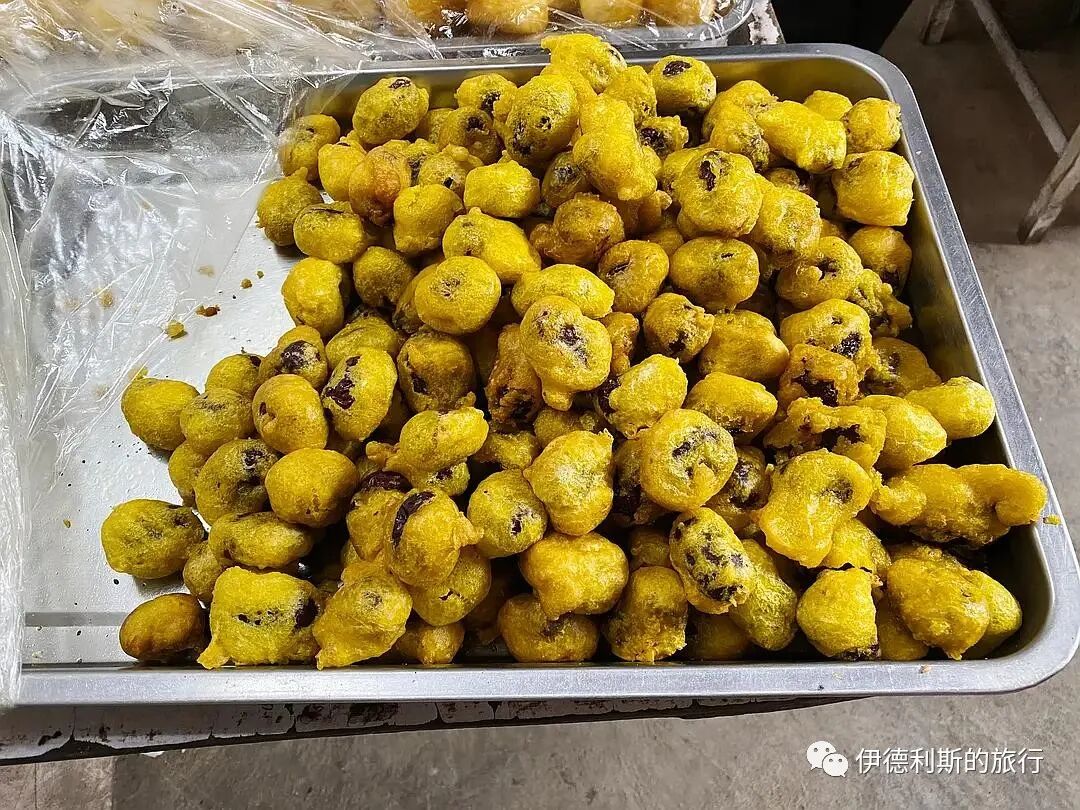
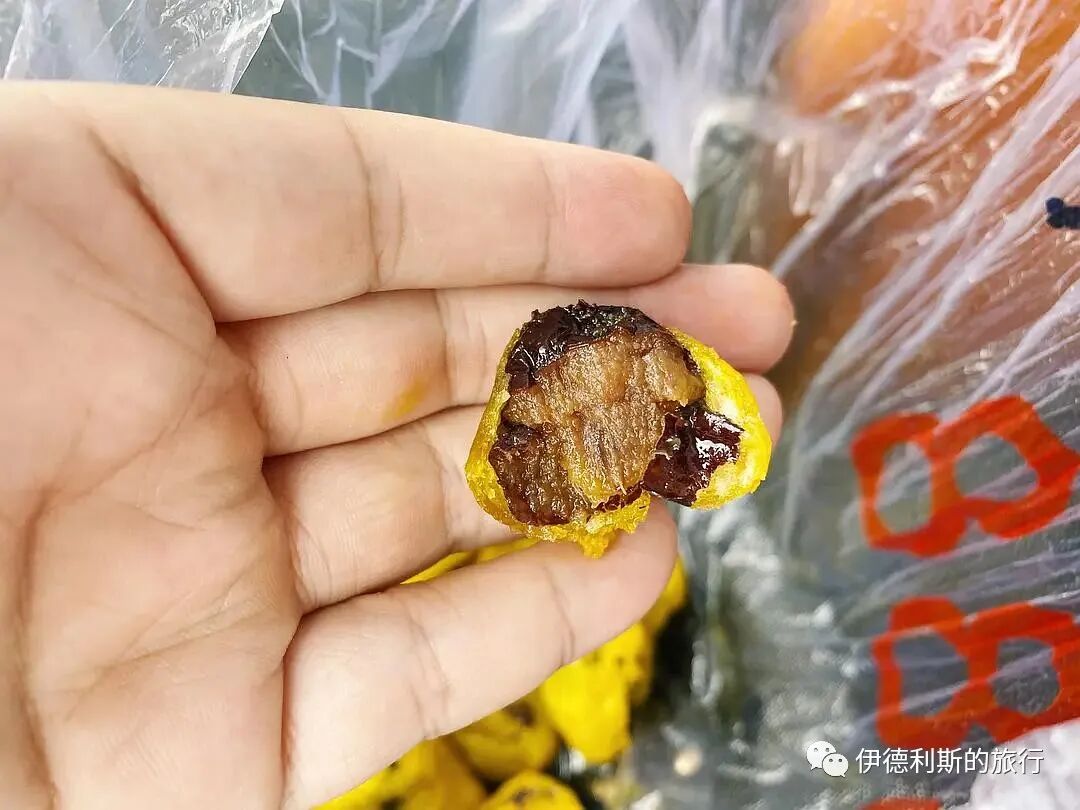
Then we went to the Jiezi Town fried dough twist (sanzi) market to buy Salar-style fried dates (youzao). These are large dates wrapped in dough and fried. One bite is full of date juice.
Jiezi Grand Mosque Quran Collection Hall
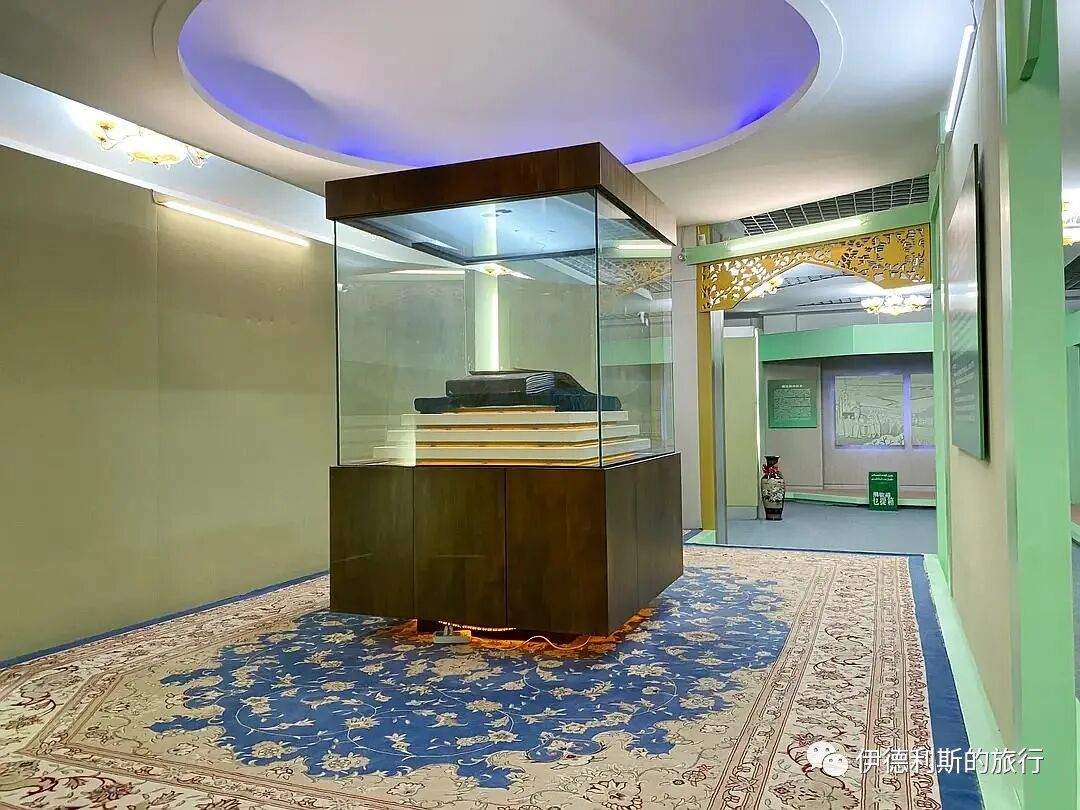
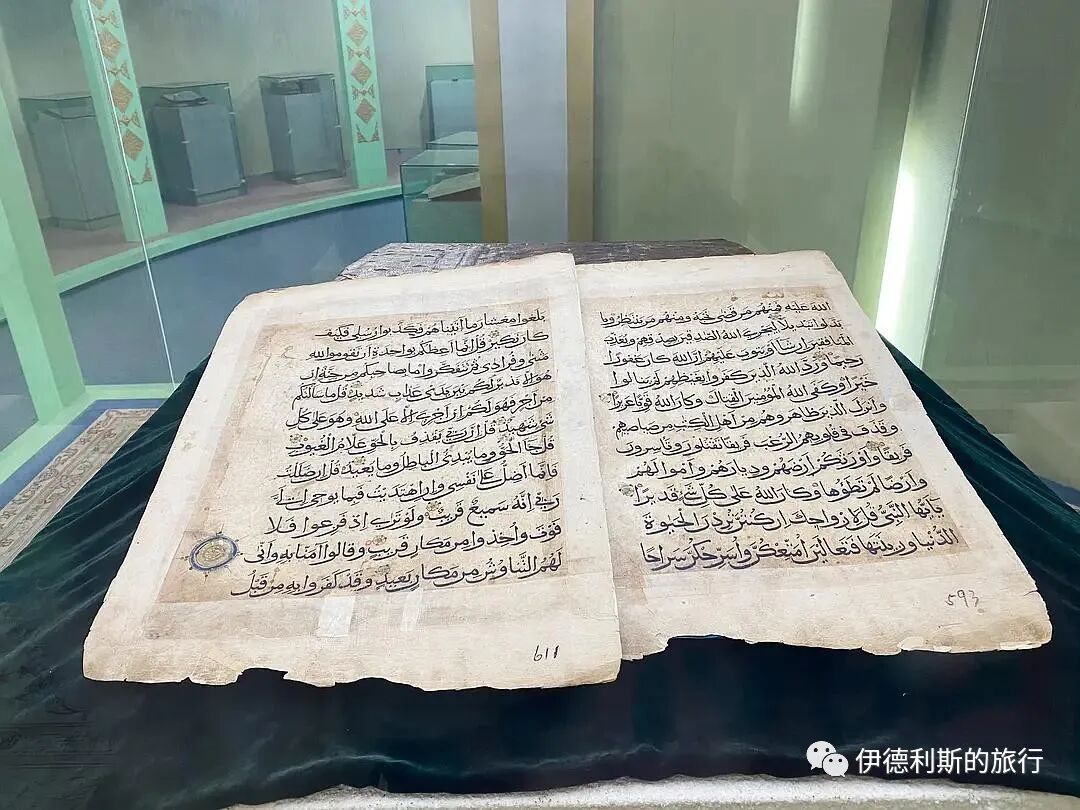
I was very lucky to visit the Quran Collection Hall at Jiezi Grand Mosque. I saw the handwritten Quran that the Salar people brought with them when they migrated from the Samarkand area to Xunhua over 700 years ago.
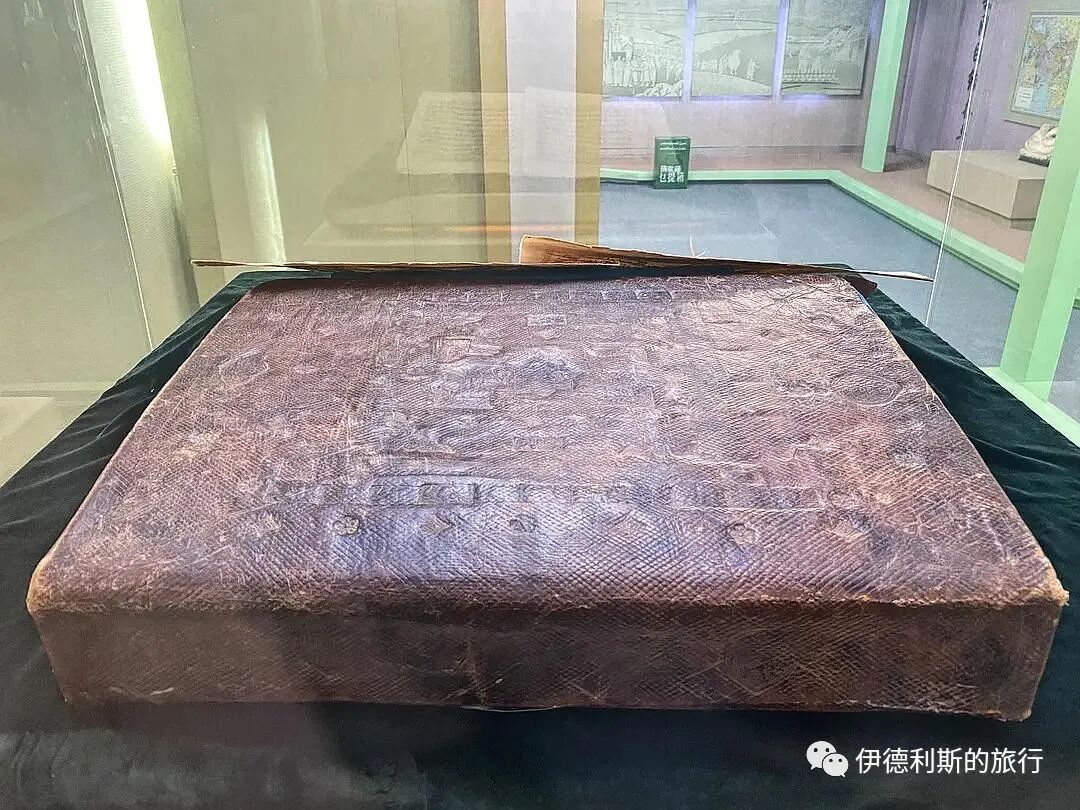
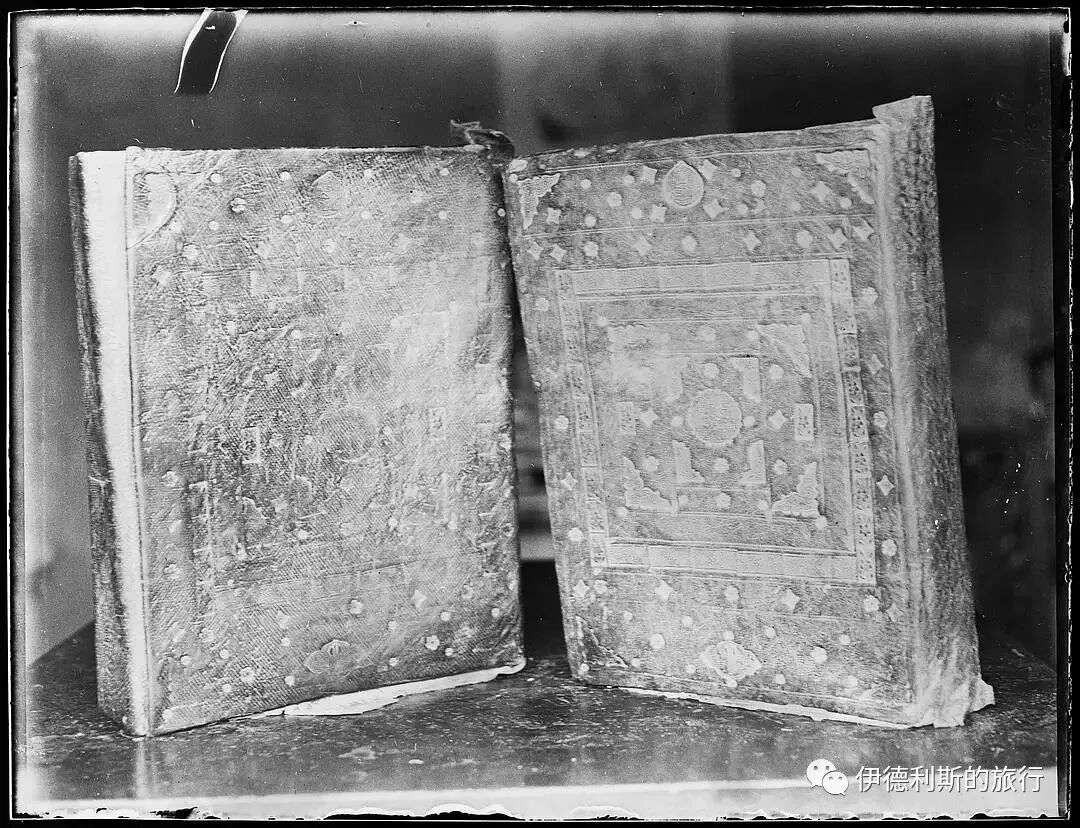
The Quran consists of 30 volumes, stored in two rhinoceros-hide cases. Historically, this set of the Quran was kept by the religious leader known as the 'Gazi'. When the Gazi system was abolished in 1896, the Quran remained in the care of the Gazi's descendants. People say in 1894, Ma Qishao (Ma Anliang) from Linxia seized the Quran. However, on his way back to Linxia from Xunhua, he encountered a violent storm and could not cross the mountains, so he had to return the Quran. During the Republic of China era, the Quran was seized by Ma Bufang. It was not returned to Han Wushiba, a descendant of the Jiezi Gazi, until the 1950s.
In 1954, the Quran was sent to Syria for an international exhibition, where it made a great impression on the Islamic world. After the '58 Religious Reform' in 1958, the burning of religious texts began. On the advice of the 'Salar Social History Investigation Group' then conducting research in Xunhua, the Quran was sent to the Cultural Palace of Nationalities under the guise of participating in a 10th-anniversary national exhibition. It was stored in the basement of the Cultural Palace for the next twenty years, only returning to Jiezi Grand Mosque in 1982.
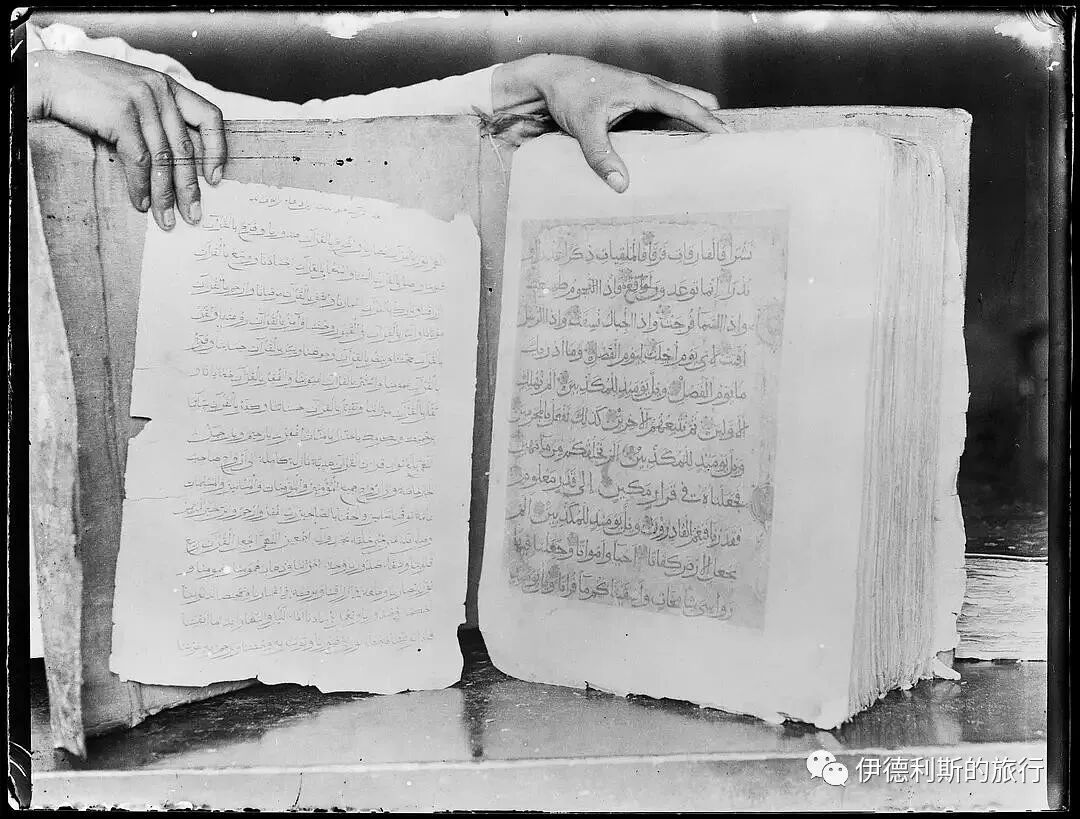
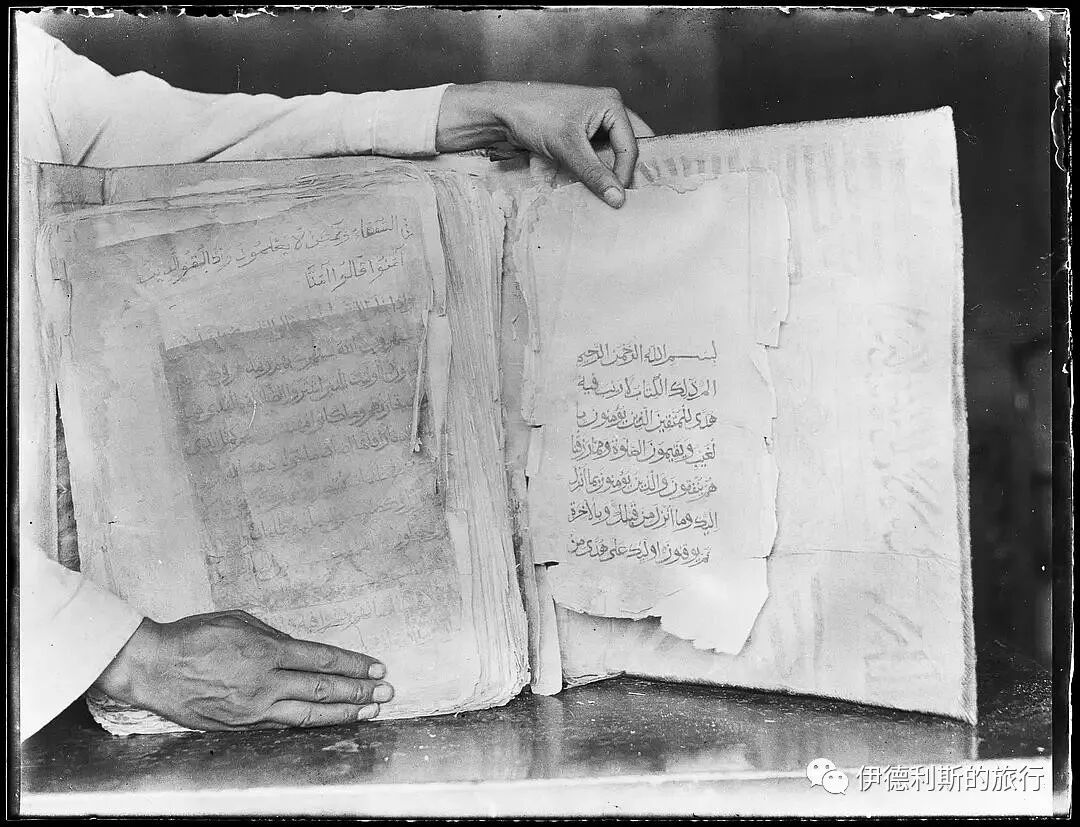
The Quran I photographed.
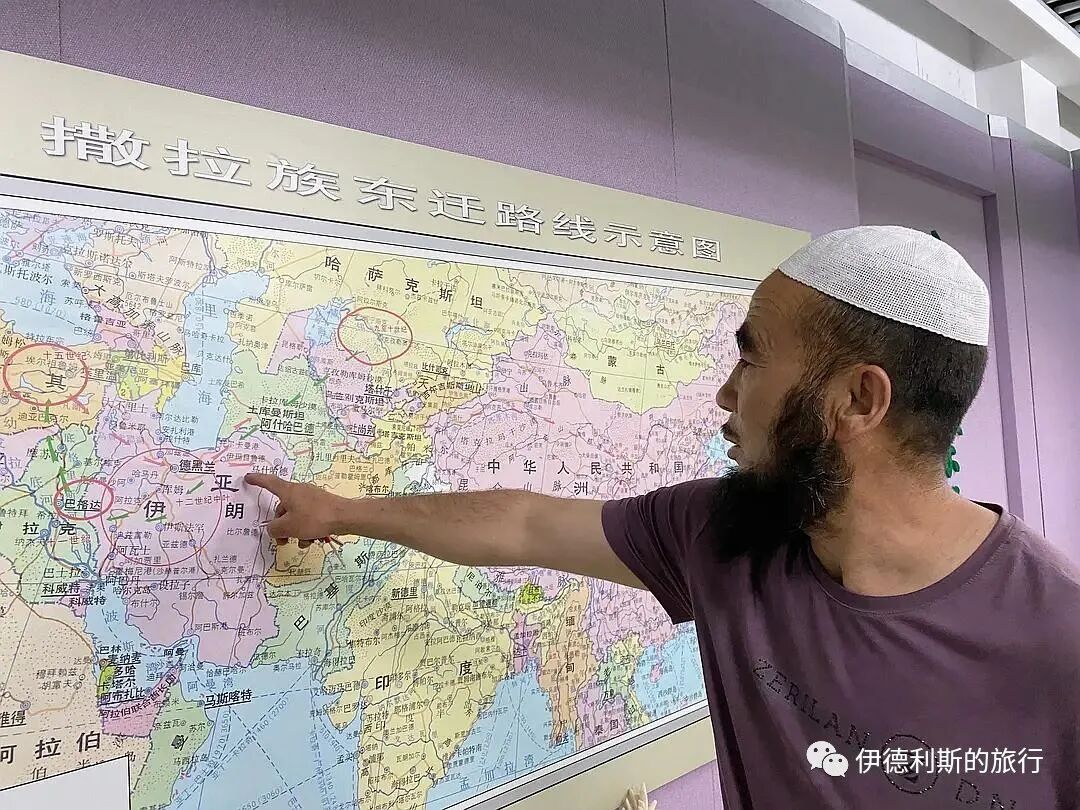
The uncle who showed us around the collection hall is telling us about the migration route of the Salar people.
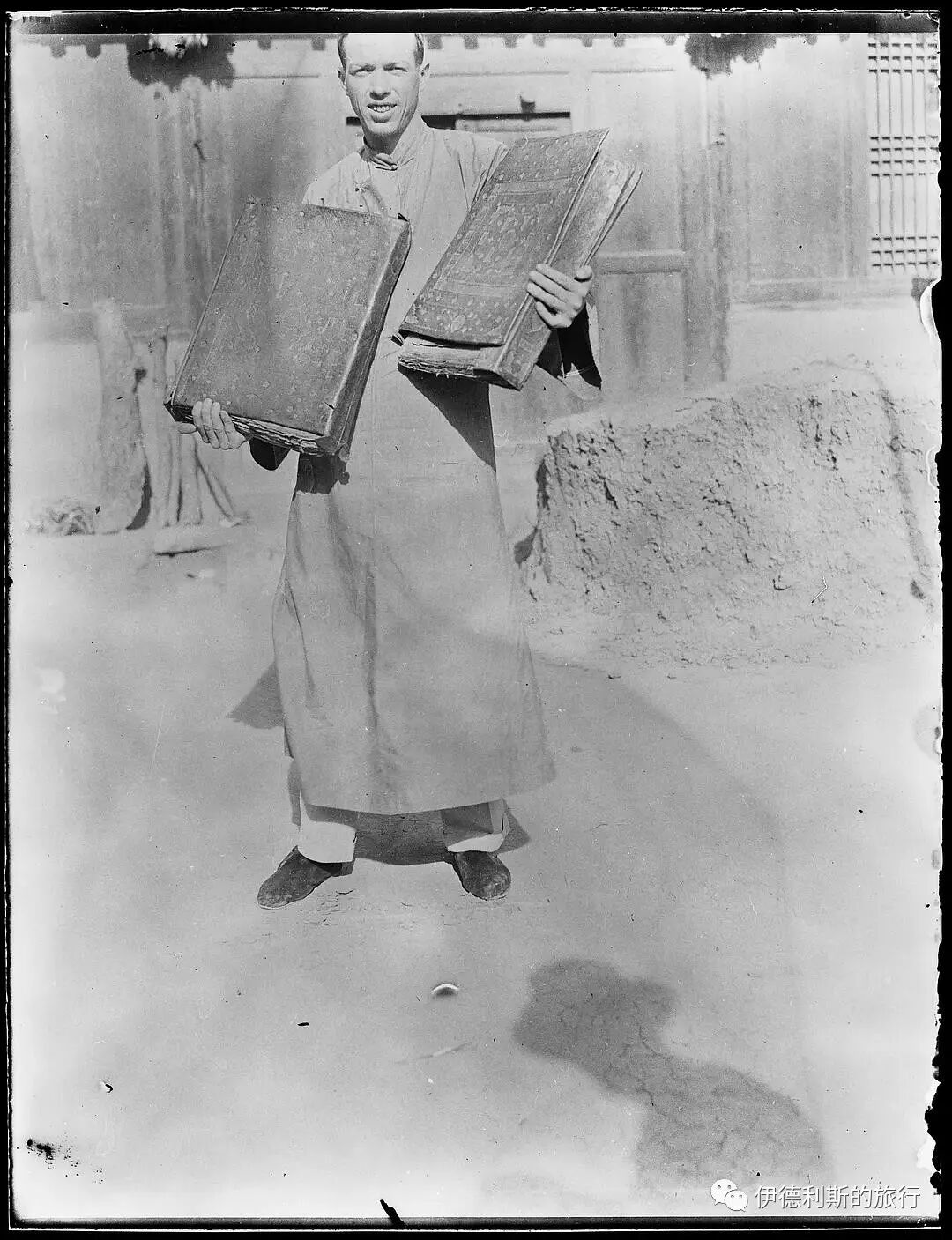
The Quran was photographed in 1933 by the American missionary Reverend Carter Holton (Hai Yingguang). Reverend Holton lived in the Hehuang region for many years between the 1920s and 1940s. Reverend Holton loved photography and left behind over 5,000 photos of the ethnic customs in the Gansu and Qinghai regions. In the early 1990s, his second daughter donated them all to the Harvard University Library, where they can now be viewed on the library's official website.
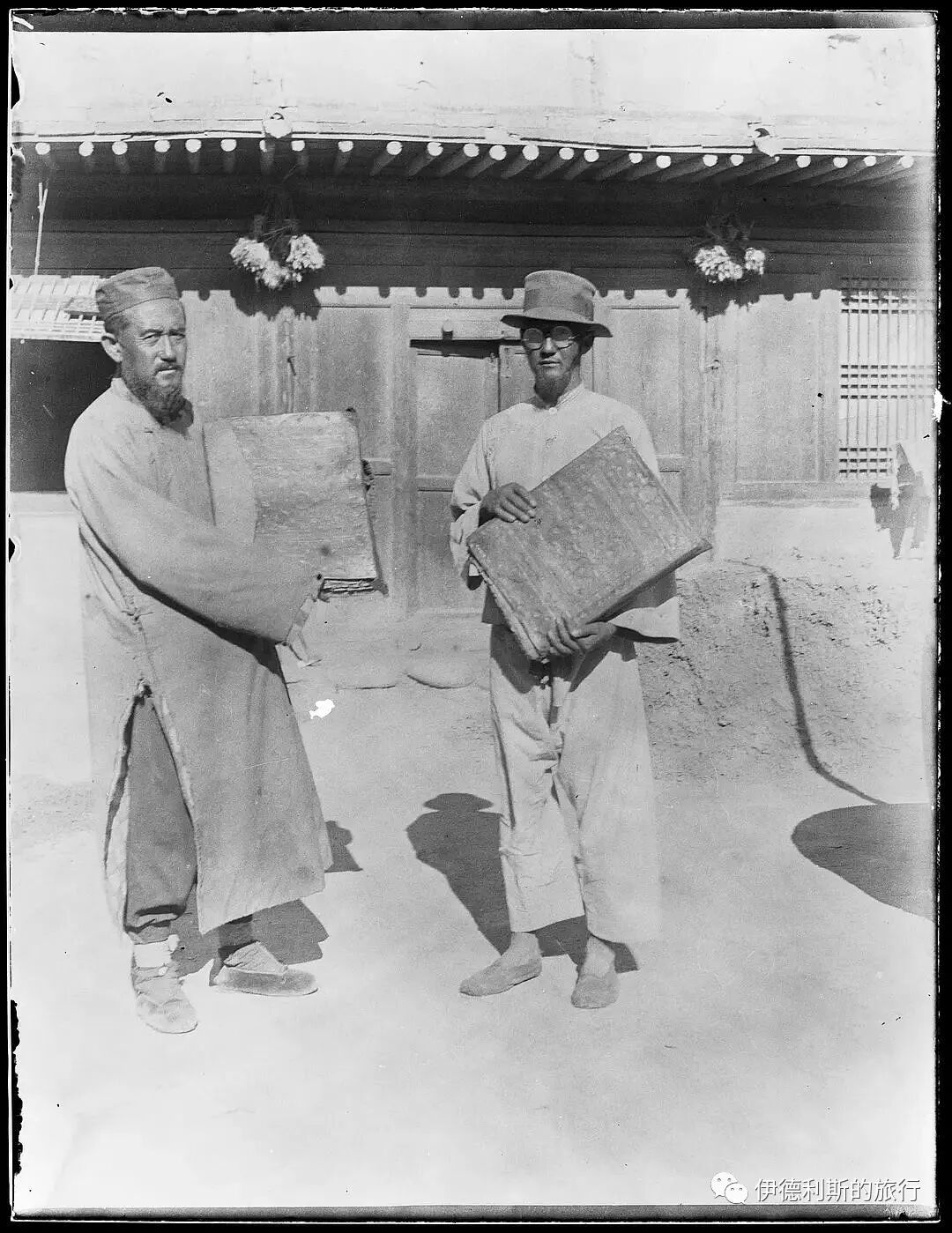
Imam Hai holds the Quran himself.
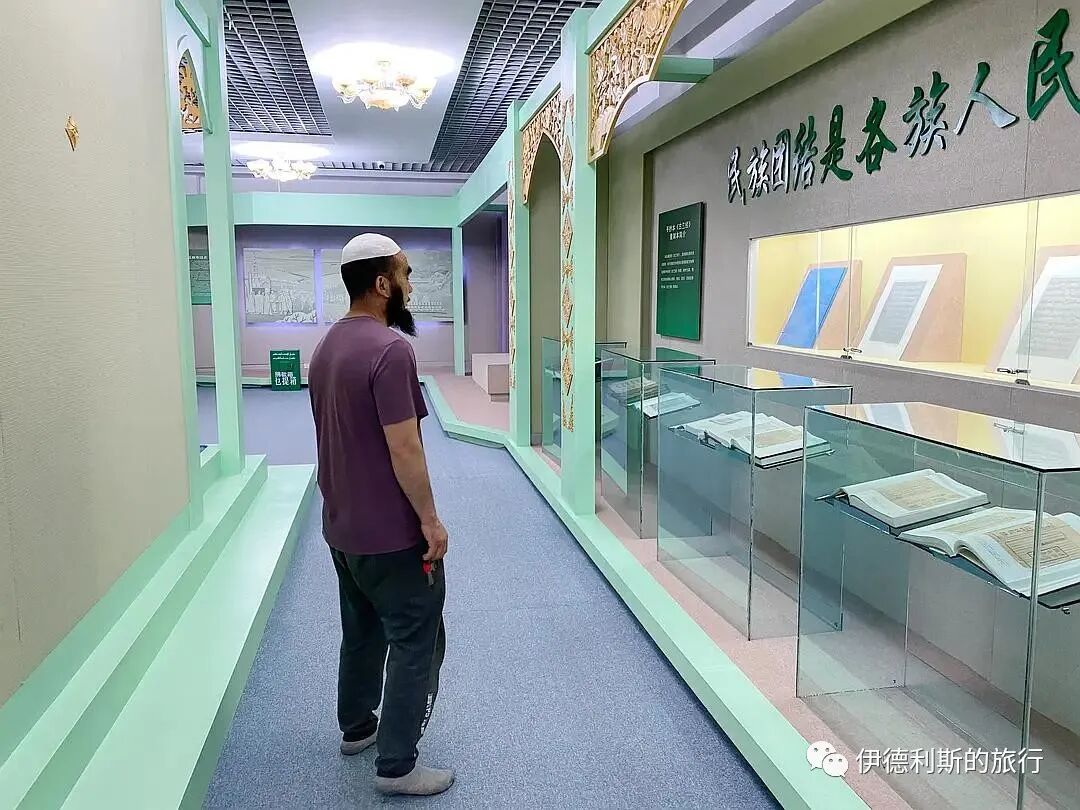
The Quran kept in the collection hall.
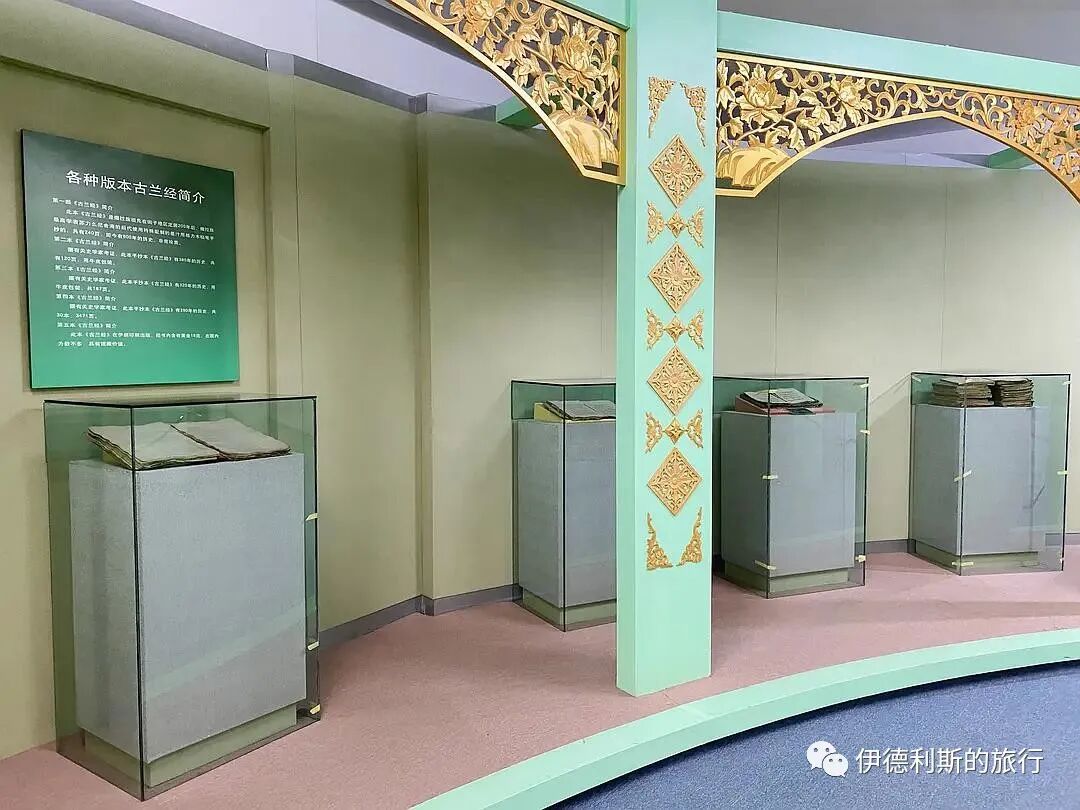
After the Salar people settled in Jiezi Town, the descendants of the highest Salar scholar, Sulimanisha Hai, hand-copied this using specially mixed ink and a tamarisk (gelimu) reed pen; it is over 600 years old.
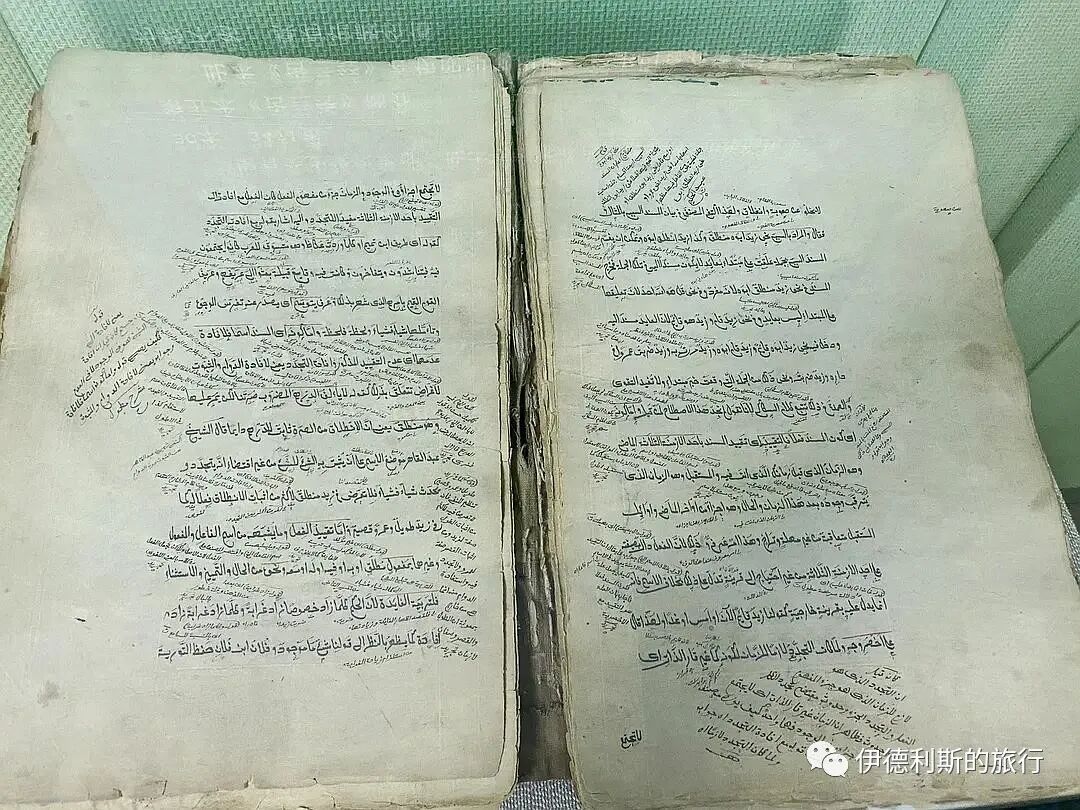
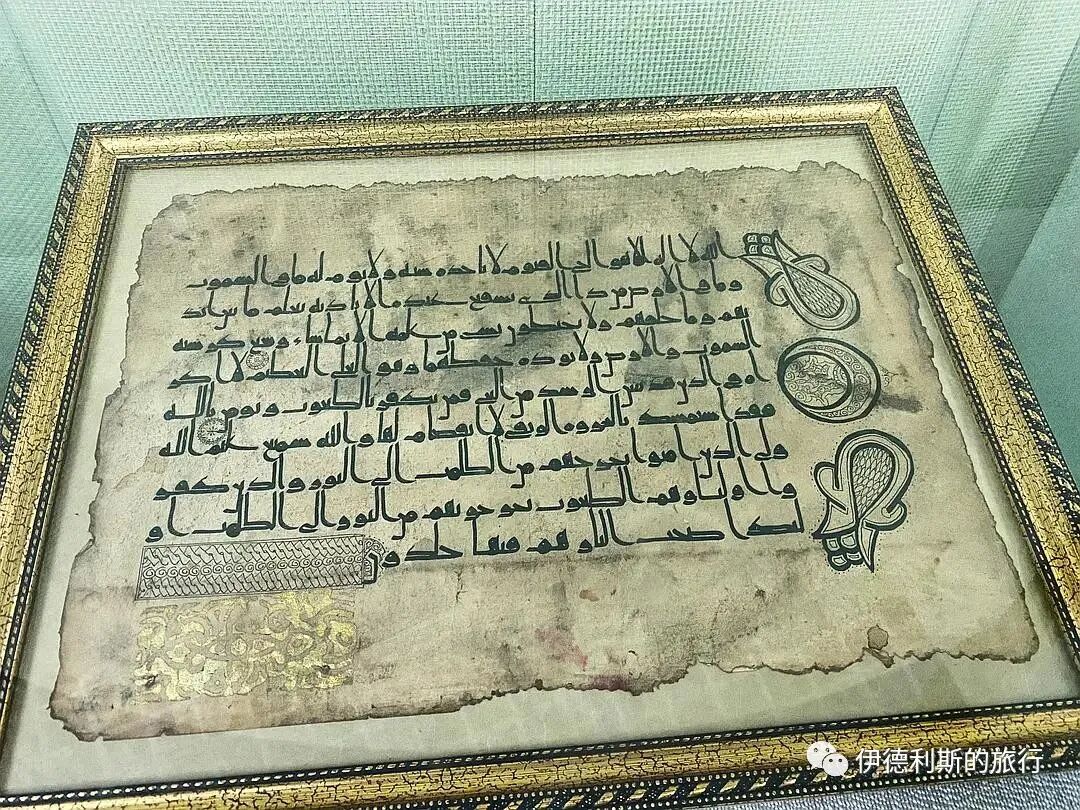
A manuscript from the 17th to 18th century, wrapped in cowhide.
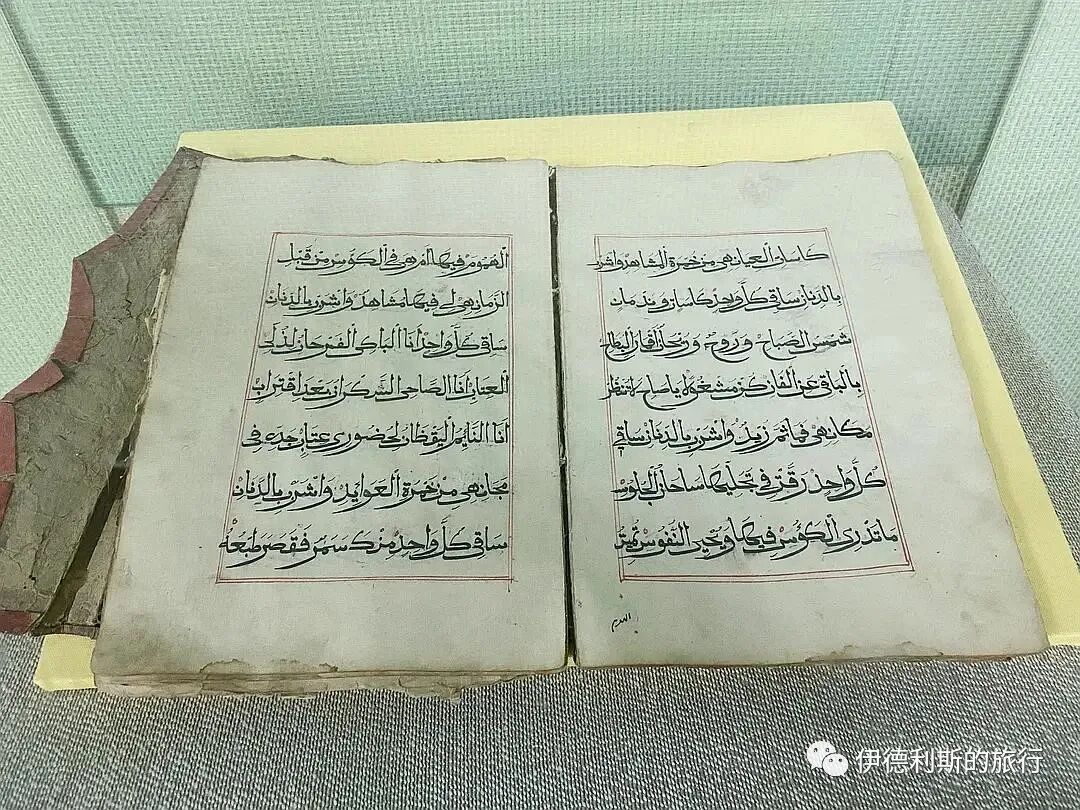
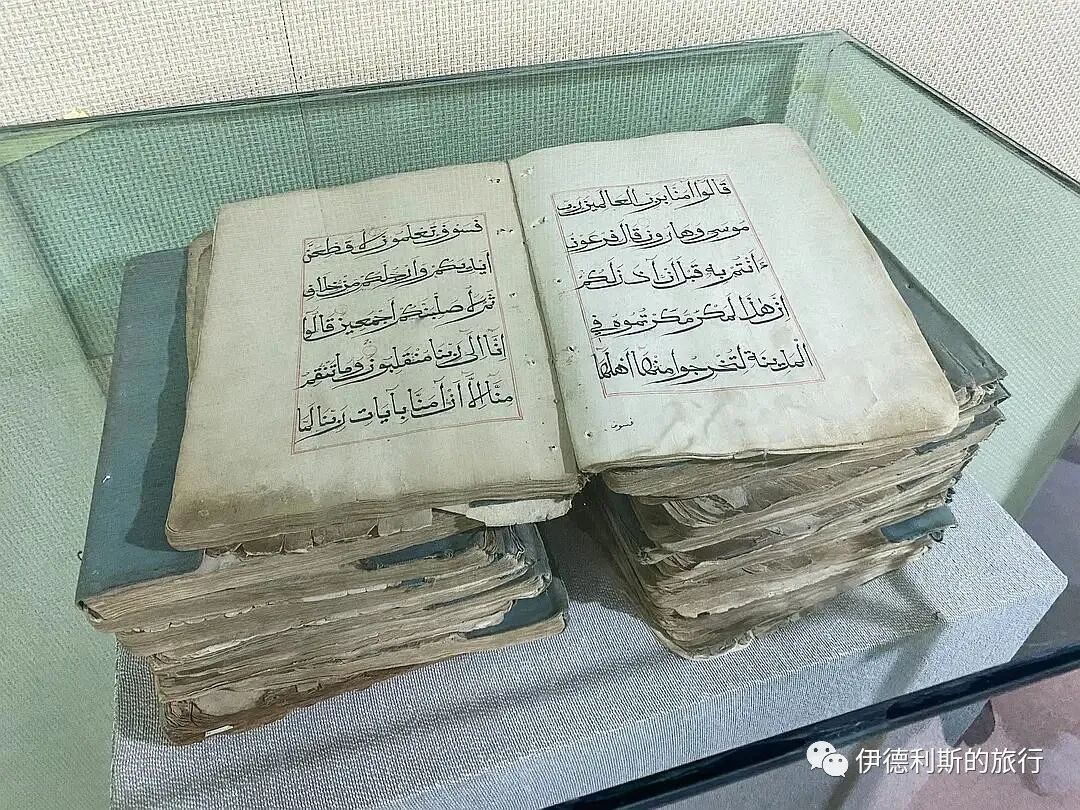
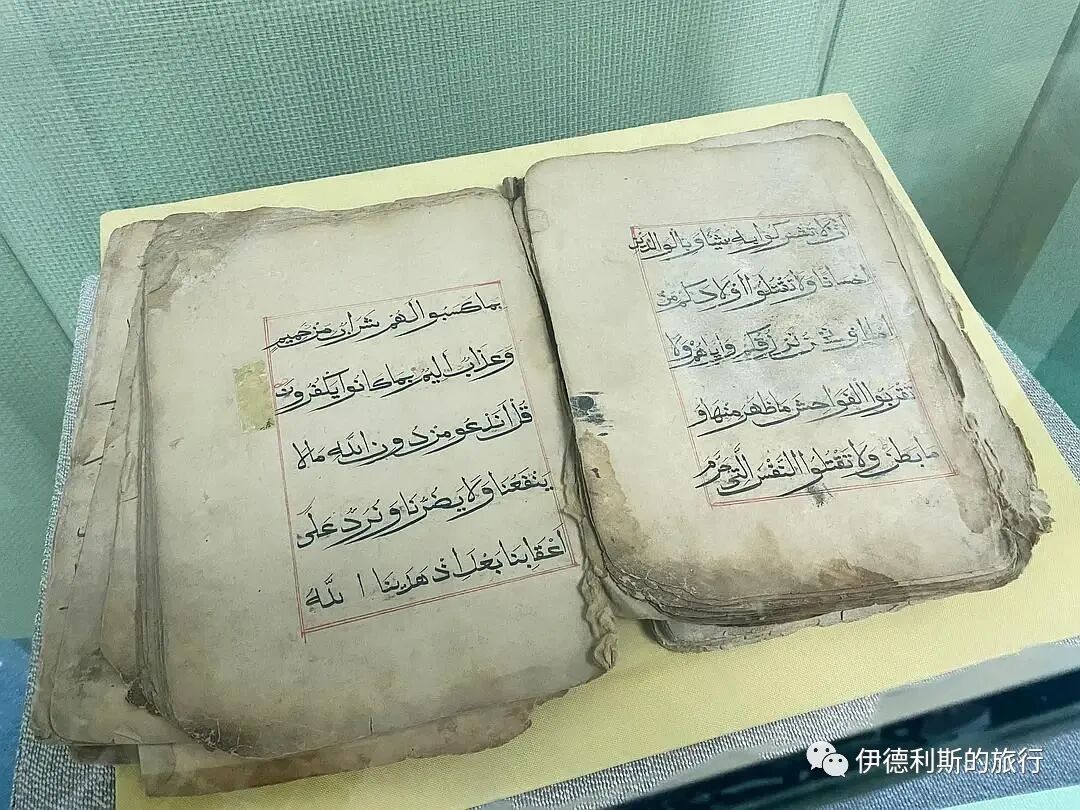
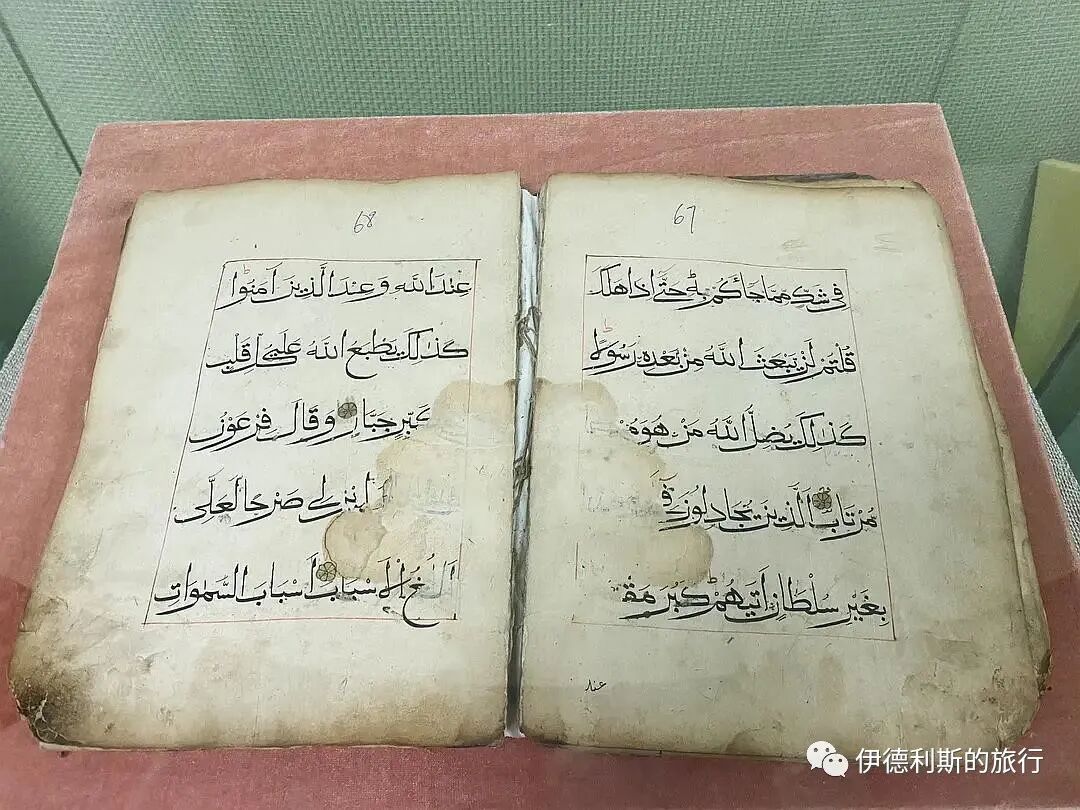
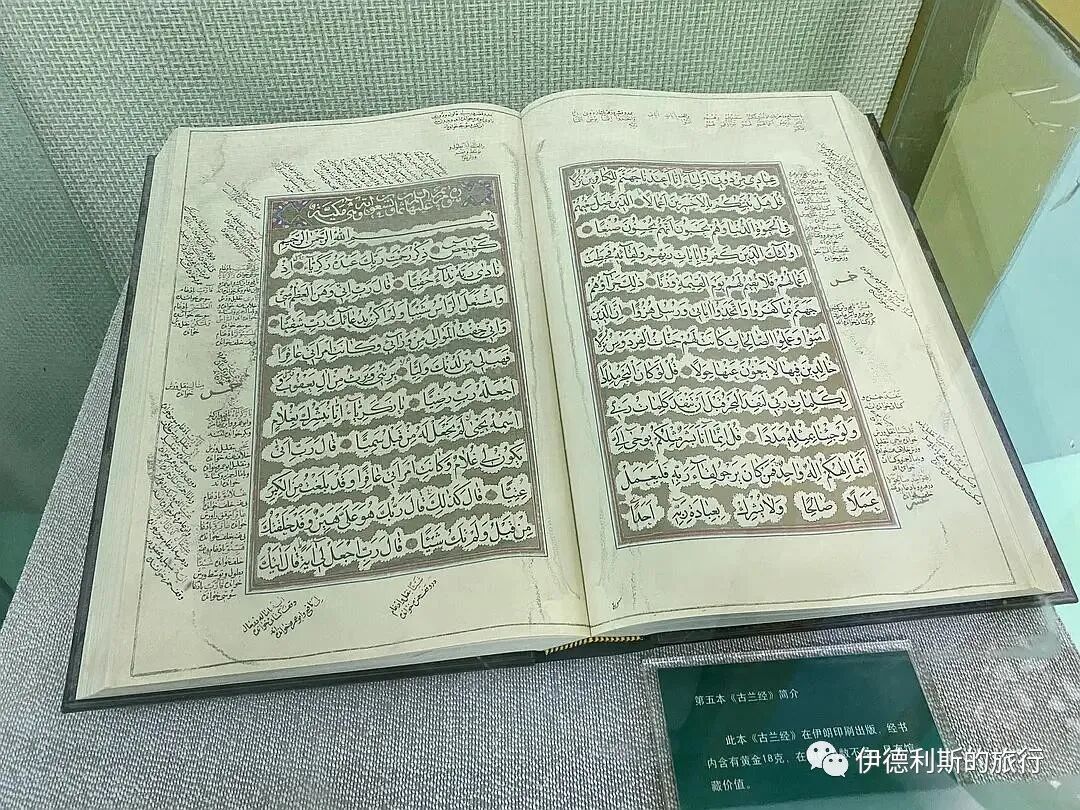
Printed and published in Iran, it contains 18 grams of gold.
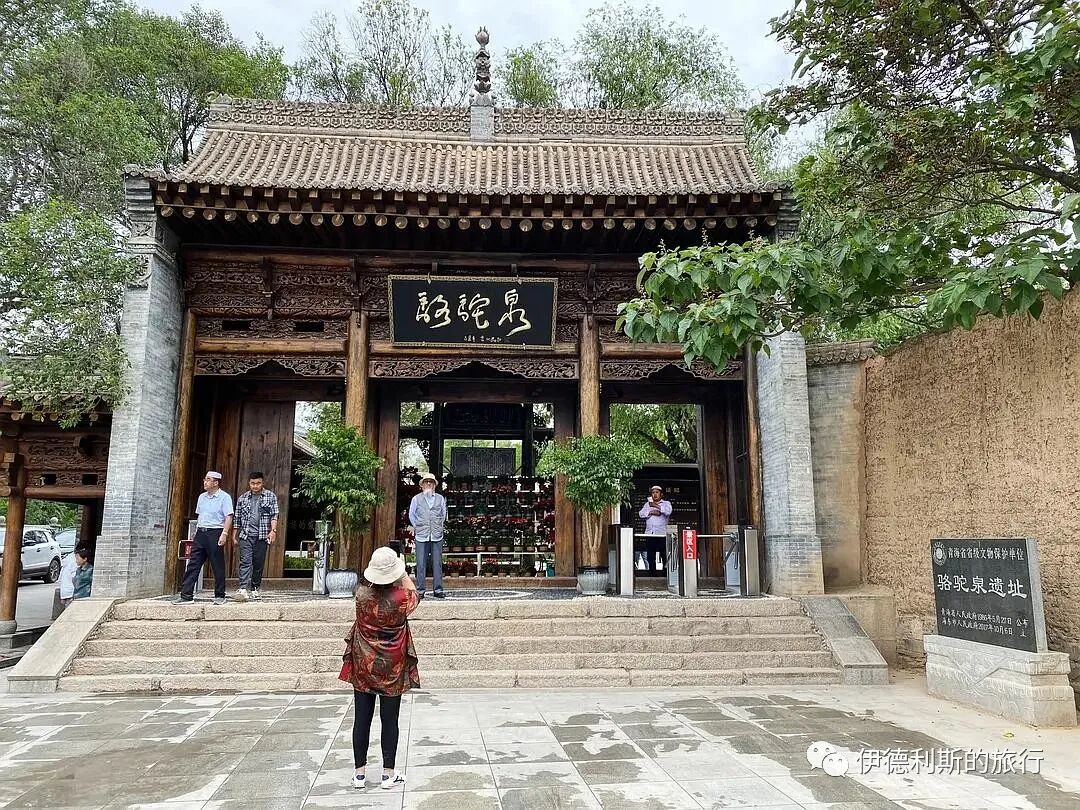
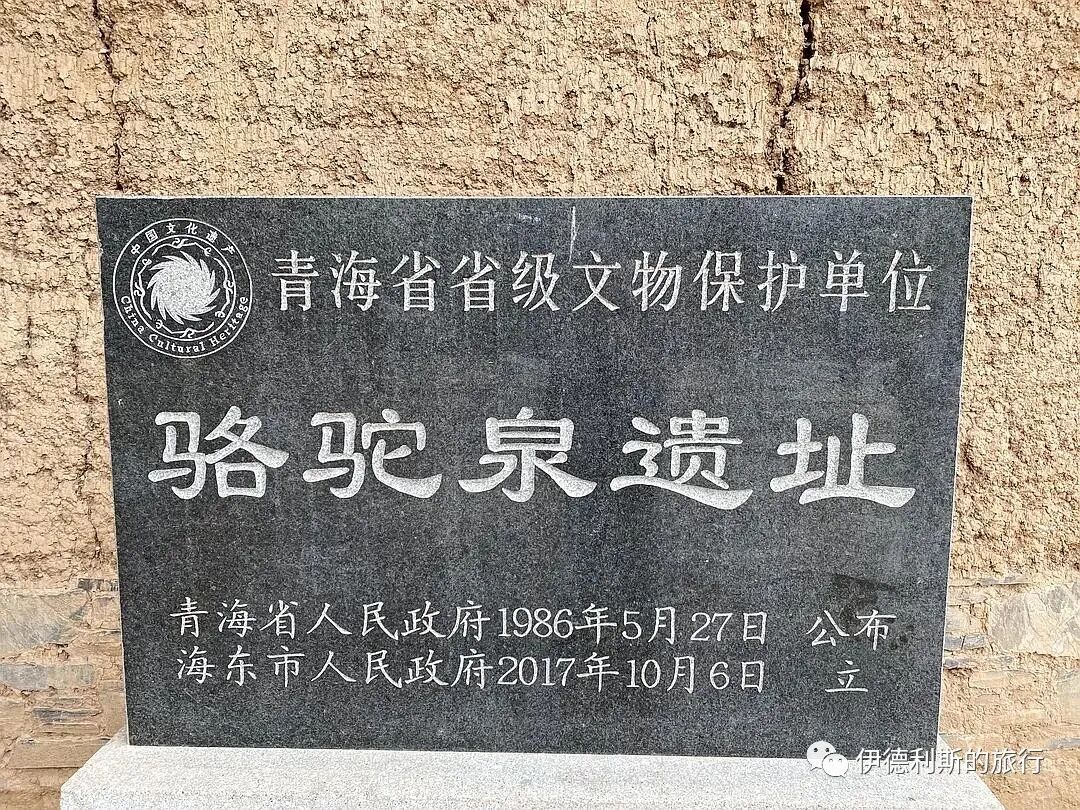
Camel Spring (Luotuo Quan).
Next to the Quran collection hall is Camel Spring, the first place the Salar people settled after migrating from Central Asia to Xunhua. In Salar legend, Ahman and Qarman originally lived near Samarkand. Because they were oppressed by their ruler, they led their people while pulling a white camel. The camel carried a bowl of soil from their hometown, a pot of water, and a Quran. They crossed the Tianshan Mountains heading east and finally arrived in Qinghai. When they reached Aotusi Mountain near Jiezi, they were very tired and decided to stop and rest. In the middle of the night, Qarman discovered the camel was missing. They searched everywhere and finally found the camel lying on the ground turned into stone, with water flowing from its mouth. They unloaded the water, soil, and Quran from the camel and began to recite the Quran. When they tasted the spring water flowing from the camel's mouth, they found it very sweet, exactly the same as the water they had brought with them. They compared it to the soil they brought and found it was also exactly the same, so they decided to settle down here.
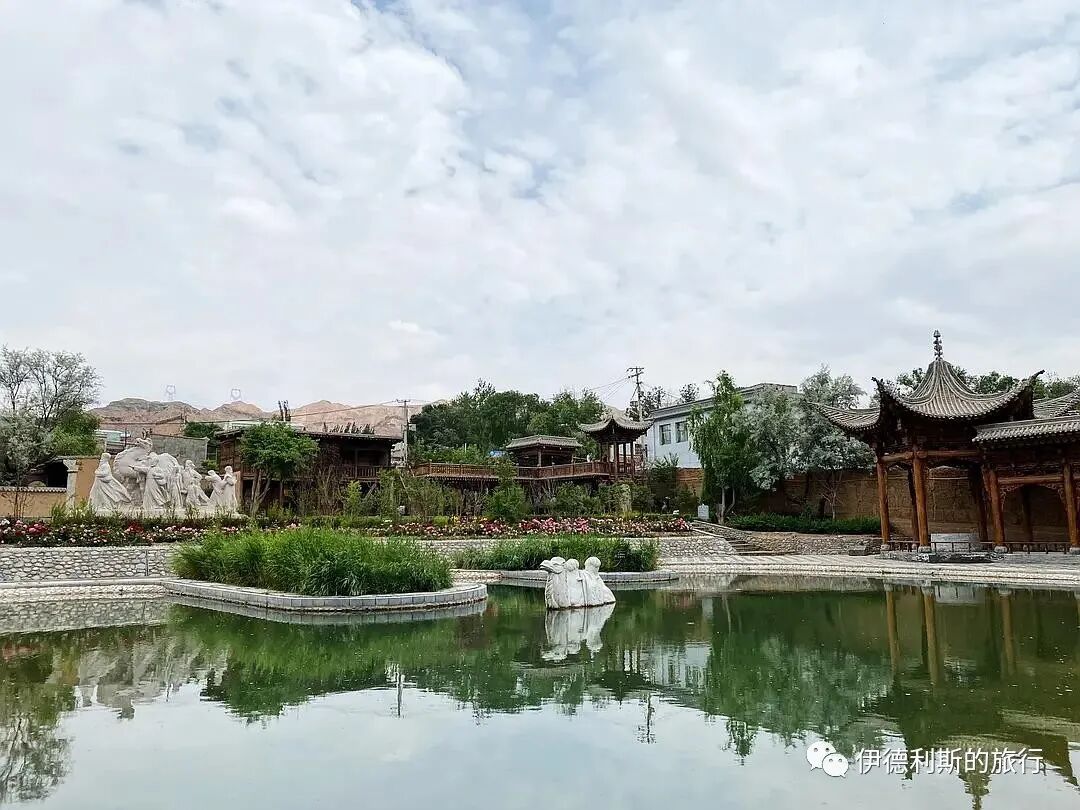
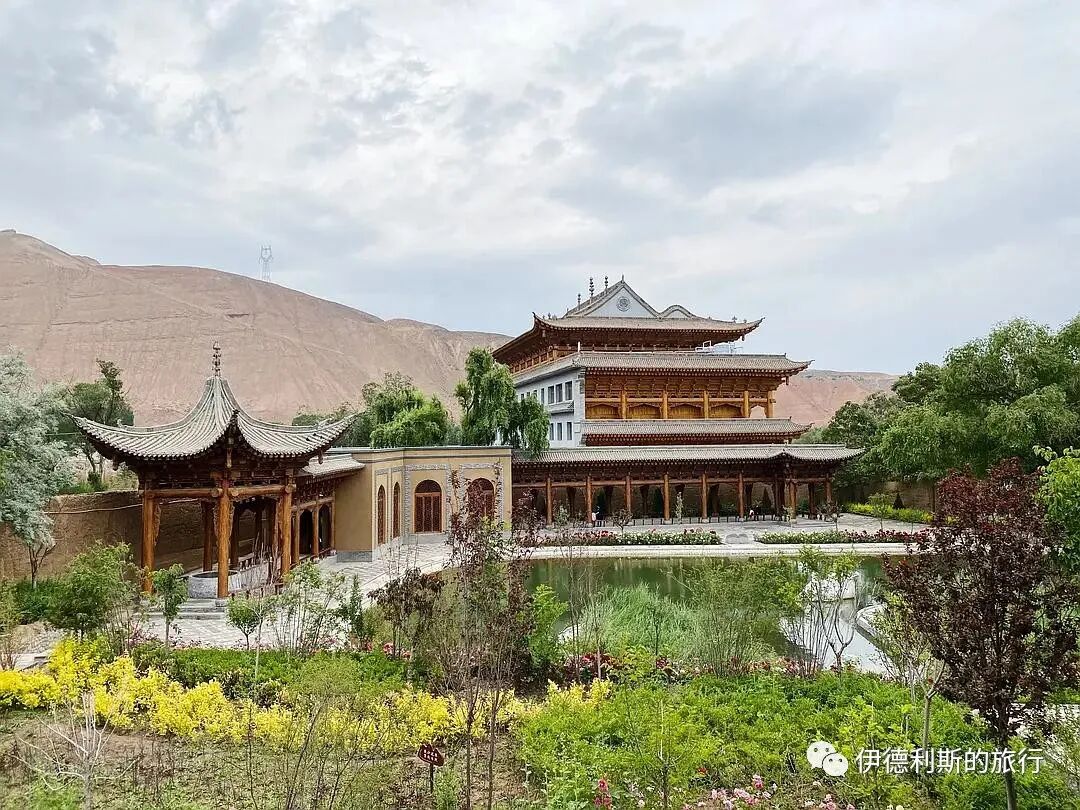
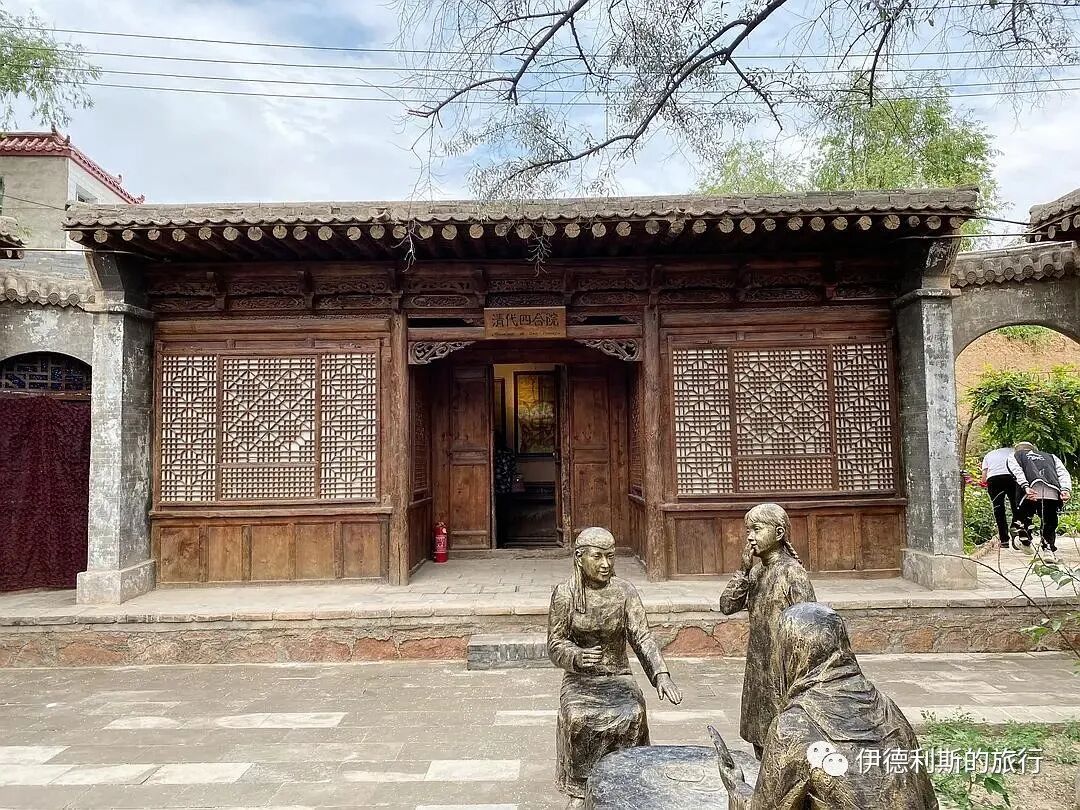
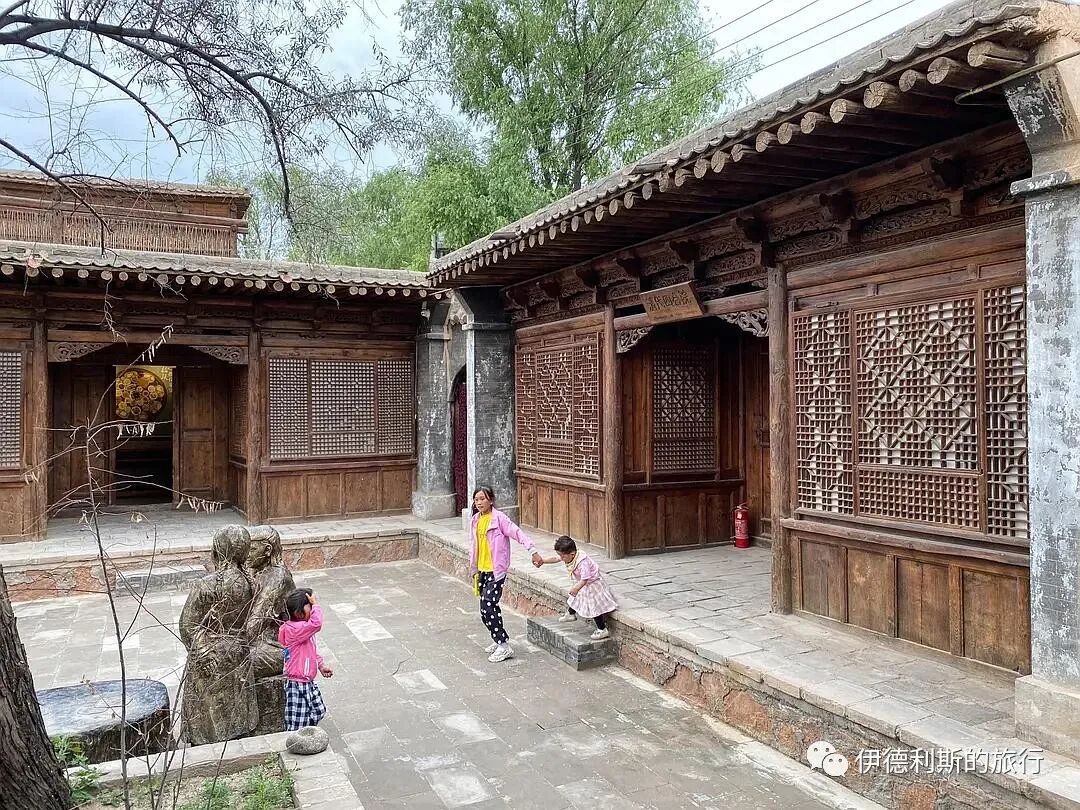
Several traditional Salar fence houses (libalou) were built in the Camel Spring scenic area. The fence house is called "baliaoyi" in the Salar language and has two floors. The upper floor is for guest rooms and bedrooms, while the lower floor is for storage and livestock pens. The fence walls use honeysuckle branches and pine boards, covered with a mixture of three types of soil, and the main structure is made of high rammed brown earth walls or a mix of stone and brick.
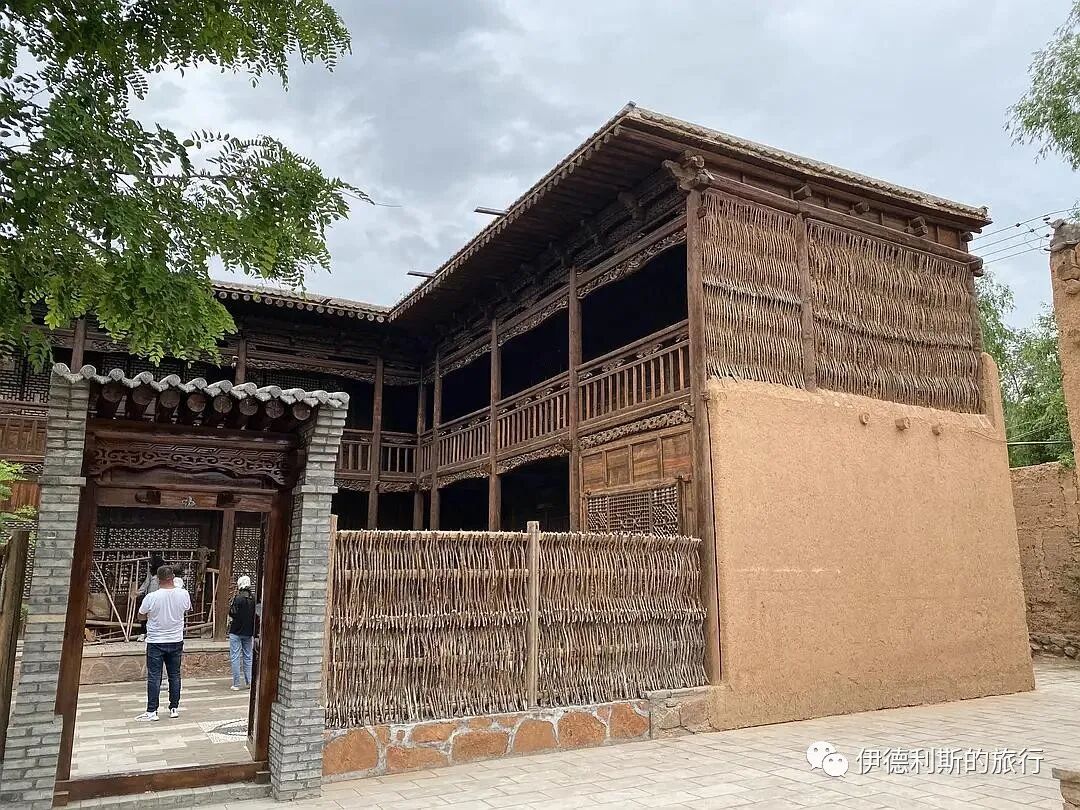
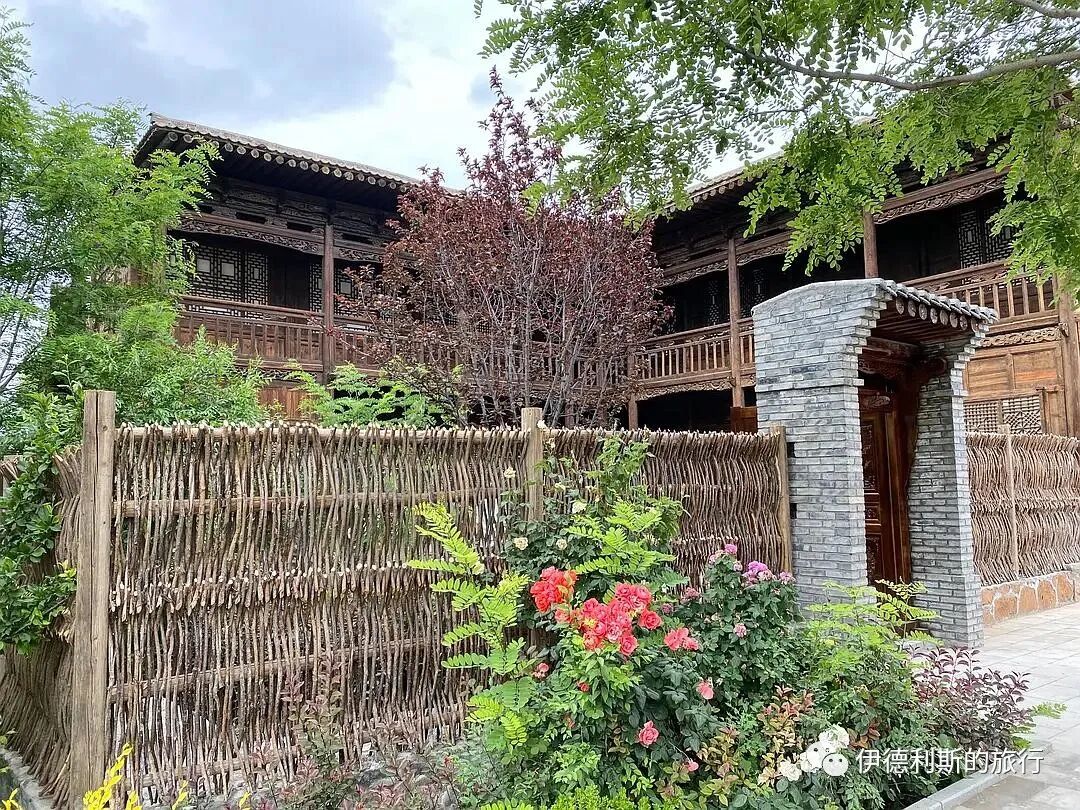
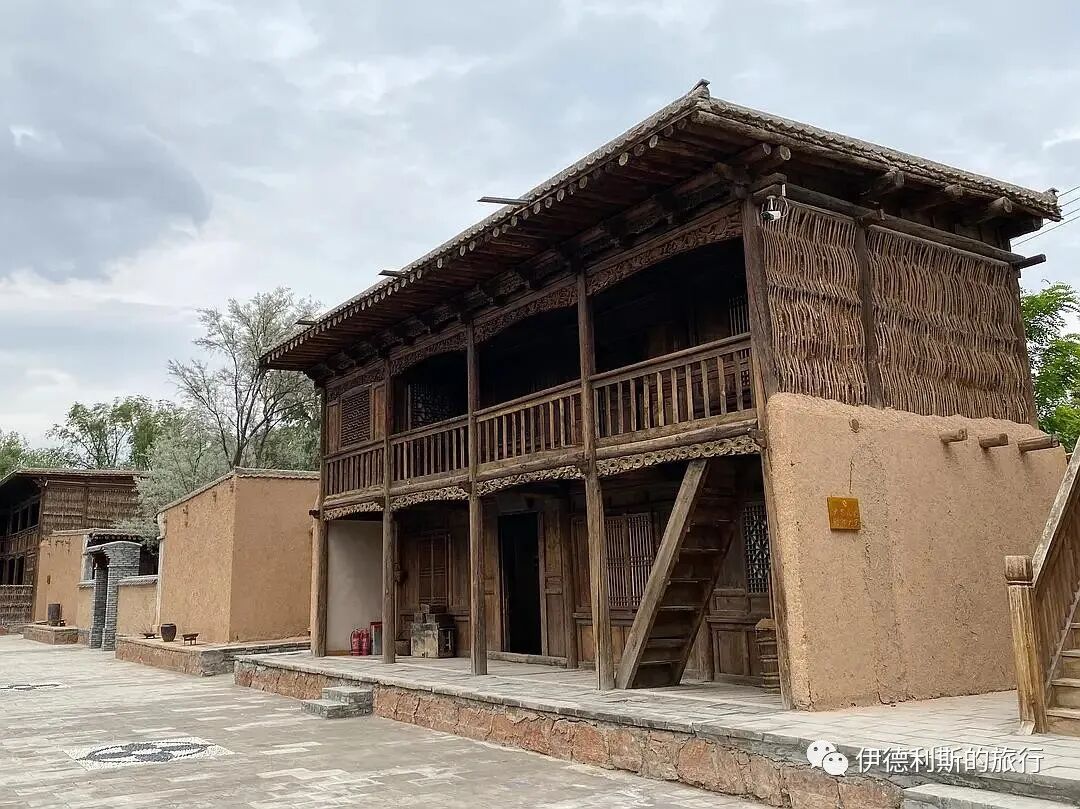
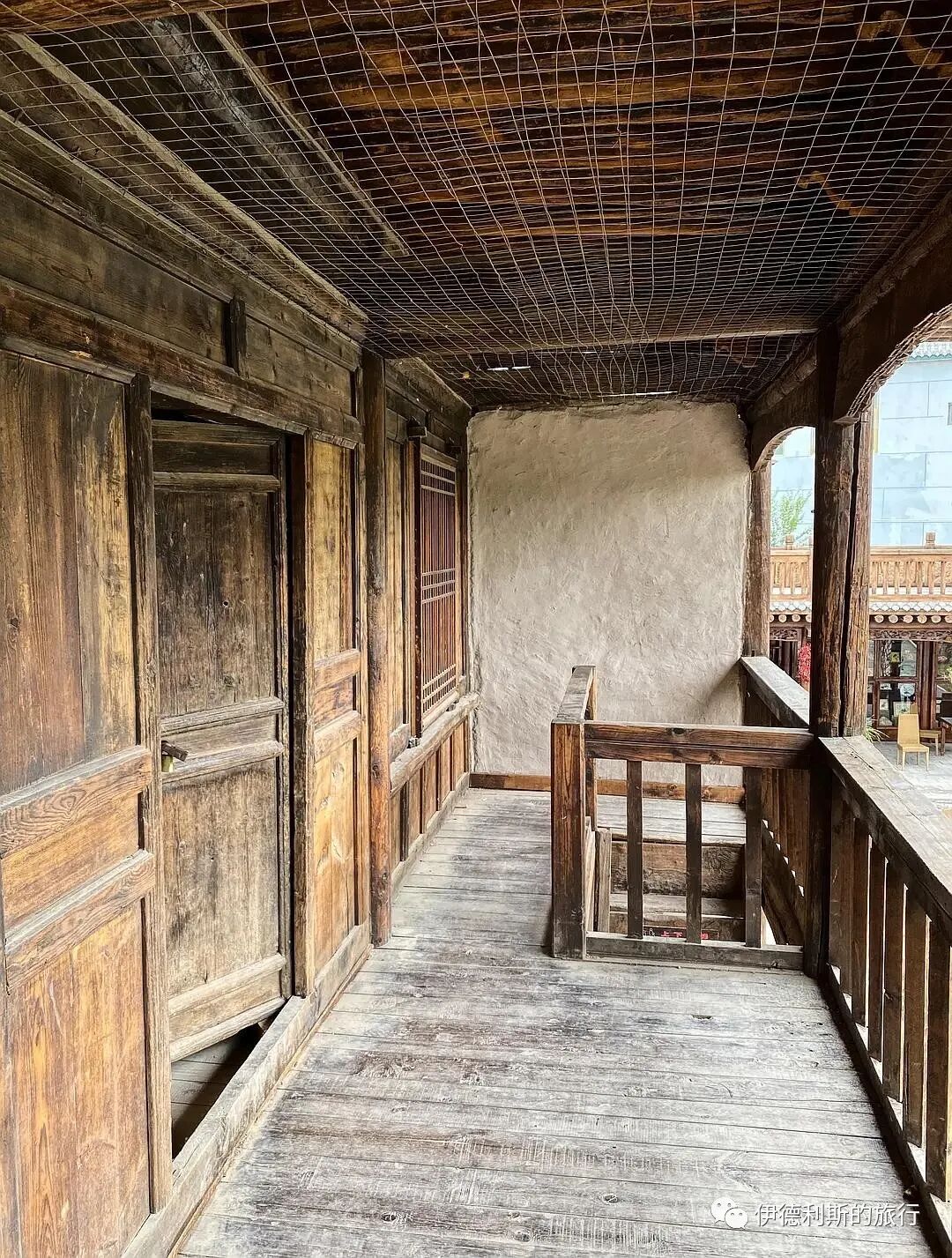
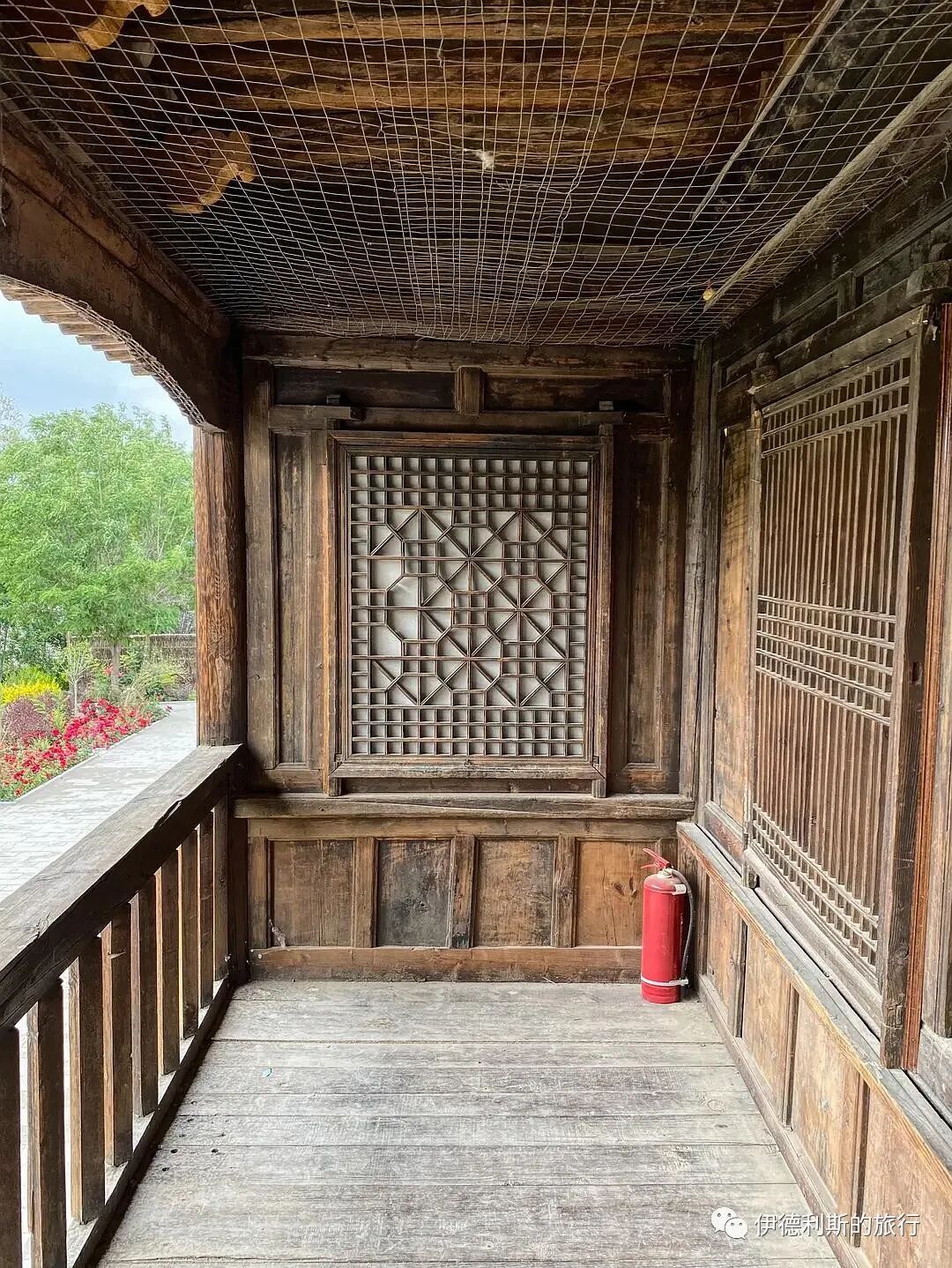
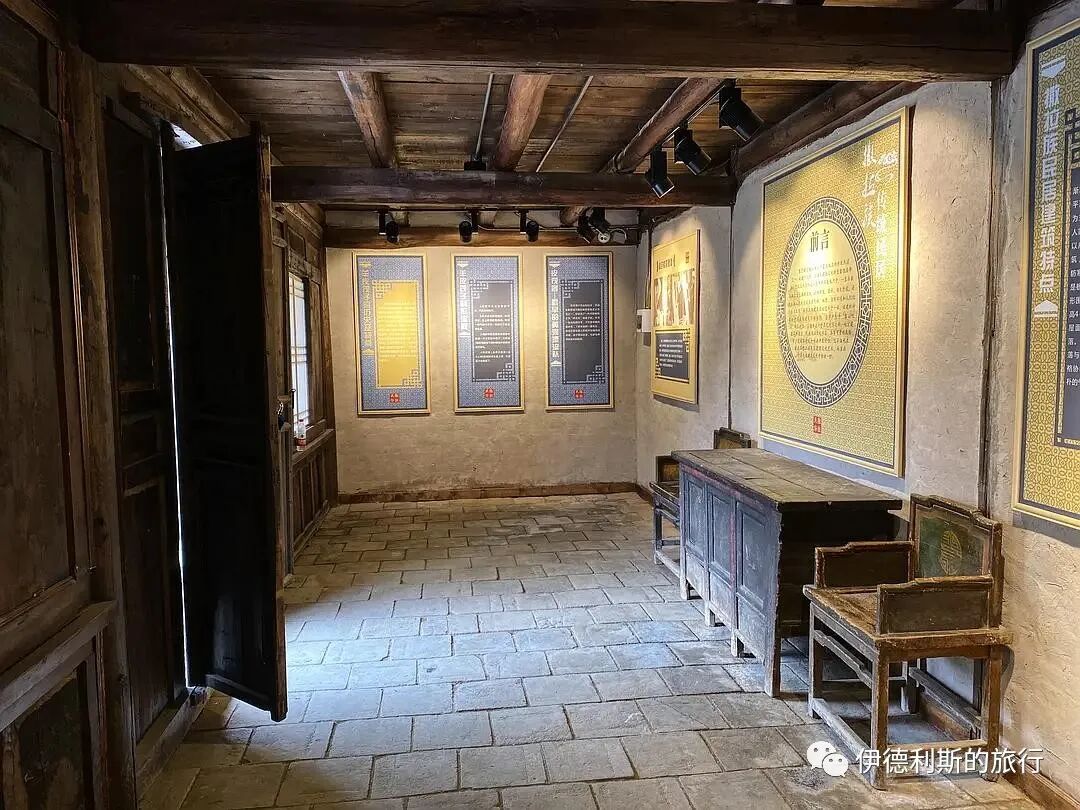
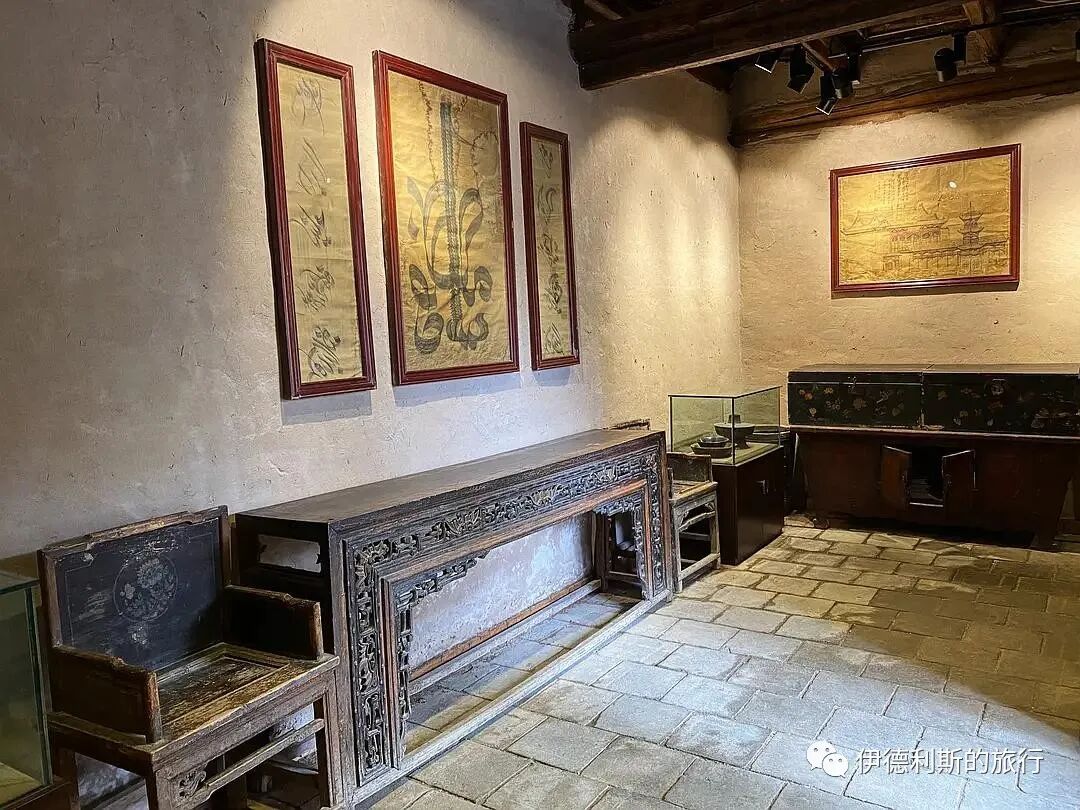
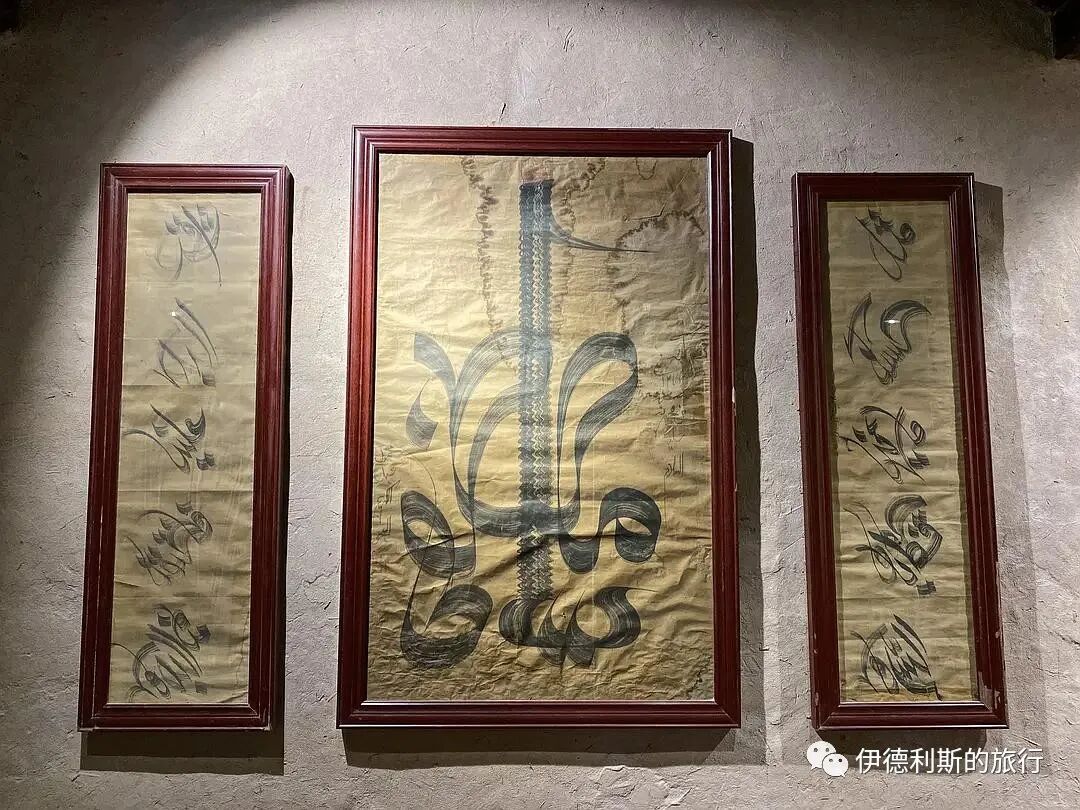
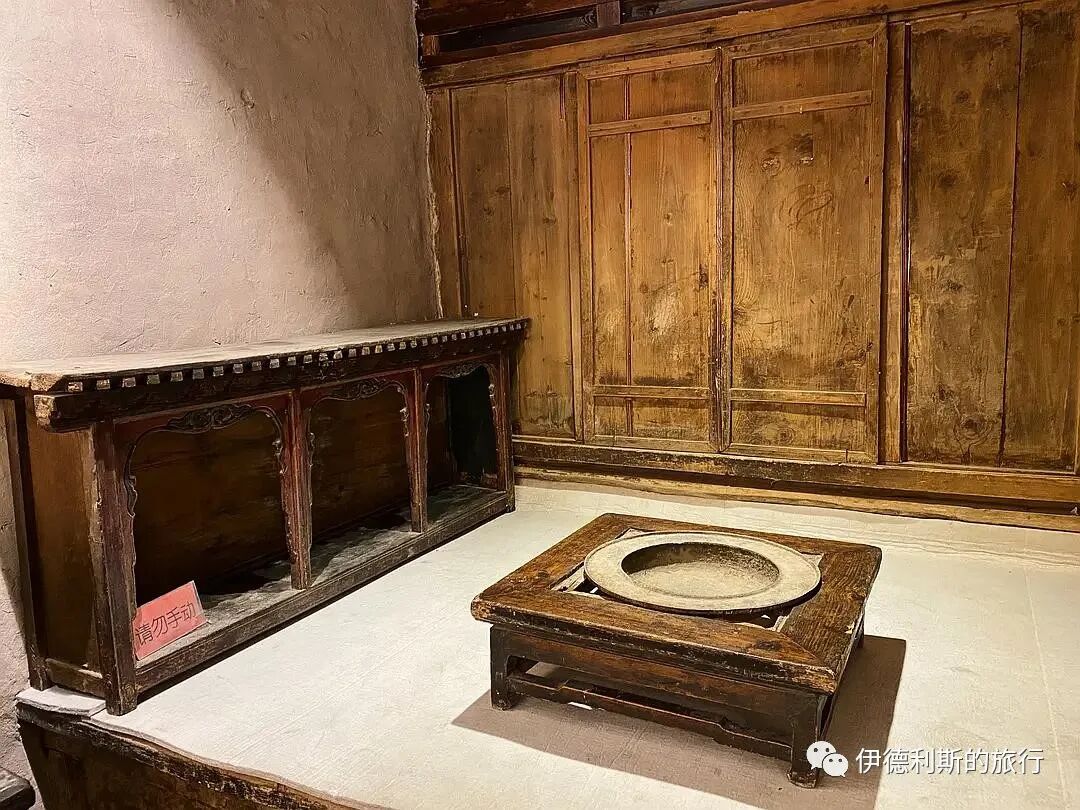
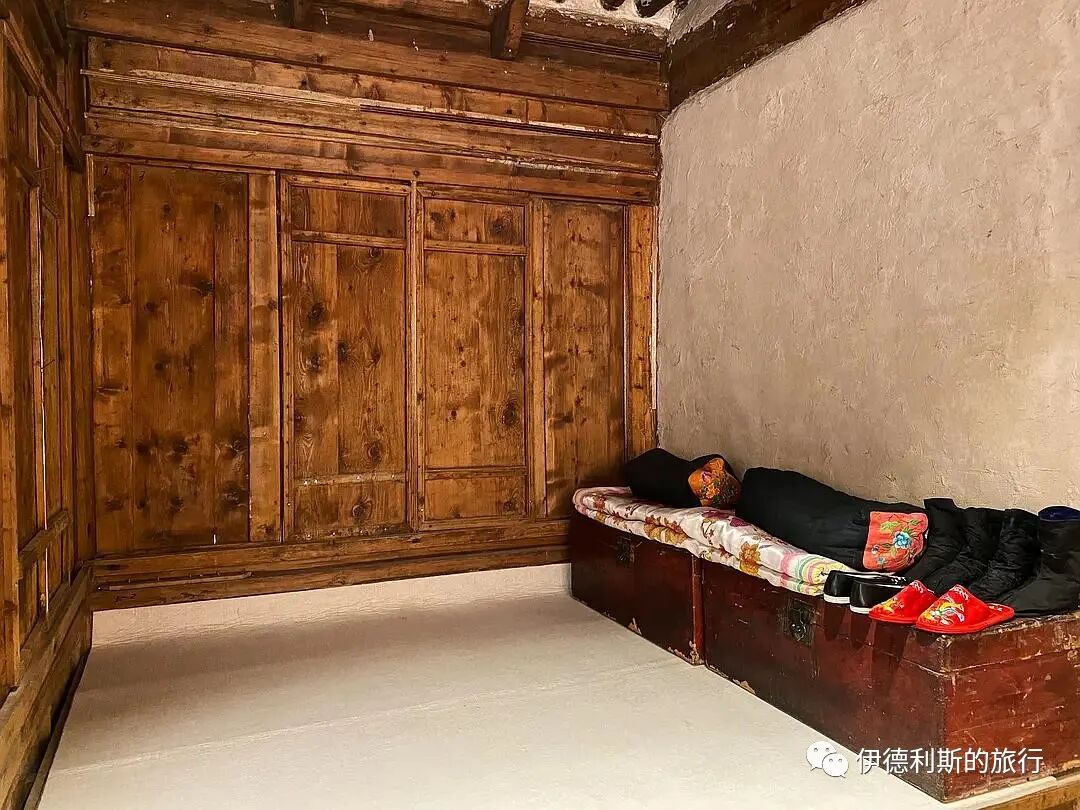
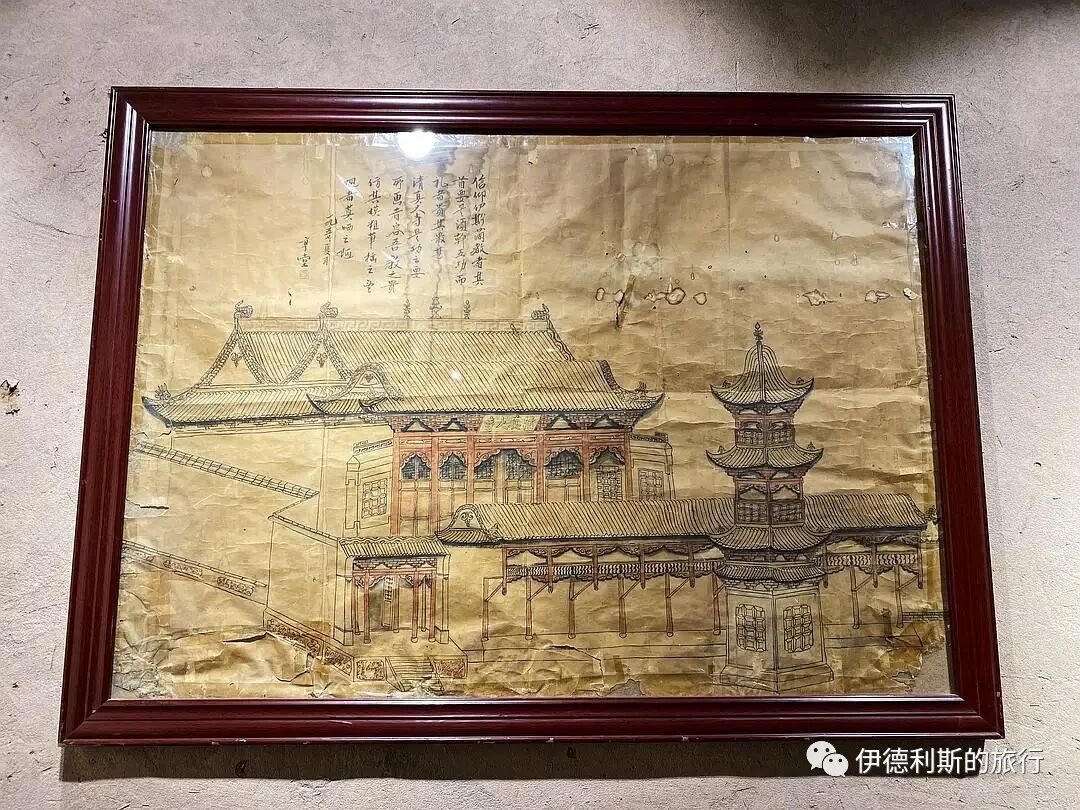
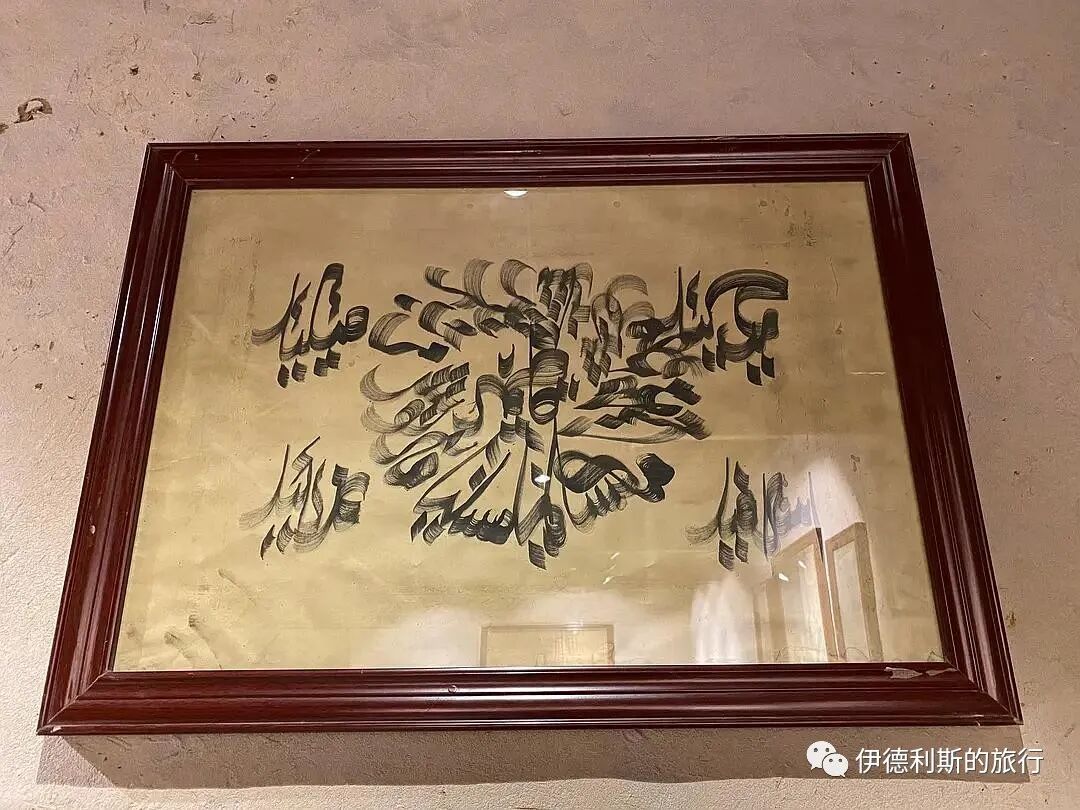
The Camel Spring scenic area features a restored Qing Dynasty Salar courtyard house, with a living room in the center of the main house, heated brick beds (kang) on both sides, and Arabic calligraphy hanging in the middle.
Jiezi Gongbei.
Hidden in the cemetery on the north side of the Great Mosque of Jiezi, the Jiezi Gongbei is the only historical relic left in Jiezi. Currently, only the lower brick section remains, featuring exquisite brick carvings and an inscription stating it was "rebuilt in the first year of Xianfeng," which is 1851.
Summary: Qinghai — Ping’an, Xunhua and Xining Muslim Heritage is presented here as a firsthand travel account in clear English, beginning with this scene: During the 2021 Dragon Boat Festival, I visited Ping'an, Xunhua, and Xining in Qinghai. My main goal was to visit the traditional historical mosques and gongbei buildings there, and I gained a lot. The account keeps its focus on Qinghai Travel, Hui Muslims, China Mosques while preserving the names, places, food, and historical details from the Chinese source.
During the 2021 Dragon Boat Festival, I visited Ping'an, Xunhua, and Xining in Qinghai. My main goal was to visit the traditional historical mosques and gongbei buildings there, and I gained a lot.
I stayed overnight at Ping'an Station (Ping'anyi).
I took a late flight to Xining Airport, then took a taxi to the Daqingzhen Kanguo Barbecue restaurant in the Ping'an District of Haidong to eat pan-roasted meat (kanguo). They have many types of pan-roasted meat, including lamb, tripe, intestines, and chicken. We had the pan-roasted lamb head and also ordered the wheat kernel porridge (mairen zhou), which is a must-have at Qinghai barbecue shops.
The restaurant layout features small private rooms common in Qinghai town restaurants. Even for two people, you can pull the curtain for privacy, which feels quite nice. After ordering, they brought out free pickles, radishes, mung bean jelly (liangfen), and boiled tea (aocha). The servers were very friendly. I had a few bites of the jelly and some tea, and then the pan-roasted meat arrived. Besides a whole lamb head, it came with potatoes, corn, and vermicelli, so we didn't really need to order any staple food. I finished with a bowl of wheat kernel porridge and felt very satisfied.
The next day, I had lamb offal soup (yangzasui) with flatbread (bingzi) at the Shalihai Lamb Offal shop on the main street of Ping'an, Haidong. Across the street is the Ping'an food street, Ping'anfang Pedestrian Street. I bought some handmade yogurt at the Hongshuiquan Starch Jelly (niangpi) shop inside. Hongshuiquan is where the most famous Hongshuiquan Great Mosque in Haidong is located.
The Upper and Lower Gongbei of Shangma Family in Bazanggou.
I took a Didi taxi from Ping'an to the famous Upper and Lower Gongbei of the Shangma family in Bazanggou, Haidong. The Upper Gongbei of the Shangma family is on the peak of Woniu Mountain, so it is also called Woniu Mountain Gongbei. It is the tomb of Ma Diangong (1643-1715), a leader of the Khufiyya Sufi order (menhuan).
The Lower Gongbei of the Shangma family in Bazanggou is the tomb of Xian Chengde (known as Chuanli Taiye), the third-generation sheikh of the Khufiyya Xianmen menhuan. Xian Chengde built this gongbei during the Jiaqing reign. Shortly after it was completed in 1812, he passed away (returned to Allah), and his followers buried him there. In 1895, the fifth-generation sheikh of the Xianmen, Xian Linyuan, also passed away and was buried in the Lower Gongbei.
We were warmly received at the Lower Gongbei of Shangmazhuang and were given fried dough (youxiang) and clear-stewed meat.
Yangulu Gongbei.
At noon, I chartered a car from Ping'an District, Haidong, to the famous Yangulu Gongbei in Xunhua. After a two-hour drive, we crossed the mountains from the Huangshui Valley into the Yellow River Valley and arrived at the Gongboxia Dam pier. When we reached the pier, a boat was about to depart. It carried a large family of Hui Muslims from Linxia who were visiting the gongbei, and we took the boat together to the gongbei pier.
To get from the pier to the gongbei, you have to walk along a mountain path by the Yellow River, but it has been widened in recent years and is much easier to walk than before.
At the end of the mountain road, there are over 30 houses built in 1985 with community funds to provide food, lodging, and rest for those visiting the gongbei. We performed wudu (abudaisi) here, listened to the advice of the Salar uncle who guards the gongbei, and prepared to head toward the cliff leading to the shrine.
After crossing the final stone threshold, we reached three rest pavilions built below the gongbei during the Guangxu reign. Not far above them stands the hexagonal, pointed-roof gongbei pavilion.
Going down the mountain is actually much harder than going up because it is a vertical cliff. You cannot see the path at all, so you have to feel your way with your feet, step by step. It is often hard to find where to place your next step, and halfway down, my calves started shaking from the intense tension. In the end, it took us even longer to reach the foot of the mountain than it did to climb up.
At the foot of the mountain, we were warmly welcomed by the Salar guardians of the gongbei. We ate delicious braised meat bowls (huiwan), steamed buns (momo), old-stock chicken (laotangji), and hand-grabbed lamb chops (shouzhuayangpai), and drank plenty of clear tea. The Yangulu Gongbei is currently guarded by four Salar families who have lived here for generations. Food and lodging are free for all believers who visit, and the income mainly comes from charitable donations (nietie).
After a full meal, we said goodbye to our warm Salar friends, returned to the pier, and took a boat to leave Yangulu.
Xunhua County Town
In the evening, we traveled from Yangulu to Xunhua County town, bought some handmade yogurt with rapeseed oil, and then ate some Salar dry-mixed beef noodles.
Here in Xunhua, even the beef noodle shops have small private rooms; the environment is really quite good. After ordering, they served meat broth and tea first, and we also ordered a platter of cold dishes. Besides the thread chili (xianlajiao), people in Xunhua also love eating tiger-skin chili (hupilajiao). While waiting for the bus earlier, I noticed the grandpas and grandmas shopping were all carrying a bag of tiger-skin chili. Dry-mixed noodles with meat sauce (roujiangganban) should be a specialty here in Qinghai. I had it before at a Salar restaurant in Beijing called A-Gong Noodle House, but this time it felt more authentic. The noodles were thin and chewy, the sauce was especially fragrant, and this meal cost less than twenty yuan, which is great value.
The Yellow River at the Xunhua section.
In the morning, we had a bowl of beef noodles in Xunhua County town, then set off to visit the beautiful traditional Salar mosques.
Qingshuihedong Mosque
Qingshuihedong Mosque is the main mosque (haiyisi) of the Qingshui Gong of the Salar Eight Gongs. It was first built in 1425 and has been rebuilt many times throughout history.
Mengda Mosque
Mengda Mosque is located in Dazhuang Village, Mengda Township, Xunhua, Qinghai. It was first built in 1408 (the sixth year of the Yongle reign of the Ming Dynasty) and expanded three times during the Qing Dynasty. It is the main mosque (haiyisi) of the Mengda Gong, one of the Salar Eight Gongs.
The Yellow River at the Mengda section.
Tashapo Mosque
Tashapo Mosque was first built in 1480 (the sixteenth year of the Chenghua reign of the Ming Dynasty) and rebuilt in 1755 (the twentieth year of the Qianlong reign of the Qing Dynasty).
Labian Mosque
Labian Mosque was first built during the Qianlong era. The main hall was rebuilt in 2015, leaving only the call-to-prayer tower (xuanlilou) and the two side gate towers as the original ancient structures.
Zhangga Mosque
Zhangga Mosque was first built in 1406 (the fourth year of the Yongle reign of the Ming Dynasty) and was rebuilt during the Qing Dynasty.
Kewa Mosque
Kewa Mosque was first built in 1403 (the first year of the Yongle reign of the Ming Dynasty) and expanded during the Qing Dynasty. It is the main Friday mosque (jumuasi) for the Salar people's eight gong (gong) and nine man (man) groups.
At Kewa Mosque, we were warmly welcomed by a Salar imam. He gave us a detailed introduction to the mosque and its wall paintings, and even cut up a melon for us to eat. I want to thank the imam here!
Returning to the county town.
At noon, we ate stir-fried beef and dough paste (jiaotuan) at a Salar family farmhouse restaurant in the county town. Dough paste (jiaotuan) is made by stir-frying flour until cooked, boiling it with water, and then adding refined vegetable oil. It tastes very fragrant. In Xunhua, Salar family eateries are divided into tea restaurants and farmhouse restaurants. The tea restaurants have a wider variety of dishes, but if you want authentic Salar food, I recommend going to a farmhouse restaurant.
Then we went to the Jiezi Town fried dough twist (sanzi) market to buy Salar-style fried dates (youzao). These are large dates wrapped in dough and fried. One bite is full of date juice.
Jiezi Grand Mosque Quran Collection Hall
I was very lucky to visit the Quran Collection Hall at Jiezi Grand Mosque. I saw the handwritten Quran that the Salar people brought with them when they migrated from the Samarkand area to Xunhua over 700 years ago.
The Quran consists of 30 volumes, stored in two rhinoceros-hide cases. Historically, this set of the Quran was kept by the religious leader known as the 'Gazi'. When the Gazi system was abolished in 1896, the Quran remained in the care of the Gazi's descendants. People say in 1894, Ma Qishao (Ma Anliang) from Linxia seized the Quran. However, on his way back to Linxia from Xunhua, he encountered a violent storm and could not cross the mountains, so he had to return the Quran. During the Republic of China era, the Quran was seized by Ma Bufang. It was not returned to Han Wushiba, a descendant of the Jiezi Gazi, until the 1950s.
In 1954, the Quran was sent to Syria for an international exhibition, where it made a great impression on the Islamic world. After the '58 Religious Reform' in 1958, the burning of religious texts began. On the advice of the 'Salar Social History Investigation Group' then conducting research in Xunhua, the Quran was sent to the Cultural Palace of Nationalities under the guise of participating in a 10th-anniversary national exhibition. It was stored in the basement of the Cultural Palace for the next twenty years, only returning to Jiezi Grand Mosque in 1982.
The Quran I photographed.
The uncle who showed us around the collection hall is telling us about the migration route of the Salar people.
The Quran was photographed in 1933 by the American missionary Reverend Carter Holton (Hai Yingguang). Reverend Holton lived in the Hehuang region for many years between the 1920s and 1940s. Reverend Holton loved photography and left behind over 5,000 photos of the ethnic customs in the Gansu and Qinghai regions. In the early 1990s, his second daughter donated them all to the Harvard University Library, where they can now be viewed on the library's official website.
Imam Hai holds the Quran himself.
The Quran kept in the collection hall.
After the Salar people settled in Jiezi Town, the descendants of the highest Salar scholar, Sulimanisha Hai, hand-copied this using specially mixed ink and a tamarisk (gelimu) reed pen; it is over 600 years old.
A manuscript from the 17th to 18th century, wrapped in cowhide.
Printed and published in Iran, it contains 18 grams of gold.
Camel Spring (Luotuo Quan).
Next to the Quran collection hall is Camel Spring, the first place the Salar people settled after migrating from Central Asia to Xunhua. In Salar legend, Ahman and Qarman originally lived near Samarkand. Because they were oppressed by their ruler, they led their people while pulling a white camel. The camel carried a bowl of soil from their hometown, a pot of water, and a Quran. They crossed the Tianshan Mountains heading east and finally arrived in Qinghai. When they reached Aotusi Mountain near Jiezi, they were very tired and decided to stop and rest. In the middle of the night, Qarman discovered the camel was missing. They searched everywhere and finally found the camel lying on the ground turned into stone, with water flowing from its mouth. They unloaded the water, soil, and Quran from the camel and began to recite the Quran. When they tasted the spring water flowing from the camel's mouth, they found it very sweet, exactly the same as the water they had brought with them. They compared it to the soil they brought and found it was also exactly the same, so they decided to settle down here.
Several traditional Salar fence houses (libalou) were built in the Camel Spring scenic area. The fence house is called "baliaoyi" in the Salar language and has two floors. The upper floor is for guest rooms and bedrooms, while the lower floor is for storage and livestock pens. The fence walls use honeysuckle branches and pine boards, covered with a mixture of three types of soil, and the main structure is made of high rammed brown earth walls or a mix of stone and brick.
The Camel Spring scenic area features a restored Qing Dynasty Salar courtyard house, with a living room in the center of the main house, heated brick beds (kang) on both sides, and Arabic calligraphy hanging in the middle.
Jiezi Gongbei.
Hidden in the cemetery on the north side of the Great Mosque of Jiezi, the Jiezi Gongbei is the only historical relic left in Jiezi. Currently, only the lower brick section remains, featuring exquisite brick carvings and an inscription stating it was "rebuilt in the first year of Xianfeng," which is 1851.
