
Uzbekistan Applied Arts Museum: Suzani Embroidery, Crafts and Central Asian Heritage
Reposted from the web
Summary: Uzbekistan Applied Arts Museum: Suzani Embroidery, Crafts and Central Asian Heritage is presented here as a firsthand travel account in clear English, beginning with this scene: The State Museum of Applied Arts of Uzbekistan is in Tashkent. It opened in 1937 and holds over 4,000 pieces of traditional crafts from across Uzbekistan, including wood carvings, ceramics, jewelry, and embroidery. The account keeps its focus on Uzbekistan Travel, Islamic Art, Central Asia while preserving the names, places, food, and historical details from the Chinese source.
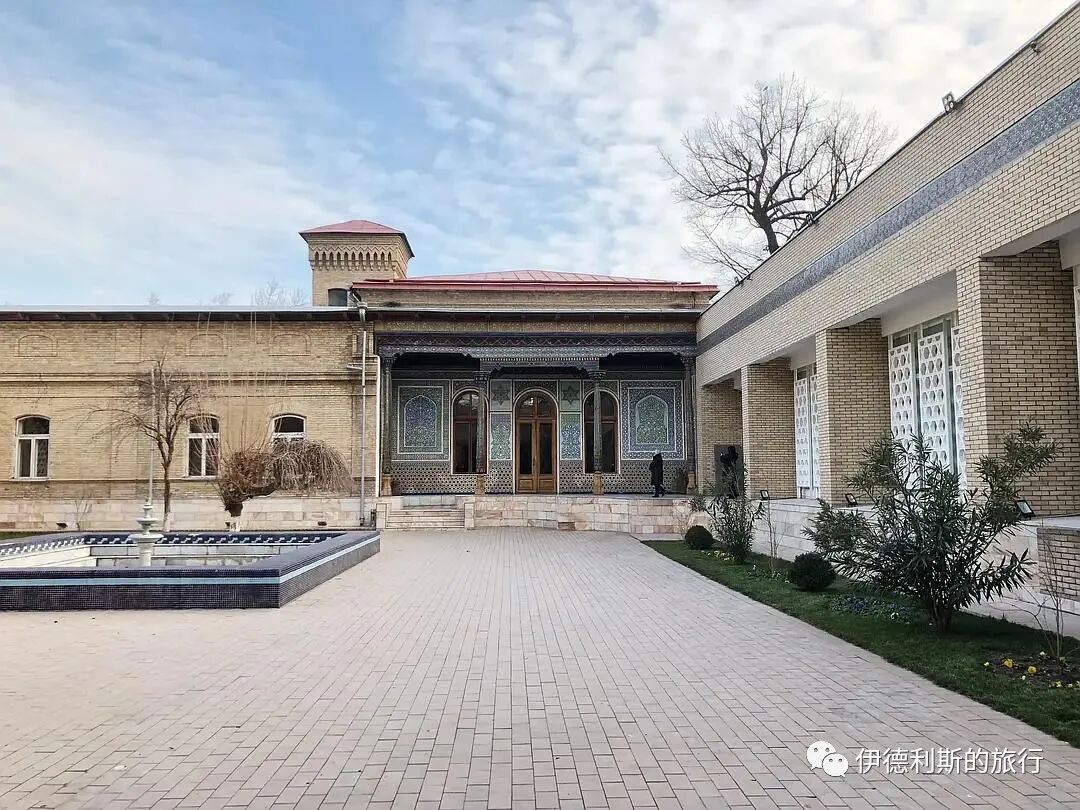
The State Museum of Applied Arts of Uzbekistan is in Tashkent. It opened in 1937 and holds over 4,000 pieces of traditional crafts from across Uzbekistan, including wood carvings, ceramics, jewelry, and embroidery.
The museum building was once the home of a 19th-century Russian diplomat named Alexander Alexandrovich Polovtsev Jr. His secretary bought the house from a Tashkent merchant, and architect A. A. Burmeyster later renovated it.
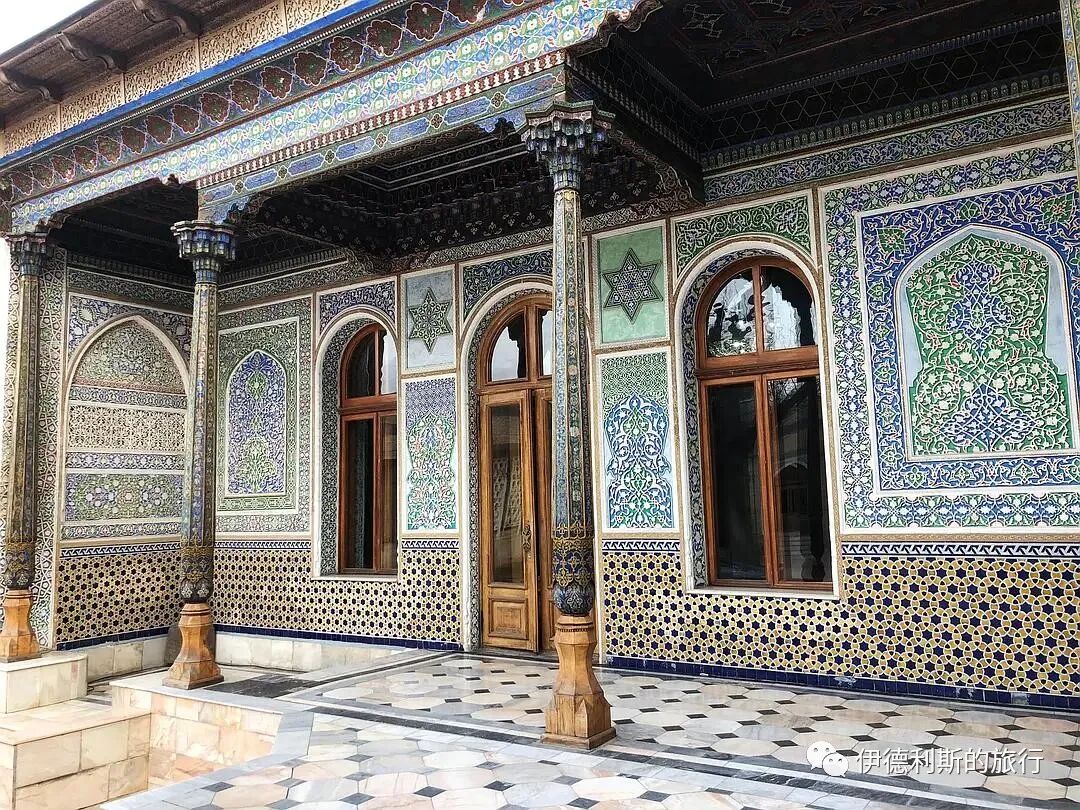
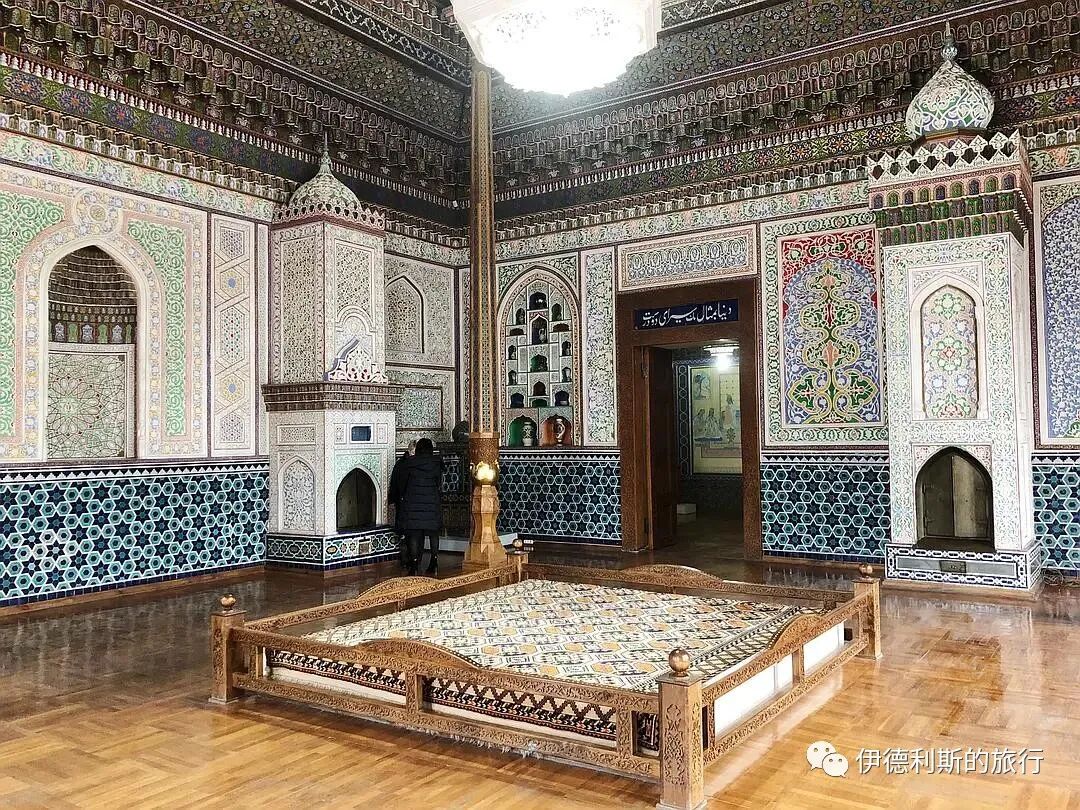
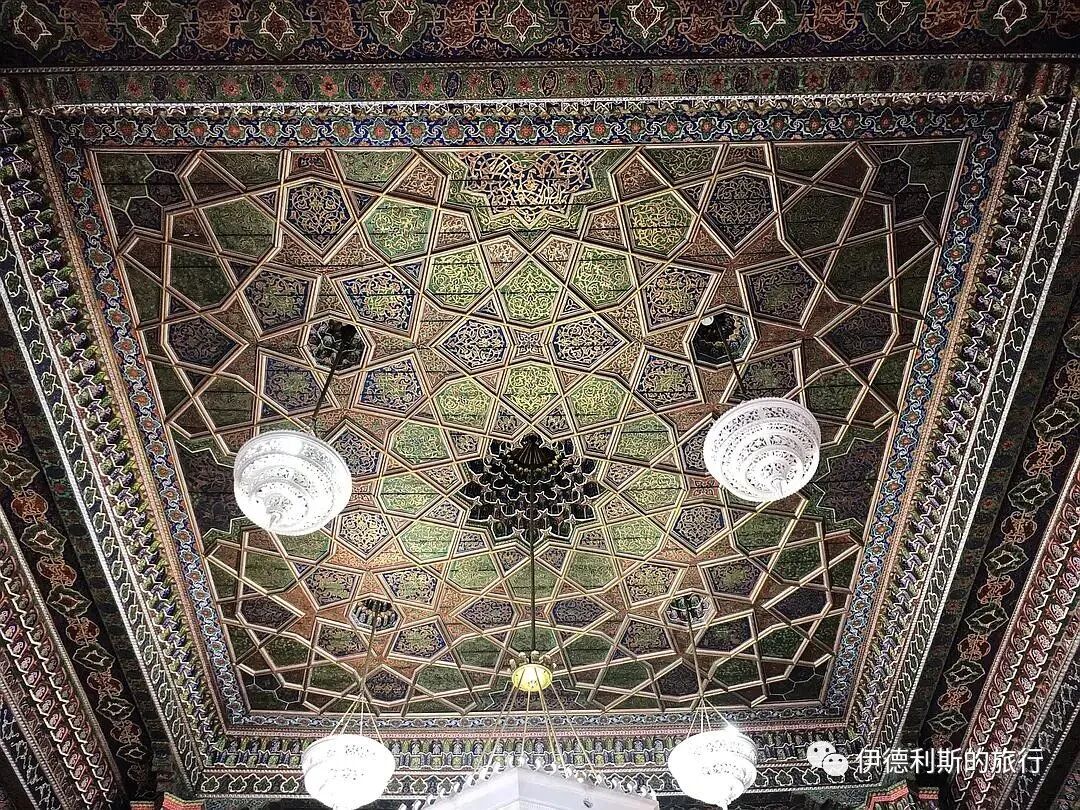
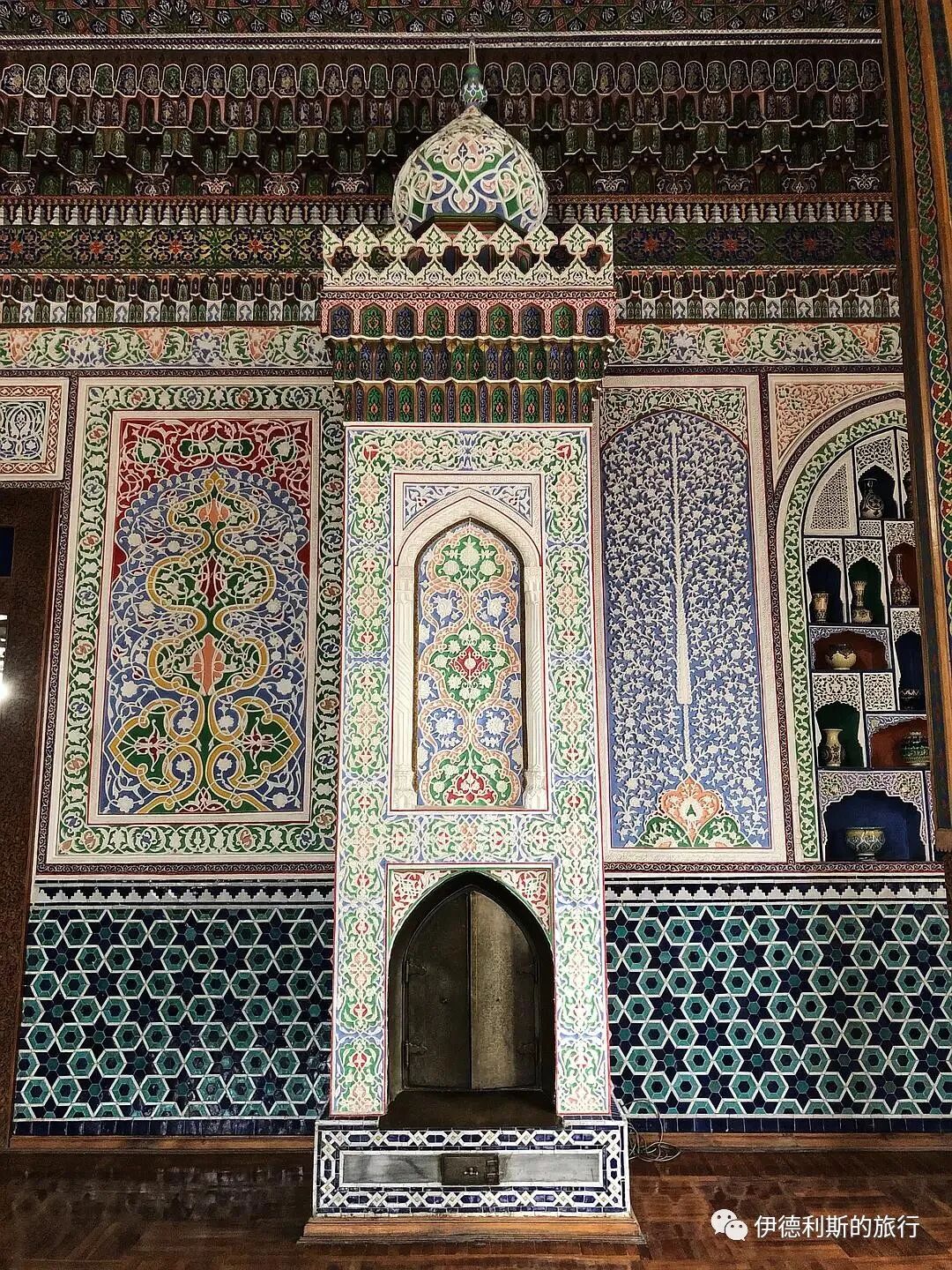
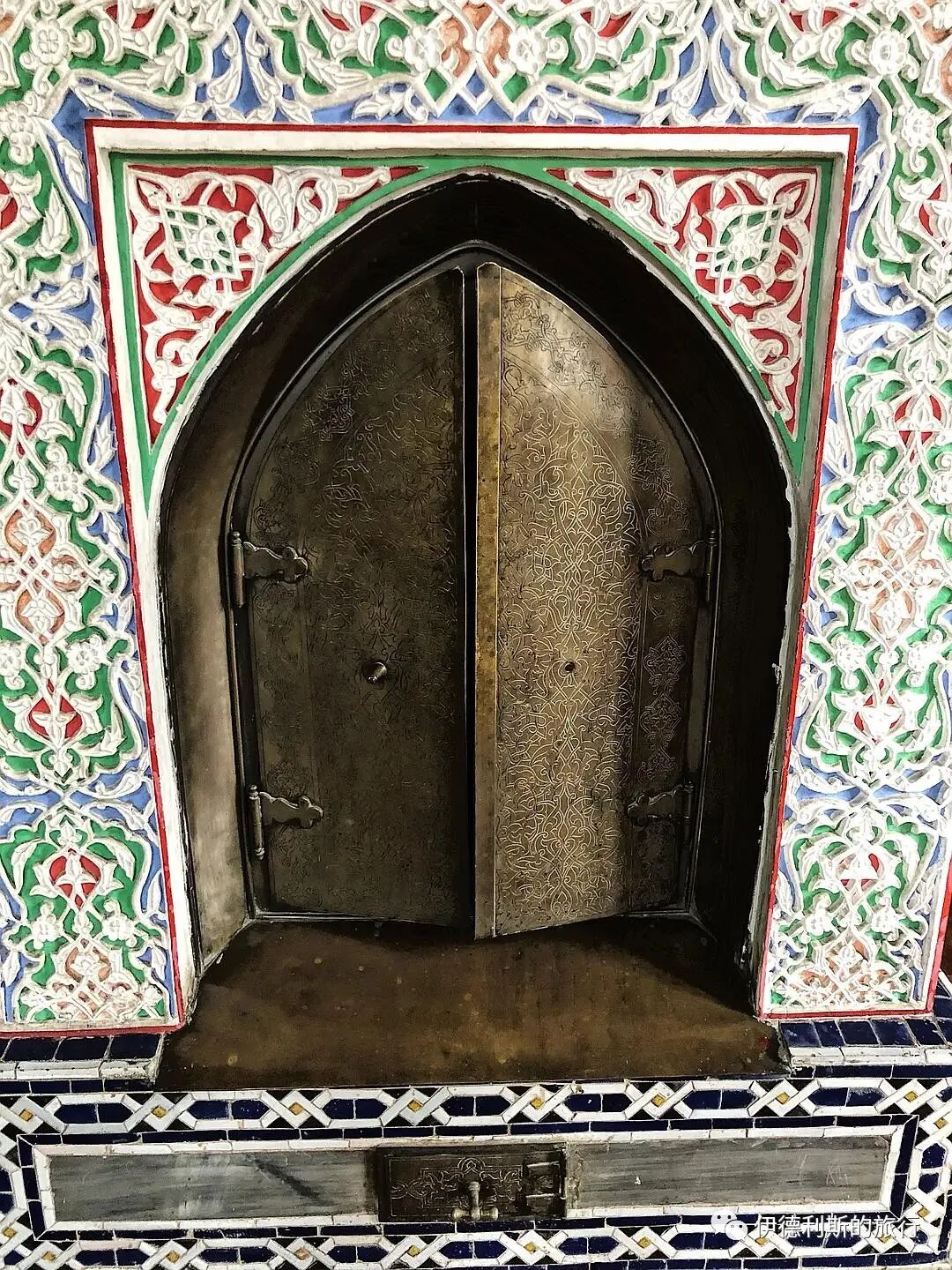
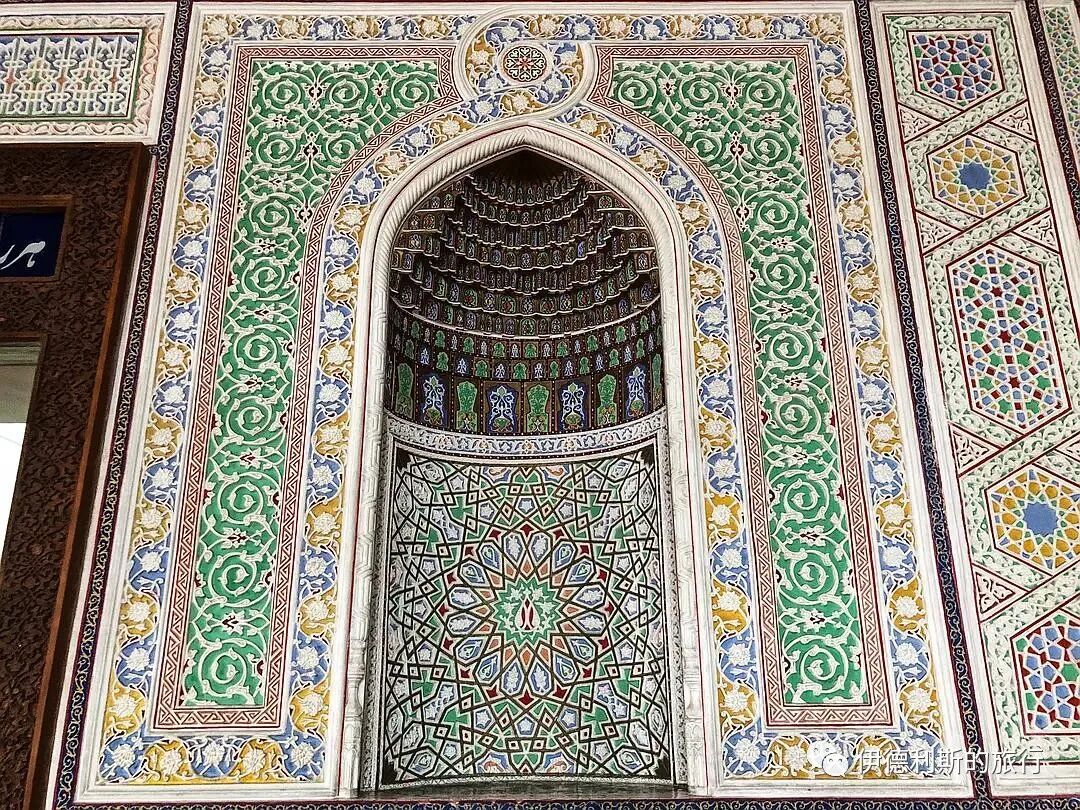
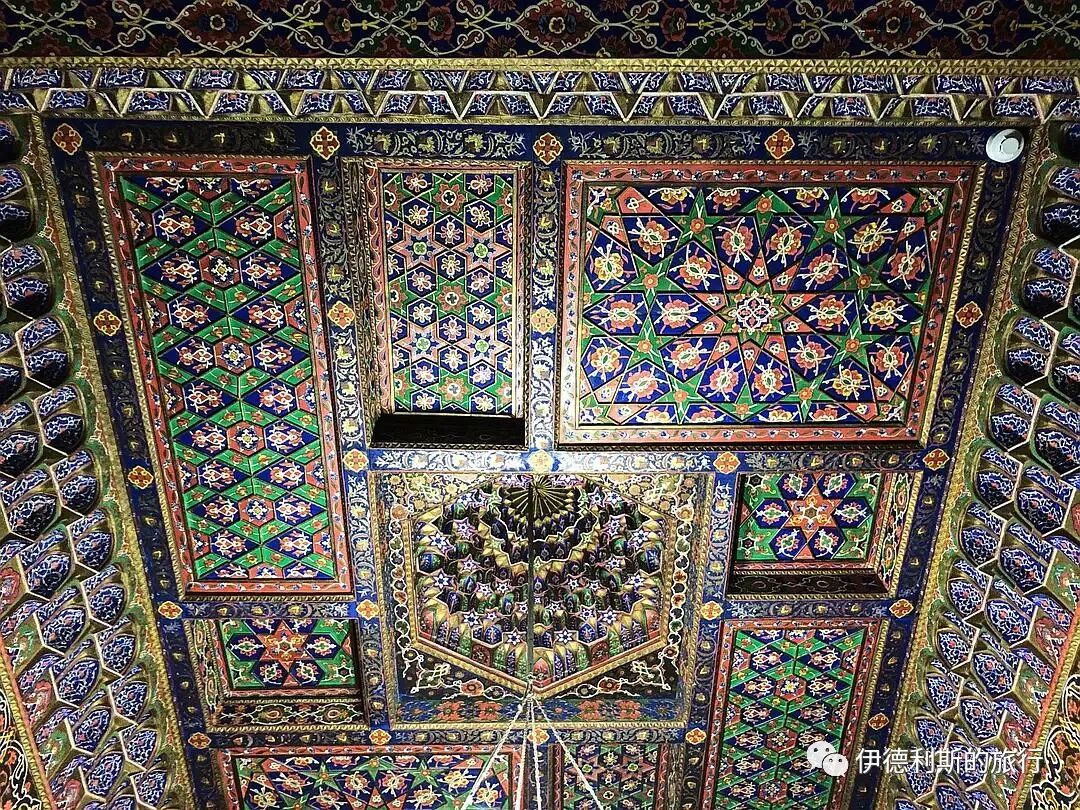
This building is a classic example of late 19th-century Uzbek oriental architecture and decorative art. Folk artists worked together on the carvings and paintings, including Usta T. Arsankulov, A. Kazymdzhanov from Tashkent, Usta Shirin Muradov from Bukhara, Usta A. Palvanov from Khiva, and Usta Abdullah from Rishtan.
During World War I, the building held Austrian officer prisoners. After the October Revolution and until the mid-1930s, it served as an orphanage. In 1937, it became a training center for carving and embossing, as well as an embroidery workshop, eventually turning into a museum for handicrafts. In 1997, the museum was transferred to the Ministry of Culture of Uzbekistan and renamed the State Museum of Applied Arts.
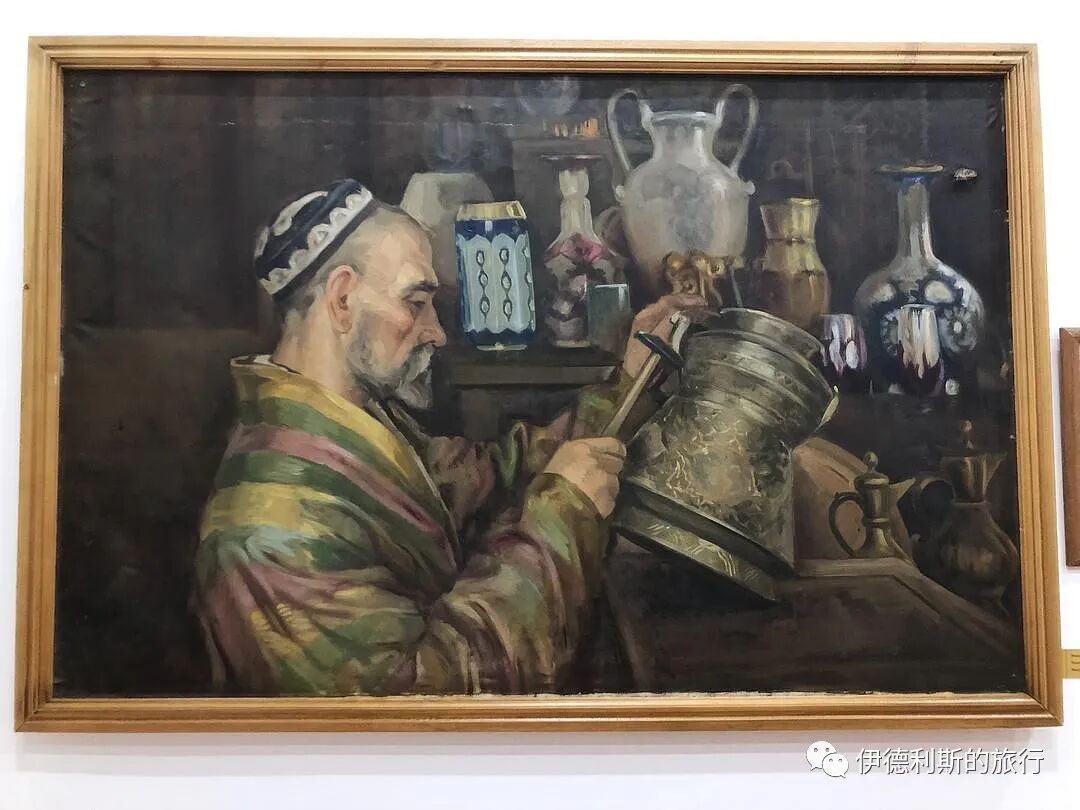
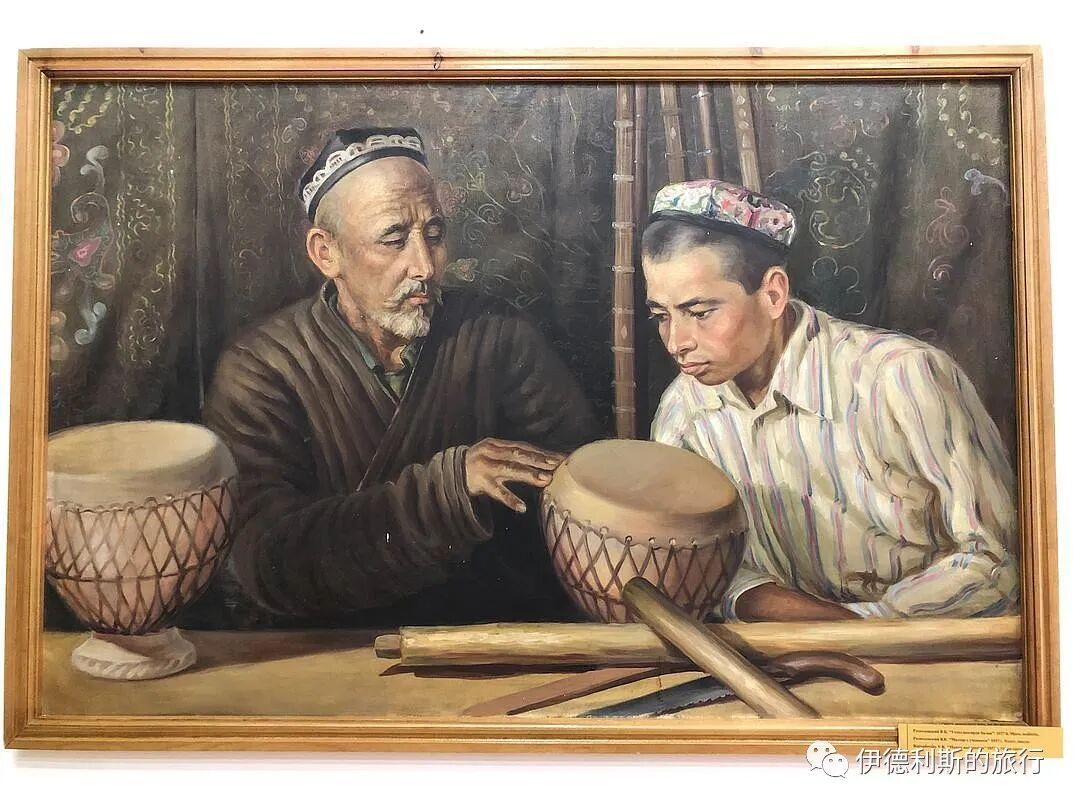
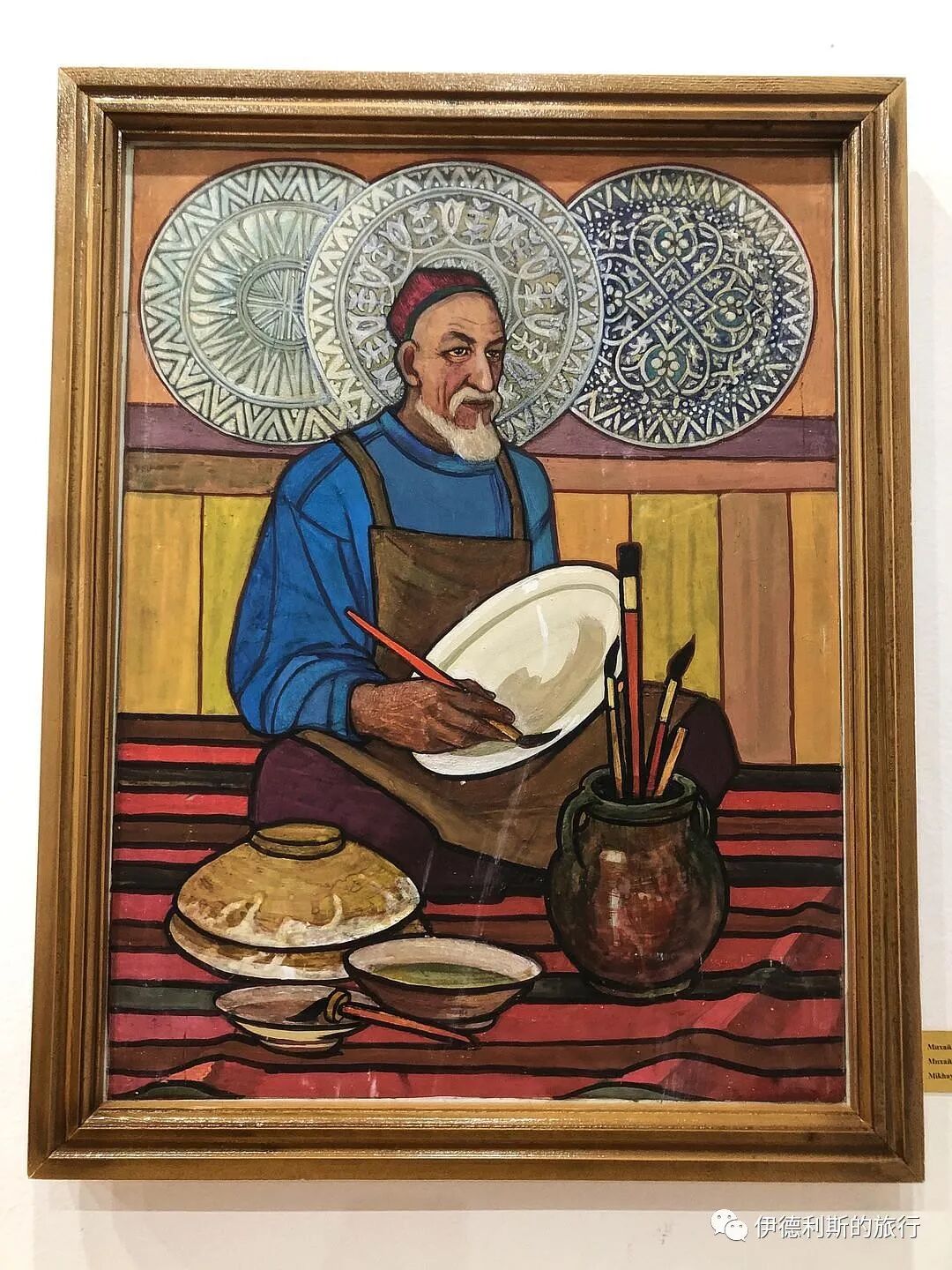
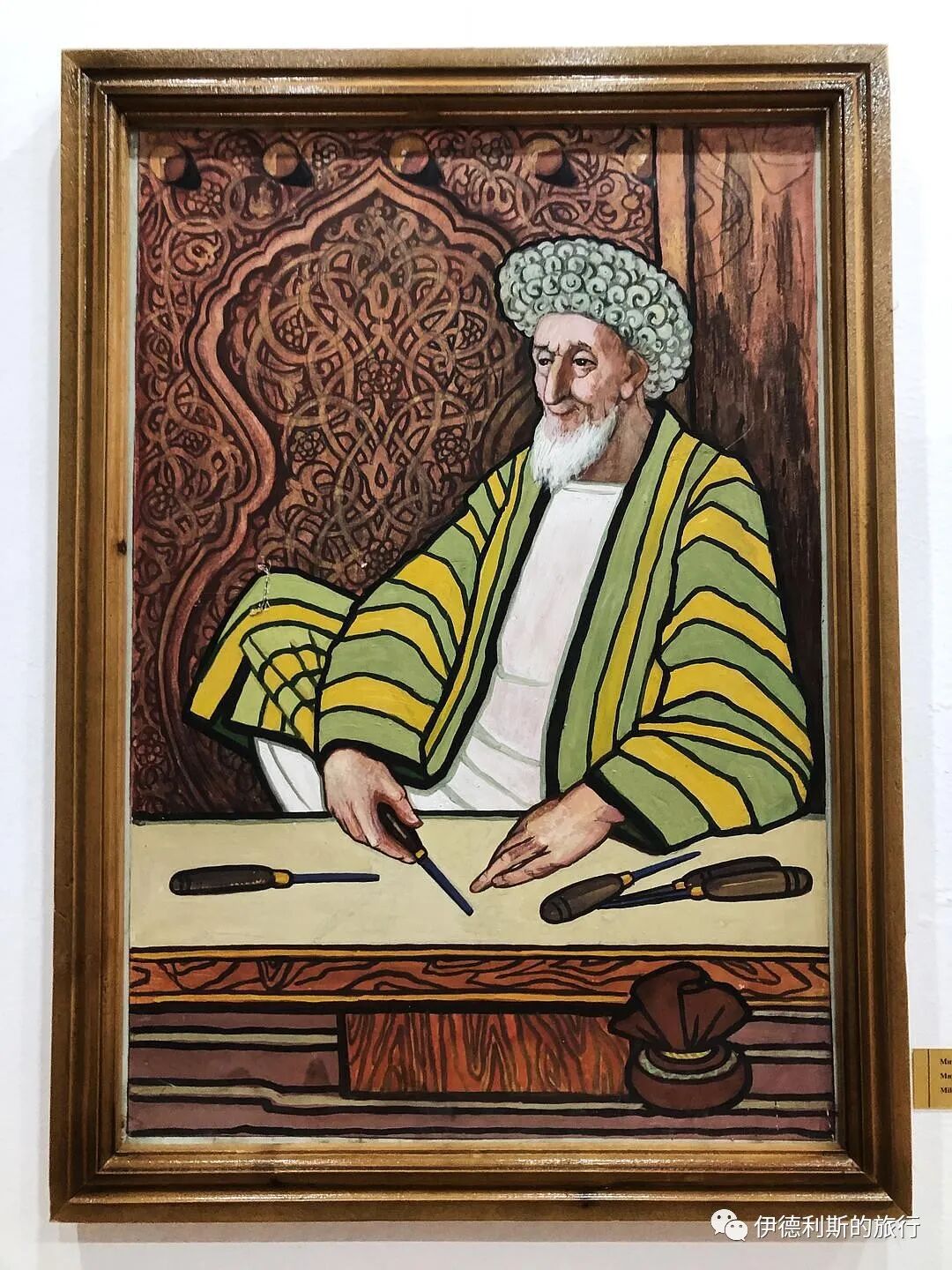
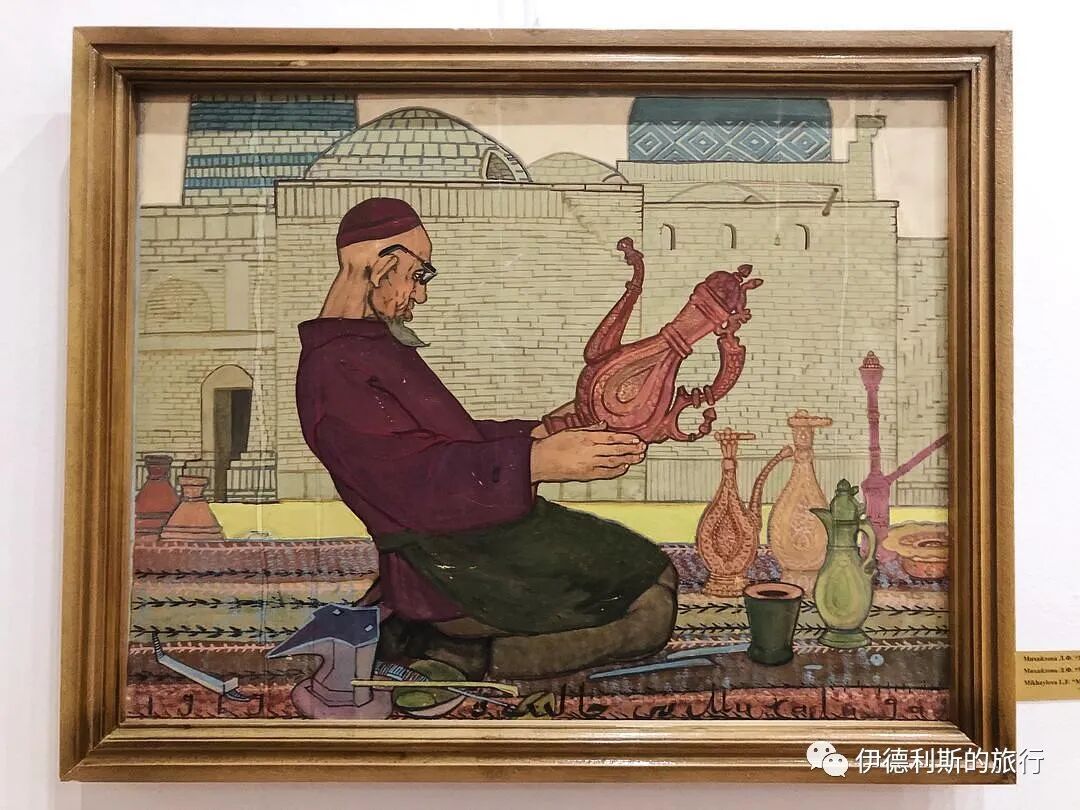
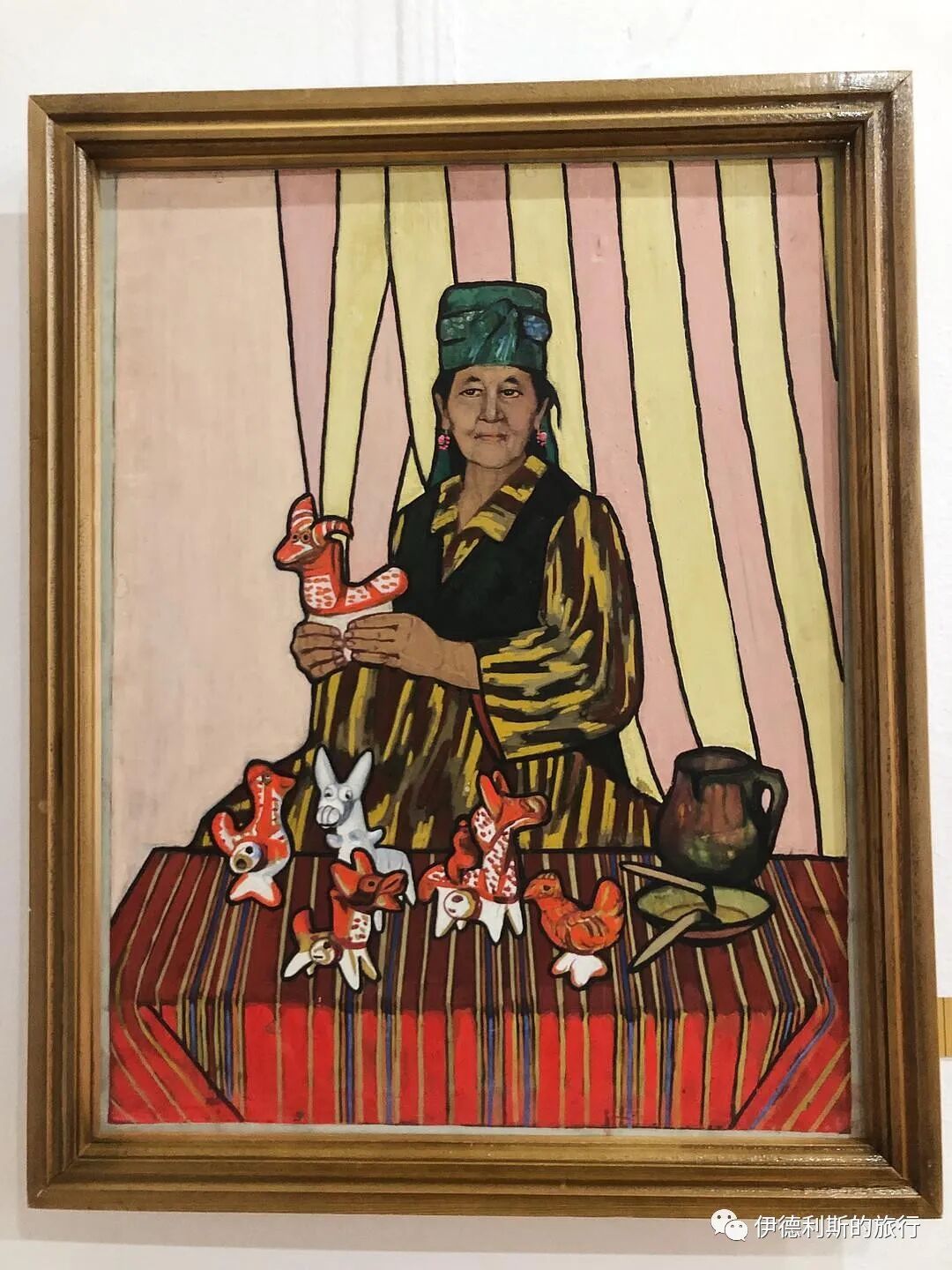
Oil paintings
These are oil paintings by Uzbek craftspeople. The first two were painted by V. K. Razvadovsky in 1937.
Suzani embroidery
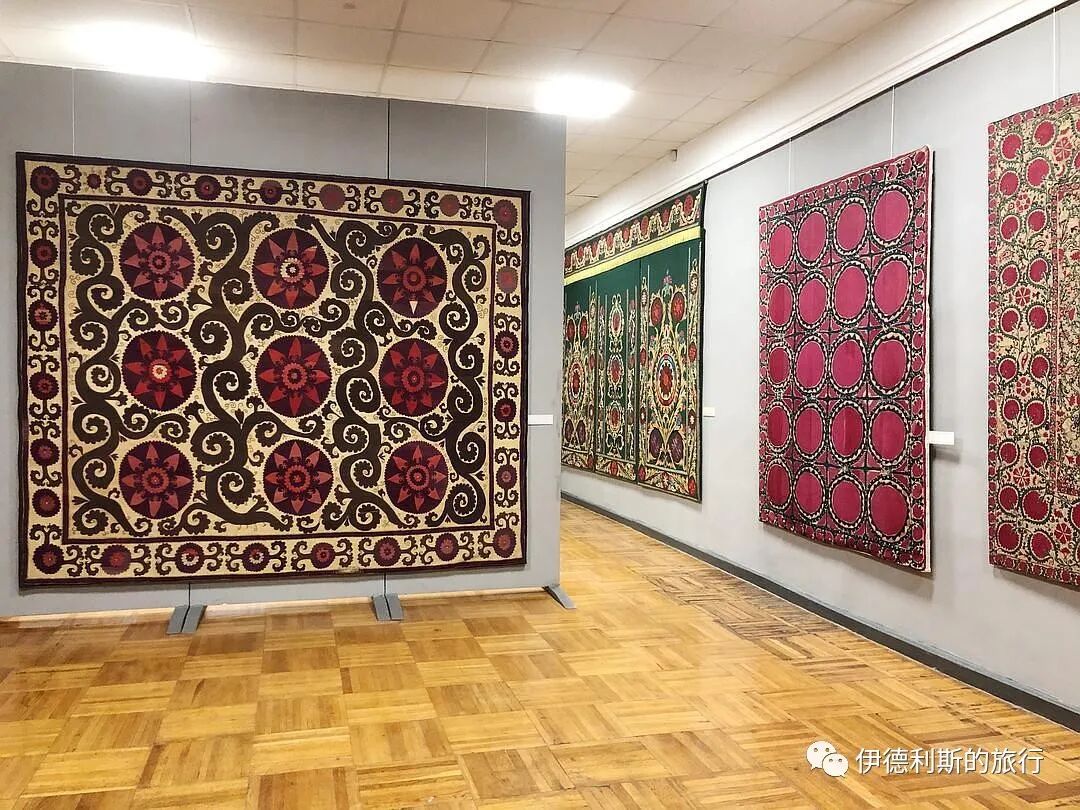
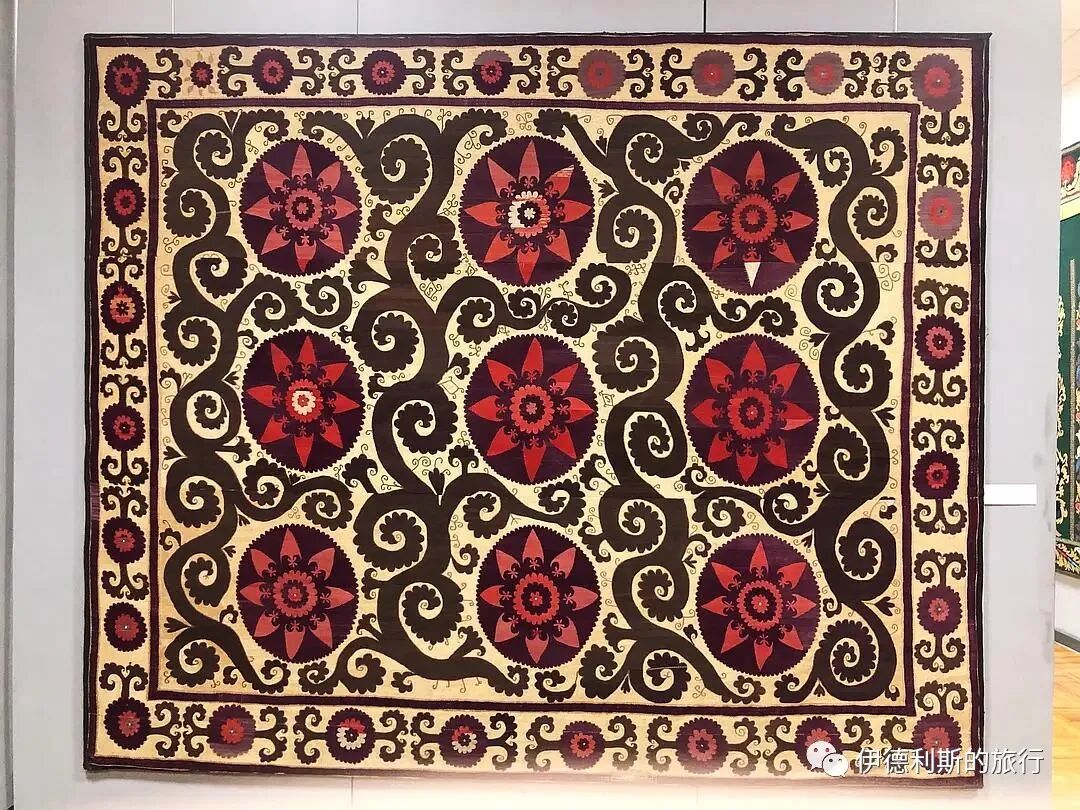
The word Suzani comes from the Persian word suzan, meaning needle. This type of embroidery is popular in the Transoxiana region of Central Asia. Girls in the Transoxiana region traditionally start learning to sew when they are very young. Before a wedding, the bride's female relatives gather to make a Suzani together. This gathering is called hashar, and they sing and dance while they work. At the wedding, the Suzani is first hung in the bride's home. When the wedding car is ready to leave, the Suzani is taken down, packed up, and brought to the new couple's home to be hung on the wall. After that, the Suzani is usually only hung up for important events and gatherings, and it is kept in a wooden chest at other times.
Suzani is usually made of cotton. Before sewing, the cotton fabric is soaked in tea or onion water to turn the background a light brown color, then colored with various natural dyes. Light yellow comes from saffron, bright yellow from onion skins, brown from nut shells, light purple from black mulberries, deep purple from cherries, gray-blue from raspberries, and orange from henna.
The artists who design the Suzani patterns are called kalamkash. They draw lines with black ink and use bowls and plates to trace circles. Once the pattern is designed, several women embroider it together.
Suzani art reached its peak during the 16th to 19th centuries under the Bukhara Khanate and the Kokand Khanate. By the 19th century, there were six major production centers: Nurota, Bukhara, Samarkand, Shahrisabz, Tashkent, and Fergana.
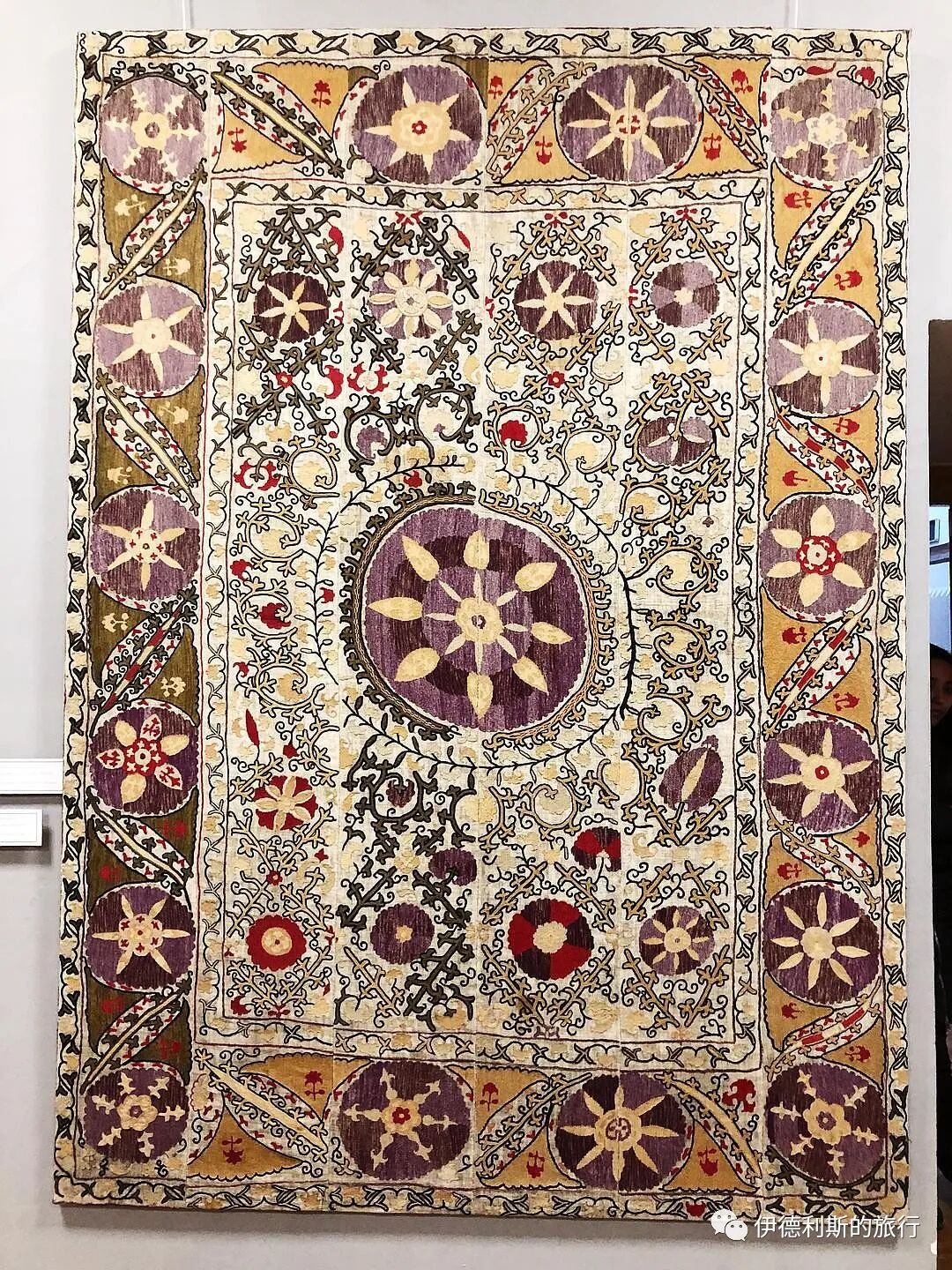
A 19th-century Suzani embroidery from Bukhara. Bukhara Suzani is the most exquisite of all, known for its beautiful colors and high-quality stitching.
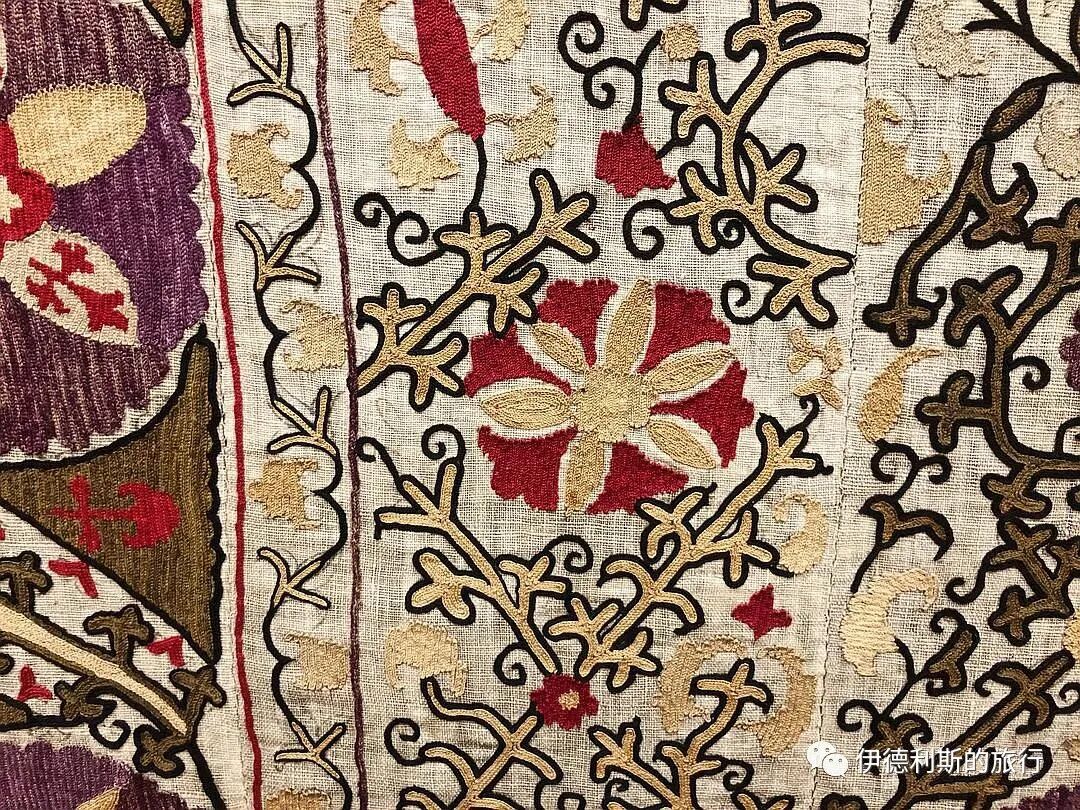
A 19th-century Suzani embroidery from Nurota. Nurota is an ancient Central Asian city built by Alexander the Great in the 4th century BC. In the 19th century, Nurata belonged to the Khanate of Bukhara. Its embroidery (suzani) features clusters of flowers, birds, animals, and highly stylized figures on a white background.
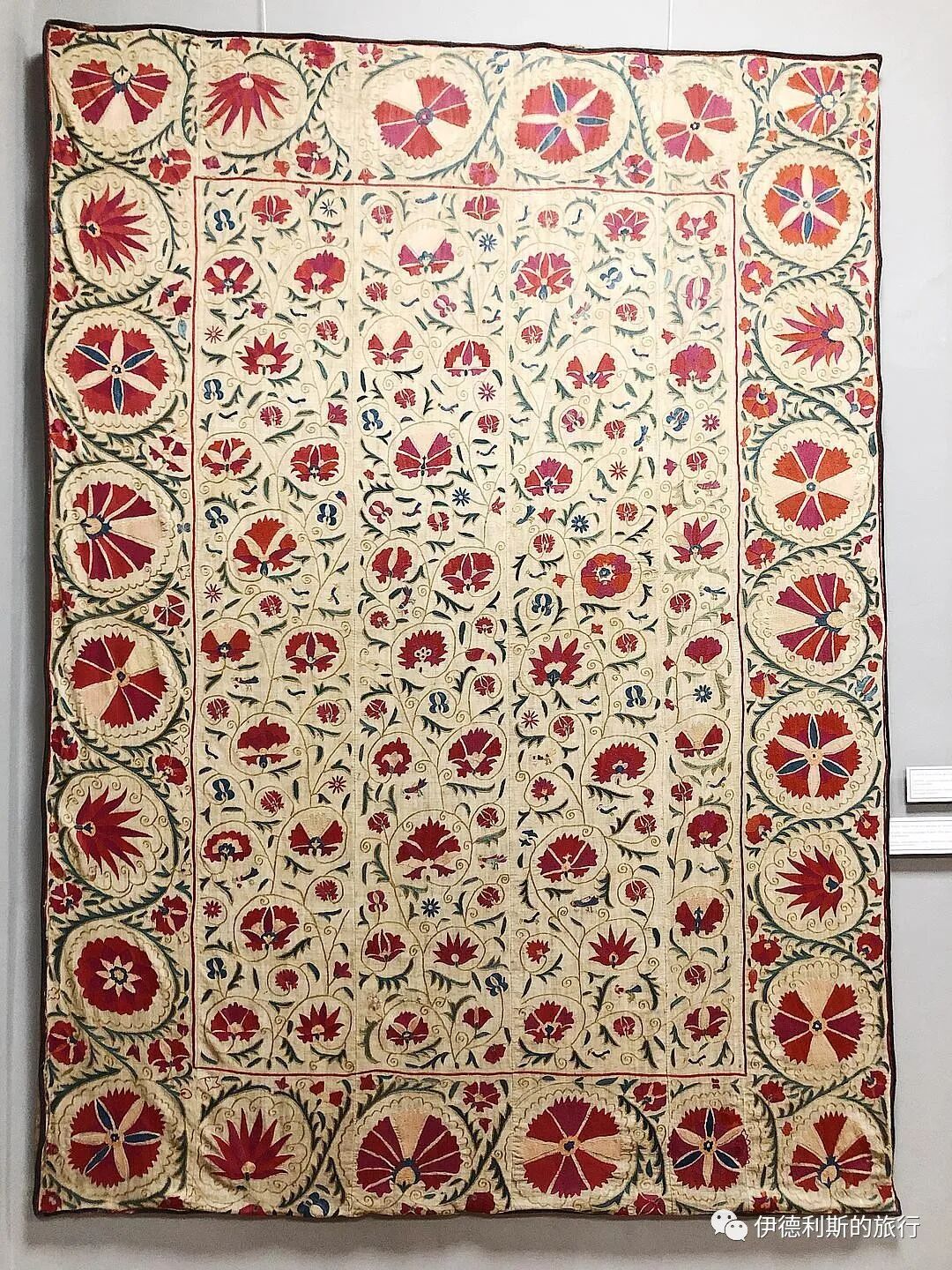
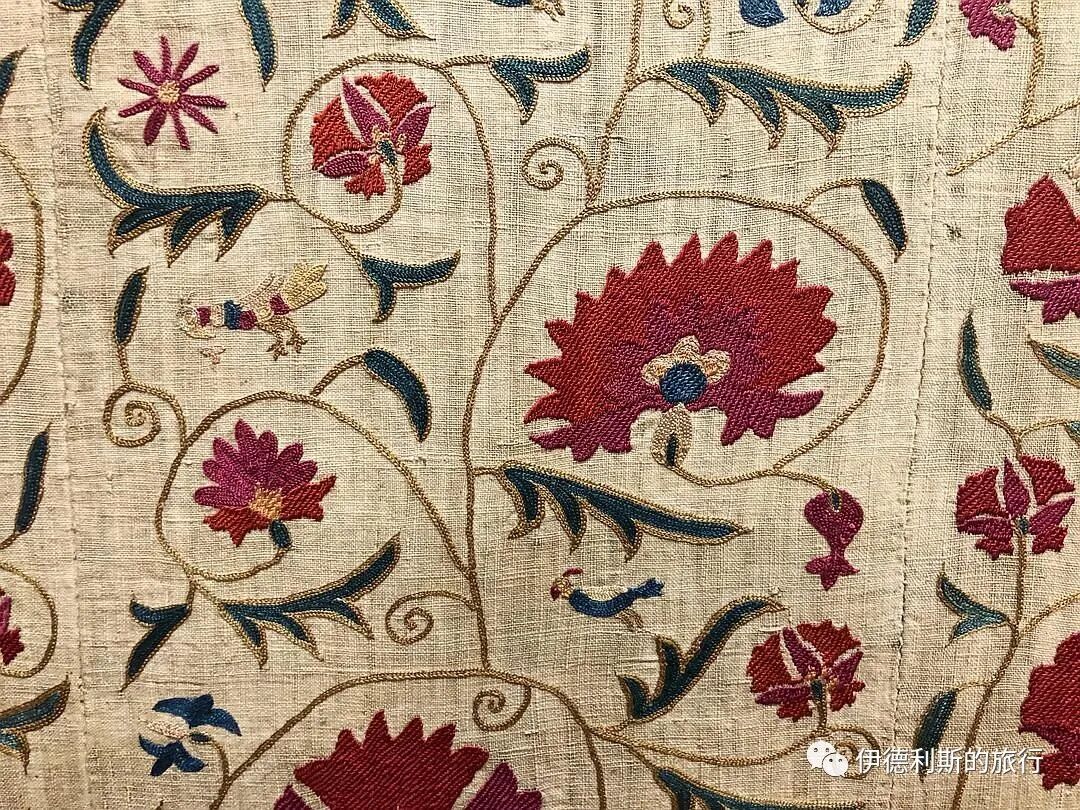
An Andijan suzani embroidery from the 1950s. Andijan is in the southeast of the Fergana Valley. The Fergana Valley is very fertile and is an important cotton-producing region. This area is skilled at producing large decorative suzani. The embroidery is very fine and usually features circular rosettes.
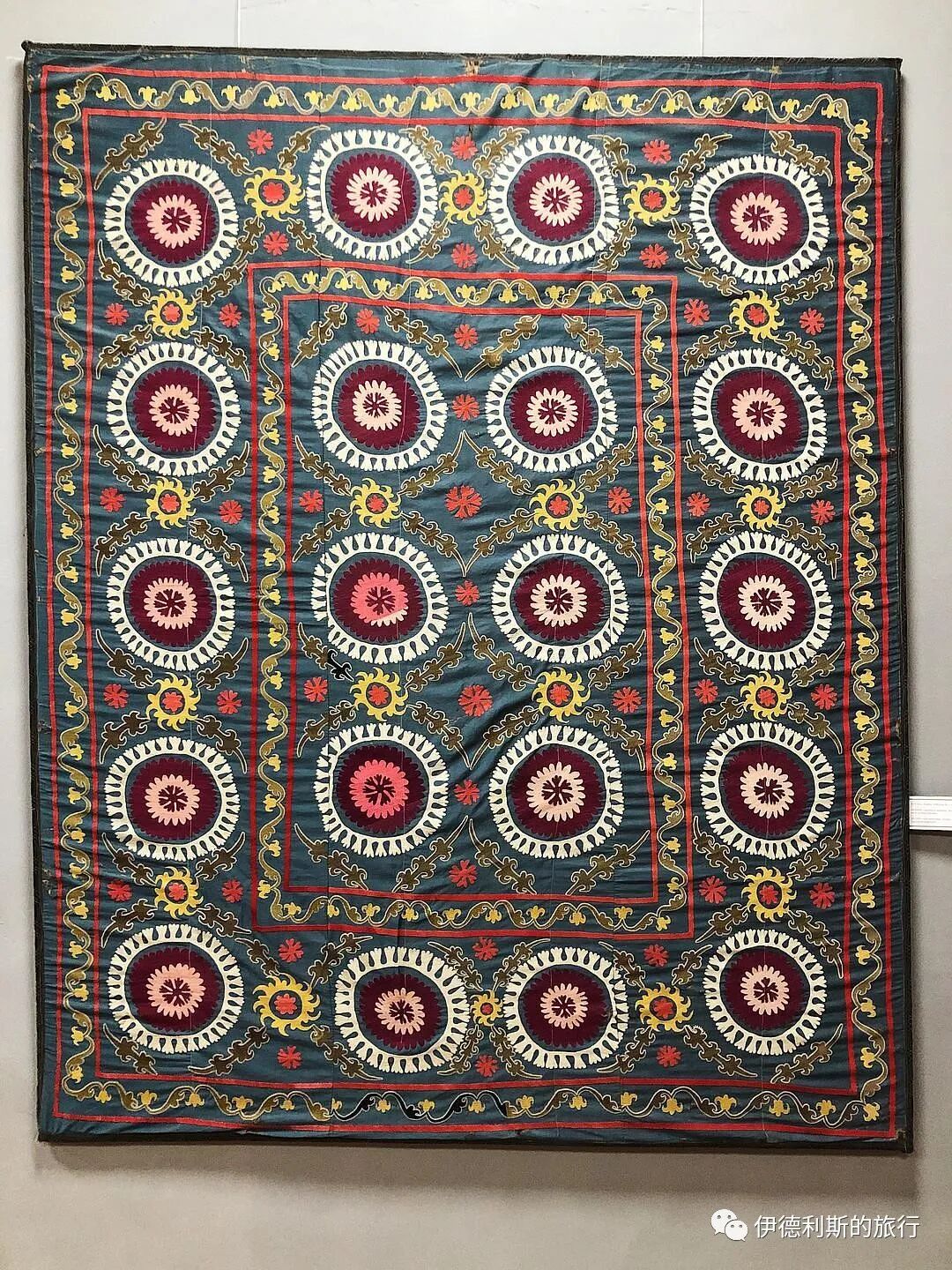
A Gul'kurpa-style suzani embroidery from the Piskent region of Tashkent Province in the 19th century. This type of embroidery uses many floral patterns and is a specialty of the Tashkent region.
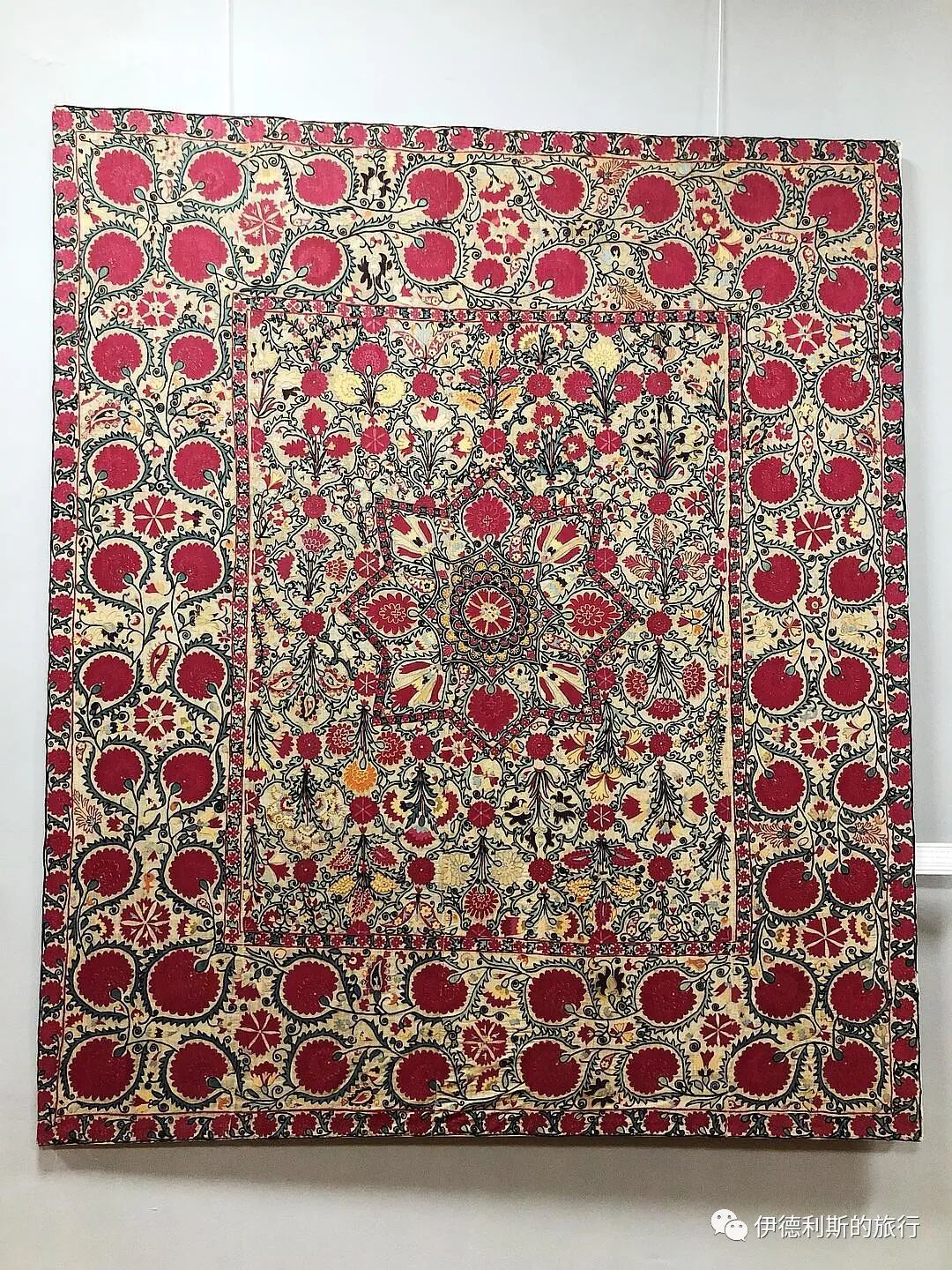
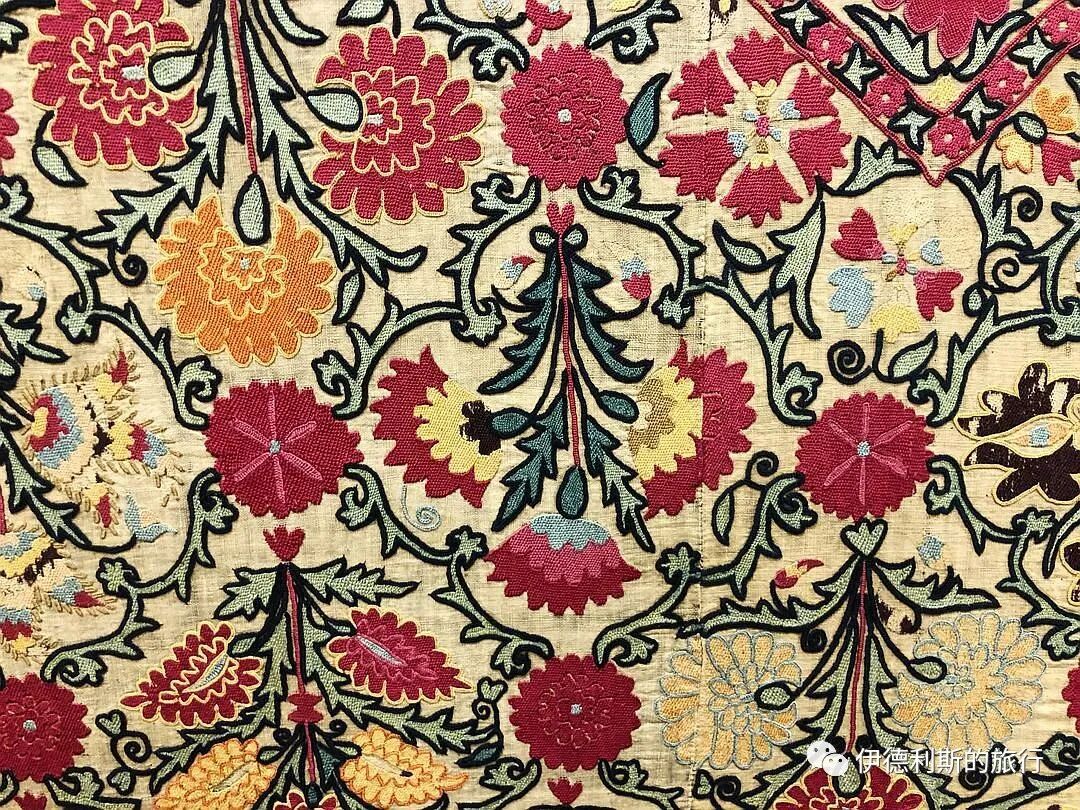
A 19th-century Tashkent suzani embroidery. This type of suzani is called 'oy-palak' (moon heaven). Many Tashkent suzani have themes of starry skies, the sun, and the moon.
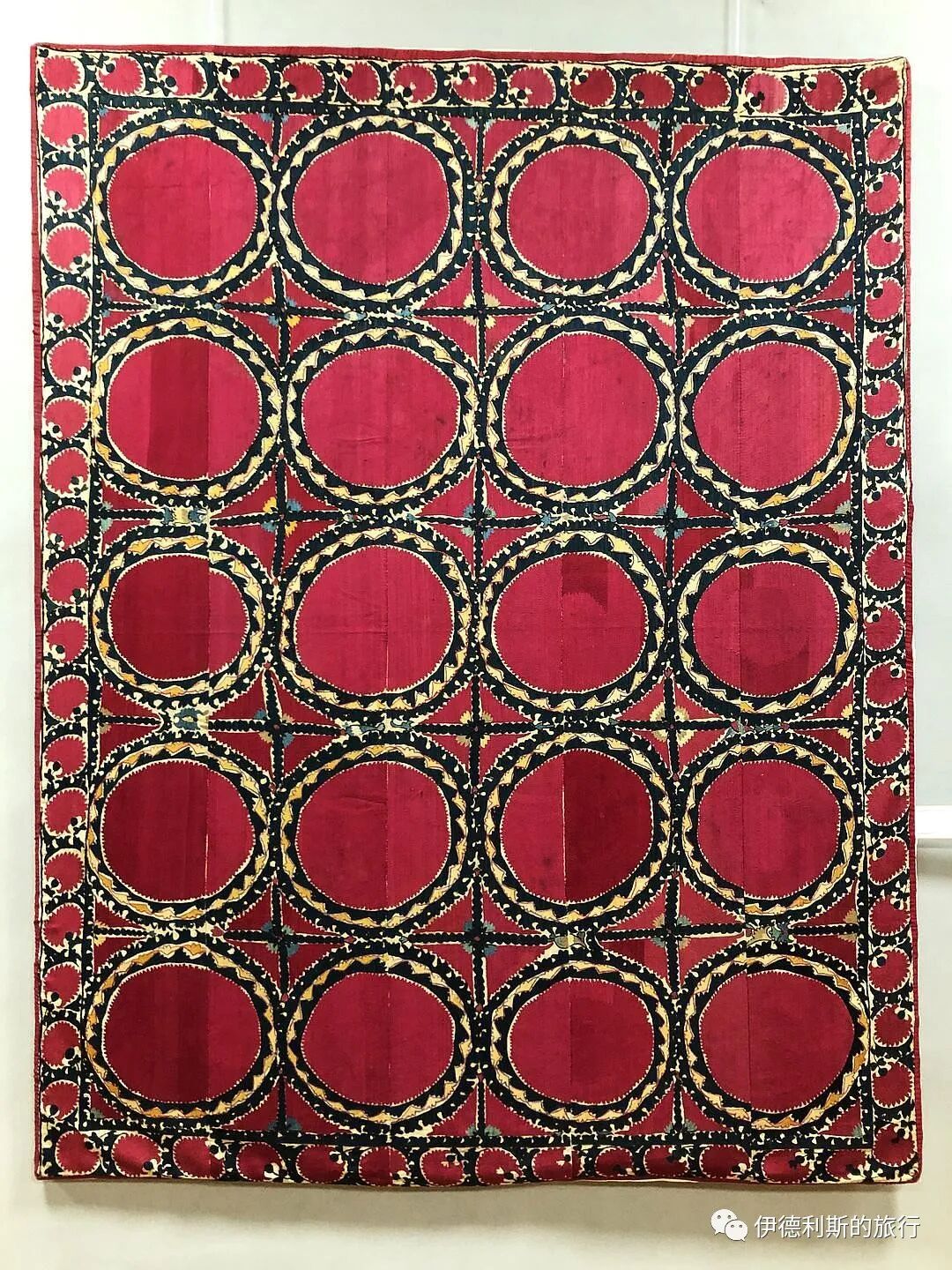
A late 19th-century Shahrisabz suzani embroidery. Shahrisabz is the hometown of Tamerlane the Great. In the 19th century, it was a weaving center for the Khanate of Bukhara, where many artisans made suzani specifically for the royal court.
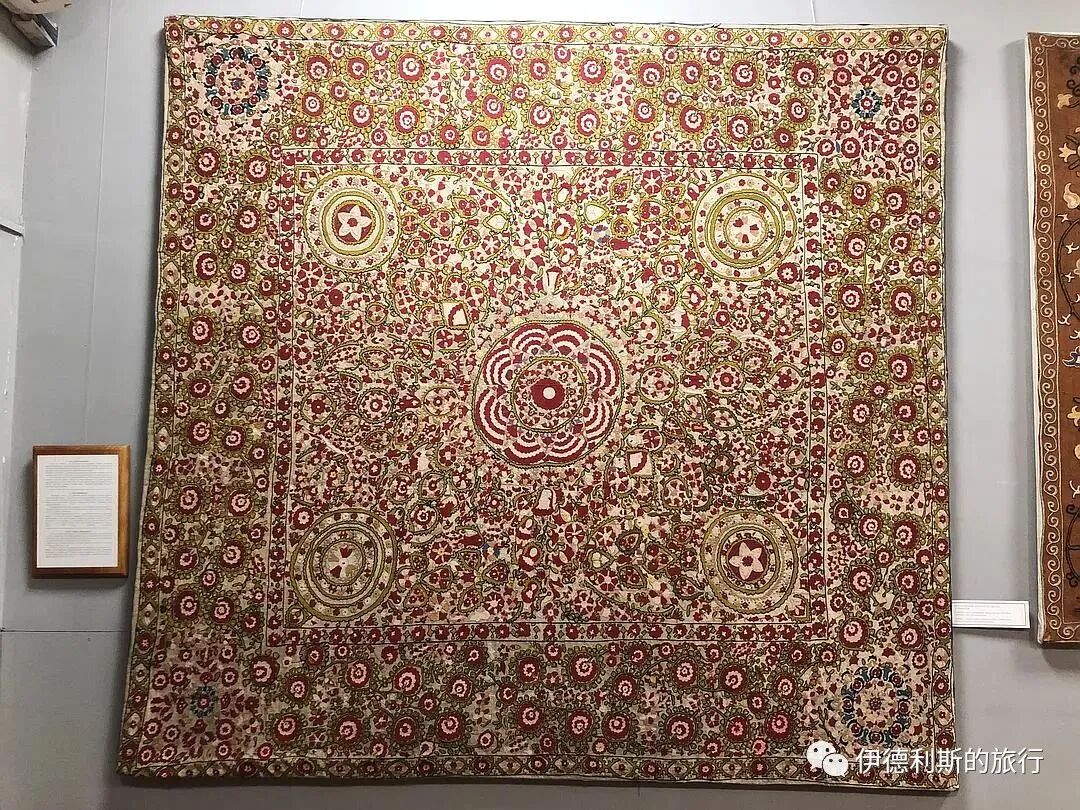
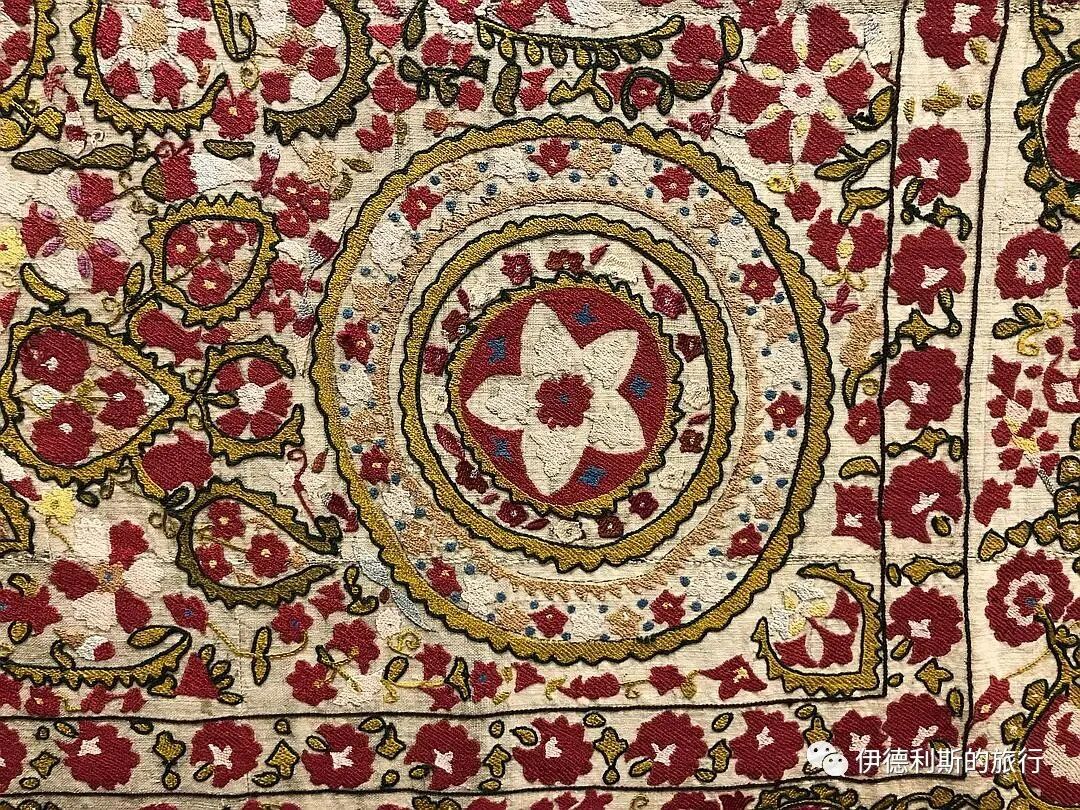
A 20th-century suzani embroidery from the Surxondaryo region in the far south of Uzbekistan, near Afghanistan.
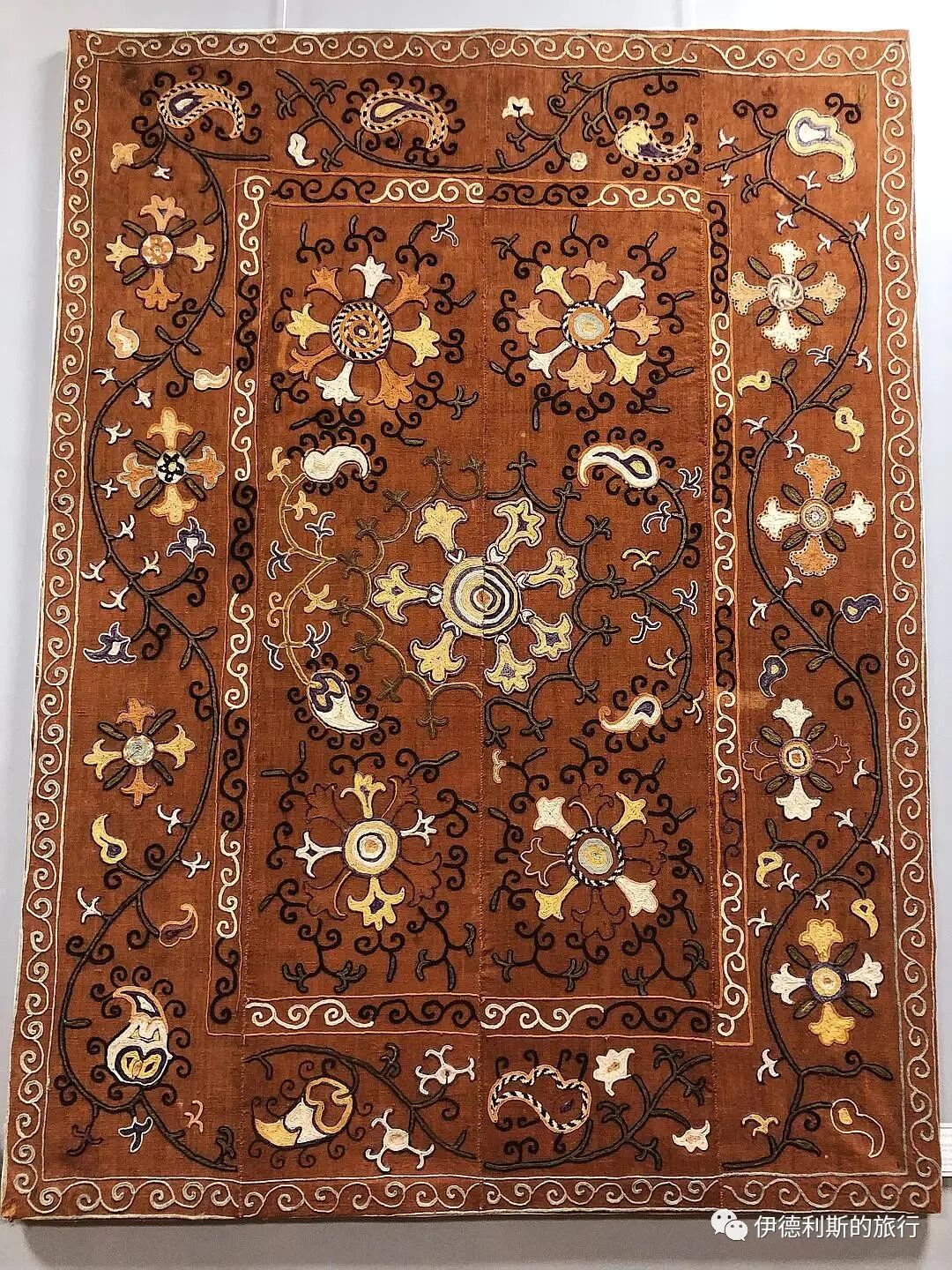
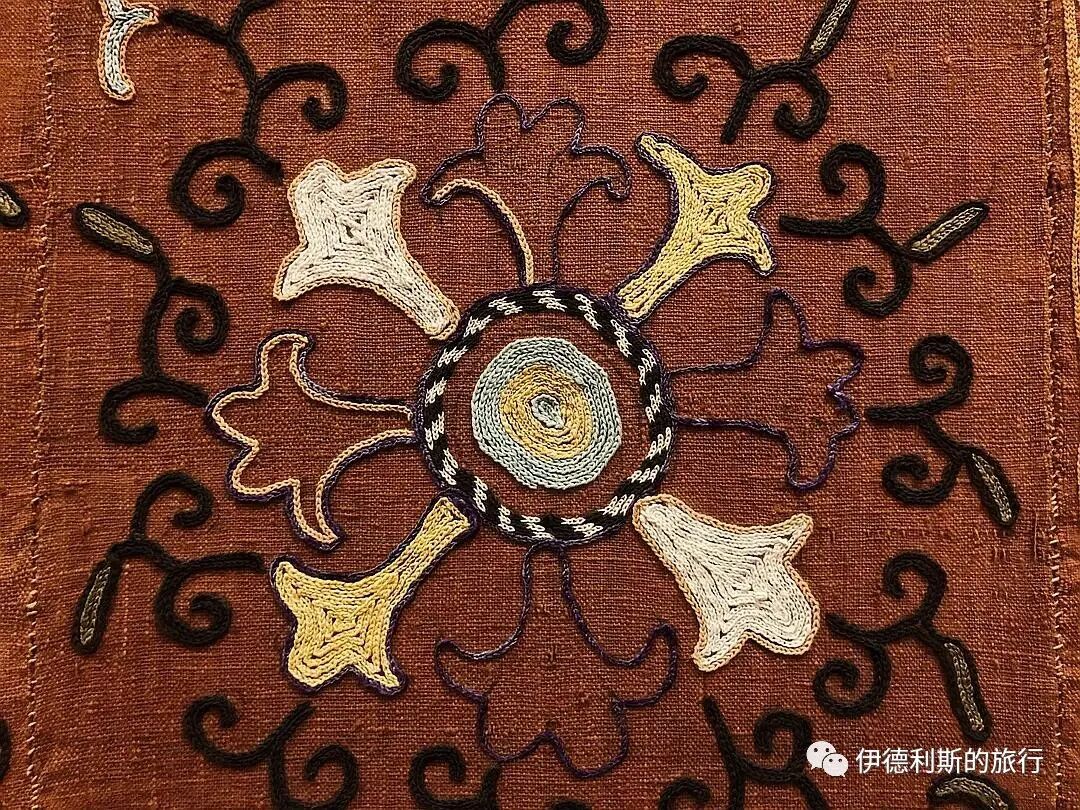
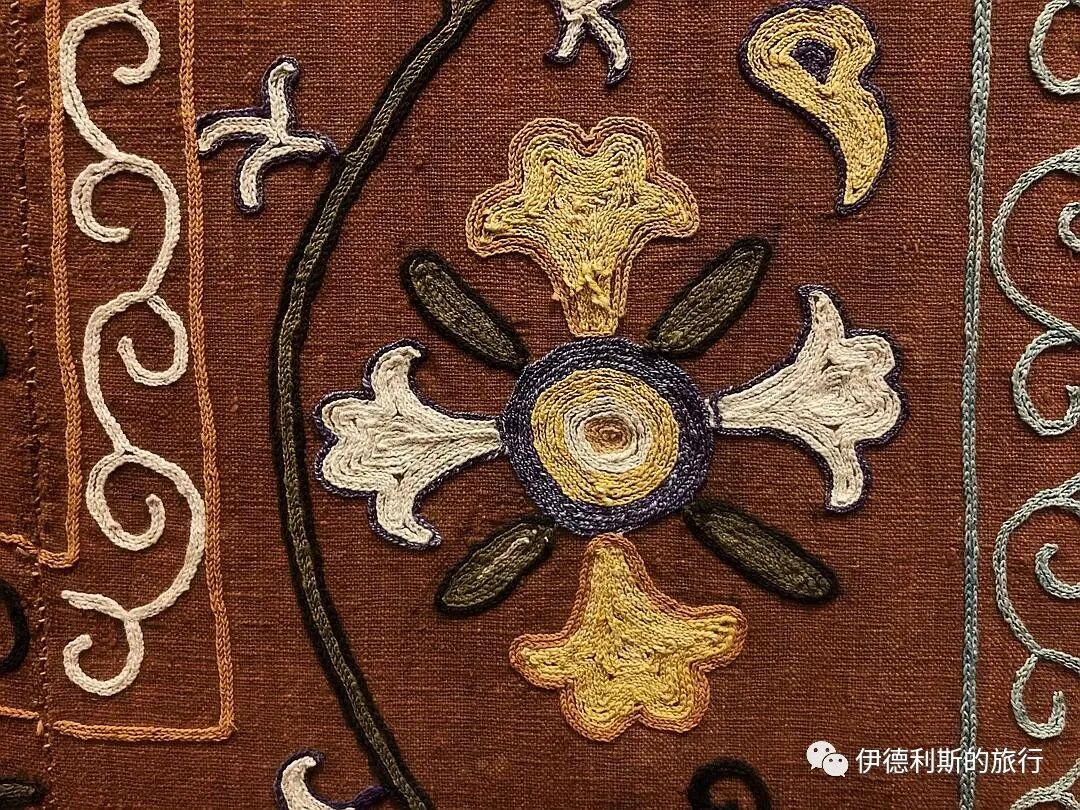
A 20th-century Samarkand suzani embroidery. Samarkand has historically been a center for the weaving industry in Central Asia. The suzani here have larger and simpler patterns than those in Bukhara, often featuring deep red rose garlands wrapped in leaves.
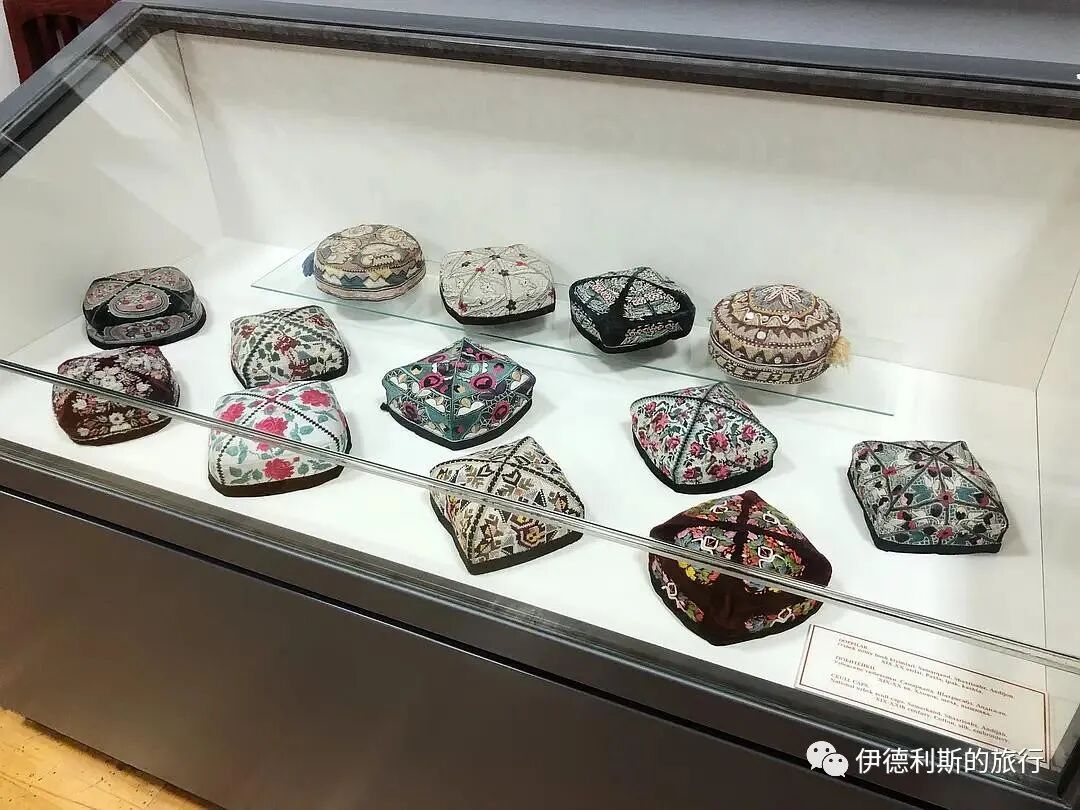
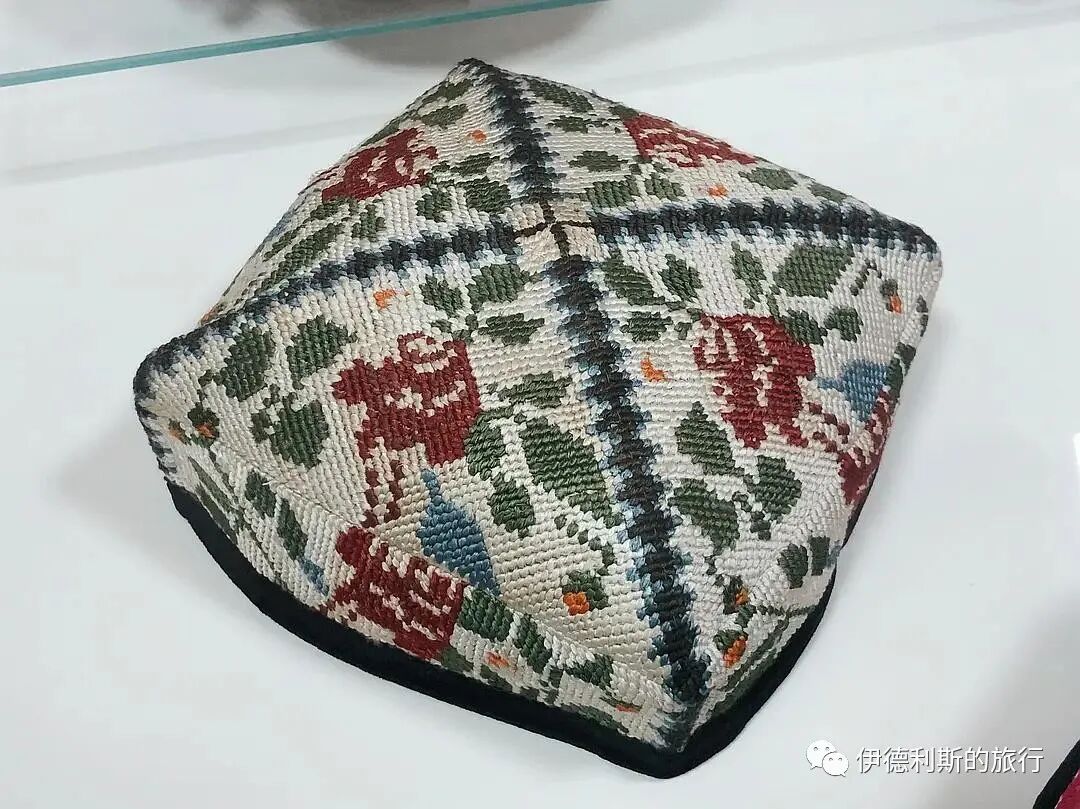
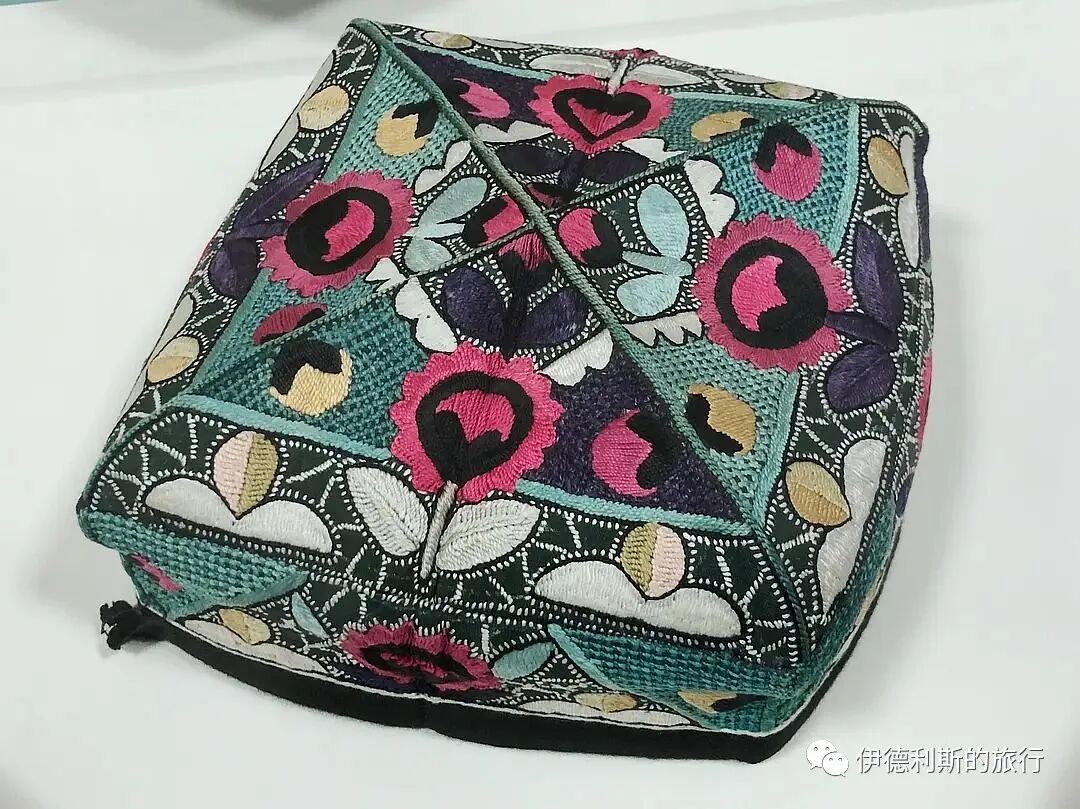
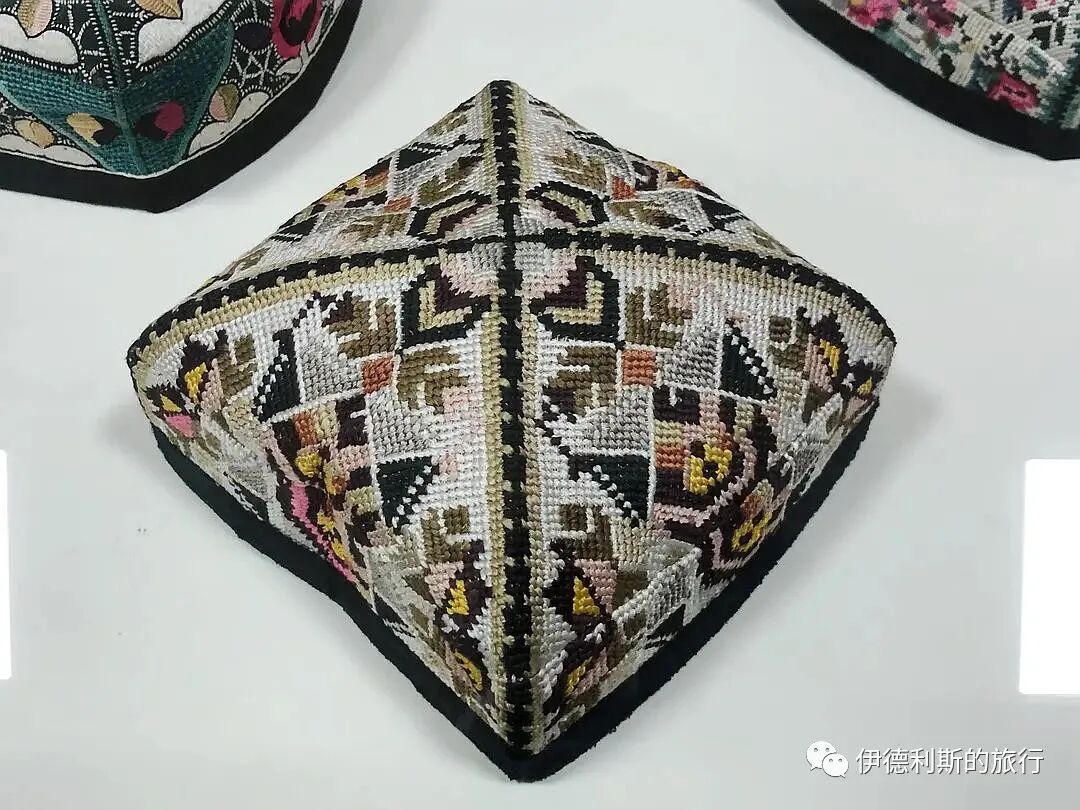
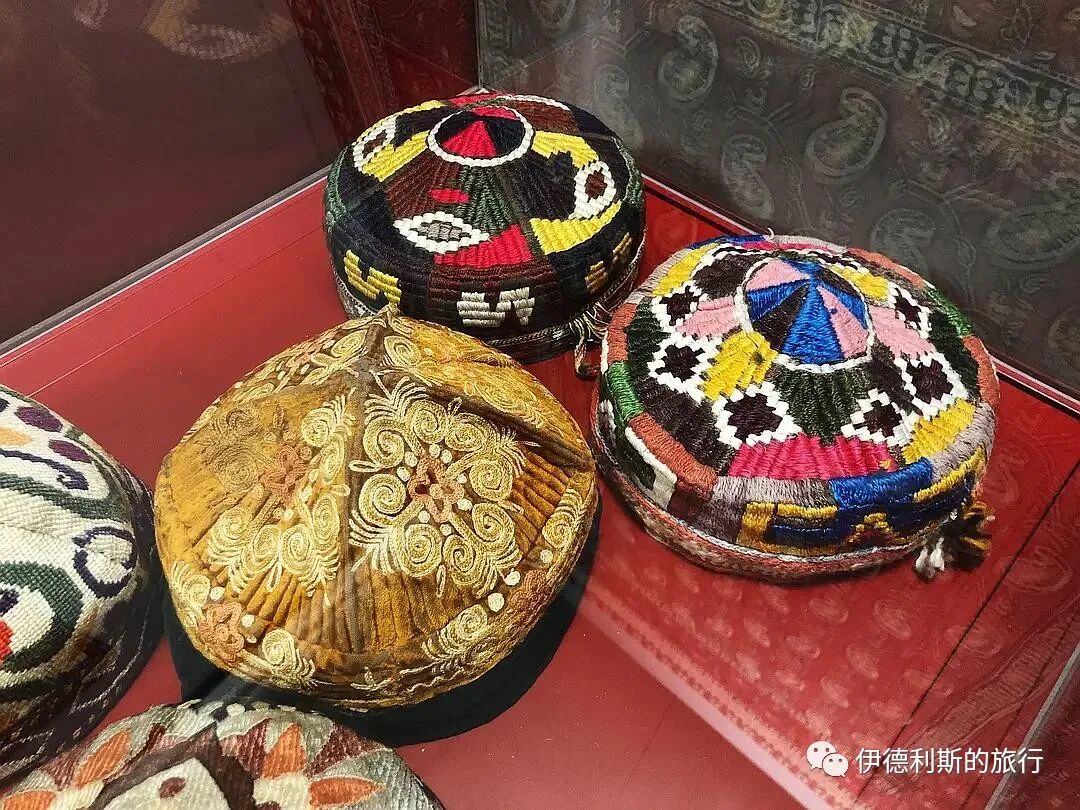
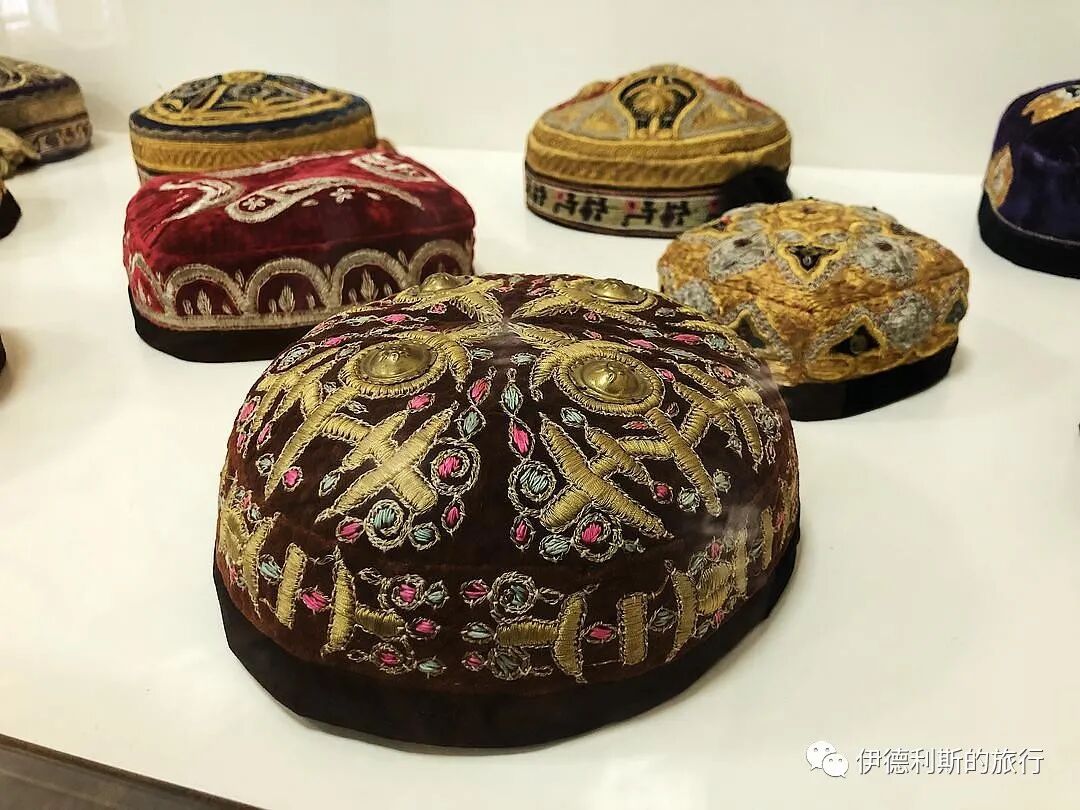
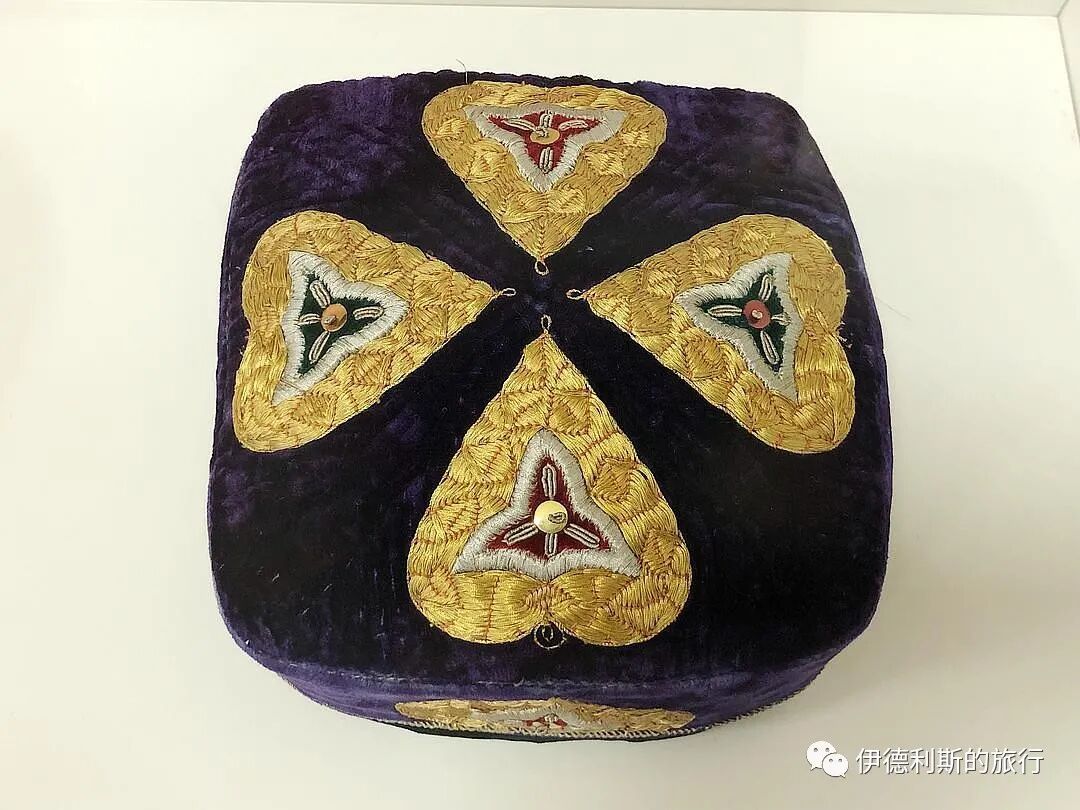
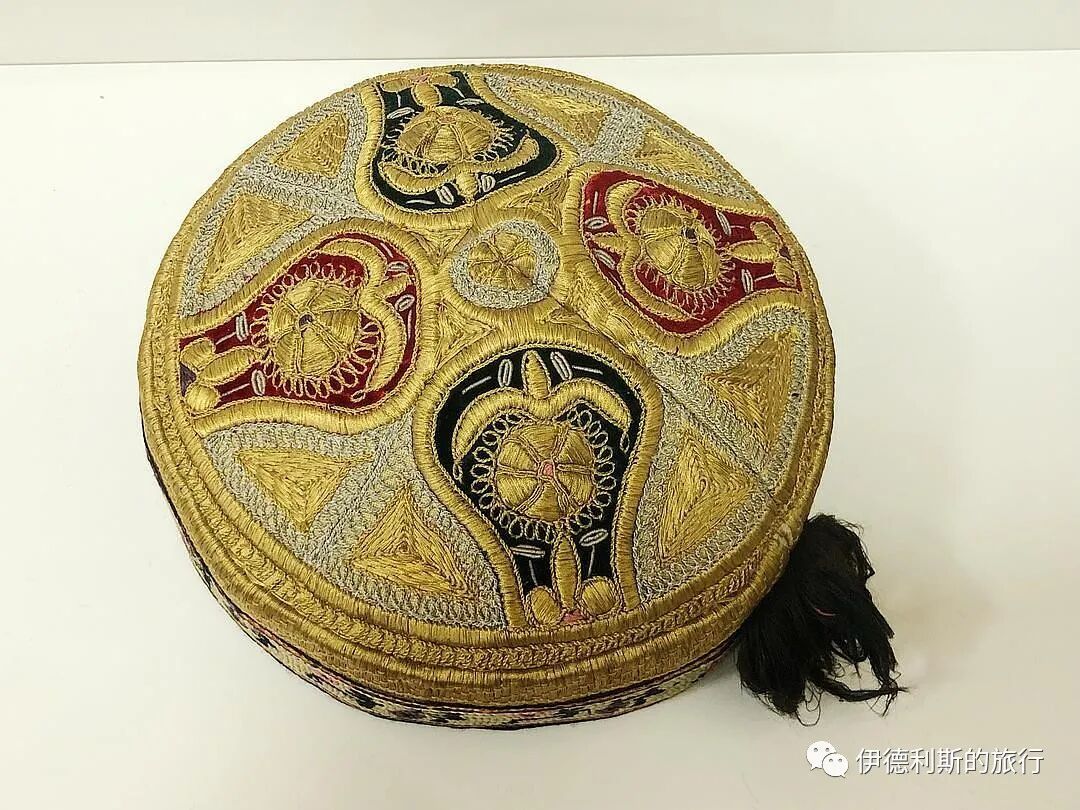
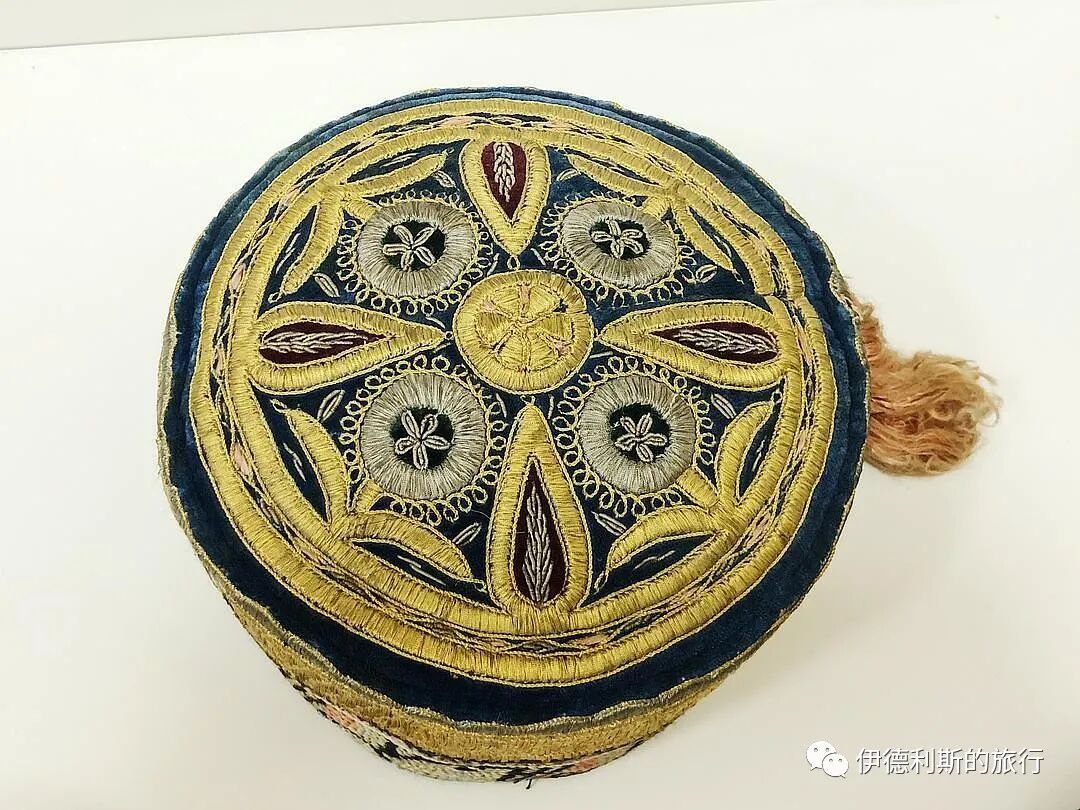
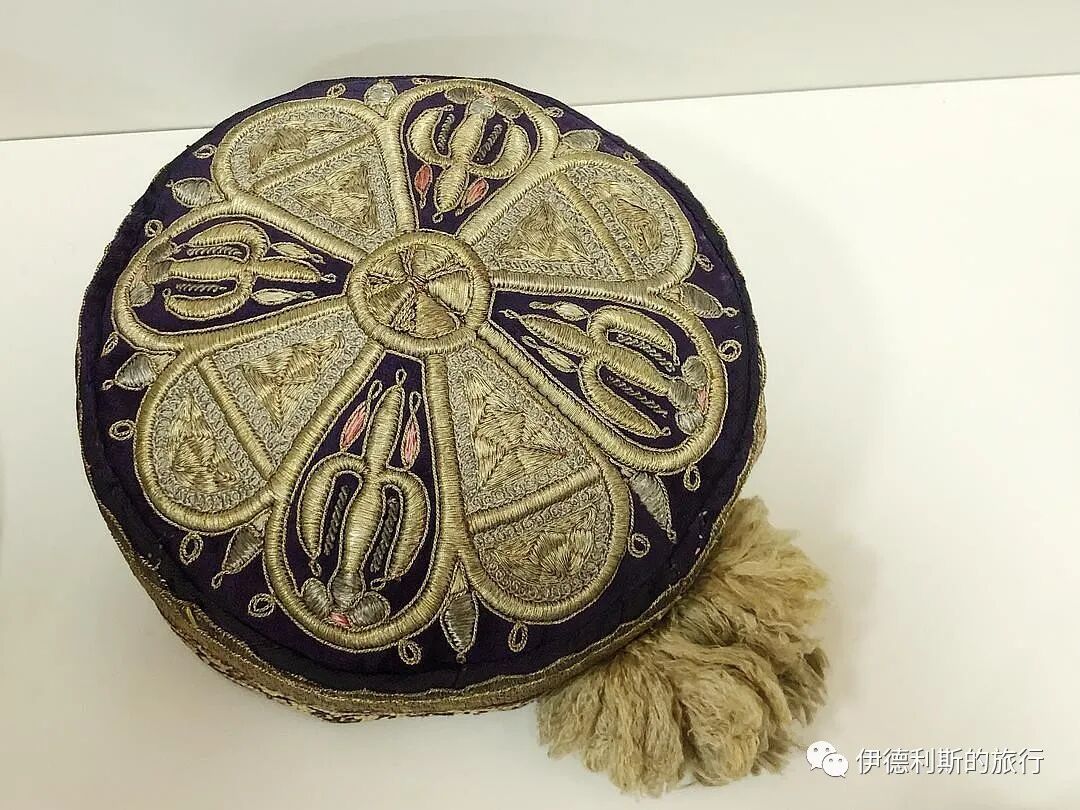
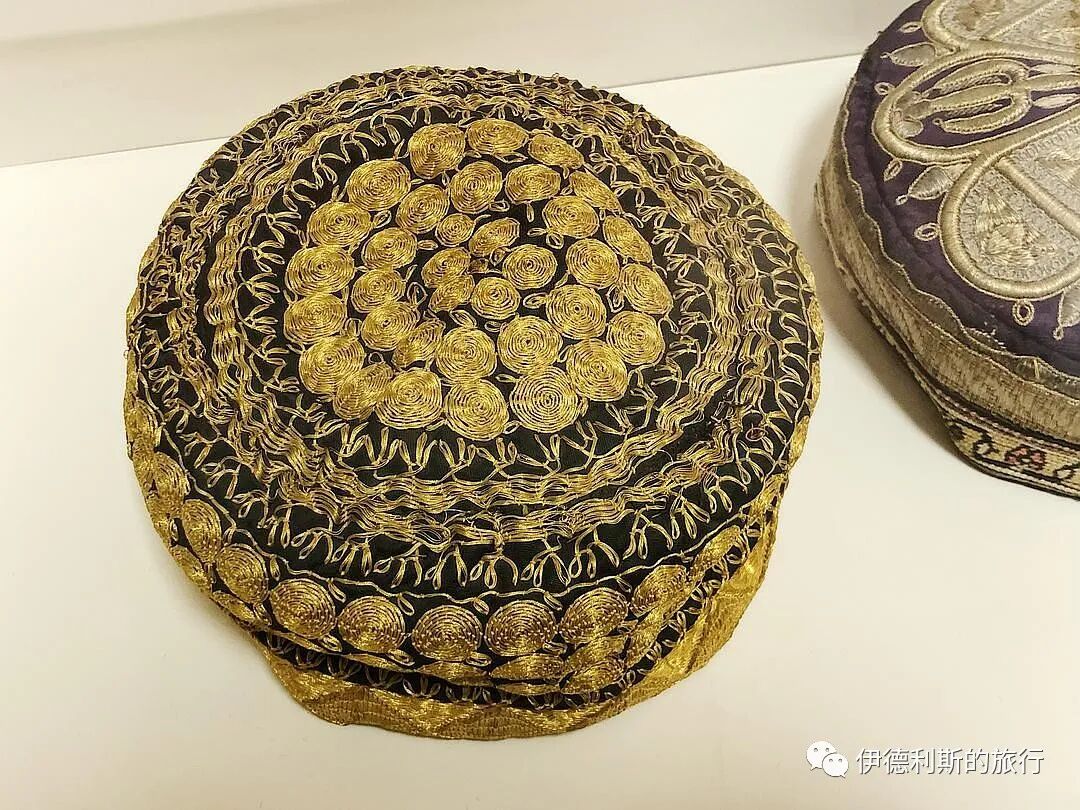
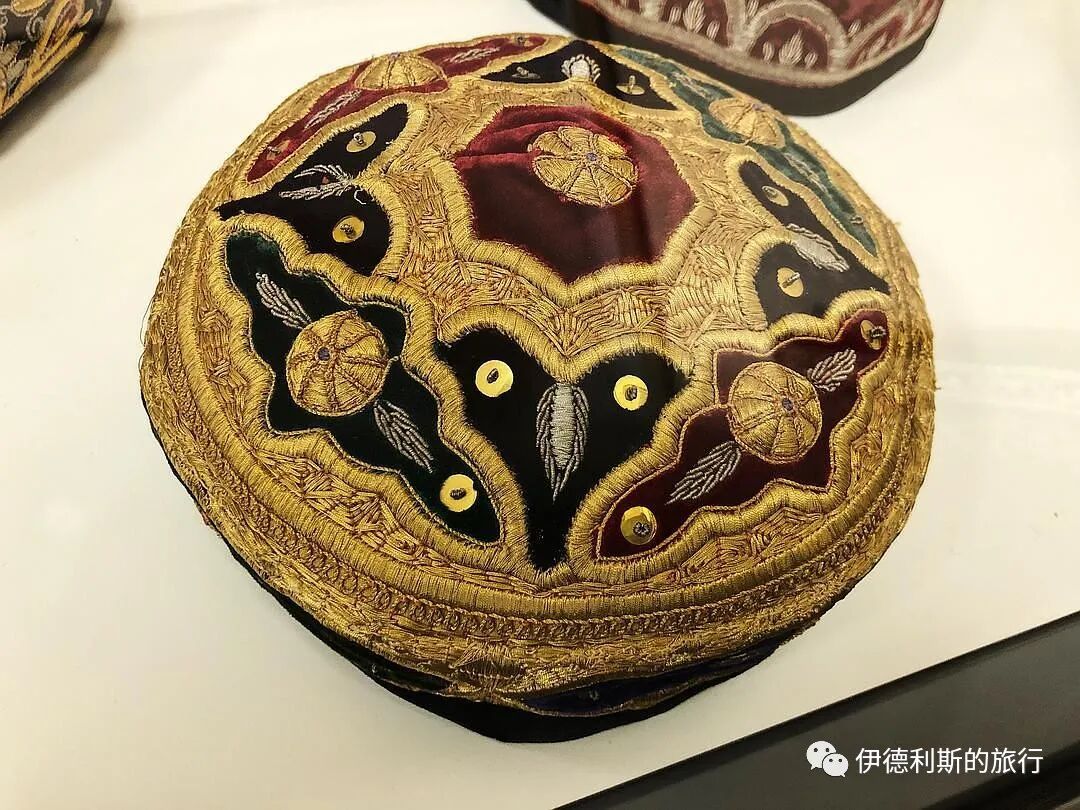
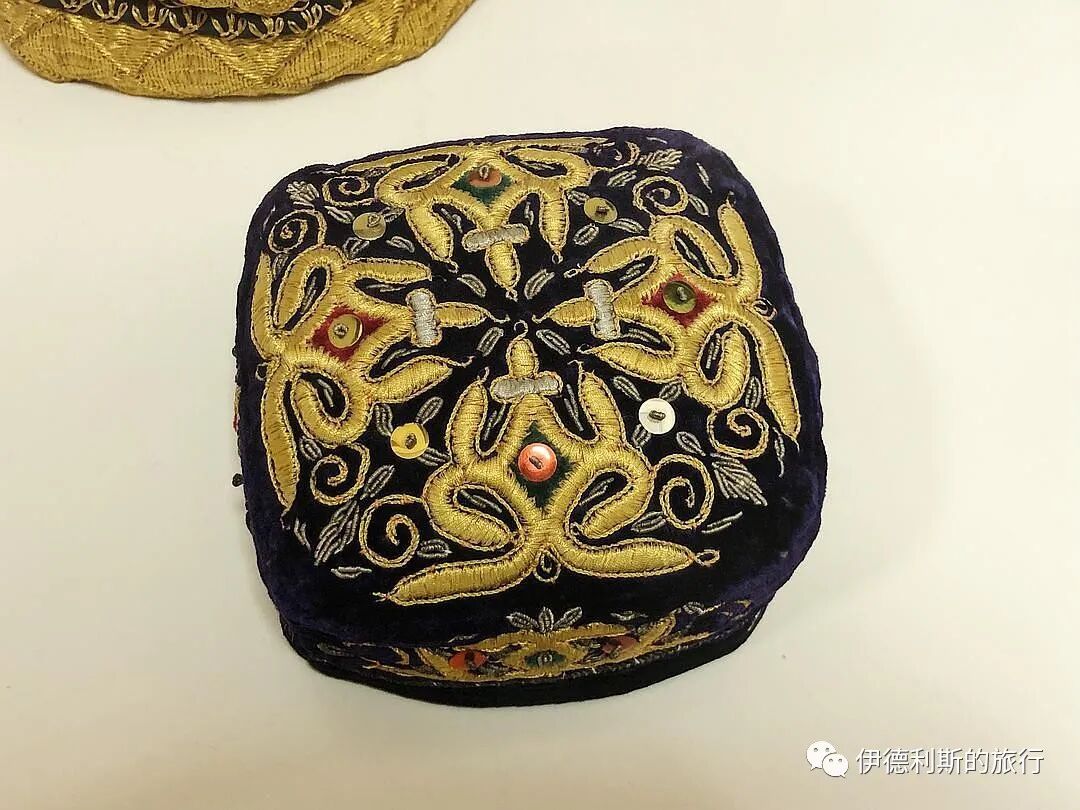
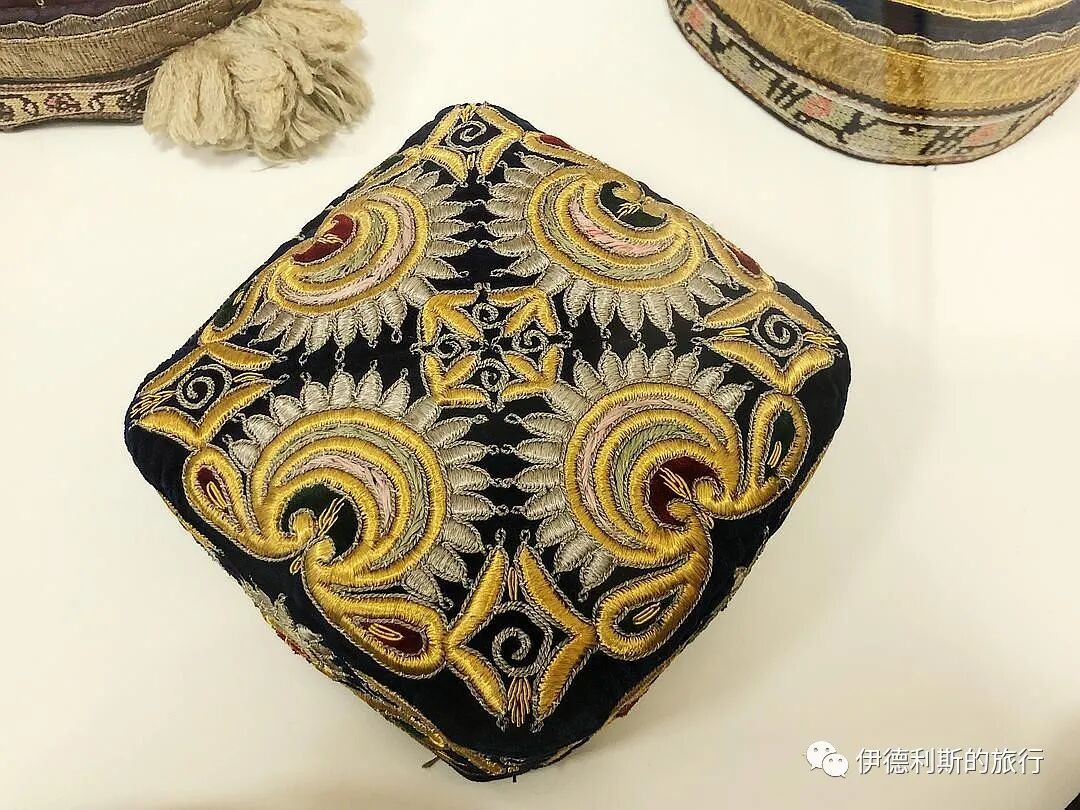
Skullcap (doppa).
Various 19th to 20th-century Uzbek skullcaps (doppa) from Samarkand, Shahrisabz, and Andijan. The skullcaps we see on the streets of Uzbekistan today are much simpler than these.
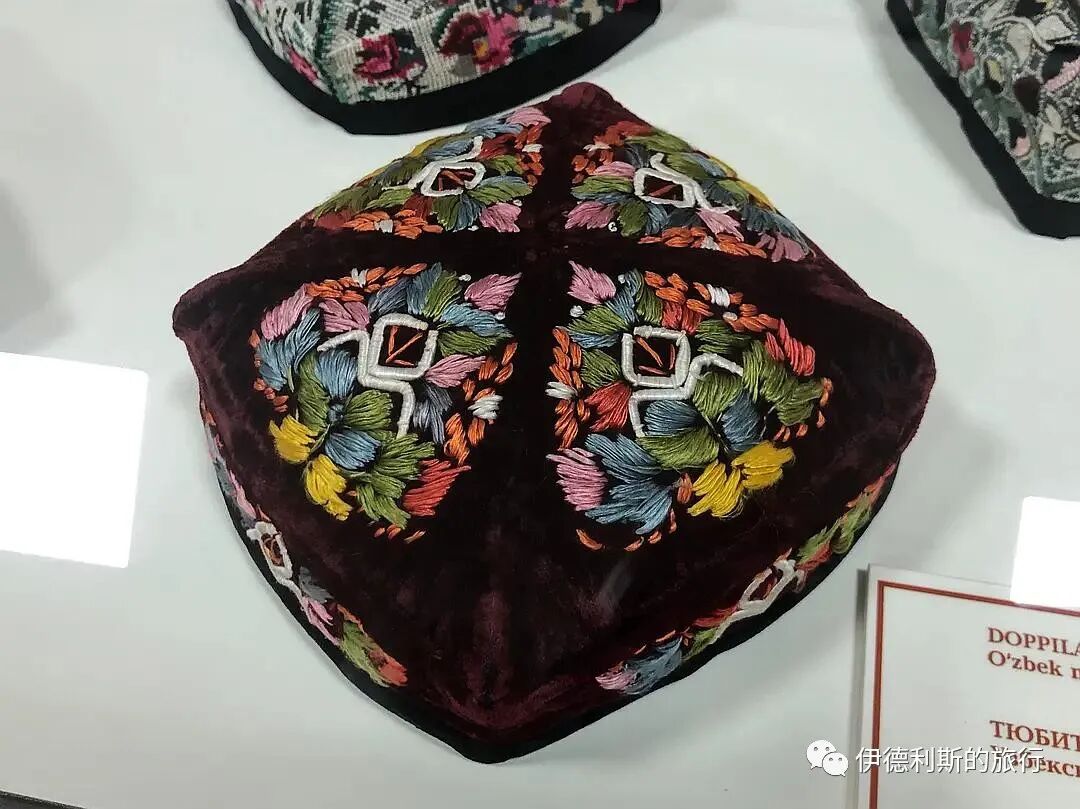
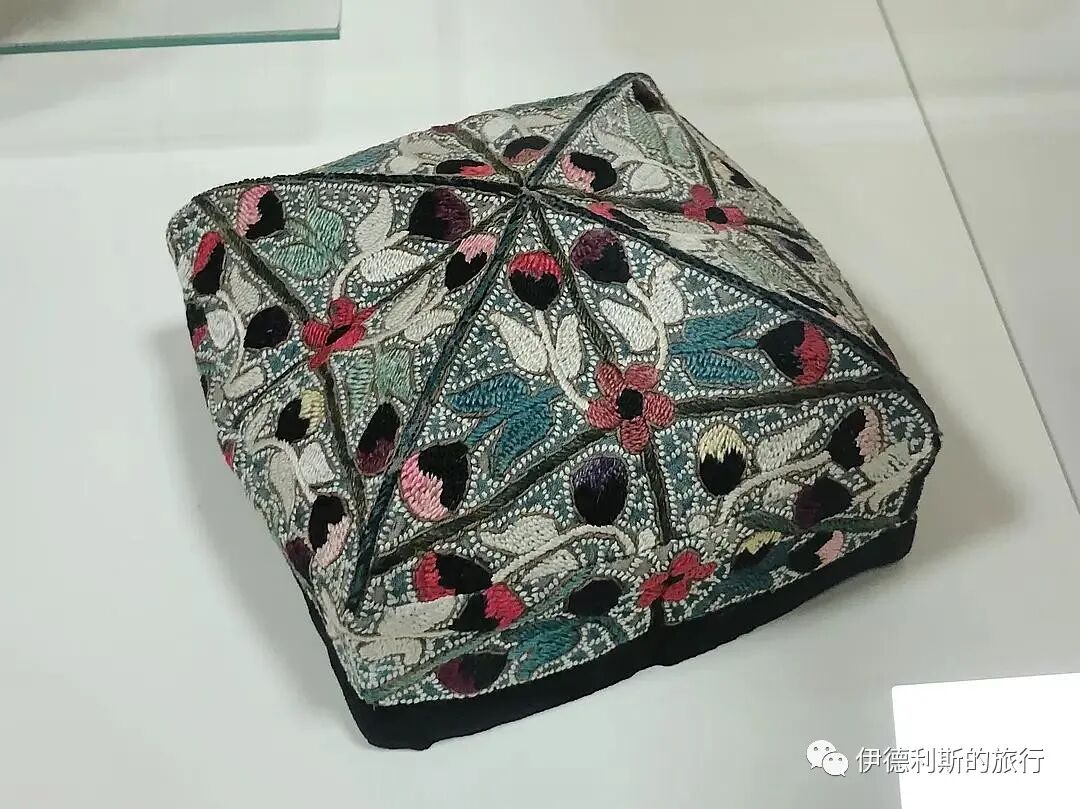
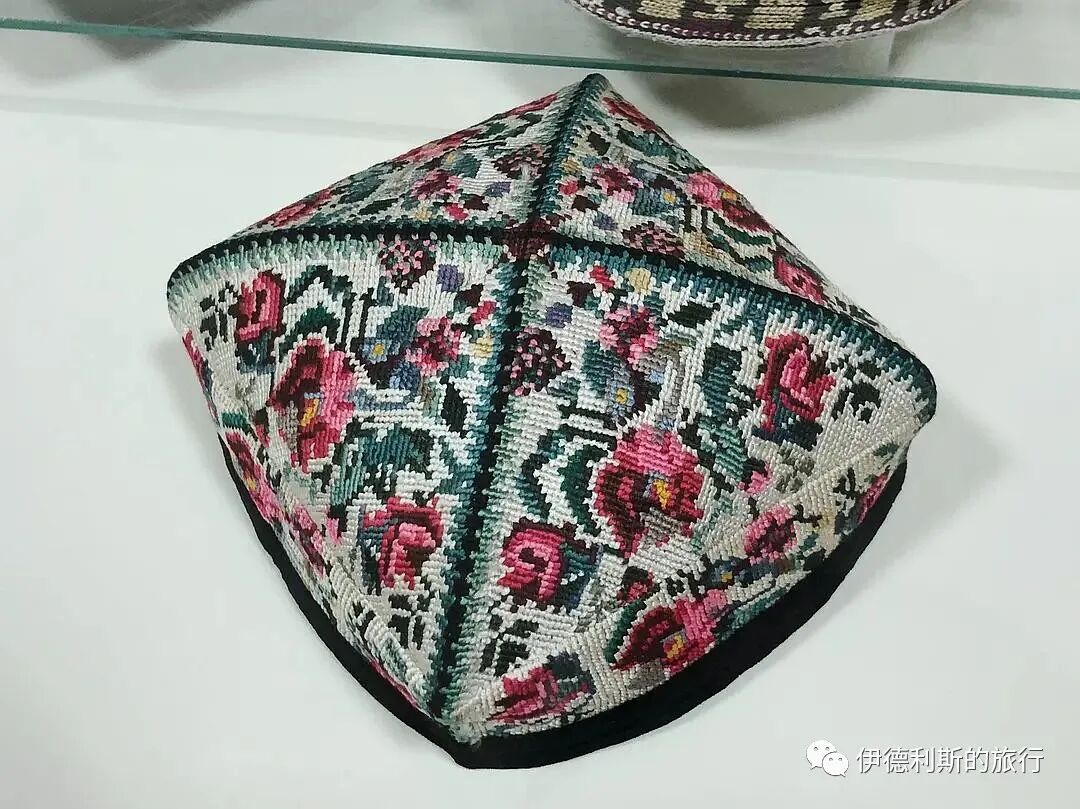
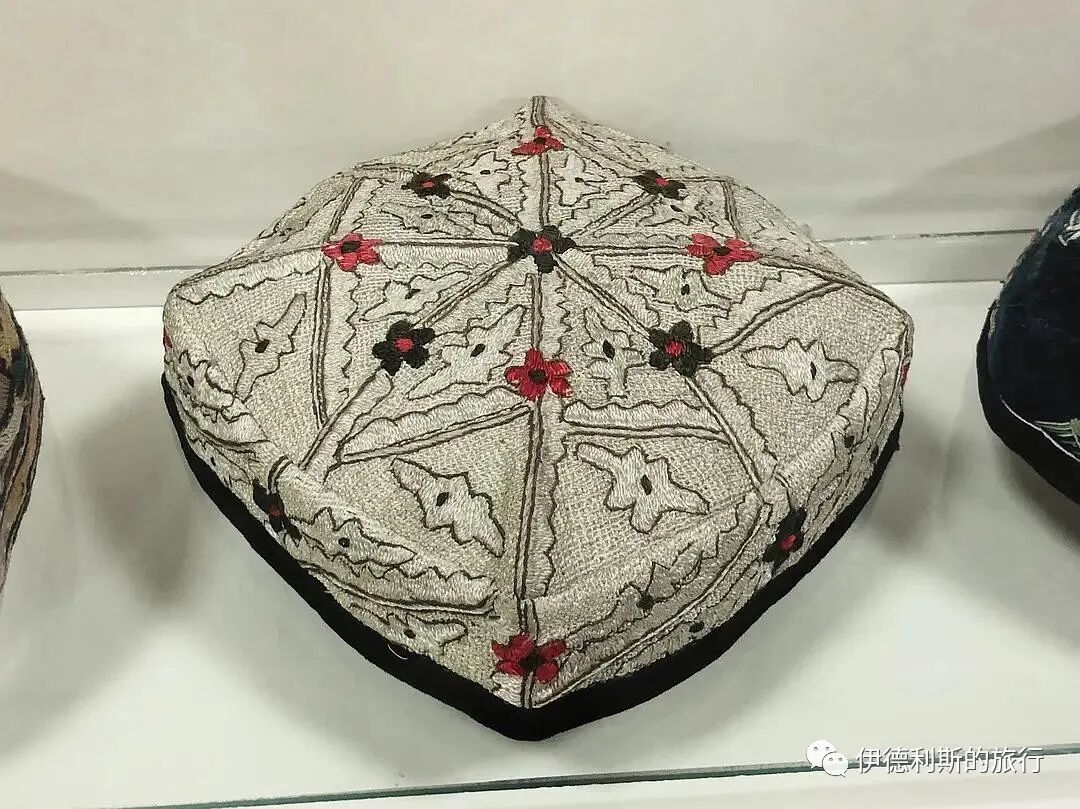
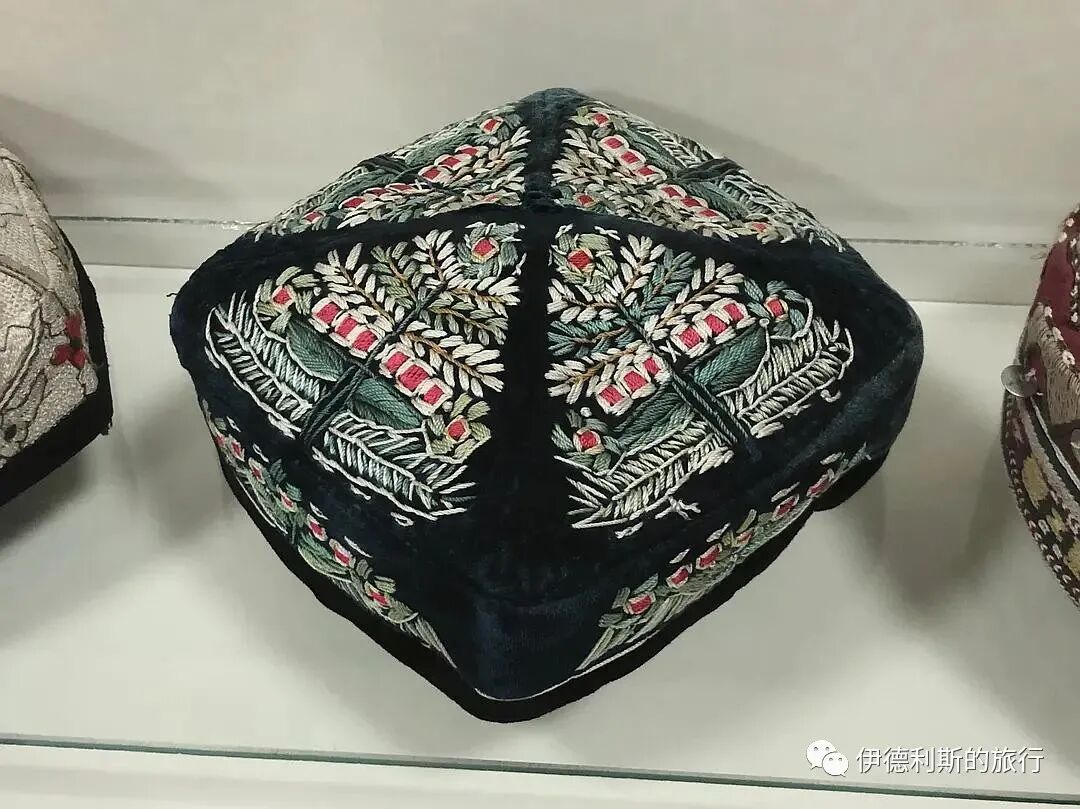
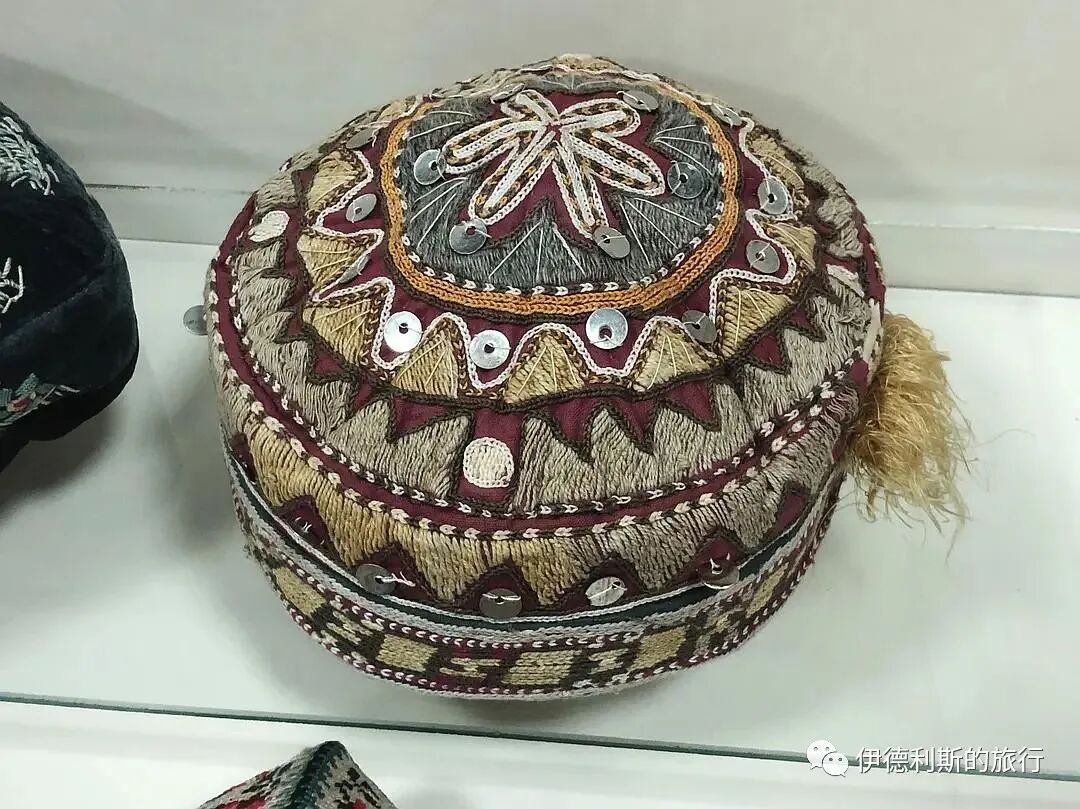
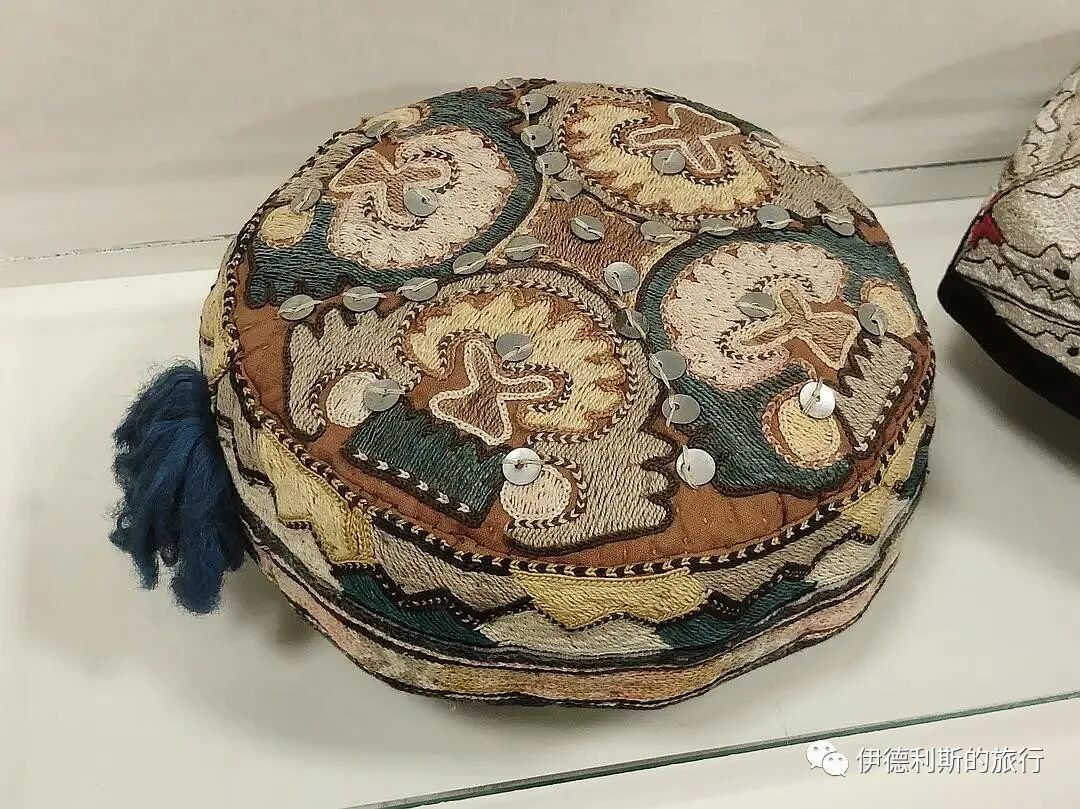
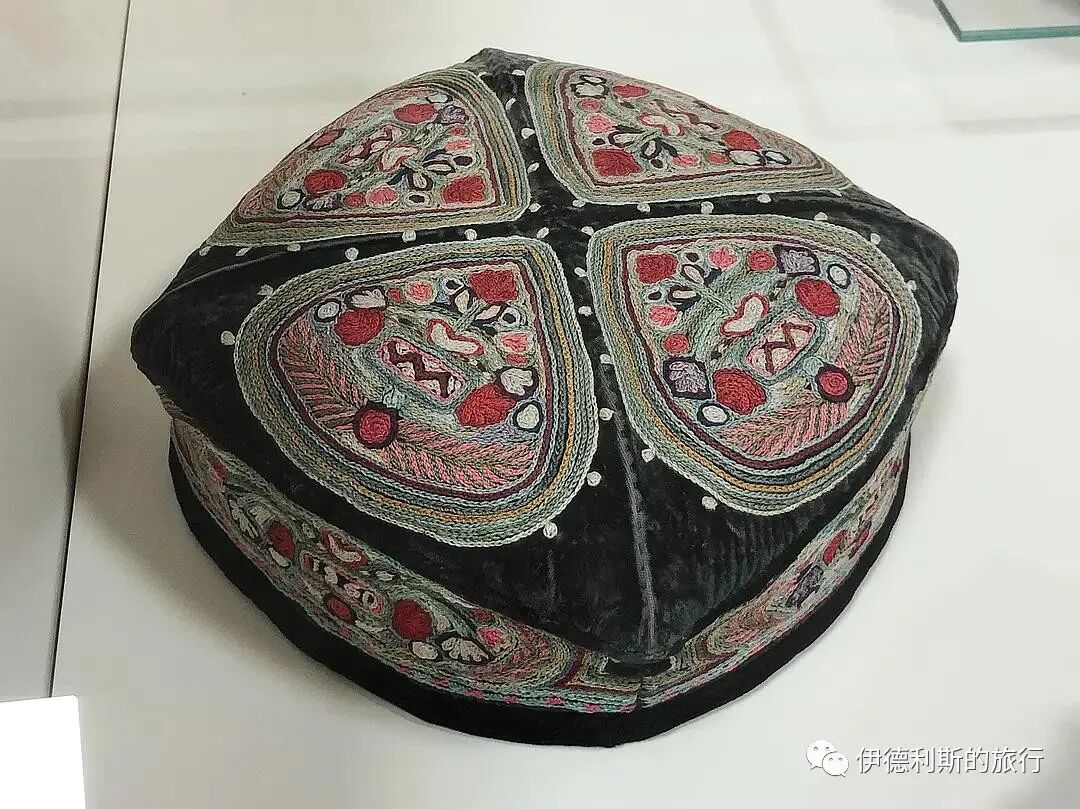
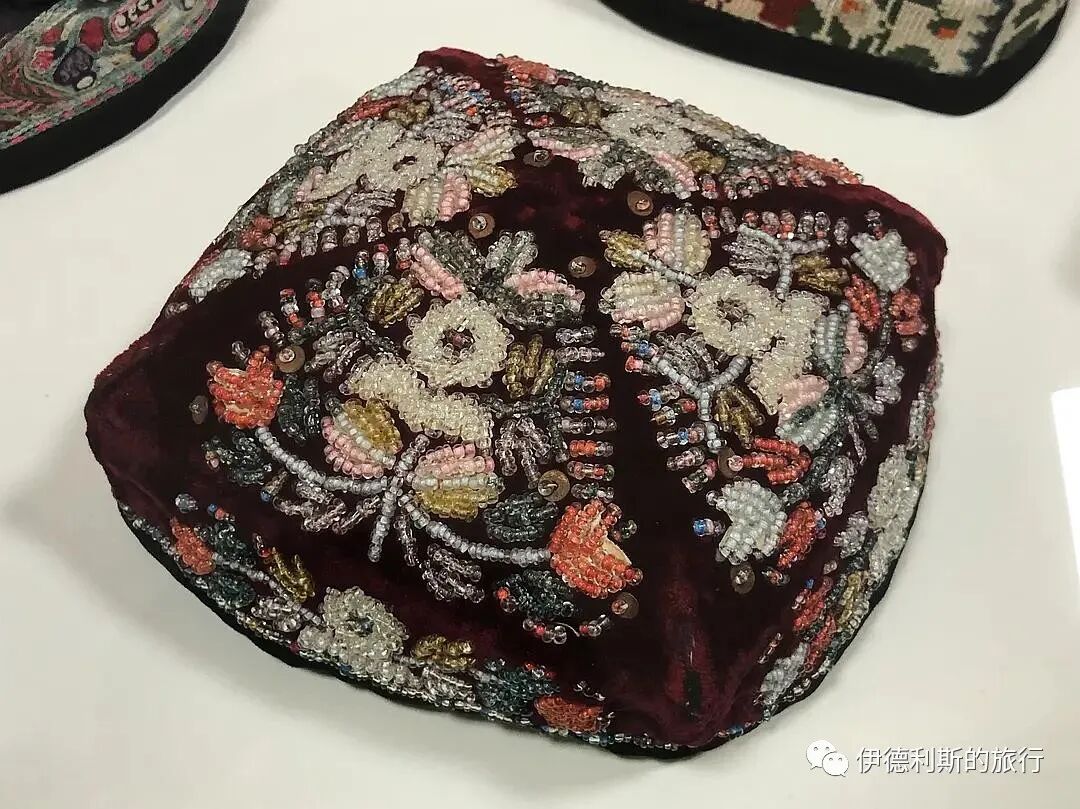
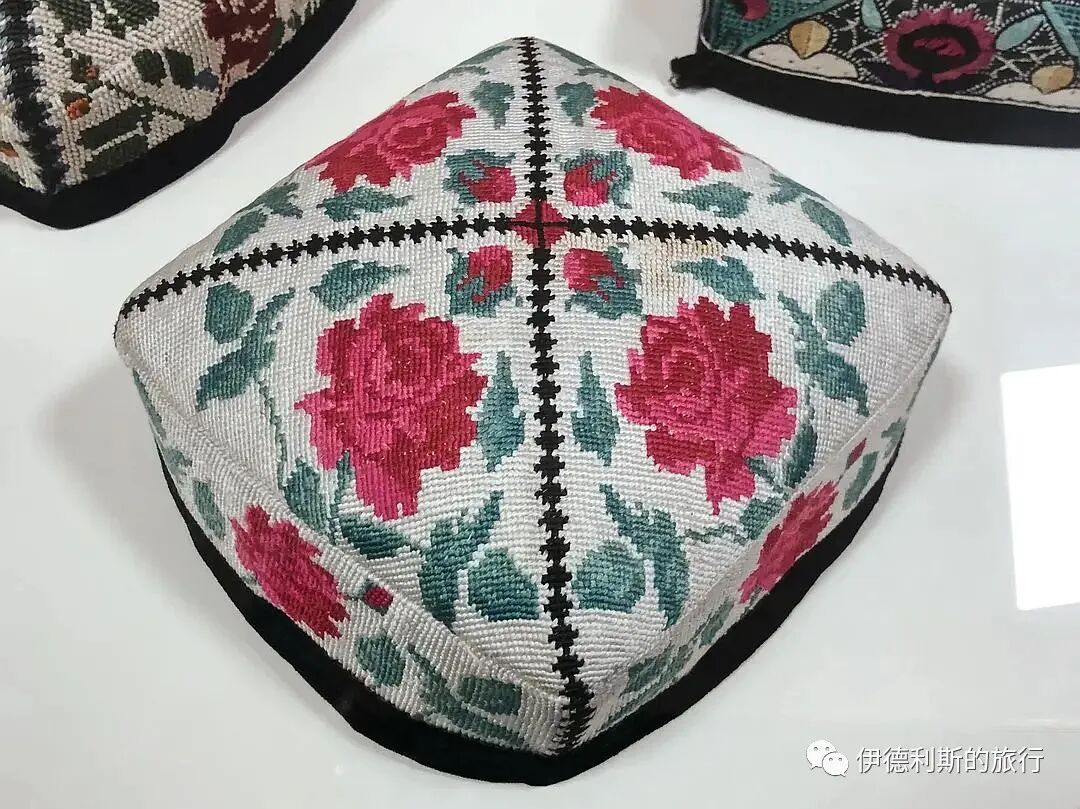
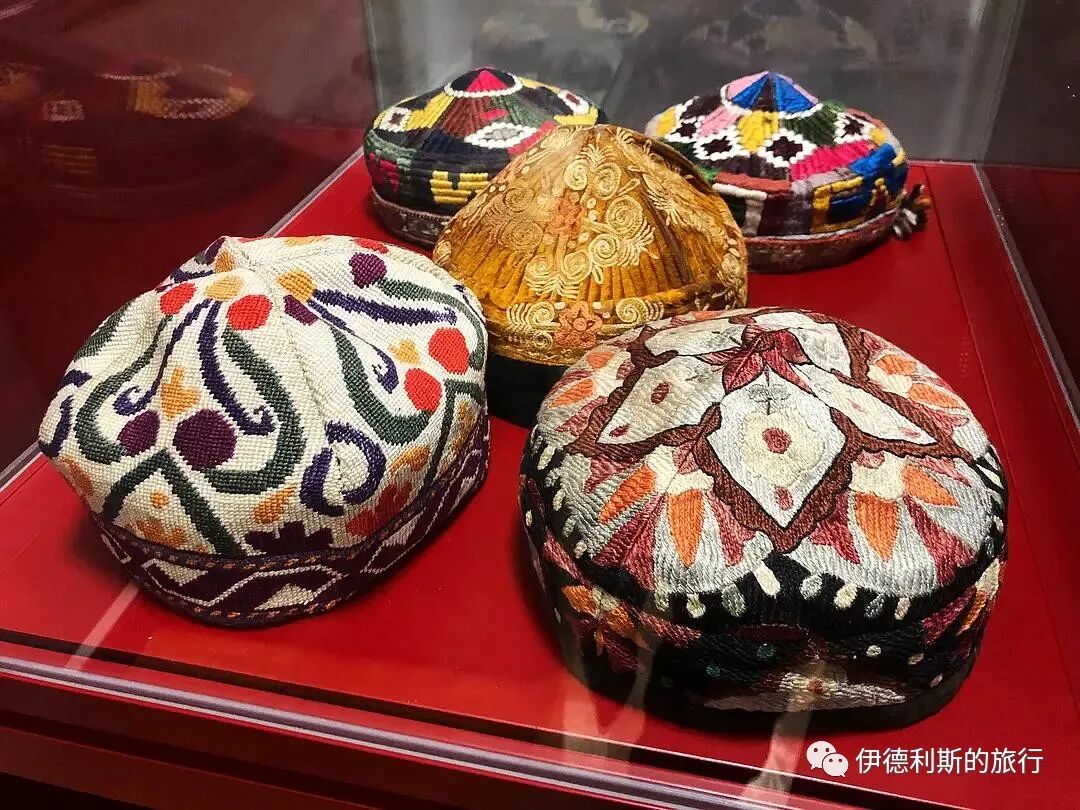
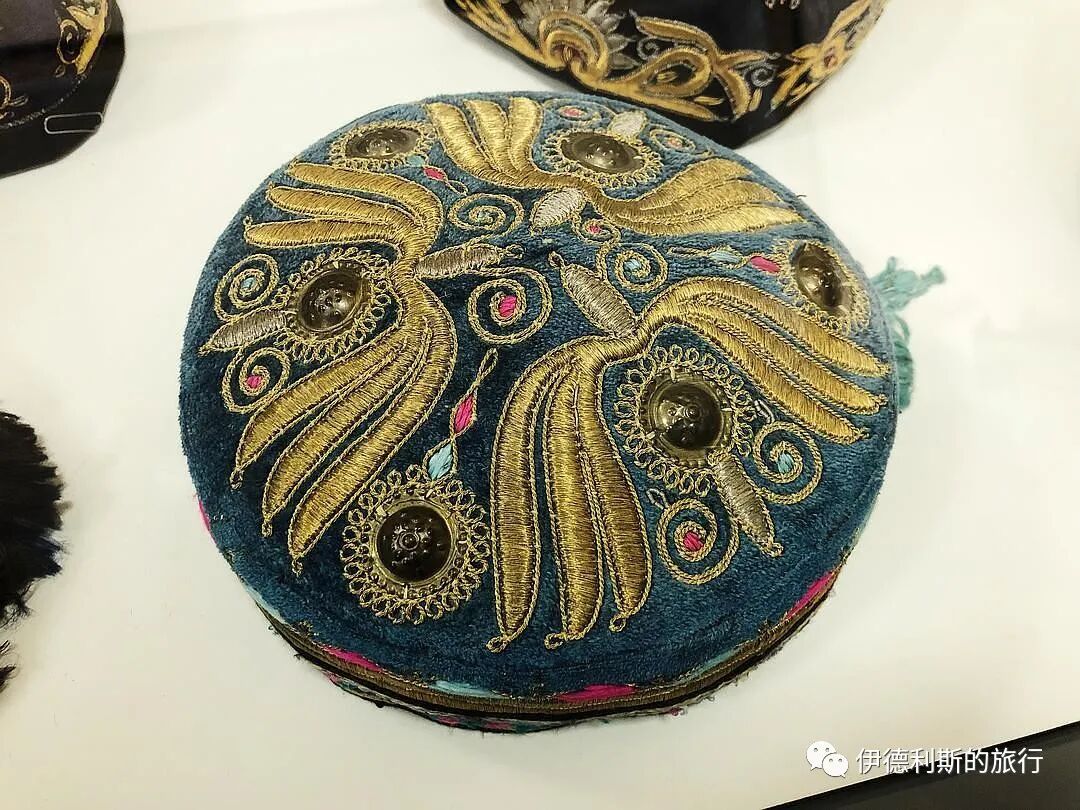
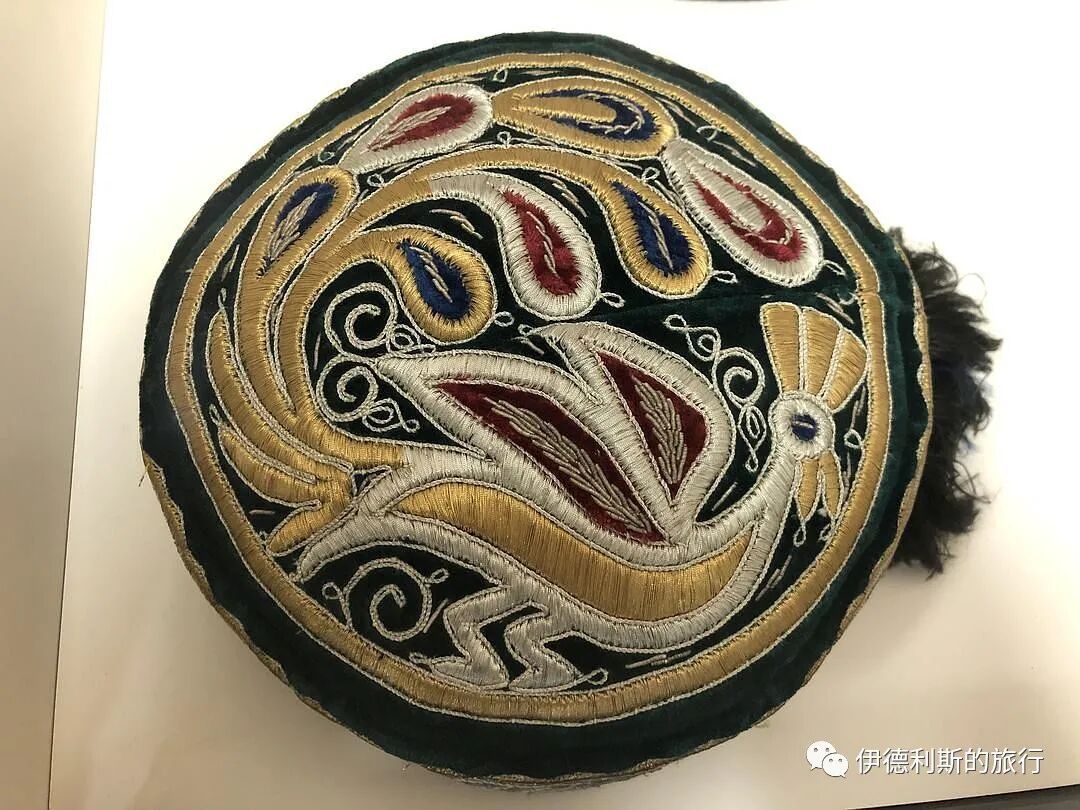
A gold-thread embroidered skullcap (doppa) made in Bukhara between 1940 and 1975.
Jewelry.
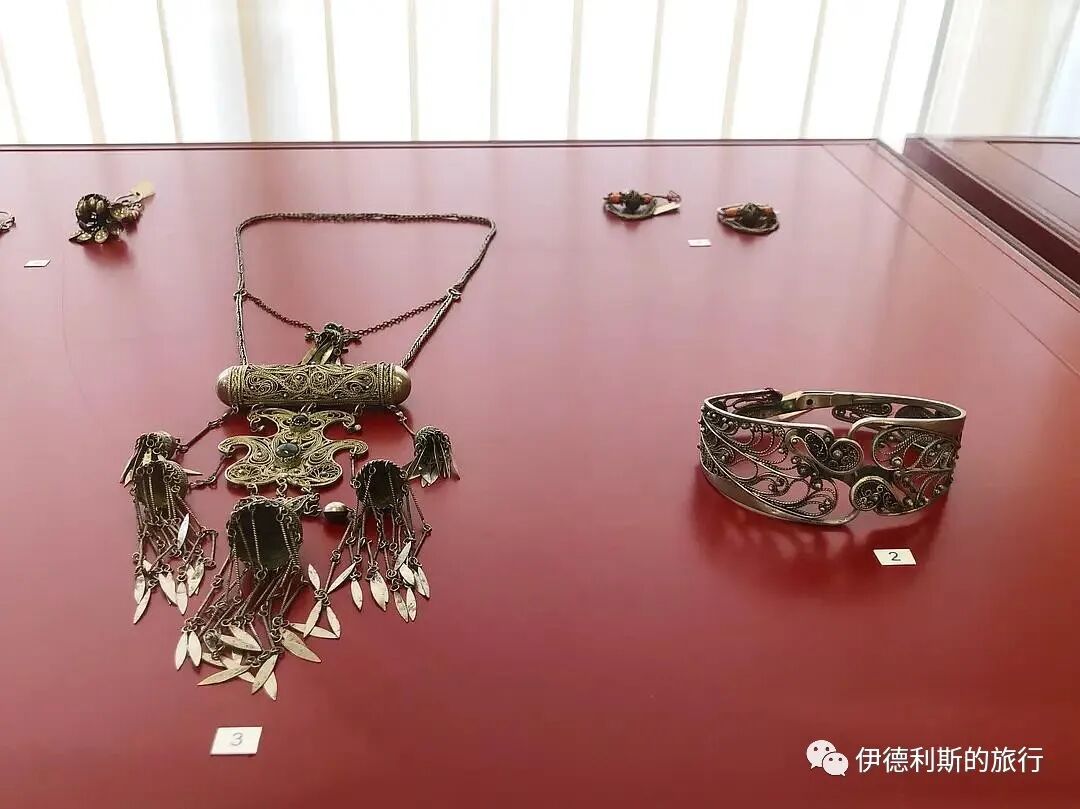
On the right is a bracelet made by Azizov K. A. in Tashkent in 1977. On the left is an amulet made by Dzyuba A. in Tashkent in 1982.
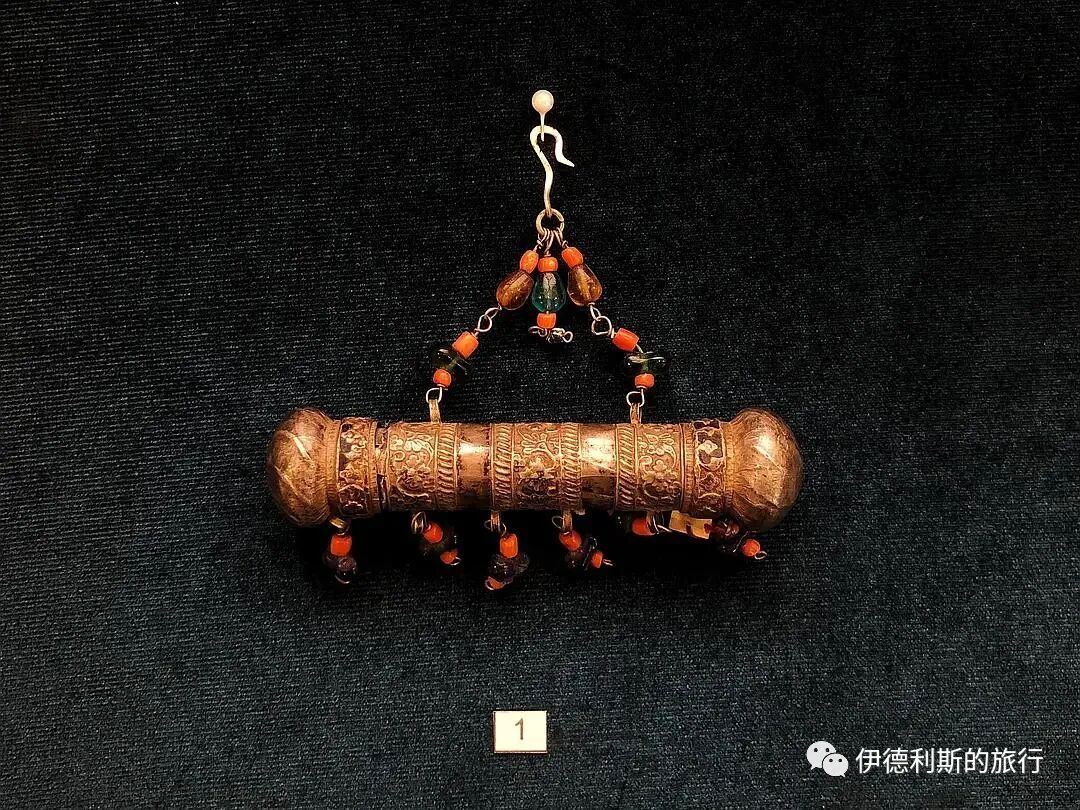
An early 20th-century amulet from Bukhara.
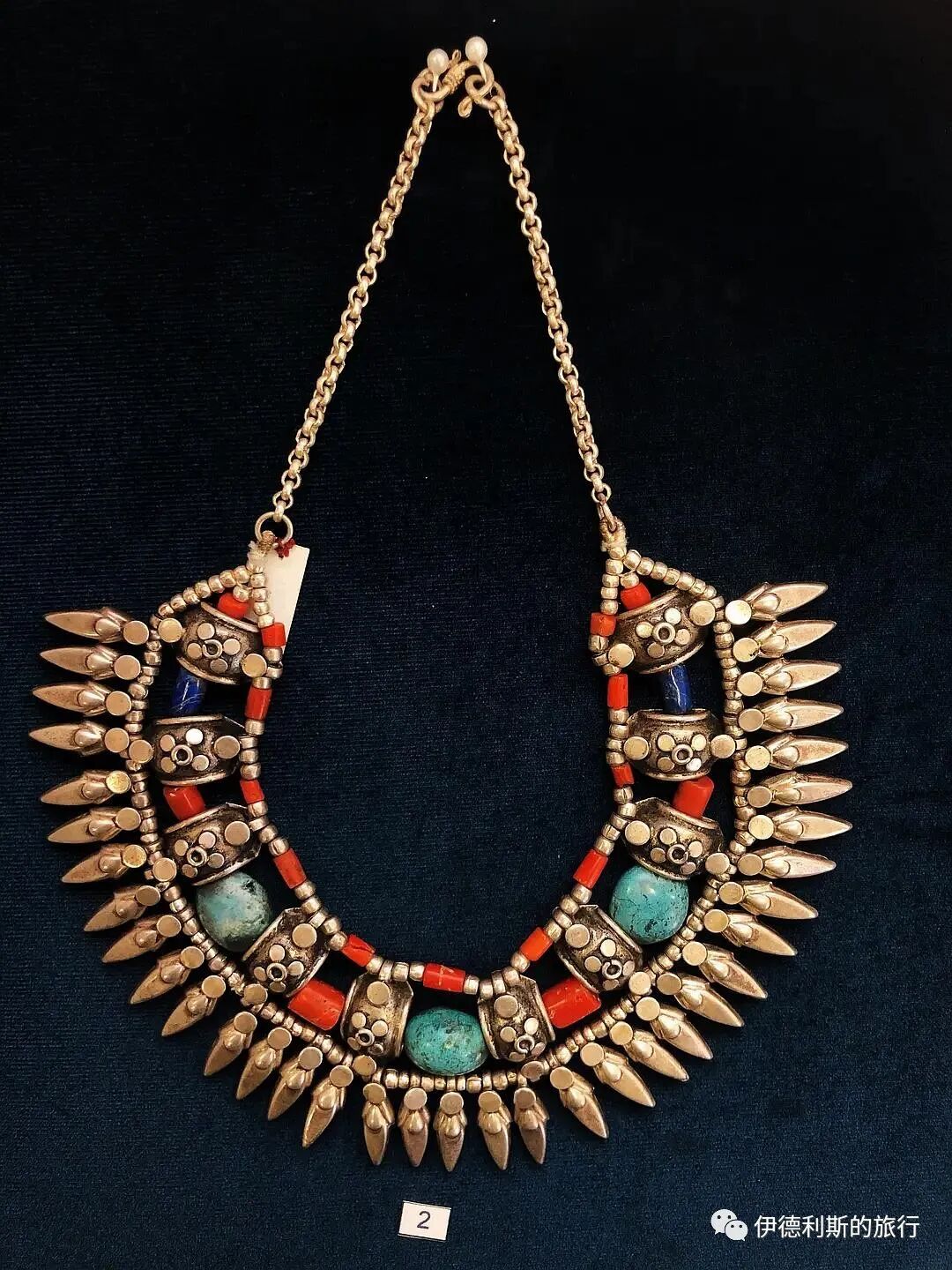
An early 20th-century necklace from Bukhara.
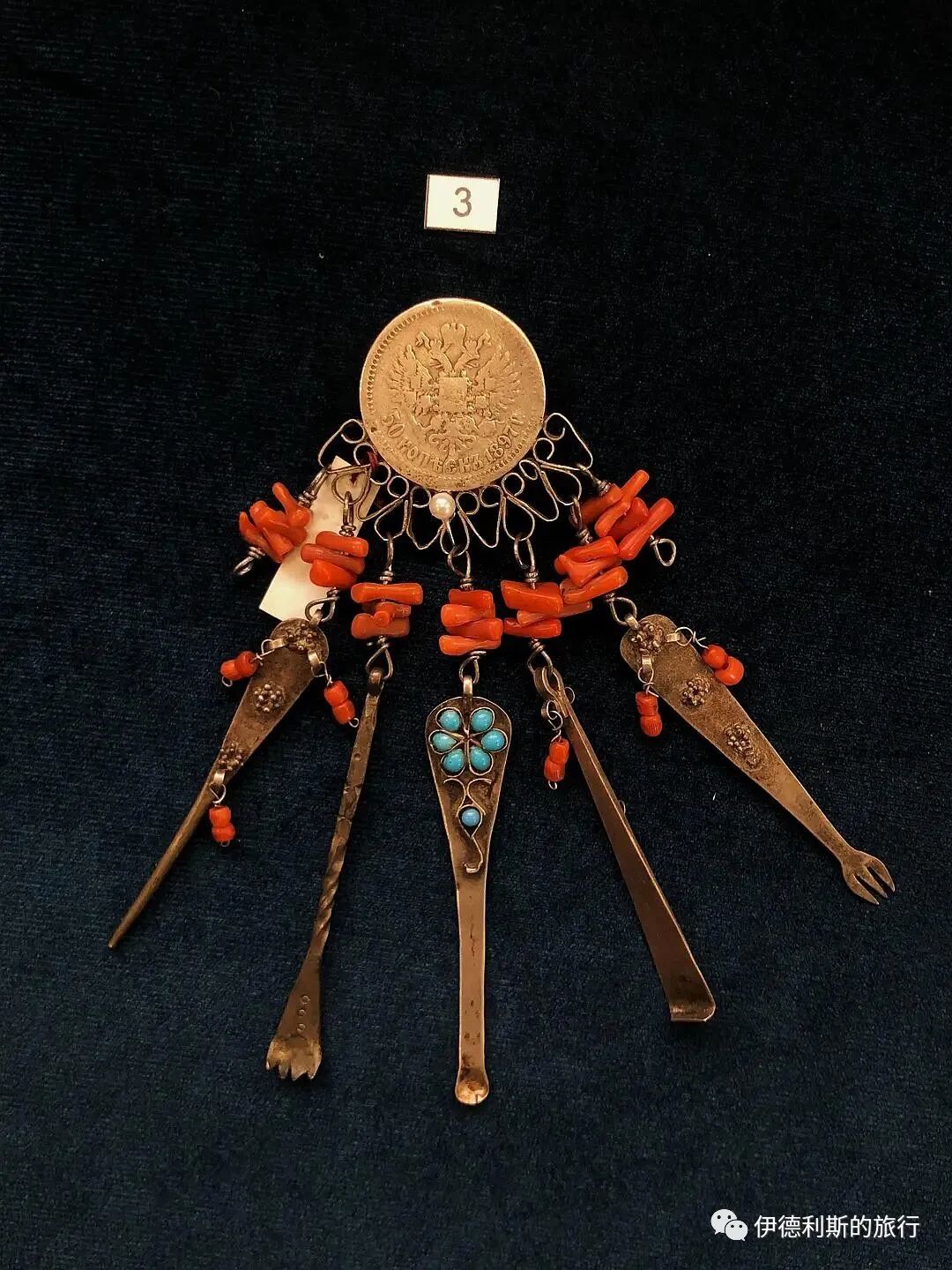
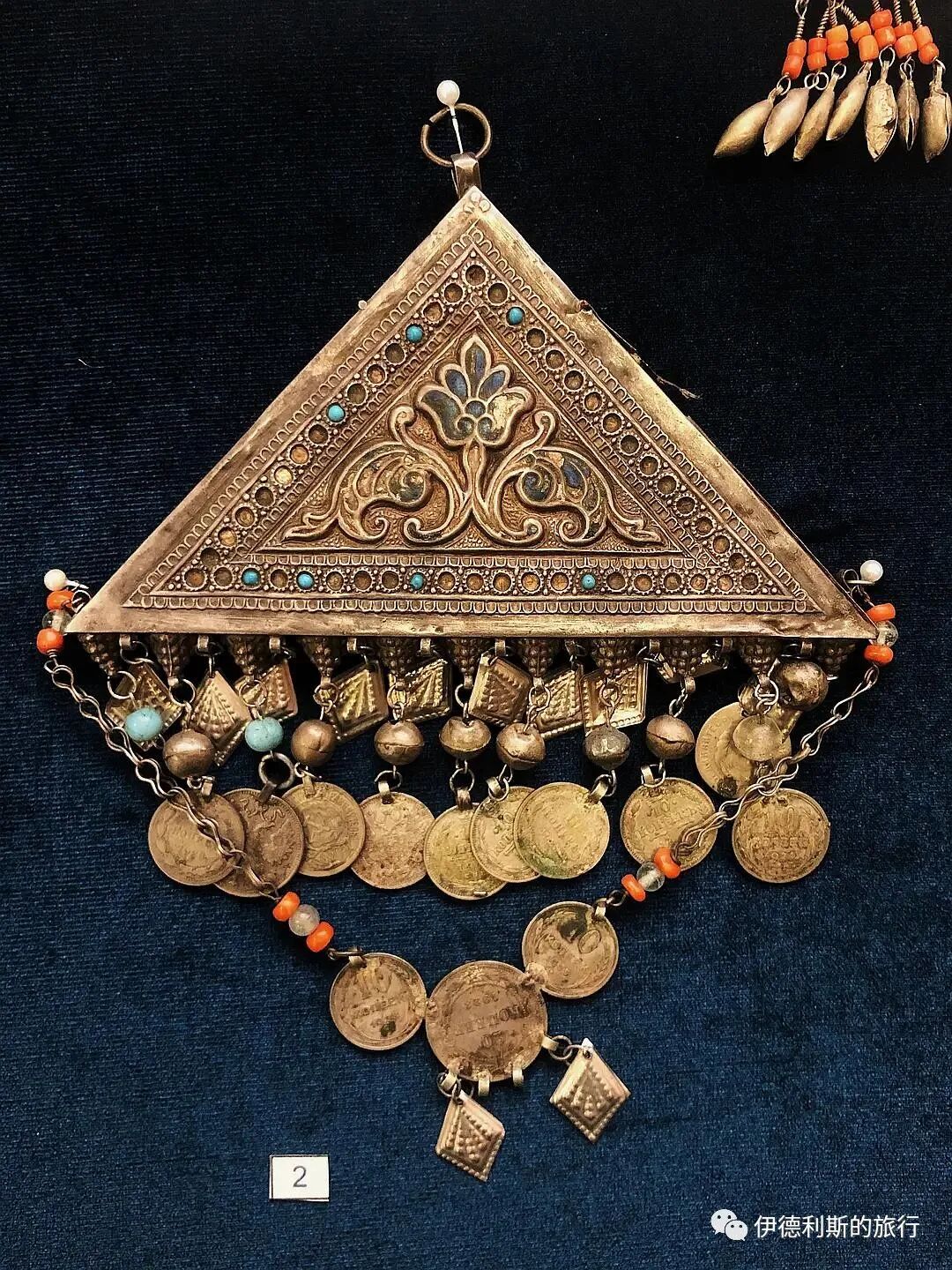
A late 19th to early 20th-century chest ornament from Bukhara.
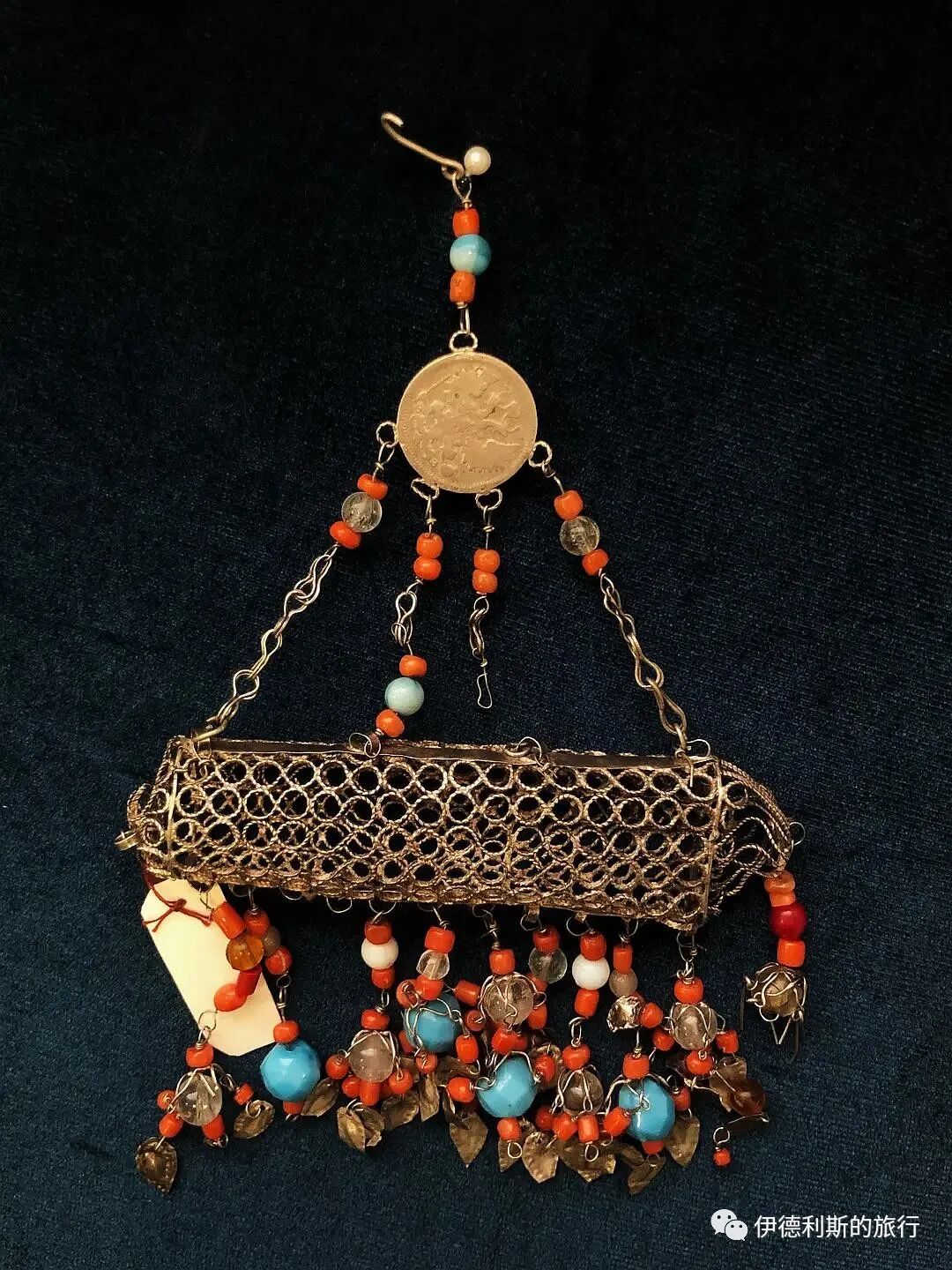
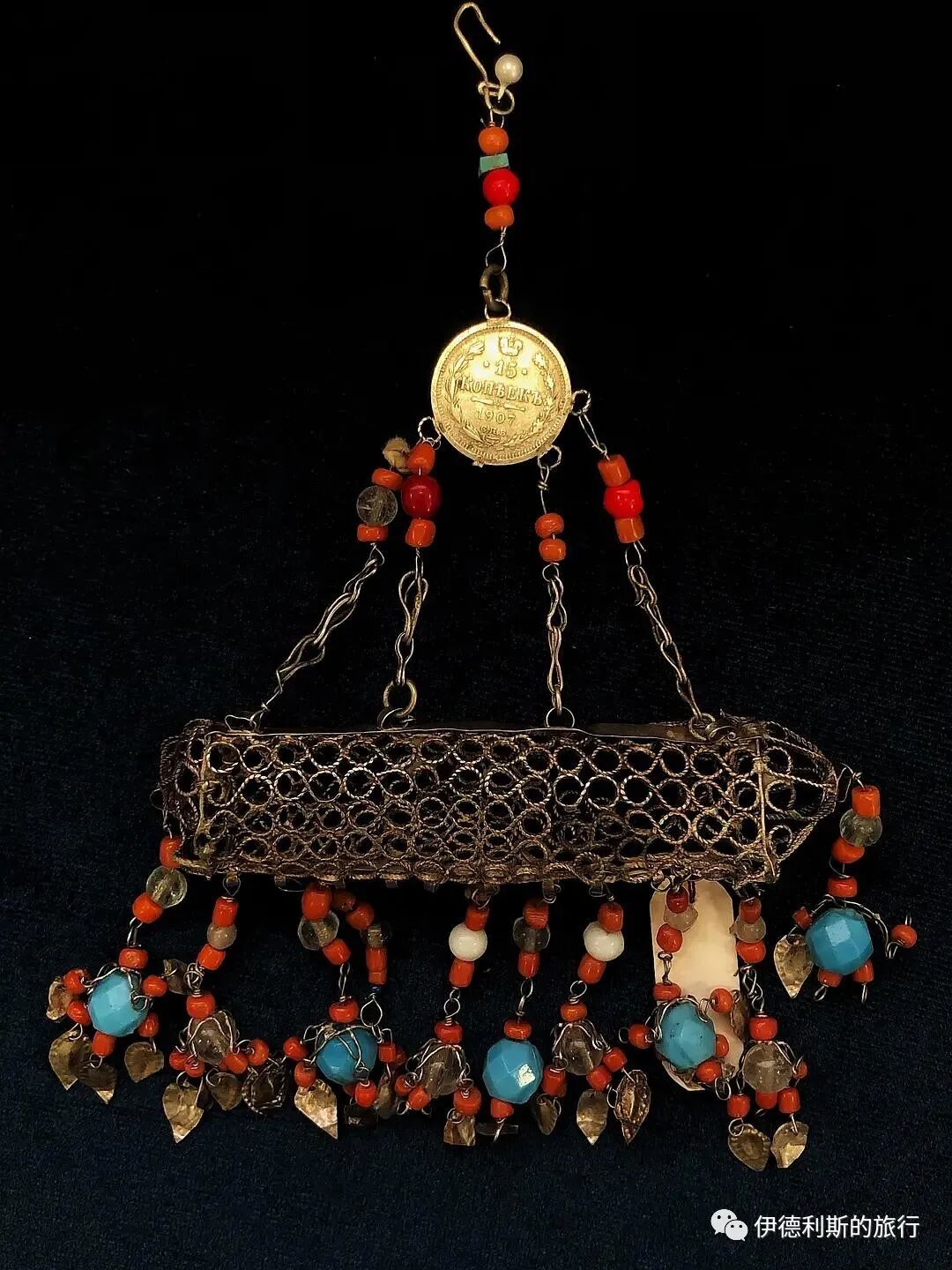
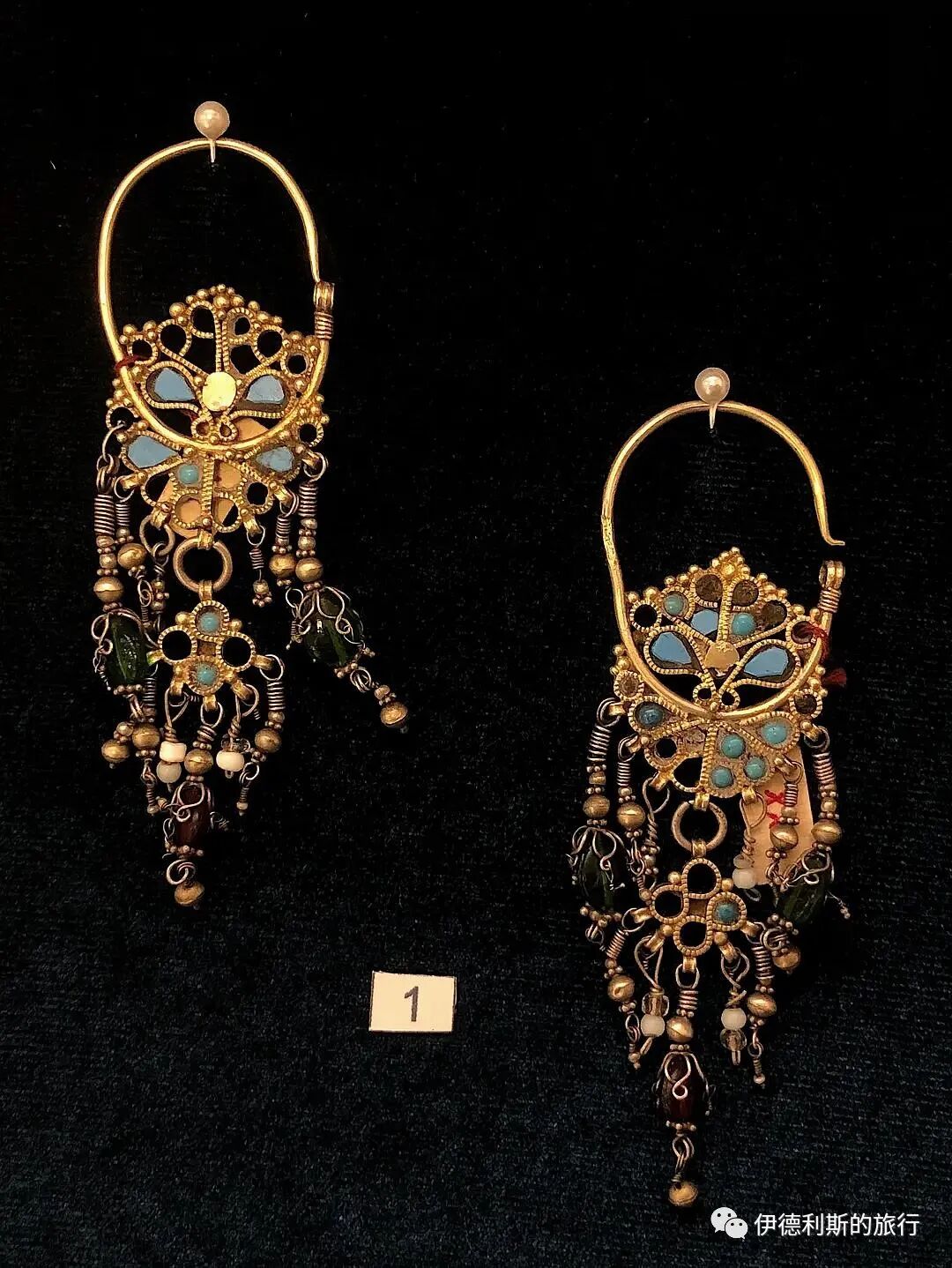
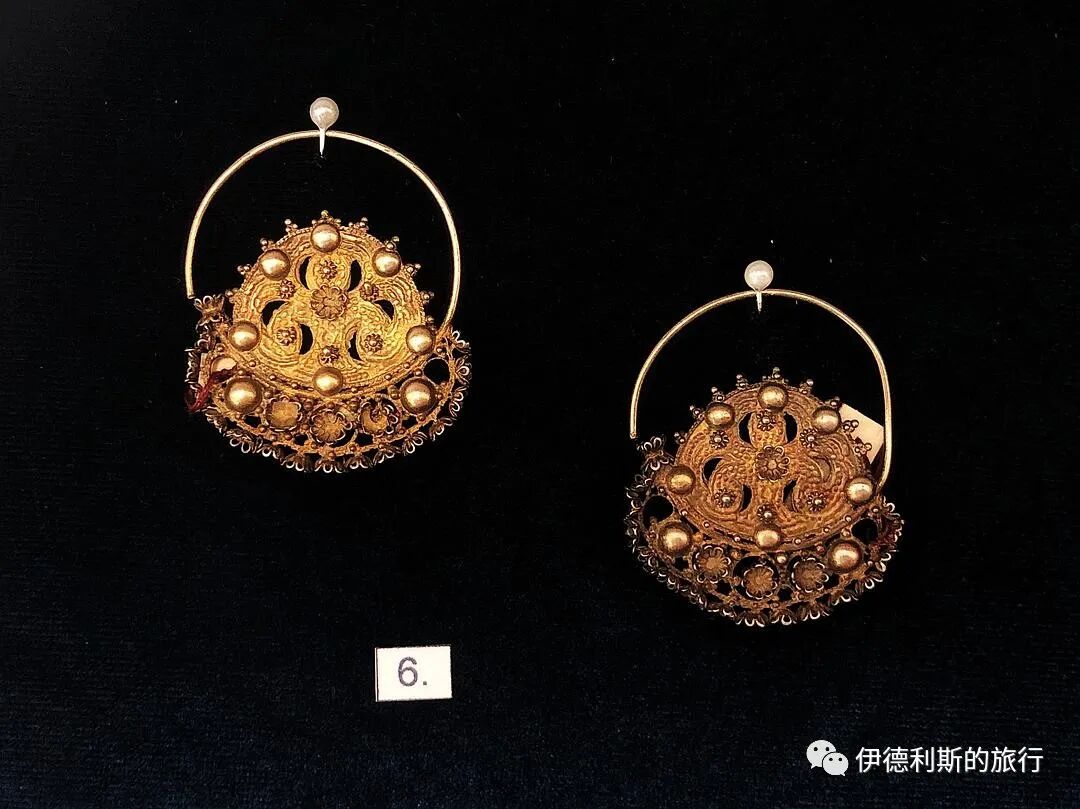
Late 19th to early 20th-century earrings from Samarkand.
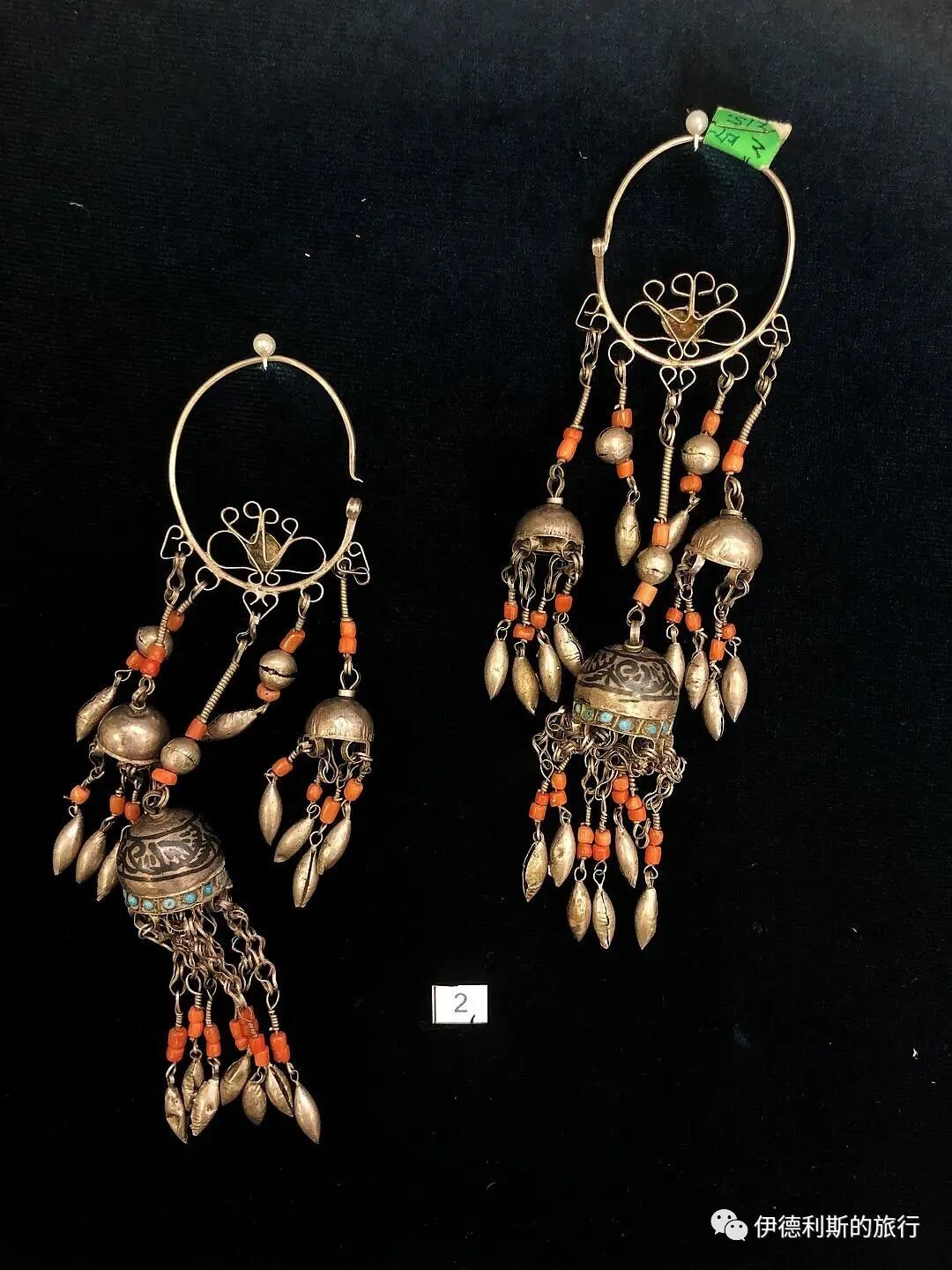
Mid-20th-century earrings from Tashkent.
A late 19th to early 20th-century amulet from Tashkent.
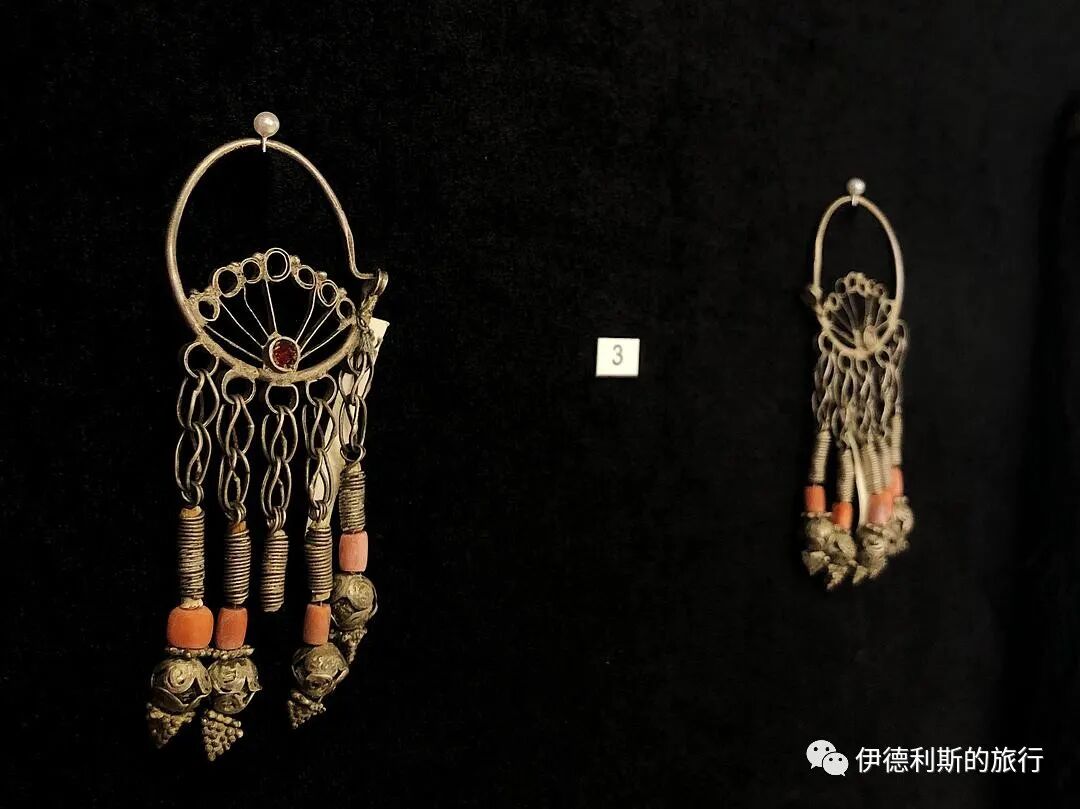
Earrings from Fergana in the early 20th century.
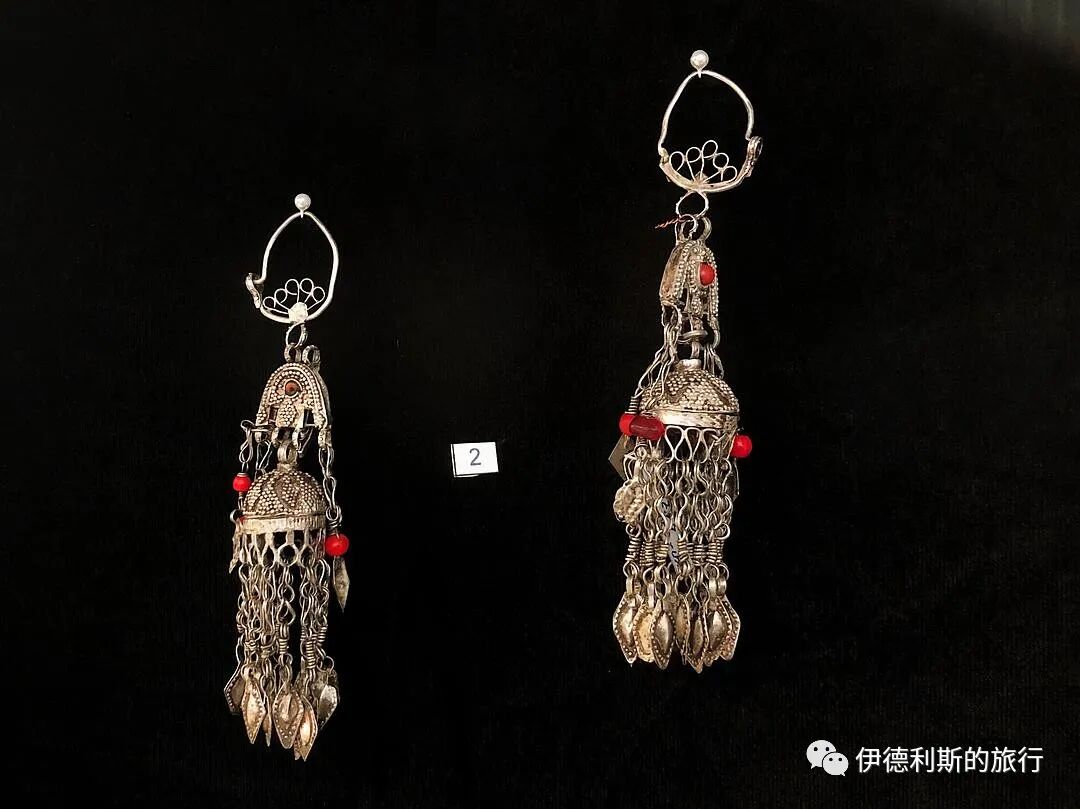
Earrings from Surxondaryo Region in the late 19th to early 20th century.
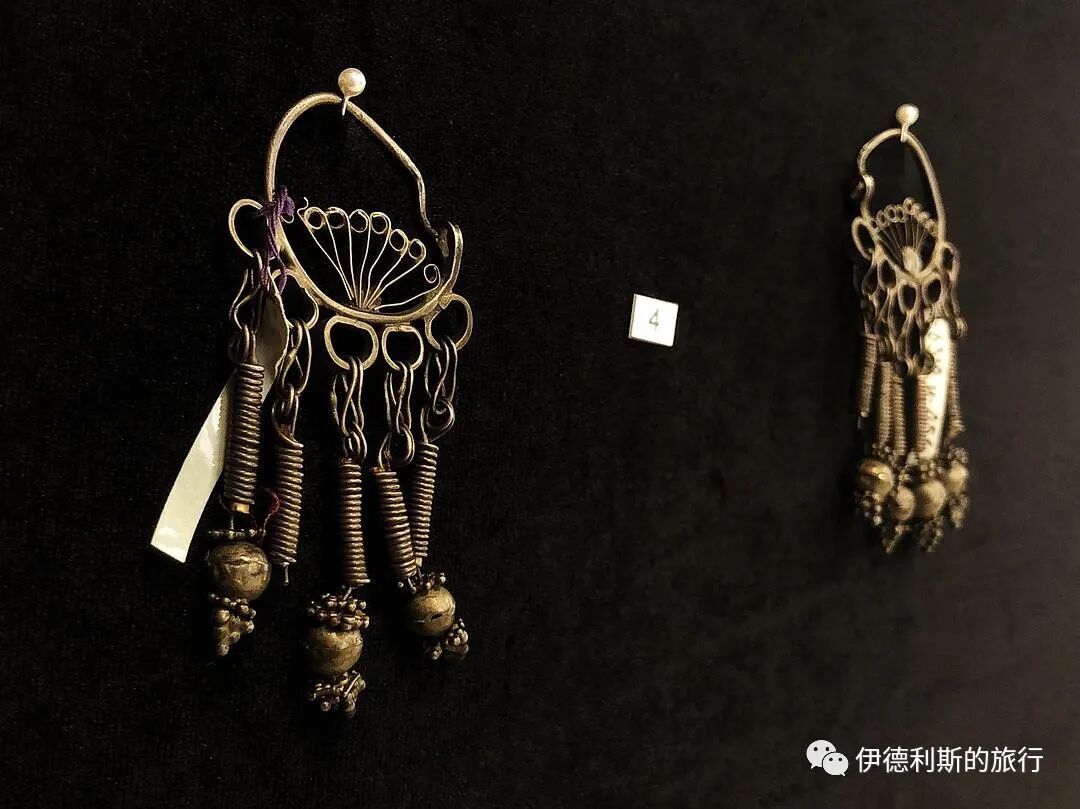
A headpiece from Fergana in the late 19th century.
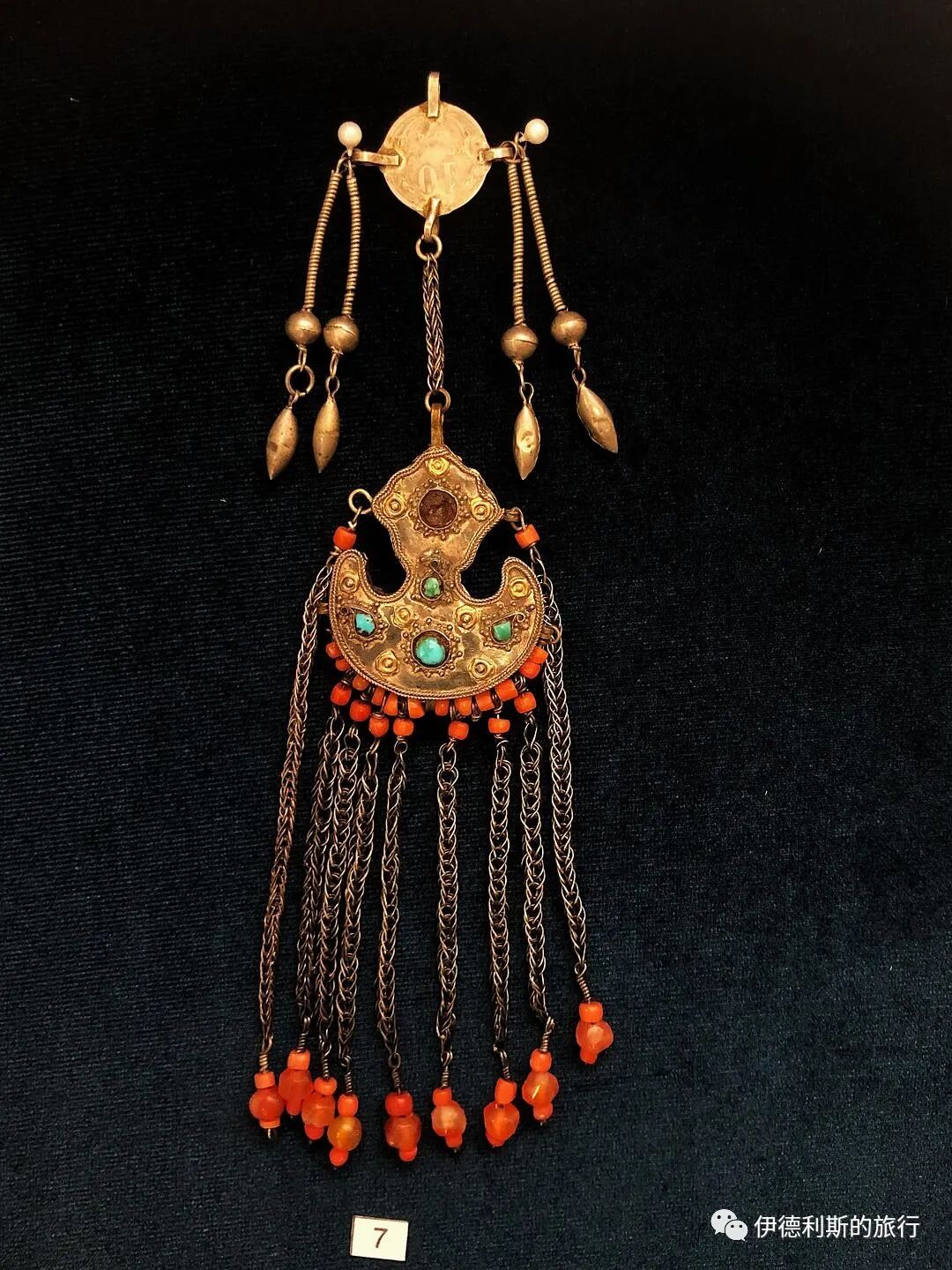
Earrings from Sirdaryo in the early 20th century.
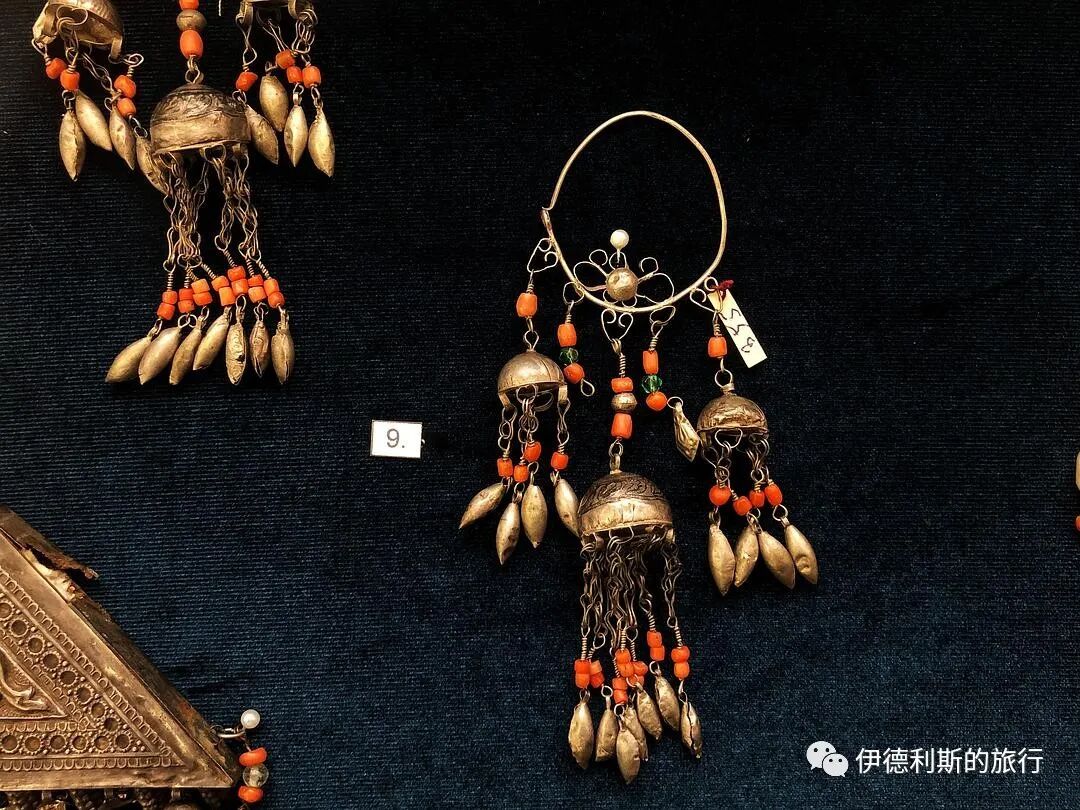
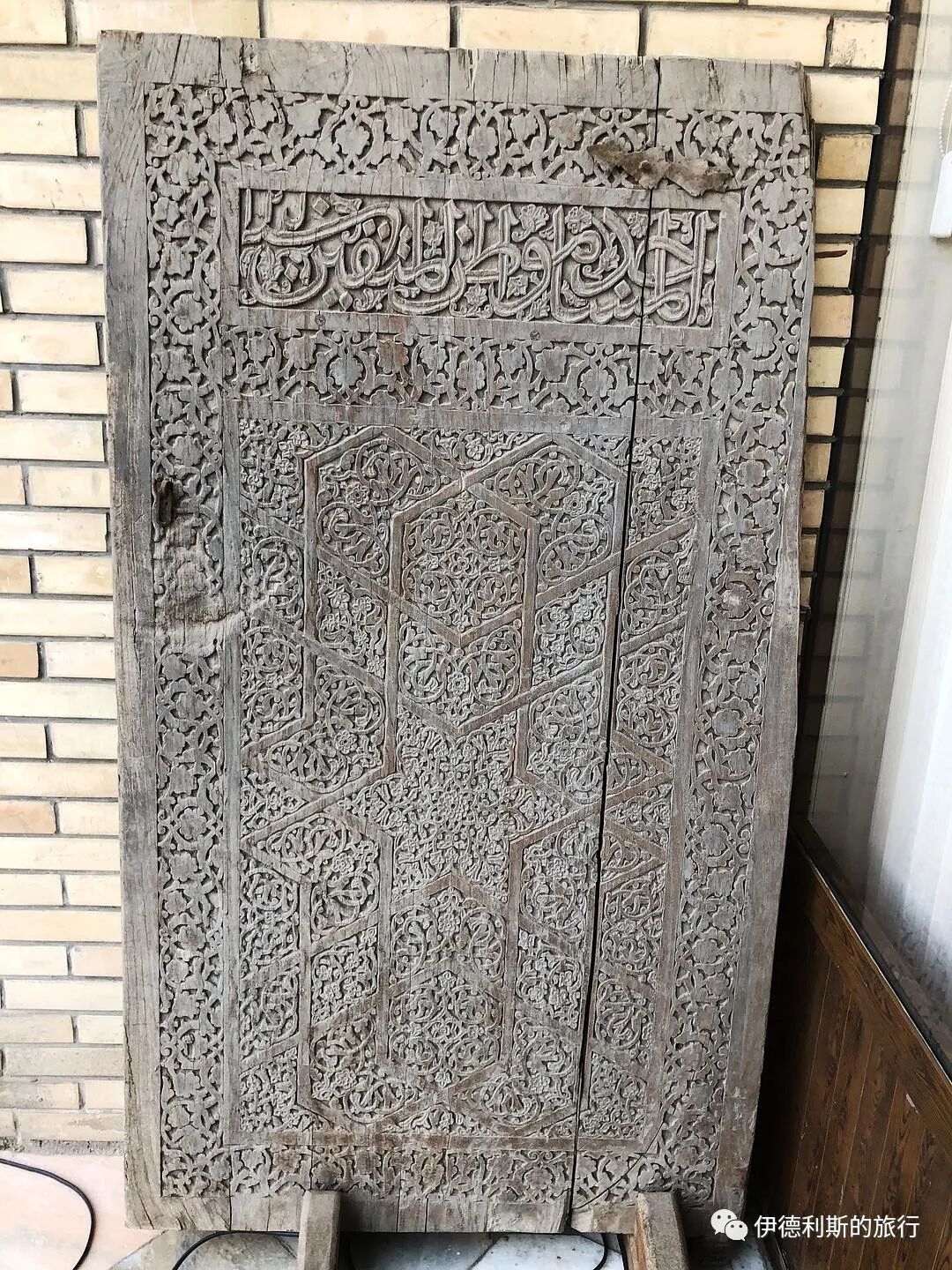
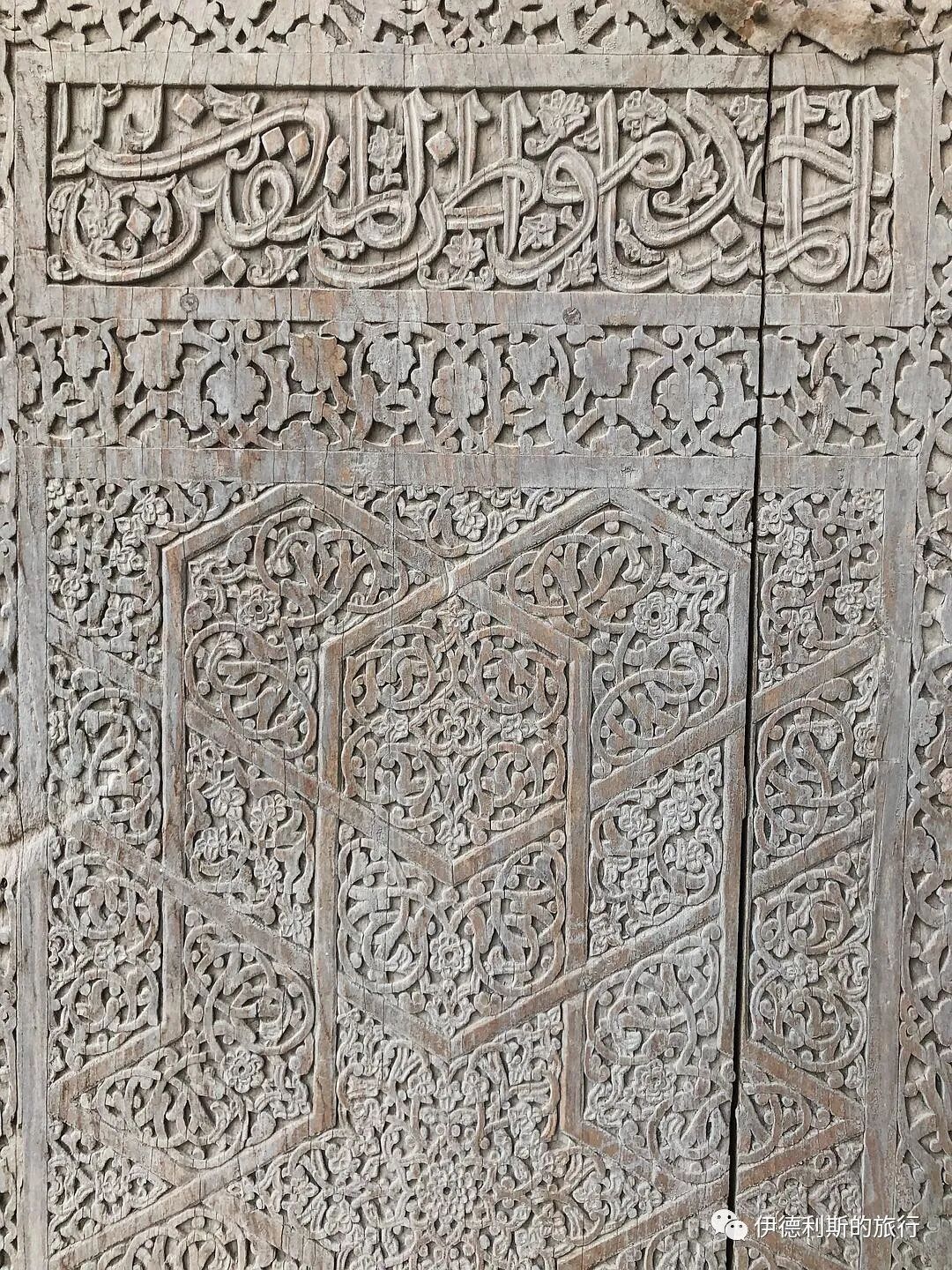
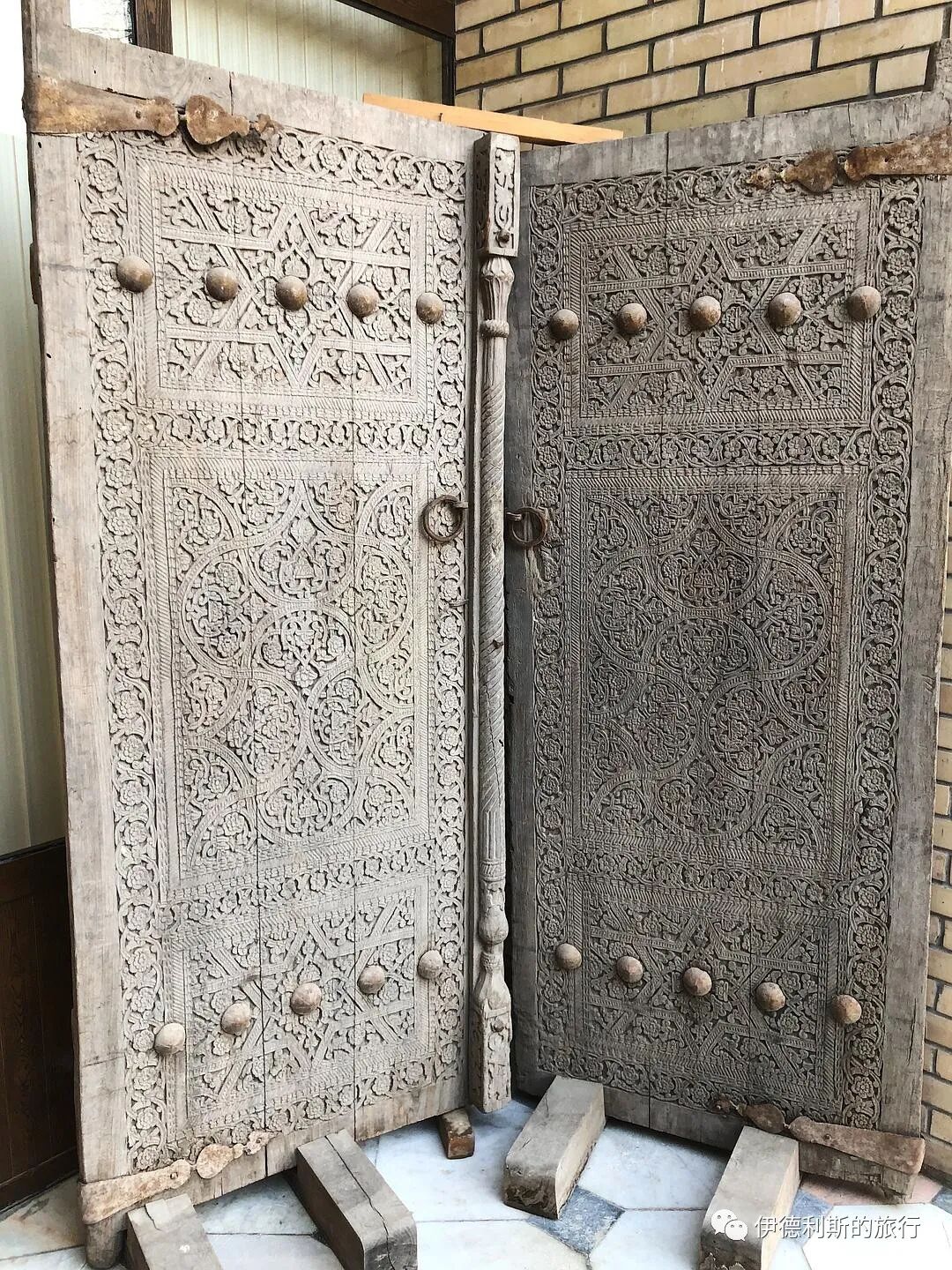
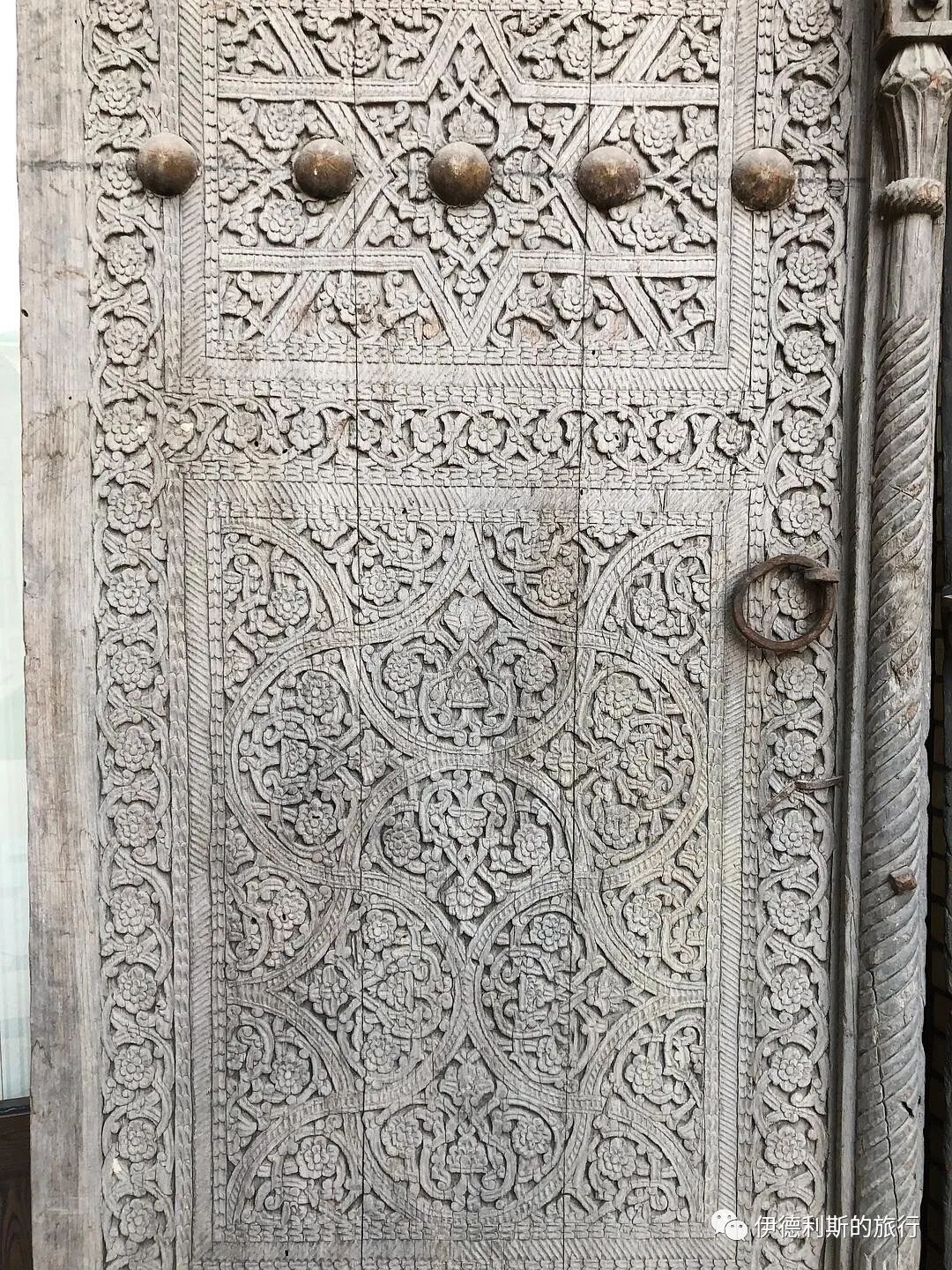
Wooden door.
A beautiful traditional Uzbek wooden door from the museum collection.
Summary: Uzbekistan Applied Arts Museum: Suzani Embroidery, Crafts and Central Asian Heritage is presented here as a firsthand travel account in clear English, beginning with this scene: The State Museum of Applied Arts of Uzbekistan is in Tashkent. It opened in 1937 and holds over 4,000 pieces of traditional crafts from across Uzbekistan, including wood carvings, ceramics, jewelry, and embroidery. The account keeps its focus on Uzbekistan Travel, Islamic Art, Central Asia while preserving the names, places, food, and historical details from the Chinese source.
The State Museum of Applied Arts of Uzbekistan is in Tashkent. It opened in 1937 and holds over 4,000 pieces of traditional crafts from across Uzbekistan, including wood carvings, ceramics, jewelry, and embroidery.
The museum building was once the home of a 19th-century Russian diplomat named Alexander Alexandrovich Polovtsev Jr. His secretary bought the house from a Tashkent merchant, and architect A. A. Burmeyster later renovated it.
This building is a classic example of late 19th-century Uzbek oriental architecture and decorative art. Folk artists worked together on the carvings and paintings, including Usta T. Arsankulov, A. Kazymdzhanov from Tashkent, Usta Shirin Muradov from Bukhara, Usta A. Palvanov from Khiva, and Usta Abdullah from Rishtan.
During World War I, the building held Austrian officer prisoners. After the October Revolution and until the mid-1930s, it served as an orphanage. In 1937, it became a training center for carving and embossing, as well as an embroidery workshop, eventually turning into a museum for handicrafts. In 1997, the museum was transferred to the Ministry of Culture of Uzbekistan and renamed the State Museum of Applied Arts.
Oil paintings
These are oil paintings by Uzbek craftspeople. The first two were painted by V. K. Razvadovsky in 1937.
Suzani embroidery
The word Suzani comes from the Persian word suzan, meaning needle. This type of embroidery is popular in the Transoxiana region of Central Asia. Girls in the Transoxiana region traditionally start learning to sew when they are very young. Before a wedding, the bride's female relatives gather to make a Suzani together. This gathering is called hashar, and they sing and dance while they work. At the wedding, the Suzani is first hung in the bride's home. When the wedding car is ready to leave, the Suzani is taken down, packed up, and brought to the new couple's home to be hung on the wall. After that, the Suzani is usually only hung up for important events and gatherings, and it is kept in a wooden chest at other times.
Suzani is usually made of cotton. Before sewing, the cotton fabric is soaked in tea or onion water to turn the background a light brown color, then colored with various natural dyes. Light yellow comes from saffron, bright yellow from onion skins, brown from nut shells, light purple from black mulberries, deep purple from cherries, gray-blue from raspberries, and orange from henna.
The artists who design the Suzani patterns are called kalamkash. They draw lines with black ink and use bowls and plates to trace circles. Once the pattern is designed, several women embroider it together.
Suzani art reached its peak during the 16th to 19th centuries under the Bukhara Khanate and the Kokand Khanate. By the 19th century, there were six major production centers: Nurota, Bukhara, Samarkand, Shahrisabz, Tashkent, and Fergana.
A 19th-century Suzani embroidery from Bukhara. Bukhara Suzani is the most exquisite of all, known for its beautiful colors and high-quality stitching.
A 19th-century Suzani embroidery from Nurota. Nurota is an ancient Central Asian city built by Alexander the Great in the 4th century BC. In the 19th century, Nurata belonged to the Khanate of Bukhara. Its embroidery (suzani) features clusters of flowers, birds, animals, and highly stylized figures on a white background.
An Andijan suzani embroidery from the 1950s. Andijan is in the southeast of the Fergana Valley. The Fergana Valley is very fertile and is an important cotton-producing region. This area is skilled at producing large decorative suzani. The embroidery is very fine and usually features circular rosettes.
A Gul'kurpa-style suzani embroidery from the Piskent region of Tashkent Province in the 19th century. This type of embroidery uses many floral patterns and is a specialty of the Tashkent region.
A 19th-century Tashkent suzani embroidery. This type of suzani is called 'oy-palak' (moon heaven). Many Tashkent suzani have themes of starry skies, the sun, and the moon.
A late 19th-century Shahrisabz suzani embroidery. Shahrisabz is the hometown of Tamerlane the Great. In the 19th century, it was a weaving center for the Khanate of Bukhara, where many artisans made suzani specifically for the royal court.
A 20th-century suzani embroidery from the Surxondaryo region in the far south of Uzbekistan, near Afghanistan.
A 20th-century Samarkand suzani embroidery. Samarkand has historically been a center for the weaving industry in Central Asia. The suzani here have larger and simpler patterns than those in Bukhara, often featuring deep red rose garlands wrapped in leaves.
Skullcap (doppa).
Various 19th to 20th-century Uzbek skullcaps (doppa) from Samarkand, Shahrisabz, and Andijan. The skullcaps we see on the streets of Uzbekistan today are much simpler than these.
A gold-thread embroidered skullcap (doppa) made in Bukhara between 1940 and 1975.
Jewelry.
On the right is a bracelet made by Azizov K. A. in Tashkent in 1977. On the left is an amulet made by Dzyuba A. in Tashkent in 1982.
An early 20th-century amulet from Bukhara.
An early 20th-century necklace from Bukhara.
A late 19th to early 20th-century chest ornament from Bukhara.
Late 19th to early 20th-century earrings from Samarkand.
Mid-20th-century earrings from Tashkent.
A late 19th to early 20th-century amulet from Tashkent.
Earrings from Fergana in the early 20th century.
Earrings from Surxondaryo Region in the late 19th to early 20th century.
A headpiece from Fergana in the late 19th century.
Earrings from Sirdaryo in the early 20th century.
Wooden door.
A beautiful traditional Uzbek wooden door from the museum collection.
