
Hedda Morrison's Old Beijing Photos: Kaorouwan, Muslim Barbecue and Hui Food
Reposted from the web
Summary: Hedda Morrison's Old Beijing Photos: Kaorouwan, Muslim Barbecue and Hui Food is presented here as a firsthand travel account in clear English, beginning with this scene: German photographer Hedda Morrison moved to Beijing in 1933 to manage a German photography studio in the embassy district. The account keeps its focus on Beijing Halal Food, Old Photos, Hui Muslims while preserving the names, places, food, and historical details from the Chinese source.
German photographer Hedda Morrison moved to Beijing in 1933 to manage a German photography studio in the embassy district. During this time, she rode her bicycle through the streets and alleys of Beijing, taking many interesting photos until she left the city in 1946. Most of Hedda Morrison's work was donated to the Harvard-Yenching Library. It has been digitized and is now on their website, including a set of photos of the old Beijing halal restaurant Kaorouwan.
This set of photos shows every step from slicing the meat and grilling it to making sesame flatbread (shaobing) and eating the meat inside the bread. It gives us a vivid look at what grilled meat on an iron grate (zhizi kaorou) was like 70 or 80 years ago.
Kaorouwan was started during the Qing Dynasty by a Hui Muslim family named Wan from Dachang, east of Beijing. They opened the shop in An'er Hutong near Xuanwumen, specializing in grilled beef on an iron grate served with sesame flatbread. At first, Kaorouwan was just a street stall. It wasn't until the third-generation owner, Wan Yukui, bought a storefront at the west end of An'er Hutong that the business truly became established.
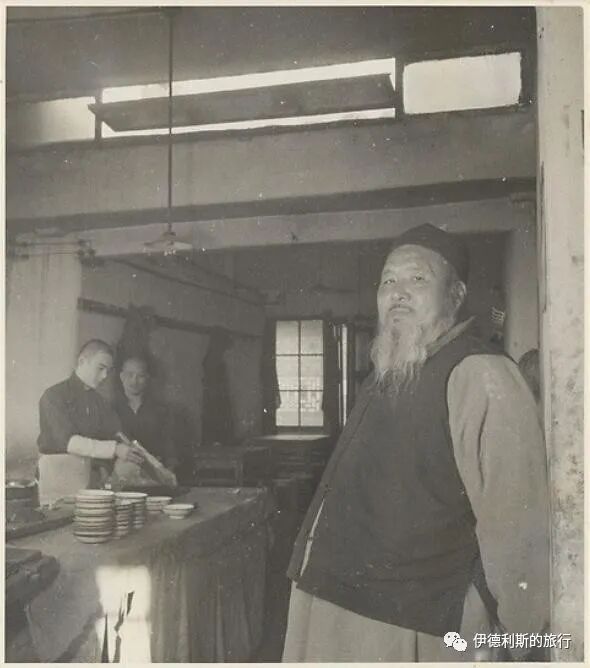
Wan Ba and two assistants.
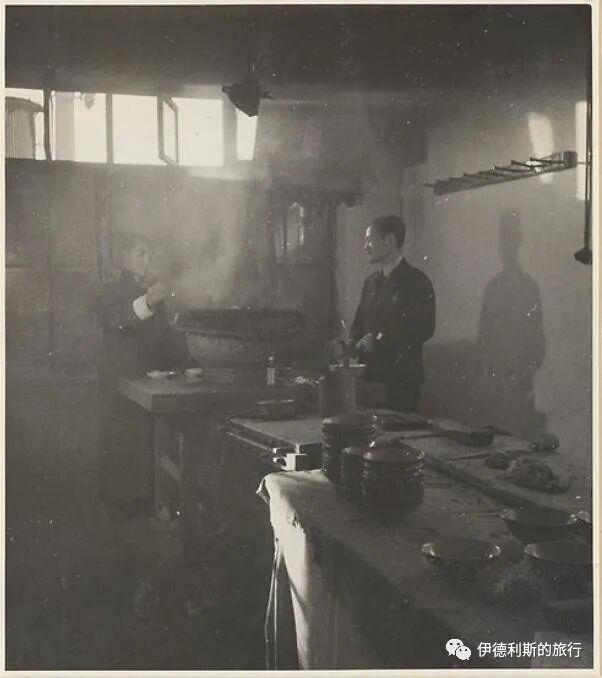
The interior of the shop.
Zhang Zhongxing wrote this in his book Fuxuan Suohua:
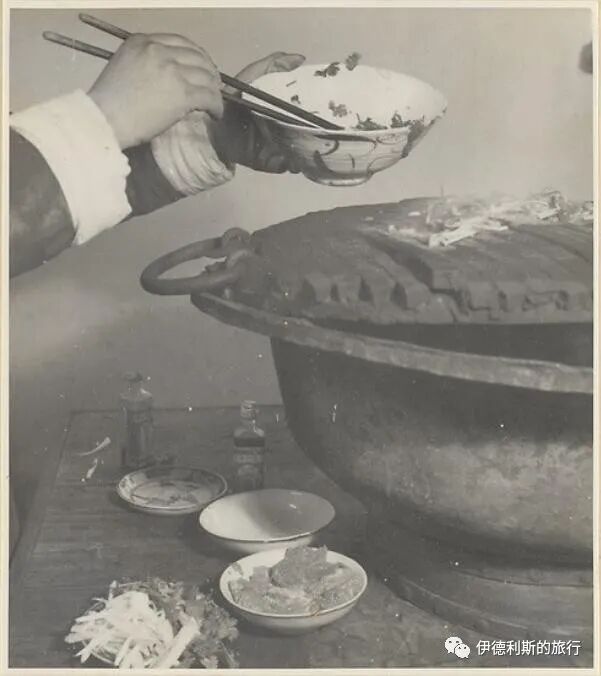
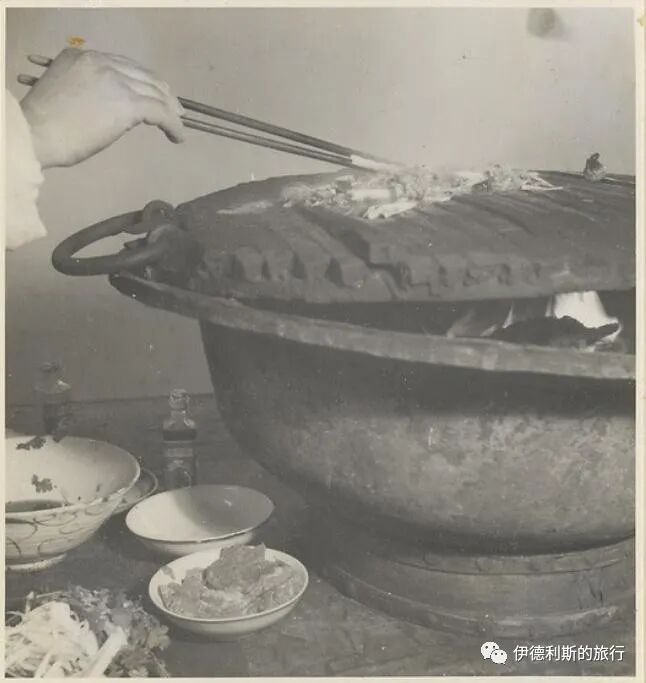
I forget who I was with, but it was summer, and we went to Kaorouwan to try the grilled beef. The shop was very simple, just one large room. On the south side was the grilling area with two iron grates (zhizi) side by side. They looked like millstones, with a round platform about the size of a restaurant table. In the middle was an iron ring over a foot high, topped with an iron grate that was slightly raised in the center.
The iron grate was made of iron strips about three or four fen wide placed side by side. There were gaps between the strips, which were filled with beef juices from constant use. Four rough benches were placed around the round platform for customers to stand at. On the north side was a table holding bowls, chopsticks, chopped green onions, chopped cilantro, sesame paste, soy sauce, and other seasonings. There was also a cutting board for the beef, with the meat, knives, and plates on it.
The man cutting the meat was a big guy around fifty, who I assume was the owner, Mr. Wan. He was quite fat and wore only a pair of unlined trousers, which sat about an inch below his navel. The owner was very capable. Aside from a teenage boy who helped deliver meat and seasonings, he did everything himself, including seating customers and handling the bill. The meat was said to be carefully selected from the meat market early in the morning, and it was sliced well—thin and even.
When we arrived, the owner told the young assistant: 'Two people, let them stand there.' Then, the assistant asked how much we wanted to eat and immediately brought the meat and seasonings. Following the Beijing custom, we kept our right foot on the ground and lifted our left foot onto the bench. We used long bamboo chopsticks to dip the meat slices in seasoning and placed them on the grate. The grate was heated by pine wood, which produced little smoke and a slight fragrance. The grate was very hot, and the meat slices sizzled the moment they touched it. Stir it a few times and it is ready to eat. I take a sip of white liquor (bai gan) and a bite of meat, feeling just like I am in a Mongolian yurt (menggubao) out on the frontier.
I stop drinking halfway through the meal, just as the sesame flatbread (shaobing) arrives. I eat the flatbread with the grilled meat and finish a bowl of porridge, leaving me completely full. I put down my bowl and chopsticks and listen to the shop owner calculating the bill: this item is so many diao (ten copper coins make one diao), that item is so many diao, and here is the total. While calculating, the owner does not stop his knife; he keeps on slicing. I am very satisfied with this meal and will definitely want to come back again.
Every visit is rewarding. Eating well is one thing, but it is even more interesting to watch the owner’s style. With his big belly exposed, he stays busy but calm, truly living up to the description of being open and magnanimous.
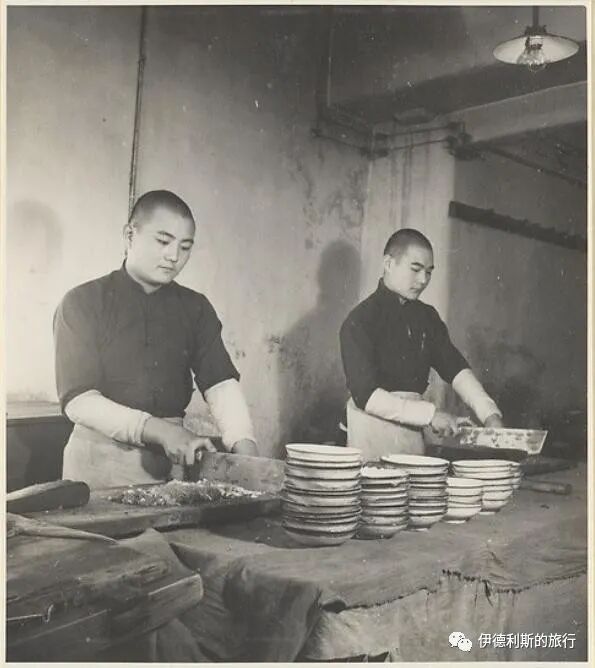
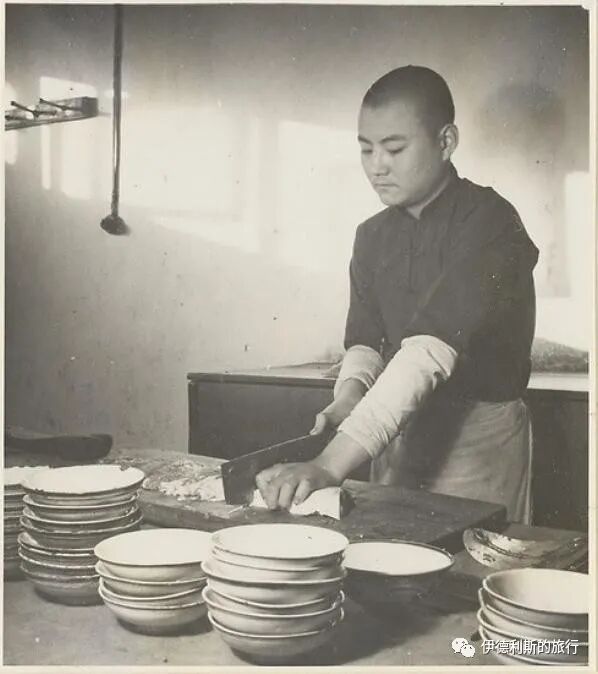
The assistant is slicing meat.
Jin Shoushen wrote in Life in Old Beijing:
The owner of Kaorouwan, Wan Laowu, was originally a flatbread stall owner. Back in the days when it was popular to sell grilled meat from small carts, the Wan family sold grilled meat on a griddle (zhizi kaorou) at the west entrance of An'er Hutong. Over the years, business grew, so they set up a shed to sell the meat and added a second iron griddle. Every day, carriages and horses crowded the entrance, but the shop remained a simple shed. The secret to Kaorouwan is that they use truly high-quality young beef (Kaorouwan specializes in beef), making it fresh, tender, and delicious. Wan Laowu is incredibly talented. He hand-slices about a hundred pounds of beef every day. He uses a money-counting system for sales, and no matter how many customers there are, he slices meat and calculates bills at the same time, using all his senses to ensure not even the price of a cucumber is wrong.
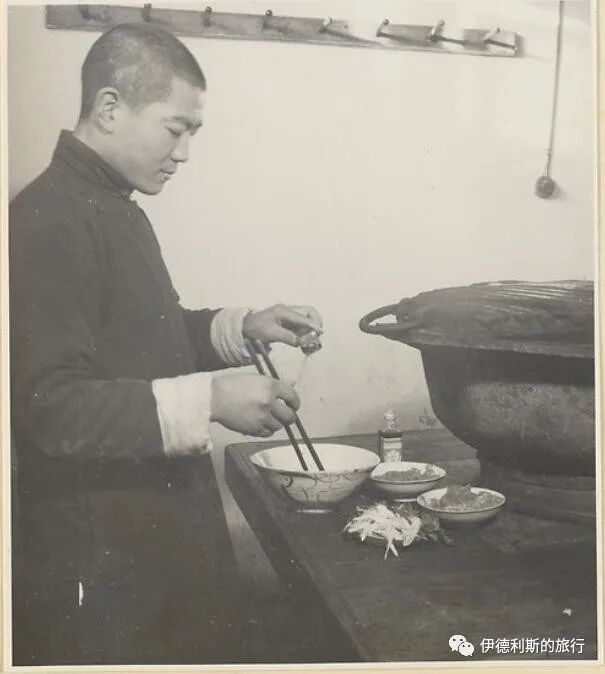
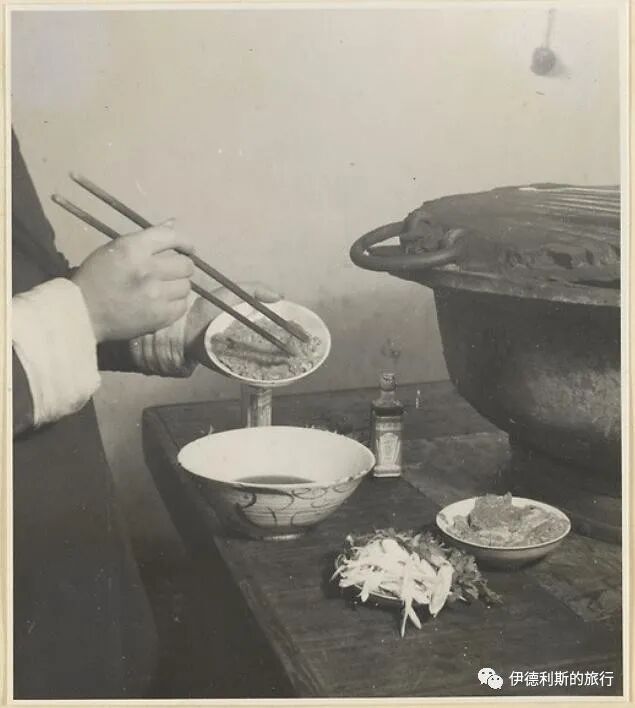
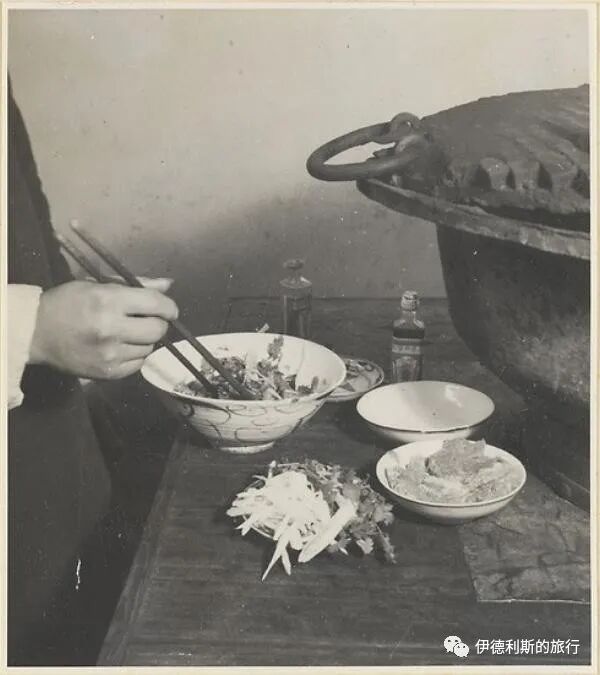
The assistant is preparing the marinade and then mixing it with the meat.
Wang Yongbin wrote in Beijing's Commercial Streets and Old Brands:
Kaorouwan is famous far and wide for its thriving business, thanks to their careful selection of meat, thin slices, complete seasonings, and fresh, delicious flavor. Kaorouwan sends people to the Madian beef and mutton market outside Deshengmen to select fat sheep from north of the pass. The way Kaorouwan slices meat is a family craft. The meat must be three inches long, one inch wide, and as thin as paper. This way, the meat cooks quickly on the griddle and is easy for customers to chew and swallow. Eating grilled meat requires green onions, which are cut into half-inch diagonal slices for customers to use while grilling. Each customer is given a blue-rimmed porcelain bowl containing seasonings like high-quality soy sauce, sesame oil, cooking wine, white sugar, minced green onion, minced ginger, minced garlic, and salt. Back then, Kaorouwan had customers grill and eat the meat themselves. Each person held a pair of wooden chopsticks over a foot long, with one foot on a bench and the other on the ground, grilling and eating at the same time.
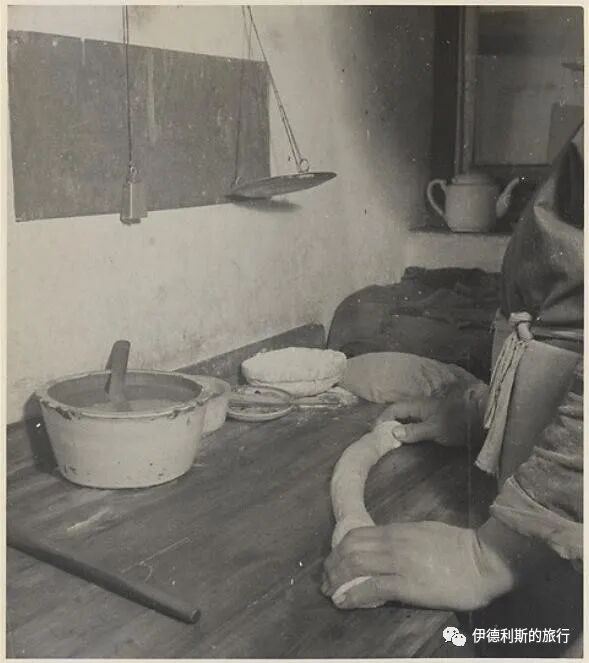
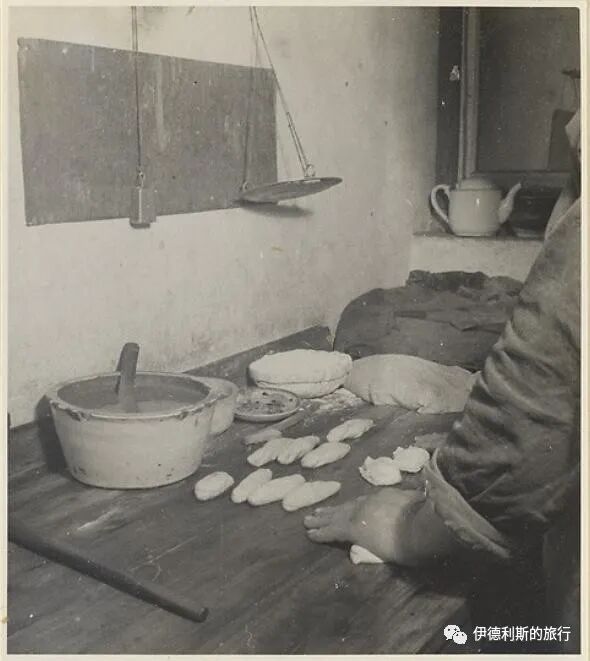
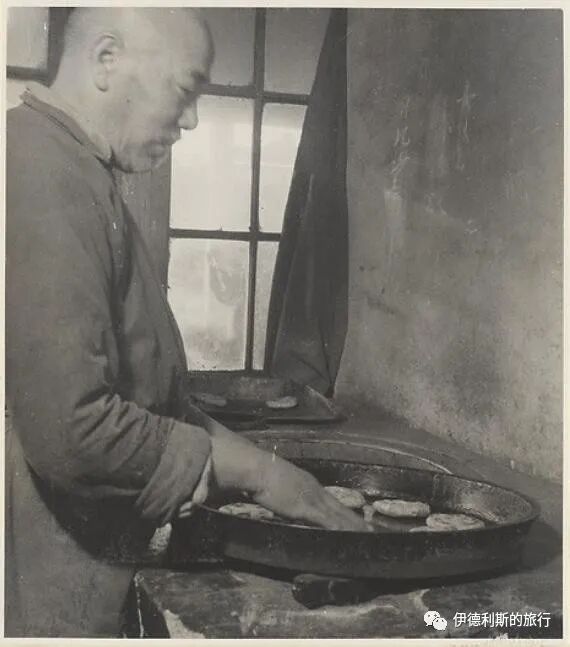
Making the sesame flatbread (shaobing) to go with the grilled meat.
Jin Yunzhen wrote in "Fragments of Memories" (Douding Suoyi):
On the east side of Xuanwumen Inner Street in Beijing, near Rongxian Hutong, there used to be a small shop (really just a food shed) that specialized in roasted beef, known as the famous Kaorou Wan. This Kaorou Wan had many unique features. Although the restaurant was small, it had been in the family for six generations. When I was around twenty years old (roughly 1930), the person running it was a middle-aged man over forty. Beijingers followed the customs of Hui Muslims and respectfully called him "Wan Ba," which means Master Wan. He had a large head, thick eyebrows, bright eyes, and a short, sturdy build. He was quick, sharp-minded, and very organized. He was very strict about choosing meat and only used the chuck (shangnao). His meat-slicing technique was fast and skillful, producing large, thin slices without any gristle, making the meat incredibly tender and fatty. The beef had a milky aroma and tasted delicious when roasted, which is why Kaorou Wan stayed famous for so long.
Kaorou Wan was just a small shop with two gray sheds built on the sidewalk by the road. It was divided into an inner and outer room. The inner room had two roasting grills (zhizi). Because there were so many customers, they used large grills three feet in diameter, set over a fire basin with an iron ring. Below were large round tables, and each table could fit ten people standing around it. Customers had no seats and stood with one foot on a long wooden bench. All the seasonings, meat, bowls, sesame flatbread (shaobing), and wine were placed on the edge of the round table. People held two-foot-long wooden chopsticks (as thick as rattan, otherwise you couldn't reach the grill through the crowd) and ate with gusto, showing a rugged style. The beef was priced by the bowl, with each bowl weighing ten old-style taels. Half bowls were also sold. For an adult with a normal appetite, ten taels were enough, and those with a big appetite could add half a bowl. Seasonings were sold individually, such as a dish of green onions or a dish of soy sauce, and you could add or remove items like sesame flatbread (shaobing) as you liked. You had to bring your own wine at first, but later they started selling liquor (shaojiu) by the two-tael bowl. At that time, a full meal for one person cost five or six jiao, which was a big expense. A simple meal at a small restaurant for an average person, without wine, cost less than two jiao, so spending five or six jiao on a meal was considered extravagant for most residents.
Every late autumn, when passing by Xuanwumen Street, the smell of roasted meat would linger in the air, which was very tempting. Most customers were lower-middle-class citizens and working people; the wealthy and powerful did not visit. Later, Kaorou Wan became famous, and some wealthy families came to try the unique taste of the roasted beef and spread the word. Eventually, prominent figures arriving in cars with servants, and even noblewomen covered in jewelry, began to visit. These people didn't mind "losing their status" by squeezing in among the sweating, hungry men to eat roasted meat with long wooden chopsticks. Master Wan was completely unfazed. He didn't consider setting up a "VIP area" or getting up to flatter them. He just kept doing things his own way and treated everyone the same, a quality that was highly valued among small merchants in Beijing at the time.
Kaorou Wan not only serves excellent meat, but the master chef Wan himself is unique for his simple and meticulous style, his skilled and refined technique, his sharp mind, and his organized memory. These things left a deep impression in my observations and memories. Since his business was just two gray sheds, he did not have many staff; I remember he only had two young assistants besides himself. They just ran back and forth, moved supplies, and washed bowls and chopsticks. Besides handling the accounts, greeting guests, and looking after their coats, his main job was standing at the counter to slice meat. His meat-slicing technique was superb, and even when twenty people ate at once, he never failed to keep up with the demand. Whenever the place was packed and people were bumping into each other looking for seats, he watched everything, listened to everything, kept reciting the accounts, never stopped slicing meat, greeted guests, and arranged for early arrivals to eat in order. This person came first, please sit over there. Please wait a moment, you arrived a step later than this person. During all this, he also had to collect money and nod goodbye to guests. At the same time, he noticed if someone took the wrong umbrella or where someone else hung their hat and coat. His calm and organized attitude was truly amazing.
Roast meat, eating meat.
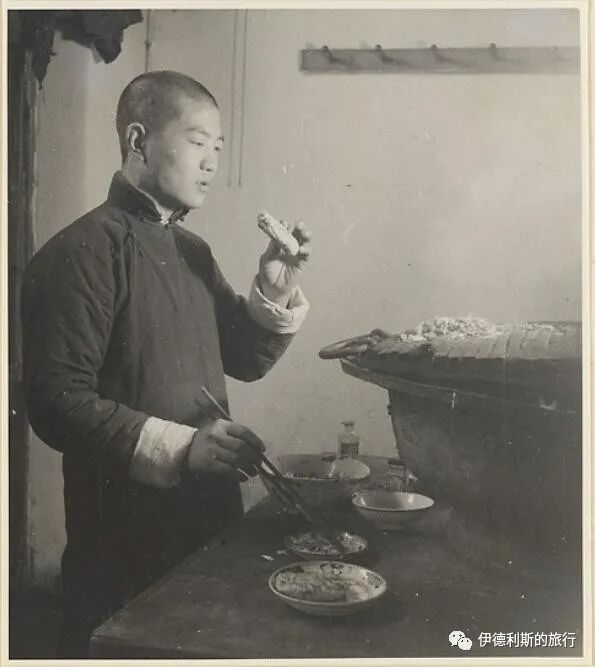
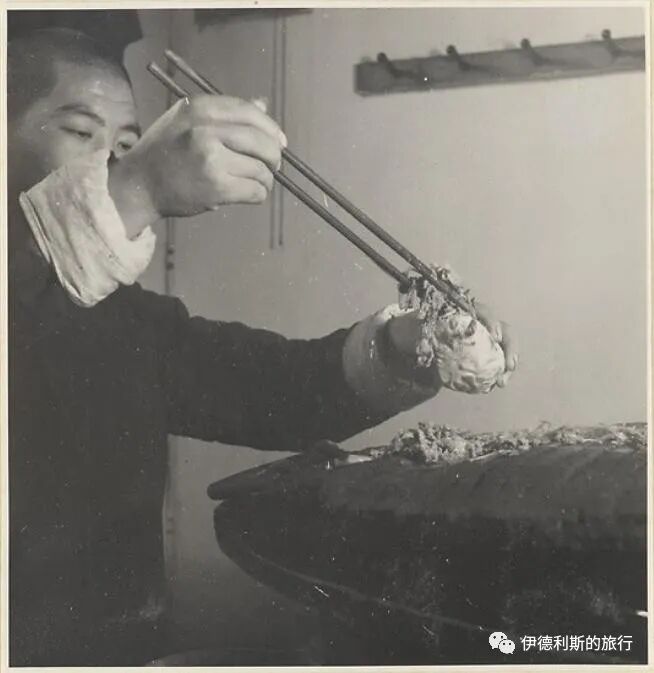
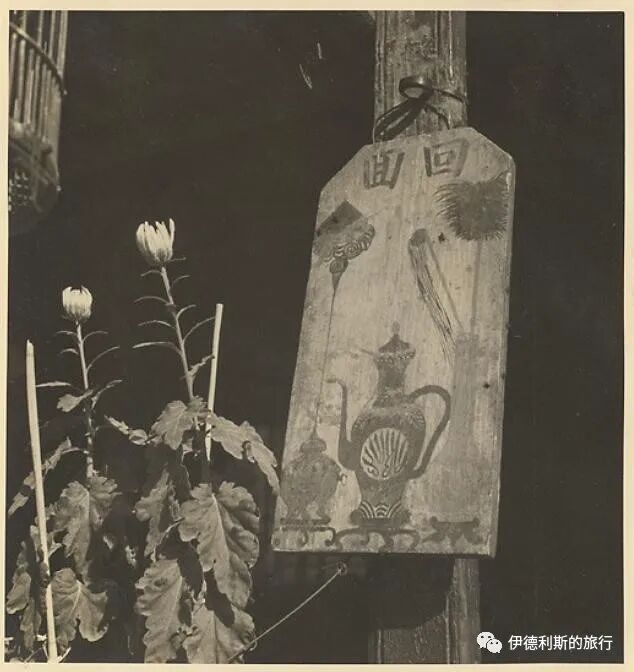
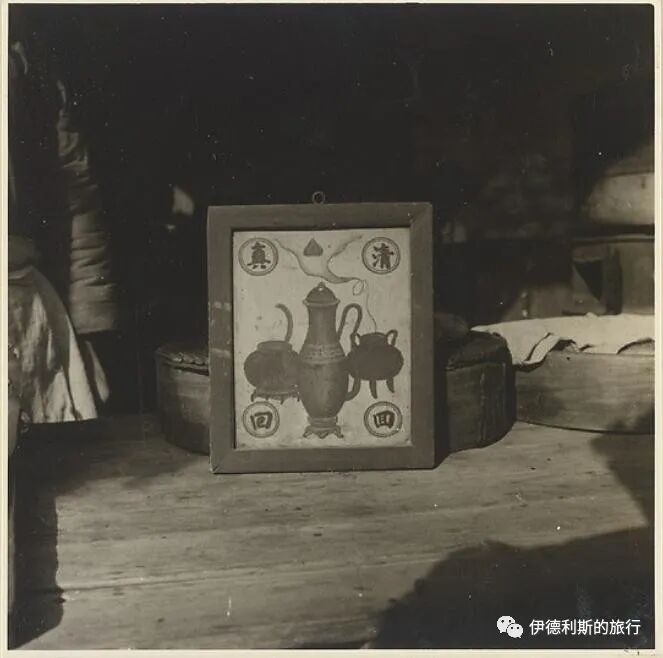
I will also share a few photos taken by Hedda Morrison in Beijing of halal signs and halal snacks.
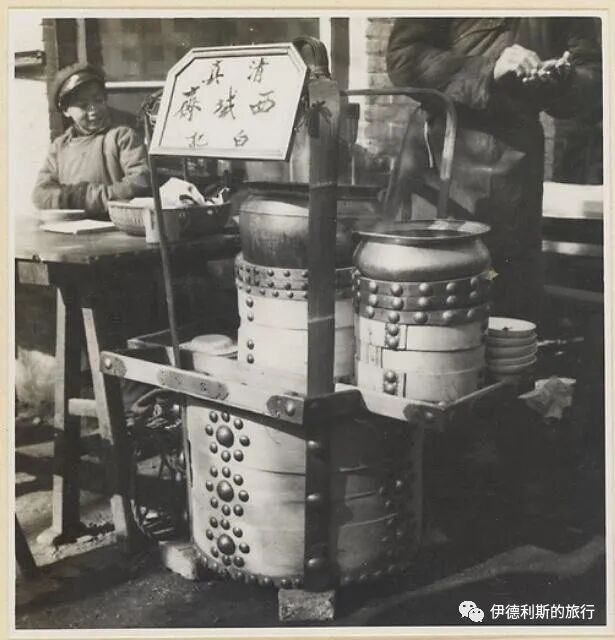
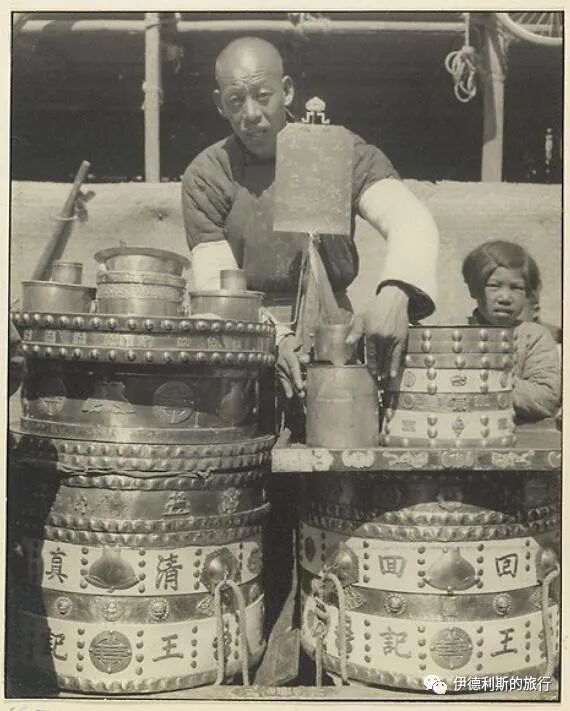
Summary: Hedda Morrison's Old Beijing Photos: Kaorouwan, Muslim Barbecue and Hui Food is presented here as a firsthand travel account in clear English, beginning with this scene: German photographer Hedda Morrison moved to Beijing in 1933 to manage a German photography studio in the embassy district. The account keeps its focus on Beijing Halal Food, Old Photos, Hui Muslims while preserving the names, places, food, and historical details from the Chinese source.
German photographer Hedda Morrison moved to Beijing in 1933 to manage a German photography studio in the embassy district. During this time, she rode her bicycle through the streets and alleys of Beijing, taking many interesting photos until she left the city in 1946. Most of Hedda Morrison's work was donated to the Harvard-Yenching Library. It has been digitized and is now on their website, including a set of photos of the old Beijing halal restaurant Kaorouwan.
This set of photos shows every step from slicing the meat and grilling it to making sesame flatbread (shaobing) and eating the meat inside the bread. It gives us a vivid look at what grilled meat on an iron grate (zhizi kaorou) was like 70 or 80 years ago.
Kaorouwan was started during the Qing Dynasty by a Hui Muslim family named Wan from Dachang, east of Beijing. They opened the shop in An'er Hutong near Xuanwumen, specializing in grilled beef on an iron grate served with sesame flatbread. At first, Kaorouwan was just a street stall. It wasn't until the third-generation owner, Wan Yukui, bought a storefront at the west end of An'er Hutong that the business truly became established.
Wan Ba and two assistants.
The interior of the shop.
Zhang Zhongxing wrote this in his book Fuxuan Suohua:
I forget who I was with, but it was summer, and we went to Kaorouwan to try the grilled beef. The shop was very simple, just one large room. On the south side was the grilling area with two iron grates (zhizi) side by side. They looked like millstones, with a round platform about the size of a restaurant table. In the middle was an iron ring over a foot high, topped with an iron grate that was slightly raised in the center.
The iron grate was made of iron strips about three or four fen wide placed side by side. There were gaps between the strips, which were filled with beef juices from constant use. Four rough benches were placed around the round platform for customers to stand at. On the north side was a table holding bowls, chopsticks, chopped green onions, chopped cilantro, sesame paste, soy sauce, and other seasonings. There was also a cutting board for the beef, with the meat, knives, and plates on it.
The man cutting the meat was a big guy around fifty, who I assume was the owner, Mr. Wan. He was quite fat and wore only a pair of unlined trousers, which sat about an inch below his navel. The owner was very capable. Aside from a teenage boy who helped deliver meat and seasonings, he did everything himself, including seating customers and handling the bill. The meat was said to be carefully selected from the meat market early in the morning, and it was sliced well—thin and even.
When we arrived, the owner told the young assistant: 'Two people, let them stand there.' Then, the assistant asked how much we wanted to eat and immediately brought the meat and seasonings. Following the Beijing custom, we kept our right foot on the ground and lifted our left foot onto the bench. We used long bamboo chopsticks to dip the meat slices in seasoning and placed them on the grate. The grate was heated by pine wood, which produced little smoke and a slight fragrance. The grate was very hot, and the meat slices sizzled the moment they touched it. Stir it a few times and it is ready to eat. I take a sip of white liquor (bai gan) and a bite of meat, feeling just like I am in a Mongolian yurt (menggubao) out on the frontier.
I stop drinking halfway through the meal, just as the sesame flatbread (shaobing) arrives. I eat the flatbread with the grilled meat and finish a bowl of porridge, leaving me completely full. I put down my bowl and chopsticks and listen to the shop owner calculating the bill: this item is so many diao (ten copper coins make one diao), that item is so many diao, and here is the total. While calculating, the owner does not stop his knife; he keeps on slicing. I am very satisfied with this meal and will definitely want to come back again.
Every visit is rewarding. Eating well is one thing, but it is even more interesting to watch the owner’s style. With his big belly exposed, he stays busy but calm, truly living up to the description of being open and magnanimous.
The assistant is slicing meat.
Jin Shoushen wrote in Life in Old Beijing:
The owner of Kaorouwan, Wan Laowu, was originally a flatbread stall owner. Back in the days when it was popular to sell grilled meat from small carts, the Wan family sold grilled meat on a griddle (zhizi kaorou) at the west entrance of An'er Hutong. Over the years, business grew, so they set up a shed to sell the meat and added a second iron griddle. Every day, carriages and horses crowded the entrance, but the shop remained a simple shed. The secret to Kaorouwan is that they use truly high-quality young beef (Kaorouwan specializes in beef), making it fresh, tender, and delicious. Wan Laowu is incredibly talented. He hand-slices about a hundred pounds of beef every day. He uses a money-counting system for sales, and no matter how many customers there are, he slices meat and calculates bills at the same time, using all his senses to ensure not even the price of a cucumber is wrong.
The assistant is preparing the marinade and then mixing it with the meat.
Wang Yongbin wrote in Beijing's Commercial Streets and Old Brands:
Kaorouwan is famous far and wide for its thriving business, thanks to their careful selection of meat, thin slices, complete seasonings, and fresh, delicious flavor. Kaorouwan sends people to the Madian beef and mutton market outside Deshengmen to select fat sheep from north of the pass. The way Kaorouwan slices meat is a family craft. The meat must be three inches long, one inch wide, and as thin as paper. This way, the meat cooks quickly on the griddle and is easy for customers to chew and swallow. Eating grilled meat requires green onions, which are cut into half-inch diagonal slices for customers to use while grilling. Each customer is given a blue-rimmed porcelain bowl containing seasonings like high-quality soy sauce, sesame oil, cooking wine, white sugar, minced green onion, minced ginger, minced garlic, and salt. Back then, Kaorouwan had customers grill and eat the meat themselves. Each person held a pair of wooden chopsticks over a foot long, with one foot on a bench and the other on the ground, grilling and eating at the same time.
Making the sesame flatbread (shaobing) to go with the grilled meat.
Jin Yunzhen wrote in "Fragments of Memories" (Douding Suoyi):
On the east side of Xuanwumen Inner Street in Beijing, near Rongxian Hutong, there used to be a small shop (really just a food shed) that specialized in roasted beef, known as the famous Kaorou Wan. This Kaorou Wan had many unique features. Although the restaurant was small, it had been in the family for six generations. When I was around twenty years old (roughly 1930), the person running it was a middle-aged man over forty. Beijingers followed the customs of Hui Muslims and respectfully called him "Wan Ba," which means Master Wan. He had a large head, thick eyebrows, bright eyes, and a short, sturdy build. He was quick, sharp-minded, and very organized. He was very strict about choosing meat and only used the chuck (shangnao). His meat-slicing technique was fast and skillful, producing large, thin slices without any gristle, making the meat incredibly tender and fatty. The beef had a milky aroma and tasted delicious when roasted, which is why Kaorou Wan stayed famous for so long.
Kaorou Wan was just a small shop with two gray sheds built on the sidewalk by the road. It was divided into an inner and outer room. The inner room had two roasting grills (zhizi). Because there were so many customers, they used large grills three feet in diameter, set over a fire basin with an iron ring. Below were large round tables, and each table could fit ten people standing around it. Customers had no seats and stood with one foot on a long wooden bench. All the seasonings, meat, bowls, sesame flatbread (shaobing), and wine were placed on the edge of the round table. People held two-foot-long wooden chopsticks (as thick as rattan, otherwise you couldn't reach the grill through the crowd) and ate with gusto, showing a rugged style. The beef was priced by the bowl, with each bowl weighing ten old-style taels. Half bowls were also sold. For an adult with a normal appetite, ten taels were enough, and those with a big appetite could add half a bowl. Seasonings were sold individually, such as a dish of green onions or a dish of soy sauce, and you could add or remove items like sesame flatbread (shaobing) as you liked. You had to bring your own wine at first, but later they started selling liquor (shaojiu) by the two-tael bowl. At that time, a full meal for one person cost five or six jiao, which was a big expense. A simple meal at a small restaurant for an average person, without wine, cost less than two jiao, so spending five or six jiao on a meal was considered extravagant for most residents.
Every late autumn, when passing by Xuanwumen Street, the smell of roasted meat would linger in the air, which was very tempting. Most customers were lower-middle-class citizens and working people; the wealthy and powerful did not visit. Later, Kaorou Wan became famous, and some wealthy families came to try the unique taste of the roasted beef and spread the word. Eventually, prominent figures arriving in cars with servants, and even noblewomen covered in jewelry, began to visit. These people didn't mind "losing their status" by squeezing in among the sweating, hungry men to eat roasted meat with long wooden chopsticks. Master Wan was completely unfazed. He didn't consider setting up a "VIP area" or getting up to flatter them. He just kept doing things his own way and treated everyone the same, a quality that was highly valued among small merchants in Beijing at the time.
Kaorou Wan not only serves excellent meat, but the master chef Wan himself is unique for his simple and meticulous style, his skilled and refined technique, his sharp mind, and his organized memory. These things left a deep impression in my observations and memories. Since his business was just two gray sheds, he did not have many staff; I remember he only had two young assistants besides himself. They just ran back and forth, moved supplies, and washed bowls and chopsticks. Besides handling the accounts, greeting guests, and looking after their coats, his main job was standing at the counter to slice meat. His meat-slicing technique was superb, and even when twenty people ate at once, he never failed to keep up with the demand. Whenever the place was packed and people were bumping into each other looking for seats, he watched everything, listened to everything, kept reciting the accounts, never stopped slicing meat, greeted guests, and arranged for early arrivals to eat in order. This person came first, please sit over there. Please wait a moment, you arrived a step later than this person. During all this, he also had to collect money and nod goodbye to guests. At the same time, he noticed if someone took the wrong umbrella or where someone else hung their hat and coat. His calm and organized attitude was truly amazing.
Roast meat, eating meat.
I will also share a few photos taken by Hedda Morrison in Beijing of halal signs and halal snacks.
