
Urumqi Hui Muslim Home Cooking: 15 Halal Dishes (Part 1)
Reposted from the web
Summary: Urumqi Hui Muslim Home Cooking: 15 Halal Dishes is presented here as a firsthand travel account in clear English, beginning with this scene: My mother-in-law came to Beijing in March and made us 15 Urumqi Hui Muslim dishes: big plate chicken with belt noodles (dapanji pidaimian), lamb hand-torn noodle soup (yangrou jiupianzi), Xinjiang meatball soup. The account keeps its focus on Urumqi Halal Food, Hui Muslim Food, Xinjiang Travel while preserving the names, places, food, and historical details from the Chinese source.
My mother-in-law came to Beijing in March and made us 15 Urumqi Hui Muslim dishes: big plate chicken with belt noodles (dapanji pidaimian), lamb hand-torn noodle soup (yangrou jiupianzi), Xinjiang meatball soup (xinjiang wanzitang), dry-mixed noodles with lamb bean paste (yangrou zhajiang ganbanmian), lamb sour soup wontons (yangrou suantang huntun), Jingzhe oil tea eggs (jingzhe youcha dan), thin-skinned buns (baopi baozi), lamb vermicelli soup (yangrou fentang), cold-dressed chicken (liangban ji), diced stir-fried noodles (dingding chaomian), sour soup noodles with minced meat (suantang saozi mian), fragrant bean flower rolls (xiangdou huajuan), plate noodles (panzi mian), flavored fried starch jelly (fengwei zha menzi), and lamb and celery dumplings (yangrou qincai jiaozi). Since the official account can only insert 10 video channel clips, I will share the first 8 this time.
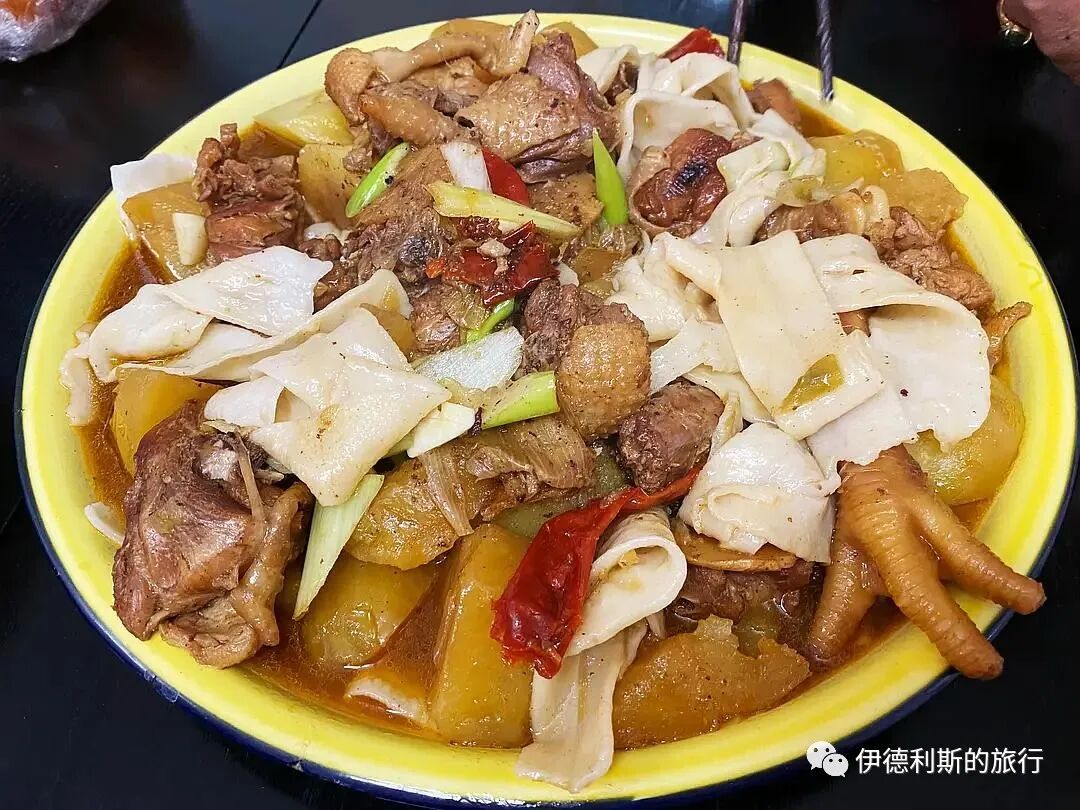
1. Big plate chicken with belt noodles (dapanji pidaimian)
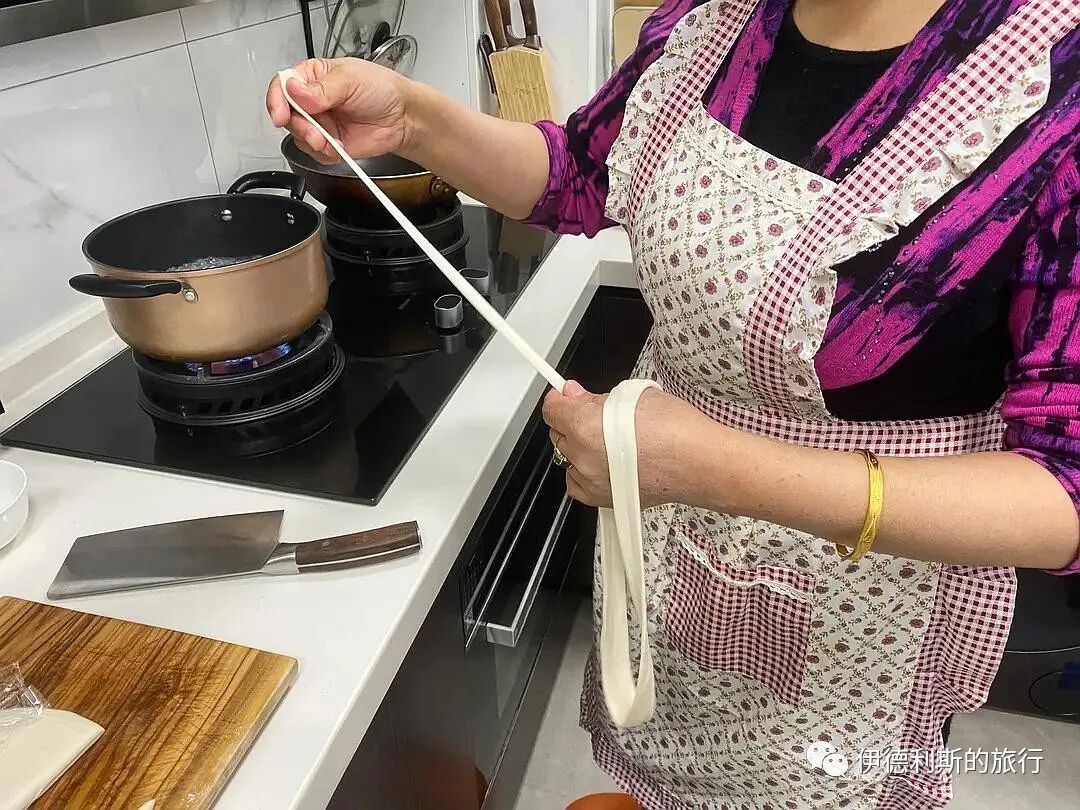
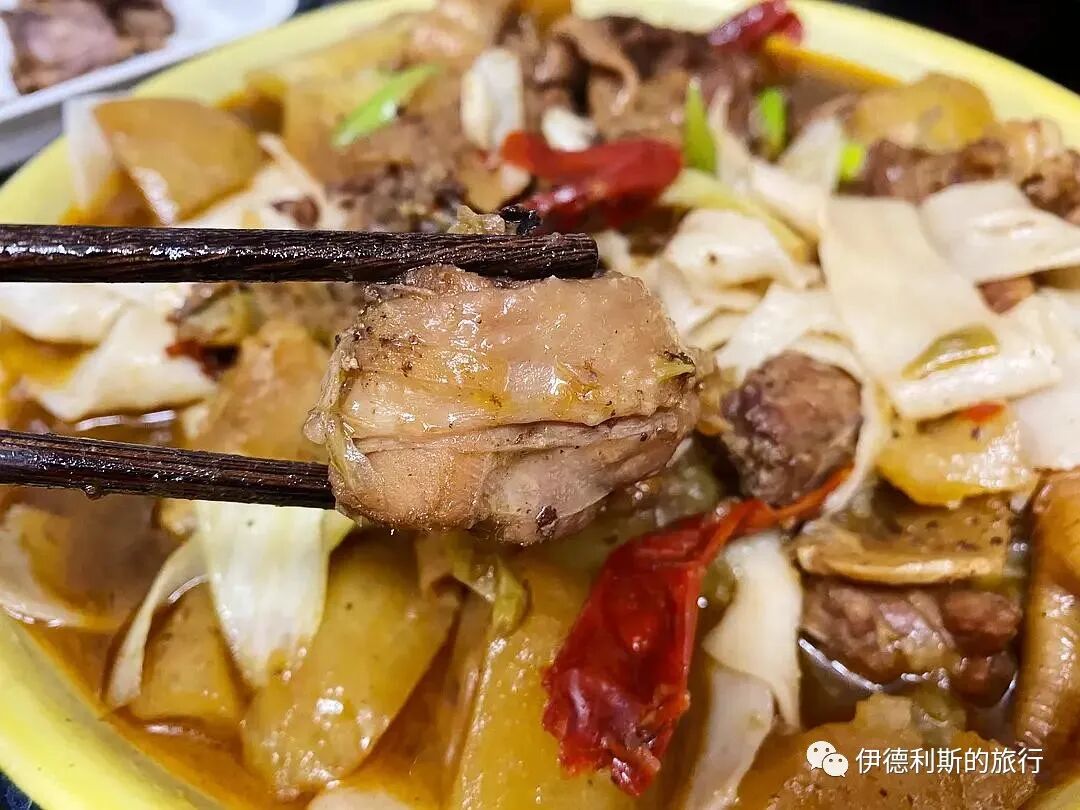
My mother-in-law brought free-range chicken all the way from Urumqi. First, stir-fry the chicken with plenty of oil. Add chicken pieces, dried chili skins (lapizi), and ginger slices to the pot. Then add salt, Sichuan peppercorn powder, black pepper powder, tomato paste, bean paste, green onions, and garlic. Stir-fry until the blood is gone, then add soy sauce. Next, stew the chicken in a pressure cooker, adding water, the chicken, and potato chunks. After opening the pot, take out the potatoes, then add green onions, garlic, and vinegar.
Once finished, stretch the belt noodles; they taste best soaked in the big plate chicken broth.
2. Lamb hand-torn noodle soup (yangrou jiupianzi)
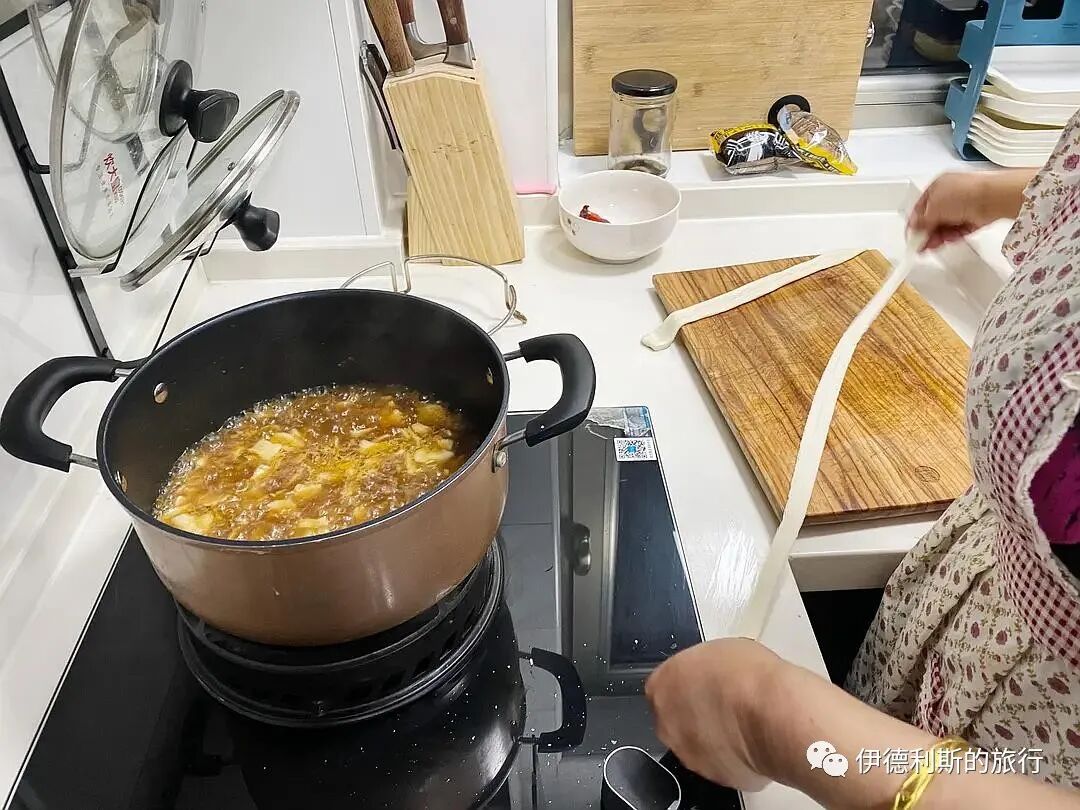
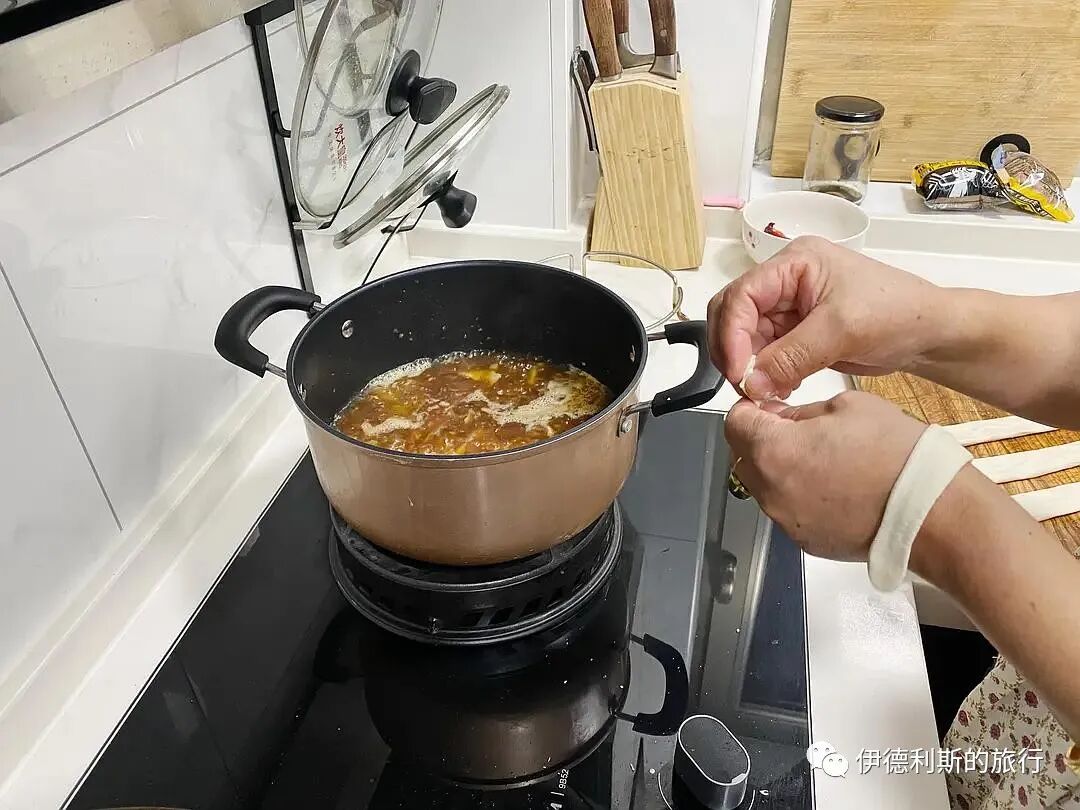
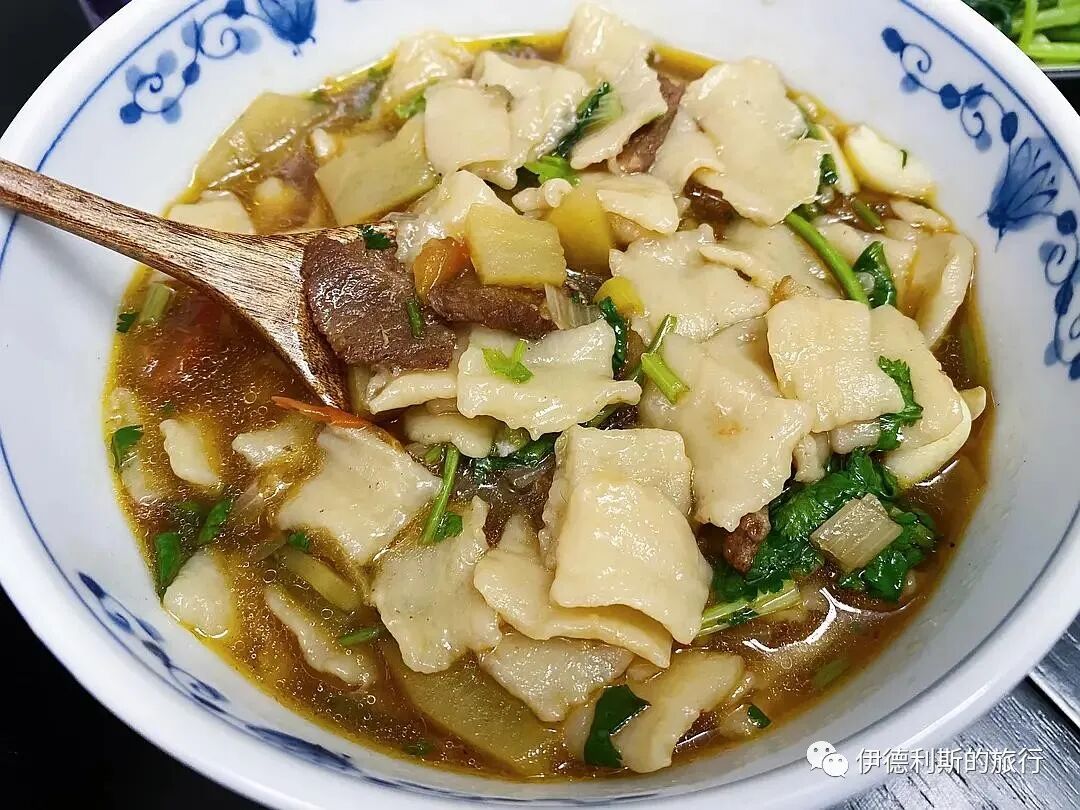
First, stir-fry lamb slices with tomatoes (yangshizi), green onions, and garlic. Add soy sauce and stir-fried potato slices, then add water. Stretch the dough and tear off small pieces into the pot. Finally, add black pepper powder and cilantro, and finish with a splash of vinegar.
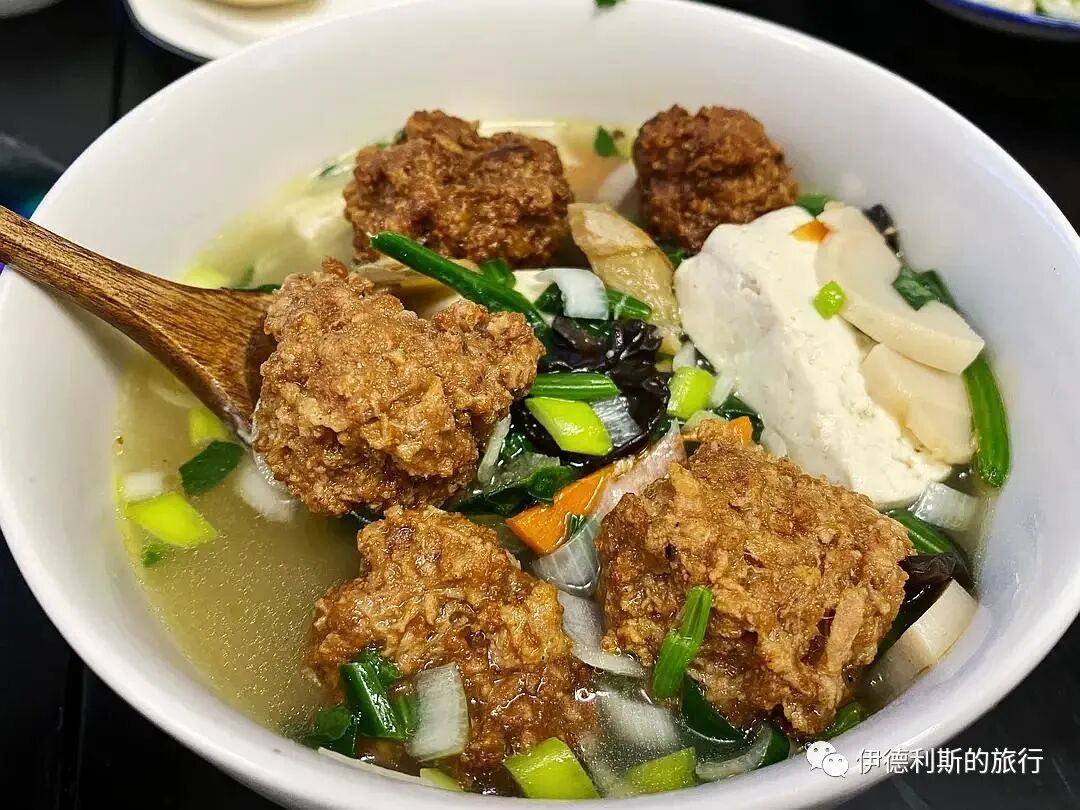
3. Xinjiang meatball soup (xinjiang wanzitang)
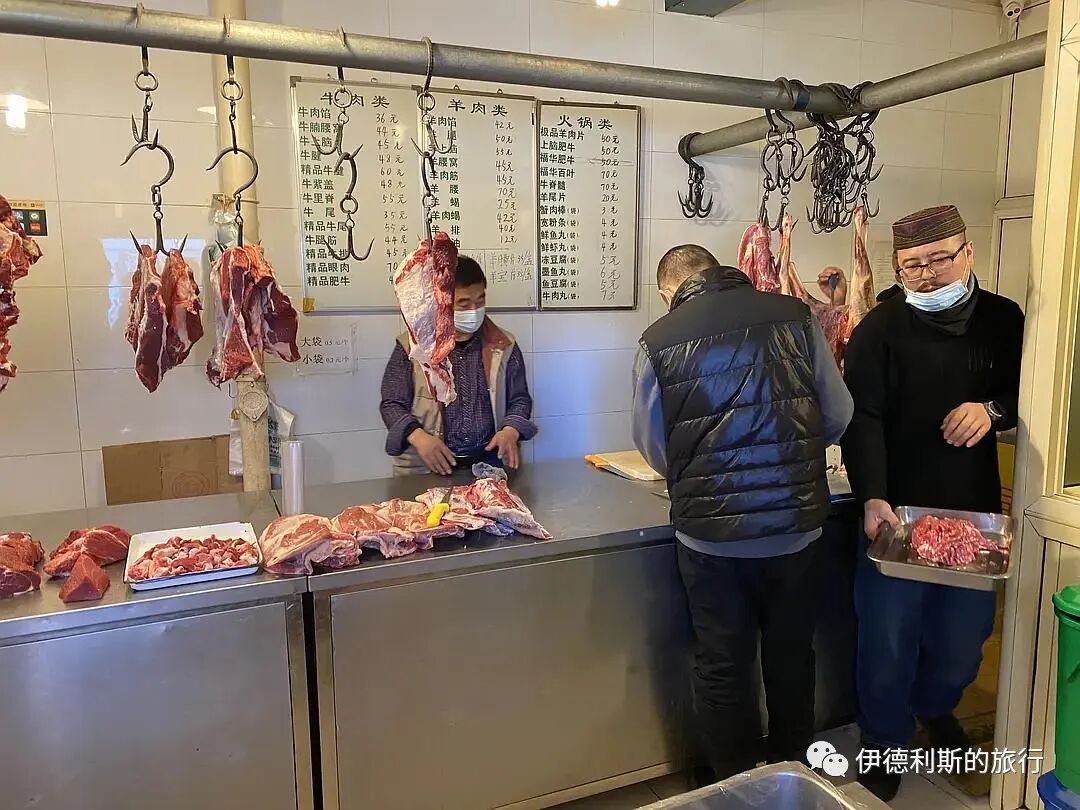
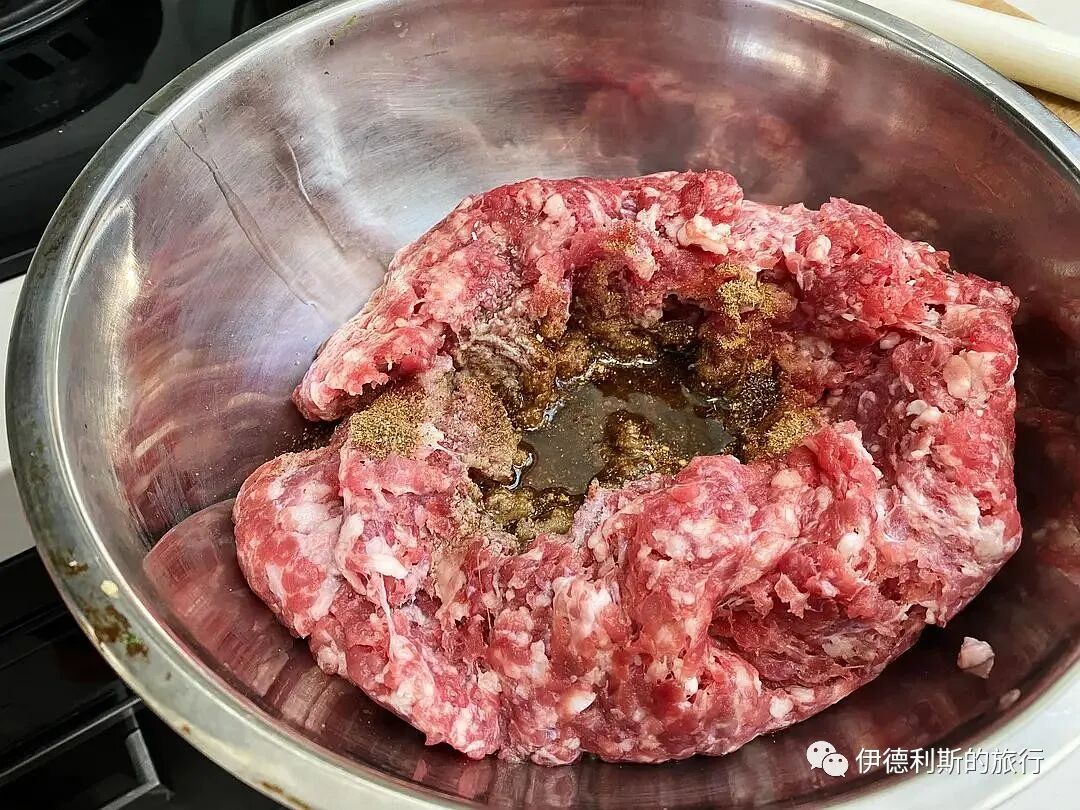
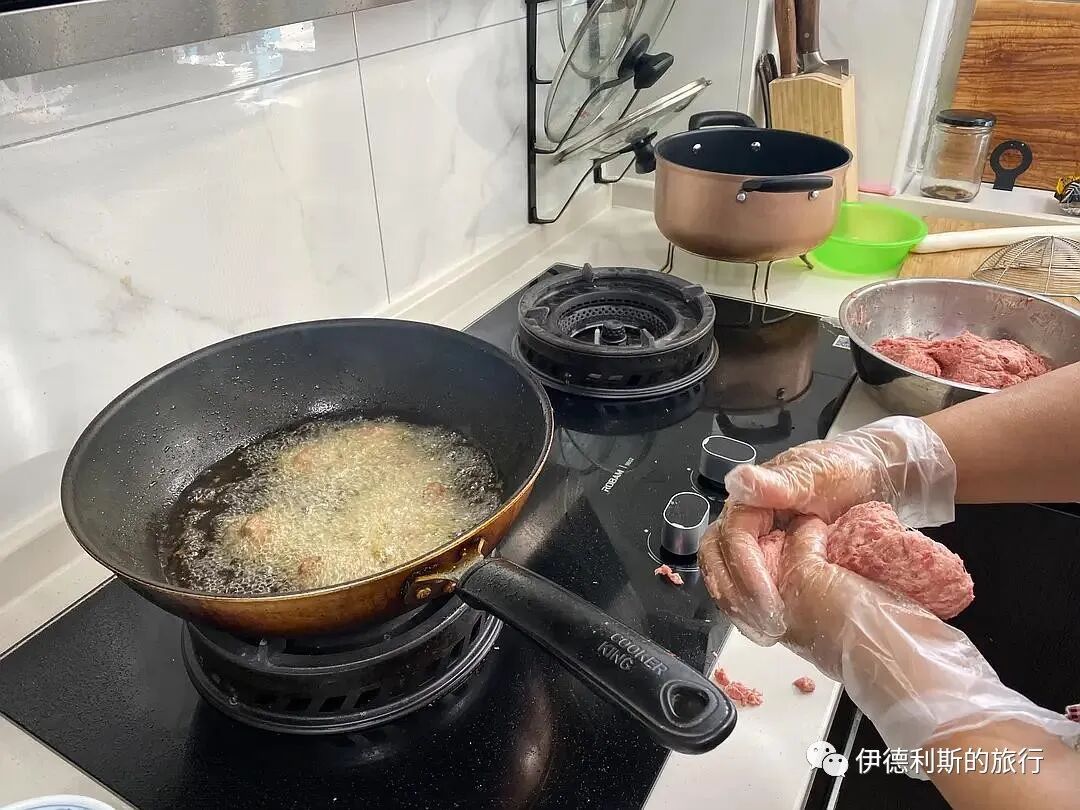
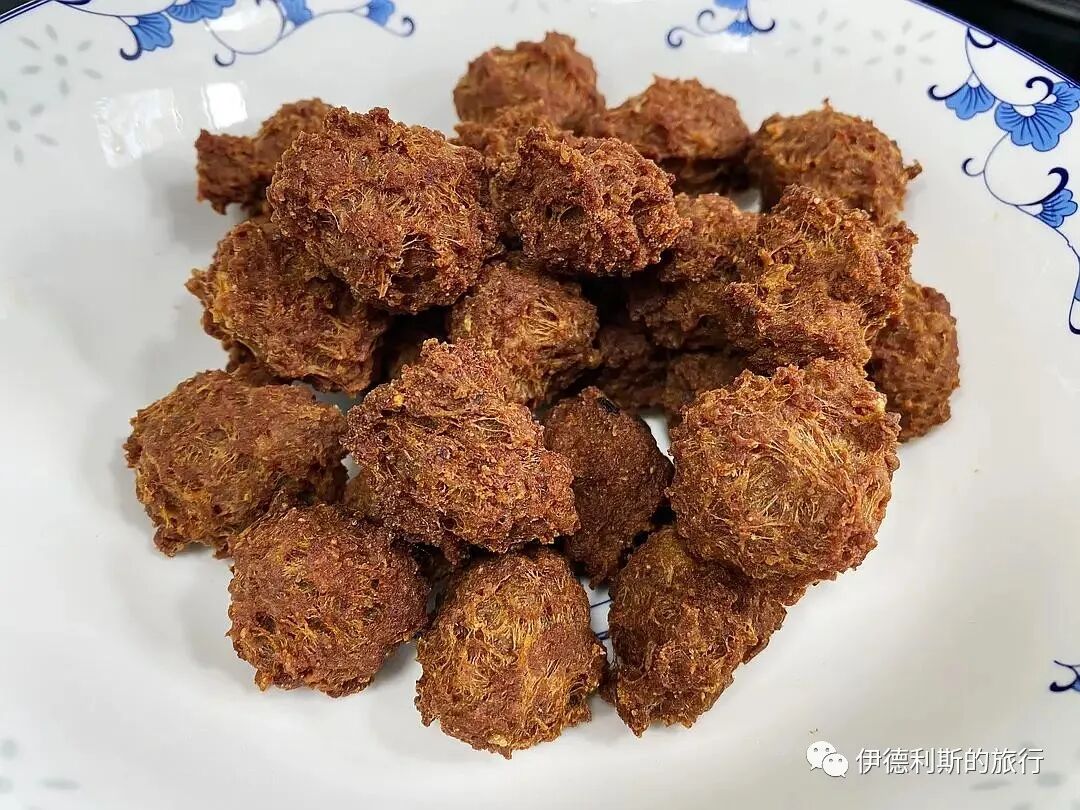
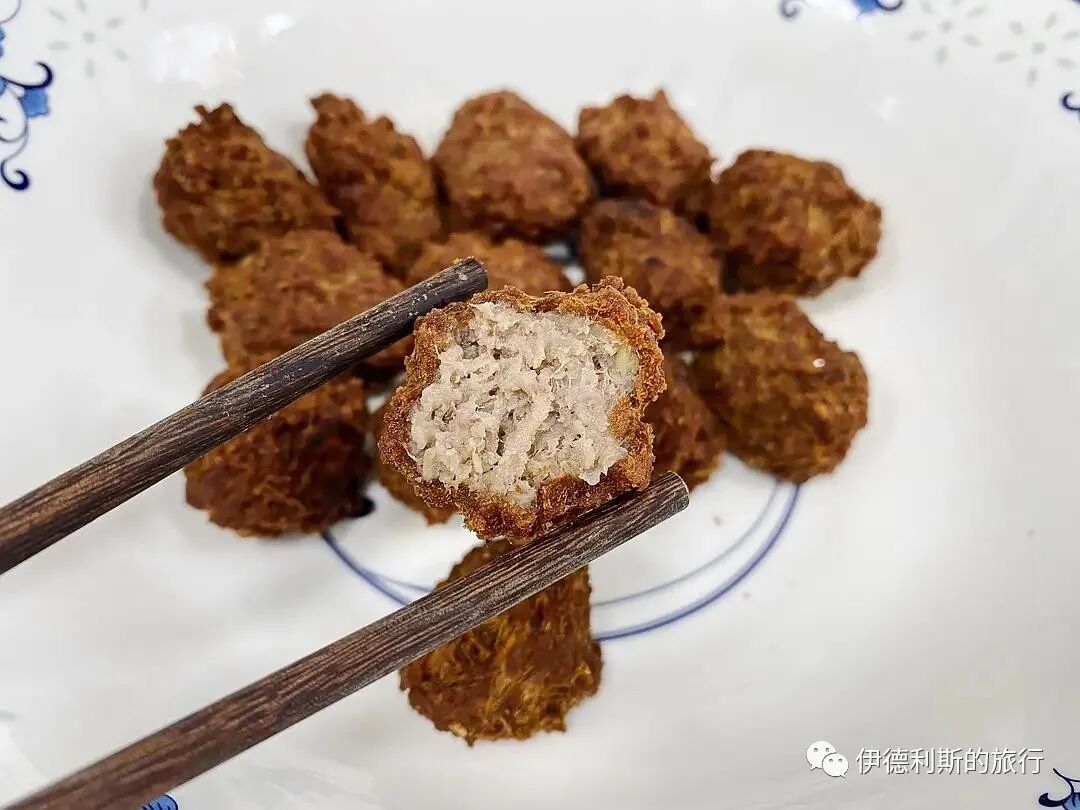
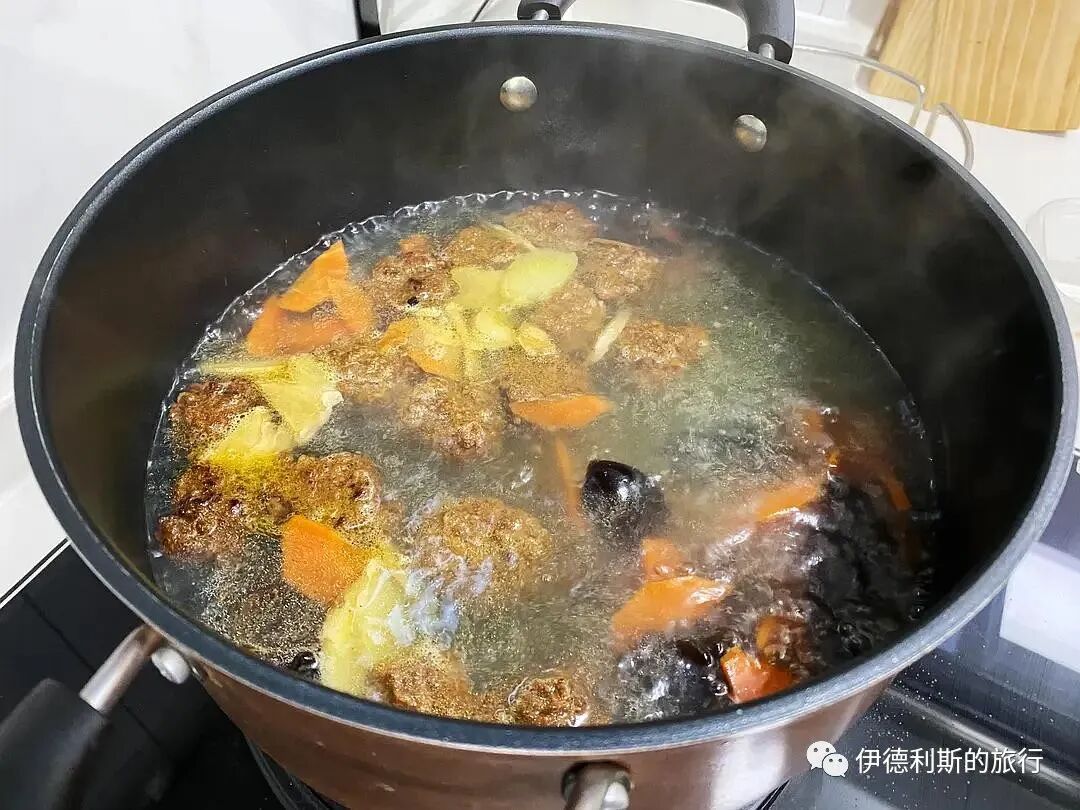
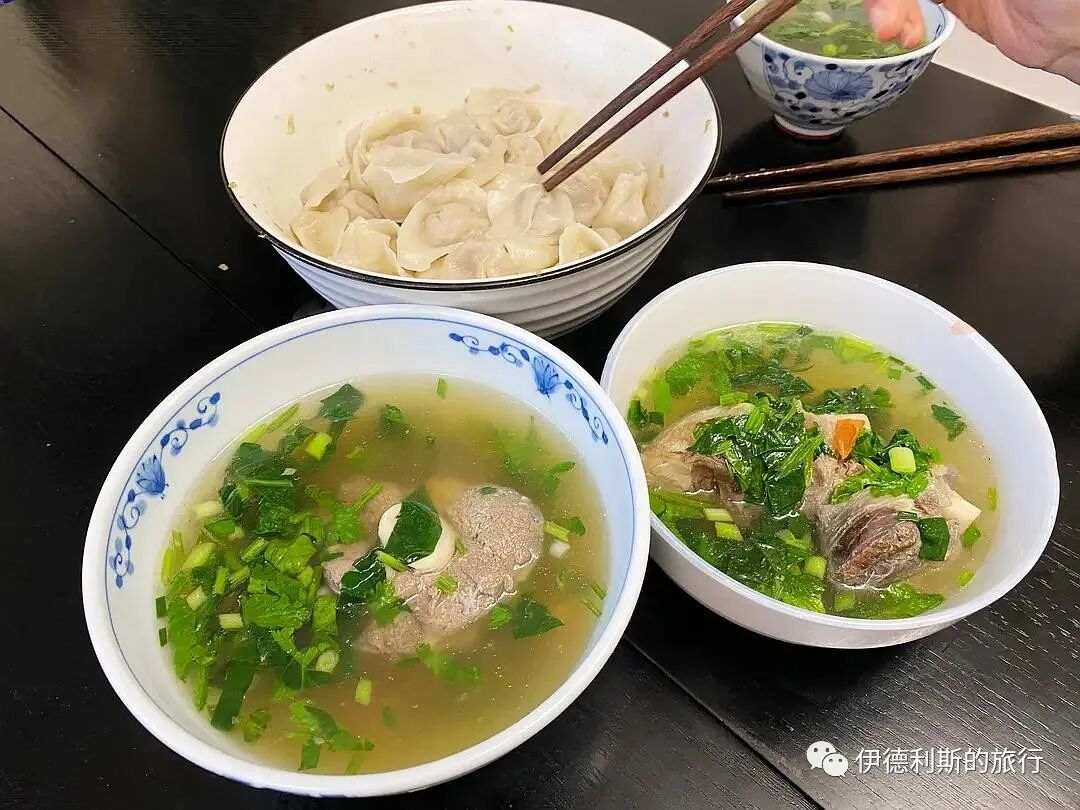
For the Iftar meal, my mother-in-law made this Xinjiang specialty meatball soup using meat ground fresh at the Ma family shop in Douban Alley. The secret to the fried meatballs is pouring hot oil over the black pepper powder while mixing the filling. The best base for the meatball soup is broth made from beef marrow bones. You can add side dishes like spinach, king oyster mushrooms, tofu, carrots, or wood ear mushrooms.
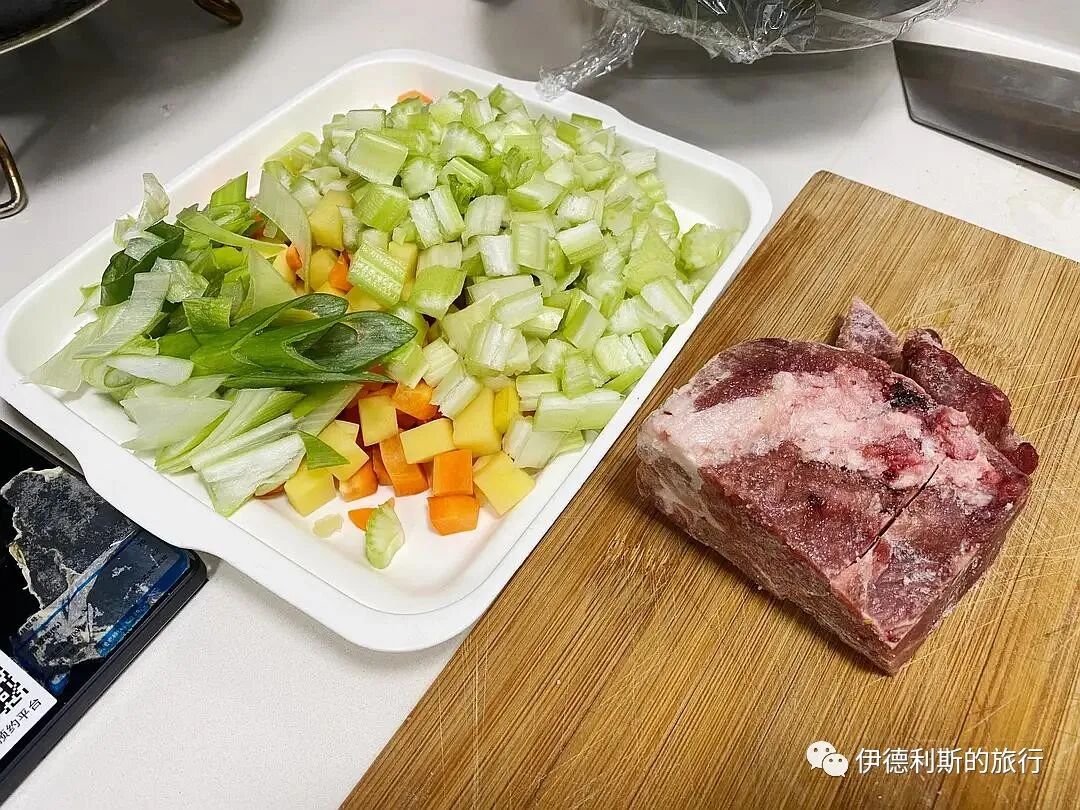
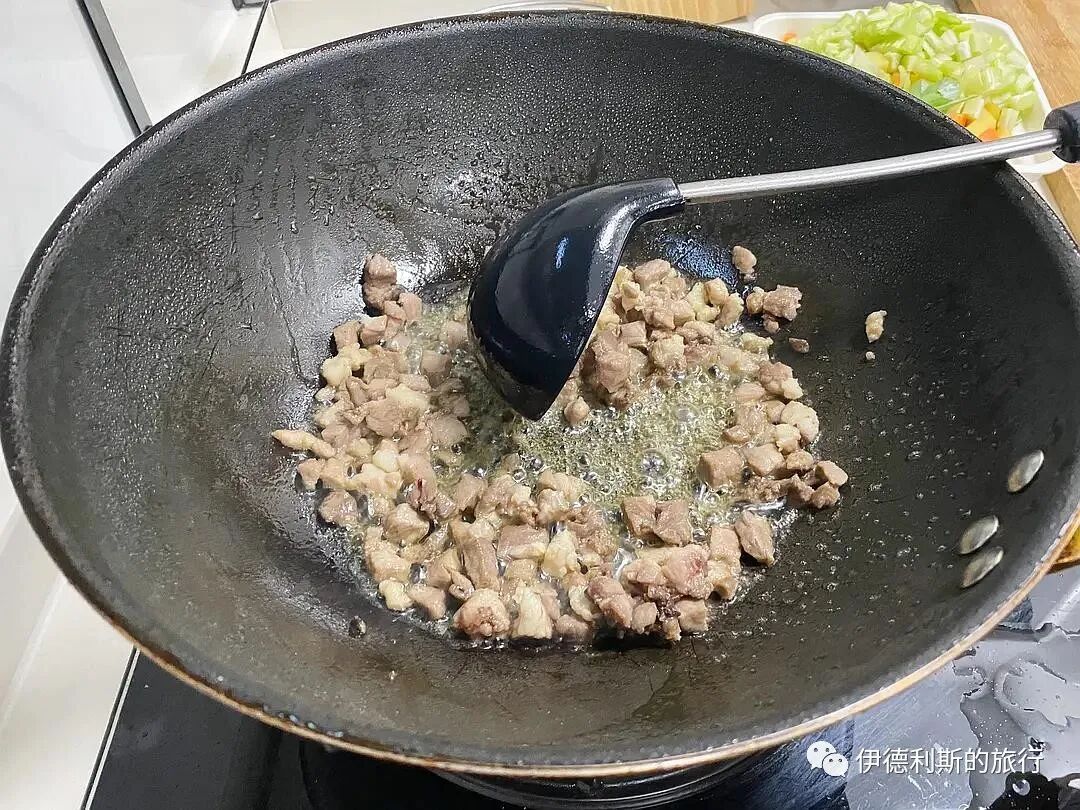
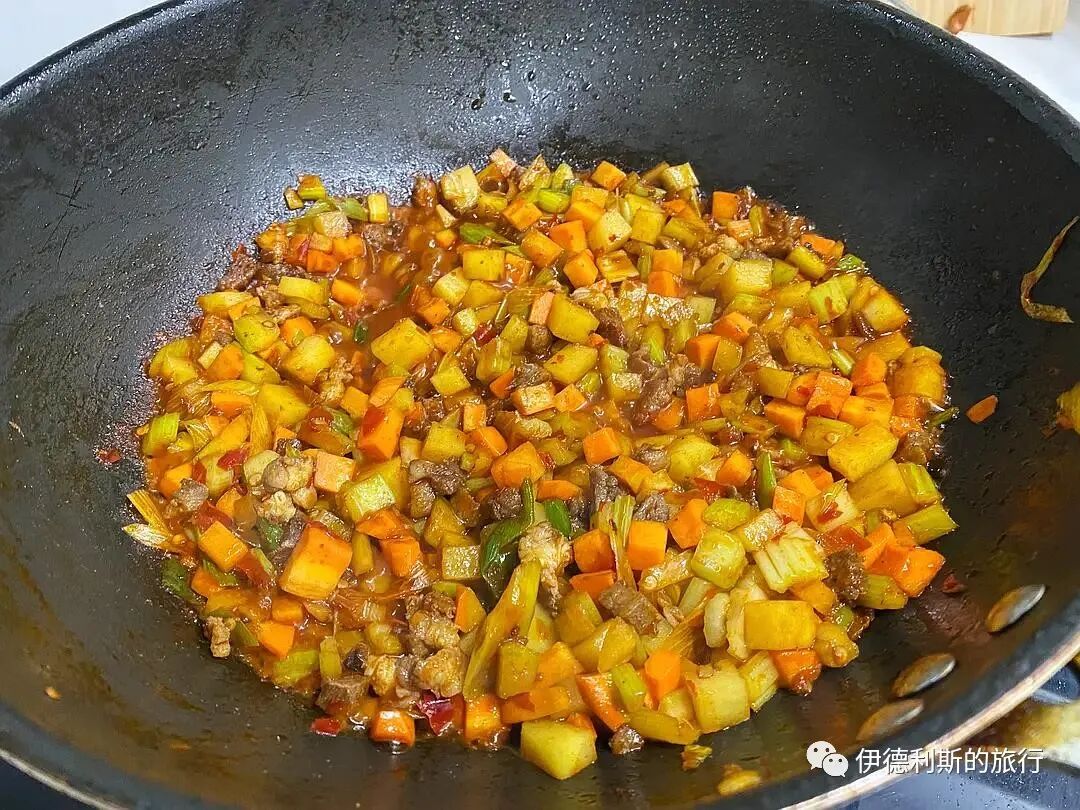
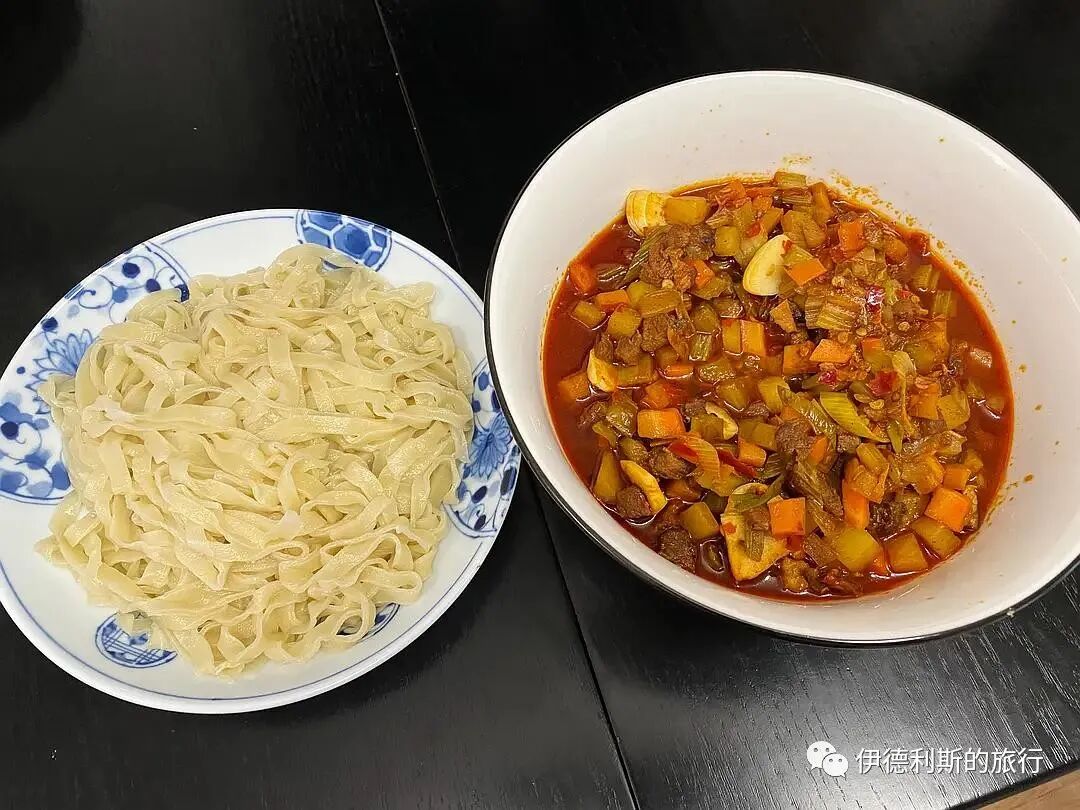
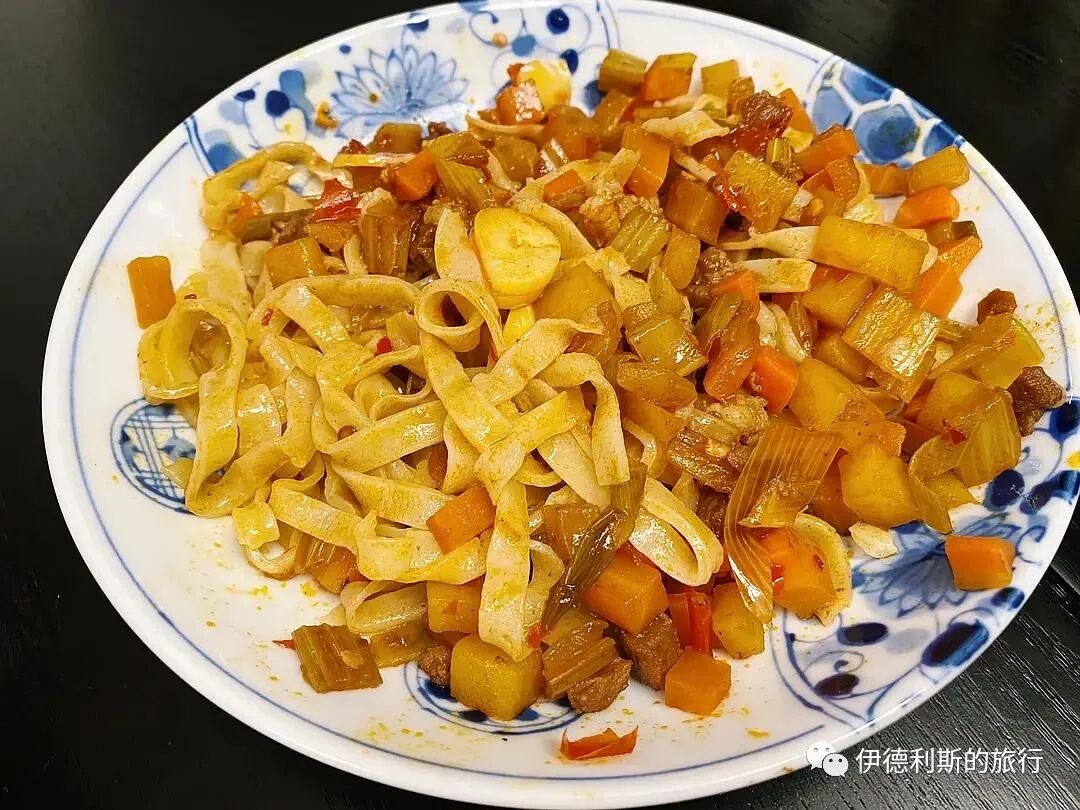
4. Dry-mixed noodles with lamb bean paste (yangrou zhajiang ganbanmian)
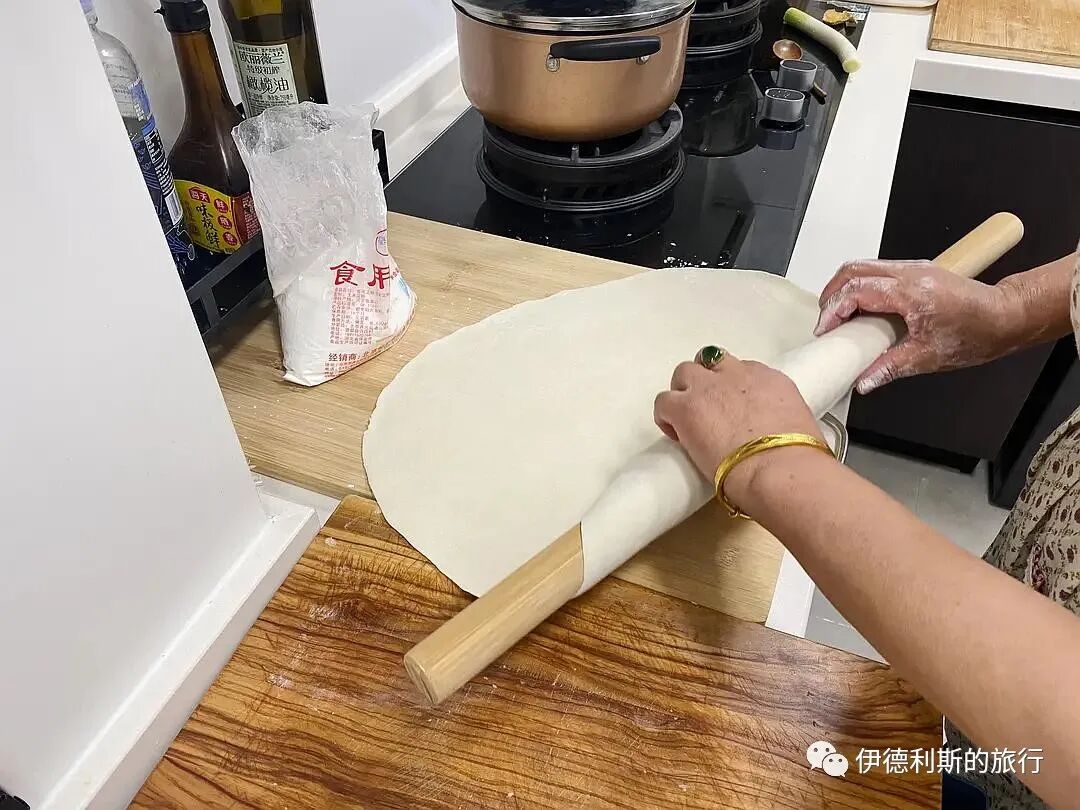
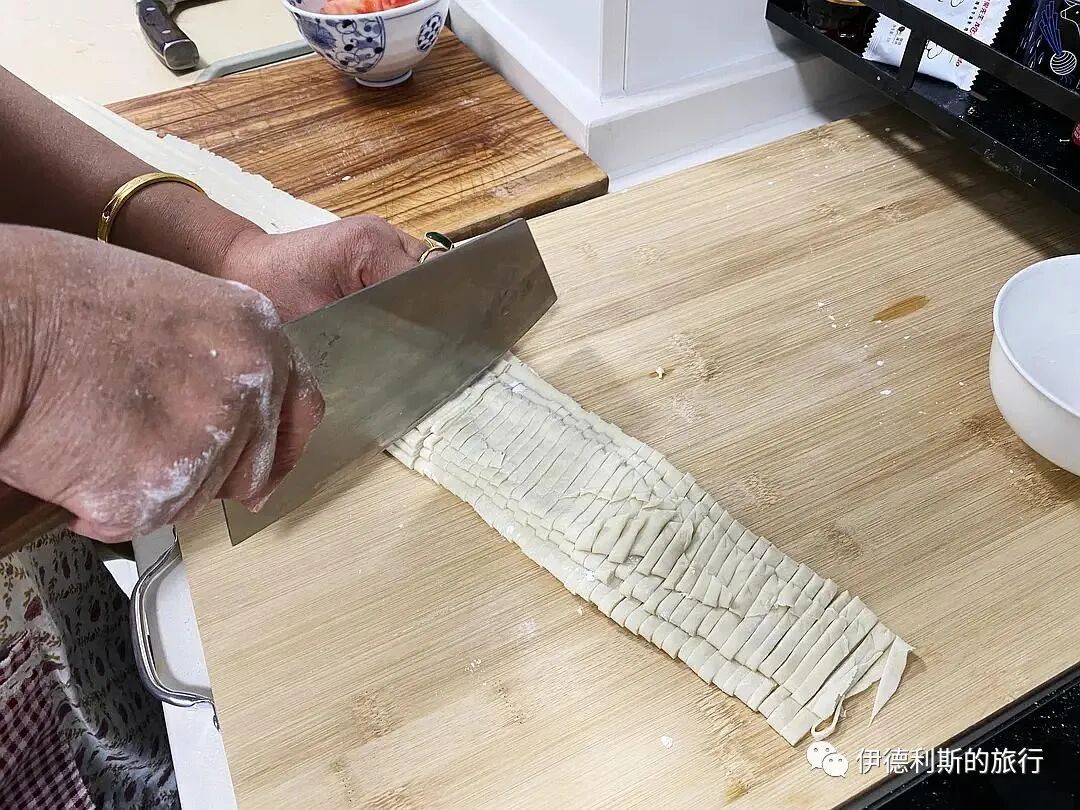
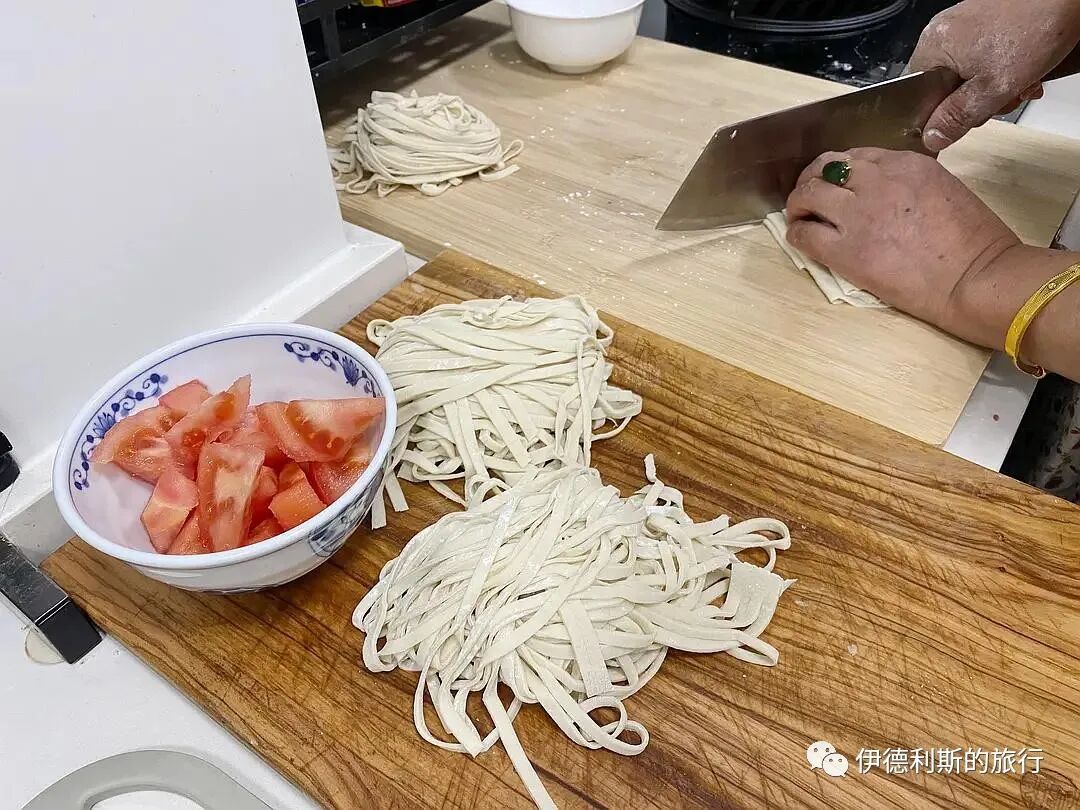
Zainab said Urumqi has its own local version of bean paste noodles. I had never noticed it before and was very curious, so I finally got to eat it this time. These are hand-rolled cut noodles; our cutting board is still not quite big enough. Besides lamb, the bean paste sauce includes potatoes, carrots, and celery. It uses Pixian bean paste, so the flavor is completely different from Beijing-style bean paste noodles.
5. Lamb sour soup wontons (yangrou suantang huntun)
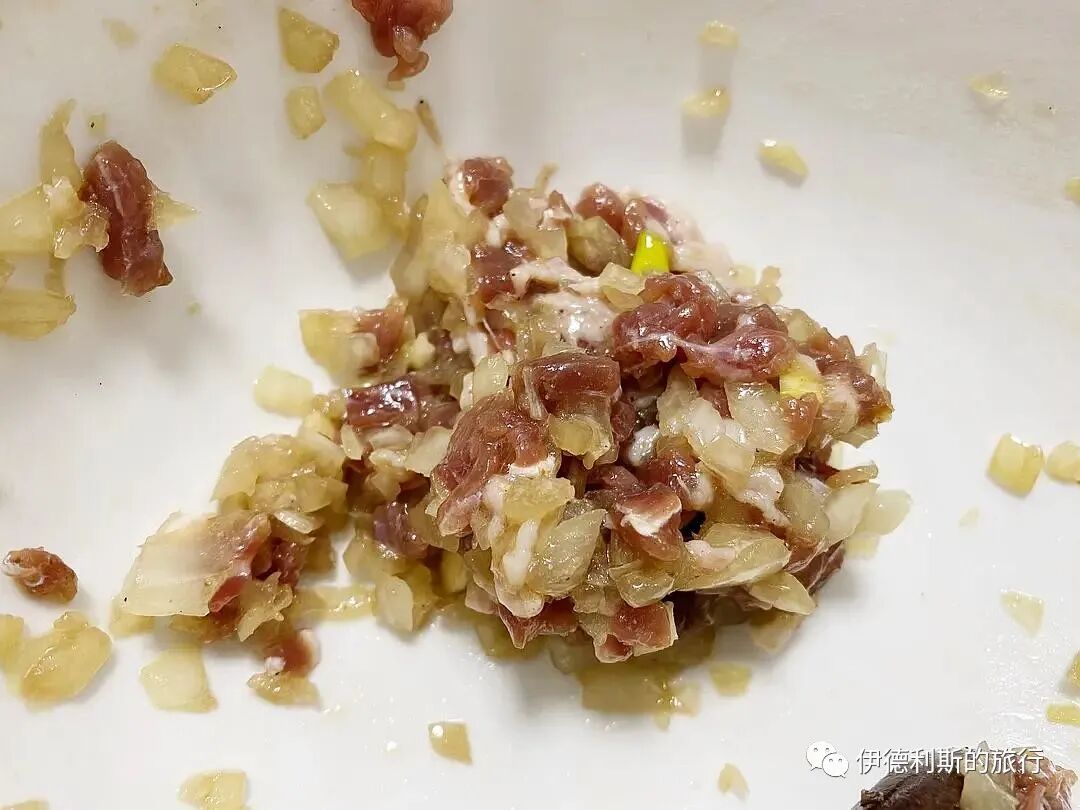
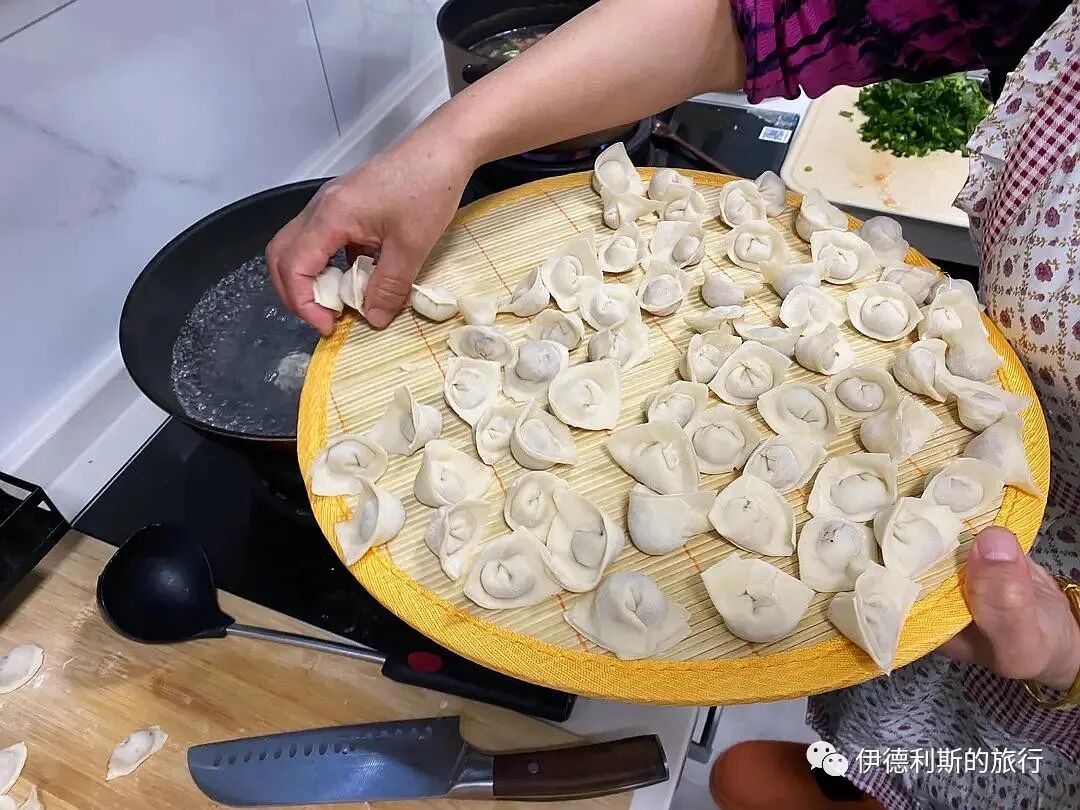
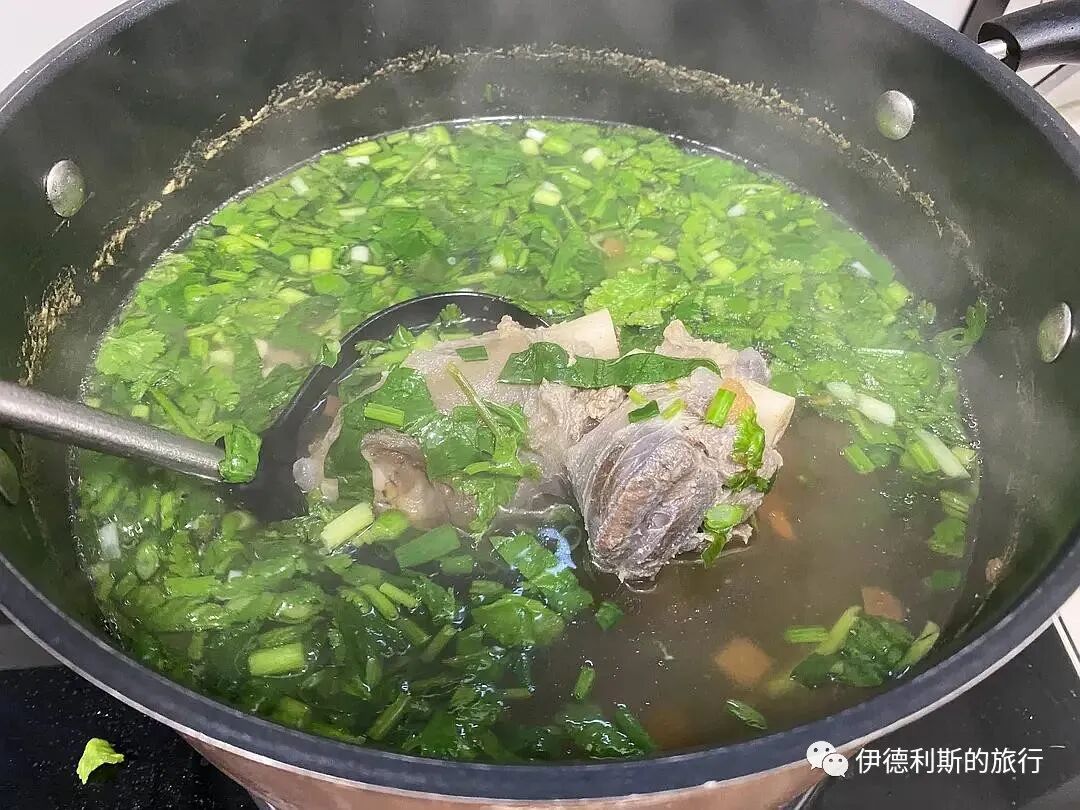
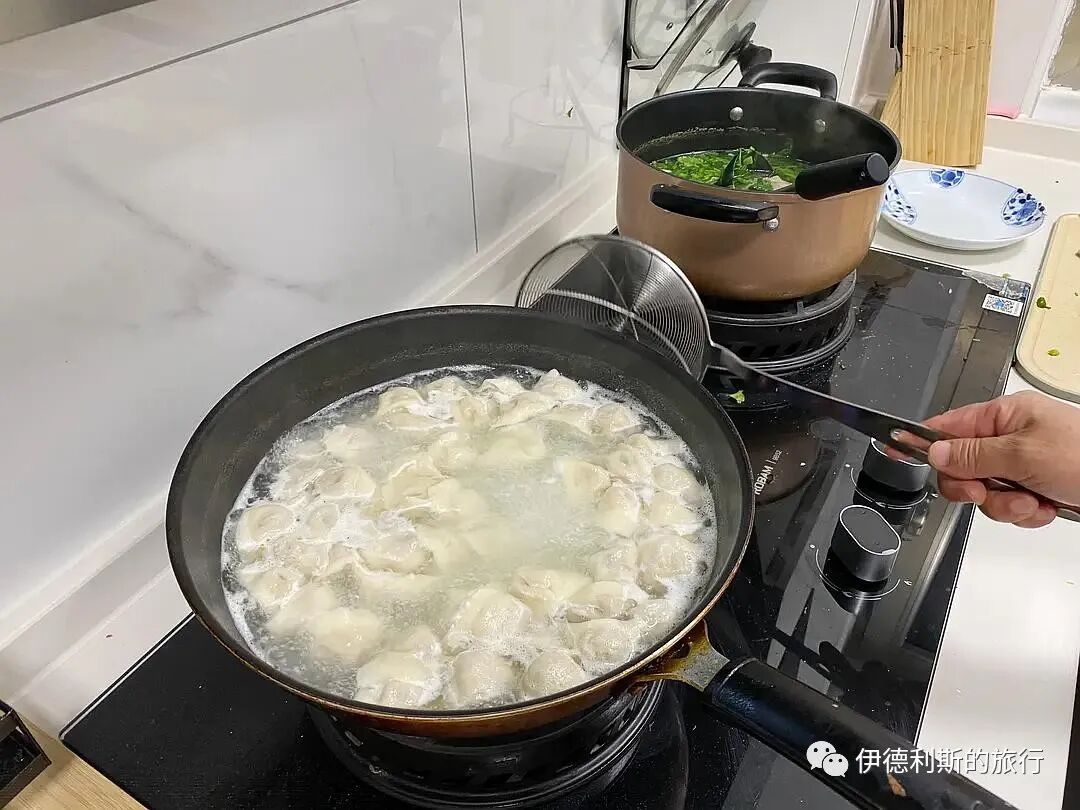
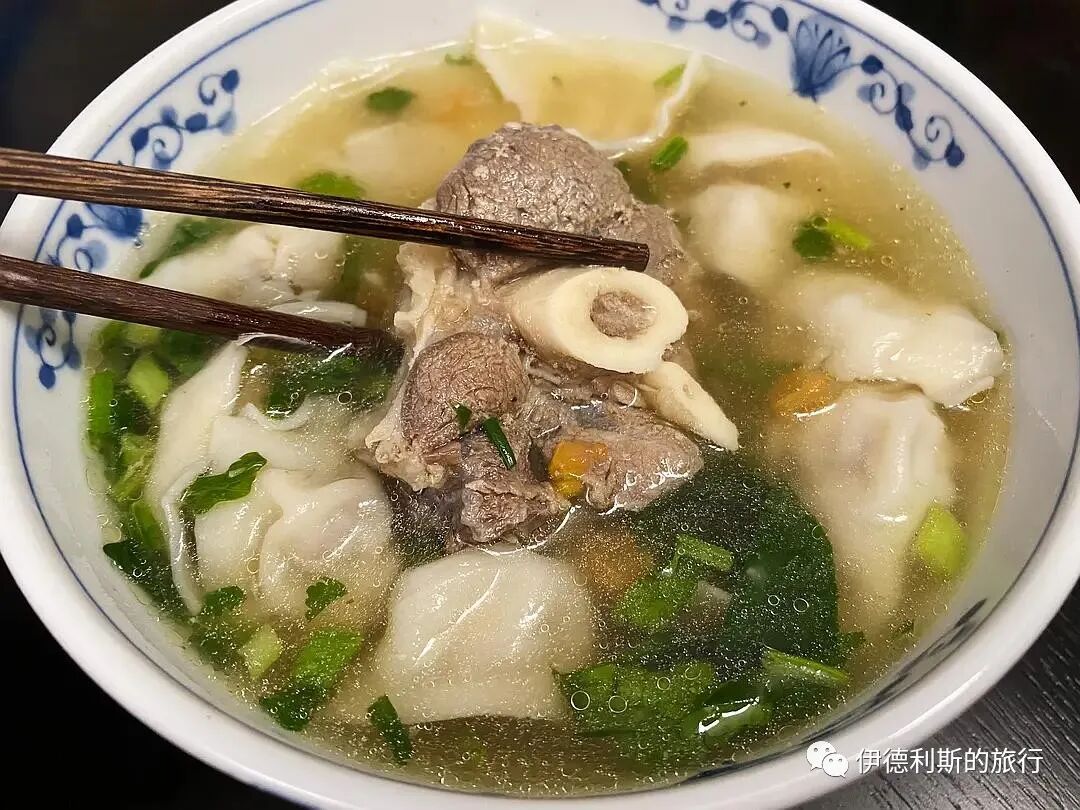
I especially love the stewed lamb sour soup wontons (hong dong) made by Xinjiang Hui Muslims. After the lamb is stewed, add tomatoes, spinach, scallions, and cilantro. The wontons have the classic lamb and onion (piyazi) filling.
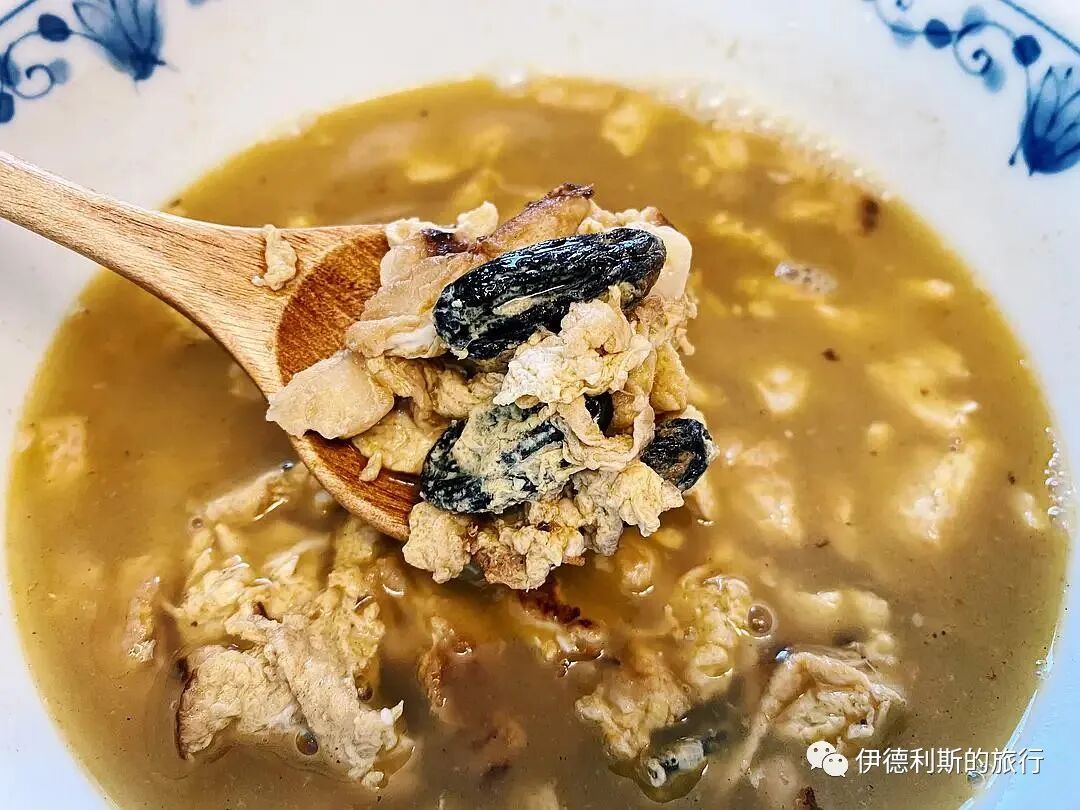
6. Jingzhe oil tea eggs (jingzhe youcha dan)
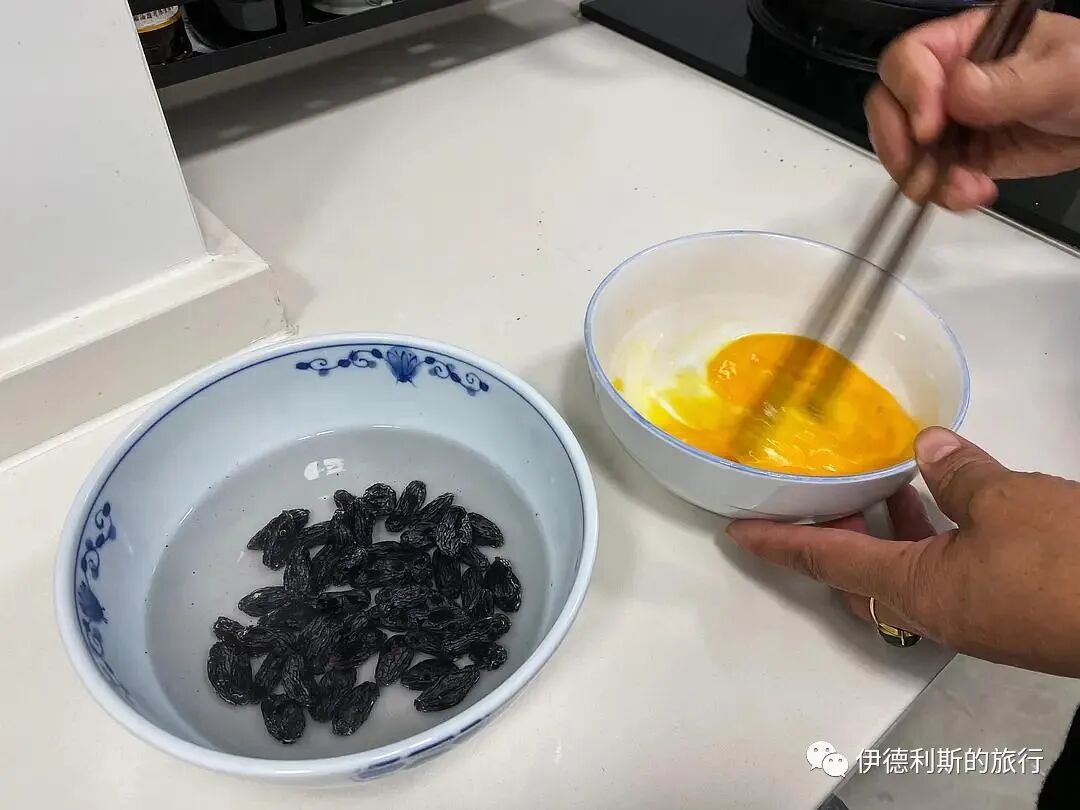
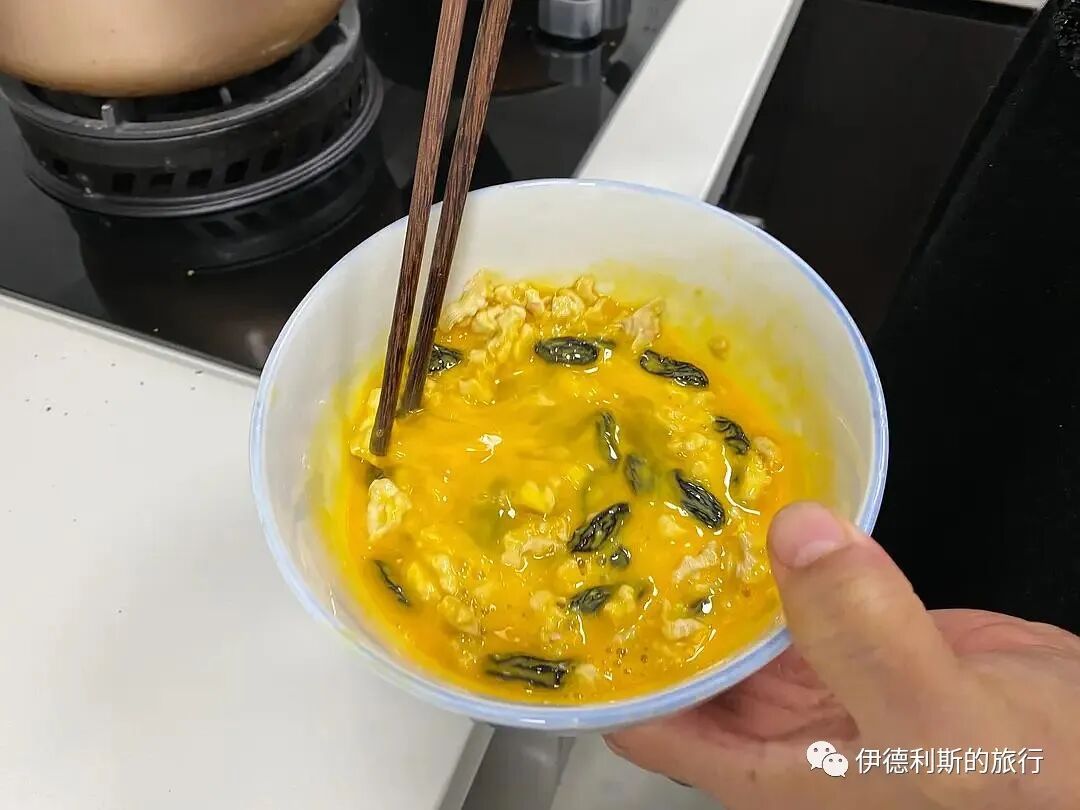
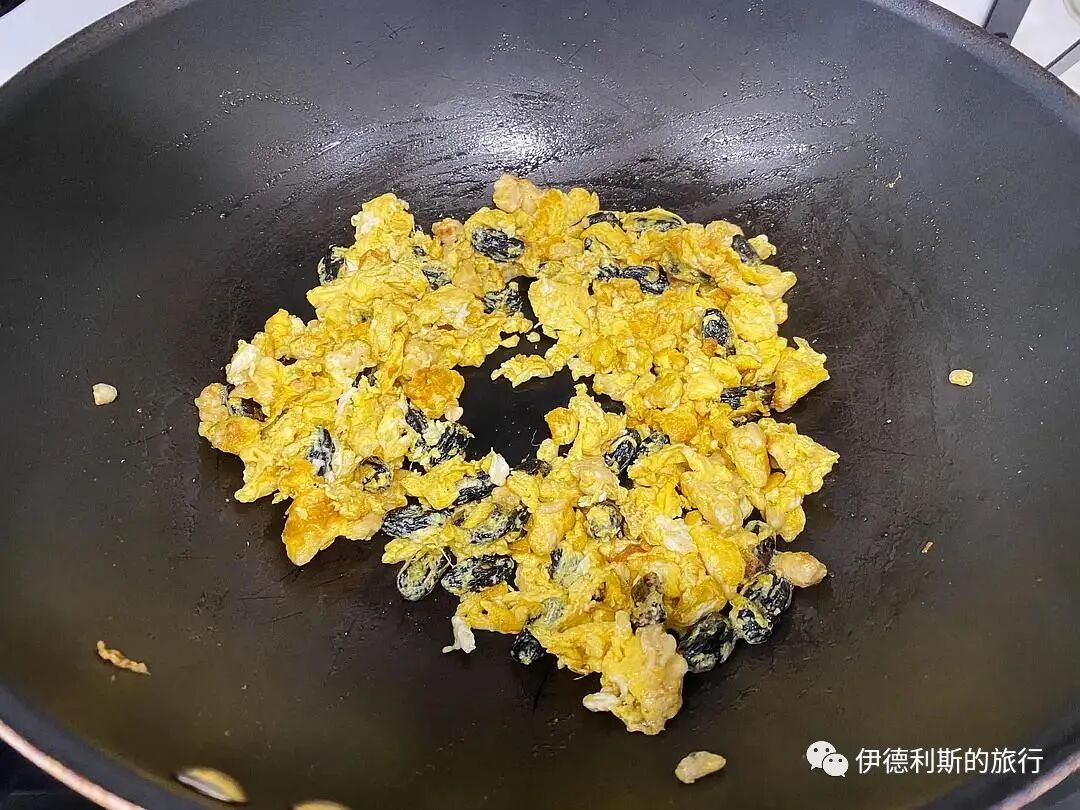
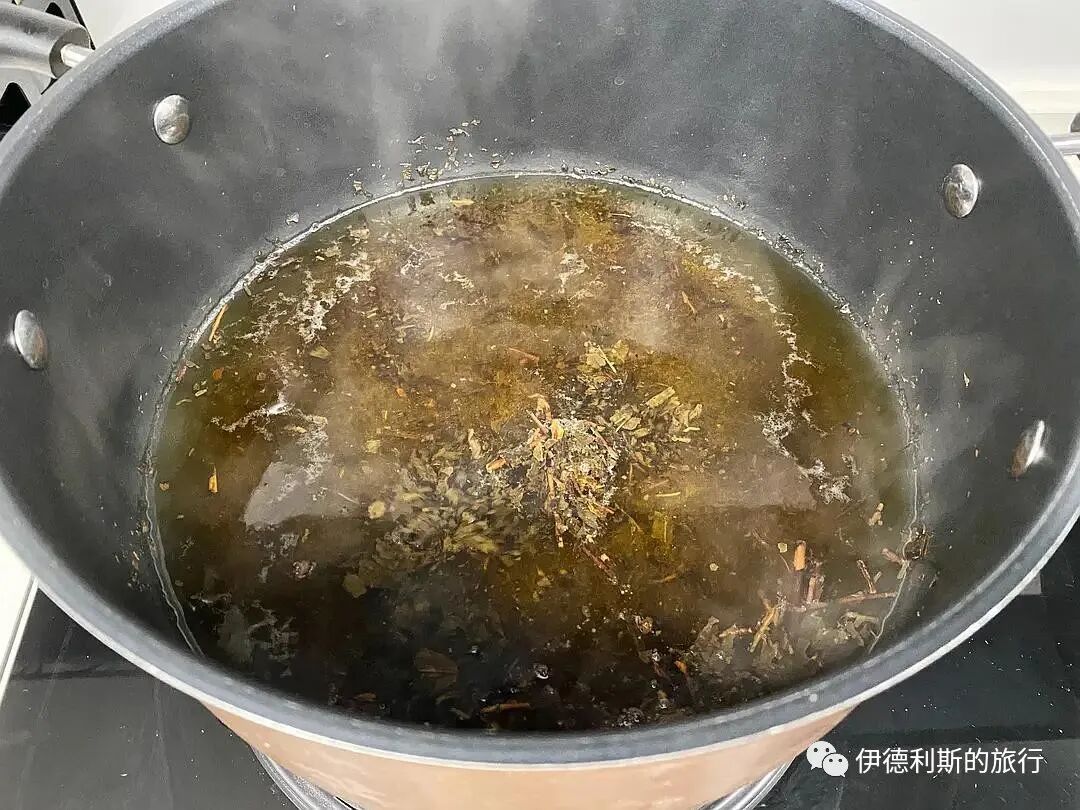
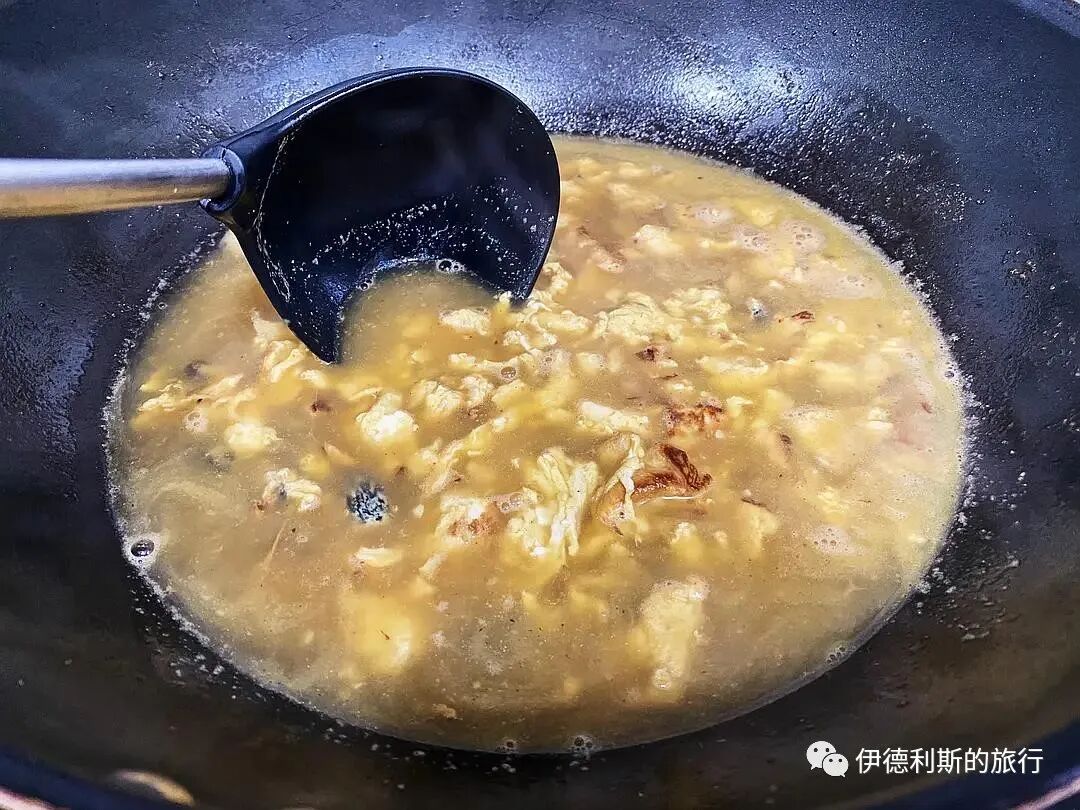
March 5th is the Awakening of Insects (Jingzhe), when all things come back to life. In the morning, we ate this seasonal Xinjiang Hui Muslim delicacy, Jingzhe oil tea eggs. Stir-fry eggs with dried fruits like raisins and walnut kernels, then pour in brewed brick tea and add rock sugar. Traditional oil tea with egg (youcha dan) must be stir-fried with mutton fat, but we use olive oil.
7. Thin-skinned steamed buns (baopi baozi)
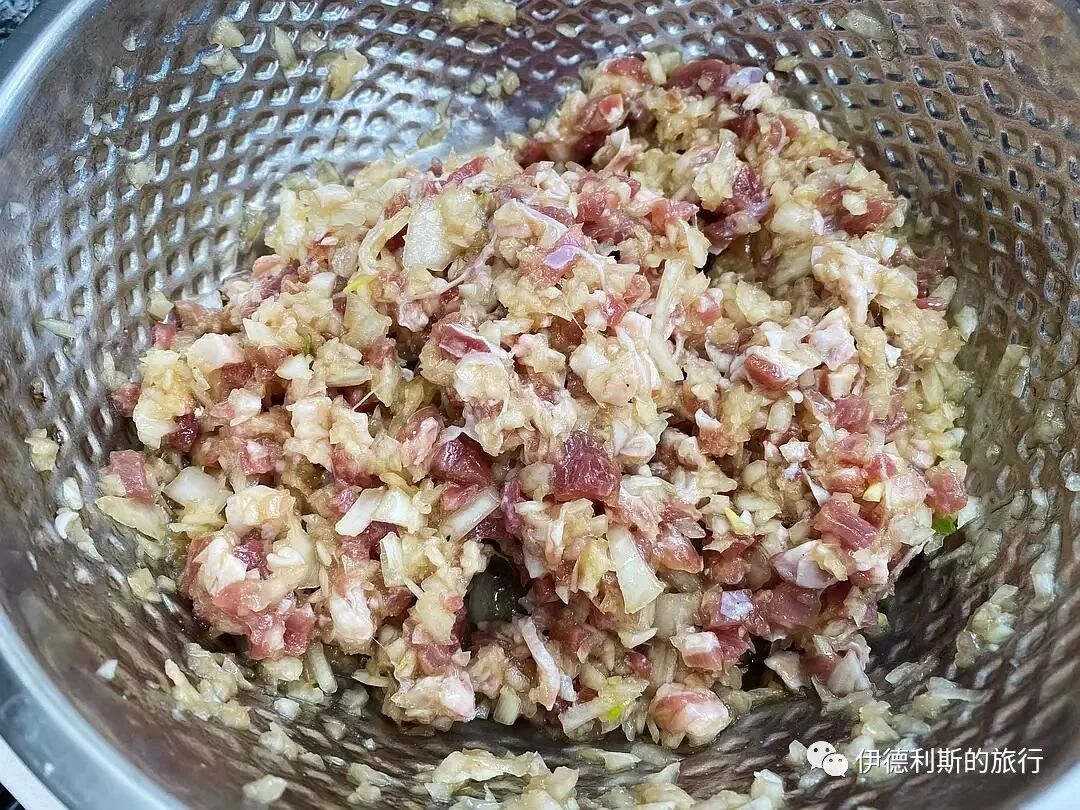
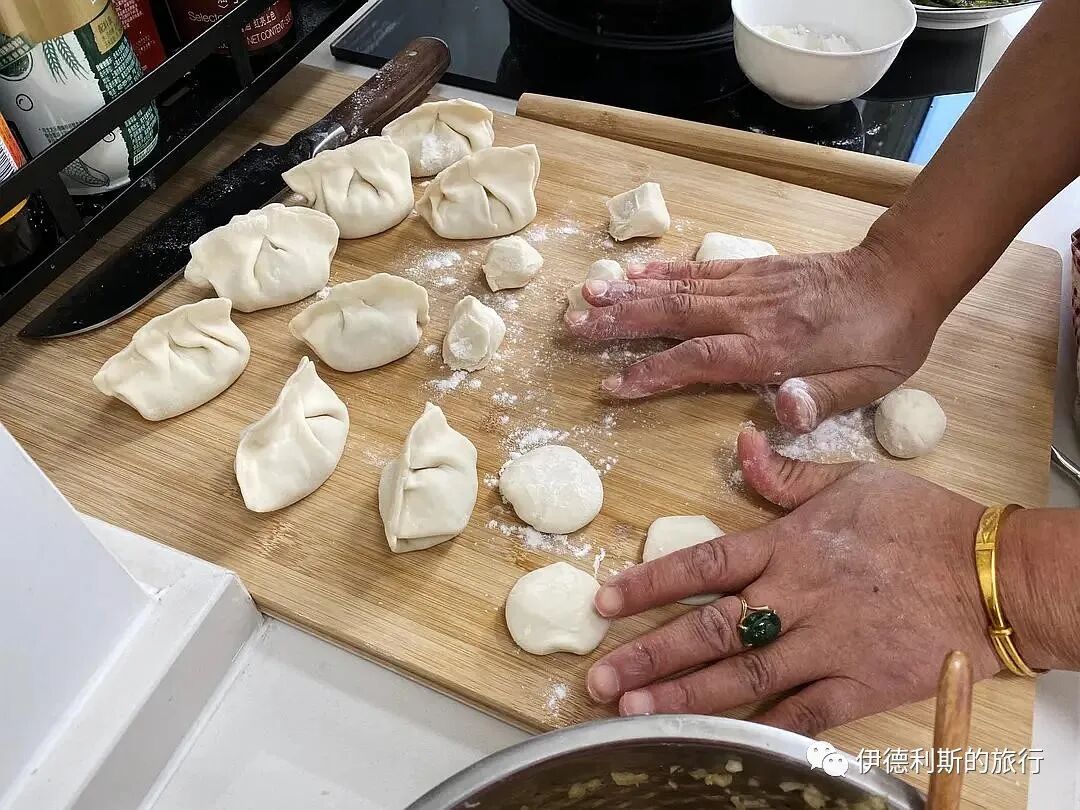
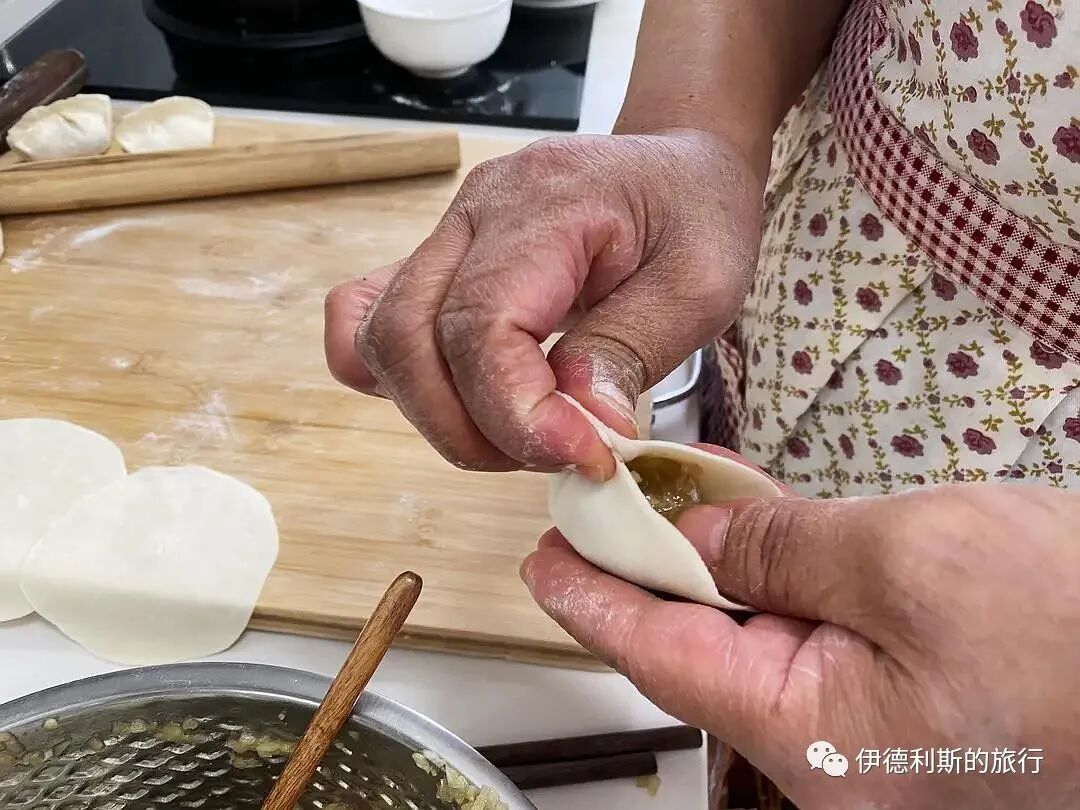
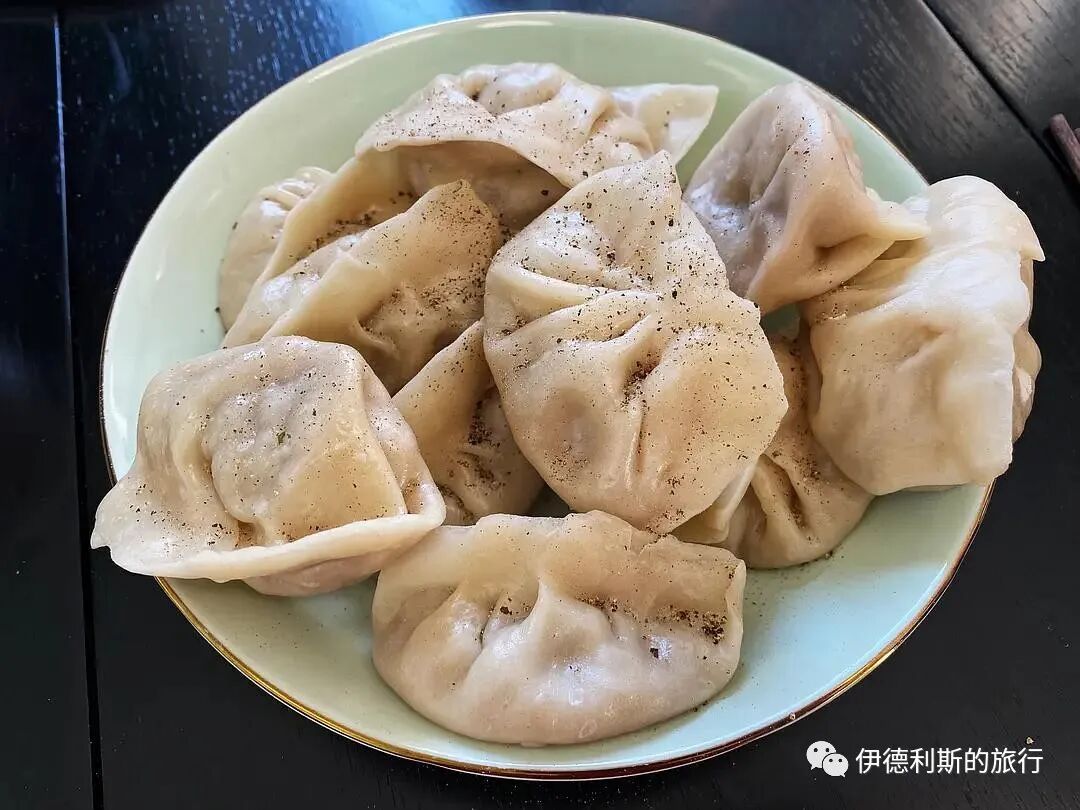
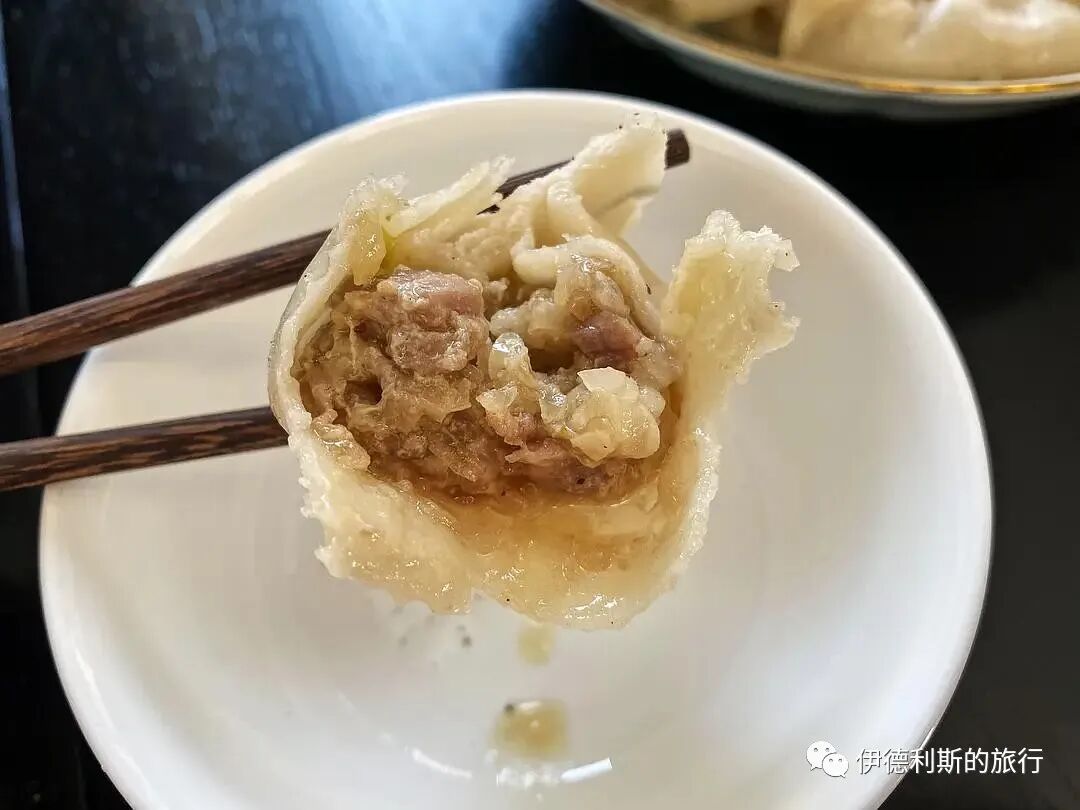
Thin-skinned steamed buns (manti) filled with mutton and onions. Manti is a classic Silk Road snack. It spread to Central and West Asia with Turkic soldiers during the Mongol conquests and was later spread further by the Ottoman Empire. The word manti comes from mantou. Even today, the Wu dialect uses mantou to refer to meat-filled flour dishes. In 1330, the first year of the Zhishun era of the Yuan Dynasty, the imperial physician Hu Sihui wrote the Principles of Correct Diet (Yinshan Zhengyao). It records many ways to make mantou, all using mutton, mutton fat, green onions, dried tangerine peel, and salt for the filling. It even mentions the term thin-skinned mantou.
8. Mutton noodle soup (yangrou fentang)
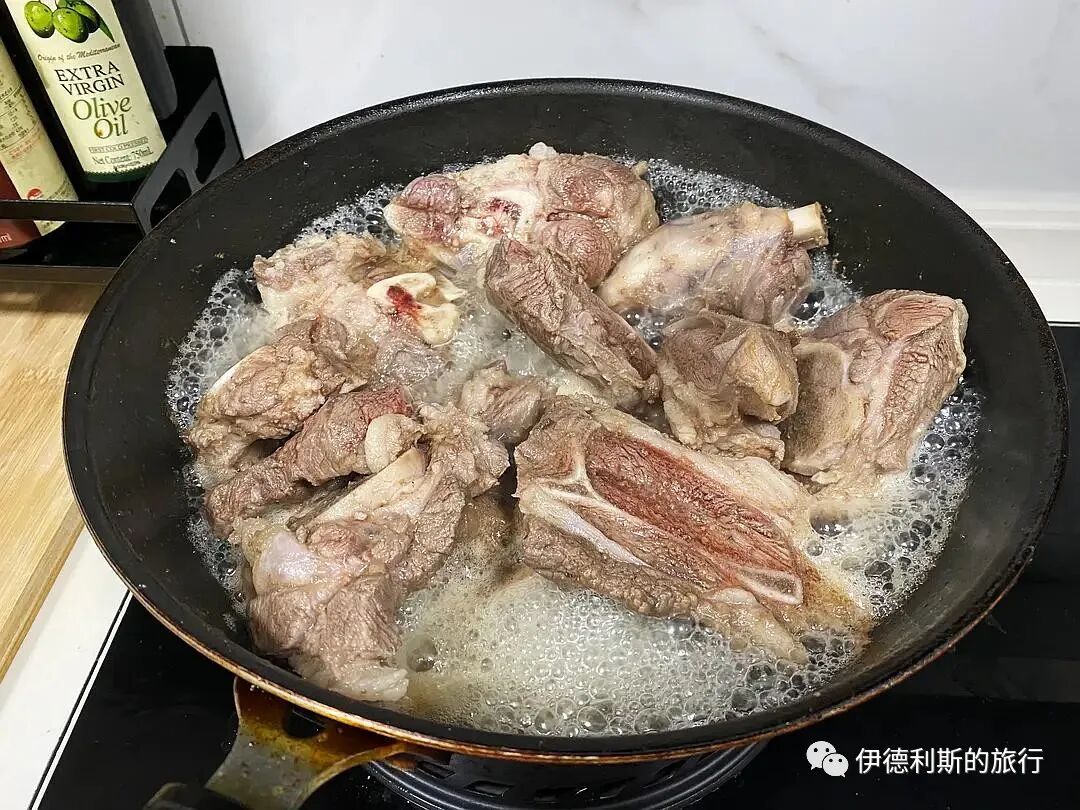
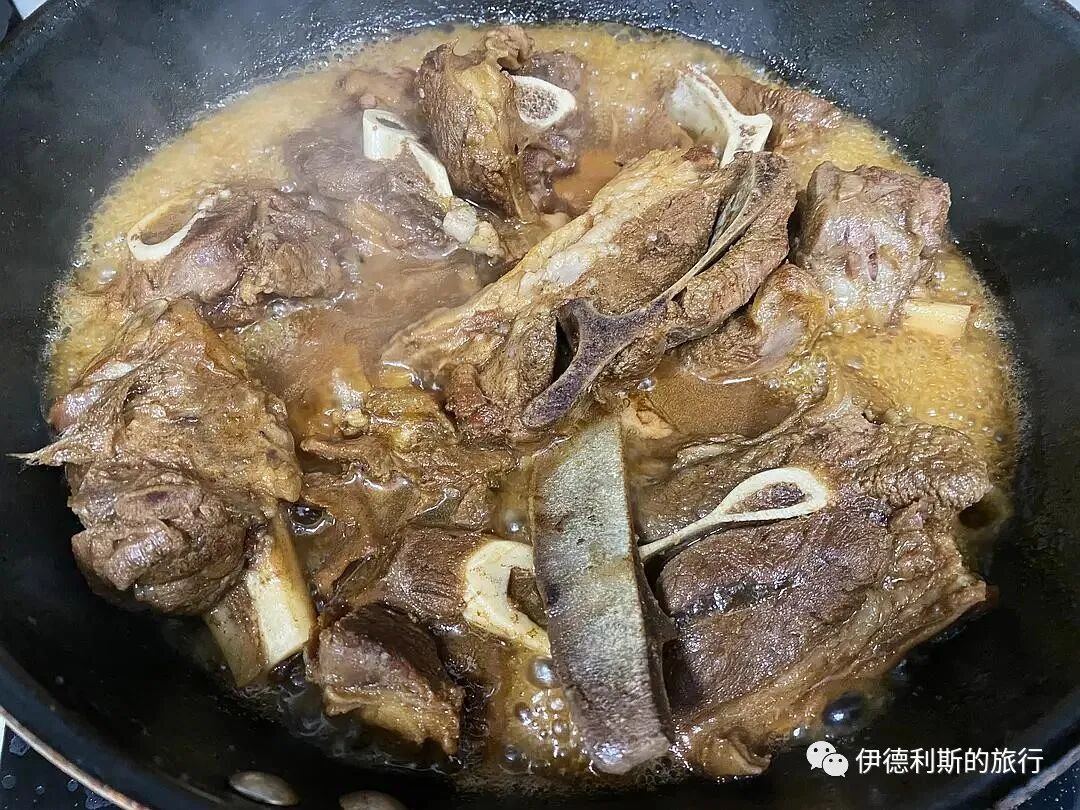
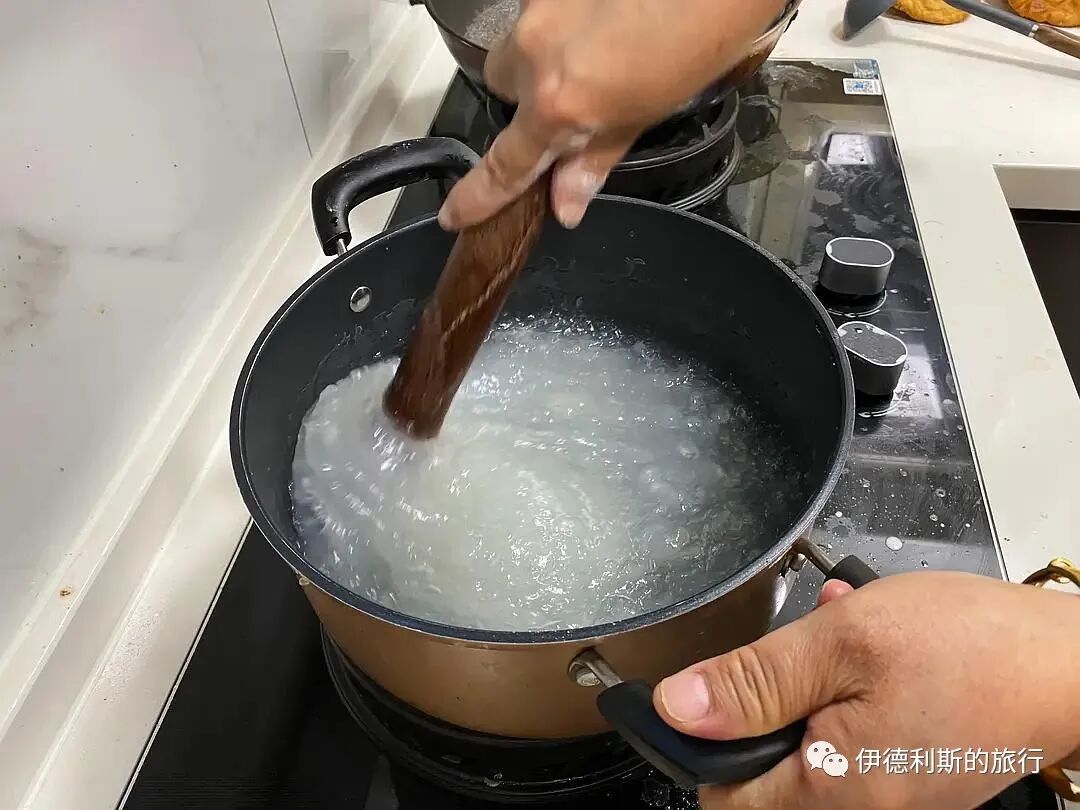
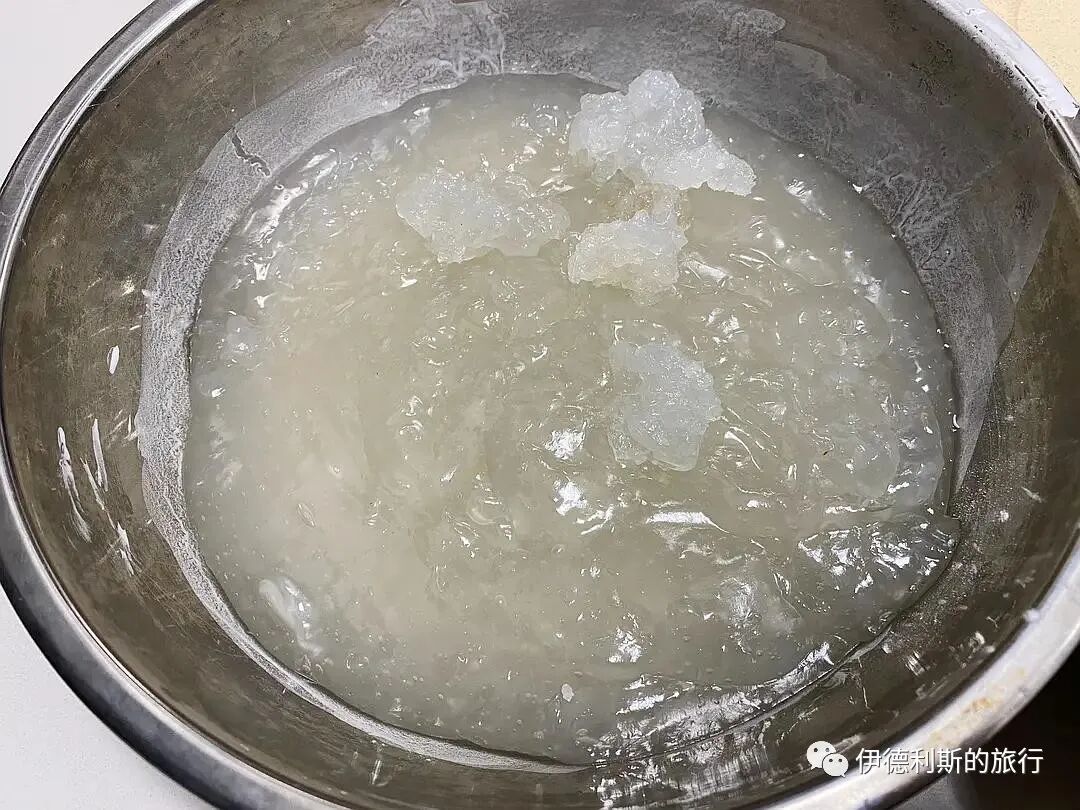
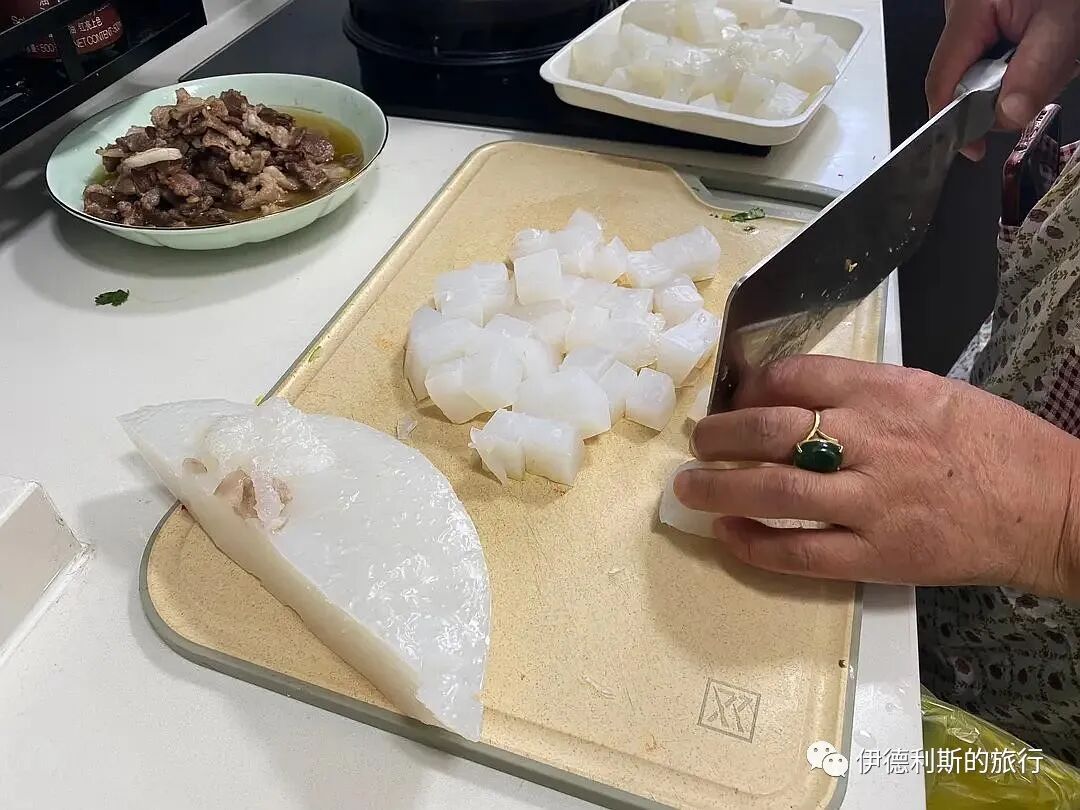
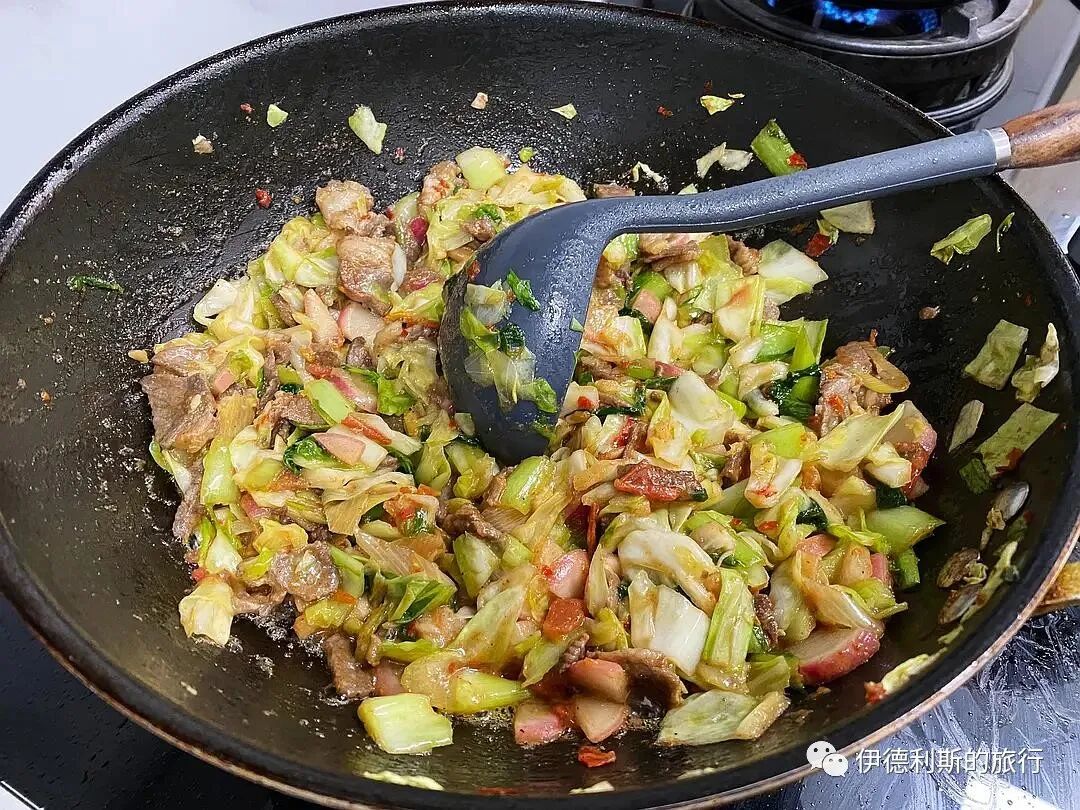
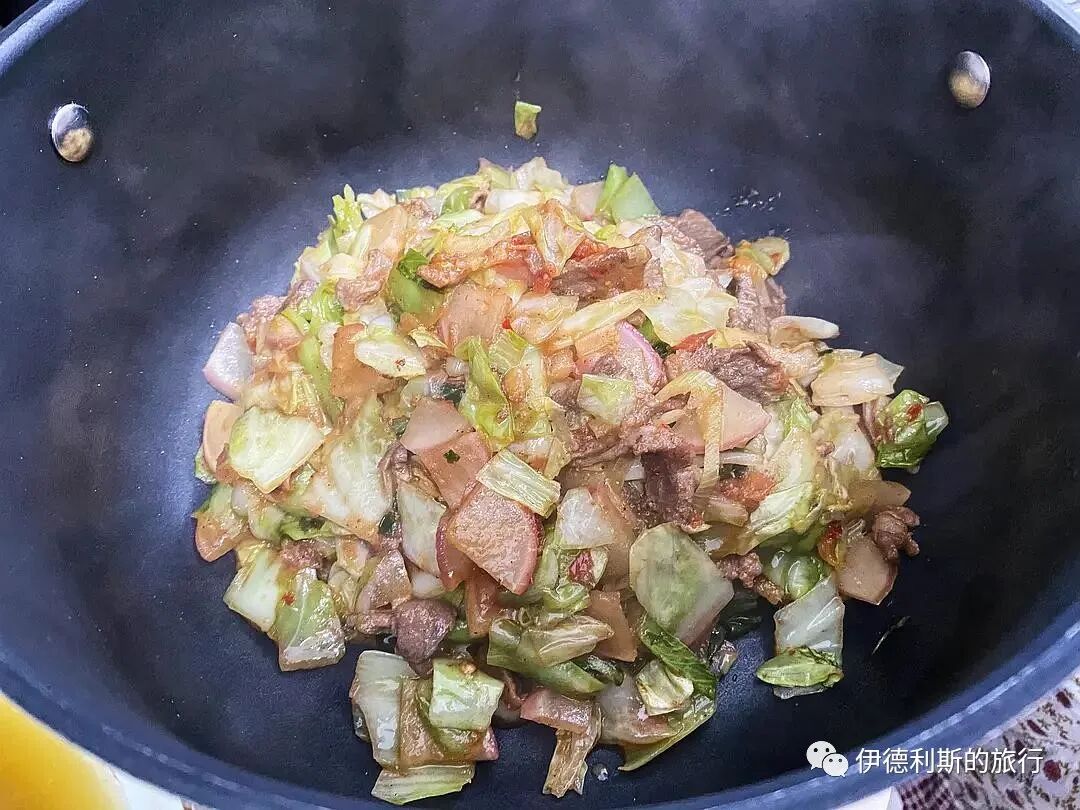
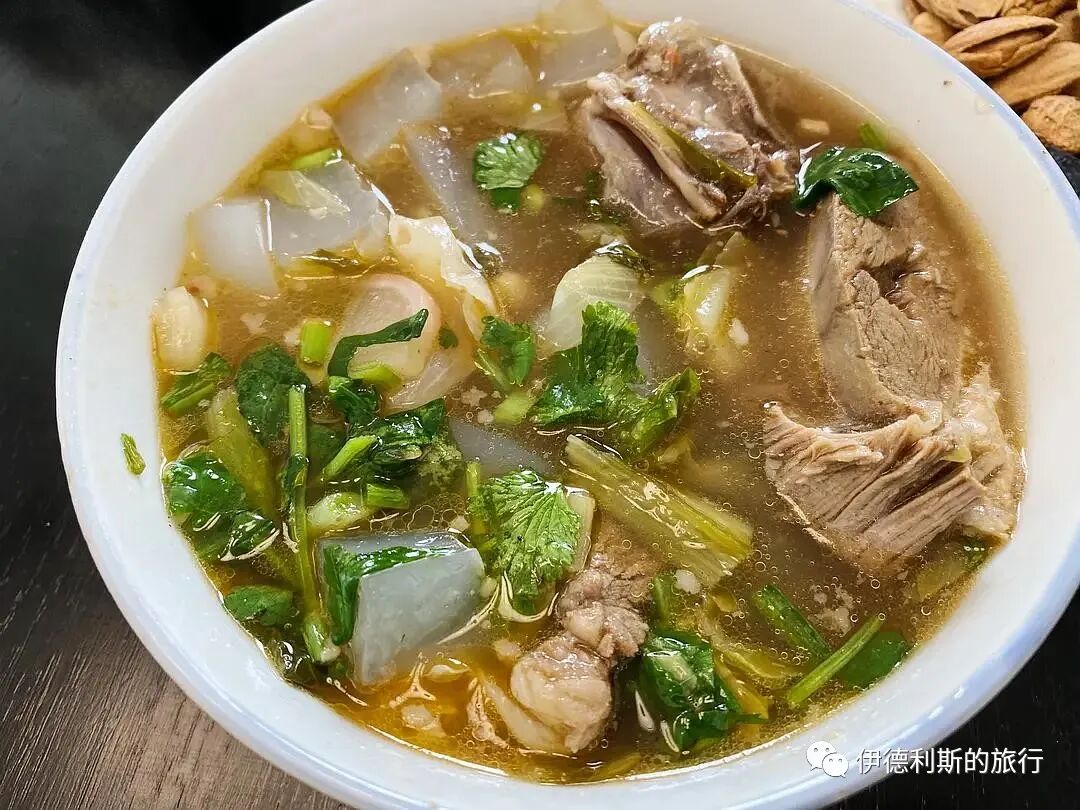
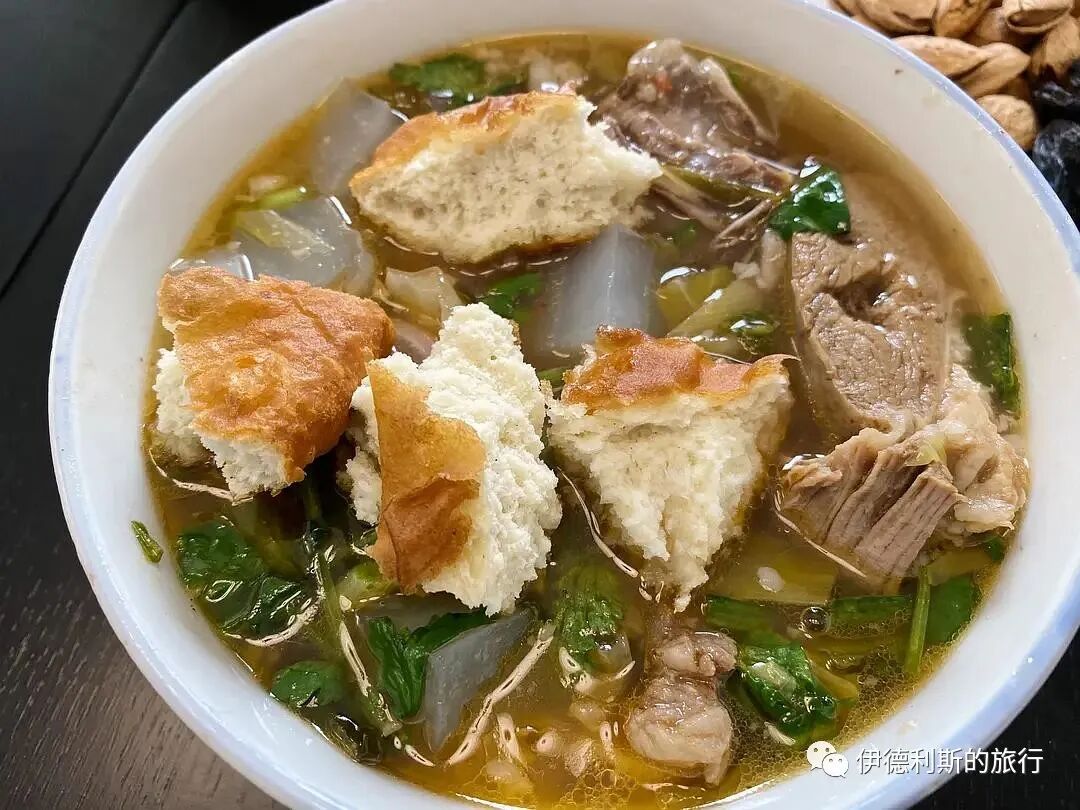
This is the festive noodle soup made during the Mawlid (Zhuo Bailati). First, braise the mutton, then stir the pea starch and let it sit overnight before cutting it into starch blocks. Next, make a topping with cabbage, small radishes, mutton slices, and tomatoes. When you eat it, soak some fried dough (youxiang) in the soup.
Summary: Urumqi Hui Muslim Home Cooking: 15 Halal Dishes is presented here as a firsthand travel account in clear English, beginning with this scene: My mother-in-law came to Beijing in March and made us 15 Urumqi Hui Muslim dishes: big plate chicken with belt noodles (dapanji pidaimian), lamb hand-torn noodle soup (yangrou jiupianzi), Xinjiang meatball soup. The account keeps its focus on Urumqi Halal Food, Hui Muslim Food, Xinjiang Travel while preserving the names, places, food, and historical details from the Chinese source.
My mother-in-law came to Beijing in March and made us 15 Urumqi Hui Muslim dishes: big plate chicken with belt noodles (dapanji pidaimian), lamb hand-torn noodle soup (yangrou jiupianzi), Xinjiang meatball soup (xinjiang wanzitang), dry-mixed noodles with lamb bean paste (yangrou zhajiang ganbanmian), lamb sour soup wontons (yangrou suantang huntun), Jingzhe oil tea eggs (jingzhe youcha dan), thin-skinned buns (baopi baozi), lamb vermicelli soup (yangrou fentang), cold-dressed chicken (liangban ji), diced stir-fried noodles (dingding chaomian), sour soup noodles with minced meat (suantang saozi mian), fragrant bean flower rolls (xiangdou huajuan), plate noodles (panzi mian), flavored fried starch jelly (fengwei zha menzi), and lamb and celery dumplings (yangrou qincai jiaozi). Since the official account can only insert 10 video channel clips, I will share the first 8 this time.
1. Big plate chicken with belt noodles (dapanji pidaimian)
My mother-in-law brought free-range chicken all the way from Urumqi. First, stir-fry the chicken with plenty of oil. Add chicken pieces, dried chili skins (lapizi), and ginger slices to the pot. Then add salt, Sichuan peppercorn powder, black pepper powder, tomato paste, bean paste, green onions, and garlic. Stir-fry until the blood is gone, then add soy sauce. Next, stew the chicken in a pressure cooker, adding water, the chicken, and potato chunks. After opening the pot, take out the potatoes, then add green onions, garlic, and vinegar.
Once finished, stretch the belt noodles; they taste best soaked in the big plate chicken broth.
2. Lamb hand-torn noodle soup (yangrou jiupianzi)
First, stir-fry lamb slices with tomatoes (yangshizi), green onions, and garlic. Add soy sauce and stir-fried potato slices, then add water. Stretch the dough and tear off small pieces into the pot. Finally, add black pepper powder and cilantro, and finish with a splash of vinegar.
3. Xinjiang meatball soup (xinjiang wanzitang)
For the Iftar meal, my mother-in-law made this Xinjiang specialty meatball soup using meat ground fresh at the Ma family shop in Douban Alley. The secret to the fried meatballs is pouring hot oil over the black pepper powder while mixing the filling. The best base for the meatball soup is broth made from beef marrow bones. You can add side dishes like spinach, king oyster mushrooms, tofu, carrots, or wood ear mushrooms.
4. Dry-mixed noodles with lamb bean paste (yangrou zhajiang ganbanmian)
Zainab said Urumqi has its own local version of bean paste noodles. I had never noticed it before and was very curious, so I finally got to eat it this time. These are hand-rolled cut noodles; our cutting board is still not quite big enough. Besides lamb, the bean paste sauce includes potatoes, carrots, and celery. It uses Pixian bean paste, so the flavor is completely different from Beijing-style bean paste noodles.
5. Lamb sour soup wontons (yangrou suantang huntun)
I especially love the stewed lamb sour soup wontons (hong dong) made by Xinjiang Hui Muslims. After the lamb is stewed, add tomatoes, spinach, scallions, and cilantro. The wontons have the classic lamb and onion (piyazi) filling.
6. Jingzhe oil tea eggs (jingzhe youcha dan)
March 5th is the Awakening of Insects (Jingzhe), when all things come back to life. In the morning, we ate this seasonal Xinjiang Hui Muslim delicacy, Jingzhe oil tea eggs. Stir-fry eggs with dried fruits like raisins and walnut kernels, then pour in brewed brick tea and add rock sugar. Traditional oil tea with egg (youcha dan) must be stir-fried with mutton fat, but we use olive oil.
7. Thin-skinned steamed buns (baopi baozi)
Thin-skinned steamed buns (manti) filled with mutton and onions. Manti is a classic Silk Road snack. It spread to Central and West Asia with Turkic soldiers during the Mongol conquests and was later spread further by the Ottoman Empire. The word manti comes from mantou. Even today, the Wu dialect uses mantou to refer to meat-filled flour dishes. In 1330, the first year of the Zhishun era of the Yuan Dynasty, the imperial physician Hu Sihui wrote the Principles of Correct Diet (Yinshan Zhengyao). It records many ways to make mantou, all using mutton, mutton fat, green onions, dried tangerine peel, and salt for the filling. It even mentions the term thin-skinned mantou.
8. Mutton noodle soup (yangrou fentang)
This is the festive noodle soup made during the Mawlid (Zhuo Bailati). First, braise the mutton, then stir the pea starch and let it sit overnight before cutting it into starch blocks. Next, make a topping with cabbage, small radishes, mutton slices, and tomatoes. When you eat it, soak some fried dough (youxiang) in the soup.
