
Ottoman Architecture Guide: Mimar Sinan — Early Mosques and Imperial Works
Reposted from the web
Summary: Ottoman Architecture Guide: Mimar Sinan — Early Mosques and Imperial Works is presented here as a firsthand travel account in clear English, beginning with this scene: Mimar Sinan (1488/1490-1588) is known as the great architect of the Ottoman Empire, and people often compare him to Michelangelo. The account keeps its focus on Mimar Sinan, Ottoman Architecture, Istanbul Mosques while preserving the names, places, food, and historical details from the Chinese source.
Mimar Sinan (1488/1490-1588) is known as the great architect of the Ottoman Empire, and people often compare him to Michelangelo. In the autumn of 2018, I visited dozens of Mimar Sinan's works in Istanbul, Edirne, and Konya, Turkey, which helped me feel closer to him. Sinan's work reflects that era and shows the spirit of the Ottoman Empire at its peak. By learning about Sinan's work, we can also better understand the 16th-century Ottoman Empire.
Mimar Sinan was an officer and military engineer in his youth and middle age, and he did not become the chief Ottoman architect until he was 50. During his nearly 50-year career as an architect, Sinan led top building teams to construct 476 buildings for the Ottoman Empire, 196 of which still stand today.
Sinan's career can be roughly divided into three periods: the growth period, the mature period, and the peak period. These three periods can be summarized by three specific buildings. Built in 1548, the Prince Mosque (Şehzade Camii) was the first large mosque designed by Sinan and stands as an early masterpiece. The Suleymaniye Mosque (Süleymaniye Camii), completed in 1557, became a landmark for all of Istanbul. The Selimiye Mosque (Selimiye Camii), built in Edirne in 1574, represents the absolute peak of Sinan's architectural skill.
Next, I will introduce the first stage of Sinan's career: his growth period. Starting with the first building complex Sinan constructed in Istanbul in 1539, you can see him move from following traditional Ottoman designs to gradually innovating and developing his own unique style. The nine works I am sharing below are all located in Istanbul. If you are traveling to Istanbul, you have the chance to visit them in person.
Table of Contents
1. Hurrem Sultan Complex: 1539, 1540, 1550
2. Mihrimah Sultan Complex: 1543-1548
3. Sehzade Complex: 1543-1548
4. Hüsrev Pasha Tomb: 1545
5. Yavuz Sultan Selim Madrasa: 1549
6. Rüstem Pasha Madrasa: 1550
7. Hadim Ibrahim Pasha Mosque: 1551
8. Sinan Pasha Complex: 1555
9. Hurrem Sultan Bathhouse: 1556
1. Hurrem Sultan Complex: 1539, 1540, 1550
The Haseki Hürrem Sultan Complex (Haseki Hürrem Sultan Külliyesi) is in the southwest of Istanbul's old city. Built in 1539, it was the first complex Mimar Sinan designed after he became the royal architect.
Suleiman the Magnificent's wife, Haseki Hürrem Sultan, commissioned the complex. Haseki Hürrem Sultan, also known as Roxelana, was the first empress in Ottoman history to hold the title of Haseki Sultan, or the Sultan's favorite. She is also known as the most powerful and controversial woman in Ottoman history.
After becoming empress, Haseki Hürrem Sultan began building a series of public structures, starting with this royal complex. The complex includes a Friday mosque, a public kitchen (Imaret), a religious school (madrasa), an elementary school (Mektep), and a hospital (Darüssifa). The mosque was finished in 1539, the school and kitchen were finished the following year, and the hospital was not completed until 1550. When designing the complex, Sinan arranged the different buildings at various angles, leaving only narrow paths or gaps between them. This layout creates a rich perspective effect that almost never appeared in his later works.
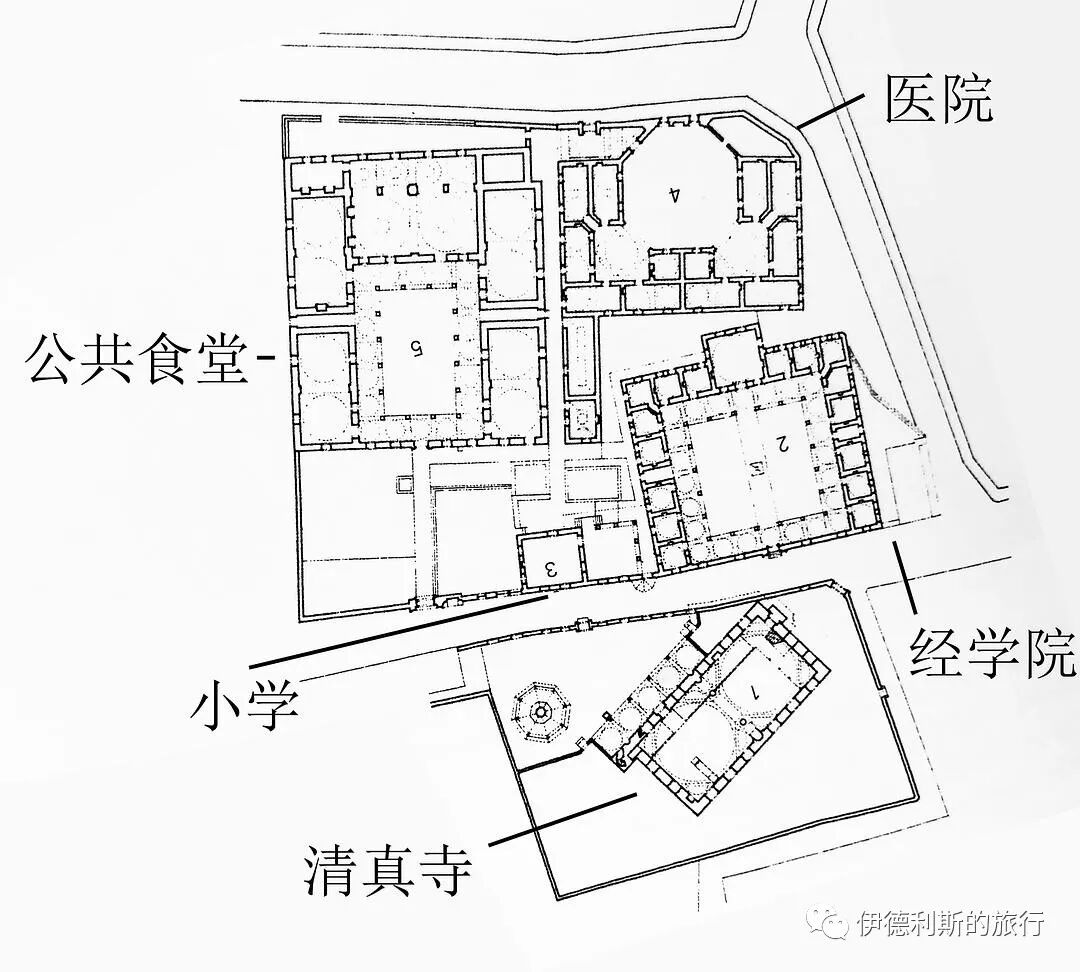
The layout of the building complex is based on a map from the book Sinan's Istanbul.
The mosque (1539) sits at the southernmost part of the complex, separated from the rest by a narrow alley. The mosque was originally a simple, traditional design with one dome and one minaret, built with alternating layers of brick and stone. Its porch has six marble columns supporting five small domes. The mosque was expanded in 1612, growing from one dome to two and doubling in size. The mosque has no tiles, and the current painted decorations were added later. During this period, Sinan had not yet started to innovate in mosque architecture.
The madrasa (1540) is directly across from the mosque, featuring sixteen student rooms and a large lecture hall arranged in a rectangle.
The primary school (1540) is known as the most beautiful one built by Mimar Sinan.
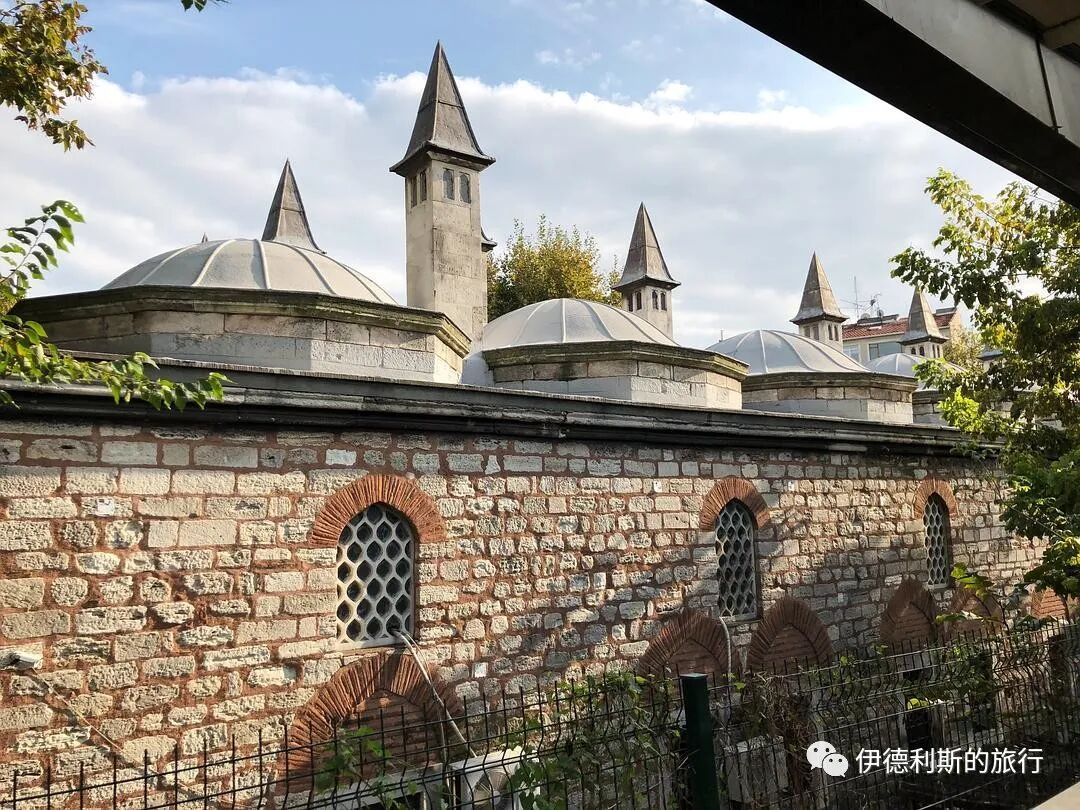
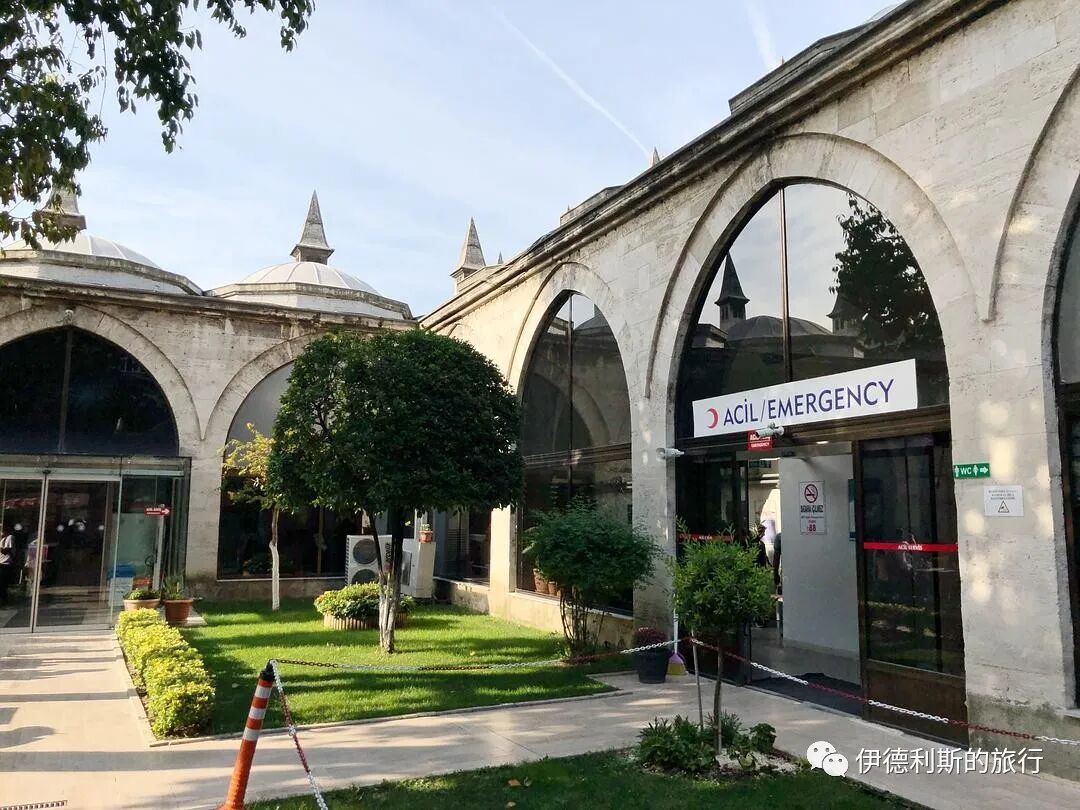
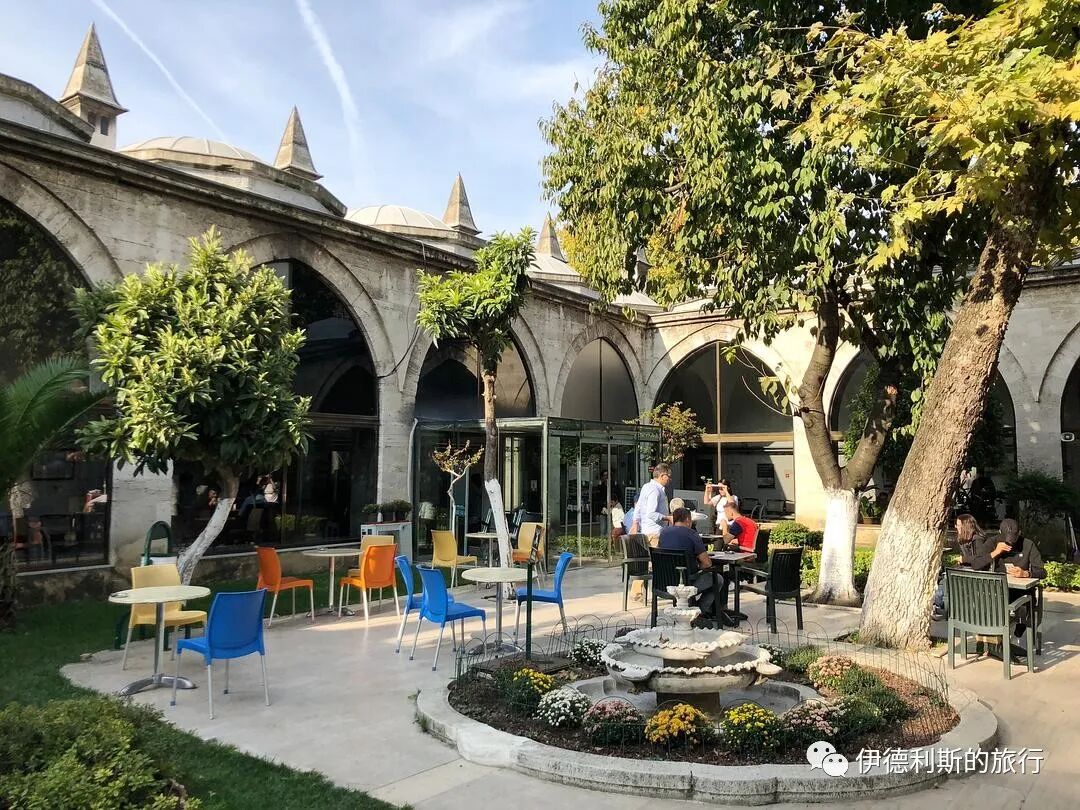
The hospital (1550) is in the far north and was built by Hurrem Sultan specifically for women. The hospital courtyard is octagonal, with rooms on three sides and windows facing the street on the fourth. The two arched gateways (iwan) at the corners of the octagonal courtyard and the dome show how Sinan would later develop his use of arches and domes.
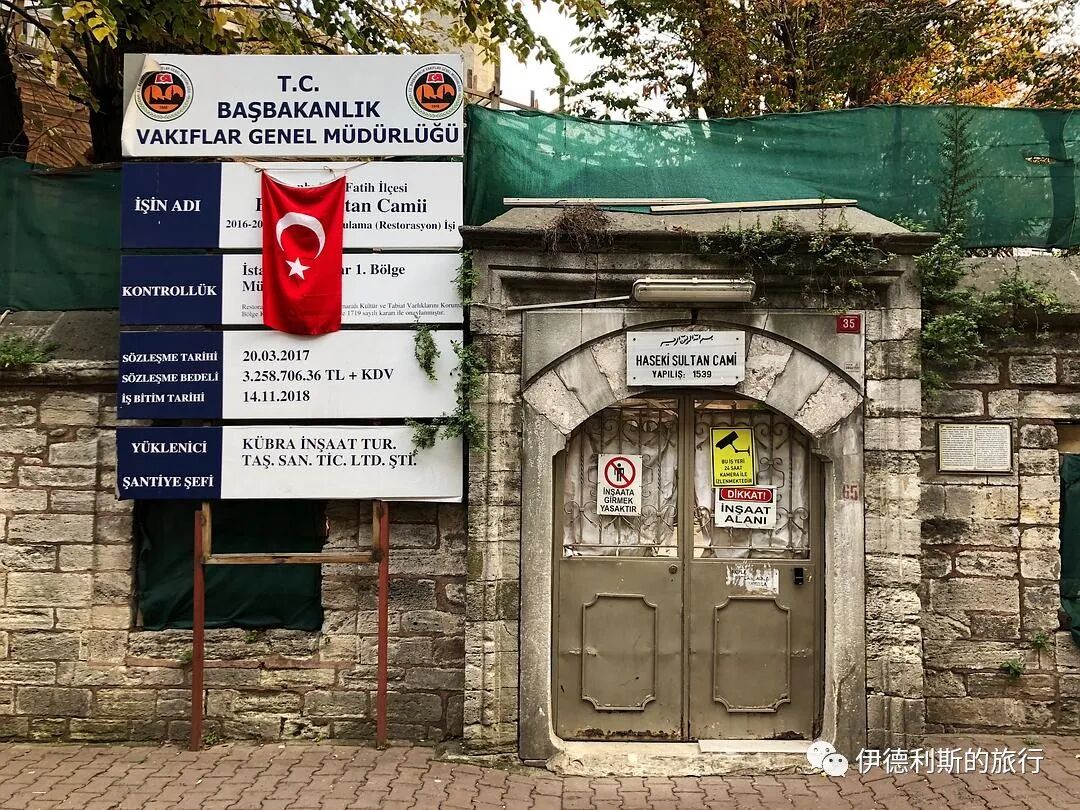
Unfortunately, the mosque was under renovation and closed when I visited.
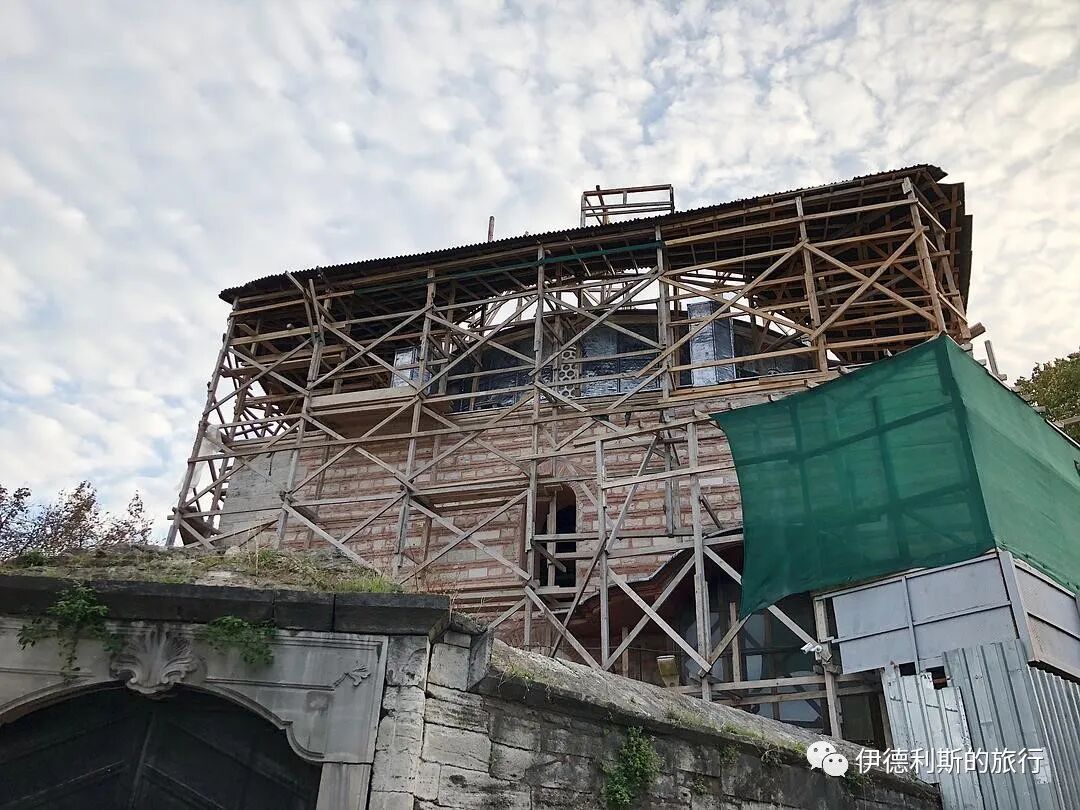
The dome of the mosque.
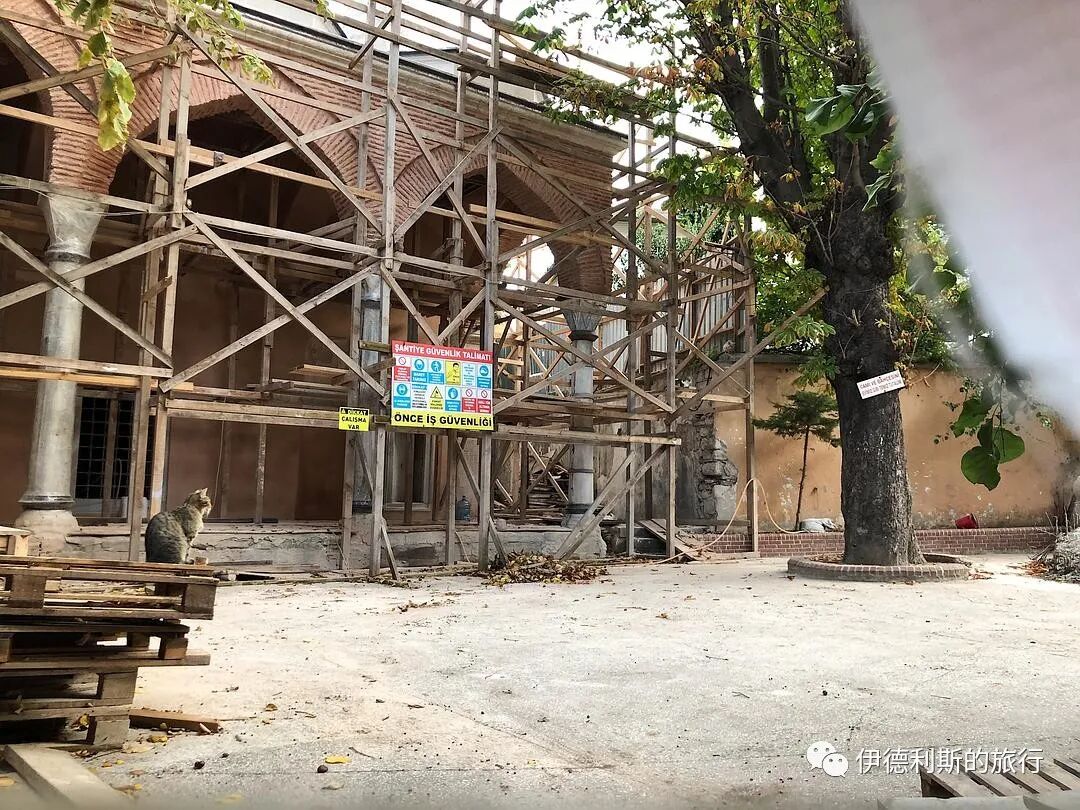
The front porch of the mosque.
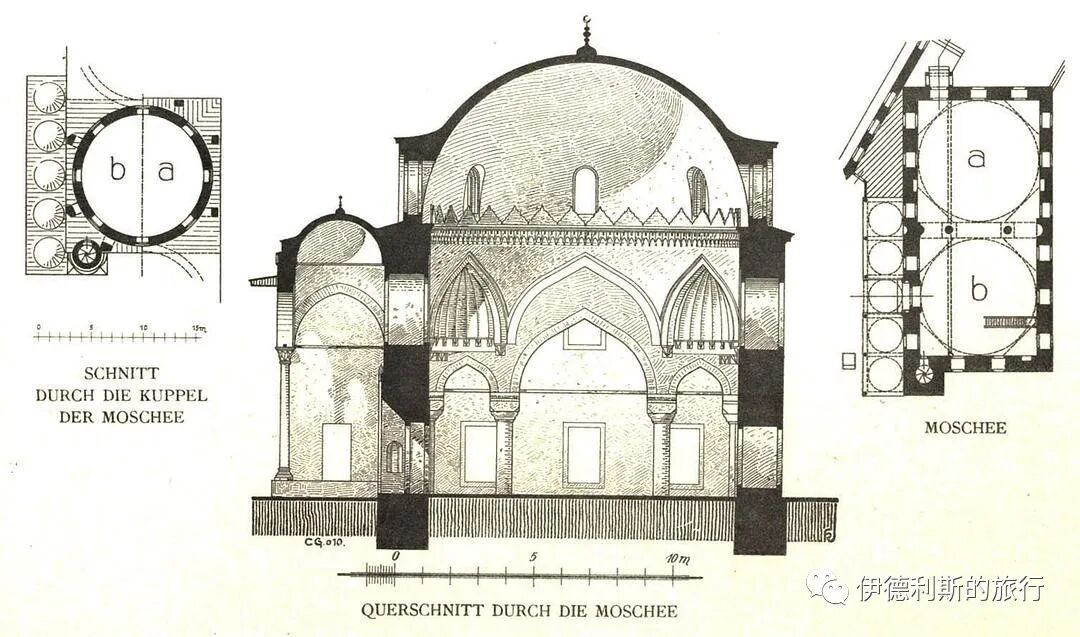
A diagram of the mosque published by Cornelius Gurlitt in 1912, showing the layout before the expansion on the left and after on the right.
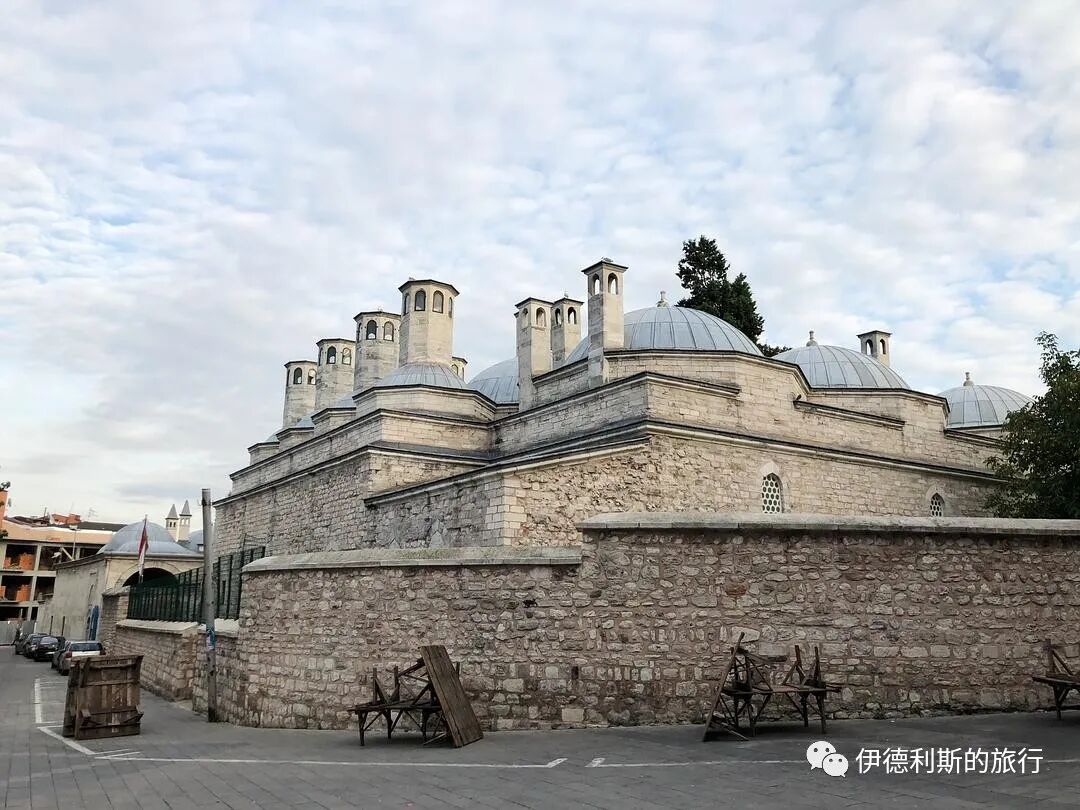
Public kitchen
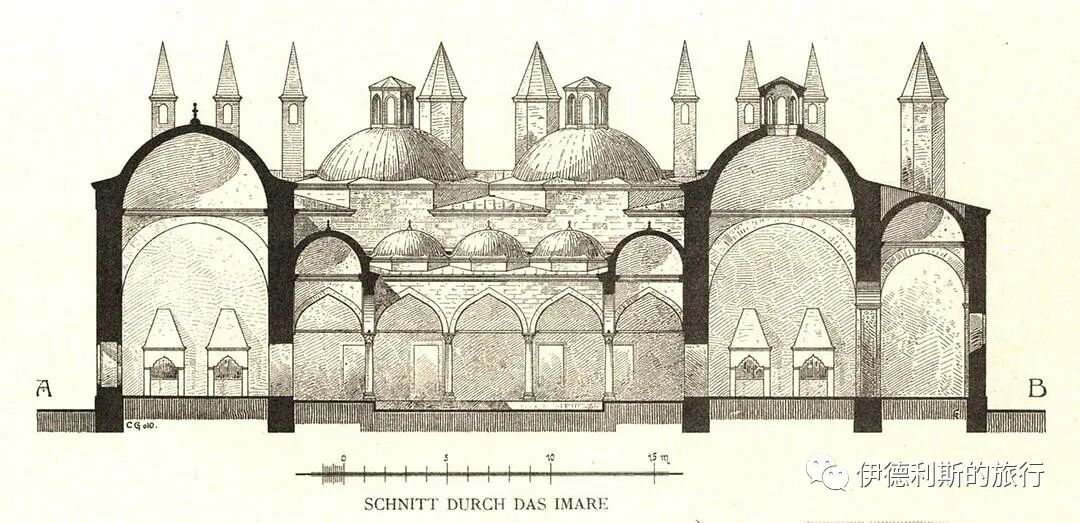
A diagram of a public kitchen published by Cornelius Gurlitt in 1912
2. Mihrimah Sultan Complex: 1543-1548
The Mihrimah Sultan Complex (Mihrimah Sultan Külliyesi) sits next to the Üsküdar pier on the east bank of the Bosphorus. Built between 1543 and 1548, it is one of the most famous landmarks in the Üsküdar area and the second complex by Mimar Sinan still standing in Istanbul.
The complex was commissioned in 1543 by Mihrimah Sultan, the daughter of Suleiman the Magnificent and Hurrem Sultan. She was the wife of the Grand Vizier Rüstem Pasha and is known as the most powerful princess in Ottoman history.
The entire complex is cleverly built on a slope that stretches to the coast. It includes a mosque, a religious school (madrasa), a guesthouse, a dining hall (imaret), an elementary school, and several tombs added later. The guesthouse and dining hall were destroyed by fire in 1772.
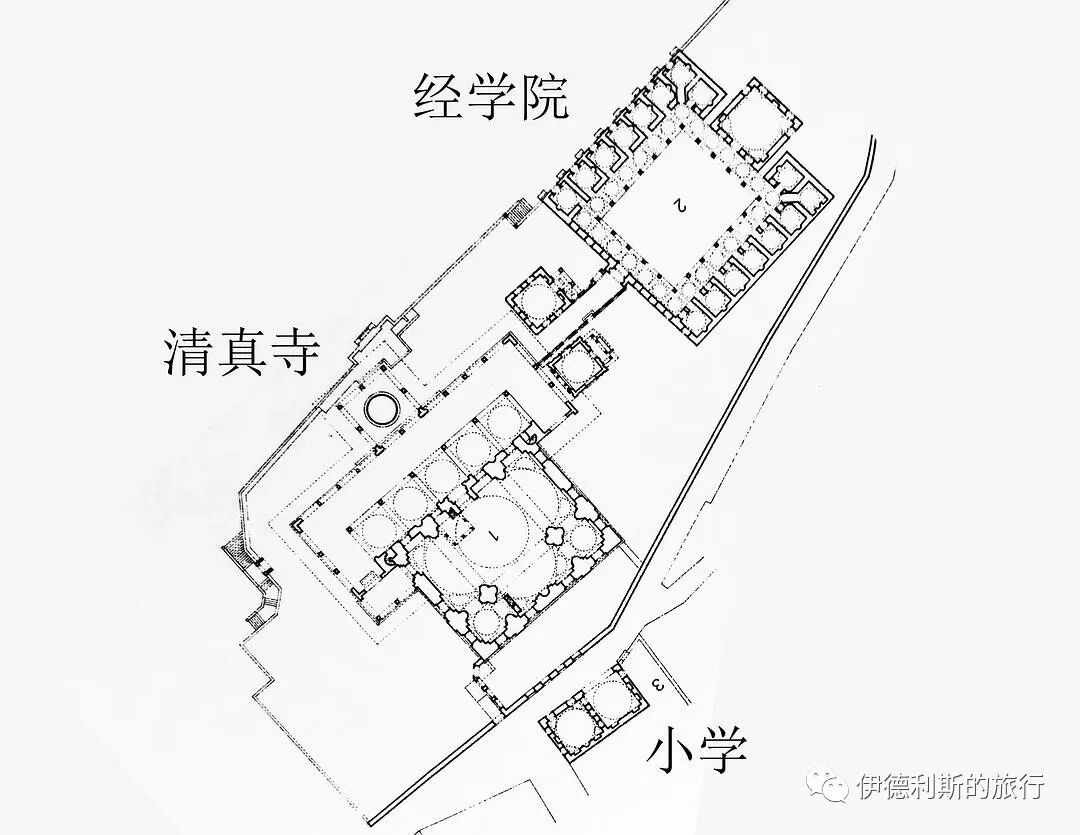
The layout of the building complex is based on a map from the book Sinan's Istanbul.
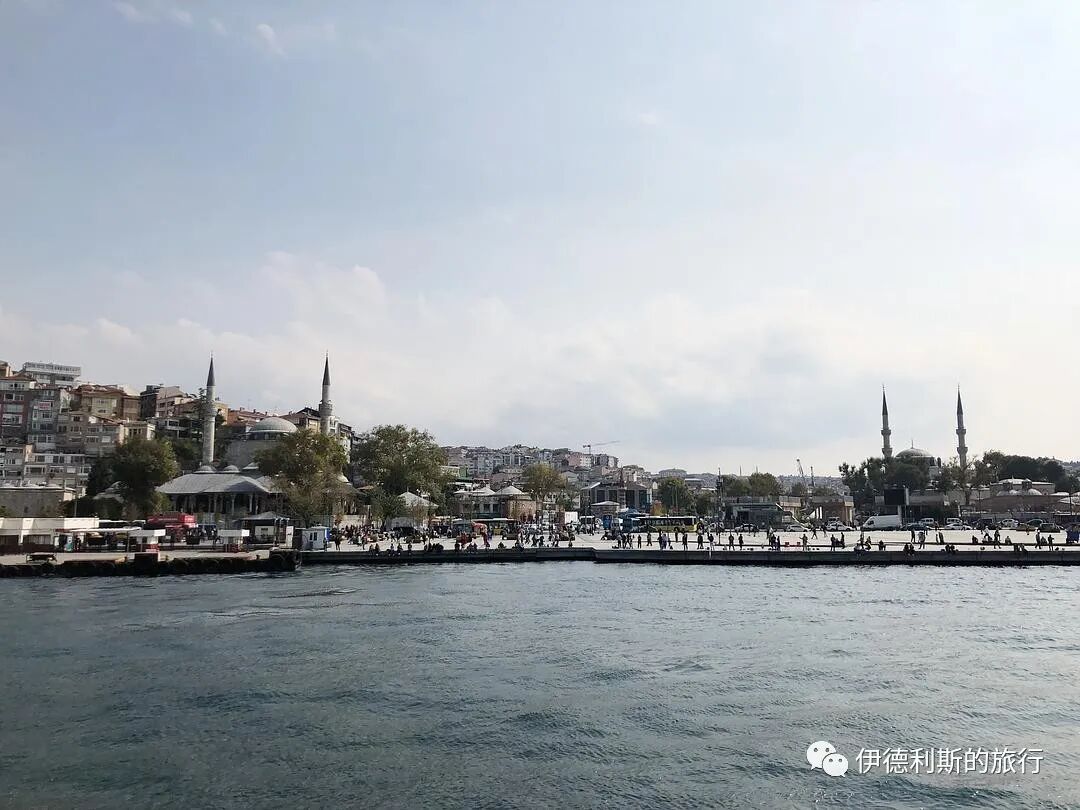
On the left is the Mihrimah Sultan Complex.
This mosque is the first semi-domed mosque designed by Mimar Sinan. The mosque consists of one main dome and three semi-domes. This shape expands the interior space, so you feel like you are under a dome as soon as you enter the main hall. Although the mosque itself is not very deep, this design makes the space feel much larger. Mimar Sinan also added a T-shaped canopy in front of the porch to soften the look of the entrance.
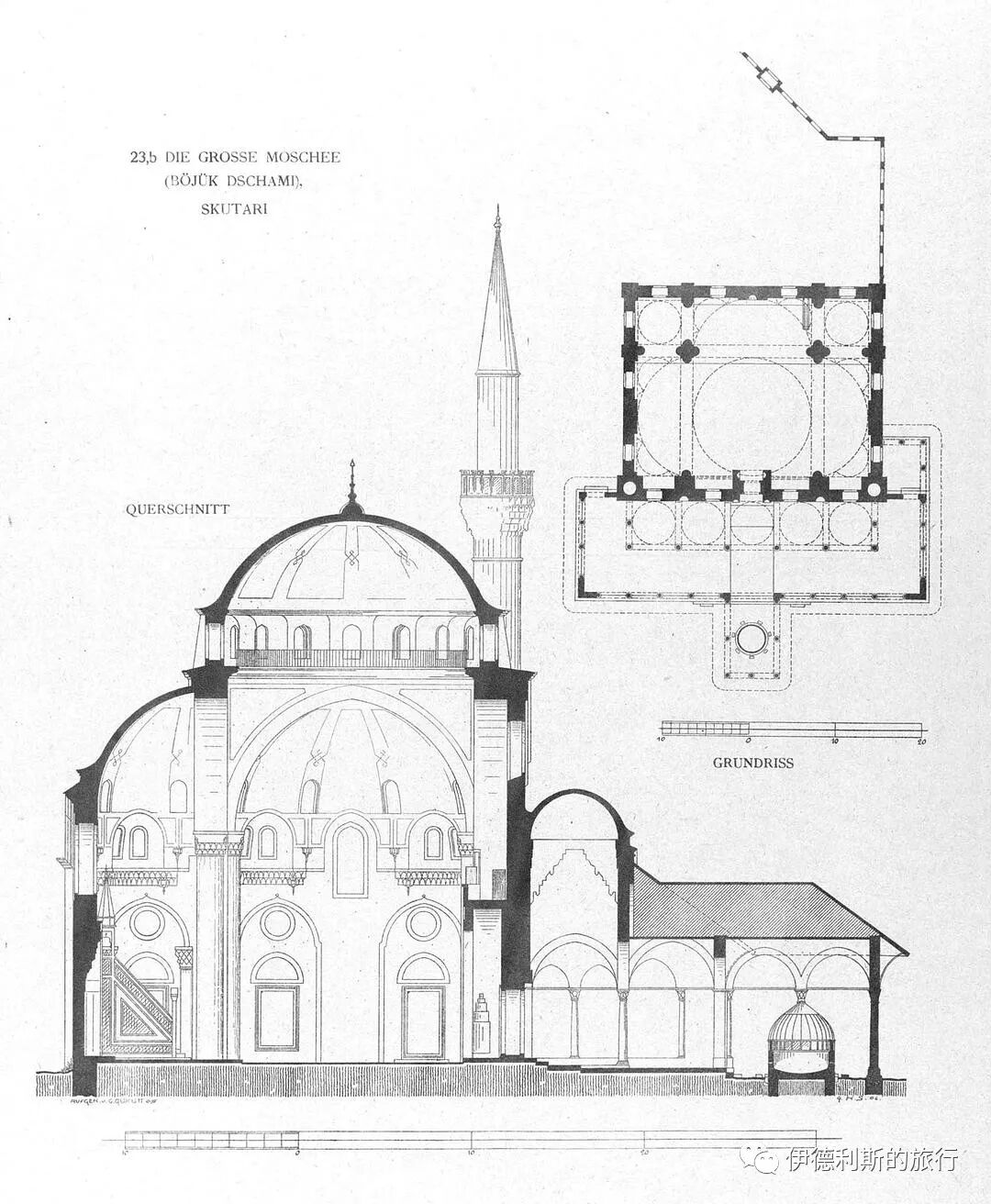
A diagram of the mosque published by Cornelius Gurlitt in 1912.
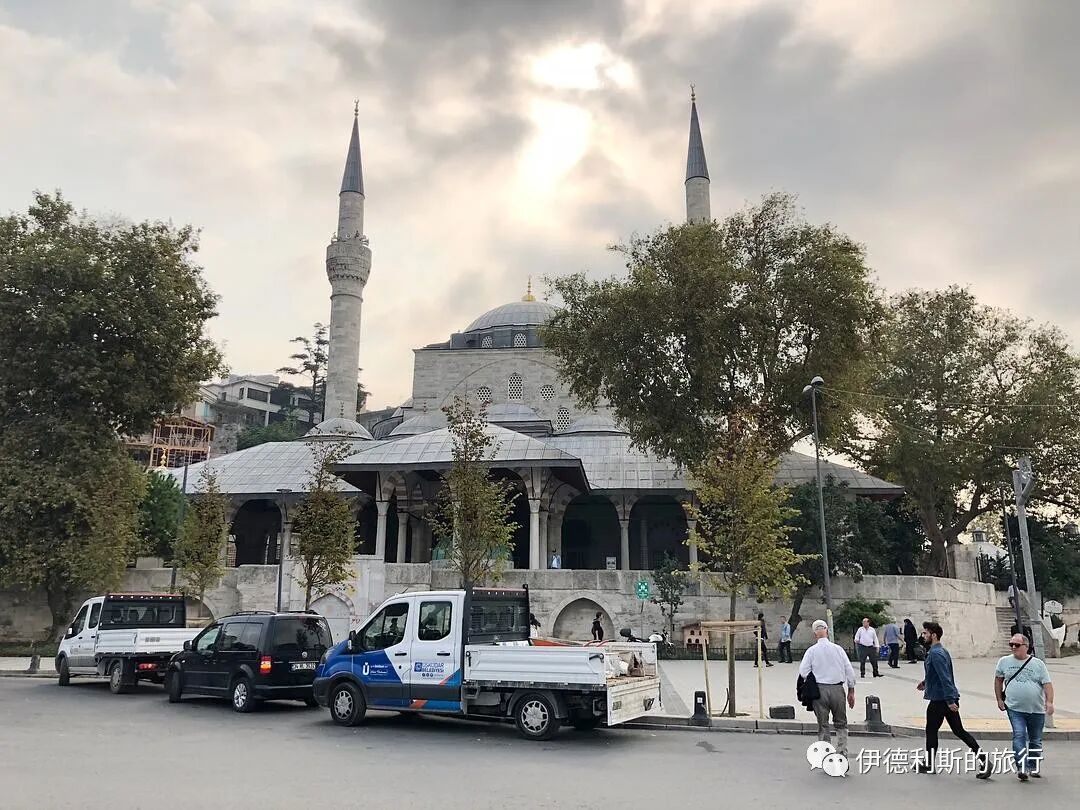
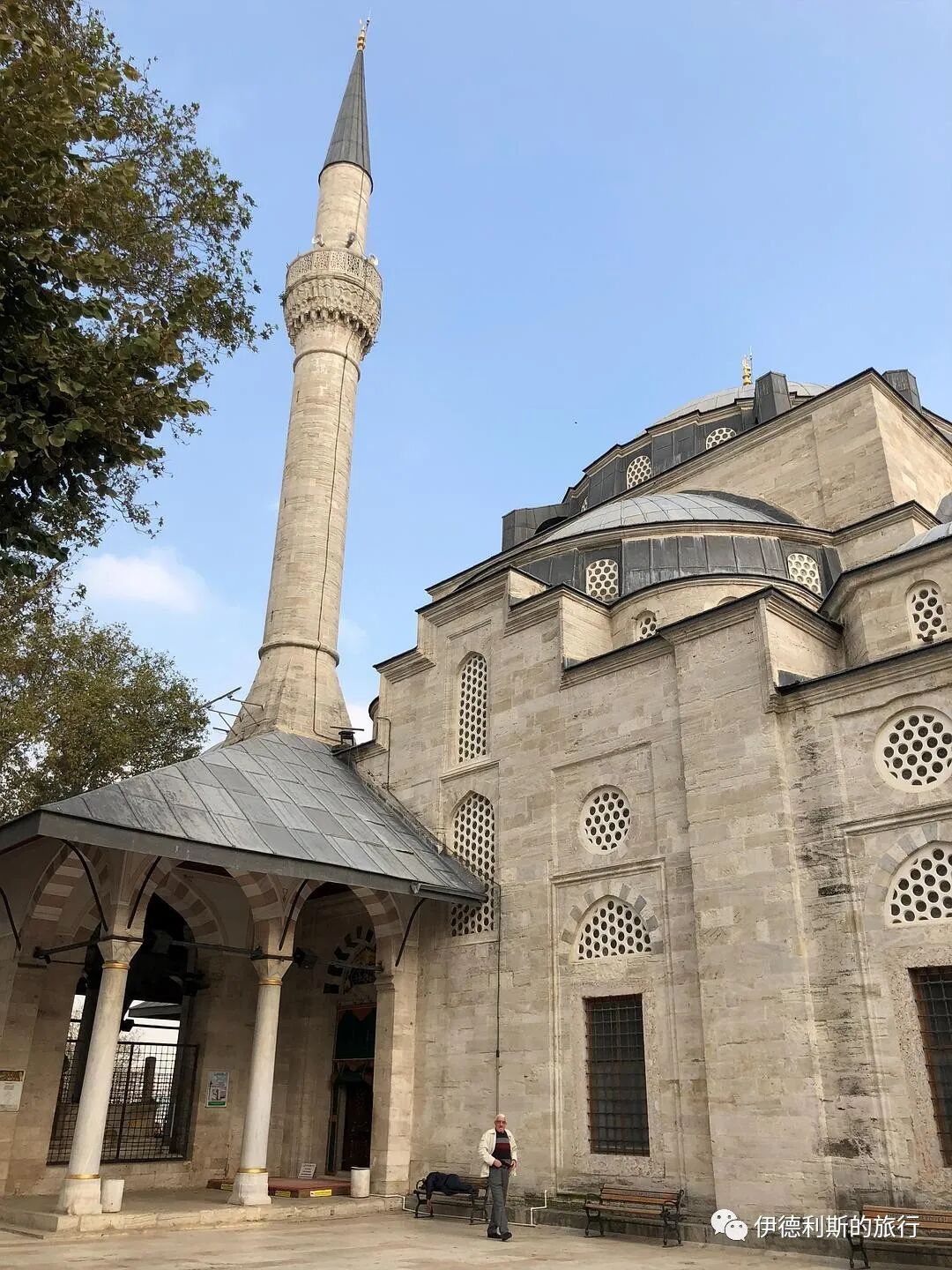
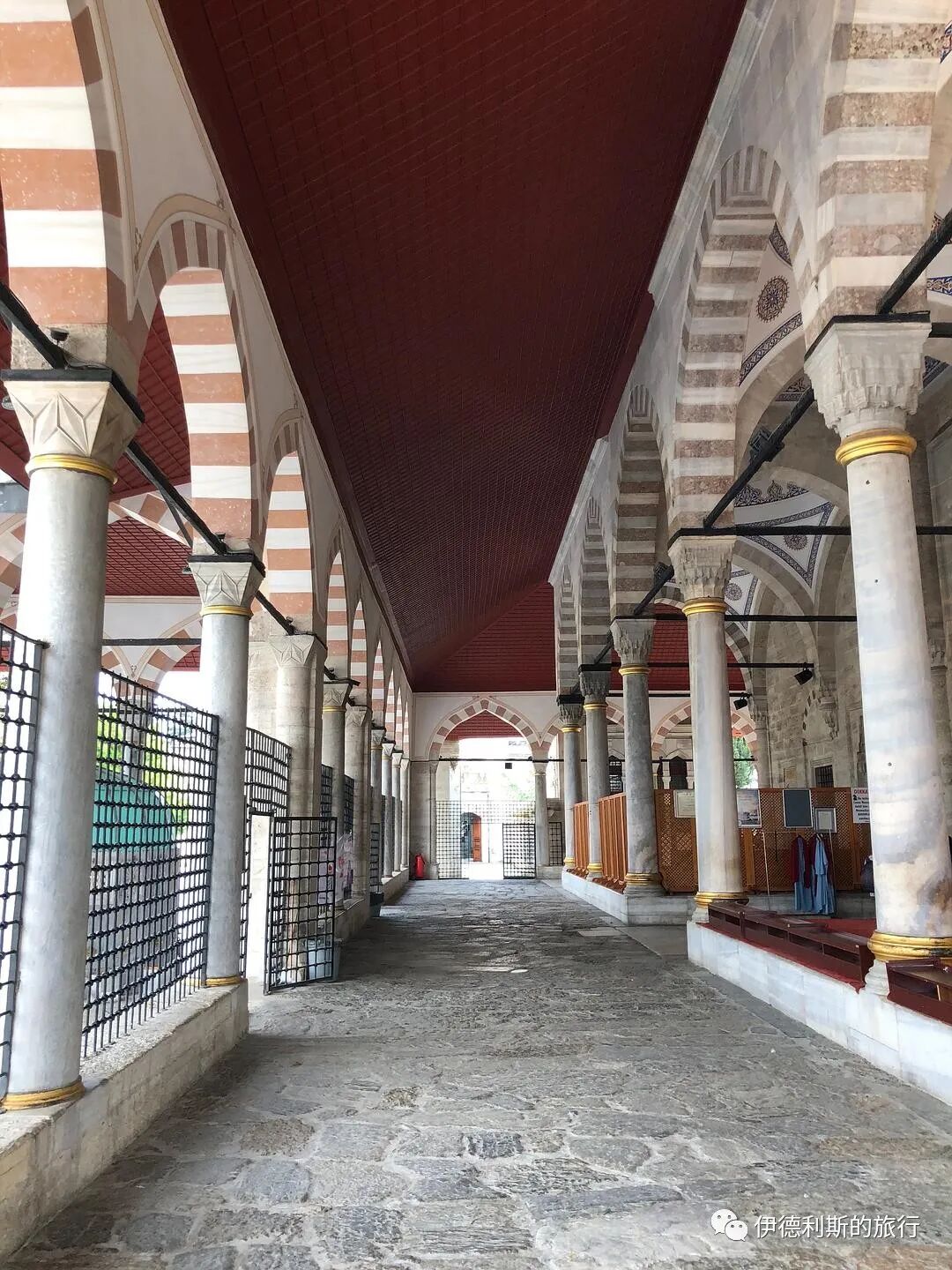
The canopy in front of the porch.
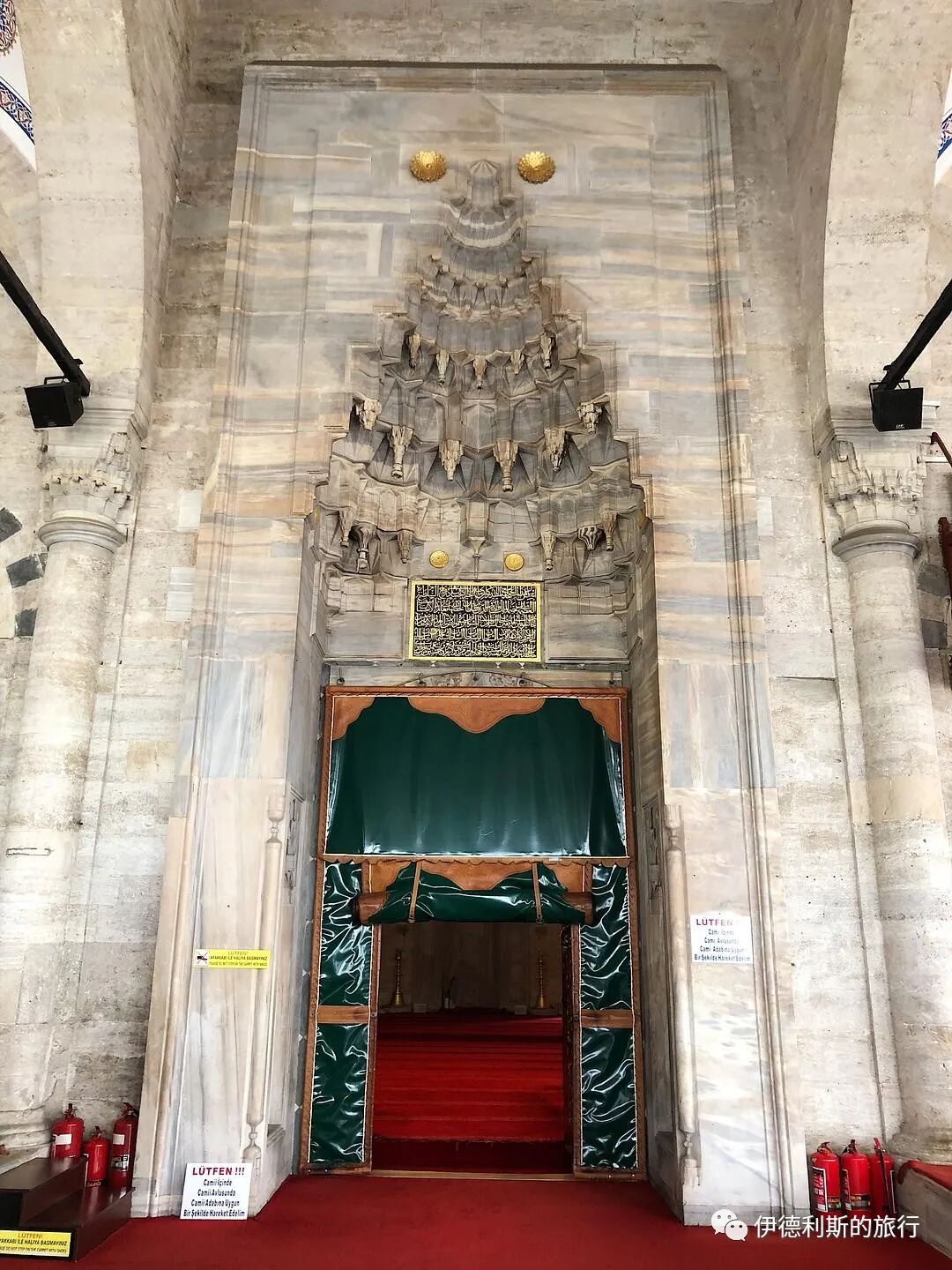
The main gate.
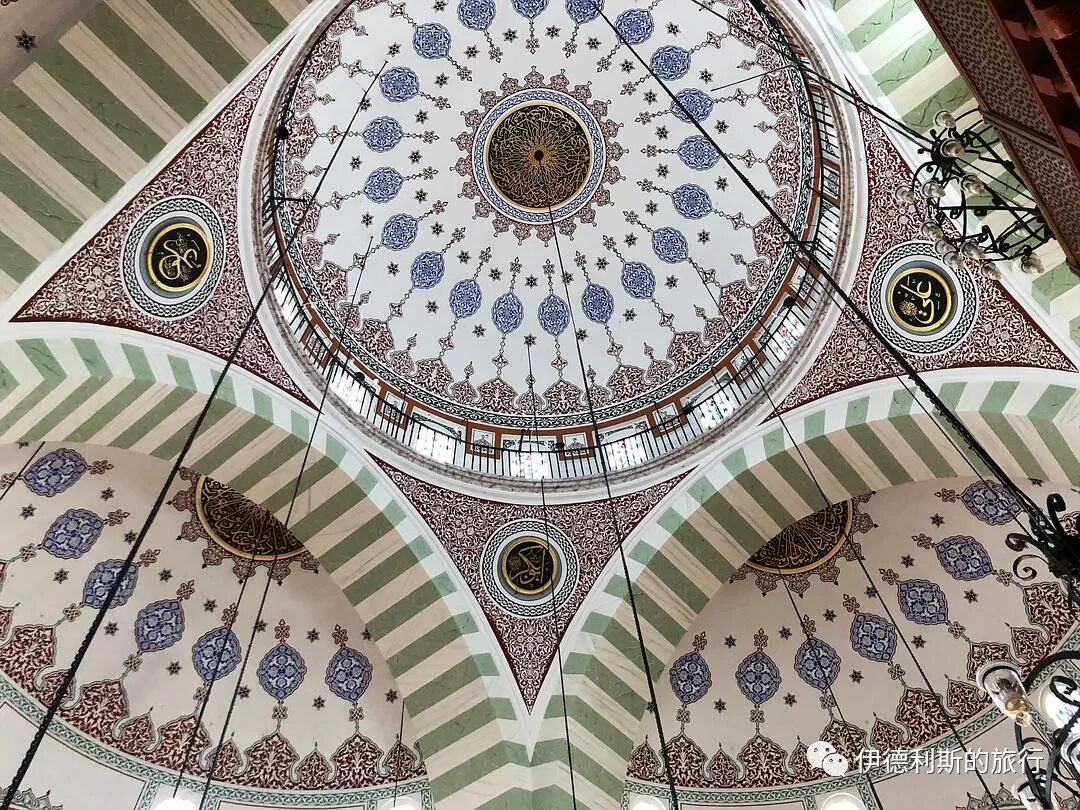
The main dome and the semi-domes.
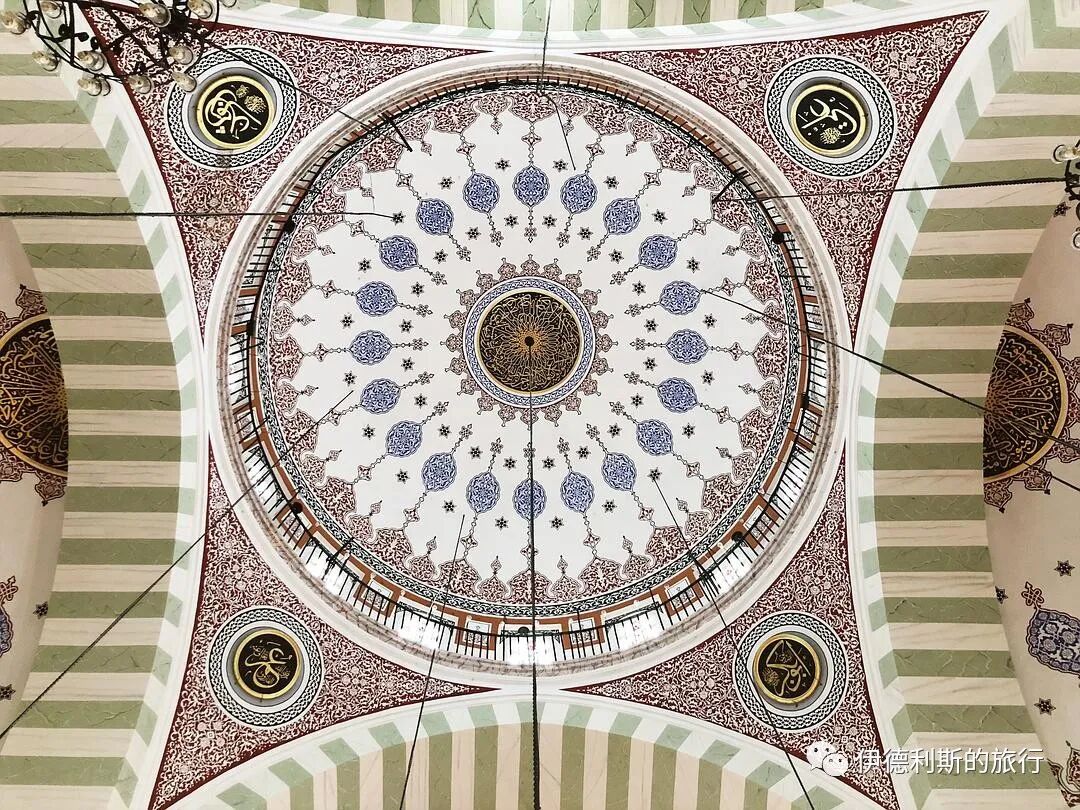
Main dome
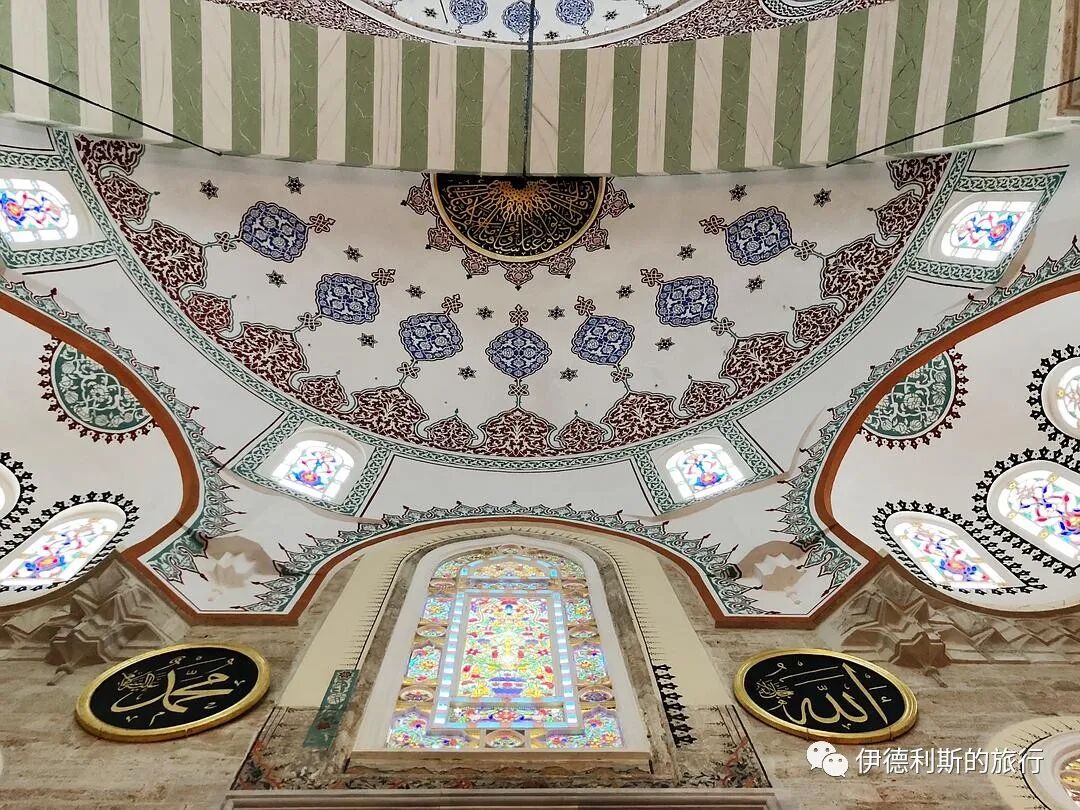
Half-dome
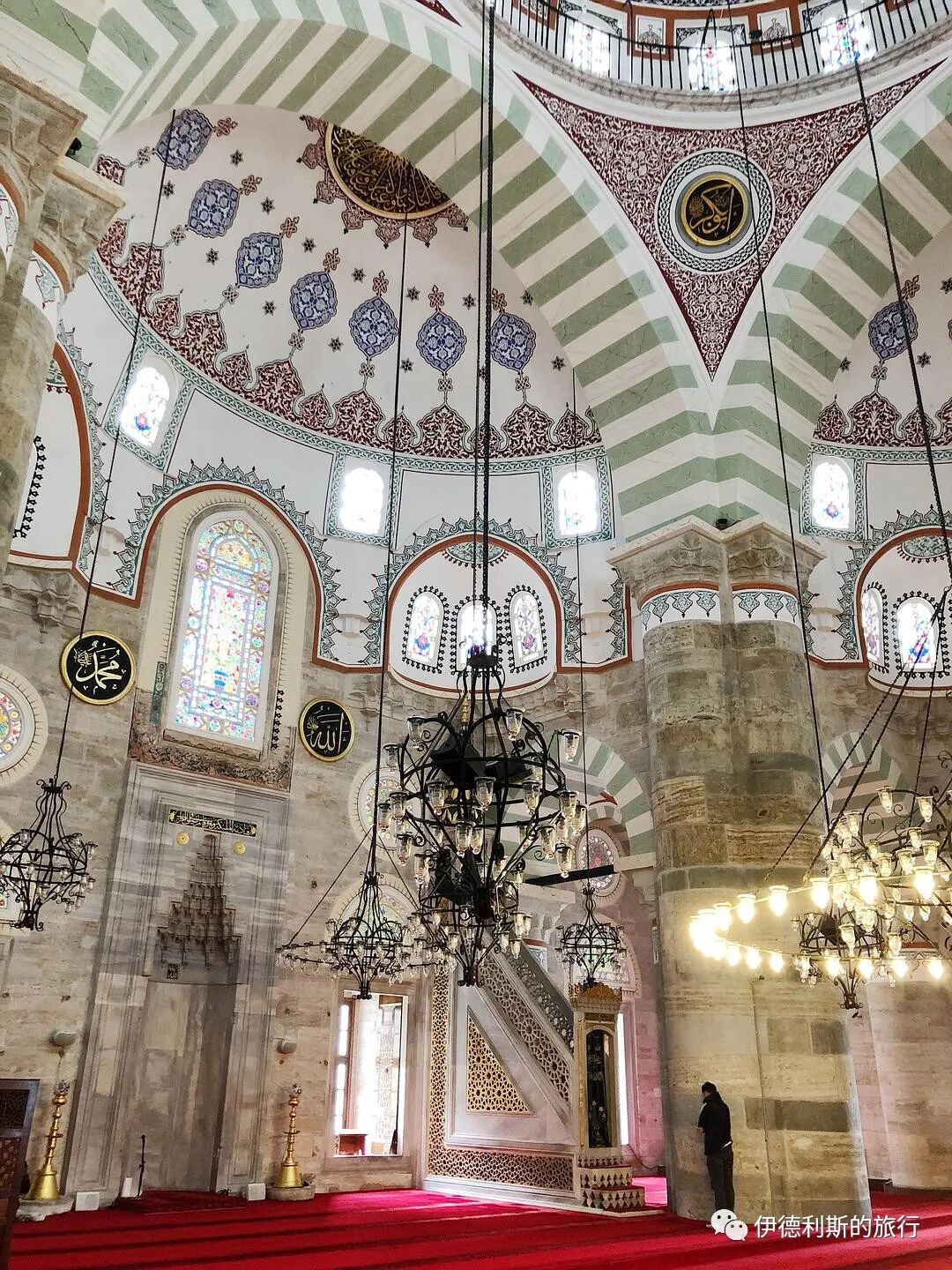
The mihrab and minbar under the half-dome
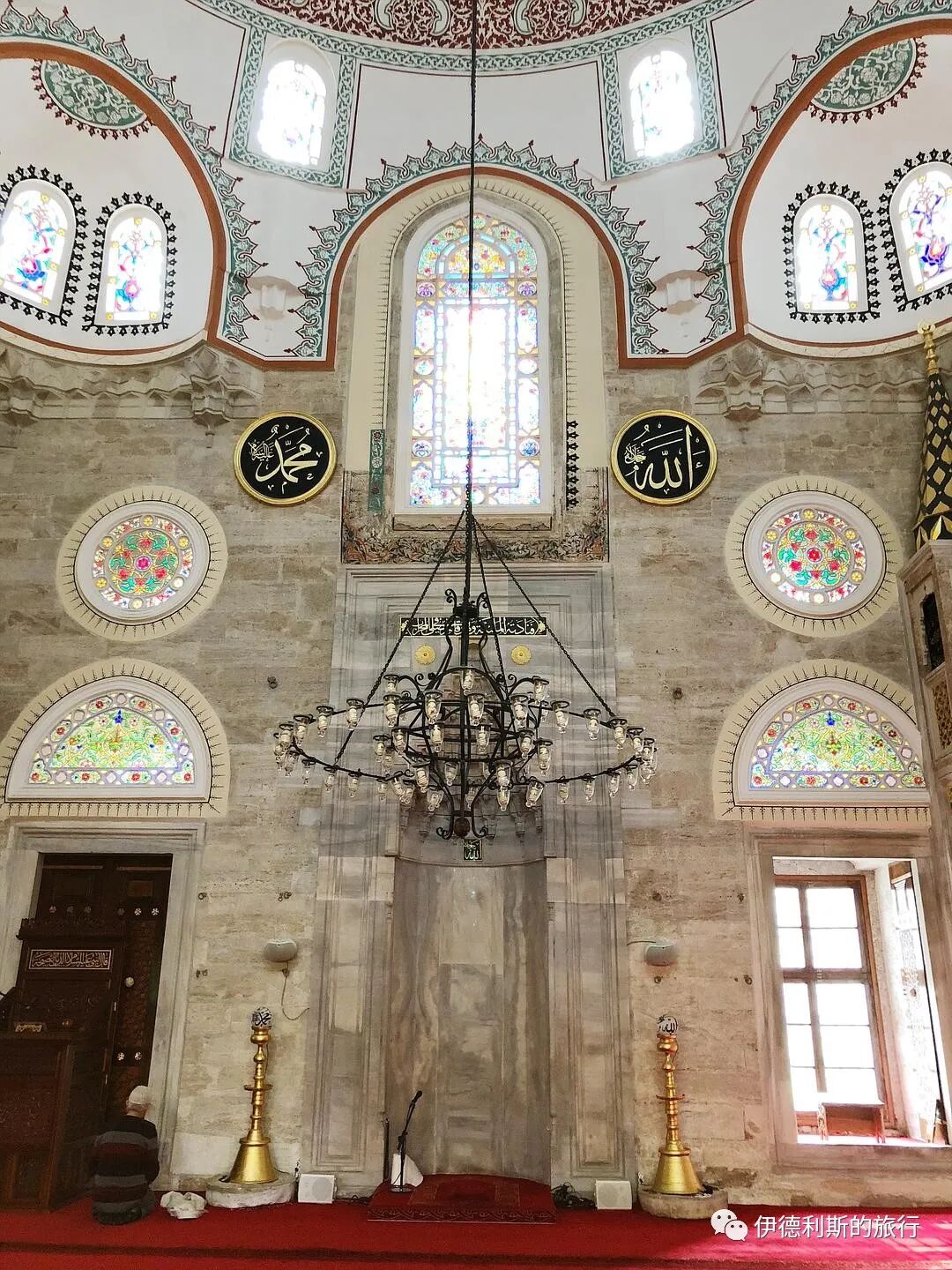
Mihrab
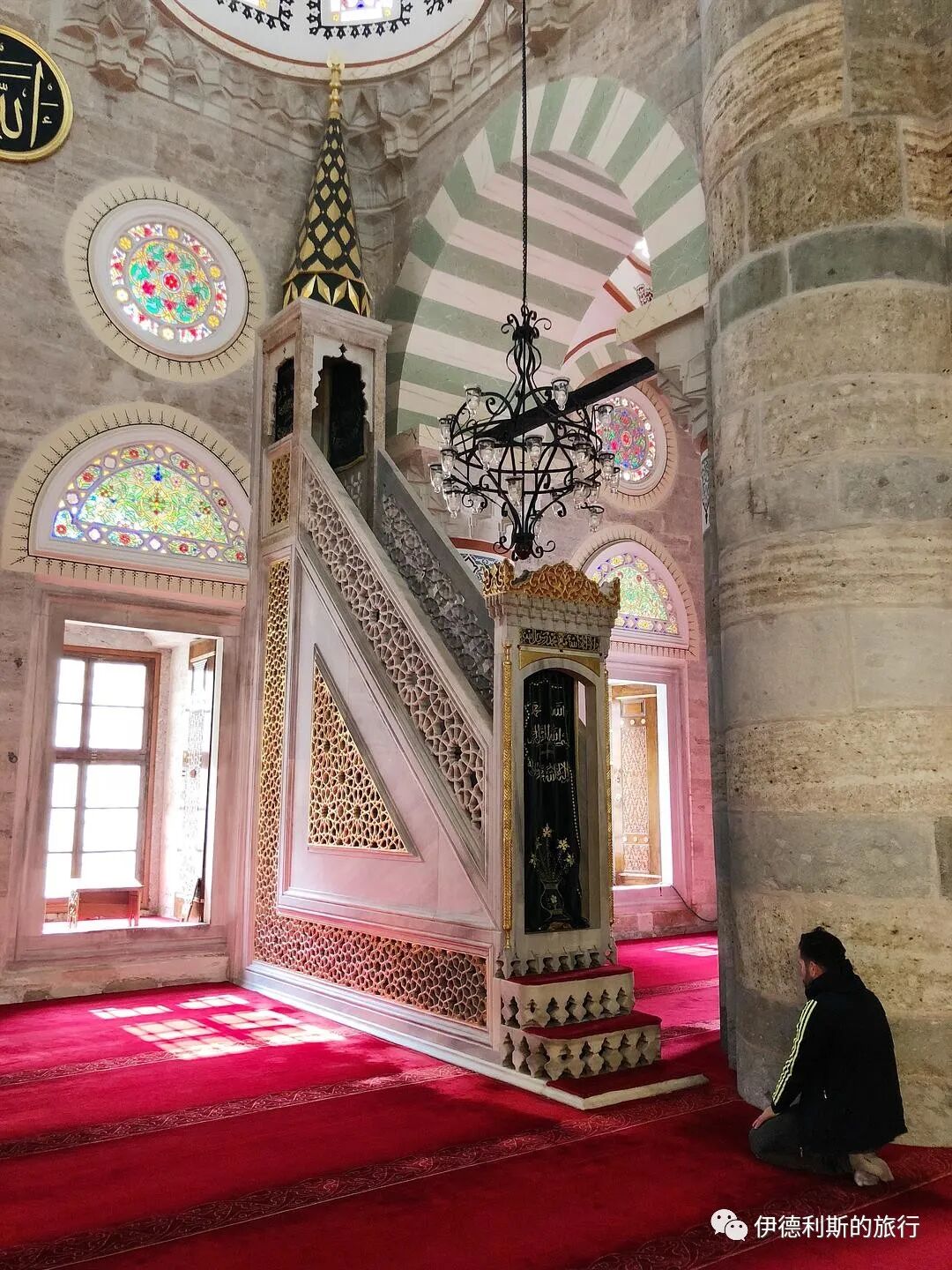
Minbar
The madrasa consists of sixteen student dorms and a large lecture hall arranged in a rectangle. It is now a hospital, and the integrity of this cultural heritage site has been damaged.
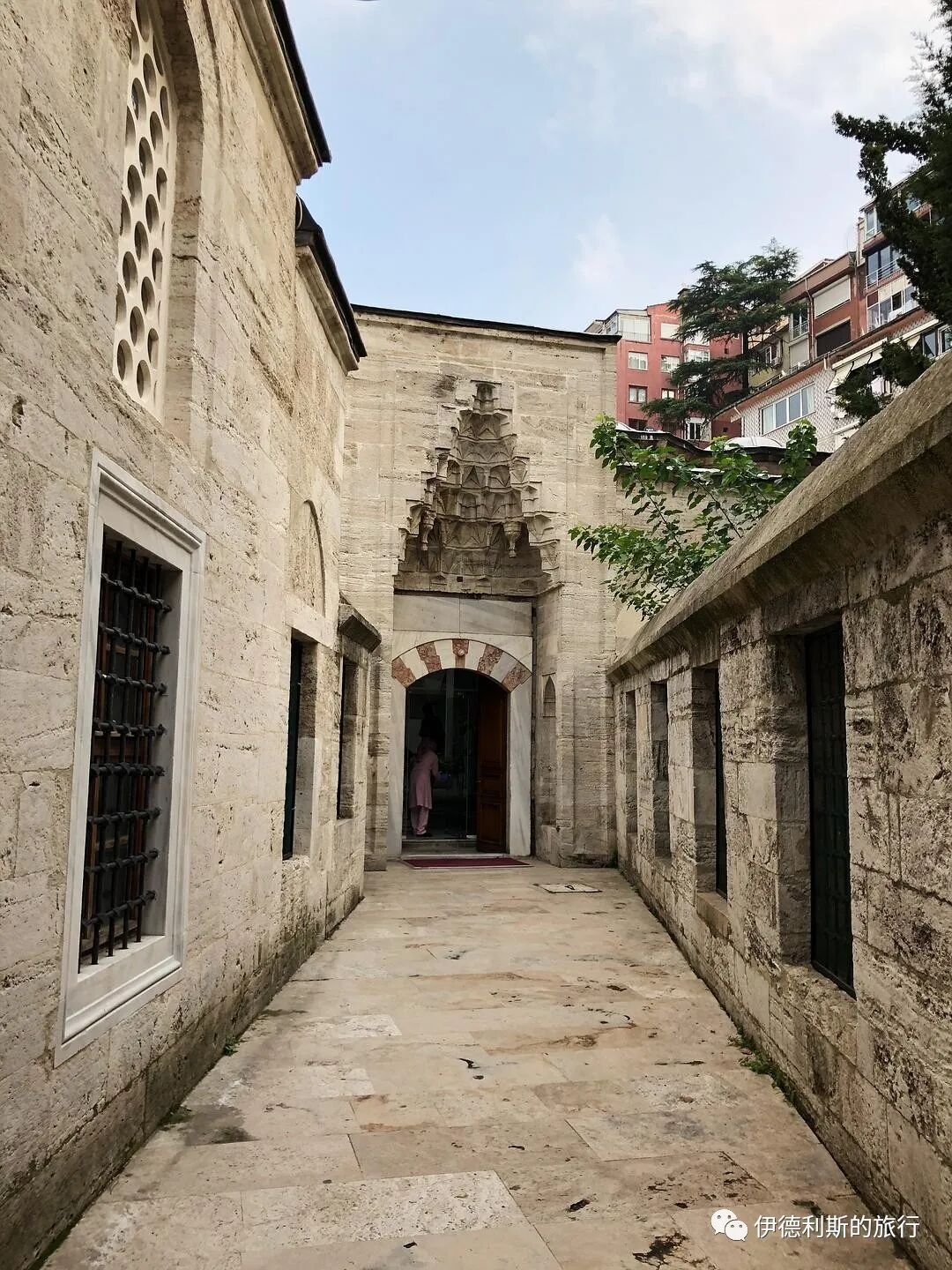
The passage from the mosque to the madrasa
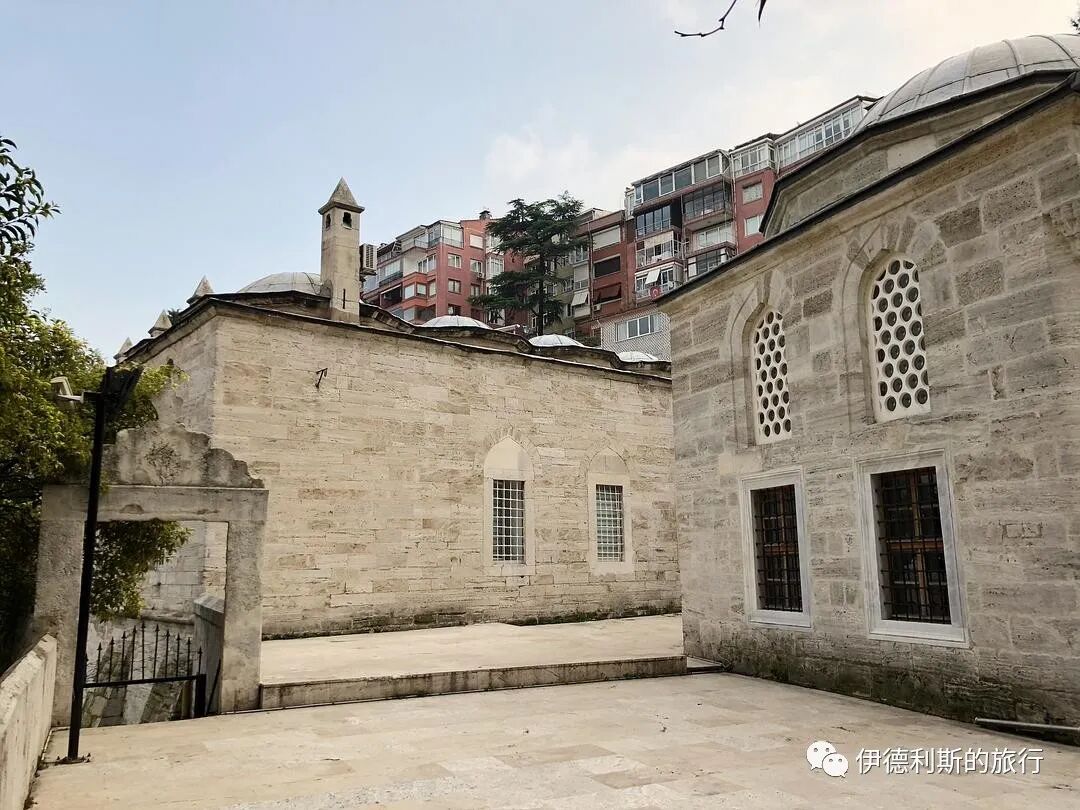
Exterior of the madrasa
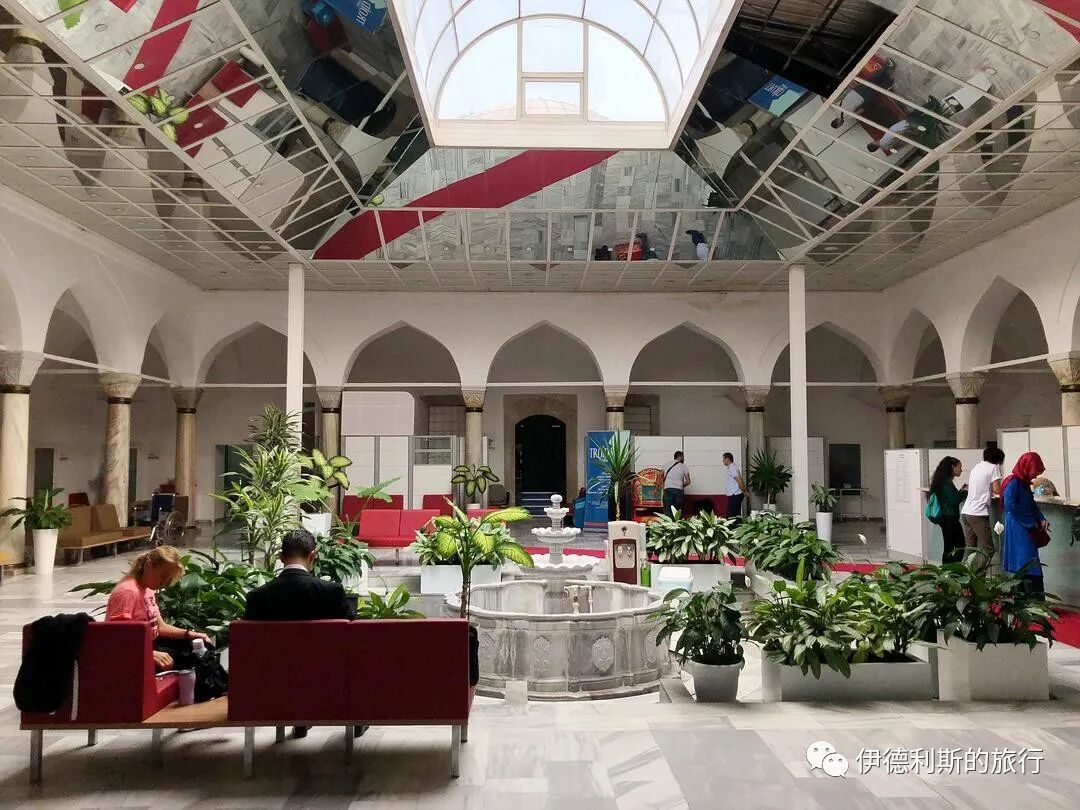
Inside the madrasa.
The primary school consists of two domed buildings.
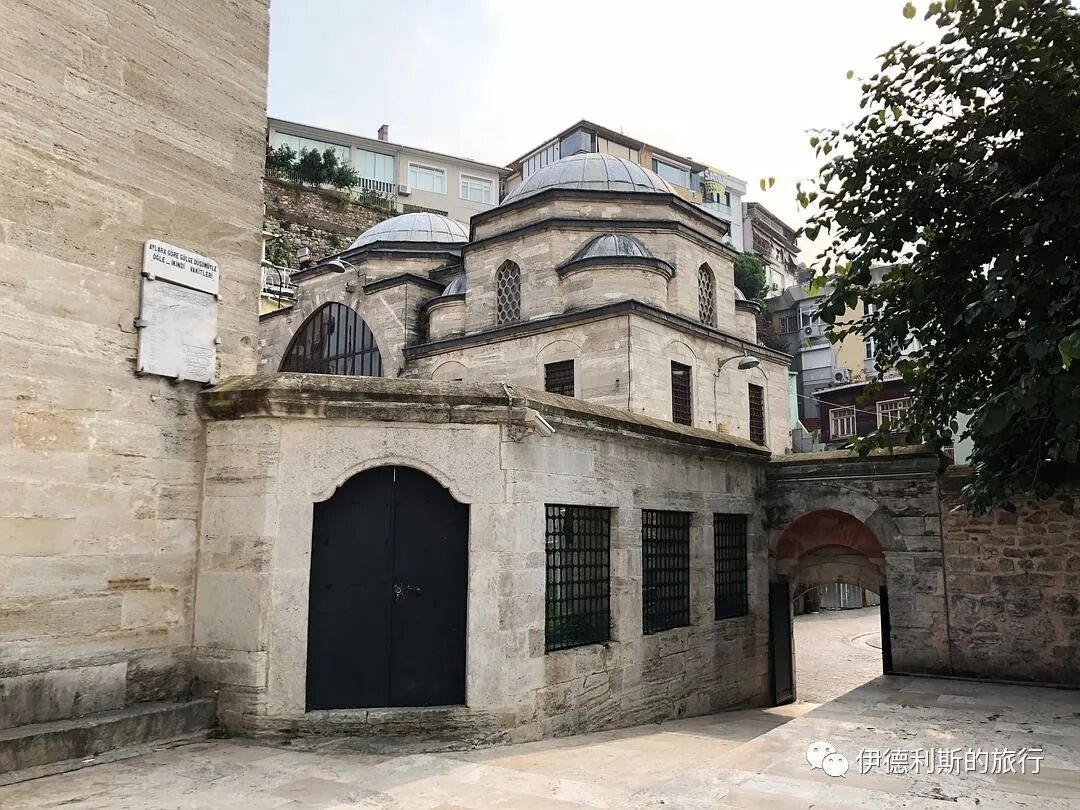
3. Sehzade Complex: 1543-1548
The Prince Complex (Şehzade Külliye) sits on the third hill of Istanbul's old city. Built between 1543 and 1548, it is known as the most important early work by Mimar Sinan and his first masterpiece.
Suleiman the Magnificent built the complex to honor his beloved son, Prince Mehmed (Şehzade Mehmed), who died young. Prince Mehmed was the son of Suleiman the Magnificent and Hurrem Sultan. He was favored from a young age and was the most likely heir, but he sadly died of smallpox in 1543 (some say he was murdered). Suleiman the Magnificent was heartbroken after the prince died. Traditionally, princes were buried in Bursa, but the Sultan decided to commission Mimar Sinan to build a tomb for the prince in Istanbul and add a complex to match it.
The Prince Complex (Sehzade Mosque complex) was the first project Mimar Sinan built under the direct order of Suleiman the Magnificent. It was his most ambitious early work, featuring a much grander scale and more decorations than his previous designs.
The complex includes a mosque, five tombs, a madrasa (religious school), a guest house, a caravanserai (traveler's inn), a public kitchen, and a primary school. These buildings are spread out freely across the flat ground without any forced symmetry. The mosque is not physically connected to the other buildings, which are scattered throughout the gardens or along the streets surrounding the mosque.
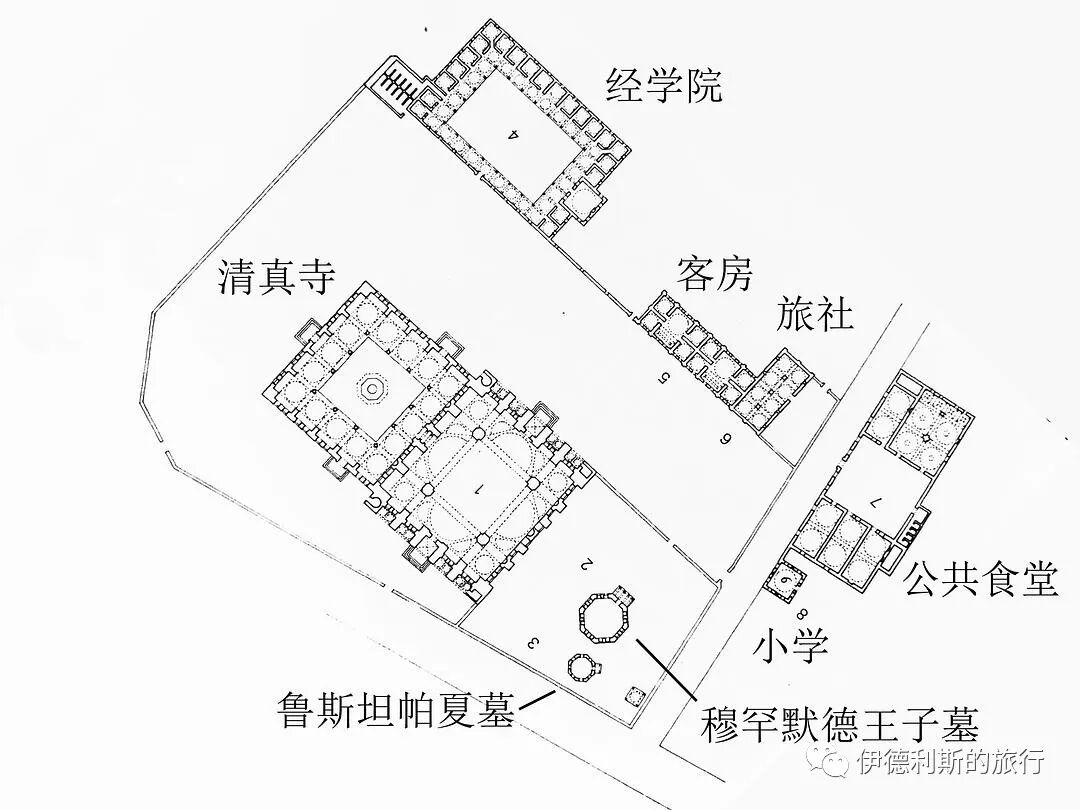
The layout of the building complex is based on a map from the book Sinan's Istanbul.
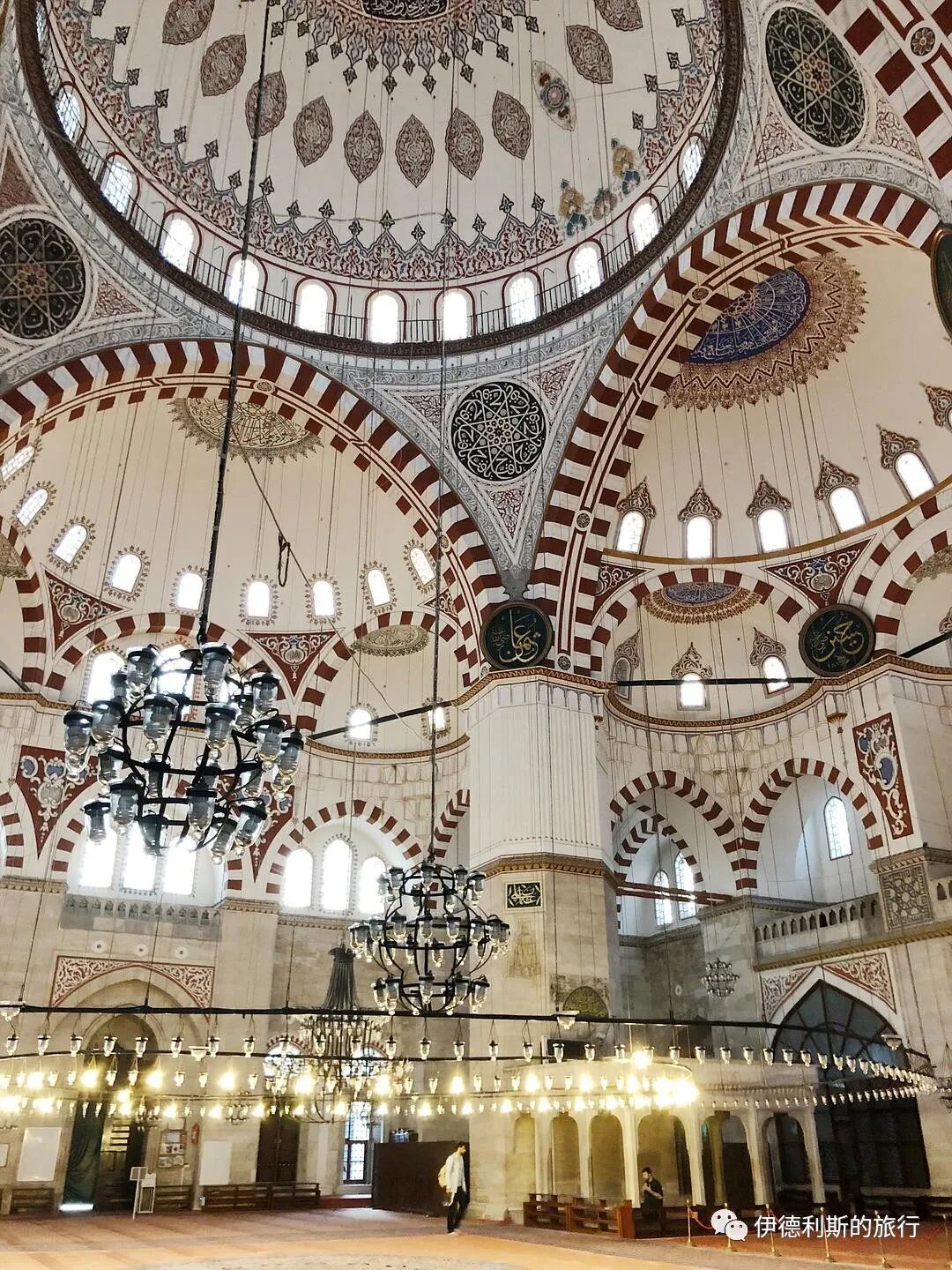
The mosque (built between 1543 and 1548) was the second semi-domed mosque designed by Mimar Sinan, featuring one main dome supported by four semi-domes. This design improved upon his earlier work at the Mihrimah Sultan Mosque, which had three semi-domes, and offered a new take on older designs like the Fatih Mosque (1471) and the Bayezid II Mosque (1506). This layout separates the four pillars that support the central dome, creating a more striking visual effect.
The interior of the mosque is a square laid out along a central vertical axis, and you can immediately feel the dominance of the central dome when you walk in.
The porticos on the side walls of the mosque are also a bold innovation, which points toward the future development of Ottoman mosques. This design softens the building's flanks and hides the buttresses, helping the facade blend in more perfectly.
The design of the Prince Mosque has gradually moved away from the traditional Ottoman mosque model and started to head toward Sinan's own unique style.
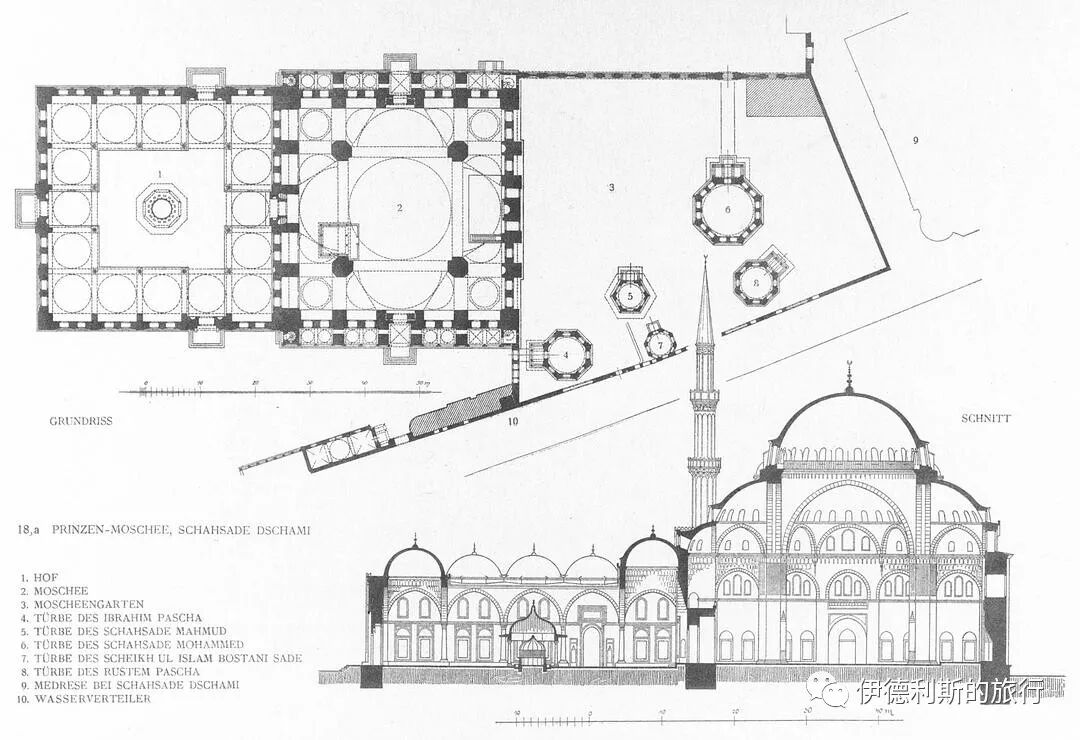
A diagram of the mosque published by Cornelius Gurlitt in 1912.
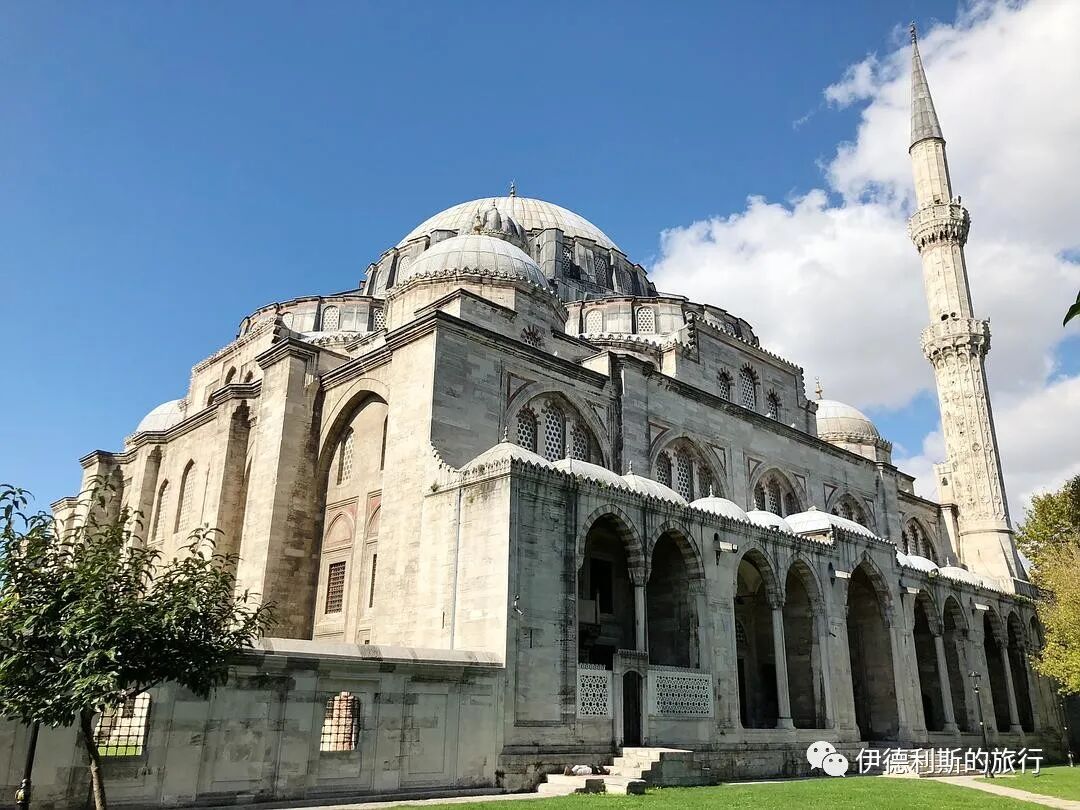
The mosque at noon
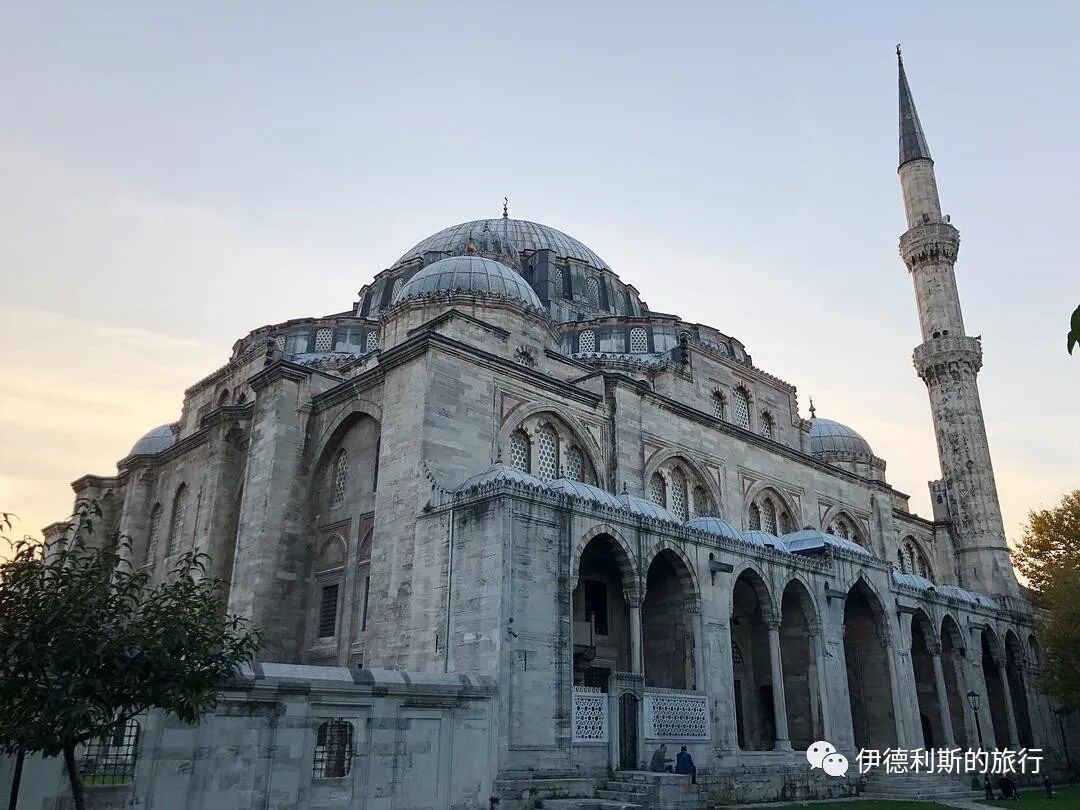
The mosque at sunset
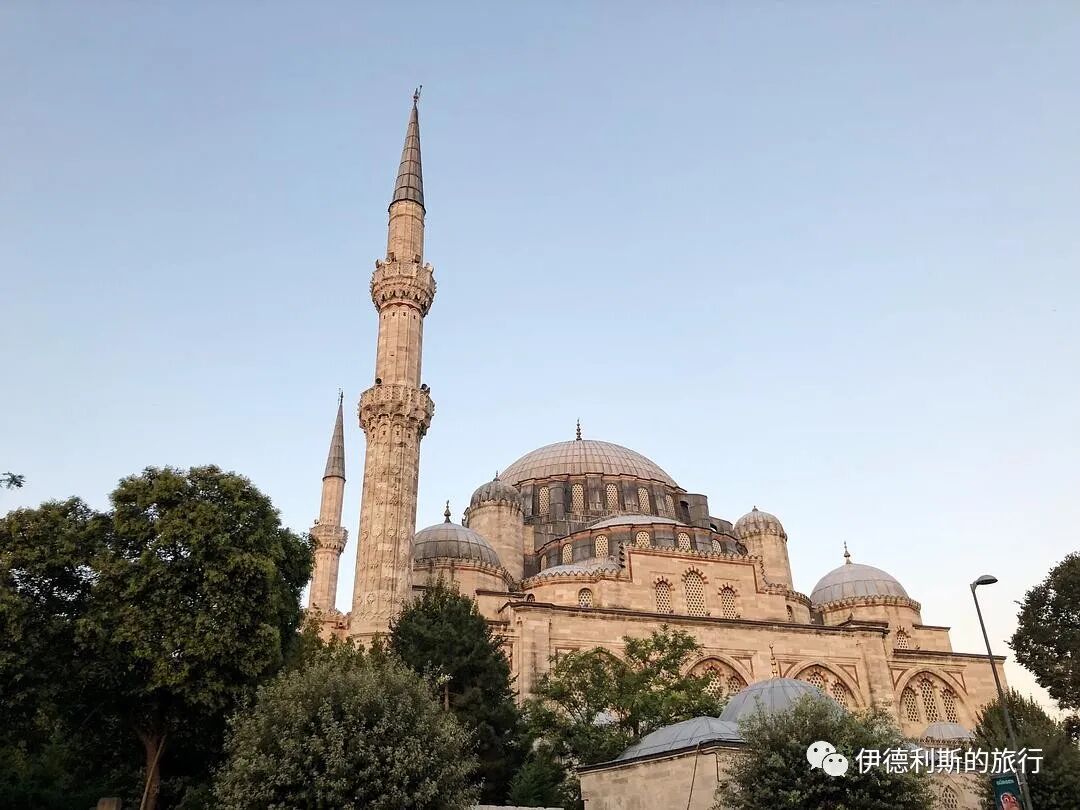
You can see two minarets, the main dome, and the semi-domes.
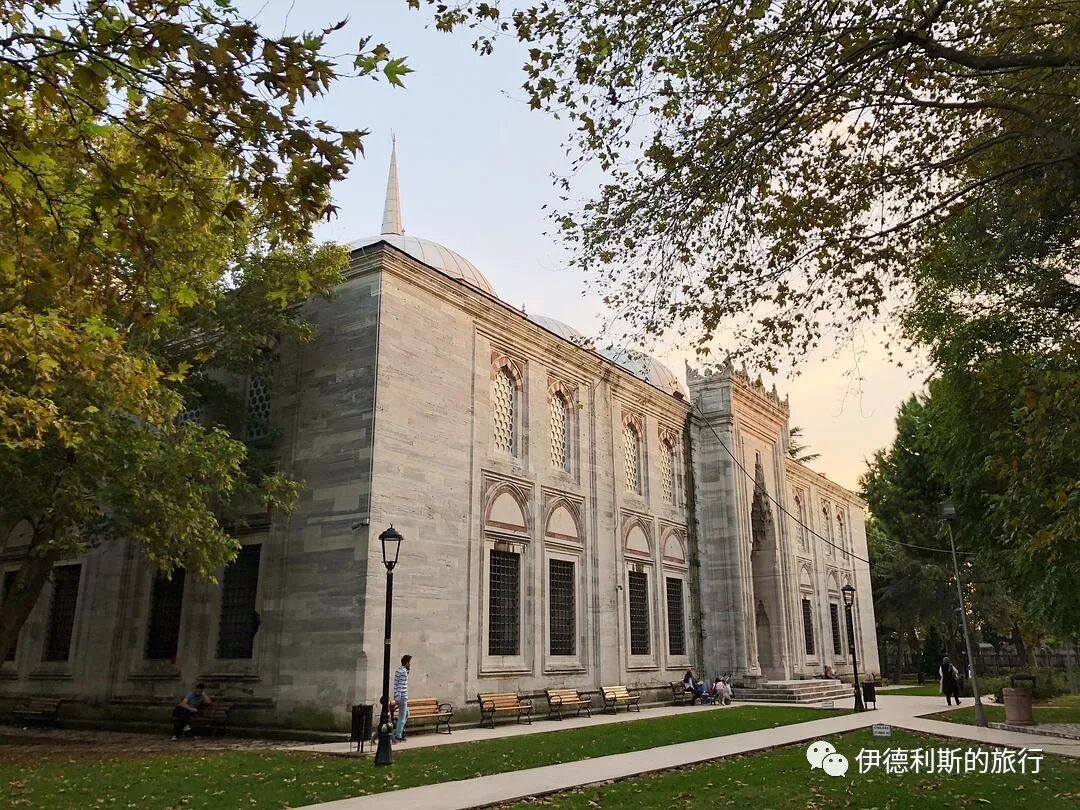
The entrance to the mosque courtyard.
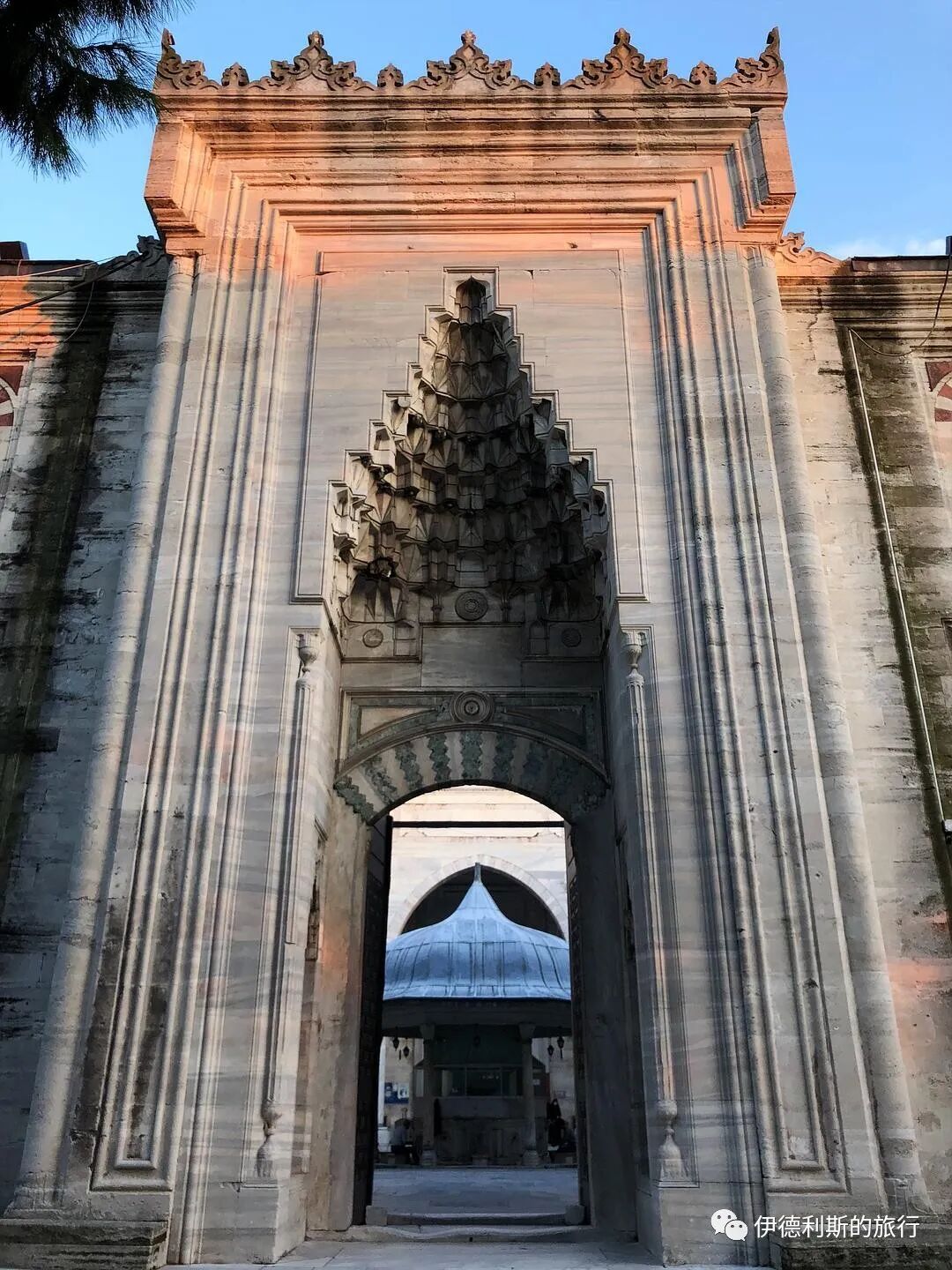
The courtyard gate.
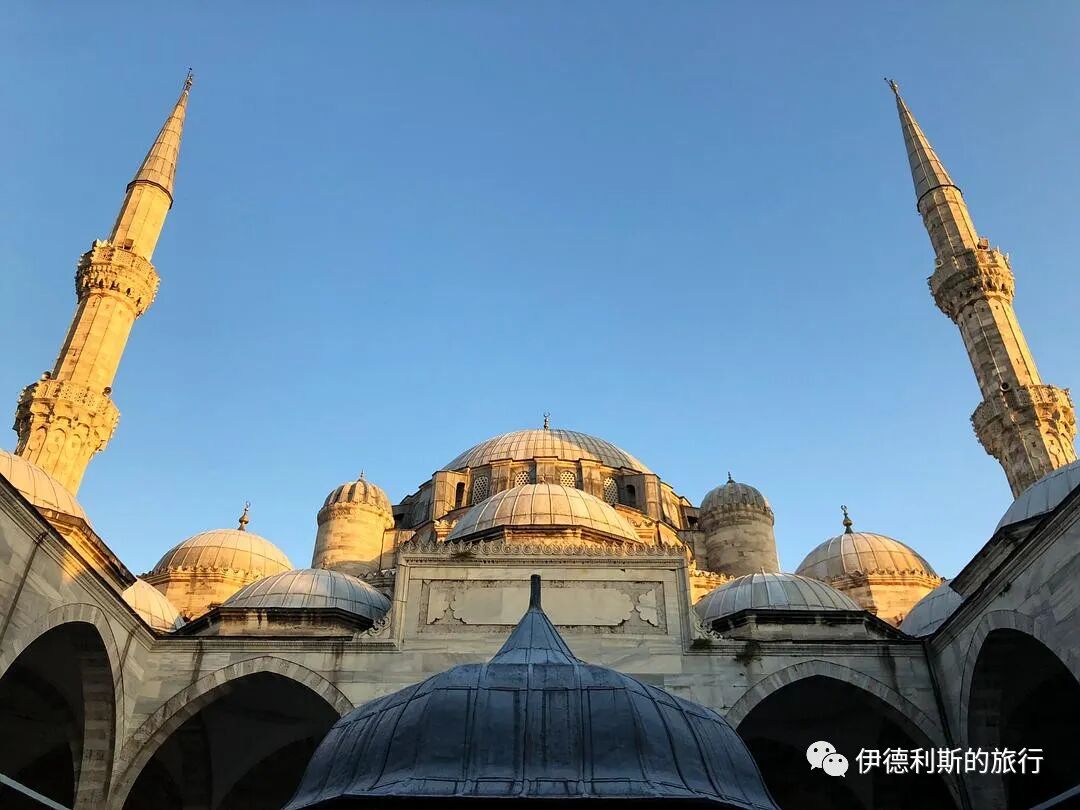
Looking at the main prayer hall of the mosque from the courtyard.
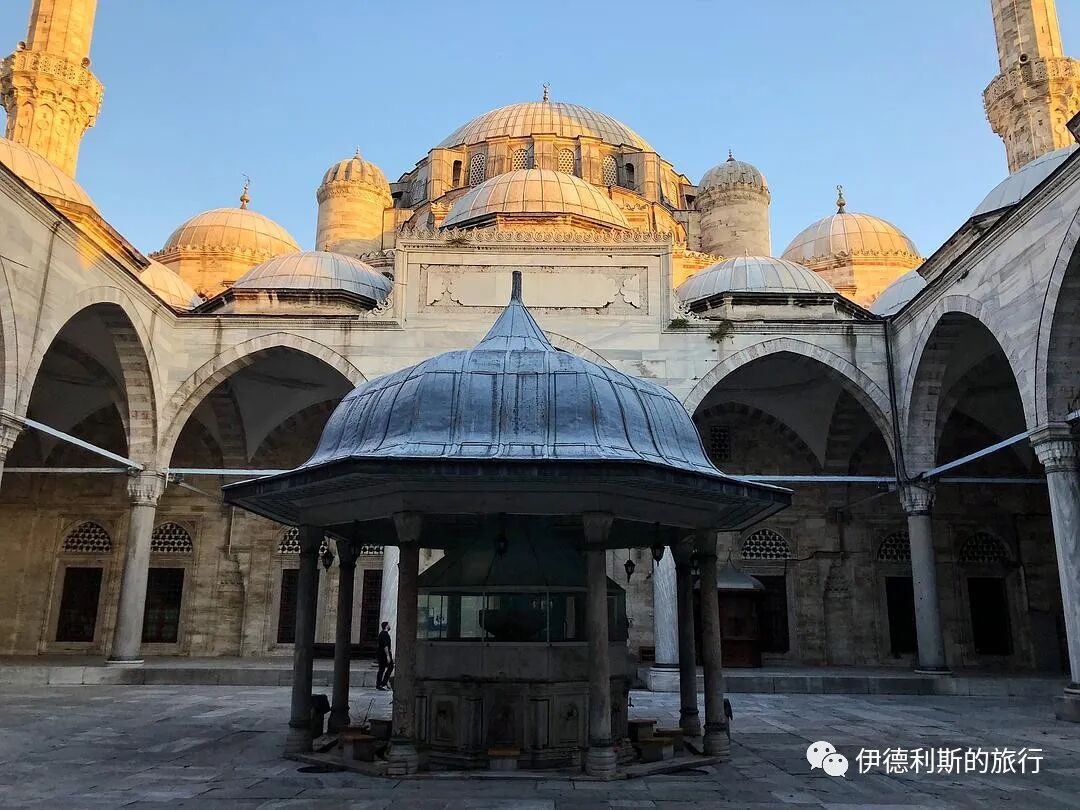
Looking at the main prayer hall of the mosque from the courtyard.
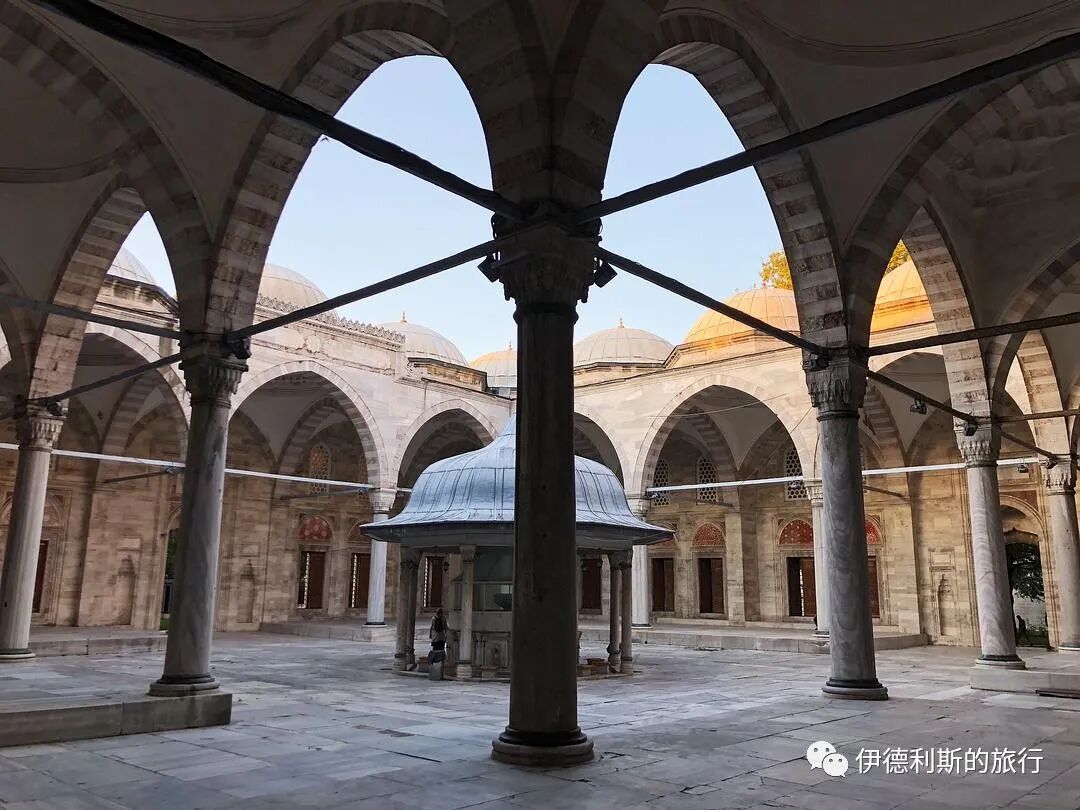
The courtyard.
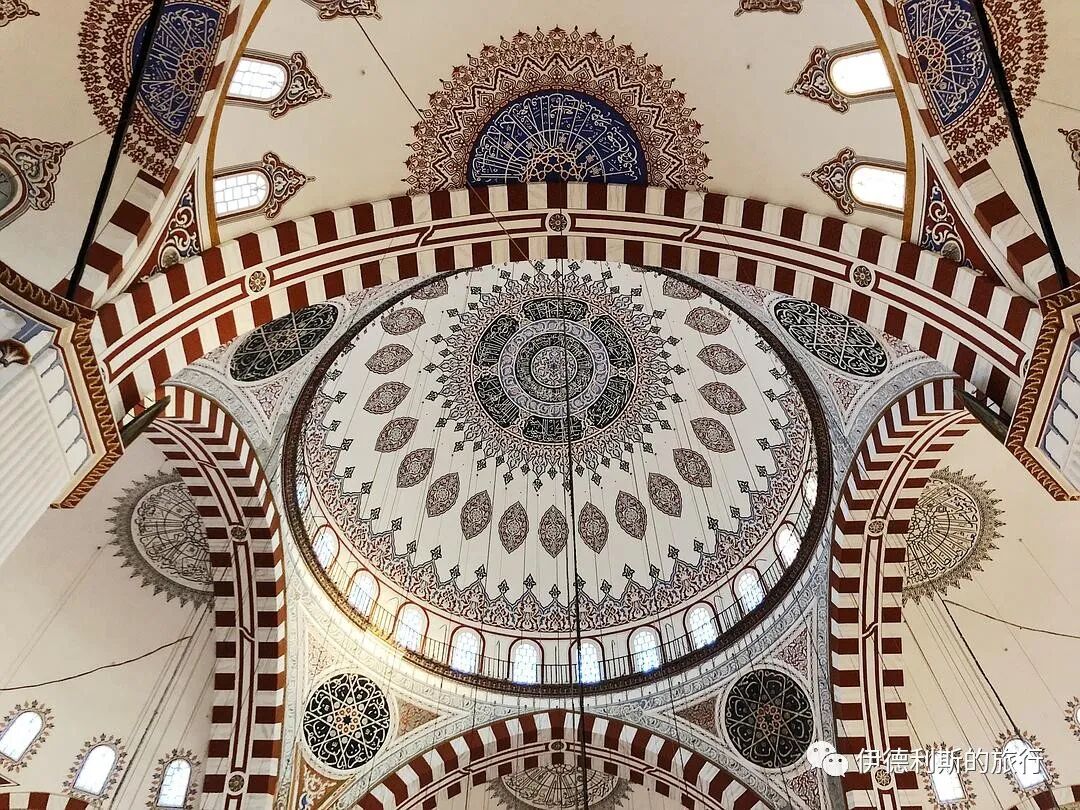
The main dome and the semi-domes.
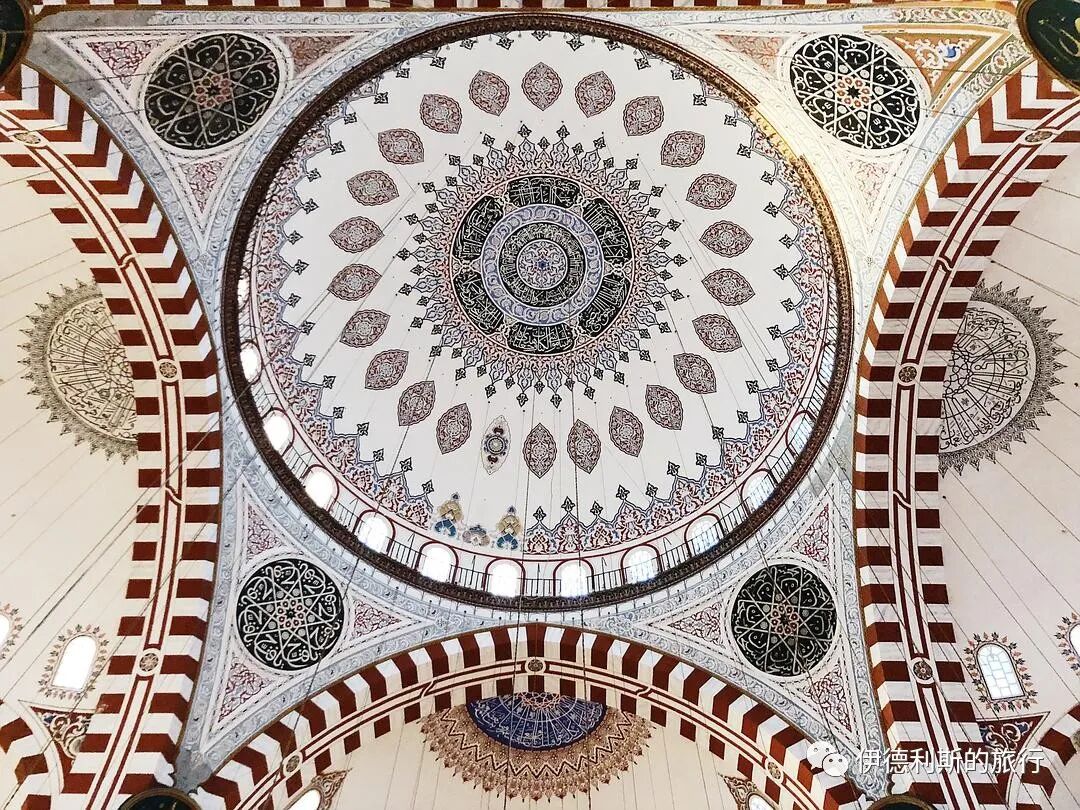
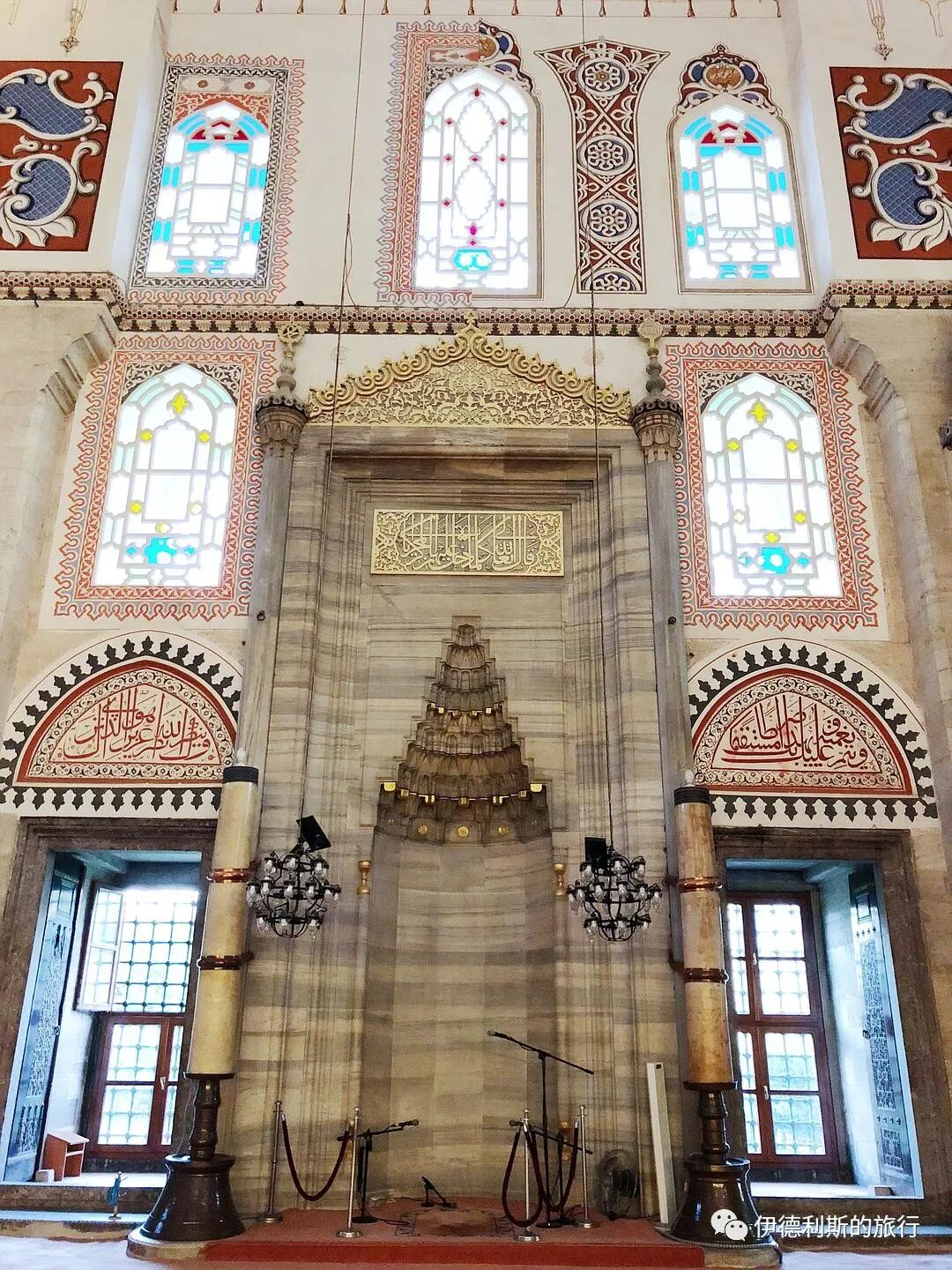
Mihrab
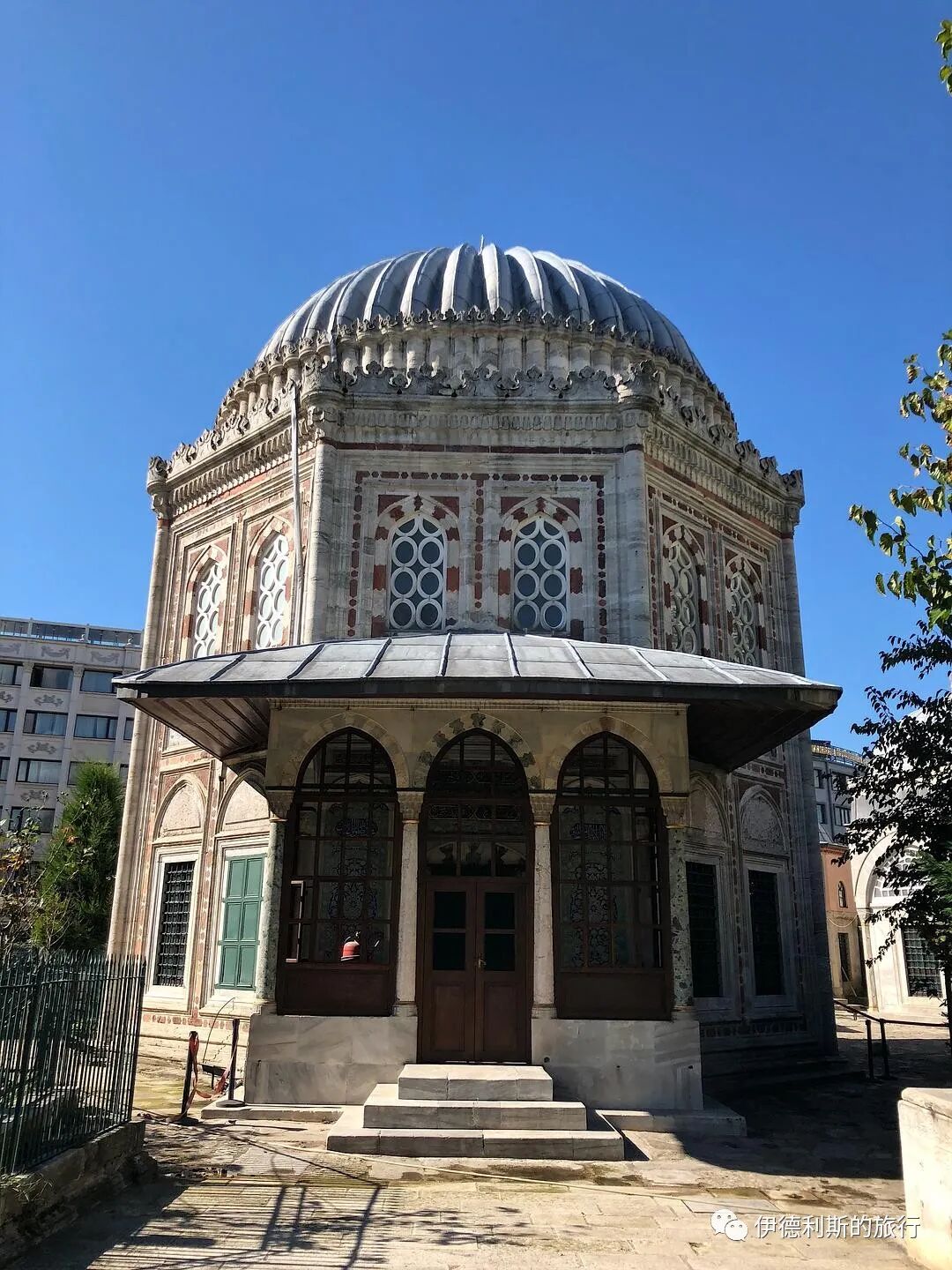
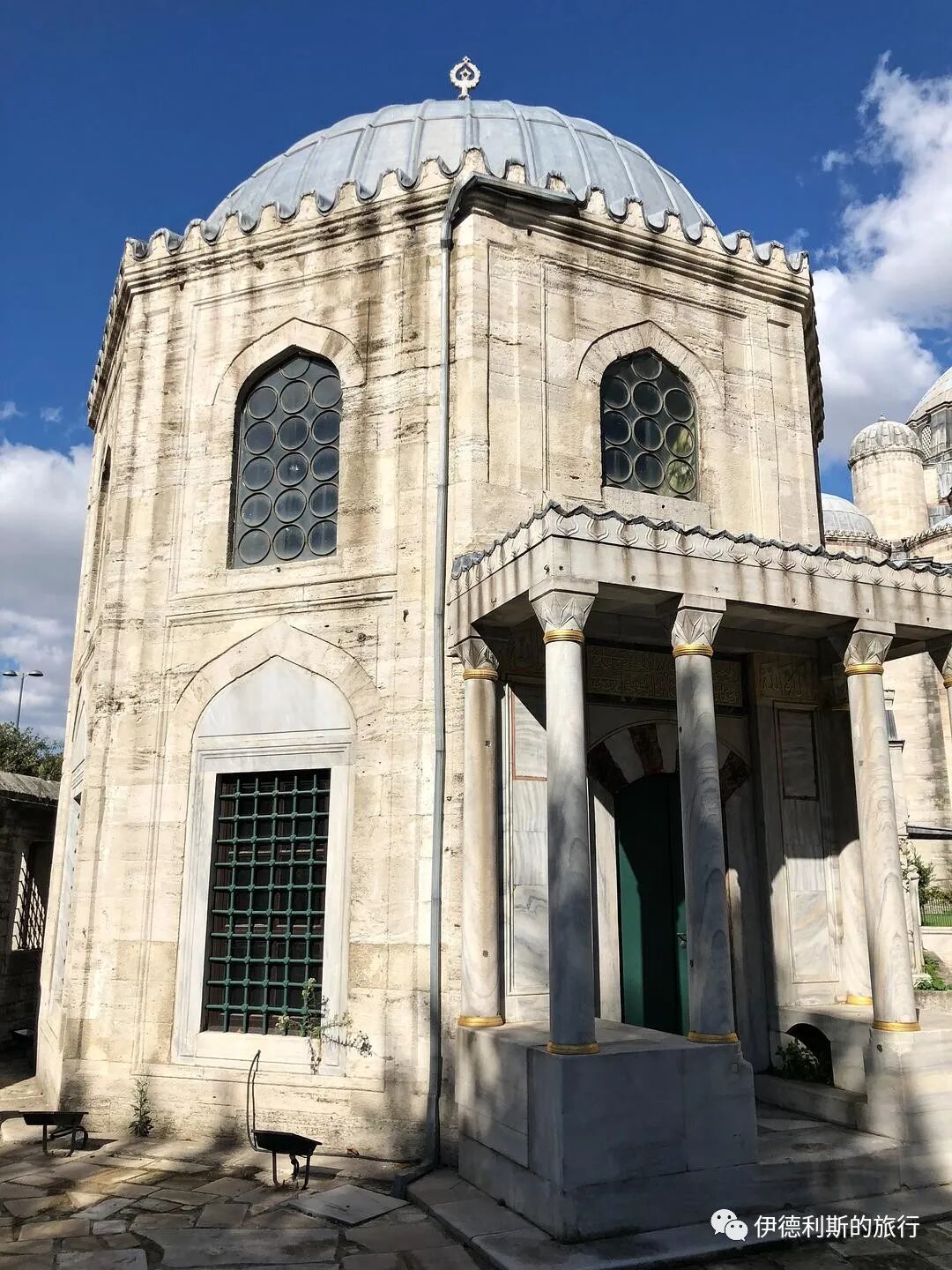
The Tomb of Prince Muhammad (1543) is southeast of the mosque. It is an octagonal structure with Persian inscriptions at the entrance and Cuerda Seca tiles inside.
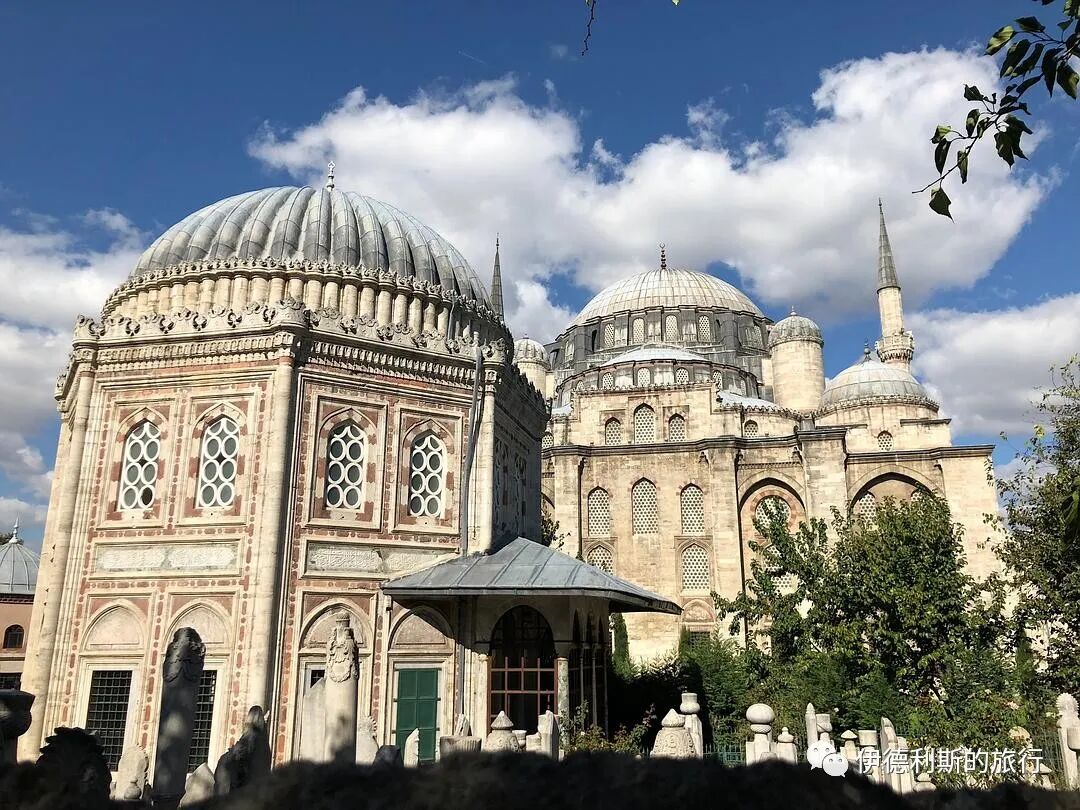
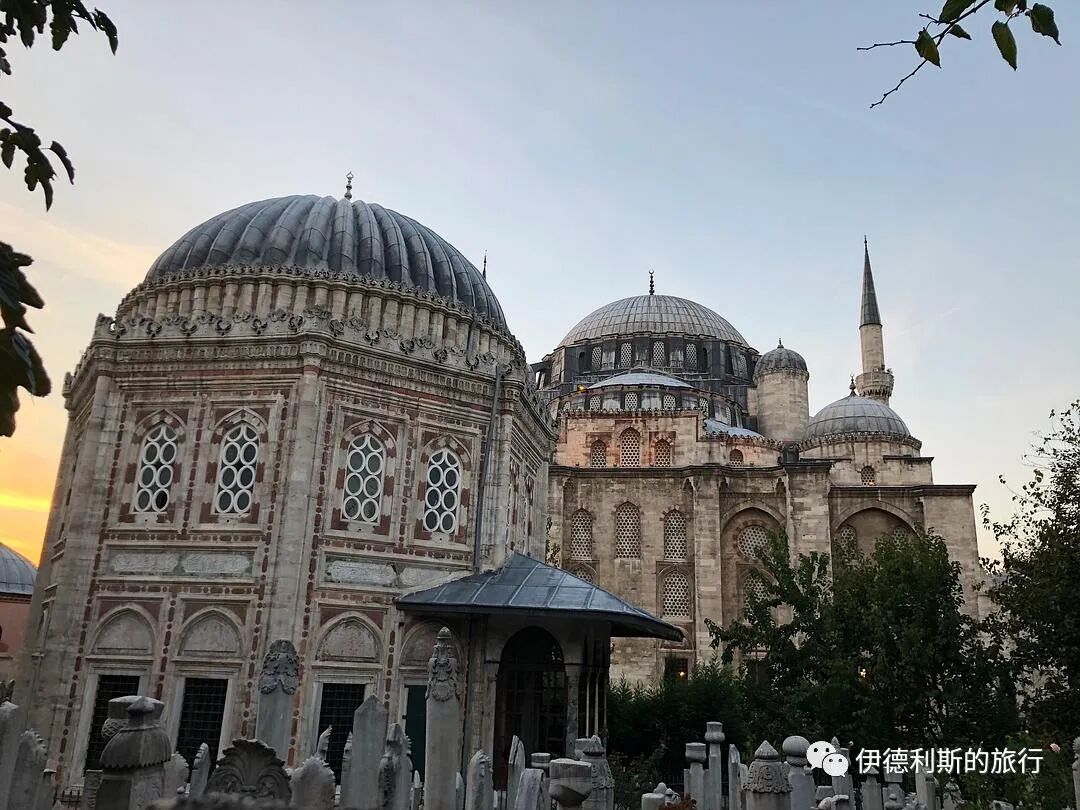
The tomb of Grand Vizier Rustem Pasha (1560) sits south of the tomb of Prince Mehmed and was also designed by Mimar Sinan. Rustem Pasha was the husband of Mihrimah Sultan and the son-in-law of Suleiman the Magnificent. Later generations remember him as one of the most accomplished Grand Viziers of the Ottoman Empire.
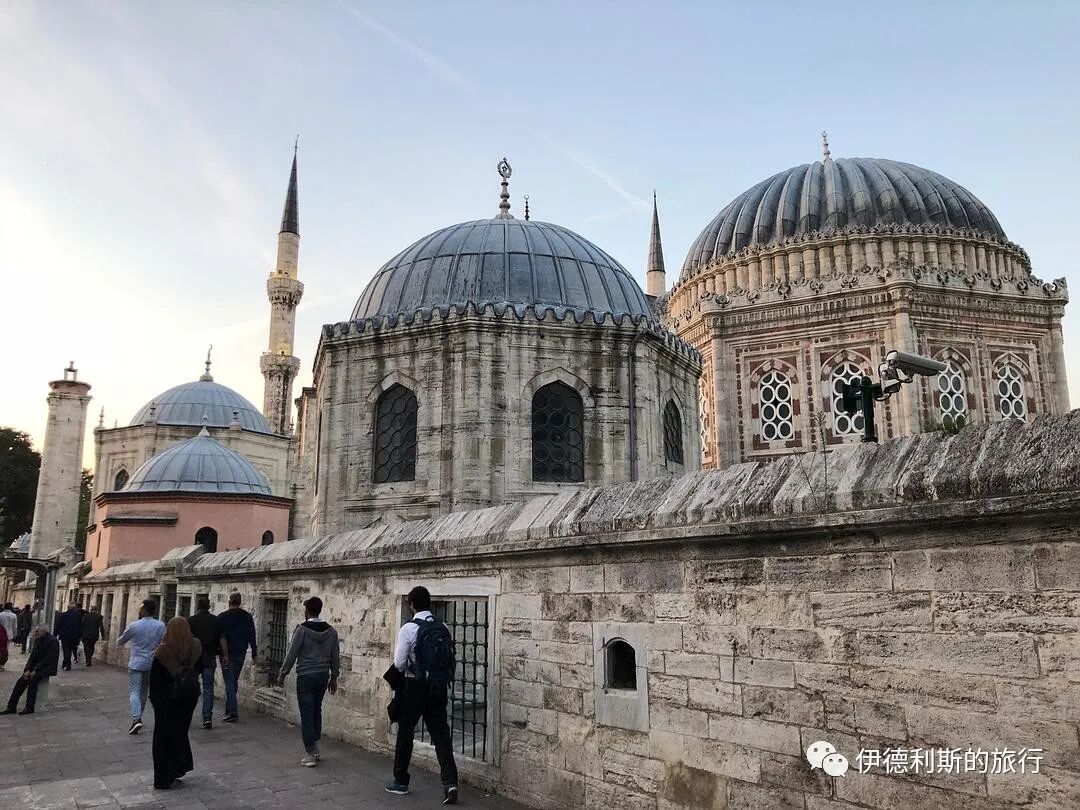
The madrasa (1546) is located outside the garden on the north side of the mosque. It is a rectangular building surrounded by a gallery, with 21 student rooms and one large lecture hall on three sides. The fountain in the middle of the courtyard still keeps its Seljuk-era tomb structure (kumbet) from the 11th to 13th centuries.
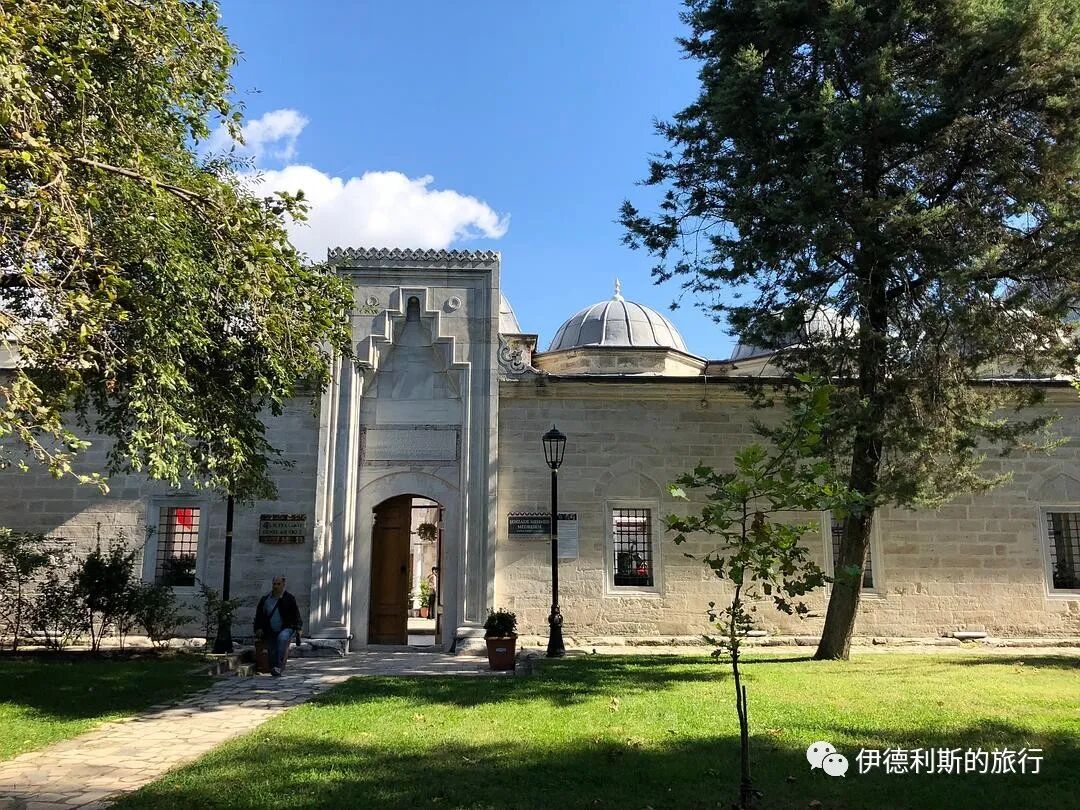
Madrasa gate
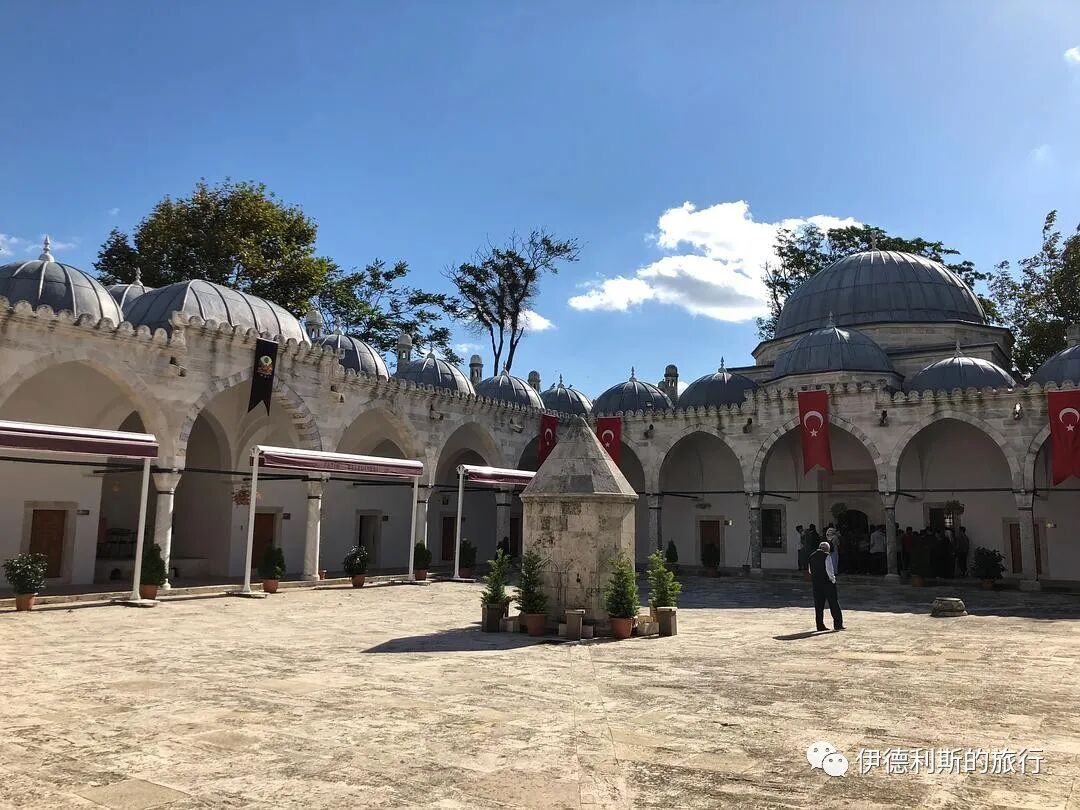
Madrasa inner courtyard
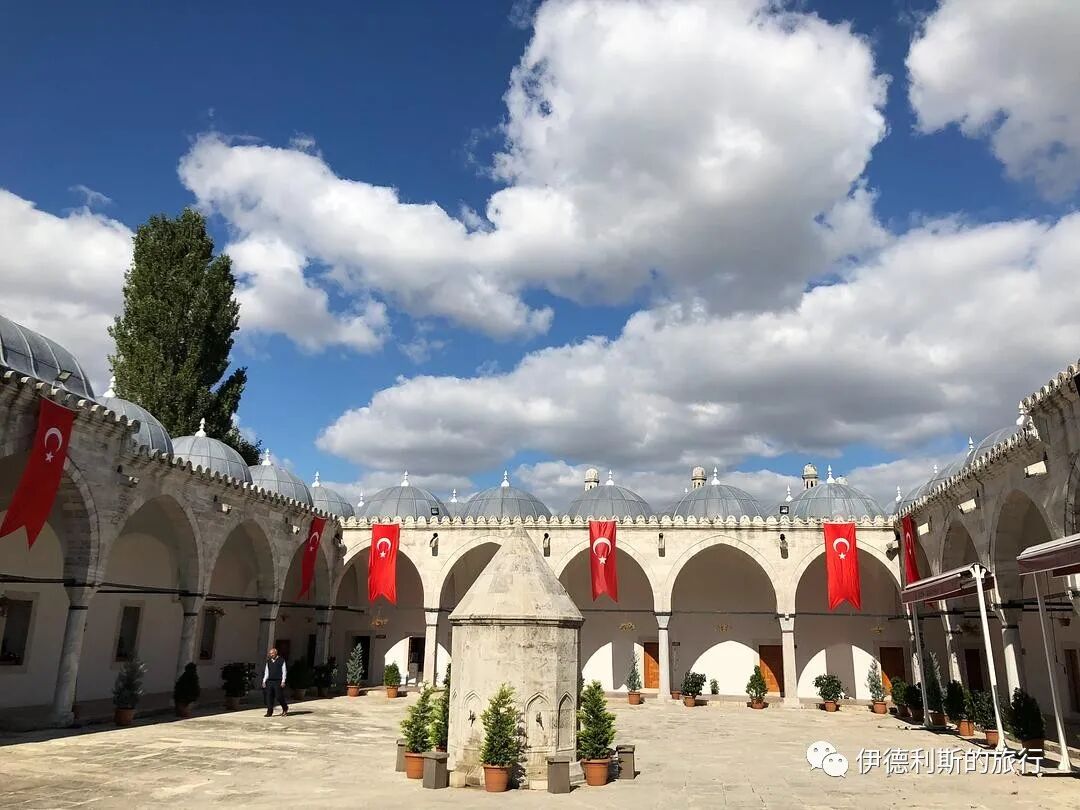
Madrasa inner courtyard
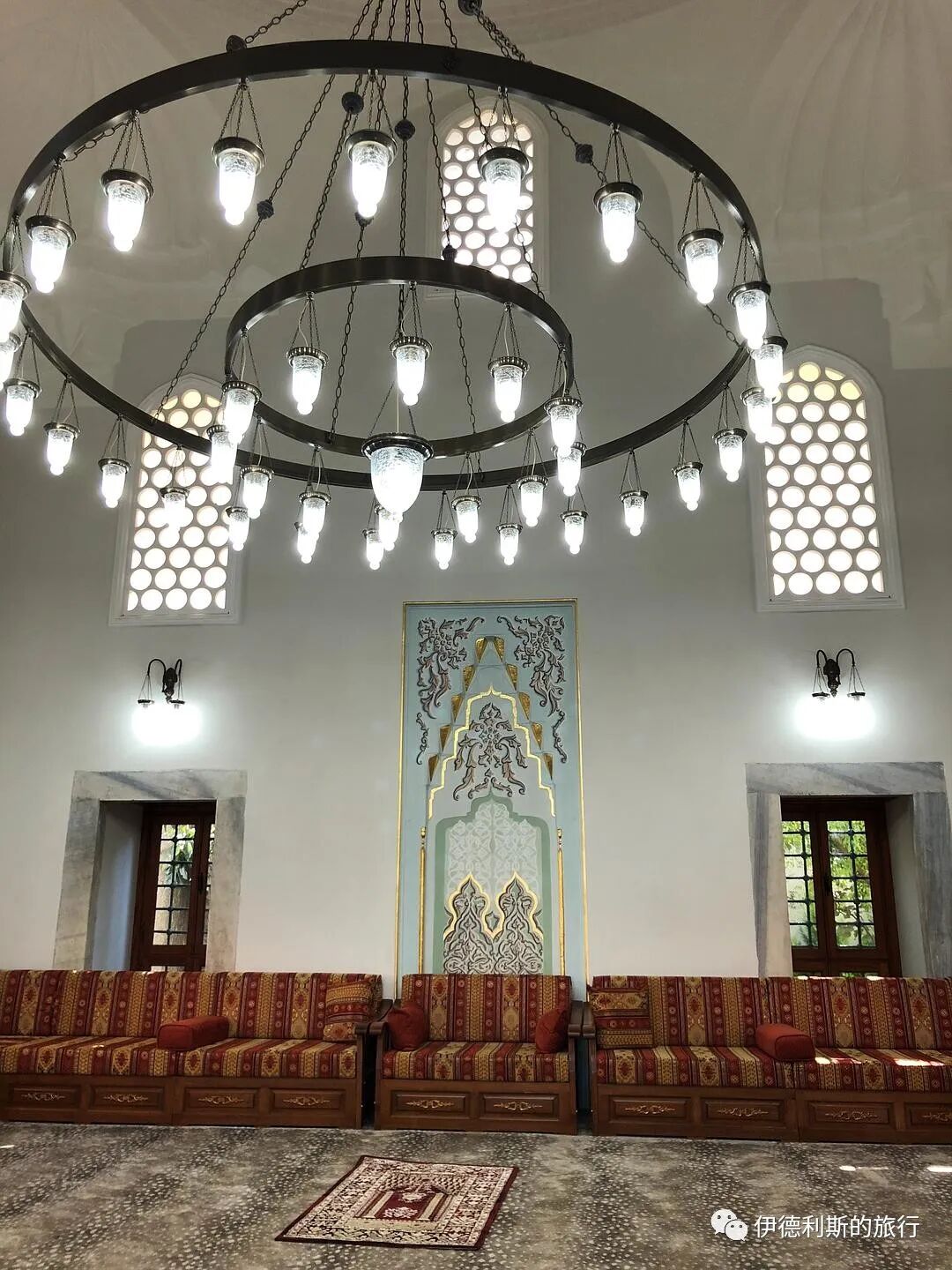
The lecture hall of the madrasa.
The public kitchen (imaret) built between 1543 and 1548 sits across the street east of the mosque. It has two buildings, each with six domes, and a courtyard in the middle.
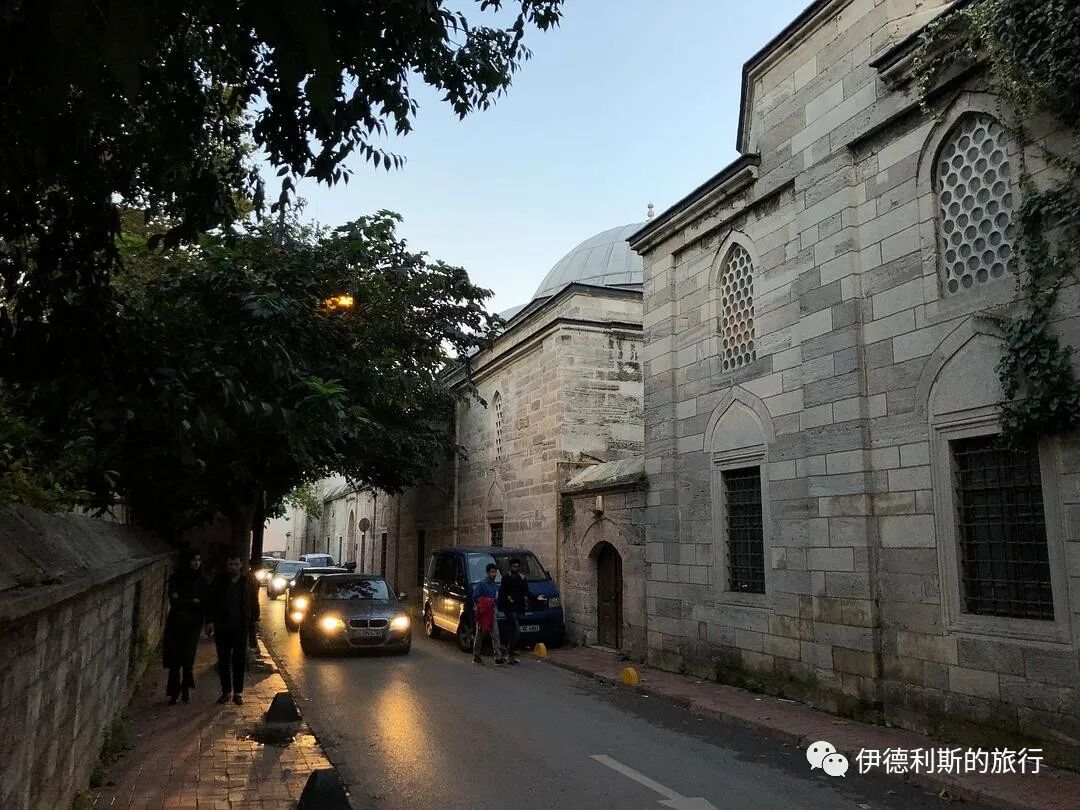
The primary school is nearby, and the public kitchen is in the distance.
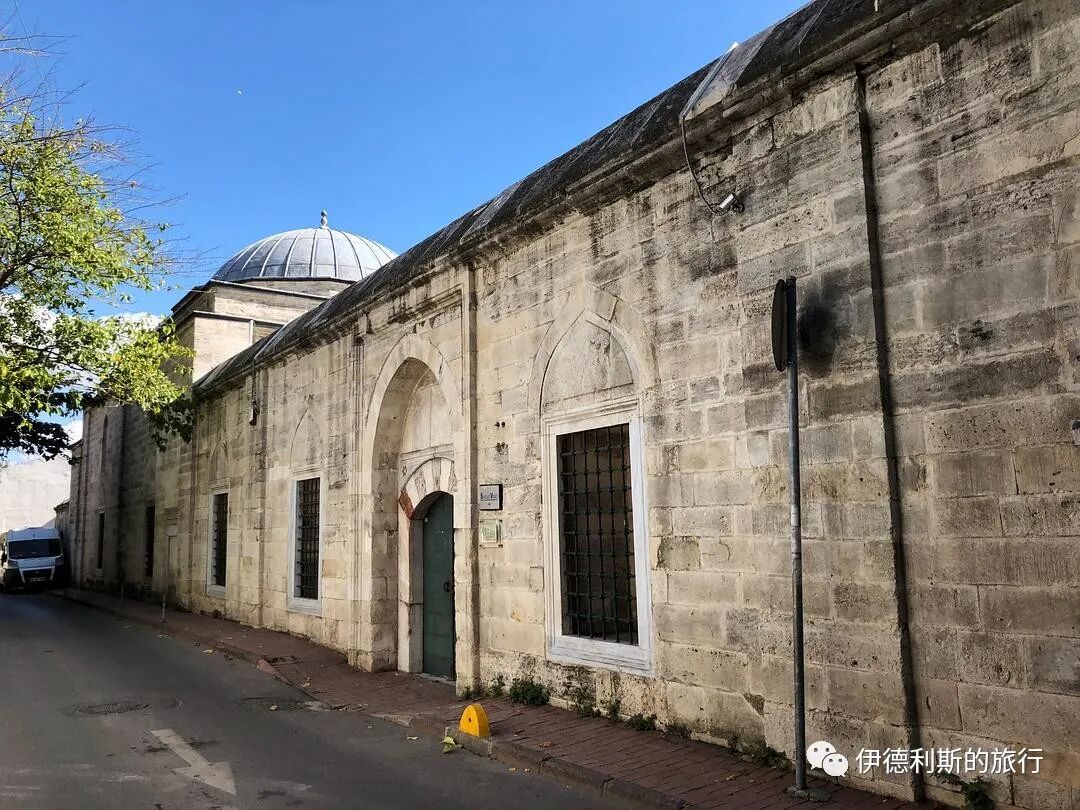
The main gate of the public kitchen.
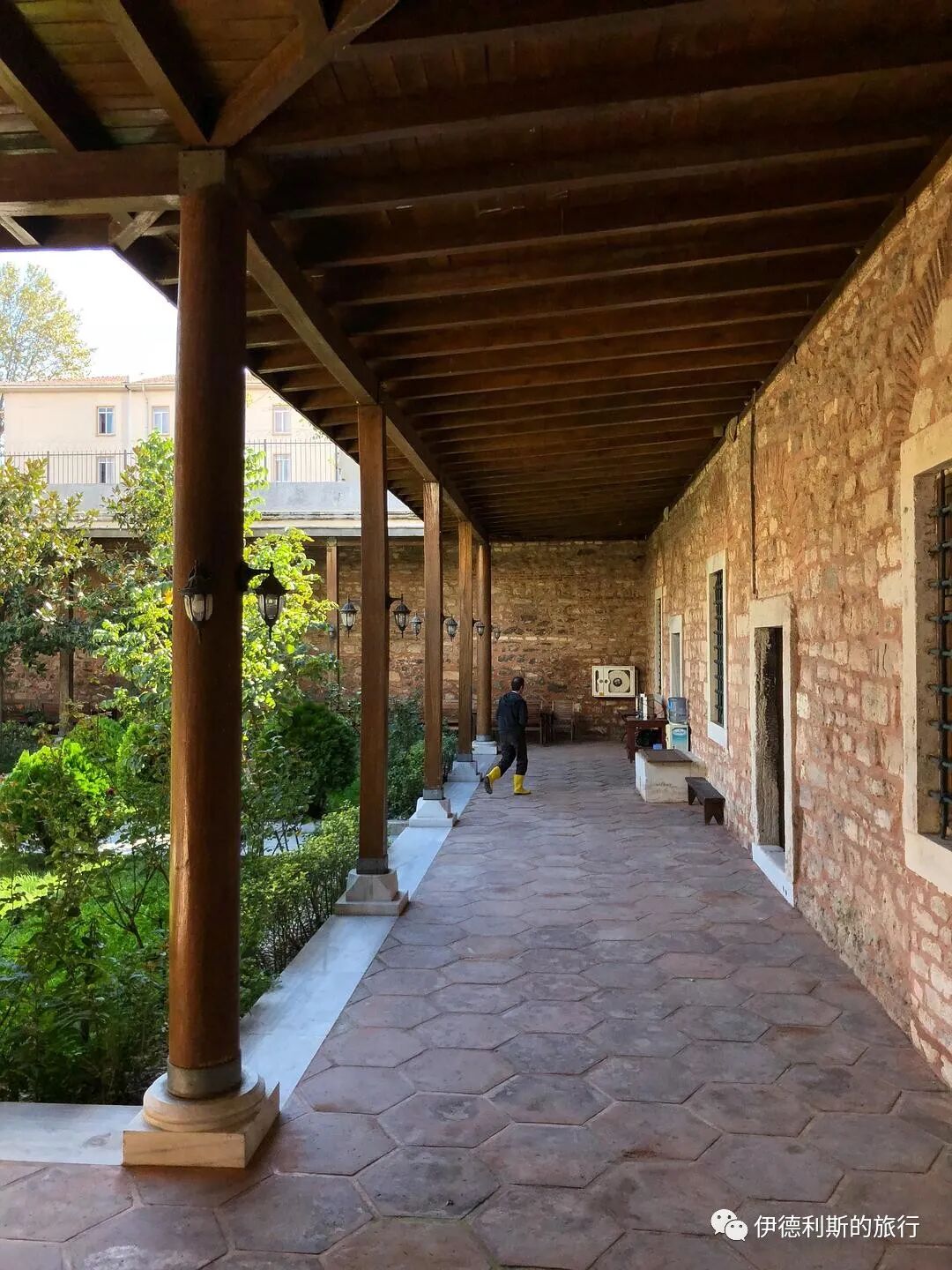
Inside the courtyard of the public kitchen.
4. Hüsrev Pasha Tomb: 1545
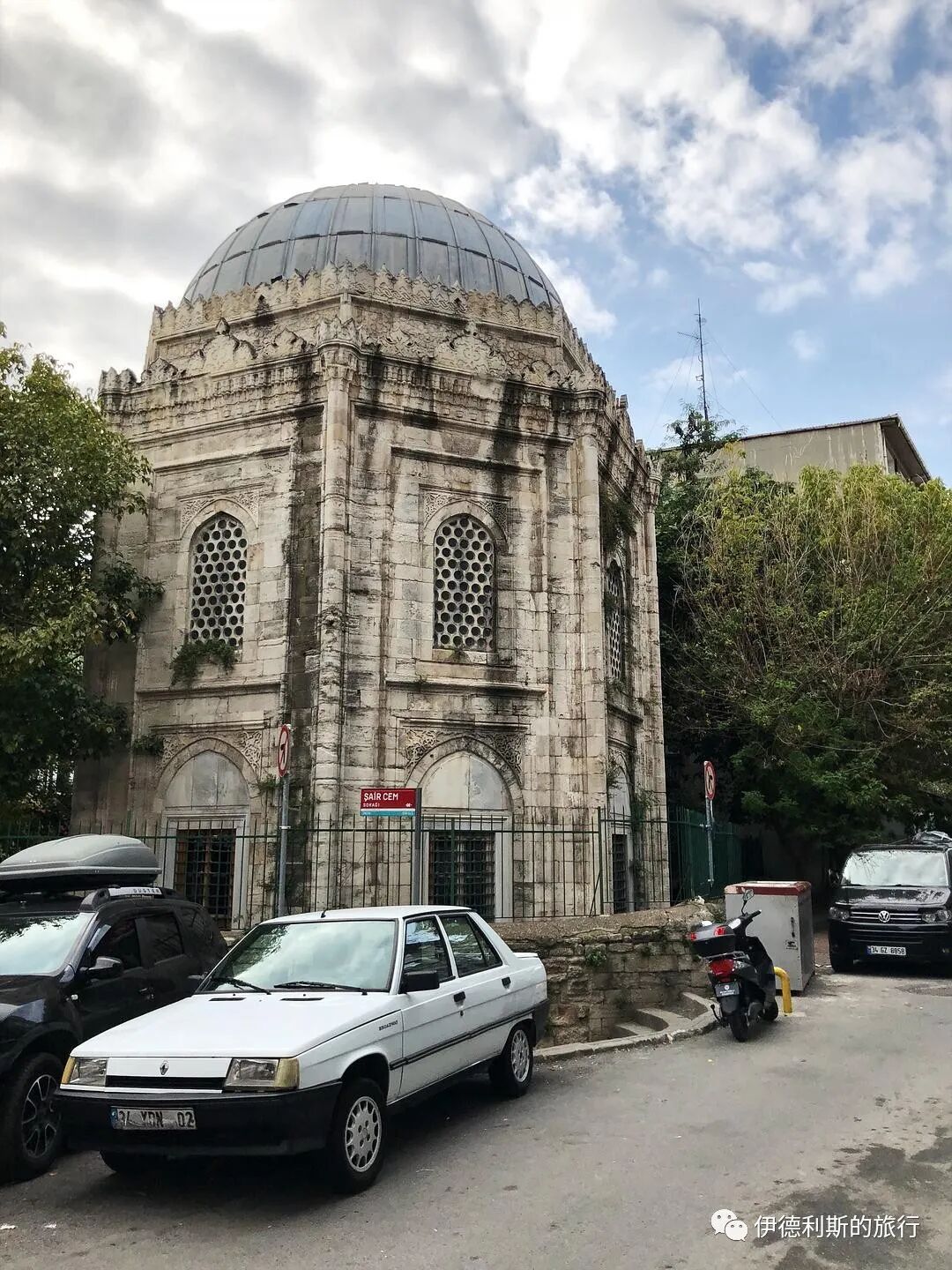
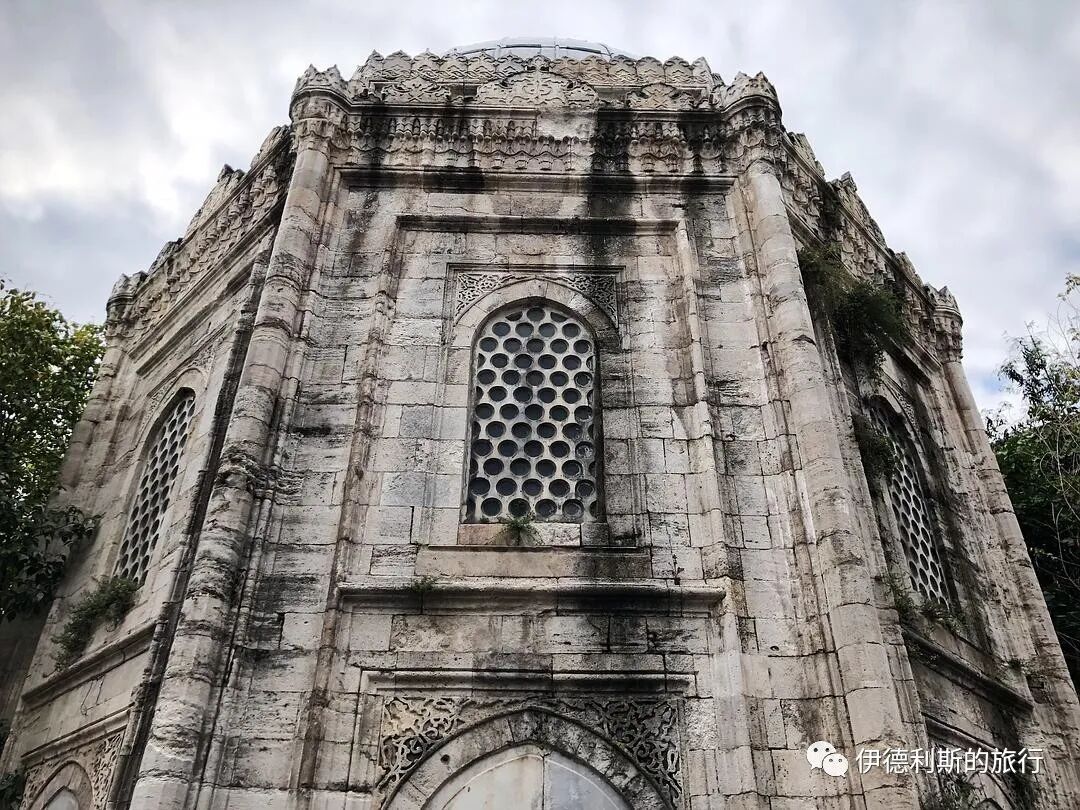
The octagonal tomb of Hüsrev Paşa is in the west of Istanbul. It is known as one of the most beautiful tombs built by Mimar Sinan.
Hüsrev Paşa was a grand vizier of the Ottoman Empire. People called him 'Hüsrev the Mad' because he had a bad temper. Hüsrev Pasha was born in Bosnia in 1495 and came from the famous Sokollu family. He became the governor of Egypt in 1535 and the Second Vizier in 1538. In 1544, Hüsrev Pasha lost the race for Grand Vizier to Rüstem Paşa. He fell ill and died shortly after, and Mimar Sinan built his tomb.
5. Yavuz Sultan Selim Madrasa: 1549
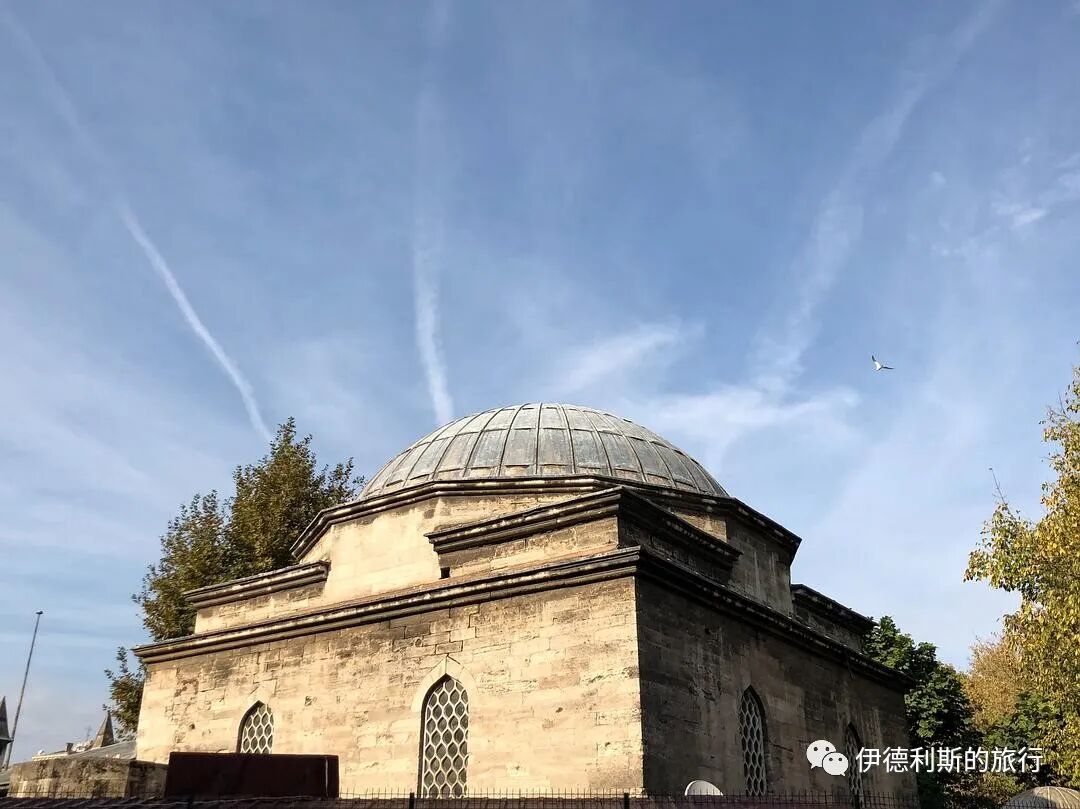
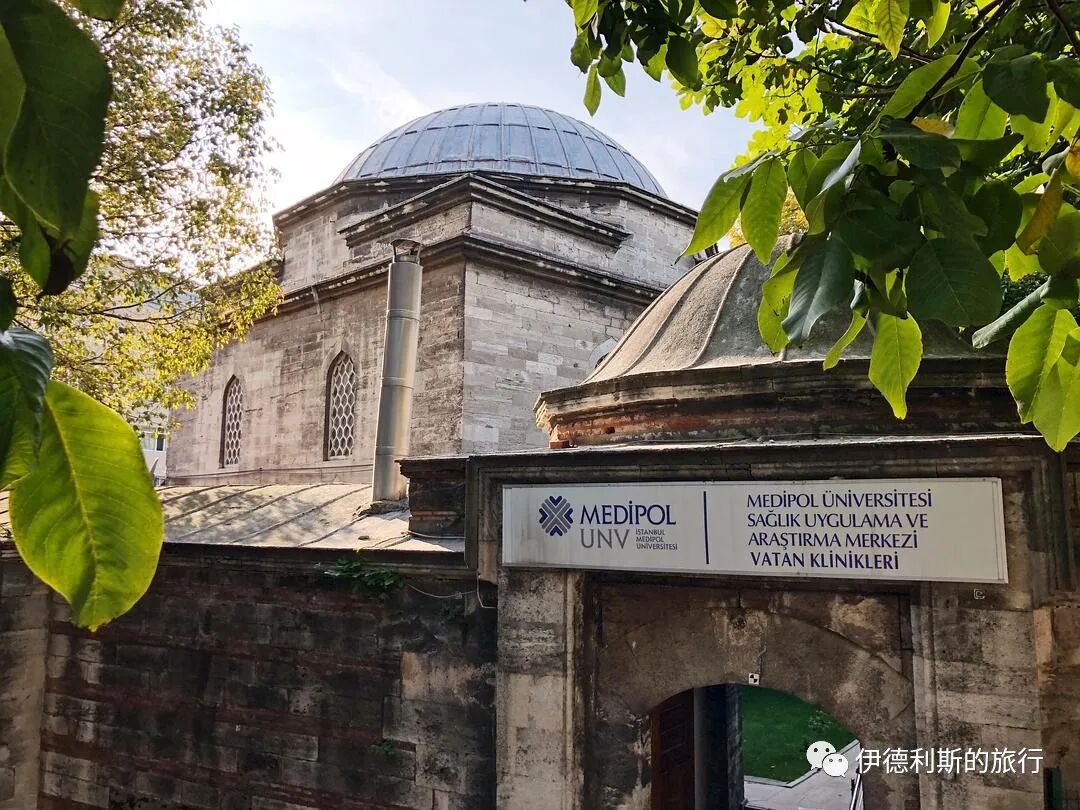
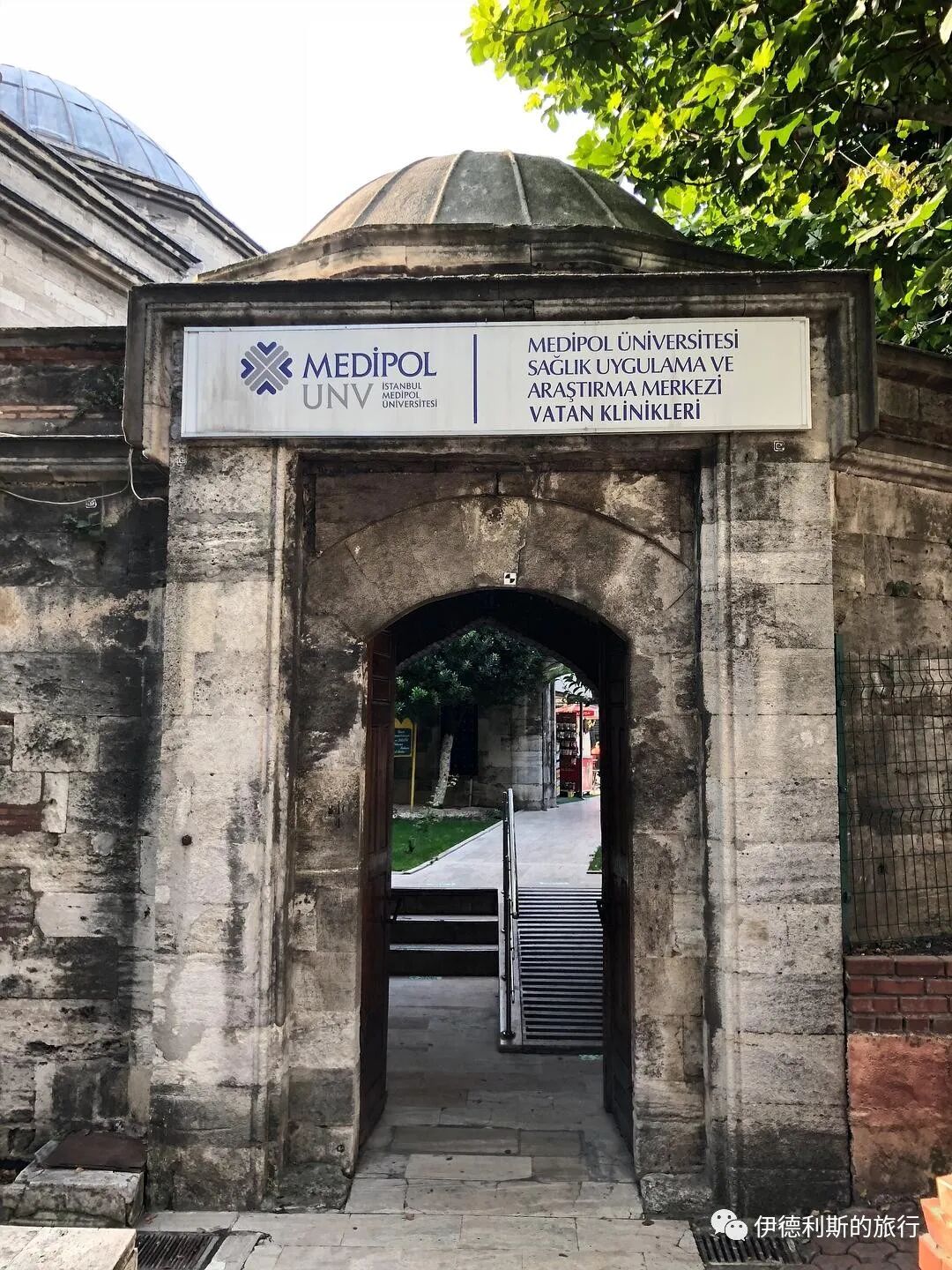
The Yavuz Sultan Selim Madrasa is located in the west of Istanbul. Suleiman the Magnificent commissioned Mimar Sinan to build it, and it is named after the Sultan's father, Sultan Selim I. The madrasa consists of 20 student rooms on three sides and one large lecture hall. In 1563, the lecture hall was turned into a prayer hall and a minaret was added. The minaret is now destroyed, and the madrasa has become a hospital.
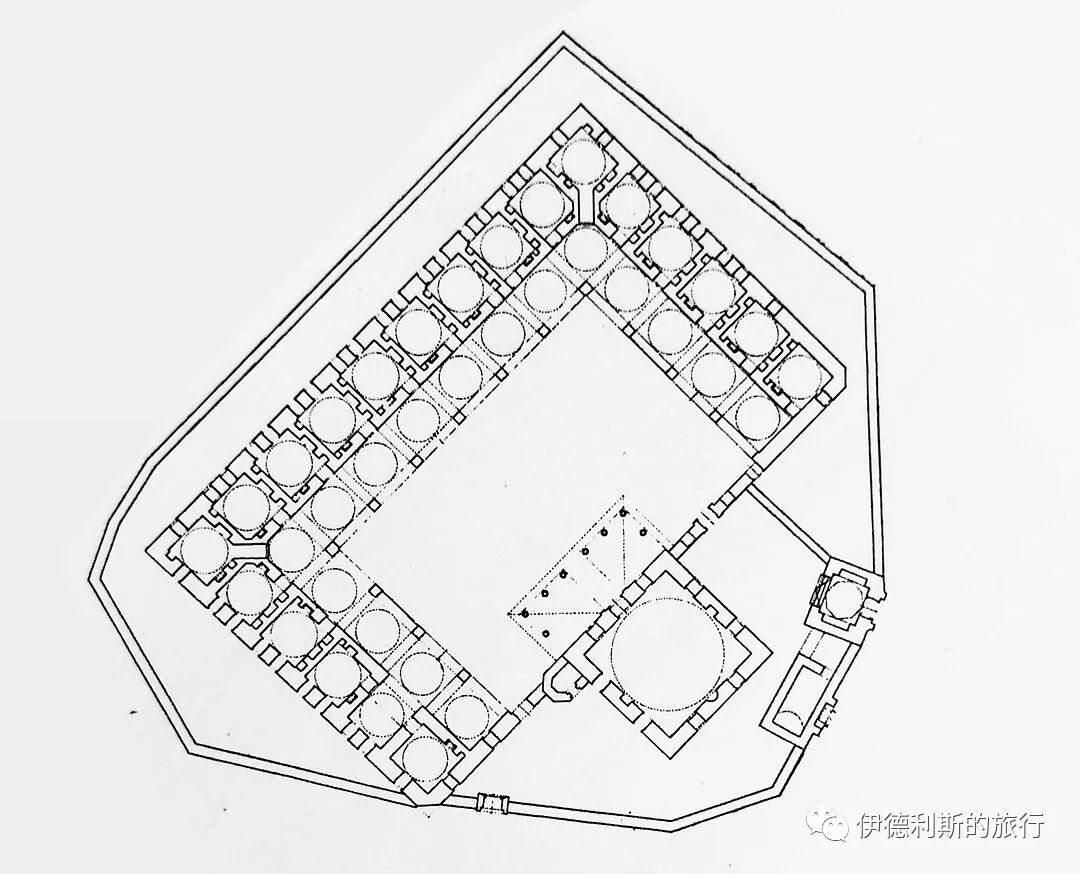
From the book Sinan's Istanbul.
6. Rüstem Pasha Madrasa: 1550
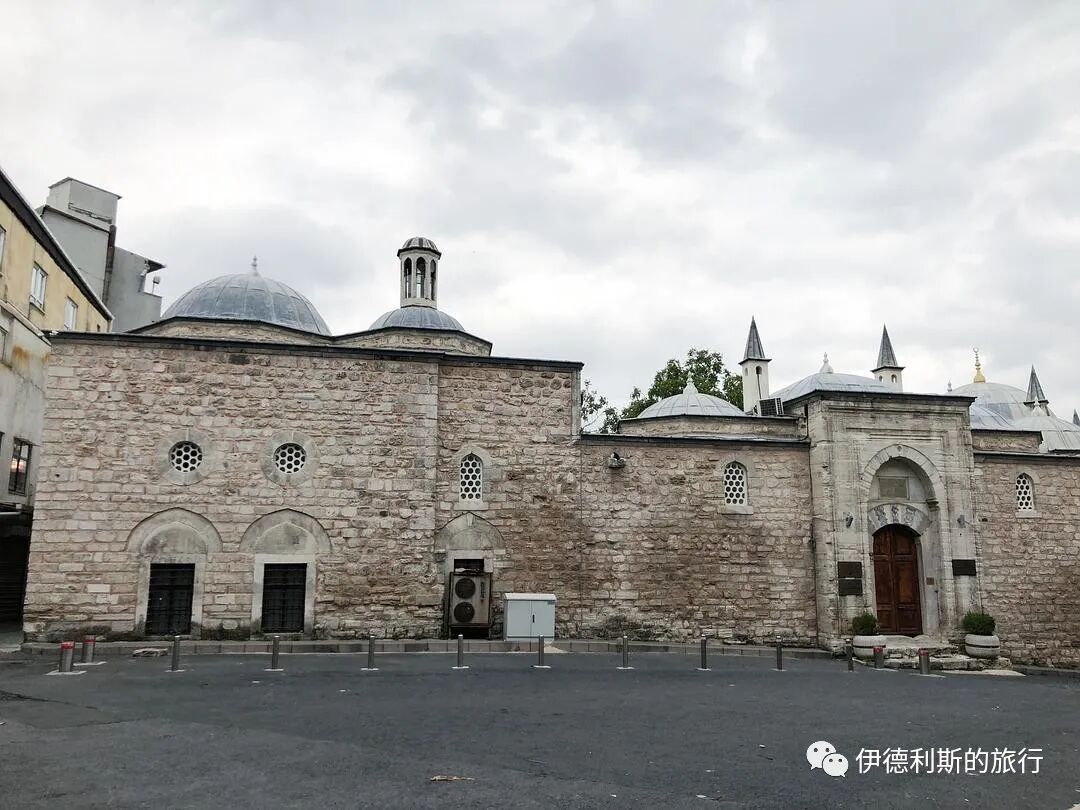
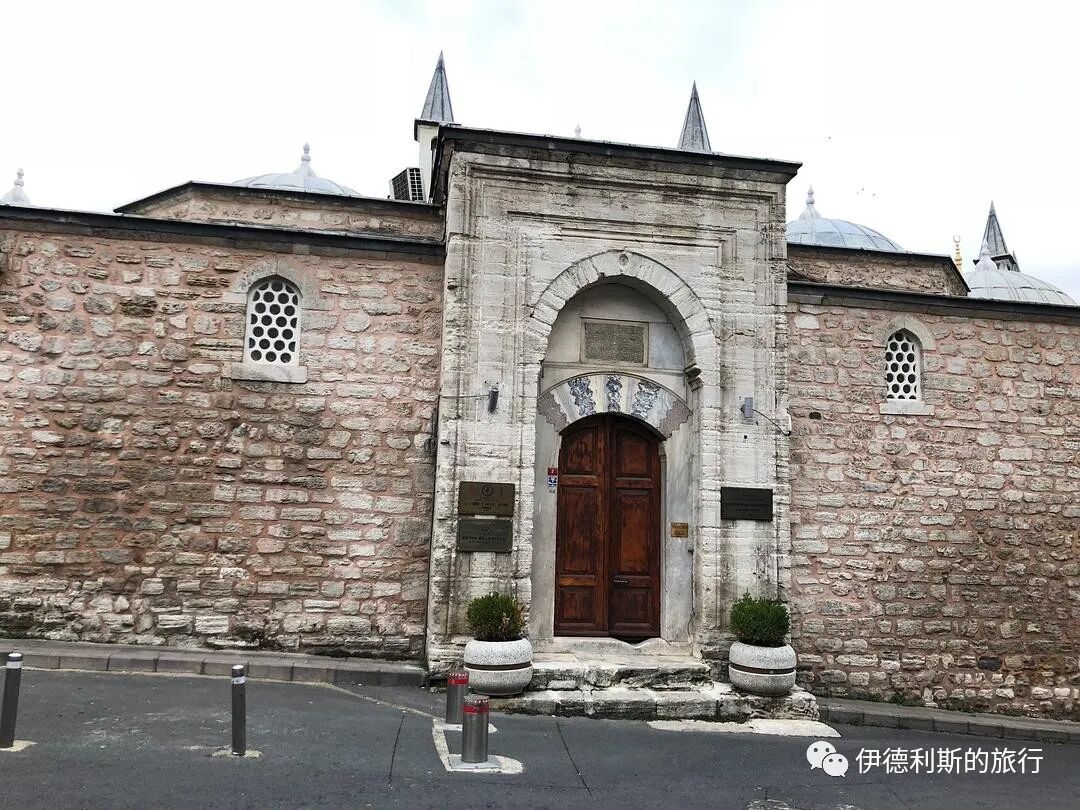
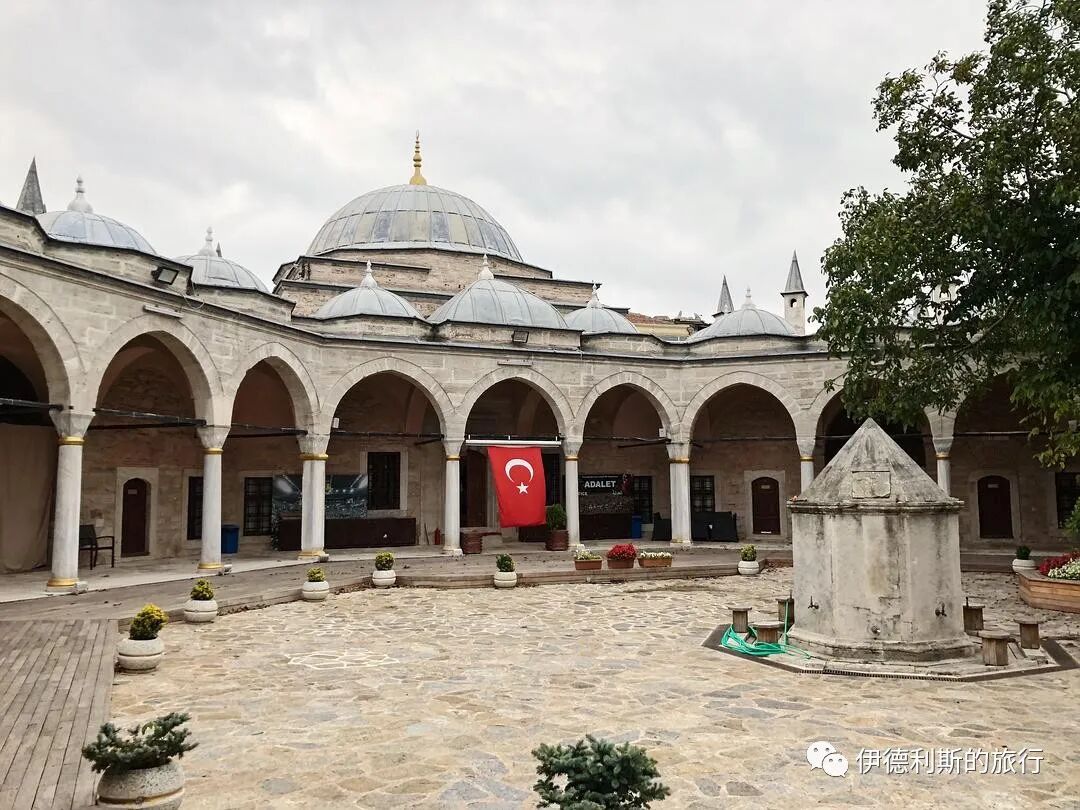
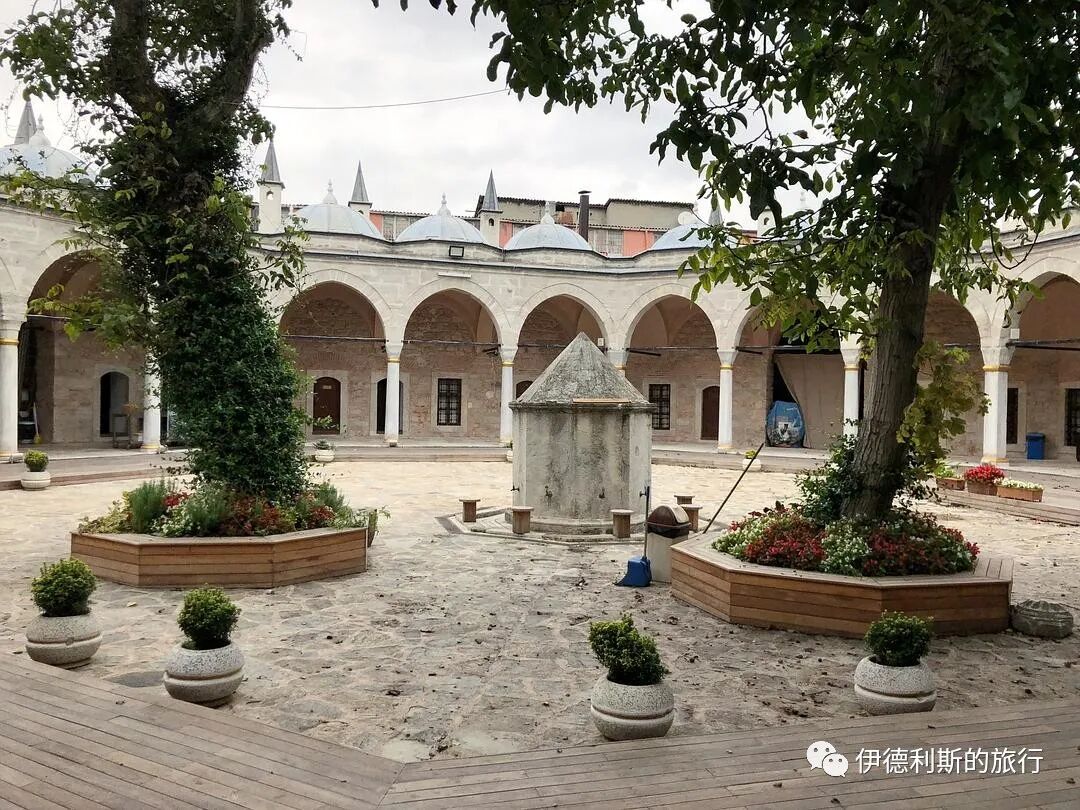
The Rustem Pasha Madrasa (Rüstem Paşa Medrese) was built in 1550, just northeast of the Grand Bazaar in Istanbul. Mimar Sinan designed this madrasa as a new take on the famous Buyuk Aga Madrasa (Büyük Ağa Medrese) built in Amasya in 1488. The Buyuk Aga Madrasa was the first octagonal madrasa in Turkey. Mimar Sinan kept the octagonal courtyard inside but changed the outside to a rectangle, which helped advance Ottoman madrasa architecture.
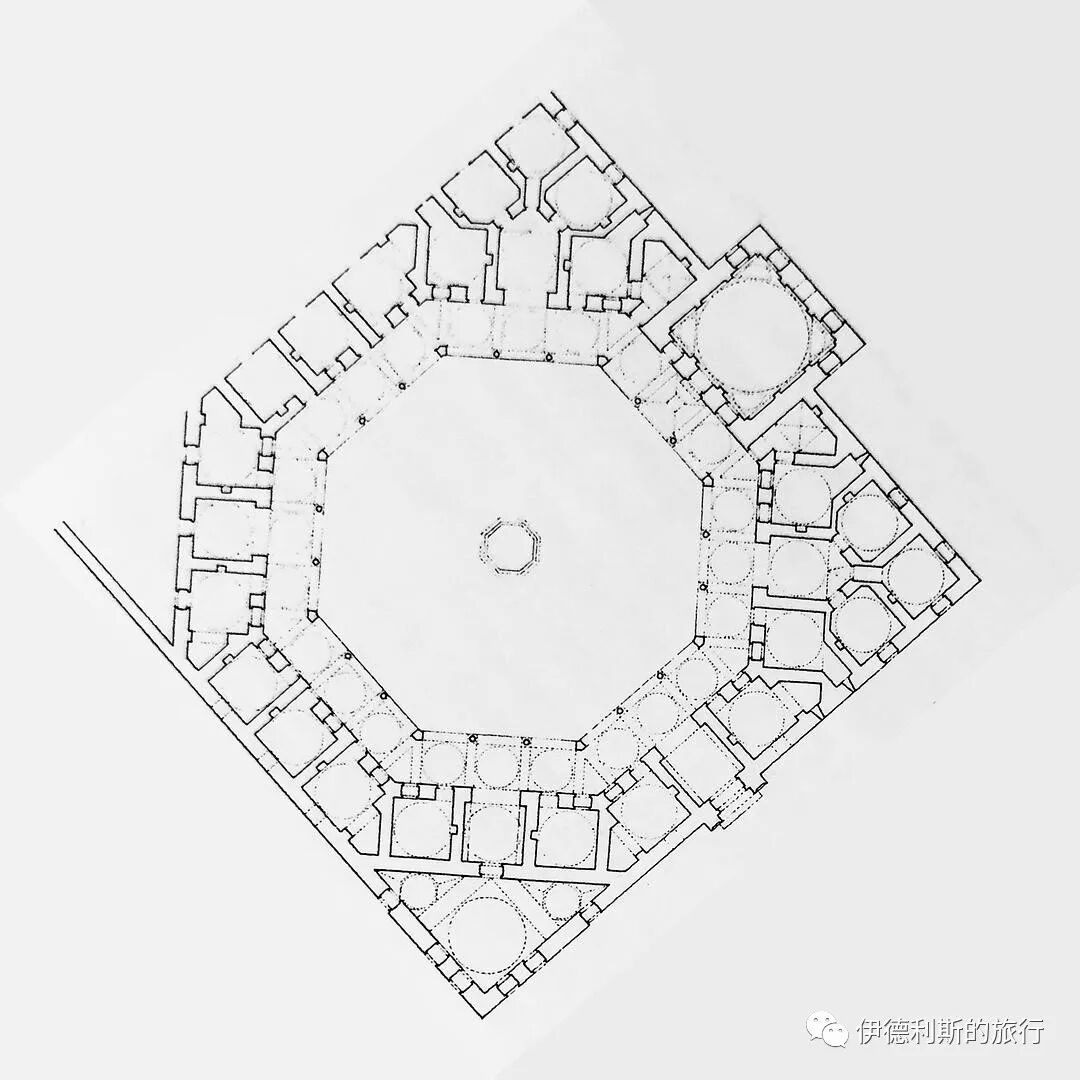
From the book Sinan's Istanbul.
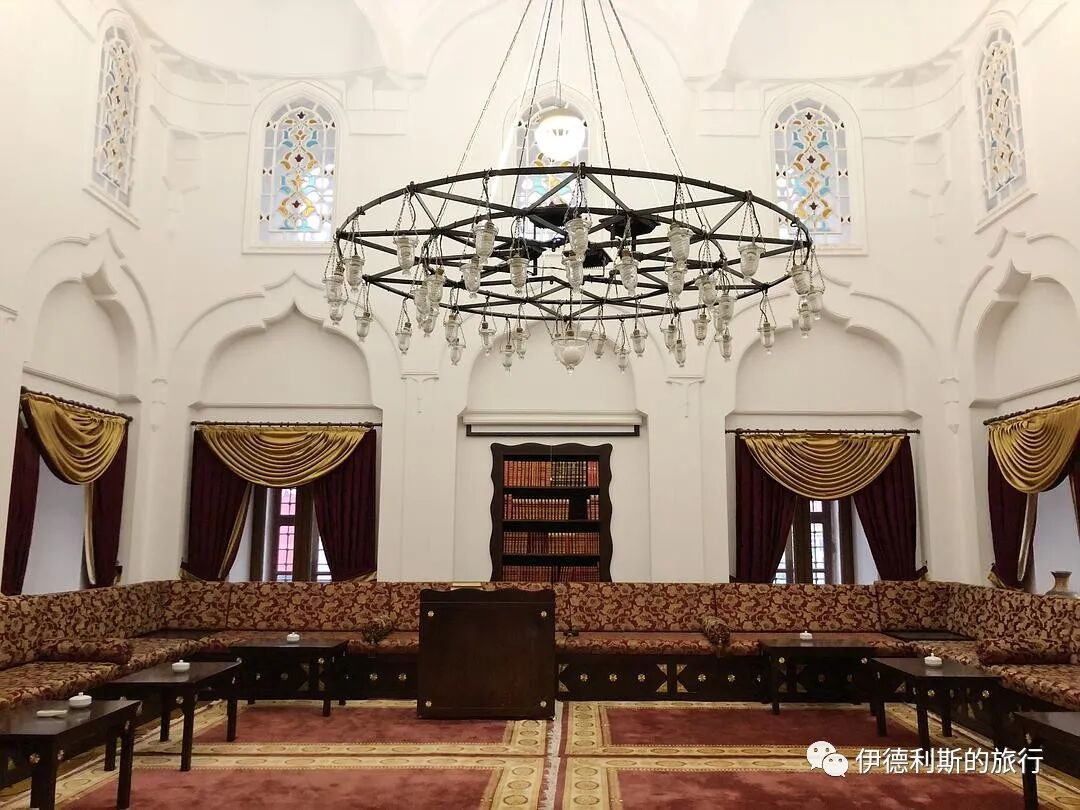
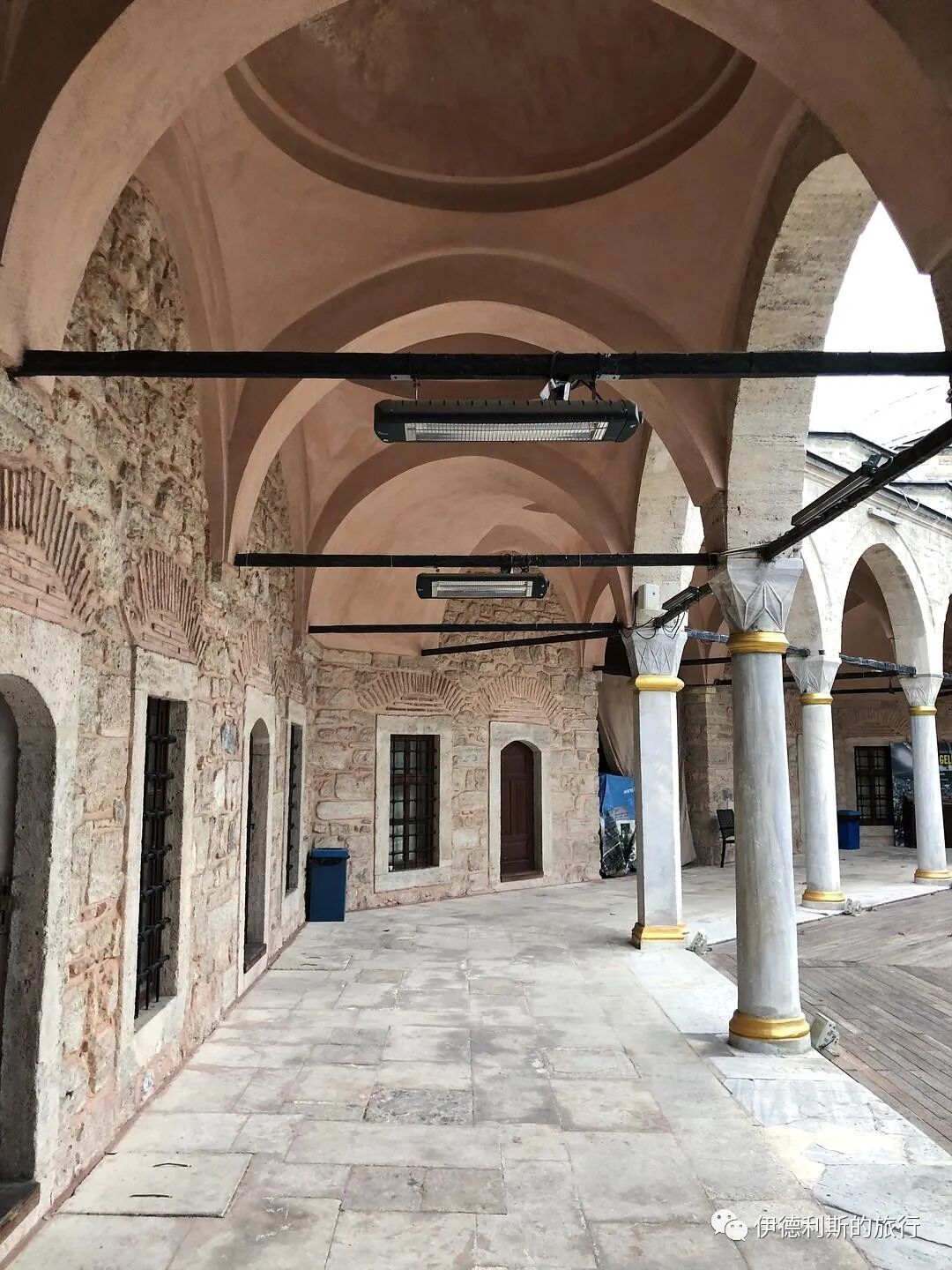
7. Hadim Ibrahim Pasha Mosque: 1551
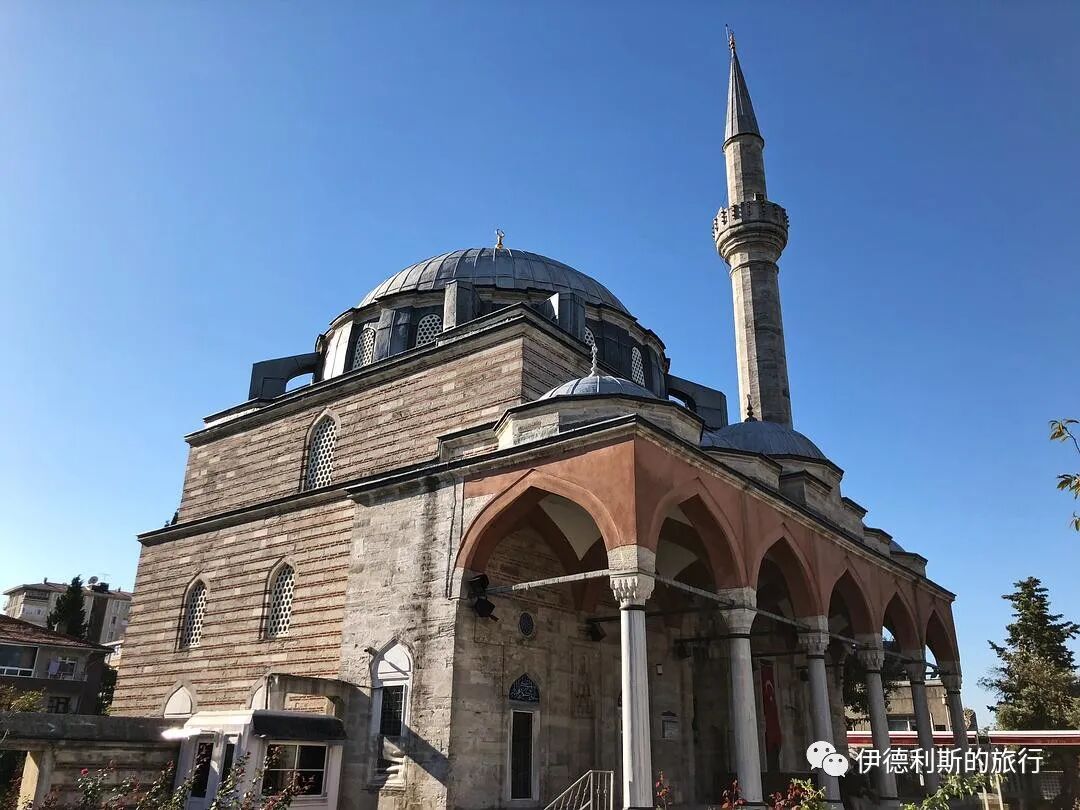
The Hadim Ibrahim Pasha Mosque (Hadım İbrahim Paşa Camii) sits inside the Silivrikapi gate in the southwest of Istanbul's old city. It was built in 1551 by Mimar Sinan for the Vizier Ibrahim Pasha, who was known as the Eunuch (Hadım).
Ibrahim Pasha started as the chief eunuch in the court of Suleiman the Magnificent. He rose steadily to become the Second Vizier and was one of the few eunuchs in the Ottoman Empire to earn such a high reputation.
In 1562, Ibrahim Pasha set up a charitable endowment (Waqf) managed by white eunuchs from the Ottoman court to support the operations of several schools and mosques. These schools and mosques were located inside the western walls of Istanbul in a less populated area mainly inhabited by Christians. The Hadim Ibrahim Pasha Mosque is the most important one among them.
This mosque represents the first phase of Mimar Sinan's single-dome mosque designs. During this phase, Sinan used eight buttresses to support the main dome. This design hinted at the octagonal dome style he would use in his next phase. This mosque also looks very similar to the Bali Pasha Mosque in Istanbul, which was built in 1504. Sinan likely used that building as a reference for his design.
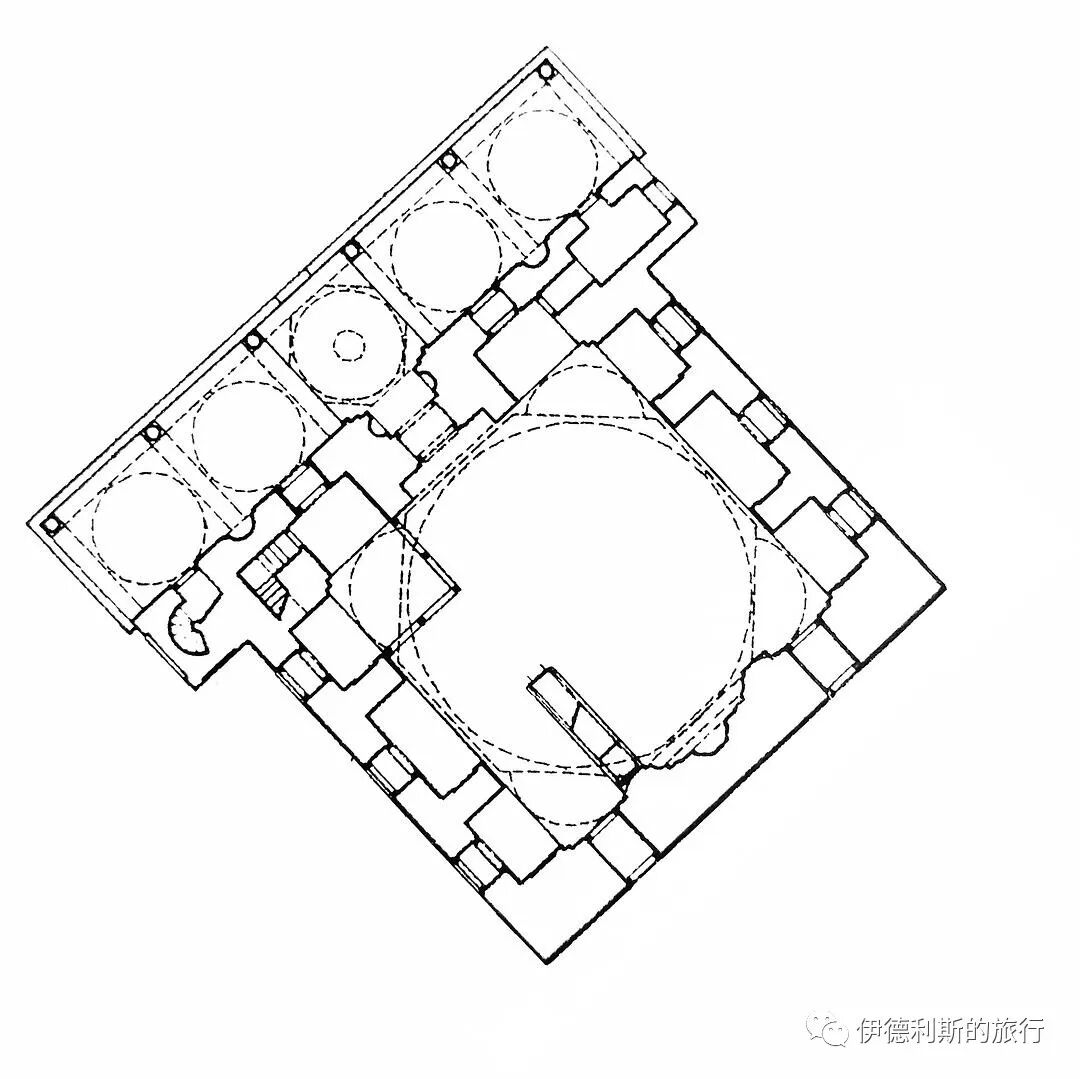
From the book Sinan's Istanbul.
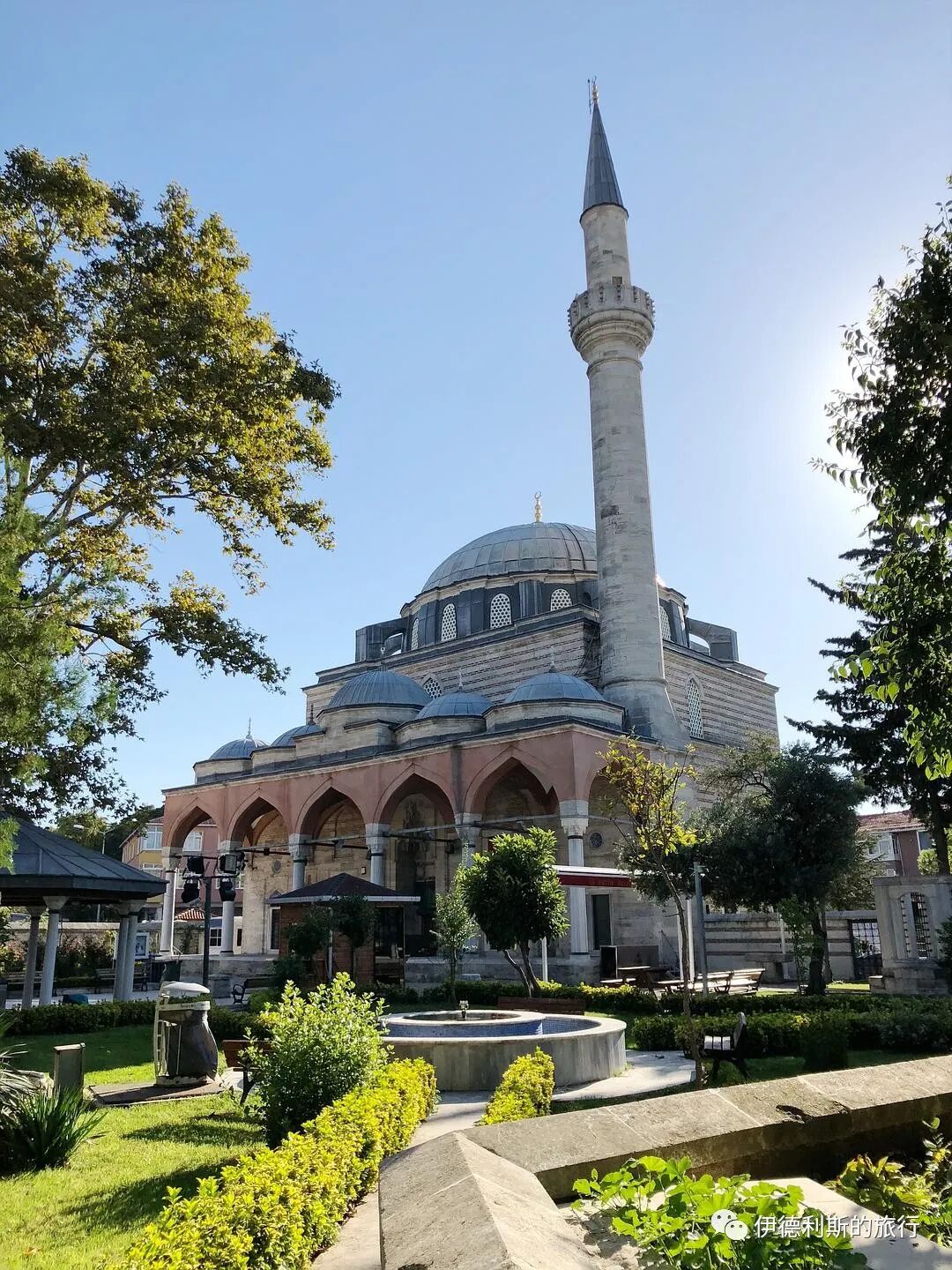
The pagoda (bangta) was rebuilt in 1763.
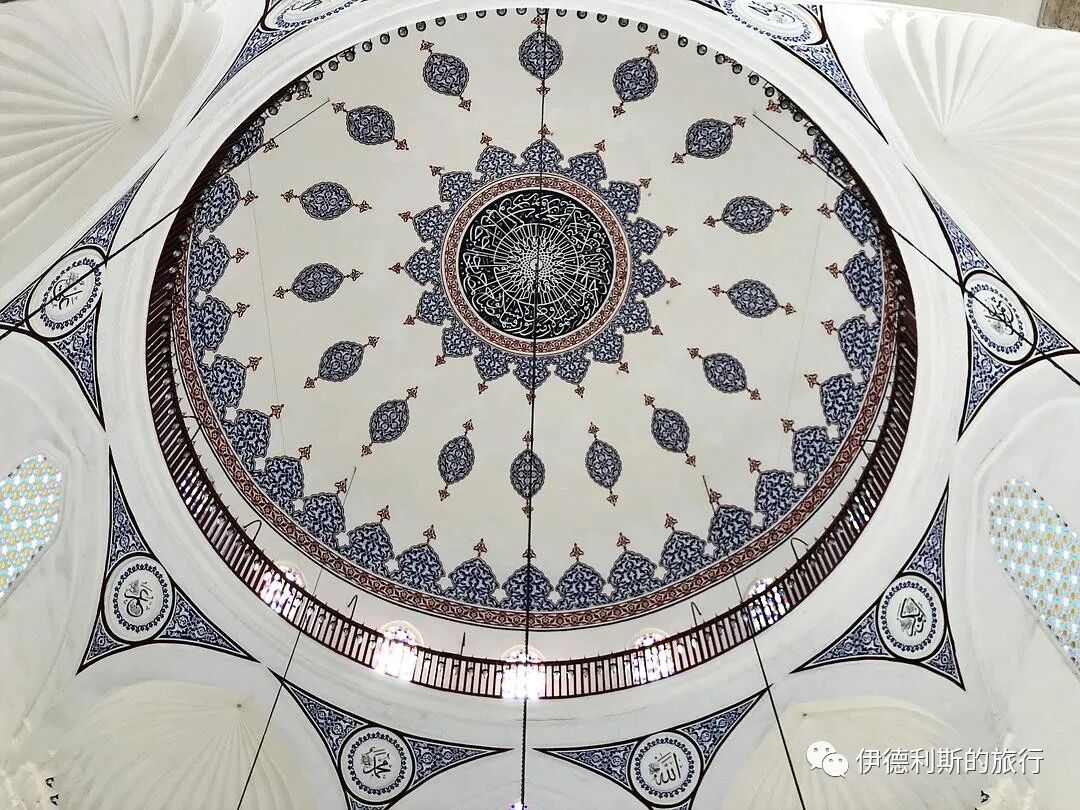
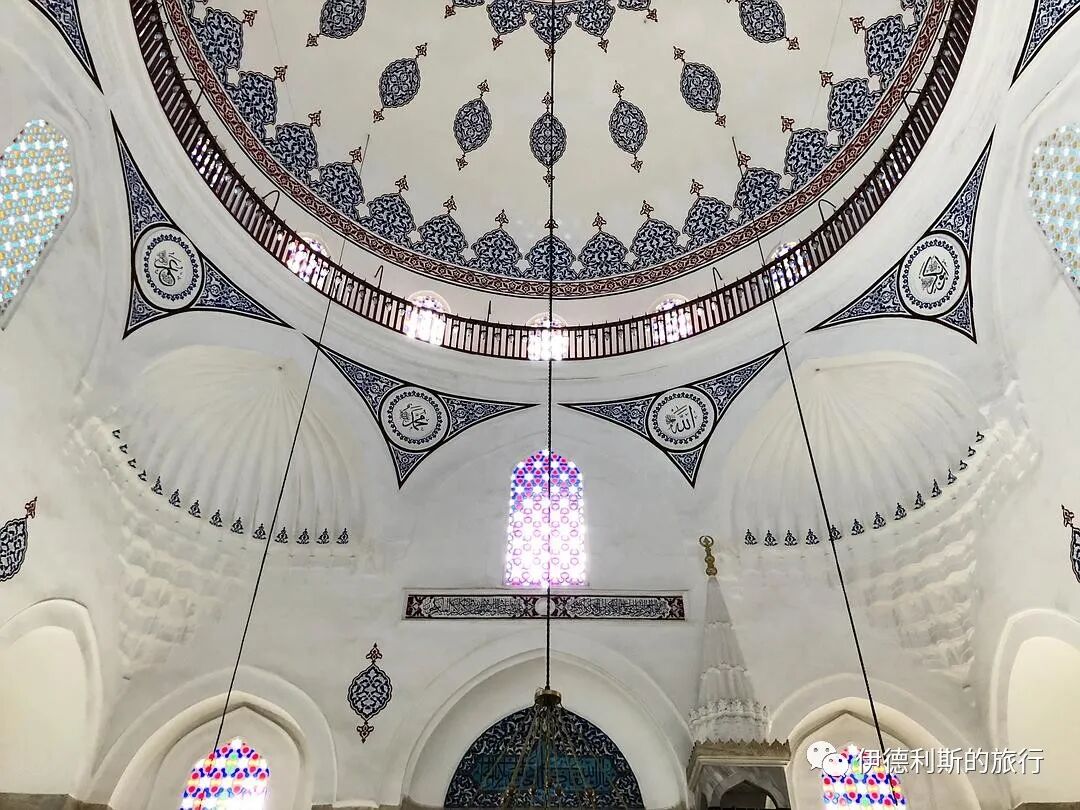
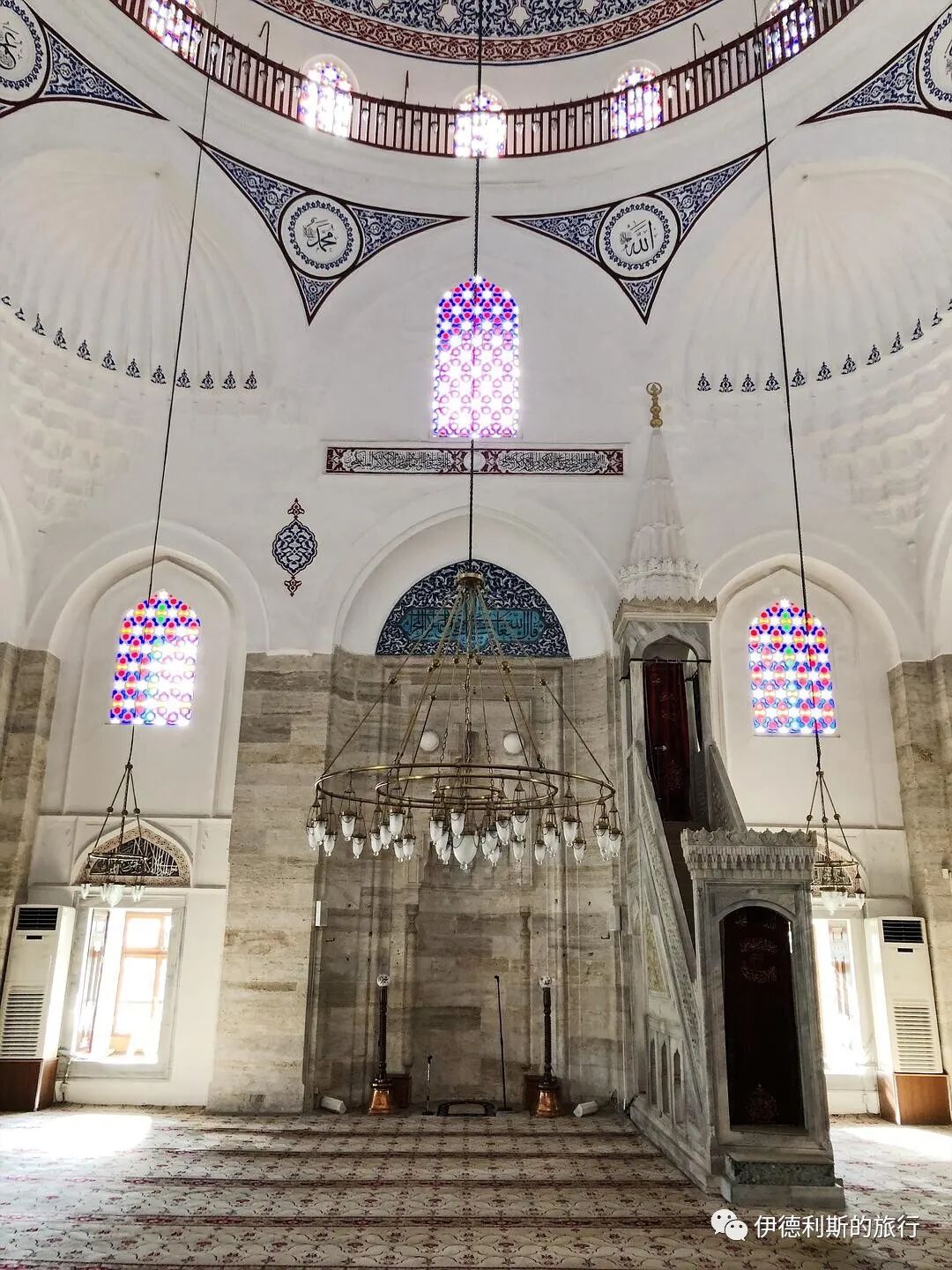
Inside the main hall, Sinan used a stepped structure hidden from the outside to create a smooth transition from the walls to the dome.
The interior is decorated with Iznik tile panels. The most prominent ones are above the mihrab, featuring Thuluth calligraphy in cobalt blue, turquoise, and dark olive green.
8. Sinan Pasha Complex: 1555
The Sinan Pasha Complex (Sinan Paşa Külliyesi) is in the Beşiktaş district of northern Istanbul. Built in 1555, it included a mosque, a madrasa, and a bathhouse, though the bathhouse was torn down in 1957.
Sinan Pasha commissioned the complex. He was the brother of the Ottoman Grand Vizier Rustem Pasha, served as the Ottoman naval commander from 1550 to 1553, and died in Istanbul at the end of 1553. Shortly before he died, Sinan Pasha asked Mimar Sinan to build this complex for him and expressed his wish to be buried there. Because Sinan Pasha died suddenly, construction did not start until 1554 and was finished in 1555.
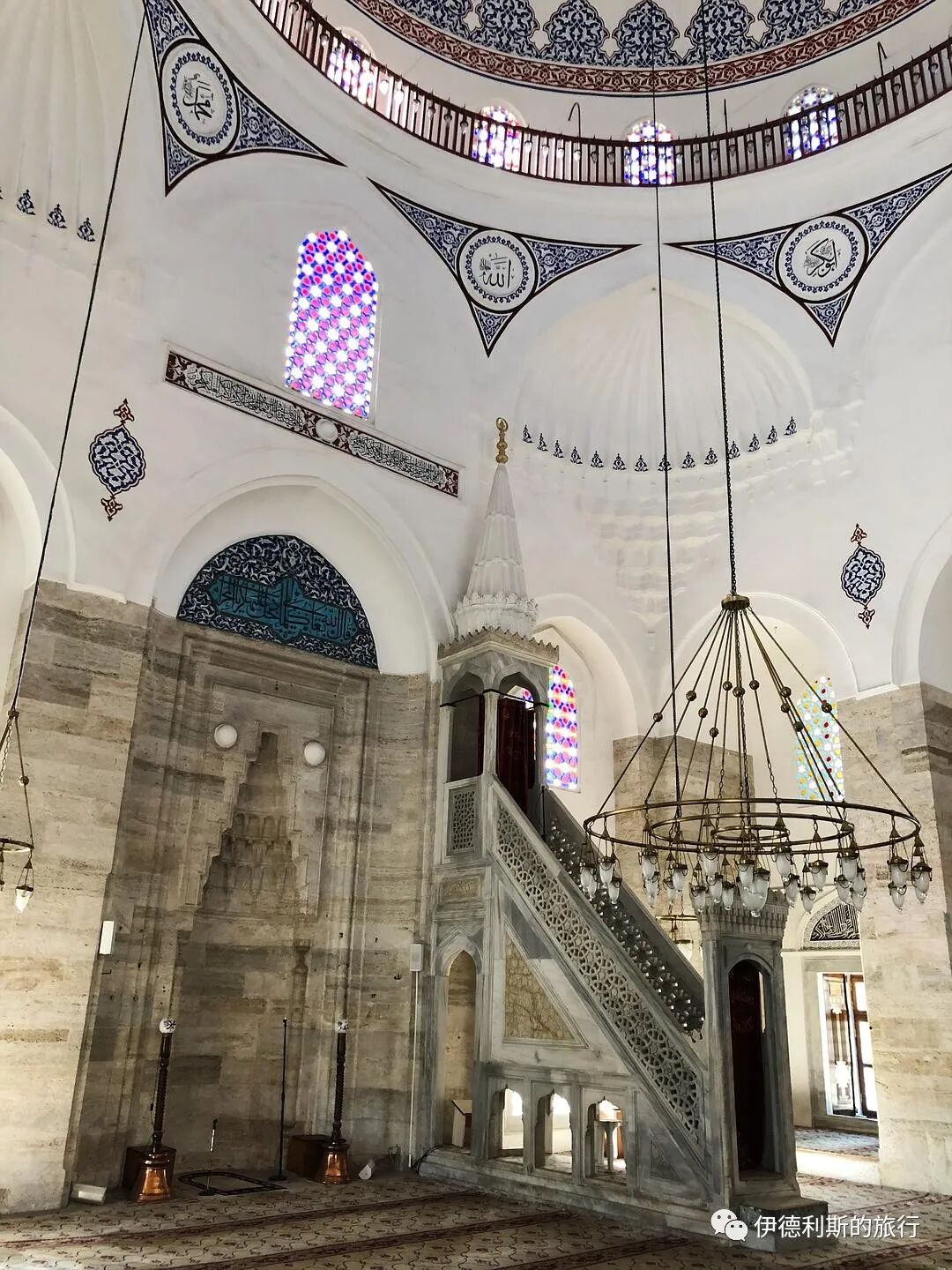
This mosque is Mimar Sinan's reinterpretation of the famous Three-Balcony Mosque (Üç Şerefeli Camii) in Edirne, so it is often called the smaller version of that mosque. The main prayer hall of the mosque consists of one large dome and four smaller domes. In 1749, the porch with five small domes was incorporated into the main prayer hall.
This madrasa was the first time Mimar Sinan tried to place a madrasa opposite a mosque to form a courtyard, while also removing the large lecture hall.
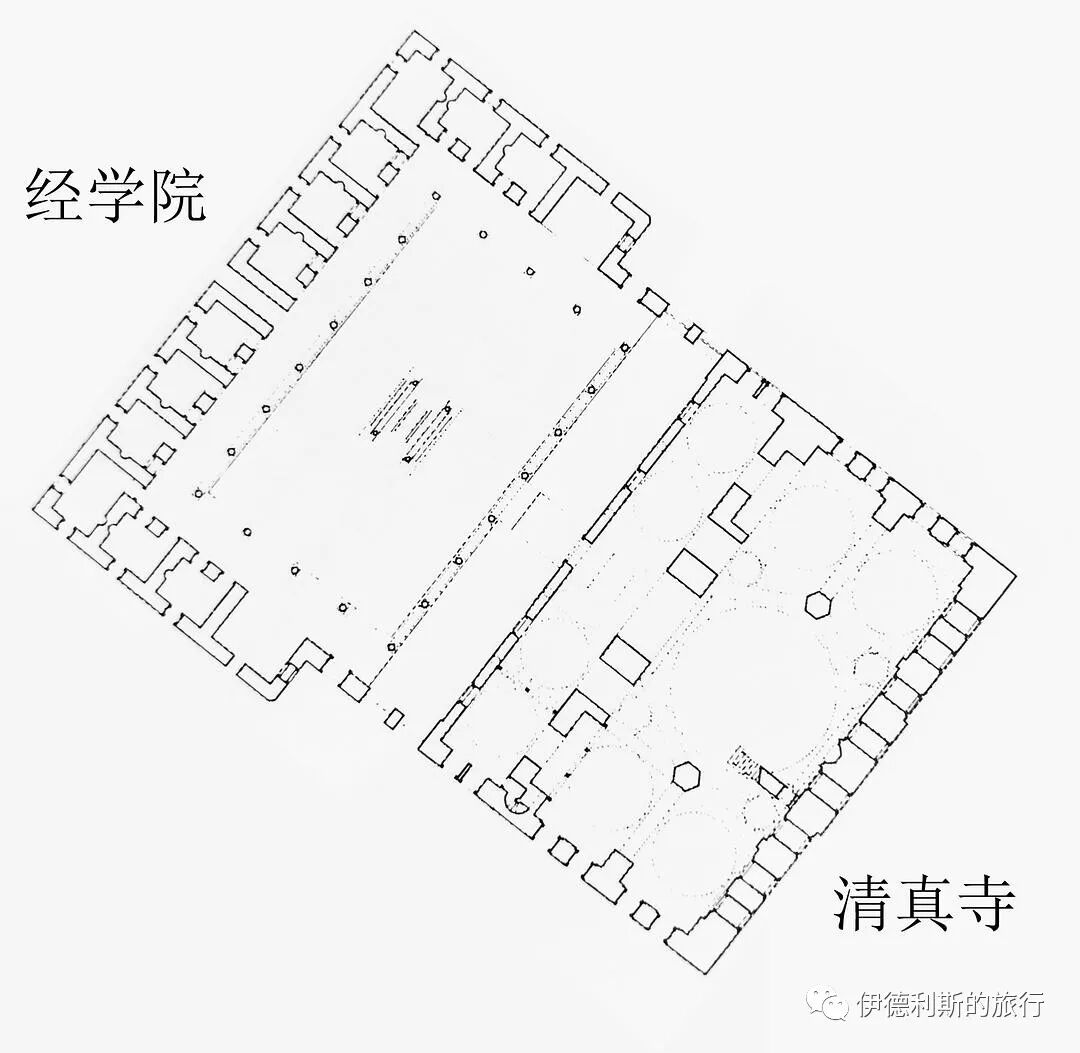
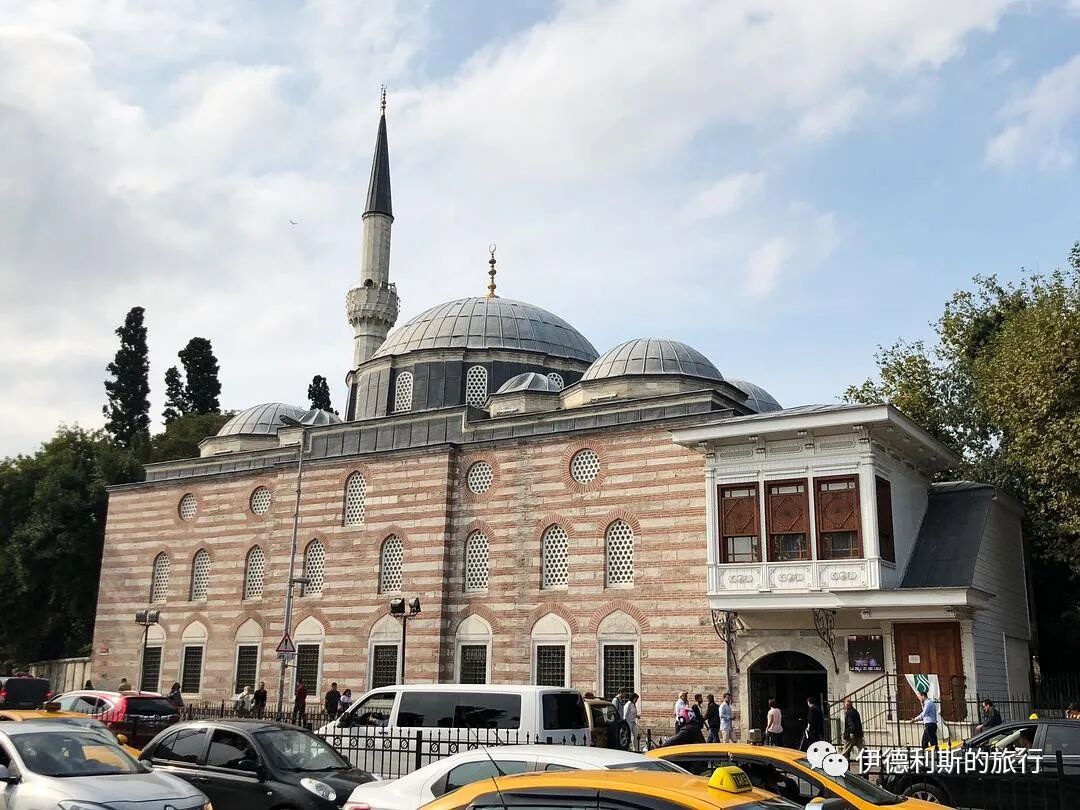
mosque
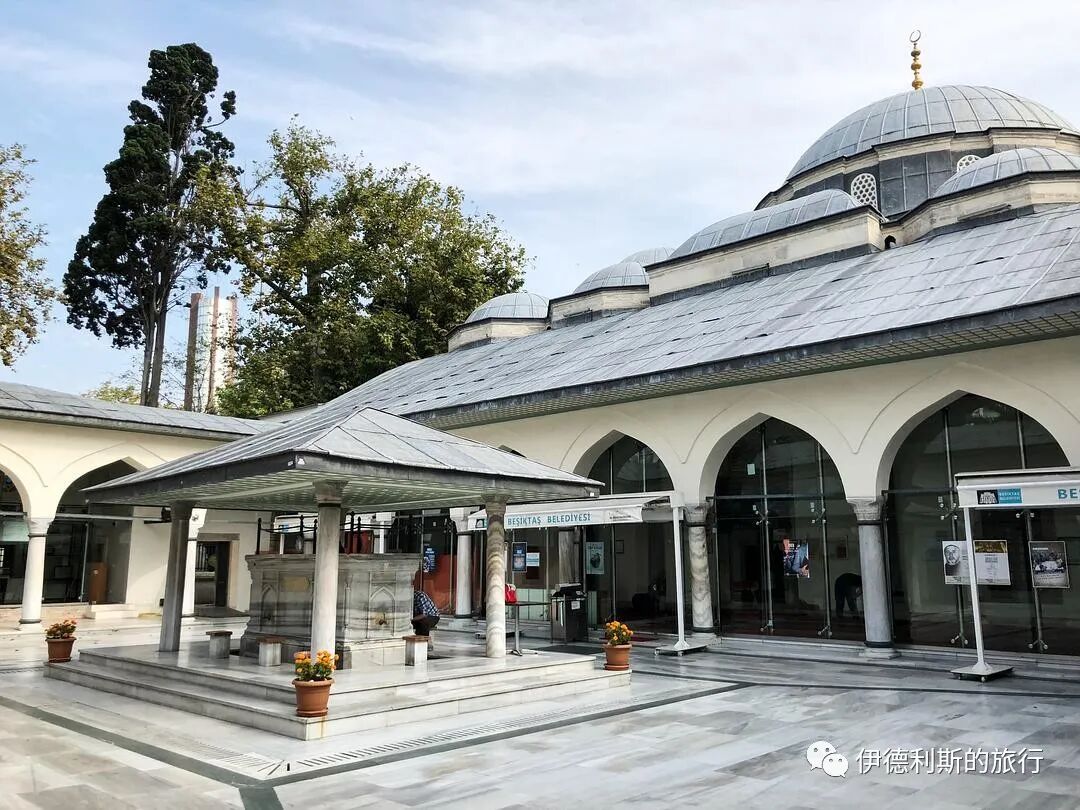
courtyard
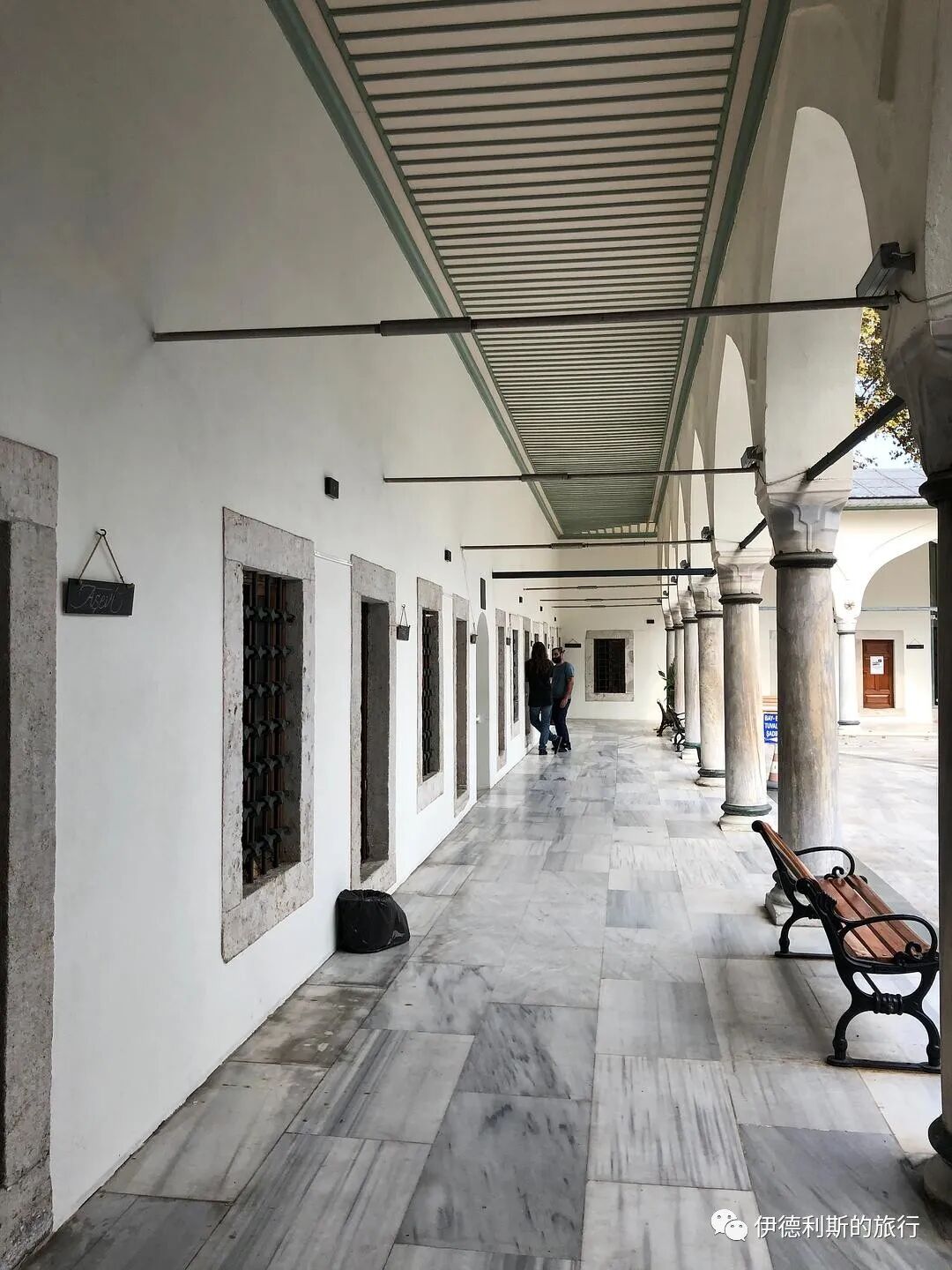
madrasa corridor
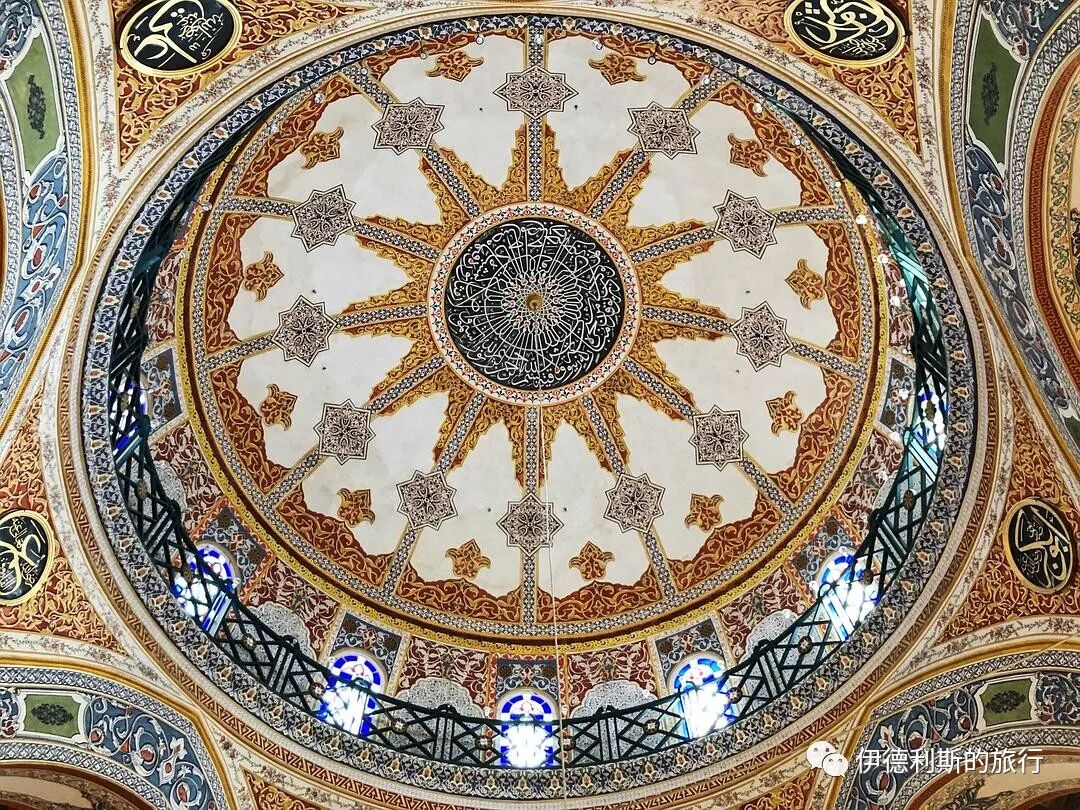
large dome
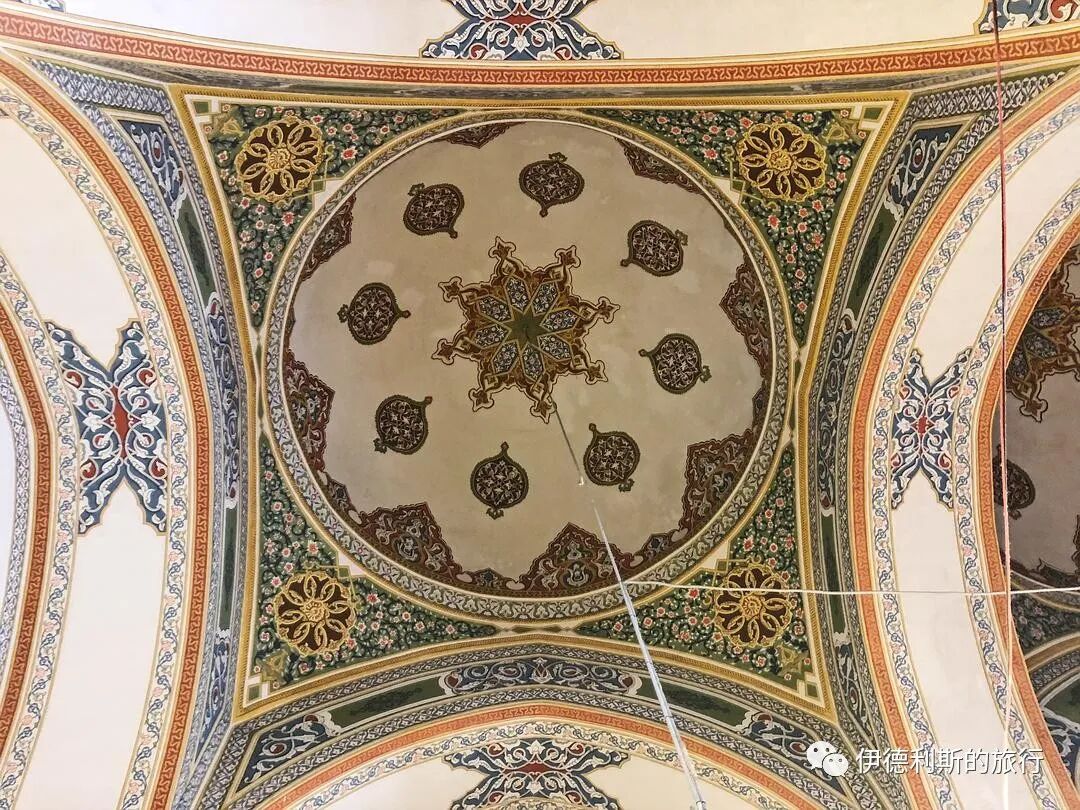
small dome
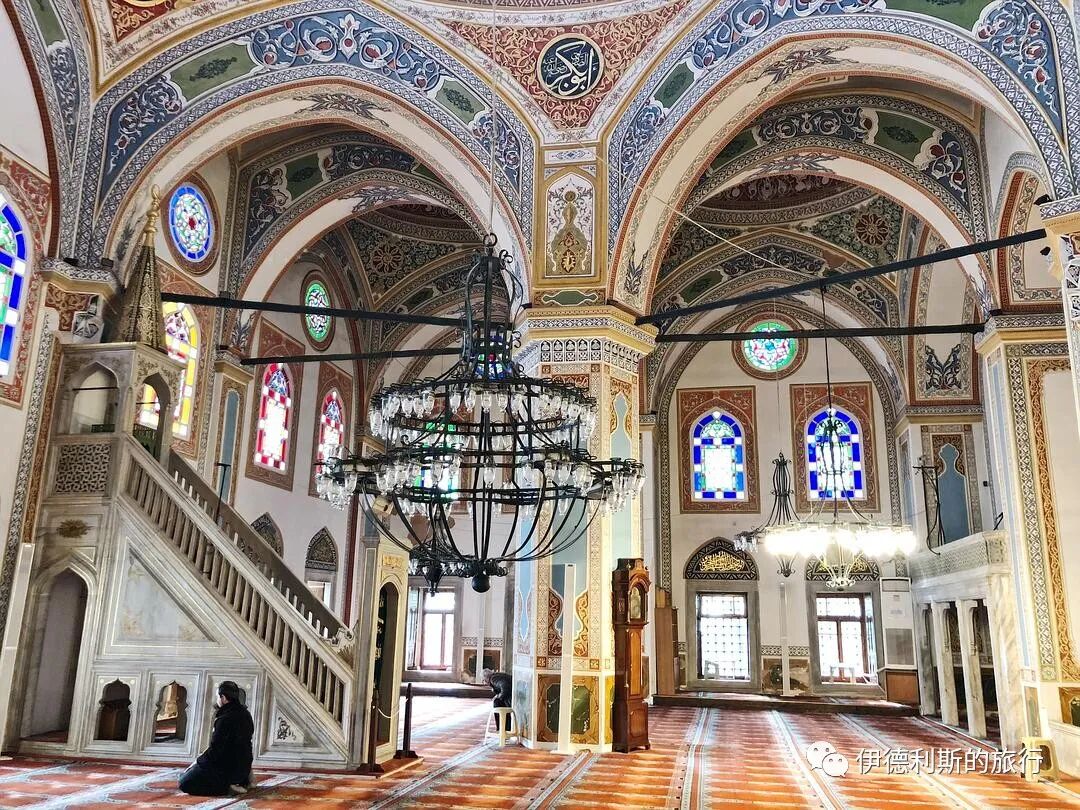
The side of the mosque.
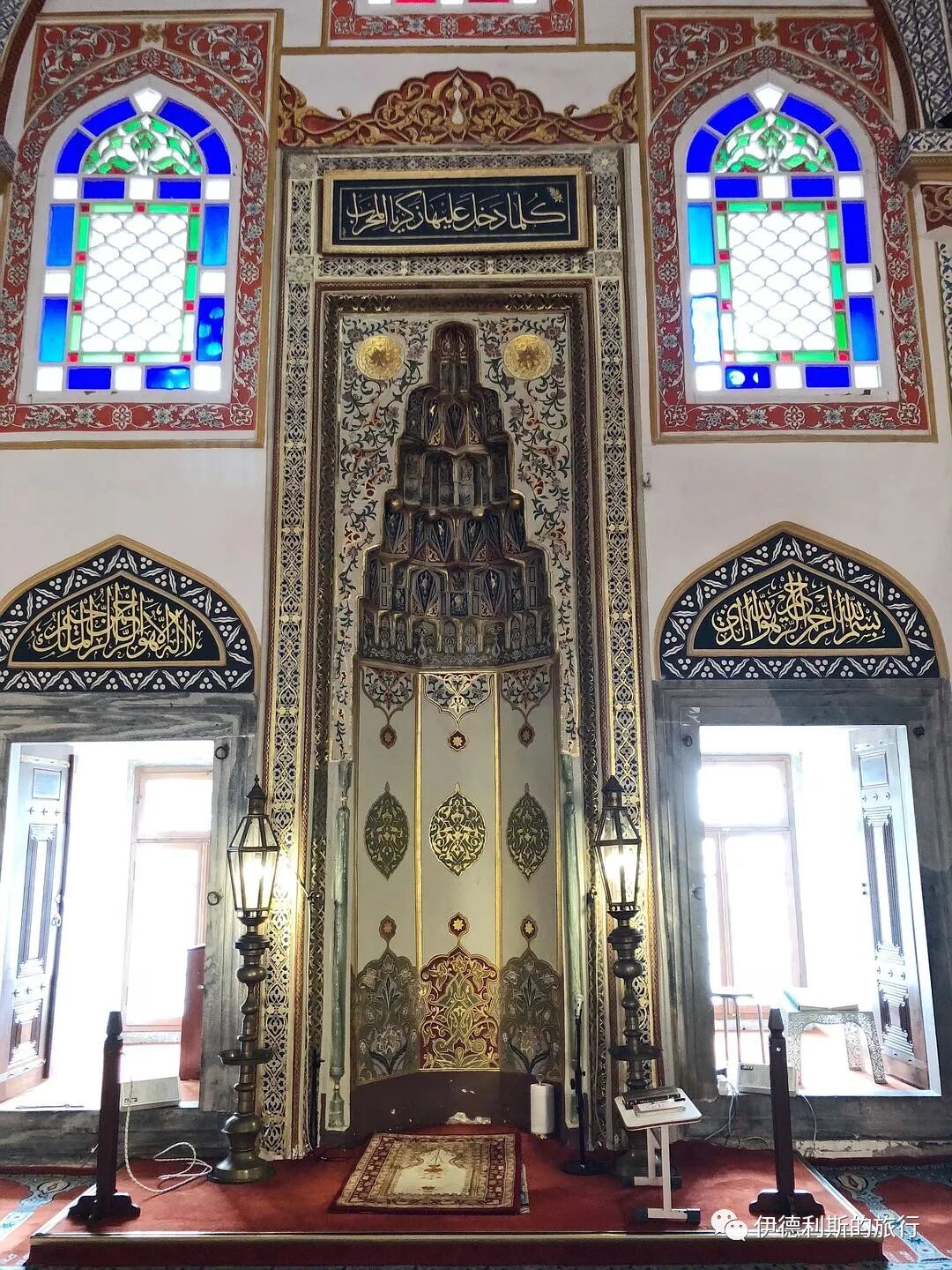
Mihrab
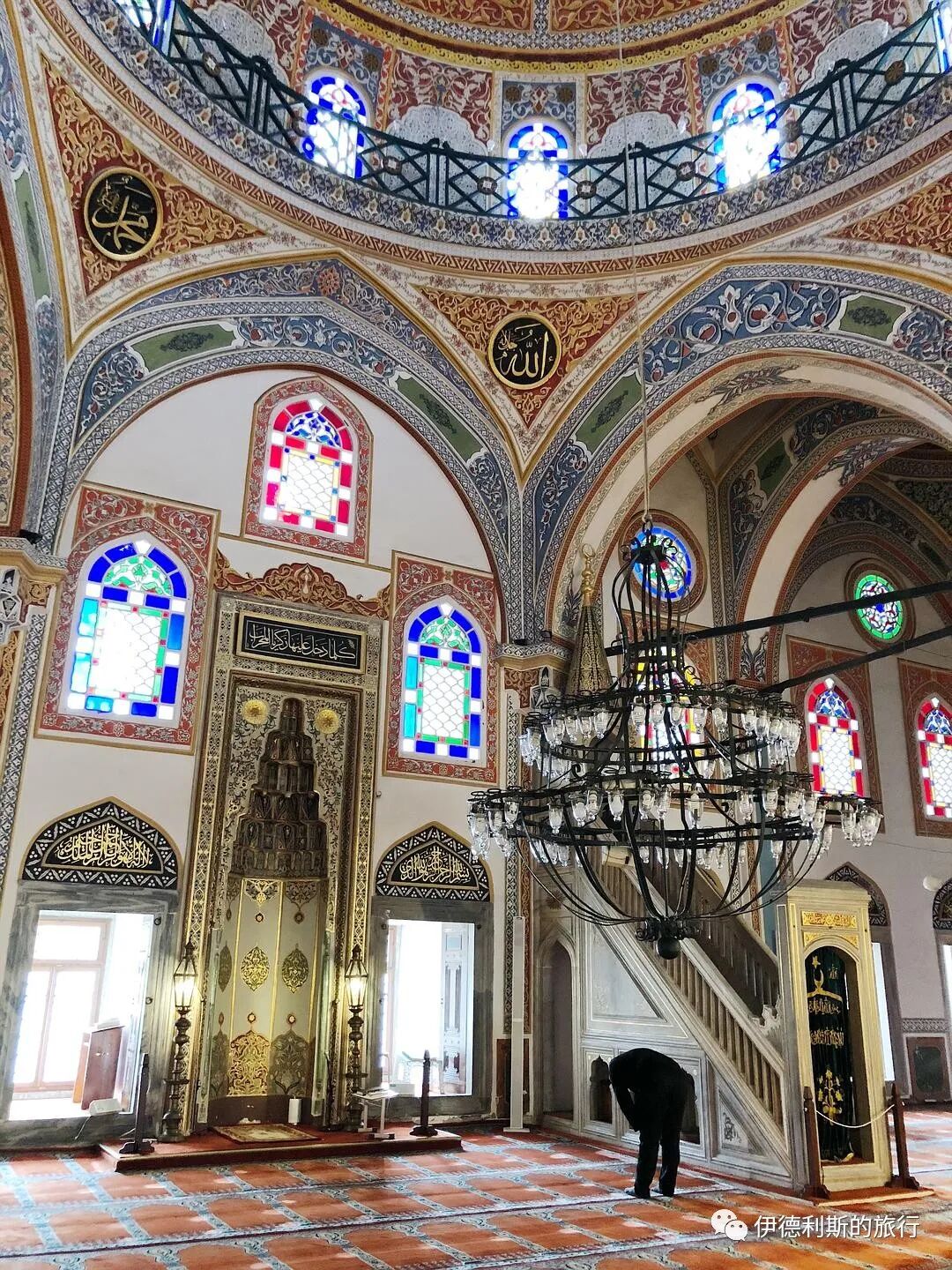
The mihrab and minbar.
9. Hurrem Sultan Bathhouse: 1556
The Haseki Hürrem Sultan Hamamı is located south of the Hagia Sophia in Istanbul. Built in 1556, it was one of many public charity buildings commissioned by Queen Hürrem, the wife of Suleiman the Magnificent, and designed by Mimar Sinan. It is still open to the public today.
The bathhouse was built on the site of the famous Byzantine Baths of Zeuxippus. Although the building design follows early Ottoman style, Sinan pioneered a layout where the men's and women's sections are perfect mirror images. It was the first Turkish bathhouse to have both sections on the same axis.
The bathhouse closed in 1910 and was later used as a prison and a warehouse. It was restored between 1957 and 1958 and later became a carpet bazaar. In 2007, the Istanbul city government decided to restore the bathhouse. After three years of restoration work by the Faculty of Architecture at Kocaeli University in Turkey, the bathhouse reopened in 2011.
The bathhouse is now called Ayasofya Hurrem Sultan Hamami, and its official website is https://www.ayasofyahamami.com/. The price seems to be 160 euros. If you have some extra money, I really recommend experiencing this bathhouse designed by Mimar Sinan.
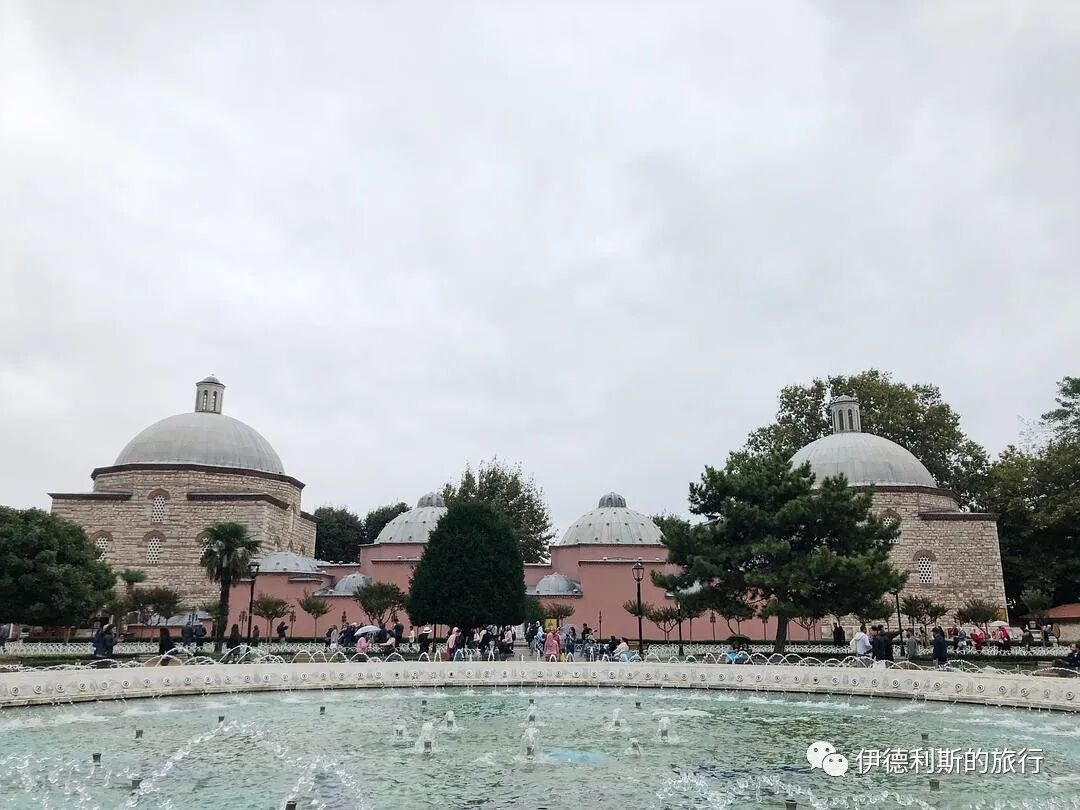
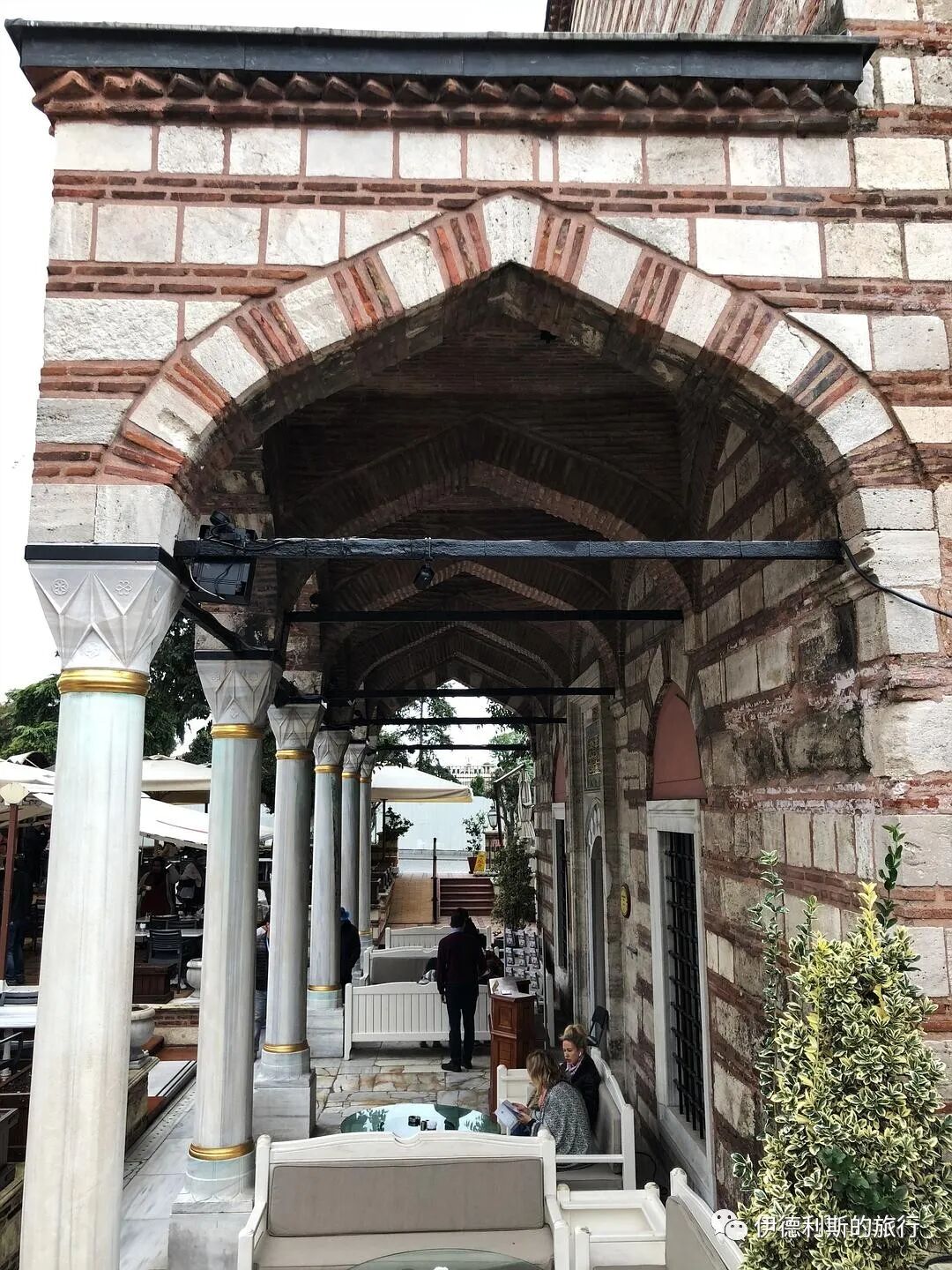
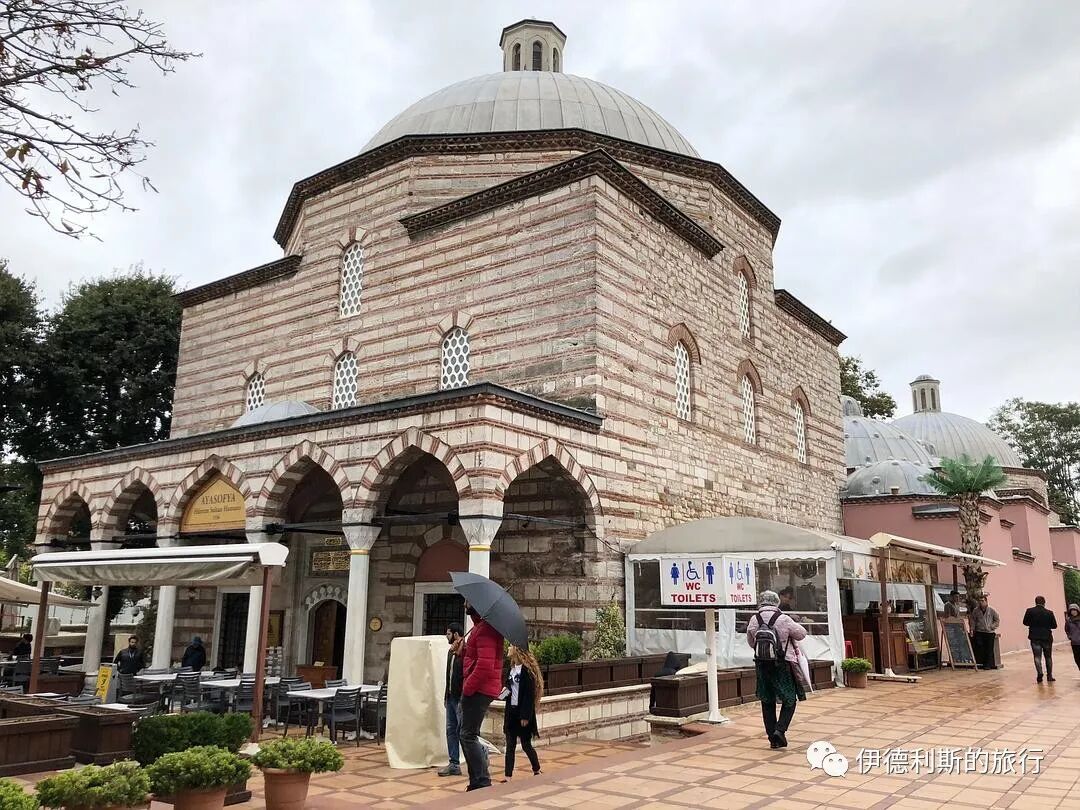
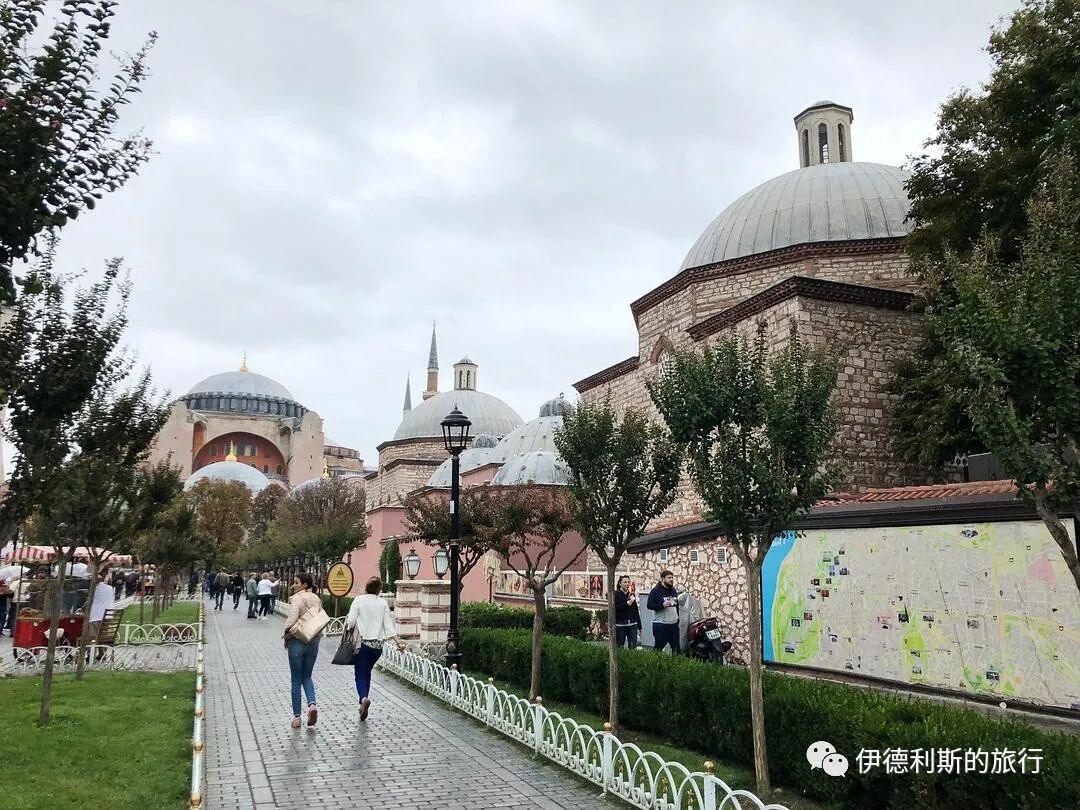
To the left is the Hagia Sophia, and to the right is the bathhouse.
Summary: Ottoman Architecture Guide: Mimar Sinan — Early Mosques and Imperial Works is presented here as a firsthand travel account in clear English, beginning with this scene: Mimar Sinan (1488/1490-1588) is known as the great architect of the Ottoman Empire, and people often compare him to Michelangelo. The account keeps its focus on Mimar Sinan, Ottoman Architecture, Istanbul Mosques while preserving the names, places, food, and historical details from the Chinese source.
Mimar Sinan (1488/1490-1588) is known as the great architect of the Ottoman Empire, and people often compare him to Michelangelo. In the autumn of 2018, I visited dozens of Mimar Sinan's works in Istanbul, Edirne, and Konya, Turkey, which helped me feel closer to him. Sinan's work reflects that era and shows the spirit of the Ottoman Empire at its peak. By learning about Sinan's work, we can also better understand the 16th-century Ottoman Empire.
Mimar Sinan was an officer and military engineer in his youth and middle age, and he did not become the chief Ottoman architect until he was 50. During his nearly 50-year career as an architect, Sinan led top building teams to construct 476 buildings for the Ottoman Empire, 196 of which still stand today.
Sinan's career can be roughly divided into three periods: the growth period, the mature period, and the peak period. These three periods can be summarized by three specific buildings. Built in 1548, the Prince Mosque (Şehzade Camii) was the first large mosque designed by Sinan and stands as an early masterpiece. The Suleymaniye Mosque (Süleymaniye Camii), completed in 1557, became a landmark for all of Istanbul. The Selimiye Mosque (Selimiye Camii), built in Edirne in 1574, represents the absolute peak of Sinan's architectural skill.
Next, I will introduce the first stage of Sinan's career: his growth period. Starting with the first building complex Sinan constructed in Istanbul in 1539, you can see him move from following traditional Ottoman designs to gradually innovating and developing his own unique style. The nine works I am sharing below are all located in Istanbul. If you are traveling to Istanbul, you have the chance to visit them in person.
Table of Contents
1. Hurrem Sultan Complex: 1539, 1540, 1550
2. Mihrimah Sultan Complex: 1543-1548
3. Sehzade Complex: 1543-1548
4. Hüsrev Pasha Tomb: 1545
5. Yavuz Sultan Selim Madrasa: 1549
6. Rüstem Pasha Madrasa: 1550
7. Hadim Ibrahim Pasha Mosque: 1551
8. Sinan Pasha Complex: 1555
9. Hurrem Sultan Bathhouse: 1556
1. Hurrem Sultan Complex: 1539, 1540, 1550
The Haseki Hürrem Sultan Complex (Haseki Hürrem Sultan Külliyesi) is in the southwest of Istanbul's old city. Built in 1539, it was the first complex Mimar Sinan designed after he became the royal architect.
Suleiman the Magnificent's wife, Haseki Hürrem Sultan, commissioned the complex. Haseki Hürrem Sultan, also known as Roxelana, was the first empress in Ottoman history to hold the title of Haseki Sultan, or the Sultan's favorite. She is also known as the most powerful and controversial woman in Ottoman history.
After becoming empress, Haseki Hürrem Sultan began building a series of public structures, starting with this royal complex. The complex includes a Friday mosque, a public kitchen (Imaret), a religious school (madrasa), an elementary school (Mektep), and a hospital (Darüssifa). The mosque was finished in 1539, the school and kitchen were finished the following year, and the hospital was not completed until 1550. When designing the complex, Sinan arranged the different buildings at various angles, leaving only narrow paths or gaps between them. This layout creates a rich perspective effect that almost never appeared in his later works.
The layout of the building complex is based on a map from the book Sinan's Istanbul.
The mosque (1539) sits at the southernmost part of the complex, separated from the rest by a narrow alley. The mosque was originally a simple, traditional design with one dome and one minaret, built with alternating layers of brick and stone. Its porch has six marble columns supporting five small domes. The mosque was expanded in 1612, growing from one dome to two and doubling in size. The mosque has no tiles, and the current painted decorations were added later. During this period, Sinan had not yet started to innovate in mosque architecture.
The madrasa (1540) is directly across from the mosque, featuring sixteen student rooms and a large lecture hall arranged in a rectangle.
The primary school (1540) is known as the most beautiful one built by Mimar Sinan.
The hospital (1550) is in the far north and was built by Hurrem Sultan specifically for women. The hospital courtyard is octagonal, with rooms on three sides and windows facing the street on the fourth. The two arched gateways (iwan) at the corners of the octagonal courtyard and the dome show how Sinan would later develop his use of arches and domes.
Unfortunately, the mosque was under renovation and closed when I visited.
The dome of the mosque.
The front porch of the mosque.
A diagram of the mosque published by Cornelius Gurlitt in 1912, showing the layout before the expansion on the left and after on the right.
Public kitchen
A diagram of a public kitchen published by Cornelius Gurlitt in 1912
2. Mihrimah Sultan Complex: 1543-1548
The Mihrimah Sultan Complex (Mihrimah Sultan Külliyesi) sits next to the Üsküdar pier on the east bank of the Bosphorus. Built between 1543 and 1548, it is one of the most famous landmarks in the Üsküdar area and the second complex by Mimar Sinan still standing in Istanbul.
The complex was commissioned in 1543 by Mihrimah Sultan, the daughter of Suleiman the Magnificent and Hurrem Sultan. She was the wife of the Grand Vizier Rüstem Pasha and is known as the most powerful princess in Ottoman history.
The entire complex is cleverly built on a slope that stretches to the coast. It includes a mosque, a religious school (madrasa), a guesthouse, a dining hall (imaret), an elementary school, and several tombs added later. The guesthouse and dining hall were destroyed by fire in 1772.
The layout of the building complex is based on a map from the book Sinan's Istanbul.
On the left is the Mihrimah Sultan Complex.
This mosque is the first semi-domed mosque designed by Mimar Sinan. The mosque consists of one main dome and three semi-domes. This shape expands the interior space, so you feel like you are under a dome as soon as you enter the main hall. Although the mosque itself is not very deep, this design makes the space feel much larger. Mimar Sinan also added a T-shaped canopy in front of the porch to soften the look of the entrance.
A diagram of the mosque published by Cornelius Gurlitt in 1912.
The canopy in front of the porch.
The main gate.
The main dome and the semi-domes.
Main dome
Half-dome
The mihrab and minbar under the half-dome
Mihrab
Minbar
The madrasa consists of sixteen student dorms and a large lecture hall arranged in a rectangle. It is now a hospital, and the integrity of this cultural heritage site has been damaged.
The passage from the mosque to the madrasa
Exterior of the madrasa
Inside the madrasa.
The primary school consists of two domed buildings.
3. Sehzade Complex: 1543-1548
The Prince Complex (Şehzade Külliye) sits on the third hill of Istanbul's old city. Built between 1543 and 1548, it is known as the most important early work by Mimar Sinan and his first masterpiece.
Suleiman the Magnificent built the complex to honor his beloved son, Prince Mehmed (Şehzade Mehmed), who died young. Prince Mehmed was the son of Suleiman the Magnificent and Hurrem Sultan. He was favored from a young age and was the most likely heir, but he sadly died of smallpox in 1543 (some say he was murdered). Suleiman the Magnificent was heartbroken after the prince died. Traditionally, princes were buried in Bursa, but the Sultan decided to commission Mimar Sinan to build a tomb for the prince in Istanbul and add a complex to match it.
The Prince Complex (Sehzade Mosque complex) was the first project Mimar Sinan built under the direct order of Suleiman the Magnificent. It was his most ambitious early work, featuring a much grander scale and more decorations than his previous designs.
The complex includes a mosque, five tombs, a madrasa (religious school), a guest house, a caravanserai (traveler's inn), a public kitchen, and a primary school. These buildings are spread out freely across the flat ground without any forced symmetry. The mosque is not physically connected to the other buildings, which are scattered throughout the gardens or along the streets surrounding the mosque.
The layout of the building complex is based on a map from the book Sinan's Istanbul.
The mosque (built between 1543 and 1548) was the second semi-domed mosque designed by Mimar Sinan, featuring one main dome supported by four semi-domes. This design improved upon his earlier work at the Mihrimah Sultan Mosque, which had three semi-domes, and offered a new take on older designs like the Fatih Mosque (1471) and the Bayezid II Mosque (1506). This layout separates the four pillars that support the central dome, creating a more striking visual effect.
The interior of the mosque is a square laid out along a central vertical axis, and you can immediately feel the dominance of the central dome when you walk in.
The porticos on the side walls of the mosque are also a bold innovation, which points toward the future development of Ottoman mosques. This design softens the building's flanks and hides the buttresses, helping the facade blend in more perfectly.
The design of the Prince Mosque has gradually moved away from the traditional Ottoman mosque model and started to head toward Sinan's own unique style.
A diagram of the mosque published by Cornelius Gurlitt in 1912.
The mosque at noon
The mosque at sunset
You can see two minarets, the main dome, and the semi-domes.
The entrance to the mosque courtyard.
The courtyard gate.
Looking at the main prayer hall of the mosque from the courtyard.
Looking at the main prayer hall of the mosque from the courtyard.
The courtyard.
The main dome and the semi-domes.
Mihrab
The Tomb of Prince Muhammad (1543) is southeast of the mosque. It is an octagonal structure with Persian inscriptions at the entrance and Cuerda Seca tiles inside.
The tomb of Grand Vizier Rustem Pasha (1560) sits south of the tomb of Prince Mehmed and was also designed by Mimar Sinan. Rustem Pasha was the husband of Mihrimah Sultan and the son-in-law of Suleiman the Magnificent. Later generations remember him as one of the most accomplished Grand Viziers of the Ottoman Empire.
The madrasa (1546) is located outside the garden on the north side of the mosque. It is a rectangular building surrounded by a gallery, with 21 student rooms and one large lecture hall on three sides. The fountain in the middle of the courtyard still keeps its Seljuk-era tomb structure (kumbet) from the 11th to 13th centuries.
Madrasa gate
Madrasa inner courtyard
Madrasa inner courtyard
The lecture hall of the madrasa.
The public kitchen (imaret) built between 1543 and 1548 sits across the street east of the mosque. It has two buildings, each with six domes, and a courtyard in the middle.
The primary school is nearby, and the public kitchen is in the distance.
The main gate of the public kitchen.
Inside the courtyard of the public kitchen.
4. Hüsrev Pasha Tomb: 1545
The octagonal tomb of Hüsrev Paşa is in the west of Istanbul. It is known as one of the most beautiful tombs built by Mimar Sinan.
Hüsrev Paşa was a grand vizier of the Ottoman Empire. People called him 'Hüsrev the Mad' because he had a bad temper. Hüsrev Pasha was born in Bosnia in 1495 and came from the famous Sokollu family. He became the governor of Egypt in 1535 and the Second Vizier in 1538. In 1544, Hüsrev Pasha lost the race for Grand Vizier to Rüstem Paşa. He fell ill and died shortly after, and Mimar Sinan built his tomb.
5. Yavuz Sultan Selim Madrasa: 1549
The Yavuz Sultan Selim Madrasa is located in the west of Istanbul. Suleiman the Magnificent commissioned Mimar Sinan to build it, and it is named after the Sultan's father, Sultan Selim I. The madrasa consists of 20 student rooms on three sides and one large lecture hall. In 1563, the lecture hall was turned into a prayer hall and a minaret was added. The minaret is now destroyed, and the madrasa has become a hospital.
From the book Sinan's Istanbul.
6. Rüstem Pasha Madrasa: 1550
The Rustem Pasha Madrasa (Rüstem Paşa Medrese) was built in 1550, just northeast of the Grand Bazaar in Istanbul. Mimar Sinan designed this madrasa as a new take on the famous Buyuk Aga Madrasa (Büyük Ağa Medrese) built in Amasya in 1488. The Buyuk Aga Madrasa was the first octagonal madrasa in Turkey. Mimar Sinan kept the octagonal courtyard inside but changed the outside to a rectangle, which helped advance Ottoman madrasa architecture.
From the book Sinan's Istanbul.
7. Hadim Ibrahim Pasha Mosque: 1551
The Hadim Ibrahim Pasha Mosque (Hadım İbrahim Paşa Camii) sits inside the Silivrikapi gate in the southwest of Istanbul's old city. It was built in 1551 by Mimar Sinan for the Vizier Ibrahim Pasha, who was known as the Eunuch (Hadım).
Ibrahim Pasha started as the chief eunuch in the court of Suleiman the Magnificent. He rose steadily to become the Second Vizier and was one of the few eunuchs in the Ottoman Empire to earn such a high reputation.
In 1562, Ibrahim Pasha set up a charitable endowment (Waqf) managed by white eunuchs from the Ottoman court to support the operations of several schools and mosques. These schools and mosques were located inside the western walls of Istanbul in a less populated area mainly inhabited by Christians. The Hadim Ibrahim Pasha Mosque is the most important one among them.
This mosque represents the first phase of Mimar Sinan's single-dome mosque designs. During this phase, Sinan used eight buttresses to support the main dome. This design hinted at the octagonal dome style he would use in his next phase. This mosque also looks very similar to the Bali Pasha Mosque in Istanbul, which was built in 1504. Sinan likely used that building as a reference for his design.
From the book Sinan's Istanbul.
The pagoda (bangta) was rebuilt in 1763.
Inside the main hall, Sinan used a stepped structure hidden from the outside to create a smooth transition from the walls to the dome.
The interior is decorated with Iznik tile panels. The most prominent ones are above the mihrab, featuring Thuluth calligraphy in cobalt blue, turquoise, and dark olive green.
8. Sinan Pasha Complex: 1555
The Sinan Pasha Complex (Sinan Paşa Külliyesi) is in the Beşiktaş district of northern Istanbul. Built in 1555, it included a mosque, a madrasa, and a bathhouse, though the bathhouse was torn down in 1957.
Sinan Pasha commissioned the complex. He was the brother of the Ottoman Grand Vizier Rustem Pasha, served as the Ottoman naval commander from 1550 to 1553, and died in Istanbul at the end of 1553. Shortly before he died, Sinan Pasha asked Mimar Sinan to build this complex for him and expressed his wish to be buried there. Because Sinan Pasha died suddenly, construction did not start until 1554 and was finished in 1555.
This mosque is Mimar Sinan's reinterpretation of the famous Three-Balcony Mosque (Üç Şerefeli Camii) in Edirne, so it is often called the smaller version of that mosque. The main prayer hall of the mosque consists of one large dome and four smaller domes. In 1749, the porch with five small domes was incorporated into the main prayer hall.
This madrasa was the first time Mimar Sinan tried to place a madrasa opposite a mosque to form a courtyard, while also removing the large lecture hall.
mosque
courtyard
madrasa corridor
large dome
small dome
The side of the mosque.
Mihrab
The mihrab and minbar.
9. Hurrem Sultan Bathhouse: 1556
The Haseki Hürrem Sultan Hamamı is located south of the Hagia Sophia in Istanbul. Built in 1556, it was one of many public charity buildings commissioned by Queen Hürrem, the wife of Suleiman the Magnificent, and designed by Mimar Sinan. It is still open to the public today.
The bathhouse was built on the site of the famous Byzantine Baths of Zeuxippus. Although the building design follows early Ottoman style, Sinan pioneered a layout where the men's and women's sections are perfect mirror images. It was the first Turkish bathhouse to have both sections on the same axis.
The bathhouse closed in 1910 and was later used as a prison and a warehouse. It was restored between 1957 and 1958 and later became a carpet bazaar. In 2007, the Istanbul city government decided to restore the bathhouse. After three years of restoration work by the Faculty of Architecture at Kocaeli University in Turkey, the bathhouse reopened in 2011.
The bathhouse is now called Ayasofya Hurrem Sultan Hamami, and its official website is https://www.ayasofyahamami.com/. The price seems to be 160 euros. If you have some extra money, I really recommend experiencing this bathhouse designed by Mimar Sinan.
To the left is the Hagia Sophia, and to the right is the bathhouse.
