

Istanbul Mosques
Ottoman Architecture Guide: Mimar Sinan — Peak Works and Imperial Mosques
Articles • ali2007fr posted the article • 0 comments • 211 views • 2026-05-18 09:02
Summary: Ottoman Architecture Guide: Mimar Sinan — Peak Works and Imperial Mosques is presented here as a firsthand travel account in clear English, beginning with this scene: Mimar Sinan (1488/1490-1588) is known as the great architect of the Ottoman Empire. The account keeps its focus on Mimar Sinan, Ottoman Architecture, Istanbul Mosques while preserving the names, places, food, and historical details from the Chinese source.
Mimar Sinan (1488/1490-1588) is known as the great architect of the Ottoman Empire. His career can be split into three periods: the growth period (1539-1556), the maturity period (1556-1574), and the peak period (1574-1588). These three periods are best represented by three specific buildings. The Prince Mosque (Şehzade Camii), built in 1548, was the first large mosque Sinan designed and serves as a masterpiece of his early work. The Suleymaniye Mosque (Süleymaniye Camii), completed in 1557, became a landmark for all of Istanbul. The Selimiye Mosque (Selimiye Camii), built in Edirne in 1574, represents the absolute peak of Sinan's architectural skill. Here, I will share nine architectural works Sinan built in Istanbul during his later years to show his style during this period.
A look back at my previous articles on Mimar Sinan:
The Great Ottoman Architect—Mimar Sinan (Part 1): Growth,
The Great Ottoman Architect—Mimar Sinan (Part 2): Maturity
The Peak of Ottoman Architecture—The Selimiye Mosque in Edirne
Table of Contents
1. Sokollu Mehmet Pasha Mosque (Azapkapı): 1578
2. Private Chamber of Murad III: 1578
3. Kılıç Ali Pasha Complex: 1578-1580
4. Şemsi Pasha Complex: 1581
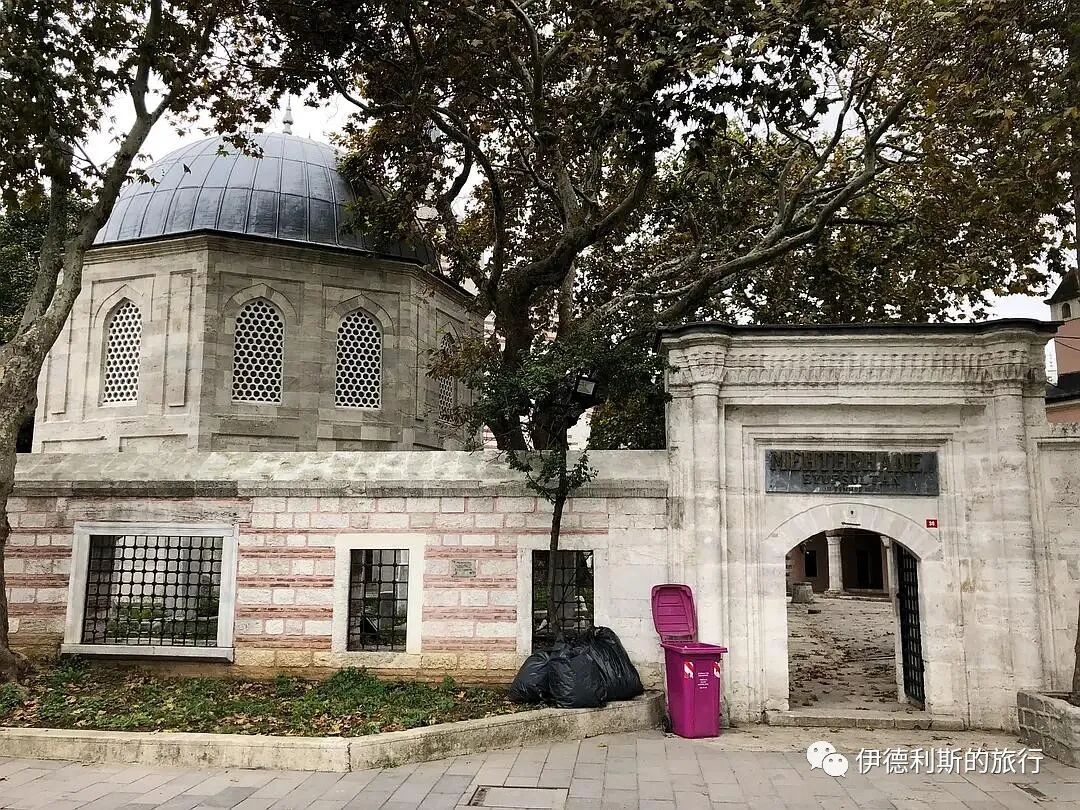
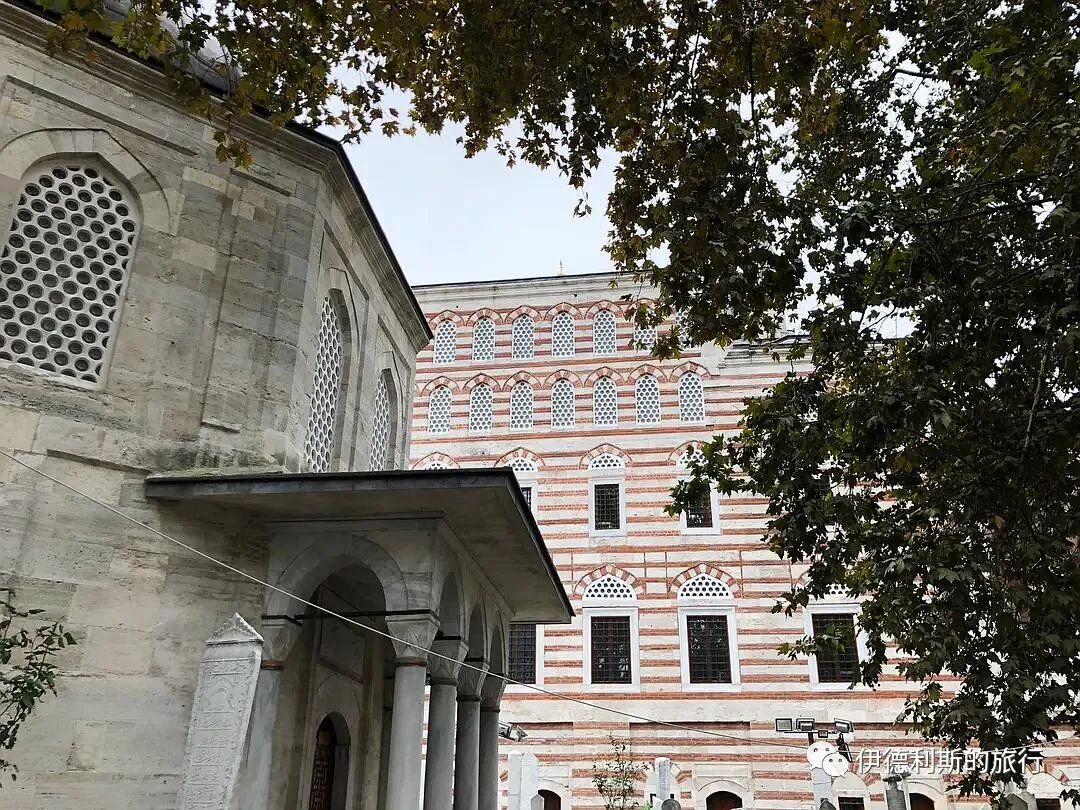
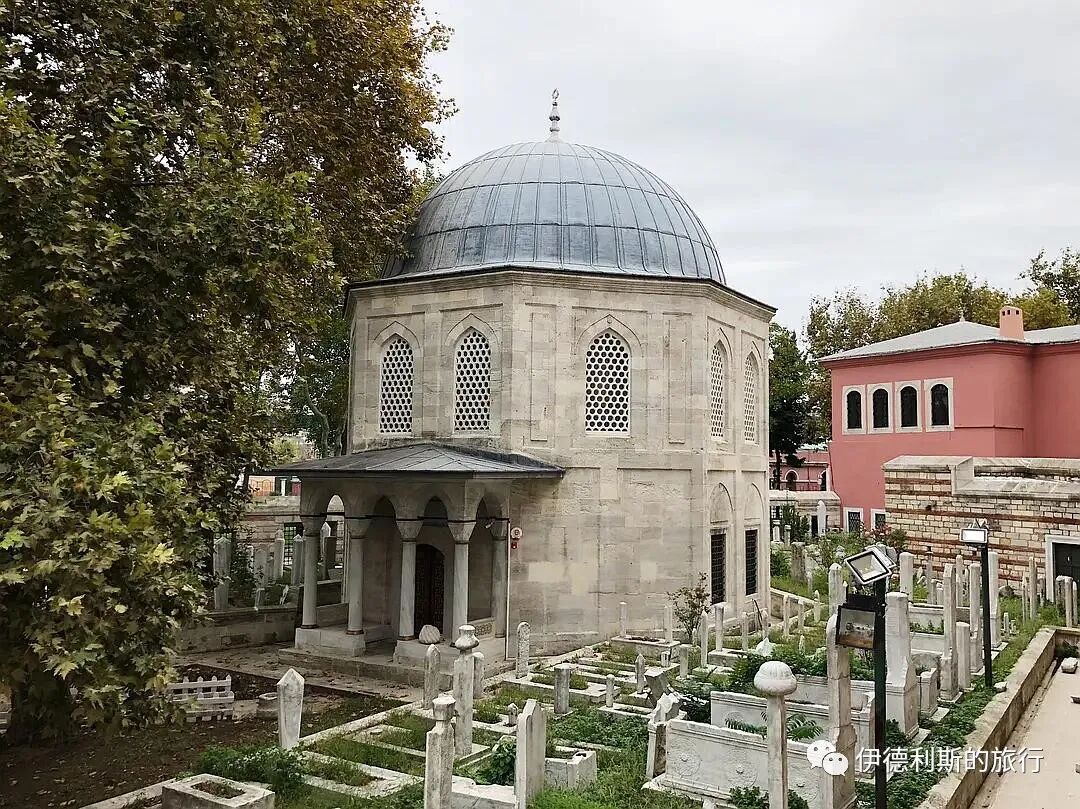
5. Tomb of Kanijeli Siyavuş Pasha: 1582-1584
6. Molla Çelebi Mosque: 1570-1584
7. Atik Valide Sultan Complex: 1571-1586
8. Nişancı Mehmet Pasha Mosque: 1584-1589
9. Zal Mahmut Pasha Complex: 1577-1590
1. Sokollu Mehmet Pasha Mosque (Azapkapı): 1578
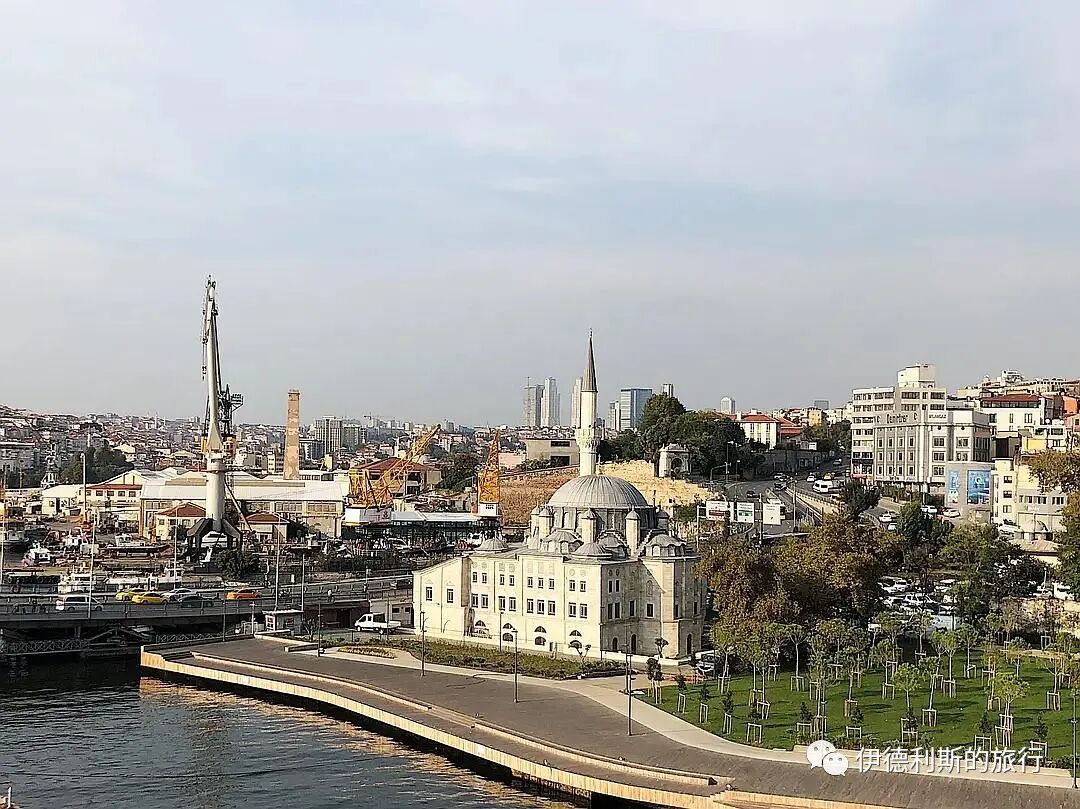
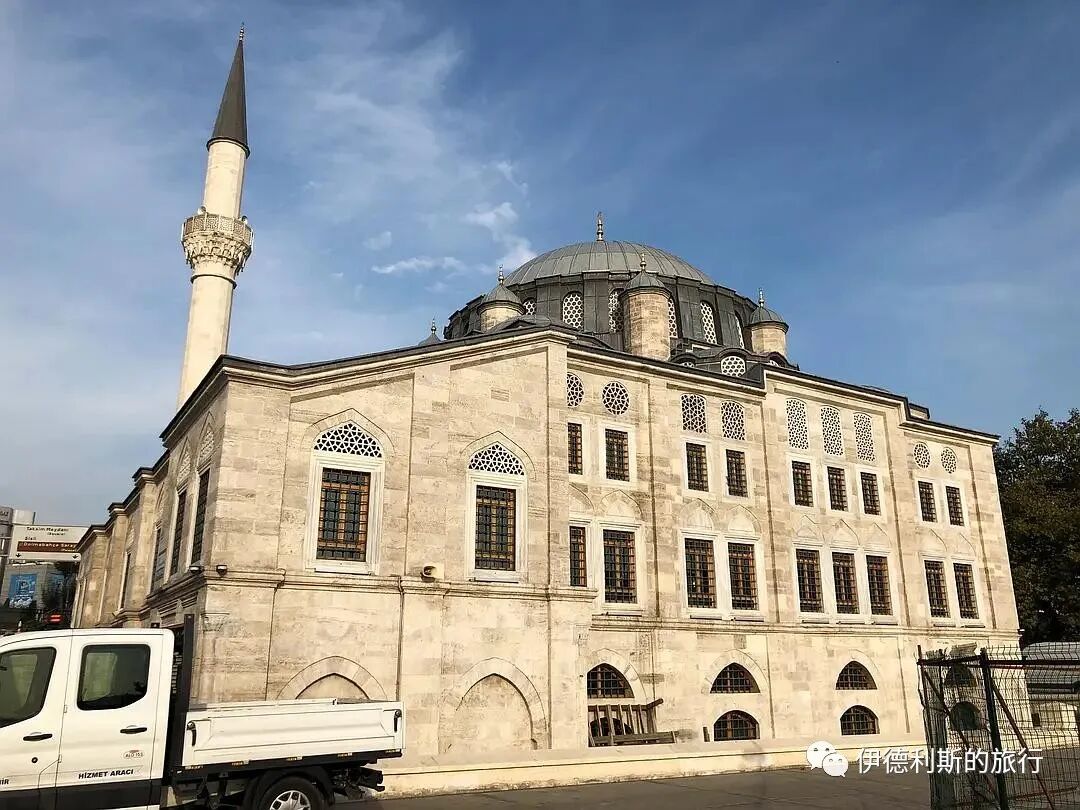
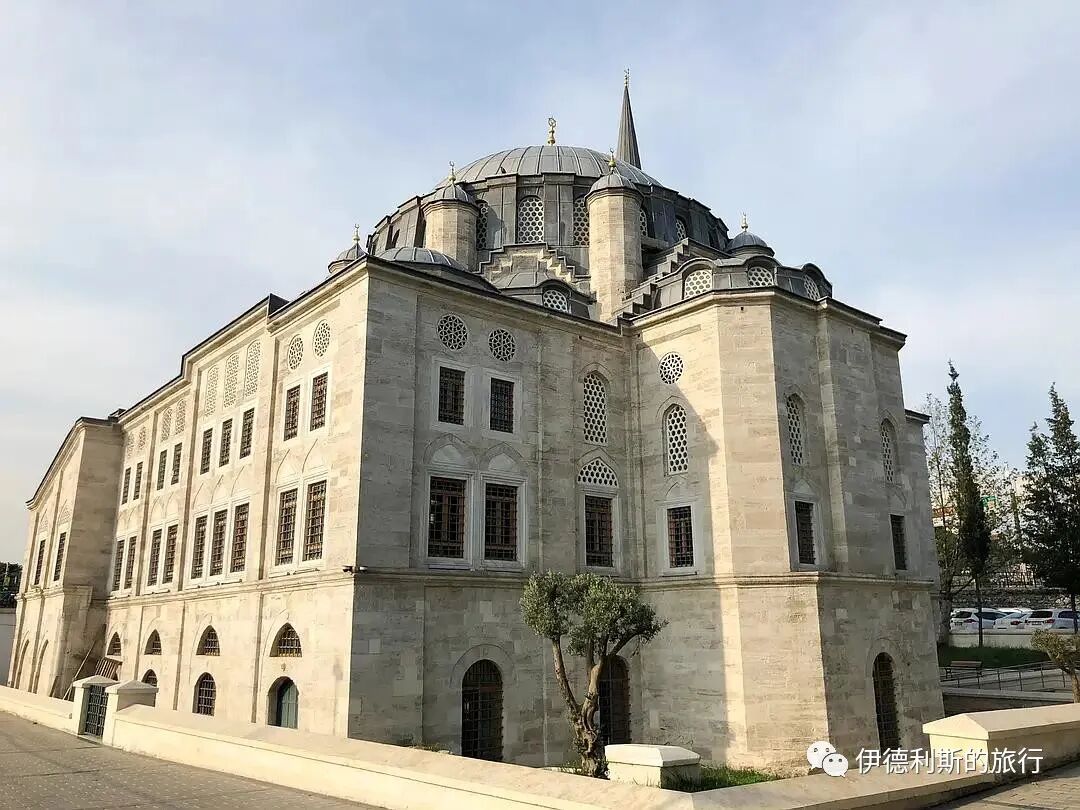
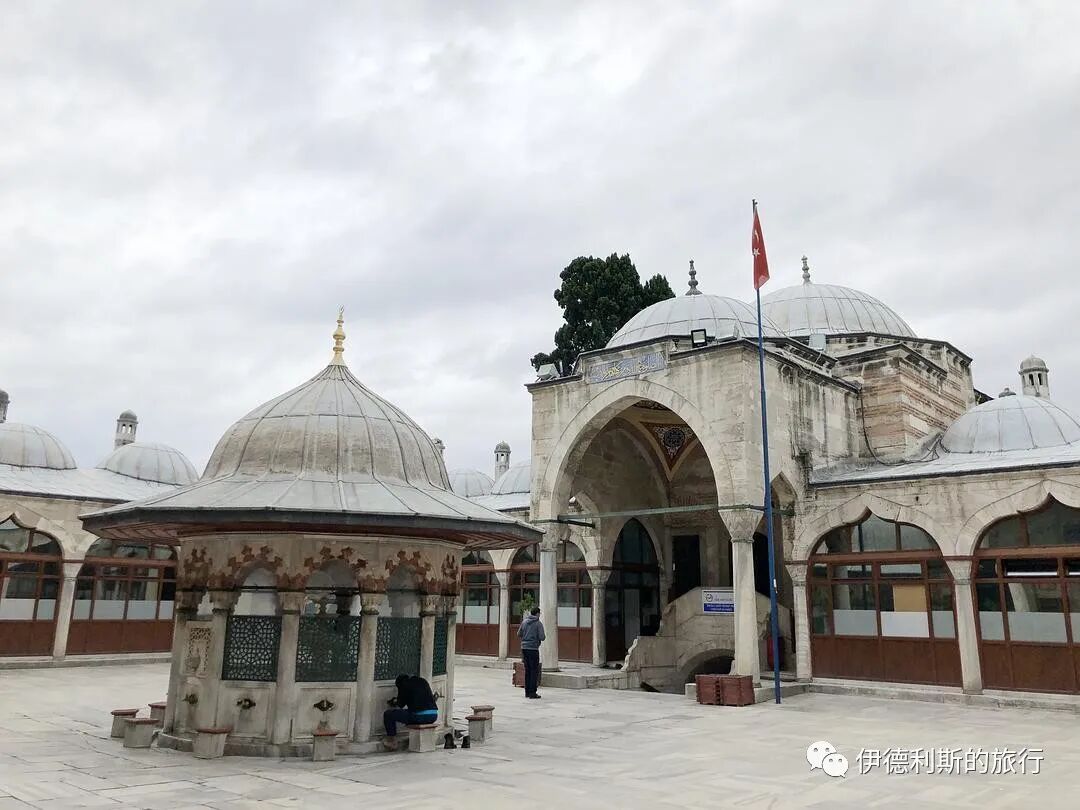
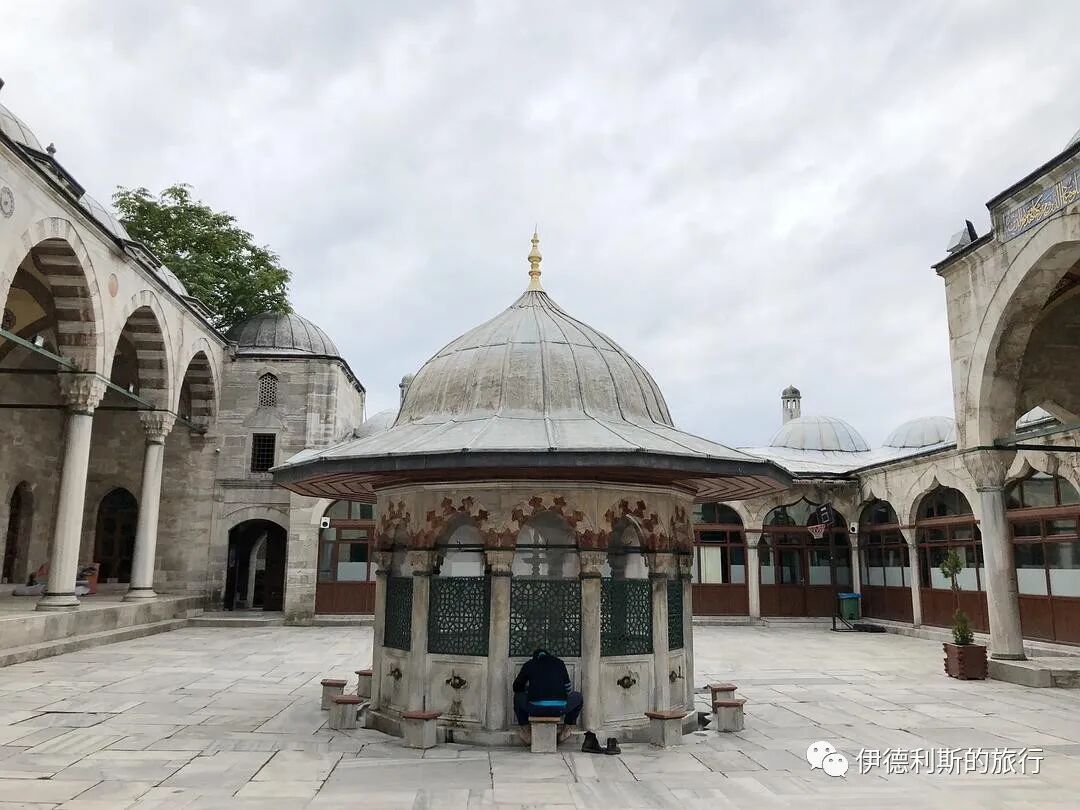
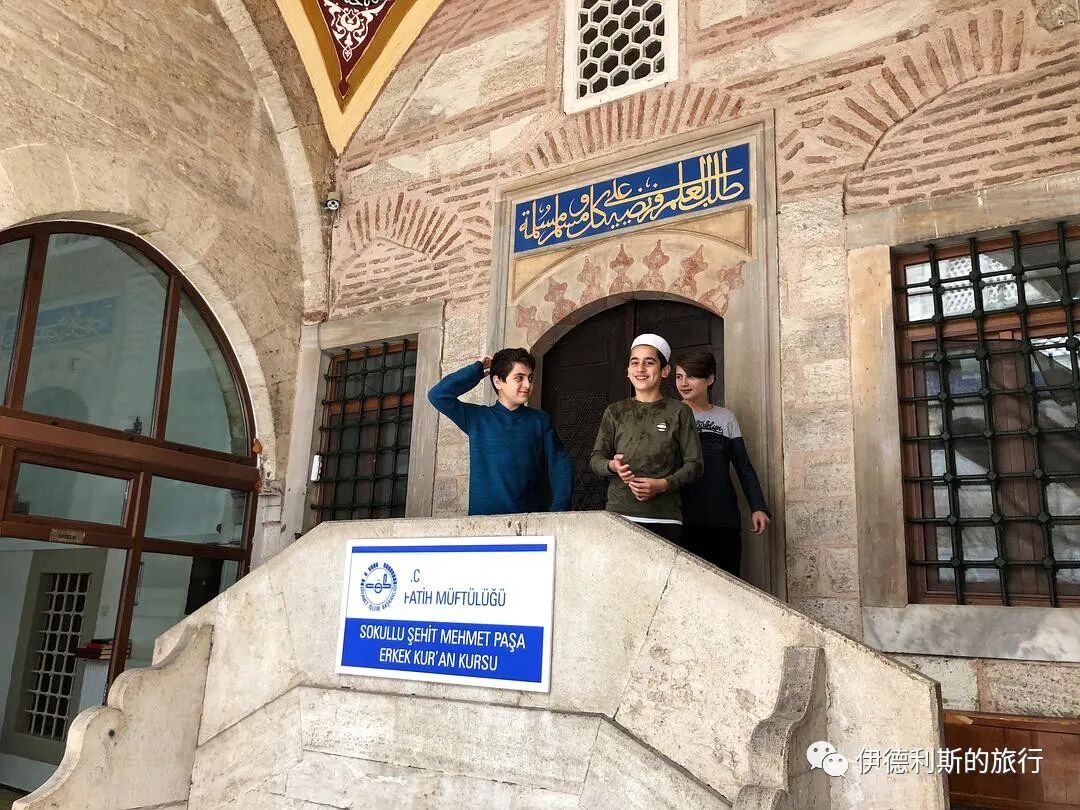
The Sokollu Mehmet Pasha Mosque (Sokollu Mehmet Paşa Camii) is in the Azapkapı area on the north shore of Istanbul's Golden Horn, next to the Atatürk Bridge. It was commissioned by the Ottoman Grand Vizier Sokollu Mehmet Pasha (in office 1565-1579) and built by Mimar Sinan in 1578. It is the third mosque Sinan built for Sokollu in Istanbul.
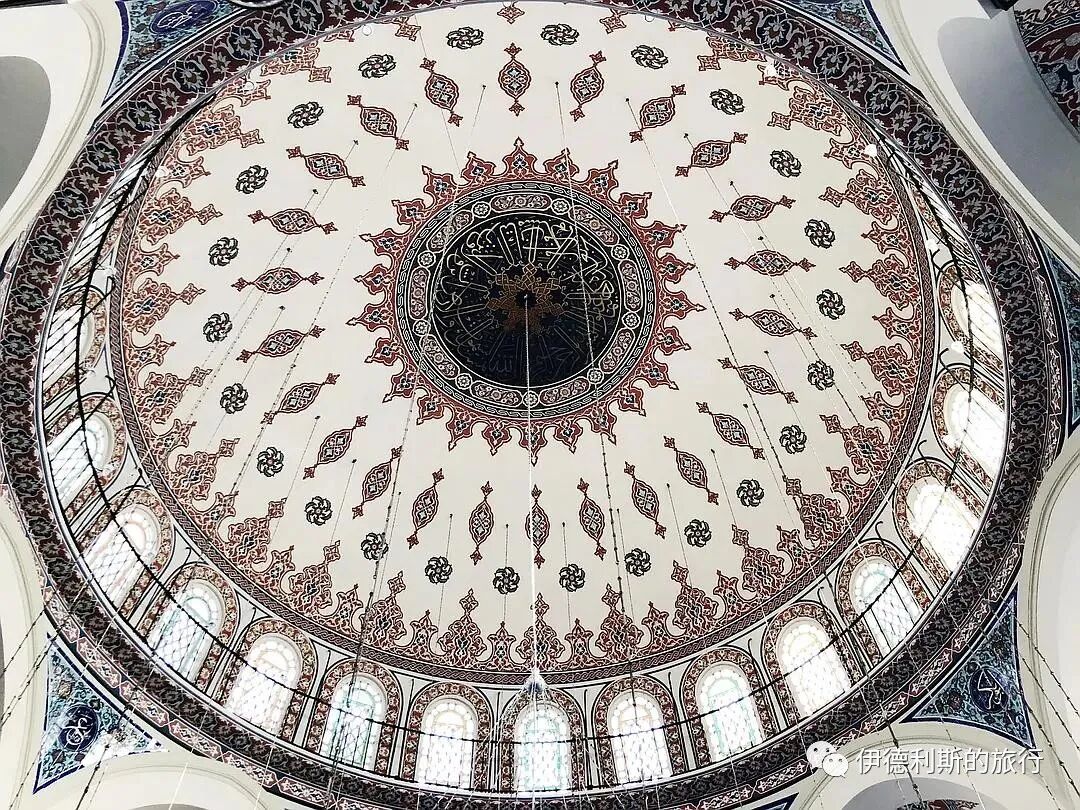
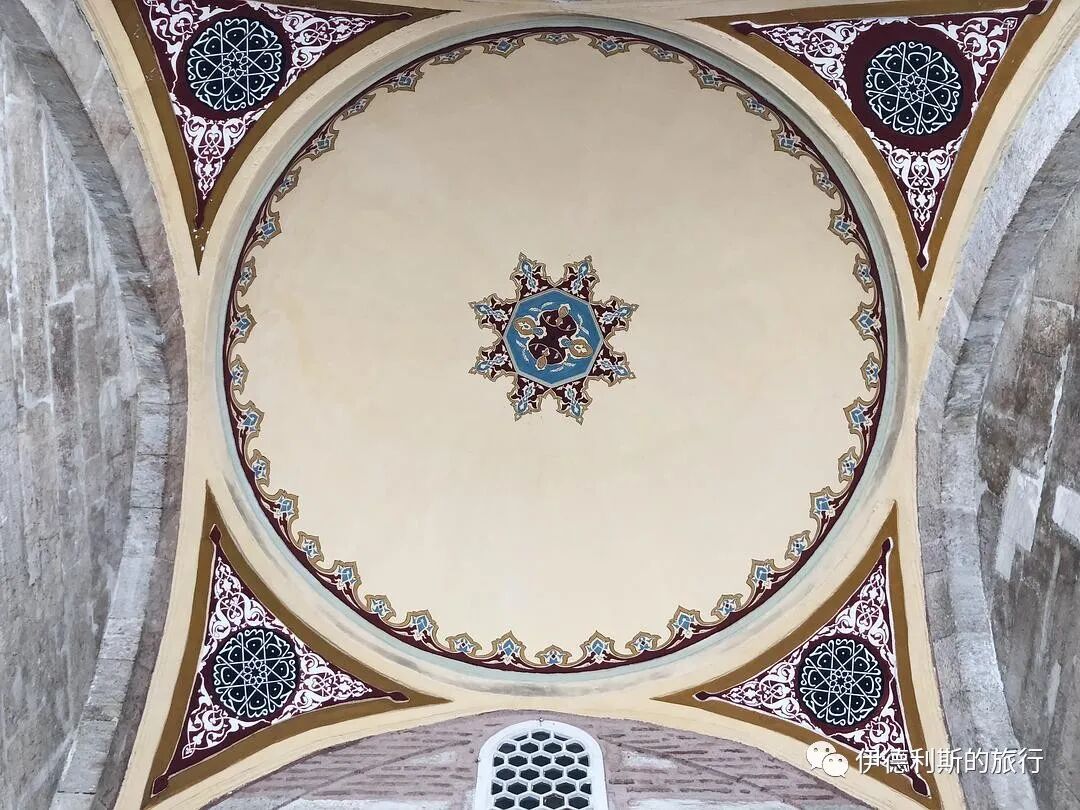
Here, Sinan continued using the octagonal support system he used in his masterpiece, the Selimiye Mosque, and added a small dome to each corner. Also, the mosque's front porch is fully enclosed and connected to the main hall, which is very unique among Sinan's works.
2. Private Chamber of Murad III: 1578
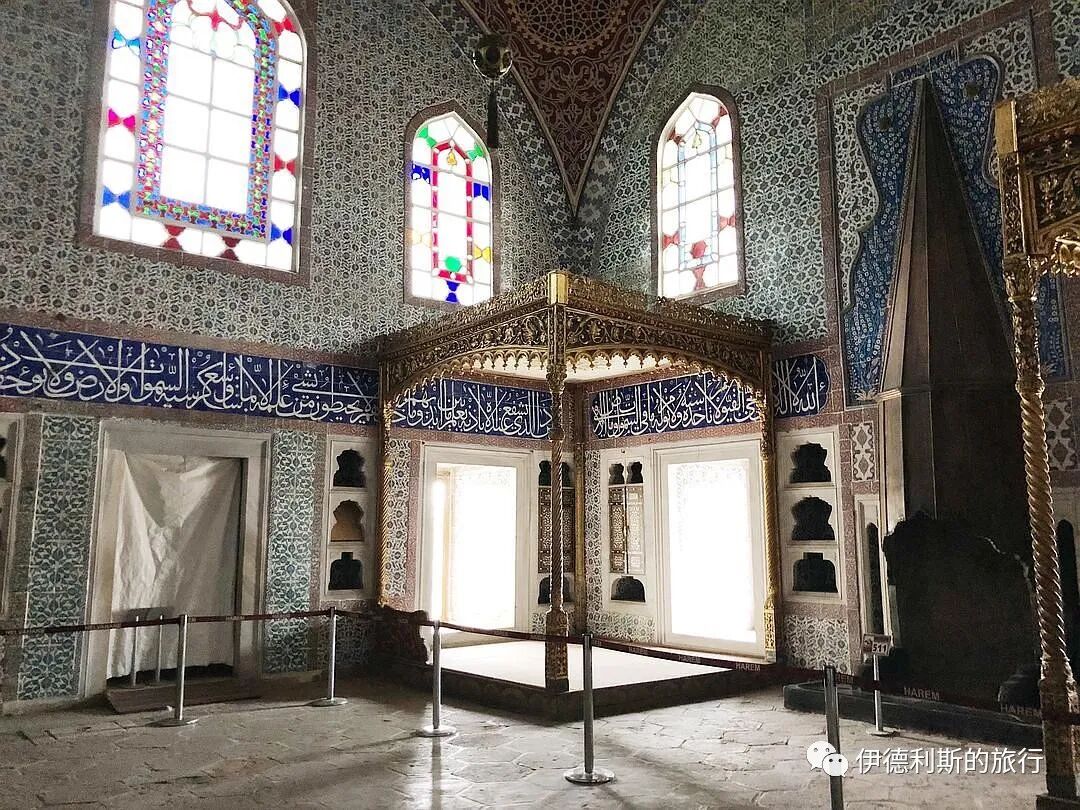
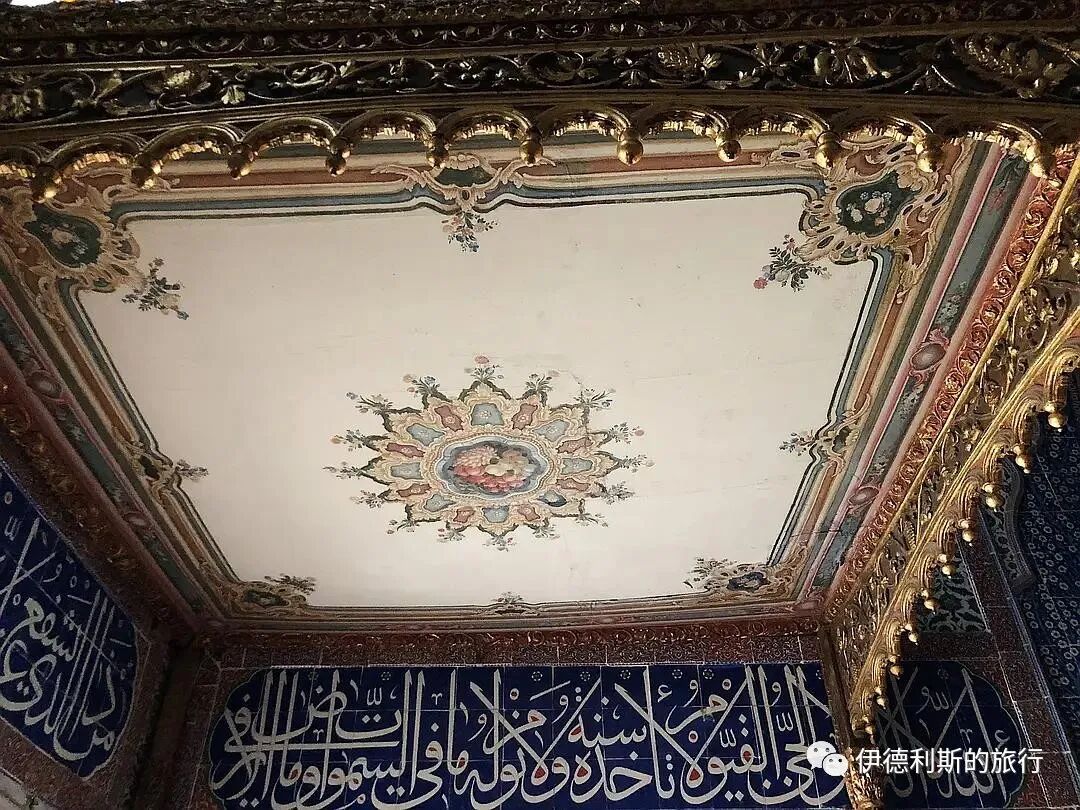
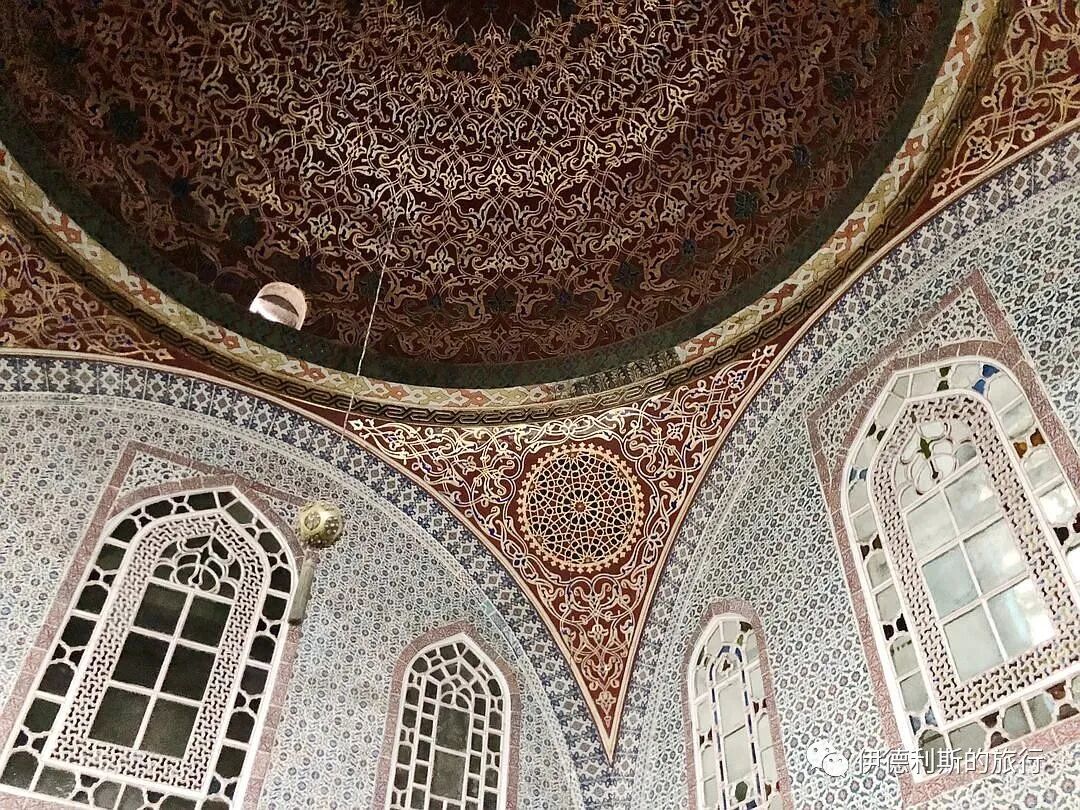
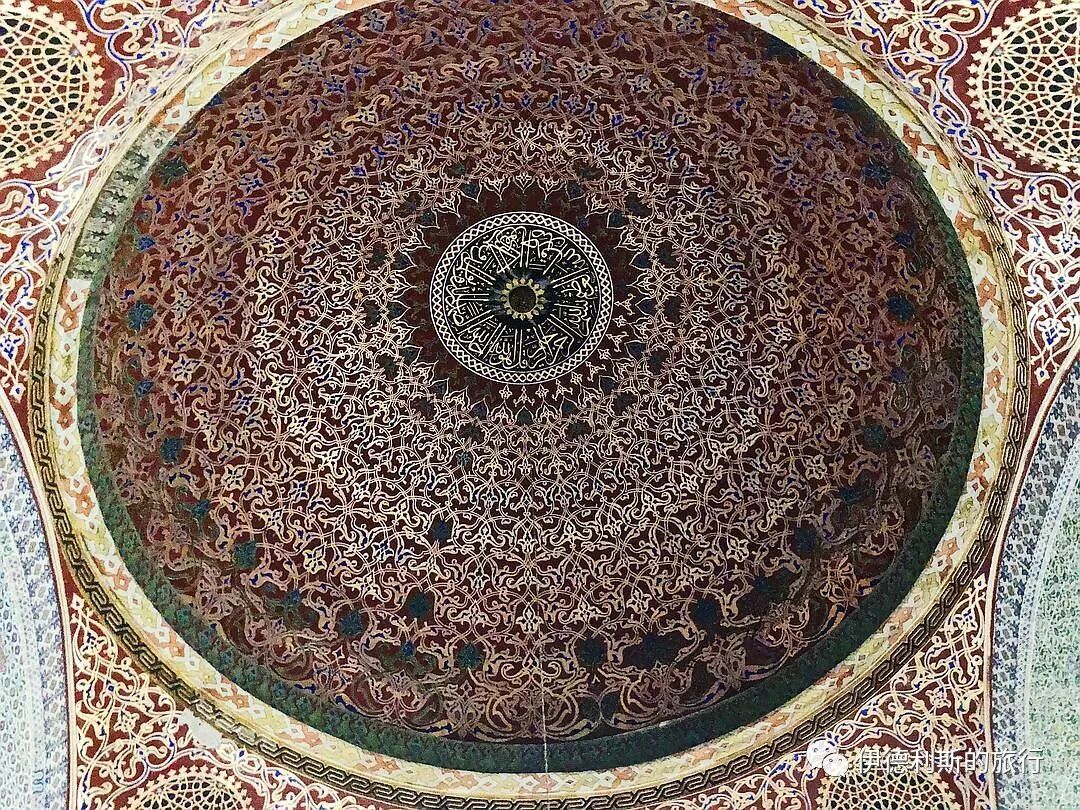
The Private Chamber of Murad III (III. Murad Has Odası) is inside the Harem of Topkapı Palace (Topkapı Sarayı) in Istanbul. It is one of the best-preserved and most complete structures in the Harem, built by Mimar Sinan in 1578. Murad III was the 12th Sultan of the Ottoman Empire, reigning from 1574 to 1595. In his final years, he rarely left the palace and spent his days reading and resting in this private chamber.
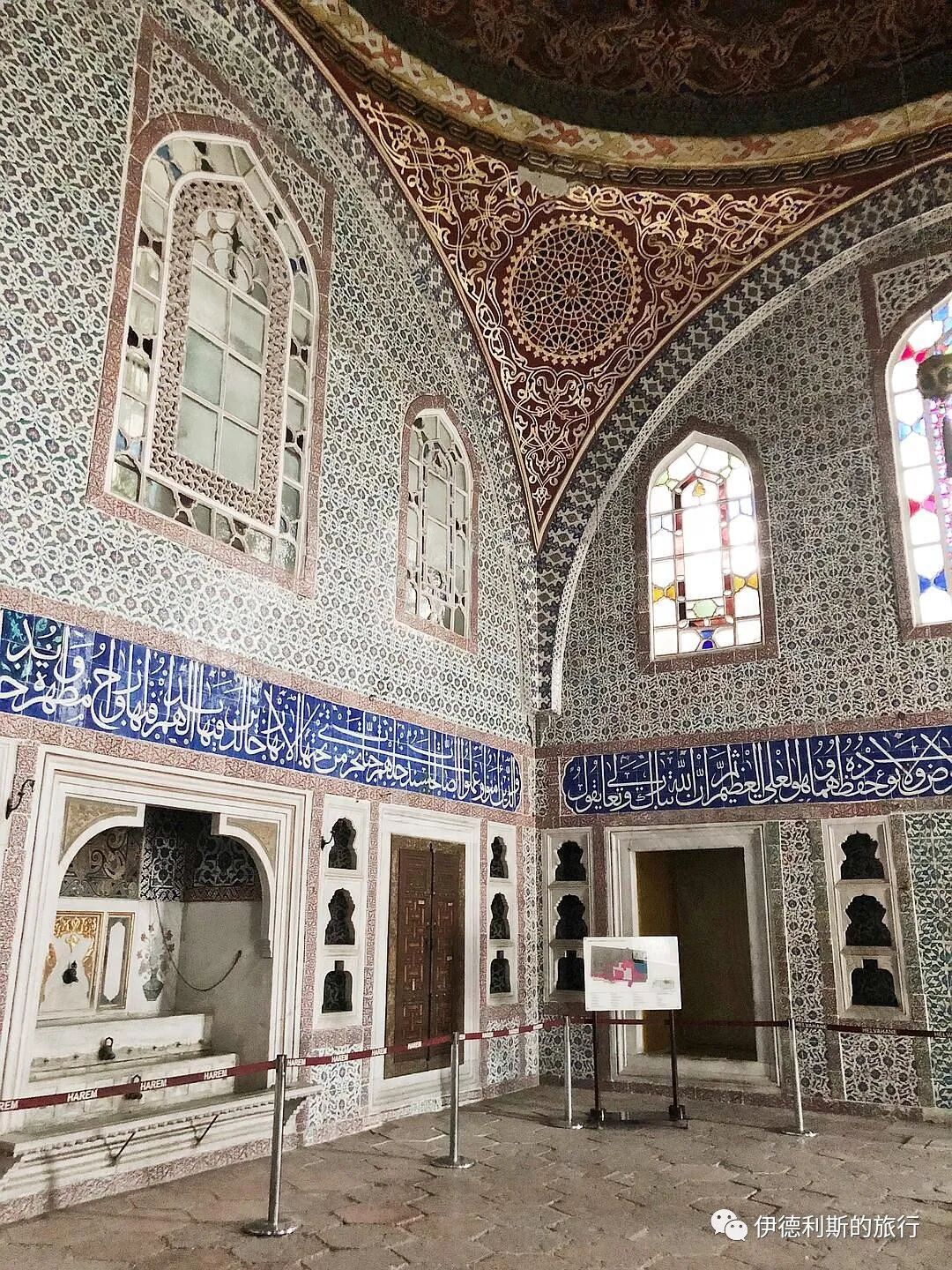
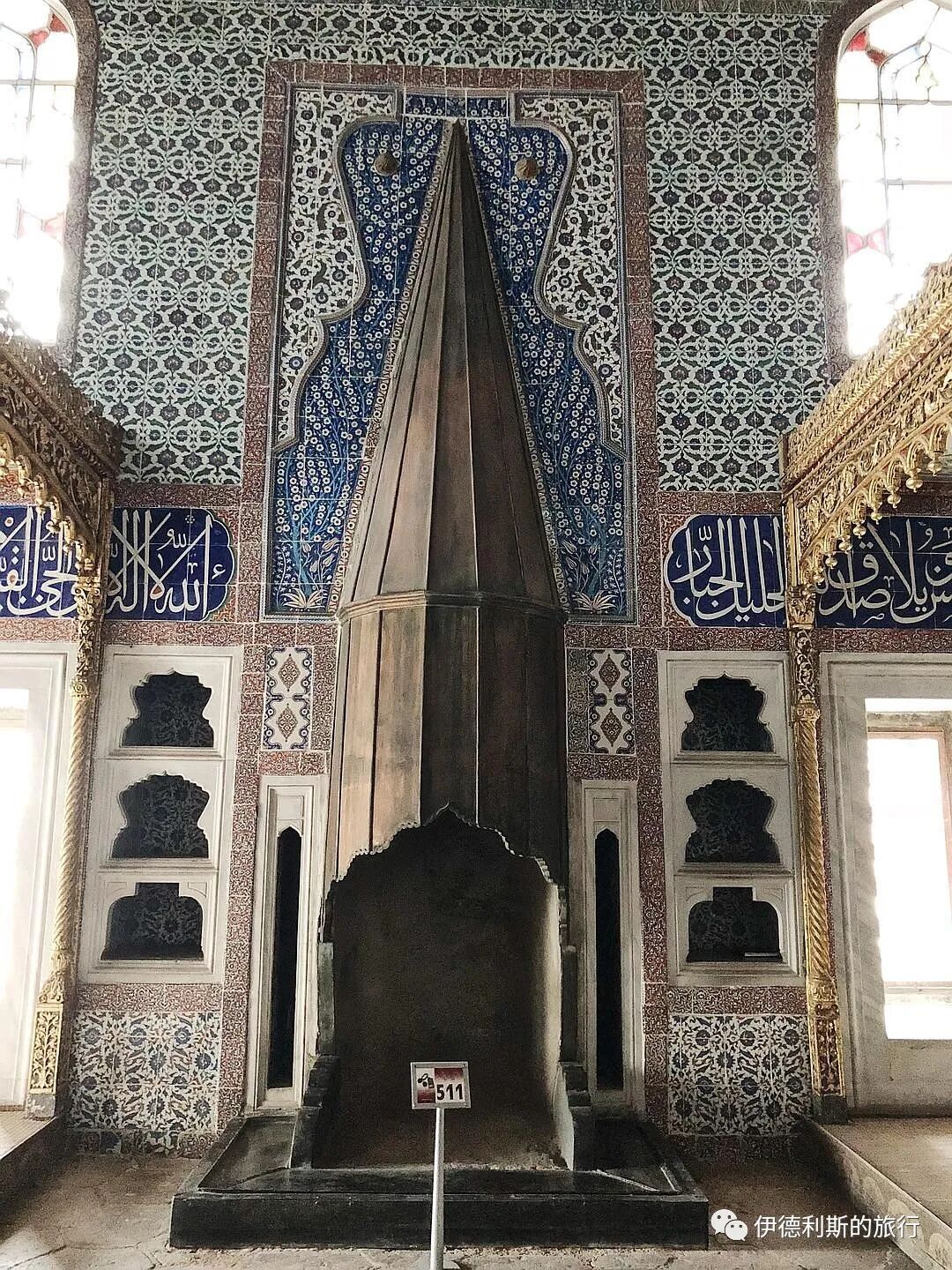
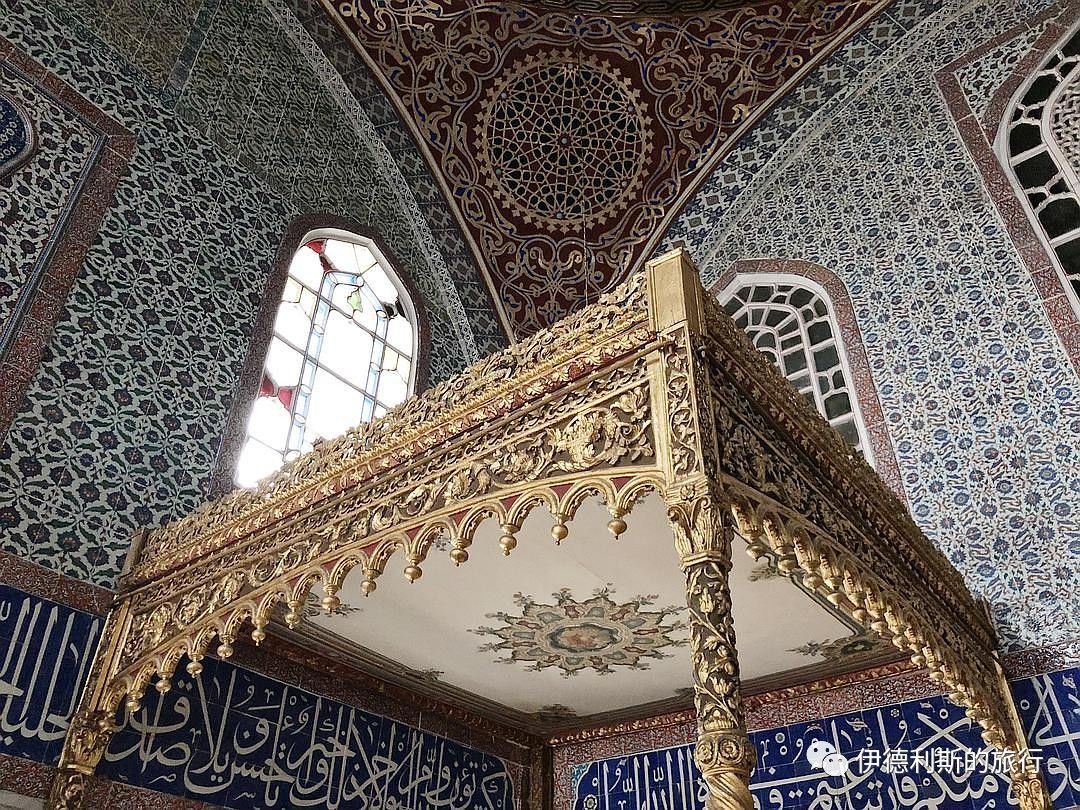
The chamber has balanced proportions and a well-planned decorative scheme, showing the peak Ottoman architecture reached in the late 16th century. The chamber has the second-largest dome in the Harem, second only to the Imperial Hall. The interior is covered in blue, white, and red Iznik tiles with orange borders, and a band of calligraphy tiles runs across the middle of the room. Inside, there is a two-story fountain. The sound of the water prevents eavesdropping and creates a comfortable atmosphere. The room also has a large fireplace decorated with colorful marble. The interior also displays two luxurious 18th-century cotton beds.
3. Kılıç Ali Pasha Complex: 1578-1580
The Kılıç Ali Pasha Complex is located in the Tophane district on the northern side of the Golden Horn and the western shore of the Bosphorus in Istanbul. It was commissioned by the Ottoman Grand Admiral (Kapudan-ı Derya) Kılıç Ali Pasha and built by Mimar Sinan between 1578 and 1580. The complex consists of a mosque, a madrasa, a tomb, and a bathhouse. It was originally built on reclaimed land right next to the shore, but due to further land reclamation during later port construction, the complex is now 120 meters away from the sea.
Evidence discovered by Turkish historian Rasih Nuri İleri suggests that Miguel de Cervantes, the author of Don Quixote, was a worker on the Kılıç Ali Pasha Complex while he was enslaved by Ottoman pirates between 1575 and 1580.
The mosque is surrounded by galleries on three sides, and the central area is separated from the side areas. This structure is very close to the Hagia Sophia and differs from the classic Ottoman mosque architecture of the same period. Some people use this to question whether the mosque was truly built by Sinan. The main dome of the mosque sits above a square base in the central area, supported by a semi-dome on each side. The central area is much higher than the side areas, and very wide arched buttresses extend to the outer walls. the front of the mosque has a double-layered porch, which makes it stand out compared to other mosques of the same period.
The main hall of the madrasa is square. Because it does not appear in Sinan's official list of works, the Tazkirat-al-Abniya, some people also believe this madrasa was not built by Sinan himself.
4. Şemsi Pasha Complex: 1581
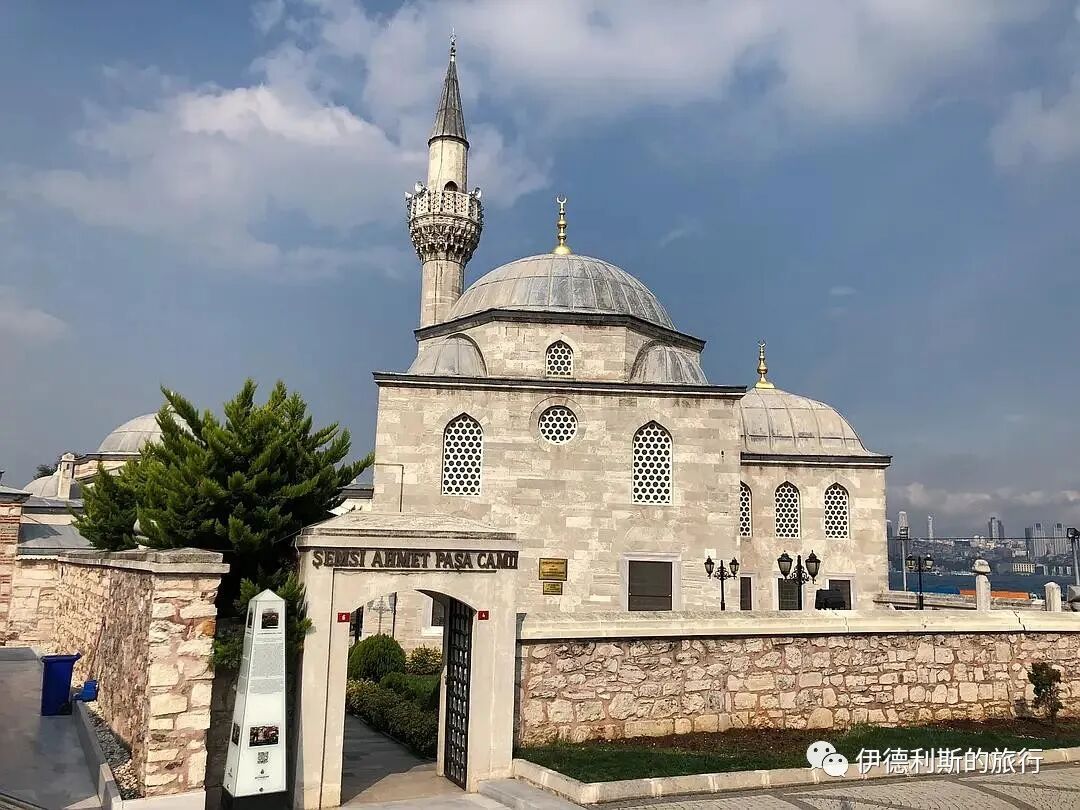
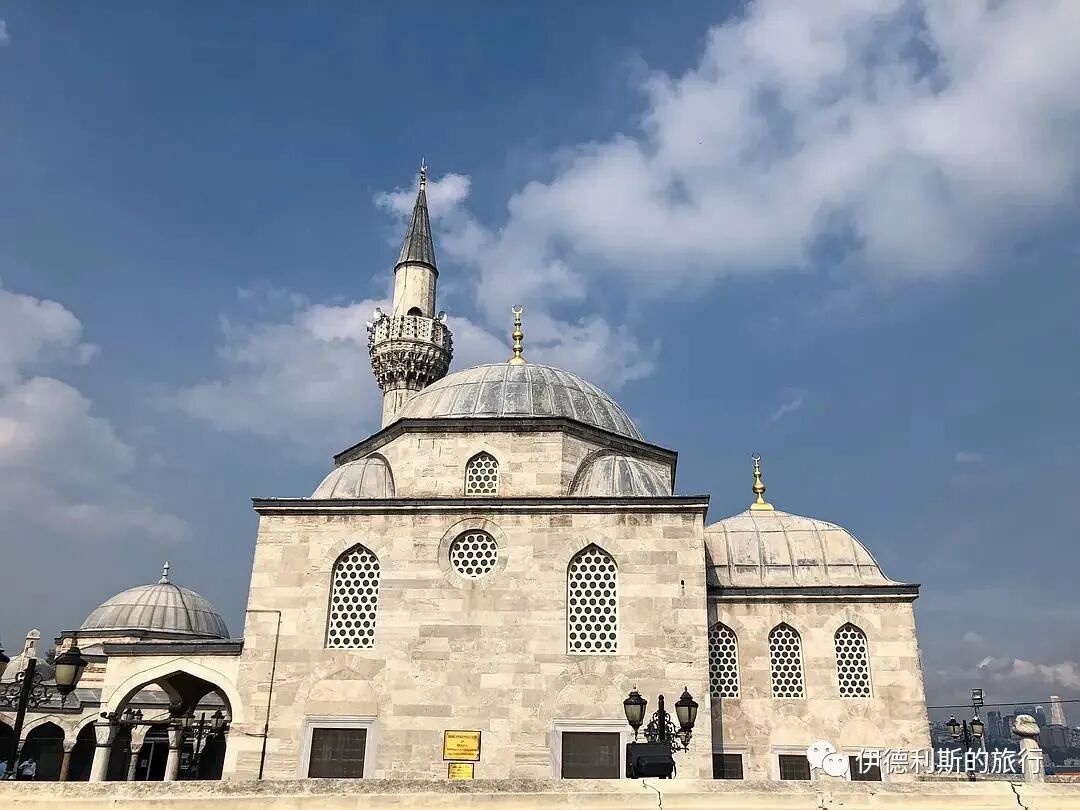
The Şemsi Pasha Complex is located on the Asian side of Istanbul, on the coast of the Üsküdar district. It was commissioned in 1581 by the Ottoman Grand Vizier (Vezir-i Azam) Şemsi Pasha, who succeeded Sokollu Mehmed Pasha as Grand Vizier in 1579, and built by Mimar Sinan. This is the most compact complex built by Sinan and is very famous in Istanbul as an important example of the organic combination of human architecture and natural landscape.
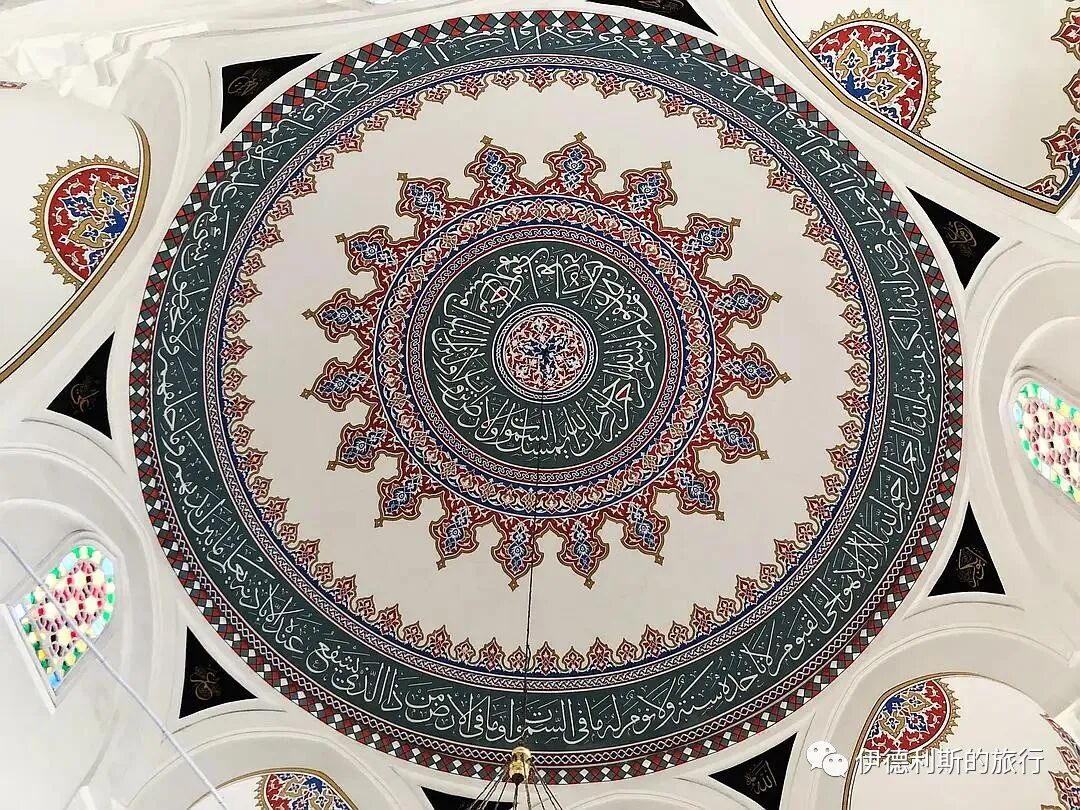
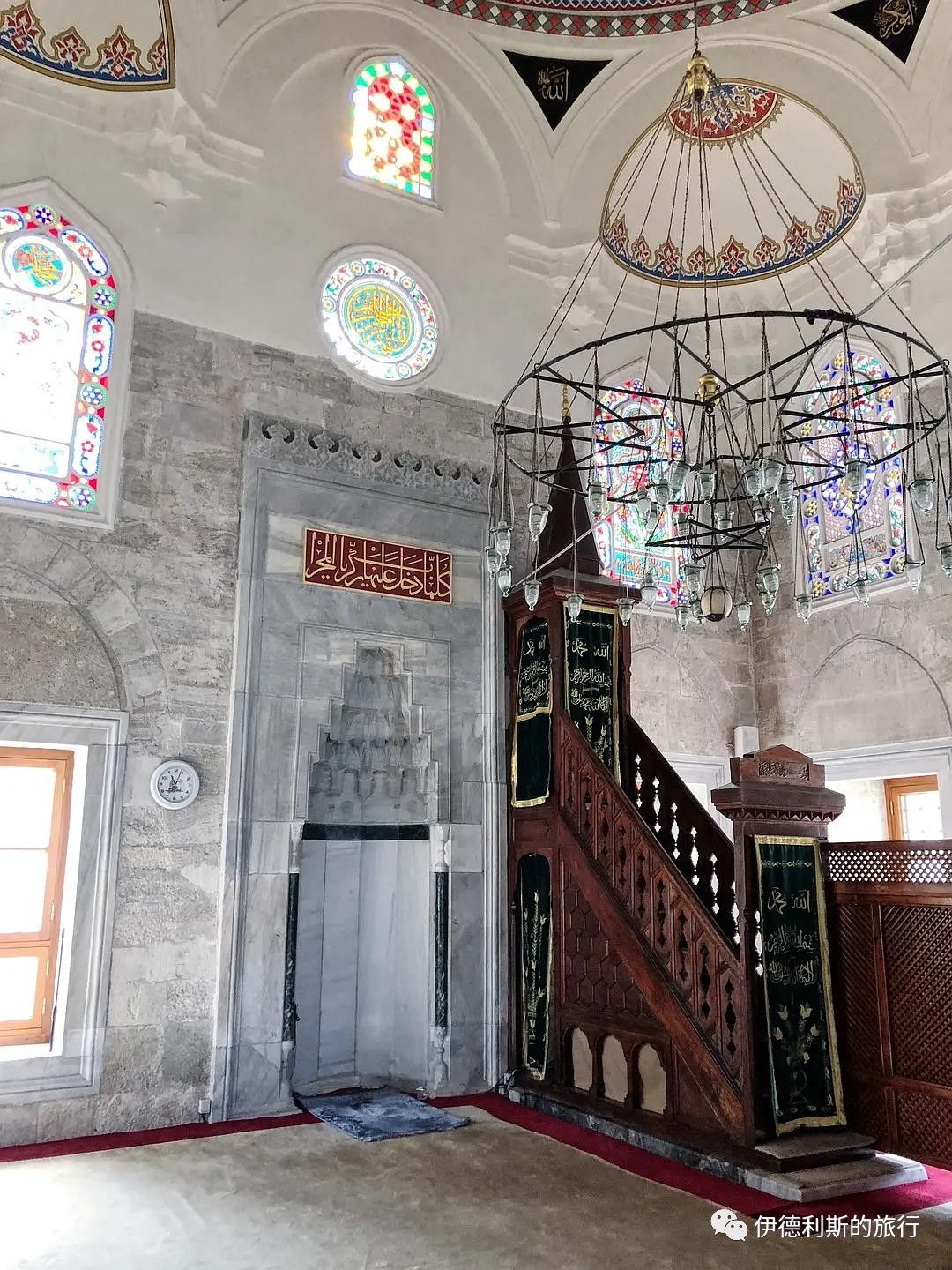
The complex consists of a mosque, a tomb, a madrasa, and a seawall. The tomb of Şemsi Pasha is completely connected to the mosque and is separated from the inside by a grille. The single-domed mosque itself is not particularly new, but it is unique in terms of its picturesque landscape.
The L-shaped madrasa has one large classroom and 12 student rooms, connected by an arcade. It was converted into a library after 1958, and the large classroom became a reading room.
5. Tomb of Kanijeli Siyavuş Pasha: 1582-1584
Kanijeli Siyavuş Pasha was the son-in-law of Ottoman Sultan Selim II (reigned 1566-1574) and served as the Grand Vizier (Vezir-i Azam) of the Ottoman Empire three times between 1582 and 1593. His tomb is located in the Eyüp district, northwest of Istanbul's old city. It was built by Mimar Sinan between 1582 and 1584, during his first term as Grand Vizier. The Eyüp Cemetery (Eyüp Mezarlığı) is the oldest and largest Muslim cemetery in Istanbul because it contains the grave of Abu Ayyub al-Ansari, a close companion of the Prophet Muhammad.
6. Molla Çelebi Mosque: 1570-1584
The Molla Çelebi Mosque is located in the Fındıklı district on the northern side of the Golden Horn and the western shore of the Bosphorus in Istanbul. It was commissioned by the Ottoman Chief Justice (Kazasker) Mehmet Vusuli Efendi and built by Mimar Sinan between 1570 and 1584.
Here, Sinan perfected the hexagonal structure within the Ottoman classical mosque architectural style. The six supporting columns are embedded in the walls, and the mihrab is located in a protruding apse. By installing ten windows, this area becomes the brightest part of the main hall.
7. Atik Valide Sultan Complex: 1571-1586
The Atik Valide Complex is located in Üsküdar on the Asian side of Istanbul. It is a large complex commissioned by the Ottoman Queen Mother Nurbanu Sultan and built by Mimar Sinan. Nurbanu Sultan was the mother of Sultan Murad III (reigned 1574-1595) and was the first woman in Ottoman history to hold power legally.
The Atik Valide Complex is one of the largest Ottoman complexes in Istanbul. It consists of 10 buildings with different functions, including a mosque, a madrasa, a Hadith school, a primary school, a Sufi lodge, a hospital, a soup kitchen, guest rooms, a two-story inn with stables, and a bathhouse. Planning for the entire complex began in 1571. As Nurbanu Sultan’s status grew, the complex expanded. It was finally completed in 1586, three years after her death, spanning a 15-year construction period.
The buildings are arranged on a slope from northeast to southwest. At the highest point in the northeast is the Sufi lodge (tekke). Across the road to the southwest is the main complex, which includes a mosque and a religious school (madrasa), with a primary school behind the mosque. Further southwest, across the road, is the second group of buildings, consisting of a Hadith school, guest rooms, a hospital, a canteen, and a large inn (caravanserai). The bathhouse (hammam) stands alone at the far southwest end of the complex.
Construction of the mosque happened in three stages. The first stage was from 1571 to 1574. At that time, Mimar Sinan was in Edirne overseeing his masterpiece, the Selimiye Mosque, so he commissioned another Ottoman court architect to supervise the Old Queen Mosque. The second stage was from 1577 to 1578. Nurbanu Sultan held real power in the empire then, and a second minaret and a double-portico courtyard were added to the mosque. The third stage was from 1584 to 1586. Nurbanu Sultan had passed away by then. The mosque was expanded horizontally, with a pair of small domes added on each side of the central dome. It is believed that because Mimar Sinan was quite old, his successor, Davut Ağa, likely completed the third stage.
The mosque consists of one central dome and five semi-domes. The area near the mihrab is decorated with beautiful Iznik tiles depicting spring flowers. Unfortunately, I did not take a separate photo of them at the time.
(Optional) Image description
Delete
The religious school (madrasa) was built in 1579 and sits on a platform below the mosque. Due to the terrain, the arcades on both sides are different lengths. It is also very rare for the central auditorium to be built as a bridge-like structure over the street. It is currently an open public space with a small tea house where people can rest.
The Sufi lodge (tekke) on the northeast side.
8. Nişancı Mehmet Pasha Mosque: 1584-1589
The Nisanci Mehmet Pasha Mosque was built by Mimar Sinan between 1584 and 1589. Some scholars believe this mosque is not Sinan's work but should be credited to his student and successor as royal architect, Davut Ağa, who served from 1588 to 1599. However, if you study the architectural structure carefully, it is clearly a further development of Sinan's octagonal mosque design.
Sinan was nearly 100 years old at the time, and he continued to develop his original design plans. Here, the main hall became a truly unified space, covered by a main dome and a series of semi-domes. Since the main dome is not very large, it is easily supported by the zigzagging walls, which also allows the portico to maintain the harmony of the exterior facade. Unlike many mosques of that time with massive load-bearing walls, Sinan gave these walls a lively appearance. All these features give this mosque an important place among Sinan's works.
9. Zal Mahmut Pasha Complex: 1577-1590
The Zal Mahmud Pasha complex is located in the Eyüp district in the northwest of Istanbul's old city. It was commissioned by Şah Sultan, daughter of Ottoman Sultan Selim II (reigned 1566-1574), and her husband Zal Mahmud Pasha. Mimar Sinan began construction in 1577, and it was completed in 1590, two years after Sinan's death.
The complex is carefully planned on a slope and divided into two separate areas connected by stairs. The upper area contains the mosque and a religious school (madrasa), while the lower area contains another religious school and a tomb (turbe). This layout breaks away from traditional symmetry and feels more dynamic.
The Zal Mahmud Pasha Mosque feels like an original experiment Sinan conducted in his later years. It has no connection to his previous mosque designs and is even visually the complete opposite.
In his earlier designs, Sinan was used to creating a large pyramid effect by layering domes, semi-domes, pendentives, main arches, and galleries. Here, the mosque rises on three sides like a tall prism with a palace-like appearance. Three wide galleries rise to the main arches, which in turn support the dome. In Sinan's previous designs, the main arch was usually decorated with window walls or semi-domes. But here, the main arch has no decoration other than the qibla wall and connects directly to the gallery. This design weakens the visual effect of the dome, and the widening of the space on three sides makes the dome look low enough for people to reach.
The upper madrasa remains separate from the mosque's gallery, and the auditorium is not on the same axis as the mosque's mihrab. The lower madrasa is designed with a recessed shape to fit the street layout, and the rooms vary in size.
The tomb of Sah Sultan and Zal Mahmud Pasha has an octagonal exterior and a square interior. Both died in 1577 and did not live to see the complex completed. view all
Summary: Ottoman Architecture Guide: Mimar Sinan — Peak Works and Imperial Mosques is presented here as a firsthand travel account in clear English, beginning with this scene: Mimar Sinan (1488/1490-1588) is known as the great architect of the Ottoman Empire. The account keeps its focus on Mimar Sinan, Ottoman Architecture, Istanbul Mosques while preserving the names, places, food, and historical details from the Chinese source.
Mimar Sinan (1488/1490-1588) is known as the great architect of the Ottoman Empire. His career can be split into three periods: the growth period (1539-1556), the maturity period (1556-1574), and the peak period (1574-1588). These three periods are best represented by three specific buildings. The Prince Mosque (Şehzade Camii), built in 1548, was the first large mosque Sinan designed and serves as a masterpiece of his early work. The Suleymaniye Mosque (Süleymaniye Camii), completed in 1557, became a landmark for all of Istanbul. The Selimiye Mosque (Selimiye Camii), built in Edirne in 1574, represents the absolute peak of Sinan's architectural skill. Here, I will share nine architectural works Sinan built in Istanbul during his later years to show his style during this period.
A look back at my previous articles on Mimar Sinan:
The Great Ottoman Architect—Mimar Sinan (Part 1): Growth,
The Great Ottoman Architect—Mimar Sinan (Part 2): Maturity
The Peak of Ottoman Architecture—The Selimiye Mosque in Edirne
Table of Contents
1. Sokollu Mehmet Pasha Mosque (Azapkapı): 1578
2. Private Chamber of Murad III: 1578
3. Kılıç Ali Pasha Complex: 1578-1580
4. Şemsi Pasha Complex: 1581
5. Tomb of Kanijeli Siyavuş Pasha: 1582-1584
6. Molla Çelebi Mosque: 1570-1584
7. Atik Valide Sultan Complex: 1571-1586
8. Nişancı Mehmet Pasha Mosque: 1584-1589
9. Zal Mahmut Pasha Complex: 1577-1590
1. Sokollu Mehmet Pasha Mosque (Azapkapı): 1578
The Sokollu Mehmet Pasha Mosque (Sokollu Mehmet Paşa Camii) is in the Azapkapı area on the north shore of Istanbul's Golden Horn, next to the Atatürk Bridge. It was commissioned by the Ottoman Grand Vizier Sokollu Mehmet Pasha (in office 1565-1579) and built by Mimar Sinan in 1578. It is the third mosque Sinan built for Sokollu in Istanbul.
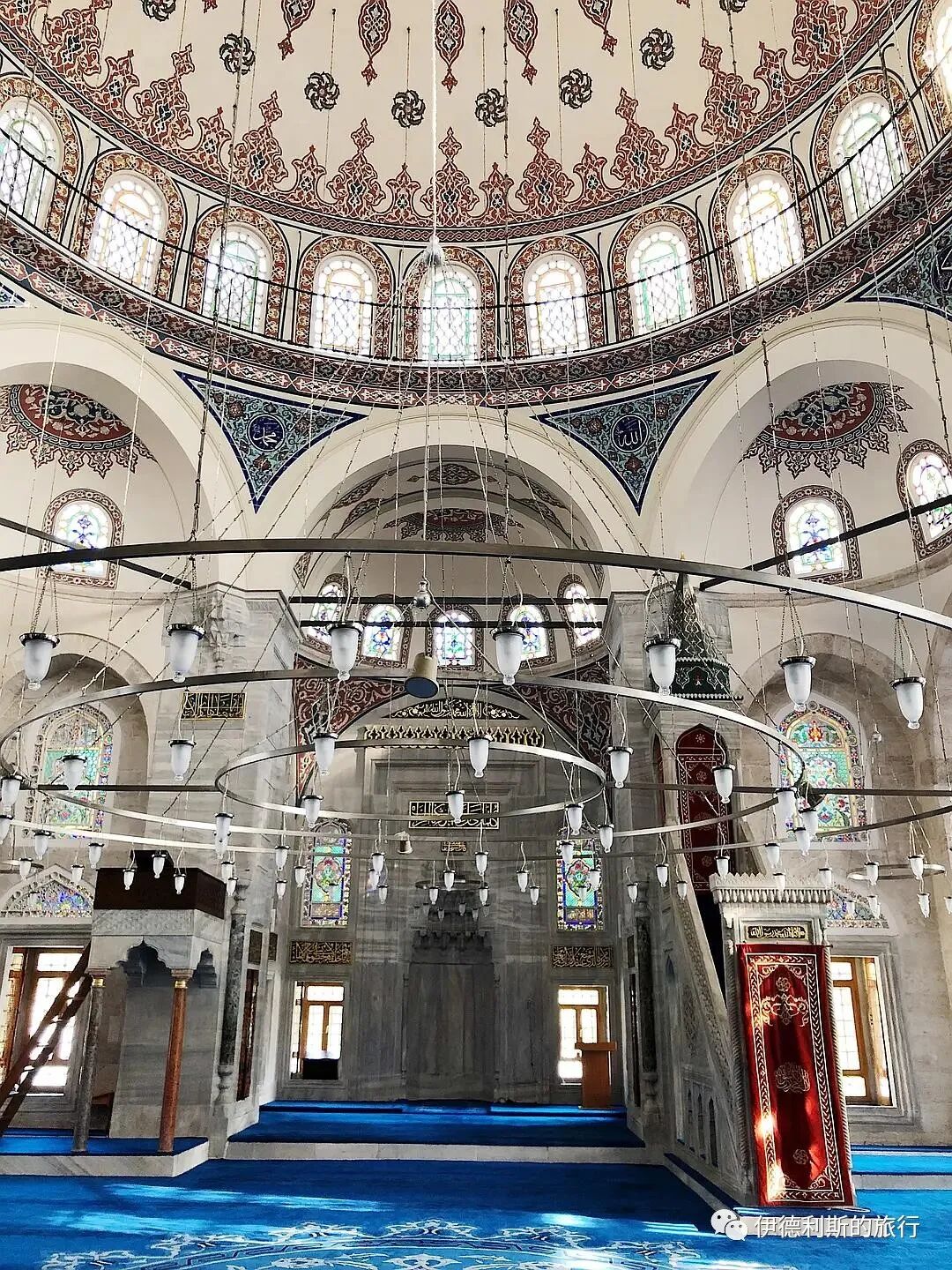
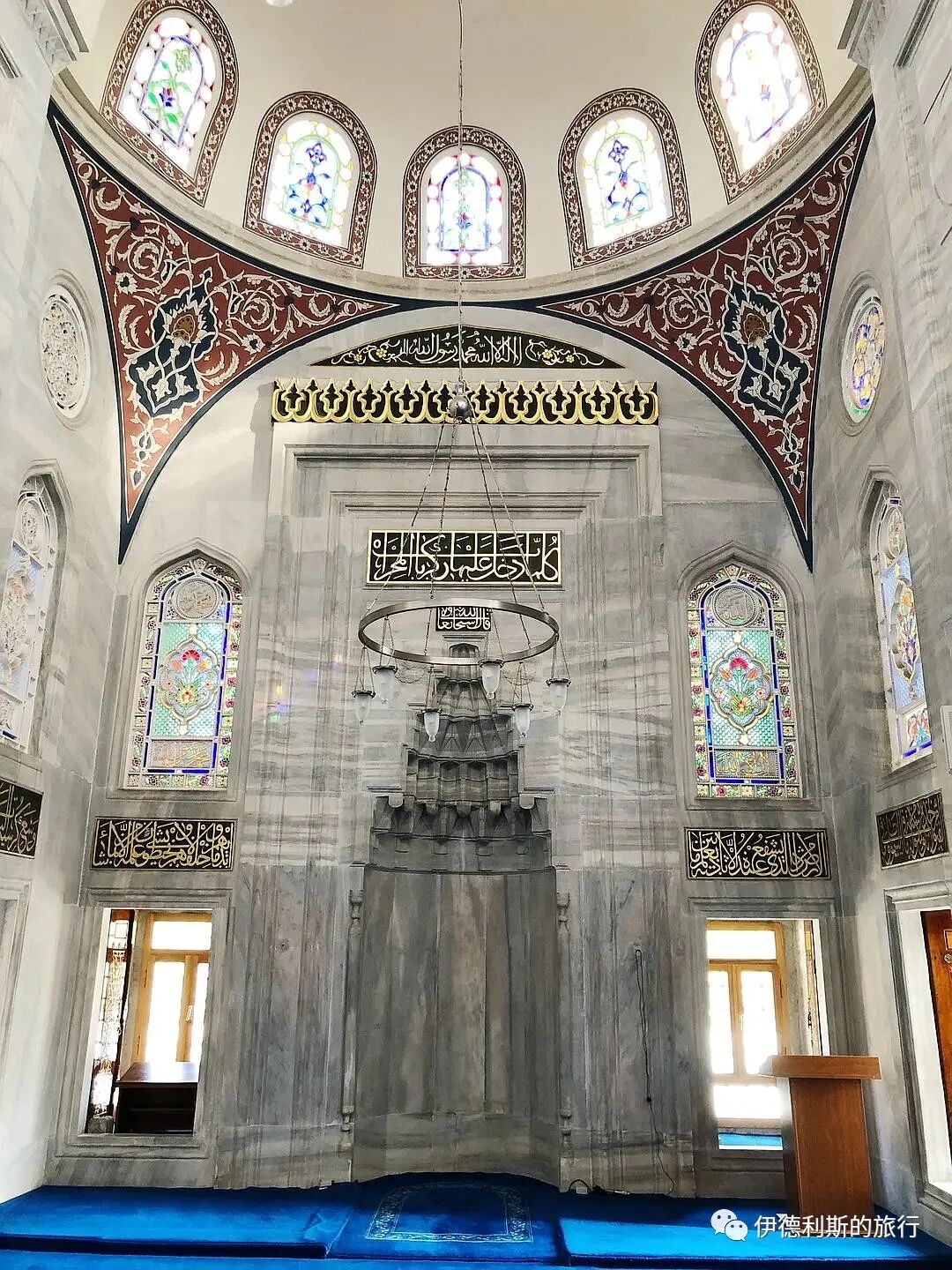
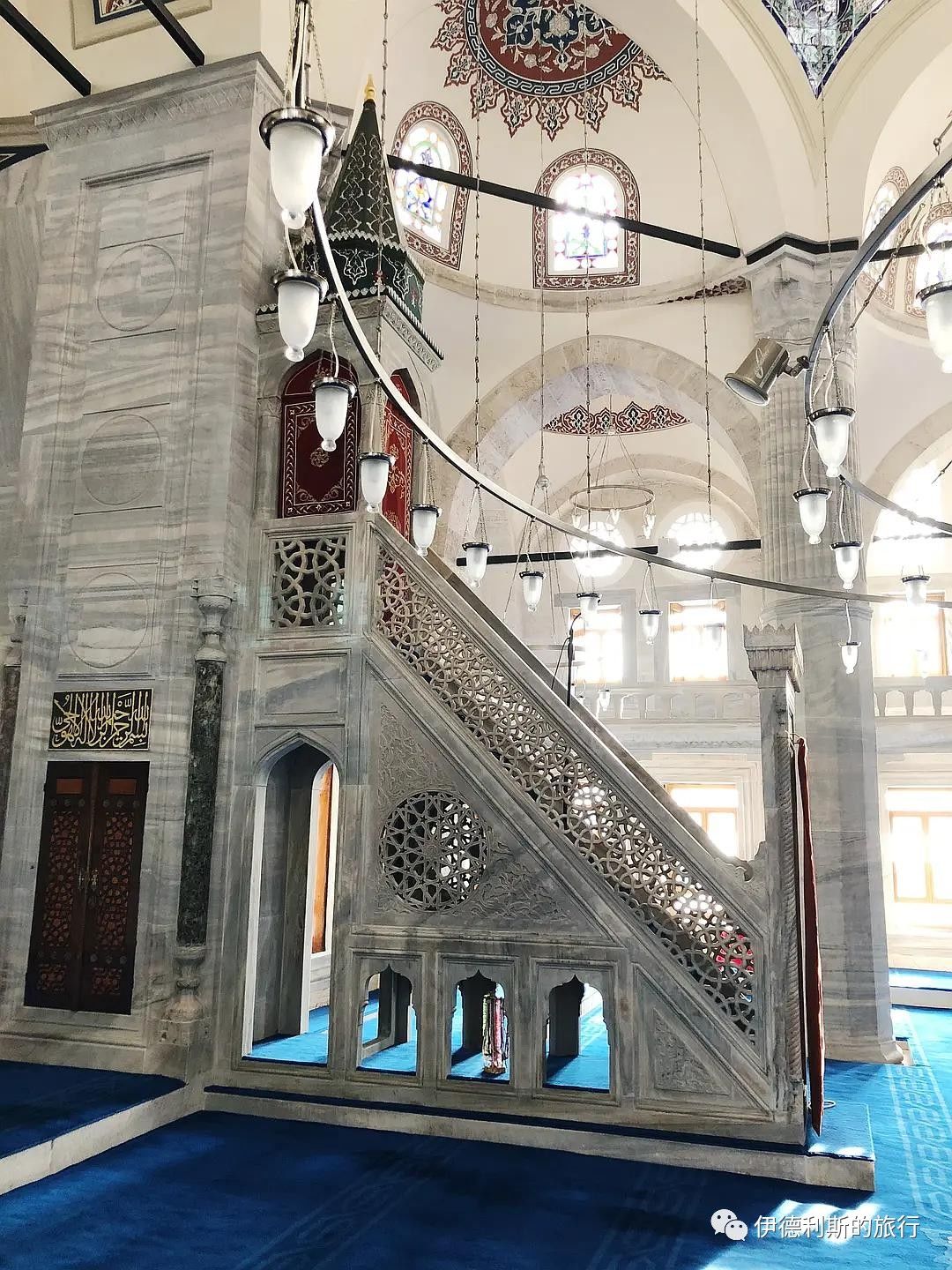
Here, Sinan continued using the octagonal support system he used in his masterpiece, the Selimiye Mosque, and added a small dome to each corner. Also, the mosque's front porch is fully enclosed and connected to the main hall, which is very unique among Sinan's works.
2. Private Chamber of Murad III: 1578
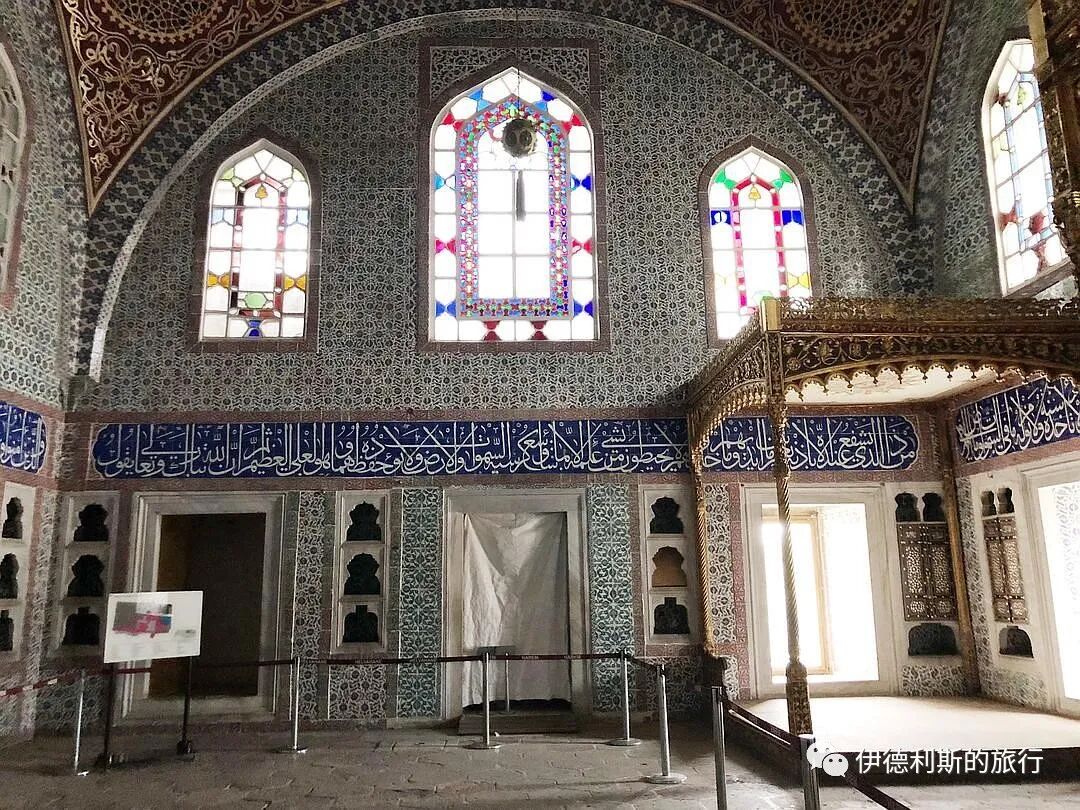
The Private Chamber of Murad III (III. Murad Has Odası) is inside the Harem of Topkapı Palace (Topkapı Sarayı) in Istanbul. It is one of the best-preserved and most complete structures in the Harem, built by Mimar Sinan in 1578. Murad III was the 12th Sultan of the Ottoman Empire, reigning from 1574 to 1595. In his final years, he rarely left the palace and spent his days reading and resting in this private chamber.
The chamber has balanced proportions and a well-planned decorative scheme, showing the peak Ottoman architecture reached in the late 16th century. The chamber has the second-largest dome in the Harem, second only to the Imperial Hall. The interior is covered in blue, white, and red Iznik tiles with orange borders, and a band of calligraphy tiles runs across the middle of the room. Inside, there is a two-story fountain. The sound of the water prevents eavesdropping and creates a comfortable atmosphere. The room also has a large fireplace decorated with colorful marble. The interior also displays two luxurious 18th-century cotton beds.
3. Kılıç Ali Pasha Complex: 1578-1580
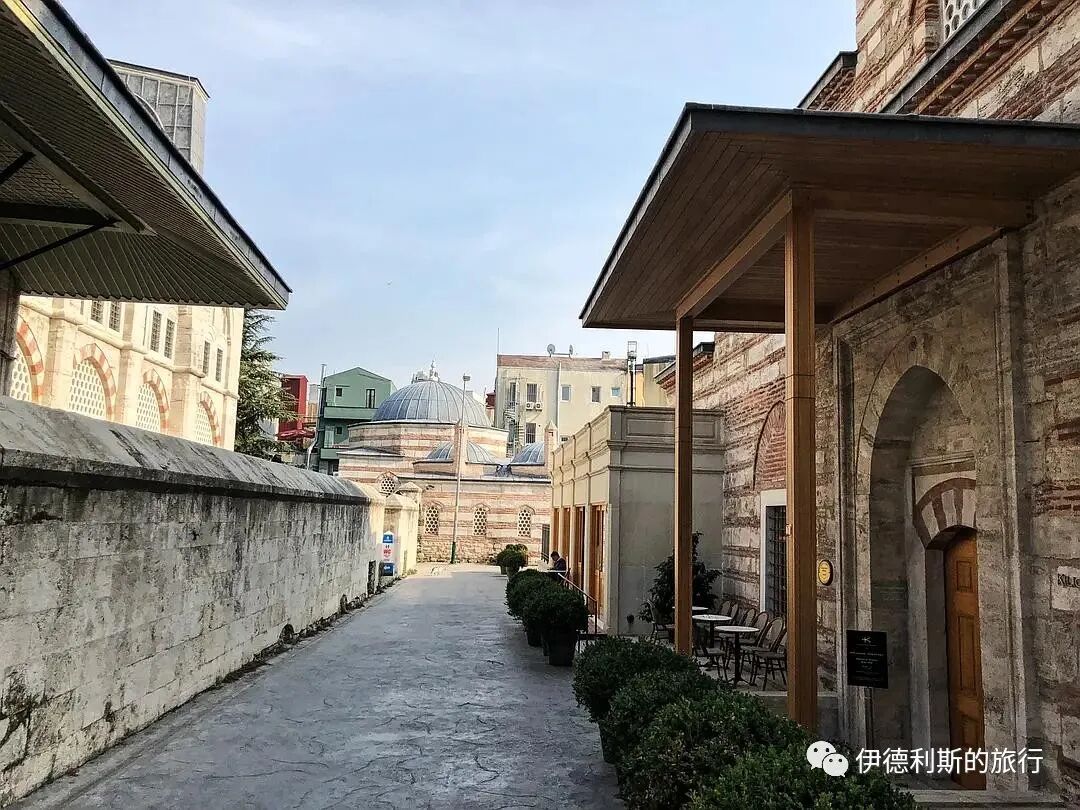
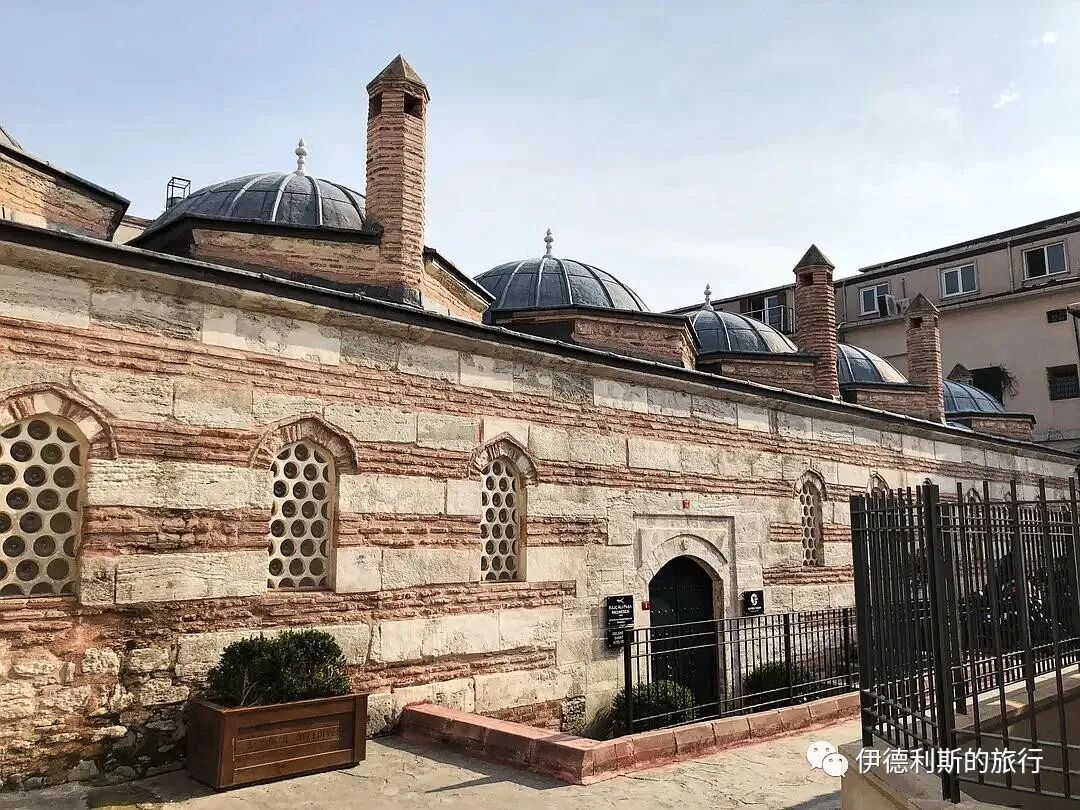
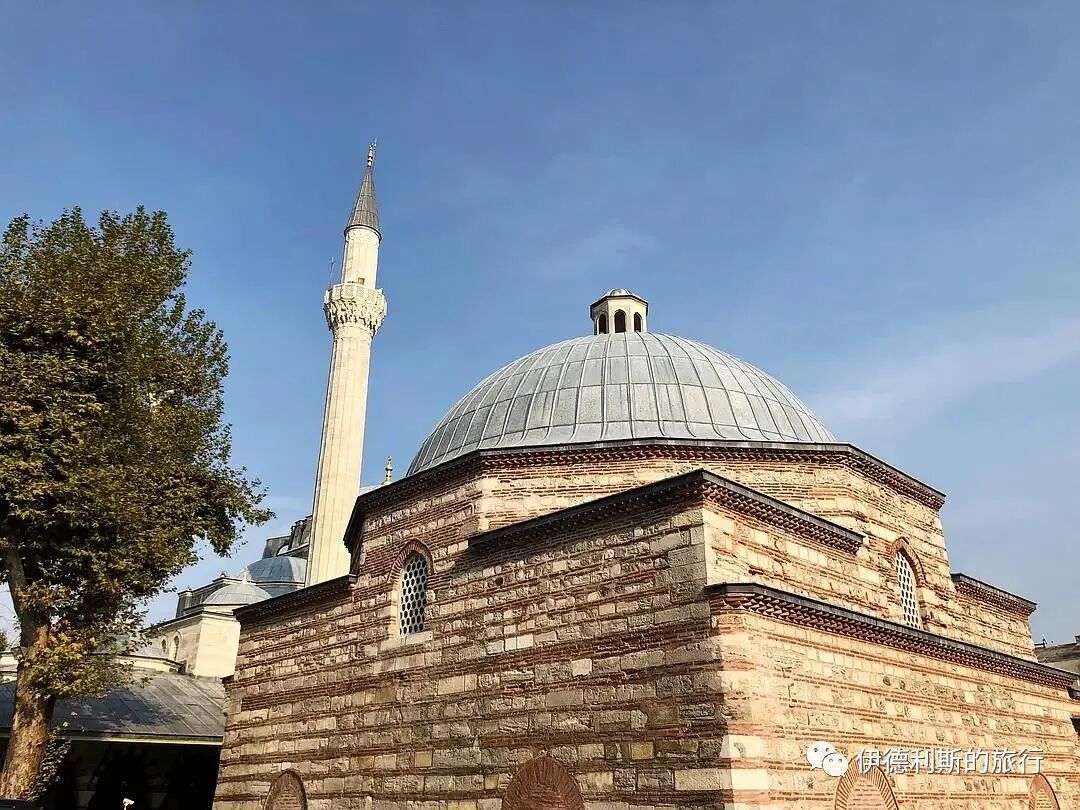
The Kılıç Ali Pasha Complex is located in the Tophane district on the northern side of the Golden Horn and the western shore of the Bosphorus in Istanbul. It was commissioned by the Ottoman Grand Admiral (Kapudan-ı Derya) Kılıç Ali Pasha and built by Mimar Sinan between 1578 and 1580. The complex consists of a mosque, a madrasa, a tomb, and a bathhouse. It was originally built on reclaimed land right next to the shore, but due to further land reclamation during later port construction, the complex is now 120 meters away from the sea.
Evidence discovered by Turkish historian Rasih Nuri İleri suggests that Miguel de Cervantes, the author of Don Quixote, was a worker on the Kılıç Ali Pasha Complex while he was enslaved by Ottoman pirates between 1575 and 1580.
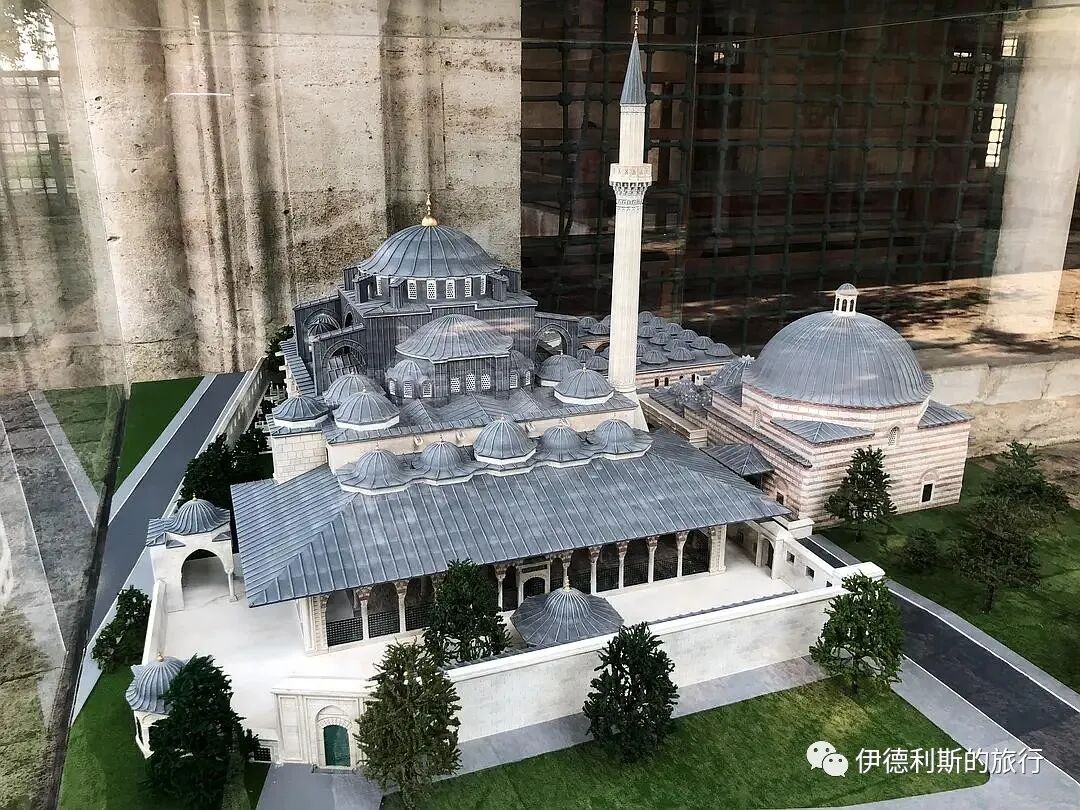
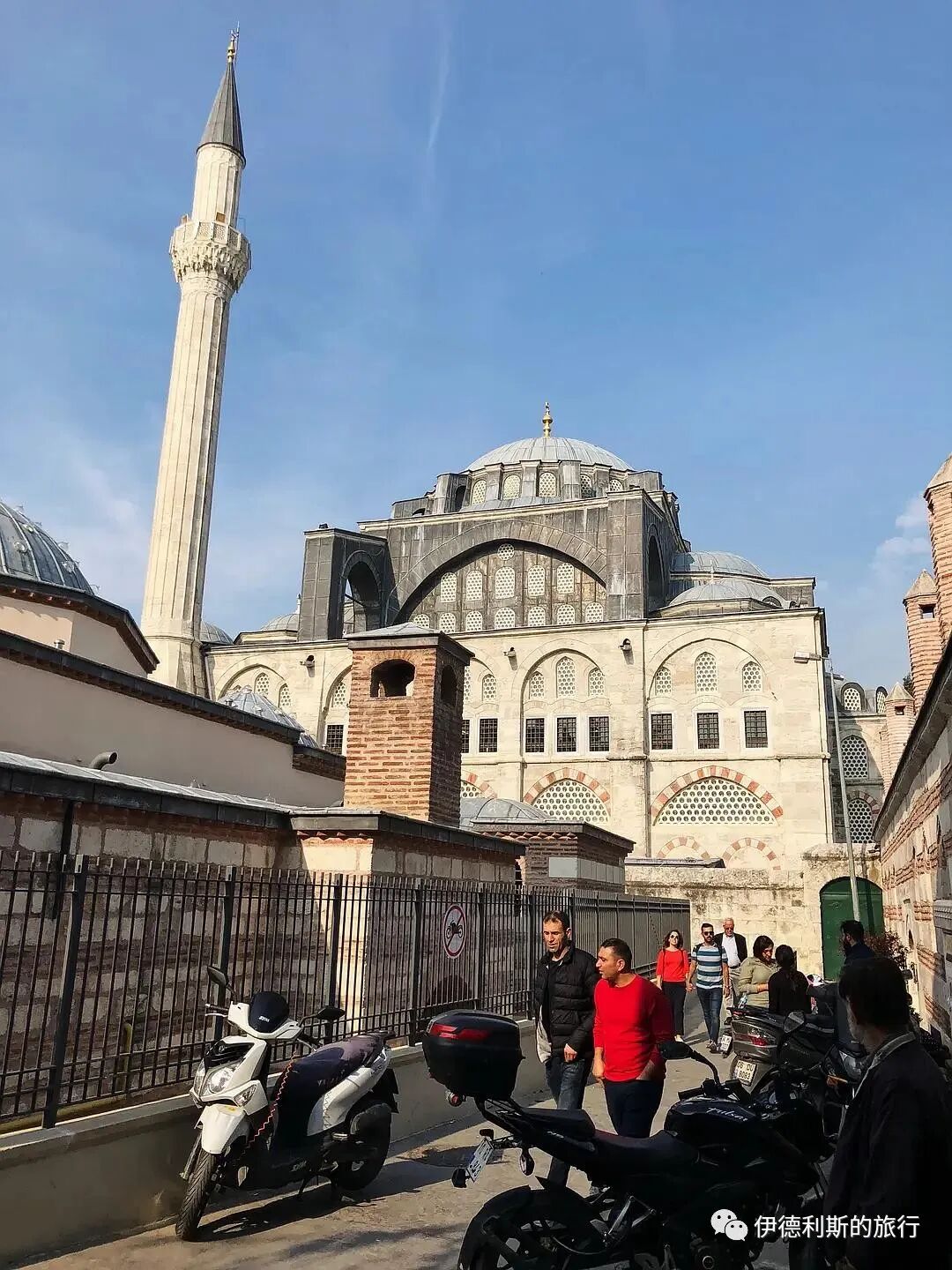
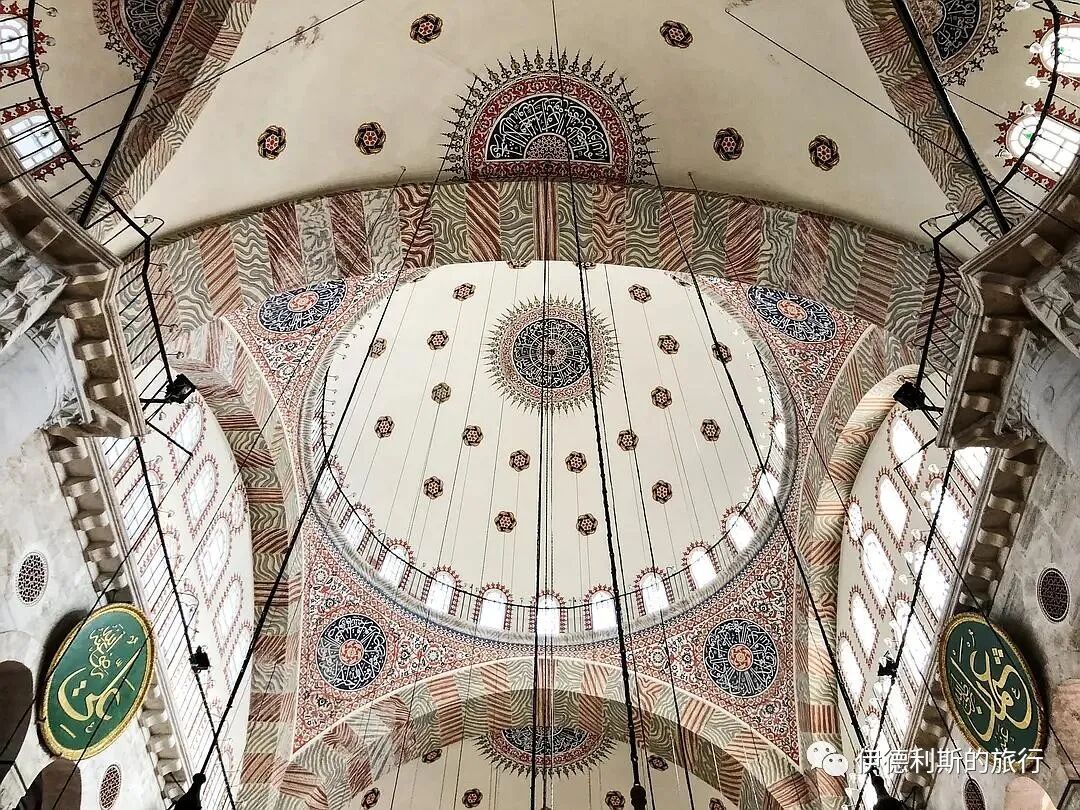
The mosque is surrounded by galleries on three sides, and the central area is separated from the side areas. This structure is very close to the Hagia Sophia and differs from the classic Ottoman mosque architecture of the same period. Some people use this to question whether the mosque was truly built by Sinan. The main dome of the mosque sits above a square base in the central area, supported by a semi-dome on each side. The central area is much higher than the side areas, and very wide arched buttresses extend to the outer walls. the front of the mosque has a double-layered porch, which makes it stand out compared to other mosques of the same period.
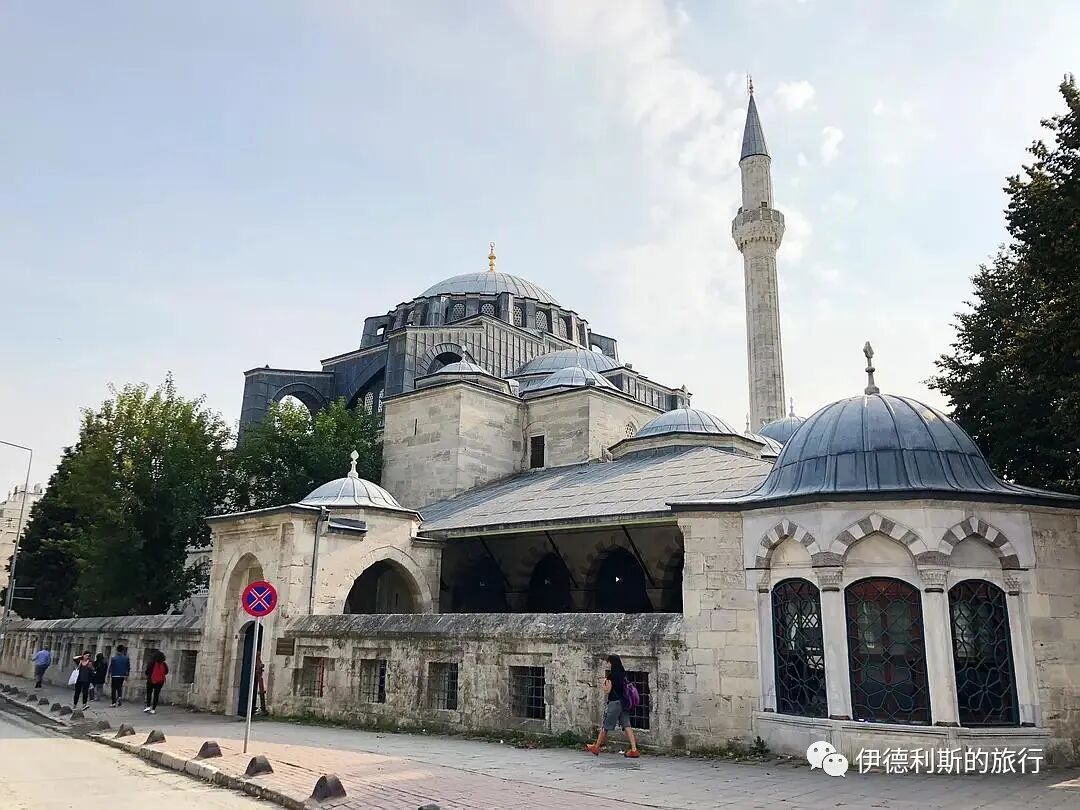
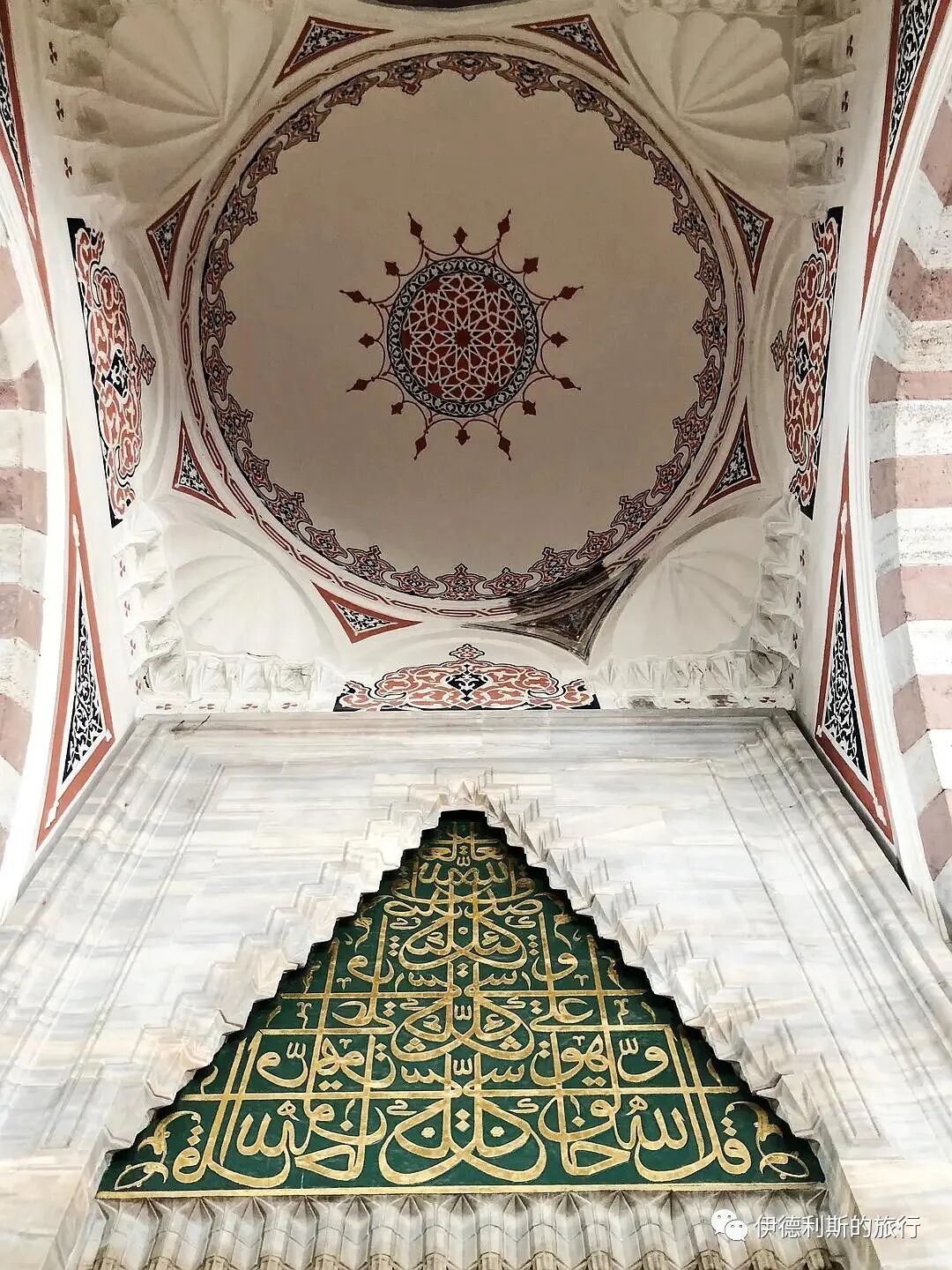
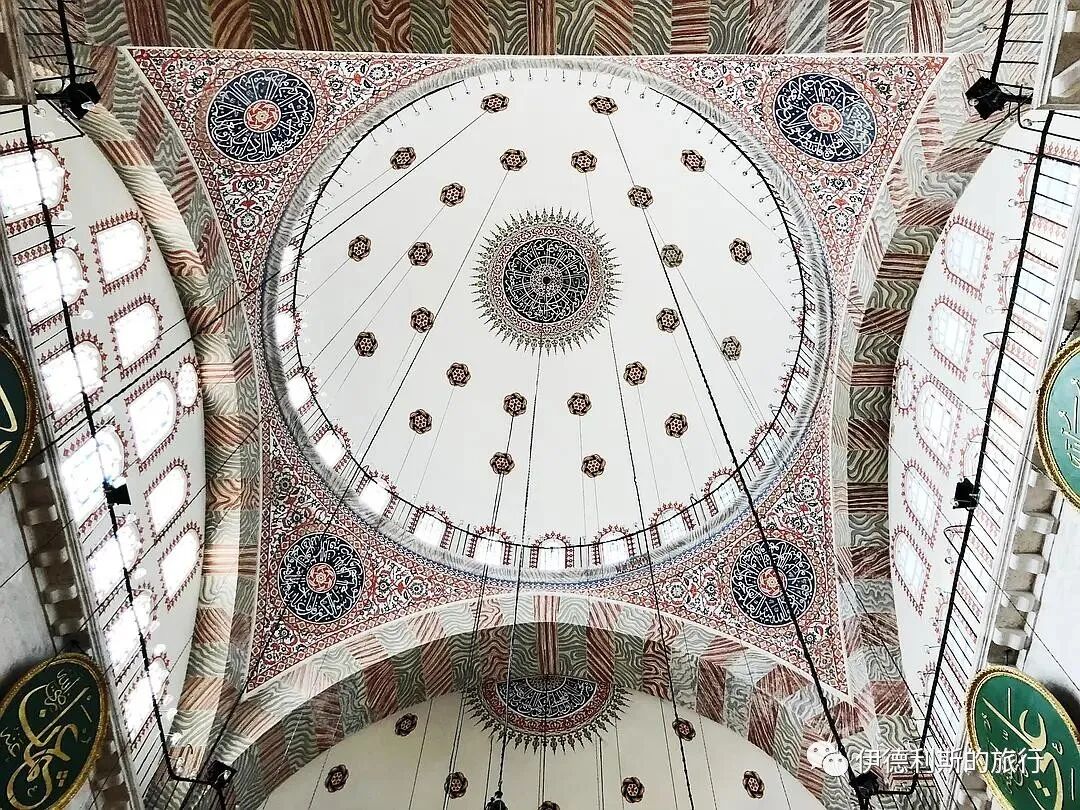
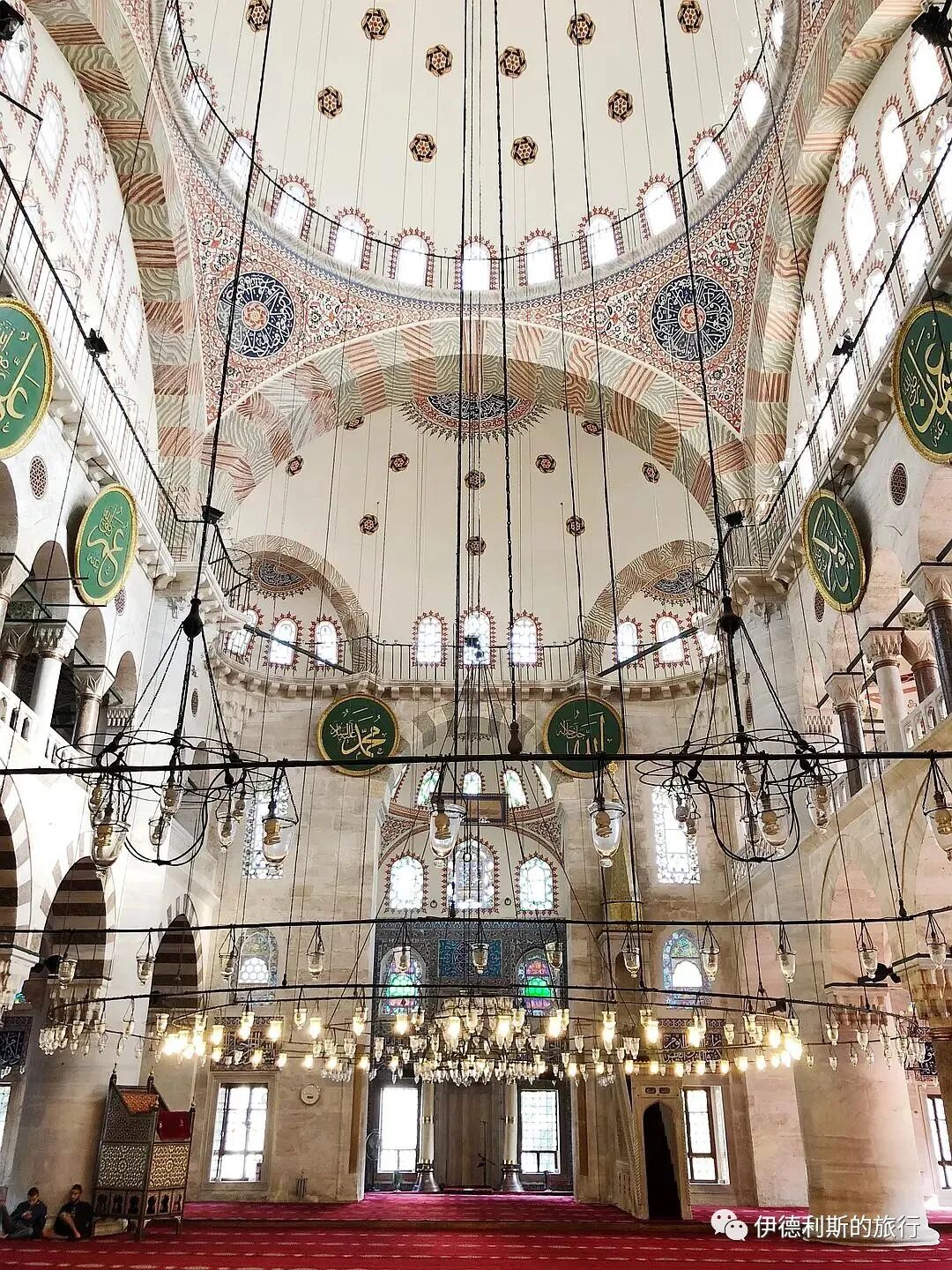
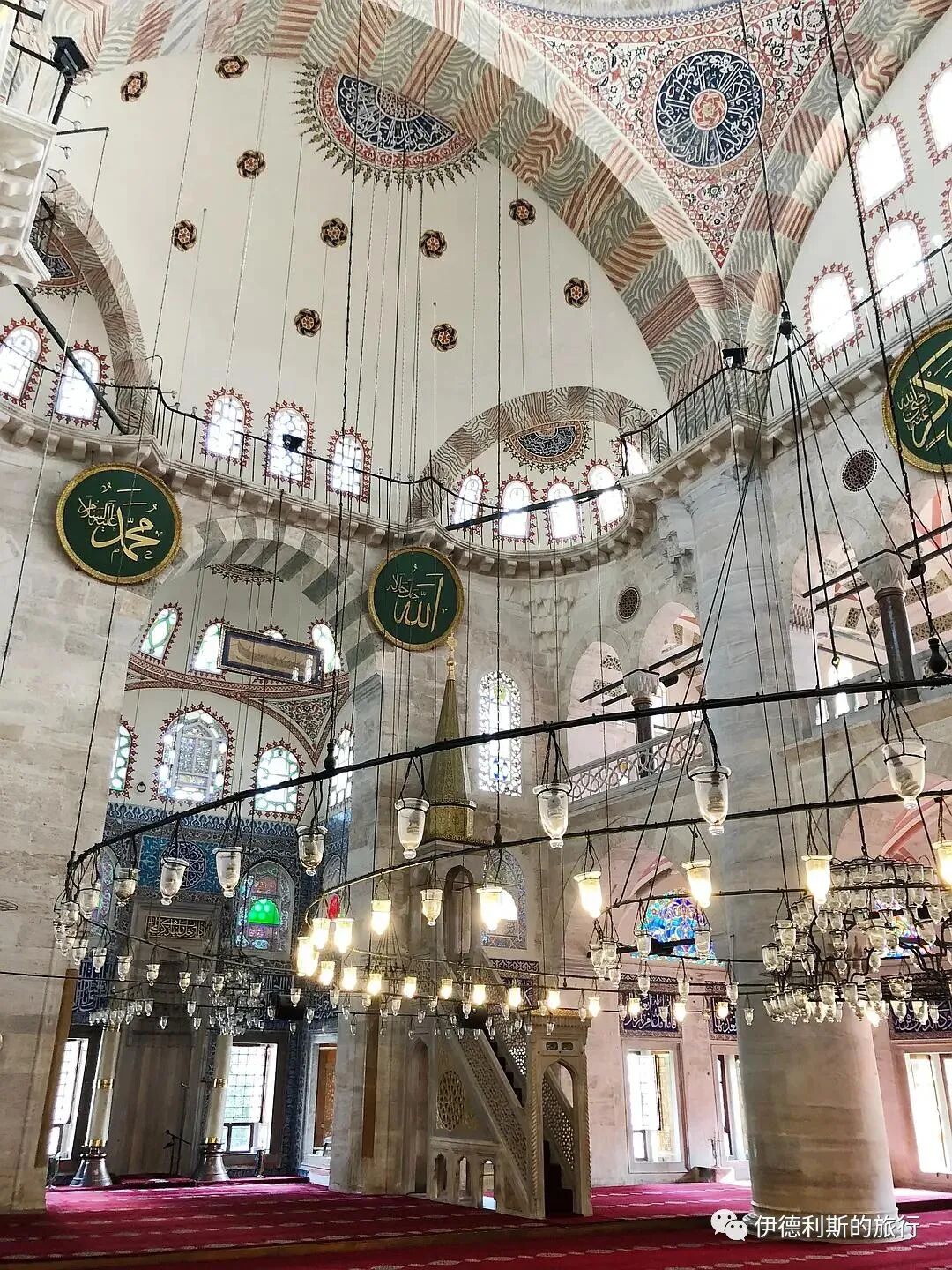
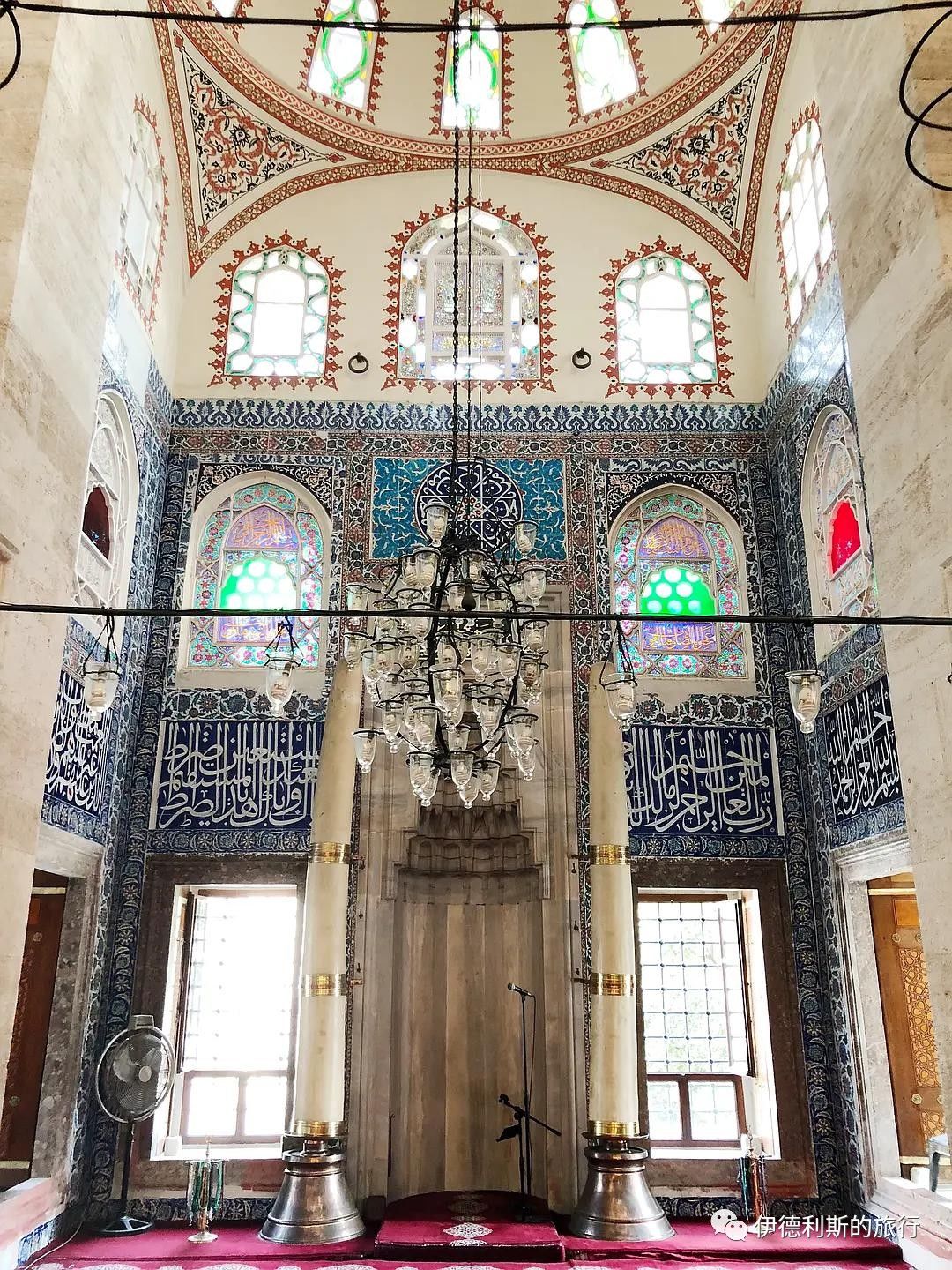
The main hall of the madrasa is square. Because it does not appear in Sinan's official list of works, the Tazkirat-al-Abniya, some people also believe this madrasa was not built by Sinan himself.
4. Şemsi Pasha Complex: 1581
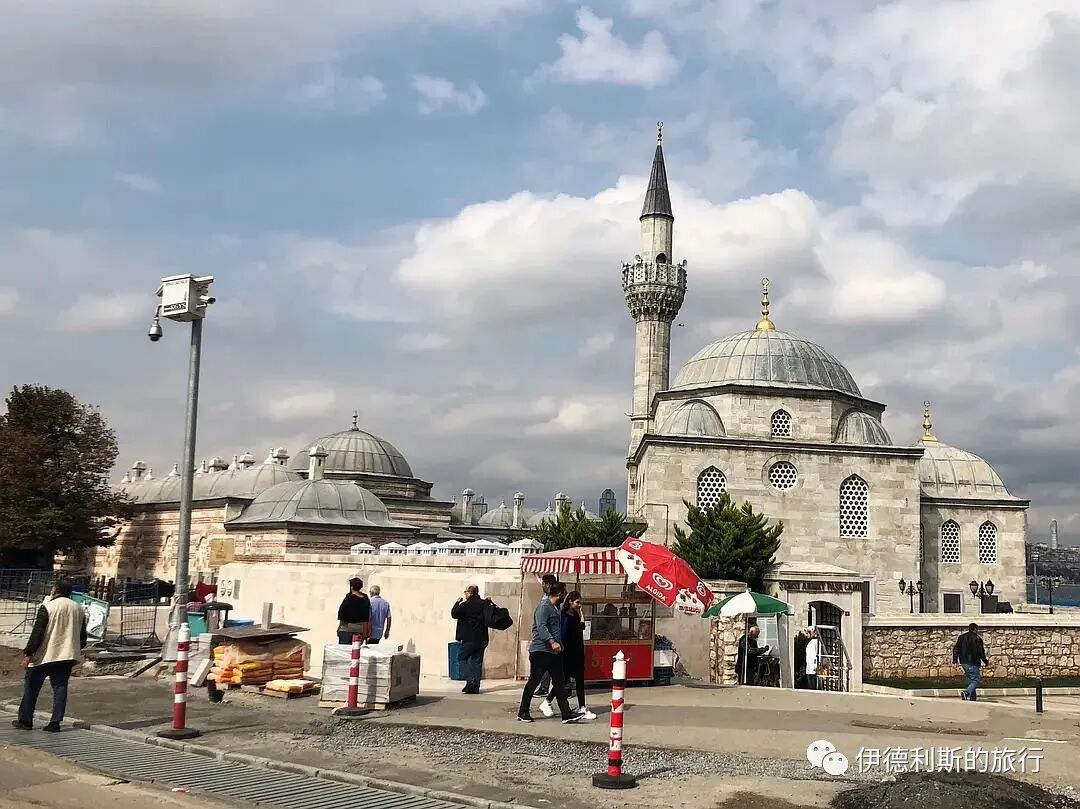
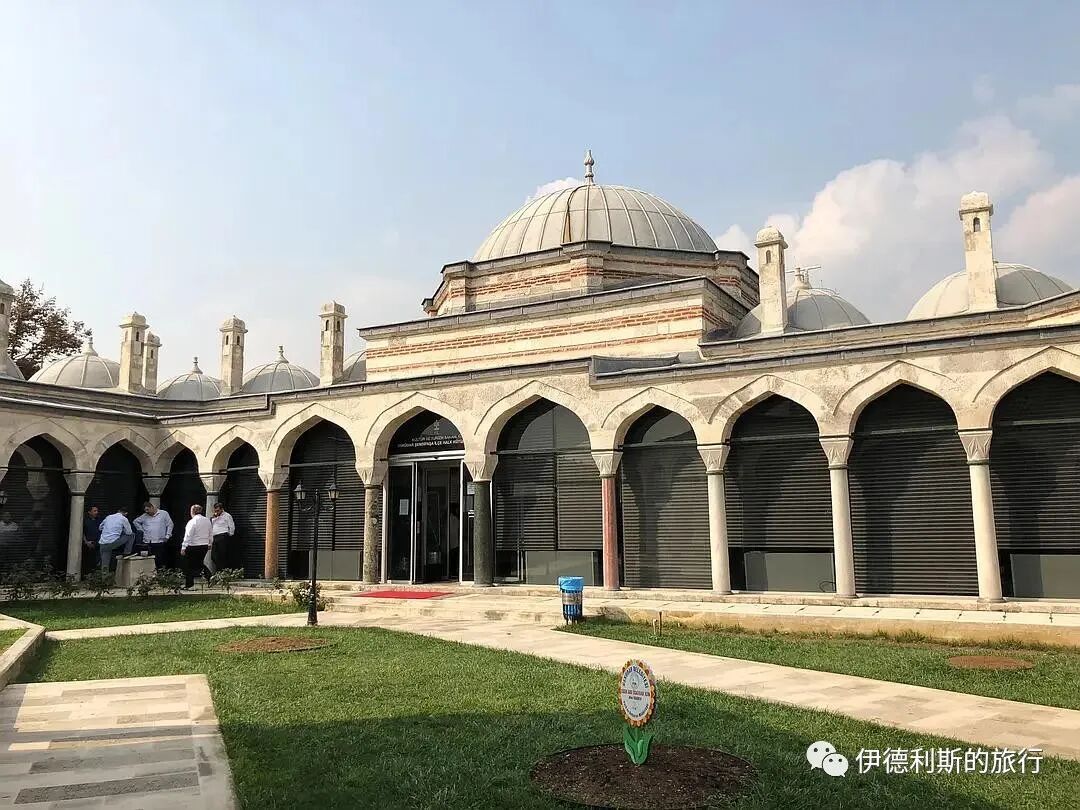
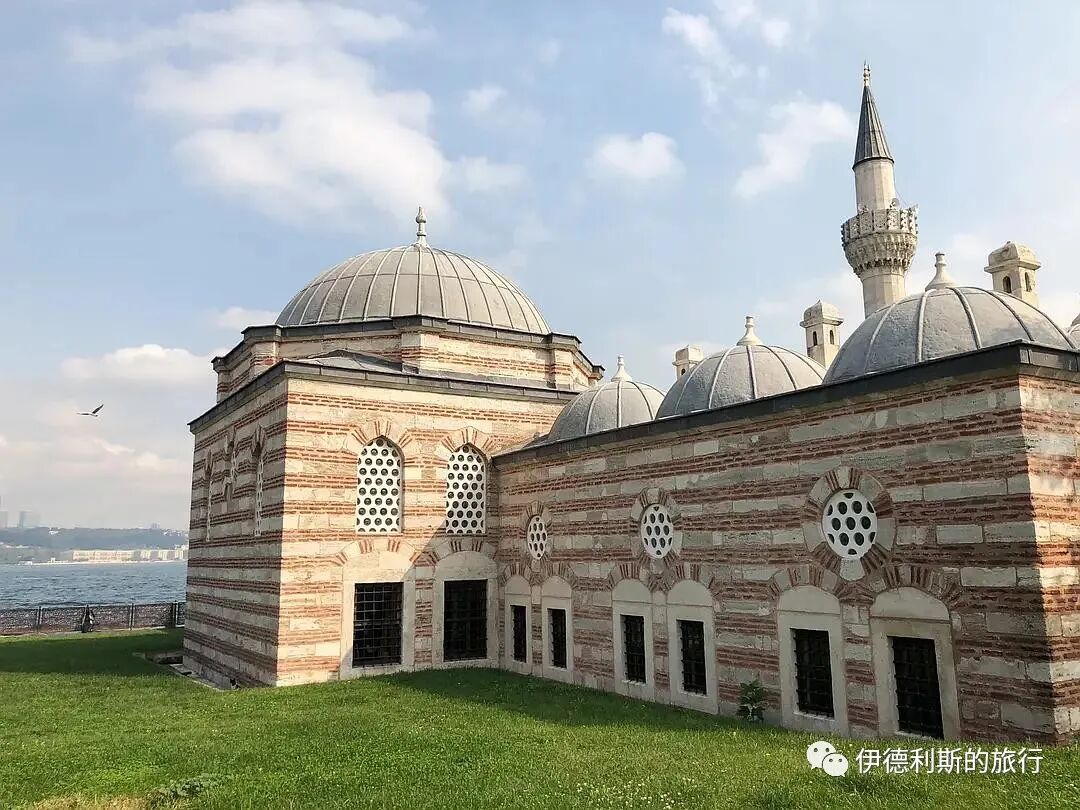
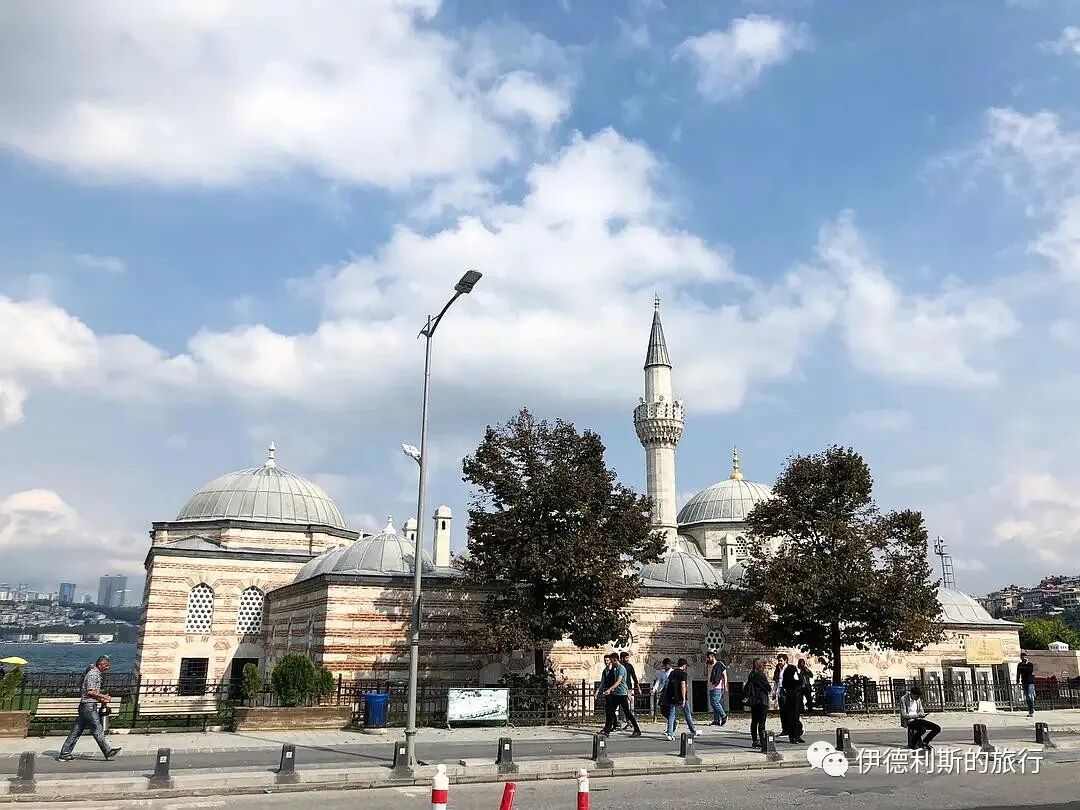
The Şemsi Pasha Complex is located on the Asian side of Istanbul, on the coast of the Üsküdar district. It was commissioned in 1581 by the Ottoman Grand Vizier (Vezir-i Azam) Şemsi Pasha, who succeeded Sokollu Mehmed Pasha as Grand Vizier in 1579, and built by Mimar Sinan. This is the most compact complex built by Sinan and is very famous in Istanbul as an important example of the organic combination of human architecture and natural landscape.
The complex consists of a mosque, a tomb, a madrasa, and a seawall. The tomb of Şemsi Pasha is completely connected to the mosque and is separated from the inside by a grille. The single-domed mosque itself is not particularly new, but it is unique in terms of its picturesque landscape.
The L-shaped madrasa has one large classroom and 12 student rooms, connected by an arcade. It was converted into a library after 1958, and the large classroom became a reading room.
5. Tomb of Kanijeli Siyavuş Pasha: 1582-1584
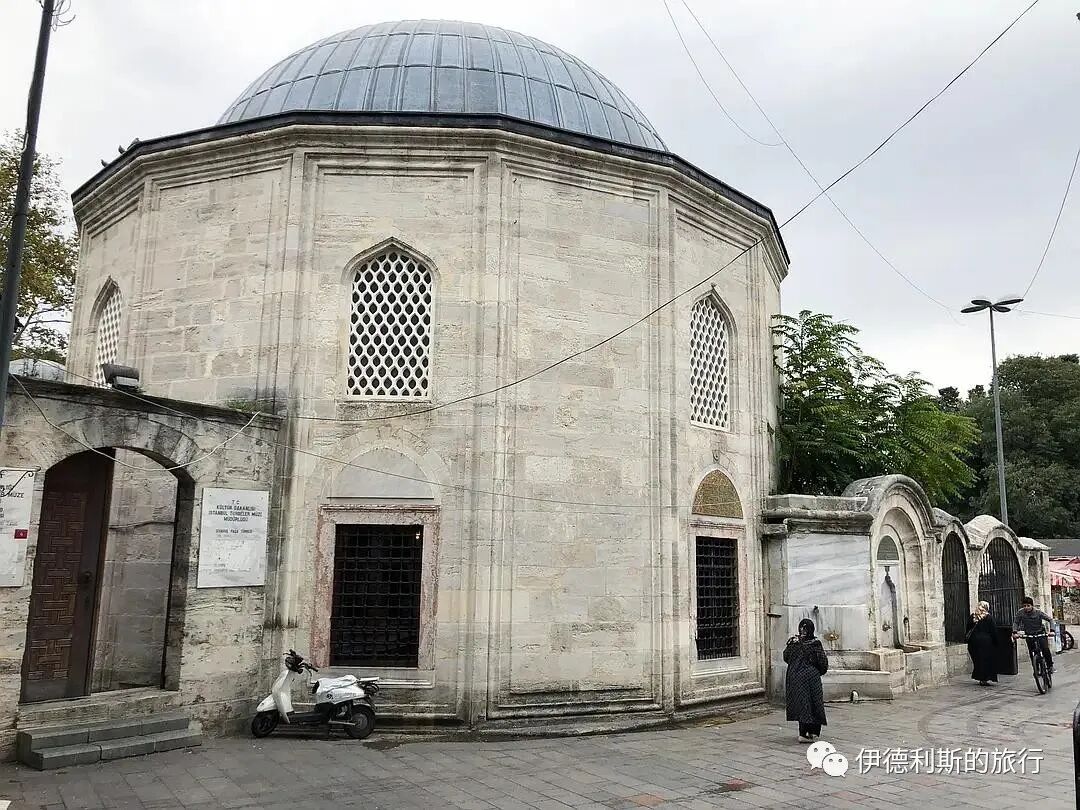
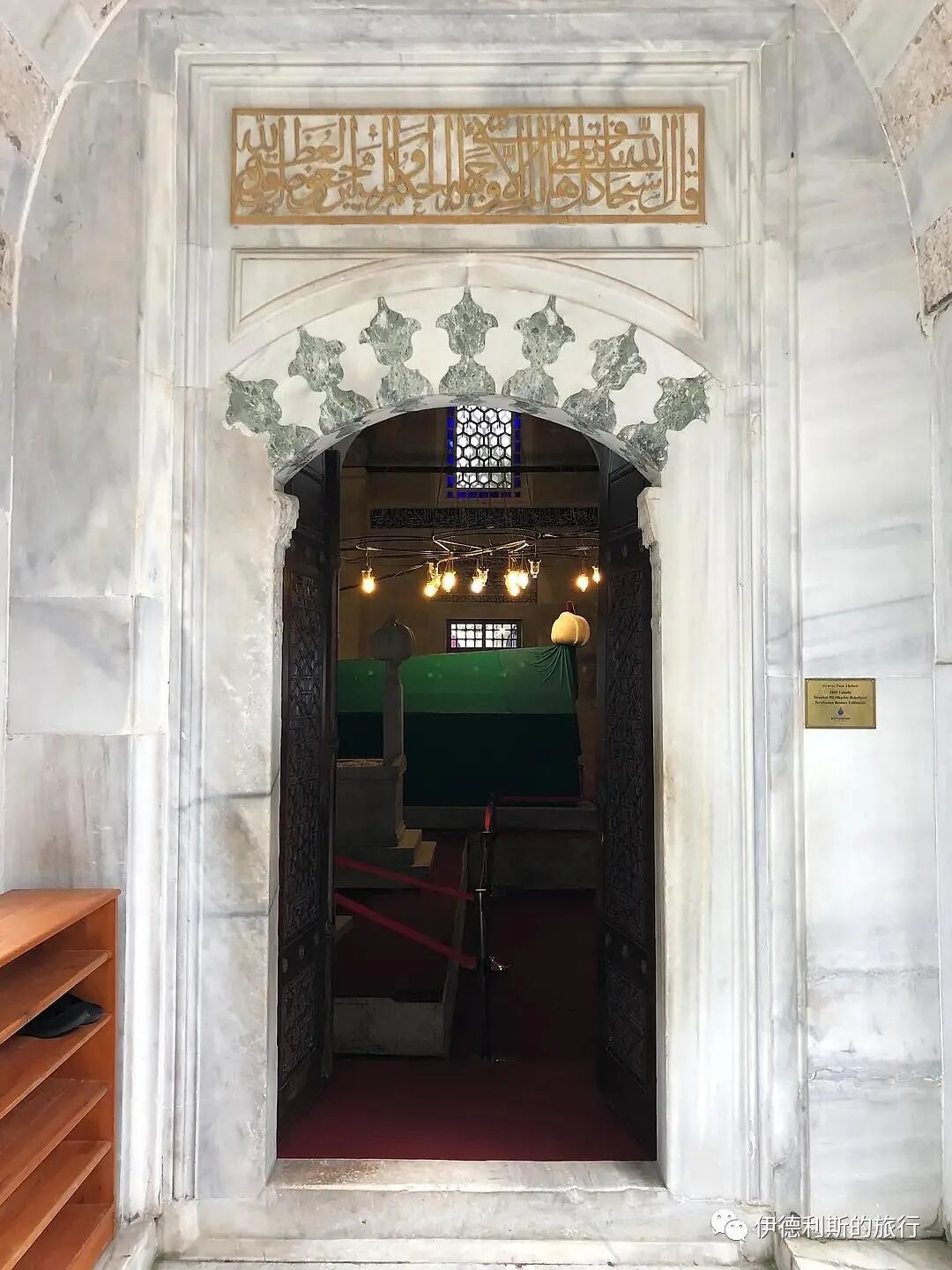
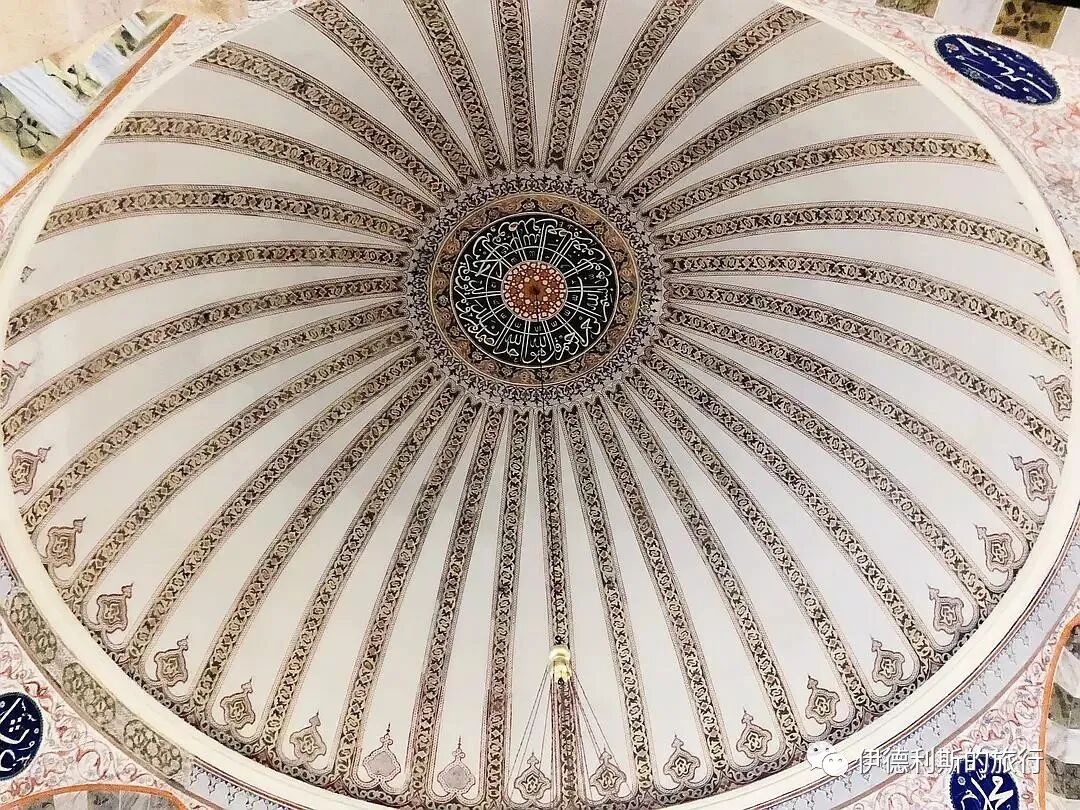
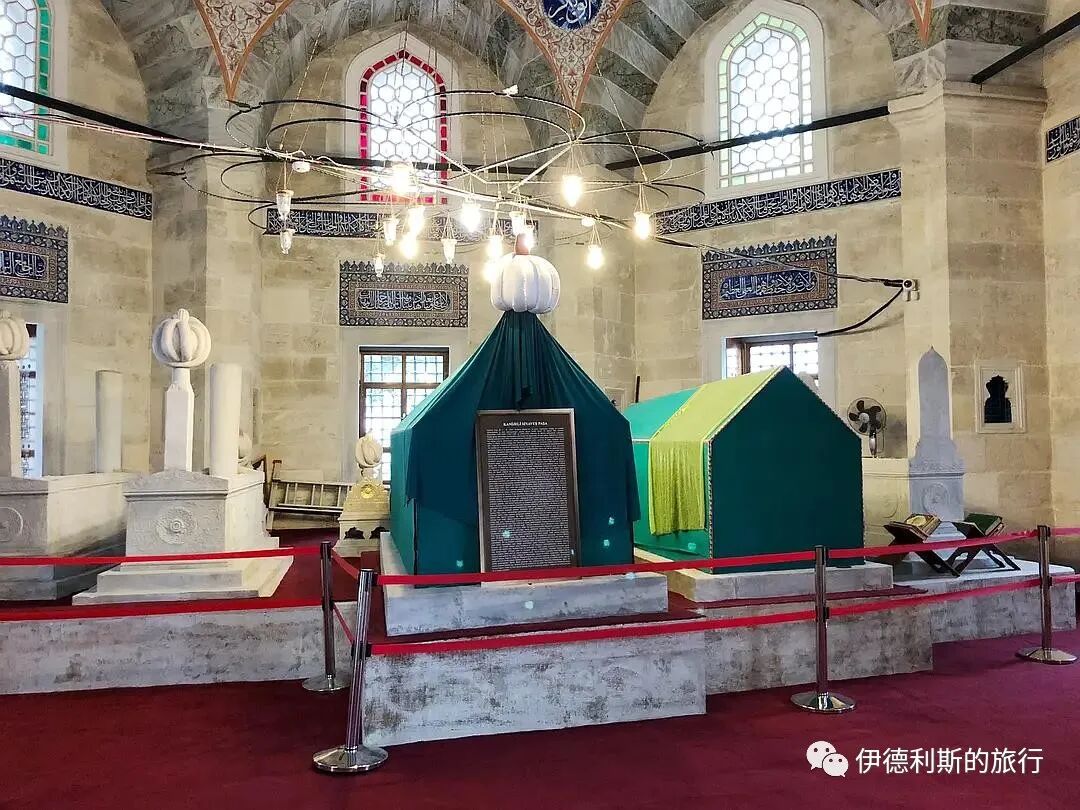
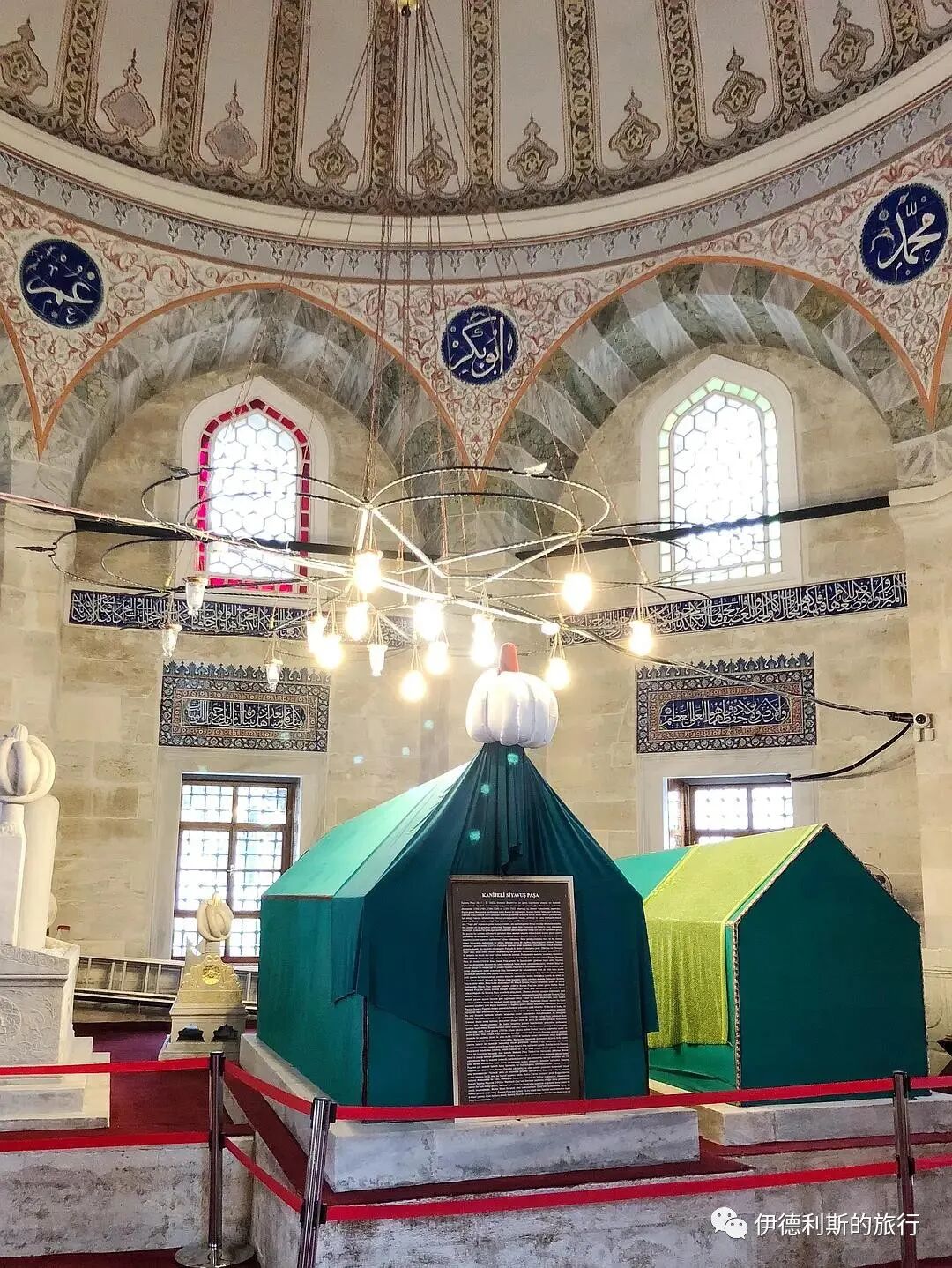
Kanijeli Siyavuş Pasha was the son-in-law of Ottoman Sultan Selim II (reigned 1566-1574) and served as the Grand Vizier (Vezir-i Azam) of the Ottoman Empire three times between 1582 and 1593. His tomb is located in the Eyüp district, northwest of Istanbul's old city. It was built by Mimar Sinan between 1582 and 1584, during his first term as Grand Vizier. The Eyüp Cemetery (Eyüp Mezarlığı) is the oldest and largest Muslim cemetery in Istanbul because it contains the grave of Abu Ayyub al-Ansari, a close companion of the Prophet Muhammad.
6. Molla Çelebi Mosque: 1570-1584
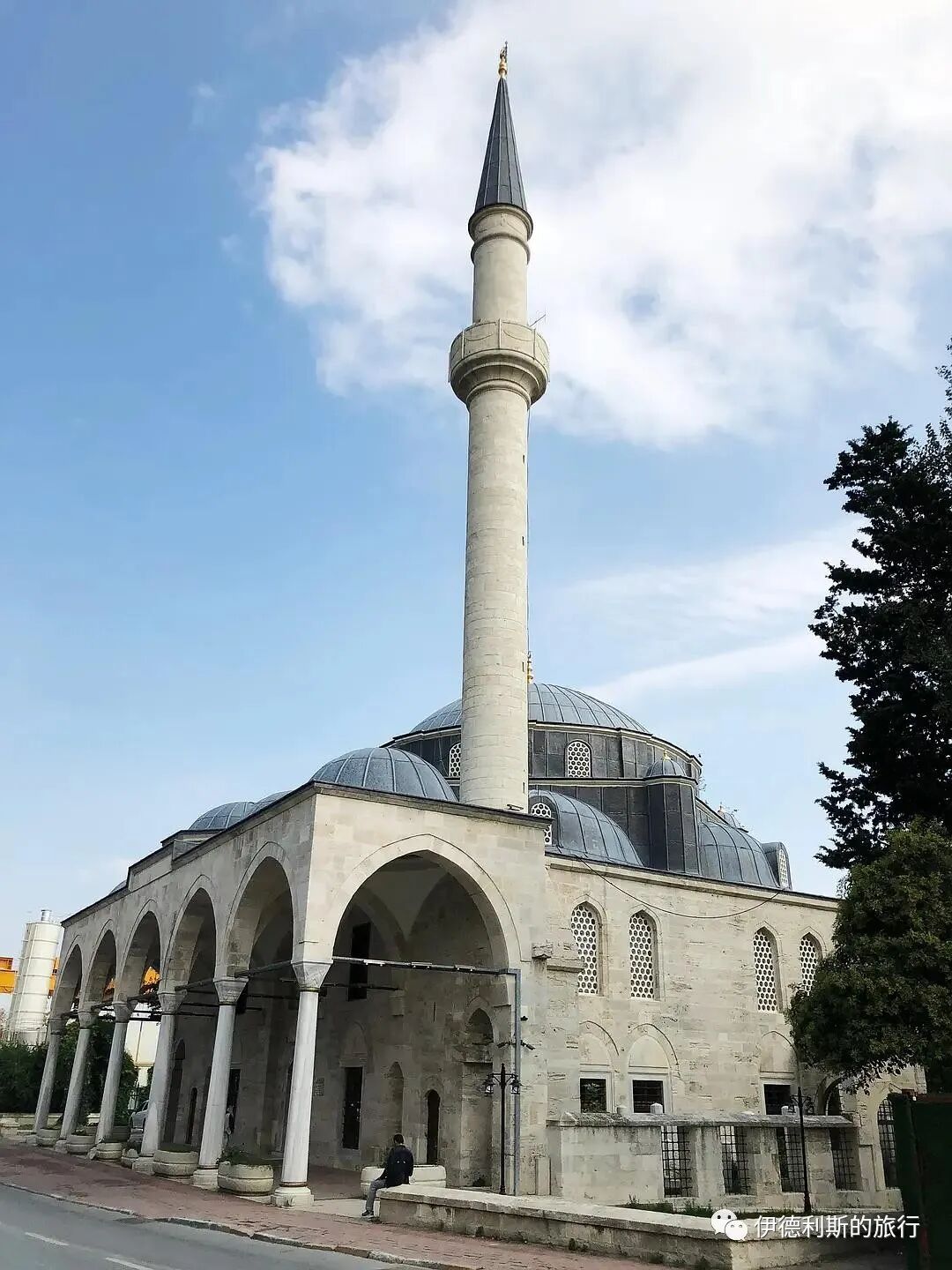
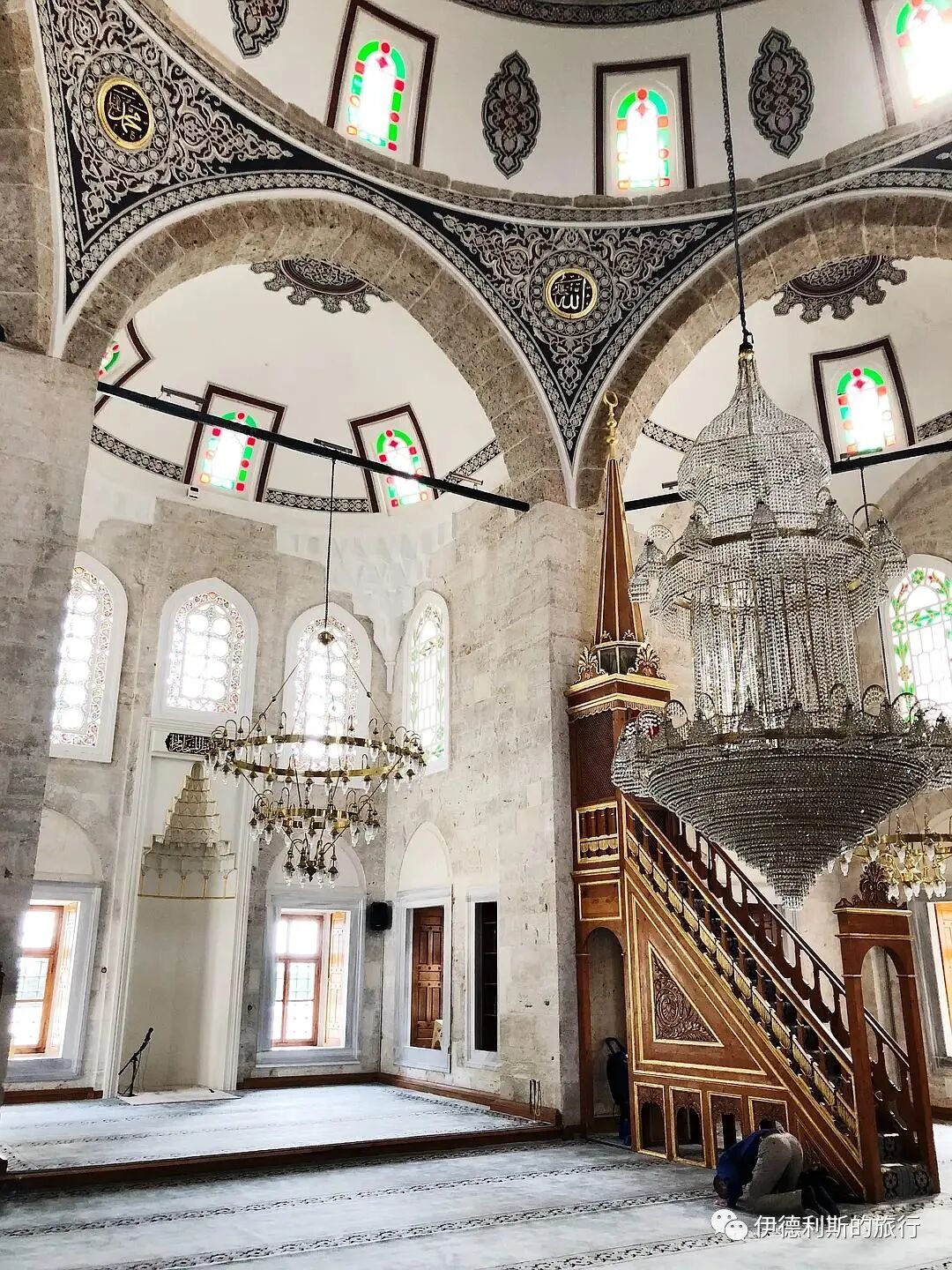
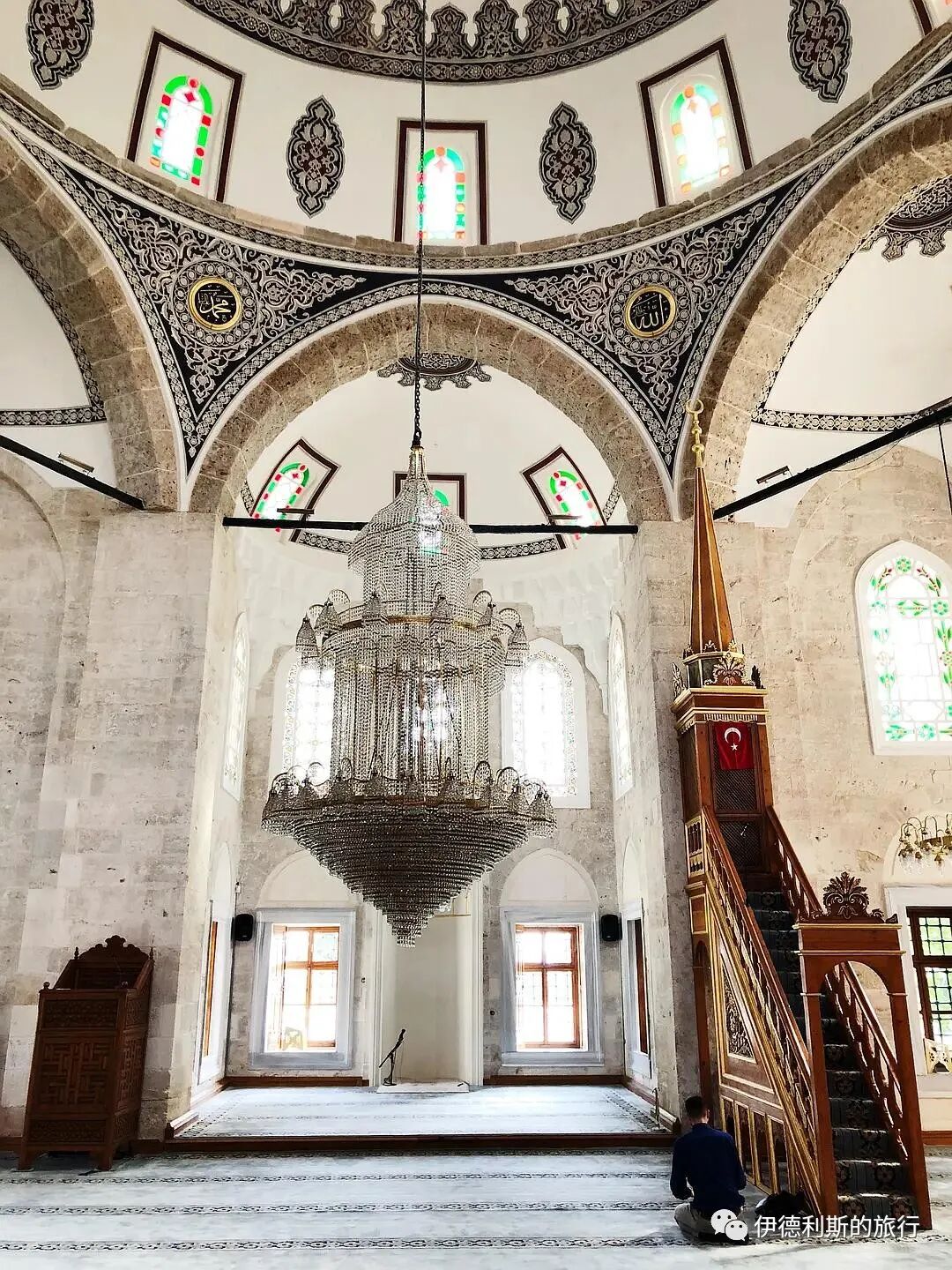
The Molla Çelebi Mosque is located in the Fındıklı district on the northern side of the Golden Horn and the western shore of the Bosphorus in Istanbul. It was commissioned by the Ottoman Chief Justice (Kazasker) Mehmet Vusuli Efendi and built by Mimar Sinan between 1570 and 1584.
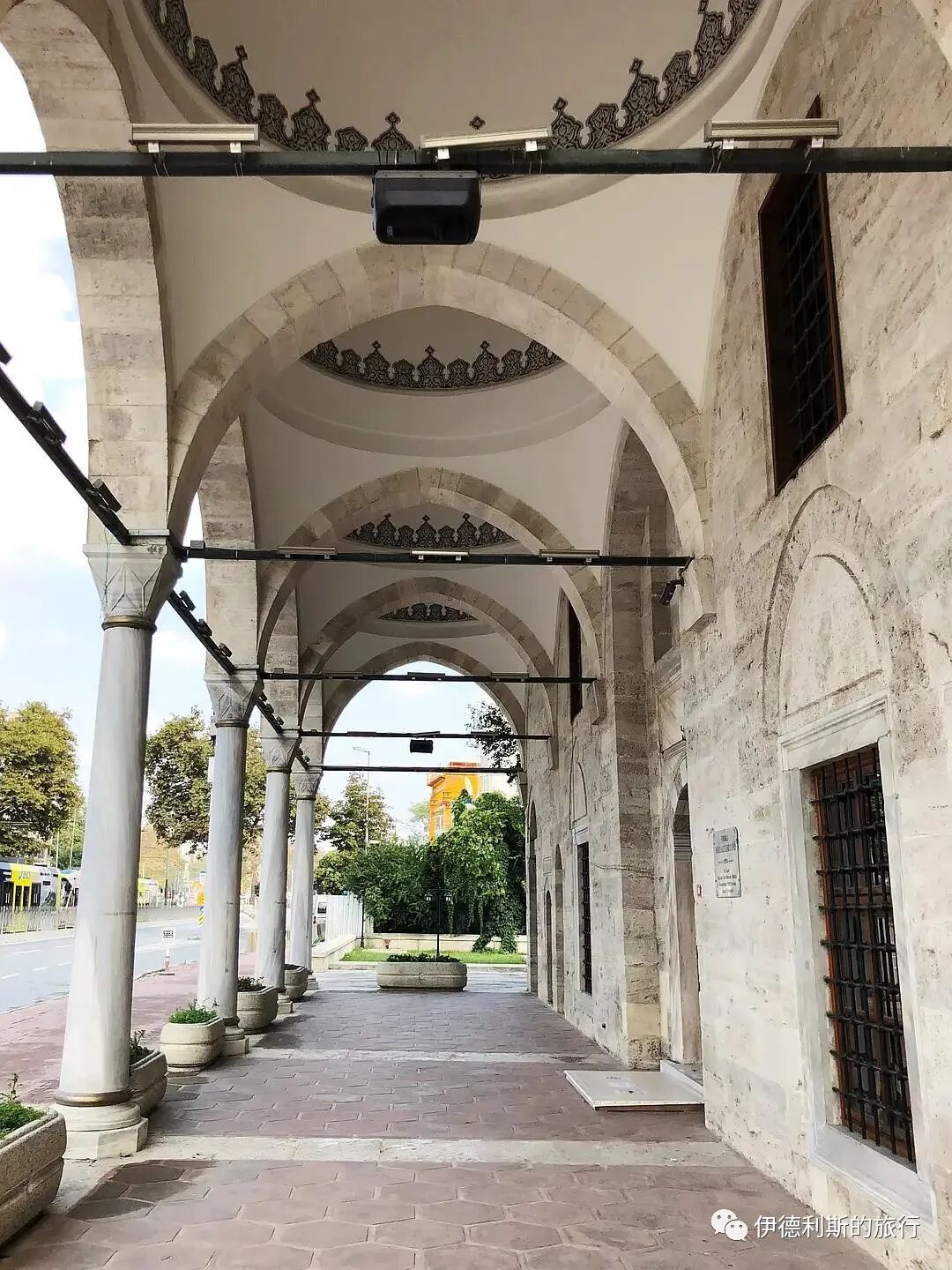
Here, Sinan perfected the hexagonal structure within the Ottoman classical mosque architectural style. The six supporting columns are embedded in the walls, and the mihrab is located in a protruding apse. By installing ten windows, this area becomes the brightest part of the main hall.
7. Atik Valide Sultan Complex: 1571-1586
The Atik Valide Complex is located in Üsküdar on the Asian side of Istanbul. It is a large complex commissioned by the Ottoman Queen Mother Nurbanu Sultan and built by Mimar Sinan. Nurbanu Sultan was the mother of Sultan Murad III (reigned 1574-1595) and was the first woman in Ottoman history to hold power legally.
The Atik Valide Complex is one of the largest Ottoman complexes in Istanbul. It consists of 10 buildings with different functions, including a mosque, a madrasa, a Hadith school, a primary school, a Sufi lodge, a hospital, a soup kitchen, guest rooms, a two-story inn with stables, and a bathhouse. Planning for the entire complex began in 1571. As Nurbanu Sultan’s status grew, the complex expanded. It was finally completed in 1586, three years after her death, spanning a 15-year construction period.
The buildings are arranged on a slope from northeast to southwest. At the highest point in the northeast is the Sufi lodge (tekke). Across the road to the southwest is the main complex, which includes a mosque and a religious school (madrasa), with a primary school behind the mosque. Further southwest, across the road, is the second group of buildings, consisting of a Hadith school, guest rooms, a hospital, a canteen, and a large inn (caravanserai). The bathhouse (hammam) stands alone at the far southwest end of the complex.
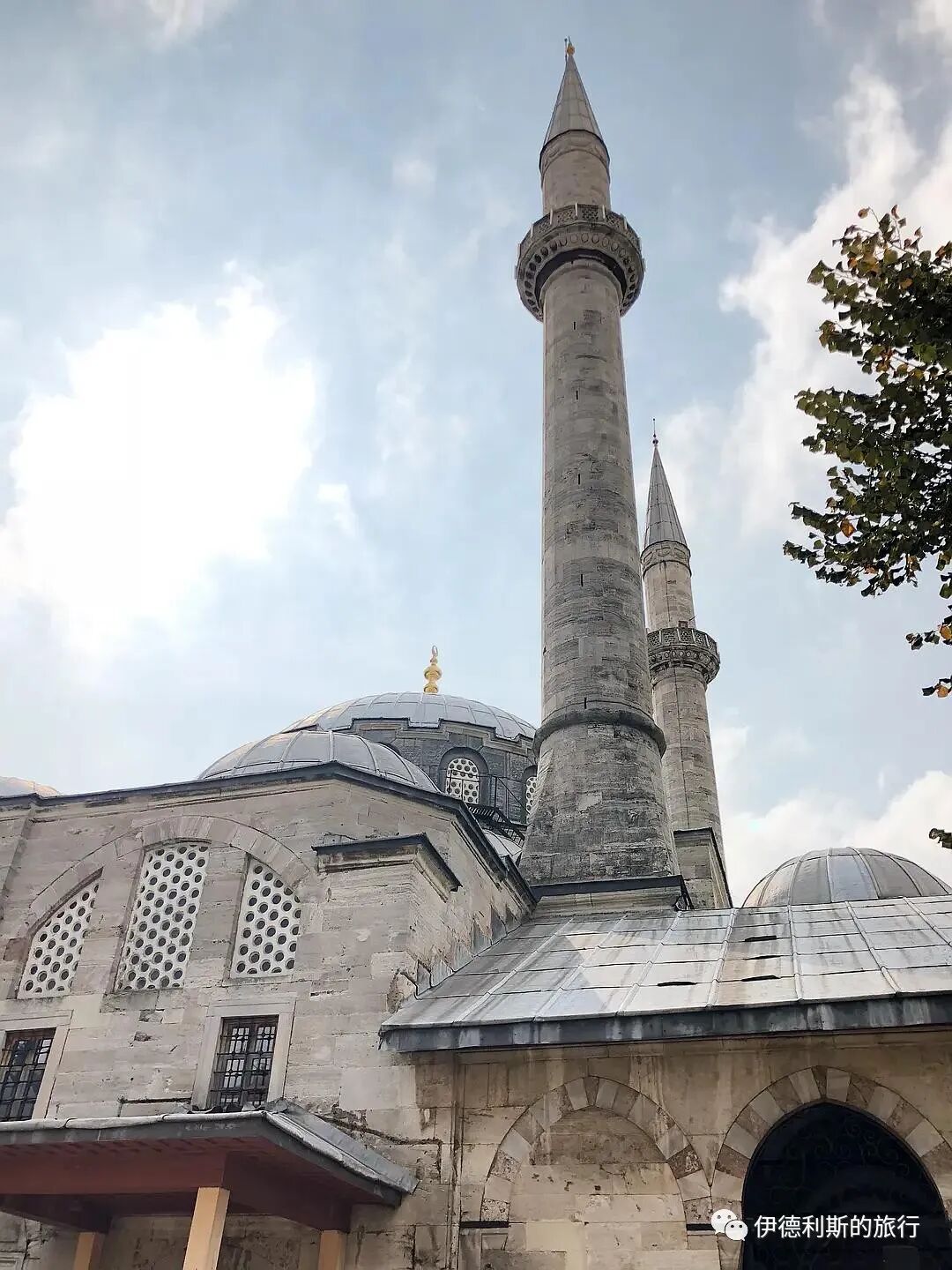
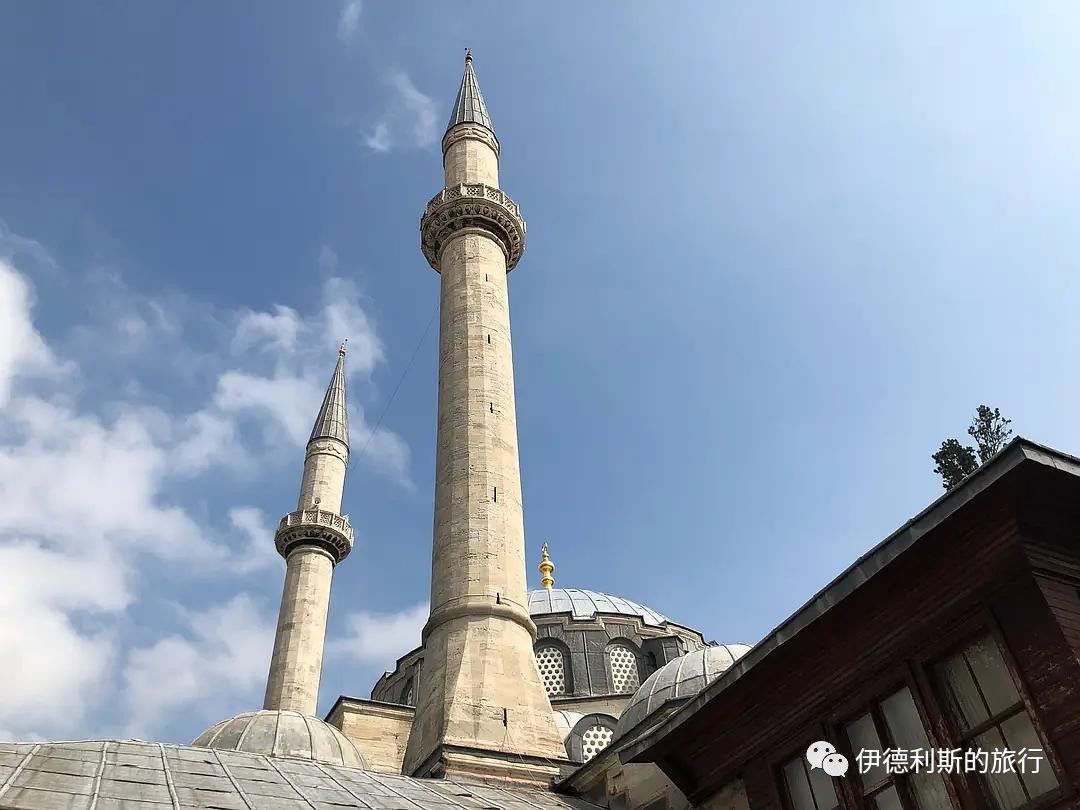
Construction of the mosque happened in three stages. The first stage was from 1571 to 1574. At that time, Mimar Sinan was in Edirne overseeing his masterpiece, the Selimiye Mosque, so he commissioned another Ottoman court architect to supervise the Old Queen Mosque. The second stage was from 1577 to 1578. Nurbanu Sultan held real power in the empire then, and a second minaret and a double-portico courtyard were added to the mosque. The third stage was from 1584 to 1586. Nurbanu Sultan had passed away by then. The mosque was expanded horizontally, with a pair of small domes added on each side of the central dome. It is believed that because Mimar Sinan was quite old, his successor, Davut Ağa, likely completed the third stage.
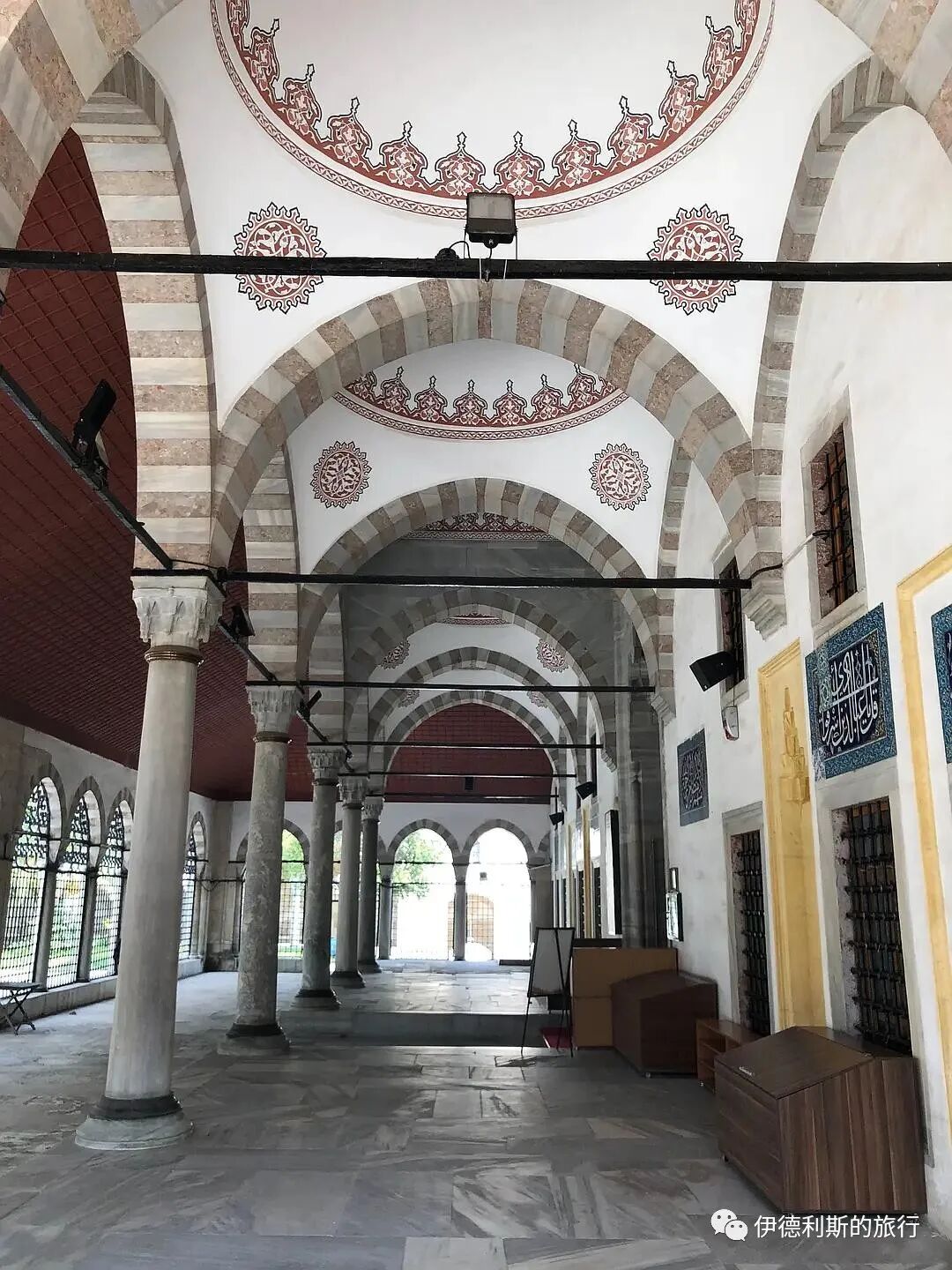
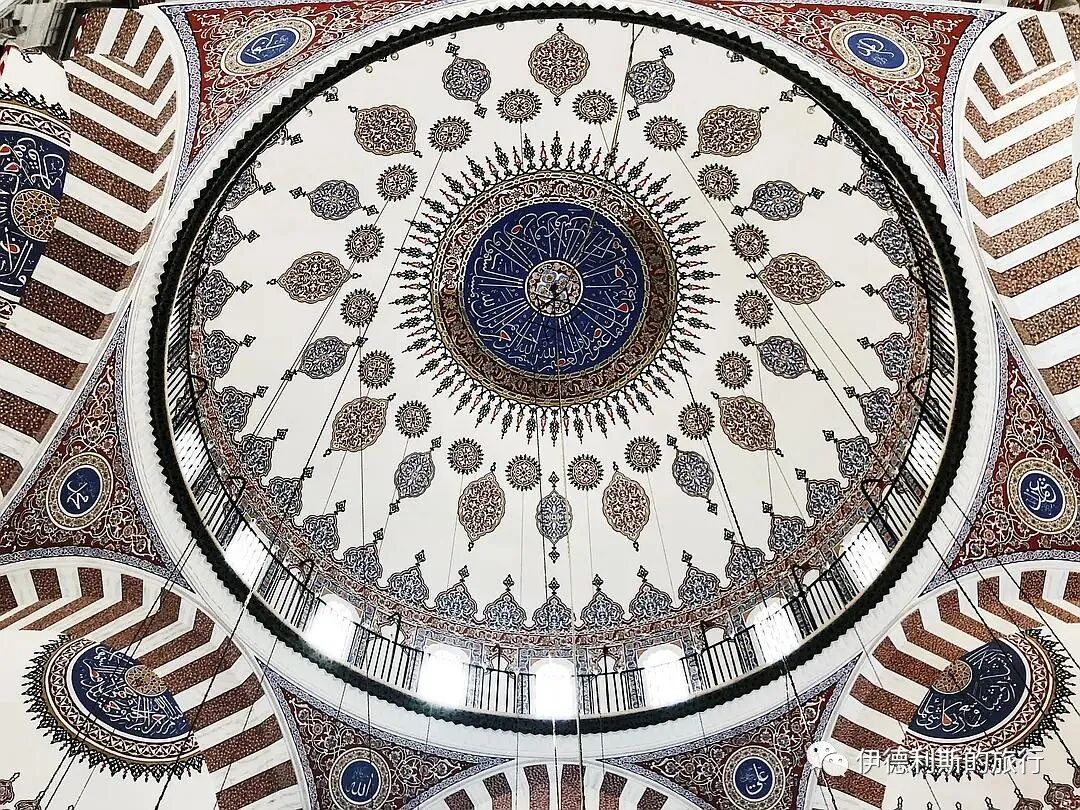
The mosque consists of one central dome and five semi-domes. The area near the mihrab is decorated with beautiful Iznik tiles depicting spring flowers. Unfortunately, I did not take a separate photo of them at the time.
(Optional) Image description
Delete
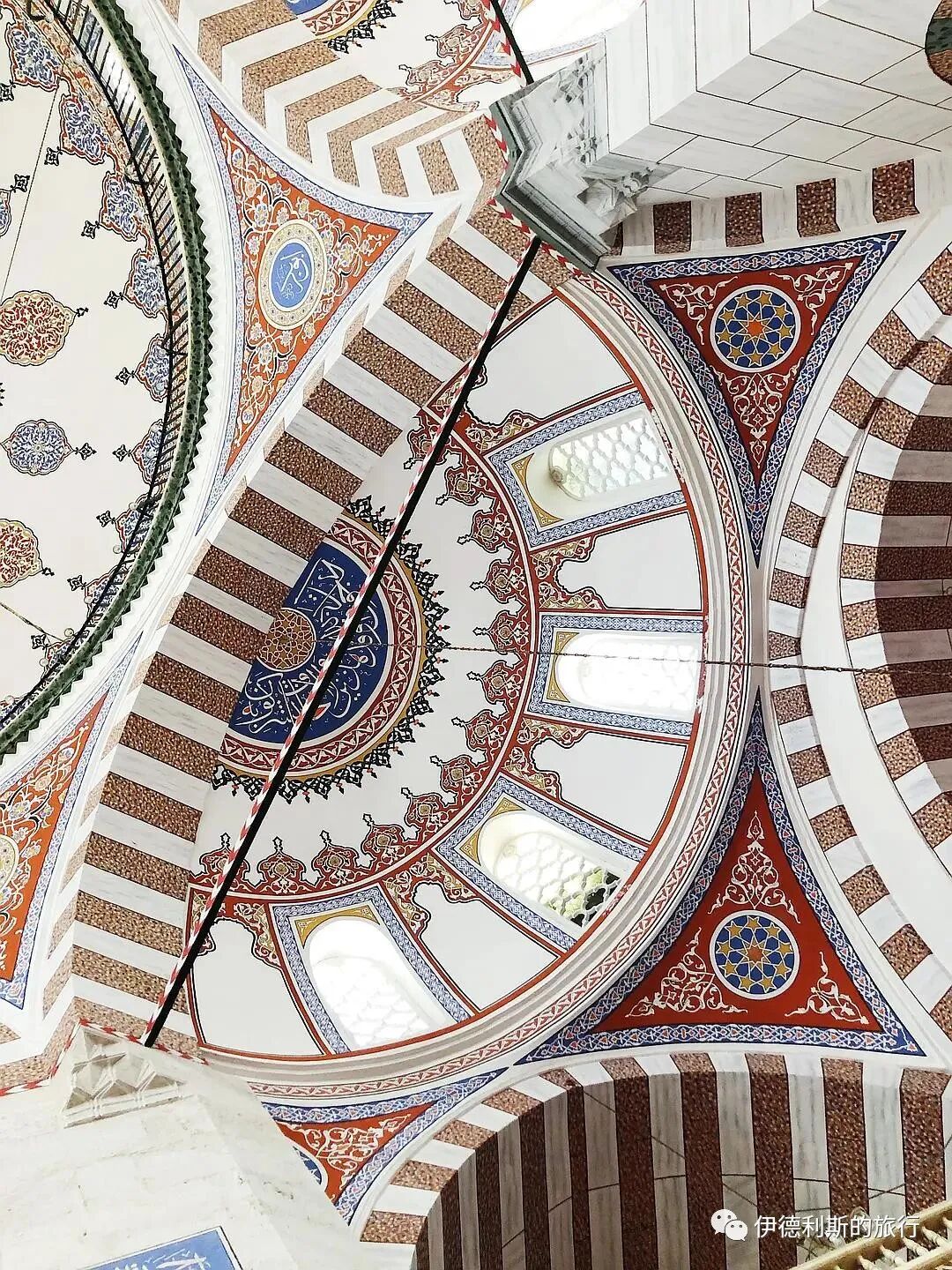
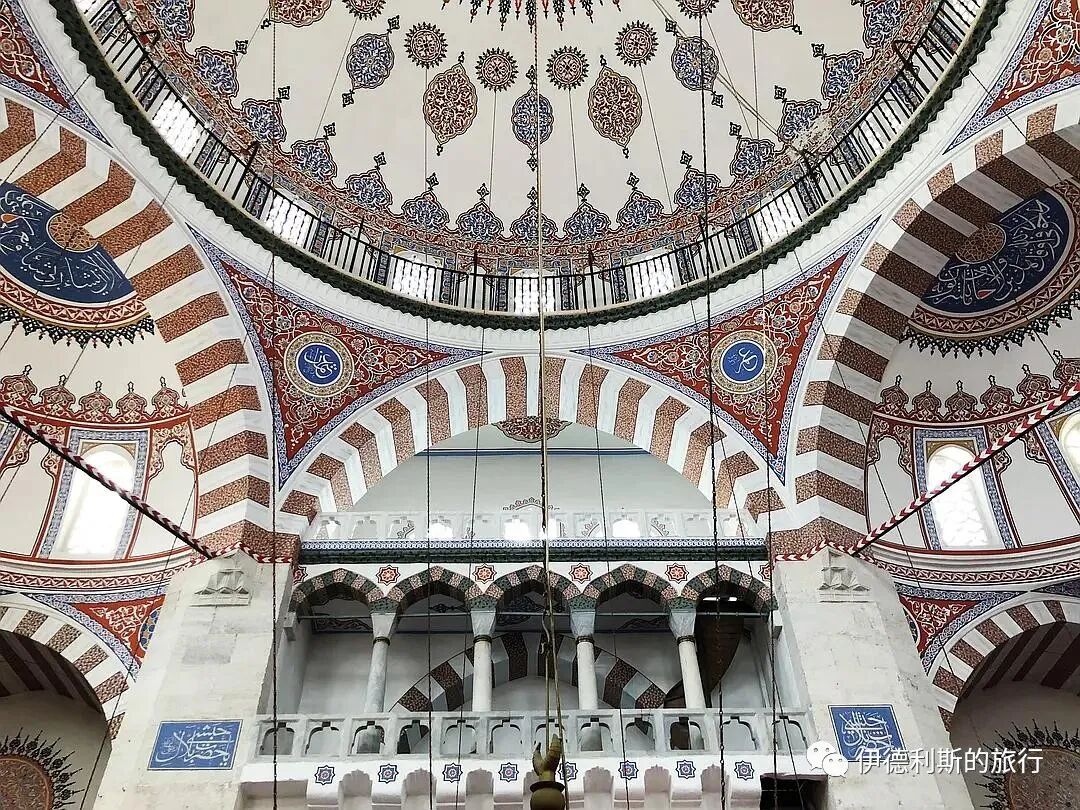
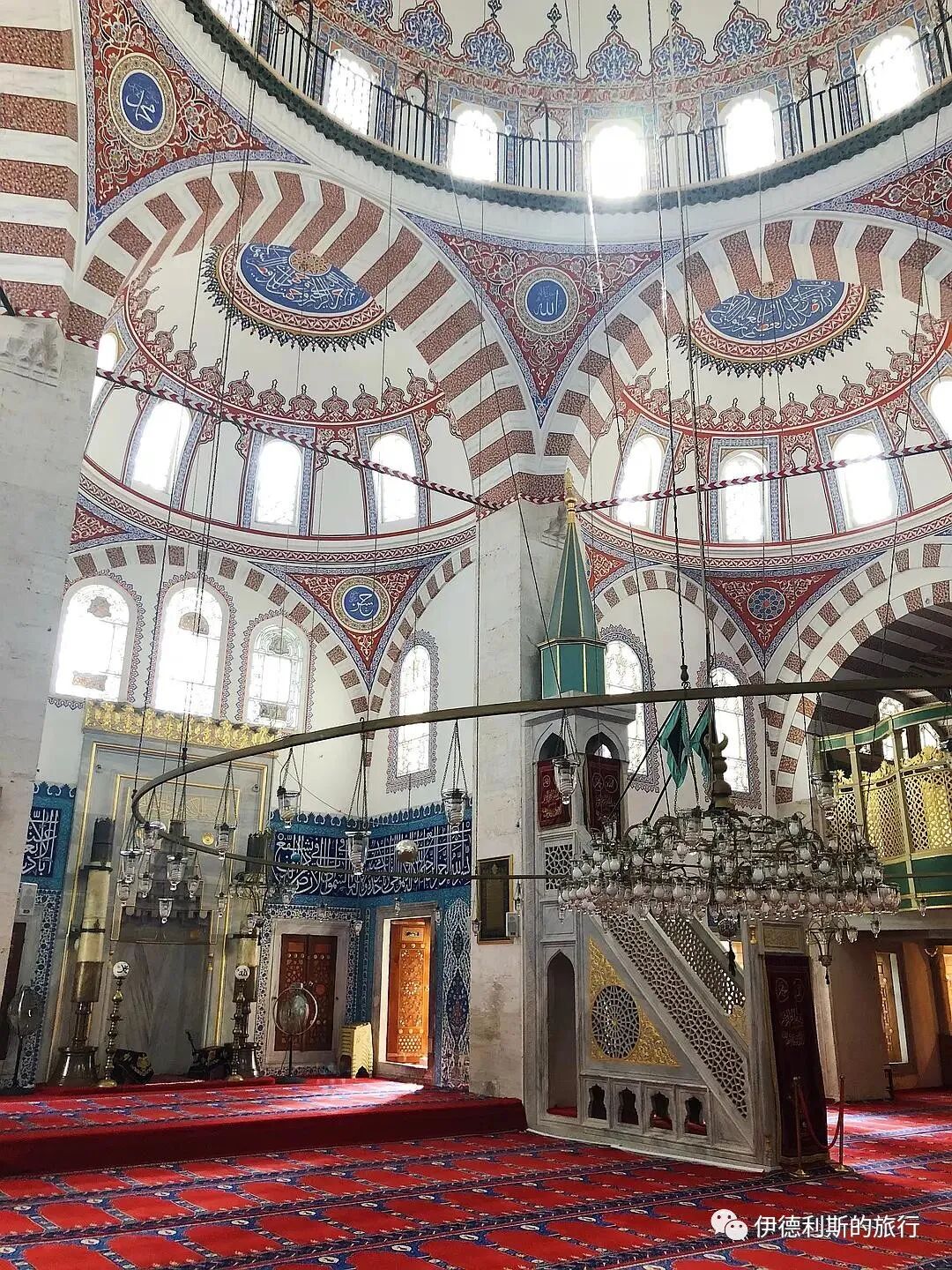
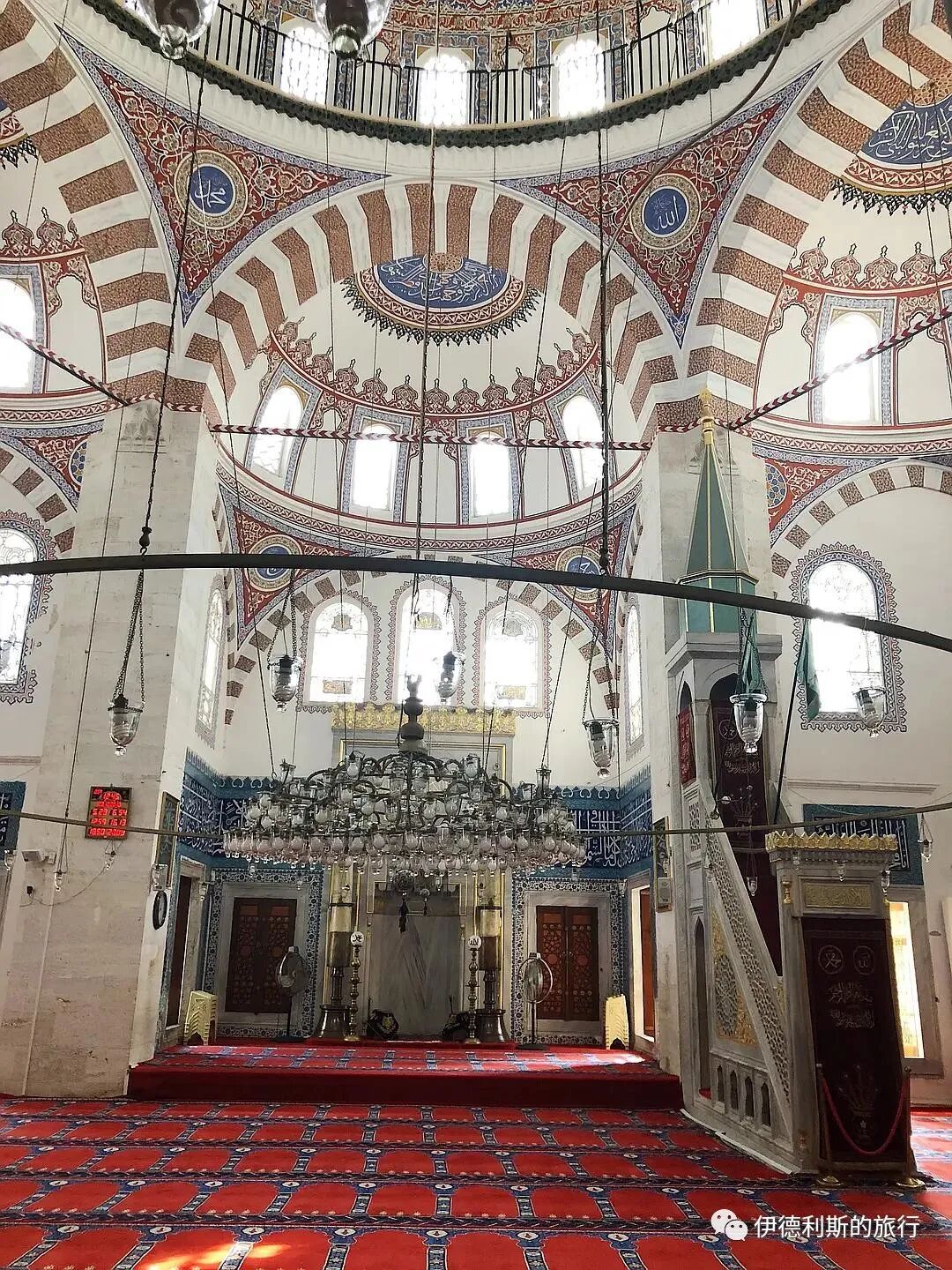
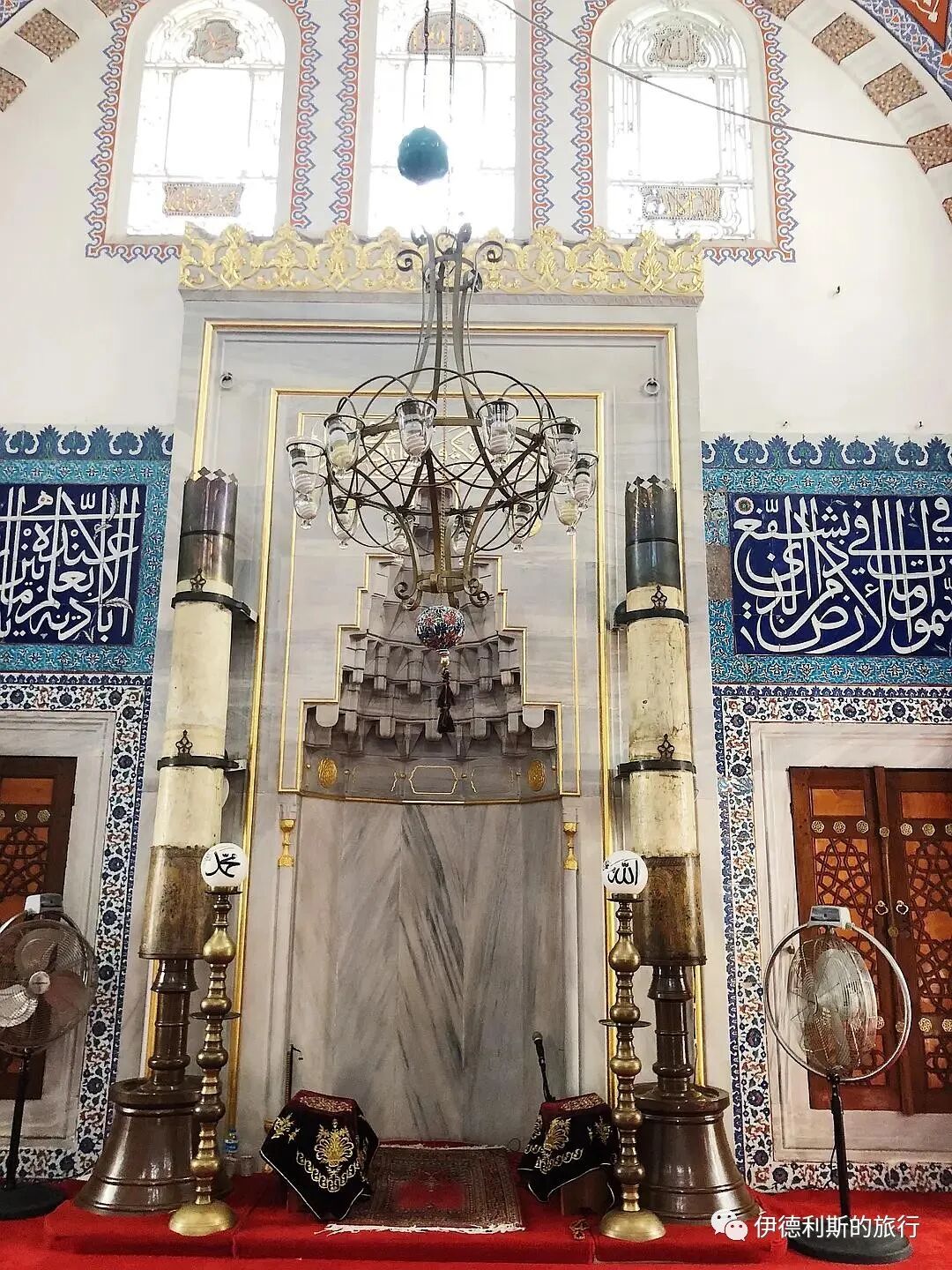
The religious school (madrasa) was built in 1579 and sits on a platform below the mosque. Due to the terrain, the arcades on both sides are different lengths. It is also very rare for the central auditorium to be built as a bridge-like structure over the street. It is currently an open public space with a small tea house where people can rest.
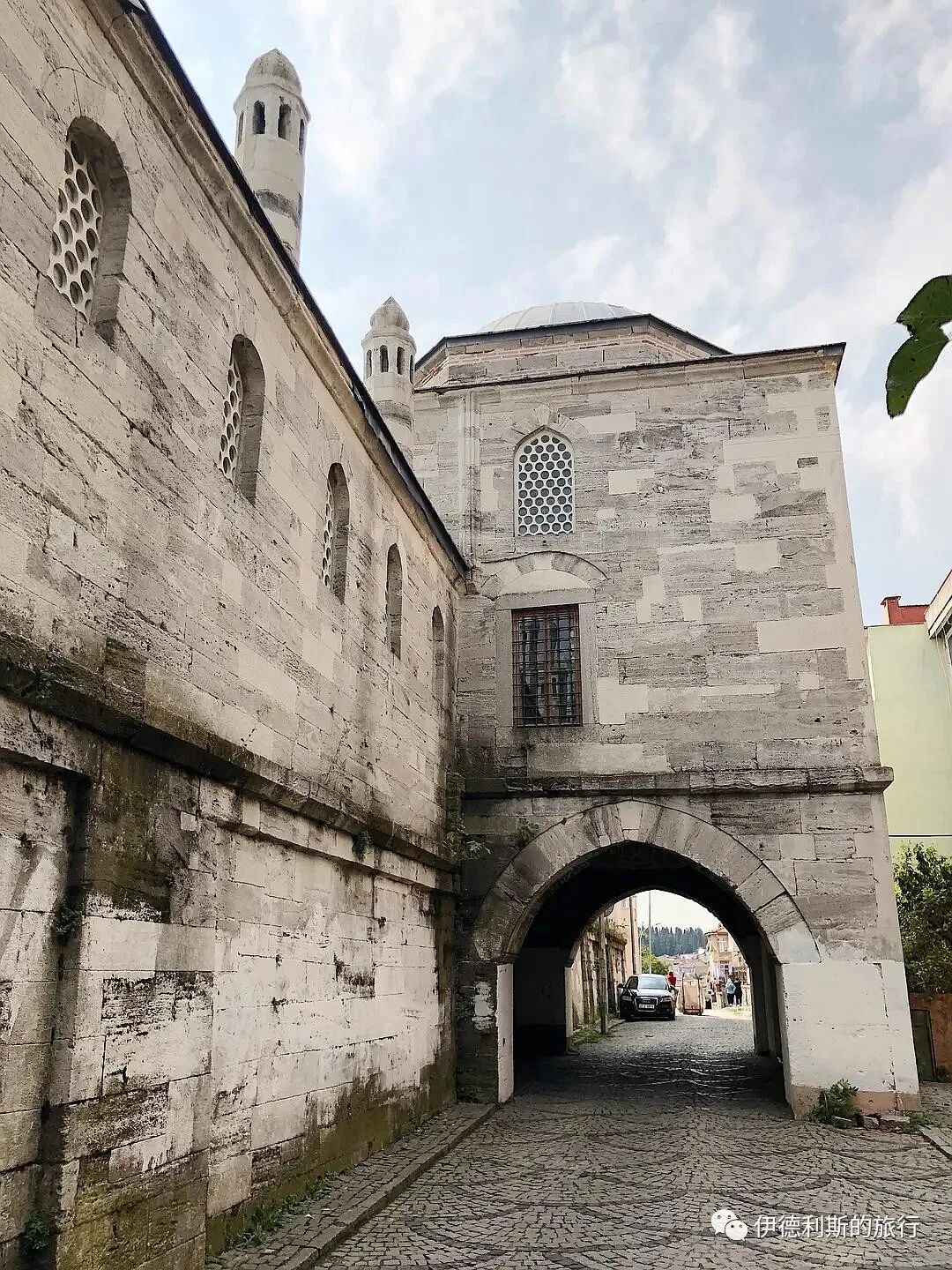
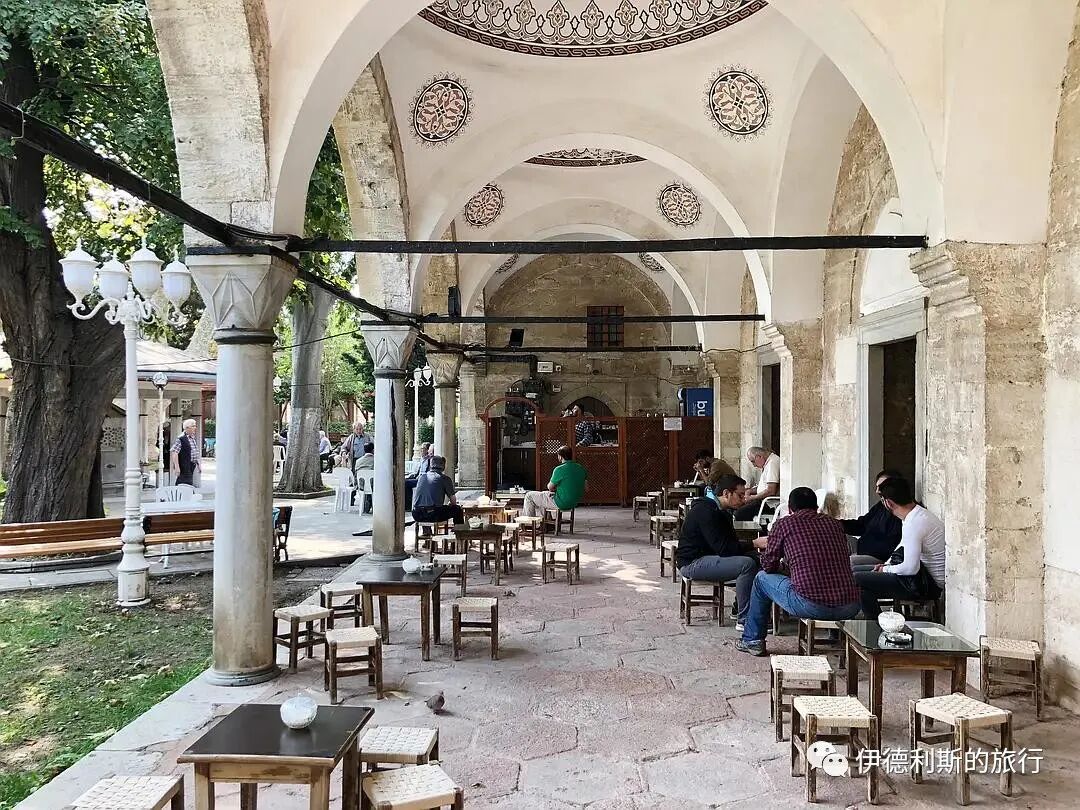
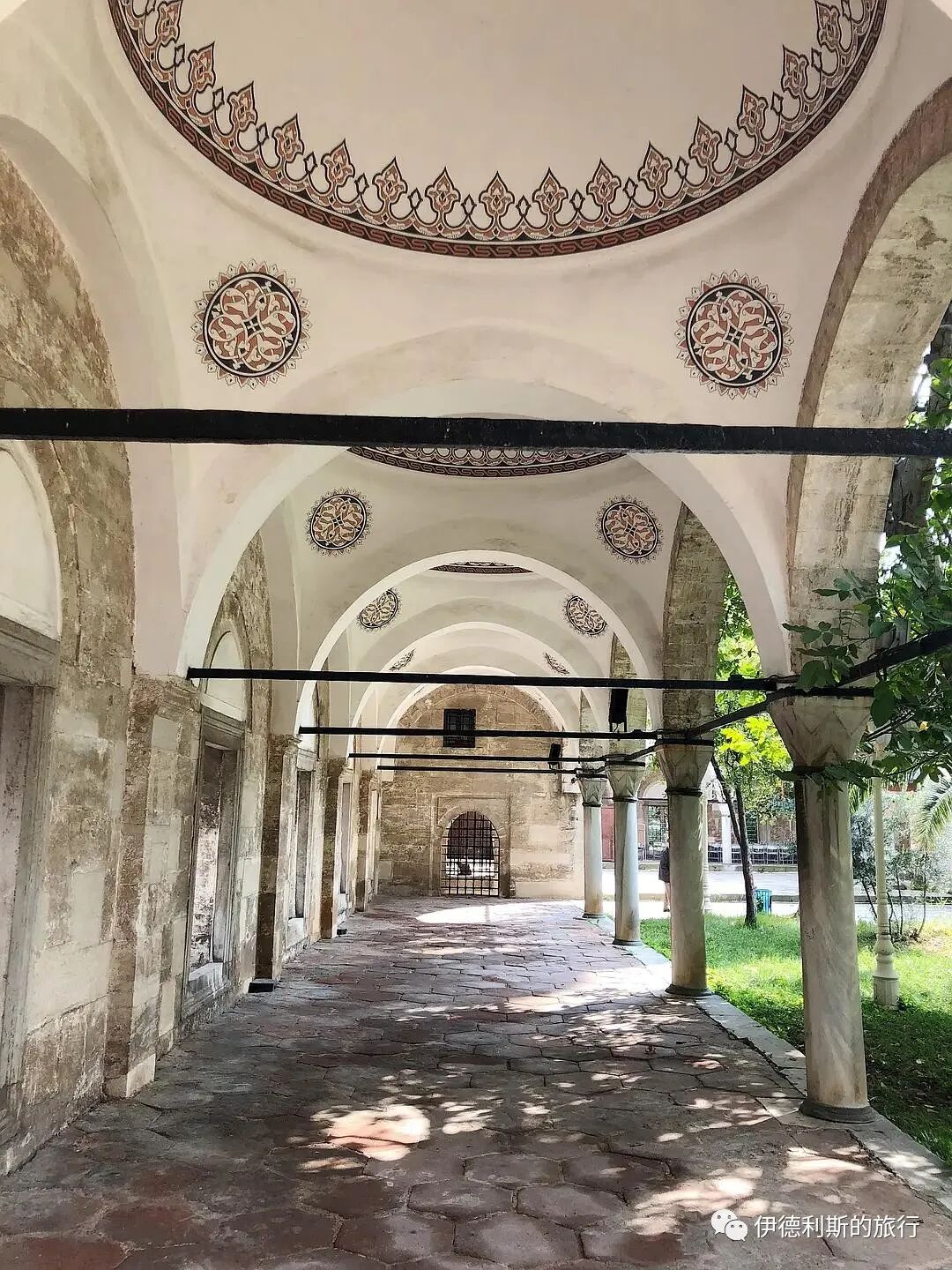
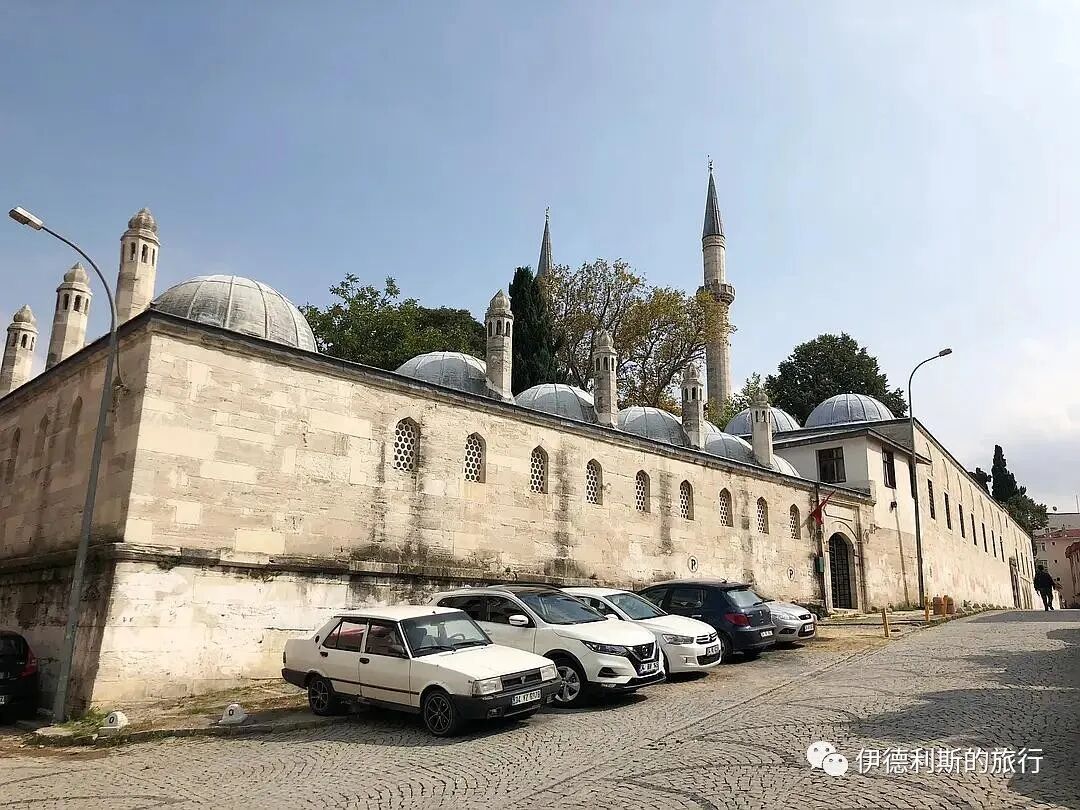
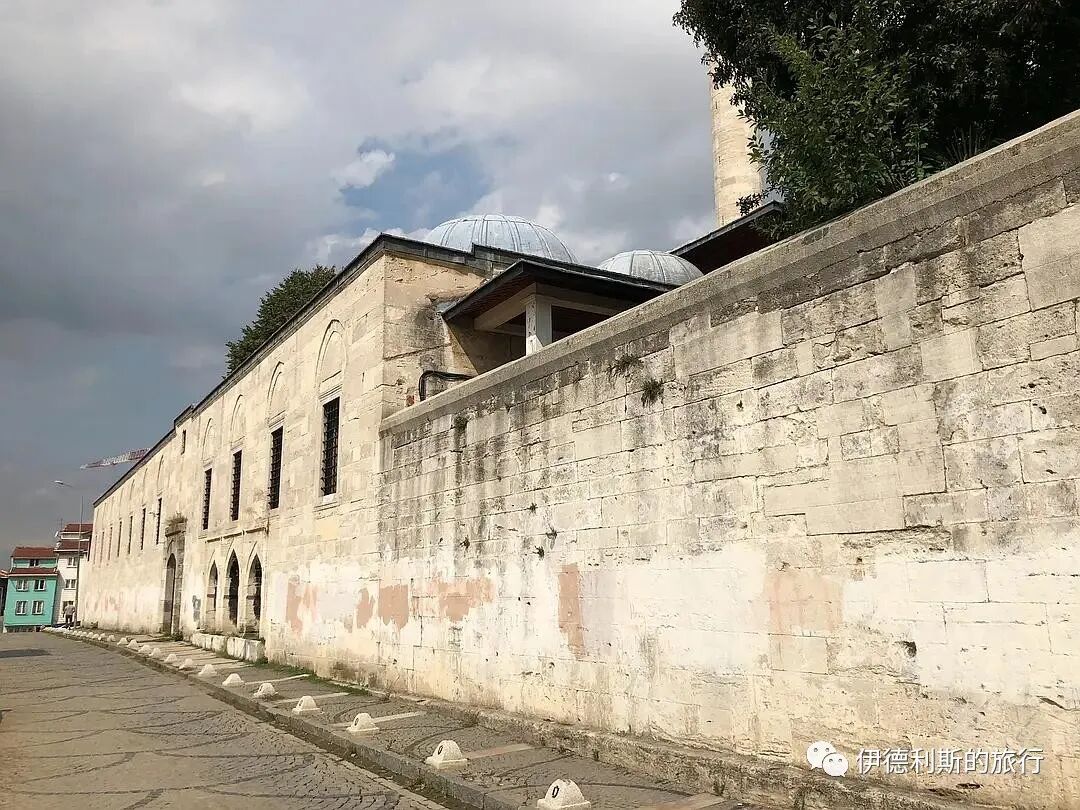
The Sufi lodge (tekke) on the northeast side.
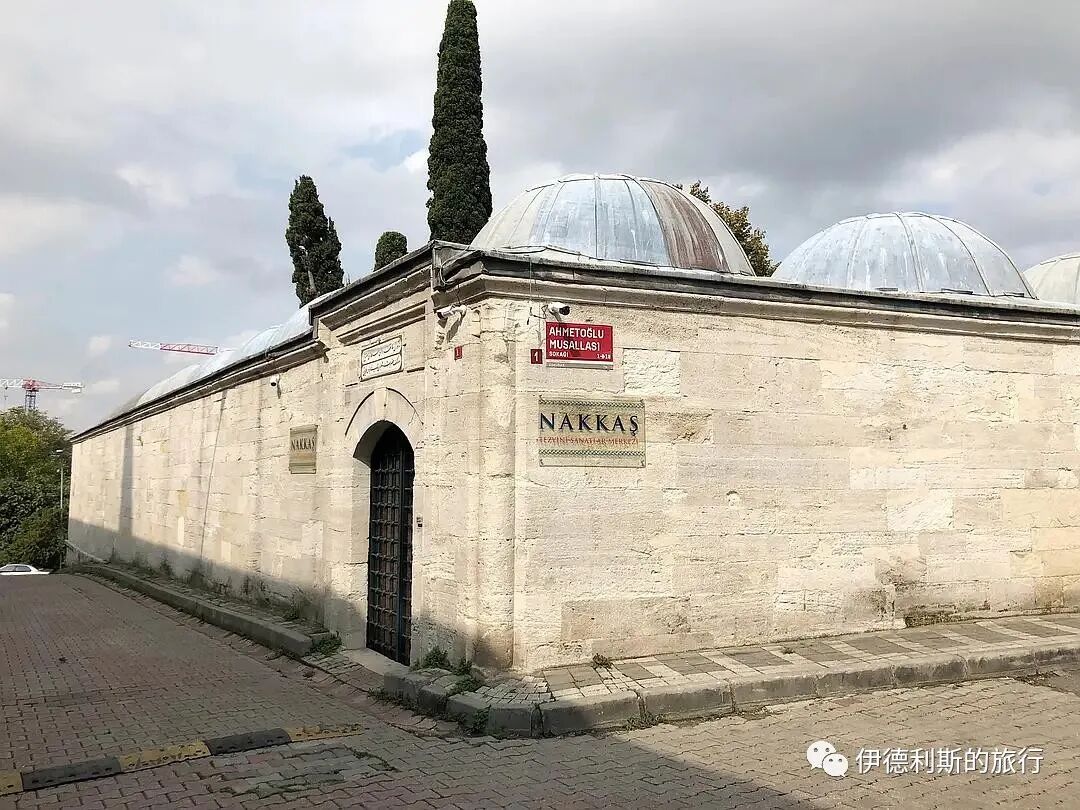
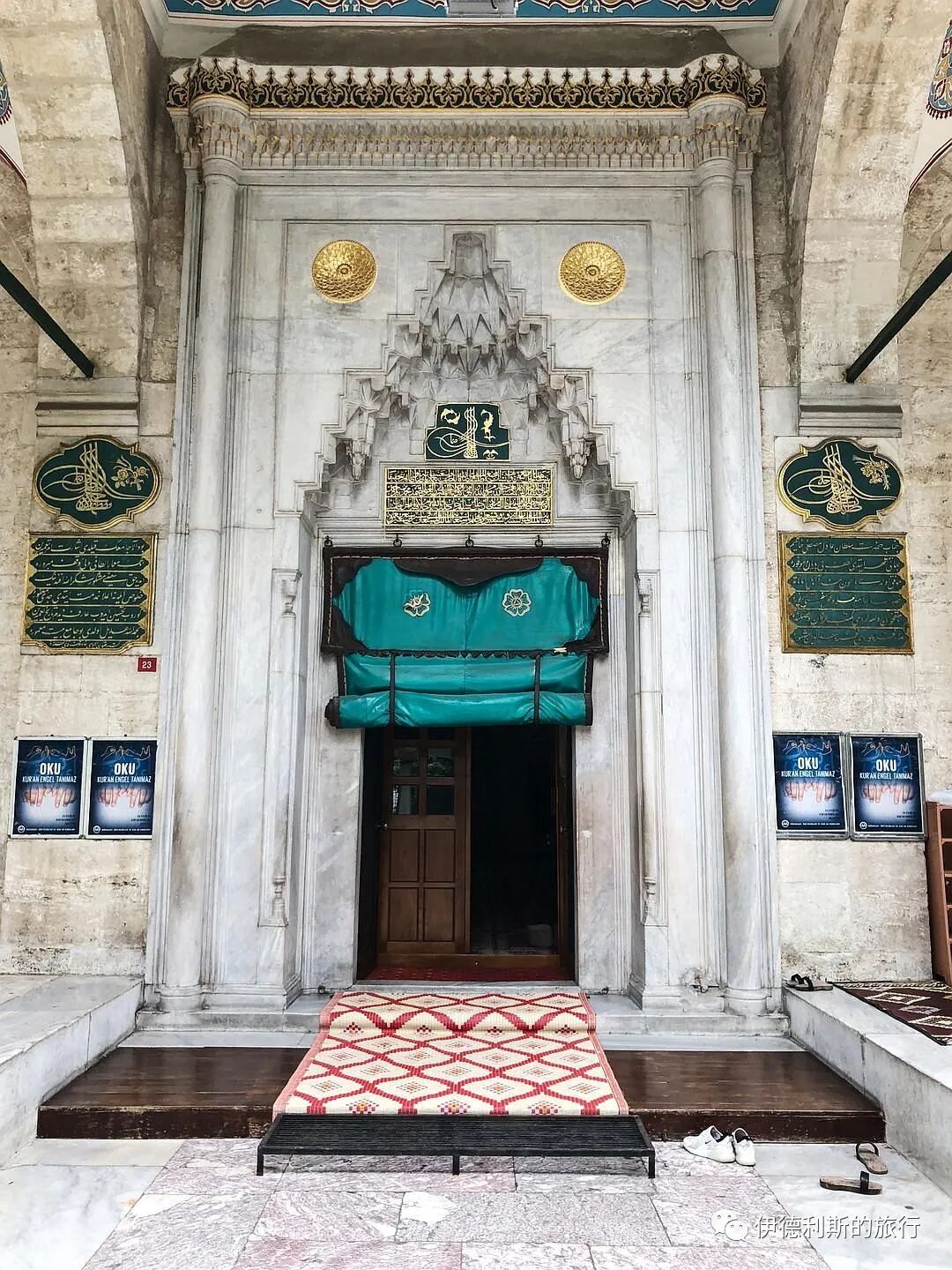
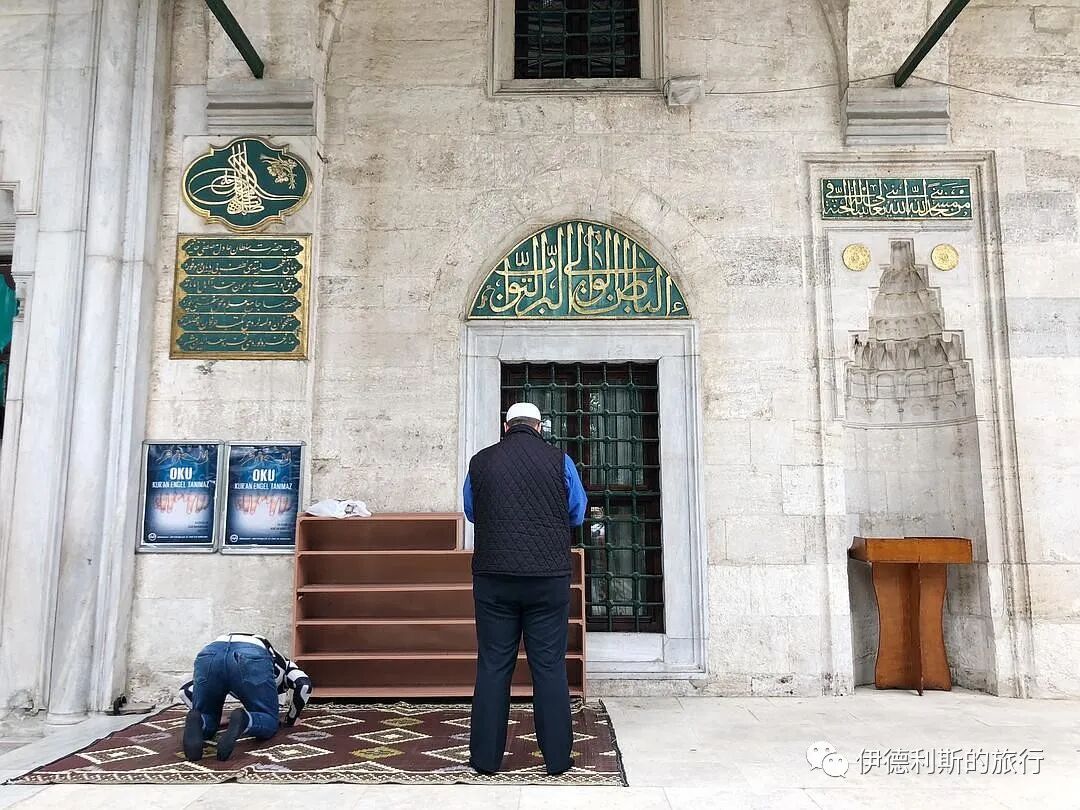
8. Nişancı Mehmet Pasha Mosque: 1584-1589
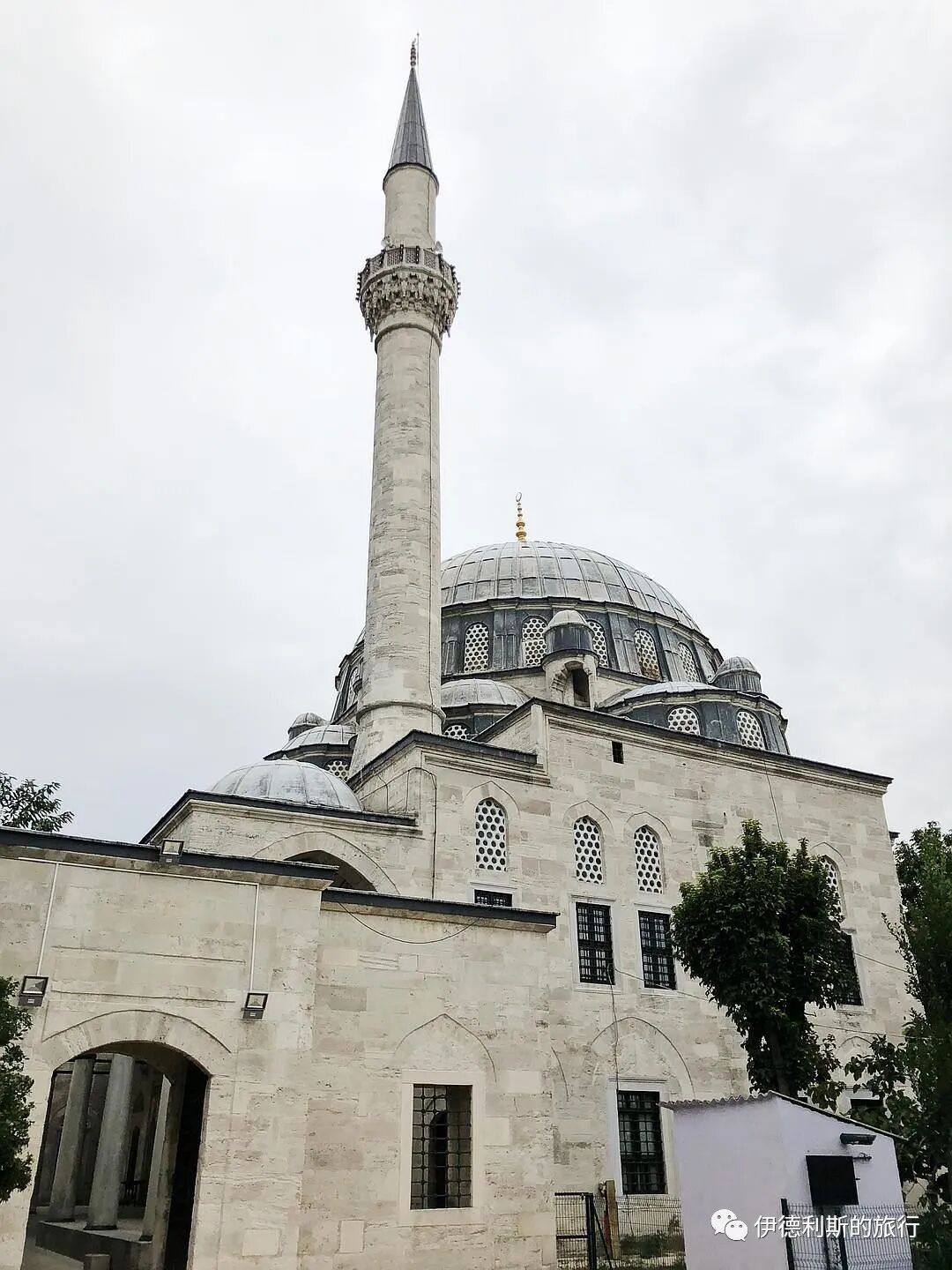
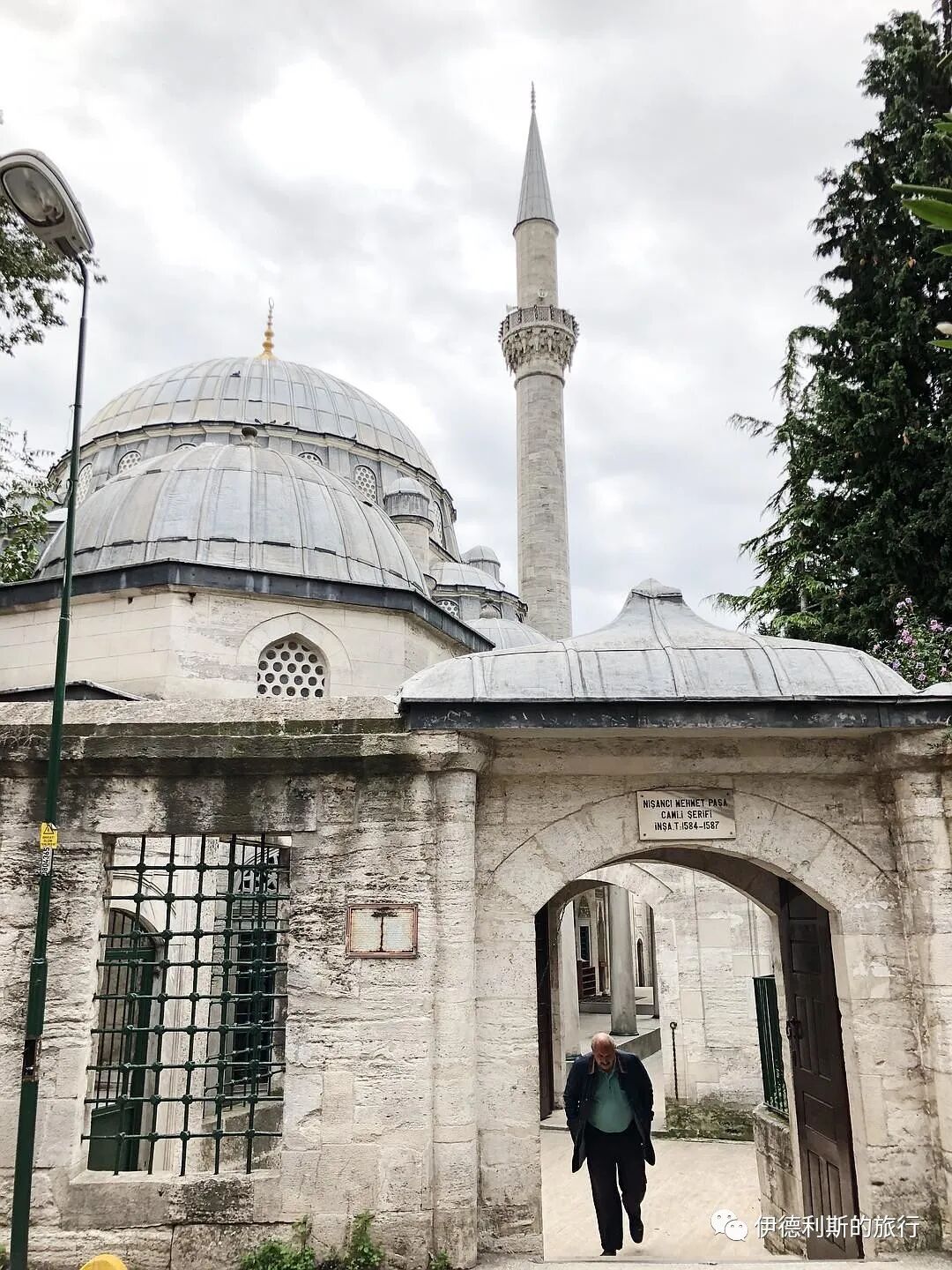
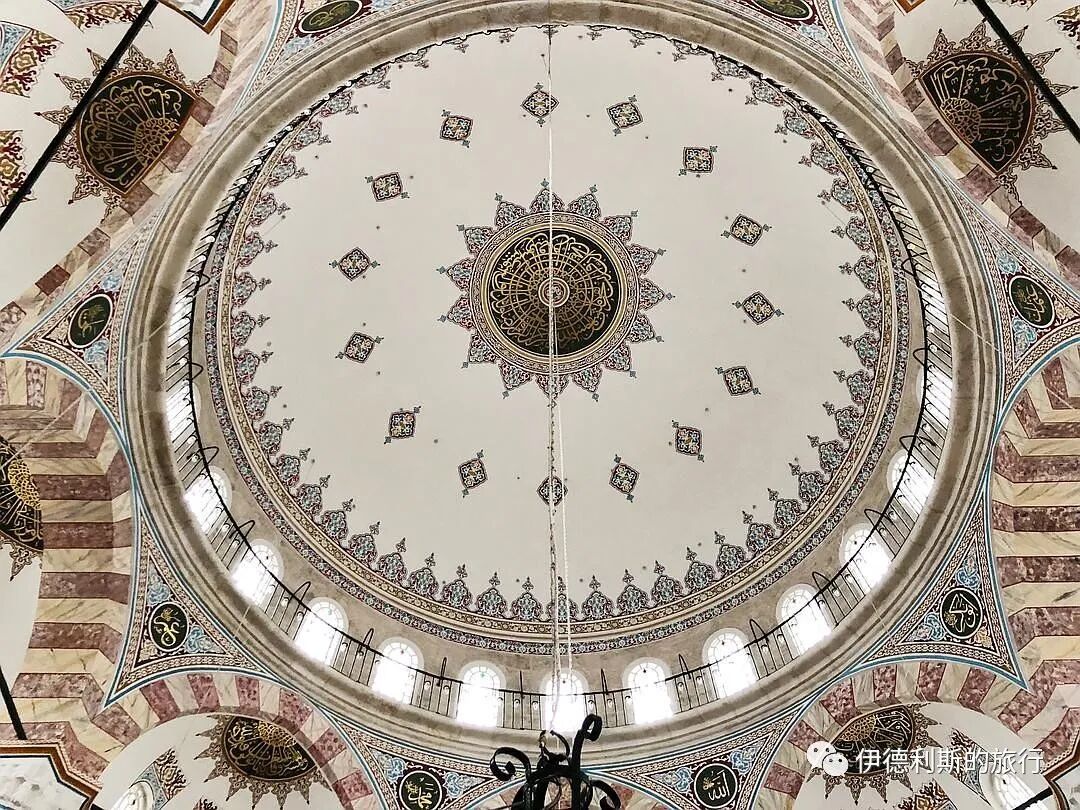
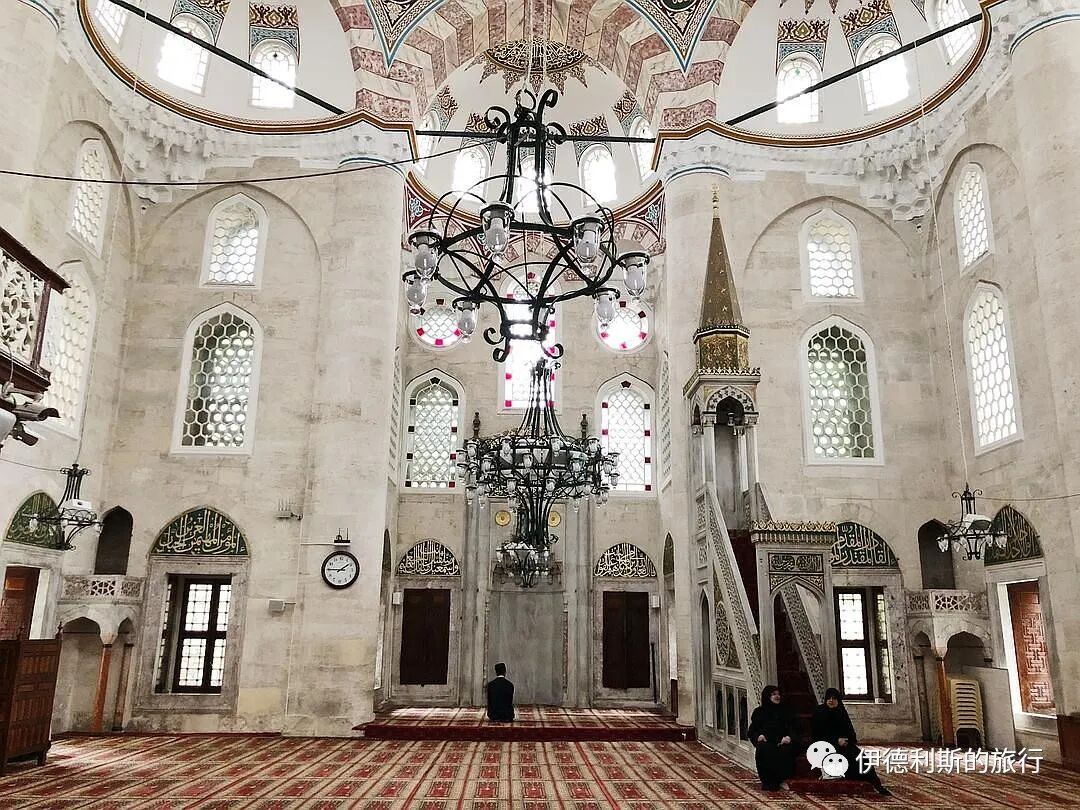
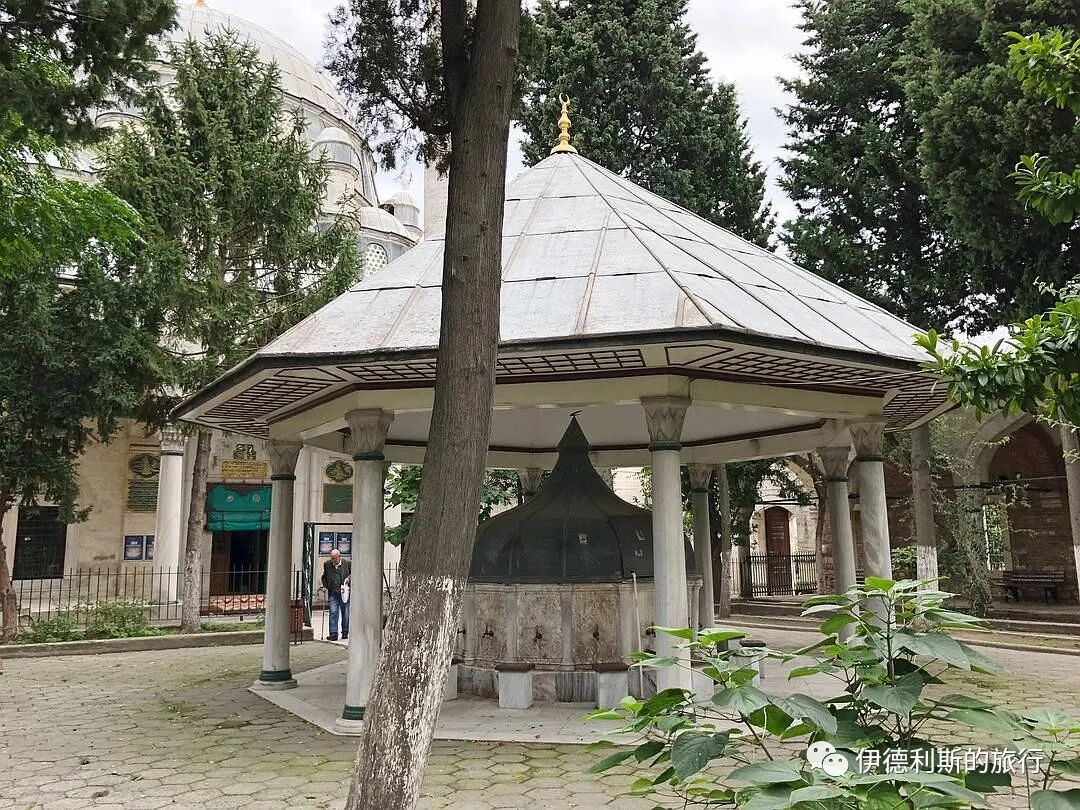
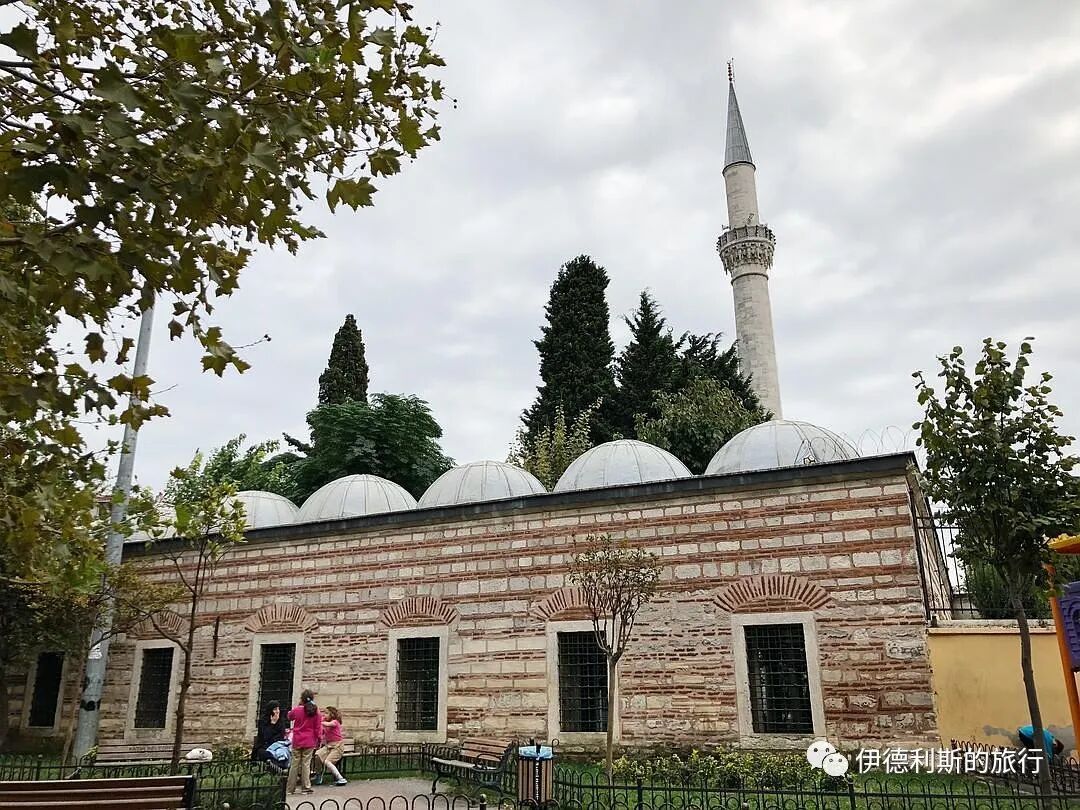
The Nisanci Mehmet Pasha Mosque was built by Mimar Sinan between 1584 and 1589. Some scholars believe this mosque is not Sinan's work but should be credited to his student and successor as royal architect, Davut Ağa, who served from 1588 to 1599. However, if you study the architectural structure carefully, it is clearly a further development of Sinan's octagonal mosque design.
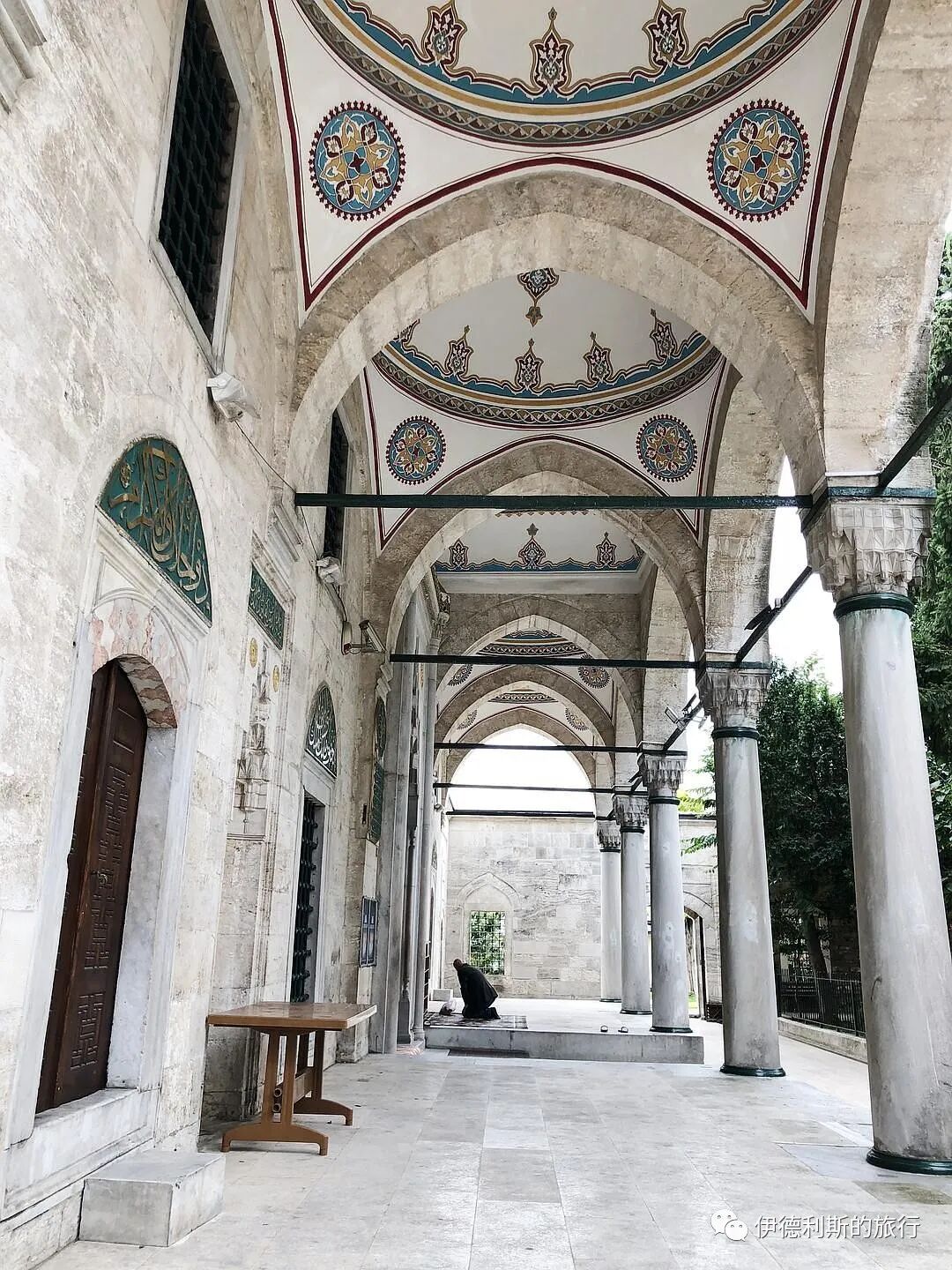
Sinan was nearly 100 years old at the time, and he continued to develop his original design plans. Here, the main hall became a truly unified space, covered by a main dome and a series of semi-domes. Since the main dome is not very large, it is easily supported by the zigzagging walls, which also allows the portico to maintain the harmony of the exterior facade. Unlike many mosques of that time with massive load-bearing walls, Sinan gave these walls a lively appearance. All these features give this mosque an important place among Sinan's works.
9. Zal Mahmut Pasha Complex: 1577-1590
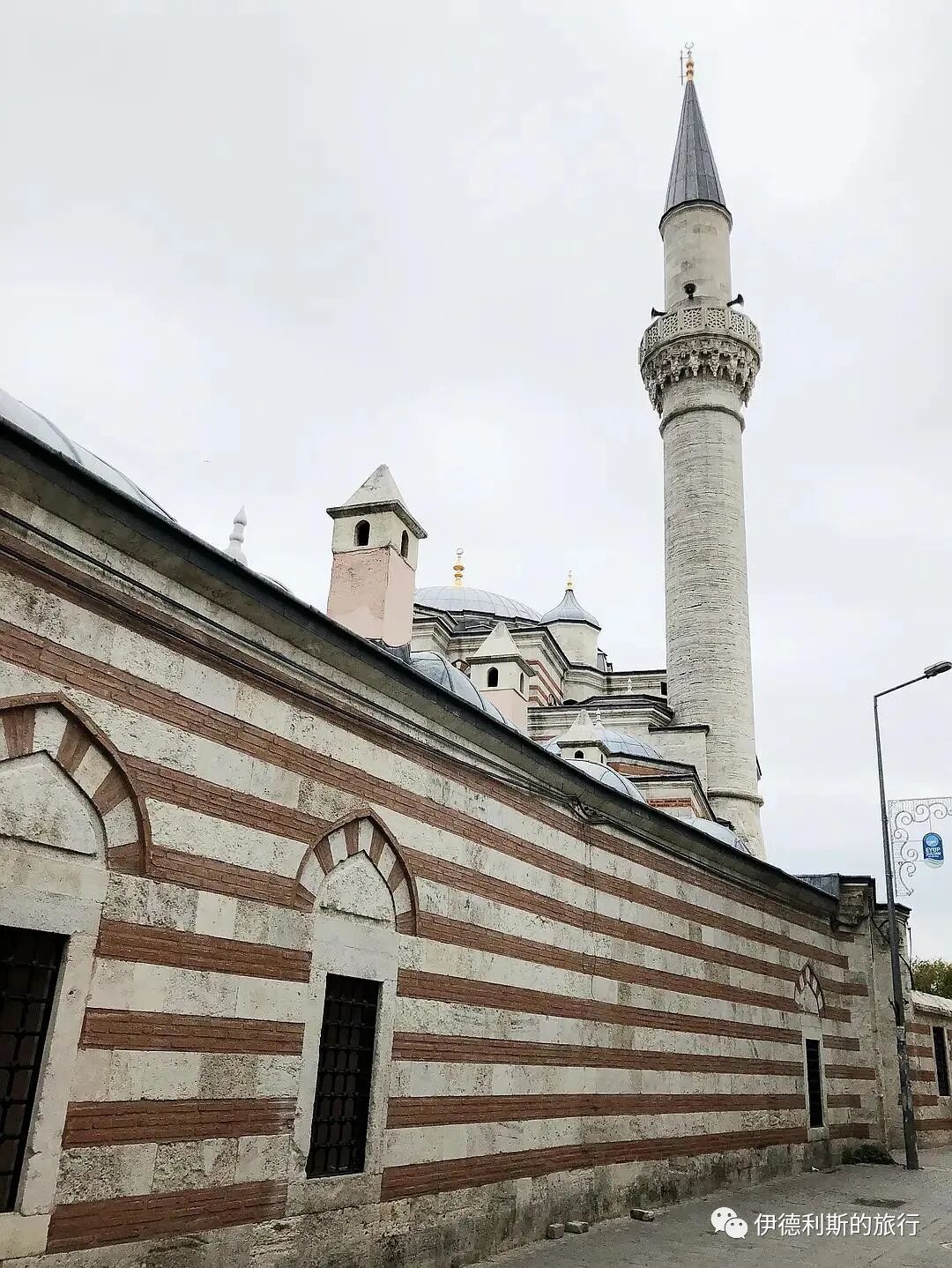
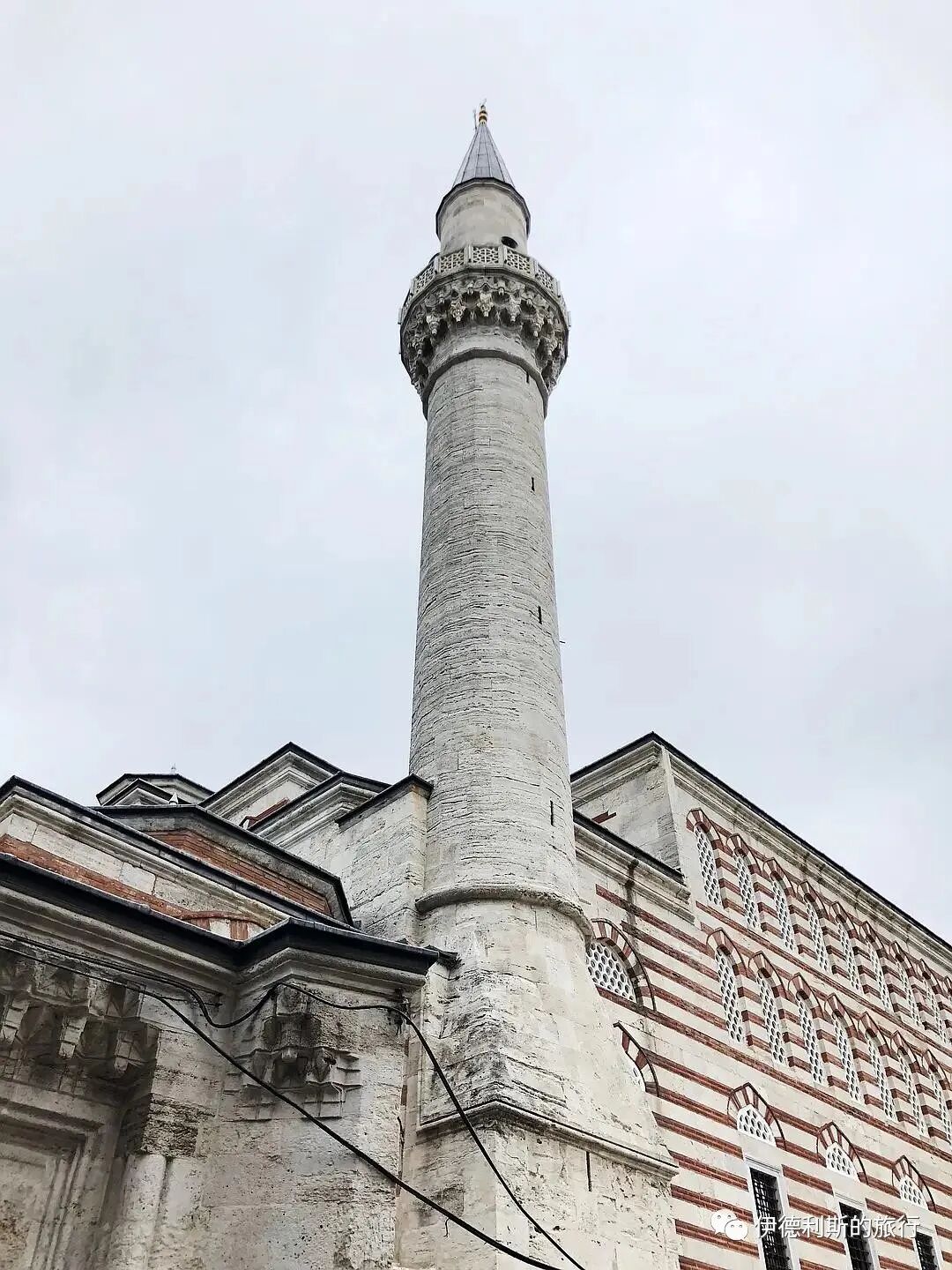
The Zal Mahmud Pasha complex is located in the Eyüp district in the northwest of Istanbul's old city. It was commissioned by Şah Sultan, daughter of Ottoman Sultan Selim II (reigned 1566-1574), and her husband Zal Mahmud Pasha. Mimar Sinan began construction in 1577, and it was completed in 1590, two years after Sinan's death.
The complex is carefully planned on a slope and divided into two separate areas connected by stairs. The upper area contains the mosque and a religious school (madrasa), while the lower area contains another religious school and a tomb (turbe). This layout breaks away from traditional symmetry and feels more dynamic.
The Zal Mahmud Pasha Mosque feels like an original experiment Sinan conducted in his later years. It has no connection to his previous mosque designs and is even visually the complete opposite.
In his earlier designs, Sinan was used to creating a large pyramid effect by layering domes, semi-domes, pendentives, main arches, and galleries. Here, the mosque rises on three sides like a tall prism with a palace-like appearance. Three wide galleries rise to the main arches, which in turn support the dome. In Sinan's previous designs, the main arch was usually decorated with window walls or semi-domes. But here, the main arch has no decoration other than the qibla wall and connects directly to the gallery. This design weakens the visual effect of the dome, and the widening of the space on three sides makes the dome look low enough for people to reach.
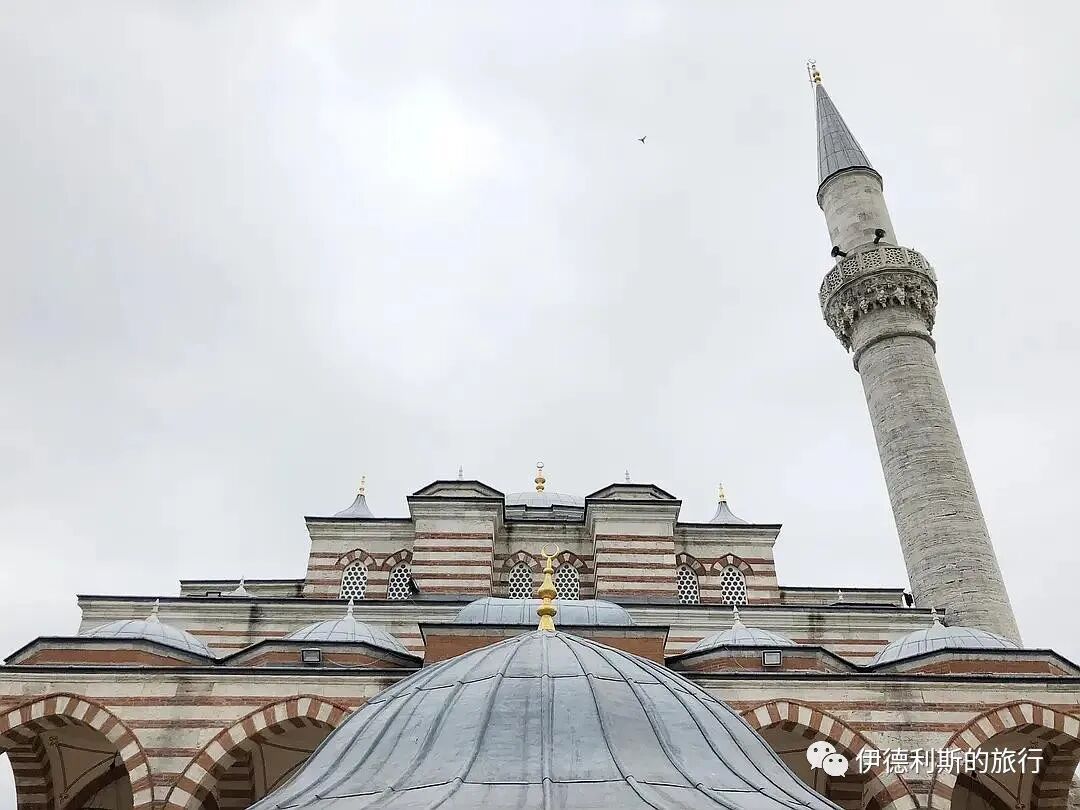
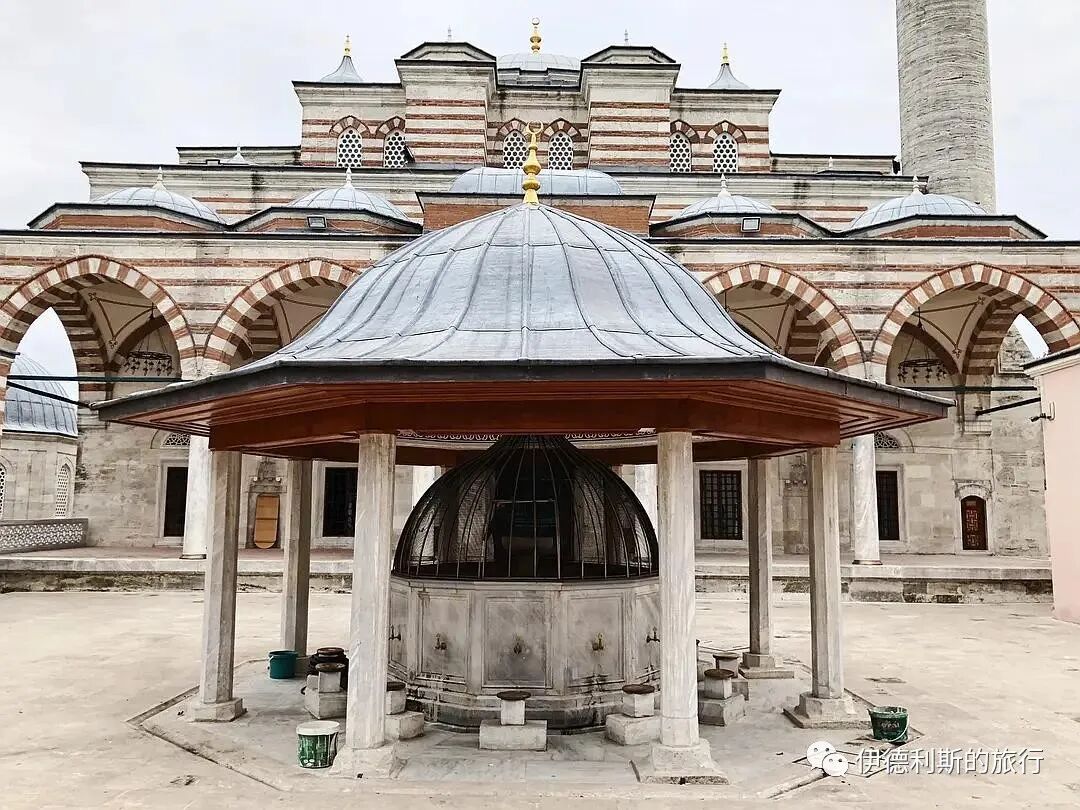
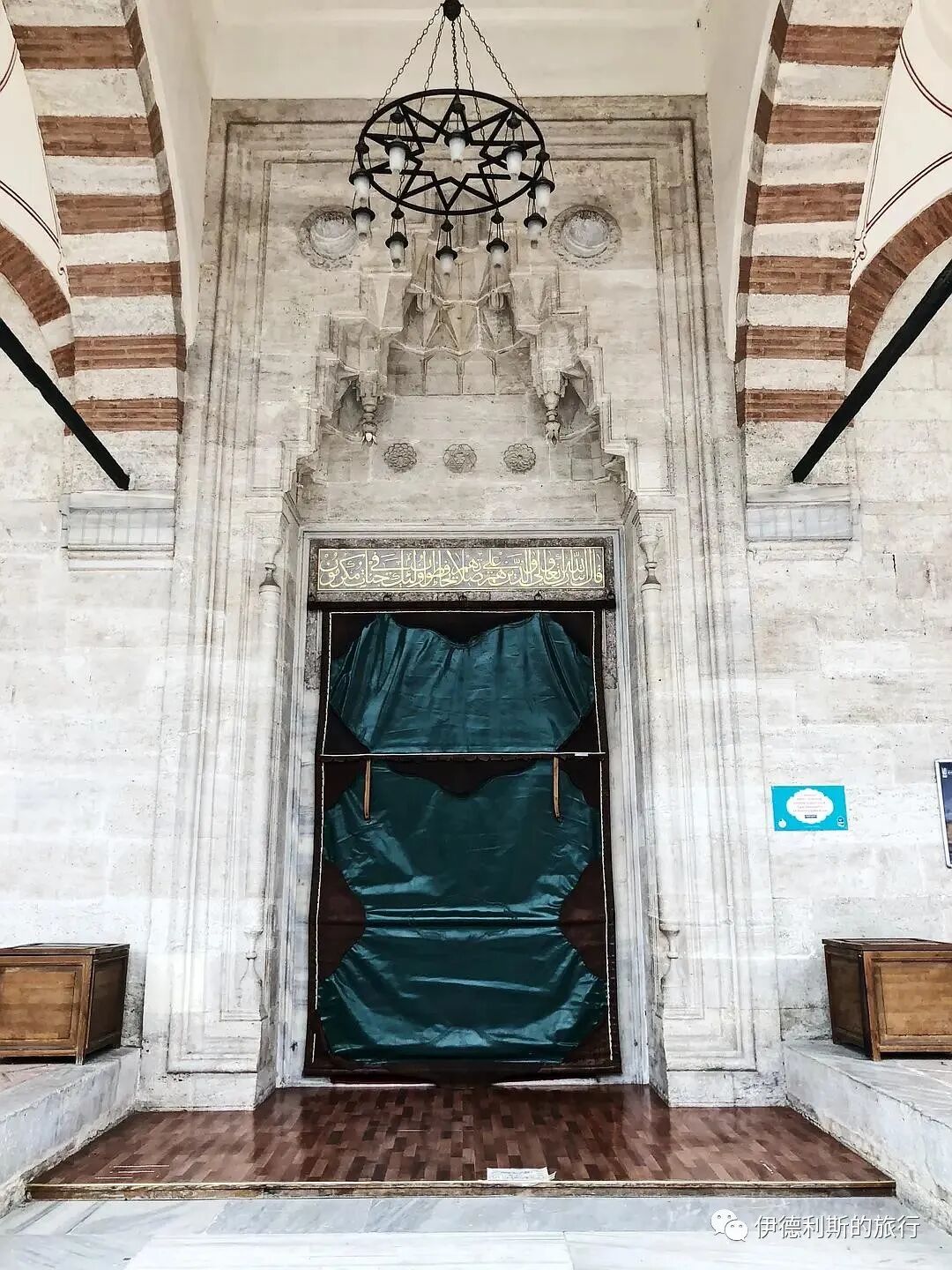
The upper madrasa remains separate from the mosque's gallery, and the auditorium is not on the same axis as the mosque's mihrab. The lower madrasa is designed with a recessed shape to fit the street layout, and the rooms vary in size.
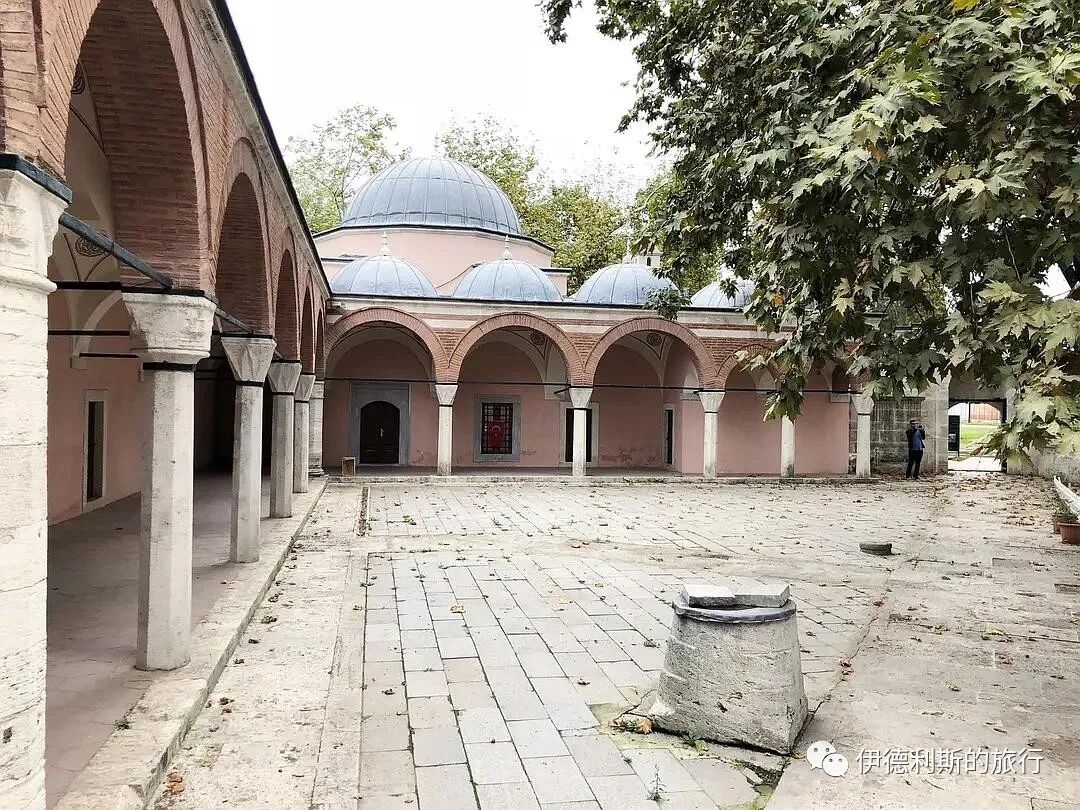
The tomb of Sah Sultan and Zal Mahmud Pasha has an octagonal exterior and a square interior. Both died in 1577 and did not live to see the complex completed.
Ottoman Architecture Guide: Mimar Sinan — Mature Works (Part 1)
Articles • ali2007fr posted the article • 0 comments • 143 views • 2026-05-18 06:13
Summary: Ottoman Architecture Guide: Mimar Sinan — Mature Works is presented here as a firsthand travel account in clear English, beginning with this scene: In our last article, The Great Ottoman Architect Mimar Sinan (Part 1): Growing Up, we talked about how the great Ottoman architect Mimar Sinan (1488/1490-1588) started building his first complex in Istanbul in 1539. The account keeps its focus on Mimar Sinan, Ottoman Architecture, Istanbul Mosques while preserving the names, places, food, and historical details from the Chinese source.
In our last article, The Great Ottoman Architect Mimar Sinan (Part 1): Growing Up, we talked about how the great Ottoman architect Mimar Sinan (1488/1490-1588) started building his first complex in Istanbul in 1539. He gradually innovated within traditional Ottoman architectural forms to develop his own style. In this article, we will enter the second stage of Mimar Sinan's creative career. During the twenty years from the mid-1550s to the mid-1570s, Mimar Sinan led the Ottoman Empire's top and largest architectural team to create many masterpieces. Among them, the Suleymaniye Mosque (Süleymaniye Camii), which took seven years to complete, is hailed as Mimar Sinan's most important work and remains a landmark of Istanbul today.
Next, I will share the 8 buildings constructed by Mimar Sinan between 1557 and 1574 that I visited in Istanbul in 2018. You can go and experience them when you travel to Istanbul.
Table of Contents
1. Suleymaniye Complex: 1550-1557
1. Suleymaniye Mosque
2. Bathhouse
3. Hospital, public canteen, and hostel
4. Salis and Rabi madrasas
5. Medical school, Evvel madrasa, Sani madrasa, and primary school
6. Hadith school
7. Mausoleum and Quran school
II. Caferağa Madrasa: 1560
III. Sokollu Mehmed Pasha Complex (Kadırga): 1567-1572
IV. Mihrimah Sultan Complex: 1563-1570
5. Sokullu Mehmed Pasha Complex (Eyüp): 1569
6. Tomb of Pertev Mehmed Pasha: 1574
7. Kara Ahmed Pasha Complex: 1572
8. Mimar Sinan Mosque: 1573
1. Suleymaniye Complex: 1550-1557
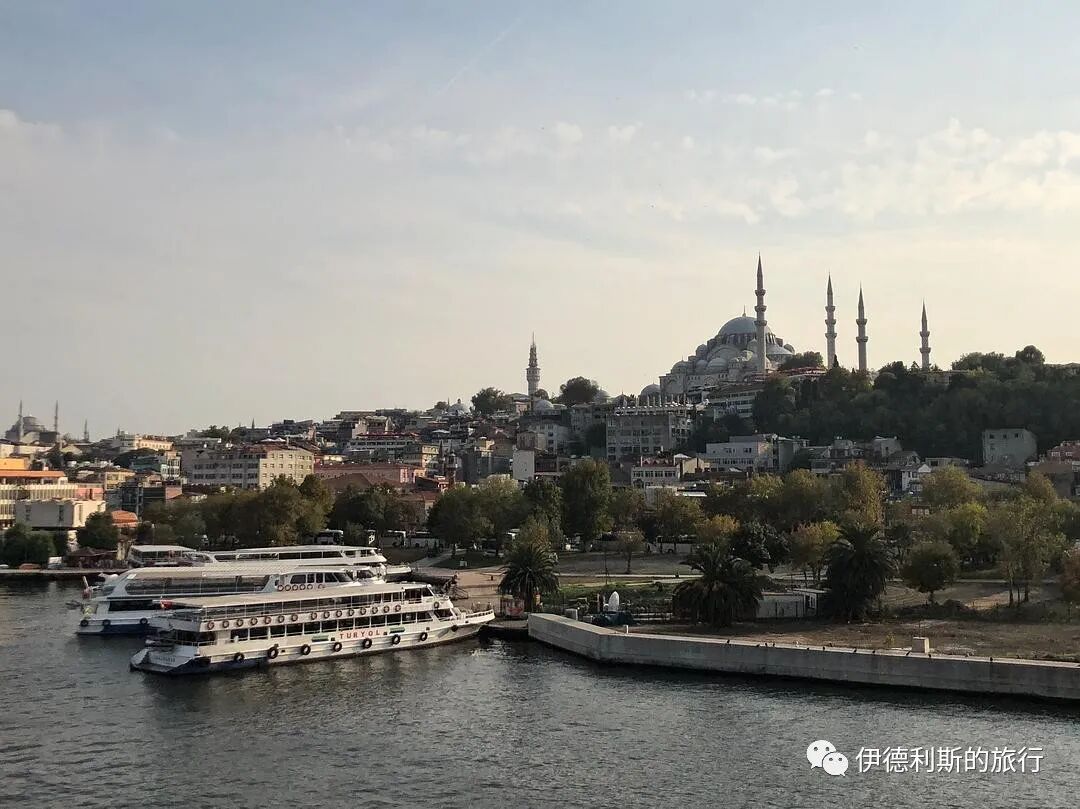
The Suleymaniye Complex (Süleymaniye Külliyesi) was commissioned by the Ottoman Sultan Suleiman the Magnificent (reigned 1520-1566) and built by Mimar Sinan. It sits on the third hill of Istanbul and is a key part of the old city skyline.
The entire complex includes a mosque, four madrasas, a school for hadith, a primary school, a hospital (Darüşşifa), a bathhouse (Hamam), a caravanserai, a medical school, a public kitchen, shops, and the tombs of Suleiman the Magnificent and his queen. Mimar Sinan made great use of the terrain. He used terraces and walls to bring all the buildings together, creating a grand complex centered around the towering mosque.
1. Suleymaniye Mosque
The Suleymaniye Mosque (Süleymaniye Camii) is the center of the entire complex. It took seven years to build from 1550 to 1557, though it was not officially finished until 1558.
The mosque was damaged in a fire in 1660 and later repaired by Sultan Mehmed IV, who reigned from 1648 to 1687. Part of the mosque's dome collapsed during an earthquake in 1766, and the repairs that followed ruined the original decorations by Sinan. During World War I, the mosque was used as an ammunition depot. A fire caused by the ammunition destroyed almost all of the original interior decorations from the time of Mimar Sinan. It was not fully repaired again until 1956.
(1) Exterior
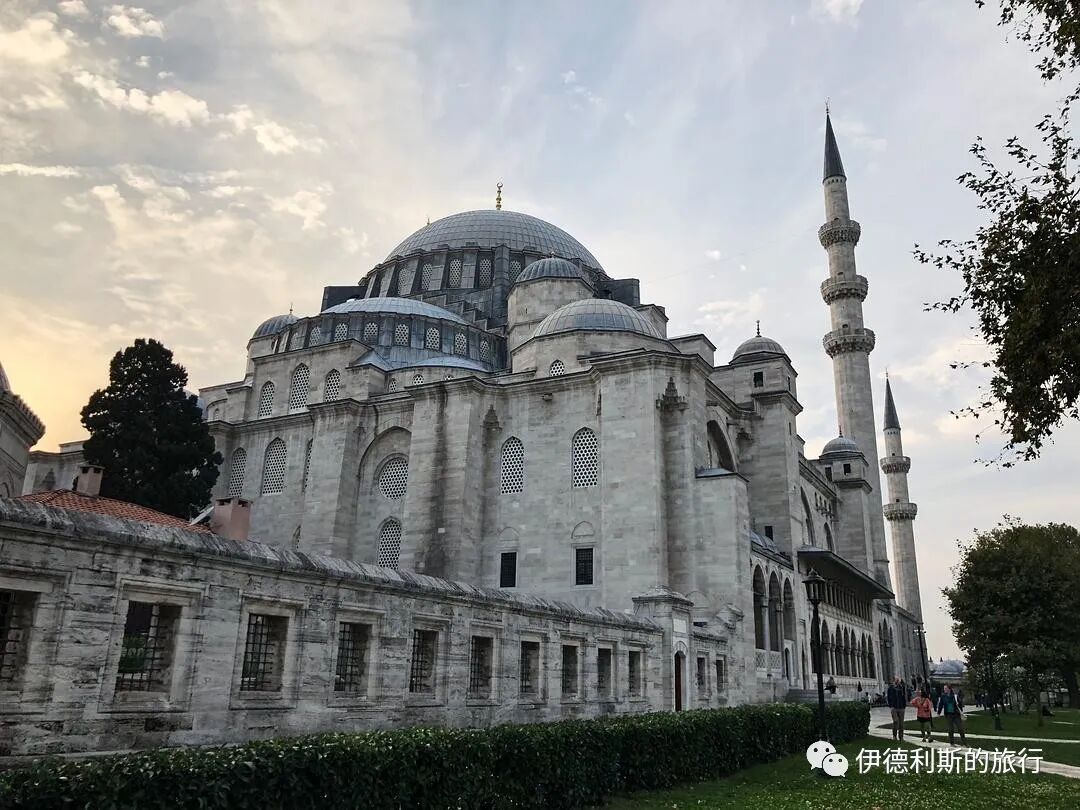
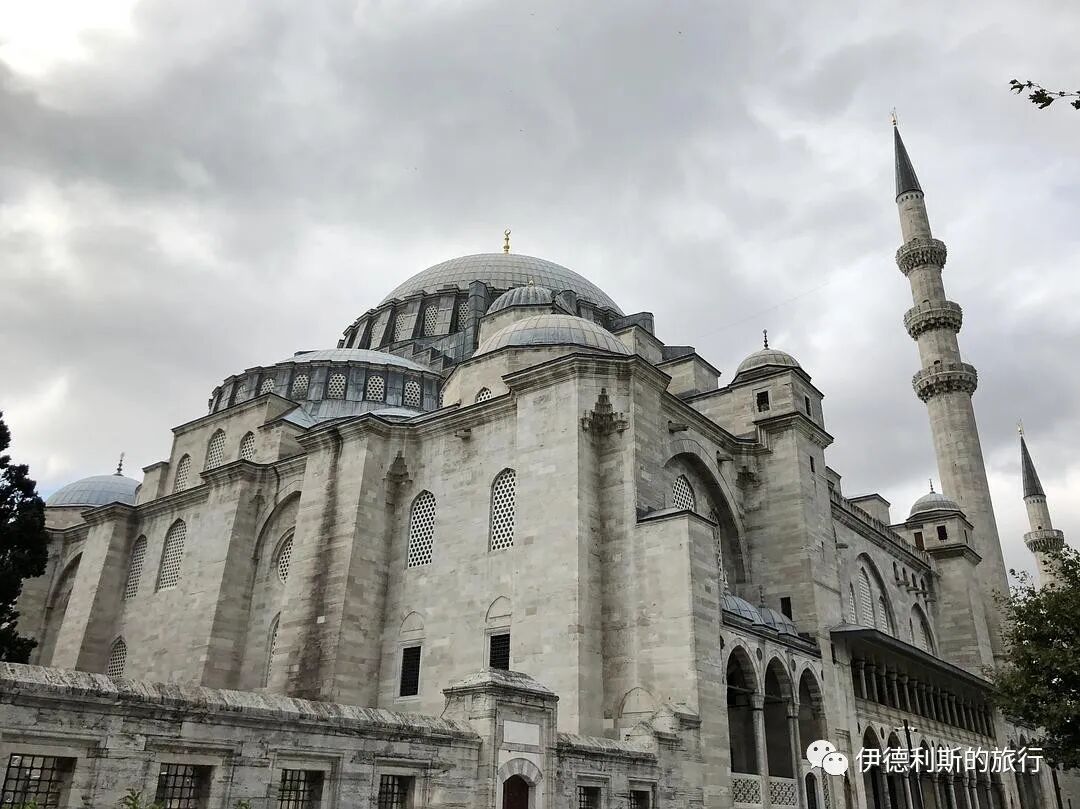
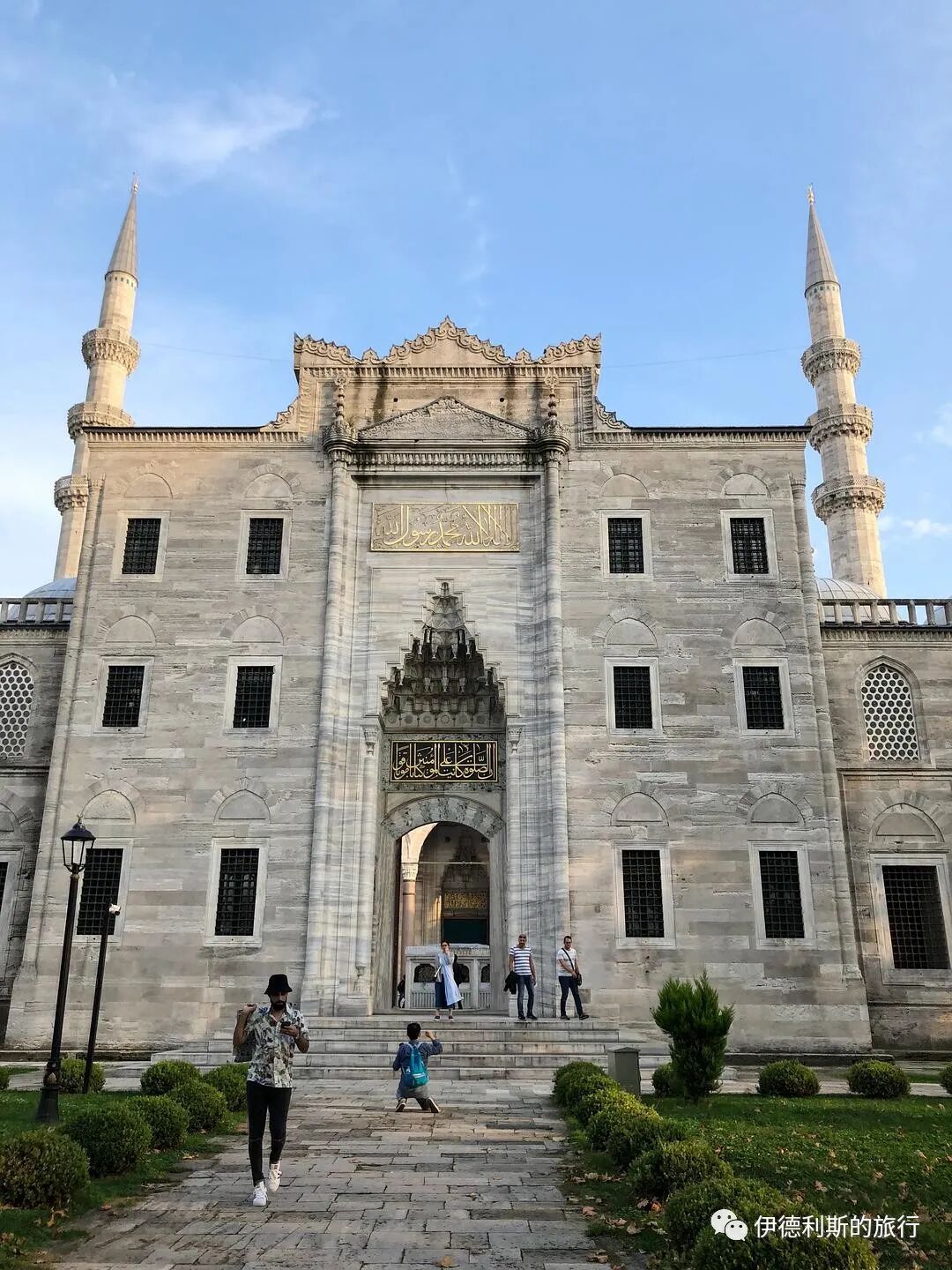
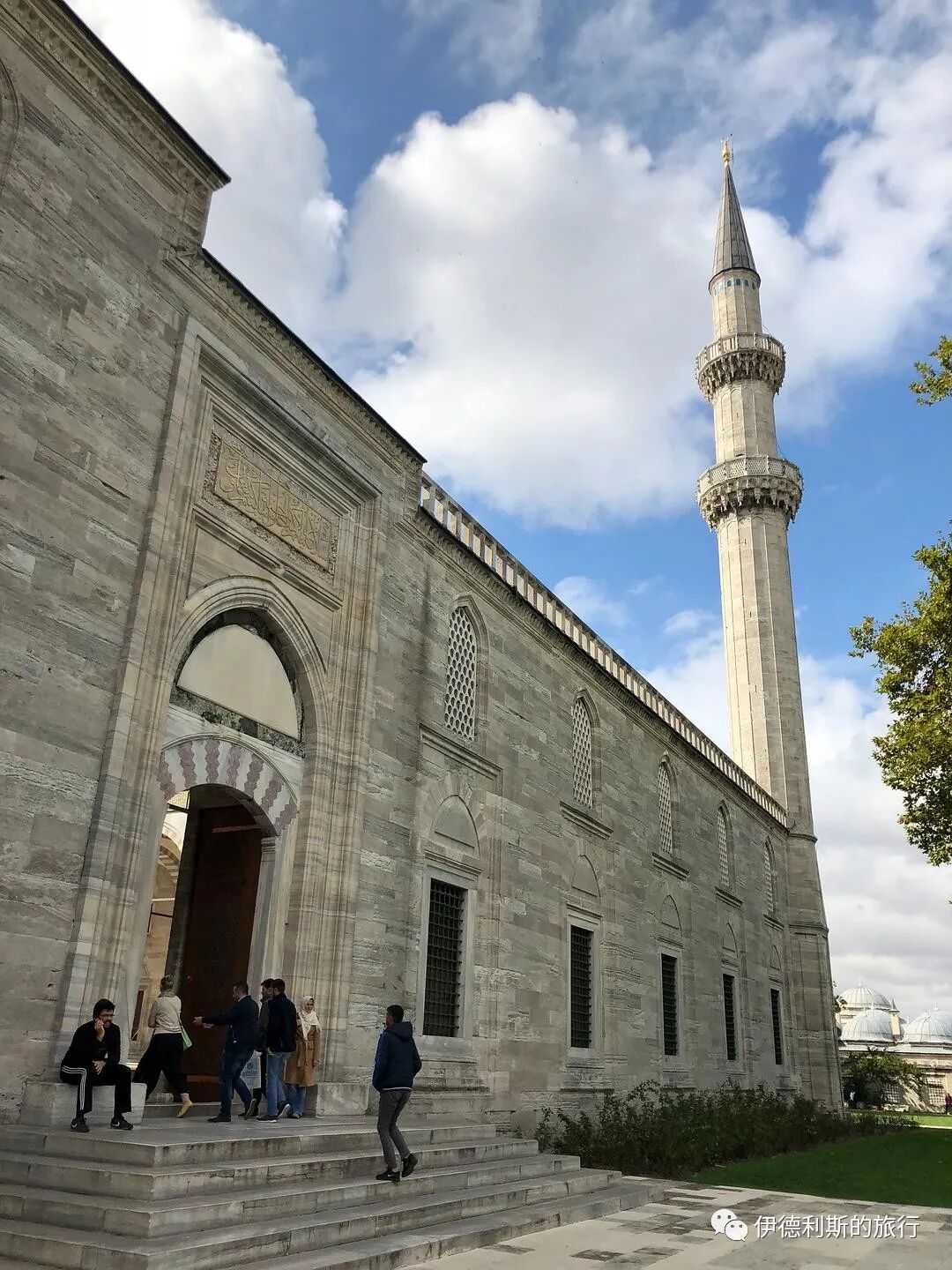
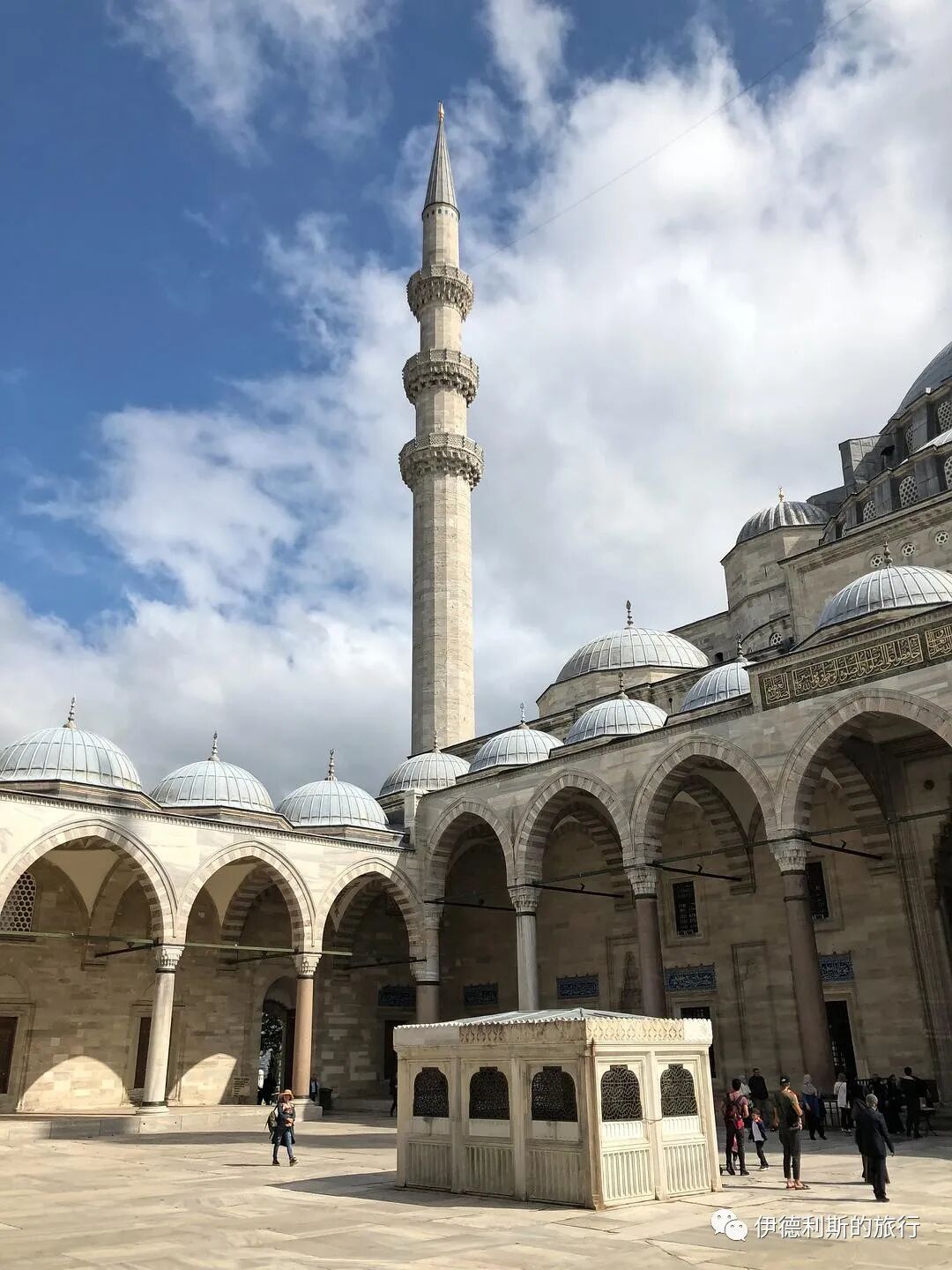
The Suleymaniye Mosque is the largest square-based, semi-domed mosque in the career of Mimar Sinan. Its main dome is 53 meters high, making it the tallest dome in the Ottoman Empire at that time. There are two semi-domes under the main dome. This style is similar to the Hagia Sophia and the Bayezid II Mosque (Beyazıt Camii), which was built between 1501 and 1506. Suleiman the Magnificent wanted to build a structure that surpassed the Hagia Sophia. Because of this, the Suleymaniye Mosque shares a similar design style with the Hagia Sophia, but it is better in its use of space and the logic of its weight-bearing system.
For the mosque's design, Mimar Sinan continued the bold innovations he used earlier at the Sehzade Mosque (1543-1548). He built porches along the walls on both sides of the main hall to hide the massive buttresses that support the dome. This design softens the building's flanks and makes the exterior facade much more beautiful.
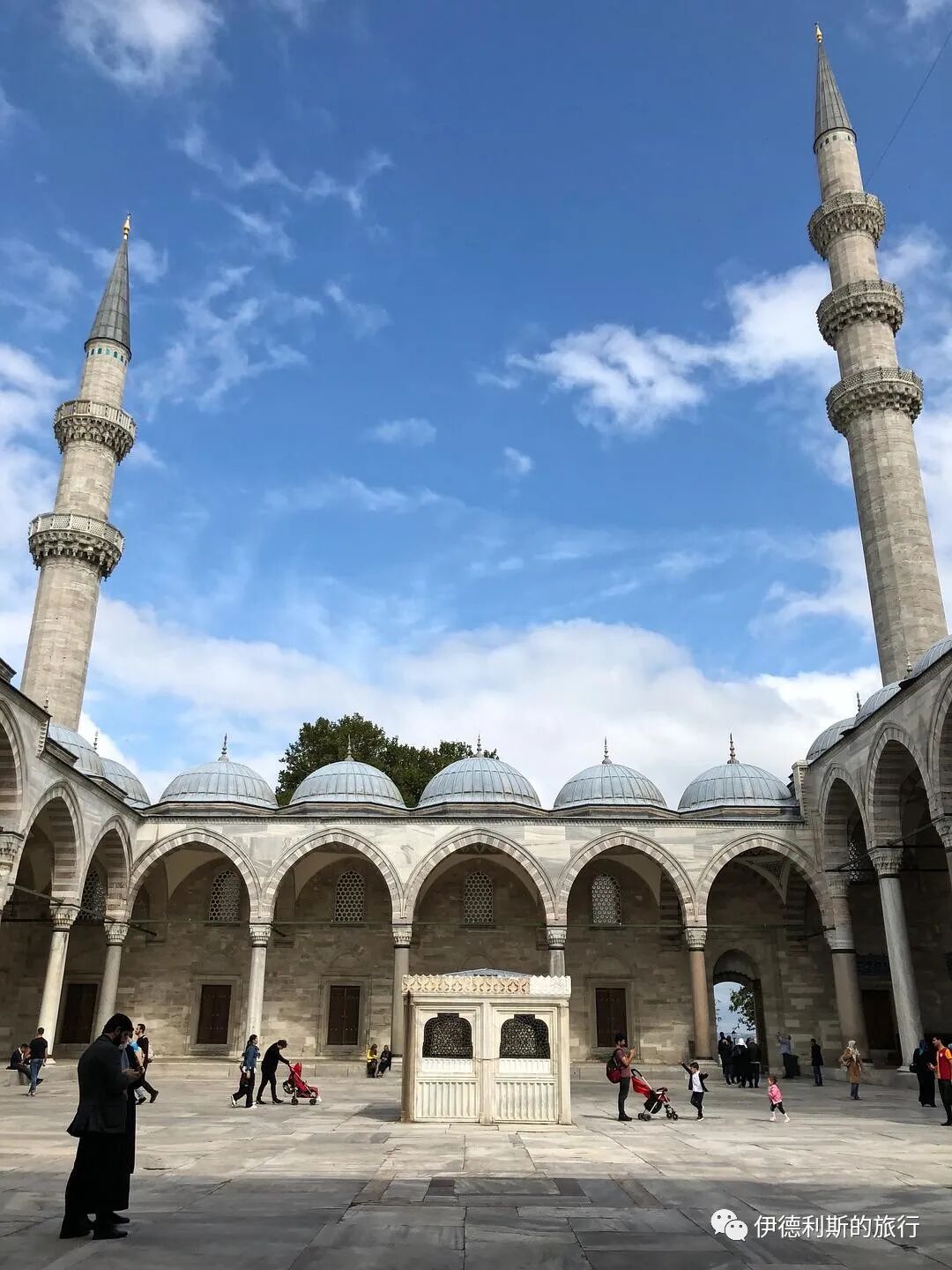
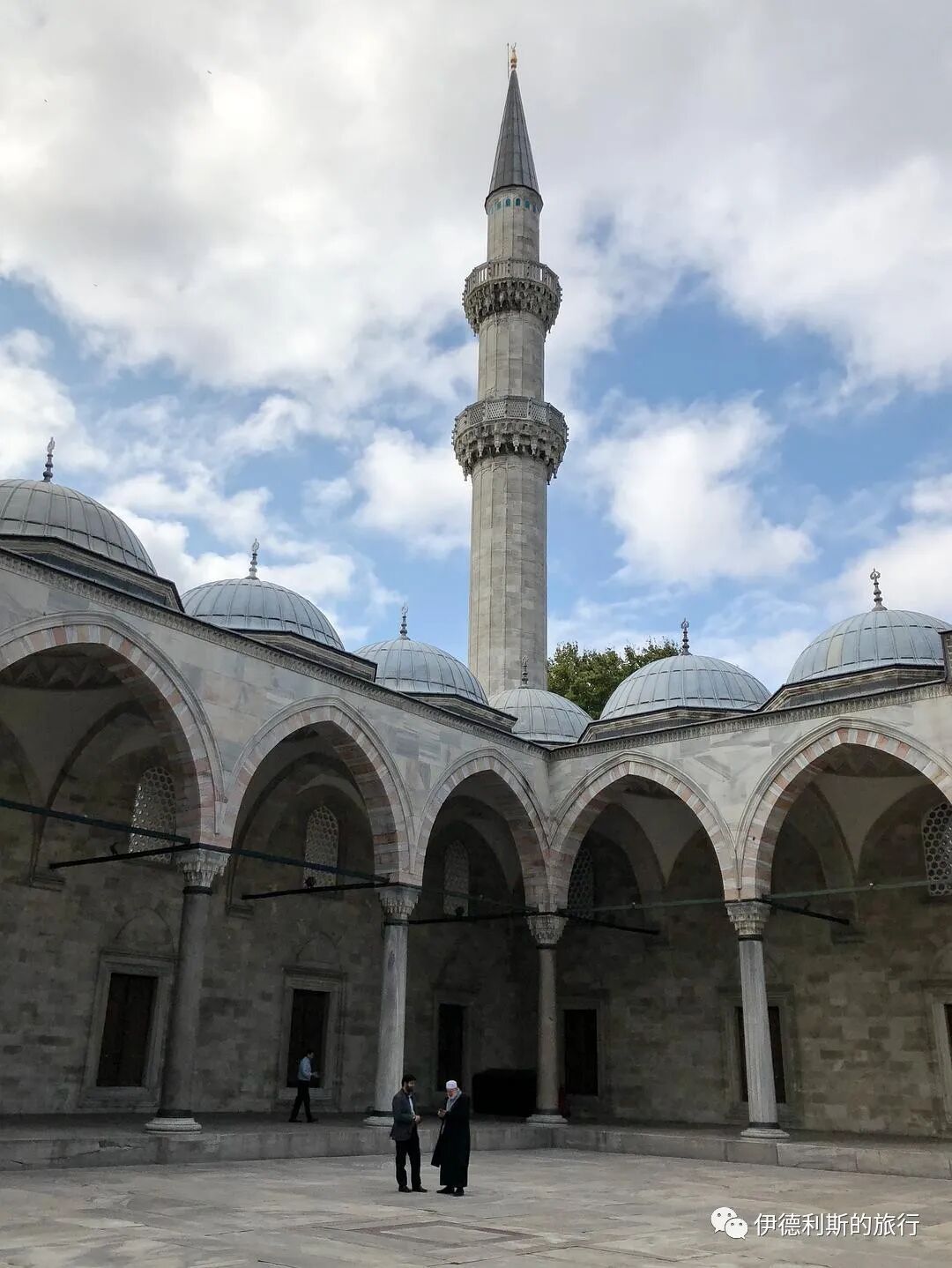
The mosque has four minarets at its corners. Two are 76 meters tall and two are 56 meters tall, a privilege reserved only for the Sultan. In the Ottoman Empire, princes and princesses could build two minarets, while everyone else was limited to one. The four minarets have a total of 10 balconies. It is said this shows that Suleiman the Magnificent was the 10th ruler of the Ottoman Empire.
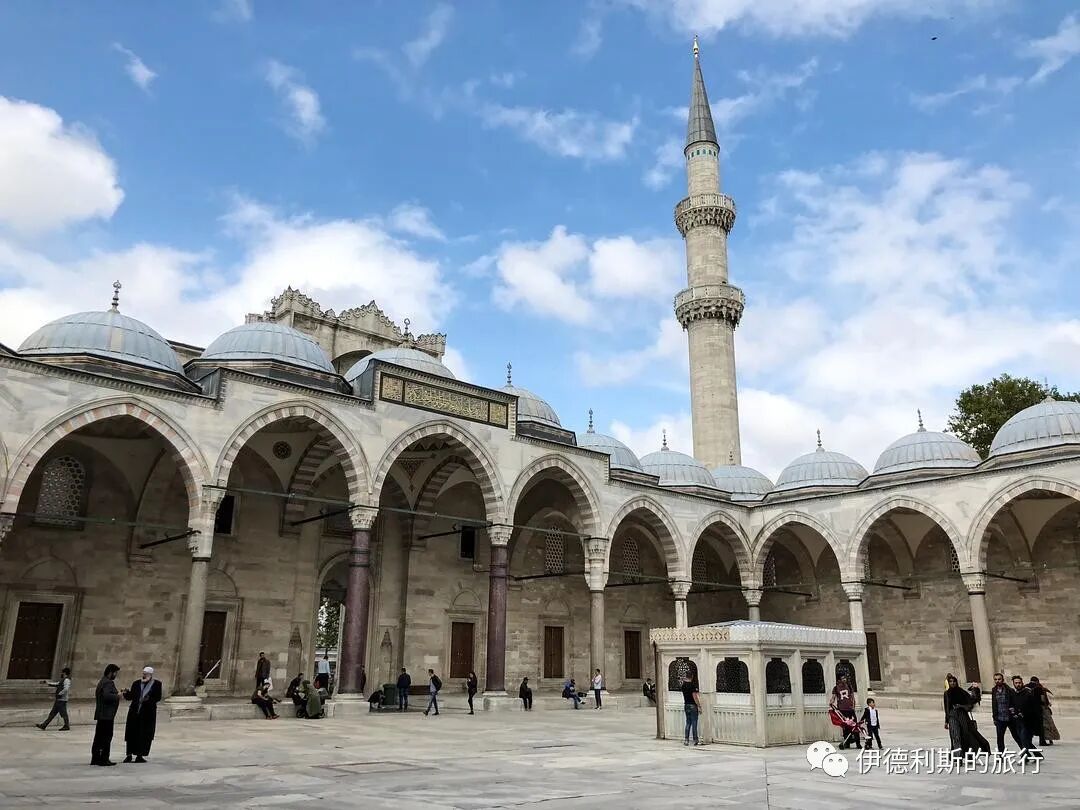
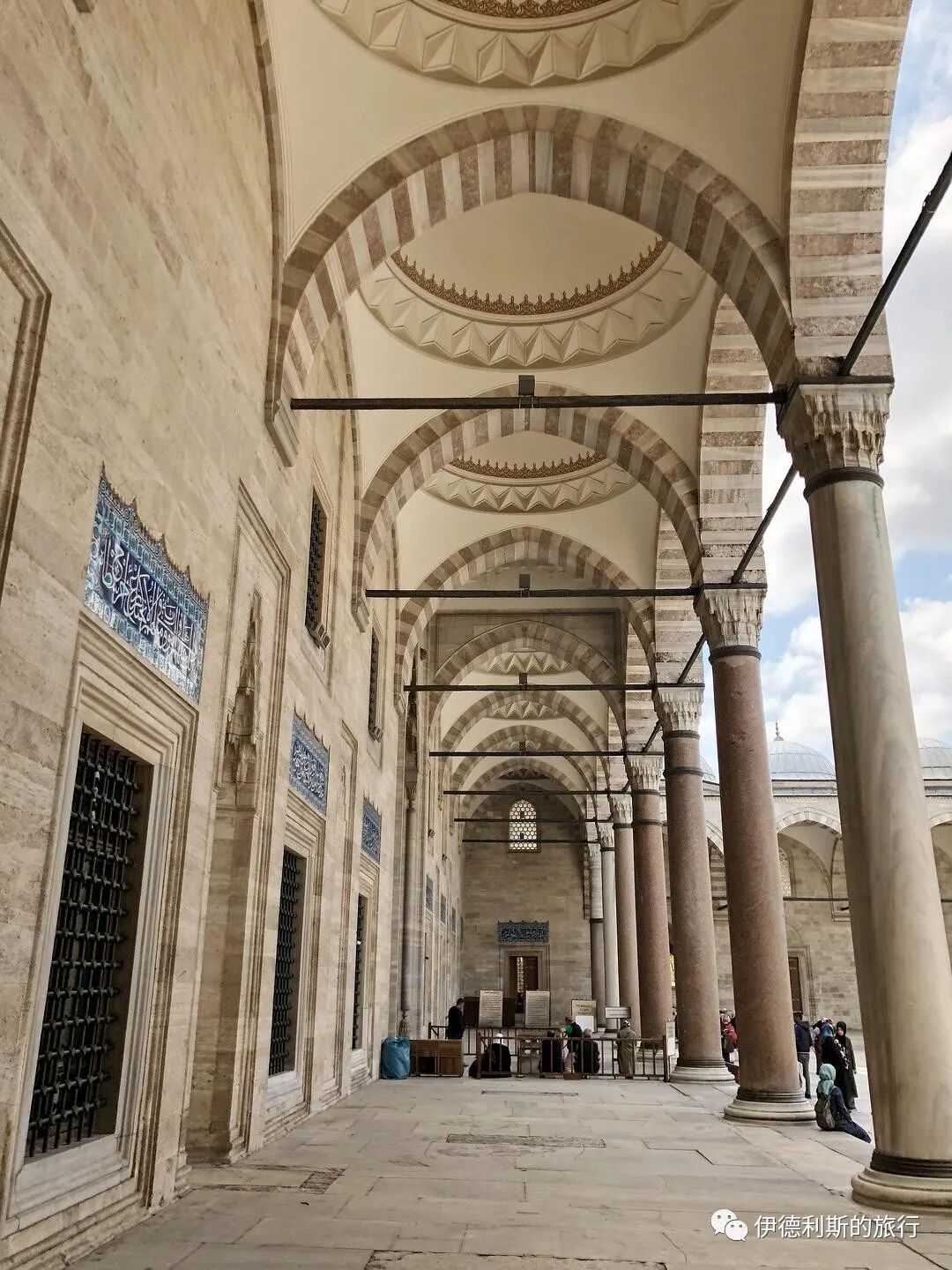
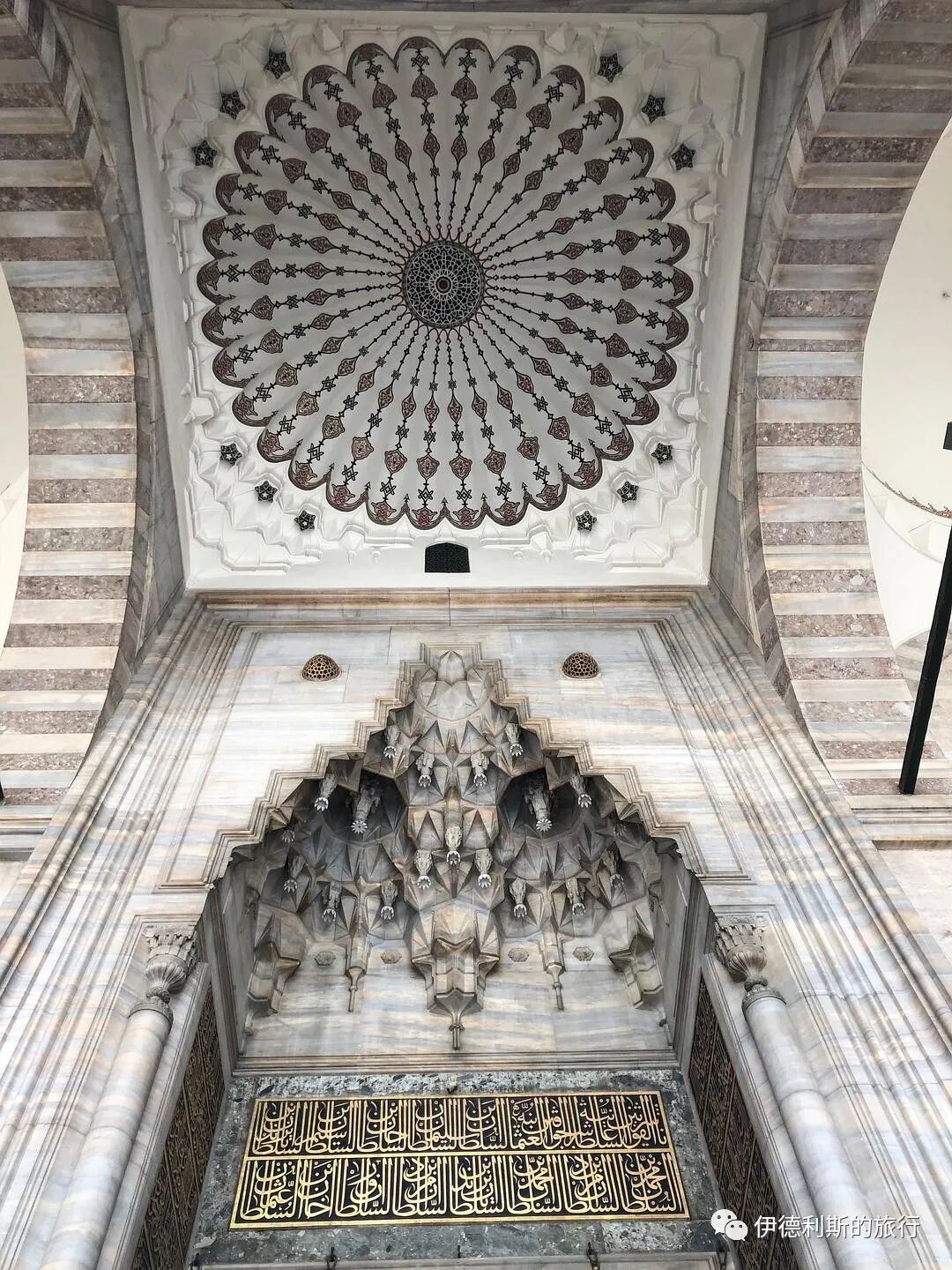
The courtyard in front of the main hall has cloisters made of marble, granite, and porphyry. The Iznik tiles on the walls feature bright tomato-red clay under the glaze, which is the earliest example of this type of tile used in building decoration.
In the center of the front courtyard is a fountain that provides cold water, hot water, and drinkable cold sweet water.
(2) Interior
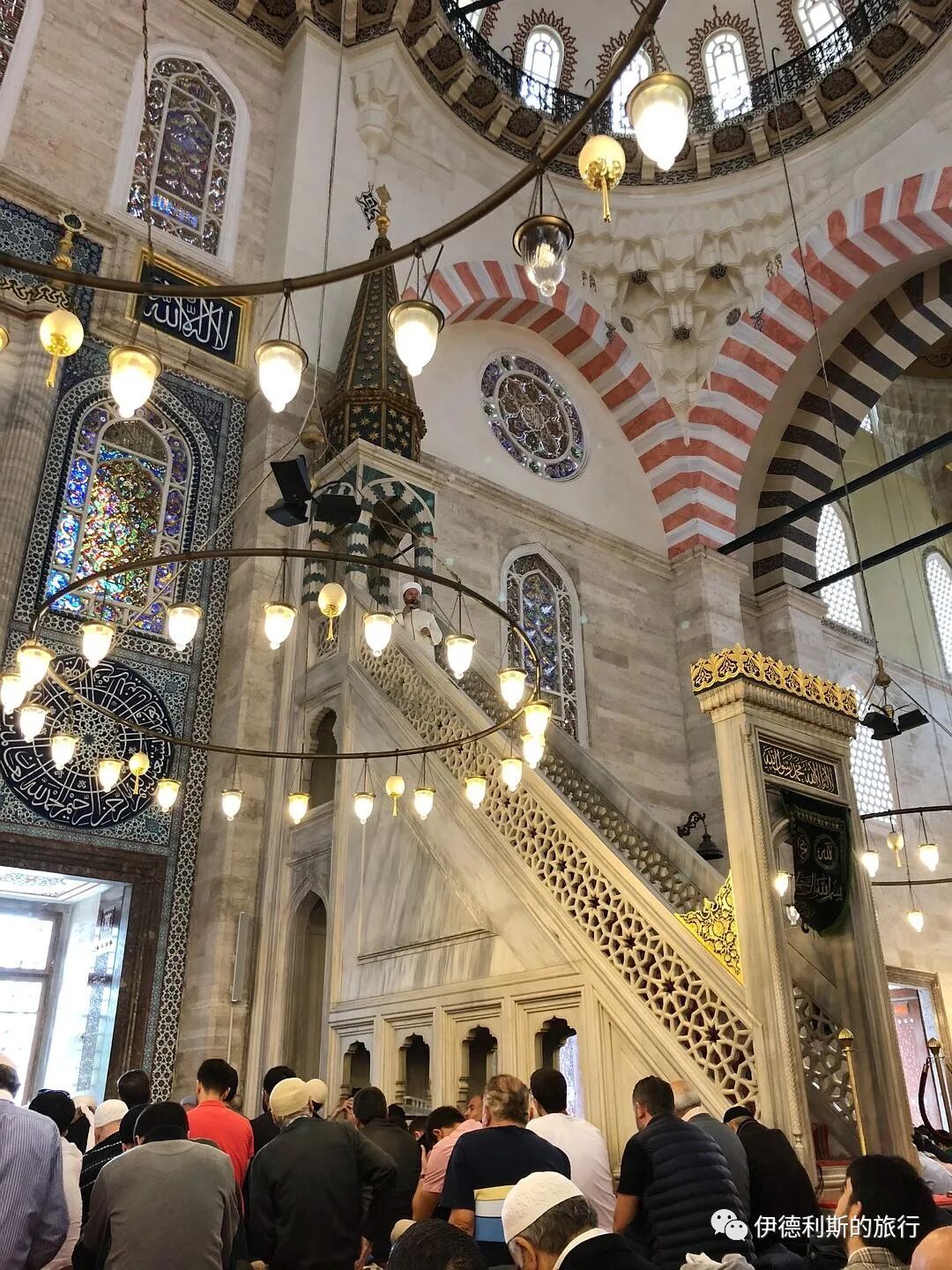
The main hall is 59 meters long and 58 meters wide. A central dome sits between two half-domes, surrounded by several smaller domes. This design creates a wave-like echo for any sound made inside the hall.
The mosque was damaged in a fire in 1660 and later repaired by Sultan Mehmed IV, who reigned from 1648 to 1687. The mosque's dome partially collapsed during an earthquake in 1766. Later repairs damaged the original decorations by Mimar Sinan. During World War I, the mosque served as an ammunition depot. A fire caused by the stored explosives destroyed almost all of the original interior decorations from Mimar Sinan's time. Repairs were not finished until 1956.
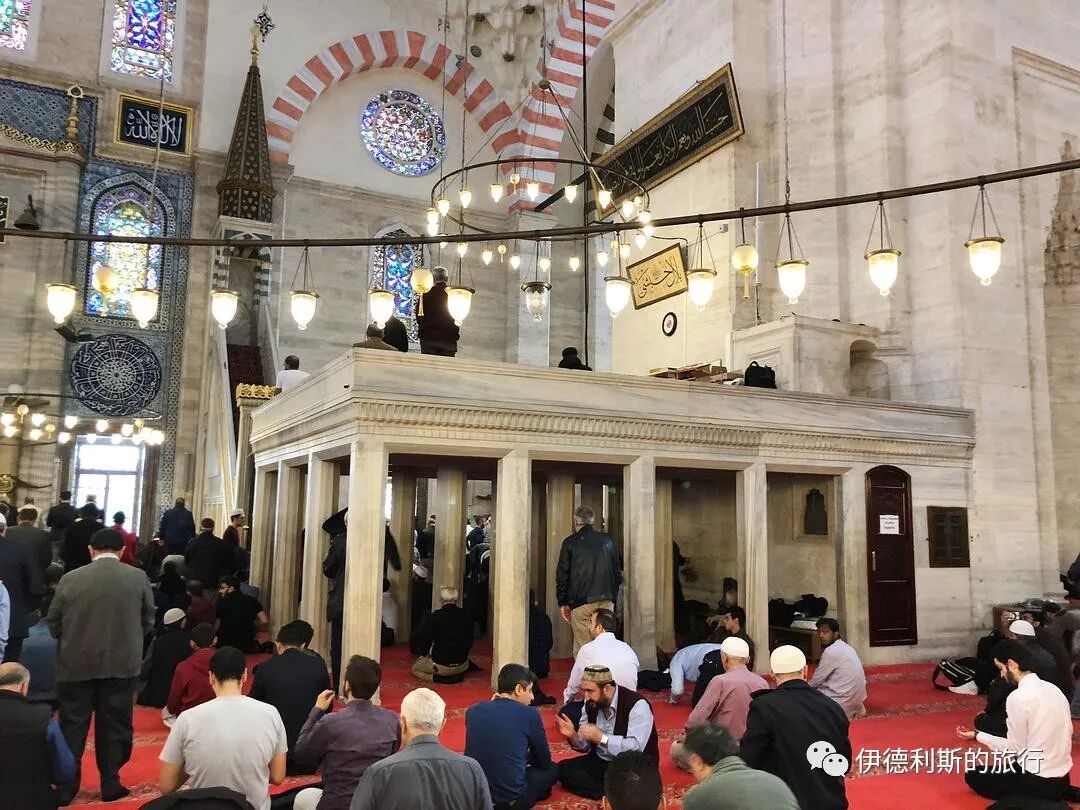
The interior features stained glass. The area around the prayer niche (mihrab) is decorated with Iznik tiles, including two large tiles with Arabic calligraphy showing the opening chapter of the Quran. Across from the pulpit (minbar) is a platform where the Sultan and his close associates would perform namaz. Guards would be stationed on the lower level of the platform while the Sultan prayed.
2. Bathhouse: 1557.
Süleymaniye Bathhouse (Süleymaniye Hamami) was built in 1557 and is a classic Turkish bath. The central massage room under the bathhouse dome is supported by eight pillars, and there is a separate small room for Sultan Suleiman the Magnificent. The bathhouse operated from 1557 until 1924, and after being renovated in 2004, it reopened and remains open today. It is now open daily from 10 a.m. to 10 p.m., with the last entry at 8 p.m.
3. Hospital, public canteen, and hostel
To the northwest of the Süleymaniye Mosque, there are three courtyards built side-by-side: a hospital, a public canteen, and guest rooms, separated by narrow passages. All three courtyards are built on a slope, with low walls facing the mosque and very tall walls on the side facing away from the mosque.
The hospital and the mosque were built together between 1550 and 1557. The hospital has a courtyard with two connected porches, a sunroom for patients with incurable mental illnesses, a basement for stables and a hostel, plus a pharmacy, a bathroom, and a bakery. Today, the site serves as a student dormitory, so it has lost some of its original appearance.
The public canteen was built in 1555 and consists of five domed dining rooms and one domed kitchen, with each dome featuring a glass tower to let in sunlight.
The guest rooms were built in 1555 and share a similar design to the mosque, featuring one main dome and two half-domes.
4. Salis and Rabi madrasas
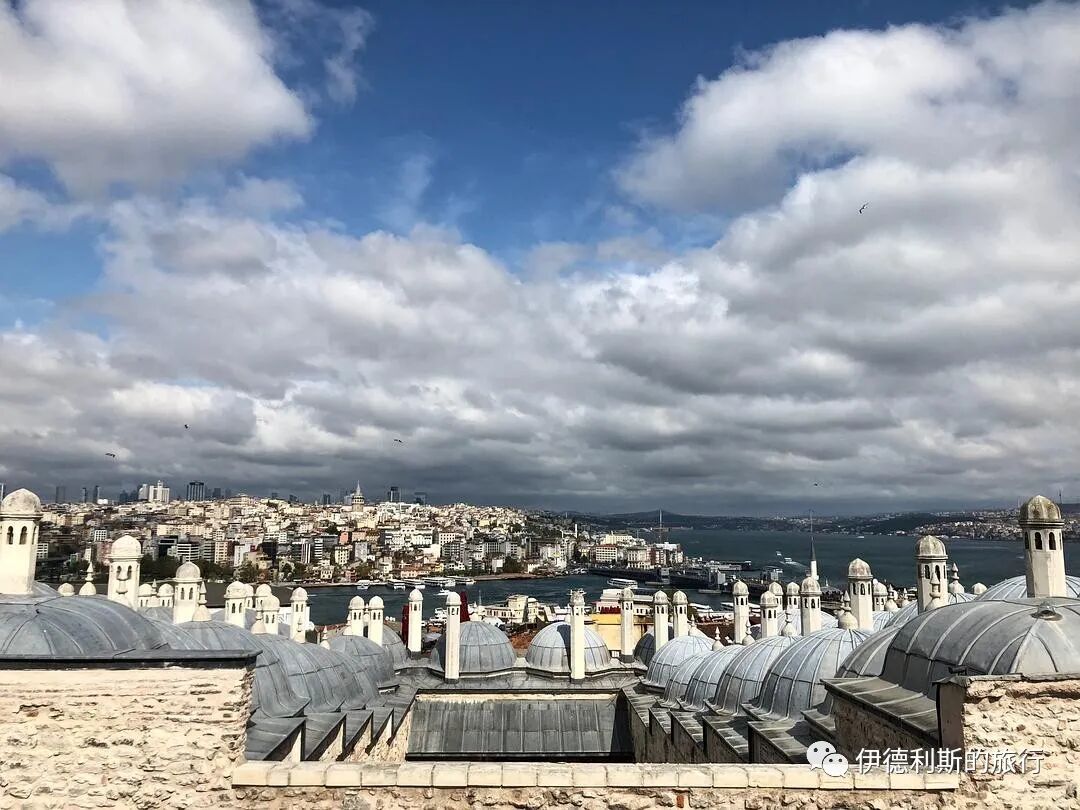
Two religious schools (madrasas), Salis and Rabi, were built side-by-side on the steep slope northeast of the mosque between 1550 and 1559. The layout of these two schools is unique and extends the view of the mosque toward the coastline of the Golden Horn. To keep the whole complex balanced, the courtyards, porches, and rooms of the religious school (madrasa) were designed in different levels. Under the porch, each room has a main hall and a staircase. The lecture hall is in a two-story building on the side without a porch, and there is a fountain on the ground floor.
5. Medical school, Evvel madrasa, Sani madrasa, and primary school
To the southwest of the mosque, the medical school, Evvel Madrasa, and Sani Madrasa are lined up in order. Evvel Madrasa and Sani Madrasa were built between 1550 and 1553. They are symmetrical and separated by a narrow alley. Inside, they have two-story teacher apartments that are now used as a manuscript library. The shops facing the street are now rented to a restaurant called Ali Baba. The restaurant is known for its bean rice (fasulye), which is made with white beans, olive oil, onions, and tomato paste.
6. Hadith school
The Hadith school is outside the back door of the mosque, and a path in the middle leads down to the foot of the hill, directly to the bathhouse.
7. Mausoleum and Quran school
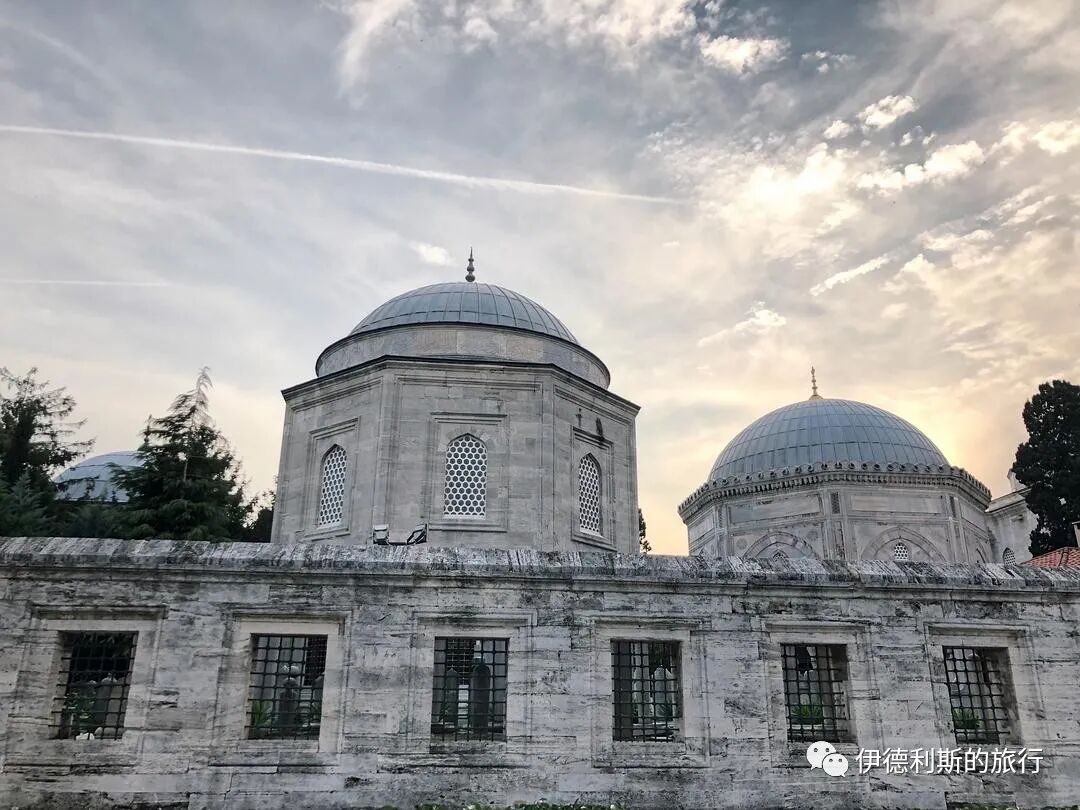
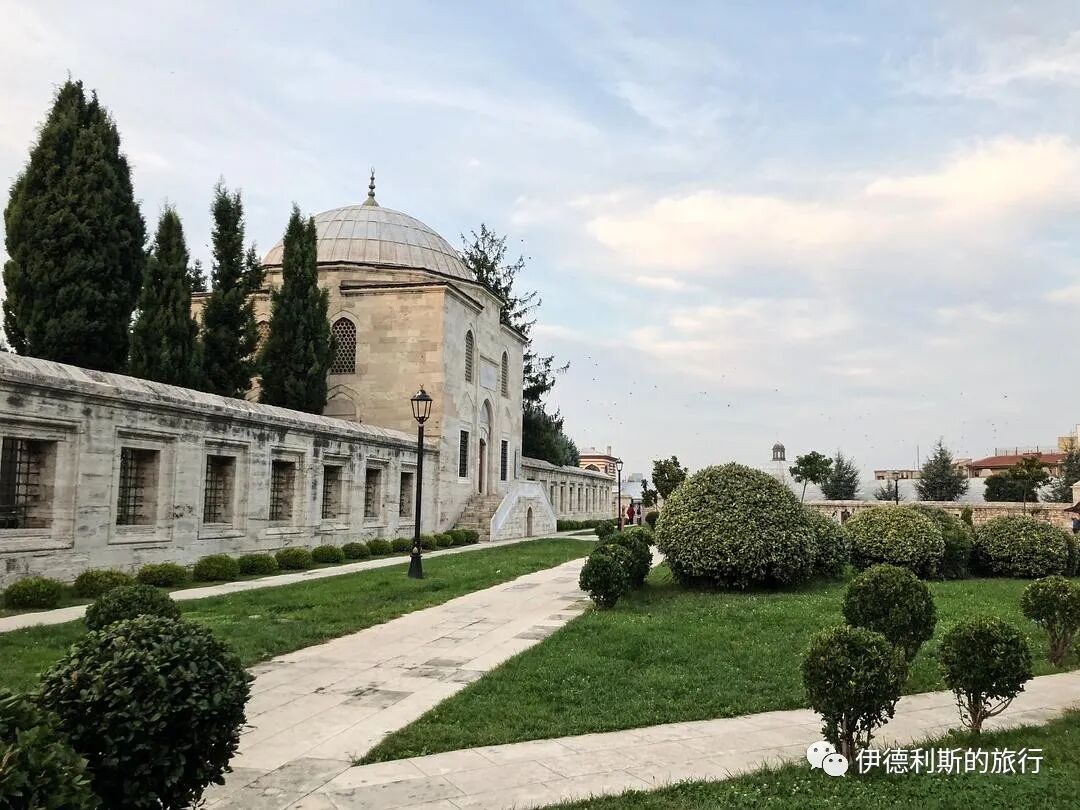
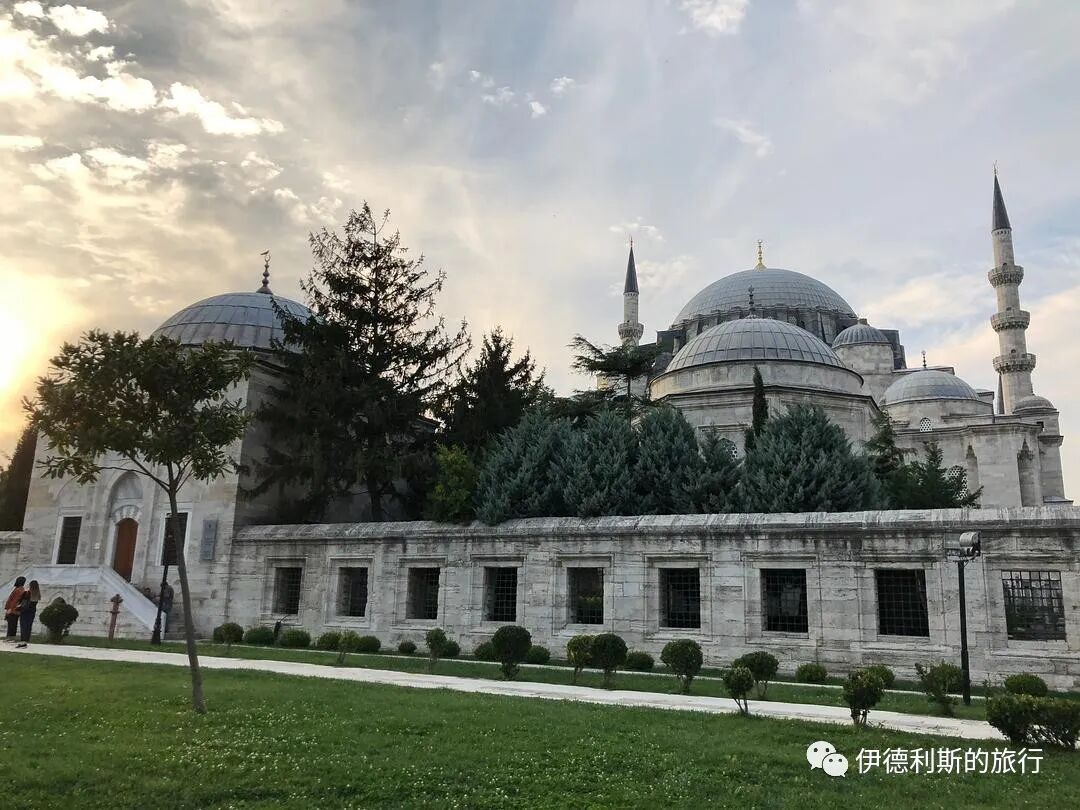
The mosque's backyard holds two octagonal tombs for Sultan Suleiman the Magnificent and his wife, Haseki Hürrem Sultan, built in 1567 and 1558, along with a Quran school. The Sultan's tomb is shaped slightly differently than the Queen's; it does not follow the Ottoman tomb traditions of that time and instead returns to a more classical style.
Haseki Hürrem Sultan was born between 1502 and 1504 in the city of Rohatyn, located in what is now western Ukraine, which was then ruled by the Kingdom of Poland. In the 1510s, she was kidnapped during a raid by Crimean Tatars in Eastern Europe and then sold as a slave to the Ottoman Empire. In Istanbul, Valide Hafsa Sultan, the mother of Suleiman the Magnificent, gave her as a gift to Suleiman while he was still a prince, and that is how she entered the Ottoman harem.
Suleiman took the throne as the Ottoman Sultan in 1520. Because she was deeply loved by Sultan Suleiman the Magnificent, Hurrem Sultan rose step by step from a harem slave to a legal wife. In 1533 or 1534, Sultan Suleiman the Magnificent held a grand wedding with Hurrem Sultan, which broke the Ottoman Empire's tradition that a sultan could not marry his concubines. At the same time, she became the first empress in Ottoman history to receive the title of Haseki Sultan (the Sultan's favorite). For the next century, an empress with this title held a higher status than the empire's princesses and had power equivalent to an empress in a European country. Hurrem Sultan became the first empress to live in the former imperial court rather than the harem, breaking the rule set by Mehmed the Conqueror that no woman could live in the buildings where government business was conducted.
Hurrem Sultan later became Sultan Suleiman the Magnificent's chief advisor on state affairs and had a profound influence on the Ottoman Empire's foreign policy and international relations.
Hurrem Sultan passed away in 1558 and was buried in the courtyard of the Suleymaniye Mosque. Eight years later in 1566, Sultan Suleiman the Magnificent died in battle while on an expedition to Hungary. His body (mayyit) was taken back to Istanbul and buried in the same courtyard as Hurrem Sultan.
II. Caferağa Madrasa: 1560
Caferaga Madrasa is built on a slope right next to the Hagia Sophia. Shops open onto the front street, while the entrance is on the back street. In 1989, the Turkish Cultural Service Foundation opened a tourism center here. They use the 15 classrooms around the courtyard to teach, make, and sell traditional Turkish crafts like calligraphy, ceramics, and jewelry. An annual exhibition is held here at the end of every year, where students show the work they have made. There is also a restaurant serving Turkish food in the courtyard.
III. Sokollu Mehmed Pasha Complex (Kadırga): 1567-1572
The Sokollu Mehmet Paşa Complex (Sokollu Mehmet Paşa Külliyesi) is in the Kadırga neighborhood southwest of the Blue Mosque. Grand Vizier Sokollu Mehmet Paşa and his wife, İsmihan Sultan, commissioned Mimar Sinan to build it between 1567 and 1572. İsmihan Sultan was the granddaughter of Suleiman the Magnificent.
Building this complex was a challenge because it sits on a steep slope. Mimar Sinan solved this by building a two-story courtyard in front of the mosque and adding three sets of stairs that lead to gates at different slopes. The bottom floor of the courtyard has shops that help pay for the mosque's operations.
There is a Sufi lodge (Tekke) on the northwest side of the courtyard and the mosque on the southeast side. A madrasa sits behind the mosque. All three buildings are on the same axis, which is rare for Mimar Sinan's work. The mosque has a rectangular base and a hexagonal center, topped by one large dome and four smaller domes. There is also a minaret at the northeast corner of the mosque.
The inside of the mosque is famous for its beautiful Iznik tiles. These tiles feature blue, red, and green floral patterns, along with calligraphy in white on a blue background.
IV. Mihrimah Sultan Complex: 1563-1570
The Mihrimah Sultan Complex (Mihrimah Sultan Külliyesi) was commissioned by Suleiman the Magnificent's daughter, Mihrimah Sultan, and built by Mimar Sinan between 1563 and 1570. The complex sits on the sixth hill inside the northwest walls of Istanbul, which is the highest point in the old city.
The complex includes a mosque, a bathhouse (hammam), a tomb, and shops at street level under the terrace. The mosque stands on a terrace overlooking the street and is surrounded by a courtyard. Part of this courtyard is enclosed by porticos to create separate rooms used as a religious school (madrasa).
The mosque has been damaged by earthquakes many times throughout history, with the minarets and the dome suffering the most damage. The minarets were repaired between 2007 and 2010. Later, the courtyard was repaved, the central fountain was restored, and the porticos were rebuilt. The mosque originally had a double-layered portico, but only the inner portico has survived.
The mosque's structure was known as the most advanced design for a single-dome mosque at that time. The 35-meter-high dome is supported by four wall pillars, with four arches and four pendentives forming a tower-like structure. The four polygonal wall pillars stick out on the outside but are almost invisible from the inside, looking like neatly cut crystal shapes.
The area above the arches is covered with large windows that have almost no load-bearing function, and sunlight streaming through them makes this the brightest mosque among Mimar Sinan's works.
5. Sokullu Mehmed Pasha Complex (Eyüp): 1569
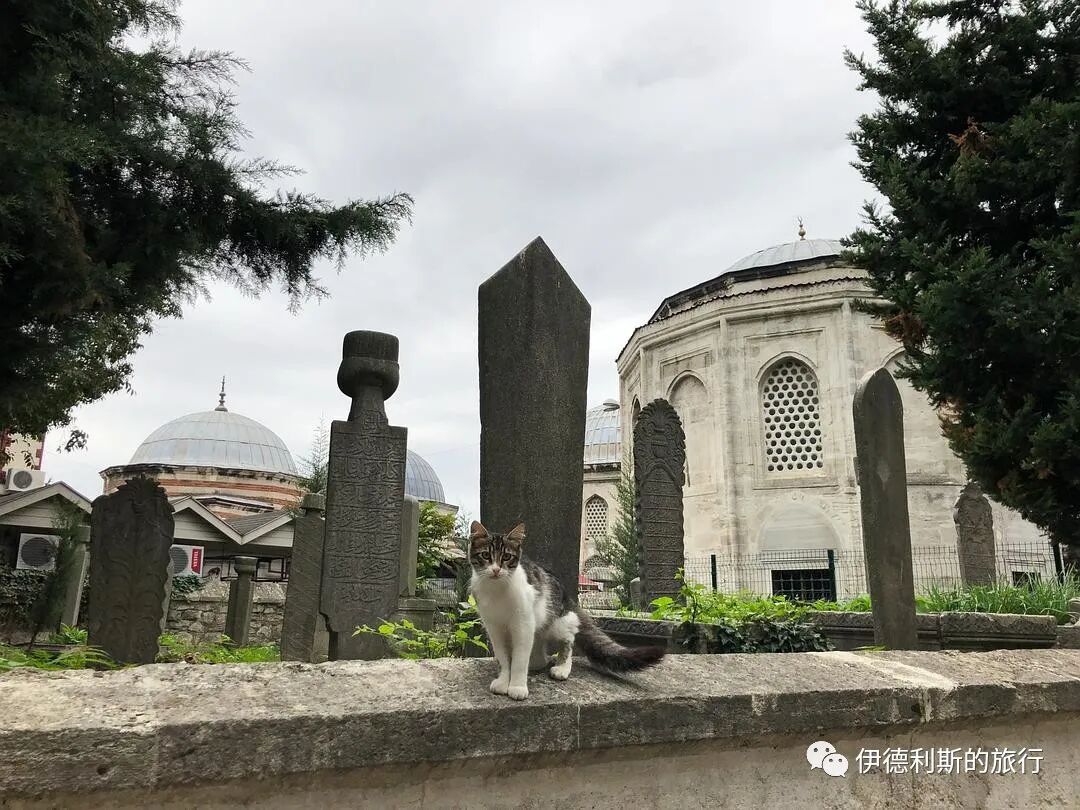
In the Eyüp district by the Golden Horn northwest of Istanbul, there is another building complex (külliye) commissioned by Ottoman Grand Vizier Sokollu Mehmed Paşa and built by Mimar Sinan in 1569. It currently includes a madrasa and a tomb, along with a Quran school built in 1579. The reason this complex lacks a mosque is likely because it sits right next to the famous Eyüp Sultan Mosque.
The tomb faces the madrasa and holds the remains of Sokollu Mehmed Paşa and his descendants, but none of the tombstones have inscriptions.
6. Tomb of Pertev Mehmed Pasha: 1574
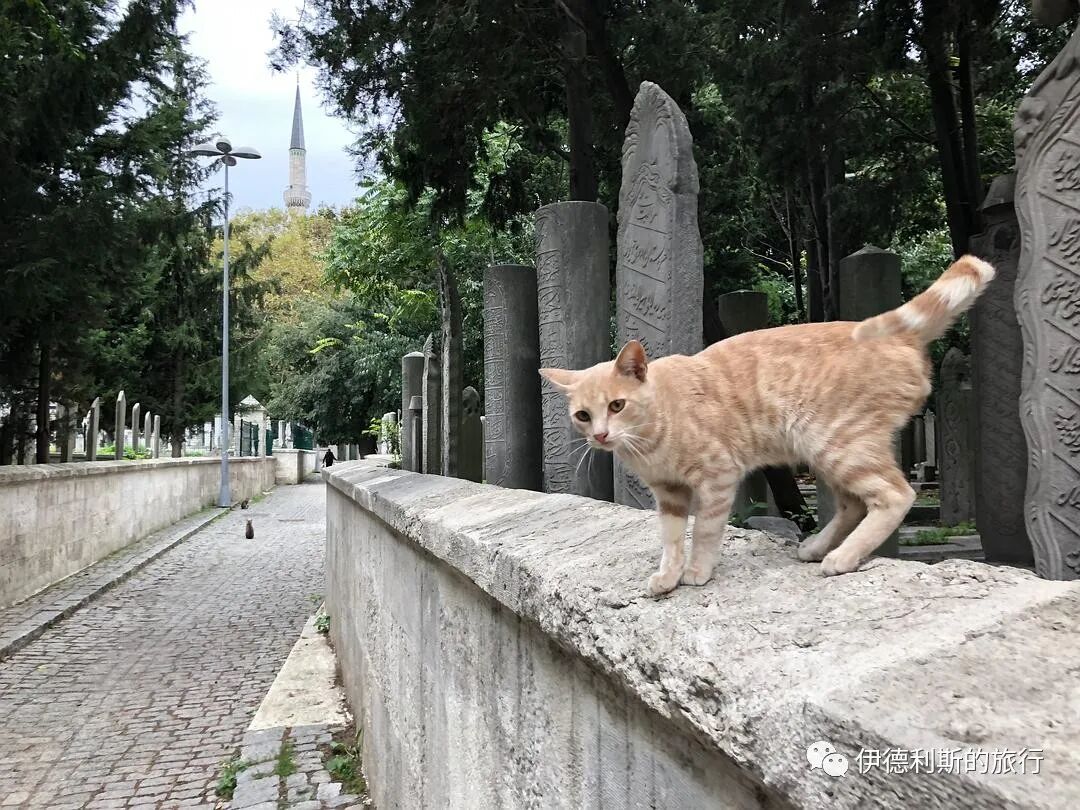
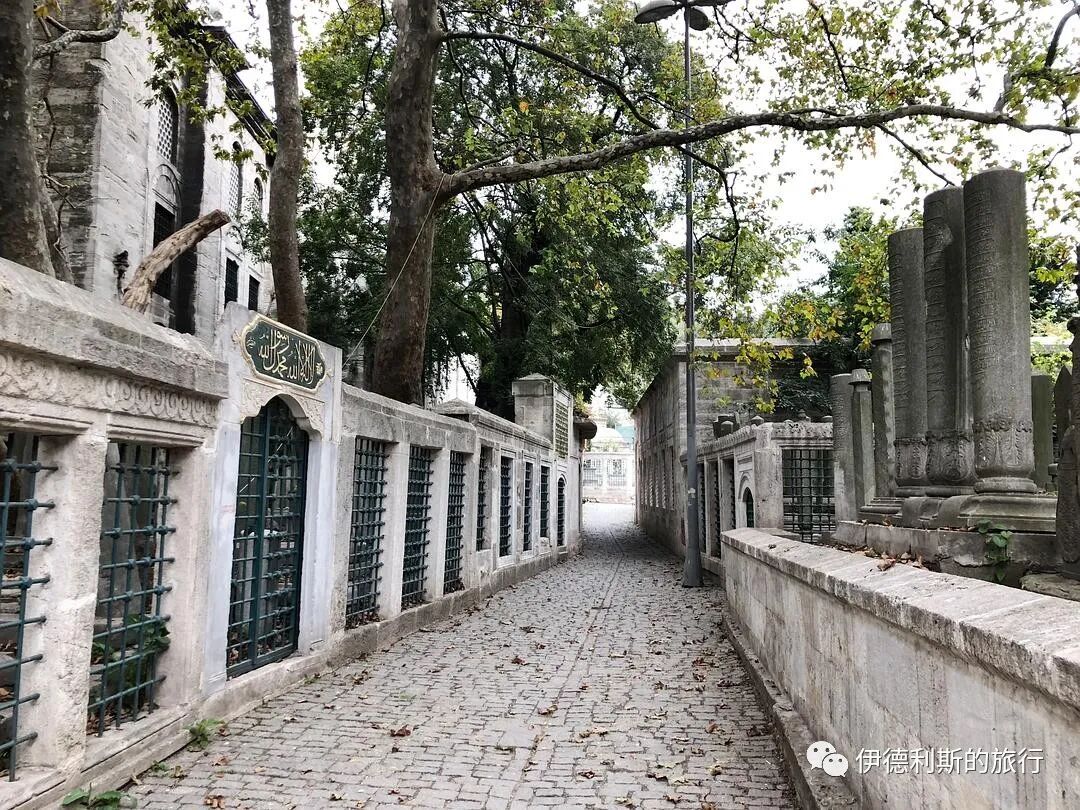
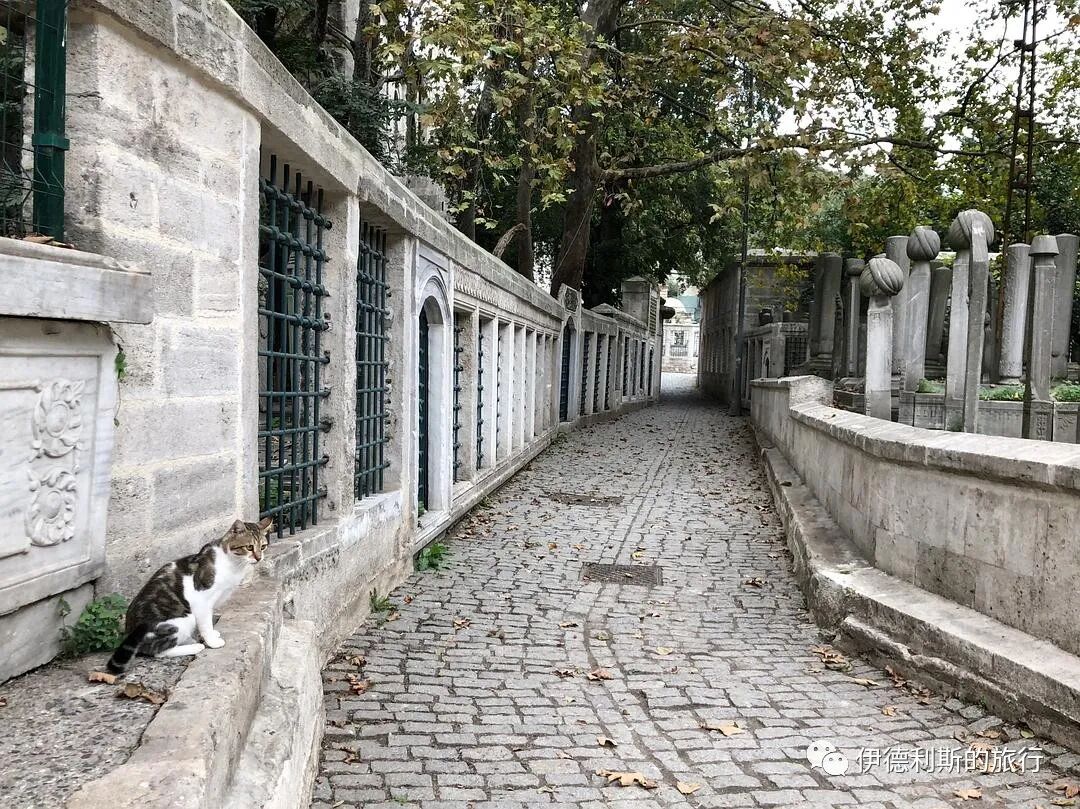
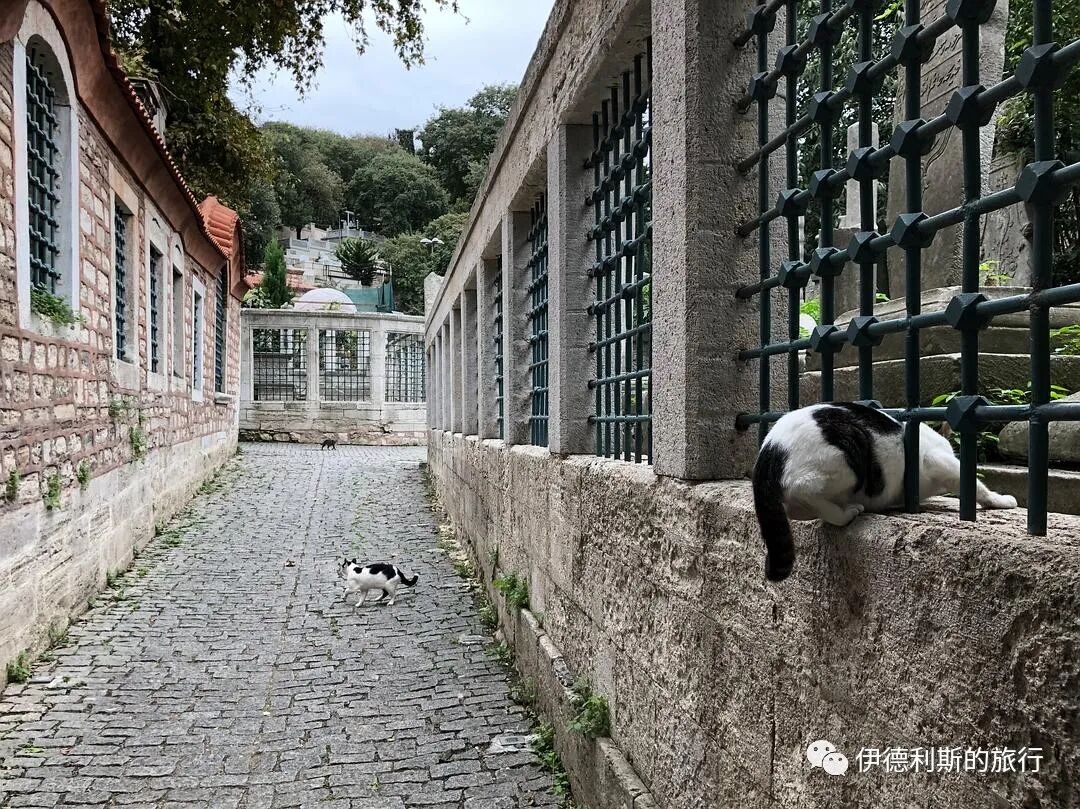
Walk along the narrow road behind the Eyup mosque cemetery and you will see a very unique tomb. It belongs to Pertev Mehmed Pasha, who served as a vizier under both Suleiman the Magnificent and Selim II. The tomb was built by Mimar Sinan in 1574.
Pertev Mehmed Pasha was originally an Albanian slave. He grew up in the Topkapi Palace in Istanbul and once served as the palace's chief gatekeeper. He was promoted to the second vizier in 1565, but was removed from his post in 1571 and died of grief in 1572.
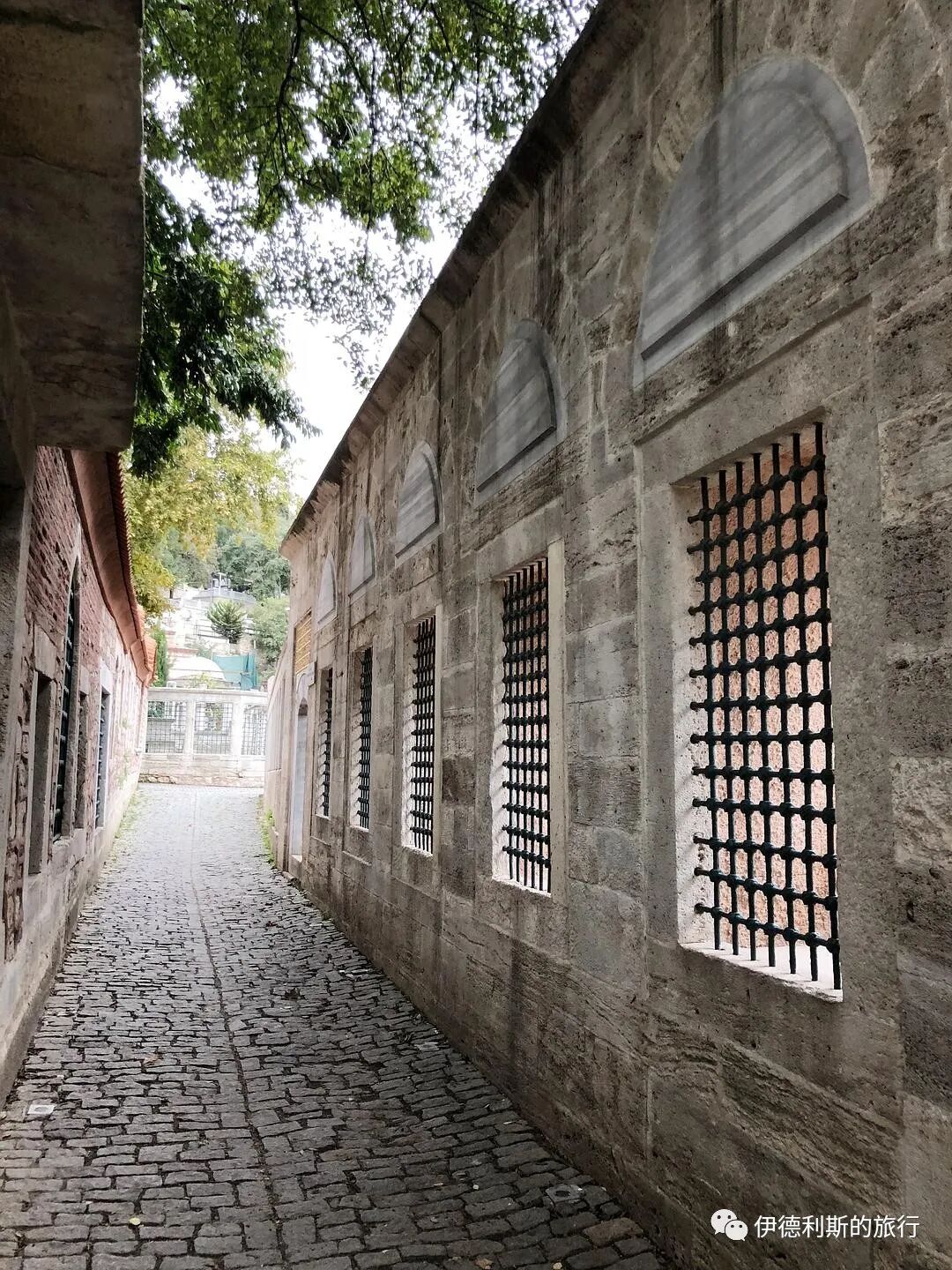
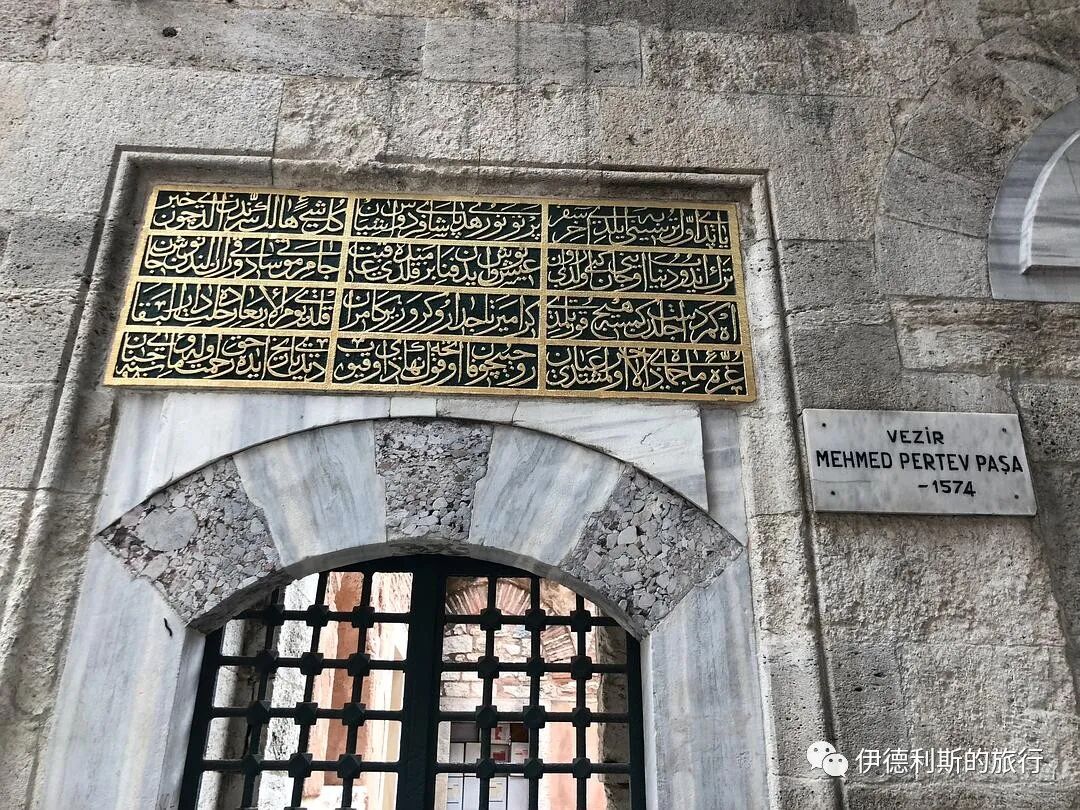
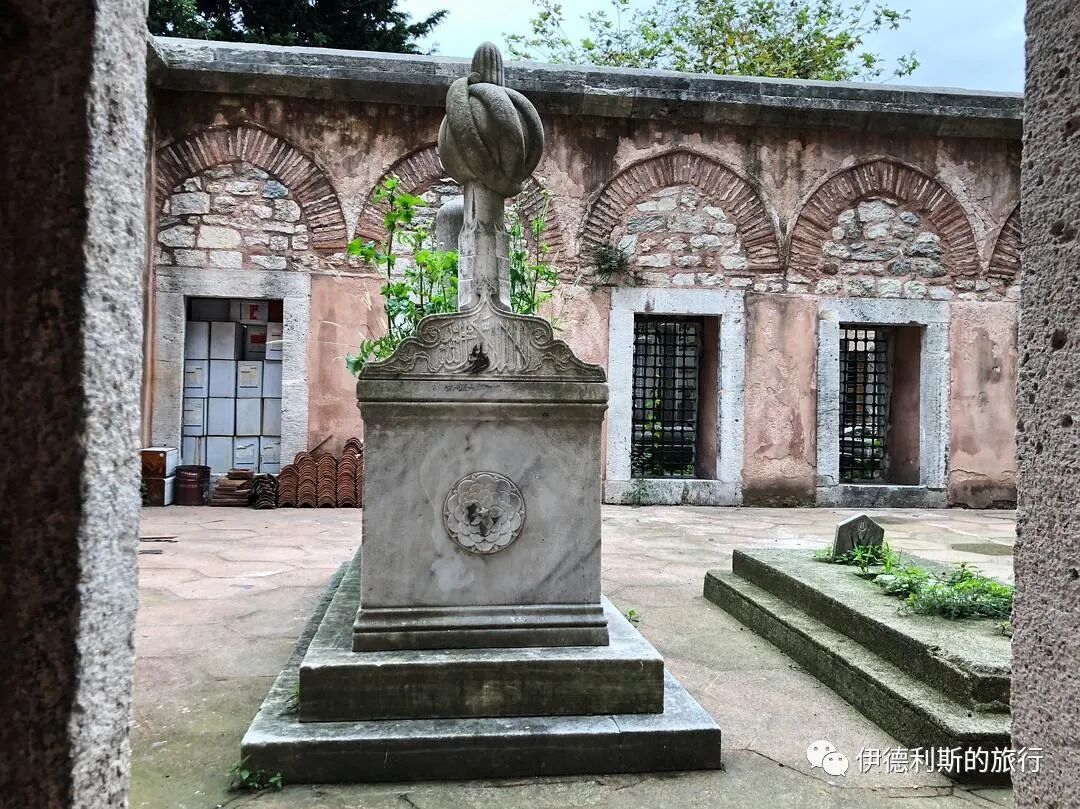
The tomb of Pertev Mehmed Pasha is a rectangular building that looks more like a house than a tomb. Facing the street, there are six windows and one door with beautiful marble grilles. The door has an inscription carved on it, but unfortunately, the roof has collapsed and is no longer there.
7. Kara Ahmed Pasha Complex: 1572
The Kara Ahmed Pasha complex (Kara Ahmed Paşa Külliyesi) was commissioned by Kara Ahmed Pasha and built by Mimar Sinan. It includes a mosque, a madrasa, an elementary school, and a tomb.
Kara Ahmed Pasha was the son-in-law of Sultan Selim I. He became the Grand Vizier for Suleiman the Magnificent in 1553, but Suleiman the Magnificent had him executed in 1555. The building complex was originally planned for 1555, but construction did not start until years later—some say 1558, others say 1565—after Kara Ahmed Pasha was pardoned. It was finally finished in 1572.
The Kara Ahmed Pasha mosque and madrasa share a courtyard. The mosque features one main dome, six buttresses, and four smaller domes. view all
Summary: Ottoman Architecture Guide: Mimar Sinan — Mature Works is presented here as a firsthand travel account in clear English, beginning with this scene: In our last article, The Great Ottoman Architect Mimar Sinan (Part 1): Growing Up, we talked about how the great Ottoman architect Mimar Sinan (1488/1490-1588) started building his first complex in Istanbul in 1539. The account keeps its focus on Mimar Sinan, Ottoman Architecture, Istanbul Mosques while preserving the names, places, food, and historical details from the Chinese source.
In our last article, The Great Ottoman Architect Mimar Sinan (Part 1): Growing Up, we talked about how the great Ottoman architect Mimar Sinan (1488/1490-1588) started building his first complex in Istanbul in 1539. He gradually innovated within traditional Ottoman architectural forms to develop his own style. In this article, we will enter the second stage of Mimar Sinan's creative career. During the twenty years from the mid-1550s to the mid-1570s, Mimar Sinan led the Ottoman Empire's top and largest architectural team to create many masterpieces. Among them, the Suleymaniye Mosque (Süleymaniye Camii), which took seven years to complete, is hailed as Mimar Sinan's most important work and remains a landmark of Istanbul today.
Next, I will share the 8 buildings constructed by Mimar Sinan between 1557 and 1574 that I visited in Istanbul in 2018. You can go and experience them when you travel to Istanbul.
Table of Contents
1. Suleymaniye Complex: 1550-1557
1. Suleymaniye Mosque
2. Bathhouse
3. Hospital, public canteen, and hostel
4. Salis and Rabi madrasas
5. Medical school, Evvel madrasa, Sani madrasa, and primary school
6. Hadith school
7. Mausoleum and Quran school
II. Caferağa Madrasa: 1560
III. Sokollu Mehmed Pasha Complex (Kadırga): 1567-1572
IV. Mihrimah Sultan Complex: 1563-1570
5. Sokullu Mehmed Pasha Complex (Eyüp): 1569
6. Tomb of Pertev Mehmed Pasha: 1574
7. Kara Ahmed Pasha Complex: 1572
8. Mimar Sinan Mosque: 1573
1. Suleymaniye Complex: 1550-1557
The Suleymaniye Complex (Süleymaniye Külliyesi) was commissioned by the Ottoman Sultan Suleiman the Magnificent (reigned 1520-1566) and built by Mimar Sinan. It sits on the third hill of Istanbul and is a key part of the old city skyline.
The entire complex includes a mosque, four madrasas, a school for hadith, a primary school, a hospital (Darüşşifa), a bathhouse (Hamam), a caravanserai, a medical school, a public kitchen, shops, and the tombs of Suleiman the Magnificent and his queen. Mimar Sinan made great use of the terrain. He used terraces and walls to bring all the buildings together, creating a grand complex centered around the towering mosque.
1. Suleymaniye Mosque
The Suleymaniye Mosque (Süleymaniye Camii) is the center of the entire complex. It took seven years to build from 1550 to 1557, though it was not officially finished until 1558.
The mosque was damaged in a fire in 1660 and later repaired by Sultan Mehmed IV, who reigned from 1648 to 1687. Part of the mosque's dome collapsed during an earthquake in 1766, and the repairs that followed ruined the original decorations by Sinan. During World War I, the mosque was used as an ammunition depot. A fire caused by the ammunition destroyed almost all of the original interior decorations from the time of Mimar Sinan. It was not fully repaired again until 1956.
(1) Exterior
The Suleymaniye Mosque is the largest square-based, semi-domed mosque in the career of Mimar Sinan. Its main dome is 53 meters high, making it the tallest dome in the Ottoman Empire at that time. There are two semi-domes under the main dome. This style is similar to the Hagia Sophia and the Bayezid II Mosque (Beyazıt Camii), which was built between 1501 and 1506. Suleiman the Magnificent wanted to build a structure that surpassed the Hagia Sophia. Because of this, the Suleymaniye Mosque shares a similar design style with the Hagia Sophia, but it is better in its use of space and the logic of its weight-bearing system.
For the mosque's design, Mimar Sinan continued the bold innovations he used earlier at the Sehzade Mosque (1543-1548). He built porches along the walls on both sides of the main hall to hide the massive buttresses that support the dome. This design softens the building's flanks and makes the exterior facade much more beautiful.
The mosque has four minarets at its corners. Two are 76 meters tall and two are 56 meters tall, a privilege reserved only for the Sultan. In the Ottoman Empire, princes and princesses could build two minarets, while everyone else was limited to one. The four minarets have a total of 10 balconies. It is said this shows that Suleiman the Magnificent was the 10th ruler of the Ottoman Empire.
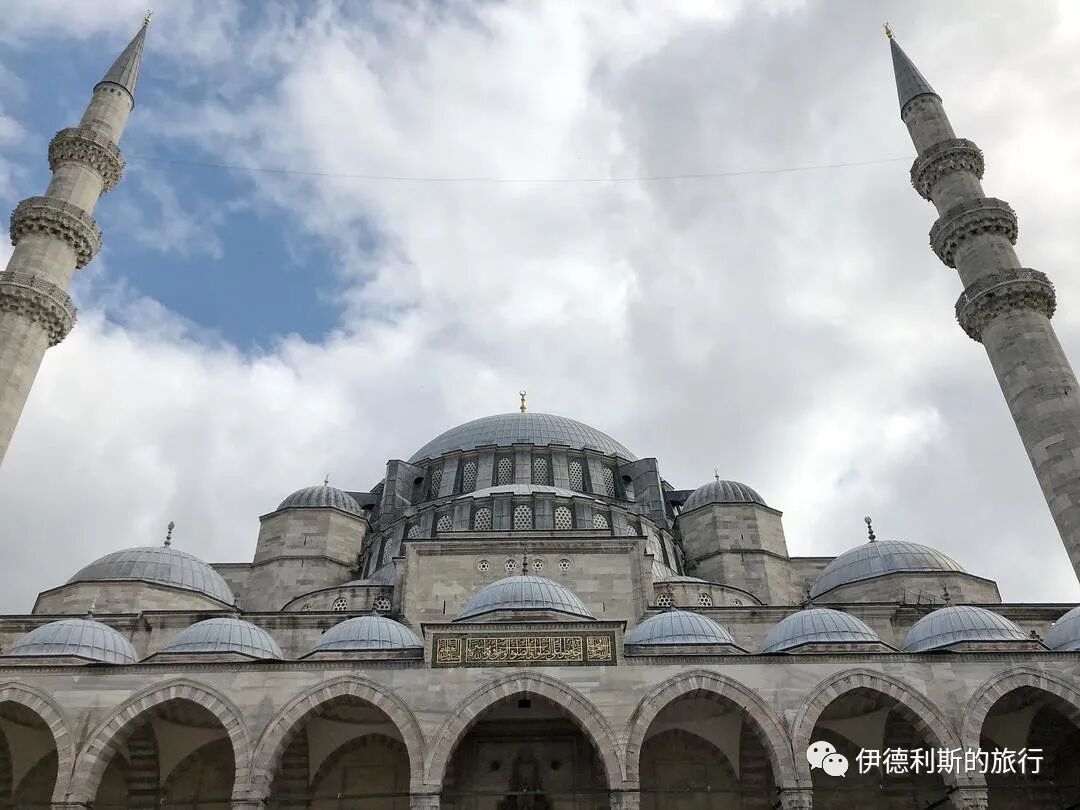
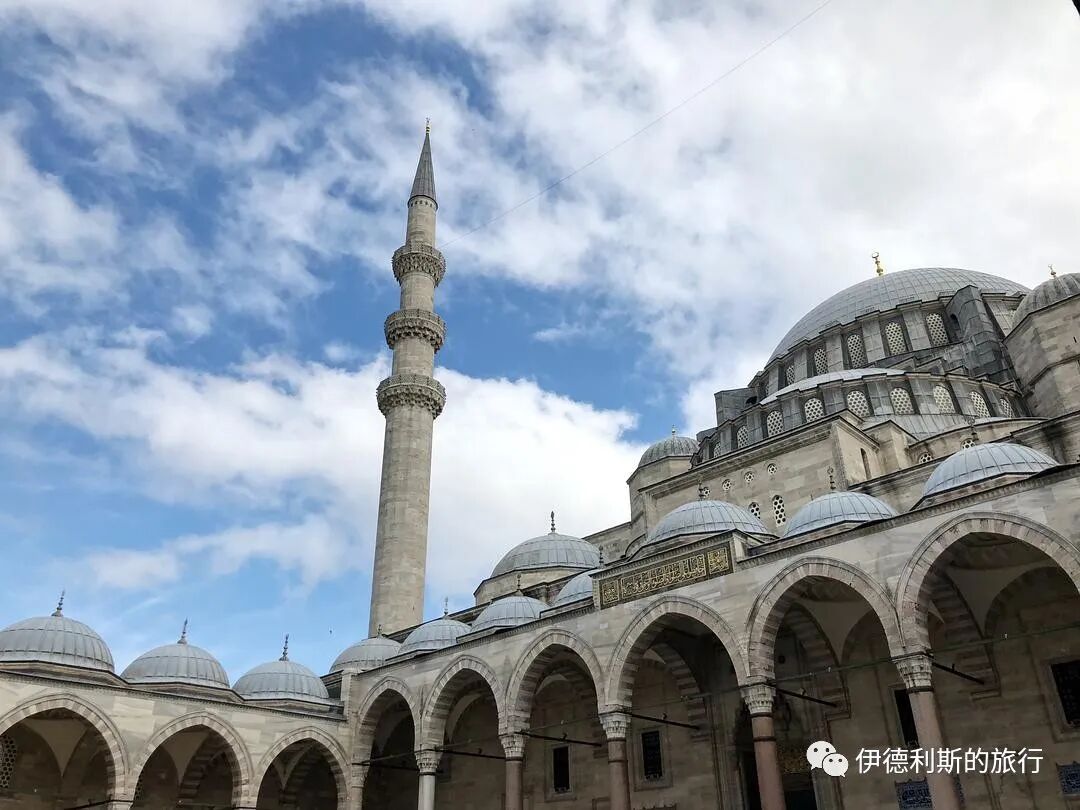
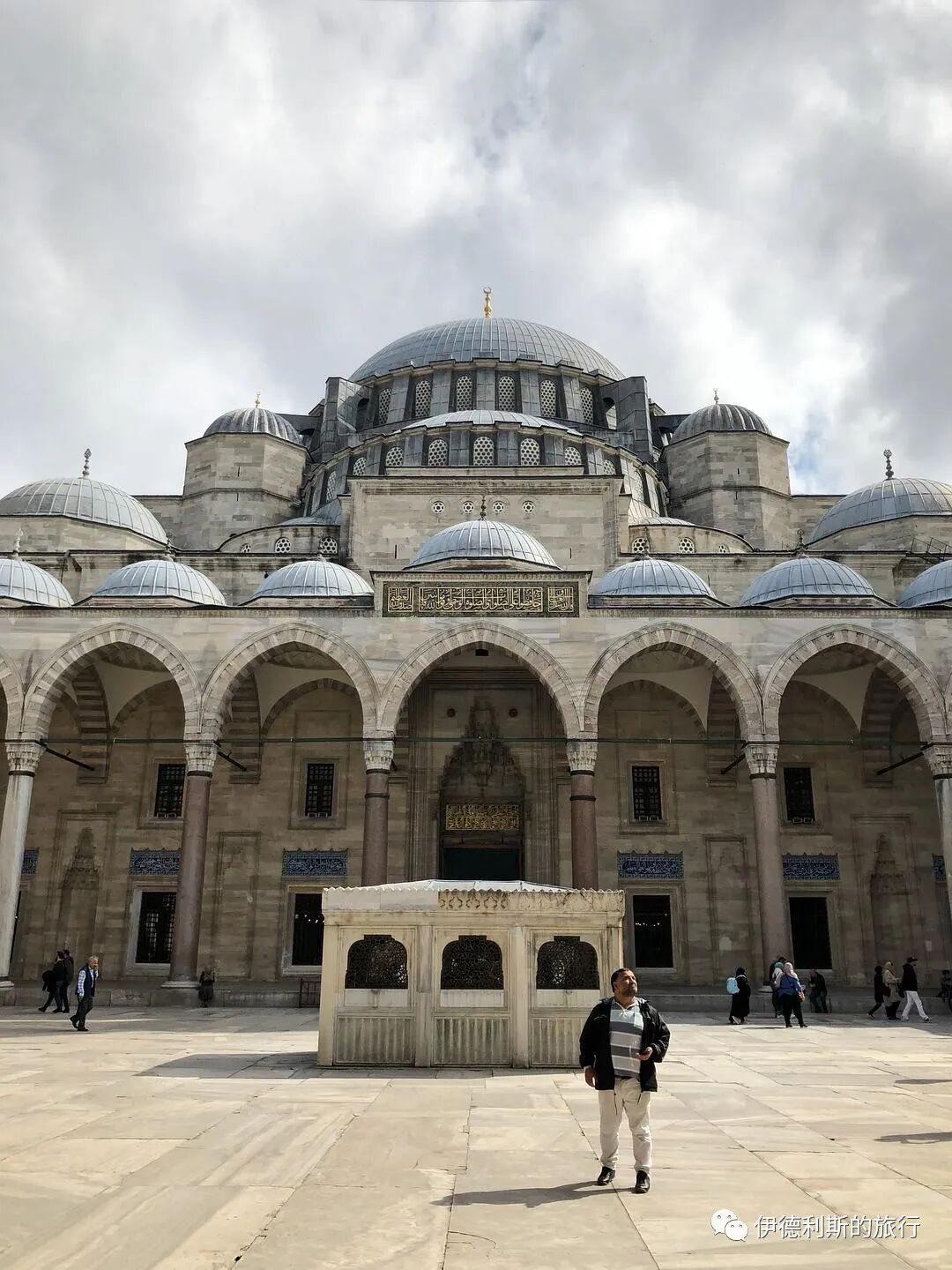
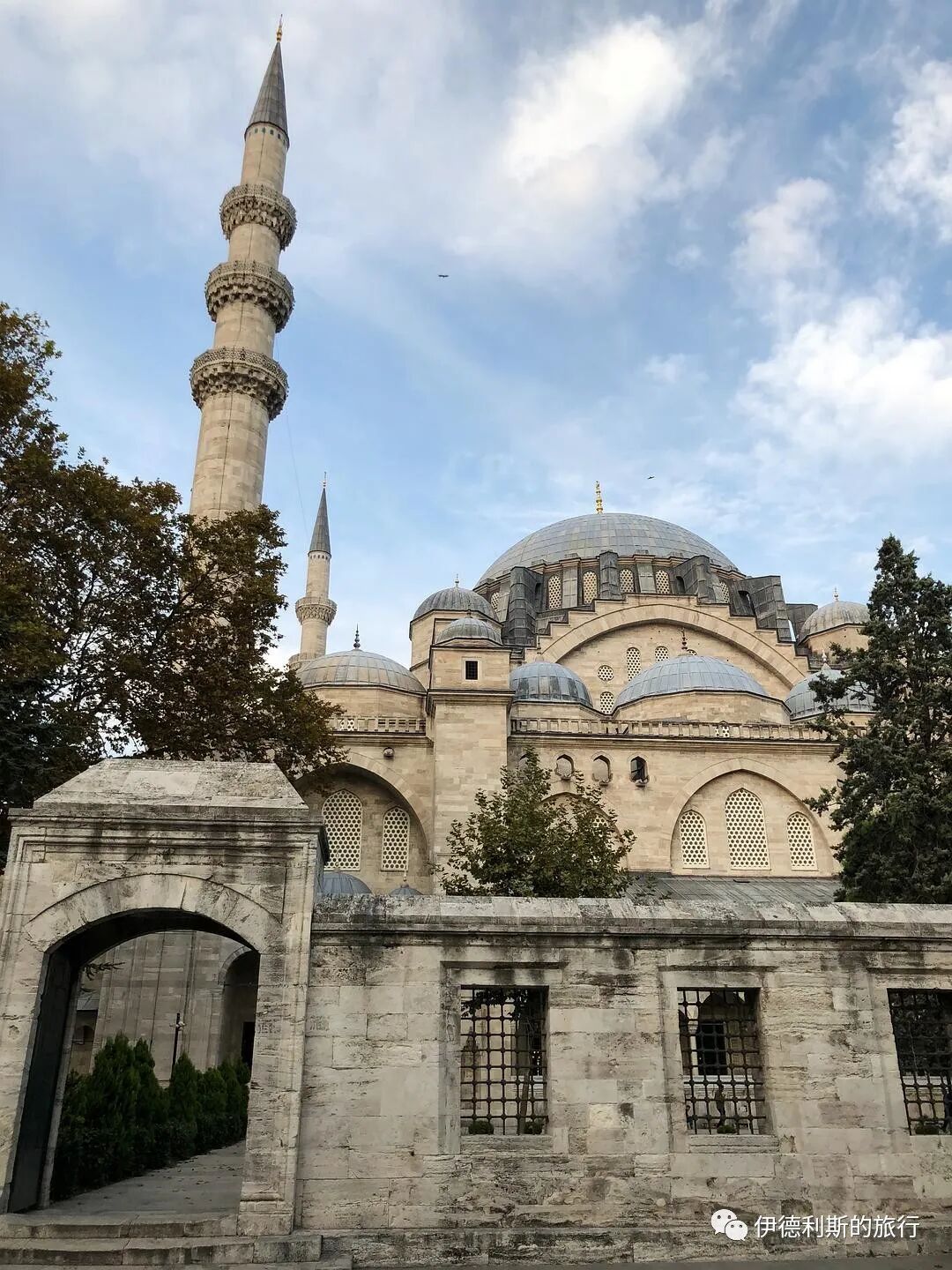
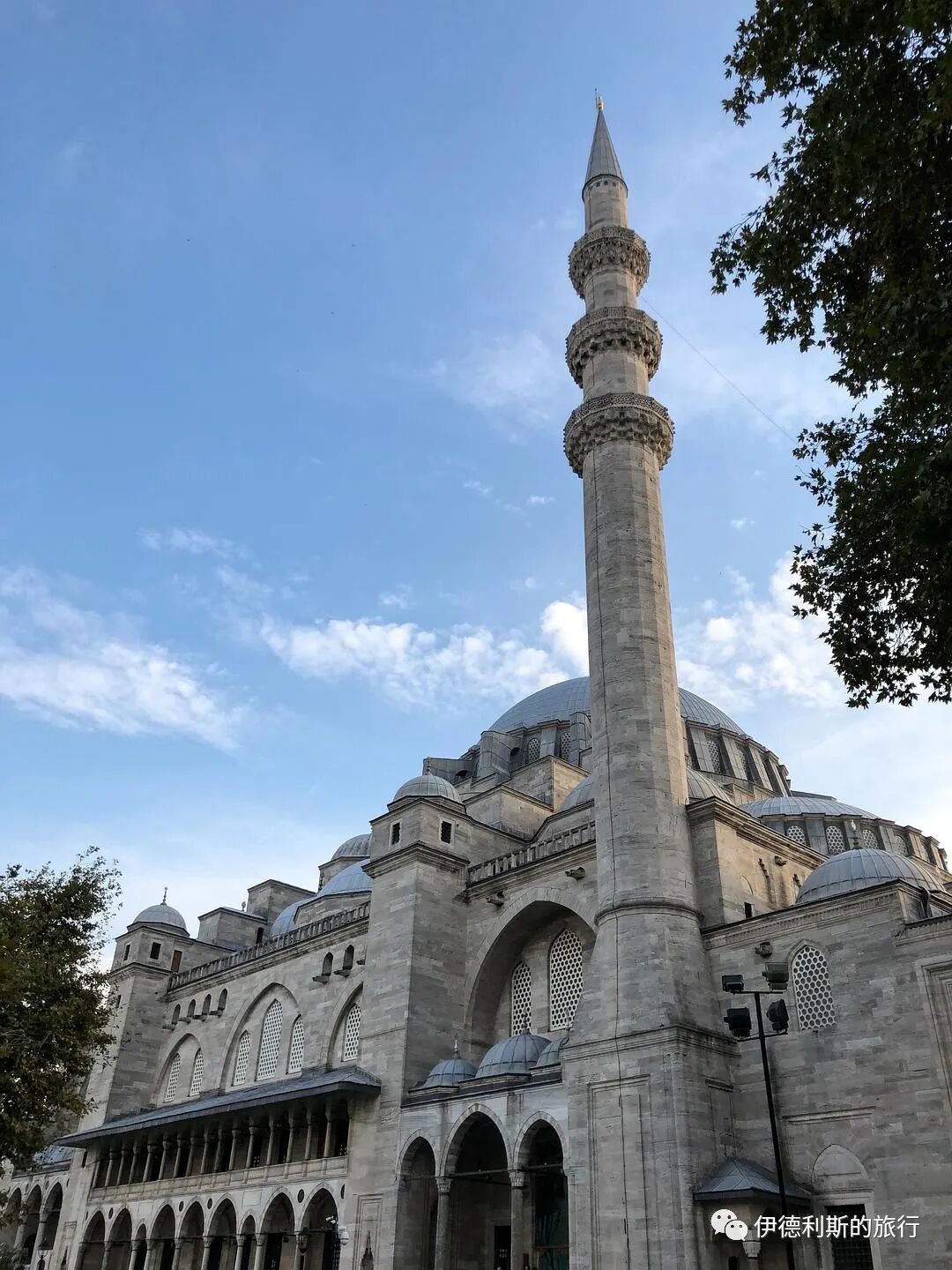
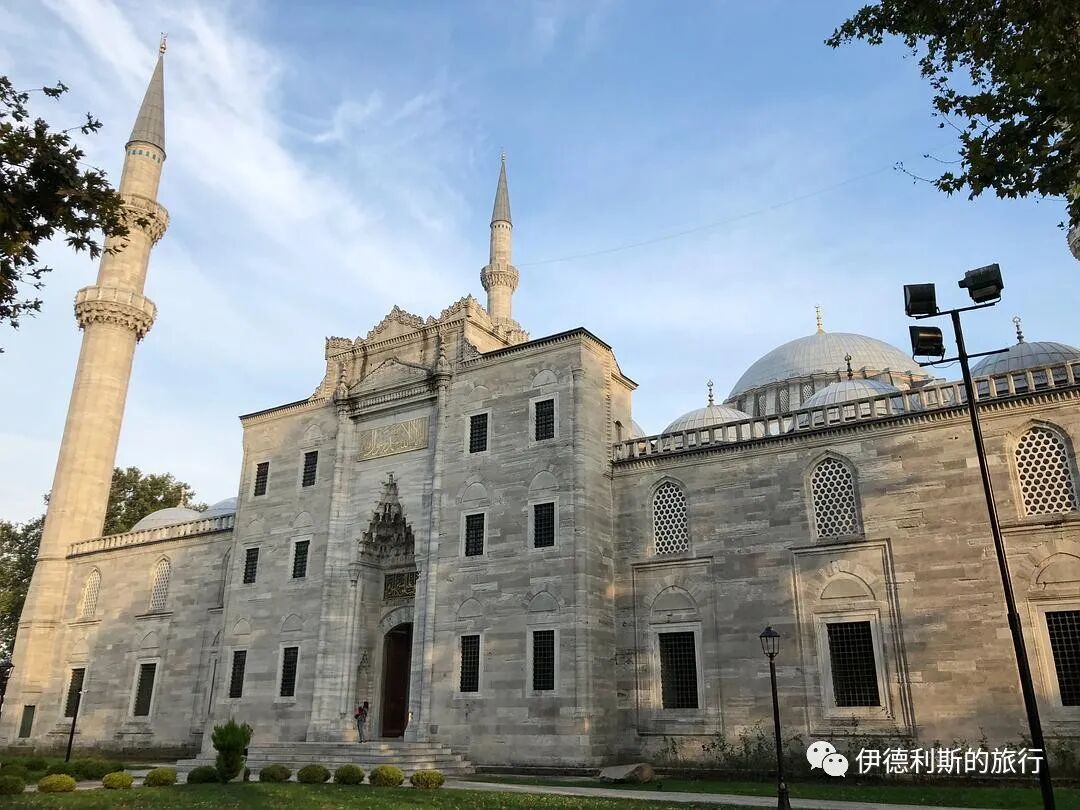
The courtyard in front of the main hall has cloisters made of marble, granite, and porphyry. The Iznik tiles on the walls feature bright tomato-red clay under the glaze, which is the earliest example of this type of tile used in building decoration.
In the center of the front courtyard is a fountain that provides cold water, hot water, and drinkable cold sweet water.
(2) Interior
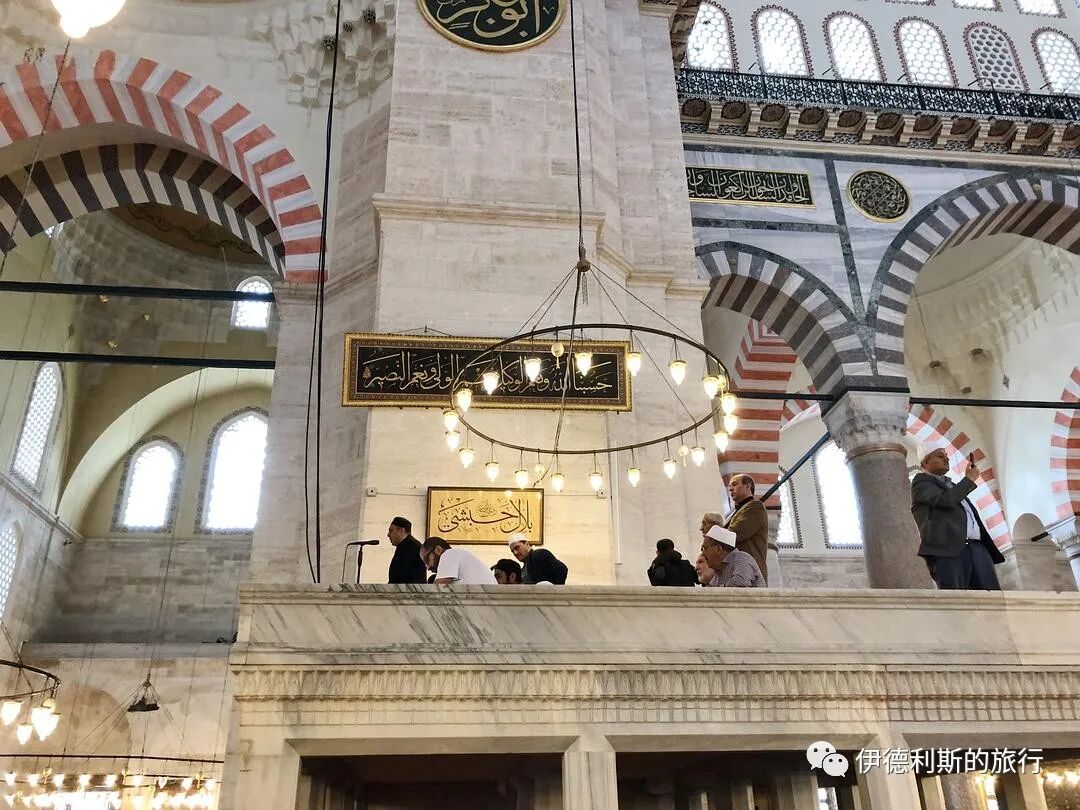
The main hall is 59 meters long and 58 meters wide. A central dome sits between two half-domes, surrounded by several smaller domes. This design creates a wave-like echo for any sound made inside the hall.
The mosque was damaged in a fire in 1660 and later repaired by Sultan Mehmed IV, who reigned from 1648 to 1687. The mosque's dome partially collapsed during an earthquake in 1766. Later repairs damaged the original decorations by Mimar Sinan. During World War I, the mosque served as an ammunition depot. A fire caused by the stored explosives destroyed almost all of the original interior decorations from Mimar Sinan's time. Repairs were not finished until 1956.
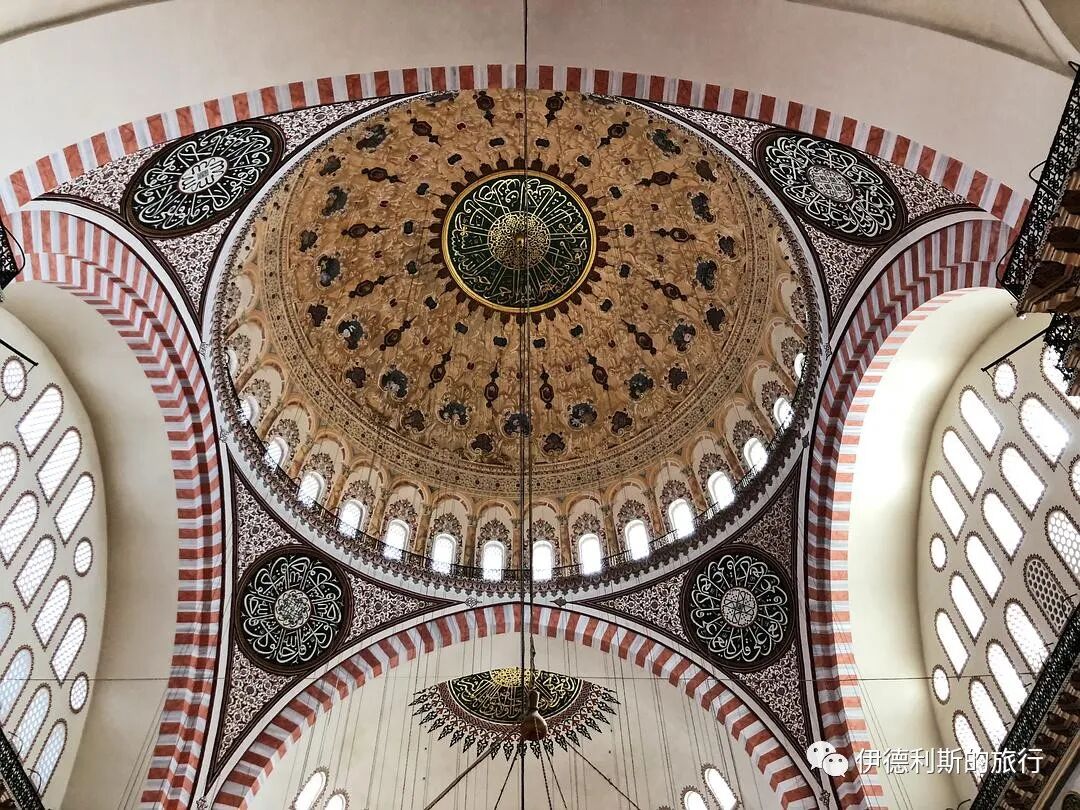
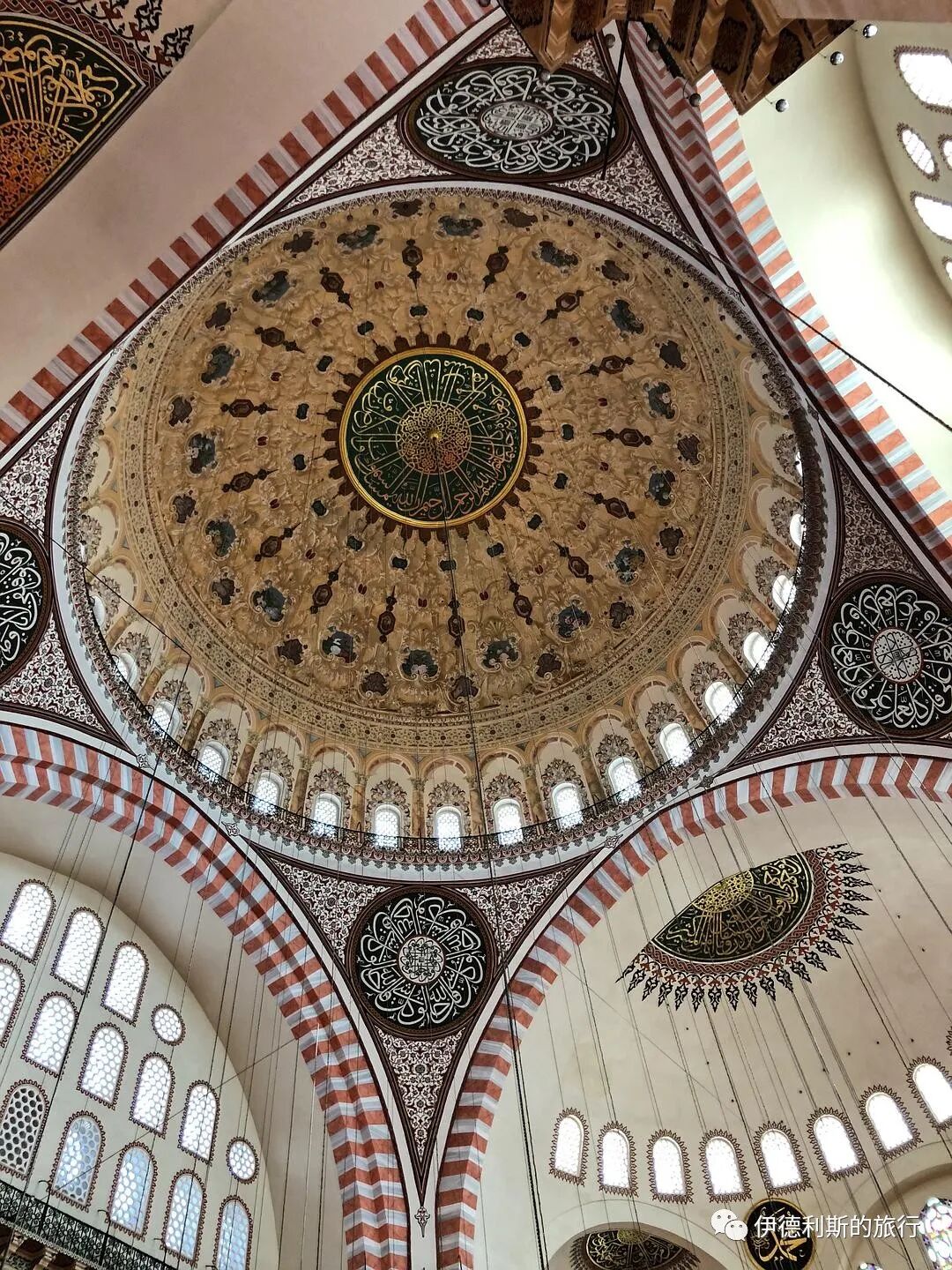
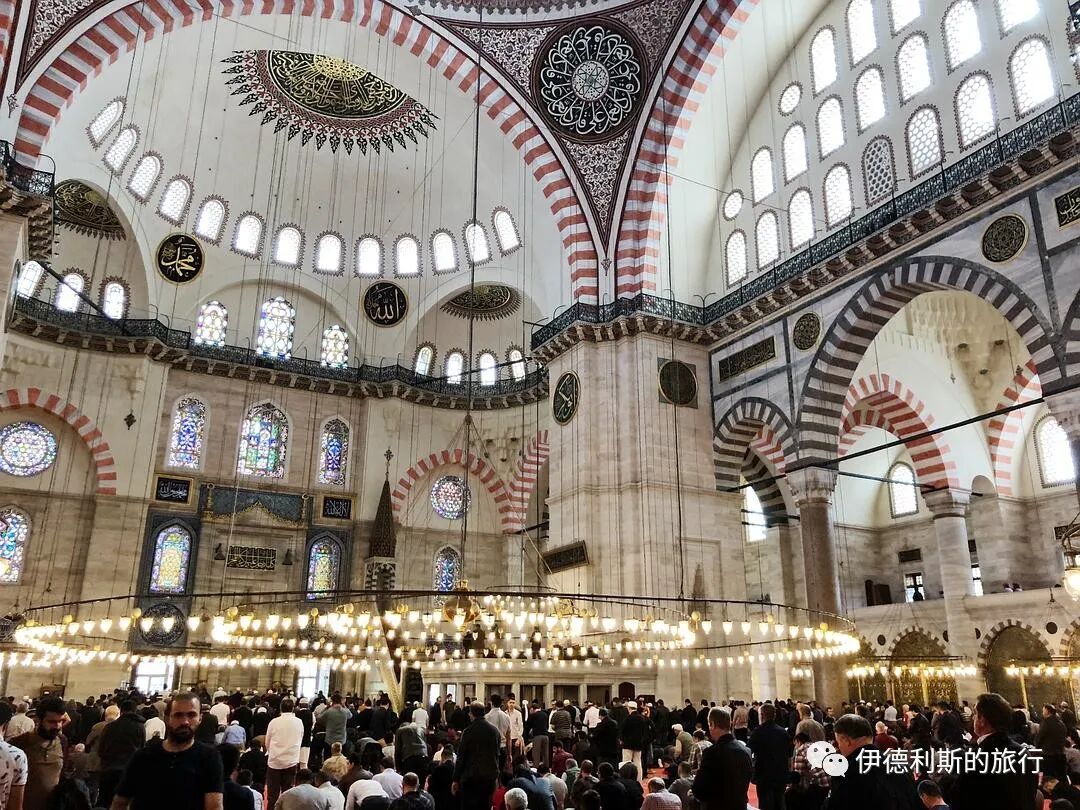
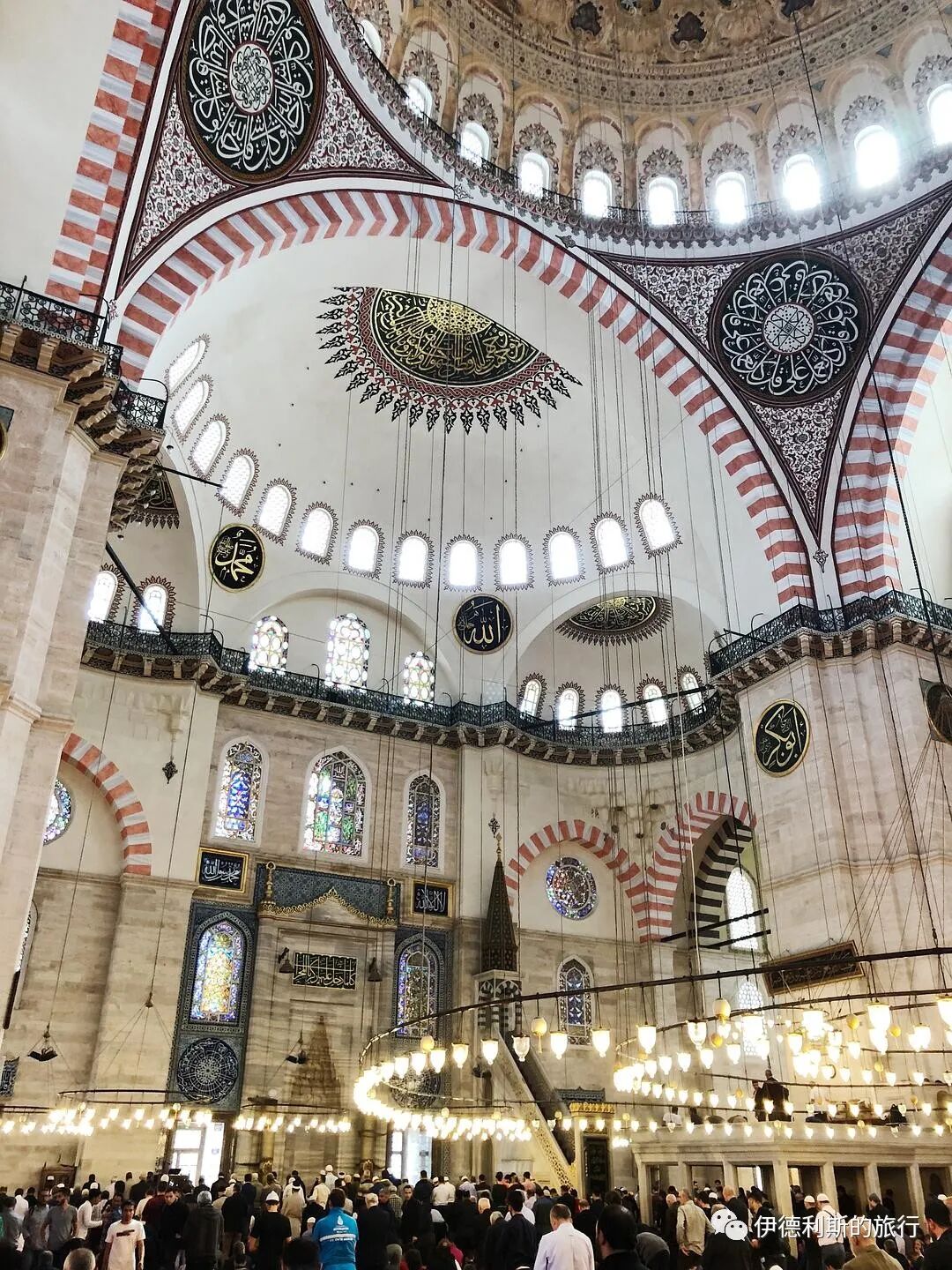
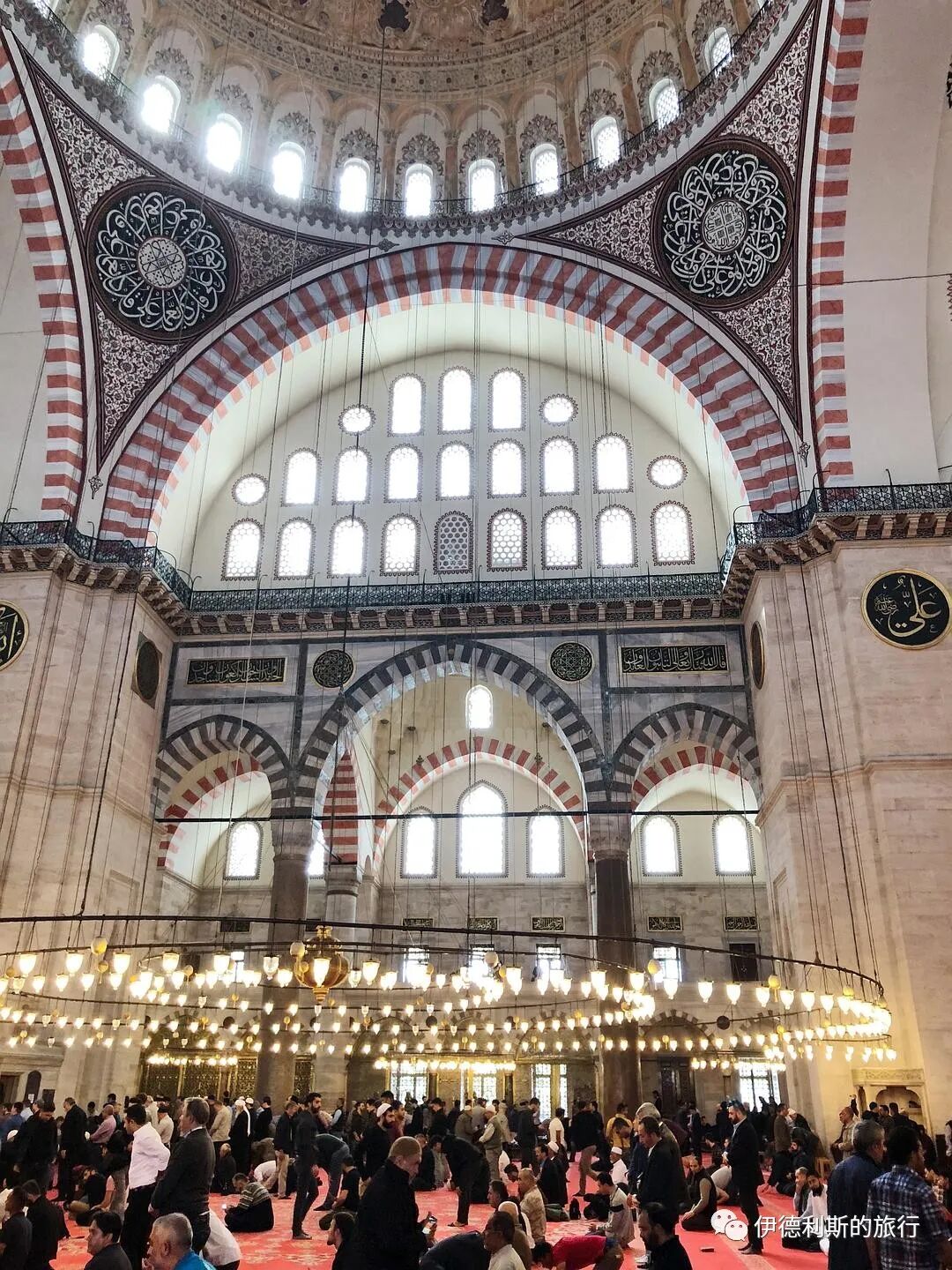
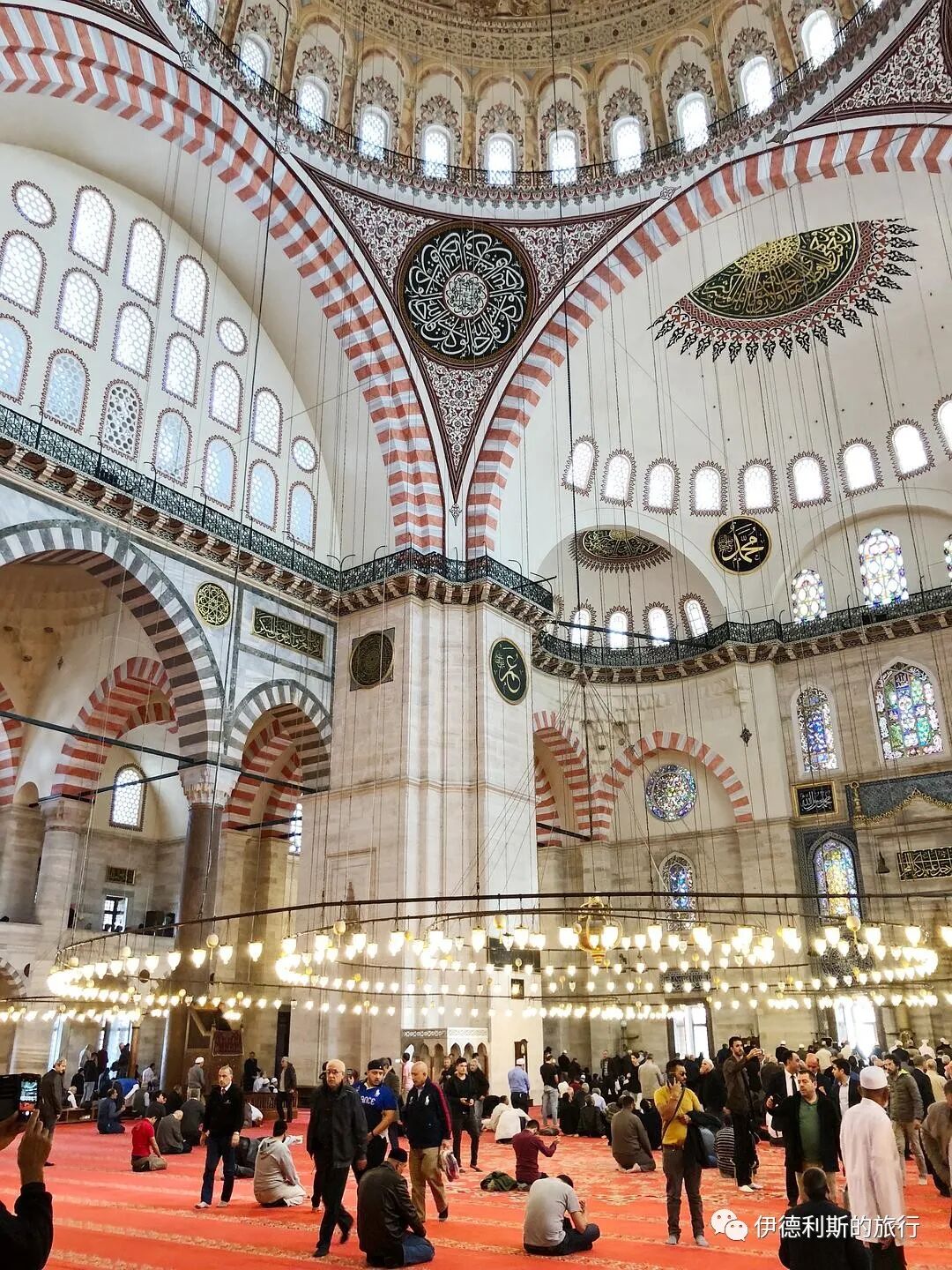
The interior features stained glass. The area around the prayer niche (mihrab) is decorated with Iznik tiles, including two large tiles with Arabic calligraphy showing the opening chapter of the Quran. Across from the pulpit (minbar) is a platform where the Sultan and his close associates would perform namaz. Guards would be stationed on the lower level of the platform while the Sultan prayed.
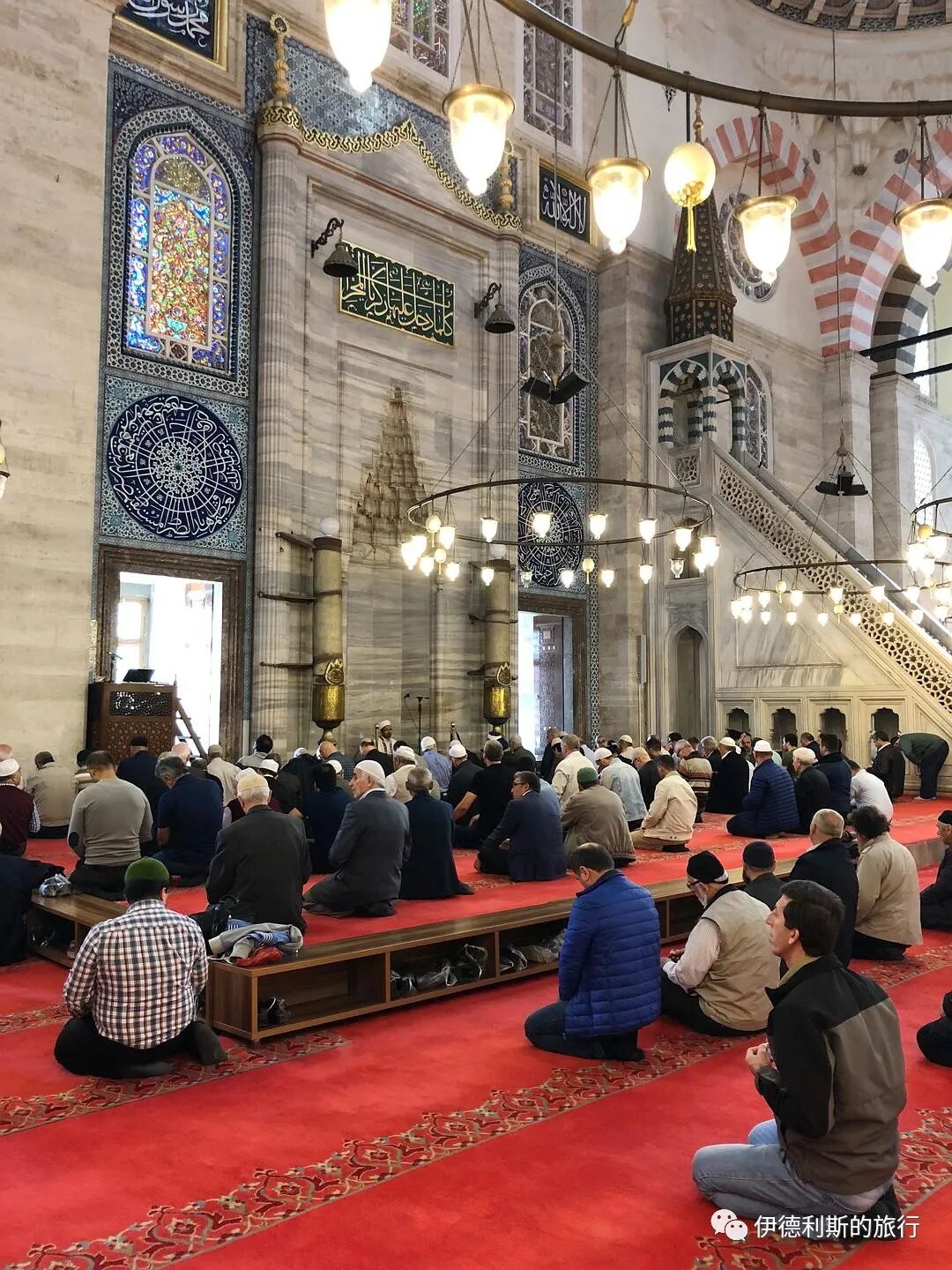
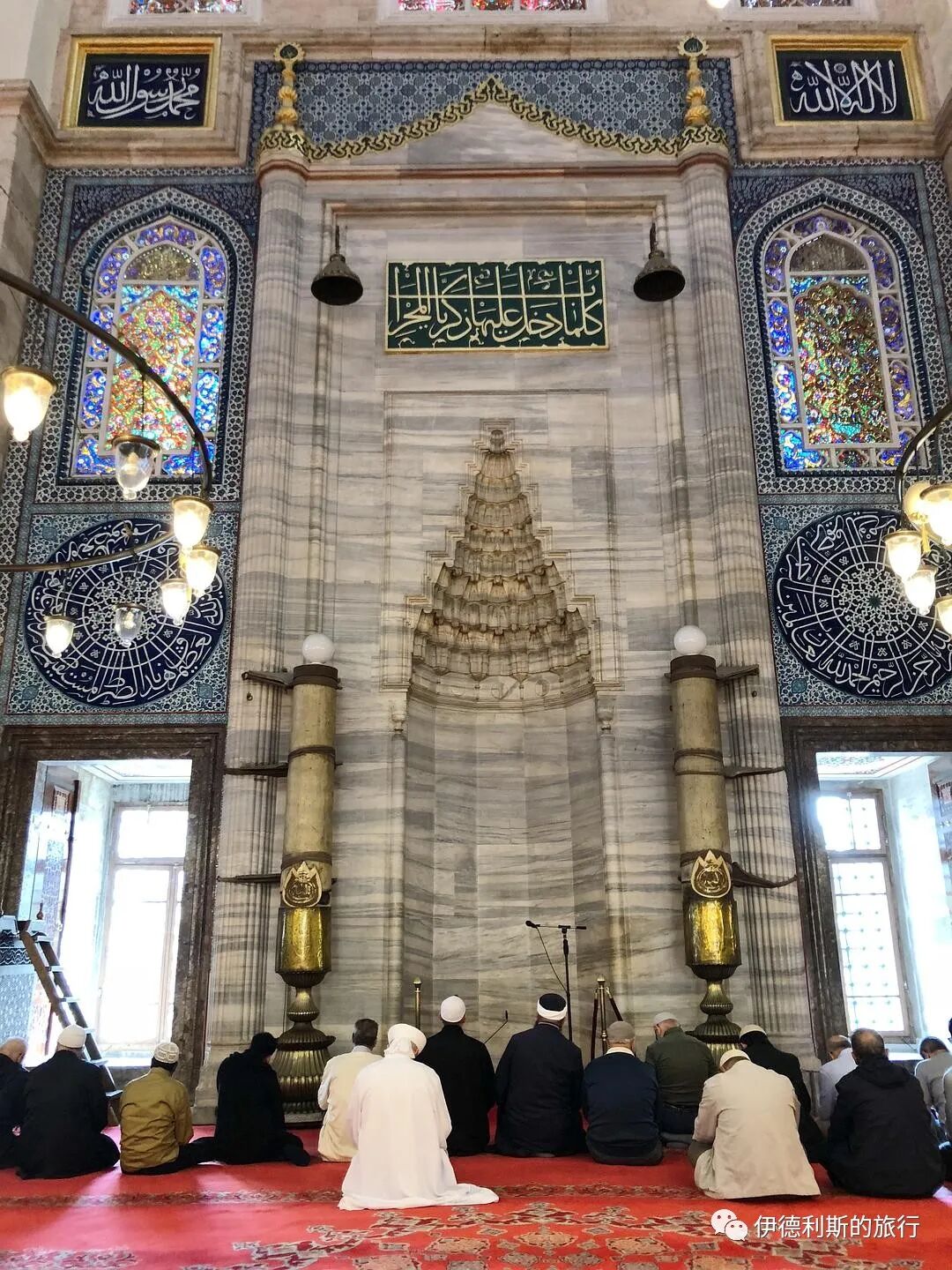
2. Bathhouse: 1557.
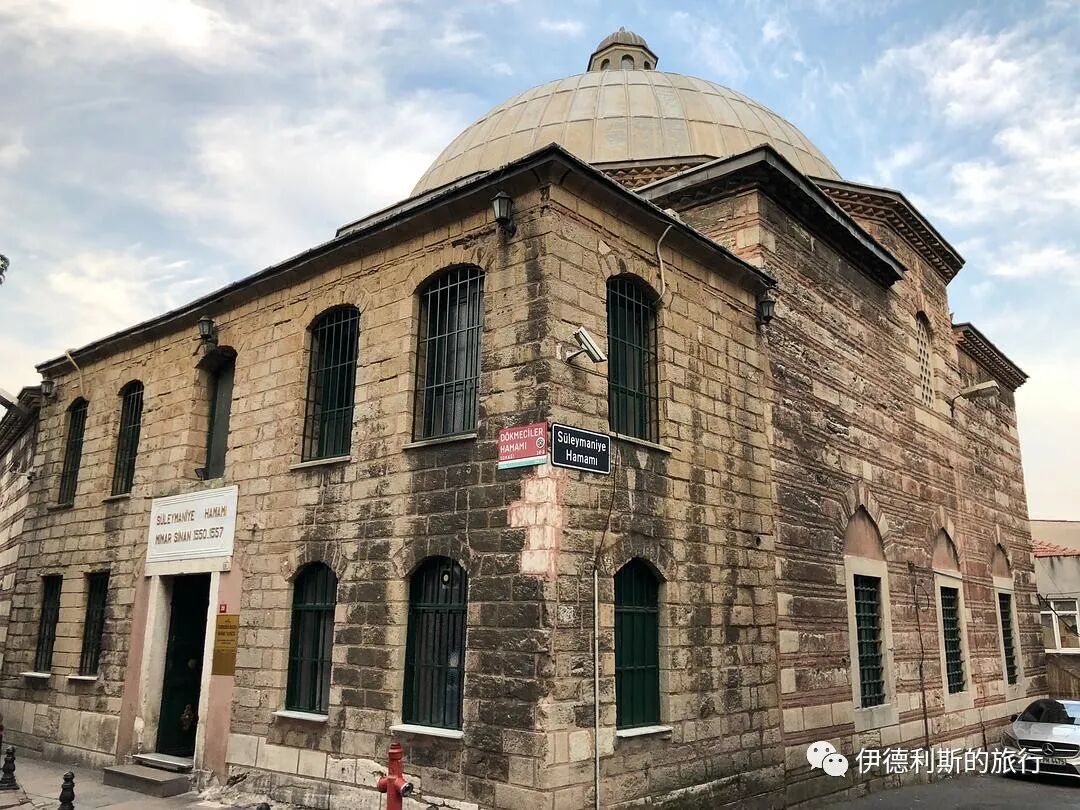
Süleymaniye Bathhouse (Süleymaniye Hamami) was built in 1557 and is a classic Turkish bath. The central massage room under the bathhouse dome is supported by eight pillars, and there is a separate small room for Sultan Suleiman the Magnificent. The bathhouse operated from 1557 until 1924, and after being renovated in 2004, it reopened and remains open today. It is now open daily from 10 a.m. to 10 p.m., with the last entry at 8 p.m.
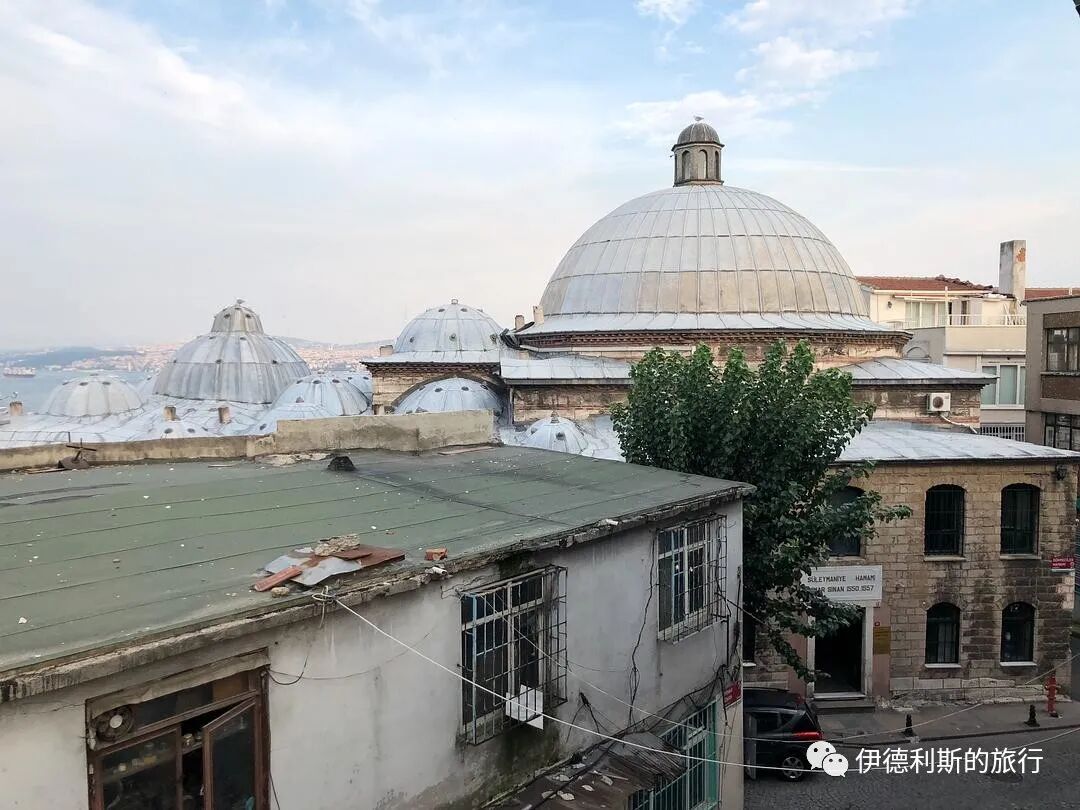
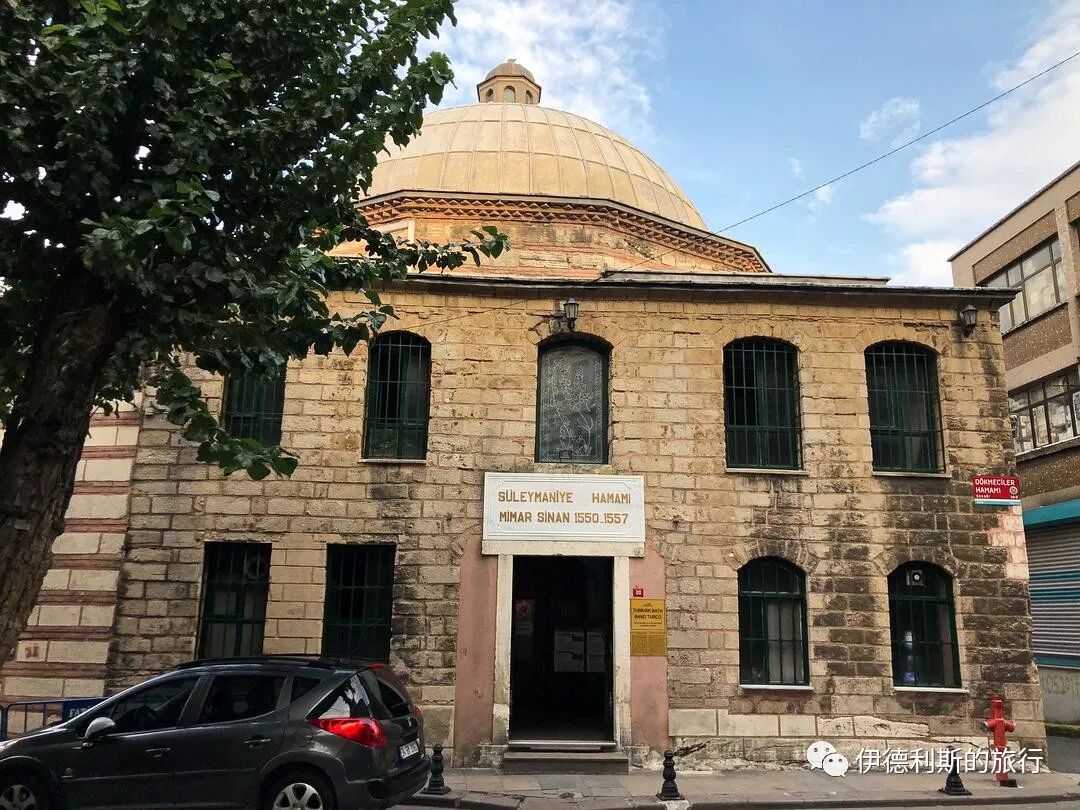
3. Hospital, public canteen, and hostel
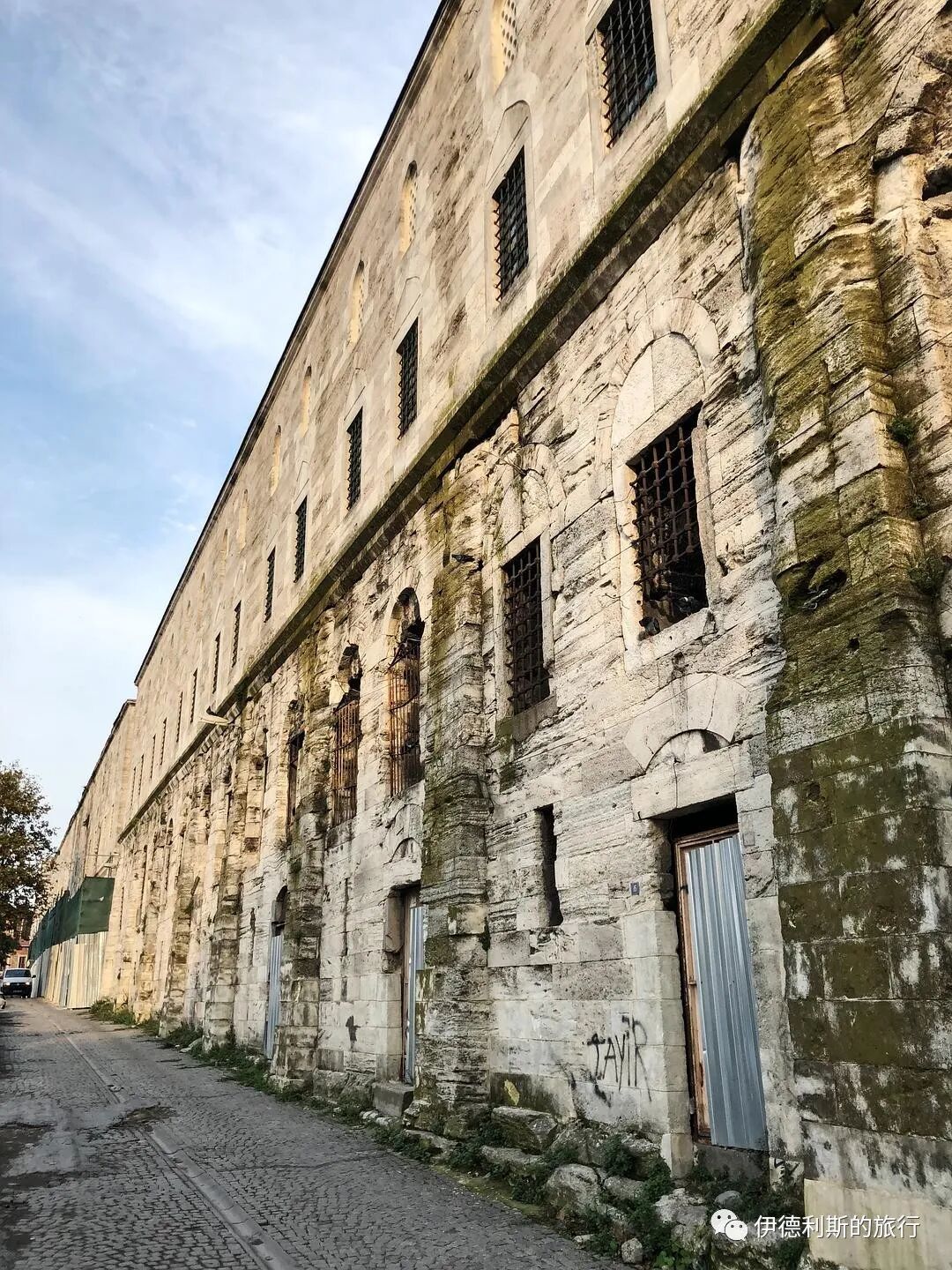
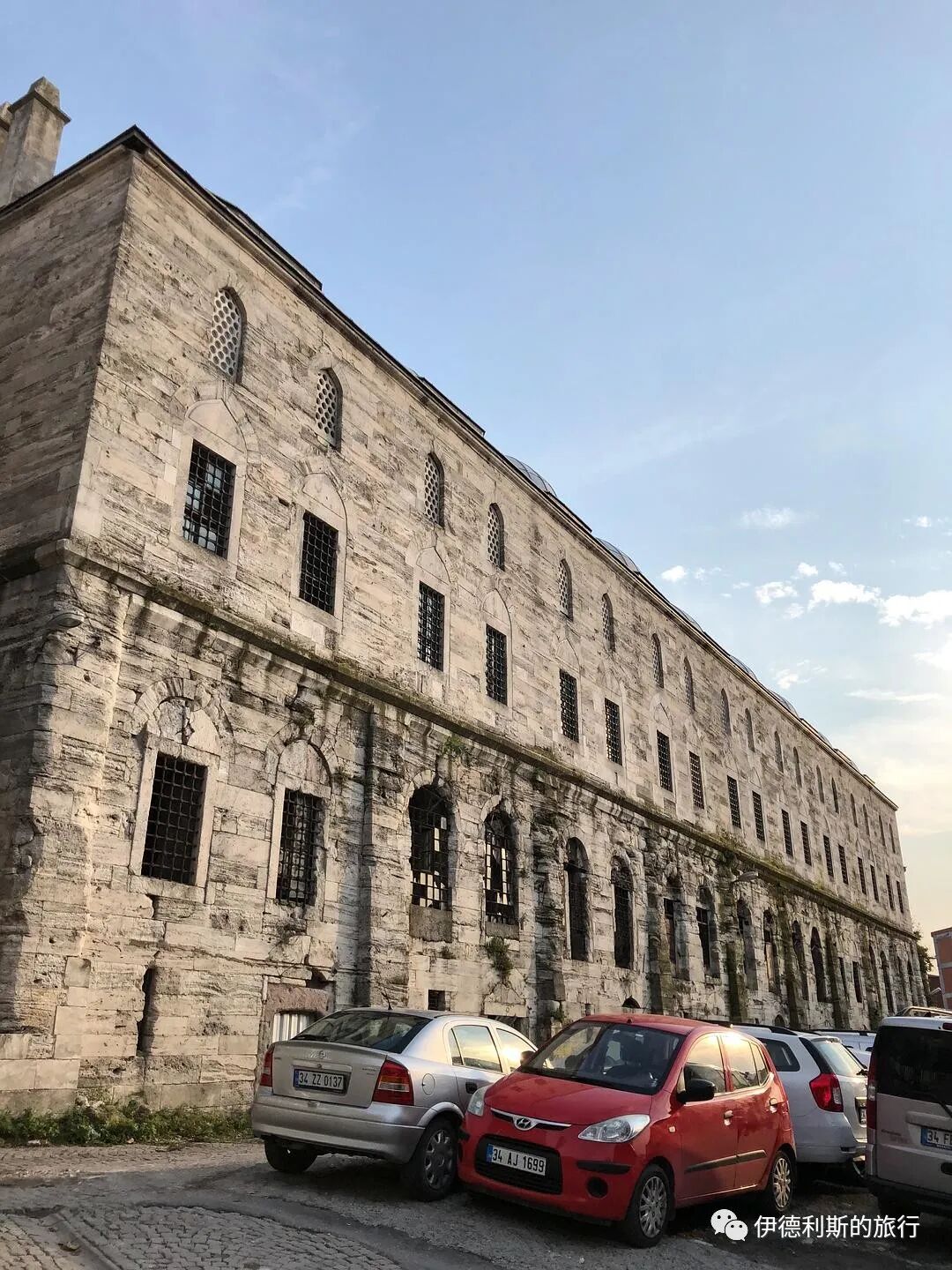
To the northwest of the Süleymaniye Mosque, there are three courtyards built side-by-side: a hospital, a public canteen, and guest rooms, separated by narrow passages. All three courtyards are built on a slope, with low walls facing the mosque and very tall walls on the side facing away from the mosque.
The hospital and the mosque were built together between 1550 and 1557. The hospital has a courtyard with two connected porches, a sunroom for patients with incurable mental illnesses, a basement for stables and a hostel, plus a pharmacy, a bathroom, and a bakery. Today, the site serves as a student dormitory, so it has lost some of its original appearance.
The public canteen was built in 1555 and consists of five domed dining rooms and one domed kitchen, with each dome featuring a glass tower to let in sunlight.
The guest rooms were built in 1555 and share a similar design to the mosque, featuring one main dome and two half-domes.
4. Salis and Rabi madrasas
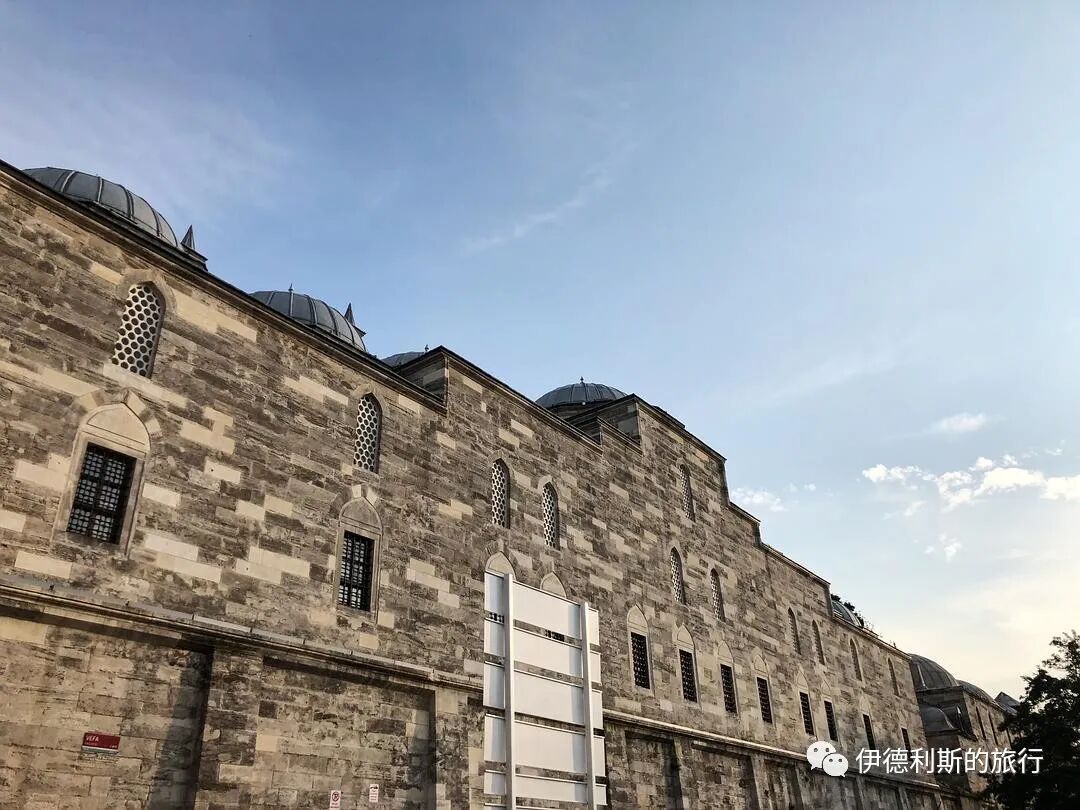
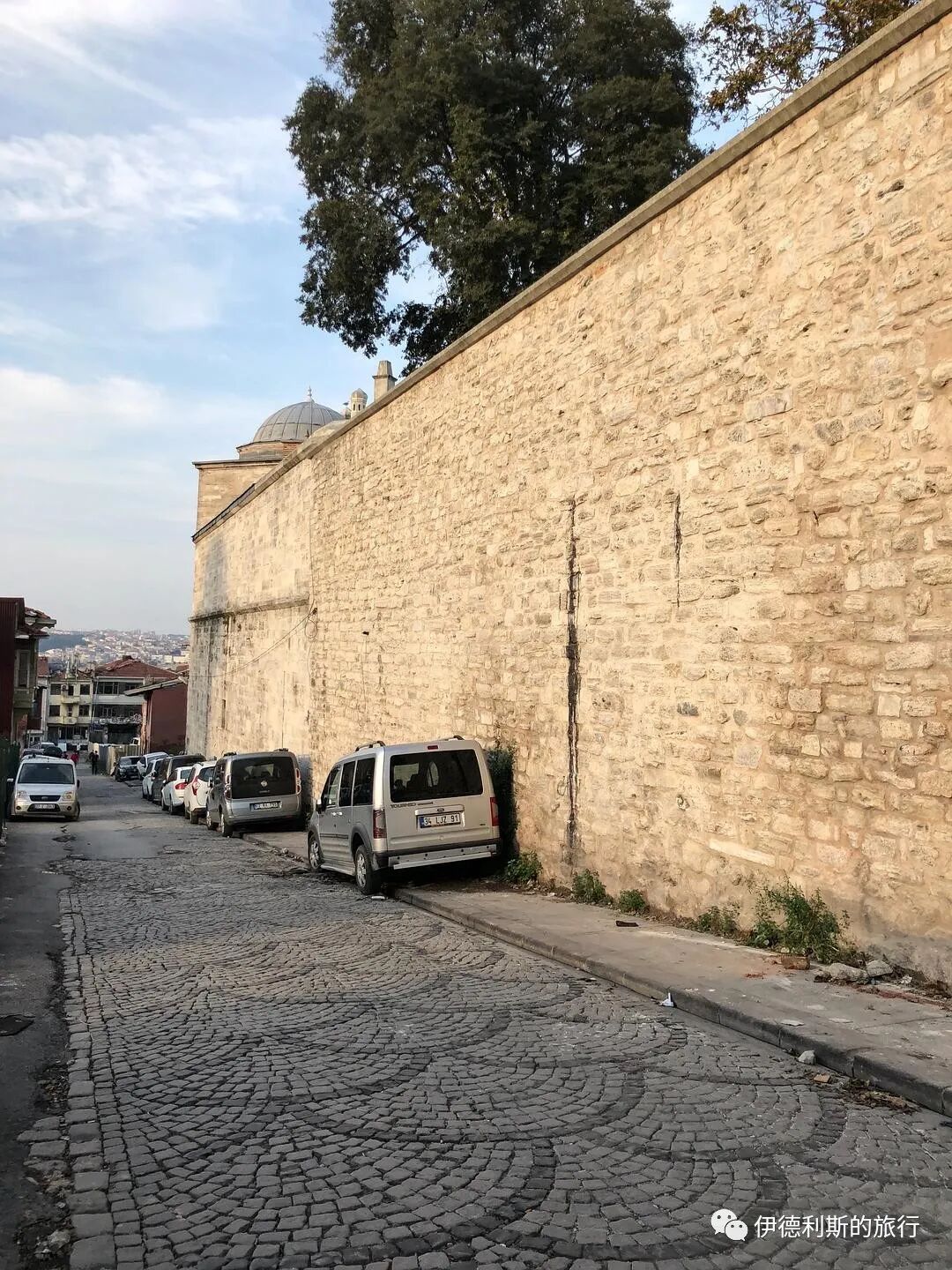
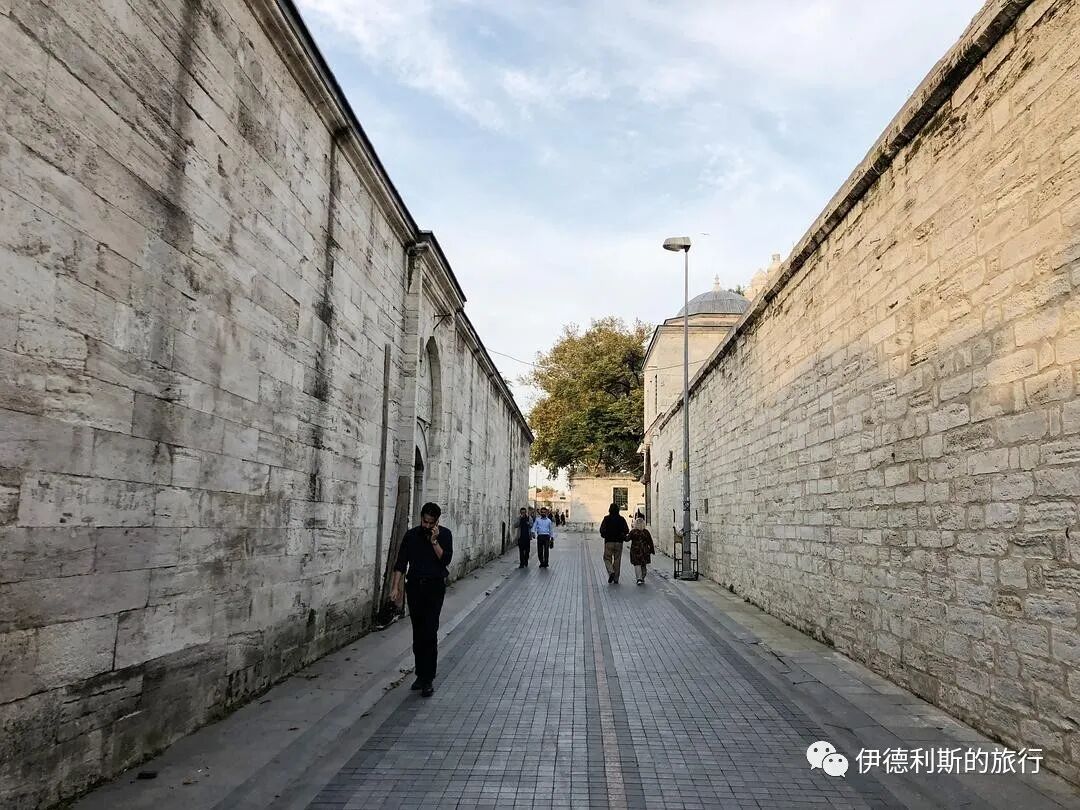
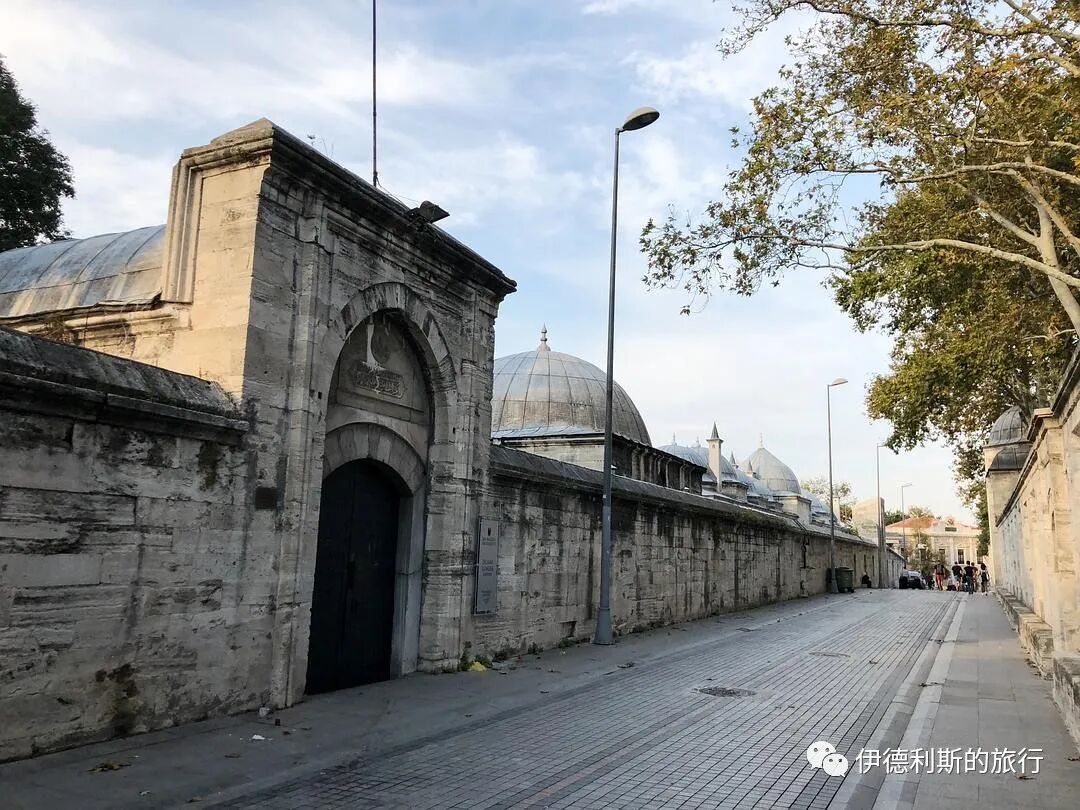
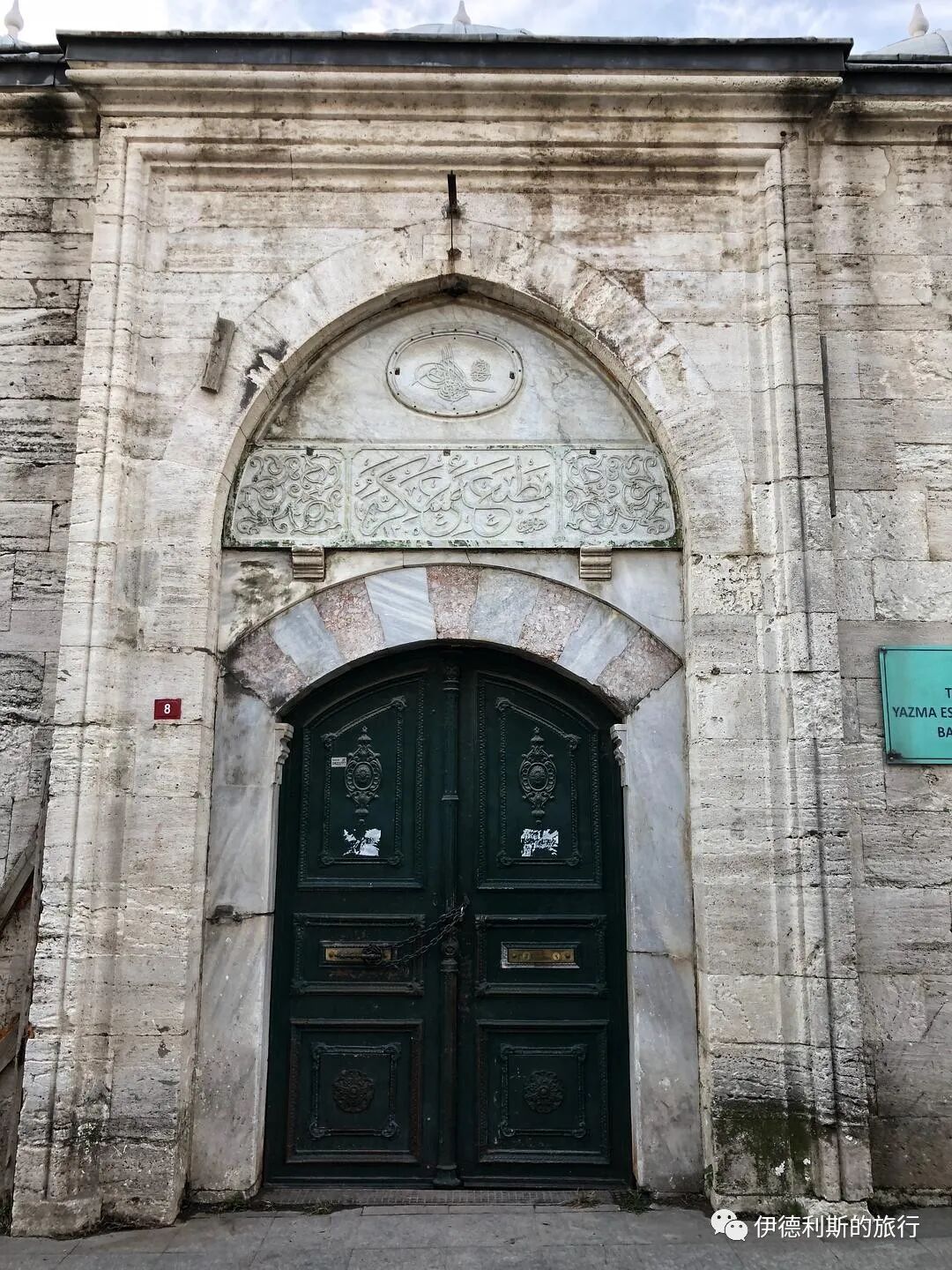
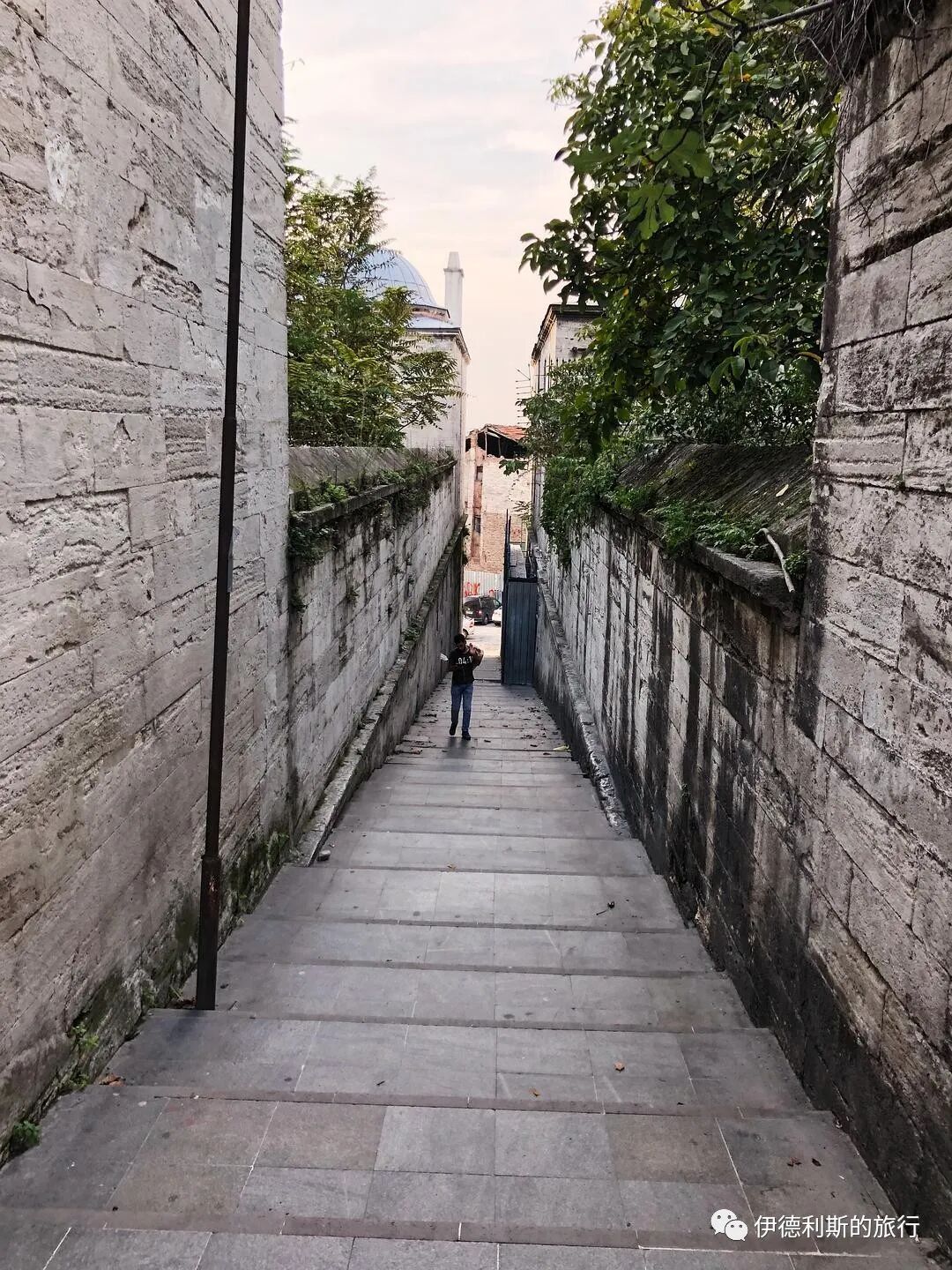
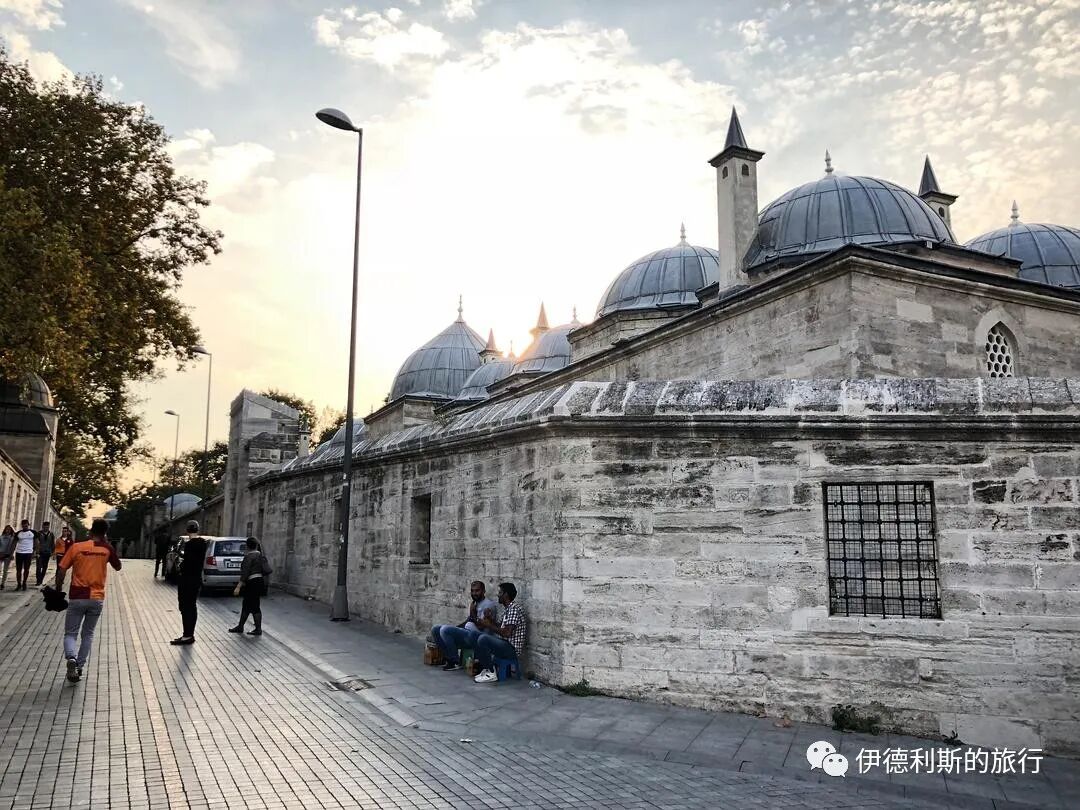
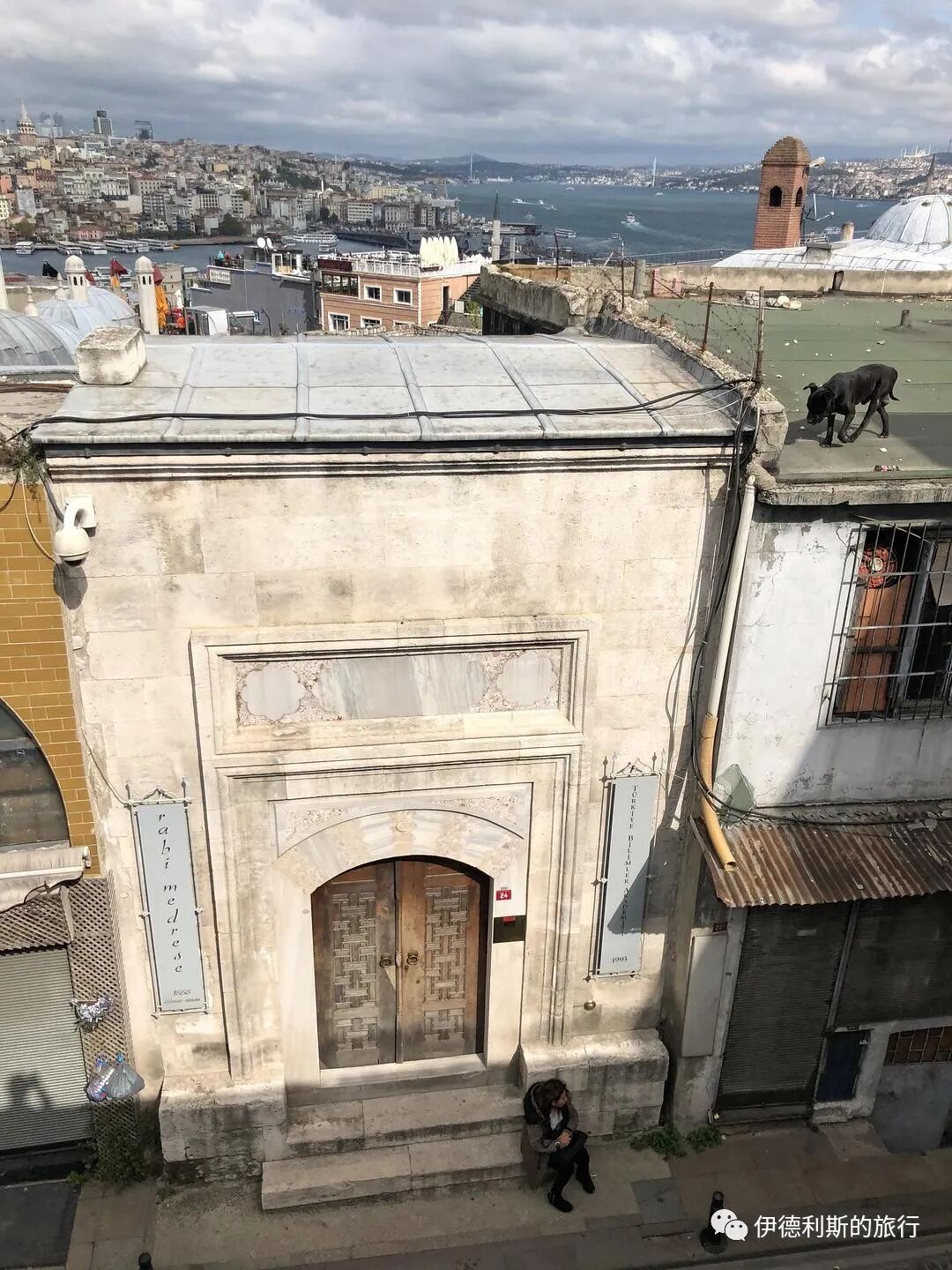
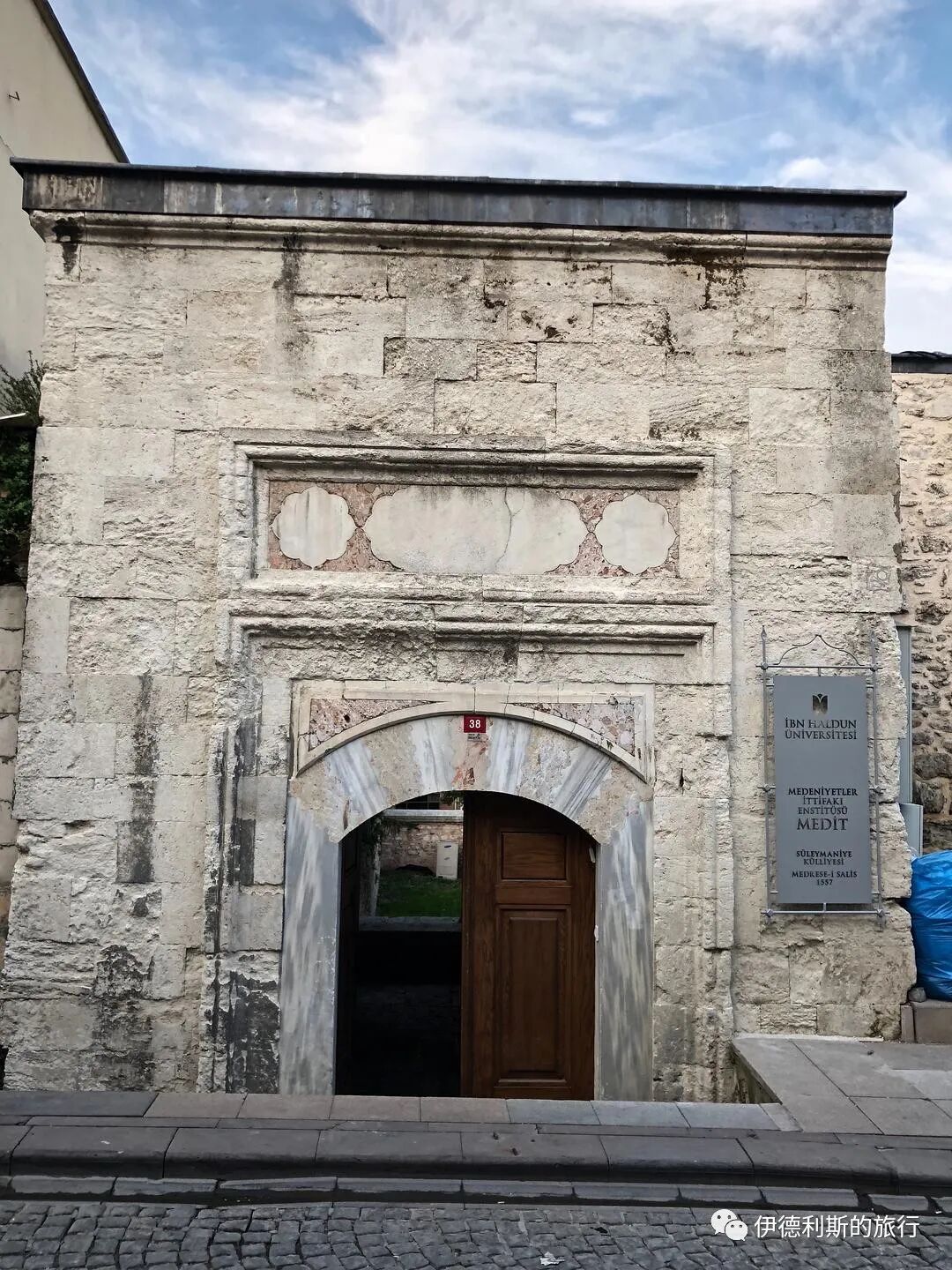
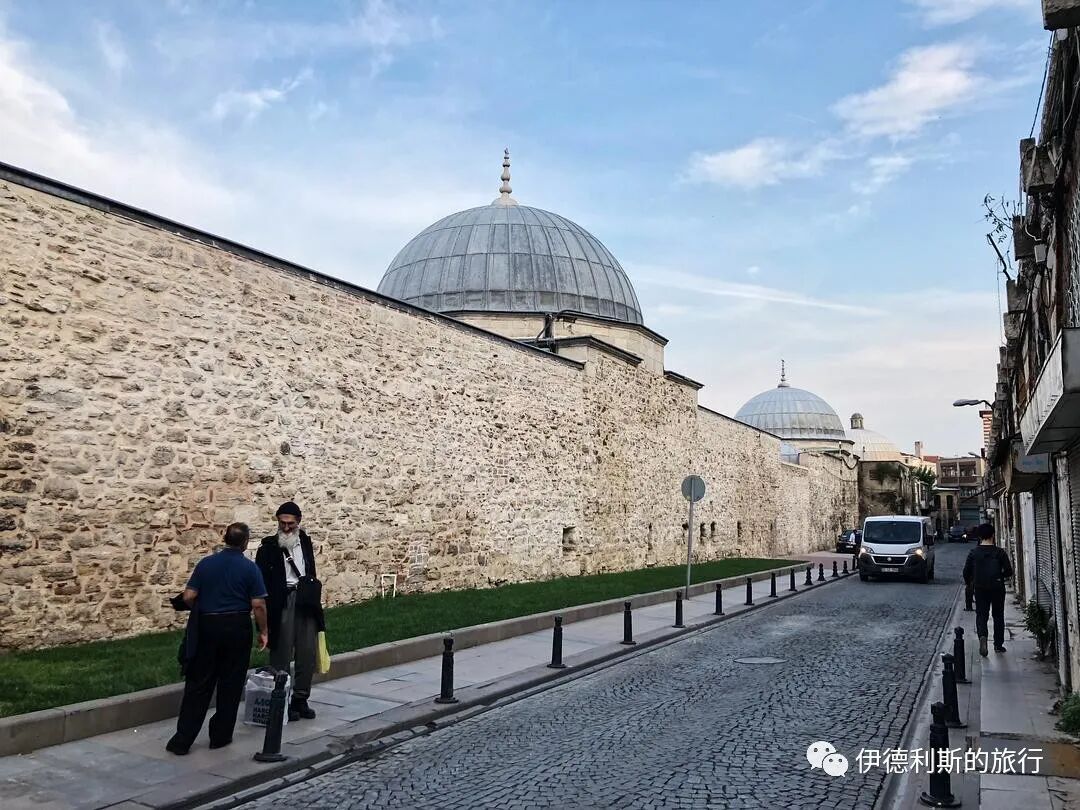
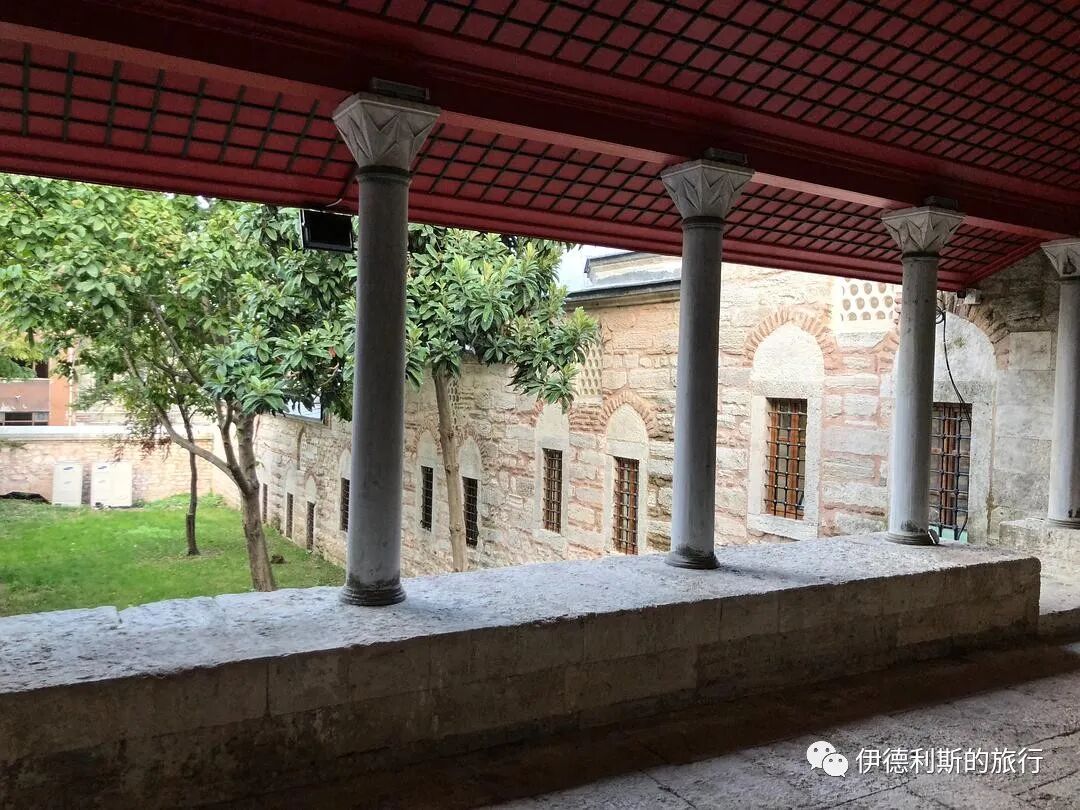
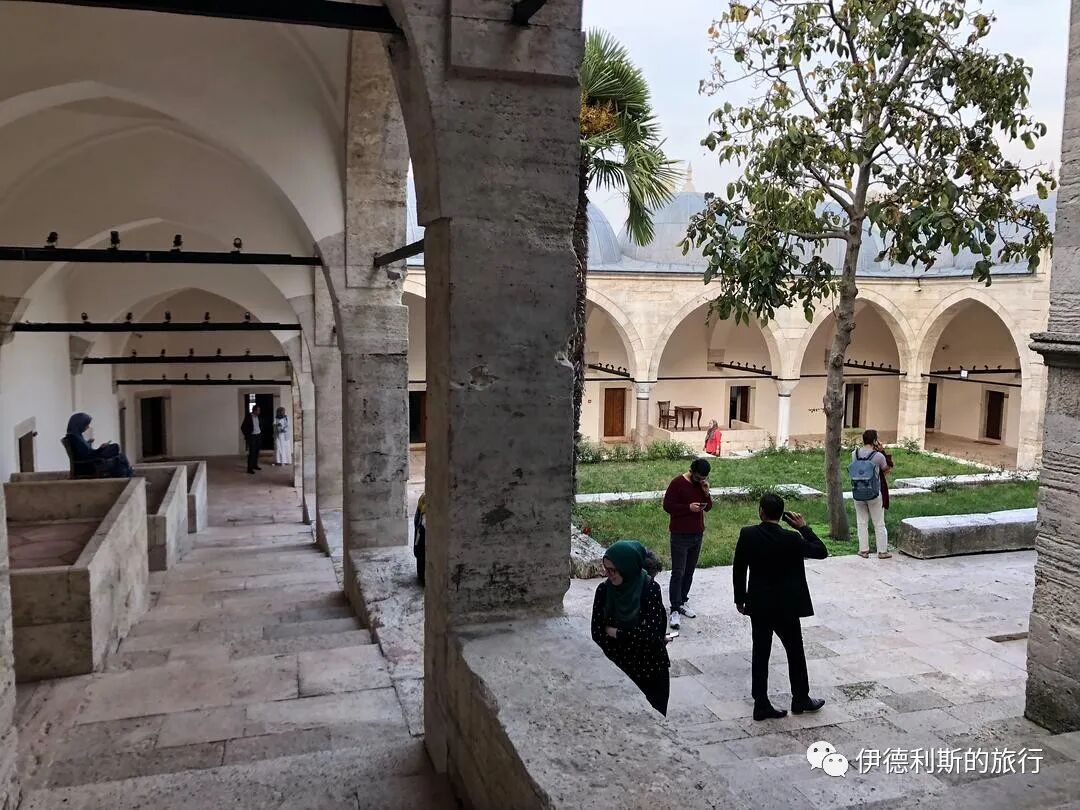
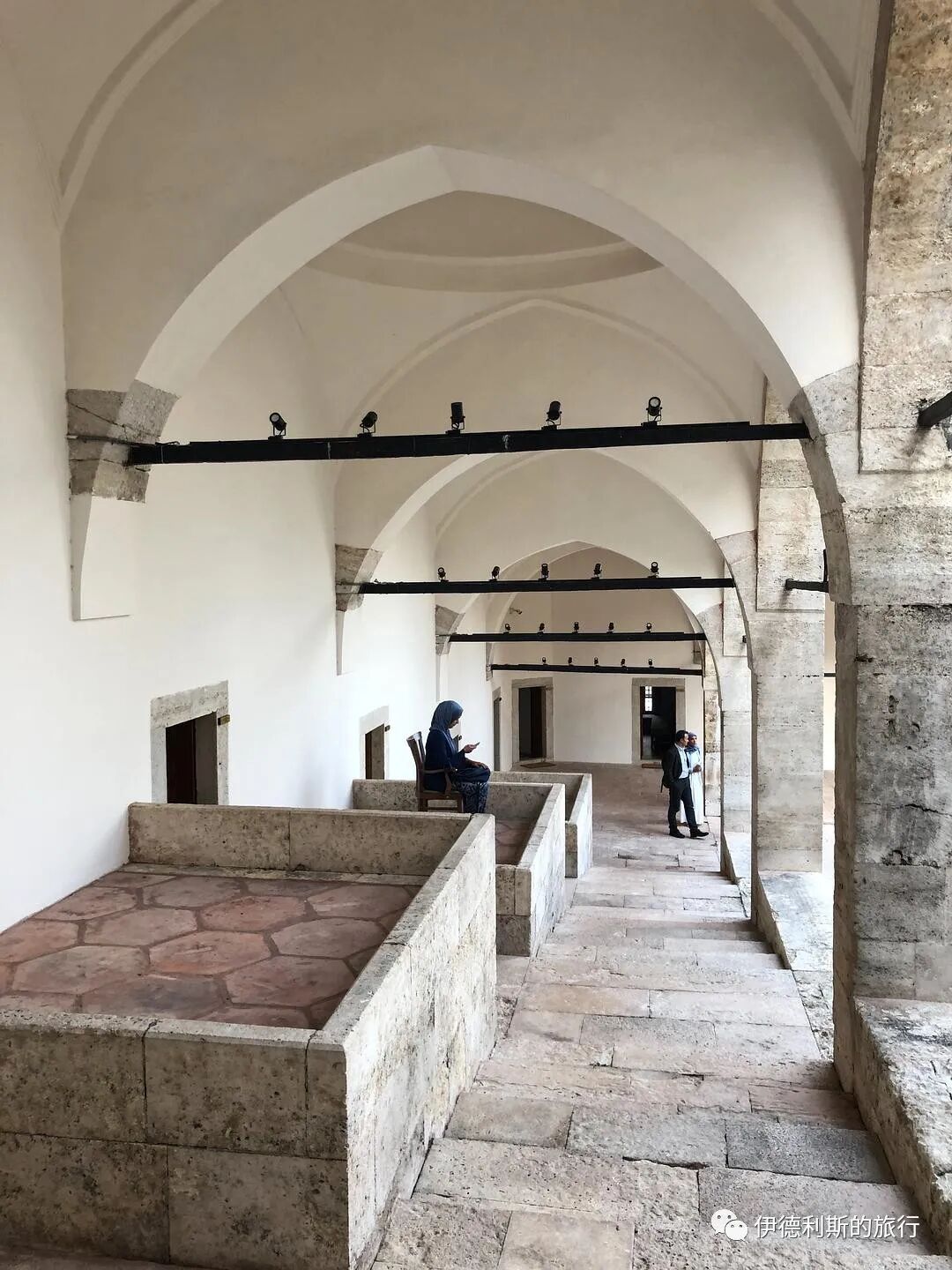
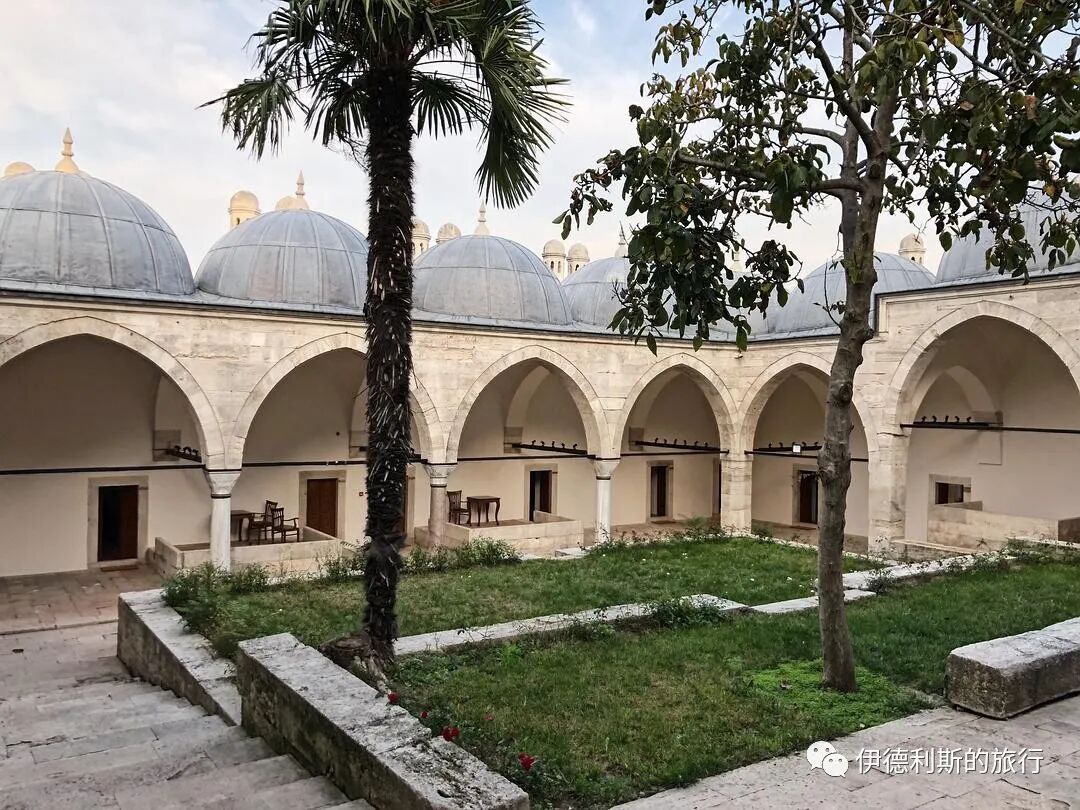
Two religious schools (madrasas), Salis and Rabi, were built side-by-side on the steep slope northeast of the mosque between 1550 and 1559. The layout of these two schools is unique and extends the view of the mosque toward the coastline of the Golden Horn. To keep the whole complex balanced, the courtyards, porches, and rooms of the religious school (madrasa) were designed in different levels. Under the porch, each room has a main hall and a staircase. The lecture hall is in a two-story building on the side without a porch, and there is a fountain on the ground floor.
5. Medical school, Evvel madrasa, Sani madrasa, and primary school
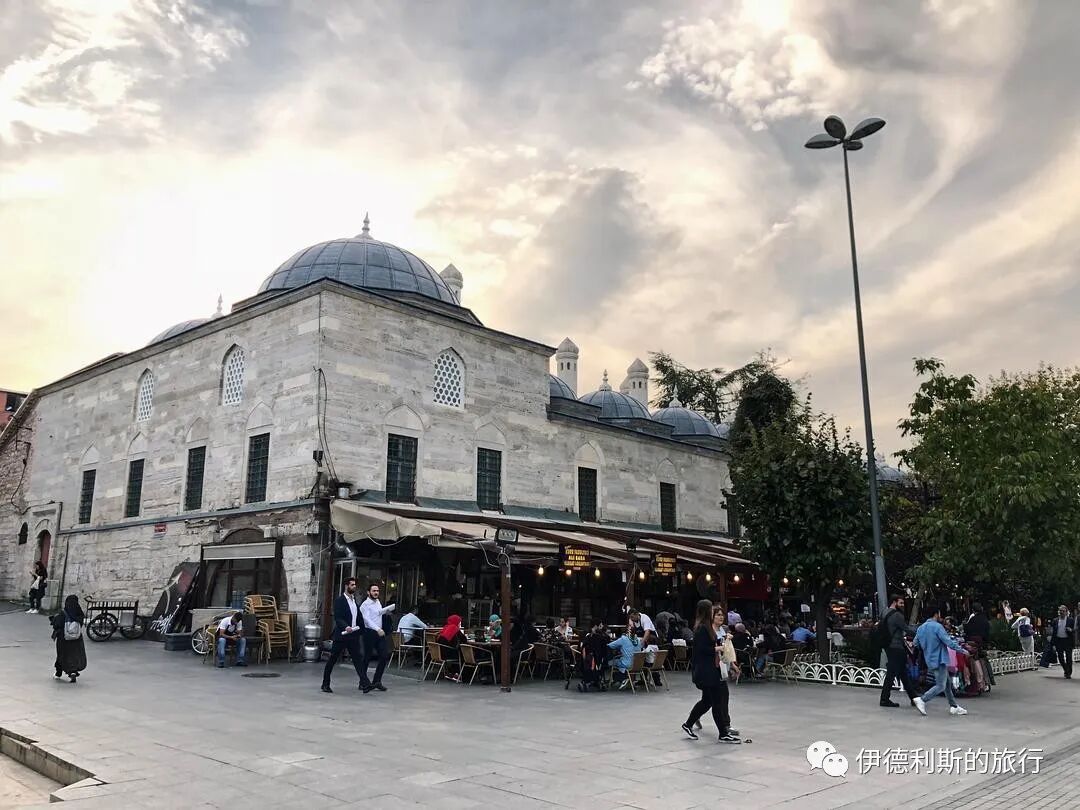
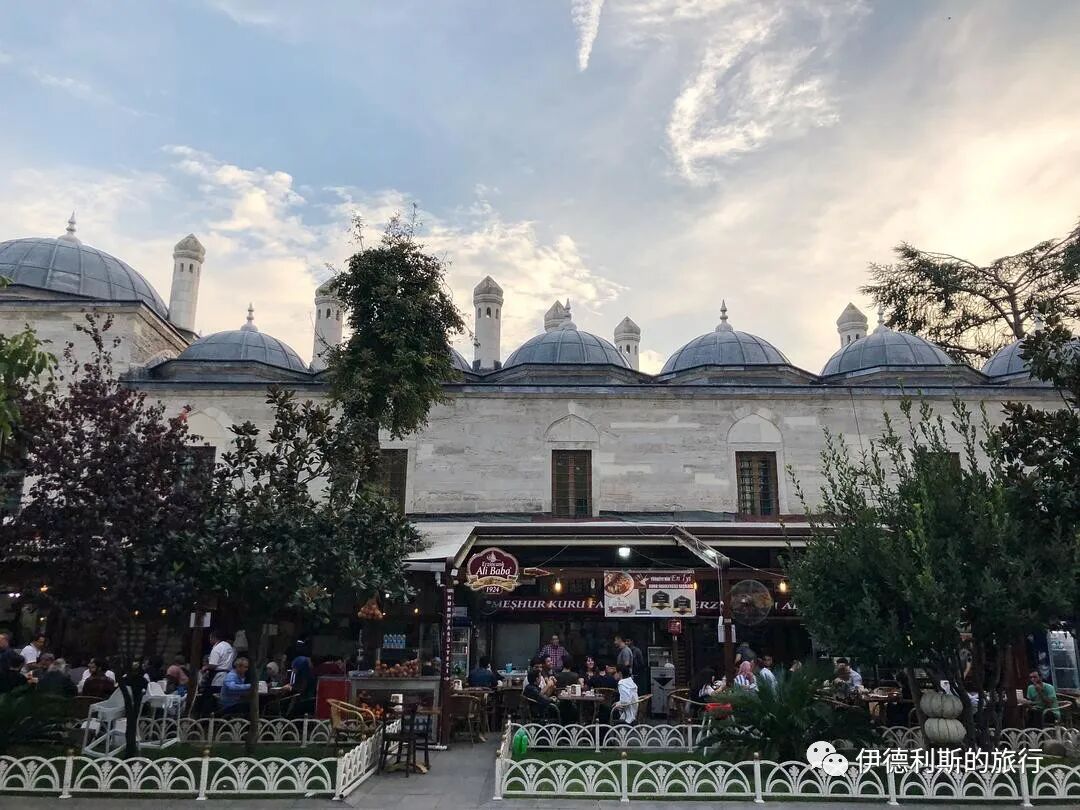
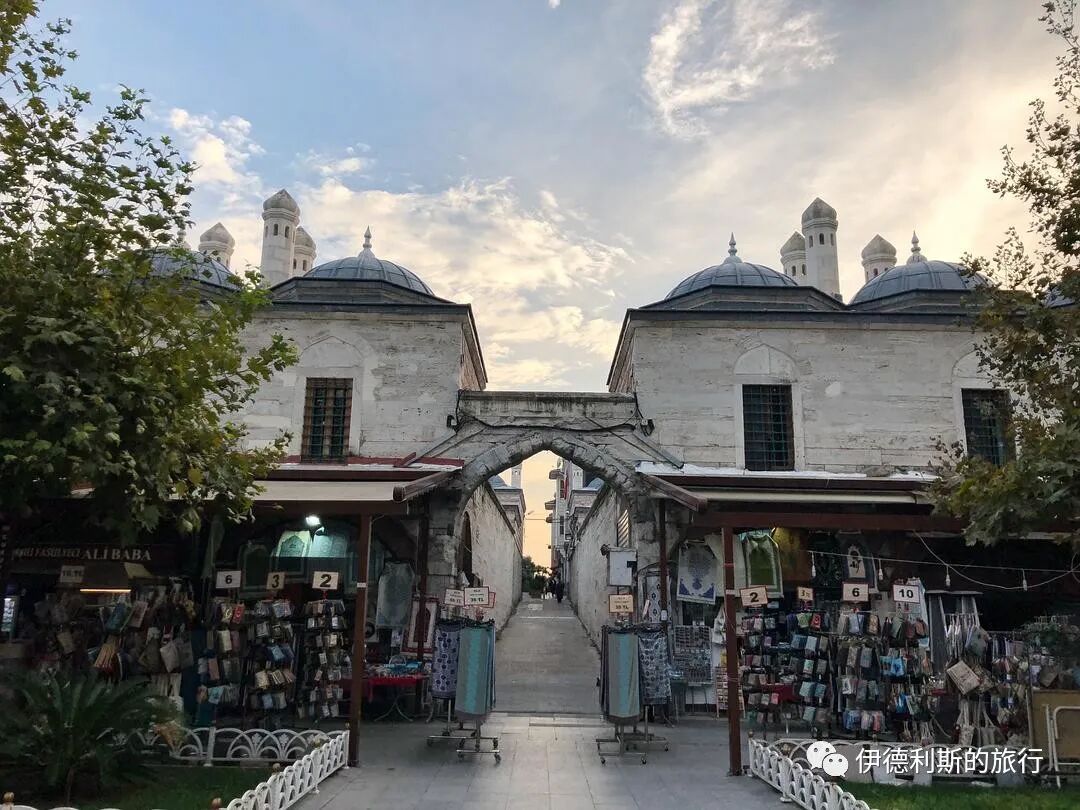
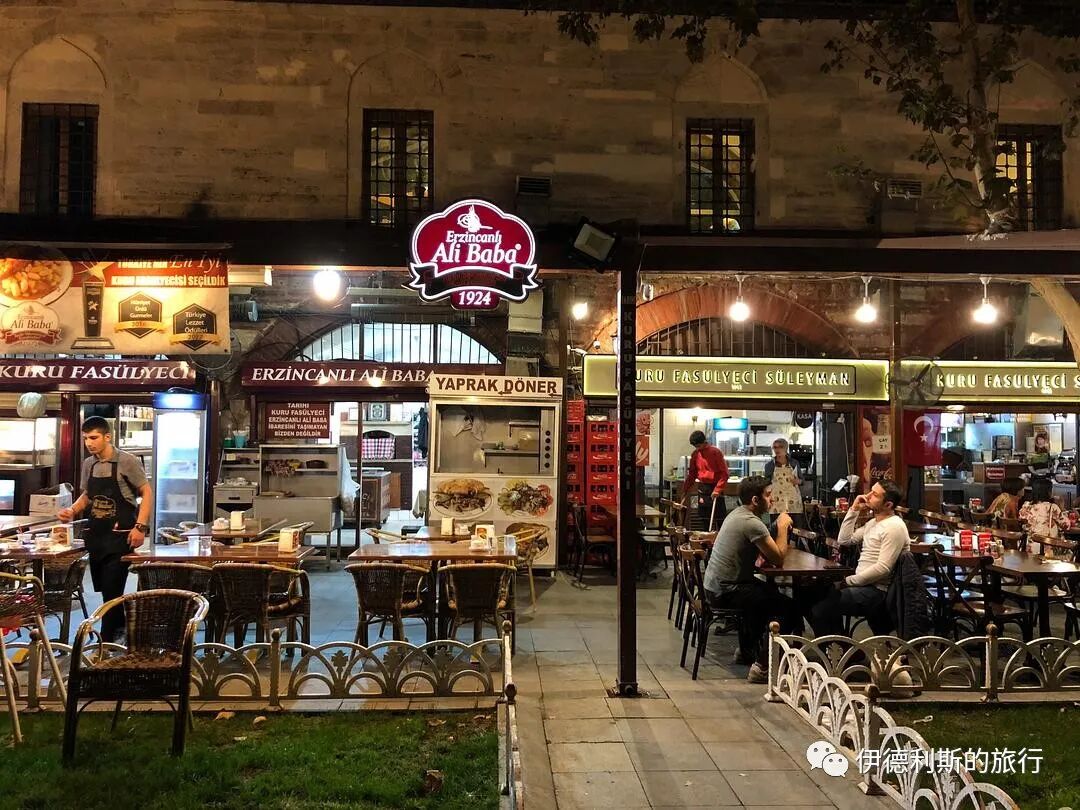
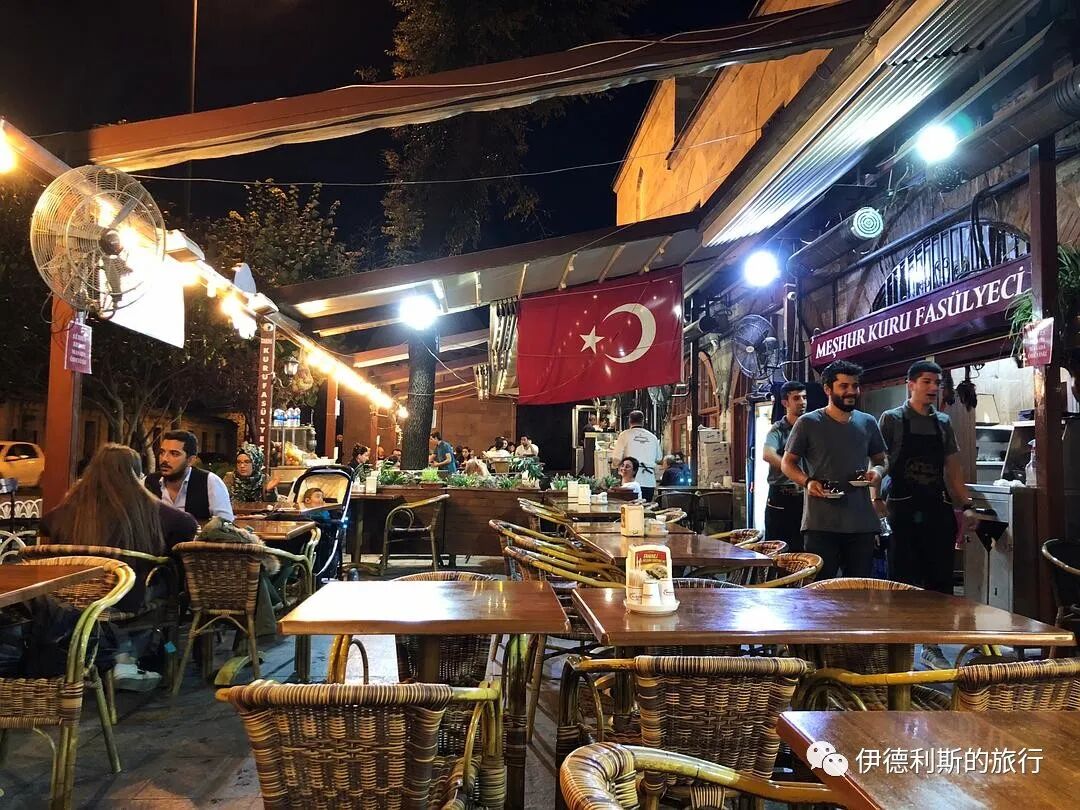
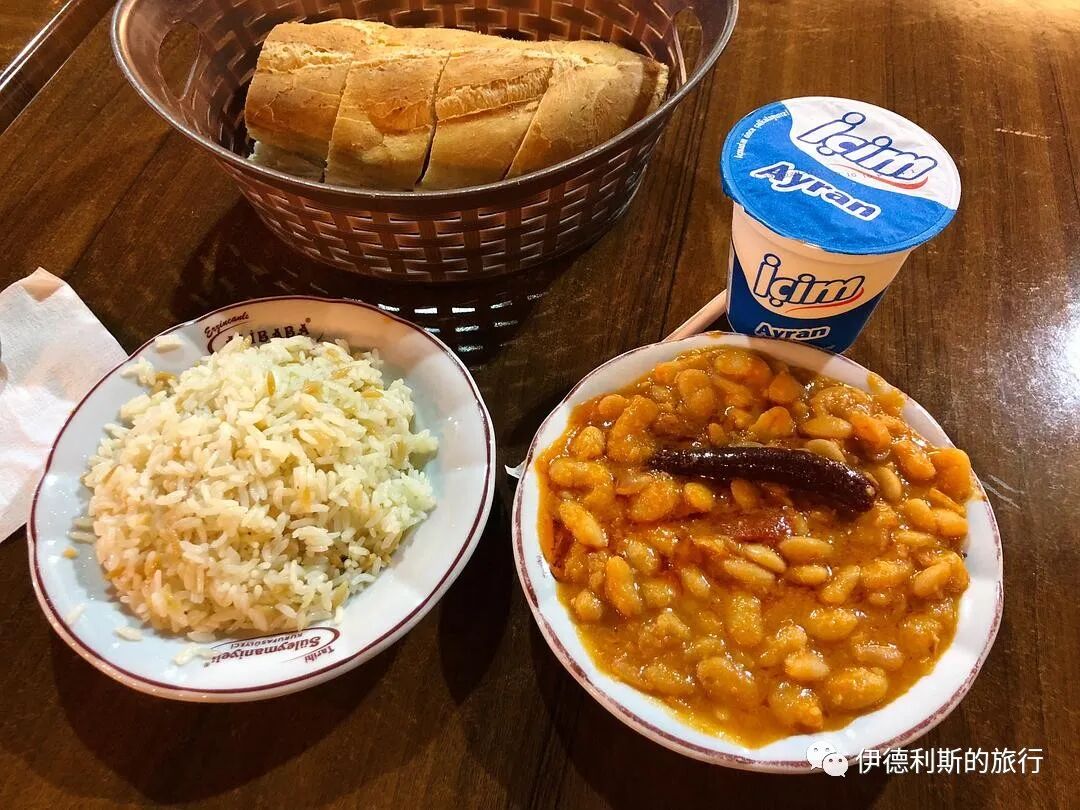
To the southwest of the mosque, the medical school, Evvel Madrasa, and Sani Madrasa are lined up in order. Evvel Madrasa and Sani Madrasa were built between 1550 and 1553. They are symmetrical and separated by a narrow alley. Inside, they have two-story teacher apartments that are now used as a manuscript library. The shops facing the street are now rented to a restaurant called Ali Baba. The restaurant is known for its bean rice (fasulye), which is made with white beans, olive oil, onions, and tomato paste.
6. Hadith school
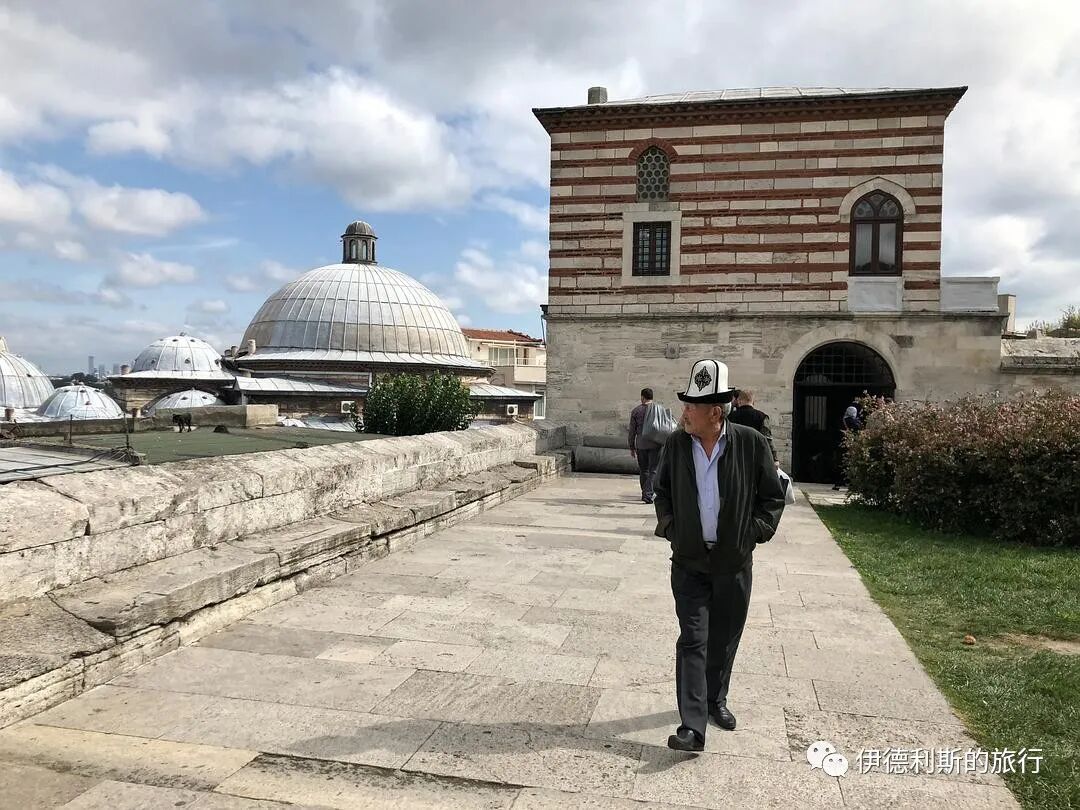
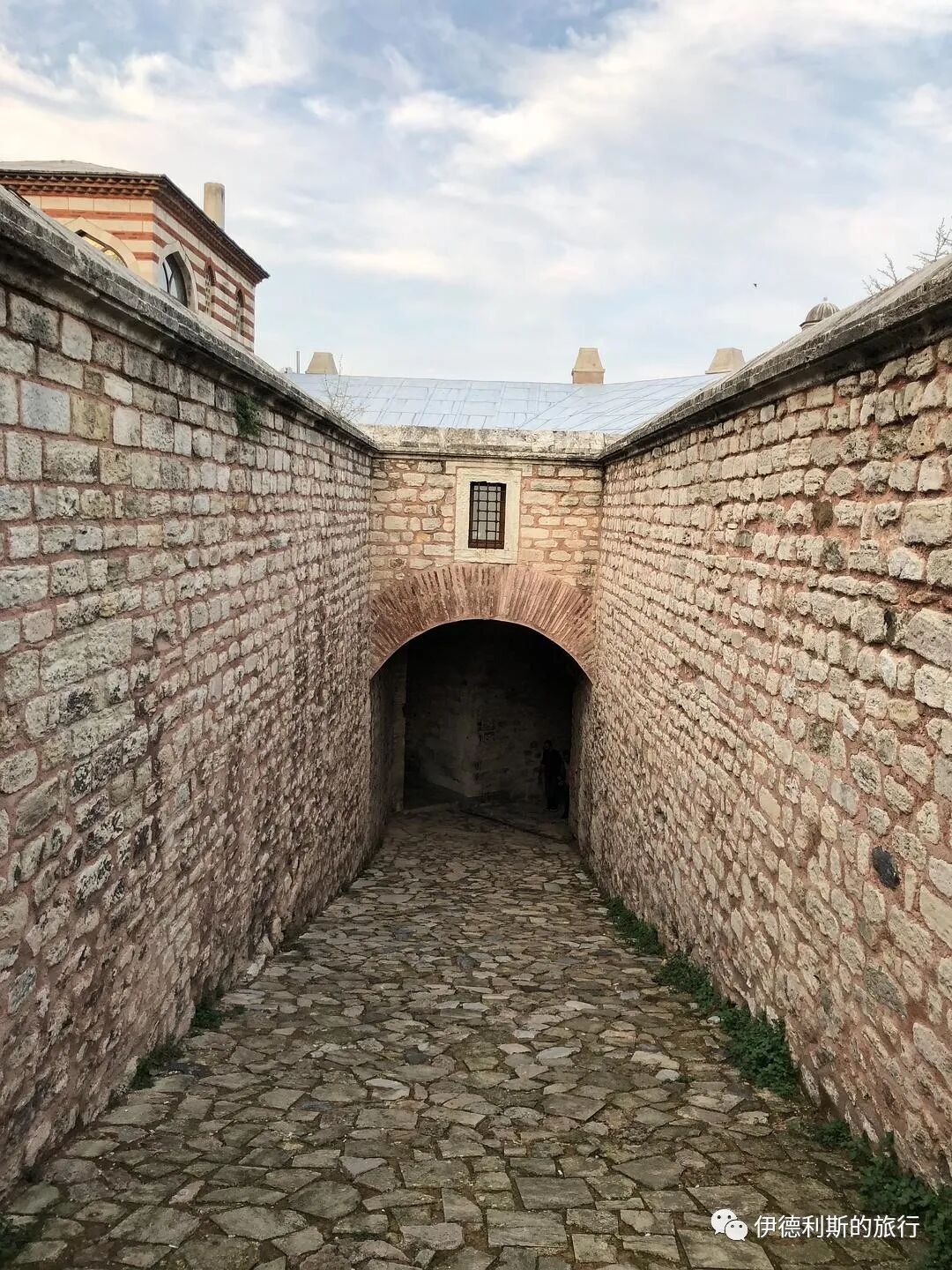
The Hadith school is outside the back door of the mosque, and a path in the middle leads down to the foot of the hill, directly to the bathhouse.
7. Mausoleum and Quran school
The mosque's backyard holds two octagonal tombs for Sultan Suleiman the Magnificent and his wife, Haseki Hürrem Sultan, built in 1567 and 1558, along with a Quran school. The Sultan's tomb is shaped slightly differently than the Queen's; it does not follow the Ottoman tomb traditions of that time and instead returns to a more classical style.
Haseki Hürrem Sultan was born between 1502 and 1504 in the city of Rohatyn, located in what is now western Ukraine, which was then ruled by the Kingdom of Poland. In the 1510s, she was kidnapped during a raid by Crimean Tatars in Eastern Europe and then sold as a slave to the Ottoman Empire. In Istanbul, Valide Hafsa Sultan, the mother of Suleiman the Magnificent, gave her as a gift to Suleiman while he was still a prince, and that is how she entered the Ottoman harem.
Suleiman took the throne as the Ottoman Sultan in 1520. Because she was deeply loved by Sultan Suleiman the Magnificent, Hurrem Sultan rose step by step from a harem slave to a legal wife. In 1533 or 1534, Sultan Suleiman the Magnificent held a grand wedding with Hurrem Sultan, which broke the Ottoman Empire's tradition that a sultan could not marry his concubines. At the same time, she became the first empress in Ottoman history to receive the title of Haseki Sultan (the Sultan's favorite). For the next century, an empress with this title held a higher status than the empire's princesses and had power equivalent to an empress in a European country. Hurrem Sultan became the first empress to live in the former imperial court rather than the harem, breaking the rule set by Mehmed the Conqueror that no woman could live in the buildings where government business was conducted.
Hurrem Sultan later became Sultan Suleiman the Magnificent's chief advisor on state affairs and had a profound influence on the Ottoman Empire's foreign policy and international relations.
Hurrem Sultan passed away in 1558 and was buried in the courtyard of the Suleymaniye Mosque. Eight years later in 1566, Sultan Suleiman the Magnificent died in battle while on an expedition to Hungary. His body (mayyit) was taken back to Istanbul and buried in the same courtyard as Hurrem Sultan.
II. Caferağa Madrasa: 1560
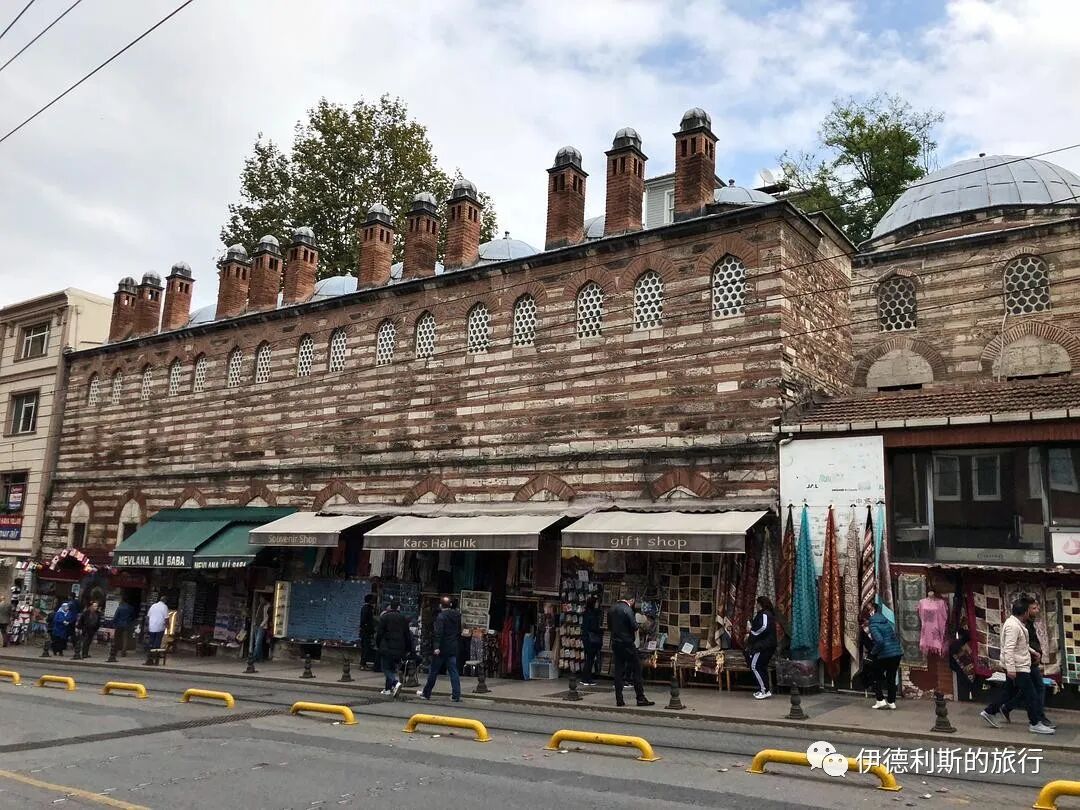
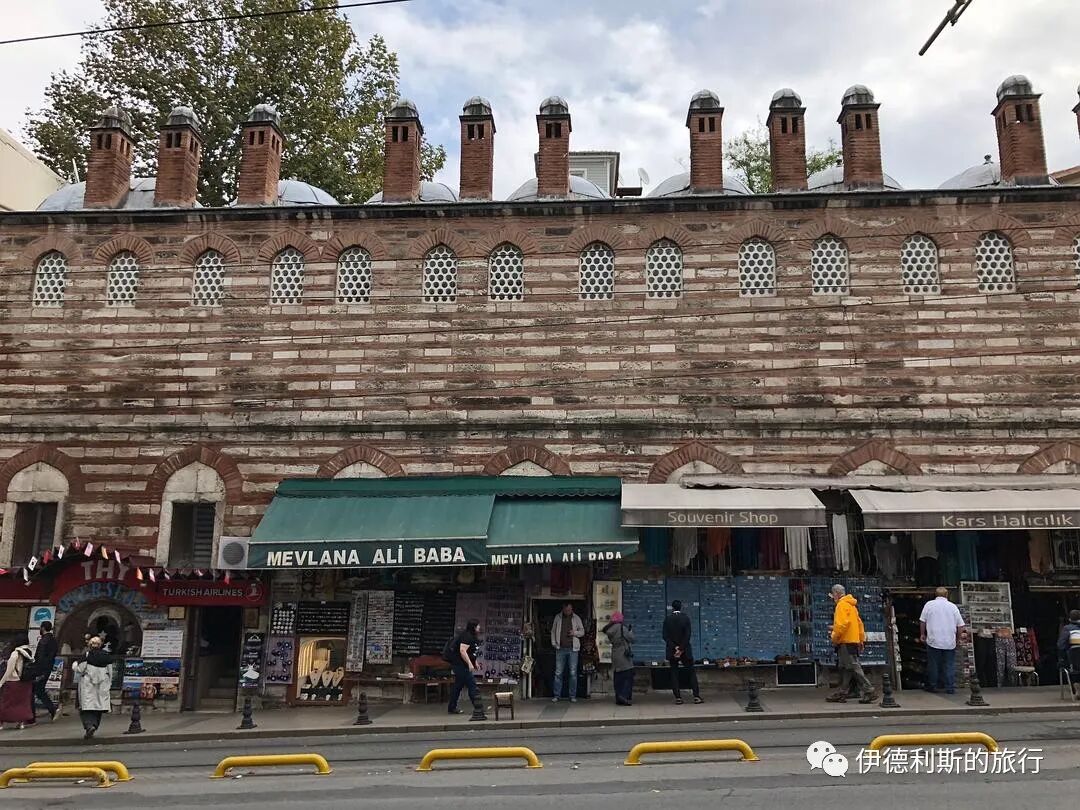
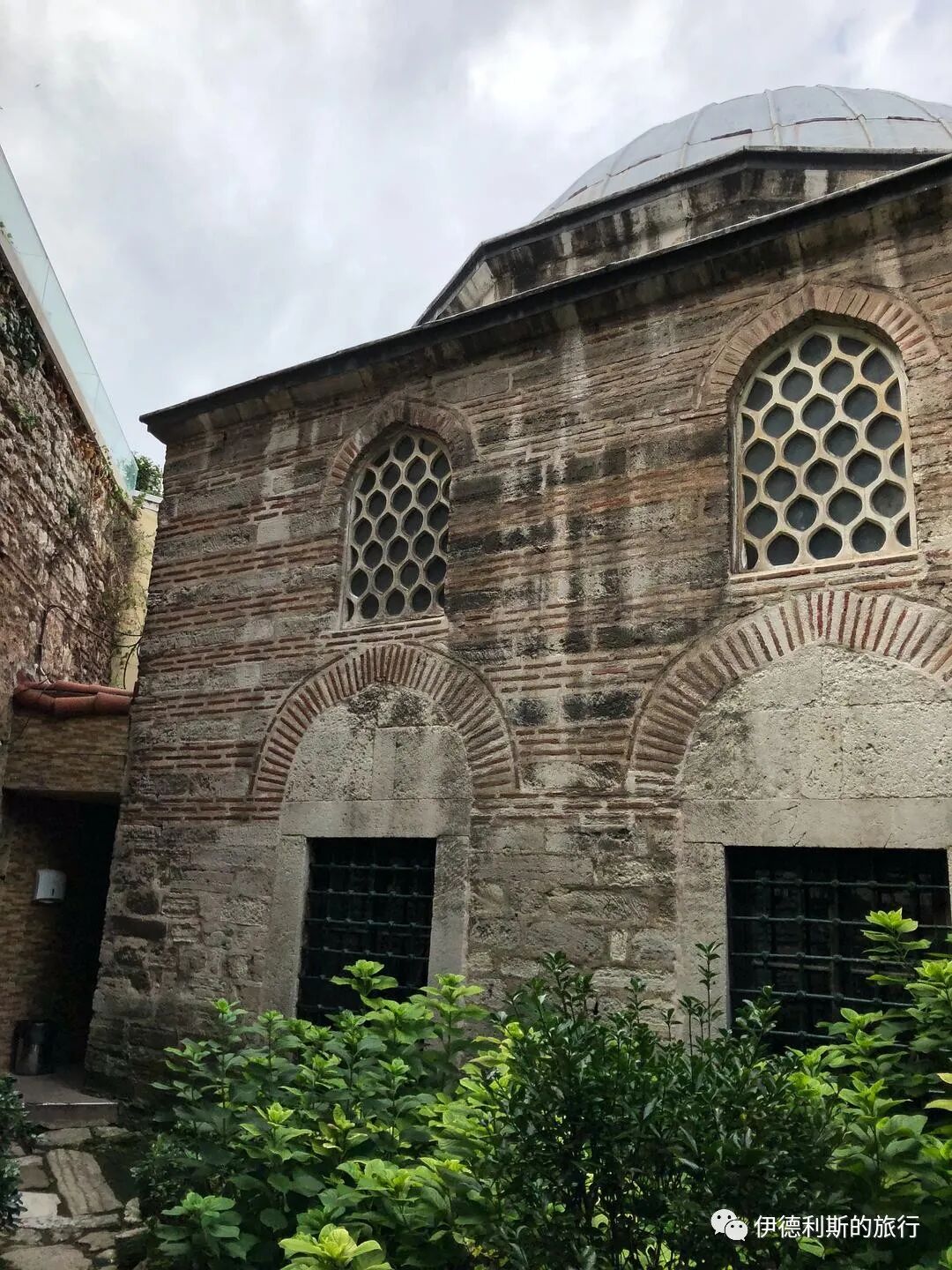
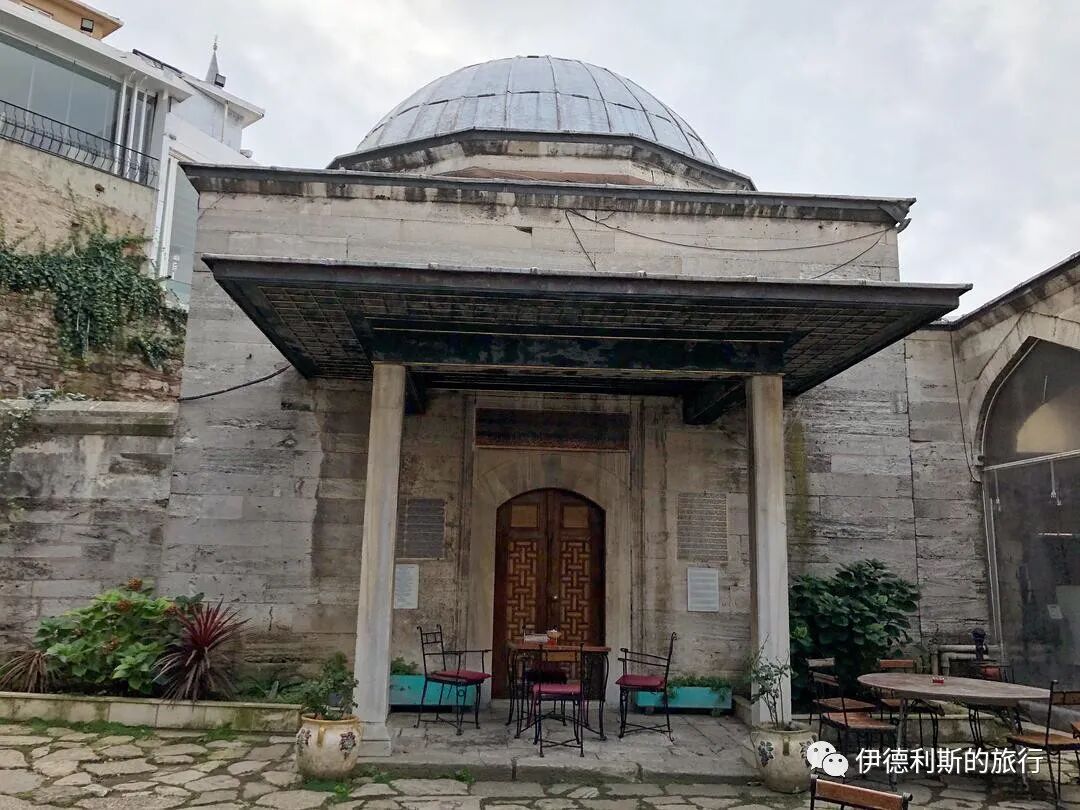
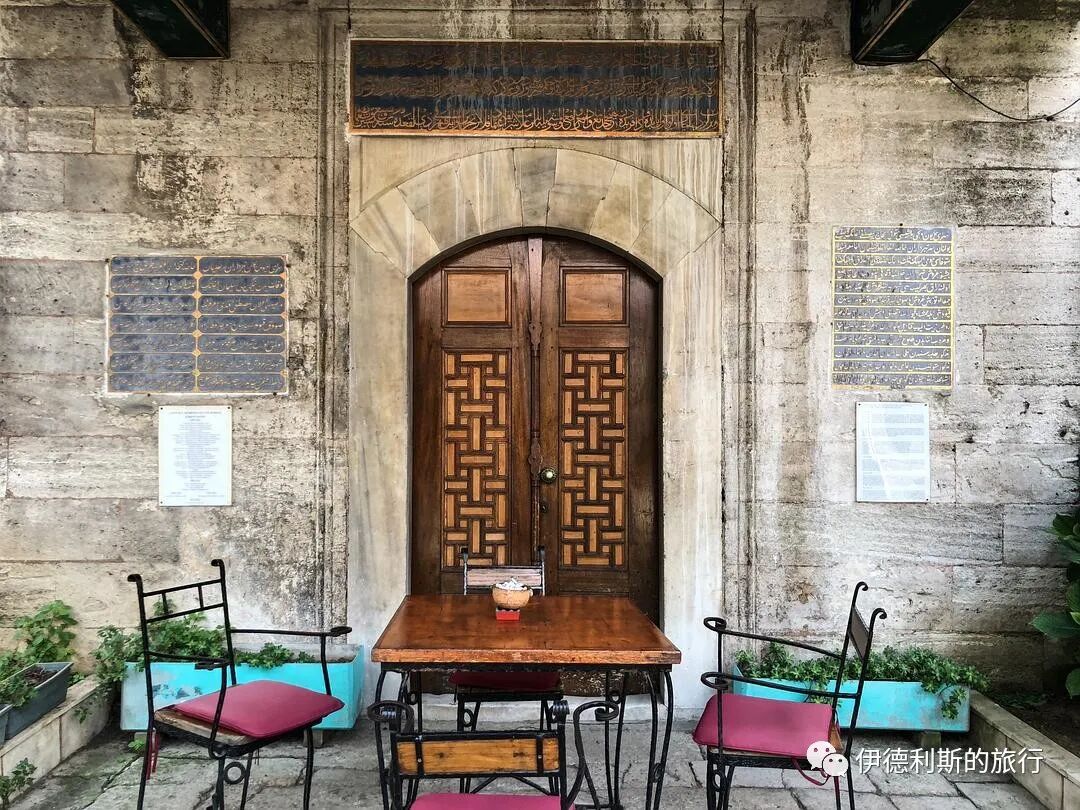
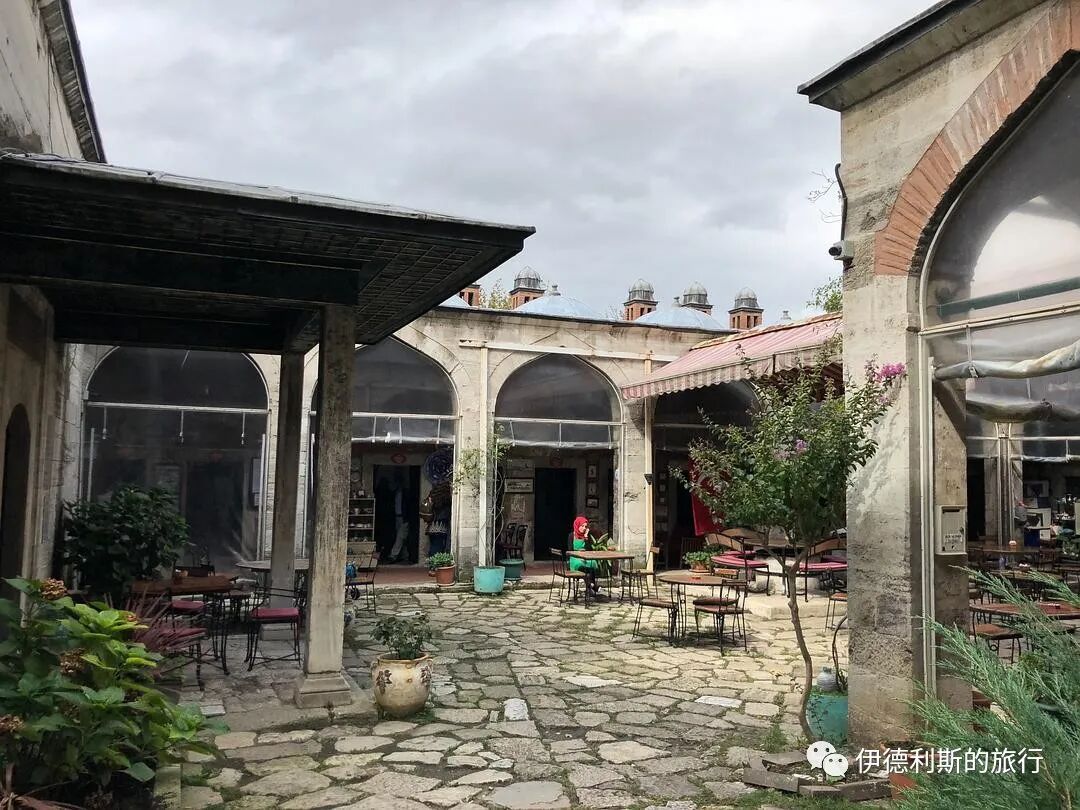
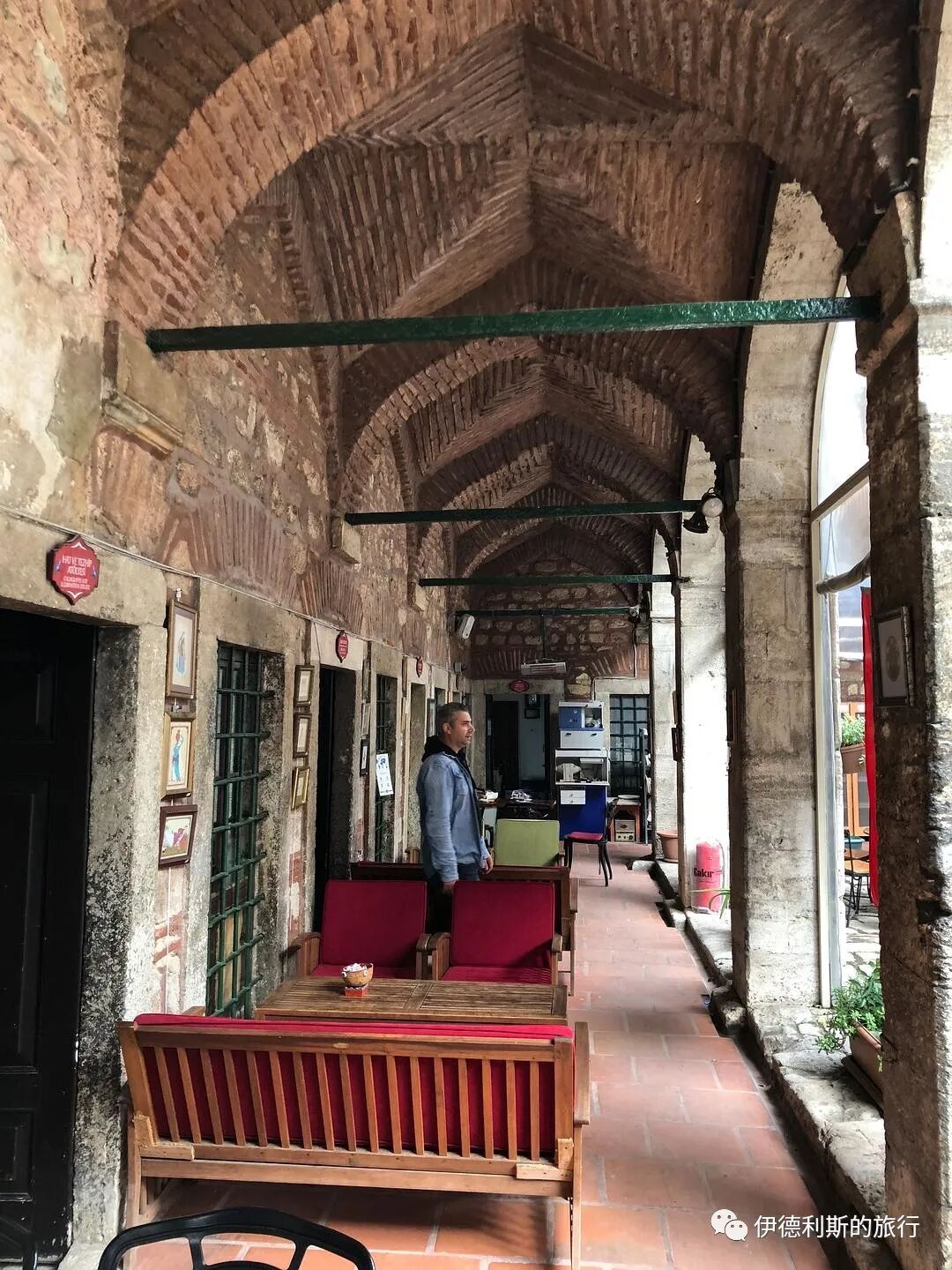
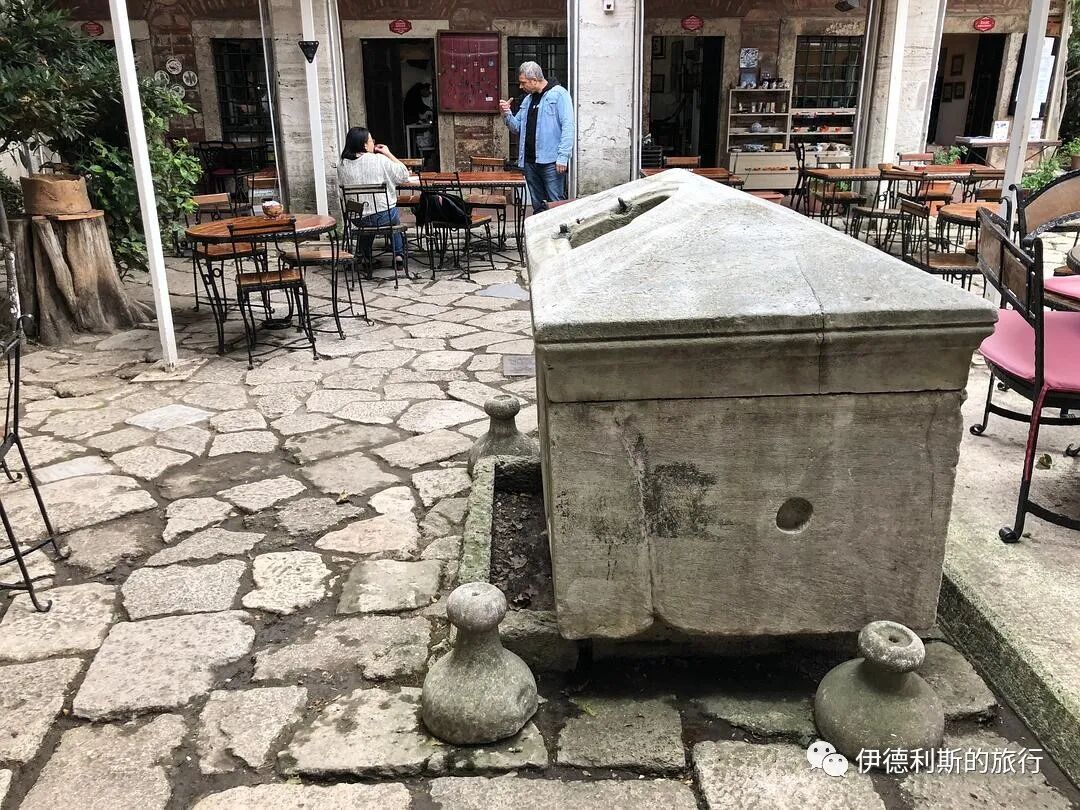
Caferaga Madrasa is built on a slope right next to the Hagia Sophia. Shops open onto the front street, while the entrance is on the back street. In 1989, the Turkish Cultural Service Foundation opened a tourism center here. They use the 15 classrooms around the courtyard to teach, make, and sell traditional Turkish crafts like calligraphy, ceramics, and jewelry. An annual exhibition is held here at the end of every year, where students show the work they have made. There is also a restaurant serving Turkish food in the courtyard.
III. Sokollu Mehmed Pasha Complex (Kadırga): 1567-1572
The Sokollu Mehmet Paşa Complex (Sokollu Mehmet Paşa Külliyesi) is in the Kadırga neighborhood southwest of the Blue Mosque. Grand Vizier Sokollu Mehmet Paşa and his wife, İsmihan Sultan, commissioned Mimar Sinan to build it between 1567 and 1572. İsmihan Sultan was the granddaughter of Suleiman the Magnificent.
Building this complex was a challenge because it sits on a steep slope. Mimar Sinan solved this by building a two-story courtyard in front of the mosque and adding three sets of stairs that lead to gates at different slopes. The bottom floor of the courtyard has shops that help pay for the mosque's operations.
There is a Sufi lodge (Tekke) on the northwest side of the courtyard and the mosque on the southeast side. A madrasa sits behind the mosque. All three buildings are on the same axis, which is rare for Mimar Sinan's work. The mosque has a rectangular base and a hexagonal center, topped by one large dome and four smaller domes. There is also a minaret at the northeast corner of the mosque.
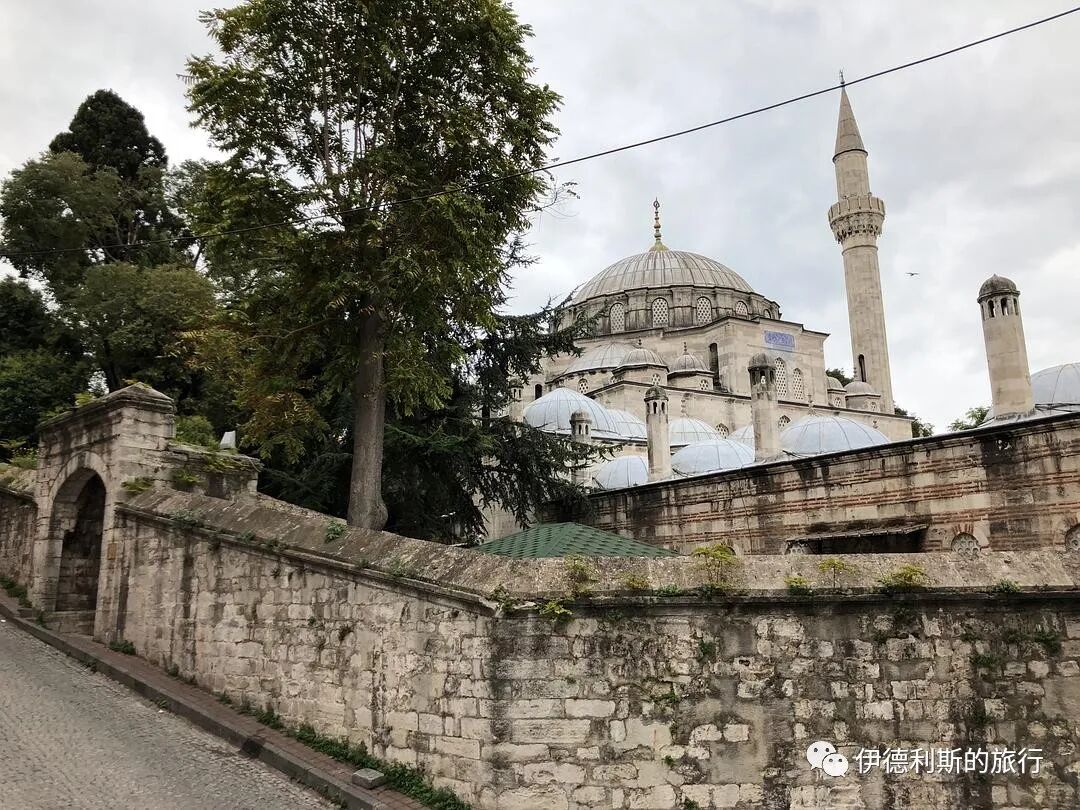
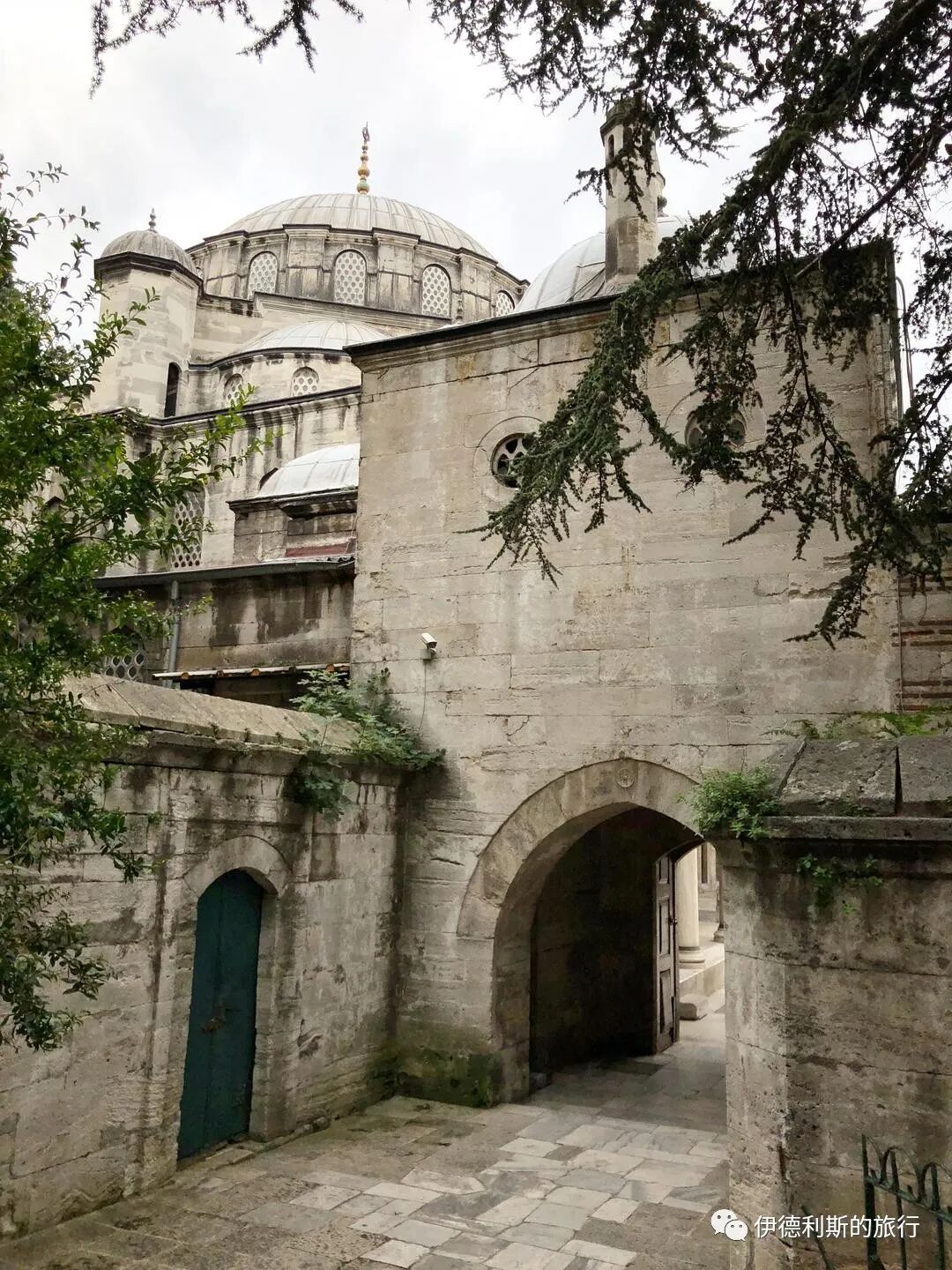
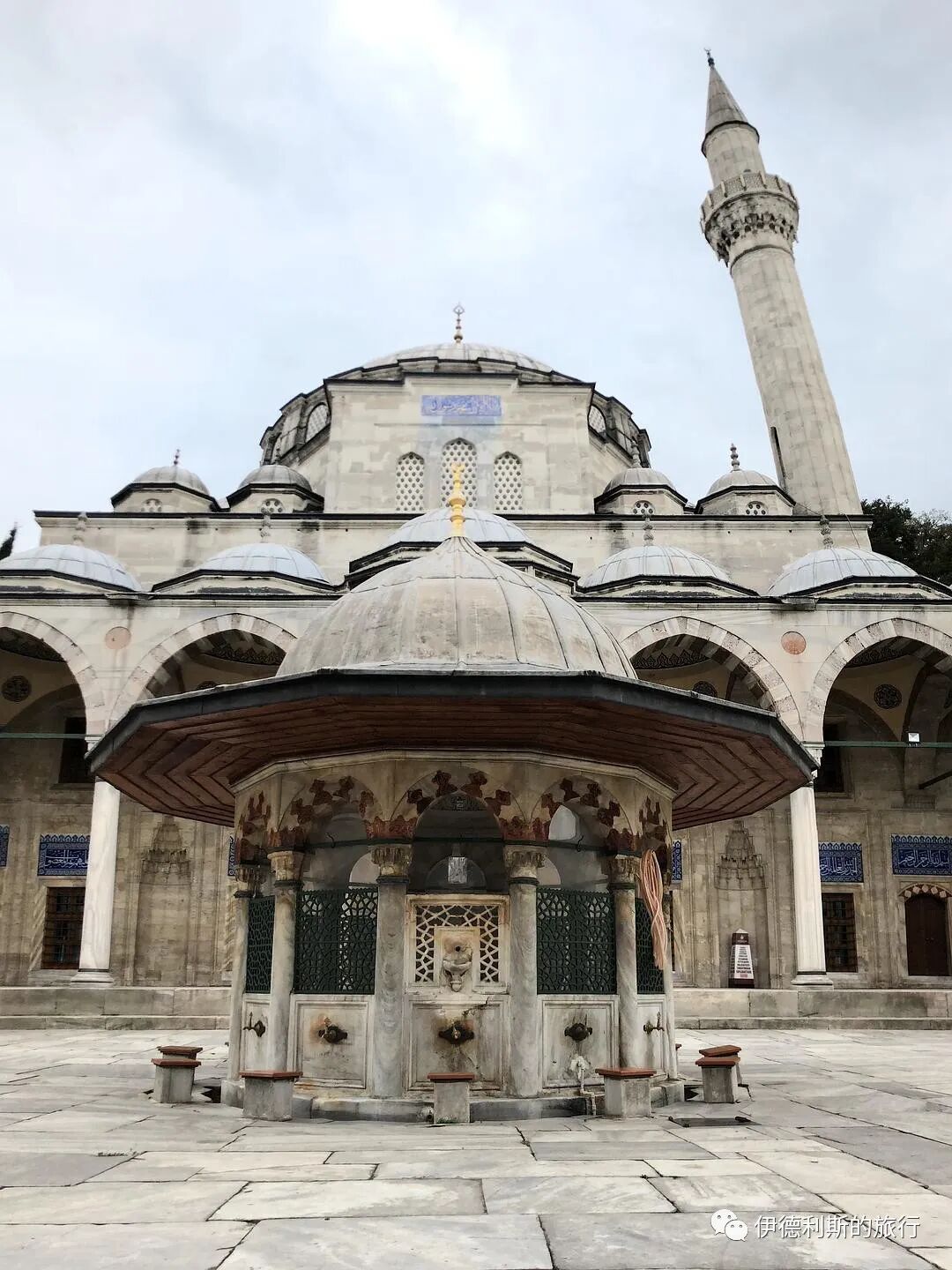
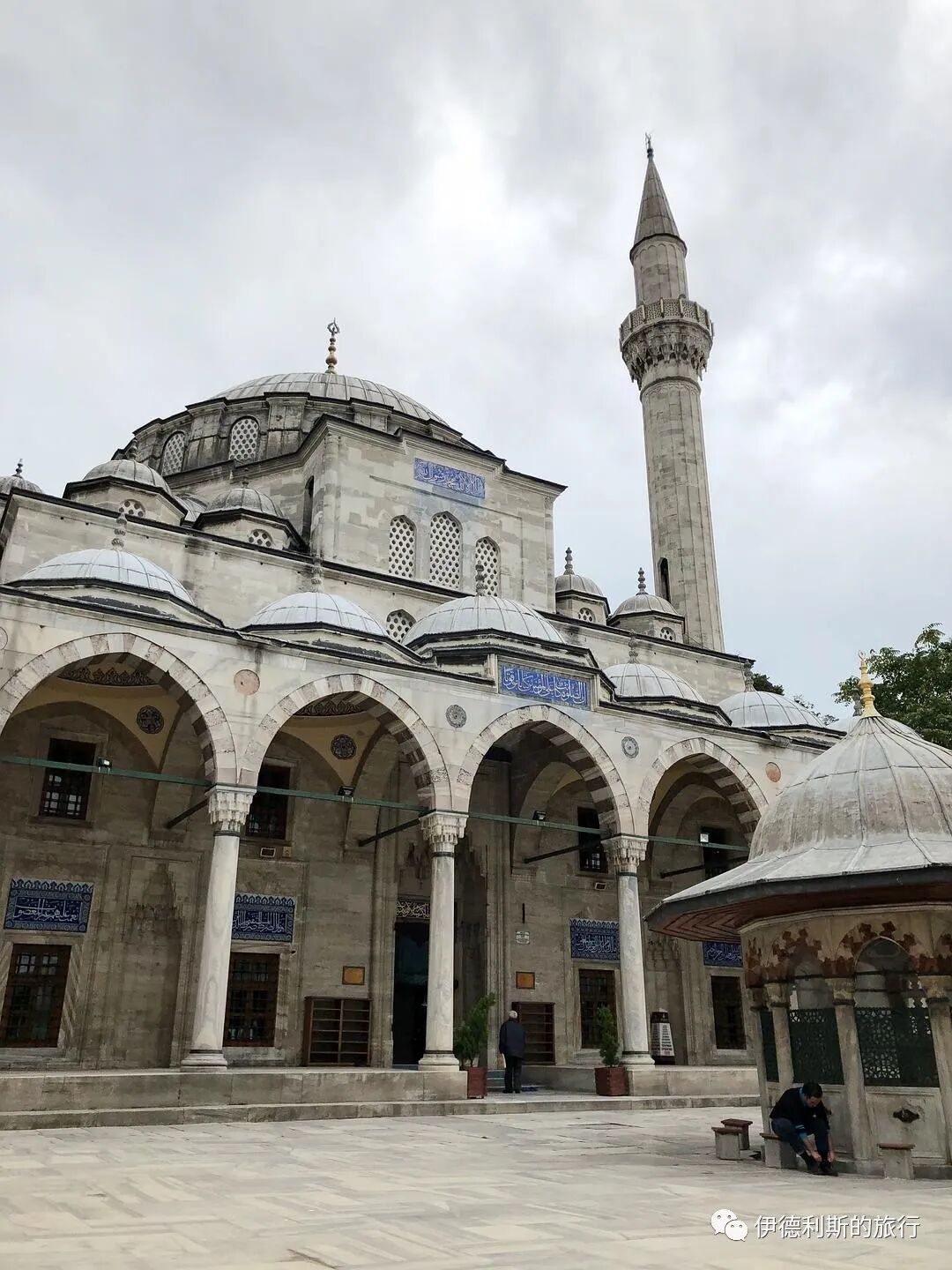
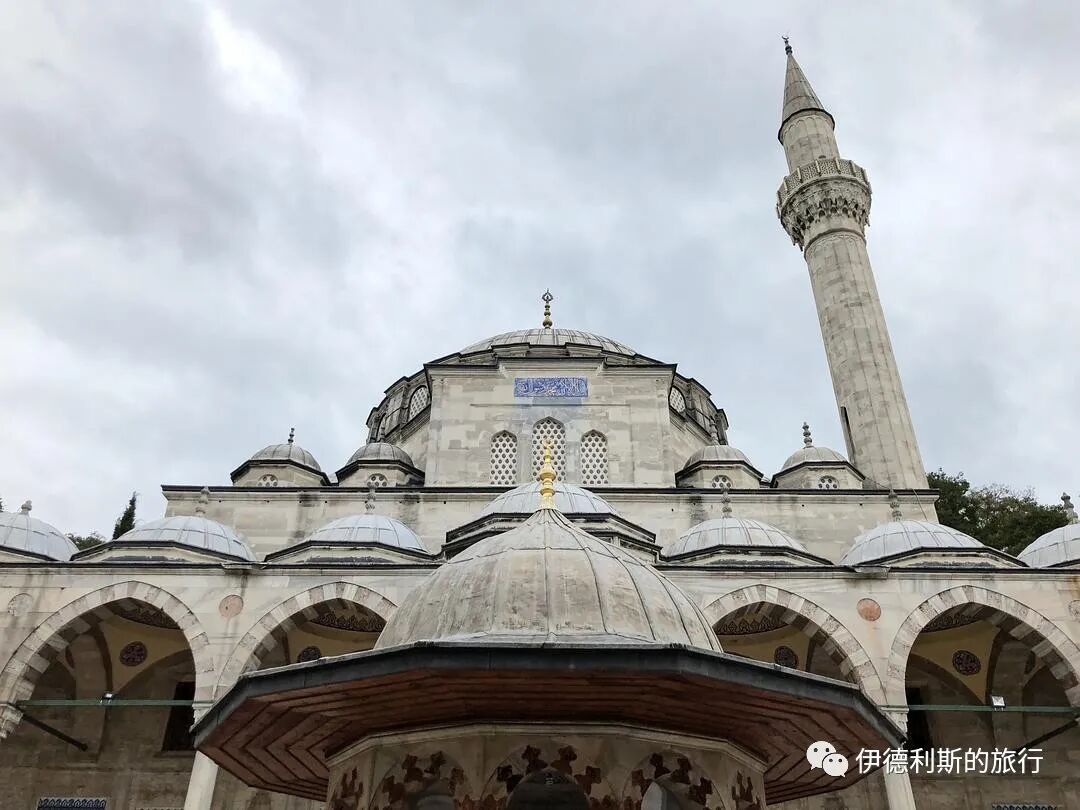
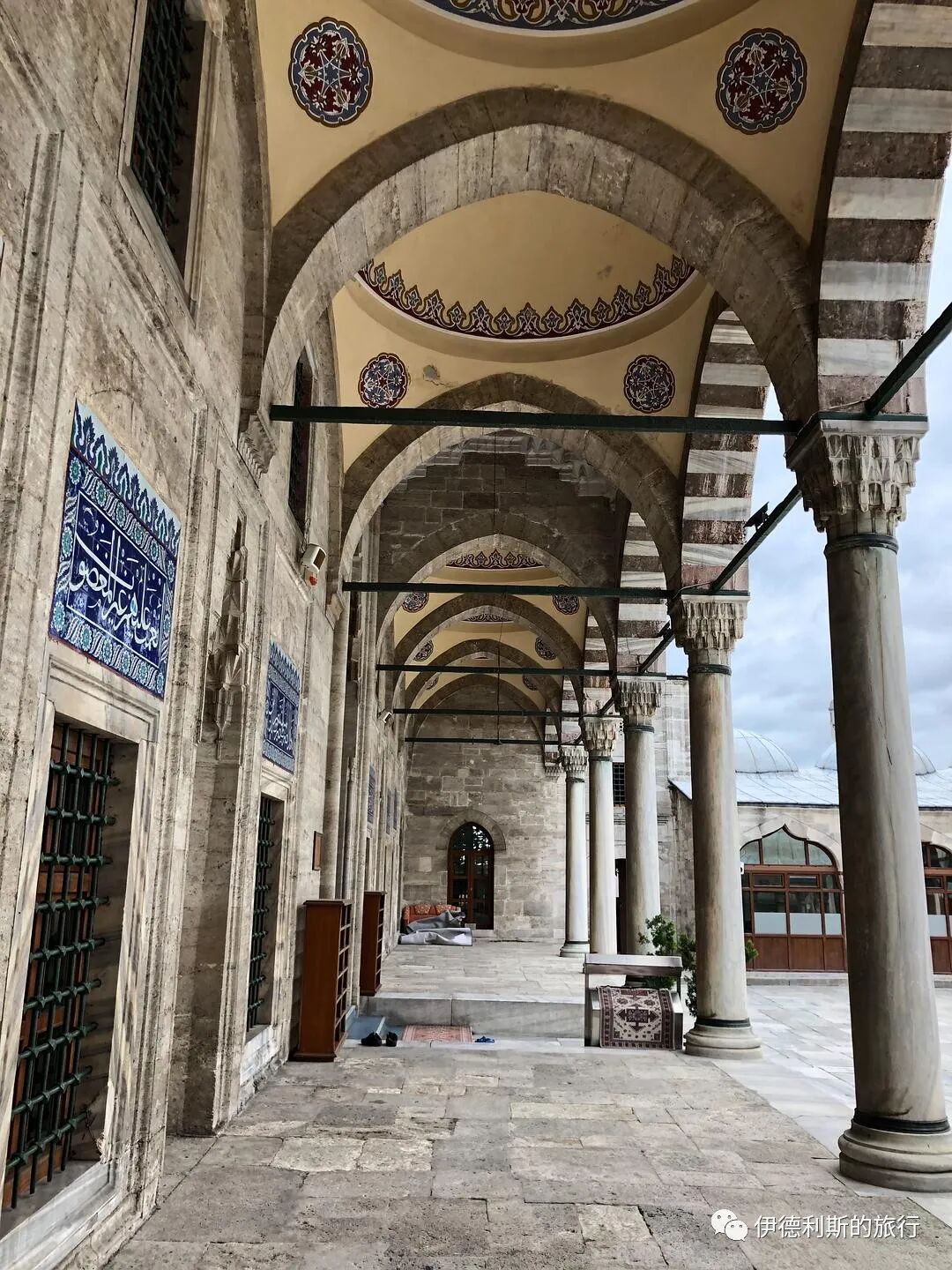
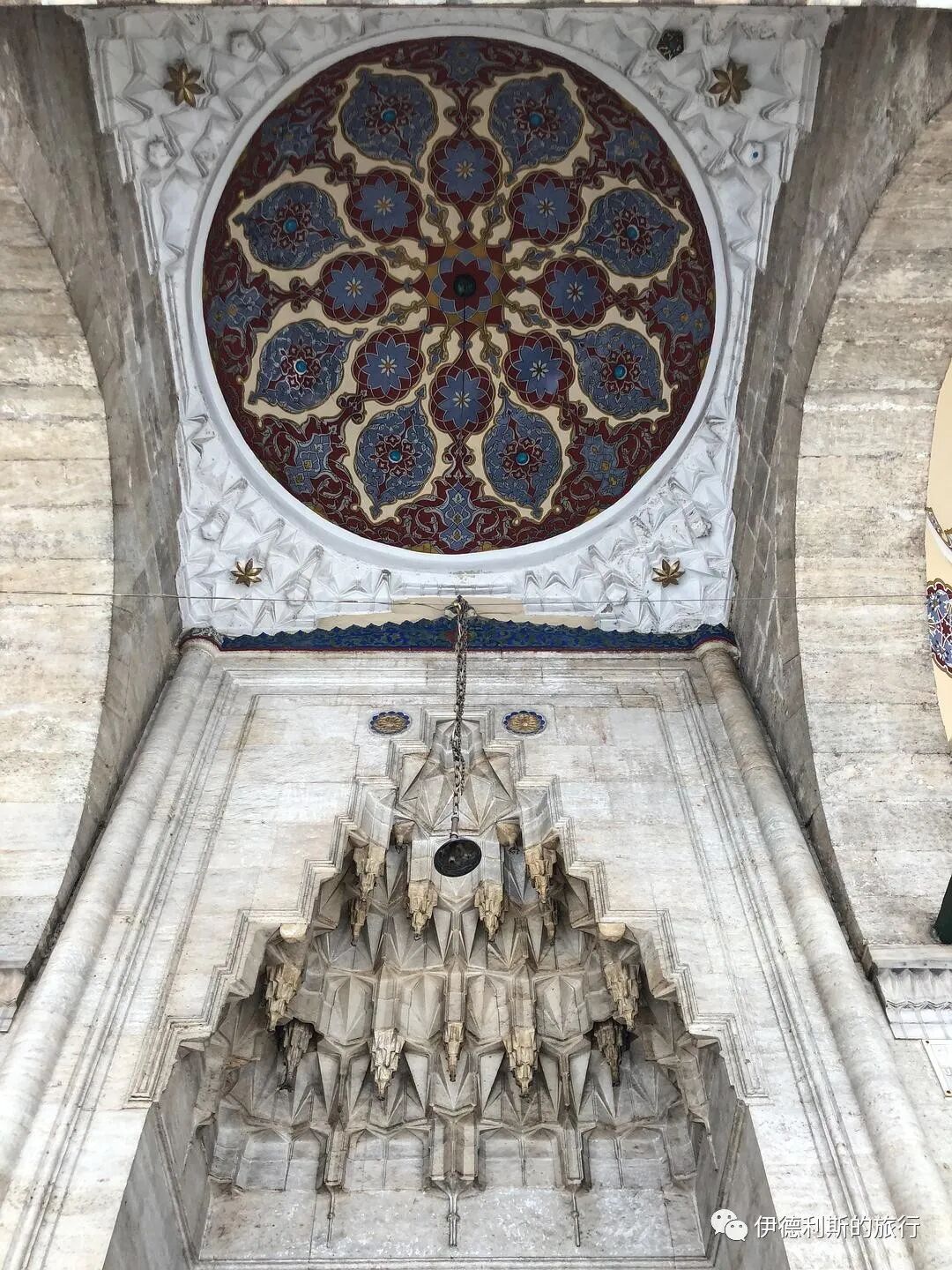
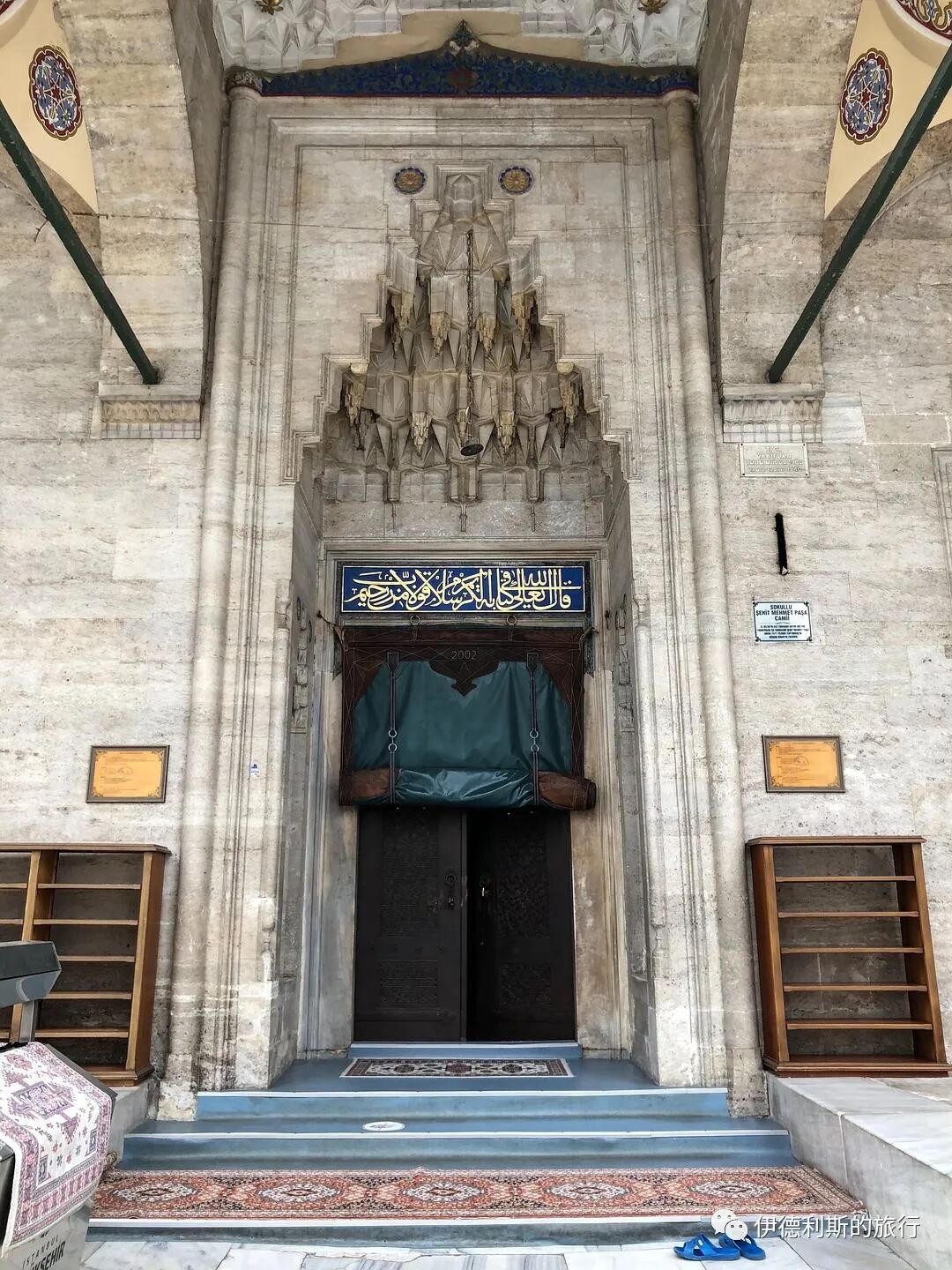
The inside of the mosque is famous for its beautiful Iznik tiles. These tiles feature blue, red, and green floral patterns, along with calligraphy in white on a blue background.
IV. Mihrimah Sultan Complex: 1563-1570
The Mihrimah Sultan Complex (Mihrimah Sultan Külliyesi) was commissioned by Suleiman the Magnificent's daughter, Mihrimah Sultan, and built by Mimar Sinan between 1563 and 1570. The complex sits on the sixth hill inside the northwest walls of Istanbul, which is the highest point in the old city.
The complex includes a mosque, a bathhouse (hammam), a tomb, and shops at street level under the terrace. The mosque stands on a terrace overlooking the street and is surrounded by a courtyard. Part of this courtyard is enclosed by porticos to create separate rooms used as a religious school (madrasa).
The mosque has been damaged by earthquakes many times throughout history, with the minarets and the dome suffering the most damage. The minarets were repaired between 2007 and 2010. Later, the courtyard was repaved, the central fountain was restored, and the porticos were rebuilt. The mosque originally had a double-layered portico, but only the inner portico has survived.
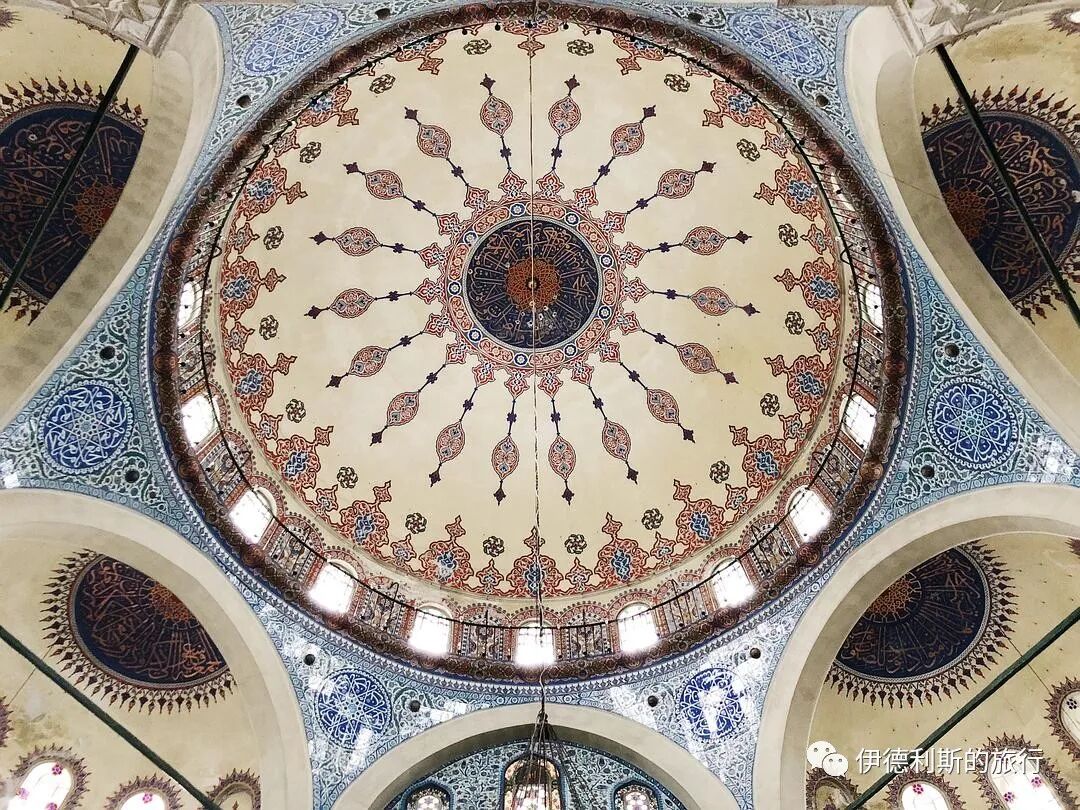
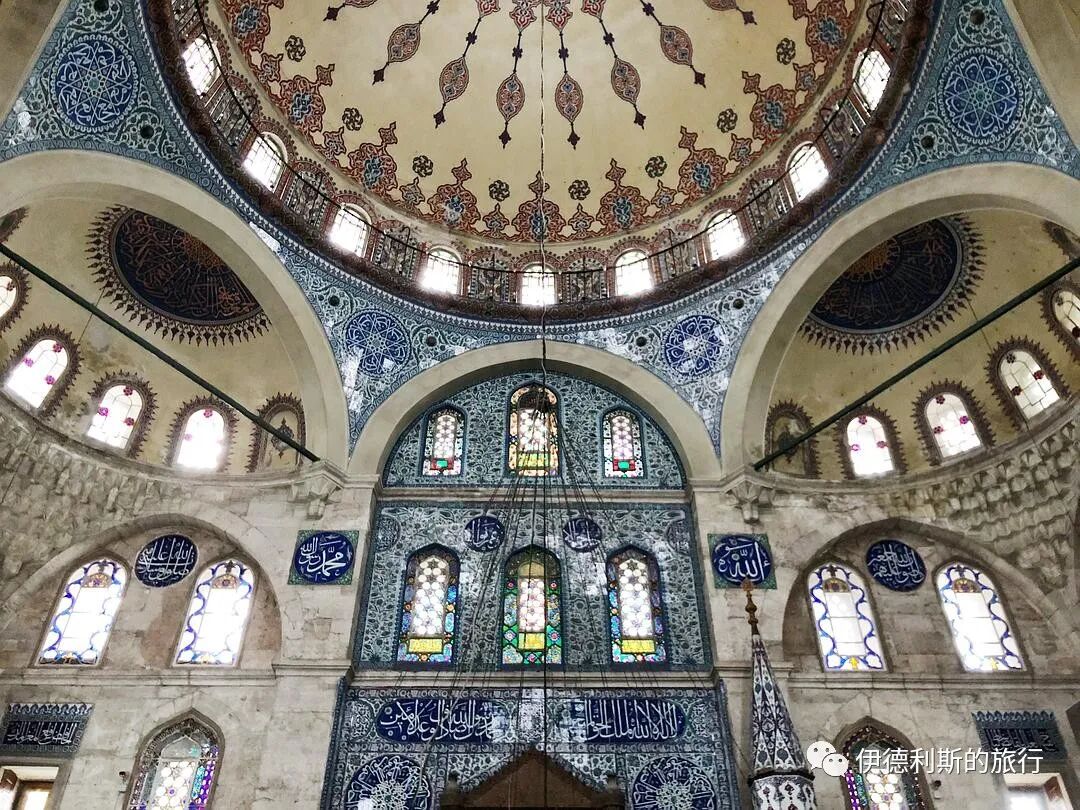
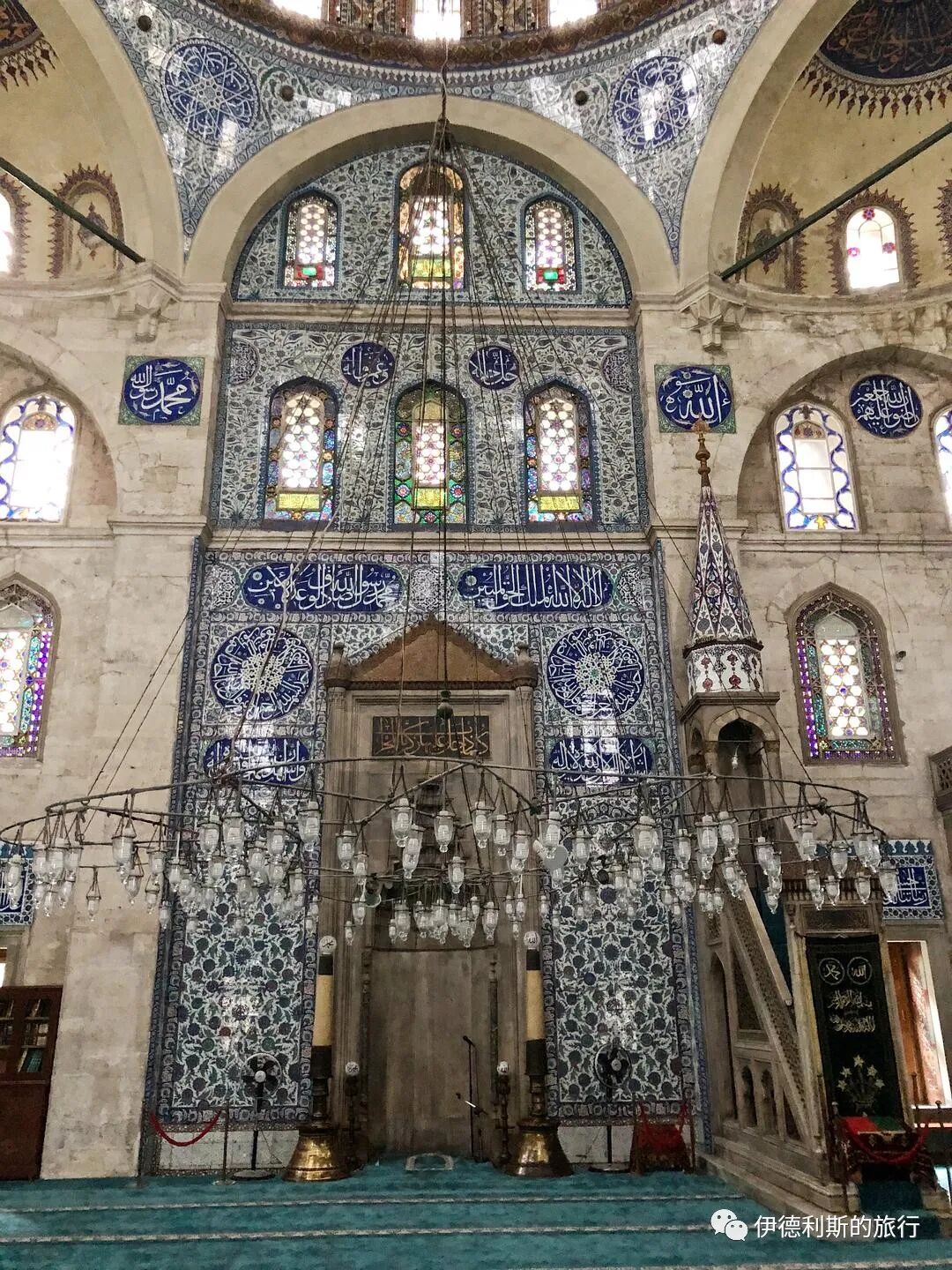
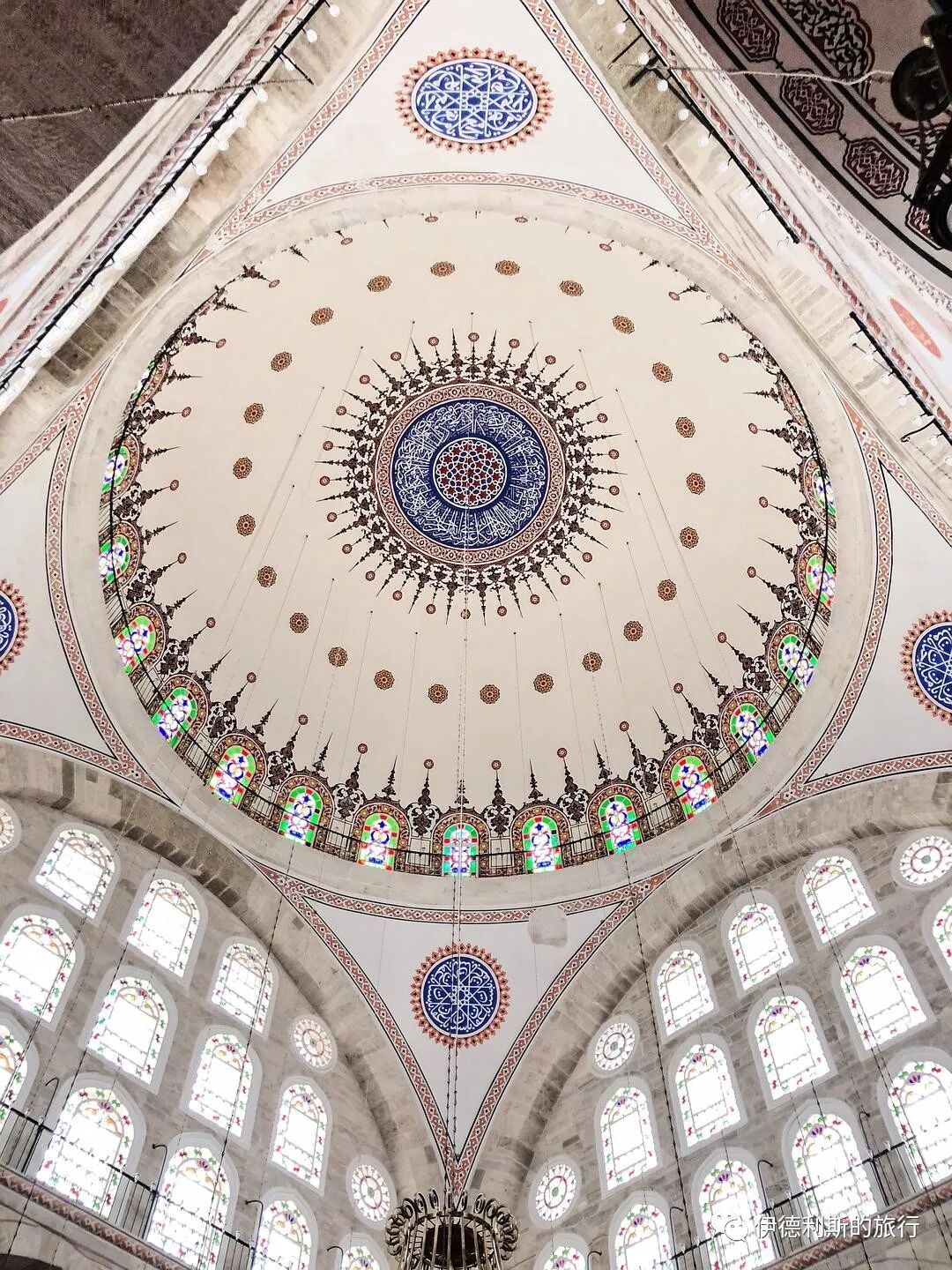
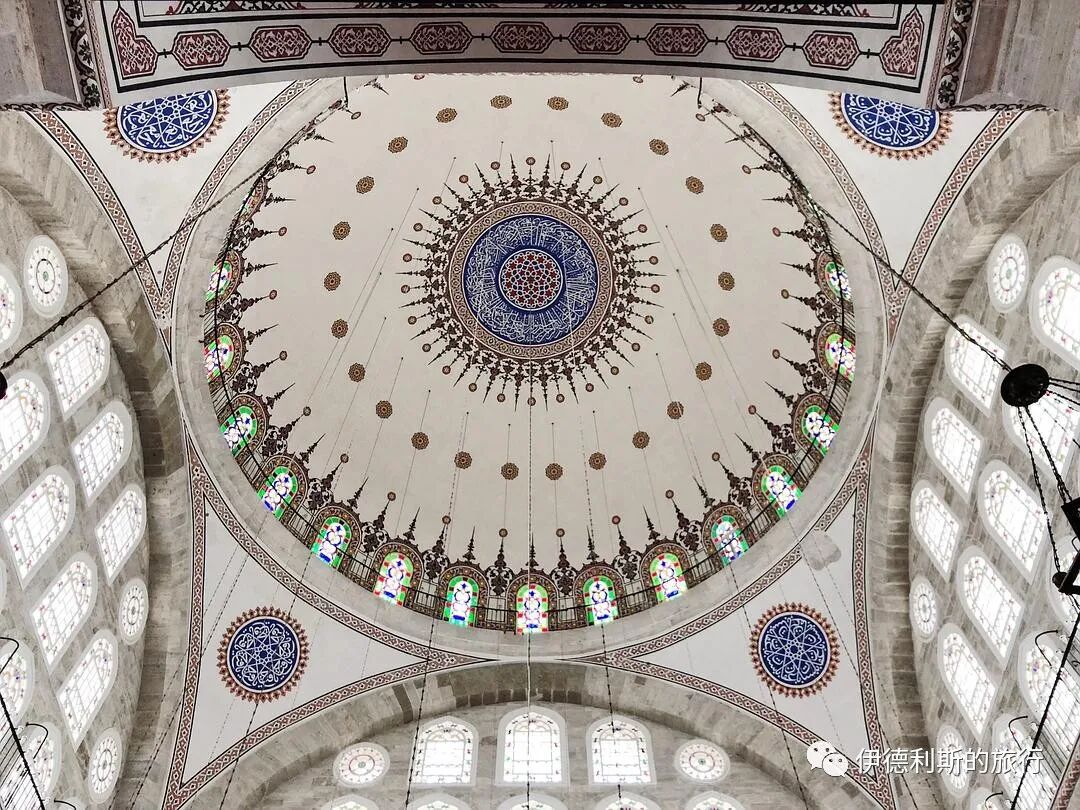
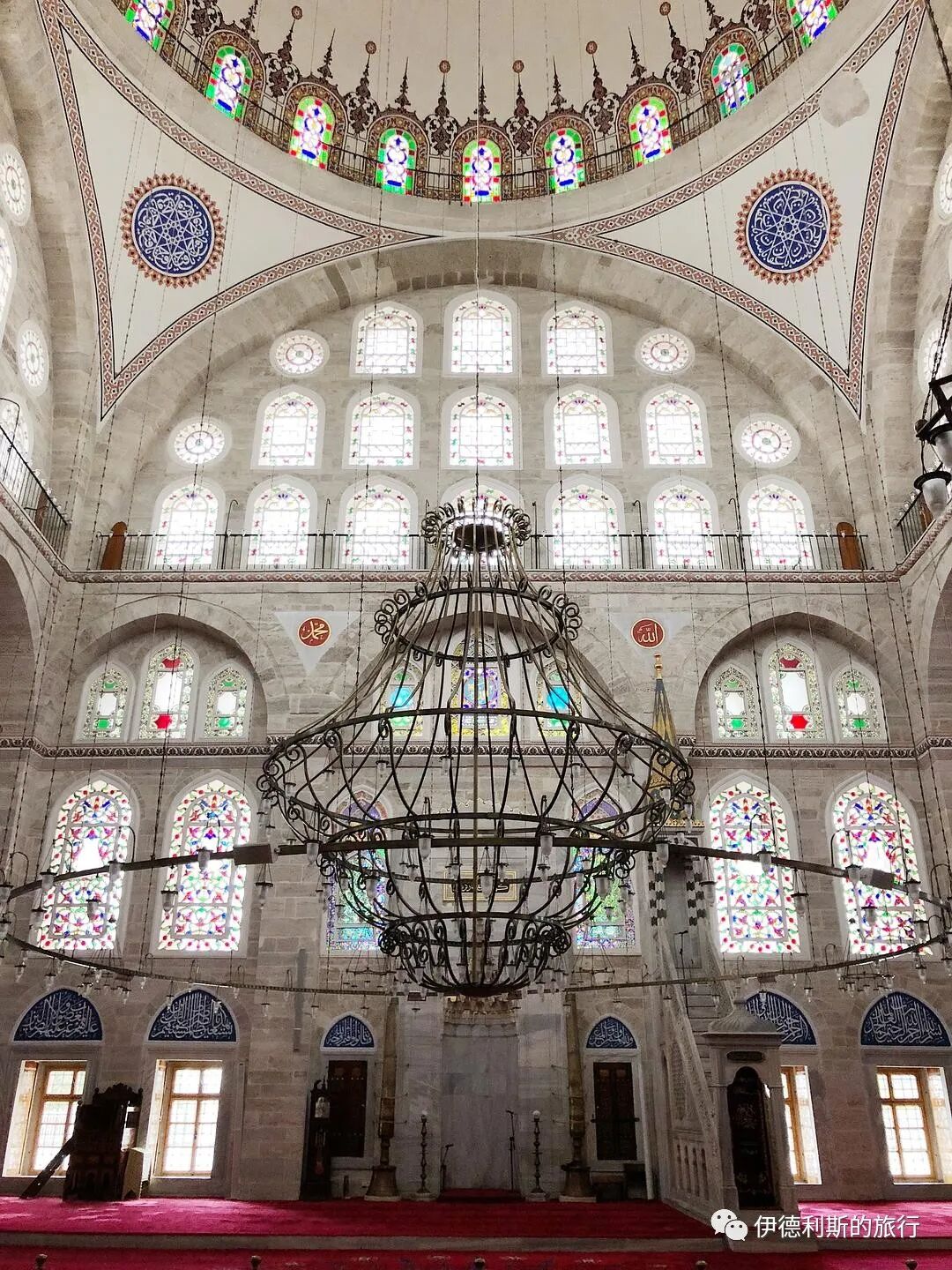
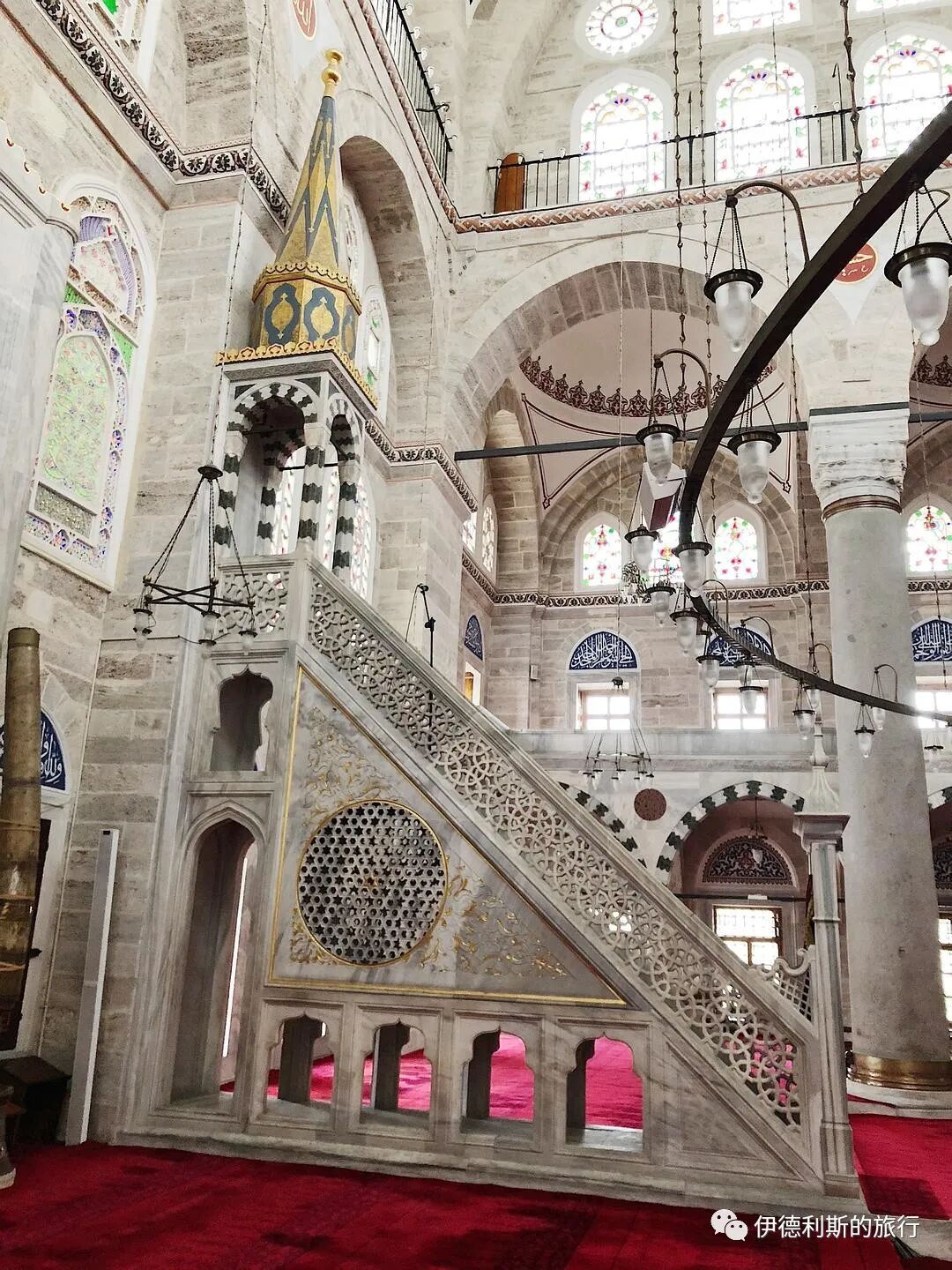
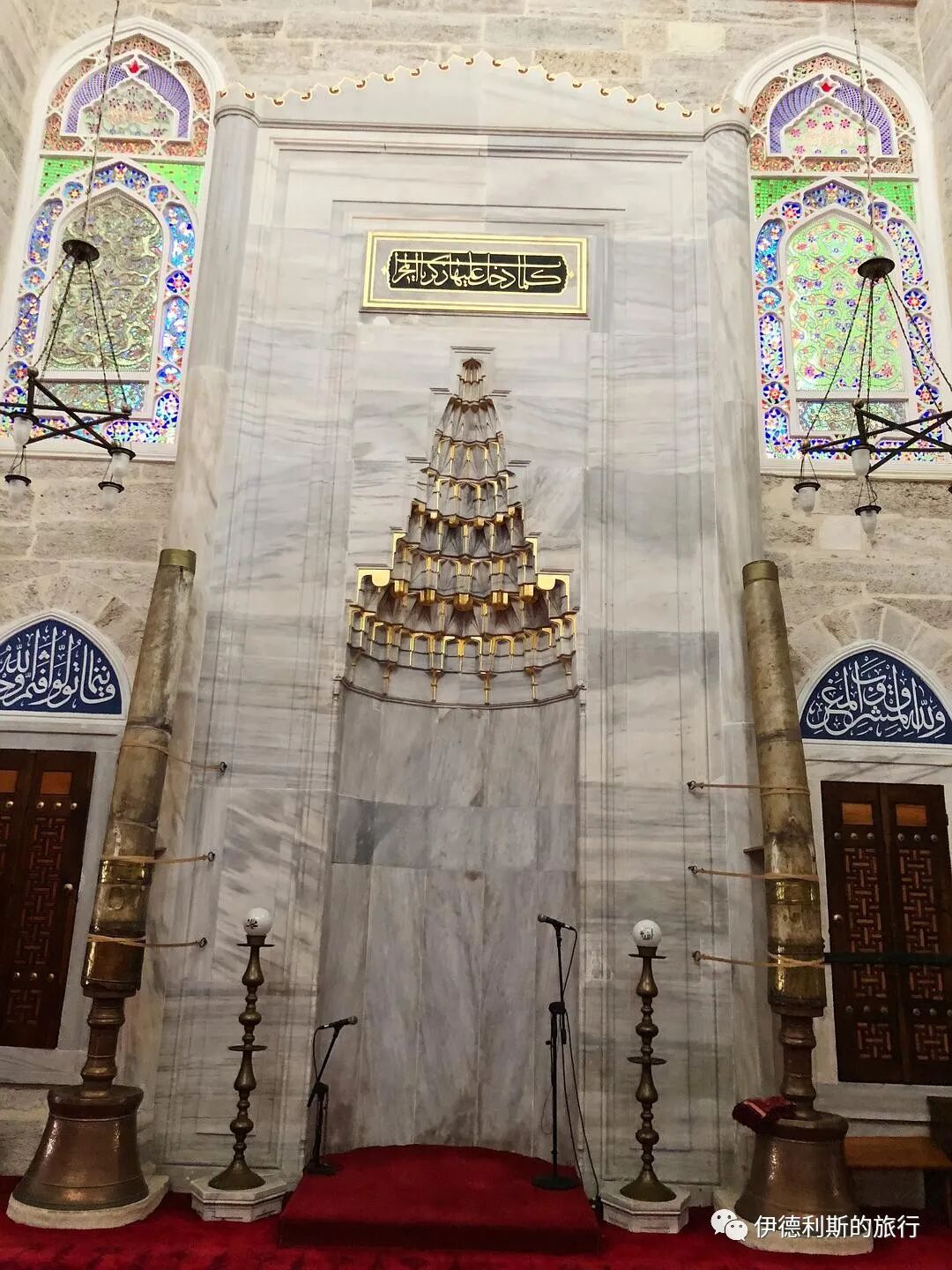
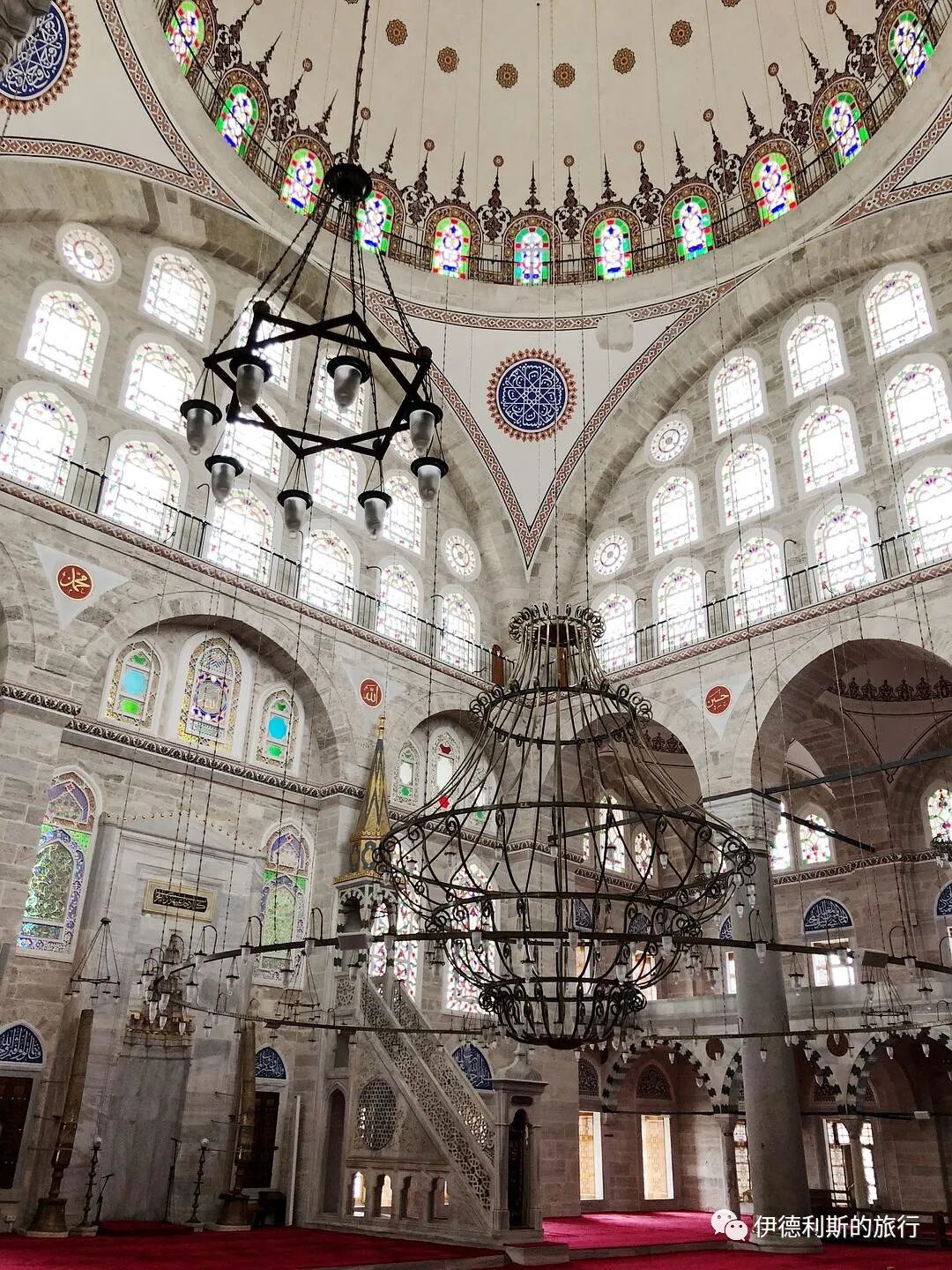
The mosque's structure was known as the most advanced design for a single-dome mosque at that time. The 35-meter-high dome is supported by four wall pillars, with four arches and four pendentives forming a tower-like structure. The four polygonal wall pillars stick out on the outside but are almost invisible from the inside, looking like neatly cut crystal shapes.
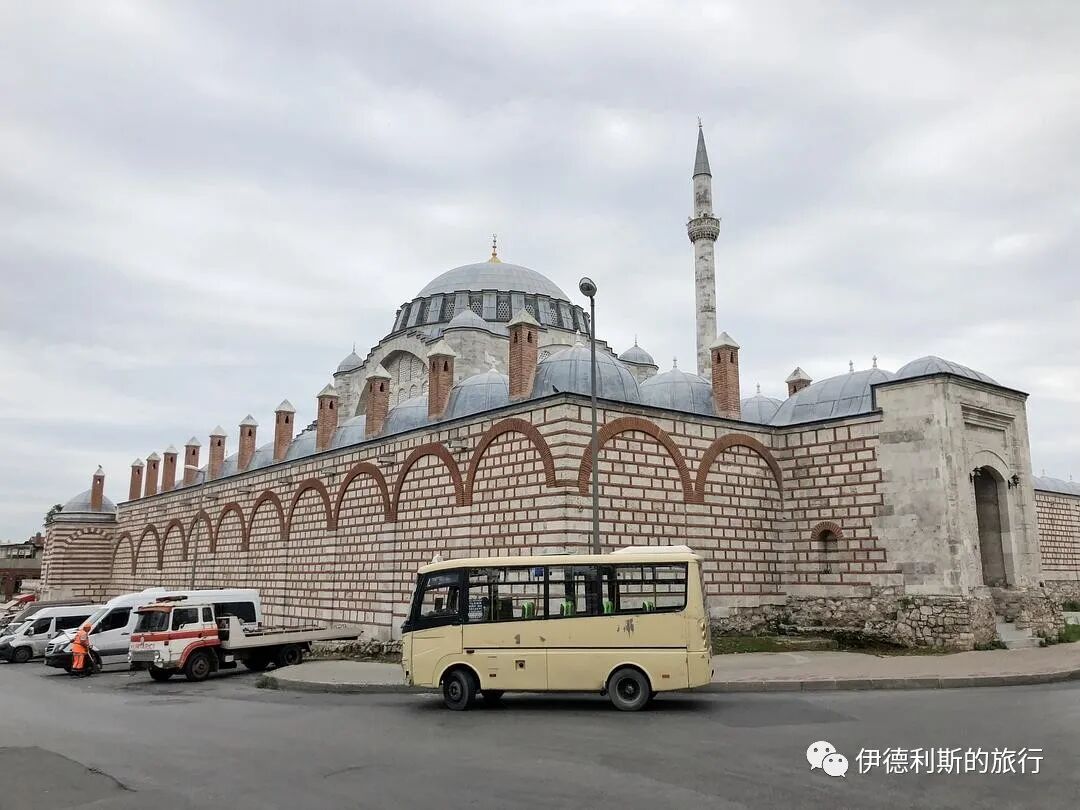
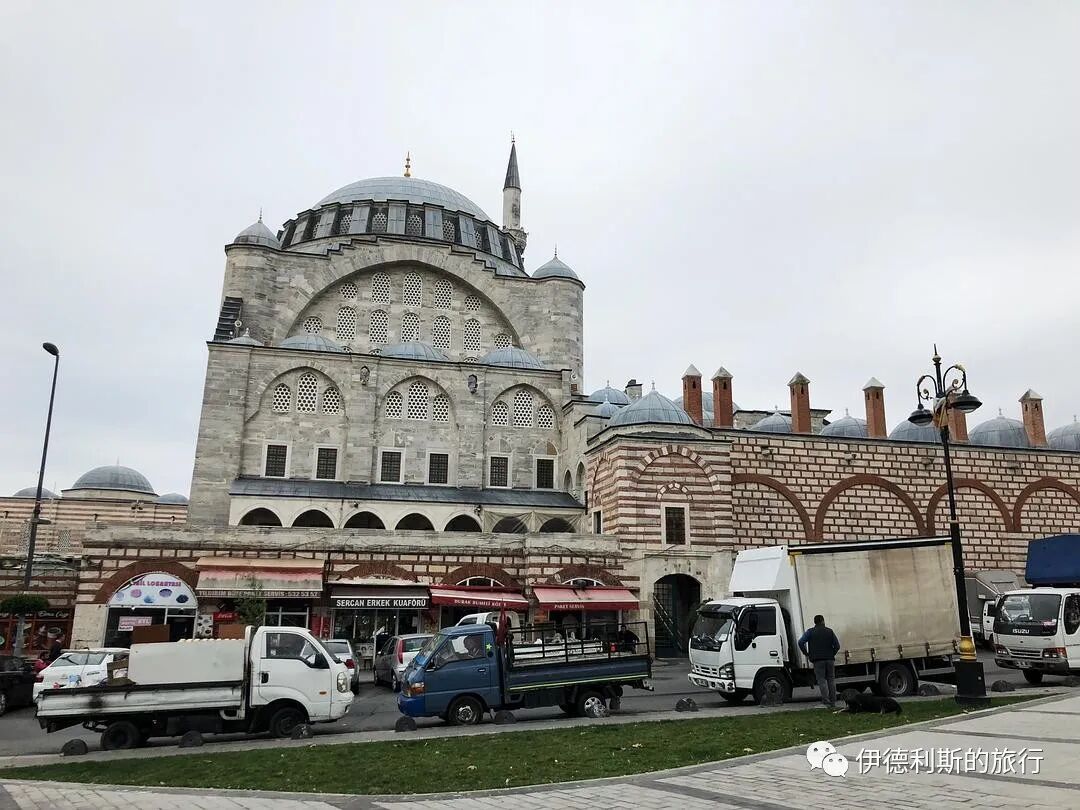
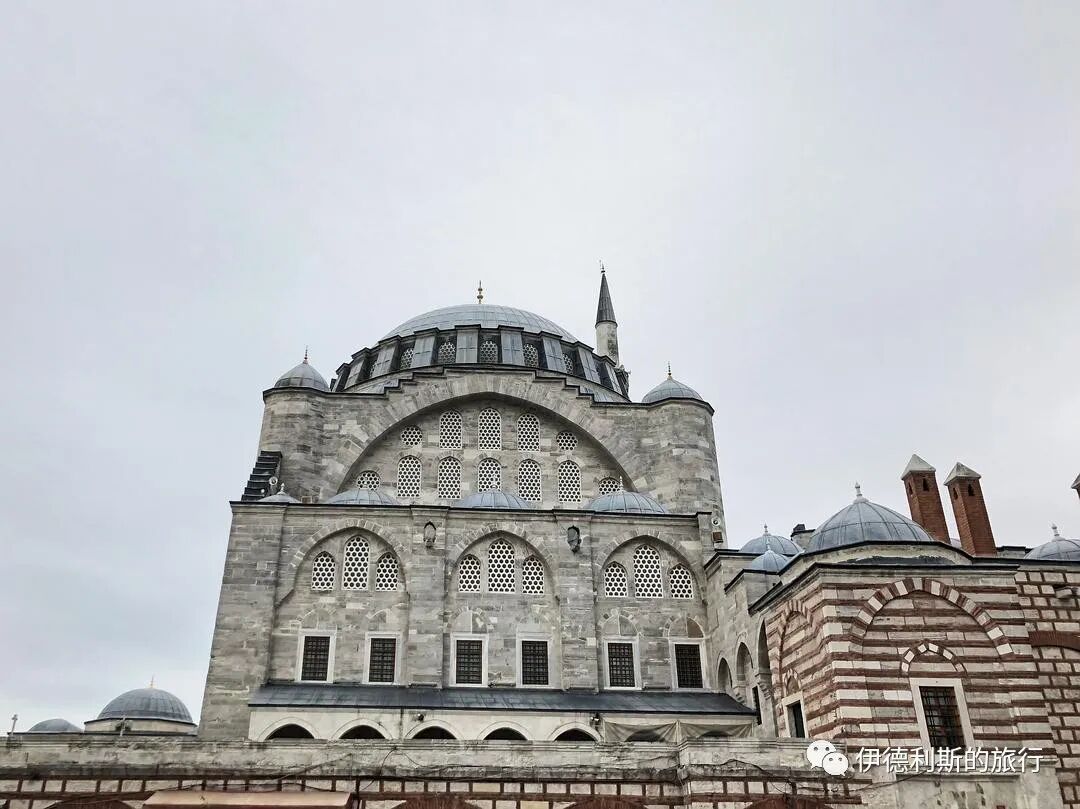
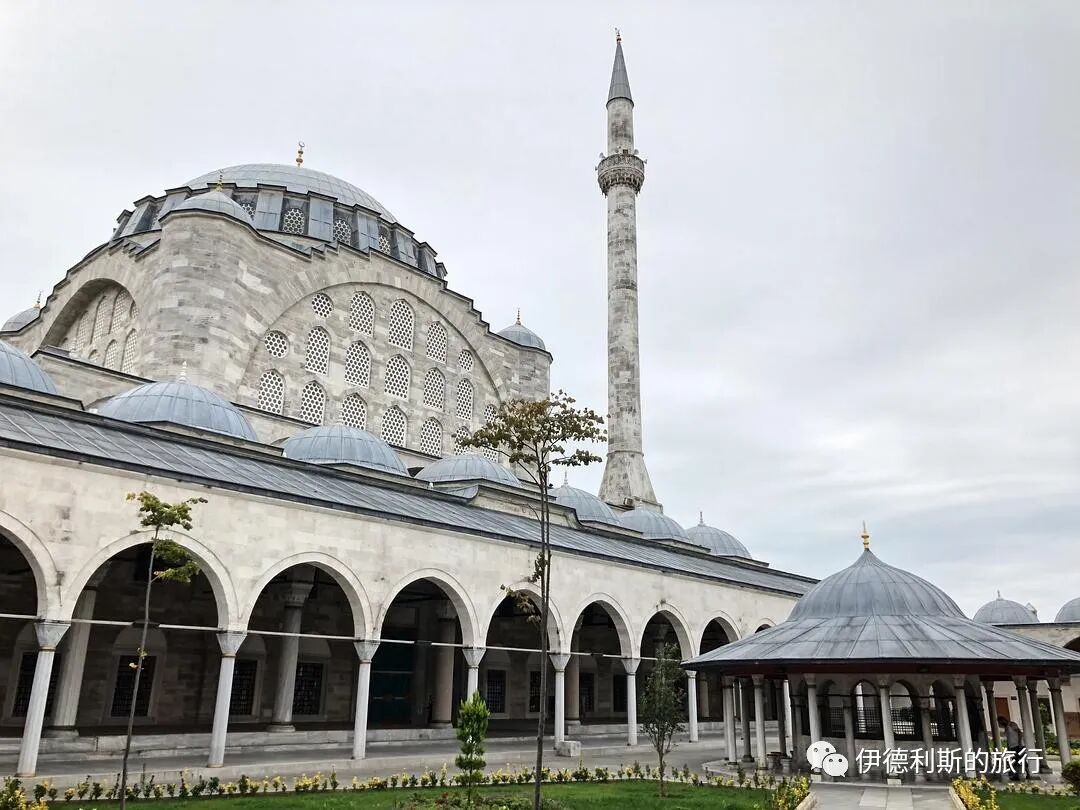
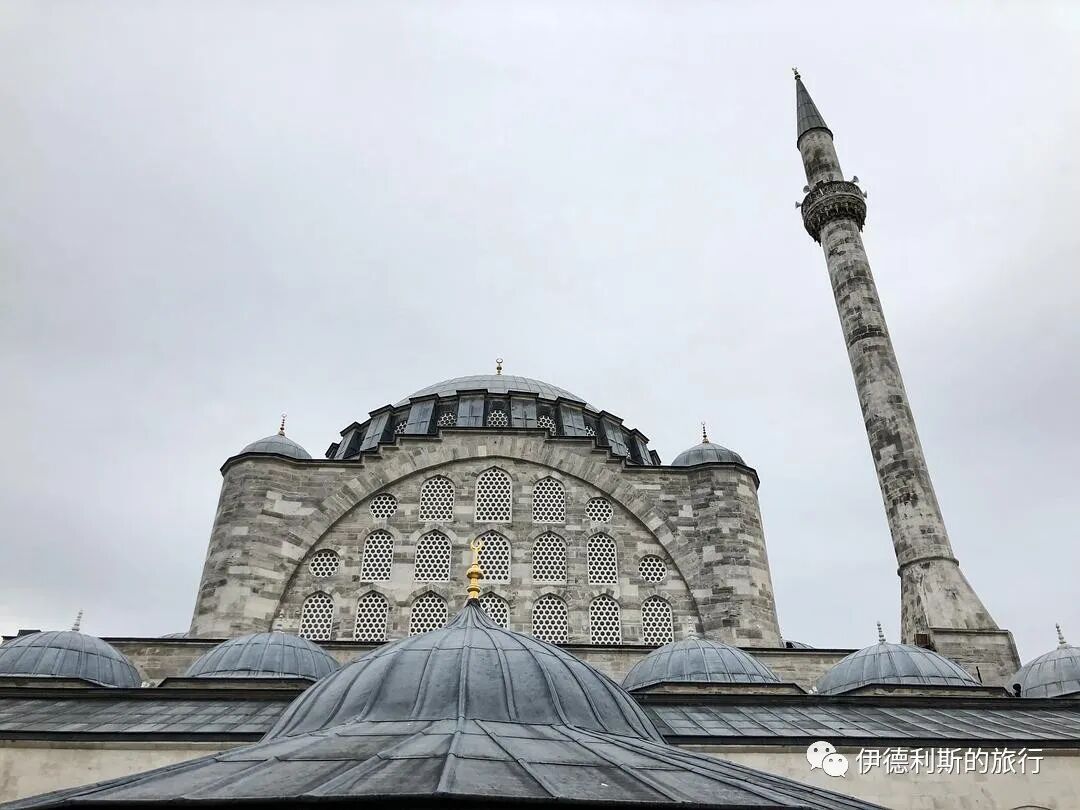
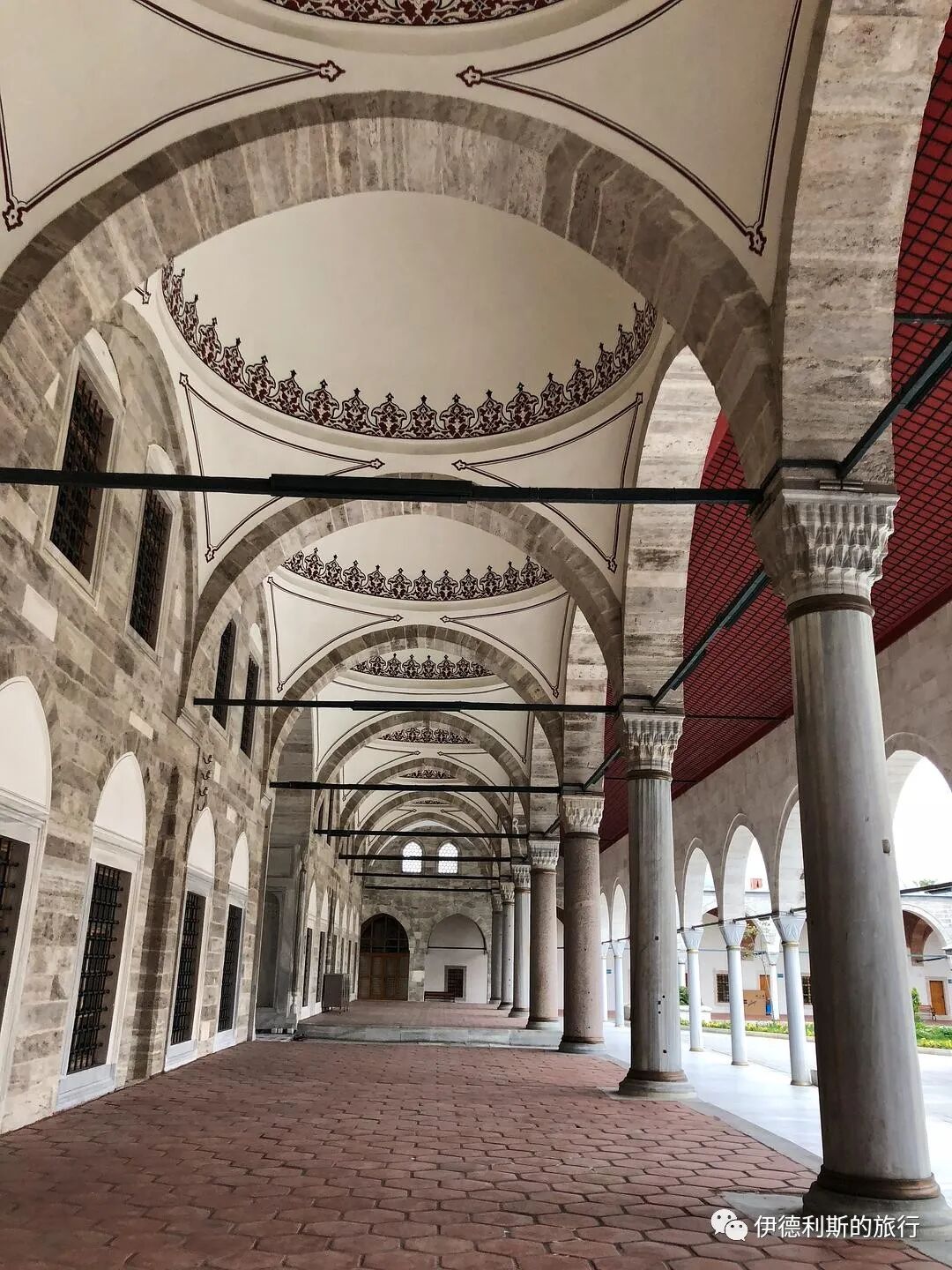
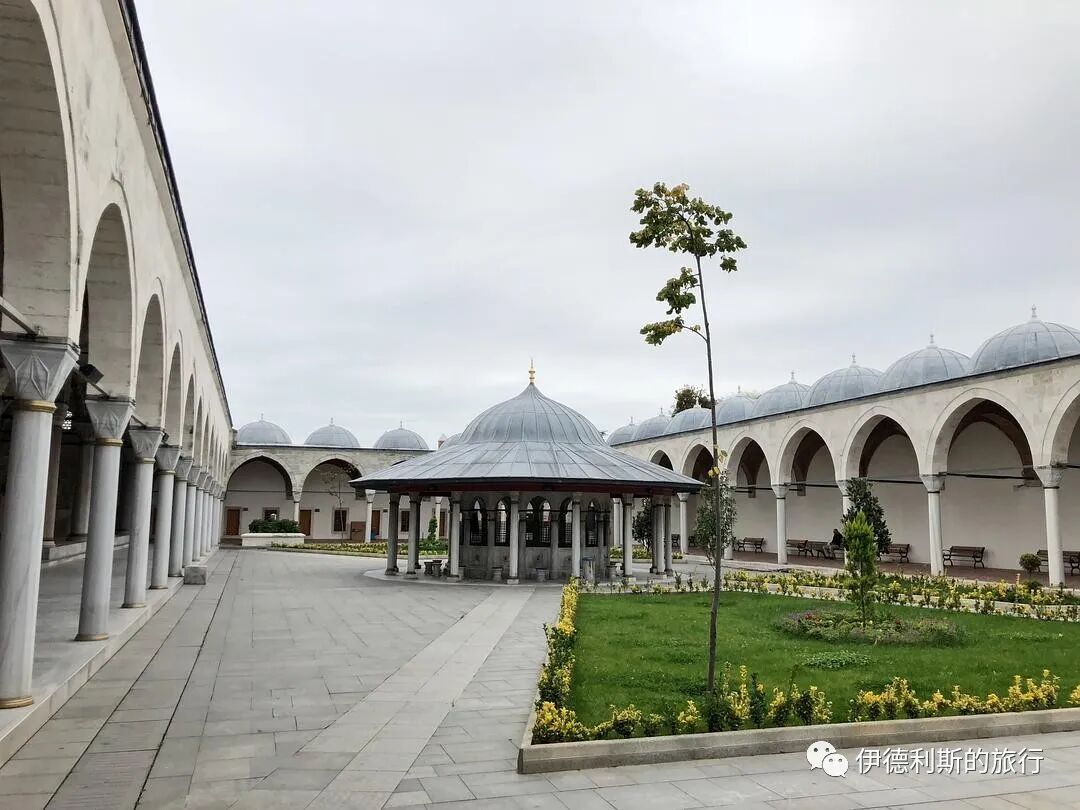
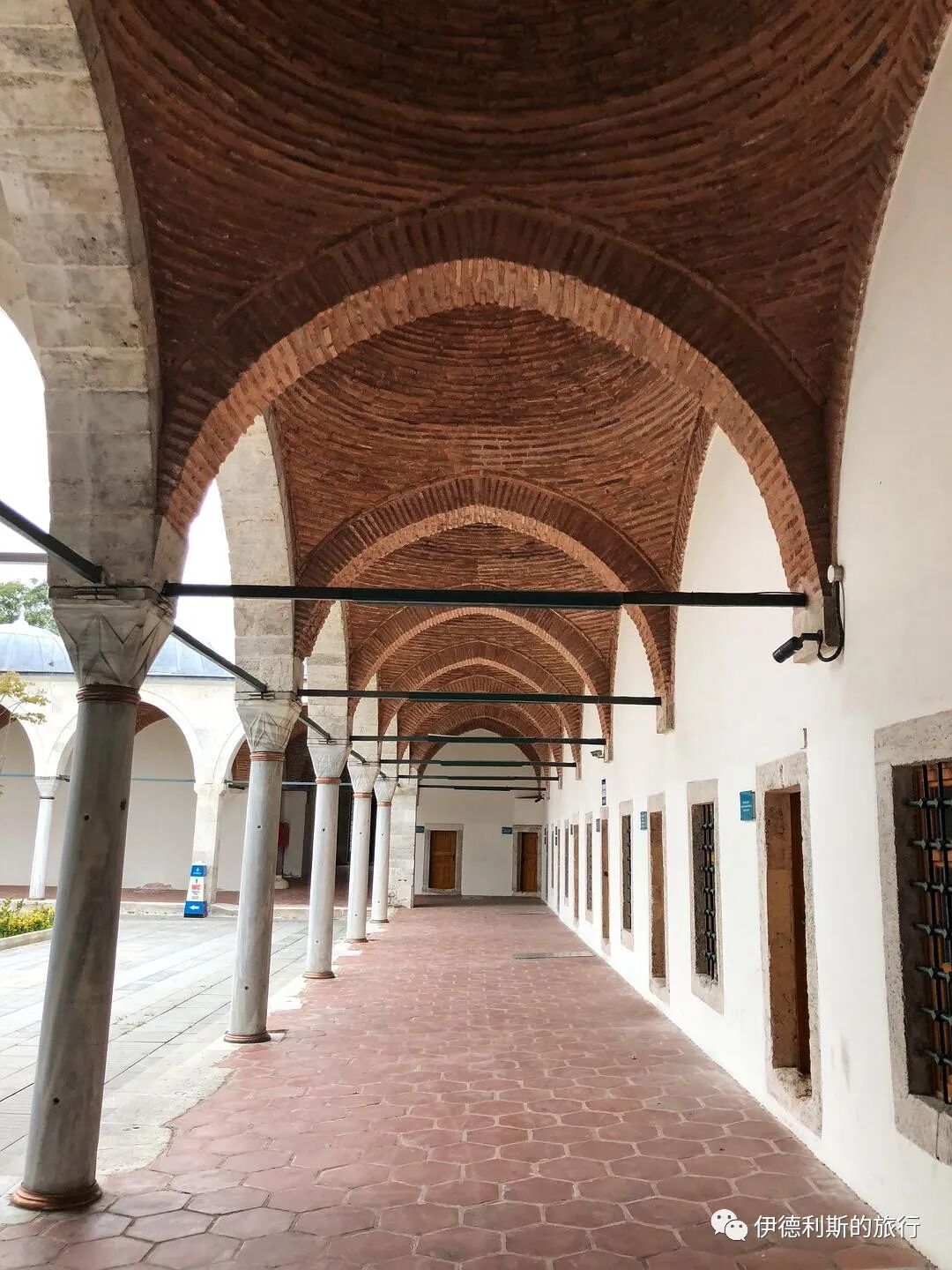
The area above the arches is covered with large windows that have almost no load-bearing function, and sunlight streaming through them makes this the brightest mosque among Mimar Sinan's works.
5. Sokullu Mehmed Pasha Complex (Eyüp): 1569
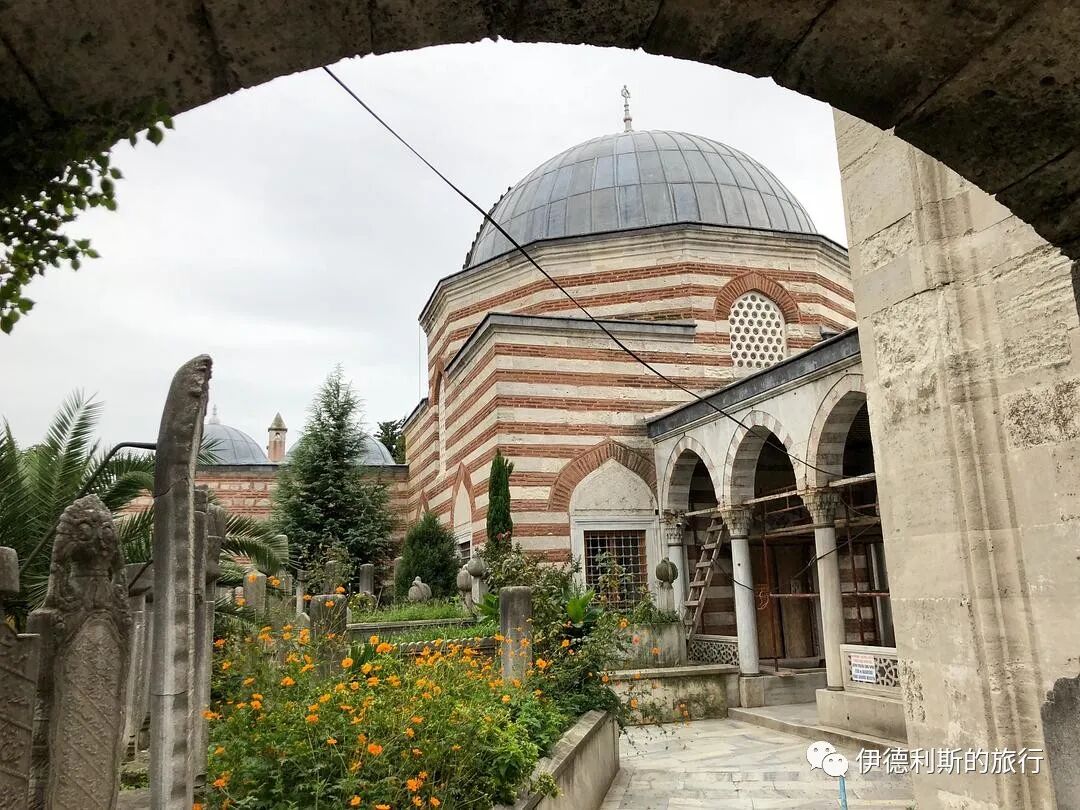
In the Eyüp district by the Golden Horn northwest of Istanbul, there is another building complex (külliye) commissioned by Ottoman Grand Vizier Sokollu Mehmed Paşa and built by Mimar Sinan in 1569. It currently includes a madrasa and a tomb, along with a Quran school built in 1579. The reason this complex lacks a mosque is likely because it sits right next to the famous Eyüp Sultan Mosque.
The tomb faces the madrasa and holds the remains of Sokollu Mehmed Paşa and his descendants, but none of the tombstones have inscriptions.
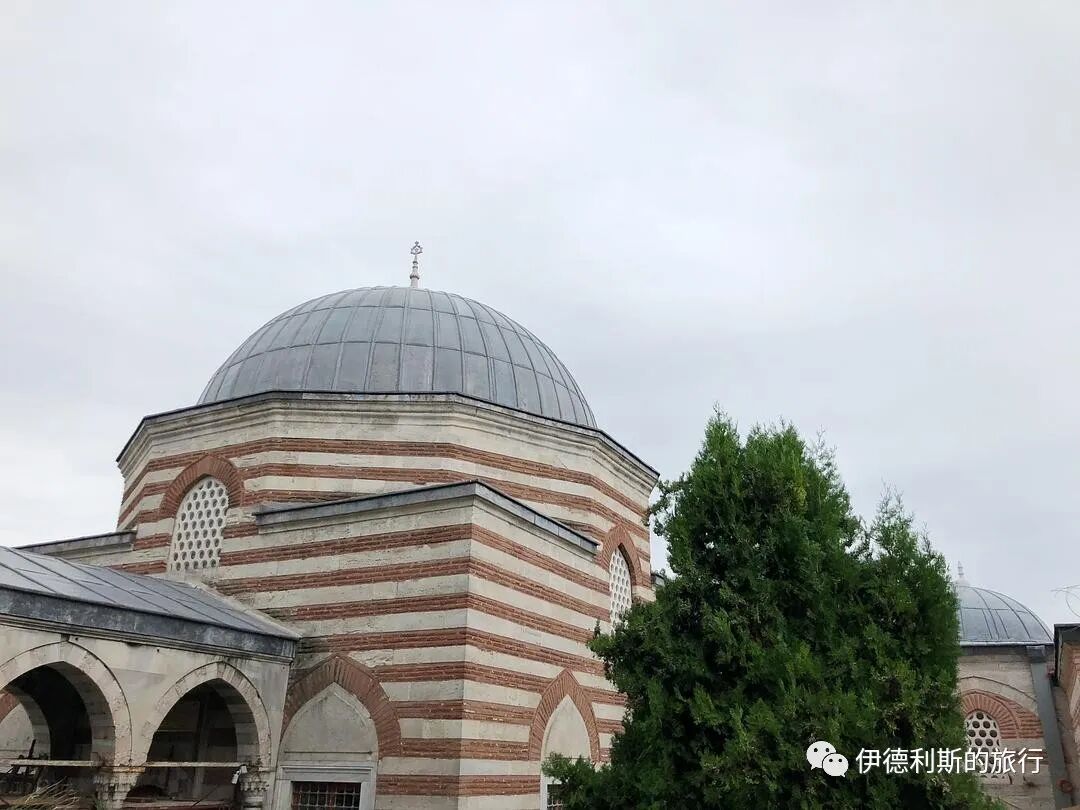
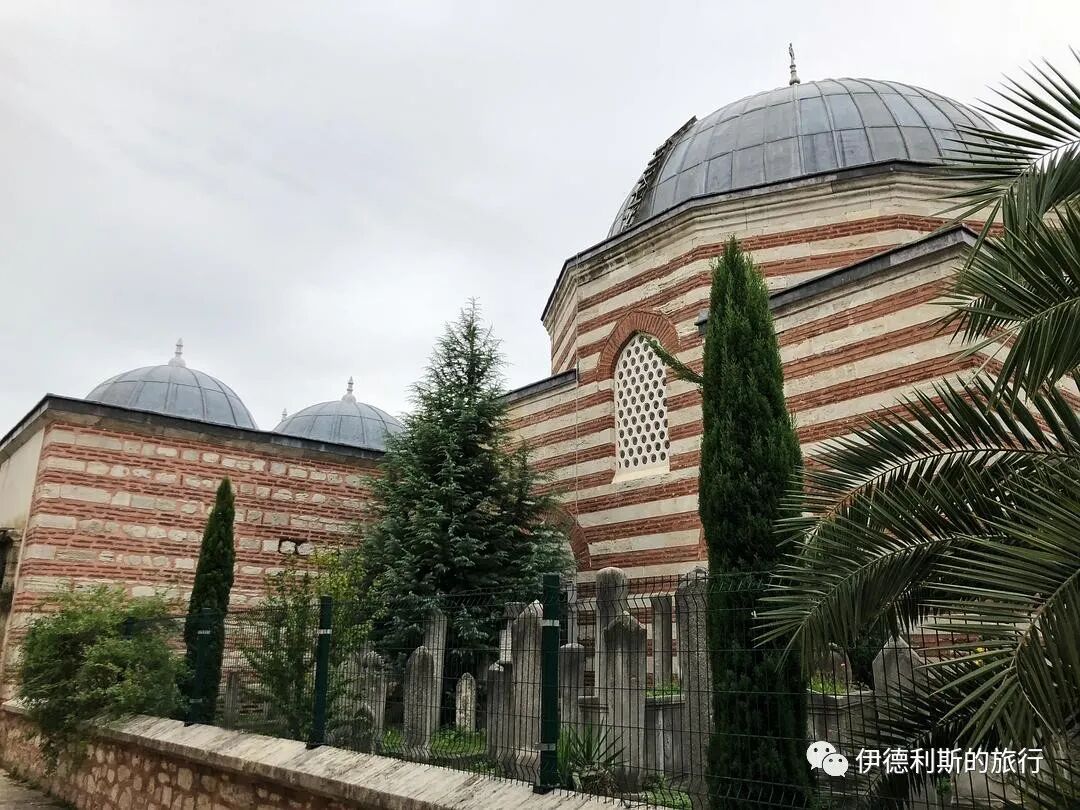
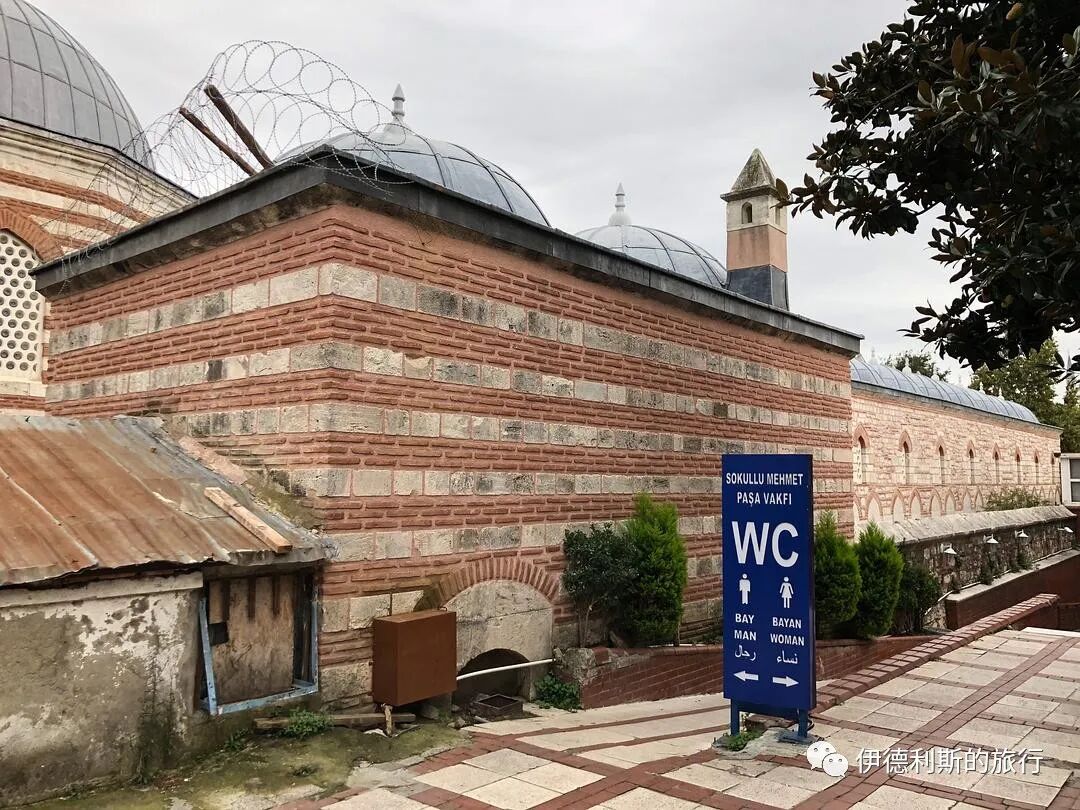
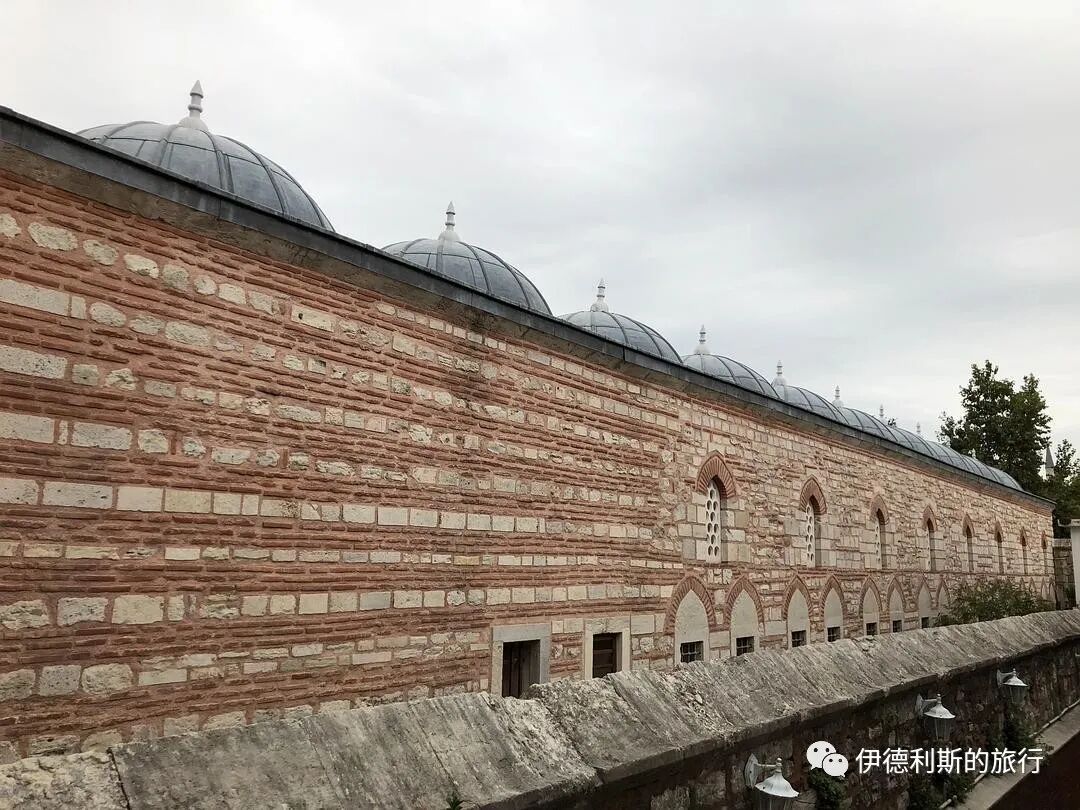
6. Tomb of Pertev Mehmed Pasha: 1574
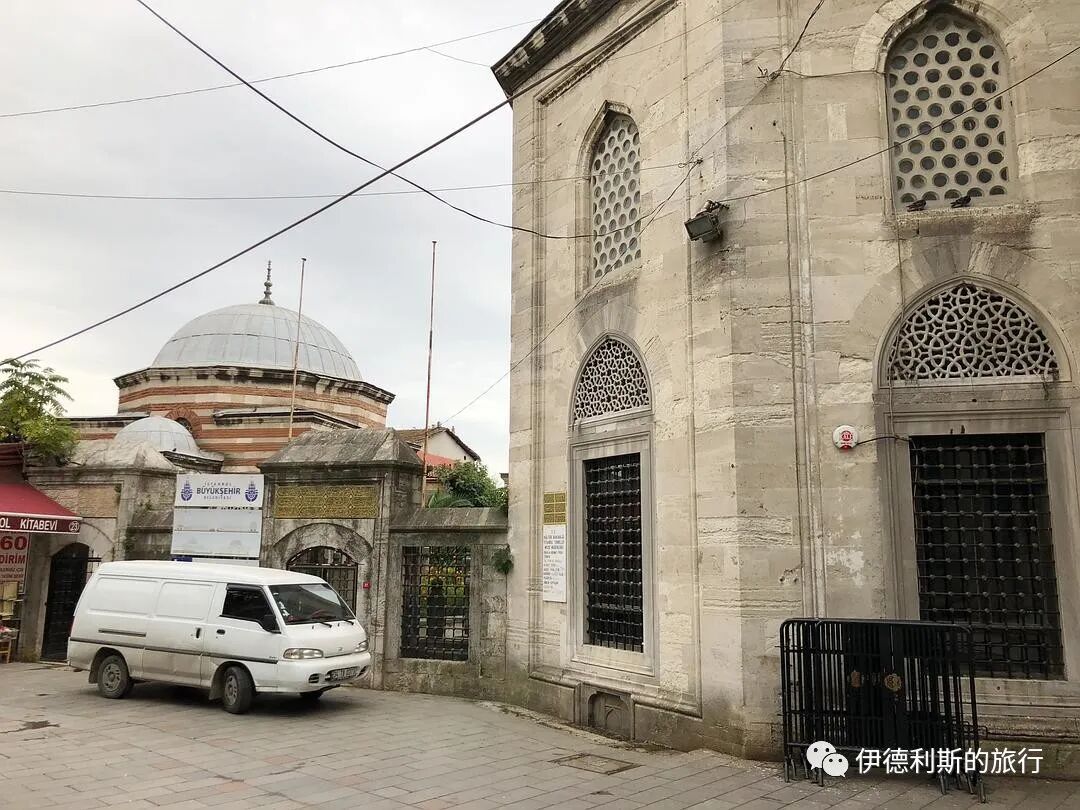
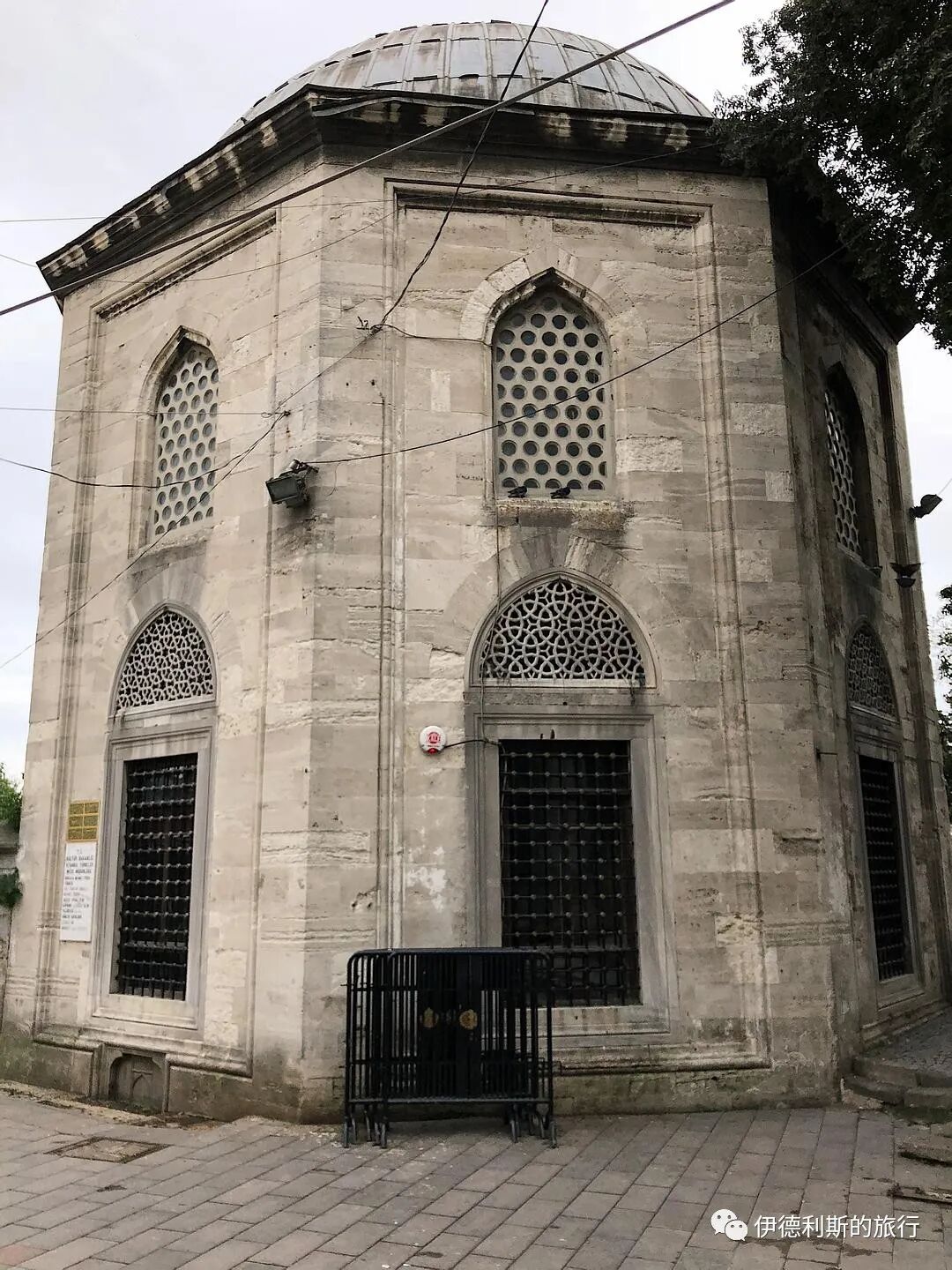
Walk along the narrow road behind the Eyup mosque cemetery and you will see a very unique tomb. It belongs to Pertev Mehmed Pasha, who served as a vizier under both Suleiman the Magnificent and Selim II. The tomb was built by Mimar Sinan in 1574.
Pertev Mehmed Pasha was originally an Albanian slave. He grew up in the Topkapi Palace in Istanbul and once served as the palace's chief gatekeeper. He was promoted to the second vizier in 1565, but was removed from his post in 1571 and died of grief in 1572.
The tomb of Pertev Mehmed Pasha is a rectangular building that looks more like a house than a tomb. Facing the street, there are six windows and one door with beautiful marble grilles. The door has an inscription carved on it, but unfortunately, the roof has collapsed and is no longer there.
7. Kara Ahmed Pasha Complex: 1572
The Kara Ahmed Pasha complex (Kara Ahmed Paşa Külliyesi) was commissioned by Kara Ahmed Pasha and built by Mimar Sinan. It includes a mosque, a madrasa, an elementary school, and a tomb.
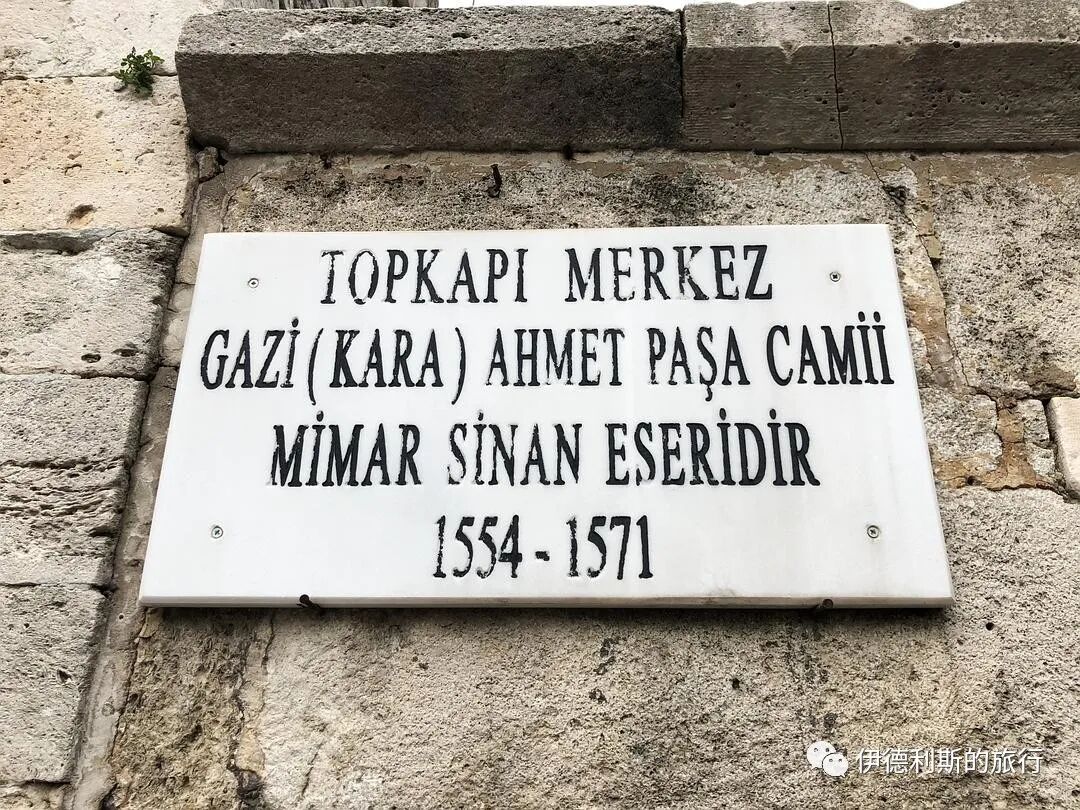
Kara Ahmed Pasha was the son-in-law of Sultan Selim I. He became the Grand Vizier for Suleiman the Magnificent in 1553, but Suleiman the Magnificent had him executed in 1555. The building complex was originally planned for 1555, but construction did not start until years later—some say 1558, others say 1565—after Kara Ahmed Pasha was pardoned. It was finally finished in 1572.
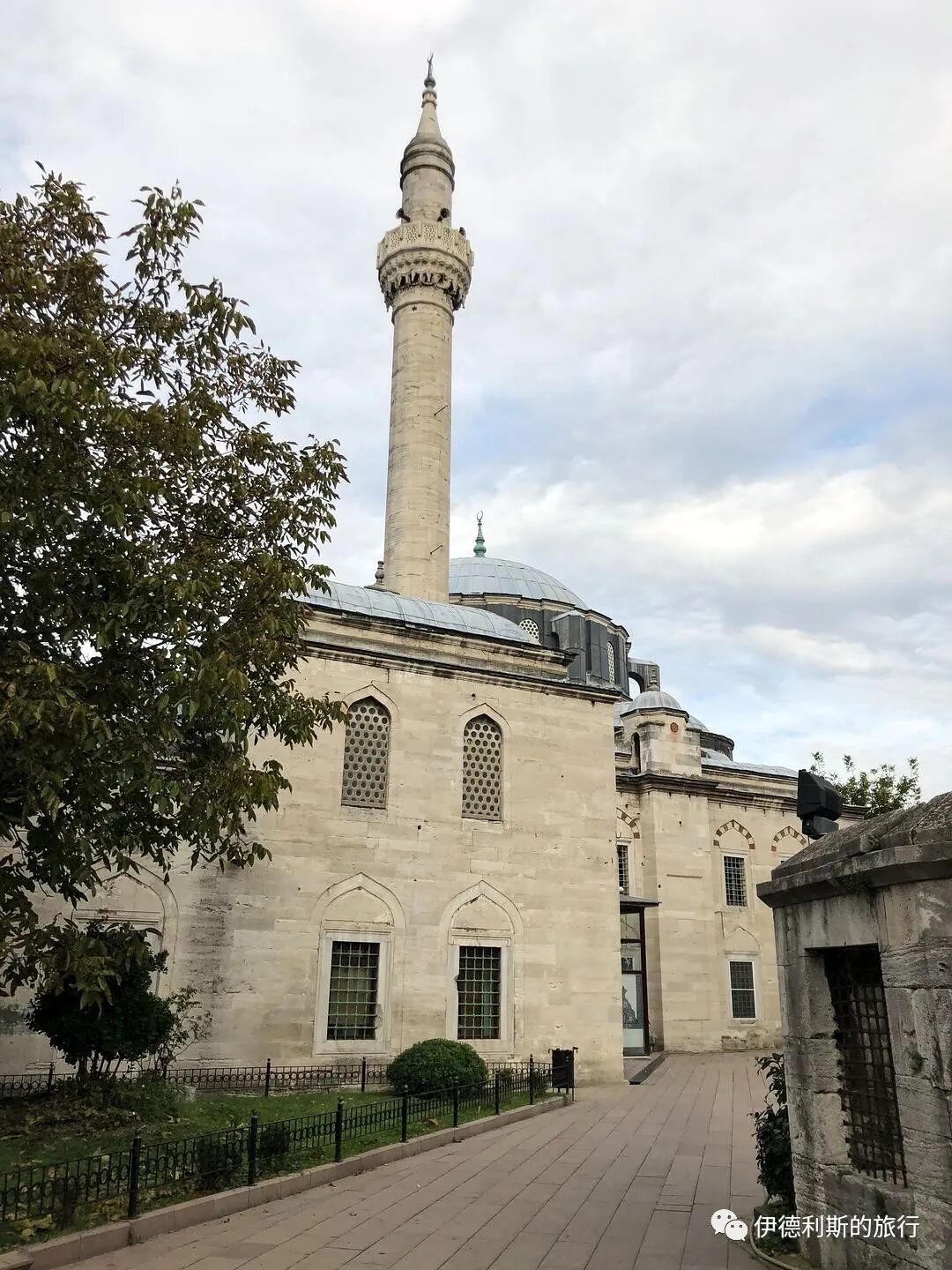
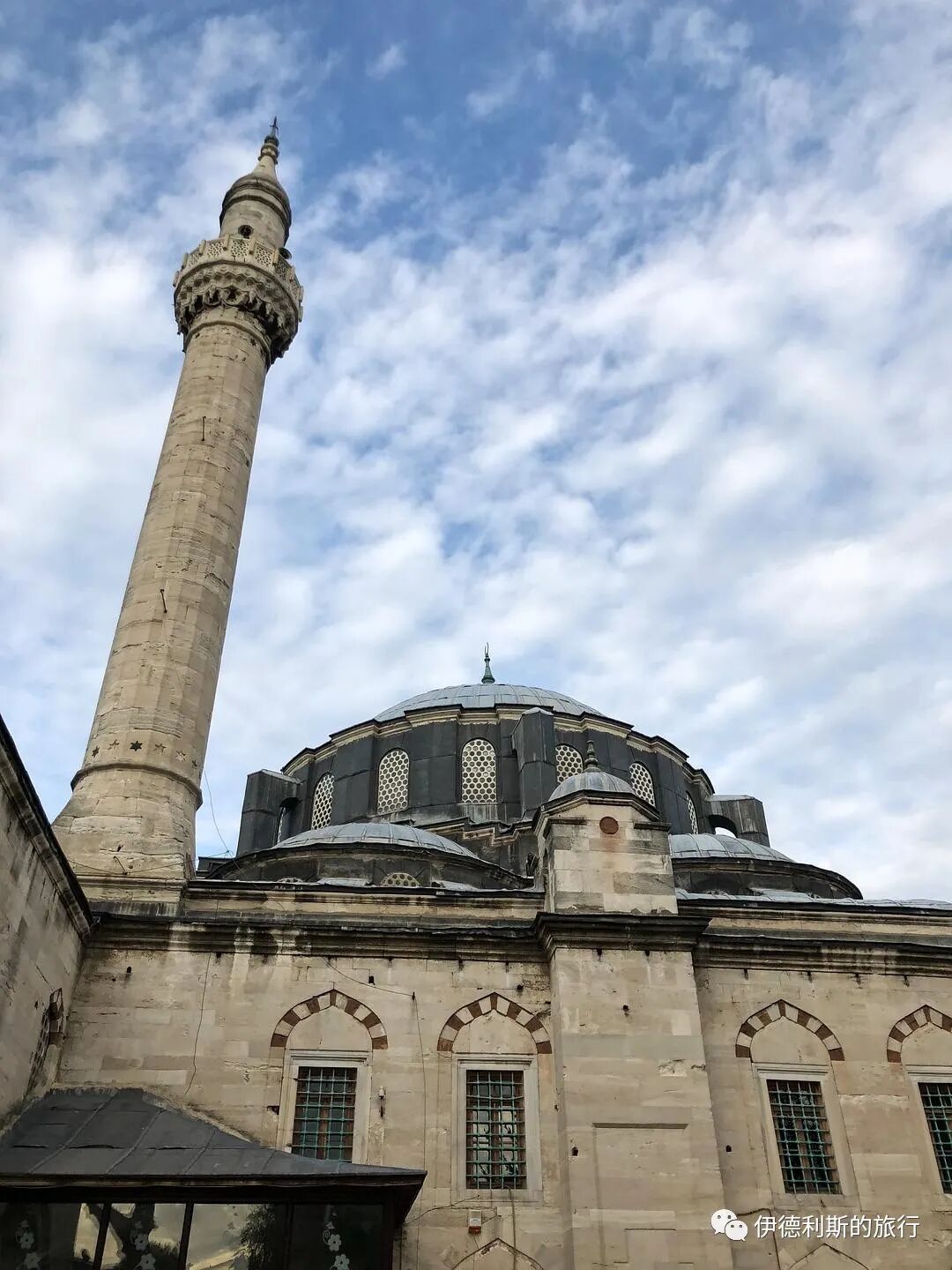
The Kara Ahmed Pasha mosque and madrasa share a courtyard. The mosque features one main dome, six buttresses, and four smaller domes.
Ottoman Architecture Guide: Mimar Sinan — Mature Works (Part 2)
Articles • ali2007fr posted the article • 0 comments • 140 views • 2026-05-18 06:13
Summary: Ottoman Architecture Guide: Mimar Sinan — Mature Works is presented here as a firsthand travel account in clear English, beginning with this scene: The Kara Ahmed Pasha Mosque is the last imperial building in Istanbul decorated with dry cord (cuerda seca) tiles. The account keeps its focus on Mimar Sinan, Ottoman Architecture, Istanbul Mosques while preserving the names, places, food, and historical details from the Chinese source.
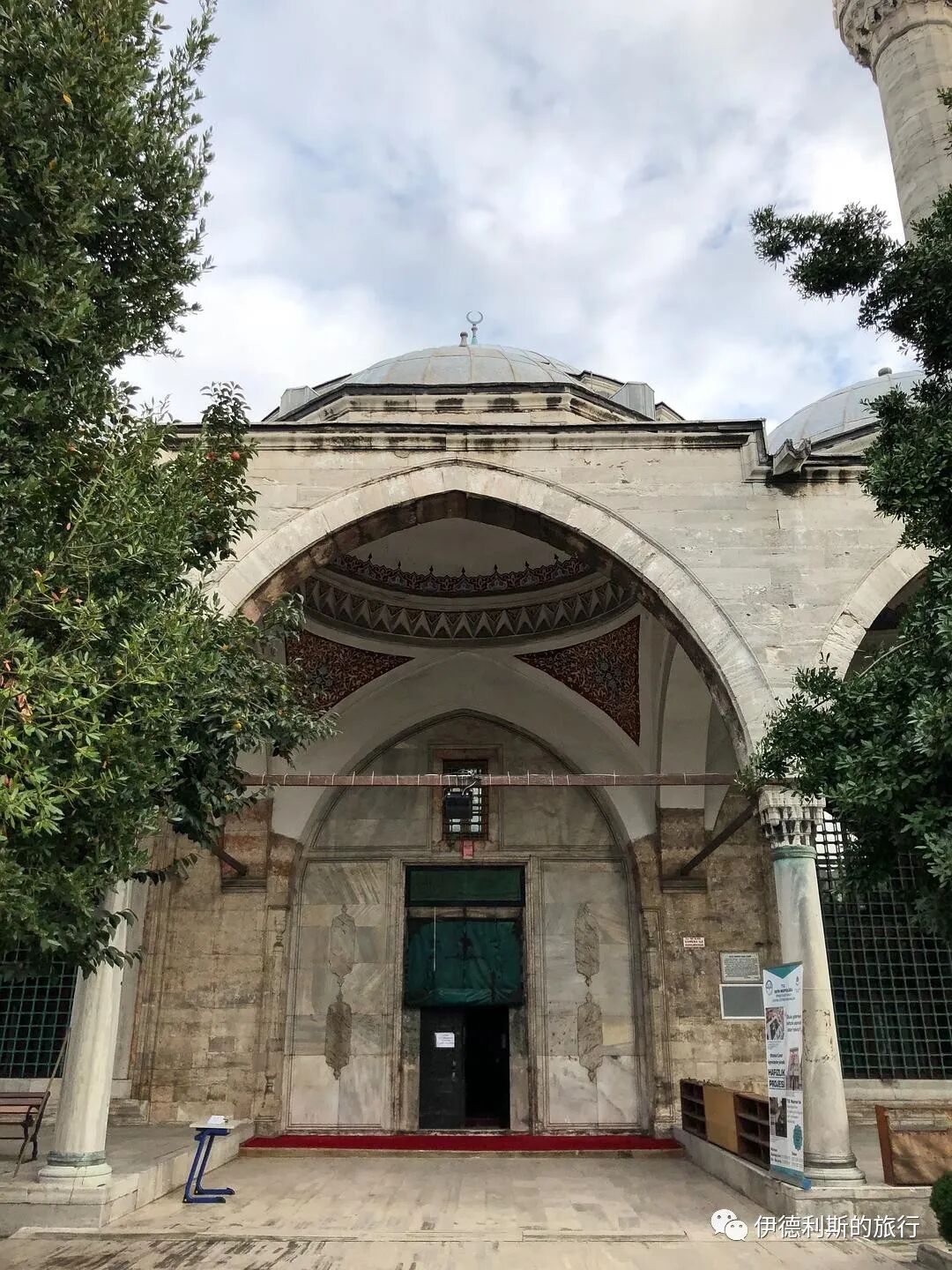
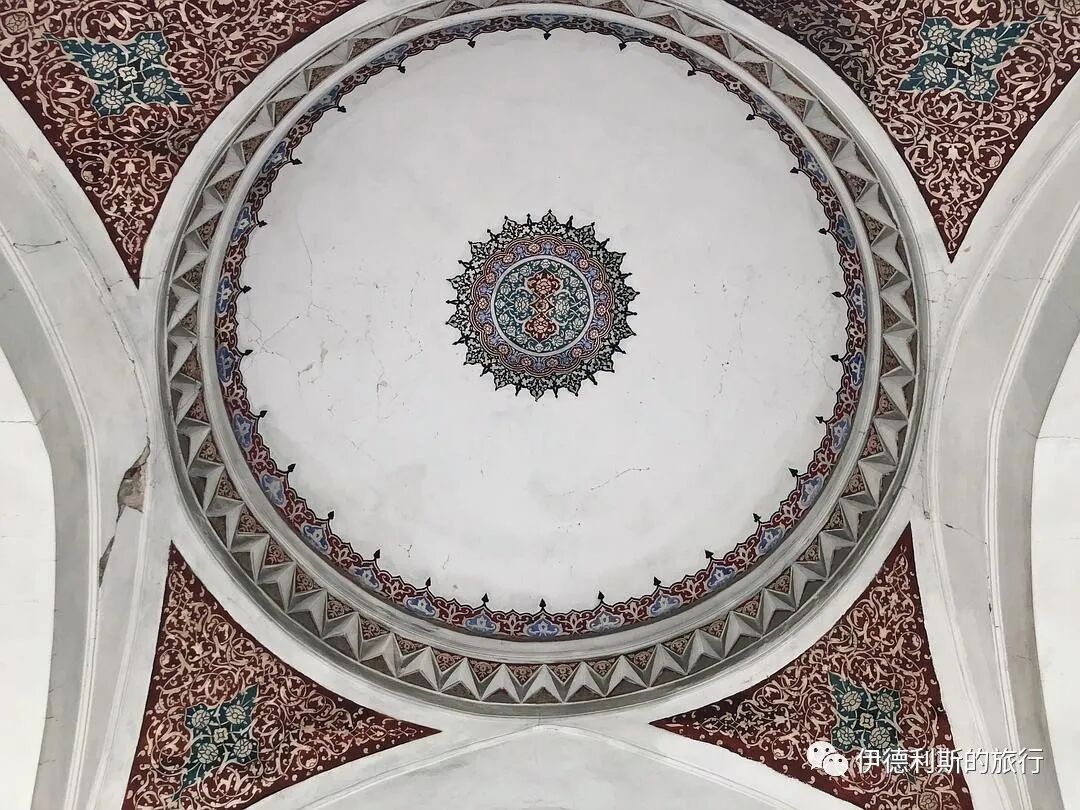
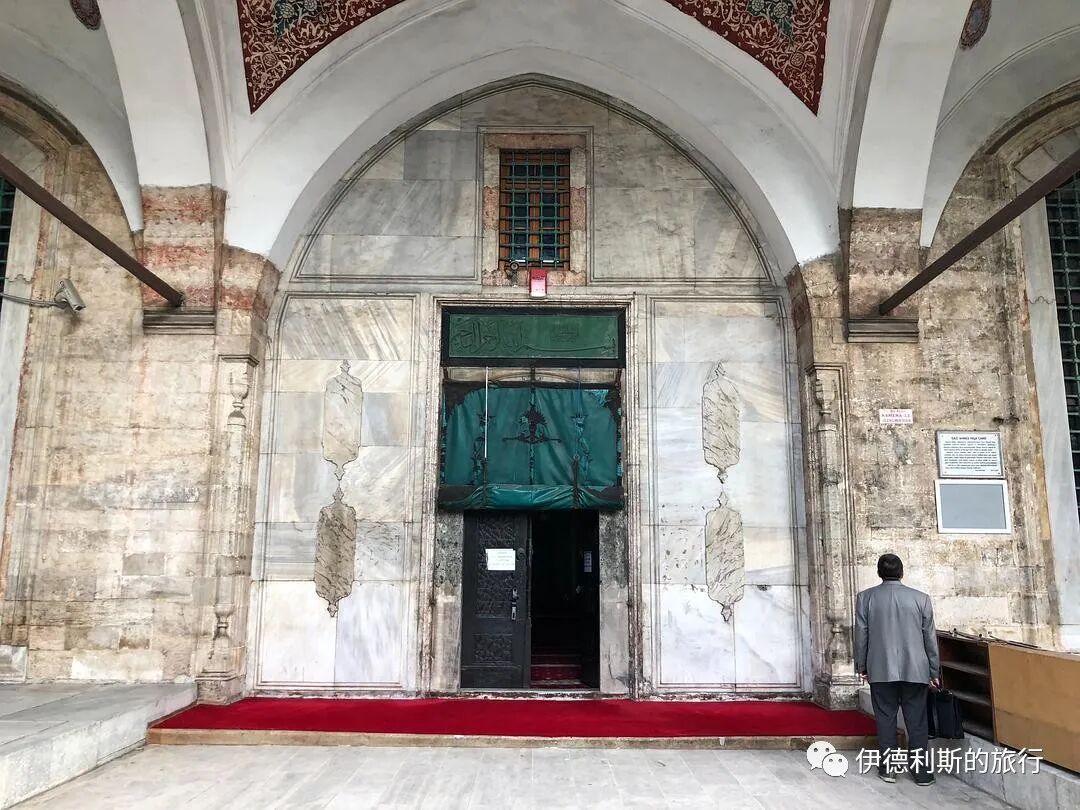
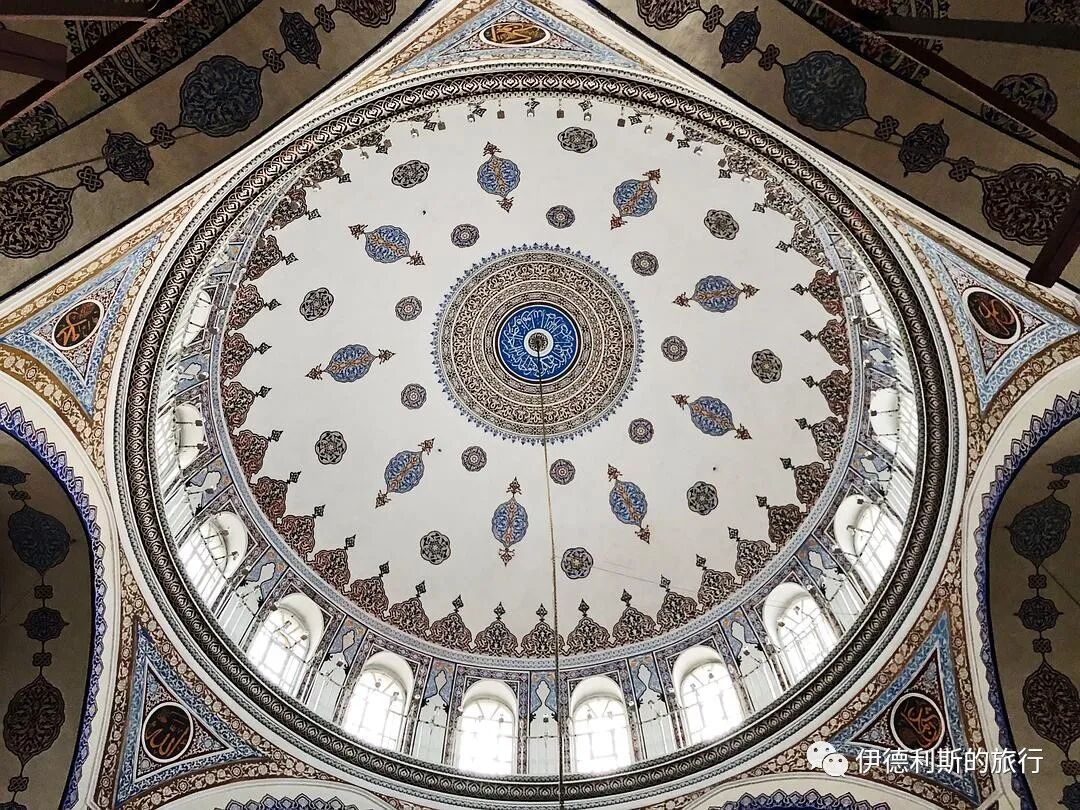
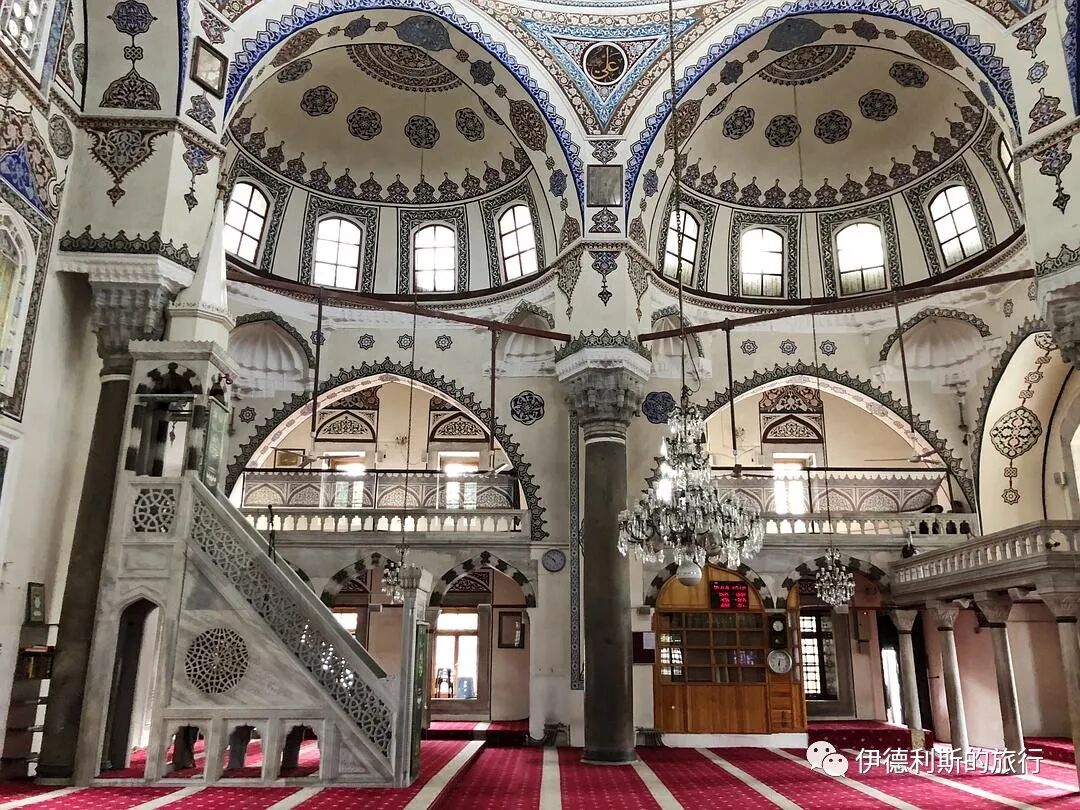
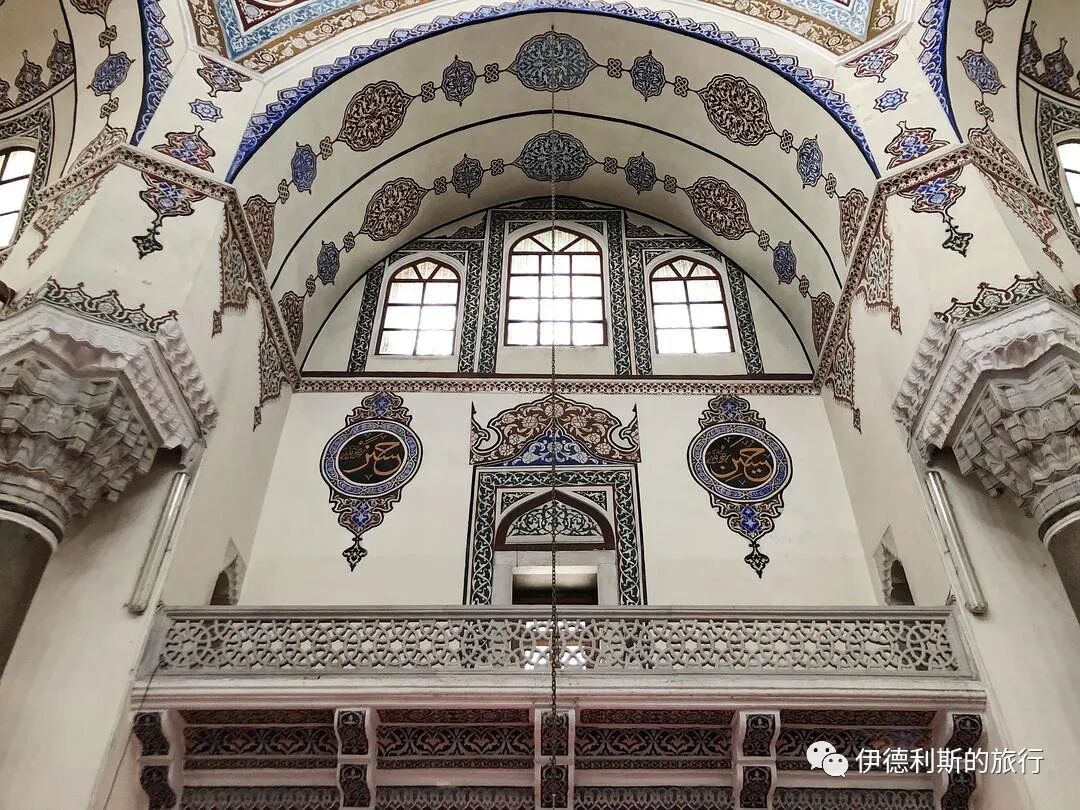
The Kara Ahmed Pasha Mosque is the last imperial building in Istanbul decorated with dry cord (cuerda seca) tiles. The use of dry cord (cuerda seca) tiles began in Inner Asia in the late 14th century, with the Shah-i-Zinda complex being the most famous example. Dry cord (cuerda seca) tiles were most popular during the Timurid and Safavid dynasties. They reached Turkey in the 15th century through Persian ceramic craftsmen from Tabriz, and many Ottoman buildings, such as the Green Mosque in Bursa, were decorated with them. As Iznik tiles became popular in the 1550s, dry cord (cuerda seca) tiles were gradually phased out of history.
8. Mimar Sinan Mosque: 1573
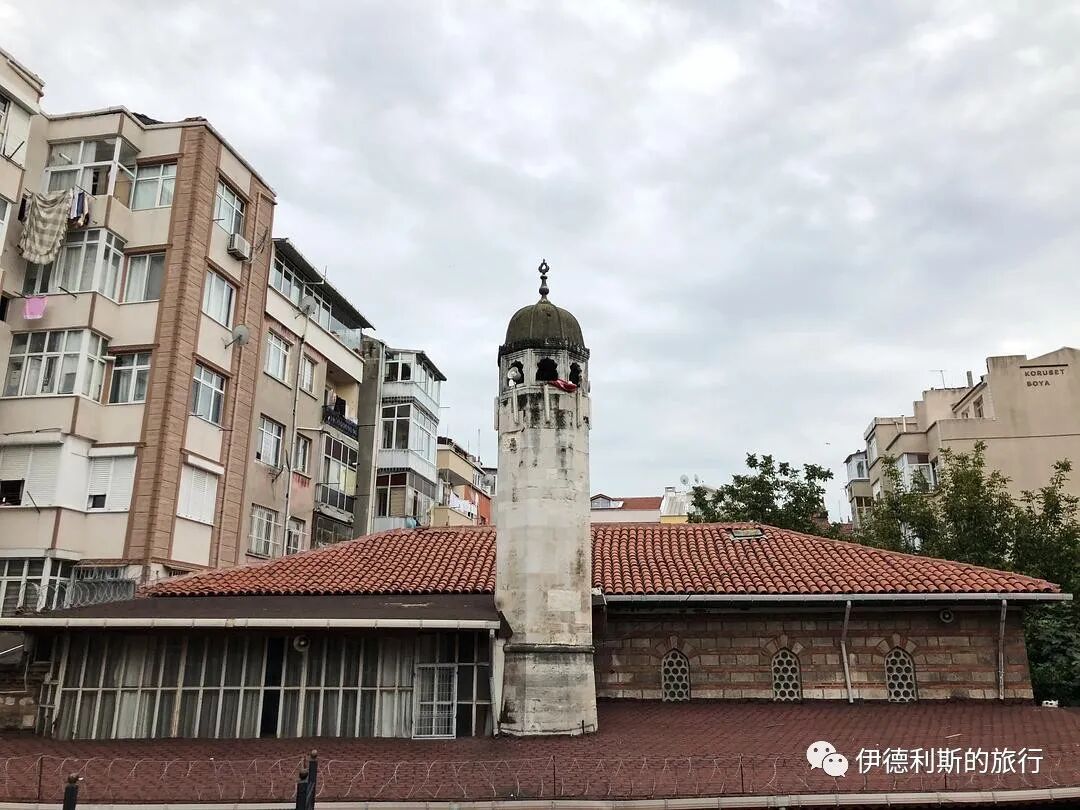
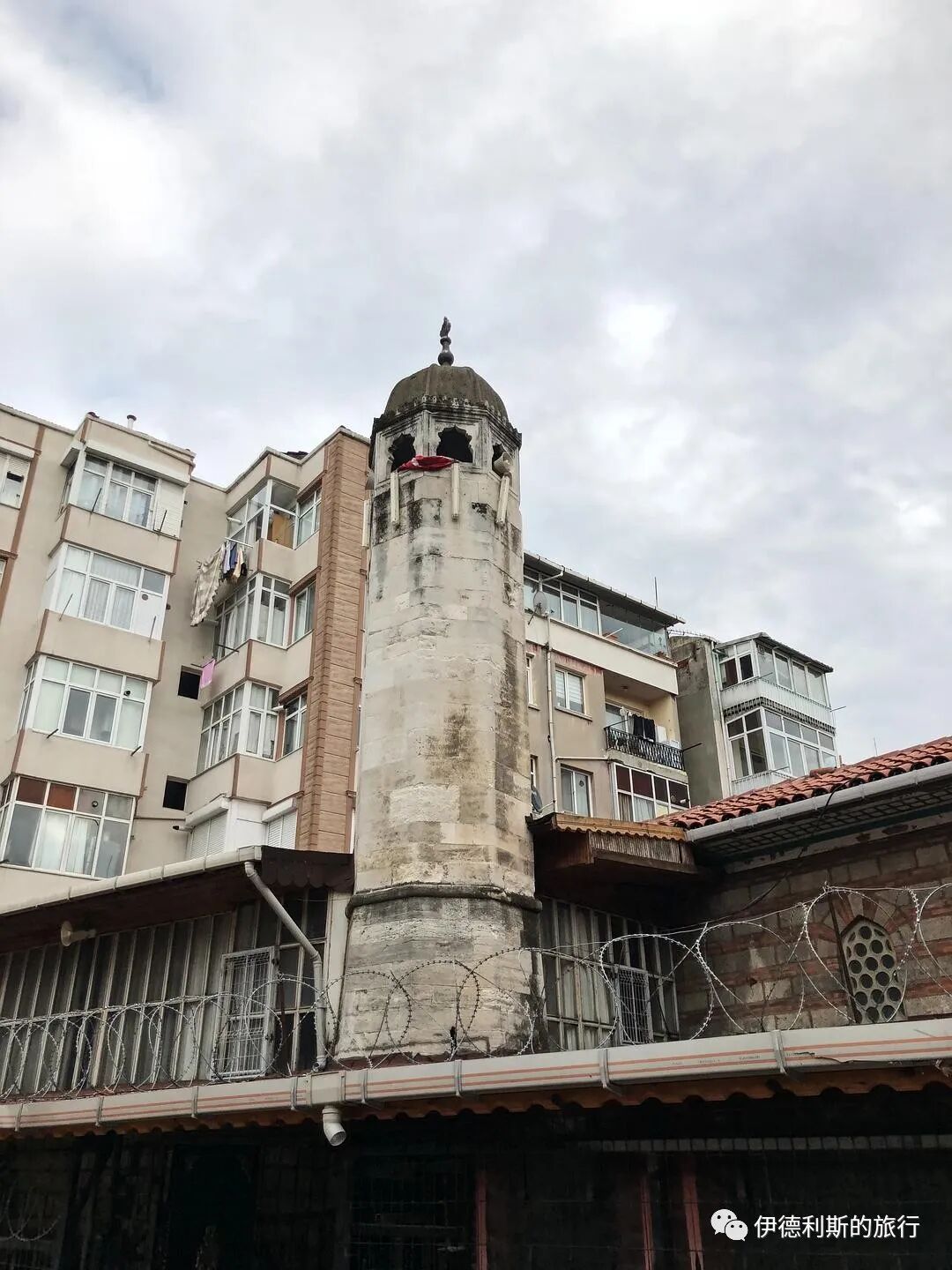
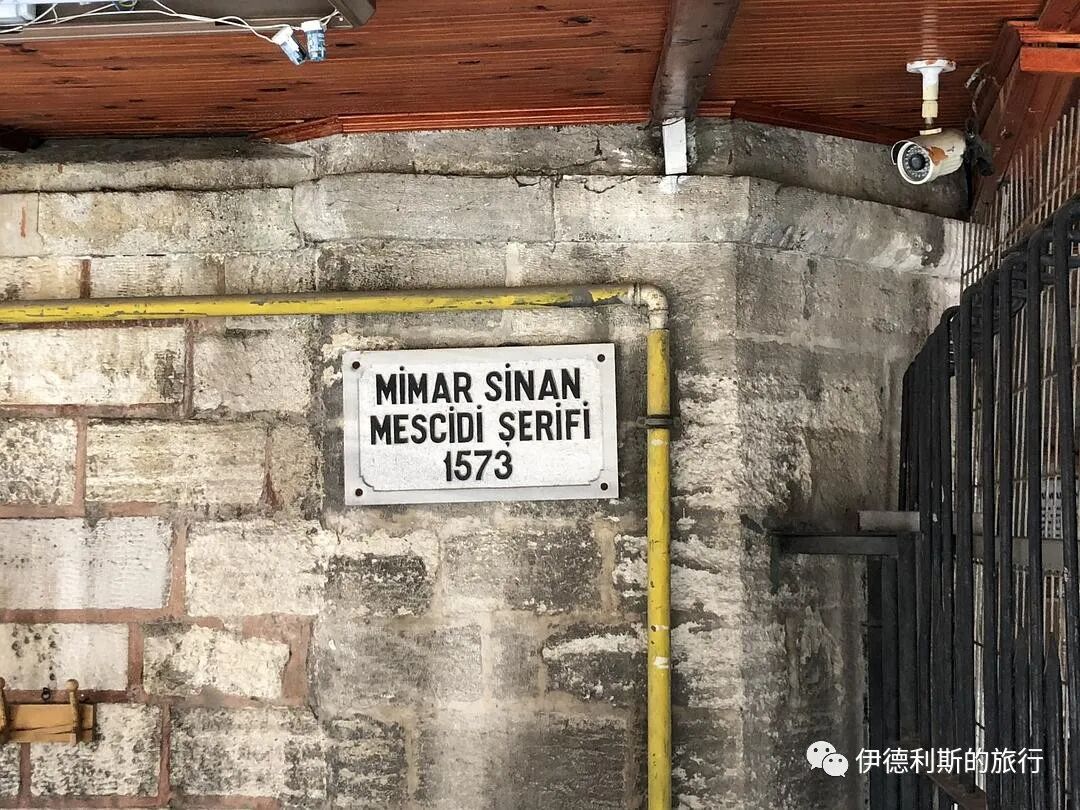
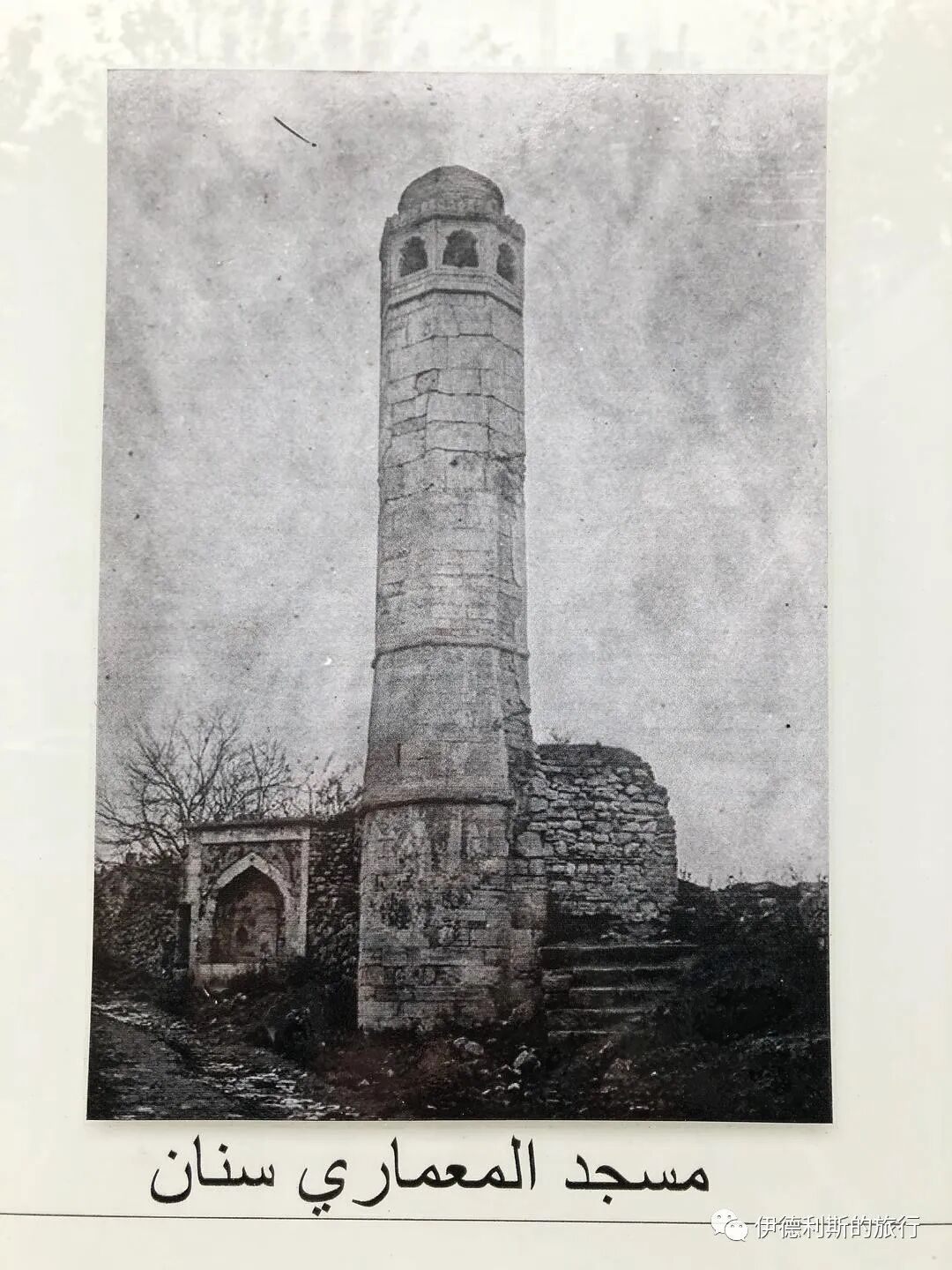
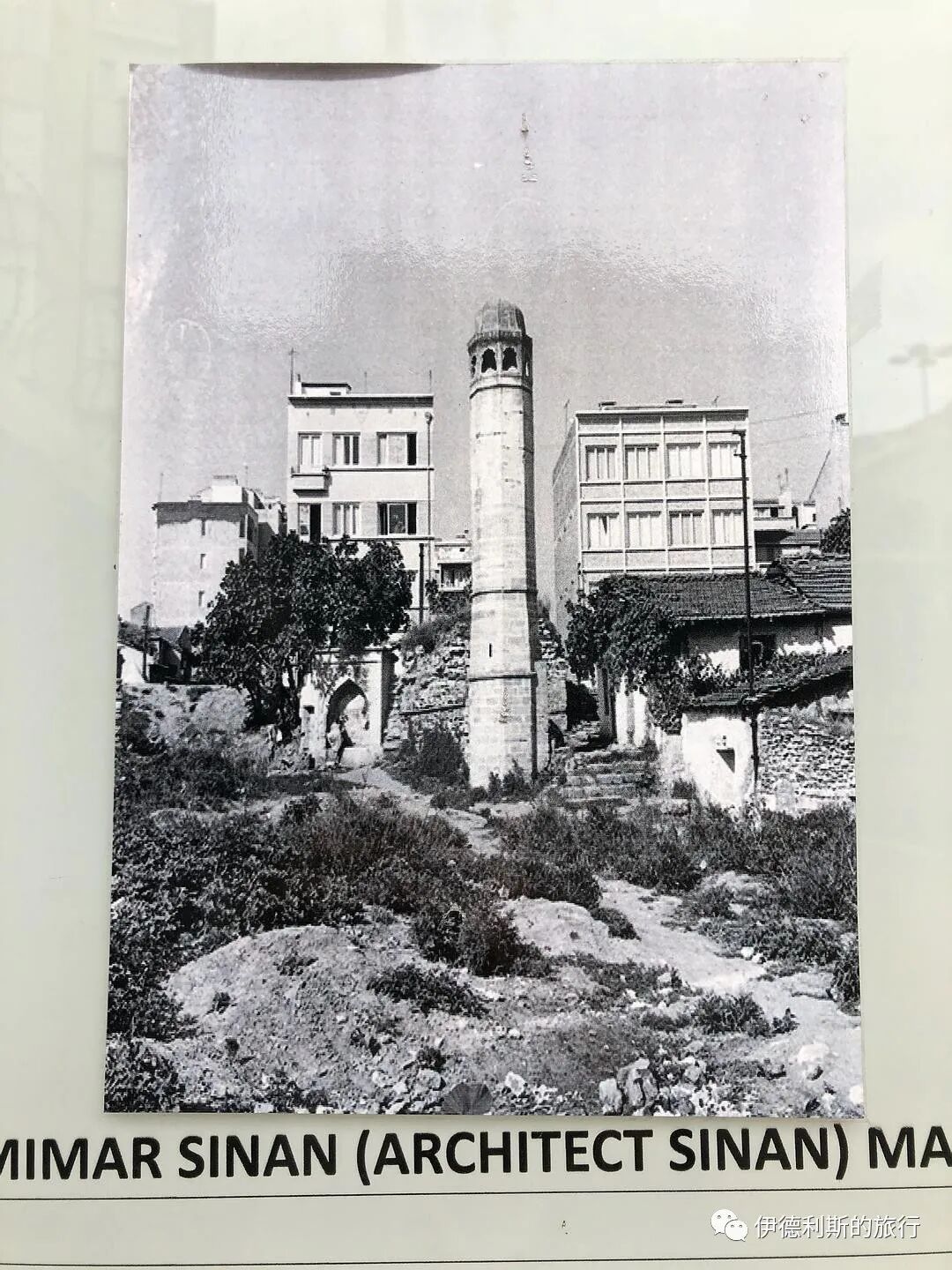
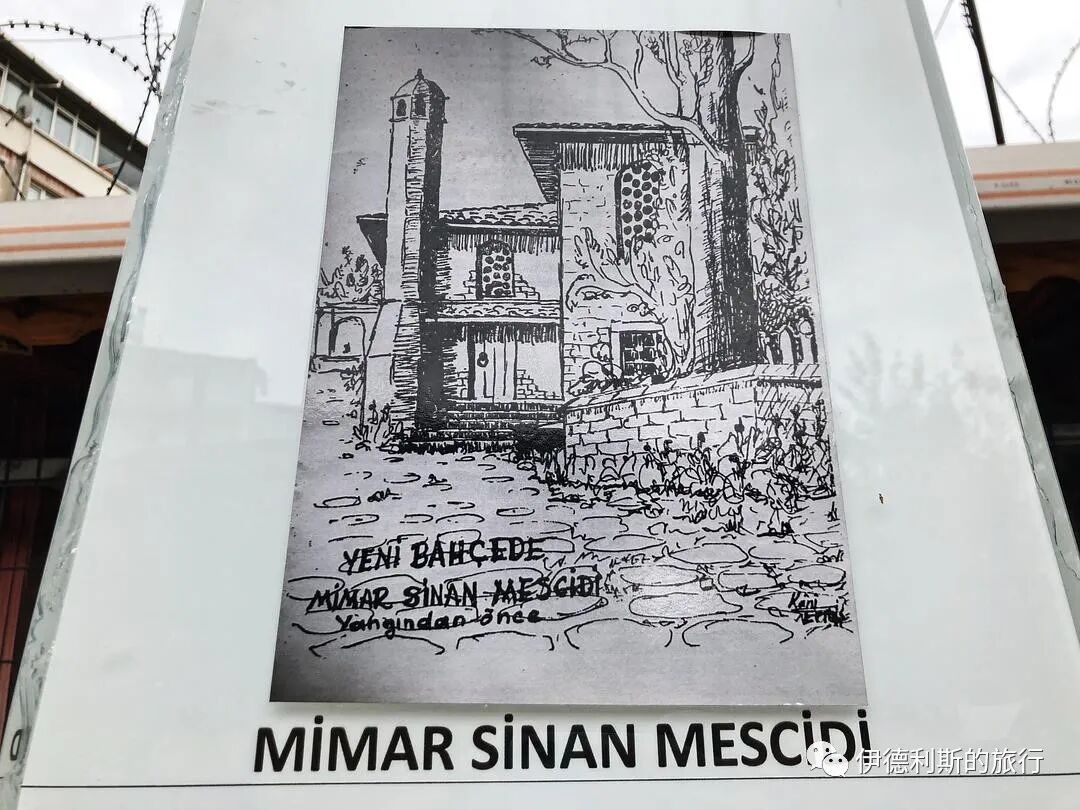
Mimar Sinan built the Mimar Sinan Mosque for himself in 1573. The mosque was destroyed by fire in 1918, and the walls collapsed soon after, leaving only a 10-meter-high minaret. The minaret was repaired in 1938 and 1962, and the mosque was rebuilt in 1976. view all
Summary: Ottoman Architecture Guide: Mimar Sinan — Mature Works is presented here as a firsthand travel account in clear English, beginning with this scene: The Kara Ahmed Pasha Mosque is the last imperial building in Istanbul decorated with dry cord (cuerda seca) tiles. The account keeps its focus on Mimar Sinan, Ottoman Architecture, Istanbul Mosques while preserving the names, places, food, and historical details from the Chinese source.
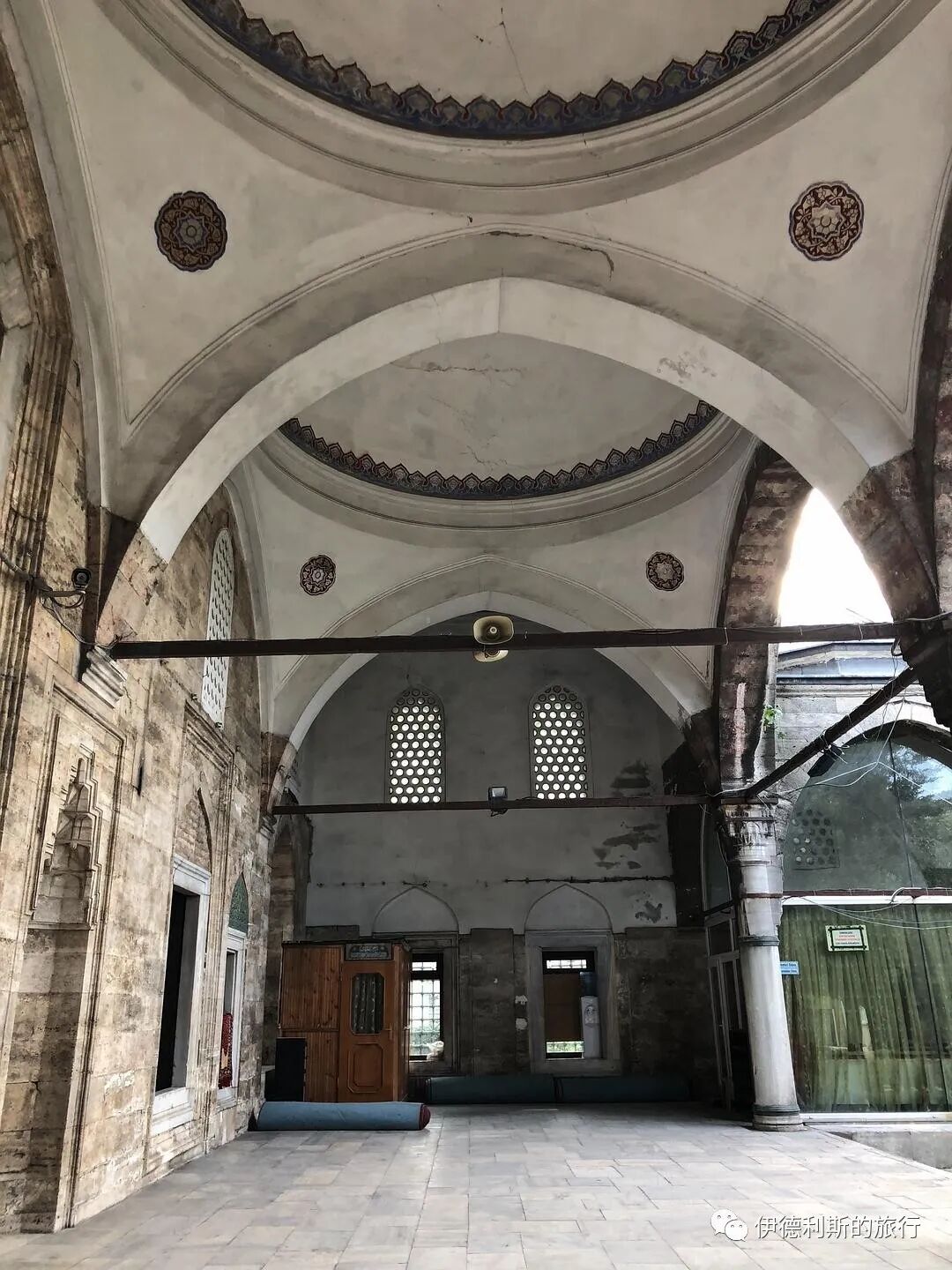
The Kara Ahmed Pasha Mosque is the last imperial building in Istanbul decorated with dry cord (cuerda seca) tiles. The use of dry cord (cuerda seca) tiles began in Inner Asia in the late 14th century, with the Shah-i-Zinda complex being the most famous example. Dry cord (cuerda seca) tiles were most popular during the Timurid and Safavid dynasties. They reached Turkey in the 15th century through Persian ceramic craftsmen from Tabriz, and many Ottoman buildings, such as the Green Mosque in Bursa, were decorated with them. As Iznik tiles became popular in the 1550s, dry cord (cuerda seca) tiles were gradually phased out of history.
8. Mimar Sinan Mosque: 1573
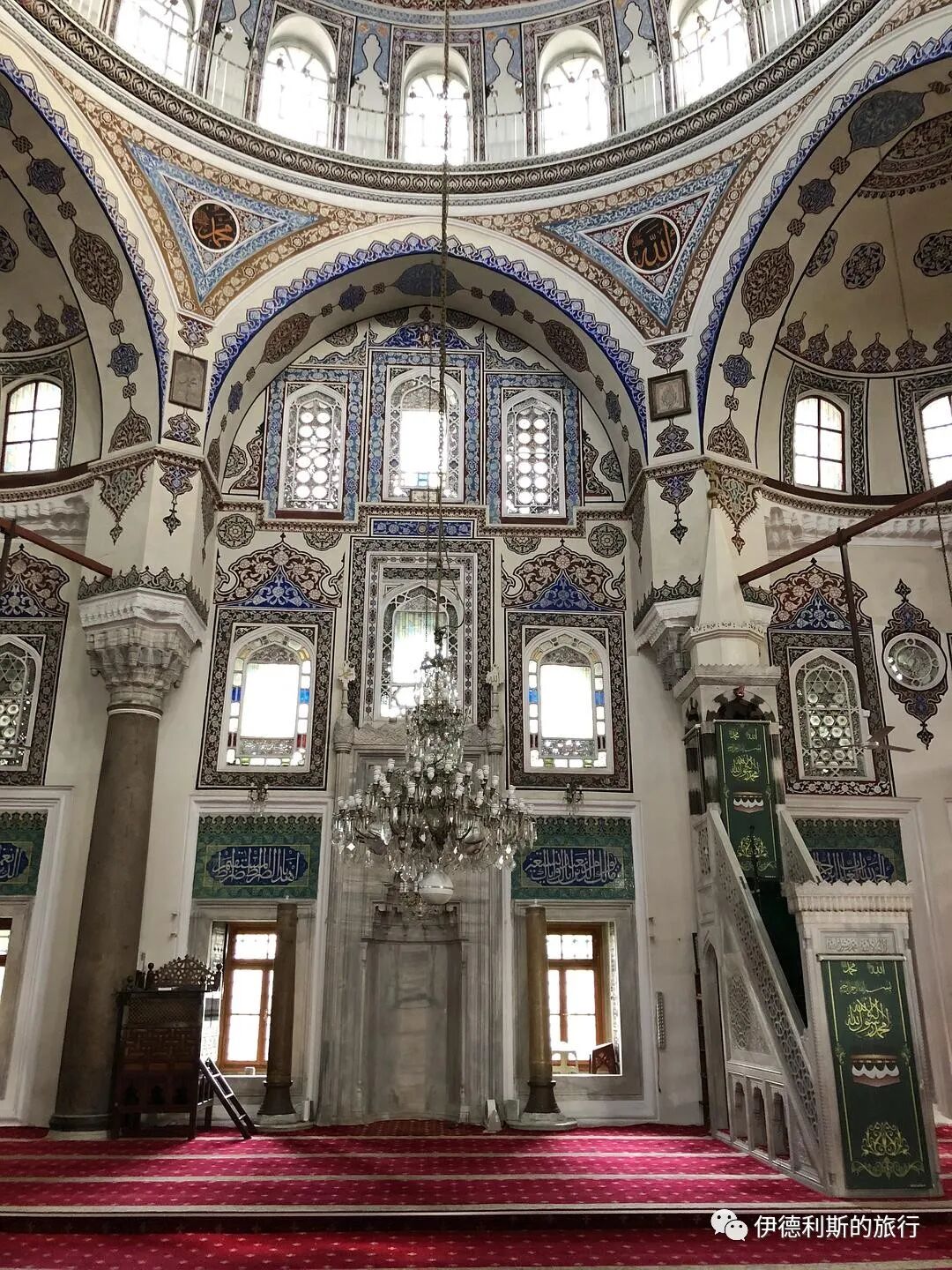
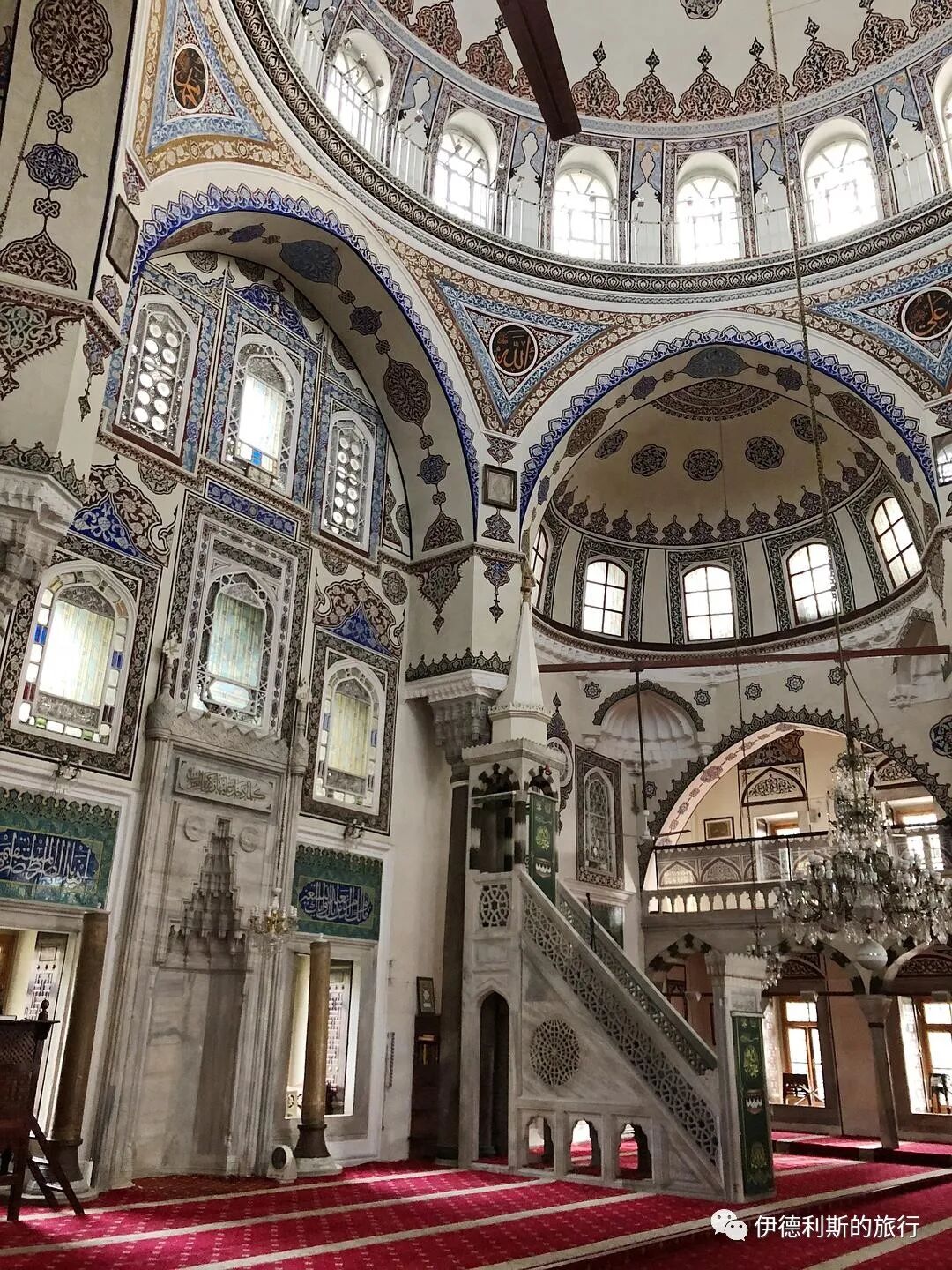
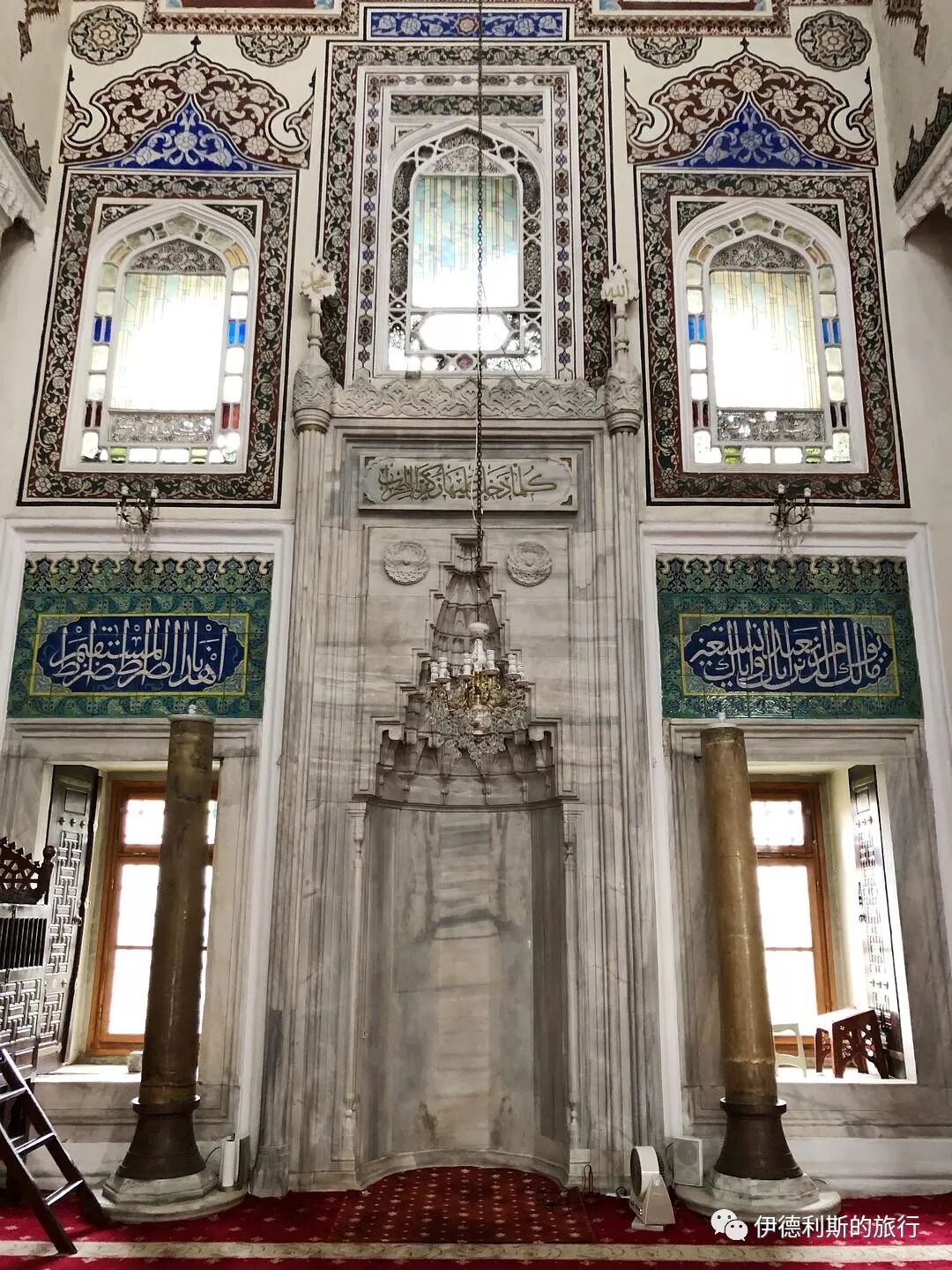
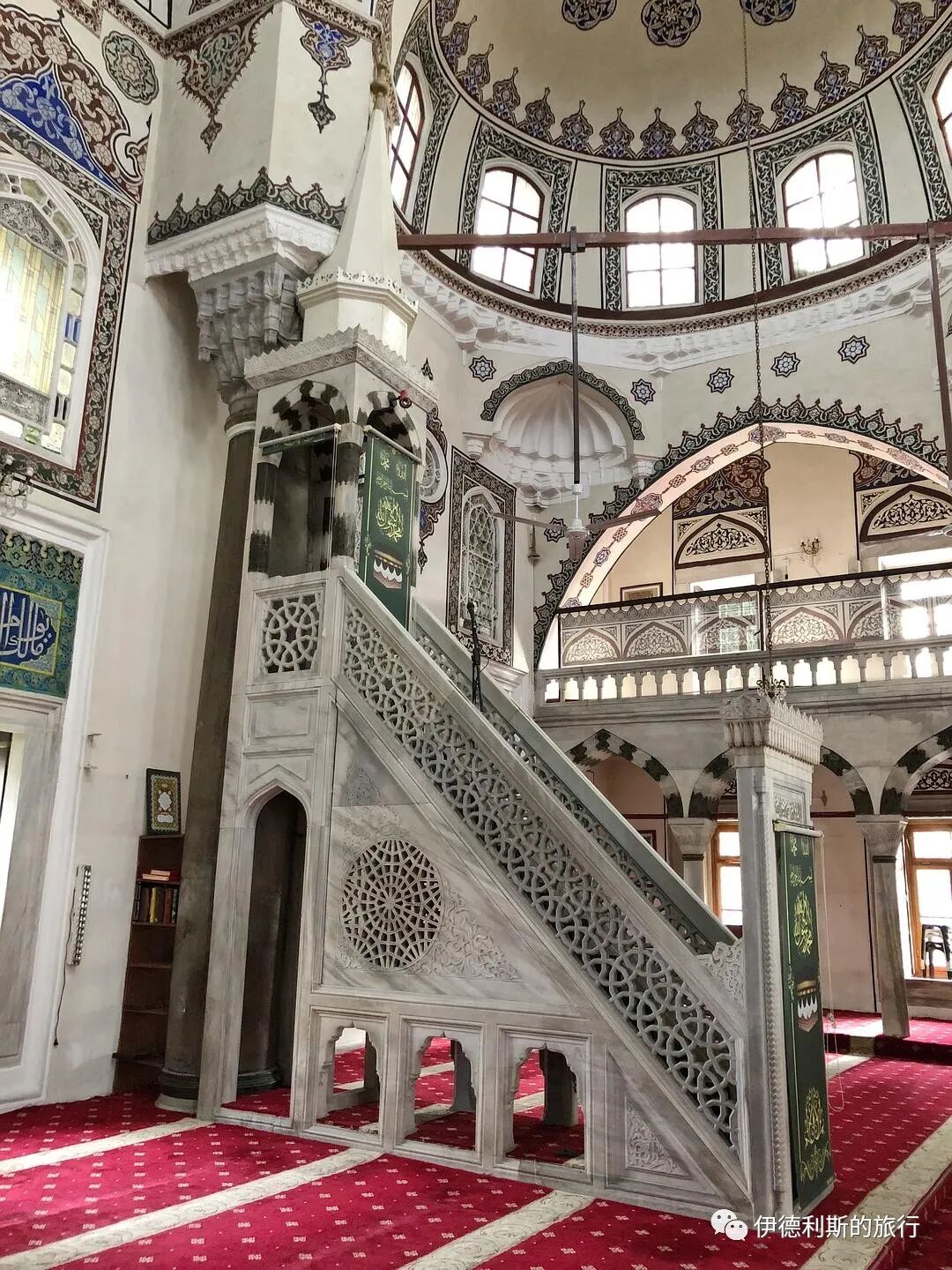
Mimar Sinan built the Mimar Sinan Mosque for himself in 1573. The mosque was destroyed by fire in 1918, and the walls collapsed soon after, leaving only a 10-meter-high minaret. The minaret was repaired in 1938 and 1962, and the mosque was rebuilt in 1976.
Ottoman Architecture Guide: Mimar Sinan — Early Mosques and Imperial Works
Articles • ali2007fr posted the article • 0 comments • 163 views • 2026-05-18 06:13
Summary: Ottoman Architecture Guide: Mimar Sinan — Early Mosques and Imperial Works is presented here as a firsthand travel account in clear English, beginning with this scene: Mimar Sinan (1488/1490-1588) is known as the great architect of the Ottoman Empire, and people often compare him to Michelangelo. The account keeps its focus on Mimar Sinan, Ottoman Architecture, Istanbul Mosques while preserving the names, places, food, and historical details from the Chinese source.
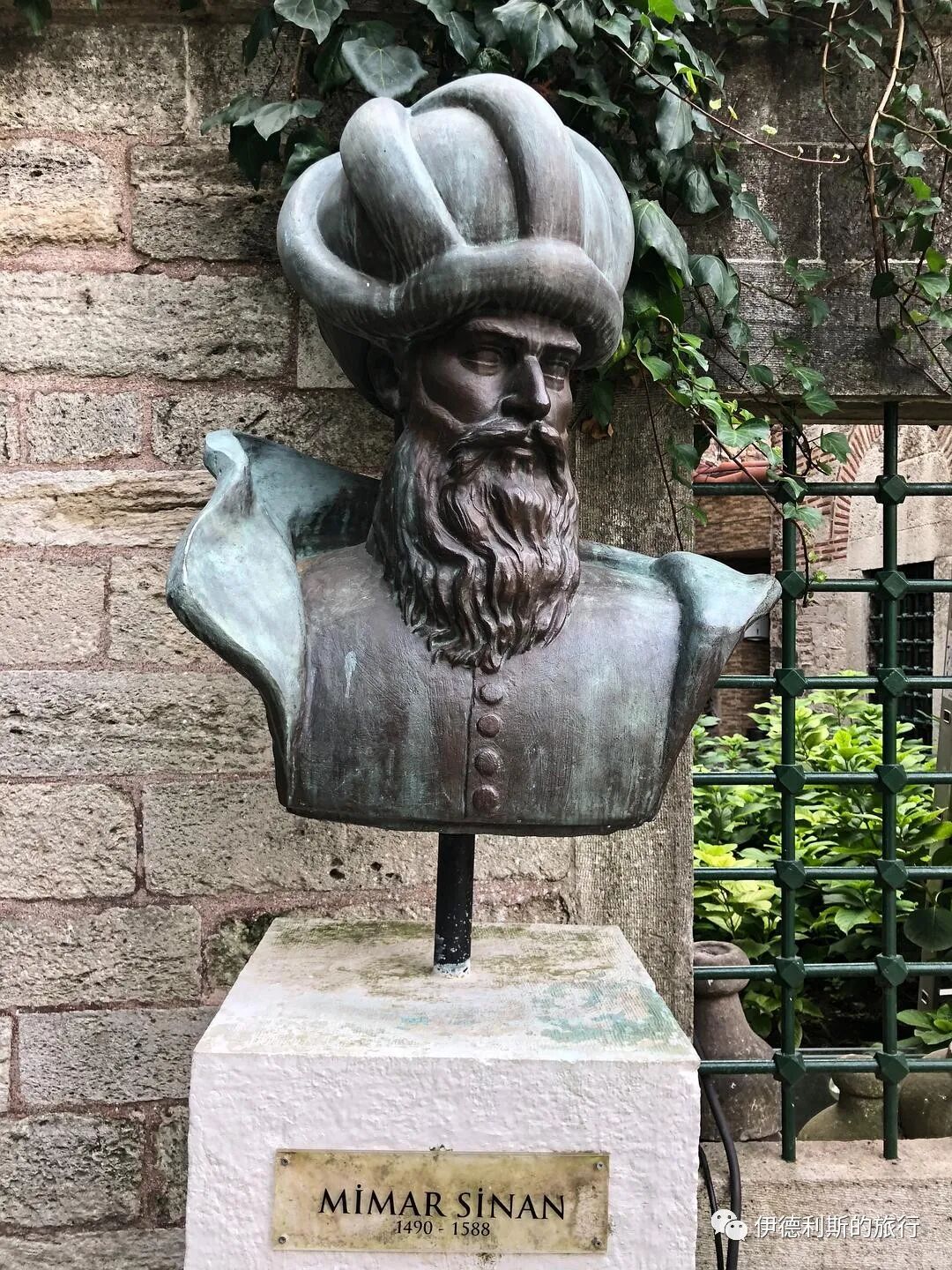
Mimar Sinan (1488/1490-1588) is known as the great architect of the Ottoman Empire, and people often compare him to Michelangelo. In the autumn of 2018, I visited dozens of Mimar Sinan's works in Istanbul, Edirne, and Konya, Turkey, which helped me feel closer to him. Sinan's work reflects that era and shows the spirit of the Ottoman Empire at its peak. By learning about Sinan's work, we can also better understand the 16th-century Ottoman Empire.
Mimar Sinan was an officer and military engineer in his youth and middle age, and he did not become the chief Ottoman architect until he was 50. During his nearly 50-year career as an architect, Sinan led top building teams to construct 476 buildings for the Ottoman Empire, 196 of which still stand today.
Sinan's career can be roughly divided into three periods: the growth period, the mature period, and the peak period. These three periods can be summarized by three specific buildings. Built in 1548, the Prince Mosque (Şehzade Camii) was the first large mosque designed by Sinan and stands as an early masterpiece. The Suleymaniye Mosque (Süleymaniye Camii), completed in 1557, became a landmark for all of Istanbul. The Selimiye Mosque (Selimiye Camii), built in Edirne in 1574, represents the absolute peak of Sinan's architectural skill.
Next, I will introduce the first stage of Sinan's career: his growth period. Starting with the first building complex Sinan constructed in Istanbul in 1539, you can see him move from following traditional Ottoman designs to gradually innovating and developing his own unique style. The nine works I am sharing below are all located in Istanbul. If you are traveling to Istanbul, you have the chance to visit them in person.
Table of Contents
1. Hurrem Sultan Complex: 1539, 1540, 1550
2. Mihrimah Sultan Complex: 1543-1548
3. Sehzade Complex: 1543-1548
4. Hüsrev Pasha Tomb: 1545
5. Yavuz Sultan Selim Madrasa: 1549
6. Rüstem Pasha Madrasa: 1550
7. Hadim Ibrahim Pasha Mosque: 1551
8. Sinan Pasha Complex: 1555
9. Hurrem Sultan Bathhouse: 1556
1. Hurrem Sultan Complex: 1539, 1540, 1550
The Haseki Hürrem Sultan Complex (Haseki Hürrem Sultan Külliyesi) is in the southwest of Istanbul's old city. Built in 1539, it was the first complex Mimar Sinan designed after he became the royal architect.
Suleiman the Magnificent's wife, Haseki Hürrem Sultan, commissioned the complex. Haseki Hürrem Sultan, also known as Roxelana, was the first empress in Ottoman history to hold the title of Haseki Sultan, or the Sultan's favorite. She is also known as the most powerful and controversial woman in Ottoman history.
After becoming empress, Haseki Hürrem Sultan began building a series of public structures, starting with this royal complex. The complex includes a Friday mosque, a public kitchen (Imaret), a religious school (madrasa), an elementary school (Mektep), and a hospital (Darüssifa). The mosque was finished in 1539, the school and kitchen were finished the following year, and the hospital was not completed until 1550. When designing the complex, Sinan arranged the different buildings at various angles, leaving only narrow paths or gaps between them. This layout creates a rich perspective effect that almost never appeared in his later works.
The layout of the building complex is based on a map from the book Sinan's Istanbul.
The mosque (1539) sits at the southernmost part of the complex, separated from the rest by a narrow alley. The mosque was originally a simple, traditional design with one dome and one minaret, built with alternating layers of brick and stone. Its porch has six marble columns supporting five small domes. The mosque was expanded in 1612, growing from one dome to two and doubling in size. The mosque has no tiles, and the current painted decorations were added later. During this period, Sinan had not yet started to innovate in mosque architecture.
The madrasa (1540) is directly across from the mosque, featuring sixteen student rooms and a large lecture hall arranged in a rectangle.
The primary school (1540) is known as the most beautiful one built by Mimar Sinan.
The hospital (1550) is in the far north and was built by Hurrem Sultan specifically for women. The hospital courtyard is octagonal, with rooms on three sides and windows facing the street on the fourth. The two arched gateways (iwan) at the corners of the octagonal courtyard and the dome show how Sinan would later develop his use of arches and domes.
Unfortunately, the mosque was under renovation and closed when I visited.
The dome of the mosque.
The front porch of the mosque.
A diagram of the mosque published by Cornelius Gurlitt in 1912, showing the layout before the expansion on the left and after on the right.
Public kitchen
A diagram of a public kitchen published by Cornelius Gurlitt in 1912
2. Mihrimah Sultan Complex: 1543-1548
The Mihrimah Sultan Complex (Mihrimah Sultan Külliyesi) sits next to the Üsküdar pier on the east bank of the Bosphorus. Built between 1543 and 1548, it is one of the most famous landmarks in the Üsküdar area and the second complex by Mimar Sinan still standing in Istanbul.
The complex was commissioned in 1543 by Mihrimah Sultan, the daughter of Suleiman the Magnificent and Hurrem Sultan. She was the wife of the Grand Vizier Rüstem Pasha and is known as the most powerful princess in Ottoman history.
The entire complex is cleverly built on a slope that stretches to the coast. It includes a mosque, a religious school (madrasa), a guesthouse, a dining hall (imaret), an elementary school, and several tombs added later. The guesthouse and dining hall were destroyed by fire in 1772.
The layout of the building complex is based on a map from the book Sinan's Istanbul.
On the left is the Mihrimah Sultan Complex.
This mosque is the first semi-domed mosque designed by Mimar Sinan. The mosque consists of one main dome and three semi-domes. This shape expands the interior space, so you feel like you are under a dome as soon as you enter the main hall. Although the mosque itself is not very deep, this design makes the space feel much larger. Mimar Sinan also added a T-shaped canopy in front of the porch to soften the look of the entrance.
A diagram of the mosque published by Cornelius Gurlitt in 1912.
The canopy in front of the porch.
The main gate.
The main dome and the semi-domes.
Main dome
Half-dome
The mihrab and minbar under the half-dome
Mihrab
Minbar
The madrasa consists of sixteen student dorms and a large lecture hall arranged in a rectangle. It is now a hospital, and the integrity of this cultural heritage site has been damaged.
The passage from the mosque to the madrasa
Exterior of the madrasa
Inside the madrasa.
The primary school consists of two domed buildings.
3. Sehzade Complex: 1543-1548
The Prince Complex (Şehzade Külliye) sits on the third hill of Istanbul's old city. Built between 1543 and 1548, it is known as the most important early work by Mimar Sinan and his first masterpiece.
Suleiman the Magnificent built the complex to honor his beloved son, Prince Mehmed (Şehzade Mehmed), who died young. Prince Mehmed was the son of Suleiman the Magnificent and Hurrem Sultan. He was favored from a young age and was the most likely heir, but he sadly died of smallpox in 1543 (some say he was murdered). Suleiman the Magnificent was heartbroken after the prince died. Traditionally, princes were buried in Bursa, but the Sultan decided to commission Mimar Sinan to build a tomb for the prince in Istanbul and add a complex to match it.
The Prince Complex (Sehzade Mosque complex) was the first project Mimar Sinan built under the direct order of Suleiman the Magnificent. It was his most ambitious early work, featuring a much grander scale and more decorations than his previous designs.
The complex includes a mosque, five tombs, a madrasa (religious school), a guest house, a caravanserai (traveler's inn), a public kitchen, and a primary school. These buildings are spread out freely across the flat ground without any forced symmetry. The mosque is not physically connected to the other buildings, which are scattered throughout the gardens or along the streets surrounding the mosque.
The layout of the building complex is based on a map from the book Sinan's Istanbul.
The mosque (built between 1543 and 1548) was the second semi-domed mosque designed by Mimar Sinan, featuring one main dome supported by four semi-domes. This design improved upon his earlier work at the Mihrimah Sultan Mosque, which had three semi-domes, and offered a new take on older designs like the Fatih Mosque (1471) and the Bayezid II Mosque (1506). This layout separates the four pillars that support the central dome, creating a more striking visual effect.
The interior of the mosque is a square laid out along a central vertical axis, and you can immediately feel the dominance of the central dome when you walk in.
The porticos on the side walls of the mosque are also a bold innovation, which points toward the future development of Ottoman mosques. This design softens the building's flanks and hides the buttresses, helping the facade blend in more perfectly.
The design of the Prince Mosque has gradually moved away from the traditional Ottoman mosque model and started to head toward Sinan's own unique style.
A diagram of the mosque published by Cornelius Gurlitt in 1912.
The mosque at noon
The mosque at sunset
You can see two minarets, the main dome, and the semi-domes.
The entrance to the mosque courtyard.
The courtyard gate.
Looking at the main prayer hall of the mosque from the courtyard.
Looking at the main prayer hall of the mosque from the courtyard.
The courtyard.
The main dome and the semi-domes.
Mihrab
The Tomb of Prince Muhammad (1543) is southeast of the mosque. It is an octagonal structure with Persian inscriptions at the entrance and Cuerda Seca tiles inside.
The tomb of Grand Vizier Rustem Pasha (1560) sits south of the tomb of Prince Mehmed and was also designed by Mimar Sinan. Rustem Pasha was the husband of Mihrimah Sultan and the son-in-law of Suleiman the Magnificent. Later generations remember him as one of the most accomplished Grand Viziers of the Ottoman Empire.
The madrasa (1546) is located outside the garden on the north side of the mosque. It is a rectangular building surrounded by a gallery, with 21 student rooms and one large lecture hall on three sides. The fountain in the middle of the courtyard still keeps its Seljuk-era tomb structure (kumbet) from the 11th to 13th centuries.
Madrasa gate
Madrasa inner courtyard
Madrasa inner courtyard
The lecture hall of the madrasa.
The public kitchen (imaret) built between 1543 and 1548 sits across the street east of the mosque. It has two buildings, each with six domes, and a courtyard in the middle.
The primary school is nearby, and the public kitchen is in the distance.
The main gate of the public kitchen.
Inside the courtyard of the public kitchen.
4. Hüsrev Pasha Tomb: 1545
The octagonal tomb of Hüsrev Paşa is in the west of Istanbul. It is known as one of the most beautiful tombs built by Mimar Sinan.
Hüsrev Paşa was a grand vizier of the Ottoman Empire. People called him 'Hüsrev the Mad' because he had a bad temper. Hüsrev Pasha was born in Bosnia in 1495 and came from the famous Sokollu family. He became the governor of Egypt in 1535 and the Second Vizier in 1538. In 1544, Hüsrev Pasha lost the race for Grand Vizier to Rüstem Paşa. He fell ill and died shortly after, and Mimar Sinan built his tomb.
5. Yavuz Sultan Selim Madrasa: 1549
The Yavuz Sultan Selim Madrasa is located in the west of Istanbul. Suleiman the Magnificent commissioned Mimar Sinan to build it, and it is named after the Sultan's father, Sultan Selim I. The madrasa consists of 20 student rooms on three sides and one large lecture hall. In 1563, the lecture hall was turned into a prayer hall and a minaret was added. The minaret is now destroyed, and the madrasa has become a hospital.
From the book Sinan's Istanbul.
6. Rüstem Pasha Madrasa: 1550
The Rustem Pasha Madrasa (Rüstem Paşa Medrese) was built in 1550, just northeast of the Grand Bazaar in Istanbul. Mimar Sinan designed this madrasa as a new take on the famous Buyuk Aga Madrasa (Büyük Ağa Medrese) built in Amasya in 1488. The Buyuk Aga Madrasa was the first octagonal madrasa in Turkey. Mimar Sinan kept the octagonal courtyard inside but changed the outside to a rectangle, which helped advance Ottoman madrasa architecture.
From the book Sinan's Istanbul.
7. Hadim Ibrahim Pasha Mosque: 1551
The Hadim Ibrahim Pasha Mosque (Hadım İbrahim Paşa Camii) sits inside the Silivrikapi gate in the southwest of Istanbul's old city. It was built in 1551 by Mimar Sinan for the Vizier Ibrahim Pasha, who was known as the Eunuch (Hadım).
Ibrahim Pasha started as the chief eunuch in the court of Suleiman the Magnificent. He rose steadily to become the Second Vizier and was one of the few eunuchs in the Ottoman Empire to earn such a high reputation.
In 1562, Ibrahim Pasha set up a charitable endowment (Waqf) managed by white eunuchs from the Ottoman court to support the operations of several schools and mosques. These schools and mosques were located inside the western walls of Istanbul in a less populated area mainly inhabited by Christians. The Hadim Ibrahim Pasha Mosque is the most important one among them.
This mosque represents the first phase of Mimar Sinan's single-dome mosque designs. During this phase, Sinan used eight buttresses to support the main dome. This design hinted at the octagonal dome style he would use in his next phase. This mosque also looks very similar to the Bali Pasha Mosque in Istanbul, which was built in 1504. Sinan likely used that building as a reference for his design.
From the book Sinan's Istanbul.
The pagoda (bangta) was rebuilt in 1763.
Inside the main hall, Sinan used a stepped structure hidden from the outside to create a smooth transition from the walls to the dome.
The interior is decorated with Iznik tile panels. The most prominent ones are above the mihrab, featuring Thuluth calligraphy in cobalt blue, turquoise, and dark olive green.
8. Sinan Pasha Complex: 1555
The Sinan Pasha Complex (Sinan Paşa Külliyesi) is in the Beşiktaş district of northern Istanbul. Built in 1555, it included a mosque, a madrasa, and a bathhouse, though the bathhouse was torn down in 1957.
Sinan Pasha commissioned the complex. He was the brother of the Ottoman Grand Vizier Rustem Pasha, served as the Ottoman naval commander from 1550 to 1553, and died in Istanbul at the end of 1553. Shortly before he died, Sinan Pasha asked Mimar Sinan to build this complex for him and expressed his wish to be buried there. Because Sinan Pasha died suddenly, construction did not start until 1554 and was finished in 1555.
This mosque is Mimar Sinan's reinterpretation of the famous Three-Balcony Mosque (Üç Şerefeli Camii) in Edirne, so it is often called the smaller version of that mosque. The main prayer hall of the mosque consists of one large dome and four smaller domes. In 1749, the porch with five small domes was incorporated into the main prayer hall.
This madrasa was the first time Mimar Sinan tried to place a madrasa opposite a mosque to form a courtyard, while also removing the large lecture hall.
mosque
courtyard
madrasa corridor
large dome
small dome
The side of the mosque.
Mihrab
The mihrab and minbar.
9. Hurrem Sultan Bathhouse: 1556
The Haseki Hürrem Sultan Hamamı is located south of the Hagia Sophia in Istanbul. Built in 1556, it was one of many public charity buildings commissioned by Queen Hürrem, the wife of Suleiman the Magnificent, and designed by Mimar Sinan. It is still open to the public today.
The bathhouse was built on the site of the famous Byzantine Baths of Zeuxippus. Although the building design follows early Ottoman style, Sinan pioneered a layout where the men's and women's sections are perfect mirror images. It was the first Turkish bathhouse to have both sections on the same axis.
The bathhouse closed in 1910 and was later used as a prison and a warehouse. It was restored between 1957 and 1958 and later became a carpet bazaar. In 2007, the Istanbul city government decided to restore the bathhouse. After three years of restoration work by the Faculty of Architecture at Kocaeli University in Turkey, the bathhouse reopened in 2011.
The bathhouse is now called Ayasofya Hurrem Sultan Hamami, and its official website is https://www.ayasofyahamami.com/. The price seems to be 160 euros. If you have some extra money, I really recommend experiencing this bathhouse designed by Mimar Sinan.
To the left is the Hagia Sophia, and to the right is the bathhouse. view all
Summary: Ottoman Architecture Guide: Mimar Sinan — Early Mosques and Imperial Works is presented here as a firsthand travel account in clear English, beginning with this scene: Mimar Sinan (1488/1490-1588) is known as the great architect of the Ottoman Empire, and people often compare him to Michelangelo. The account keeps its focus on Mimar Sinan, Ottoman Architecture, Istanbul Mosques while preserving the names, places, food, and historical details from the Chinese source.
Mimar Sinan (1488/1490-1588) is known as the great architect of the Ottoman Empire, and people often compare him to Michelangelo. In the autumn of 2018, I visited dozens of Mimar Sinan's works in Istanbul, Edirne, and Konya, Turkey, which helped me feel closer to him. Sinan's work reflects that era and shows the spirit of the Ottoman Empire at its peak. By learning about Sinan's work, we can also better understand the 16th-century Ottoman Empire.
Mimar Sinan was an officer and military engineer in his youth and middle age, and he did not become the chief Ottoman architect until he was 50. During his nearly 50-year career as an architect, Sinan led top building teams to construct 476 buildings for the Ottoman Empire, 196 of which still stand today.
Sinan's career can be roughly divided into three periods: the growth period, the mature period, and the peak period. These three periods can be summarized by three specific buildings. Built in 1548, the Prince Mosque (Şehzade Camii) was the first large mosque designed by Sinan and stands as an early masterpiece. The Suleymaniye Mosque (Süleymaniye Camii), completed in 1557, became a landmark for all of Istanbul. The Selimiye Mosque (Selimiye Camii), built in Edirne in 1574, represents the absolute peak of Sinan's architectural skill.
Next, I will introduce the first stage of Sinan's career: his growth period. Starting with the first building complex Sinan constructed in Istanbul in 1539, you can see him move from following traditional Ottoman designs to gradually innovating and developing his own unique style. The nine works I am sharing below are all located in Istanbul. If you are traveling to Istanbul, you have the chance to visit them in person.
Table of Contents
1. Hurrem Sultan Complex: 1539, 1540, 1550
2. Mihrimah Sultan Complex: 1543-1548
3. Sehzade Complex: 1543-1548
4. Hüsrev Pasha Tomb: 1545
5. Yavuz Sultan Selim Madrasa: 1549
6. Rüstem Pasha Madrasa: 1550
7. Hadim Ibrahim Pasha Mosque: 1551
8. Sinan Pasha Complex: 1555
9. Hurrem Sultan Bathhouse: 1556
1. Hurrem Sultan Complex: 1539, 1540, 1550
The Haseki Hürrem Sultan Complex (Haseki Hürrem Sultan Külliyesi) is in the southwest of Istanbul's old city. Built in 1539, it was the first complex Mimar Sinan designed after he became the royal architect.
Suleiman the Magnificent's wife, Haseki Hürrem Sultan, commissioned the complex. Haseki Hürrem Sultan, also known as Roxelana, was the first empress in Ottoman history to hold the title of Haseki Sultan, or the Sultan's favorite. She is also known as the most powerful and controversial woman in Ottoman history.
After becoming empress, Haseki Hürrem Sultan began building a series of public structures, starting with this royal complex. The complex includes a Friday mosque, a public kitchen (Imaret), a religious school (madrasa), an elementary school (Mektep), and a hospital (Darüssifa). The mosque was finished in 1539, the school and kitchen were finished the following year, and the hospital was not completed until 1550. When designing the complex, Sinan arranged the different buildings at various angles, leaving only narrow paths or gaps between them. This layout creates a rich perspective effect that almost never appeared in his later works.
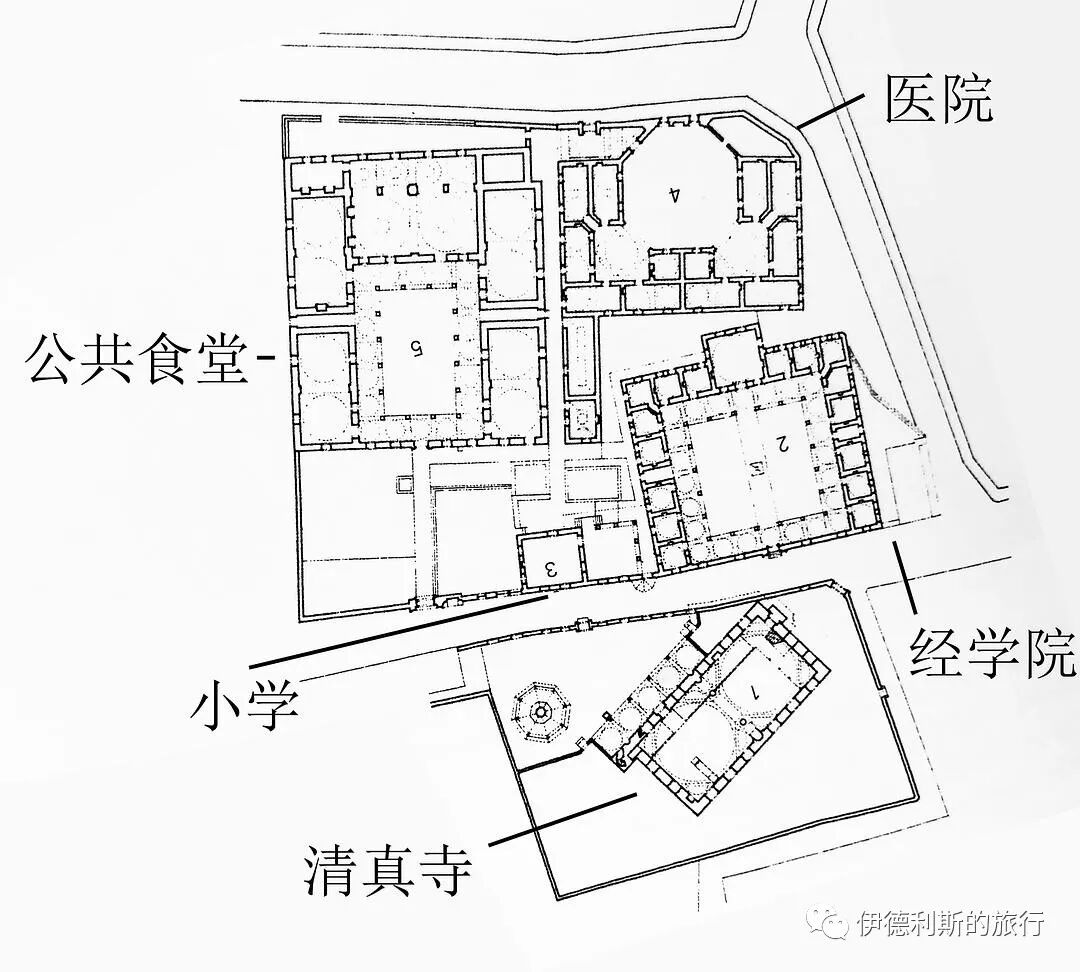
The layout of the building complex is based on a map from the book Sinan's Istanbul.
The mosque (1539) sits at the southernmost part of the complex, separated from the rest by a narrow alley. The mosque was originally a simple, traditional design with one dome and one minaret, built with alternating layers of brick and stone. Its porch has six marble columns supporting five small domes. The mosque was expanded in 1612, growing from one dome to two and doubling in size. The mosque has no tiles, and the current painted decorations were added later. During this period, Sinan had not yet started to innovate in mosque architecture.
The madrasa (1540) is directly across from the mosque, featuring sixteen student rooms and a large lecture hall arranged in a rectangle.
The primary school (1540) is known as the most beautiful one built by Mimar Sinan.
The hospital (1550) is in the far north and was built by Hurrem Sultan specifically for women. The hospital courtyard is octagonal, with rooms on three sides and windows facing the street on the fourth. The two arched gateways (iwan) at the corners of the octagonal courtyard and the dome show how Sinan would later develop his use of arches and domes.
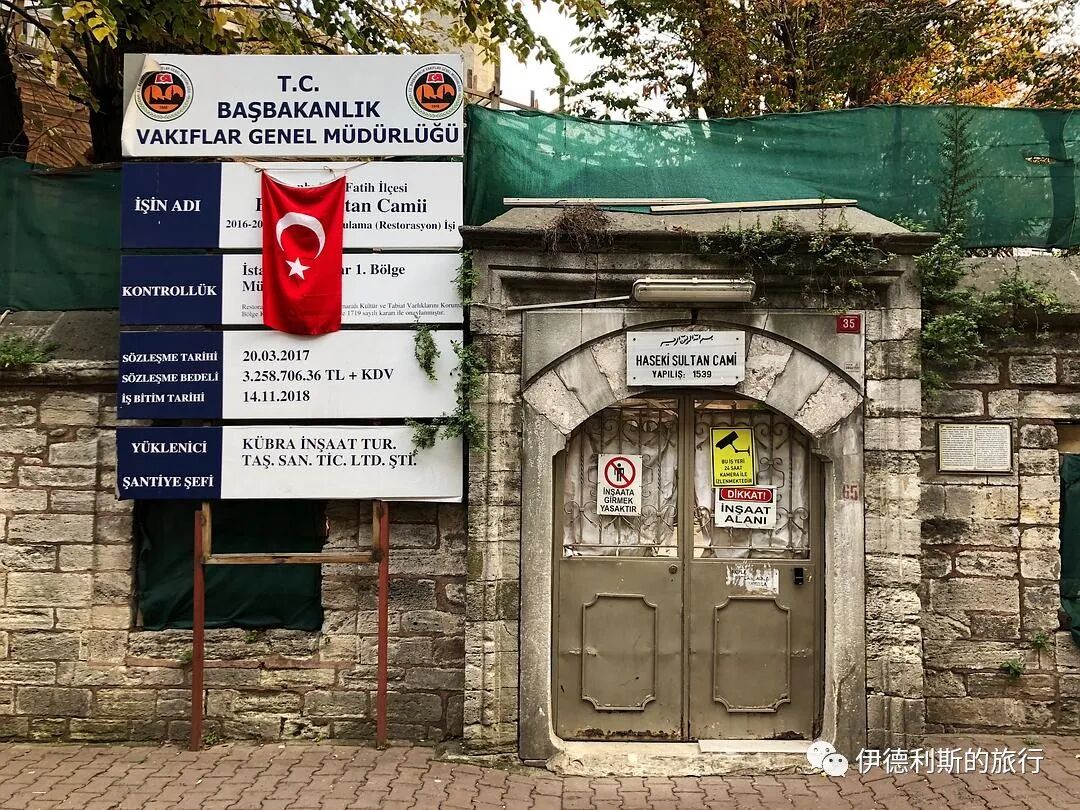
Unfortunately, the mosque was under renovation and closed when I visited.
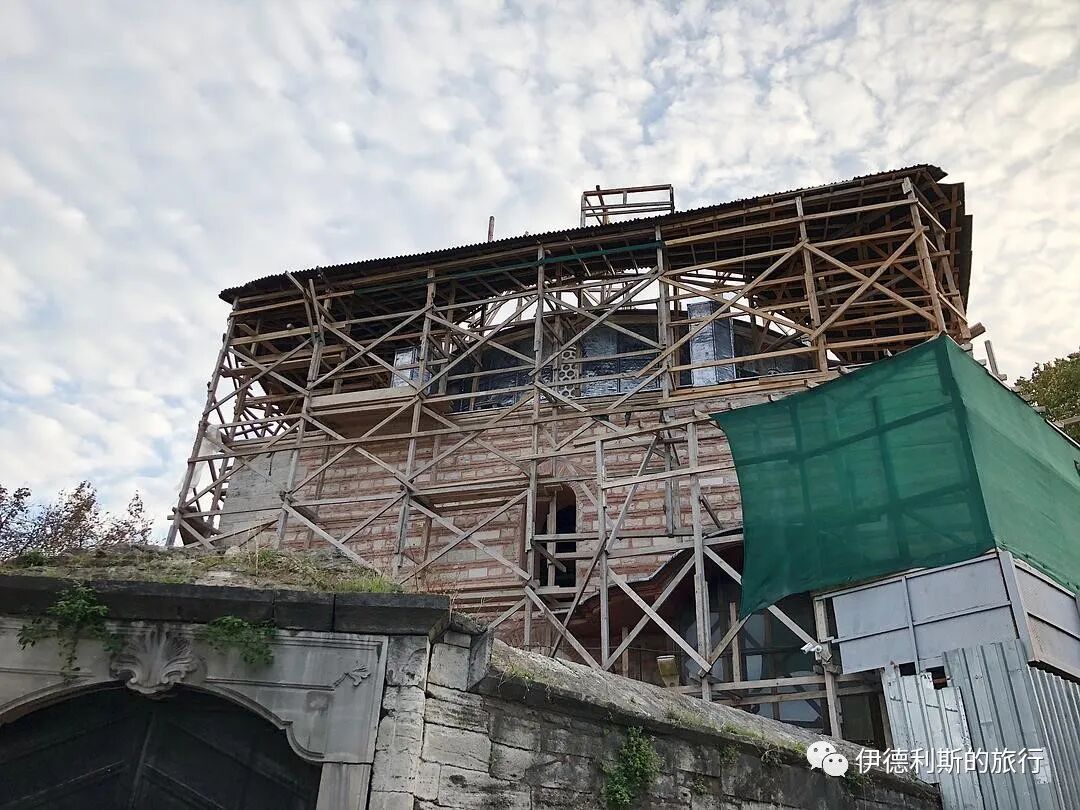
The dome of the mosque.
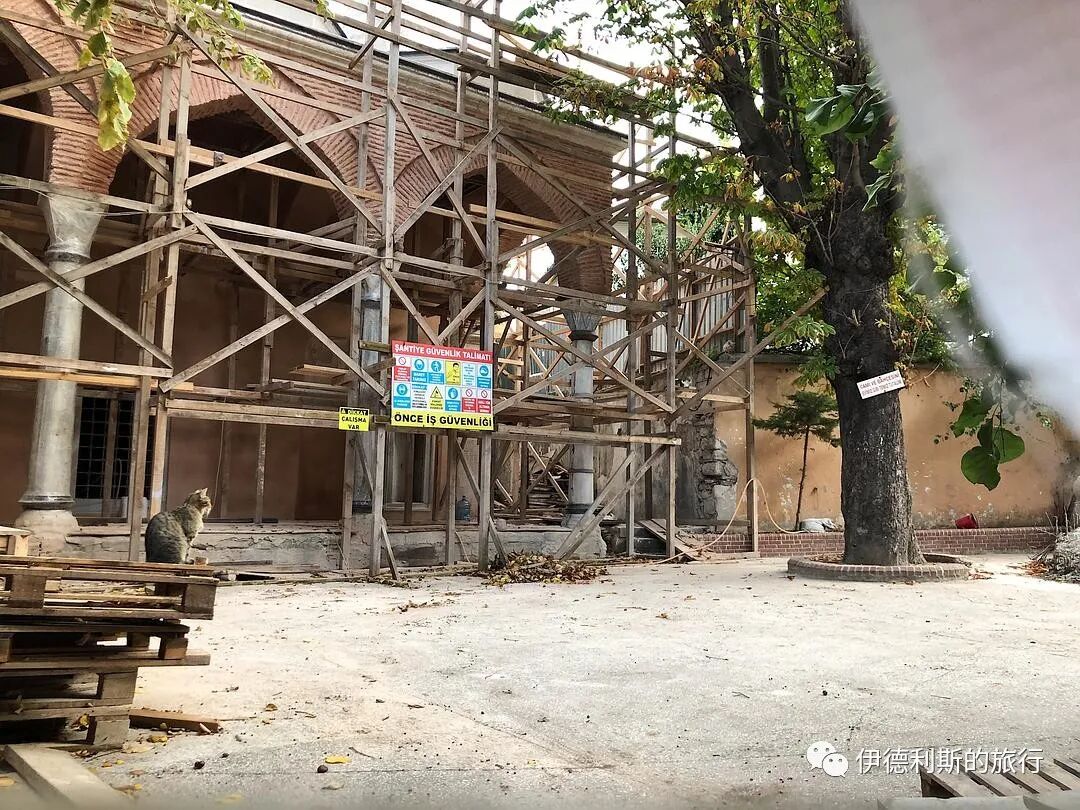
The front porch of the mosque.
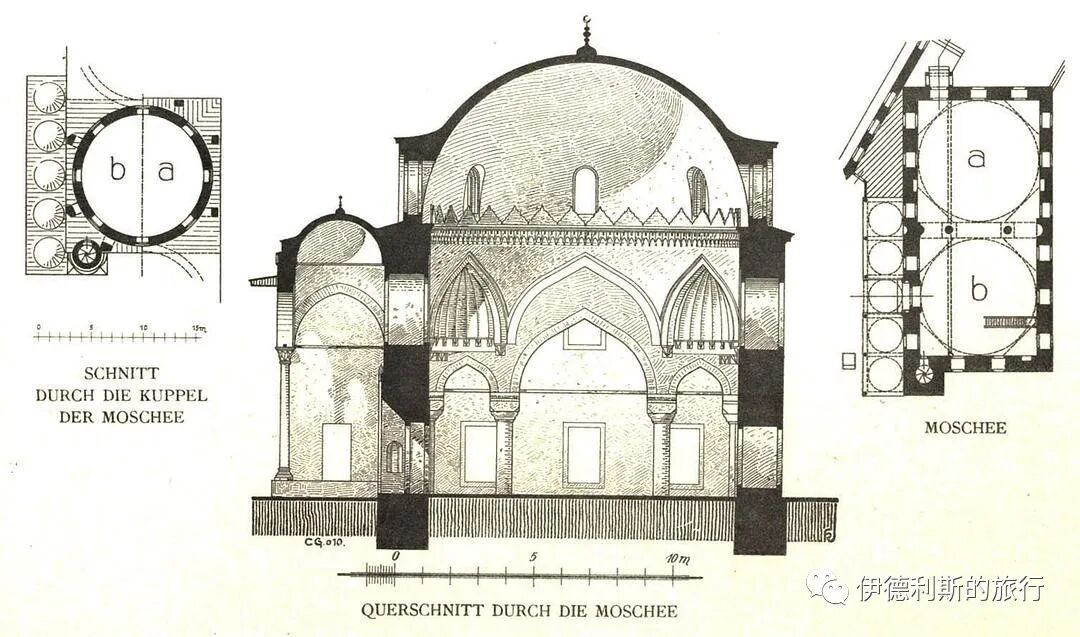
A diagram of the mosque published by Cornelius Gurlitt in 1912, showing the layout before the expansion on the left and after on the right.
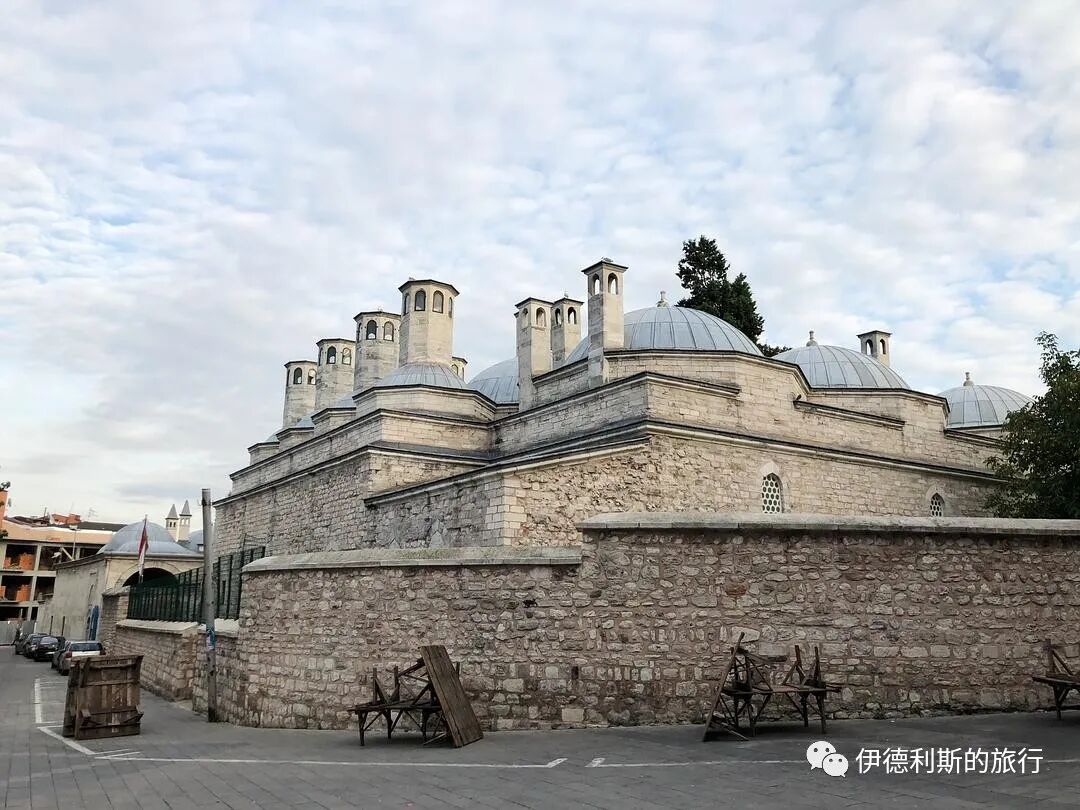
Public kitchen
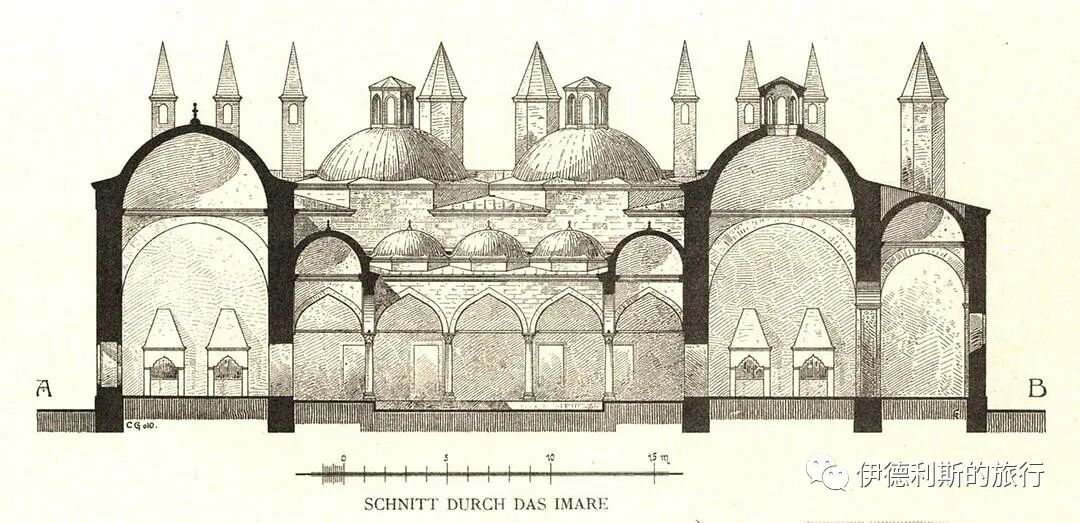
A diagram of a public kitchen published by Cornelius Gurlitt in 1912
2. Mihrimah Sultan Complex: 1543-1548
The Mihrimah Sultan Complex (Mihrimah Sultan Külliyesi) sits next to the Üsküdar pier on the east bank of the Bosphorus. Built between 1543 and 1548, it is one of the most famous landmarks in the Üsküdar area and the second complex by Mimar Sinan still standing in Istanbul.
The complex was commissioned in 1543 by Mihrimah Sultan, the daughter of Suleiman the Magnificent and Hurrem Sultan. She was the wife of the Grand Vizier Rüstem Pasha and is known as the most powerful princess in Ottoman history.
The entire complex is cleverly built on a slope that stretches to the coast. It includes a mosque, a religious school (madrasa), a guesthouse, a dining hall (imaret), an elementary school, and several tombs added later. The guesthouse and dining hall were destroyed by fire in 1772.
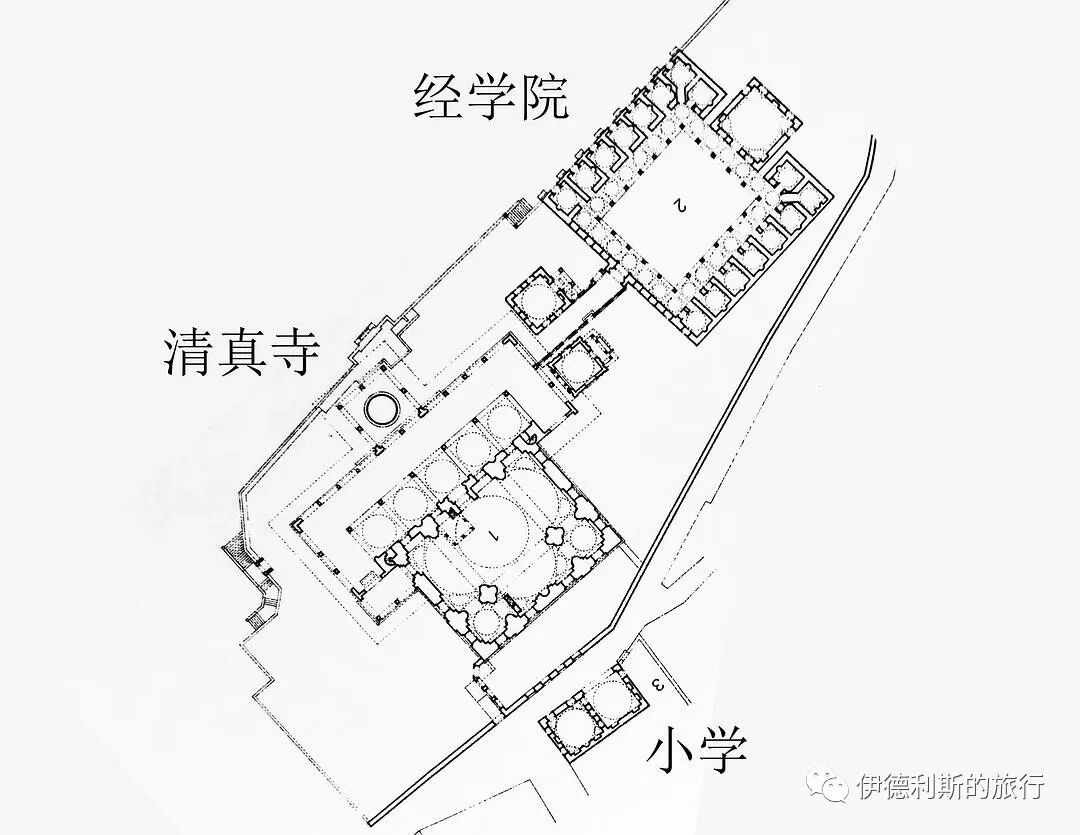
The layout of the building complex is based on a map from the book Sinan's Istanbul.
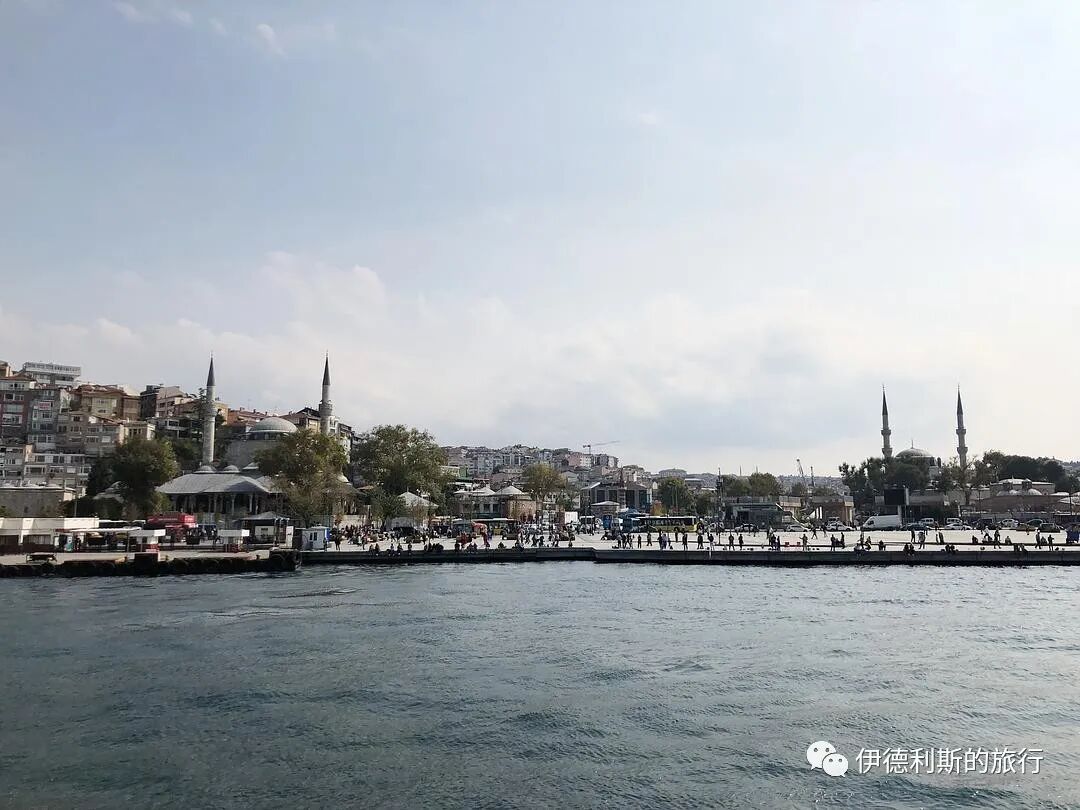
On the left is the Mihrimah Sultan Complex.
This mosque is the first semi-domed mosque designed by Mimar Sinan. The mosque consists of one main dome and three semi-domes. This shape expands the interior space, so you feel like you are under a dome as soon as you enter the main hall. Although the mosque itself is not very deep, this design makes the space feel much larger. Mimar Sinan also added a T-shaped canopy in front of the porch to soften the look of the entrance.
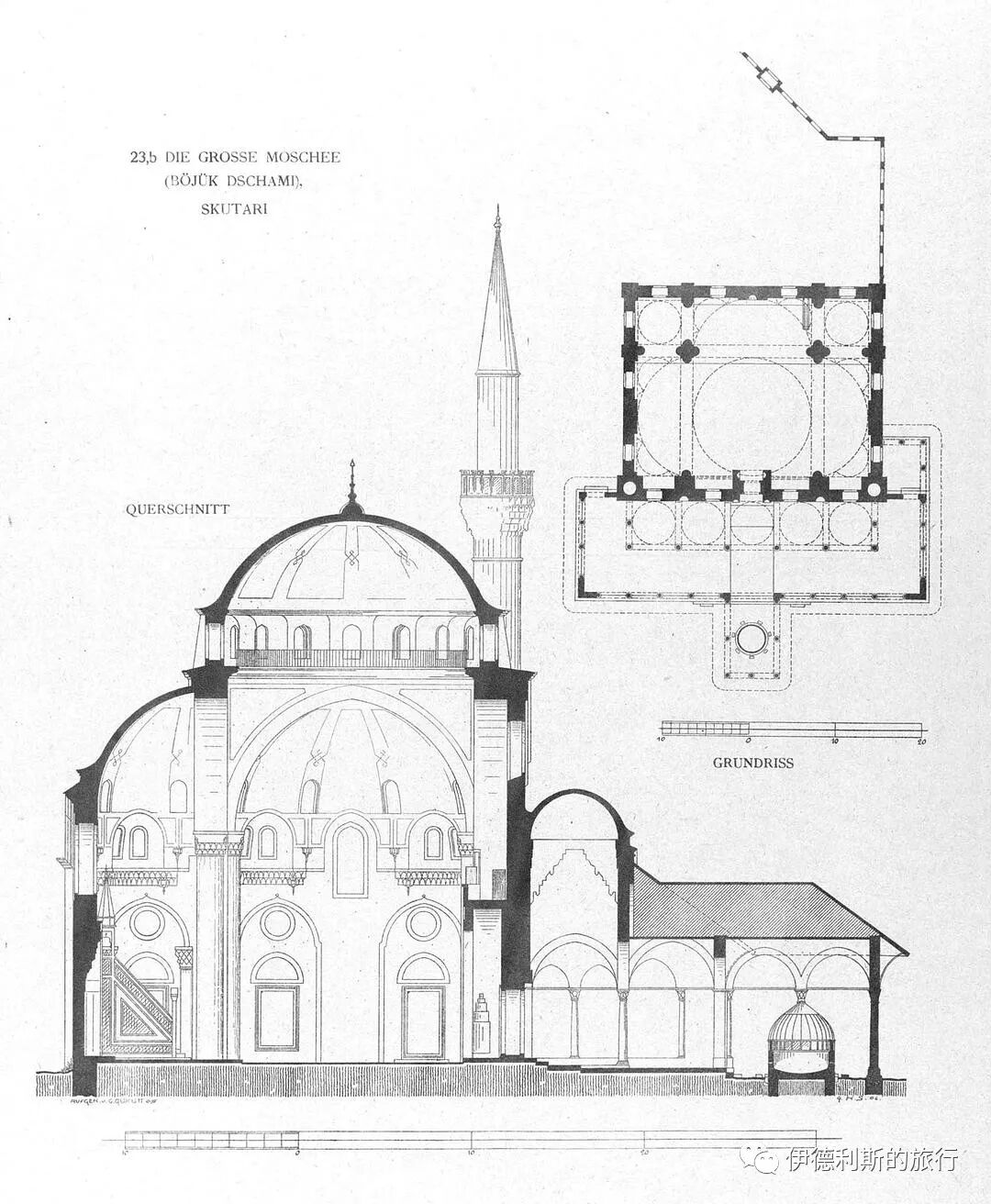
A diagram of the mosque published by Cornelius Gurlitt in 1912.
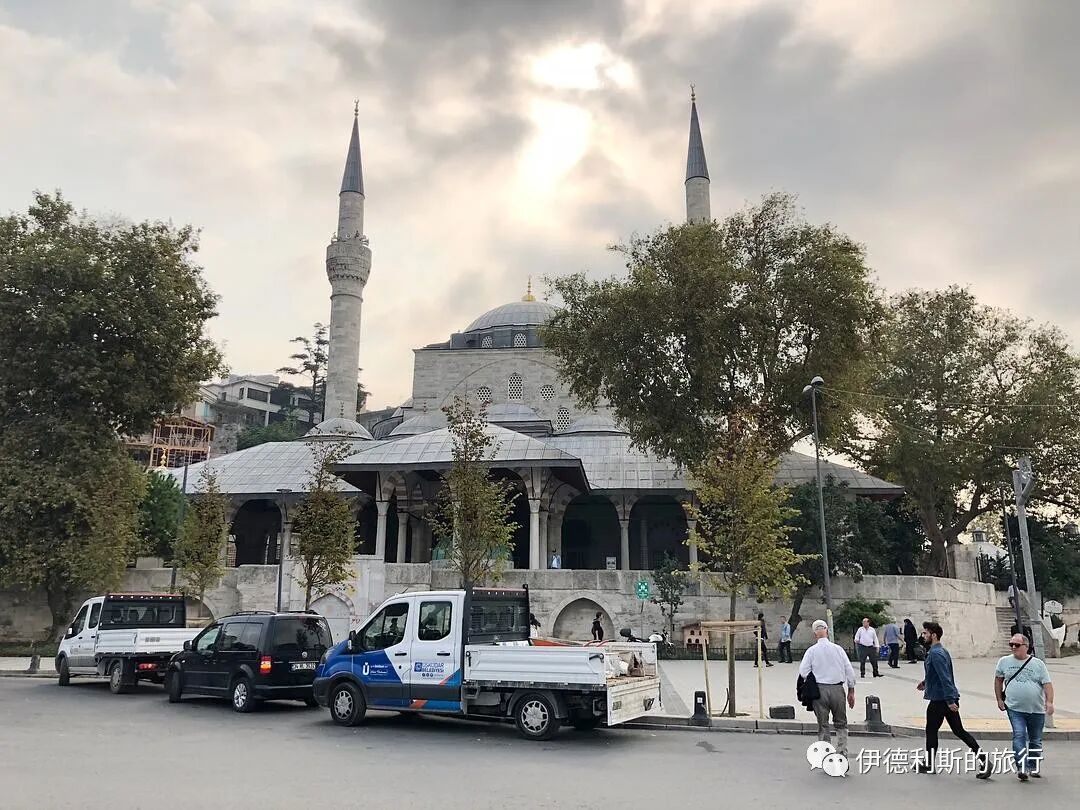
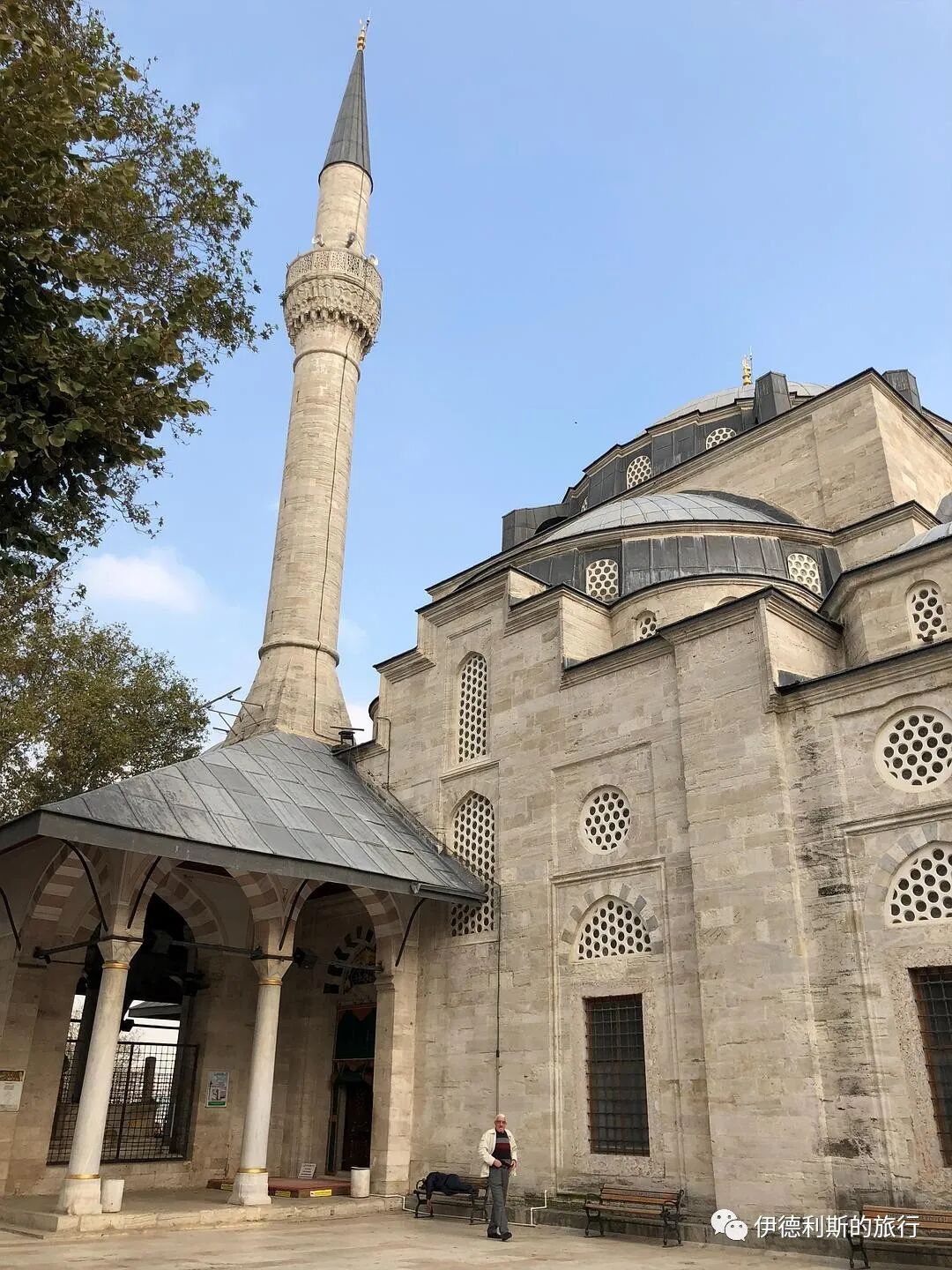
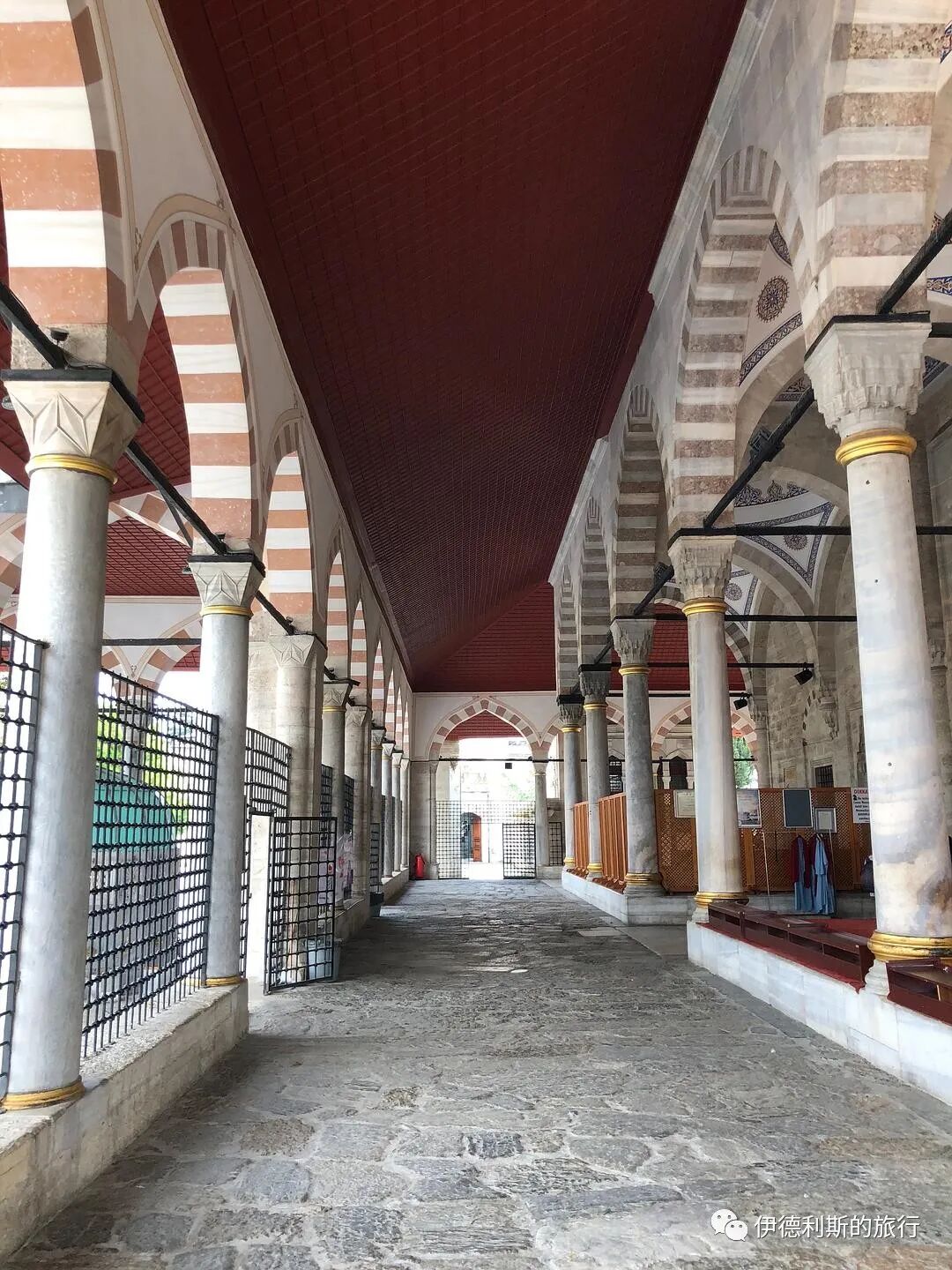
The canopy in front of the porch.
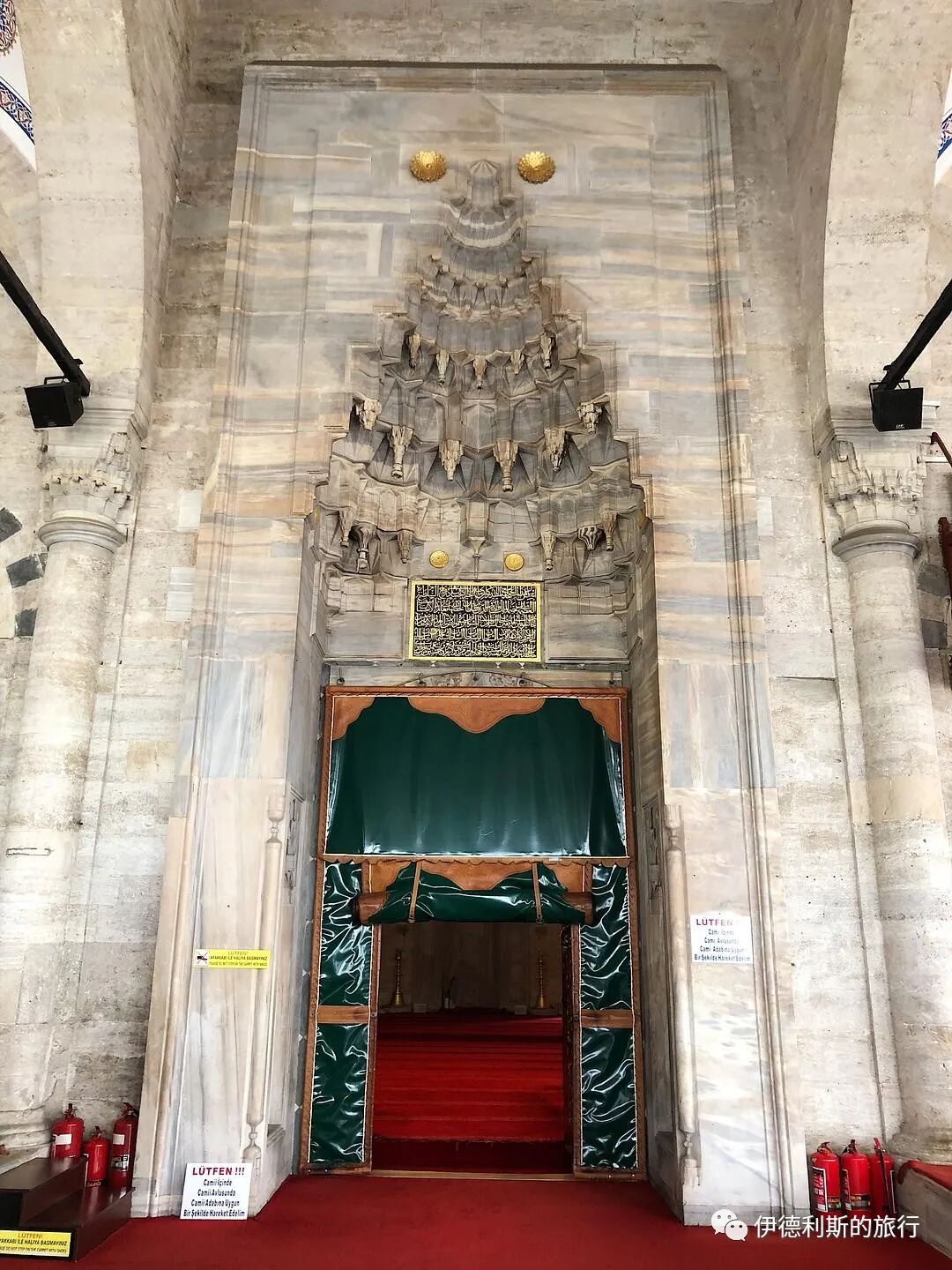
The main gate.
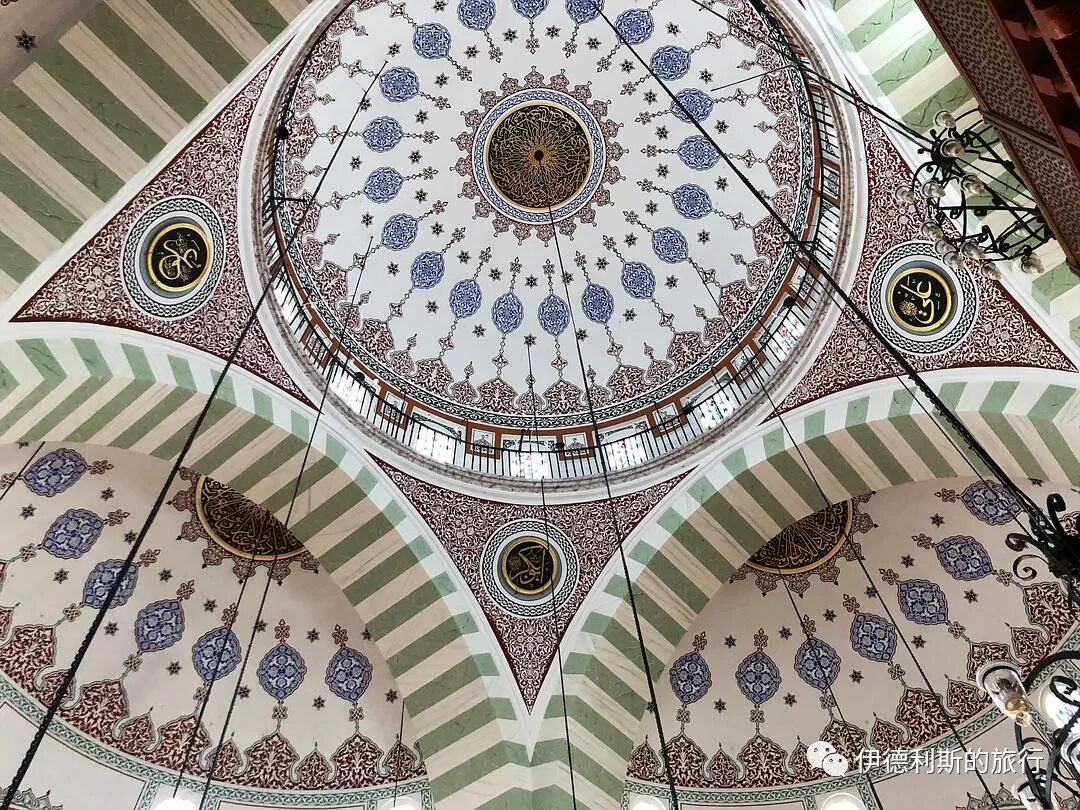
The main dome and the semi-domes.
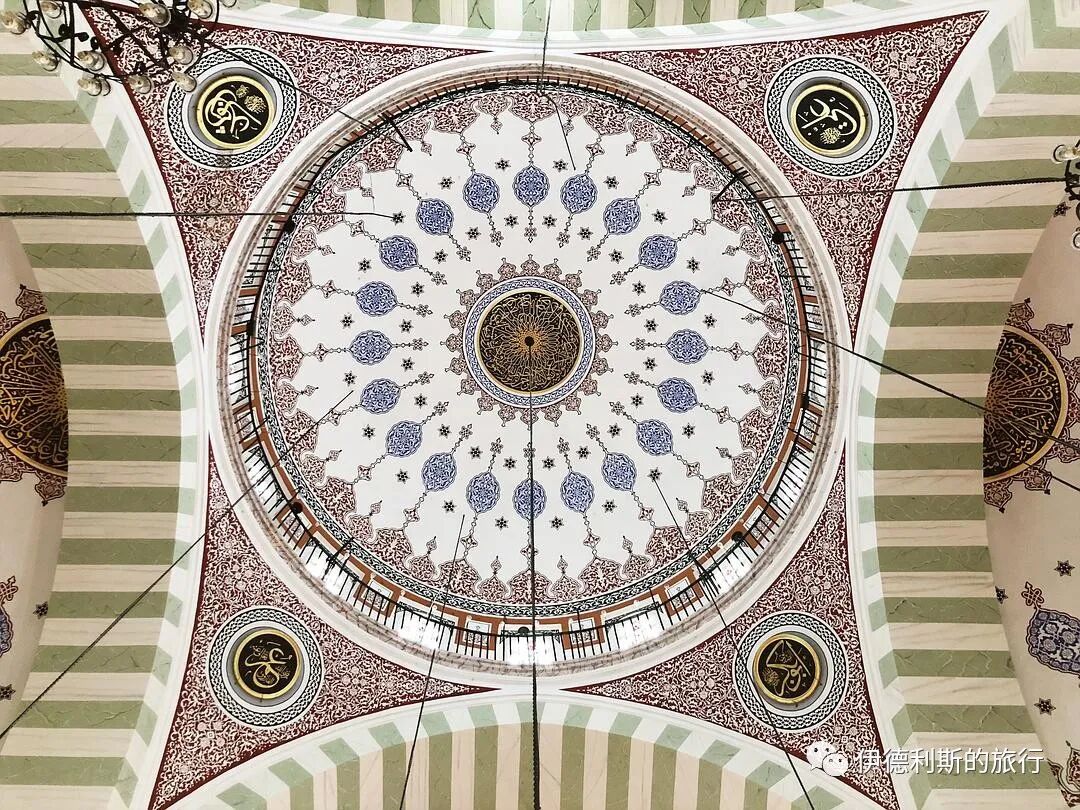
Main dome
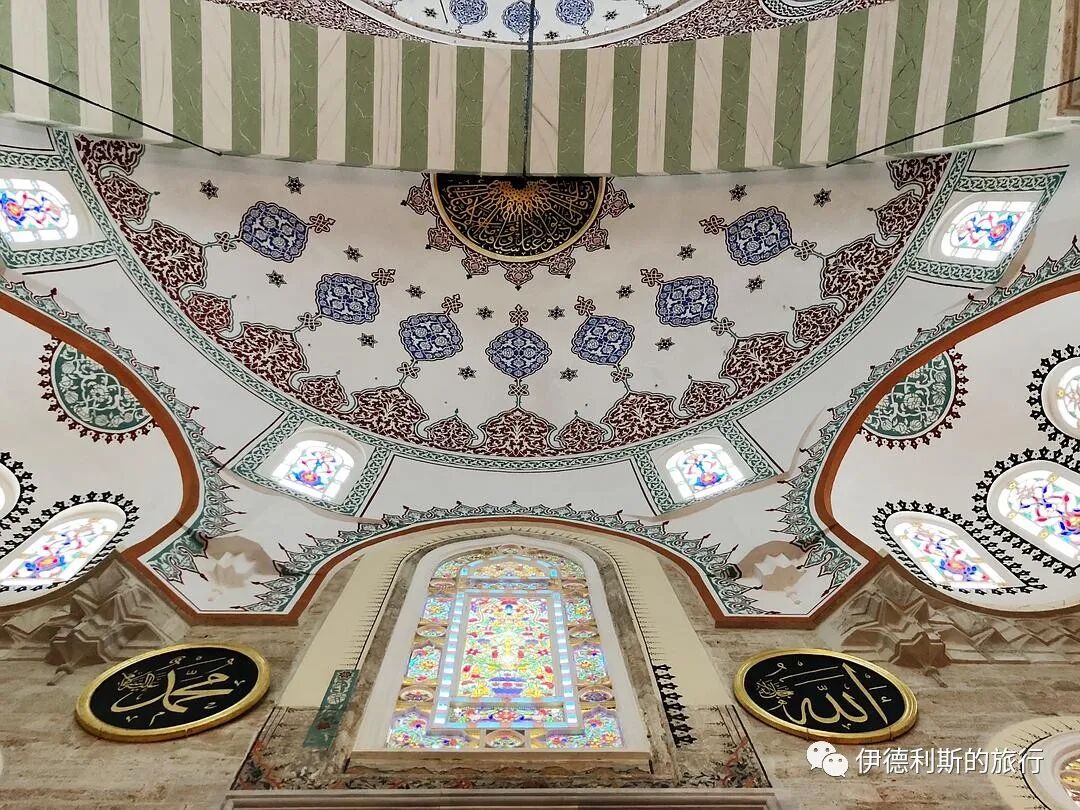
Half-dome
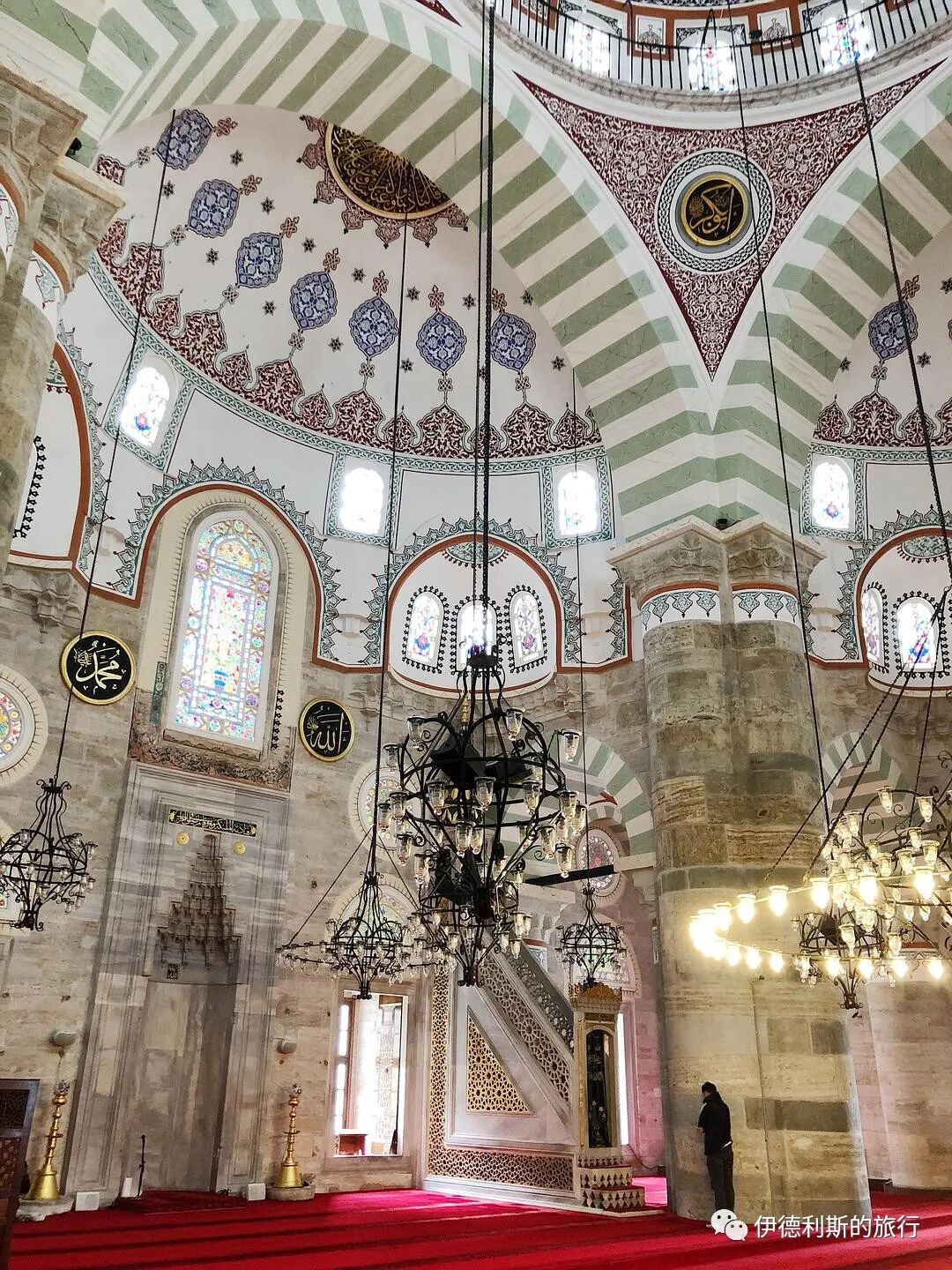
The mihrab and minbar under the half-dome
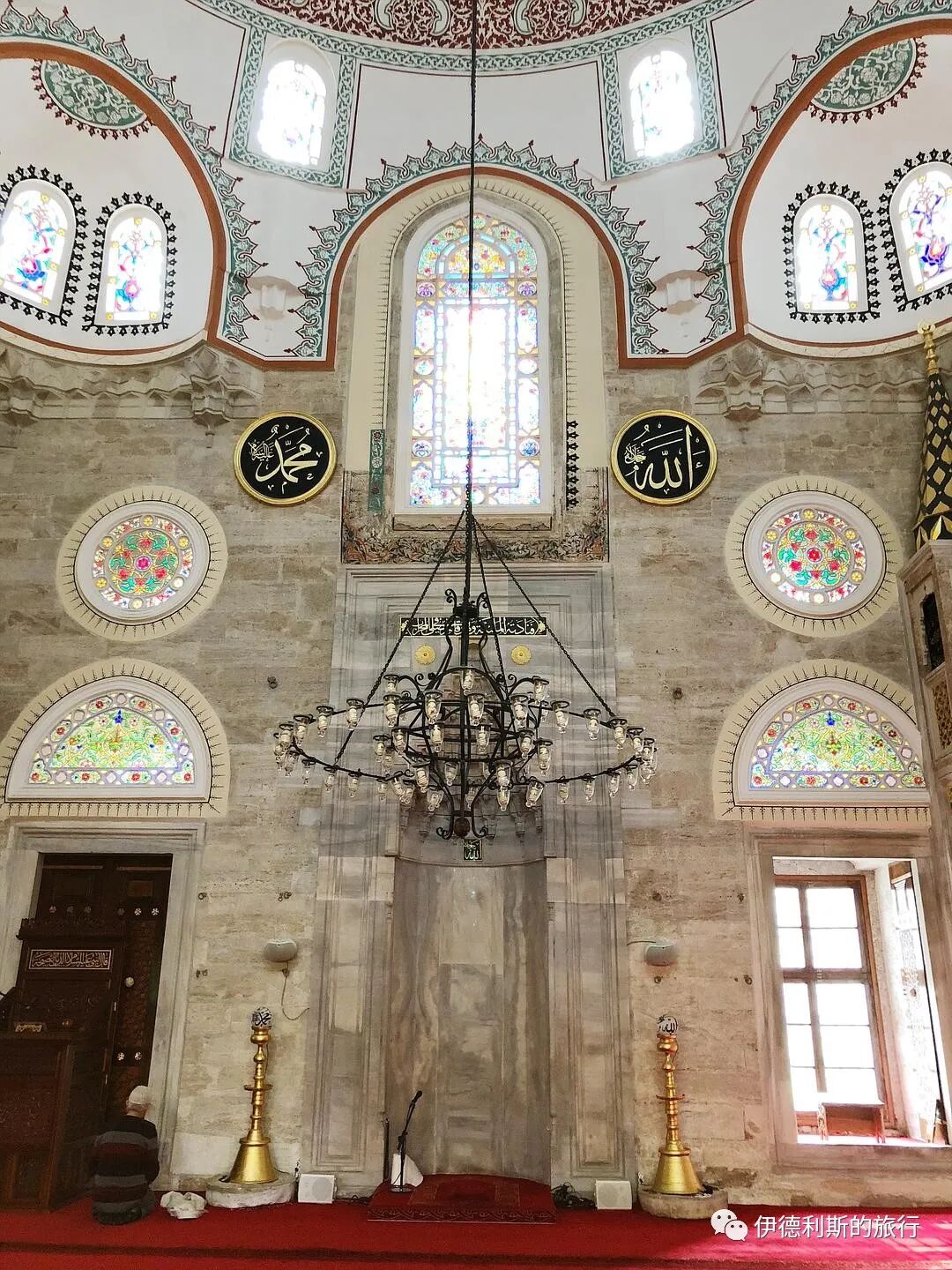
Mihrab
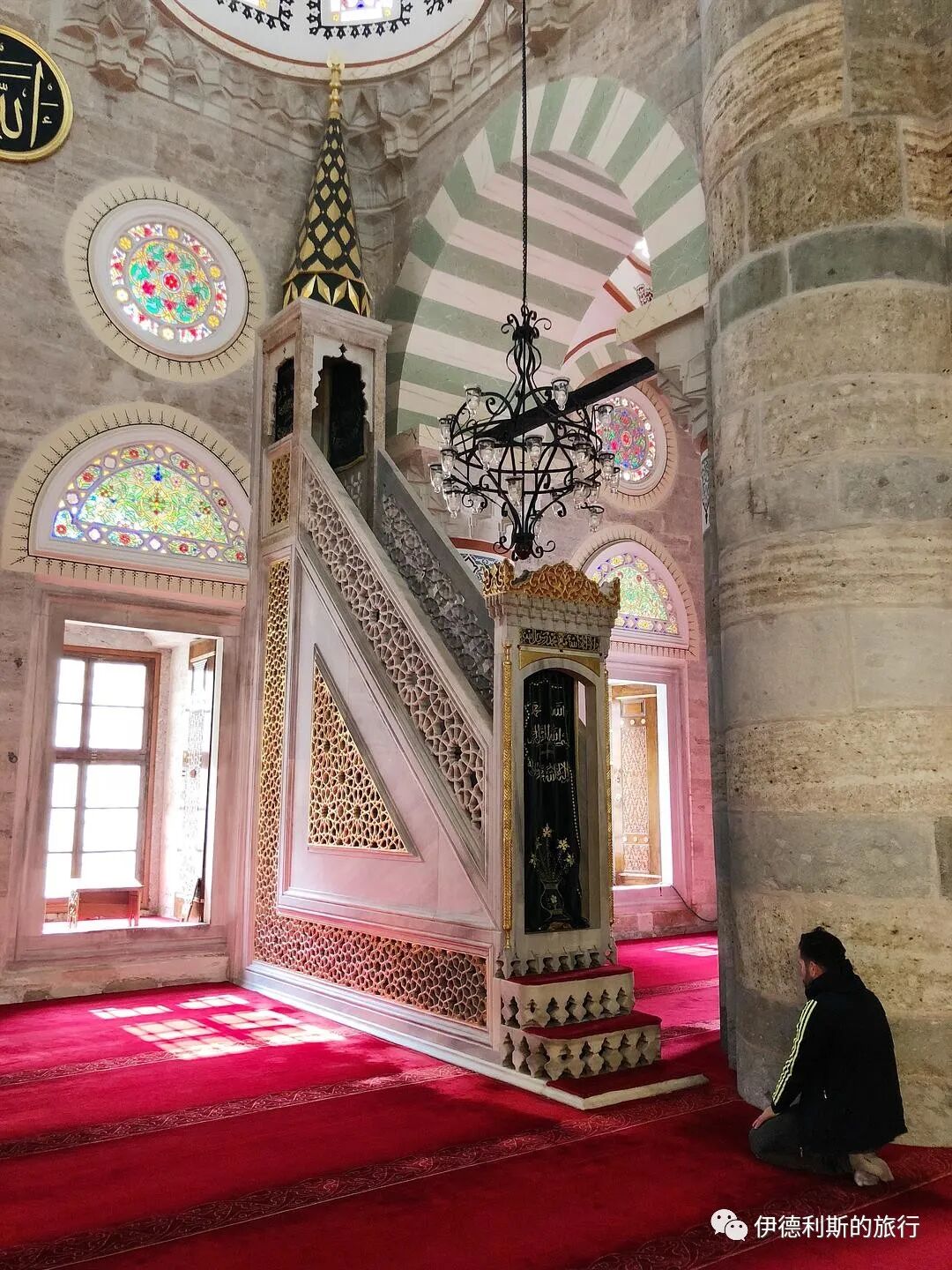
Minbar
The madrasa consists of sixteen student dorms and a large lecture hall arranged in a rectangle. It is now a hospital, and the integrity of this cultural heritage site has been damaged.
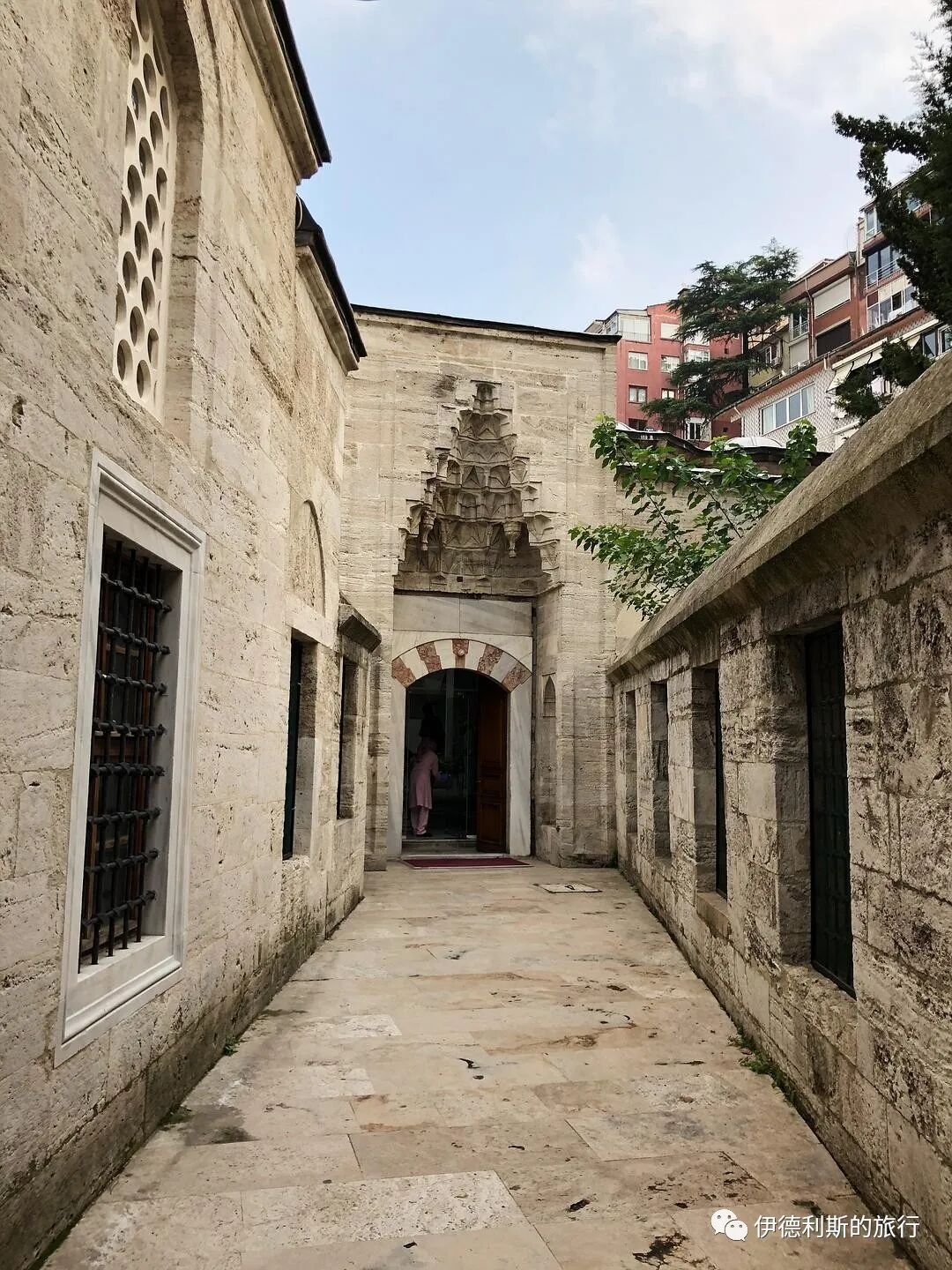
The passage from the mosque to the madrasa
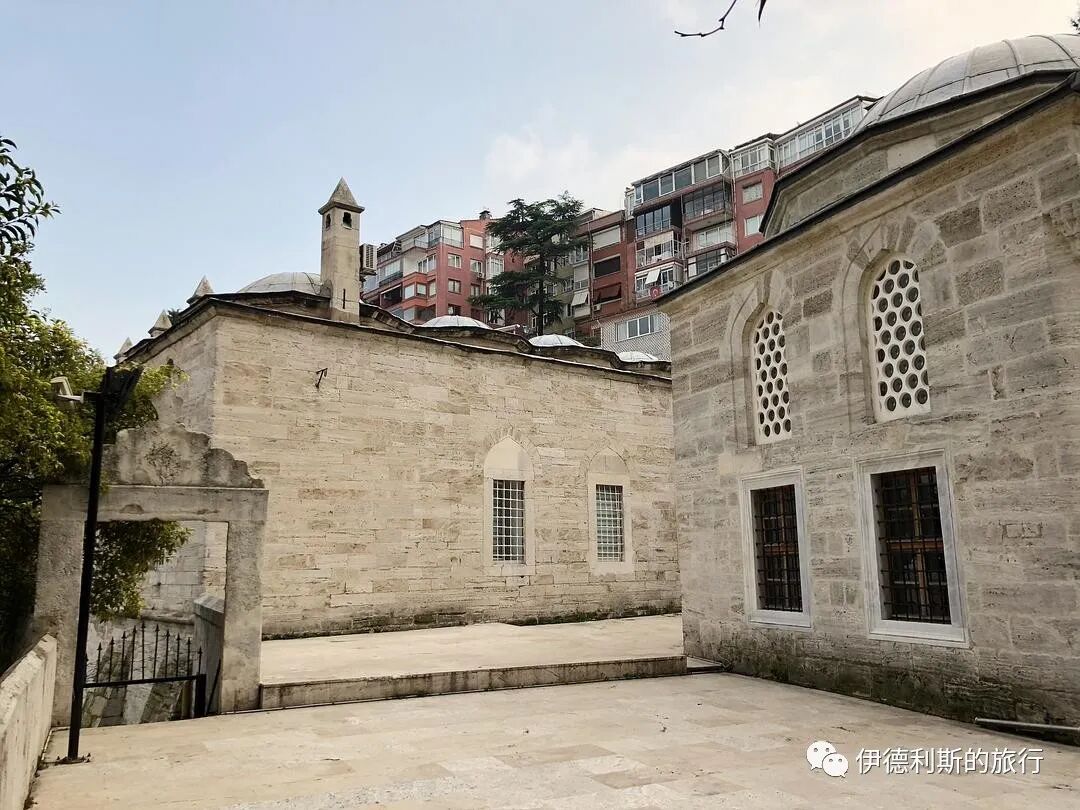
Exterior of the madrasa
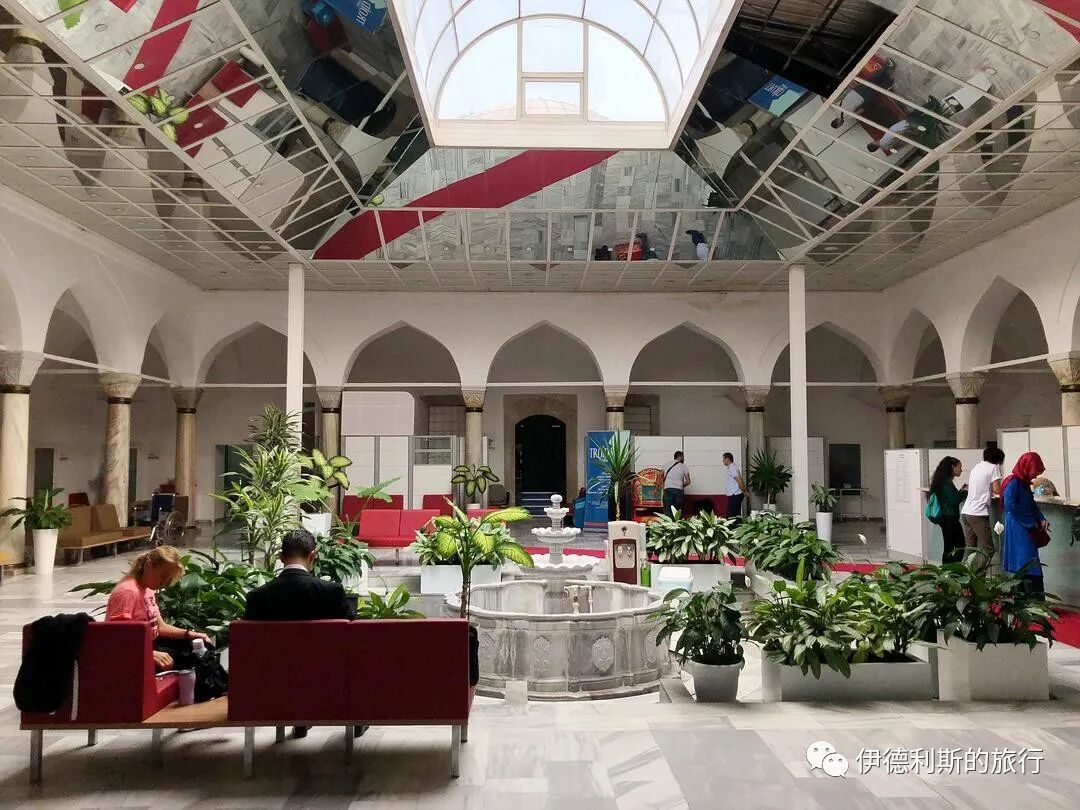
Inside the madrasa.
The primary school consists of two domed buildings.
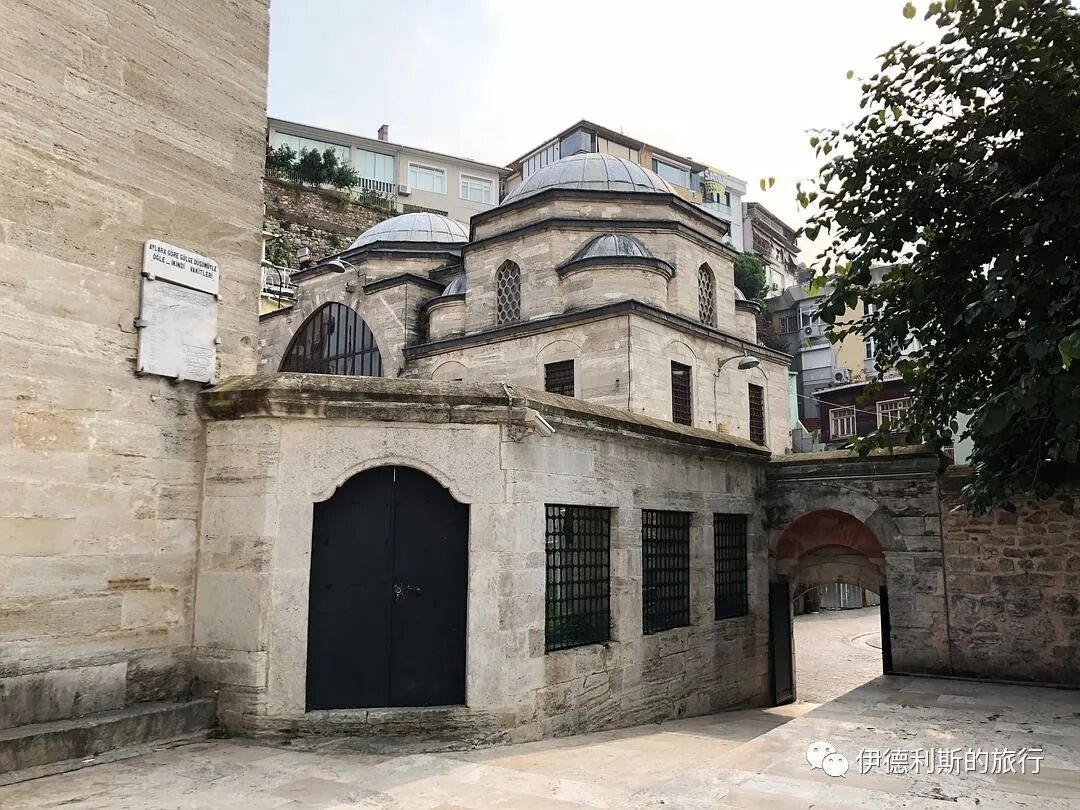
3. Sehzade Complex: 1543-1548
The Prince Complex (Şehzade Külliye) sits on the third hill of Istanbul's old city. Built between 1543 and 1548, it is known as the most important early work by Mimar Sinan and his first masterpiece.
Suleiman the Magnificent built the complex to honor his beloved son, Prince Mehmed (Şehzade Mehmed), who died young. Prince Mehmed was the son of Suleiman the Magnificent and Hurrem Sultan. He was favored from a young age and was the most likely heir, but he sadly died of smallpox in 1543 (some say he was murdered). Suleiman the Magnificent was heartbroken after the prince died. Traditionally, princes were buried in Bursa, but the Sultan decided to commission Mimar Sinan to build a tomb for the prince in Istanbul and add a complex to match it.
The Prince Complex (Sehzade Mosque complex) was the first project Mimar Sinan built under the direct order of Suleiman the Magnificent. It was his most ambitious early work, featuring a much grander scale and more decorations than his previous designs.
The complex includes a mosque, five tombs, a madrasa (religious school), a guest house, a caravanserai (traveler's inn), a public kitchen, and a primary school. These buildings are spread out freely across the flat ground without any forced symmetry. The mosque is not physically connected to the other buildings, which are scattered throughout the gardens or along the streets surrounding the mosque.
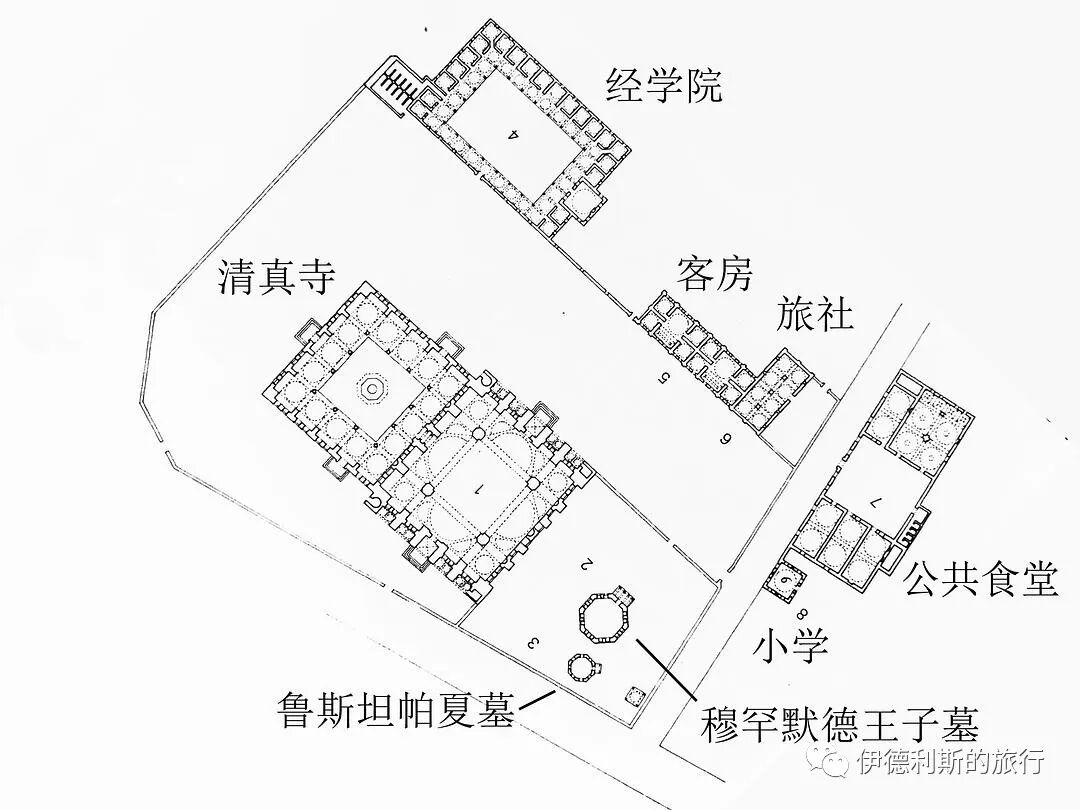
The layout of the building complex is based on a map from the book Sinan's Istanbul.
The mosque (built between 1543 and 1548) was the second semi-domed mosque designed by Mimar Sinan, featuring one main dome supported by four semi-domes. This design improved upon his earlier work at the Mihrimah Sultan Mosque, which had three semi-domes, and offered a new take on older designs like the Fatih Mosque (1471) and the Bayezid II Mosque (1506). This layout separates the four pillars that support the central dome, creating a more striking visual effect.
The interior of the mosque is a square laid out along a central vertical axis, and you can immediately feel the dominance of the central dome when you walk in.
The porticos on the side walls of the mosque are also a bold innovation, which points toward the future development of Ottoman mosques. This design softens the building's flanks and hides the buttresses, helping the facade blend in more perfectly.
The design of the Prince Mosque has gradually moved away from the traditional Ottoman mosque model and started to head toward Sinan's own unique style.
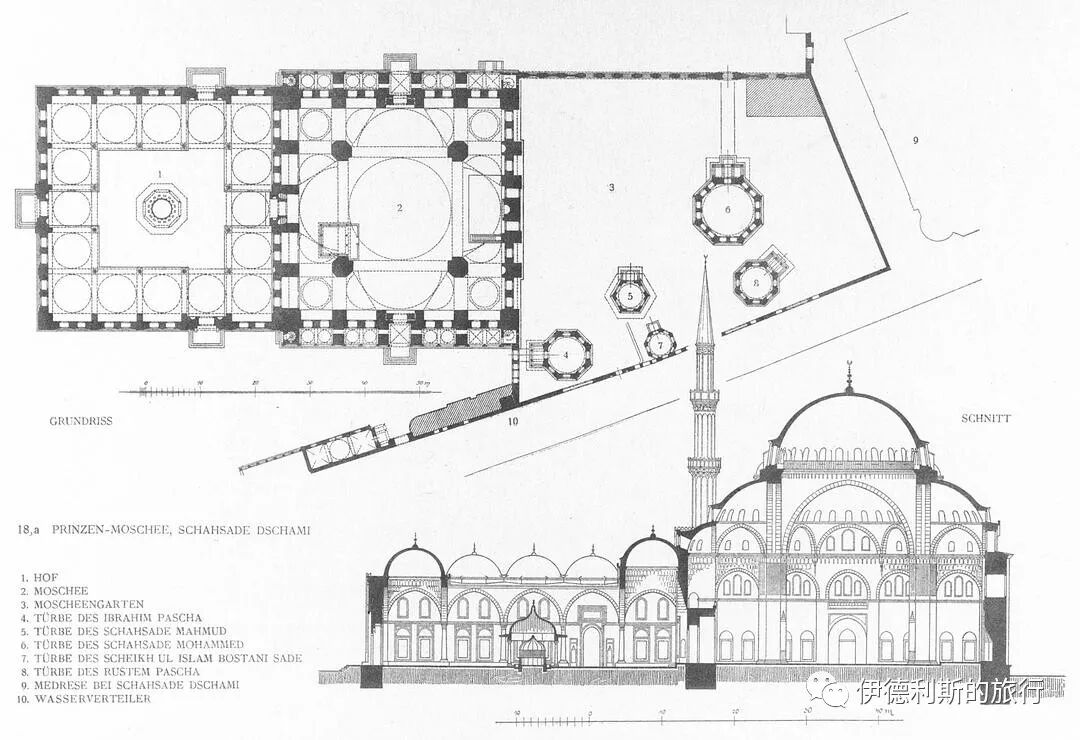
A diagram of the mosque published by Cornelius Gurlitt in 1912.
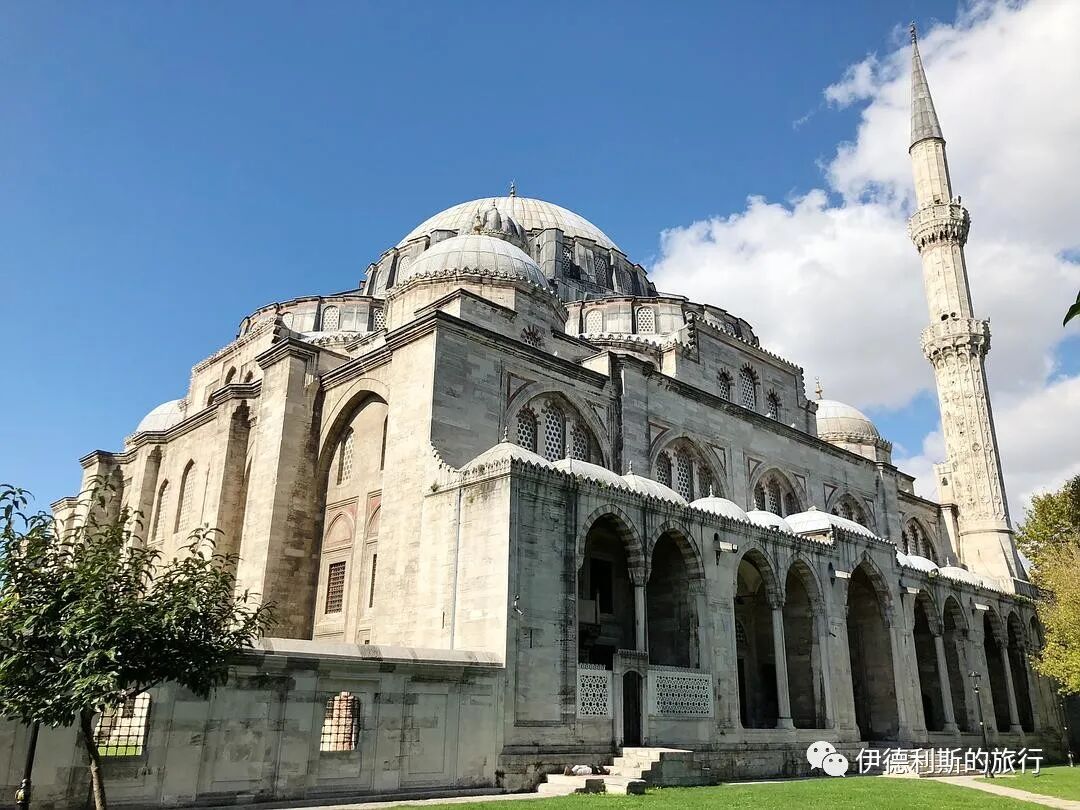
The mosque at noon
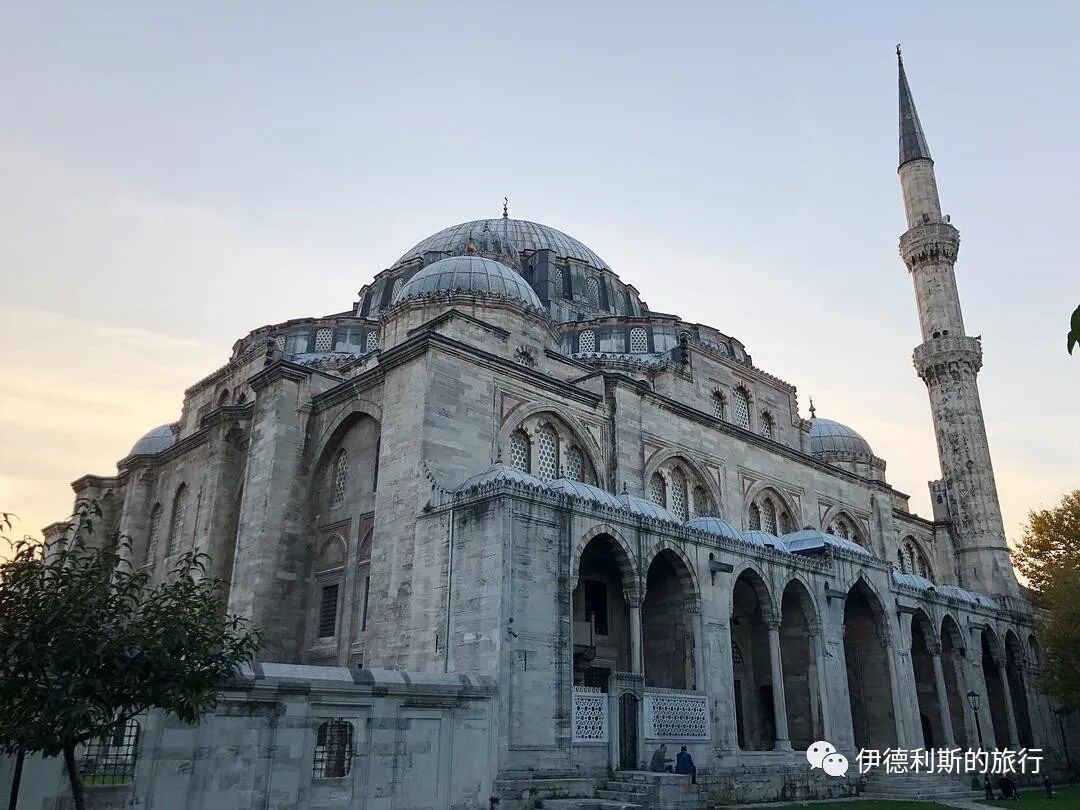
The mosque at sunset
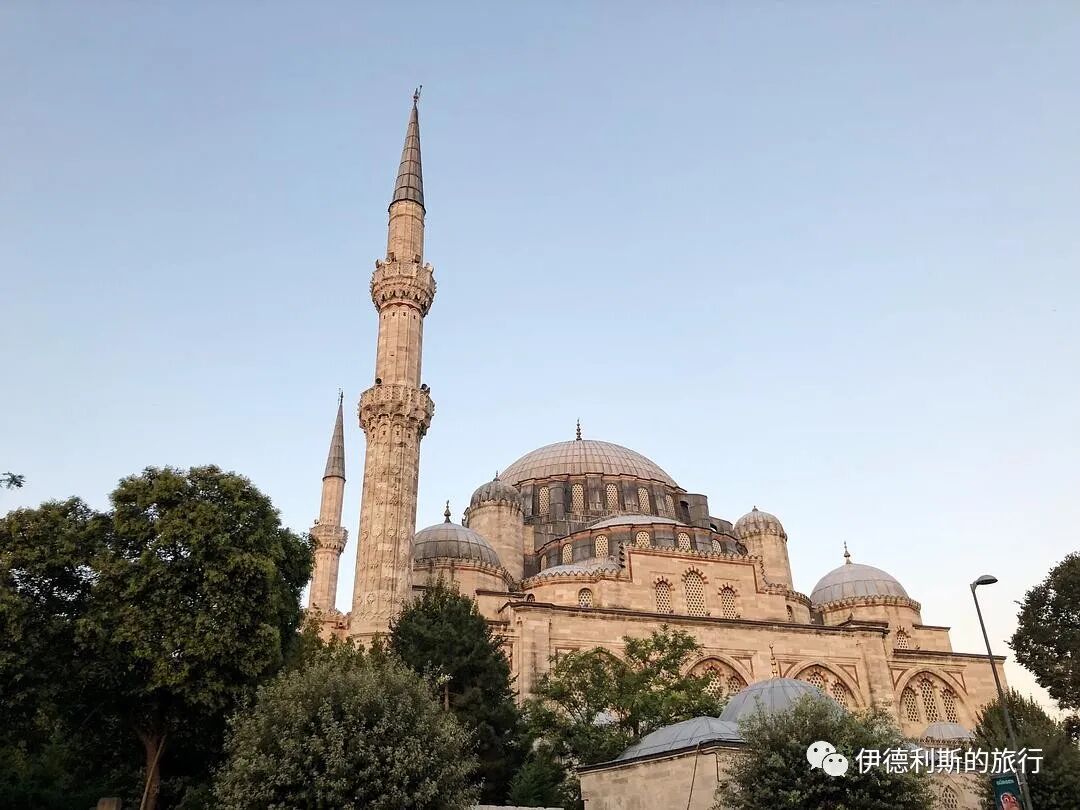
You can see two minarets, the main dome, and the semi-domes.
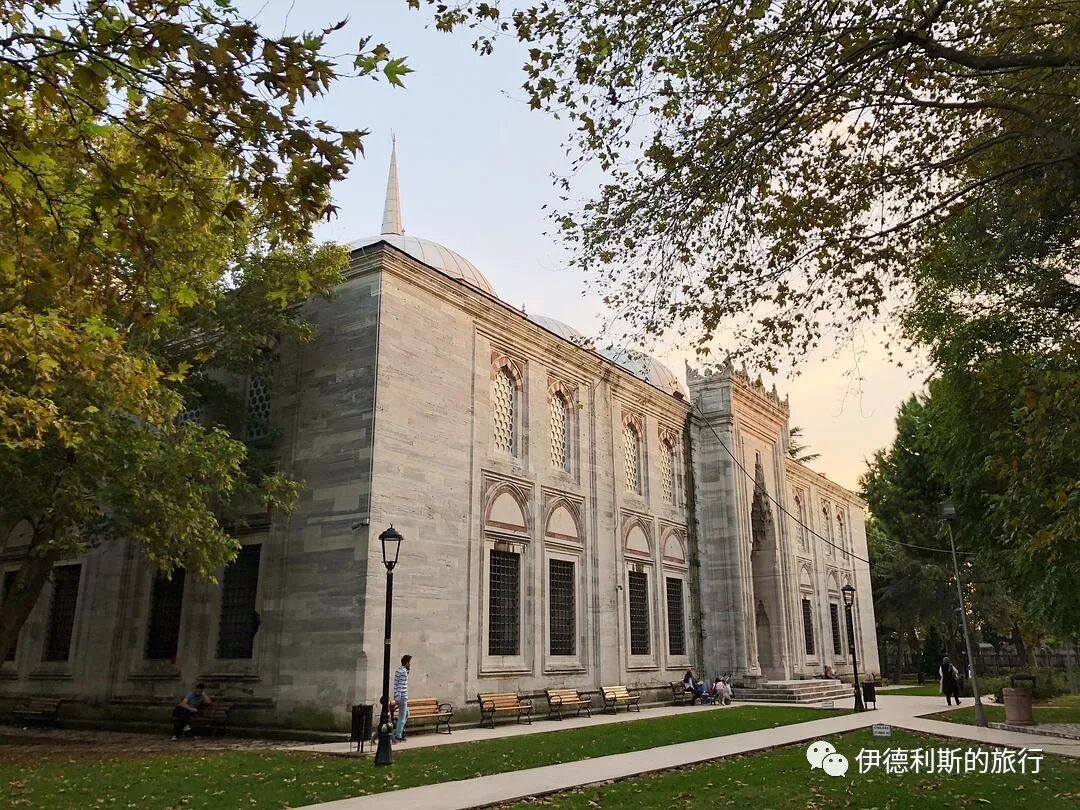
The entrance to the mosque courtyard.
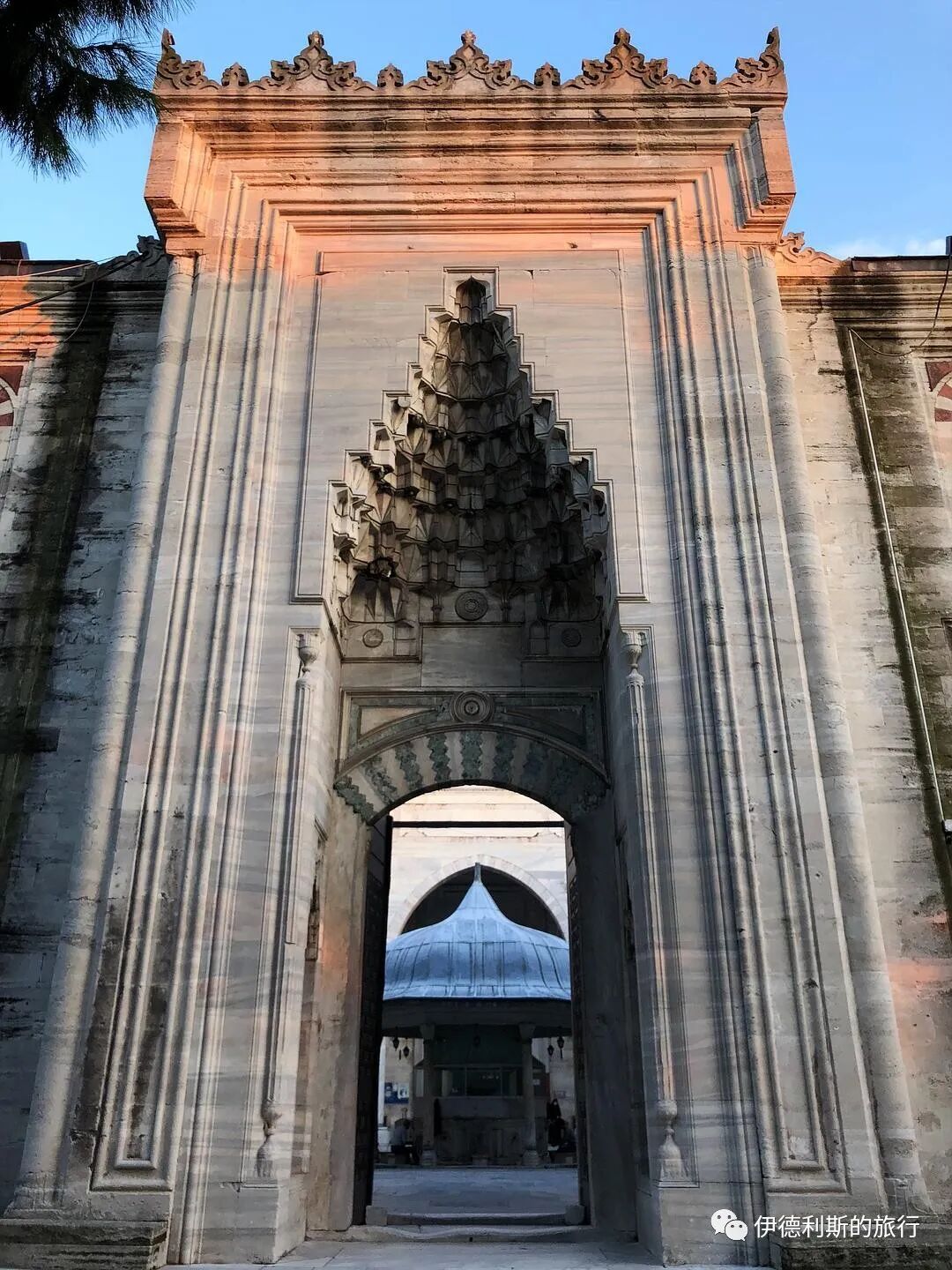
The courtyard gate.
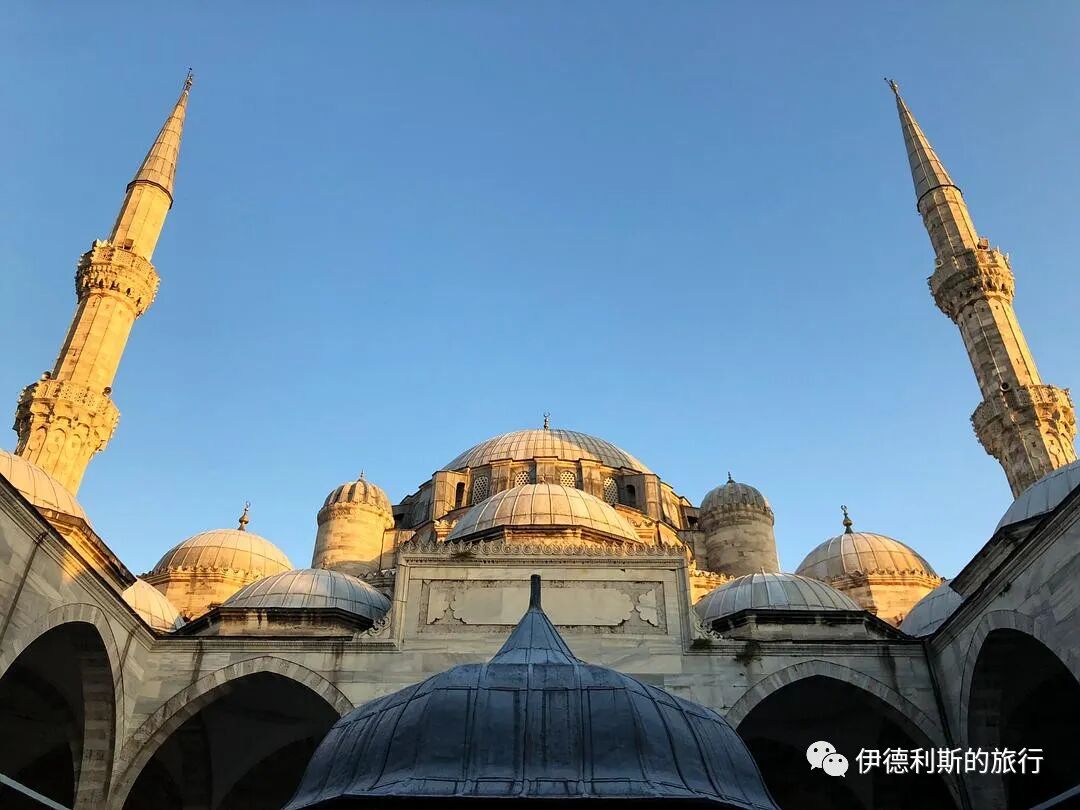
Looking at the main prayer hall of the mosque from the courtyard.
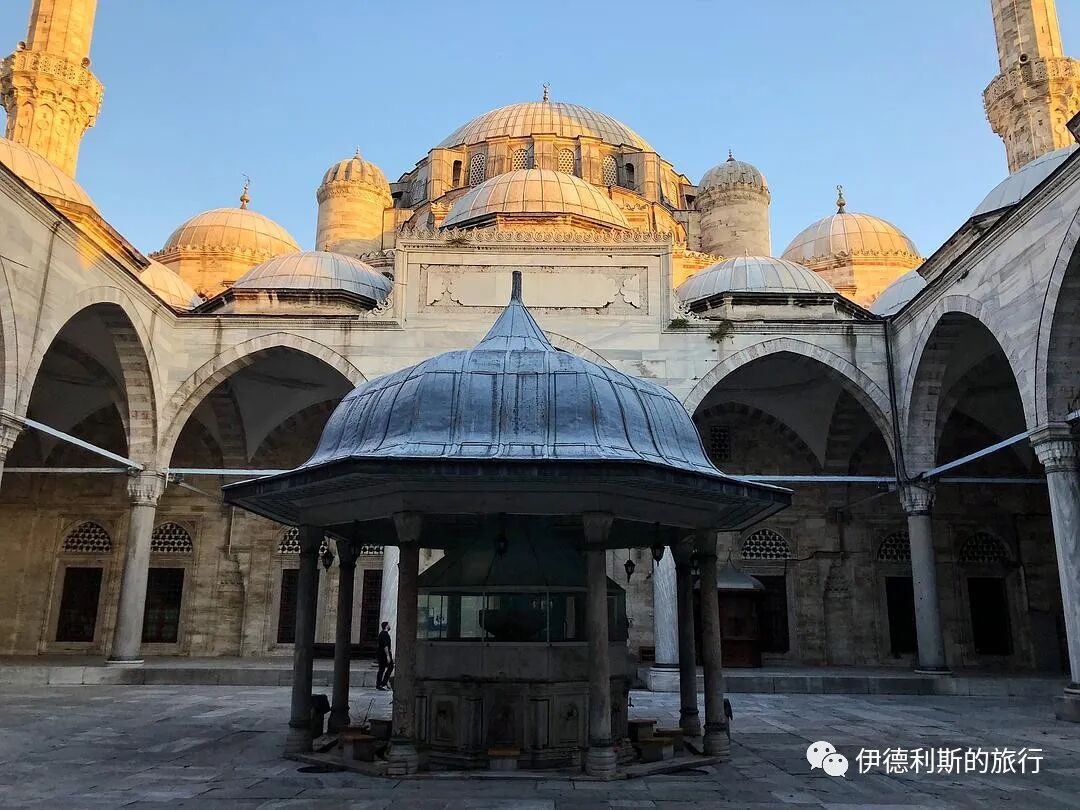
Looking at the main prayer hall of the mosque from the courtyard.
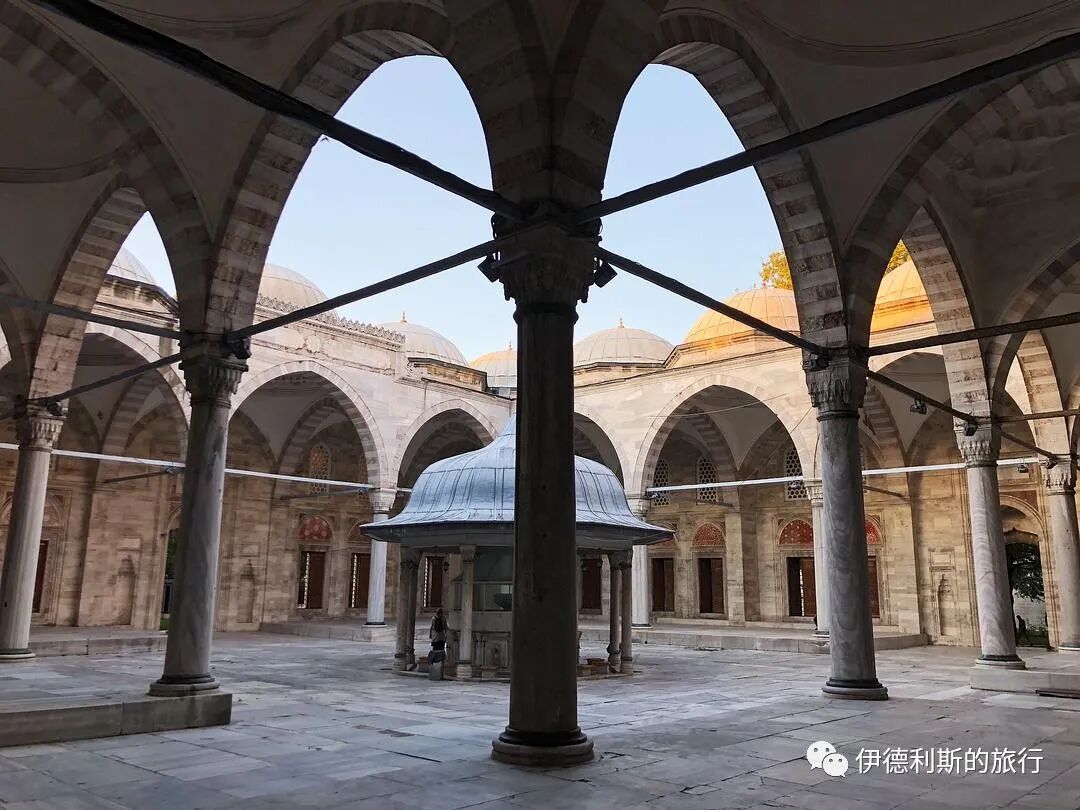
The courtyard.
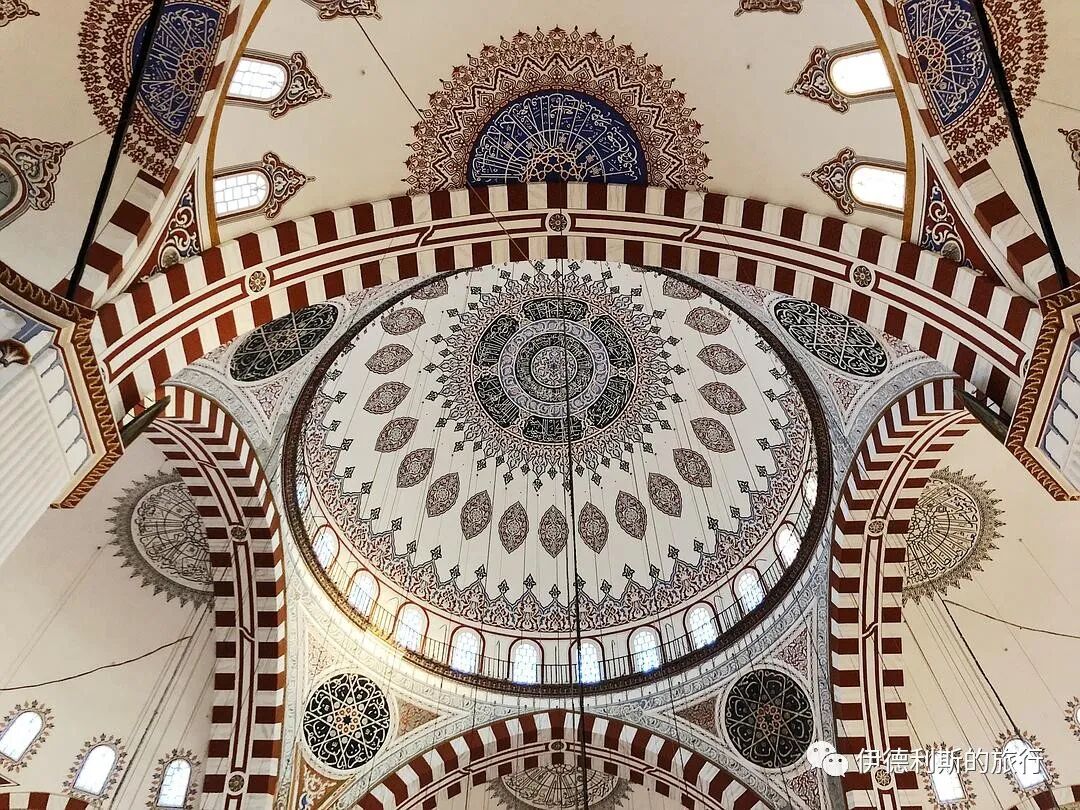
The main dome and the semi-domes.
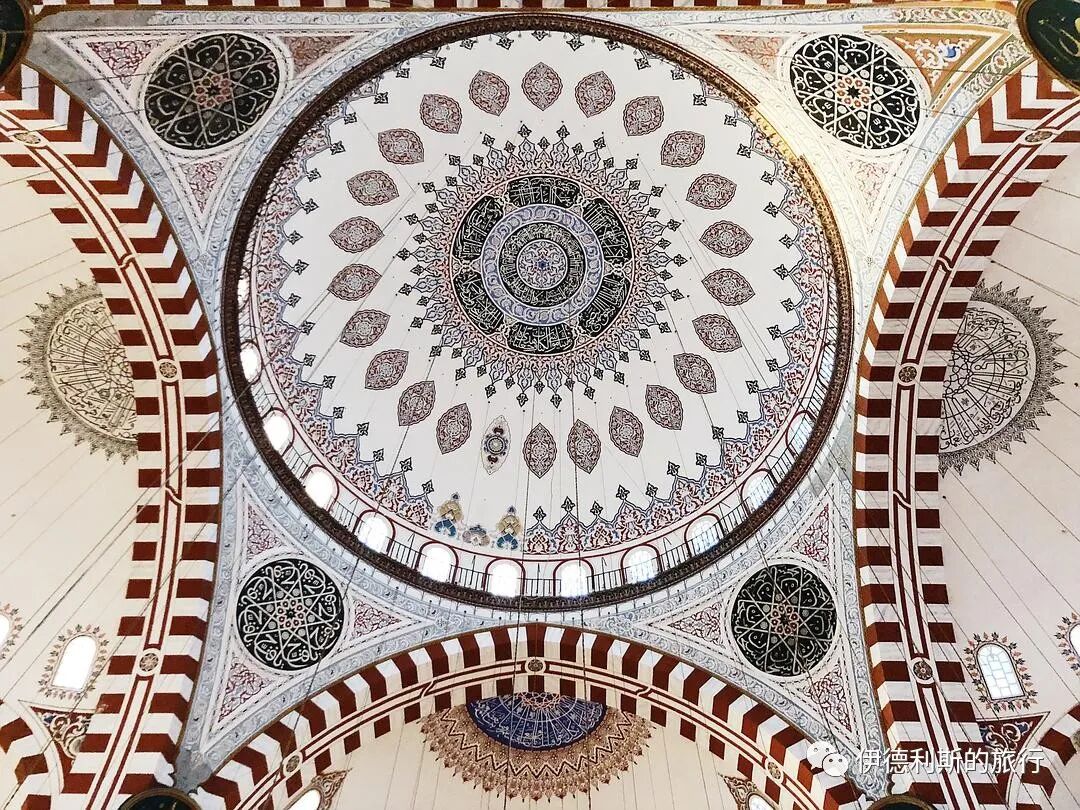
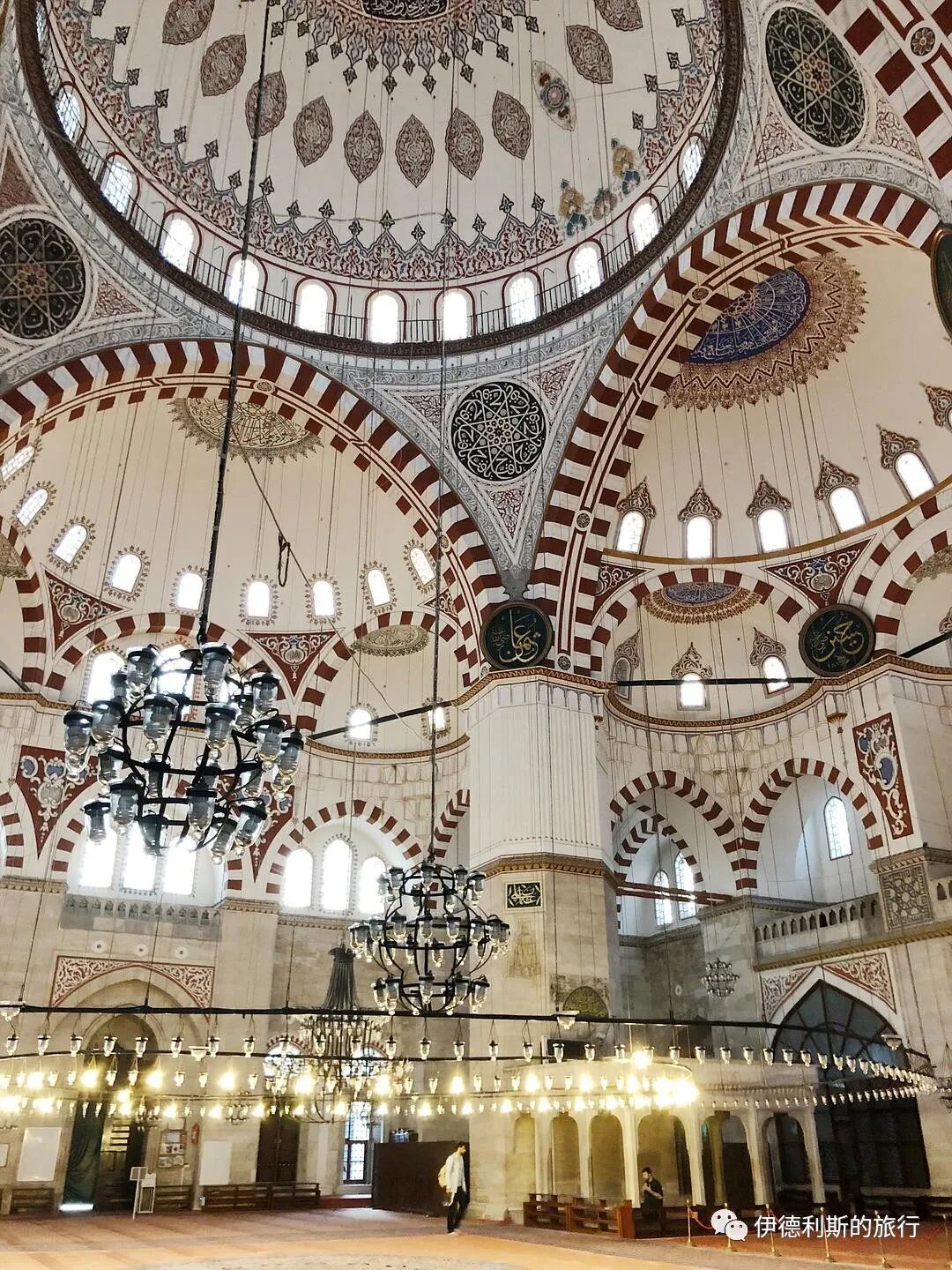
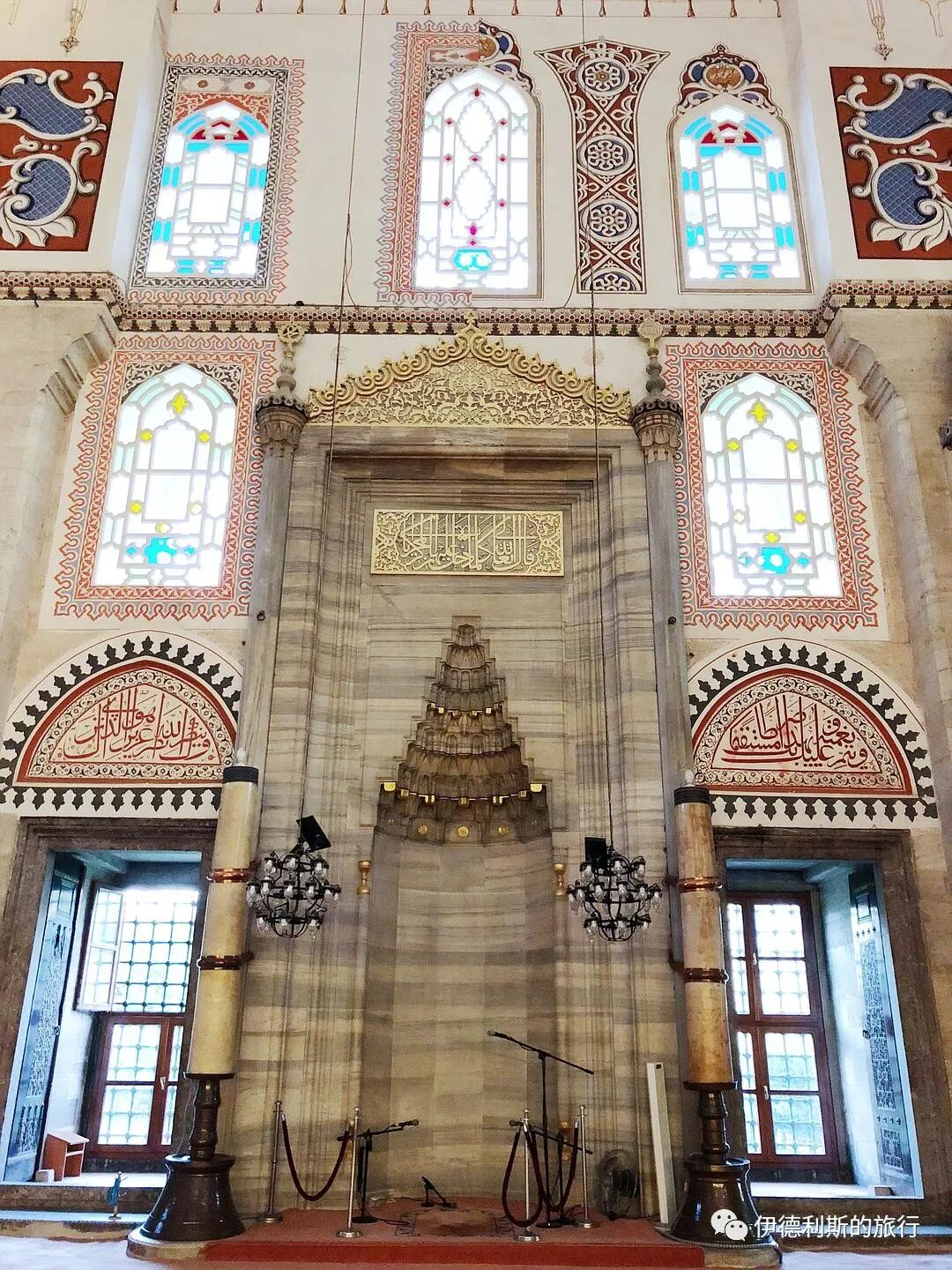
Mihrab
The Tomb of Prince Muhammad (1543) is southeast of the mosque. It is an octagonal structure with Persian inscriptions at the entrance and Cuerda Seca tiles inside.
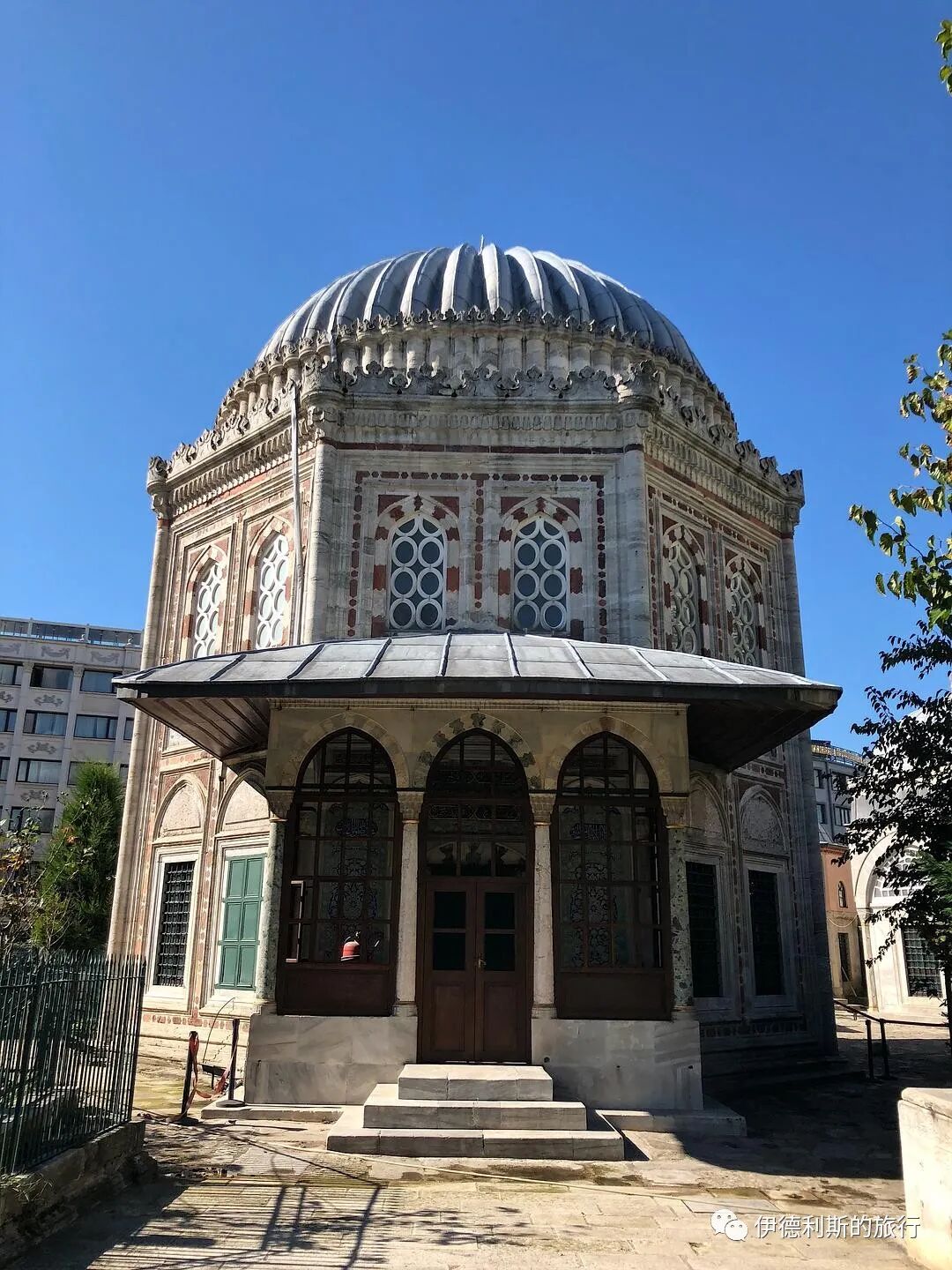
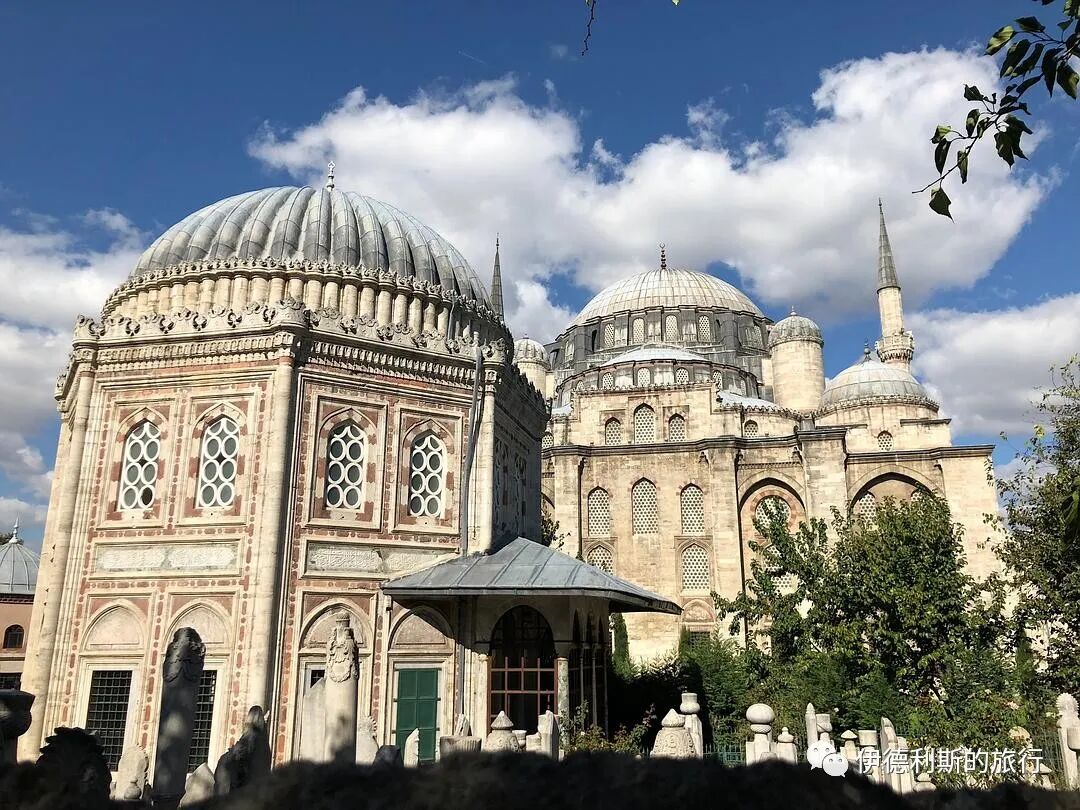
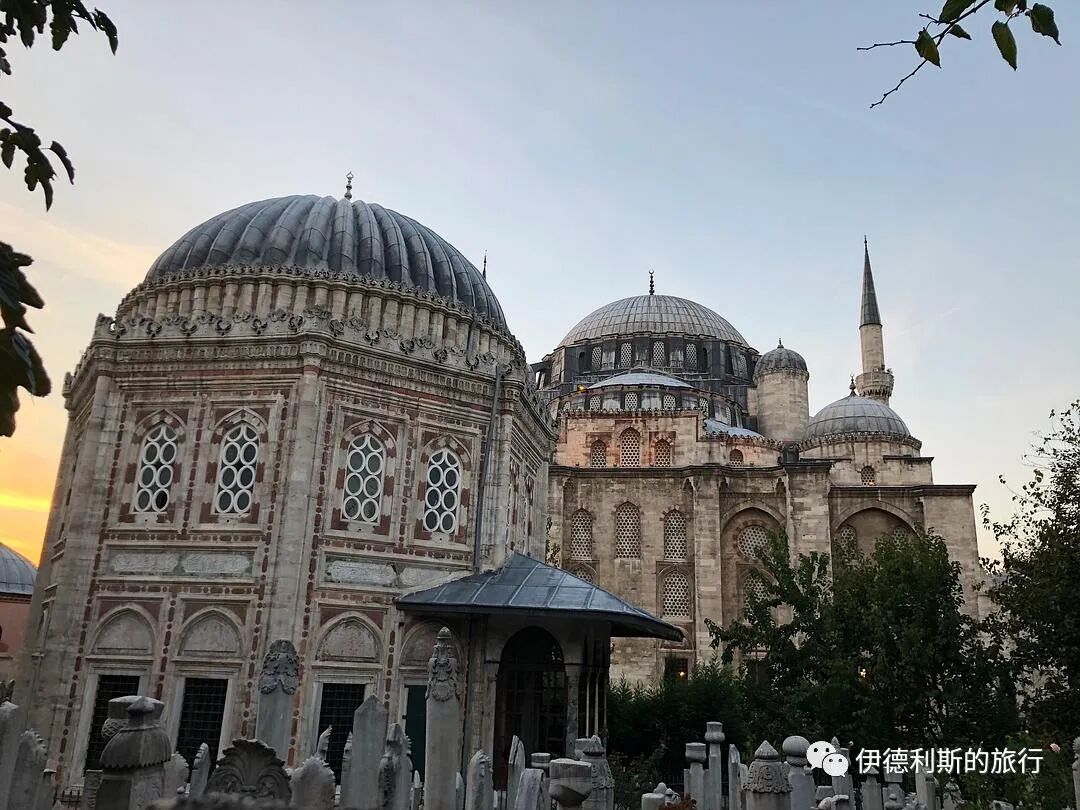
The tomb of Grand Vizier Rustem Pasha (1560) sits south of the tomb of Prince Mehmed and was also designed by Mimar Sinan. Rustem Pasha was the husband of Mihrimah Sultan and the son-in-law of Suleiman the Magnificent. Later generations remember him as one of the most accomplished Grand Viziers of the Ottoman Empire.
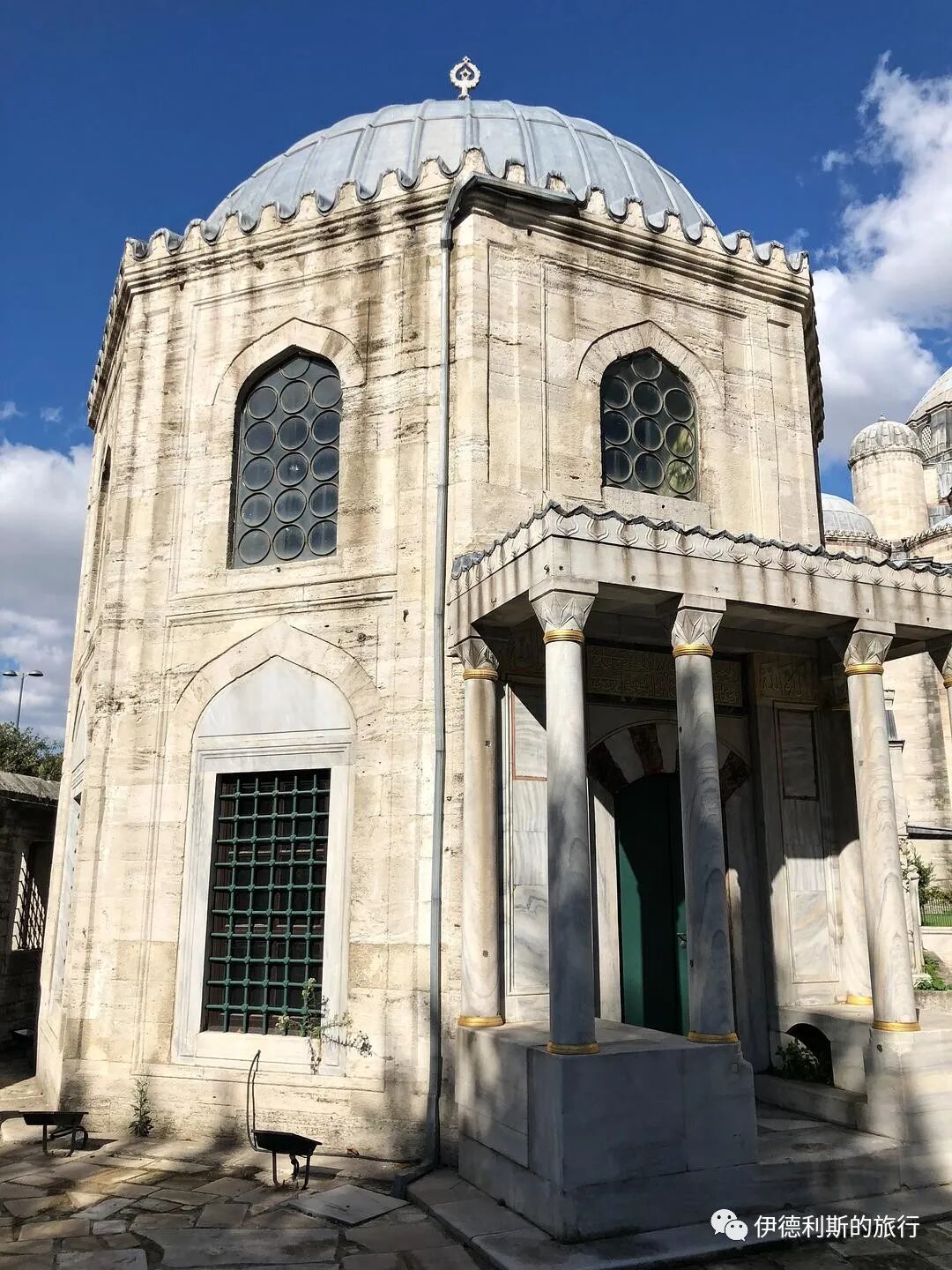
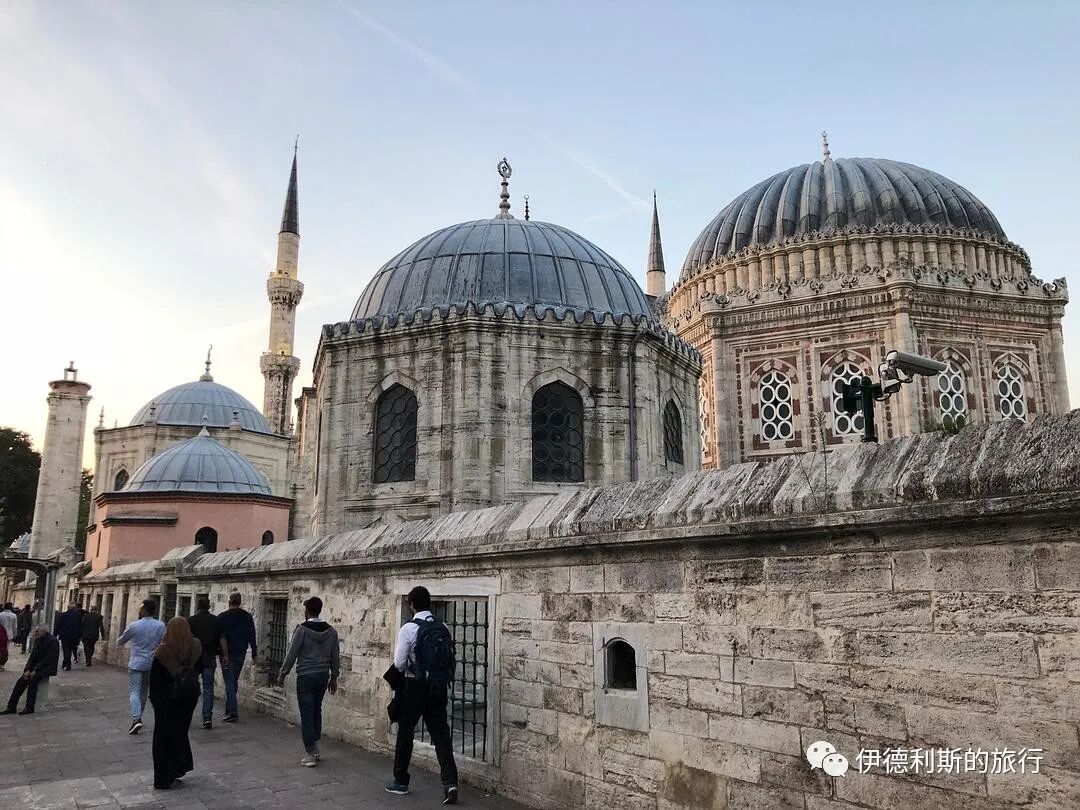
The madrasa (1546) is located outside the garden on the north side of the mosque. It is a rectangular building surrounded by a gallery, with 21 student rooms and one large lecture hall on three sides. The fountain in the middle of the courtyard still keeps its Seljuk-era tomb structure (kumbet) from the 11th to 13th centuries.
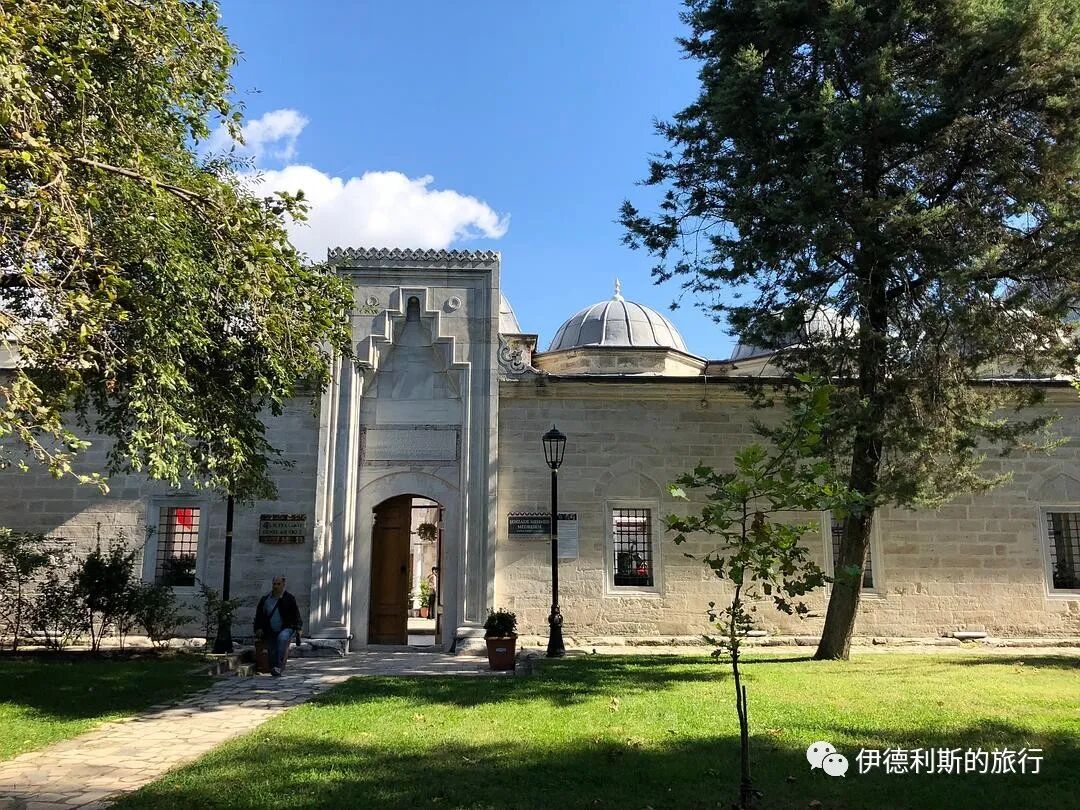
Madrasa gate
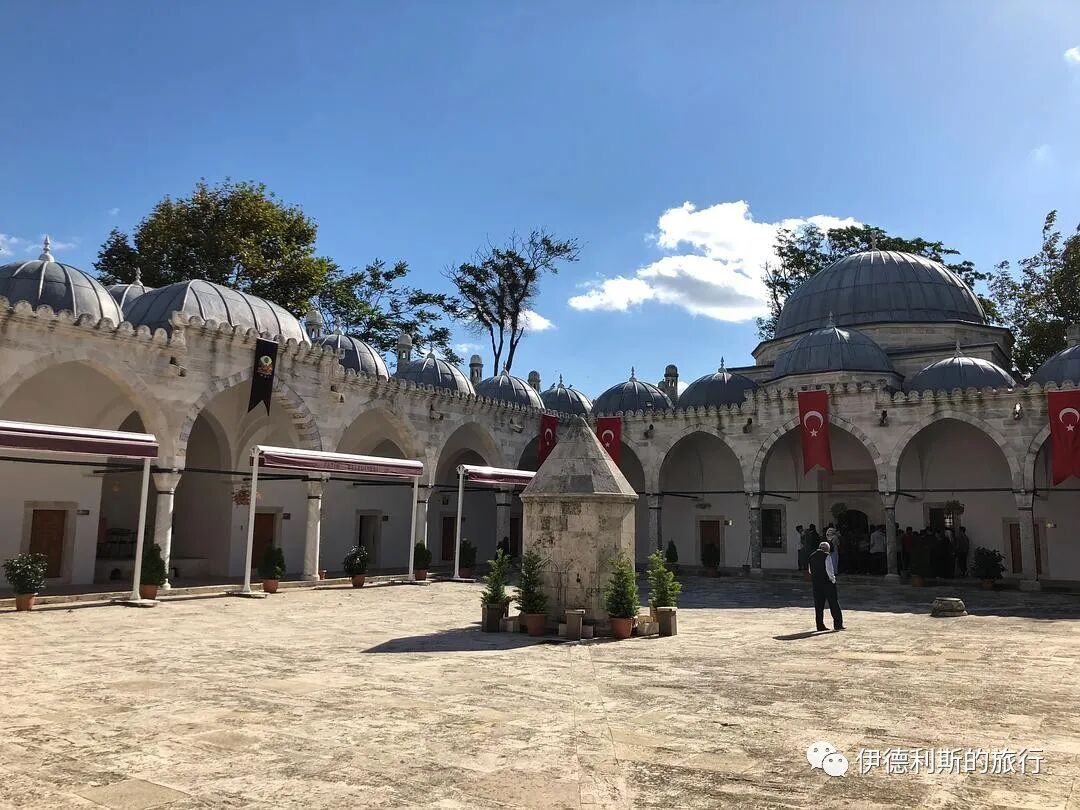
Madrasa inner courtyard
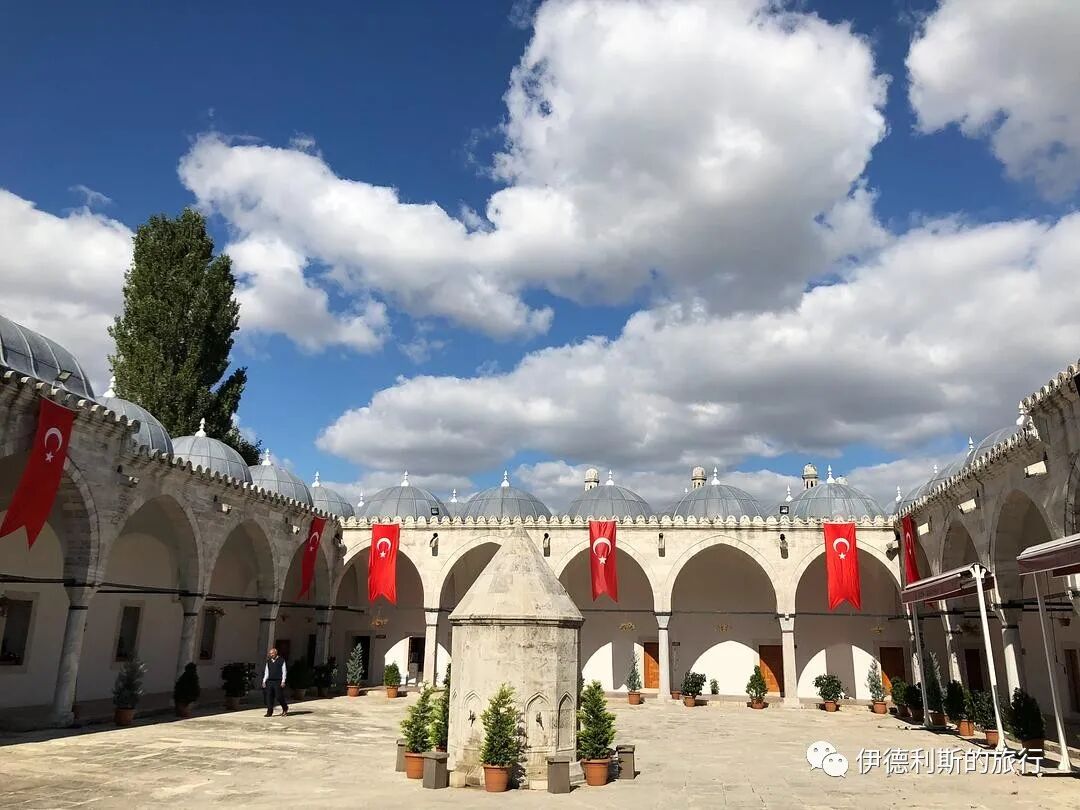
Madrasa inner courtyard
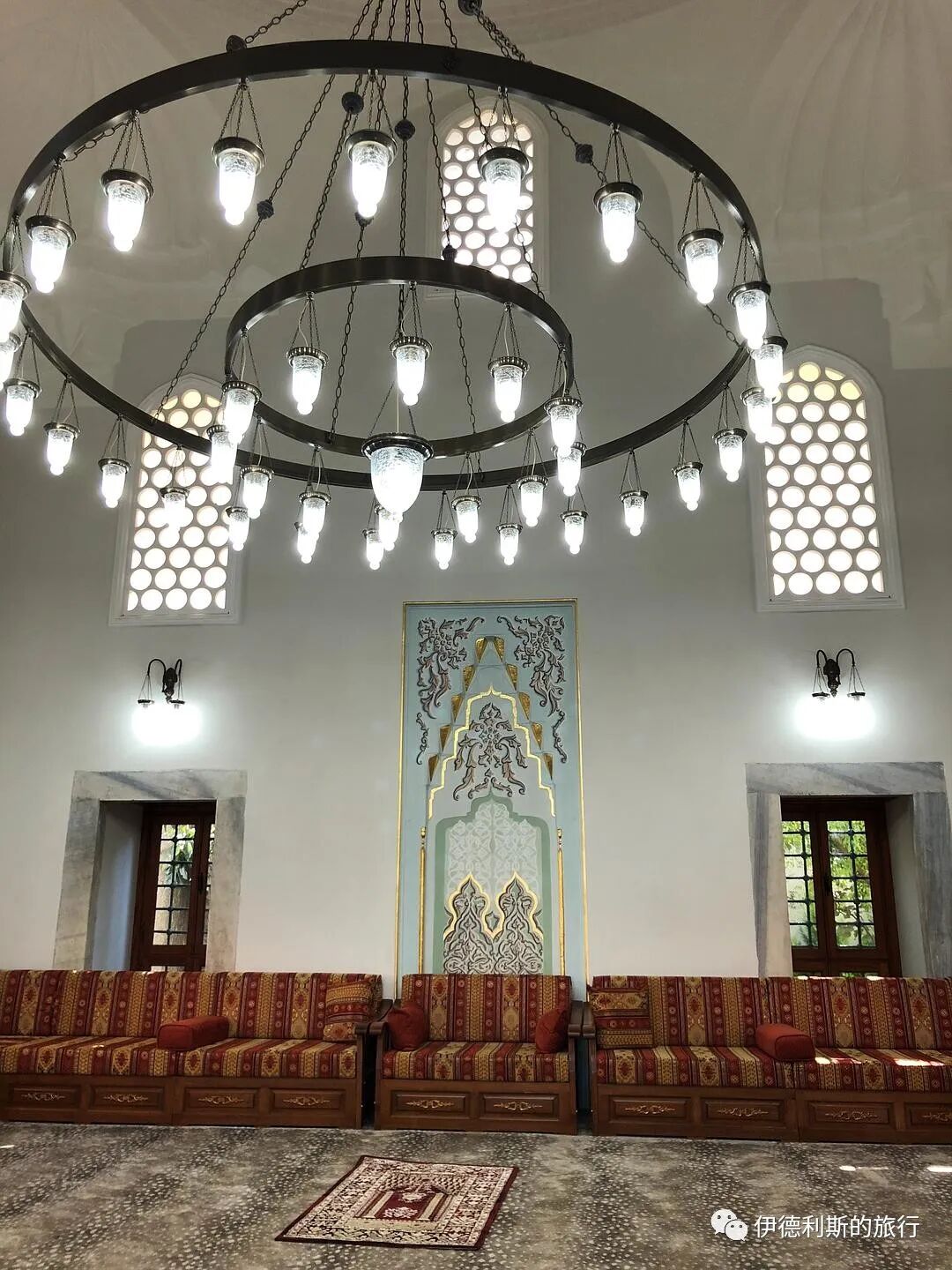
The lecture hall of the madrasa.
The public kitchen (imaret) built between 1543 and 1548 sits across the street east of the mosque. It has two buildings, each with six domes, and a courtyard in the middle.
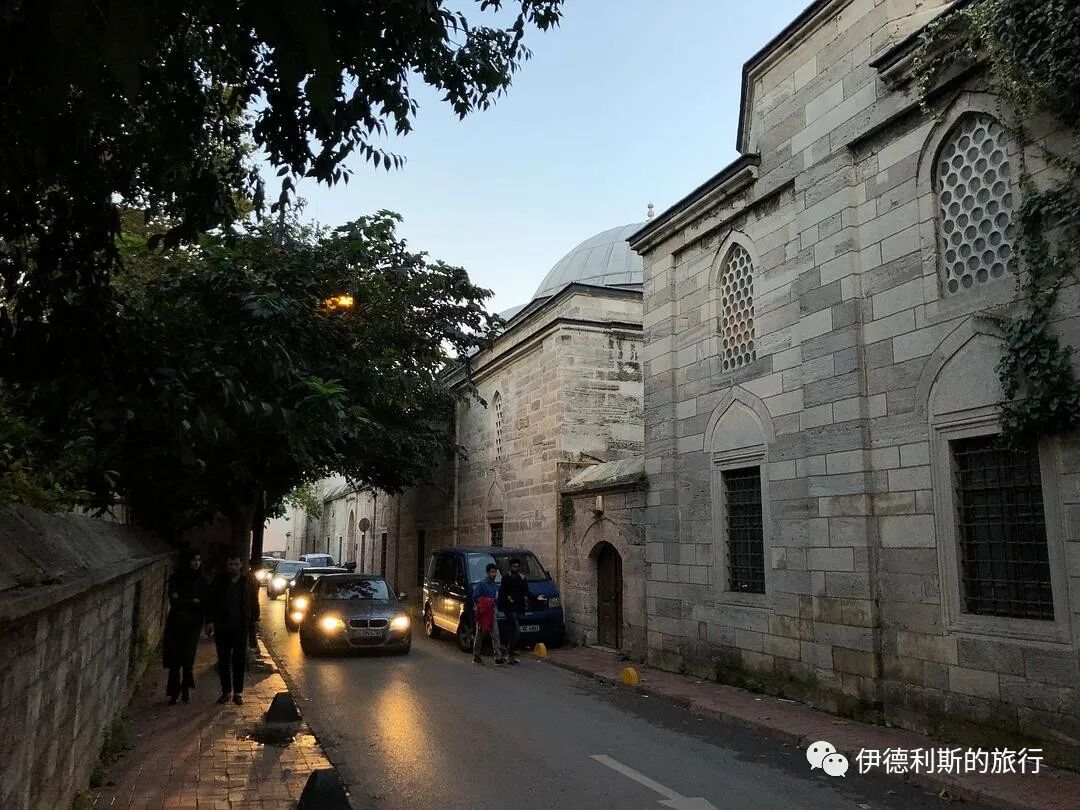
The primary school is nearby, and the public kitchen is in the distance.
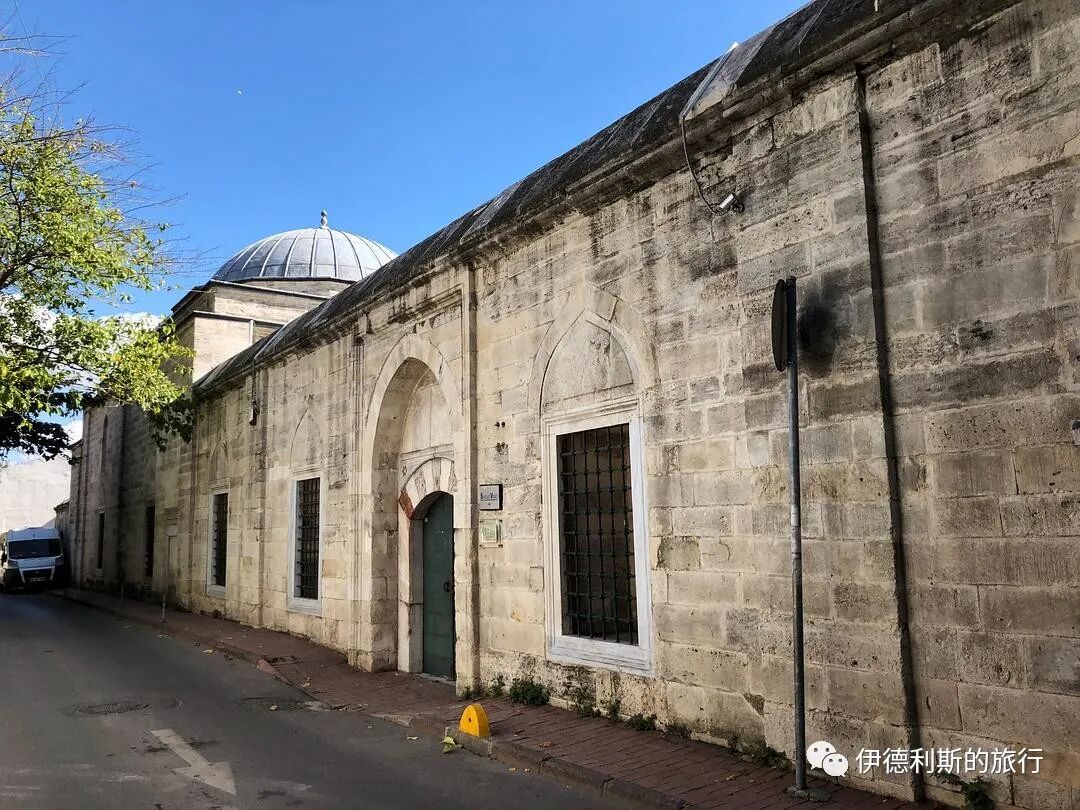
The main gate of the public kitchen.
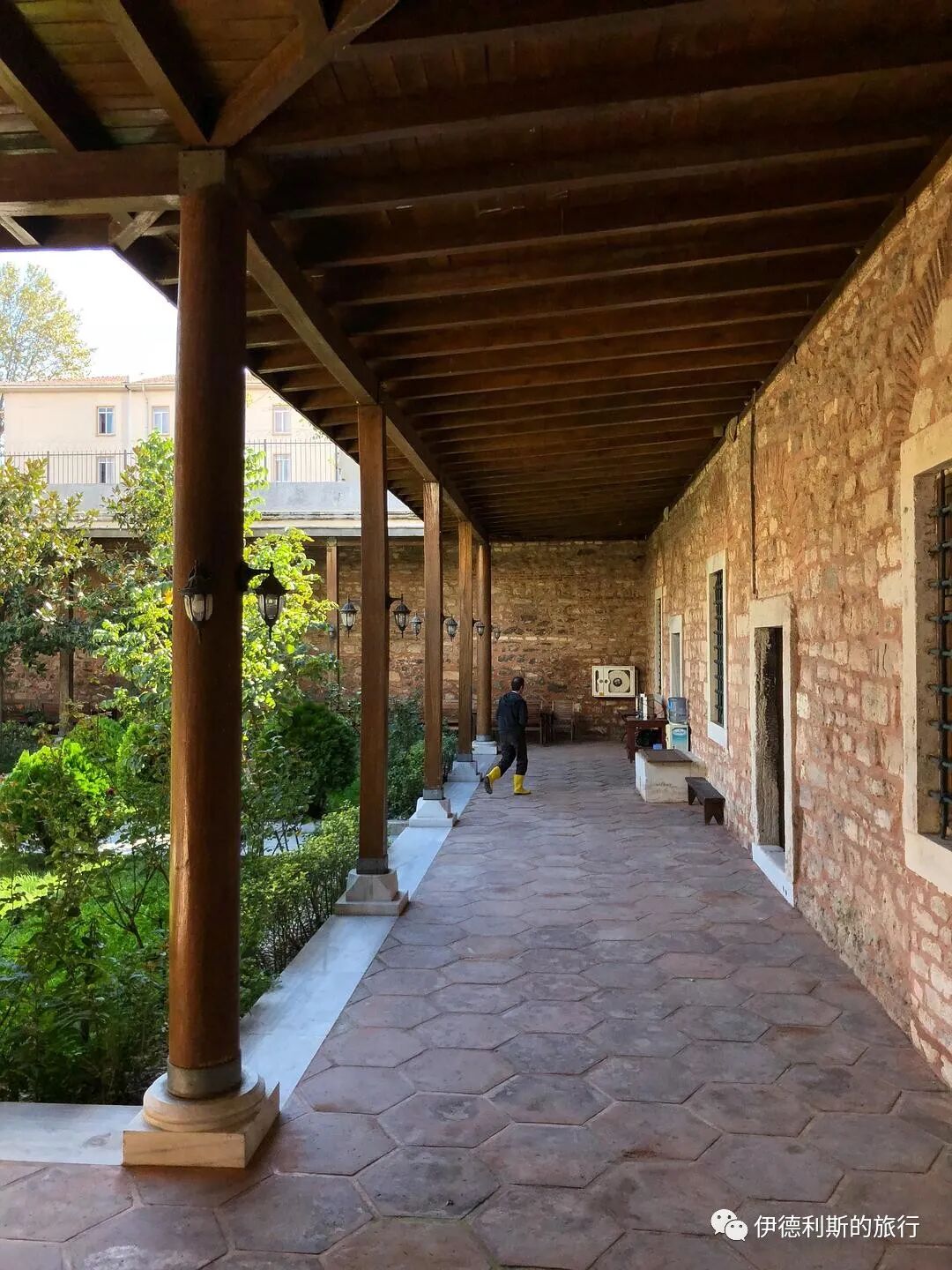
Inside the courtyard of the public kitchen.
4. Hüsrev Pasha Tomb: 1545
The octagonal tomb of Hüsrev Paşa is in the west of Istanbul. It is known as one of the most beautiful tombs built by Mimar Sinan.
Hüsrev Paşa was a grand vizier of the Ottoman Empire. People called him 'Hüsrev the Mad' because he had a bad temper. Hüsrev Pasha was born in Bosnia in 1495 and came from the famous Sokollu family. He became the governor of Egypt in 1535 and the Second Vizier in 1538. In 1544, Hüsrev Pasha lost the race for Grand Vizier to Rüstem Paşa. He fell ill and died shortly after, and Mimar Sinan built his tomb.
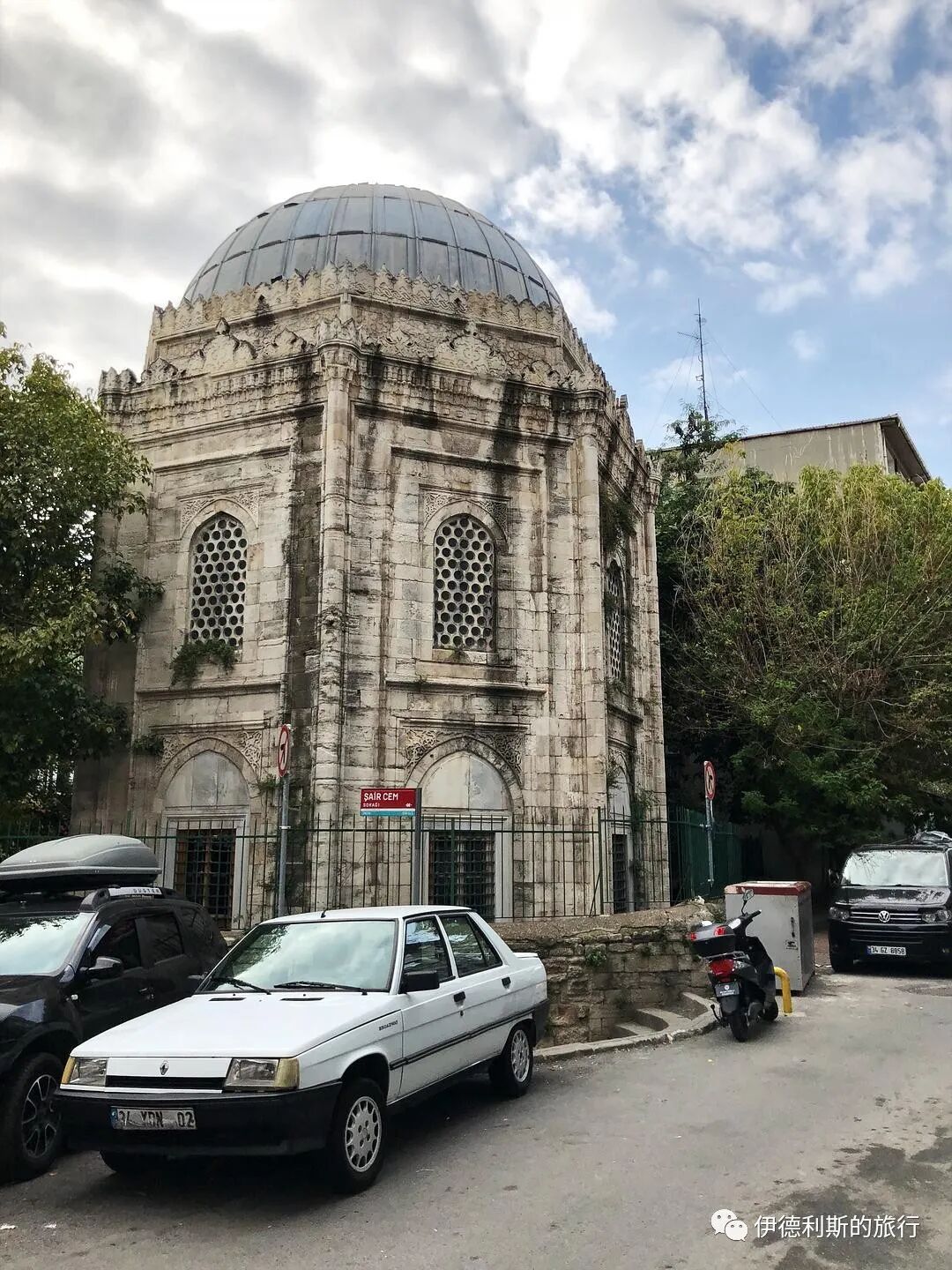
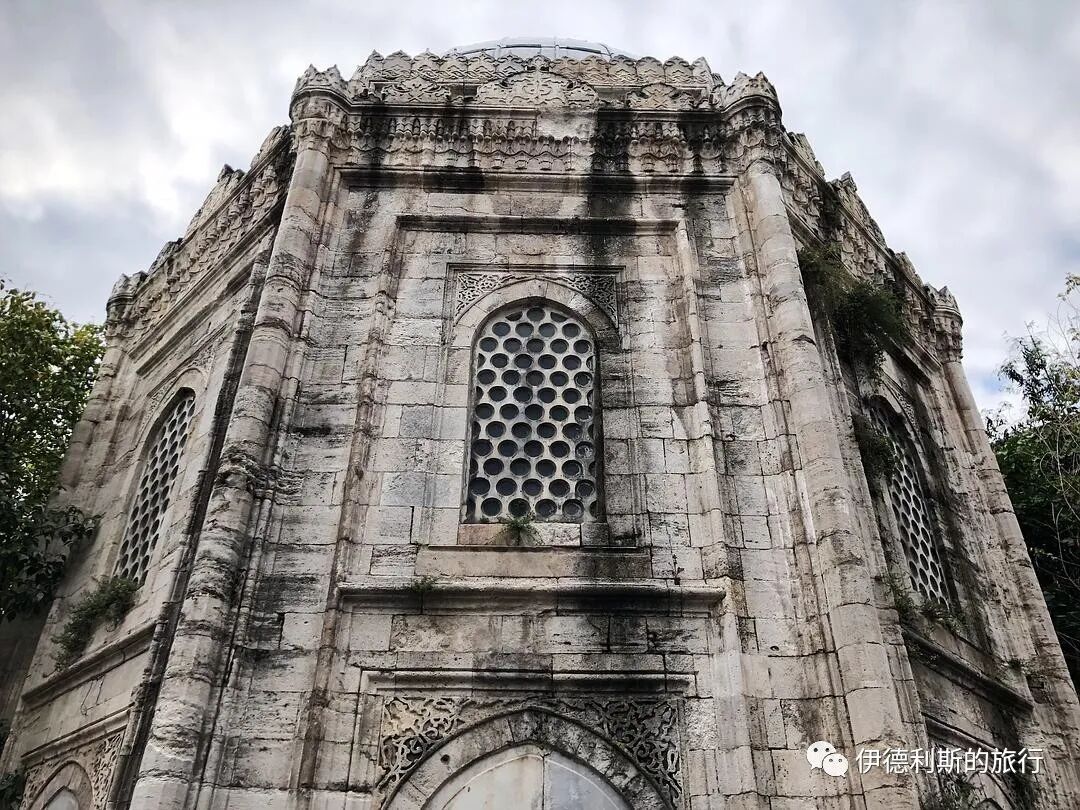
5. Yavuz Sultan Selim Madrasa: 1549
The Yavuz Sultan Selim Madrasa is located in the west of Istanbul. Suleiman the Magnificent commissioned Mimar Sinan to build it, and it is named after the Sultan's father, Sultan Selim I. The madrasa consists of 20 student rooms on three sides and one large lecture hall. In 1563, the lecture hall was turned into a prayer hall and a minaret was added. The minaret is now destroyed, and the madrasa has become a hospital.
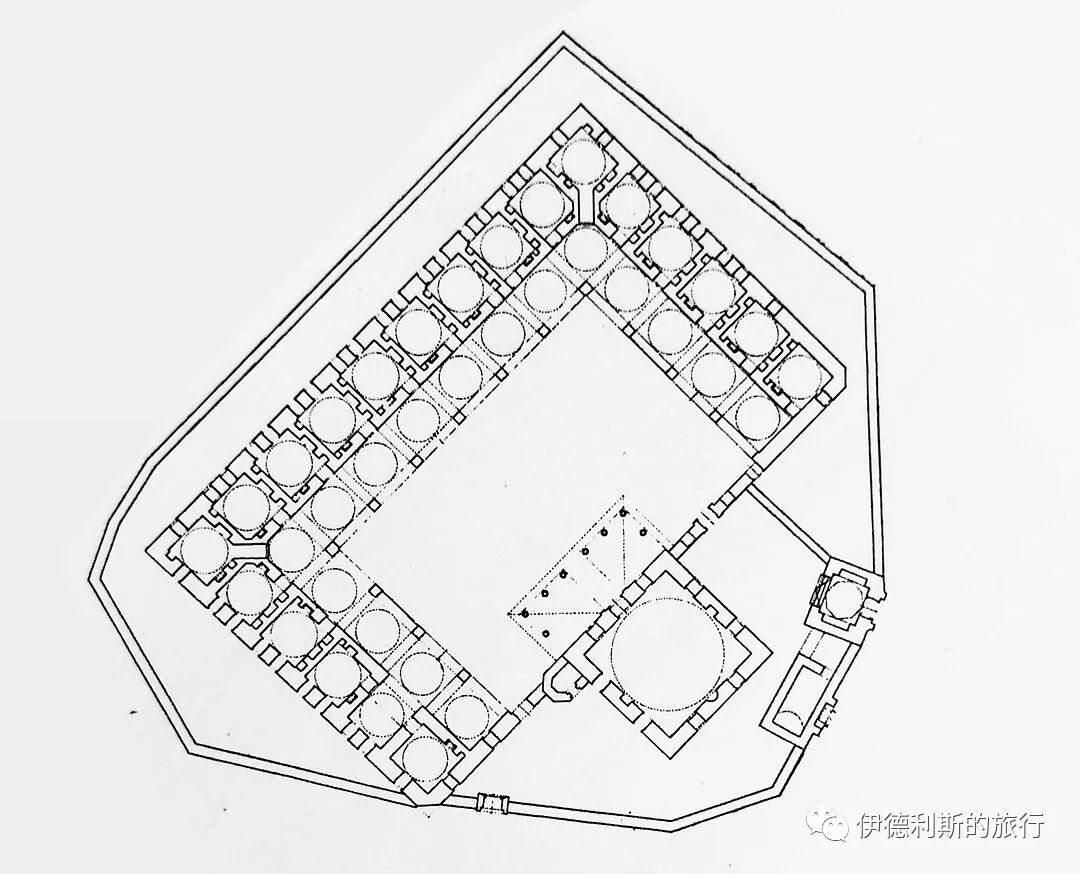
From the book Sinan's Istanbul.
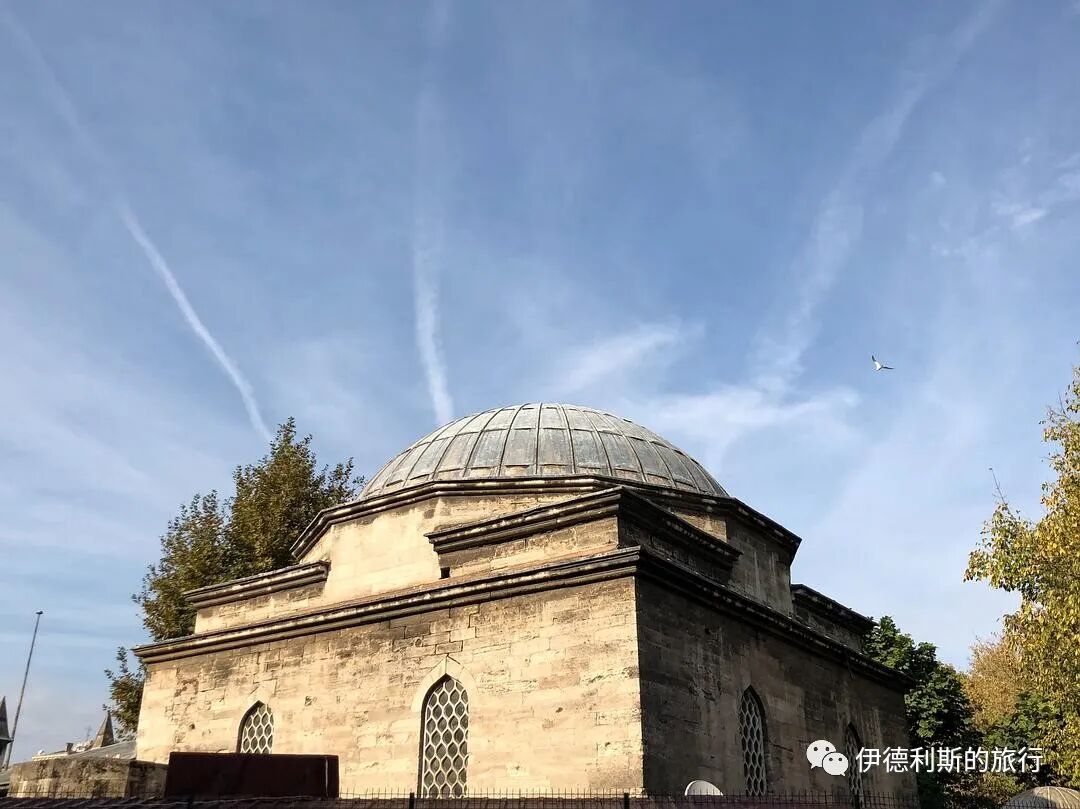
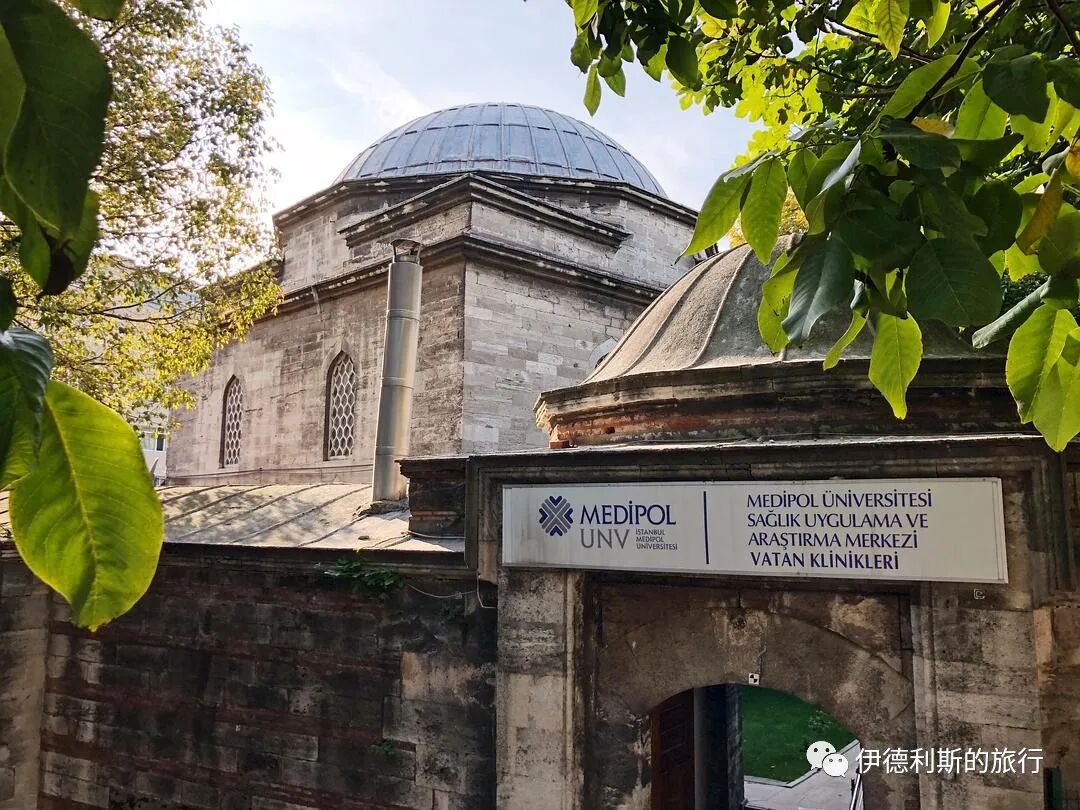
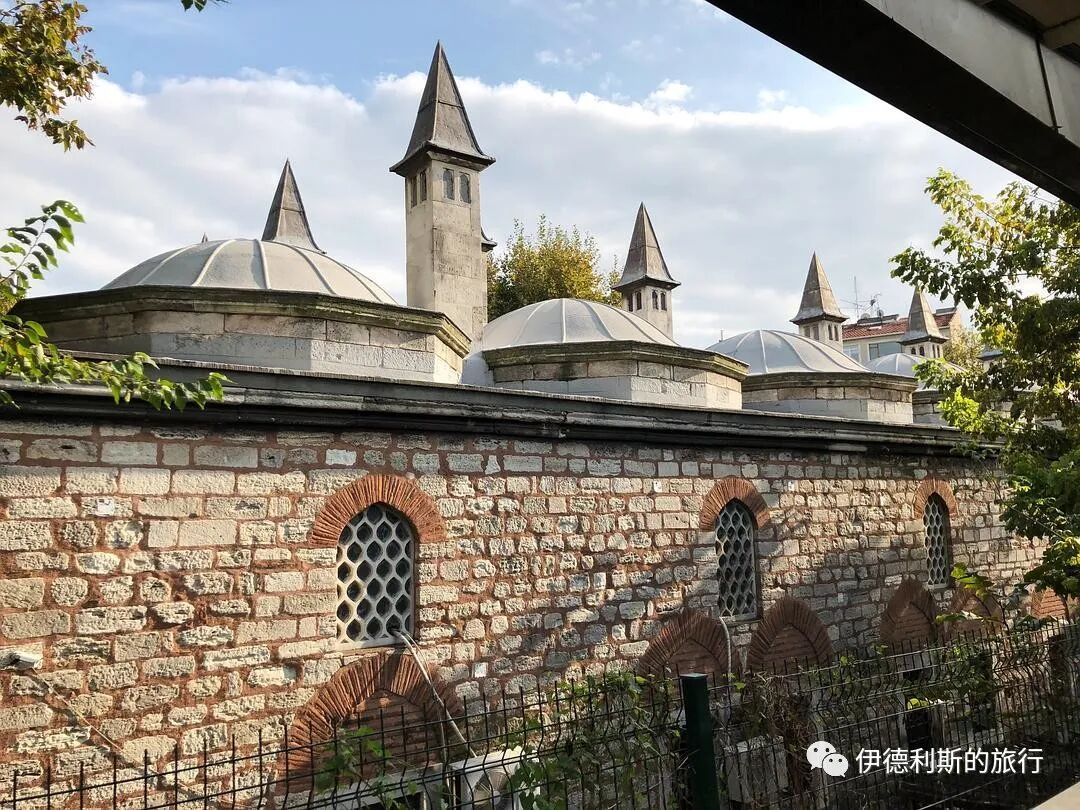
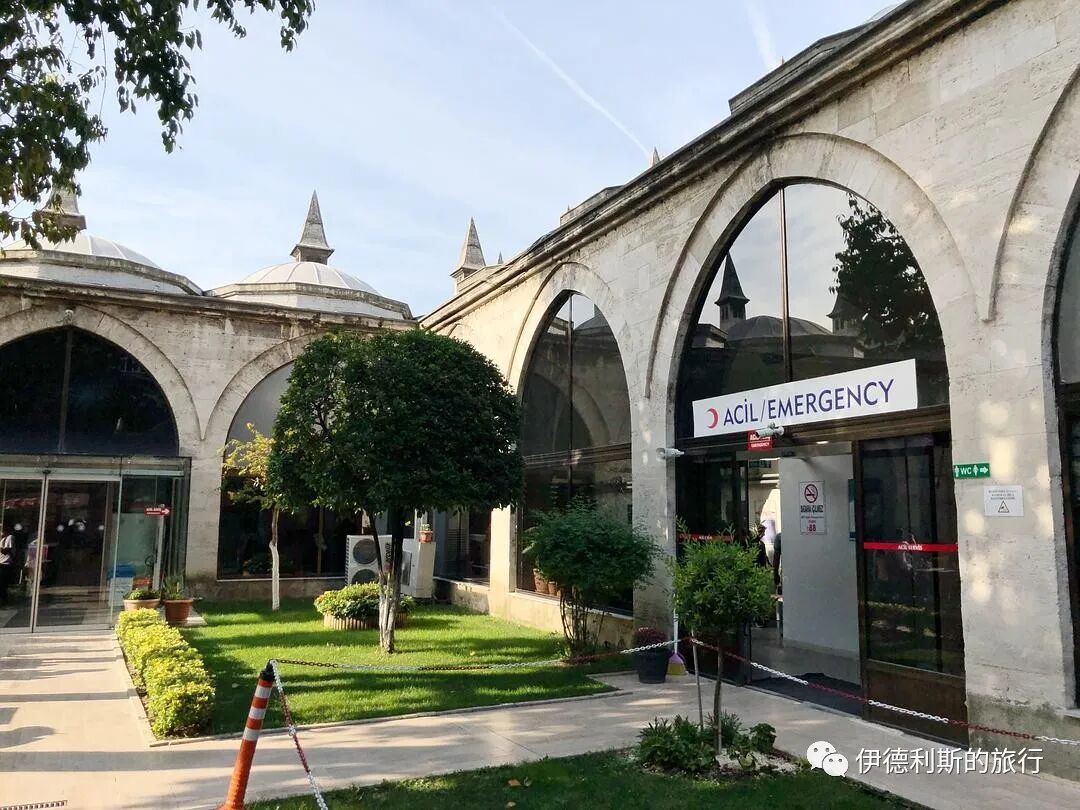
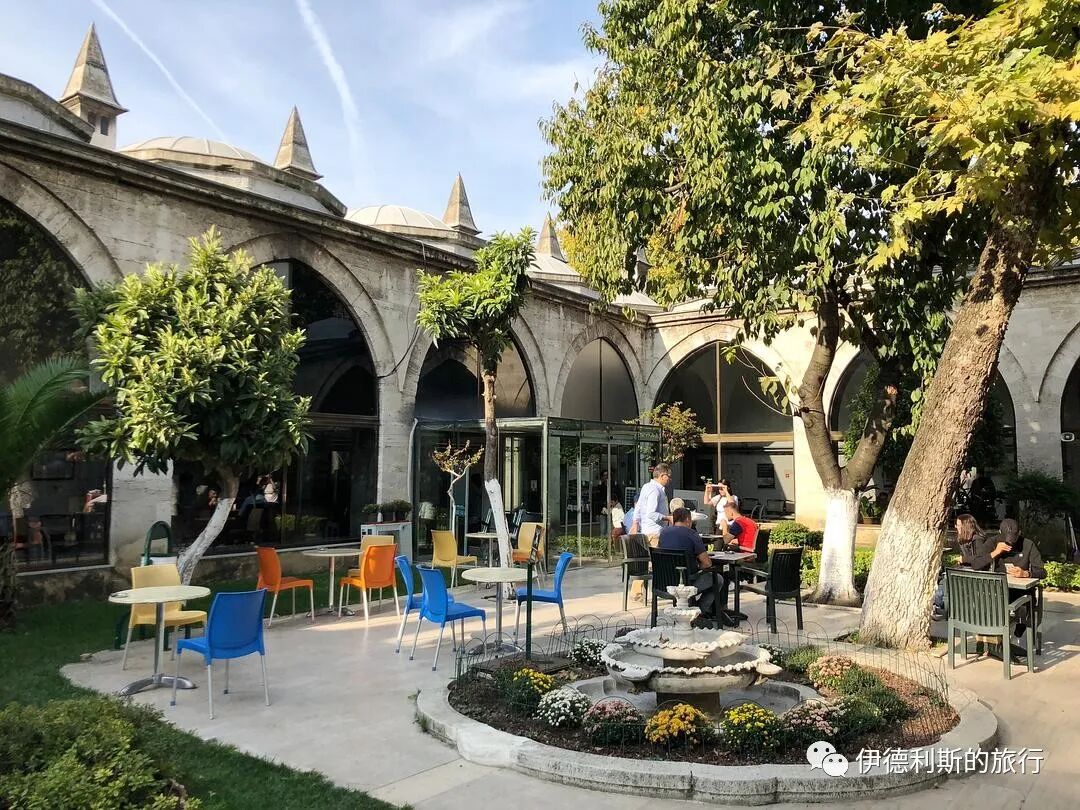
6. Rüstem Pasha Madrasa: 1550
The Rustem Pasha Madrasa (Rüstem Paşa Medrese) was built in 1550, just northeast of the Grand Bazaar in Istanbul. Mimar Sinan designed this madrasa as a new take on the famous Buyuk Aga Madrasa (Büyük Ağa Medrese) built in Amasya in 1488. The Buyuk Aga Madrasa was the first octagonal madrasa in Turkey. Mimar Sinan kept the octagonal courtyard inside but changed the outside to a rectangle, which helped advance Ottoman madrasa architecture.
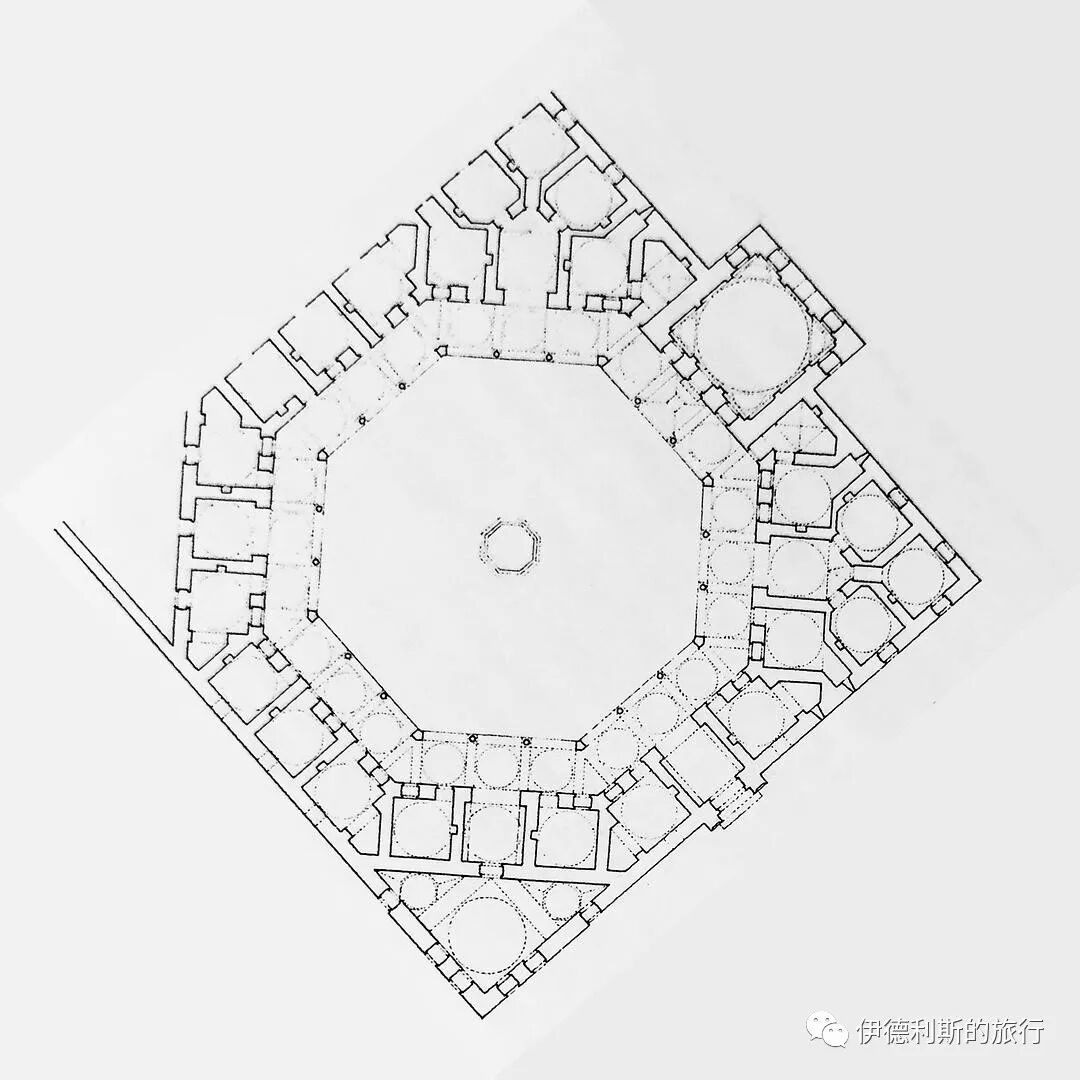
From the book Sinan's Istanbul.
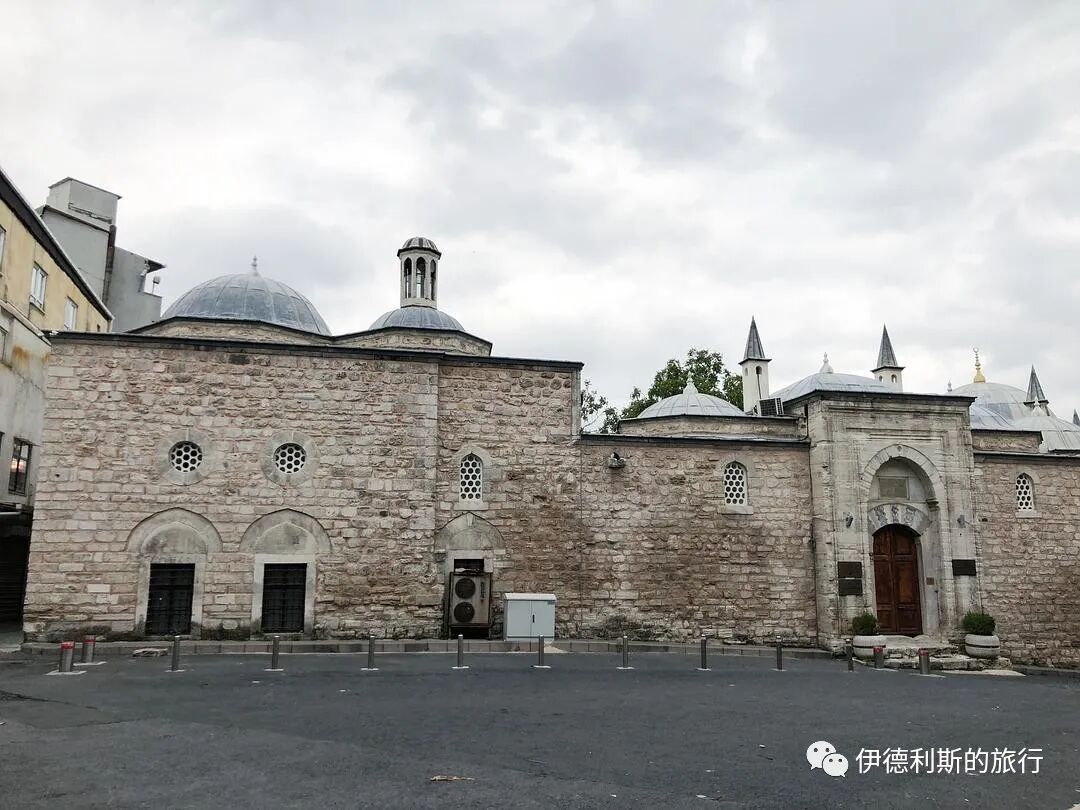
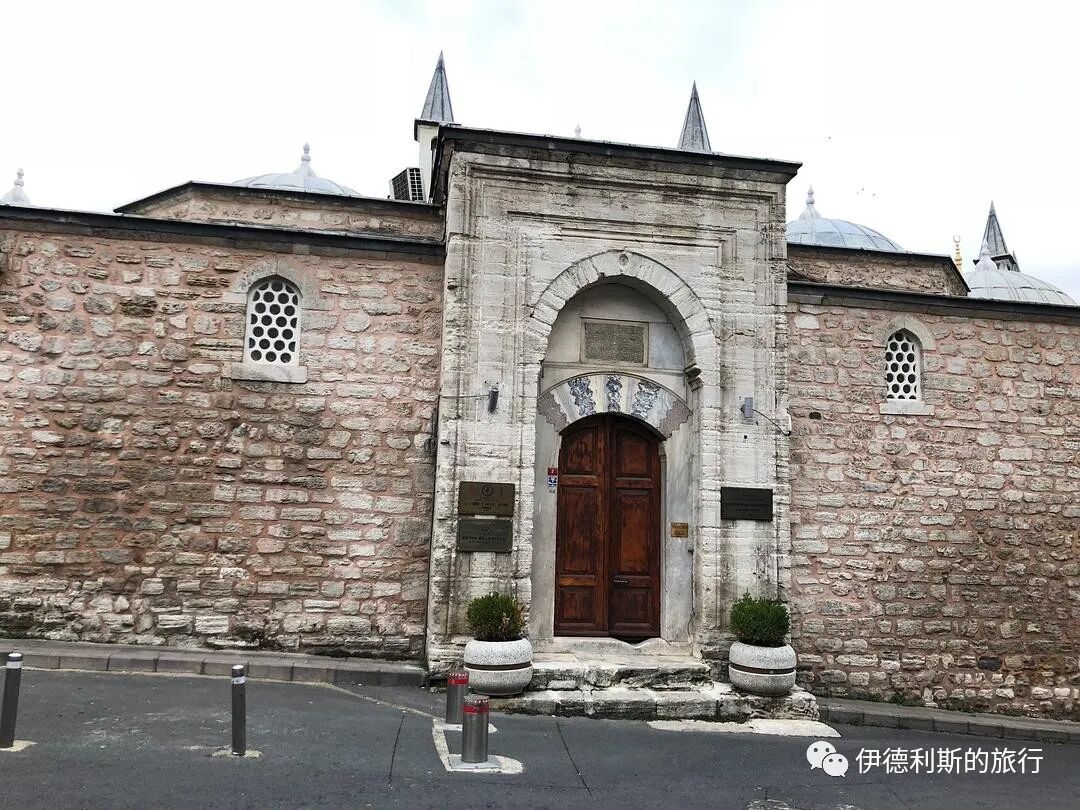
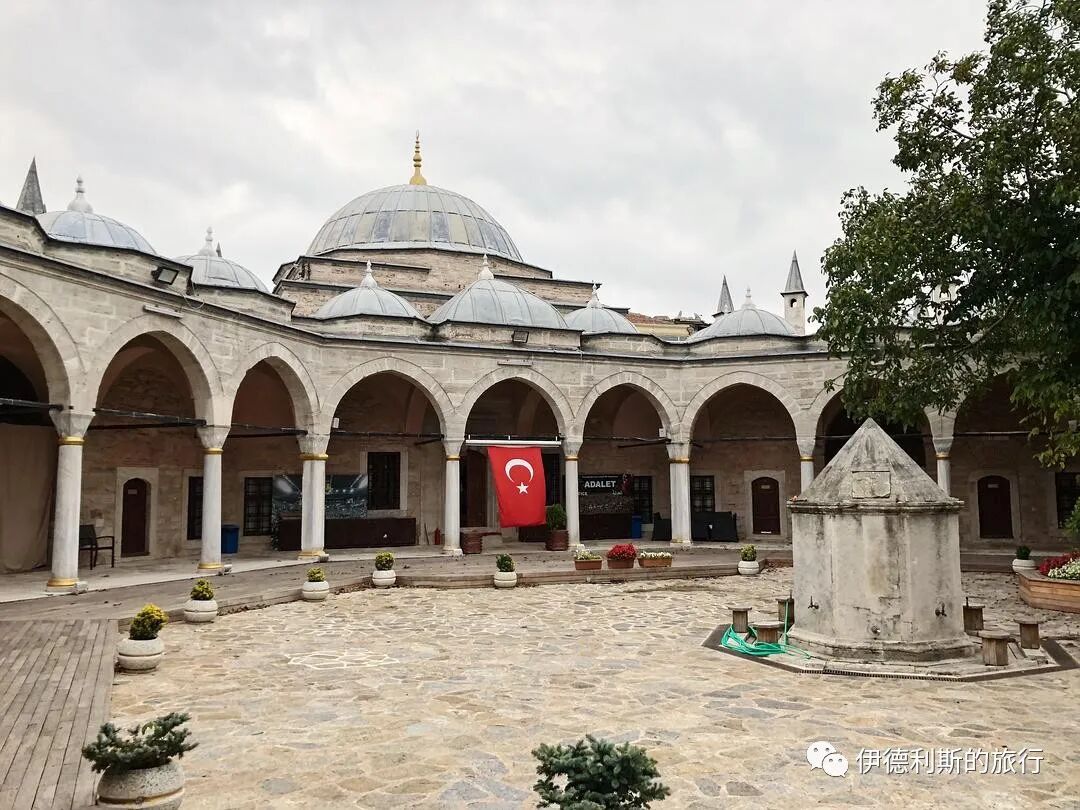
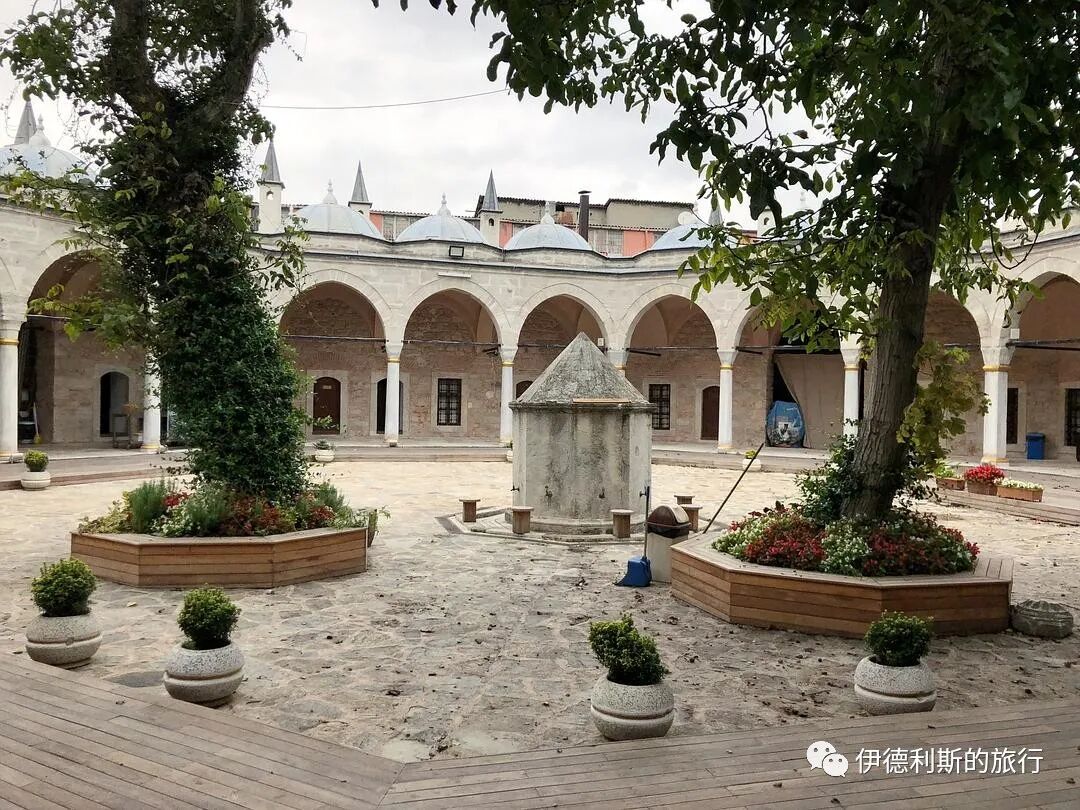
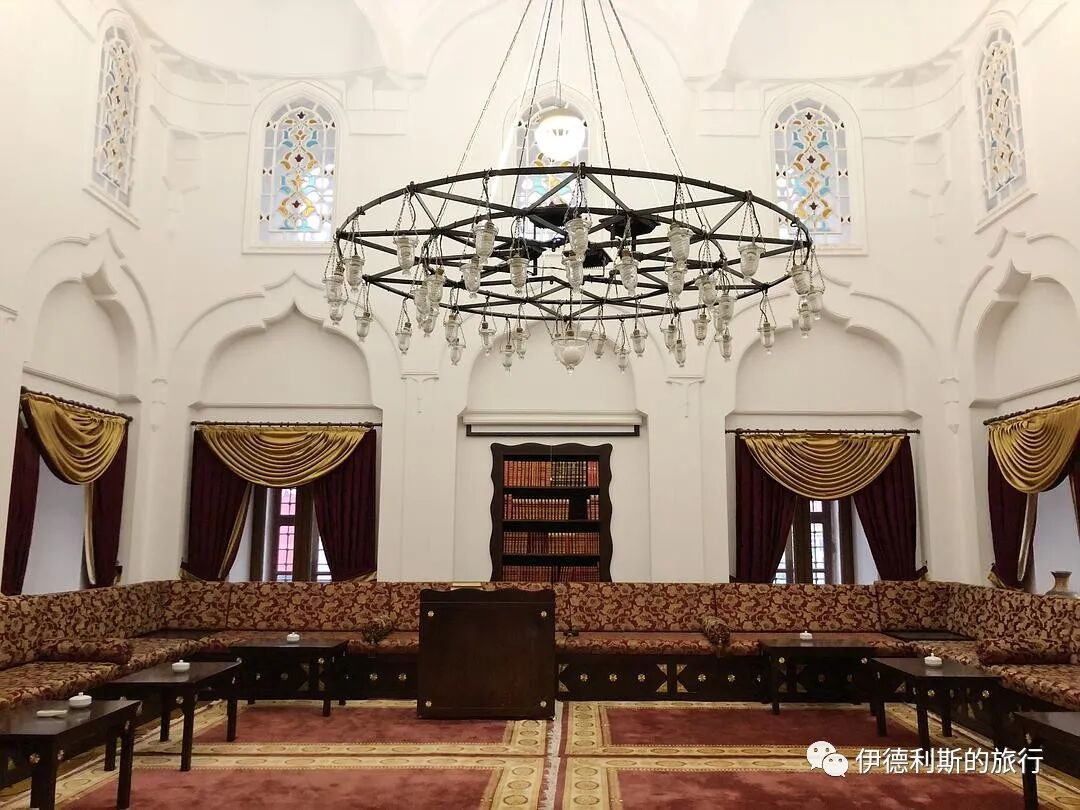
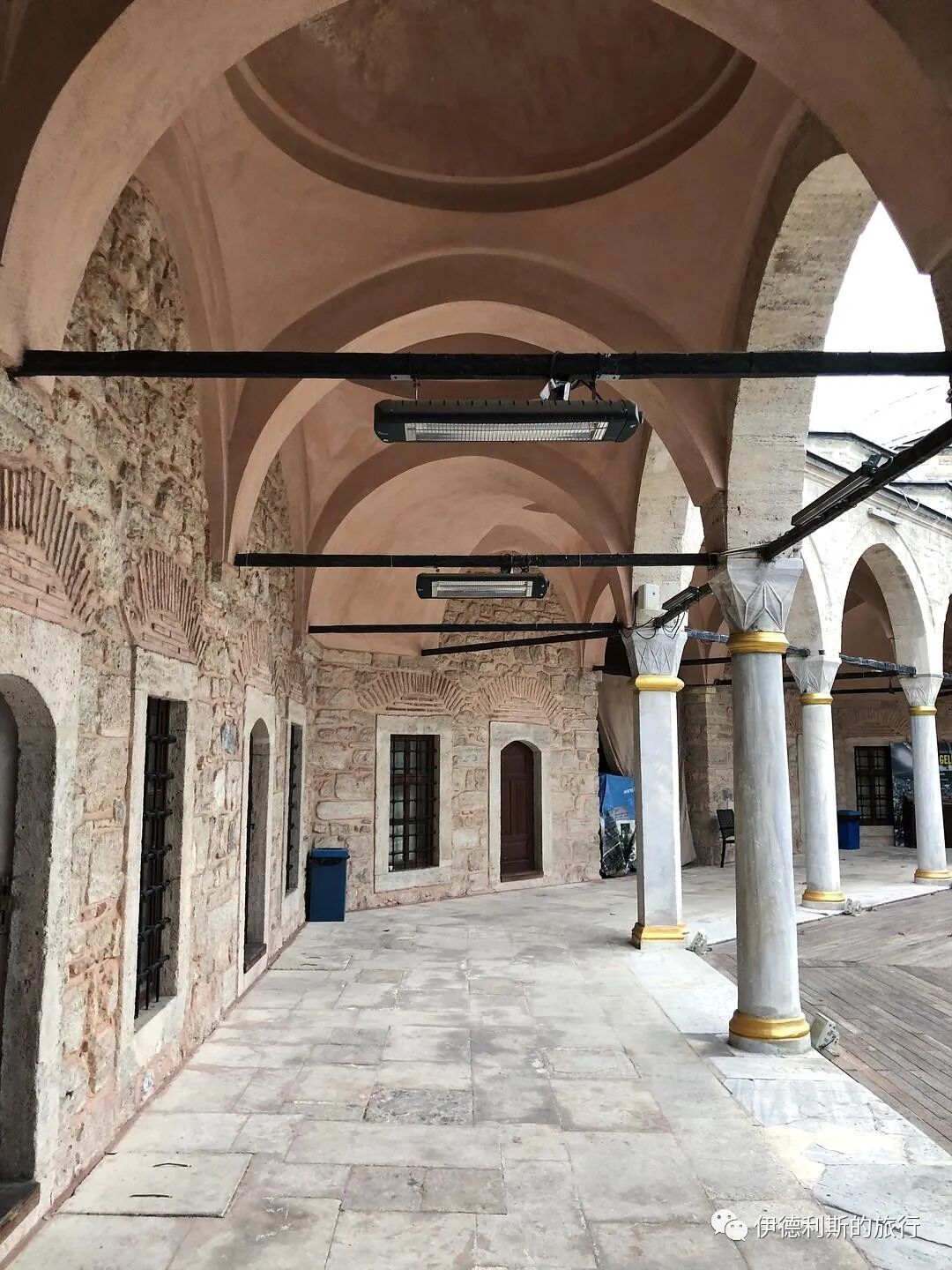
7. Hadim Ibrahim Pasha Mosque: 1551
The Hadim Ibrahim Pasha Mosque (Hadım İbrahim Paşa Camii) sits inside the Silivrikapi gate in the southwest of Istanbul's old city. It was built in 1551 by Mimar Sinan for the Vizier Ibrahim Pasha, who was known as the Eunuch (Hadım).
Ibrahim Pasha started as the chief eunuch in the court of Suleiman the Magnificent. He rose steadily to become the Second Vizier and was one of the few eunuchs in the Ottoman Empire to earn such a high reputation.
In 1562, Ibrahim Pasha set up a charitable endowment (Waqf) managed by white eunuchs from the Ottoman court to support the operations of several schools and mosques. These schools and mosques were located inside the western walls of Istanbul in a less populated area mainly inhabited by Christians. The Hadim Ibrahim Pasha Mosque is the most important one among them.
This mosque represents the first phase of Mimar Sinan's single-dome mosque designs. During this phase, Sinan used eight buttresses to support the main dome. This design hinted at the octagonal dome style he would use in his next phase. This mosque also looks very similar to the Bali Pasha Mosque in Istanbul, which was built in 1504. Sinan likely used that building as a reference for his design.
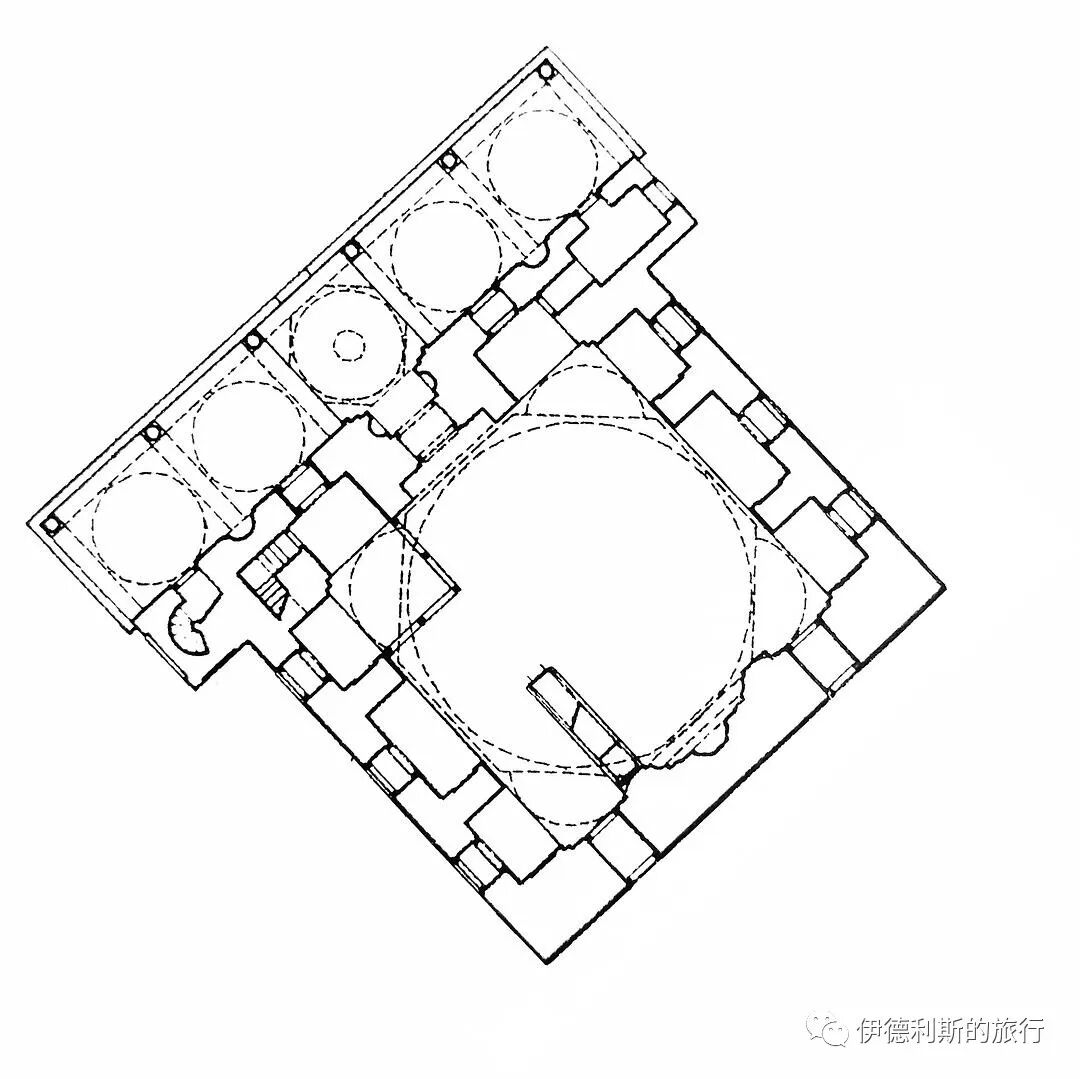
From the book Sinan's Istanbul.
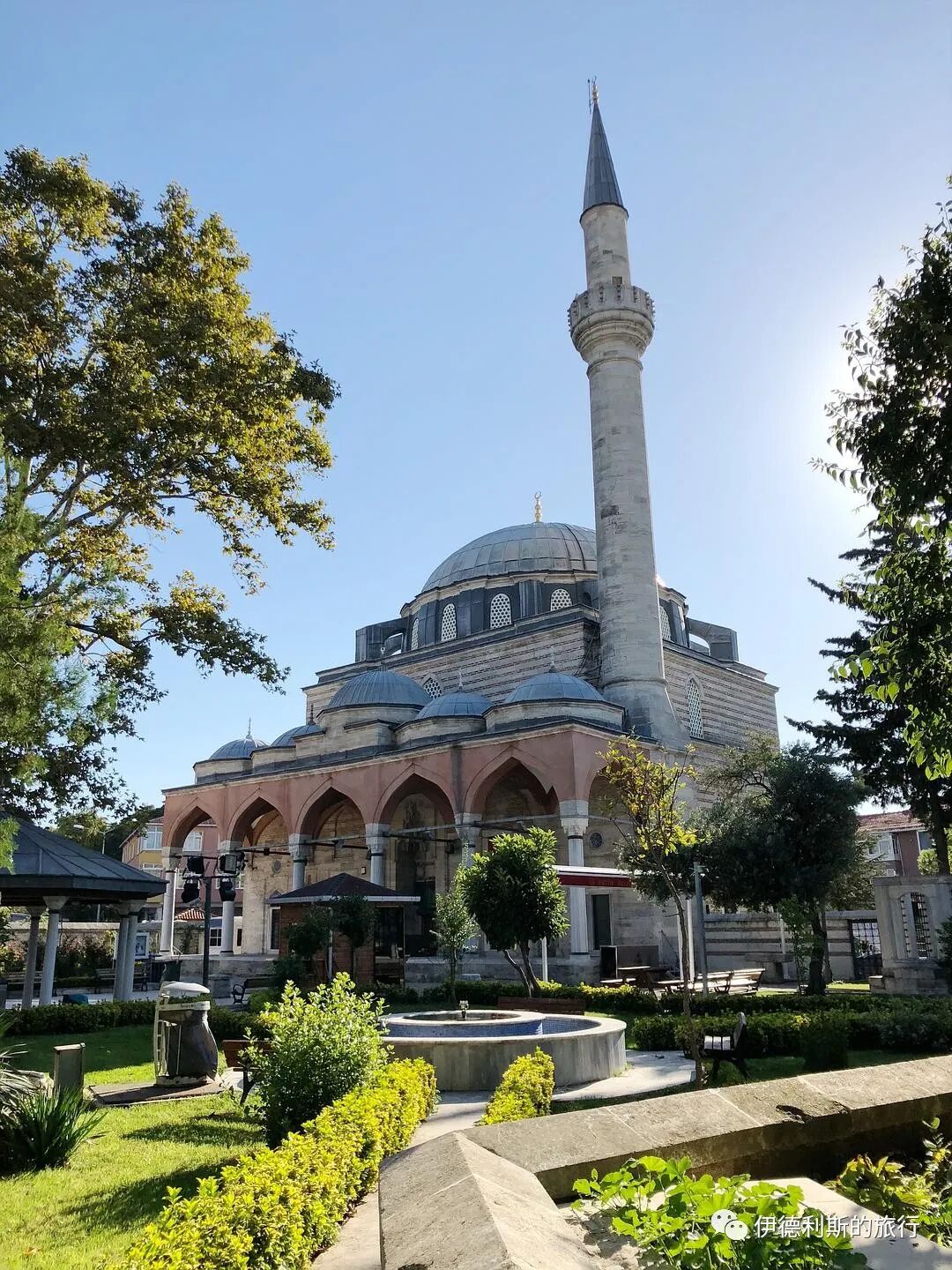
The pagoda (bangta) was rebuilt in 1763.
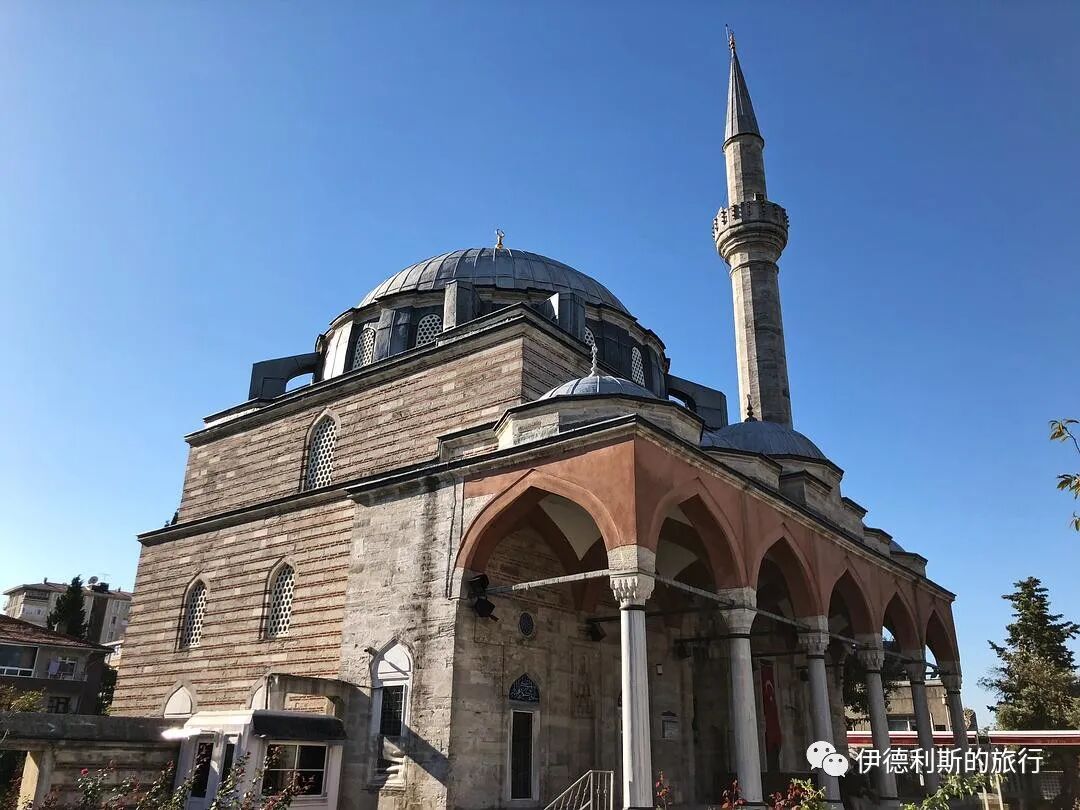
Inside the main hall, Sinan used a stepped structure hidden from the outside to create a smooth transition from the walls to the dome.
The interior is decorated with Iznik tile panels. The most prominent ones are above the mihrab, featuring Thuluth calligraphy in cobalt blue, turquoise, and dark olive green.
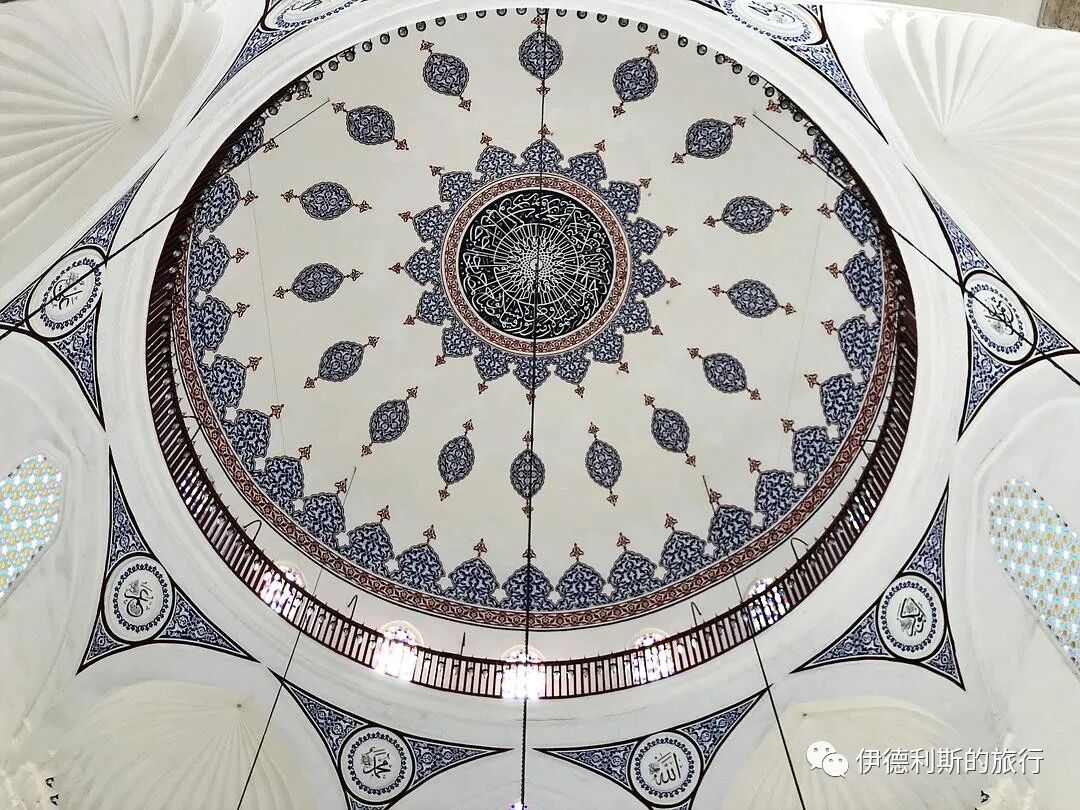
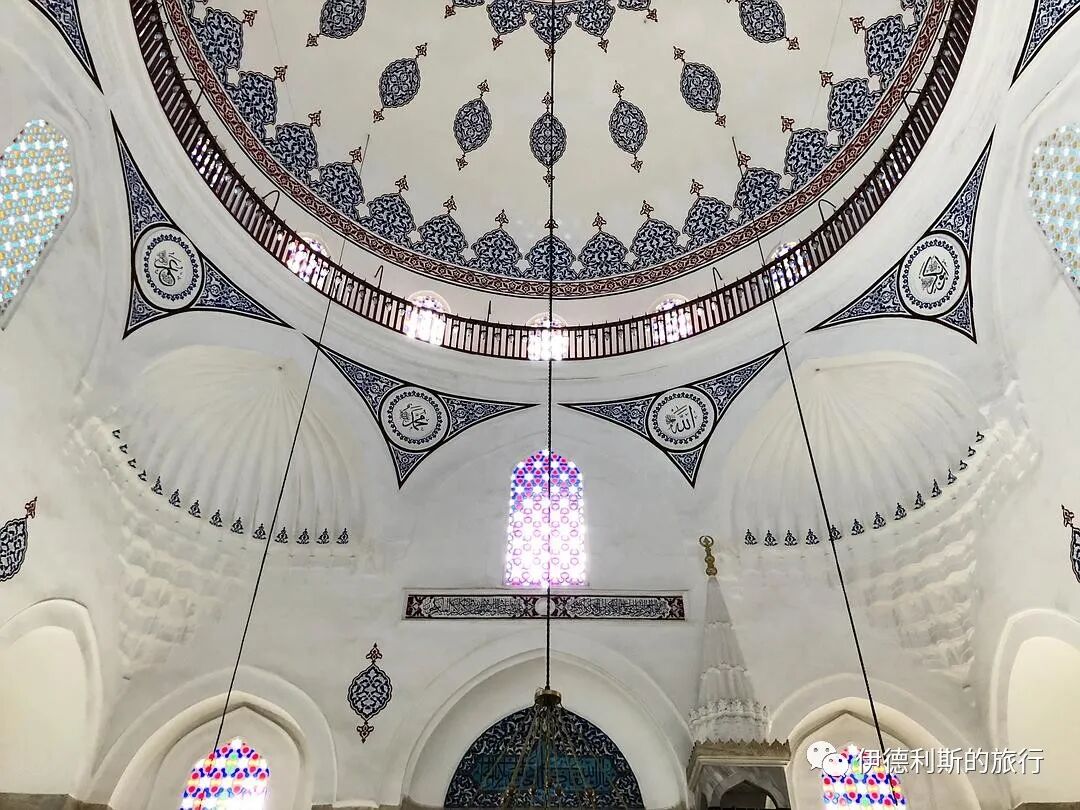
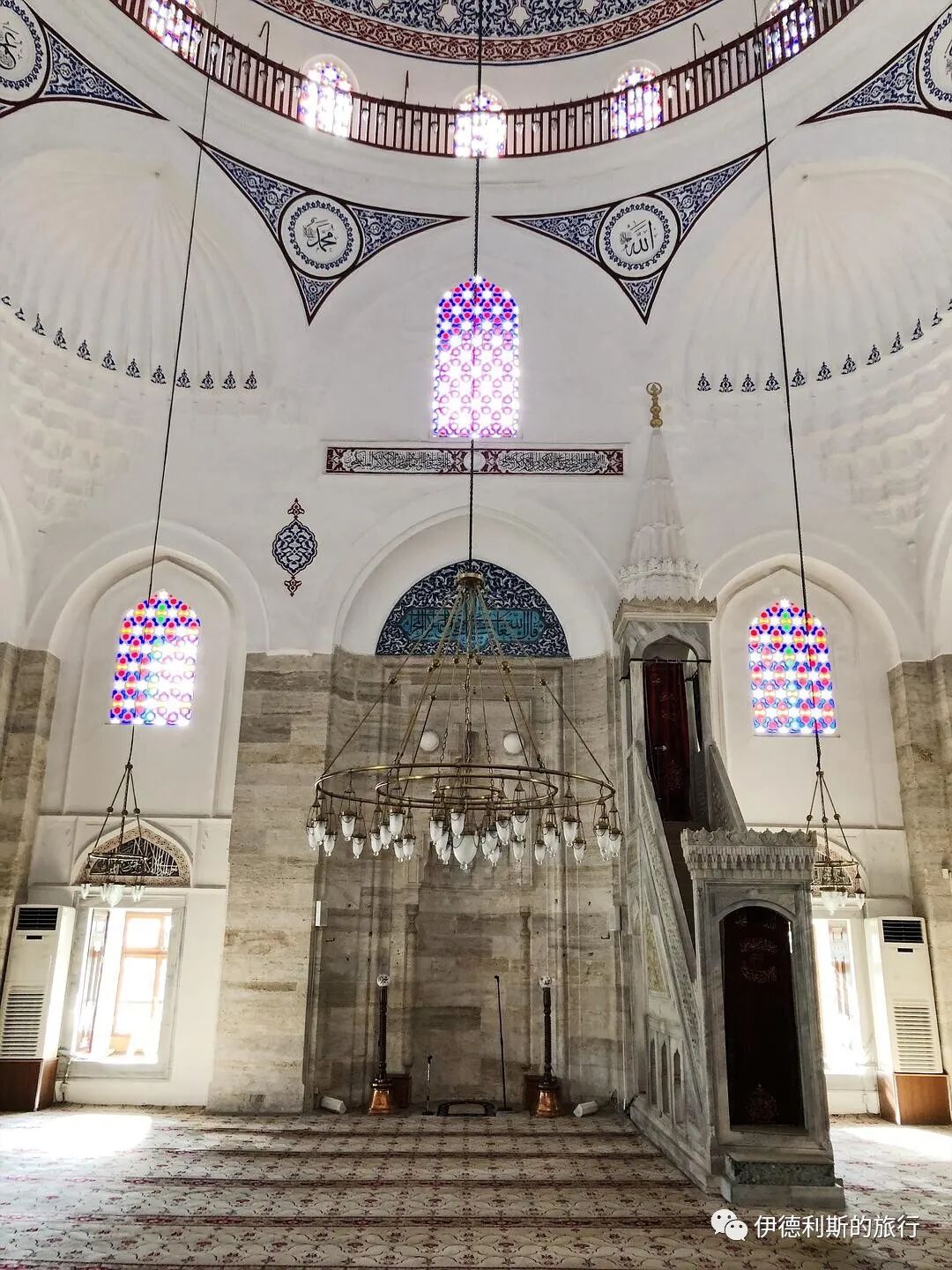
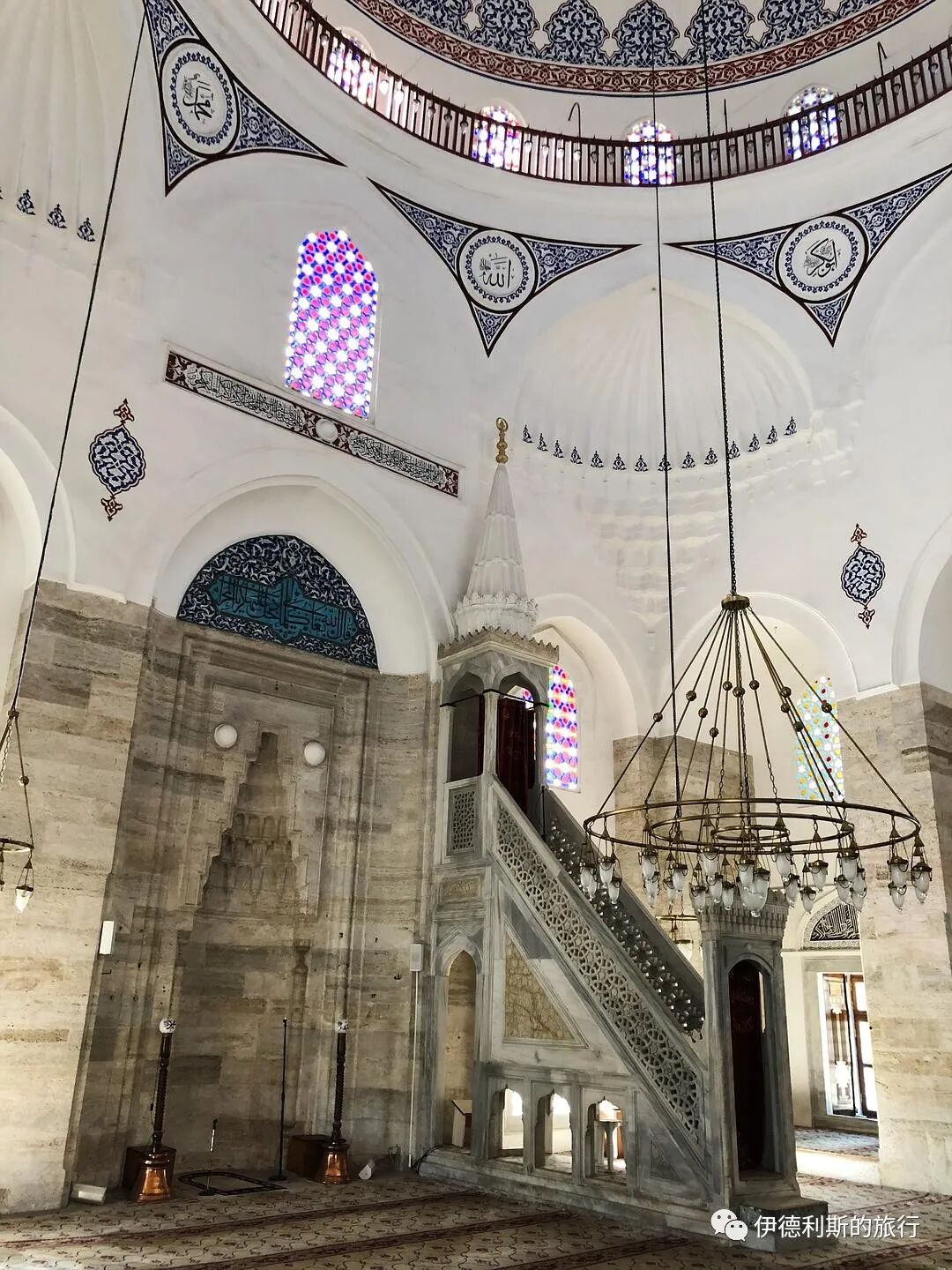
8. Sinan Pasha Complex: 1555
The Sinan Pasha Complex (Sinan Paşa Külliyesi) is in the Beşiktaş district of northern Istanbul. Built in 1555, it included a mosque, a madrasa, and a bathhouse, though the bathhouse was torn down in 1957.
Sinan Pasha commissioned the complex. He was the brother of the Ottoman Grand Vizier Rustem Pasha, served as the Ottoman naval commander from 1550 to 1553, and died in Istanbul at the end of 1553. Shortly before he died, Sinan Pasha asked Mimar Sinan to build this complex for him and expressed his wish to be buried there. Because Sinan Pasha died suddenly, construction did not start until 1554 and was finished in 1555.
This mosque is Mimar Sinan's reinterpretation of the famous Three-Balcony Mosque (Üç Şerefeli Camii) in Edirne, so it is often called the smaller version of that mosque. The main prayer hall of the mosque consists of one large dome and four smaller domes. In 1749, the porch with five small domes was incorporated into the main prayer hall.
This madrasa was the first time Mimar Sinan tried to place a madrasa opposite a mosque to form a courtyard, while also removing the large lecture hall.
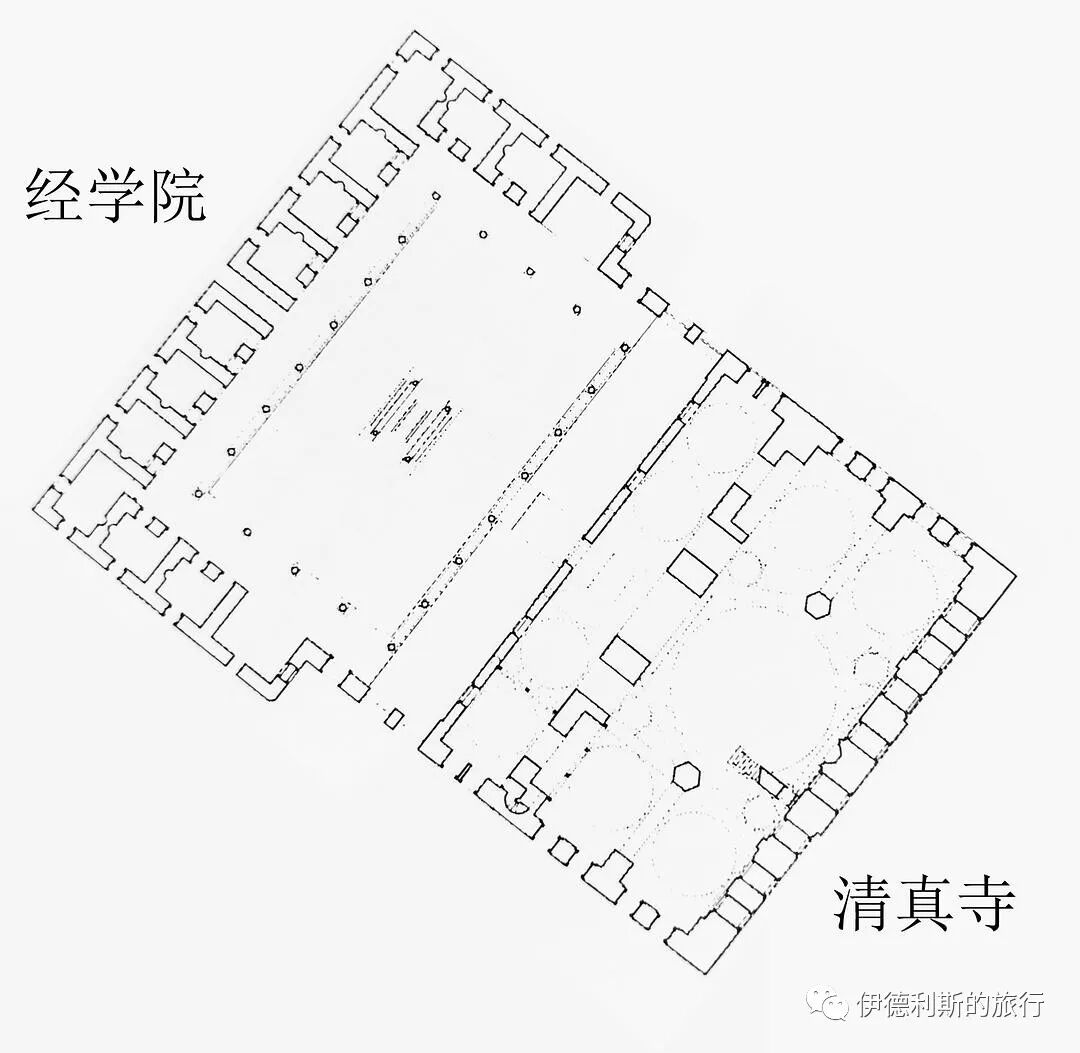
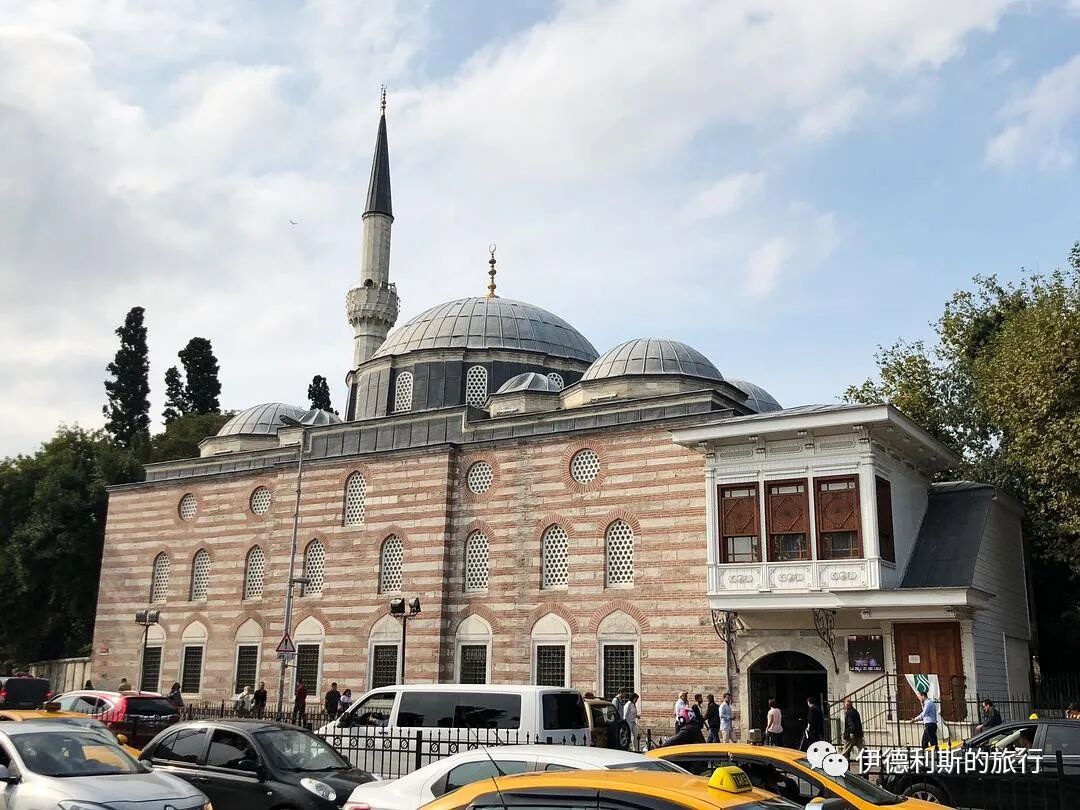
mosque
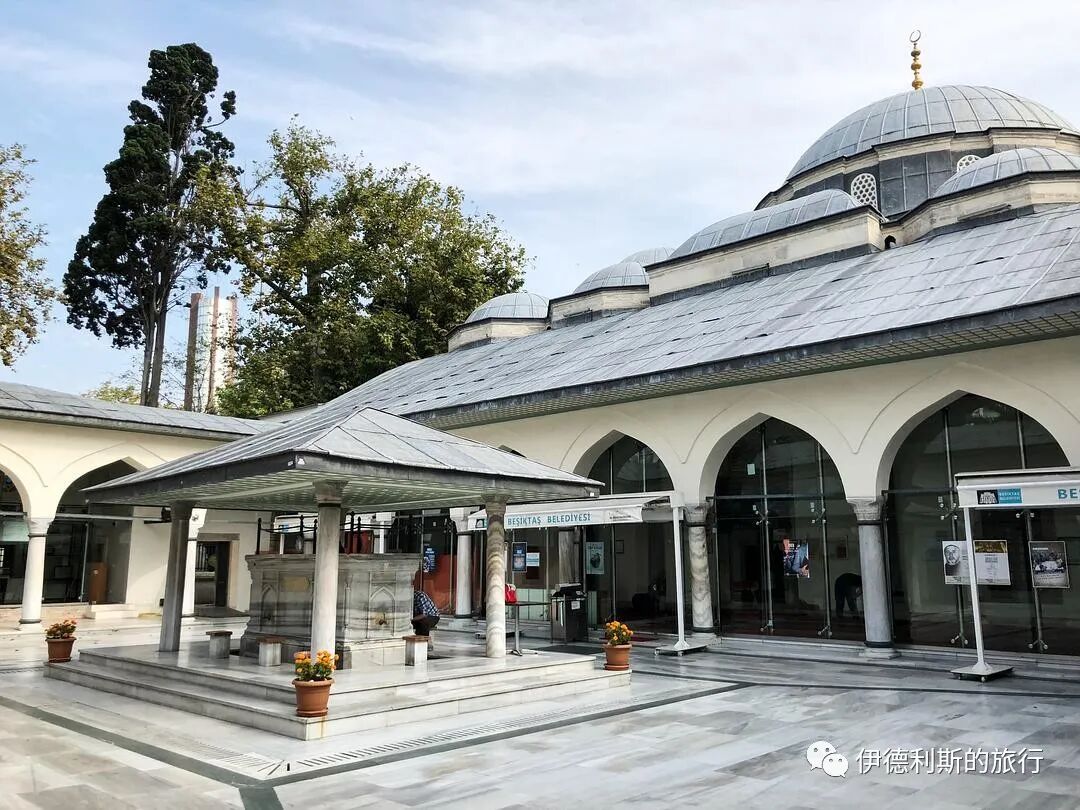
courtyard
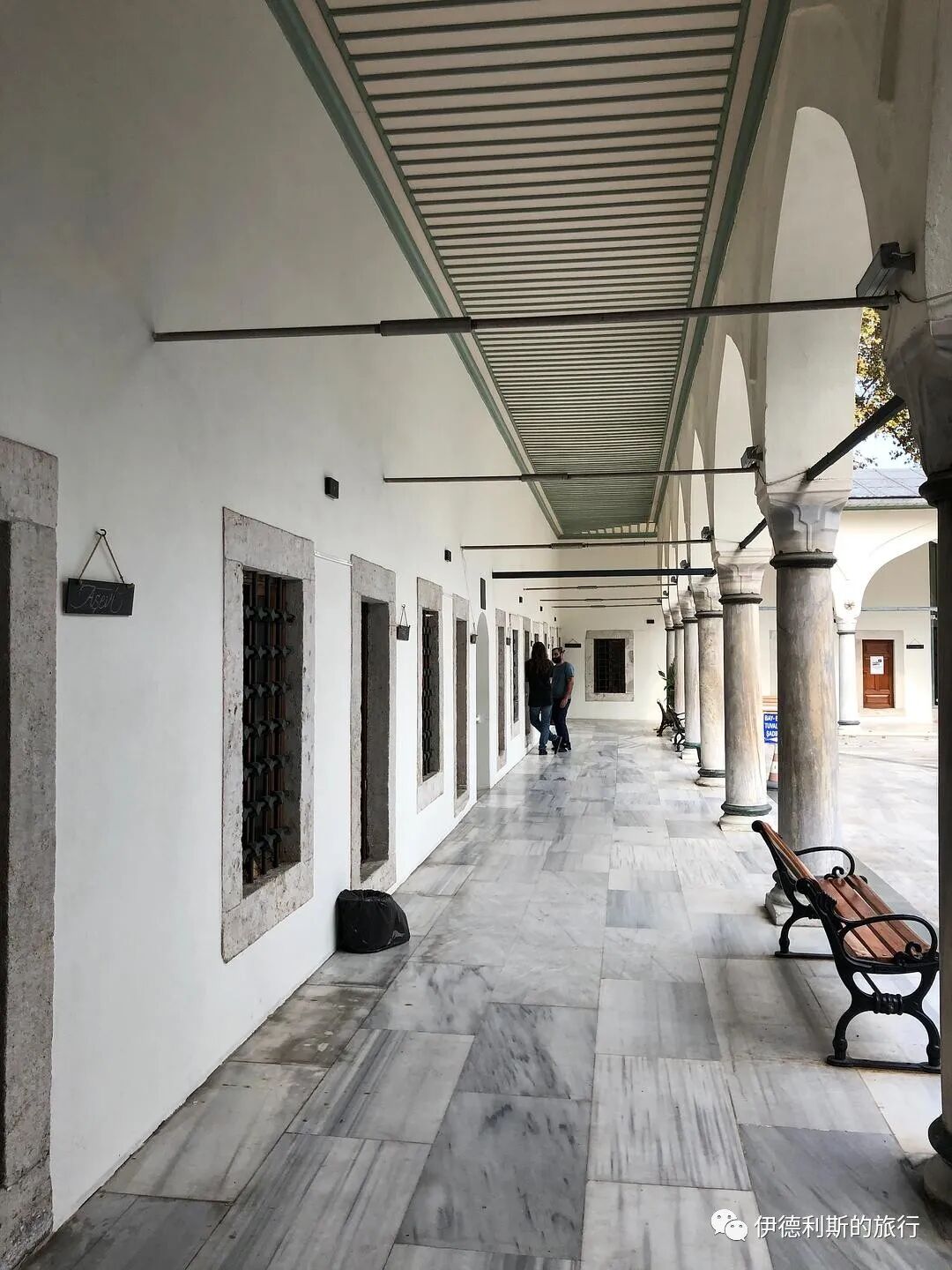
madrasa corridor
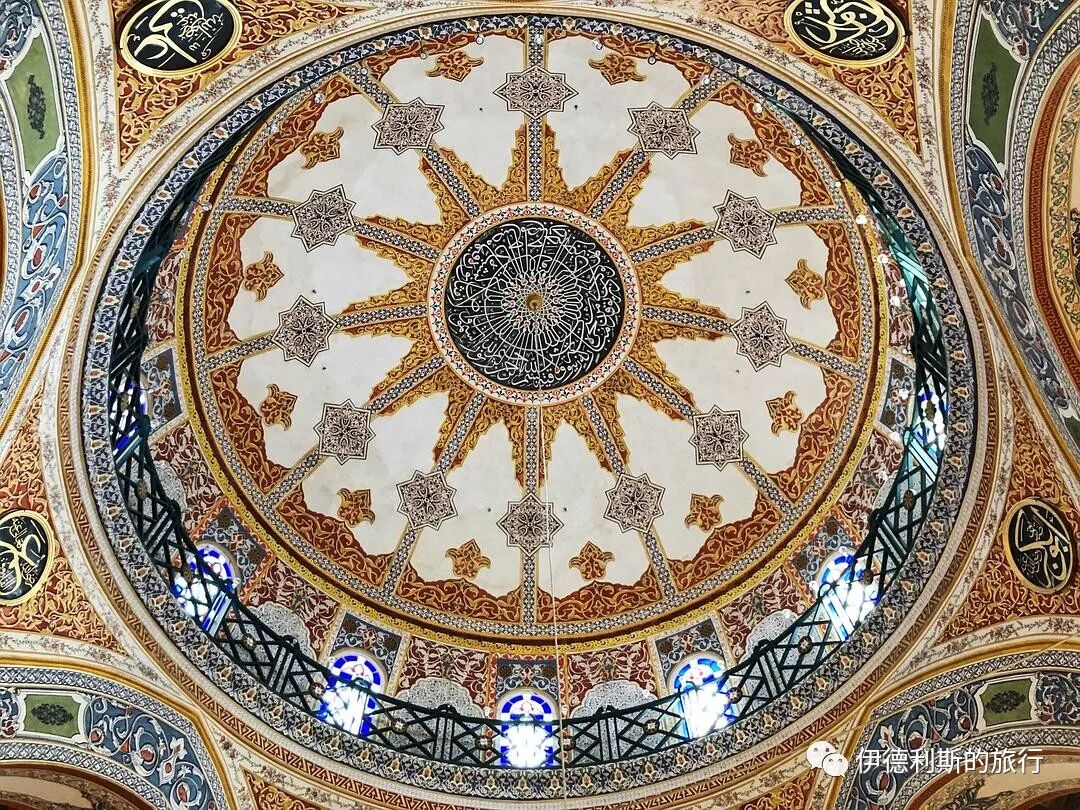
large dome
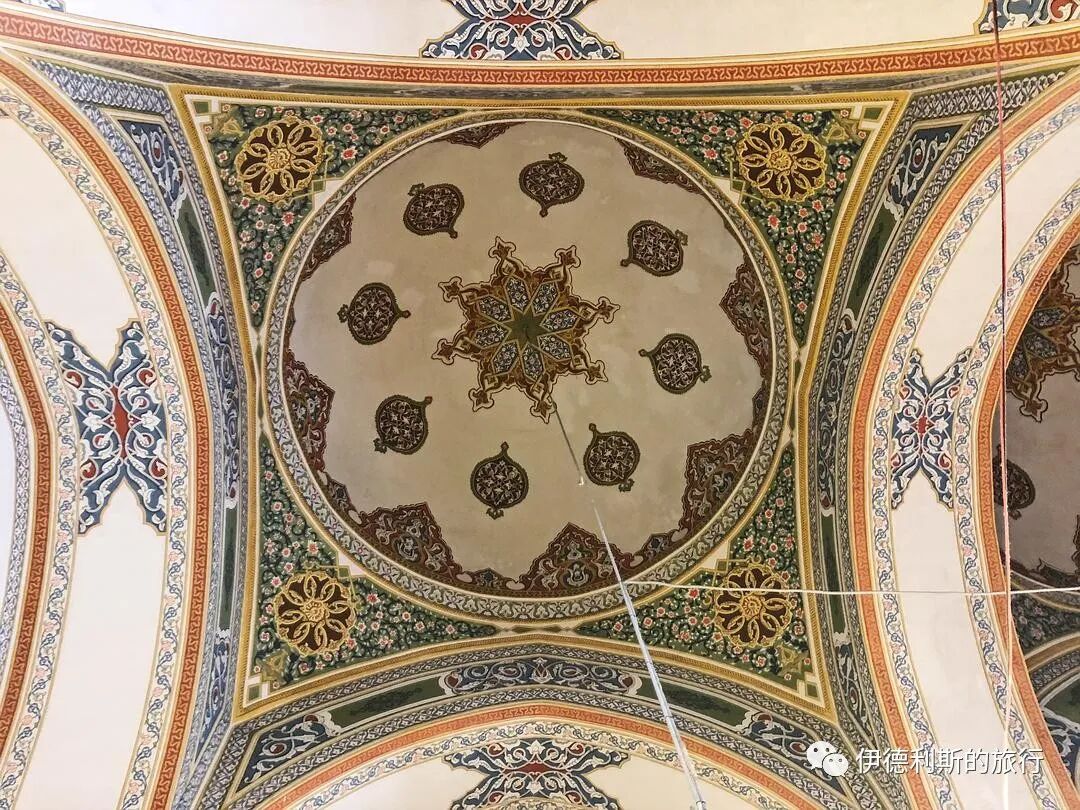
small dome
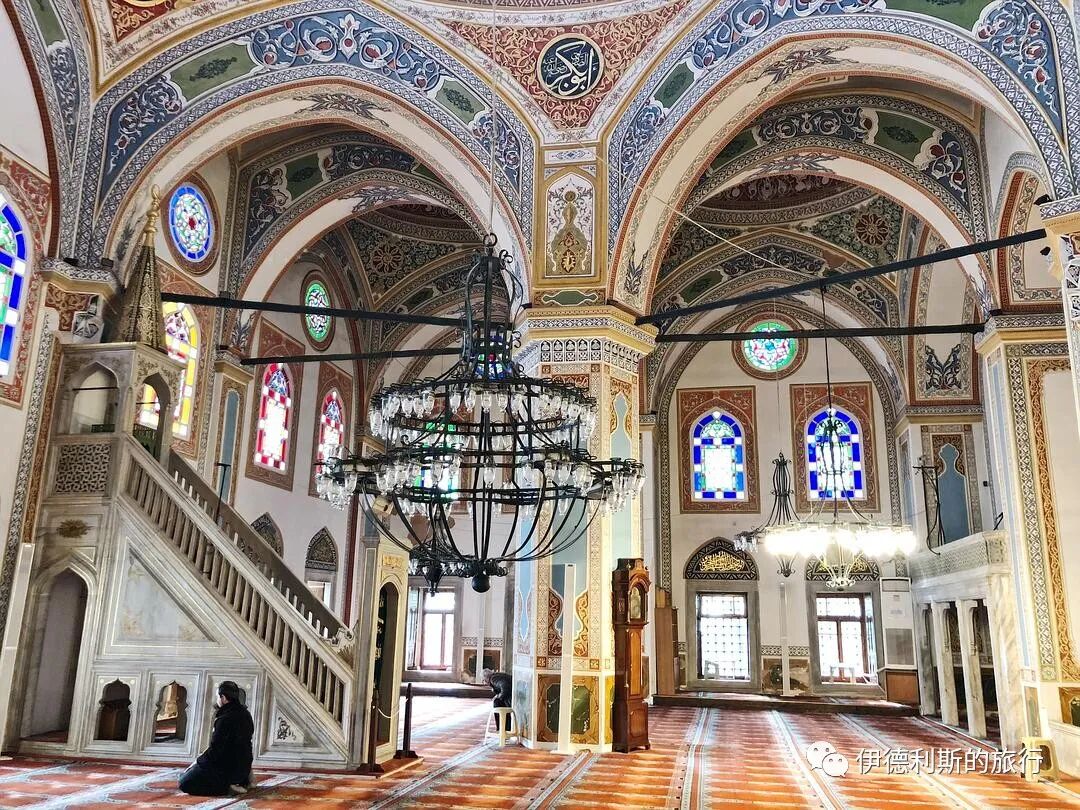
The side of the mosque.
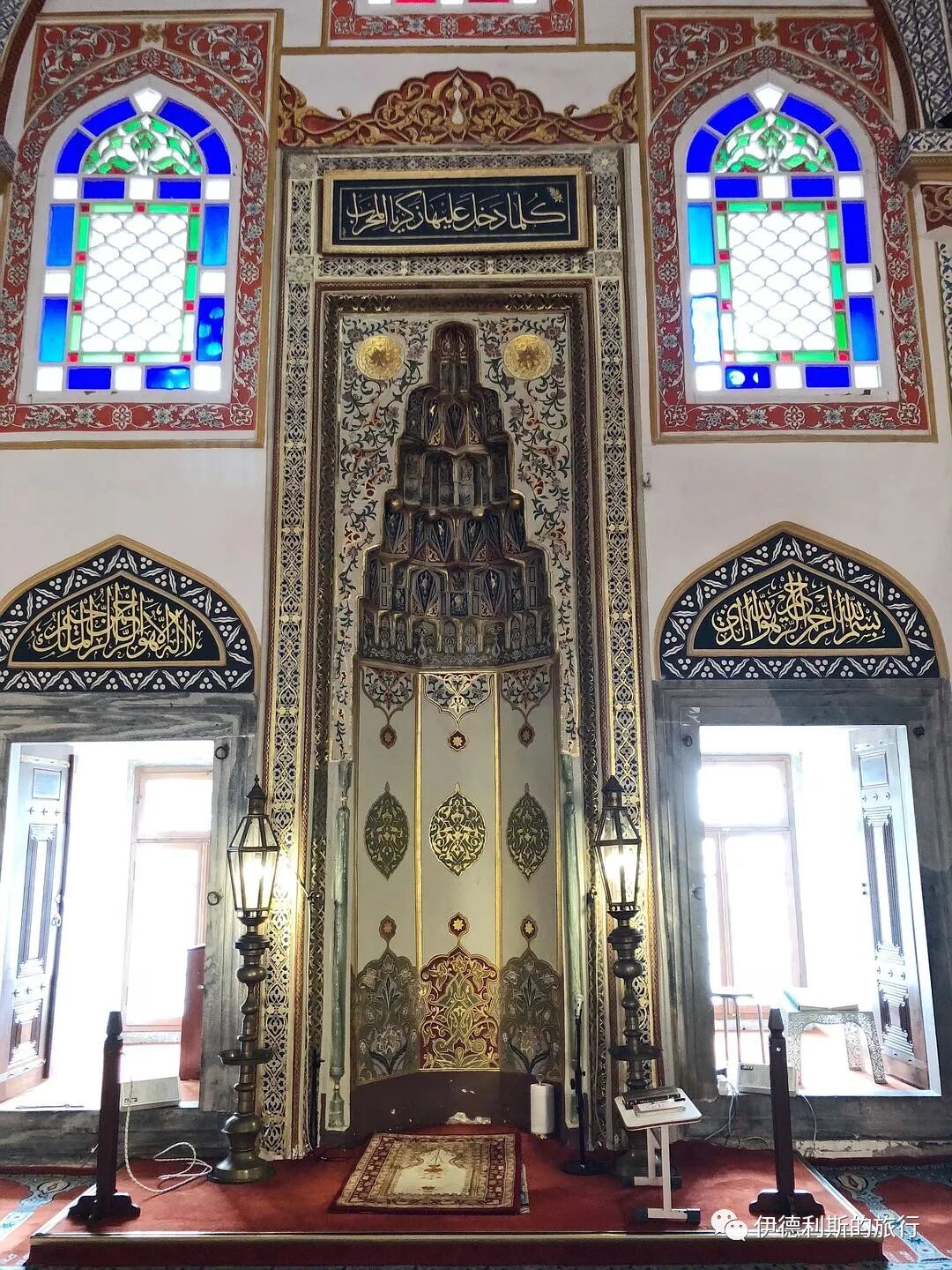
Mihrab
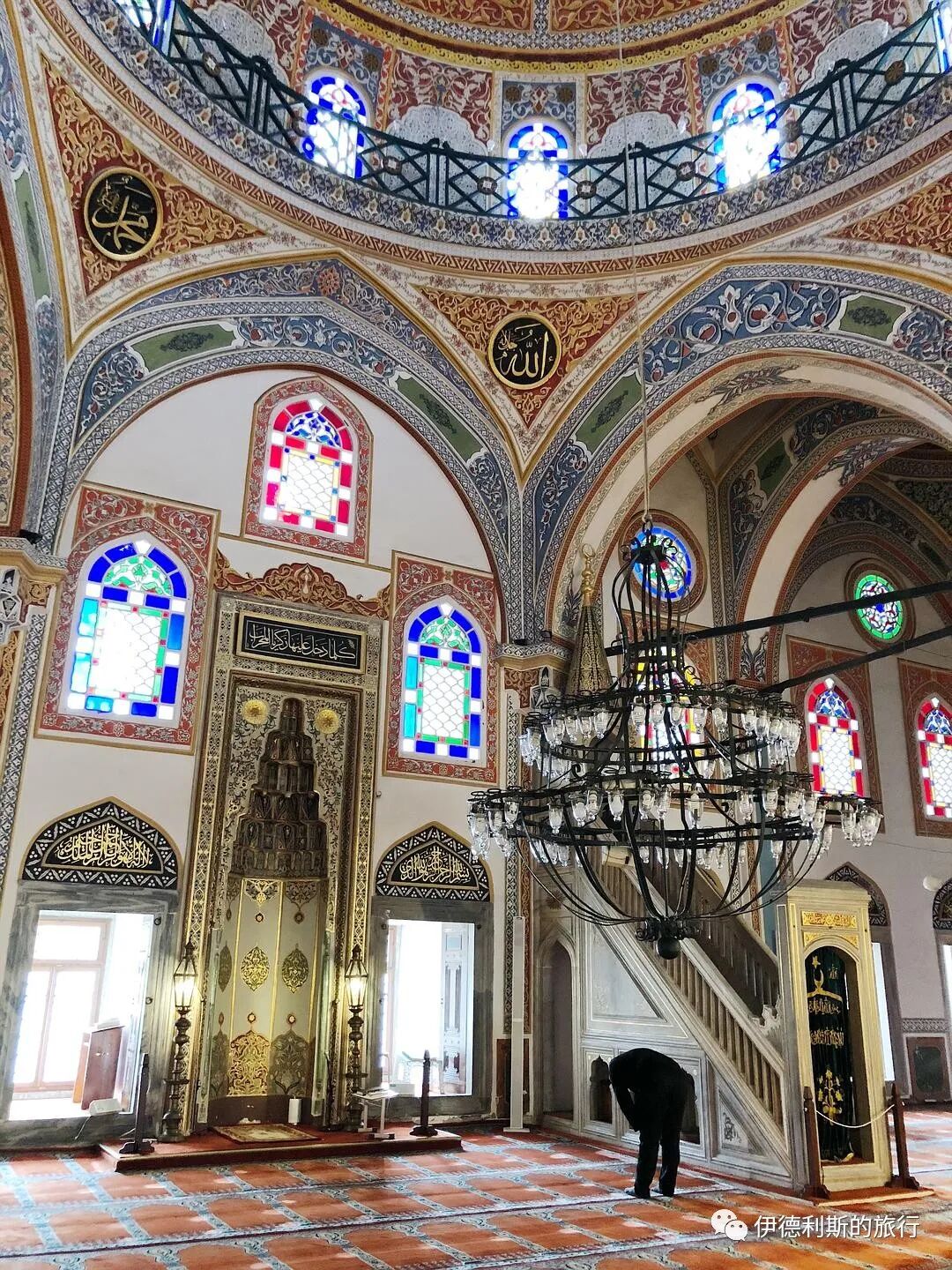
The mihrab and minbar.
9. Hurrem Sultan Bathhouse: 1556
The Haseki Hürrem Sultan Hamamı is located south of the Hagia Sophia in Istanbul. Built in 1556, it was one of many public charity buildings commissioned by Queen Hürrem, the wife of Suleiman the Magnificent, and designed by Mimar Sinan. It is still open to the public today.
The bathhouse was built on the site of the famous Byzantine Baths of Zeuxippus. Although the building design follows early Ottoman style, Sinan pioneered a layout where the men's and women's sections are perfect mirror images. It was the first Turkish bathhouse to have both sections on the same axis.
The bathhouse closed in 1910 and was later used as a prison and a warehouse. It was restored between 1957 and 1958 and later became a carpet bazaar. In 2007, the Istanbul city government decided to restore the bathhouse. After three years of restoration work by the Faculty of Architecture at Kocaeli University in Turkey, the bathhouse reopened in 2011.
The bathhouse is now called Ayasofya Hurrem Sultan Hamami, and its official website is https://www.ayasofyahamami.com/. The price seems to be 160 euros. If you have some extra money, I really recommend experiencing this bathhouse designed by Mimar Sinan.
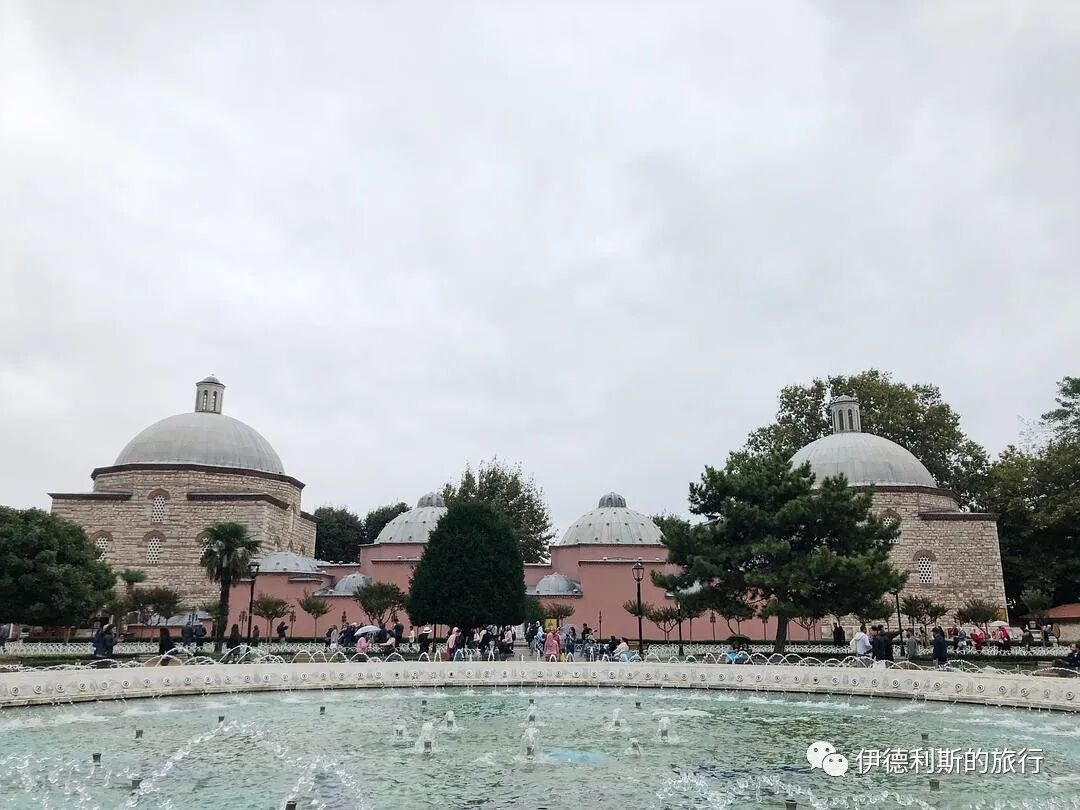
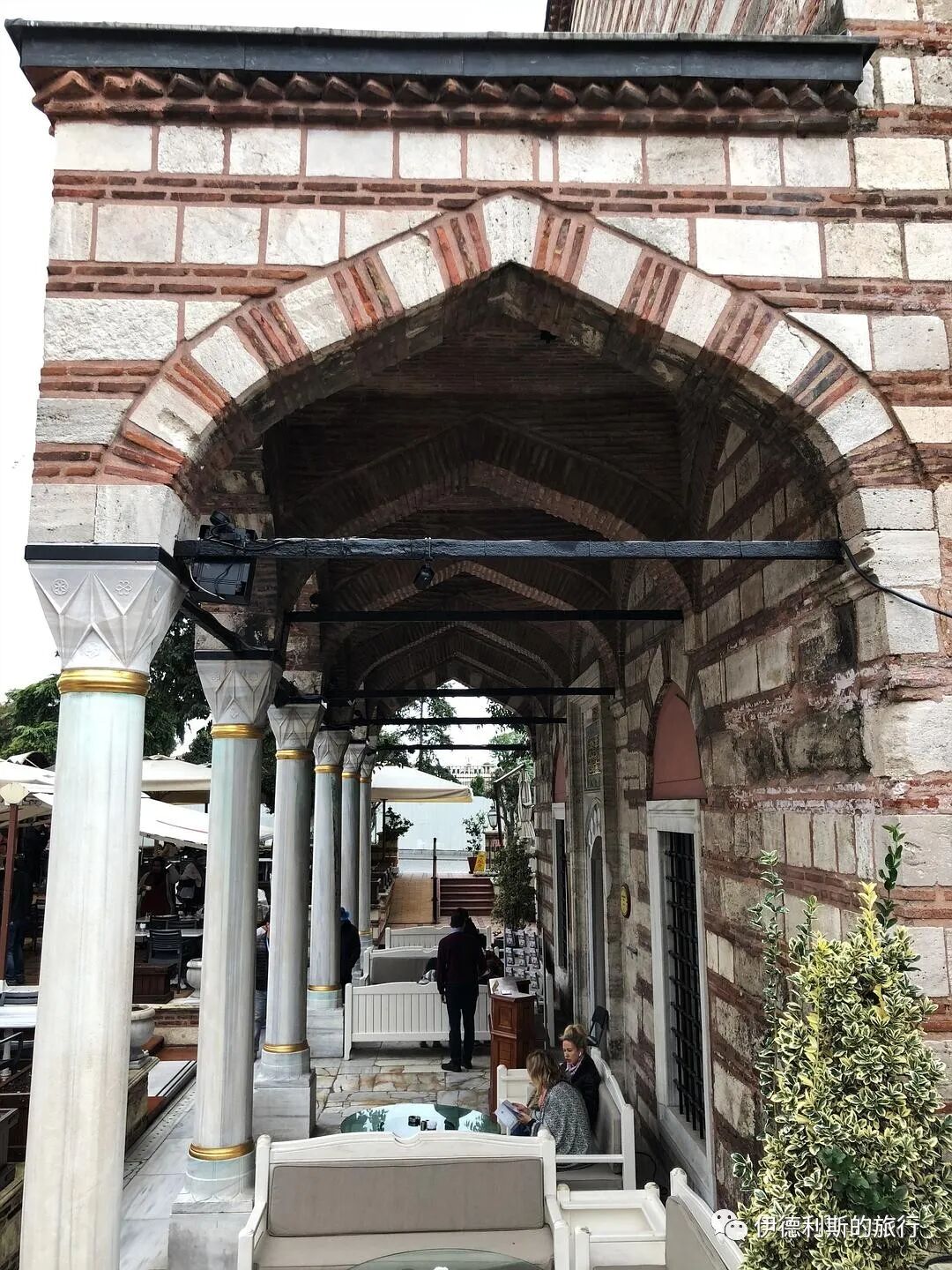
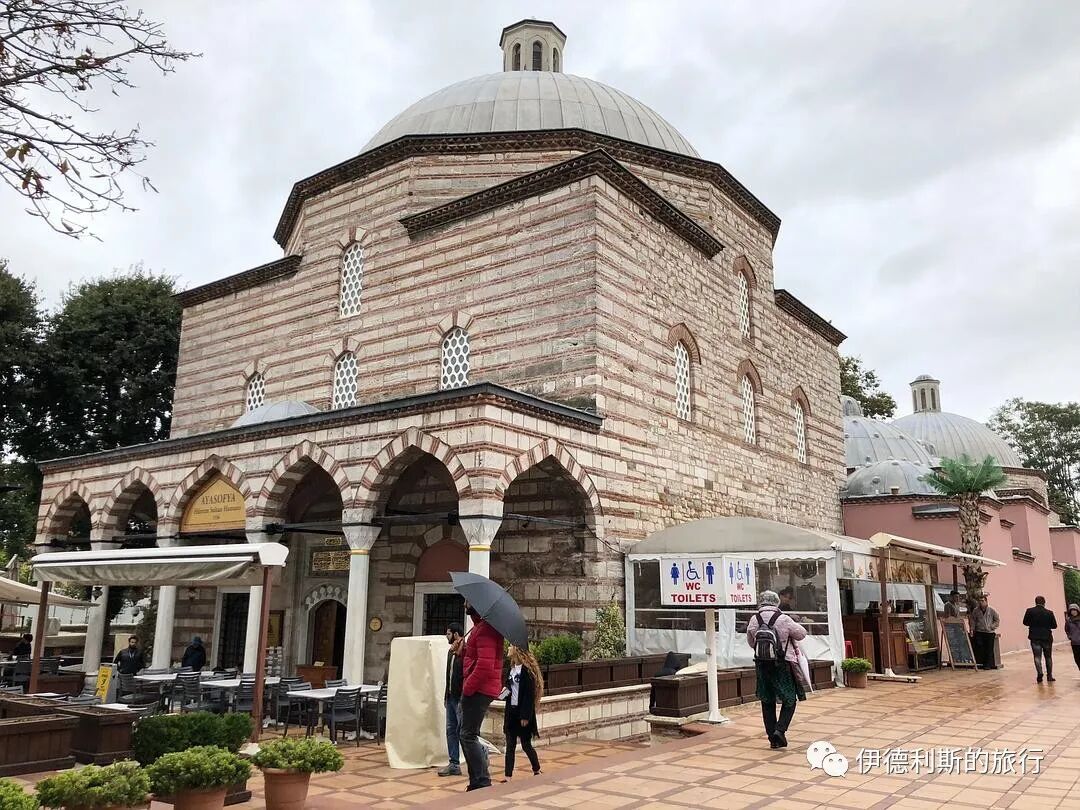
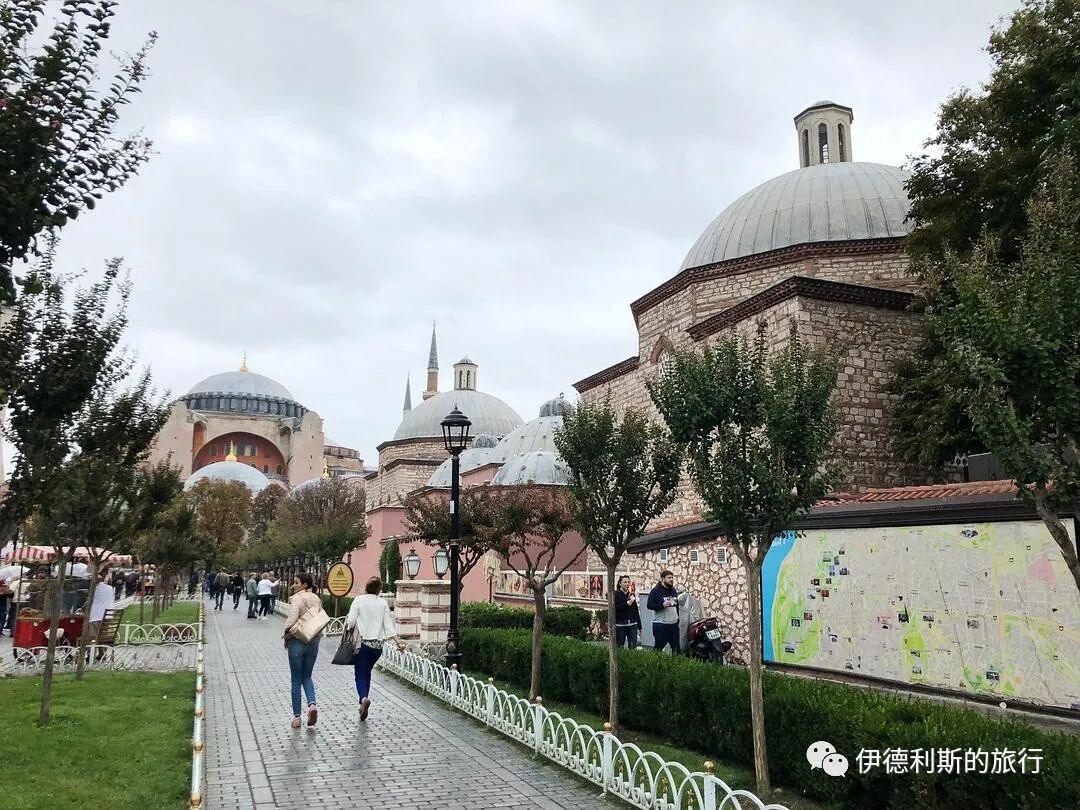
To the left is the Hagia Sophia, and to the right is the bathhouse.
Ottoman Architecture Guide: Mimar Sinan — Peak Works and Imperial Mosques
Articles • ali2007fr posted the article • 0 comments • 211 views • 2026-05-18 09:02
Summary: Ottoman Architecture Guide: Mimar Sinan — Peak Works and Imperial Mosques is presented here as a firsthand travel account in clear English, beginning with this scene: Mimar Sinan (1488/1490-1588) is known as the great architect of the Ottoman Empire. The account keeps its focus on Mimar Sinan, Ottoman Architecture, Istanbul Mosques while preserving the names, places, food, and historical details from the Chinese source.
Mimar Sinan (1488/1490-1588) is known as the great architect of the Ottoman Empire. His career can be split into three periods: the growth period (1539-1556), the maturity period (1556-1574), and the peak period (1574-1588). These three periods are best represented by three specific buildings. The Prince Mosque (Şehzade Camii), built in 1548, was the first large mosque Sinan designed and serves as a masterpiece of his early work. The Suleymaniye Mosque (Süleymaniye Camii), completed in 1557, became a landmark for all of Istanbul. The Selimiye Mosque (Selimiye Camii), built in Edirne in 1574, represents the absolute peak of Sinan's architectural skill. Here, I will share nine architectural works Sinan built in Istanbul during his later years to show his style during this period.
A look back at my previous articles on Mimar Sinan:
The Great Ottoman Architect—Mimar Sinan (Part 1): Growth,
The Great Ottoman Architect—Mimar Sinan (Part 2): Maturity
The Peak of Ottoman Architecture—The Selimiye Mosque in Edirne
Table of Contents
1. Sokollu Mehmet Pasha Mosque (Azapkapı): 1578
2. Private Chamber of Murad III: 1578
3. Kılıç Ali Pasha Complex: 1578-1580
4. Şemsi Pasha Complex: 1581
5. Tomb of Kanijeli Siyavuş Pasha: 1582-1584
6. Molla Çelebi Mosque: 1570-1584
7. Atik Valide Sultan Complex: 1571-1586
8. Nişancı Mehmet Pasha Mosque: 1584-1589
9. Zal Mahmut Pasha Complex: 1577-1590
1. Sokollu Mehmet Pasha Mosque (Azapkapı): 1578
The Sokollu Mehmet Pasha Mosque (Sokollu Mehmet Paşa Camii) is in the Azapkapı area on the north shore of Istanbul's Golden Horn, next to the Atatürk Bridge. It was commissioned by the Ottoman Grand Vizier Sokollu Mehmet Pasha (in office 1565-1579) and built by Mimar Sinan in 1578. It is the third mosque Sinan built for Sokollu in Istanbul.
Here, Sinan continued using the octagonal support system he used in his masterpiece, the Selimiye Mosque, and added a small dome to each corner. Also, the mosque's front porch is fully enclosed and connected to the main hall, which is very unique among Sinan's works.
2. Private Chamber of Murad III: 1578
The Private Chamber of Murad III (III. Murad Has Odası) is inside the Harem of Topkapı Palace (Topkapı Sarayı) in Istanbul. It is one of the best-preserved and most complete structures in the Harem, built by Mimar Sinan in 1578. Murad III was the 12th Sultan of the Ottoman Empire, reigning from 1574 to 1595. In his final years, he rarely left the palace and spent his days reading and resting in this private chamber.
The chamber has balanced proportions and a well-planned decorative scheme, showing the peak Ottoman architecture reached in the late 16th century. The chamber has the second-largest dome in the Harem, second only to the Imperial Hall. The interior is covered in blue, white, and red Iznik tiles with orange borders, and a band of calligraphy tiles runs across the middle of the room. Inside, there is a two-story fountain. The sound of the water prevents eavesdropping and creates a comfortable atmosphere. The room also has a large fireplace decorated with colorful marble. The interior also displays two luxurious 18th-century cotton beds.
3. Kılıç Ali Pasha Complex: 1578-1580
The Kılıç Ali Pasha Complex is located in the Tophane district on the northern side of the Golden Horn and the western shore of the Bosphorus in Istanbul. It was commissioned by the Ottoman Grand Admiral (Kapudan-ı Derya) Kılıç Ali Pasha and built by Mimar Sinan between 1578 and 1580. The complex consists of a mosque, a madrasa, a tomb, and a bathhouse. It was originally built on reclaimed land right next to the shore, but due to further land reclamation during later port construction, the complex is now 120 meters away from the sea.
Evidence discovered by Turkish historian Rasih Nuri İleri suggests that Miguel de Cervantes, the author of Don Quixote, was a worker on the Kılıç Ali Pasha Complex while he was enslaved by Ottoman pirates between 1575 and 1580.
The mosque is surrounded by galleries on three sides, and the central area is separated from the side areas. This structure is very close to the Hagia Sophia and differs from the classic Ottoman mosque architecture of the same period. Some people use this to question whether the mosque was truly built by Sinan. The main dome of the mosque sits above a square base in the central area, supported by a semi-dome on each side. The central area is much higher than the side areas, and very wide arched buttresses extend to the outer walls. the front of the mosque has a double-layered porch, which makes it stand out compared to other mosques of the same period.
The main hall of the madrasa is square. Because it does not appear in Sinan's official list of works, the Tazkirat-al-Abniya, some people also believe this madrasa was not built by Sinan himself.
4. Şemsi Pasha Complex: 1581
The Şemsi Pasha Complex is located on the Asian side of Istanbul, on the coast of the Üsküdar district. It was commissioned in 1581 by the Ottoman Grand Vizier (Vezir-i Azam) Şemsi Pasha, who succeeded Sokollu Mehmed Pasha as Grand Vizier in 1579, and built by Mimar Sinan. This is the most compact complex built by Sinan and is very famous in Istanbul as an important example of the organic combination of human architecture and natural landscape.
The complex consists of a mosque, a tomb, a madrasa, and a seawall. The tomb of Şemsi Pasha is completely connected to the mosque and is separated from the inside by a grille. The single-domed mosque itself is not particularly new, but it is unique in terms of its picturesque landscape.
The L-shaped madrasa has one large classroom and 12 student rooms, connected by an arcade. It was converted into a library after 1958, and the large classroom became a reading room.
5. Tomb of Kanijeli Siyavuş Pasha: 1582-1584
Kanijeli Siyavuş Pasha was the son-in-law of Ottoman Sultan Selim II (reigned 1566-1574) and served as the Grand Vizier (Vezir-i Azam) of the Ottoman Empire three times between 1582 and 1593. His tomb is located in the Eyüp district, northwest of Istanbul's old city. It was built by Mimar Sinan between 1582 and 1584, during his first term as Grand Vizier. The Eyüp Cemetery (Eyüp Mezarlığı) is the oldest and largest Muslim cemetery in Istanbul because it contains the grave of Abu Ayyub al-Ansari, a close companion of the Prophet Muhammad.
6. Molla Çelebi Mosque: 1570-1584
The Molla Çelebi Mosque is located in the Fındıklı district on the northern side of the Golden Horn and the western shore of the Bosphorus in Istanbul. It was commissioned by the Ottoman Chief Justice (Kazasker) Mehmet Vusuli Efendi and built by Mimar Sinan between 1570 and 1584.
Here, Sinan perfected the hexagonal structure within the Ottoman classical mosque architectural style. The six supporting columns are embedded in the walls, and the mihrab is located in a protruding apse. By installing ten windows, this area becomes the brightest part of the main hall.
7. Atik Valide Sultan Complex: 1571-1586
The Atik Valide Complex is located in Üsküdar on the Asian side of Istanbul. It is a large complex commissioned by the Ottoman Queen Mother Nurbanu Sultan and built by Mimar Sinan. Nurbanu Sultan was the mother of Sultan Murad III (reigned 1574-1595) and was the first woman in Ottoman history to hold power legally.
The Atik Valide Complex is one of the largest Ottoman complexes in Istanbul. It consists of 10 buildings with different functions, including a mosque, a madrasa, a Hadith school, a primary school, a Sufi lodge, a hospital, a soup kitchen, guest rooms, a two-story inn with stables, and a bathhouse. Planning for the entire complex began in 1571. As Nurbanu Sultan’s status grew, the complex expanded. It was finally completed in 1586, three years after her death, spanning a 15-year construction period.
The buildings are arranged on a slope from northeast to southwest. At the highest point in the northeast is the Sufi lodge (tekke). Across the road to the southwest is the main complex, which includes a mosque and a religious school (madrasa), with a primary school behind the mosque. Further southwest, across the road, is the second group of buildings, consisting of a Hadith school, guest rooms, a hospital, a canteen, and a large inn (caravanserai). The bathhouse (hammam) stands alone at the far southwest end of the complex.
Construction of the mosque happened in three stages. The first stage was from 1571 to 1574. At that time, Mimar Sinan was in Edirne overseeing his masterpiece, the Selimiye Mosque, so he commissioned another Ottoman court architect to supervise the Old Queen Mosque. The second stage was from 1577 to 1578. Nurbanu Sultan held real power in the empire then, and a second minaret and a double-portico courtyard were added to the mosque. The third stage was from 1584 to 1586. Nurbanu Sultan had passed away by then. The mosque was expanded horizontally, with a pair of small domes added on each side of the central dome. It is believed that because Mimar Sinan was quite old, his successor, Davut Ağa, likely completed the third stage.
The mosque consists of one central dome and five semi-domes. The area near the mihrab is decorated with beautiful Iznik tiles depicting spring flowers. Unfortunately, I did not take a separate photo of them at the time.
(Optional) Image description
Delete
The religious school (madrasa) was built in 1579 and sits on a platform below the mosque. Due to the terrain, the arcades on both sides are different lengths. It is also very rare for the central auditorium to be built as a bridge-like structure over the street. It is currently an open public space with a small tea house where people can rest.
The Sufi lodge (tekke) on the northeast side.
8. Nişancı Mehmet Pasha Mosque: 1584-1589
The Nisanci Mehmet Pasha Mosque was built by Mimar Sinan between 1584 and 1589. Some scholars believe this mosque is not Sinan's work but should be credited to his student and successor as royal architect, Davut Ağa, who served from 1588 to 1599. However, if you study the architectural structure carefully, it is clearly a further development of Sinan's octagonal mosque design.
Sinan was nearly 100 years old at the time, and he continued to develop his original design plans. Here, the main hall became a truly unified space, covered by a main dome and a series of semi-domes. Since the main dome is not very large, it is easily supported by the zigzagging walls, which also allows the portico to maintain the harmony of the exterior facade. Unlike many mosques of that time with massive load-bearing walls, Sinan gave these walls a lively appearance. All these features give this mosque an important place among Sinan's works.
9. Zal Mahmut Pasha Complex: 1577-1590
The Zal Mahmud Pasha complex is located in the Eyüp district in the northwest of Istanbul's old city. It was commissioned by Şah Sultan, daughter of Ottoman Sultan Selim II (reigned 1566-1574), and her husband Zal Mahmud Pasha. Mimar Sinan began construction in 1577, and it was completed in 1590, two years after Sinan's death.
The complex is carefully planned on a slope and divided into two separate areas connected by stairs. The upper area contains the mosque and a religious school (madrasa), while the lower area contains another religious school and a tomb (turbe). This layout breaks away from traditional symmetry and feels more dynamic.
The Zal Mahmud Pasha Mosque feels like an original experiment Sinan conducted in his later years. It has no connection to his previous mosque designs and is even visually the complete opposite.
In his earlier designs, Sinan was used to creating a large pyramid effect by layering domes, semi-domes, pendentives, main arches, and galleries. Here, the mosque rises on three sides like a tall prism with a palace-like appearance. Three wide galleries rise to the main arches, which in turn support the dome. In Sinan's previous designs, the main arch was usually decorated with window walls or semi-domes. But here, the main arch has no decoration other than the qibla wall and connects directly to the gallery. This design weakens the visual effect of the dome, and the widening of the space on three sides makes the dome look low enough for people to reach.
The upper madrasa remains separate from the mosque's gallery, and the auditorium is not on the same axis as the mosque's mihrab. The lower madrasa is designed with a recessed shape to fit the street layout, and the rooms vary in size.
The tomb of Sah Sultan and Zal Mahmud Pasha has an octagonal exterior and a square interior. Both died in 1577 and did not live to see the complex completed. view all
Summary: Ottoman Architecture Guide: Mimar Sinan — Peak Works and Imperial Mosques is presented here as a firsthand travel account in clear English, beginning with this scene: Mimar Sinan (1488/1490-1588) is known as the great architect of the Ottoman Empire. The account keeps its focus on Mimar Sinan, Ottoman Architecture, Istanbul Mosques while preserving the names, places, food, and historical details from the Chinese source.
Mimar Sinan (1488/1490-1588) is known as the great architect of the Ottoman Empire. His career can be split into three periods: the growth period (1539-1556), the maturity period (1556-1574), and the peak period (1574-1588). These three periods are best represented by three specific buildings. The Prince Mosque (Şehzade Camii), built in 1548, was the first large mosque Sinan designed and serves as a masterpiece of his early work. The Suleymaniye Mosque (Süleymaniye Camii), completed in 1557, became a landmark for all of Istanbul. The Selimiye Mosque (Selimiye Camii), built in Edirne in 1574, represents the absolute peak of Sinan's architectural skill. Here, I will share nine architectural works Sinan built in Istanbul during his later years to show his style during this period.
A look back at my previous articles on Mimar Sinan:
The Great Ottoman Architect—Mimar Sinan (Part 1): Growth,
The Great Ottoman Architect—Mimar Sinan (Part 2): Maturity
The Peak of Ottoman Architecture—The Selimiye Mosque in Edirne
Table of Contents
1. Sokollu Mehmet Pasha Mosque (Azapkapı): 1578
2. Private Chamber of Murad III: 1578
3. Kılıç Ali Pasha Complex: 1578-1580
4. Şemsi Pasha Complex: 1581
5. Tomb of Kanijeli Siyavuş Pasha: 1582-1584
6. Molla Çelebi Mosque: 1570-1584
7. Atik Valide Sultan Complex: 1571-1586
8. Nişancı Mehmet Pasha Mosque: 1584-1589
9. Zal Mahmut Pasha Complex: 1577-1590
1. Sokollu Mehmet Pasha Mosque (Azapkapı): 1578
The Sokollu Mehmet Pasha Mosque (Sokollu Mehmet Paşa Camii) is in the Azapkapı area on the north shore of Istanbul's Golden Horn, next to the Atatürk Bridge. It was commissioned by the Ottoman Grand Vizier Sokollu Mehmet Pasha (in office 1565-1579) and built by Mimar Sinan in 1578. It is the third mosque Sinan built for Sokollu in Istanbul.
Here, Sinan continued using the octagonal support system he used in his masterpiece, the Selimiye Mosque, and added a small dome to each corner. Also, the mosque's front porch is fully enclosed and connected to the main hall, which is very unique among Sinan's works.
2. Private Chamber of Murad III: 1578
The Private Chamber of Murad III (III. Murad Has Odası) is inside the Harem of Topkapı Palace (Topkapı Sarayı) in Istanbul. It is one of the best-preserved and most complete structures in the Harem, built by Mimar Sinan in 1578. Murad III was the 12th Sultan of the Ottoman Empire, reigning from 1574 to 1595. In his final years, he rarely left the palace and spent his days reading and resting in this private chamber.
The chamber has balanced proportions and a well-planned decorative scheme, showing the peak Ottoman architecture reached in the late 16th century. The chamber has the second-largest dome in the Harem, second only to the Imperial Hall. The interior is covered in blue, white, and red Iznik tiles with orange borders, and a band of calligraphy tiles runs across the middle of the room. Inside, there is a two-story fountain. The sound of the water prevents eavesdropping and creates a comfortable atmosphere. The room also has a large fireplace decorated with colorful marble. The interior also displays two luxurious 18th-century cotton beds.
3. Kılıç Ali Pasha Complex: 1578-1580
The Kılıç Ali Pasha Complex is located in the Tophane district on the northern side of the Golden Horn and the western shore of the Bosphorus in Istanbul. It was commissioned by the Ottoman Grand Admiral (Kapudan-ı Derya) Kılıç Ali Pasha and built by Mimar Sinan between 1578 and 1580. The complex consists of a mosque, a madrasa, a tomb, and a bathhouse. It was originally built on reclaimed land right next to the shore, but due to further land reclamation during later port construction, the complex is now 120 meters away from the sea.
Evidence discovered by Turkish historian Rasih Nuri İleri suggests that Miguel de Cervantes, the author of Don Quixote, was a worker on the Kılıç Ali Pasha Complex while he was enslaved by Ottoman pirates between 1575 and 1580.
The mosque is surrounded by galleries on three sides, and the central area is separated from the side areas. This structure is very close to the Hagia Sophia and differs from the classic Ottoman mosque architecture of the same period. Some people use this to question whether the mosque was truly built by Sinan. The main dome of the mosque sits above a square base in the central area, supported by a semi-dome on each side. The central area is much higher than the side areas, and very wide arched buttresses extend to the outer walls. the front of the mosque has a double-layered porch, which makes it stand out compared to other mosques of the same period.
The main hall of the madrasa is square. Because it does not appear in Sinan's official list of works, the Tazkirat-al-Abniya, some people also believe this madrasa was not built by Sinan himself.
4. Şemsi Pasha Complex: 1581
The Şemsi Pasha Complex is located on the Asian side of Istanbul, on the coast of the Üsküdar district. It was commissioned in 1581 by the Ottoman Grand Vizier (Vezir-i Azam) Şemsi Pasha, who succeeded Sokollu Mehmed Pasha as Grand Vizier in 1579, and built by Mimar Sinan. This is the most compact complex built by Sinan and is very famous in Istanbul as an important example of the organic combination of human architecture and natural landscape.
The complex consists of a mosque, a tomb, a madrasa, and a seawall. The tomb of Şemsi Pasha is completely connected to the mosque and is separated from the inside by a grille. The single-domed mosque itself is not particularly new, but it is unique in terms of its picturesque landscape.
The L-shaped madrasa has one large classroom and 12 student rooms, connected by an arcade. It was converted into a library after 1958, and the large classroom became a reading room.
5. Tomb of Kanijeli Siyavuş Pasha: 1582-1584
Kanijeli Siyavuş Pasha was the son-in-law of Ottoman Sultan Selim II (reigned 1566-1574) and served as the Grand Vizier (Vezir-i Azam) of the Ottoman Empire three times between 1582 and 1593. His tomb is located in the Eyüp district, northwest of Istanbul's old city. It was built by Mimar Sinan between 1582 and 1584, during his first term as Grand Vizier. The Eyüp Cemetery (Eyüp Mezarlığı) is the oldest and largest Muslim cemetery in Istanbul because it contains the grave of Abu Ayyub al-Ansari, a close companion of the Prophet Muhammad.
6. Molla Çelebi Mosque: 1570-1584
The Molla Çelebi Mosque is located in the Fındıklı district on the northern side of the Golden Horn and the western shore of the Bosphorus in Istanbul. It was commissioned by the Ottoman Chief Justice (Kazasker) Mehmet Vusuli Efendi and built by Mimar Sinan between 1570 and 1584.
Here, Sinan perfected the hexagonal structure within the Ottoman classical mosque architectural style. The six supporting columns are embedded in the walls, and the mihrab is located in a protruding apse. By installing ten windows, this area becomes the brightest part of the main hall.
7. Atik Valide Sultan Complex: 1571-1586
The Atik Valide Complex is located in Üsküdar on the Asian side of Istanbul. It is a large complex commissioned by the Ottoman Queen Mother Nurbanu Sultan and built by Mimar Sinan. Nurbanu Sultan was the mother of Sultan Murad III (reigned 1574-1595) and was the first woman in Ottoman history to hold power legally.
The Atik Valide Complex is one of the largest Ottoman complexes in Istanbul. It consists of 10 buildings with different functions, including a mosque, a madrasa, a Hadith school, a primary school, a Sufi lodge, a hospital, a soup kitchen, guest rooms, a two-story inn with stables, and a bathhouse. Planning for the entire complex began in 1571. As Nurbanu Sultan’s status grew, the complex expanded. It was finally completed in 1586, three years after her death, spanning a 15-year construction period.
The buildings are arranged on a slope from northeast to southwest. At the highest point in the northeast is the Sufi lodge (tekke). Across the road to the southwest is the main complex, which includes a mosque and a religious school (madrasa), with a primary school behind the mosque. Further southwest, across the road, is the second group of buildings, consisting of a Hadith school, guest rooms, a hospital, a canteen, and a large inn (caravanserai). The bathhouse (hammam) stands alone at the far southwest end of the complex.
Construction of the mosque happened in three stages. The first stage was from 1571 to 1574. At that time, Mimar Sinan was in Edirne overseeing his masterpiece, the Selimiye Mosque, so he commissioned another Ottoman court architect to supervise the Old Queen Mosque. The second stage was from 1577 to 1578. Nurbanu Sultan held real power in the empire then, and a second minaret and a double-portico courtyard were added to the mosque. The third stage was from 1584 to 1586. Nurbanu Sultan had passed away by then. The mosque was expanded horizontally, with a pair of small domes added on each side of the central dome. It is believed that because Mimar Sinan was quite old, his successor, Davut Ağa, likely completed the third stage.
The mosque consists of one central dome and five semi-domes. The area near the mihrab is decorated with beautiful Iznik tiles depicting spring flowers. Unfortunately, I did not take a separate photo of them at the time.
(Optional) Image description
Delete
The religious school (madrasa) was built in 1579 and sits on a platform below the mosque. Due to the terrain, the arcades on both sides are different lengths. It is also very rare for the central auditorium to be built as a bridge-like structure over the street. It is currently an open public space with a small tea house where people can rest.
The Sufi lodge (tekke) on the northeast side.
8. Nişancı Mehmet Pasha Mosque: 1584-1589
The Nisanci Mehmet Pasha Mosque was built by Mimar Sinan between 1584 and 1589. Some scholars believe this mosque is not Sinan's work but should be credited to his student and successor as royal architect, Davut Ağa, who served from 1588 to 1599. However, if you study the architectural structure carefully, it is clearly a further development of Sinan's octagonal mosque design.
Sinan was nearly 100 years old at the time, and he continued to develop his original design plans. Here, the main hall became a truly unified space, covered by a main dome and a series of semi-domes. Since the main dome is not very large, it is easily supported by the zigzagging walls, which also allows the portico to maintain the harmony of the exterior facade. Unlike many mosques of that time with massive load-bearing walls, Sinan gave these walls a lively appearance. All these features give this mosque an important place among Sinan's works.
9. Zal Mahmut Pasha Complex: 1577-1590
The Zal Mahmud Pasha complex is located in the Eyüp district in the northwest of Istanbul's old city. It was commissioned by Şah Sultan, daughter of Ottoman Sultan Selim II (reigned 1566-1574), and her husband Zal Mahmud Pasha. Mimar Sinan began construction in 1577, and it was completed in 1590, two years after Sinan's death.
The complex is carefully planned on a slope and divided into two separate areas connected by stairs. The upper area contains the mosque and a religious school (madrasa), while the lower area contains another religious school and a tomb (turbe). This layout breaks away from traditional symmetry and feels more dynamic.
The Zal Mahmud Pasha Mosque feels like an original experiment Sinan conducted in his later years. It has no connection to his previous mosque designs and is even visually the complete opposite.
In his earlier designs, Sinan was used to creating a large pyramid effect by layering domes, semi-domes, pendentives, main arches, and galleries. Here, the mosque rises on three sides like a tall prism with a palace-like appearance. Three wide galleries rise to the main arches, which in turn support the dome. In Sinan's previous designs, the main arch was usually decorated with window walls or semi-domes. But here, the main arch has no decoration other than the qibla wall and connects directly to the gallery. This design weakens the visual effect of the dome, and the widening of the space on three sides makes the dome look low enough for people to reach.
The upper madrasa remains separate from the mosque's gallery, and the auditorium is not on the same axis as the mosque's mihrab. The lower madrasa is designed with a recessed shape to fit the street layout, and the rooms vary in size.
The tomb of Sah Sultan and Zal Mahmud Pasha has an octagonal exterior and a square interior. Both died in 1577 and did not live to see the complex completed.
Ottoman Architecture Guide: Mimar Sinan — Mature Works (Part 1)
Articles • ali2007fr posted the article • 0 comments • 143 views • 2026-05-18 06:13
Summary: Ottoman Architecture Guide: Mimar Sinan — Mature Works is presented here as a firsthand travel account in clear English, beginning with this scene: In our last article, The Great Ottoman Architect Mimar Sinan (Part 1): Growing Up, we talked about how the great Ottoman architect Mimar Sinan (1488/1490-1588) started building his first complex in Istanbul in 1539. The account keeps its focus on Mimar Sinan, Ottoman Architecture, Istanbul Mosques while preserving the names, places, food, and historical details from the Chinese source.
In our last article, The Great Ottoman Architect Mimar Sinan (Part 1): Growing Up, we talked about how the great Ottoman architect Mimar Sinan (1488/1490-1588) started building his first complex in Istanbul in 1539. He gradually innovated within traditional Ottoman architectural forms to develop his own style. In this article, we will enter the second stage of Mimar Sinan's creative career. During the twenty years from the mid-1550s to the mid-1570s, Mimar Sinan led the Ottoman Empire's top and largest architectural team to create many masterpieces. Among them, the Suleymaniye Mosque (Süleymaniye Camii), which took seven years to complete, is hailed as Mimar Sinan's most important work and remains a landmark of Istanbul today.
Next, I will share the 8 buildings constructed by Mimar Sinan between 1557 and 1574 that I visited in Istanbul in 2018. You can go and experience them when you travel to Istanbul.
Table of Contents
1. Suleymaniye Complex: 1550-1557
1. Suleymaniye Mosque
2. Bathhouse
3. Hospital, public canteen, and hostel
4. Salis and Rabi madrasas
5. Medical school, Evvel madrasa, Sani madrasa, and primary school
6. Hadith school
7. Mausoleum and Quran school
II. Caferağa Madrasa: 1560
III. Sokollu Mehmed Pasha Complex (Kadırga): 1567-1572
IV. Mihrimah Sultan Complex: 1563-1570
5. Sokullu Mehmed Pasha Complex (Eyüp): 1569
6. Tomb of Pertev Mehmed Pasha: 1574
7. Kara Ahmed Pasha Complex: 1572
8. Mimar Sinan Mosque: 1573
1. Suleymaniye Complex: 1550-1557
The Suleymaniye Complex (Süleymaniye Külliyesi) was commissioned by the Ottoman Sultan Suleiman the Magnificent (reigned 1520-1566) and built by Mimar Sinan. It sits on the third hill of Istanbul and is a key part of the old city skyline.
The entire complex includes a mosque, four madrasas, a school for hadith, a primary school, a hospital (Darüşşifa), a bathhouse (Hamam), a caravanserai, a medical school, a public kitchen, shops, and the tombs of Suleiman the Magnificent and his queen. Mimar Sinan made great use of the terrain. He used terraces and walls to bring all the buildings together, creating a grand complex centered around the towering mosque.
1. Suleymaniye Mosque
The Suleymaniye Mosque (Süleymaniye Camii) is the center of the entire complex. It took seven years to build from 1550 to 1557, though it was not officially finished until 1558.
The mosque was damaged in a fire in 1660 and later repaired by Sultan Mehmed IV, who reigned from 1648 to 1687. Part of the mosque's dome collapsed during an earthquake in 1766, and the repairs that followed ruined the original decorations by Sinan. During World War I, the mosque was used as an ammunition depot. A fire caused by the ammunition destroyed almost all of the original interior decorations from the time of Mimar Sinan. It was not fully repaired again until 1956.
(1) Exterior
The Suleymaniye Mosque is the largest square-based, semi-domed mosque in the career of Mimar Sinan. Its main dome is 53 meters high, making it the tallest dome in the Ottoman Empire at that time. There are two semi-domes under the main dome. This style is similar to the Hagia Sophia and the Bayezid II Mosque (Beyazıt Camii), which was built between 1501 and 1506. Suleiman the Magnificent wanted to build a structure that surpassed the Hagia Sophia. Because of this, the Suleymaniye Mosque shares a similar design style with the Hagia Sophia, but it is better in its use of space and the logic of its weight-bearing system.
For the mosque's design, Mimar Sinan continued the bold innovations he used earlier at the Sehzade Mosque (1543-1548). He built porches along the walls on both sides of the main hall to hide the massive buttresses that support the dome. This design softens the building's flanks and makes the exterior facade much more beautiful.
The mosque has four minarets at its corners. Two are 76 meters tall and two are 56 meters tall, a privilege reserved only for the Sultan. In the Ottoman Empire, princes and princesses could build two minarets, while everyone else was limited to one. The four minarets have a total of 10 balconies. It is said this shows that Suleiman the Magnificent was the 10th ruler of the Ottoman Empire.
The courtyard in front of the main hall has cloisters made of marble, granite, and porphyry. The Iznik tiles on the walls feature bright tomato-red clay under the glaze, which is the earliest example of this type of tile used in building decoration.
In the center of the front courtyard is a fountain that provides cold water, hot water, and drinkable cold sweet water.
(2) Interior
The main hall is 59 meters long and 58 meters wide. A central dome sits between two half-domes, surrounded by several smaller domes. This design creates a wave-like echo for any sound made inside the hall.
The mosque was damaged in a fire in 1660 and later repaired by Sultan Mehmed IV, who reigned from 1648 to 1687. The mosque's dome partially collapsed during an earthquake in 1766. Later repairs damaged the original decorations by Mimar Sinan. During World War I, the mosque served as an ammunition depot. A fire caused by the stored explosives destroyed almost all of the original interior decorations from Mimar Sinan's time. Repairs were not finished until 1956.
The interior features stained glass. The area around the prayer niche (mihrab) is decorated with Iznik tiles, including two large tiles with Arabic calligraphy showing the opening chapter of the Quran. Across from the pulpit (minbar) is a platform where the Sultan and his close associates would perform namaz. Guards would be stationed on the lower level of the platform while the Sultan prayed.
2. Bathhouse: 1557.
Süleymaniye Bathhouse (Süleymaniye Hamami) was built in 1557 and is a classic Turkish bath. The central massage room under the bathhouse dome is supported by eight pillars, and there is a separate small room for Sultan Suleiman the Magnificent. The bathhouse operated from 1557 until 1924, and after being renovated in 2004, it reopened and remains open today. It is now open daily from 10 a.m. to 10 p.m., with the last entry at 8 p.m.
3. Hospital, public canteen, and hostel
To the northwest of the Süleymaniye Mosque, there are three courtyards built side-by-side: a hospital, a public canteen, and guest rooms, separated by narrow passages. All three courtyards are built on a slope, with low walls facing the mosque and very tall walls on the side facing away from the mosque.
The hospital and the mosque were built together between 1550 and 1557. The hospital has a courtyard with two connected porches, a sunroom for patients with incurable mental illnesses, a basement for stables and a hostel, plus a pharmacy, a bathroom, and a bakery. Today, the site serves as a student dormitory, so it has lost some of its original appearance.
The public canteen was built in 1555 and consists of five domed dining rooms and one domed kitchen, with each dome featuring a glass tower to let in sunlight.
The guest rooms were built in 1555 and share a similar design to the mosque, featuring one main dome and two half-domes.
4. Salis and Rabi madrasas
Two religious schools (madrasas), Salis and Rabi, were built side-by-side on the steep slope northeast of the mosque between 1550 and 1559. The layout of these two schools is unique and extends the view of the mosque toward the coastline of the Golden Horn. To keep the whole complex balanced, the courtyards, porches, and rooms of the religious school (madrasa) were designed in different levels. Under the porch, each room has a main hall and a staircase. The lecture hall is in a two-story building on the side without a porch, and there is a fountain on the ground floor.
5. Medical school, Evvel madrasa, Sani madrasa, and primary school
To the southwest of the mosque, the medical school, Evvel Madrasa, and Sani Madrasa are lined up in order. Evvel Madrasa and Sani Madrasa were built between 1550 and 1553. They are symmetrical and separated by a narrow alley. Inside, they have two-story teacher apartments that are now used as a manuscript library. The shops facing the street are now rented to a restaurant called Ali Baba. The restaurant is known for its bean rice (fasulye), which is made with white beans, olive oil, onions, and tomato paste.
6. Hadith school
The Hadith school is outside the back door of the mosque, and a path in the middle leads down to the foot of the hill, directly to the bathhouse.
7. Mausoleum and Quran school
The mosque's backyard holds two octagonal tombs for Sultan Suleiman the Magnificent and his wife, Haseki Hürrem Sultan, built in 1567 and 1558, along with a Quran school. The Sultan's tomb is shaped slightly differently than the Queen's; it does not follow the Ottoman tomb traditions of that time and instead returns to a more classical style.
Haseki Hürrem Sultan was born between 1502 and 1504 in the city of Rohatyn, located in what is now western Ukraine, which was then ruled by the Kingdom of Poland. In the 1510s, she was kidnapped during a raid by Crimean Tatars in Eastern Europe and then sold as a slave to the Ottoman Empire. In Istanbul, Valide Hafsa Sultan, the mother of Suleiman the Magnificent, gave her as a gift to Suleiman while he was still a prince, and that is how she entered the Ottoman harem.
Suleiman took the throne as the Ottoman Sultan in 1520. Because she was deeply loved by Sultan Suleiman the Magnificent, Hurrem Sultan rose step by step from a harem slave to a legal wife. In 1533 or 1534, Sultan Suleiman the Magnificent held a grand wedding with Hurrem Sultan, which broke the Ottoman Empire's tradition that a sultan could not marry his concubines. At the same time, she became the first empress in Ottoman history to receive the title of Haseki Sultan (the Sultan's favorite). For the next century, an empress with this title held a higher status than the empire's princesses and had power equivalent to an empress in a European country. Hurrem Sultan became the first empress to live in the former imperial court rather than the harem, breaking the rule set by Mehmed the Conqueror that no woman could live in the buildings where government business was conducted.
Hurrem Sultan later became Sultan Suleiman the Magnificent's chief advisor on state affairs and had a profound influence on the Ottoman Empire's foreign policy and international relations.
Hurrem Sultan passed away in 1558 and was buried in the courtyard of the Suleymaniye Mosque. Eight years later in 1566, Sultan Suleiman the Magnificent died in battle while on an expedition to Hungary. His body (mayyit) was taken back to Istanbul and buried in the same courtyard as Hurrem Sultan.
II. Caferağa Madrasa: 1560
Caferaga Madrasa is built on a slope right next to the Hagia Sophia. Shops open onto the front street, while the entrance is on the back street. In 1989, the Turkish Cultural Service Foundation opened a tourism center here. They use the 15 classrooms around the courtyard to teach, make, and sell traditional Turkish crafts like calligraphy, ceramics, and jewelry. An annual exhibition is held here at the end of every year, where students show the work they have made. There is also a restaurant serving Turkish food in the courtyard.
III. Sokollu Mehmed Pasha Complex (Kadırga): 1567-1572
The Sokollu Mehmet Paşa Complex (Sokollu Mehmet Paşa Külliyesi) is in the Kadırga neighborhood southwest of the Blue Mosque. Grand Vizier Sokollu Mehmet Paşa and his wife, İsmihan Sultan, commissioned Mimar Sinan to build it between 1567 and 1572. İsmihan Sultan was the granddaughter of Suleiman the Magnificent.
Building this complex was a challenge because it sits on a steep slope. Mimar Sinan solved this by building a two-story courtyard in front of the mosque and adding three sets of stairs that lead to gates at different slopes. The bottom floor of the courtyard has shops that help pay for the mosque's operations.
There is a Sufi lodge (Tekke) on the northwest side of the courtyard and the mosque on the southeast side. A madrasa sits behind the mosque. All three buildings are on the same axis, which is rare for Mimar Sinan's work. The mosque has a rectangular base and a hexagonal center, topped by one large dome and four smaller domes. There is also a minaret at the northeast corner of the mosque.
The inside of the mosque is famous for its beautiful Iznik tiles. These tiles feature blue, red, and green floral patterns, along with calligraphy in white on a blue background.
IV. Mihrimah Sultan Complex: 1563-1570
The Mihrimah Sultan Complex (Mihrimah Sultan Külliyesi) was commissioned by Suleiman the Magnificent's daughter, Mihrimah Sultan, and built by Mimar Sinan between 1563 and 1570. The complex sits on the sixth hill inside the northwest walls of Istanbul, which is the highest point in the old city.
The complex includes a mosque, a bathhouse (hammam), a tomb, and shops at street level under the terrace. The mosque stands on a terrace overlooking the street and is surrounded by a courtyard. Part of this courtyard is enclosed by porticos to create separate rooms used as a religious school (madrasa).
The mosque has been damaged by earthquakes many times throughout history, with the minarets and the dome suffering the most damage. The minarets were repaired between 2007 and 2010. Later, the courtyard was repaved, the central fountain was restored, and the porticos were rebuilt. The mosque originally had a double-layered portico, but only the inner portico has survived.
The mosque's structure was known as the most advanced design for a single-dome mosque at that time. The 35-meter-high dome is supported by four wall pillars, with four arches and four pendentives forming a tower-like structure. The four polygonal wall pillars stick out on the outside but are almost invisible from the inside, looking like neatly cut crystal shapes.
The area above the arches is covered with large windows that have almost no load-bearing function, and sunlight streaming through them makes this the brightest mosque among Mimar Sinan's works.
5. Sokullu Mehmed Pasha Complex (Eyüp): 1569
In the Eyüp district by the Golden Horn northwest of Istanbul, there is another building complex (külliye) commissioned by Ottoman Grand Vizier Sokollu Mehmed Paşa and built by Mimar Sinan in 1569. It currently includes a madrasa and a tomb, along with a Quran school built in 1579. The reason this complex lacks a mosque is likely because it sits right next to the famous Eyüp Sultan Mosque.
The tomb faces the madrasa and holds the remains of Sokollu Mehmed Paşa and his descendants, but none of the tombstones have inscriptions.
6. Tomb of Pertev Mehmed Pasha: 1574
Walk along the narrow road behind the Eyup mosque cemetery and you will see a very unique tomb. It belongs to Pertev Mehmed Pasha, who served as a vizier under both Suleiman the Magnificent and Selim II. The tomb was built by Mimar Sinan in 1574.
Pertev Mehmed Pasha was originally an Albanian slave. He grew up in the Topkapi Palace in Istanbul and once served as the palace's chief gatekeeper. He was promoted to the second vizier in 1565, but was removed from his post in 1571 and died of grief in 1572.
The tomb of Pertev Mehmed Pasha is a rectangular building that looks more like a house than a tomb. Facing the street, there are six windows and one door with beautiful marble grilles. The door has an inscription carved on it, but unfortunately, the roof has collapsed and is no longer there.
7. Kara Ahmed Pasha Complex: 1572
The Kara Ahmed Pasha complex (Kara Ahmed Paşa Külliyesi) was commissioned by Kara Ahmed Pasha and built by Mimar Sinan. It includes a mosque, a madrasa, an elementary school, and a tomb.
Kara Ahmed Pasha was the son-in-law of Sultan Selim I. He became the Grand Vizier for Suleiman the Magnificent in 1553, but Suleiman the Magnificent had him executed in 1555. The building complex was originally planned for 1555, but construction did not start until years later—some say 1558, others say 1565—after Kara Ahmed Pasha was pardoned. It was finally finished in 1572.
The Kara Ahmed Pasha mosque and madrasa share a courtyard. The mosque features one main dome, six buttresses, and four smaller domes. view all
Summary: Ottoman Architecture Guide: Mimar Sinan — Mature Works is presented here as a firsthand travel account in clear English, beginning with this scene: In our last article, The Great Ottoman Architect Mimar Sinan (Part 1): Growing Up, we talked about how the great Ottoman architect Mimar Sinan (1488/1490-1588) started building his first complex in Istanbul in 1539. The account keeps its focus on Mimar Sinan, Ottoman Architecture, Istanbul Mosques while preserving the names, places, food, and historical details from the Chinese source.
In our last article, The Great Ottoman Architect Mimar Sinan (Part 1): Growing Up, we talked about how the great Ottoman architect Mimar Sinan (1488/1490-1588) started building his first complex in Istanbul in 1539. He gradually innovated within traditional Ottoman architectural forms to develop his own style. In this article, we will enter the second stage of Mimar Sinan's creative career. During the twenty years from the mid-1550s to the mid-1570s, Mimar Sinan led the Ottoman Empire's top and largest architectural team to create many masterpieces. Among them, the Suleymaniye Mosque (Süleymaniye Camii), which took seven years to complete, is hailed as Mimar Sinan's most important work and remains a landmark of Istanbul today.
Next, I will share the 8 buildings constructed by Mimar Sinan between 1557 and 1574 that I visited in Istanbul in 2018. You can go and experience them when you travel to Istanbul.
Table of Contents
1. Suleymaniye Complex: 1550-1557
1. Suleymaniye Mosque
2. Bathhouse
3. Hospital, public canteen, and hostel
4. Salis and Rabi madrasas
5. Medical school, Evvel madrasa, Sani madrasa, and primary school
6. Hadith school
7. Mausoleum and Quran school
II. Caferağa Madrasa: 1560
III. Sokollu Mehmed Pasha Complex (Kadırga): 1567-1572
IV. Mihrimah Sultan Complex: 1563-1570
5. Sokullu Mehmed Pasha Complex (Eyüp): 1569
6. Tomb of Pertev Mehmed Pasha: 1574
7. Kara Ahmed Pasha Complex: 1572
8. Mimar Sinan Mosque: 1573
1. Suleymaniye Complex: 1550-1557
The Suleymaniye Complex (Süleymaniye Külliyesi) was commissioned by the Ottoman Sultan Suleiman the Magnificent (reigned 1520-1566) and built by Mimar Sinan. It sits on the third hill of Istanbul and is a key part of the old city skyline.
The entire complex includes a mosque, four madrasas, a school for hadith, a primary school, a hospital (Darüşşifa), a bathhouse (Hamam), a caravanserai, a medical school, a public kitchen, shops, and the tombs of Suleiman the Magnificent and his queen. Mimar Sinan made great use of the terrain. He used terraces and walls to bring all the buildings together, creating a grand complex centered around the towering mosque.
1. Suleymaniye Mosque
The Suleymaniye Mosque (Süleymaniye Camii) is the center of the entire complex. It took seven years to build from 1550 to 1557, though it was not officially finished until 1558.
The mosque was damaged in a fire in 1660 and later repaired by Sultan Mehmed IV, who reigned from 1648 to 1687. Part of the mosque's dome collapsed during an earthquake in 1766, and the repairs that followed ruined the original decorations by Sinan. During World War I, the mosque was used as an ammunition depot. A fire caused by the ammunition destroyed almost all of the original interior decorations from the time of Mimar Sinan. It was not fully repaired again until 1956.
(1) Exterior
The Suleymaniye Mosque is the largest square-based, semi-domed mosque in the career of Mimar Sinan. Its main dome is 53 meters high, making it the tallest dome in the Ottoman Empire at that time. There are two semi-domes under the main dome. This style is similar to the Hagia Sophia and the Bayezid II Mosque (Beyazıt Camii), which was built between 1501 and 1506. Suleiman the Magnificent wanted to build a structure that surpassed the Hagia Sophia. Because of this, the Suleymaniye Mosque shares a similar design style with the Hagia Sophia, but it is better in its use of space and the logic of its weight-bearing system.
For the mosque's design, Mimar Sinan continued the bold innovations he used earlier at the Sehzade Mosque (1543-1548). He built porches along the walls on both sides of the main hall to hide the massive buttresses that support the dome. This design softens the building's flanks and makes the exterior facade much more beautiful.
The mosque has four minarets at its corners. Two are 76 meters tall and two are 56 meters tall, a privilege reserved only for the Sultan. In the Ottoman Empire, princes and princesses could build two minarets, while everyone else was limited to one. The four minarets have a total of 10 balconies. It is said this shows that Suleiman the Magnificent was the 10th ruler of the Ottoman Empire.
The courtyard in front of the main hall has cloisters made of marble, granite, and porphyry. The Iznik tiles on the walls feature bright tomato-red clay under the glaze, which is the earliest example of this type of tile used in building decoration.
In the center of the front courtyard is a fountain that provides cold water, hot water, and drinkable cold sweet water.
(2) Interior
The main hall is 59 meters long and 58 meters wide. A central dome sits between two half-domes, surrounded by several smaller domes. This design creates a wave-like echo for any sound made inside the hall.
The mosque was damaged in a fire in 1660 and later repaired by Sultan Mehmed IV, who reigned from 1648 to 1687. The mosque's dome partially collapsed during an earthquake in 1766. Later repairs damaged the original decorations by Mimar Sinan. During World War I, the mosque served as an ammunition depot. A fire caused by the stored explosives destroyed almost all of the original interior decorations from Mimar Sinan's time. Repairs were not finished until 1956.
The interior features stained glass. The area around the prayer niche (mihrab) is decorated with Iznik tiles, including two large tiles with Arabic calligraphy showing the opening chapter of the Quran. Across from the pulpit (minbar) is a platform where the Sultan and his close associates would perform namaz. Guards would be stationed on the lower level of the platform while the Sultan prayed.
2. Bathhouse: 1557.
Süleymaniye Bathhouse (Süleymaniye Hamami) was built in 1557 and is a classic Turkish bath. The central massage room under the bathhouse dome is supported by eight pillars, and there is a separate small room for Sultan Suleiman the Magnificent. The bathhouse operated from 1557 until 1924, and after being renovated in 2004, it reopened and remains open today. It is now open daily from 10 a.m. to 10 p.m., with the last entry at 8 p.m.
3. Hospital, public canteen, and hostel
To the northwest of the Süleymaniye Mosque, there are three courtyards built side-by-side: a hospital, a public canteen, and guest rooms, separated by narrow passages. All three courtyards are built on a slope, with low walls facing the mosque and very tall walls on the side facing away from the mosque.
The hospital and the mosque were built together between 1550 and 1557. The hospital has a courtyard with two connected porches, a sunroom for patients with incurable mental illnesses, a basement for stables and a hostel, plus a pharmacy, a bathroom, and a bakery. Today, the site serves as a student dormitory, so it has lost some of its original appearance.
The public canteen was built in 1555 and consists of five domed dining rooms and one domed kitchen, with each dome featuring a glass tower to let in sunlight.
The guest rooms were built in 1555 and share a similar design to the mosque, featuring one main dome and two half-domes.
4. Salis and Rabi madrasas
Two religious schools (madrasas), Salis and Rabi, were built side-by-side on the steep slope northeast of the mosque between 1550 and 1559. The layout of these two schools is unique and extends the view of the mosque toward the coastline of the Golden Horn. To keep the whole complex balanced, the courtyards, porches, and rooms of the religious school (madrasa) were designed in different levels. Under the porch, each room has a main hall and a staircase. The lecture hall is in a two-story building on the side without a porch, and there is a fountain on the ground floor.
5. Medical school, Evvel madrasa, Sani madrasa, and primary school
To the southwest of the mosque, the medical school, Evvel Madrasa, and Sani Madrasa are lined up in order. Evvel Madrasa and Sani Madrasa were built between 1550 and 1553. They are symmetrical and separated by a narrow alley. Inside, they have two-story teacher apartments that are now used as a manuscript library. The shops facing the street are now rented to a restaurant called Ali Baba. The restaurant is known for its bean rice (fasulye), which is made with white beans, olive oil, onions, and tomato paste.
6. Hadith school
The Hadith school is outside the back door of the mosque, and a path in the middle leads down to the foot of the hill, directly to the bathhouse.
7. Mausoleum and Quran school
The mosque's backyard holds two octagonal tombs for Sultan Suleiman the Magnificent and his wife, Haseki Hürrem Sultan, built in 1567 and 1558, along with a Quran school. The Sultan's tomb is shaped slightly differently than the Queen's; it does not follow the Ottoman tomb traditions of that time and instead returns to a more classical style.
Haseki Hürrem Sultan was born between 1502 and 1504 in the city of Rohatyn, located in what is now western Ukraine, which was then ruled by the Kingdom of Poland. In the 1510s, she was kidnapped during a raid by Crimean Tatars in Eastern Europe and then sold as a slave to the Ottoman Empire. In Istanbul, Valide Hafsa Sultan, the mother of Suleiman the Magnificent, gave her as a gift to Suleiman while he was still a prince, and that is how she entered the Ottoman harem.
Suleiman took the throne as the Ottoman Sultan in 1520. Because she was deeply loved by Sultan Suleiman the Magnificent, Hurrem Sultan rose step by step from a harem slave to a legal wife. In 1533 or 1534, Sultan Suleiman the Magnificent held a grand wedding with Hurrem Sultan, which broke the Ottoman Empire's tradition that a sultan could not marry his concubines. At the same time, she became the first empress in Ottoman history to receive the title of Haseki Sultan (the Sultan's favorite). For the next century, an empress with this title held a higher status than the empire's princesses and had power equivalent to an empress in a European country. Hurrem Sultan became the first empress to live in the former imperial court rather than the harem, breaking the rule set by Mehmed the Conqueror that no woman could live in the buildings where government business was conducted.
Hurrem Sultan later became Sultan Suleiman the Magnificent's chief advisor on state affairs and had a profound influence on the Ottoman Empire's foreign policy and international relations.
Hurrem Sultan passed away in 1558 and was buried in the courtyard of the Suleymaniye Mosque. Eight years later in 1566, Sultan Suleiman the Magnificent died in battle while on an expedition to Hungary. His body (mayyit) was taken back to Istanbul and buried in the same courtyard as Hurrem Sultan.
II. Caferağa Madrasa: 1560
Caferaga Madrasa is built on a slope right next to the Hagia Sophia. Shops open onto the front street, while the entrance is on the back street. In 1989, the Turkish Cultural Service Foundation opened a tourism center here. They use the 15 classrooms around the courtyard to teach, make, and sell traditional Turkish crafts like calligraphy, ceramics, and jewelry. An annual exhibition is held here at the end of every year, where students show the work they have made. There is also a restaurant serving Turkish food in the courtyard.
III. Sokollu Mehmed Pasha Complex (Kadırga): 1567-1572
The Sokollu Mehmet Paşa Complex (Sokollu Mehmet Paşa Külliyesi) is in the Kadırga neighborhood southwest of the Blue Mosque. Grand Vizier Sokollu Mehmet Paşa and his wife, İsmihan Sultan, commissioned Mimar Sinan to build it between 1567 and 1572. İsmihan Sultan was the granddaughter of Suleiman the Magnificent.
Building this complex was a challenge because it sits on a steep slope. Mimar Sinan solved this by building a two-story courtyard in front of the mosque and adding three sets of stairs that lead to gates at different slopes. The bottom floor of the courtyard has shops that help pay for the mosque's operations.
There is a Sufi lodge (Tekke) on the northwest side of the courtyard and the mosque on the southeast side. A madrasa sits behind the mosque. All three buildings are on the same axis, which is rare for Mimar Sinan's work. The mosque has a rectangular base and a hexagonal center, topped by one large dome and four smaller domes. There is also a minaret at the northeast corner of the mosque.
The inside of the mosque is famous for its beautiful Iznik tiles. These tiles feature blue, red, and green floral patterns, along with calligraphy in white on a blue background.
IV. Mihrimah Sultan Complex: 1563-1570
The Mihrimah Sultan Complex (Mihrimah Sultan Külliyesi) was commissioned by Suleiman the Magnificent's daughter, Mihrimah Sultan, and built by Mimar Sinan between 1563 and 1570. The complex sits on the sixth hill inside the northwest walls of Istanbul, which is the highest point in the old city.
The complex includes a mosque, a bathhouse (hammam), a tomb, and shops at street level under the terrace. The mosque stands on a terrace overlooking the street and is surrounded by a courtyard. Part of this courtyard is enclosed by porticos to create separate rooms used as a religious school (madrasa).
The mosque has been damaged by earthquakes many times throughout history, with the minarets and the dome suffering the most damage. The minarets were repaired between 2007 and 2010. Later, the courtyard was repaved, the central fountain was restored, and the porticos were rebuilt. The mosque originally had a double-layered portico, but only the inner portico has survived.
The mosque's structure was known as the most advanced design for a single-dome mosque at that time. The 35-meter-high dome is supported by four wall pillars, with four arches and four pendentives forming a tower-like structure. The four polygonal wall pillars stick out on the outside but are almost invisible from the inside, looking like neatly cut crystal shapes.
The area above the arches is covered with large windows that have almost no load-bearing function, and sunlight streaming through them makes this the brightest mosque among Mimar Sinan's works.
5. Sokullu Mehmed Pasha Complex (Eyüp): 1569
In the Eyüp district by the Golden Horn northwest of Istanbul, there is another building complex (külliye) commissioned by Ottoman Grand Vizier Sokollu Mehmed Paşa and built by Mimar Sinan in 1569. It currently includes a madrasa and a tomb, along with a Quran school built in 1579. The reason this complex lacks a mosque is likely because it sits right next to the famous Eyüp Sultan Mosque.
The tomb faces the madrasa and holds the remains of Sokollu Mehmed Paşa and his descendants, but none of the tombstones have inscriptions.
6. Tomb of Pertev Mehmed Pasha: 1574
Walk along the narrow road behind the Eyup mosque cemetery and you will see a very unique tomb. It belongs to Pertev Mehmed Pasha, who served as a vizier under both Suleiman the Magnificent and Selim II. The tomb was built by Mimar Sinan in 1574.
Pertev Mehmed Pasha was originally an Albanian slave. He grew up in the Topkapi Palace in Istanbul and once served as the palace's chief gatekeeper. He was promoted to the second vizier in 1565, but was removed from his post in 1571 and died of grief in 1572.
The tomb of Pertev Mehmed Pasha is a rectangular building that looks more like a house than a tomb. Facing the street, there are six windows and one door with beautiful marble grilles. The door has an inscription carved on it, but unfortunately, the roof has collapsed and is no longer there.
7. Kara Ahmed Pasha Complex: 1572
The Kara Ahmed Pasha complex (Kara Ahmed Paşa Külliyesi) was commissioned by Kara Ahmed Pasha and built by Mimar Sinan. It includes a mosque, a madrasa, an elementary school, and a tomb.
Kara Ahmed Pasha was the son-in-law of Sultan Selim I. He became the Grand Vizier for Suleiman the Magnificent in 1553, but Suleiman the Magnificent had him executed in 1555. The building complex was originally planned for 1555, but construction did not start until years later—some say 1558, others say 1565—after Kara Ahmed Pasha was pardoned. It was finally finished in 1572.
The Kara Ahmed Pasha mosque and madrasa share a courtyard. The mosque features one main dome, six buttresses, and four smaller domes.
Ottoman Architecture Guide: Mimar Sinan — Mature Works (Part 2)
Articles • ali2007fr posted the article • 0 comments • 140 views • 2026-05-18 06:13
Summary: Ottoman Architecture Guide: Mimar Sinan — Mature Works is presented here as a firsthand travel account in clear English, beginning with this scene: The Kara Ahmed Pasha Mosque is the last imperial building in Istanbul decorated with dry cord (cuerda seca) tiles. The account keeps its focus on Mimar Sinan, Ottoman Architecture, Istanbul Mosques while preserving the names, places, food, and historical details from the Chinese source.
The Kara Ahmed Pasha Mosque is the last imperial building in Istanbul decorated with dry cord (cuerda seca) tiles. The use of dry cord (cuerda seca) tiles began in Inner Asia in the late 14th century, with the Shah-i-Zinda complex being the most famous example. Dry cord (cuerda seca) tiles were most popular during the Timurid and Safavid dynasties. They reached Turkey in the 15th century through Persian ceramic craftsmen from Tabriz, and many Ottoman buildings, such as the Green Mosque in Bursa, were decorated with them. As Iznik tiles became popular in the 1550s, dry cord (cuerda seca) tiles were gradually phased out of history.
8. Mimar Sinan Mosque: 1573
Mimar Sinan built the Mimar Sinan Mosque for himself in 1573. The mosque was destroyed by fire in 1918, and the walls collapsed soon after, leaving only a 10-meter-high minaret. The minaret was repaired in 1938 and 1962, and the mosque was rebuilt in 1976. view all
Summary: Ottoman Architecture Guide: Mimar Sinan — Mature Works is presented here as a firsthand travel account in clear English, beginning with this scene: The Kara Ahmed Pasha Mosque is the last imperial building in Istanbul decorated with dry cord (cuerda seca) tiles. The account keeps its focus on Mimar Sinan, Ottoman Architecture, Istanbul Mosques while preserving the names, places, food, and historical details from the Chinese source.
The Kara Ahmed Pasha Mosque is the last imperial building in Istanbul decorated with dry cord (cuerda seca) tiles. The use of dry cord (cuerda seca) tiles began in Inner Asia in the late 14th century, with the Shah-i-Zinda complex being the most famous example. Dry cord (cuerda seca) tiles were most popular during the Timurid and Safavid dynasties. They reached Turkey in the 15th century through Persian ceramic craftsmen from Tabriz, and many Ottoman buildings, such as the Green Mosque in Bursa, were decorated with them. As Iznik tiles became popular in the 1550s, dry cord (cuerda seca) tiles were gradually phased out of history.
8. Mimar Sinan Mosque: 1573
Mimar Sinan built the Mimar Sinan Mosque for himself in 1573. The mosque was destroyed by fire in 1918, and the walls collapsed soon after, leaving only a 10-meter-high minaret. The minaret was repaired in 1938 and 1962, and the mosque was rebuilt in 1976.
Ottoman Architecture Guide: Mimar Sinan — Early Mosques and Imperial Works
Articles • ali2007fr posted the article • 0 comments • 163 views • 2026-05-18 06:13
Summary: Ottoman Architecture Guide: Mimar Sinan — Early Mosques and Imperial Works is presented here as a firsthand travel account in clear English, beginning with this scene: Mimar Sinan (1488/1490-1588) is known as the great architect of the Ottoman Empire, and people often compare him to Michelangelo. The account keeps its focus on Mimar Sinan, Ottoman Architecture, Istanbul Mosques while preserving the names, places, food, and historical details from the Chinese source.
Mimar Sinan (1488/1490-1588) is known as the great architect of the Ottoman Empire, and people often compare him to Michelangelo. In the autumn of 2018, I visited dozens of Mimar Sinan's works in Istanbul, Edirne, and Konya, Turkey, which helped me feel closer to him. Sinan's work reflects that era and shows the spirit of the Ottoman Empire at its peak. By learning about Sinan's work, we can also better understand the 16th-century Ottoman Empire.
Mimar Sinan was an officer and military engineer in his youth and middle age, and he did not become the chief Ottoman architect until he was 50. During his nearly 50-year career as an architect, Sinan led top building teams to construct 476 buildings for the Ottoman Empire, 196 of which still stand today.
Sinan's career can be roughly divided into three periods: the growth period, the mature period, and the peak period. These three periods can be summarized by three specific buildings. Built in 1548, the Prince Mosque (Şehzade Camii) was the first large mosque designed by Sinan and stands as an early masterpiece. The Suleymaniye Mosque (Süleymaniye Camii), completed in 1557, became a landmark for all of Istanbul. The Selimiye Mosque (Selimiye Camii), built in Edirne in 1574, represents the absolute peak of Sinan's architectural skill.
Next, I will introduce the first stage of Sinan's career: his growth period. Starting with the first building complex Sinan constructed in Istanbul in 1539, you can see him move from following traditional Ottoman designs to gradually innovating and developing his own unique style. The nine works I am sharing below are all located in Istanbul. If you are traveling to Istanbul, you have the chance to visit them in person.
Table of Contents
1. Hurrem Sultan Complex: 1539, 1540, 1550
2. Mihrimah Sultan Complex: 1543-1548
3. Sehzade Complex: 1543-1548
4. Hüsrev Pasha Tomb: 1545
5. Yavuz Sultan Selim Madrasa: 1549
6. Rüstem Pasha Madrasa: 1550
7. Hadim Ibrahim Pasha Mosque: 1551
8. Sinan Pasha Complex: 1555
9. Hurrem Sultan Bathhouse: 1556
1. Hurrem Sultan Complex: 1539, 1540, 1550
The Haseki Hürrem Sultan Complex (Haseki Hürrem Sultan Külliyesi) is in the southwest of Istanbul's old city. Built in 1539, it was the first complex Mimar Sinan designed after he became the royal architect.
Suleiman the Magnificent's wife, Haseki Hürrem Sultan, commissioned the complex. Haseki Hürrem Sultan, also known as Roxelana, was the first empress in Ottoman history to hold the title of Haseki Sultan, or the Sultan's favorite. She is also known as the most powerful and controversial woman in Ottoman history.
After becoming empress, Haseki Hürrem Sultan began building a series of public structures, starting with this royal complex. The complex includes a Friday mosque, a public kitchen (Imaret), a religious school (madrasa), an elementary school (Mektep), and a hospital (Darüssifa). The mosque was finished in 1539, the school and kitchen were finished the following year, and the hospital was not completed until 1550. When designing the complex, Sinan arranged the different buildings at various angles, leaving only narrow paths or gaps between them. This layout creates a rich perspective effect that almost never appeared in his later works.
The layout of the building complex is based on a map from the book Sinan's Istanbul.
The mosque (1539) sits at the southernmost part of the complex, separated from the rest by a narrow alley. The mosque was originally a simple, traditional design with one dome and one minaret, built with alternating layers of brick and stone. Its porch has six marble columns supporting five small domes. The mosque was expanded in 1612, growing from one dome to two and doubling in size. The mosque has no tiles, and the current painted decorations were added later. During this period, Sinan had not yet started to innovate in mosque architecture.
The madrasa (1540) is directly across from the mosque, featuring sixteen student rooms and a large lecture hall arranged in a rectangle.
The primary school (1540) is known as the most beautiful one built by Mimar Sinan.
The hospital (1550) is in the far north and was built by Hurrem Sultan specifically for women. The hospital courtyard is octagonal, with rooms on three sides and windows facing the street on the fourth. The two arched gateways (iwan) at the corners of the octagonal courtyard and the dome show how Sinan would later develop his use of arches and domes.
Unfortunately, the mosque was under renovation and closed when I visited.
The dome of the mosque.
The front porch of the mosque.
A diagram of the mosque published by Cornelius Gurlitt in 1912, showing the layout before the expansion on the left and after on the right.
Public kitchen
A diagram of a public kitchen published by Cornelius Gurlitt in 1912
2. Mihrimah Sultan Complex: 1543-1548
The Mihrimah Sultan Complex (Mihrimah Sultan Külliyesi) sits next to the Üsküdar pier on the east bank of the Bosphorus. Built between 1543 and 1548, it is one of the most famous landmarks in the Üsküdar area and the second complex by Mimar Sinan still standing in Istanbul.
The complex was commissioned in 1543 by Mihrimah Sultan, the daughter of Suleiman the Magnificent and Hurrem Sultan. She was the wife of the Grand Vizier Rüstem Pasha and is known as the most powerful princess in Ottoman history.
The entire complex is cleverly built on a slope that stretches to the coast. It includes a mosque, a religious school (madrasa), a guesthouse, a dining hall (imaret), an elementary school, and several tombs added later. The guesthouse and dining hall were destroyed by fire in 1772.
The layout of the building complex is based on a map from the book Sinan's Istanbul.
On the left is the Mihrimah Sultan Complex.
This mosque is the first semi-domed mosque designed by Mimar Sinan. The mosque consists of one main dome and three semi-domes. This shape expands the interior space, so you feel like you are under a dome as soon as you enter the main hall. Although the mosque itself is not very deep, this design makes the space feel much larger. Mimar Sinan also added a T-shaped canopy in front of the porch to soften the look of the entrance.
A diagram of the mosque published by Cornelius Gurlitt in 1912.
The canopy in front of the porch.
The main gate.
The main dome and the semi-domes.
Main dome
Half-dome
The mihrab and minbar under the half-dome
Mihrab
Minbar
The madrasa consists of sixteen student dorms and a large lecture hall arranged in a rectangle. It is now a hospital, and the integrity of this cultural heritage site has been damaged.
The passage from the mosque to the madrasa
Exterior of the madrasa
Inside the madrasa.
The primary school consists of two domed buildings.
3. Sehzade Complex: 1543-1548
The Prince Complex (Şehzade Külliye) sits on the third hill of Istanbul's old city. Built between 1543 and 1548, it is known as the most important early work by Mimar Sinan and his first masterpiece.
Suleiman the Magnificent built the complex to honor his beloved son, Prince Mehmed (Şehzade Mehmed), who died young. Prince Mehmed was the son of Suleiman the Magnificent and Hurrem Sultan. He was favored from a young age and was the most likely heir, but he sadly died of smallpox in 1543 (some say he was murdered). Suleiman the Magnificent was heartbroken after the prince died. Traditionally, princes were buried in Bursa, but the Sultan decided to commission Mimar Sinan to build a tomb for the prince in Istanbul and add a complex to match it.
The Prince Complex (Sehzade Mosque complex) was the first project Mimar Sinan built under the direct order of Suleiman the Magnificent. It was his most ambitious early work, featuring a much grander scale and more decorations than his previous designs.
The complex includes a mosque, five tombs, a madrasa (religious school), a guest house, a caravanserai (traveler's inn), a public kitchen, and a primary school. These buildings are spread out freely across the flat ground without any forced symmetry. The mosque is not physically connected to the other buildings, which are scattered throughout the gardens or along the streets surrounding the mosque.
The layout of the building complex is based on a map from the book Sinan's Istanbul.
The mosque (built between 1543 and 1548) was the second semi-domed mosque designed by Mimar Sinan, featuring one main dome supported by four semi-domes. This design improved upon his earlier work at the Mihrimah Sultan Mosque, which had three semi-domes, and offered a new take on older designs like the Fatih Mosque (1471) and the Bayezid II Mosque (1506). This layout separates the four pillars that support the central dome, creating a more striking visual effect.
The interior of the mosque is a square laid out along a central vertical axis, and you can immediately feel the dominance of the central dome when you walk in.
The porticos on the side walls of the mosque are also a bold innovation, which points toward the future development of Ottoman mosques. This design softens the building's flanks and hides the buttresses, helping the facade blend in more perfectly.
The design of the Prince Mosque has gradually moved away from the traditional Ottoman mosque model and started to head toward Sinan's own unique style.
A diagram of the mosque published by Cornelius Gurlitt in 1912.
The mosque at noon
The mosque at sunset
You can see two minarets, the main dome, and the semi-domes.
The entrance to the mosque courtyard.
The courtyard gate.
Looking at the main prayer hall of the mosque from the courtyard.
Looking at the main prayer hall of the mosque from the courtyard.
The courtyard.
The main dome and the semi-domes.
Mihrab
The Tomb of Prince Muhammad (1543) is southeast of the mosque. It is an octagonal structure with Persian inscriptions at the entrance and Cuerda Seca tiles inside.
The tomb of Grand Vizier Rustem Pasha (1560) sits south of the tomb of Prince Mehmed and was also designed by Mimar Sinan. Rustem Pasha was the husband of Mihrimah Sultan and the son-in-law of Suleiman the Magnificent. Later generations remember him as one of the most accomplished Grand Viziers of the Ottoman Empire.
The madrasa (1546) is located outside the garden on the north side of the mosque. It is a rectangular building surrounded by a gallery, with 21 student rooms and one large lecture hall on three sides. The fountain in the middle of the courtyard still keeps its Seljuk-era tomb structure (kumbet) from the 11th to 13th centuries.
Madrasa gate
Madrasa inner courtyard
Madrasa inner courtyard
The lecture hall of the madrasa.
The public kitchen (imaret) built between 1543 and 1548 sits across the street east of the mosque. It has two buildings, each with six domes, and a courtyard in the middle.
The primary school is nearby, and the public kitchen is in the distance.
The main gate of the public kitchen.
Inside the courtyard of the public kitchen.
4. Hüsrev Pasha Tomb: 1545
The octagonal tomb of Hüsrev Paşa is in the west of Istanbul. It is known as one of the most beautiful tombs built by Mimar Sinan.
Hüsrev Paşa was a grand vizier of the Ottoman Empire. People called him 'Hüsrev the Mad' because he had a bad temper. Hüsrev Pasha was born in Bosnia in 1495 and came from the famous Sokollu family. He became the governor of Egypt in 1535 and the Second Vizier in 1538. In 1544, Hüsrev Pasha lost the race for Grand Vizier to Rüstem Paşa. He fell ill and died shortly after, and Mimar Sinan built his tomb.
5. Yavuz Sultan Selim Madrasa: 1549
The Yavuz Sultan Selim Madrasa is located in the west of Istanbul. Suleiman the Magnificent commissioned Mimar Sinan to build it, and it is named after the Sultan's father, Sultan Selim I. The madrasa consists of 20 student rooms on three sides and one large lecture hall. In 1563, the lecture hall was turned into a prayer hall and a minaret was added. The minaret is now destroyed, and the madrasa has become a hospital.
From the book Sinan's Istanbul.
6. Rüstem Pasha Madrasa: 1550
The Rustem Pasha Madrasa (Rüstem Paşa Medrese) was built in 1550, just northeast of the Grand Bazaar in Istanbul. Mimar Sinan designed this madrasa as a new take on the famous Buyuk Aga Madrasa (Büyük Ağa Medrese) built in Amasya in 1488. The Buyuk Aga Madrasa was the first octagonal madrasa in Turkey. Mimar Sinan kept the octagonal courtyard inside but changed the outside to a rectangle, which helped advance Ottoman madrasa architecture.
From the book Sinan's Istanbul.
7. Hadim Ibrahim Pasha Mosque: 1551
The Hadim Ibrahim Pasha Mosque (Hadım İbrahim Paşa Camii) sits inside the Silivrikapi gate in the southwest of Istanbul's old city. It was built in 1551 by Mimar Sinan for the Vizier Ibrahim Pasha, who was known as the Eunuch (Hadım).
Ibrahim Pasha started as the chief eunuch in the court of Suleiman the Magnificent. He rose steadily to become the Second Vizier and was one of the few eunuchs in the Ottoman Empire to earn such a high reputation.
In 1562, Ibrahim Pasha set up a charitable endowment (Waqf) managed by white eunuchs from the Ottoman court to support the operations of several schools and mosques. These schools and mosques were located inside the western walls of Istanbul in a less populated area mainly inhabited by Christians. The Hadim Ibrahim Pasha Mosque is the most important one among them.
This mosque represents the first phase of Mimar Sinan's single-dome mosque designs. During this phase, Sinan used eight buttresses to support the main dome. This design hinted at the octagonal dome style he would use in his next phase. This mosque also looks very similar to the Bali Pasha Mosque in Istanbul, which was built in 1504. Sinan likely used that building as a reference for his design.
From the book Sinan's Istanbul.
The pagoda (bangta) was rebuilt in 1763.
Inside the main hall, Sinan used a stepped structure hidden from the outside to create a smooth transition from the walls to the dome.
The interior is decorated with Iznik tile panels. The most prominent ones are above the mihrab, featuring Thuluth calligraphy in cobalt blue, turquoise, and dark olive green.
8. Sinan Pasha Complex: 1555
The Sinan Pasha Complex (Sinan Paşa Külliyesi) is in the Beşiktaş district of northern Istanbul. Built in 1555, it included a mosque, a madrasa, and a bathhouse, though the bathhouse was torn down in 1957.
Sinan Pasha commissioned the complex. He was the brother of the Ottoman Grand Vizier Rustem Pasha, served as the Ottoman naval commander from 1550 to 1553, and died in Istanbul at the end of 1553. Shortly before he died, Sinan Pasha asked Mimar Sinan to build this complex for him and expressed his wish to be buried there. Because Sinan Pasha died suddenly, construction did not start until 1554 and was finished in 1555.
This mosque is Mimar Sinan's reinterpretation of the famous Three-Balcony Mosque (Üç Şerefeli Camii) in Edirne, so it is often called the smaller version of that mosque. The main prayer hall of the mosque consists of one large dome and four smaller domes. In 1749, the porch with five small domes was incorporated into the main prayer hall.
This madrasa was the first time Mimar Sinan tried to place a madrasa opposite a mosque to form a courtyard, while also removing the large lecture hall.
mosque
courtyard
madrasa corridor
large dome
small dome
The side of the mosque.
Mihrab
The mihrab and minbar.
9. Hurrem Sultan Bathhouse: 1556
The Haseki Hürrem Sultan Hamamı is located south of the Hagia Sophia in Istanbul. Built in 1556, it was one of many public charity buildings commissioned by Queen Hürrem, the wife of Suleiman the Magnificent, and designed by Mimar Sinan. It is still open to the public today.
The bathhouse was built on the site of the famous Byzantine Baths of Zeuxippus. Although the building design follows early Ottoman style, Sinan pioneered a layout where the men's and women's sections are perfect mirror images. It was the first Turkish bathhouse to have both sections on the same axis.
The bathhouse closed in 1910 and was later used as a prison and a warehouse. It was restored between 1957 and 1958 and later became a carpet bazaar. In 2007, the Istanbul city government decided to restore the bathhouse. After three years of restoration work by the Faculty of Architecture at Kocaeli University in Turkey, the bathhouse reopened in 2011.
The bathhouse is now called Ayasofya Hurrem Sultan Hamami, and its official website is https://www.ayasofyahamami.com/. The price seems to be 160 euros. If you have some extra money, I really recommend experiencing this bathhouse designed by Mimar Sinan.
To the left is the Hagia Sophia, and to the right is the bathhouse. view all
Summary: Ottoman Architecture Guide: Mimar Sinan — Early Mosques and Imperial Works is presented here as a firsthand travel account in clear English, beginning with this scene: Mimar Sinan (1488/1490-1588) is known as the great architect of the Ottoman Empire, and people often compare him to Michelangelo. The account keeps its focus on Mimar Sinan, Ottoman Architecture, Istanbul Mosques while preserving the names, places, food, and historical details from the Chinese source.
Mimar Sinan (1488/1490-1588) is known as the great architect of the Ottoman Empire, and people often compare him to Michelangelo. In the autumn of 2018, I visited dozens of Mimar Sinan's works in Istanbul, Edirne, and Konya, Turkey, which helped me feel closer to him. Sinan's work reflects that era and shows the spirit of the Ottoman Empire at its peak. By learning about Sinan's work, we can also better understand the 16th-century Ottoman Empire.
Mimar Sinan was an officer and military engineer in his youth and middle age, and he did not become the chief Ottoman architect until he was 50. During his nearly 50-year career as an architect, Sinan led top building teams to construct 476 buildings for the Ottoman Empire, 196 of which still stand today.
Sinan's career can be roughly divided into three periods: the growth period, the mature period, and the peak period. These three periods can be summarized by three specific buildings. Built in 1548, the Prince Mosque (Şehzade Camii) was the first large mosque designed by Sinan and stands as an early masterpiece. The Suleymaniye Mosque (Süleymaniye Camii), completed in 1557, became a landmark for all of Istanbul. The Selimiye Mosque (Selimiye Camii), built in Edirne in 1574, represents the absolute peak of Sinan's architectural skill.
Next, I will introduce the first stage of Sinan's career: his growth period. Starting with the first building complex Sinan constructed in Istanbul in 1539, you can see him move from following traditional Ottoman designs to gradually innovating and developing his own unique style. The nine works I am sharing below are all located in Istanbul. If you are traveling to Istanbul, you have the chance to visit them in person.
Table of Contents
1. Hurrem Sultan Complex: 1539, 1540, 1550
2. Mihrimah Sultan Complex: 1543-1548
3. Sehzade Complex: 1543-1548
4. Hüsrev Pasha Tomb: 1545
5. Yavuz Sultan Selim Madrasa: 1549
6. Rüstem Pasha Madrasa: 1550
7. Hadim Ibrahim Pasha Mosque: 1551
8. Sinan Pasha Complex: 1555
9. Hurrem Sultan Bathhouse: 1556
1. Hurrem Sultan Complex: 1539, 1540, 1550
The Haseki Hürrem Sultan Complex (Haseki Hürrem Sultan Külliyesi) is in the southwest of Istanbul's old city. Built in 1539, it was the first complex Mimar Sinan designed after he became the royal architect.
Suleiman the Magnificent's wife, Haseki Hürrem Sultan, commissioned the complex. Haseki Hürrem Sultan, also known as Roxelana, was the first empress in Ottoman history to hold the title of Haseki Sultan, or the Sultan's favorite. She is also known as the most powerful and controversial woman in Ottoman history.
After becoming empress, Haseki Hürrem Sultan began building a series of public structures, starting with this royal complex. The complex includes a Friday mosque, a public kitchen (Imaret), a religious school (madrasa), an elementary school (Mektep), and a hospital (Darüssifa). The mosque was finished in 1539, the school and kitchen were finished the following year, and the hospital was not completed until 1550. When designing the complex, Sinan arranged the different buildings at various angles, leaving only narrow paths or gaps between them. This layout creates a rich perspective effect that almost never appeared in his later works.
The layout of the building complex is based on a map from the book Sinan's Istanbul.
The mosque (1539) sits at the southernmost part of the complex, separated from the rest by a narrow alley. The mosque was originally a simple, traditional design with one dome and one minaret, built with alternating layers of brick and stone. Its porch has six marble columns supporting five small domes. The mosque was expanded in 1612, growing from one dome to two and doubling in size. The mosque has no tiles, and the current painted decorations were added later. During this period, Sinan had not yet started to innovate in mosque architecture.
The madrasa (1540) is directly across from the mosque, featuring sixteen student rooms and a large lecture hall arranged in a rectangle.
The primary school (1540) is known as the most beautiful one built by Mimar Sinan.
The hospital (1550) is in the far north and was built by Hurrem Sultan specifically for women. The hospital courtyard is octagonal, with rooms on three sides and windows facing the street on the fourth. The two arched gateways (iwan) at the corners of the octagonal courtyard and the dome show how Sinan would later develop his use of arches and domes.
Unfortunately, the mosque was under renovation and closed when I visited.
The dome of the mosque.
The front porch of the mosque.
A diagram of the mosque published by Cornelius Gurlitt in 1912, showing the layout before the expansion on the left and after on the right.
Public kitchen
A diagram of a public kitchen published by Cornelius Gurlitt in 1912
2. Mihrimah Sultan Complex: 1543-1548
The Mihrimah Sultan Complex (Mihrimah Sultan Külliyesi) sits next to the Üsküdar pier on the east bank of the Bosphorus. Built between 1543 and 1548, it is one of the most famous landmarks in the Üsküdar area and the second complex by Mimar Sinan still standing in Istanbul.
The complex was commissioned in 1543 by Mihrimah Sultan, the daughter of Suleiman the Magnificent and Hurrem Sultan. She was the wife of the Grand Vizier Rüstem Pasha and is known as the most powerful princess in Ottoman history.
The entire complex is cleverly built on a slope that stretches to the coast. It includes a mosque, a religious school (madrasa), a guesthouse, a dining hall (imaret), an elementary school, and several tombs added later. The guesthouse and dining hall were destroyed by fire in 1772.
The layout of the building complex is based on a map from the book Sinan's Istanbul.
On the left is the Mihrimah Sultan Complex.
This mosque is the first semi-domed mosque designed by Mimar Sinan. The mosque consists of one main dome and three semi-domes. This shape expands the interior space, so you feel like you are under a dome as soon as you enter the main hall. Although the mosque itself is not very deep, this design makes the space feel much larger. Mimar Sinan also added a T-shaped canopy in front of the porch to soften the look of the entrance.
A diagram of the mosque published by Cornelius Gurlitt in 1912.
The canopy in front of the porch.
The main gate.
The main dome and the semi-domes.
Main dome
Half-dome
The mihrab and minbar under the half-dome
Mihrab
Minbar
The madrasa consists of sixteen student dorms and a large lecture hall arranged in a rectangle. It is now a hospital, and the integrity of this cultural heritage site has been damaged.
The passage from the mosque to the madrasa
Exterior of the madrasa
Inside the madrasa.
The primary school consists of two domed buildings.
3. Sehzade Complex: 1543-1548
The Prince Complex (Şehzade Külliye) sits on the third hill of Istanbul's old city. Built between 1543 and 1548, it is known as the most important early work by Mimar Sinan and his first masterpiece.
Suleiman the Magnificent built the complex to honor his beloved son, Prince Mehmed (Şehzade Mehmed), who died young. Prince Mehmed was the son of Suleiman the Magnificent and Hurrem Sultan. He was favored from a young age and was the most likely heir, but he sadly died of smallpox in 1543 (some say he was murdered). Suleiman the Magnificent was heartbroken after the prince died. Traditionally, princes were buried in Bursa, but the Sultan decided to commission Mimar Sinan to build a tomb for the prince in Istanbul and add a complex to match it.
The Prince Complex (Sehzade Mosque complex) was the first project Mimar Sinan built under the direct order of Suleiman the Magnificent. It was his most ambitious early work, featuring a much grander scale and more decorations than his previous designs.
The complex includes a mosque, five tombs, a madrasa (religious school), a guest house, a caravanserai (traveler's inn), a public kitchen, and a primary school. These buildings are spread out freely across the flat ground without any forced symmetry. The mosque is not physically connected to the other buildings, which are scattered throughout the gardens or along the streets surrounding the mosque.
The layout of the building complex is based on a map from the book Sinan's Istanbul.
The mosque (built between 1543 and 1548) was the second semi-domed mosque designed by Mimar Sinan, featuring one main dome supported by four semi-domes. This design improved upon his earlier work at the Mihrimah Sultan Mosque, which had three semi-domes, and offered a new take on older designs like the Fatih Mosque (1471) and the Bayezid II Mosque (1506). This layout separates the four pillars that support the central dome, creating a more striking visual effect.
The interior of the mosque is a square laid out along a central vertical axis, and you can immediately feel the dominance of the central dome when you walk in.
The porticos on the side walls of the mosque are also a bold innovation, which points toward the future development of Ottoman mosques. This design softens the building's flanks and hides the buttresses, helping the facade blend in more perfectly.
The design of the Prince Mosque has gradually moved away from the traditional Ottoman mosque model and started to head toward Sinan's own unique style.
A diagram of the mosque published by Cornelius Gurlitt in 1912.
The mosque at noon
The mosque at sunset
You can see two minarets, the main dome, and the semi-domes.
The entrance to the mosque courtyard.
The courtyard gate.
Looking at the main prayer hall of the mosque from the courtyard.
Looking at the main prayer hall of the mosque from the courtyard.
The courtyard.
The main dome and the semi-domes.
Mihrab
The Tomb of Prince Muhammad (1543) is southeast of the mosque. It is an octagonal structure with Persian inscriptions at the entrance and Cuerda Seca tiles inside.
The tomb of Grand Vizier Rustem Pasha (1560) sits south of the tomb of Prince Mehmed and was also designed by Mimar Sinan. Rustem Pasha was the husband of Mihrimah Sultan and the son-in-law of Suleiman the Magnificent. Later generations remember him as one of the most accomplished Grand Viziers of the Ottoman Empire.
The madrasa (1546) is located outside the garden on the north side of the mosque. It is a rectangular building surrounded by a gallery, with 21 student rooms and one large lecture hall on three sides. The fountain in the middle of the courtyard still keeps its Seljuk-era tomb structure (kumbet) from the 11th to 13th centuries.
Madrasa gate
Madrasa inner courtyard
Madrasa inner courtyard
The lecture hall of the madrasa.
The public kitchen (imaret) built between 1543 and 1548 sits across the street east of the mosque. It has two buildings, each with six domes, and a courtyard in the middle.
The primary school is nearby, and the public kitchen is in the distance.
The main gate of the public kitchen.
Inside the courtyard of the public kitchen.
4. Hüsrev Pasha Tomb: 1545
The octagonal tomb of Hüsrev Paşa is in the west of Istanbul. It is known as one of the most beautiful tombs built by Mimar Sinan.
Hüsrev Paşa was a grand vizier of the Ottoman Empire. People called him 'Hüsrev the Mad' because he had a bad temper. Hüsrev Pasha was born in Bosnia in 1495 and came from the famous Sokollu family. He became the governor of Egypt in 1535 and the Second Vizier in 1538. In 1544, Hüsrev Pasha lost the race for Grand Vizier to Rüstem Paşa. He fell ill and died shortly after, and Mimar Sinan built his tomb.
5. Yavuz Sultan Selim Madrasa: 1549
The Yavuz Sultan Selim Madrasa is located in the west of Istanbul. Suleiman the Magnificent commissioned Mimar Sinan to build it, and it is named after the Sultan's father, Sultan Selim I. The madrasa consists of 20 student rooms on three sides and one large lecture hall. In 1563, the lecture hall was turned into a prayer hall and a minaret was added. The minaret is now destroyed, and the madrasa has become a hospital.
From the book Sinan's Istanbul.
6. Rüstem Pasha Madrasa: 1550
The Rustem Pasha Madrasa (Rüstem Paşa Medrese) was built in 1550, just northeast of the Grand Bazaar in Istanbul. Mimar Sinan designed this madrasa as a new take on the famous Buyuk Aga Madrasa (Büyük Ağa Medrese) built in Amasya in 1488. The Buyuk Aga Madrasa was the first octagonal madrasa in Turkey. Mimar Sinan kept the octagonal courtyard inside but changed the outside to a rectangle, which helped advance Ottoman madrasa architecture.
From the book Sinan's Istanbul.
7. Hadim Ibrahim Pasha Mosque: 1551
The Hadim Ibrahim Pasha Mosque (Hadım İbrahim Paşa Camii) sits inside the Silivrikapi gate in the southwest of Istanbul's old city. It was built in 1551 by Mimar Sinan for the Vizier Ibrahim Pasha, who was known as the Eunuch (Hadım).
Ibrahim Pasha started as the chief eunuch in the court of Suleiman the Magnificent. He rose steadily to become the Second Vizier and was one of the few eunuchs in the Ottoman Empire to earn such a high reputation.
In 1562, Ibrahim Pasha set up a charitable endowment (Waqf) managed by white eunuchs from the Ottoman court to support the operations of several schools and mosques. These schools and mosques were located inside the western walls of Istanbul in a less populated area mainly inhabited by Christians. The Hadim Ibrahim Pasha Mosque is the most important one among them.
This mosque represents the first phase of Mimar Sinan's single-dome mosque designs. During this phase, Sinan used eight buttresses to support the main dome. This design hinted at the octagonal dome style he would use in his next phase. This mosque also looks very similar to the Bali Pasha Mosque in Istanbul, which was built in 1504. Sinan likely used that building as a reference for his design.
From the book Sinan's Istanbul.
The pagoda (bangta) was rebuilt in 1763.
Inside the main hall, Sinan used a stepped structure hidden from the outside to create a smooth transition from the walls to the dome.
The interior is decorated with Iznik tile panels. The most prominent ones are above the mihrab, featuring Thuluth calligraphy in cobalt blue, turquoise, and dark olive green.
8. Sinan Pasha Complex: 1555
The Sinan Pasha Complex (Sinan Paşa Külliyesi) is in the Beşiktaş district of northern Istanbul. Built in 1555, it included a mosque, a madrasa, and a bathhouse, though the bathhouse was torn down in 1957.
Sinan Pasha commissioned the complex. He was the brother of the Ottoman Grand Vizier Rustem Pasha, served as the Ottoman naval commander from 1550 to 1553, and died in Istanbul at the end of 1553. Shortly before he died, Sinan Pasha asked Mimar Sinan to build this complex for him and expressed his wish to be buried there. Because Sinan Pasha died suddenly, construction did not start until 1554 and was finished in 1555.
This mosque is Mimar Sinan's reinterpretation of the famous Three-Balcony Mosque (Üç Şerefeli Camii) in Edirne, so it is often called the smaller version of that mosque. The main prayer hall of the mosque consists of one large dome and four smaller domes. In 1749, the porch with five small domes was incorporated into the main prayer hall.
This madrasa was the first time Mimar Sinan tried to place a madrasa opposite a mosque to form a courtyard, while also removing the large lecture hall.
mosque
courtyard
madrasa corridor
large dome
small dome
The side of the mosque.
Mihrab
The mihrab and minbar.
9. Hurrem Sultan Bathhouse: 1556
The Haseki Hürrem Sultan Hamamı is located south of the Hagia Sophia in Istanbul. Built in 1556, it was one of many public charity buildings commissioned by Queen Hürrem, the wife of Suleiman the Magnificent, and designed by Mimar Sinan. It is still open to the public today.
The bathhouse was built on the site of the famous Byzantine Baths of Zeuxippus. Although the building design follows early Ottoman style, Sinan pioneered a layout where the men's and women's sections are perfect mirror images. It was the first Turkish bathhouse to have both sections on the same axis.
The bathhouse closed in 1910 and was later used as a prison and a warehouse. It was restored between 1957 and 1958 and later became a carpet bazaar. In 2007, the Istanbul city government decided to restore the bathhouse. After three years of restoration work by the Faculty of Architecture at Kocaeli University in Turkey, the bathhouse reopened in 2011.
The bathhouse is now called Ayasofya Hurrem Sultan Hamami, and its official website is https://www.ayasofyahamami.com/. The price seems to be 160 euros. If you have some extra money, I really recommend experiencing this bathhouse designed by Mimar Sinan.
To the left is the Hagia Sophia, and to the right is the bathhouse.