
Ottoman Architecture Guide: Mimar Sinan — Mature Works (Part 1)
Reposted from the web
Summary: Ottoman Architecture Guide: Mimar Sinan — Mature Works is presented here as a firsthand travel account in clear English, beginning with this scene: In our last article, The Great Ottoman Architect Mimar Sinan (Part 1): Growing Up, we talked about how the great Ottoman architect Mimar Sinan (1488/1490-1588) started building his first complex in Istanbul in 1539. The account keeps its focus on Mimar Sinan, Ottoman Architecture, Istanbul Mosques while preserving the names, places, food, and historical details from the Chinese source.
In our last article, The Great Ottoman Architect Mimar Sinan (Part 1): Growing Up, we talked about how the great Ottoman architect Mimar Sinan (1488/1490-1588) started building his first complex in Istanbul in 1539. He gradually innovated within traditional Ottoman architectural forms to develop his own style. In this article, we will enter the second stage of Mimar Sinan's creative career. During the twenty years from the mid-1550s to the mid-1570s, Mimar Sinan led the Ottoman Empire's top and largest architectural team to create many masterpieces. Among them, the Suleymaniye Mosque (Süleymaniye Camii), which took seven years to complete, is hailed as Mimar Sinan's most important work and remains a landmark of Istanbul today.
Next, I will share the 8 buildings constructed by Mimar Sinan between 1557 and 1574 that I visited in Istanbul in 2018. You can go and experience them when you travel to Istanbul.
Table of Contents
1. Suleymaniye Complex: 1550-1557
1. Suleymaniye Mosque
2. Bathhouse
3. Hospital, public canteen, and hostel
4. Salis and Rabi madrasas
5. Medical school, Evvel madrasa, Sani madrasa, and primary school
6. Hadith school
7. Mausoleum and Quran school
II. Caferağa Madrasa: 1560
III. Sokollu Mehmed Pasha Complex (Kadırga): 1567-1572
IV. Mihrimah Sultan Complex: 1563-1570
5. Sokullu Mehmed Pasha Complex (Eyüp): 1569
6. Tomb of Pertev Mehmed Pasha: 1574
7. Kara Ahmed Pasha Complex: 1572
8. Mimar Sinan Mosque: 1573
1. Suleymaniye Complex: 1550-1557
The Suleymaniye Complex (Süleymaniye Külliyesi) was commissioned by the Ottoman Sultan Suleiman the Magnificent (reigned 1520-1566) and built by Mimar Sinan. It sits on the third hill of Istanbul and is a key part of the old city skyline.
The entire complex includes a mosque, four madrasas, a school for hadith, a primary school, a hospital (Darüşşifa), a bathhouse (Hamam), a caravanserai, a medical school, a public kitchen, shops, and the tombs of Suleiman the Magnificent and his queen. Mimar Sinan made great use of the terrain. He used terraces and walls to bring all the buildings together, creating a grand complex centered around the towering mosque.
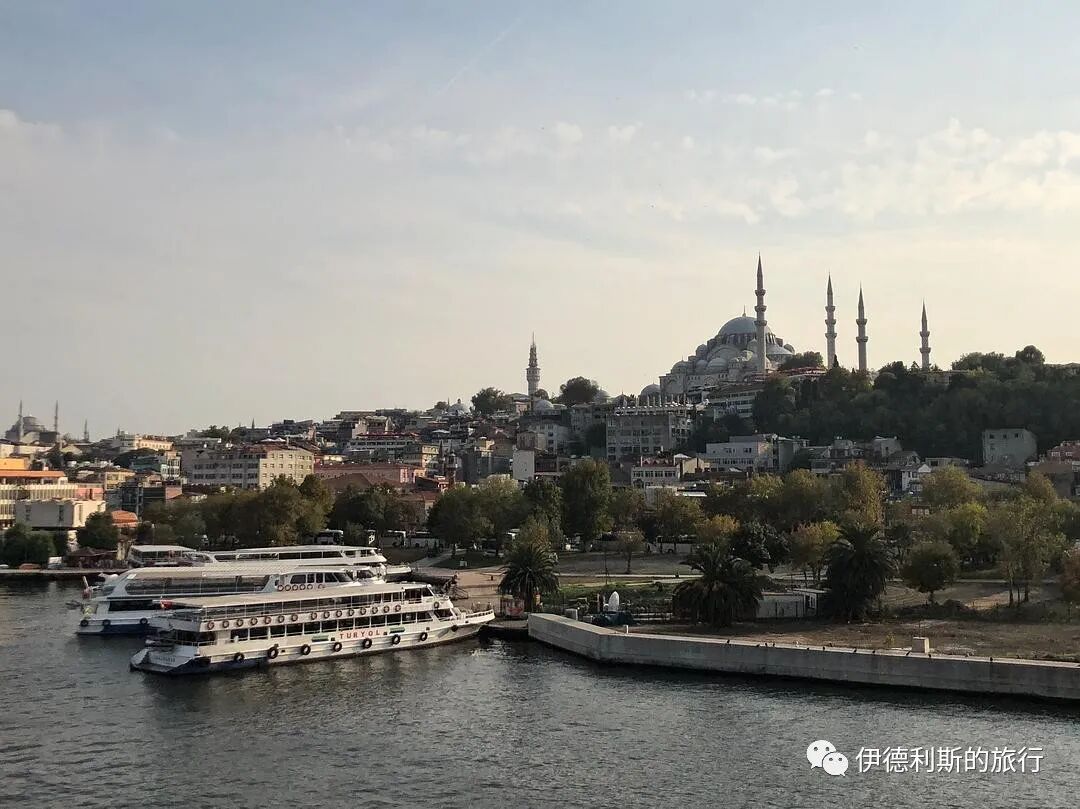
1. Suleymaniye Mosque
The Suleymaniye Mosque (Süleymaniye Camii) is the center of the entire complex. It took seven years to build from 1550 to 1557, though it was not officially finished until 1558.
The mosque was damaged in a fire in 1660 and later repaired by Sultan Mehmed IV, who reigned from 1648 to 1687. Part of the mosque's dome collapsed during an earthquake in 1766, and the repairs that followed ruined the original decorations by Sinan. During World War I, the mosque was used as an ammunition depot. A fire caused by the ammunition destroyed almost all of the original interior decorations from the time of Mimar Sinan. It was not fully repaired again until 1956.
(1) Exterior
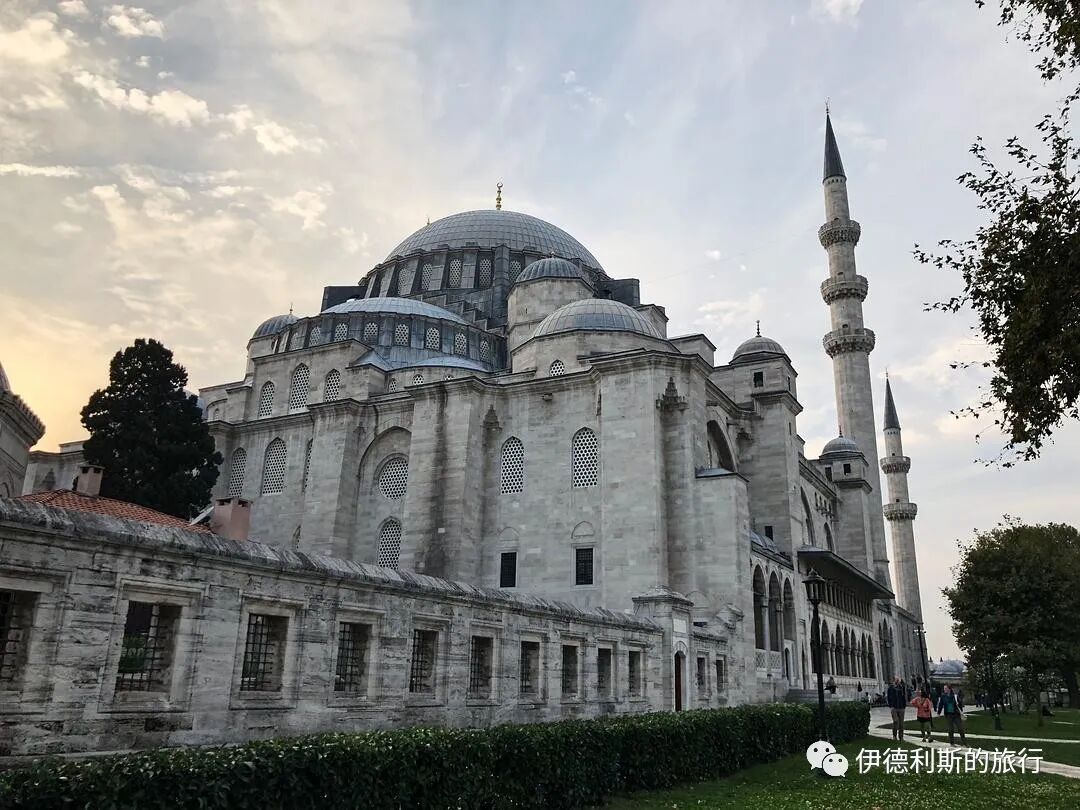
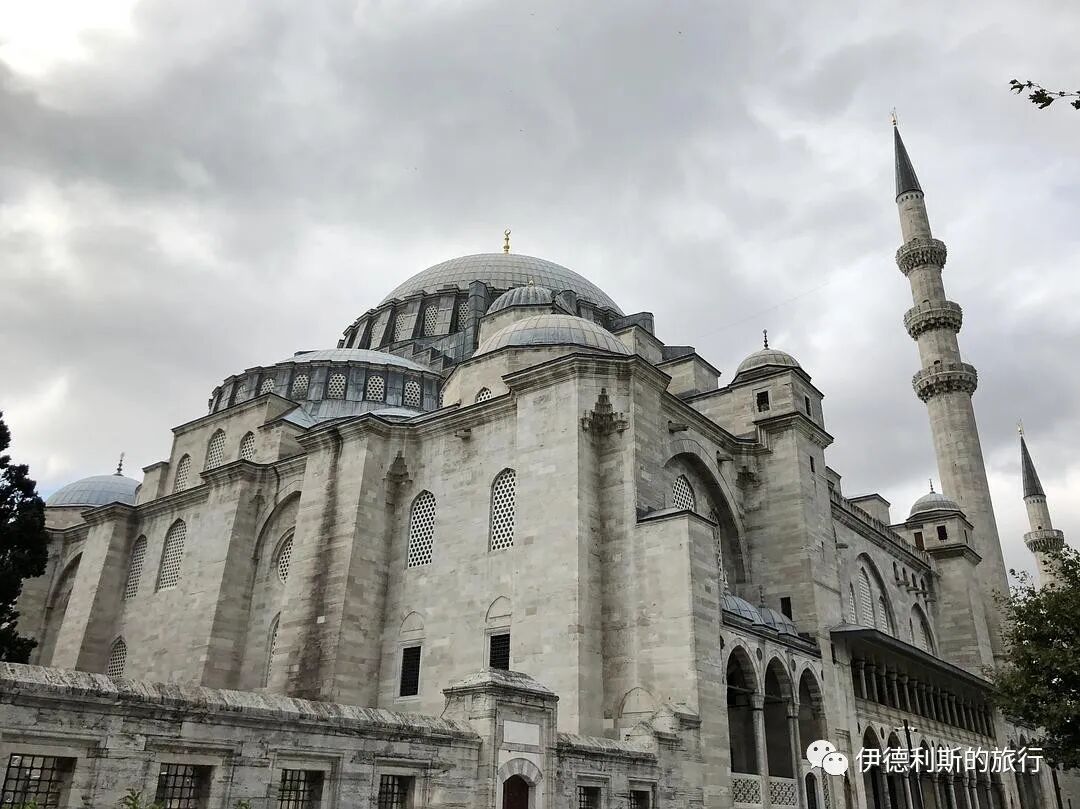
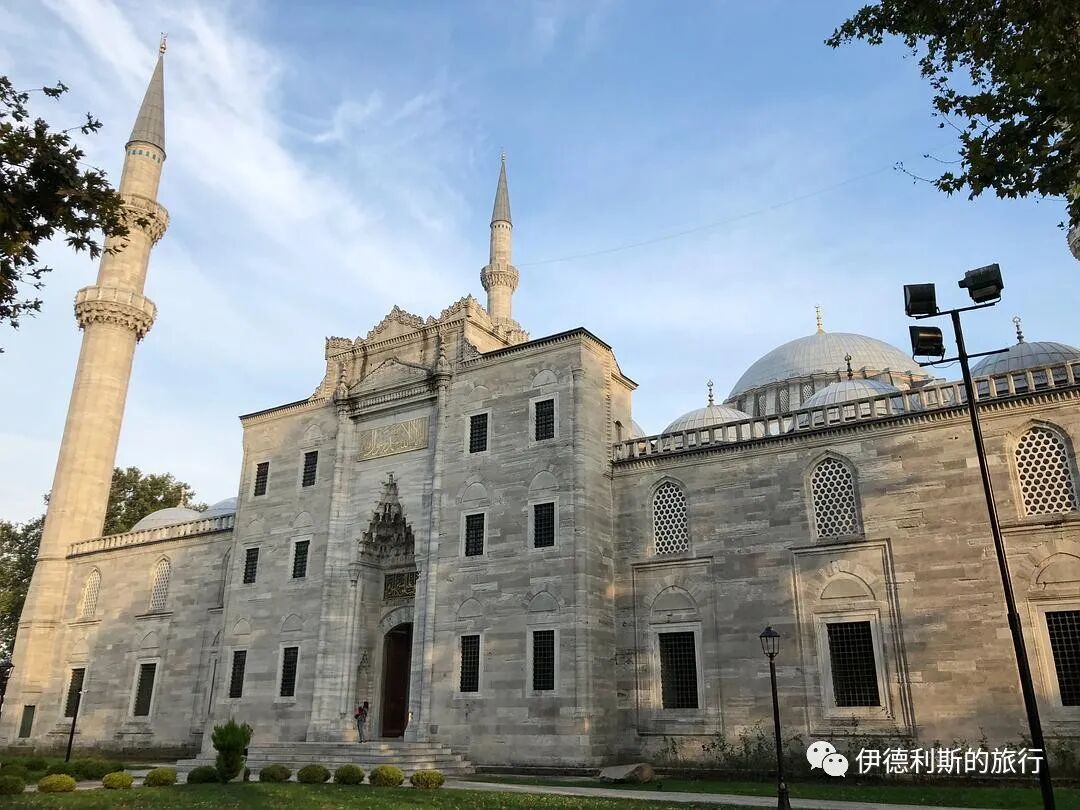
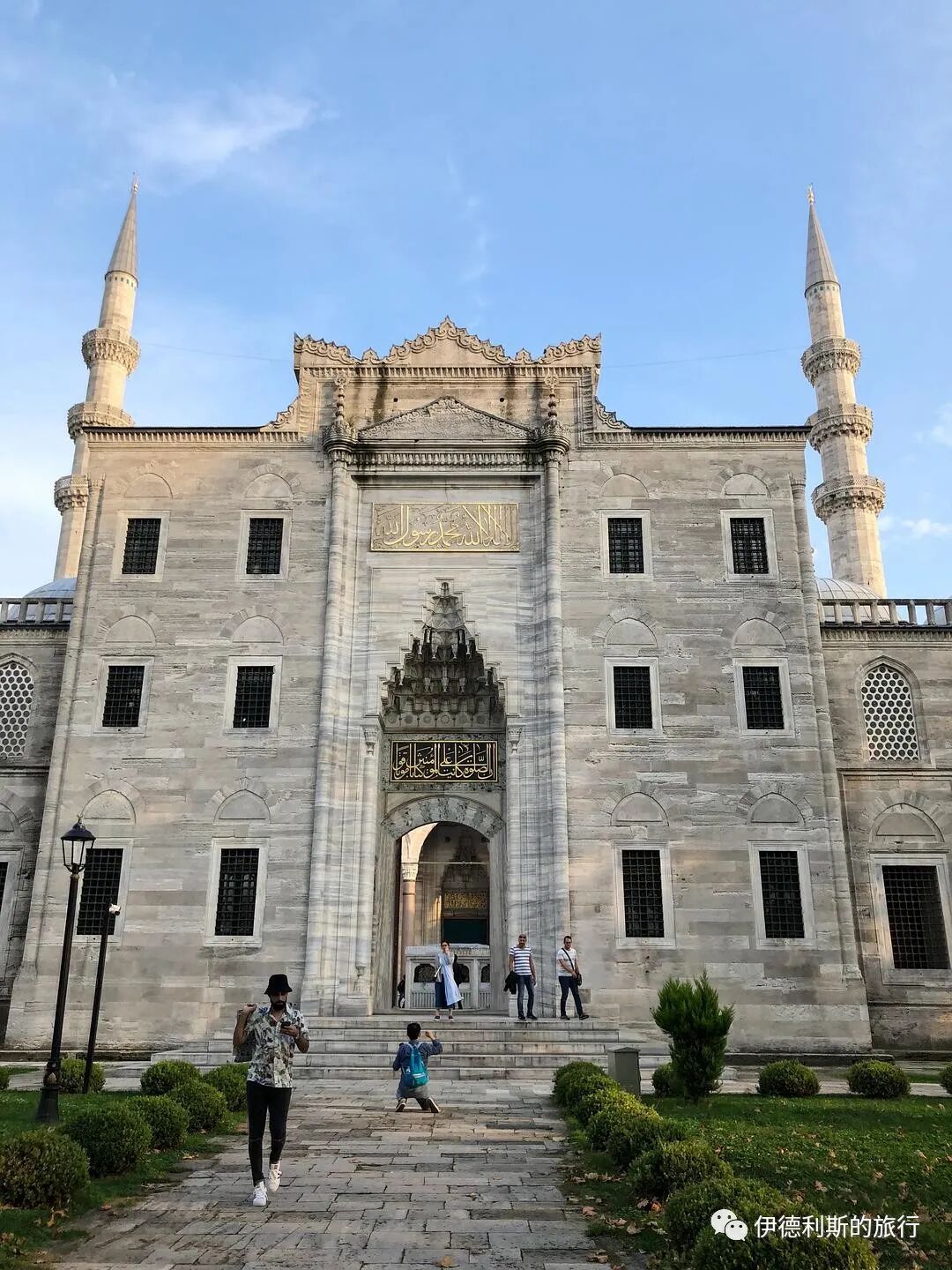
The Suleymaniye Mosque is the largest square-based, semi-domed mosque in the career of Mimar Sinan. Its main dome is 53 meters high, making it the tallest dome in the Ottoman Empire at that time. There are two semi-domes under the main dome. This style is similar to the Hagia Sophia and the Bayezid II Mosque (Beyazıt Camii), which was built between 1501 and 1506. Suleiman the Magnificent wanted to build a structure that surpassed the Hagia Sophia. Because of this, the Suleymaniye Mosque shares a similar design style with the Hagia Sophia, but it is better in its use of space and the logic of its weight-bearing system.
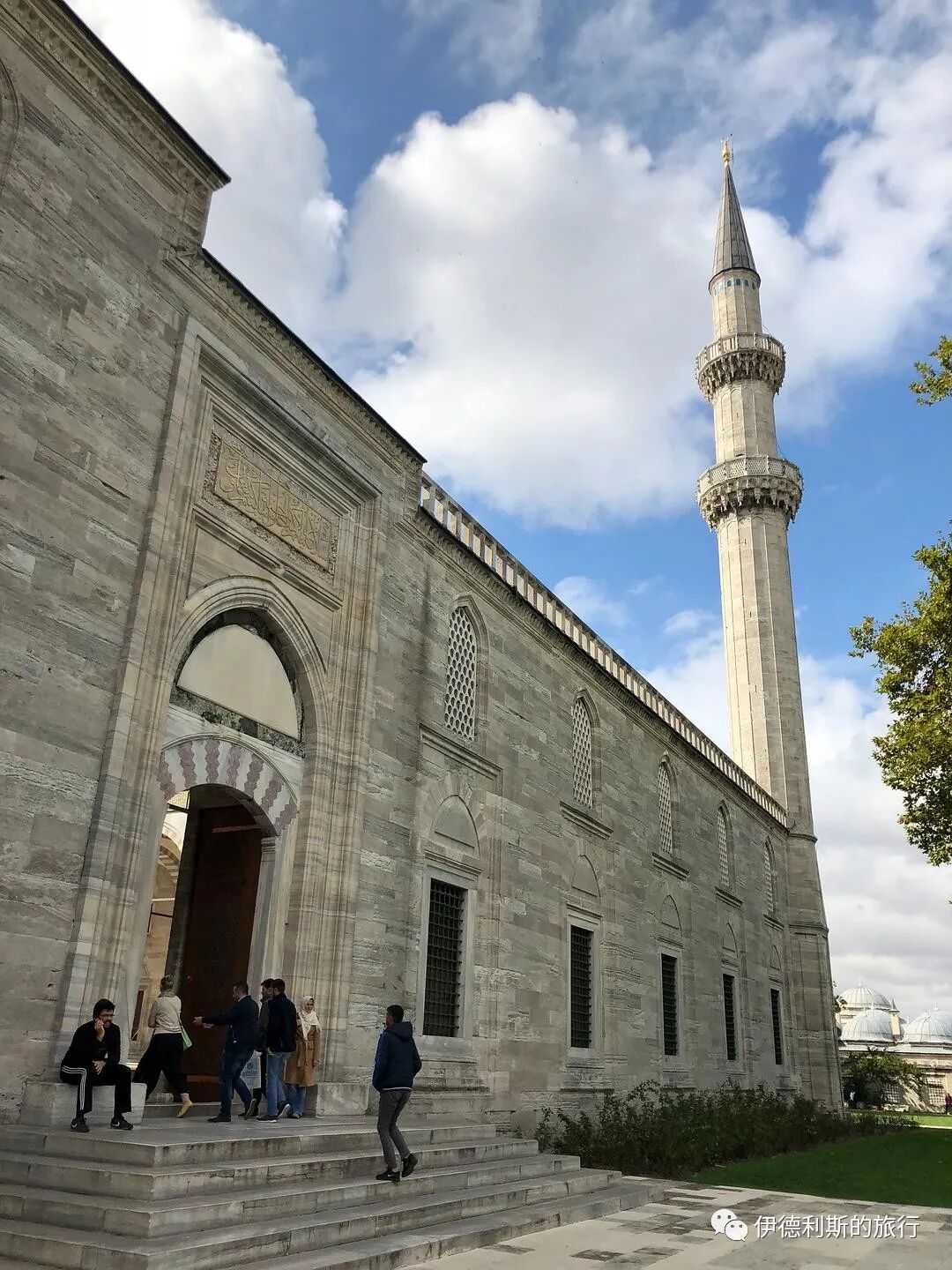
For the mosque's design, Mimar Sinan continued the bold innovations he used earlier at the Sehzade Mosque (1543-1548). He built porches along the walls on both sides of the main hall to hide the massive buttresses that support the dome. This design softens the building's flanks and makes the exterior facade much more beautiful.
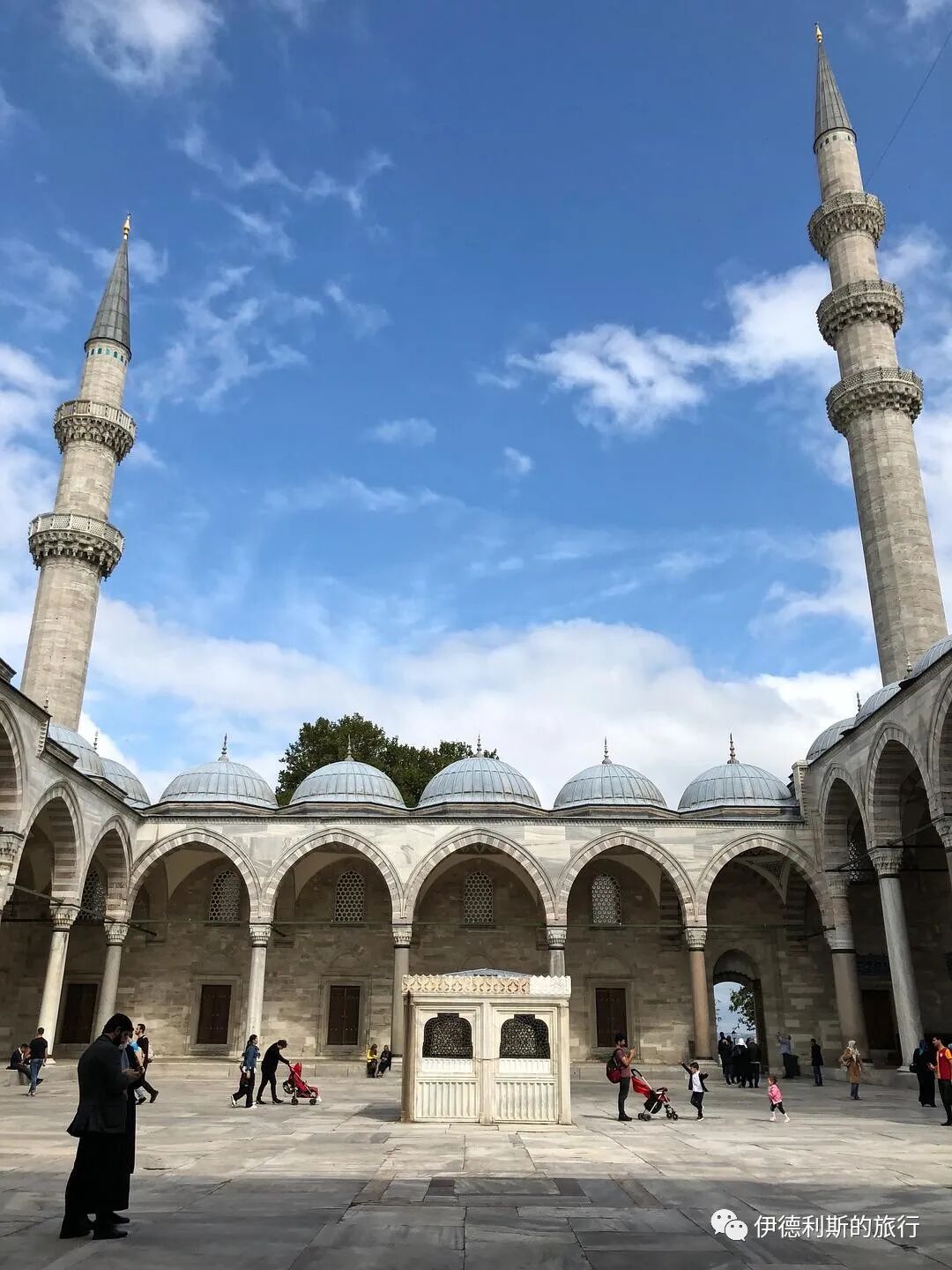
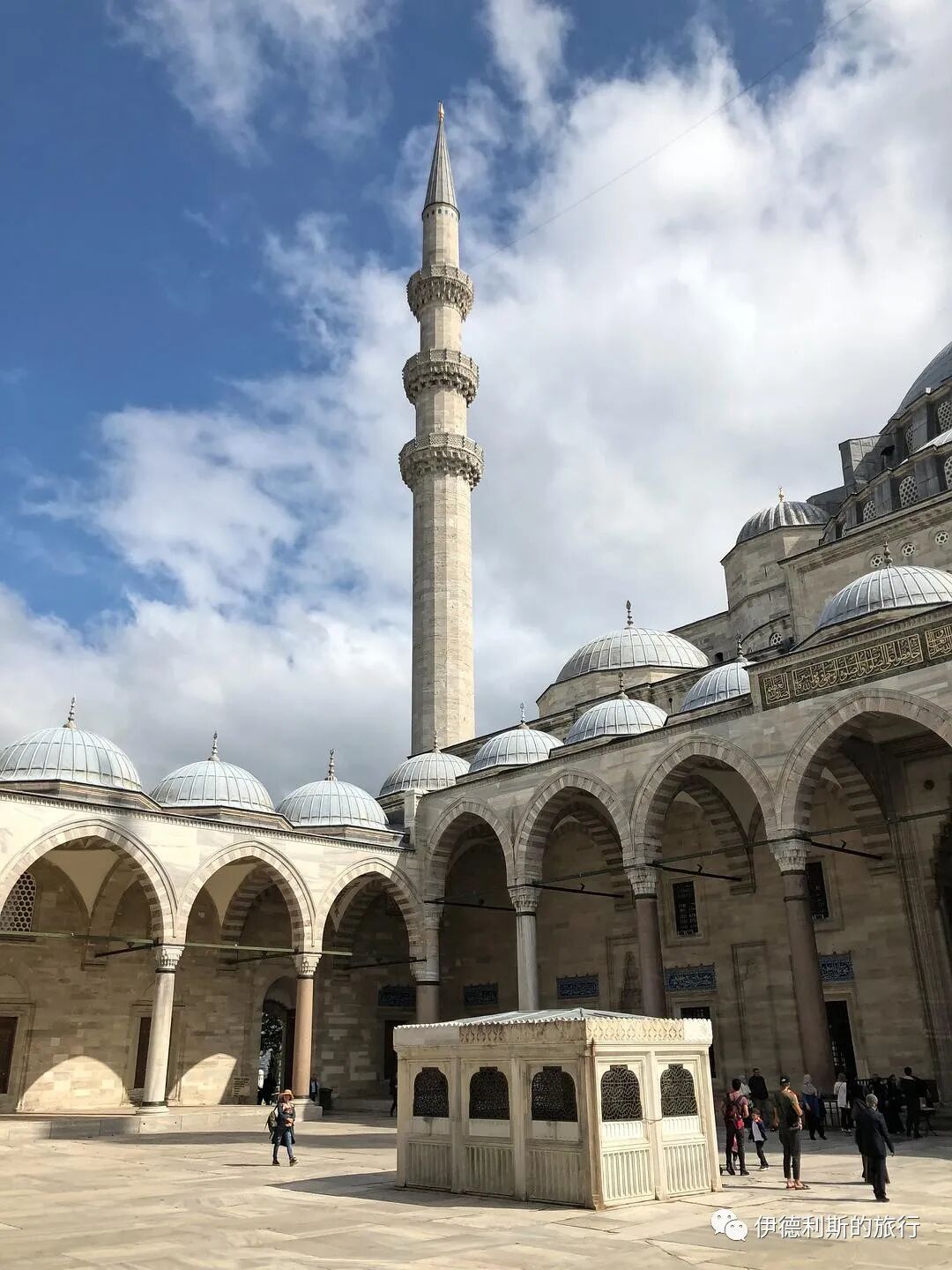
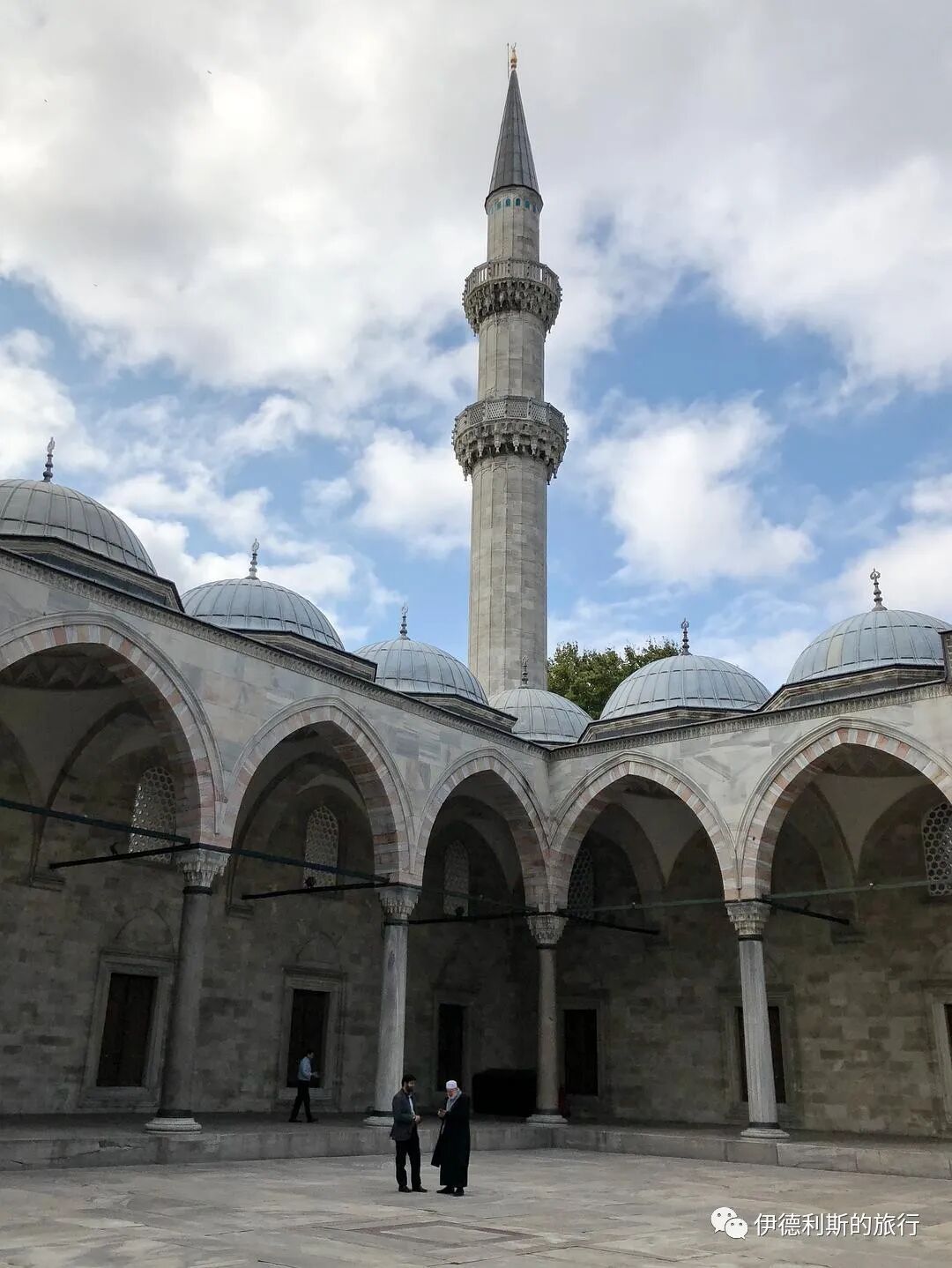
The mosque has four minarets at its corners. Two are 76 meters tall and two are 56 meters tall, a privilege reserved only for the Sultan. In the Ottoman Empire, princes and princesses could build two minarets, while everyone else was limited to one. The four minarets have a total of 10 balconies. It is said this shows that Suleiman the Magnificent was the 10th ruler of the Ottoman Empire.
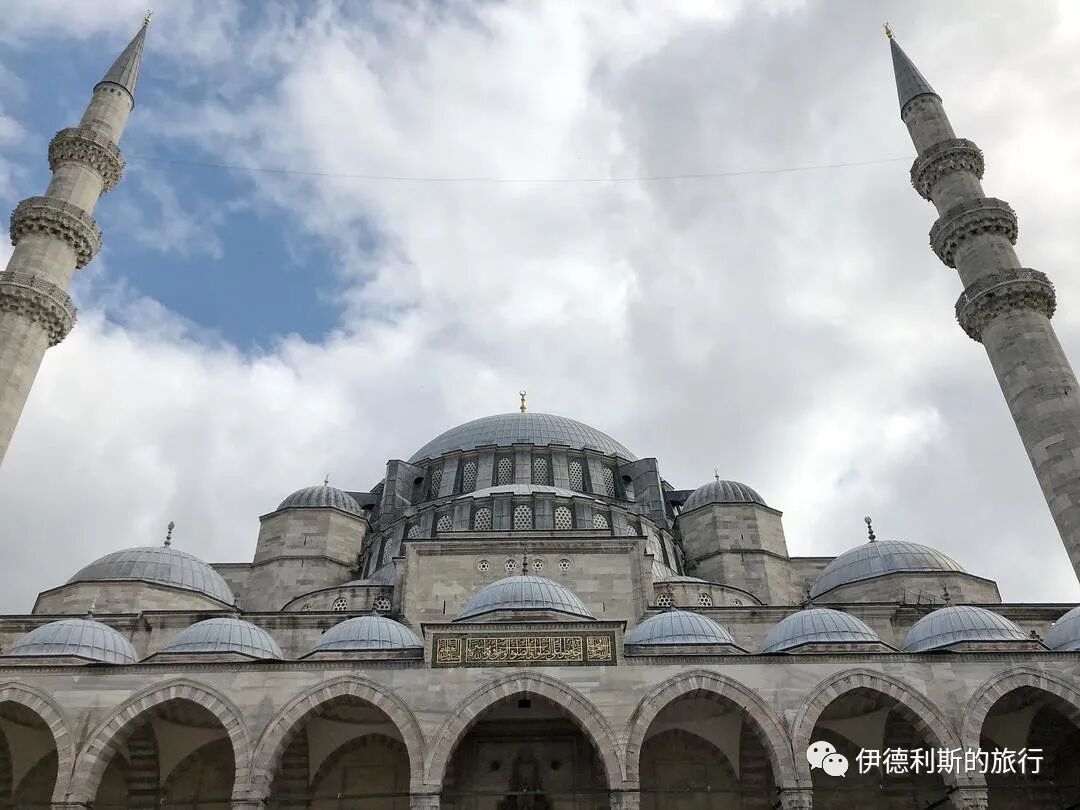
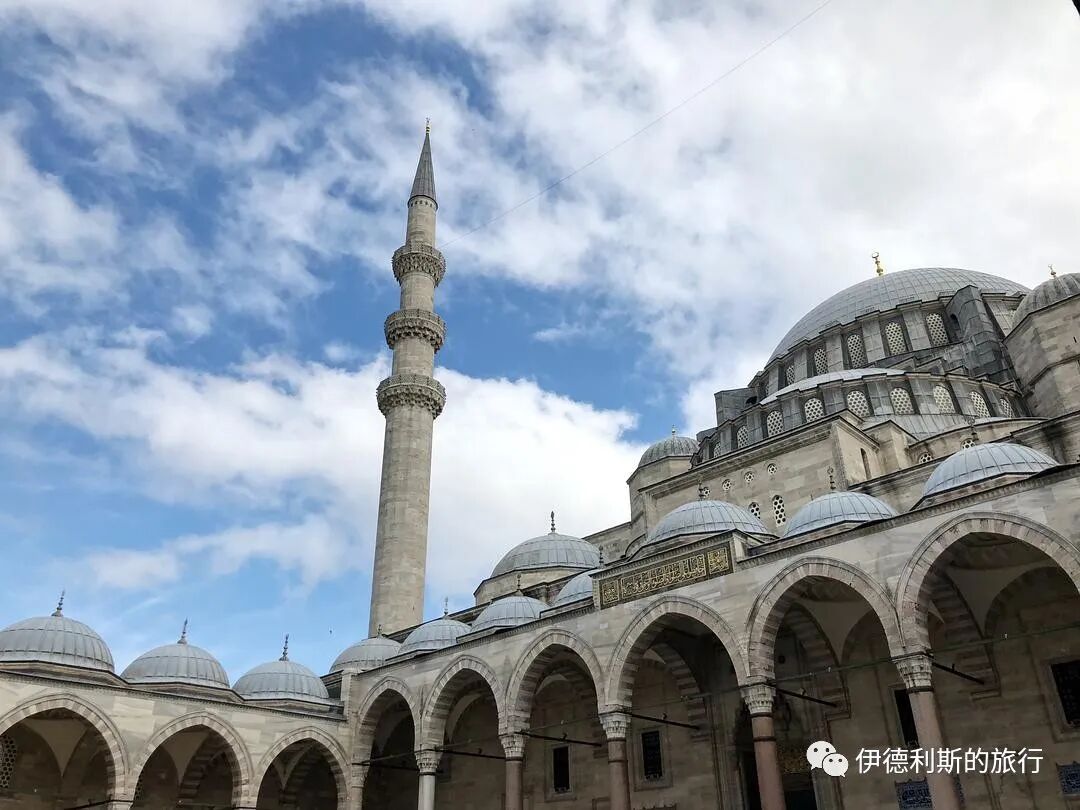
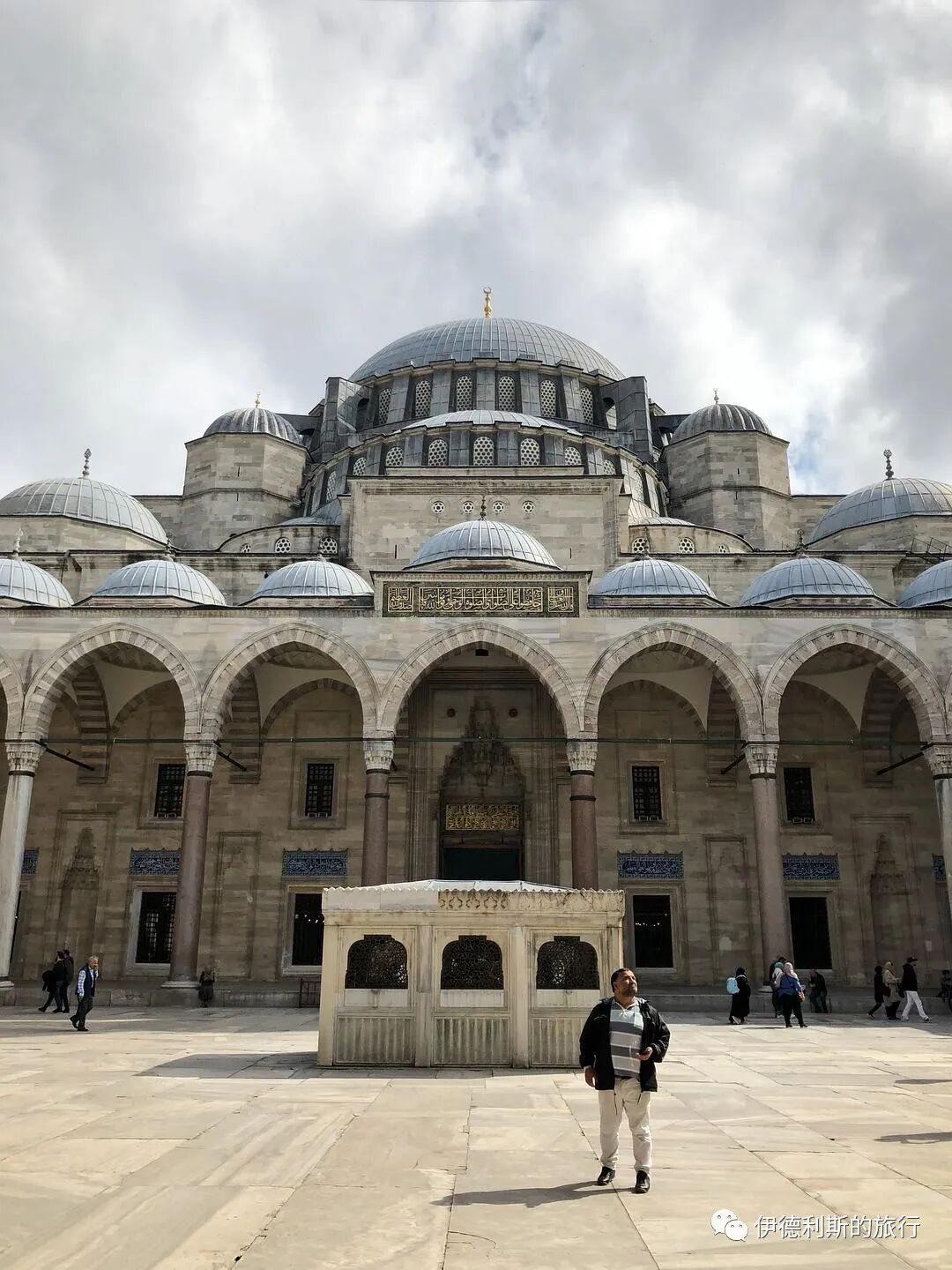
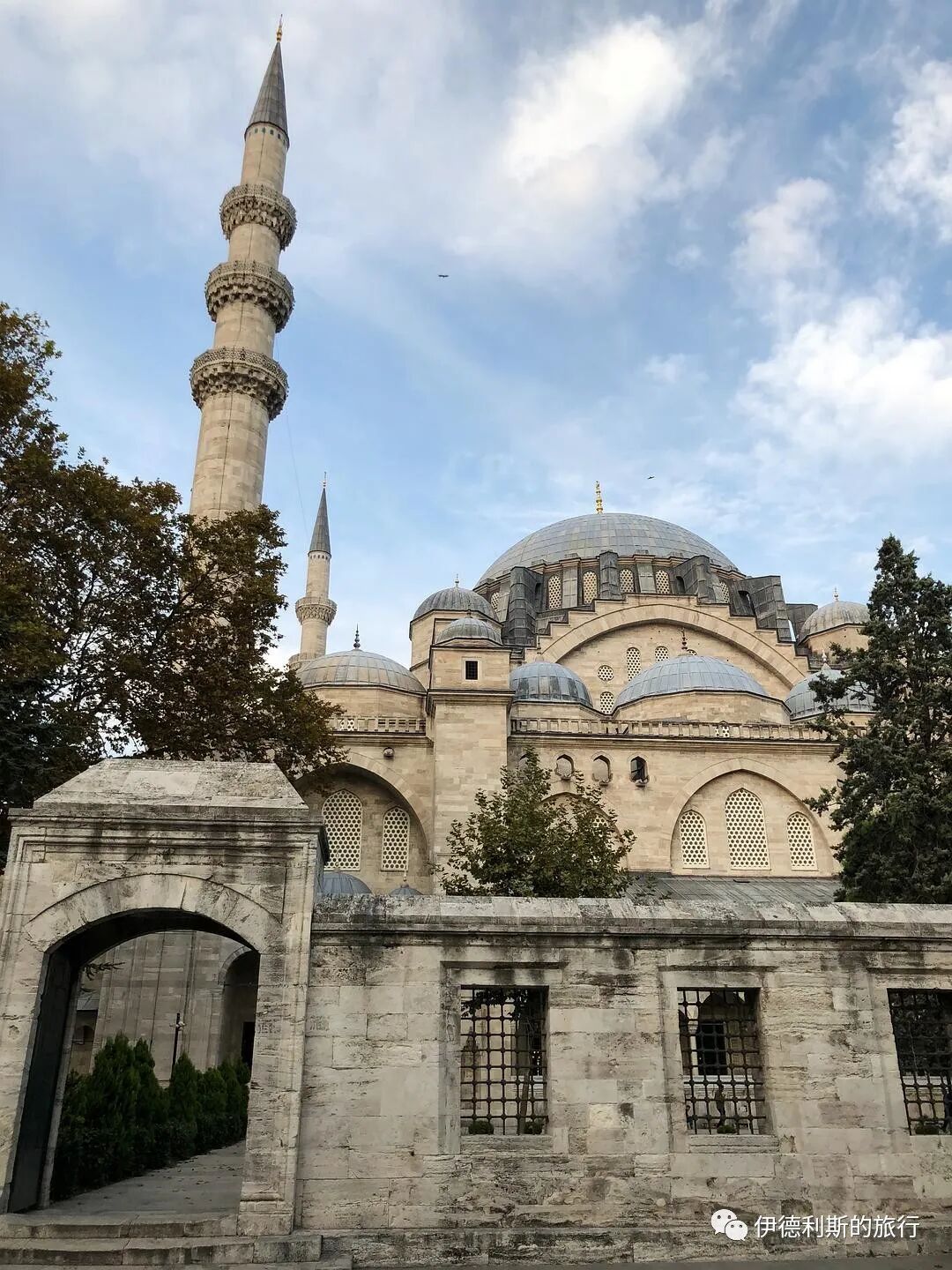
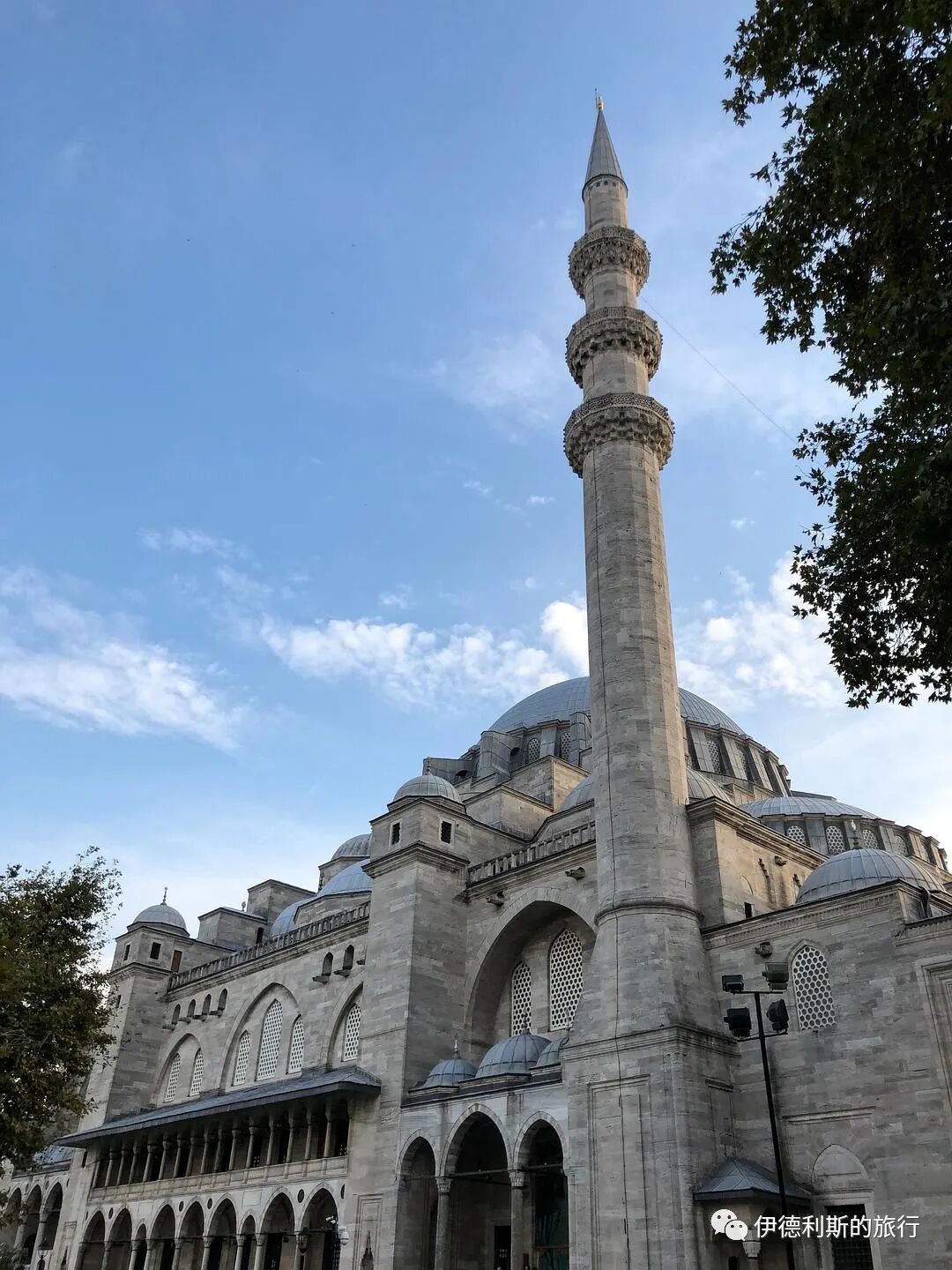
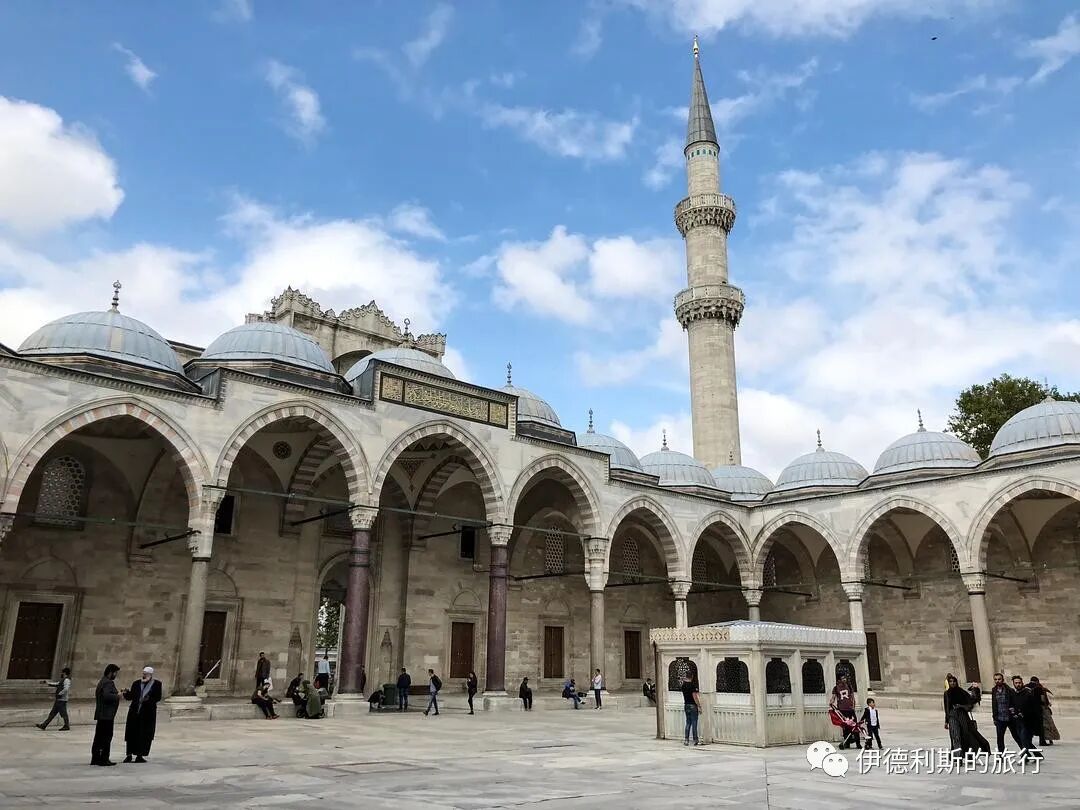
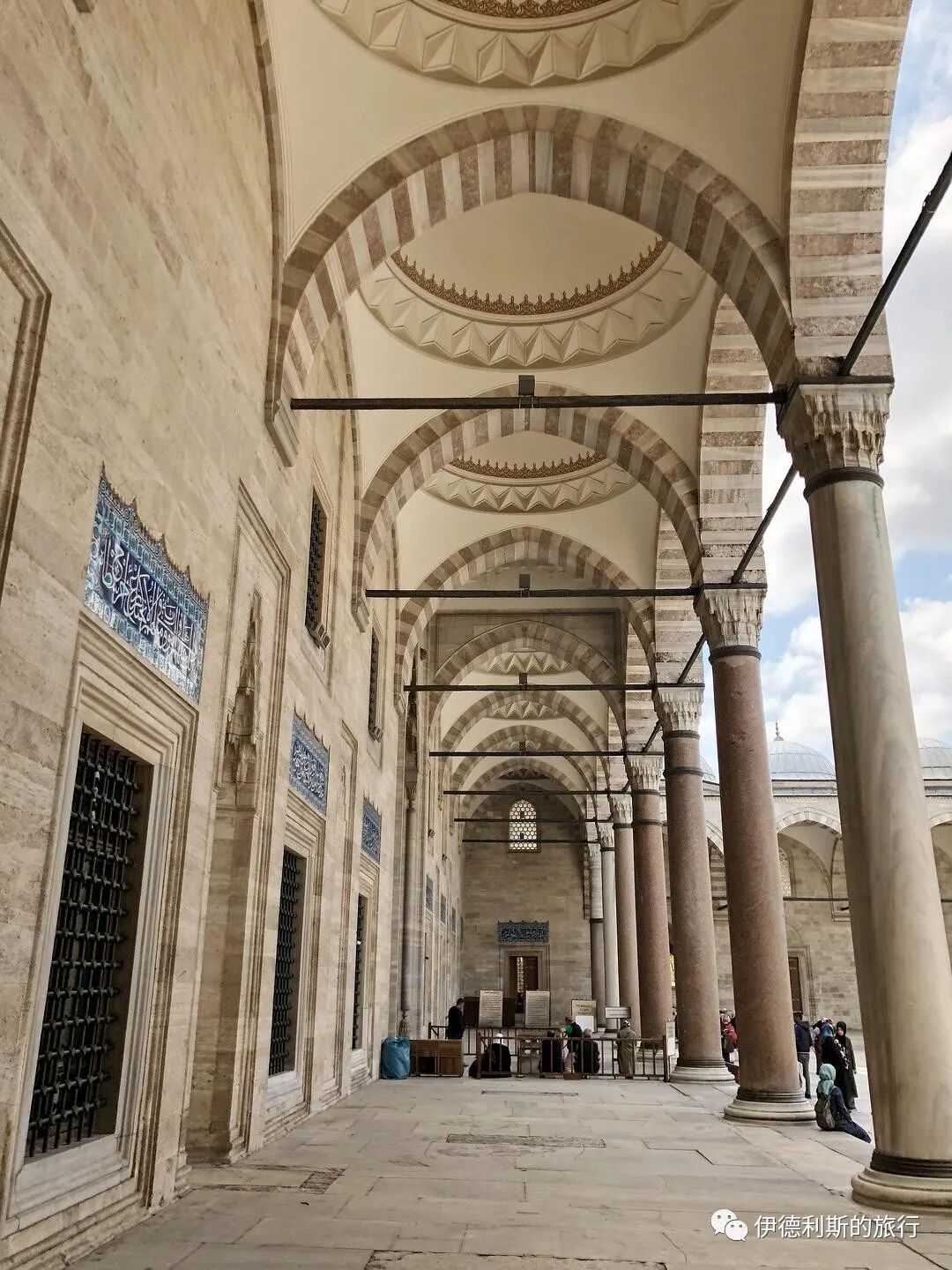
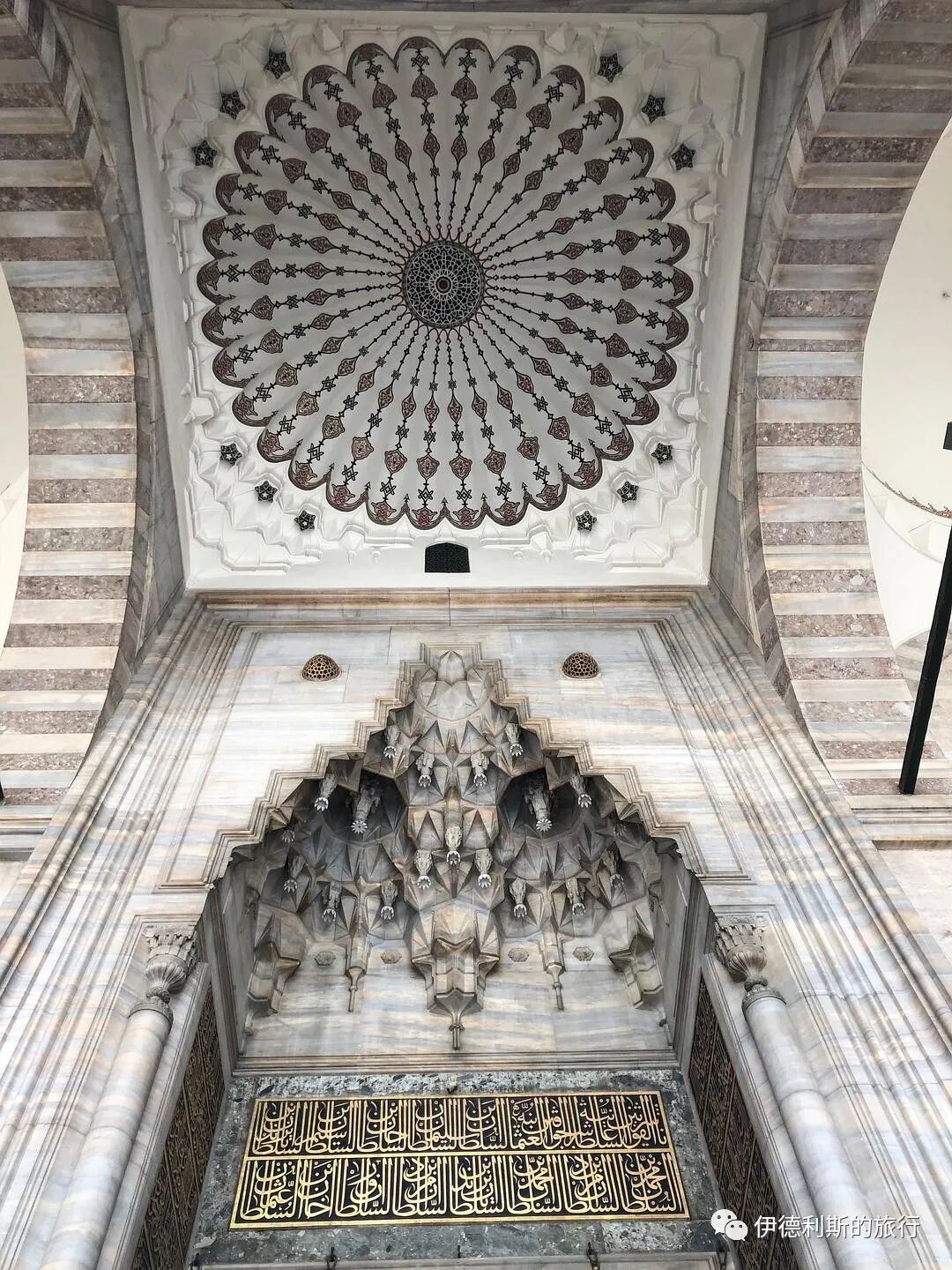
The courtyard in front of the main hall has cloisters made of marble, granite, and porphyry. The Iznik tiles on the walls feature bright tomato-red clay under the glaze, which is the earliest example of this type of tile used in building decoration.
In the center of the front courtyard is a fountain that provides cold water, hot water, and drinkable cold sweet water.
(2) Interior
The main hall is 59 meters long and 58 meters wide. A central dome sits between two half-domes, surrounded by several smaller domes. This design creates a wave-like echo for any sound made inside the hall.
The mosque was damaged in a fire in 1660 and later repaired by Sultan Mehmed IV, who reigned from 1648 to 1687. The mosque's dome partially collapsed during an earthquake in 1766. Later repairs damaged the original decorations by Mimar Sinan. During World War I, the mosque served as an ammunition depot. A fire caused by the stored explosives destroyed almost all of the original interior decorations from Mimar Sinan's time. Repairs were not finished until 1956.
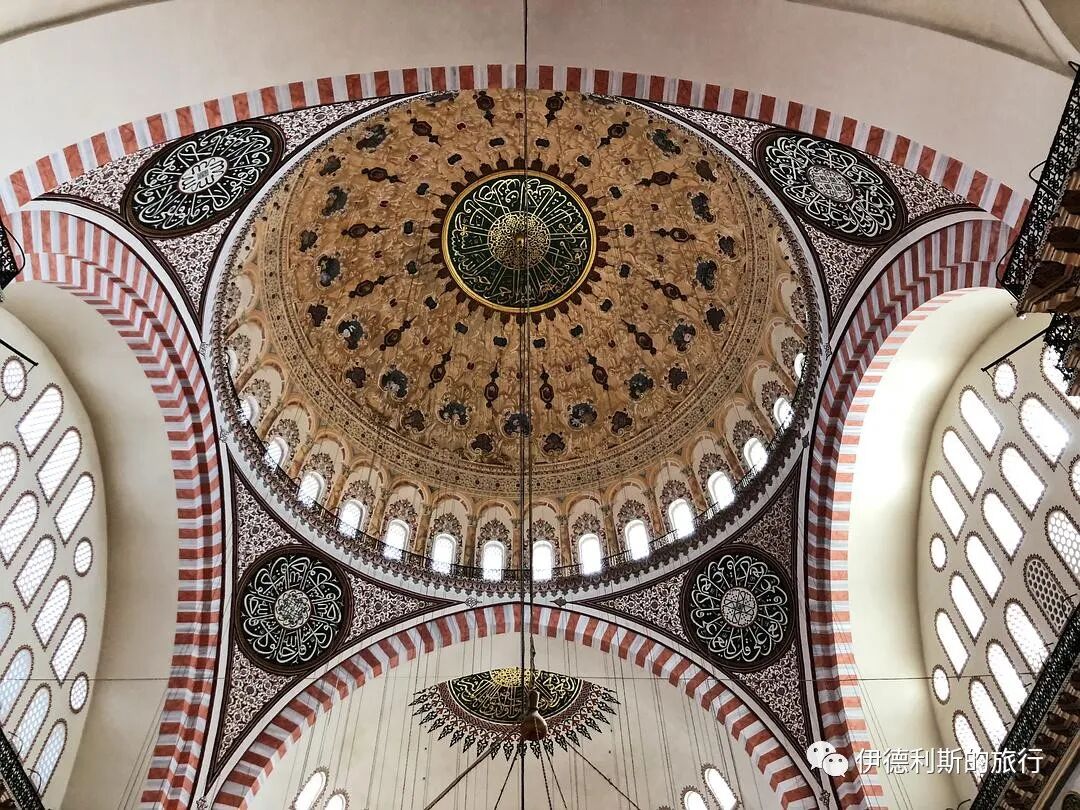
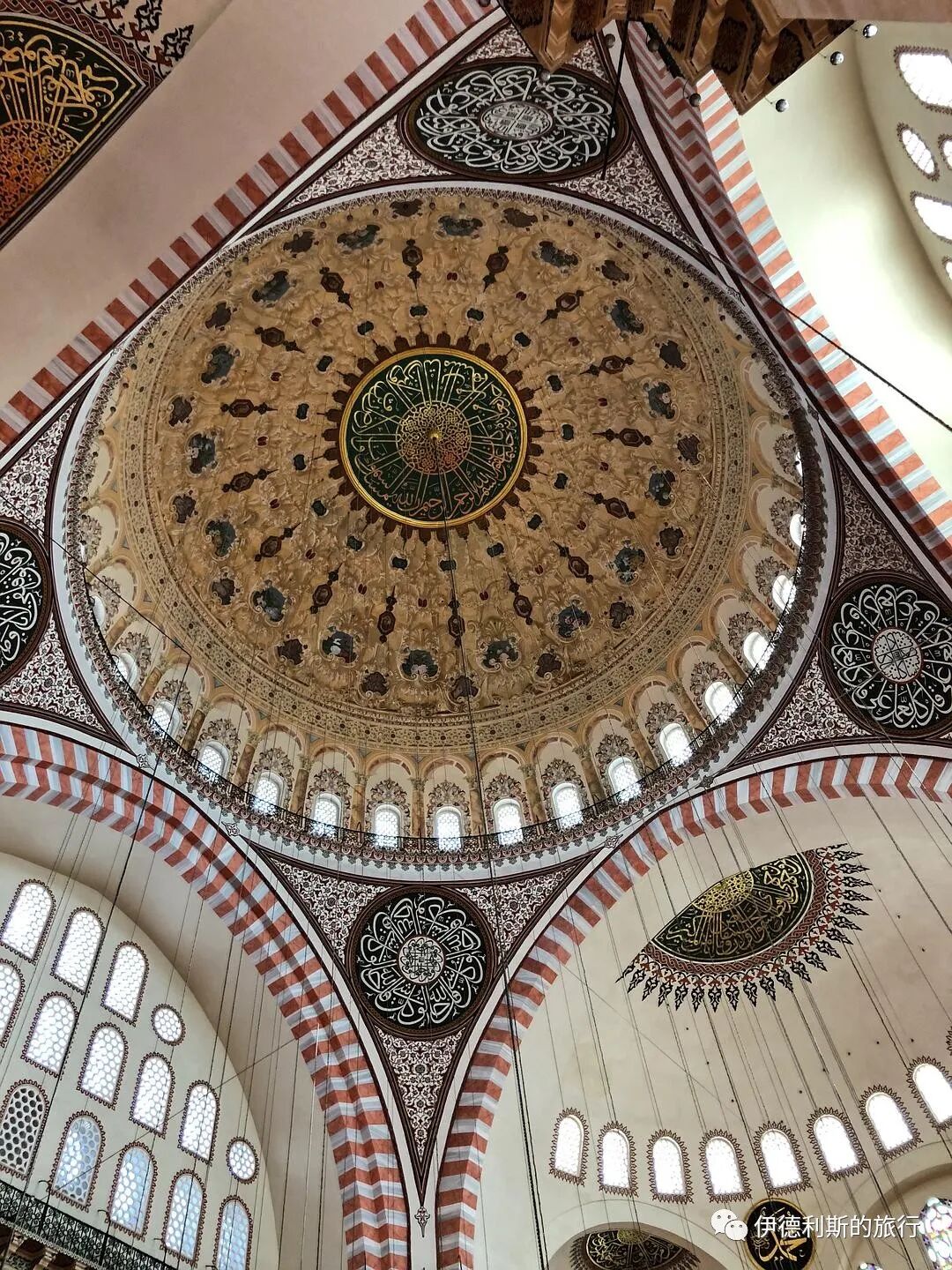
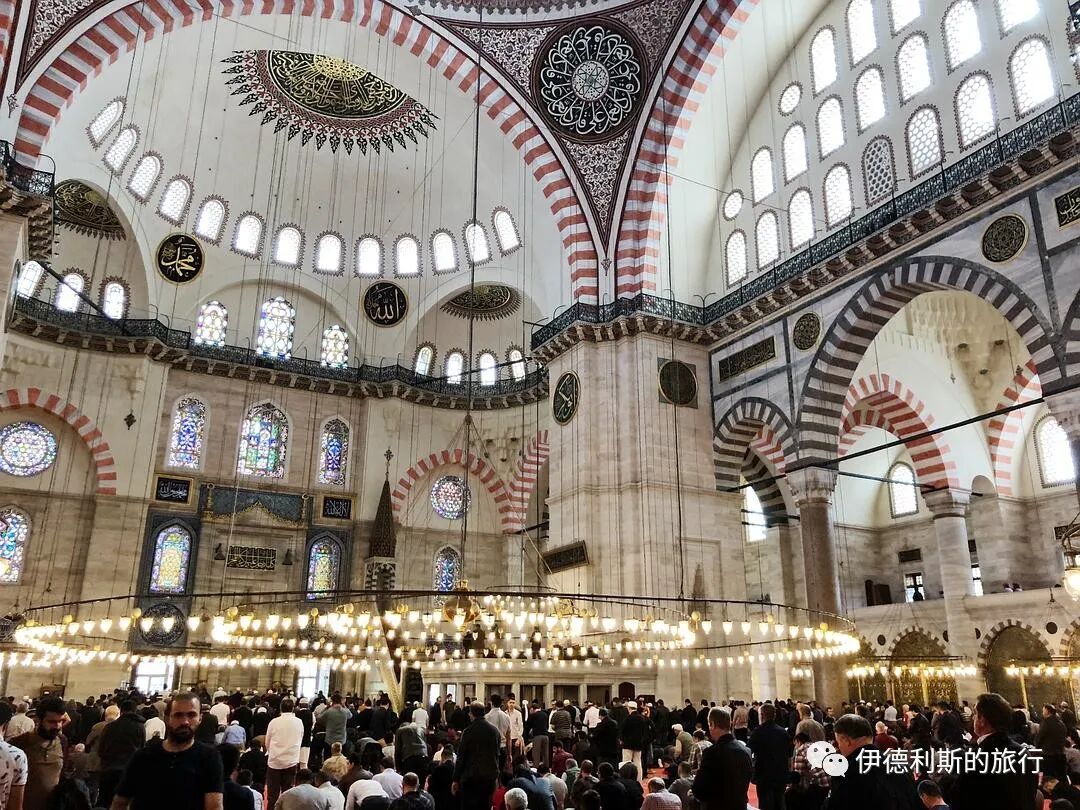
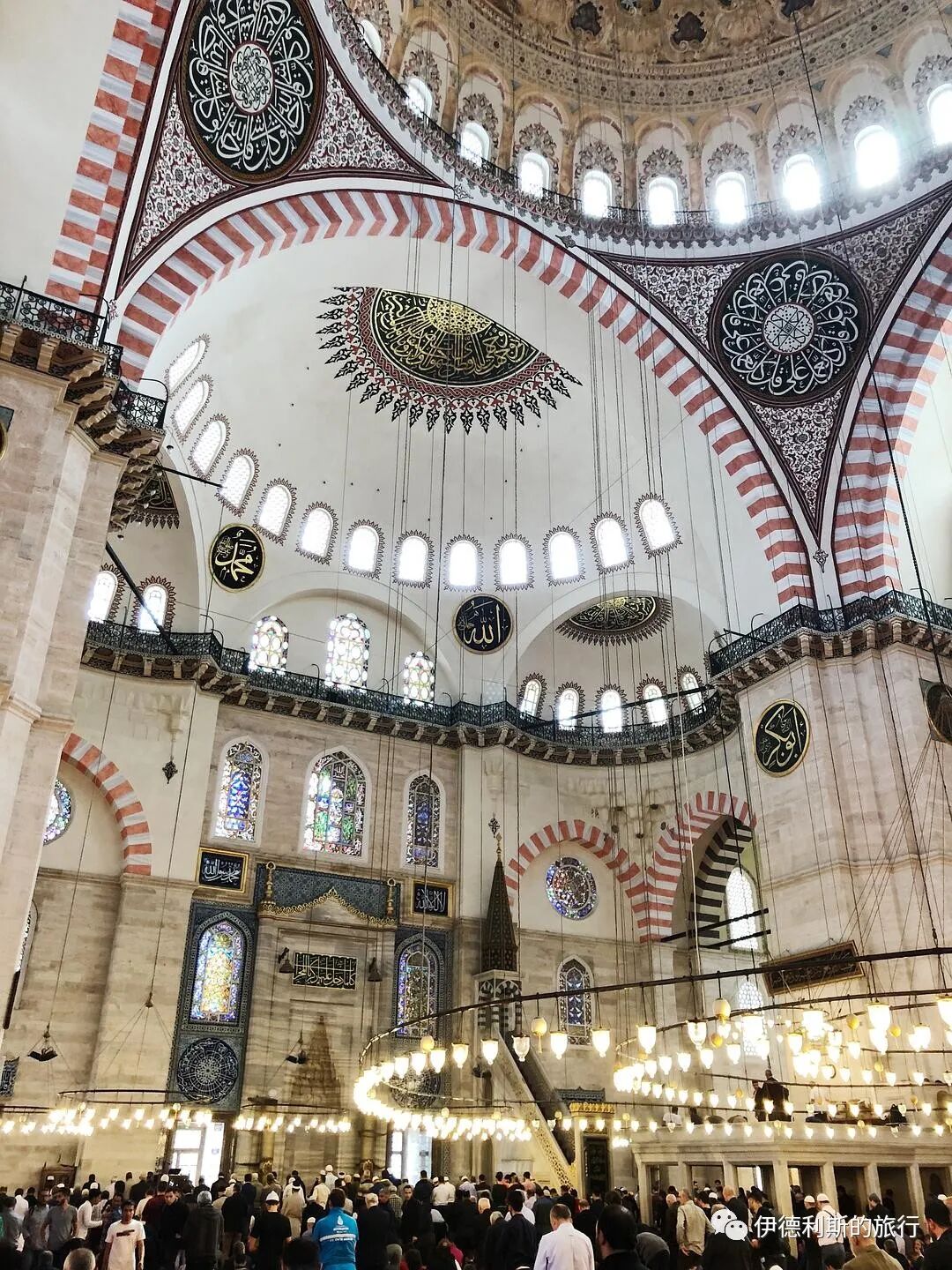
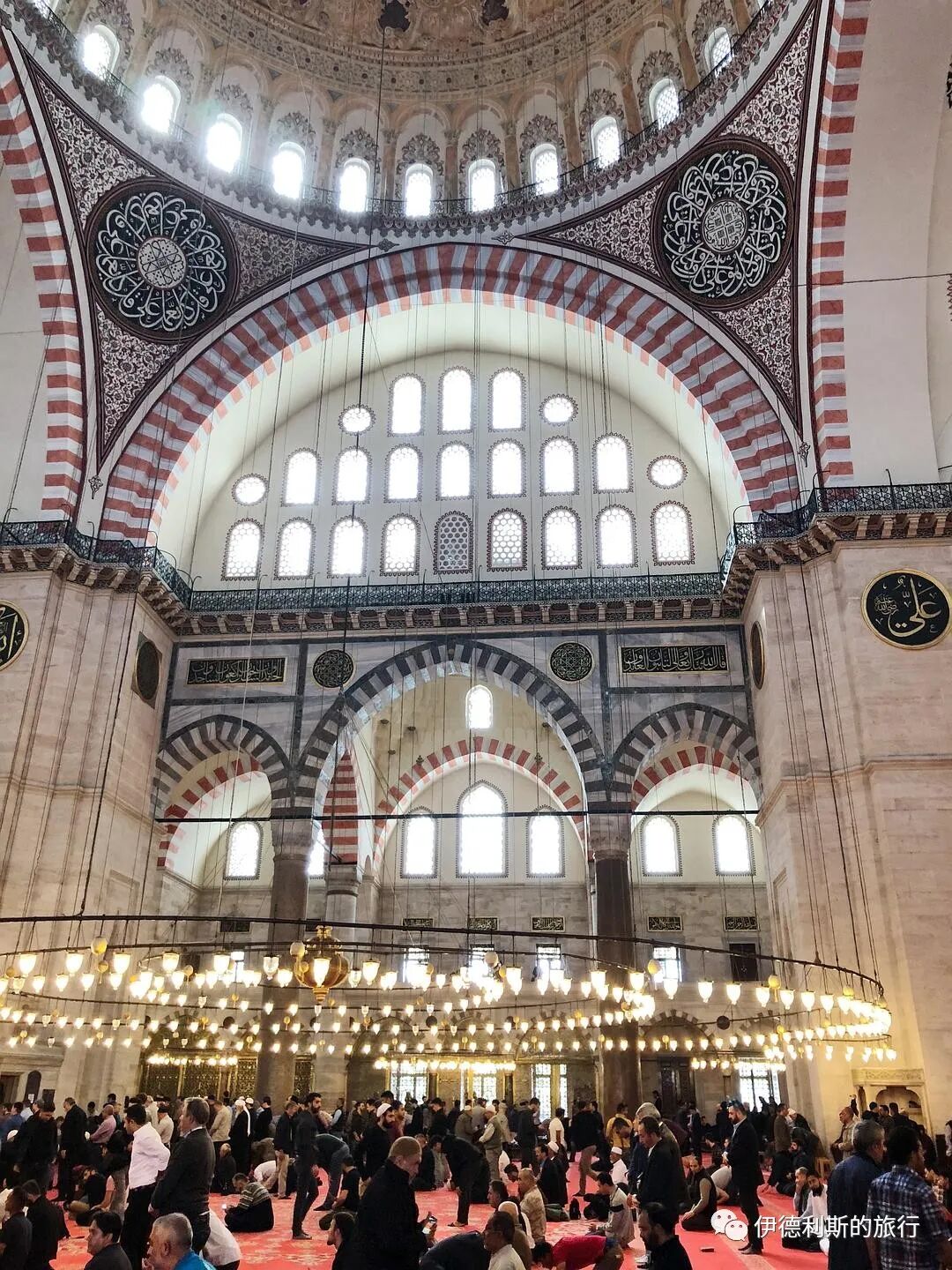
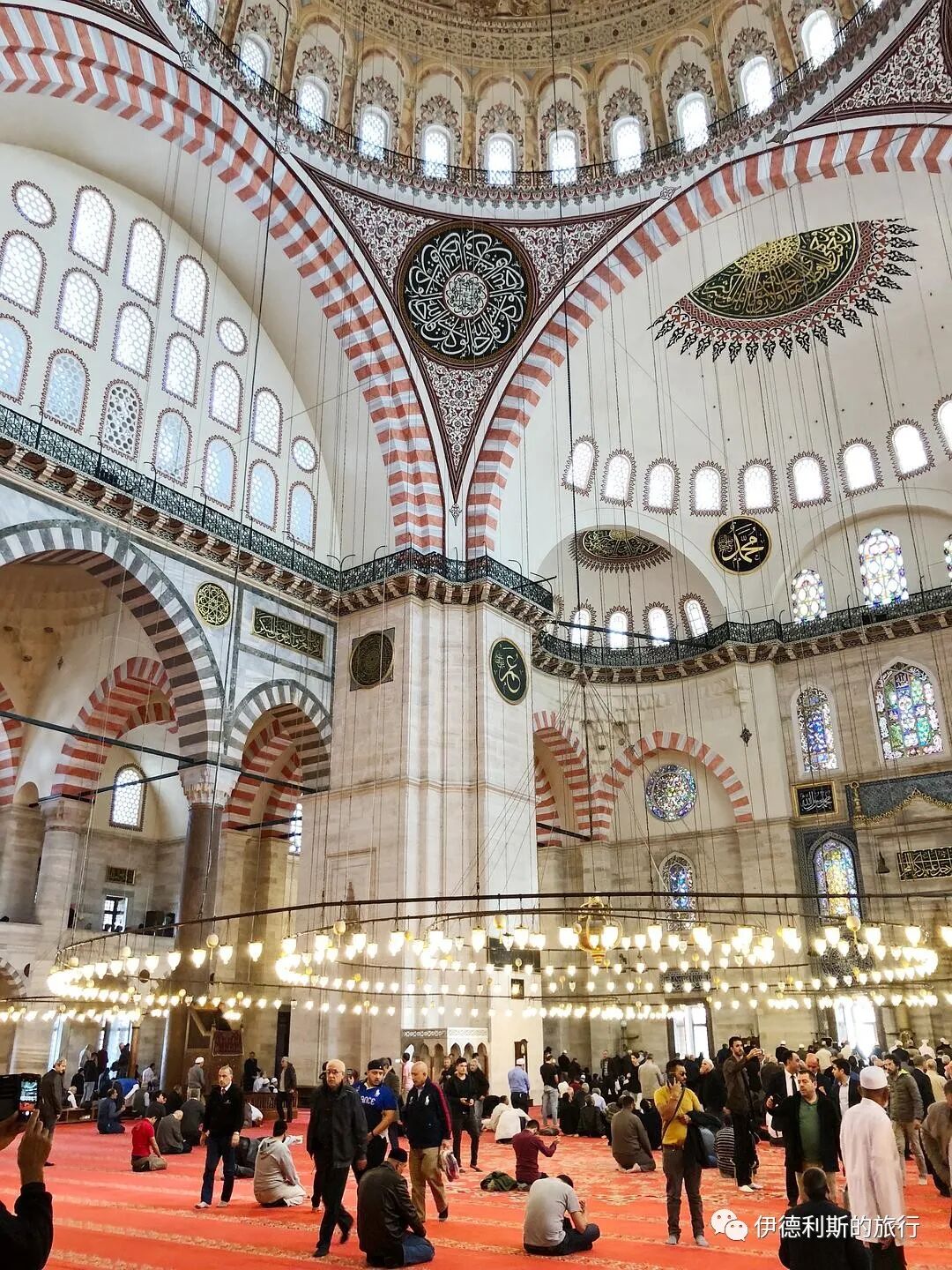
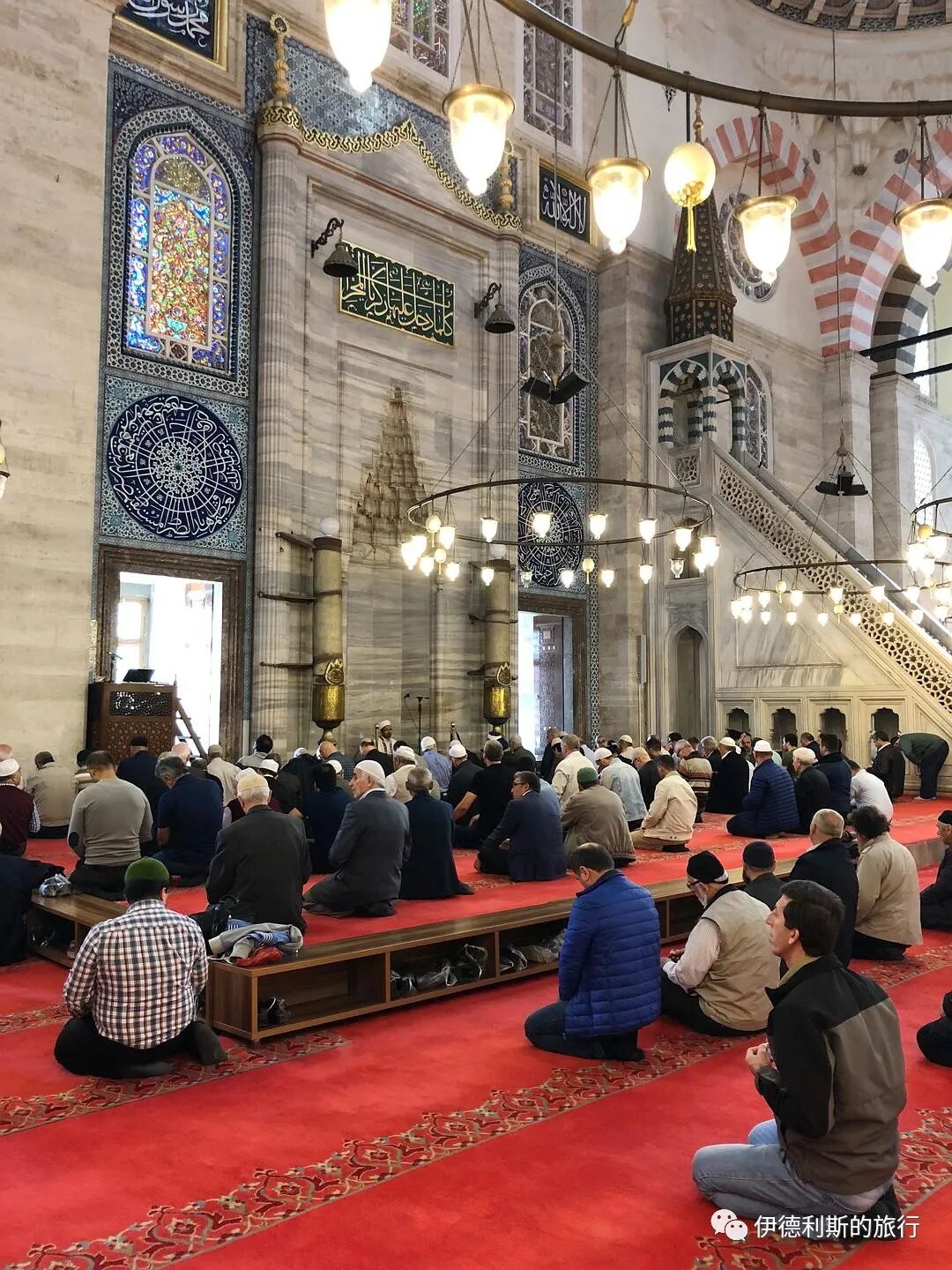
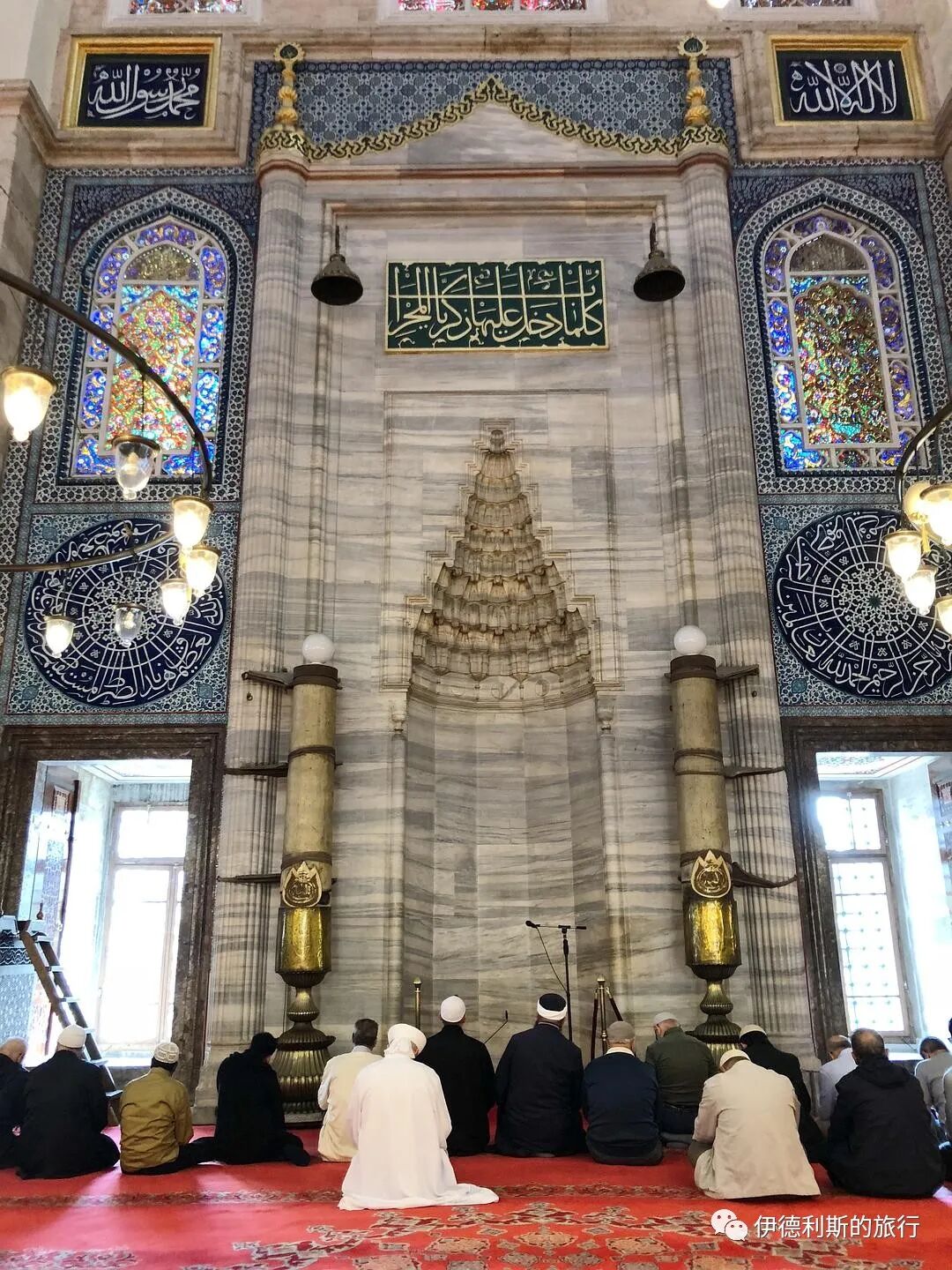
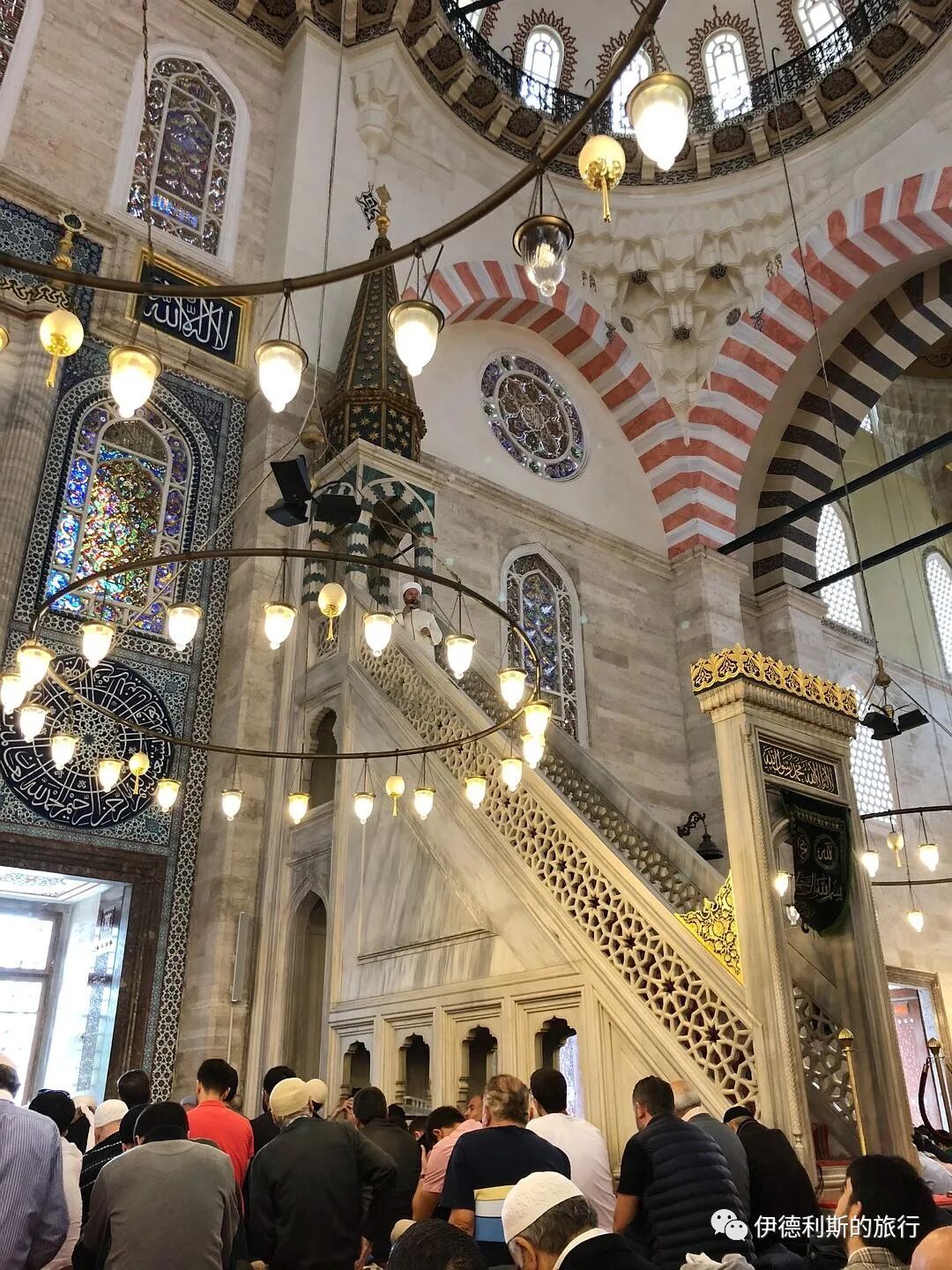
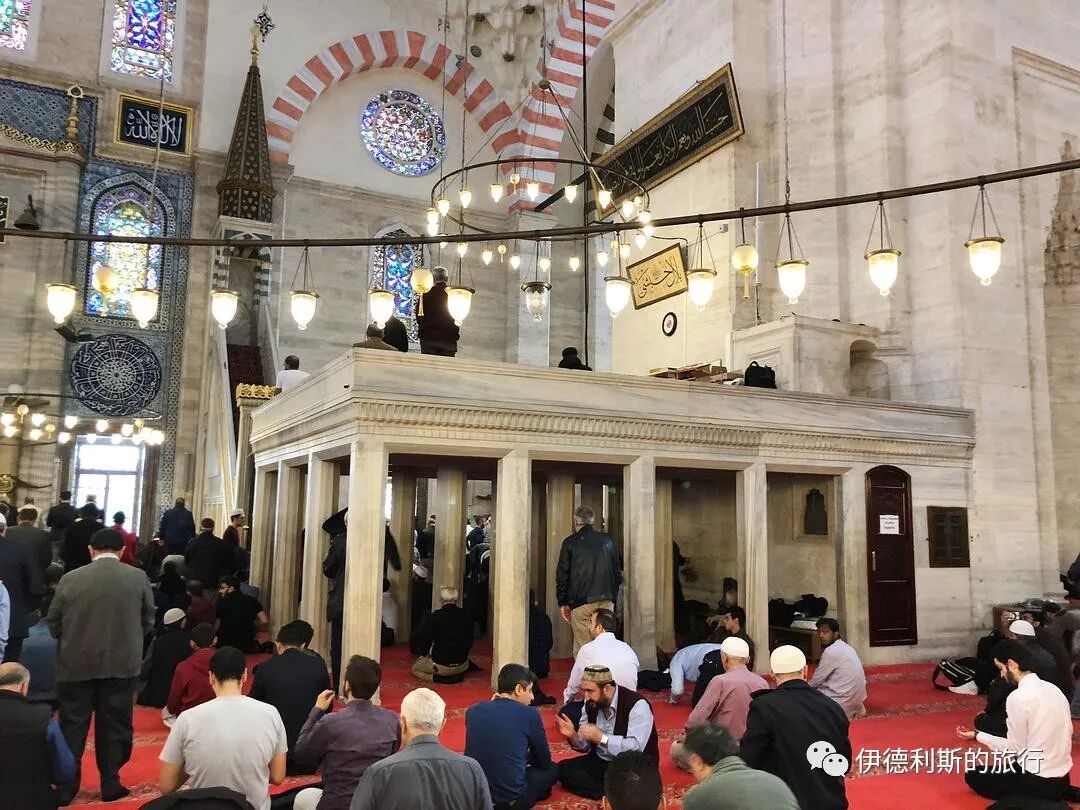
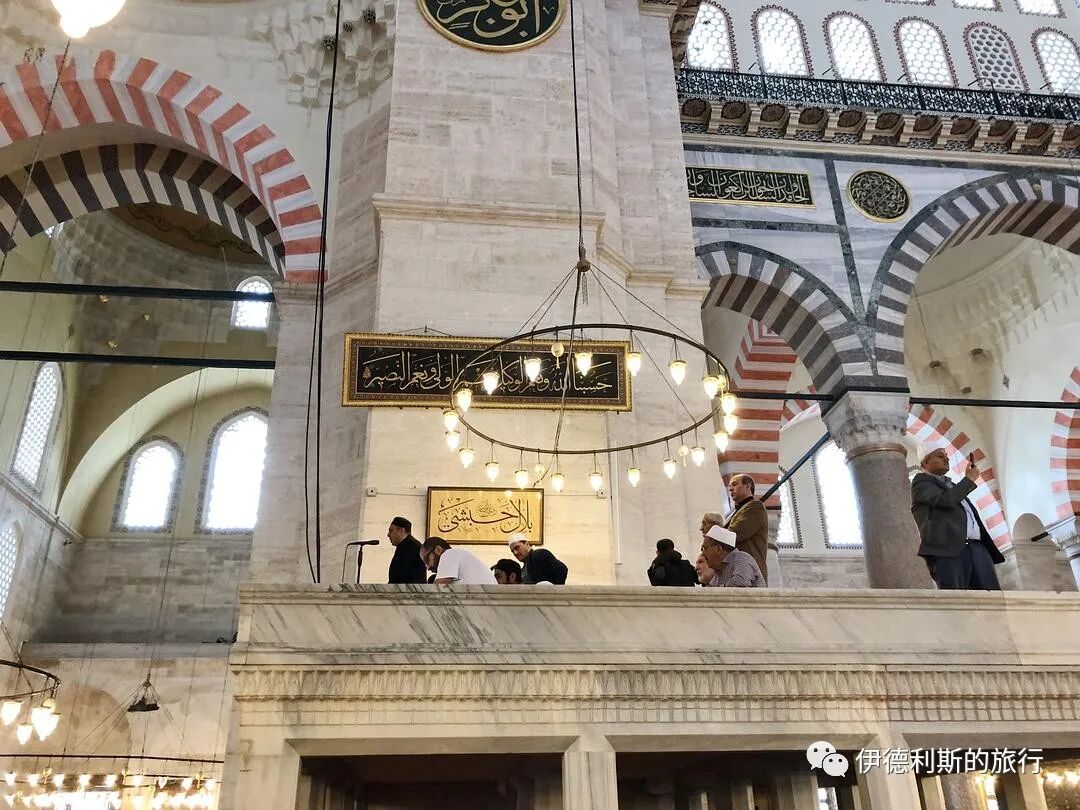
The interior features stained glass. The area around the prayer niche (mihrab) is decorated with Iznik tiles, including two large tiles with Arabic calligraphy showing the opening chapter of the Quran. Across from the pulpit (minbar) is a platform where the Sultan and his close associates would perform namaz. Guards would be stationed on the lower level of the platform while the Sultan prayed.
2. Bathhouse: 1557.
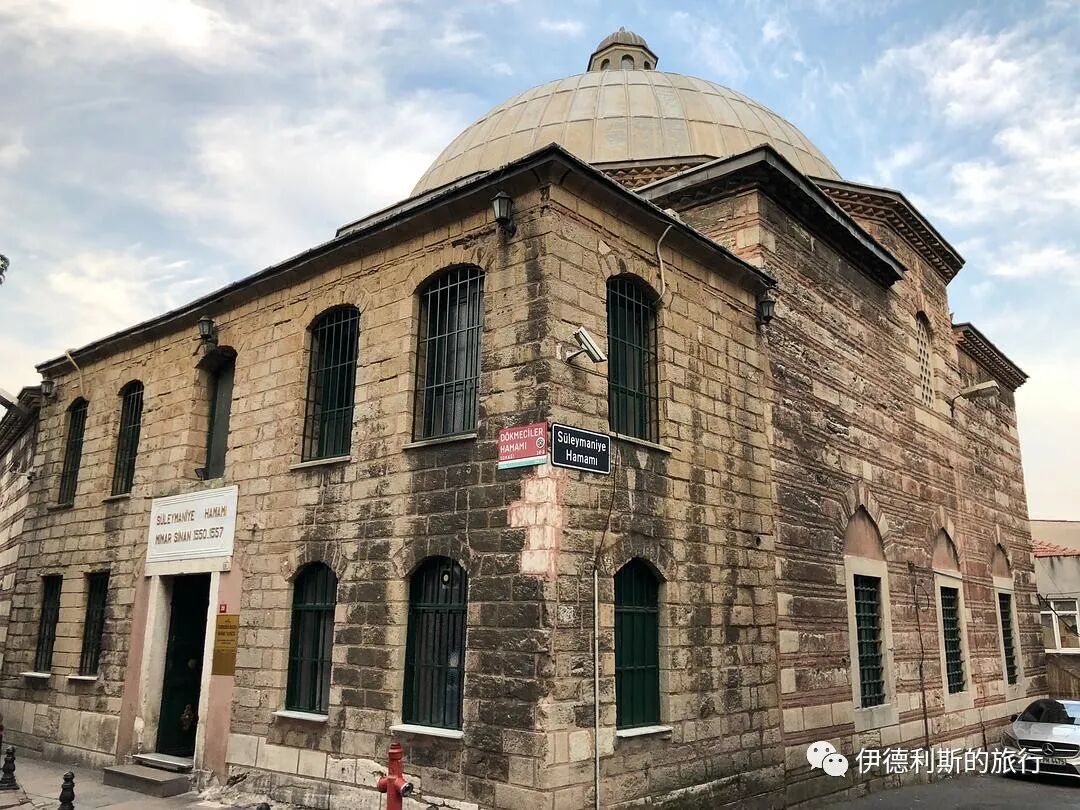
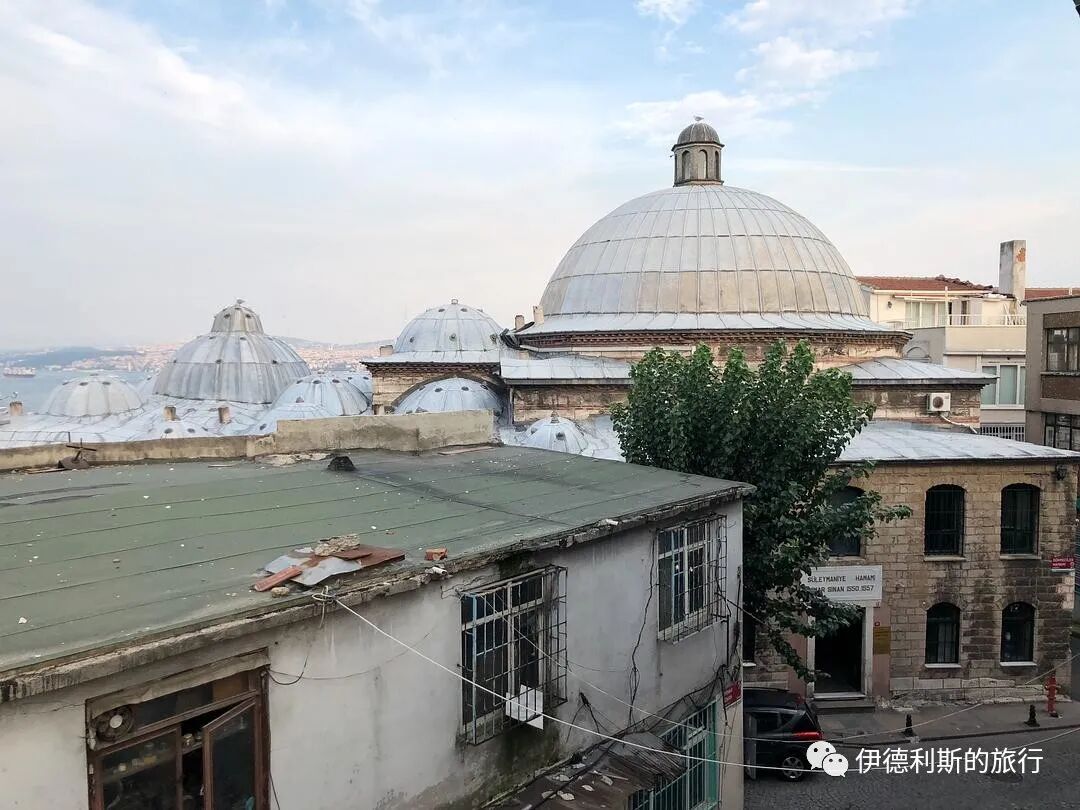
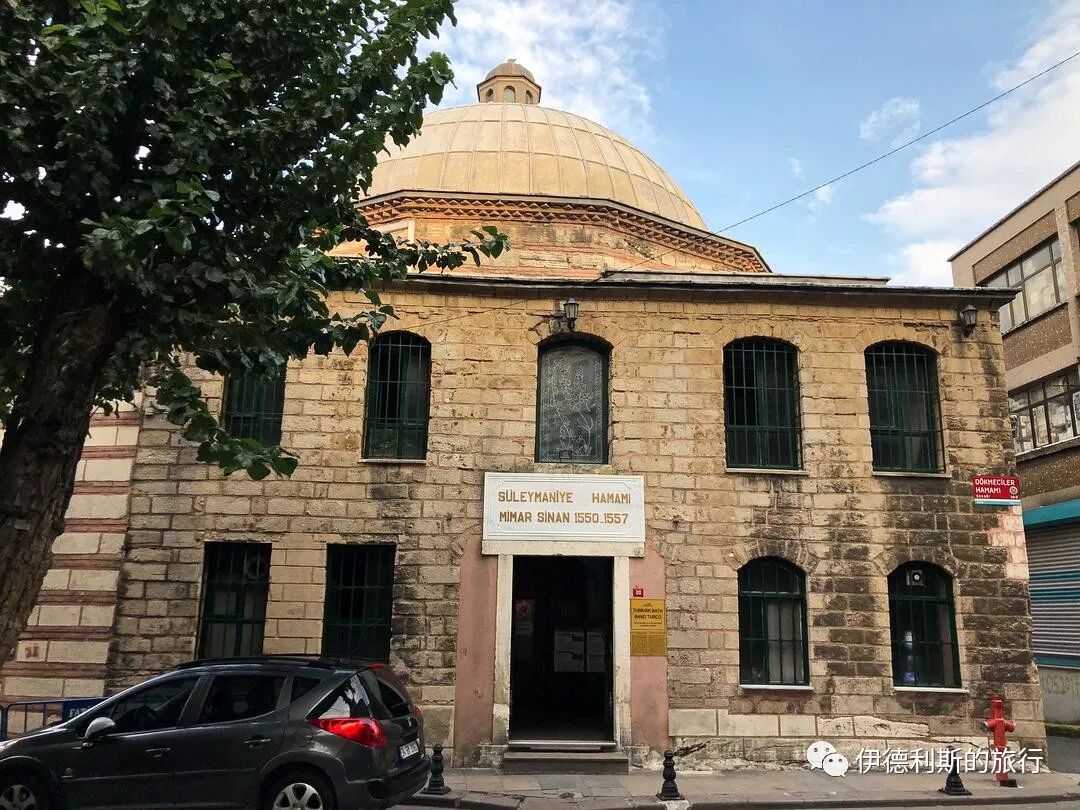
Süleymaniye Bathhouse (Süleymaniye Hamami) was built in 1557 and is a classic Turkish bath. The central massage room under the bathhouse dome is supported by eight pillars, and there is a separate small room for Sultan Suleiman the Magnificent. The bathhouse operated from 1557 until 1924, and after being renovated in 2004, it reopened and remains open today. It is now open daily from 10 a.m. to 10 p.m., with the last entry at 8 p.m.
3. Hospital, public canteen, and hostel
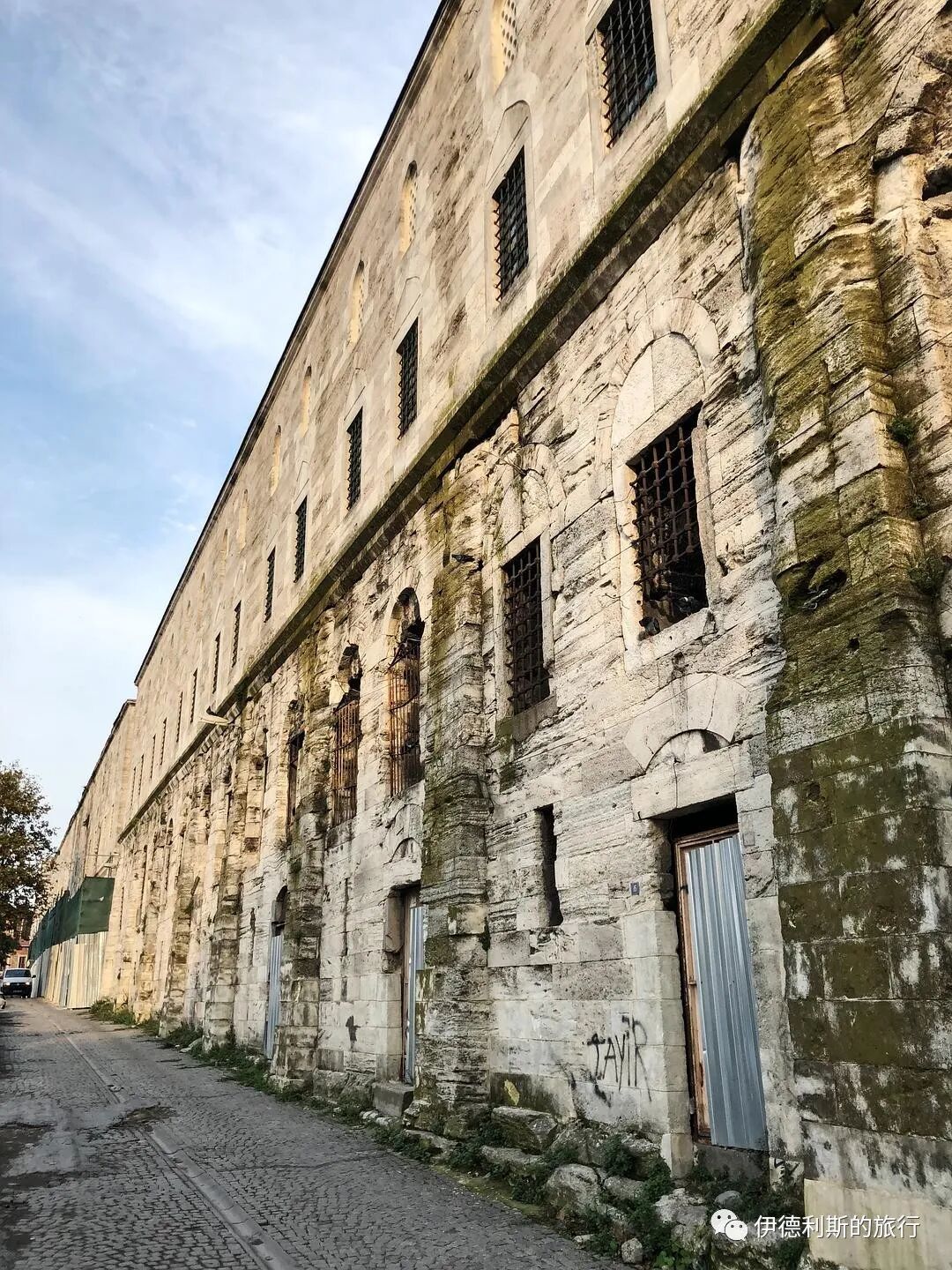
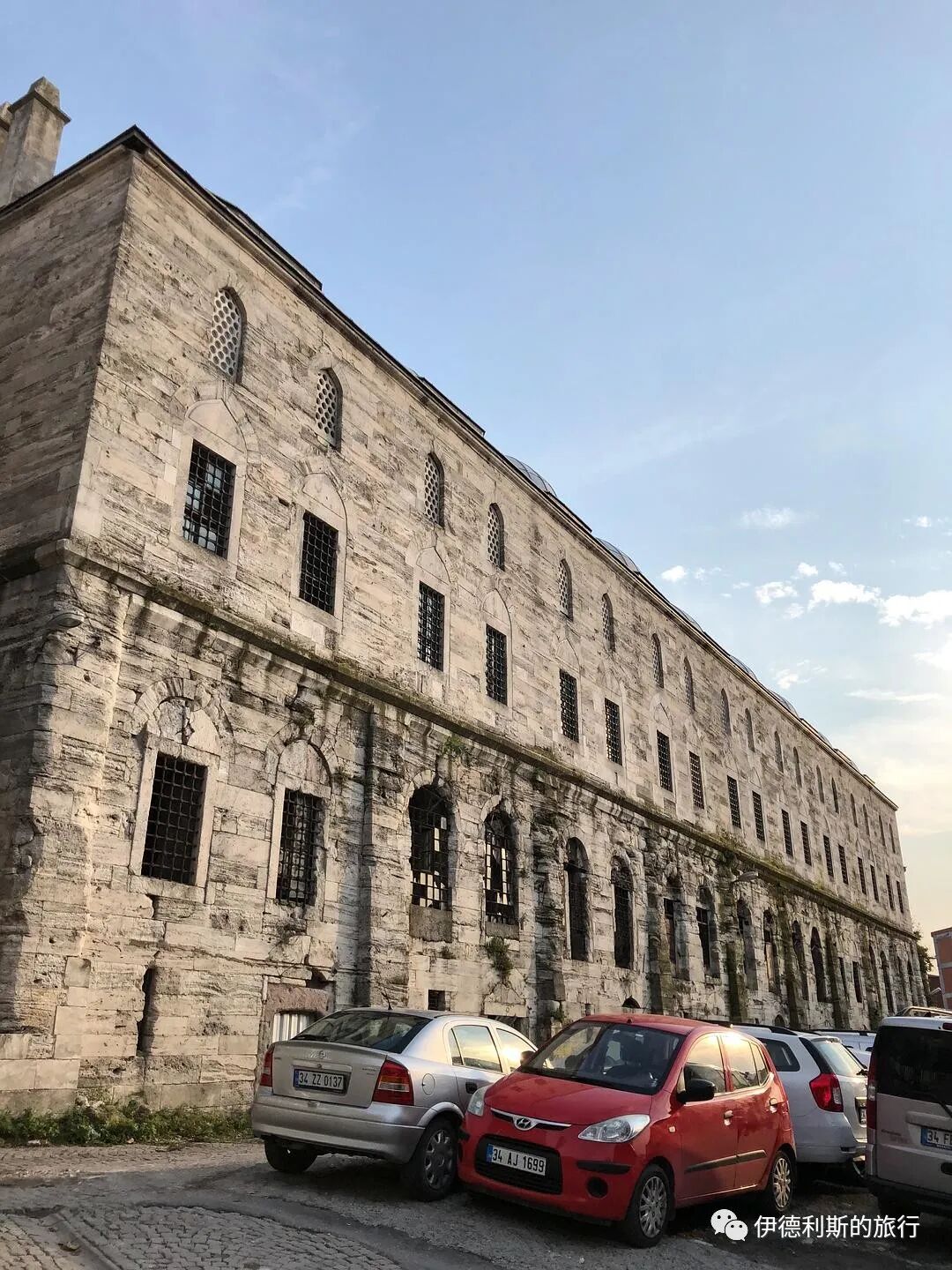
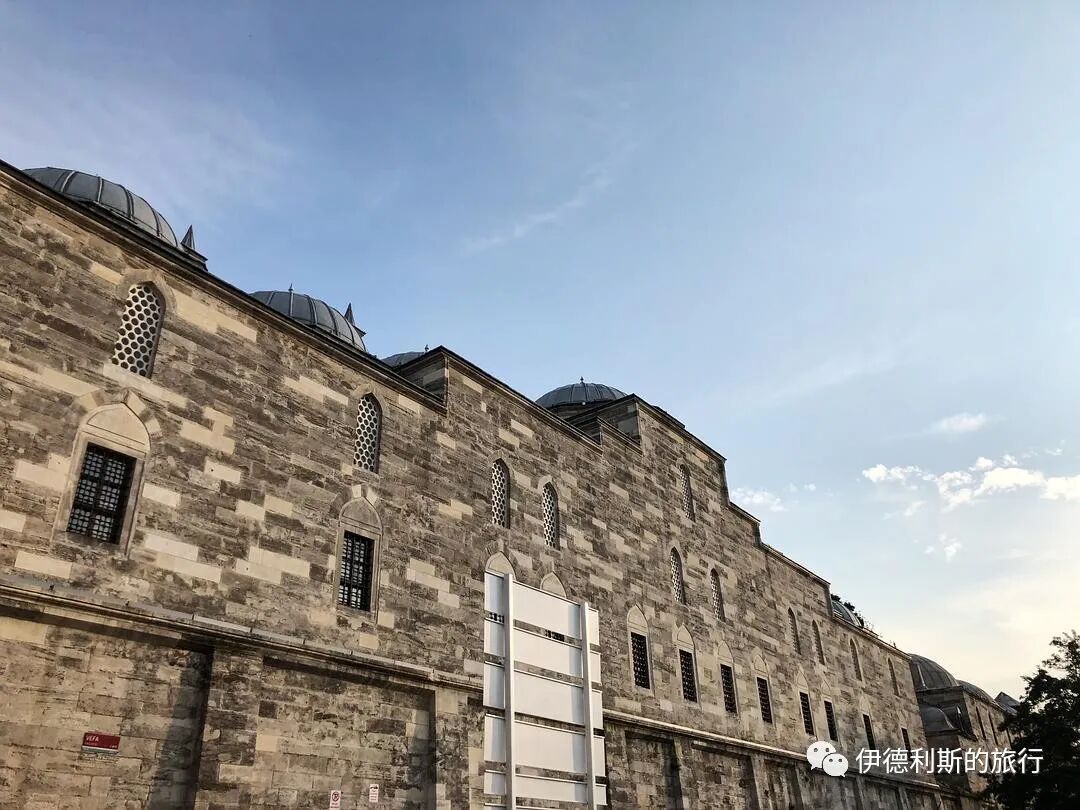
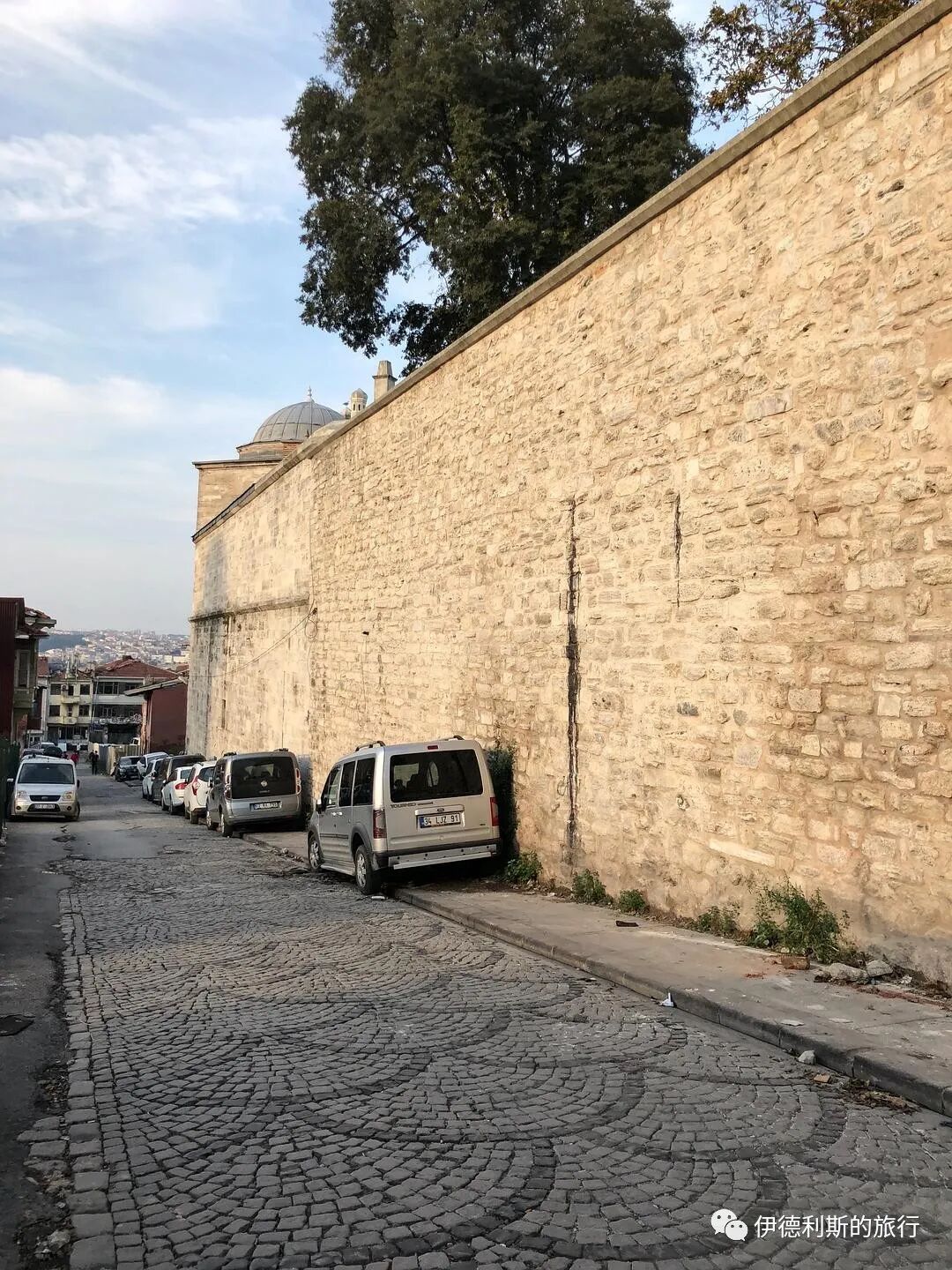
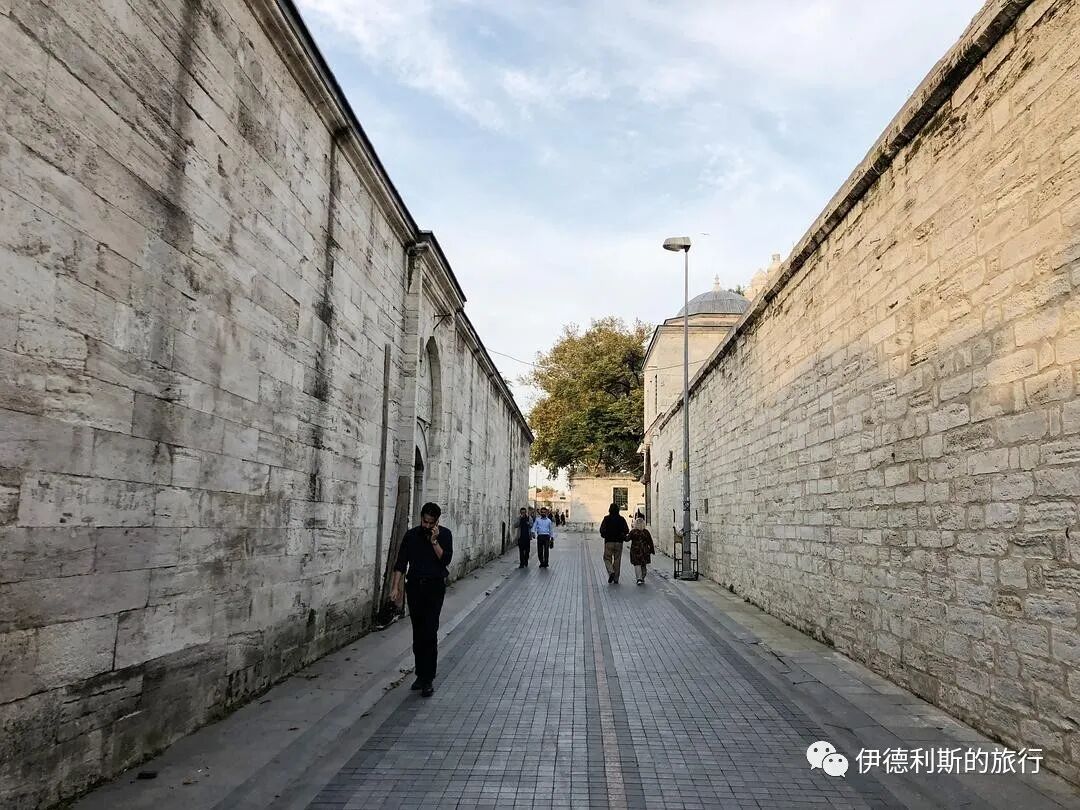
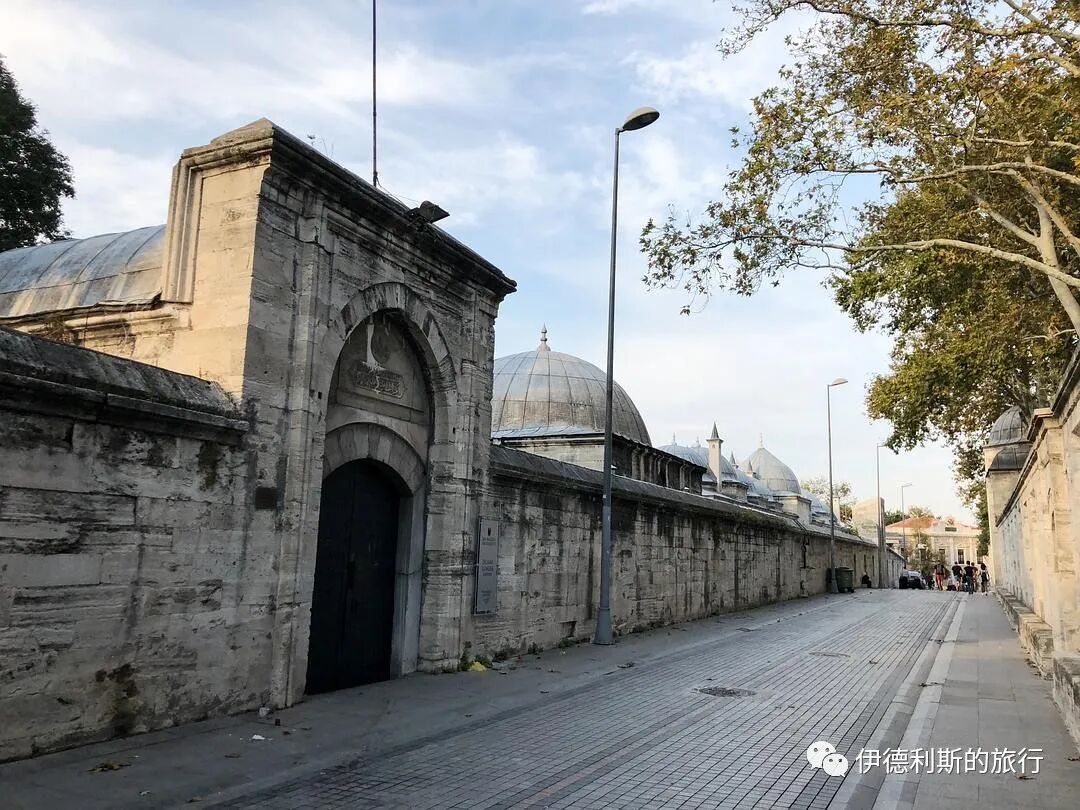
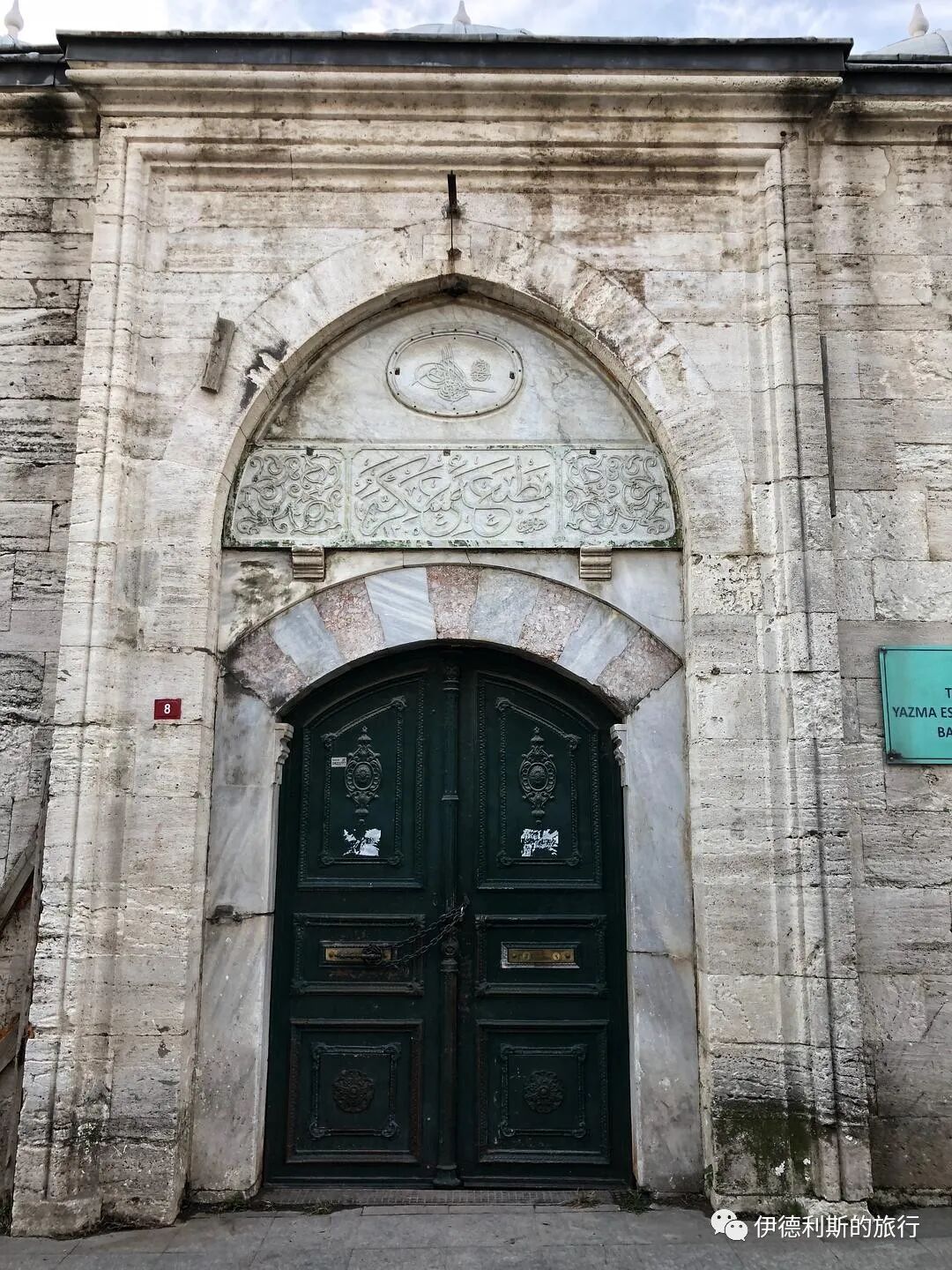
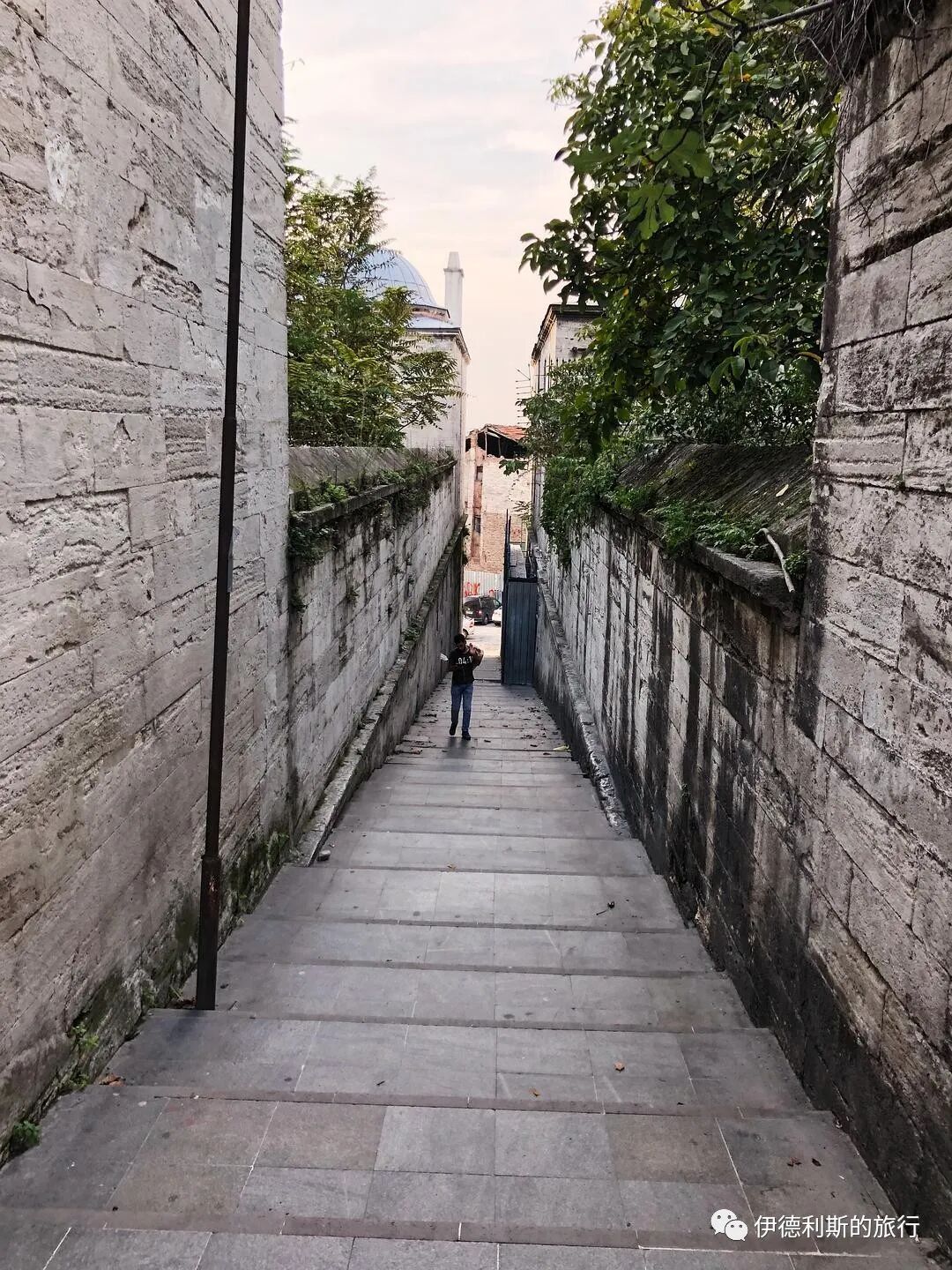
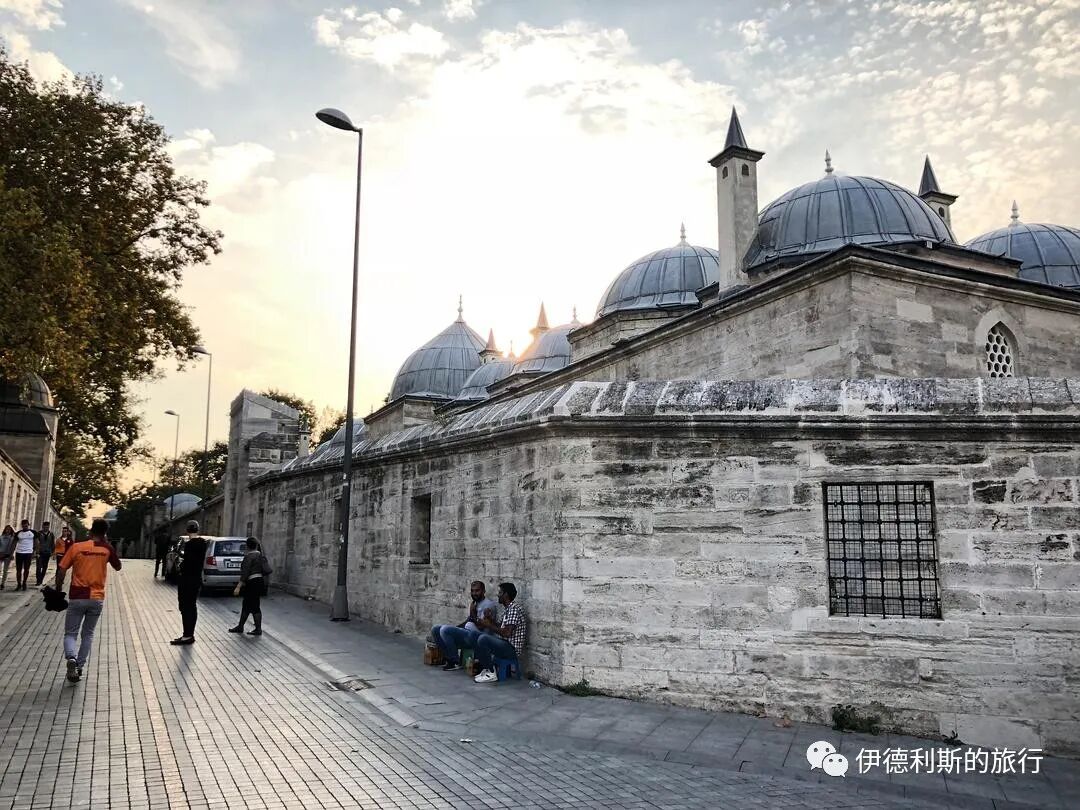
To the northwest of the Süleymaniye Mosque, there are three courtyards built side-by-side: a hospital, a public canteen, and guest rooms, separated by narrow passages. All three courtyards are built on a slope, with low walls facing the mosque and very tall walls on the side facing away from the mosque.
The hospital and the mosque were built together between 1550 and 1557. The hospital has a courtyard with two connected porches, a sunroom for patients with incurable mental illnesses, a basement for stables and a hostel, plus a pharmacy, a bathroom, and a bakery. Today, the site serves as a student dormitory, so it has lost some of its original appearance.
The public canteen was built in 1555 and consists of five domed dining rooms and one domed kitchen, with each dome featuring a glass tower to let in sunlight.
The guest rooms were built in 1555 and share a similar design to the mosque, featuring one main dome and two half-domes.
4. Salis and Rabi madrasas
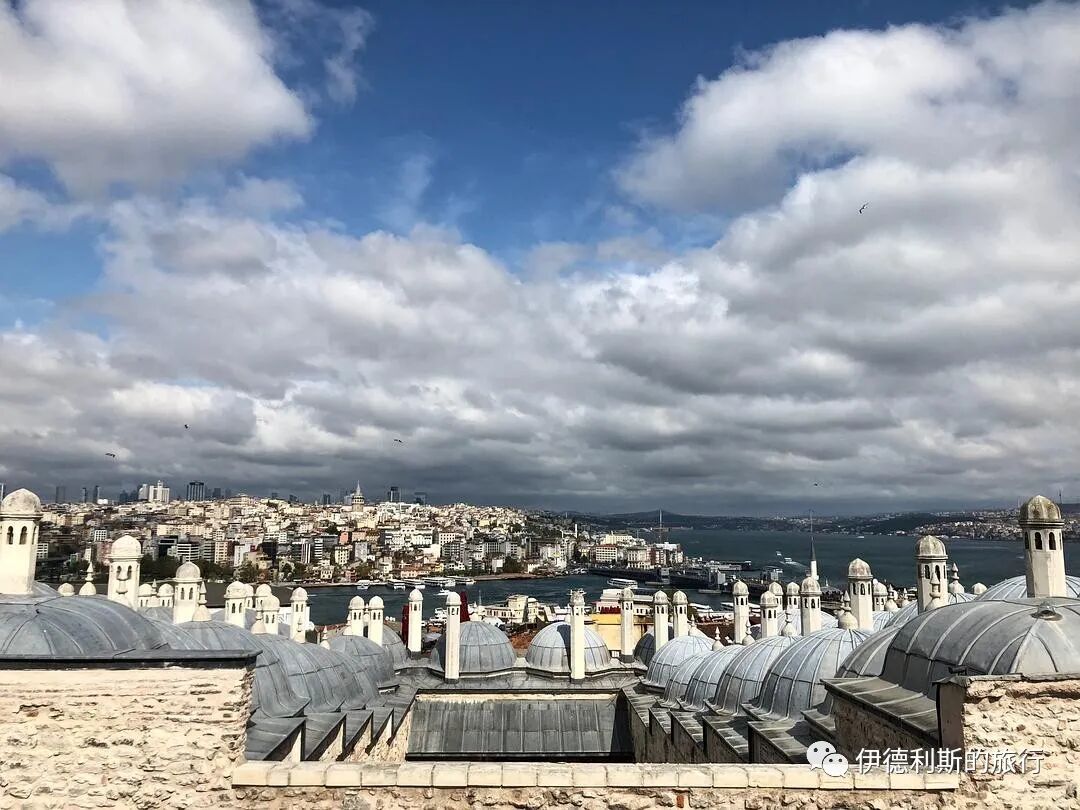
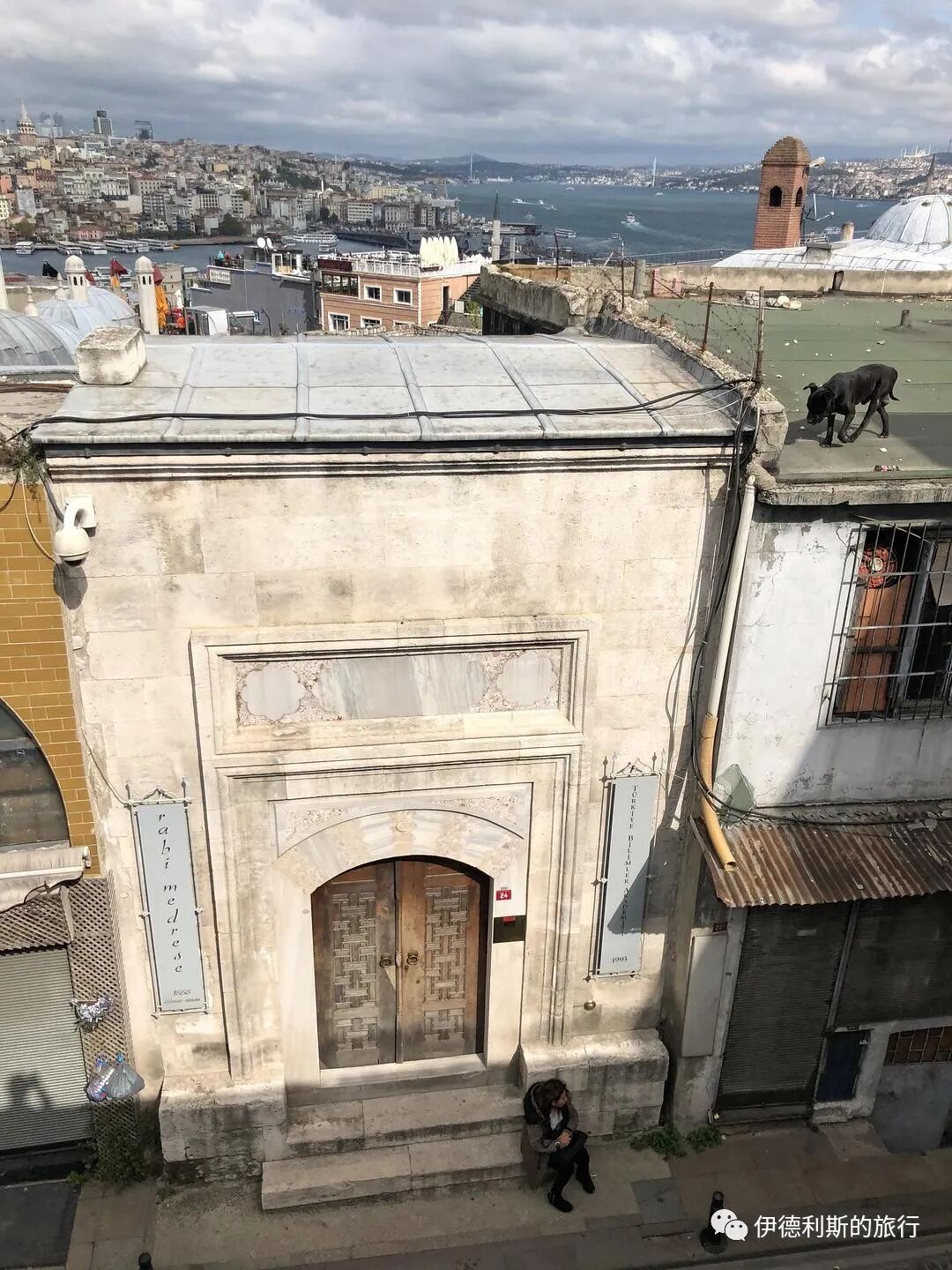
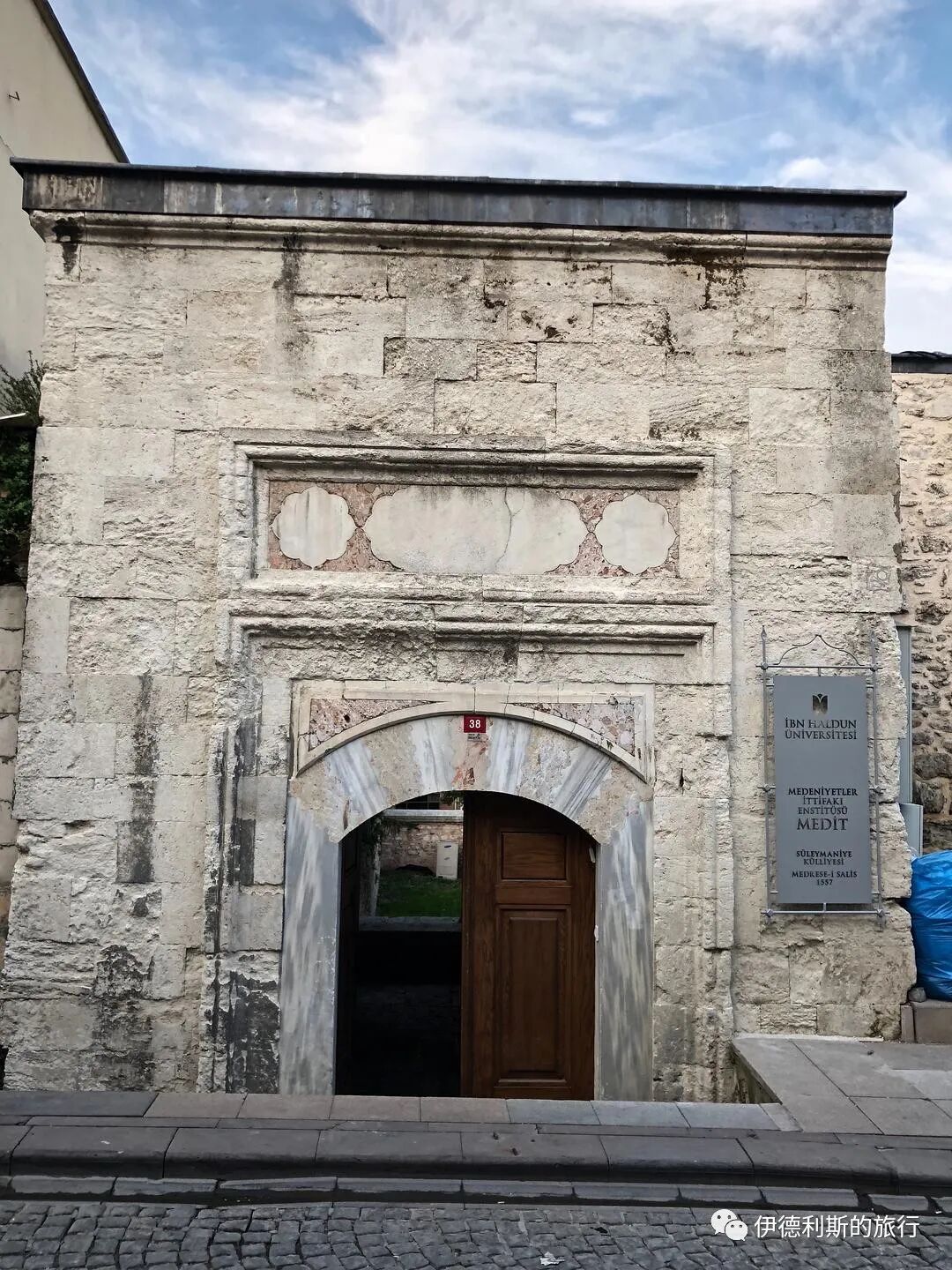
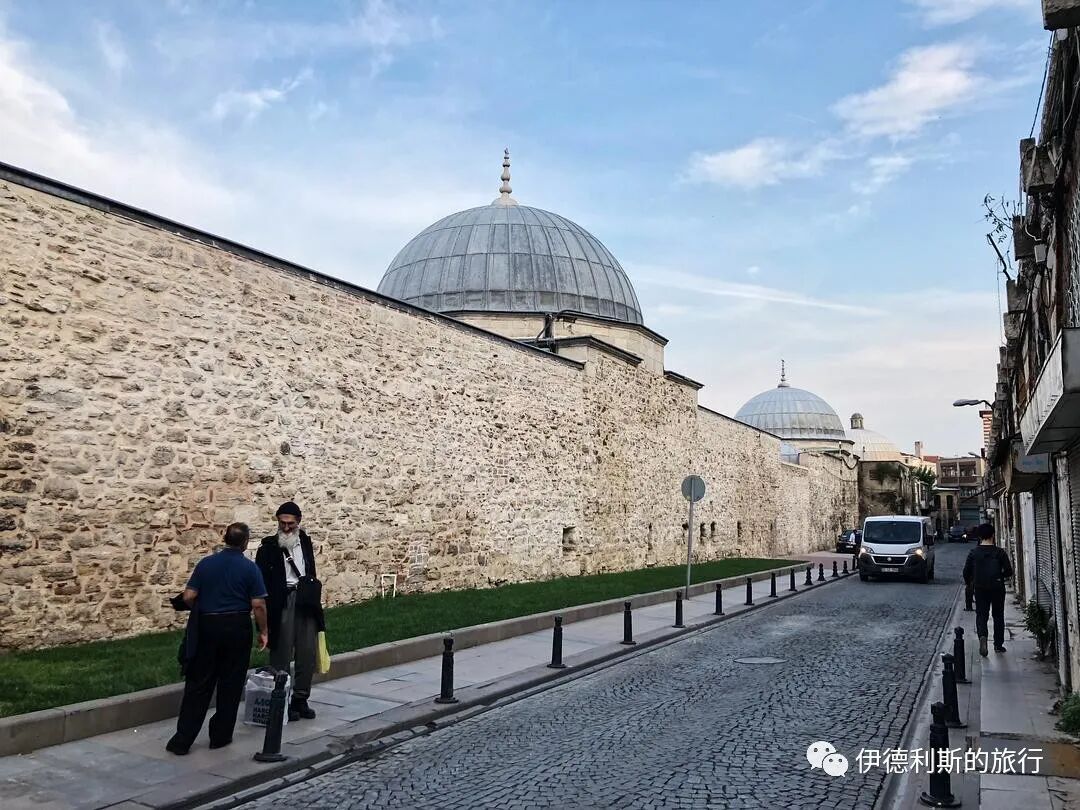
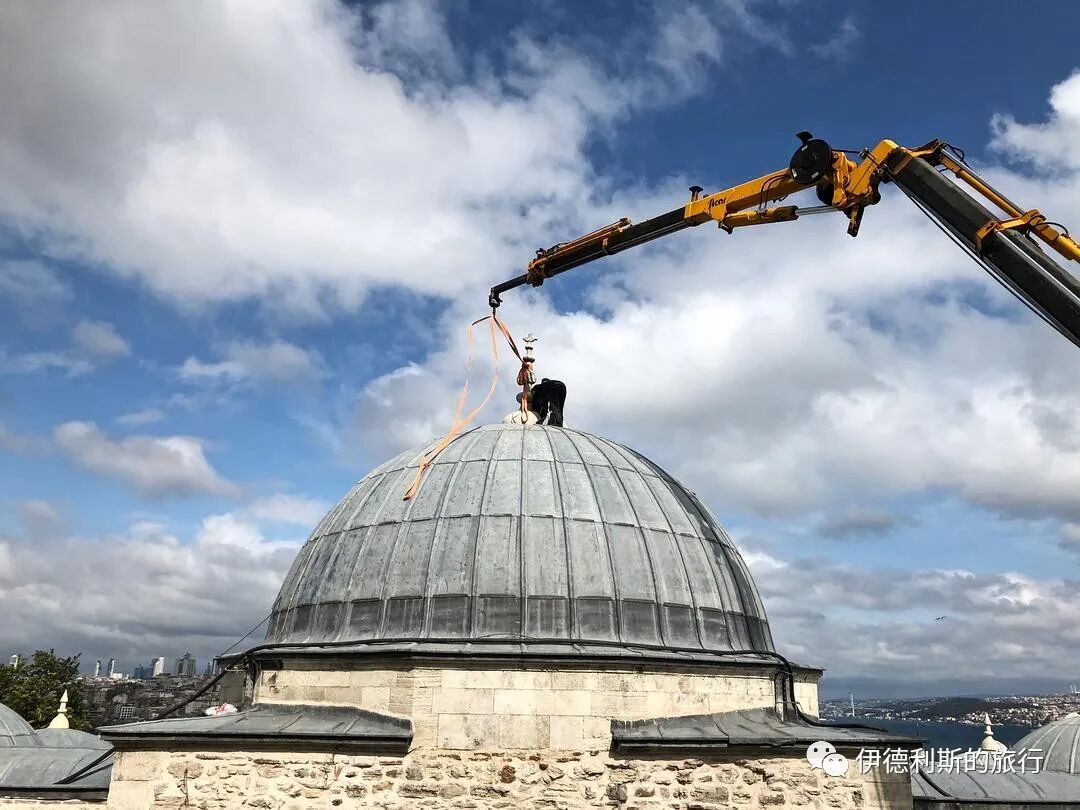
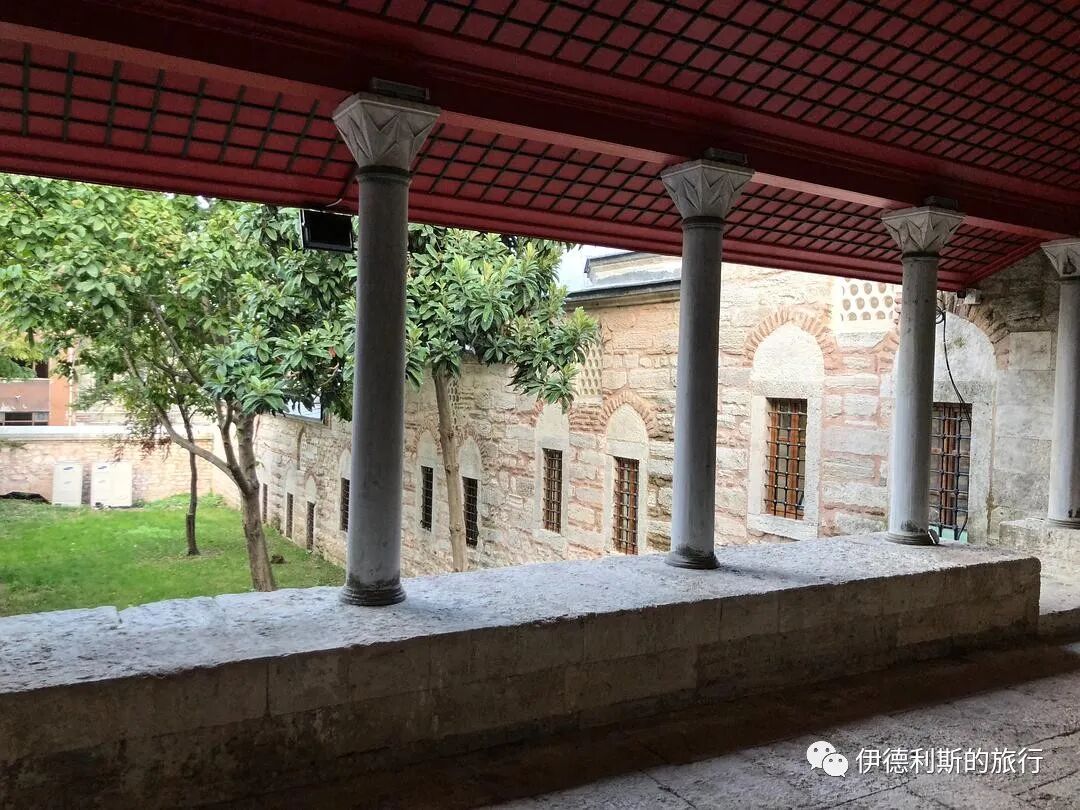
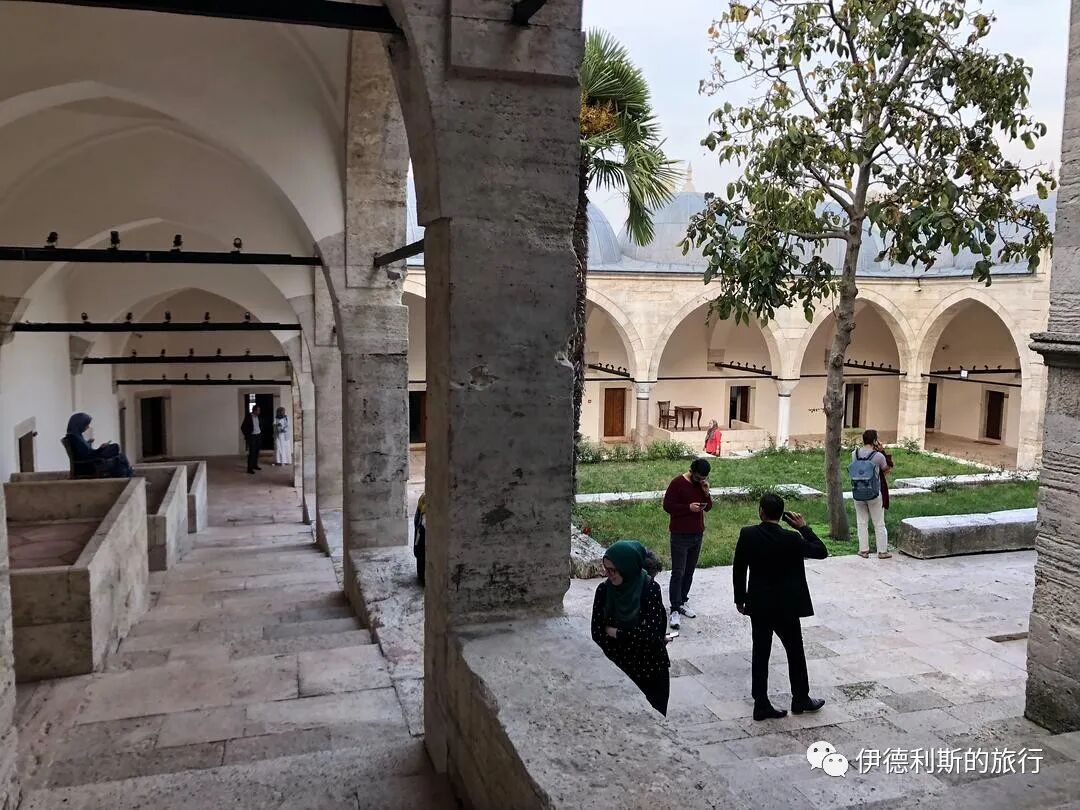
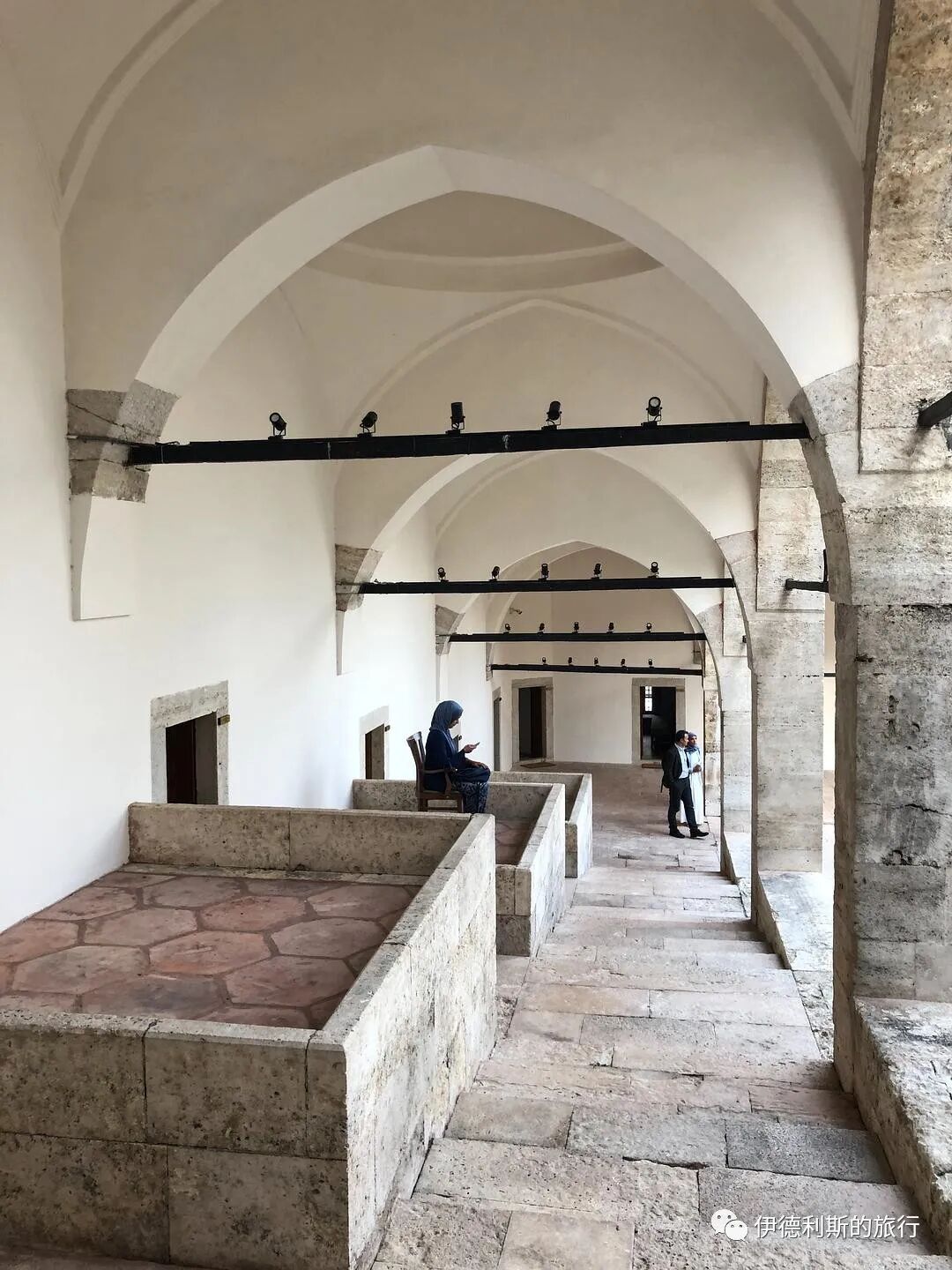
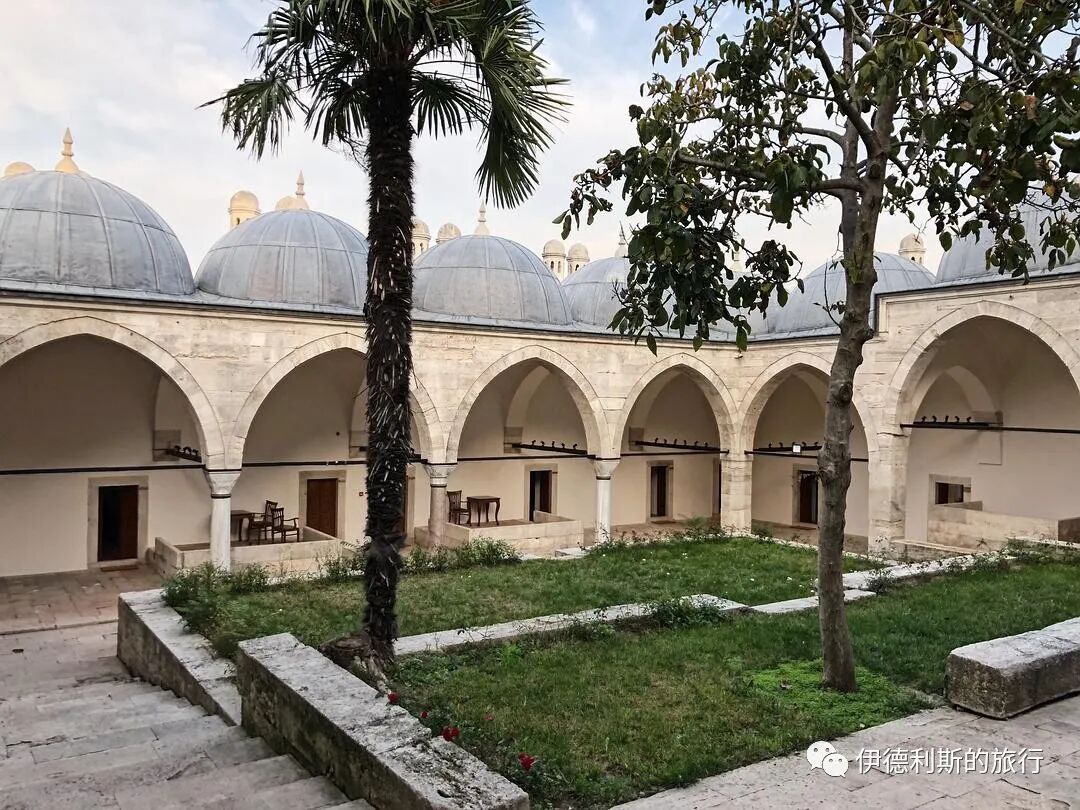
Two religious schools (madrasas), Salis and Rabi, were built side-by-side on the steep slope northeast of the mosque between 1550 and 1559. The layout of these two schools is unique and extends the view of the mosque toward the coastline of the Golden Horn. To keep the whole complex balanced, the courtyards, porches, and rooms of the religious school (madrasa) were designed in different levels. Under the porch, each room has a main hall and a staircase. The lecture hall is in a two-story building on the side without a porch, and there is a fountain on the ground floor.
5. Medical school, Evvel madrasa, Sani madrasa, and primary school
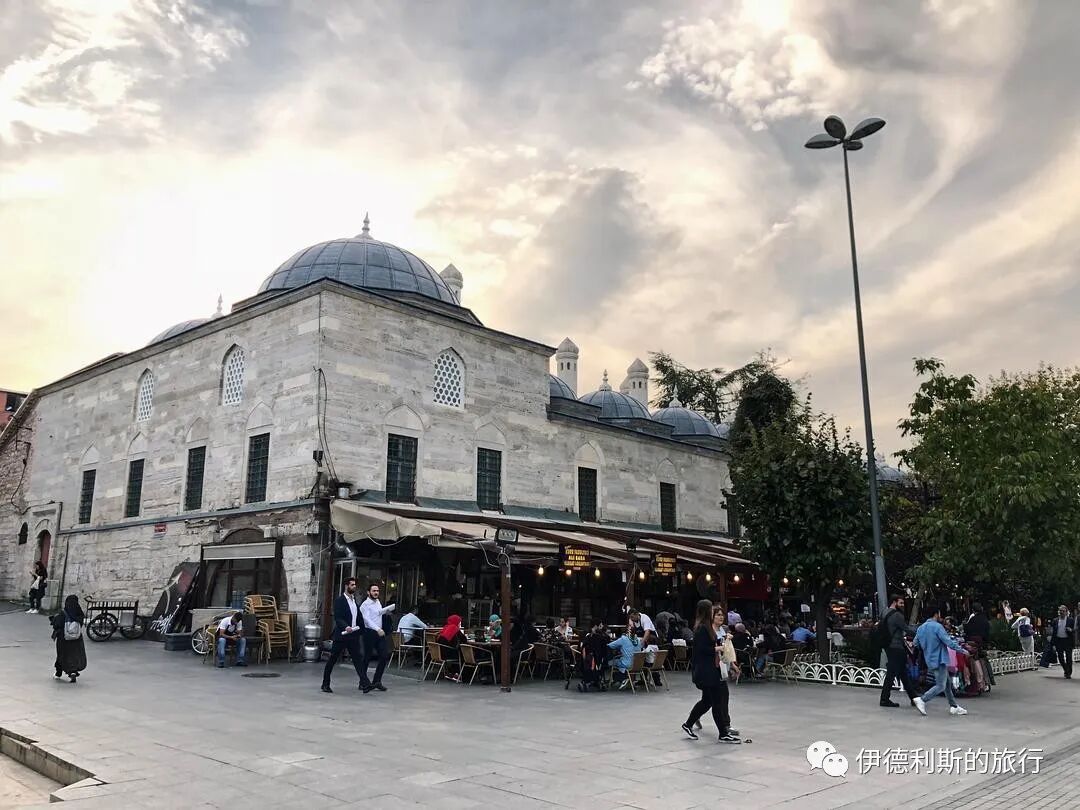
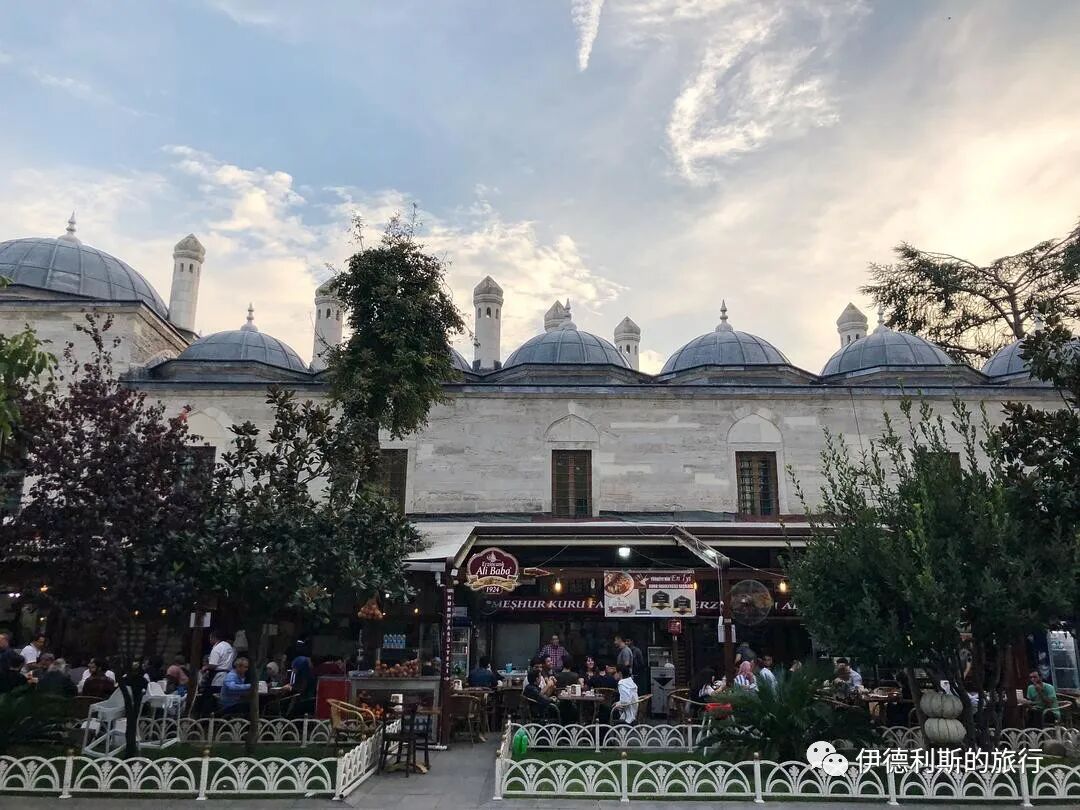
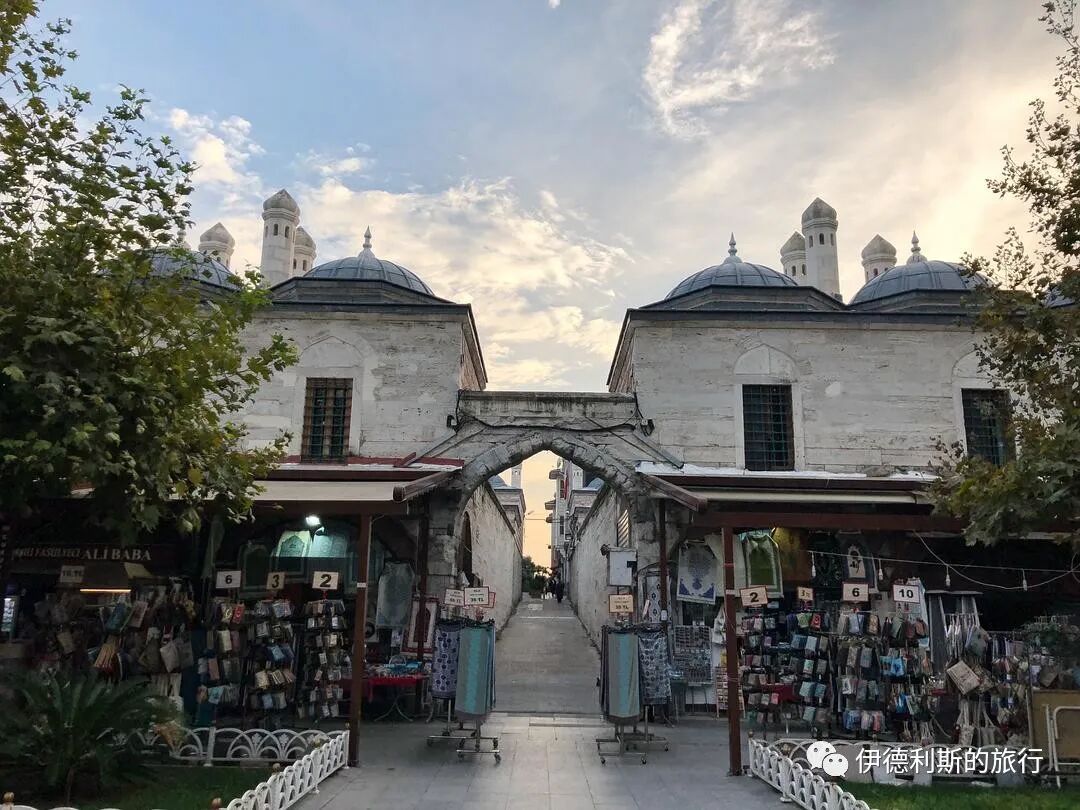
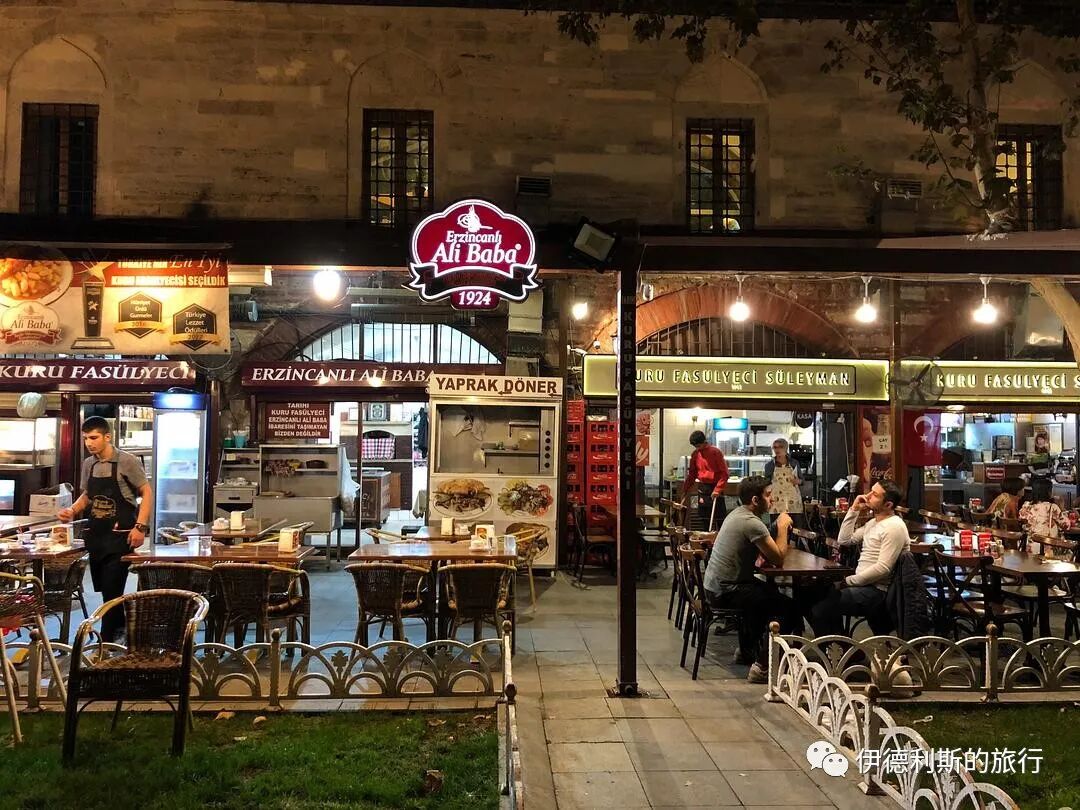
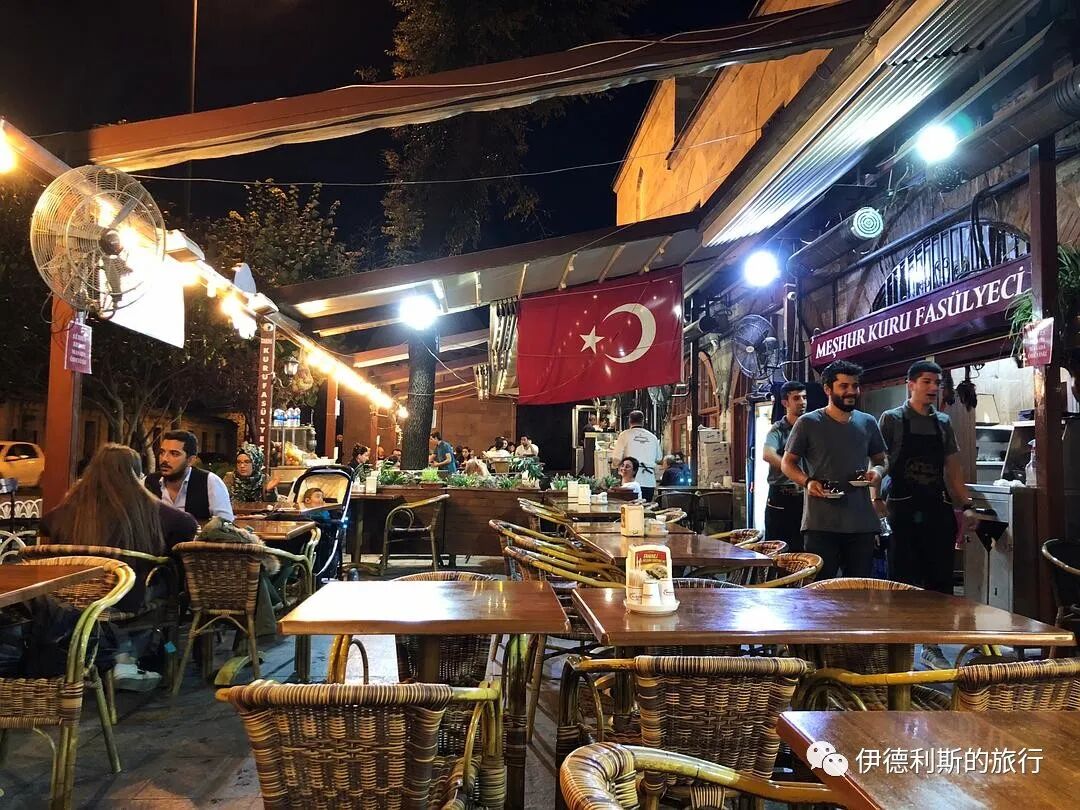
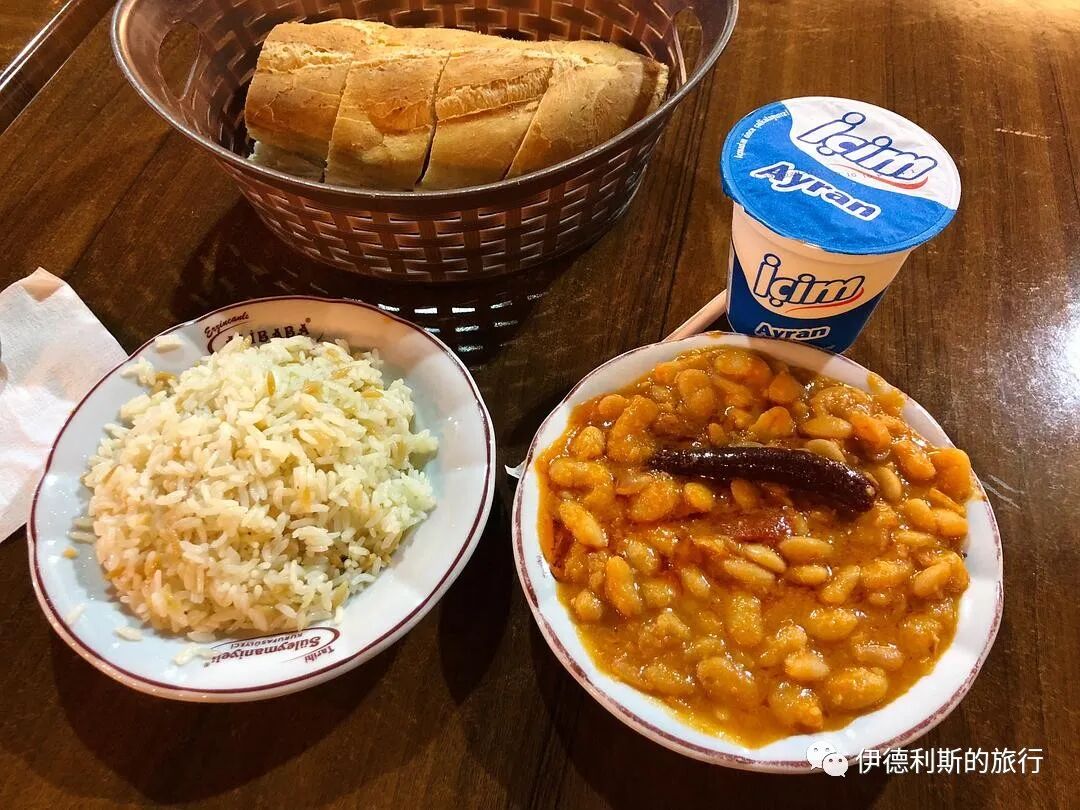
To the southwest of the mosque, the medical school, Evvel Madrasa, and Sani Madrasa are lined up in order. Evvel Madrasa and Sani Madrasa were built between 1550 and 1553. They are symmetrical and separated by a narrow alley. Inside, they have two-story teacher apartments that are now used as a manuscript library. The shops facing the street are now rented to a restaurant called Ali Baba. The restaurant is known for its bean rice (fasulye), which is made with white beans, olive oil, onions, and tomato paste.
6. Hadith school
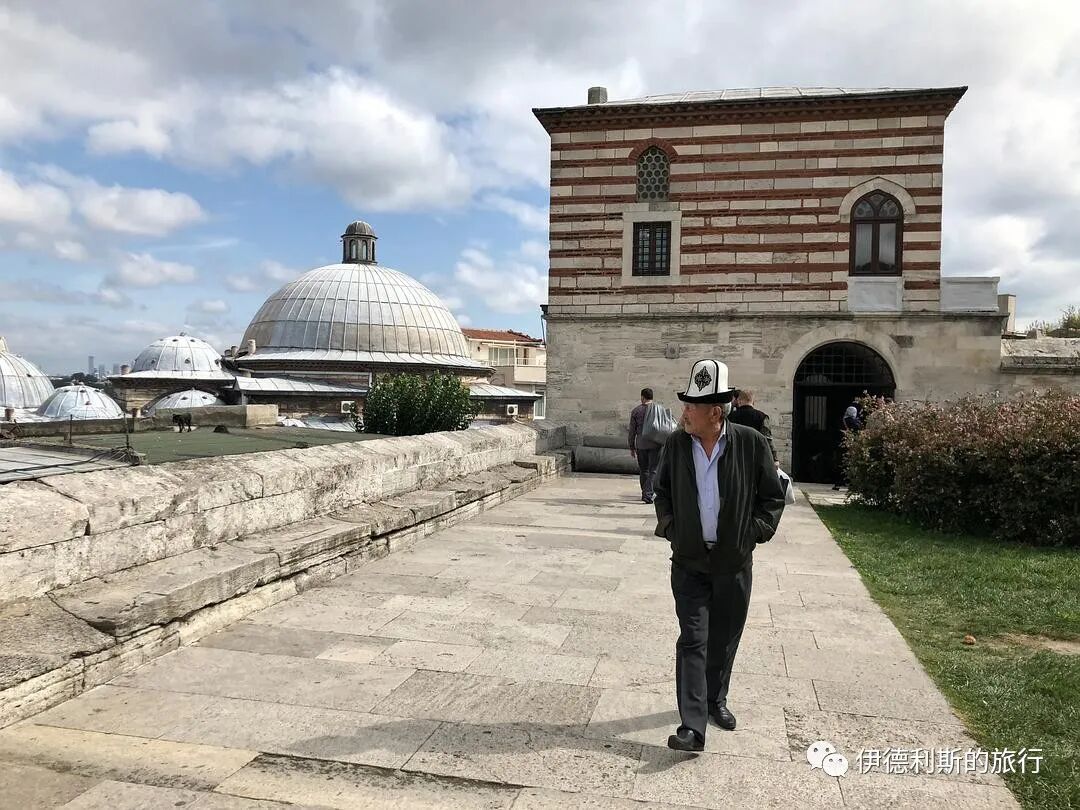
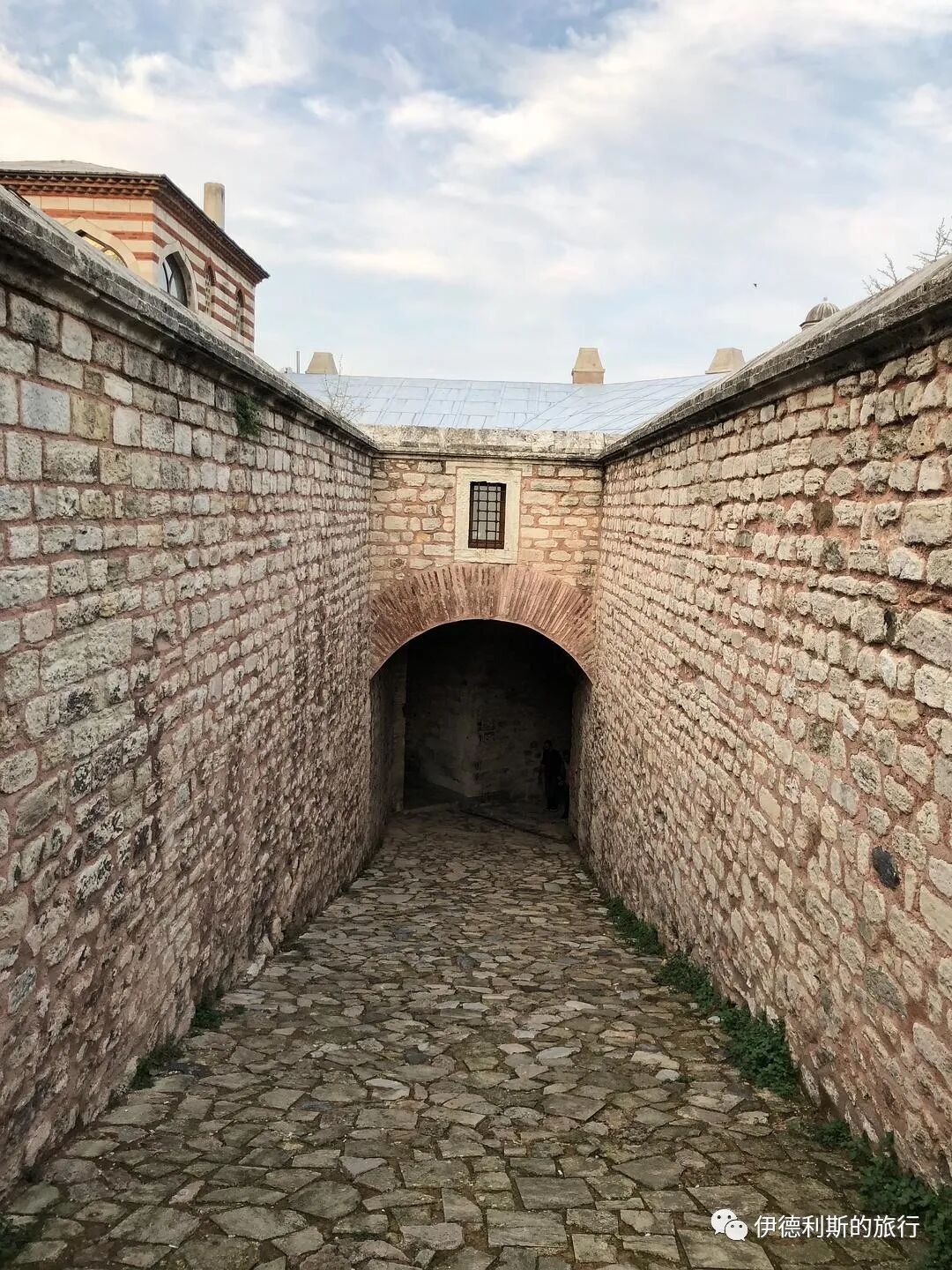
The Hadith school is outside the back door of the mosque, and a path in the middle leads down to the foot of the hill, directly to the bathhouse.
7. Mausoleum and Quran school
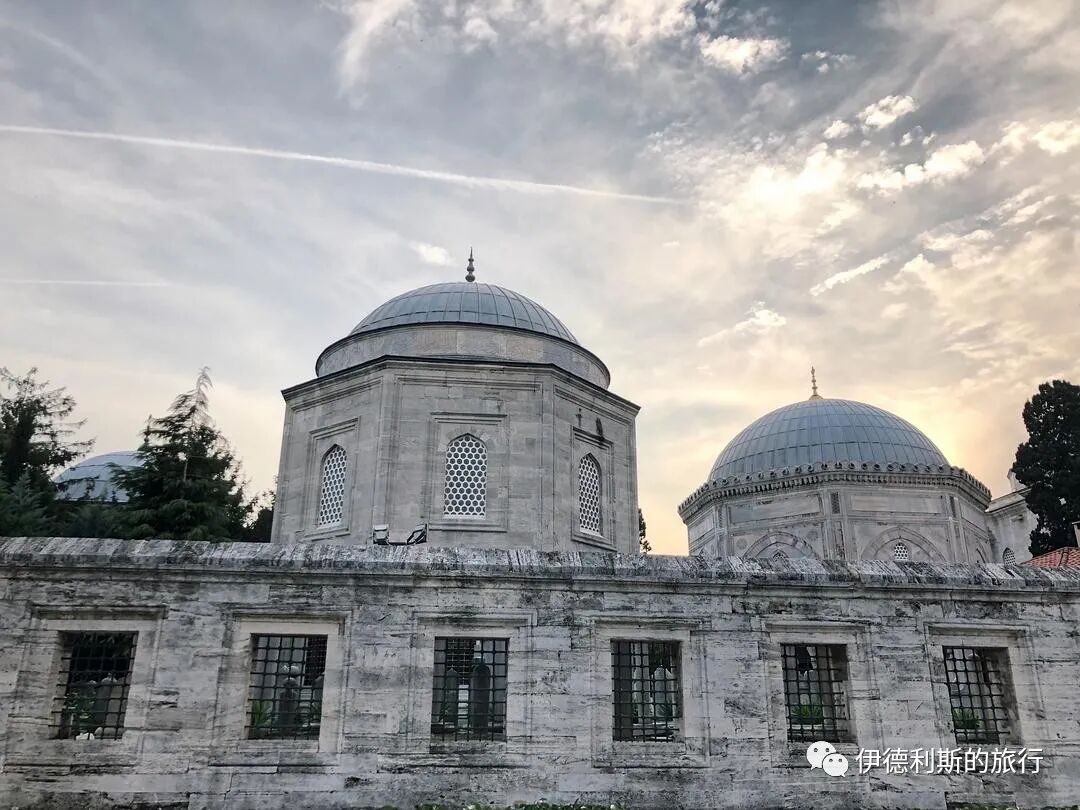
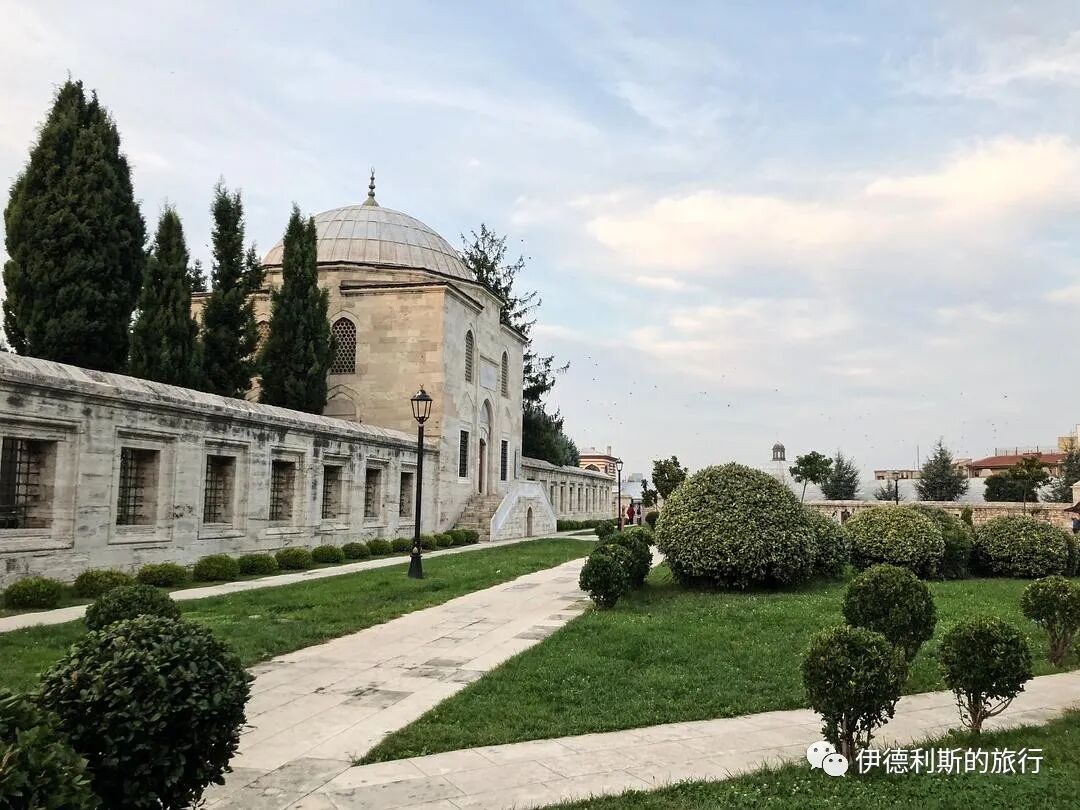
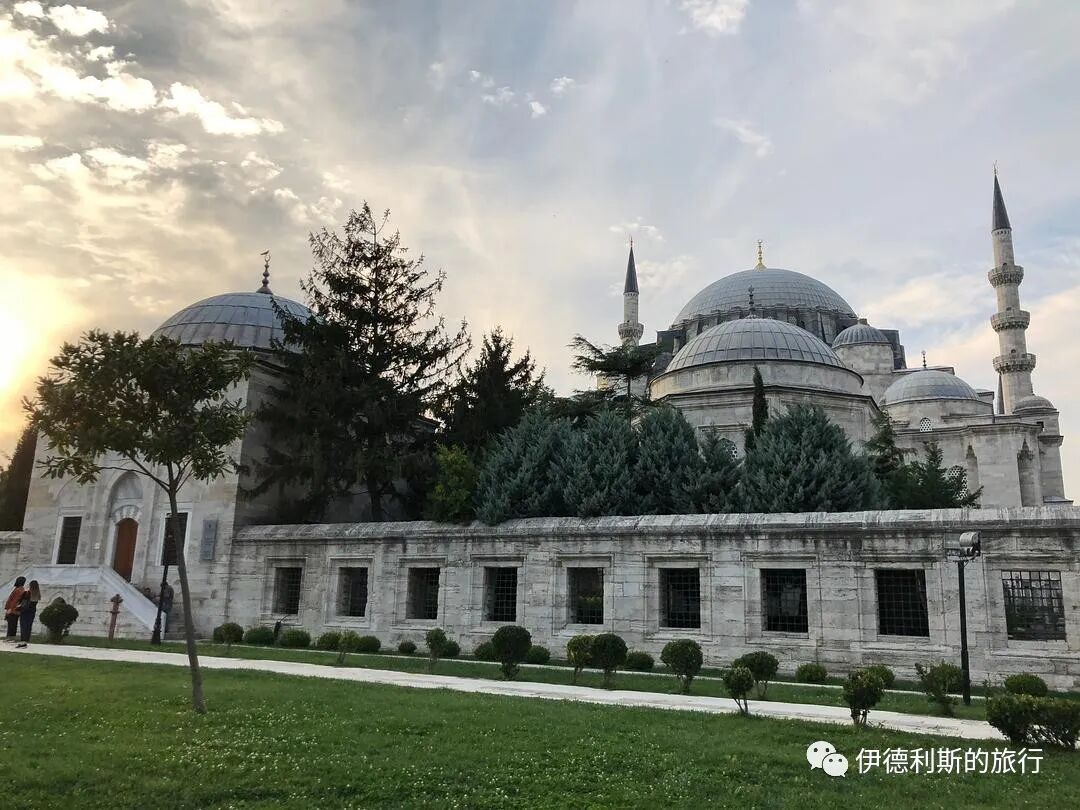
The mosque's backyard holds two octagonal tombs for Sultan Suleiman the Magnificent and his wife, Haseki Hürrem Sultan, built in 1567 and 1558, along with a Quran school. The Sultan's tomb is shaped slightly differently than the Queen's; it does not follow the Ottoman tomb traditions of that time and instead returns to a more classical style.
Haseki Hürrem Sultan was born between 1502 and 1504 in the city of Rohatyn, located in what is now western Ukraine, which was then ruled by the Kingdom of Poland. In the 1510s, she was kidnapped during a raid by Crimean Tatars in Eastern Europe and then sold as a slave to the Ottoman Empire. In Istanbul, Valide Hafsa Sultan, the mother of Suleiman the Magnificent, gave her as a gift to Suleiman while he was still a prince, and that is how she entered the Ottoman harem.
Suleiman took the throne as the Ottoman Sultan in 1520. Because she was deeply loved by Sultan Suleiman the Magnificent, Hurrem Sultan rose step by step from a harem slave to a legal wife. In 1533 or 1534, Sultan Suleiman the Magnificent held a grand wedding with Hurrem Sultan, which broke the Ottoman Empire's tradition that a sultan could not marry his concubines. At the same time, she became the first empress in Ottoman history to receive the title of Haseki Sultan (the Sultan's favorite). For the next century, an empress with this title held a higher status than the empire's princesses and had power equivalent to an empress in a European country. Hurrem Sultan became the first empress to live in the former imperial court rather than the harem, breaking the rule set by Mehmed the Conqueror that no woman could live in the buildings where government business was conducted.
Hurrem Sultan later became Sultan Suleiman the Magnificent's chief advisor on state affairs and had a profound influence on the Ottoman Empire's foreign policy and international relations.
Hurrem Sultan passed away in 1558 and was buried in the courtyard of the Suleymaniye Mosque. Eight years later in 1566, Sultan Suleiman the Magnificent died in battle while on an expedition to Hungary. His body (mayyit) was taken back to Istanbul and buried in the same courtyard as Hurrem Sultan.
II. Caferağa Madrasa: 1560
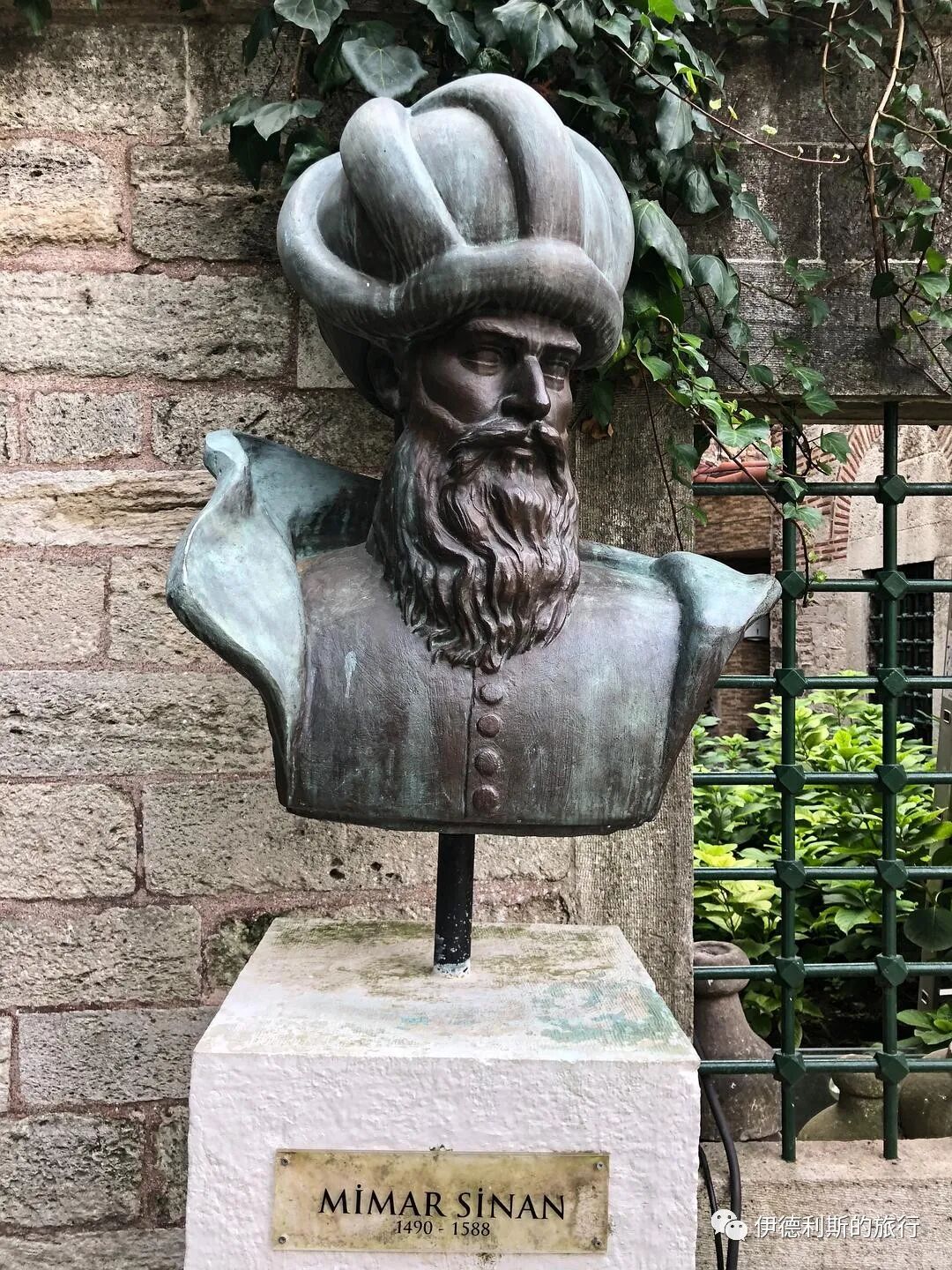
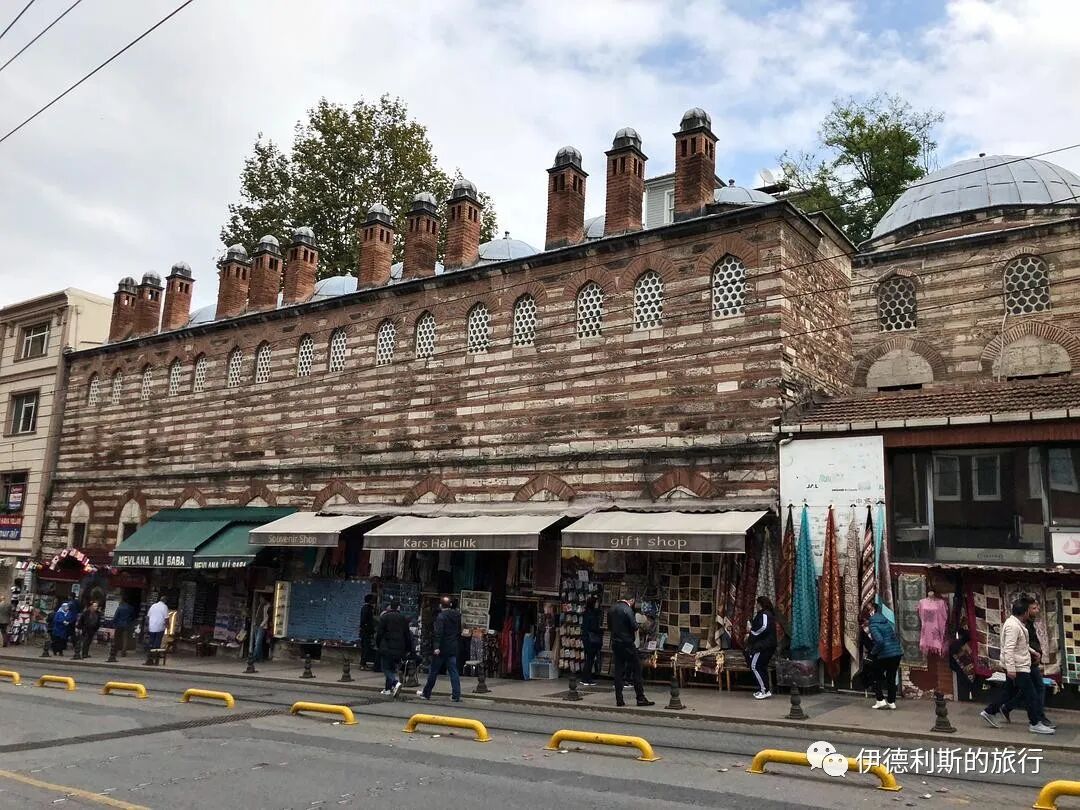
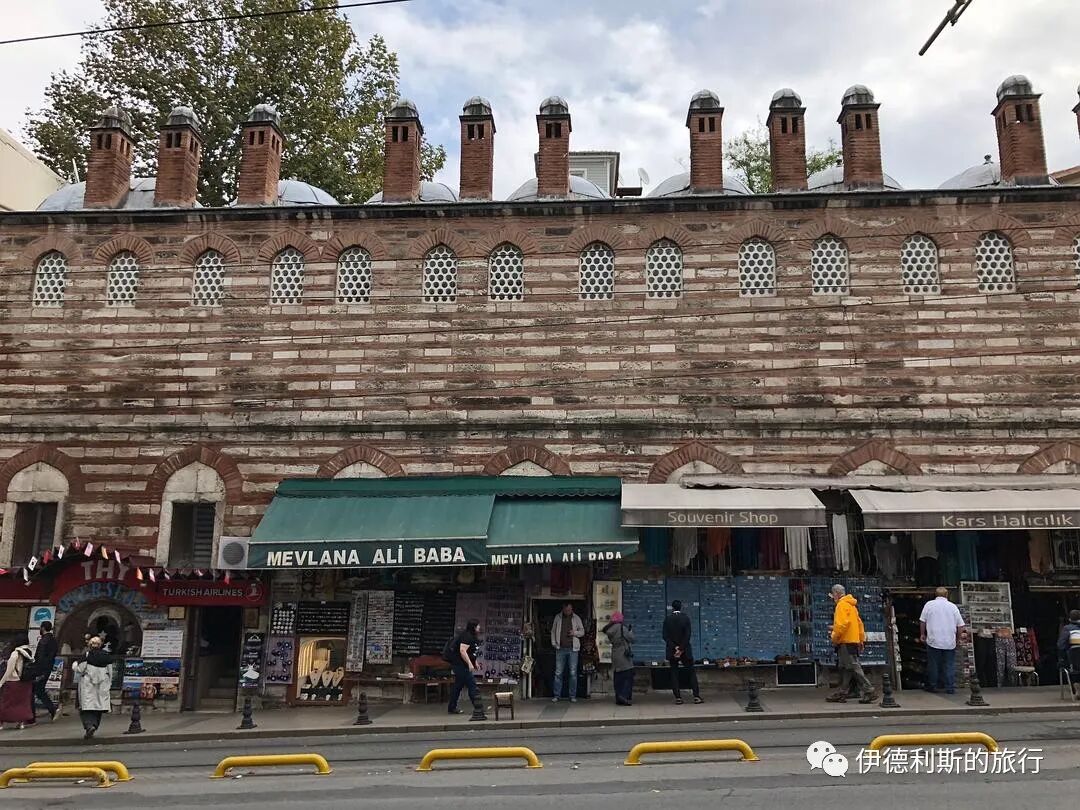
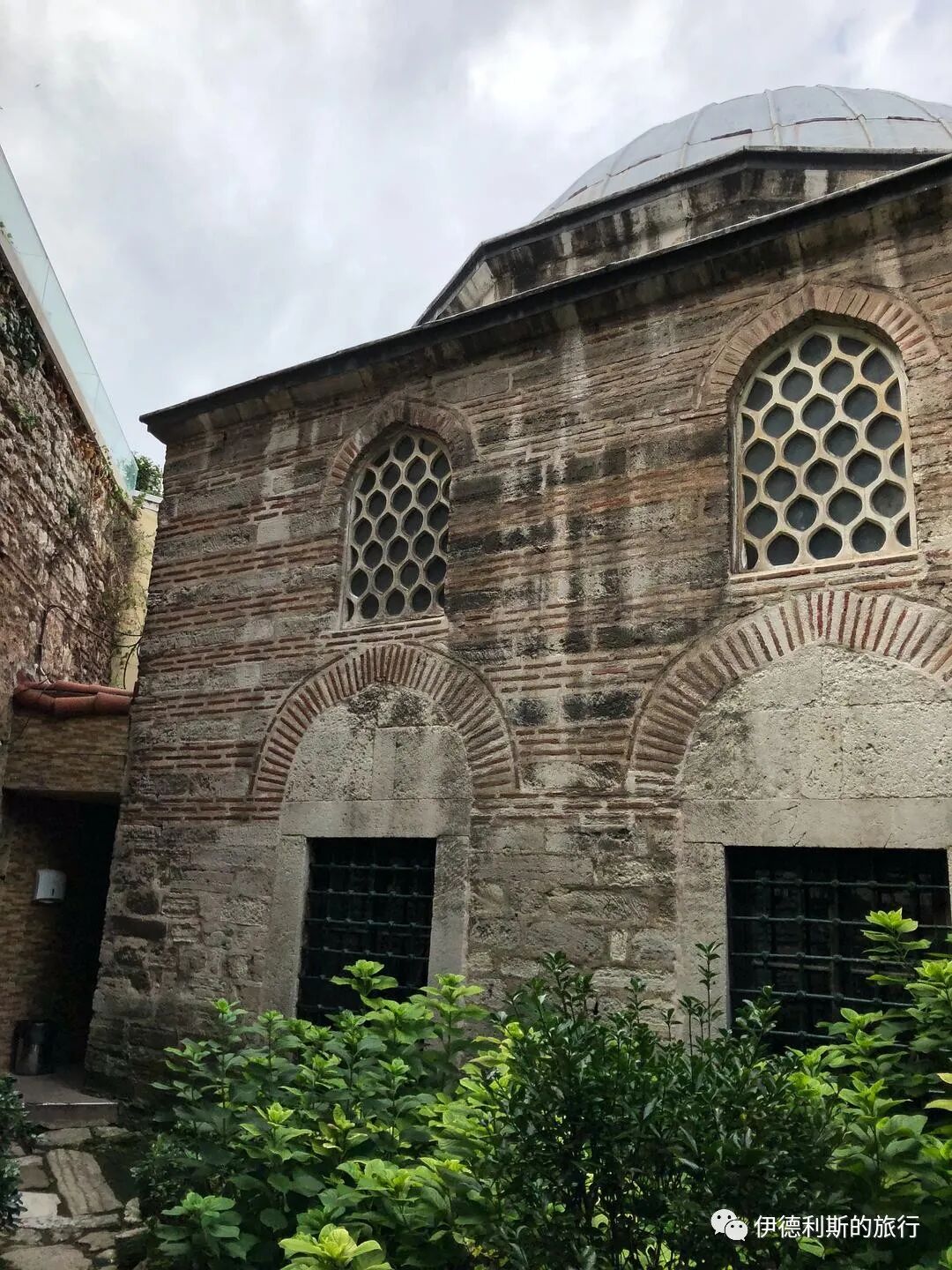
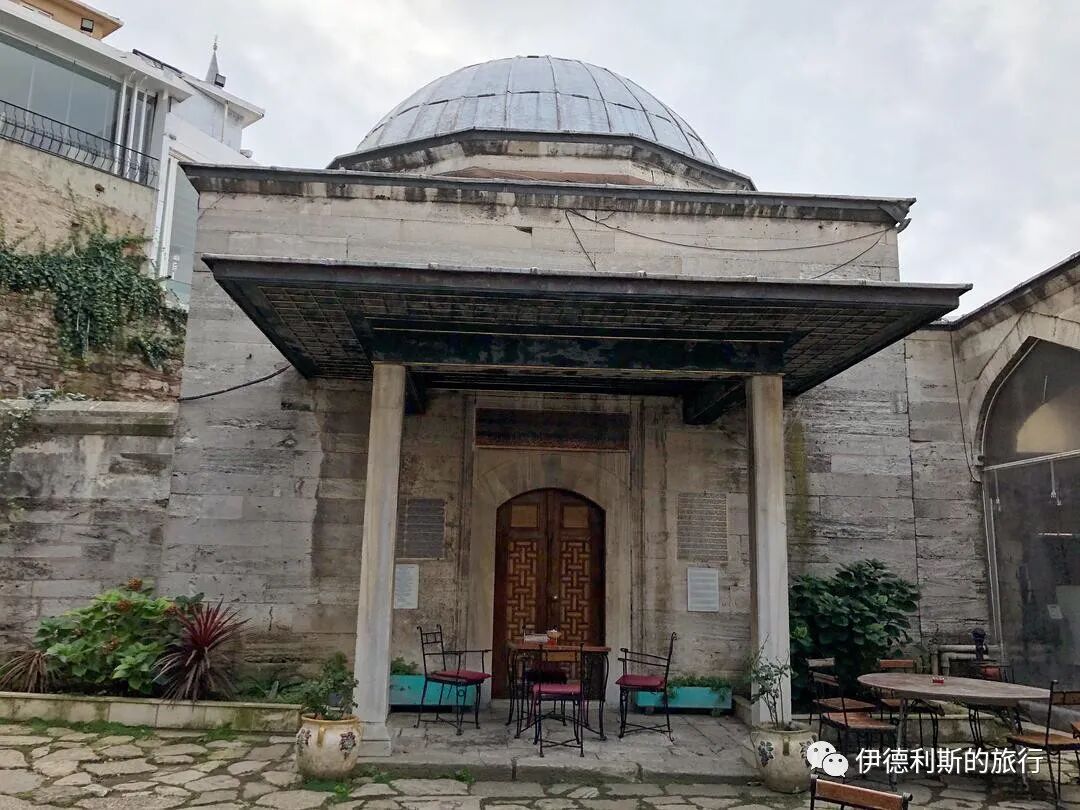
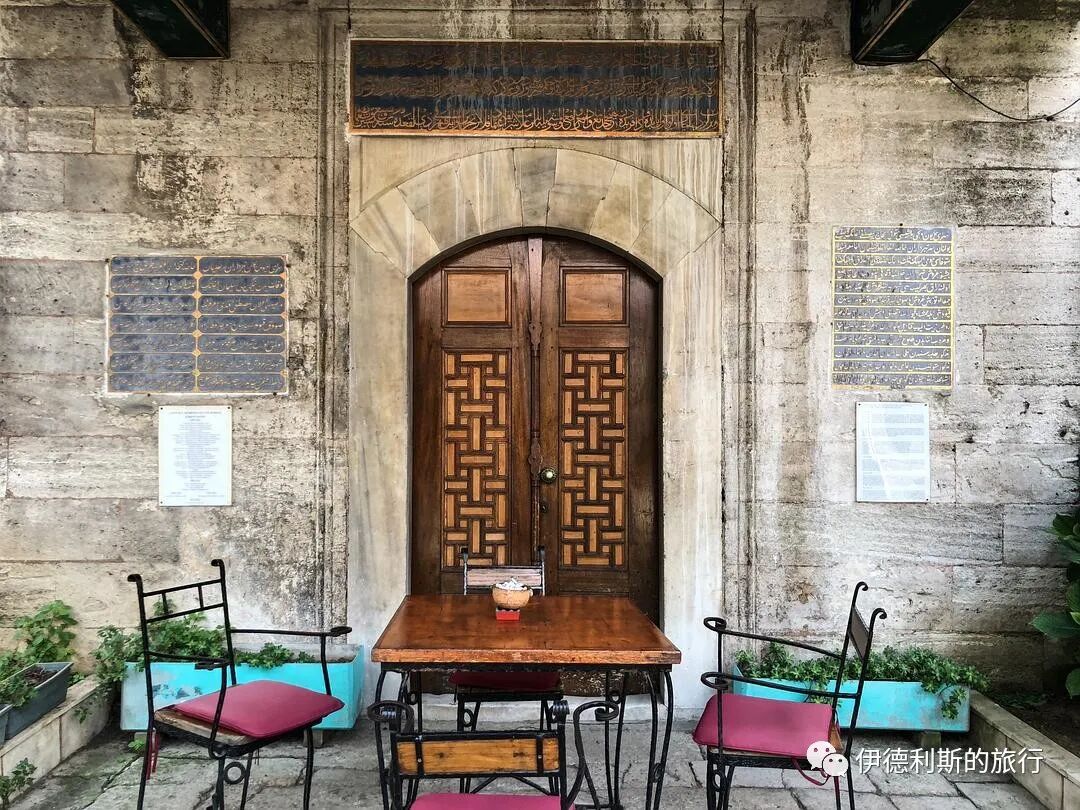
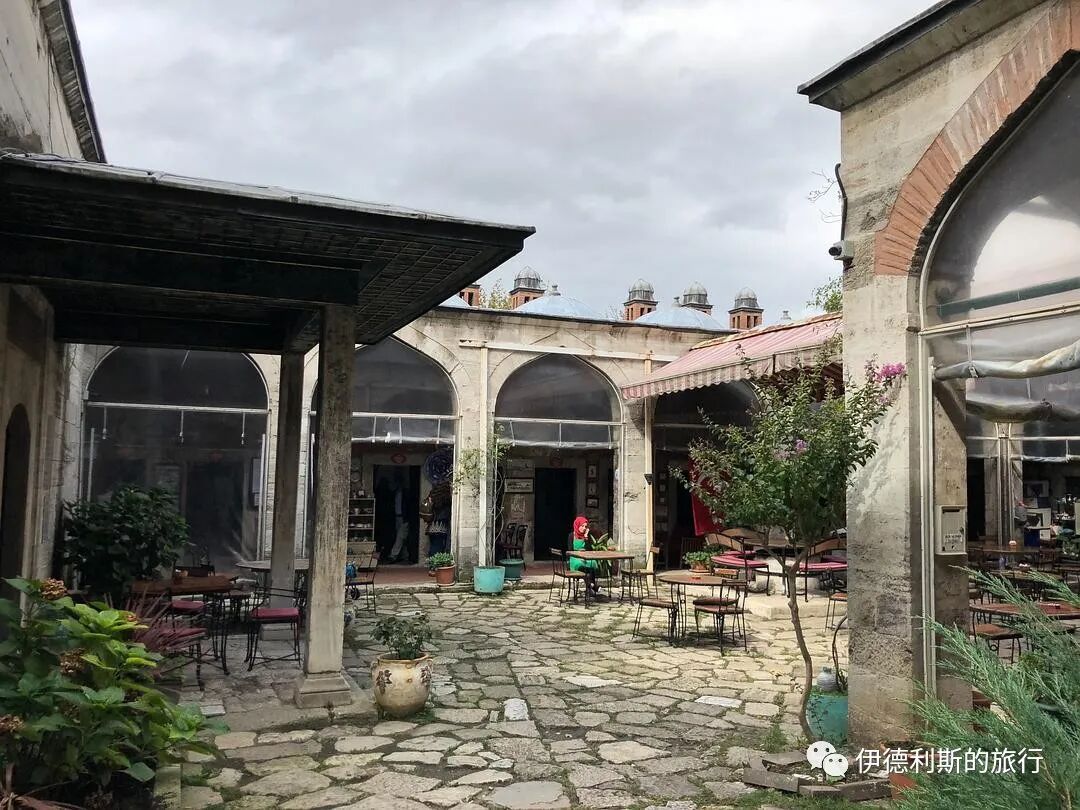
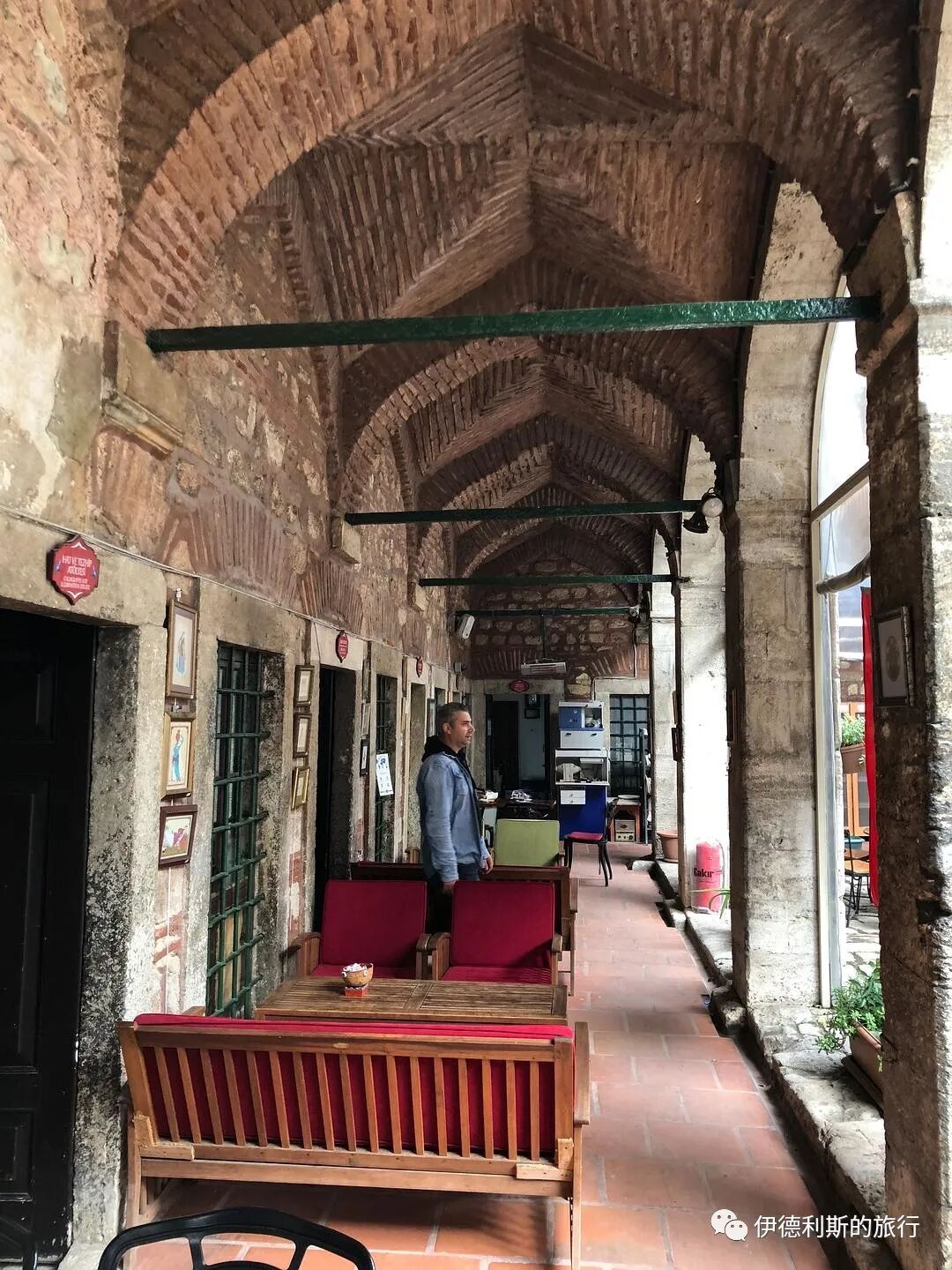
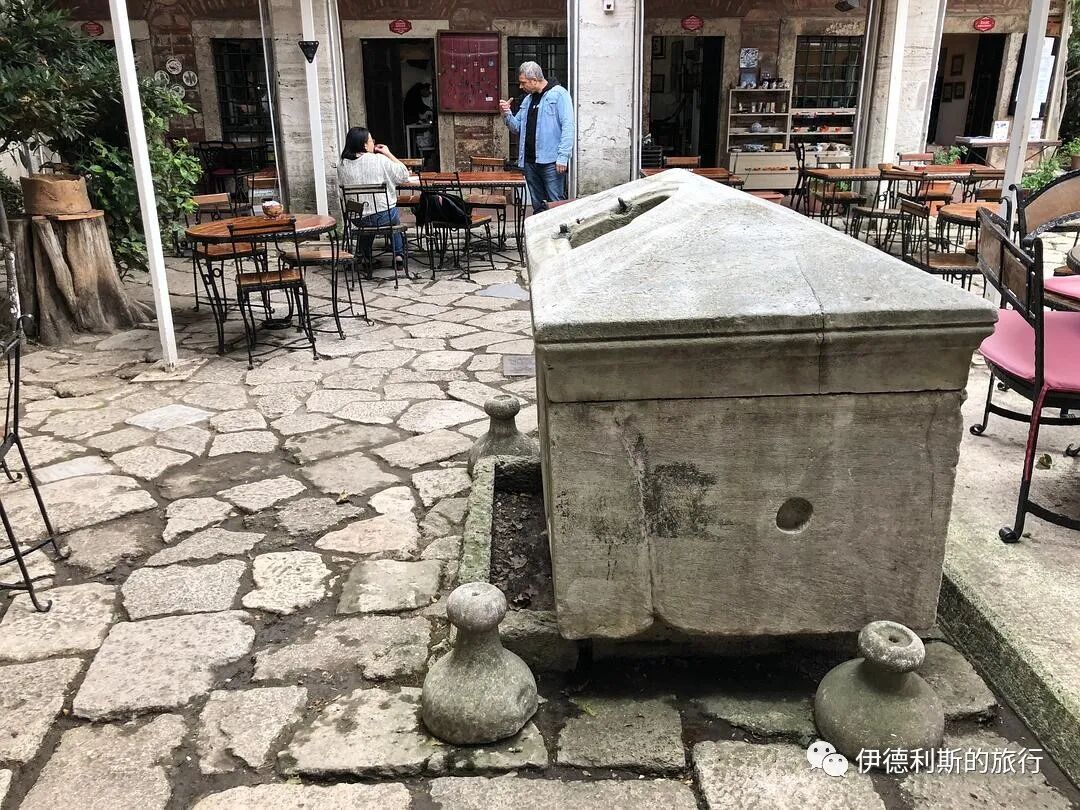
Caferaga Madrasa is built on a slope right next to the Hagia Sophia. Shops open onto the front street, while the entrance is on the back street. In 1989, the Turkish Cultural Service Foundation opened a tourism center here. They use the 15 classrooms around the courtyard to teach, make, and sell traditional Turkish crafts like calligraphy, ceramics, and jewelry. An annual exhibition is held here at the end of every year, where students show the work they have made. There is also a restaurant serving Turkish food in the courtyard.
III. Sokollu Mehmed Pasha Complex (Kadırga): 1567-1572
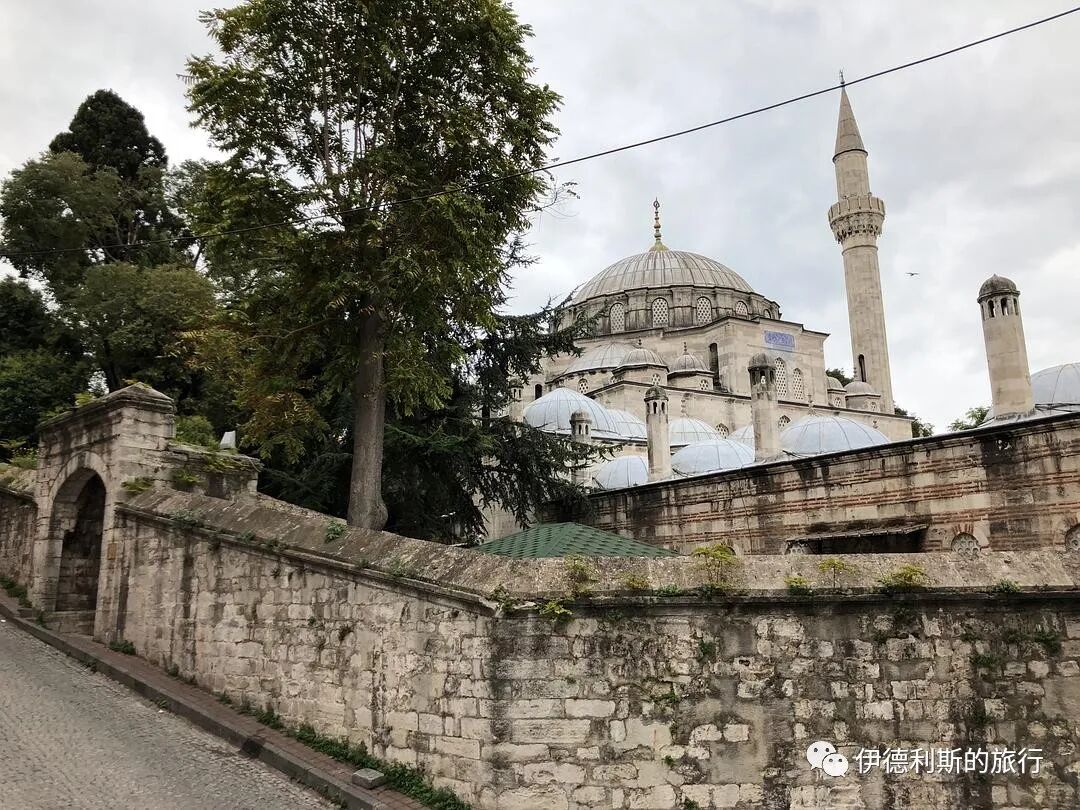
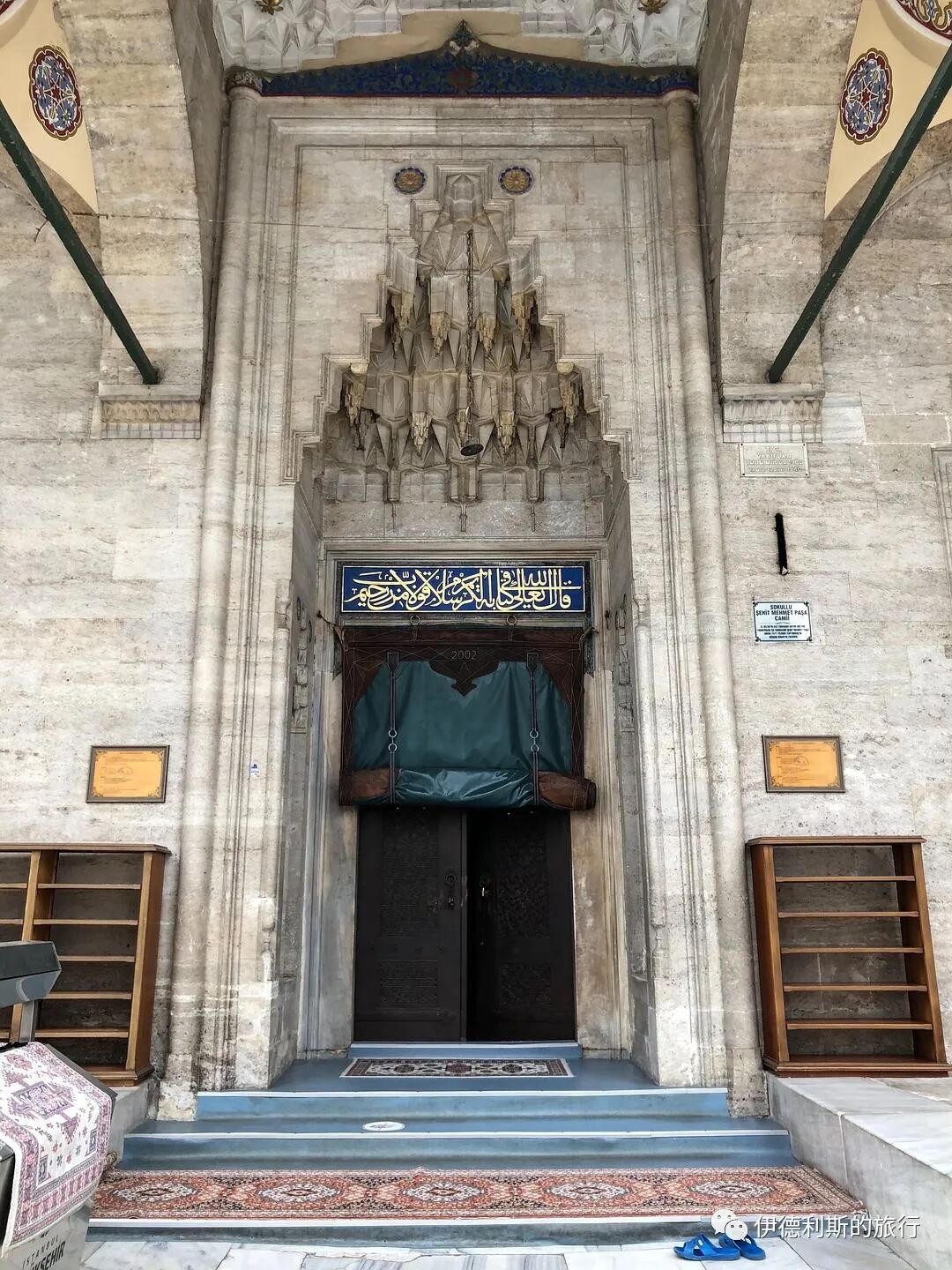
The Sokollu Mehmet Paşa Complex (Sokollu Mehmet Paşa Külliyesi) is in the Kadırga neighborhood southwest of the Blue Mosque. Grand Vizier Sokollu Mehmet Paşa and his wife, İsmihan Sultan, commissioned Mimar Sinan to build it between 1567 and 1572. İsmihan Sultan was the granddaughter of Suleiman the Magnificent.
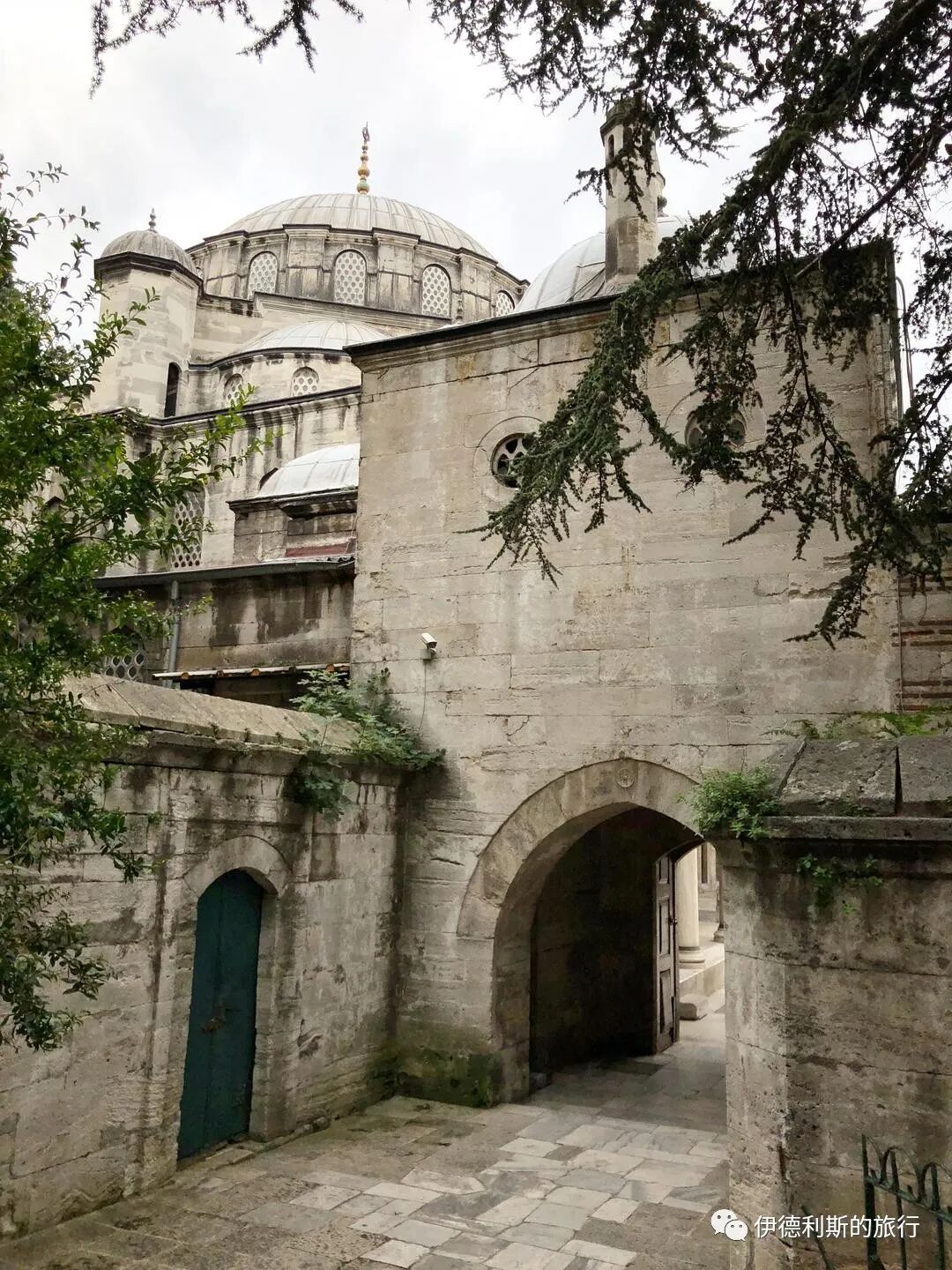
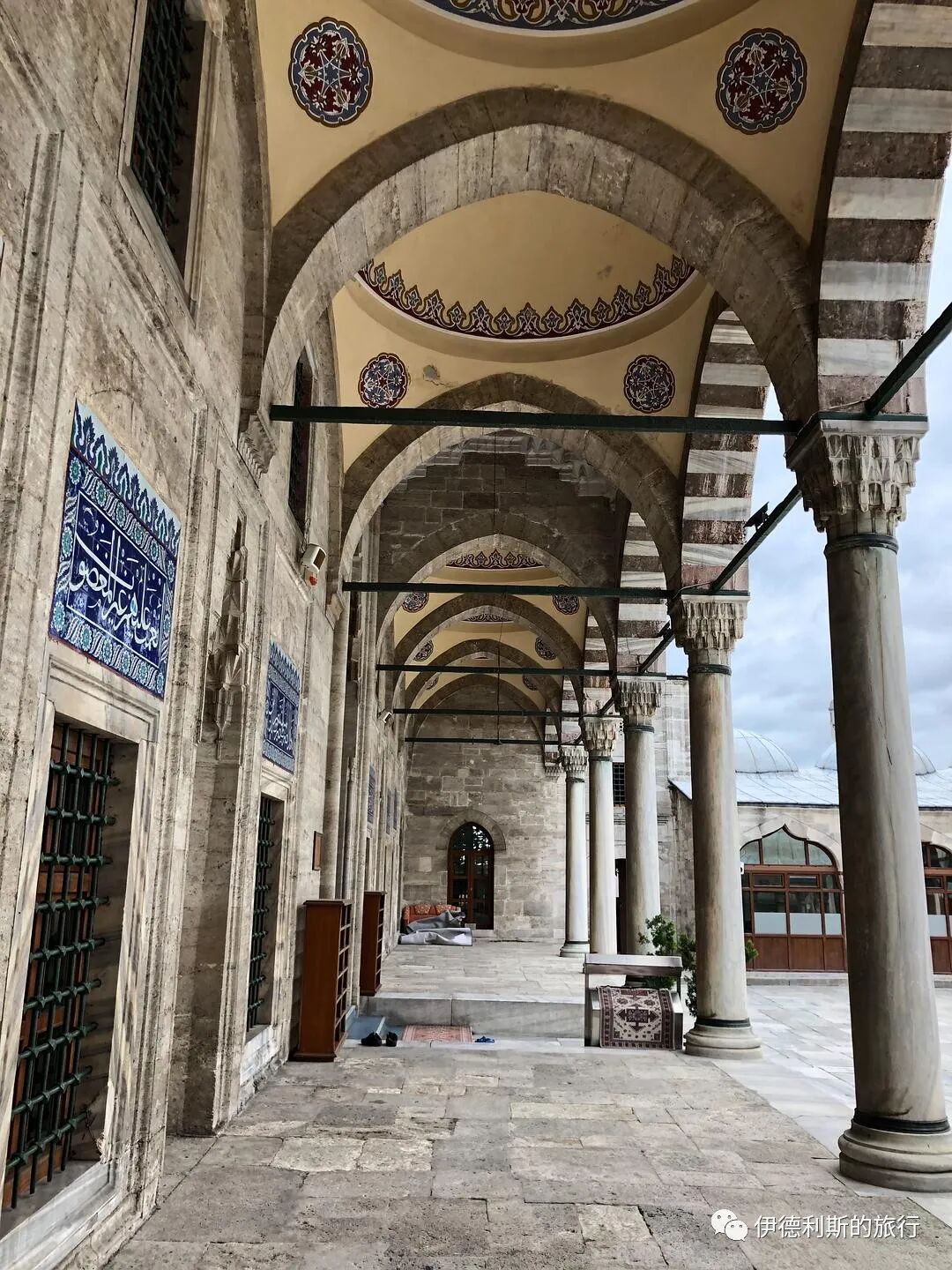
Building this complex was a challenge because it sits on a steep slope. Mimar Sinan solved this by building a two-story courtyard in front of the mosque and adding three sets of stairs that lead to gates at different slopes. The bottom floor of the courtyard has shops that help pay for the mosque's operations.
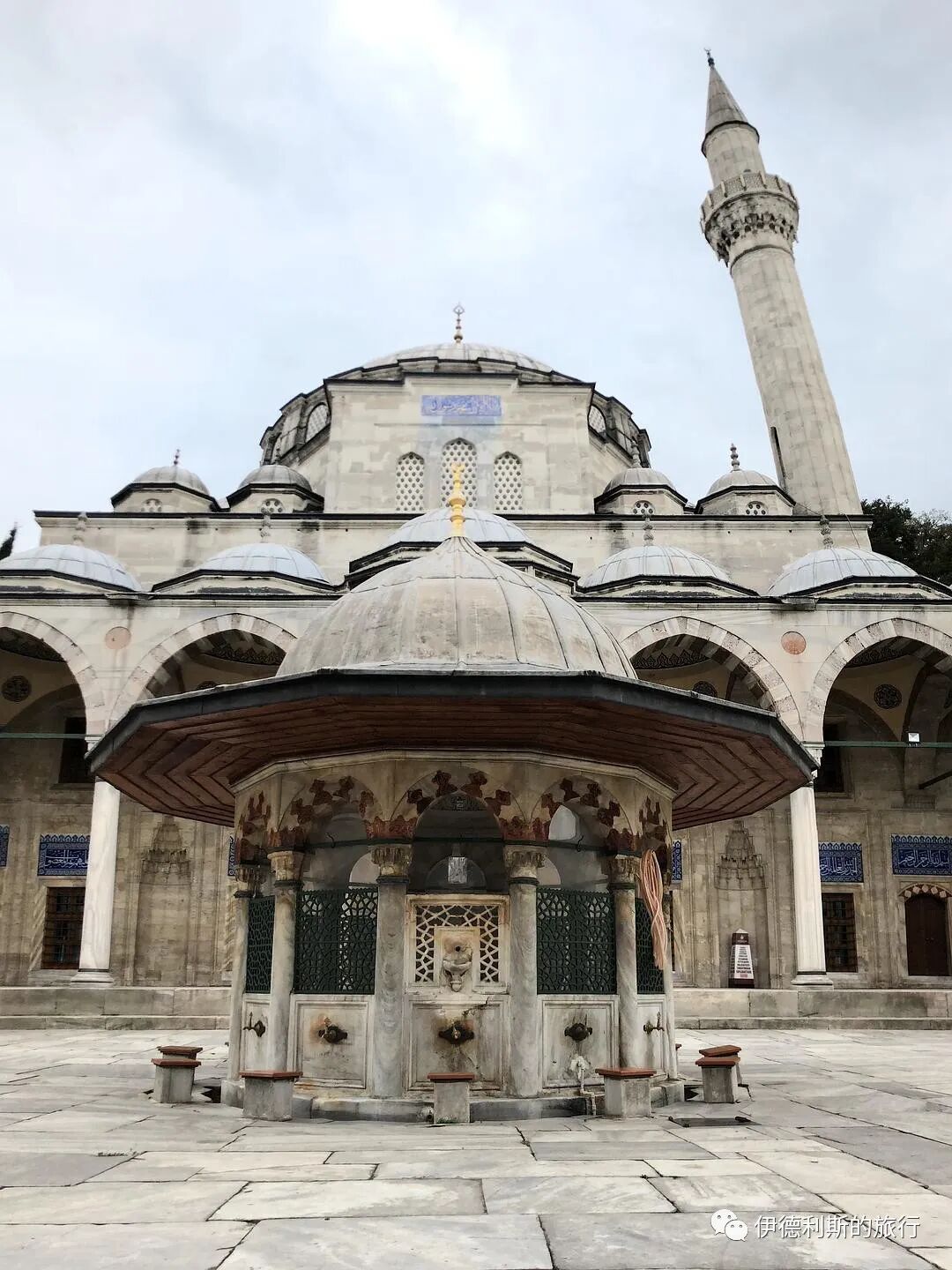
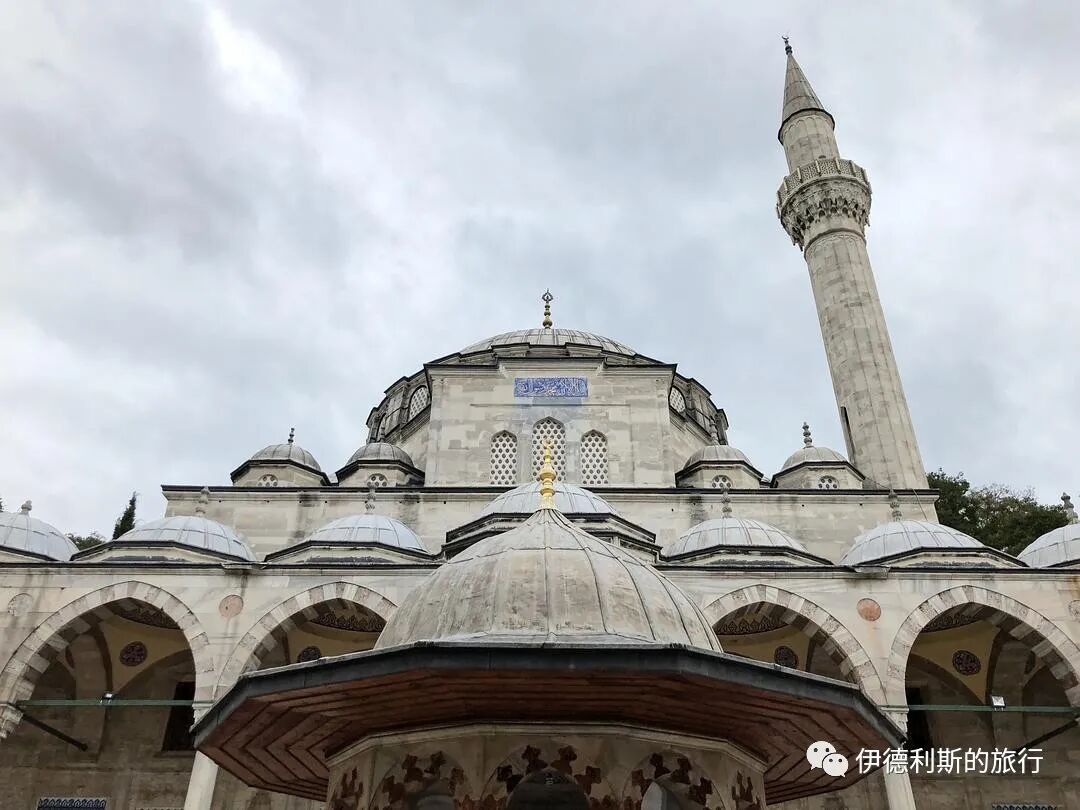
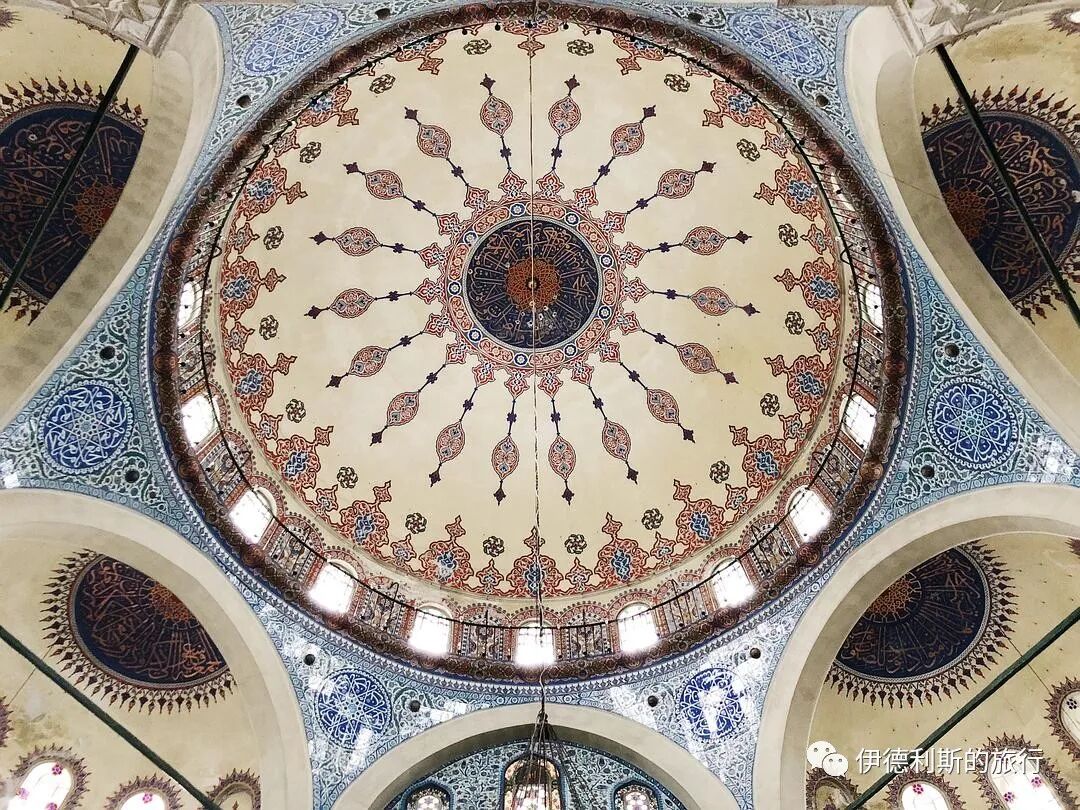
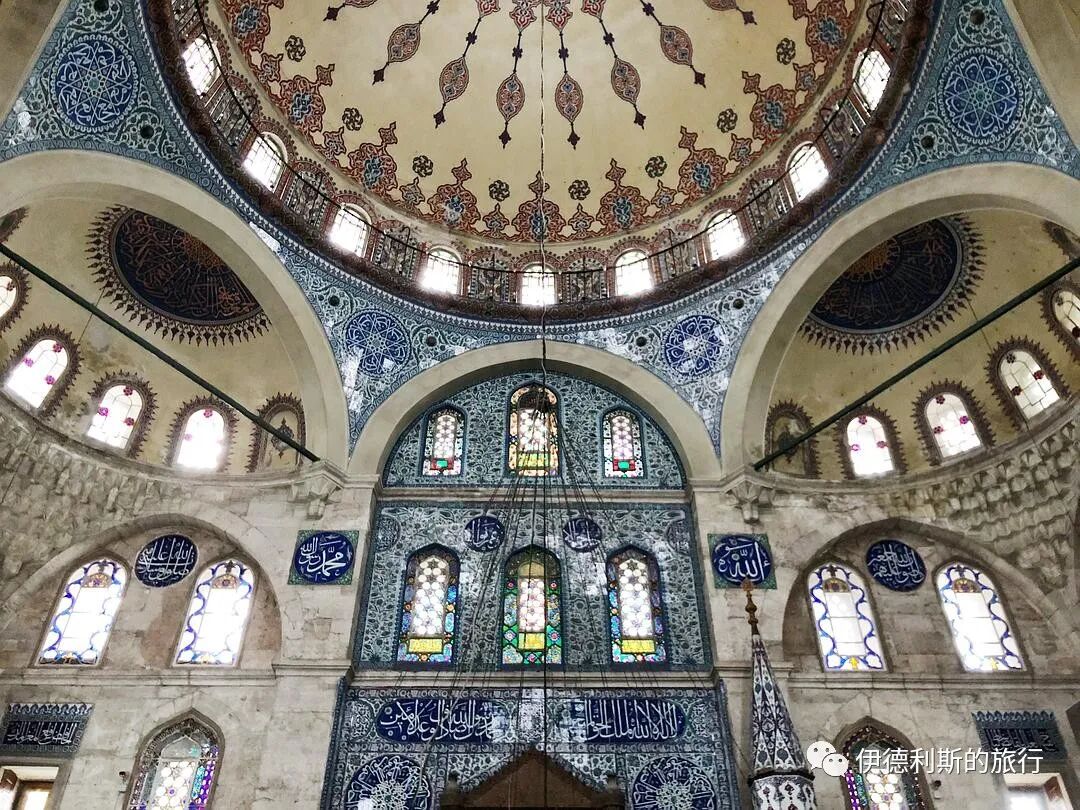
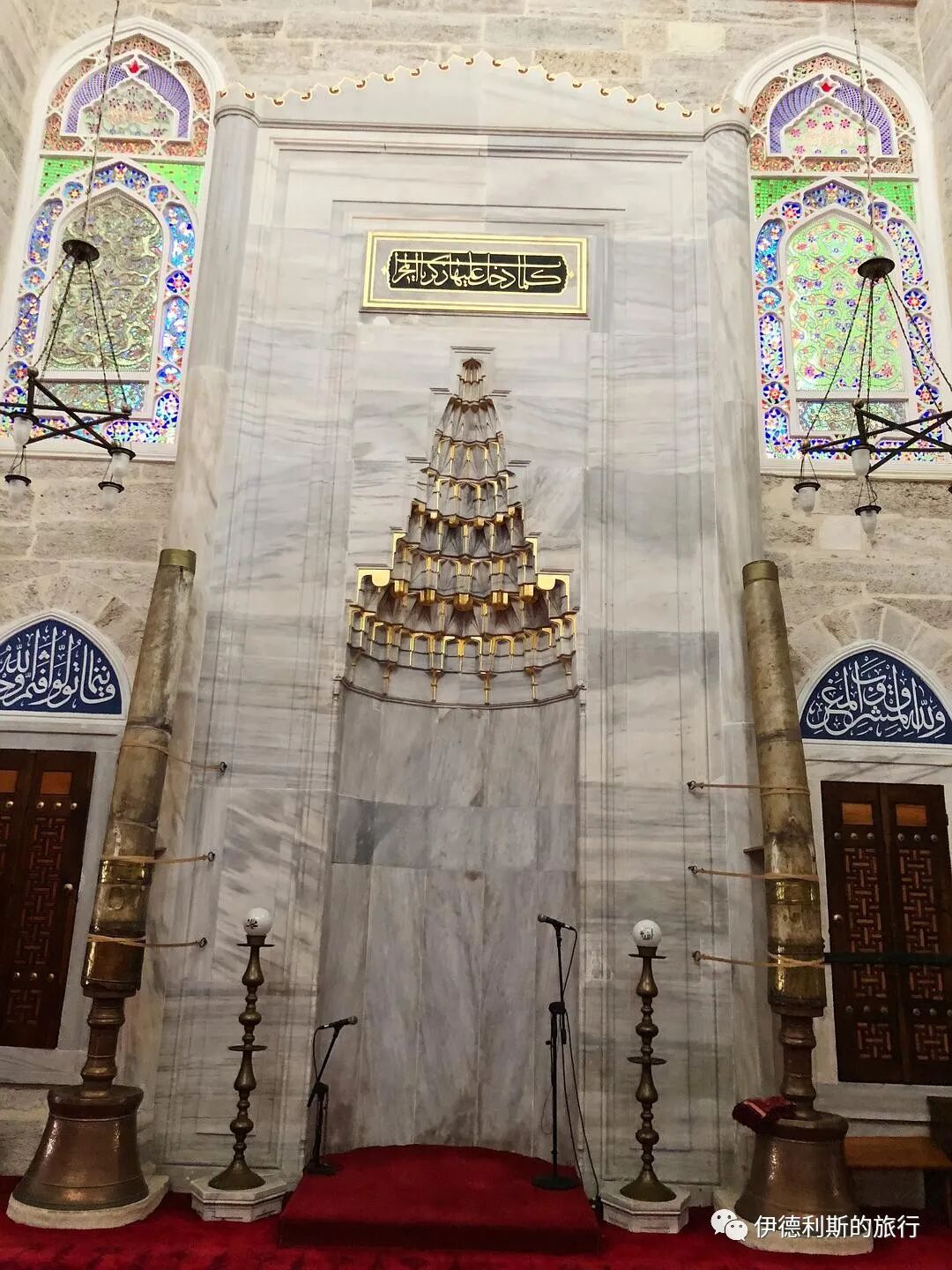
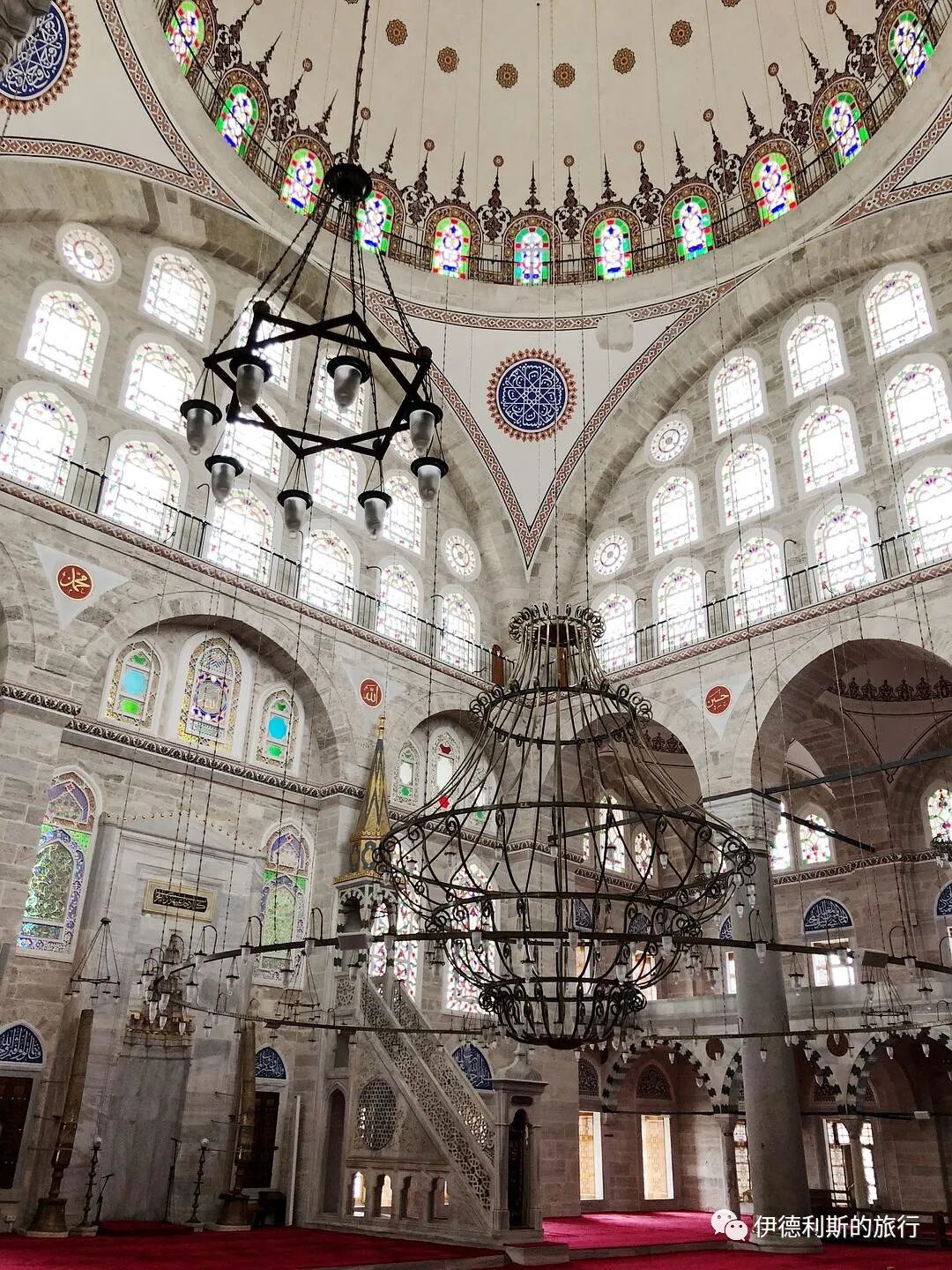
There is a Sufi lodge (Tekke) on the northwest side of the courtyard and the mosque on the southeast side. A madrasa sits behind the mosque. All three buildings are on the same axis, which is rare for Mimar Sinan's work. The mosque has a rectangular base and a hexagonal center, topped by one large dome and four smaller domes. There is also a minaret at the northeast corner of the mosque.
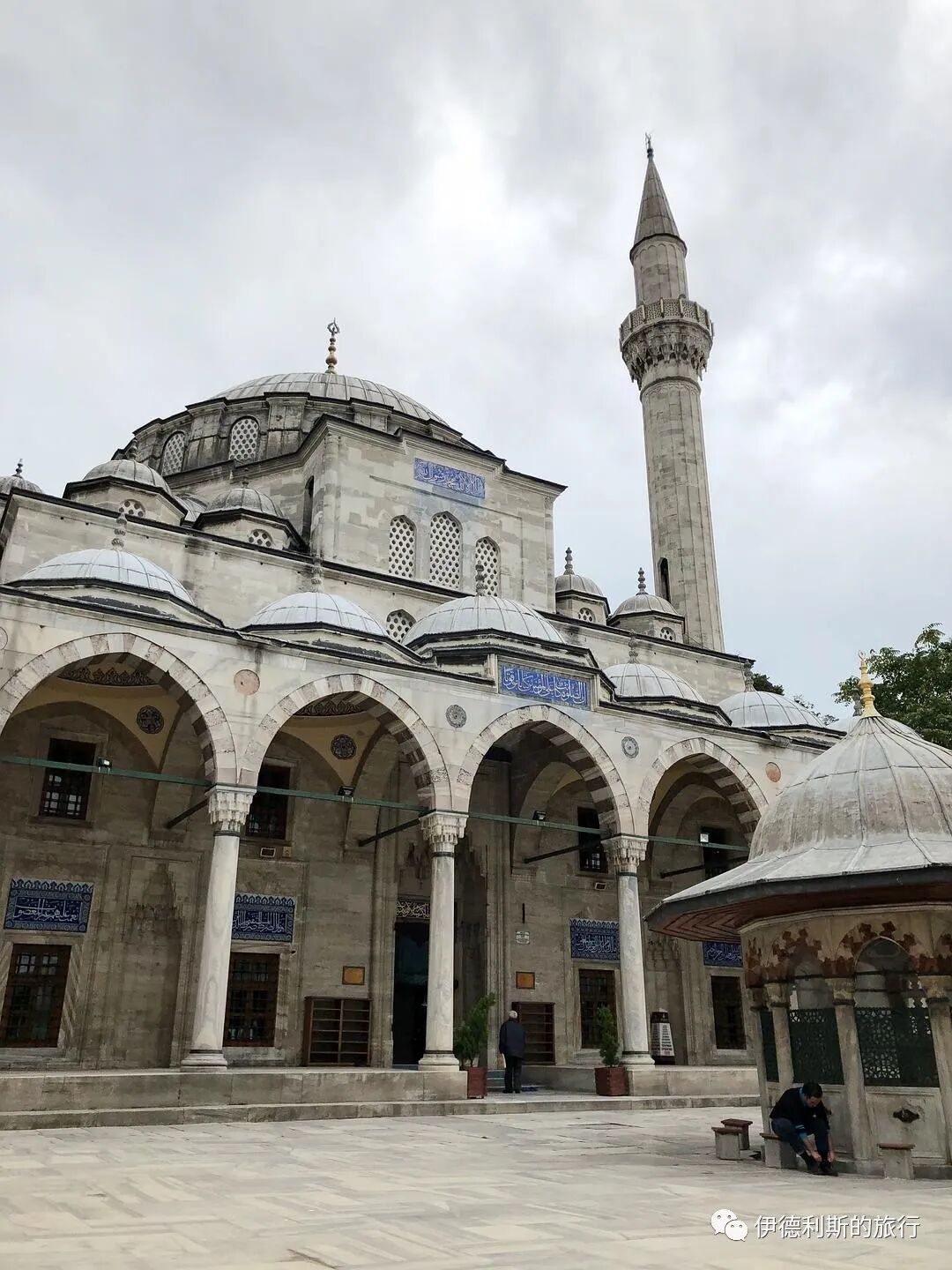
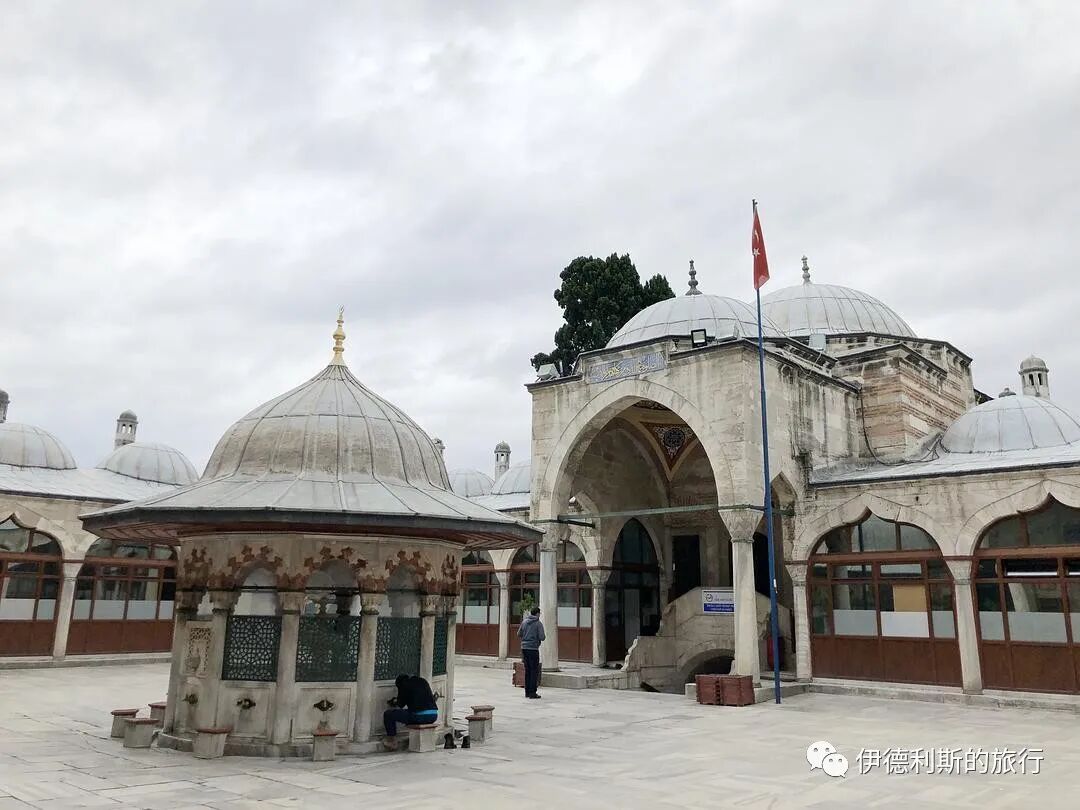
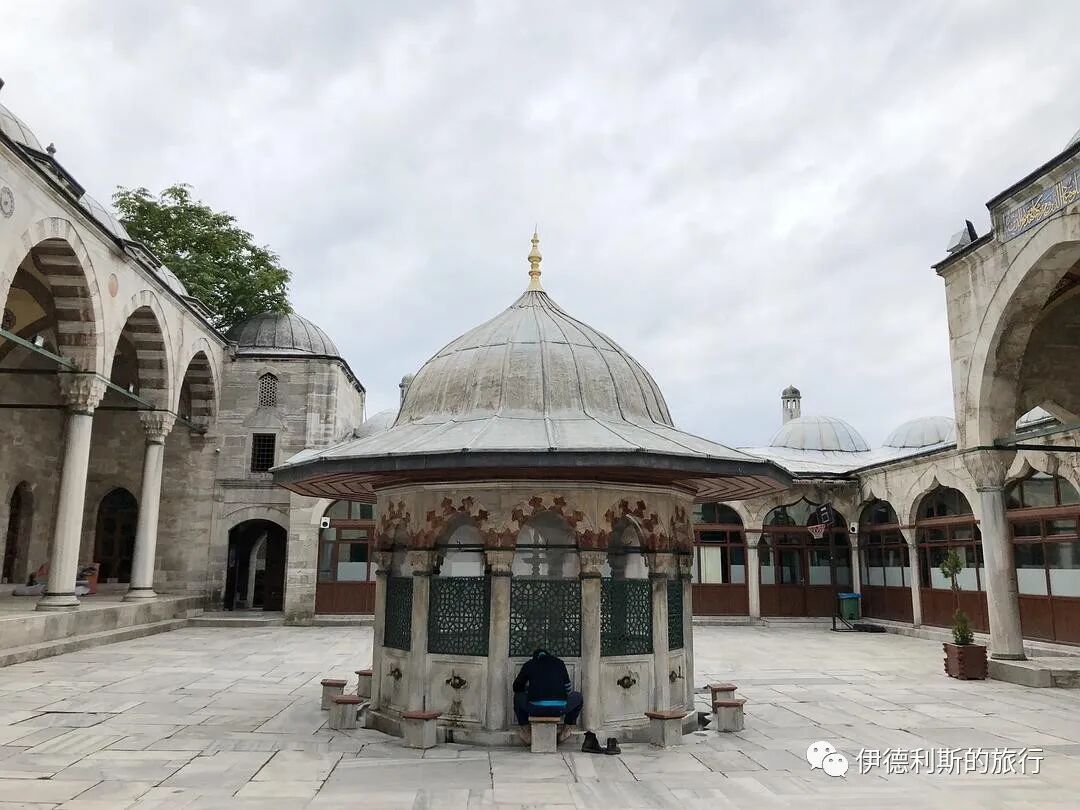
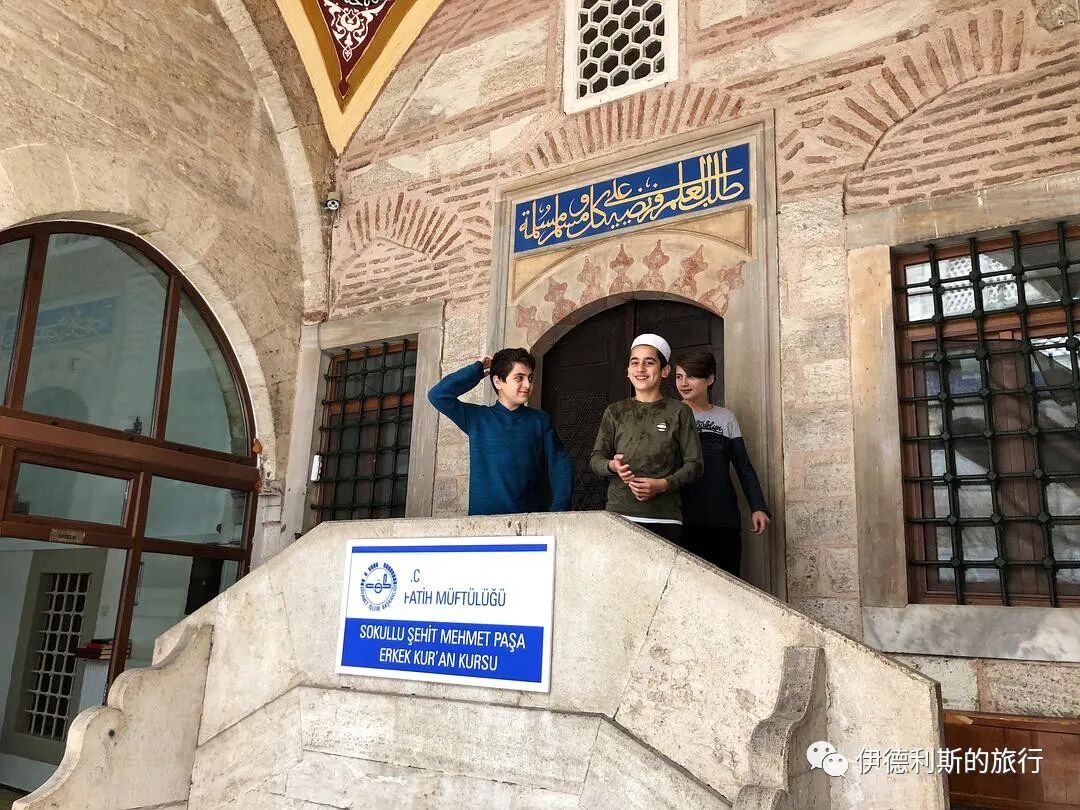
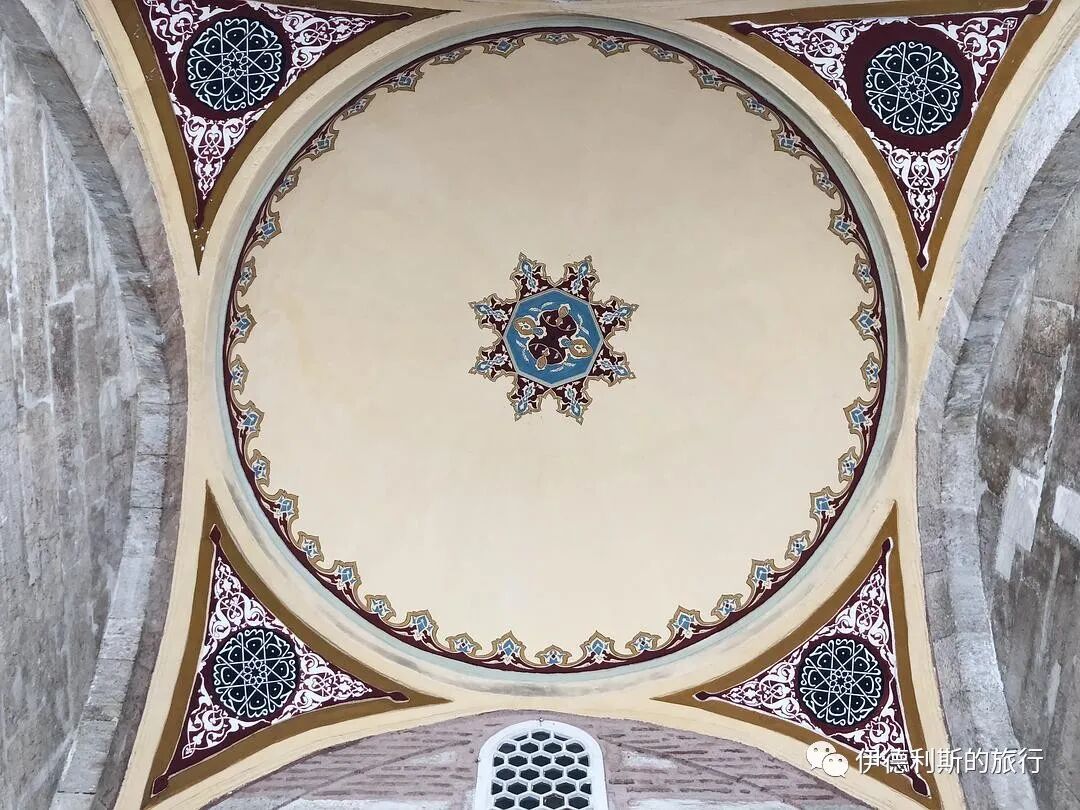
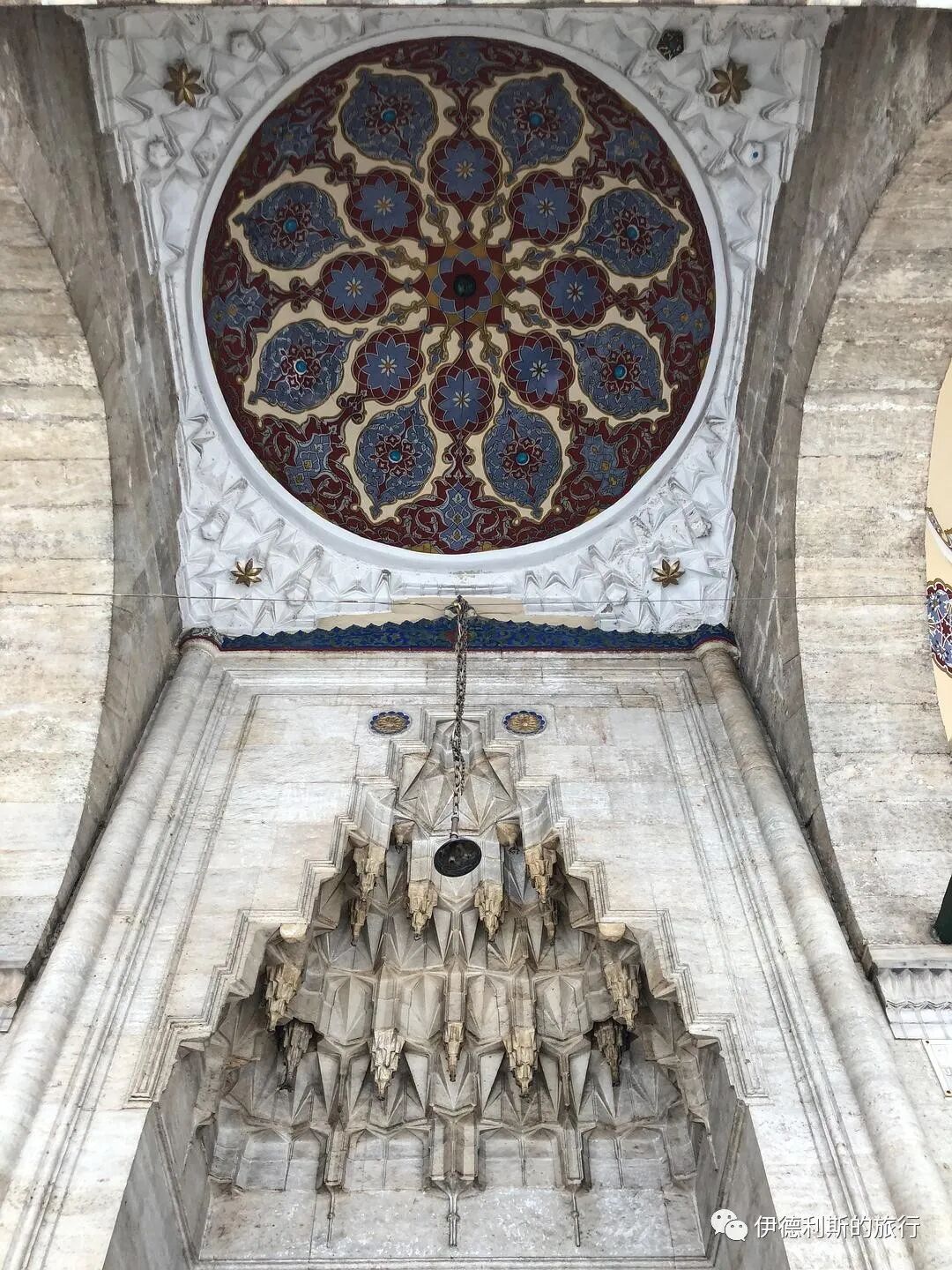
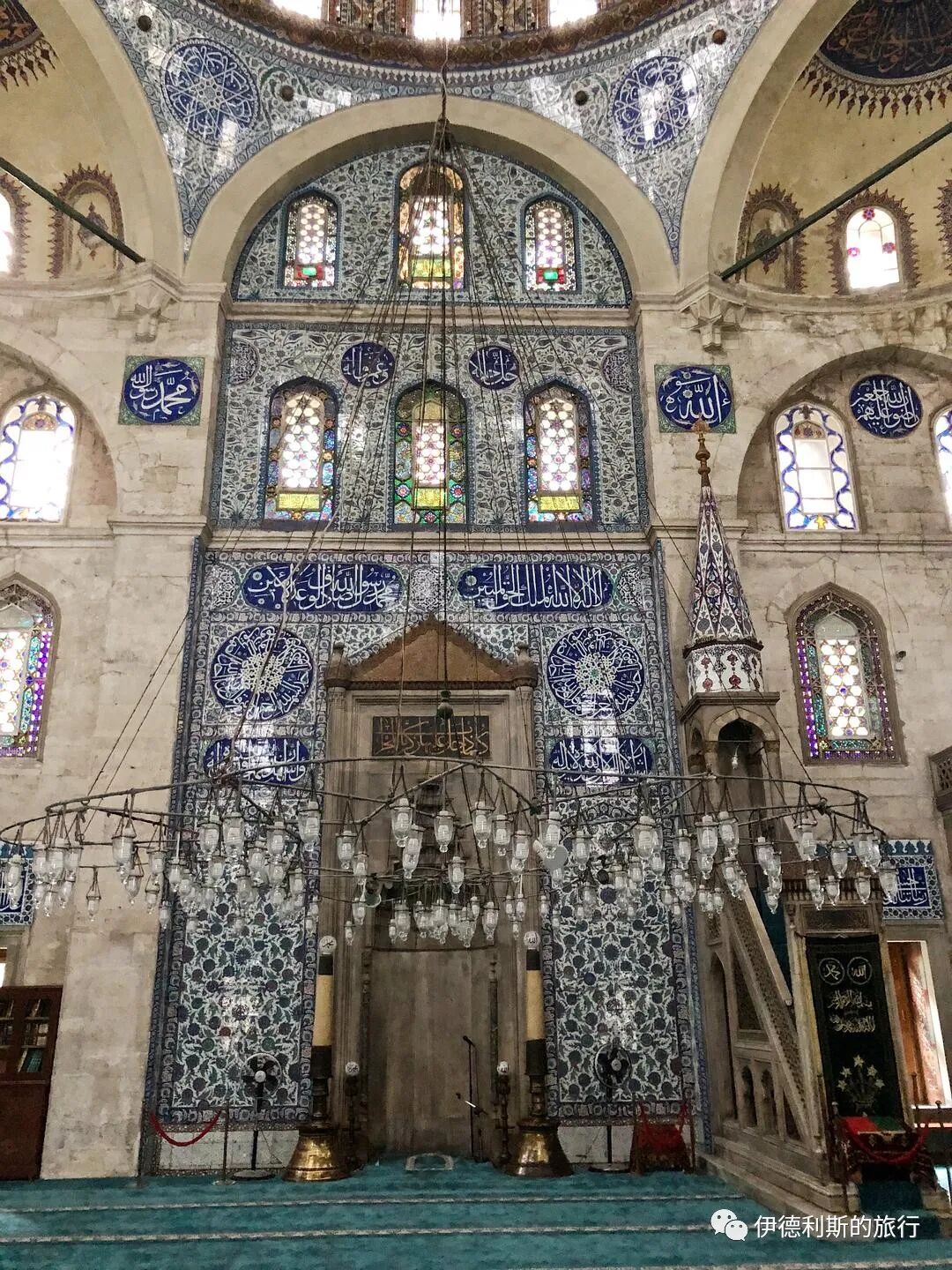
The inside of the mosque is famous for its beautiful Iznik tiles. These tiles feature blue, red, and green floral patterns, along with calligraphy in white on a blue background.
IV. Mihrimah Sultan Complex: 1563-1570
The Mihrimah Sultan Complex (Mihrimah Sultan Külliyesi) was commissioned by Suleiman the Magnificent's daughter, Mihrimah Sultan, and built by Mimar Sinan between 1563 and 1570. The complex sits on the sixth hill inside the northwest walls of Istanbul, which is the highest point in the old city.
The complex includes a mosque, a bathhouse (hammam), a tomb, and shops at street level under the terrace. The mosque stands on a terrace overlooking the street and is surrounded by a courtyard. Part of this courtyard is enclosed by porticos to create separate rooms used as a religious school (madrasa).
The mosque has been damaged by earthquakes many times throughout history, with the minarets and the dome suffering the most damage. The minarets were repaired between 2007 and 2010. Later, the courtyard was repaved, the central fountain was restored, and the porticos were rebuilt. The mosque originally had a double-layered portico, but only the inner portico has survived.
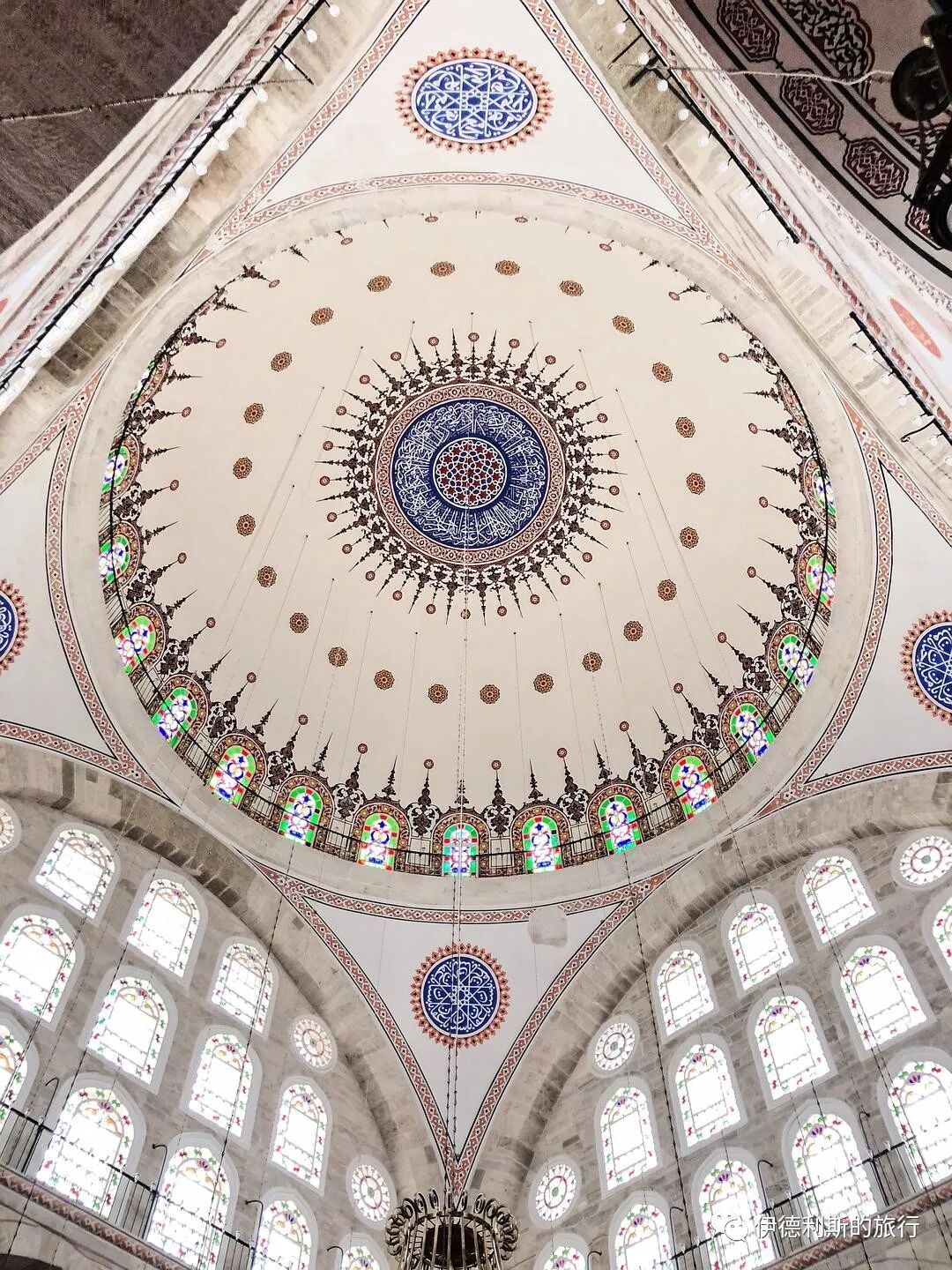
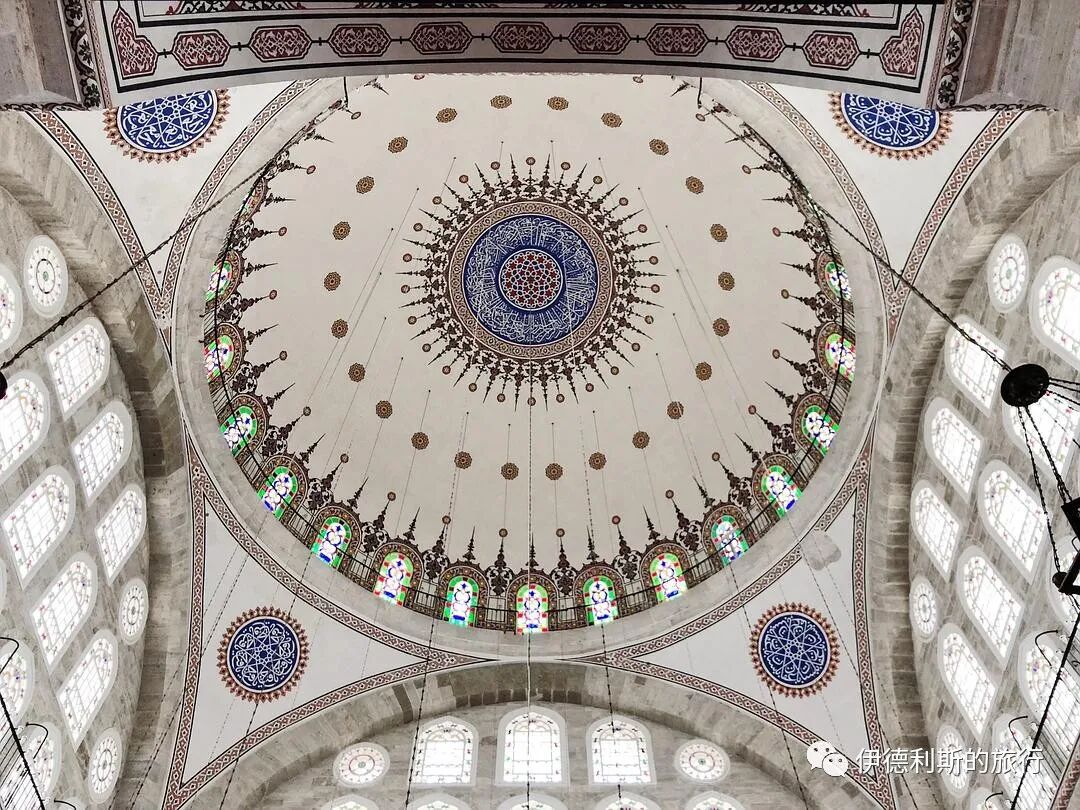
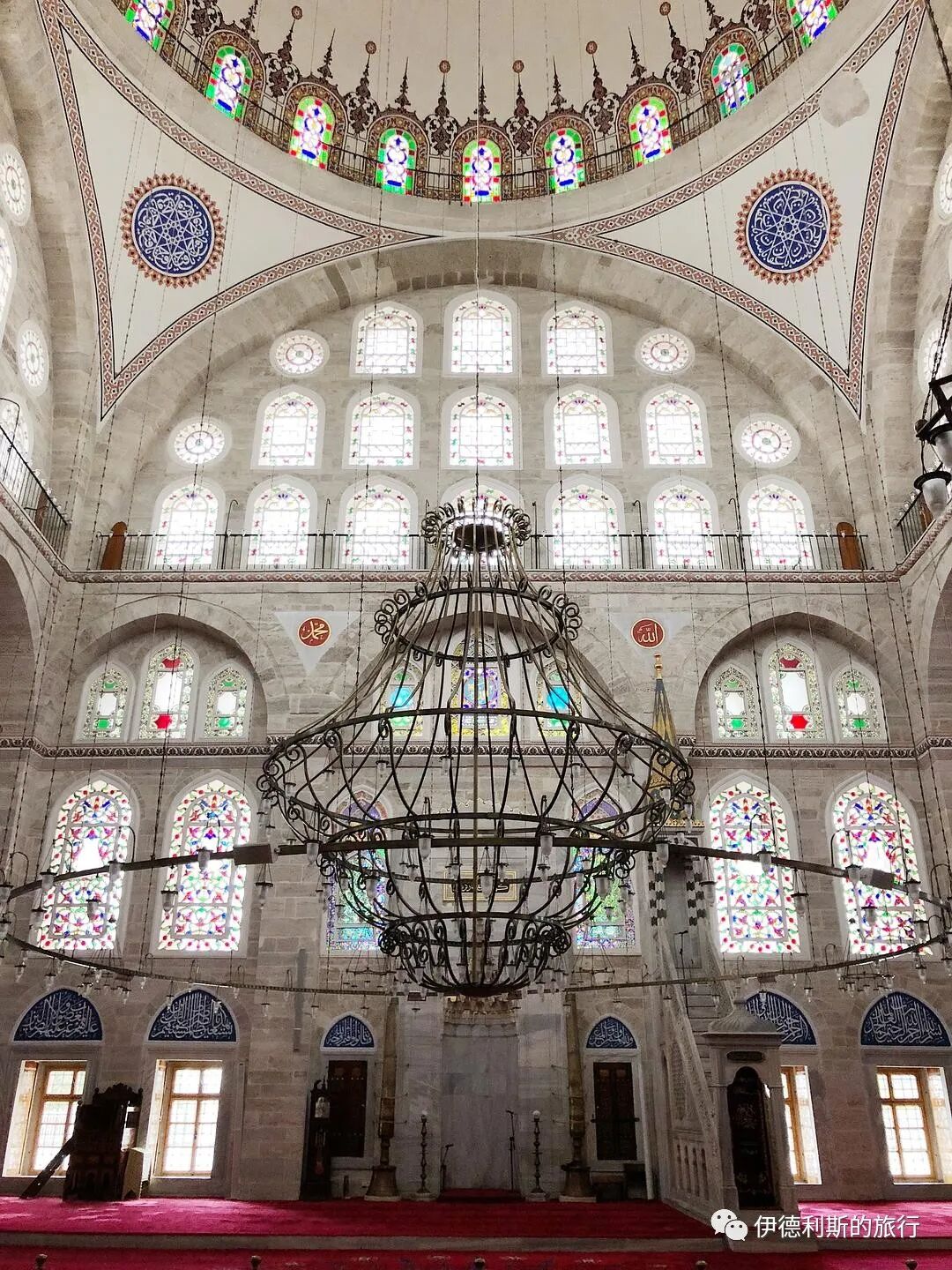
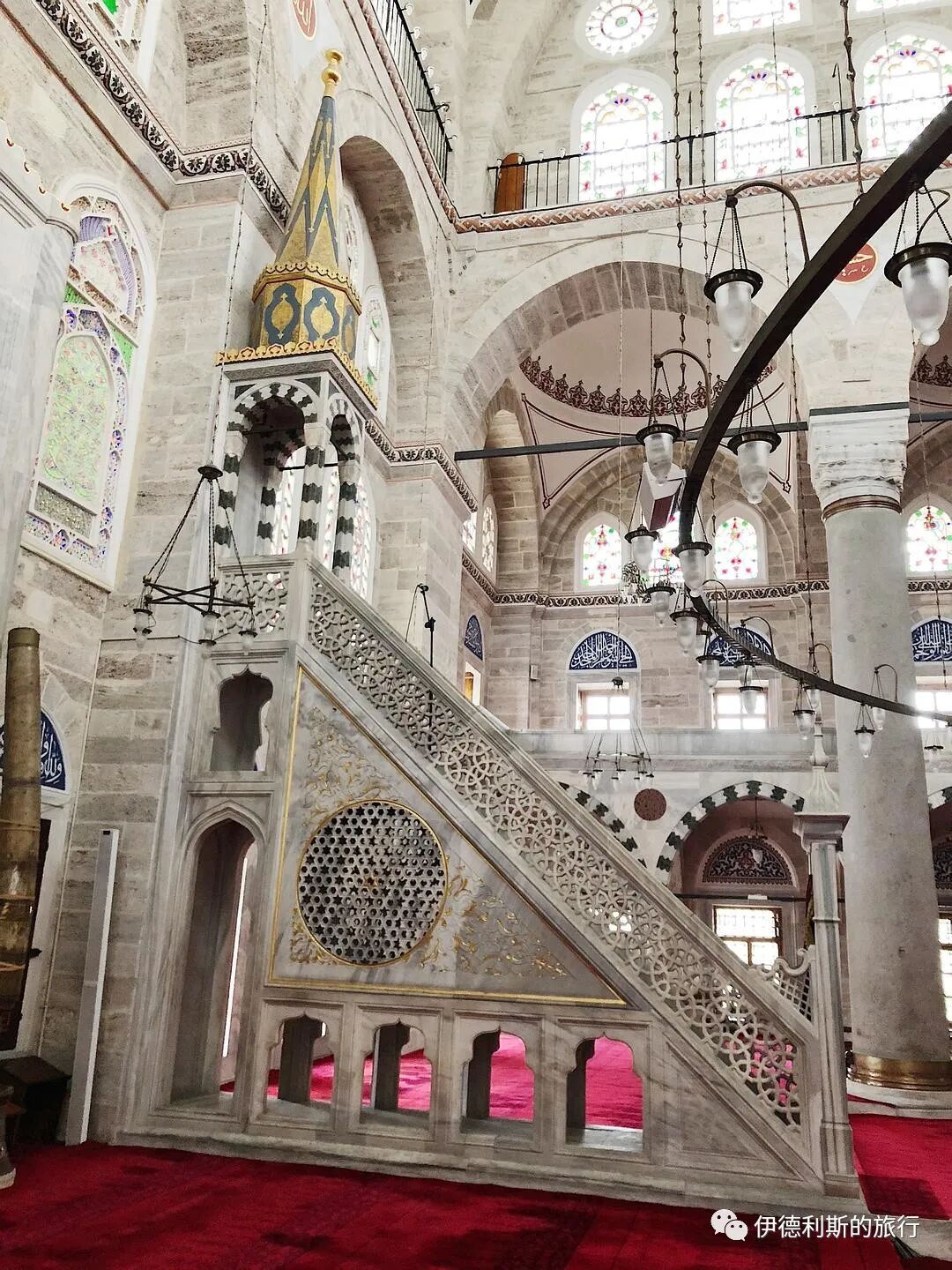
The mosque's structure was known as the most advanced design for a single-dome mosque at that time. The 35-meter-high dome is supported by four wall pillars, with four arches and four pendentives forming a tower-like structure. The four polygonal wall pillars stick out on the outside but are almost invisible from the inside, looking like neatly cut crystal shapes.
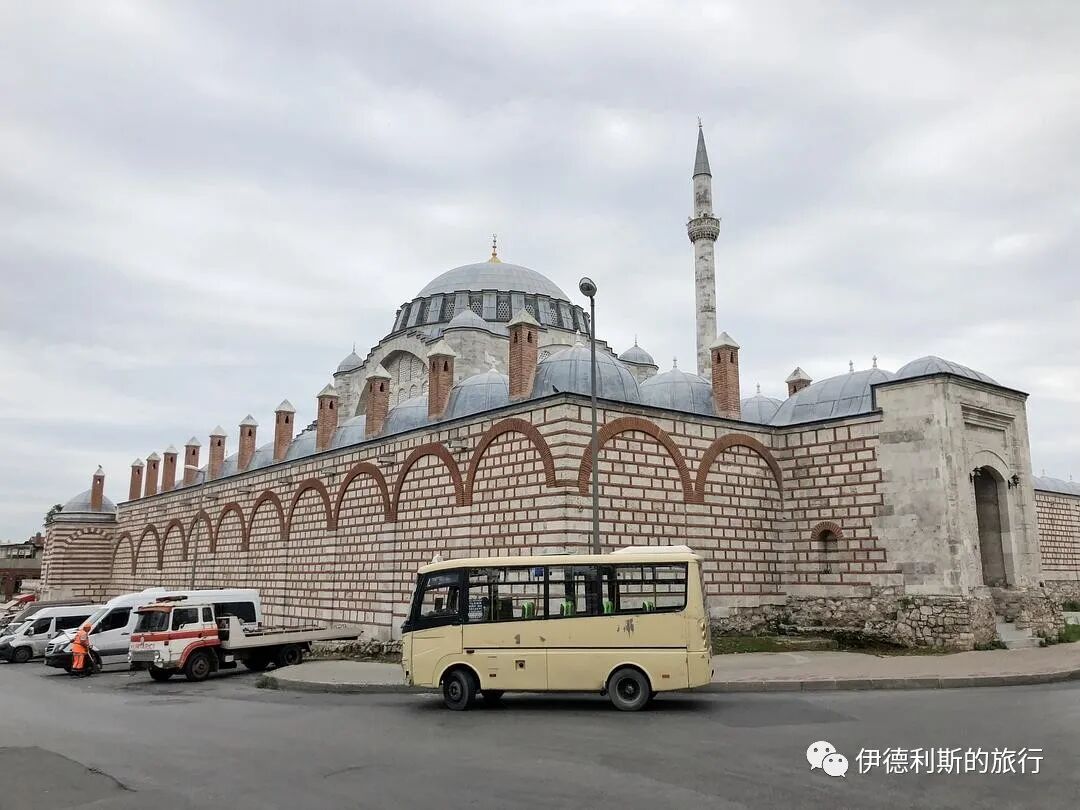
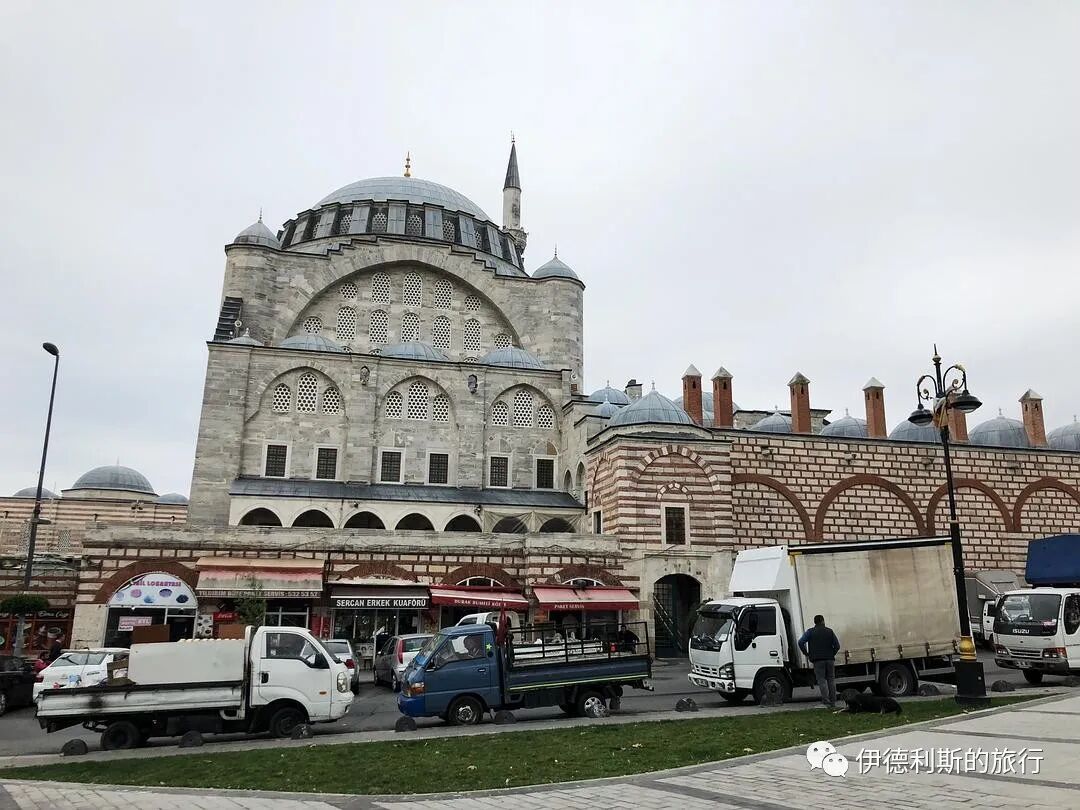
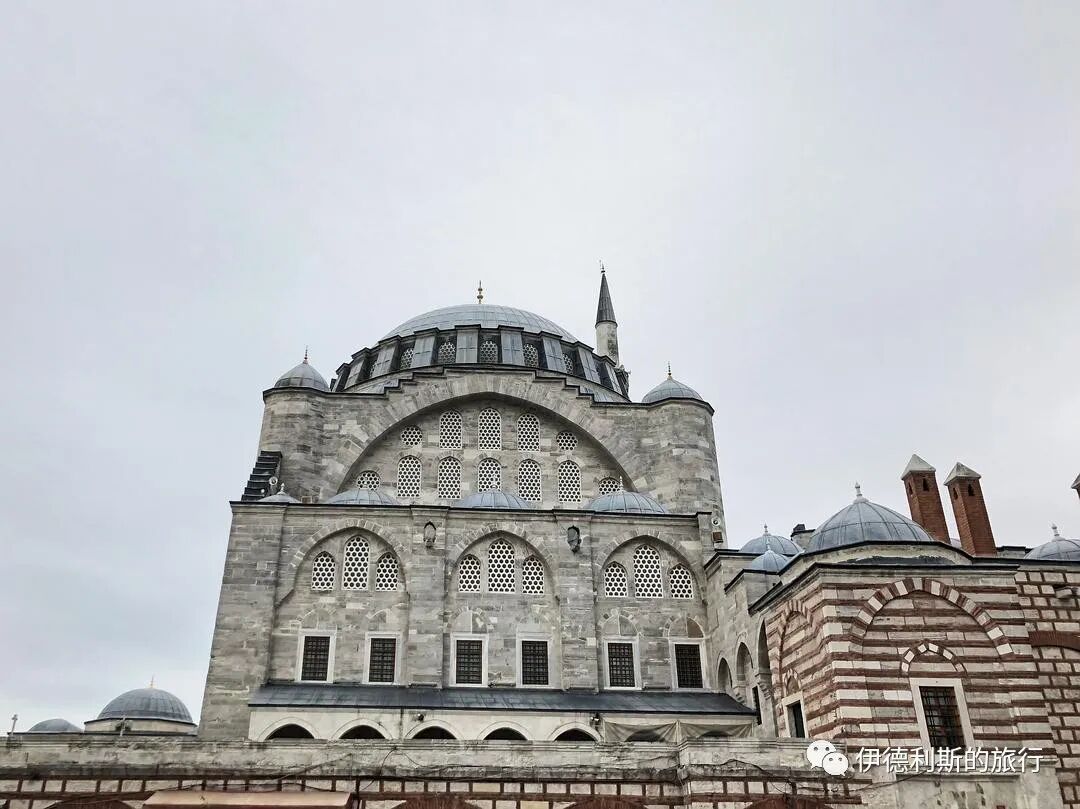
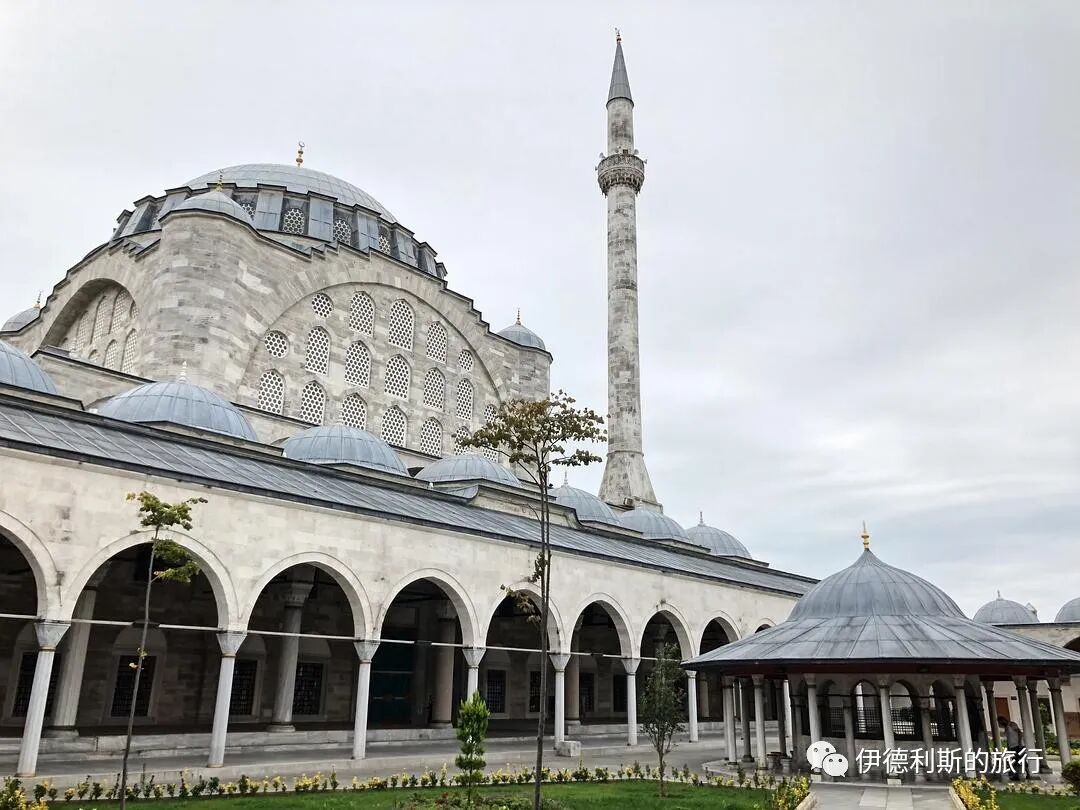
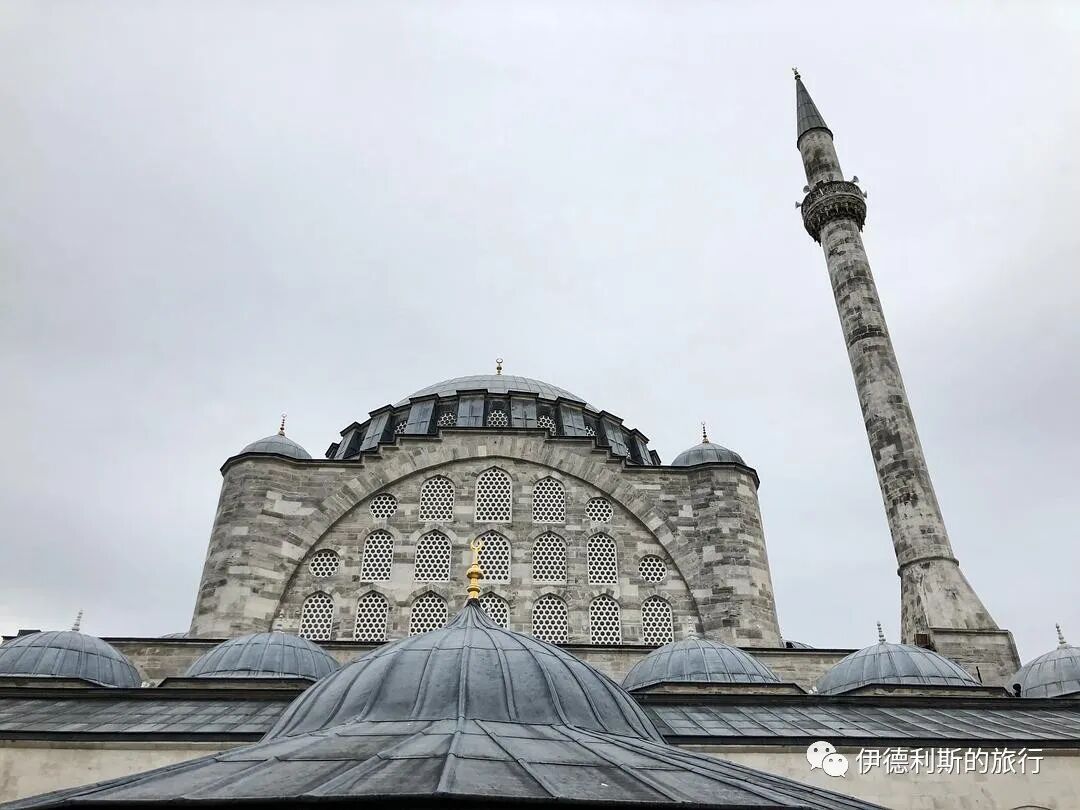
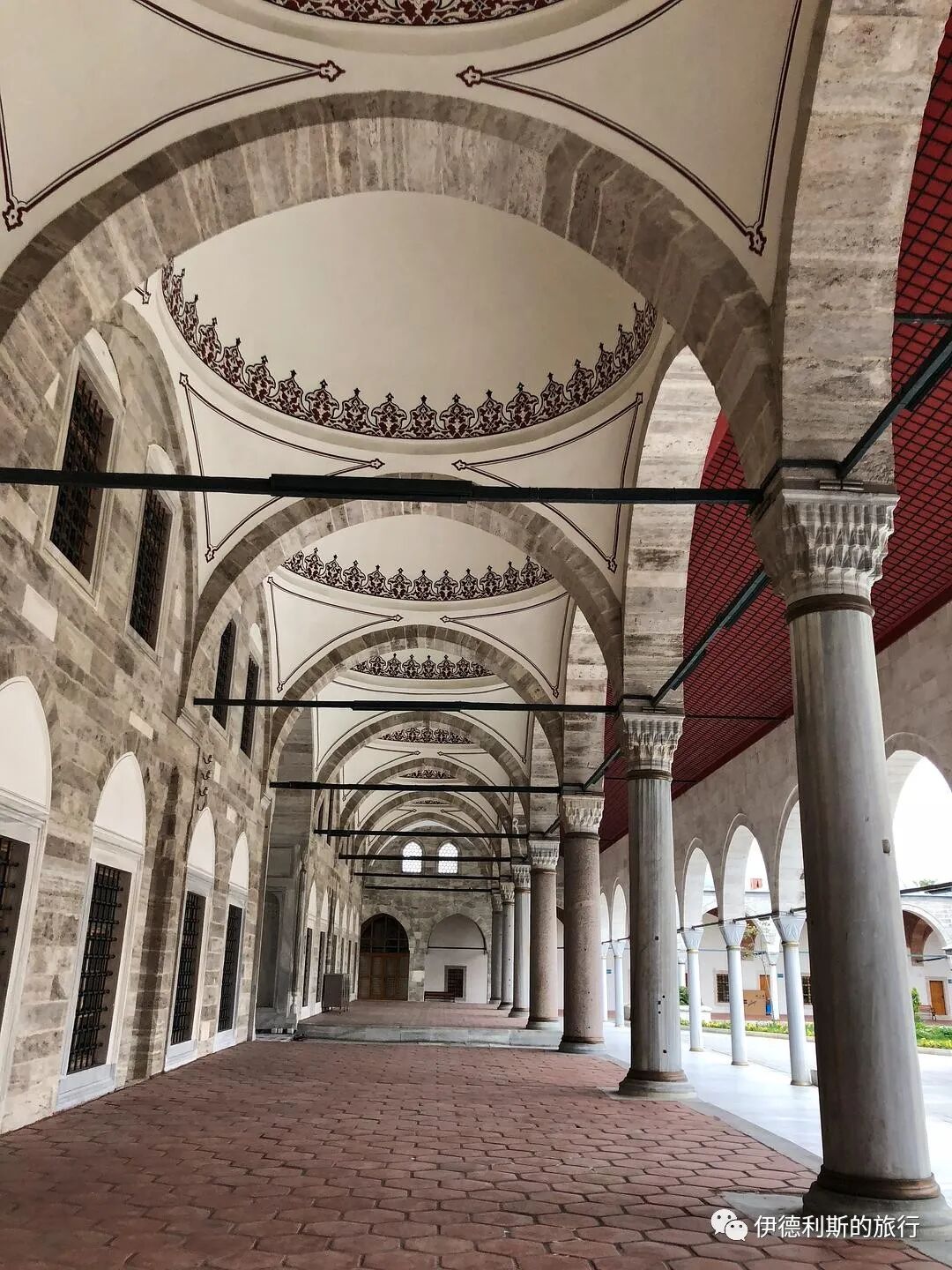
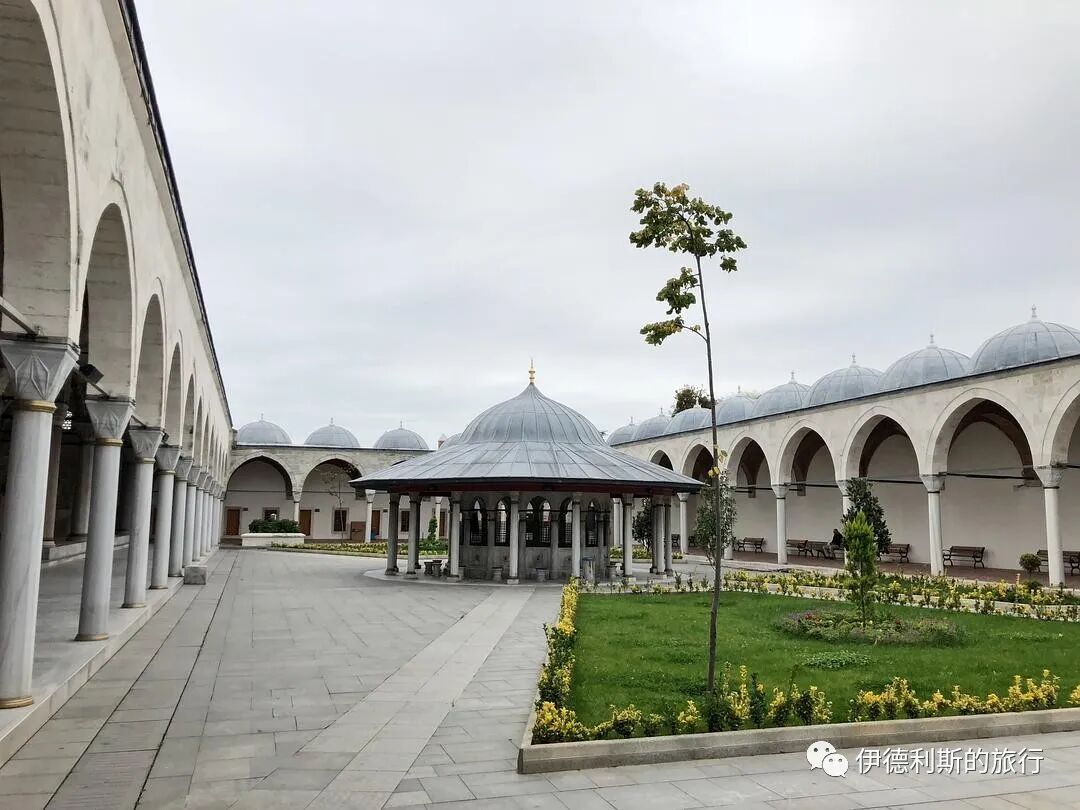
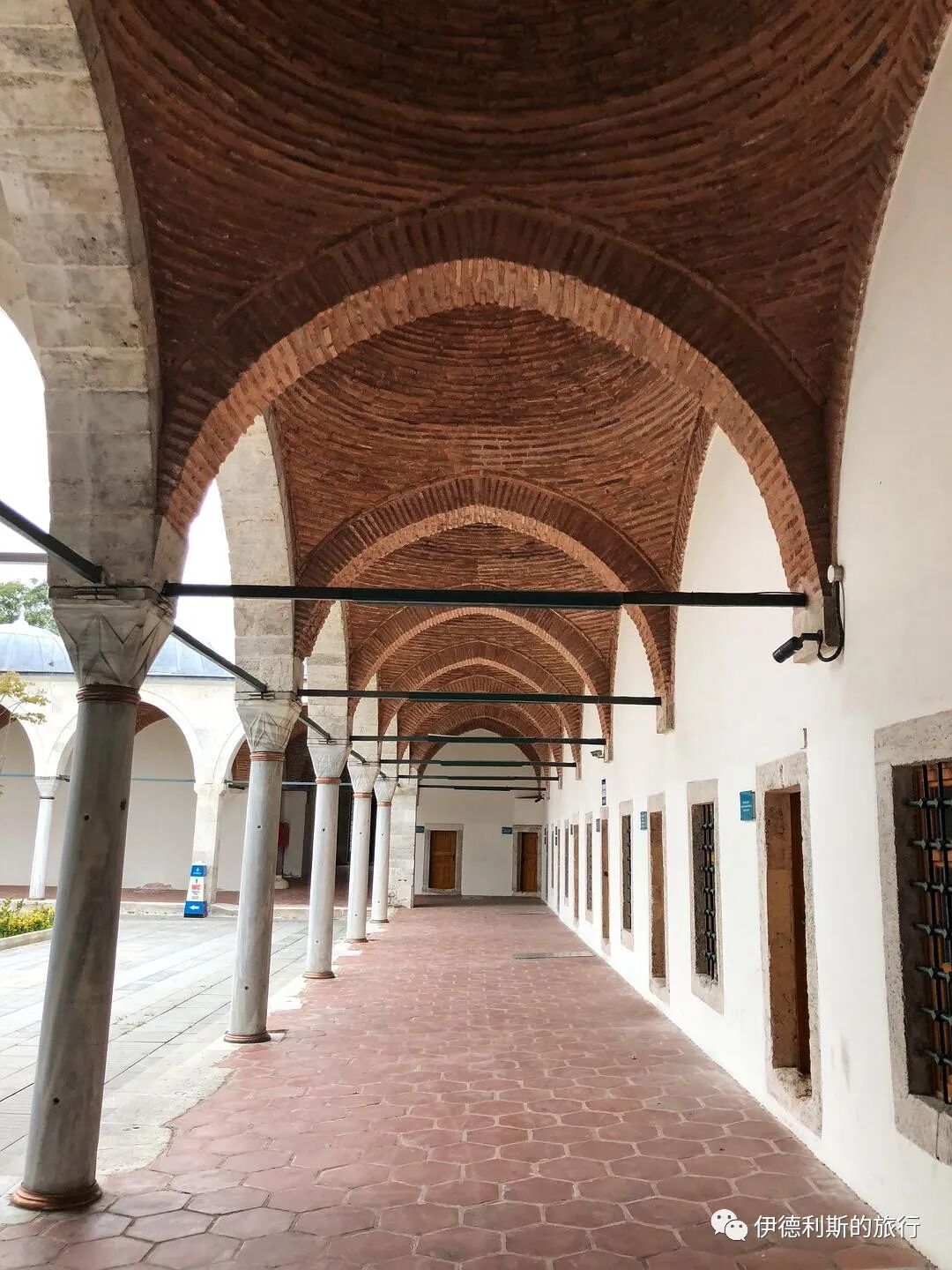
The area above the arches is covered with large windows that have almost no load-bearing function, and sunlight streaming through them makes this the brightest mosque among Mimar Sinan's works.
5. Sokullu Mehmed Pasha Complex (Eyüp): 1569
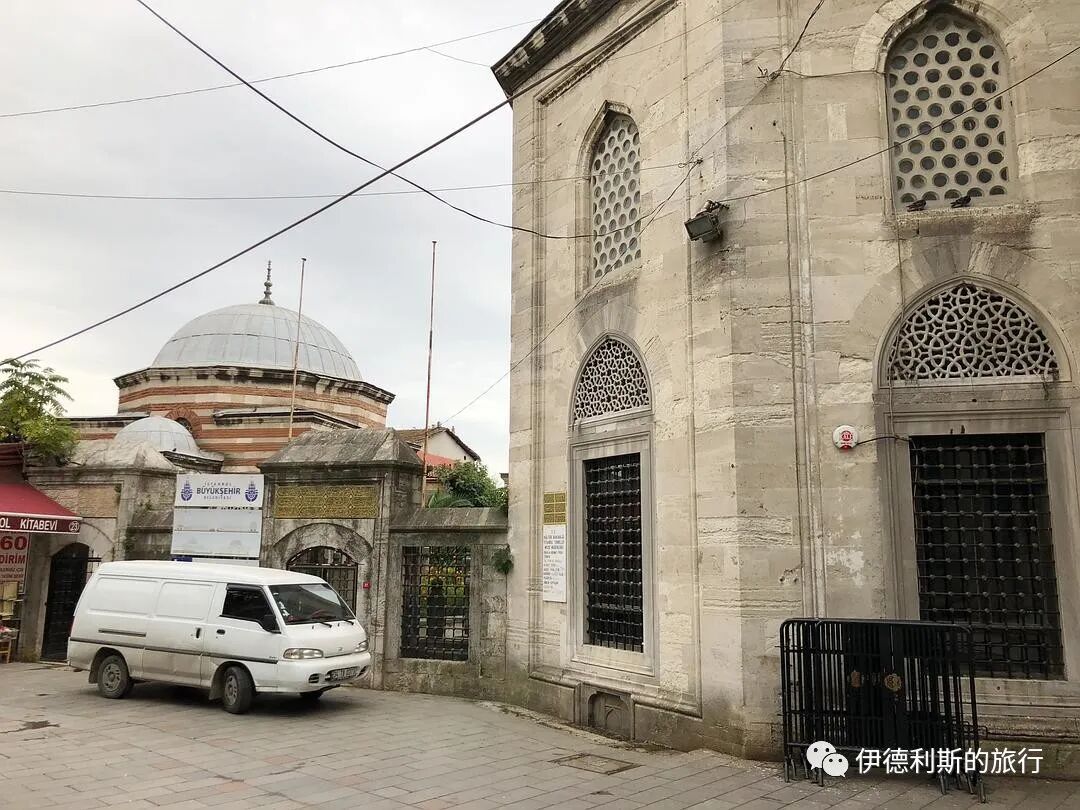
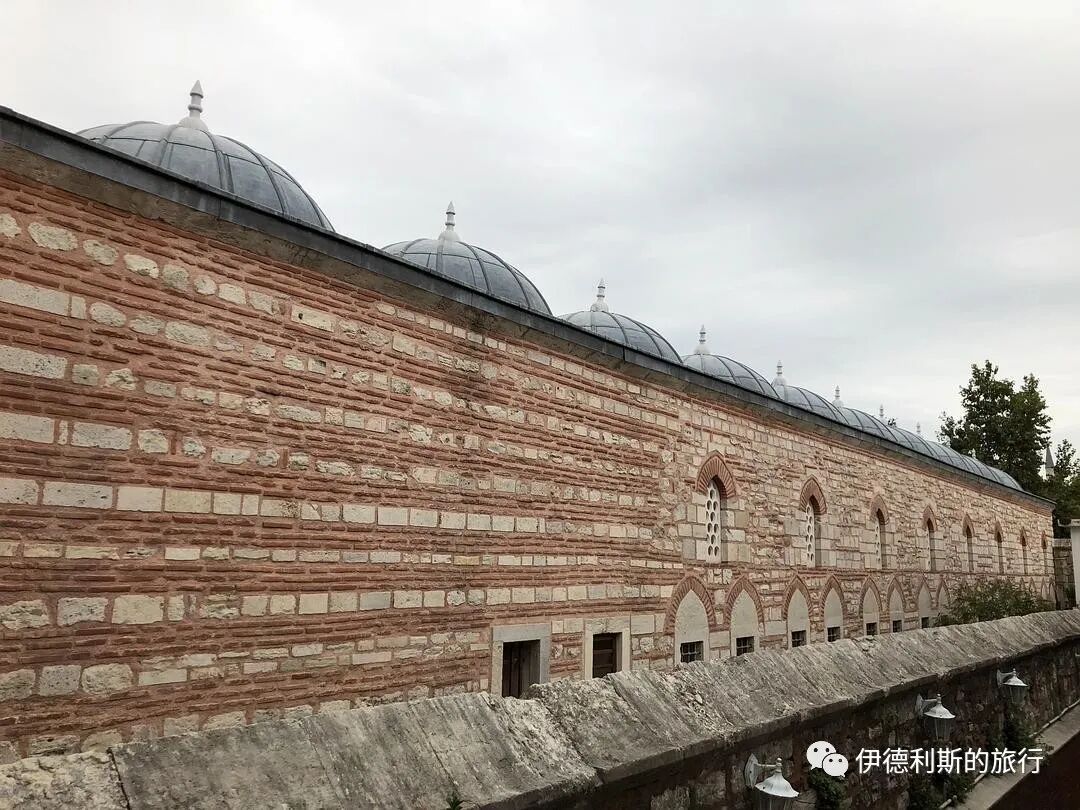
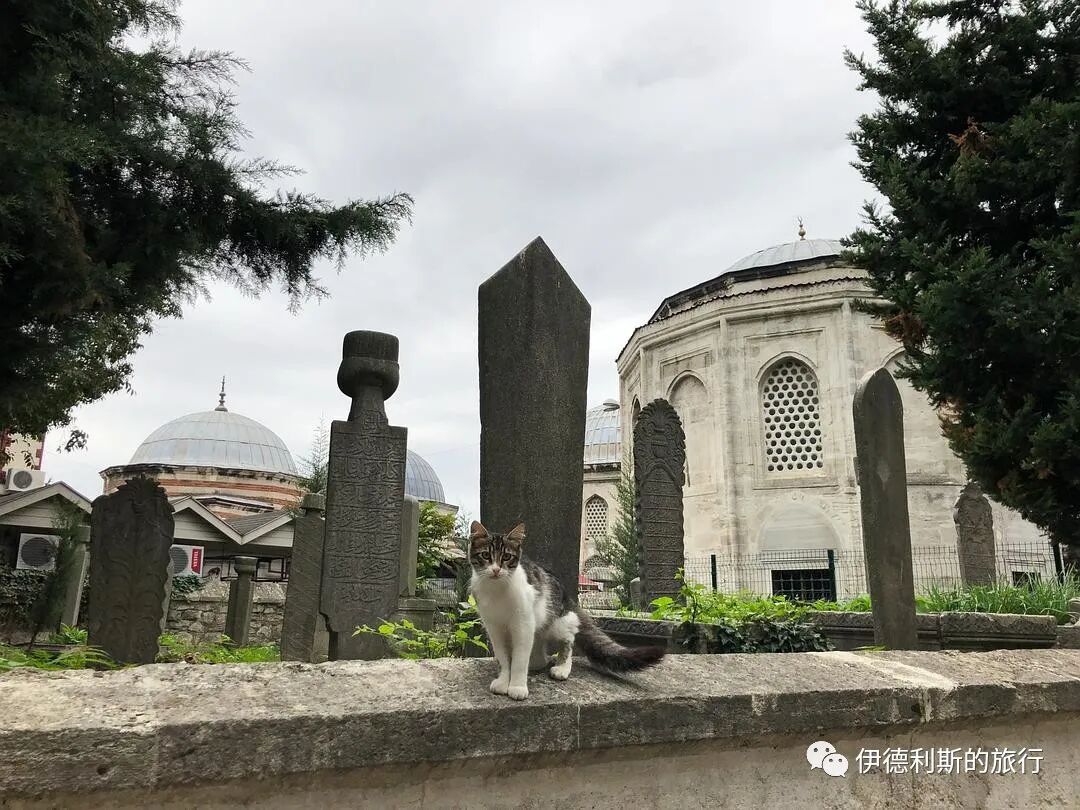
In the Eyüp district by the Golden Horn northwest of Istanbul, there is another building complex (külliye) commissioned by Ottoman Grand Vizier Sokollu Mehmed Paşa and built by Mimar Sinan in 1569. It currently includes a madrasa and a tomb, along with a Quran school built in 1579. The reason this complex lacks a mosque is likely because it sits right next to the famous Eyüp Sultan Mosque.
The tomb faces the madrasa and holds the remains of Sokollu Mehmed Paşa and his descendants, but none of the tombstones have inscriptions.
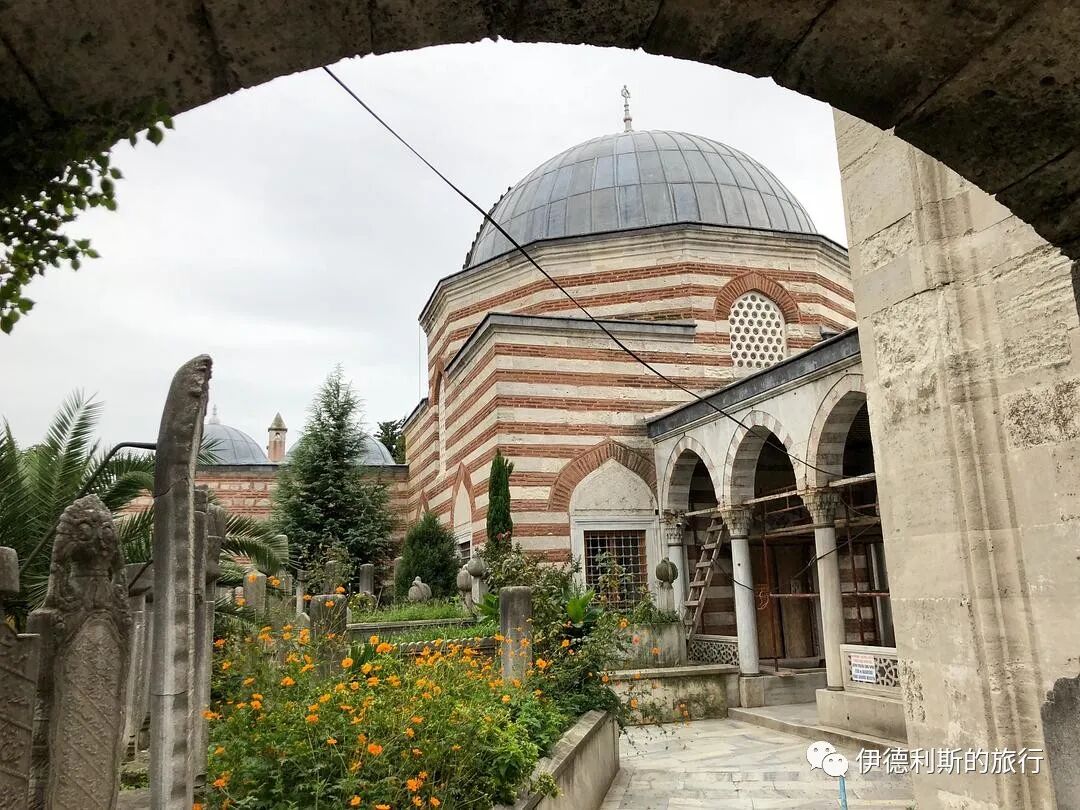
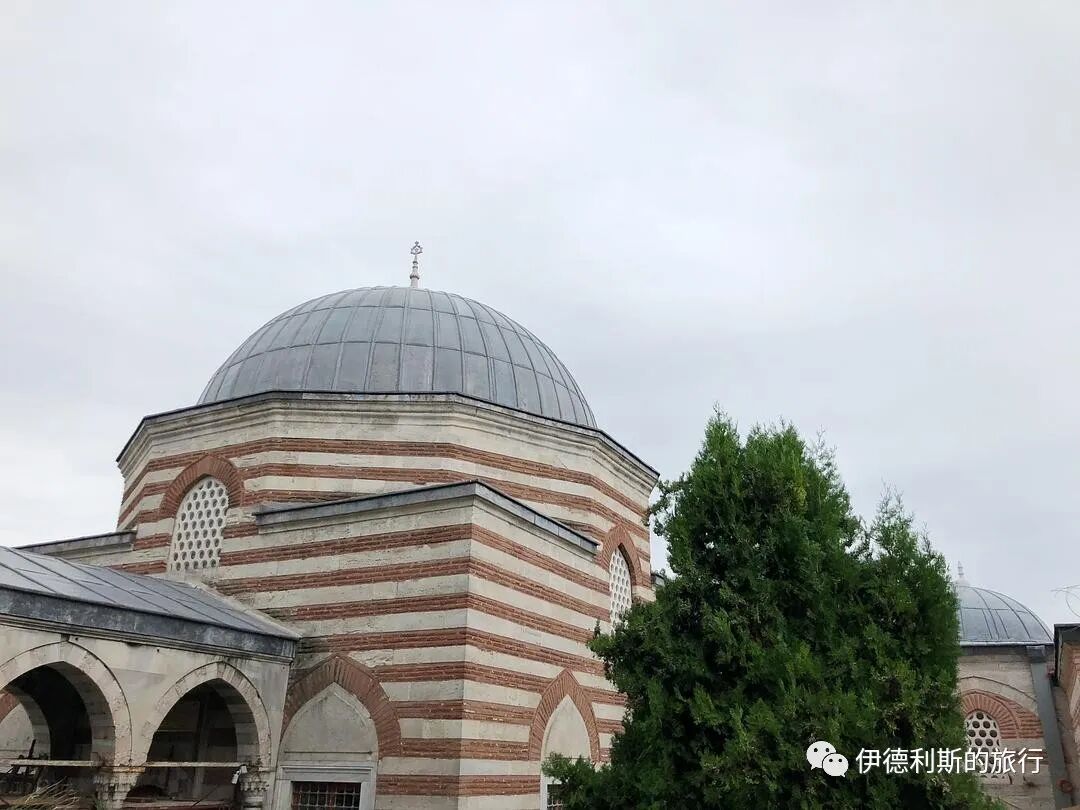
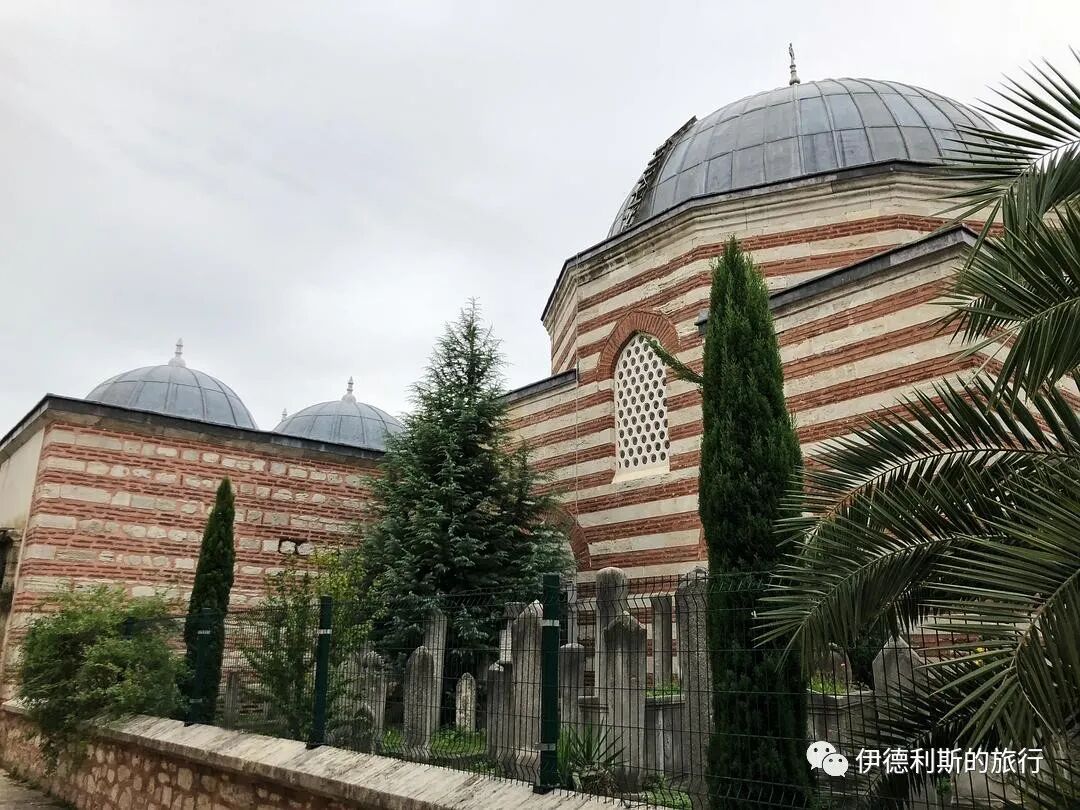
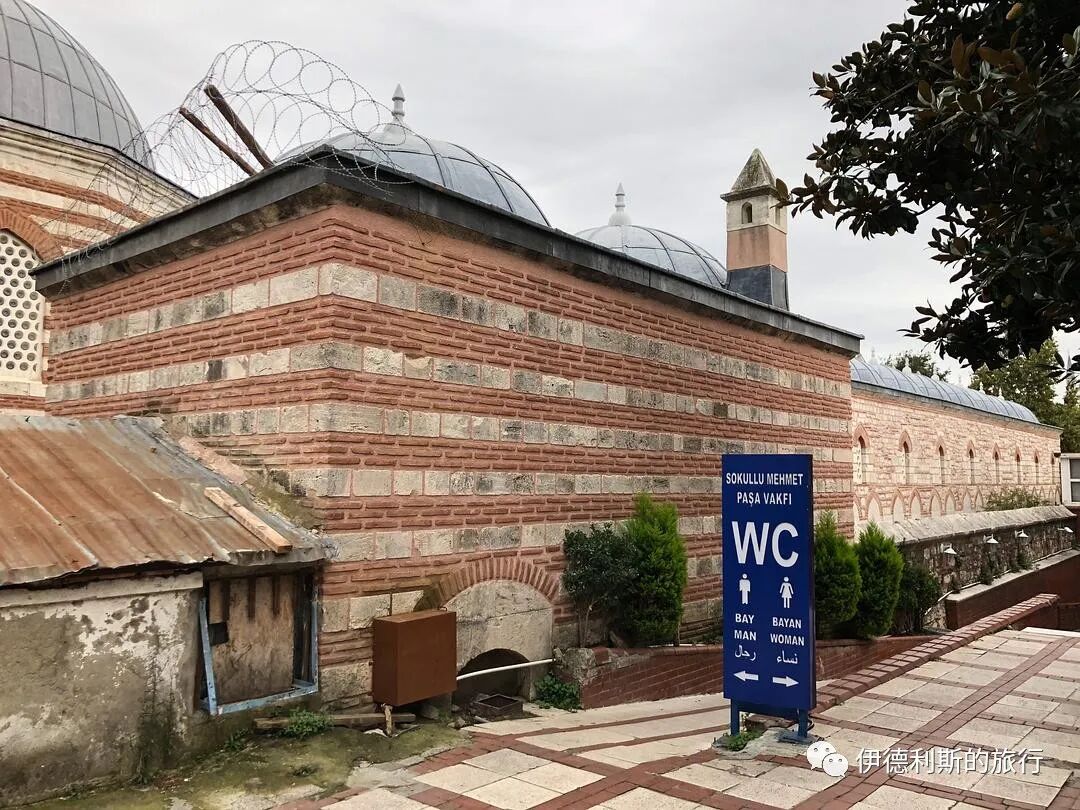
6. Tomb of Pertev Mehmed Pasha: 1574
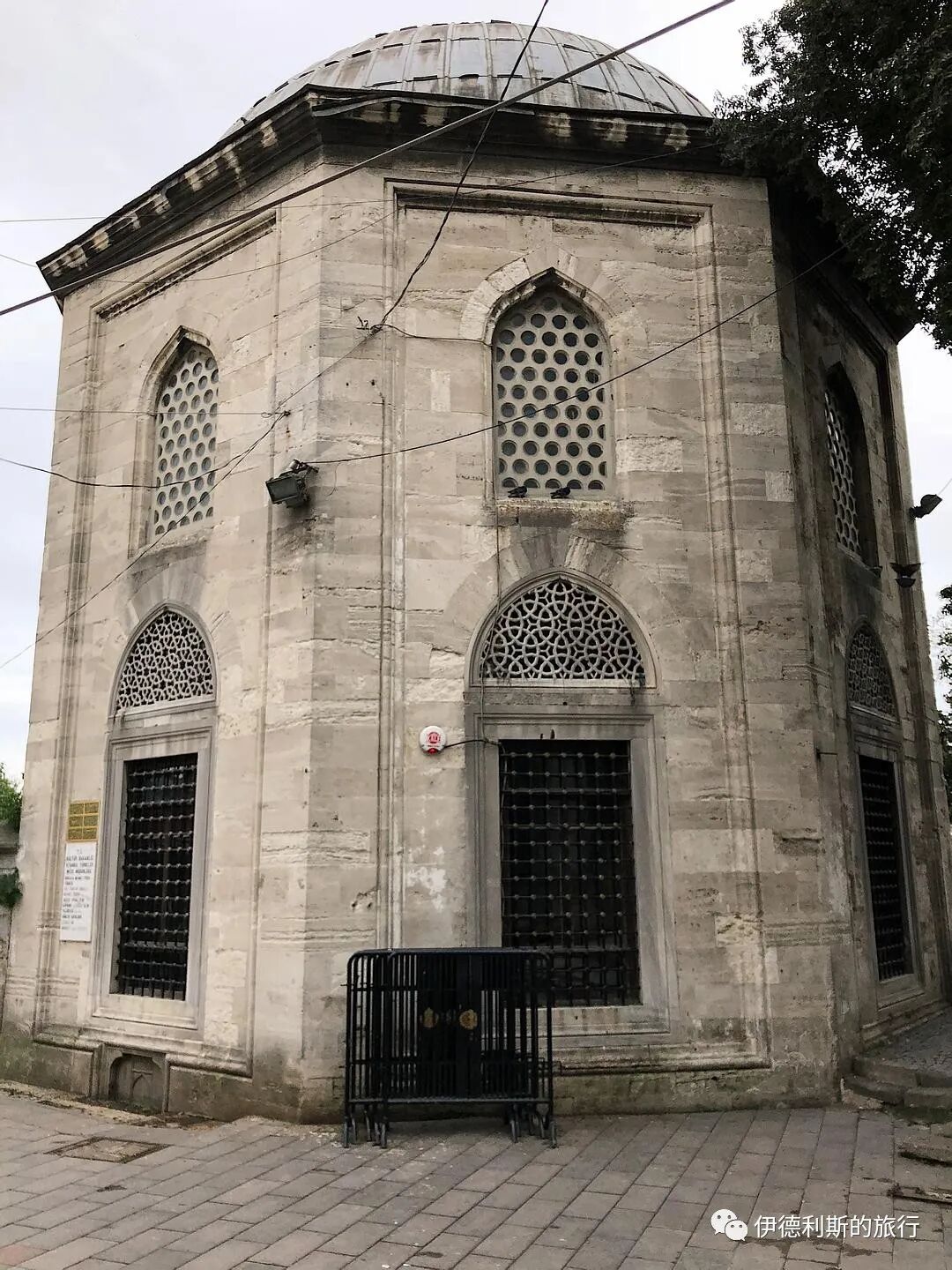
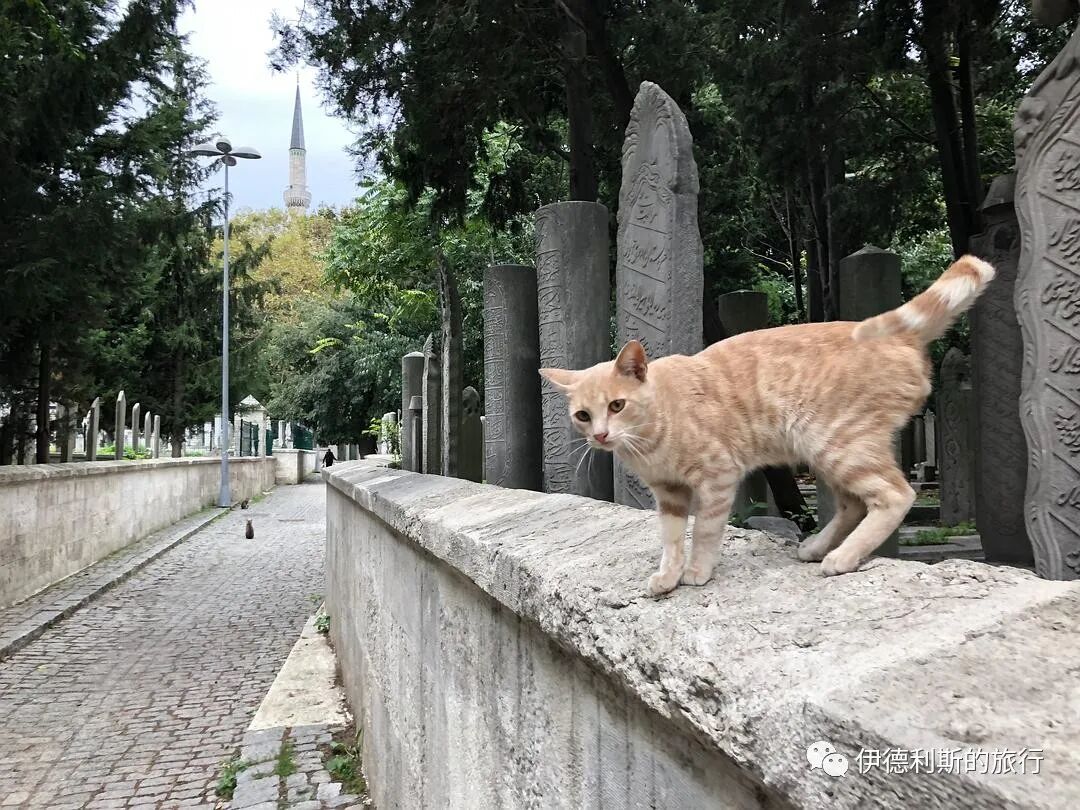
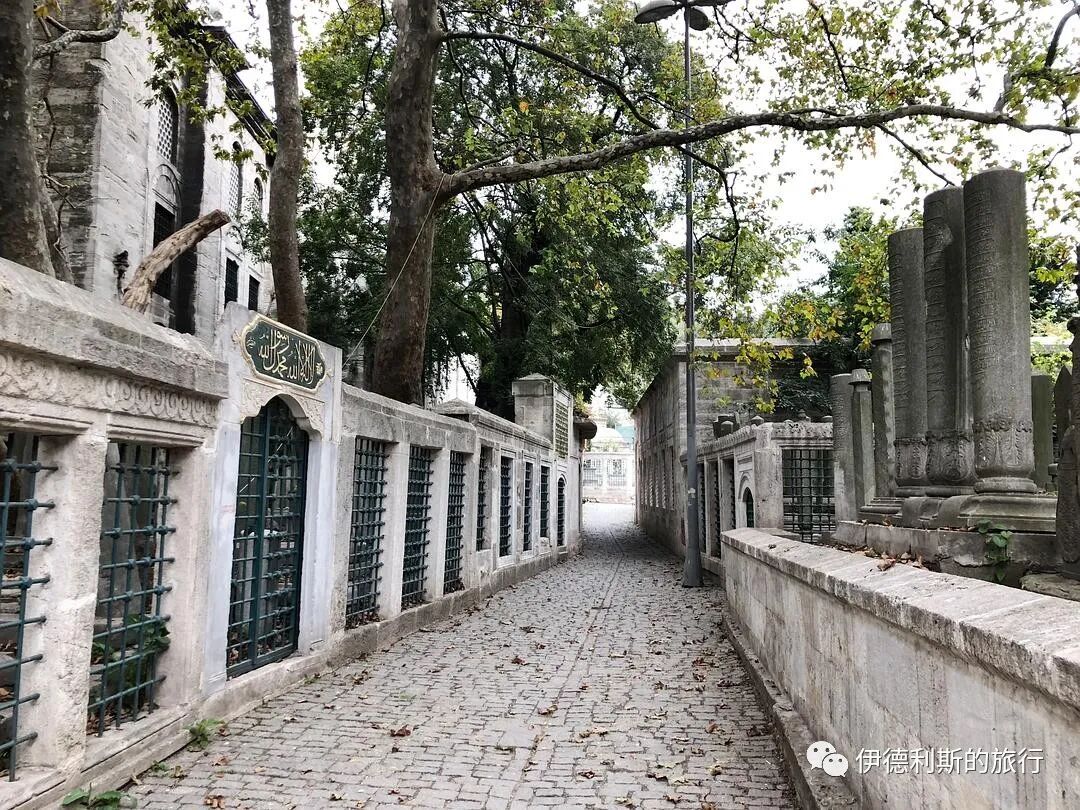
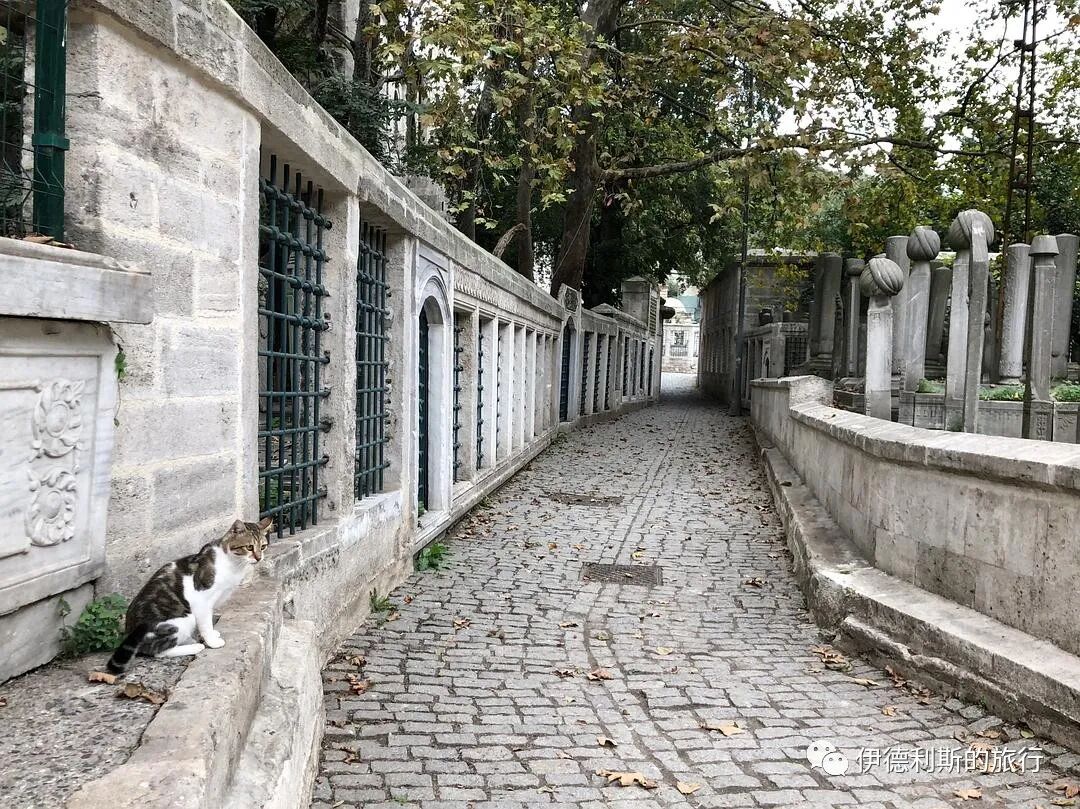
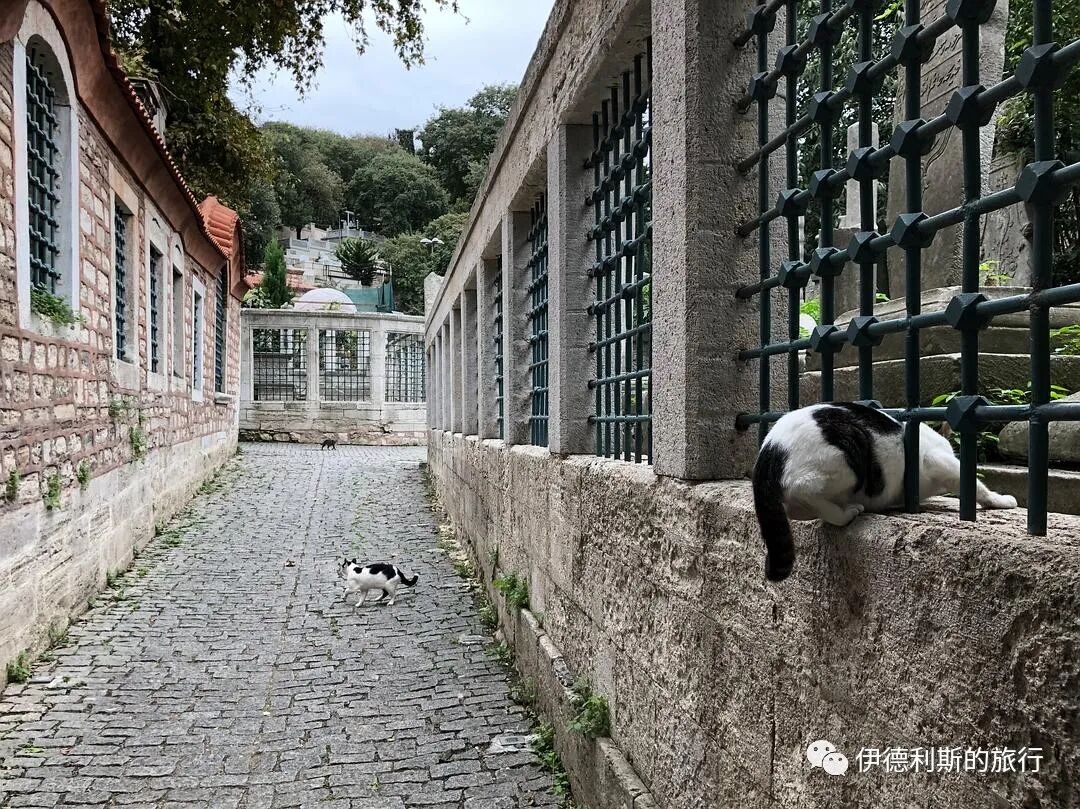
Walk along the narrow road behind the Eyup mosque cemetery and you will see a very unique tomb. It belongs to Pertev Mehmed Pasha, who served as a vizier under both Suleiman the Magnificent and Selim II. The tomb was built by Mimar Sinan in 1574.
Pertev Mehmed Pasha was originally an Albanian slave. He grew up in the Topkapi Palace in Istanbul and once served as the palace's chief gatekeeper. He was promoted to the second vizier in 1565, but was removed from his post in 1571 and died of grief in 1572.
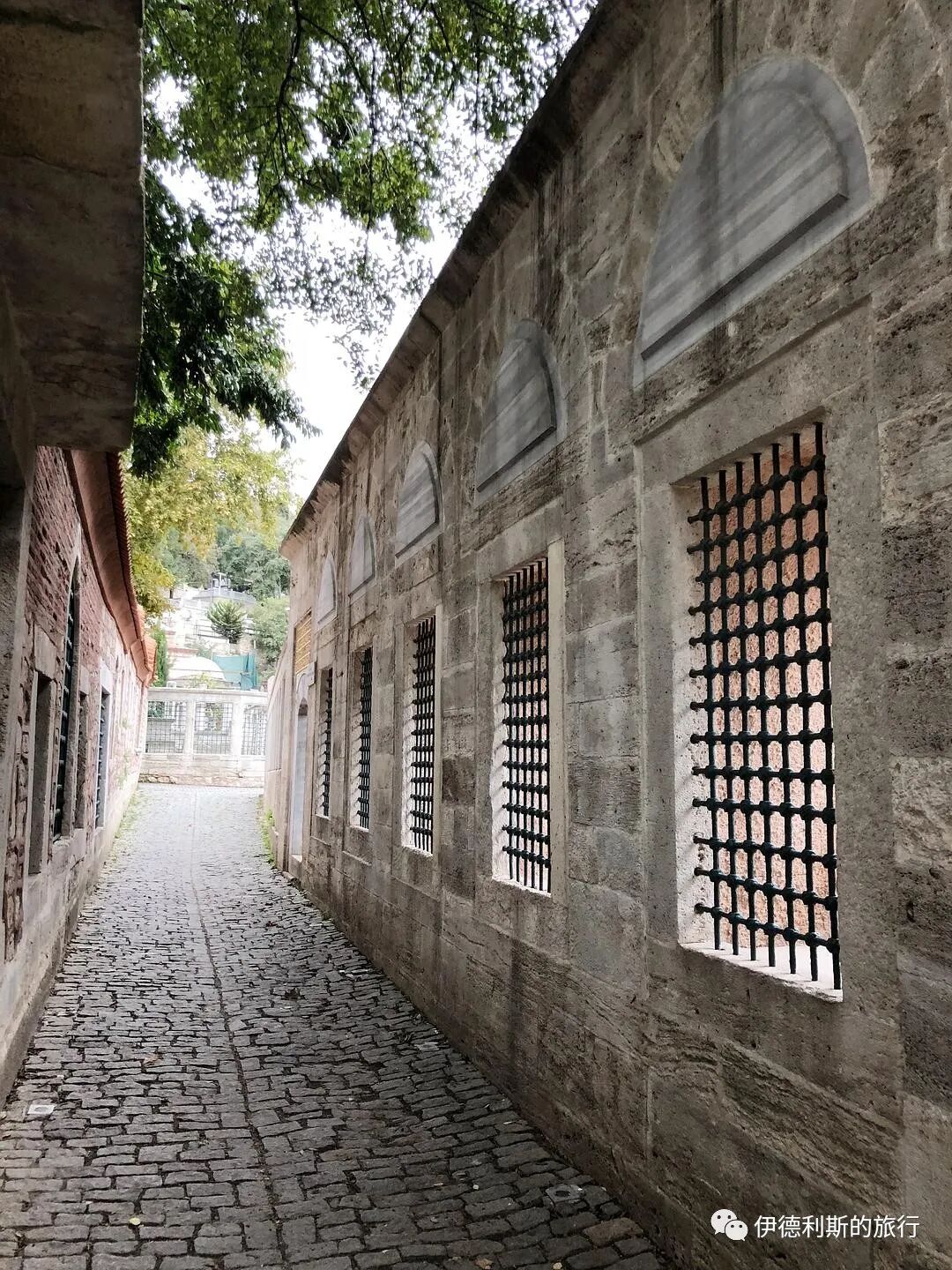
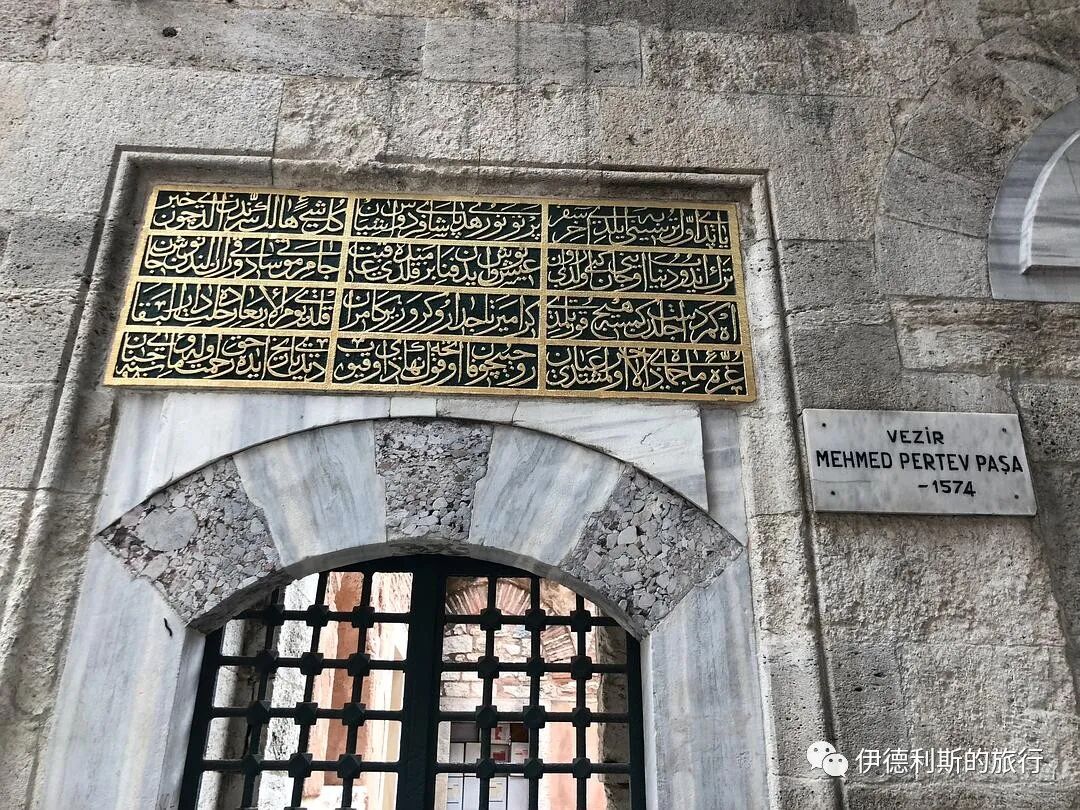
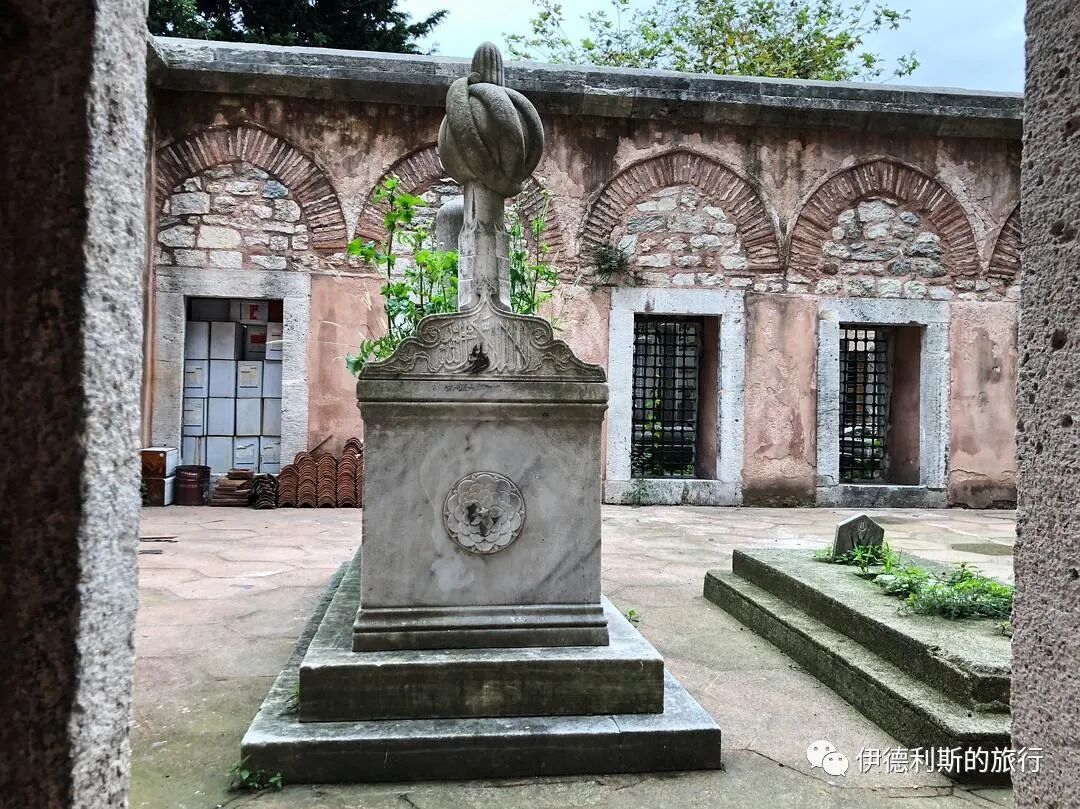
The tomb of Pertev Mehmed Pasha is a rectangular building that looks more like a house than a tomb. Facing the street, there are six windows and one door with beautiful marble grilles. The door has an inscription carved on it, but unfortunately, the roof has collapsed and is no longer there.
7. Kara Ahmed Pasha Complex: 1572
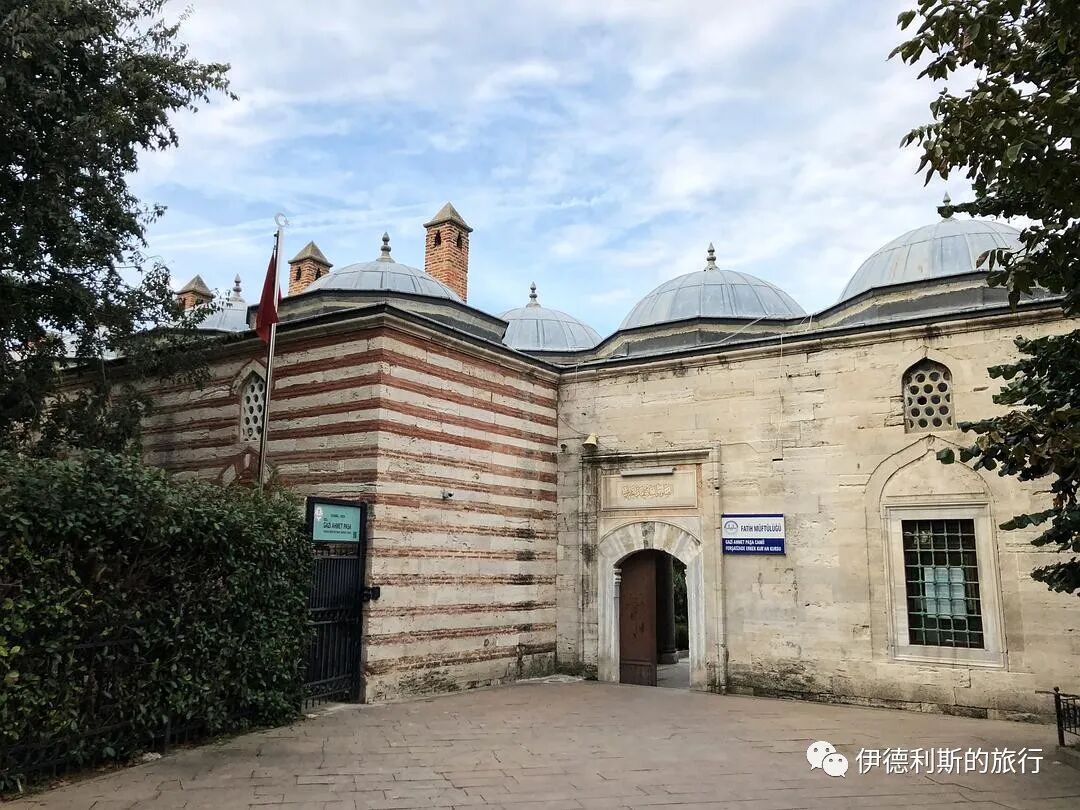
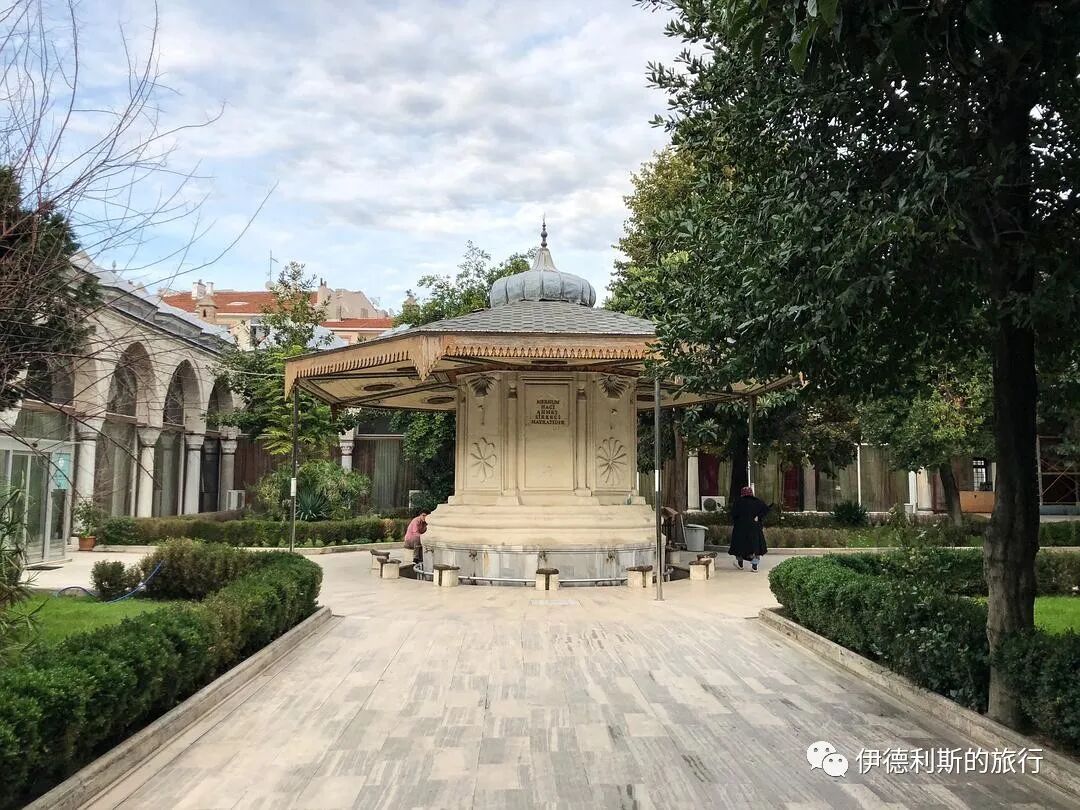
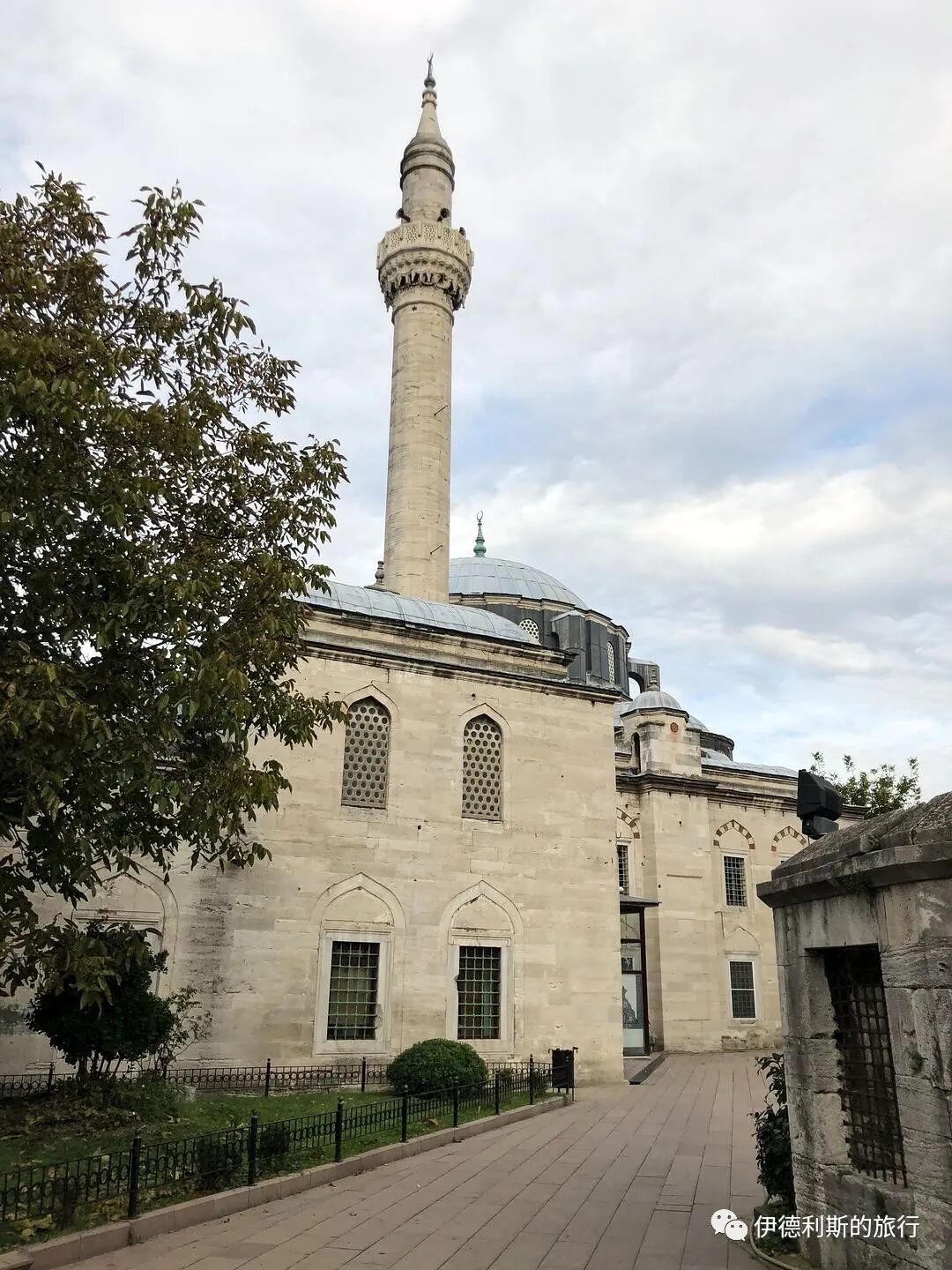
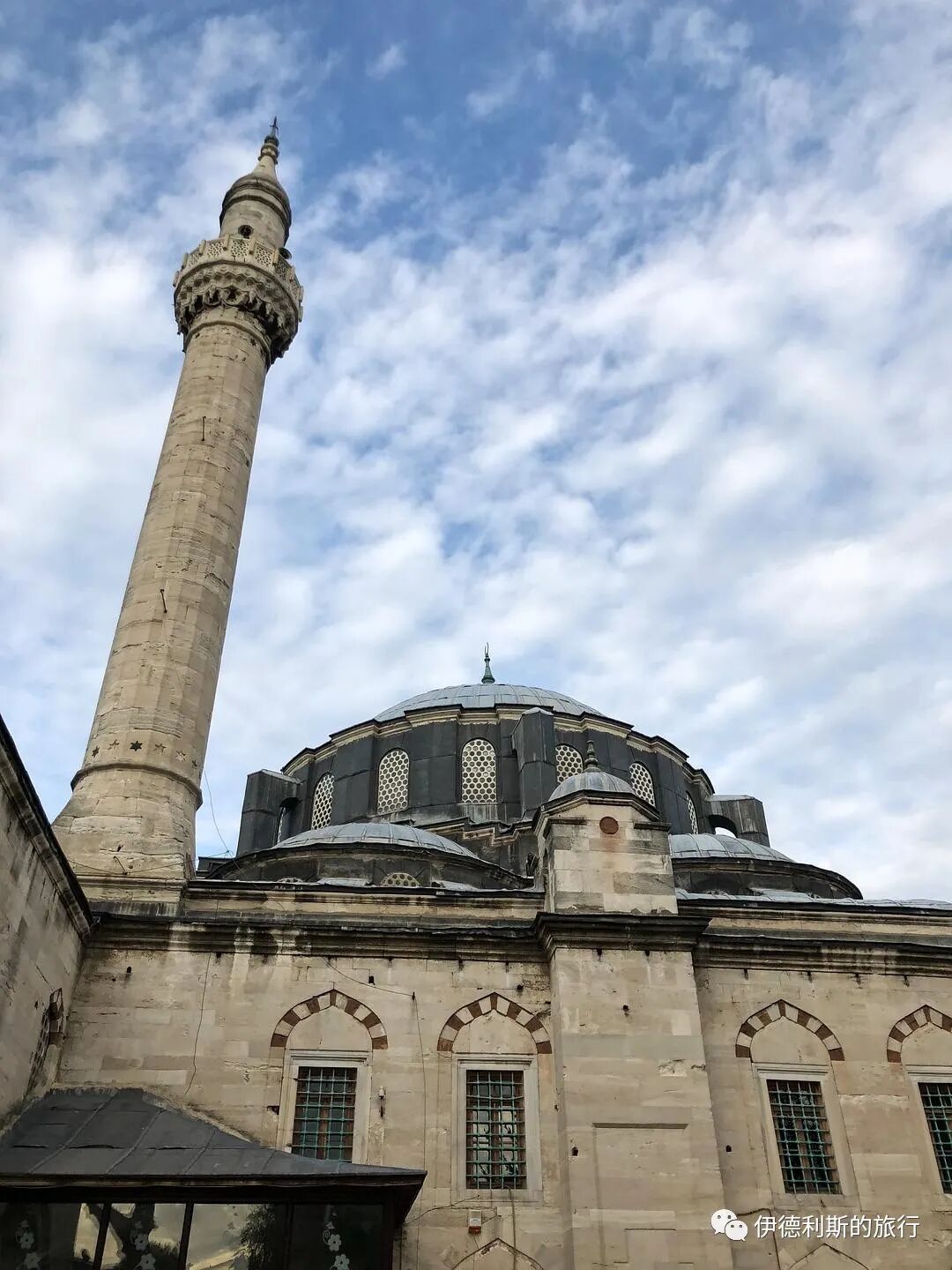
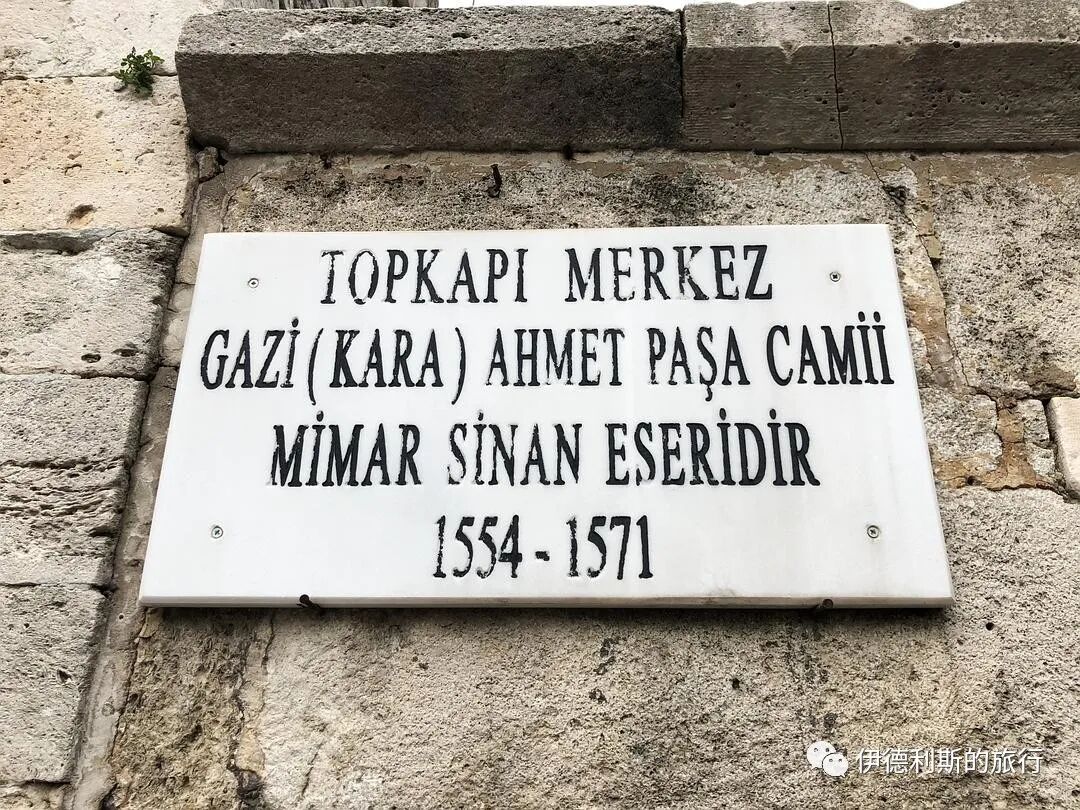
The Kara Ahmed Pasha complex (Kara Ahmed Paşa Külliyesi) was commissioned by Kara Ahmed Pasha and built by Mimar Sinan. It includes a mosque, a madrasa, an elementary school, and a tomb.
Kara Ahmed Pasha was the son-in-law of Sultan Selim I. He became the Grand Vizier for Suleiman the Magnificent in 1553, but Suleiman the Magnificent had him executed in 1555. The building complex was originally planned for 1555, but construction did not start until years later—some say 1558, others say 1565—after Kara Ahmed Pasha was pardoned. It was finally finished in 1572.
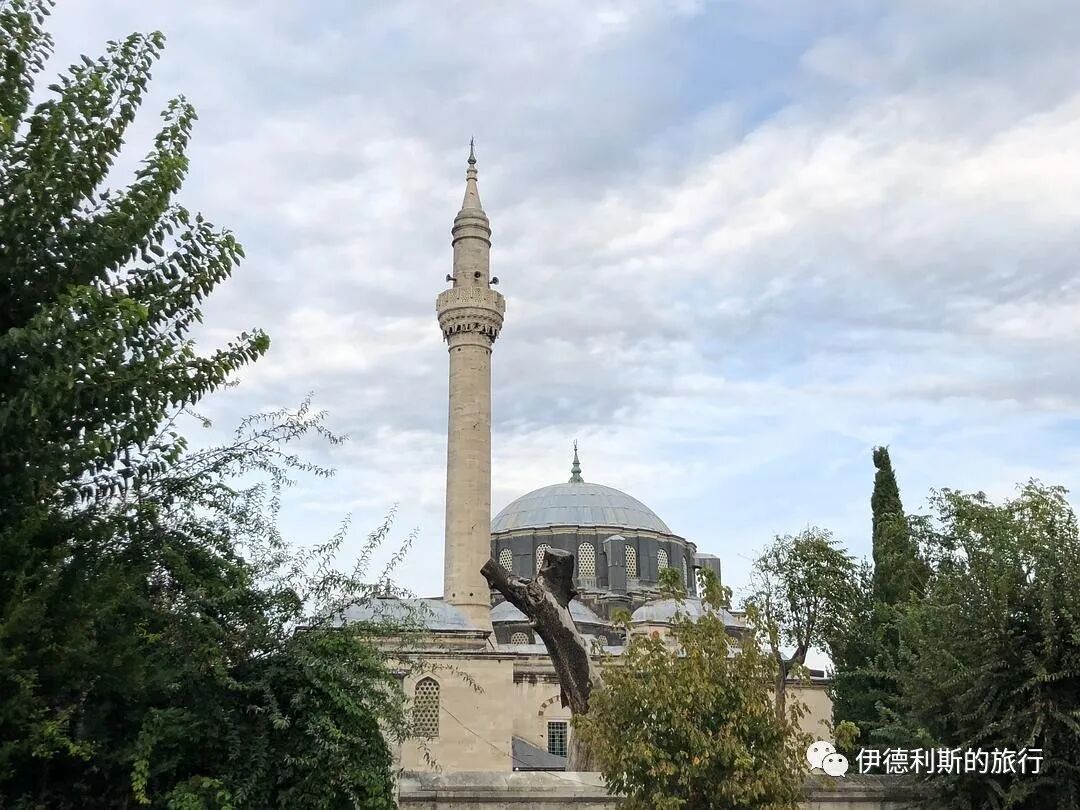
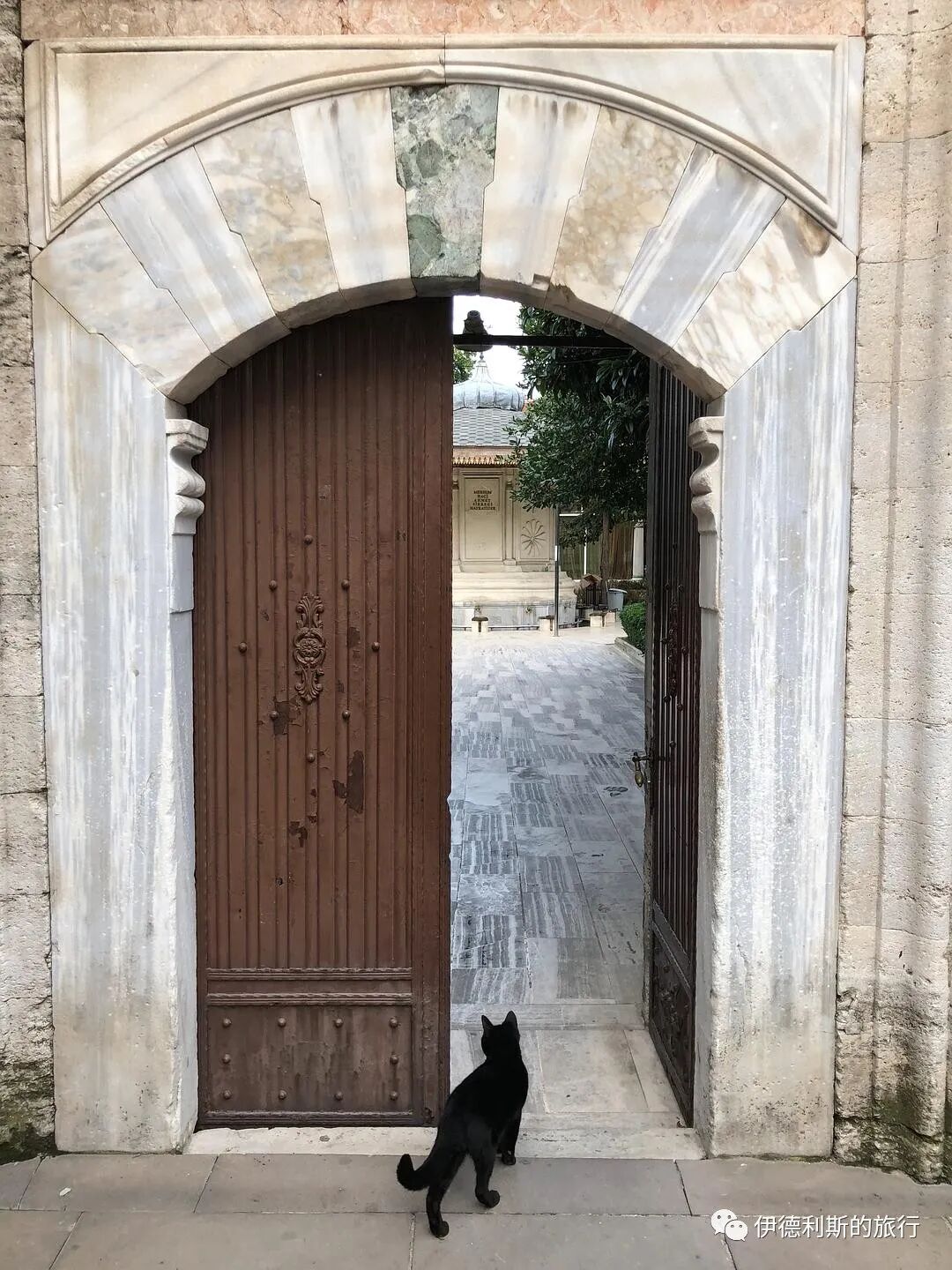
The Kara Ahmed Pasha mosque and madrasa share a courtyard. The mosque features one main dome, six buttresses, and four smaller domes.
Summary: Ottoman Architecture Guide: Mimar Sinan — Mature Works is presented here as a firsthand travel account in clear English, beginning with this scene: In our last article, The Great Ottoman Architect Mimar Sinan (Part 1): Growing Up, we talked about how the great Ottoman architect Mimar Sinan (1488/1490-1588) started building his first complex in Istanbul in 1539. The account keeps its focus on Mimar Sinan, Ottoman Architecture, Istanbul Mosques while preserving the names, places, food, and historical details from the Chinese source.
In our last article, The Great Ottoman Architect Mimar Sinan (Part 1): Growing Up, we talked about how the great Ottoman architect Mimar Sinan (1488/1490-1588) started building his first complex in Istanbul in 1539. He gradually innovated within traditional Ottoman architectural forms to develop his own style. In this article, we will enter the second stage of Mimar Sinan's creative career. During the twenty years from the mid-1550s to the mid-1570s, Mimar Sinan led the Ottoman Empire's top and largest architectural team to create many masterpieces. Among them, the Suleymaniye Mosque (Süleymaniye Camii), which took seven years to complete, is hailed as Mimar Sinan's most important work and remains a landmark of Istanbul today.
Next, I will share the 8 buildings constructed by Mimar Sinan between 1557 and 1574 that I visited in Istanbul in 2018. You can go and experience them when you travel to Istanbul.
Table of Contents
1. Suleymaniye Complex: 1550-1557
1. Suleymaniye Mosque
2. Bathhouse
3. Hospital, public canteen, and hostel
4. Salis and Rabi madrasas
5. Medical school, Evvel madrasa, Sani madrasa, and primary school
6. Hadith school
7. Mausoleum and Quran school
II. Caferağa Madrasa: 1560
III. Sokollu Mehmed Pasha Complex (Kadırga): 1567-1572
IV. Mihrimah Sultan Complex: 1563-1570
5. Sokullu Mehmed Pasha Complex (Eyüp): 1569
6. Tomb of Pertev Mehmed Pasha: 1574
7. Kara Ahmed Pasha Complex: 1572
8. Mimar Sinan Mosque: 1573
1. Suleymaniye Complex: 1550-1557
The Suleymaniye Complex (Süleymaniye Külliyesi) was commissioned by the Ottoman Sultan Suleiman the Magnificent (reigned 1520-1566) and built by Mimar Sinan. It sits on the third hill of Istanbul and is a key part of the old city skyline.
The entire complex includes a mosque, four madrasas, a school for hadith, a primary school, a hospital (Darüşşifa), a bathhouse (Hamam), a caravanserai, a medical school, a public kitchen, shops, and the tombs of Suleiman the Magnificent and his queen. Mimar Sinan made great use of the terrain. He used terraces and walls to bring all the buildings together, creating a grand complex centered around the towering mosque.
1. Suleymaniye Mosque
The Suleymaniye Mosque (Süleymaniye Camii) is the center of the entire complex. It took seven years to build from 1550 to 1557, though it was not officially finished until 1558.
The mosque was damaged in a fire in 1660 and later repaired by Sultan Mehmed IV, who reigned from 1648 to 1687. Part of the mosque's dome collapsed during an earthquake in 1766, and the repairs that followed ruined the original decorations by Sinan. During World War I, the mosque was used as an ammunition depot. A fire caused by the ammunition destroyed almost all of the original interior decorations from the time of Mimar Sinan. It was not fully repaired again until 1956.
(1) Exterior
The Suleymaniye Mosque is the largest square-based, semi-domed mosque in the career of Mimar Sinan. Its main dome is 53 meters high, making it the tallest dome in the Ottoman Empire at that time. There are two semi-domes under the main dome. This style is similar to the Hagia Sophia and the Bayezid II Mosque (Beyazıt Camii), which was built between 1501 and 1506. Suleiman the Magnificent wanted to build a structure that surpassed the Hagia Sophia. Because of this, the Suleymaniye Mosque shares a similar design style with the Hagia Sophia, but it is better in its use of space and the logic of its weight-bearing system.
For the mosque's design, Mimar Sinan continued the bold innovations he used earlier at the Sehzade Mosque (1543-1548). He built porches along the walls on both sides of the main hall to hide the massive buttresses that support the dome. This design softens the building's flanks and makes the exterior facade much more beautiful.
The mosque has four minarets at its corners. Two are 76 meters tall and two are 56 meters tall, a privilege reserved only for the Sultan. In the Ottoman Empire, princes and princesses could build two minarets, while everyone else was limited to one. The four minarets have a total of 10 balconies. It is said this shows that Suleiman the Magnificent was the 10th ruler of the Ottoman Empire.
The courtyard in front of the main hall has cloisters made of marble, granite, and porphyry. The Iznik tiles on the walls feature bright tomato-red clay under the glaze, which is the earliest example of this type of tile used in building decoration.
In the center of the front courtyard is a fountain that provides cold water, hot water, and drinkable cold sweet water.
(2) Interior
The main hall is 59 meters long and 58 meters wide. A central dome sits between two half-domes, surrounded by several smaller domes. This design creates a wave-like echo for any sound made inside the hall.
The mosque was damaged in a fire in 1660 and later repaired by Sultan Mehmed IV, who reigned from 1648 to 1687. The mosque's dome partially collapsed during an earthquake in 1766. Later repairs damaged the original decorations by Mimar Sinan. During World War I, the mosque served as an ammunition depot. A fire caused by the stored explosives destroyed almost all of the original interior decorations from Mimar Sinan's time. Repairs were not finished until 1956.
The interior features stained glass. The area around the prayer niche (mihrab) is decorated with Iznik tiles, including two large tiles with Arabic calligraphy showing the opening chapter of the Quran. Across from the pulpit (minbar) is a platform where the Sultan and his close associates would perform namaz. Guards would be stationed on the lower level of the platform while the Sultan prayed.
2. Bathhouse: 1557.
Süleymaniye Bathhouse (Süleymaniye Hamami) was built in 1557 and is a classic Turkish bath. The central massage room under the bathhouse dome is supported by eight pillars, and there is a separate small room for Sultan Suleiman the Magnificent. The bathhouse operated from 1557 until 1924, and after being renovated in 2004, it reopened and remains open today. It is now open daily from 10 a.m. to 10 p.m., with the last entry at 8 p.m.
3. Hospital, public canteen, and hostel
To the northwest of the Süleymaniye Mosque, there are three courtyards built side-by-side: a hospital, a public canteen, and guest rooms, separated by narrow passages. All three courtyards are built on a slope, with low walls facing the mosque and very tall walls on the side facing away from the mosque.
The hospital and the mosque were built together between 1550 and 1557. The hospital has a courtyard with two connected porches, a sunroom for patients with incurable mental illnesses, a basement for stables and a hostel, plus a pharmacy, a bathroom, and a bakery. Today, the site serves as a student dormitory, so it has lost some of its original appearance.
The public canteen was built in 1555 and consists of five domed dining rooms and one domed kitchen, with each dome featuring a glass tower to let in sunlight.
The guest rooms were built in 1555 and share a similar design to the mosque, featuring one main dome and two half-domes.
4. Salis and Rabi madrasas
Two religious schools (madrasas), Salis and Rabi, were built side-by-side on the steep slope northeast of the mosque between 1550 and 1559. The layout of these two schools is unique and extends the view of the mosque toward the coastline of the Golden Horn. To keep the whole complex balanced, the courtyards, porches, and rooms of the religious school (madrasa) were designed in different levels. Under the porch, each room has a main hall and a staircase. The lecture hall is in a two-story building on the side without a porch, and there is a fountain on the ground floor.
5. Medical school, Evvel madrasa, Sani madrasa, and primary school
To the southwest of the mosque, the medical school, Evvel Madrasa, and Sani Madrasa are lined up in order. Evvel Madrasa and Sani Madrasa were built between 1550 and 1553. They are symmetrical and separated by a narrow alley. Inside, they have two-story teacher apartments that are now used as a manuscript library. The shops facing the street are now rented to a restaurant called Ali Baba. The restaurant is known for its bean rice (fasulye), which is made with white beans, olive oil, onions, and tomato paste.
6. Hadith school
The Hadith school is outside the back door of the mosque, and a path in the middle leads down to the foot of the hill, directly to the bathhouse.
7. Mausoleum and Quran school
The mosque's backyard holds two octagonal tombs for Sultan Suleiman the Magnificent and his wife, Haseki Hürrem Sultan, built in 1567 and 1558, along with a Quran school. The Sultan's tomb is shaped slightly differently than the Queen's; it does not follow the Ottoman tomb traditions of that time and instead returns to a more classical style.
Haseki Hürrem Sultan was born between 1502 and 1504 in the city of Rohatyn, located in what is now western Ukraine, which was then ruled by the Kingdom of Poland. In the 1510s, she was kidnapped during a raid by Crimean Tatars in Eastern Europe and then sold as a slave to the Ottoman Empire. In Istanbul, Valide Hafsa Sultan, the mother of Suleiman the Magnificent, gave her as a gift to Suleiman while he was still a prince, and that is how she entered the Ottoman harem.
Suleiman took the throne as the Ottoman Sultan in 1520. Because she was deeply loved by Sultan Suleiman the Magnificent, Hurrem Sultan rose step by step from a harem slave to a legal wife. In 1533 or 1534, Sultan Suleiman the Magnificent held a grand wedding with Hurrem Sultan, which broke the Ottoman Empire's tradition that a sultan could not marry his concubines. At the same time, she became the first empress in Ottoman history to receive the title of Haseki Sultan (the Sultan's favorite). For the next century, an empress with this title held a higher status than the empire's princesses and had power equivalent to an empress in a European country. Hurrem Sultan became the first empress to live in the former imperial court rather than the harem, breaking the rule set by Mehmed the Conqueror that no woman could live in the buildings where government business was conducted.
Hurrem Sultan later became Sultan Suleiman the Magnificent's chief advisor on state affairs and had a profound influence on the Ottoman Empire's foreign policy and international relations.
Hurrem Sultan passed away in 1558 and was buried in the courtyard of the Suleymaniye Mosque. Eight years later in 1566, Sultan Suleiman the Magnificent died in battle while on an expedition to Hungary. His body (mayyit) was taken back to Istanbul and buried in the same courtyard as Hurrem Sultan.
II. Caferağa Madrasa: 1560
Caferaga Madrasa is built on a slope right next to the Hagia Sophia. Shops open onto the front street, while the entrance is on the back street. In 1989, the Turkish Cultural Service Foundation opened a tourism center here. They use the 15 classrooms around the courtyard to teach, make, and sell traditional Turkish crafts like calligraphy, ceramics, and jewelry. An annual exhibition is held here at the end of every year, where students show the work they have made. There is also a restaurant serving Turkish food in the courtyard.
III. Sokollu Mehmed Pasha Complex (Kadırga): 1567-1572
The Sokollu Mehmet Paşa Complex (Sokollu Mehmet Paşa Külliyesi) is in the Kadırga neighborhood southwest of the Blue Mosque. Grand Vizier Sokollu Mehmet Paşa and his wife, İsmihan Sultan, commissioned Mimar Sinan to build it between 1567 and 1572. İsmihan Sultan was the granddaughter of Suleiman the Magnificent.
Building this complex was a challenge because it sits on a steep slope. Mimar Sinan solved this by building a two-story courtyard in front of the mosque and adding three sets of stairs that lead to gates at different slopes. The bottom floor of the courtyard has shops that help pay for the mosque's operations.
There is a Sufi lodge (Tekke) on the northwest side of the courtyard and the mosque on the southeast side. A madrasa sits behind the mosque. All three buildings are on the same axis, which is rare for Mimar Sinan's work. The mosque has a rectangular base and a hexagonal center, topped by one large dome and four smaller domes. There is also a minaret at the northeast corner of the mosque.
The inside of the mosque is famous for its beautiful Iznik tiles. These tiles feature blue, red, and green floral patterns, along with calligraphy in white on a blue background.
IV. Mihrimah Sultan Complex: 1563-1570
The Mihrimah Sultan Complex (Mihrimah Sultan Külliyesi) was commissioned by Suleiman the Magnificent's daughter, Mihrimah Sultan, and built by Mimar Sinan between 1563 and 1570. The complex sits on the sixth hill inside the northwest walls of Istanbul, which is the highest point in the old city.
The complex includes a mosque, a bathhouse (hammam), a tomb, and shops at street level under the terrace. The mosque stands on a terrace overlooking the street and is surrounded by a courtyard. Part of this courtyard is enclosed by porticos to create separate rooms used as a religious school (madrasa).
The mosque has been damaged by earthquakes many times throughout history, with the minarets and the dome suffering the most damage. The minarets were repaired between 2007 and 2010. Later, the courtyard was repaved, the central fountain was restored, and the porticos were rebuilt. The mosque originally had a double-layered portico, but only the inner portico has survived.
The mosque's structure was known as the most advanced design for a single-dome mosque at that time. The 35-meter-high dome is supported by four wall pillars, with four arches and four pendentives forming a tower-like structure. The four polygonal wall pillars stick out on the outside but are almost invisible from the inside, looking like neatly cut crystal shapes.
The area above the arches is covered with large windows that have almost no load-bearing function, and sunlight streaming through them makes this the brightest mosque among Mimar Sinan's works.
5. Sokullu Mehmed Pasha Complex (Eyüp): 1569
In the Eyüp district by the Golden Horn northwest of Istanbul, there is another building complex (külliye) commissioned by Ottoman Grand Vizier Sokollu Mehmed Paşa and built by Mimar Sinan in 1569. It currently includes a madrasa and a tomb, along with a Quran school built in 1579. The reason this complex lacks a mosque is likely because it sits right next to the famous Eyüp Sultan Mosque.
The tomb faces the madrasa and holds the remains of Sokollu Mehmed Paşa and his descendants, but none of the tombstones have inscriptions.
6. Tomb of Pertev Mehmed Pasha: 1574
Walk along the narrow road behind the Eyup mosque cemetery and you will see a very unique tomb. It belongs to Pertev Mehmed Pasha, who served as a vizier under both Suleiman the Magnificent and Selim II. The tomb was built by Mimar Sinan in 1574.
Pertev Mehmed Pasha was originally an Albanian slave. He grew up in the Topkapi Palace in Istanbul and once served as the palace's chief gatekeeper. He was promoted to the second vizier in 1565, but was removed from his post in 1571 and died of grief in 1572.
The tomb of Pertev Mehmed Pasha is a rectangular building that looks more like a house than a tomb. Facing the street, there are six windows and one door with beautiful marble grilles. The door has an inscription carved on it, but unfortunately, the roof has collapsed and is no longer there.
7. Kara Ahmed Pasha Complex: 1572
The Kara Ahmed Pasha complex (Kara Ahmed Paşa Külliyesi) was commissioned by Kara Ahmed Pasha and built by Mimar Sinan. It includes a mosque, a madrasa, an elementary school, and a tomb.
Kara Ahmed Pasha was the son-in-law of Sultan Selim I. He became the Grand Vizier for Suleiman the Magnificent in 1553, but Suleiman the Magnificent had him executed in 1555. The building complex was originally planned for 1555, but construction did not start until years later—some say 1558, others say 1565—after Kara Ahmed Pasha was pardoned. It was finally finished in 1572.
The Kara Ahmed Pasha mosque and madrasa share a courtyard. The mosque features one main dome, six buttresses, and four smaller domes.
