
Ottoman Architecture Guide: Mimar Sinan — Peak Works and Imperial Mosques
Reposted from the web
Summary: Ottoman Architecture Guide: Mimar Sinan — Peak Works and Imperial Mosques is presented here as a firsthand travel account in clear English, beginning with this scene: Mimar Sinan (1488/1490-1588) is known as the great architect of the Ottoman Empire. The account keeps its focus on Mimar Sinan, Ottoman Architecture, Istanbul Mosques while preserving the names, places, food, and historical details from the Chinese source.
Mimar Sinan (1488/1490-1588) is known as the great architect of the Ottoman Empire. His career can be split into three periods: the growth period (1539-1556), the maturity period (1556-1574), and the peak period (1574-1588). These three periods are best represented by three specific buildings. The Prince Mosque (Şehzade Camii), built in 1548, was the first large mosque Sinan designed and serves as a masterpiece of his early work. The Suleymaniye Mosque (Süleymaniye Camii), completed in 1557, became a landmark for all of Istanbul. The Selimiye Mosque (Selimiye Camii), built in Edirne in 1574, represents the absolute peak of Sinan's architectural skill. Here, I will share nine architectural works Sinan built in Istanbul during his later years to show his style during this period.
A look back at my previous articles on Mimar Sinan:
The Great Ottoman Architect—Mimar Sinan (Part 1): Growth,
The Great Ottoman Architect—Mimar Sinan (Part 2): Maturity
The Peak of Ottoman Architecture—The Selimiye Mosque in Edirne
Table of Contents
1. Sokollu Mehmet Pasha Mosque (Azapkapı): 1578
2. Private Chamber of Murad III: 1578
3. Kılıç Ali Pasha Complex: 1578-1580
4. Şemsi Pasha Complex: 1581
5. Tomb of Kanijeli Siyavuş Pasha: 1582-1584
6. Molla Çelebi Mosque: 1570-1584
7. Atik Valide Sultan Complex: 1571-1586
8. Nişancı Mehmet Pasha Mosque: 1584-1589
9. Zal Mahmut Pasha Complex: 1577-1590
1. Sokollu Mehmet Pasha Mosque (Azapkapı): 1578
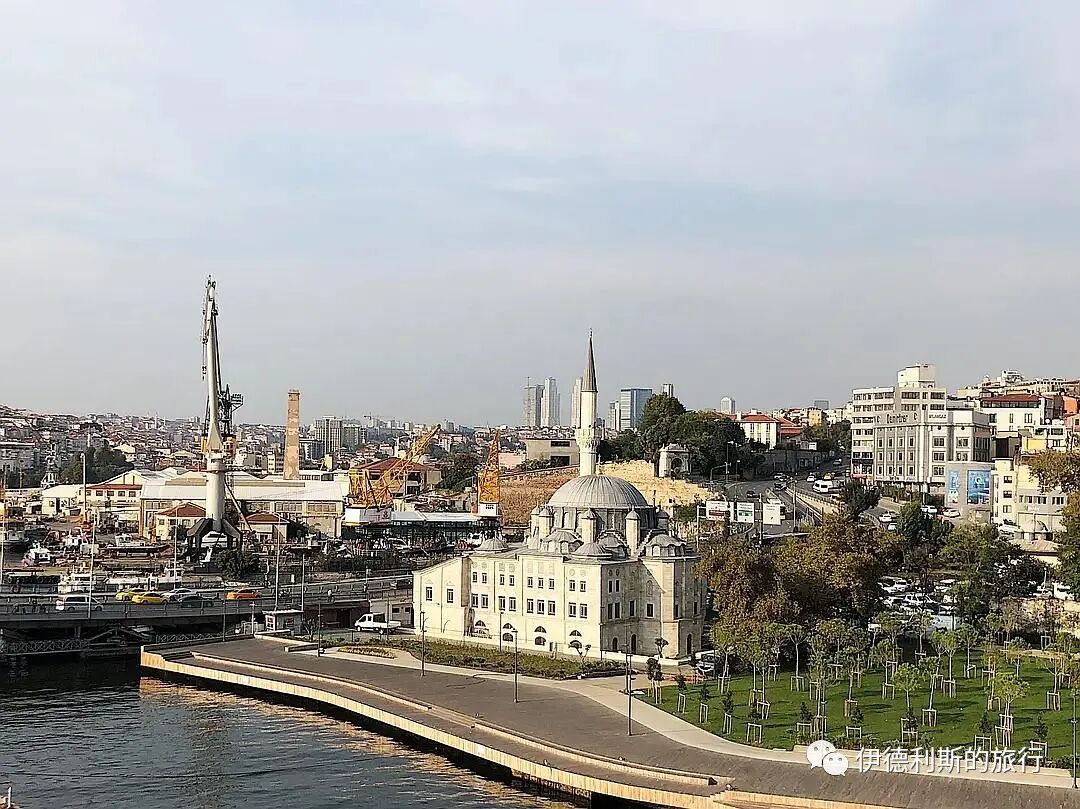
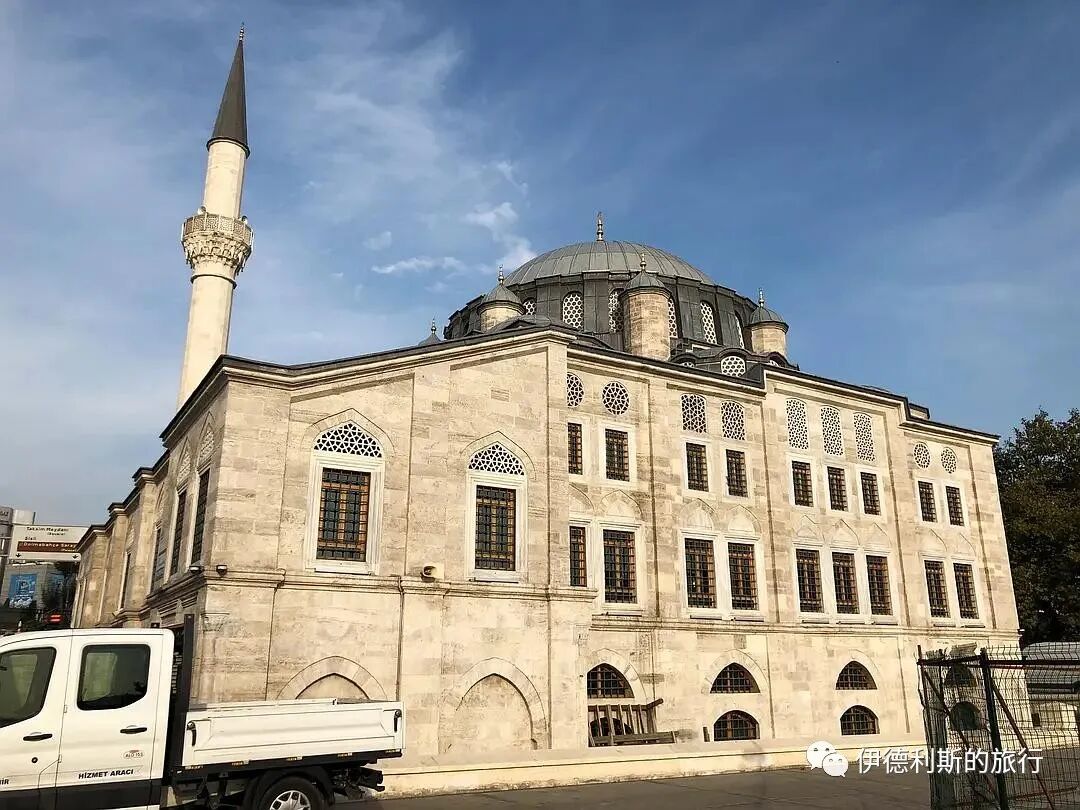
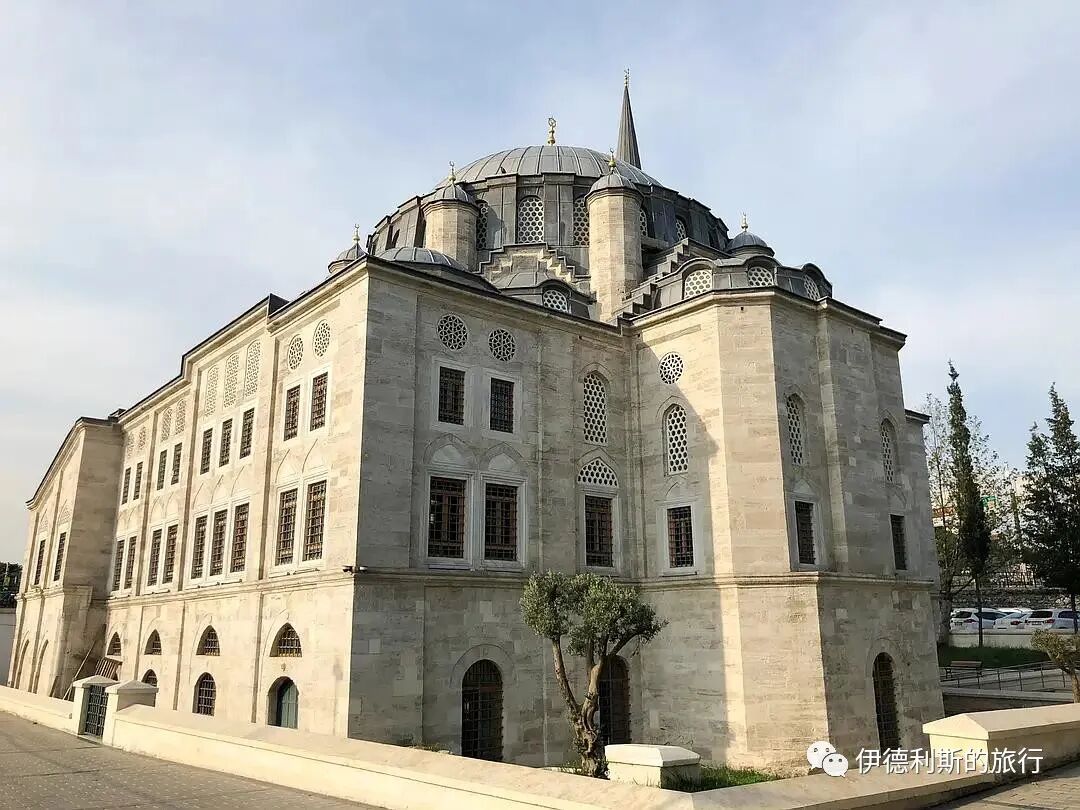
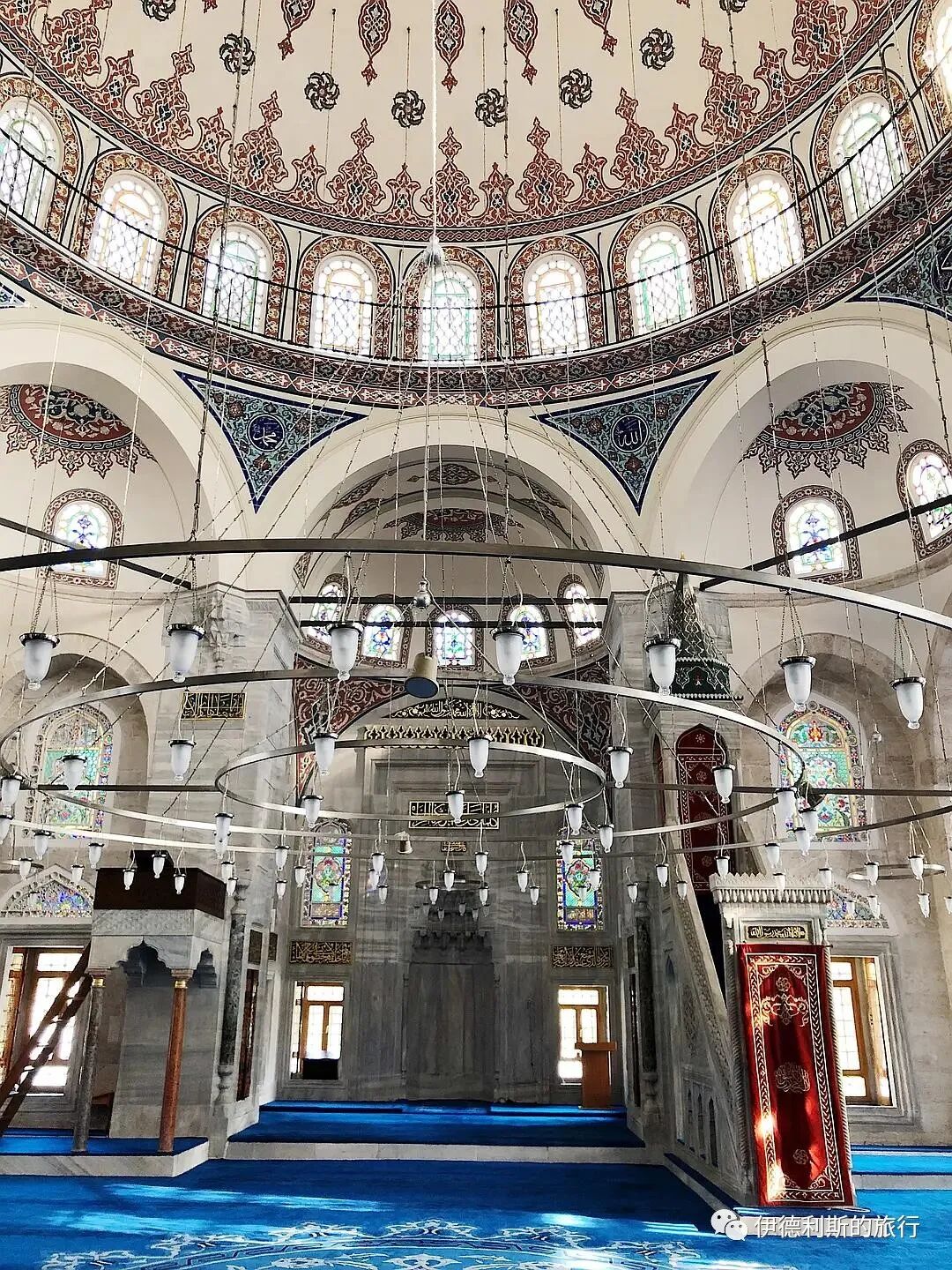
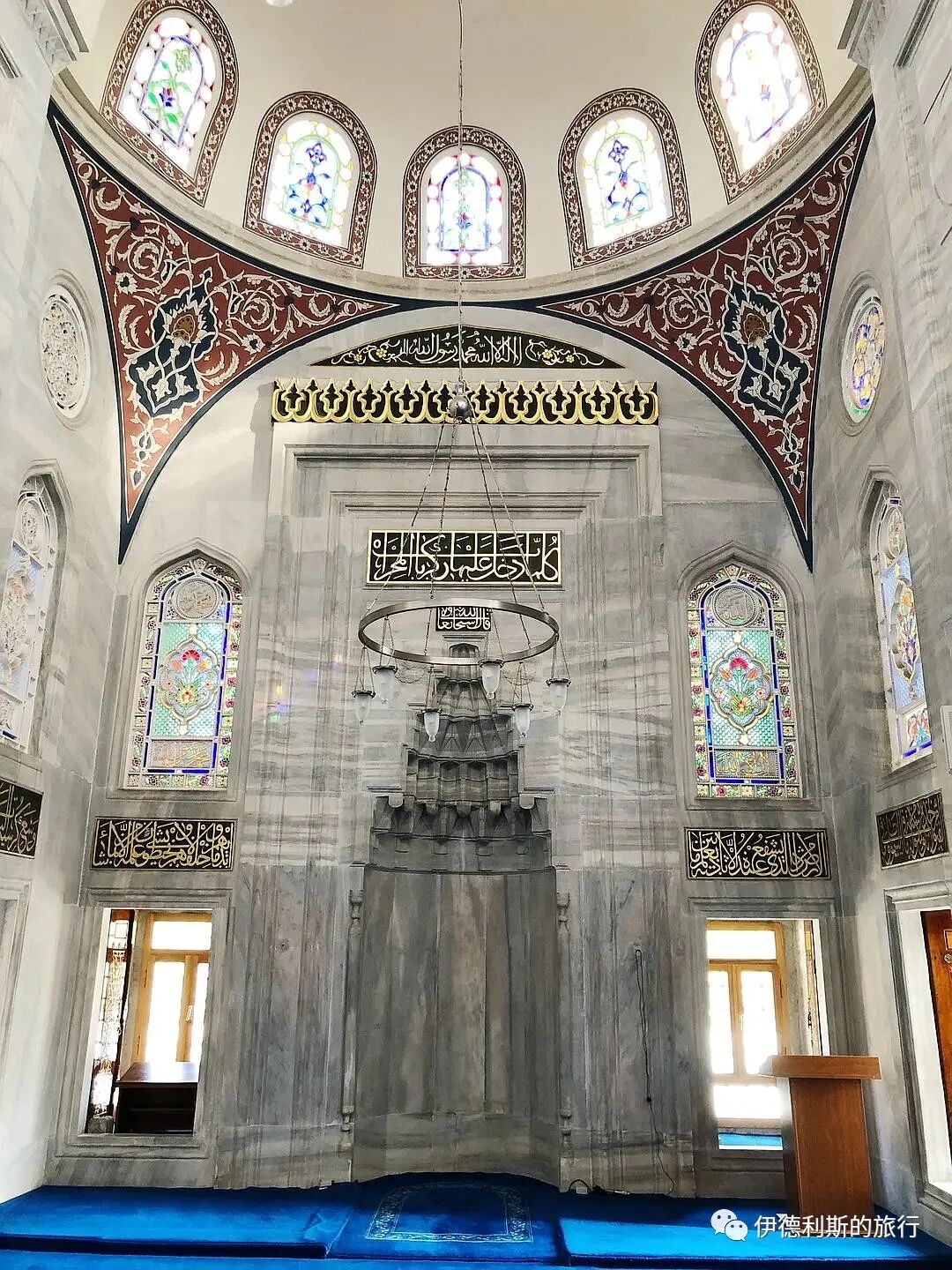
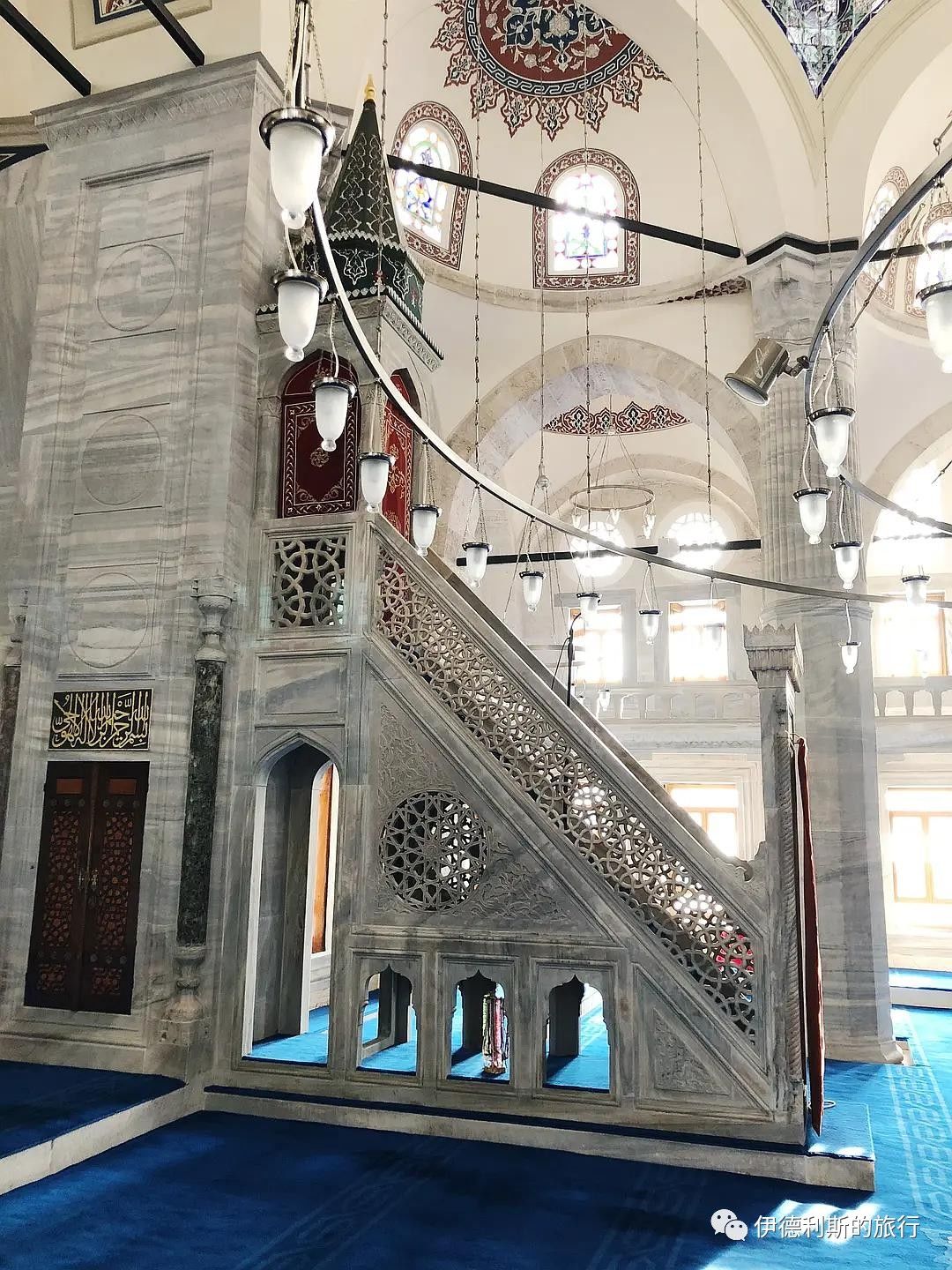
The Sokollu Mehmet Pasha Mosque (Sokollu Mehmet Paşa Camii) is in the Azapkapı area on the north shore of Istanbul's Golden Horn, next to the Atatürk Bridge. It was commissioned by the Ottoman Grand Vizier Sokollu Mehmet Pasha (in office 1565-1579) and built by Mimar Sinan in 1578. It is the third mosque Sinan built for Sokollu in Istanbul.
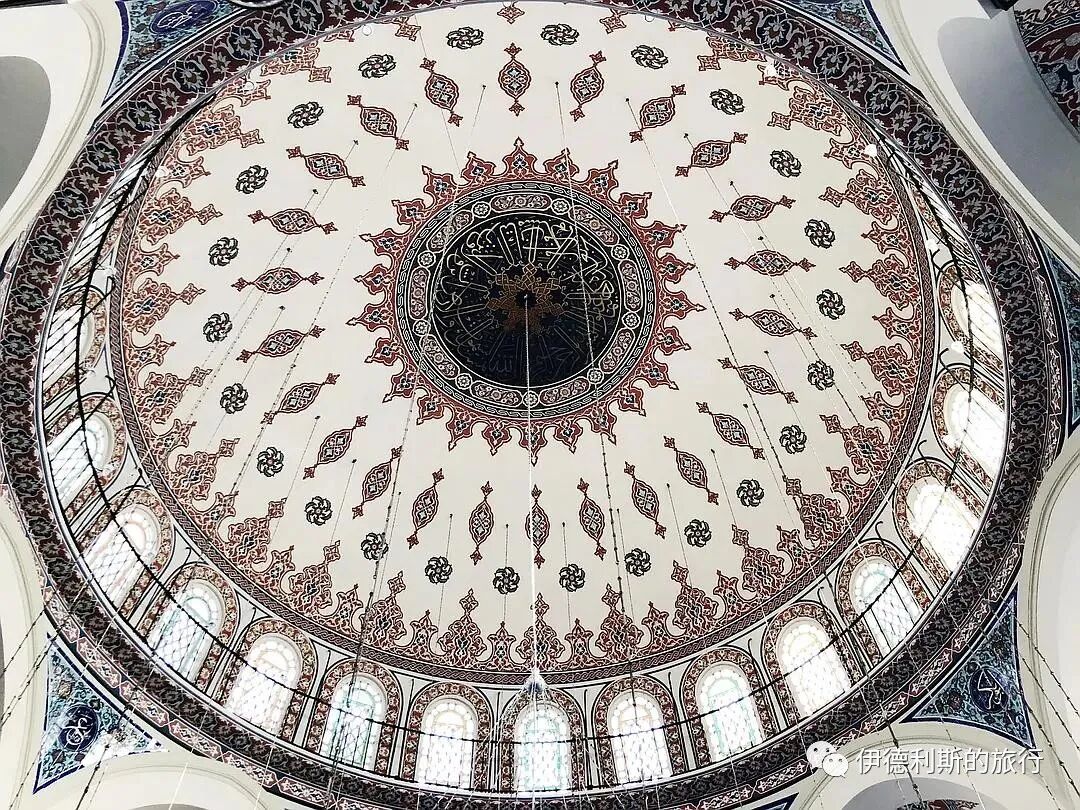
Here, Sinan continued using the octagonal support system he used in his masterpiece, the Selimiye Mosque, and added a small dome to each corner. Also, the mosque's front porch is fully enclosed and connected to the main hall, which is very unique among Sinan's works.
2. Private Chamber of Murad III: 1578
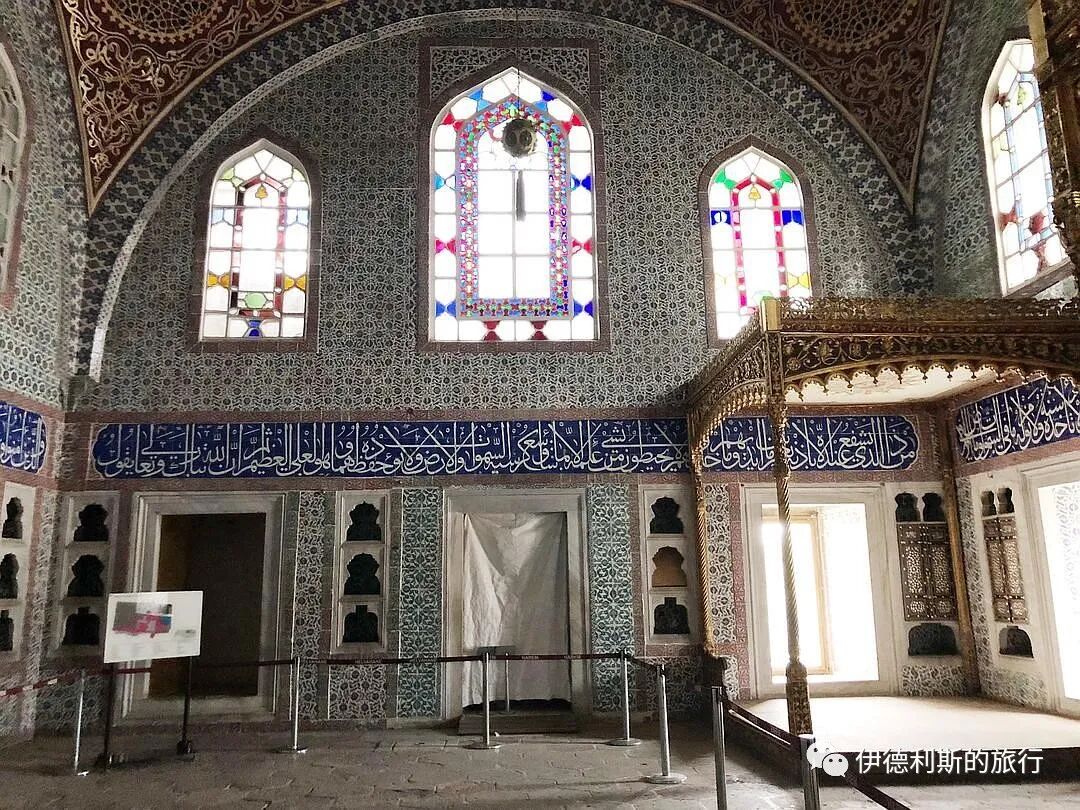
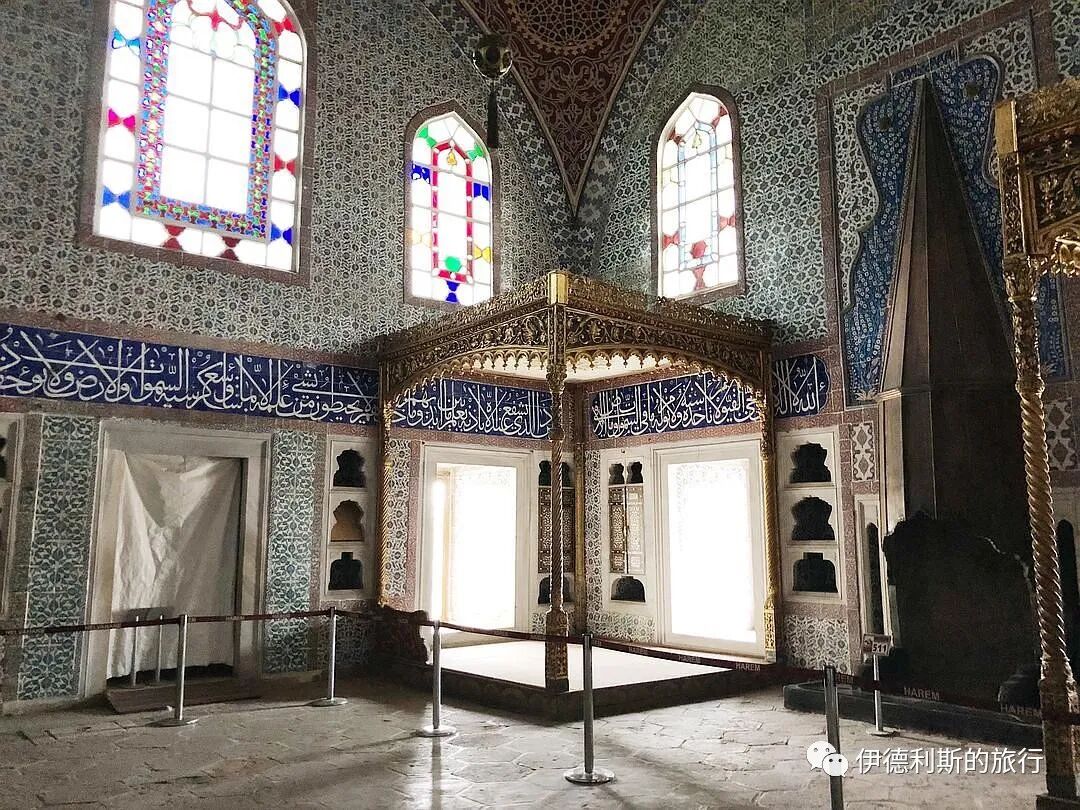
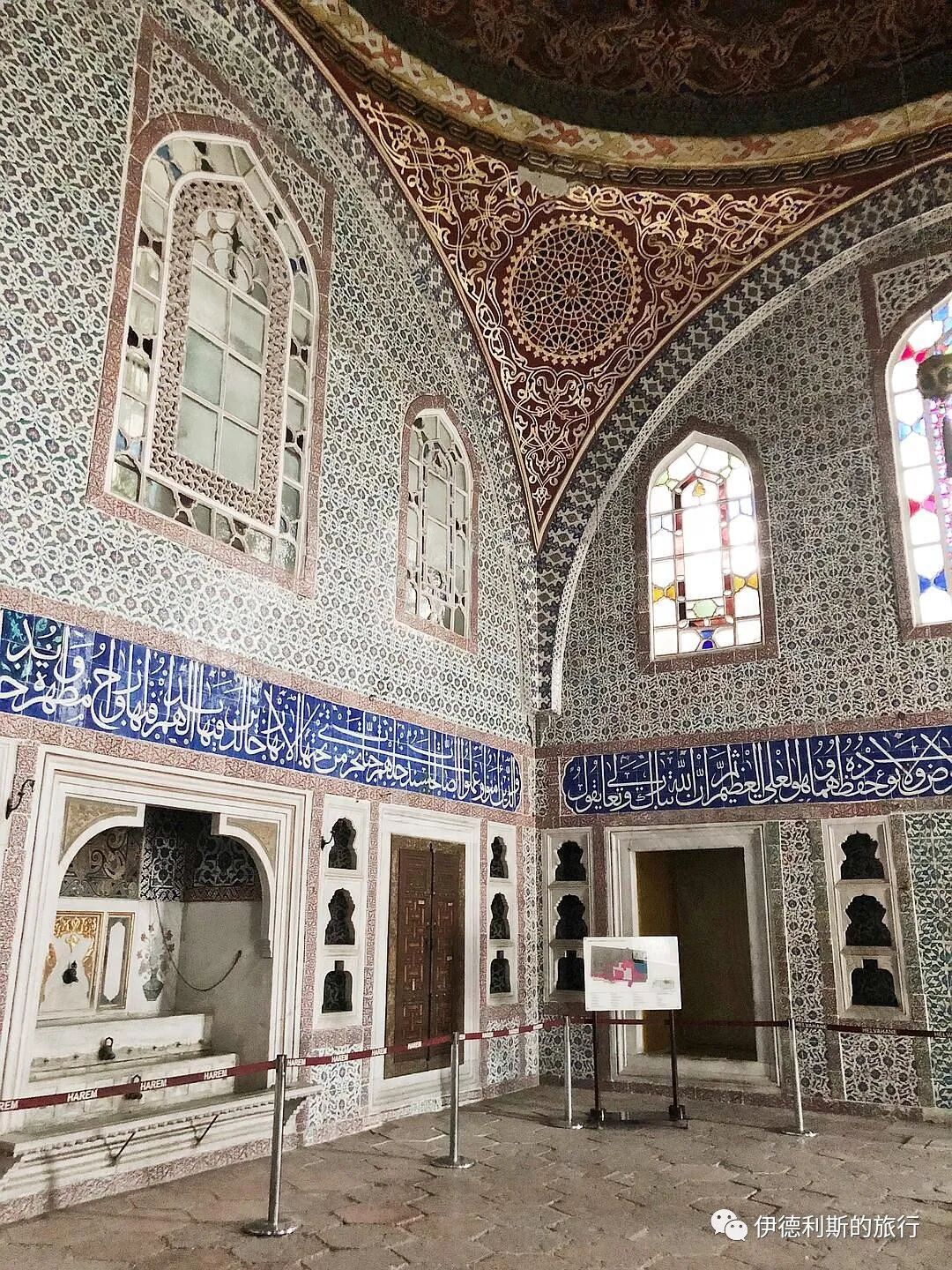
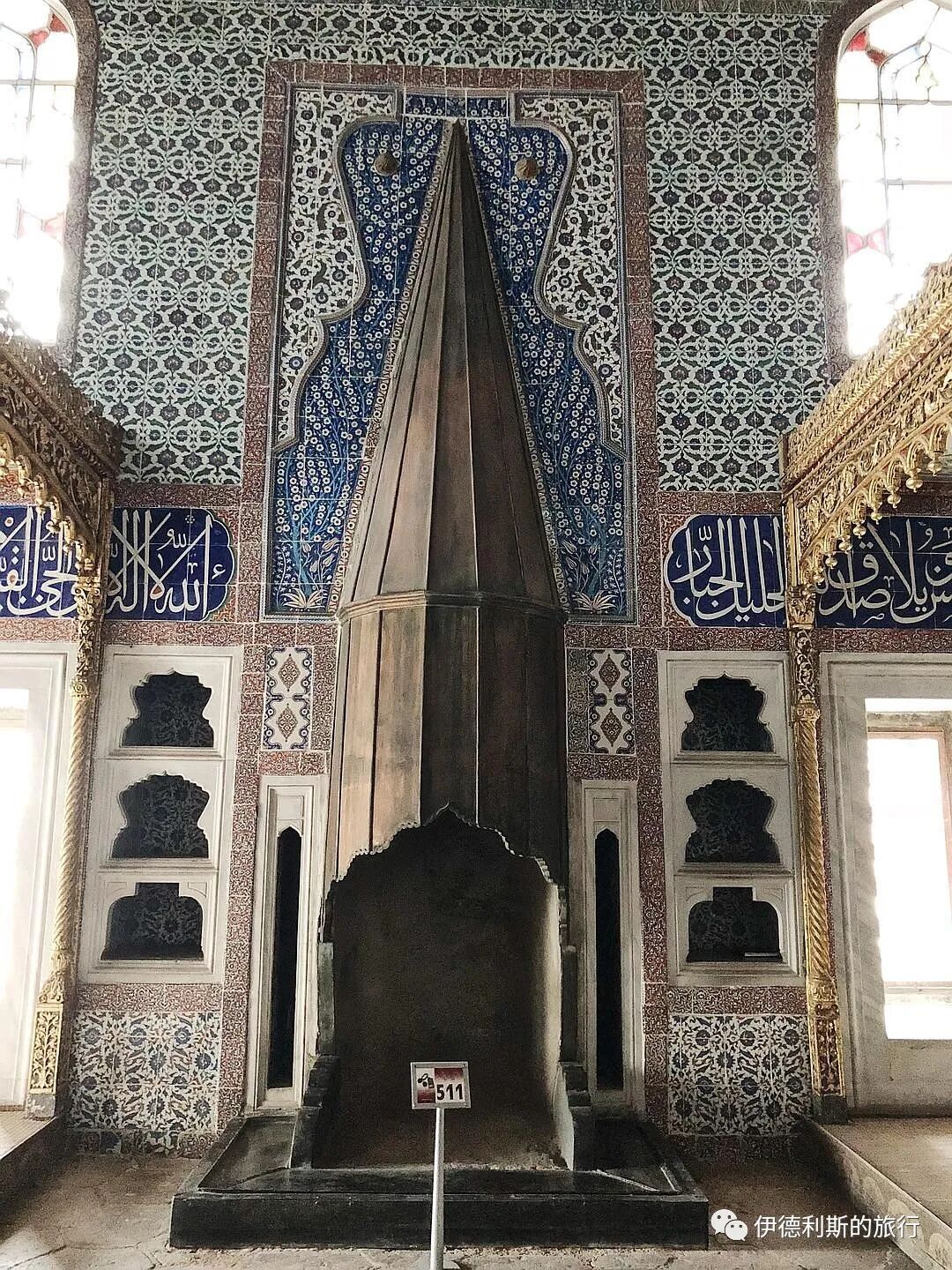
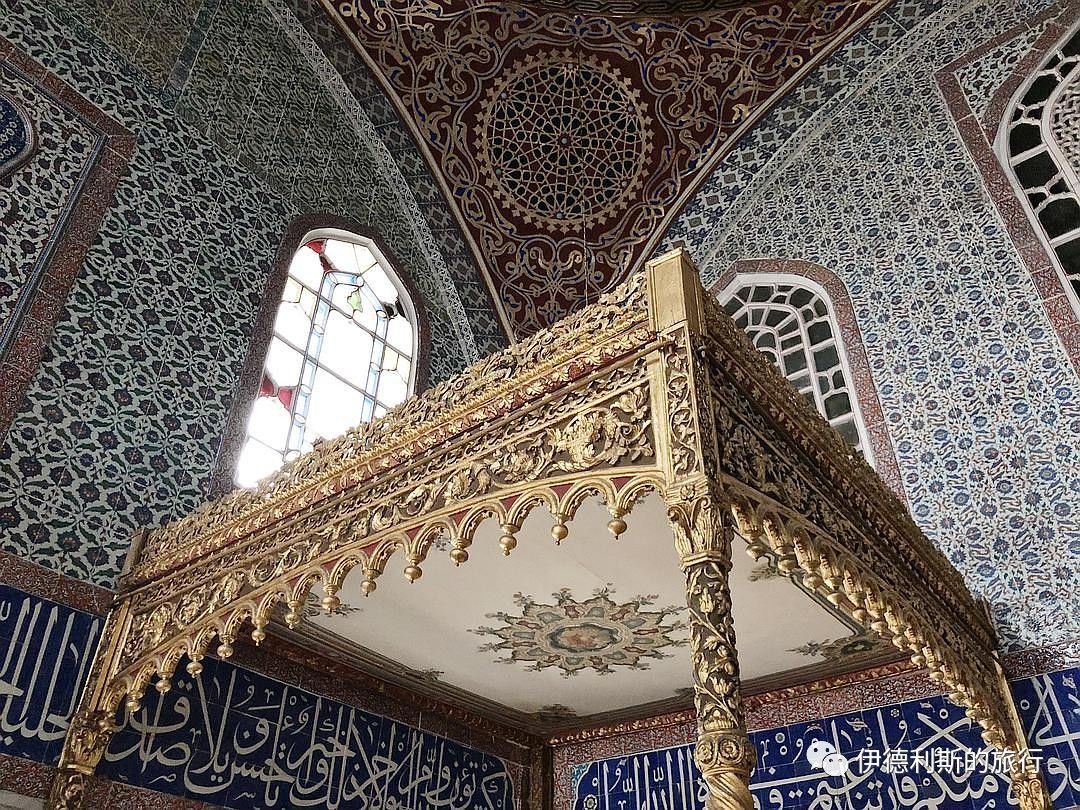
The Private Chamber of Murad III (III. Murad Has Odası) is inside the Harem of Topkapı Palace (Topkapı Sarayı) in Istanbul. It is one of the best-preserved and most complete structures in the Harem, built by Mimar Sinan in 1578. Murad III was the 12th Sultan of the Ottoman Empire, reigning from 1574 to 1595. In his final years, he rarely left the palace and spent his days reading and resting in this private chamber.
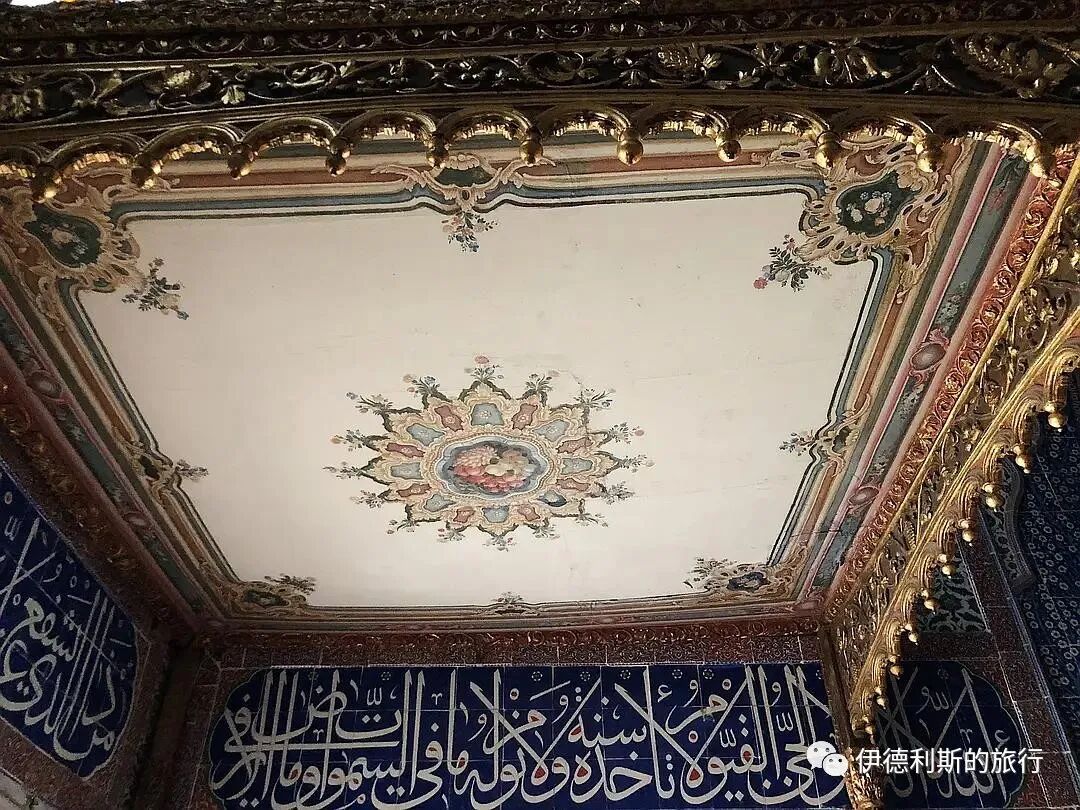
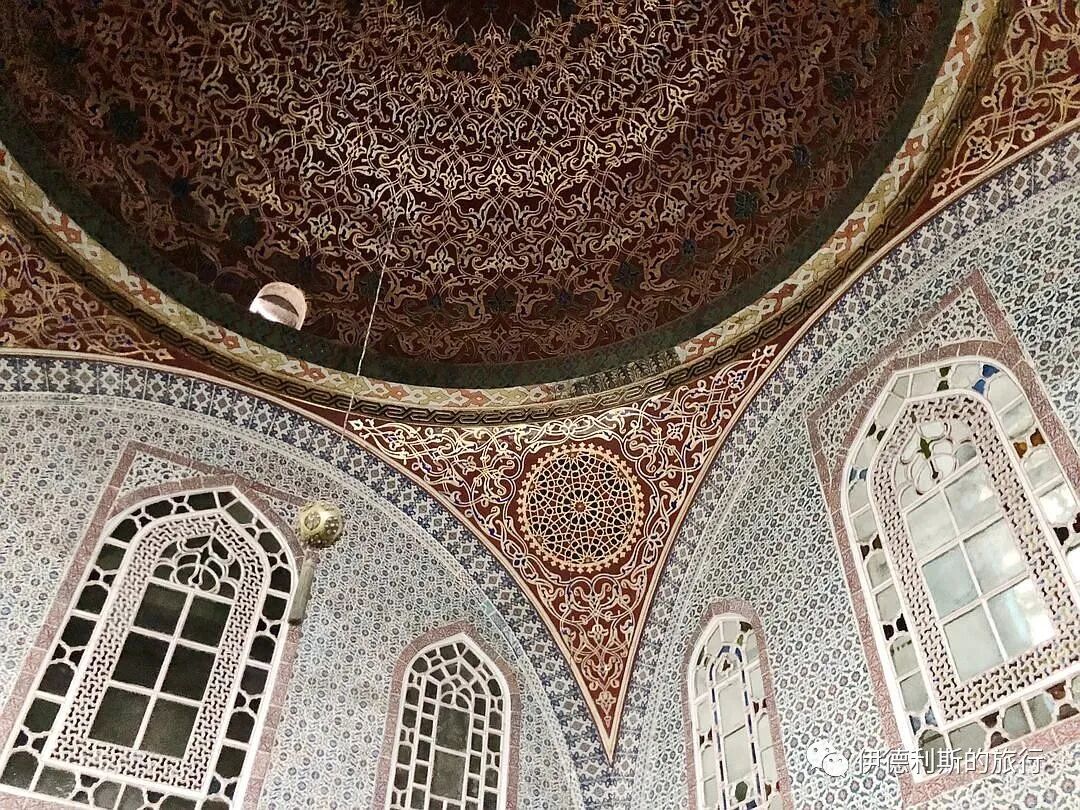
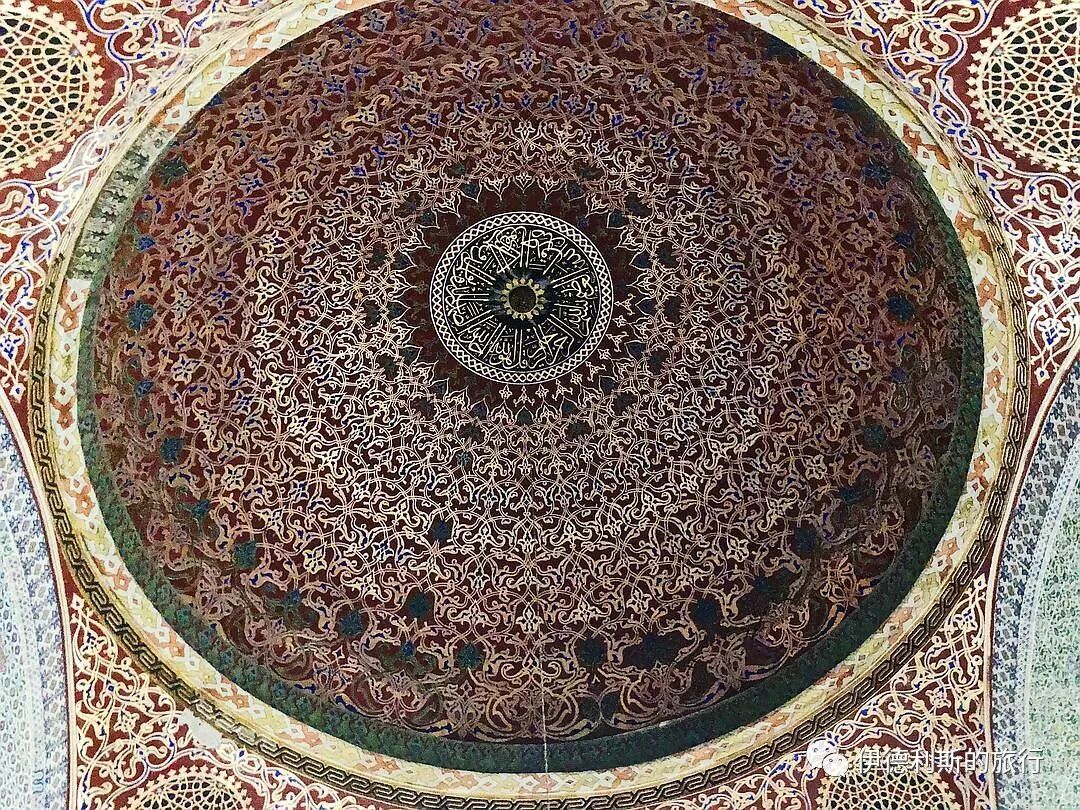
The chamber has balanced proportions and a well-planned decorative scheme, showing the peak Ottoman architecture reached in the late 16th century. The chamber has the second-largest dome in the Harem, second only to the Imperial Hall. The interior is covered in blue, white, and red Iznik tiles with orange borders, and a band of calligraphy tiles runs across the middle of the room. Inside, there is a two-story fountain. The sound of the water prevents eavesdropping and creates a comfortable atmosphere. The room also has a large fireplace decorated with colorful marble. The interior also displays two luxurious 18th-century cotton beds.
3. Kılıç Ali Pasha Complex: 1578-1580
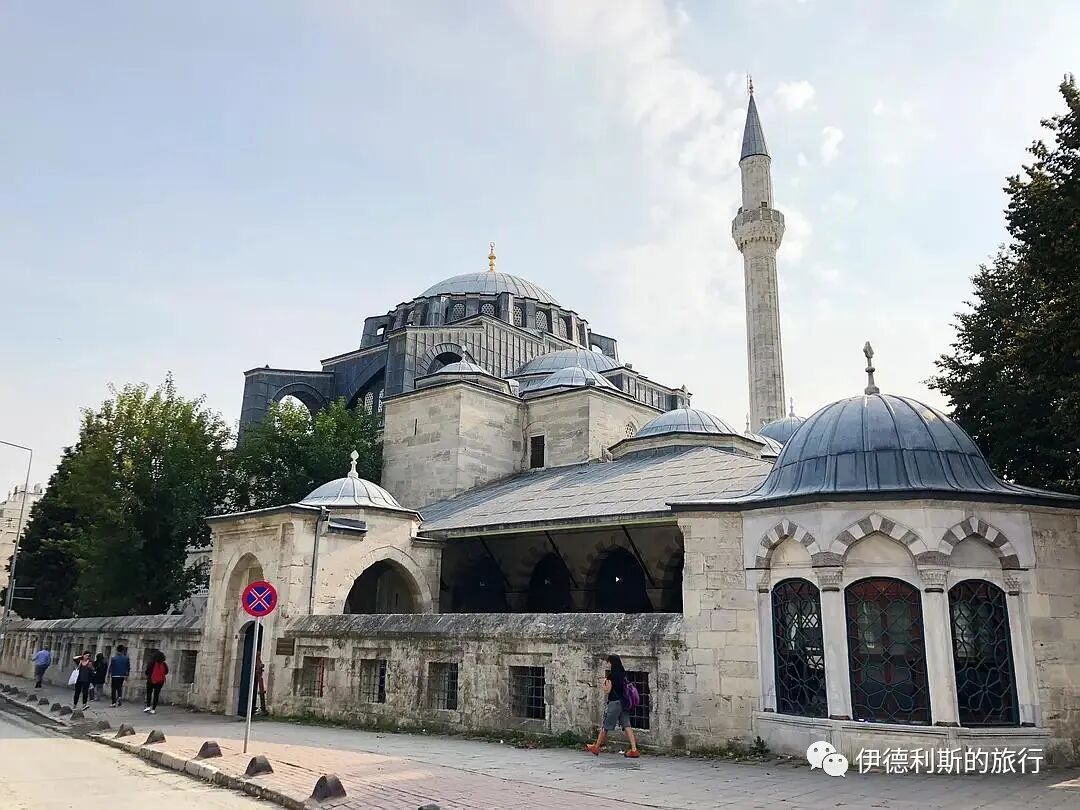
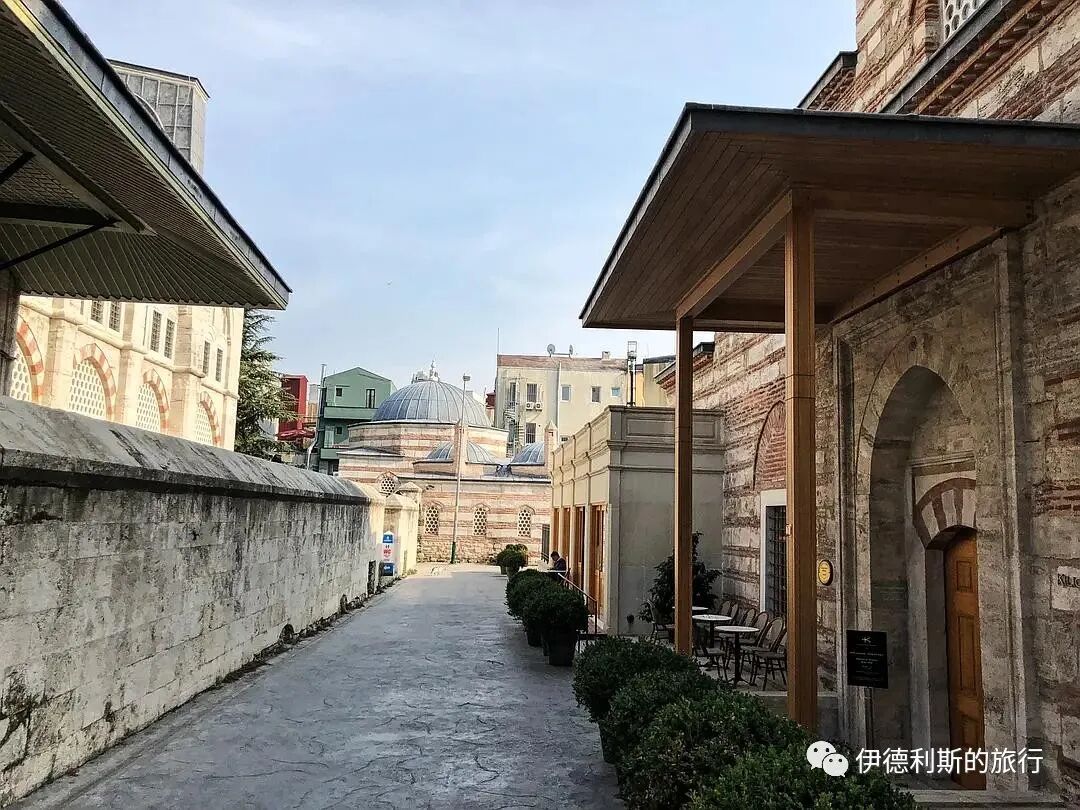
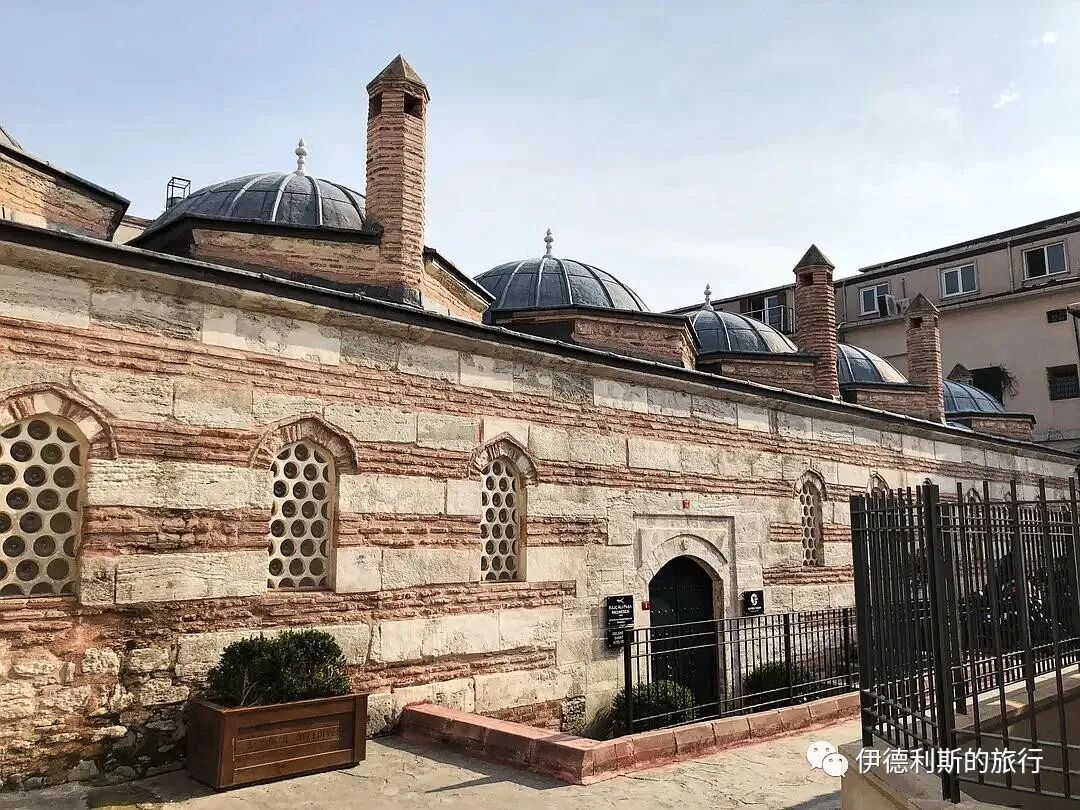
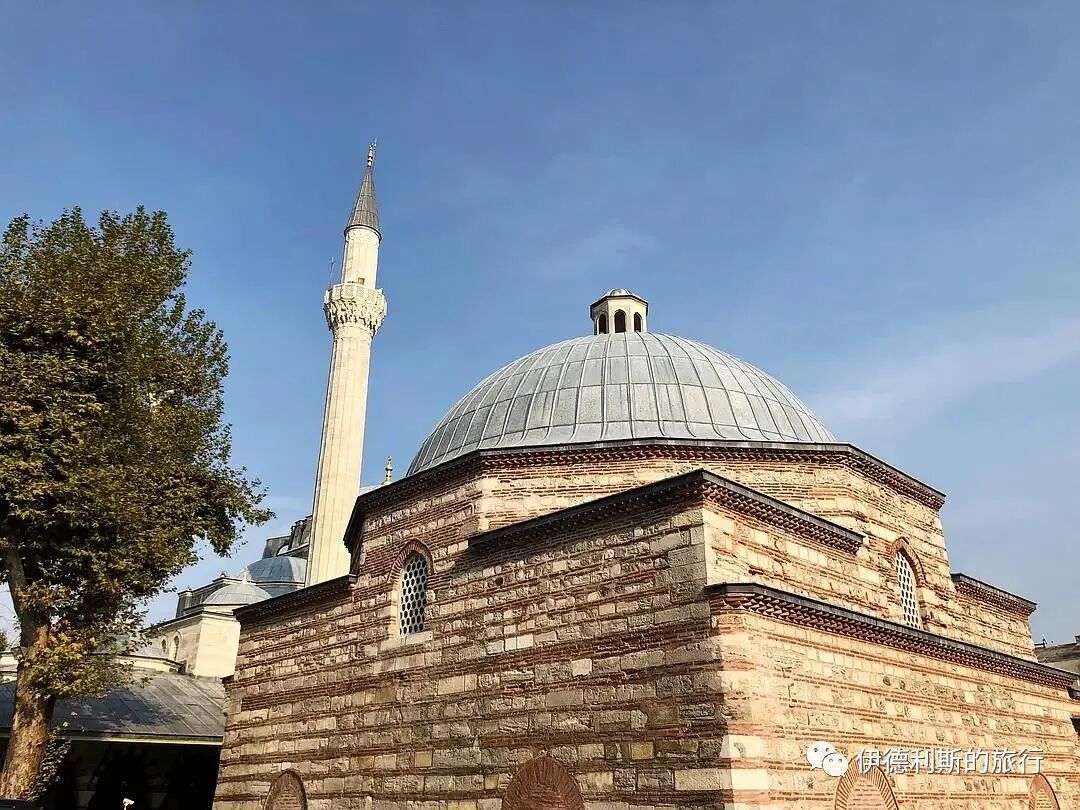
The Kılıç Ali Pasha Complex is located in the Tophane district on the northern side of the Golden Horn and the western shore of the Bosphorus in Istanbul. It was commissioned by the Ottoman Grand Admiral (Kapudan-ı Derya) Kılıç Ali Pasha and built by Mimar Sinan between 1578 and 1580. The complex consists of a mosque, a madrasa, a tomb, and a bathhouse. It was originally built on reclaimed land right next to the shore, but due to further land reclamation during later port construction, the complex is now 120 meters away from the sea.
Evidence discovered by Turkish historian Rasih Nuri İleri suggests that Miguel de Cervantes, the author of Don Quixote, was a worker on the Kılıç Ali Pasha Complex while he was enslaved by Ottoman pirates between 1575 and 1580.
The mosque is surrounded by galleries on three sides, and the central area is separated from the side areas. This structure is very close to the Hagia Sophia and differs from the classic Ottoman mosque architecture of the same period. Some people use this to question whether the mosque was truly built by Sinan. The main dome of the mosque sits above a square base in the central area, supported by a semi-dome on each side. The central area is much higher than the side areas, and very wide arched buttresses extend to the outer walls. the front of the mosque has a double-layered porch, which makes it stand out compared to other mosques of the same period.
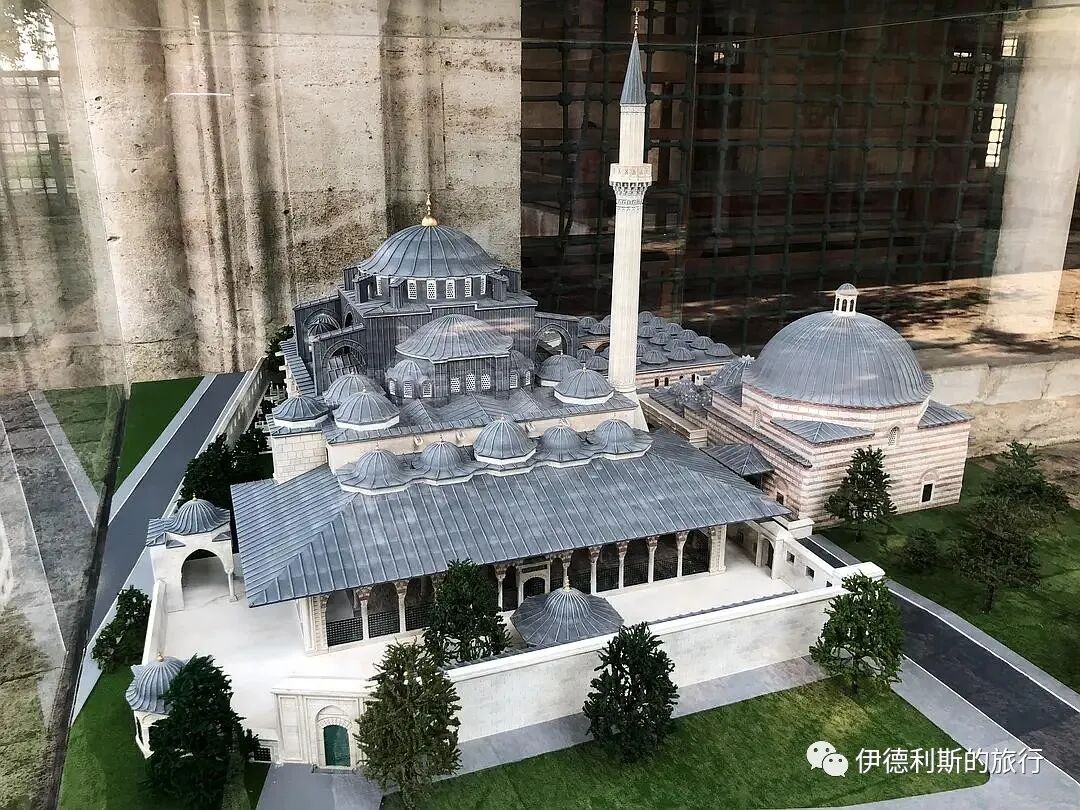
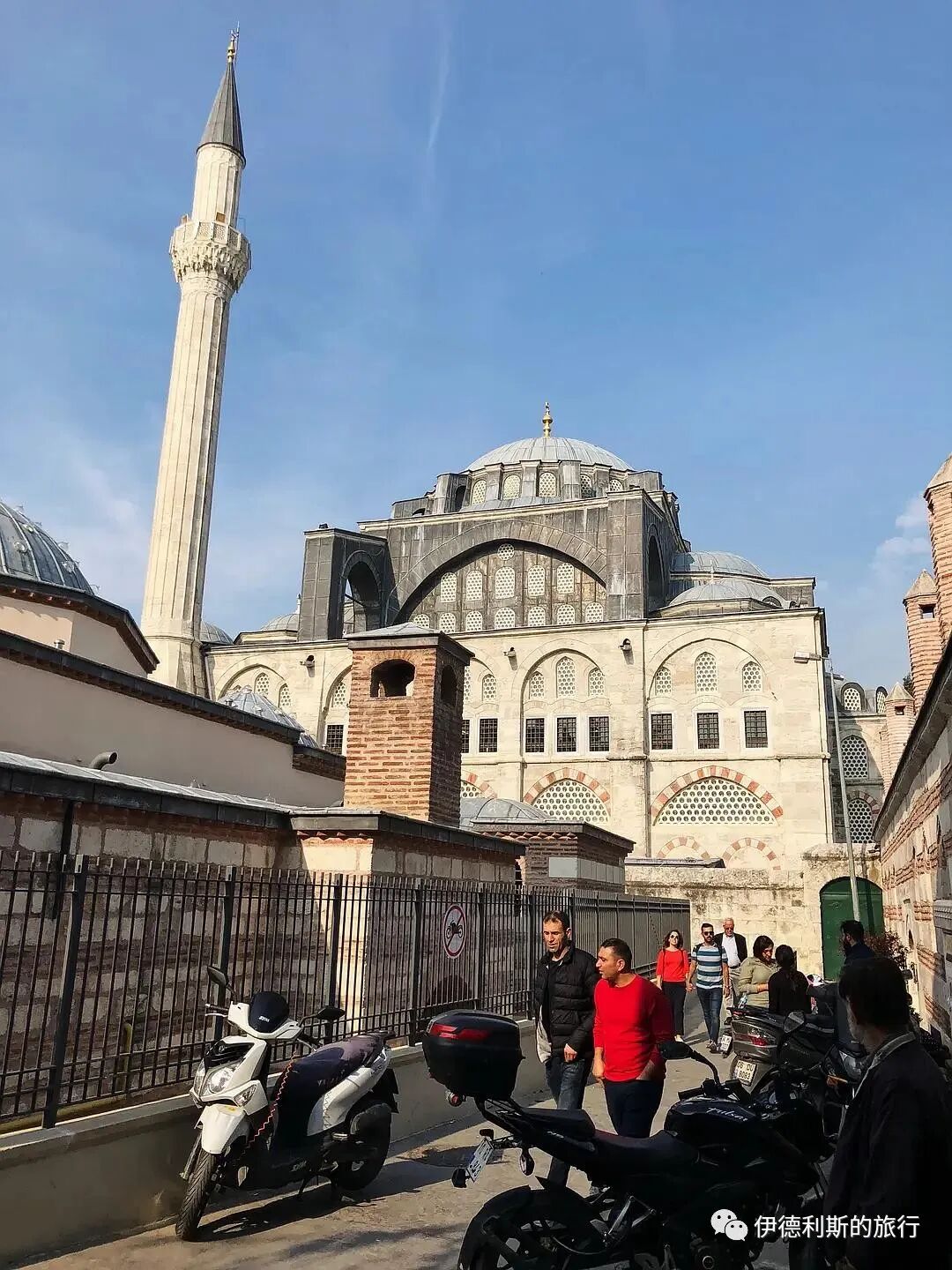
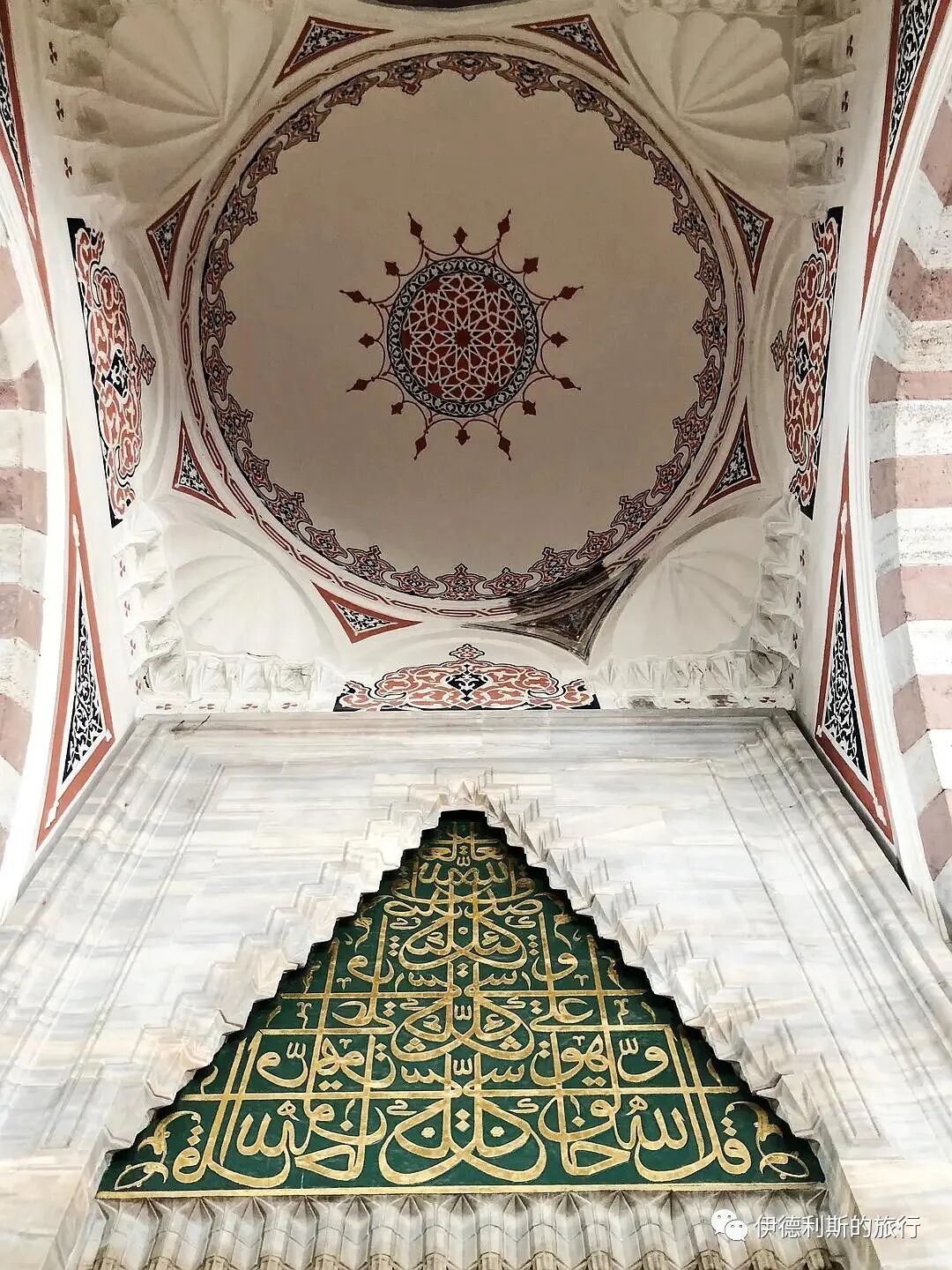
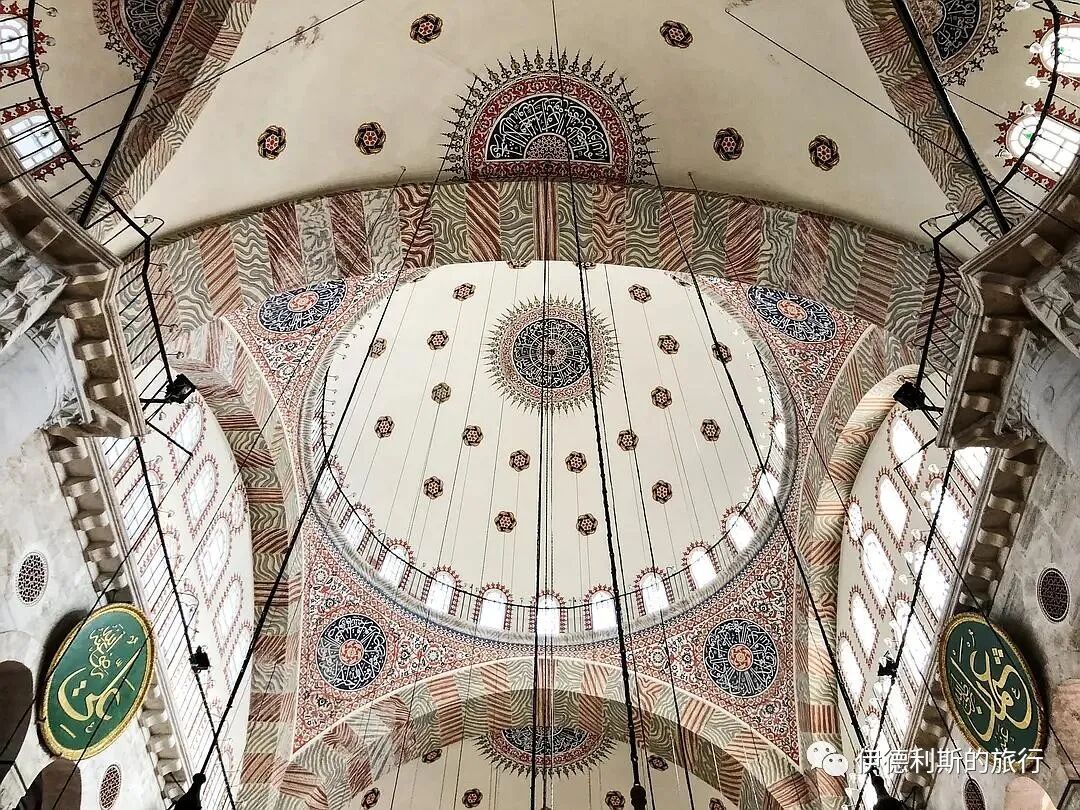
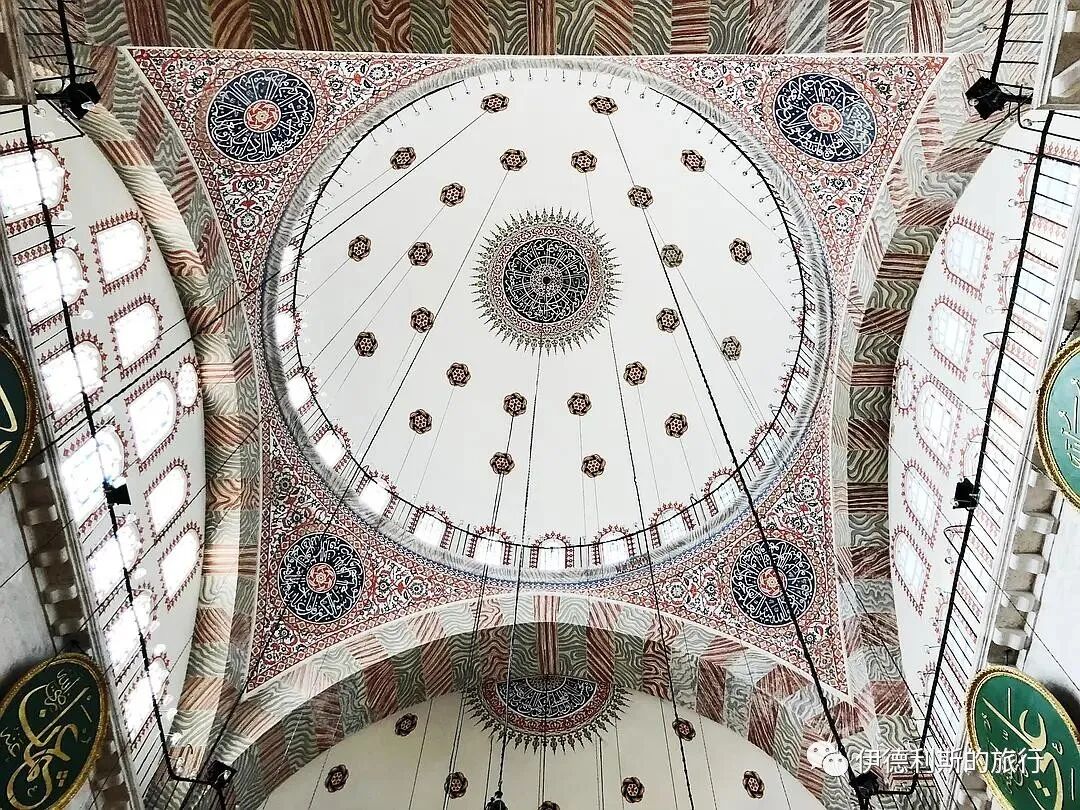
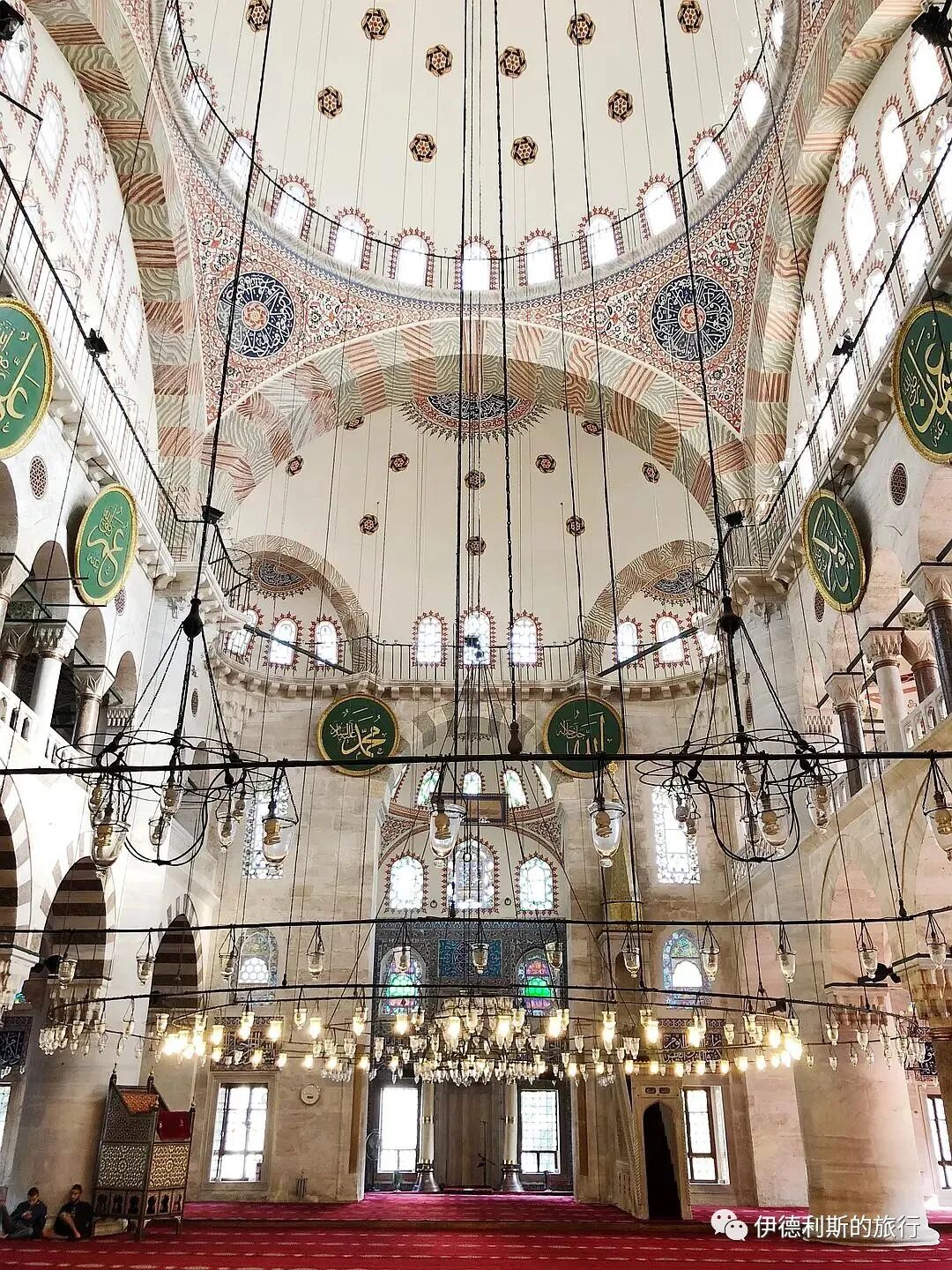
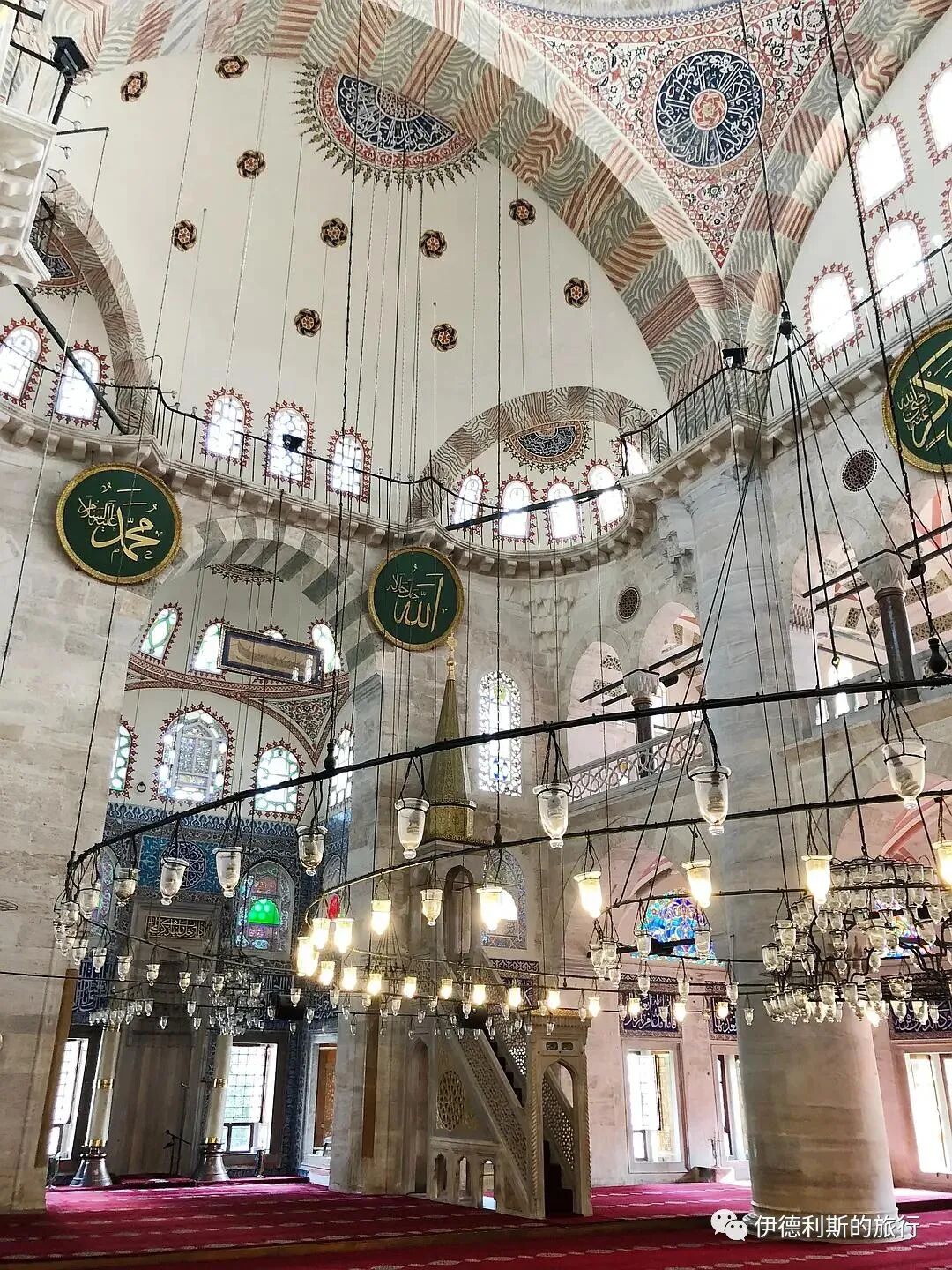
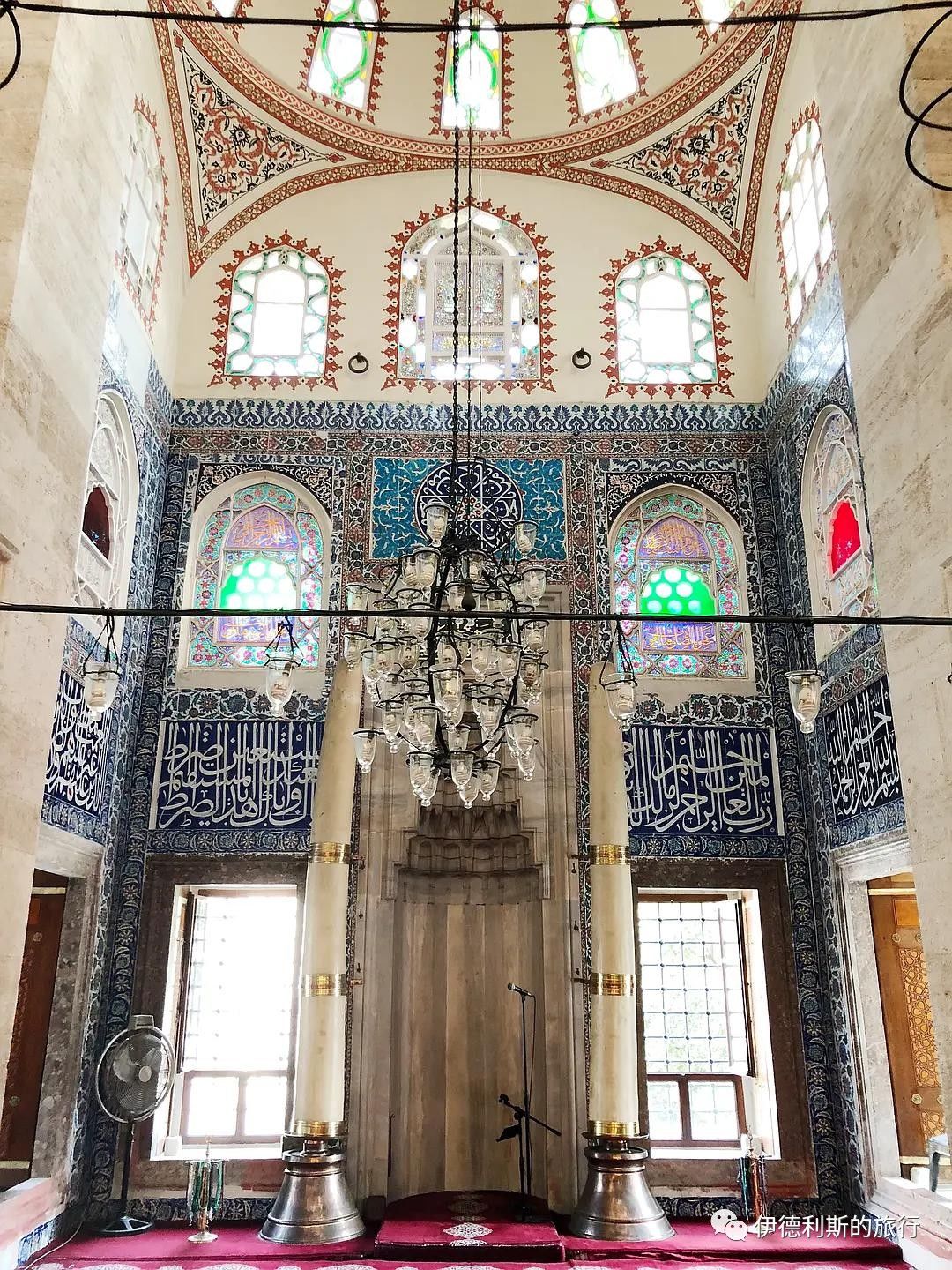
The main hall of the madrasa is square. Because it does not appear in Sinan's official list of works, the Tazkirat-al-Abniya, some people also believe this madrasa was not built by Sinan himself.
4. Şemsi Pasha Complex: 1581
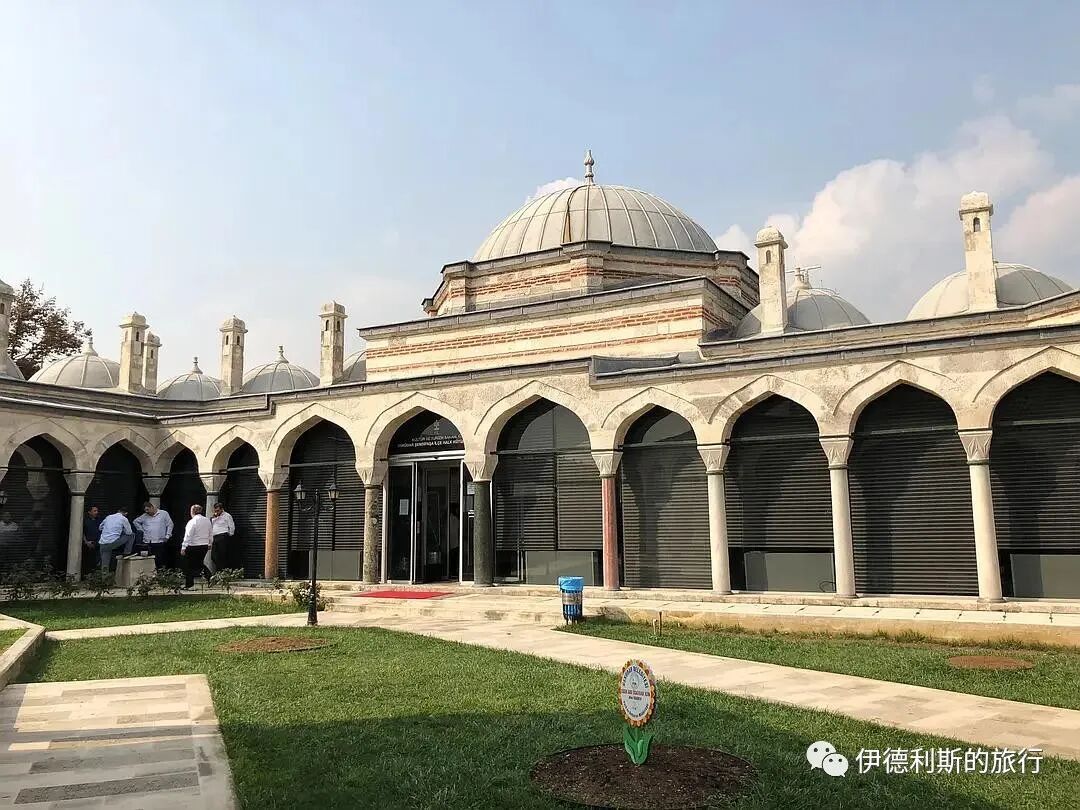
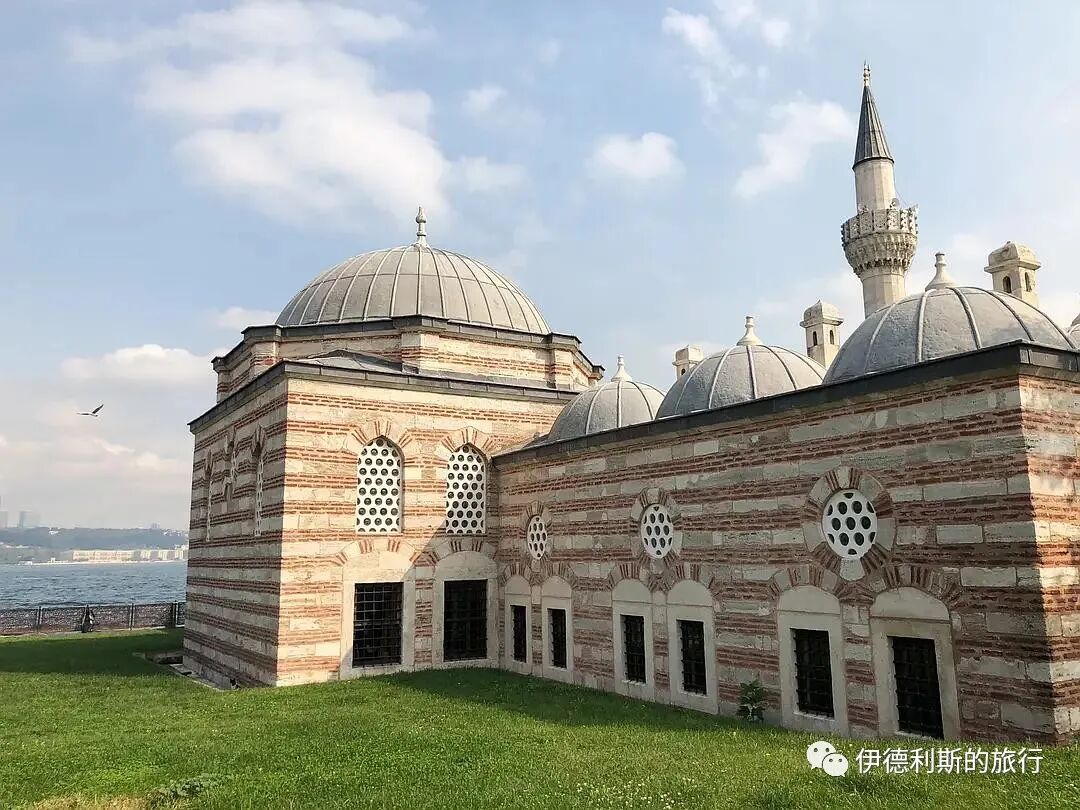
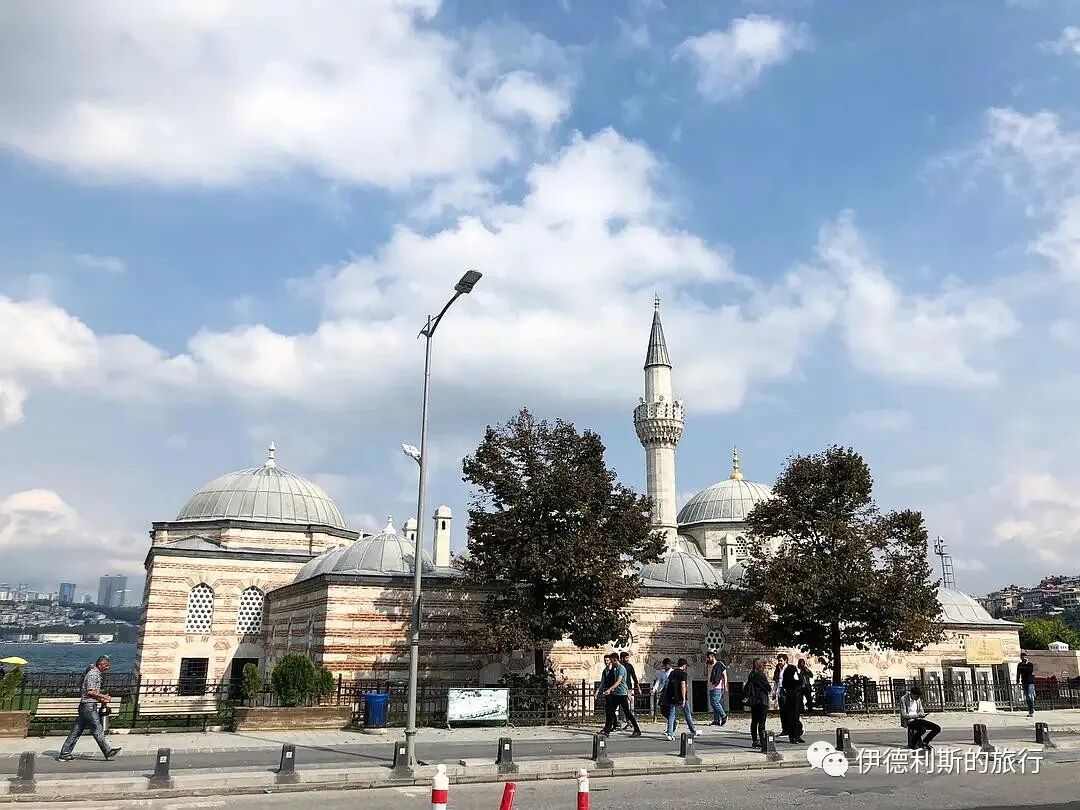
The Şemsi Pasha Complex is located on the Asian side of Istanbul, on the coast of the Üsküdar district. It was commissioned in 1581 by the Ottoman Grand Vizier (Vezir-i Azam) Şemsi Pasha, who succeeded Sokollu Mehmed Pasha as Grand Vizier in 1579, and built by Mimar Sinan. This is the most compact complex built by Sinan and is very famous in Istanbul as an important example of the organic combination of human architecture and natural landscape.
The complex consists of a mosque, a tomb, a madrasa, and a seawall. The tomb of Şemsi Pasha is completely connected to the mosque and is separated from the inside by a grille. The single-domed mosque itself is not particularly new, but it is unique in terms of its picturesque landscape.
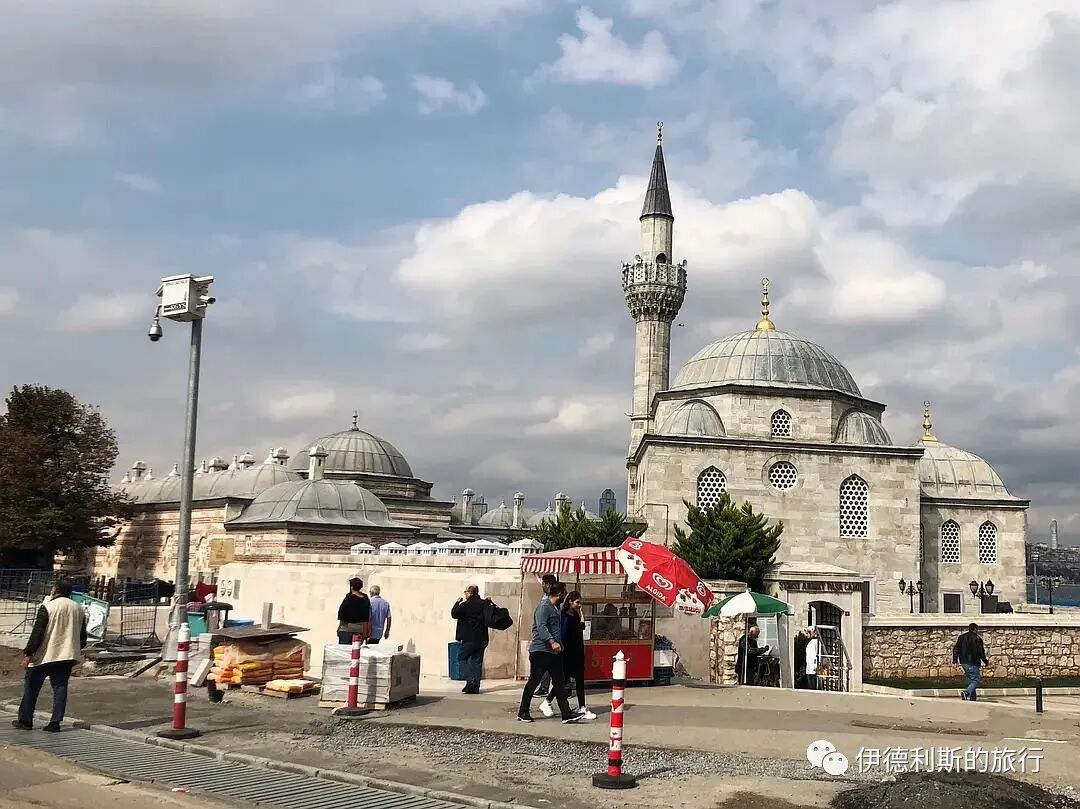
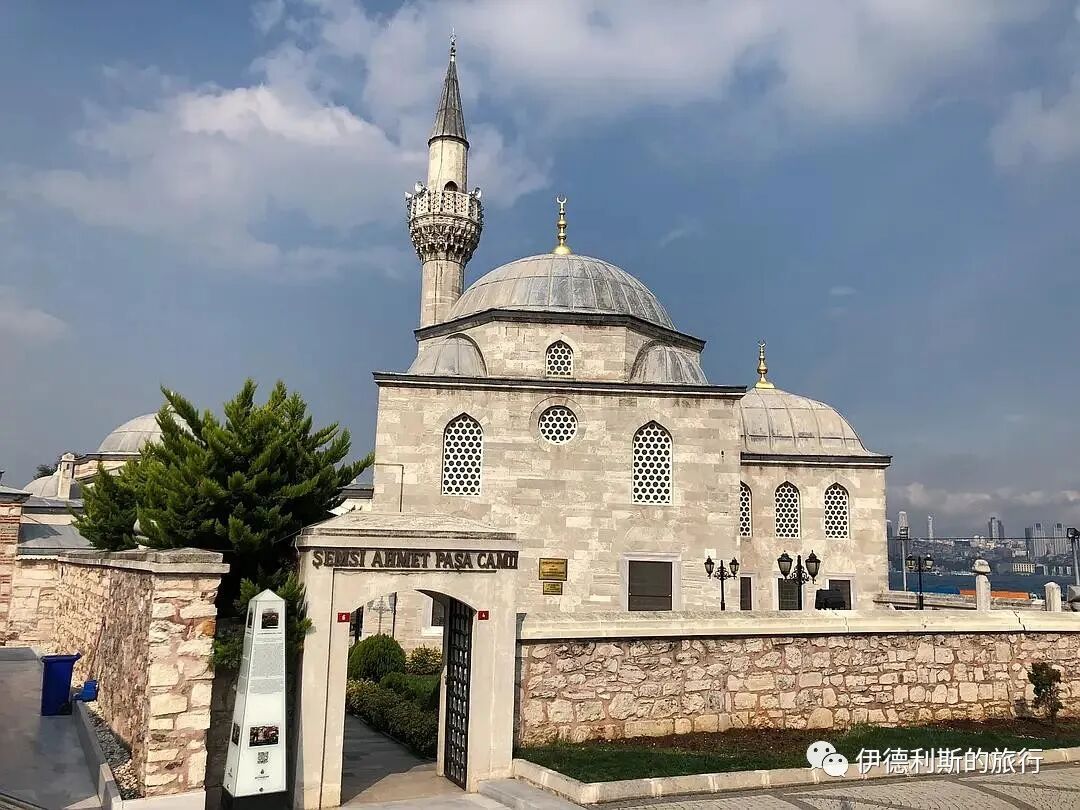
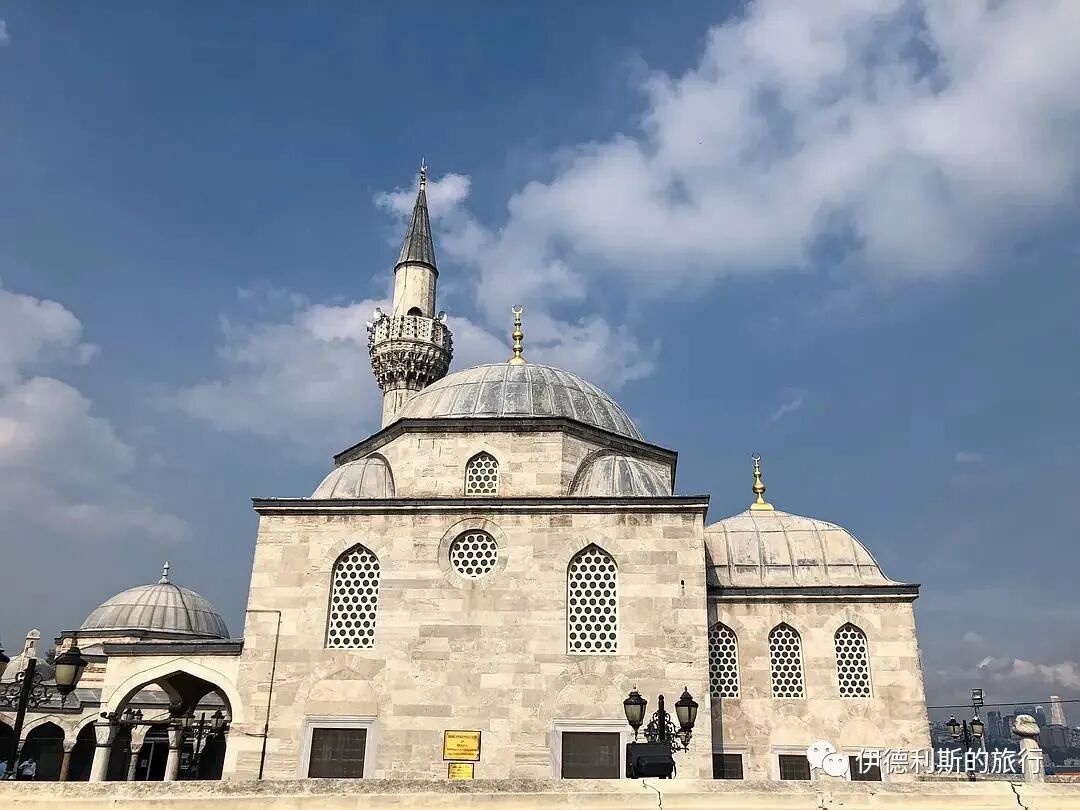
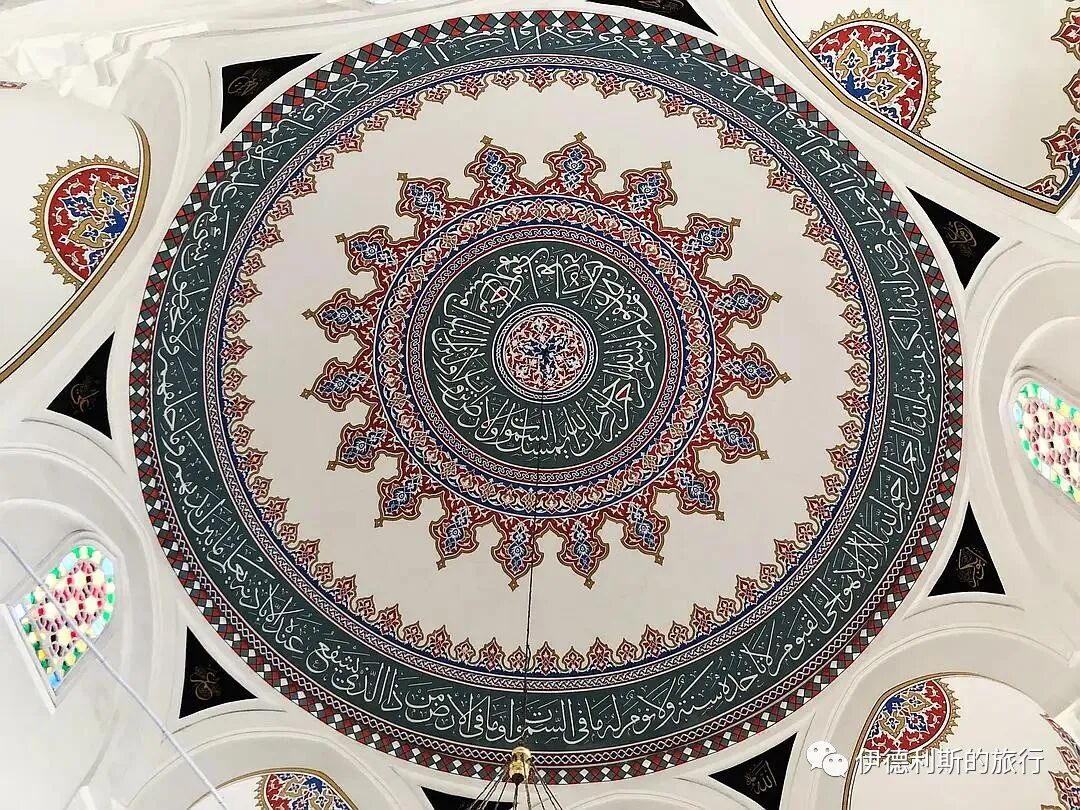
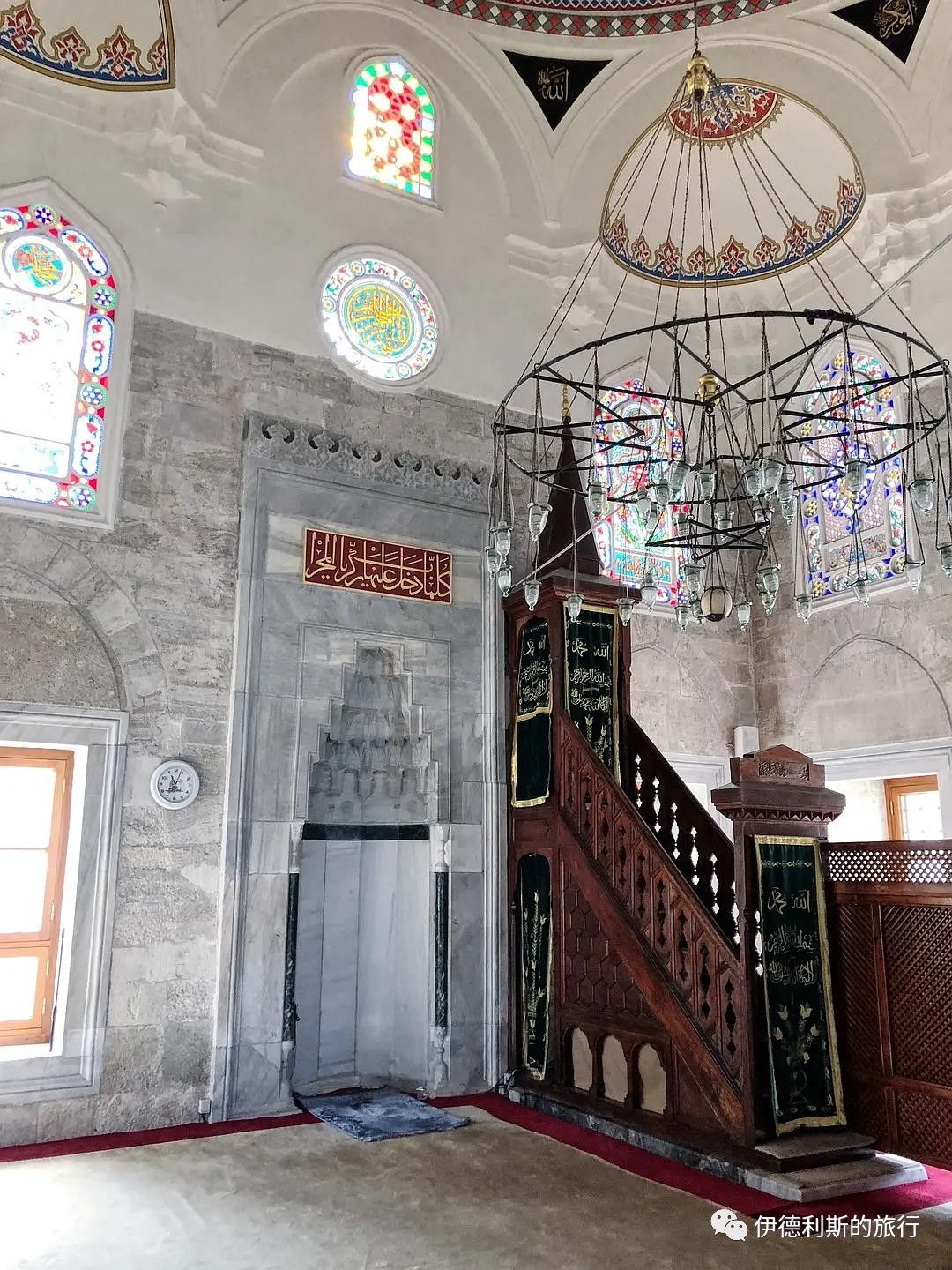
The L-shaped madrasa has one large classroom and 12 student rooms, connected by an arcade. It was converted into a library after 1958, and the large classroom became a reading room.
5. Tomb of Kanijeli Siyavuş Pasha: 1582-1584
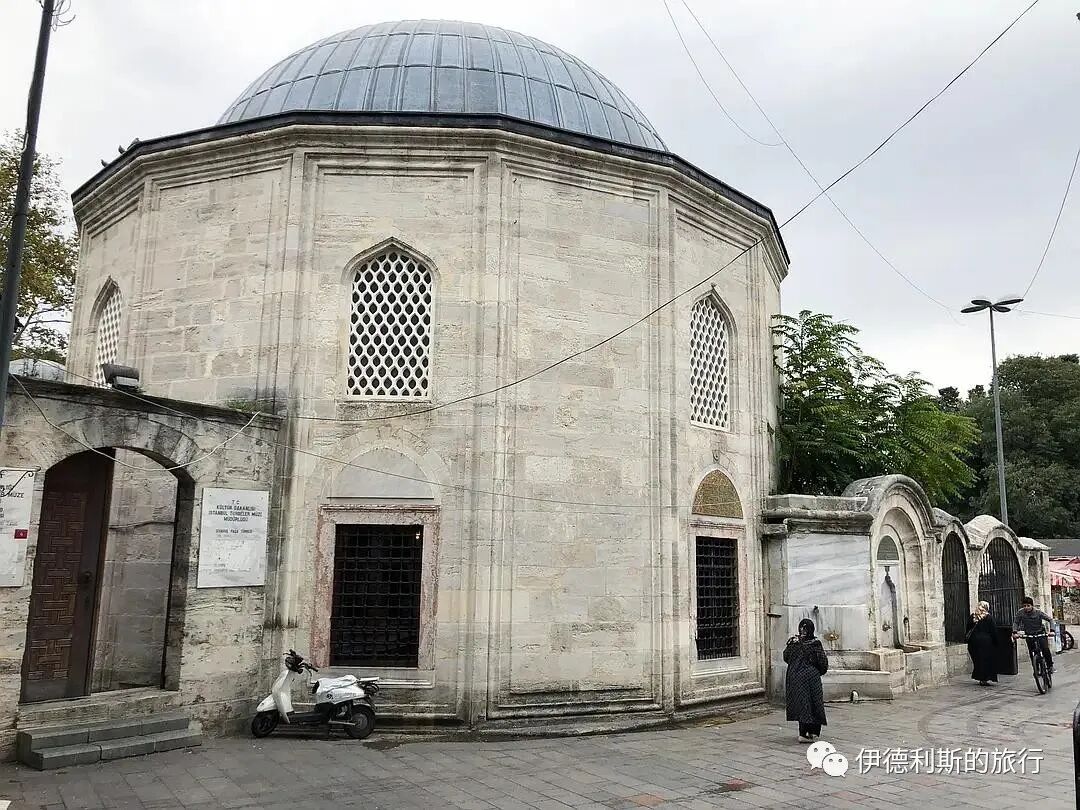
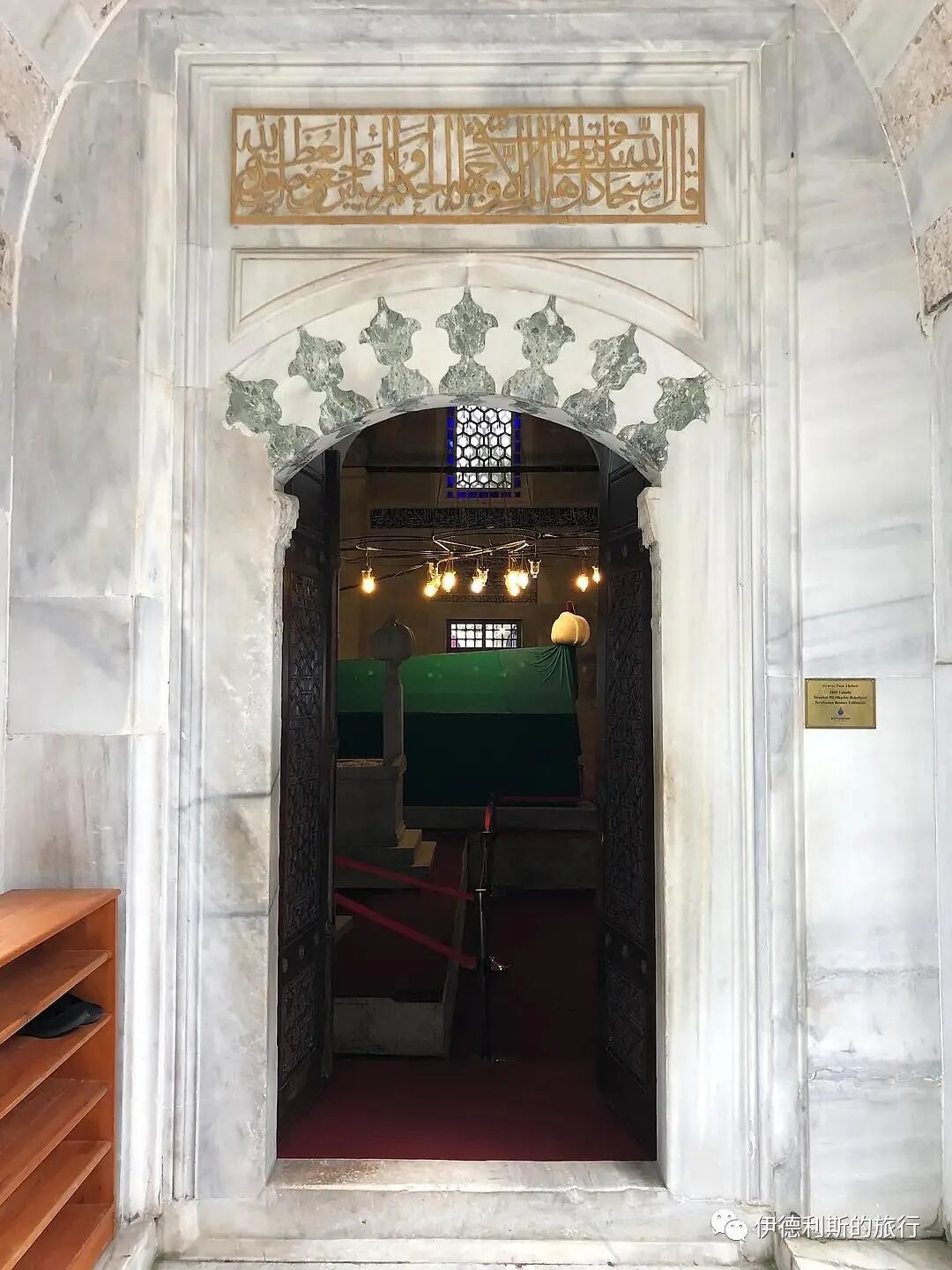
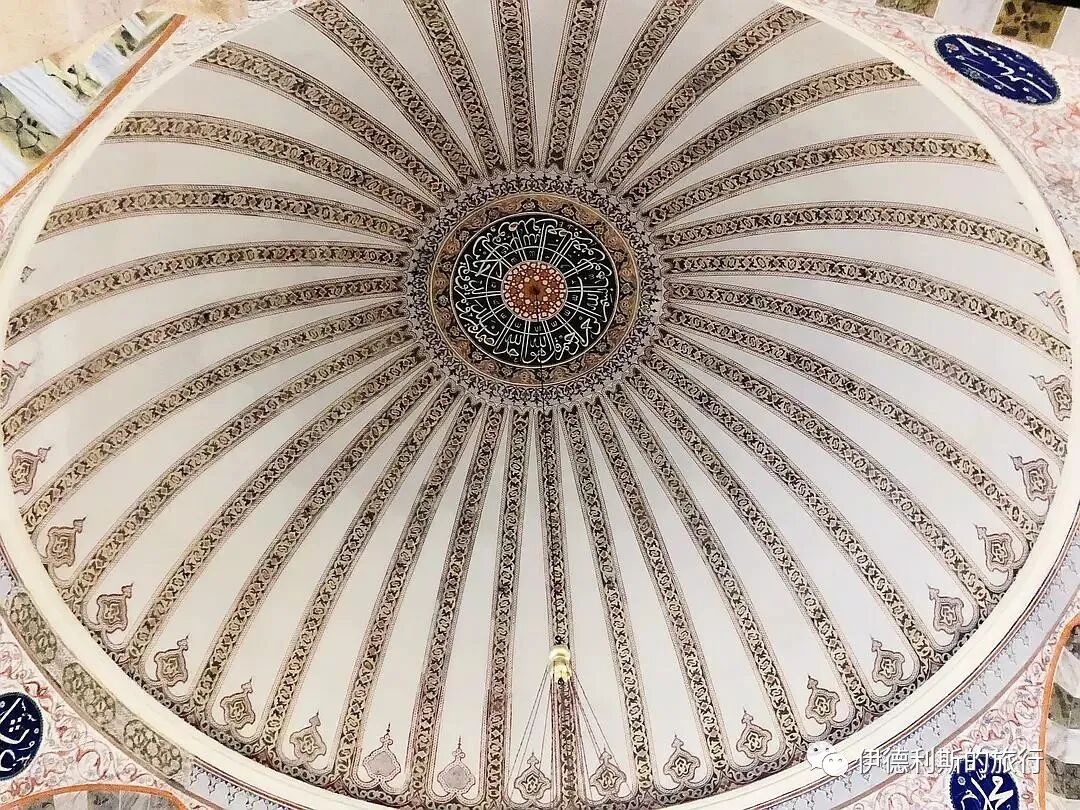
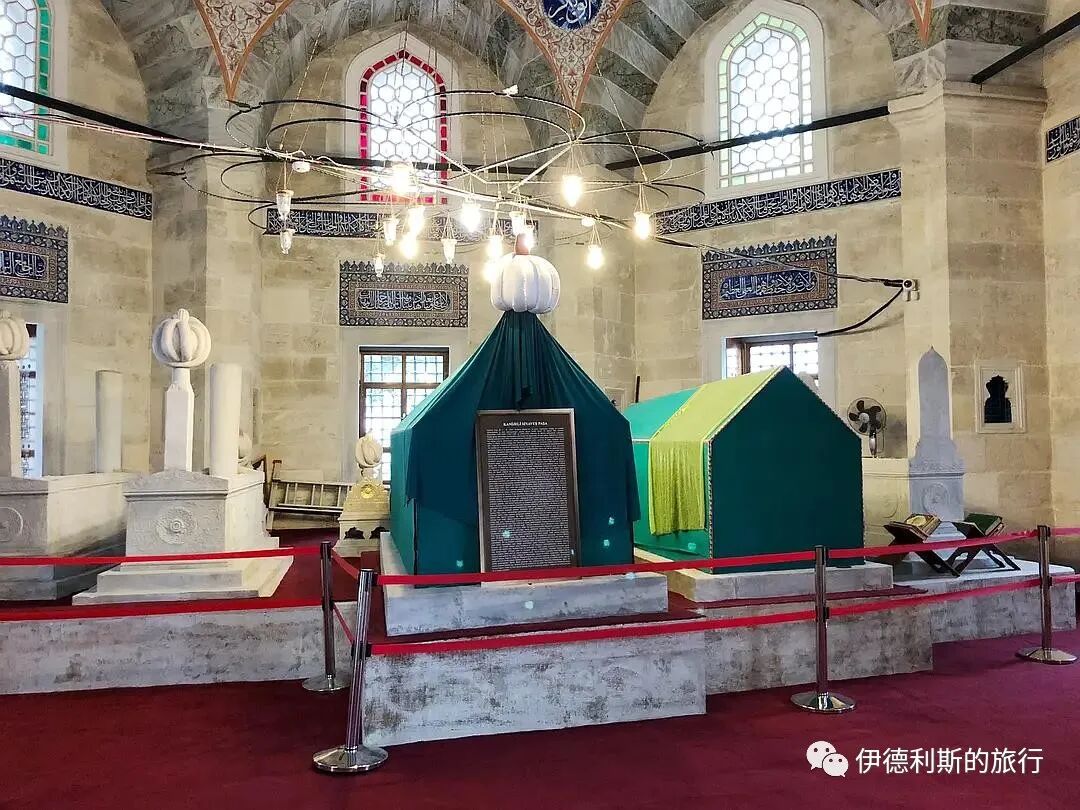
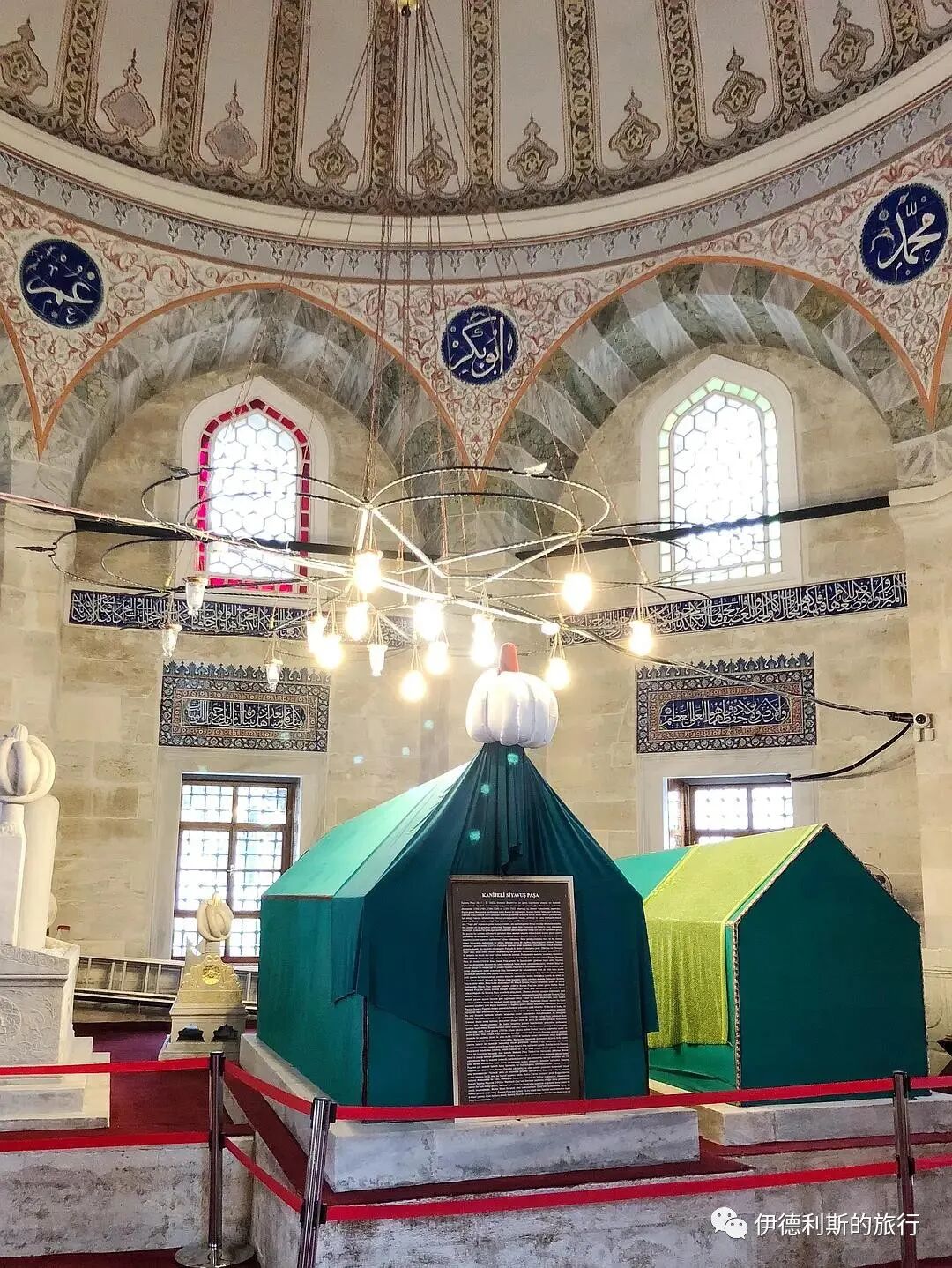
Kanijeli Siyavuş Pasha was the son-in-law of Ottoman Sultan Selim II (reigned 1566-1574) and served as the Grand Vizier (Vezir-i Azam) of the Ottoman Empire three times between 1582 and 1593. His tomb is located in the Eyüp district, northwest of Istanbul's old city. It was built by Mimar Sinan between 1582 and 1584, during his first term as Grand Vizier. The Eyüp Cemetery (Eyüp Mezarlığı) is the oldest and largest Muslim cemetery in Istanbul because it contains the grave of Abu Ayyub al-Ansari, a close companion of the Prophet Muhammad.
6. Molla Çelebi Mosque: 1570-1584
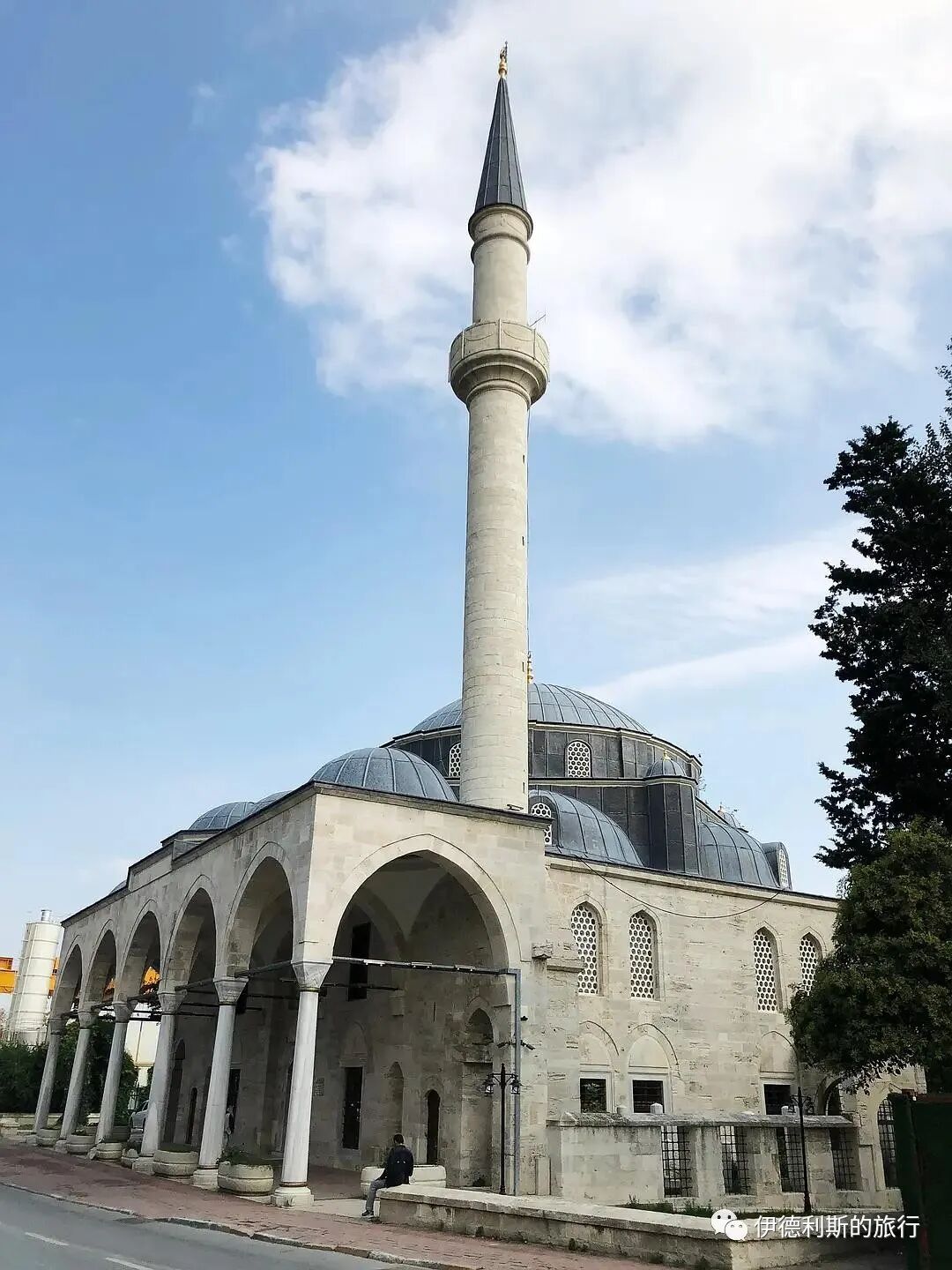
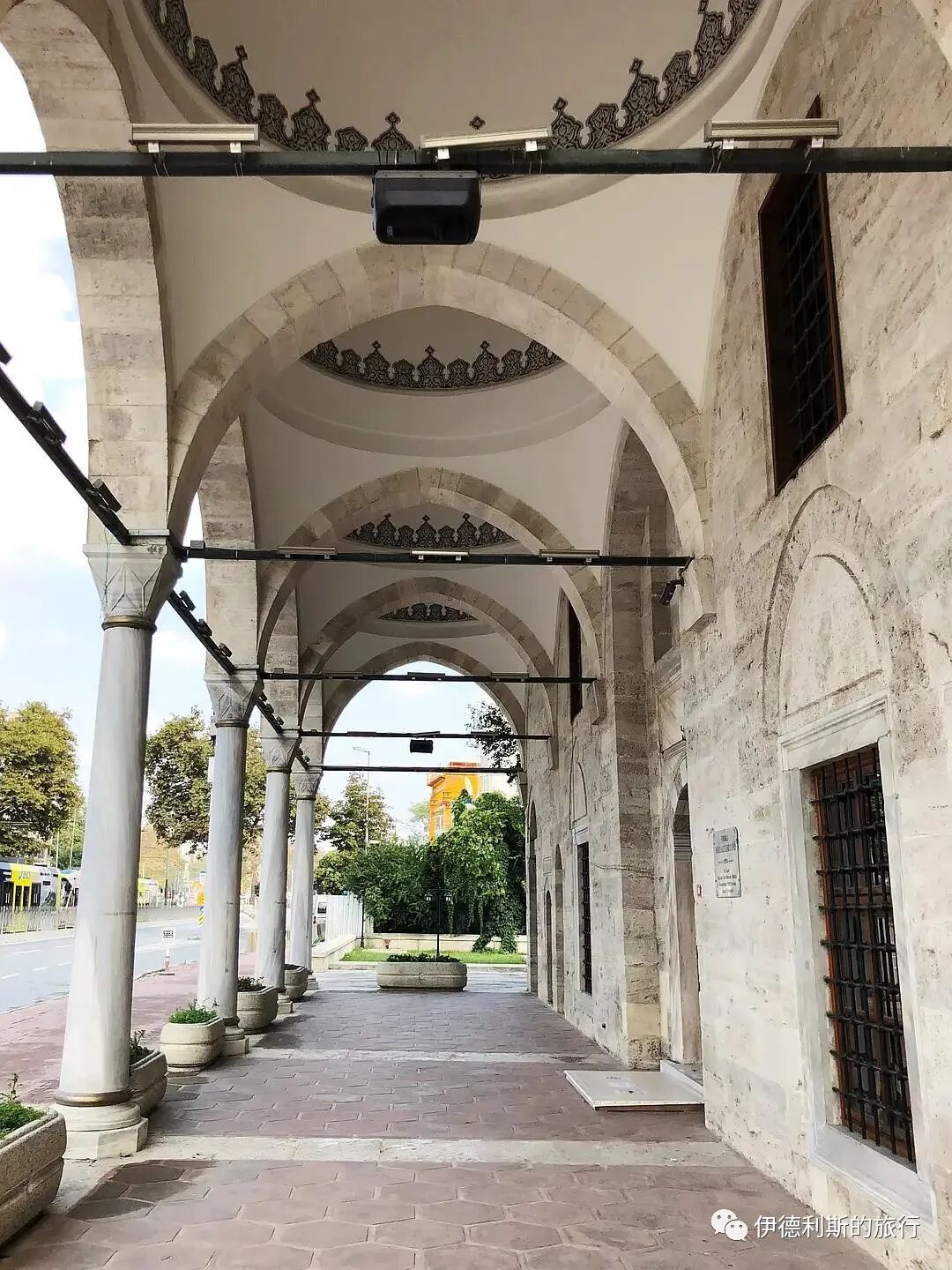
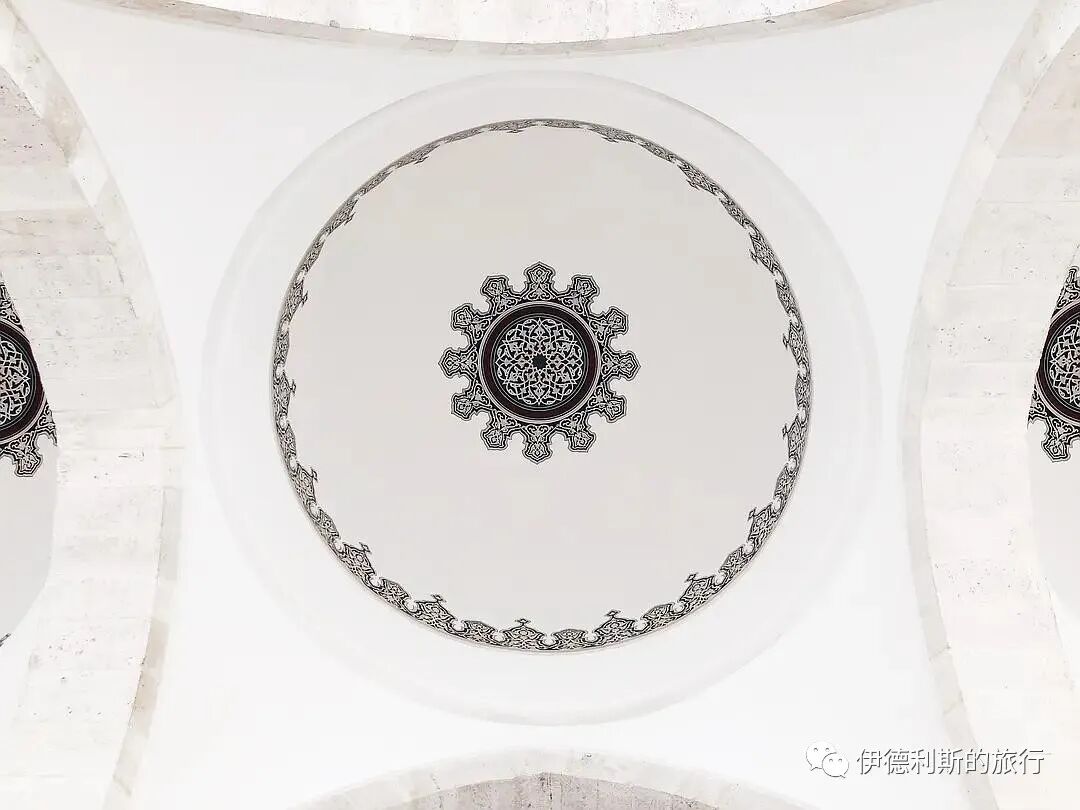
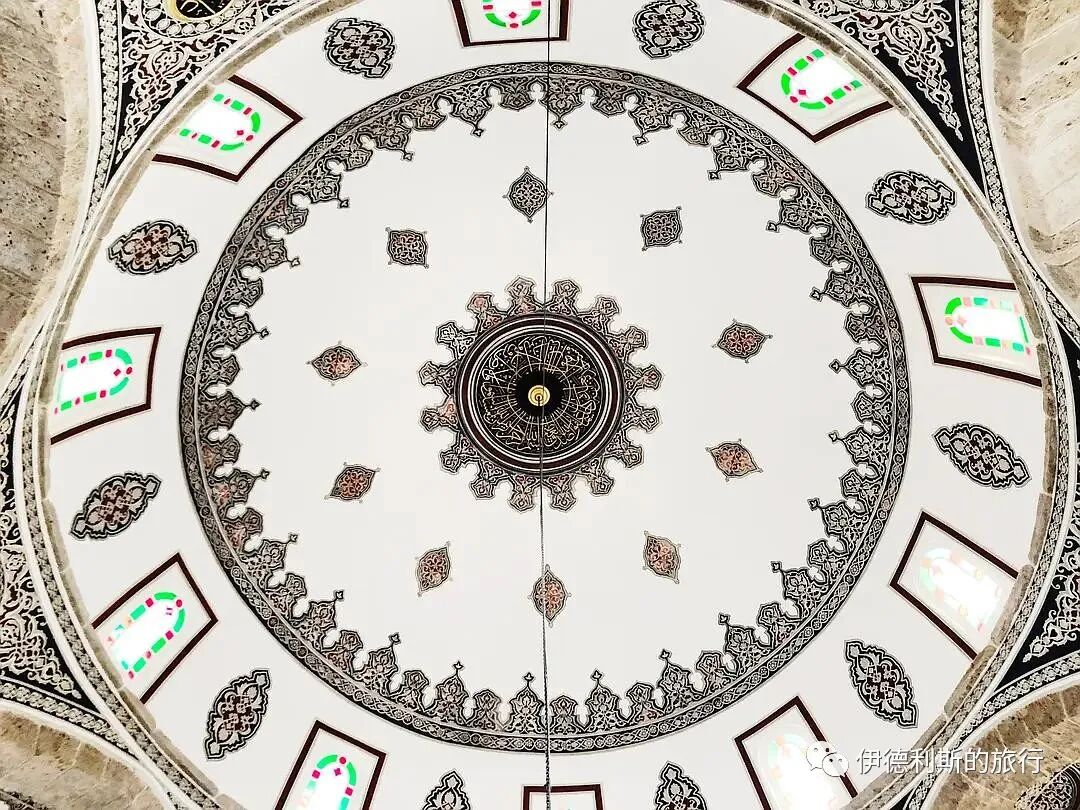
The Molla Çelebi Mosque is located in the Fındıklı district on the northern side of the Golden Horn and the western shore of the Bosphorus in Istanbul. It was commissioned by the Ottoman Chief Justice (Kazasker) Mehmet Vusuli Efendi and built by Mimar Sinan between 1570 and 1584.
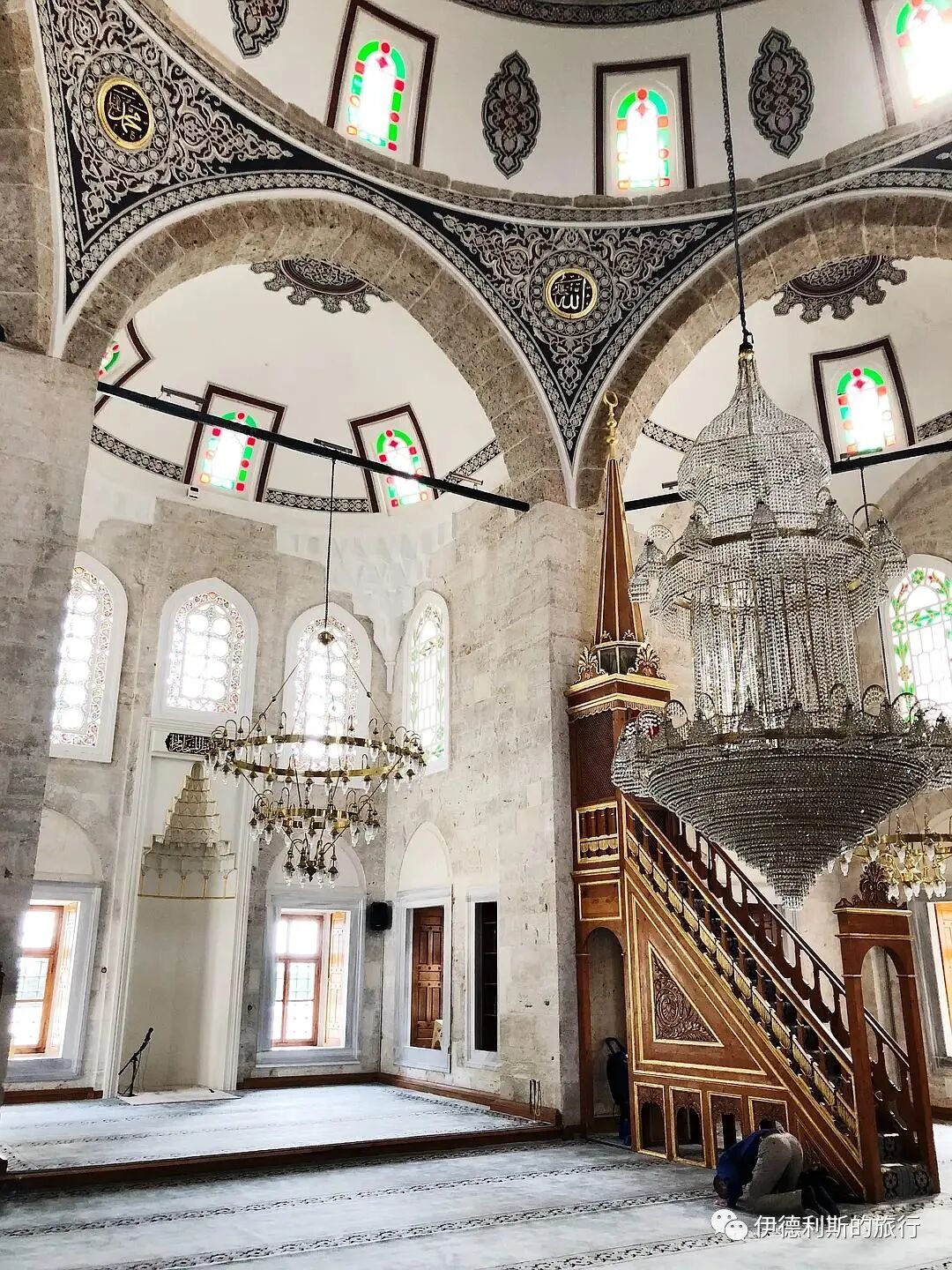
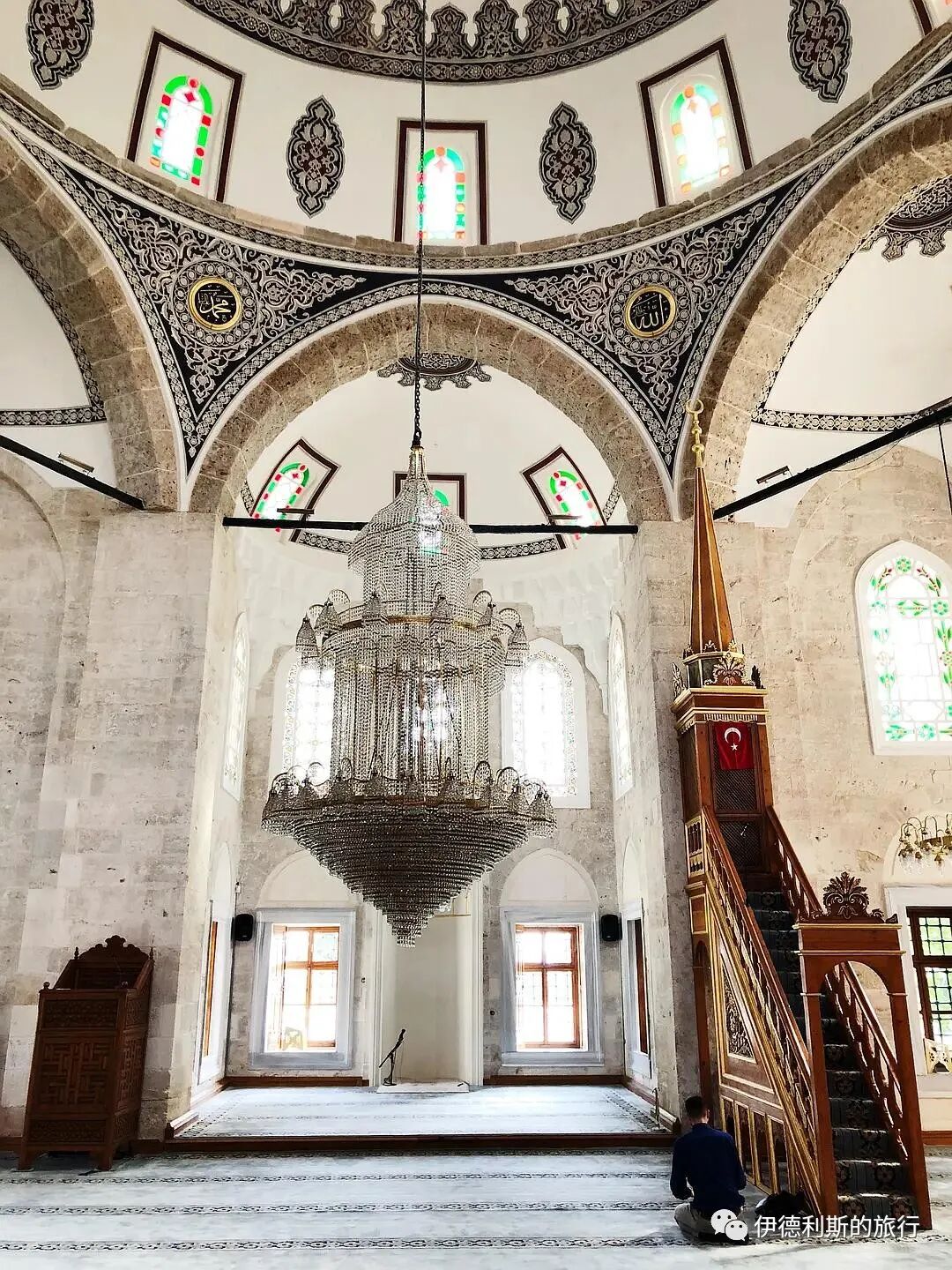
Here, Sinan perfected the hexagonal structure within the Ottoman classical mosque architectural style. The six supporting columns are embedded in the walls, and the mihrab is located in a protruding apse. By installing ten windows, this area becomes the brightest part of the main hall.
7. Atik Valide Sultan Complex: 1571-1586
The Atik Valide Complex is located in Üsküdar on the Asian side of Istanbul. It is a large complex commissioned by the Ottoman Queen Mother Nurbanu Sultan and built by Mimar Sinan. Nurbanu Sultan was the mother of Sultan Murad III (reigned 1574-1595) and was the first woman in Ottoman history to hold power legally.
The Atik Valide Complex is one of the largest Ottoman complexes in Istanbul. It consists of 10 buildings with different functions, including a mosque, a madrasa, a Hadith school, a primary school, a Sufi lodge, a hospital, a soup kitchen, guest rooms, a two-story inn with stables, and a bathhouse. Planning for the entire complex began in 1571. As Nurbanu Sultan’s status grew, the complex expanded. It was finally completed in 1586, three years after her death, spanning a 15-year construction period.
The buildings are arranged on a slope from northeast to southwest. At the highest point in the northeast is the Sufi lodge (tekke). Across the road to the southwest is the main complex, which includes a mosque and a religious school (madrasa), with a primary school behind the mosque. Further southwest, across the road, is the second group of buildings, consisting of a Hadith school, guest rooms, a hospital, a canteen, and a large inn (caravanserai). The bathhouse (hammam) stands alone at the far southwest end of the complex.
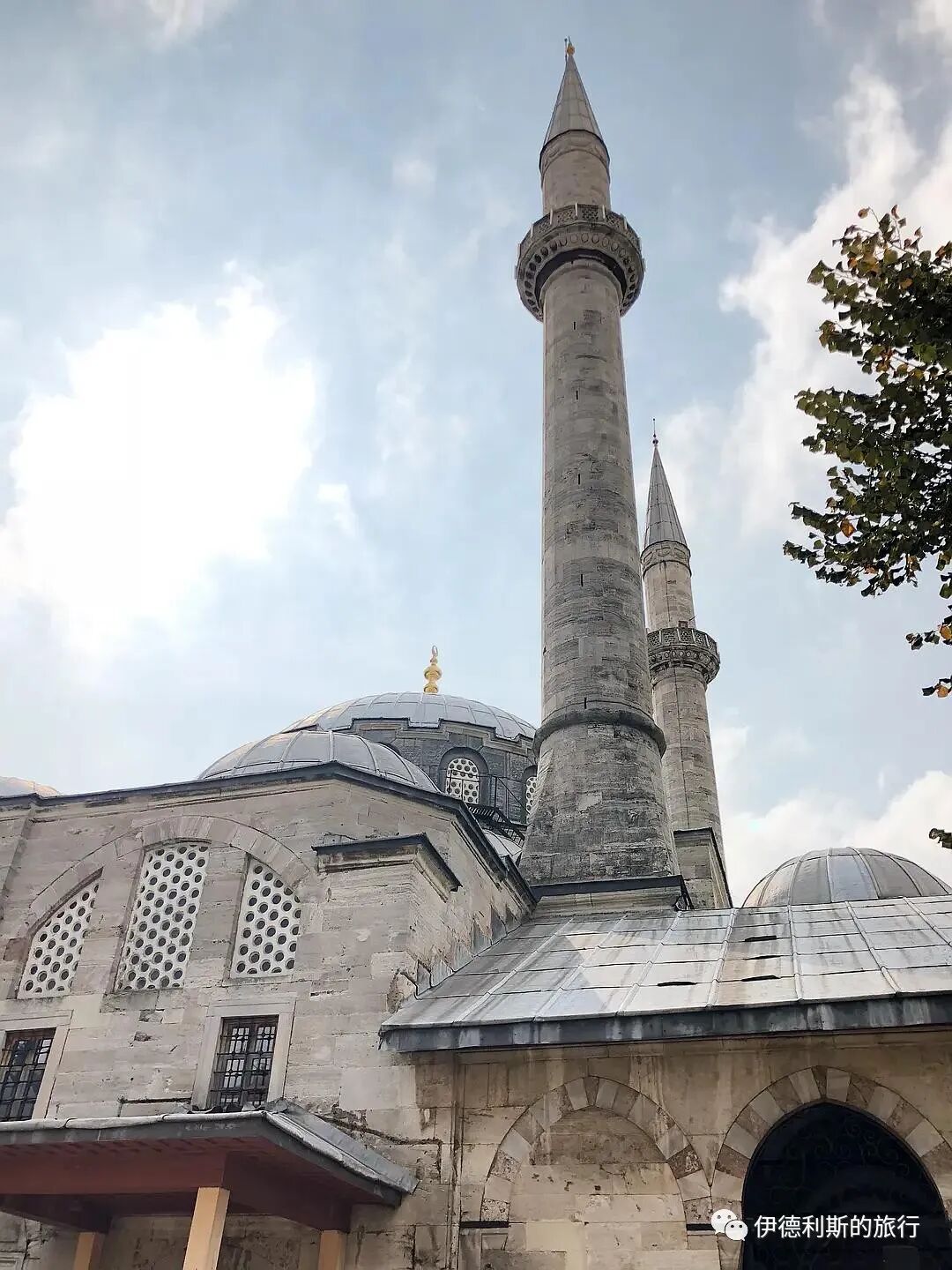
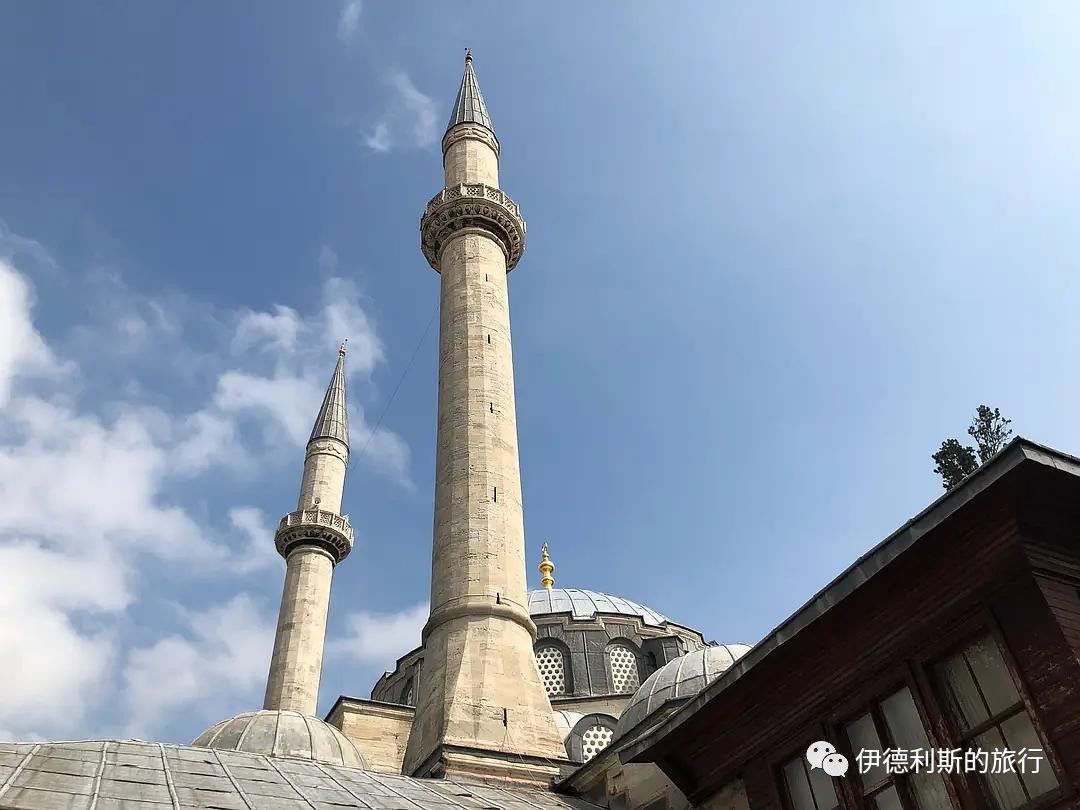
Construction of the mosque happened in three stages. The first stage was from 1571 to 1574. At that time, Mimar Sinan was in Edirne overseeing his masterpiece, the Selimiye Mosque, so he commissioned another Ottoman court architect to supervise the Old Queen Mosque. The second stage was from 1577 to 1578. Nurbanu Sultan held real power in the empire then, and a second minaret and a double-portico courtyard were added to the mosque. The third stage was from 1584 to 1586. Nurbanu Sultan had passed away by then. The mosque was expanded horizontally, with a pair of small domes added on each side of the central dome. It is believed that because Mimar Sinan was quite old, his successor, Davut Ağa, likely completed the third stage.
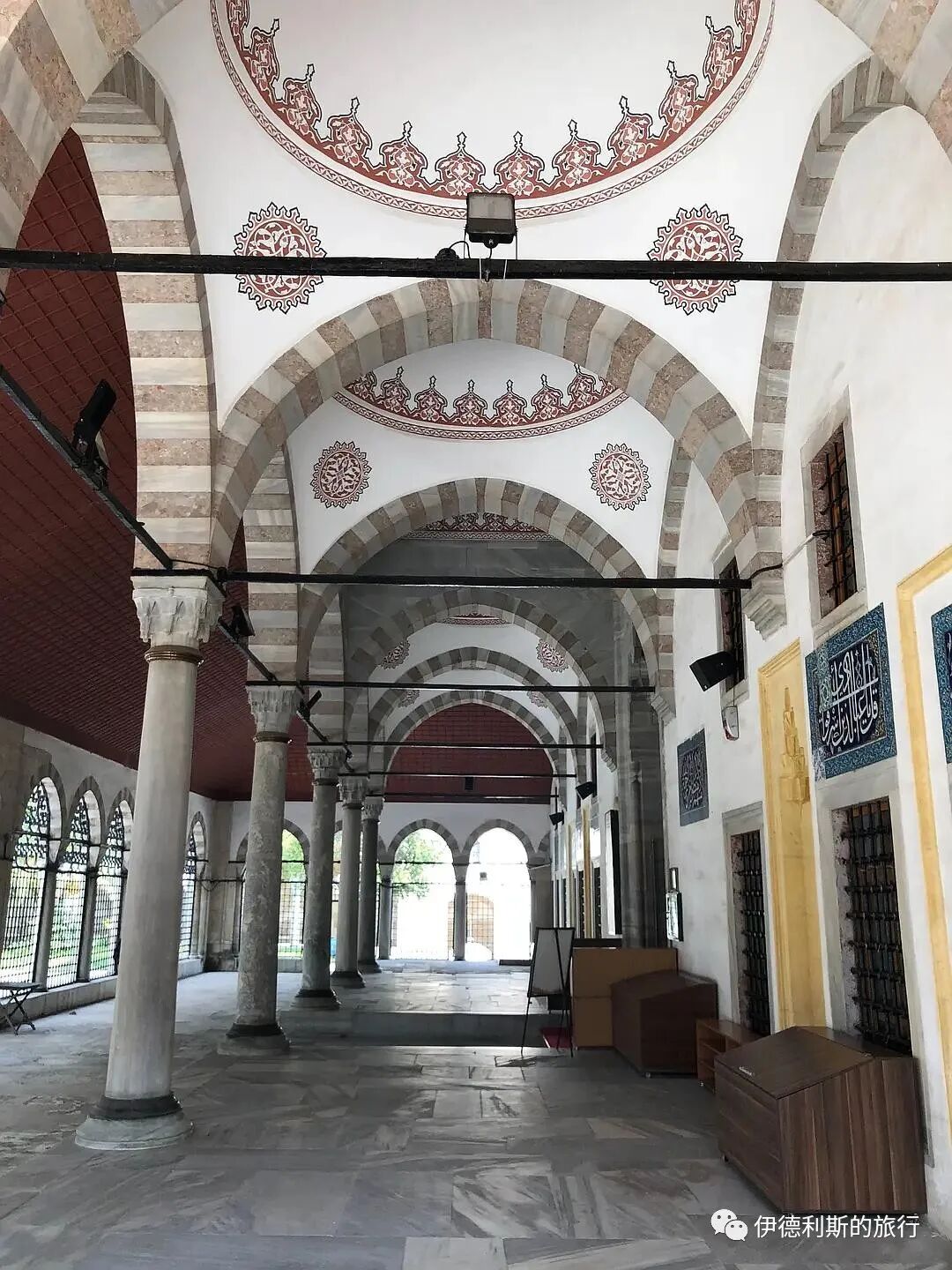
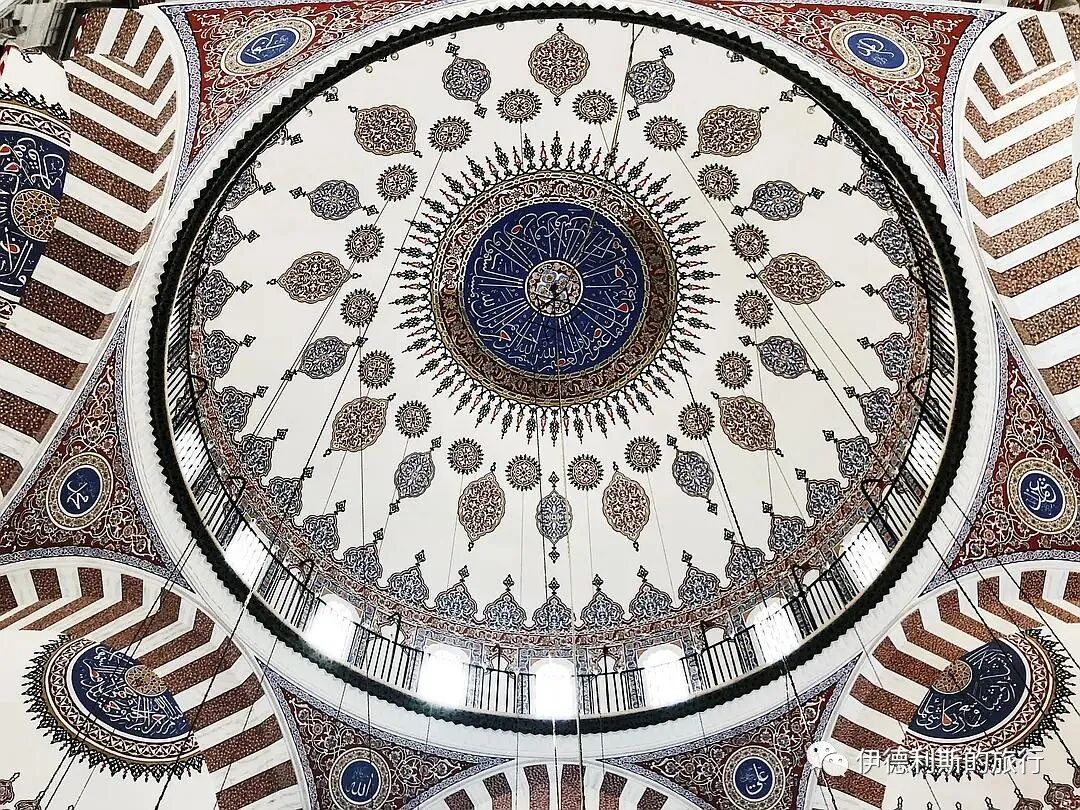
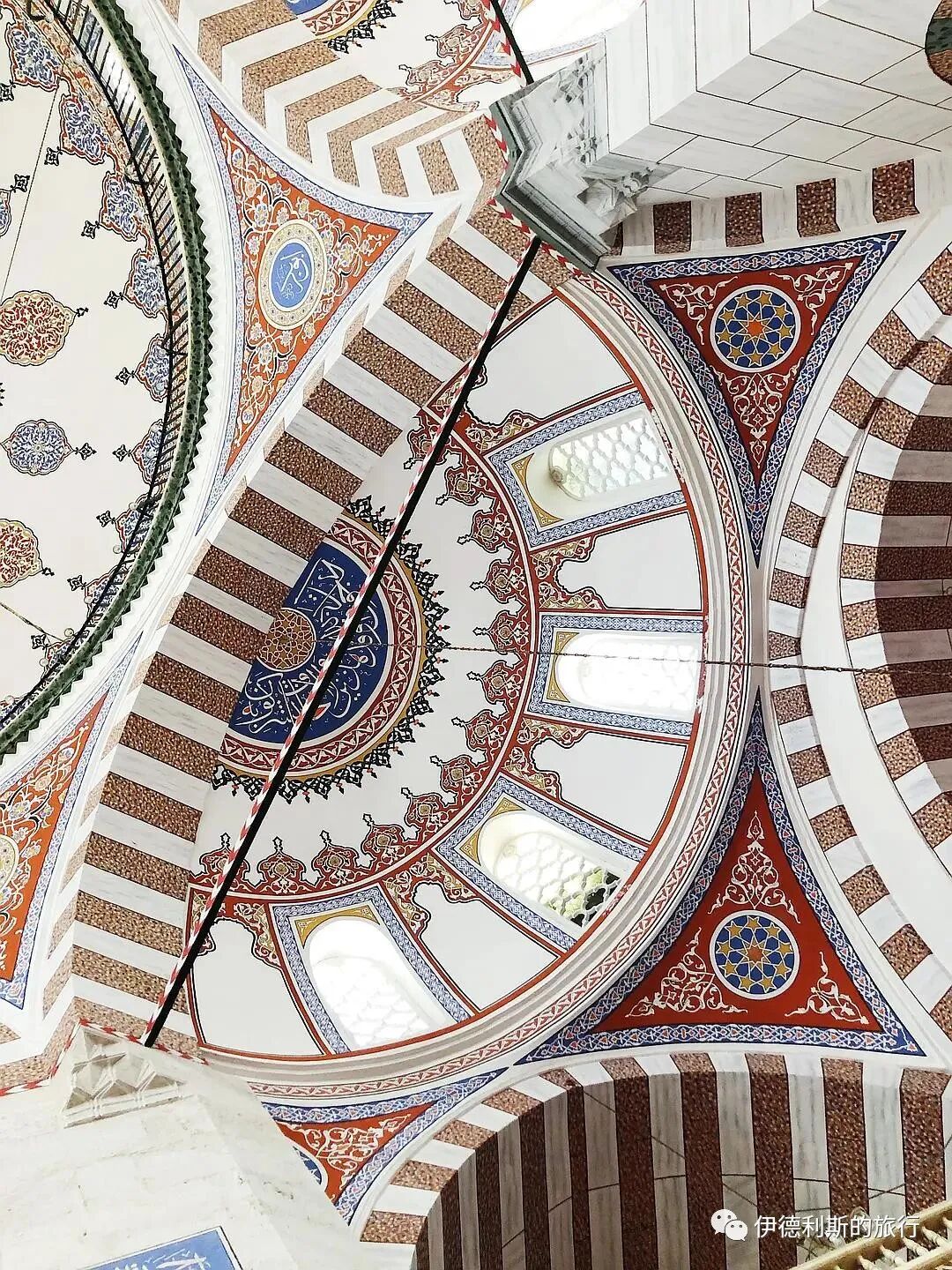
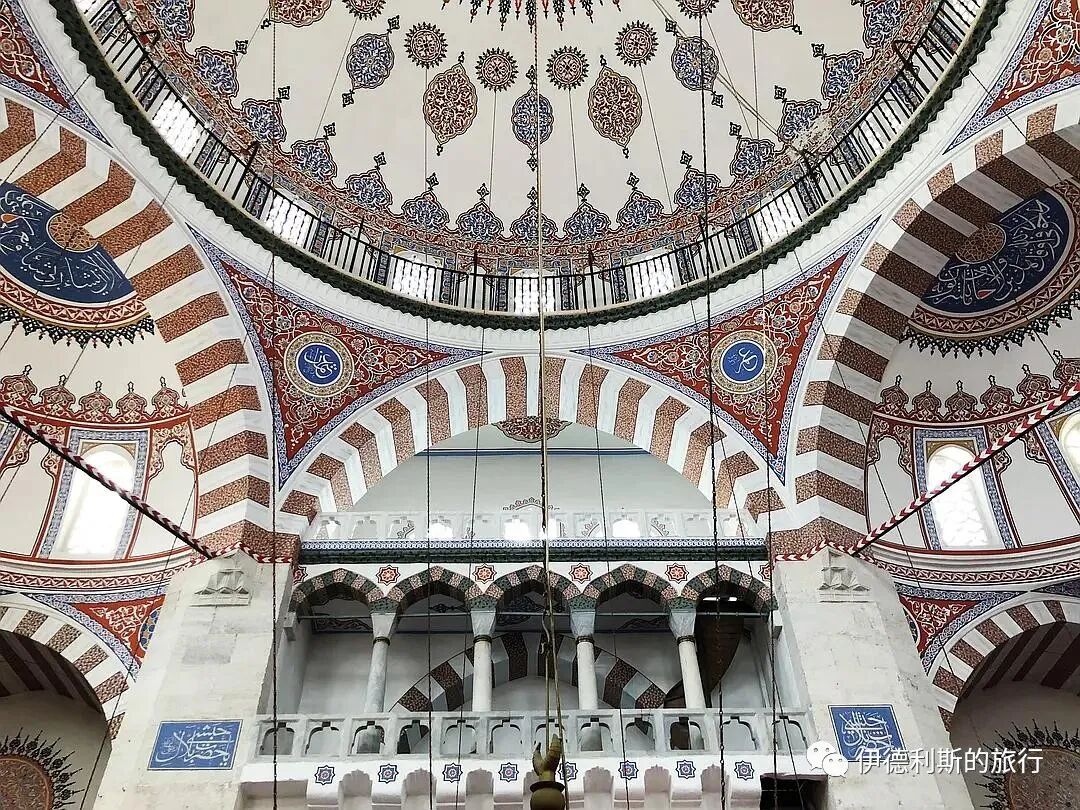
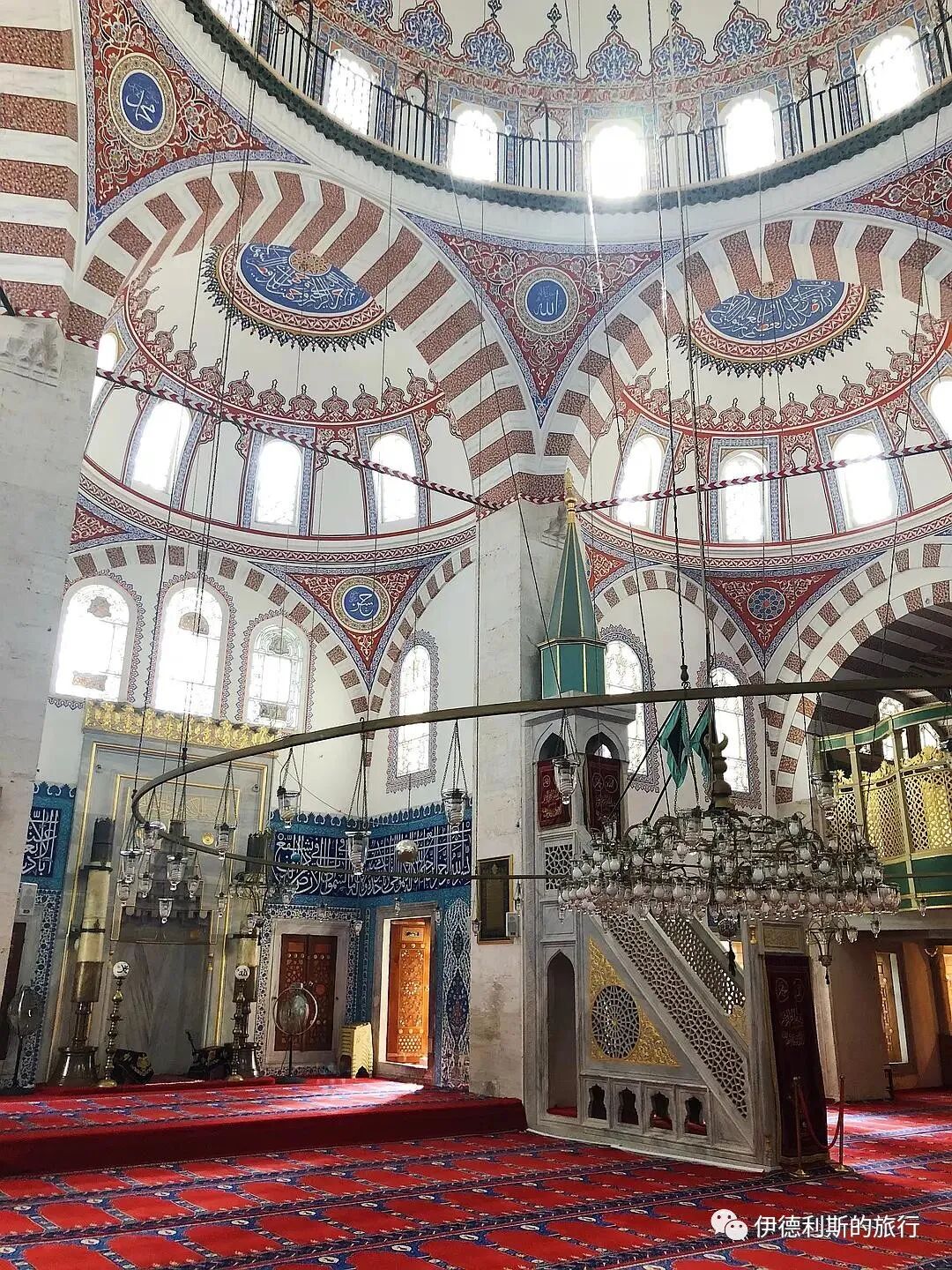
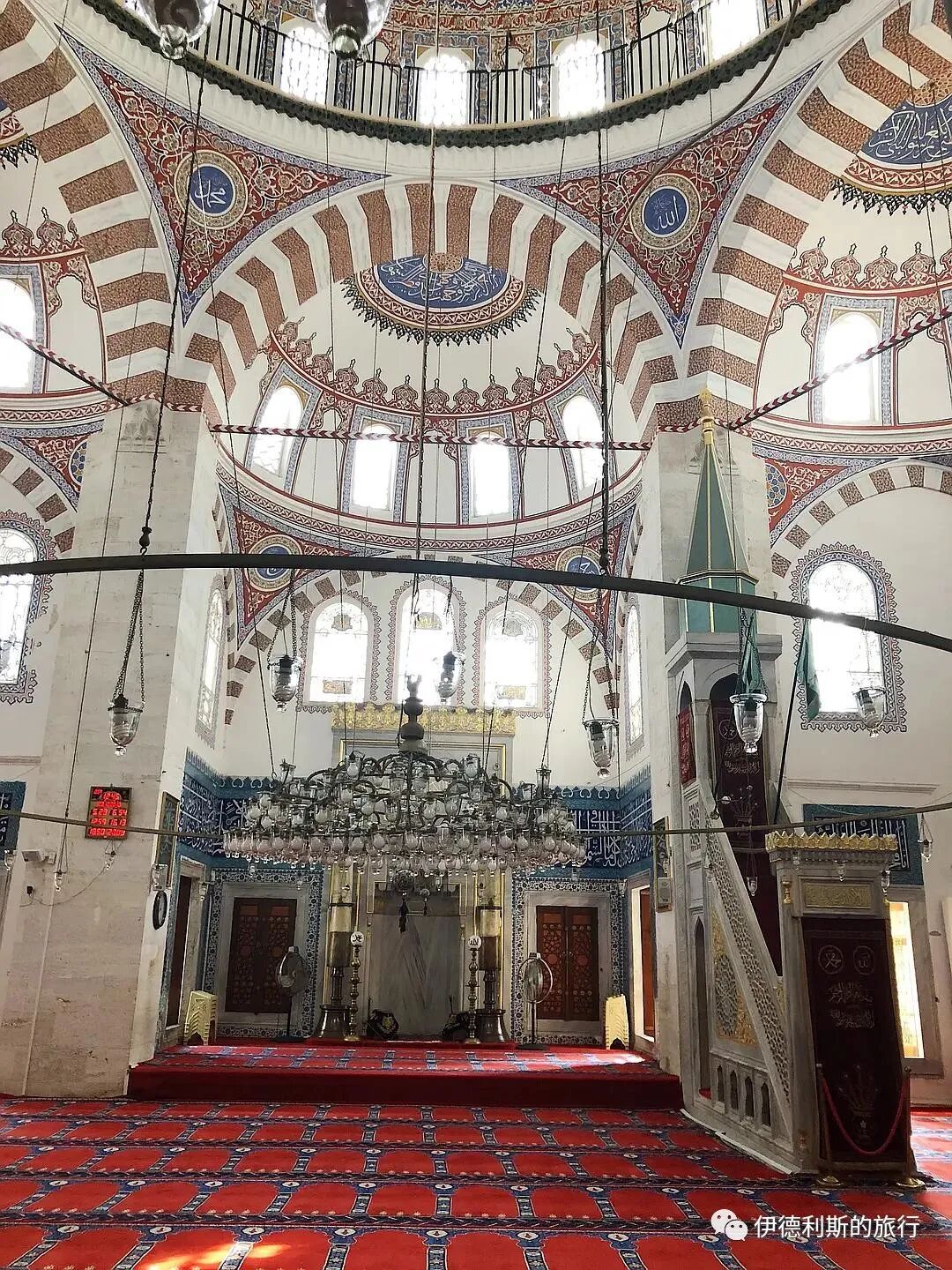
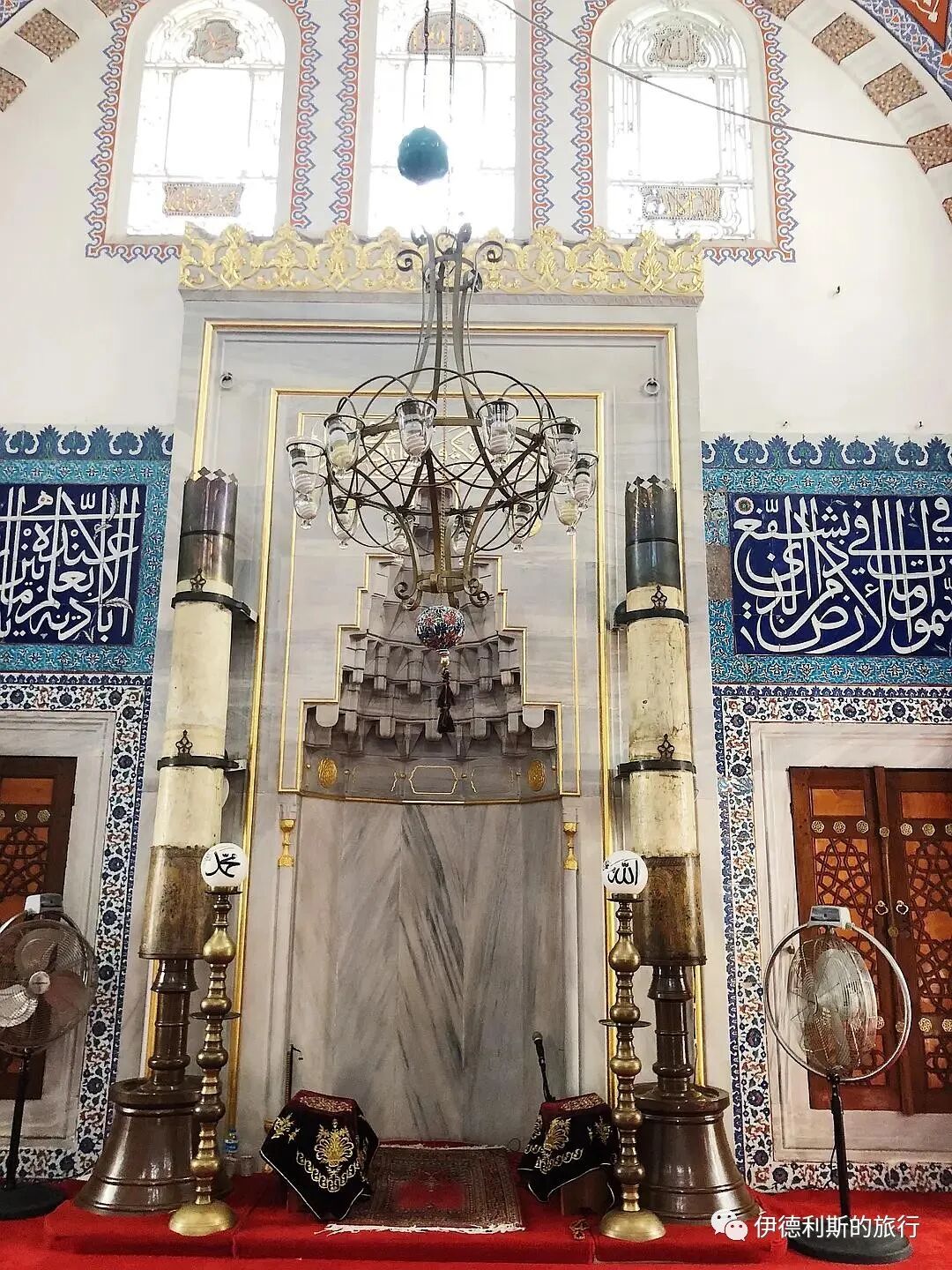
The mosque consists of one central dome and five semi-domes. The area near the mihrab is decorated with beautiful Iznik tiles depicting spring flowers. Unfortunately, I did not take a separate photo of them at the time.
(Optional) Image description
Delete
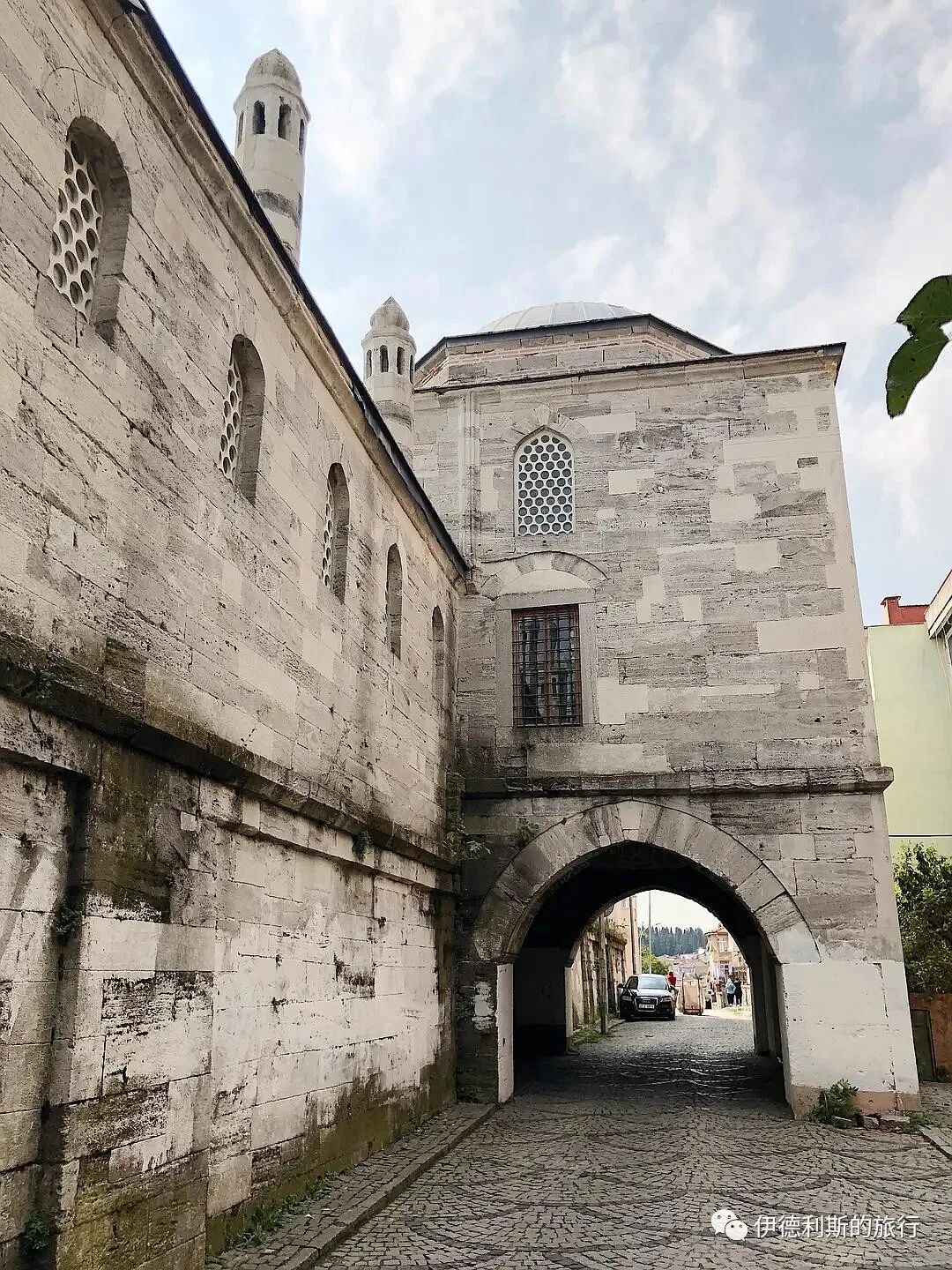
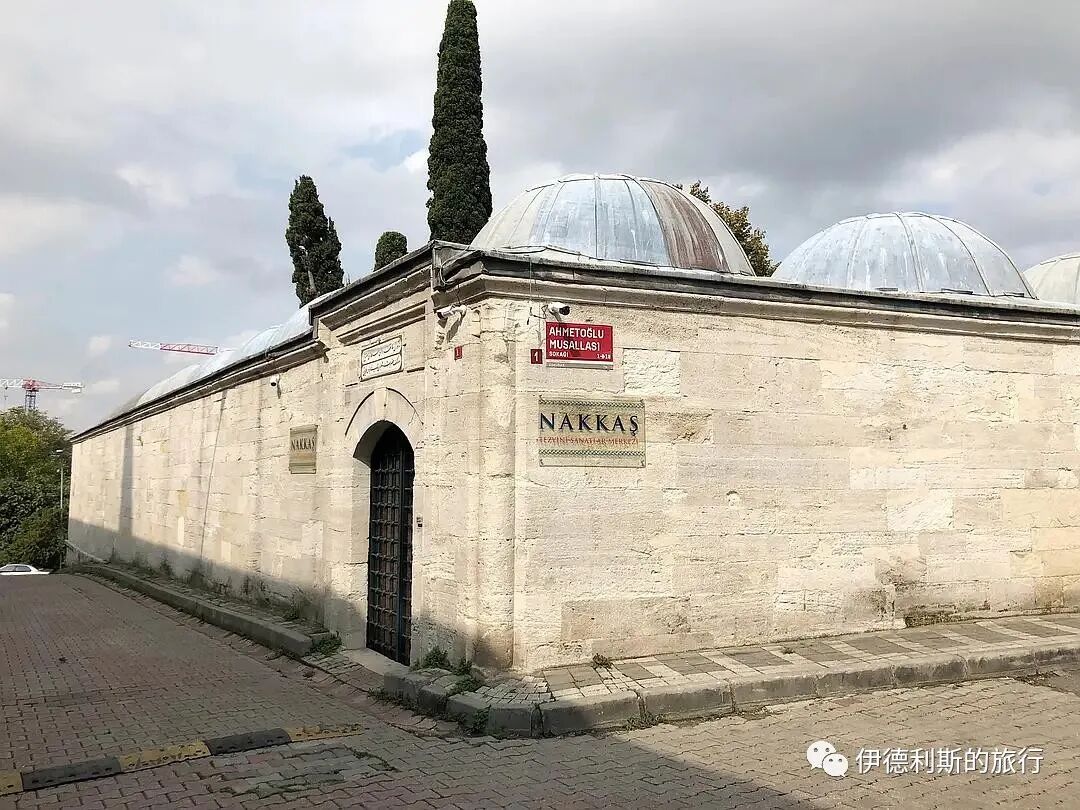
The religious school (madrasa) was built in 1579 and sits on a platform below the mosque. Due to the terrain, the arcades on both sides are different lengths. It is also very rare for the central auditorium to be built as a bridge-like structure over the street. It is currently an open public space with a small tea house where people can rest.
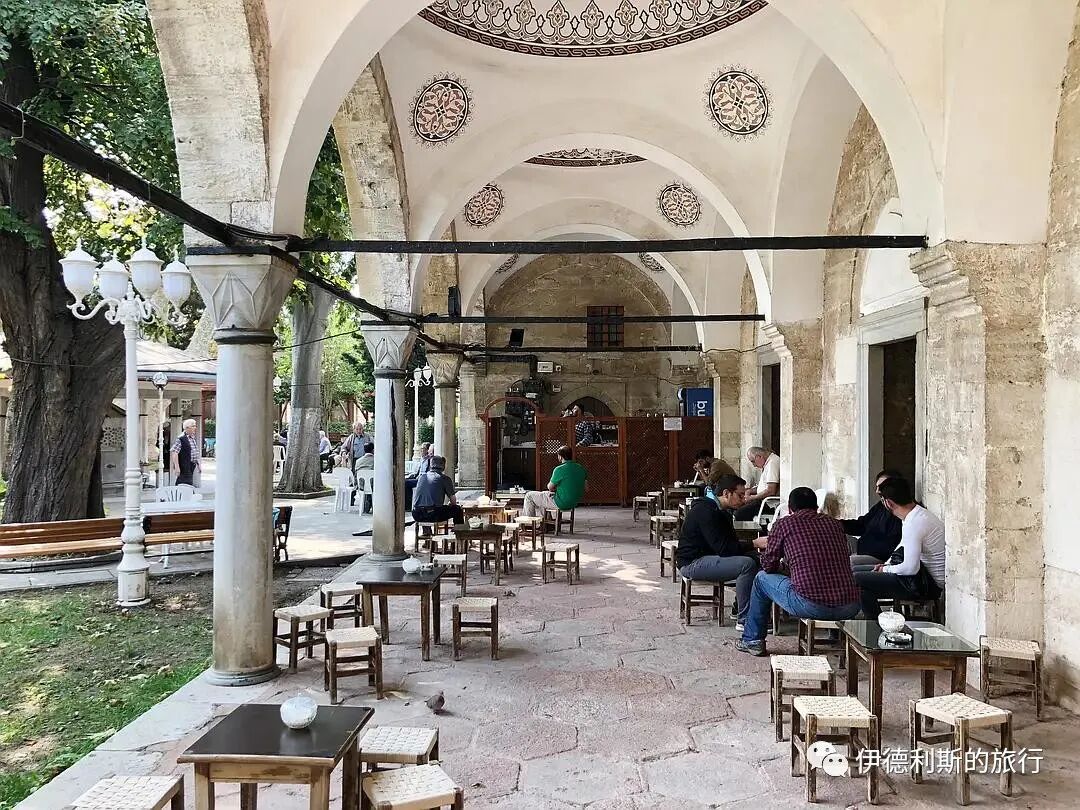
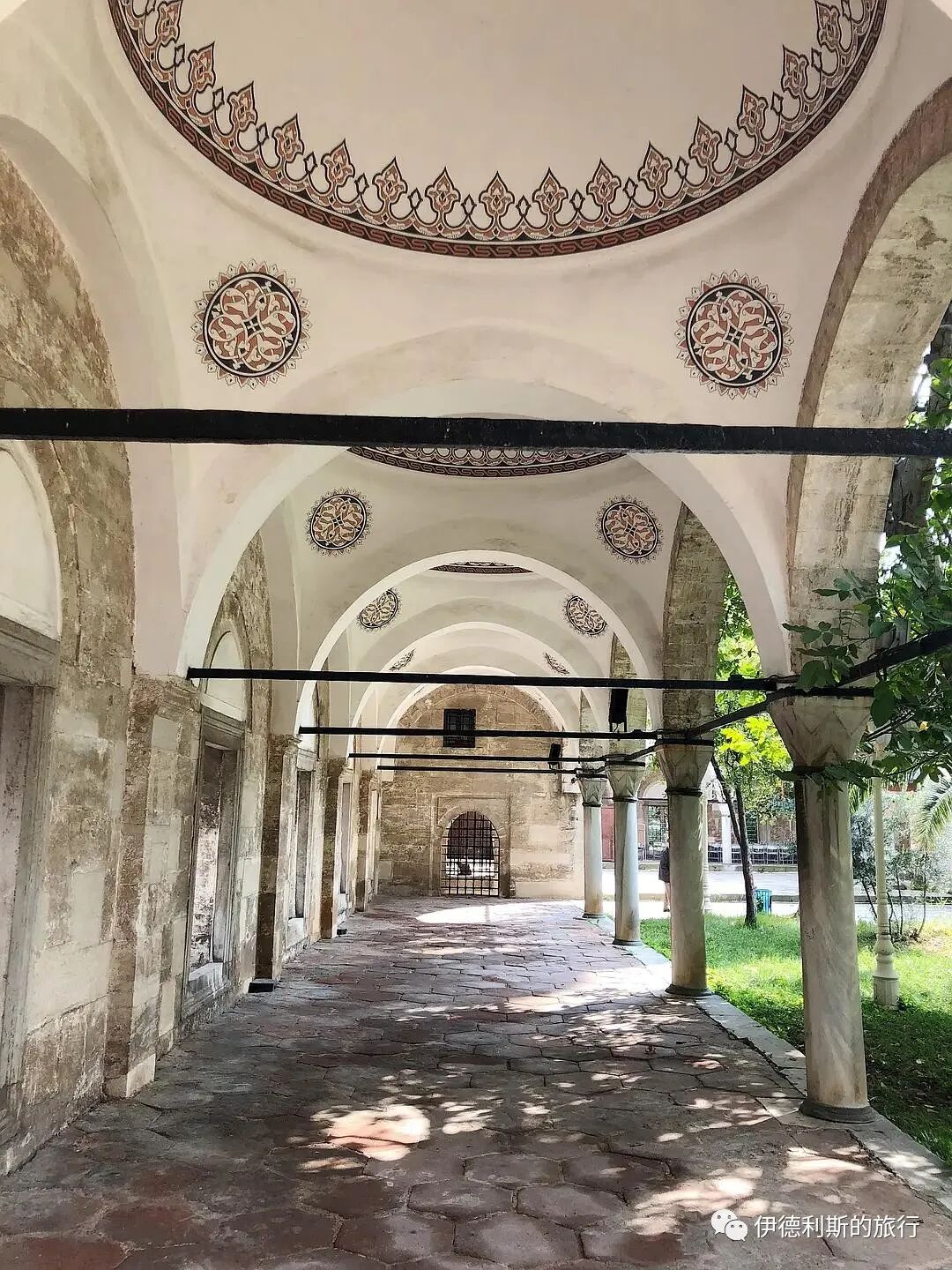
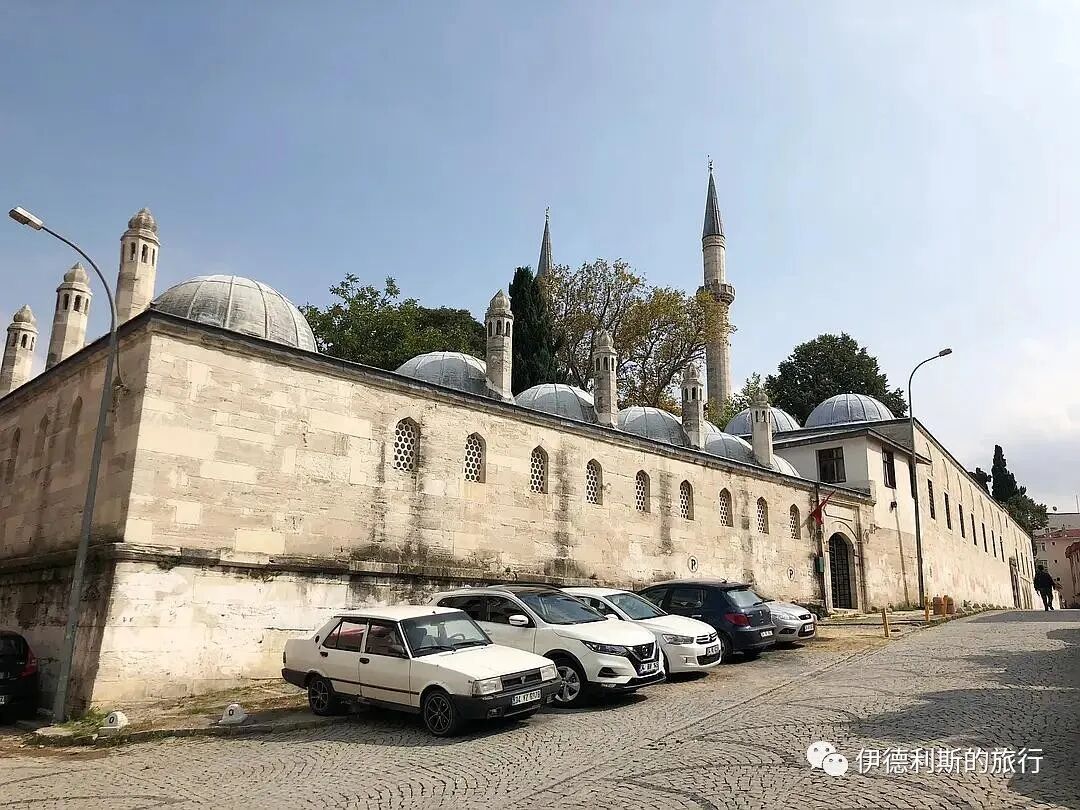
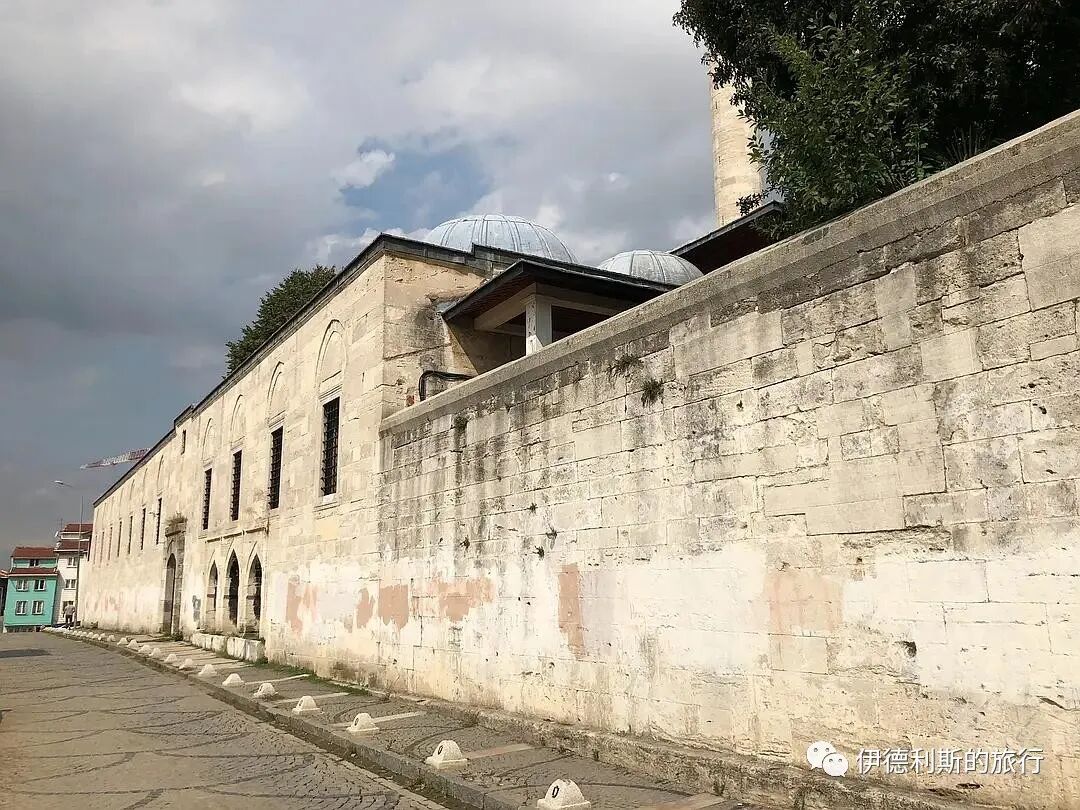
The Sufi lodge (tekke) on the northeast side.
8. Nişancı Mehmet Pasha Mosque: 1584-1589
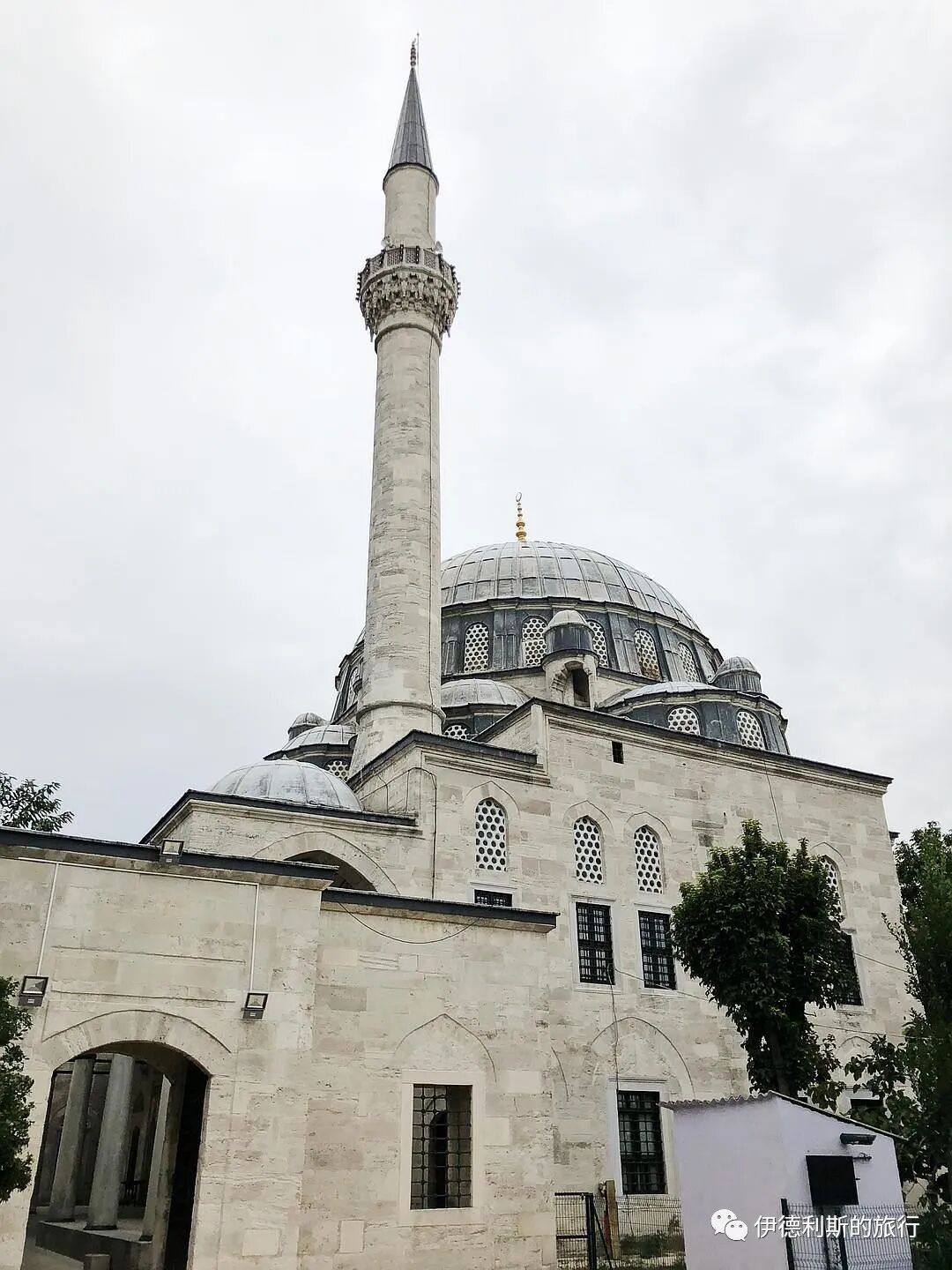
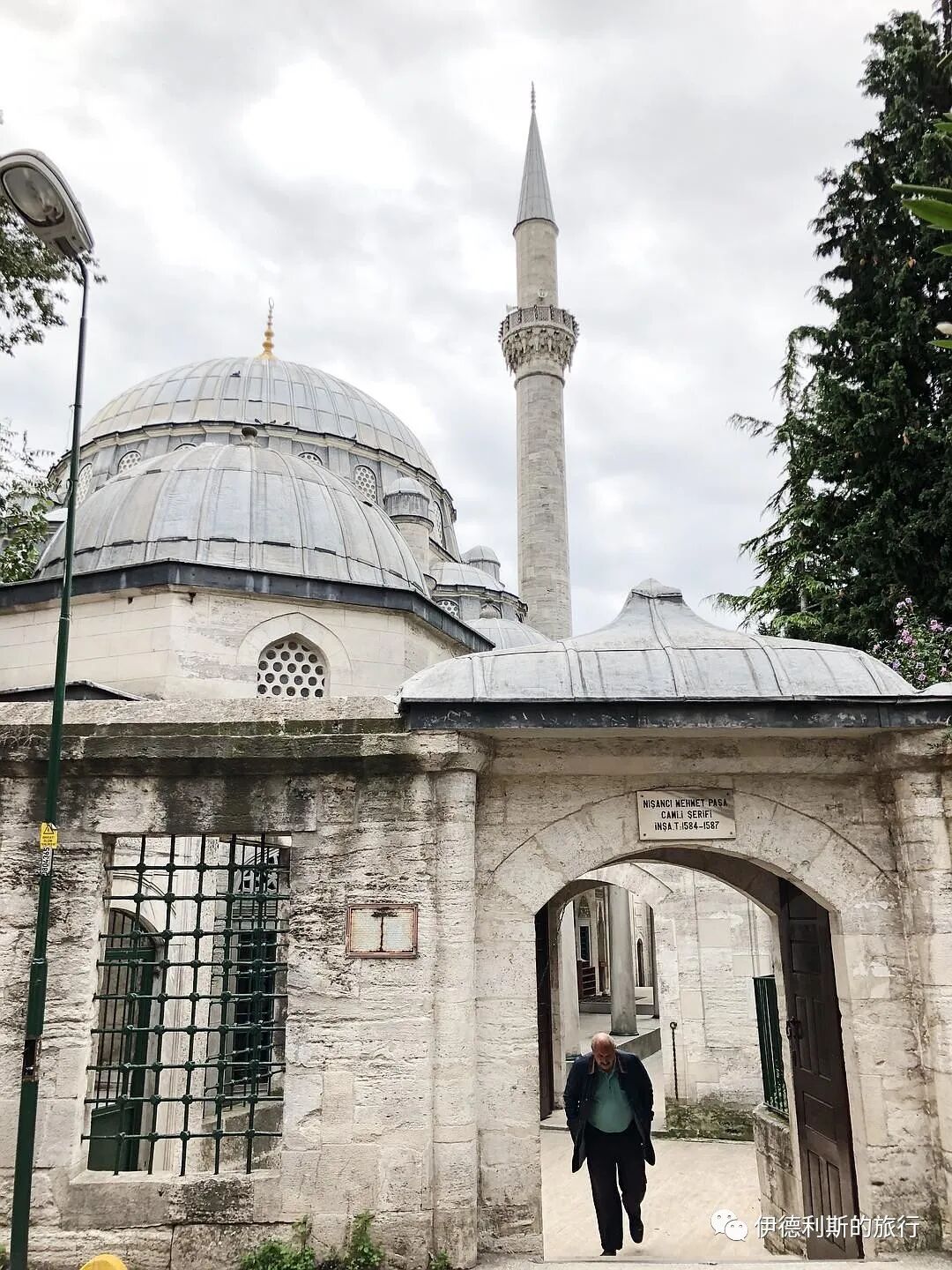
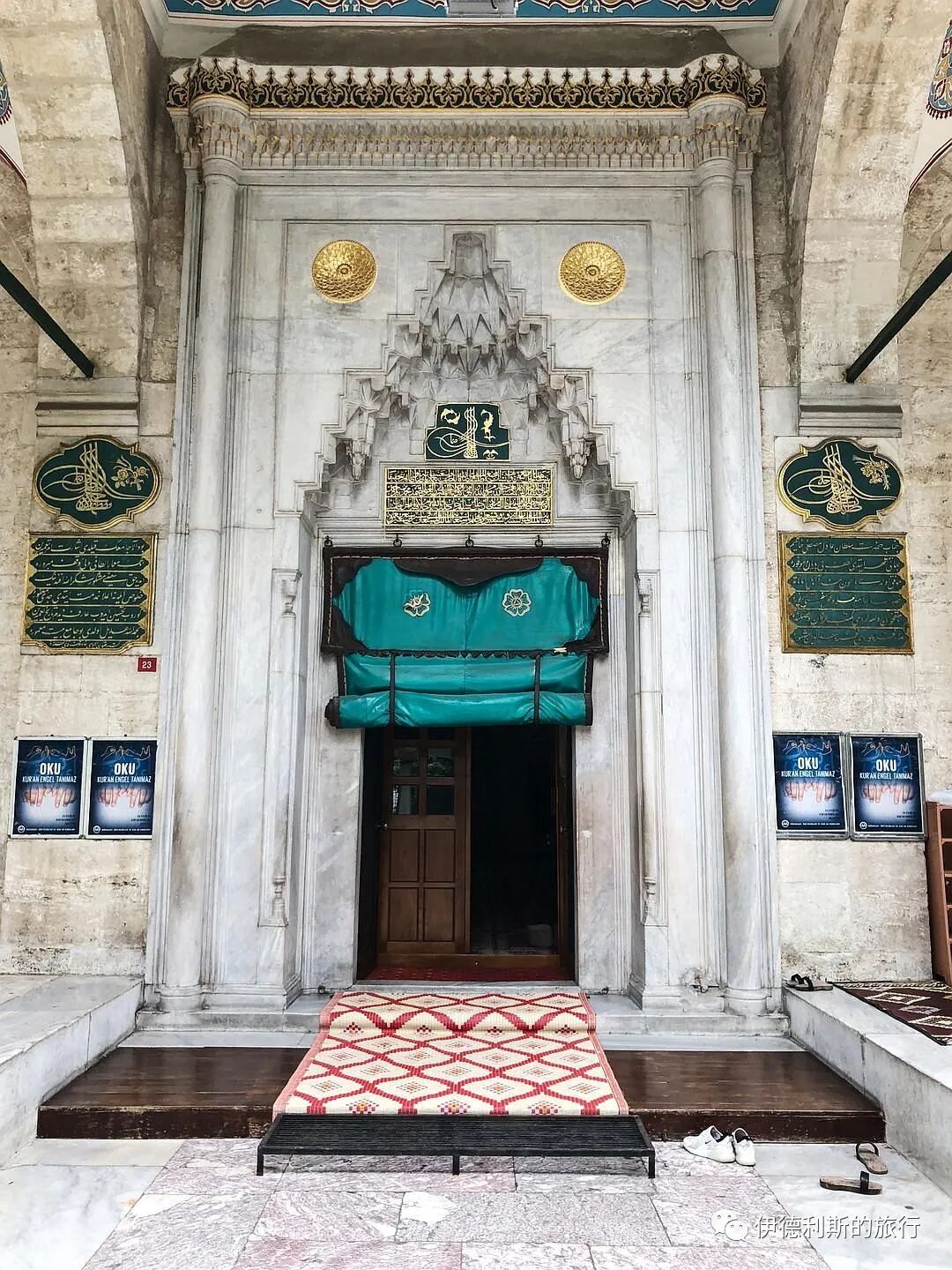
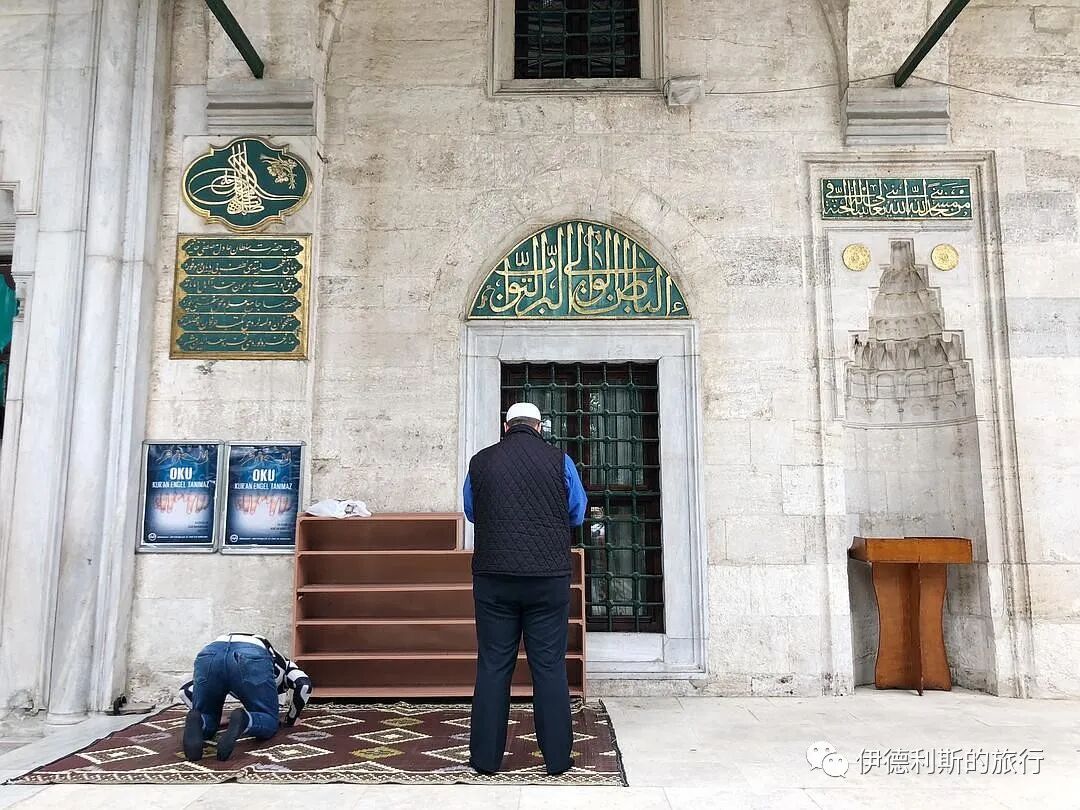
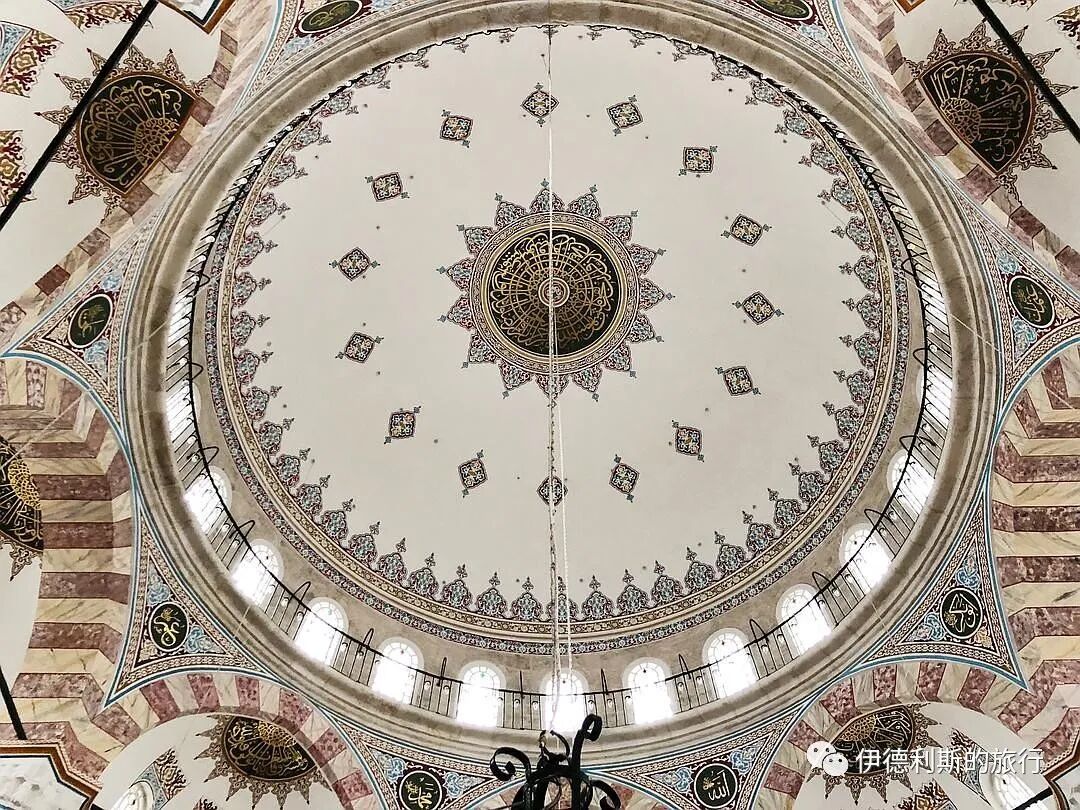
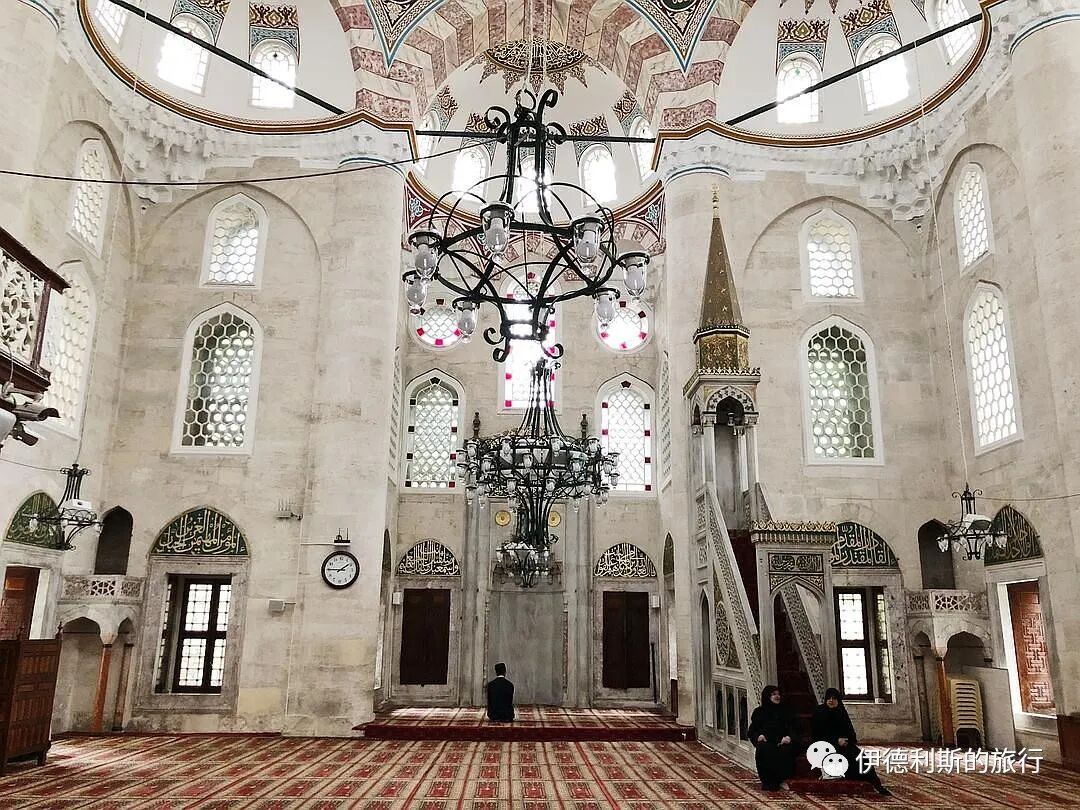
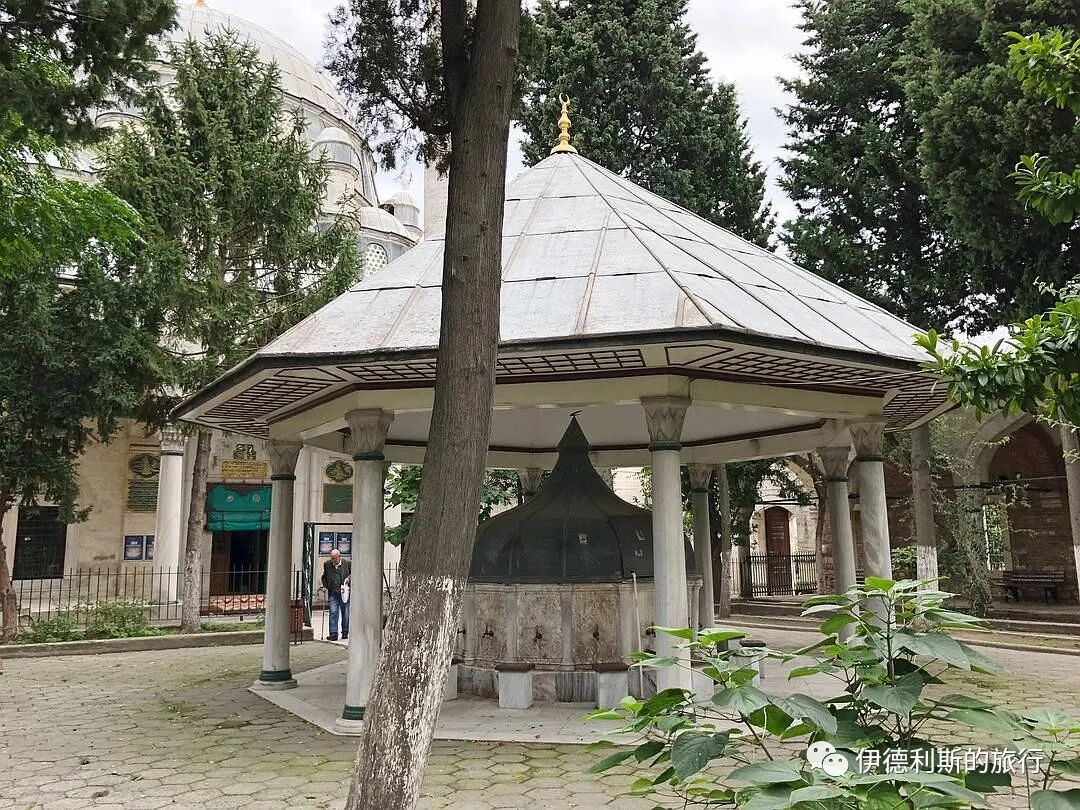
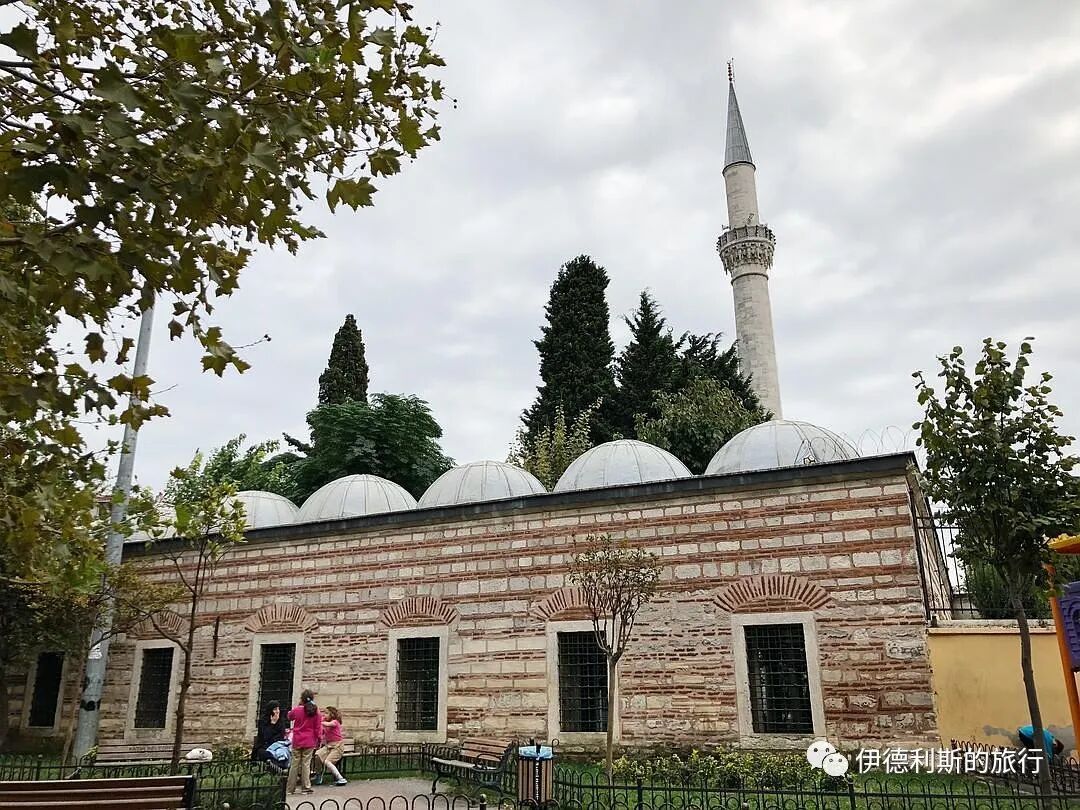
The Nisanci Mehmet Pasha Mosque was built by Mimar Sinan between 1584 and 1589. Some scholars believe this mosque is not Sinan's work but should be credited to his student and successor as royal architect, Davut Ağa, who served from 1588 to 1599. However, if you study the architectural structure carefully, it is clearly a further development of Sinan's octagonal mosque design.
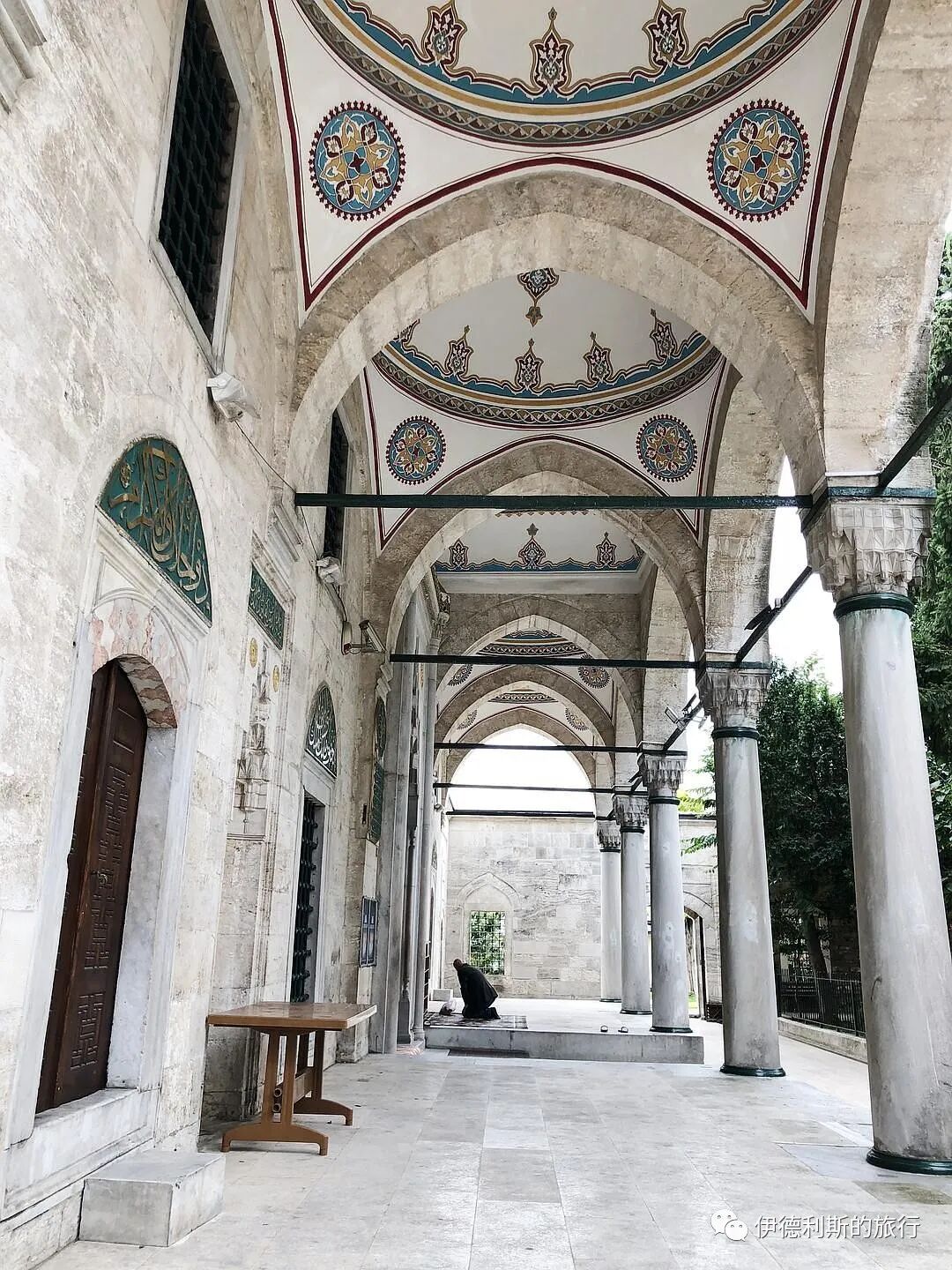
Sinan was nearly 100 years old at the time, and he continued to develop his original design plans. Here, the main hall became a truly unified space, covered by a main dome and a series of semi-domes. Since the main dome is not very large, it is easily supported by the zigzagging walls, which also allows the portico to maintain the harmony of the exterior facade. Unlike many mosques of that time with massive load-bearing walls, Sinan gave these walls a lively appearance. All these features give this mosque an important place among Sinan's works.
9. Zal Mahmut Pasha Complex: 1577-1590
The Zal Mahmud Pasha complex is located in the Eyüp district in the northwest of Istanbul's old city. It was commissioned by Şah Sultan, daughter of Ottoman Sultan Selim II (reigned 1566-1574), and her husband Zal Mahmud Pasha. Mimar Sinan began construction in 1577, and it was completed in 1590, two years after Sinan's death.
The complex is carefully planned on a slope and divided into two separate areas connected by stairs. The upper area contains the mosque and a religious school (madrasa), while the lower area contains another religious school and a tomb (turbe). This layout breaks away from traditional symmetry and feels more dynamic.
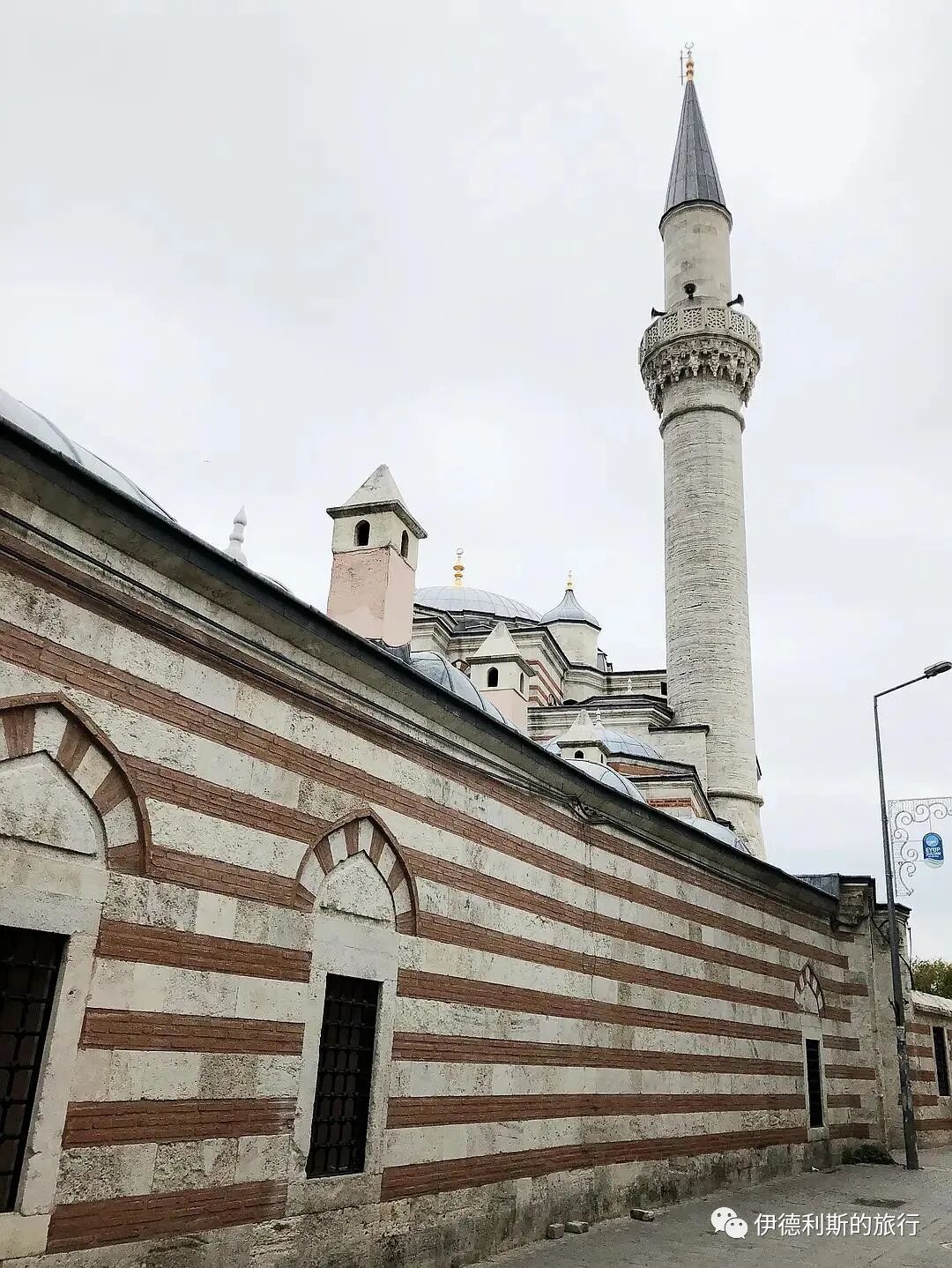
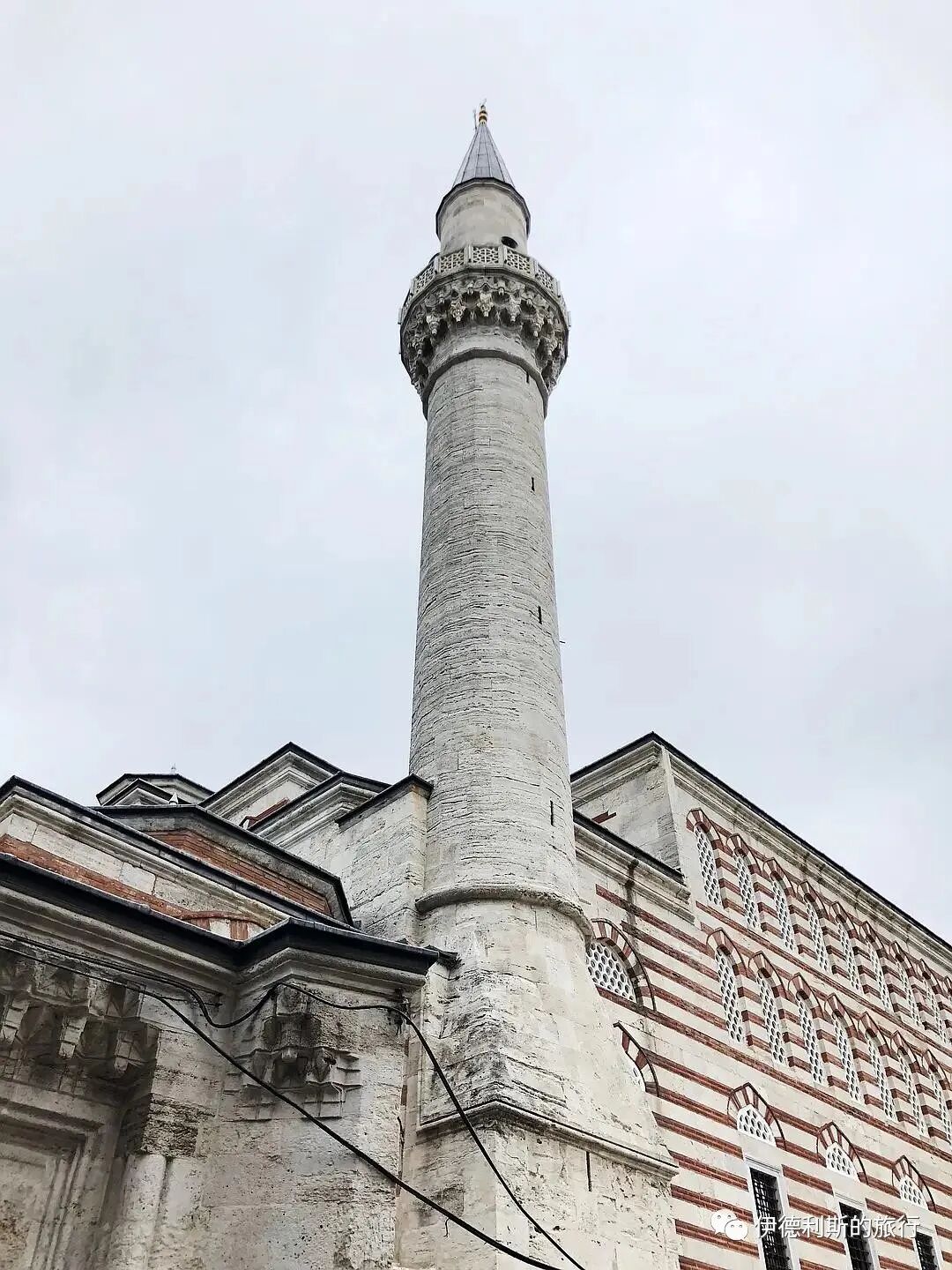
The Zal Mahmud Pasha Mosque feels like an original experiment Sinan conducted in his later years. It has no connection to his previous mosque designs and is even visually the complete opposite.
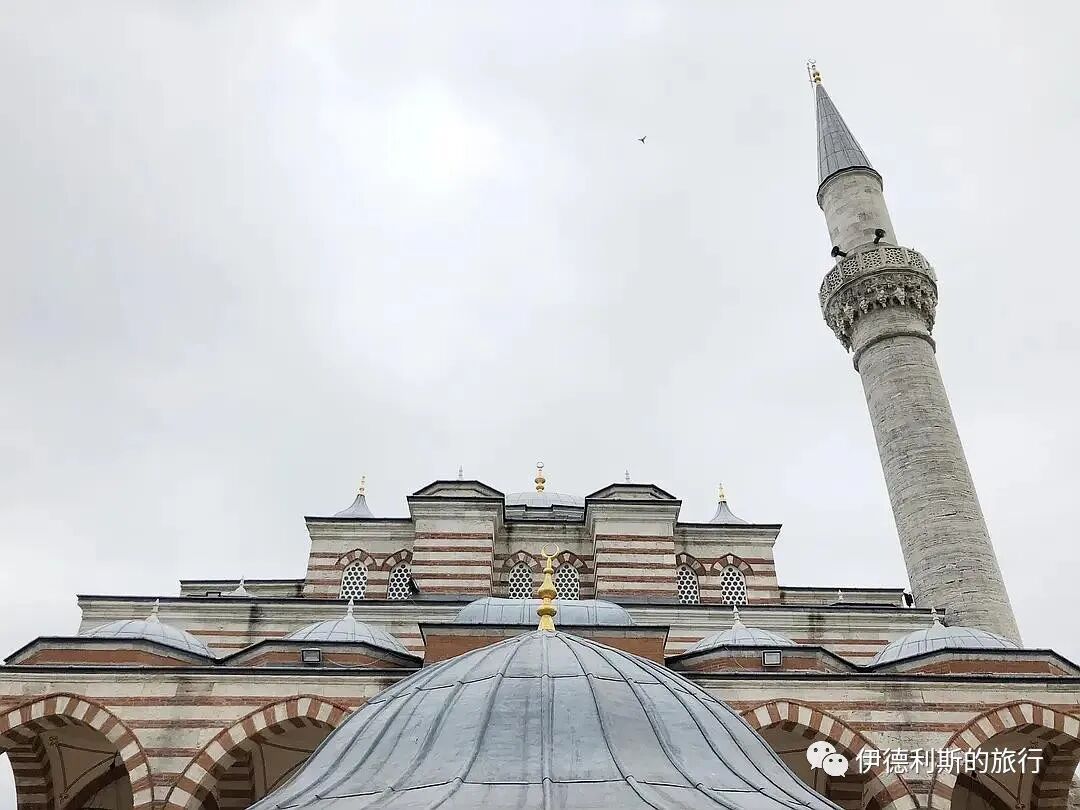
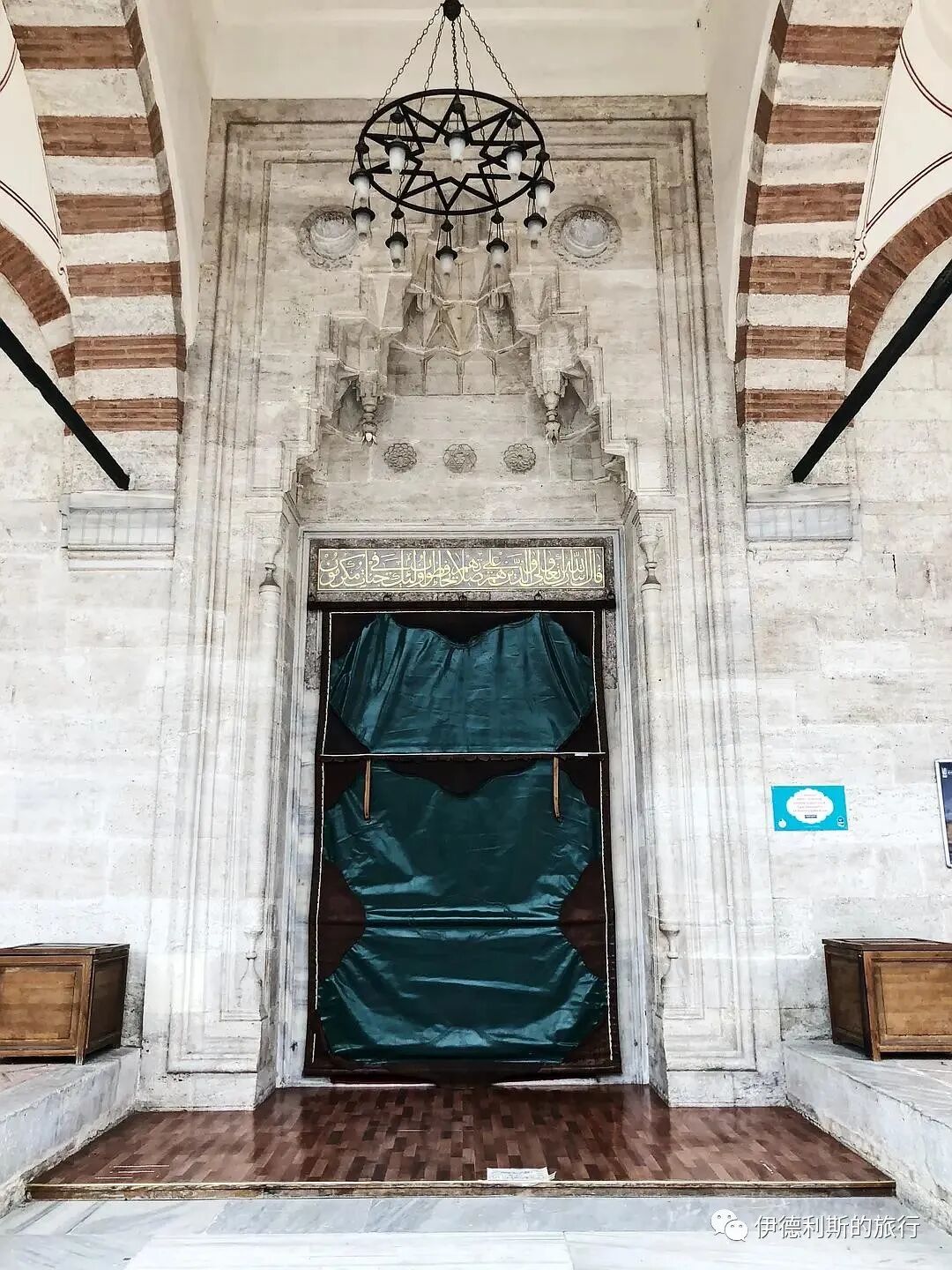
In his earlier designs, Sinan was used to creating a large pyramid effect by layering domes, semi-domes, pendentives, main arches, and galleries. Here, the mosque rises on three sides like a tall prism with a palace-like appearance. Three wide galleries rise to the main arches, which in turn support the dome. In Sinan's previous designs, the main arch was usually decorated with window walls or semi-domes. But here, the main arch has no decoration other than the qibla wall and connects directly to the gallery. This design weakens the visual effect of the dome, and the widening of the space on three sides makes the dome look low enough for people to reach.
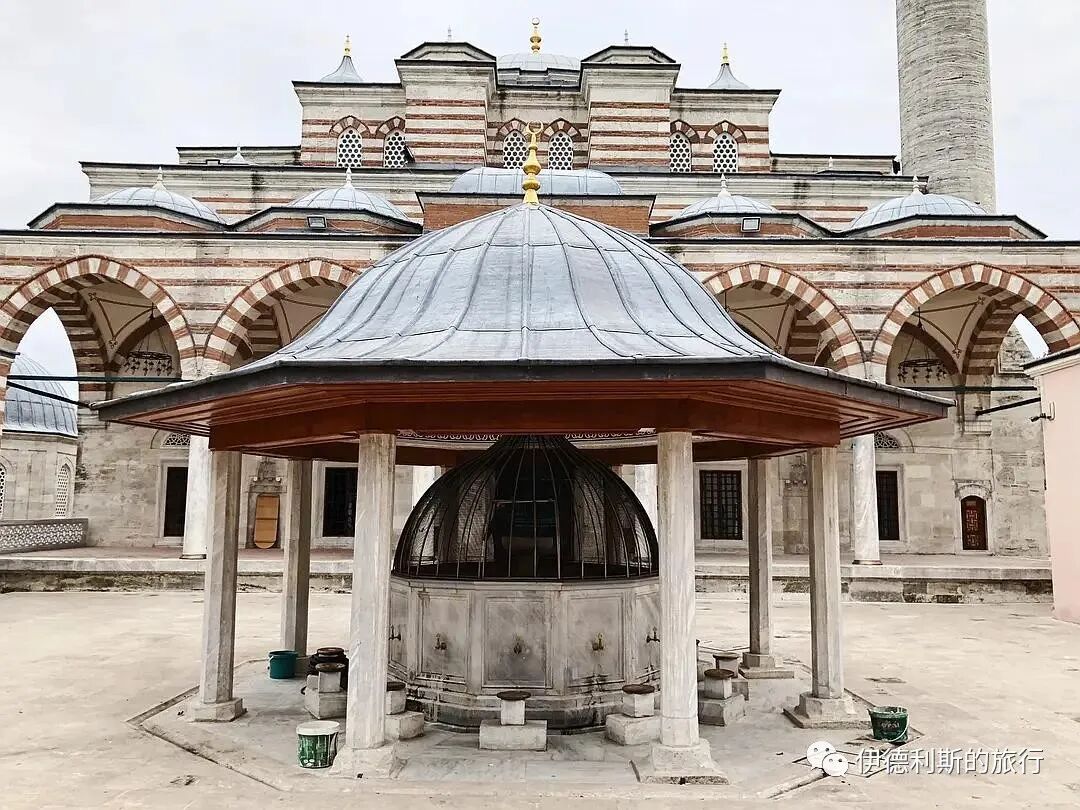
The upper madrasa remains separate from the mosque's gallery, and the auditorium is not on the same axis as the mosque's mihrab. The lower madrasa is designed with a recessed shape to fit the street layout, and the rooms vary in size.
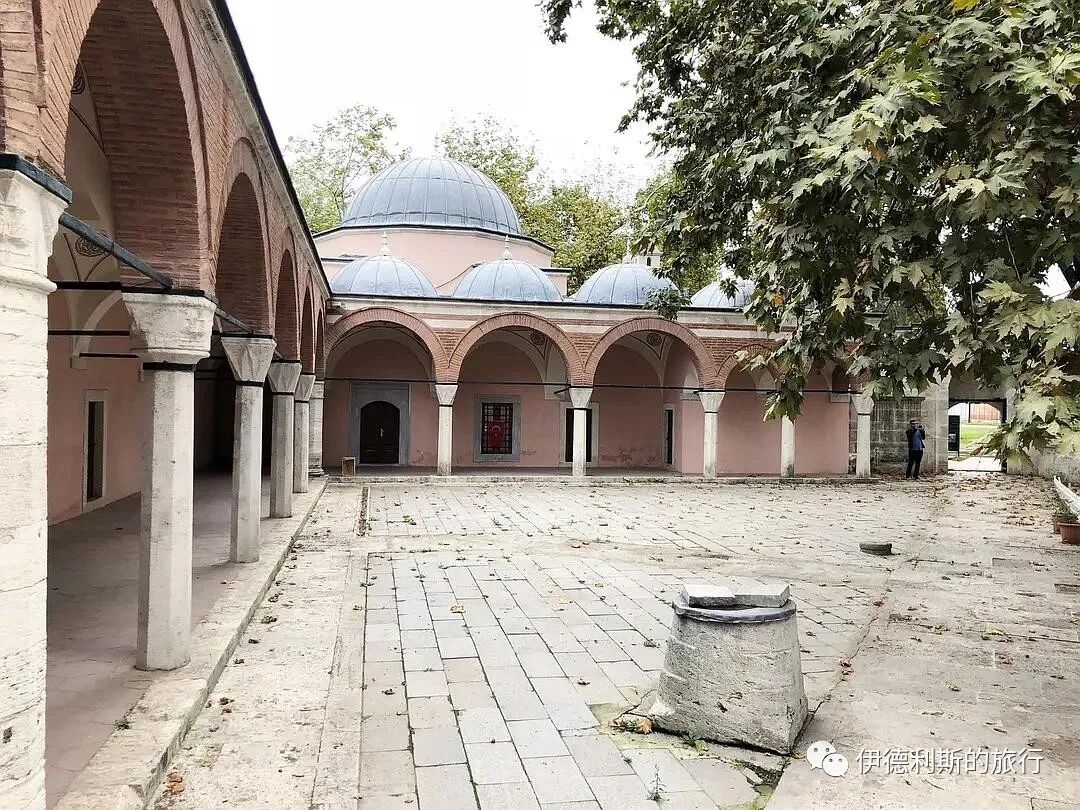
The tomb of Sah Sultan and Zal Mahmud Pasha has an octagonal exterior and a square interior. Both died in 1577 and did not live to see the complex completed.
Summary: Ottoman Architecture Guide: Mimar Sinan — Peak Works and Imperial Mosques is presented here as a firsthand travel account in clear English, beginning with this scene: Mimar Sinan (1488/1490-1588) is known as the great architect of the Ottoman Empire. The account keeps its focus on Mimar Sinan, Ottoman Architecture, Istanbul Mosques while preserving the names, places, food, and historical details from the Chinese source.
Mimar Sinan (1488/1490-1588) is known as the great architect of the Ottoman Empire. His career can be split into three periods: the growth period (1539-1556), the maturity period (1556-1574), and the peak period (1574-1588). These three periods are best represented by three specific buildings. The Prince Mosque (Şehzade Camii), built in 1548, was the first large mosque Sinan designed and serves as a masterpiece of his early work. The Suleymaniye Mosque (Süleymaniye Camii), completed in 1557, became a landmark for all of Istanbul. The Selimiye Mosque (Selimiye Camii), built in Edirne in 1574, represents the absolute peak of Sinan's architectural skill. Here, I will share nine architectural works Sinan built in Istanbul during his later years to show his style during this period.
A look back at my previous articles on Mimar Sinan:
The Great Ottoman Architect—Mimar Sinan (Part 1): Growth,
The Great Ottoman Architect—Mimar Sinan (Part 2): Maturity
The Peak of Ottoman Architecture—The Selimiye Mosque in Edirne
Table of Contents
1. Sokollu Mehmet Pasha Mosque (Azapkapı): 1578
2. Private Chamber of Murad III: 1578
3. Kılıç Ali Pasha Complex: 1578-1580
4. Şemsi Pasha Complex: 1581
5. Tomb of Kanijeli Siyavuş Pasha: 1582-1584
6. Molla Çelebi Mosque: 1570-1584
7. Atik Valide Sultan Complex: 1571-1586
8. Nişancı Mehmet Pasha Mosque: 1584-1589
9. Zal Mahmut Pasha Complex: 1577-1590
1. Sokollu Mehmet Pasha Mosque (Azapkapı): 1578
The Sokollu Mehmet Pasha Mosque (Sokollu Mehmet Paşa Camii) is in the Azapkapı area on the north shore of Istanbul's Golden Horn, next to the Atatürk Bridge. It was commissioned by the Ottoman Grand Vizier Sokollu Mehmet Pasha (in office 1565-1579) and built by Mimar Sinan in 1578. It is the third mosque Sinan built for Sokollu in Istanbul.
Here, Sinan continued using the octagonal support system he used in his masterpiece, the Selimiye Mosque, and added a small dome to each corner. Also, the mosque's front porch is fully enclosed and connected to the main hall, which is very unique among Sinan's works.
2. Private Chamber of Murad III: 1578
The Private Chamber of Murad III (III. Murad Has Odası) is inside the Harem of Topkapı Palace (Topkapı Sarayı) in Istanbul. It is one of the best-preserved and most complete structures in the Harem, built by Mimar Sinan in 1578. Murad III was the 12th Sultan of the Ottoman Empire, reigning from 1574 to 1595. In his final years, he rarely left the palace and spent his days reading and resting in this private chamber.
The chamber has balanced proportions and a well-planned decorative scheme, showing the peak Ottoman architecture reached in the late 16th century. The chamber has the second-largest dome in the Harem, second only to the Imperial Hall. The interior is covered in blue, white, and red Iznik tiles with orange borders, and a band of calligraphy tiles runs across the middle of the room. Inside, there is a two-story fountain. The sound of the water prevents eavesdropping and creates a comfortable atmosphere. The room also has a large fireplace decorated with colorful marble. The interior also displays two luxurious 18th-century cotton beds.
3. Kılıç Ali Pasha Complex: 1578-1580
The Kılıç Ali Pasha Complex is located in the Tophane district on the northern side of the Golden Horn and the western shore of the Bosphorus in Istanbul. It was commissioned by the Ottoman Grand Admiral (Kapudan-ı Derya) Kılıç Ali Pasha and built by Mimar Sinan between 1578 and 1580. The complex consists of a mosque, a madrasa, a tomb, and a bathhouse. It was originally built on reclaimed land right next to the shore, but due to further land reclamation during later port construction, the complex is now 120 meters away from the sea.
Evidence discovered by Turkish historian Rasih Nuri İleri suggests that Miguel de Cervantes, the author of Don Quixote, was a worker on the Kılıç Ali Pasha Complex while he was enslaved by Ottoman pirates between 1575 and 1580.
The mosque is surrounded by galleries on three sides, and the central area is separated from the side areas. This structure is very close to the Hagia Sophia and differs from the classic Ottoman mosque architecture of the same period. Some people use this to question whether the mosque was truly built by Sinan. The main dome of the mosque sits above a square base in the central area, supported by a semi-dome on each side. The central area is much higher than the side areas, and very wide arched buttresses extend to the outer walls. the front of the mosque has a double-layered porch, which makes it stand out compared to other mosques of the same period.
The main hall of the madrasa is square. Because it does not appear in Sinan's official list of works, the Tazkirat-al-Abniya, some people also believe this madrasa was not built by Sinan himself.
4. Şemsi Pasha Complex: 1581
The Şemsi Pasha Complex is located on the Asian side of Istanbul, on the coast of the Üsküdar district. It was commissioned in 1581 by the Ottoman Grand Vizier (Vezir-i Azam) Şemsi Pasha, who succeeded Sokollu Mehmed Pasha as Grand Vizier in 1579, and built by Mimar Sinan. This is the most compact complex built by Sinan and is very famous in Istanbul as an important example of the organic combination of human architecture and natural landscape.
The complex consists of a mosque, a tomb, a madrasa, and a seawall. The tomb of Şemsi Pasha is completely connected to the mosque and is separated from the inside by a grille. The single-domed mosque itself is not particularly new, but it is unique in terms of its picturesque landscape.
The L-shaped madrasa has one large classroom and 12 student rooms, connected by an arcade. It was converted into a library after 1958, and the large classroom became a reading room.
5. Tomb of Kanijeli Siyavuş Pasha: 1582-1584
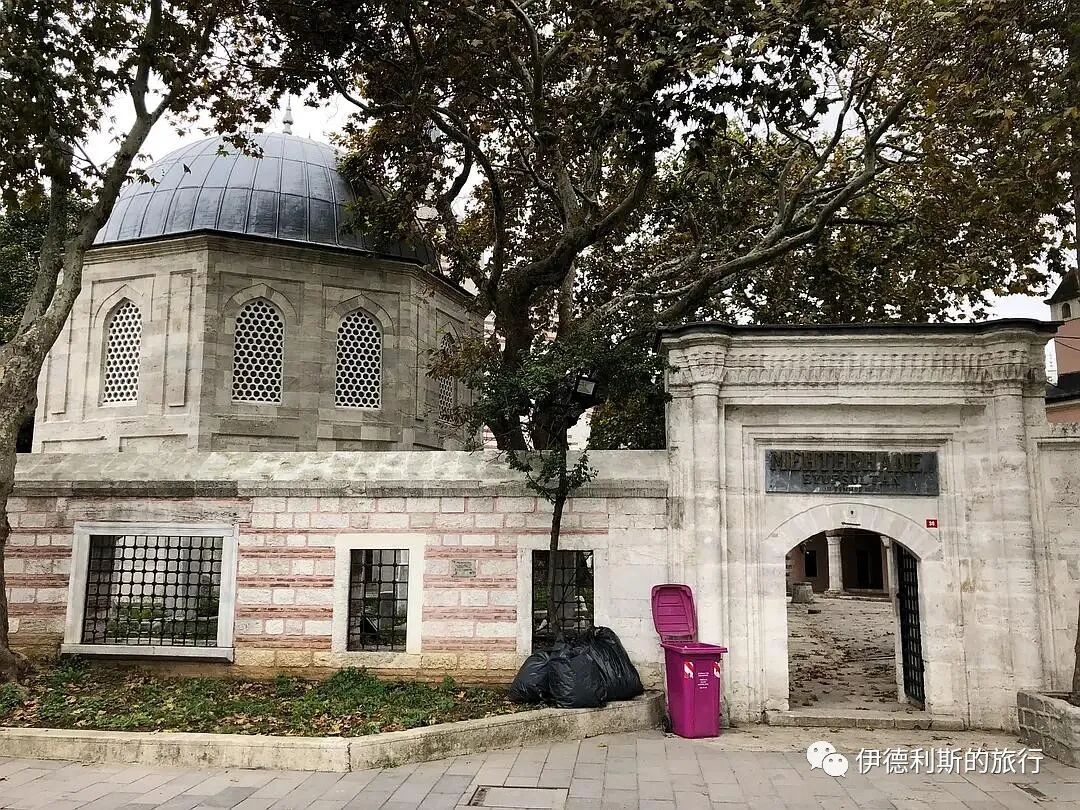
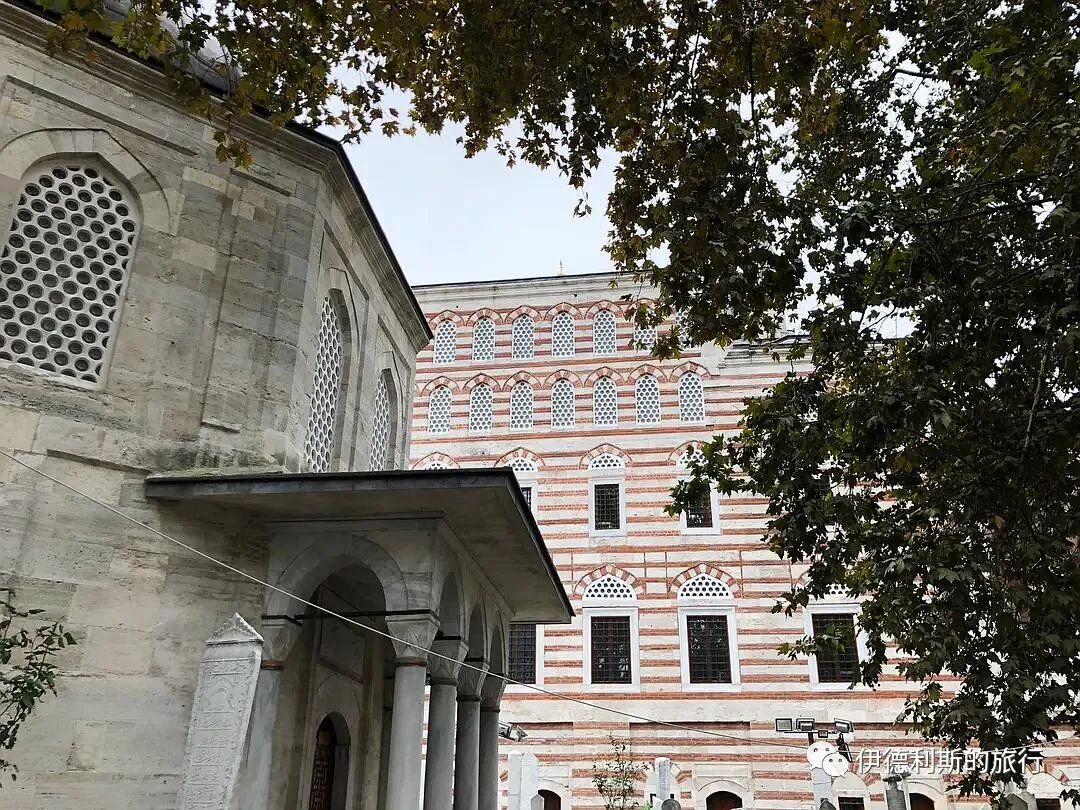
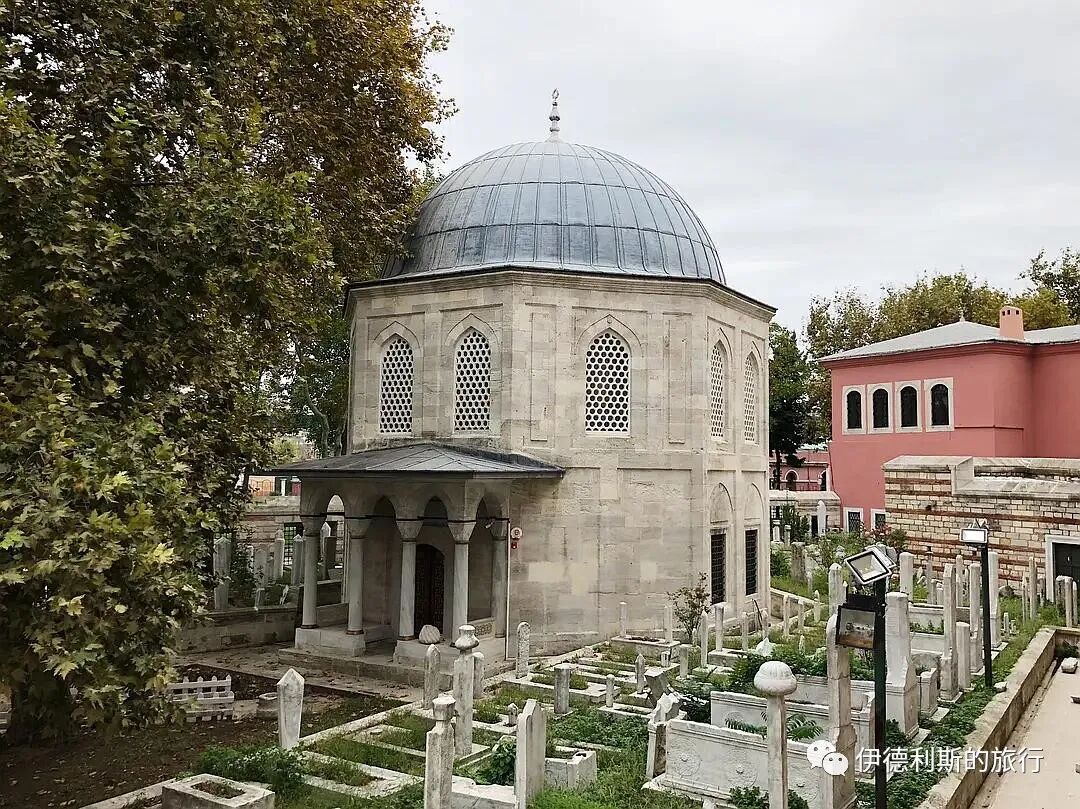
Kanijeli Siyavuş Pasha was the son-in-law of Ottoman Sultan Selim II (reigned 1566-1574) and served as the Grand Vizier (Vezir-i Azam) of the Ottoman Empire three times between 1582 and 1593. His tomb is located in the Eyüp district, northwest of Istanbul's old city. It was built by Mimar Sinan between 1582 and 1584, during his first term as Grand Vizier. The Eyüp Cemetery (Eyüp Mezarlığı) is the oldest and largest Muslim cemetery in Istanbul because it contains the grave of Abu Ayyub al-Ansari, a close companion of the Prophet Muhammad.
6. Molla Çelebi Mosque: 1570-1584
The Molla Çelebi Mosque is located in the Fındıklı district on the northern side of the Golden Horn and the western shore of the Bosphorus in Istanbul. It was commissioned by the Ottoman Chief Justice (Kazasker) Mehmet Vusuli Efendi and built by Mimar Sinan between 1570 and 1584.
Here, Sinan perfected the hexagonal structure within the Ottoman classical mosque architectural style. The six supporting columns are embedded in the walls, and the mihrab is located in a protruding apse. By installing ten windows, this area becomes the brightest part of the main hall.
7. Atik Valide Sultan Complex: 1571-1586
The Atik Valide Complex is located in Üsküdar on the Asian side of Istanbul. It is a large complex commissioned by the Ottoman Queen Mother Nurbanu Sultan and built by Mimar Sinan. Nurbanu Sultan was the mother of Sultan Murad III (reigned 1574-1595) and was the first woman in Ottoman history to hold power legally.
The Atik Valide Complex is one of the largest Ottoman complexes in Istanbul. It consists of 10 buildings with different functions, including a mosque, a madrasa, a Hadith school, a primary school, a Sufi lodge, a hospital, a soup kitchen, guest rooms, a two-story inn with stables, and a bathhouse. Planning for the entire complex began in 1571. As Nurbanu Sultan’s status grew, the complex expanded. It was finally completed in 1586, three years after her death, spanning a 15-year construction period.
The buildings are arranged on a slope from northeast to southwest. At the highest point in the northeast is the Sufi lodge (tekke). Across the road to the southwest is the main complex, which includes a mosque and a religious school (madrasa), with a primary school behind the mosque. Further southwest, across the road, is the second group of buildings, consisting of a Hadith school, guest rooms, a hospital, a canteen, and a large inn (caravanserai). The bathhouse (hammam) stands alone at the far southwest end of the complex.
Construction of the mosque happened in three stages. The first stage was from 1571 to 1574. At that time, Mimar Sinan was in Edirne overseeing his masterpiece, the Selimiye Mosque, so he commissioned another Ottoman court architect to supervise the Old Queen Mosque. The second stage was from 1577 to 1578. Nurbanu Sultan held real power in the empire then, and a second minaret and a double-portico courtyard were added to the mosque. The third stage was from 1584 to 1586. Nurbanu Sultan had passed away by then. The mosque was expanded horizontally, with a pair of small domes added on each side of the central dome. It is believed that because Mimar Sinan was quite old, his successor, Davut Ağa, likely completed the third stage.
The mosque consists of one central dome and five semi-domes. The area near the mihrab is decorated with beautiful Iznik tiles depicting spring flowers. Unfortunately, I did not take a separate photo of them at the time.
(Optional) Image description
Delete
The religious school (madrasa) was built in 1579 and sits on a platform below the mosque. Due to the terrain, the arcades on both sides are different lengths. It is also very rare for the central auditorium to be built as a bridge-like structure over the street. It is currently an open public space with a small tea house where people can rest.
The Sufi lodge (tekke) on the northeast side.
8. Nişancı Mehmet Pasha Mosque: 1584-1589
The Nisanci Mehmet Pasha Mosque was built by Mimar Sinan between 1584 and 1589. Some scholars believe this mosque is not Sinan's work but should be credited to his student and successor as royal architect, Davut Ağa, who served from 1588 to 1599. However, if you study the architectural structure carefully, it is clearly a further development of Sinan's octagonal mosque design.
Sinan was nearly 100 years old at the time, and he continued to develop his original design plans. Here, the main hall became a truly unified space, covered by a main dome and a series of semi-domes. Since the main dome is not very large, it is easily supported by the zigzagging walls, which also allows the portico to maintain the harmony of the exterior facade. Unlike many mosques of that time with massive load-bearing walls, Sinan gave these walls a lively appearance. All these features give this mosque an important place among Sinan's works.
9. Zal Mahmut Pasha Complex: 1577-1590
The Zal Mahmud Pasha complex is located in the Eyüp district in the northwest of Istanbul's old city. It was commissioned by Şah Sultan, daughter of Ottoman Sultan Selim II (reigned 1566-1574), and her husband Zal Mahmud Pasha. Mimar Sinan began construction in 1577, and it was completed in 1590, two years after Sinan's death.
The complex is carefully planned on a slope and divided into two separate areas connected by stairs. The upper area contains the mosque and a religious school (madrasa), while the lower area contains another religious school and a tomb (turbe). This layout breaks away from traditional symmetry and feels more dynamic.
The Zal Mahmud Pasha Mosque feels like an original experiment Sinan conducted in his later years. It has no connection to his previous mosque designs and is even visually the complete opposite.
In his earlier designs, Sinan was used to creating a large pyramid effect by layering domes, semi-domes, pendentives, main arches, and galleries. Here, the mosque rises on three sides like a tall prism with a palace-like appearance. Three wide galleries rise to the main arches, which in turn support the dome. In Sinan's previous designs, the main arch was usually decorated with window walls or semi-domes. But here, the main arch has no decoration other than the qibla wall and connects directly to the gallery. This design weakens the visual effect of the dome, and the widening of the space on three sides makes the dome look low enough for people to reach.
The upper madrasa remains separate from the mosque's gallery, and the auditorium is not on the same axis as the mosque's mihrab. The lower madrasa is designed with a recessed shape to fit the street layout, and the rooms vary in size.
The tomb of Sah Sultan and Zal Mahmud Pasha has an octagonal exterior and a square interior. Both died in 1577 and did not live to see the complex completed.
