
Ottoman Architecture Guide: Mimar Sinan — Mature Works (Part 2)
Reposted from the web
Summary: Ottoman Architecture Guide: Mimar Sinan — Mature Works is presented here as a firsthand travel account in clear English, beginning with this scene: The Kara Ahmed Pasha Mosque is the last imperial building in Istanbul decorated with dry cord (cuerda seca) tiles. The account keeps its focus on Mimar Sinan, Ottoman Architecture, Istanbul Mosques while preserving the names, places, food, and historical details from the Chinese source.
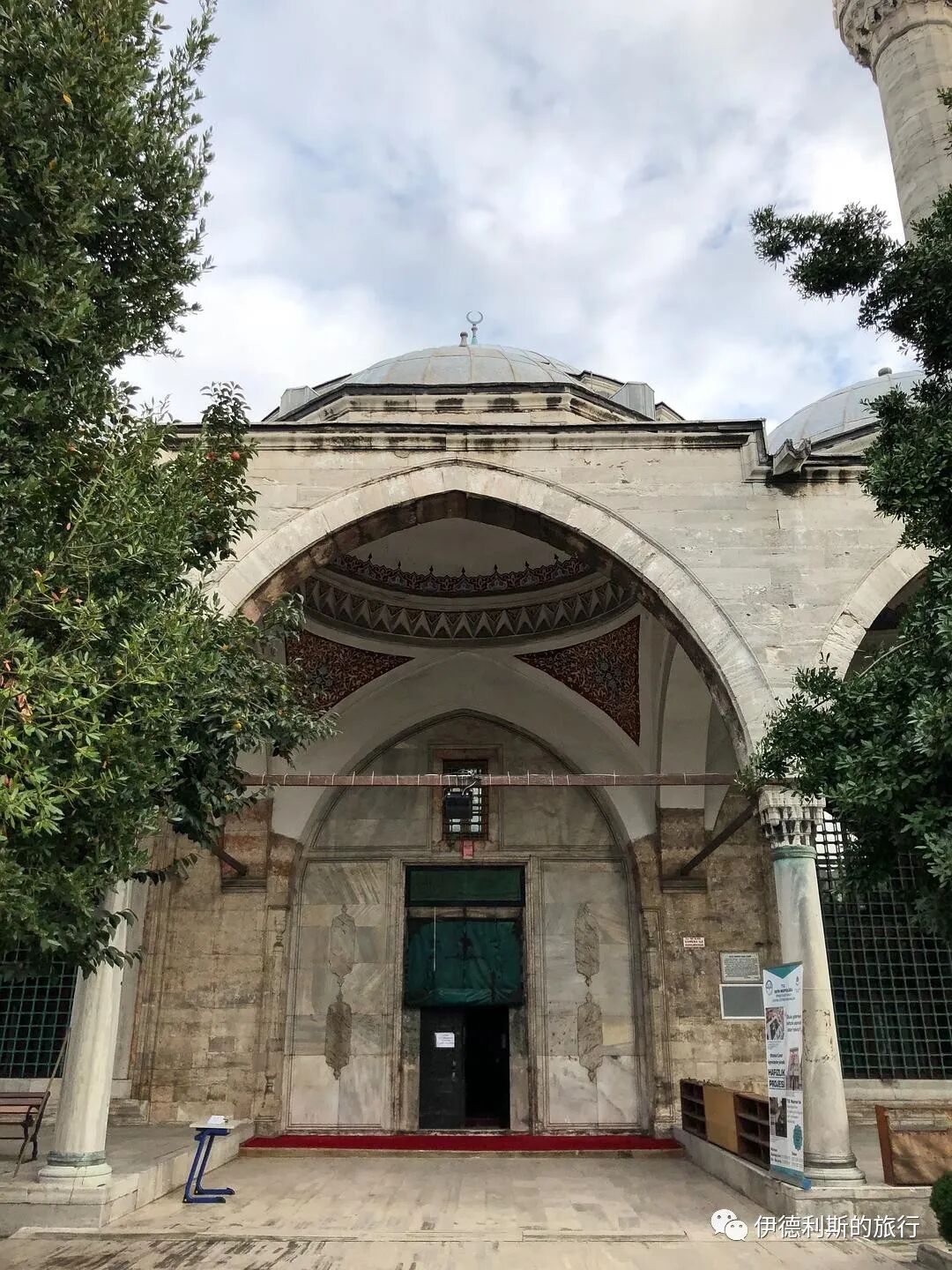
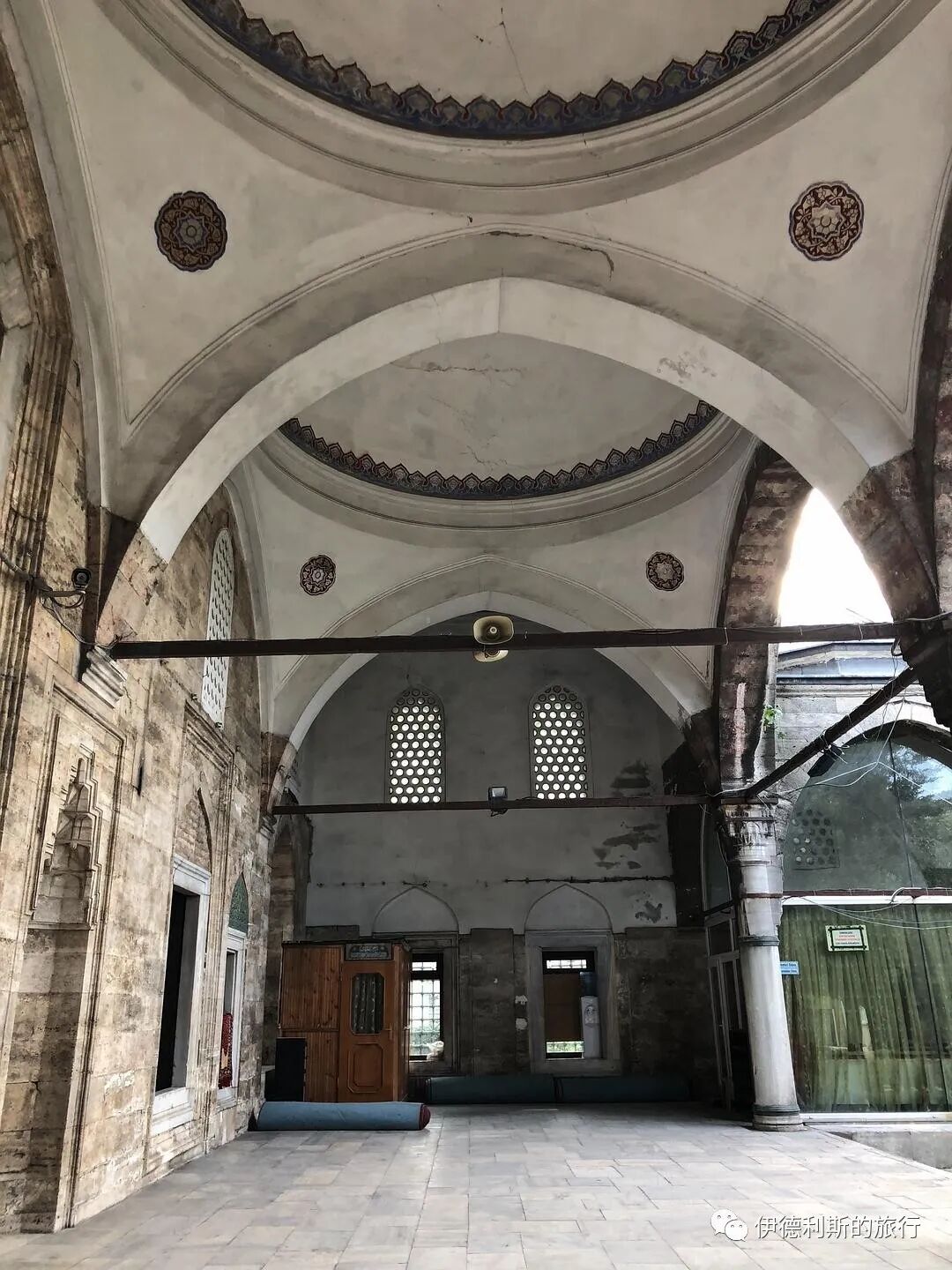
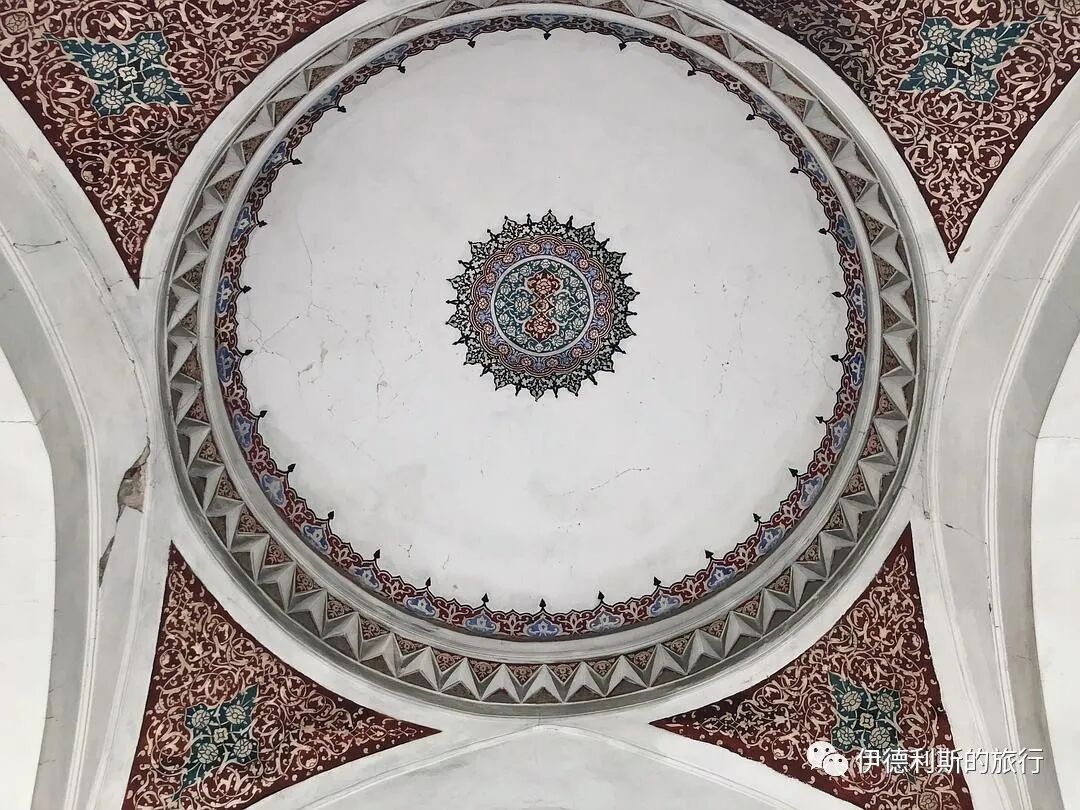
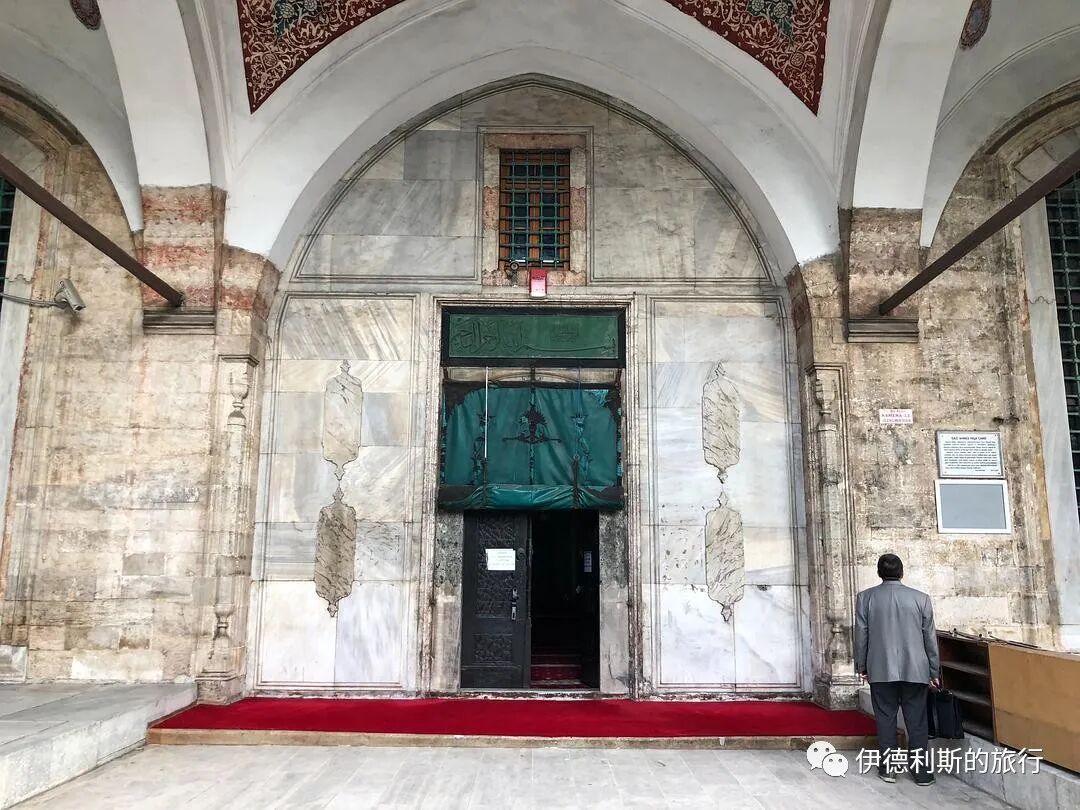
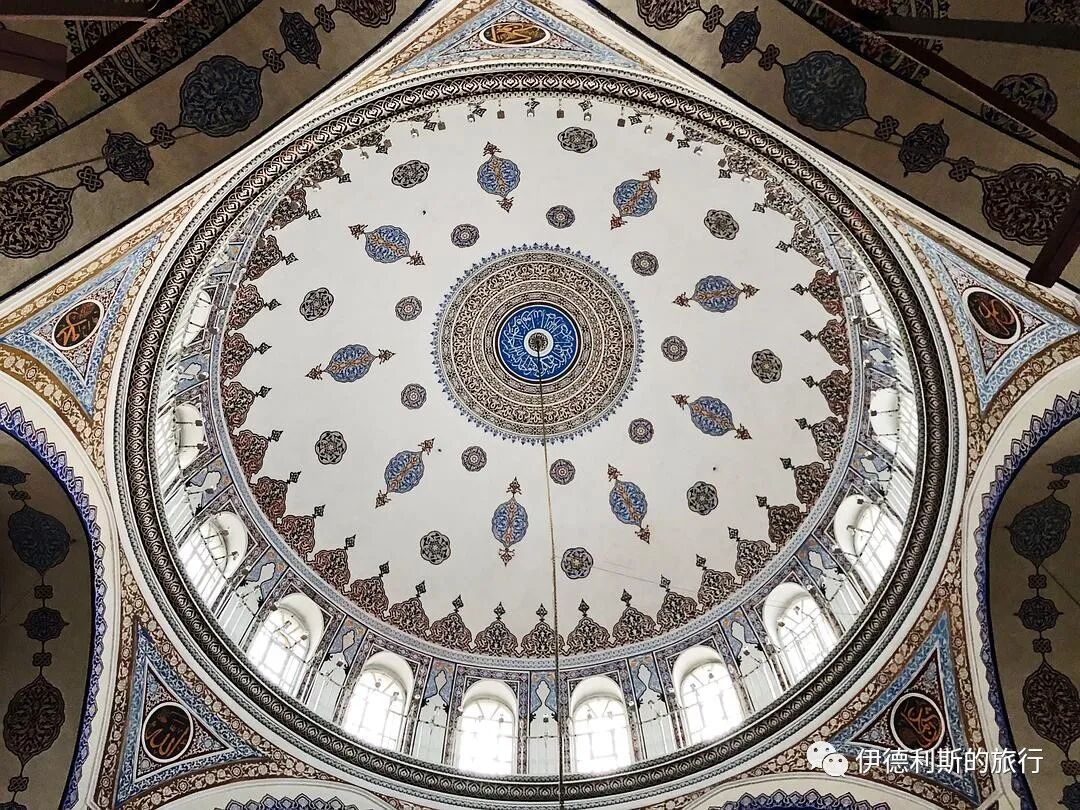
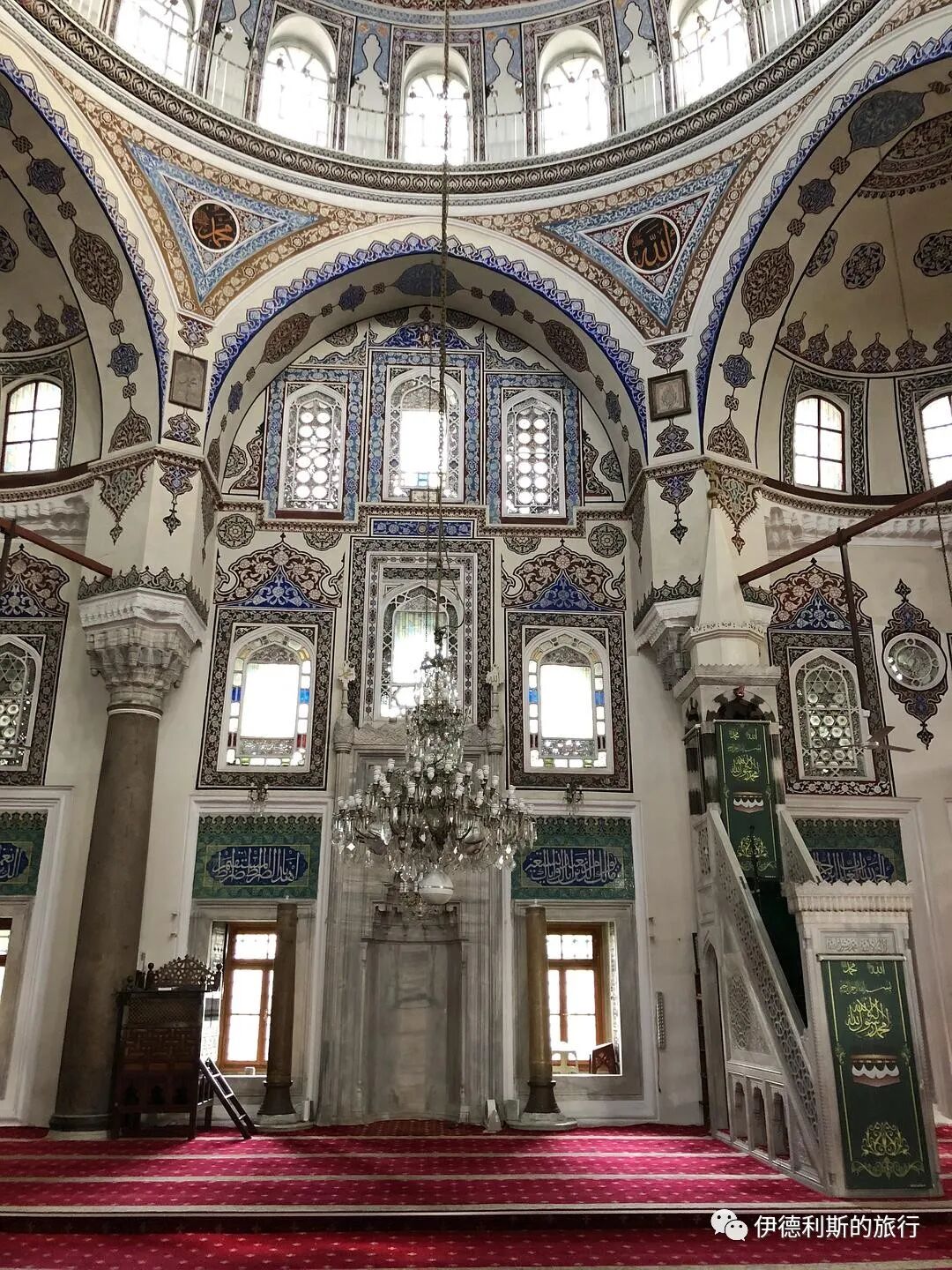
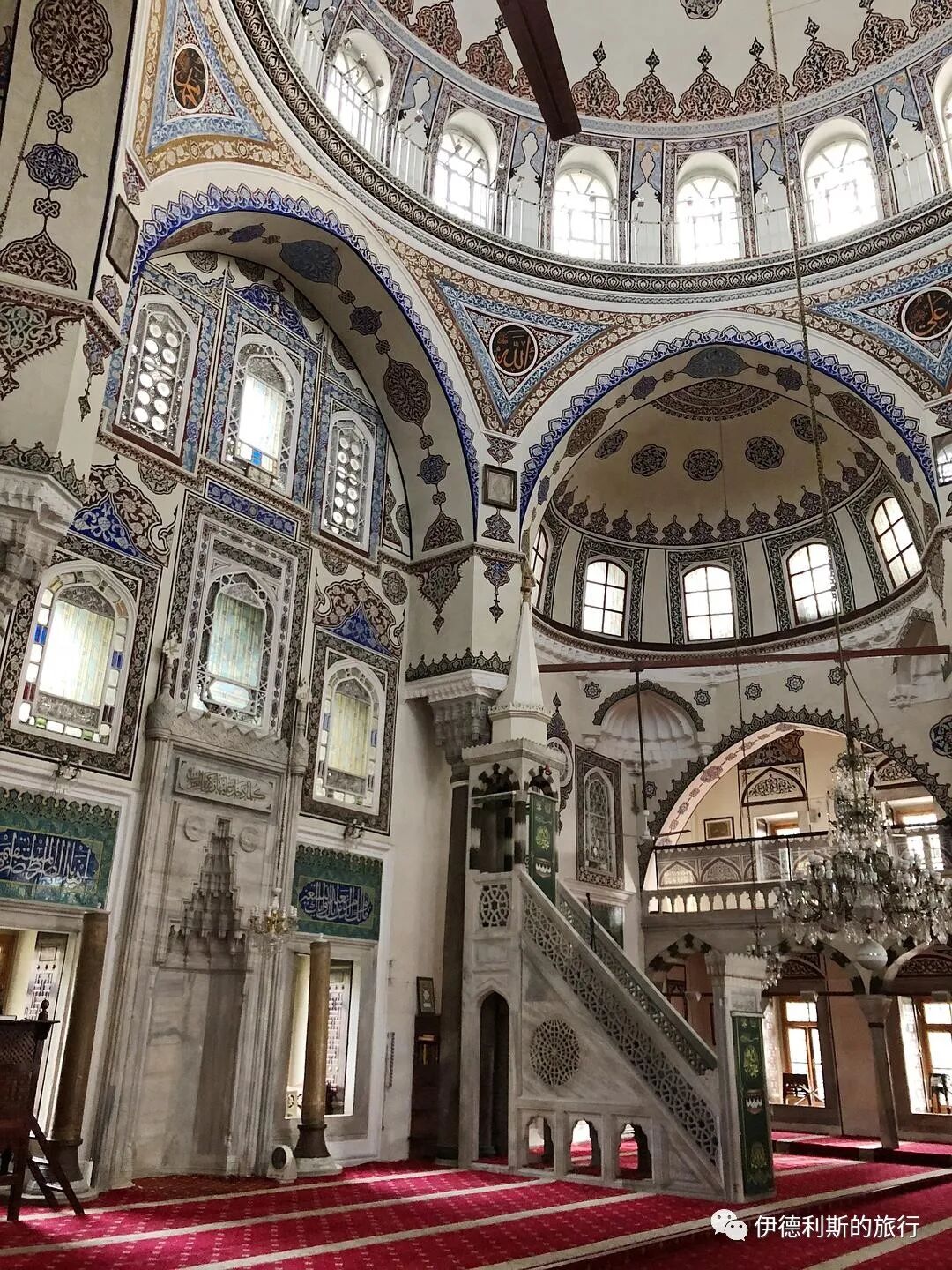
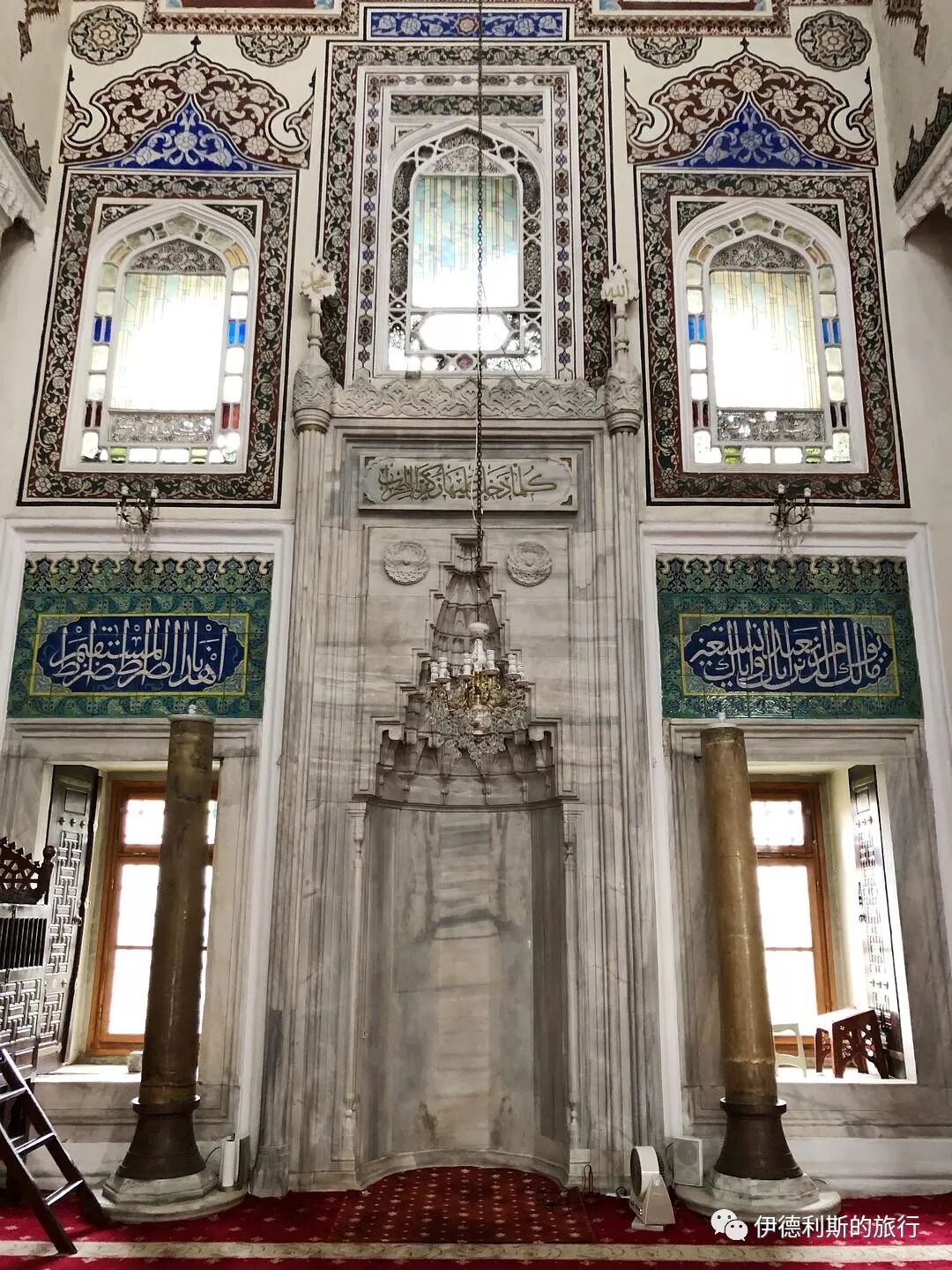
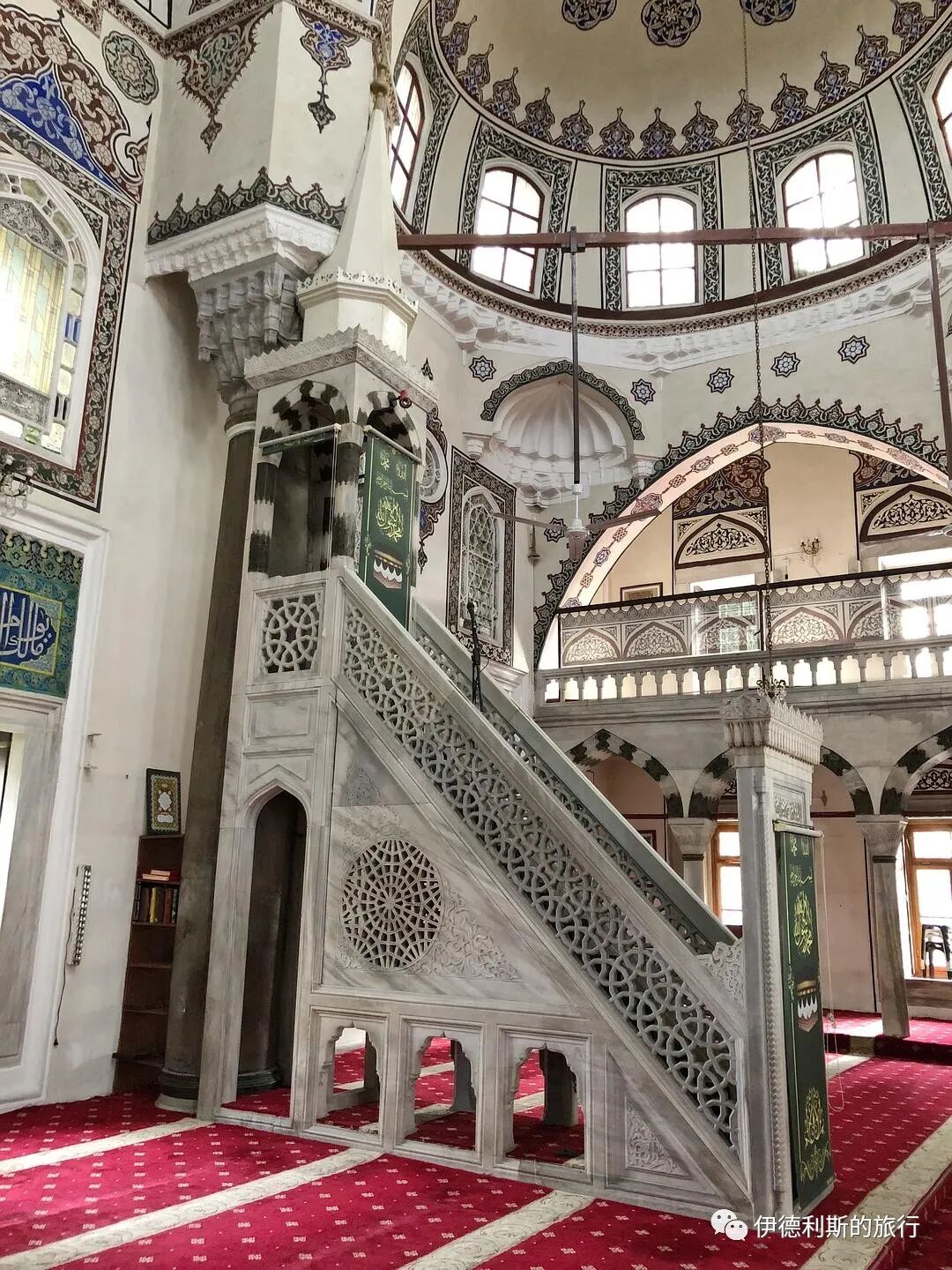
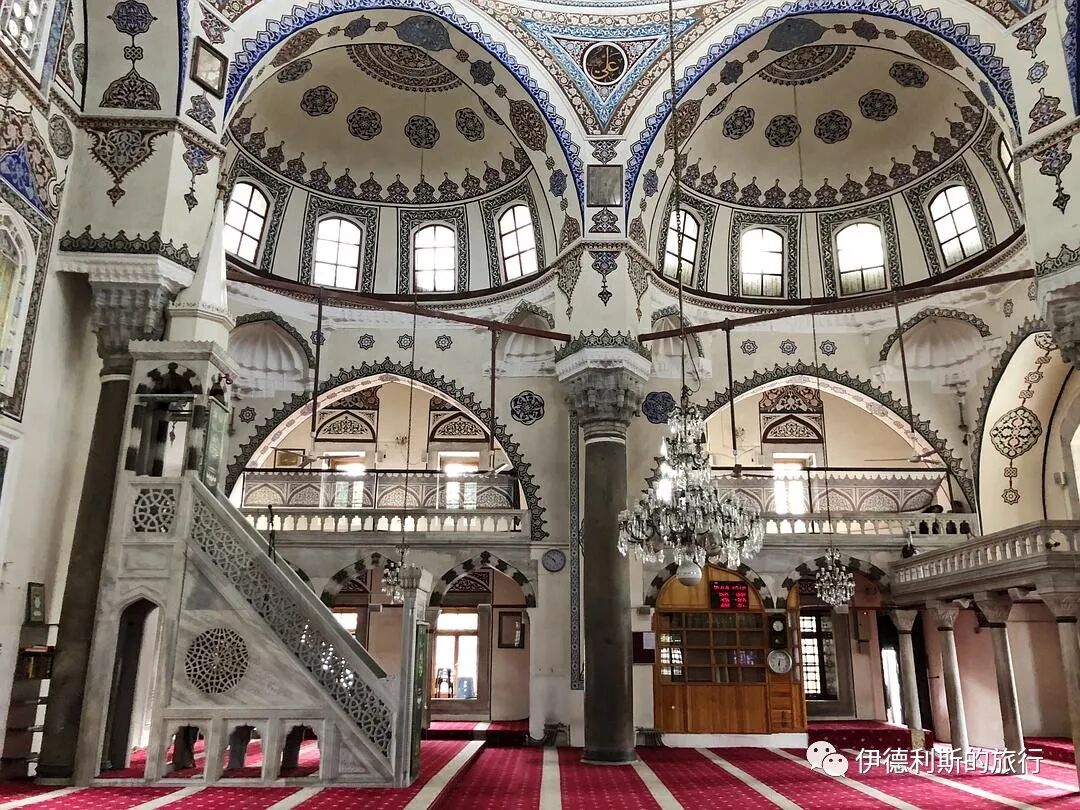
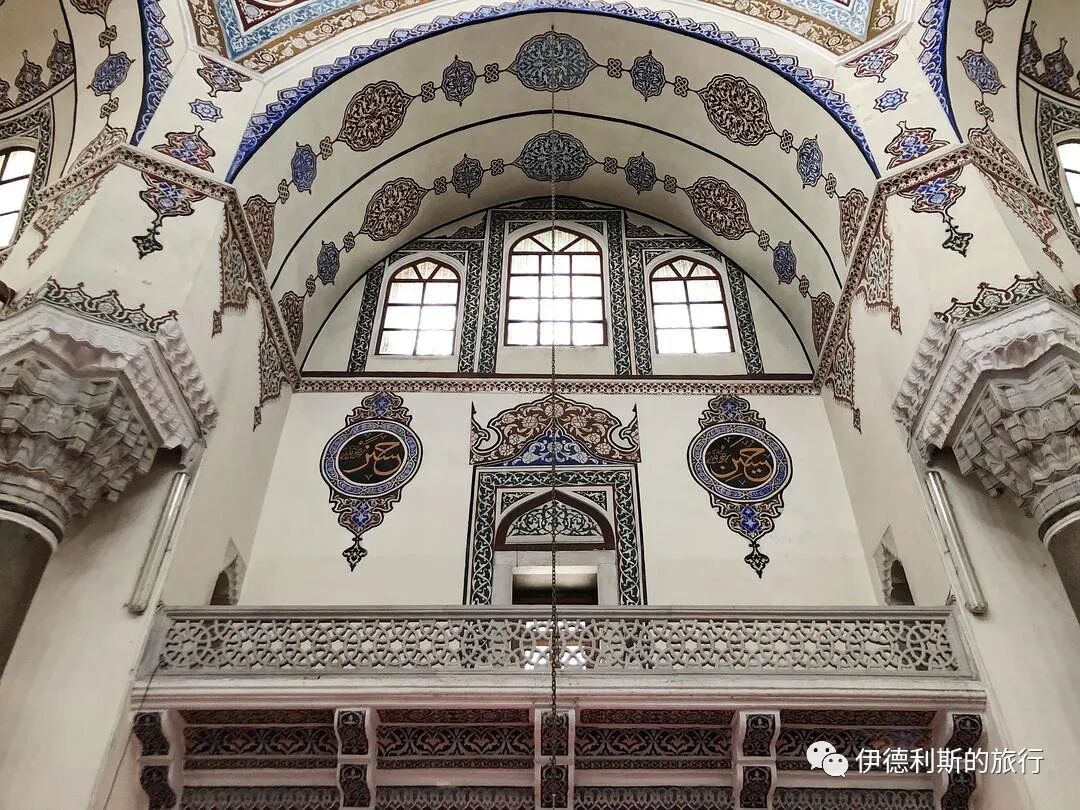
The Kara Ahmed Pasha Mosque is the last imperial building in Istanbul decorated with dry cord (cuerda seca) tiles. The use of dry cord (cuerda seca) tiles began in Inner Asia in the late 14th century, with the Shah-i-Zinda complex being the most famous example. Dry cord (cuerda seca) tiles were most popular during the Timurid and Safavid dynasties. They reached Turkey in the 15th century through Persian ceramic craftsmen from Tabriz, and many Ottoman buildings, such as the Green Mosque in Bursa, were decorated with them. As Iznik tiles became popular in the 1550s, dry cord (cuerda seca) tiles were gradually phased out of history.
8. Mimar Sinan Mosque: 1573
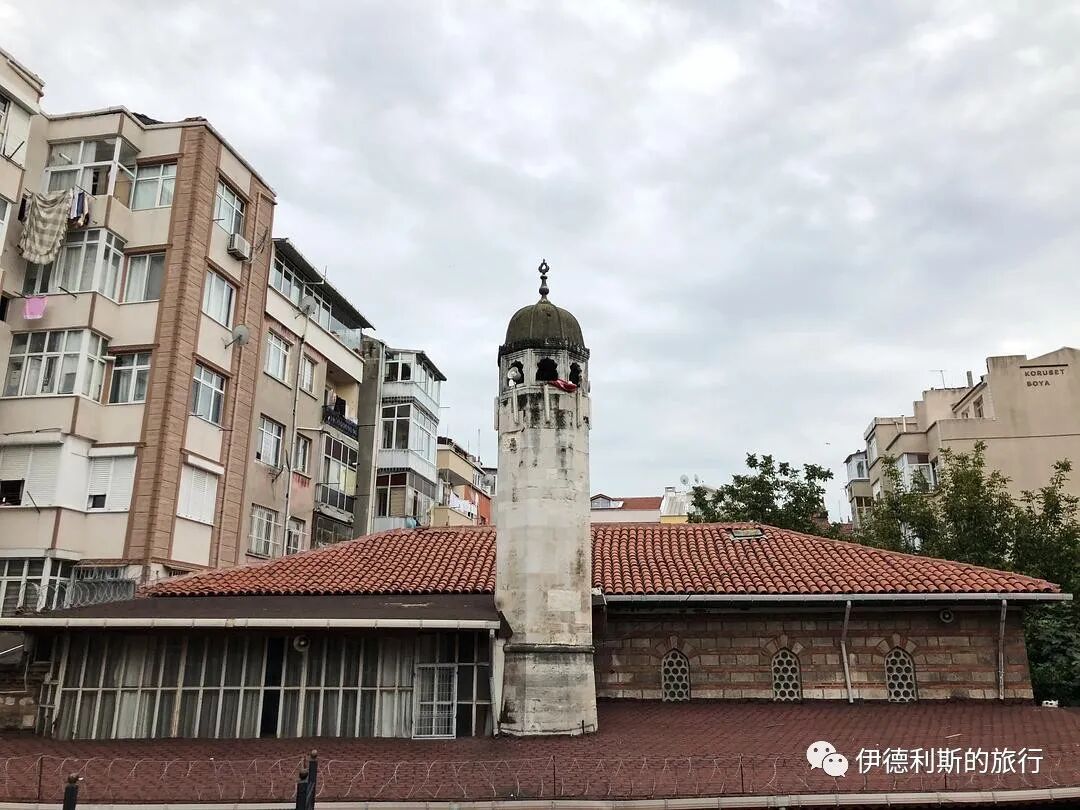
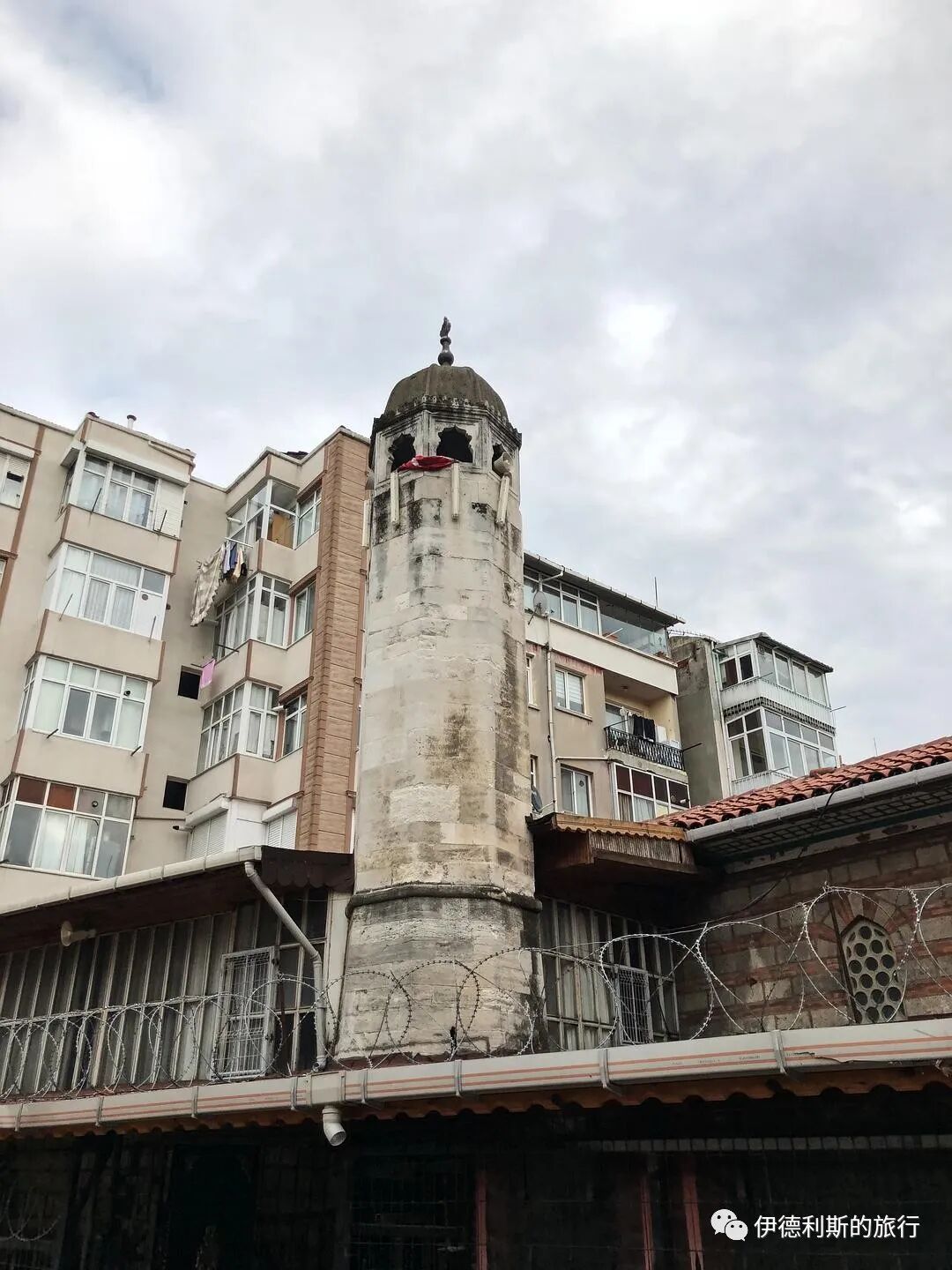
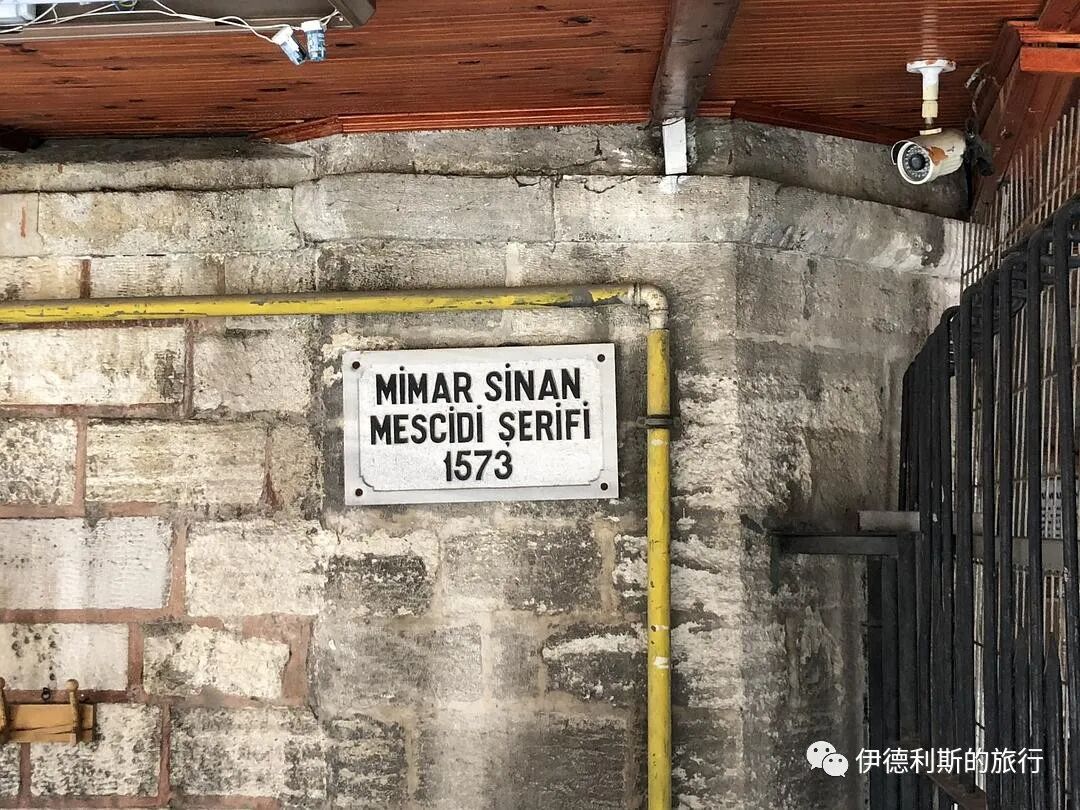
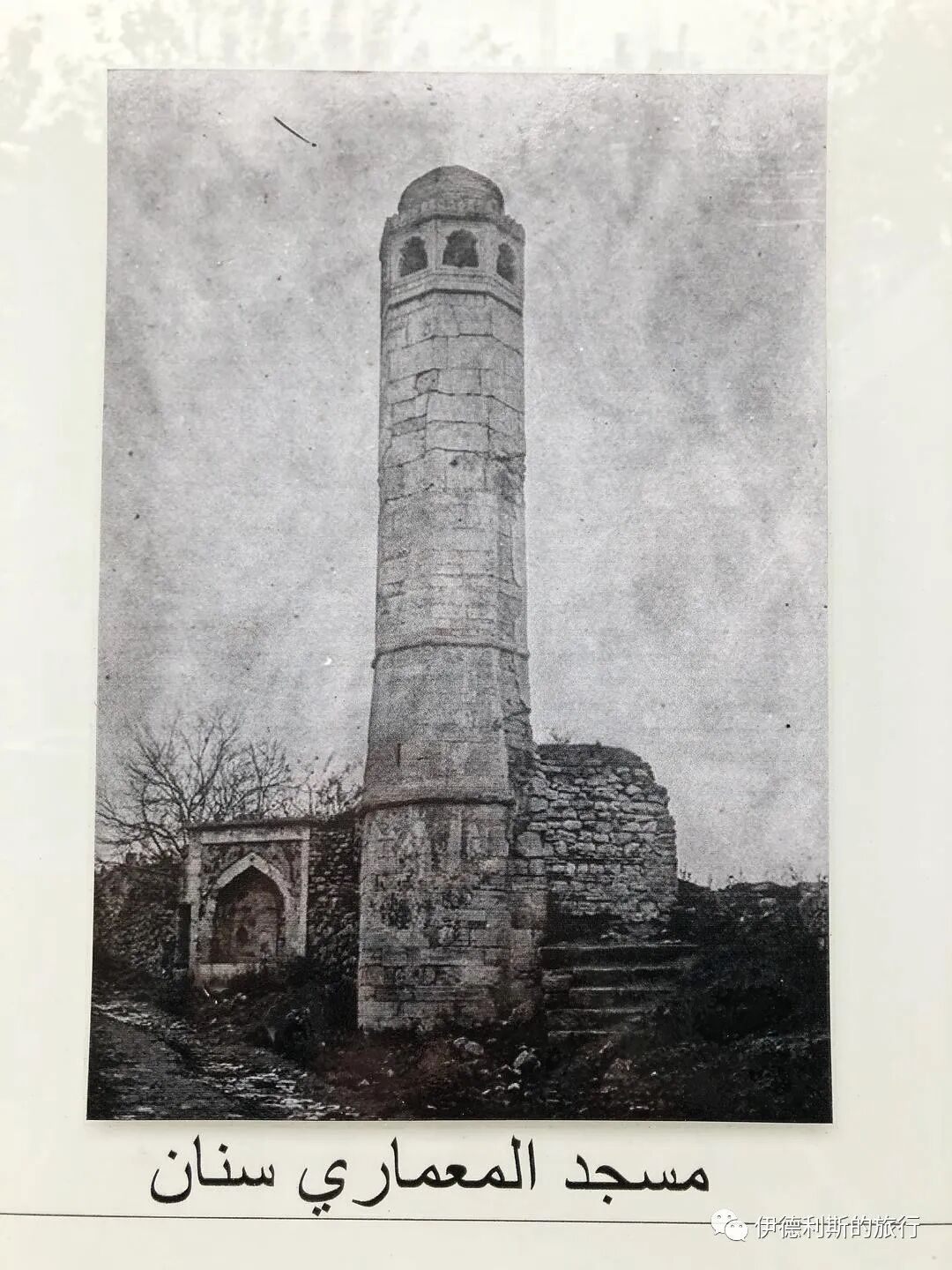
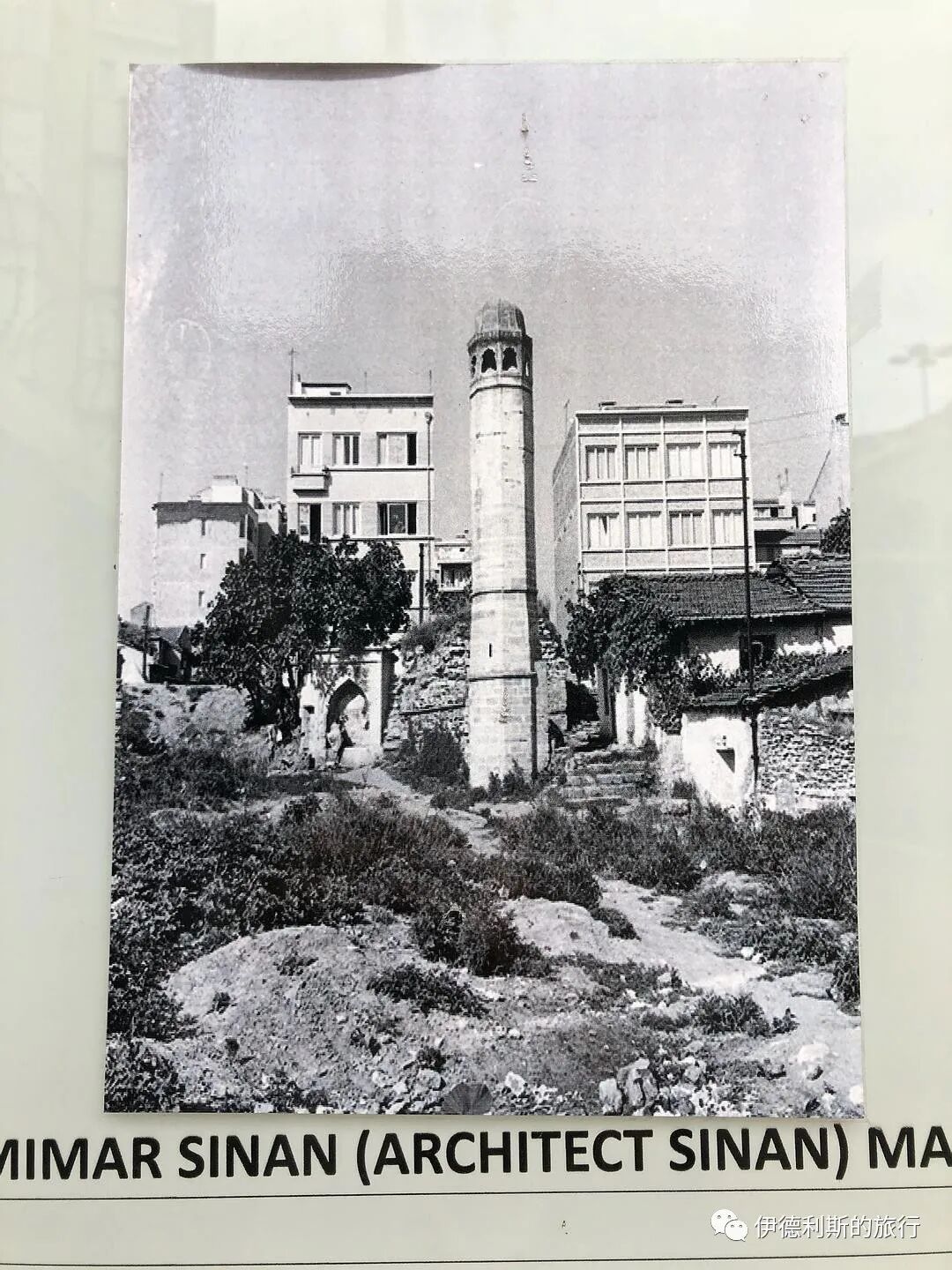
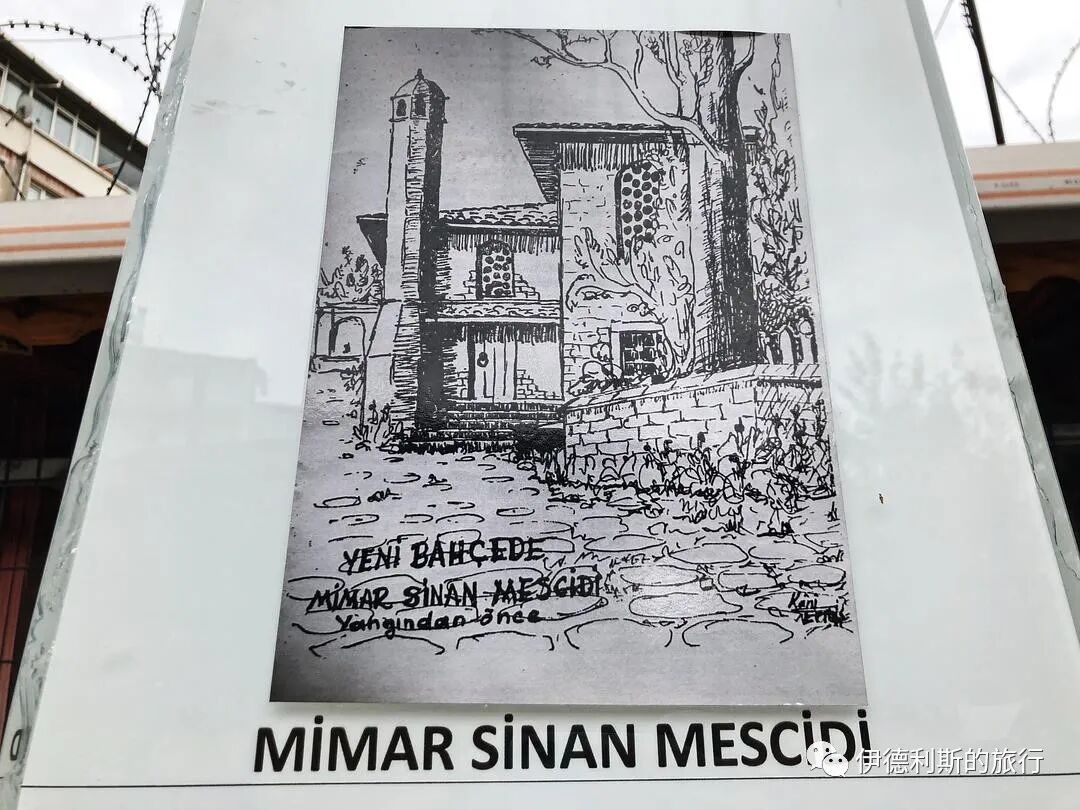
Mimar Sinan built the Mimar Sinan Mosque for himself in 1573. The mosque was destroyed by fire in 1918, and the walls collapsed soon after, leaving only a 10-meter-high minaret. The minaret was repaired in 1938 and 1962, and the mosque was rebuilt in 1976.
Summary: Ottoman Architecture Guide: Mimar Sinan — Mature Works is presented here as a firsthand travel account in clear English, beginning with this scene: The Kara Ahmed Pasha Mosque is the last imperial building in Istanbul decorated with dry cord (cuerda seca) tiles. The account keeps its focus on Mimar Sinan, Ottoman Architecture, Istanbul Mosques while preserving the names, places, food, and historical details from the Chinese source.
The Kara Ahmed Pasha Mosque is the last imperial building in Istanbul decorated with dry cord (cuerda seca) tiles. The use of dry cord (cuerda seca) tiles began in Inner Asia in the late 14th century, with the Shah-i-Zinda complex being the most famous example. Dry cord (cuerda seca) tiles were most popular during the Timurid and Safavid dynasties. They reached Turkey in the 15th century through Persian ceramic craftsmen from Tabriz, and many Ottoman buildings, such as the Green Mosque in Bursa, were decorated with them. As Iznik tiles became popular in the 1550s, dry cord (cuerda seca) tiles were gradually phased out of history.
8. Mimar Sinan Mosque: 1573
Mimar Sinan built the Mimar Sinan Mosque for himself in 1573. The mosque was destroyed by fire in 1918, and the walls collapsed soon after, leaving only a 10-meter-high minaret. The minaret was repaired in 1938 and 1962, and the mosque was rebuilt in 1976.
