
Halal Travel Guide: Ho Chi Minh City — Malay Muslims, Mosques and Food
Reposted from the web
Summary: Ho Chi Minh City — Malay Muslims, Mosques and Food is presented here as a firsthand travel account in clear English, beginning with this scene: Southern Vietnam has a long history of close contact with the Malay Archipelago. In the 15th century, the Malacca Sultanate (1400–1511) became a major power in Southeast Asia and maintained close ties with Champa, which. The account keeps its focus on Ho Chi Minh City, Malay Muslims, Vietnam Muslims while preserving the names, places, food, and historical details from the Chinese source.
Southern Vietnam has a long history of close contact with the Malay Archipelago. In the 15th century, the Malacca Sultanate (1400–1511) became a major power in Southeast Asia and maintained close ties with Champa, which then ruled southern Vietnam. The classic Cham literature piece, The Princess of Kelantan, tells the story of a princess from Kelantan on the Malay Peninsula who practiced her faith in Champa. After the Portuguese occupied the Malacca Sultanate in 1511, many Malay people moved away, and some settled in southern Vietnam, where they integrated with the Cham Muslims.
The Western missionary M. Mahot MEP began living in Champa in 1676. In a letter written in July 1678, he noted: 'Regarding the Cham religion, the Malay Muslims are more vigilant than we are. They have immigrated to Champa in large numbers and have brought the Cham king and his court into Islam.'
In 1692, Vietnam invaded Champa and established Binh Thuan Prefecture on former Cham lands, then continued to invade the Mekong Delta, which was ruled by Cambodia. In 1698, they established Gia Dinh Prefecture in the Mekong Delta, which was the predecessor to Ho Chi Minh City. In the early 19th century, Emperor Gia Long (reigned 1802–1820) of the Vietnamese Nguyen Dynasty sent troops to guard Gia Dinh City. Because he lacked enough soldiers, he recruited many Cham and Malay troops.
In 1859, the joint French and Spanish forces captured the city of Gia Dinh. In 1862, France and the Nguyen Dynasty of Vietnam signed the Treaty of Saigon, officially occupying Gia Dinh. From then on, Gia Dinh gradually developed into Saigon, a commercial hub for the French in Southeast Asia.
During French rule, the government had a relatively relaxed policy toward the faith. Many Malay and Indonesian people came to Saigon for business, and the first mosque in Saigon was the Al Rahim Mosque, built by Malay and Indonesian Muslims in 1885.
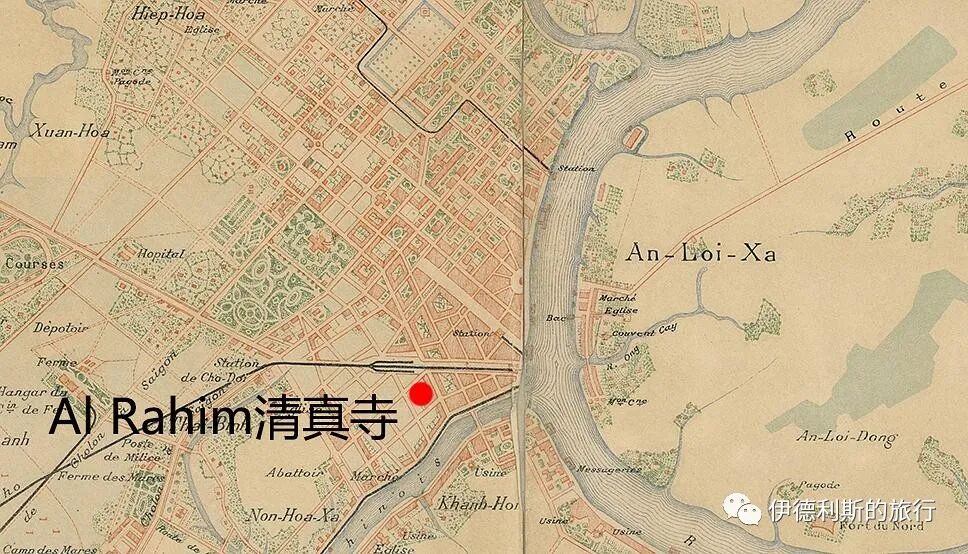
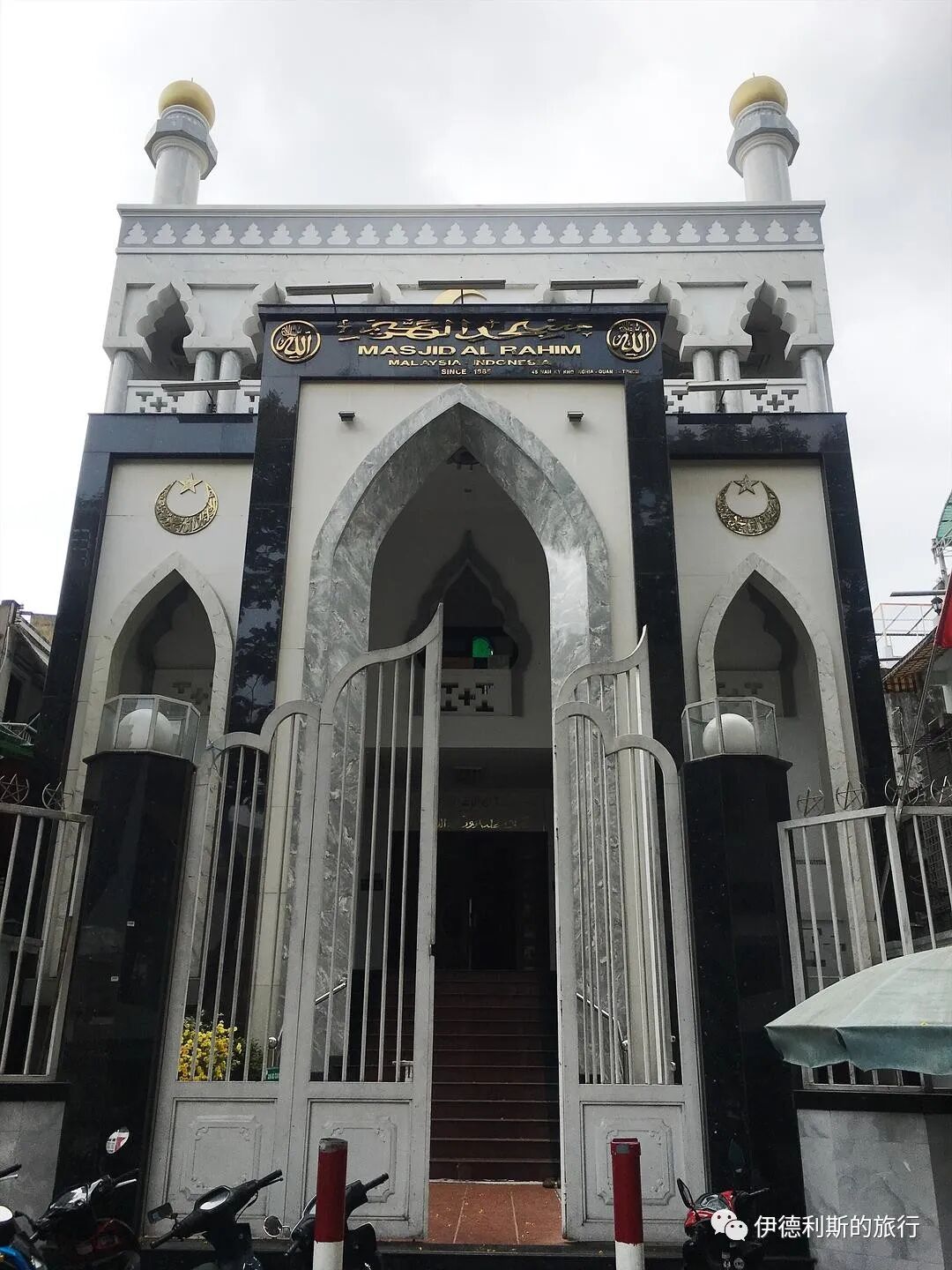
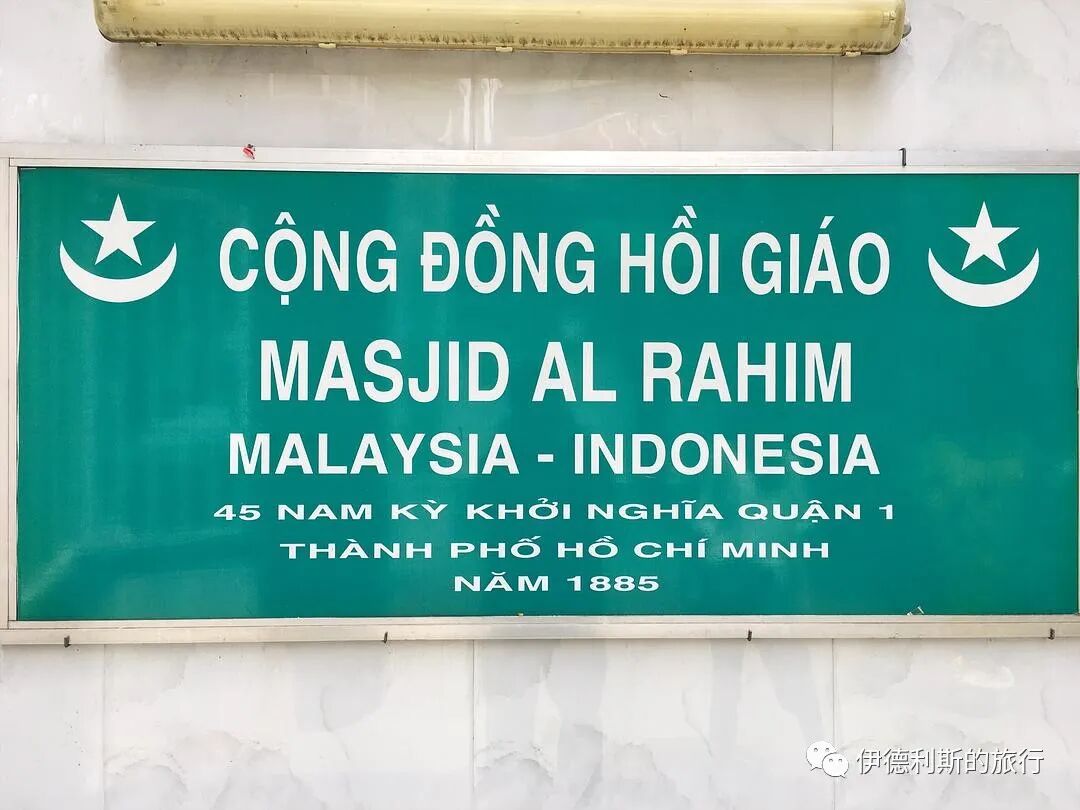
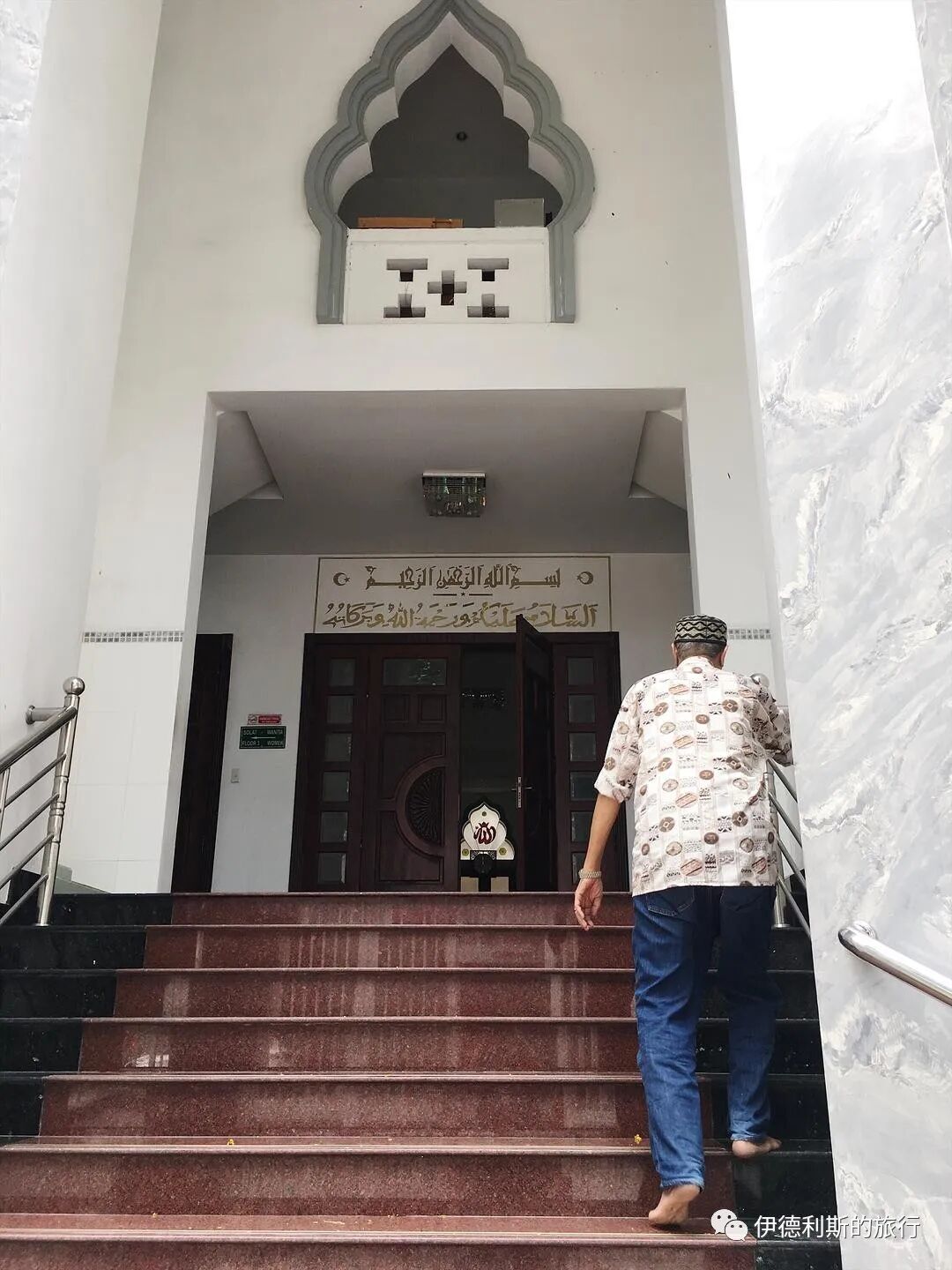
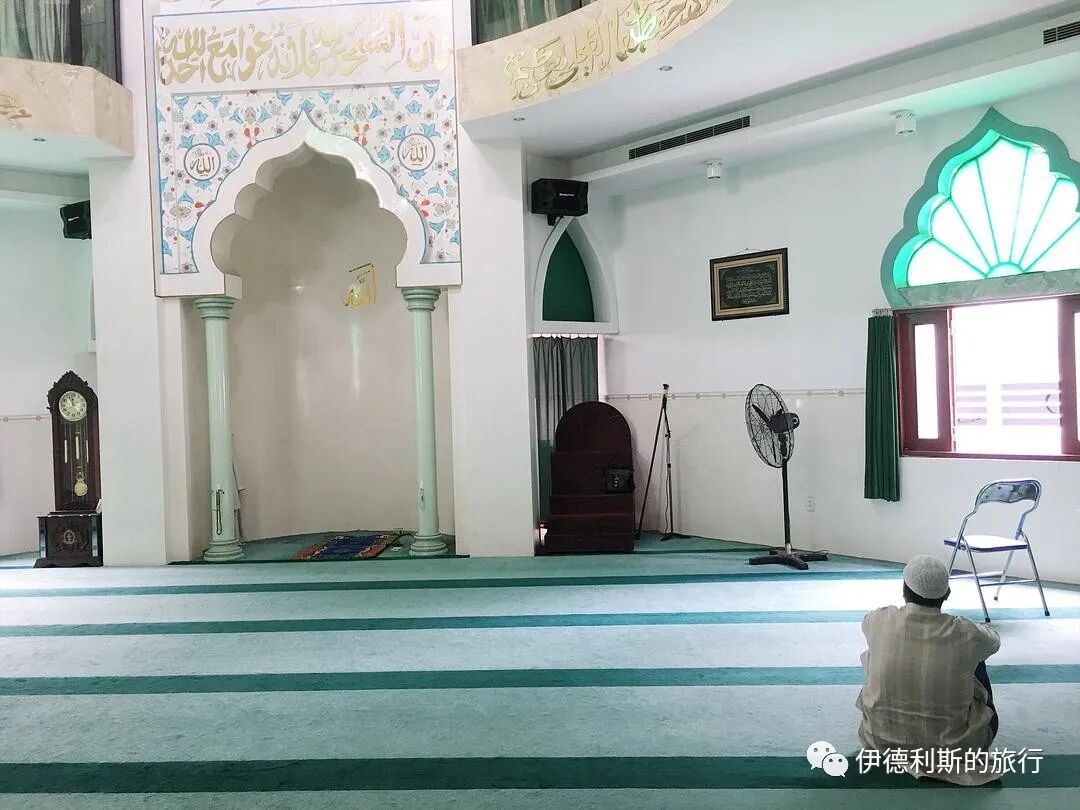
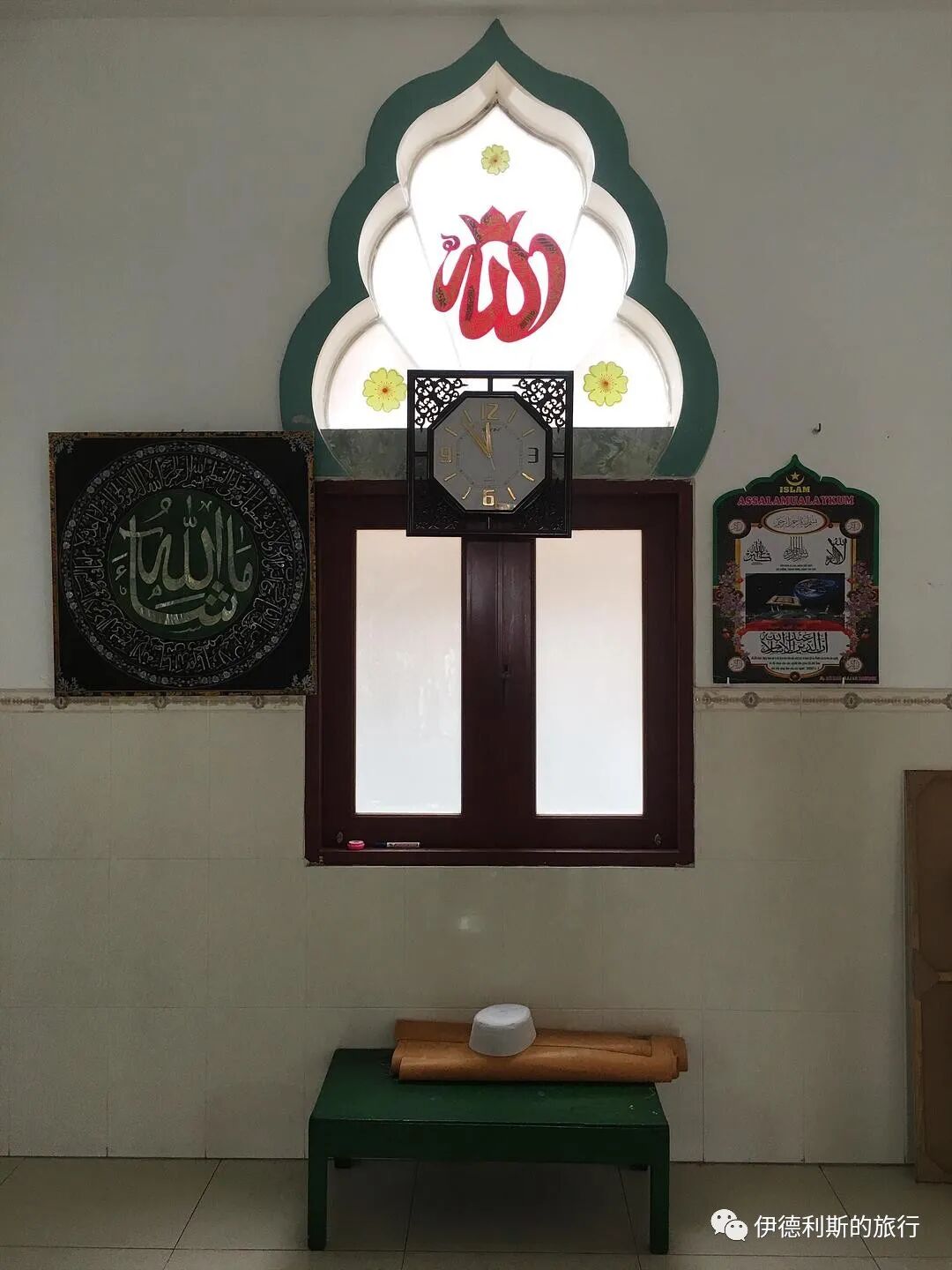
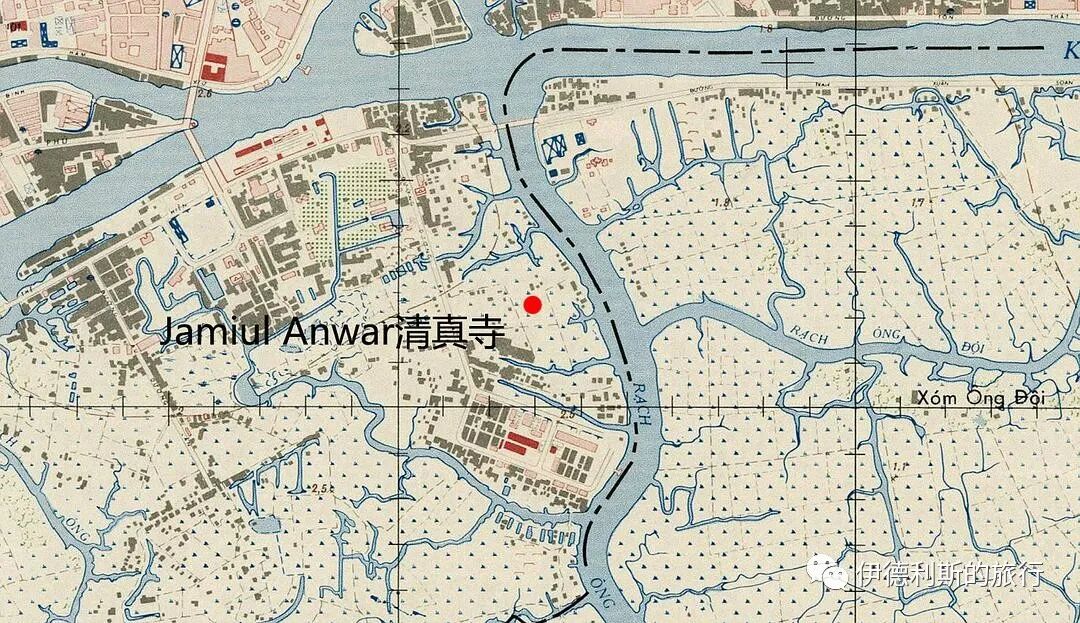
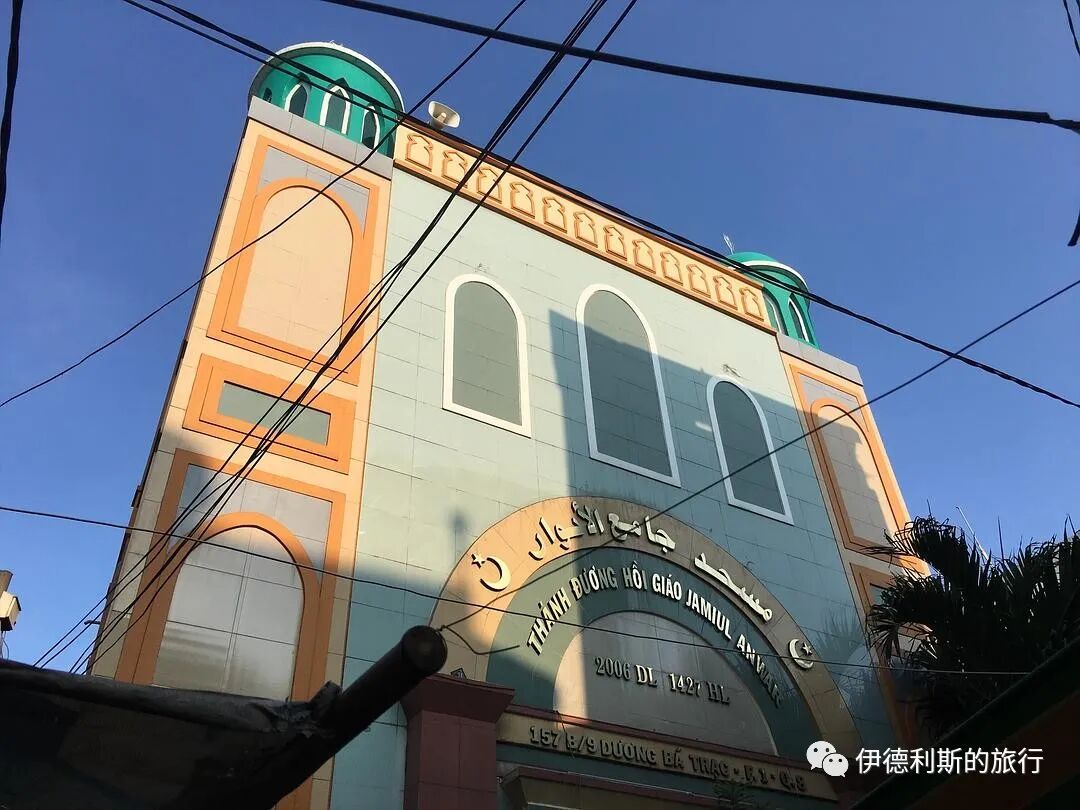
After entering the 20th century, the Malay community had a greater influence on the faith in Vietnam. At that time, religious publications were all imported from Malaya, and mosques were accustomed to inviting Malay imams to give sermons (waaz) in the Malay language. Local Cham youth were used to traveling to Malaya to study the scriptures, returning to Vietnam to practice their faith after completing their studies. In 1954, Vietnam was divided into North and South, and South Vietnam maintained good diplomatic relations with the then Federation of Malaya and later Malaysia. Many mosques in Vietnam were built with help from Malaysia in the 1950s and 1960s. In Saigon, you can find the Haiyat Al Islam mosque built in 1962, the Alsa Adah mosque built in 1968, and the Jamiul Anwar mosque built in 1969.
Jamiul Anwar mosque
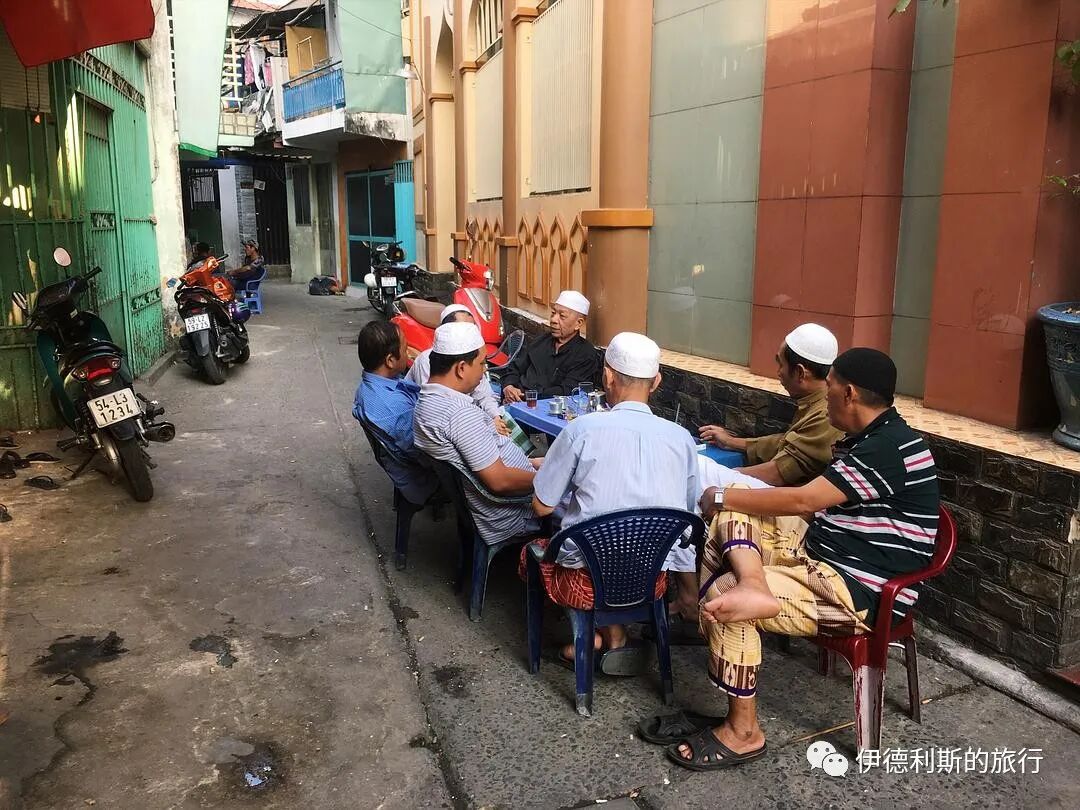
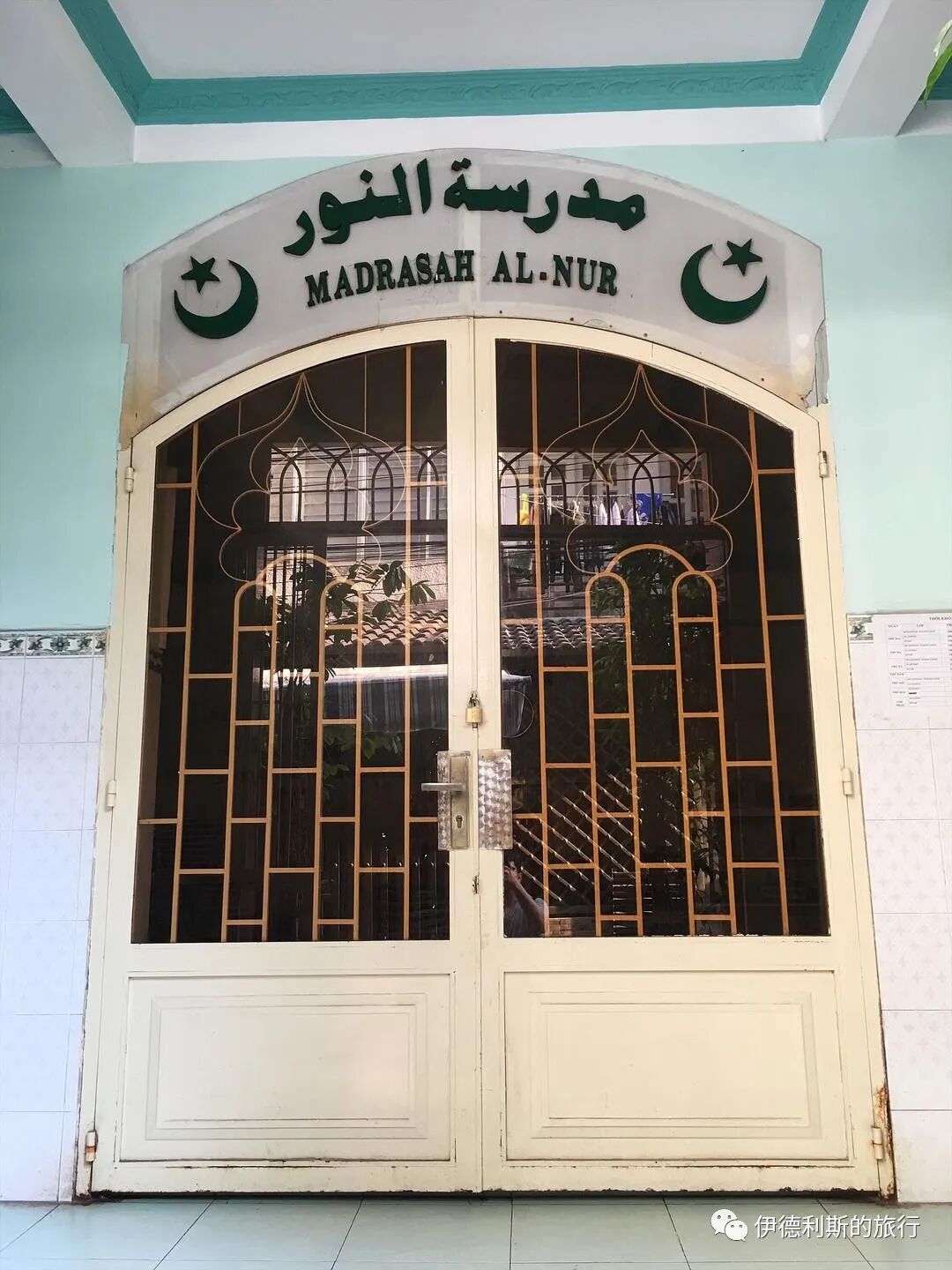
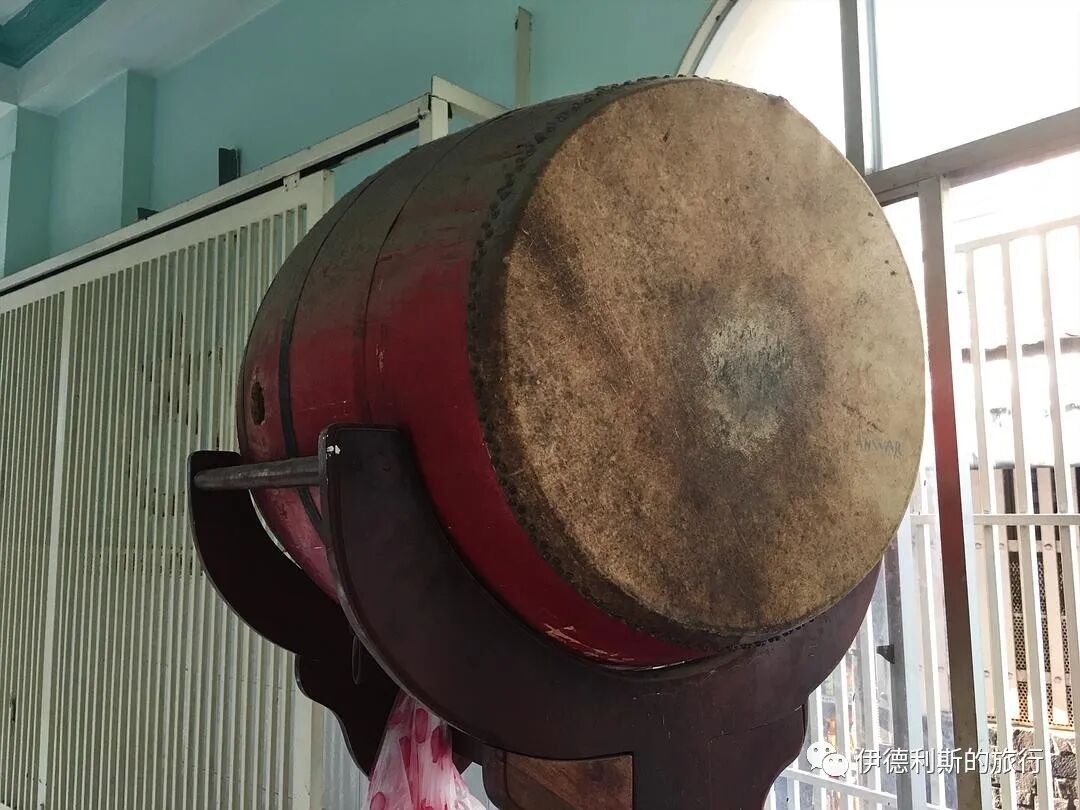
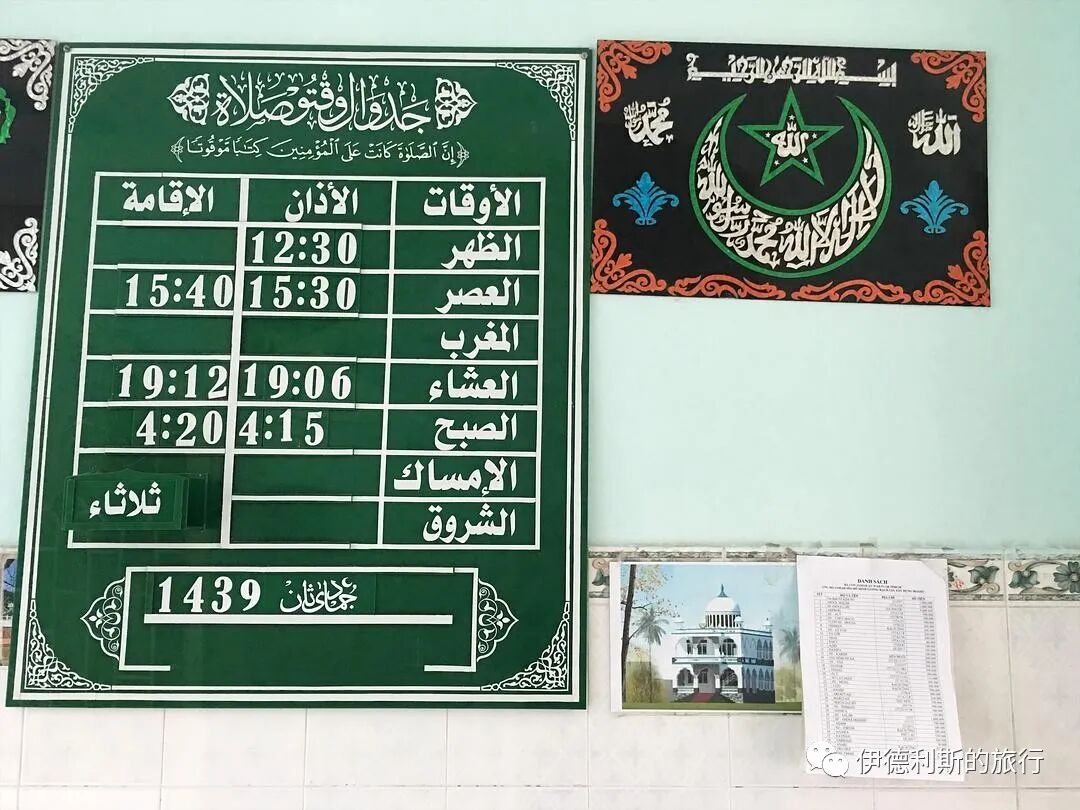
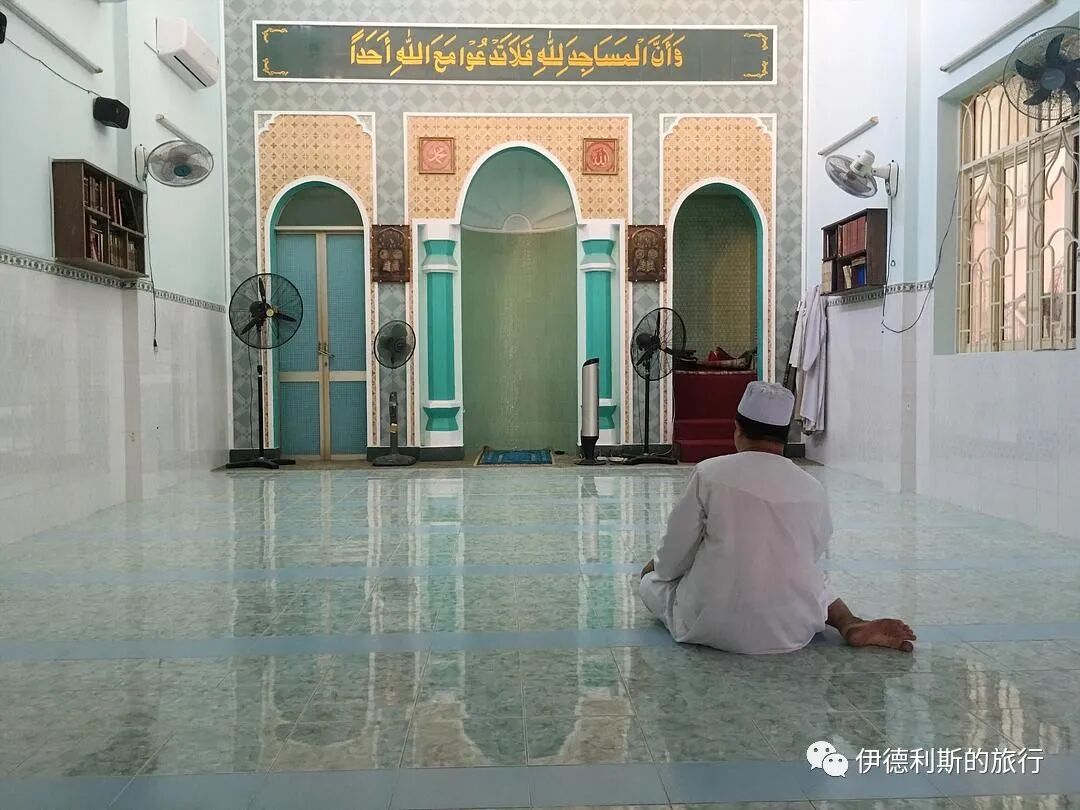
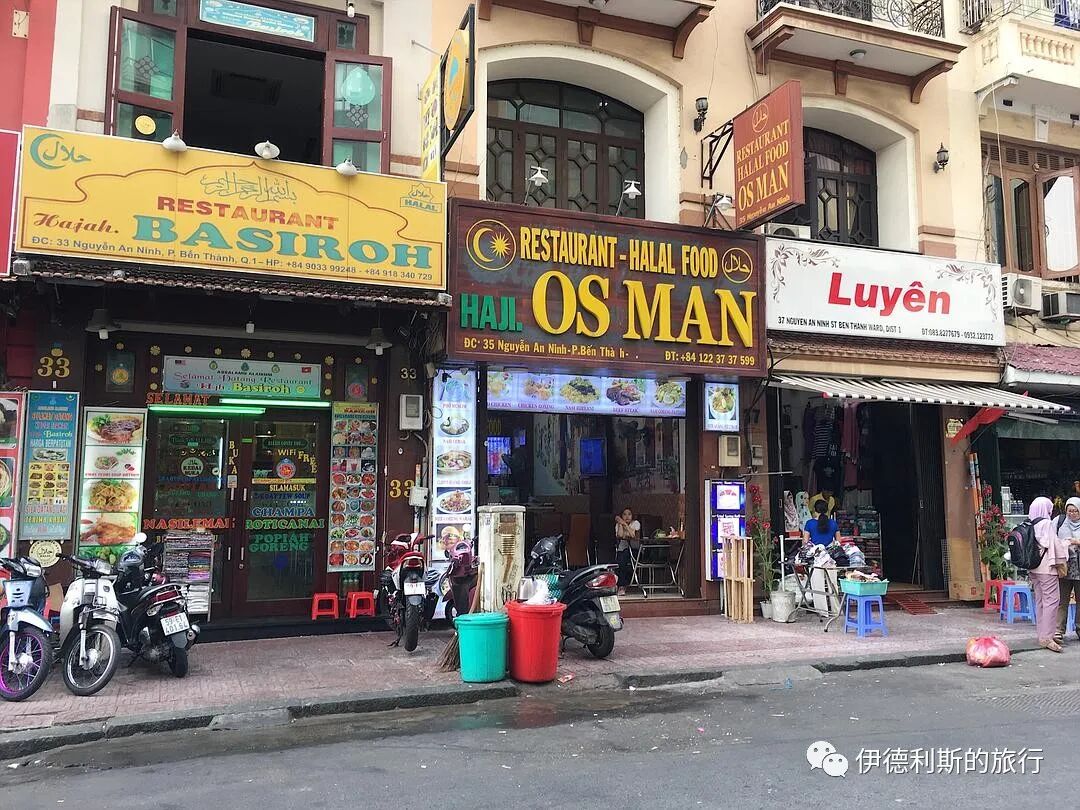
The area in Ho Chi Minh City with the most Malay people is currently Malay Street, located outside the west gate of Ben Thanh Market.
Since these restaurants mainly serve Malay tourists, they also offer Vietnamese food. This makes it very easy for Malay Muslims to try local Vietnamese dishes.
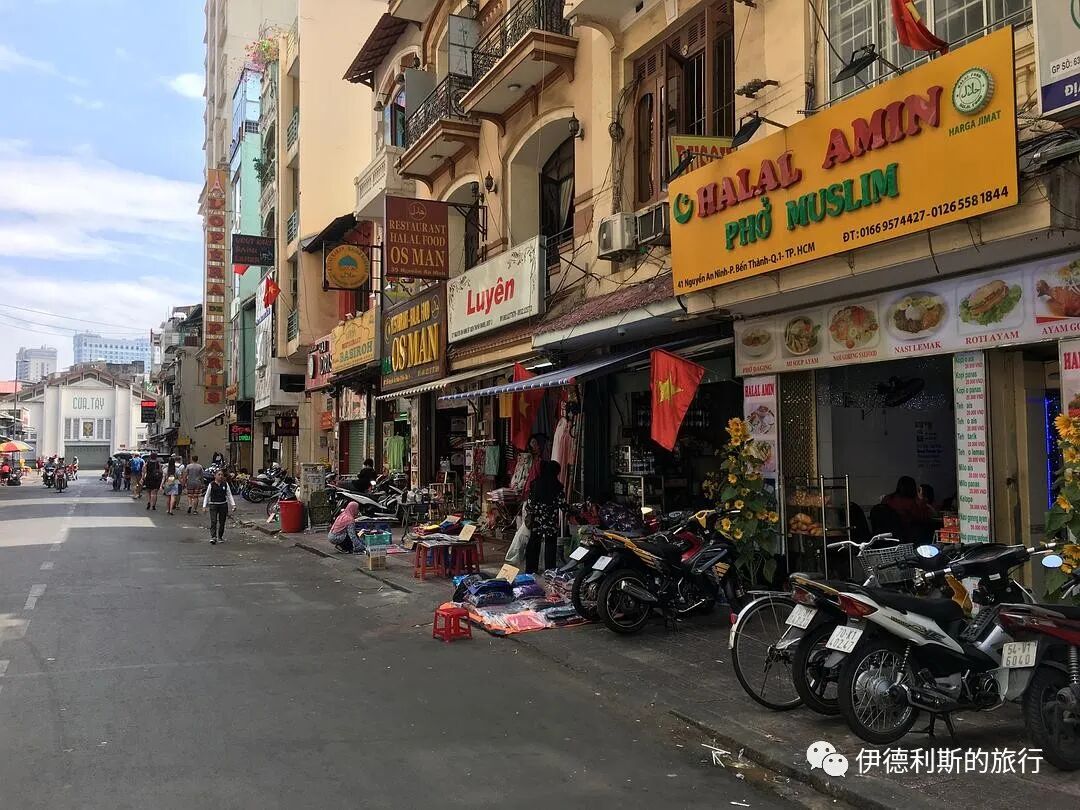
The west gate of Ben Thanh Market is at the end of the road.
The street has many stalls and shops selling women's clothing for Muslims.
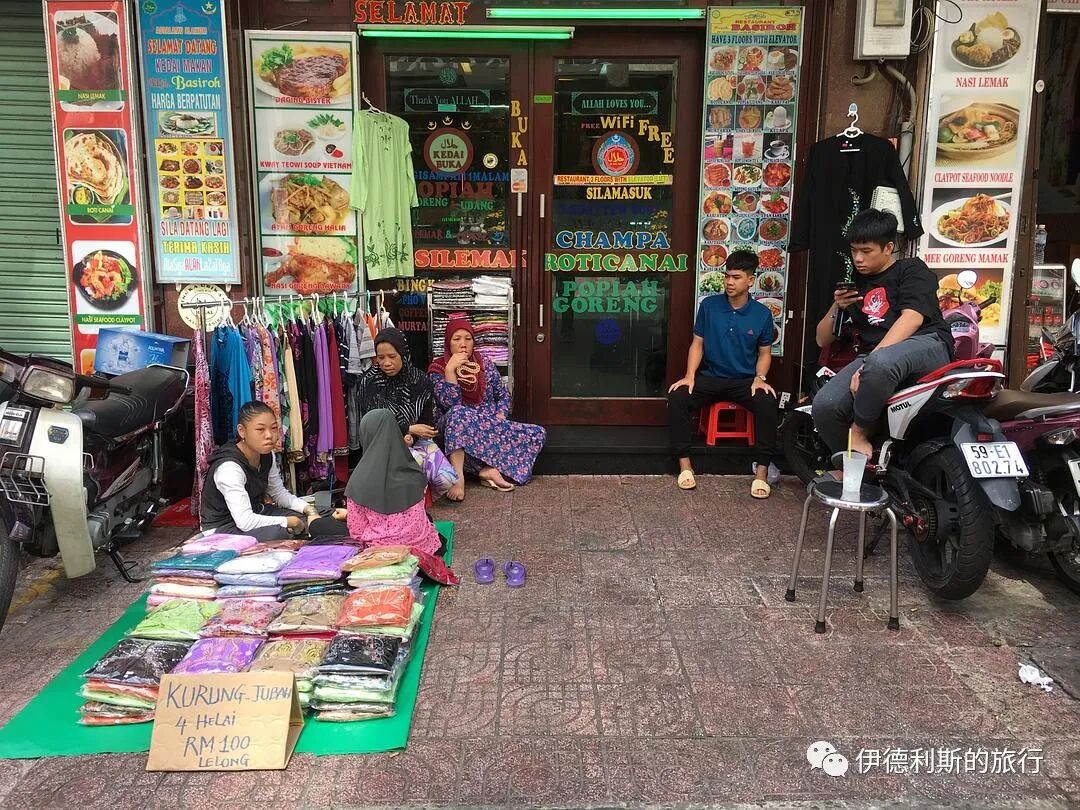
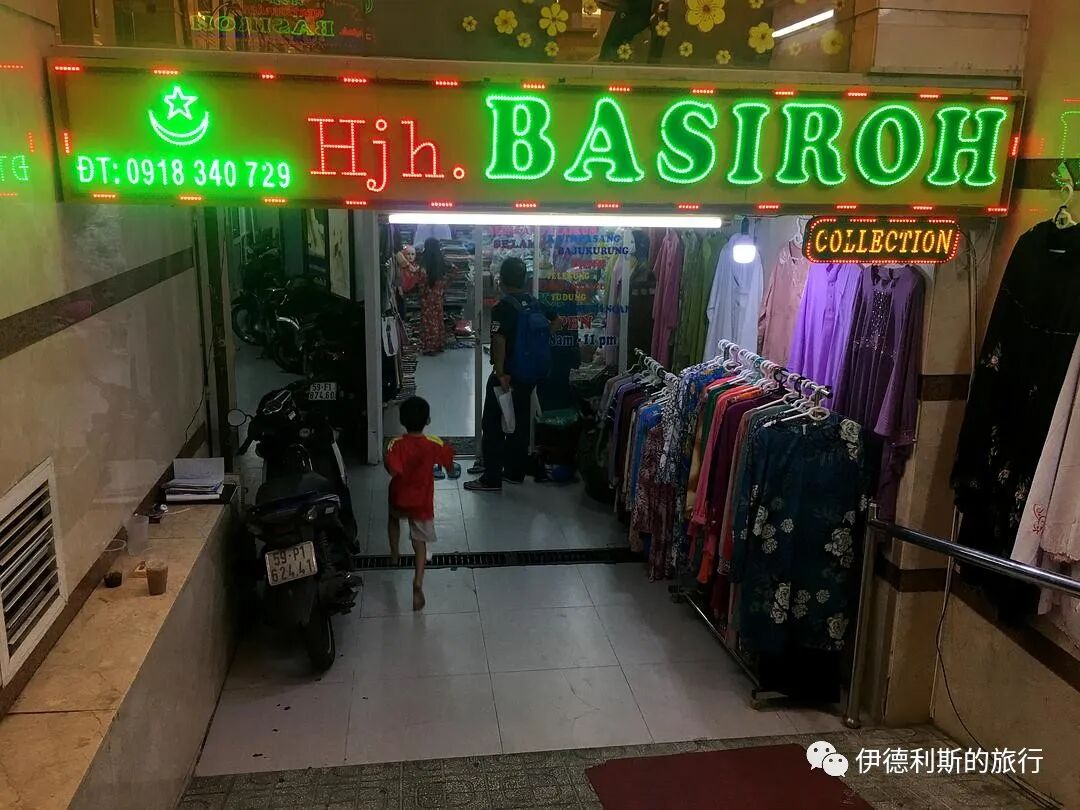
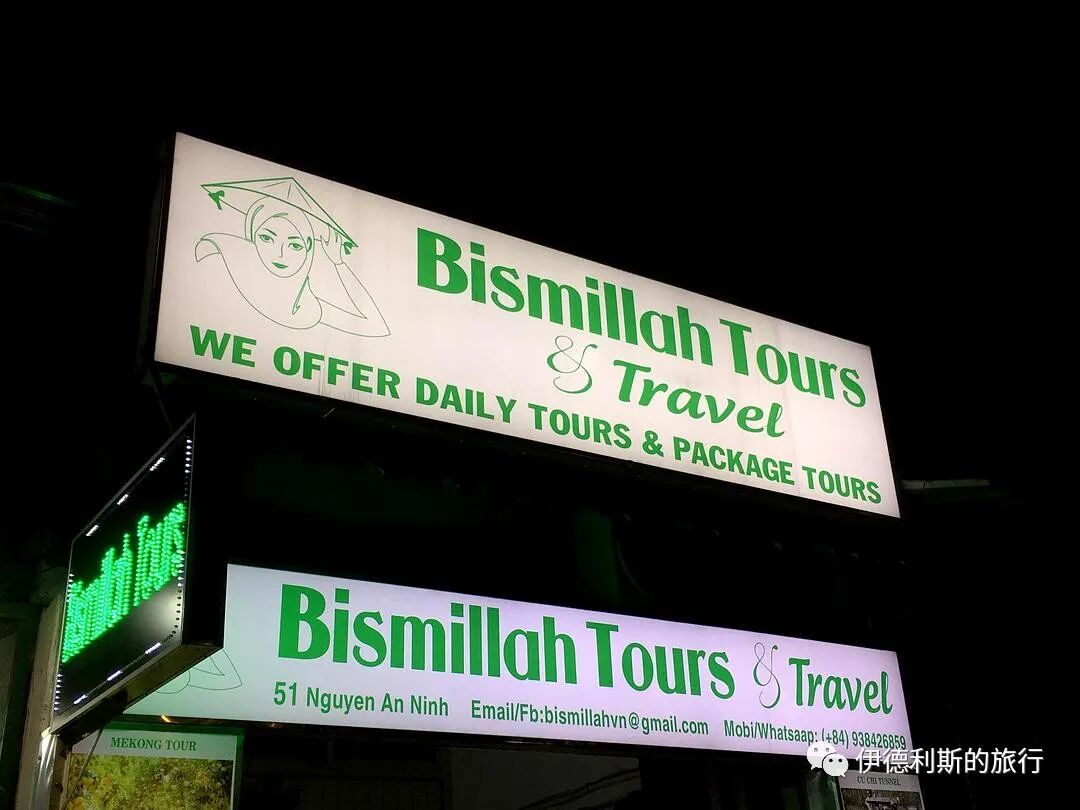
There are also Muslim travel agencies. Among them, Bismillah means the basmala.
Haji Osman Restaurant
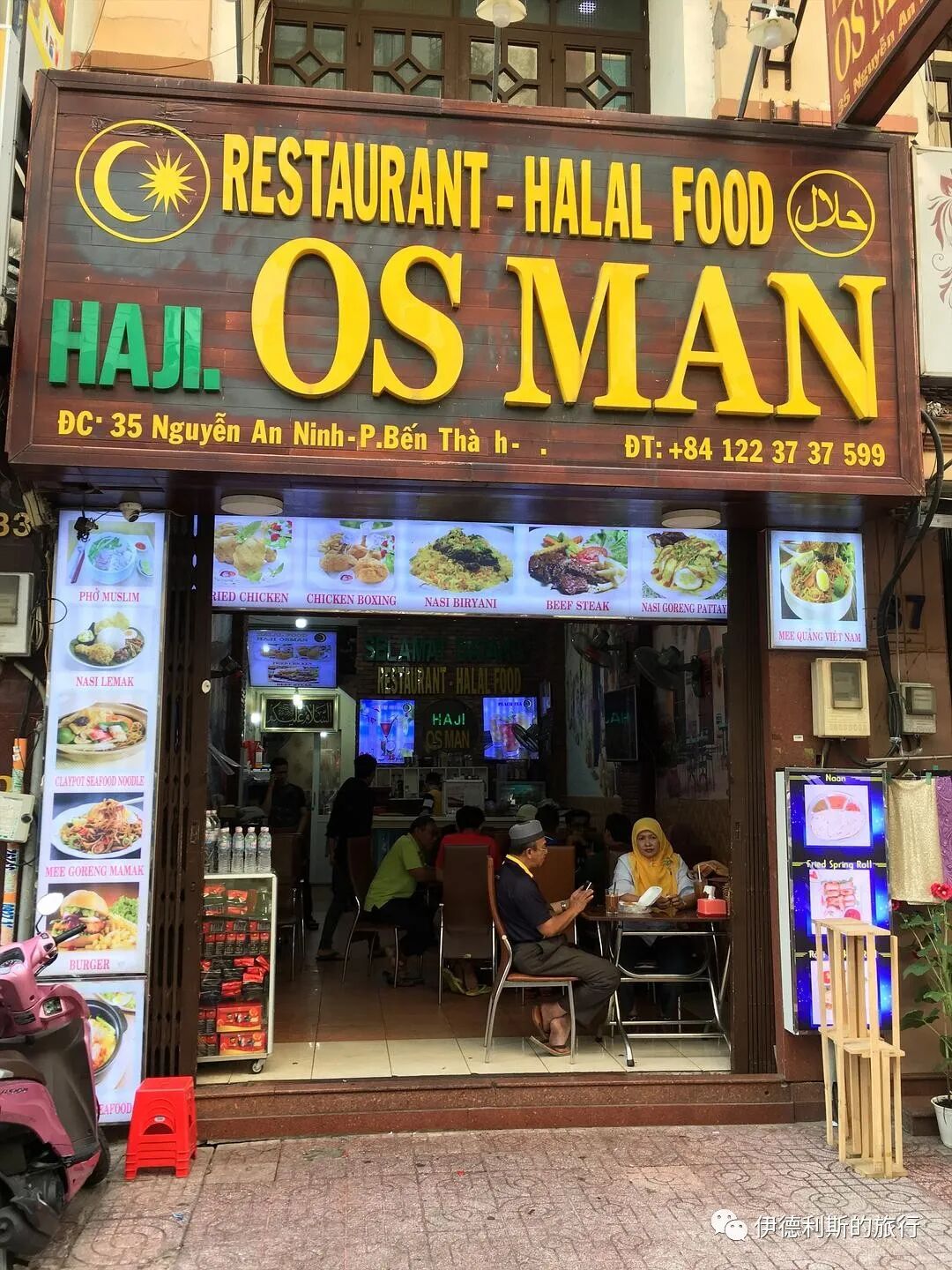
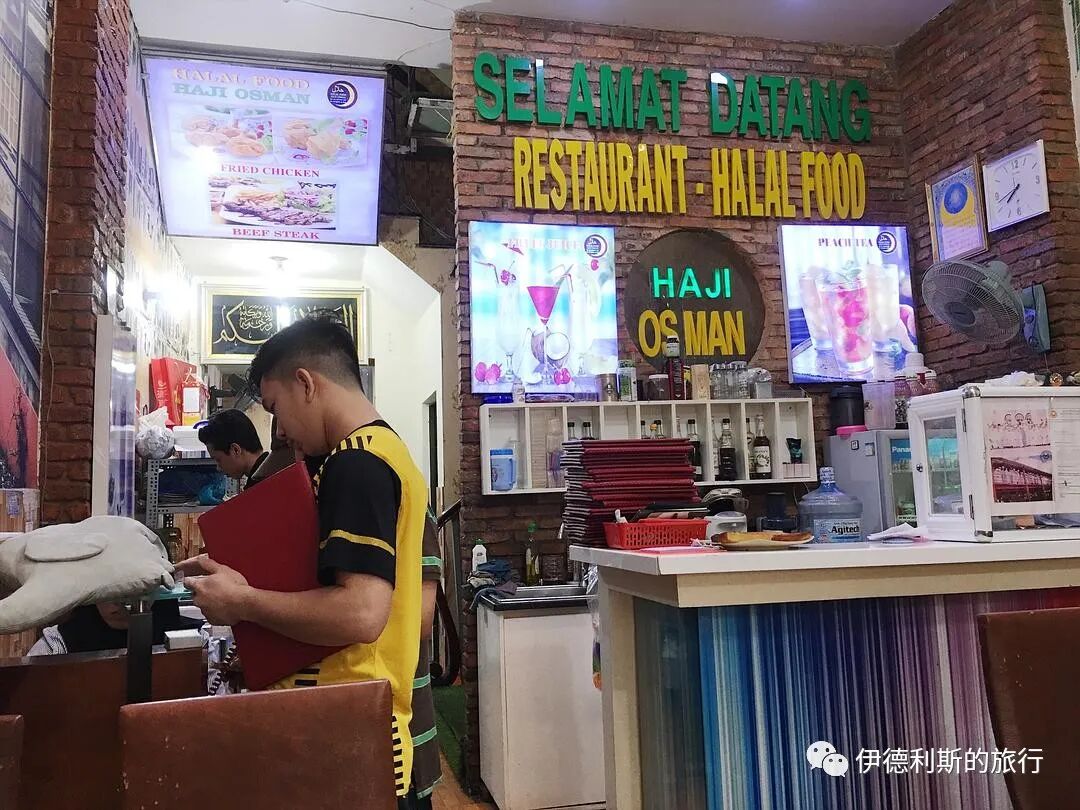
I flew from Beijing to Ho Chi Minh City and headed straight to Malay Street first thing in the morning. Malay Street was still quiet in the morning, so I walked around and picked Haji Osman Restaurant, which looked like the busiest spot.
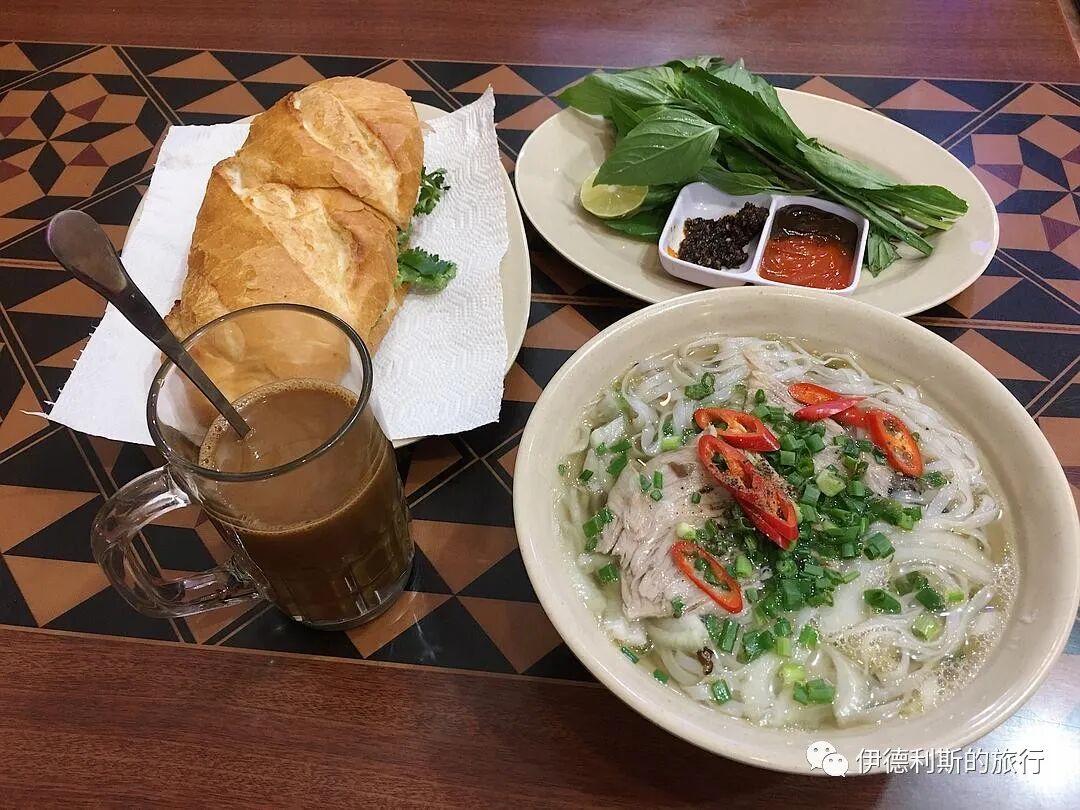
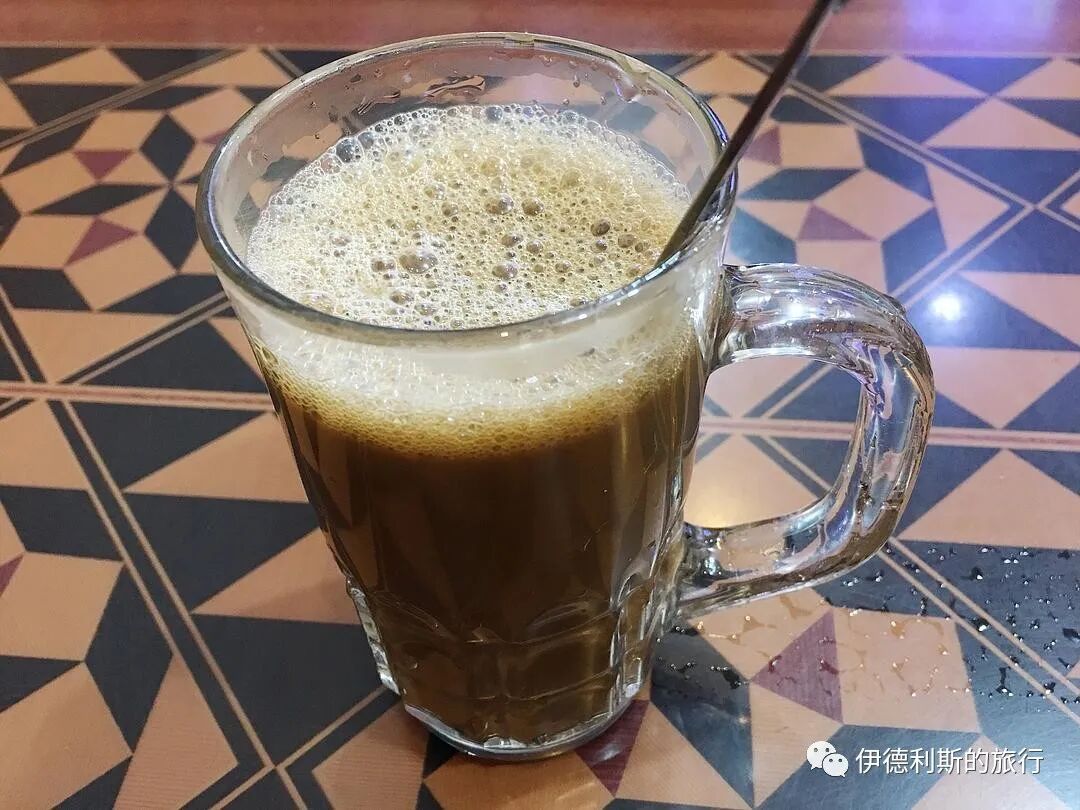
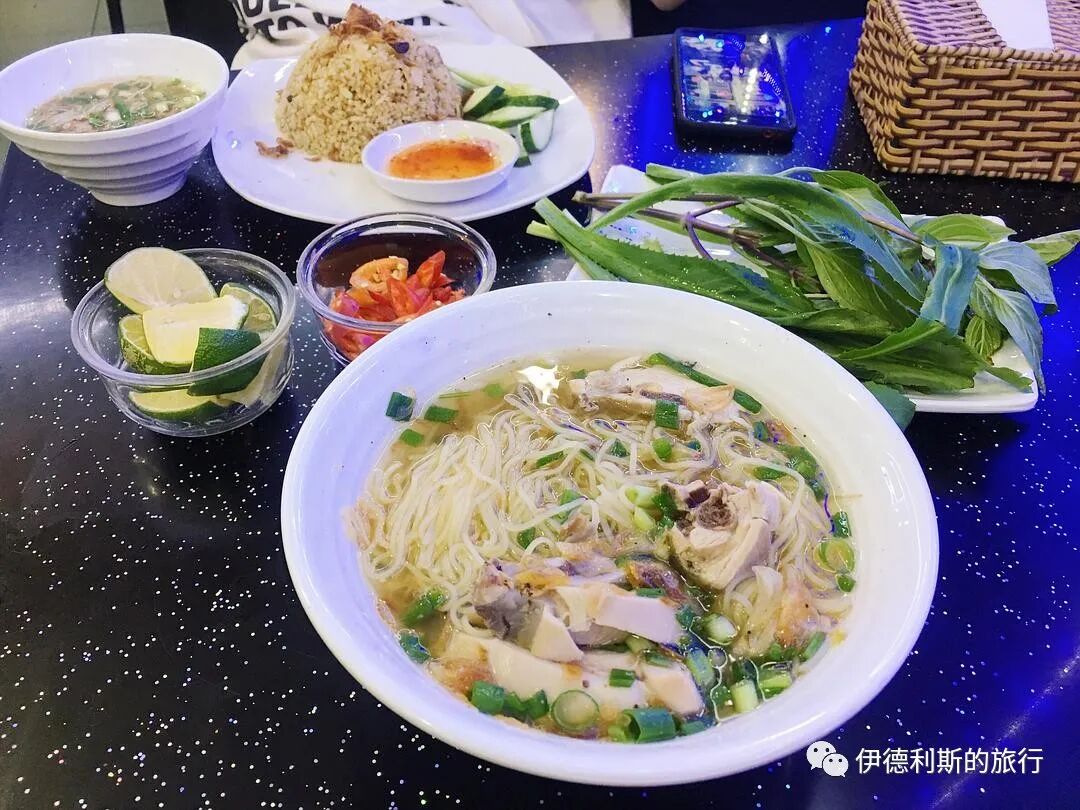
I ordered Vietnamese-style baguette, rice noodle soup (pho), and coffee, and everything was excellent. I never used to like coffee, but I was surprised to find that I really enjoyed it this time.
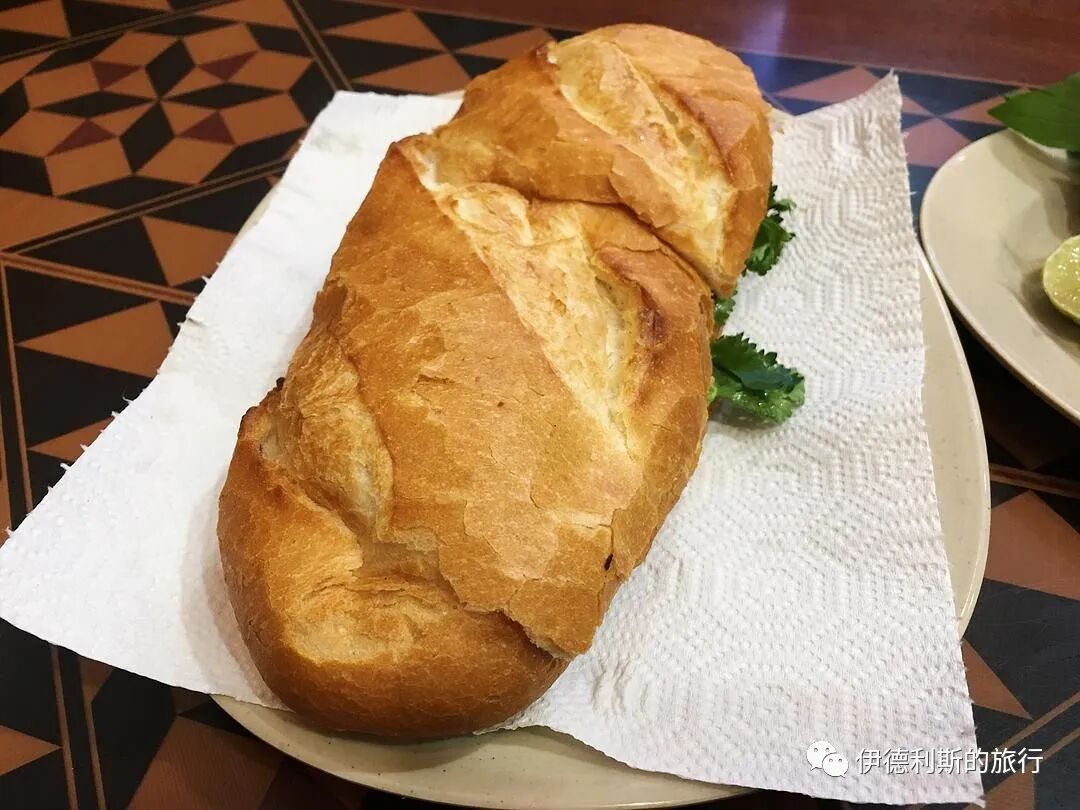
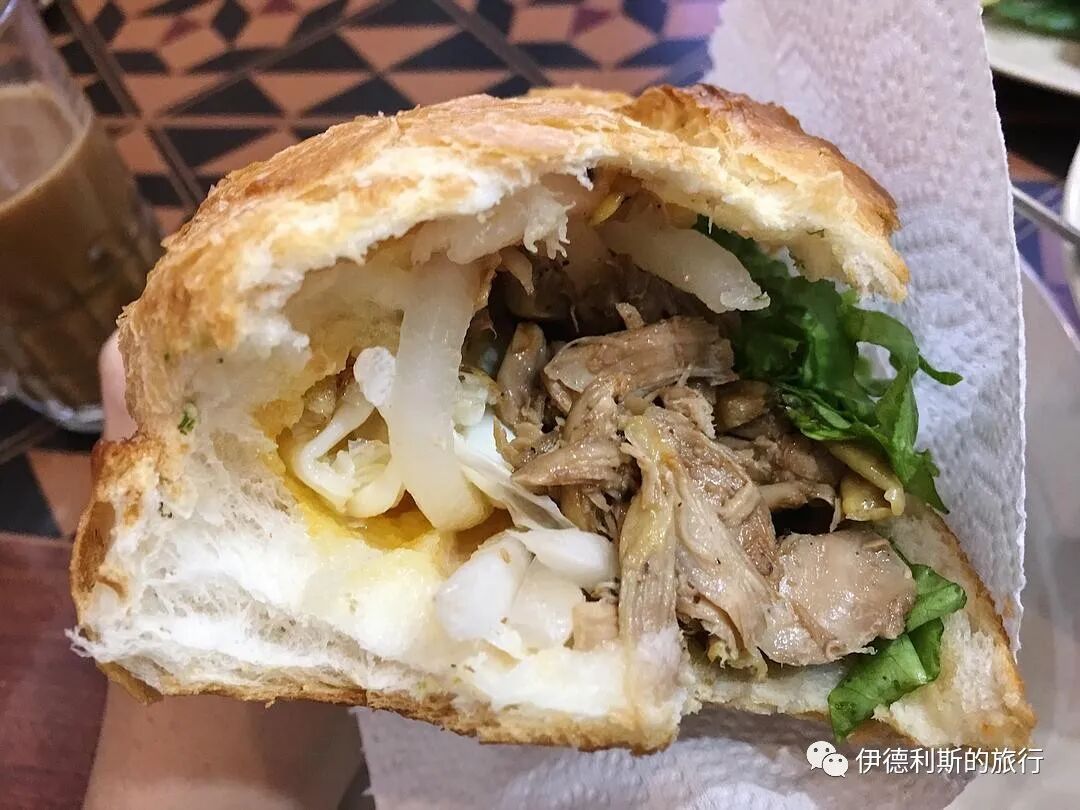
Vietnamese baguette (banh mi) is a classic breakfast on the streets of Saigon. The baguette arrived in Saigon after the French occupied the city in 1861. Back then, wheat was expensive to import, so the baguette was considered a luxury item. During World War I, wheat imports stopped, so more cheap rice flour was added to Vietnamese baguettes, making them much fluffier. Because the price dropped, baguettes became a regular part of the Vietnamese diet.
Before the 1950s, Vietnamese baguettes were still strictly French-style, served with mayonnaise or jam. After Vietnam was divided into North and South in 1954, over a million people moved from the north to the south, which changed the food scene in Saigon. In the late 1950s, some northern migrants started selling baguettes on the street, and the modern Vietnamese baguette began to take shape.
After the Fall of Saigon in 1975, baguettes were only sold in state-run restaurants and often served with other dishes, which is how the modern habit of dipping baguettes into rice noodle soup (pho) began. It was not until the socialist market economic reforms in 1986 that baguettes returned to the streets as a common snack.
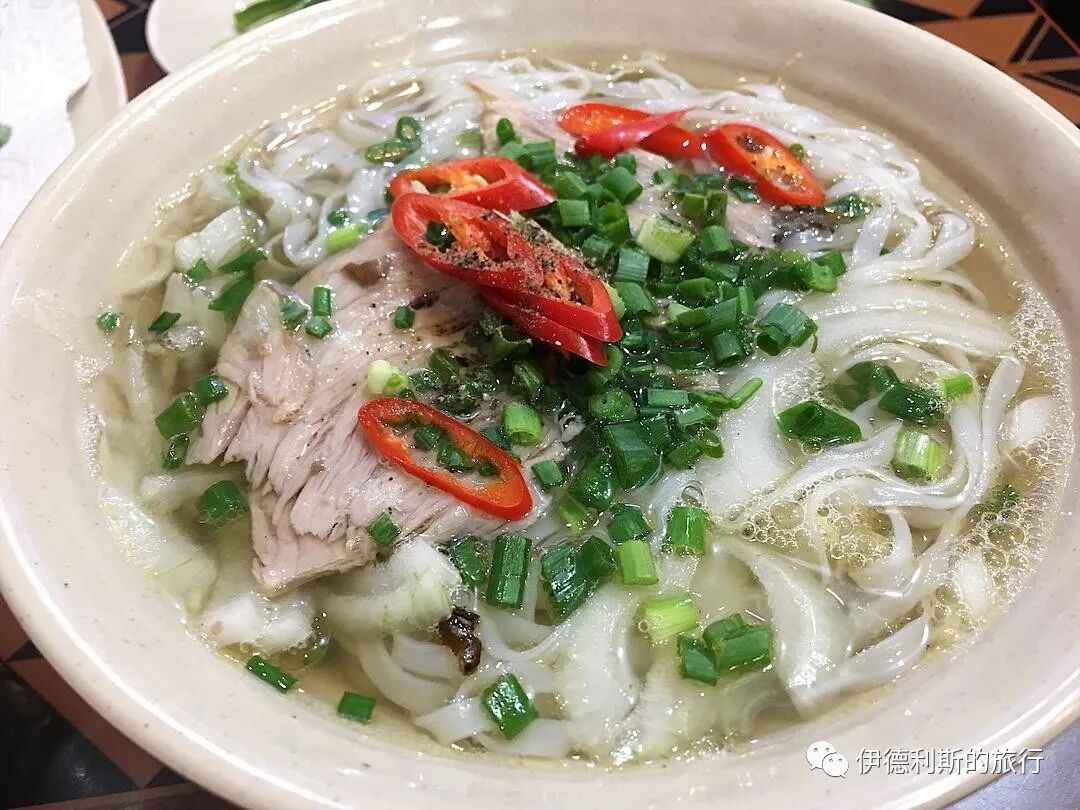
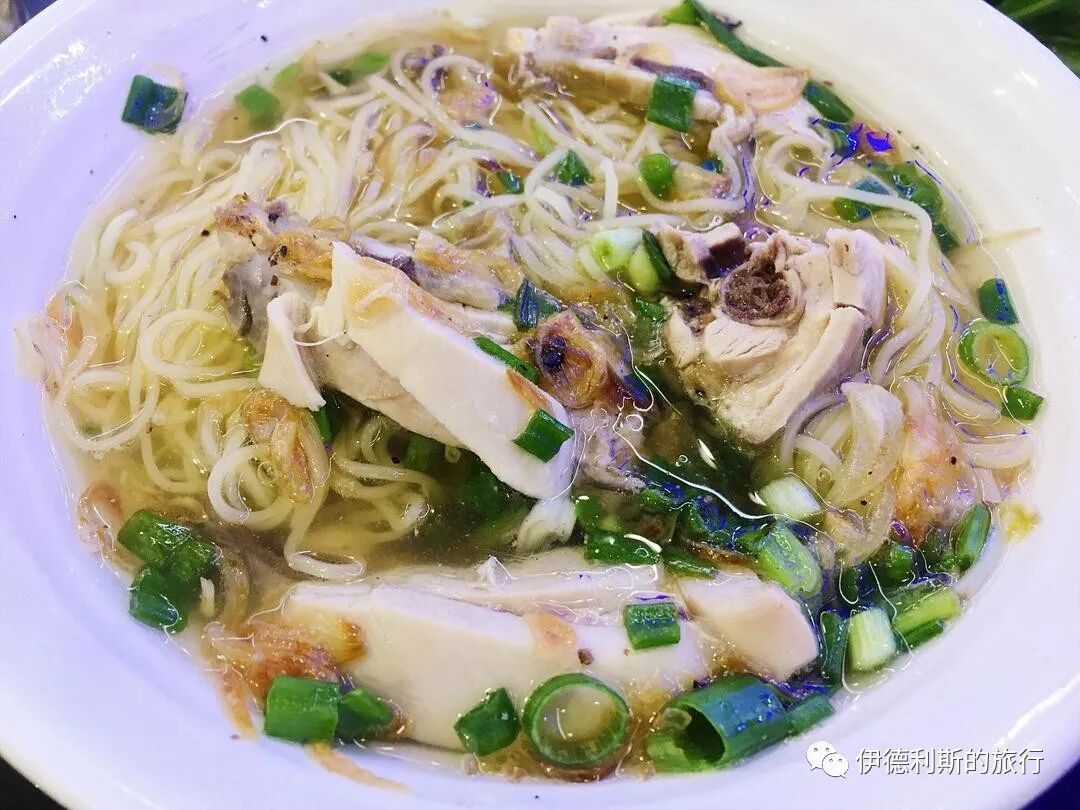
Vietnamese rice noodle soup (pho) appeared in northern Vietnam in the early 20th century, but it was not very popular in Saigon until the 1950s. After Vietnam was divided into North and South in 1954, over a million people moved from the north to the south. Rice noodle soup (pho) became popular in Saigon and developed a unique flavor different from the north.
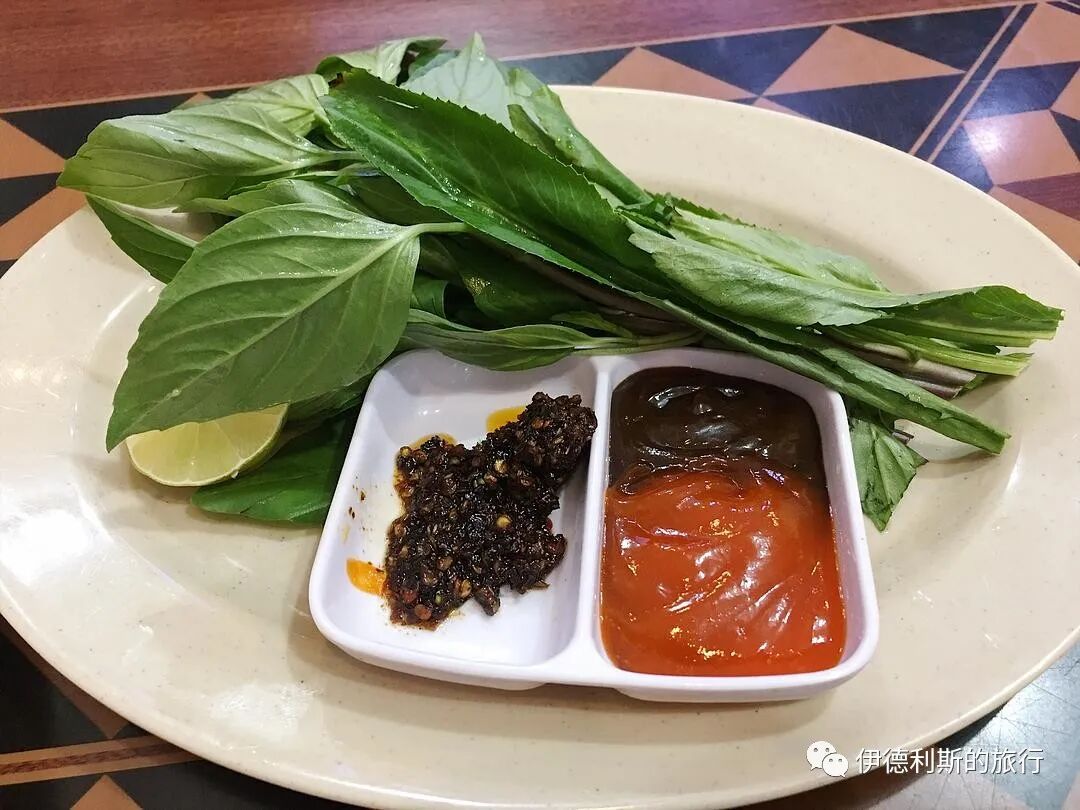
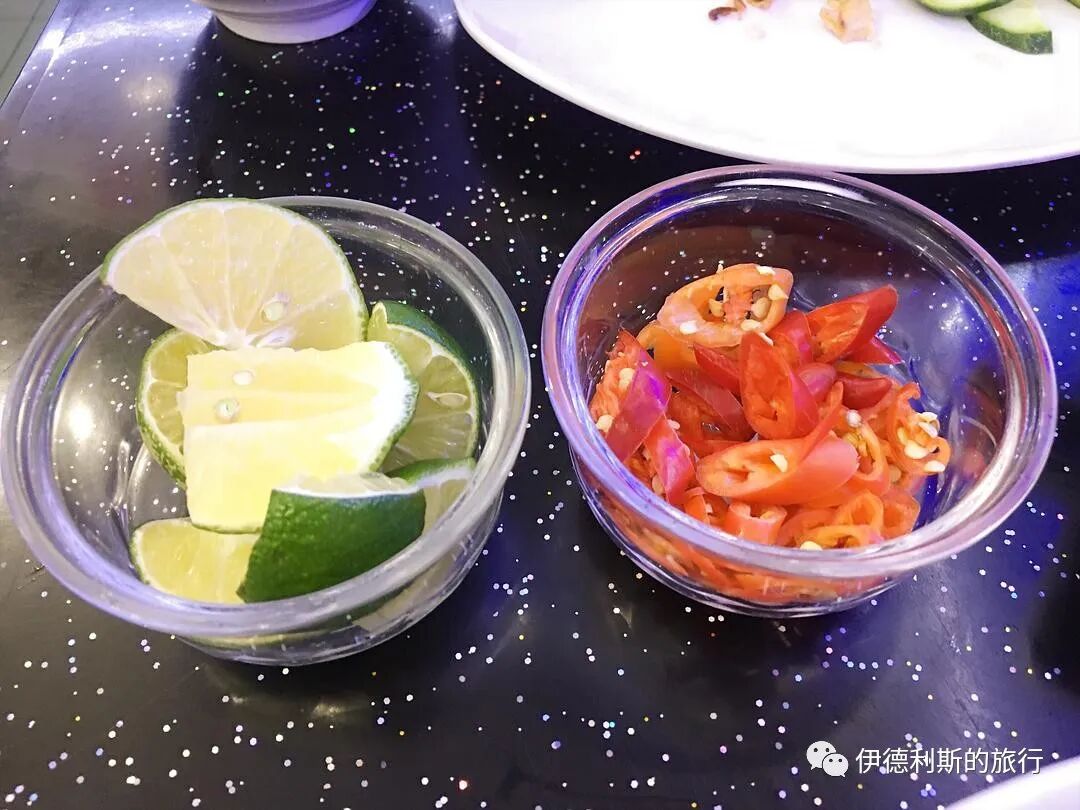
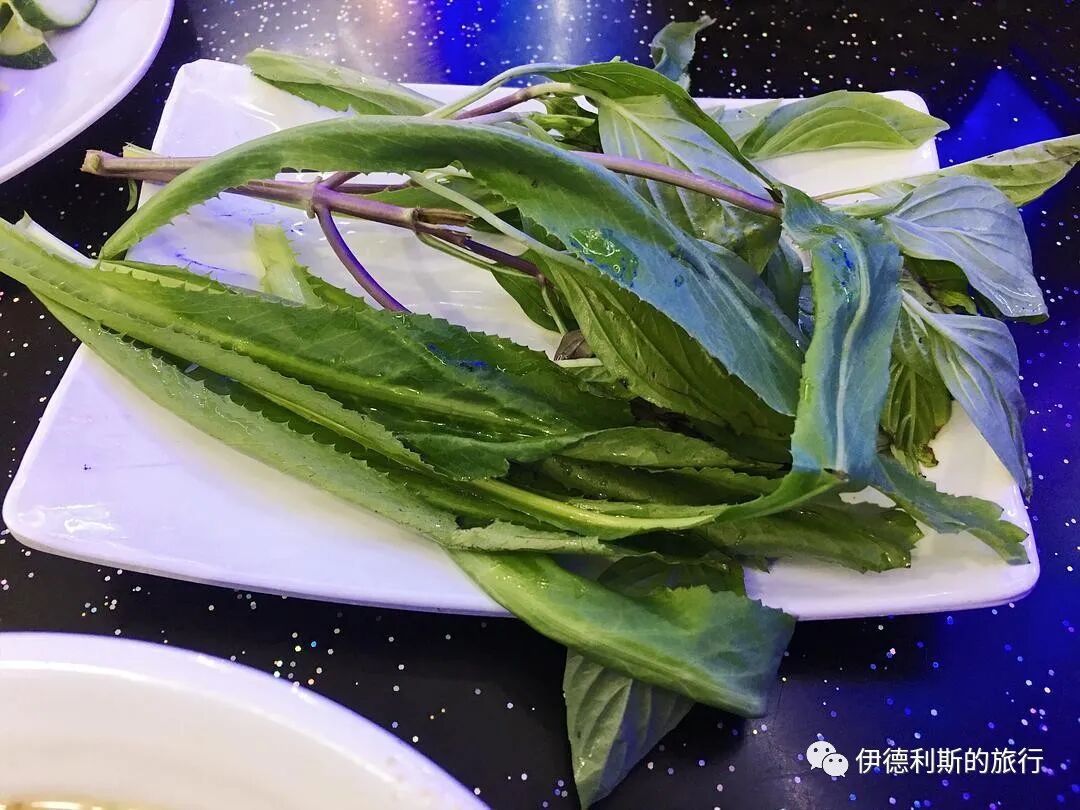
Thai basil is served with the rice noodle soup, though the Malay people at the next table did not seem to enjoy it much.
Delicious Vietnamese coffee.
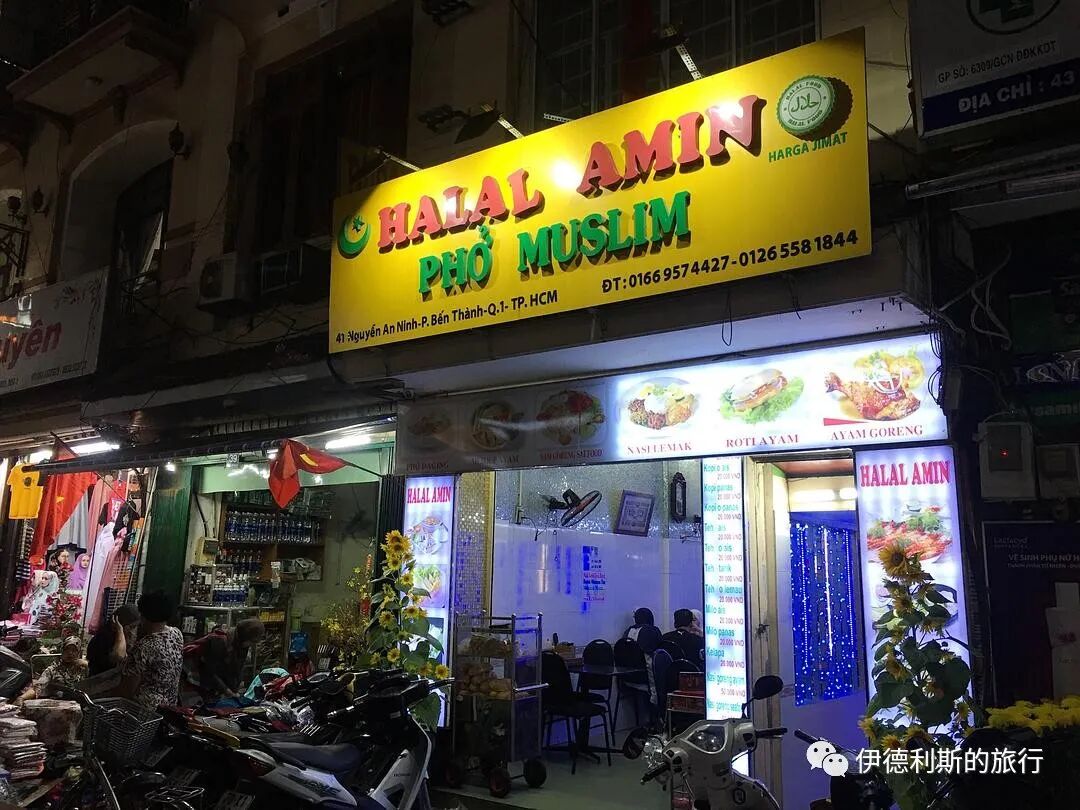
HALAL AMIN restaurant.
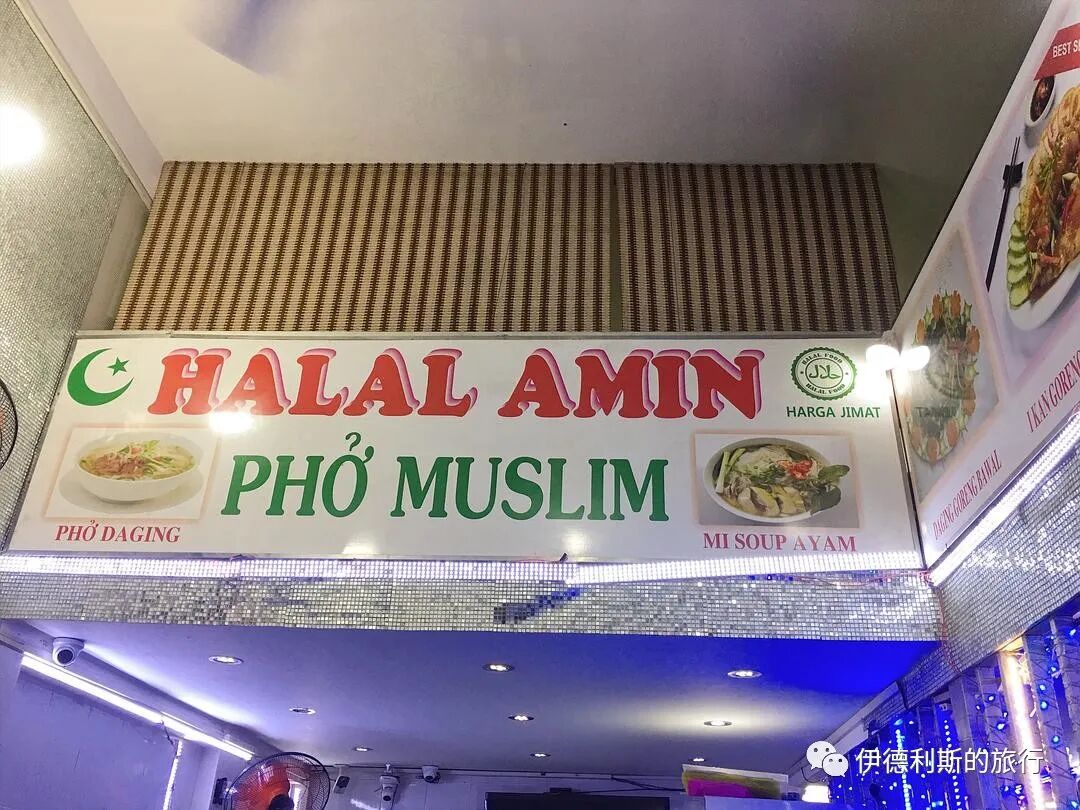
HALAL AMIN is another halal restaurant on Malay Street. The words "PHỞ MUSLIM" below mean Muslim rice noodle soup.
How it looks during the day.
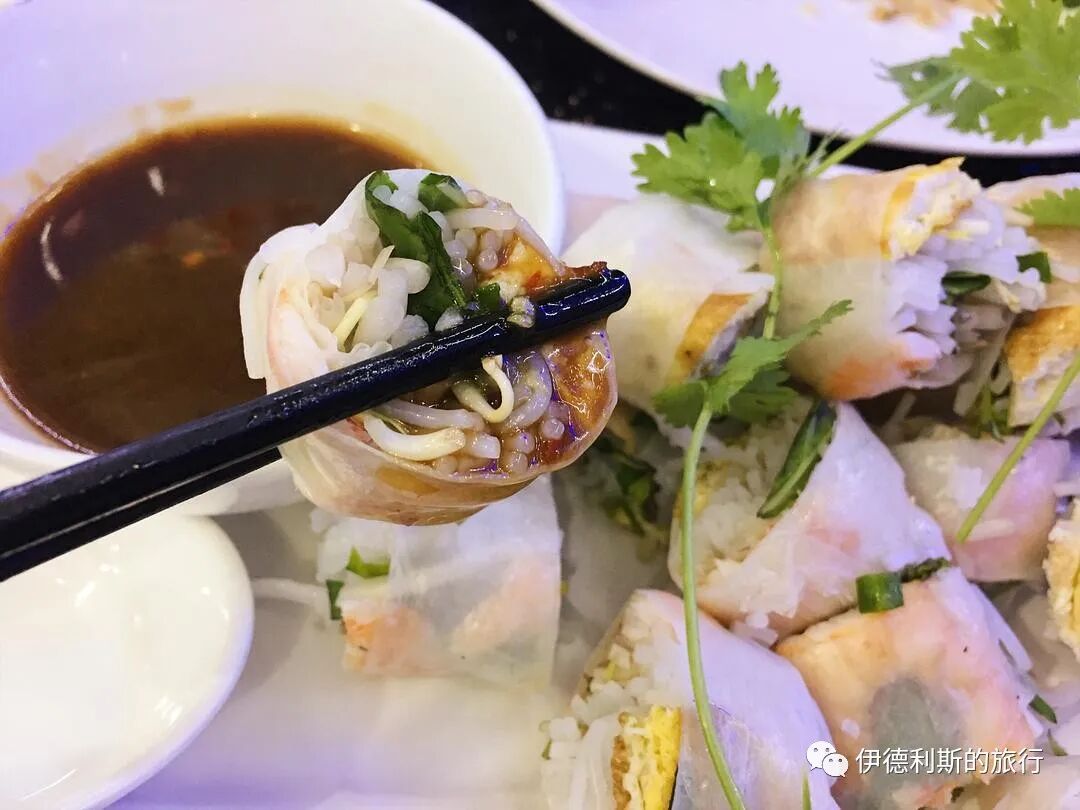
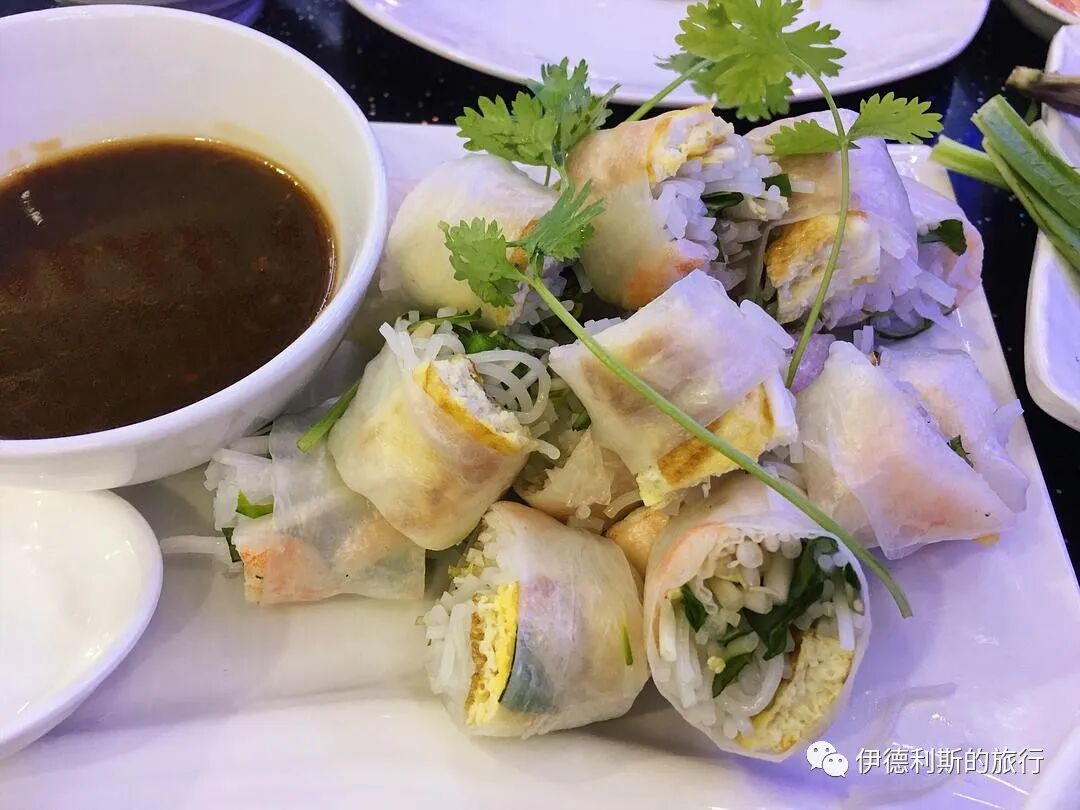
Vietnamese spring rolls (Gỏi cuốn) contain rice vermicelli (bún) wrapped in translucent rice paper (Bánh tráng). The rice paper is a bit tough to chew, and it felt strange the first time I ate it.
I ordered wide beef noodles at the last place, but this time I had thin chicken noodles.
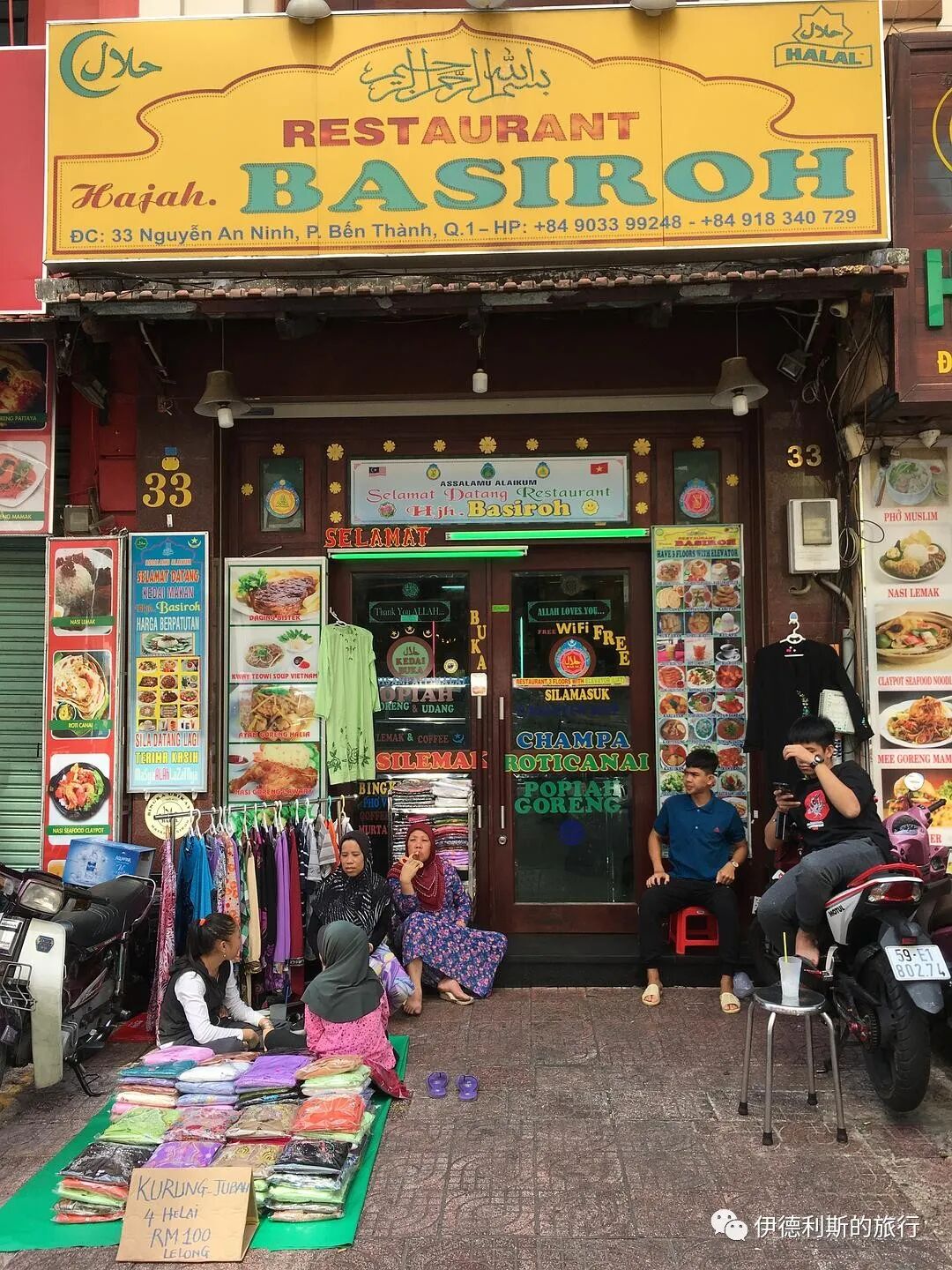
Hajah BASIROH Restaurant
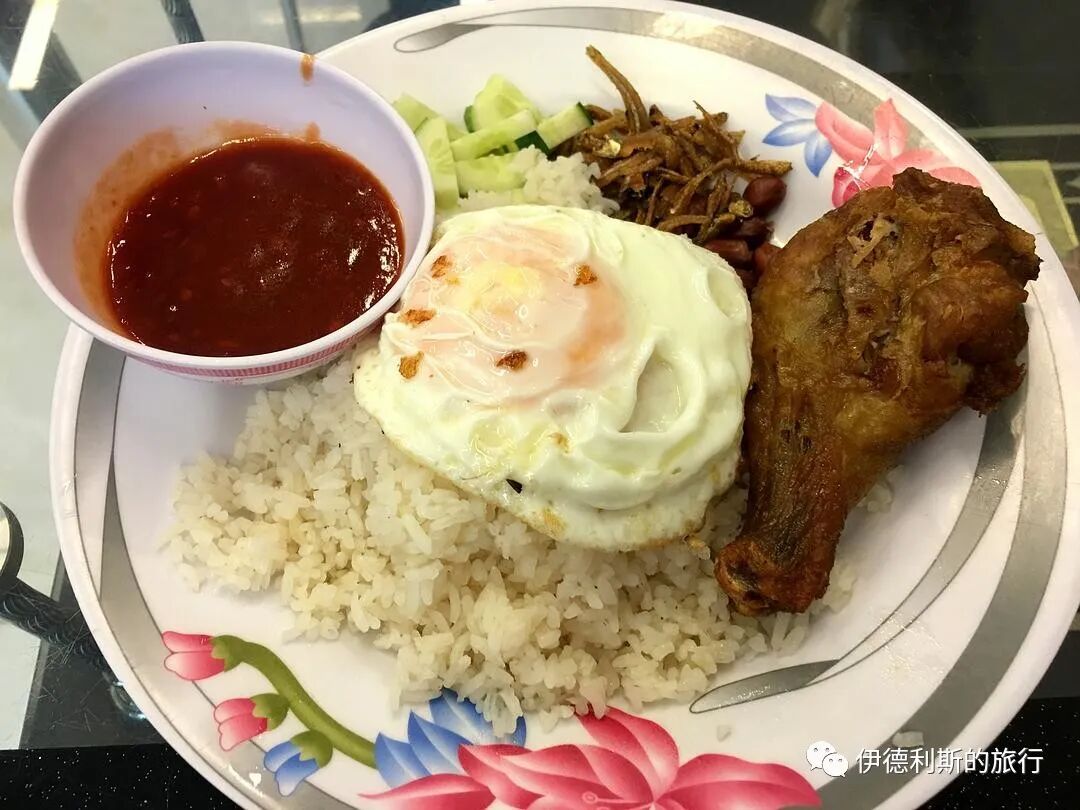
I also tried the Malaysian chicken rice at Hajah BASIROH Restaurant on Malay Street.
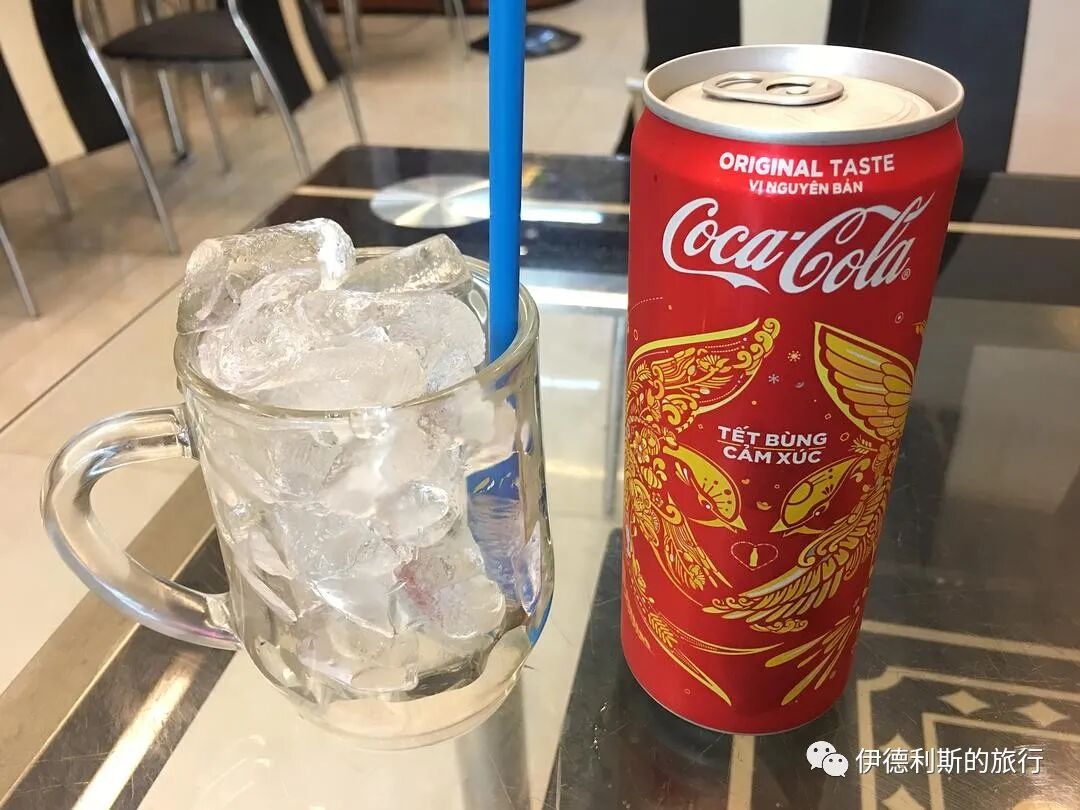
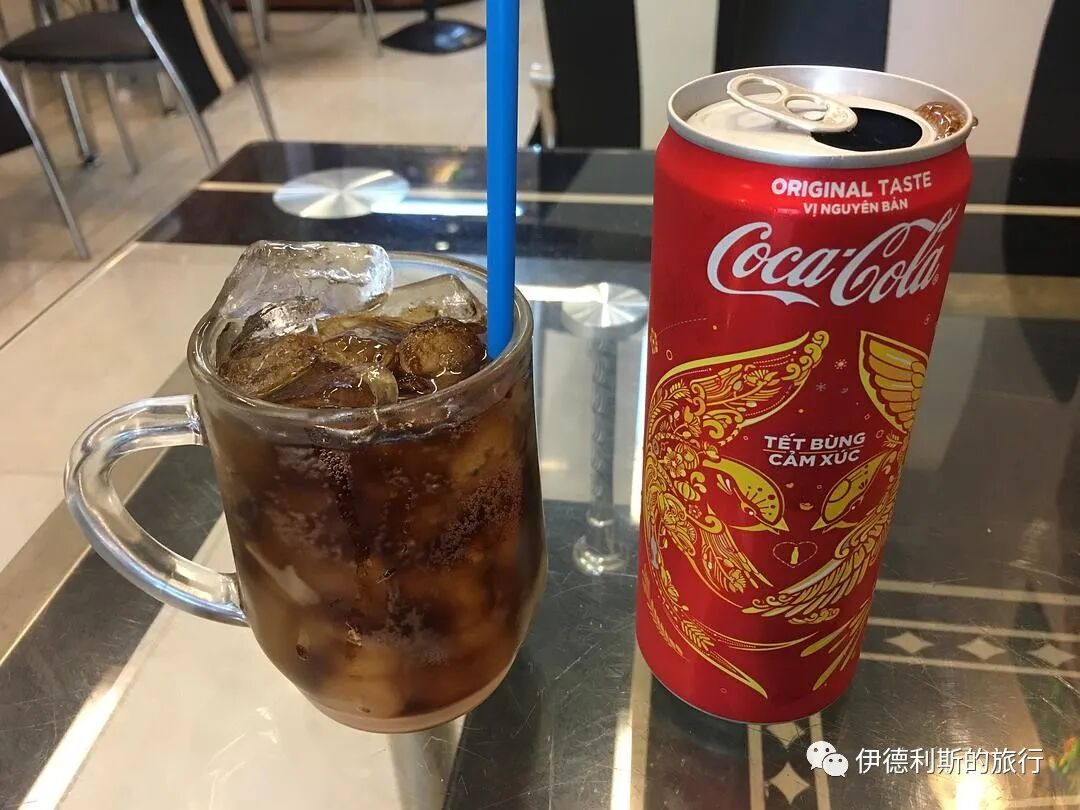
In tropical countries like Malaysia, Vietnam, or Thailand, restaurants often bring you a big glass of ice first. You pour your own water or drink into it, which feels amazing in the hot and humid weather.
Street-style Malay cake (Kuih)
One morning on Malay Street, I met an uncle selling Malay cake (Kuih).
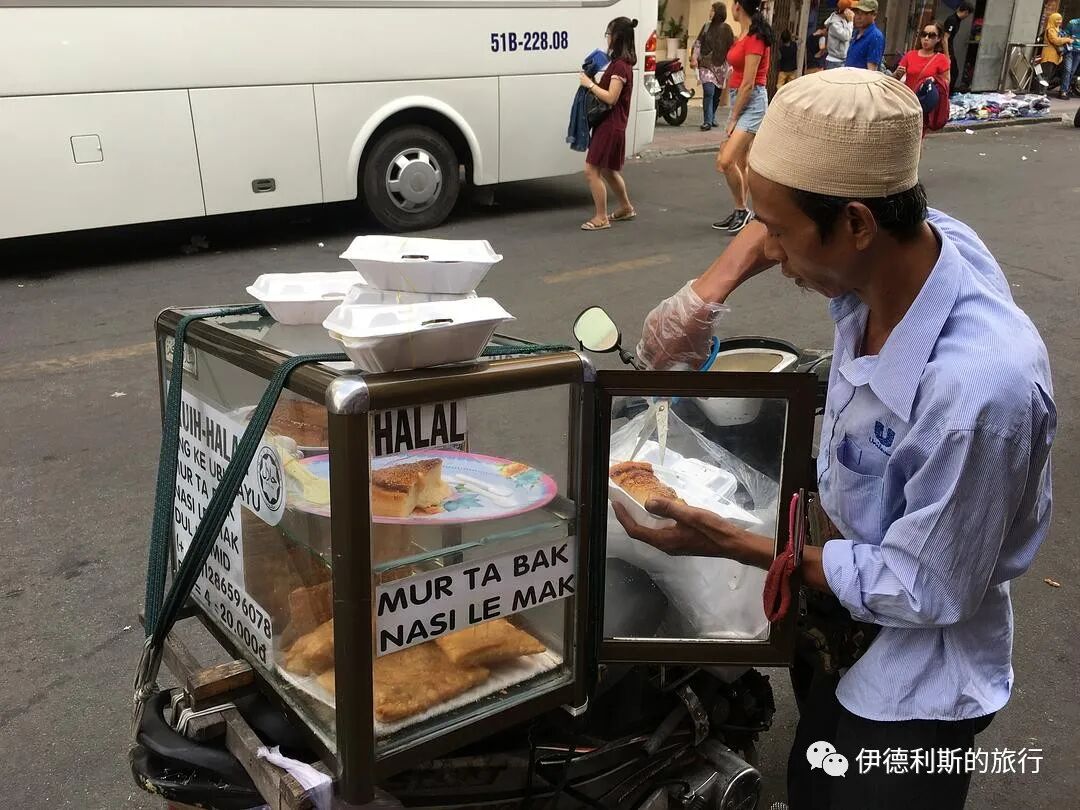
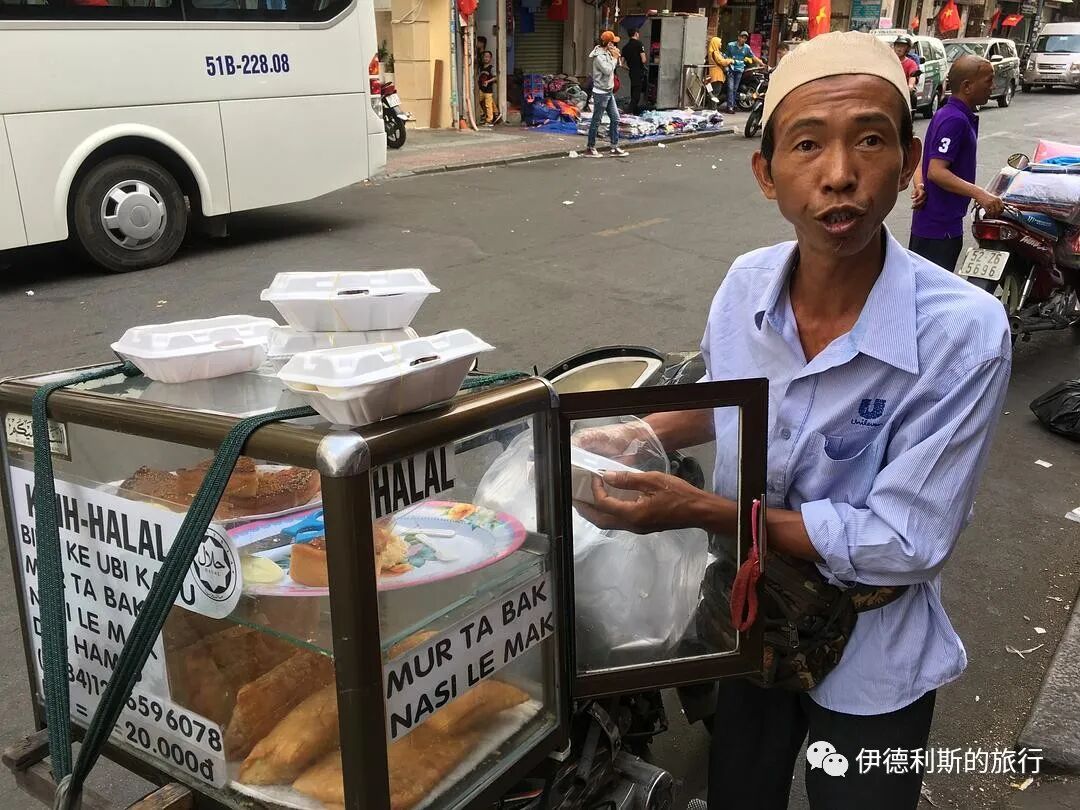
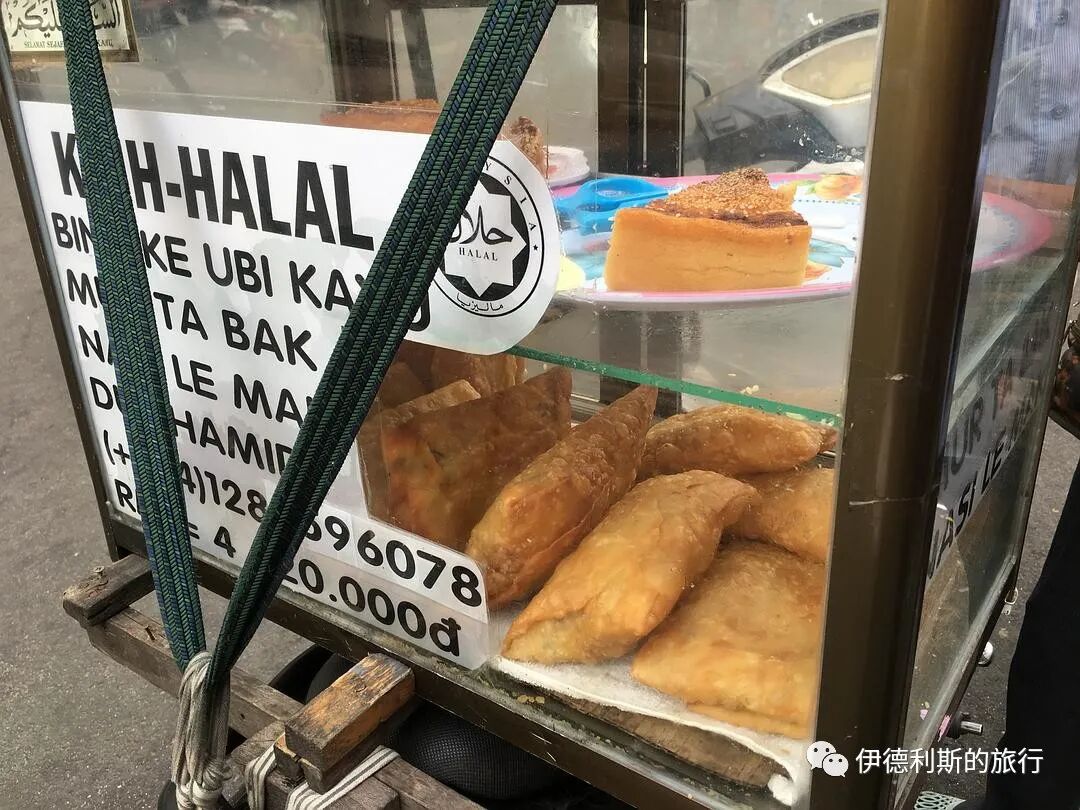
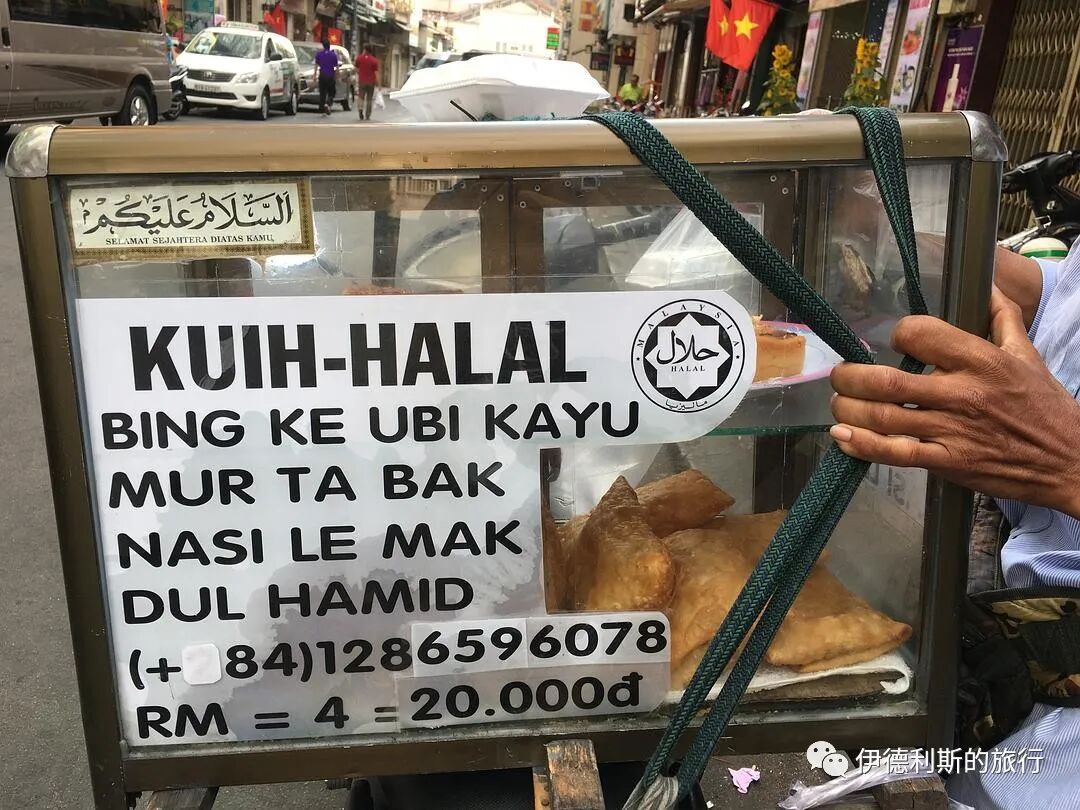
The uncle specifically showed me the words on his cart. The title KUIH-HALAL means halal Malay cake, and on the right is the Malaysian halal certification logo.
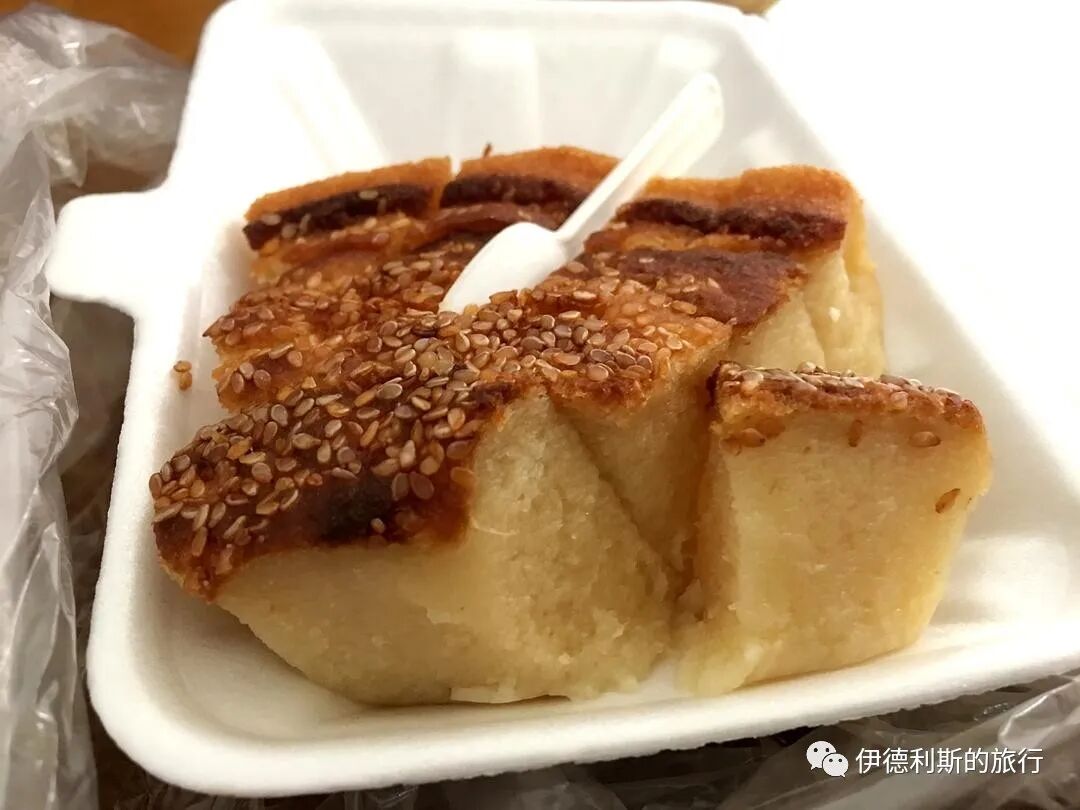
The 'Bingke Ubi Kayu' on the first line, also written as 'Kuih Bingka Ubi Kayu' or 'Bingka Ubi', is a Malay cake made by mixing coconut and cassava with coconut milk and salt. This simple recipe is very common in Malaysia.
The 'Murtabak' on the second line is a vegetable pancake popular across the Middle East, South Asia, and Southeast Asia.
The 'Nasi Lemak' on the third line is Malay coconut milk rice.
I bought a piece of Bingka Ubi cake made from a mix of cassava and coconut to eat.
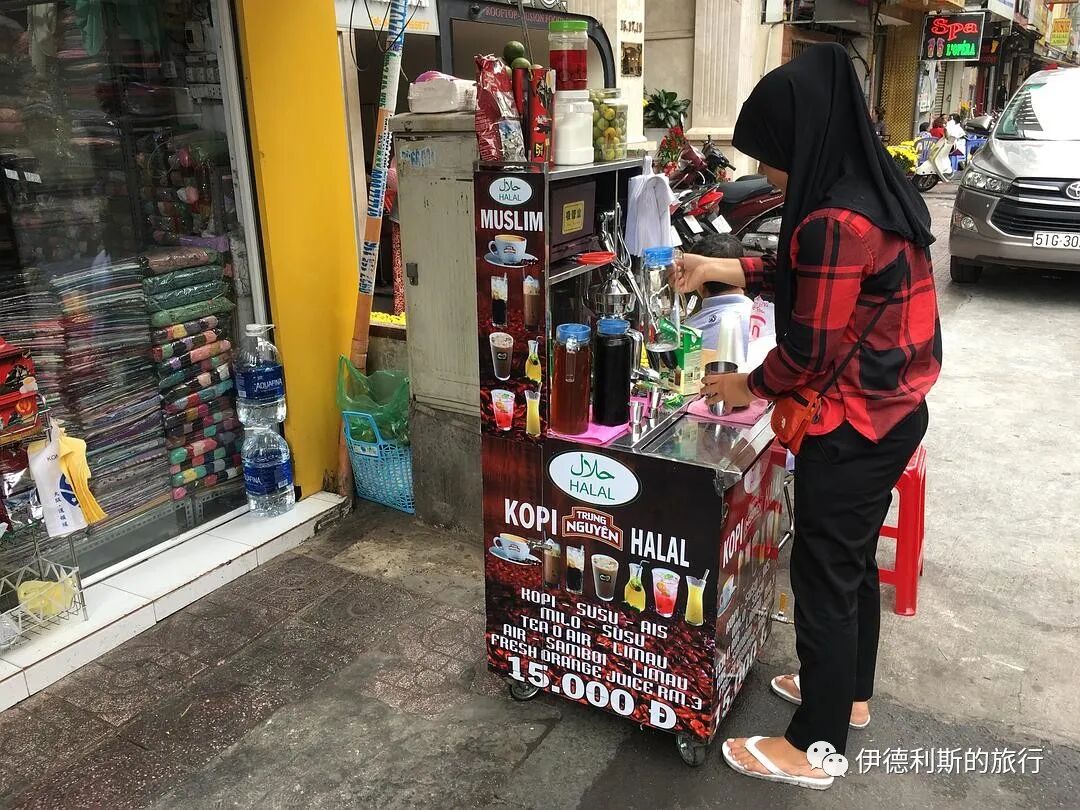
5. Street cold drinks
A cold drink stall on Malay Street sits right in front of a shop selling clothes for Muslim women.
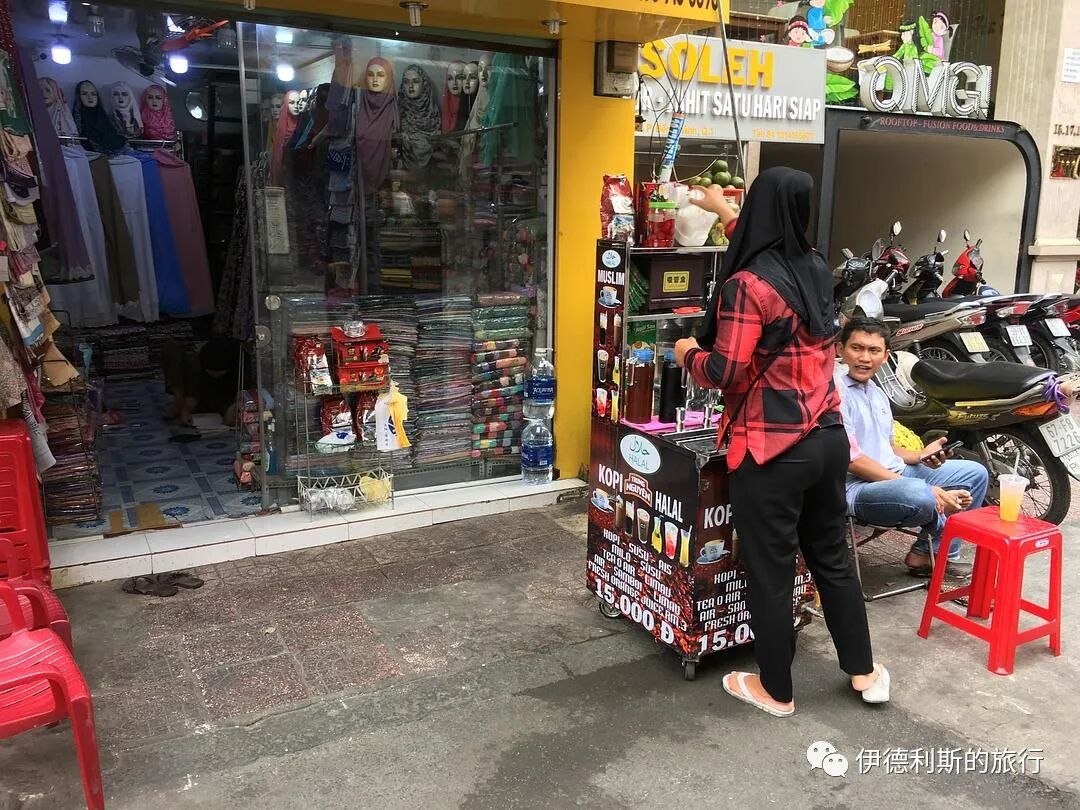
The word 'kopi' written on the stall means coffee.
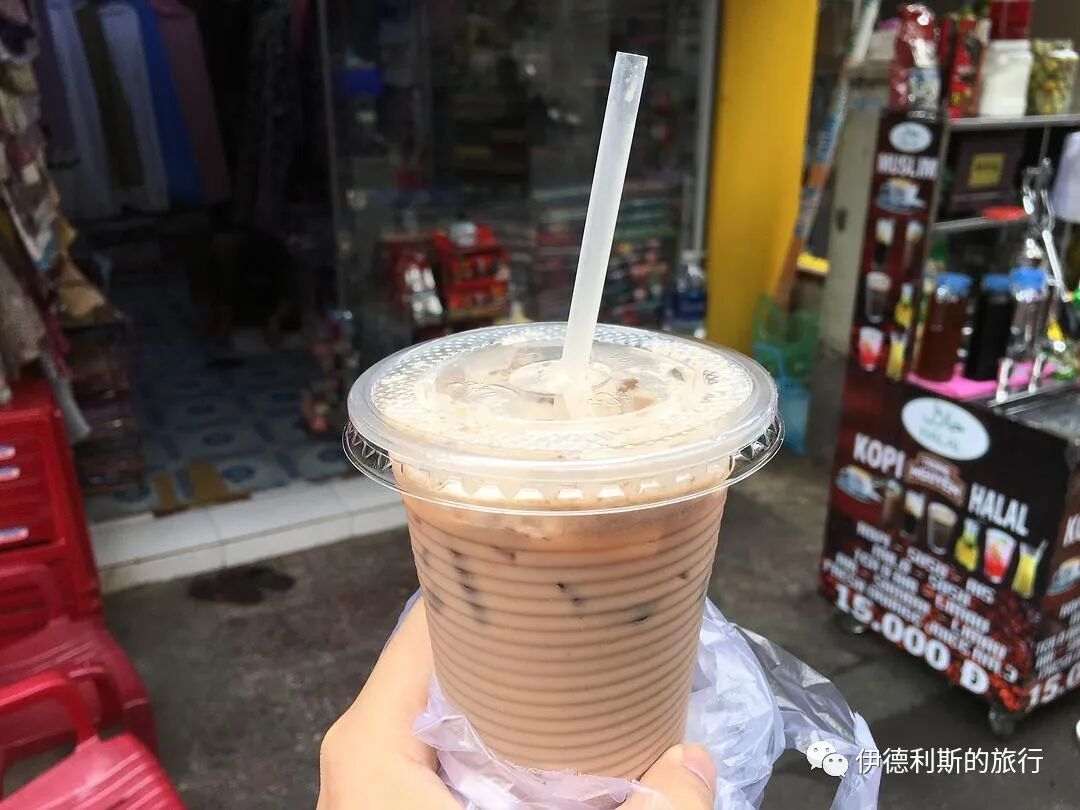
I bought a cup of rice milk to drink.
Kampung Panda Restaurant
Besides Malay Street, there are many Malaysian restaurants near the Bianqing Market, and the most famous one is Kampung Punda. The word "Kampung" means "village" in Malay.
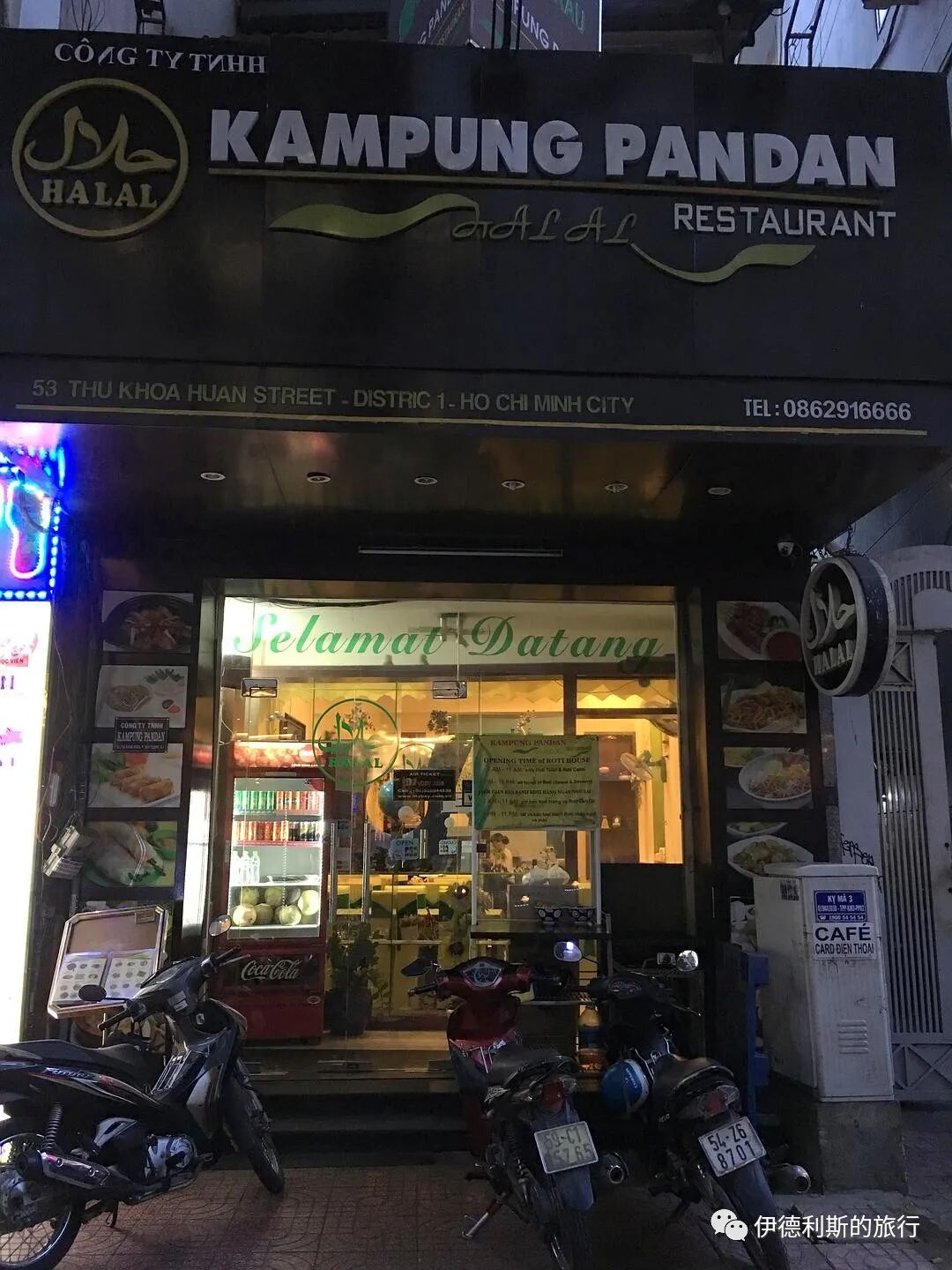
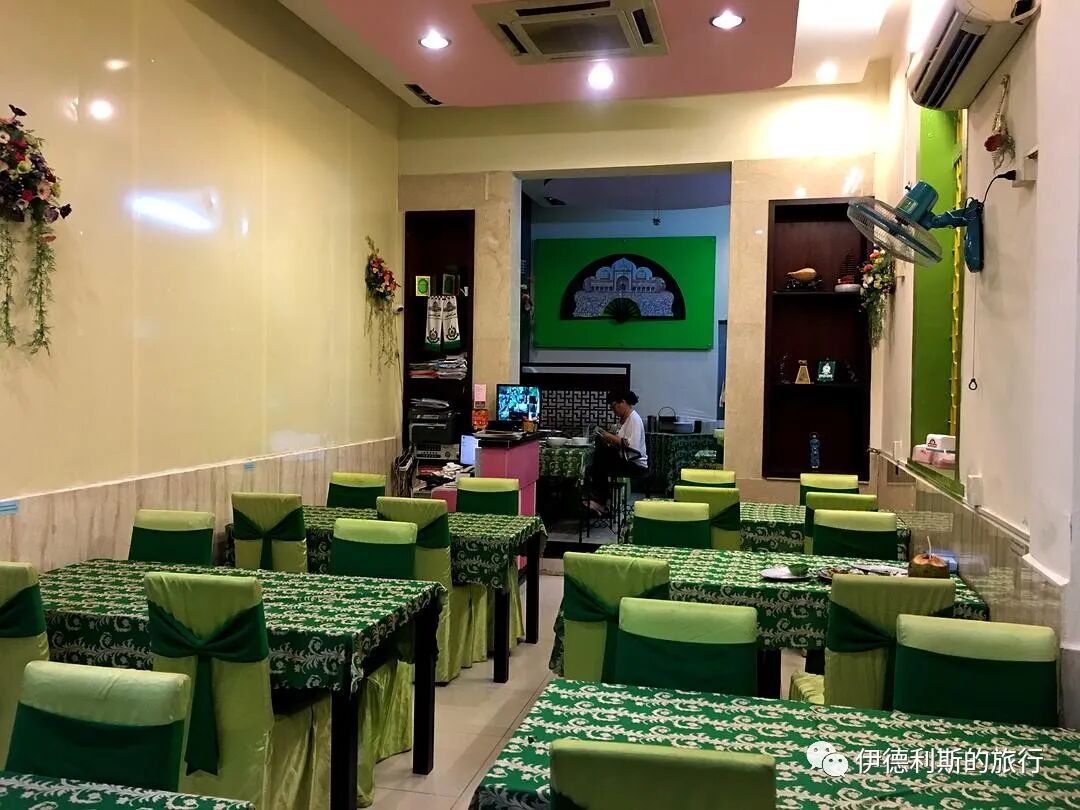
This restaurant also serves a lot of Vietnamese food.
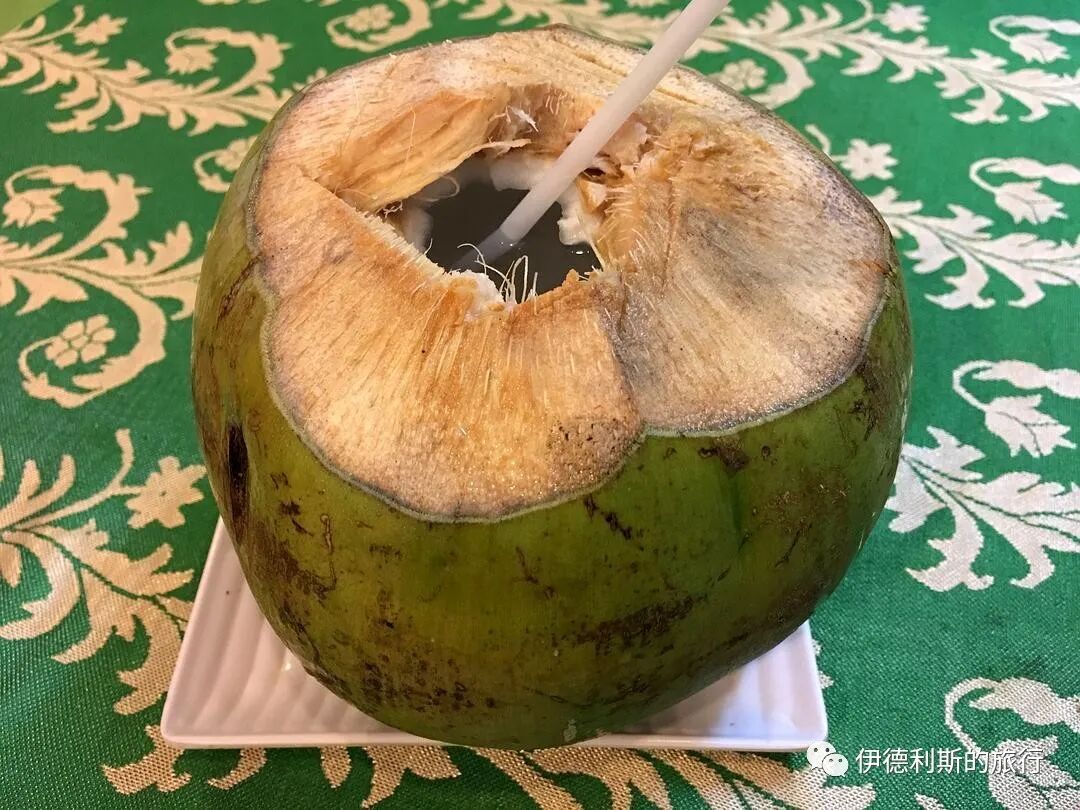
Start by drinking some coconut juice.
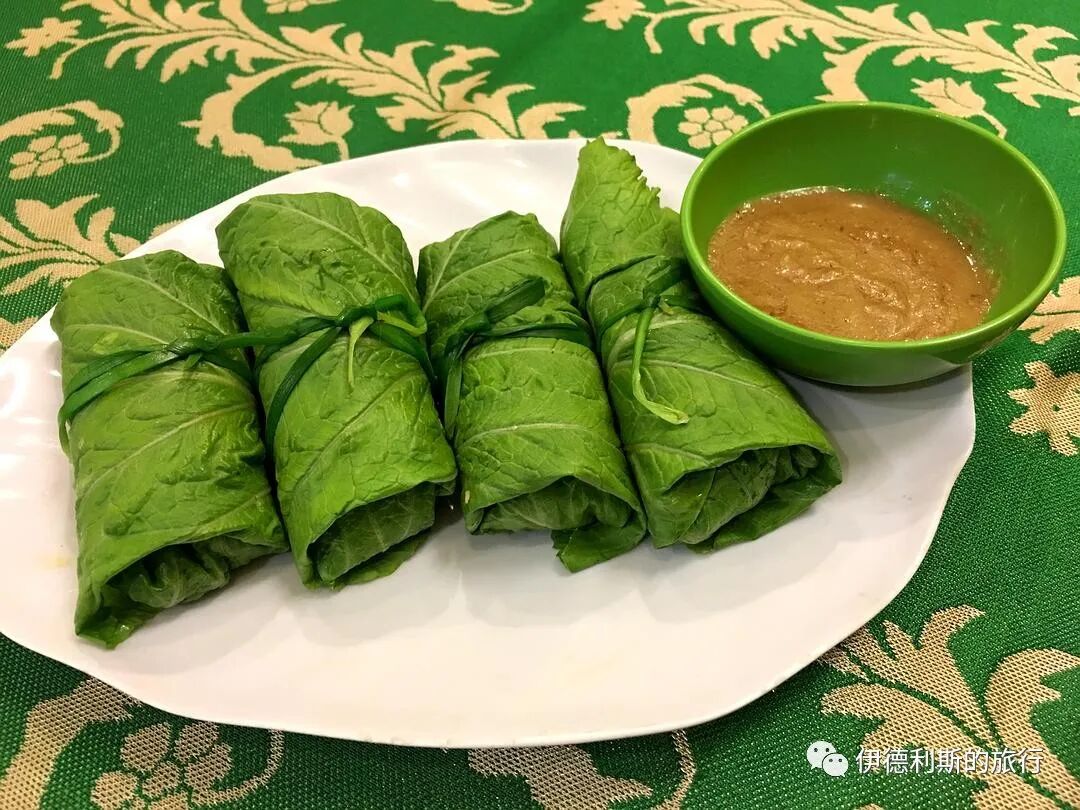
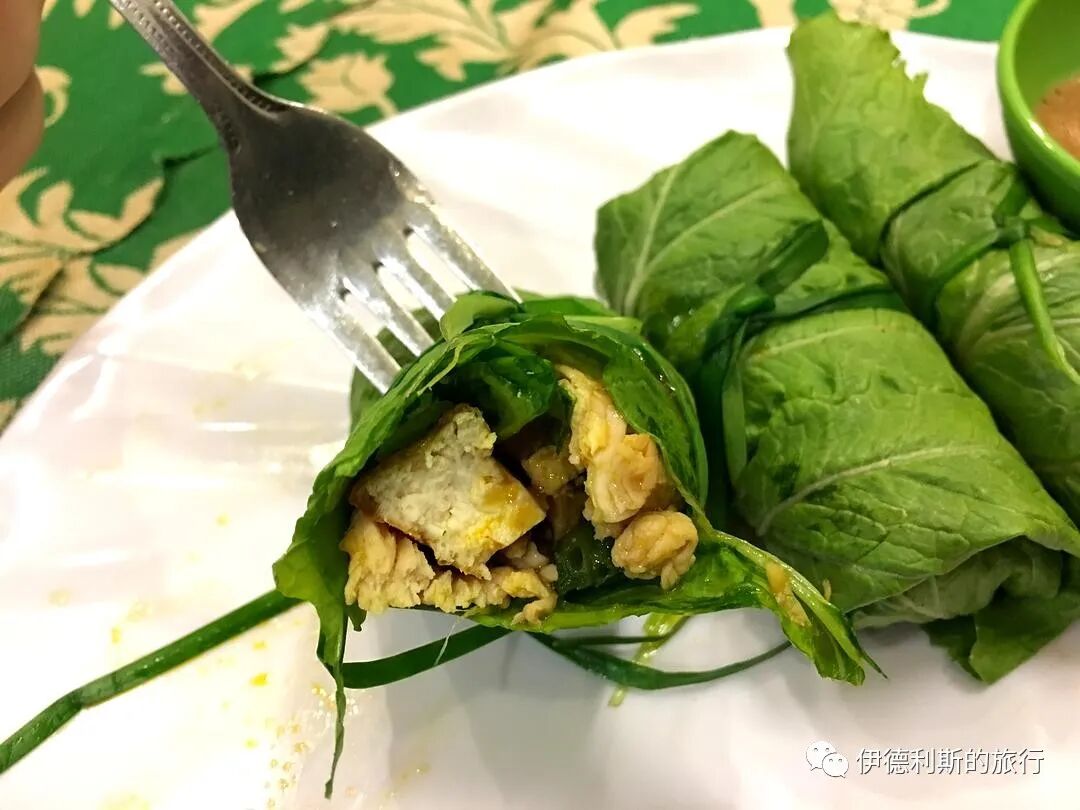
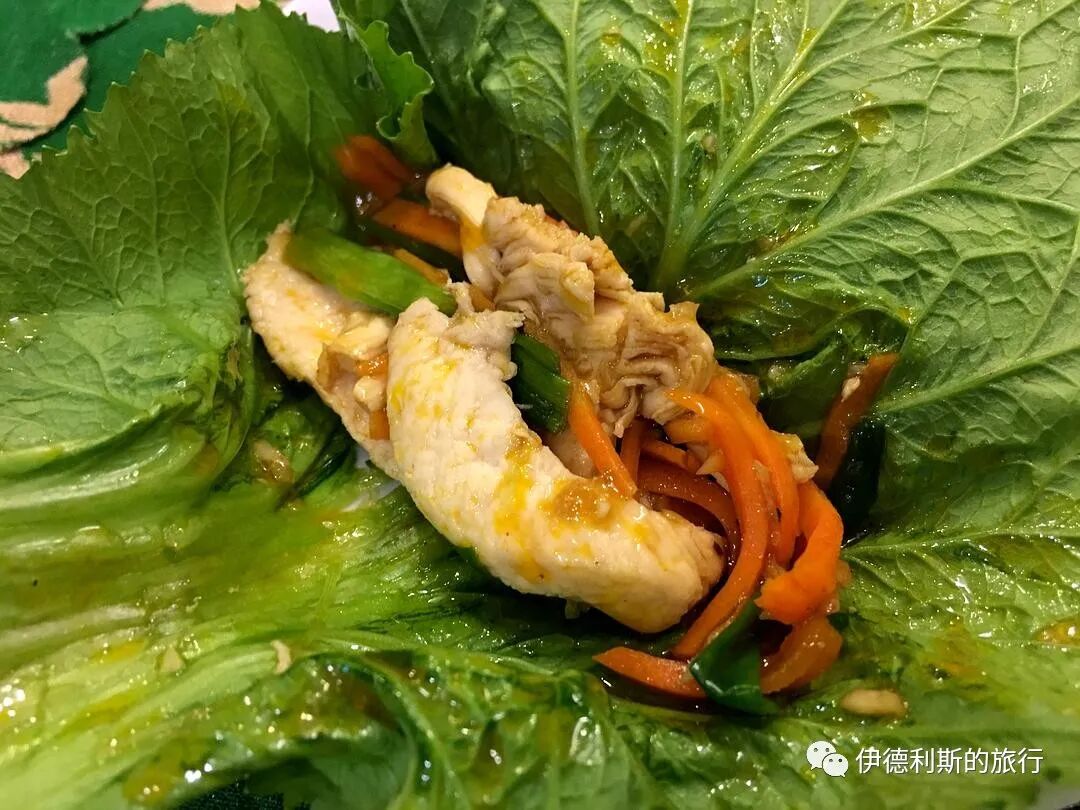
This type of spring roll is called Cuốn diếp. It is popular in northern Vietnam and is made by wrapping chicken, carrots, and other ingredients in lettuce. It tastes quite good.
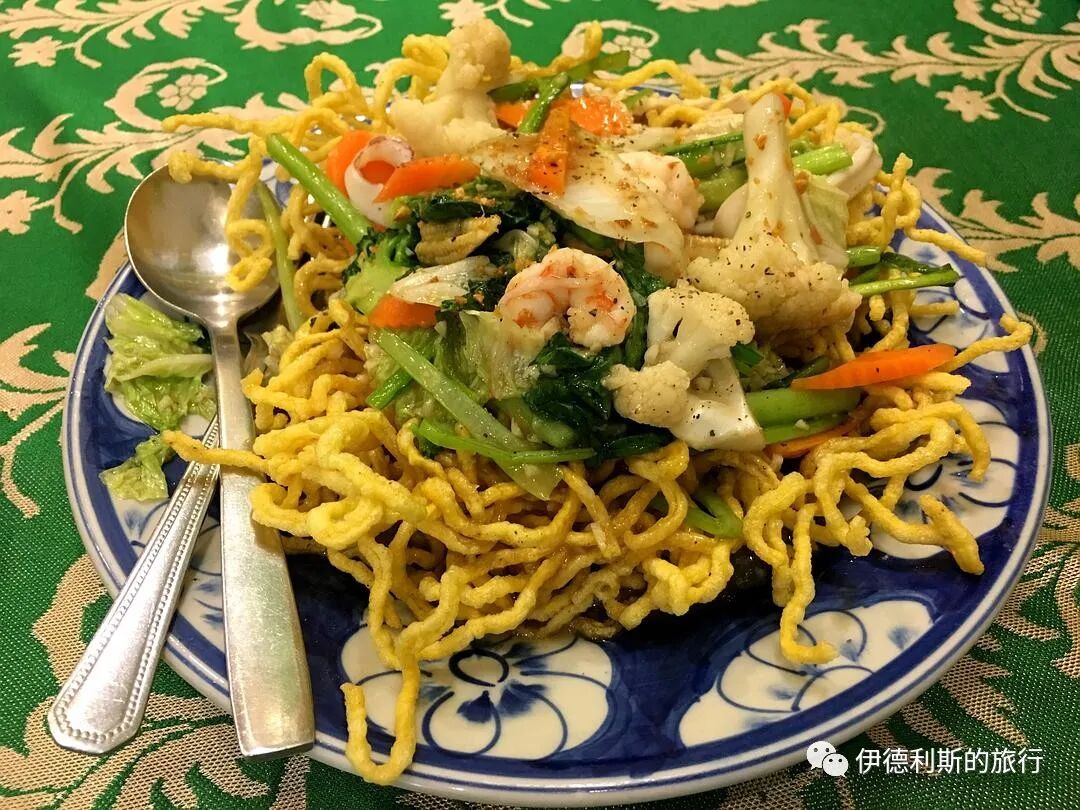
Stir-fried seafood noodles (Mì xào)
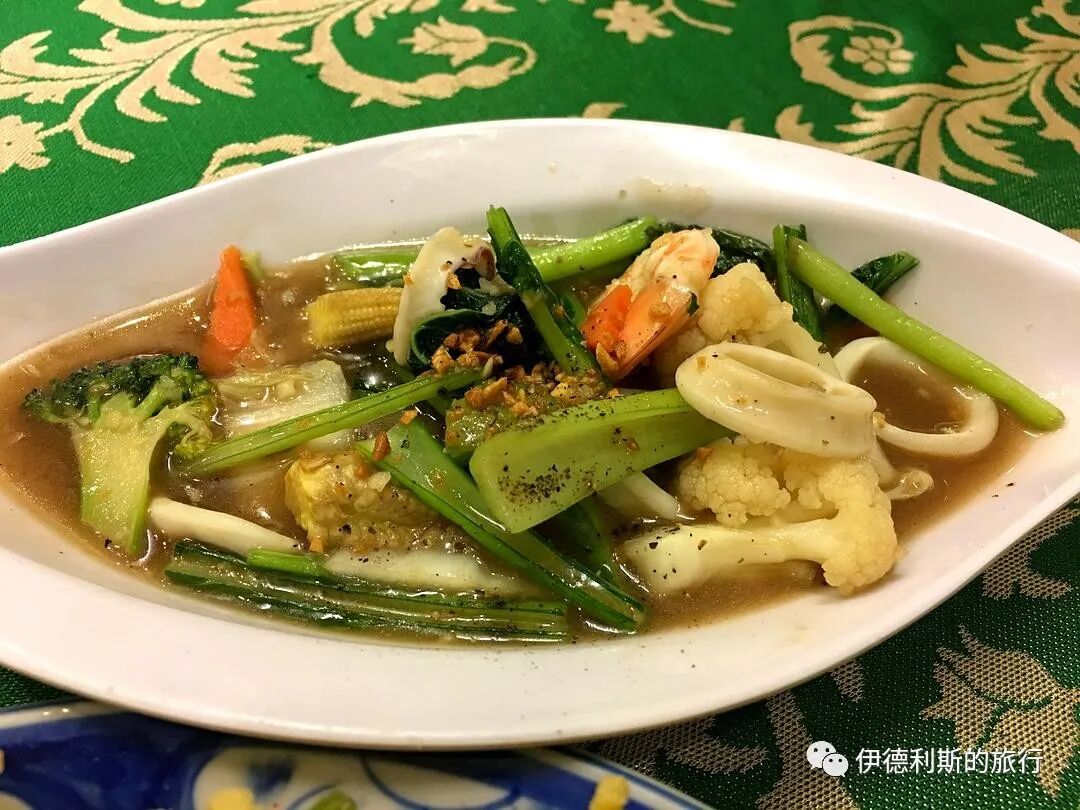
Vegetable and seafood squid rolls
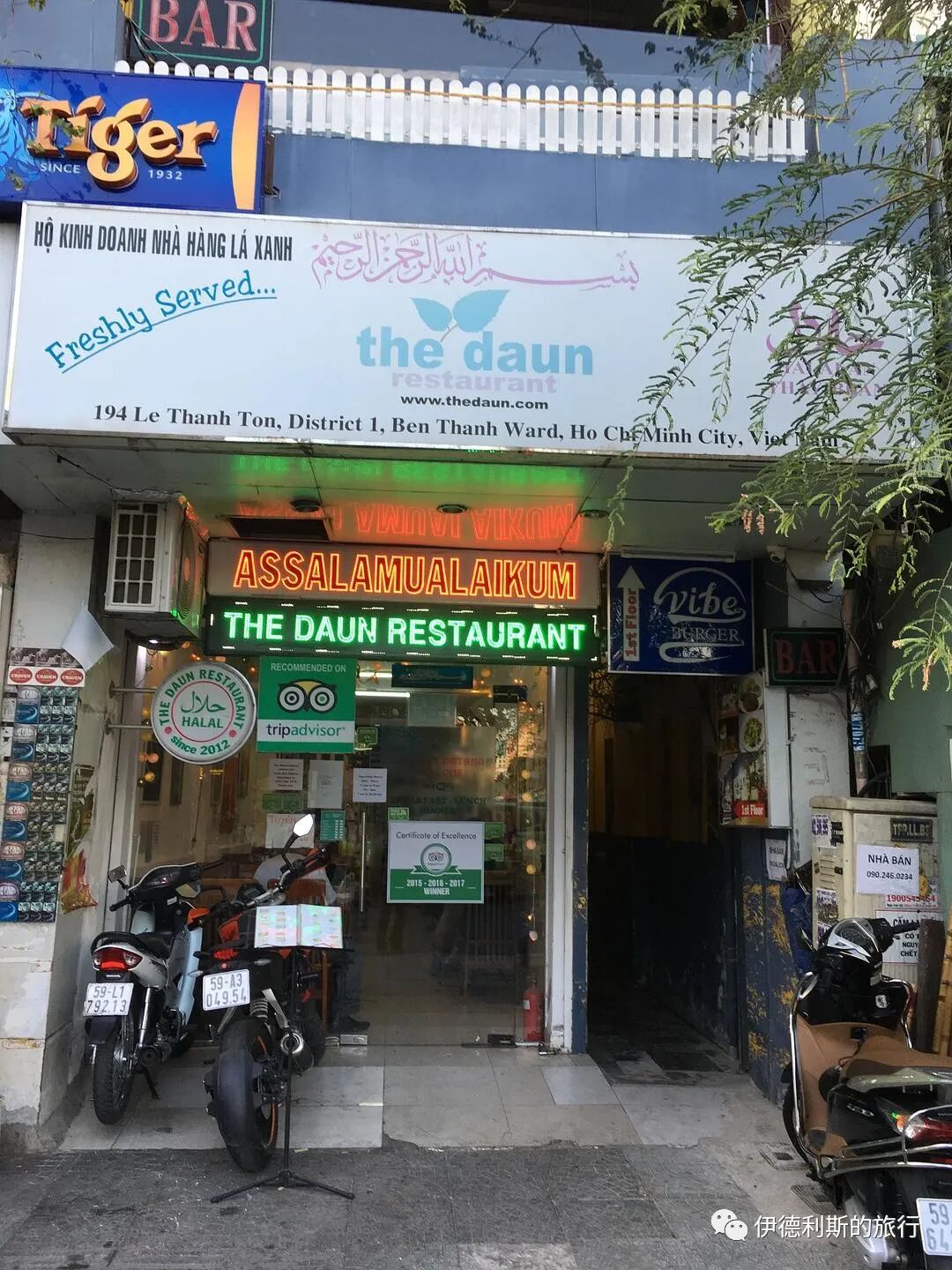
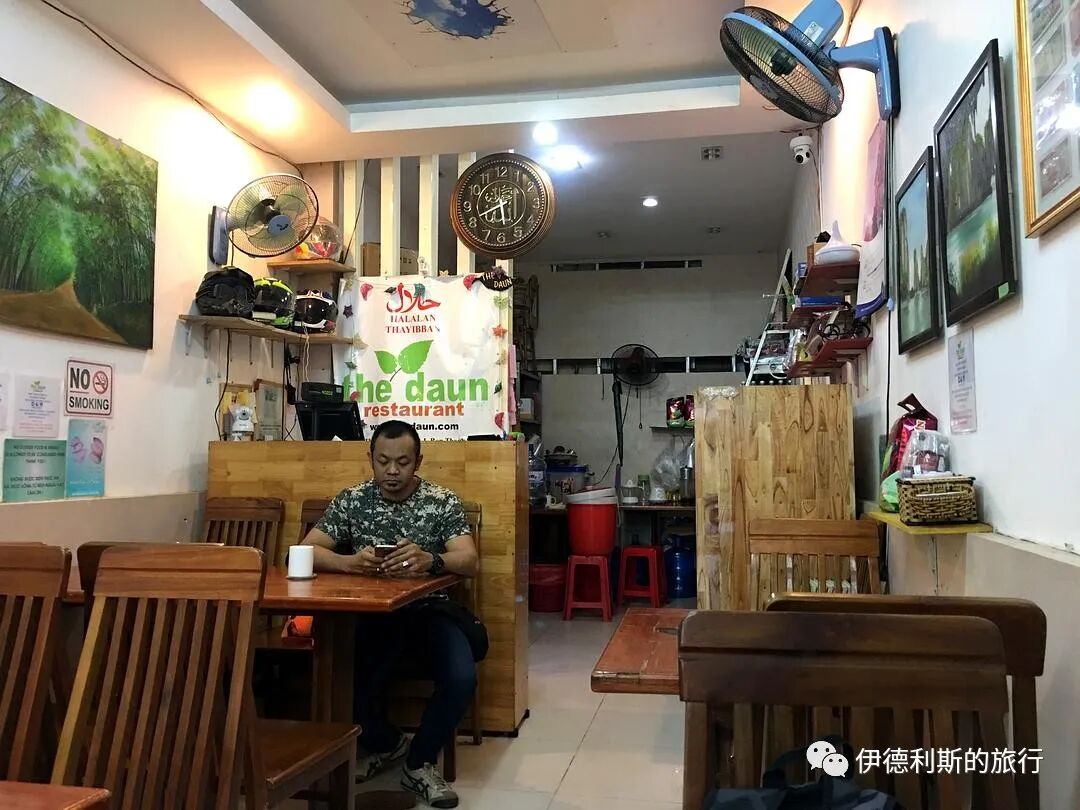
The Daun restaurant
Besides the Malaysian restaurants, there is a halal place near Ben Thanh Market run by Singaporeans. They hire Vietnamese chefs who make excellent halal Vietnamese food.
The man sitting across from us is the owner, and he is very kind and polite.
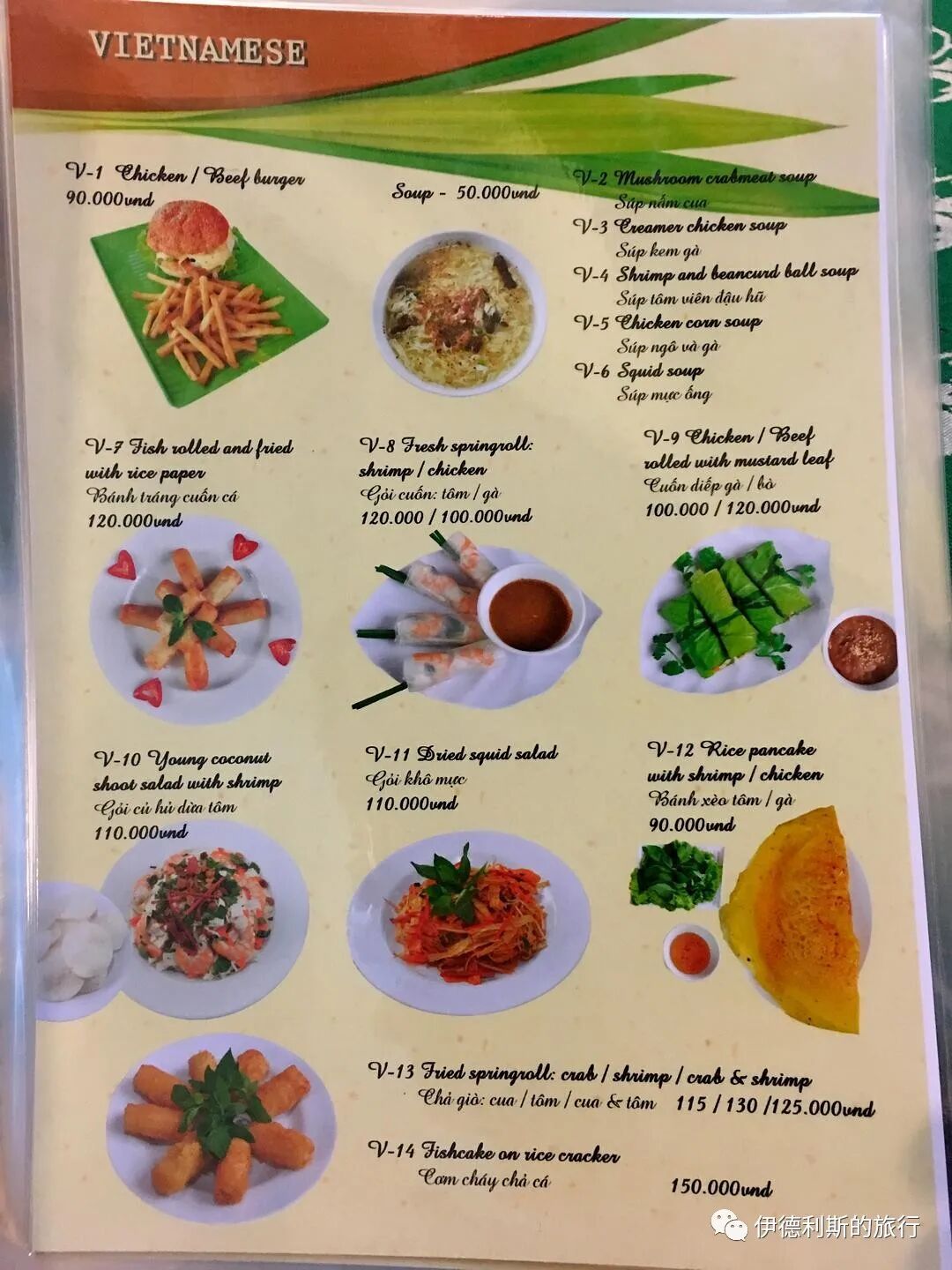
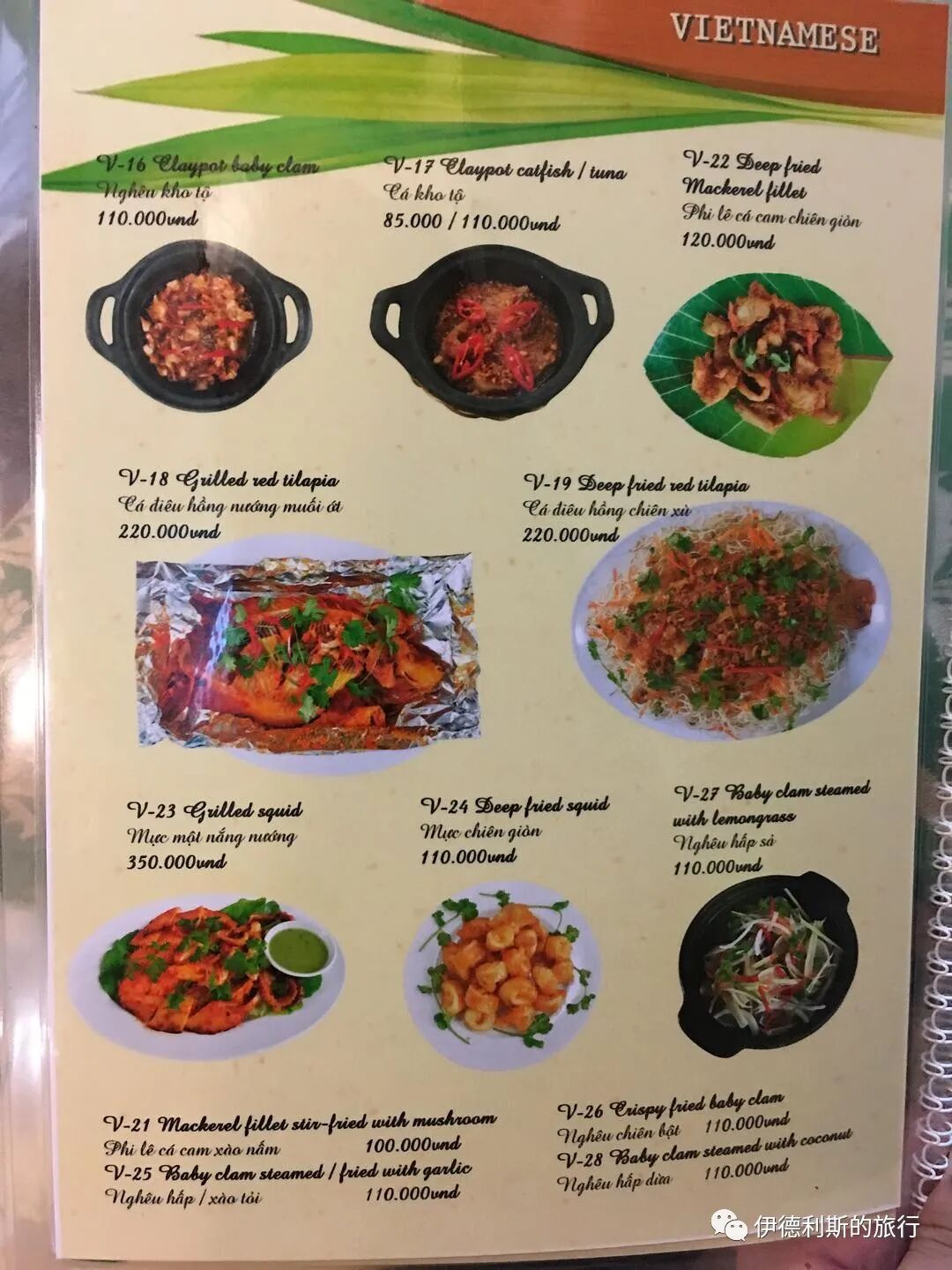
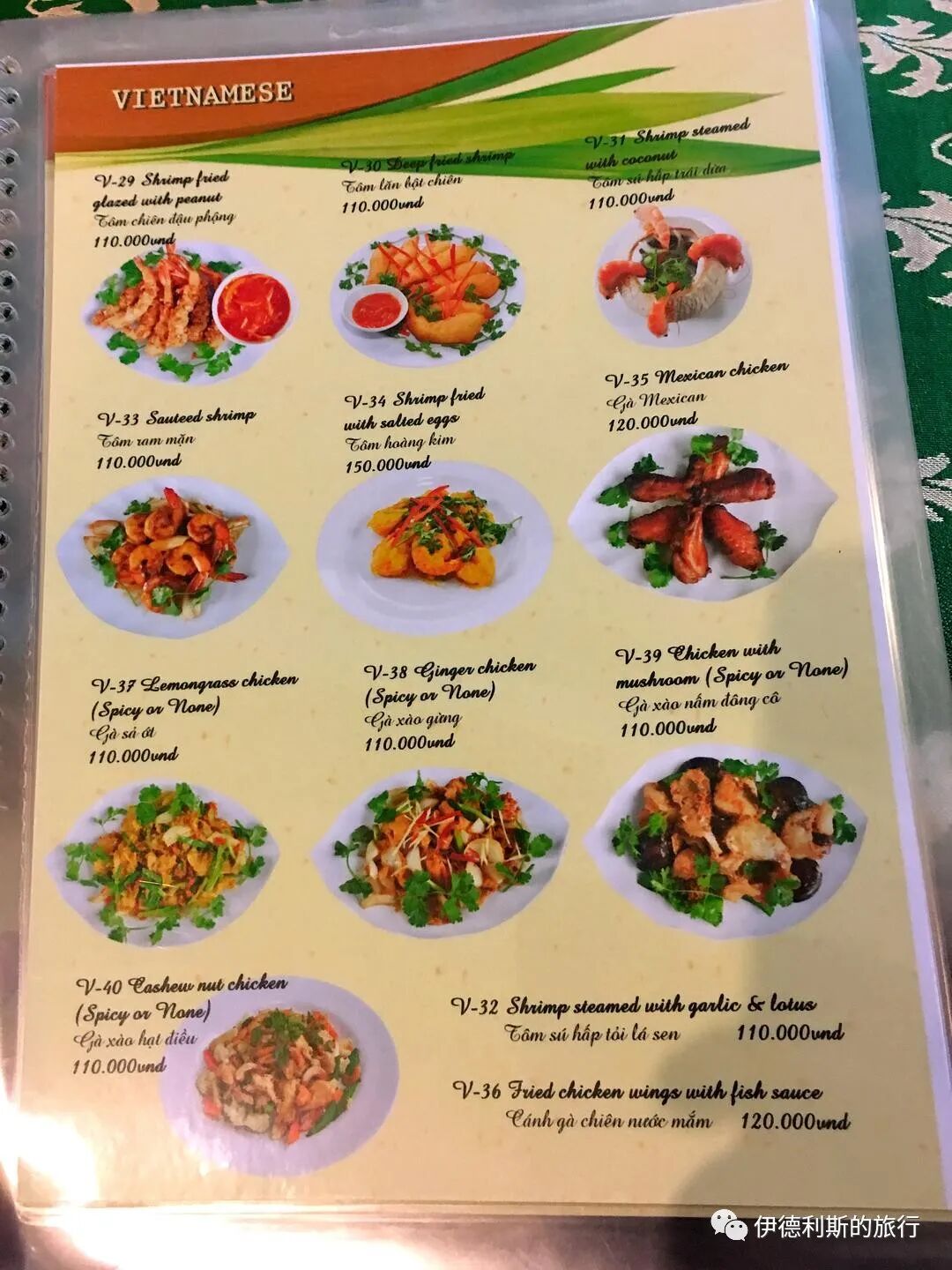
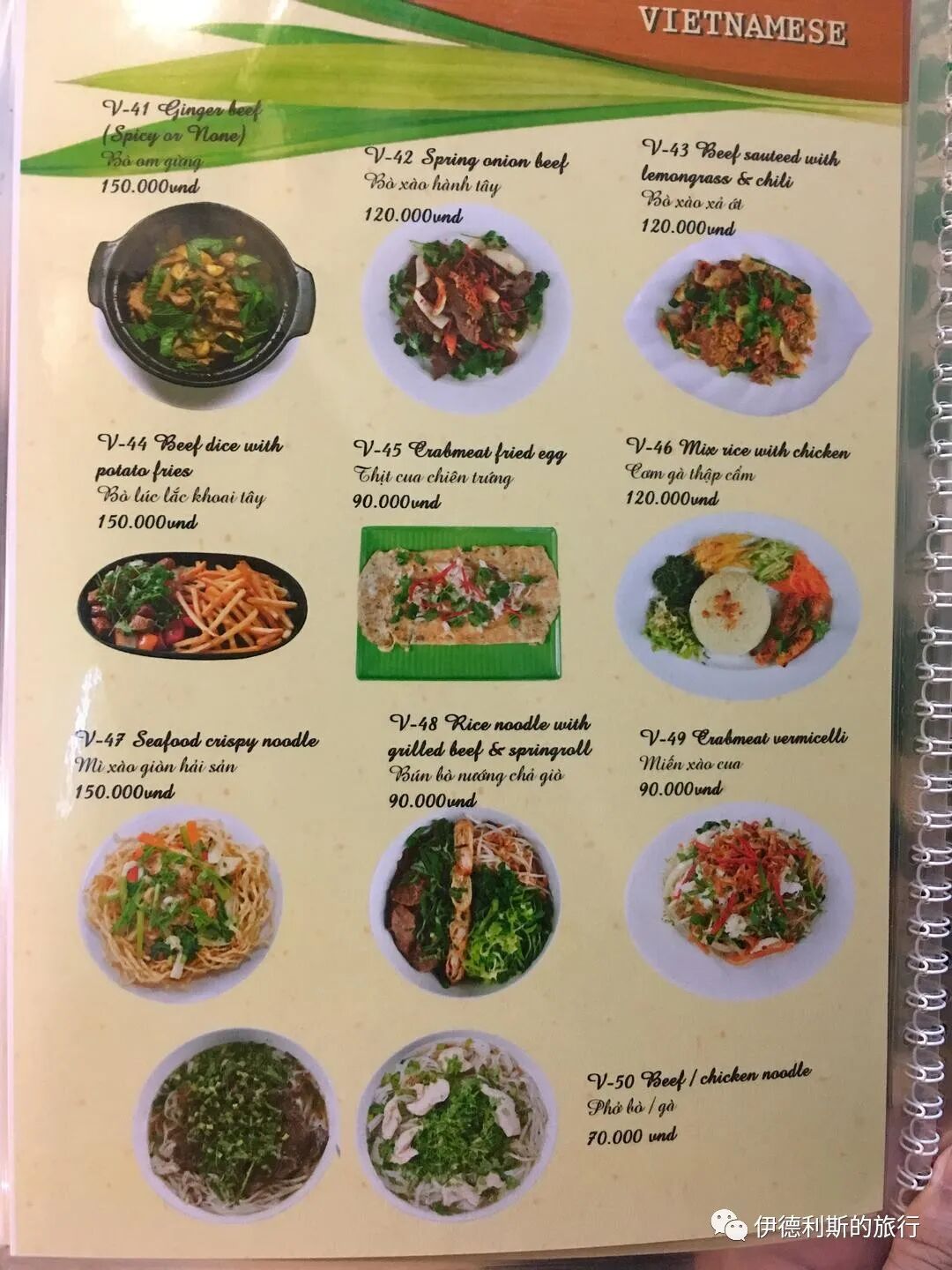
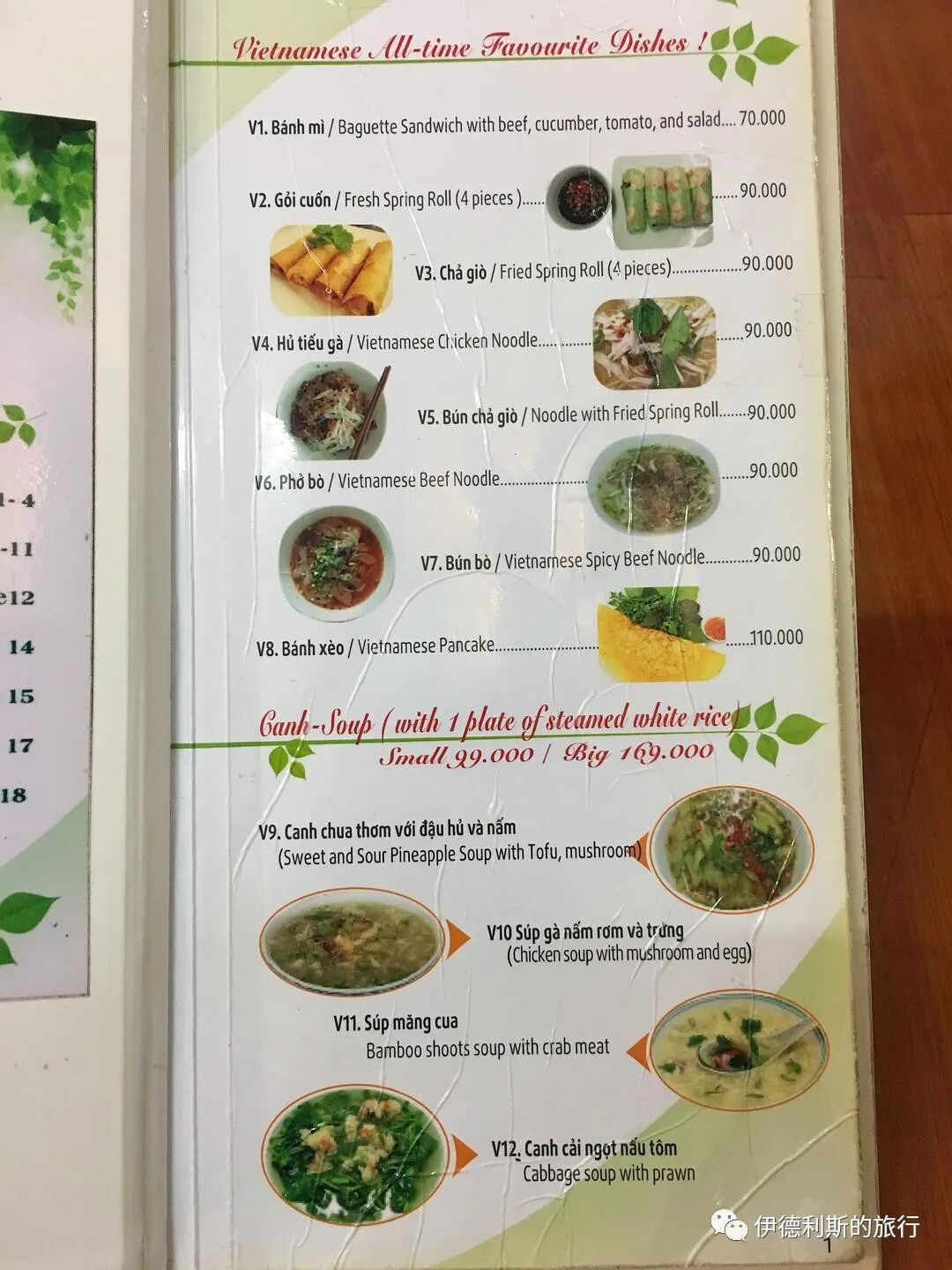
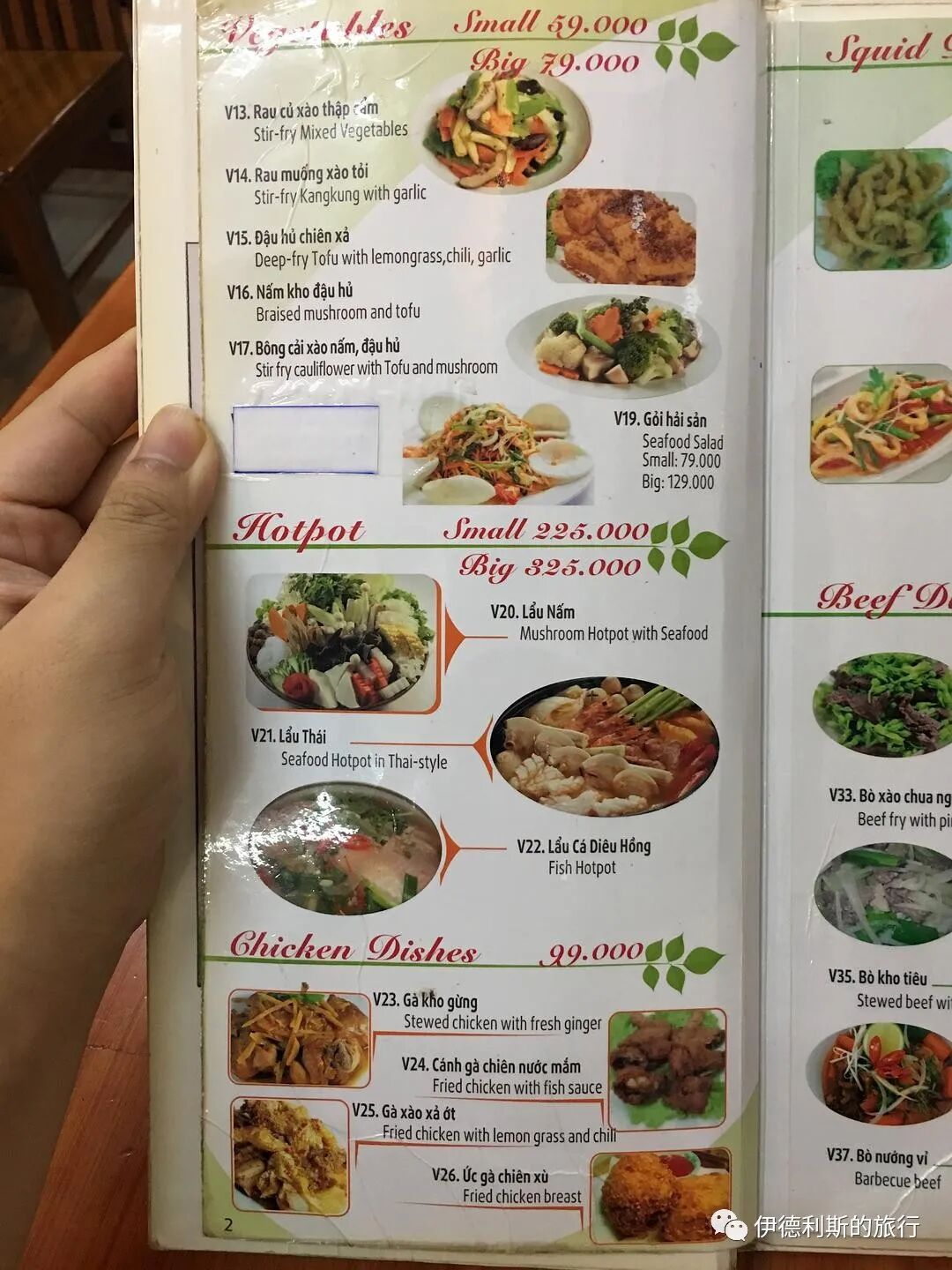
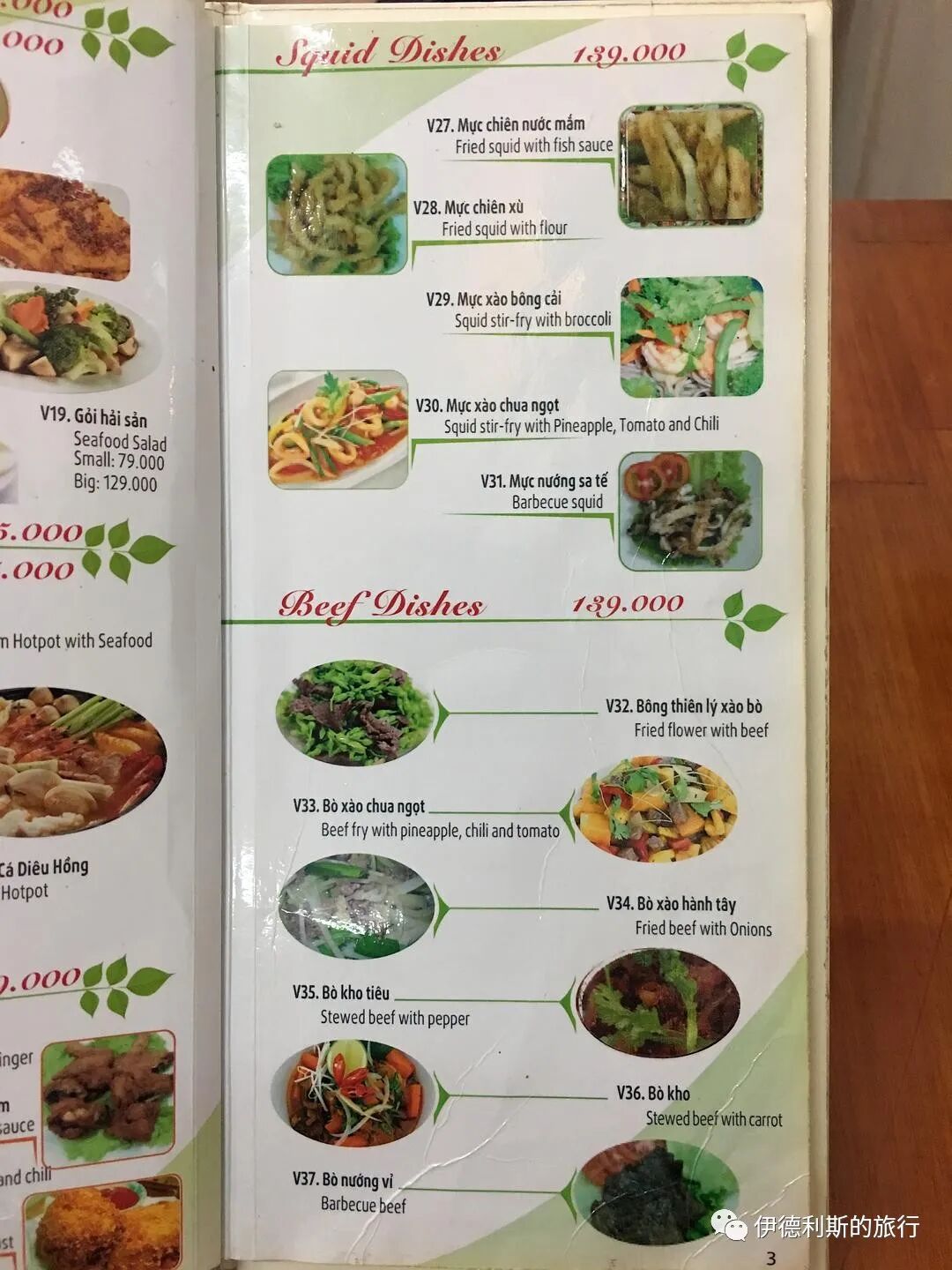
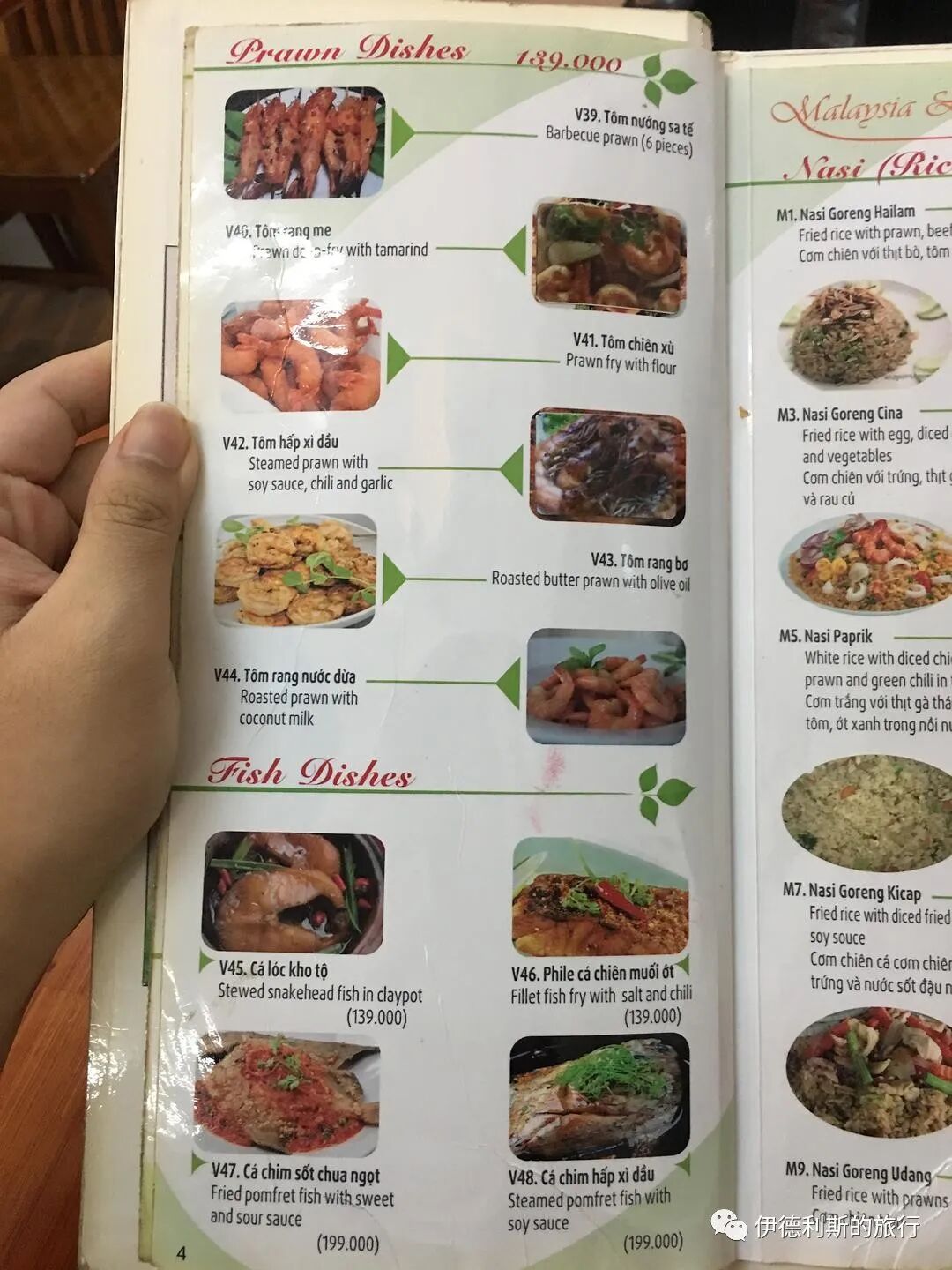
Menu
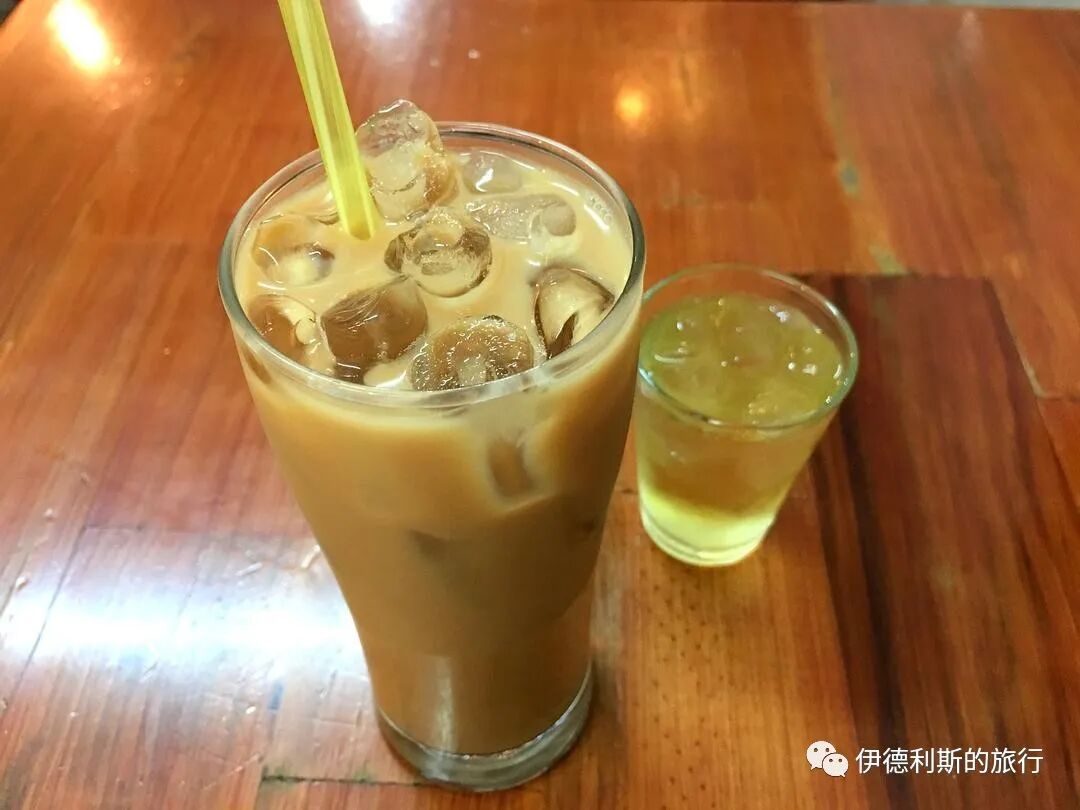
Start with an iced coffee!
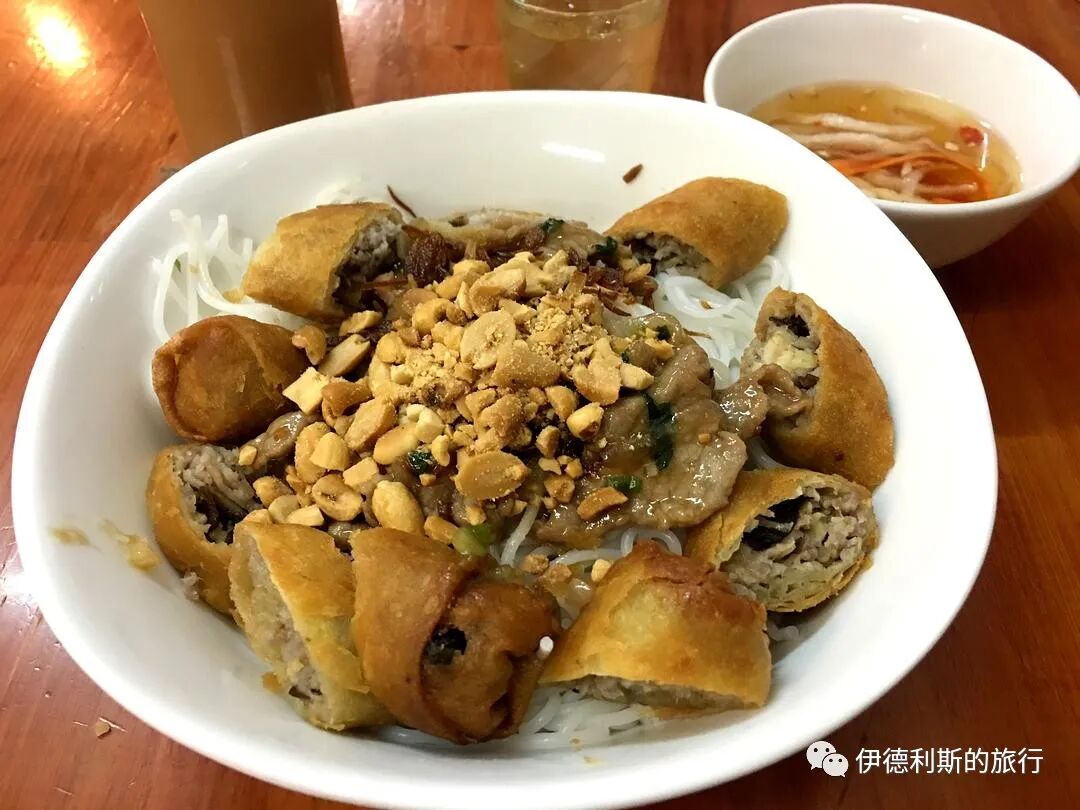
The noodles with fried spring rolls (bun cha gio) come with a delicious sweet and spicy fish sauce.
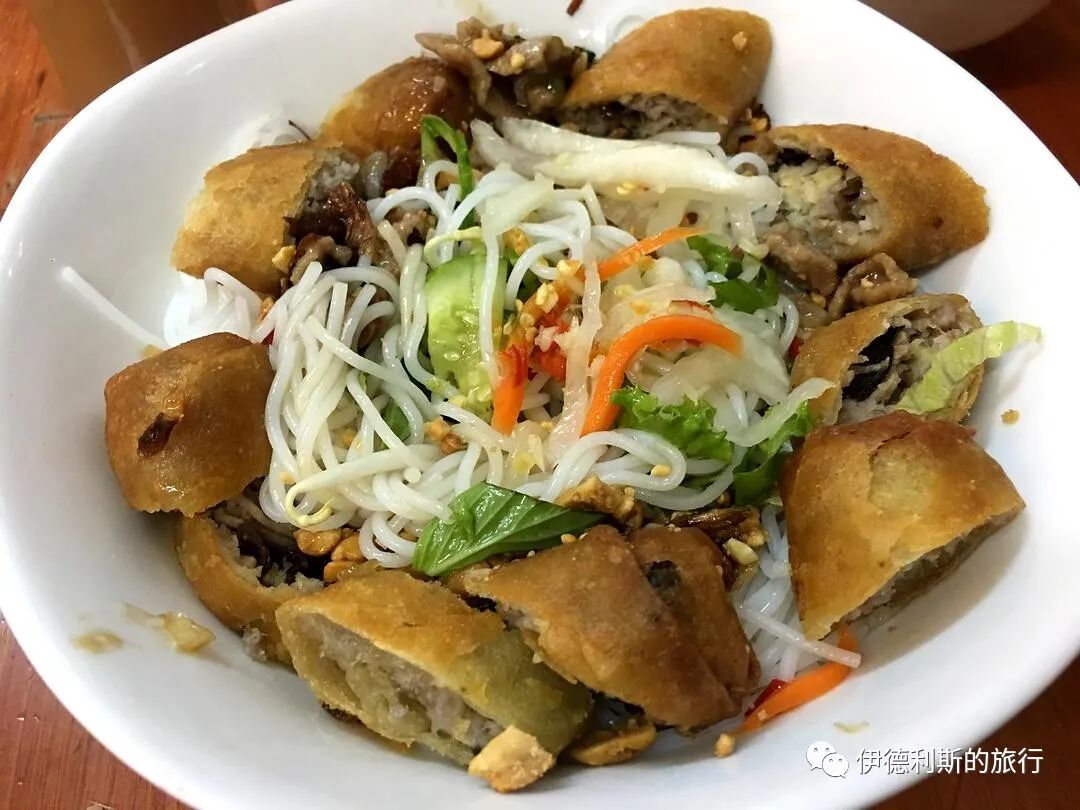
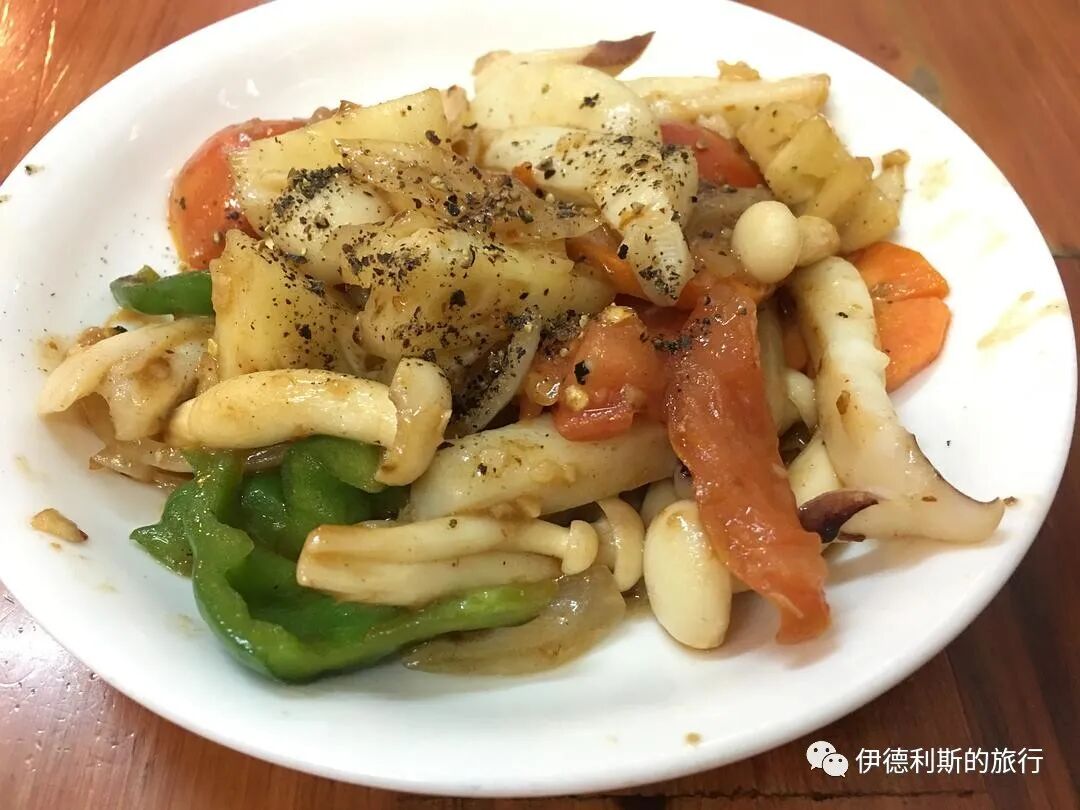
Pineapple and mushrooms
In Ho Chi Minh City, besides Malaysian and Singaporean halal restaurants, there are many halal eateries and stalls run by local Cham people. You can see more in my previous diary entry, "Mosques and Cham Muslims in Ho Chi Minh City, Vietnam."
Summary: Ho Chi Minh City — Malay Muslims, Mosques and Food is presented here as a firsthand travel account in clear English, beginning with this scene: Southern Vietnam has a long history of close contact with the Malay Archipelago. In the 15th century, the Malacca Sultanate (1400–1511) became a major power in Southeast Asia and maintained close ties with Champa, which. The account keeps its focus on Ho Chi Minh City, Malay Muslims, Vietnam Muslims while preserving the names, places, food, and historical details from the Chinese source.
Southern Vietnam has a long history of close contact with the Malay Archipelago. In the 15th century, the Malacca Sultanate (1400–1511) became a major power in Southeast Asia and maintained close ties with Champa, which then ruled southern Vietnam. The classic Cham literature piece, The Princess of Kelantan, tells the story of a princess from Kelantan on the Malay Peninsula who practiced her faith in Champa. After the Portuguese occupied the Malacca Sultanate in 1511, many Malay people moved away, and some settled in southern Vietnam, where they integrated with the Cham Muslims.
The Western missionary M. Mahot MEP began living in Champa in 1676. In a letter written in July 1678, he noted: 'Regarding the Cham religion, the Malay Muslims are more vigilant than we are. They have immigrated to Champa in large numbers and have brought the Cham king and his court into Islam.'
In 1692, Vietnam invaded Champa and established Binh Thuan Prefecture on former Cham lands, then continued to invade the Mekong Delta, which was ruled by Cambodia. In 1698, they established Gia Dinh Prefecture in the Mekong Delta, which was the predecessor to Ho Chi Minh City. In the early 19th century, Emperor Gia Long (reigned 1802–1820) of the Vietnamese Nguyen Dynasty sent troops to guard Gia Dinh City. Because he lacked enough soldiers, he recruited many Cham and Malay troops.
In 1859, the joint French and Spanish forces captured the city of Gia Dinh. In 1862, France and the Nguyen Dynasty of Vietnam signed the Treaty of Saigon, officially occupying Gia Dinh. From then on, Gia Dinh gradually developed into Saigon, a commercial hub for the French in Southeast Asia.
During French rule, the government had a relatively relaxed policy toward the faith. Many Malay and Indonesian people came to Saigon for business, and the first mosque in Saigon was the Al Rahim Mosque, built by Malay and Indonesian Muslims in 1885.
After entering the 20th century, the Malay community had a greater influence on the faith in Vietnam. At that time, religious publications were all imported from Malaya, and mosques were accustomed to inviting Malay imams to give sermons (waaz) in the Malay language. Local Cham youth were used to traveling to Malaya to study the scriptures, returning to Vietnam to practice their faith after completing their studies. In 1954, Vietnam was divided into North and South, and South Vietnam maintained good diplomatic relations with the then Federation of Malaya and later Malaysia. Many mosques in Vietnam were built with help from Malaysia in the 1950s and 1960s. In Saigon, you can find the Haiyat Al Islam mosque built in 1962, the Alsa Adah mosque built in 1968, and the Jamiul Anwar mosque built in 1969.
Jamiul Anwar mosque
The area in Ho Chi Minh City with the most Malay people is currently Malay Street, located outside the west gate of Ben Thanh Market.
Since these restaurants mainly serve Malay tourists, they also offer Vietnamese food. This makes it very easy for Malay Muslims to try local Vietnamese dishes.
The west gate of Ben Thanh Market is at the end of the road.
The street has many stalls and shops selling women's clothing for Muslims.
There are also Muslim travel agencies. Among them, Bismillah means the basmala.
Haji Osman Restaurant
I flew from Beijing to Ho Chi Minh City and headed straight to Malay Street first thing in the morning. Malay Street was still quiet in the morning, so I walked around and picked Haji Osman Restaurant, which looked like the busiest spot.
I ordered Vietnamese-style baguette, rice noodle soup (pho), and coffee, and everything was excellent. I never used to like coffee, but I was surprised to find that I really enjoyed it this time.
Vietnamese baguette (banh mi) is a classic breakfast on the streets of Saigon. The baguette arrived in Saigon after the French occupied the city in 1861. Back then, wheat was expensive to import, so the baguette was considered a luxury item. During World War I, wheat imports stopped, so more cheap rice flour was added to Vietnamese baguettes, making them much fluffier. Because the price dropped, baguettes became a regular part of the Vietnamese diet.
Before the 1950s, Vietnamese baguettes were still strictly French-style, served with mayonnaise or jam. After Vietnam was divided into North and South in 1954, over a million people moved from the north to the south, which changed the food scene in Saigon. In the late 1950s, some northern migrants started selling baguettes on the street, and the modern Vietnamese baguette began to take shape.
After the Fall of Saigon in 1975, baguettes were only sold in state-run restaurants and often served with other dishes, which is how the modern habit of dipping baguettes into rice noodle soup (pho) began. It was not until the socialist market economic reforms in 1986 that baguettes returned to the streets as a common snack.
Vietnamese rice noodle soup (pho) appeared in northern Vietnam in the early 20th century, but it was not very popular in Saigon until the 1950s. After Vietnam was divided into North and South in 1954, over a million people moved from the north to the south. Rice noodle soup (pho) became popular in Saigon and developed a unique flavor different from the north.
Thai basil is served with the rice noodle soup, though the Malay people at the next table did not seem to enjoy it much.
Delicious Vietnamese coffee.
HALAL AMIN restaurant.
HALAL AMIN is another halal restaurant on Malay Street. The words "PHỞ MUSLIM" below mean Muslim rice noodle soup.
How it looks during the day.
Vietnamese spring rolls (Gỏi cuốn) contain rice vermicelli (bún) wrapped in translucent rice paper (Bánh tráng). The rice paper is a bit tough to chew, and it felt strange the first time I ate it.
I ordered wide beef noodles at the last place, but this time I had thin chicken noodles.
Hajah BASIROH Restaurant
I also tried the Malaysian chicken rice at Hajah BASIROH Restaurant on Malay Street.
In tropical countries like Malaysia, Vietnam, or Thailand, restaurants often bring you a big glass of ice first. You pour your own water or drink into it, which feels amazing in the hot and humid weather.
Street-style Malay cake (Kuih)
One morning on Malay Street, I met an uncle selling Malay cake (Kuih).
The uncle specifically showed me the words on his cart. The title KUIH-HALAL means halal Malay cake, and on the right is the Malaysian halal certification logo.
The 'Bingke Ubi Kayu' on the first line, also written as 'Kuih Bingka Ubi Kayu' or 'Bingka Ubi', is a Malay cake made by mixing coconut and cassava with coconut milk and salt. This simple recipe is very common in Malaysia.
The 'Murtabak' on the second line is a vegetable pancake popular across the Middle East, South Asia, and Southeast Asia.
The 'Nasi Lemak' on the third line is Malay coconut milk rice.
I bought a piece of Bingka Ubi cake made from a mix of cassava and coconut to eat.
5. Street cold drinks
A cold drink stall on Malay Street sits right in front of a shop selling clothes for Muslim women.
The word 'kopi' written on the stall means coffee.
I bought a cup of rice milk to drink.
Kampung Panda Restaurant
Besides Malay Street, there are many Malaysian restaurants near the Bianqing Market, and the most famous one is Kampung Punda. The word "Kampung" means "village" in Malay.
This restaurant also serves a lot of Vietnamese food.
Start by drinking some coconut juice.
This type of spring roll is called Cuốn diếp. It is popular in northern Vietnam and is made by wrapping chicken, carrots, and other ingredients in lettuce. It tastes quite good.
Stir-fried seafood noodles (Mì xào)
Vegetable and seafood squid rolls
The Daun restaurant
Besides the Malaysian restaurants, there is a halal place near Ben Thanh Market run by Singaporeans. They hire Vietnamese chefs who make excellent halal Vietnamese food.
The man sitting across from us is the owner, and he is very kind and polite.
Menu
Start with an iced coffee!
The noodles with fried spring rolls (bun cha gio) come with a delicious sweet and spicy fish sauce.
Pineapple and mushrooms
In Ho Chi Minh City, besides Malaysian and Singaporean halal restaurants, there are many halal eateries and stalls run by local Cham people. You can see more in my previous diary entry, "Mosques and Cham Muslims in Ho Chi Minh City, Vietnam."
