
Halal Food Guide: Yogyakarta — Javanese Dishes, Markets and Muslim Food
Reposted from the web
Summary: Halal Food Guide: Yogyakarta — Javanese Dishes, Markets and Muslim Food is presented here as a firsthand travel account in clear English, beginning with this scene: Yogyakarta is an ancient cultural city in central Java that is still ruled by a sultan today. The account keeps its focus on Yogyakarta, Java Islam, Sultanate History while preserving the names, places, food, and historical details from the Chinese source.
Yogyakarta is an ancient cultural city in central Java that is still ruled by a sultan today. Beyond traditional Javanese architecture, gamelan music, and wayang shadow puppetry, Yogyakarta also has many local Javanese foods that I want to share with you.
1. Drinks
In the muggy tropical heat, drinking a cold street drink feels really good.
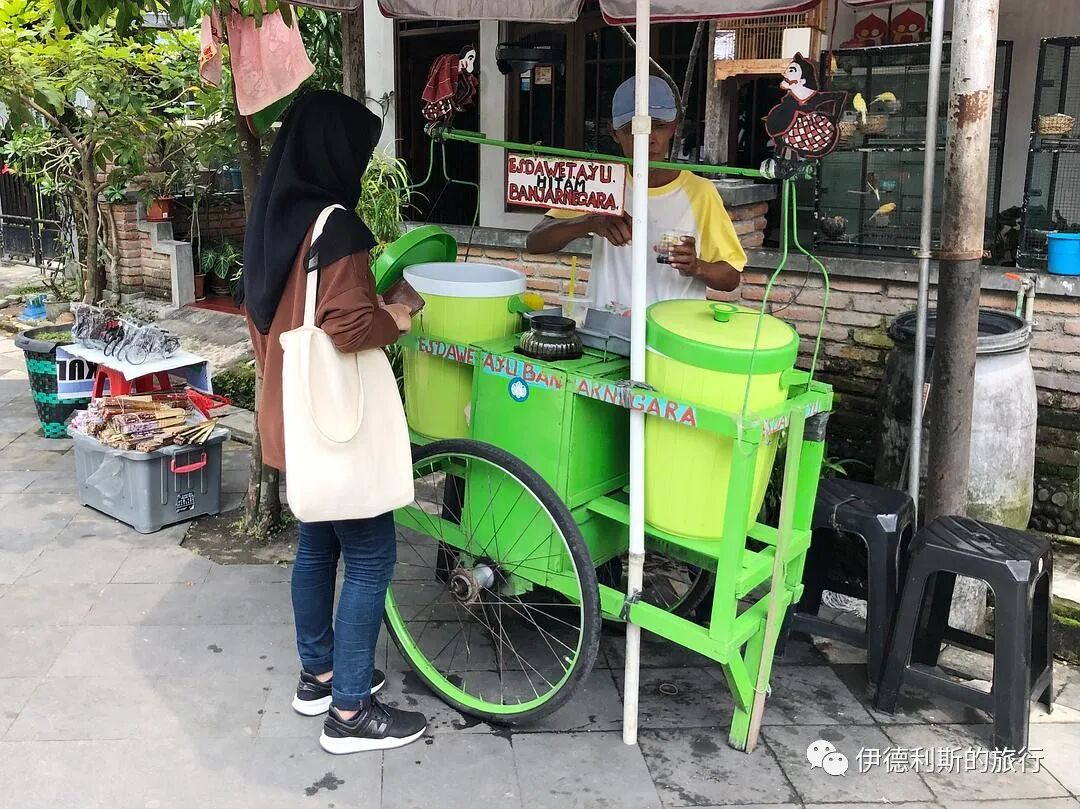
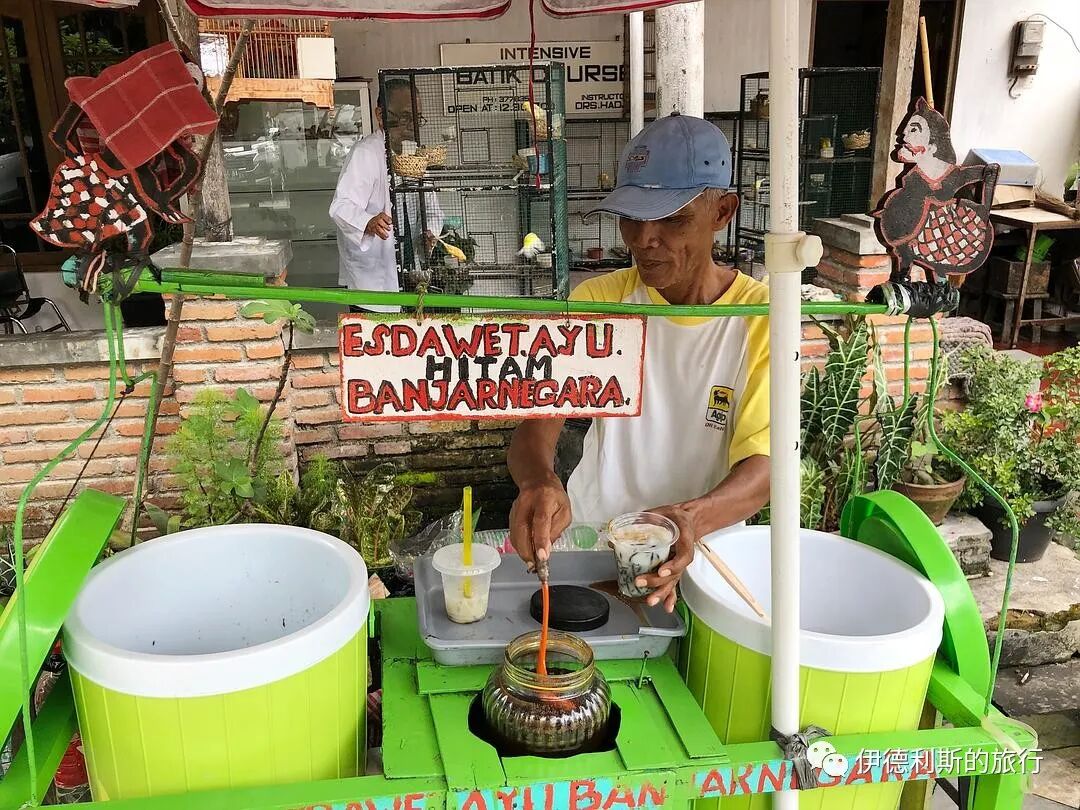
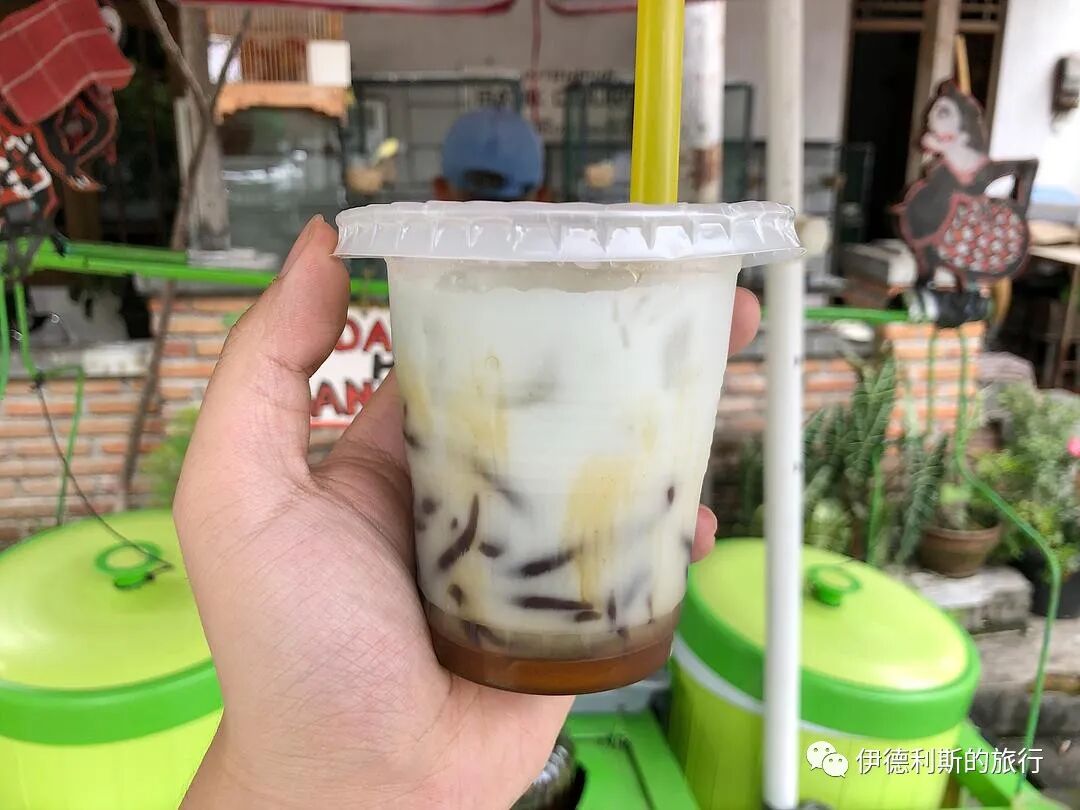
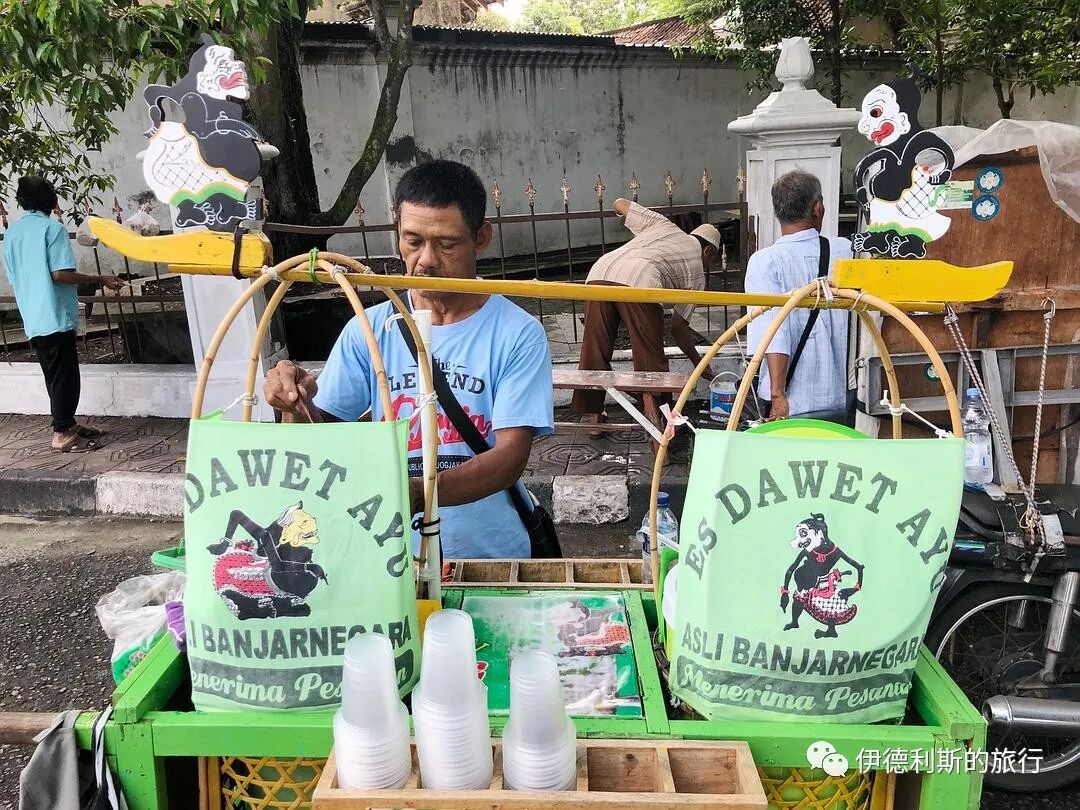
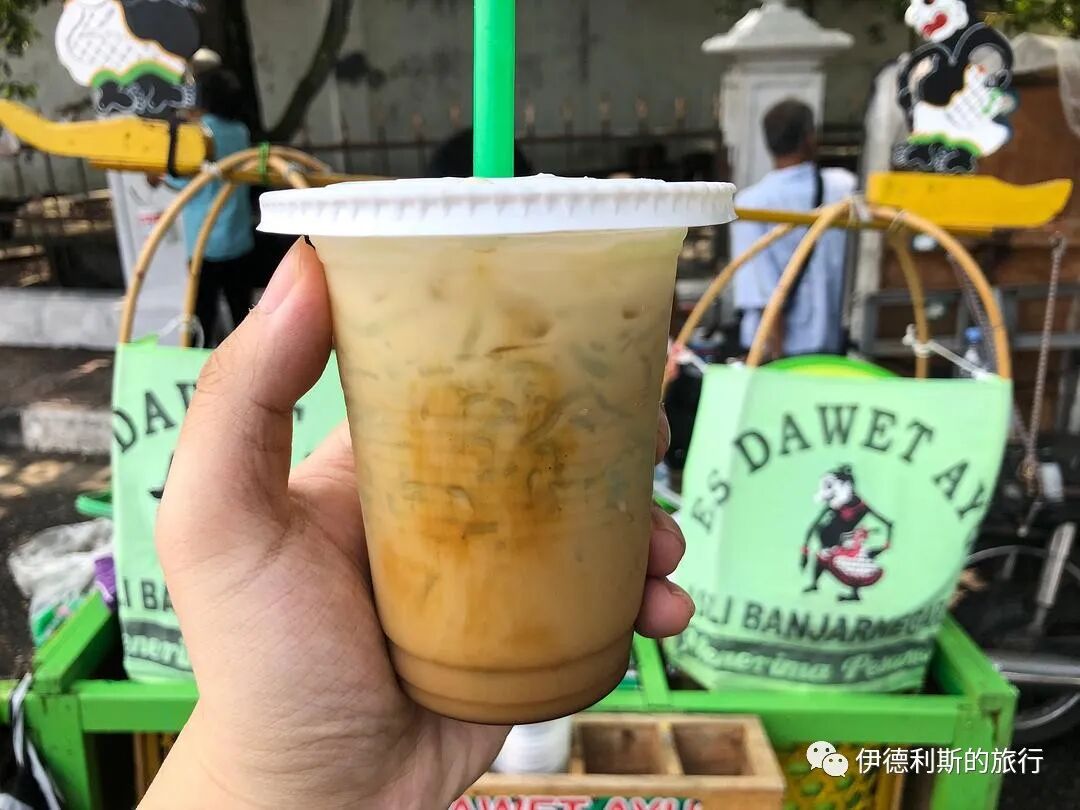
Es Dawet Ayu is a specialty iced drink from Central Java that comes from the small town of Banjarnegara. Its main ingredients are rice flour, glutinous rice flour, coconut milk, palm sugar syrup, and grass jelly.
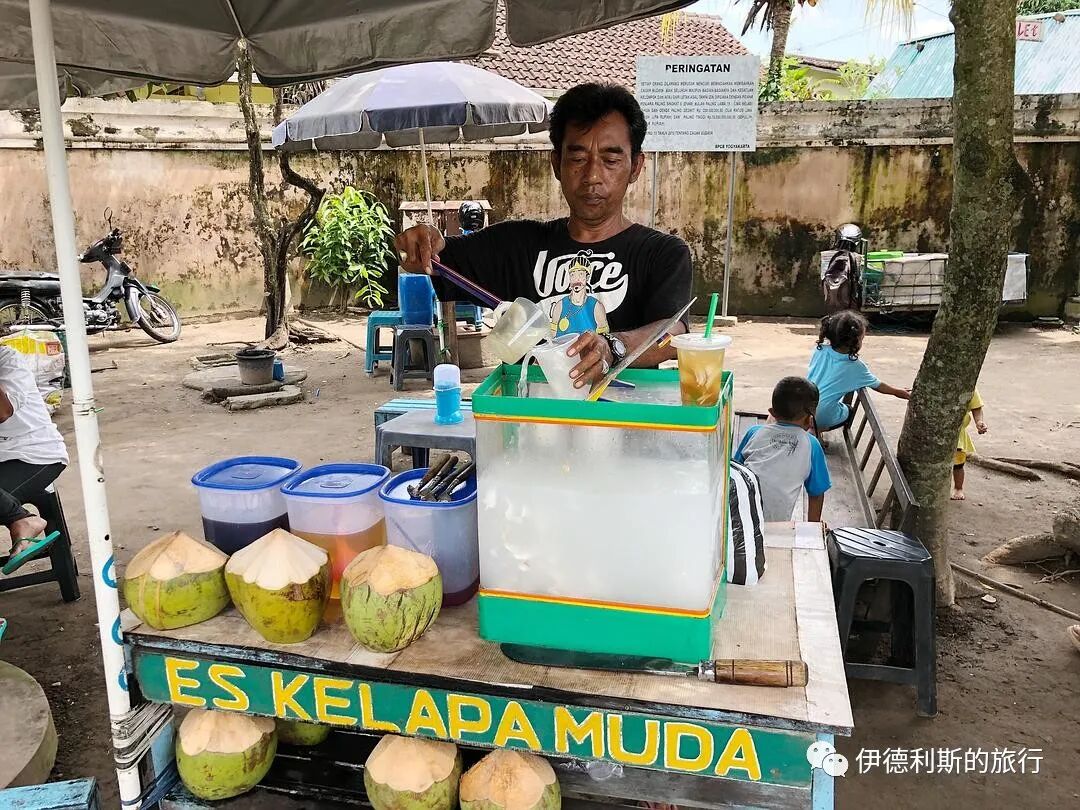
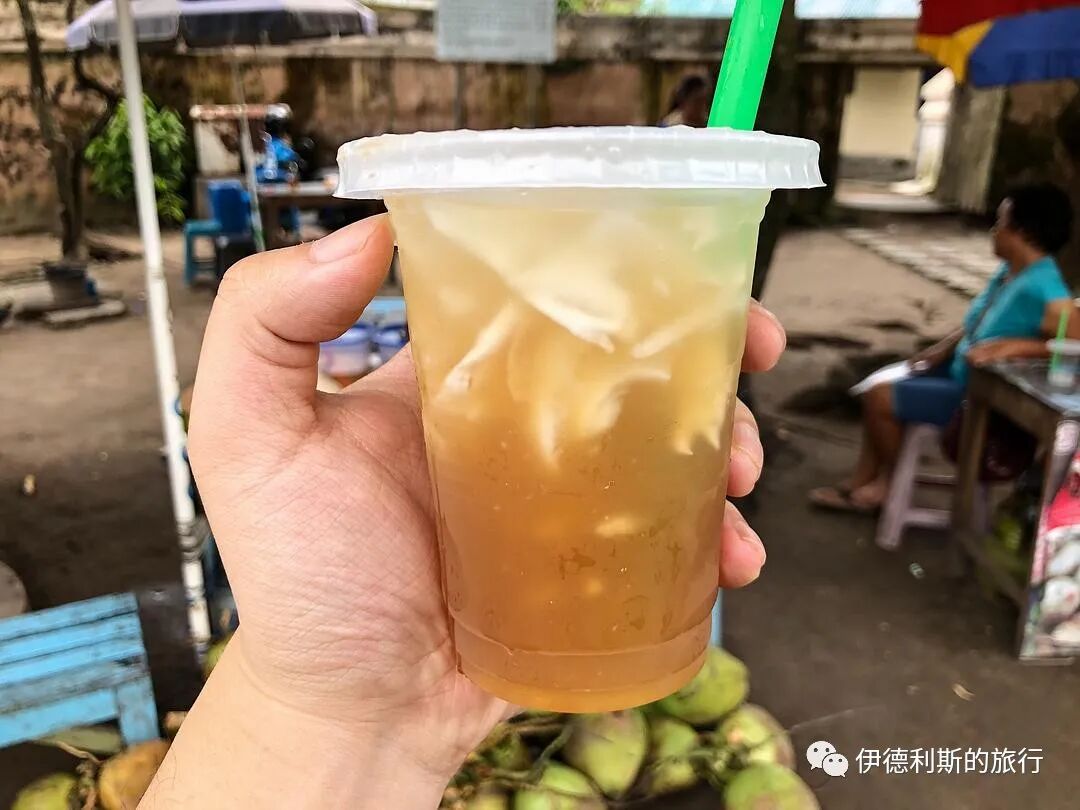
Coconut water
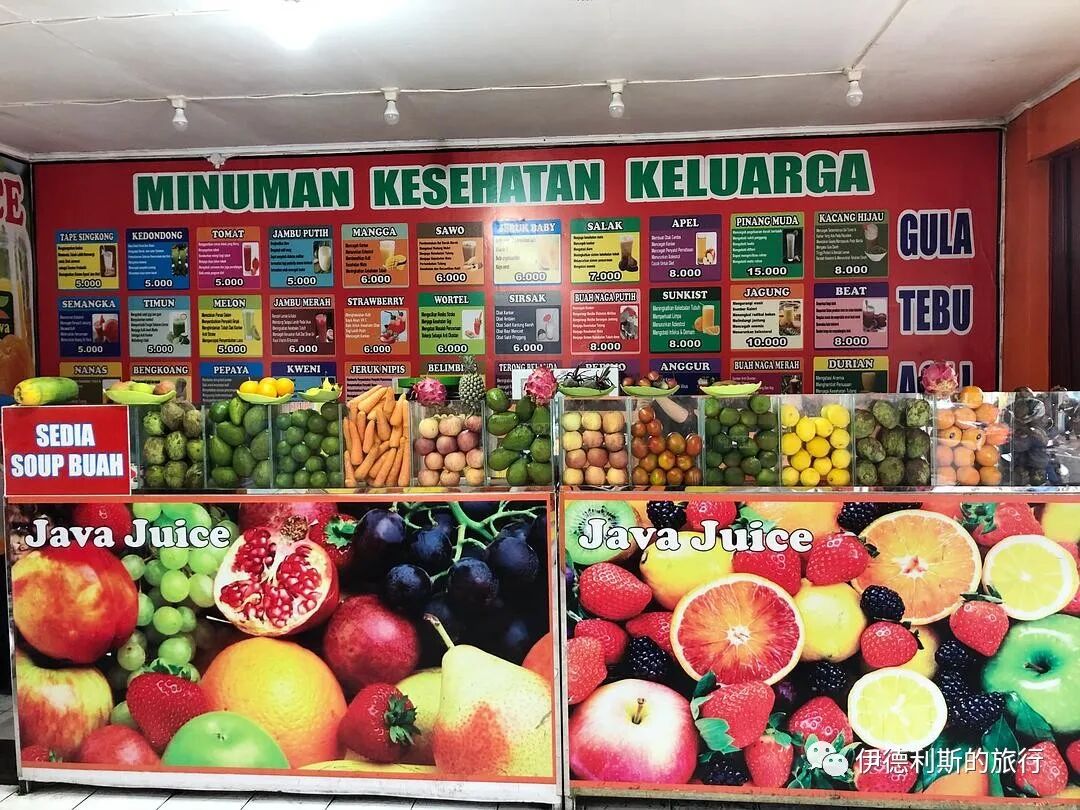
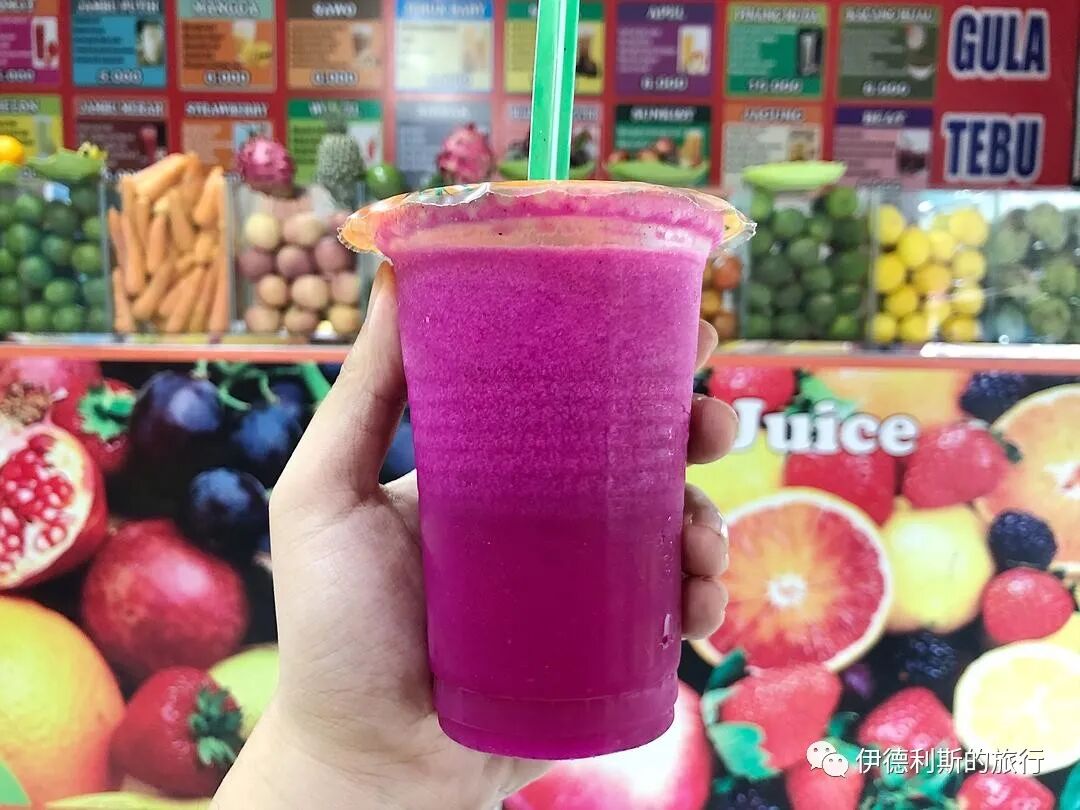
Freshly squeezed dragon fruit juice; the juice selection in Java is truly rich.
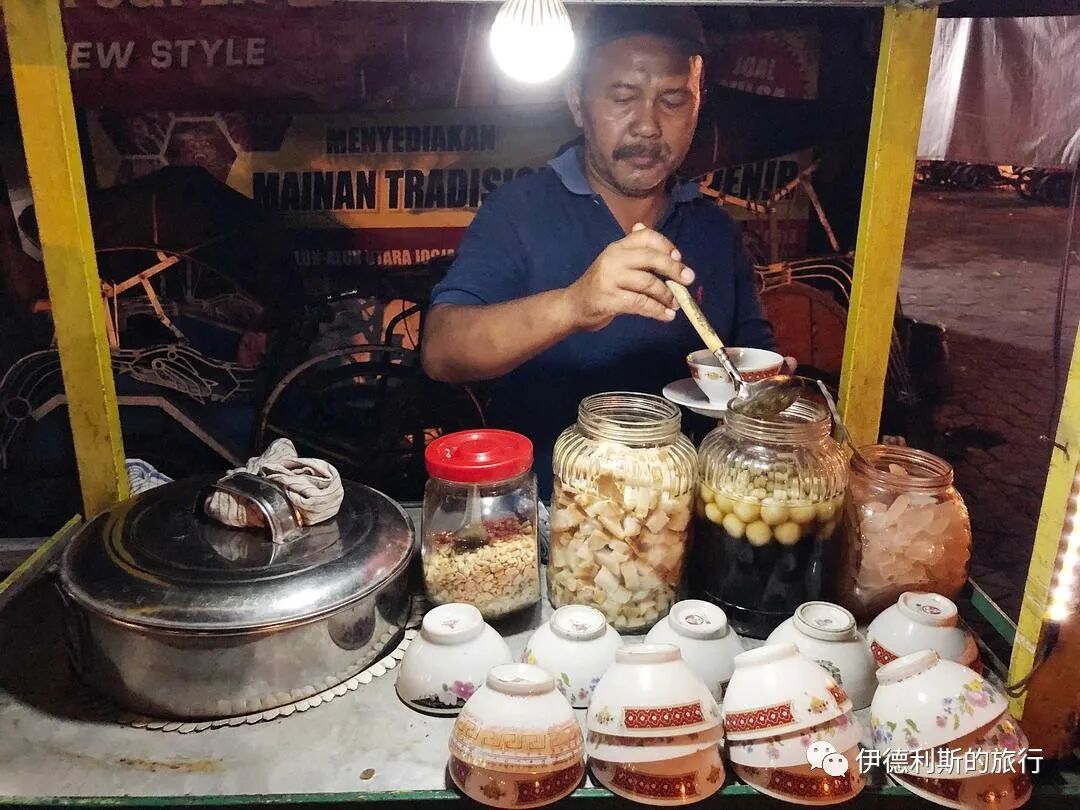
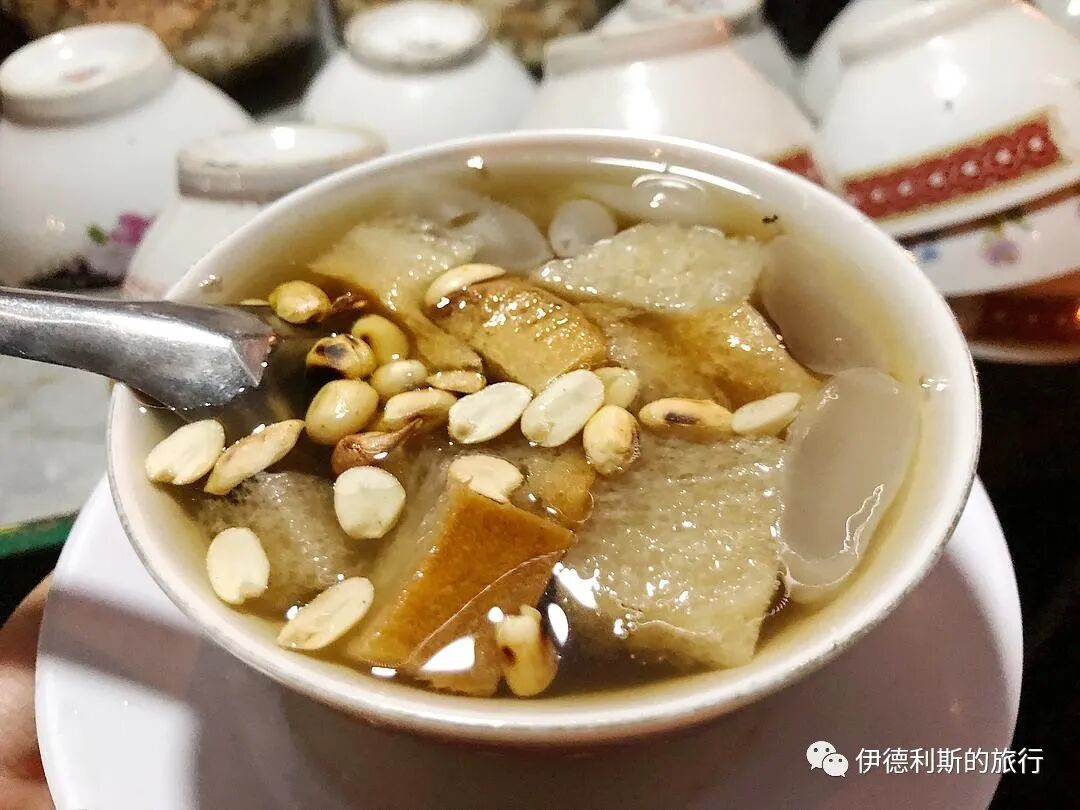
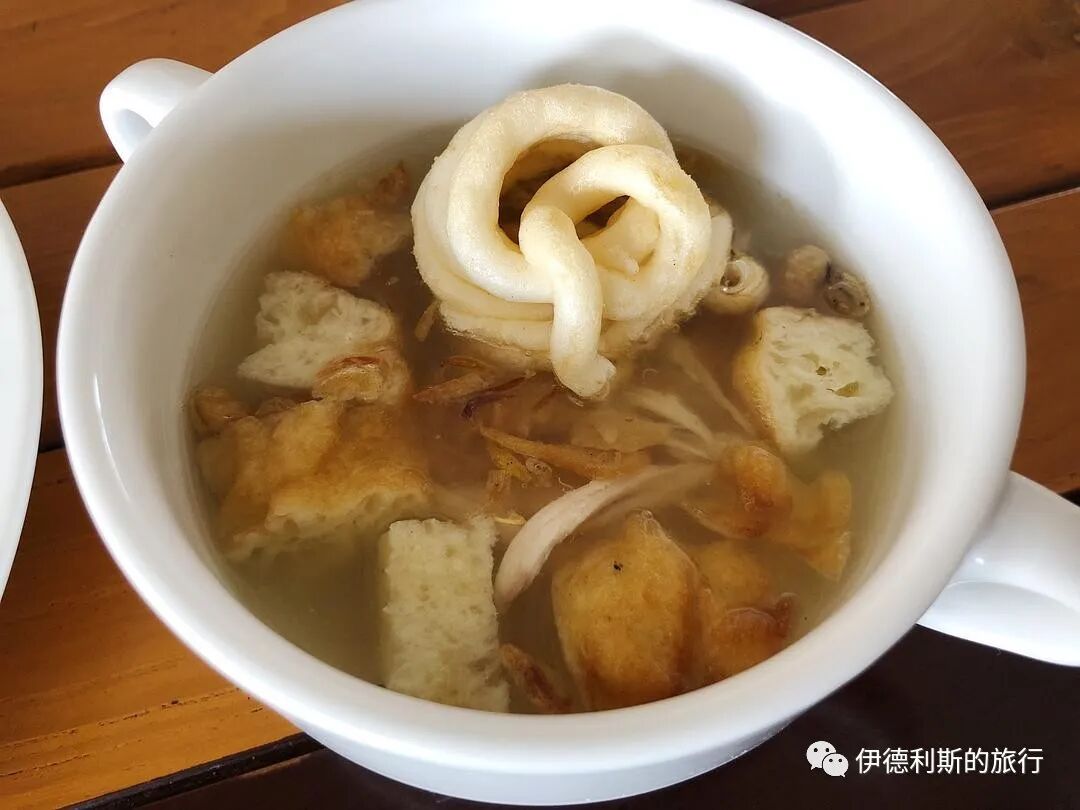
Sekoteng is a Javanese ginger-flavored hot drink that includes peanuts, bread slices, and rice balls. Hot drinks are relatively rare in Java, but it feels like the ginger helps remove dampness.
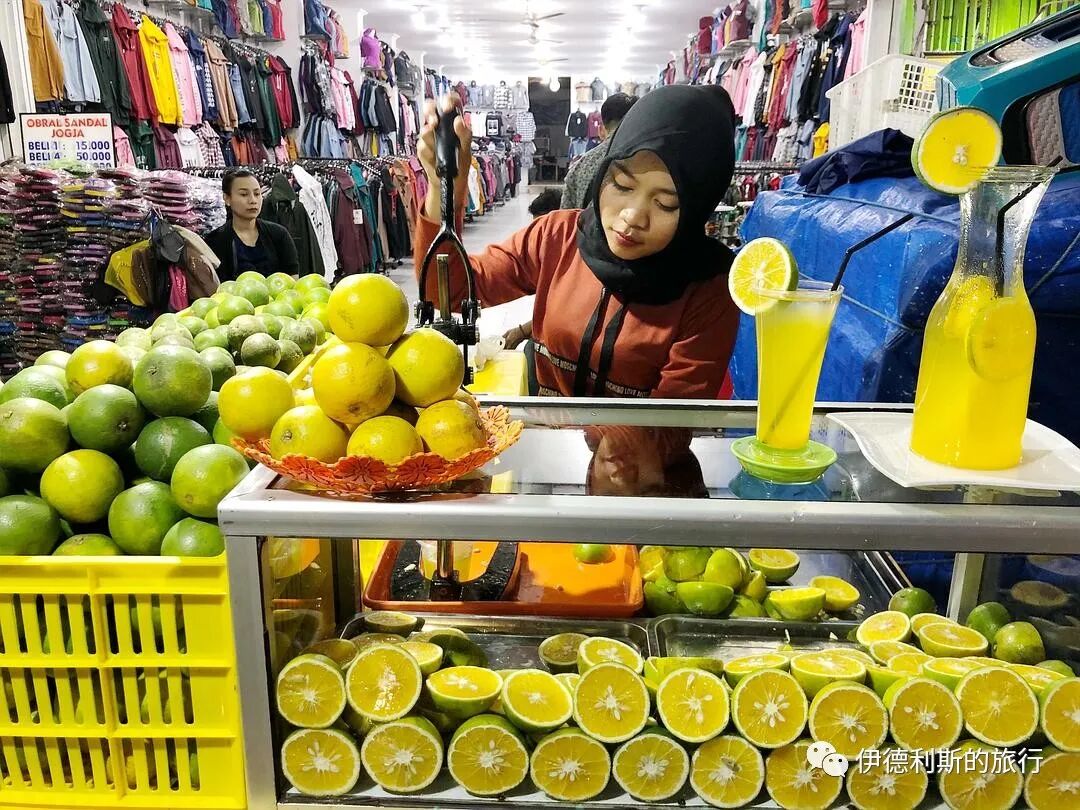
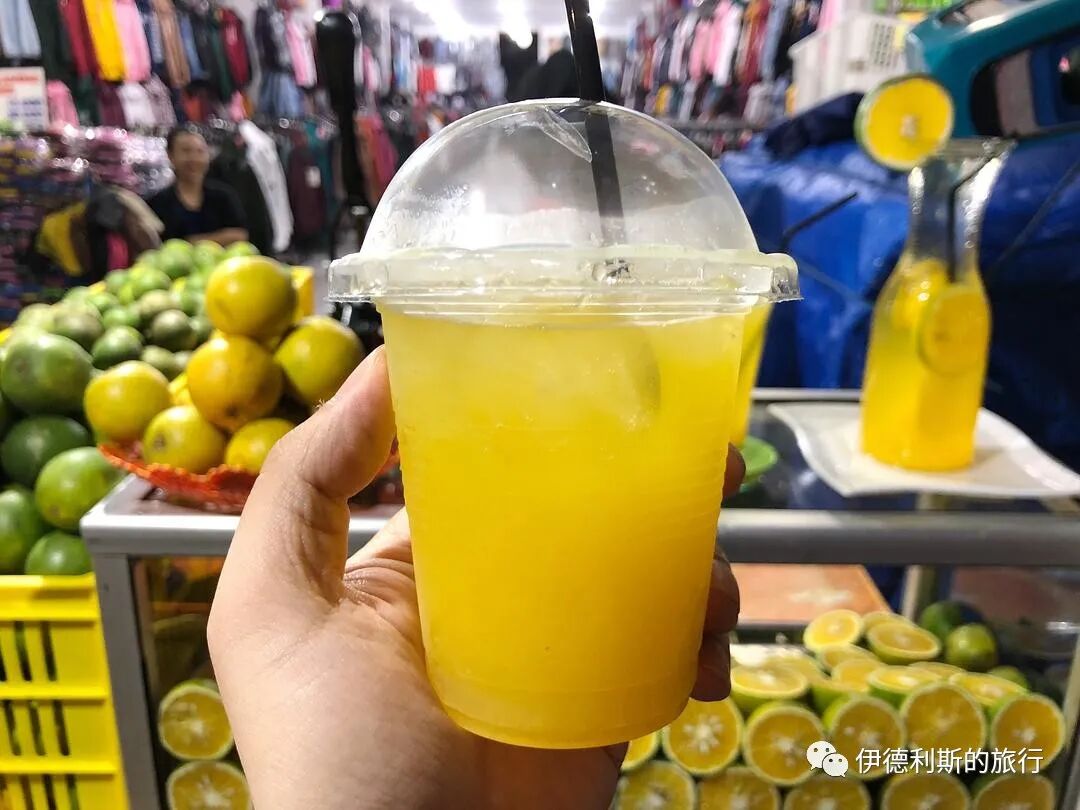
Freshly squeezed lemon juice
2. Snacks
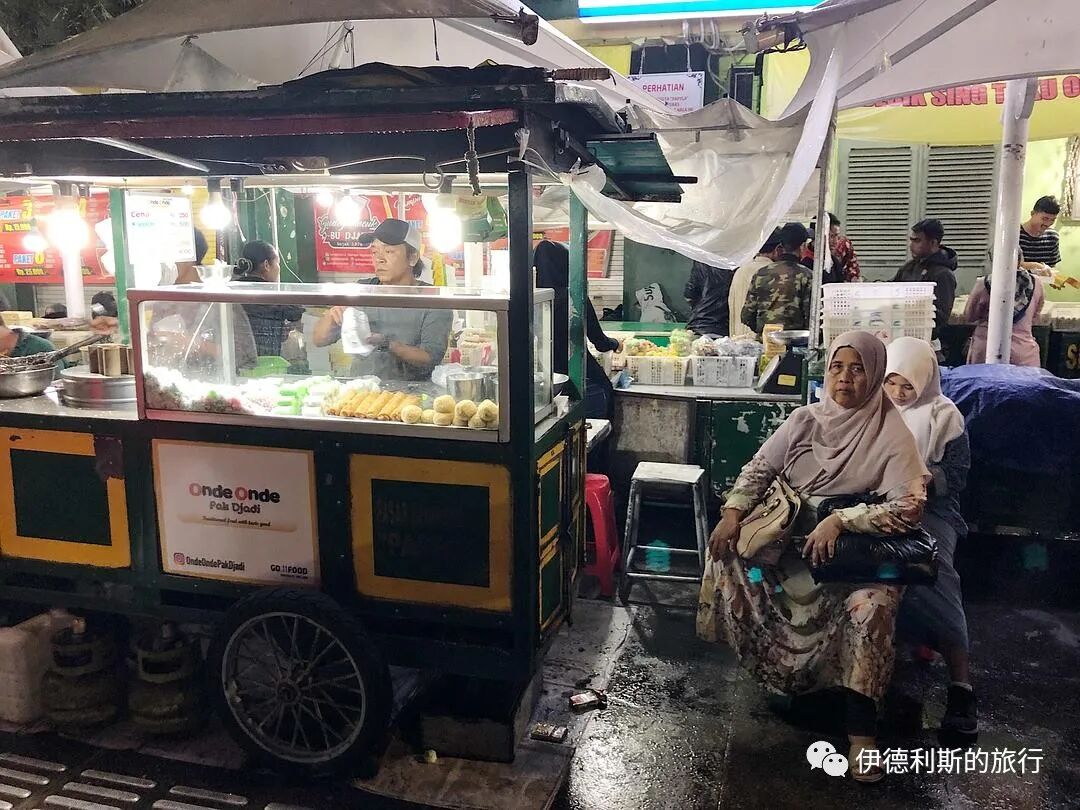
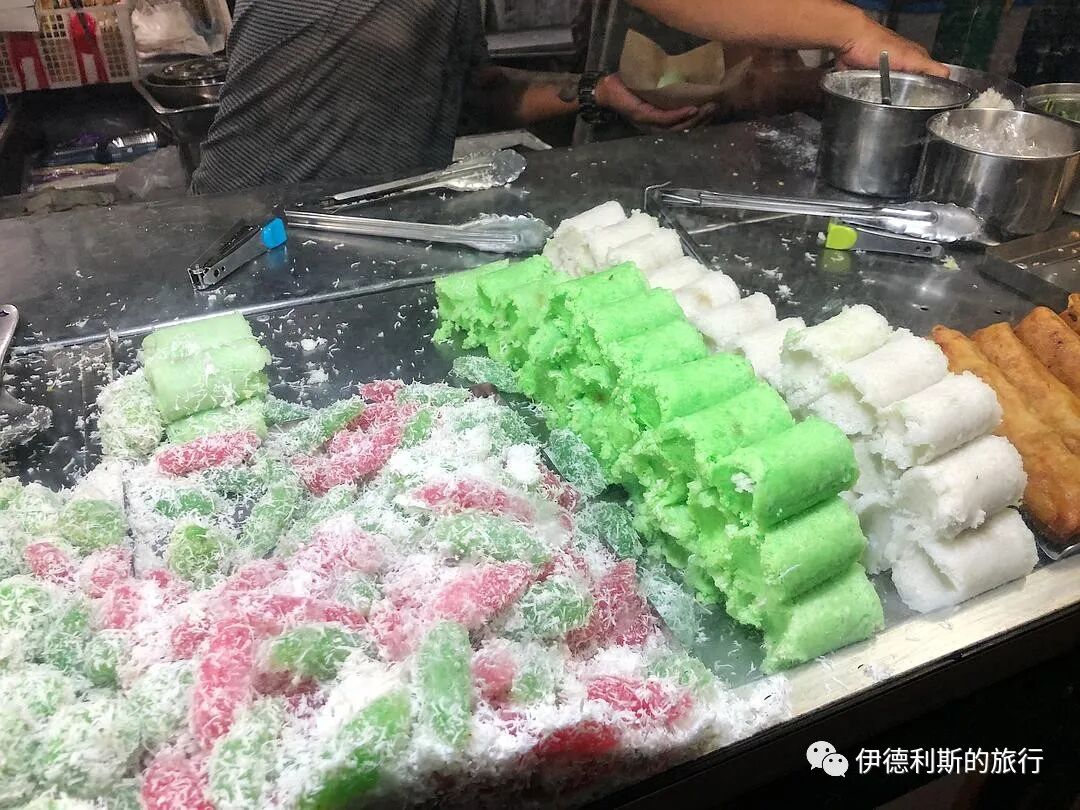
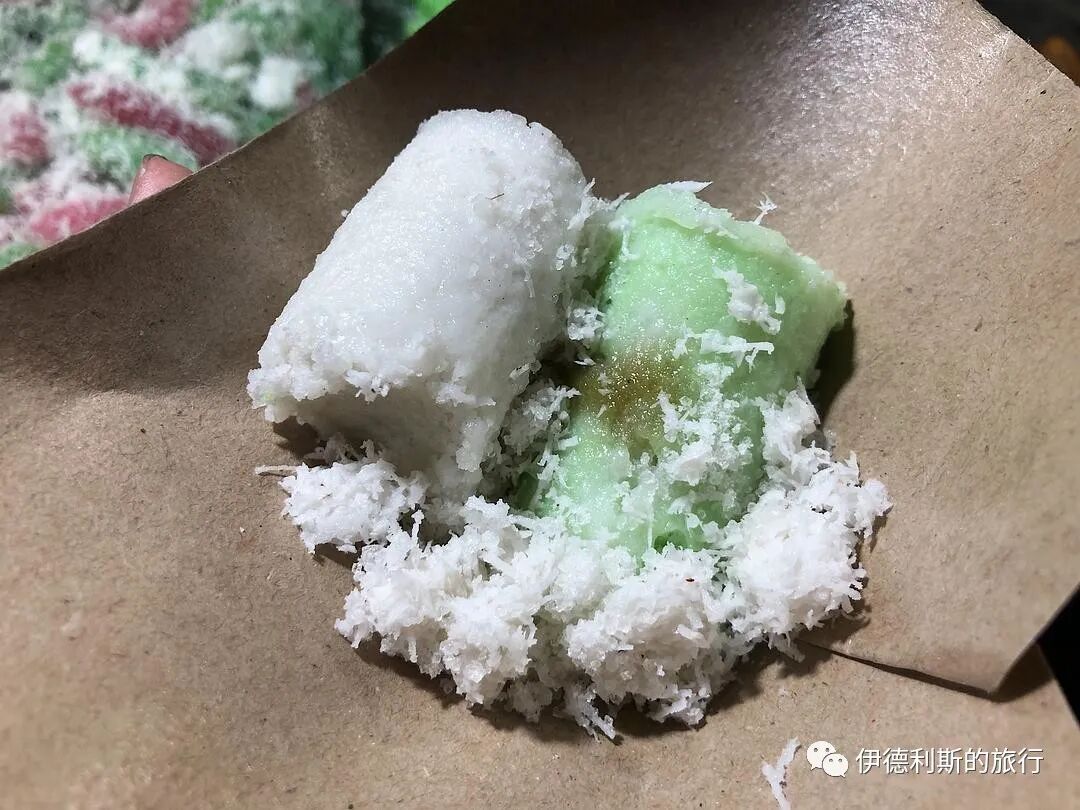
Putu Bumbung is a pastry made by mixing glutinous rice flour with pandan leaf juice and palm sugar, then steaming it in bamboo tubes. You eat it with shredded coconut.
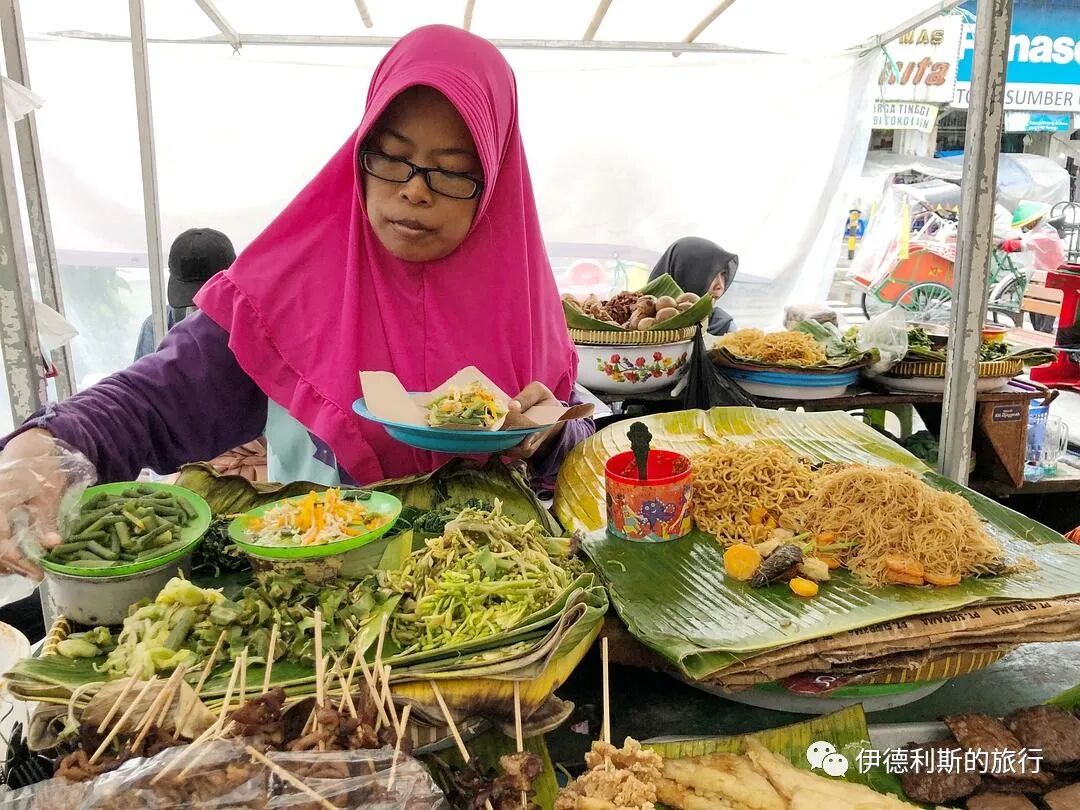
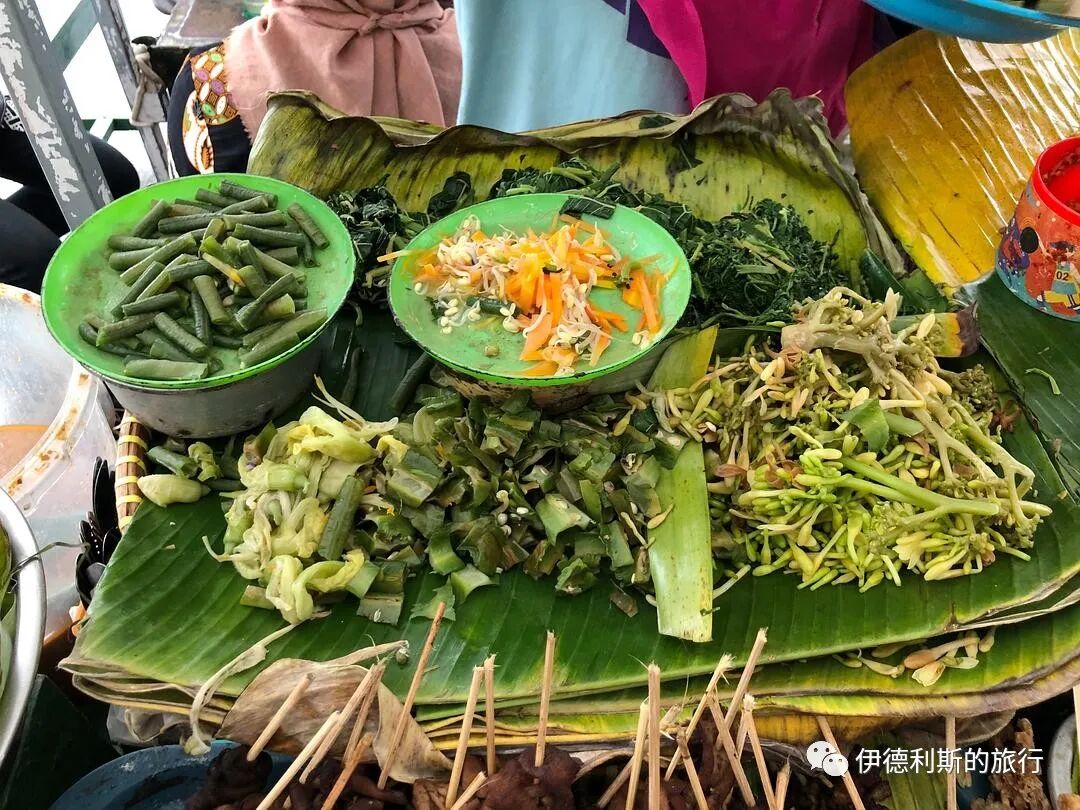
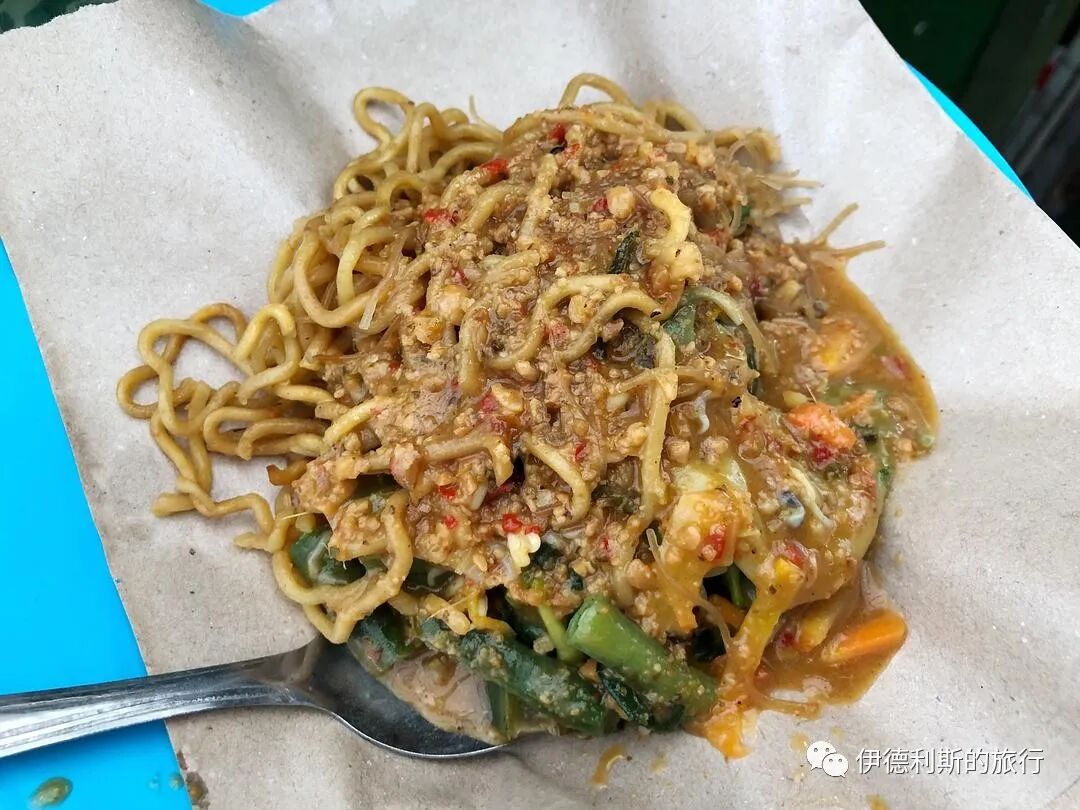
Pecel is a Javanese salad that usually includes spinach, amaranth, bean sprouts, water spinach, yardlong beans, cucumber, cassava leaves, and lemon basil. The sauce contains peanut butter, crushed peanuts, salt, palm sugar, tamarind juice, chili, galangal, kaffir lime leaves, and garlic. Pecel originated in Java and was later brought to Malaysia and Suriname by Javanese people.
3. Restaurants
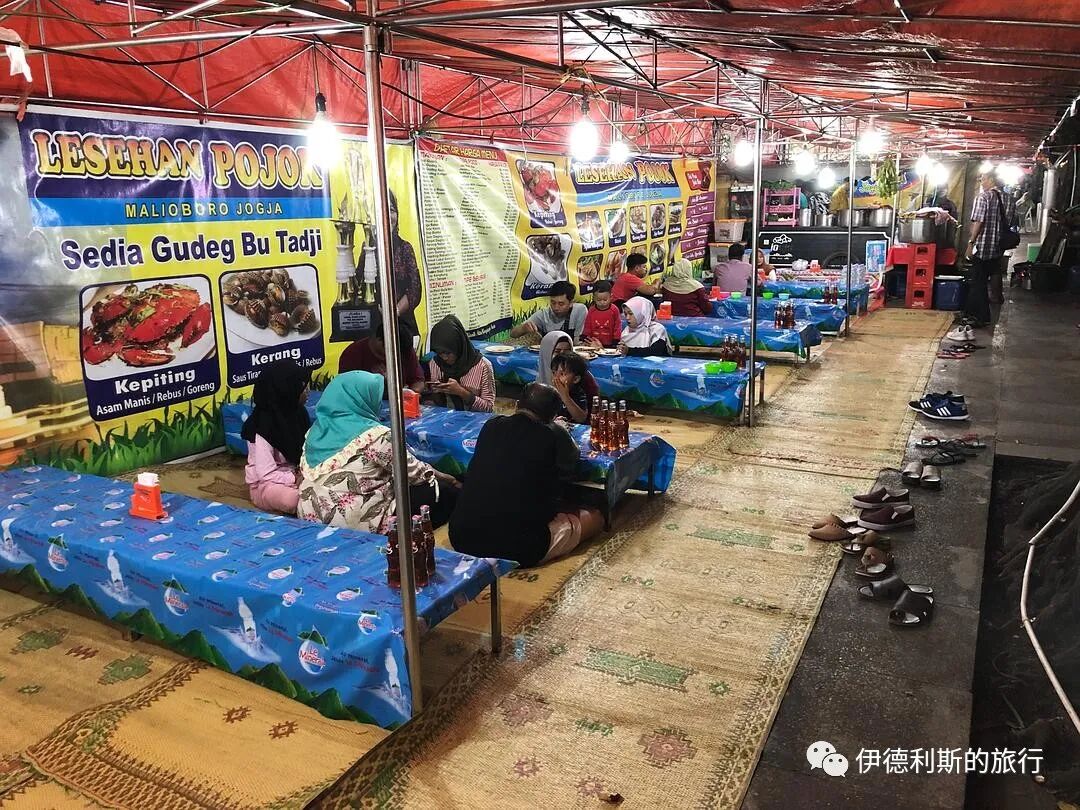
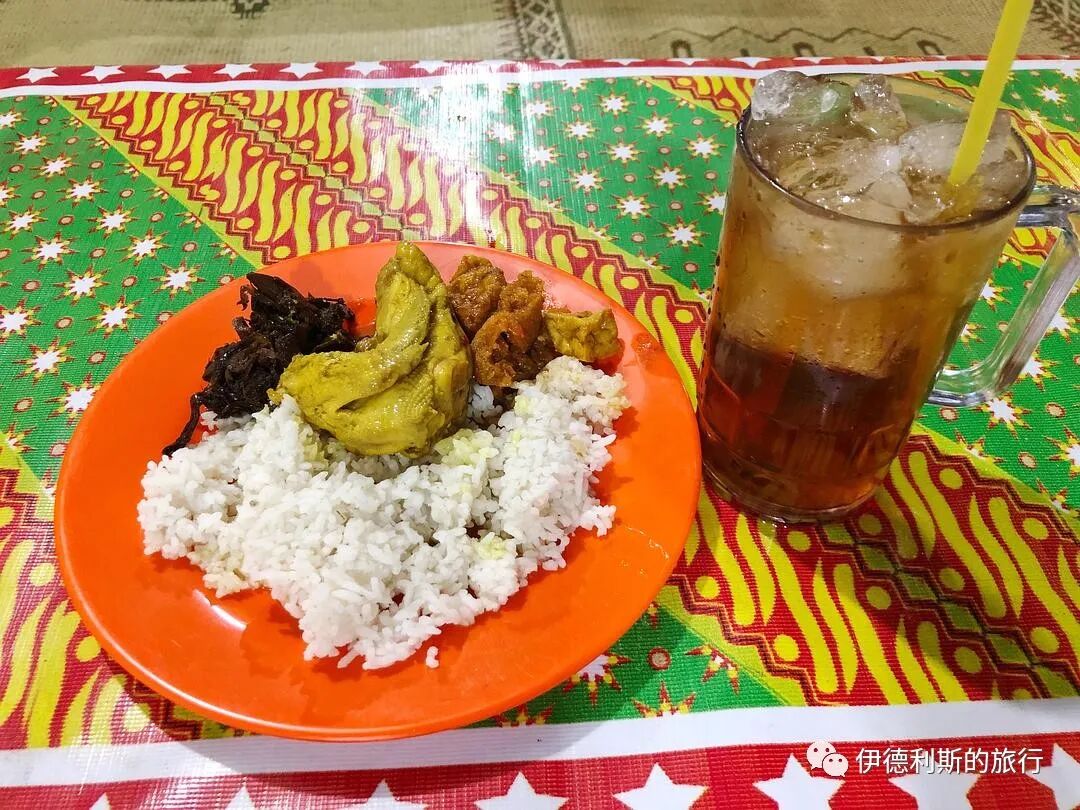
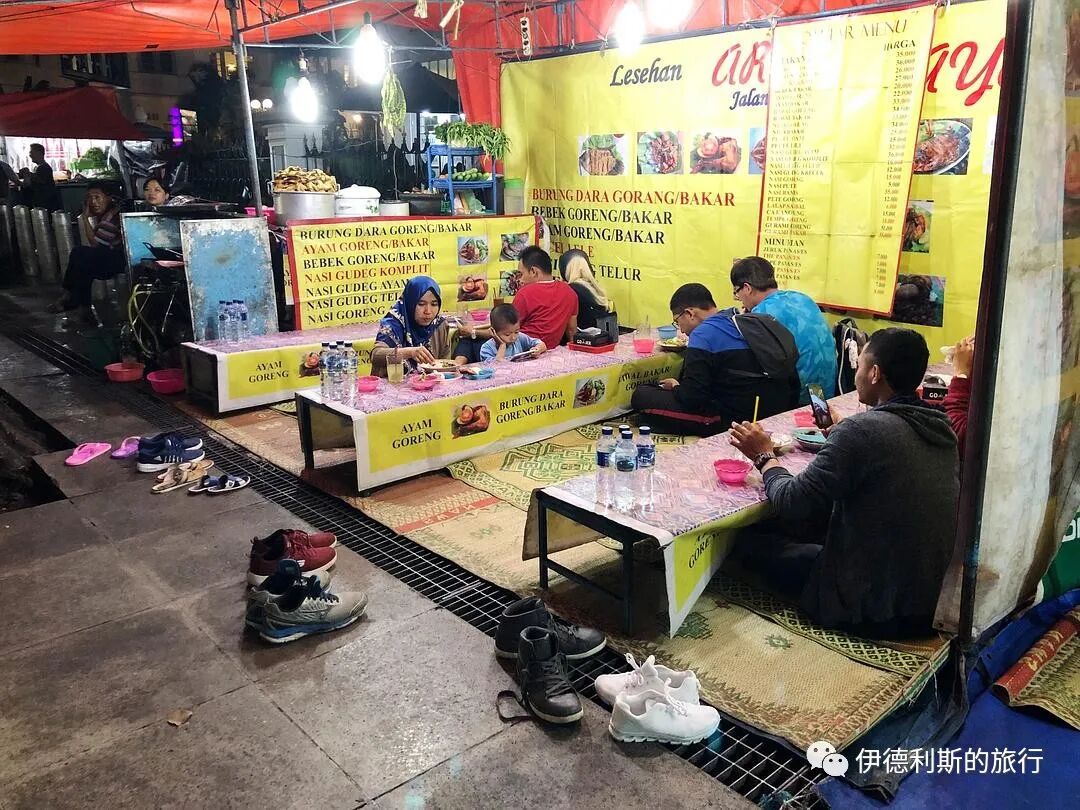
Lesehan is a Javanese style of dining where you sit cross-legged on the floor. The Malioboro night market in Yogyakarta is the birthplace of this dining style. I ate the Yogyakarta specialty, Gudeg rice with chicken. Gudeg is made by stewing unripe jackfruit, palm sugar, and coconut milk for several hours. The ingredients include shallots, ginger, garlic, coriander seeds, bay leaves, and teak leaves.
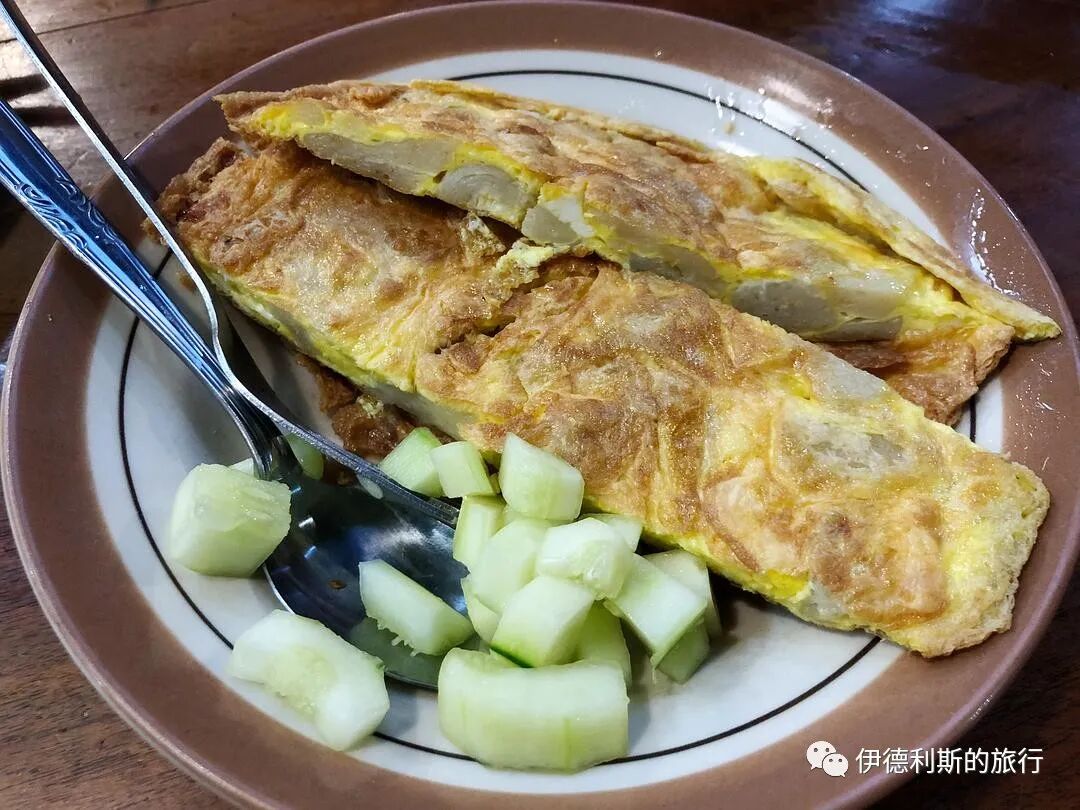
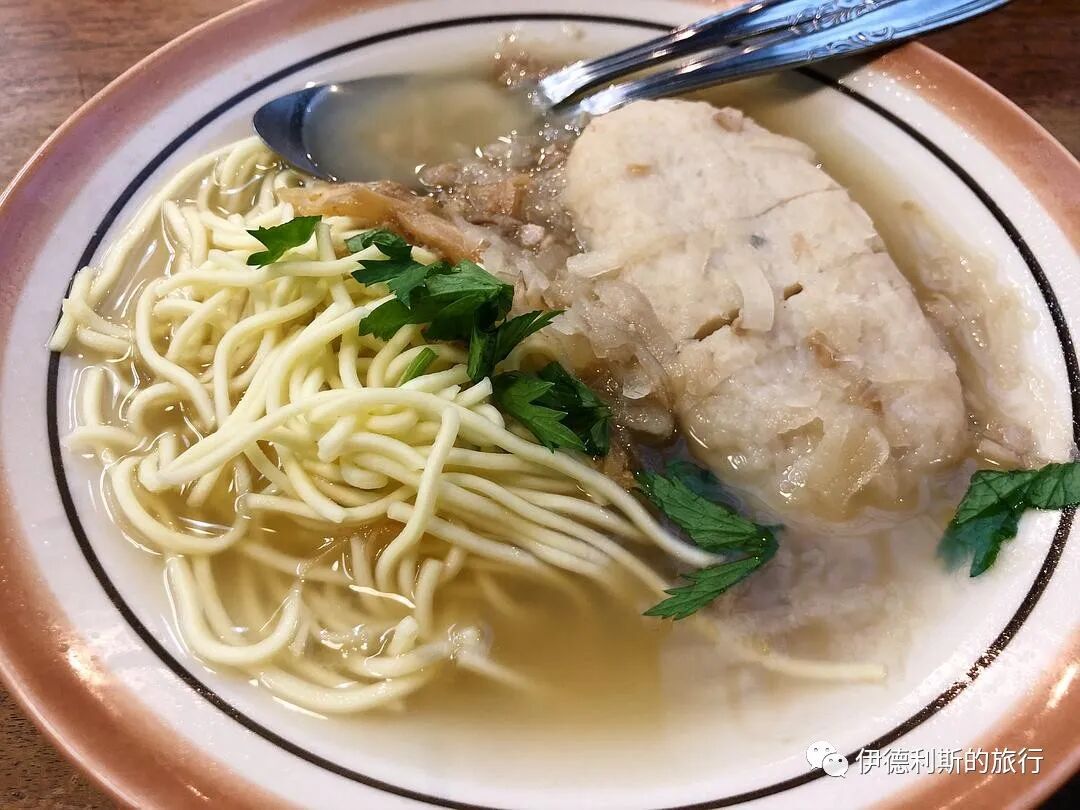
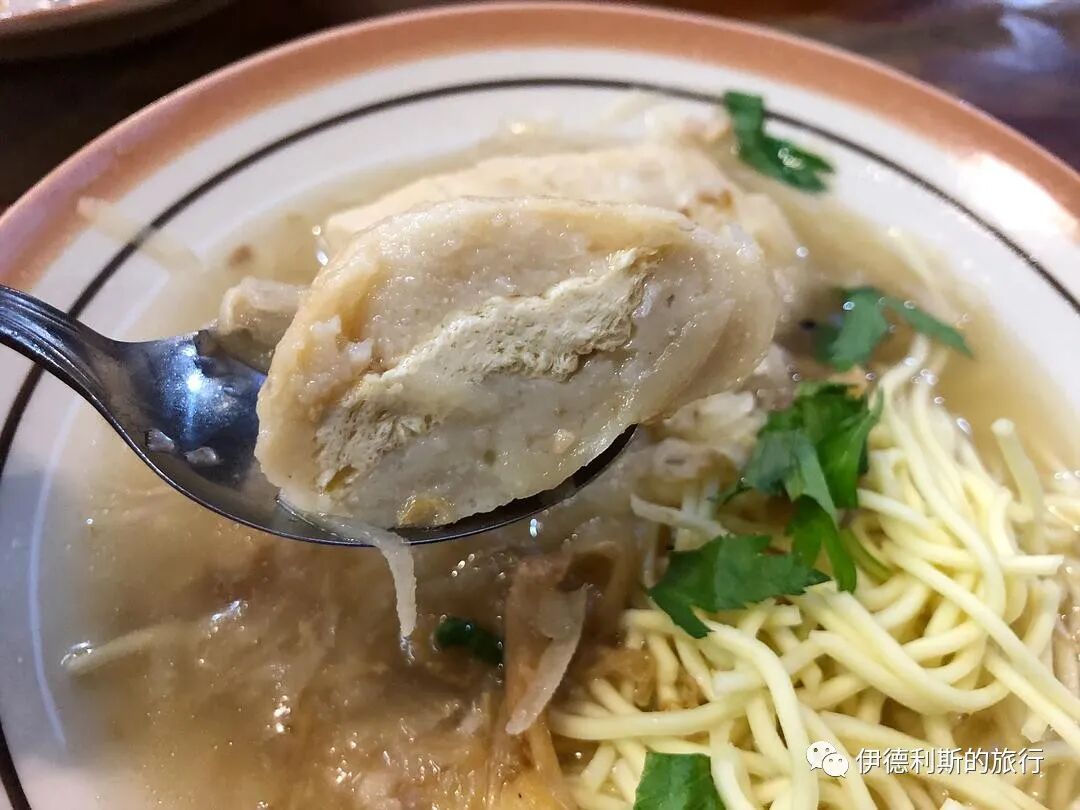
At a small shop specializing in fish cakes, I ordered the fish cake omelet (Lenggang) and fish cake noodles (Mie Laksan). The fish cakes were stuffed with tofu.
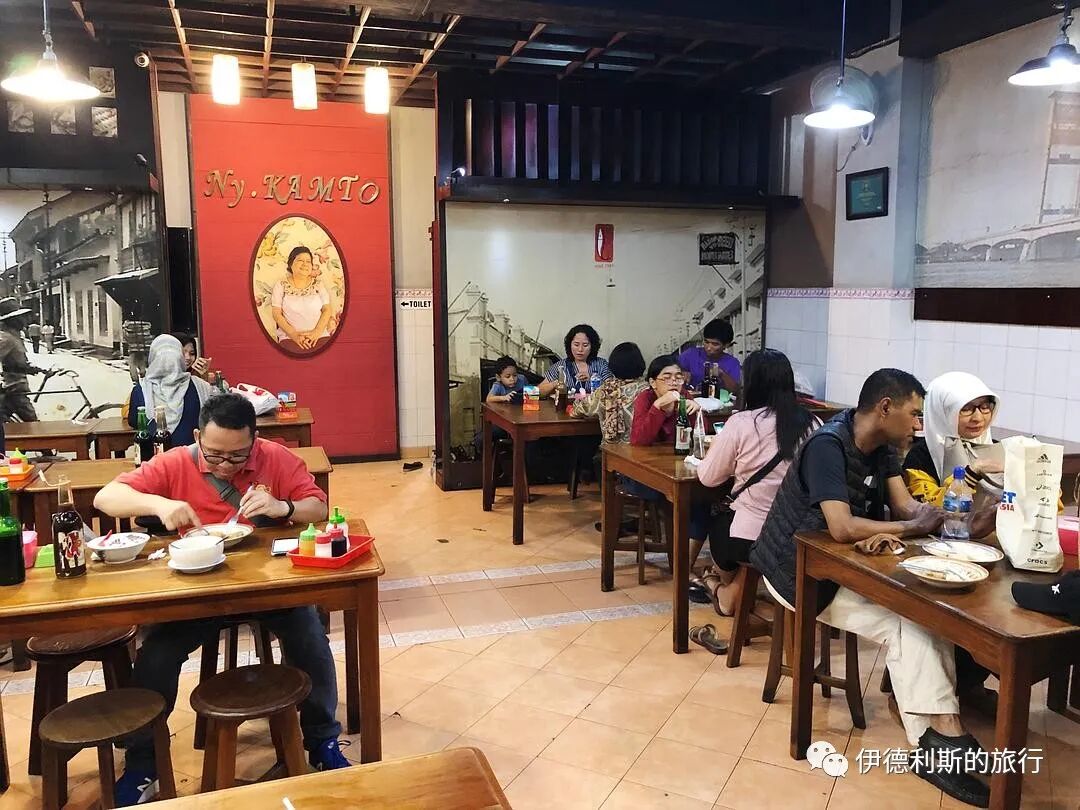
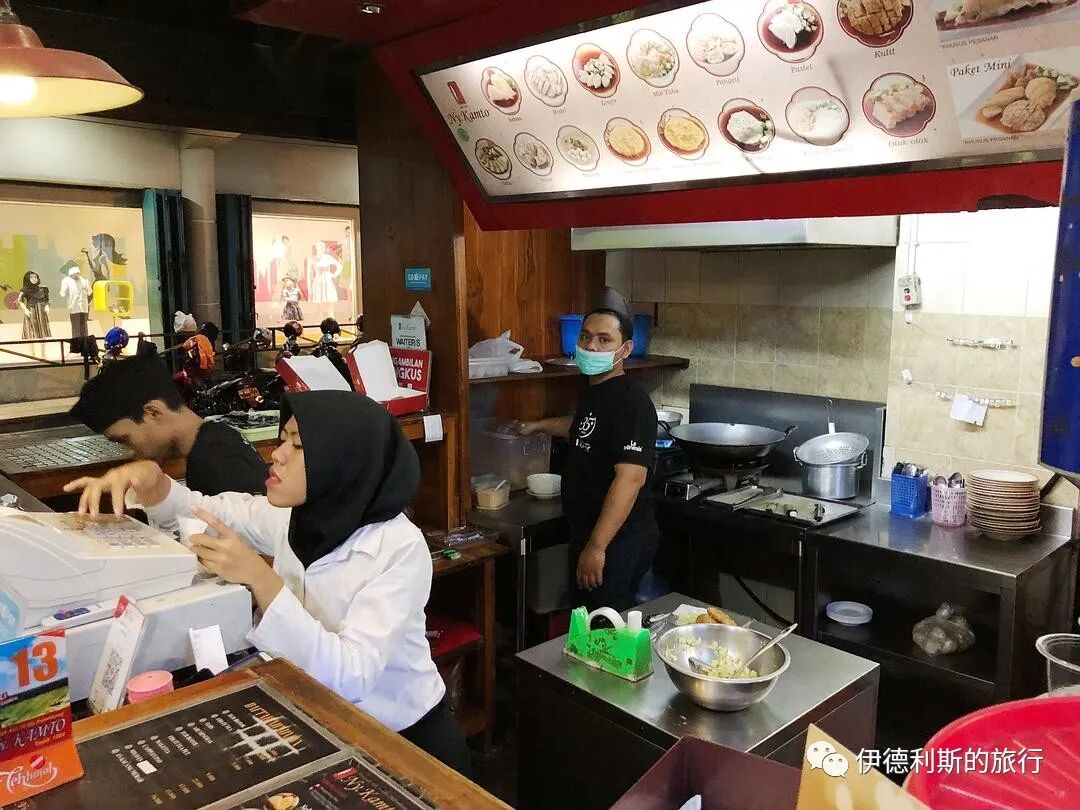
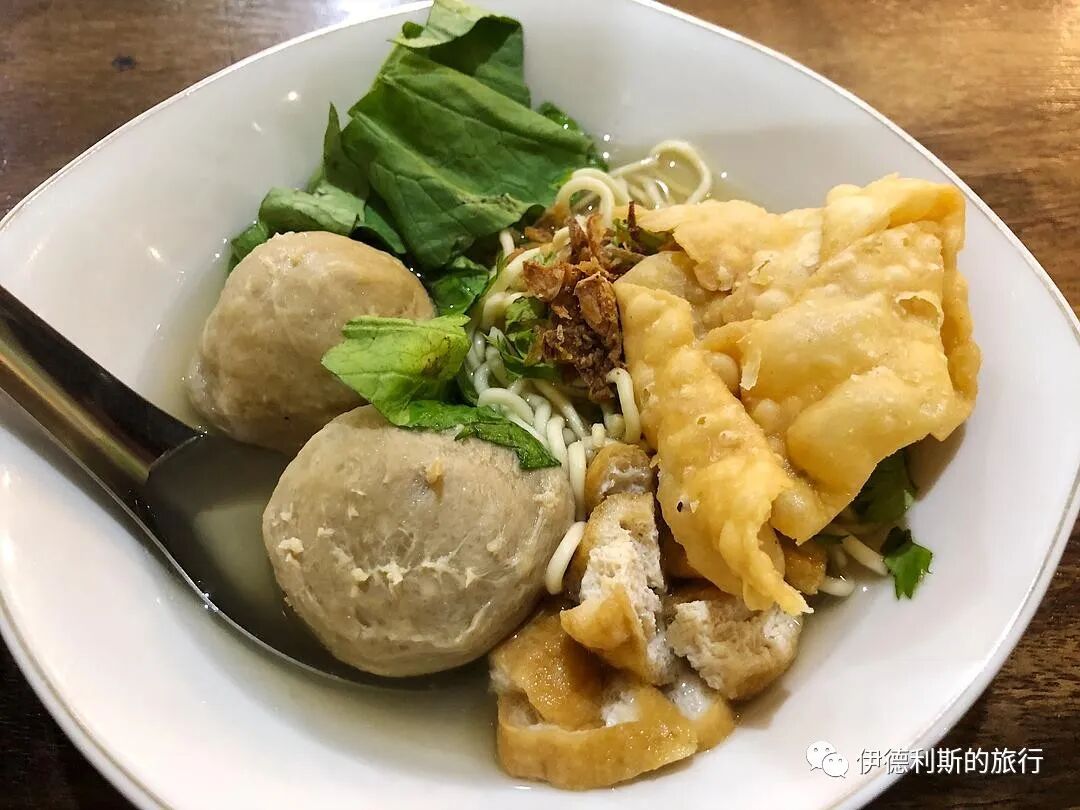
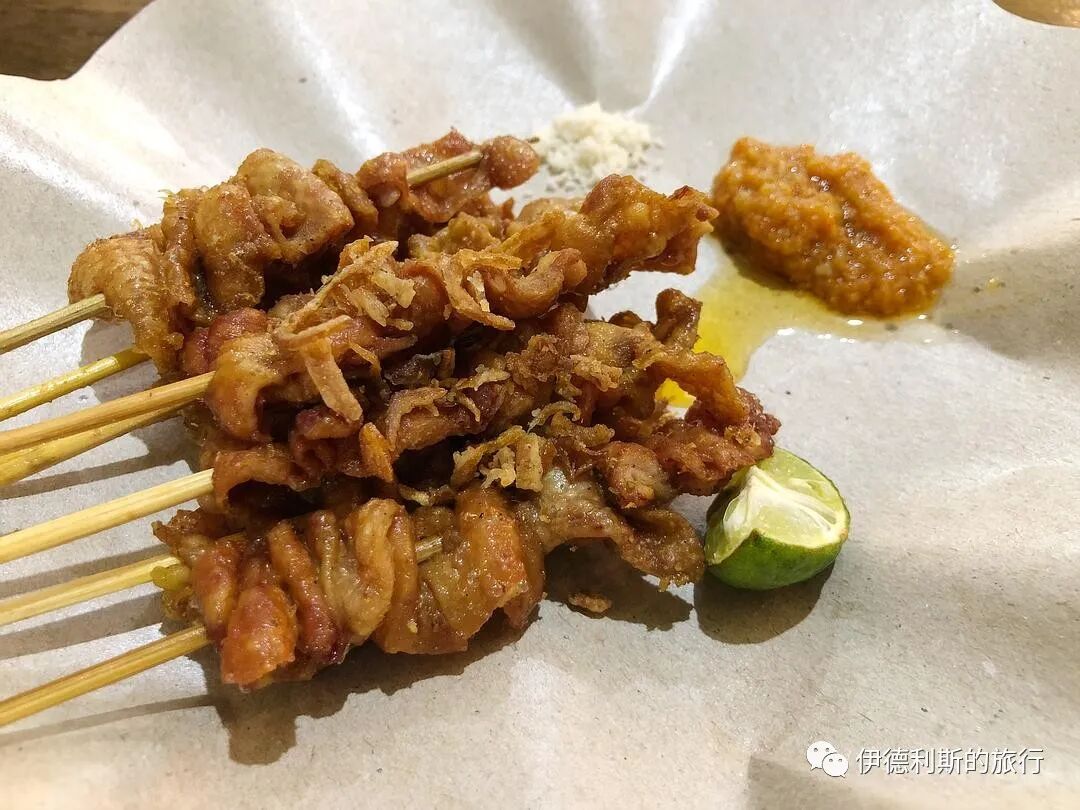
I ate meatball soup (Bakso) and grilled chicken skin (Thaichan Kulit Ayam) at a shop.
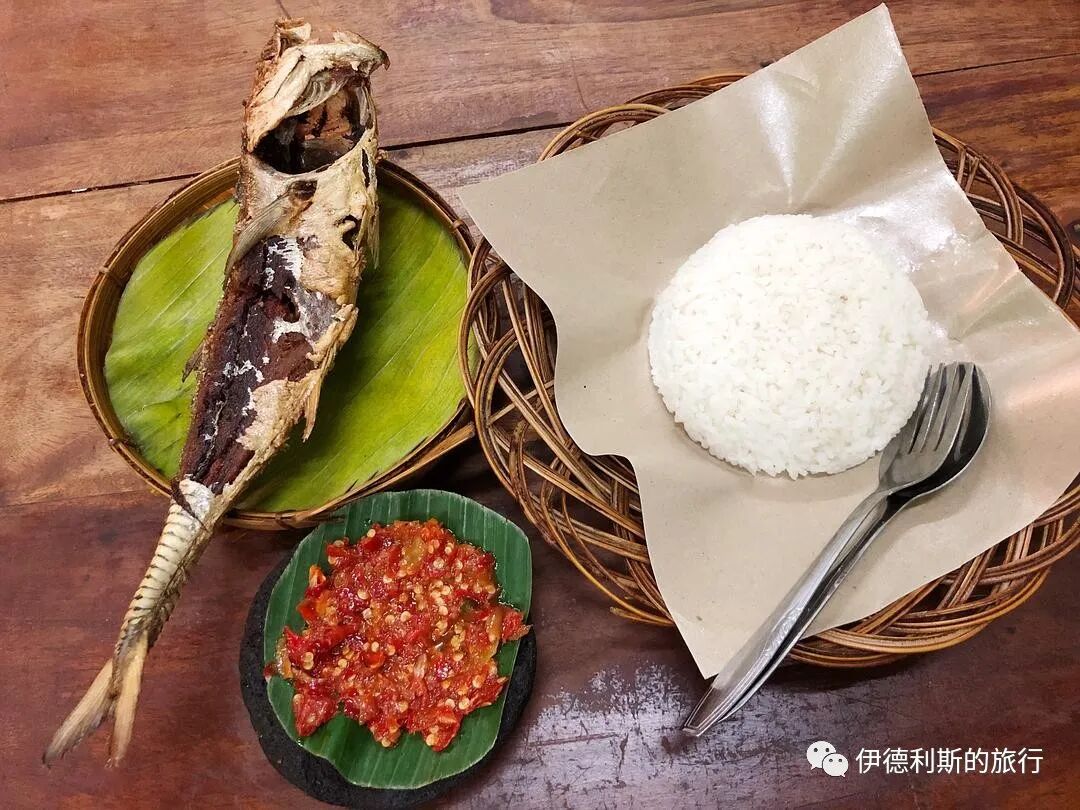
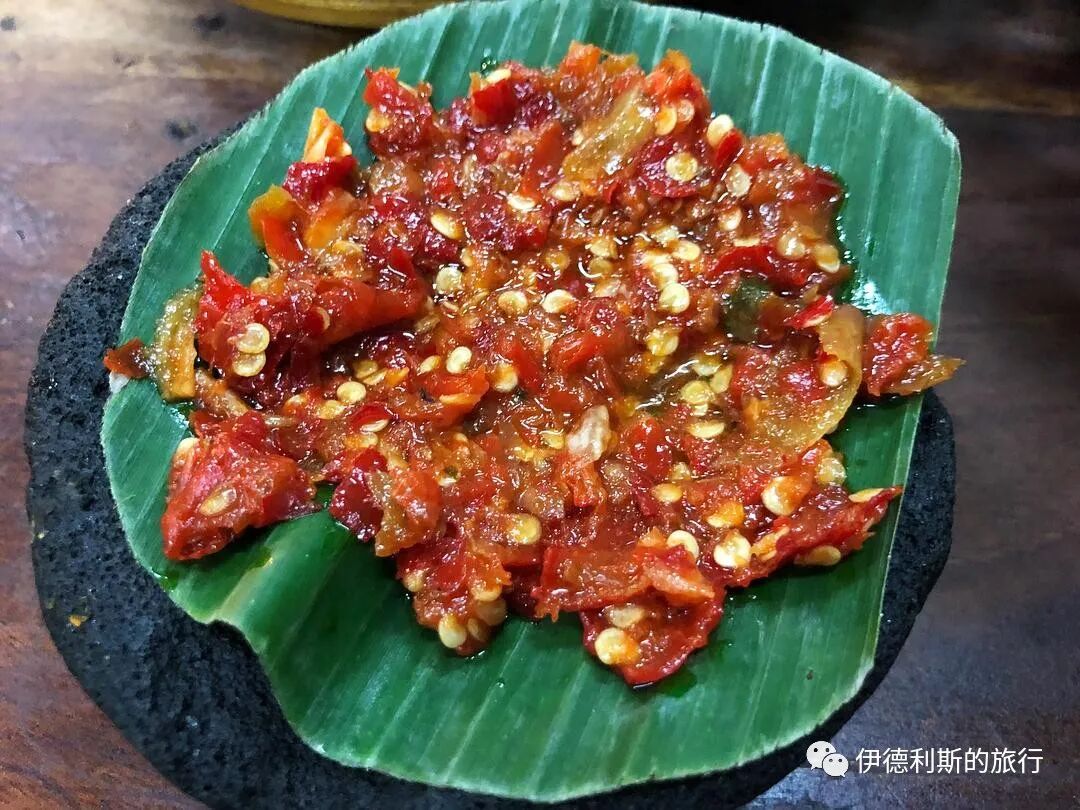
I had fried fish with Indonesian chili sauce (sambal) at this shop, and it was super spicy!
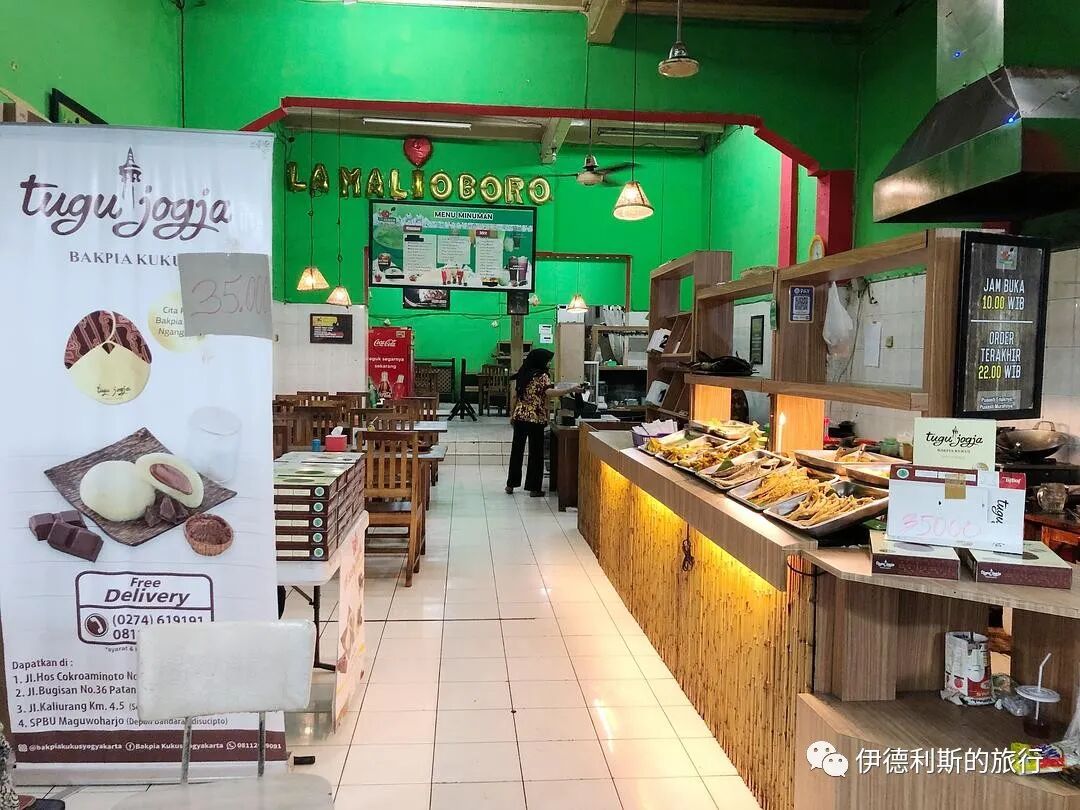
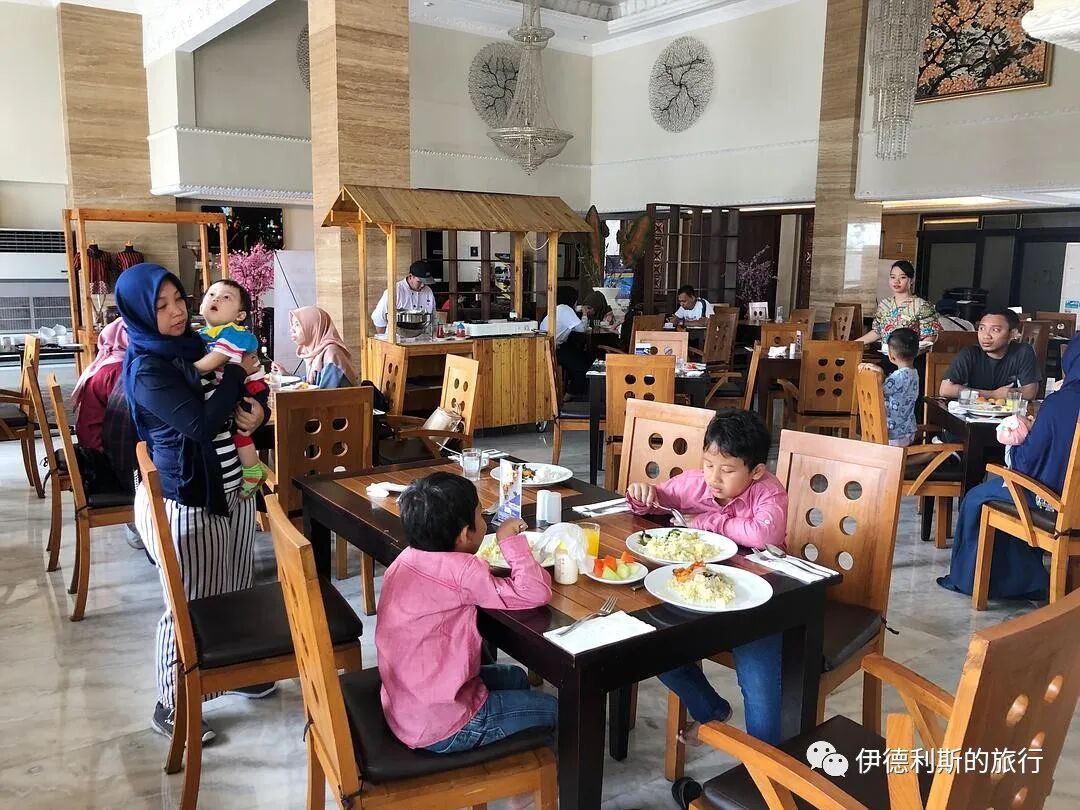
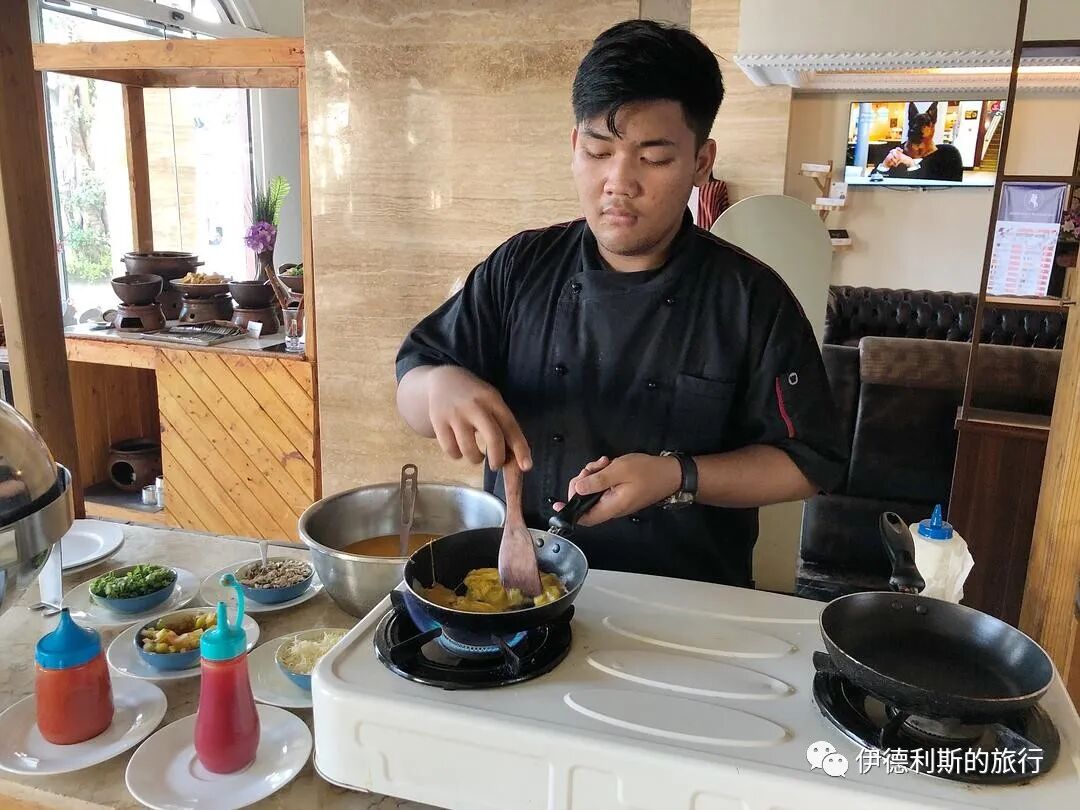
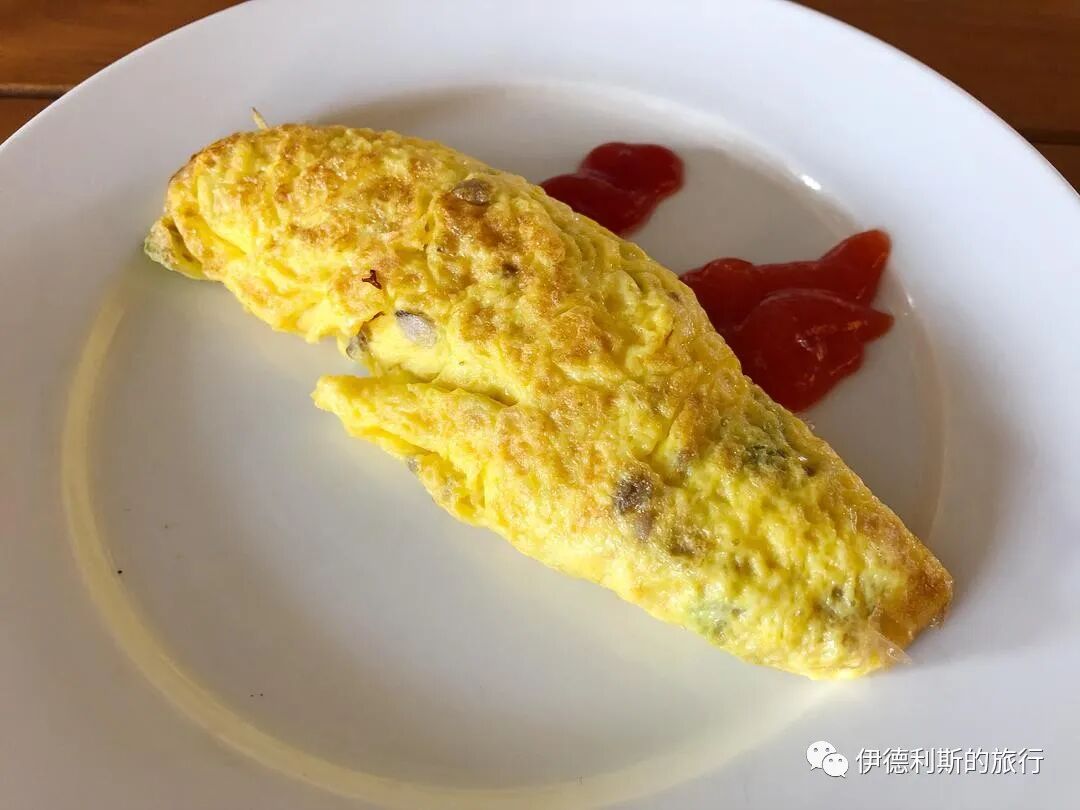
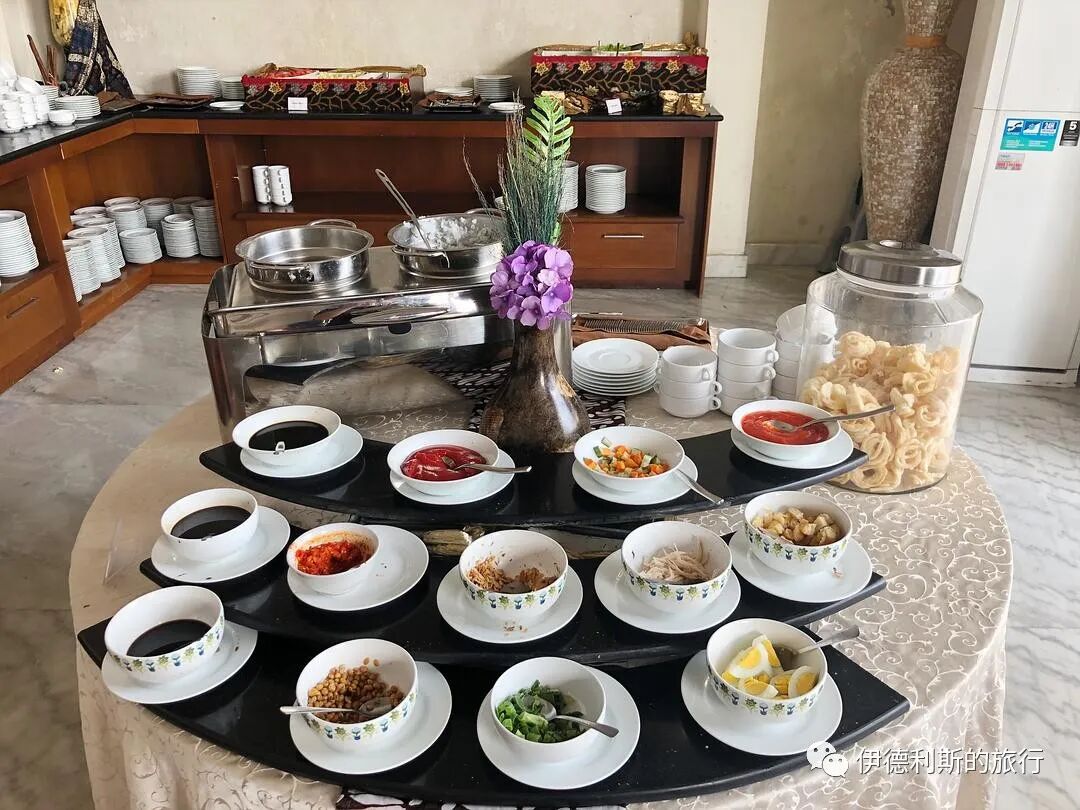
The breakfast at my hotel in Yogyakarta had a great variety of food.
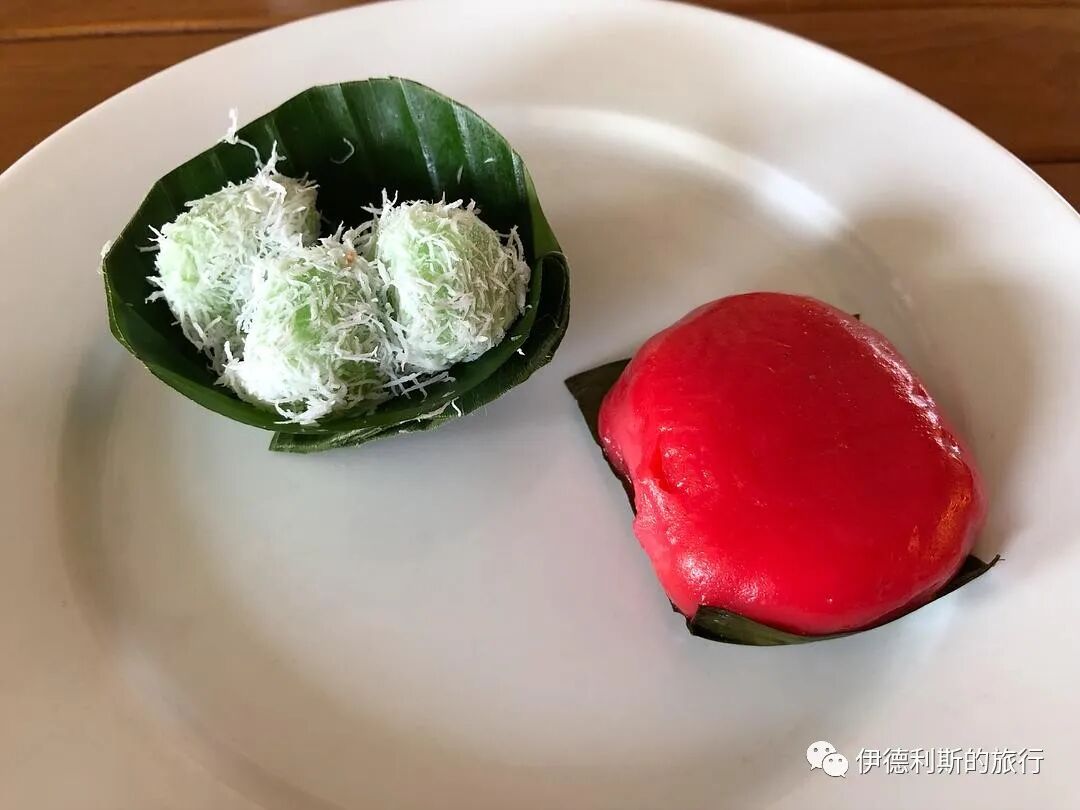
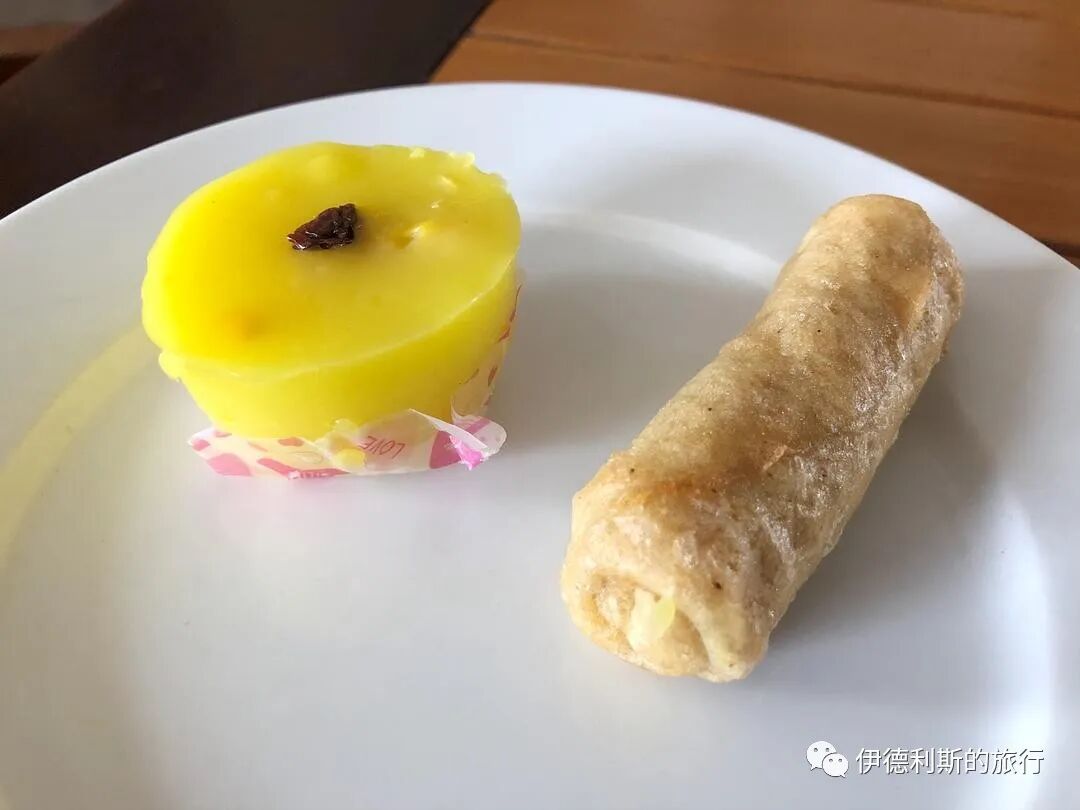
On the left are Indonesian rice cakes (klepon), topped with shredded coconut and served on a banana leaf. Klepon is made from a mix of glutinous rice flour, palm sugar, and juice from pandan or dracaena leaves. On the right are Indonesian snacks (kue), known in Java as market snacks (jajan pasar), which play an important role in traditional Javanese ceremonies.
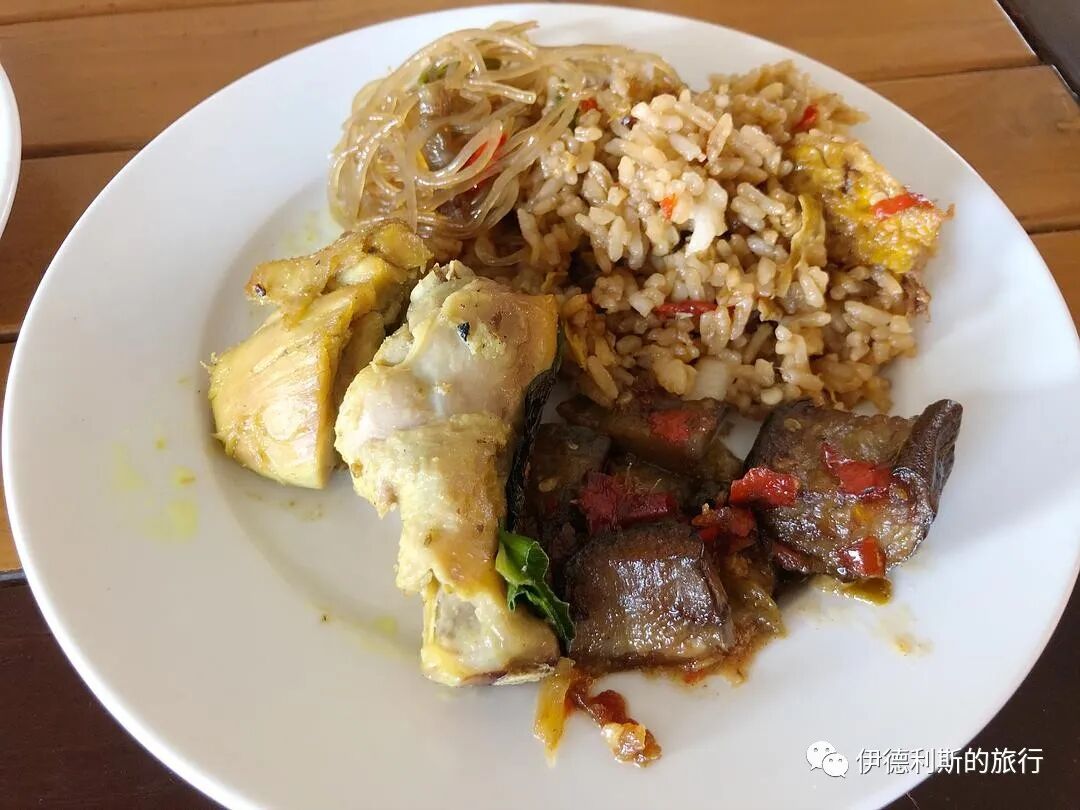
In the bottom right is eggplant with chili sauce (balado), a spicy sauce that comes from the island of Sumatra. In the bottom left is lemon basil chicken (ayam kemangi).
4. Royal Sultan Cuisine
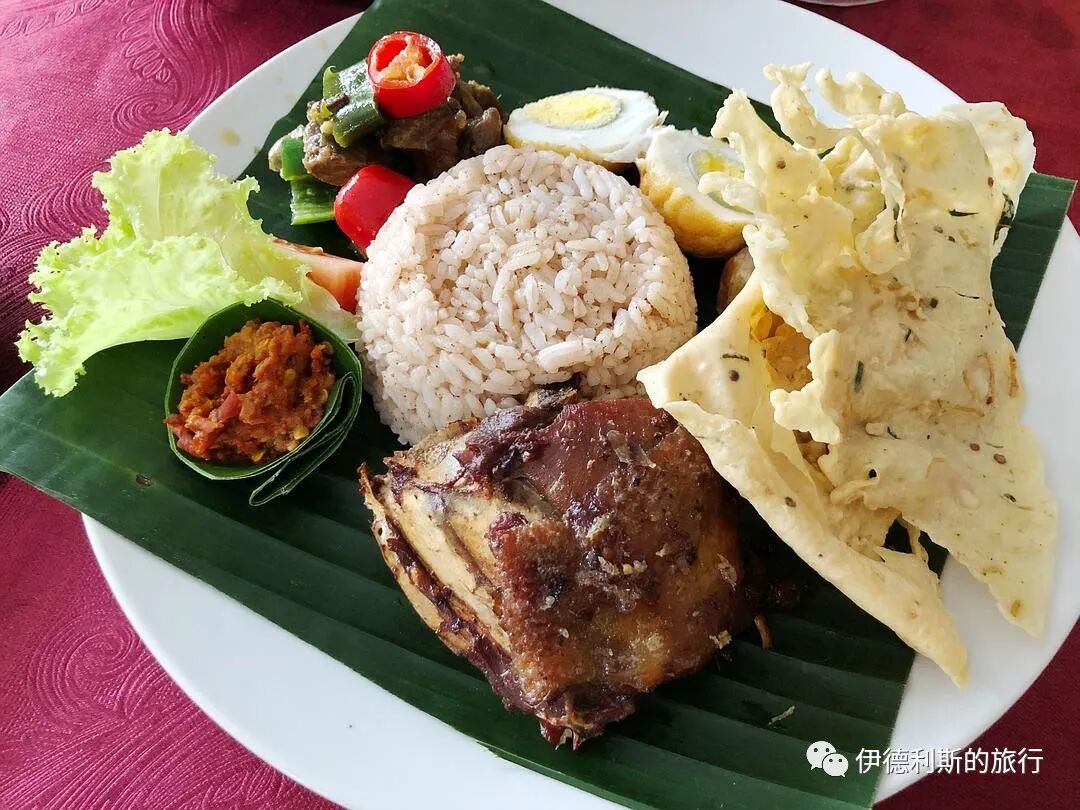
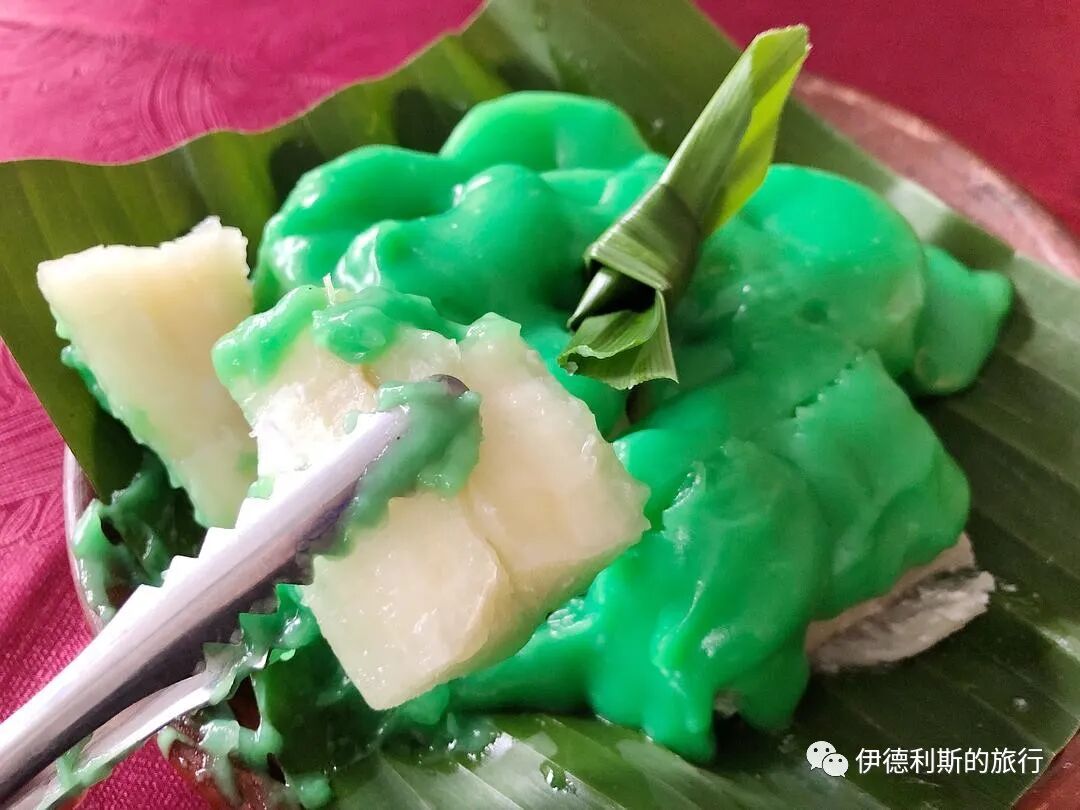
Located next to the Yogyakarta Sultan's Palace, nDalem Joyokusuman was the home of Prince Gusti Haryo Haji Joyokusumo and is now open as a cultural center and restaurant. I ate Nasi Blawong and Telo ijo here. Nasi Blawong is a specialty dish of the Yogyakarta Sultan. It was once only served at the Sultan's birthday banquets, and the reddish Blawong rice used in it is considered sacred. Telo ijo is a cassava cake drizzled with pandan coconut milk.
nDalem Joyokusuman was built in 1916 during the reign of the eighth Sultan of Yogyakarta, Hamengkubuwono VIII, and has been home to members of the Sultan's family ever since. The Peringgitan is the inner hall behind the main living room. It is where the prince's family spent their time and houses the valuable gifts the prince received.
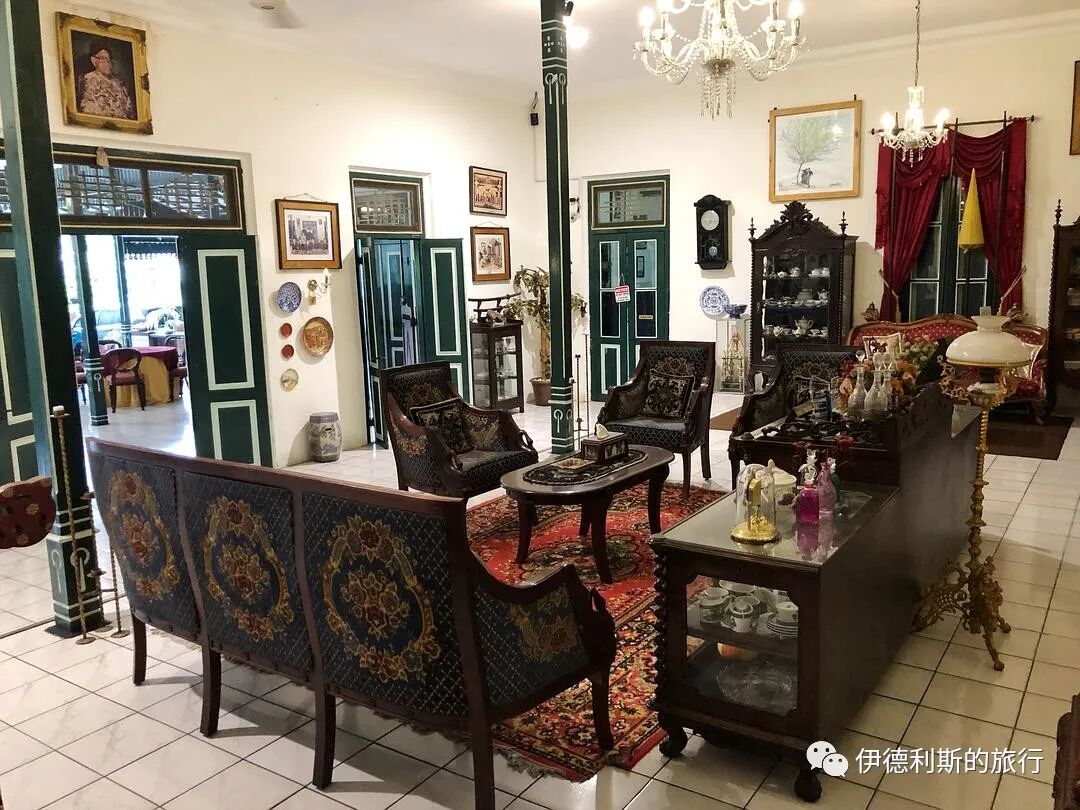
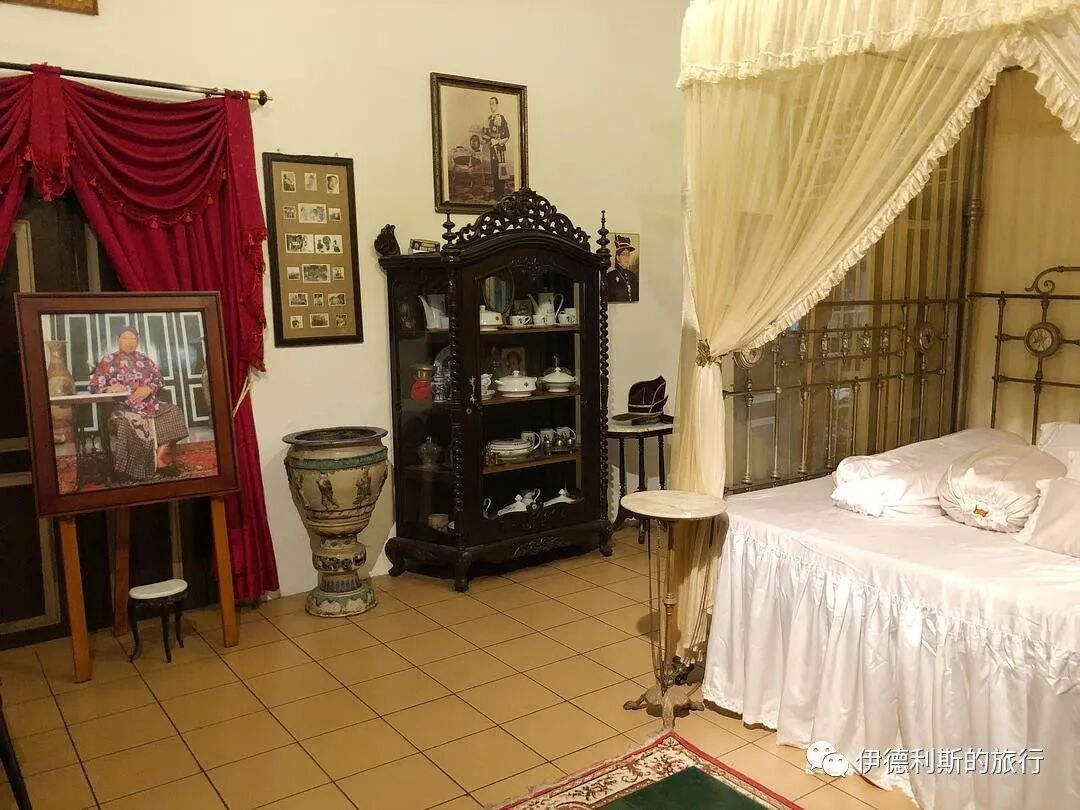
The Sentong Kiwo was originally a guest room and now serves as an exhibition hall.
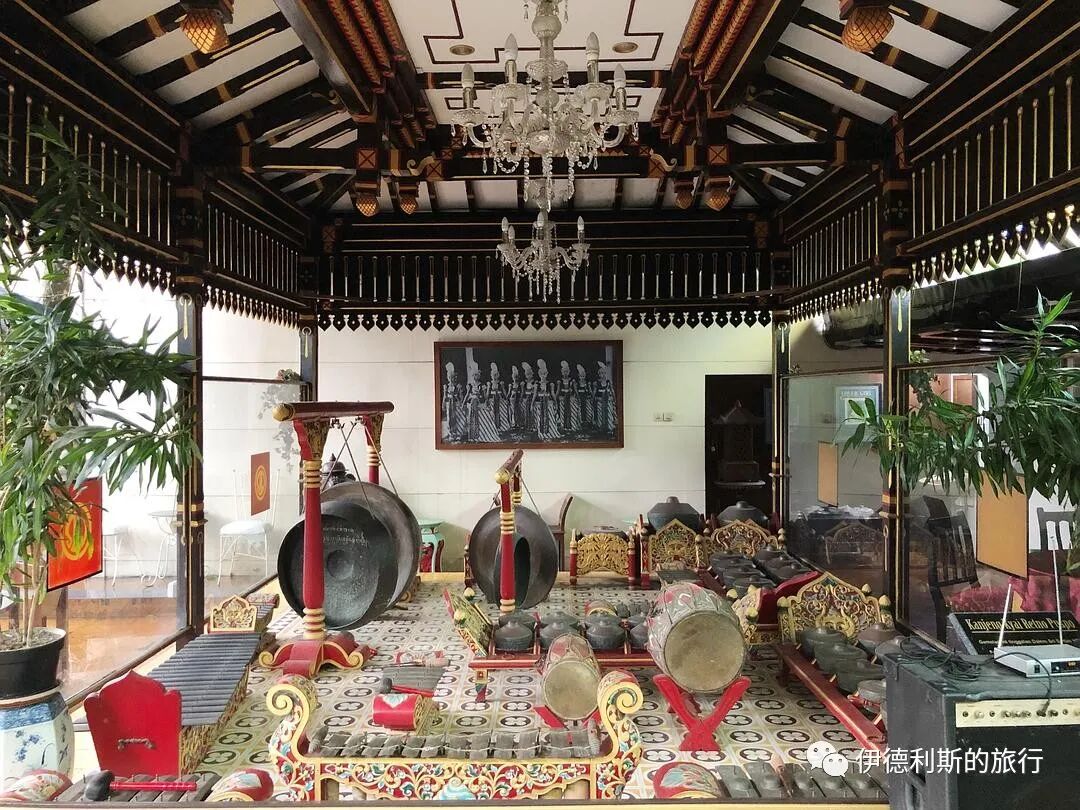
The area in the courtyard where gamelan music is performed.
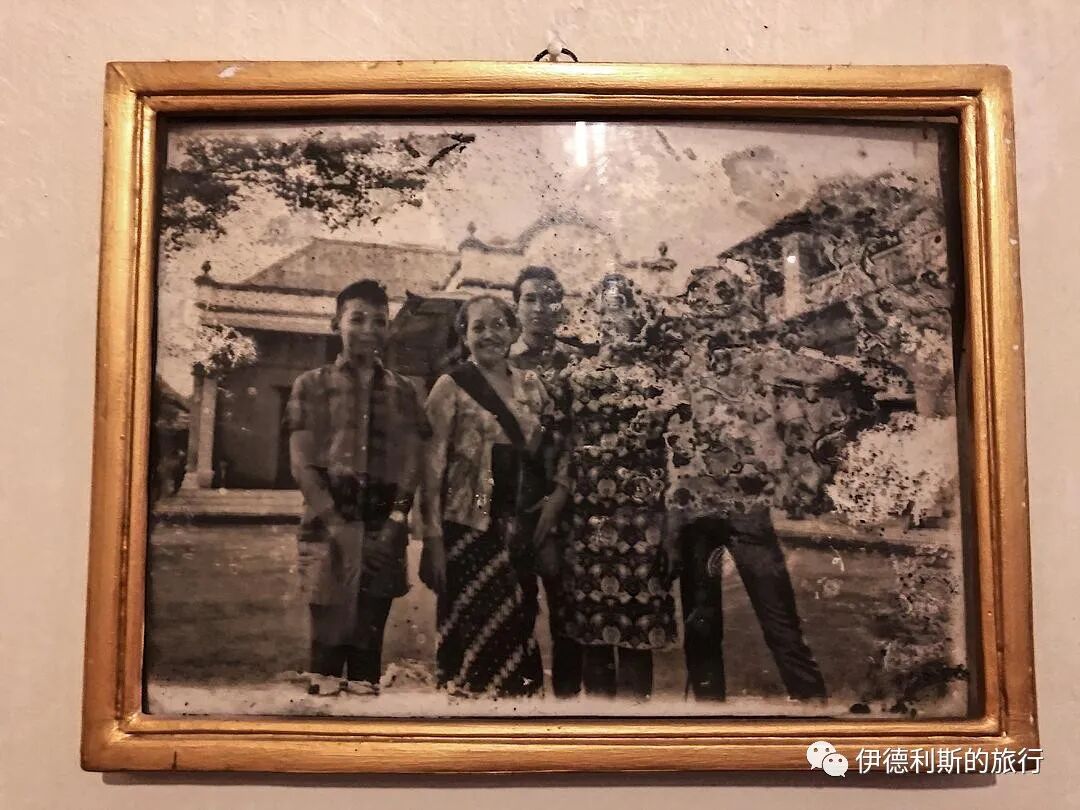
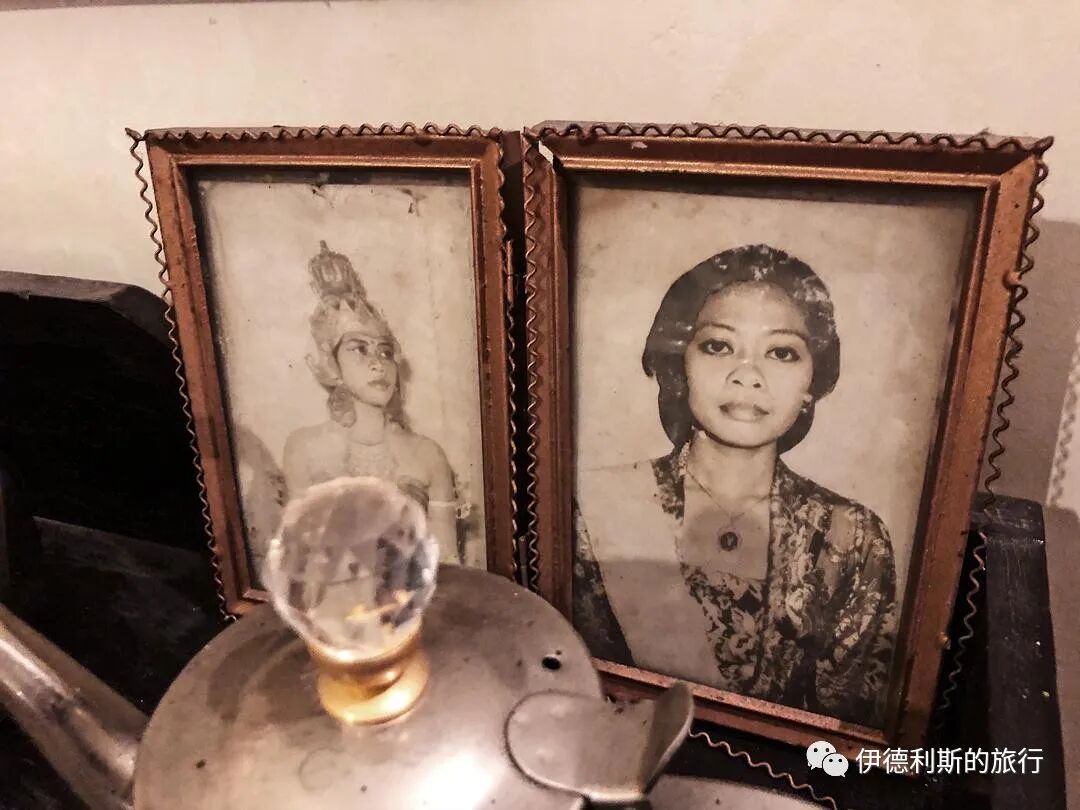
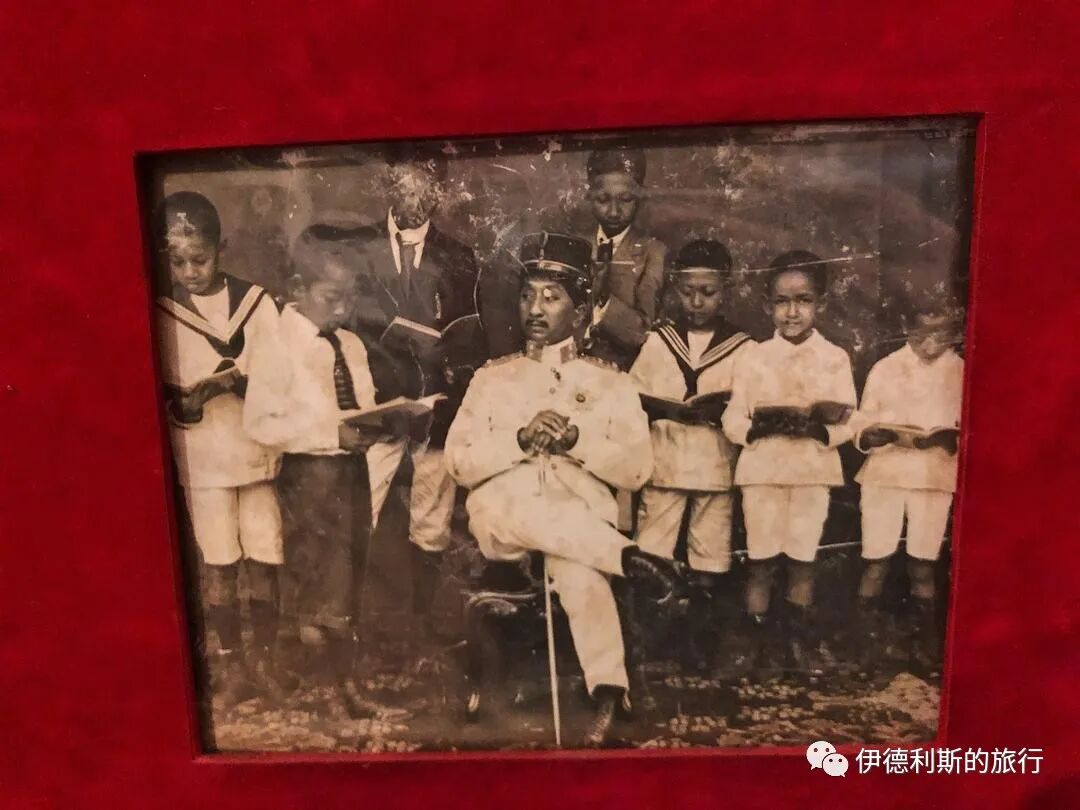
Photos of the prince's family when they were young.
Summary: Halal Food Guide: Yogyakarta — Javanese Dishes, Markets and Muslim Food is presented here as a firsthand travel account in clear English, beginning with this scene: Yogyakarta is an ancient cultural city in central Java that is still ruled by a sultan today. The account keeps its focus on Yogyakarta, Java Islam, Sultanate History while preserving the names, places, food, and historical details from the Chinese source.
Yogyakarta is an ancient cultural city in central Java that is still ruled by a sultan today. Beyond traditional Javanese architecture, gamelan music, and wayang shadow puppetry, Yogyakarta also has many local Javanese foods that I want to share with you.
1. Drinks
In the muggy tropical heat, drinking a cold street drink feels really good.
Es Dawet Ayu is a specialty iced drink from Central Java that comes from the small town of Banjarnegara. Its main ingredients are rice flour, glutinous rice flour, coconut milk, palm sugar syrup, and grass jelly.
Coconut water
Freshly squeezed dragon fruit juice; the juice selection in Java is truly rich.
Sekoteng is a Javanese ginger-flavored hot drink that includes peanuts, bread slices, and rice balls. Hot drinks are relatively rare in Java, but it feels like the ginger helps remove dampness.
Freshly squeezed lemon juice
2. Snacks
Putu Bumbung is a pastry made by mixing glutinous rice flour with pandan leaf juice and palm sugar, then steaming it in bamboo tubes. You eat it with shredded coconut.
Pecel is a Javanese salad that usually includes spinach, amaranth, bean sprouts, water spinach, yardlong beans, cucumber, cassava leaves, and lemon basil. The sauce contains peanut butter, crushed peanuts, salt, palm sugar, tamarind juice, chili, galangal, kaffir lime leaves, and garlic. Pecel originated in Java and was later brought to Malaysia and Suriname by Javanese people.
3. Restaurants
Lesehan is a Javanese style of dining where you sit cross-legged on the floor. The Malioboro night market in Yogyakarta is the birthplace of this dining style. I ate the Yogyakarta specialty, Gudeg rice with chicken. Gudeg is made by stewing unripe jackfruit, palm sugar, and coconut milk for several hours. The ingredients include shallots, ginger, garlic, coriander seeds, bay leaves, and teak leaves.
At a small shop specializing in fish cakes, I ordered the fish cake omelet (Lenggang) and fish cake noodles (Mie Laksan). The fish cakes were stuffed with tofu.
I ate meatball soup (Bakso) and grilled chicken skin (Thaichan Kulit Ayam) at a shop.
I had fried fish with Indonesian chili sauce (sambal) at this shop, and it was super spicy!
The breakfast at my hotel in Yogyakarta had a great variety of food.
On the left are Indonesian rice cakes (klepon), topped with shredded coconut and served on a banana leaf. Klepon is made from a mix of glutinous rice flour, palm sugar, and juice from pandan or dracaena leaves. On the right are Indonesian snacks (kue), known in Java as market snacks (jajan pasar), which play an important role in traditional Javanese ceremonies.
In the bottom right is eggplant with chili sauce (balado), a spicy sauce that comes from the island of Sumatra. In the bottom left is lemon basil chicken (ayam kemangi).
4. Royal Sultan Cuisine
Located next to the Yogyakarta Sultan's Palace, nDalem Joyokusuman was the home of Prince Gusti Haryo Haji Joyokusumo and is now open as a cultural center and restaurant. I ate Nasi Blawong and Telo ijo here. Nasi Blawong is a specialty dish of the Yogyakarta Sultan. It was once only served at the Sultan's birthday banquets, and the reddish Blawong rice used in it is considered sacred. Telo ijo is a cassava cake drizzled with pandan coconut milk.
nDalem Joyokusuman was built in 1916 during the reign of the eighth Sultan of Yogyakarta, Hamengkubuwono VIII, and has been home to members of the Sultan's family ever since. The Peringgitan is the inner hall behind the main living room. It is where the prince's family spent their time and houses the valuable gifts the prince received.
The Sentong Kiwo was originally a guest room and now serves as an exhibition hall.
The area in the courtyard where gamelan music is performed.
Photos of the prince's family when they were young.
